A biology and health lesson where students explore thermoregulation and hydration. They learn how the body stays cool in the Texas heat and design personal hydration plans to maintain homeostatic balance.
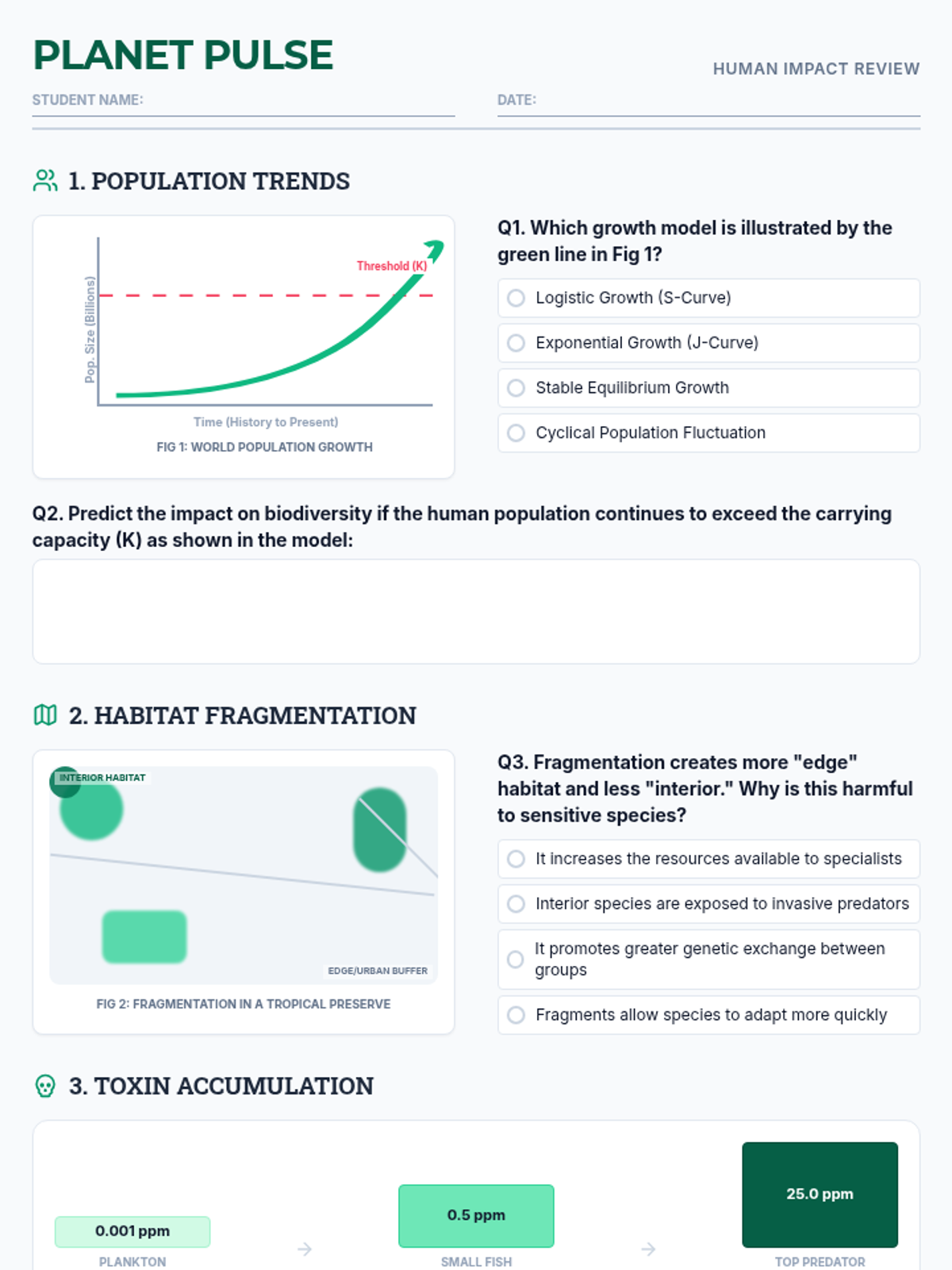
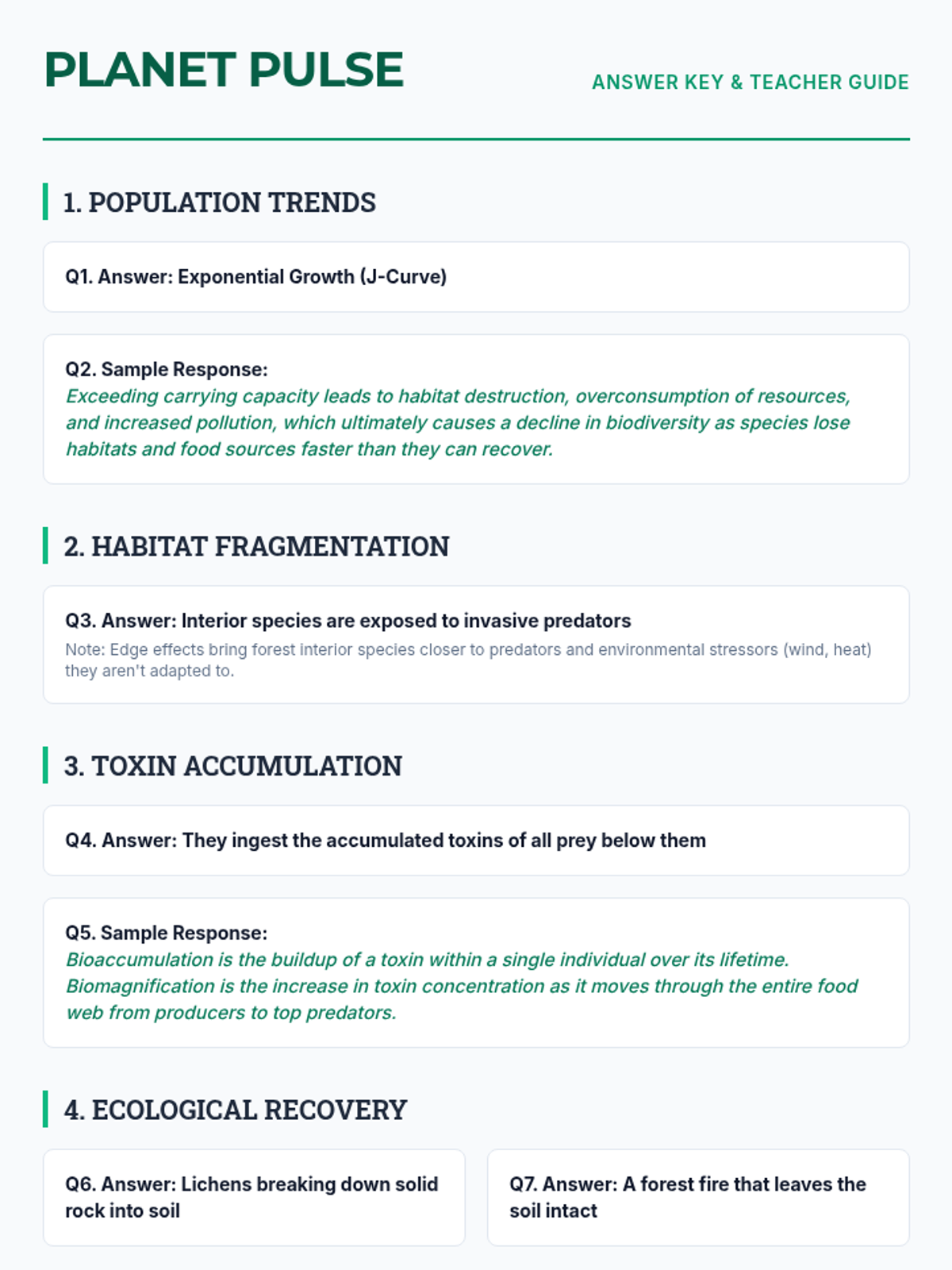
A comprehensive review lesson covering human impact on the environment, including population dynamics, biodiversity loss, biomagnification, and ecological succession. Students analyze real-world data, maps, and diagrams to evaluate environmental health and sustainability practices.
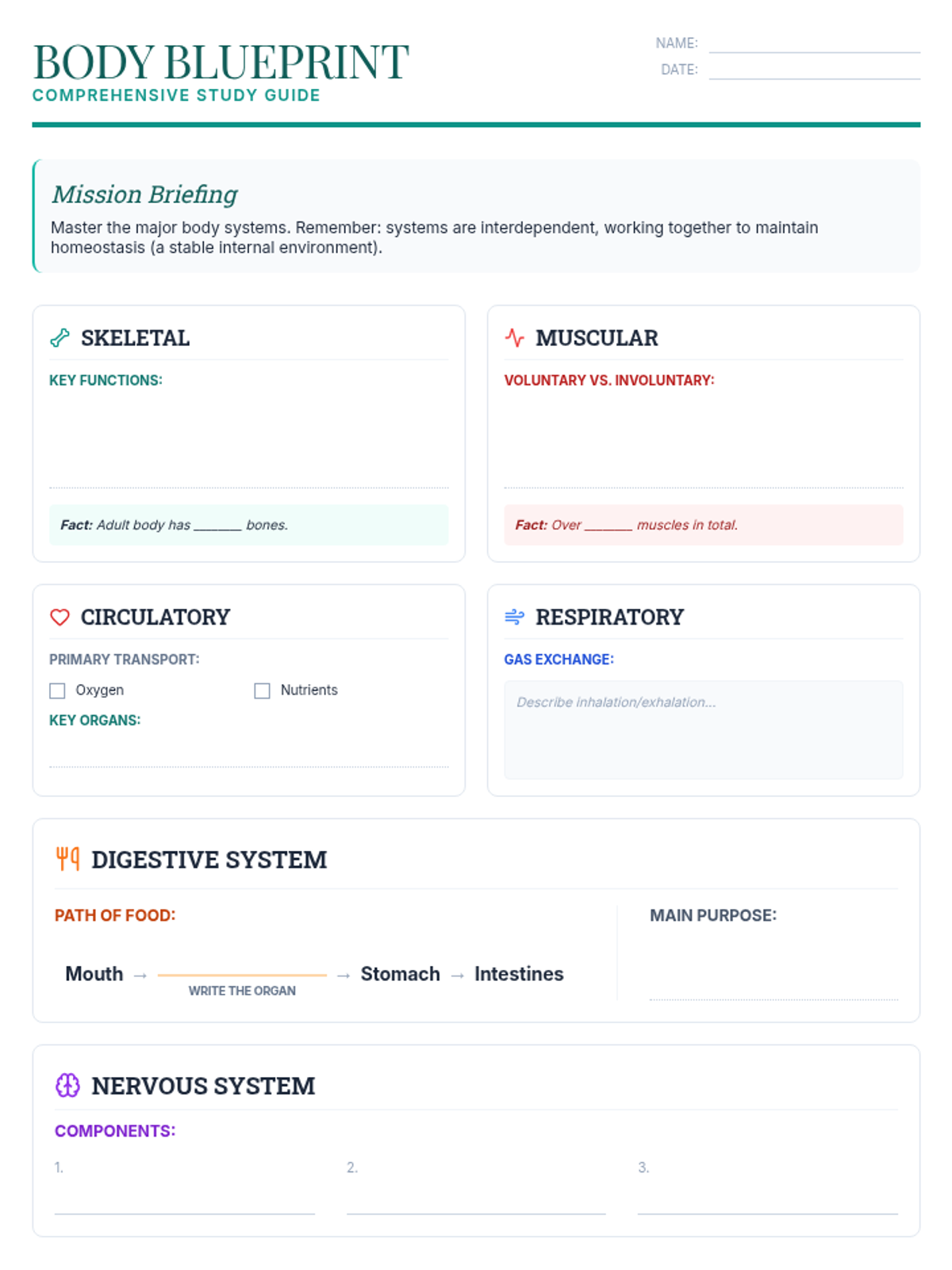
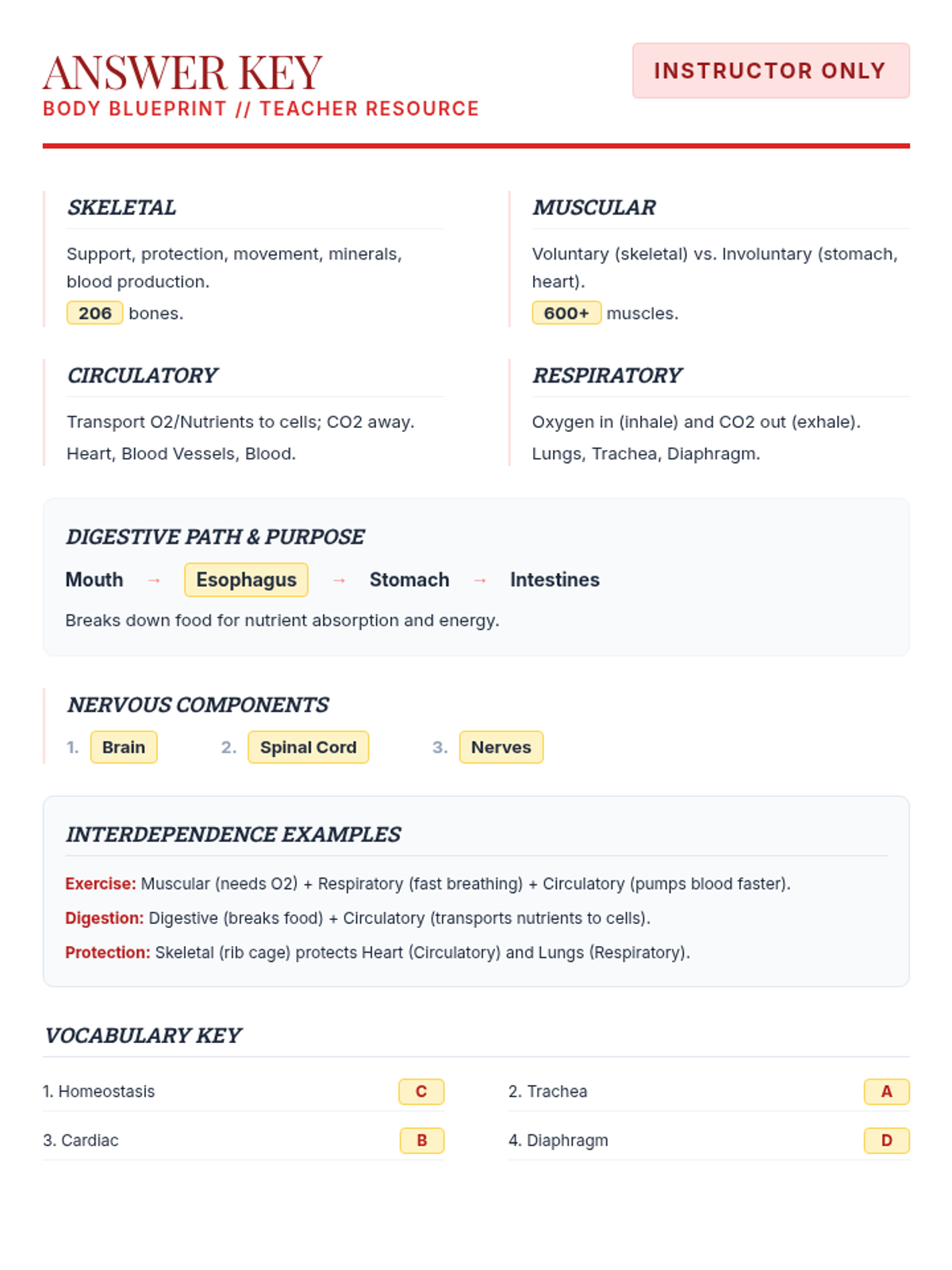
A comprehensive review of the major human body systems, focusing on their primary functions, key organs, and how they work together to maintain homeostasis.
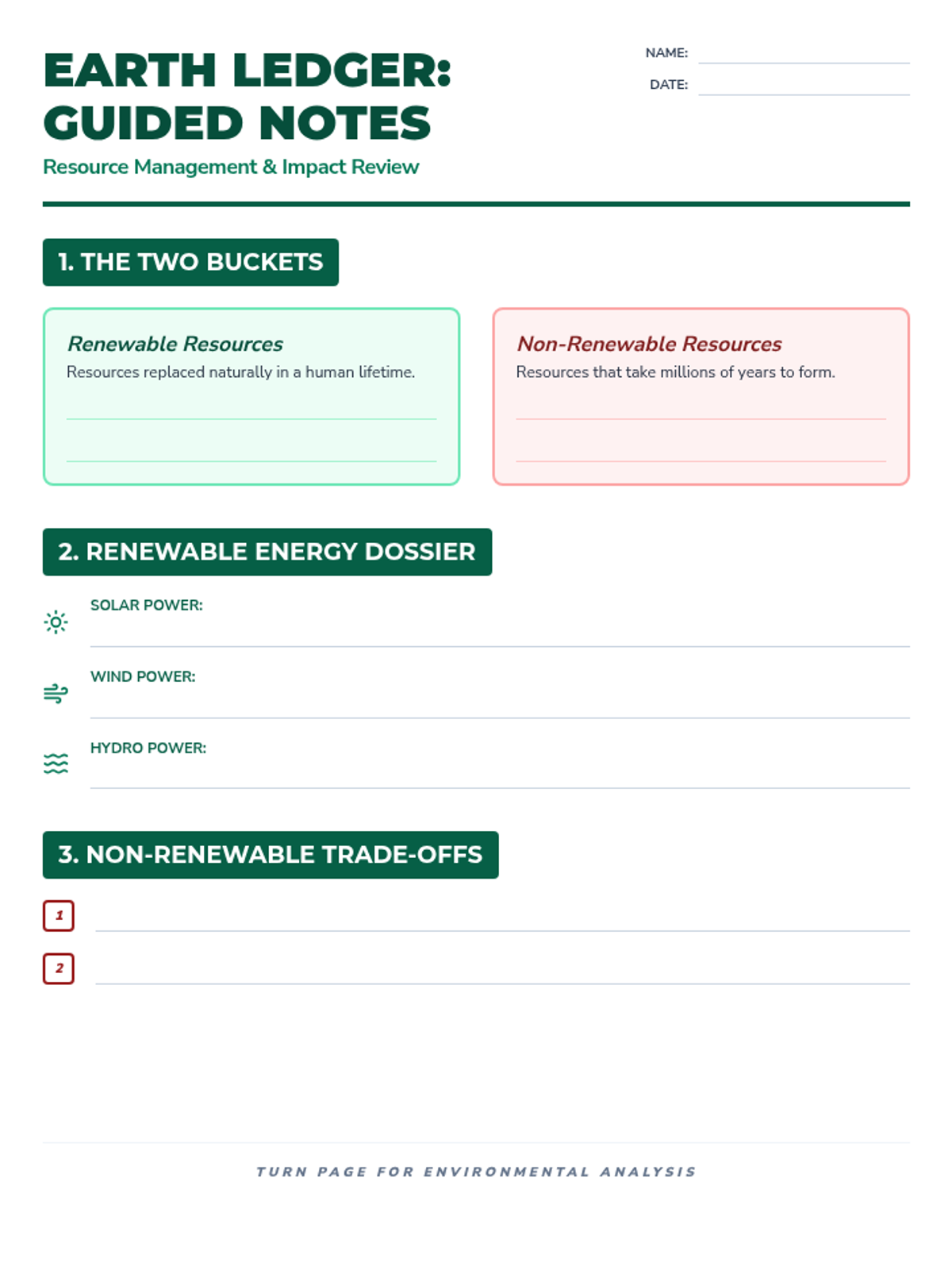
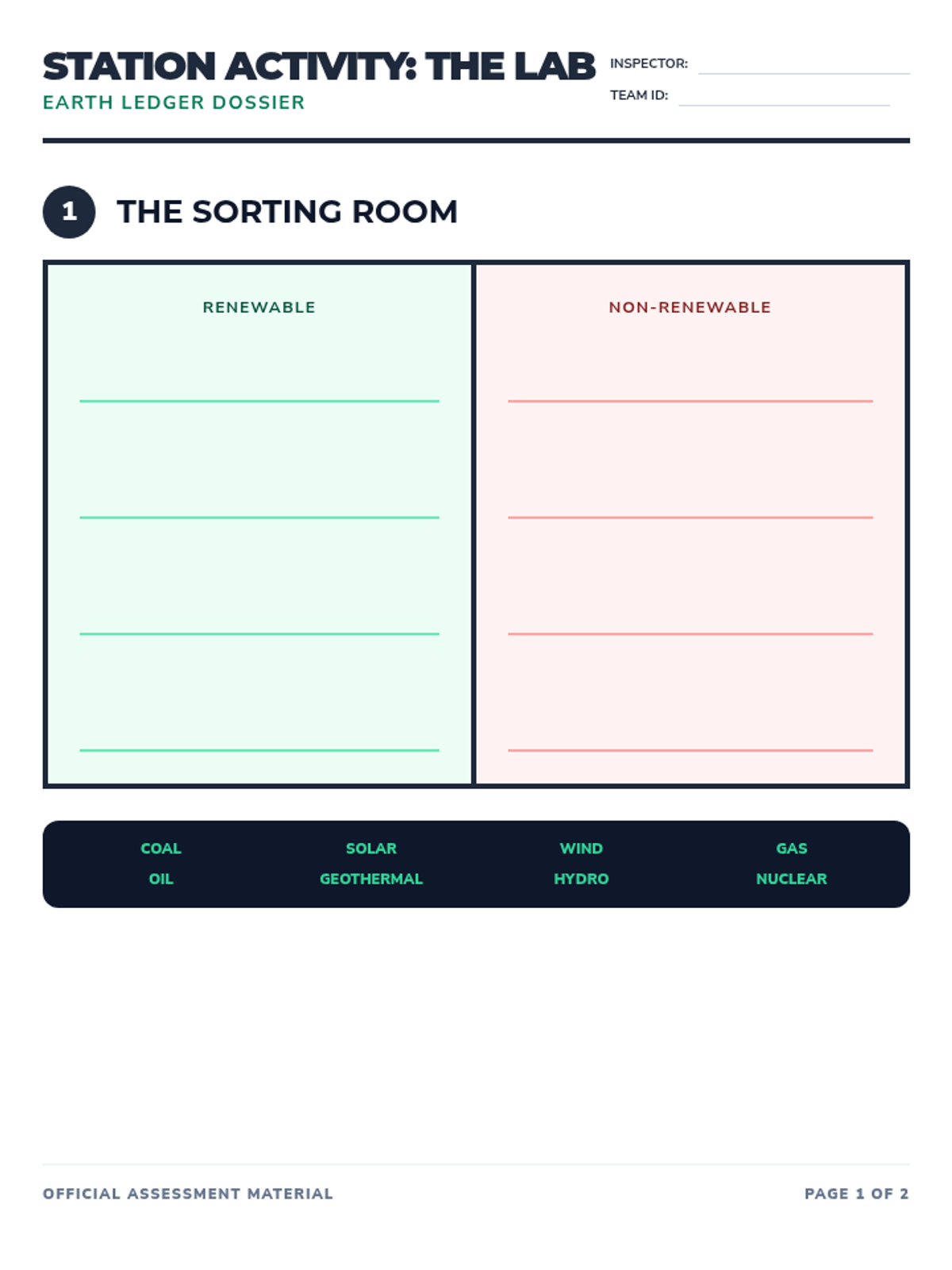
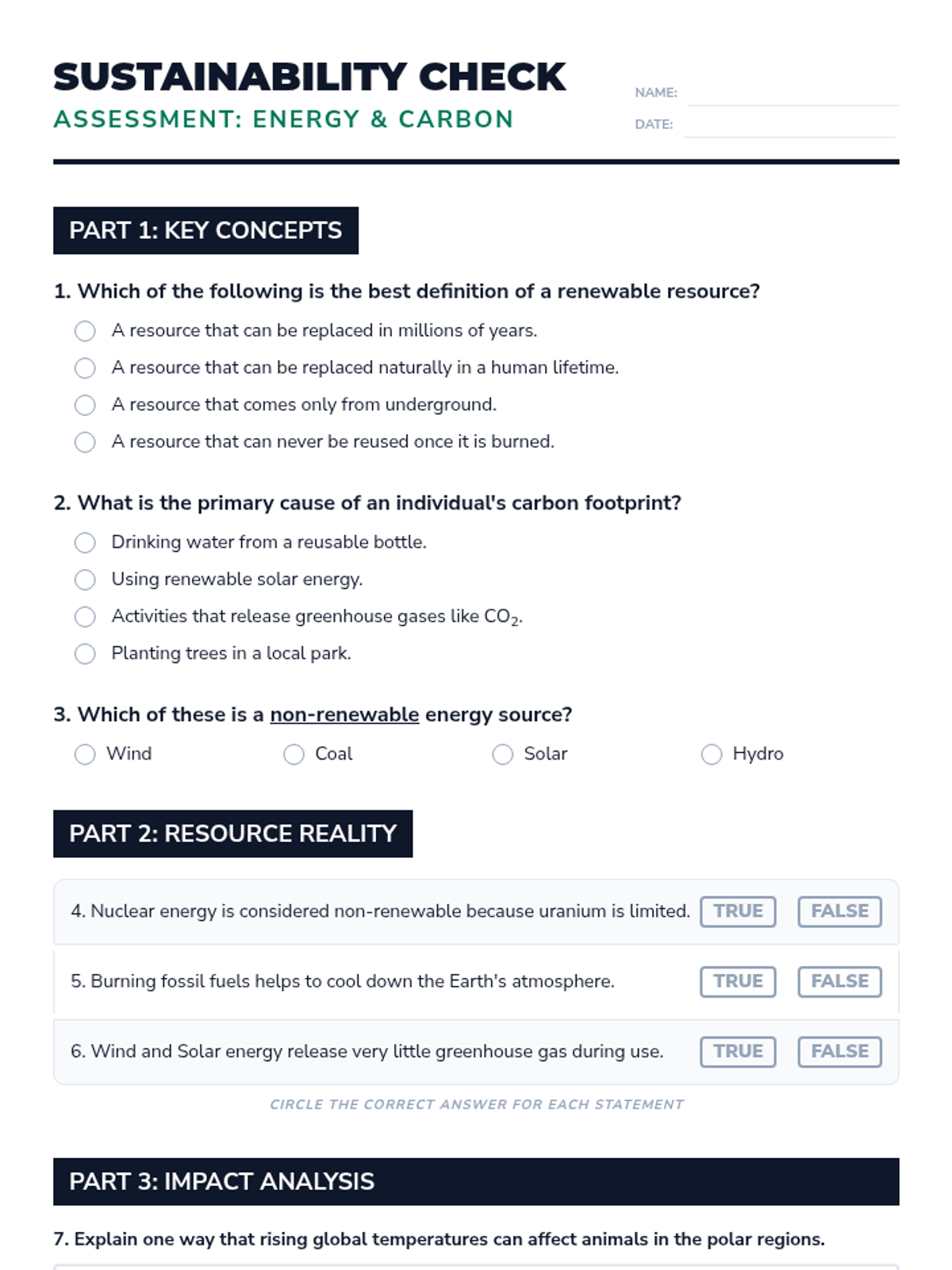
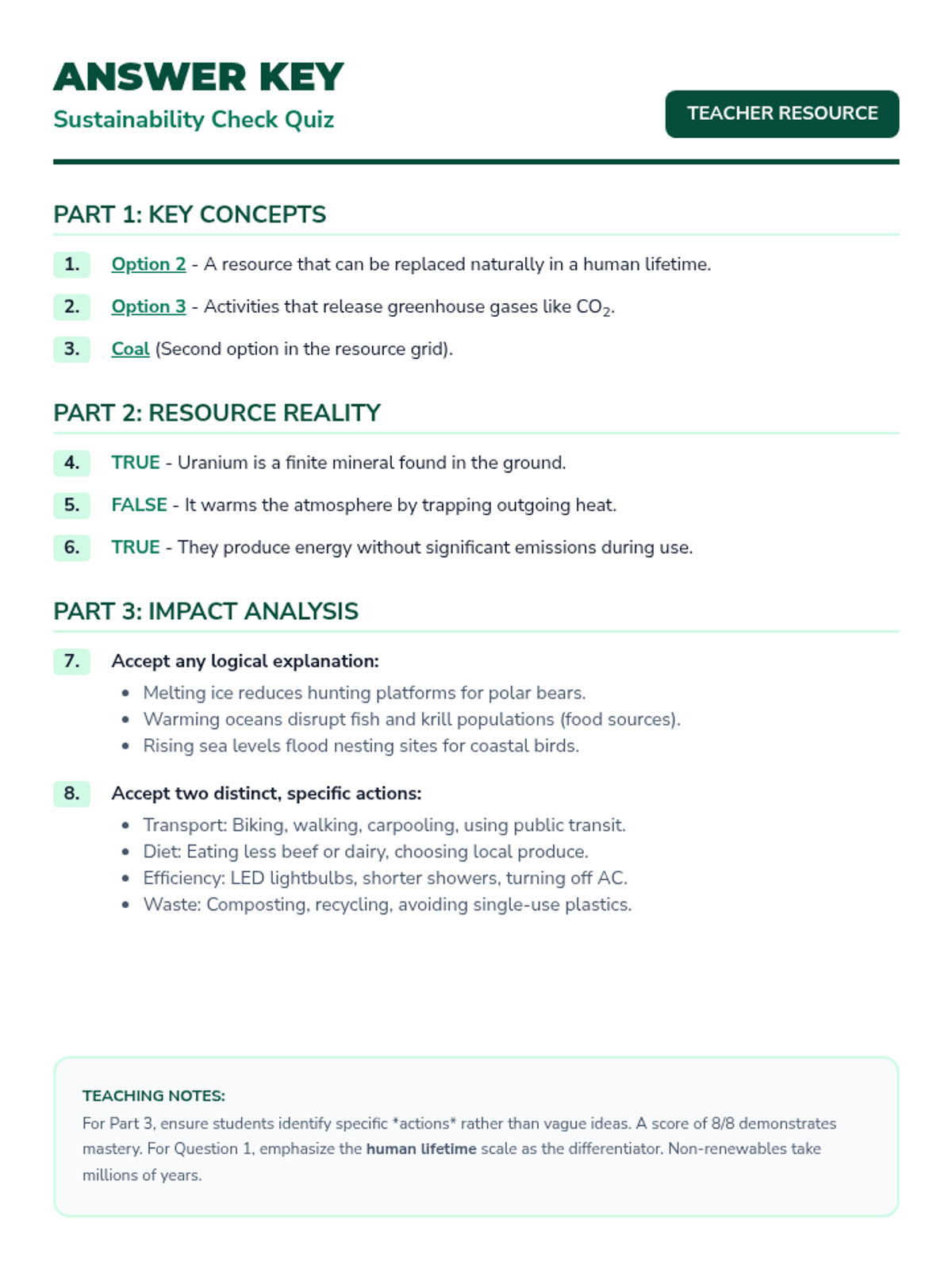
A comprehensive review of renewable and non-renewable energy sources and the environmental impact of carbon footprints, designed with accessible language for high school students.
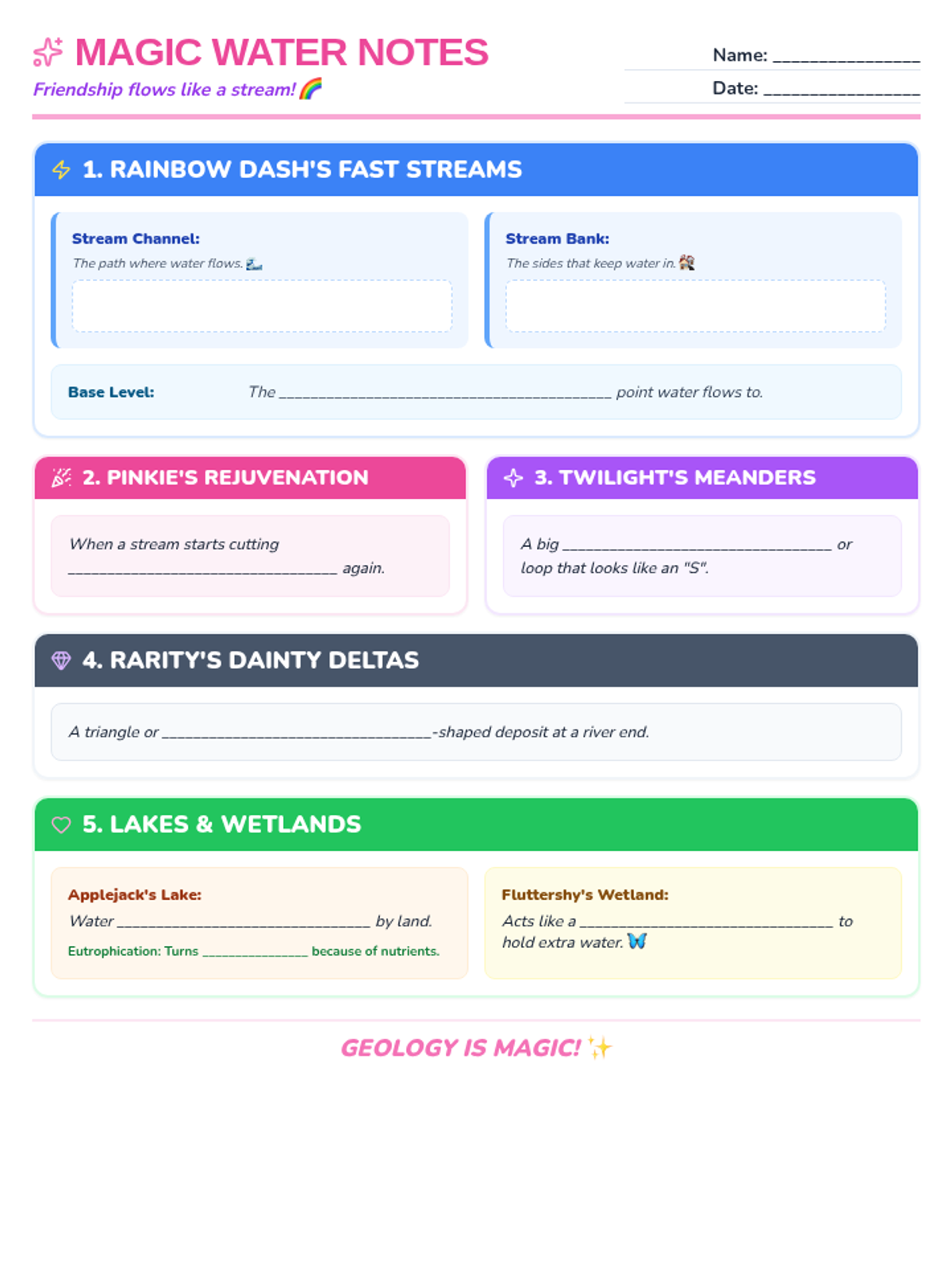
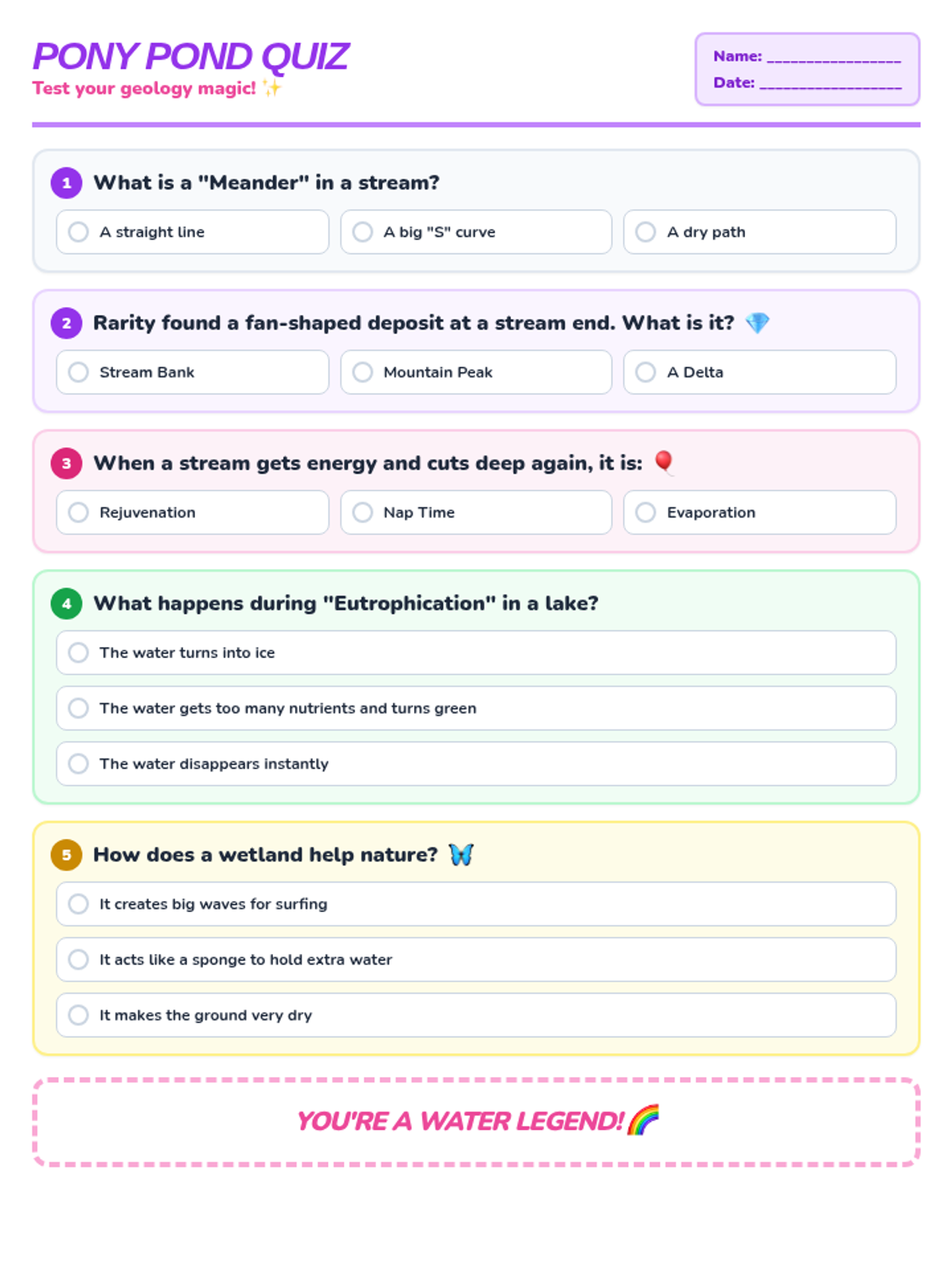
A lesson on surface water interactions with land, featuring My Little Pony characters to explain streams, lakes, and wetlands. Students learn key geological terms through simple bullet points and visual support.
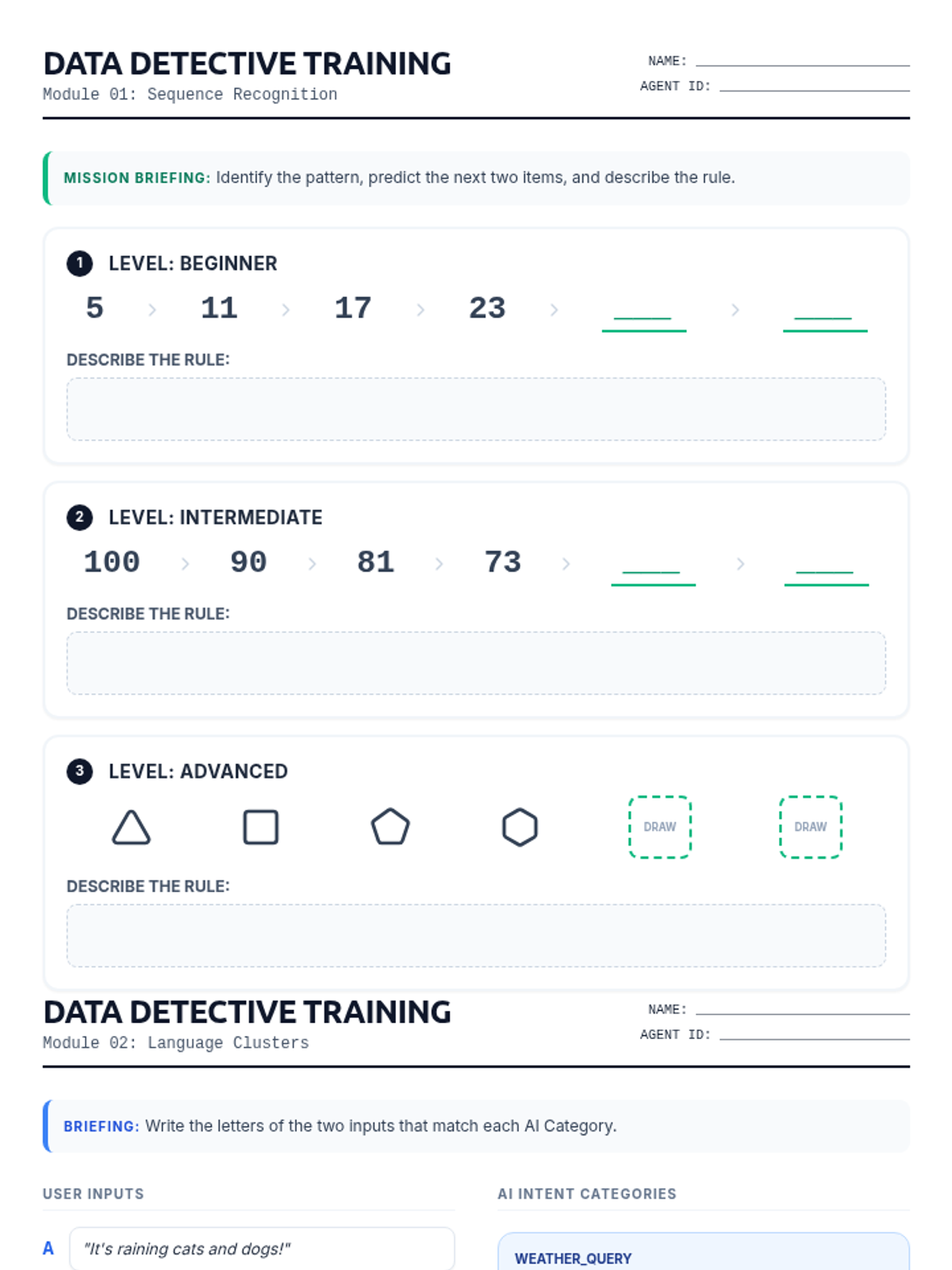
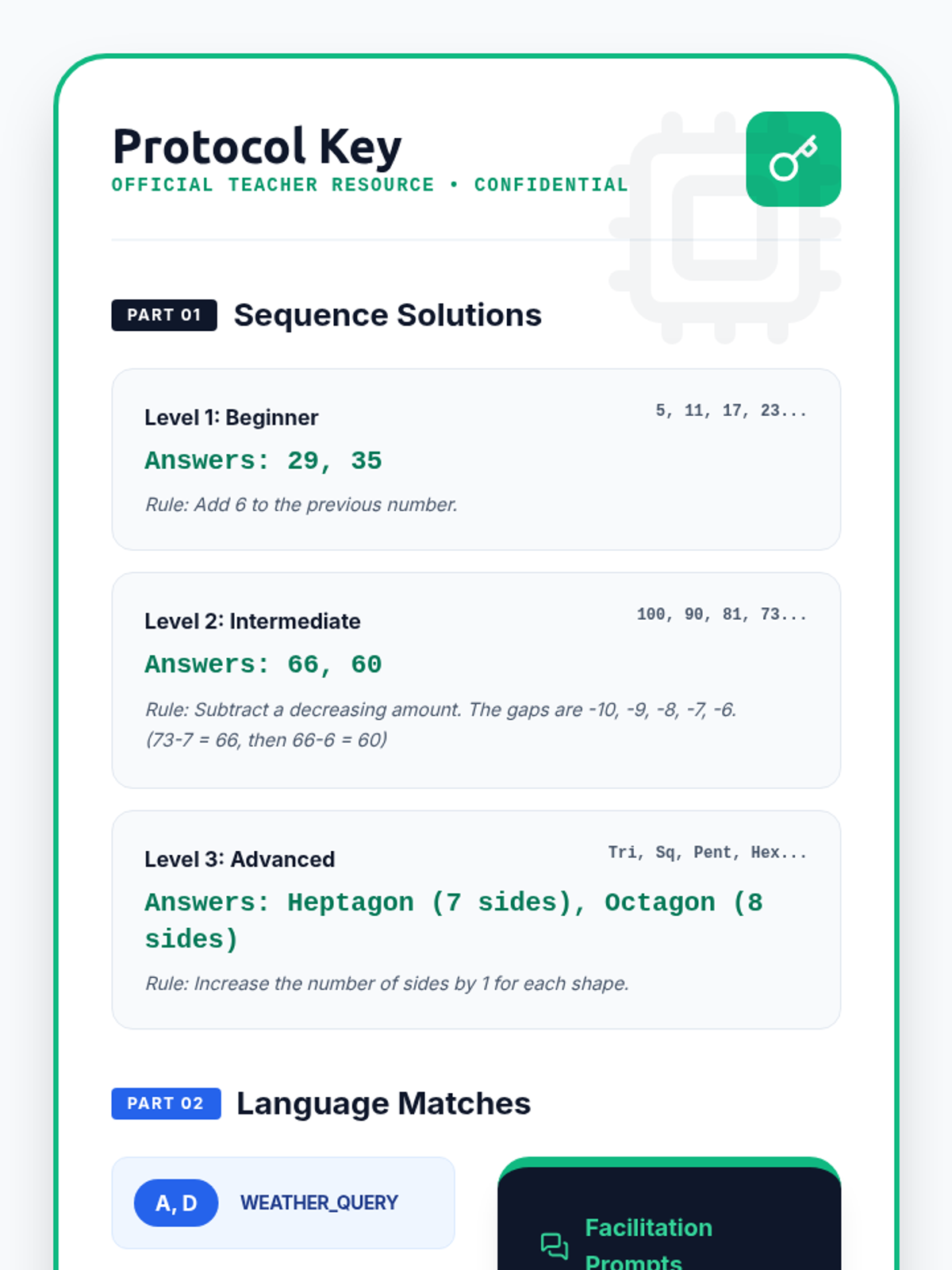
Students explore how AI uses pattern recognition to predict sequences and understand human language through hands-on logic puzzles and guided discussion.
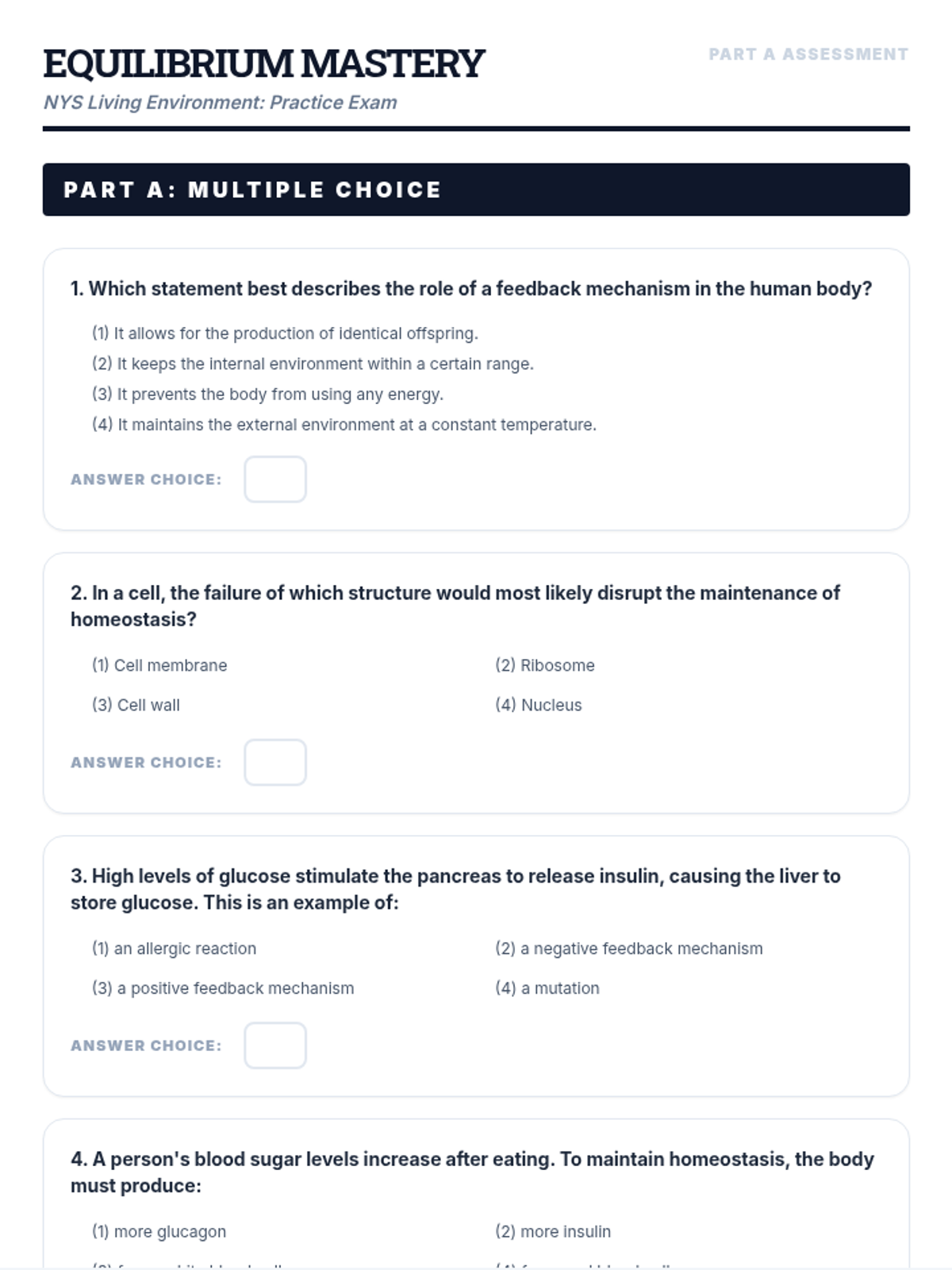
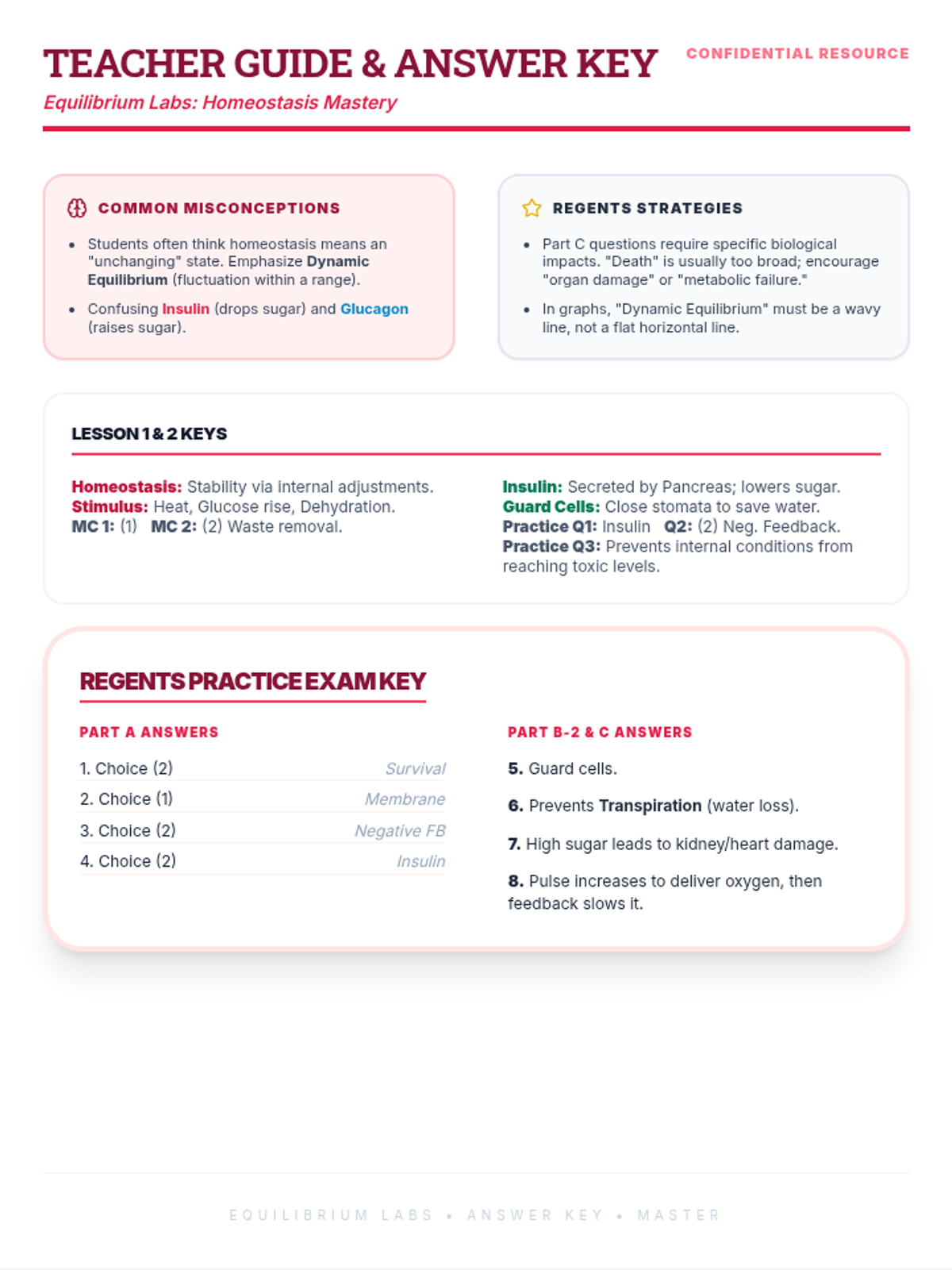
Exploring how human body systems collaborate to maintain homeostasis, featuring Regents-style practice problems and analysis.
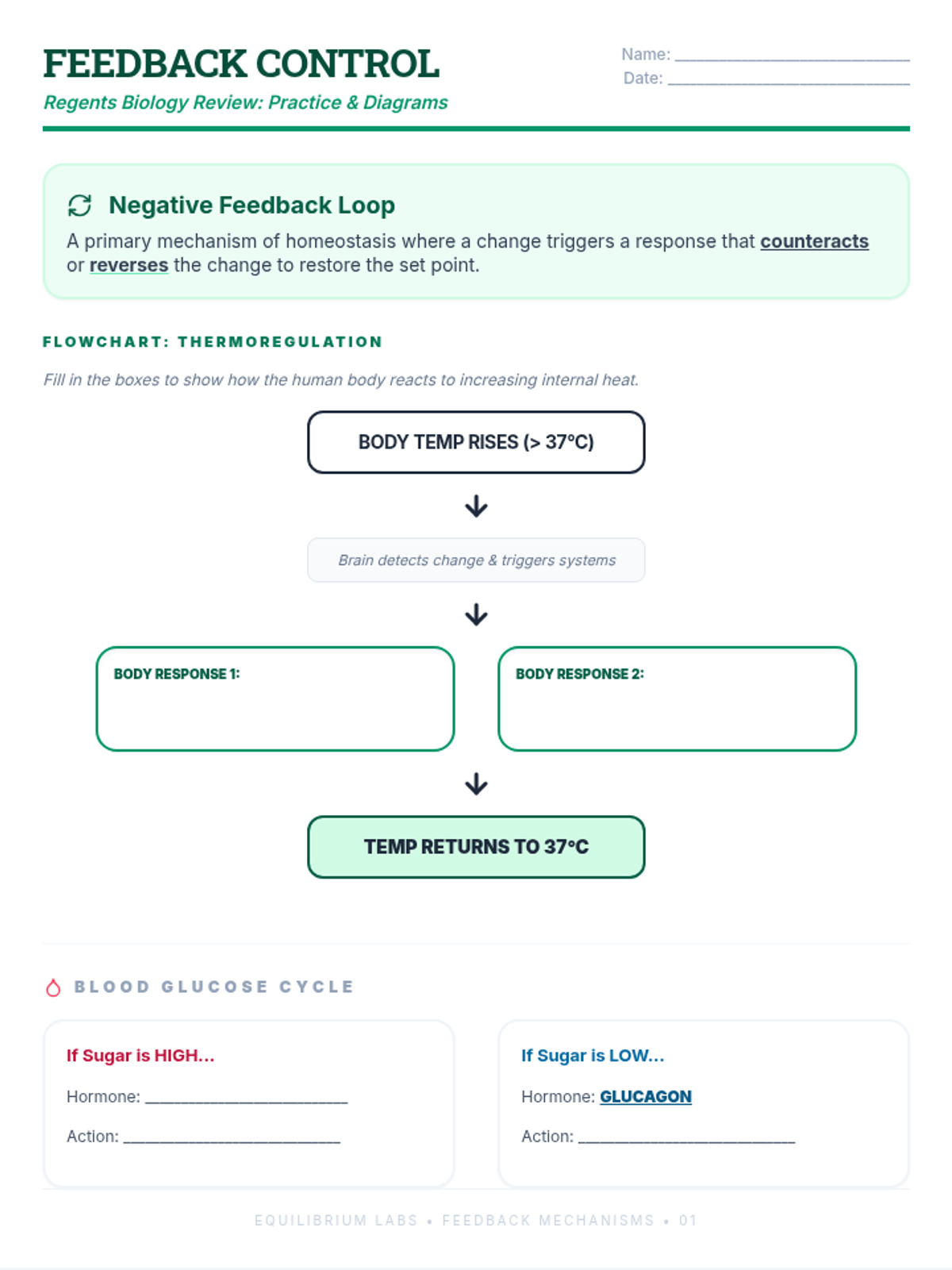
Deep dive into negative and positive feedback mechanisms with a focus on thermoregulation and blood sugar control.
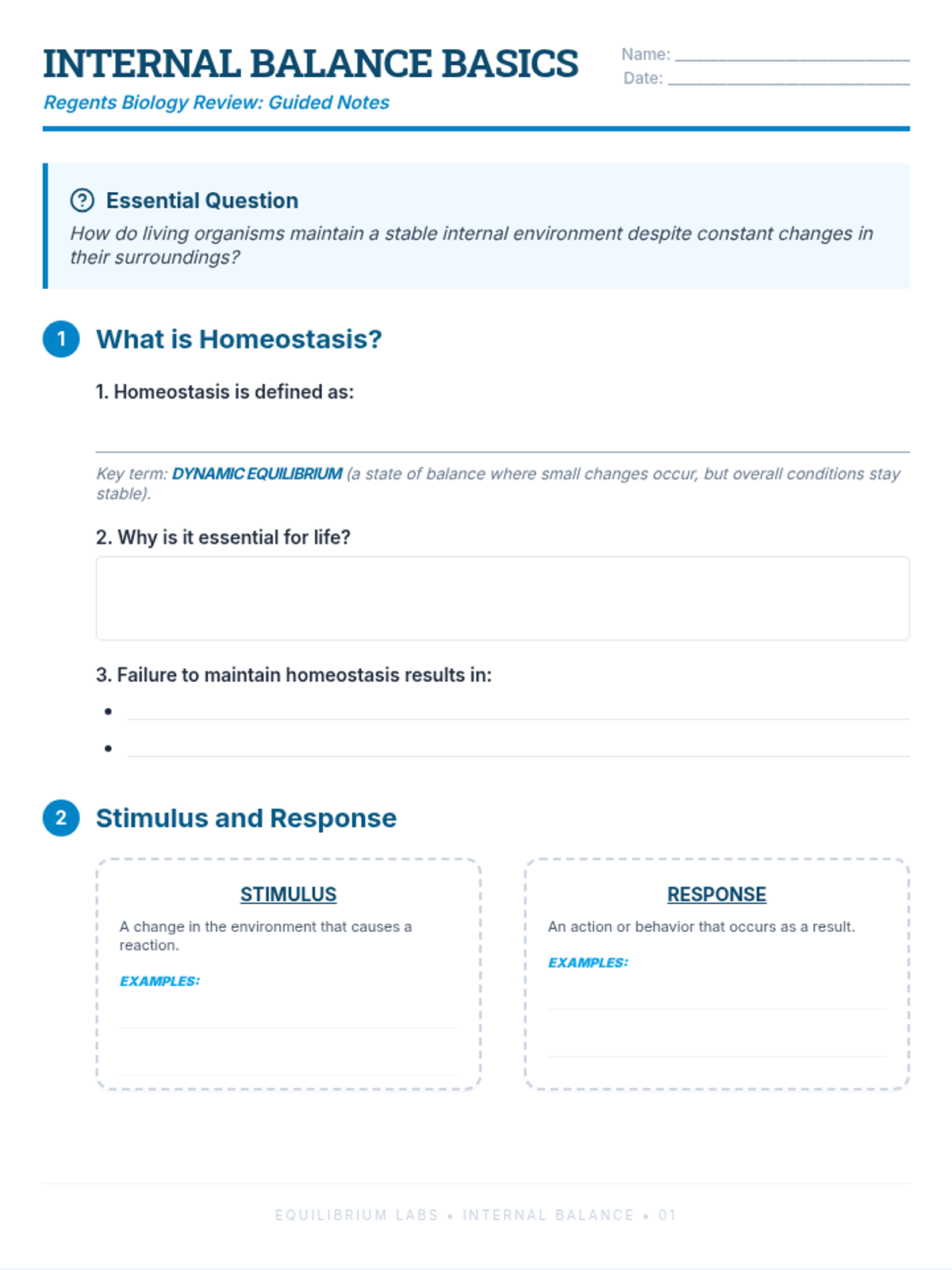
Introduction to homeostasis, dynamic equilibrium, and the basic mechanisms life uses to maintain stability in a changing environment.
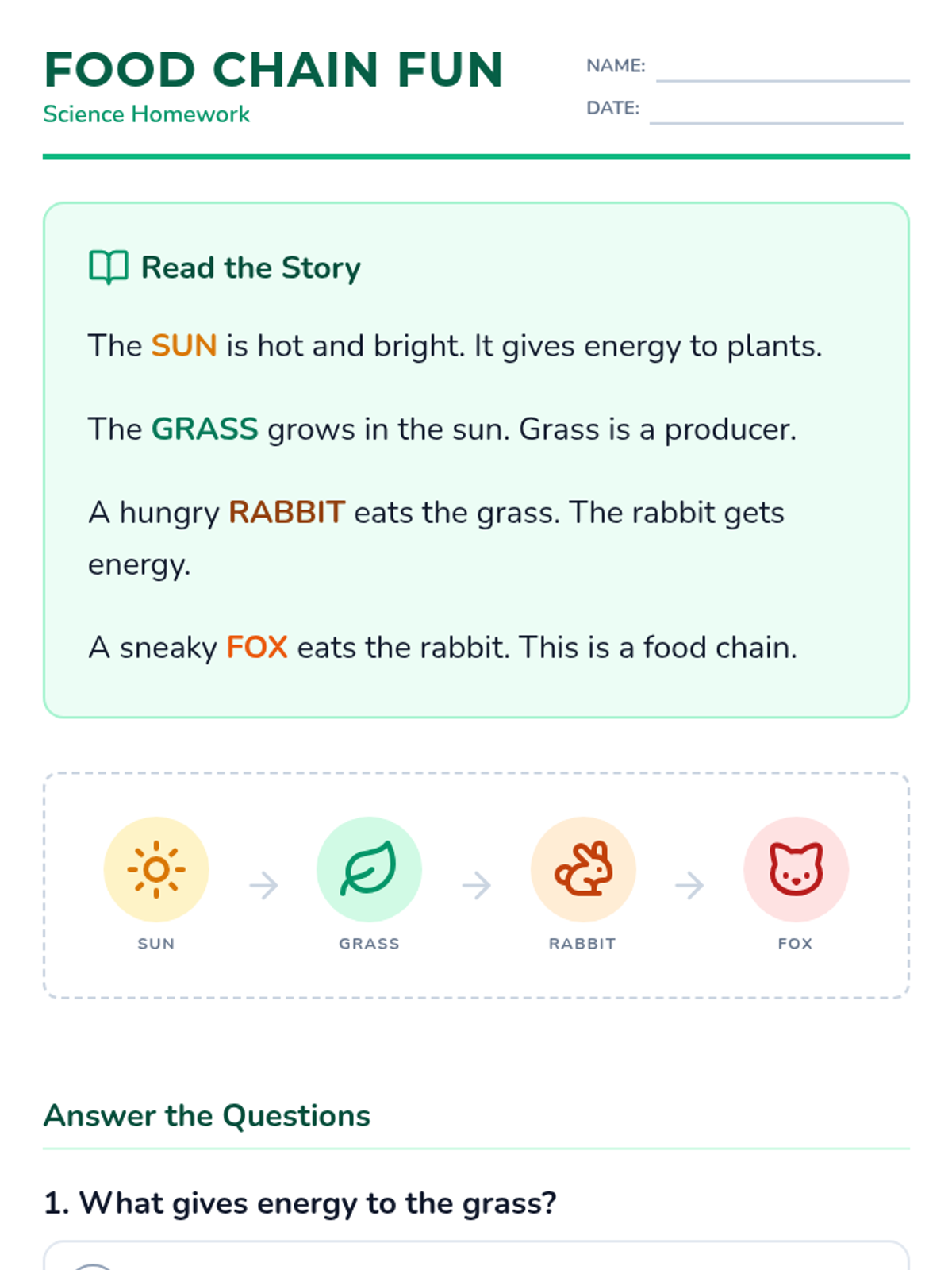
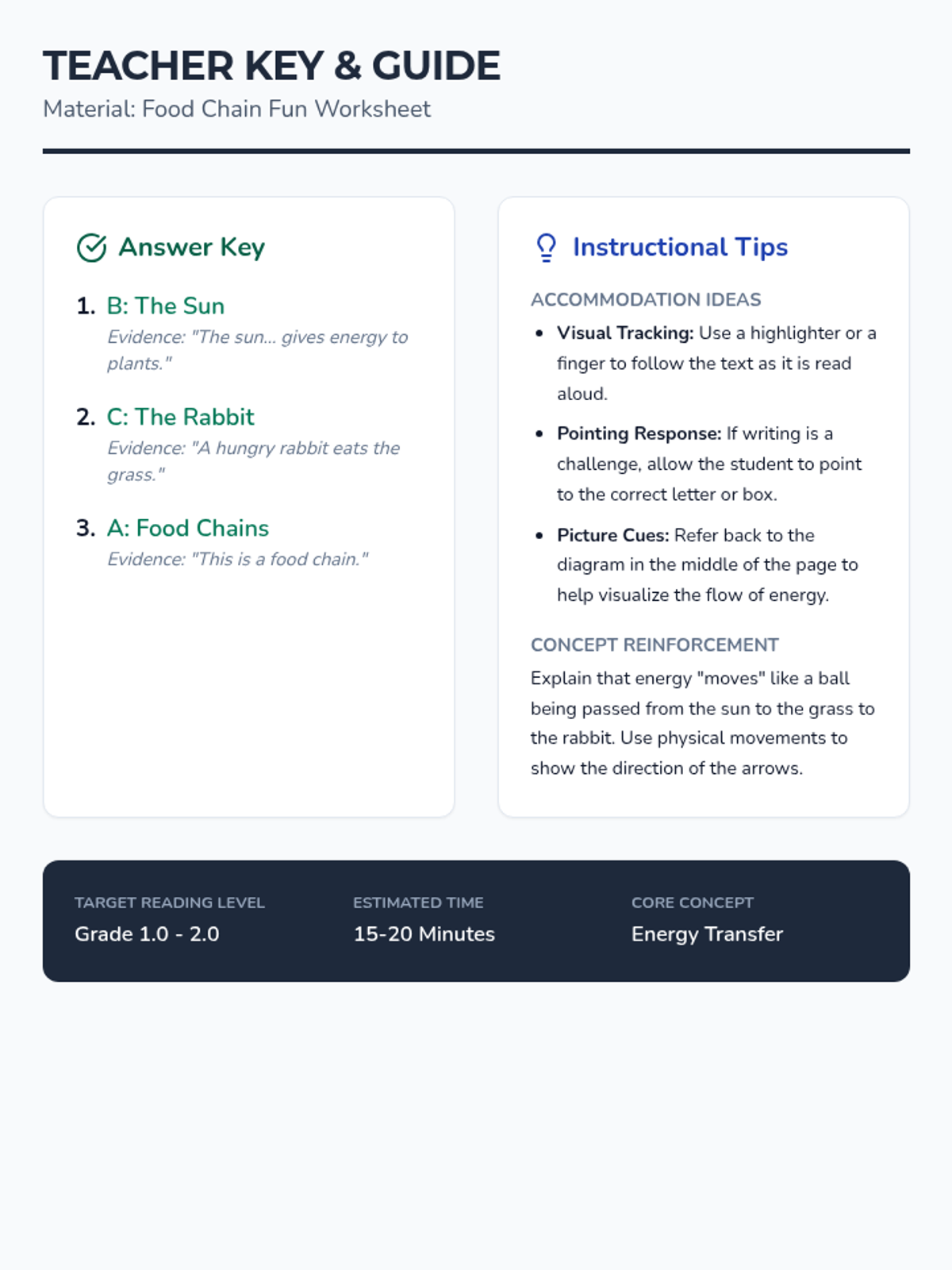
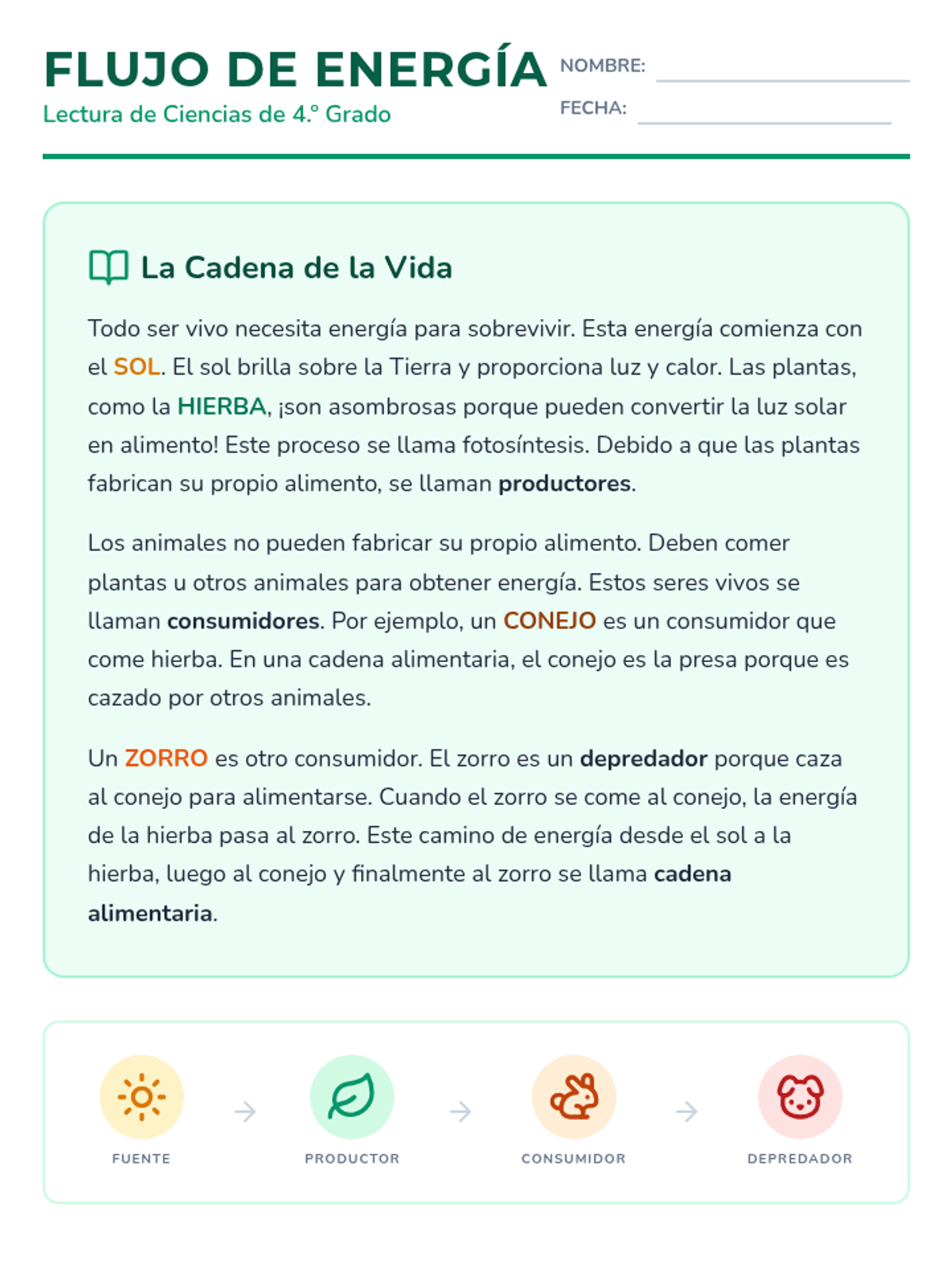
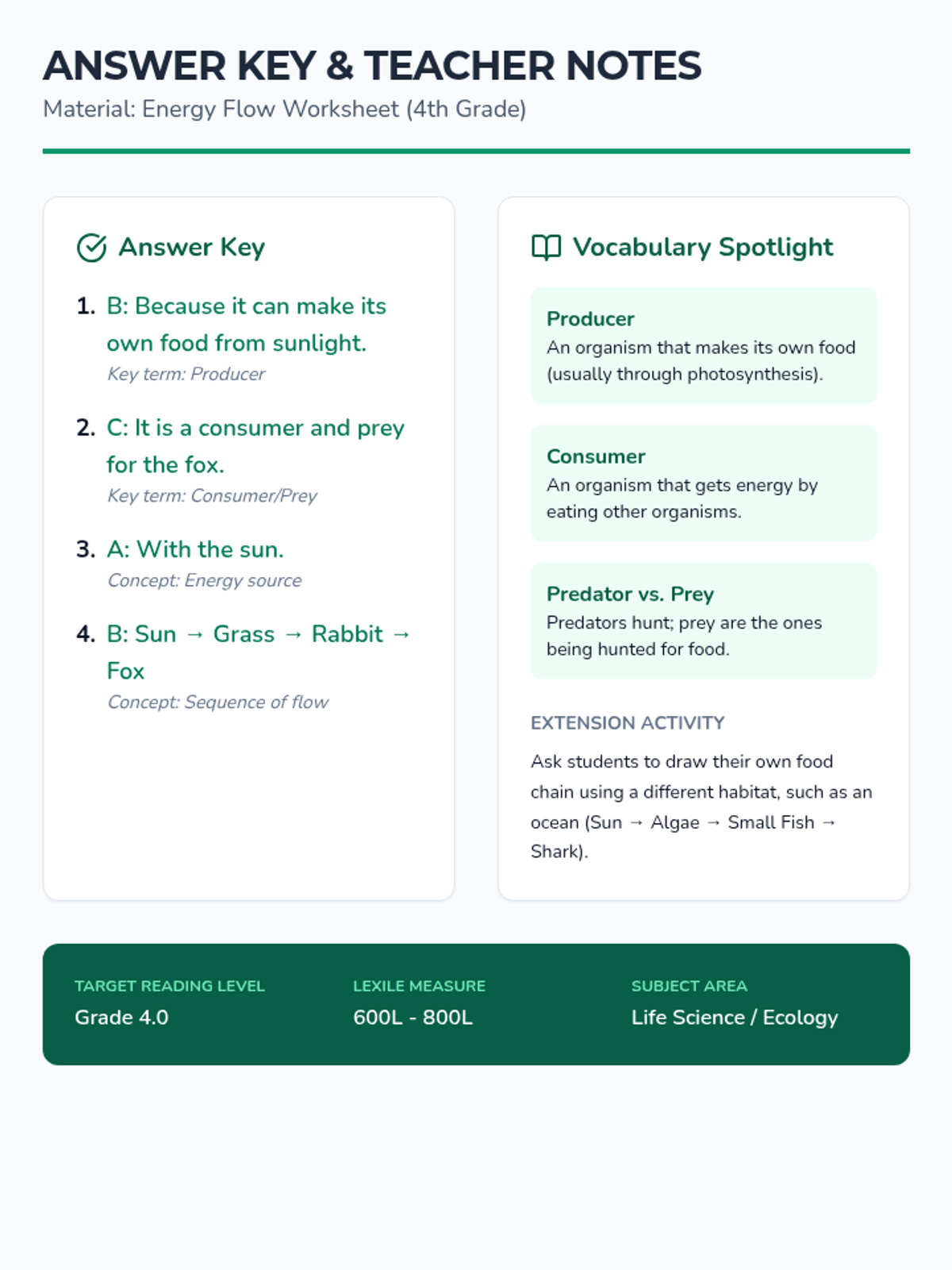
A simplified science lesson on food chains designed for 8th-grade students with severe disabilities, focusing on basic energy flow from sun to predator.
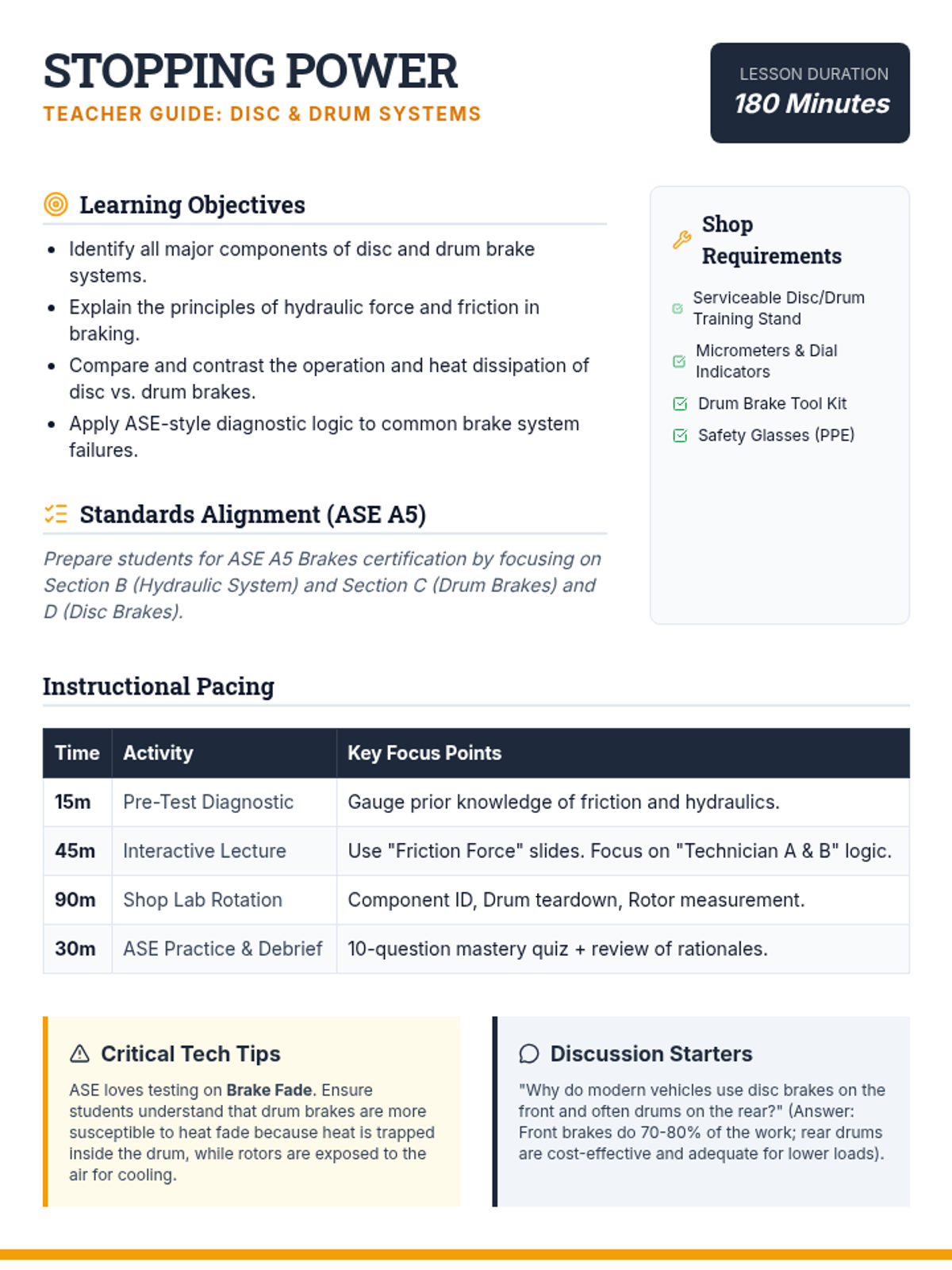
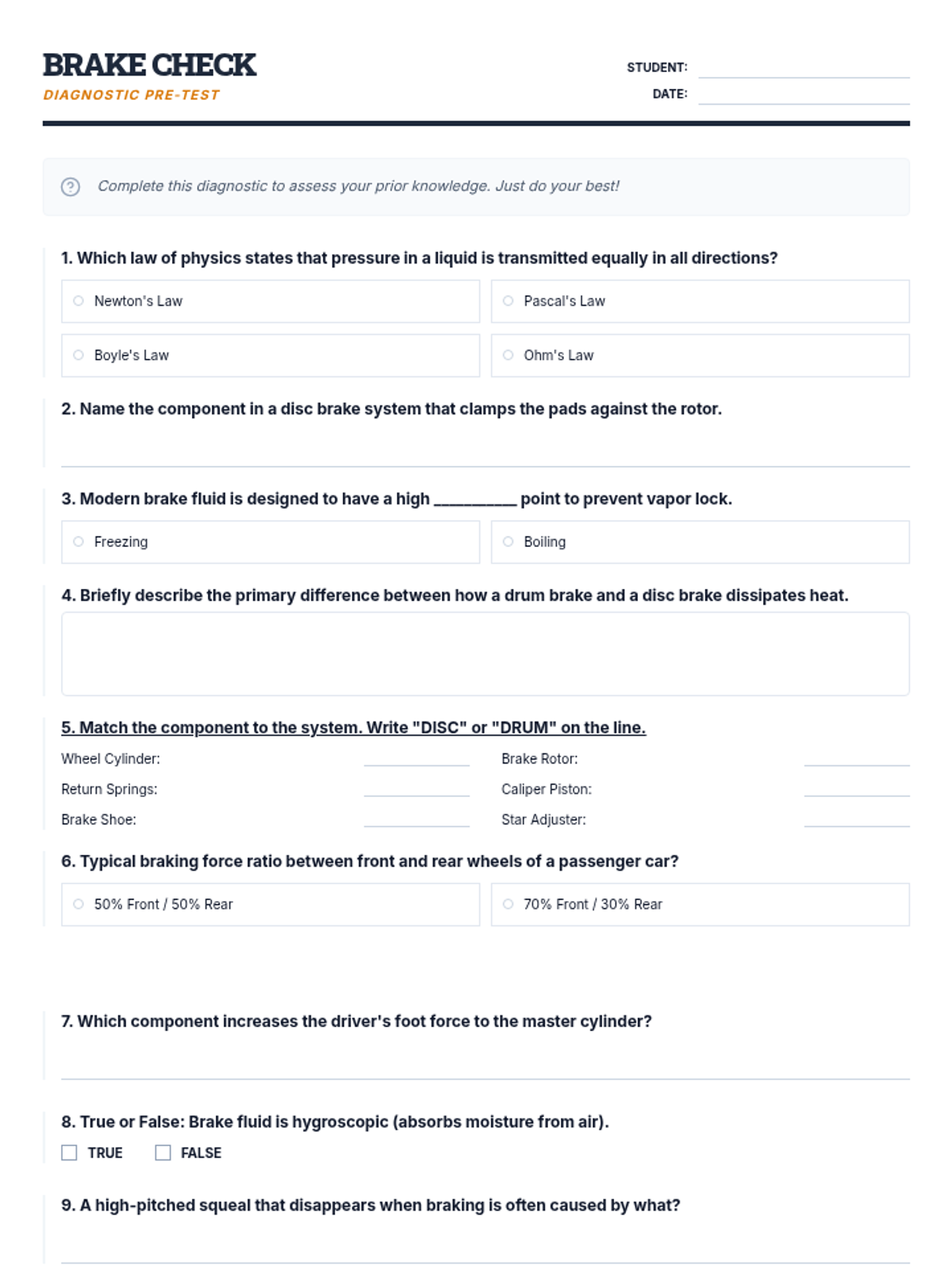
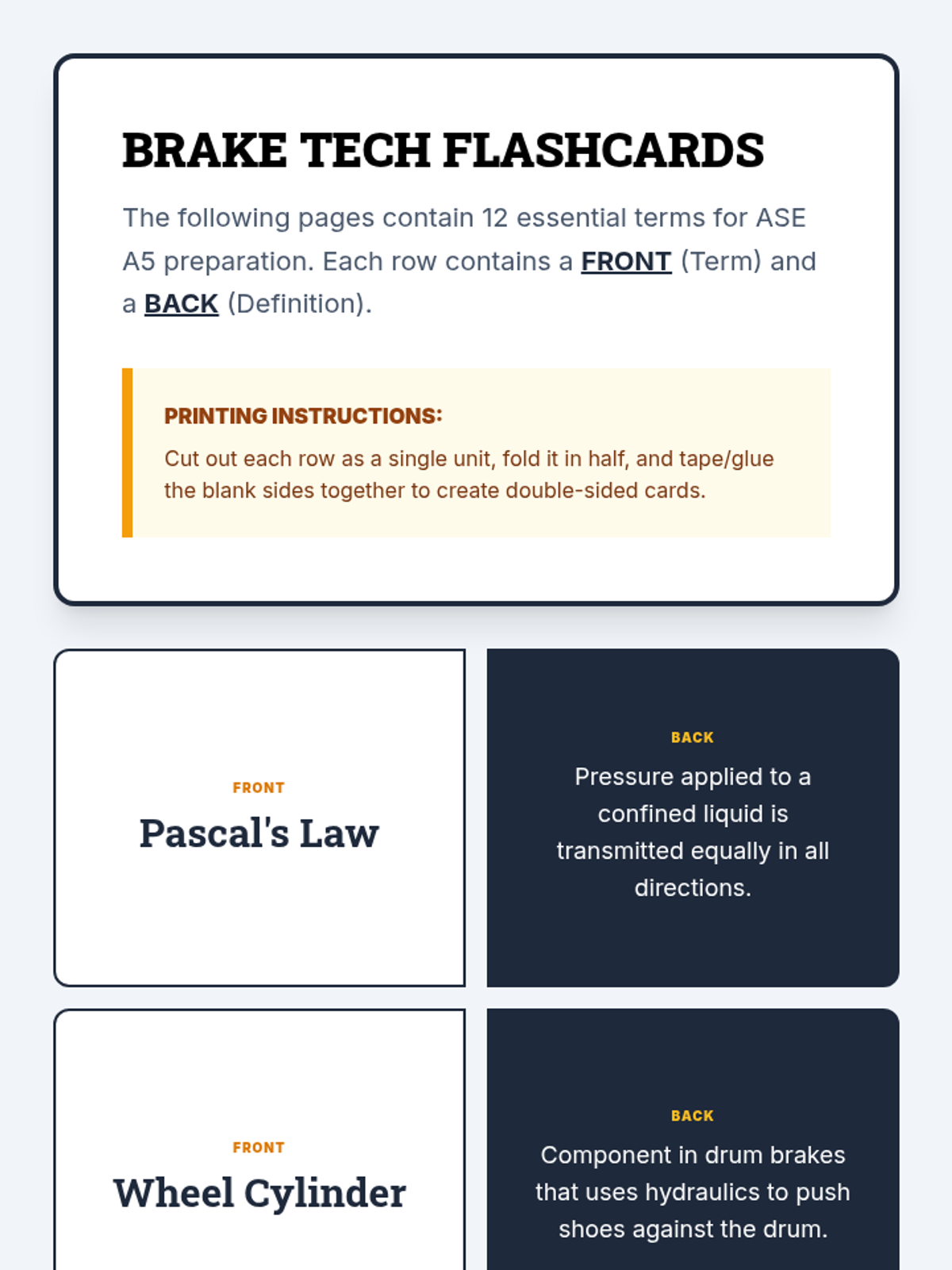
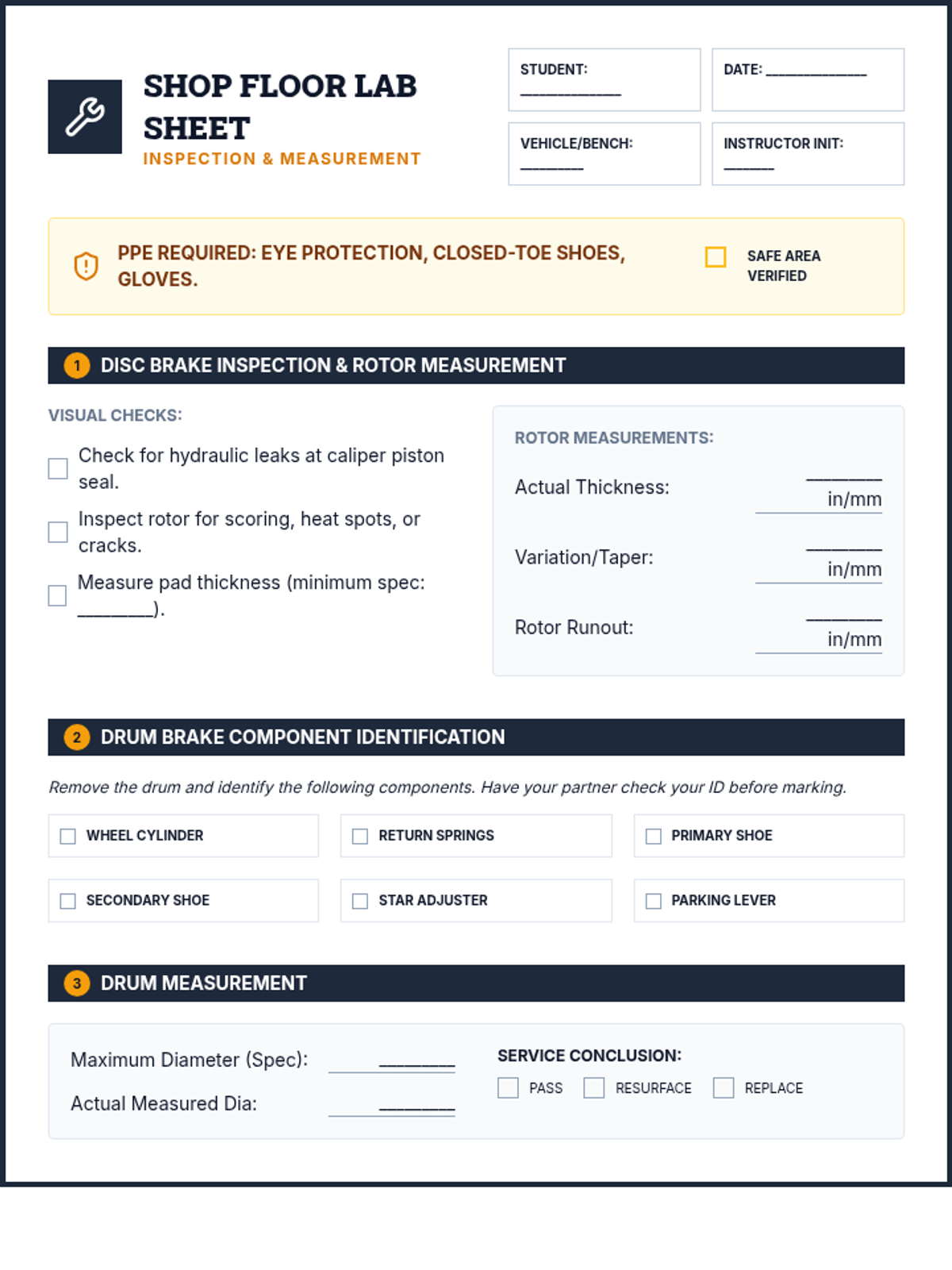
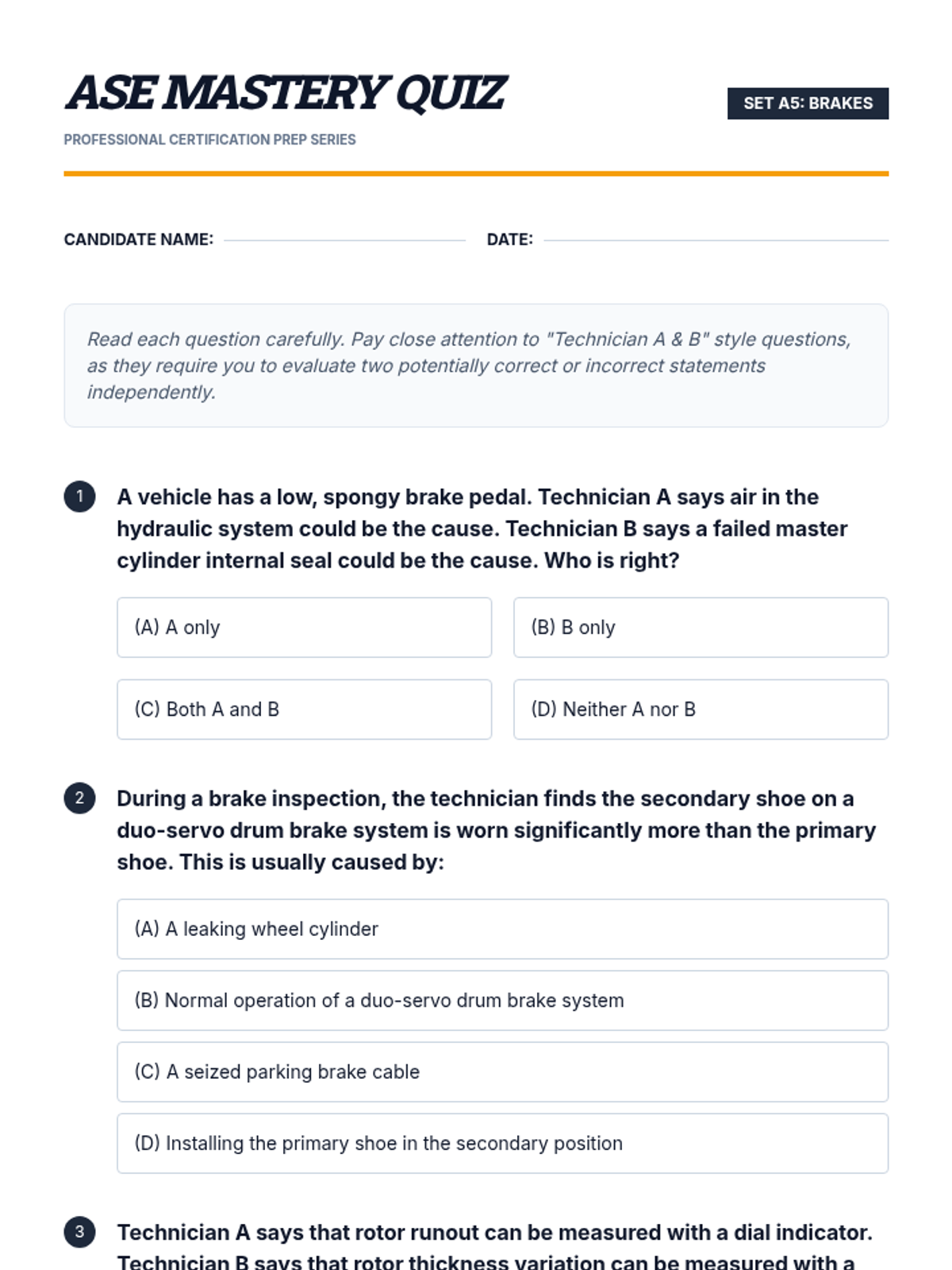
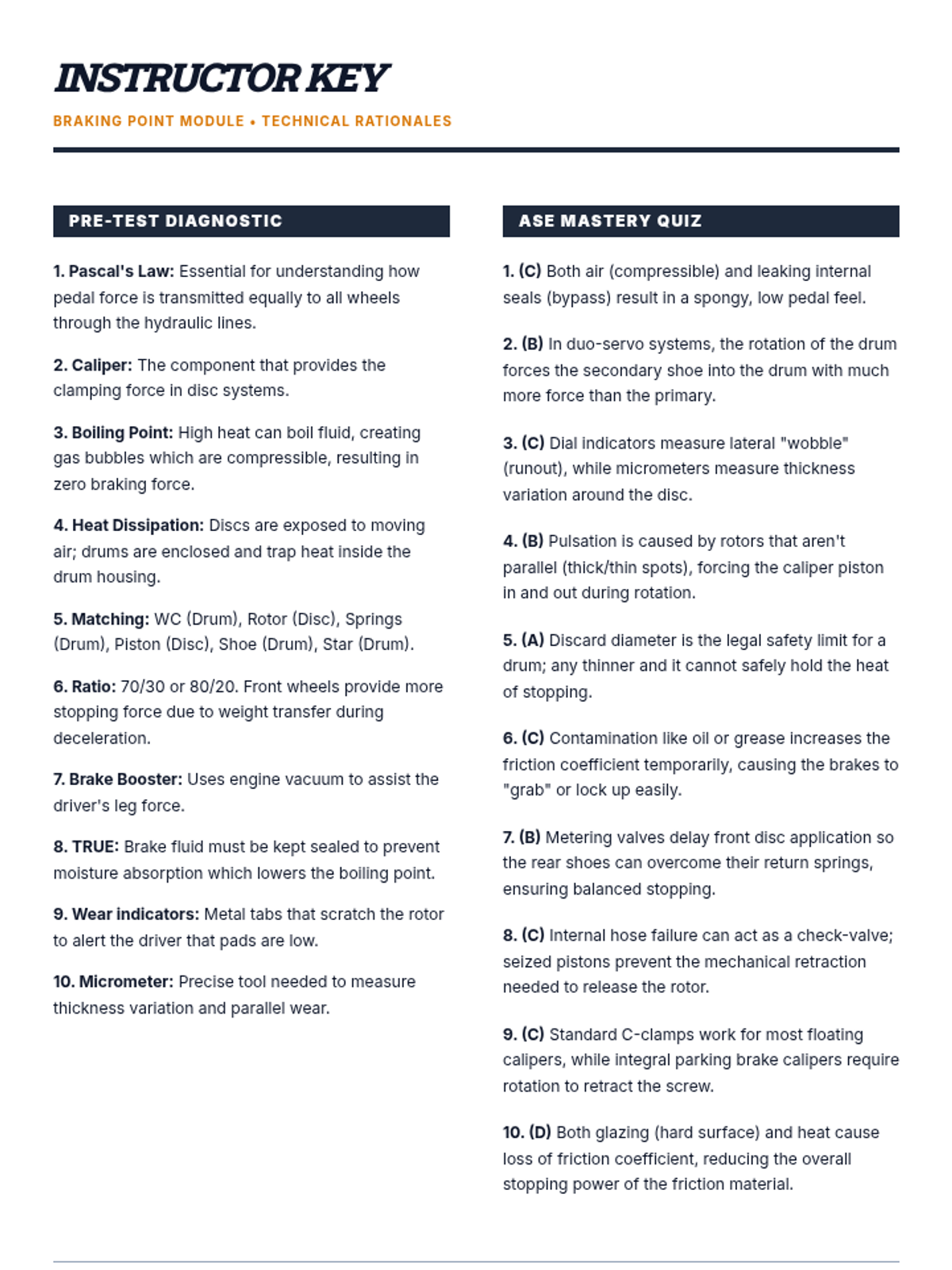
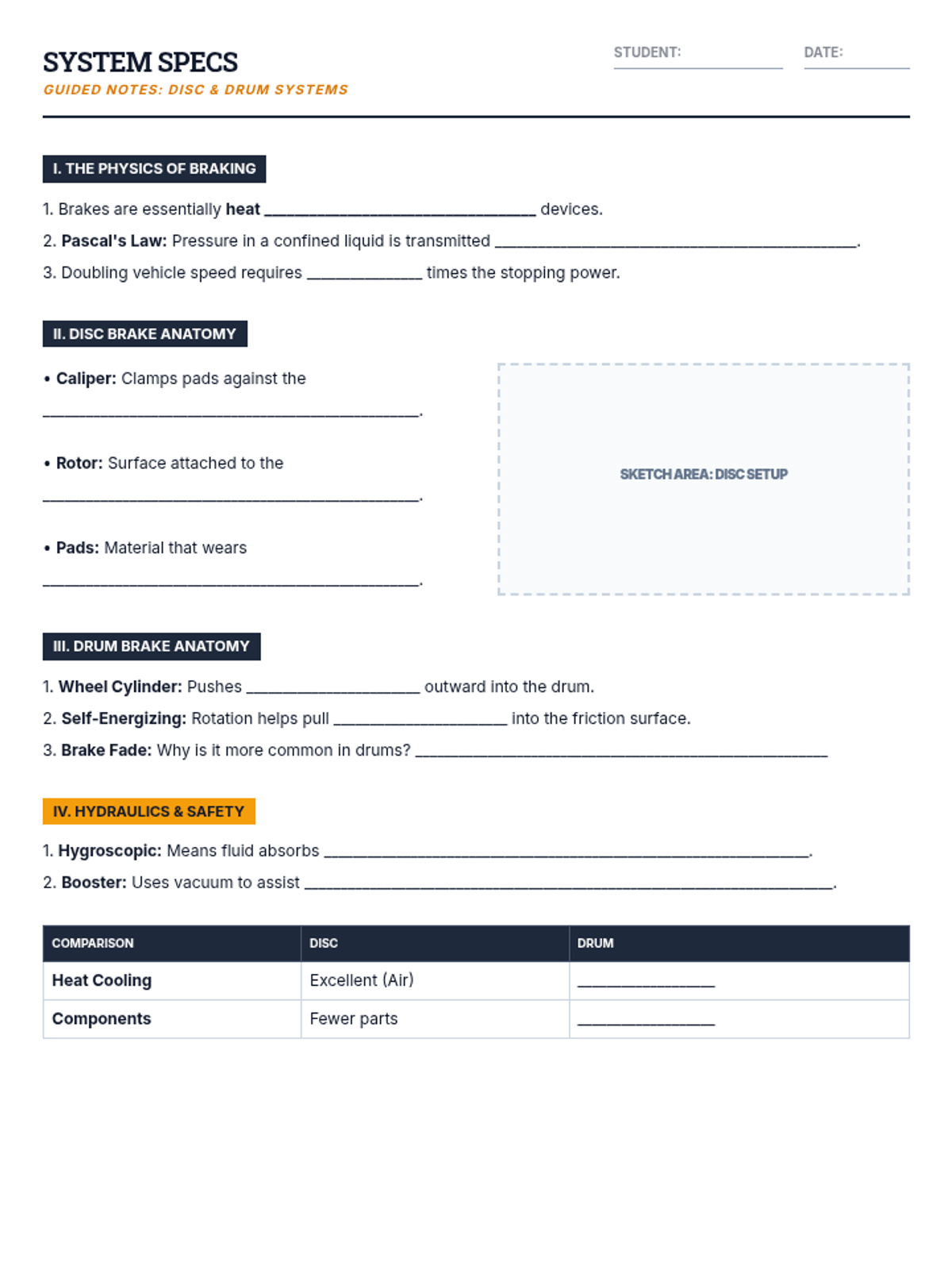
A comprehensive introduction to automotive disc and drum brake systems, covering components, operation, and ASE-style diagnostic theory for first-year students.
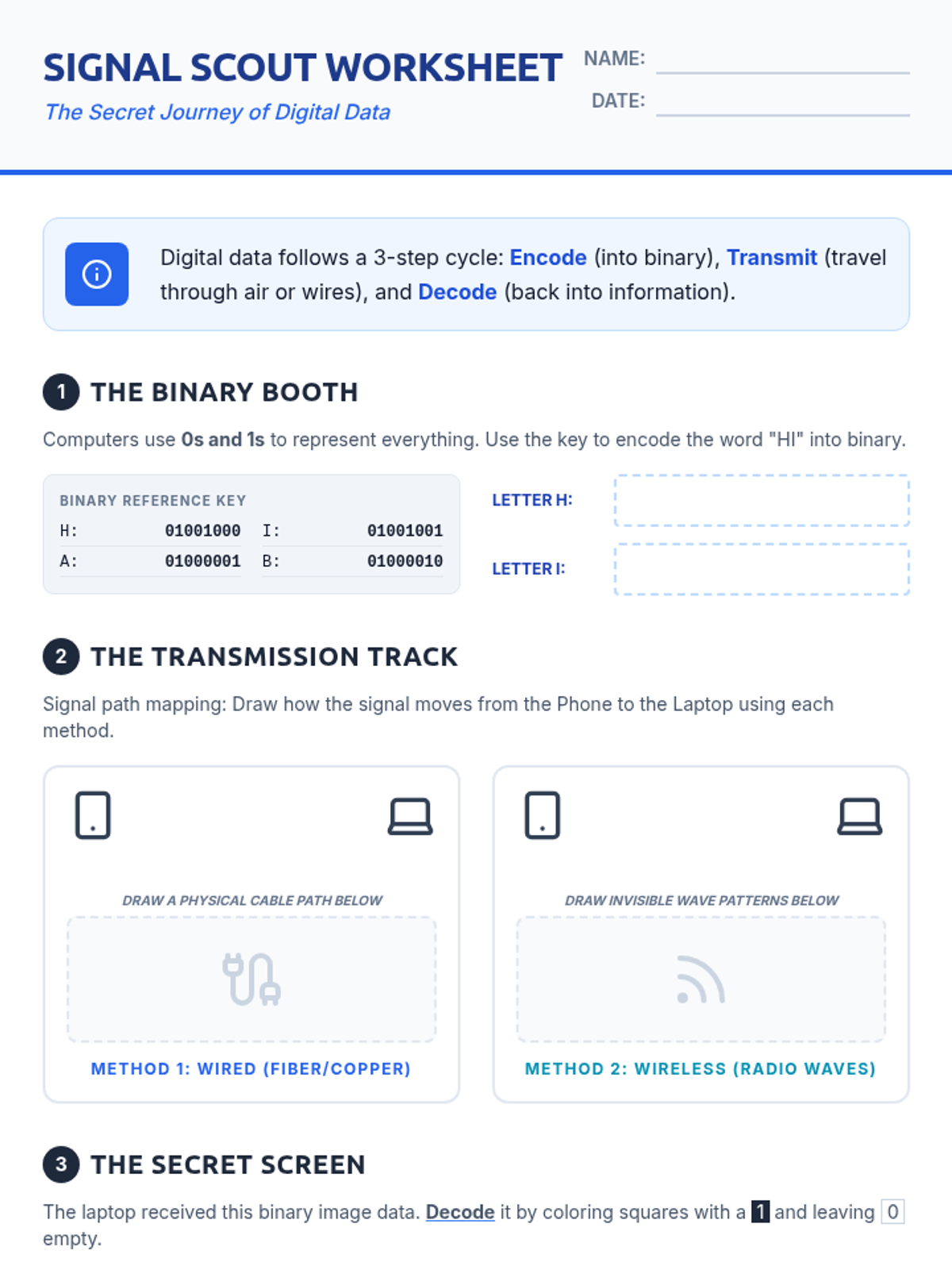
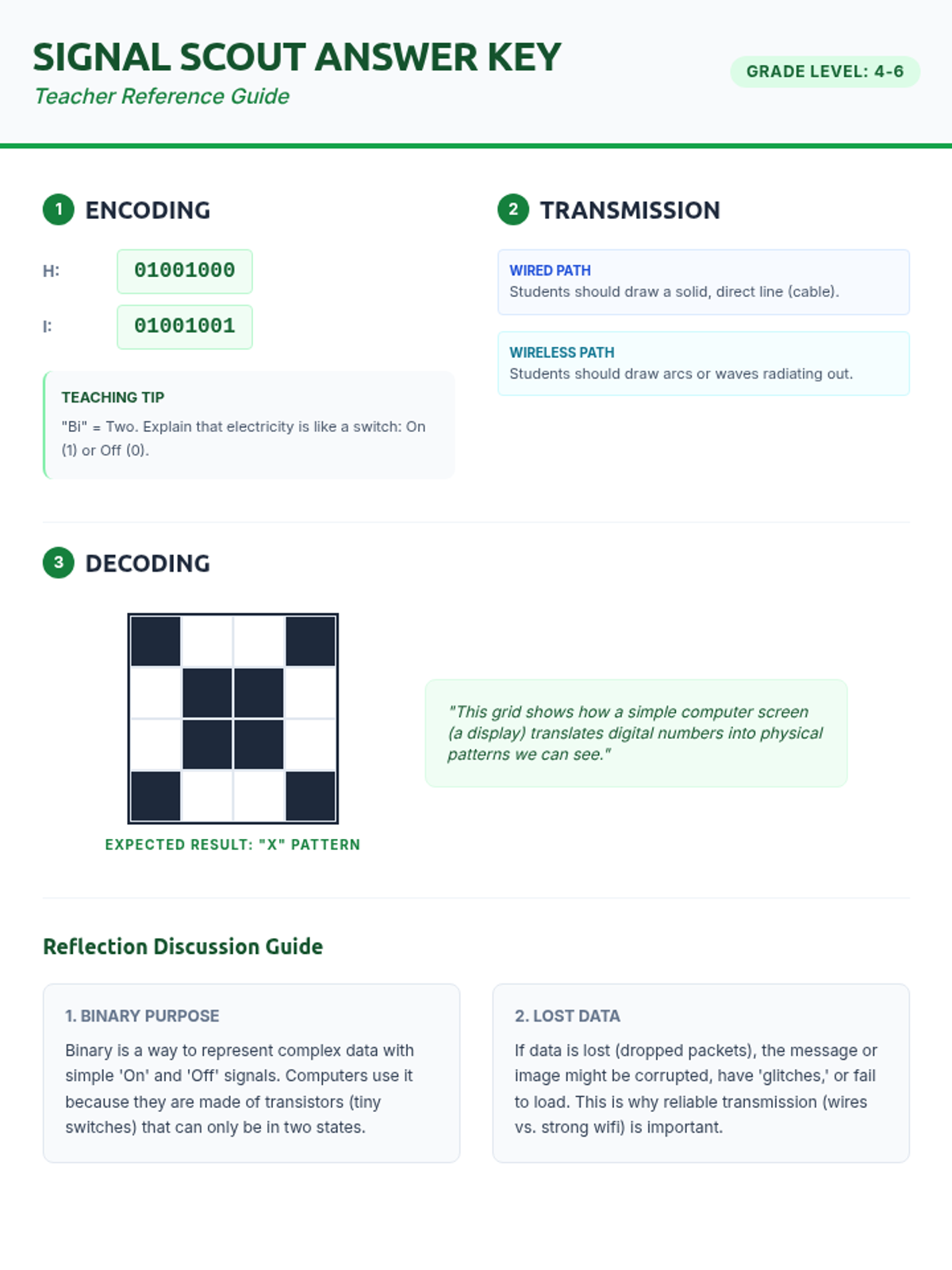
A hands-on lesson where students explore the journey of digital data, from encoding letters into binary to transmitting signals through wires or air, and finally decoding them back into information.
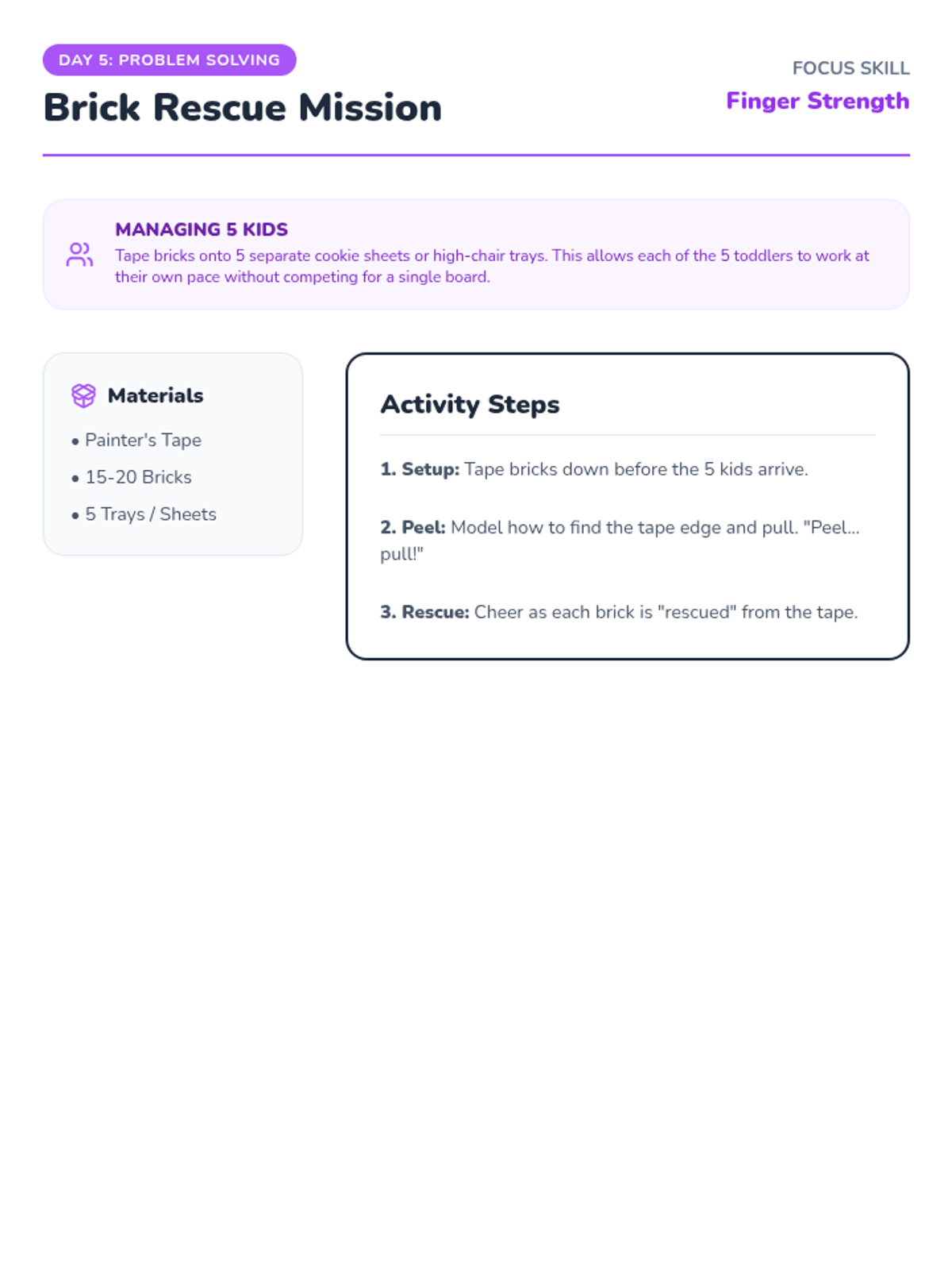
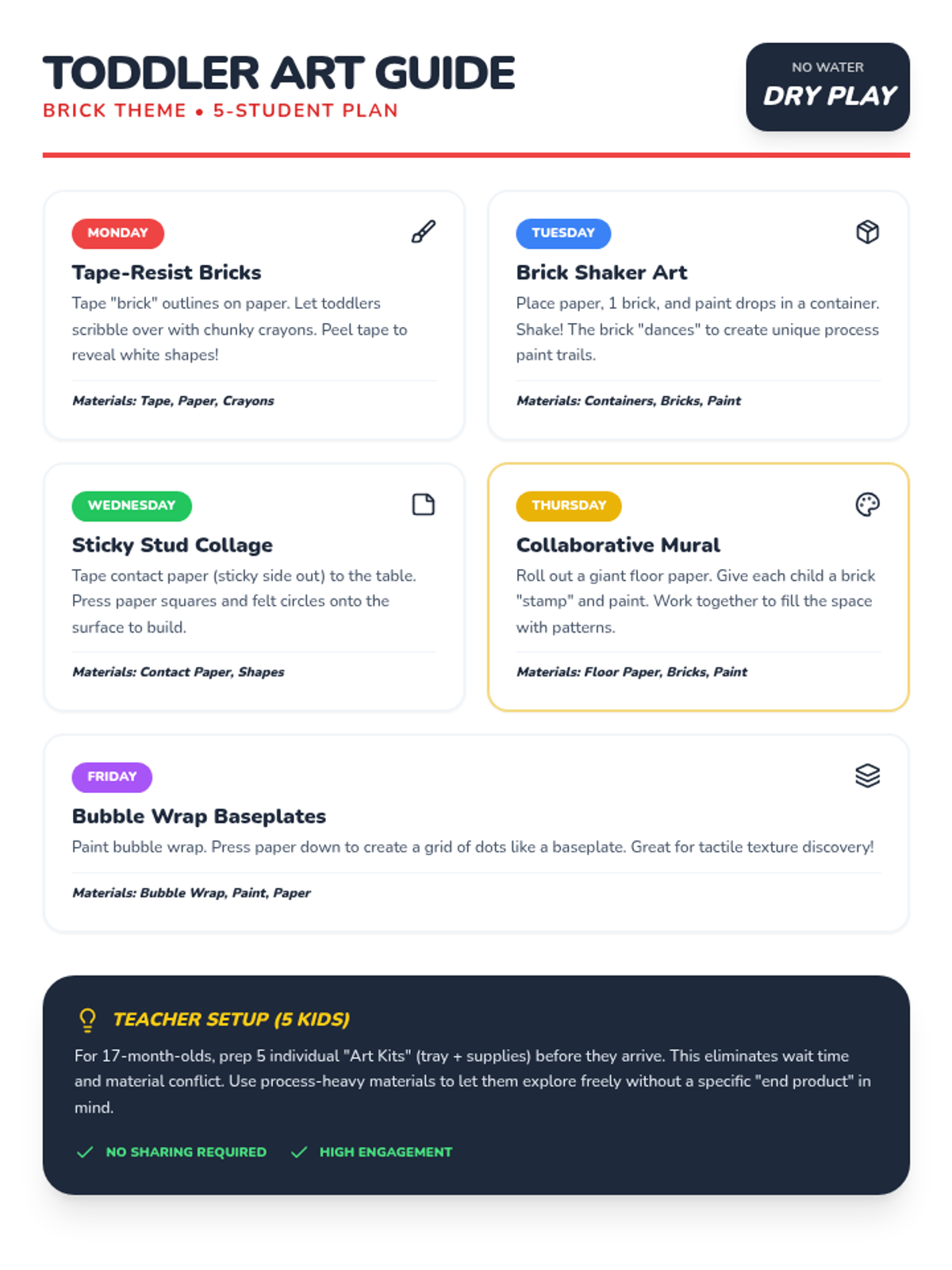
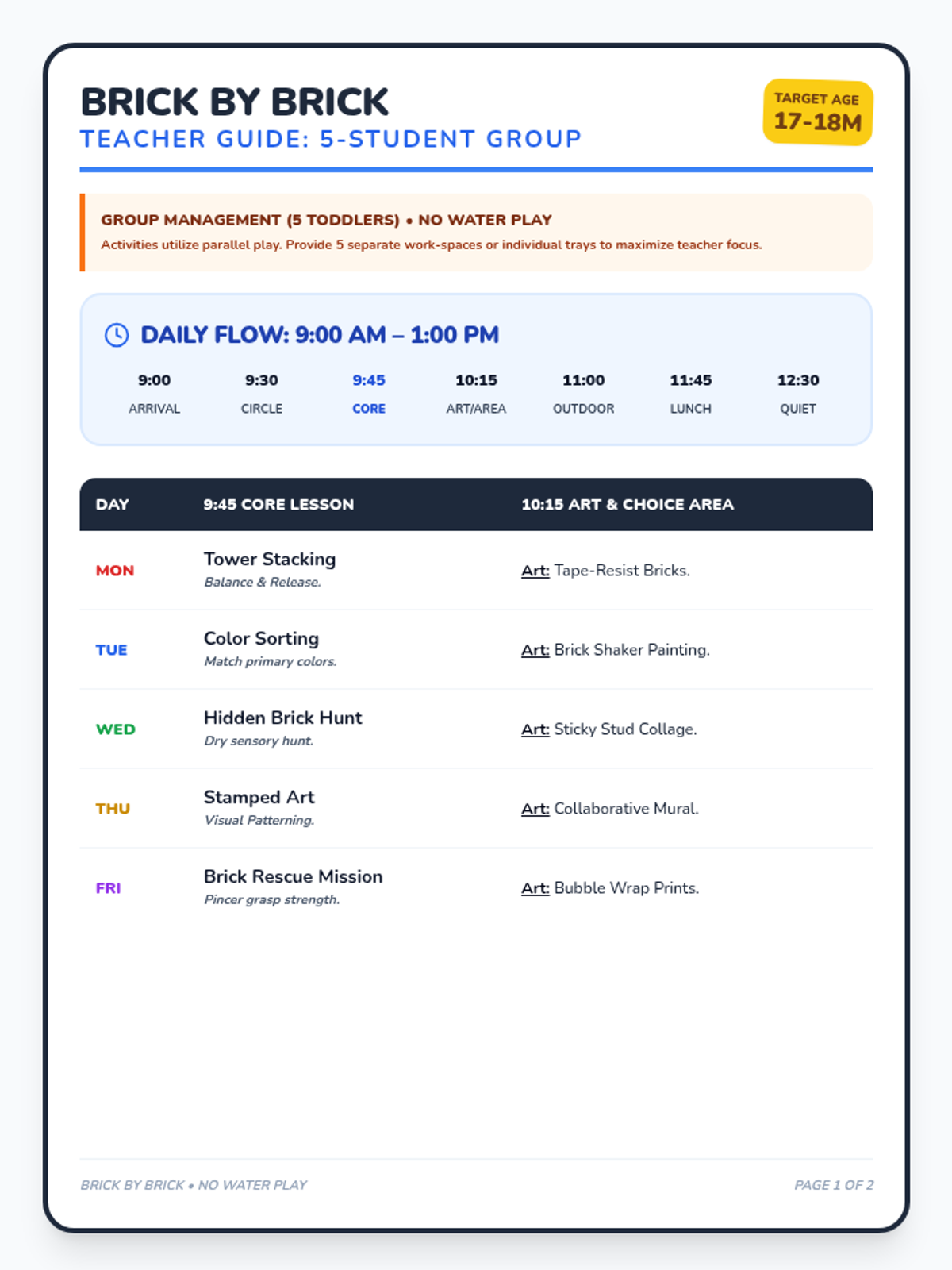
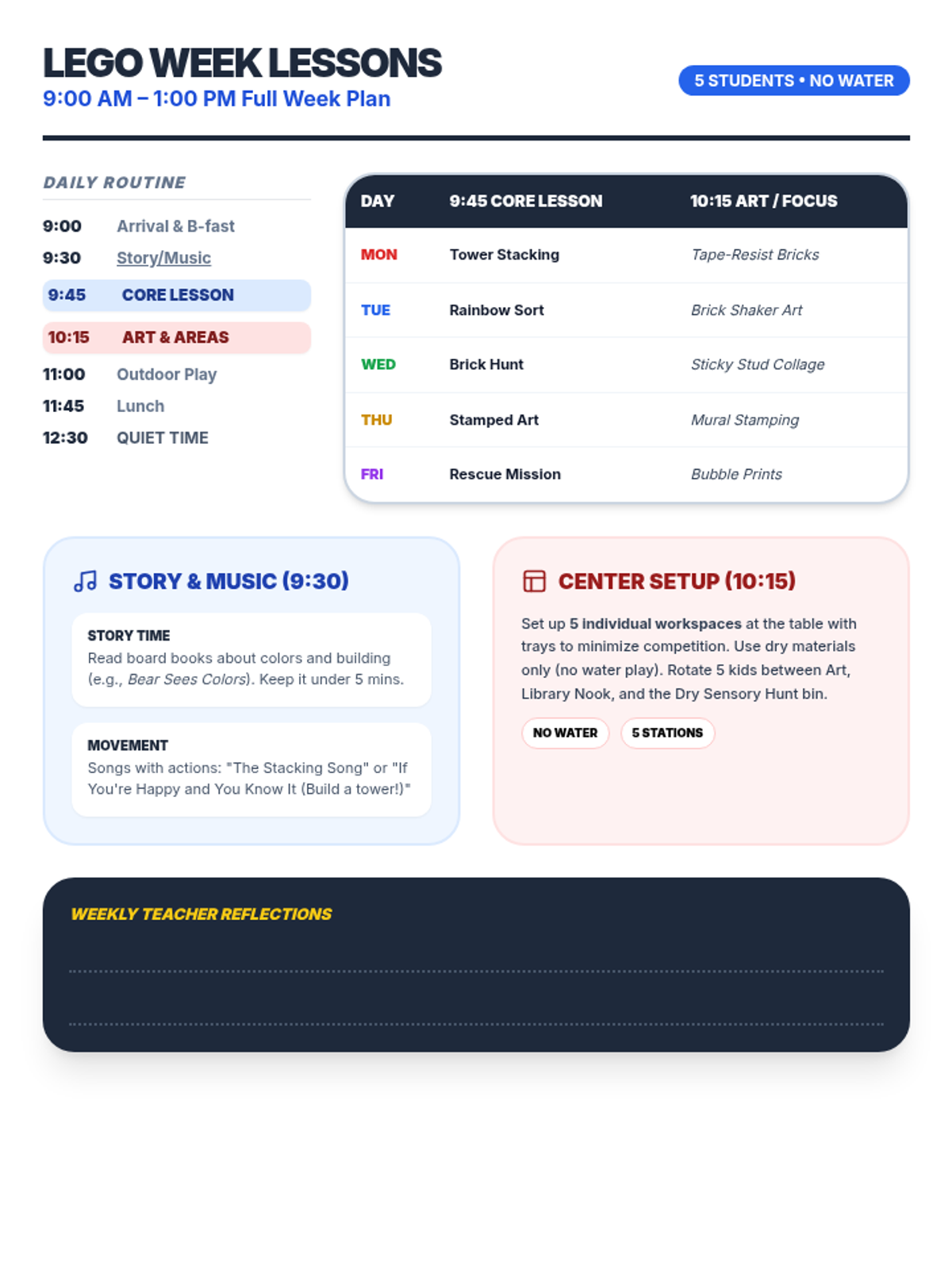
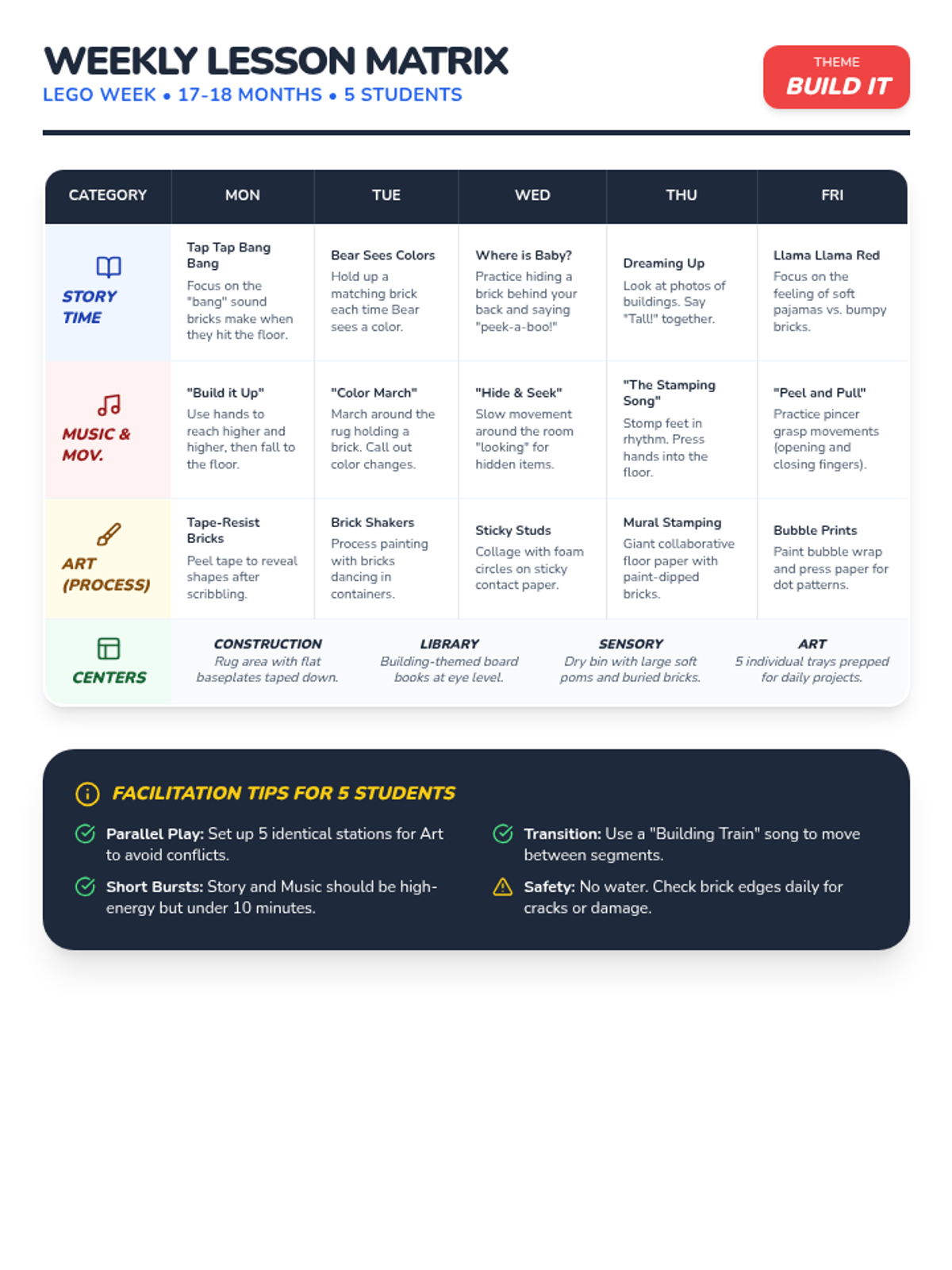
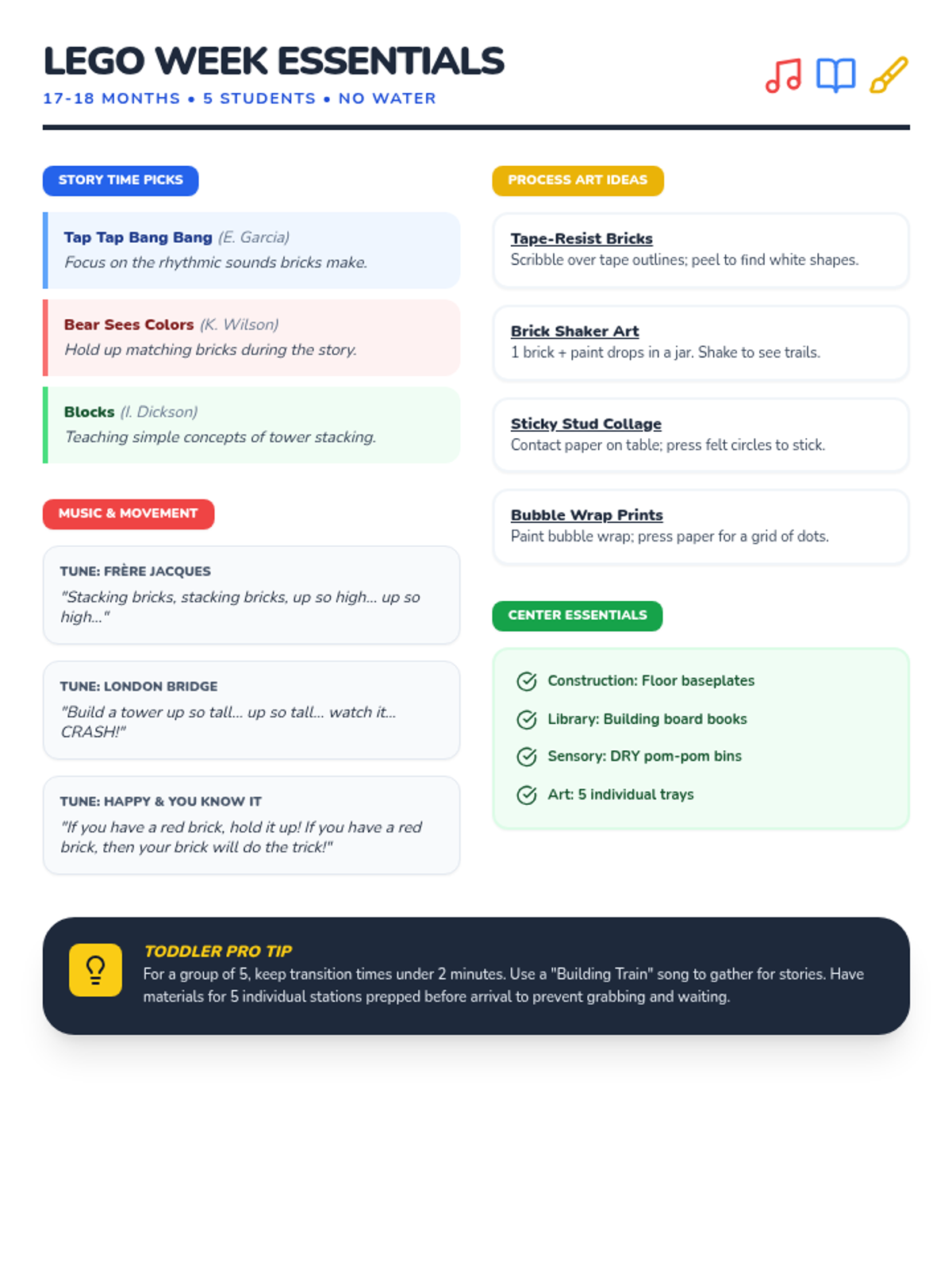
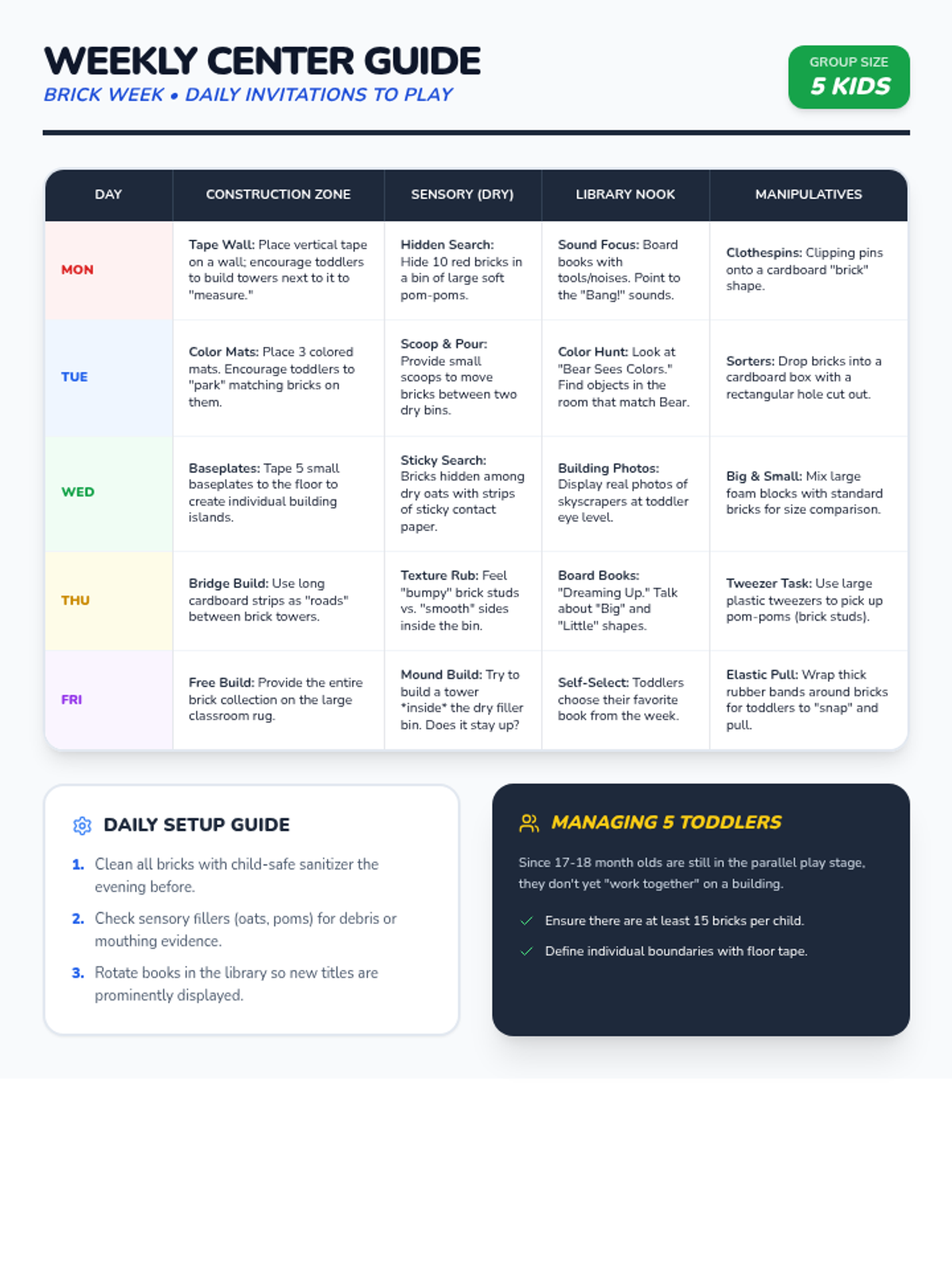
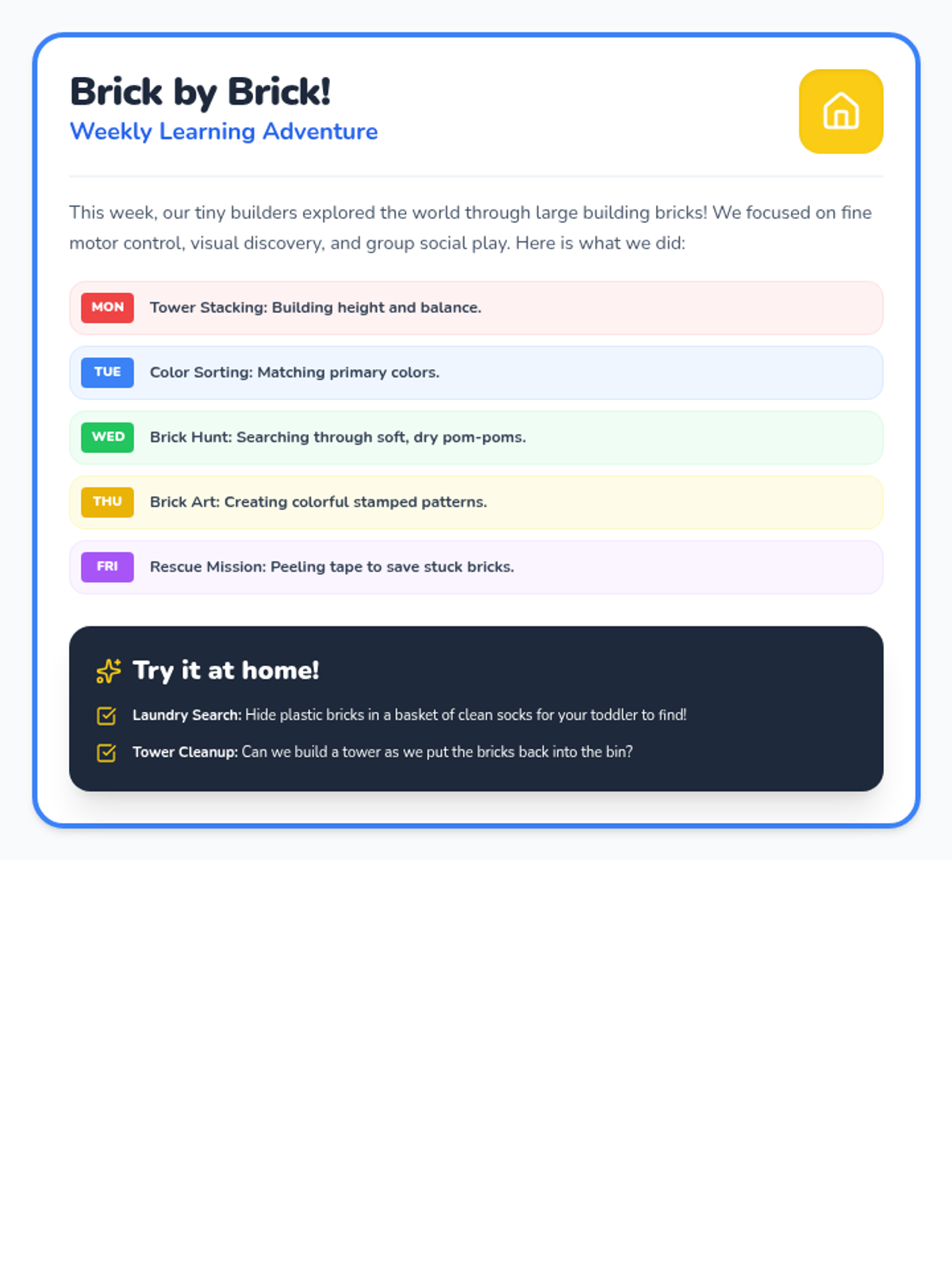
Challenges toddlers to use their problem-solving skills to 'rescue' bricks from different materials like tape or playdough, enhancing finger strength.
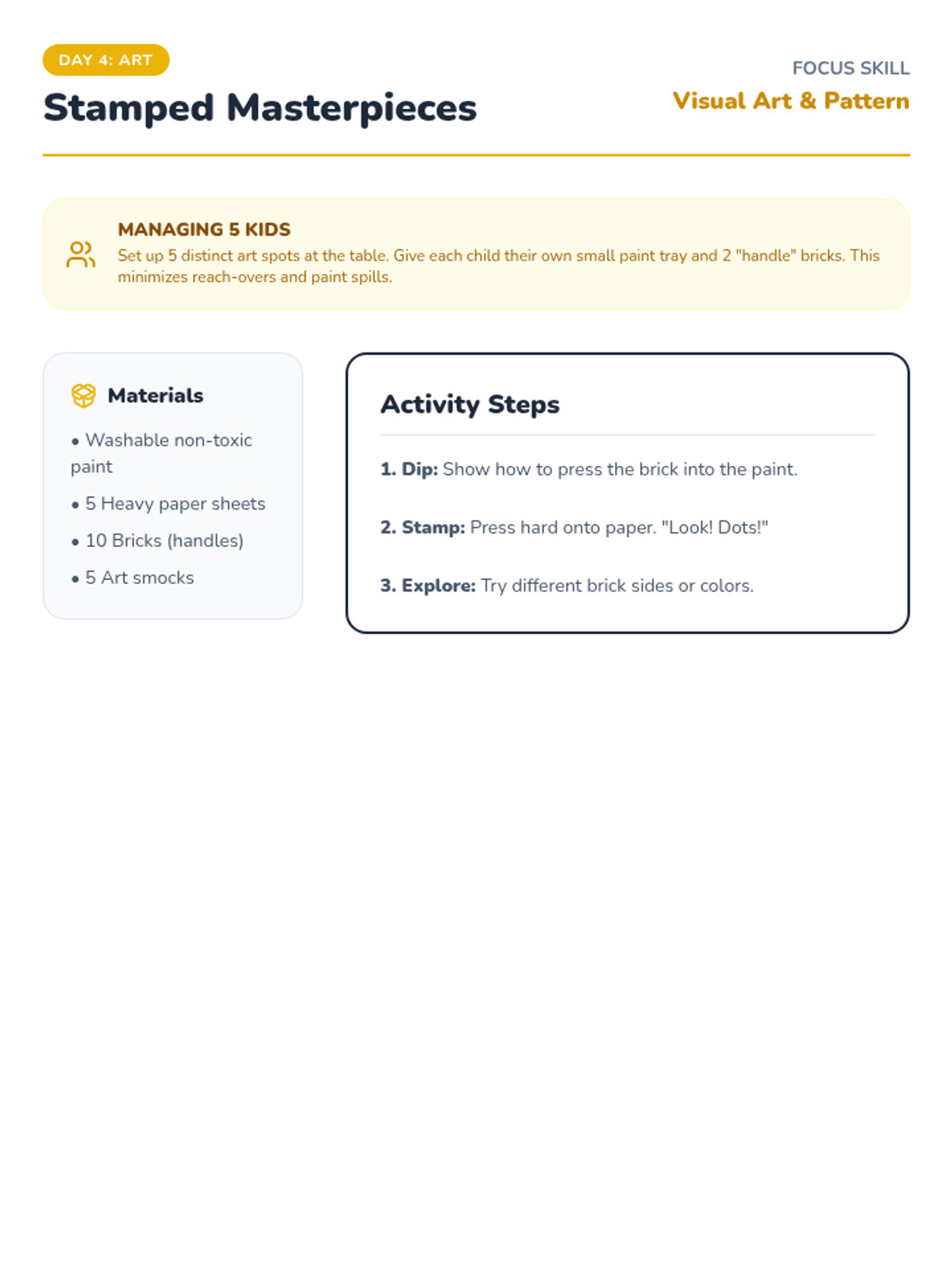
Uses bricks as unconventional tools for artistic expression. Toddlers learn about shapes and patterns through stamping and paint exploration.
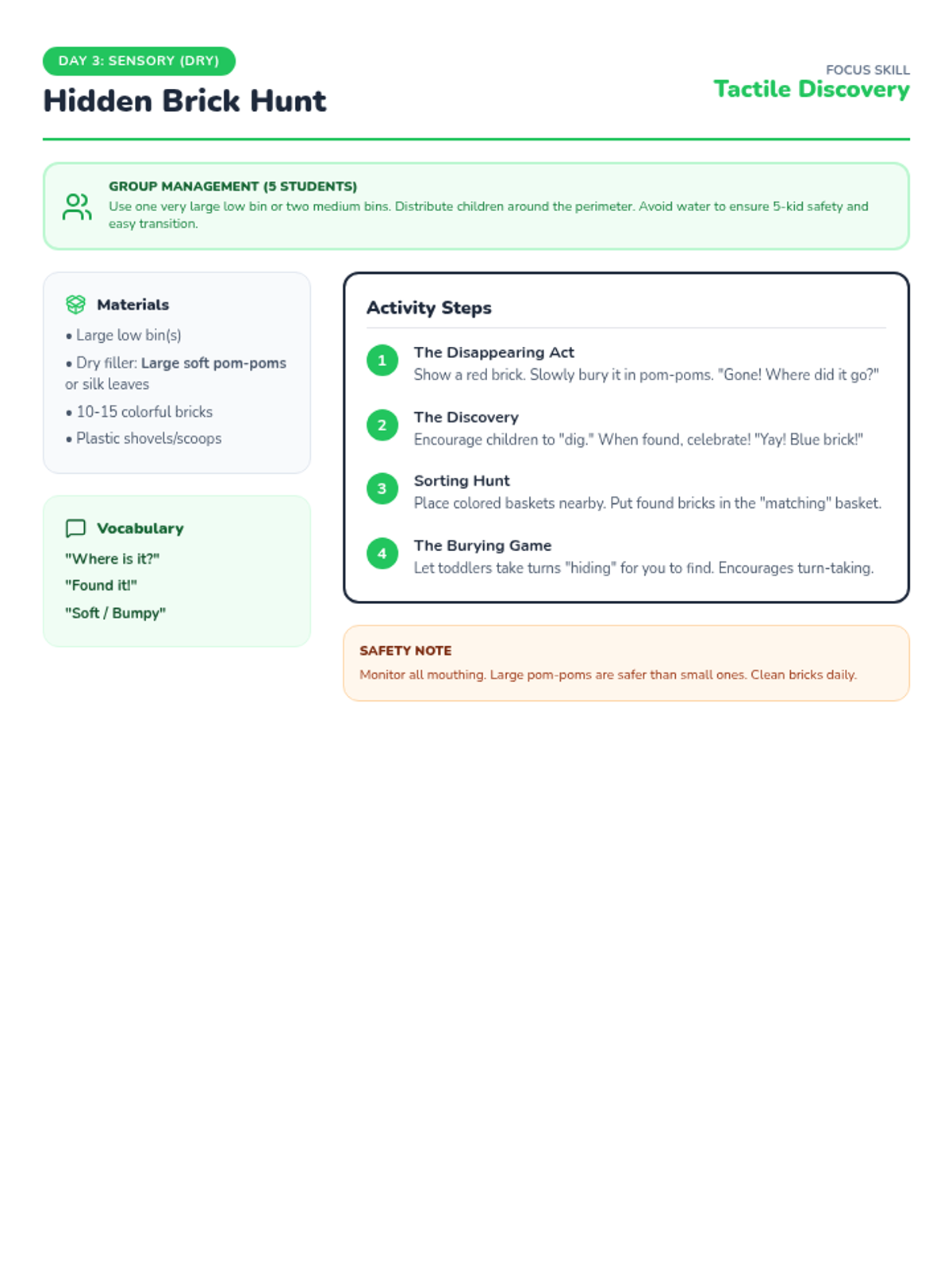
A dry sensory experience where toddlers search for bricks hidden among soft materials. Focuses on tactile exploration and object permanence.
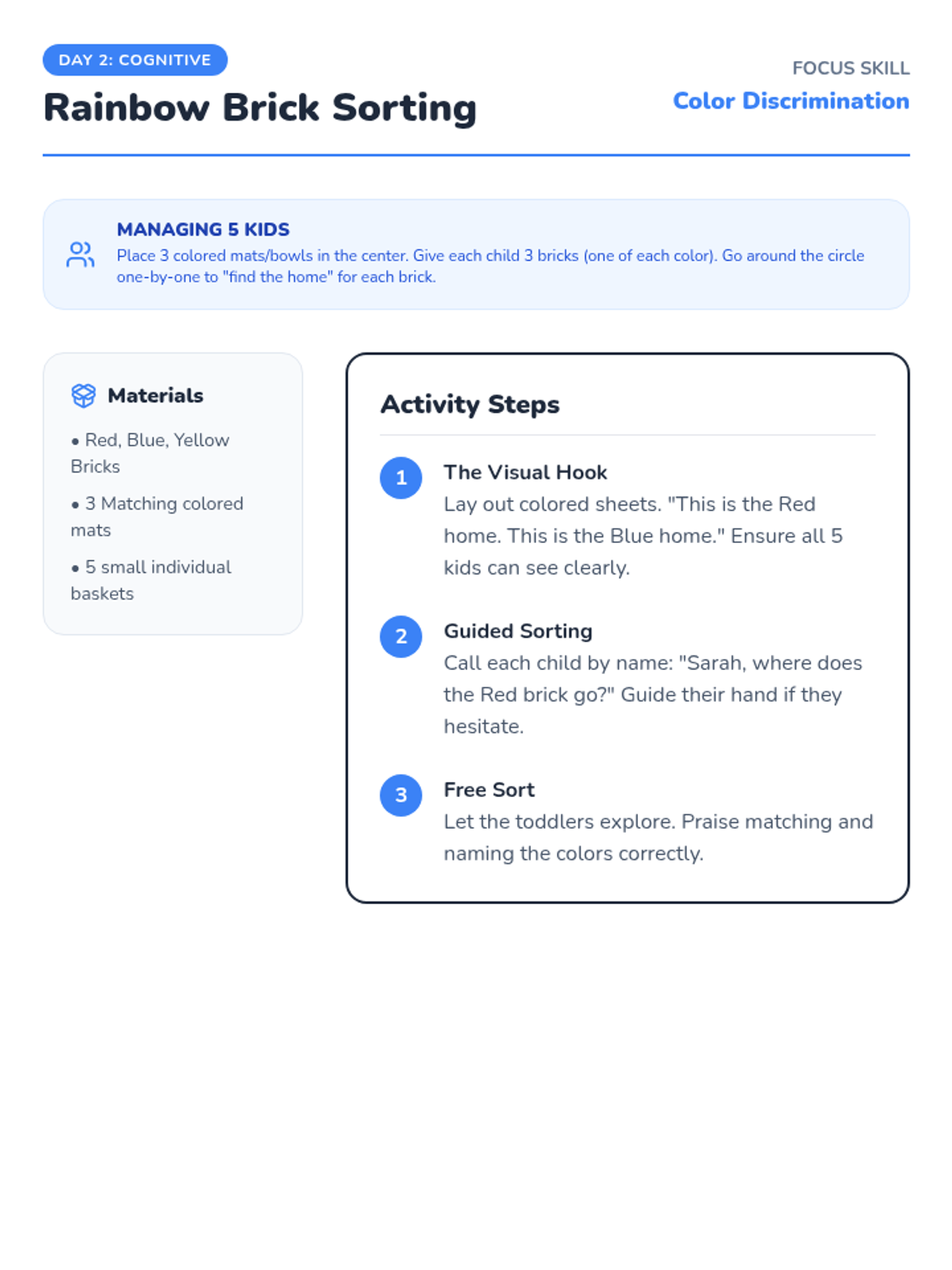
Introduces basic color identification using primary colored bricks. Toddlers explore grouping and matching in a low-pressure, playful environment.
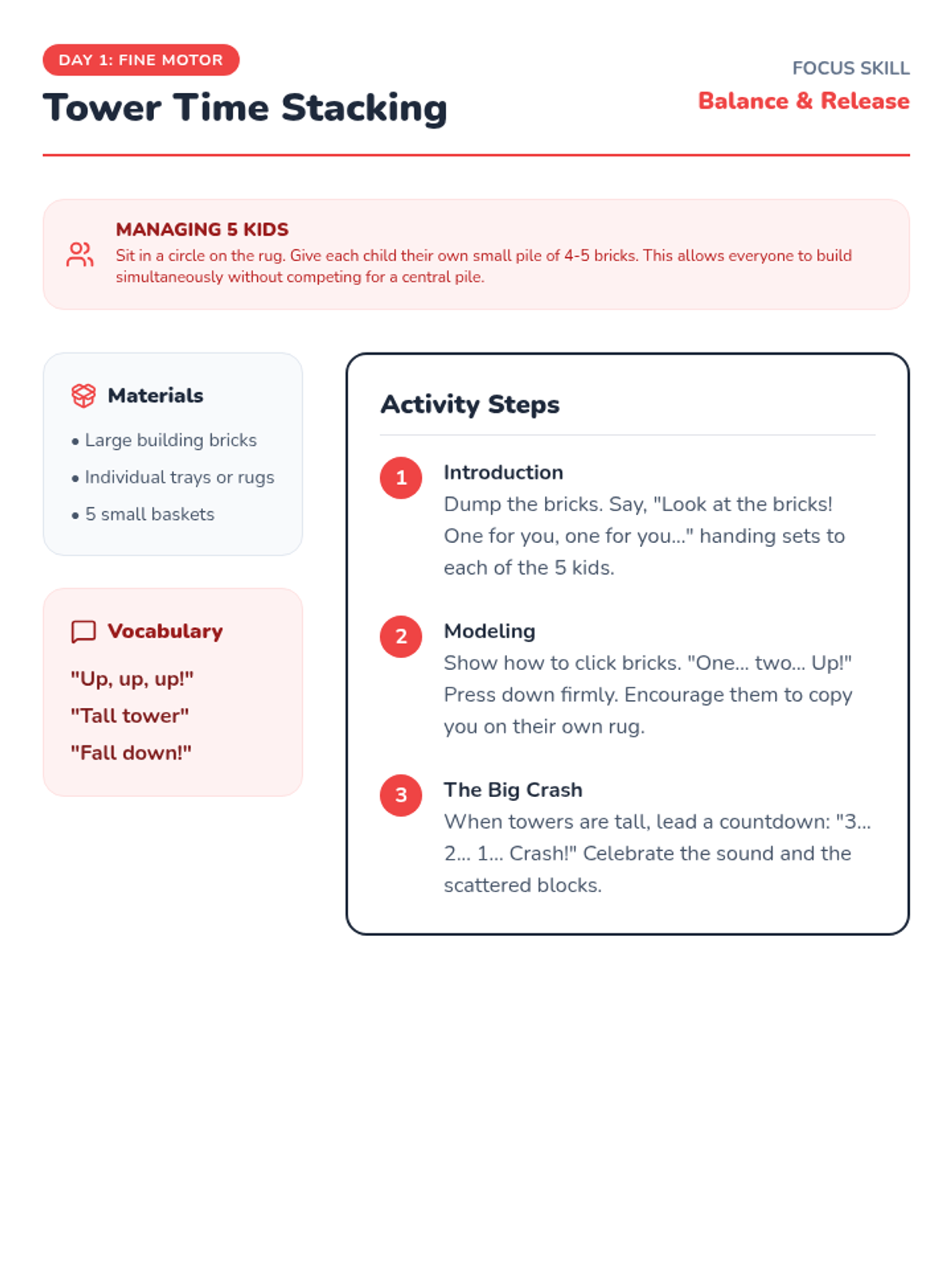
Focuses on the fundamental skill of vertical stacking and the concept of balance. Toddlers practice grasp and release while building coordination.
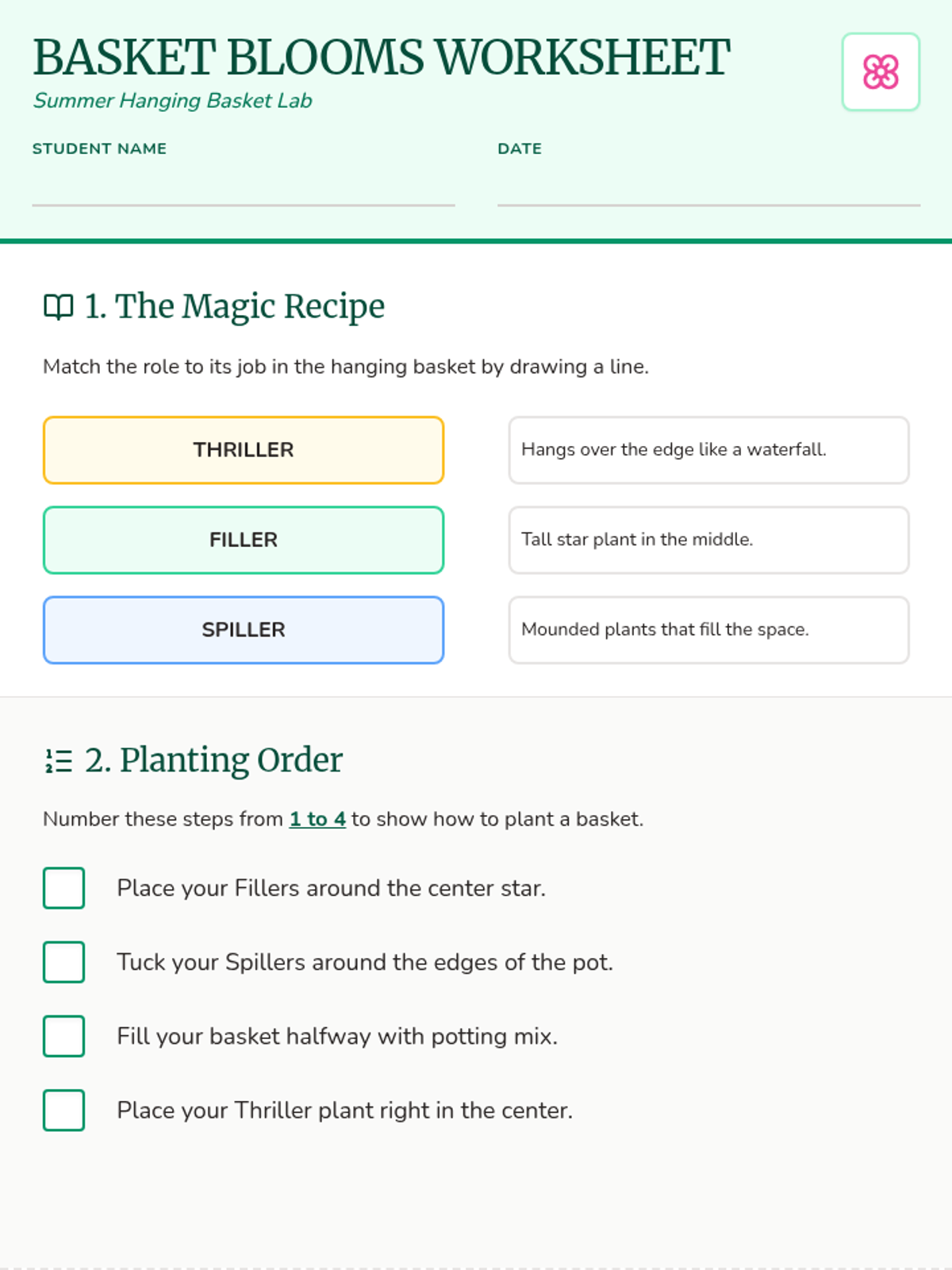
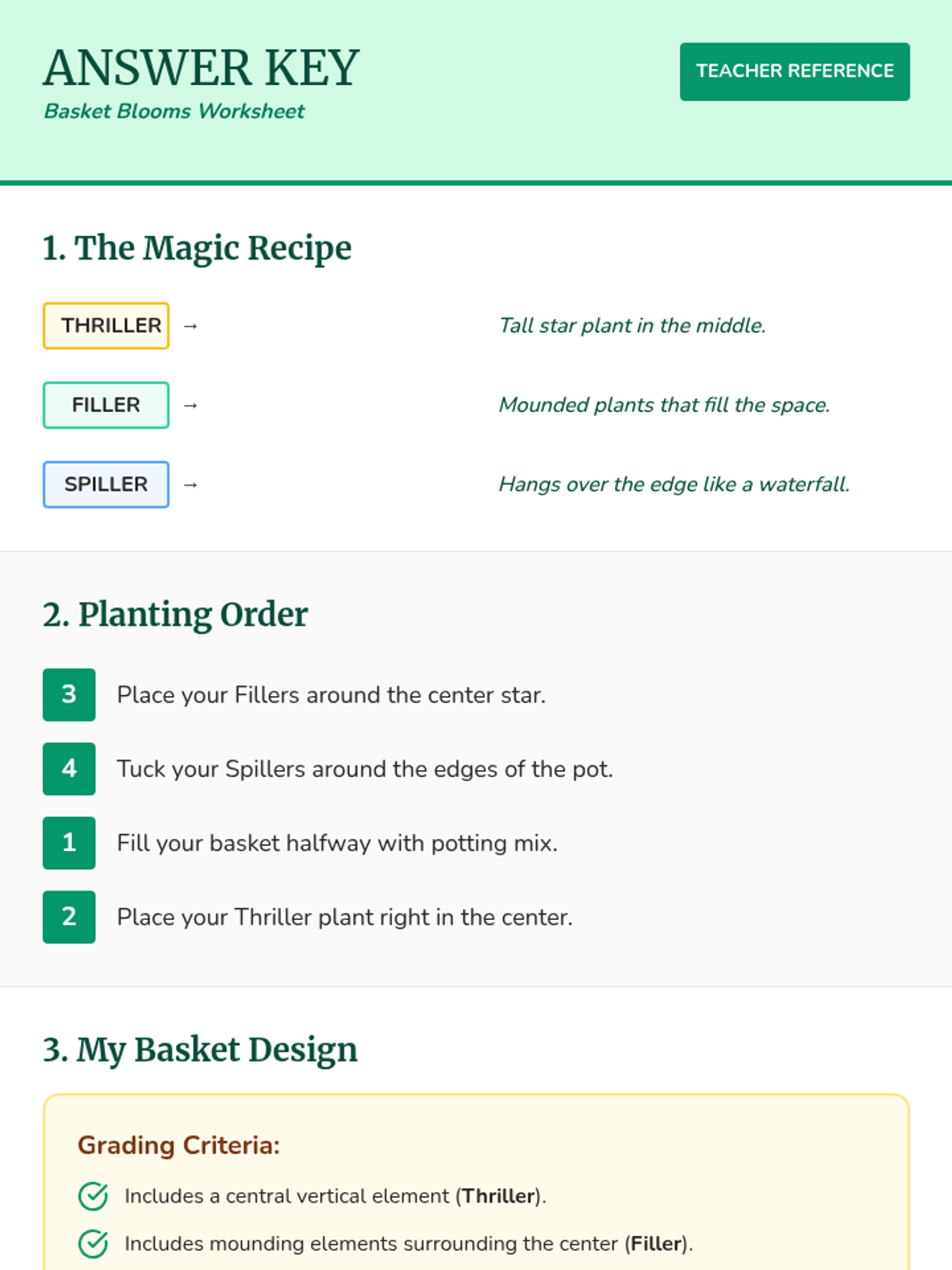
A hands-on lesson for elementary students on how to select plants and assemble a beautiful, healthy summer hanging basket using the 'Thriller, Filler, Spiller' method.
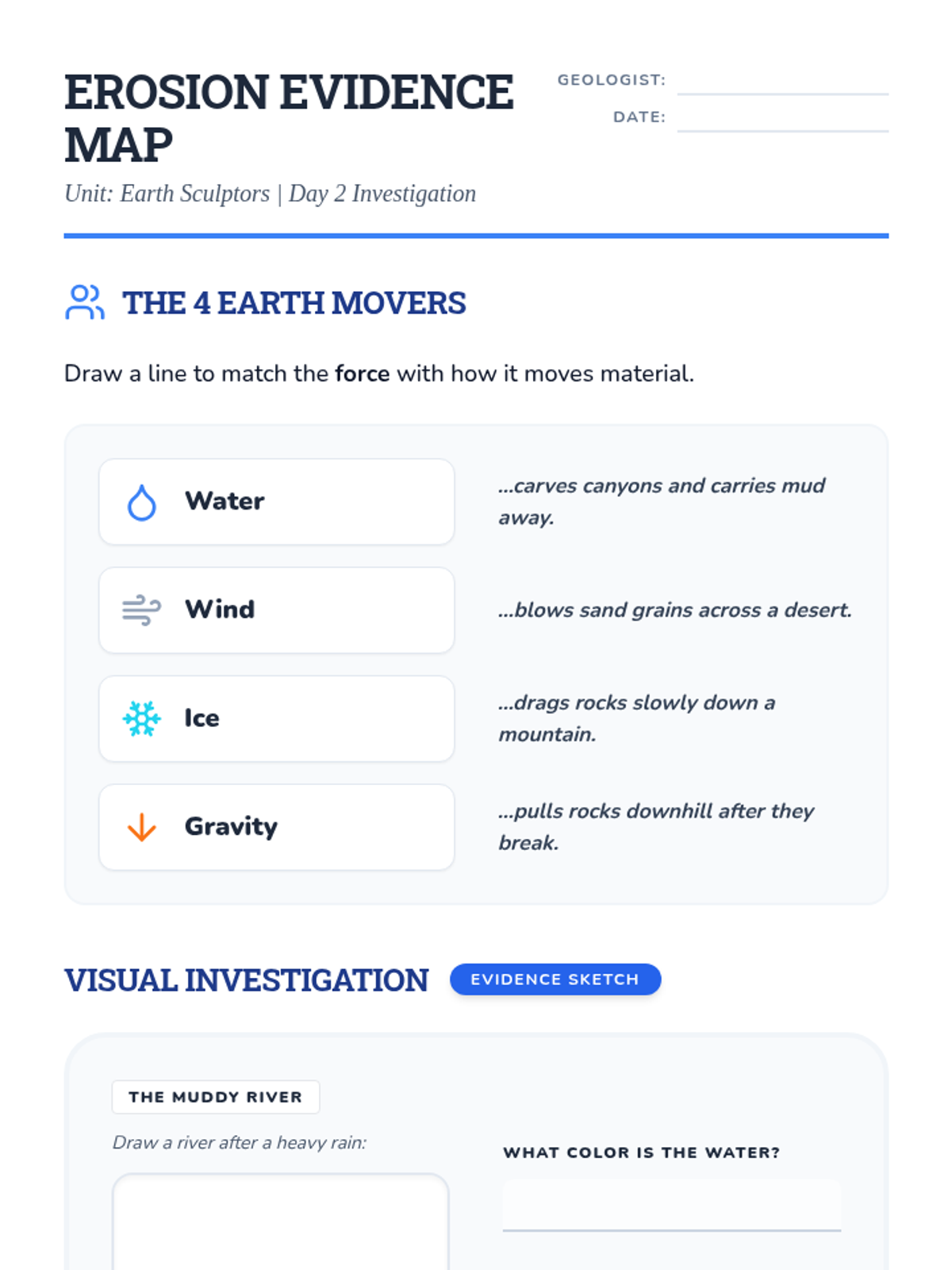
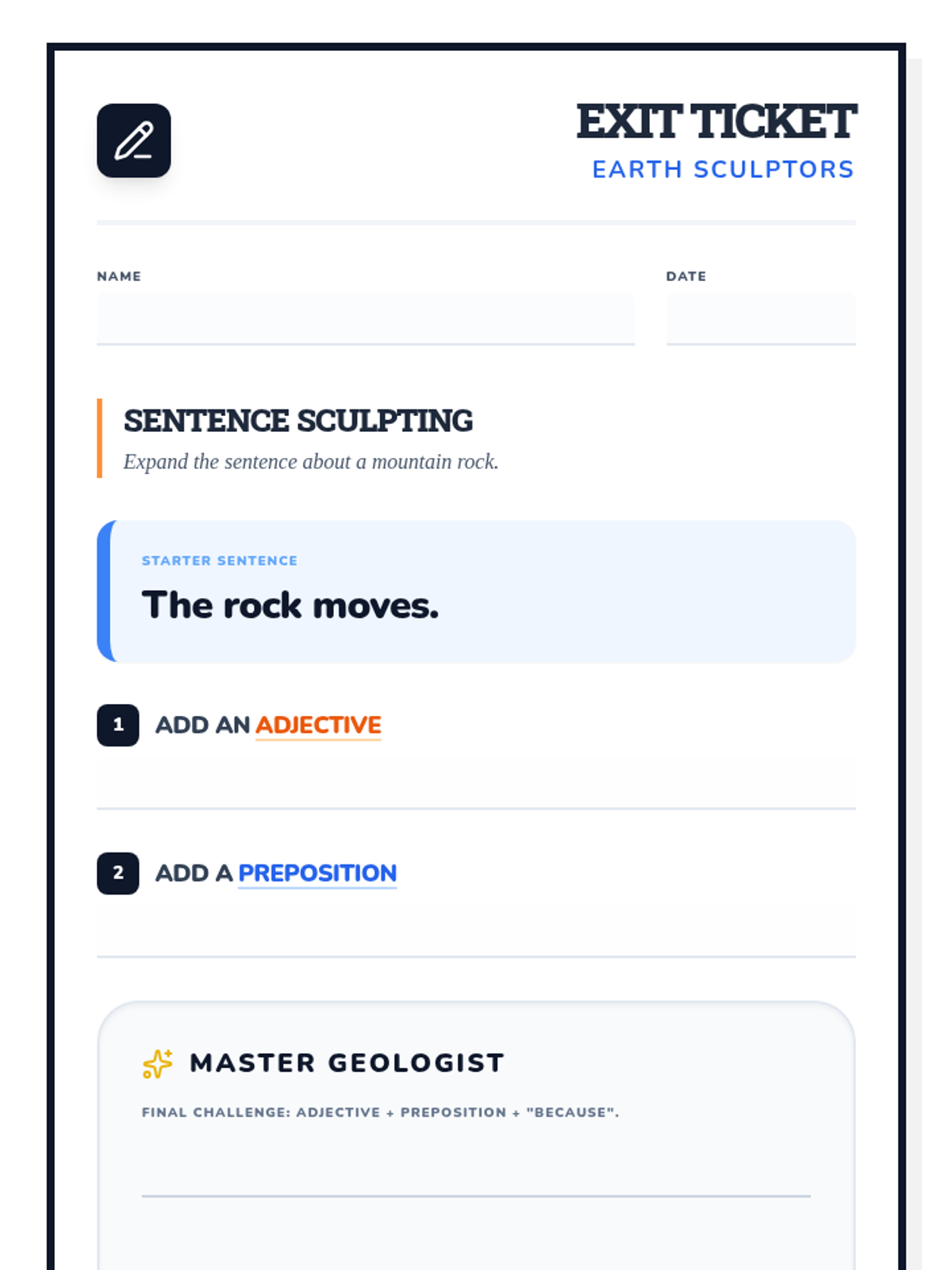
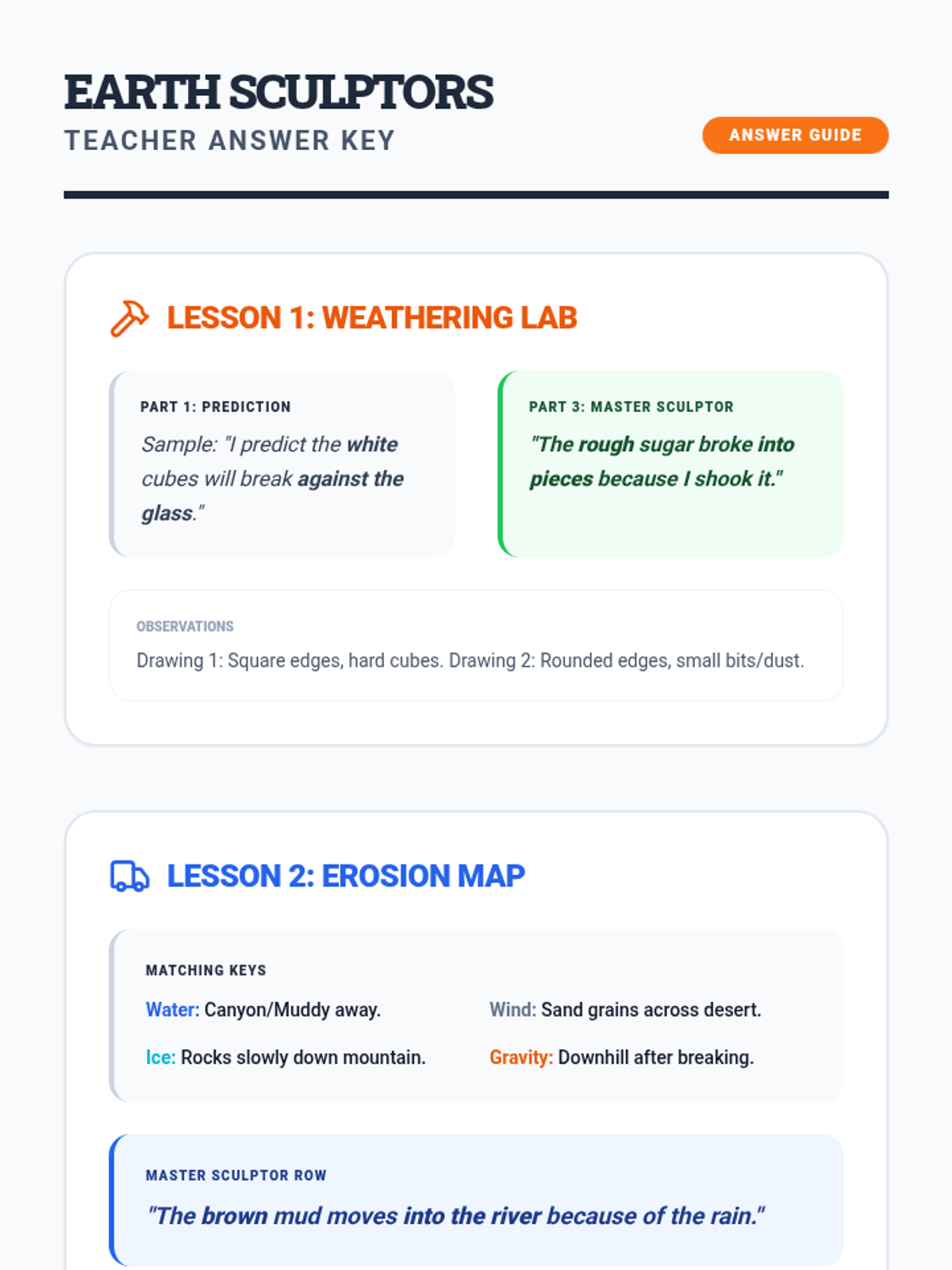
Students investigate how water, wind, and ice move weathered materials and practice expanding sentences to explain the causes and effects of erosion.
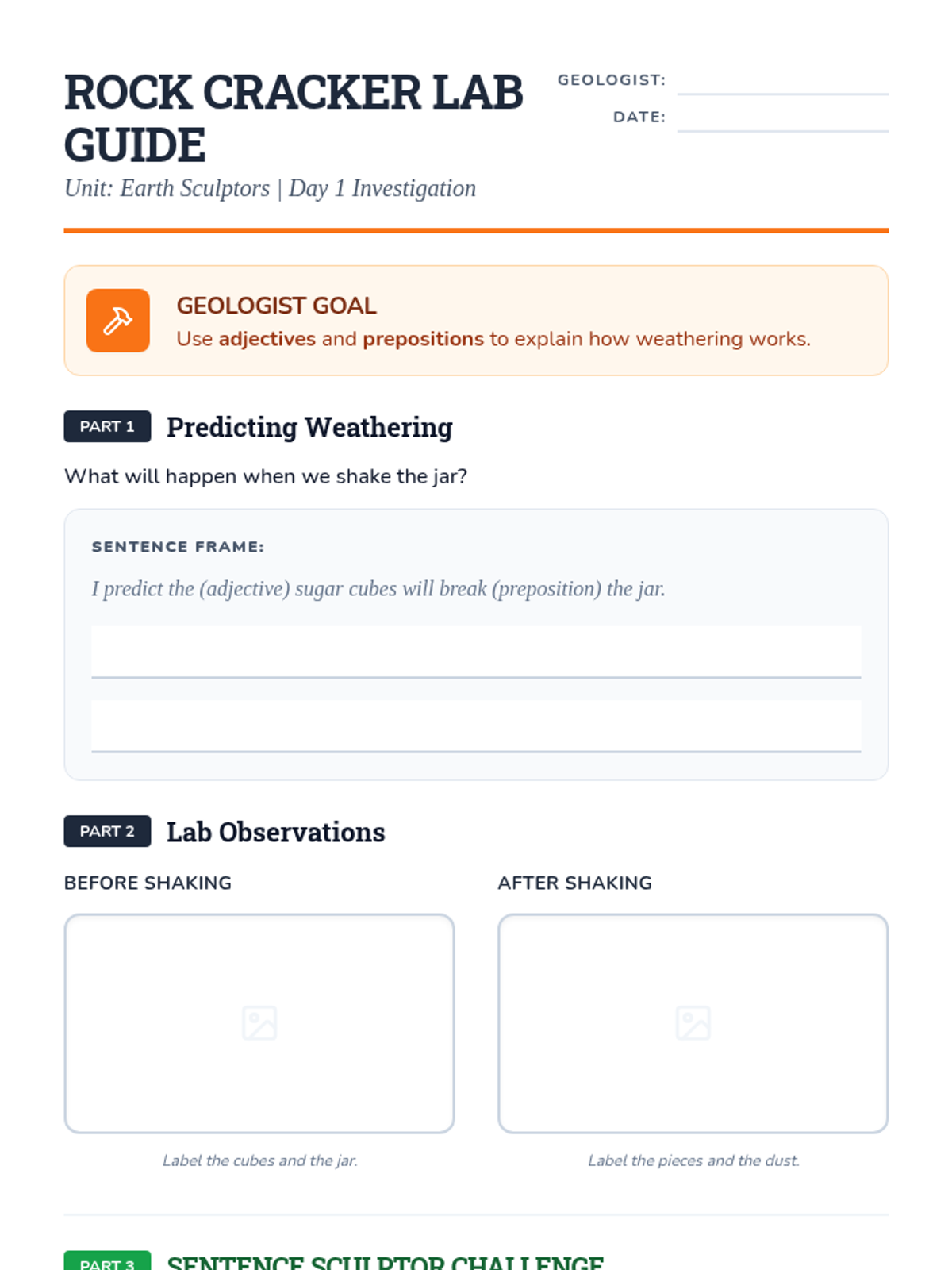
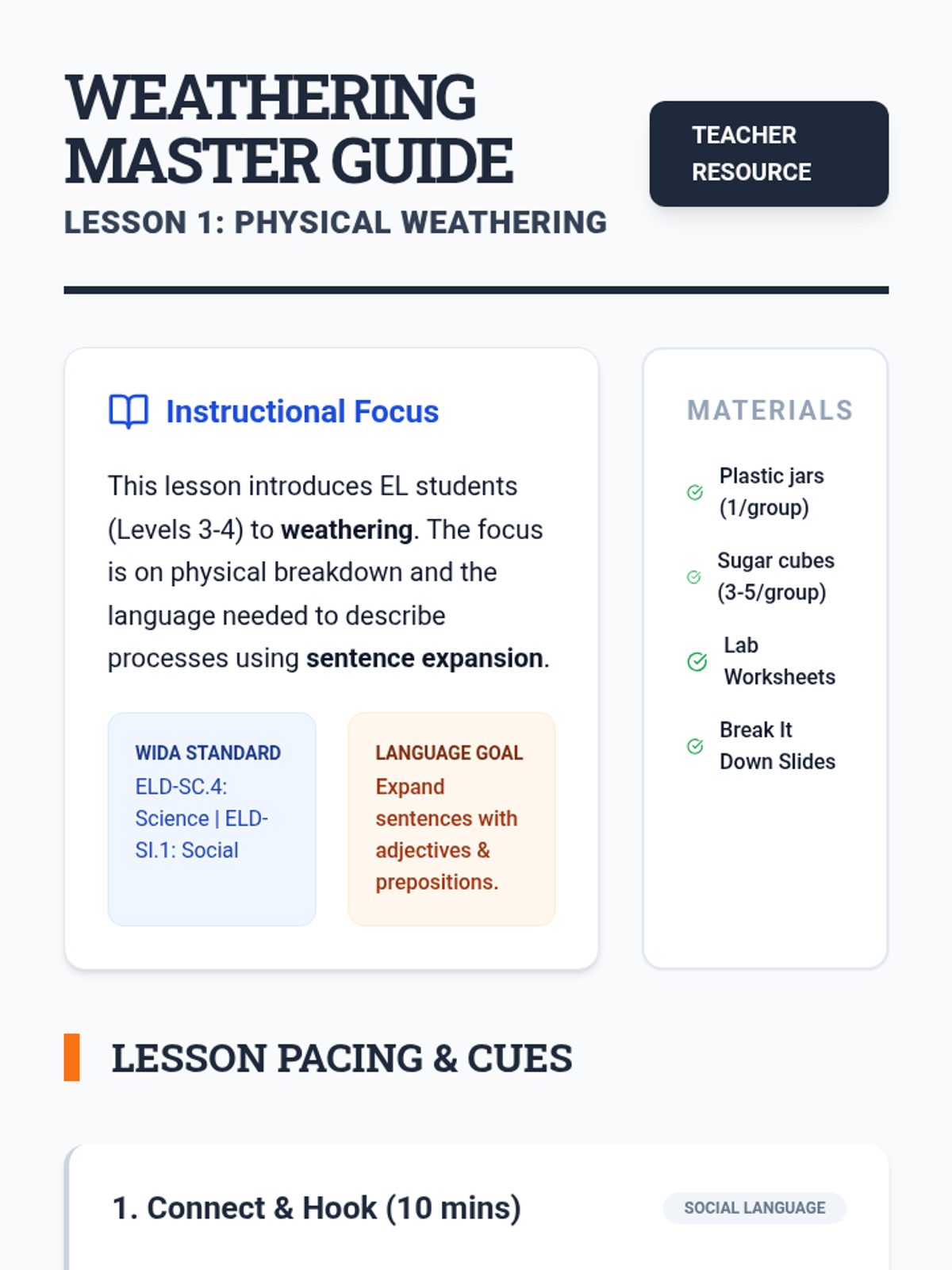
Students explore physical and chemical weathering through hands-on simulations and learn to describe the process of breaking down rock using expanded sentences.