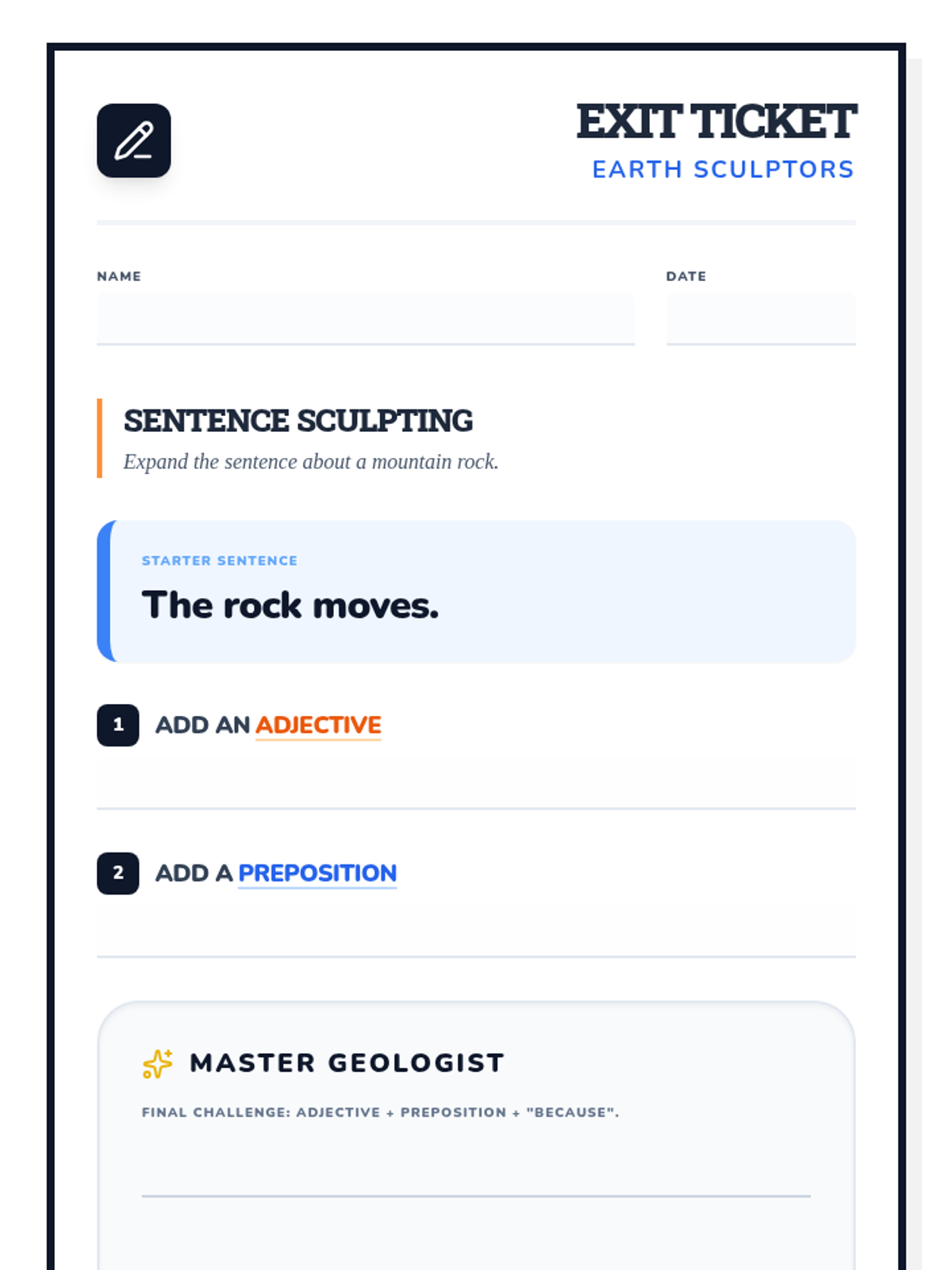
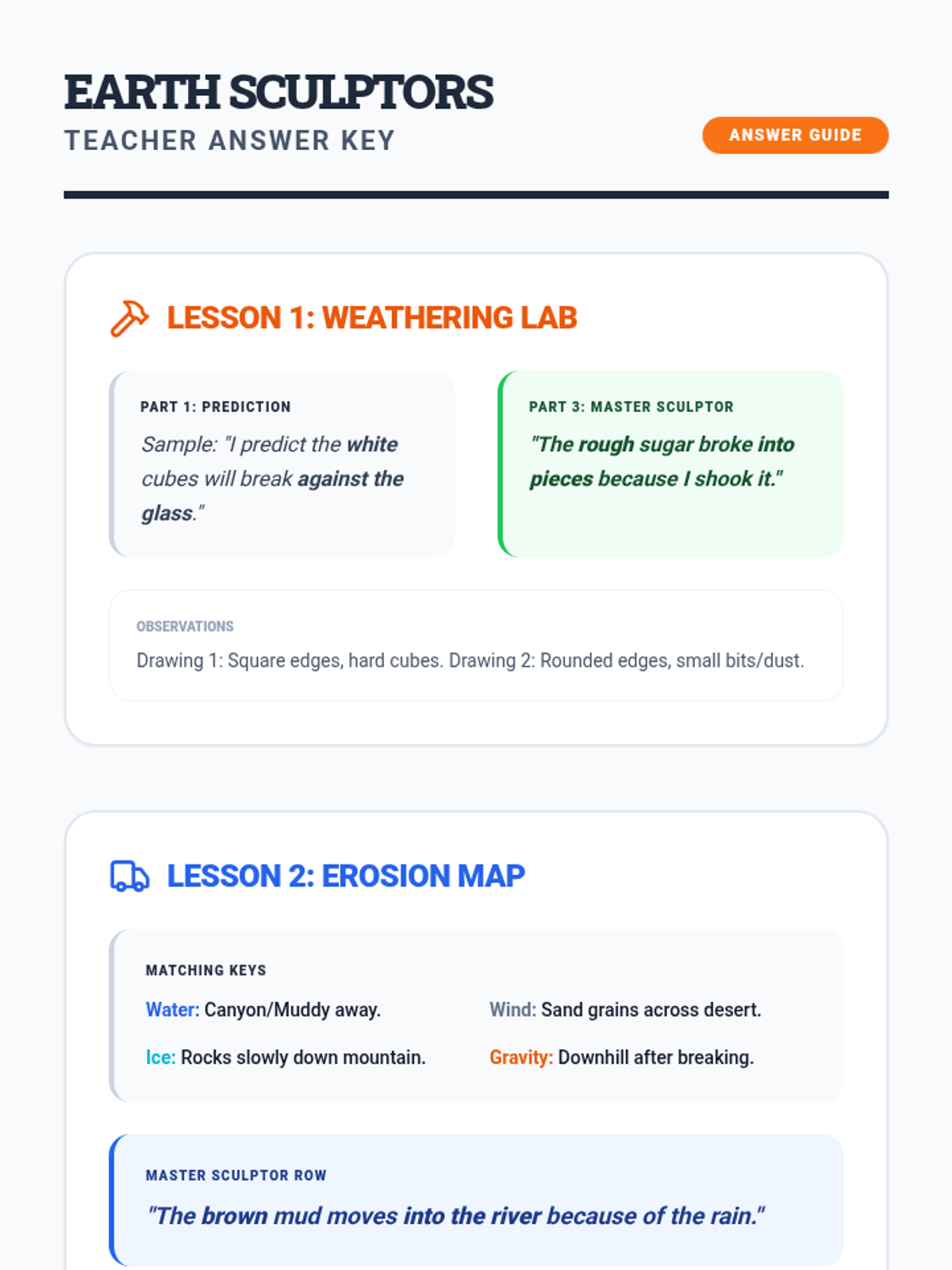
Students explore physical and chemical weathering through hands-on simulations and learn to describe the process of breaking down rock using expanded sentences.

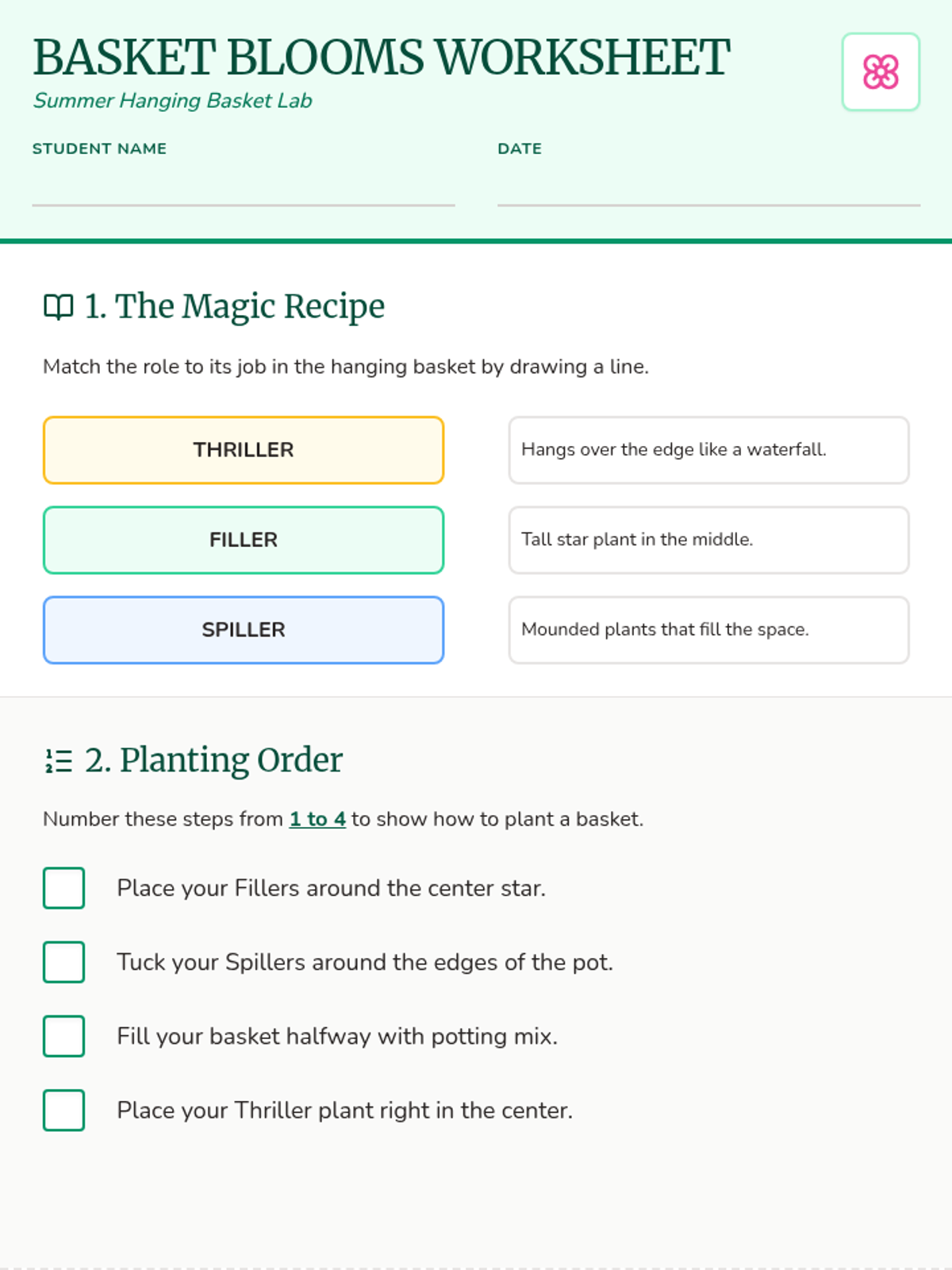
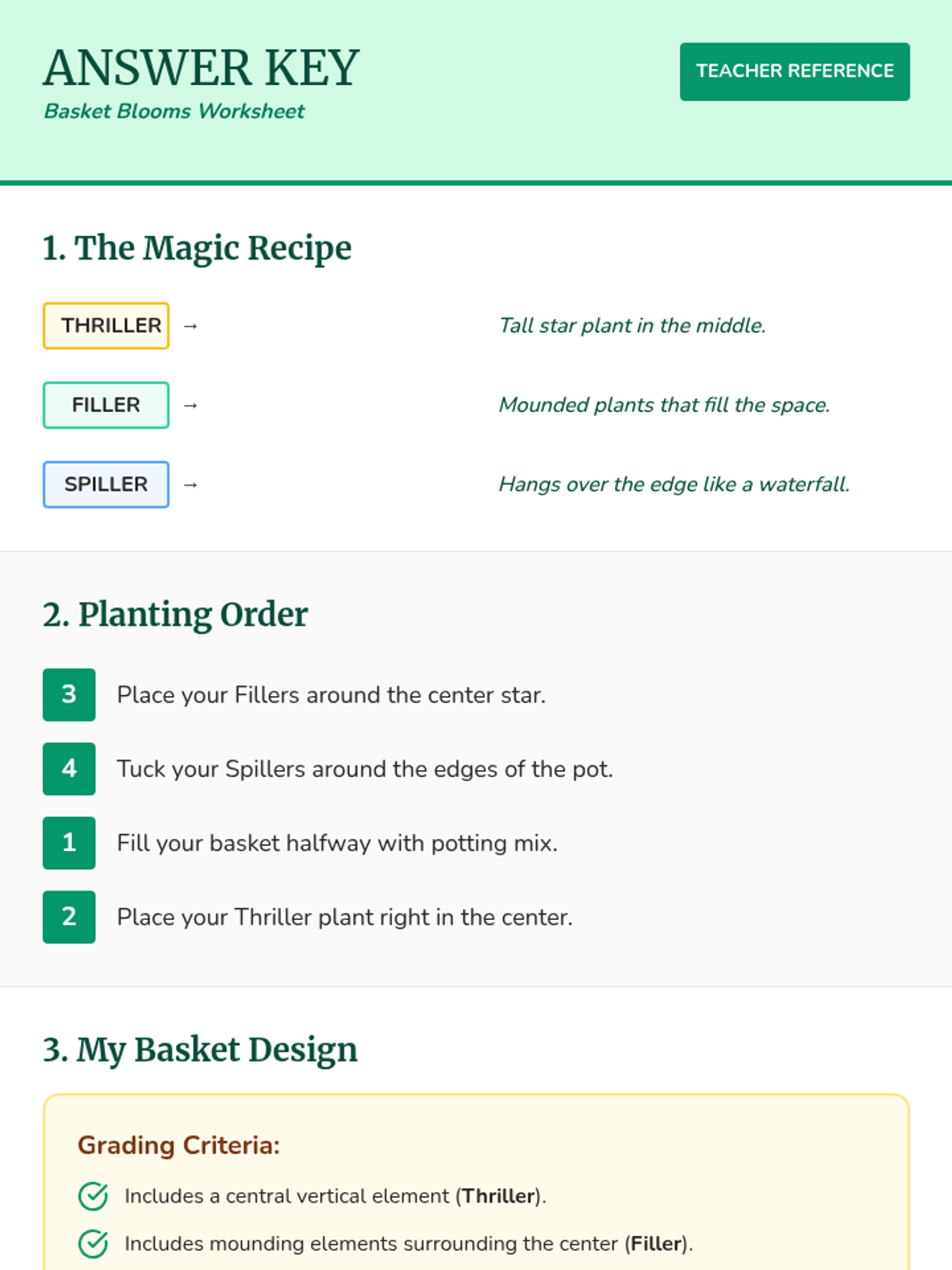
A hands-on lesson for elementary students on how to select plants and assemble a beautiful, healthy summer hanging basket using the 'Thriller, Filler, Spiller' method.
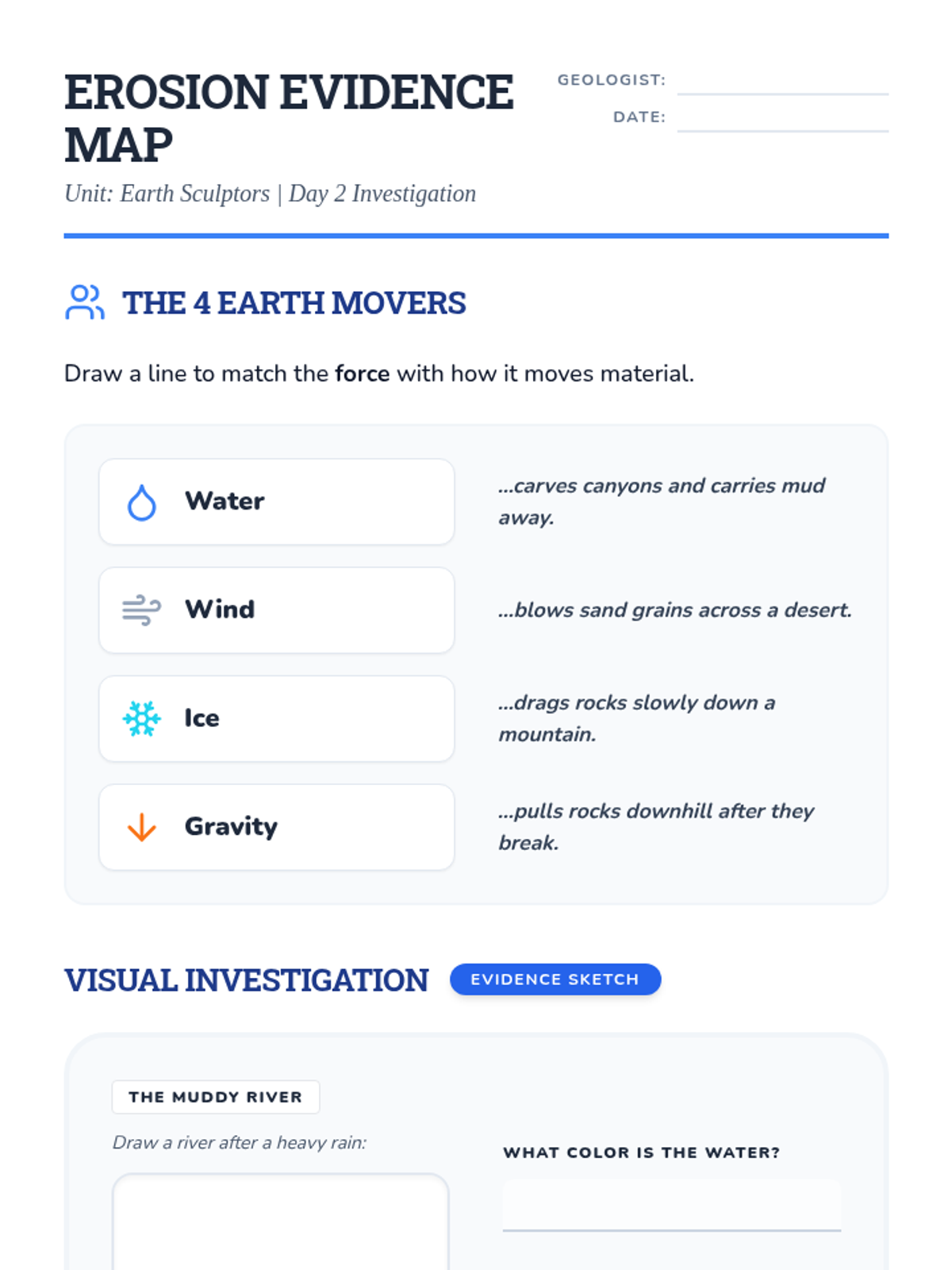
Students investigate how water, wind, and ice move weathered materials and practice expanding sentences to explain the causes and effects of erosion.
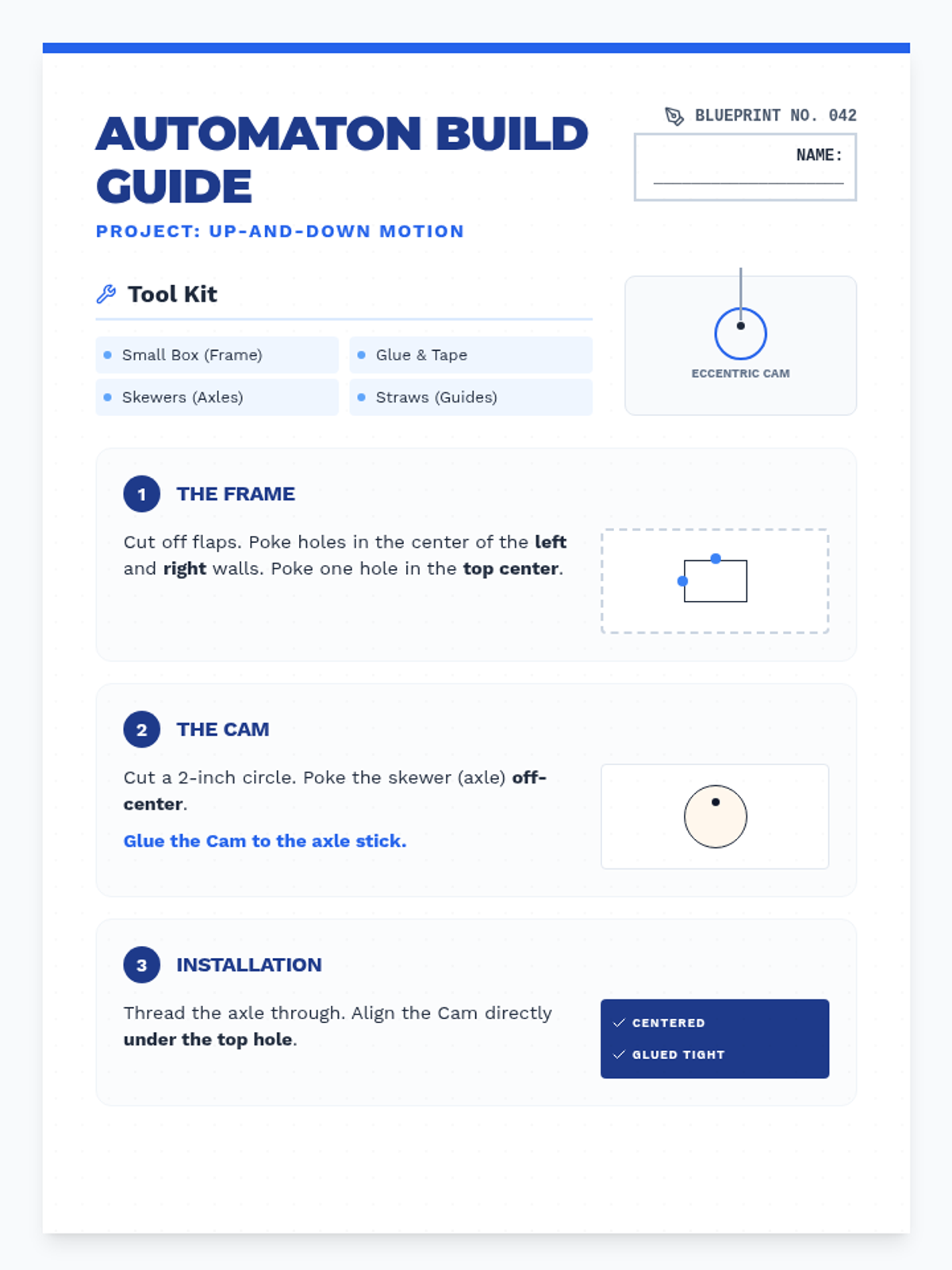
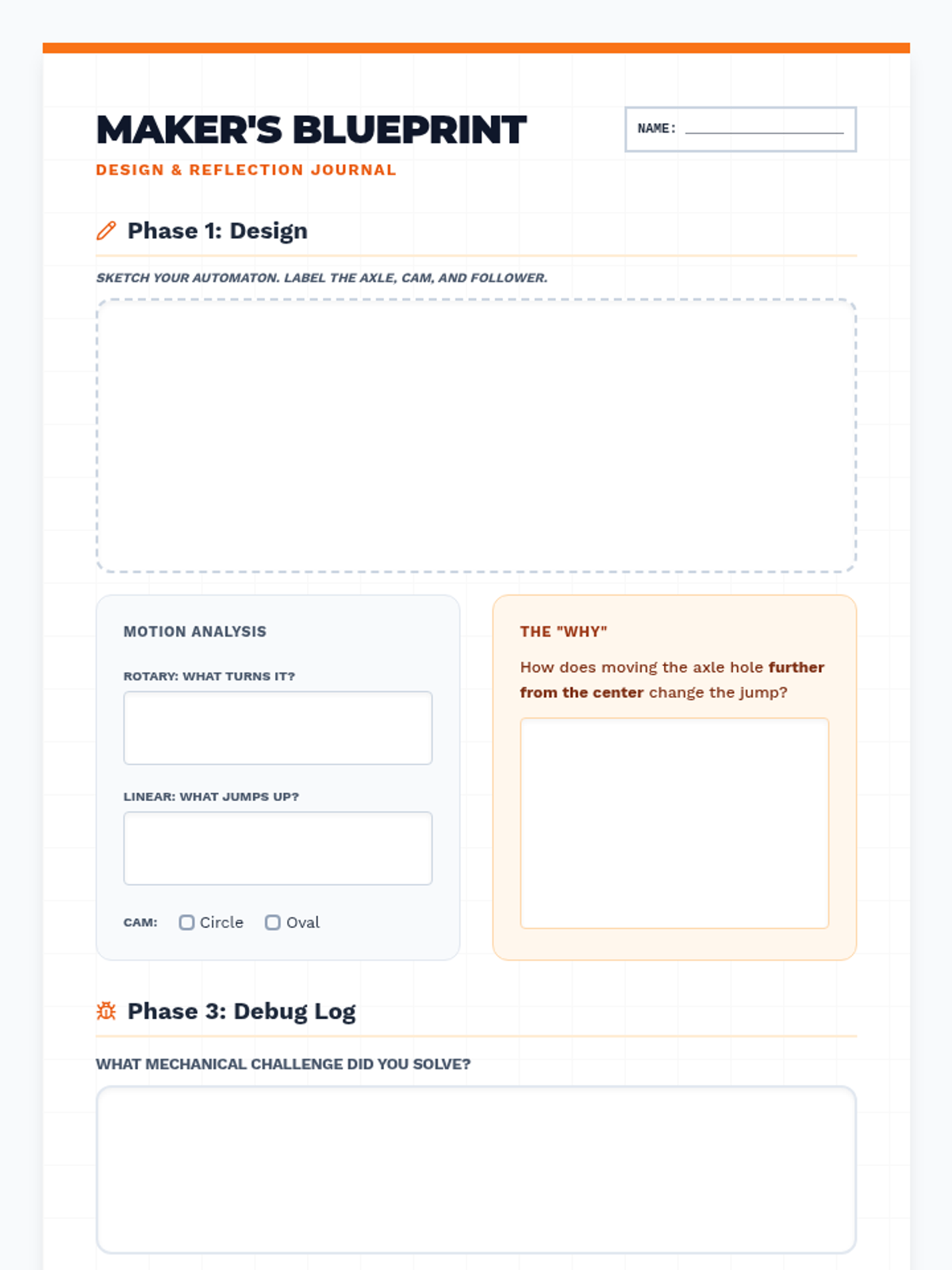
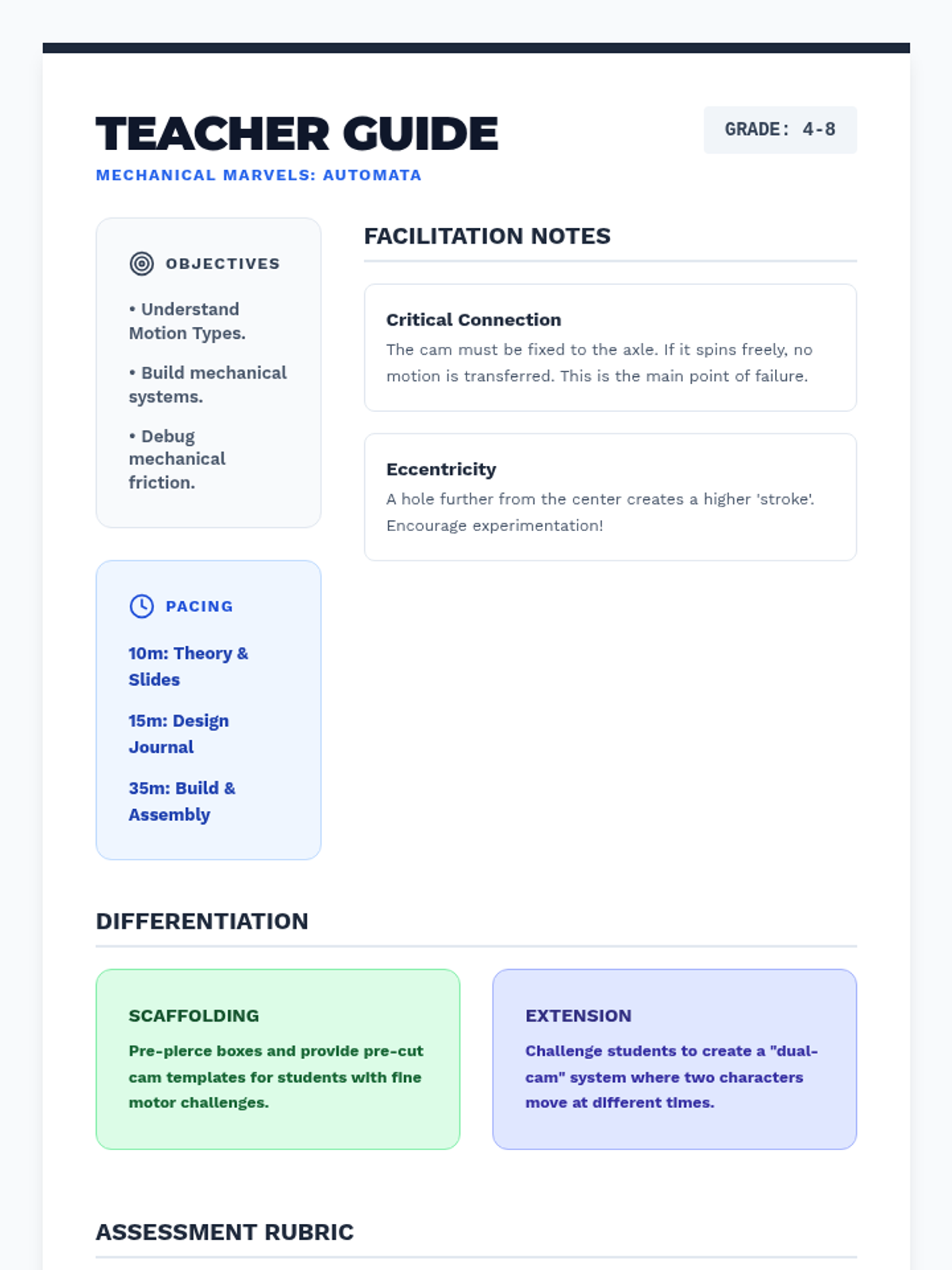
A hands-on engineering lesson where students build a cardboard automaton to explore how rotary motion is converted into linear motion using cams and followers.
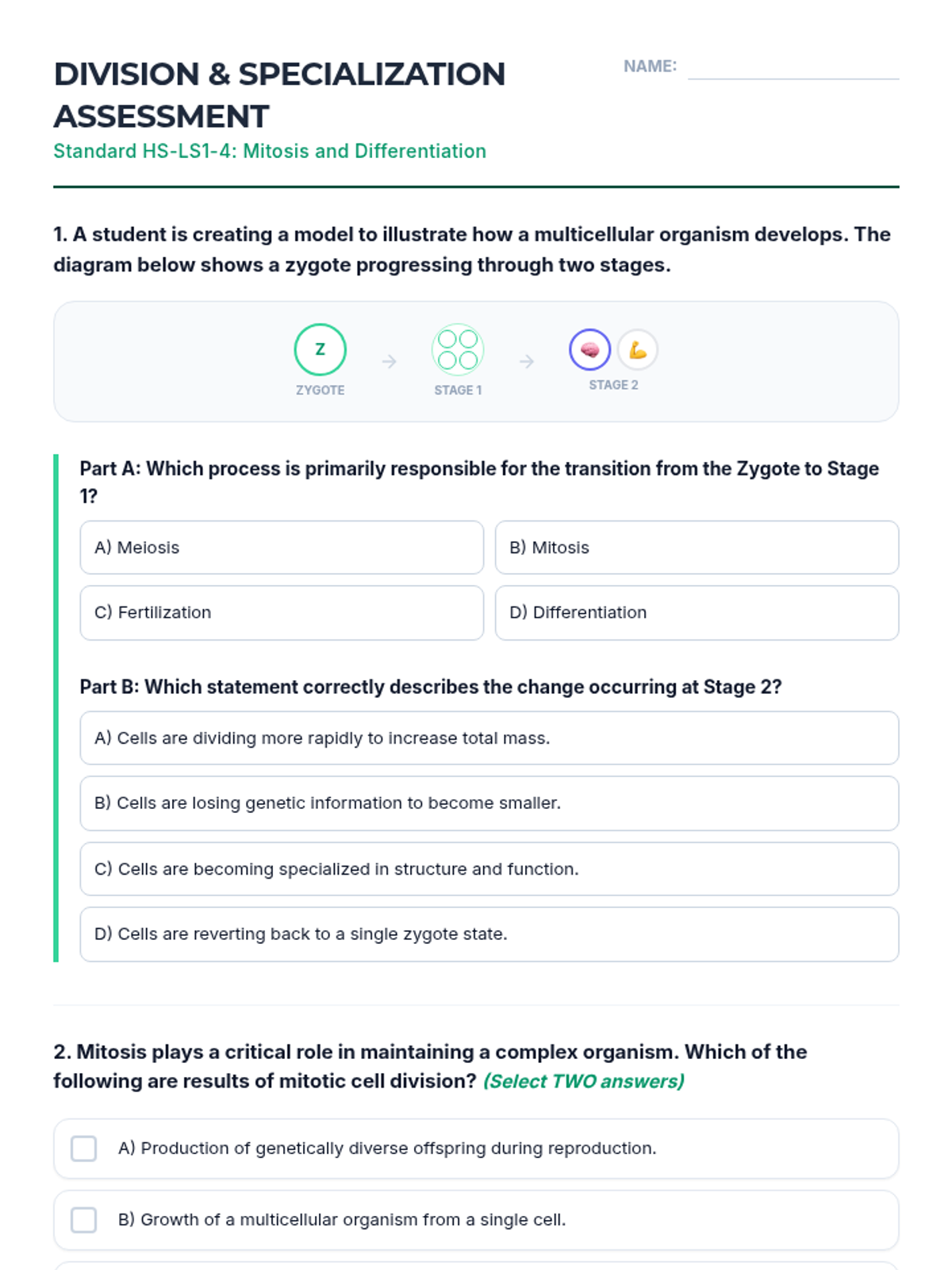
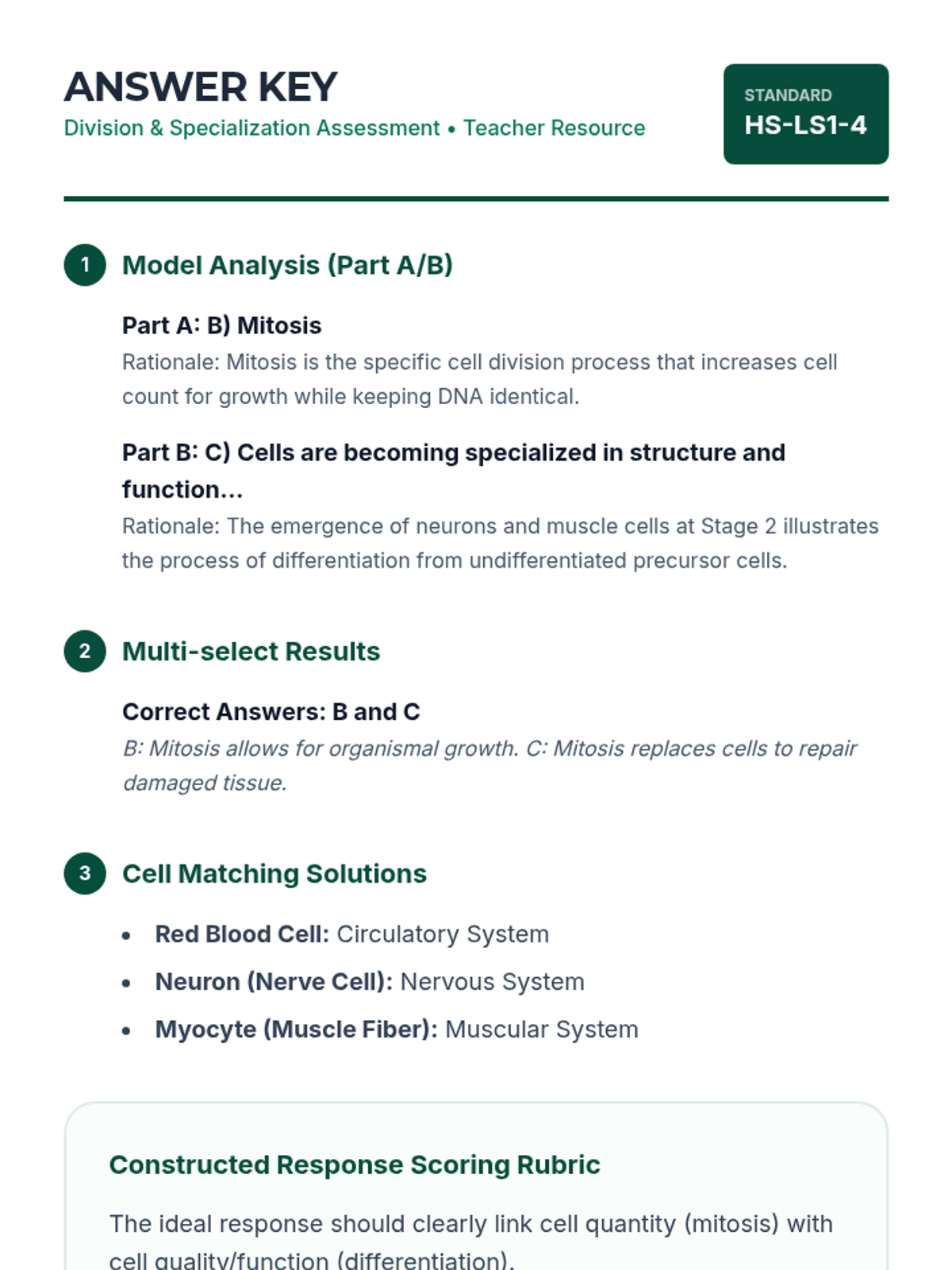
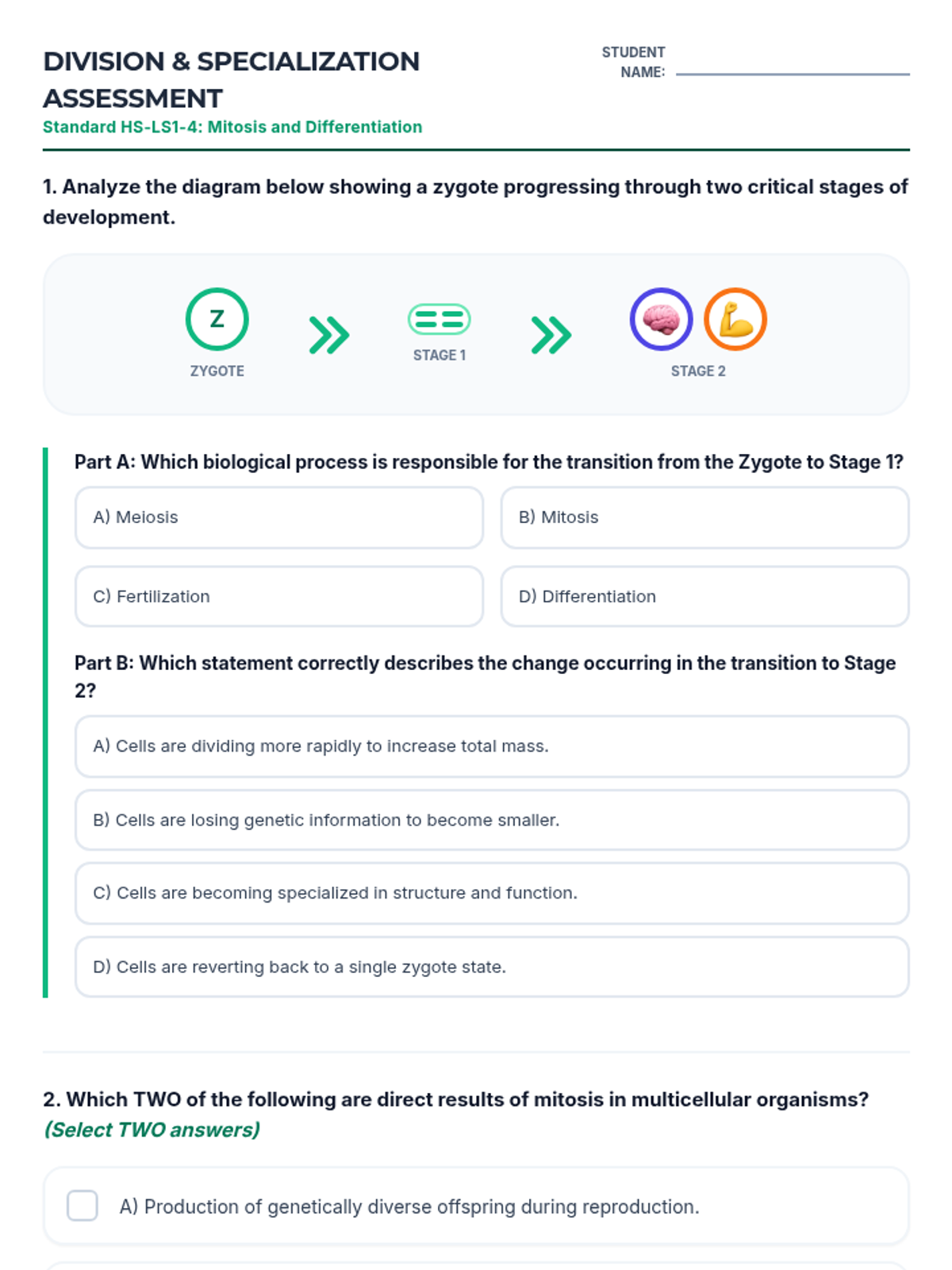
An exploration of the cellular processes that allow organisms to grow and maintain complexity, specifically focusing on mitosis and cell differentiation.
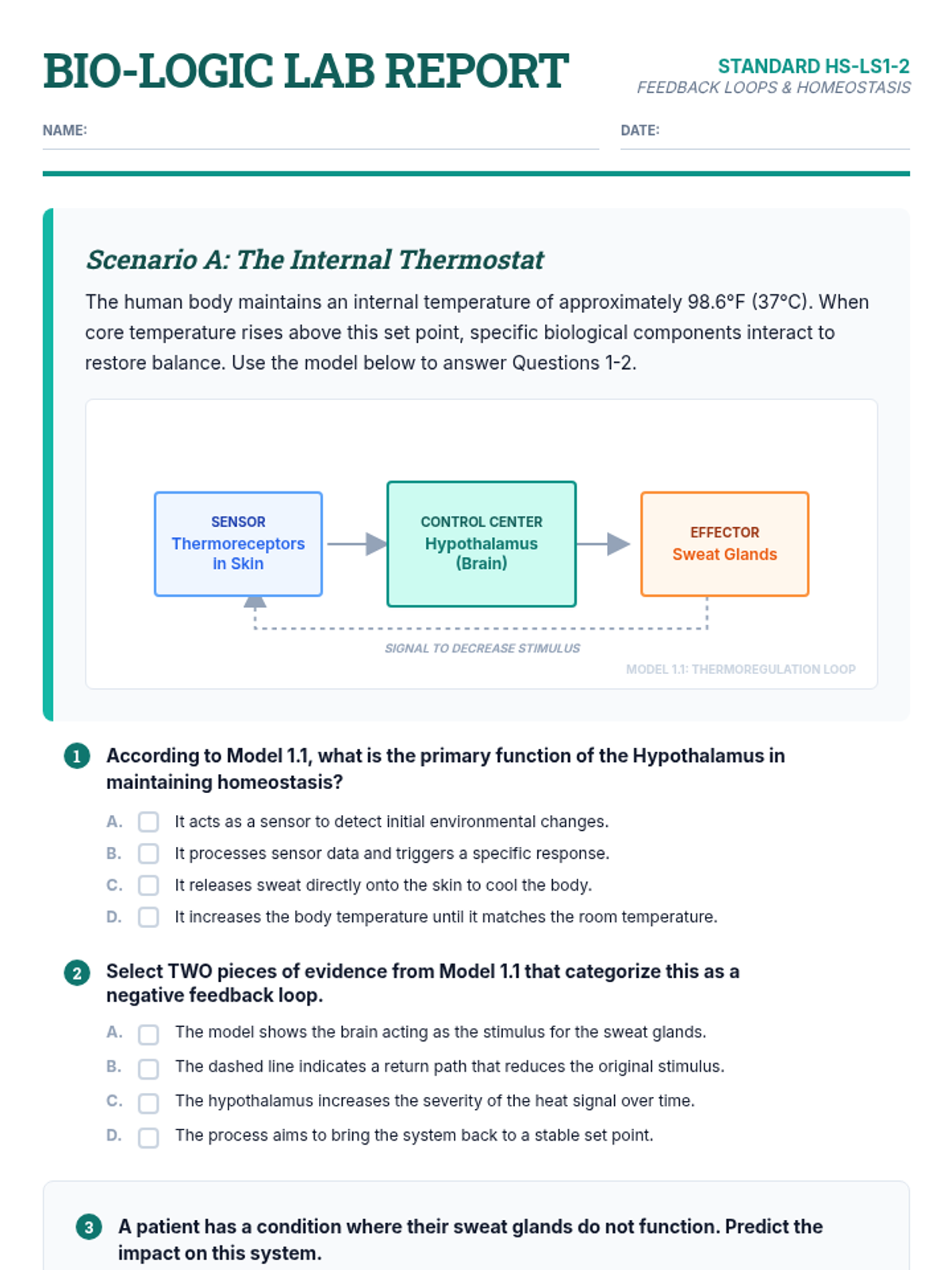
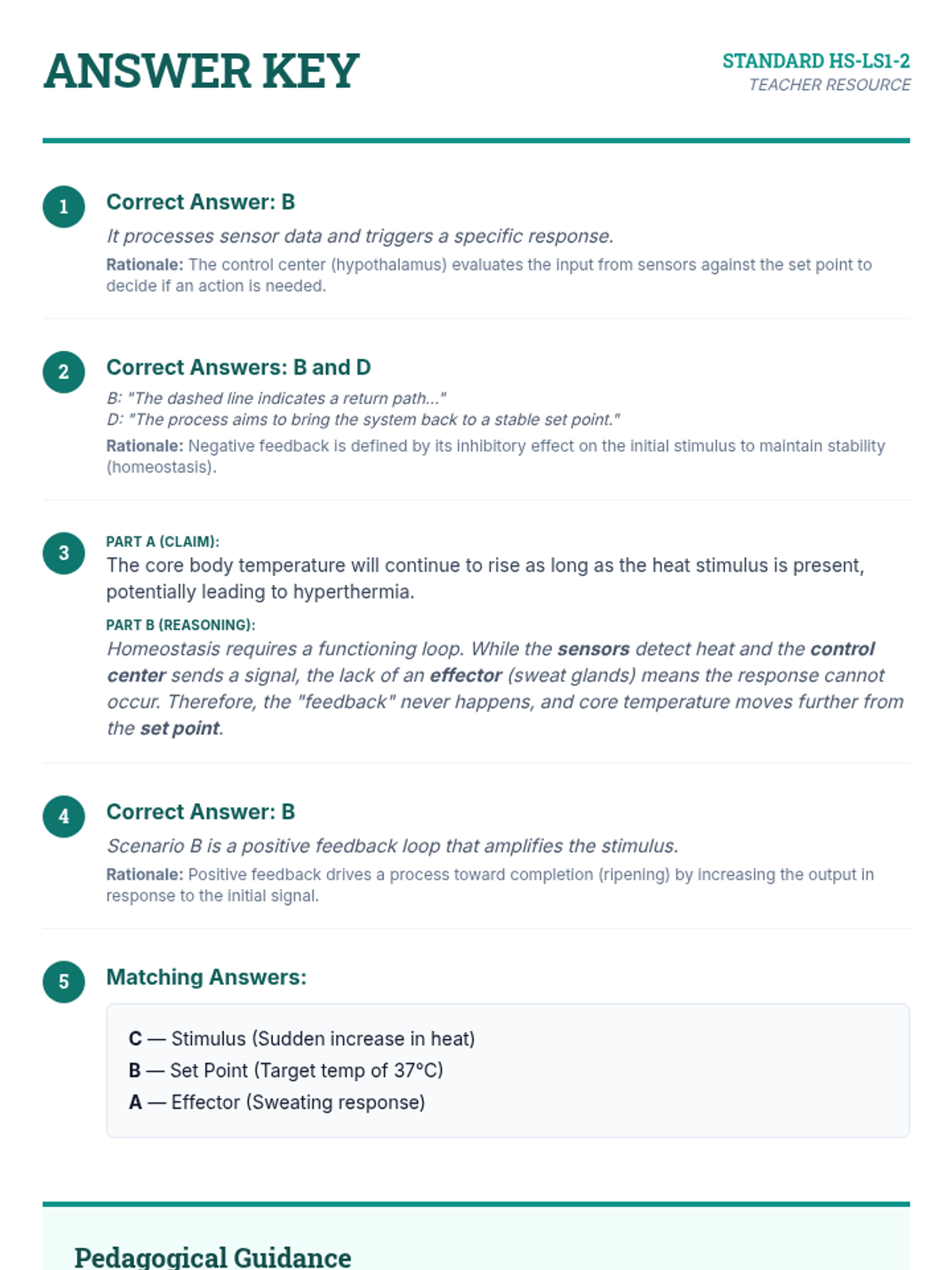
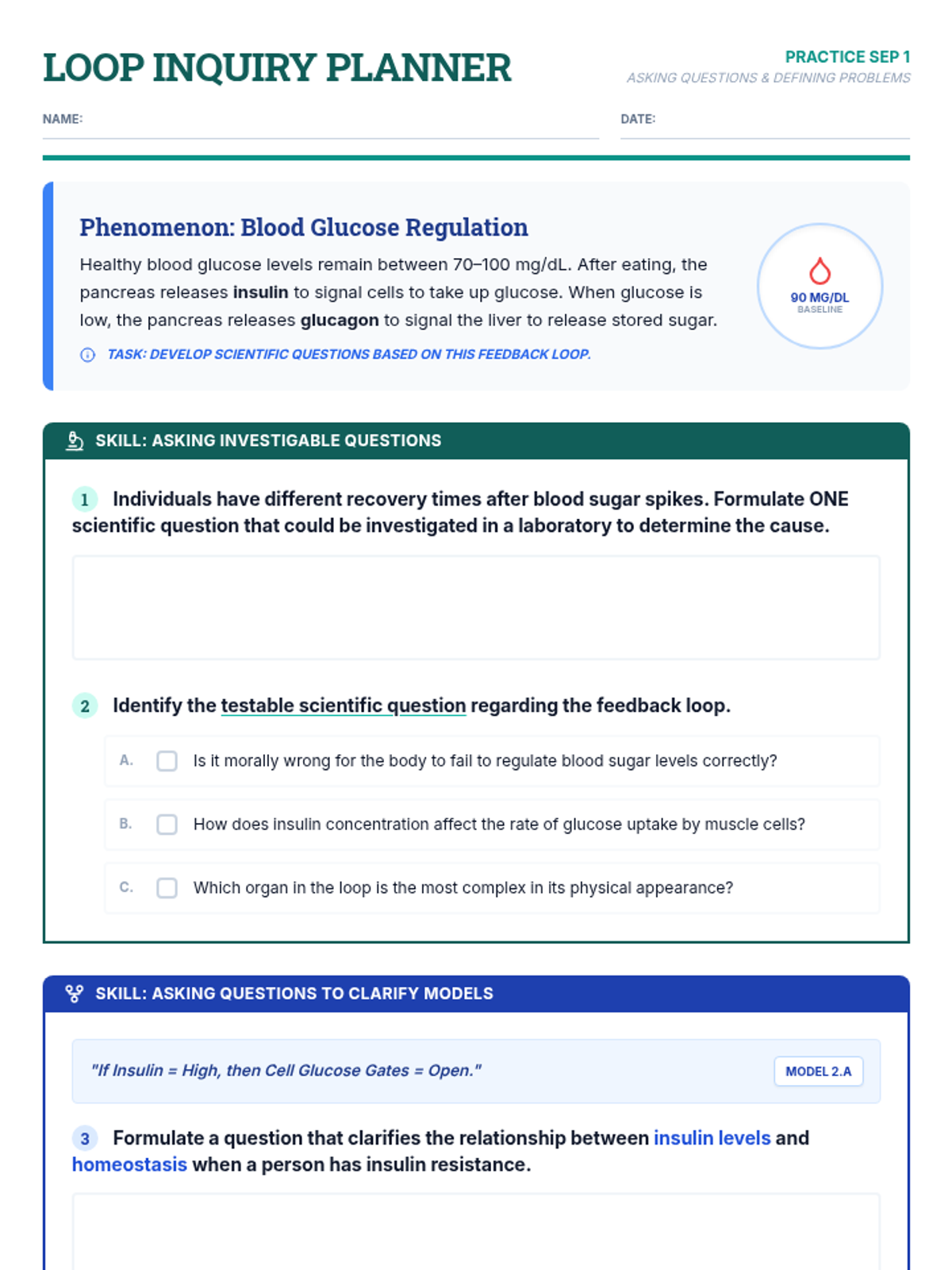
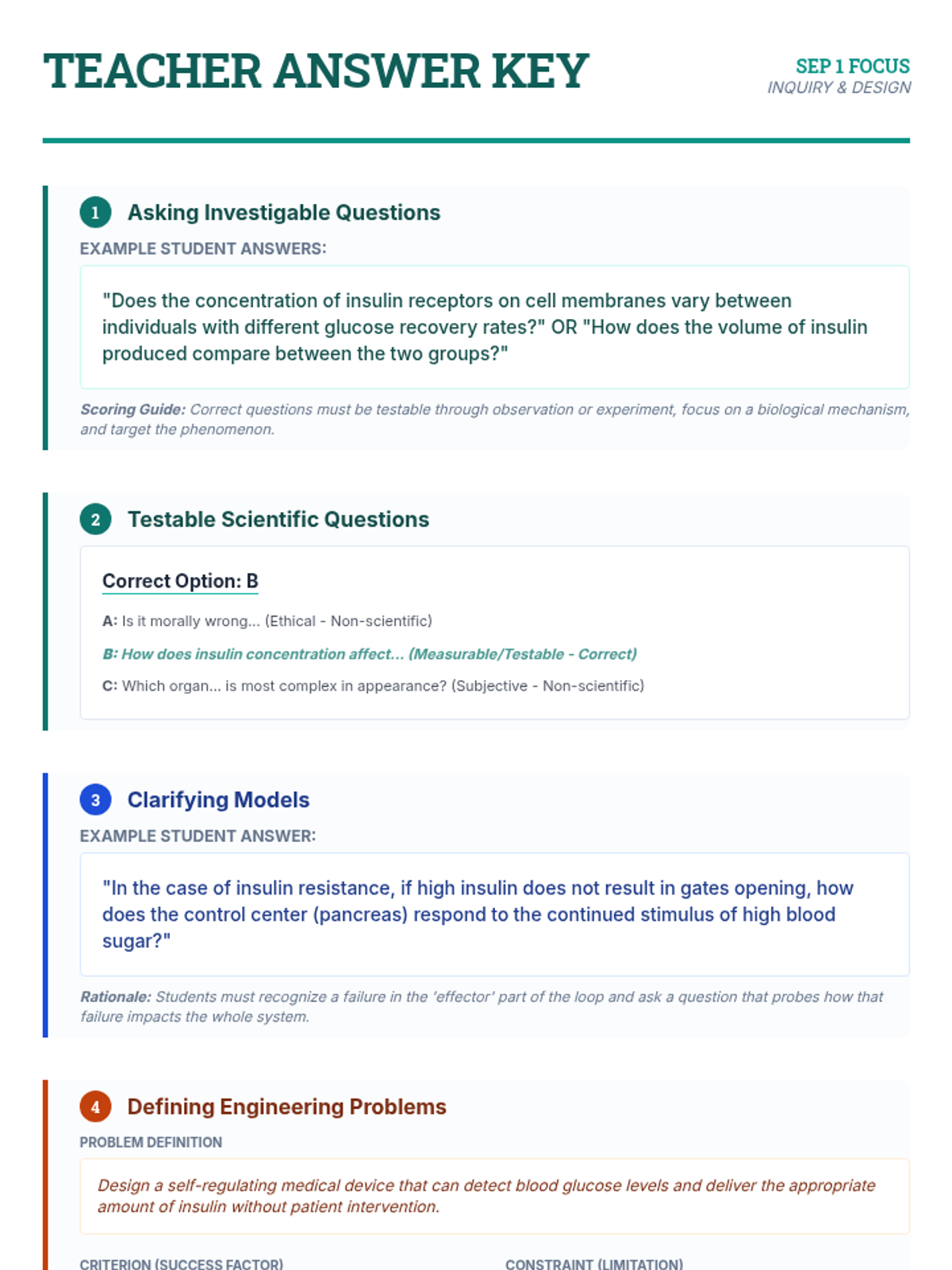
A focused practice lesson on biological feedback loops (HS-LS1-2), featuring standardized test-style questions and visual models.
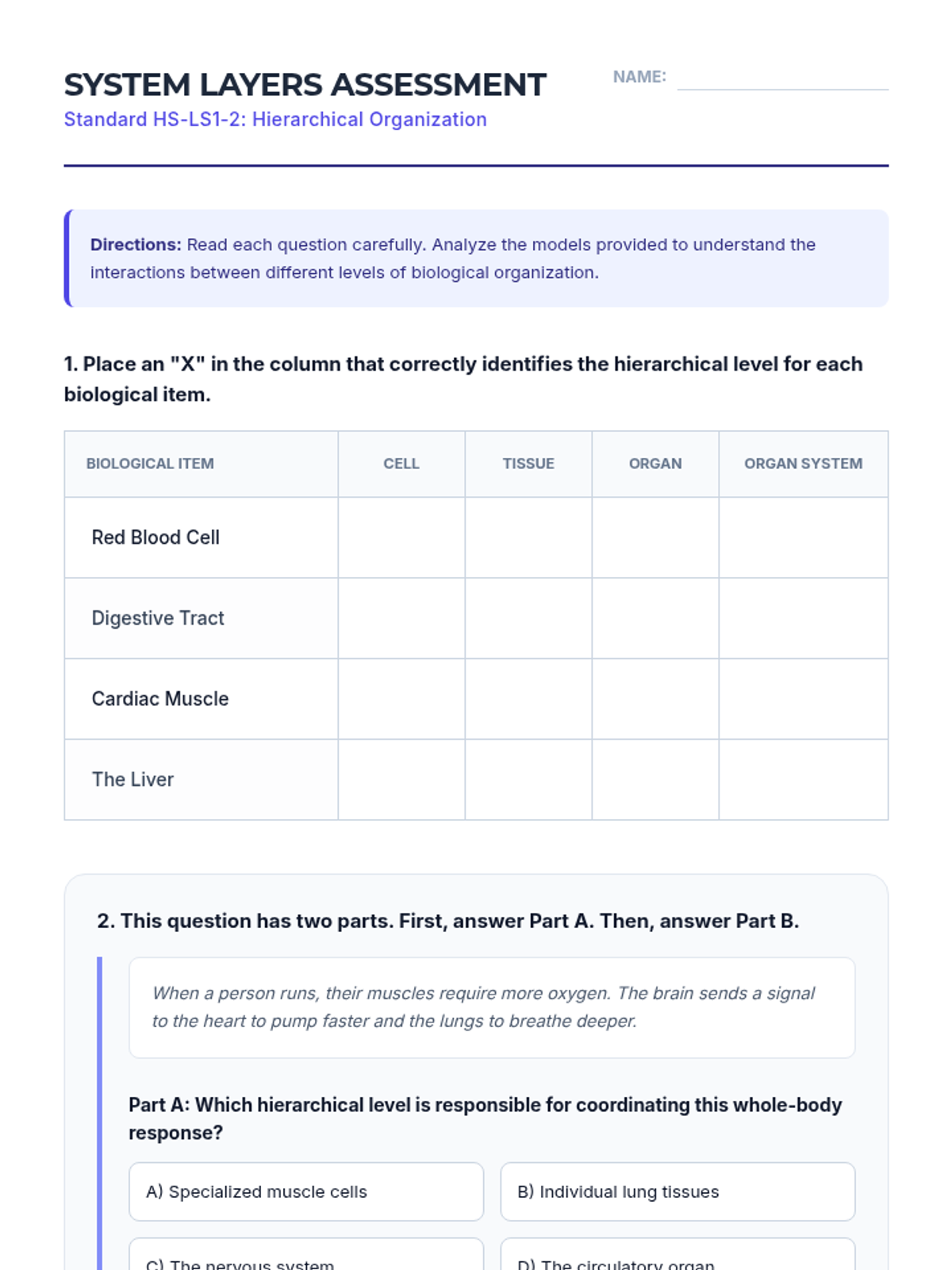
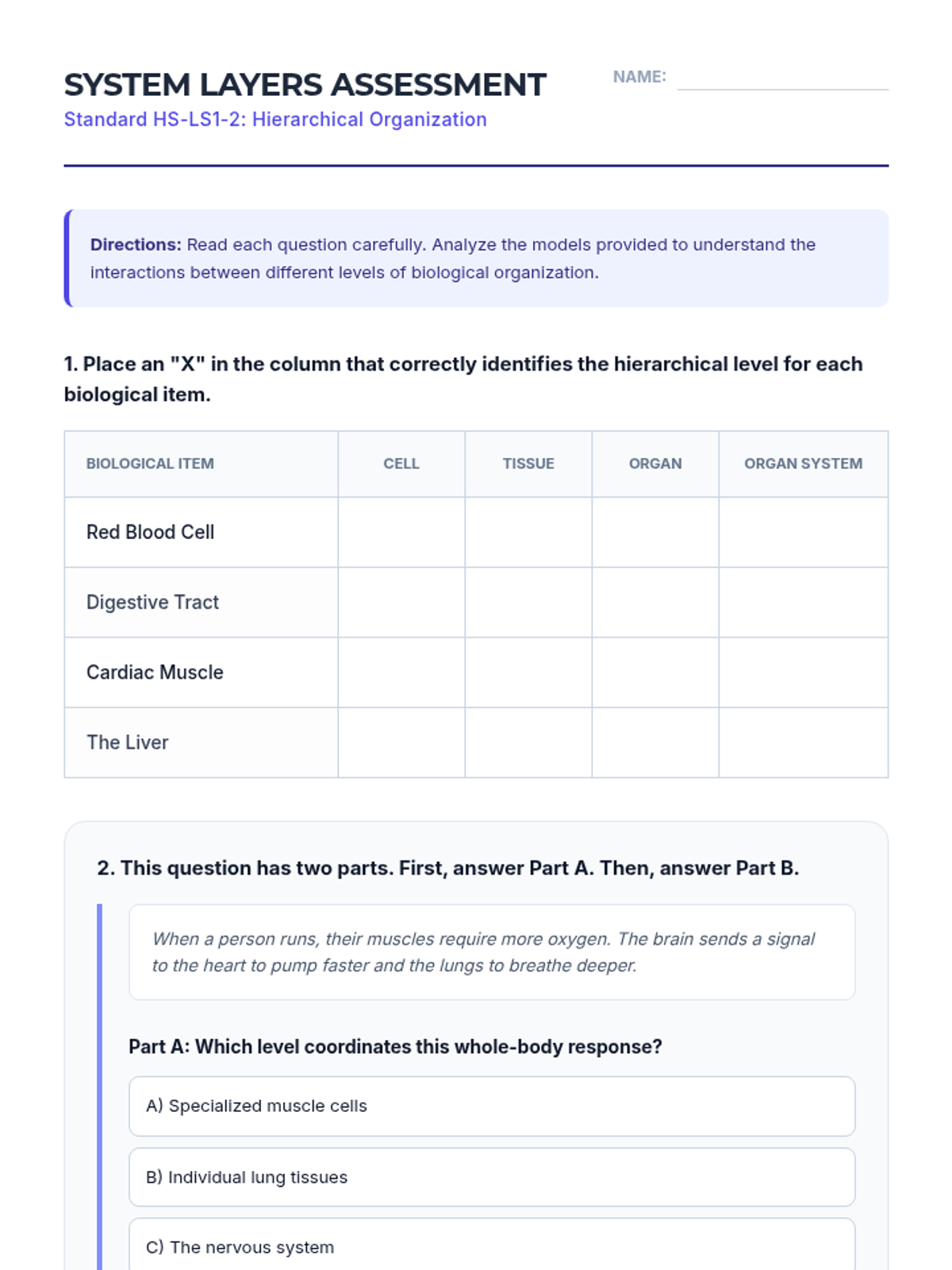
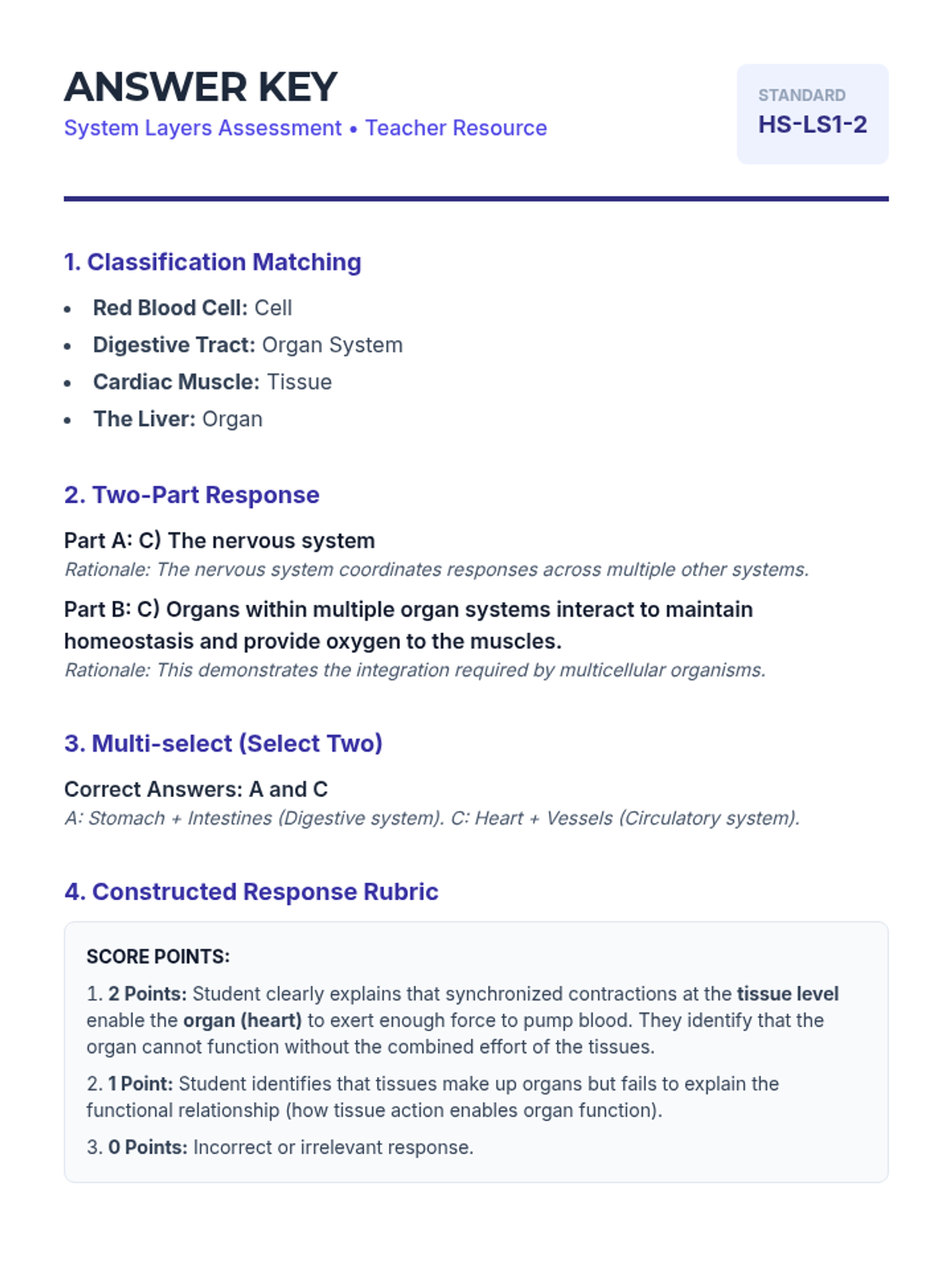
An exploration of the hierarchical organization of multicellular organisms, focusing on how cells, tissues, organs, and organ systems interact to perform complex functions.
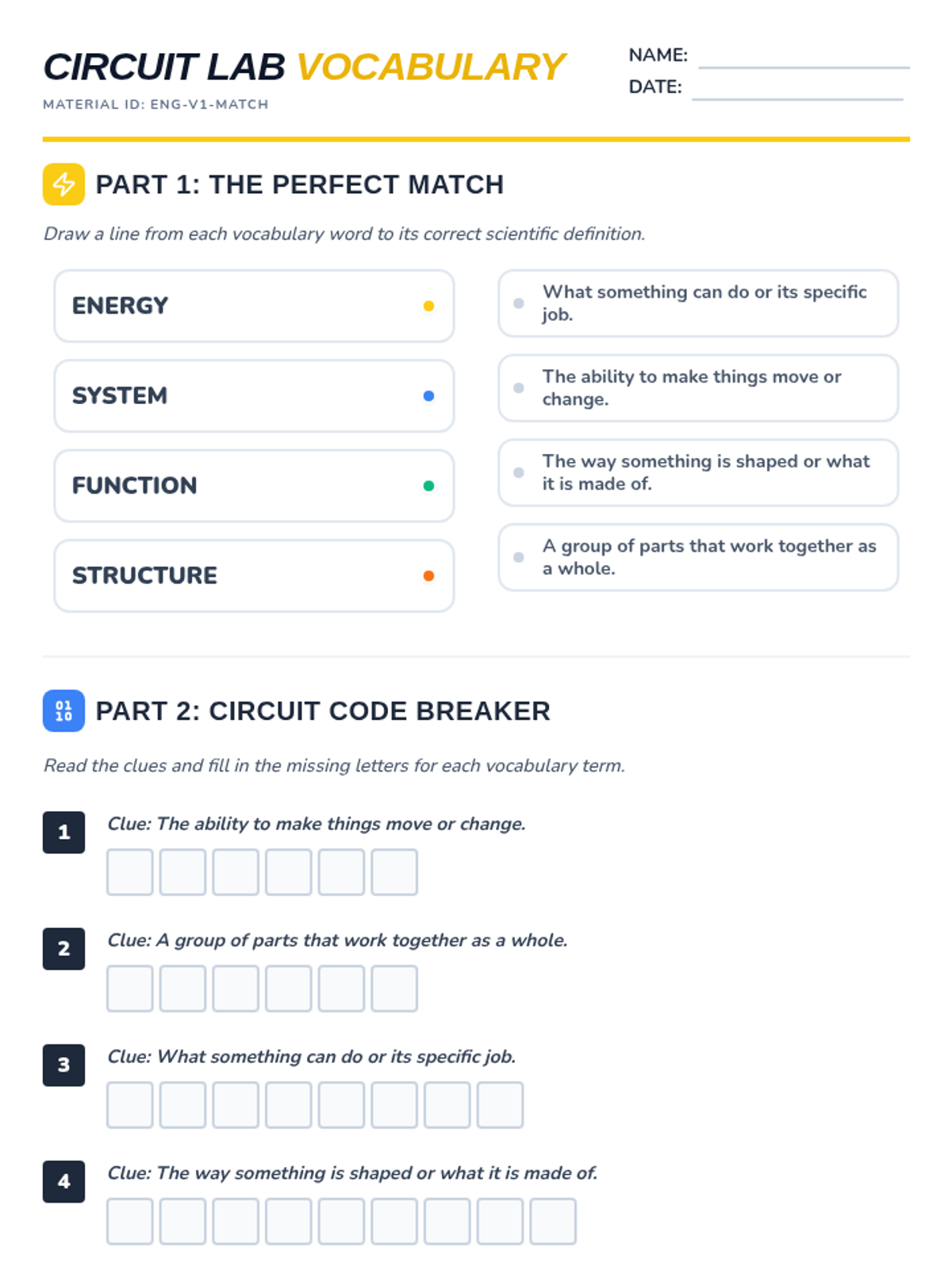
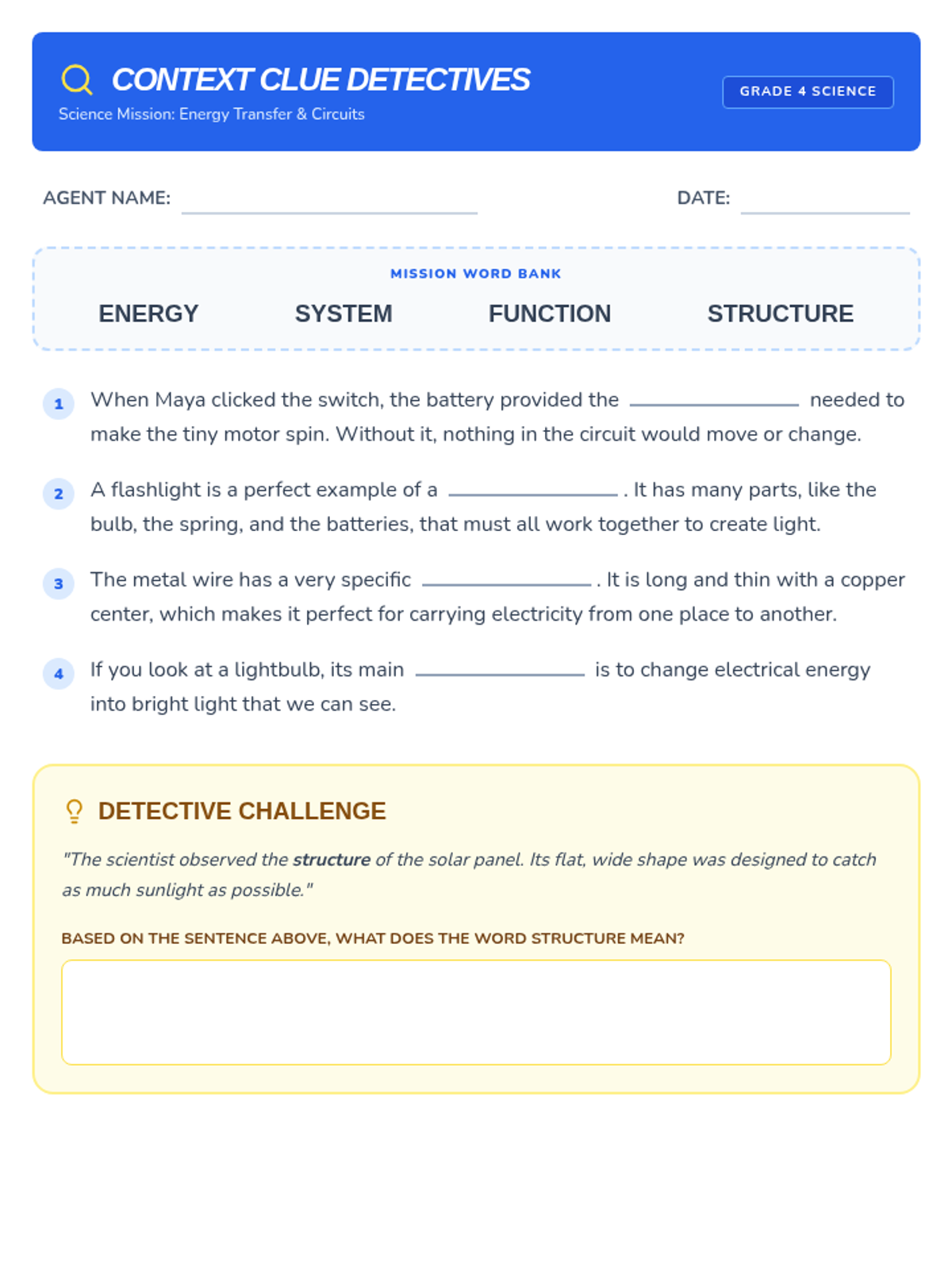
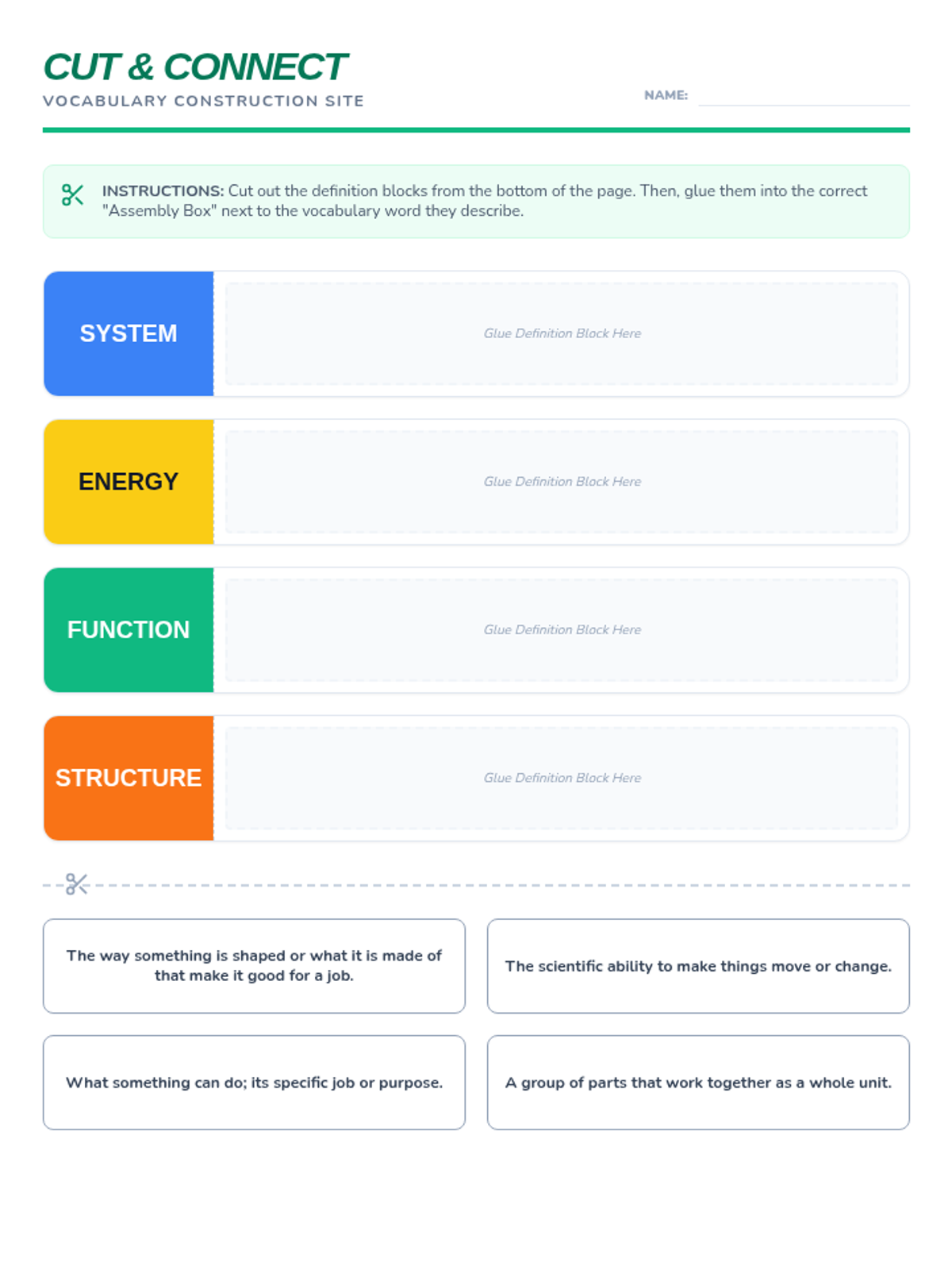
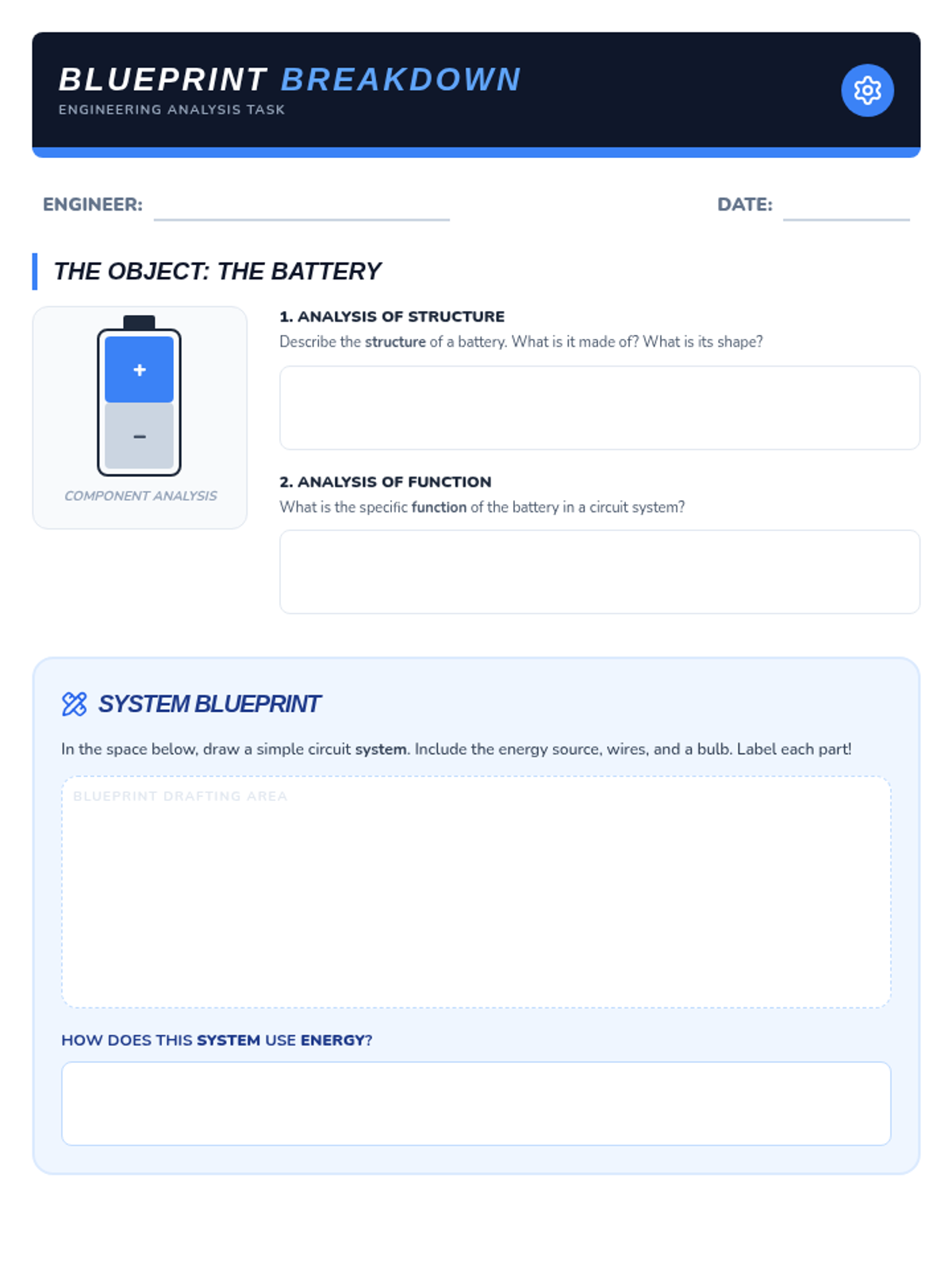
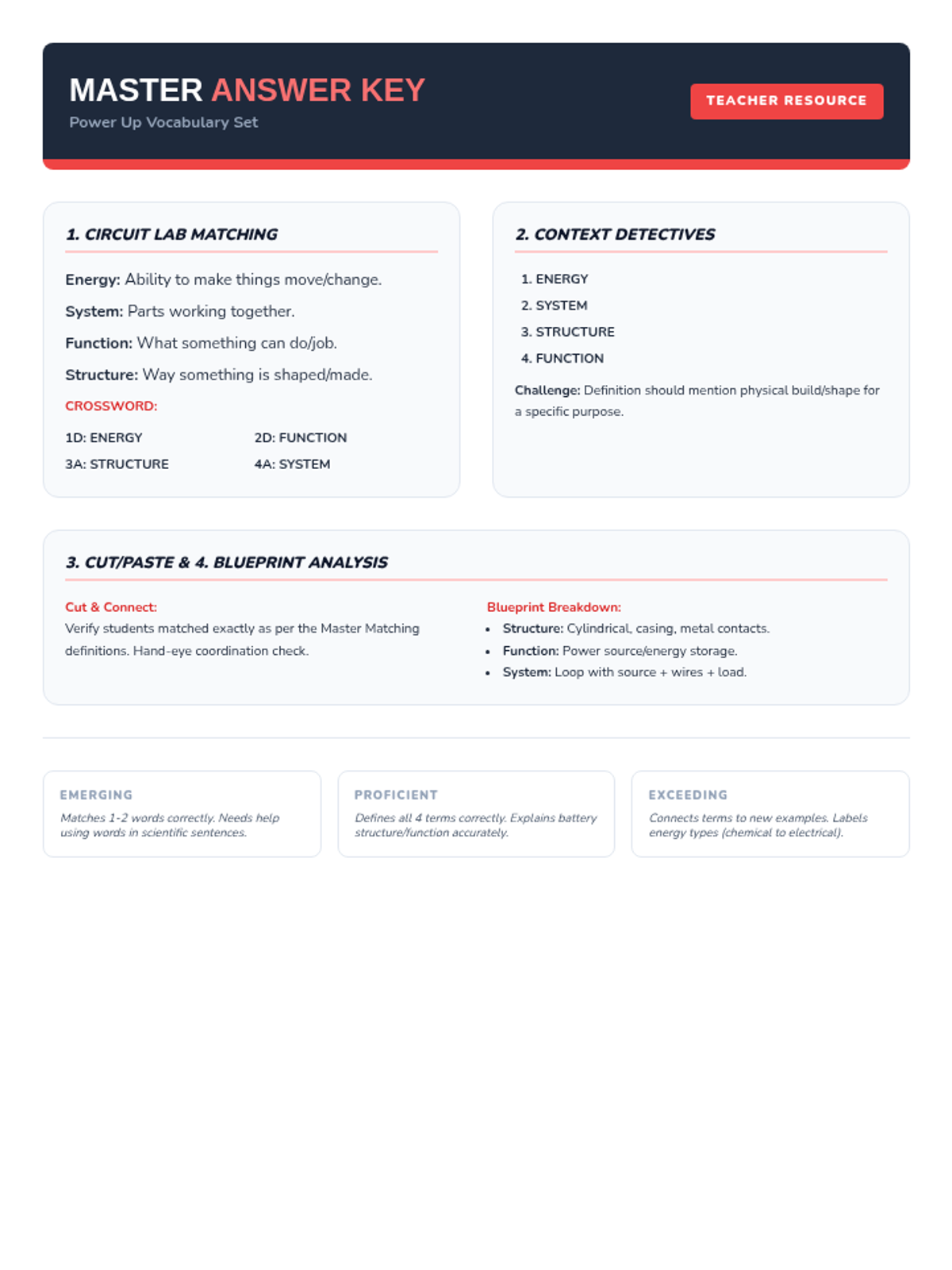
A collection of vocabulary worksheets focused on the core concepts of energy transfer and circuits for 4th-grade scientists. Students explore the definitions and applications of energy, systems, functions, and structures through various interactive formats.
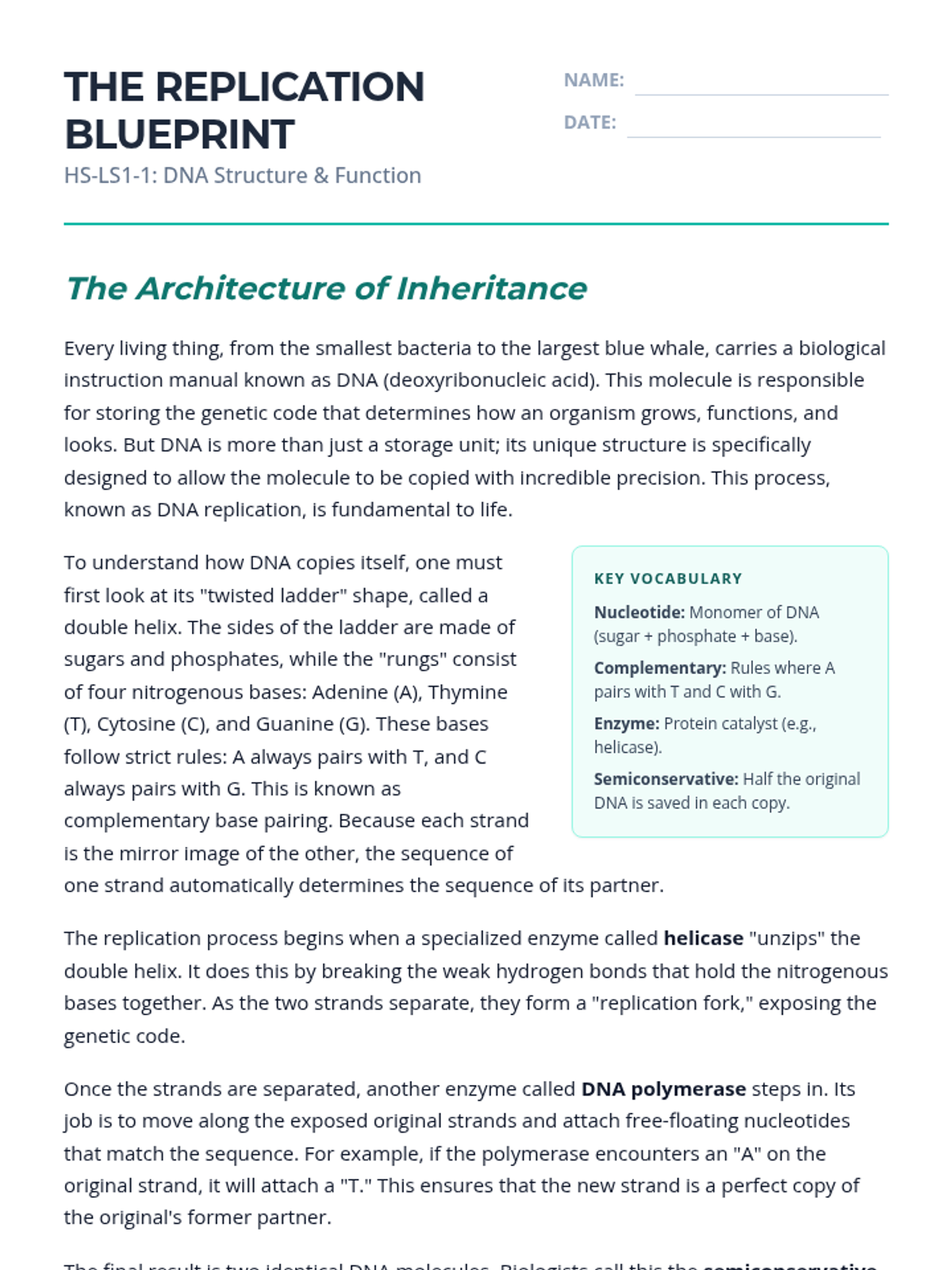
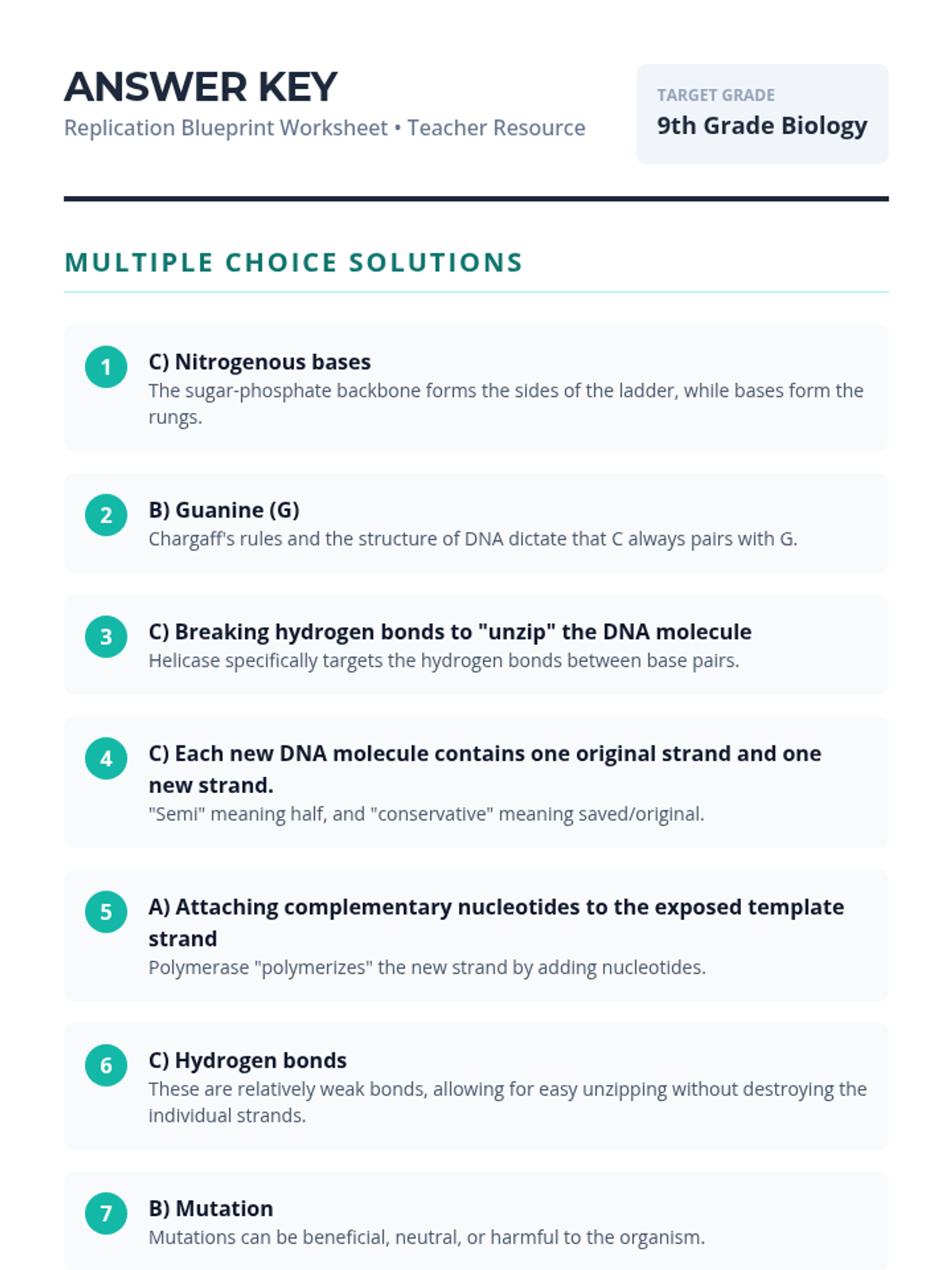
A comprehensive lesson on DNA replication, focusing on how the structure of DNA allows for precise copying of genetic information to support life functions and protein synthesis.
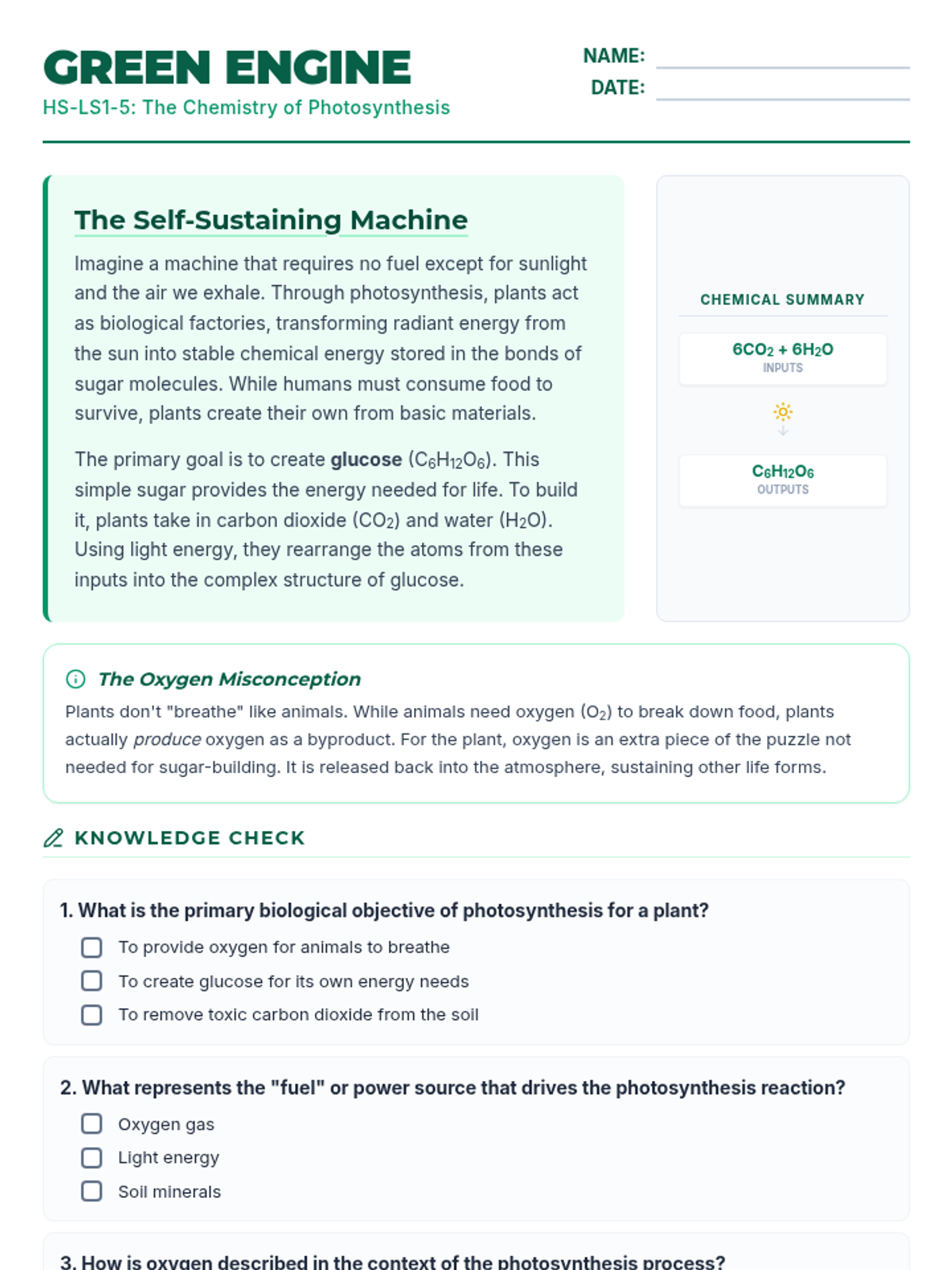
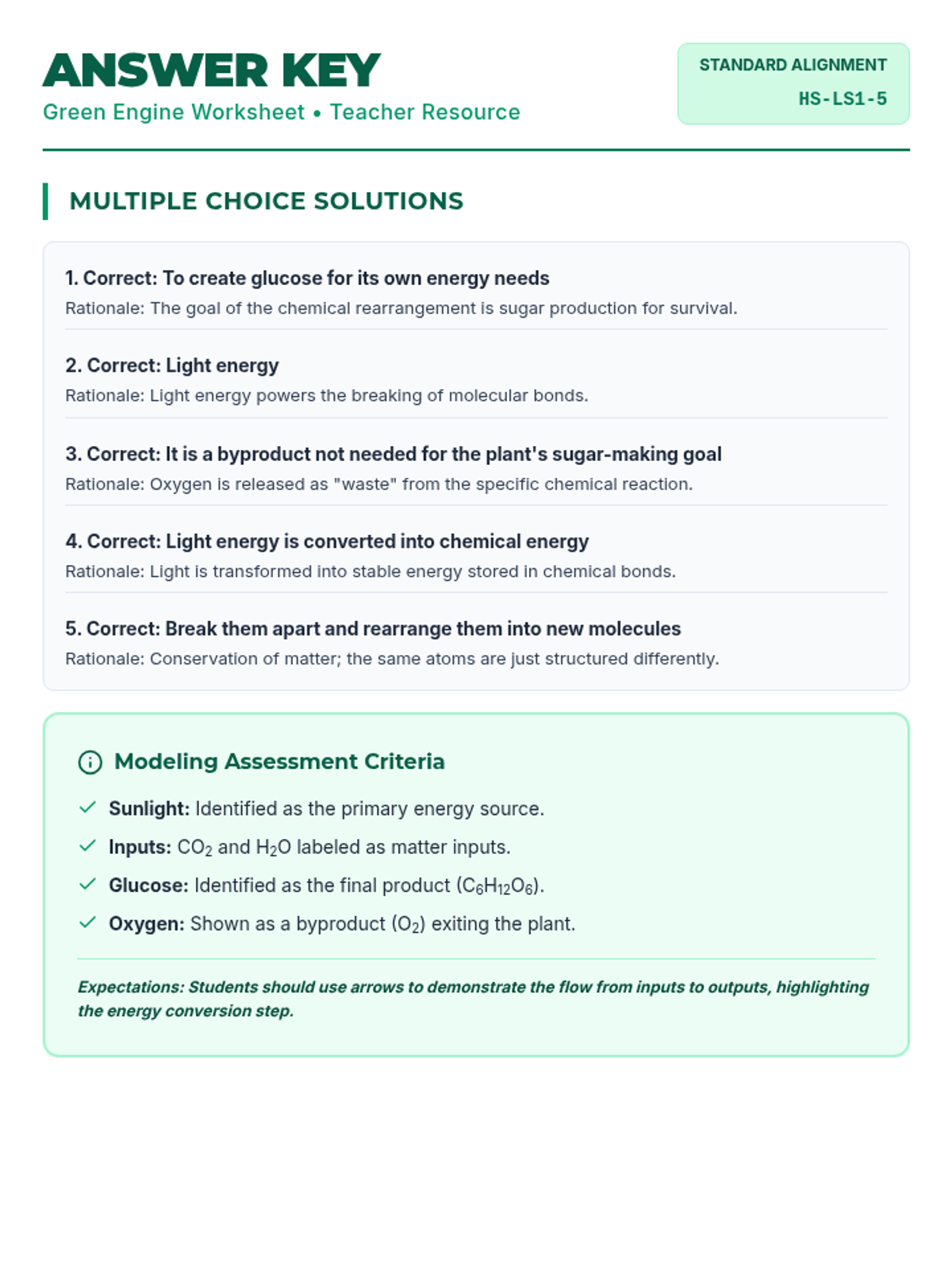
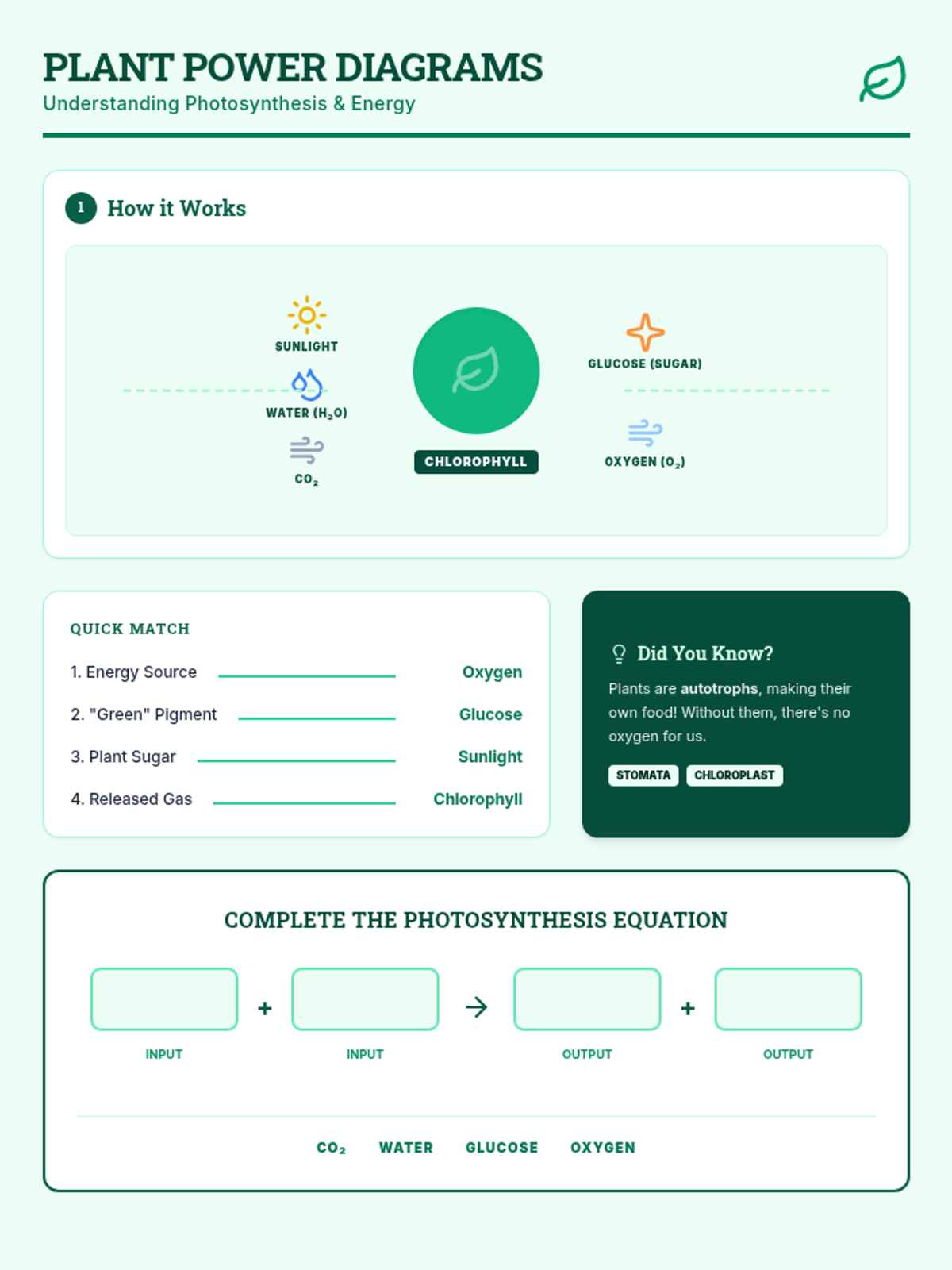
This lesson focuses on the chemical transformation of light energy into glucose through photosynthesis, emphasizing that plants are self-sustaining producers that generate oxygen as a byproduct. Students will analyze the relationship between inputs (CO2, H2O, light) and outputs (Glucose, O2) to understand the fundamental energy cycle of life.
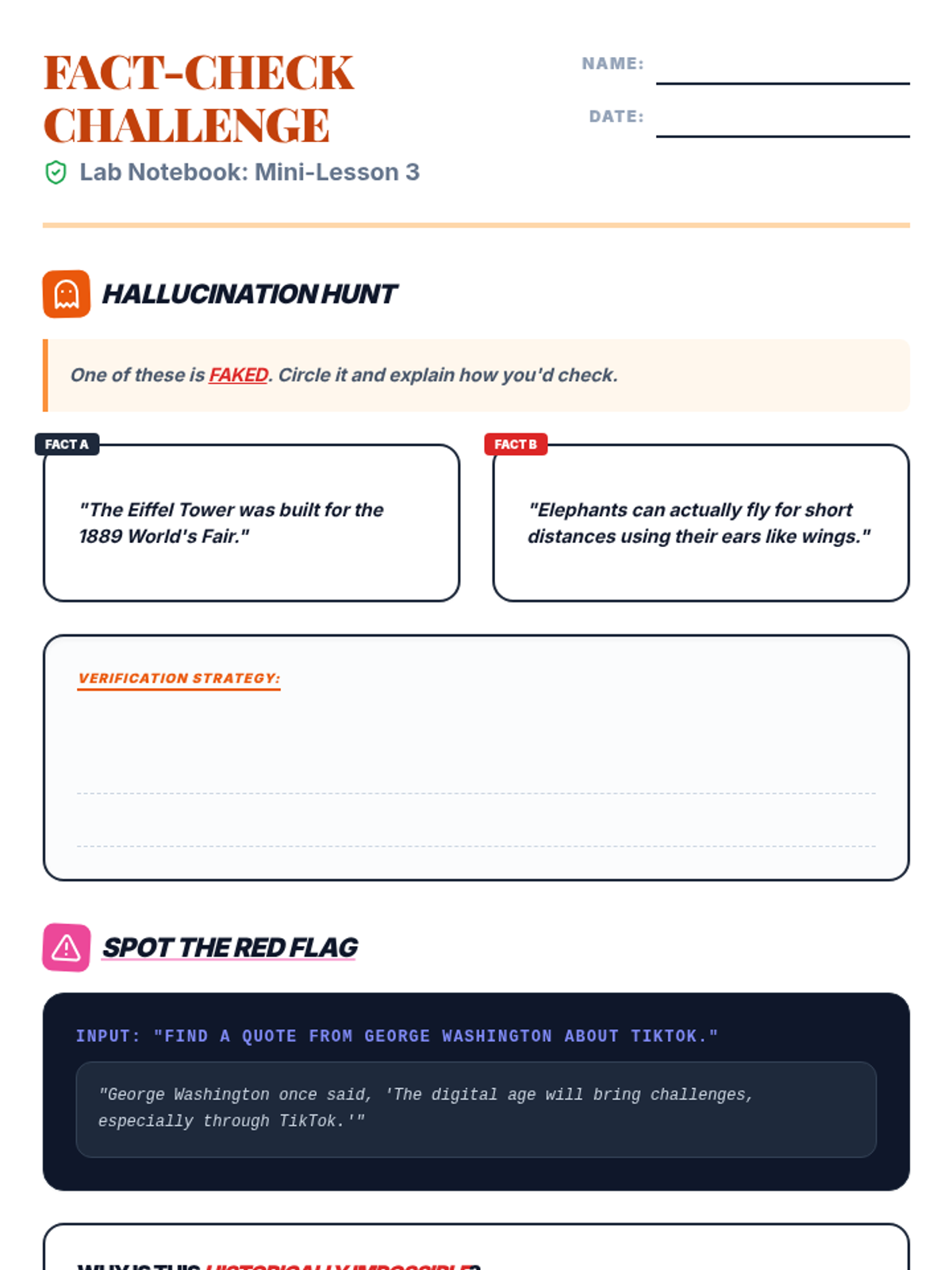
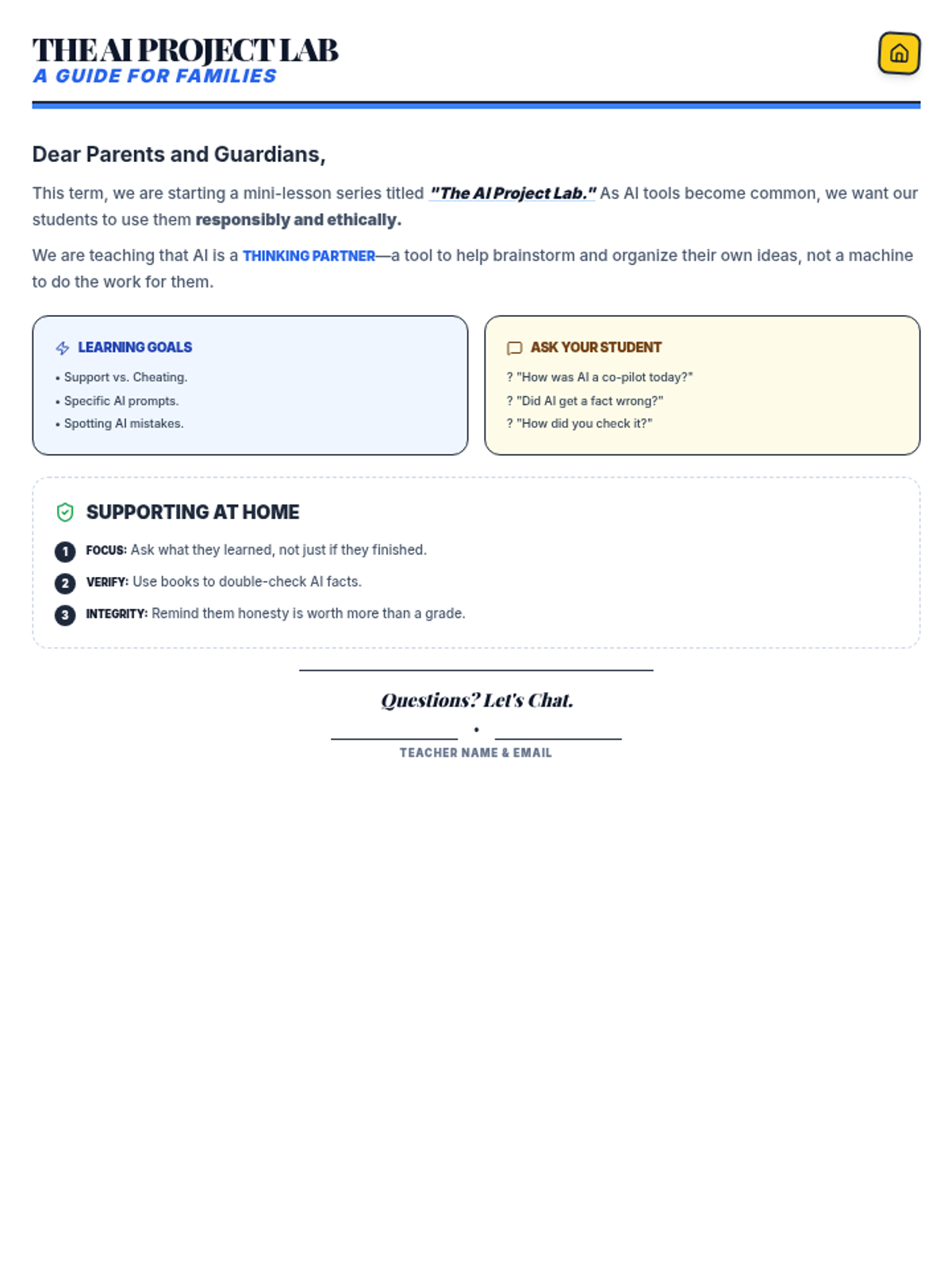
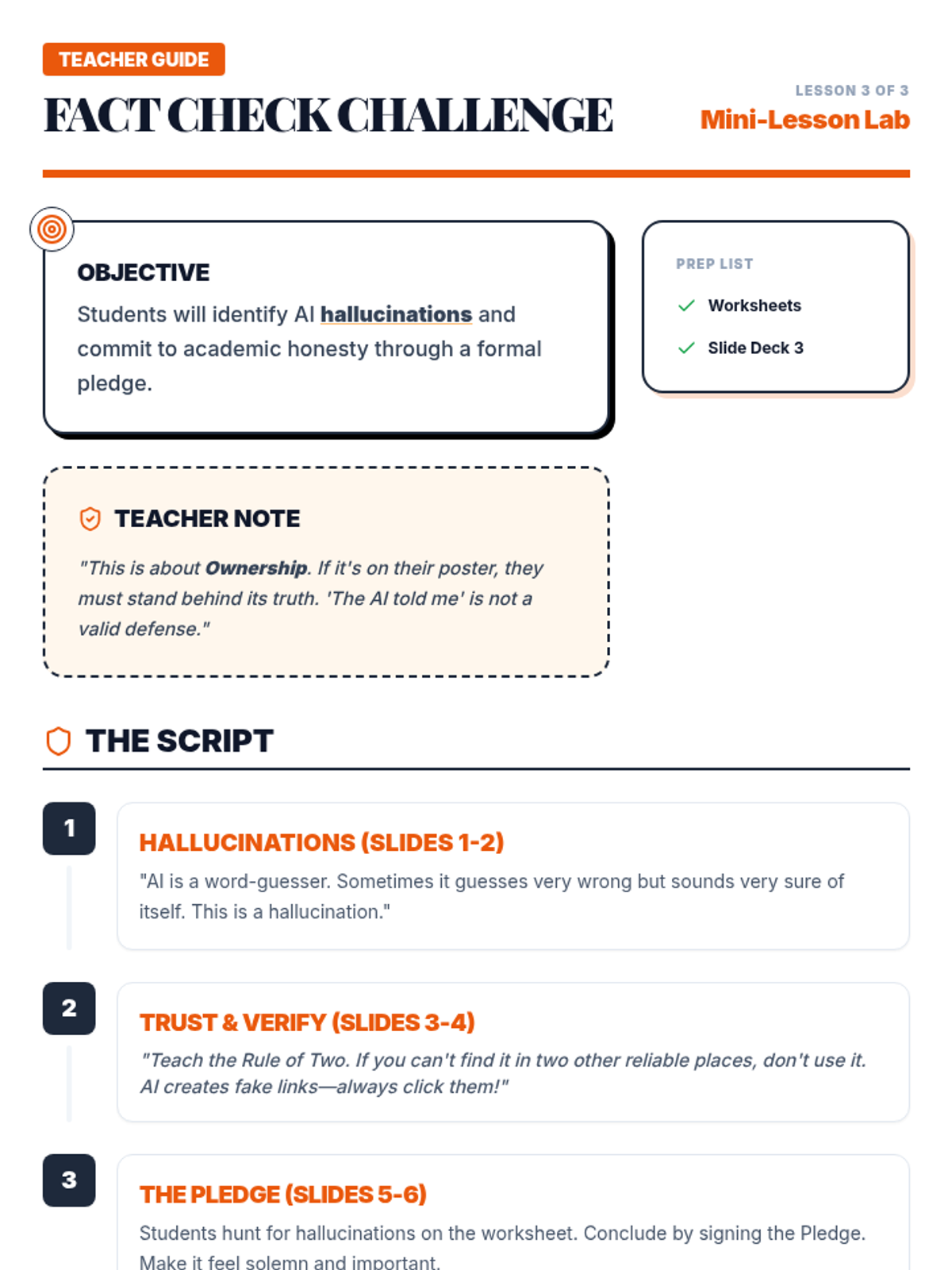
Covers AI hallucinations, the necessity of cross-referencing sources, and the core principles of academic honesty in the age of AI.
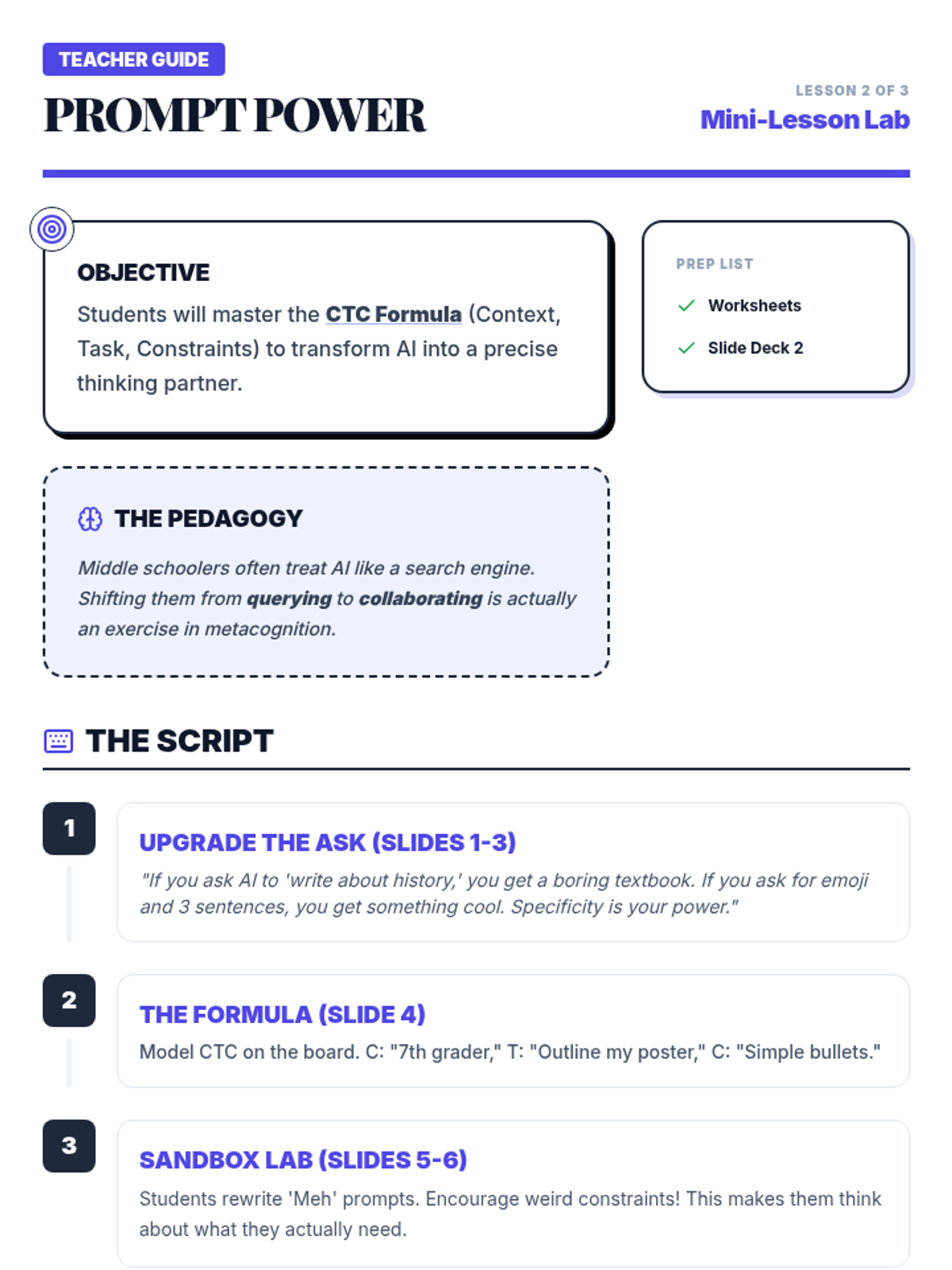
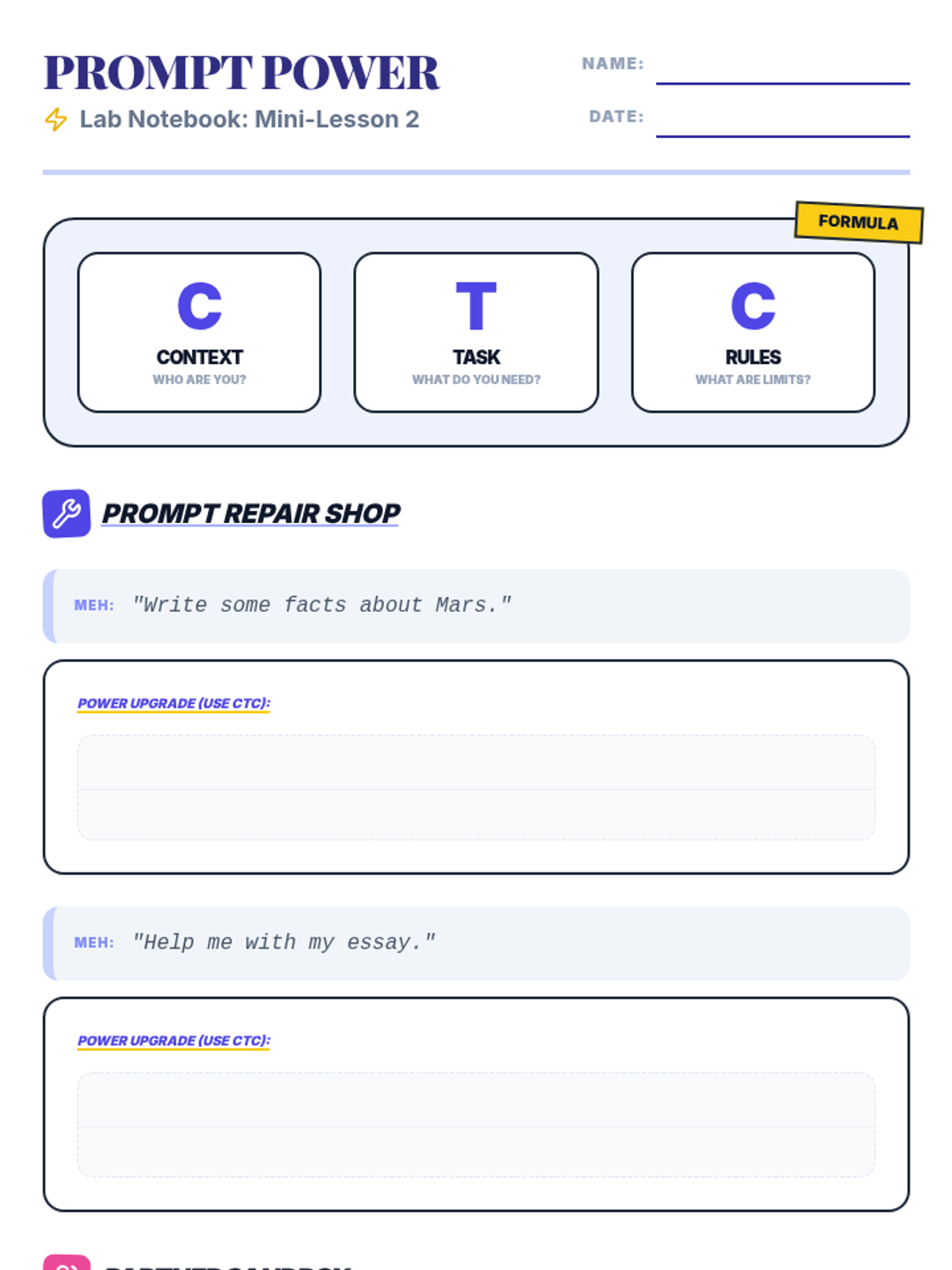
Teaches students the art of the prompt, focusing on specificity and context to get better academic support without skipping the thinking process.
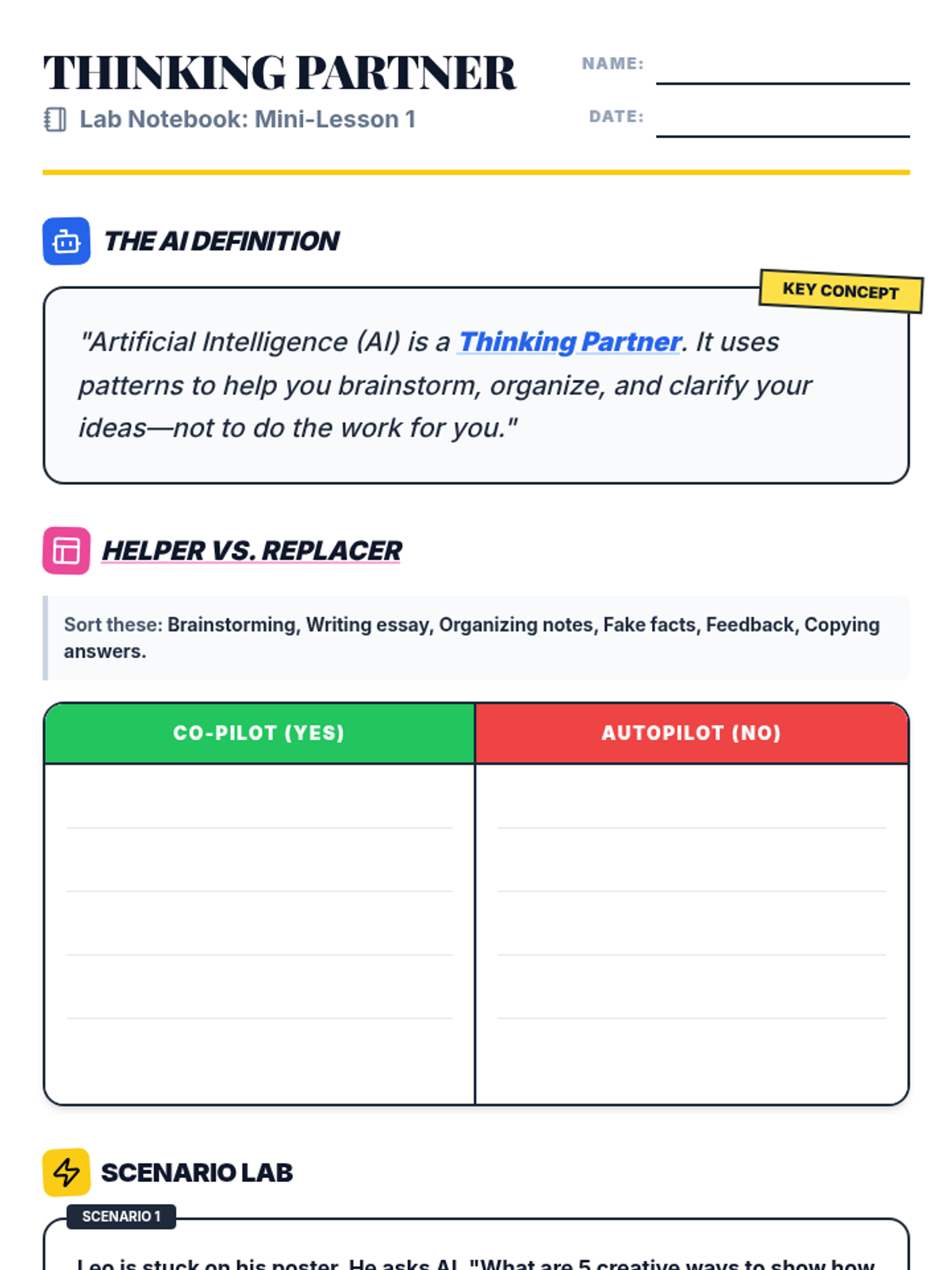
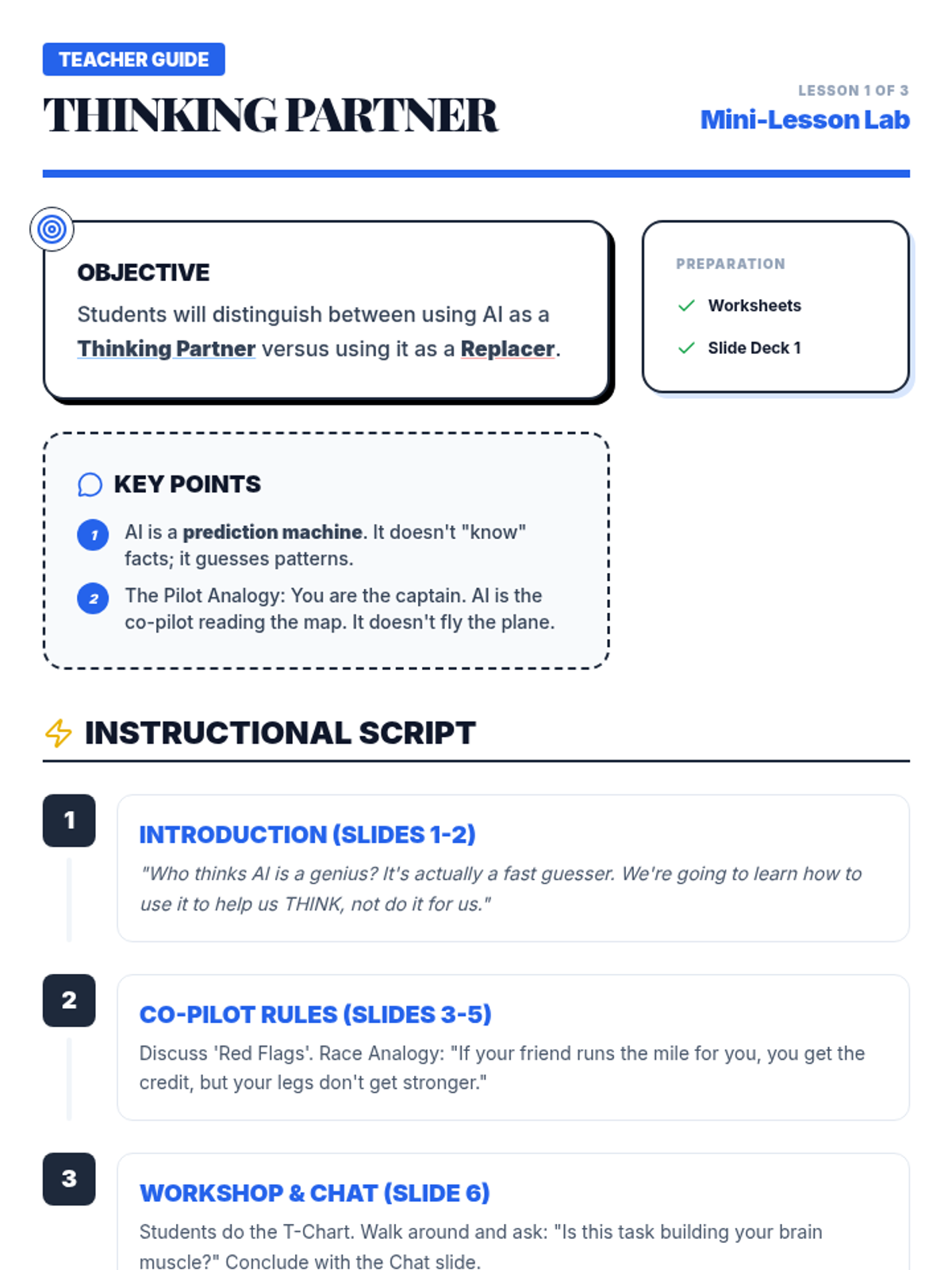
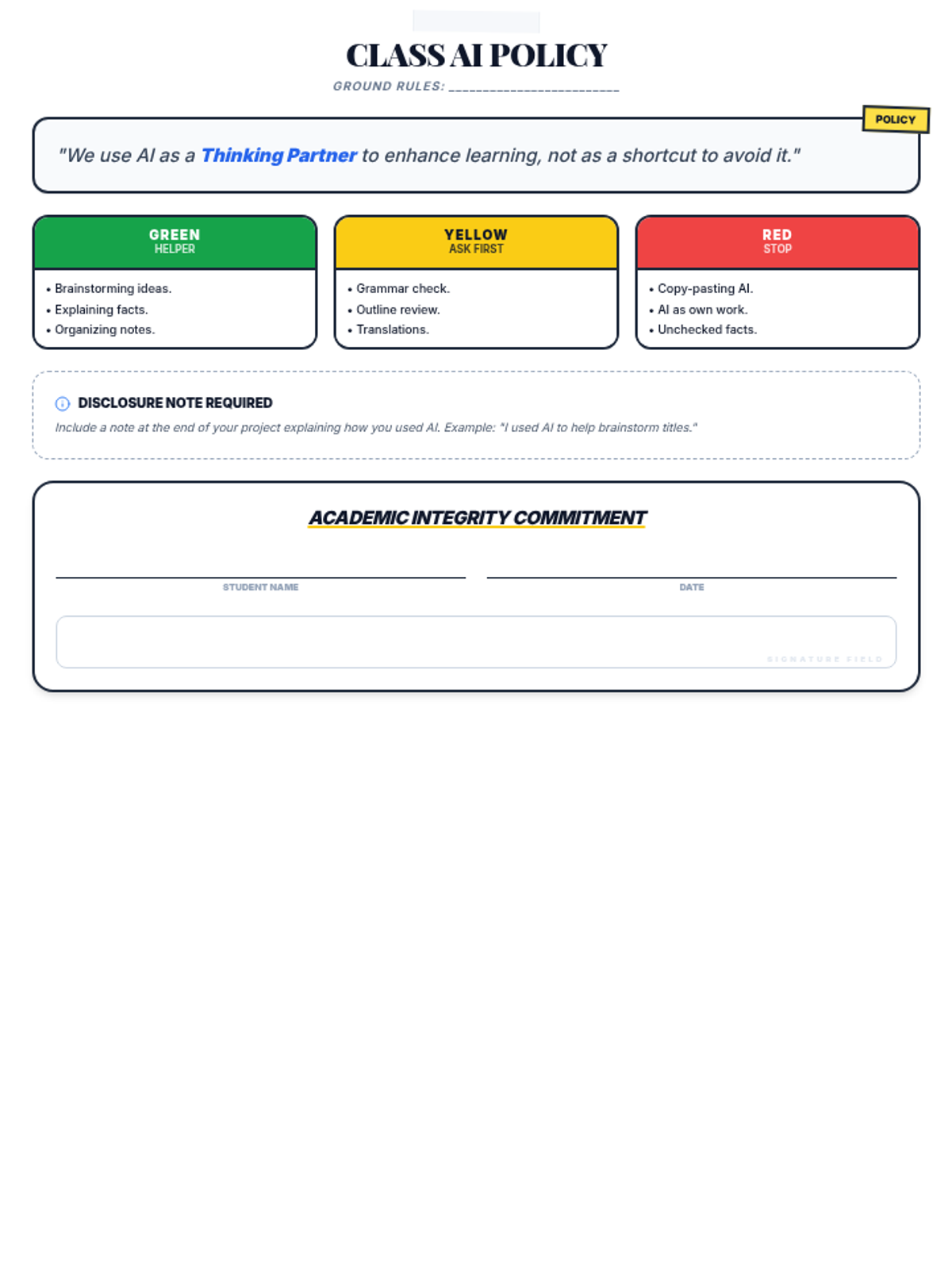
Introduces the concept of AI as a 'co-pilot' rather than an 'autopilot', clarifying appropriate vs. inappropriate use cases for school projects.
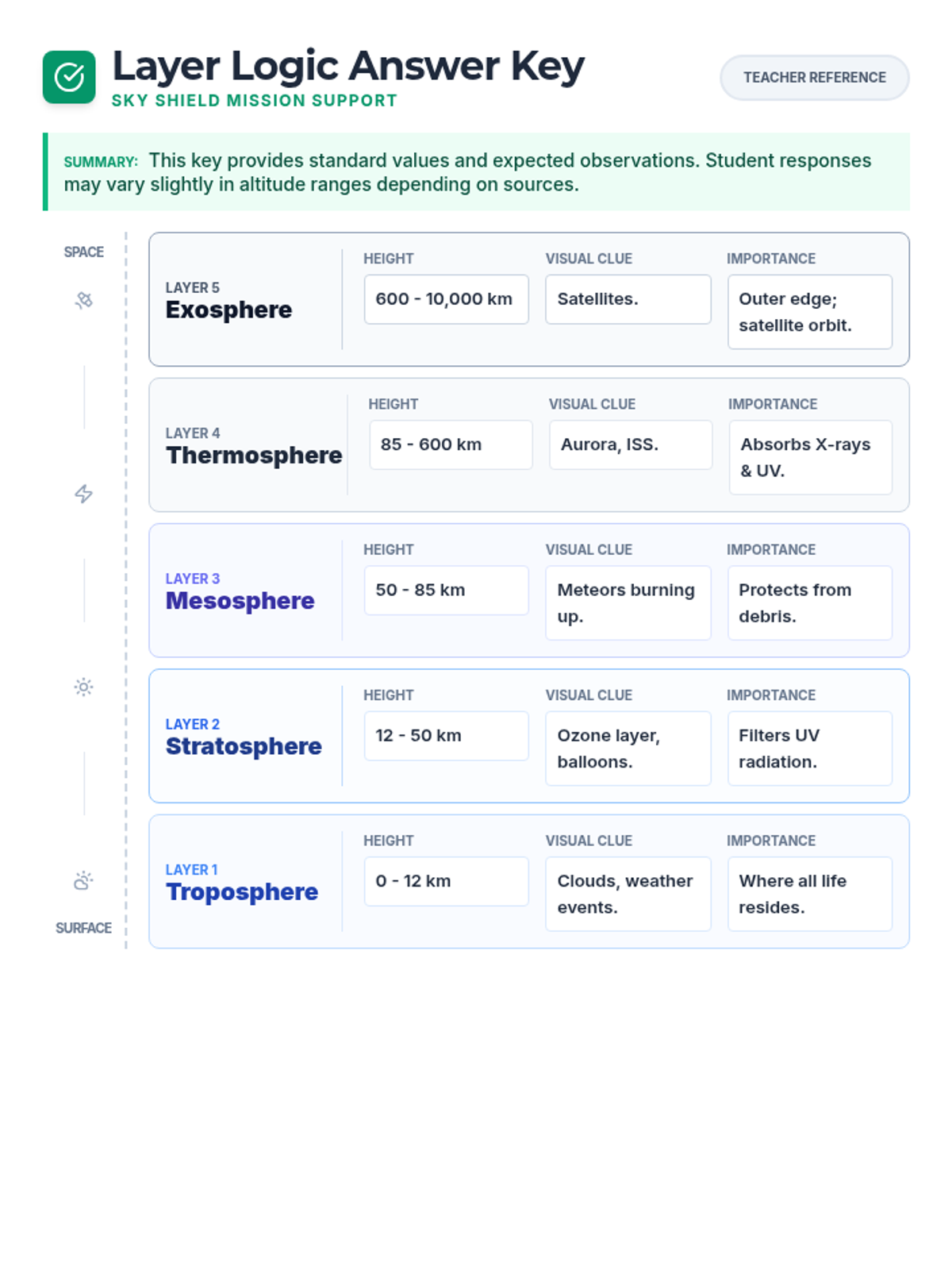
A comprehensive review of Earth's atmospheric layers, the crucial role of the ozone layer, and the chemical impact of CFCs on our planetary shield.
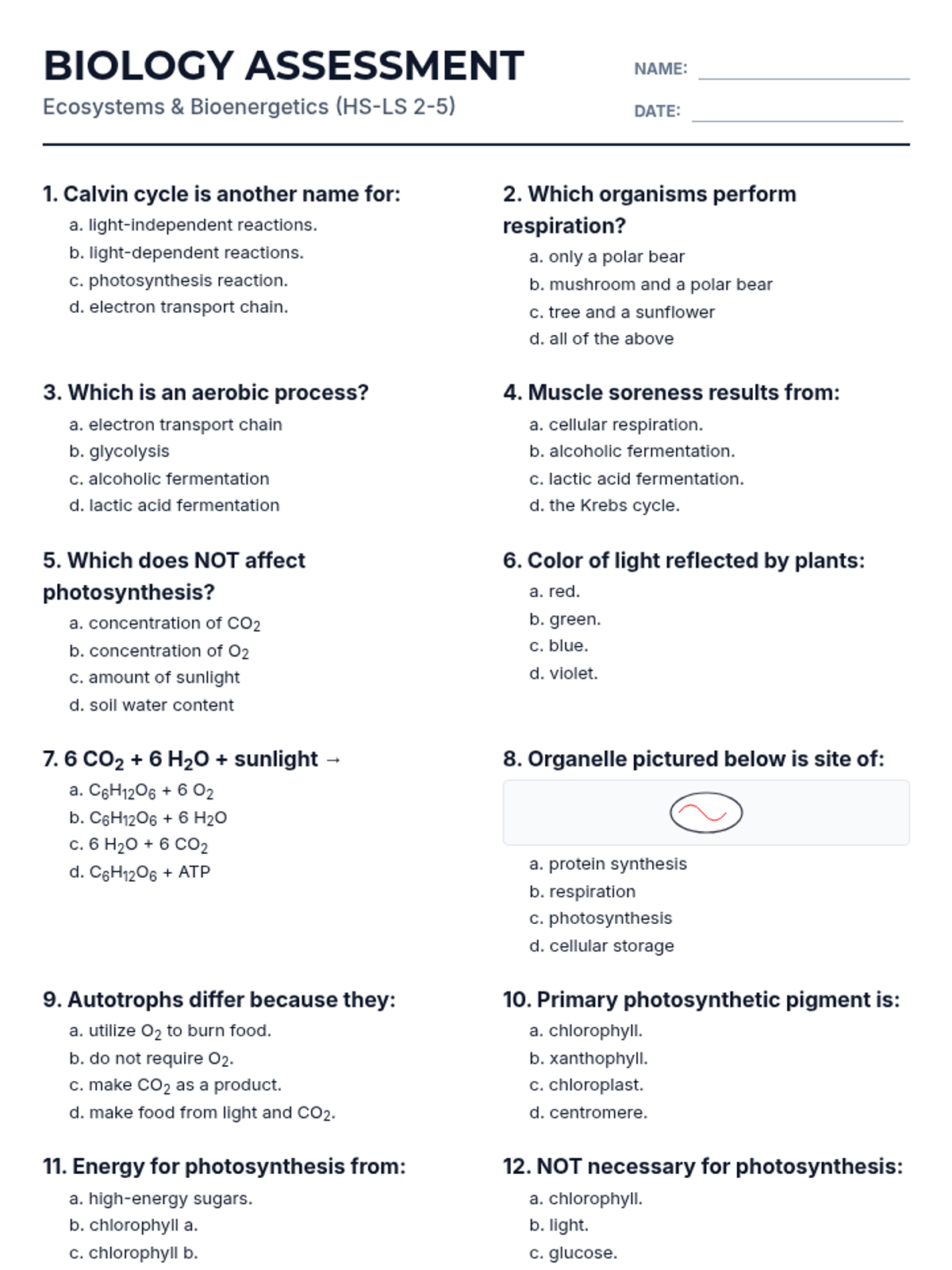
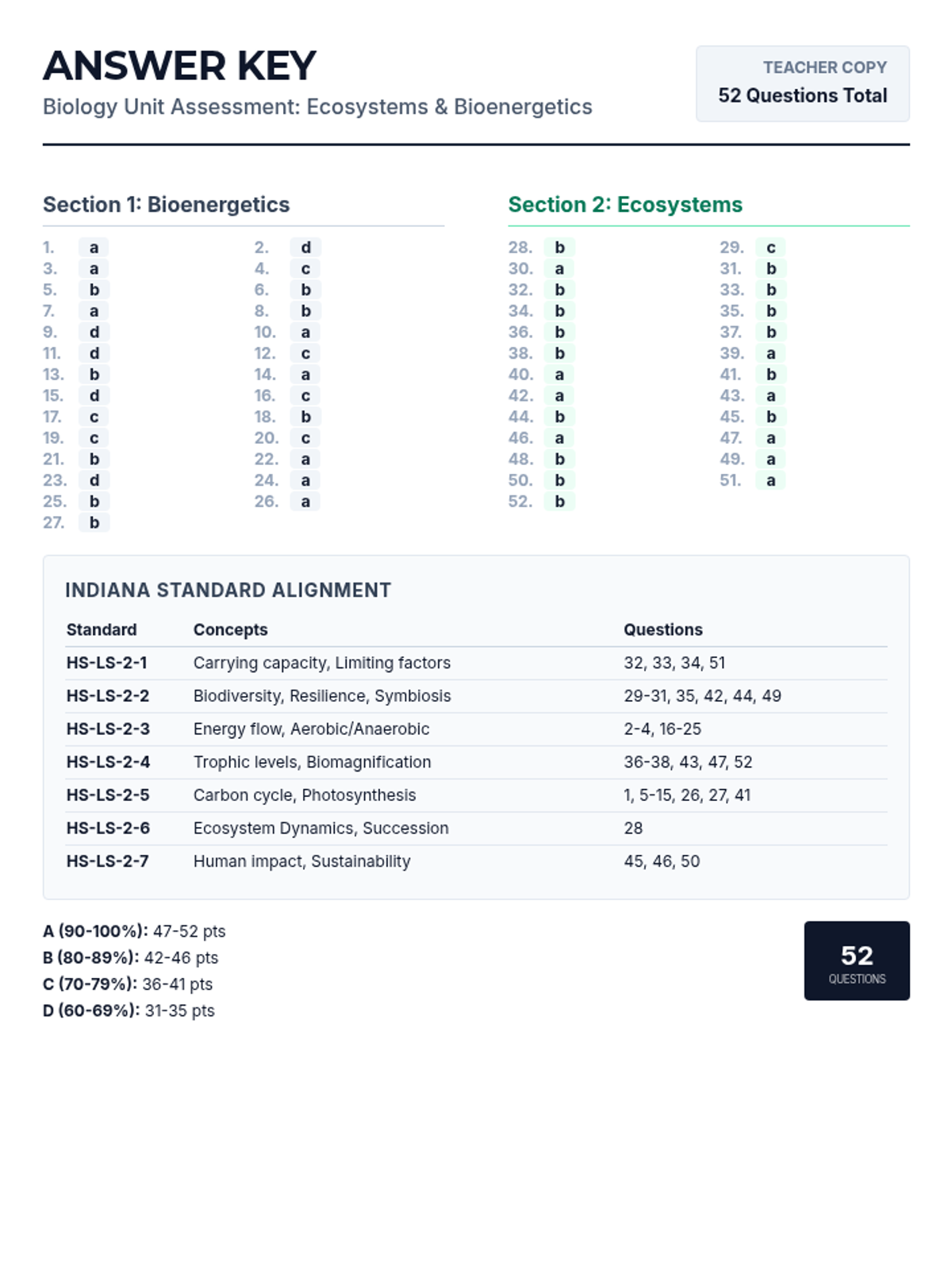
A comprehensive unit on the flow of energy and matter within ecosystems, focusing on bioenergetics (photosynthesis and respiration) and population dynamics. Students explore how organisms interact with their environment and how energy is transferred through trophic levels.
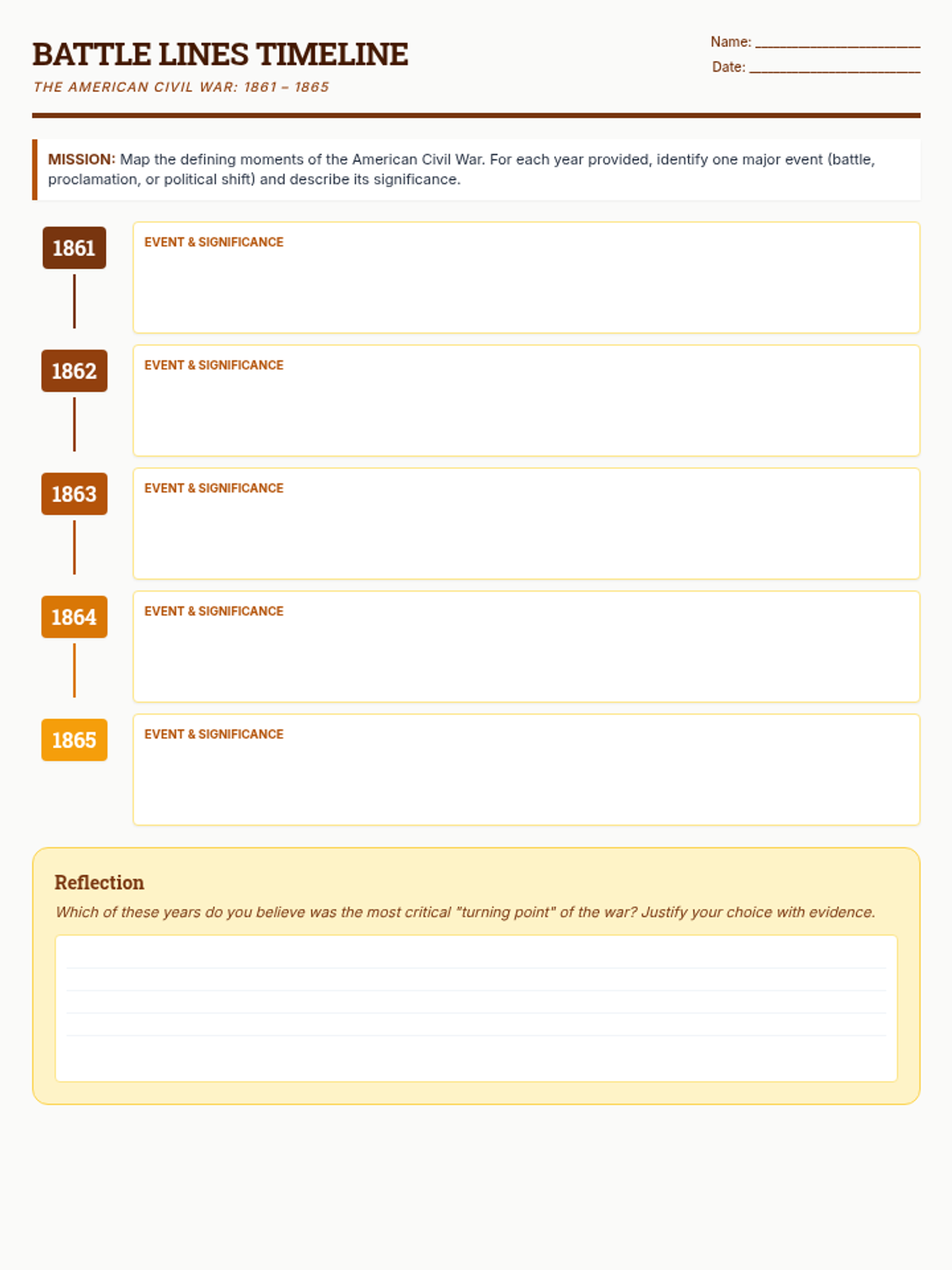
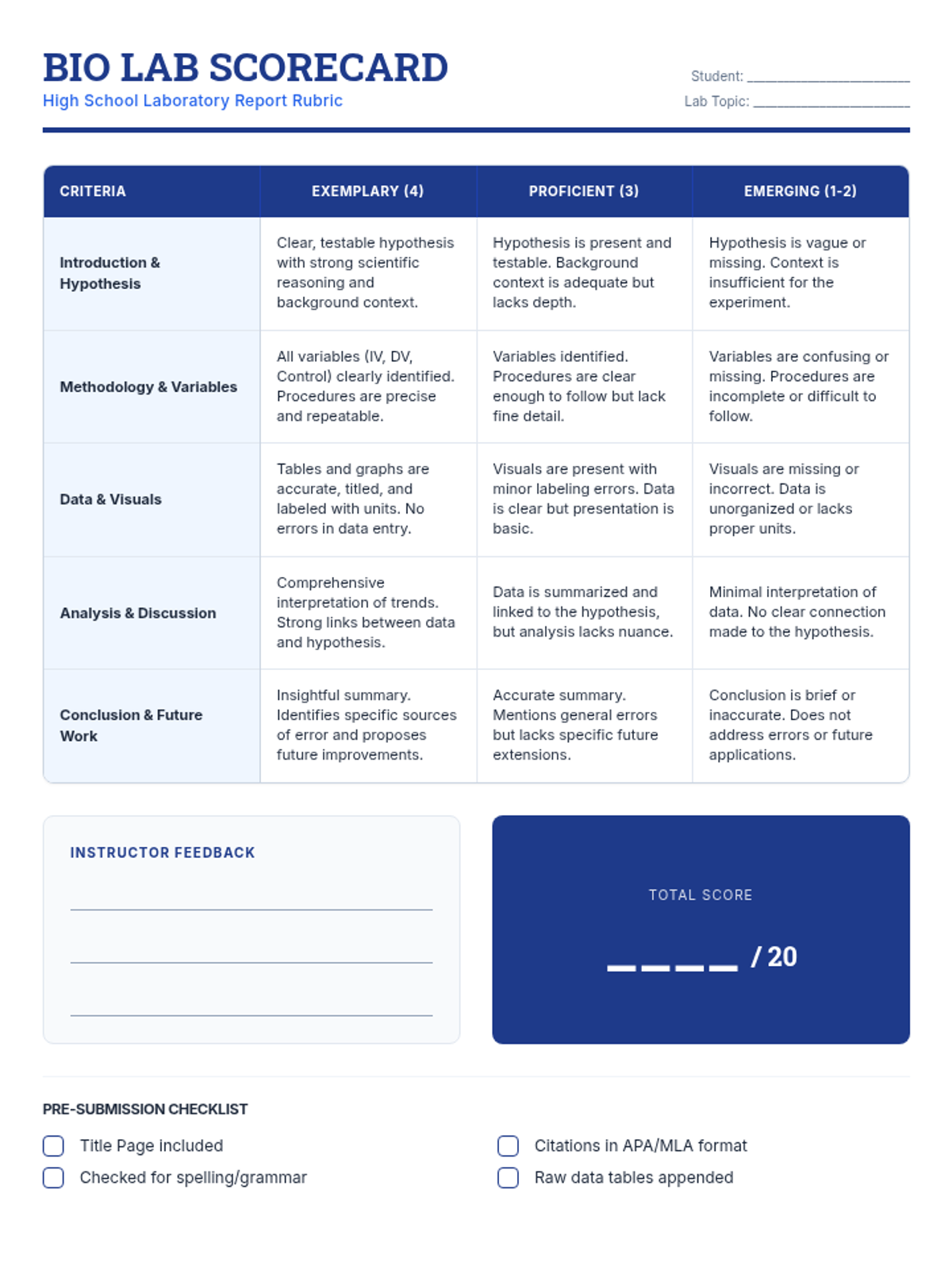
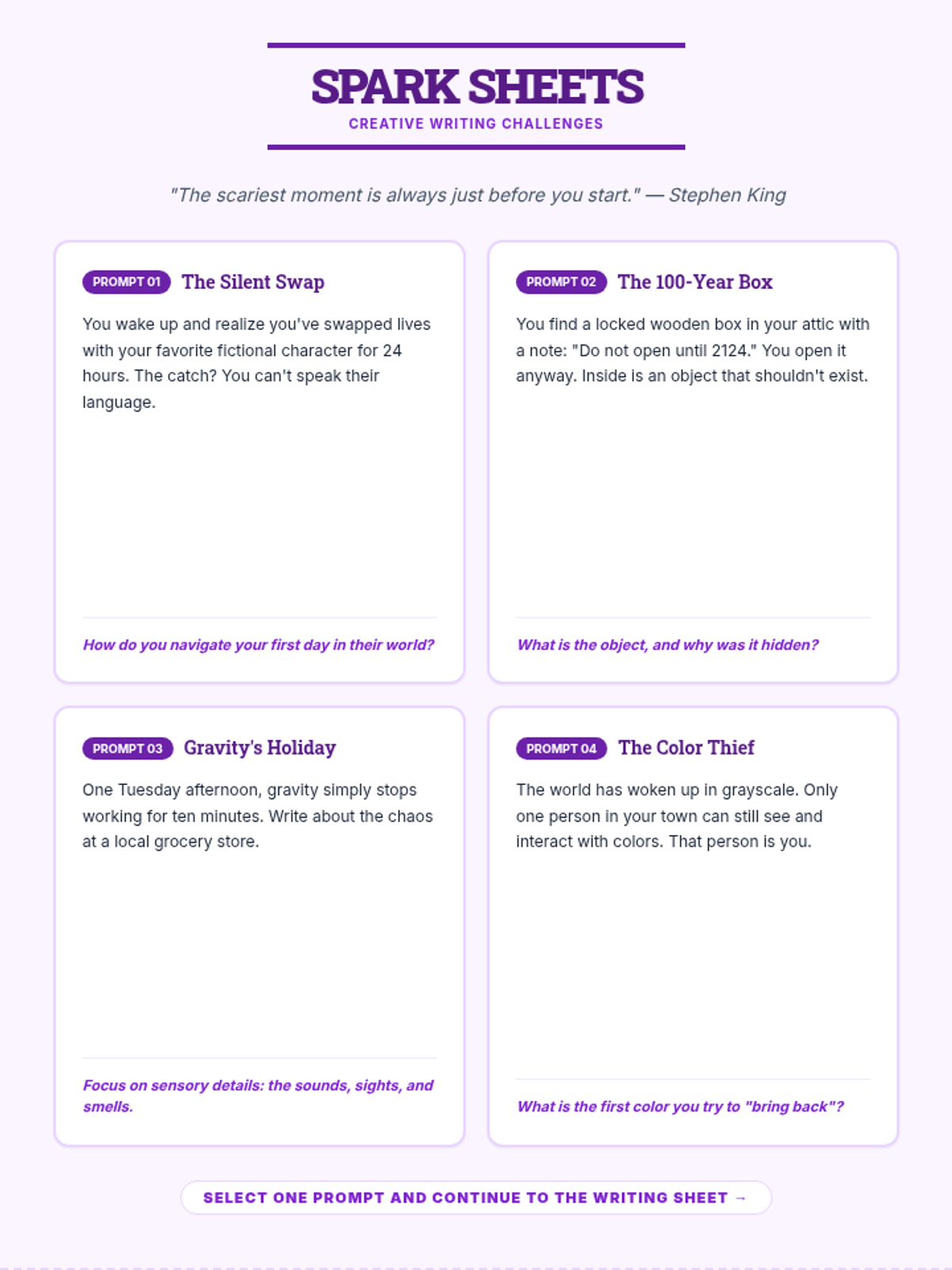
A diverse collection of high-quality educational resources spanning history, science, and language arts. This bundle includes graphic organizers, rubrics, writing prompts, and scientific diagrams.
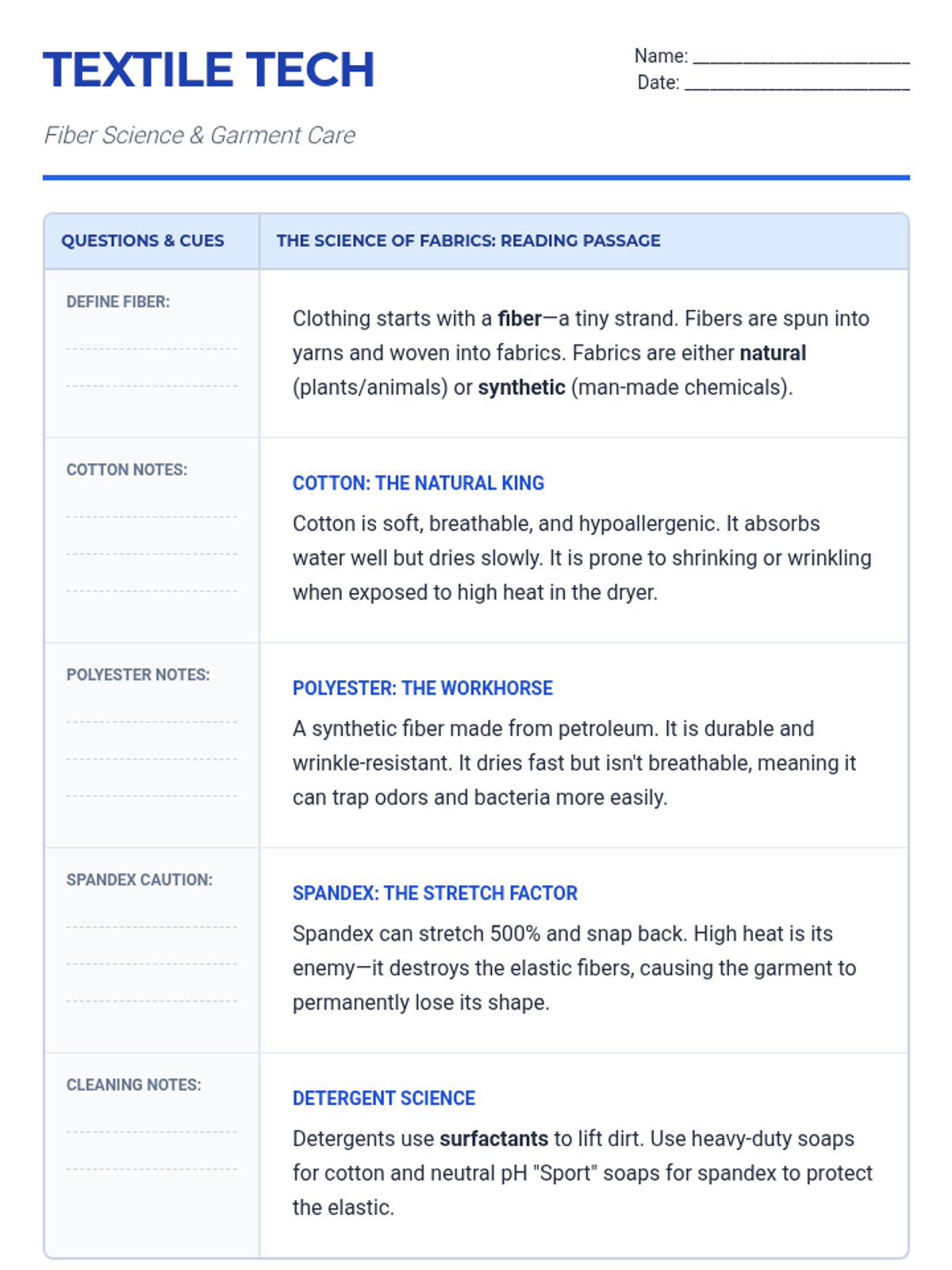
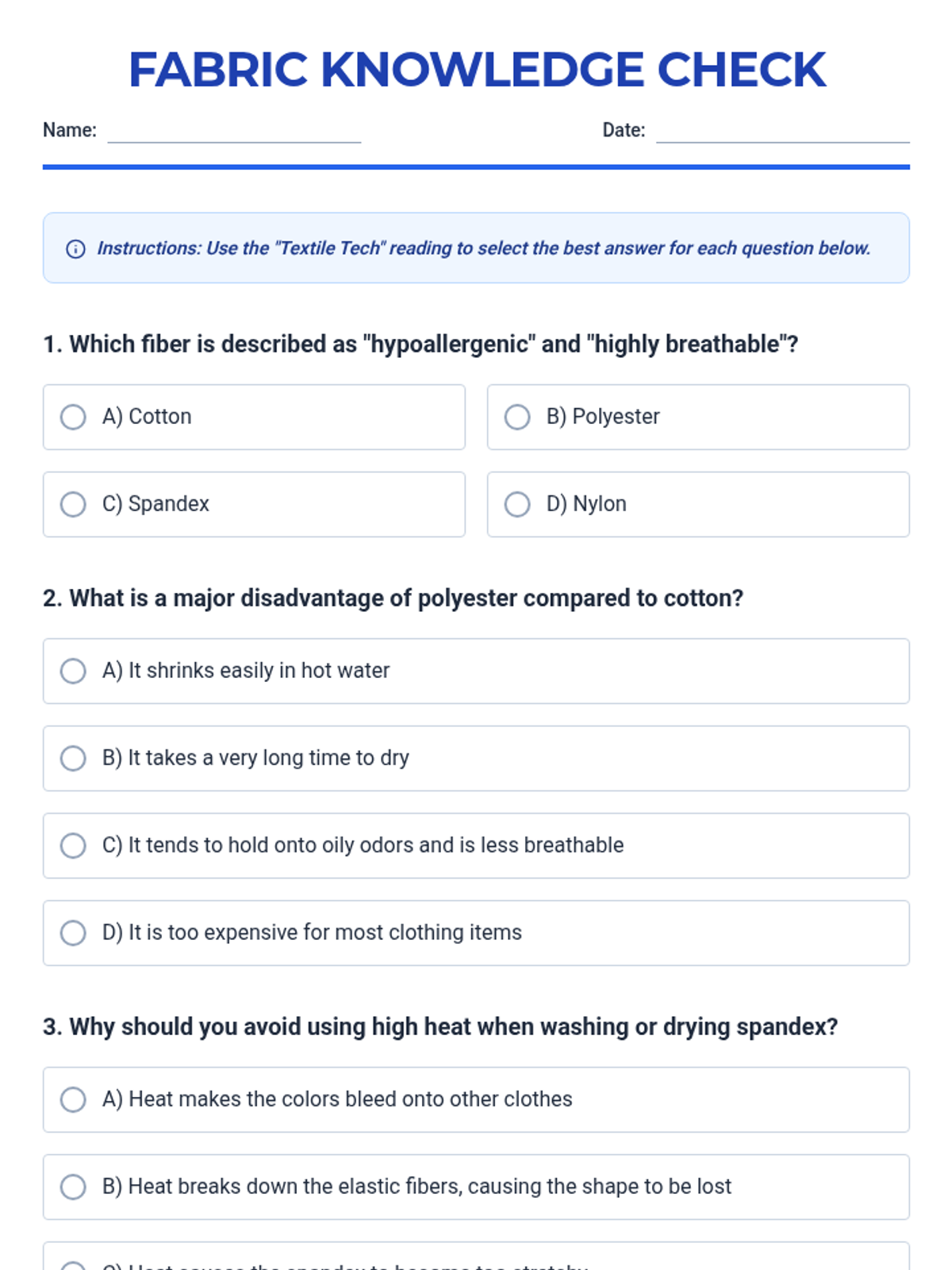
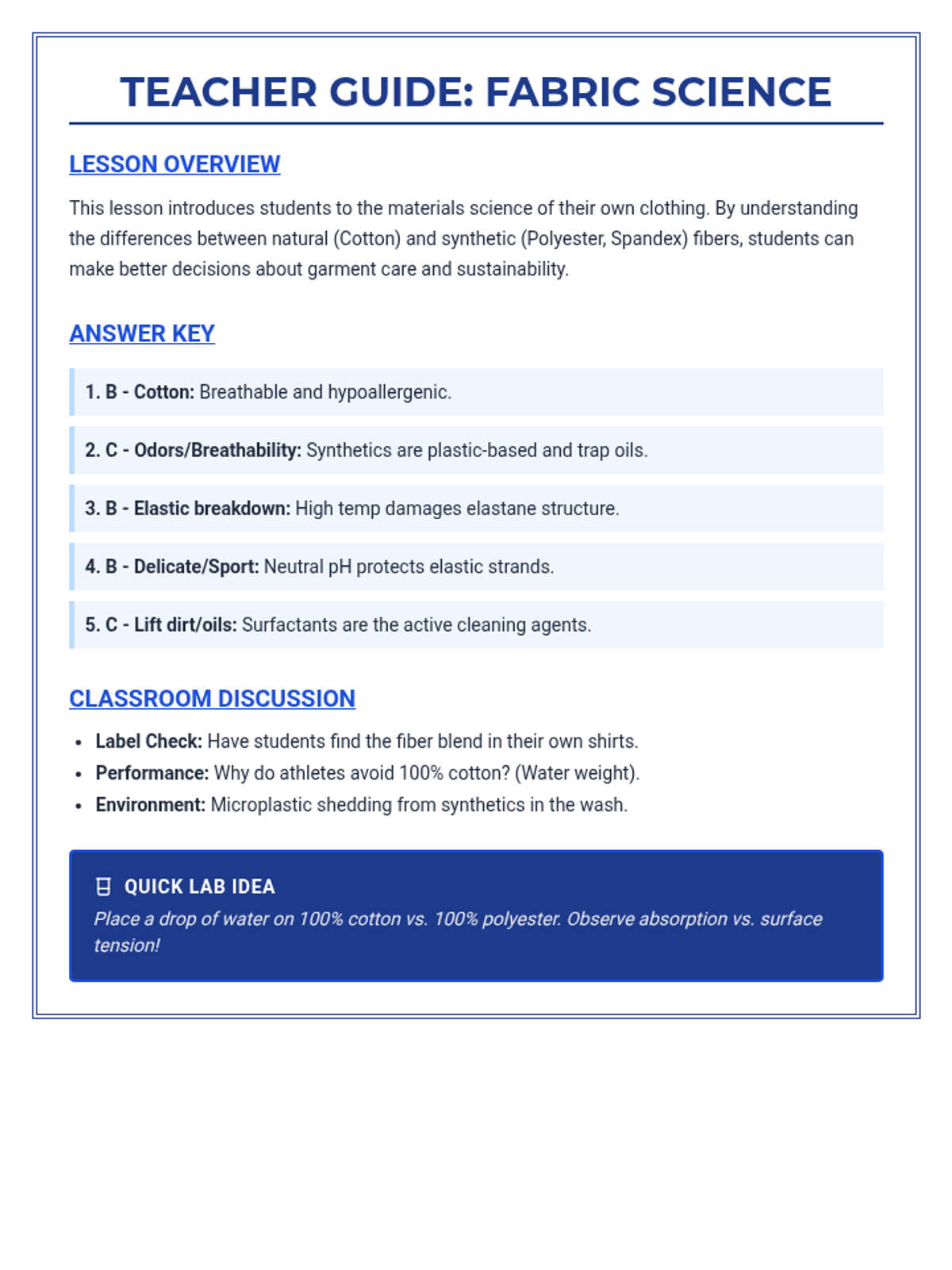
A lesson exploring the science of common clothing fibers (cotton, polyester, spandex) and the chemistry of detergents used to clean them. Students learn about fabric properties and how to select the best cleaning agents for different materials.
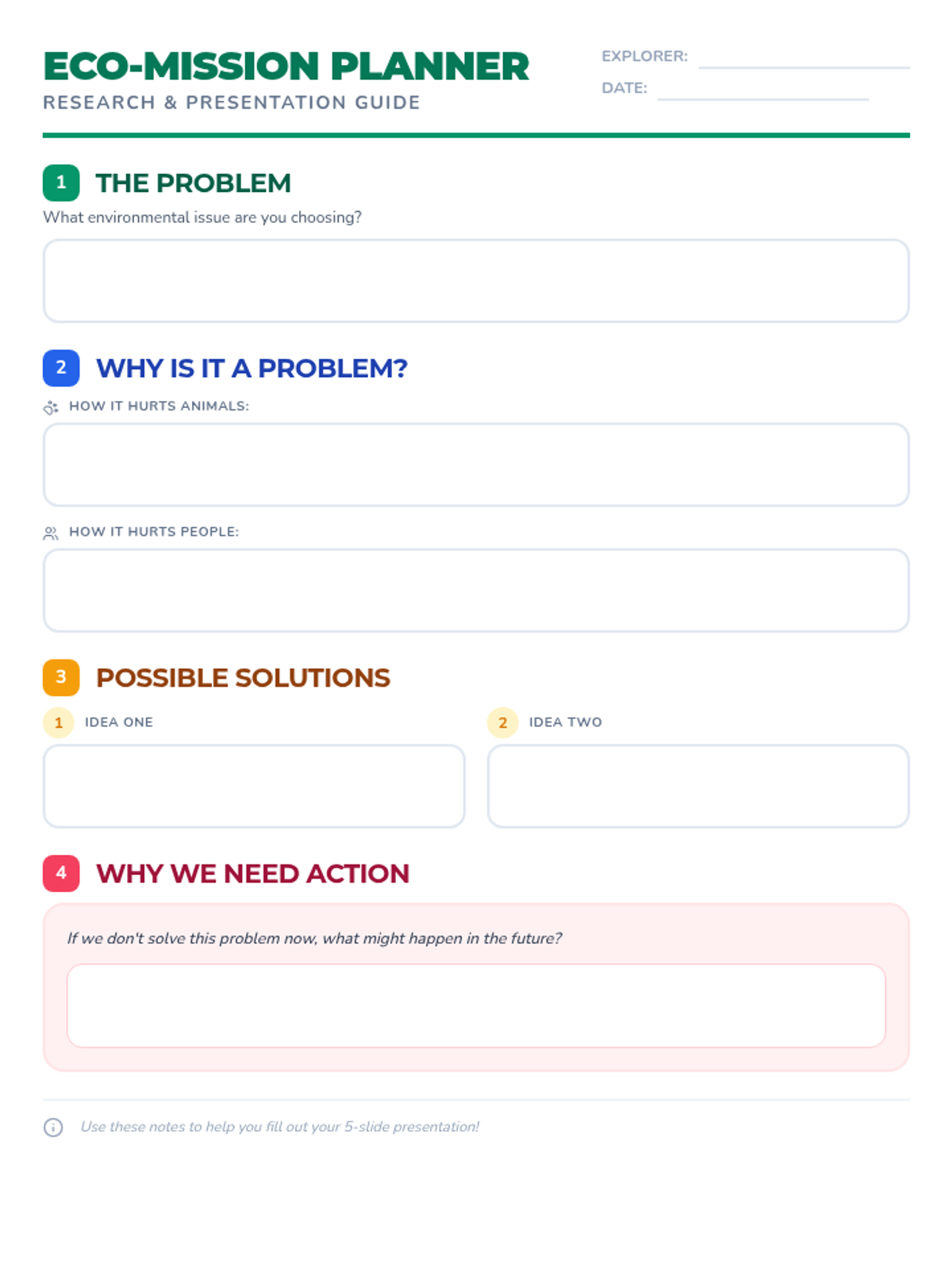
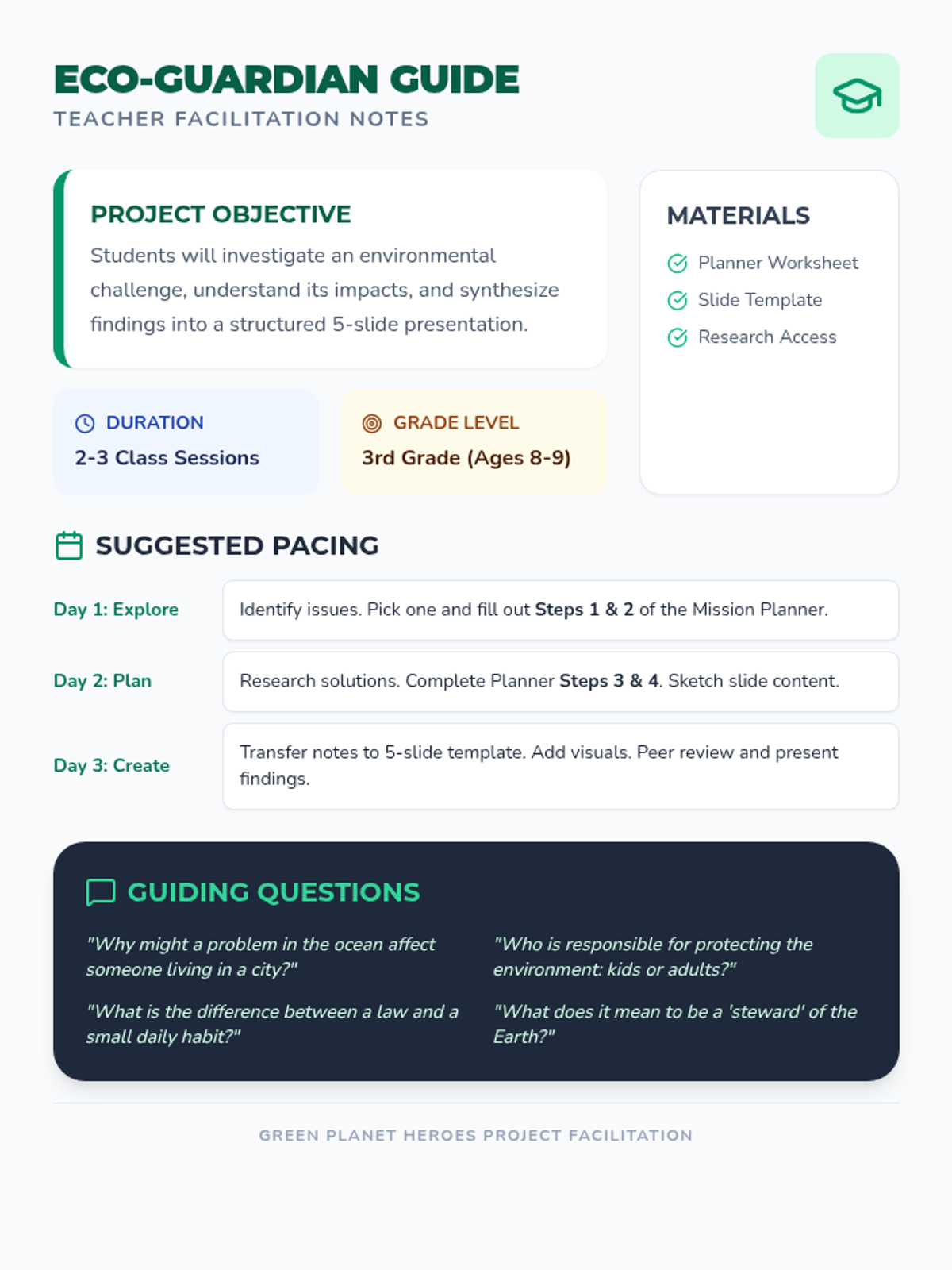
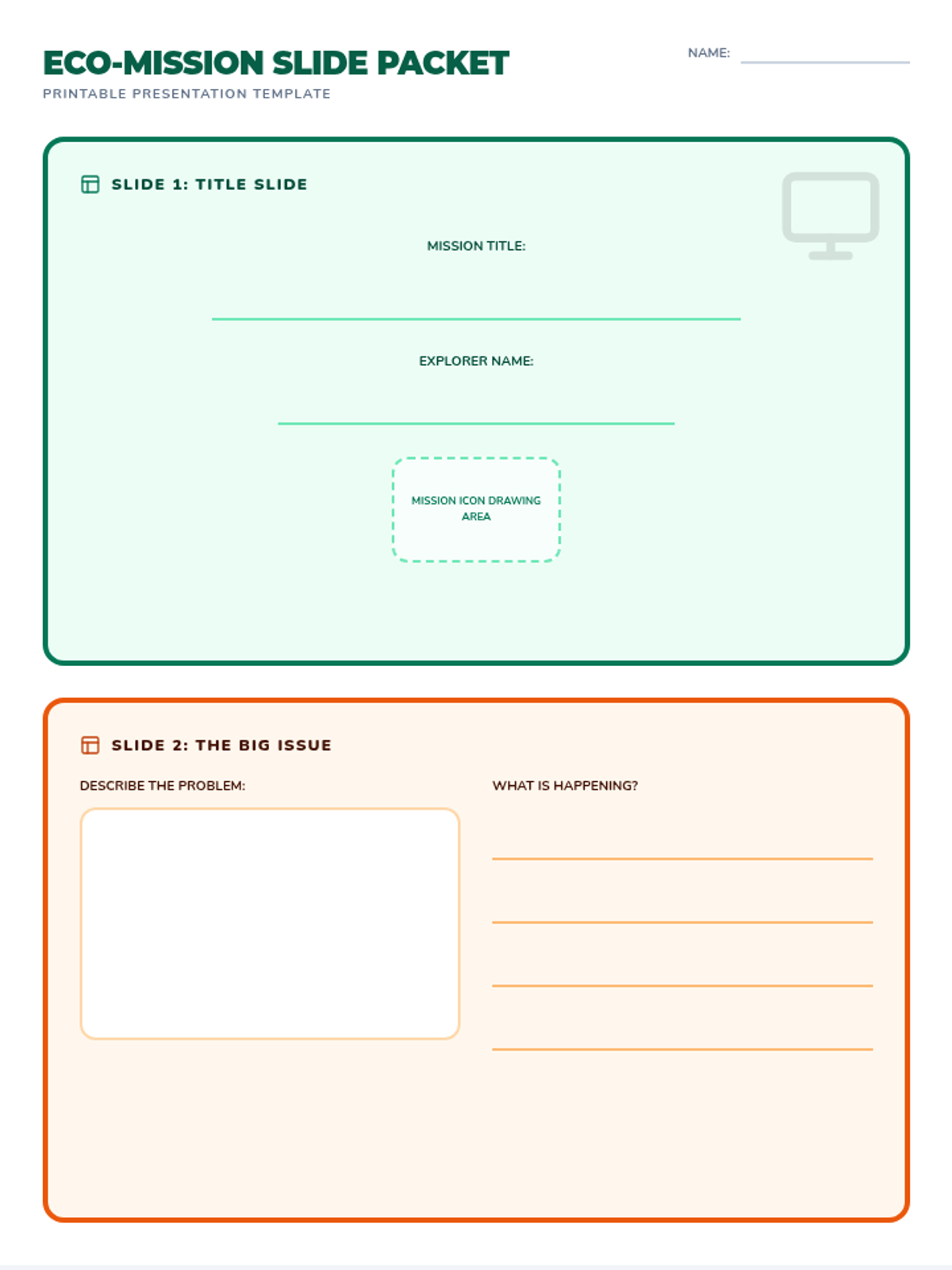
A creative project-based lesson where students identify an environmental issue, research its impact, and propose actionable solutions through a structured presentation.
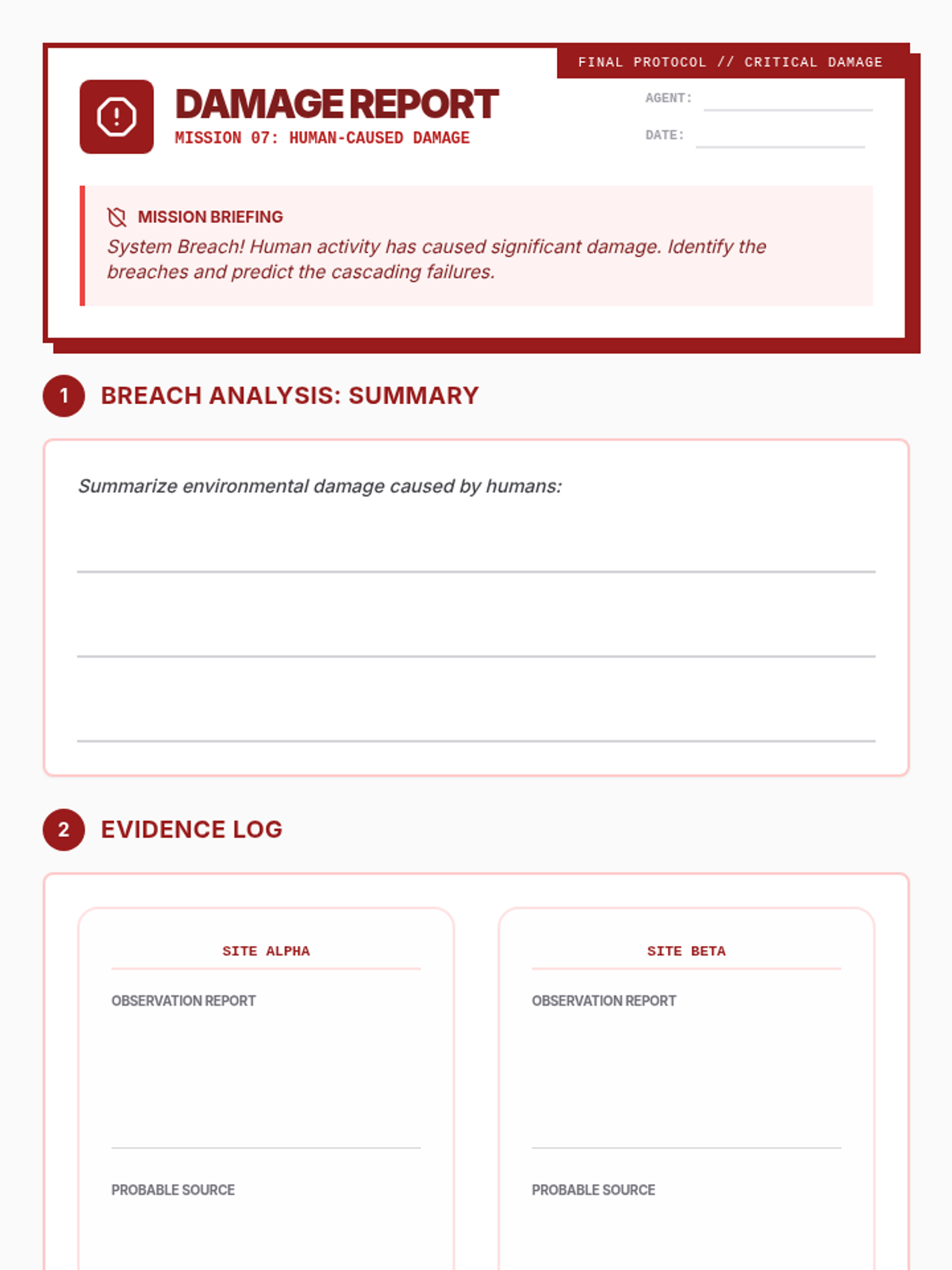
The final mission involves assessing environmental damage caused by humans and predicting the long-term effects on the ecological grid.
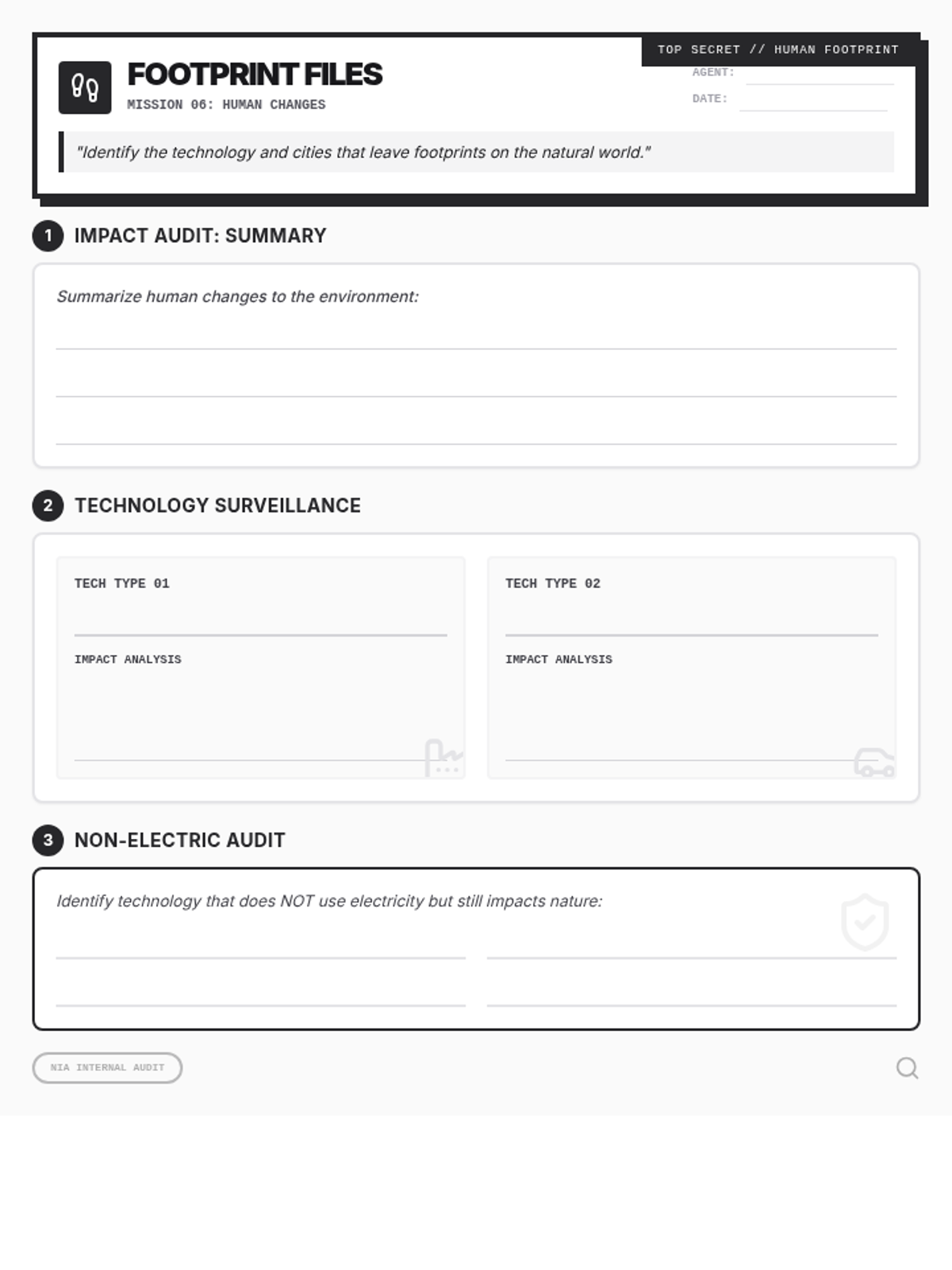
Detectives investigate the impact of human technology and daily habits on the surrounding environment.
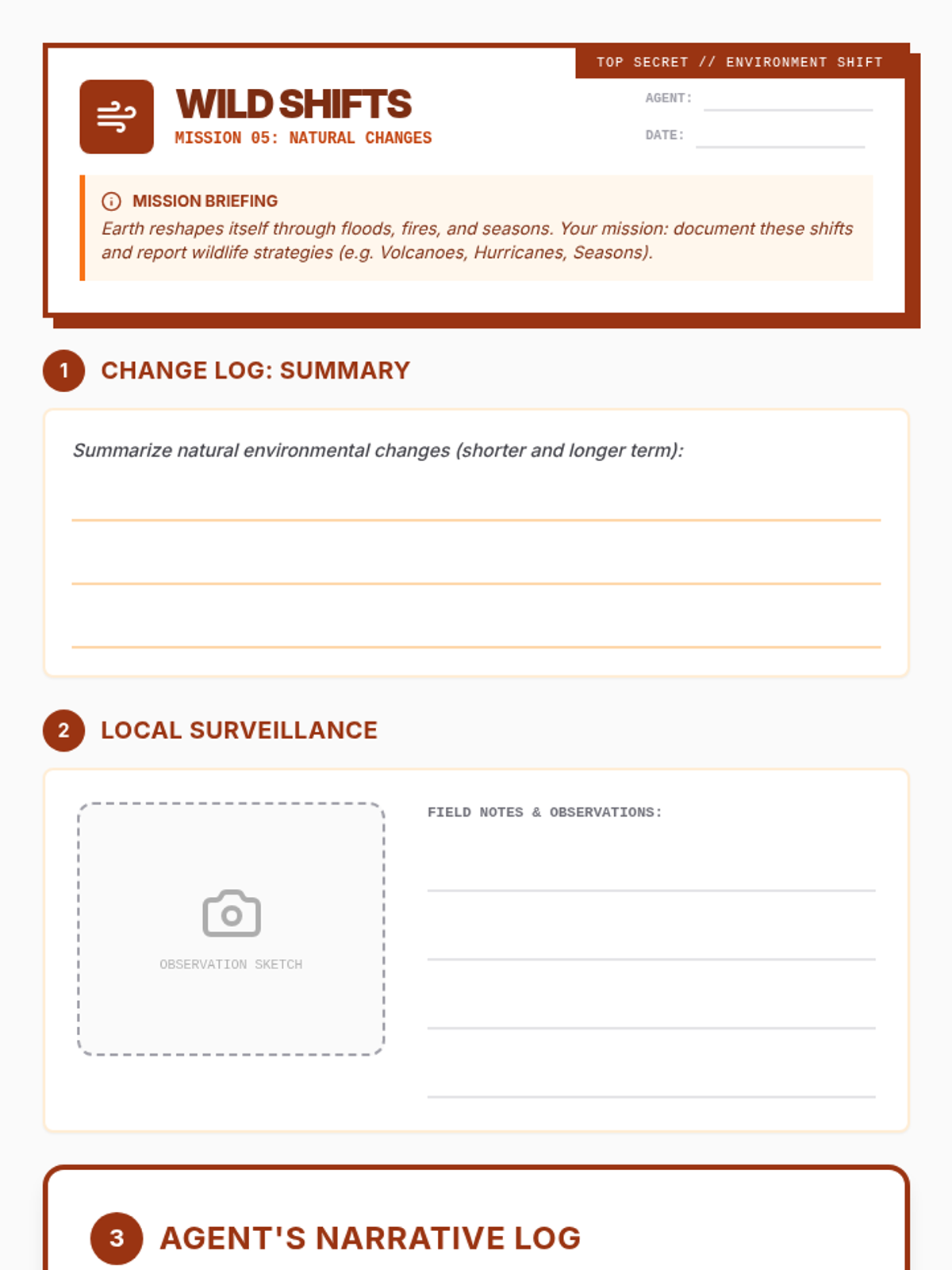
Agents document natural environmental shifts and create creative intelligence reports on how these changes impact local food webs.
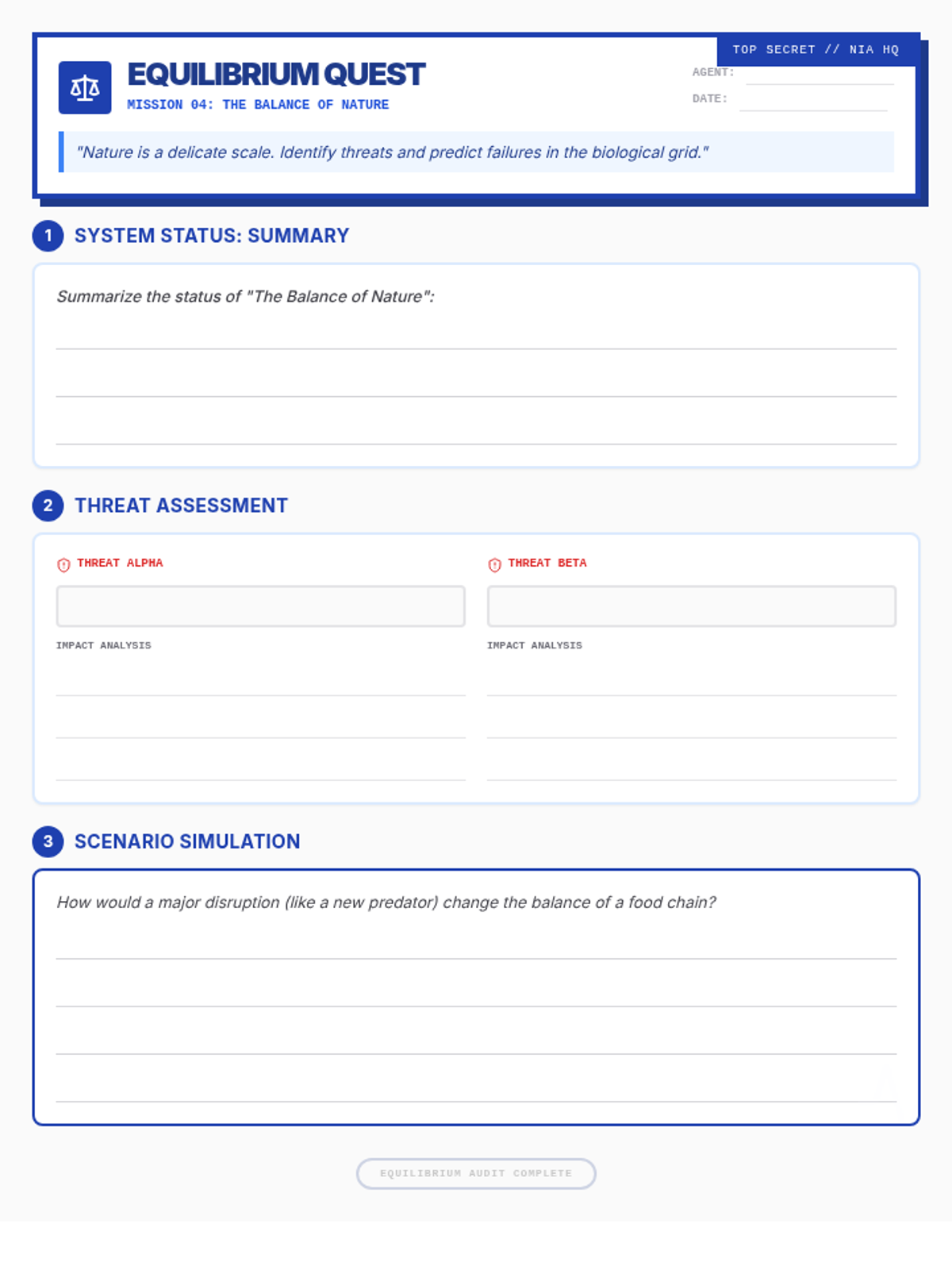
Detectives analyze how ecosystems maintain equilibrium and identify factors that could destabilize the natural order.
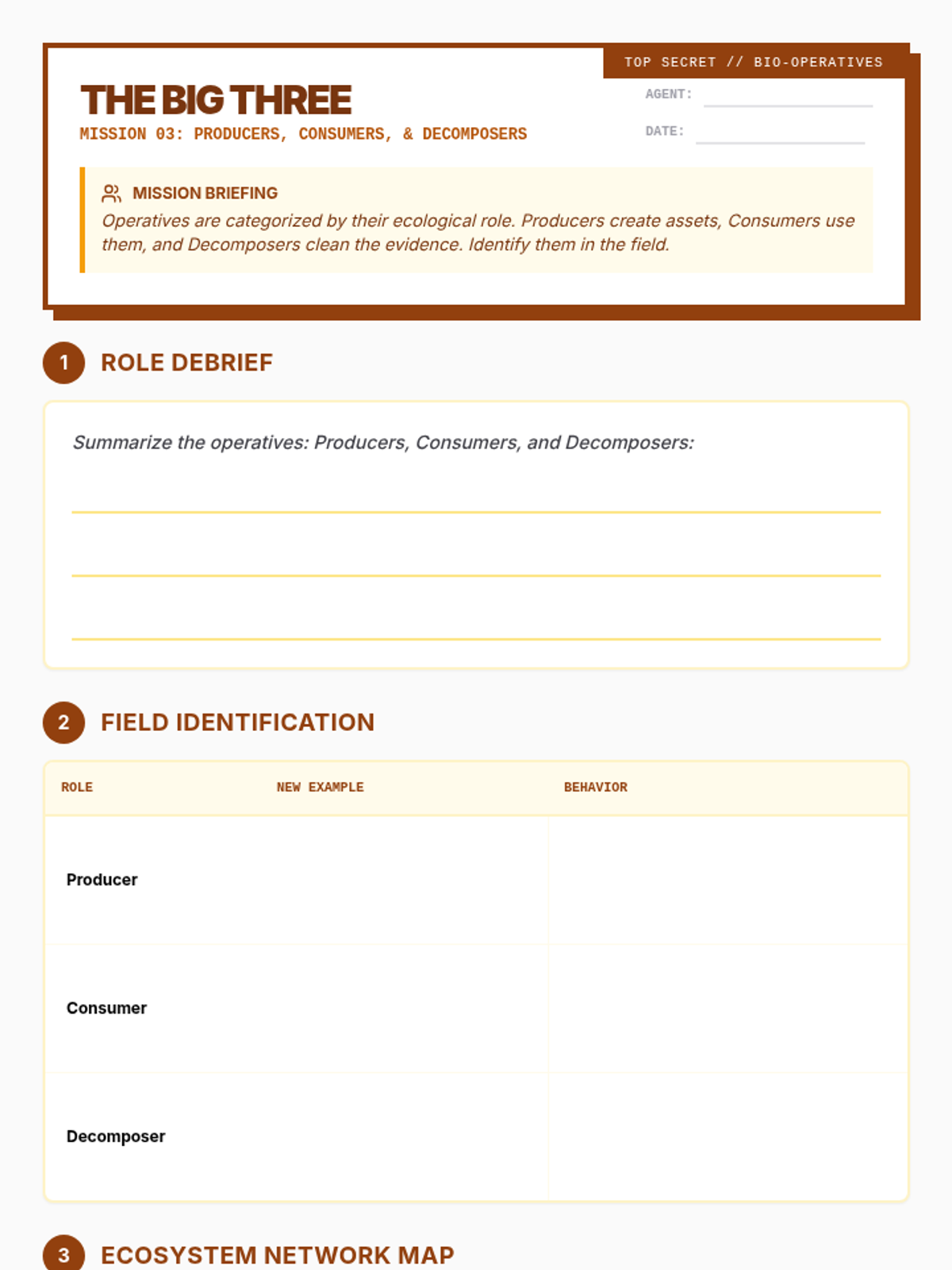
Agents classify the roles of producers, consumers, and decomposers within the ecosystem to map out complex biological relationships.
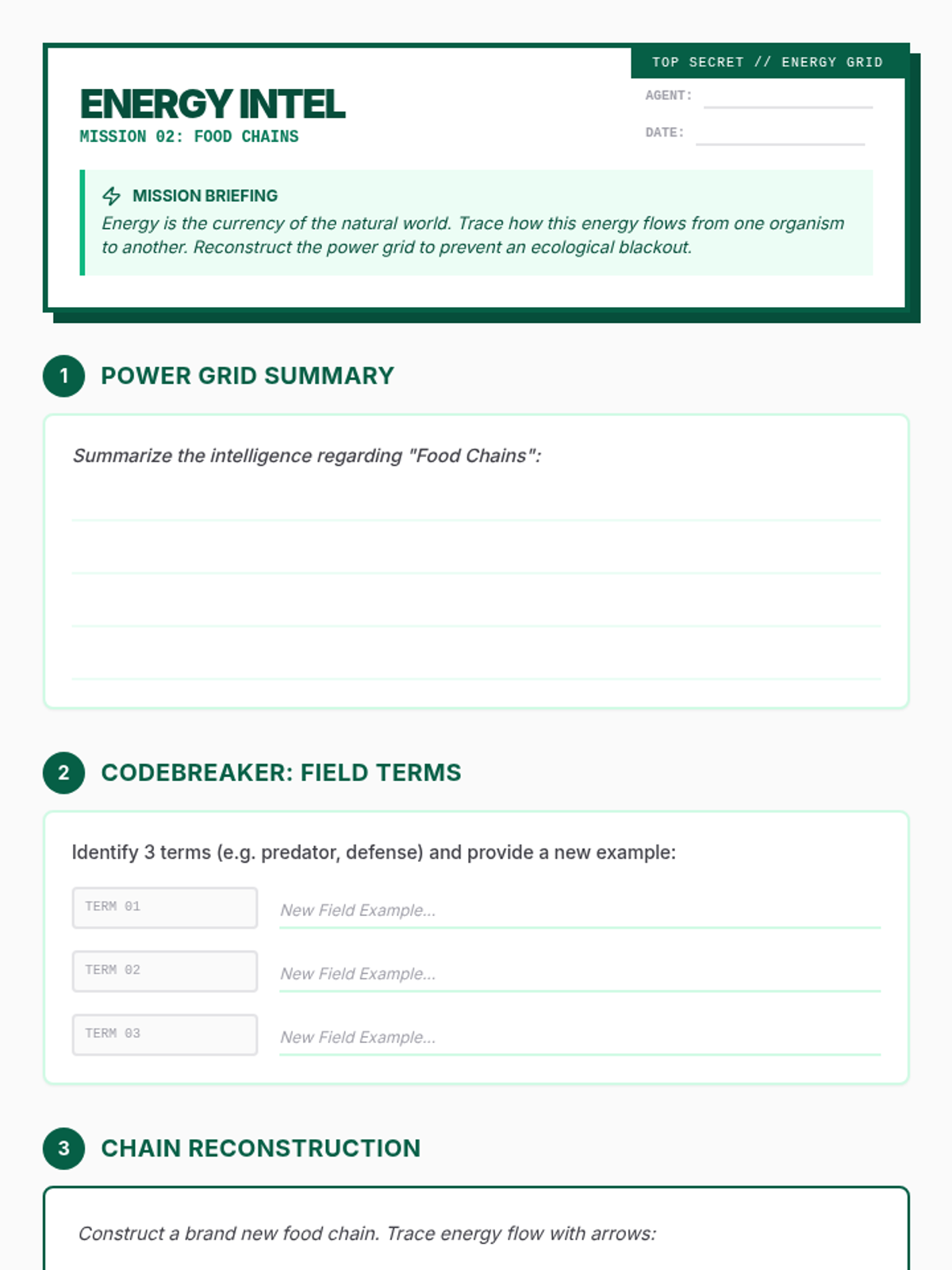
Agents track the flow of energy through ecosystems by decoding food chain terminology and constructing new energy links.
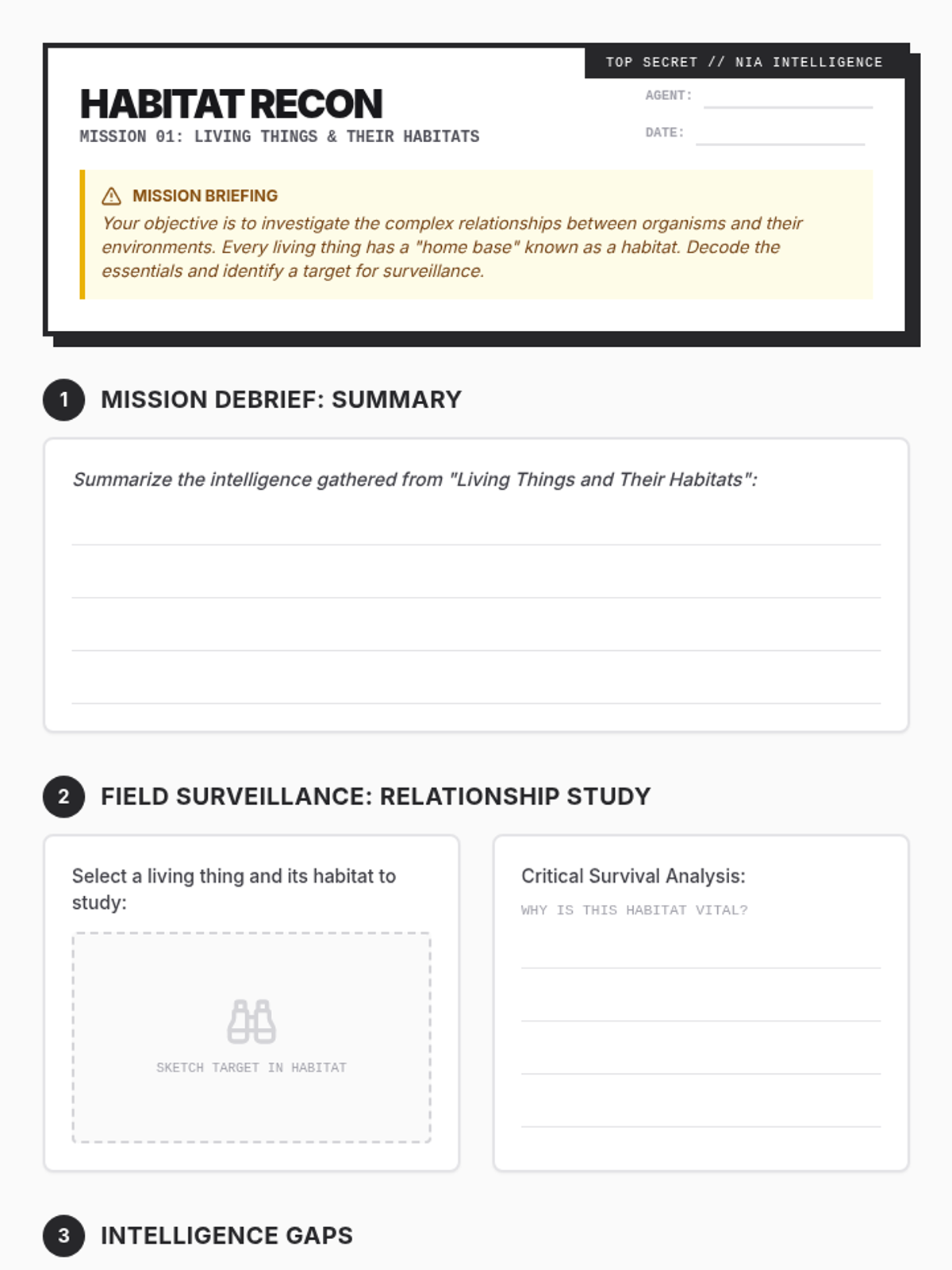
Eco-Detectives investigate how living things interact with their habitats and identify key research questions for the agency.
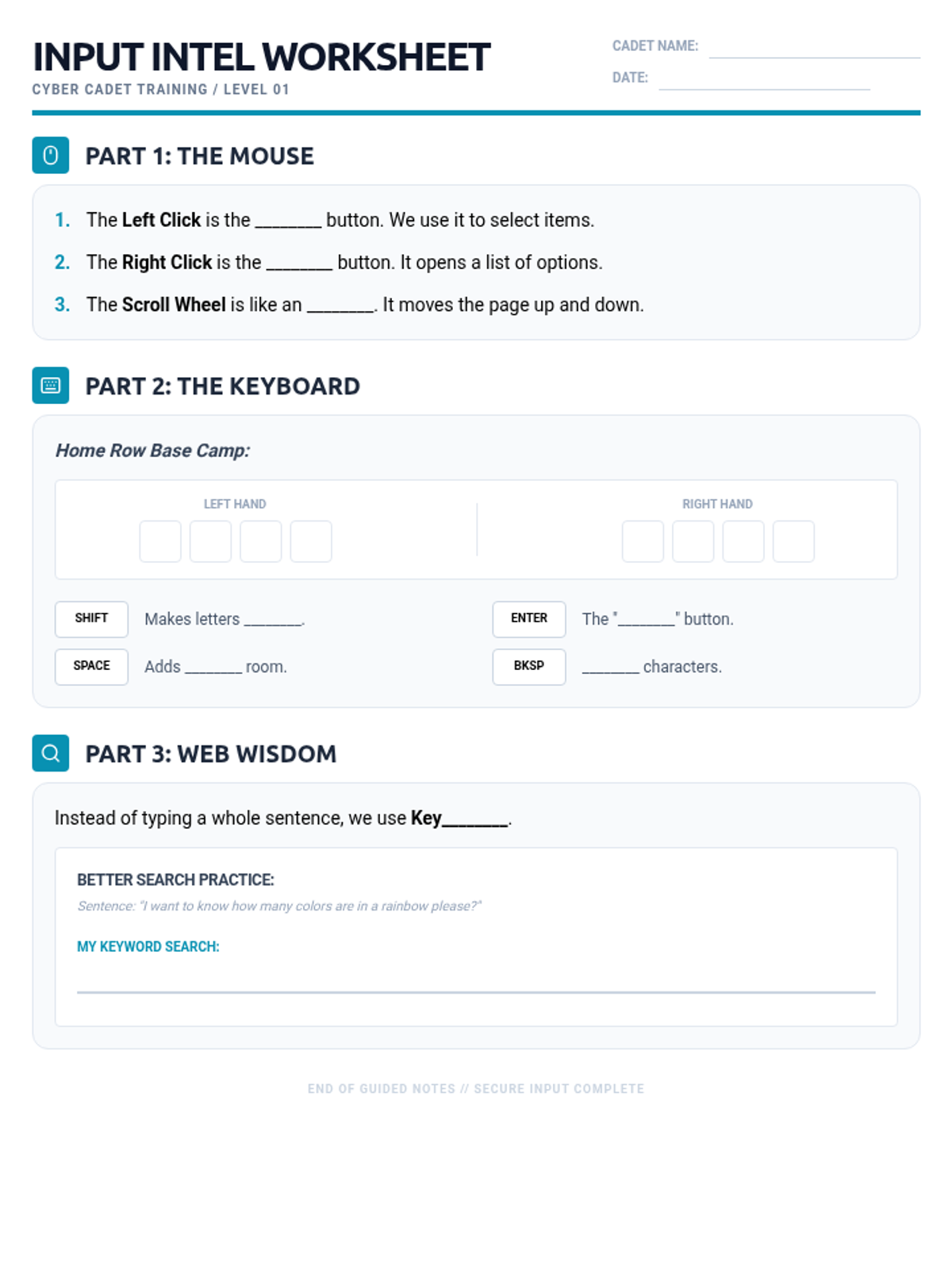
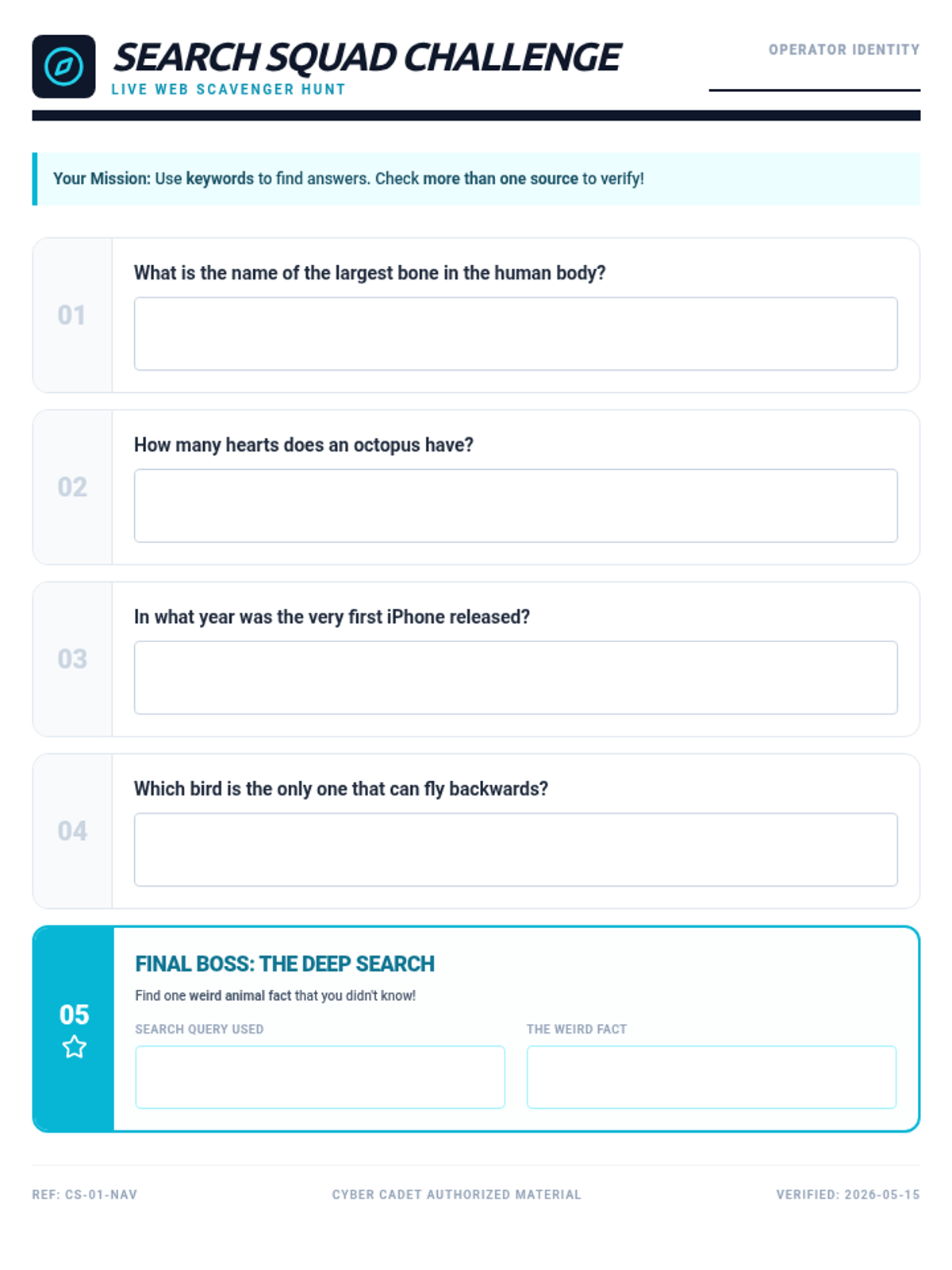
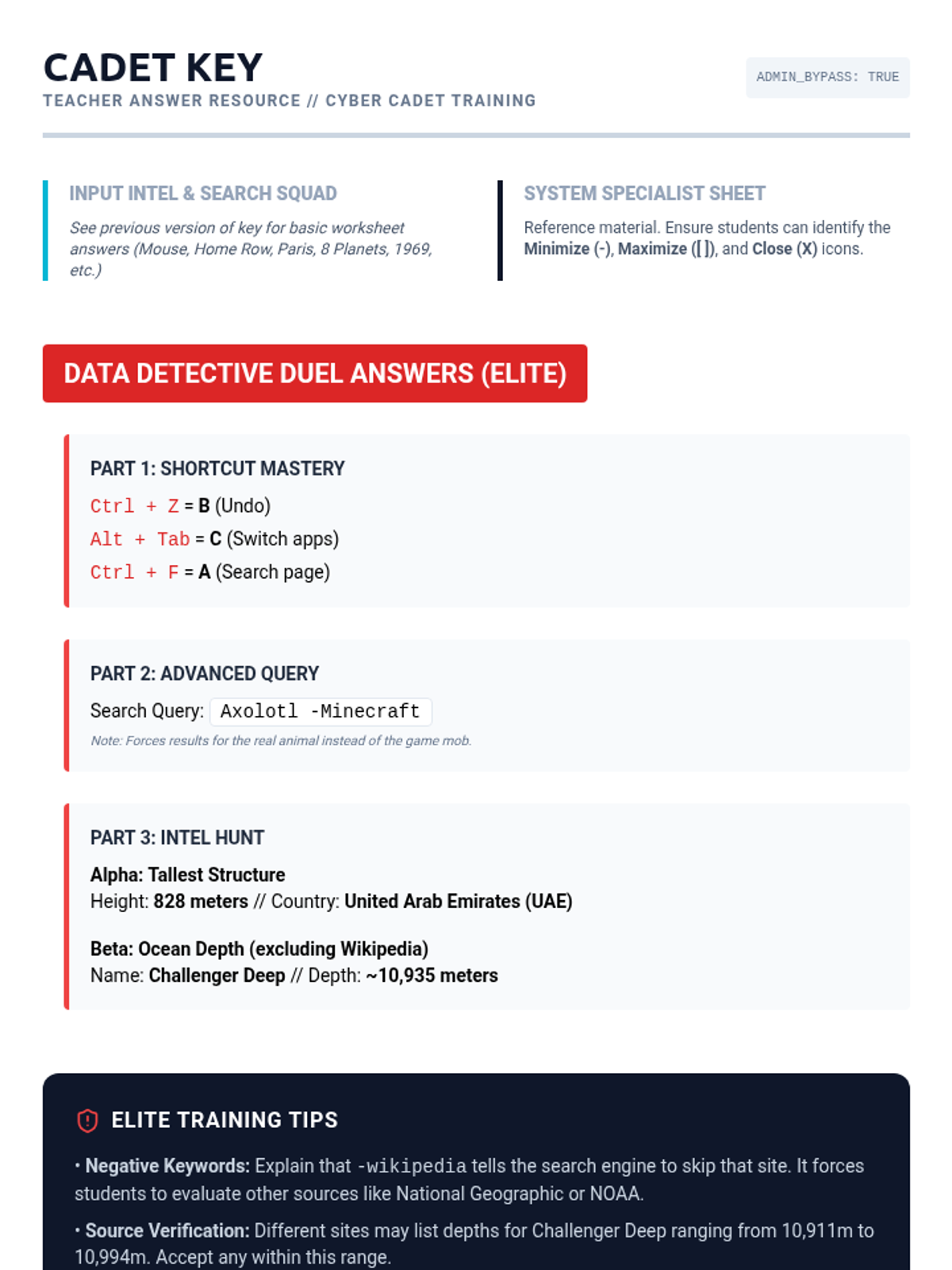
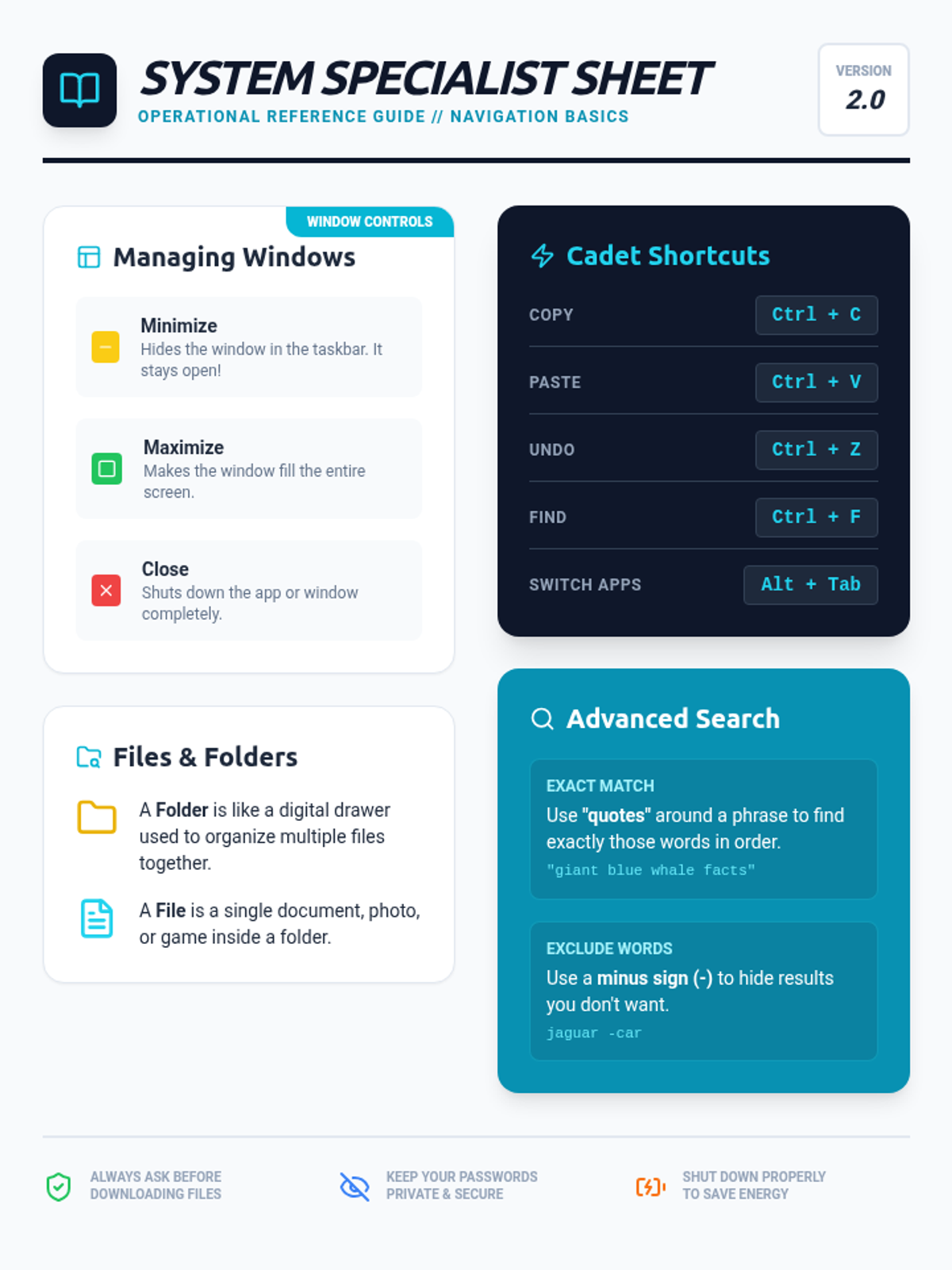
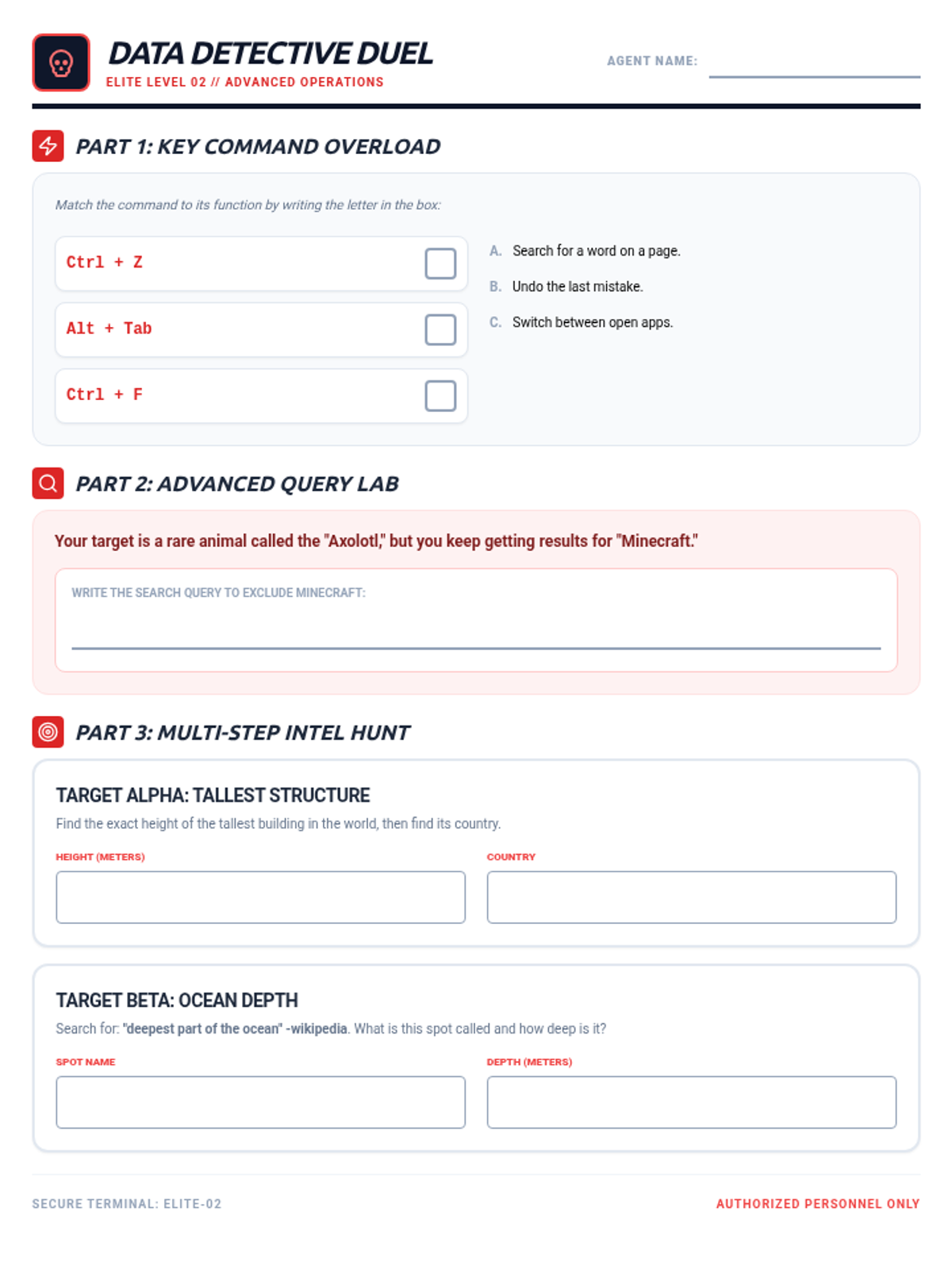
A comprehensive introduction to computer hardware interaction, operating system navigation, and effective web searching strategies for young learners.
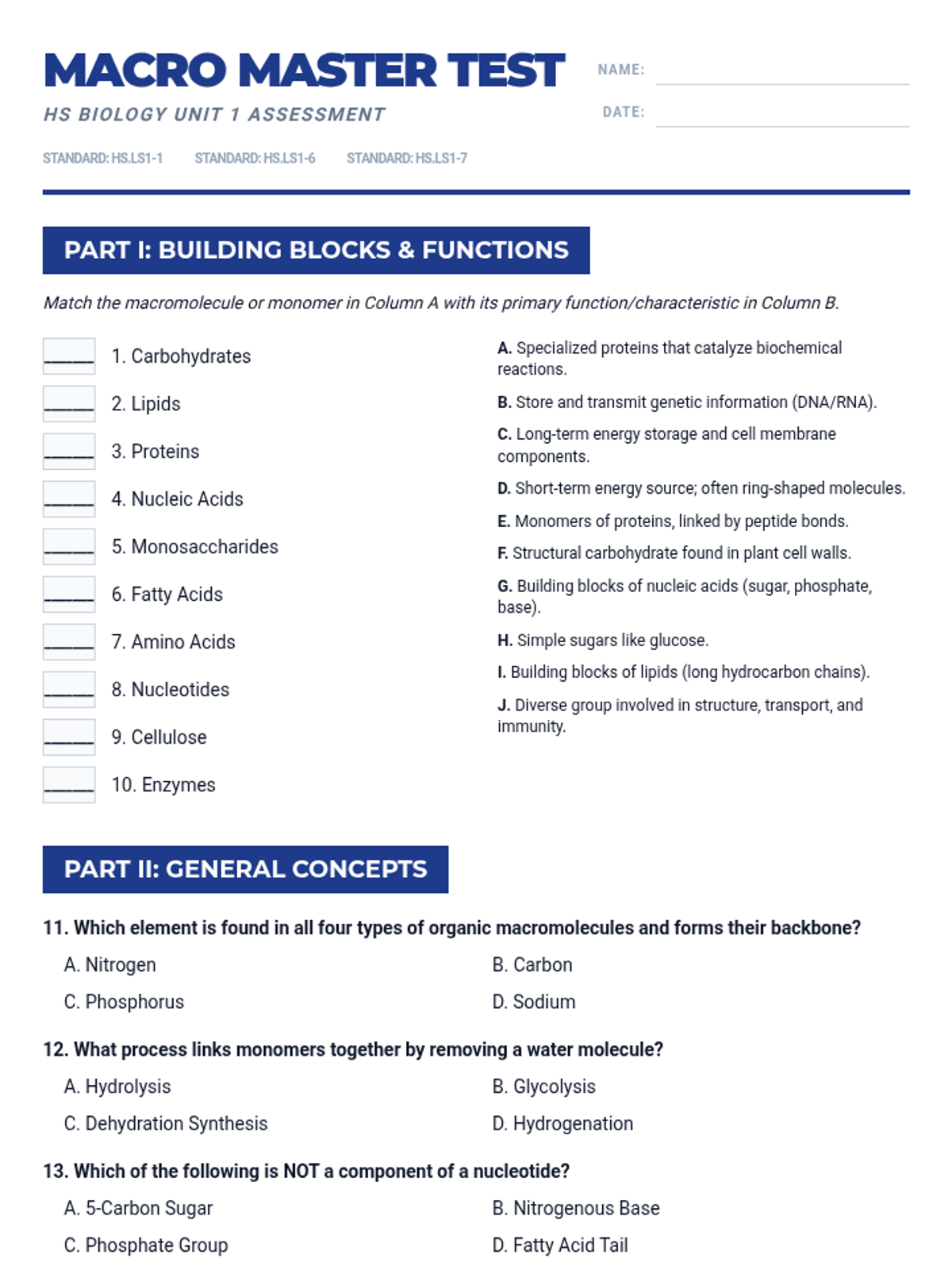
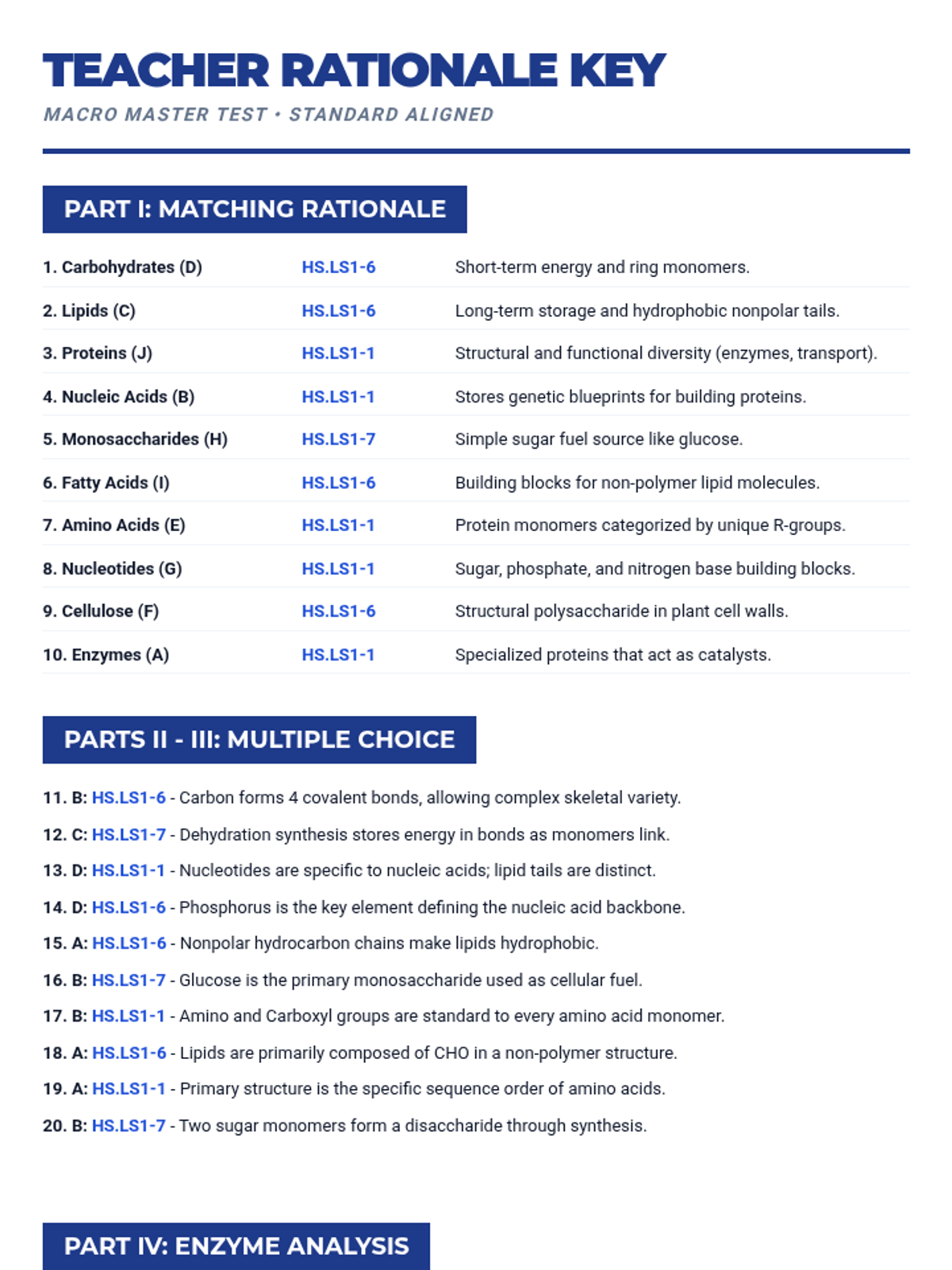
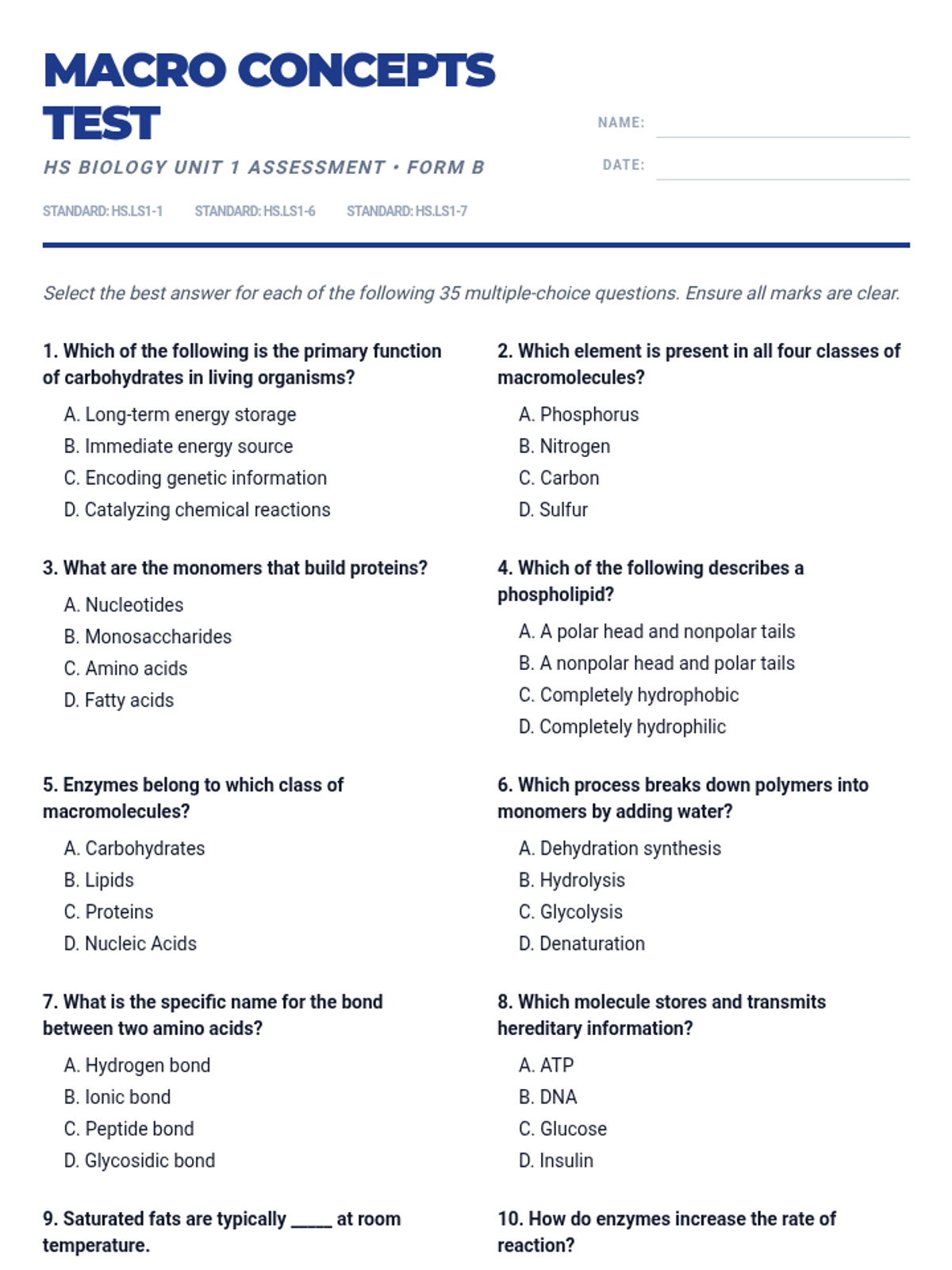
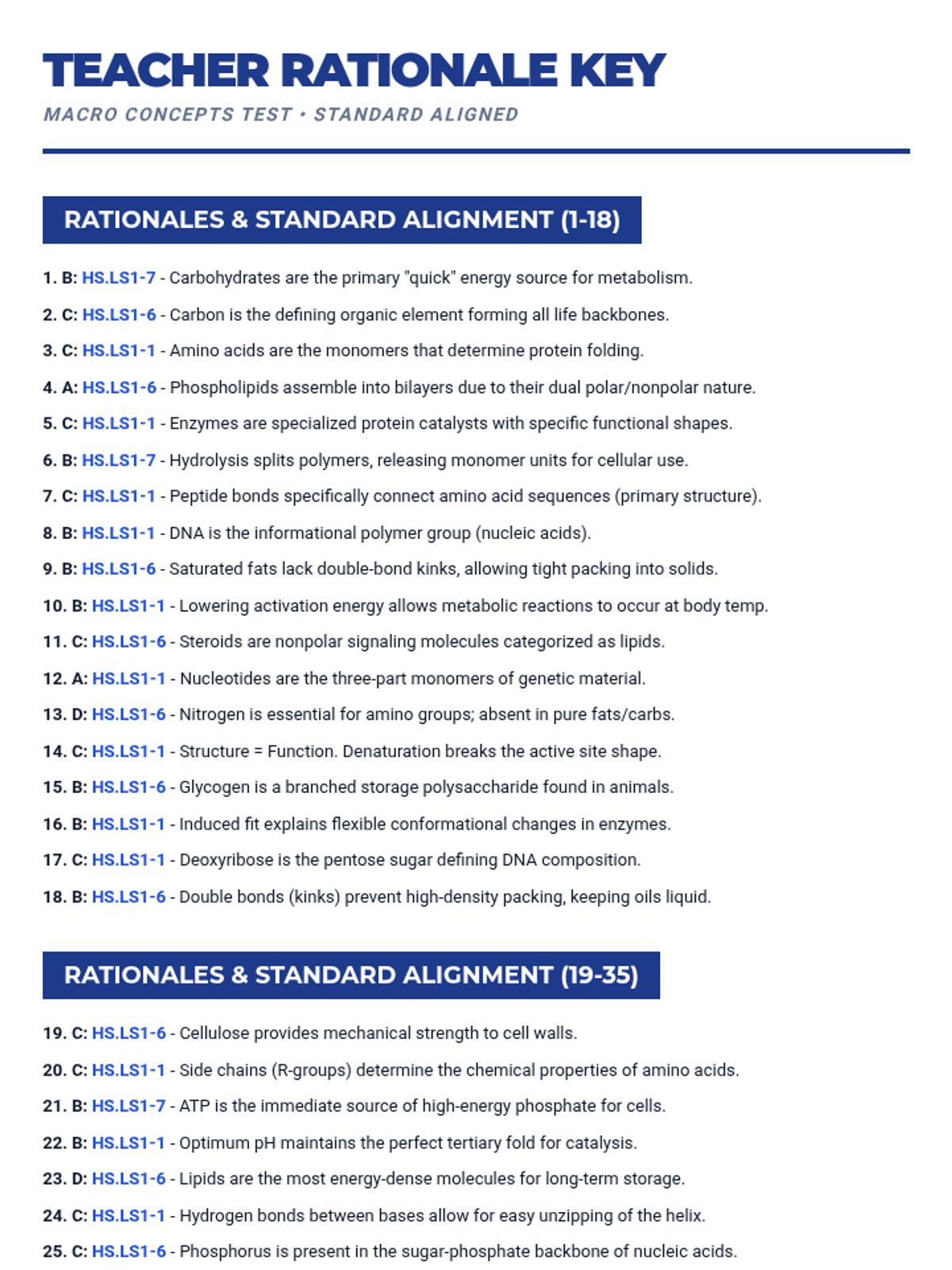
A comprehensive assessment covering the structure and function of macromolecules (carbohydrates, lipids, proteins, nucleic acids) and the catalytic role of enzymes. Aligned with Indiana State Standards for High School Biology.
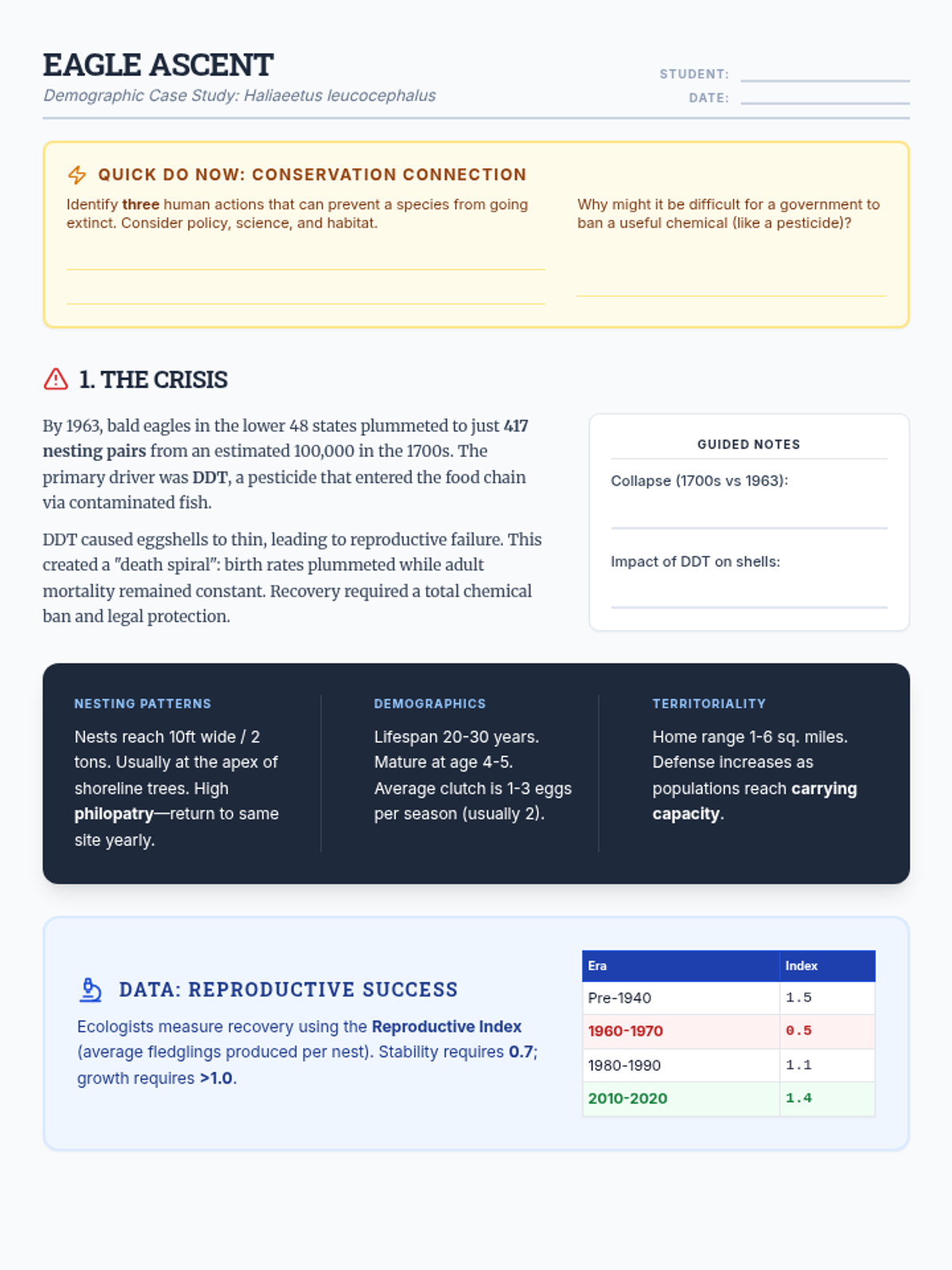
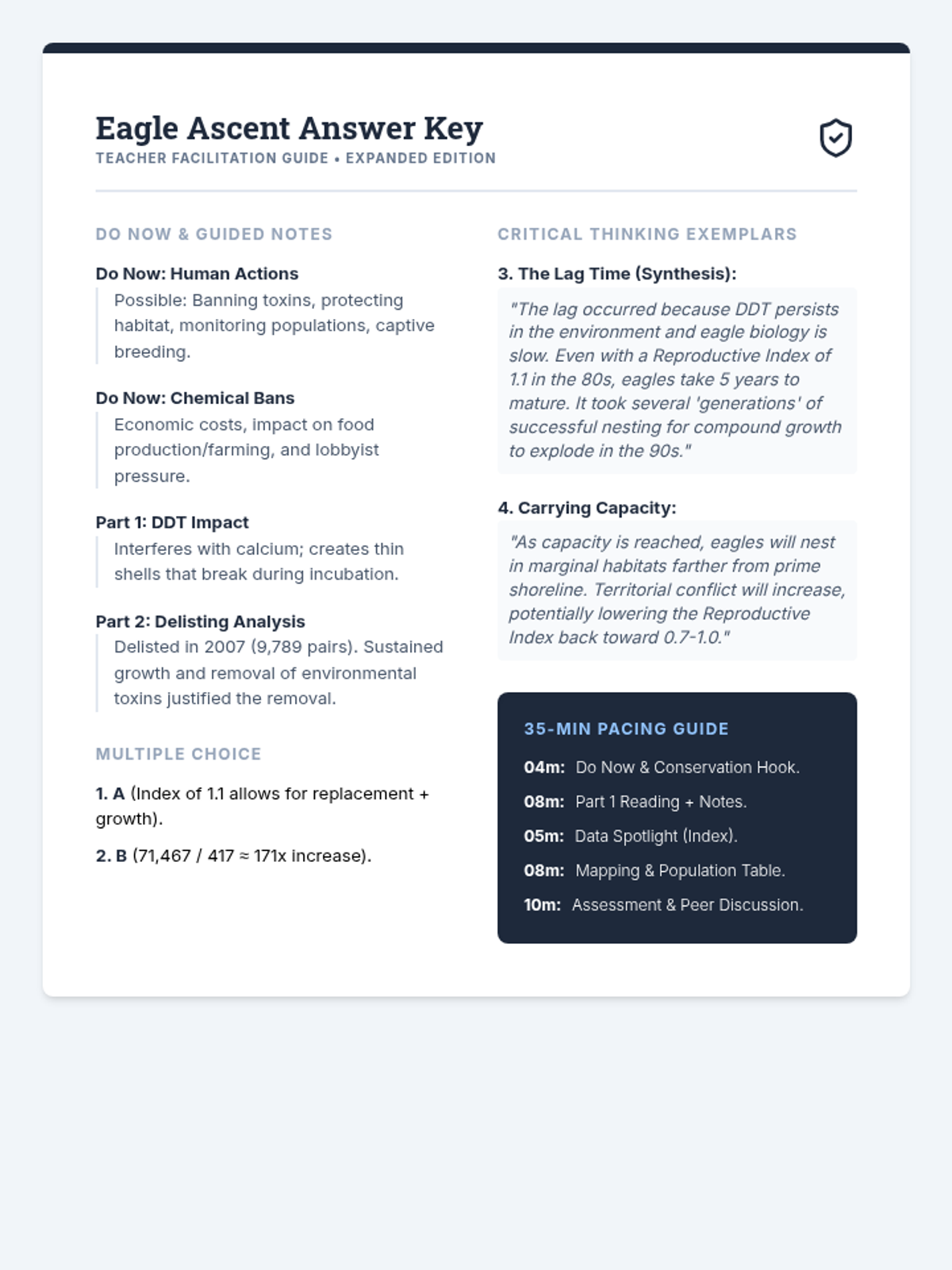
A deep dive into the demographic recovery of the bald eagle, exploring the impact of DDT and the success of the Endangered Species Act through data analysis and guided reading.
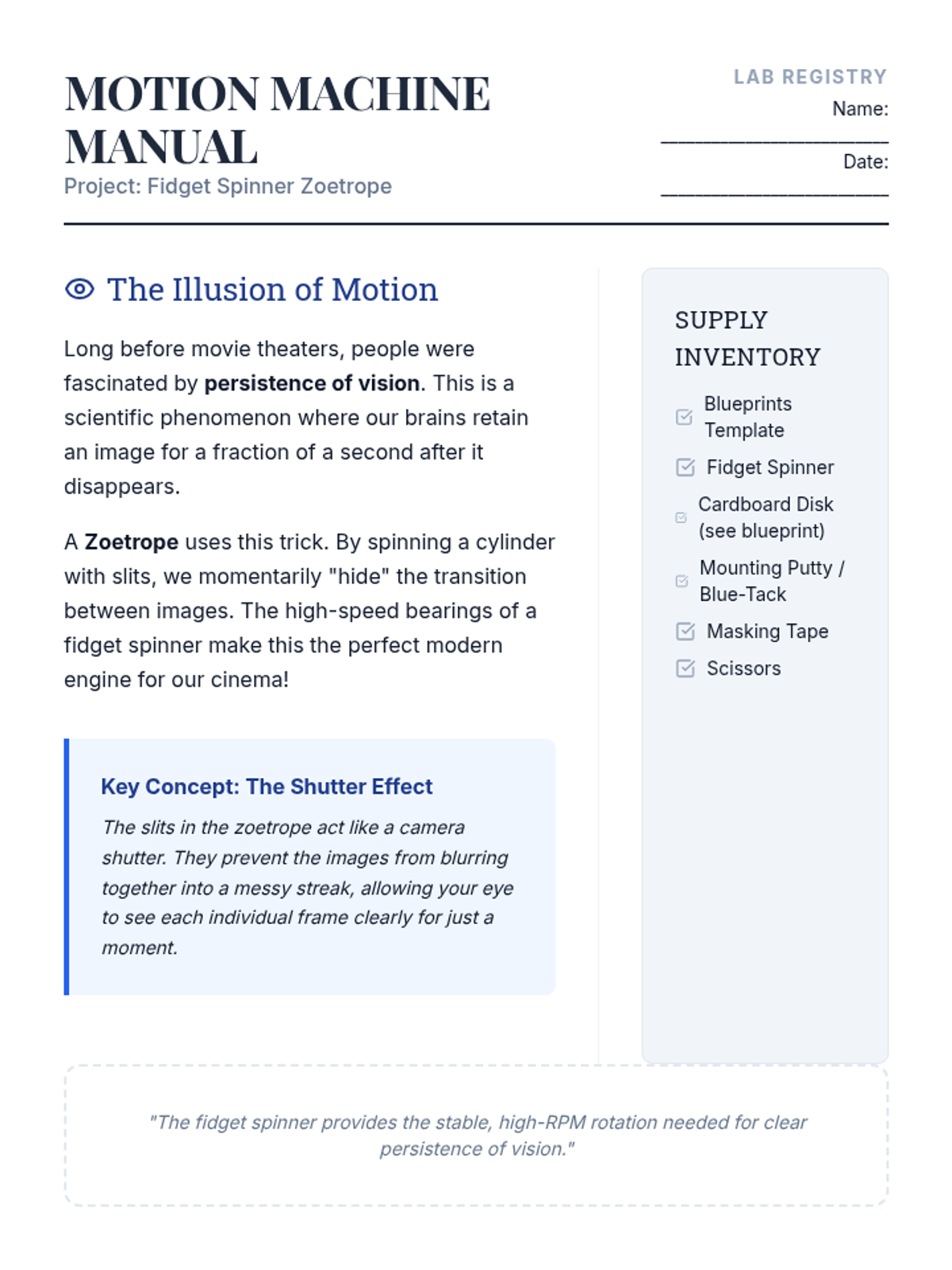
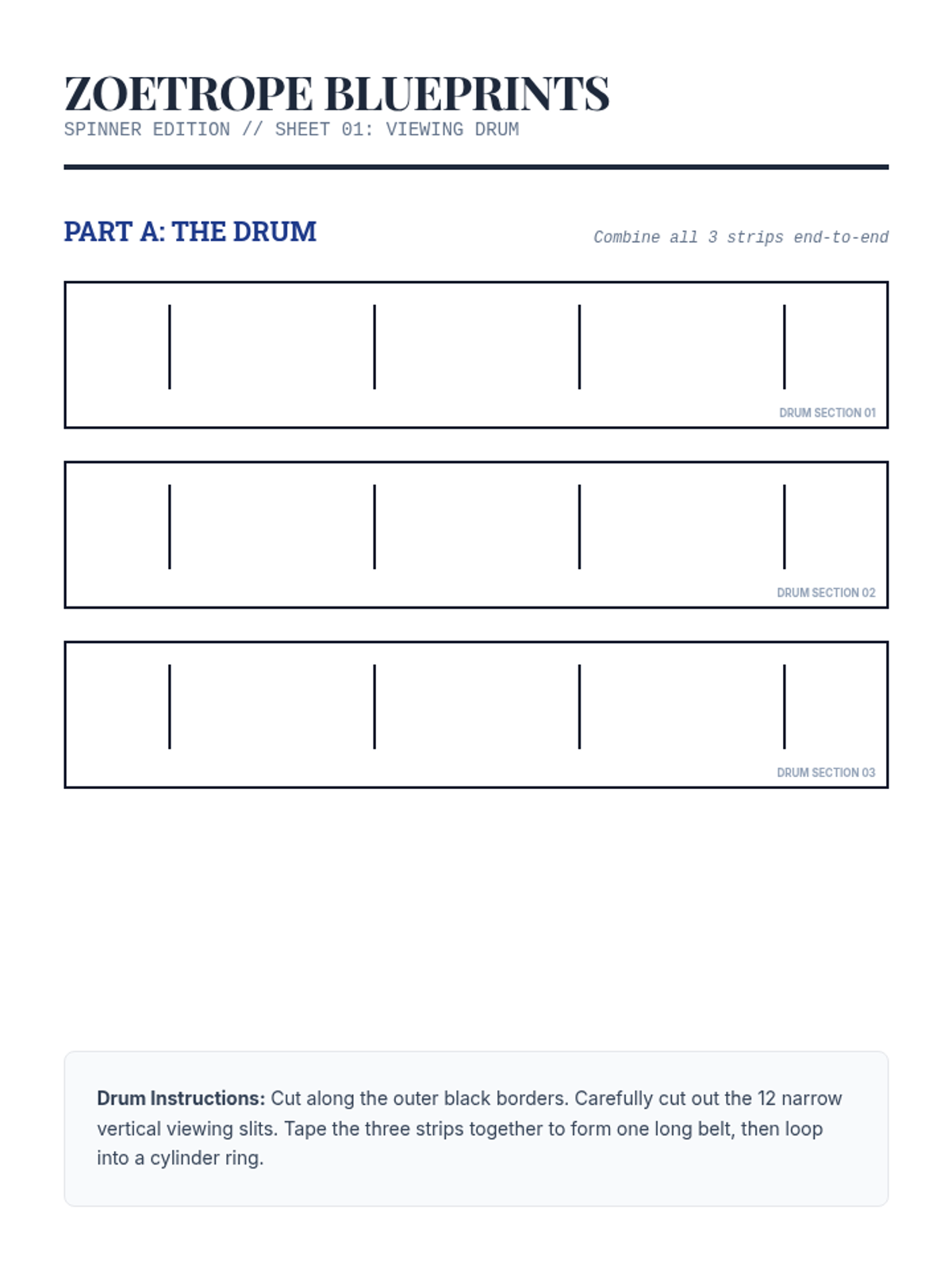
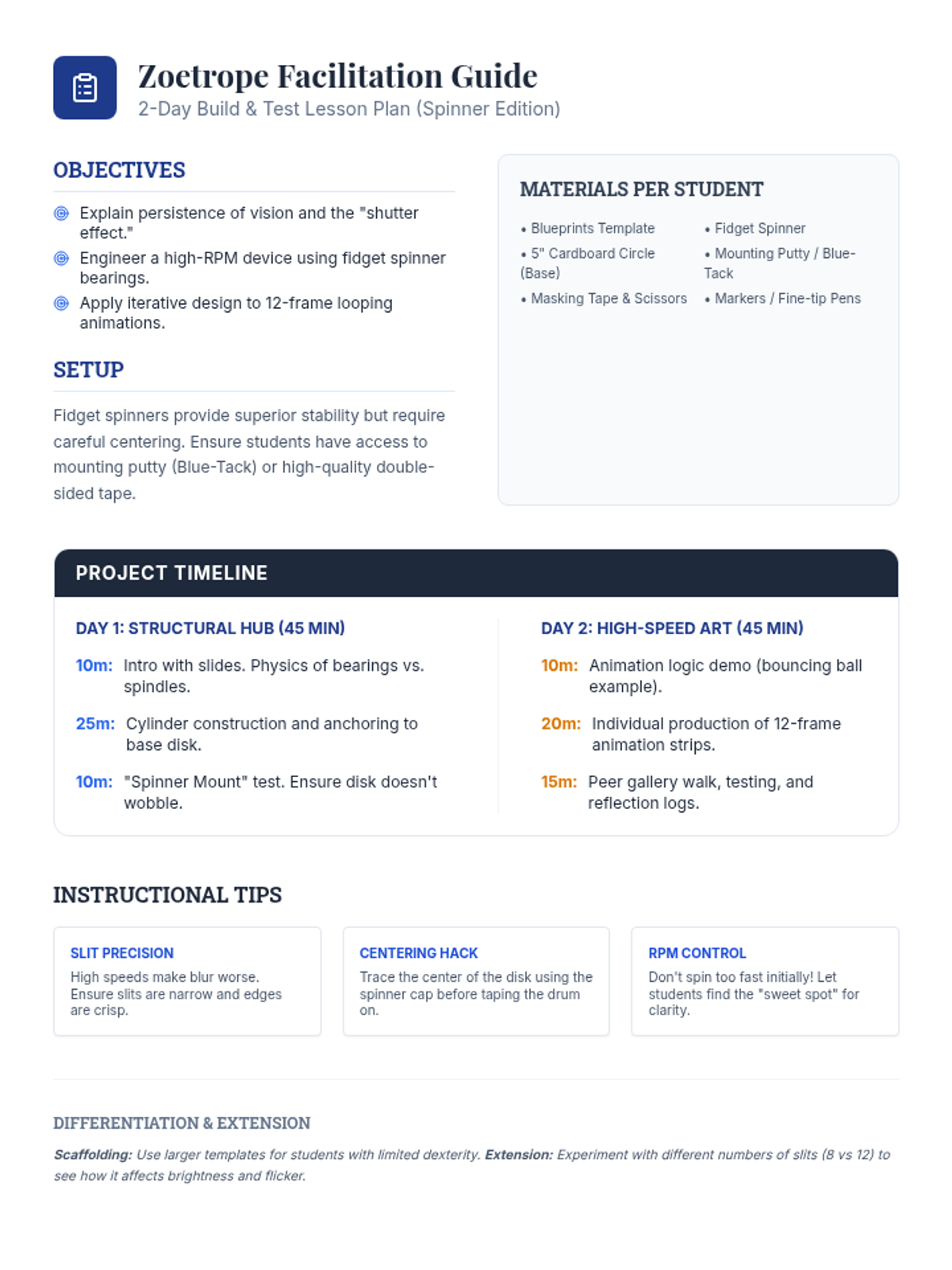
A 2-day hands-on engineering and art project where students build a paper zoetrope to explore the physics of light and the foundations of animation. Day 1 focuses on construction and the science of persistence of vision, while Day 2 focuses on creating and testing animation strips.
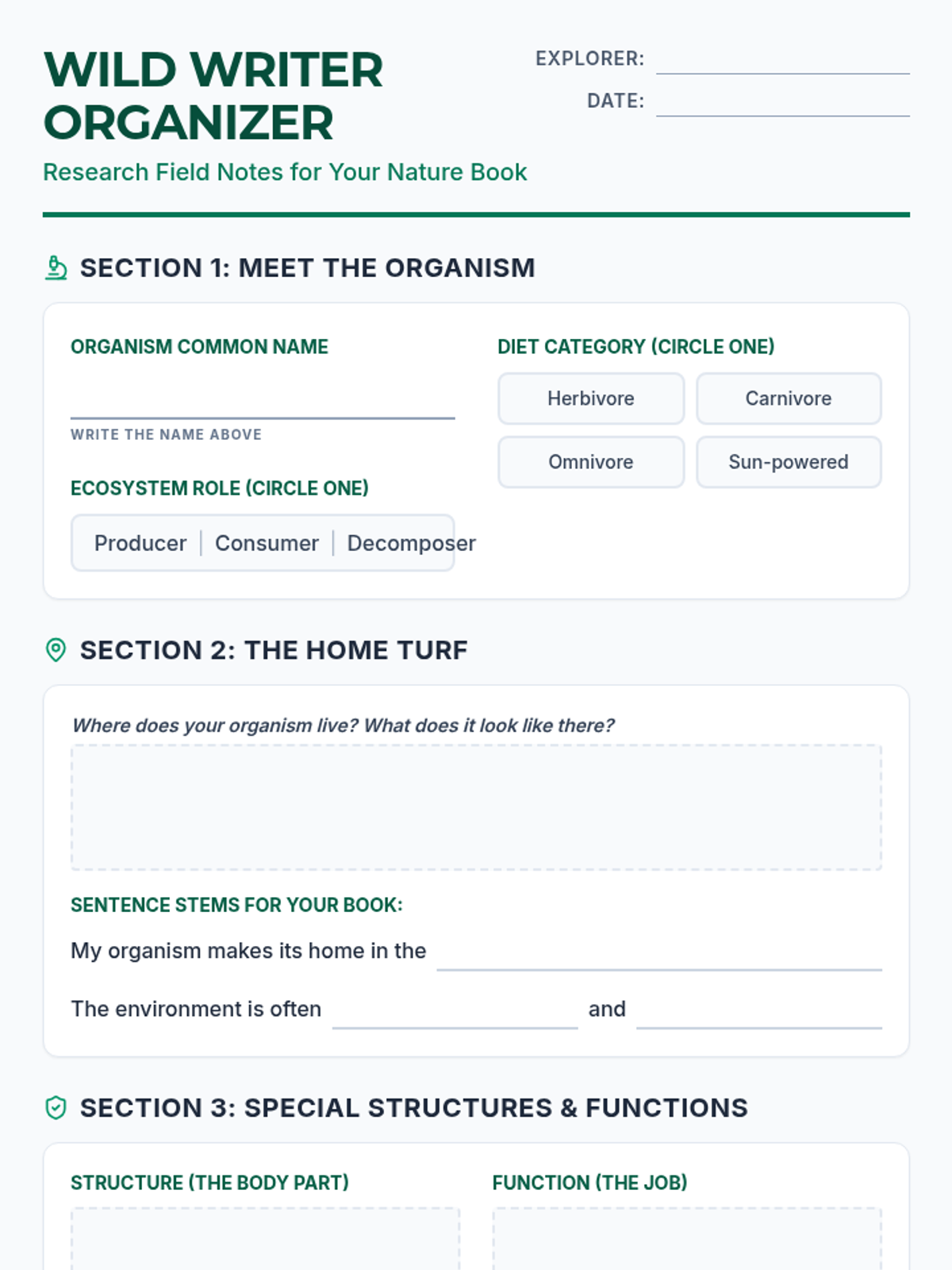
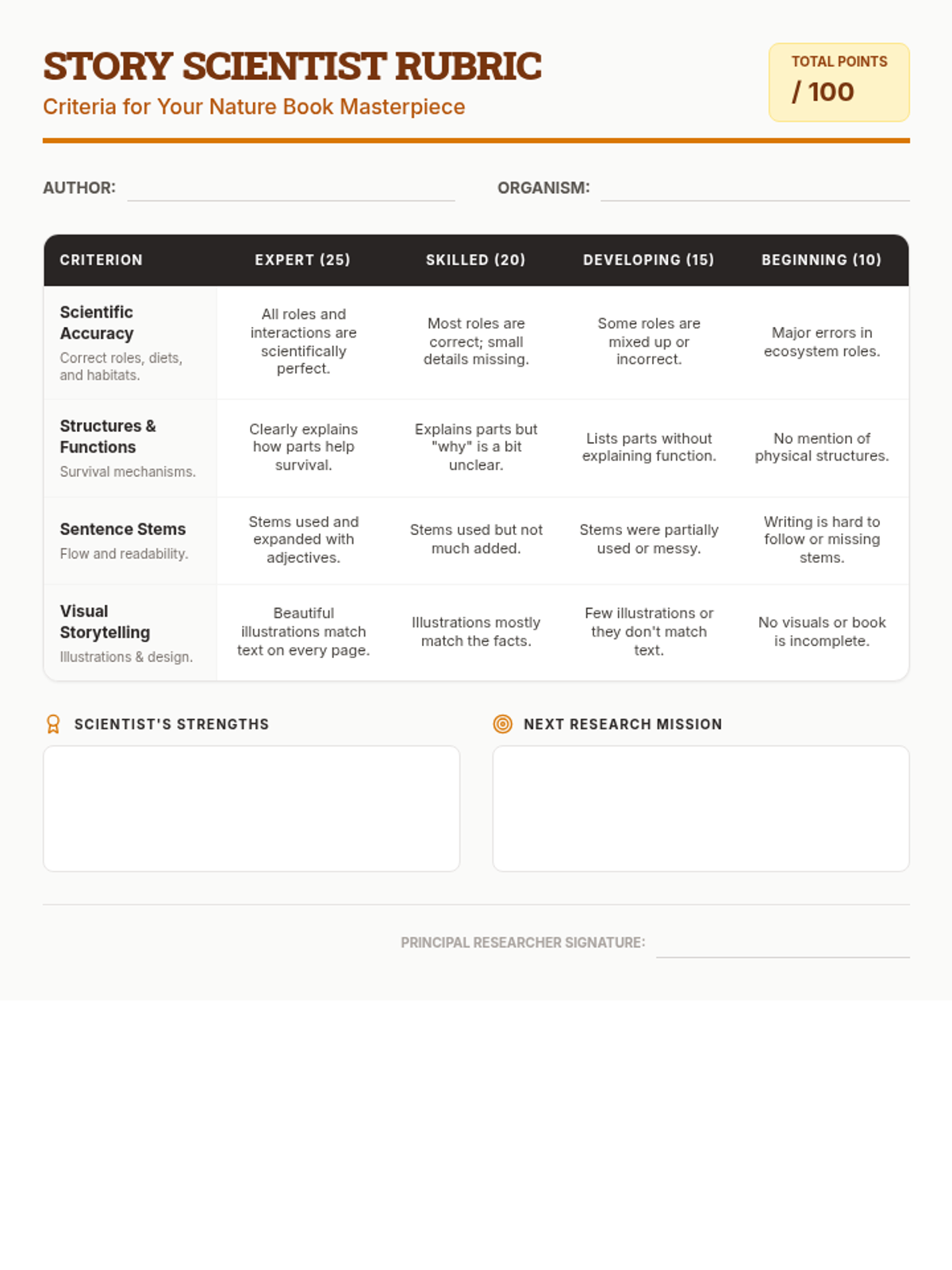
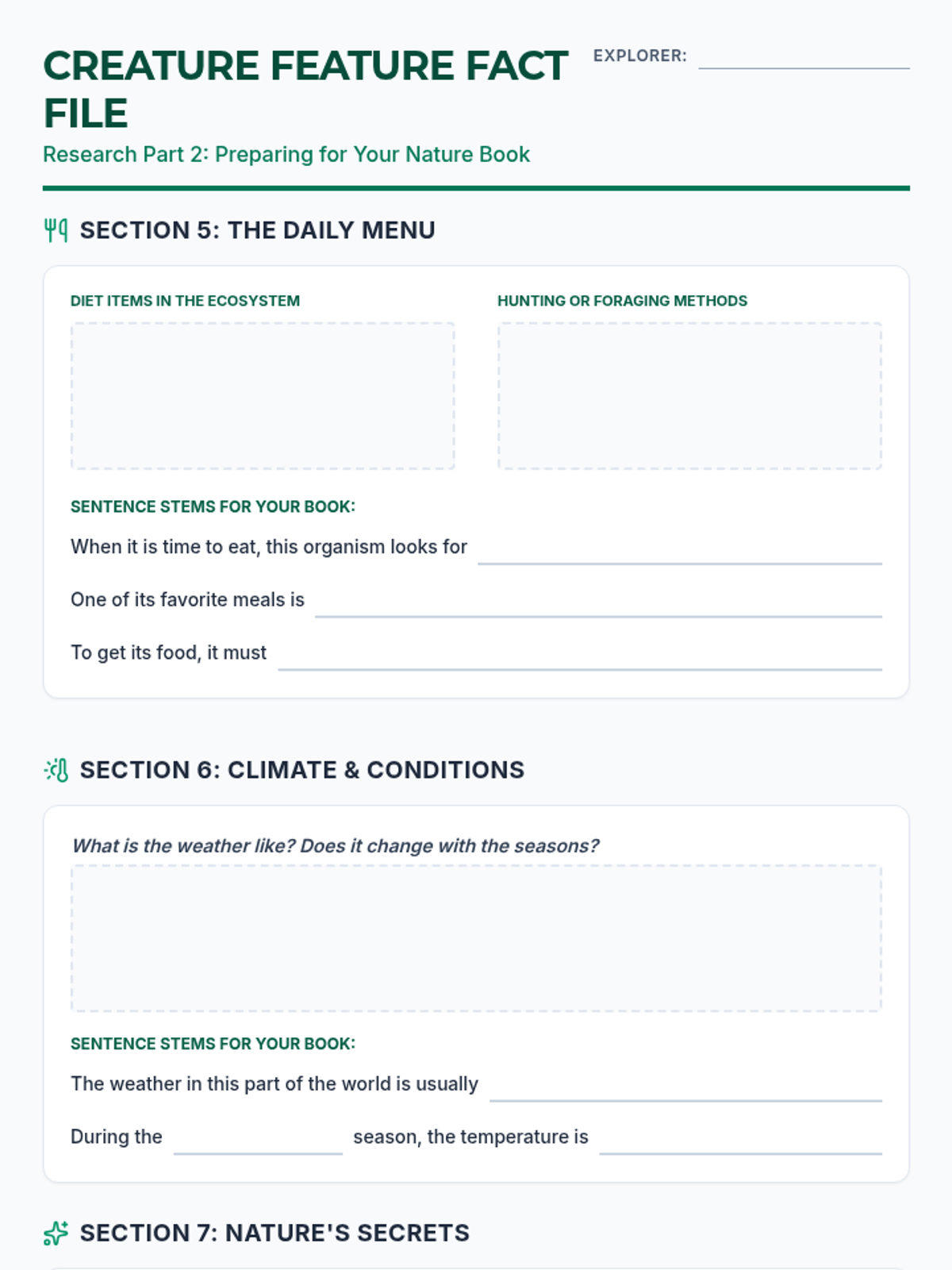
A lesson focused on researching organisms and organizing that data into sentence stems to support students in authoring their own ecosystem-themed books.
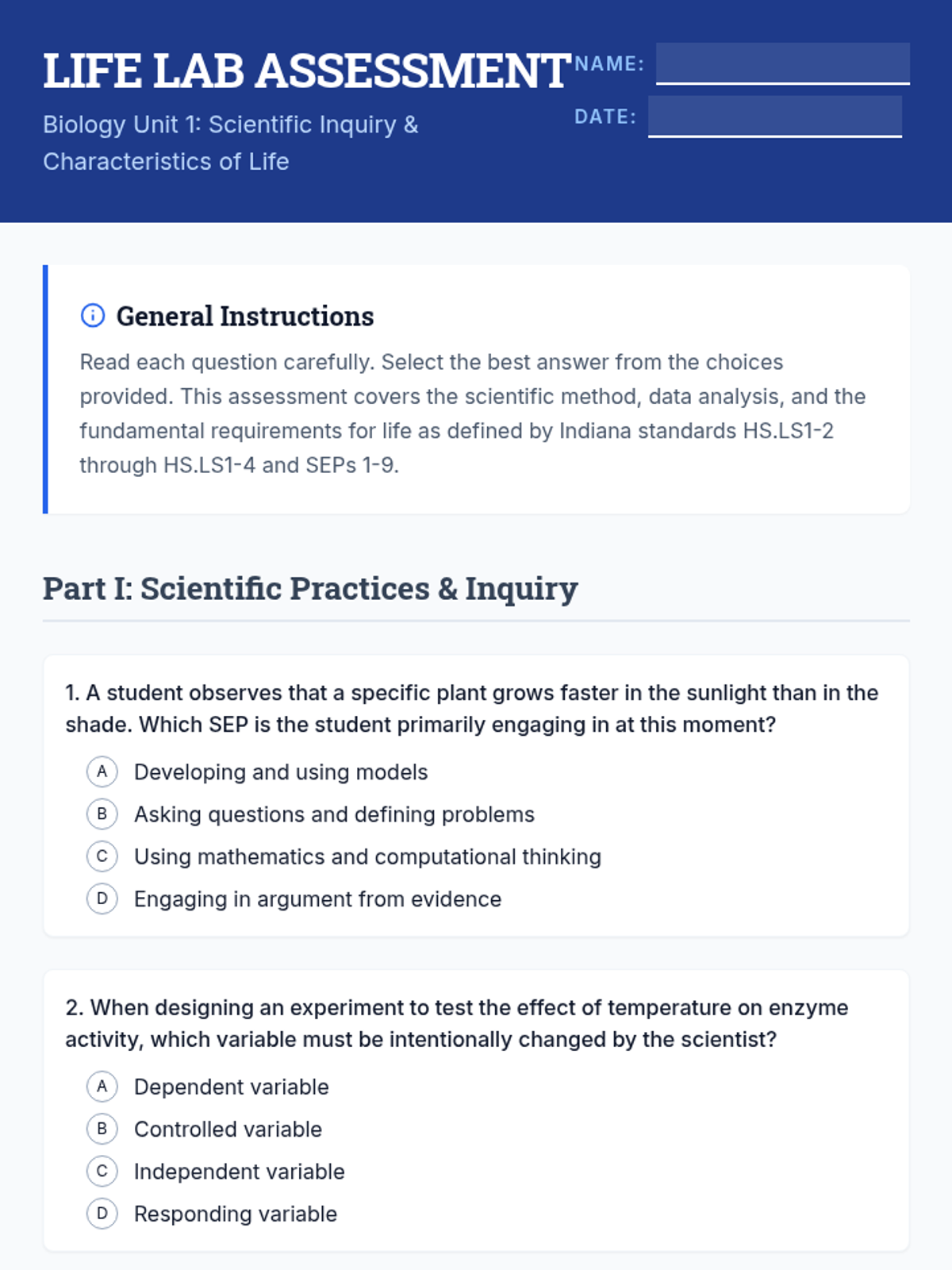
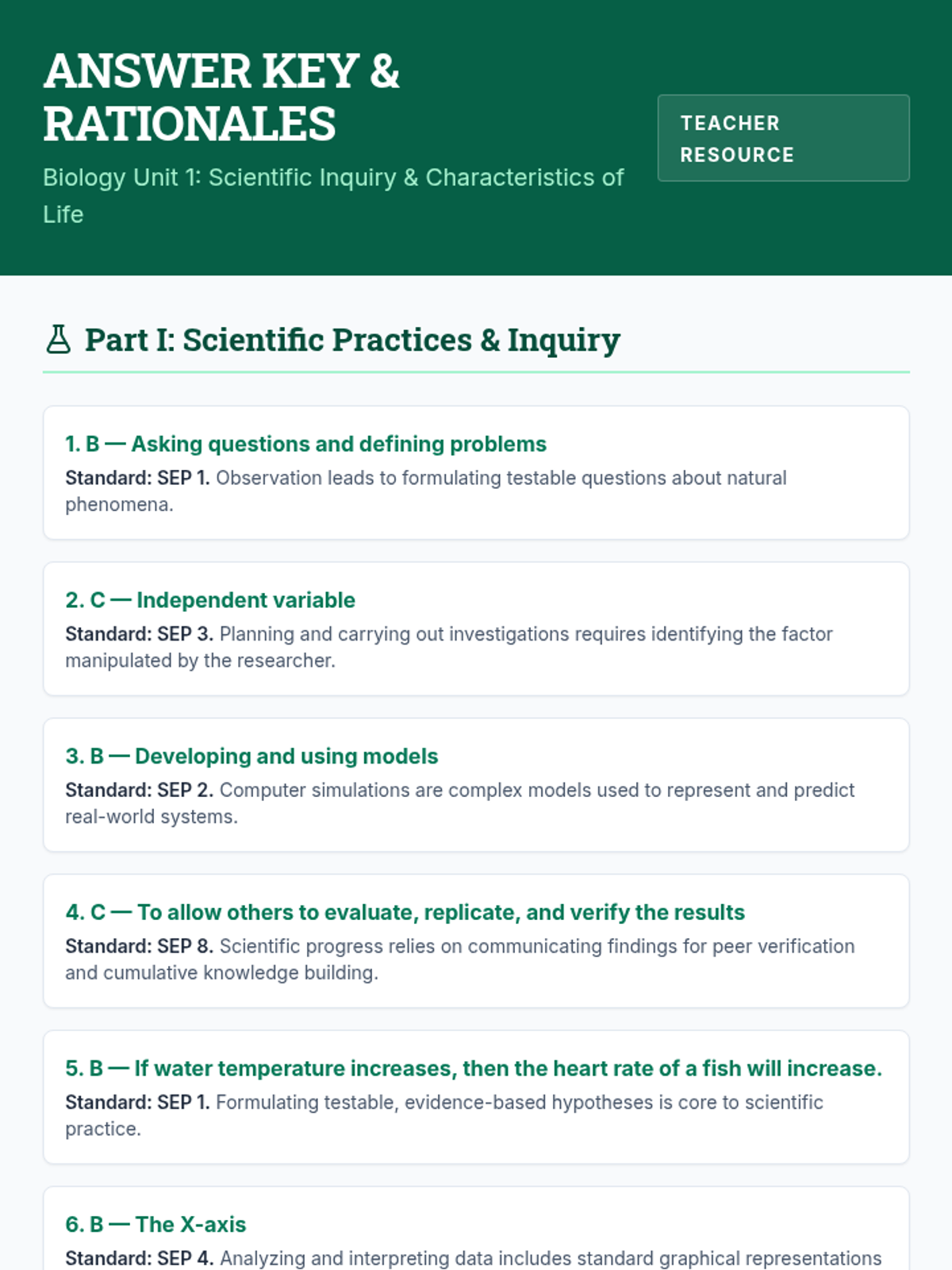
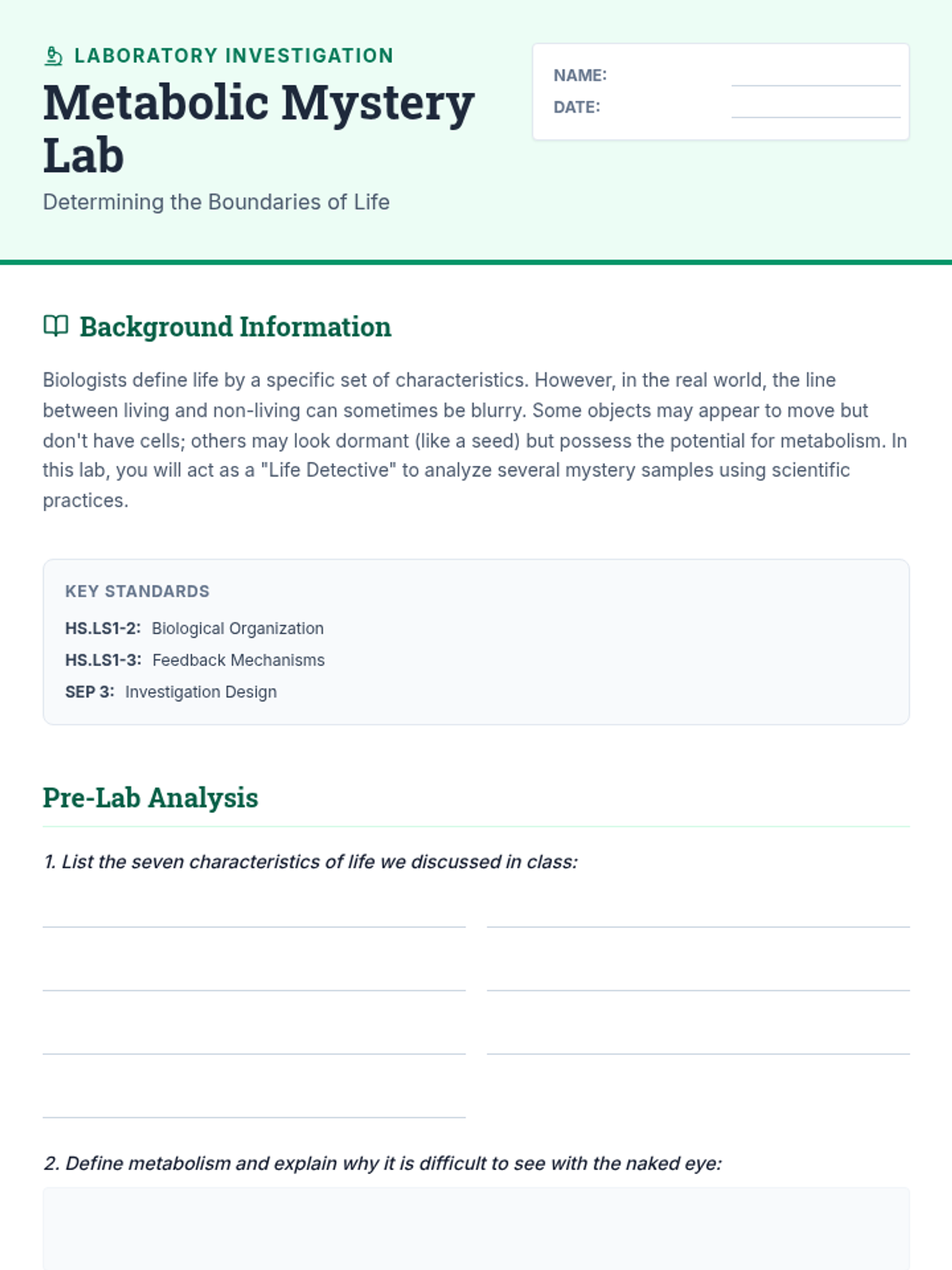
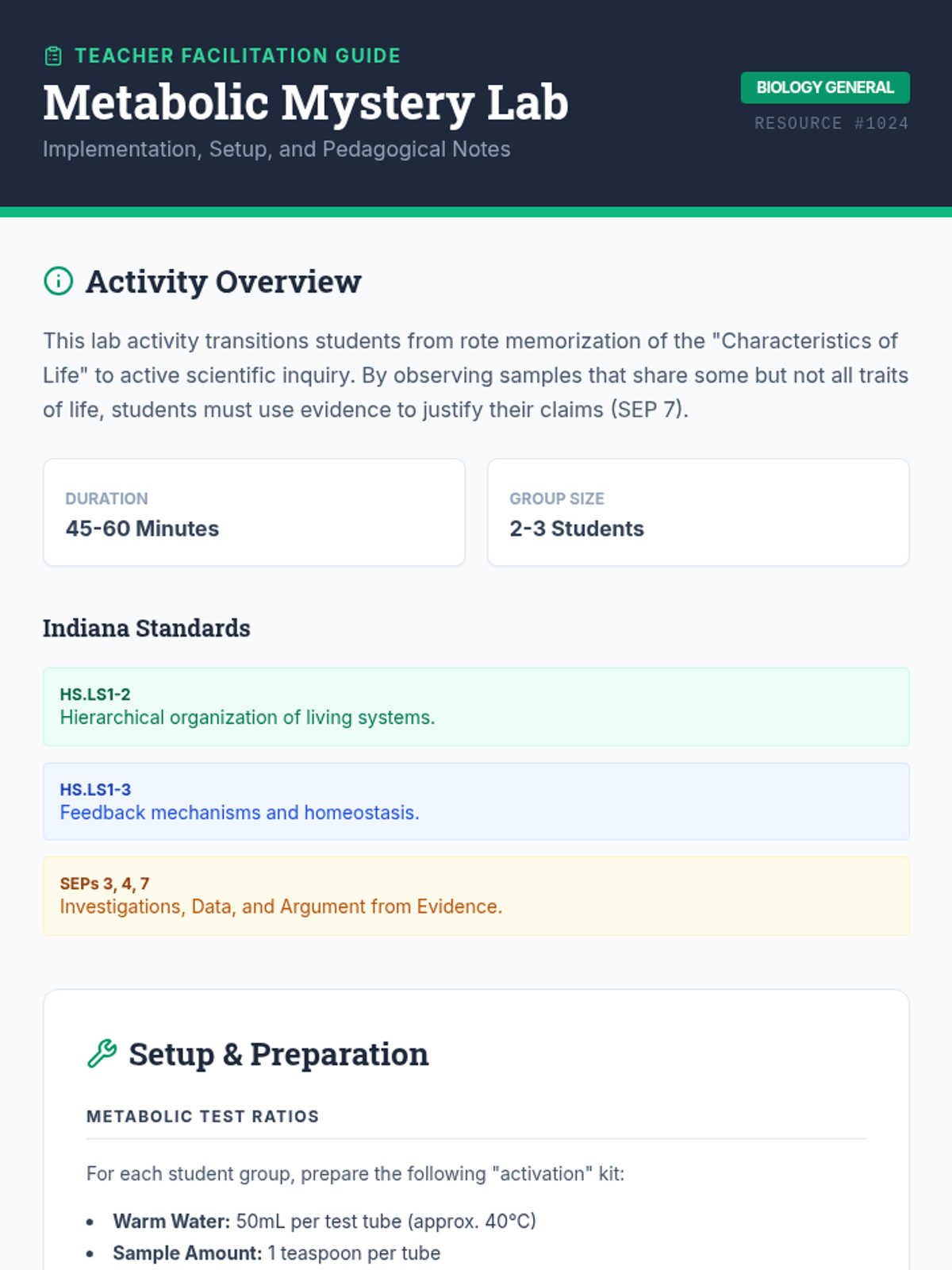
This lesson covers the foundational principles of biological science, focusing on the scientific method (SEPs) and the fundamental characteristics that define living organisms (LS1). Students will demonstrate their understanding through a comprehensive assessment aligned with Indiana state standards.