A focused practice lesson on biological feedback loops (HS-LS1-2), featuring standardized test-style questions and visual models.
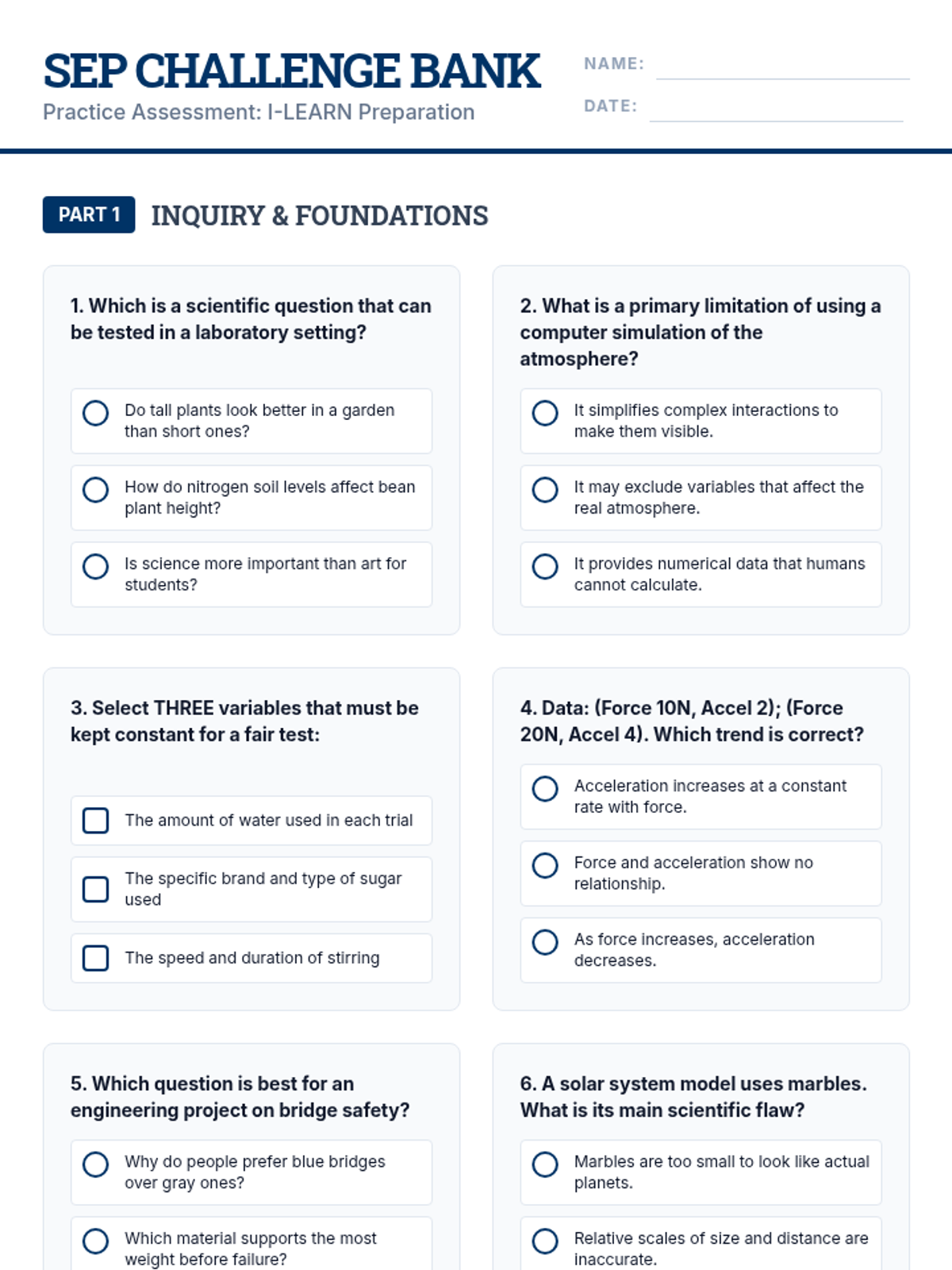
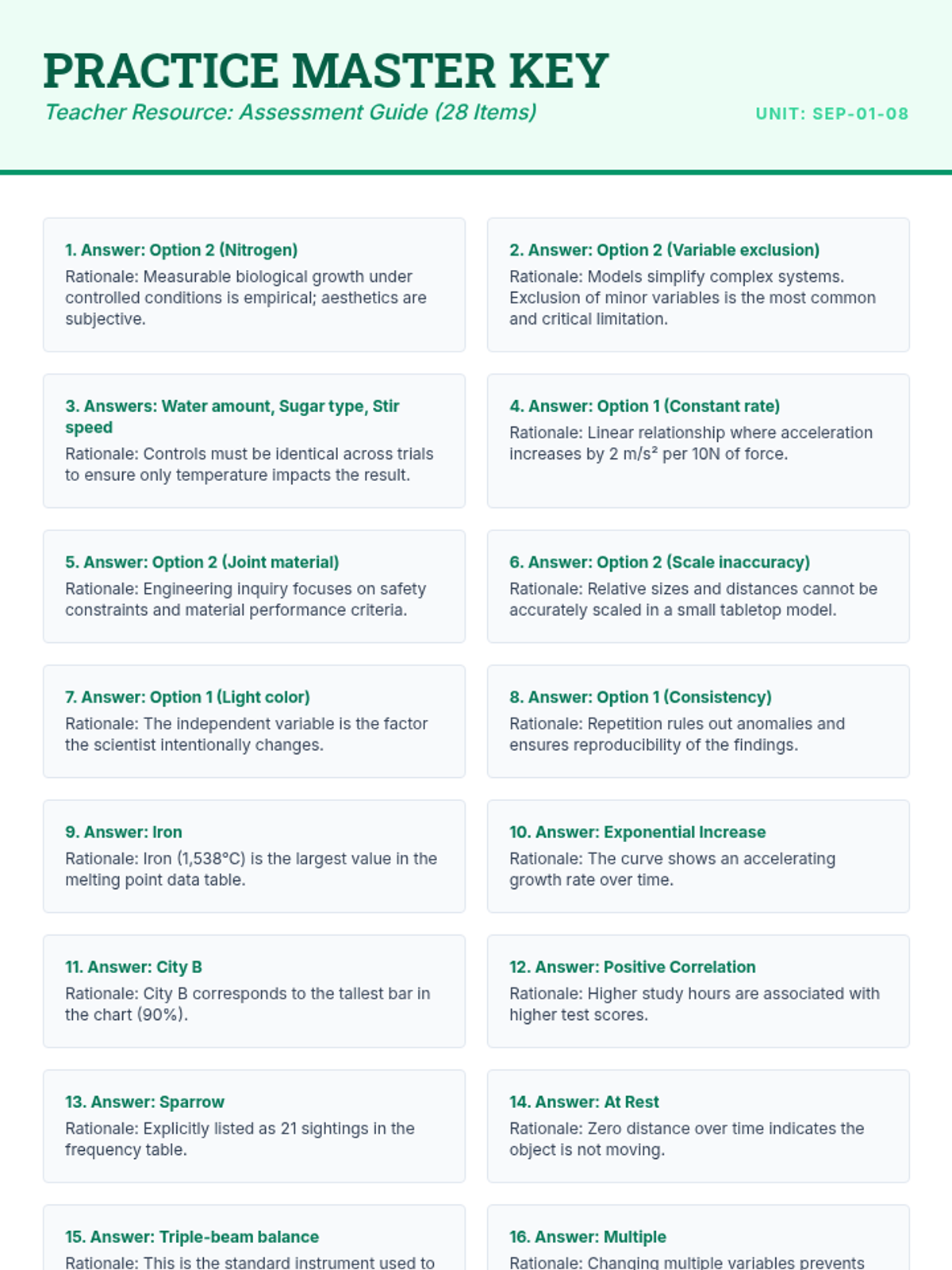
A comprehensive collection of I-LEARN style assessment items covering all eight Science and Engineering Practices (SEP), designed to prepare students for high-stakes testing through application-based questions.
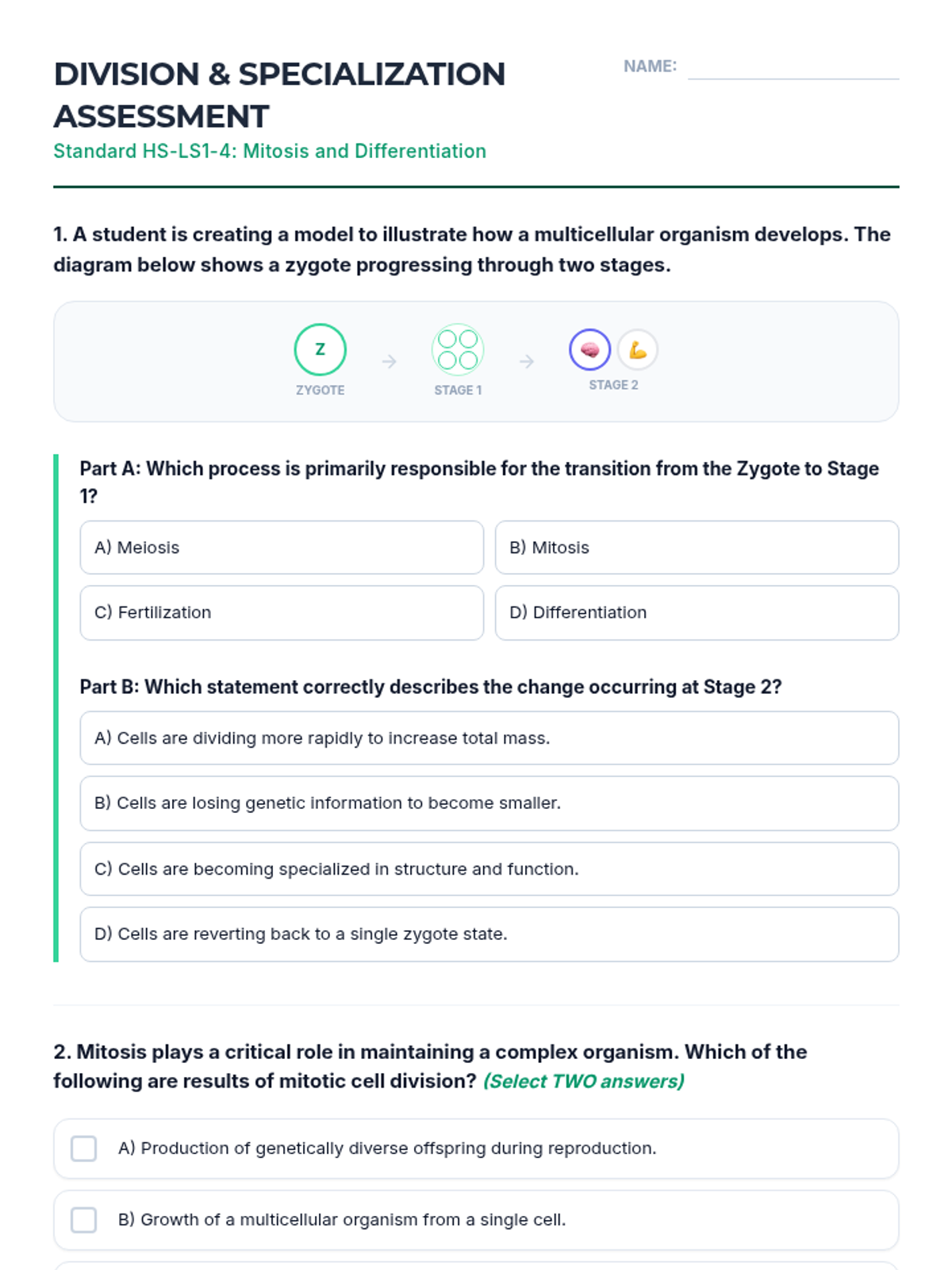
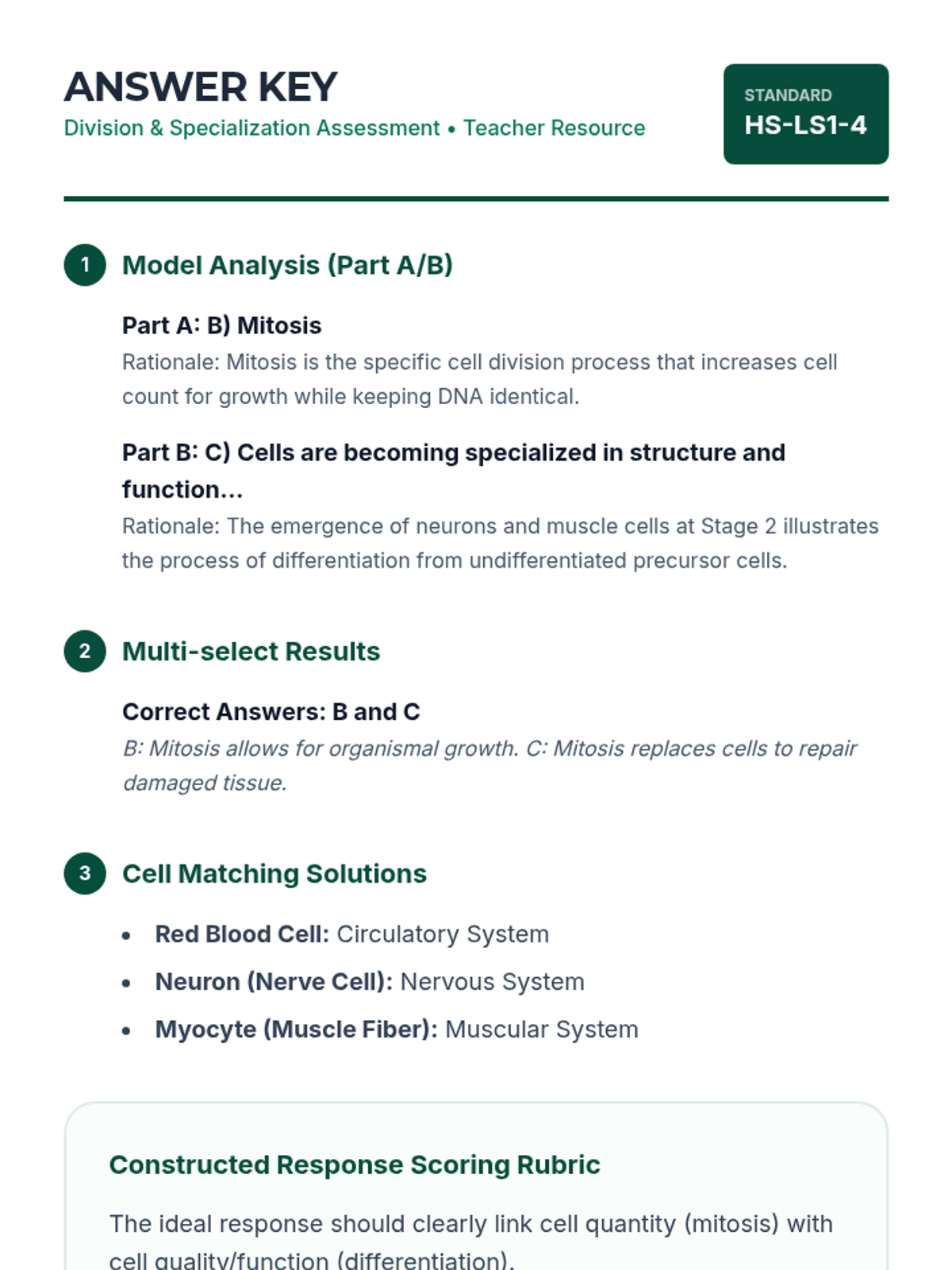
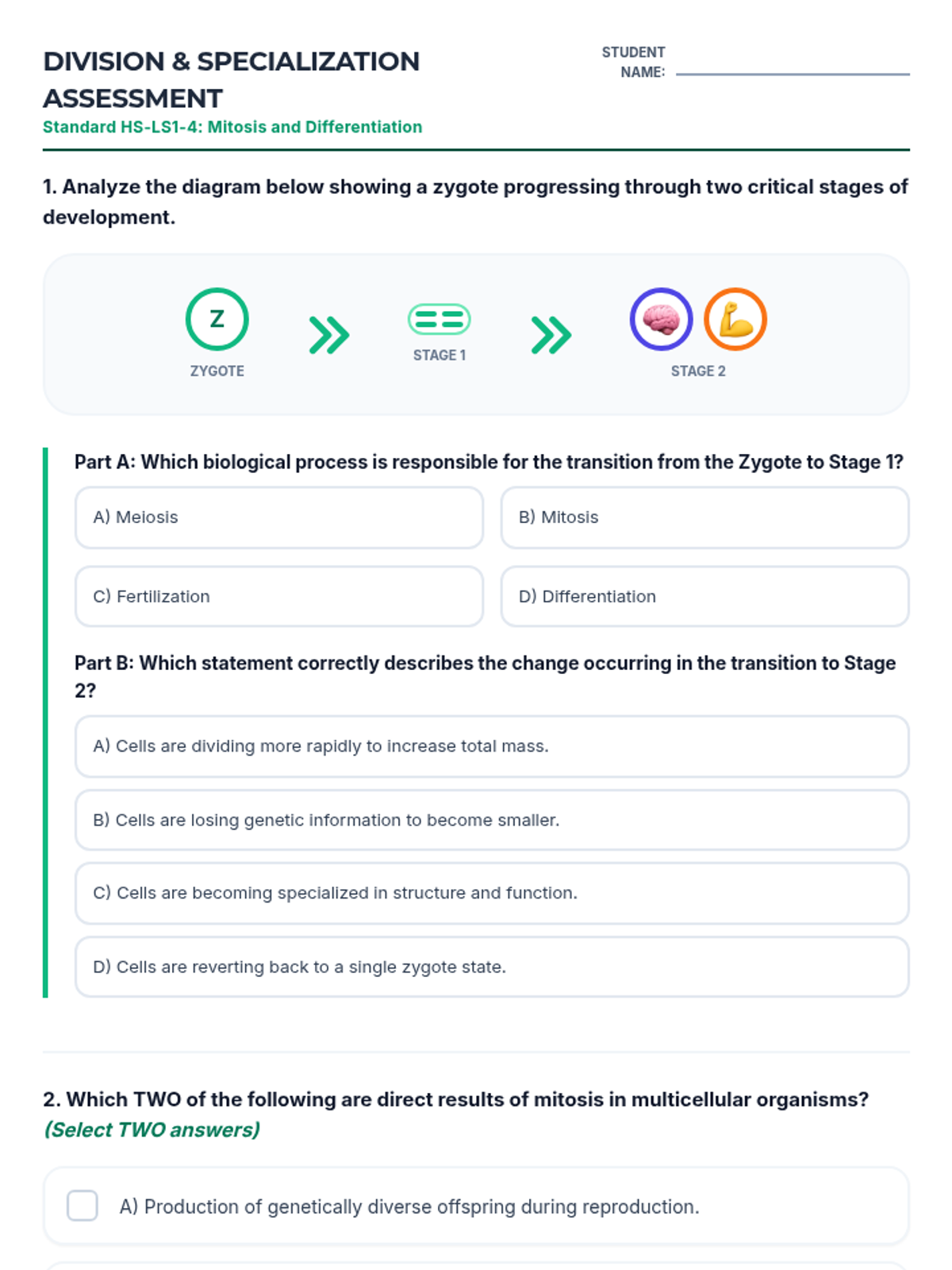
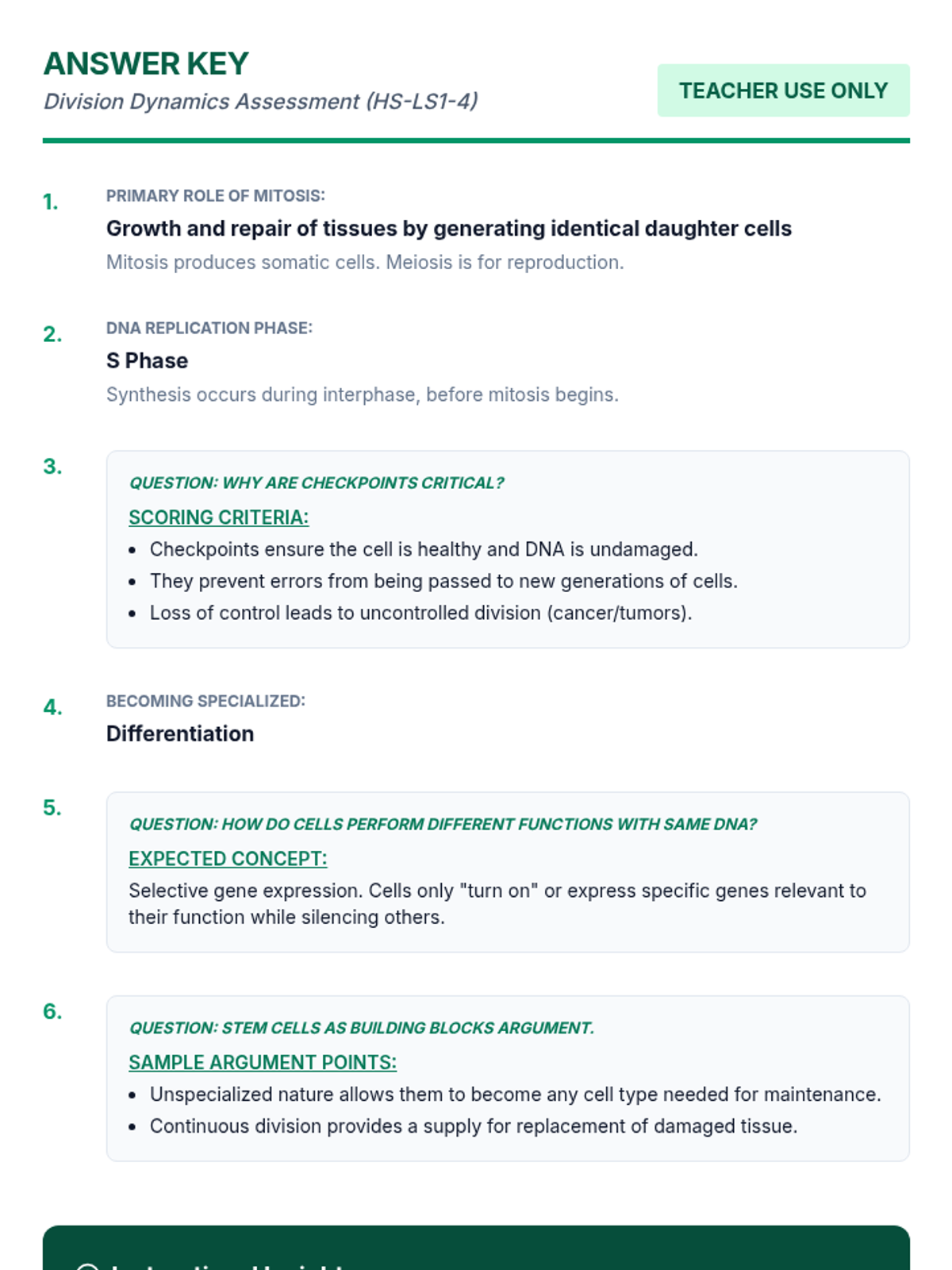
An exploration of the cellular processes that allow organisms to grow and maintain complexity, specifically focusing on mitosis and cell differentiation.
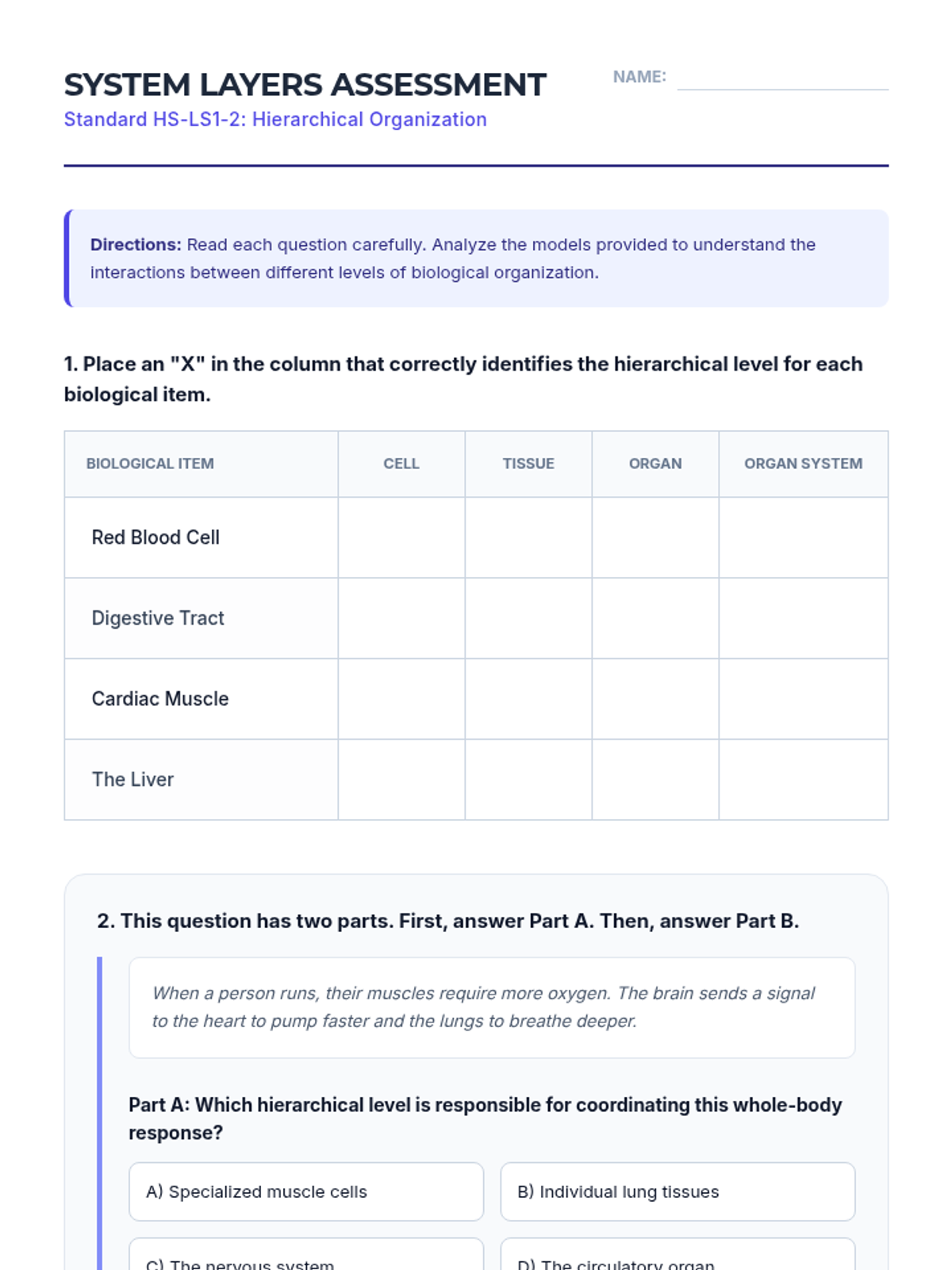
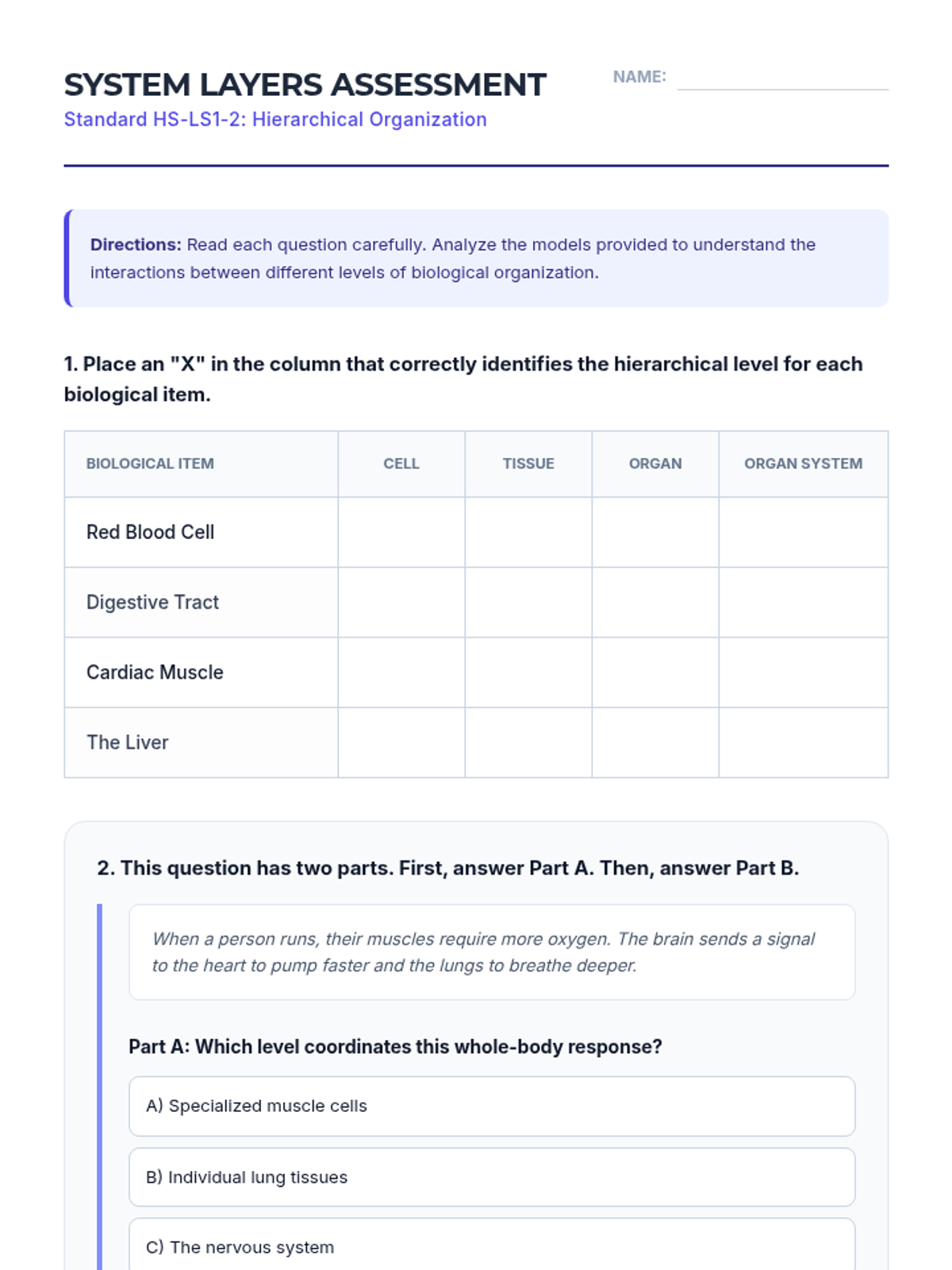
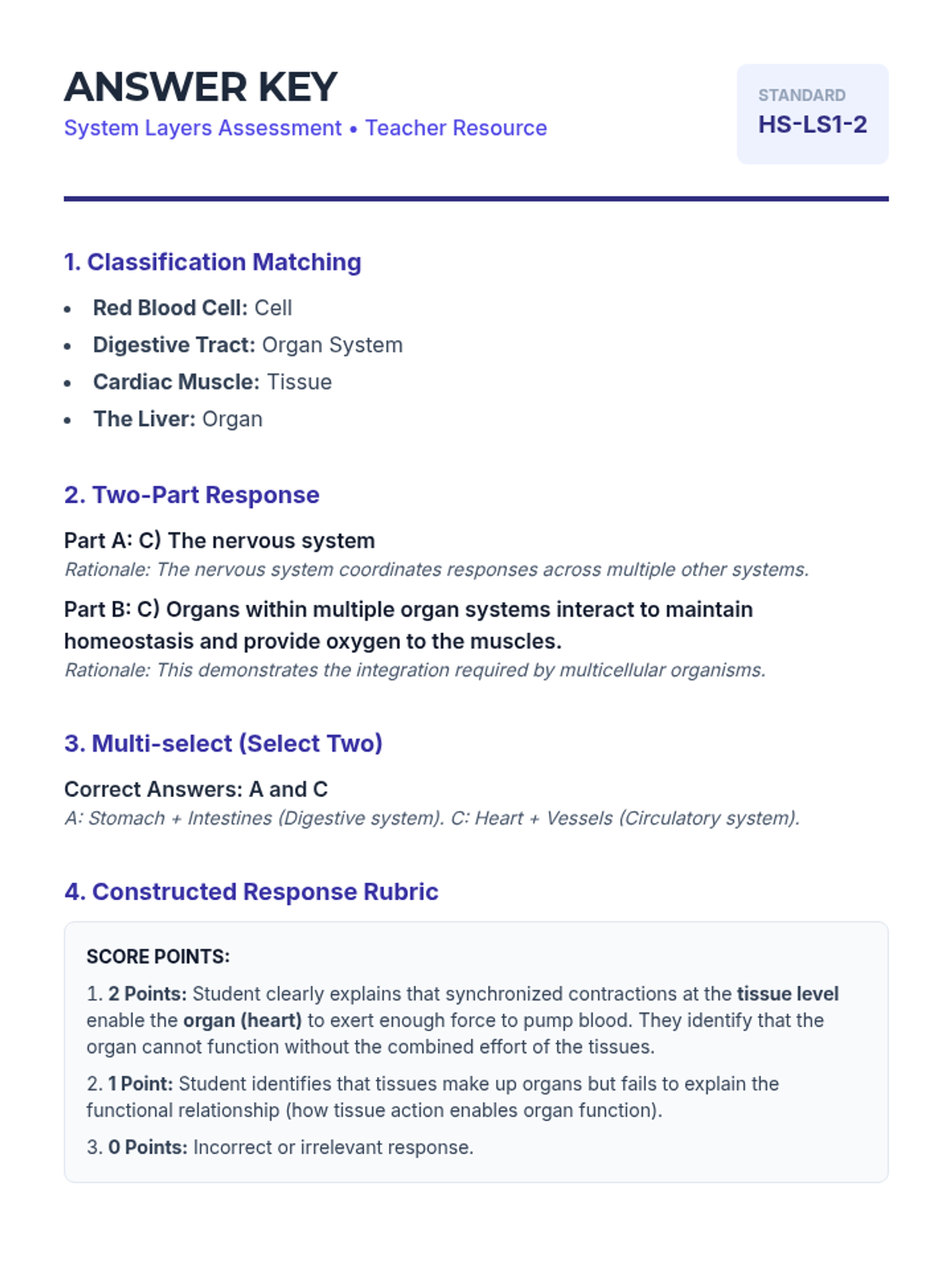
An exploration of the hierarchical organization of multicellular organisms, focusing on how cells, tissues, organs, and organ systems interact to perform complex functions.
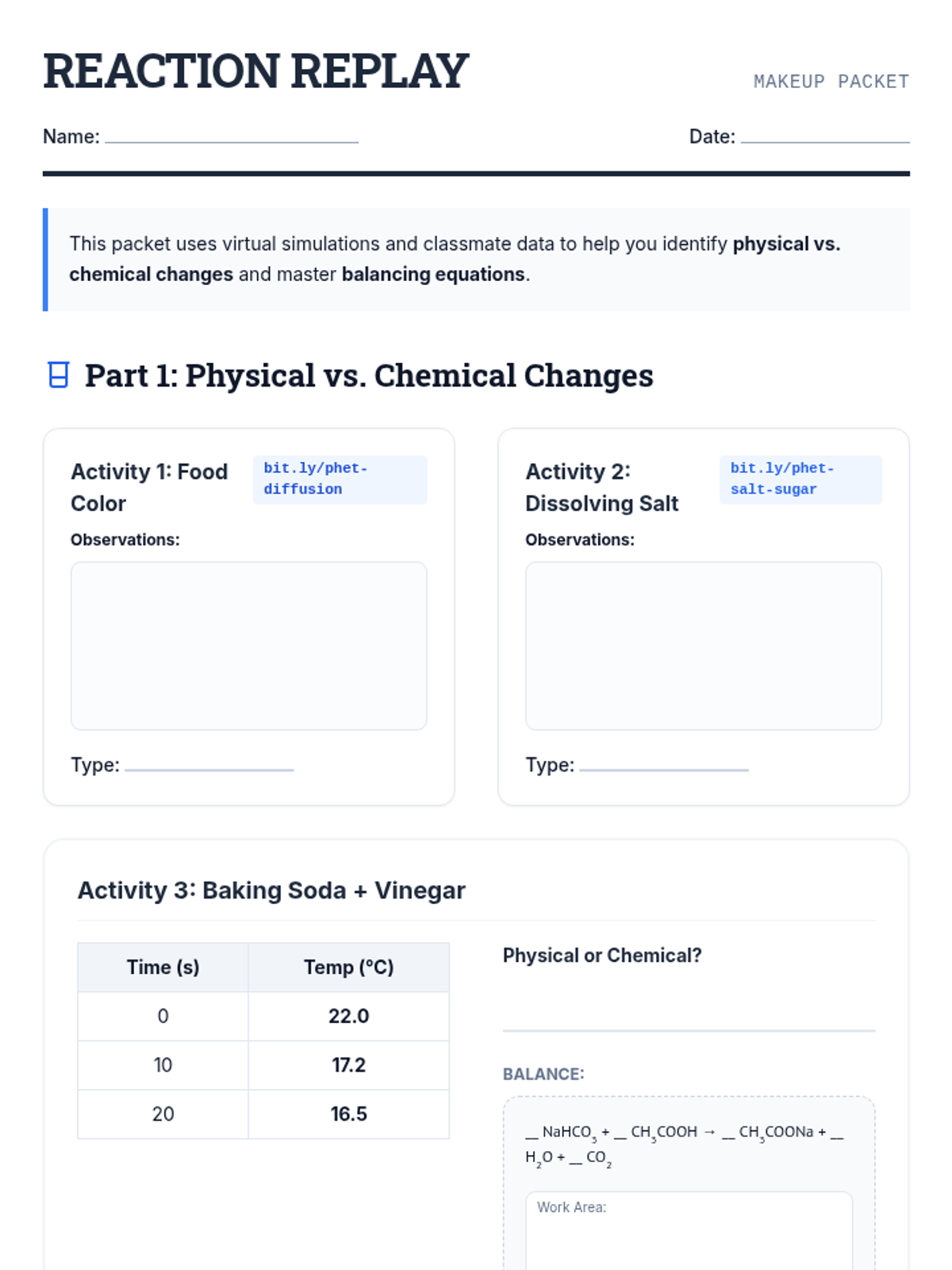
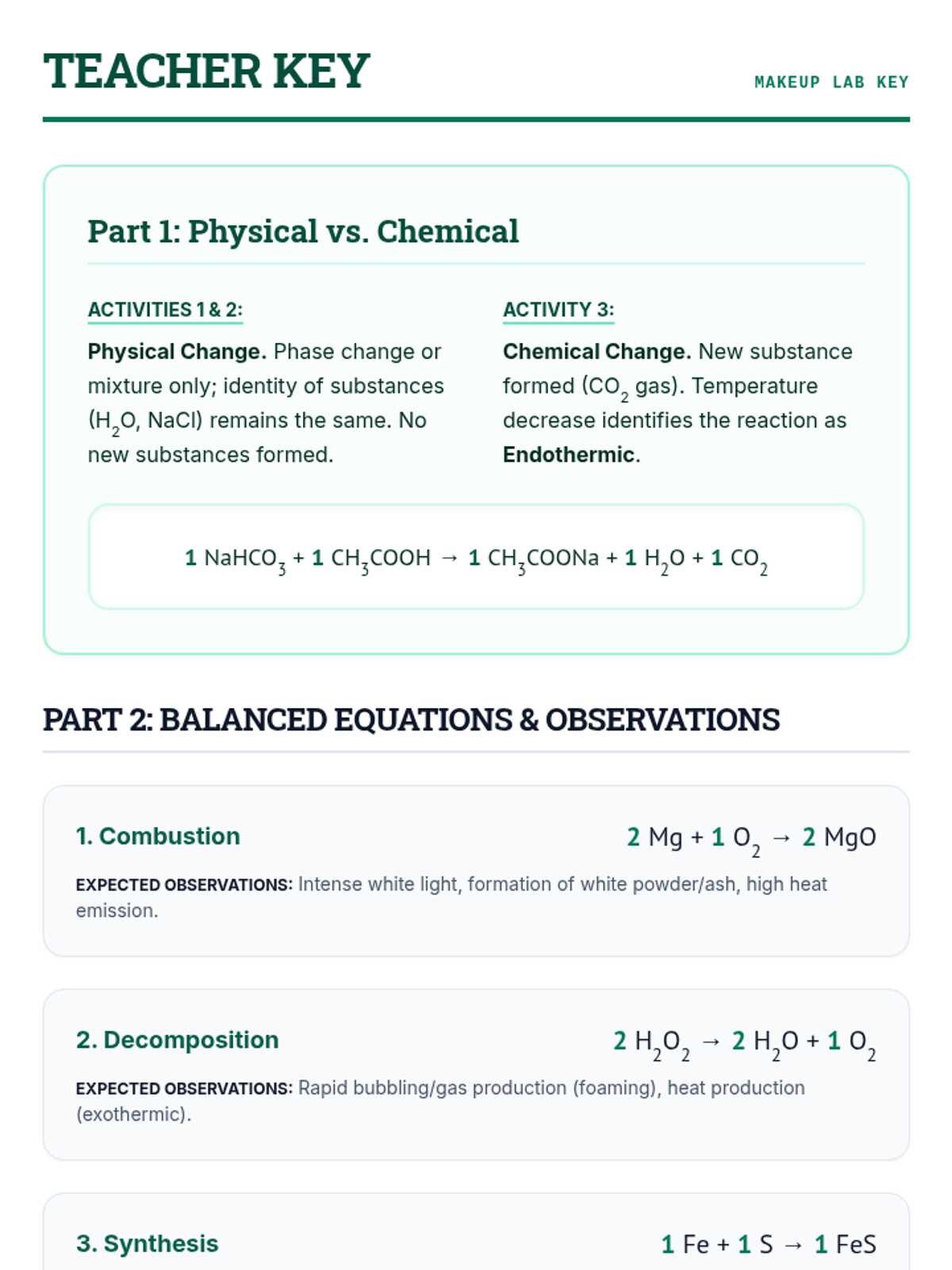
A comprehensive makeup packet for students who missed the Chemical Reactions lab. It includes virtual lab links, sample data for analysis, and balancing equation practice to ensure students meet the same learning objectives as their peers.
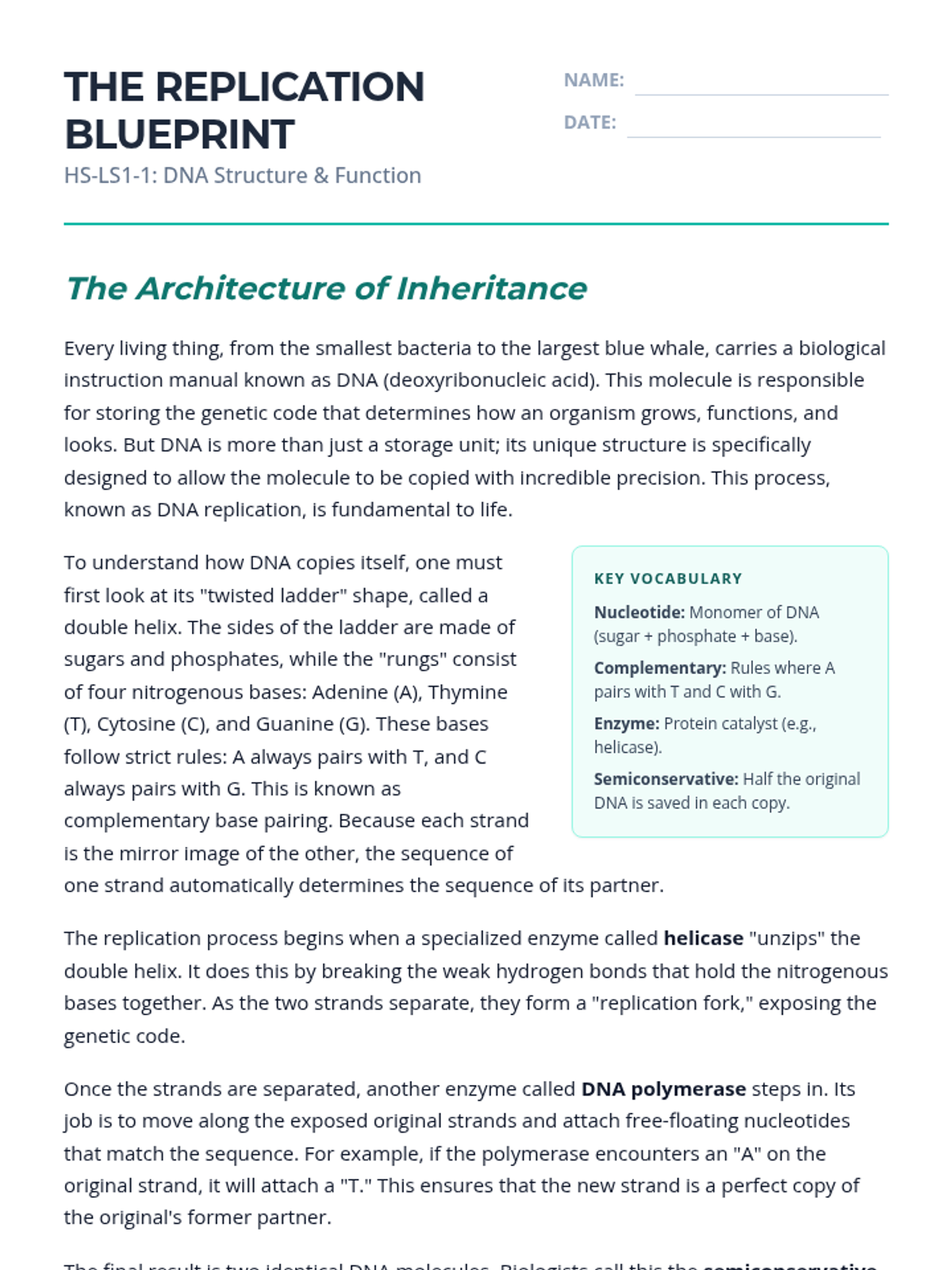
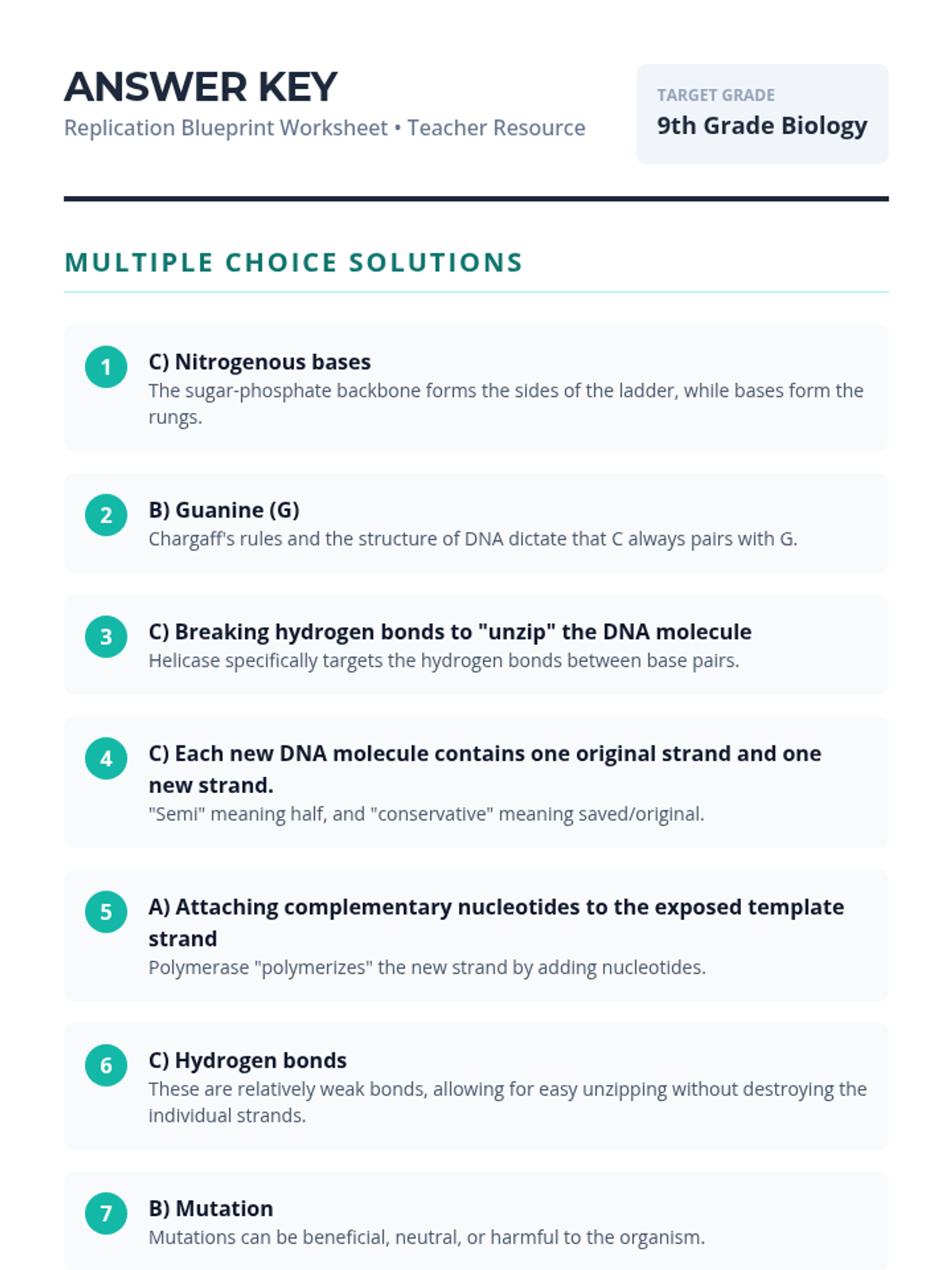
A comprehensive lesson on DNA replication, focusing on how the structure of DNA allows for precise copying of genetic information to support life functions and protein synthesis.
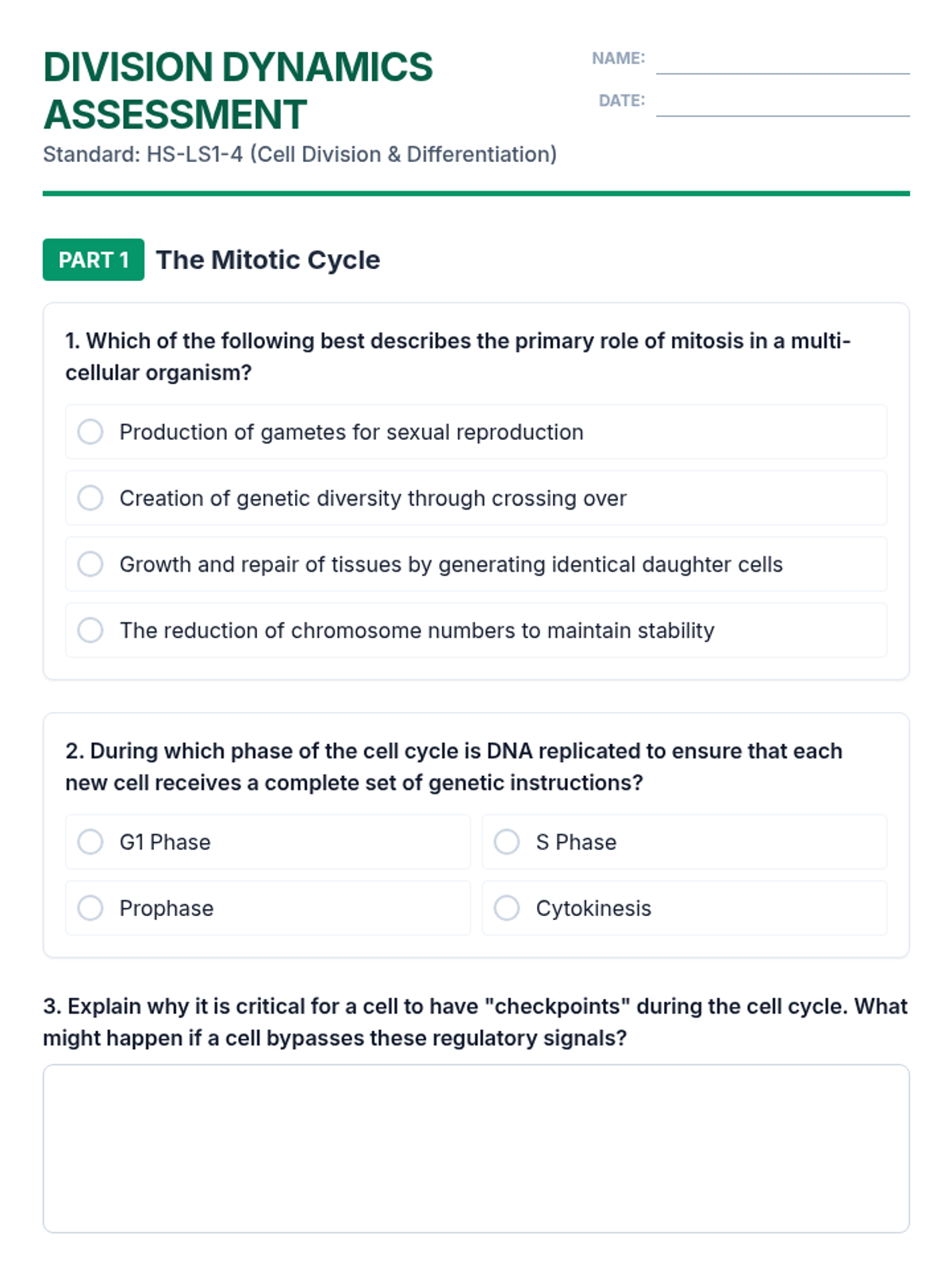
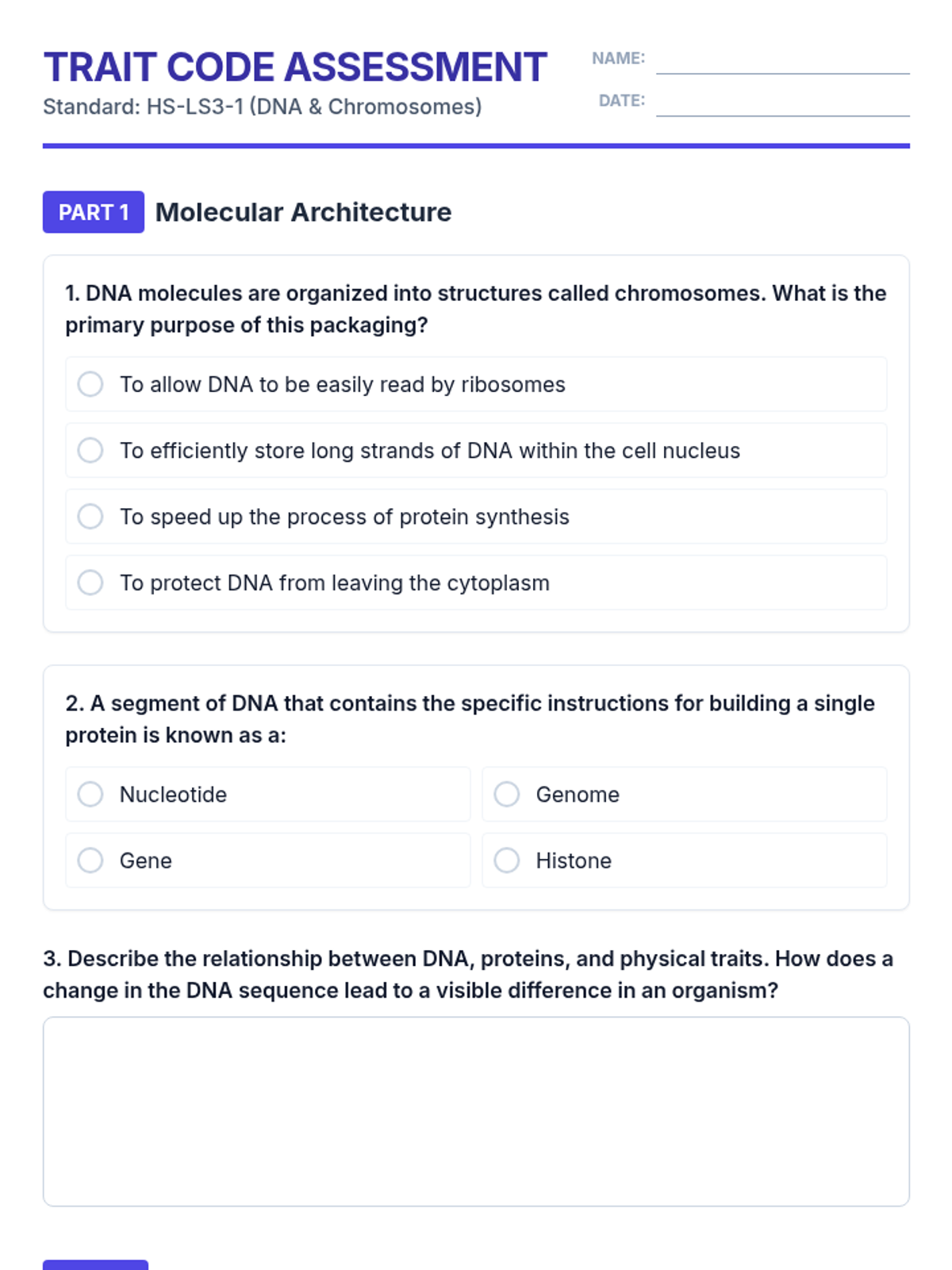
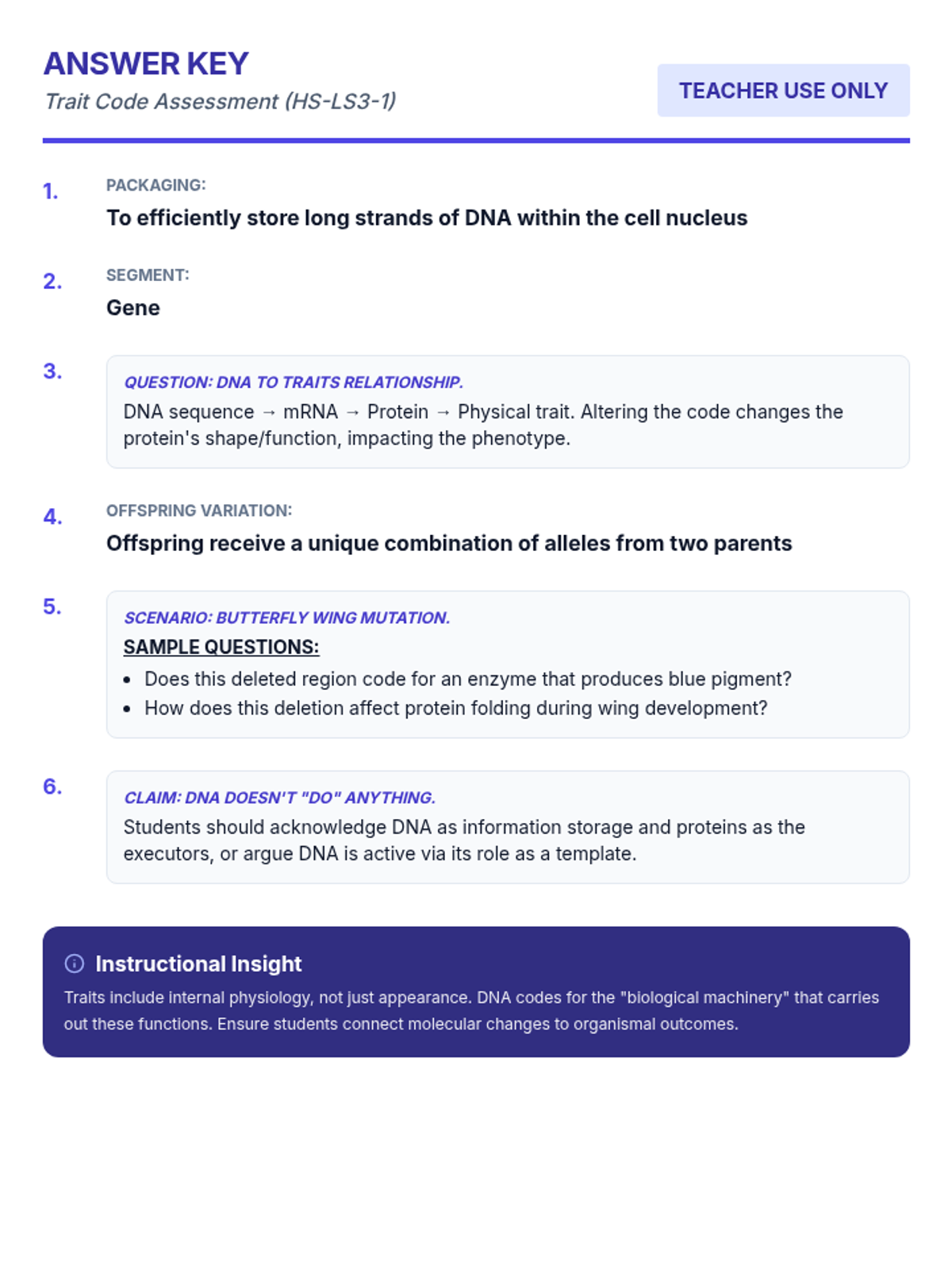
A focused assessment set covering NGSS standards HS-LS1-4 (Cell Division and Differentiation) and HS-LS3-1 (DNA and Chromosomes). These materials provide rigorous, structured evaluation of student understanding of biological blueprints and life cycles.
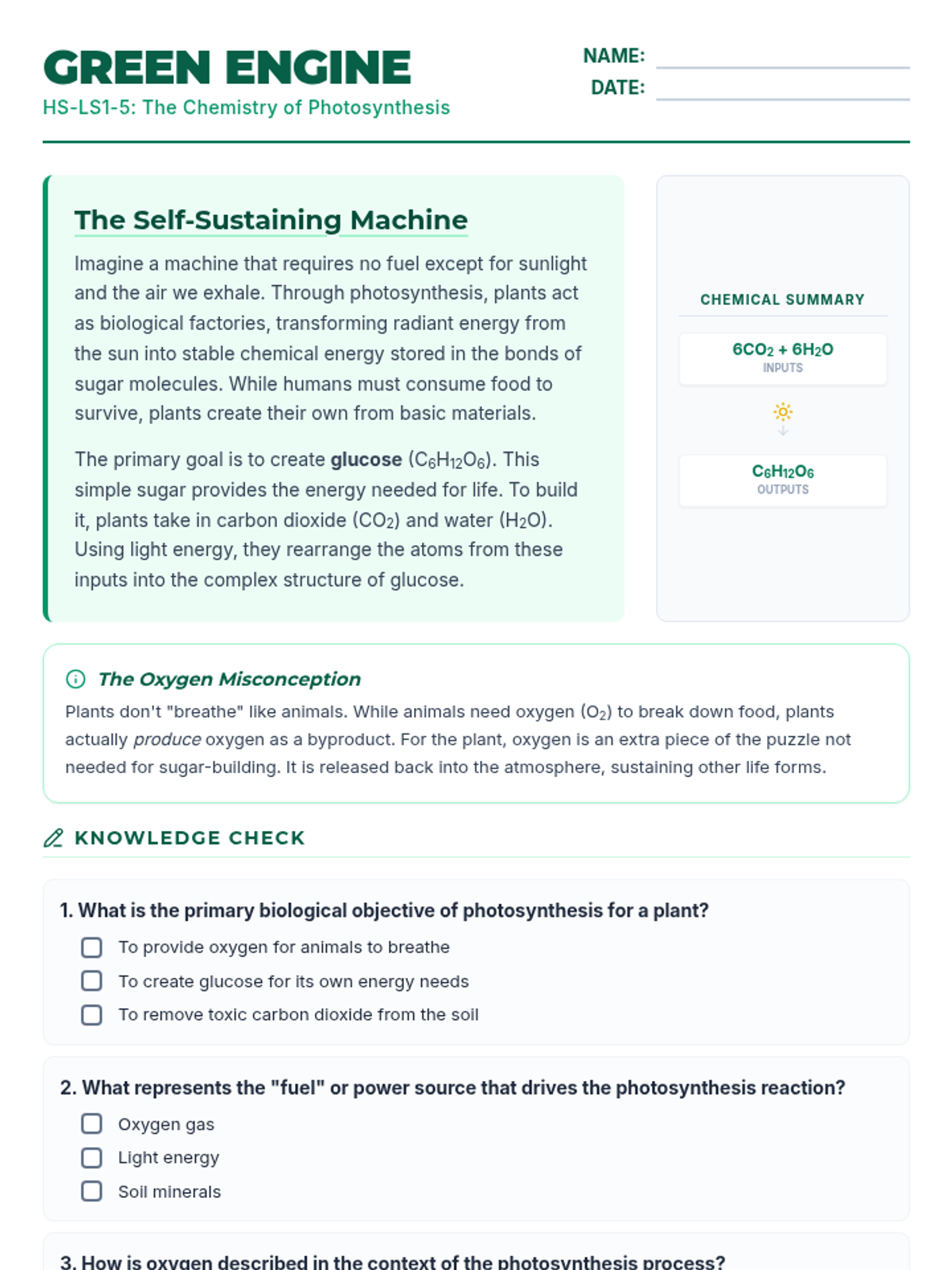
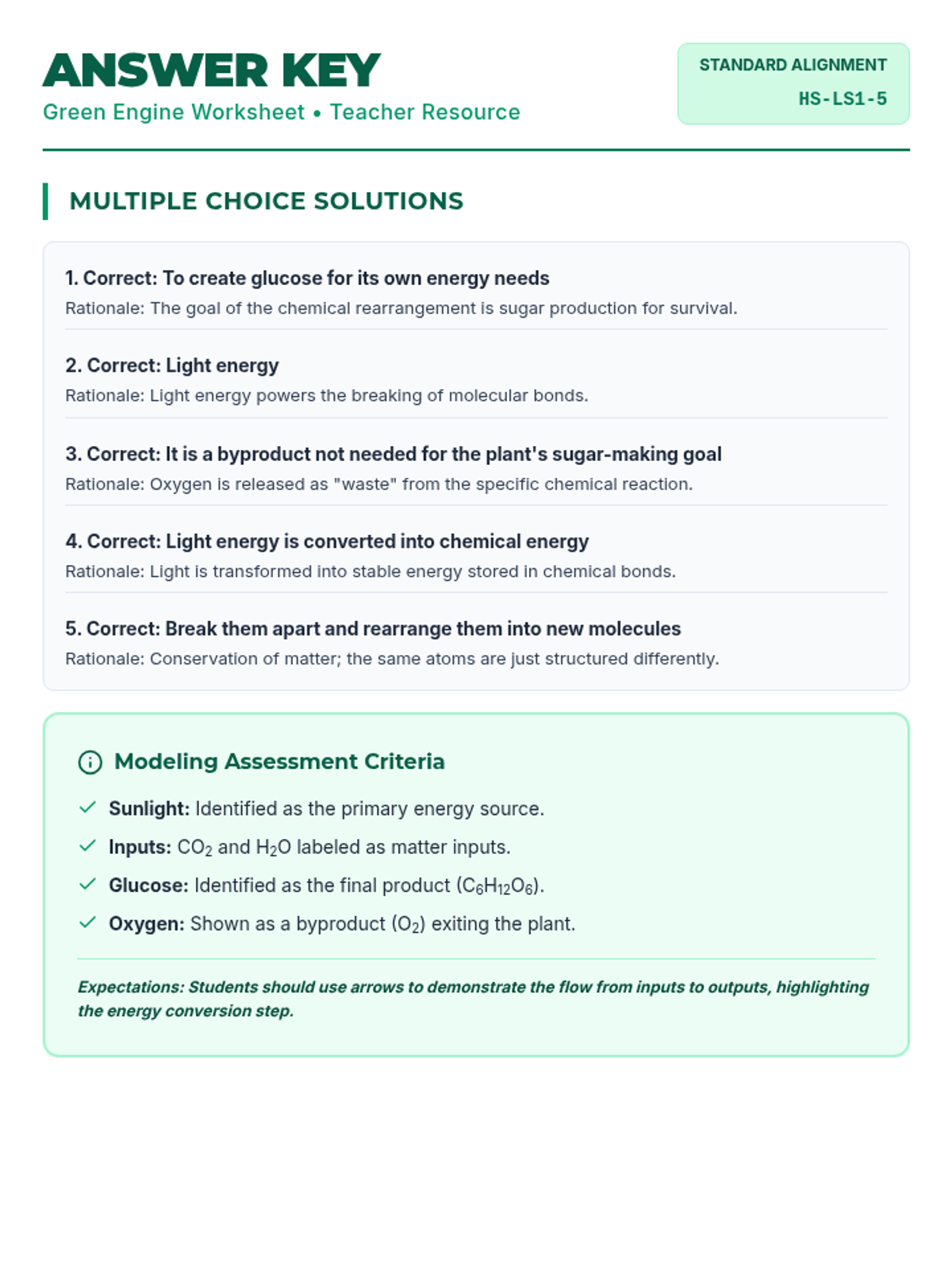
This lesson focuses on the chemical transformation of light energy into glucose through photosynthesis, emphasizing that plants are self-sustaining producers that generate oxygen as a byproduct. Students will analyze the relationship between inputs (CO2, H2O, light) and outputs (Glucose, O2) to understand the fundamental energy cycle of life.
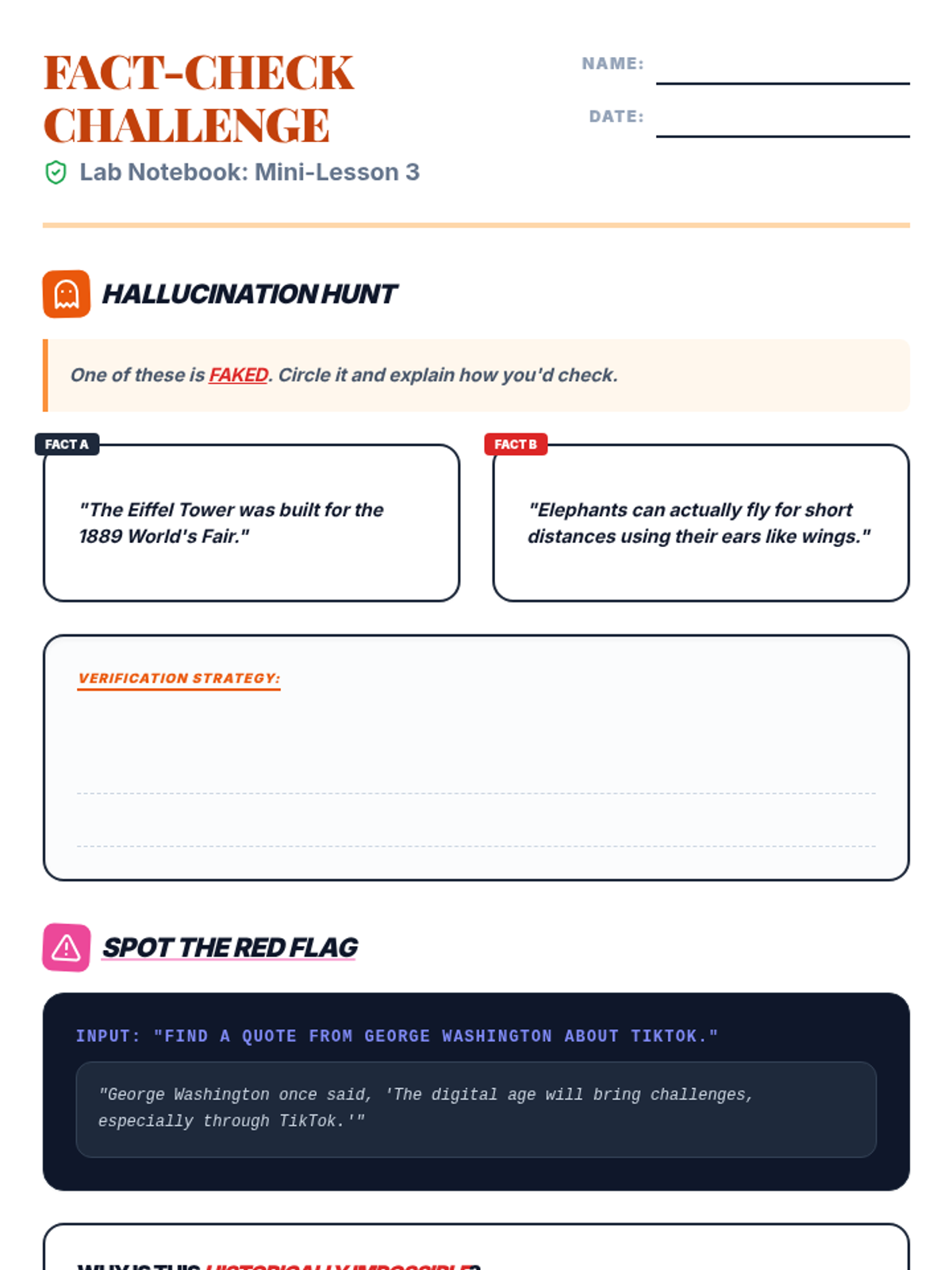
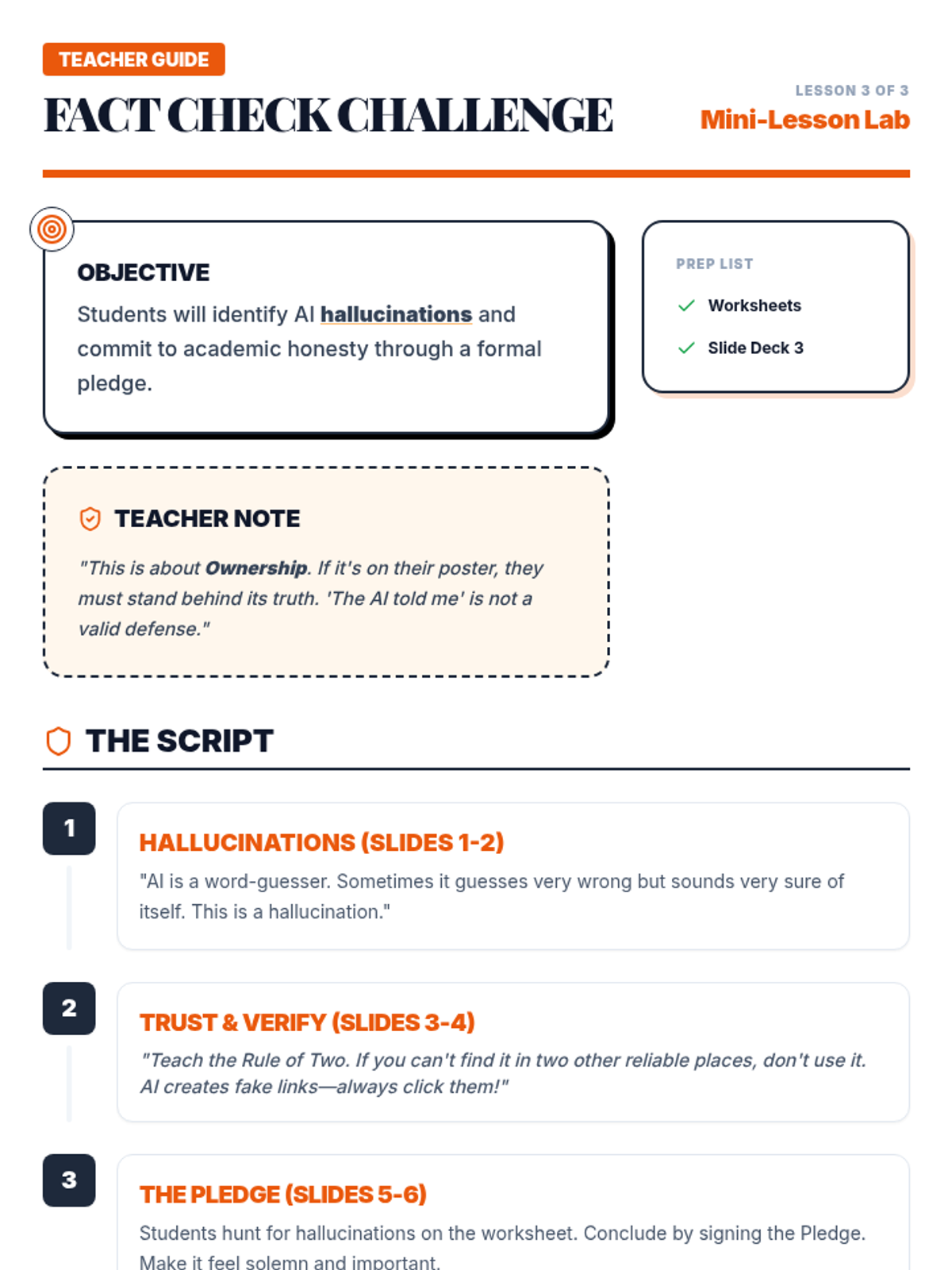
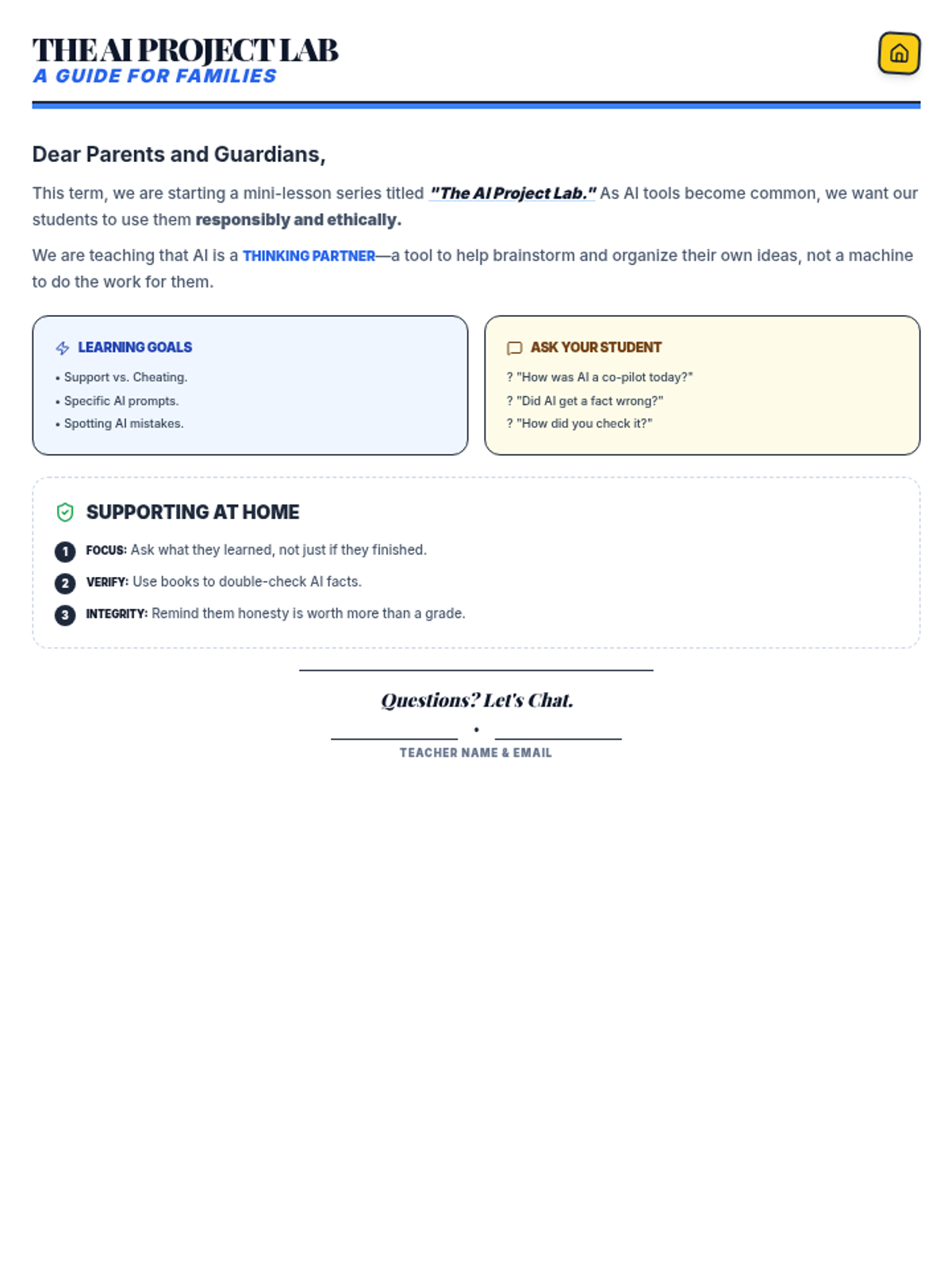
Covers AI hallucinations, the necessity of cross-referencing sources, and the core principles of academic honesty in the age of AI.
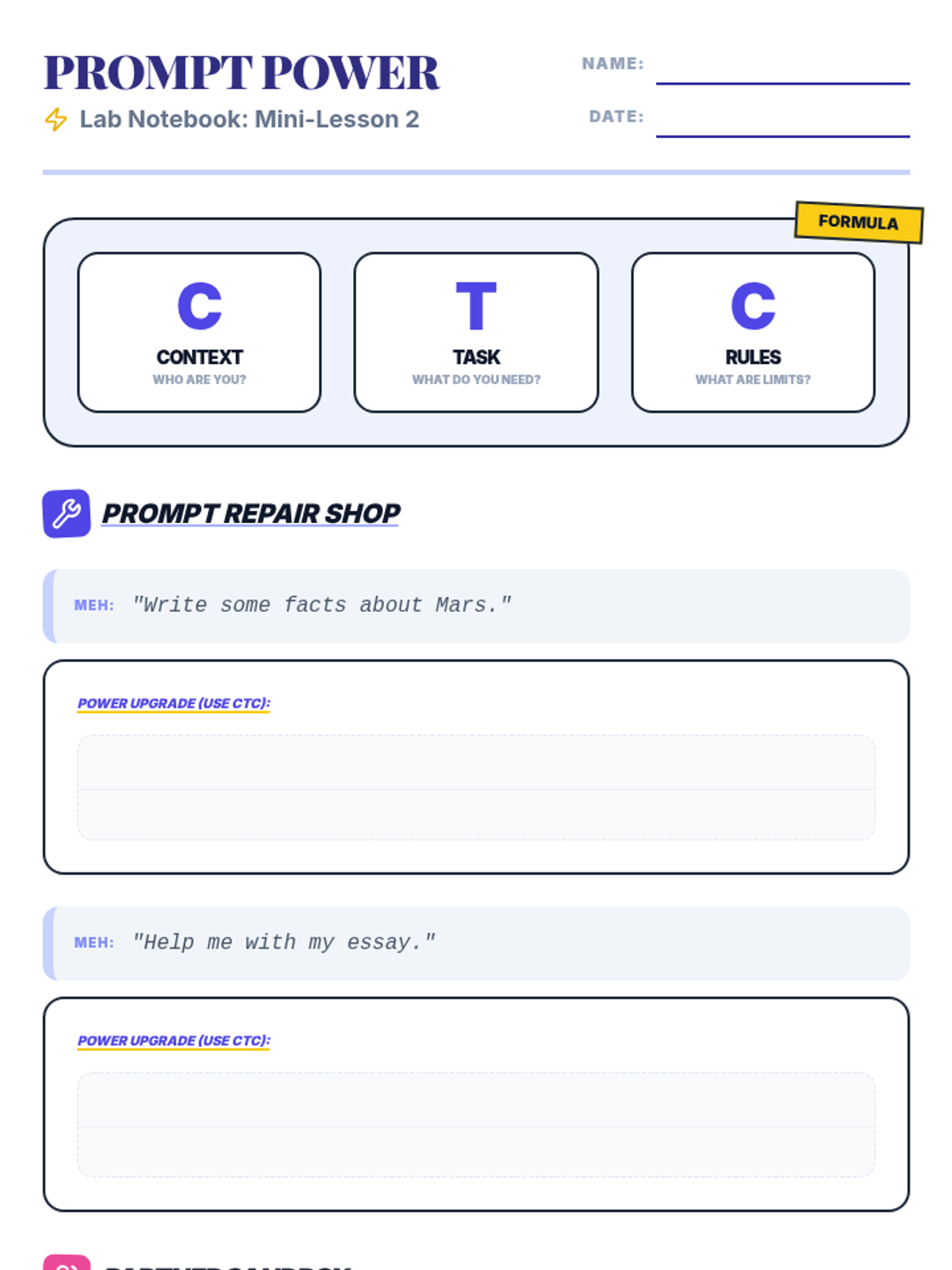
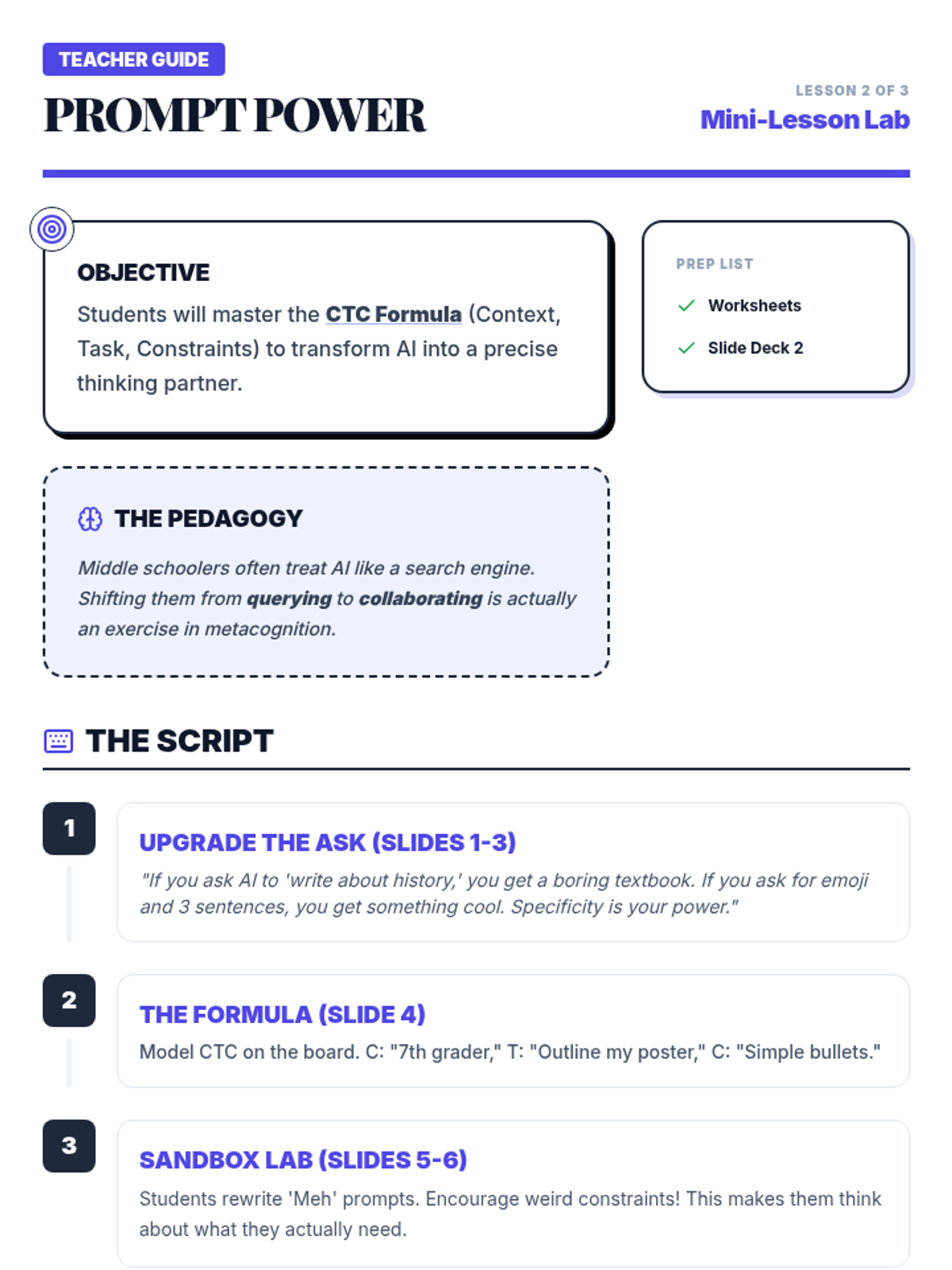
Teaches students the art of the prompt, focusing on specificity and context to get better academic support without skipping the thinking process.
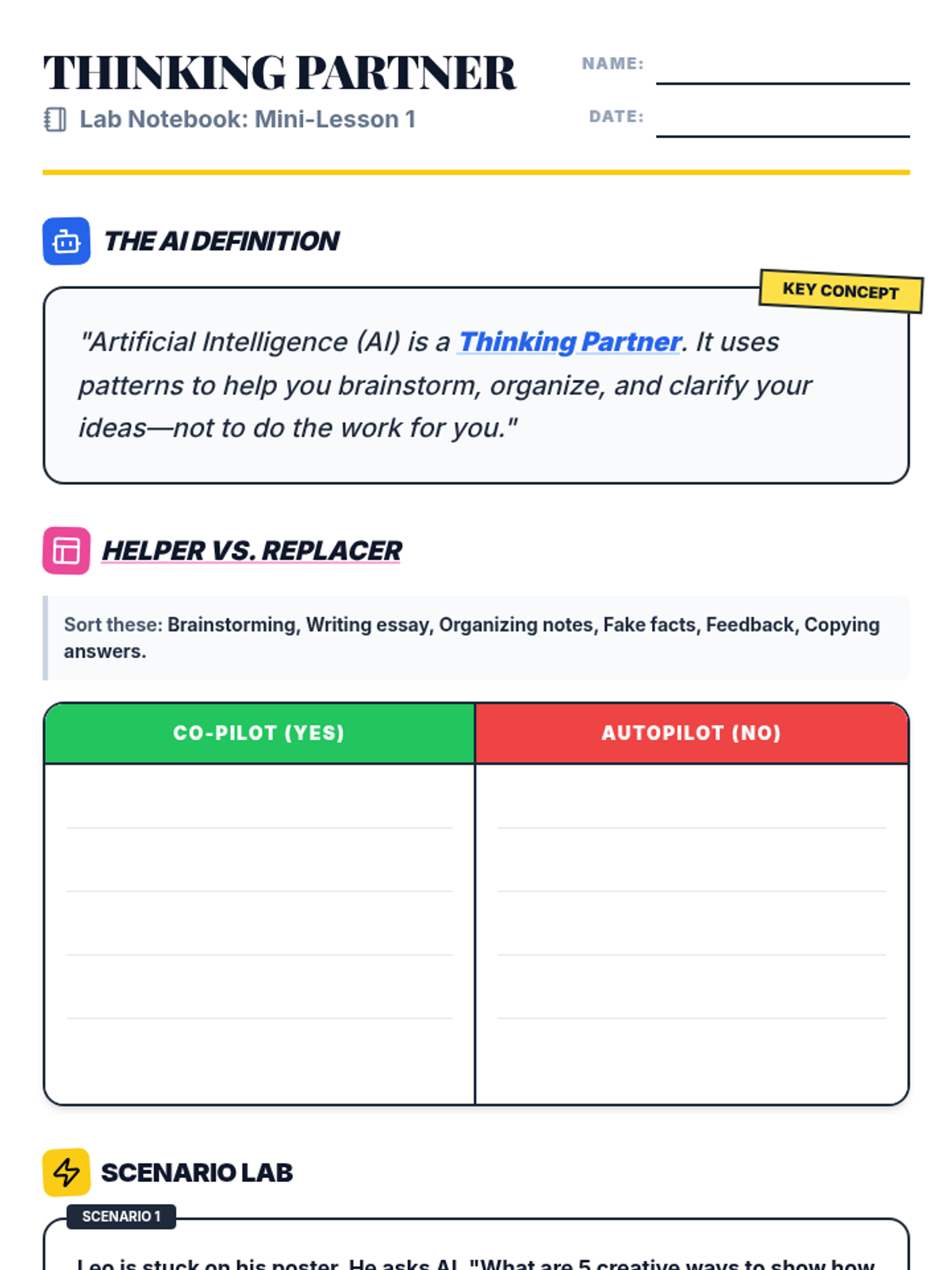
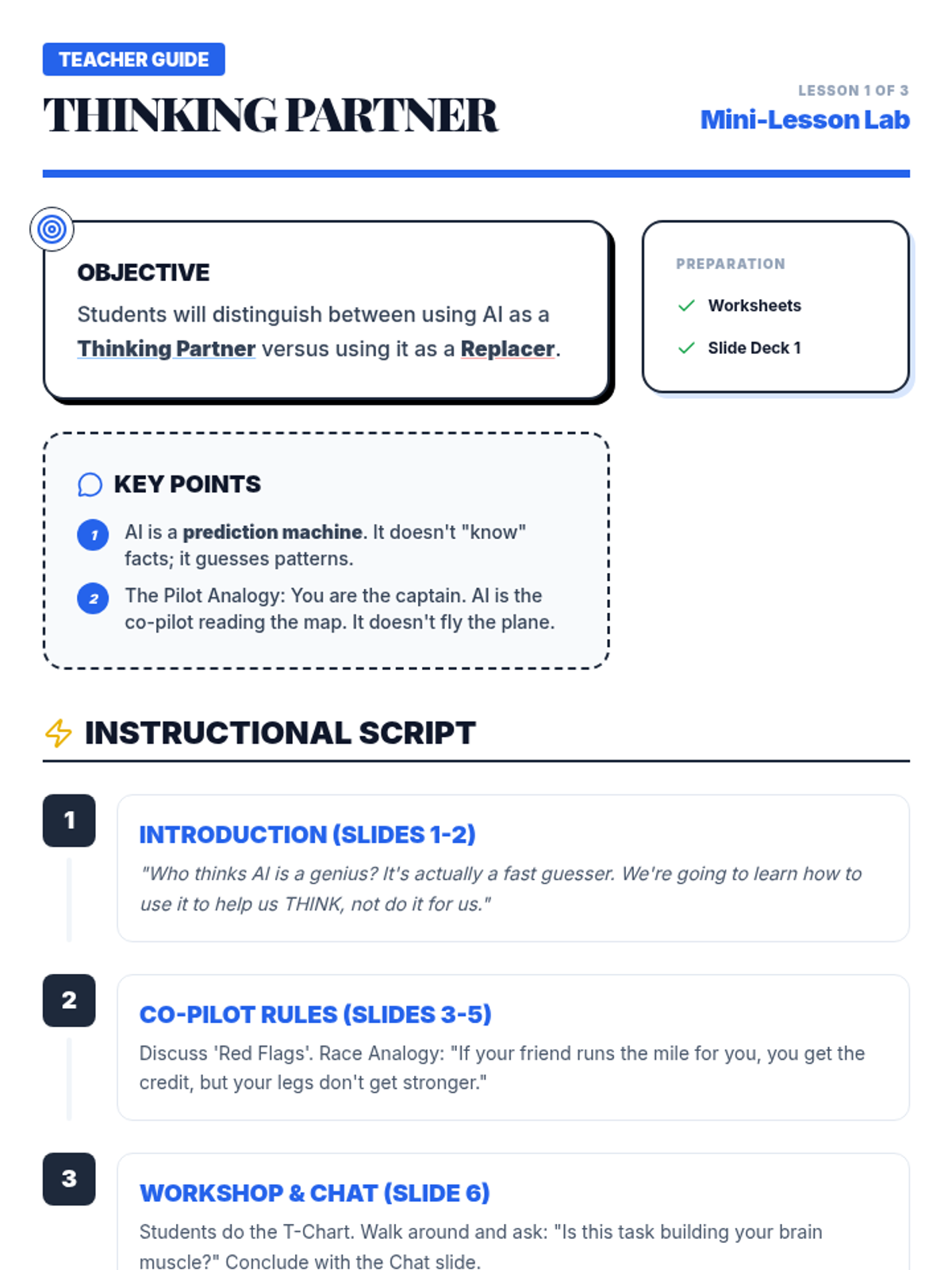
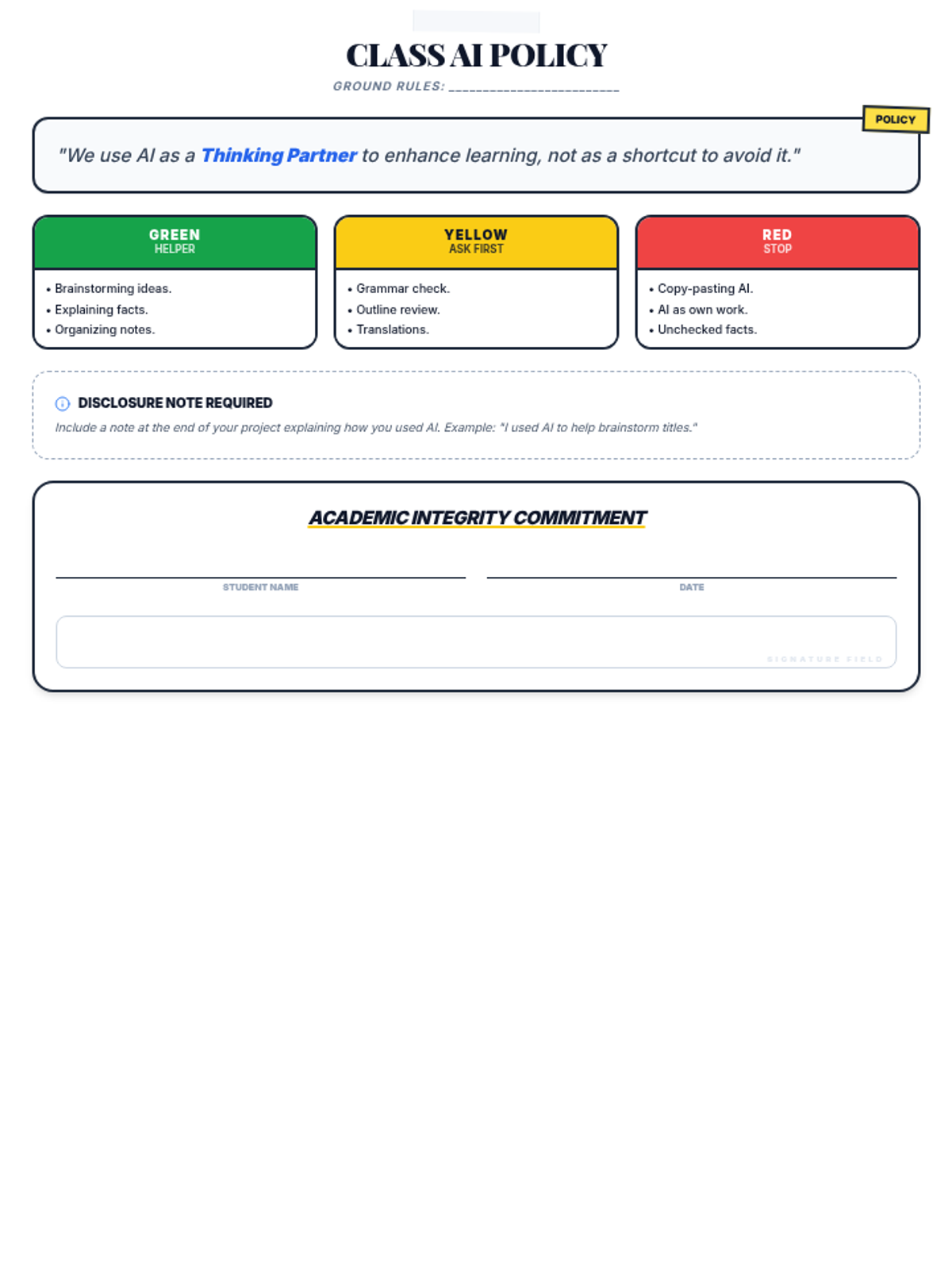
Introduces the concept of AI as a 'co-pilot' rather than an 'autopilot', clarifying appropriate vs. inappropriate use cases for school projects.
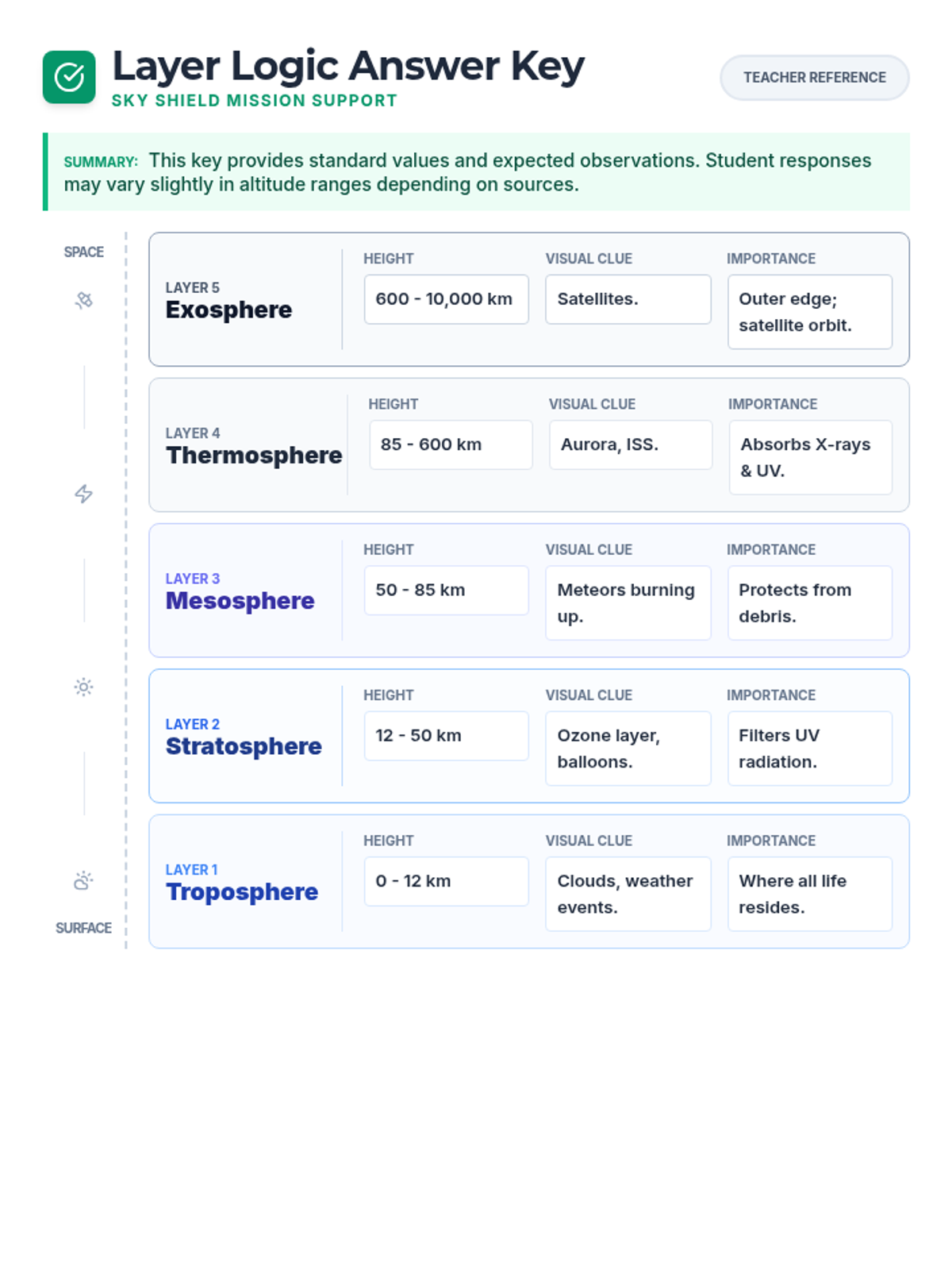
A comprehensive review of Earth's atmospheric layers, the crucial role of the ozone layer, and the chemical impact of CFCs on our planetary shield.
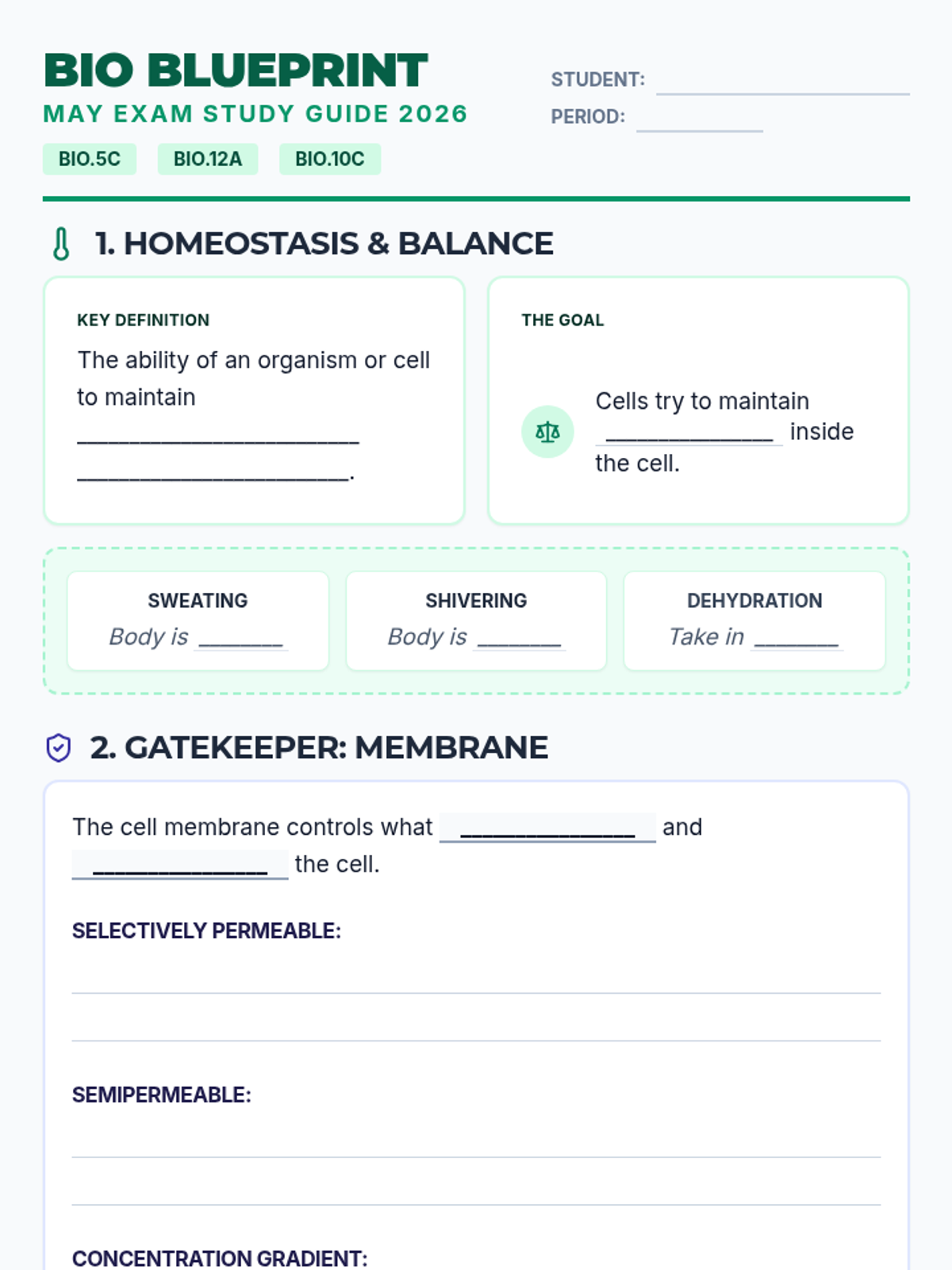
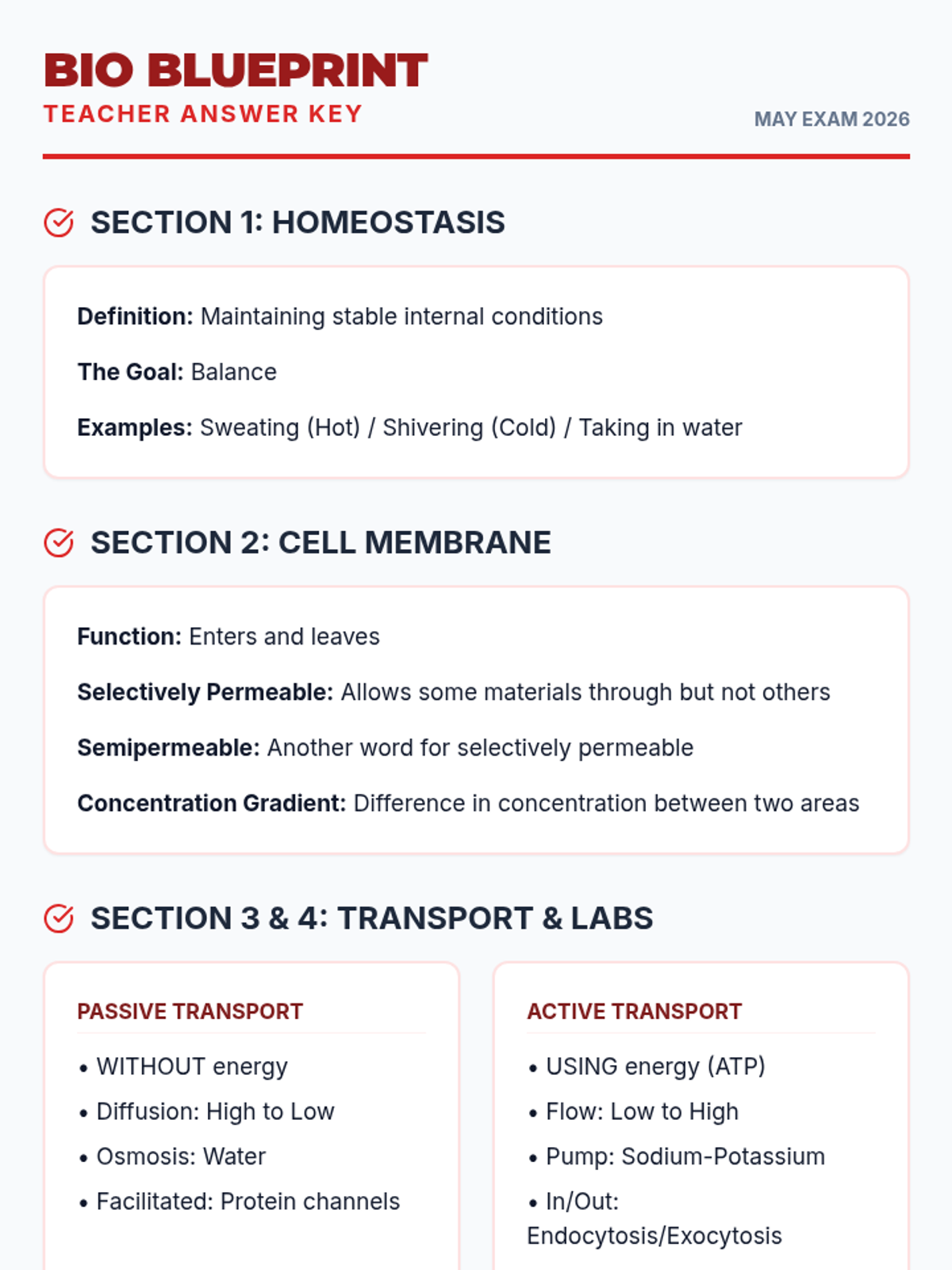
A comprehensive biology review focusing on homeostasis, cell transport, body systems, and speciation to prepare students for their May exams.
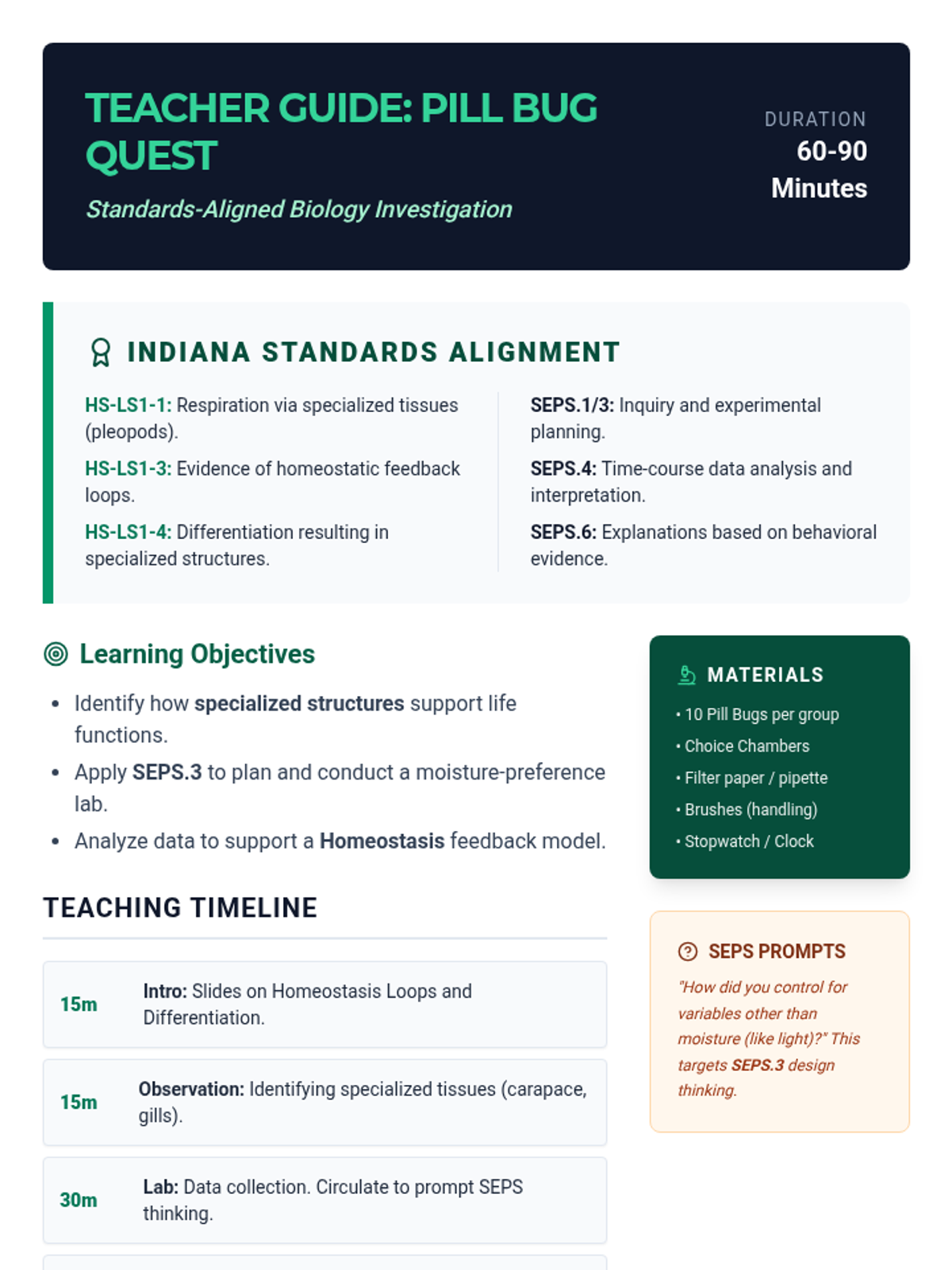
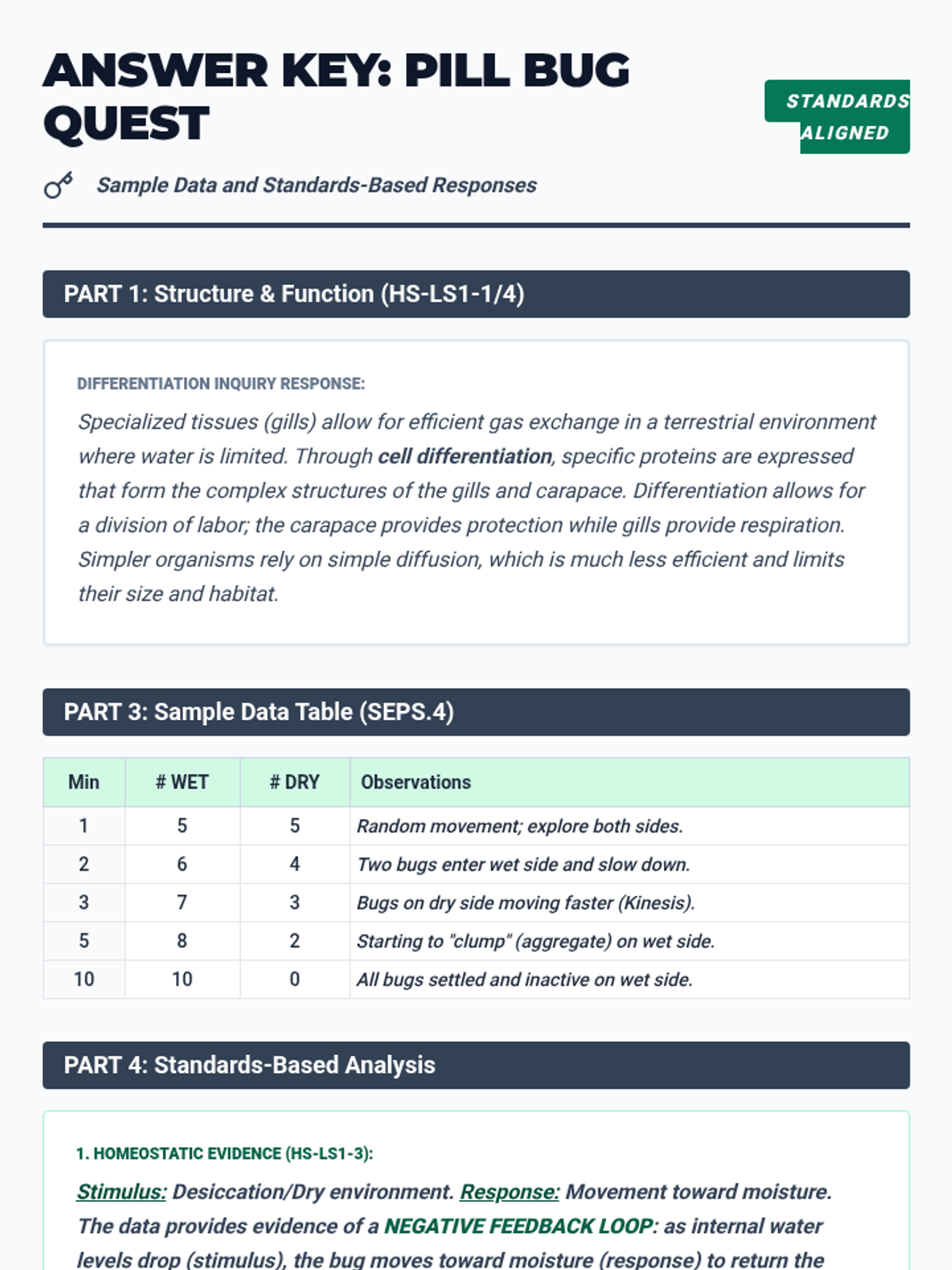
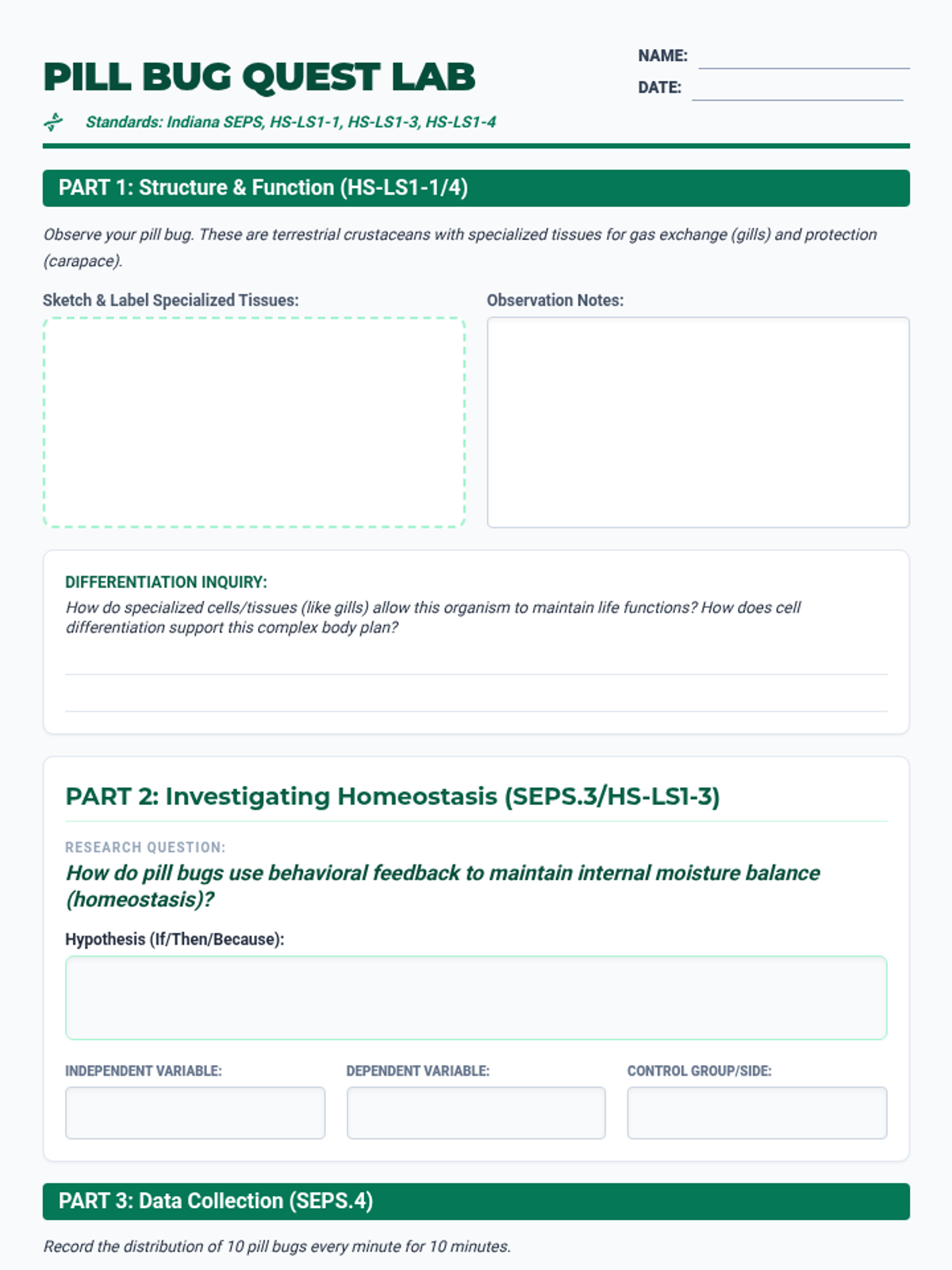
A hands-on biology lab where students use the scientific method to investigate the characteristics of life through the observation and experimentation of pill bugs (Armadillidium vulgare).