A lesson focusing on ecosystem vocabulary including producers, consumers, and energy flow through food chains and pyramids. Includes tiered materials for elementary and middle school levels.
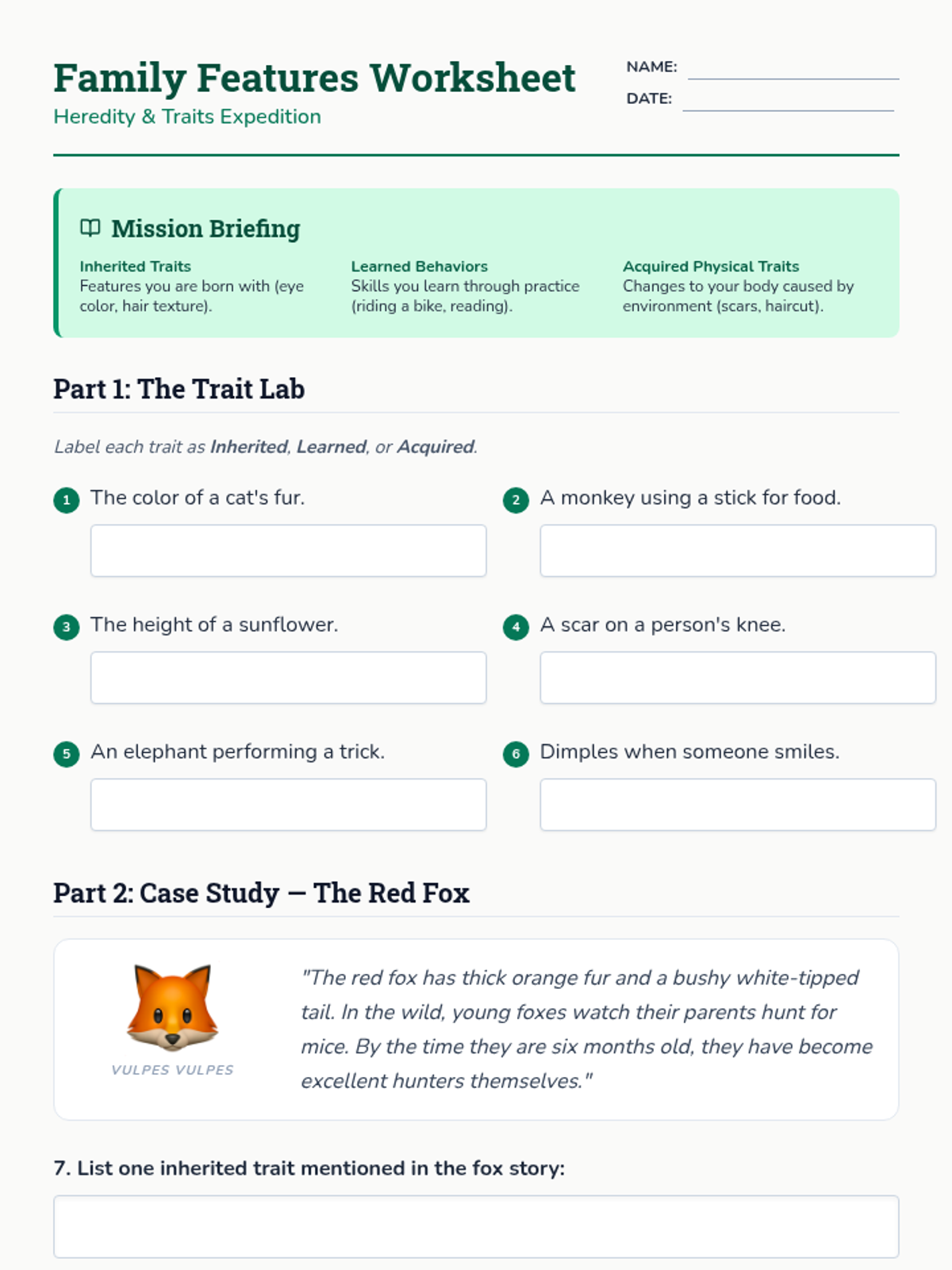
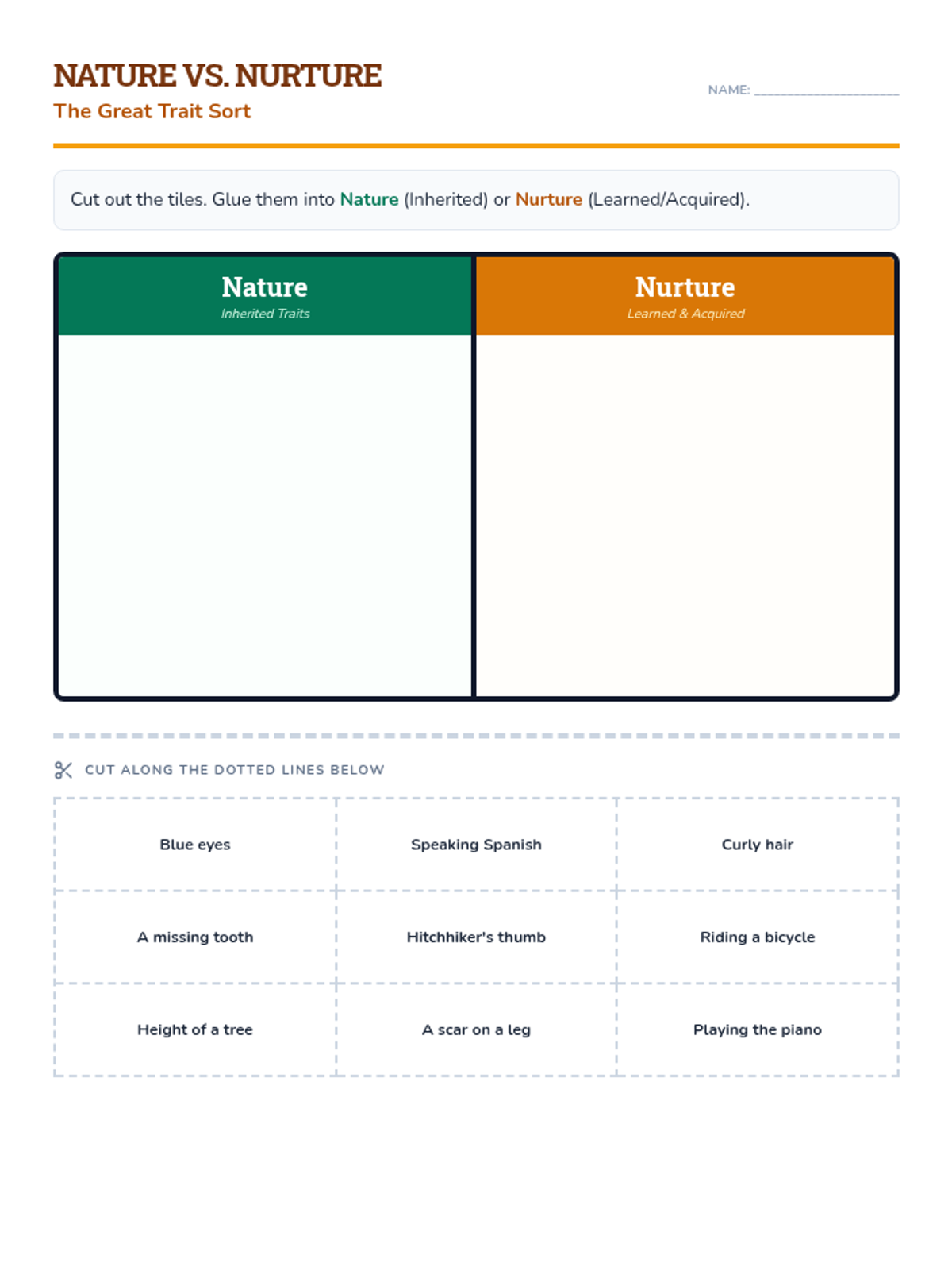
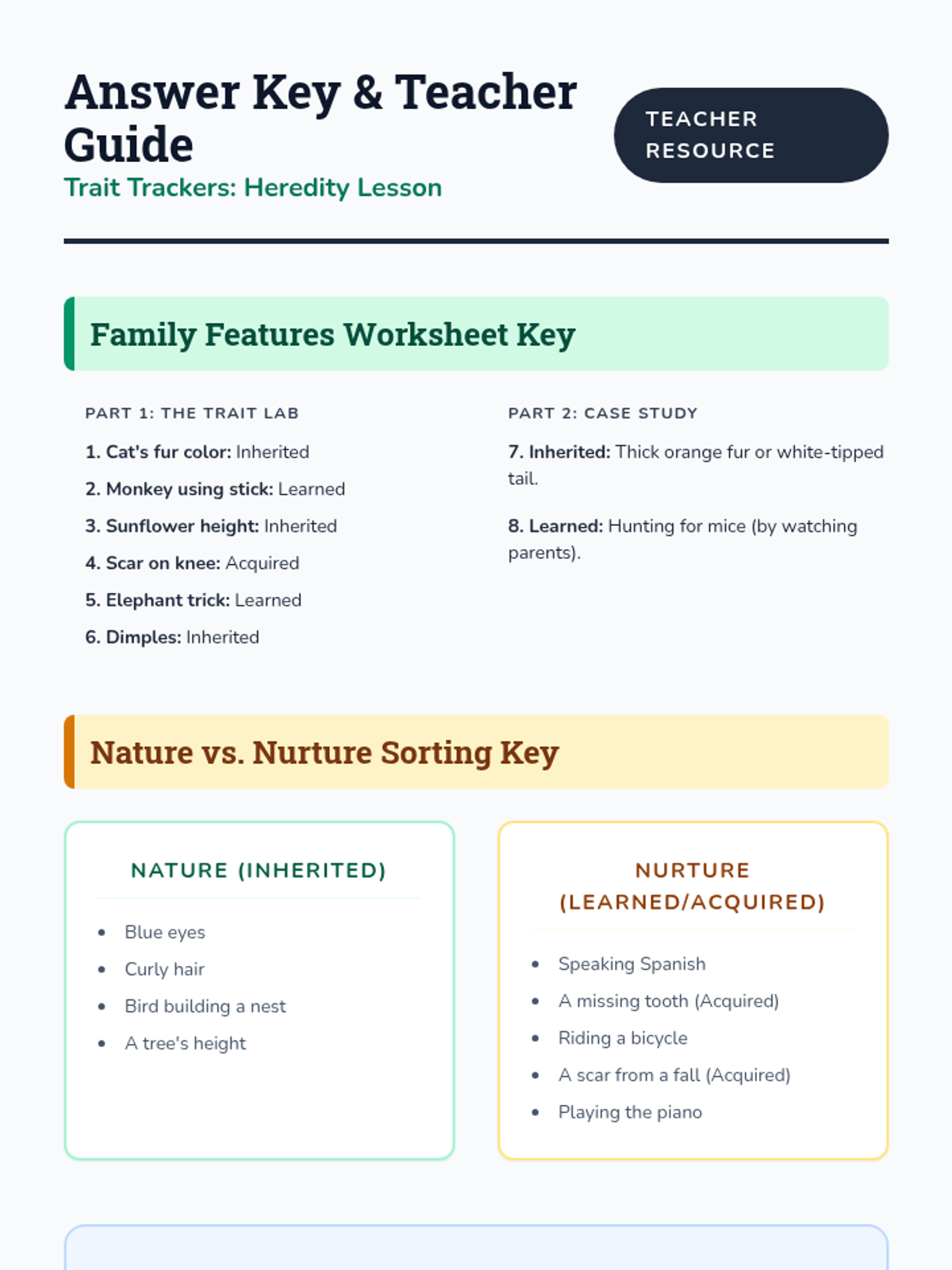
Students explore the fundamentals of heredity by distinguishing between inherited traits and learned behaviors. This lesson uses real-world examples from the plant and animal kingdoms to illustrate how traits are passed down through generations.
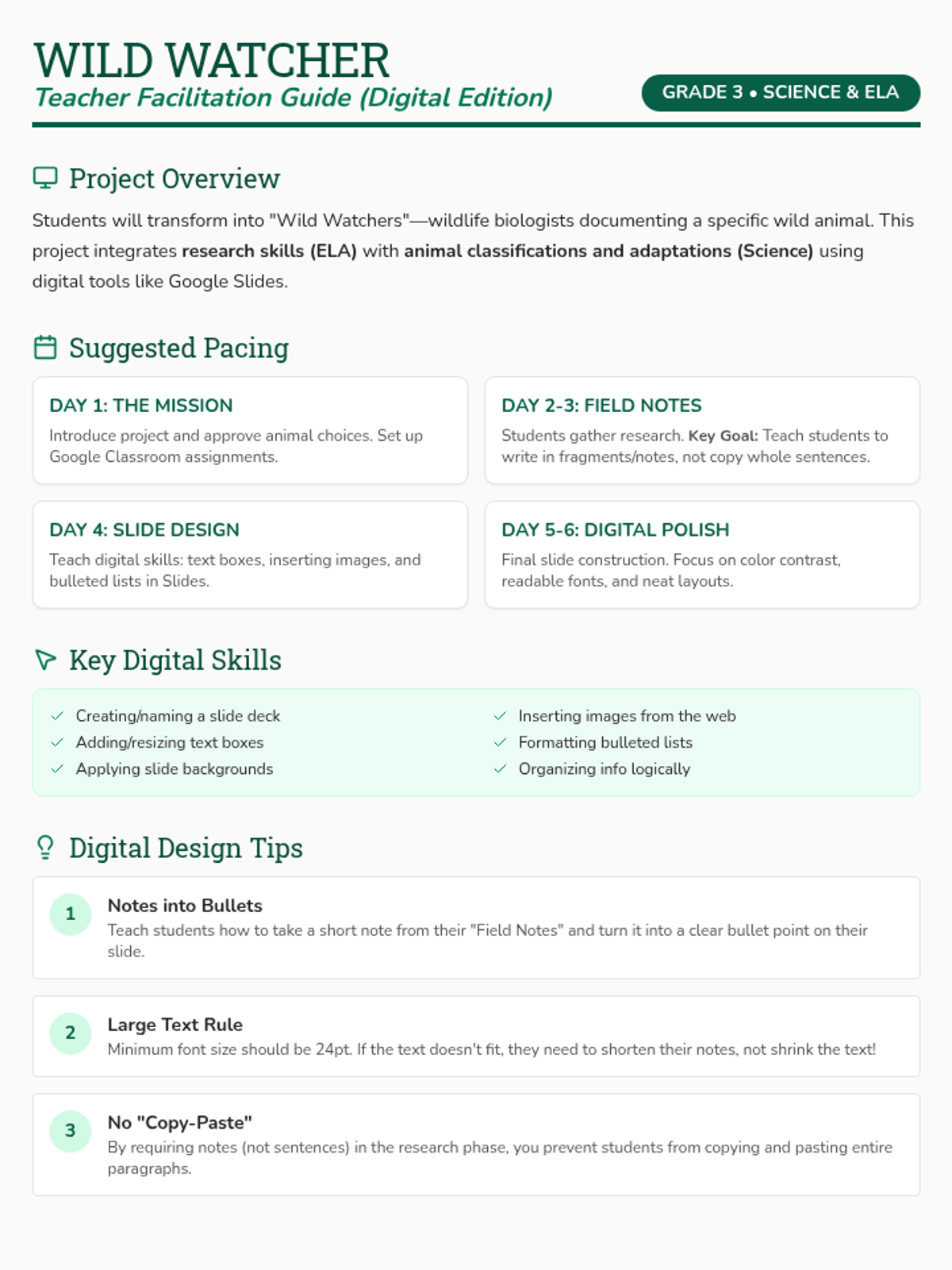
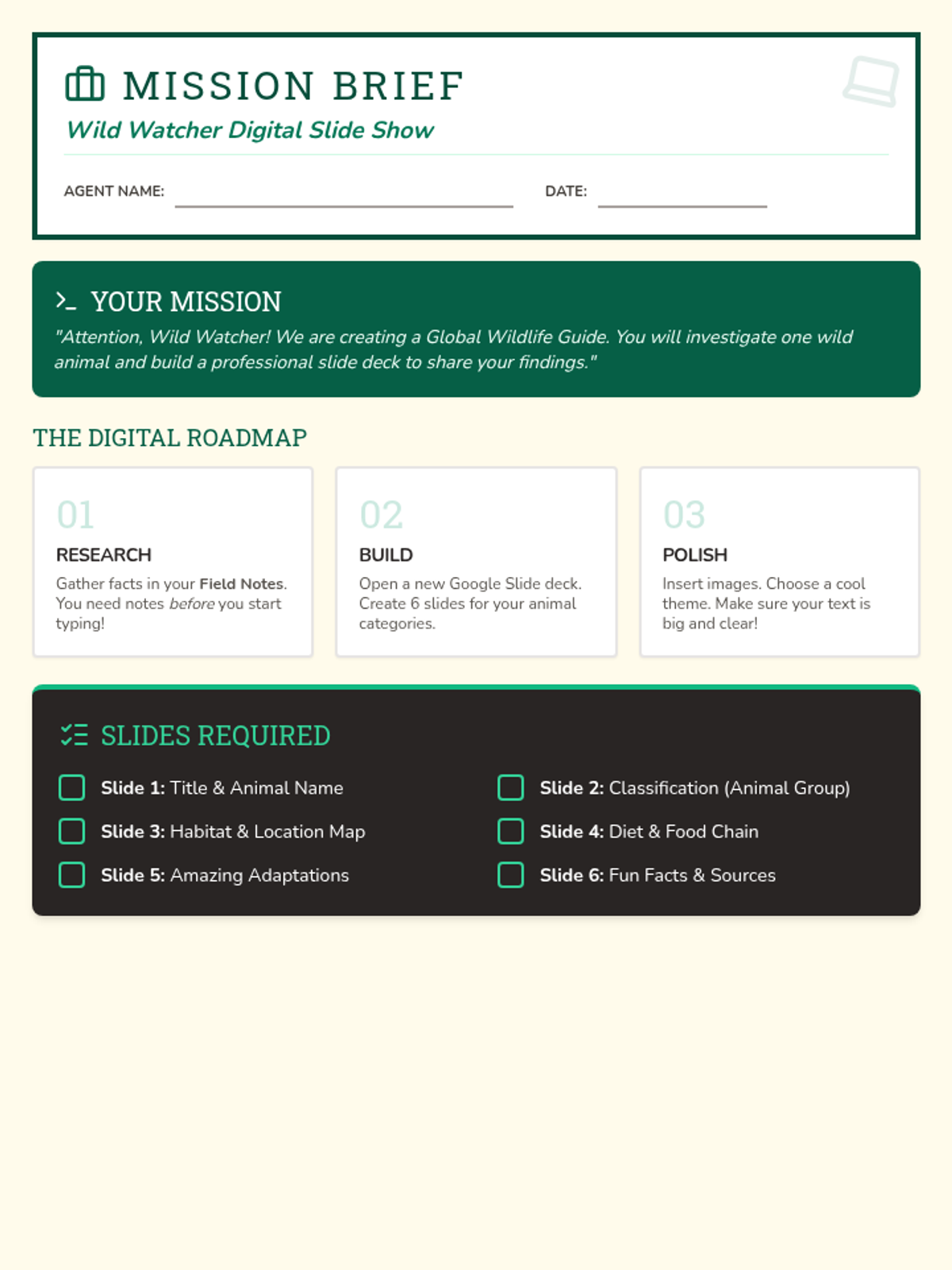
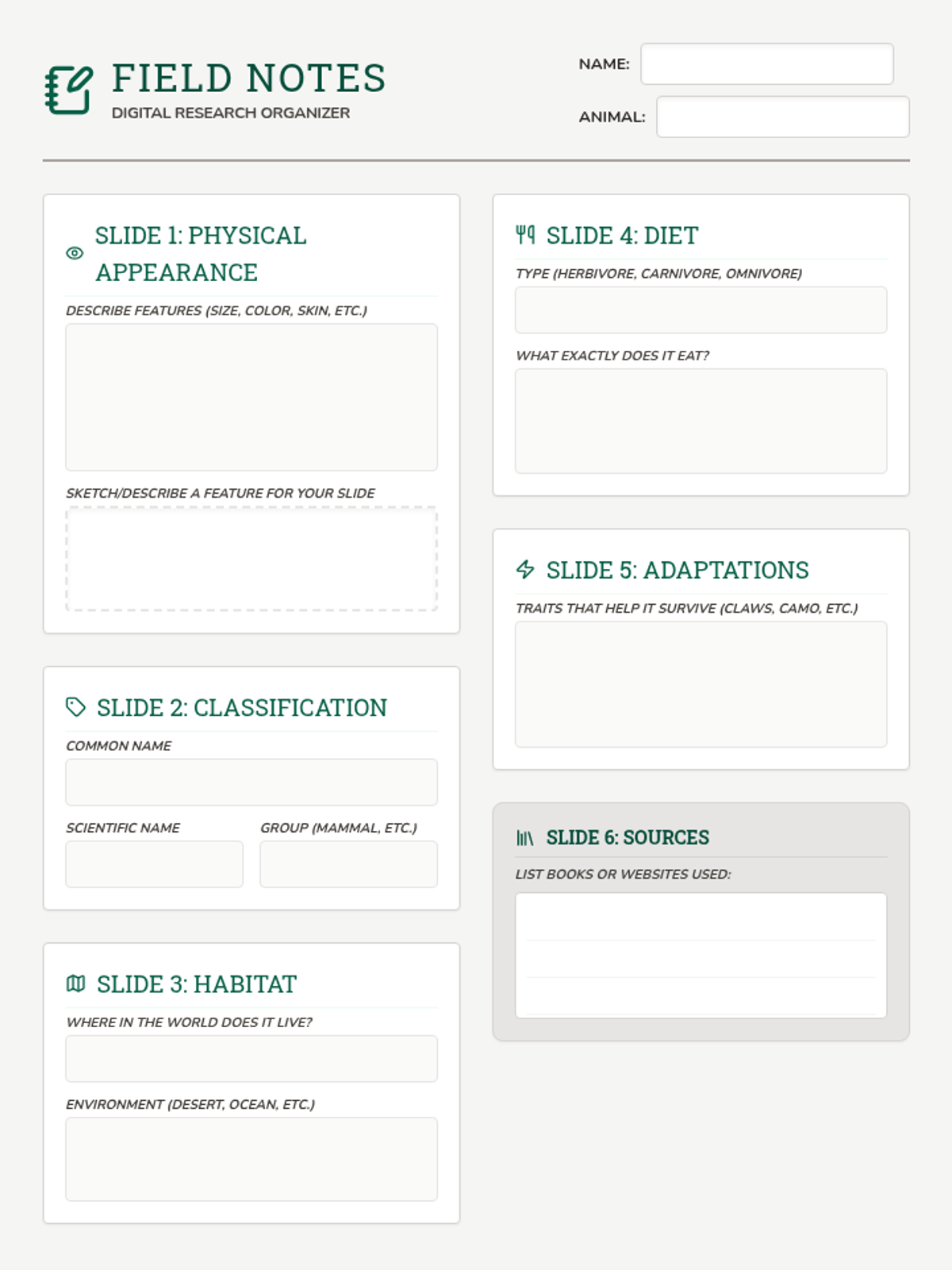
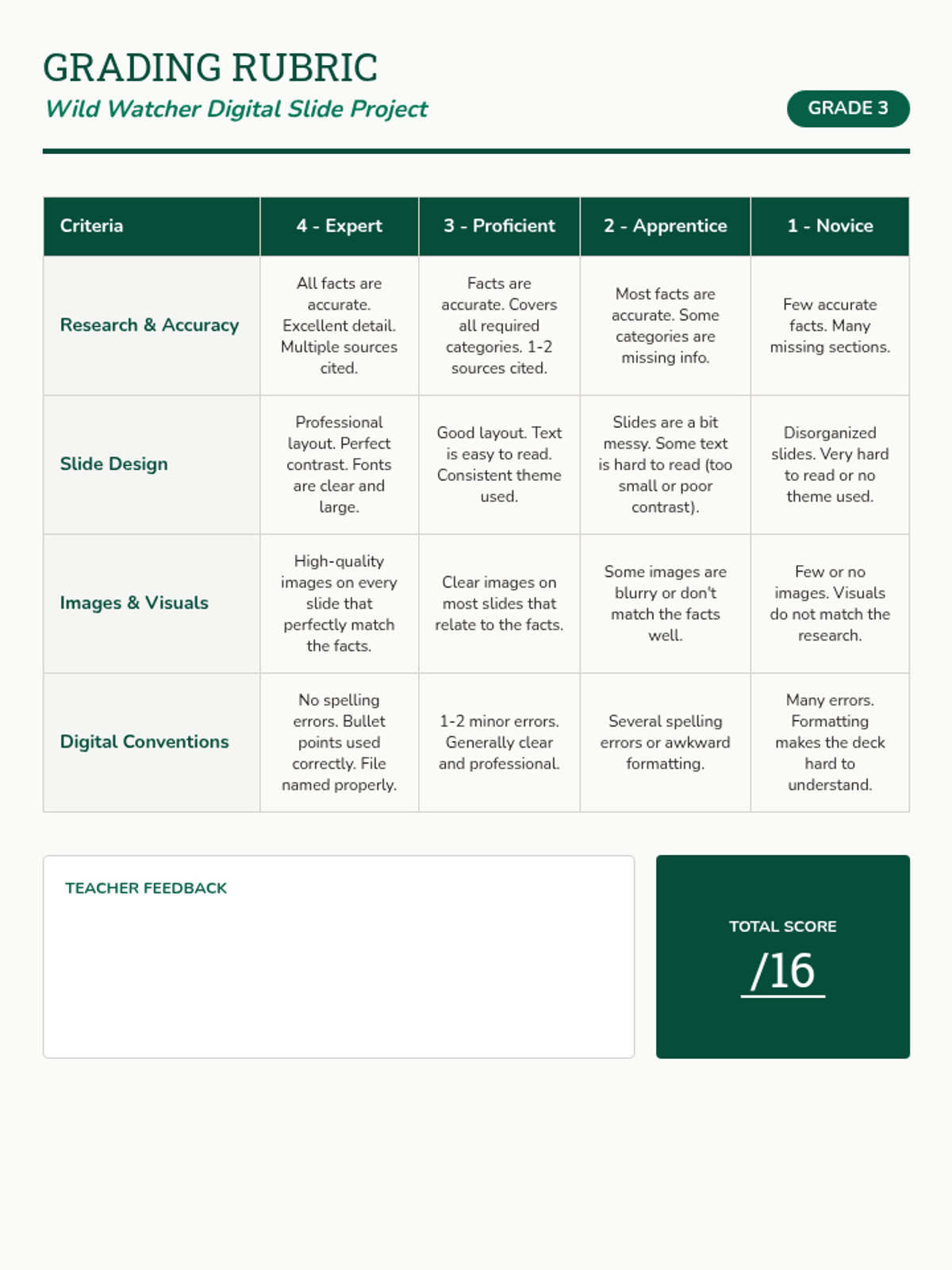
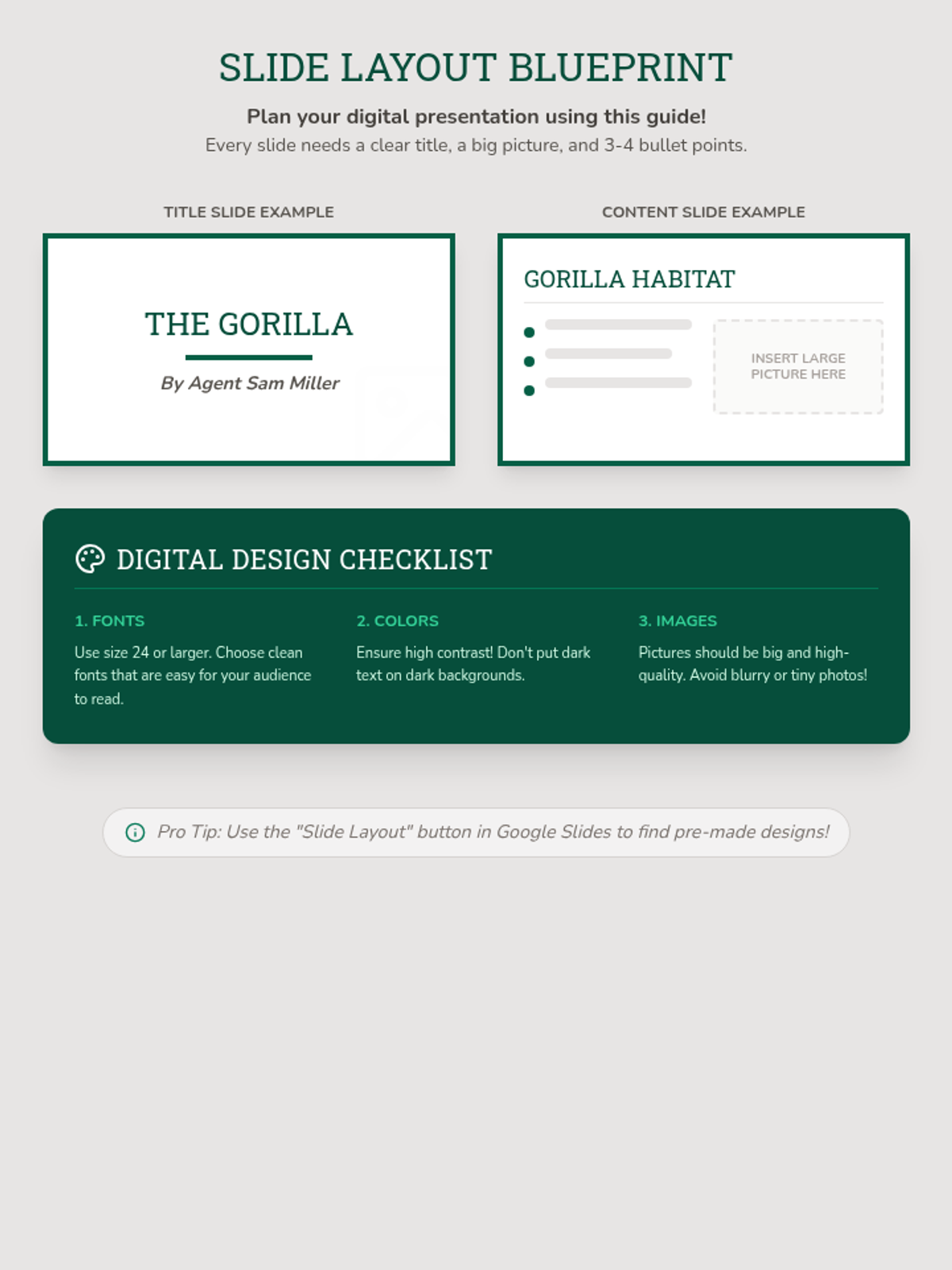
A comprehensive research and presentation project where students become wildlife experts, investigating a wild animal of their choice and creating a digital slide deck to share their findings.
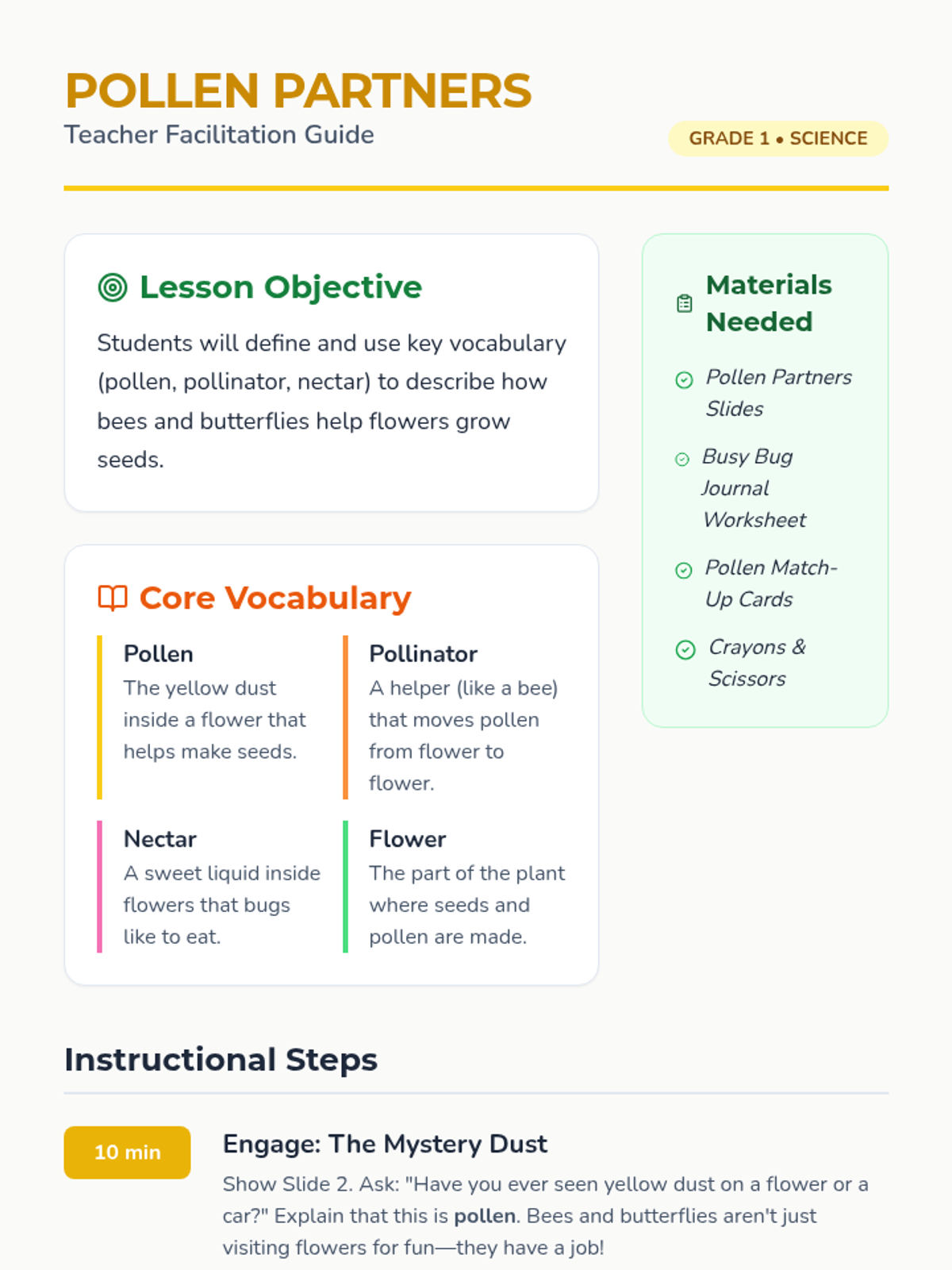
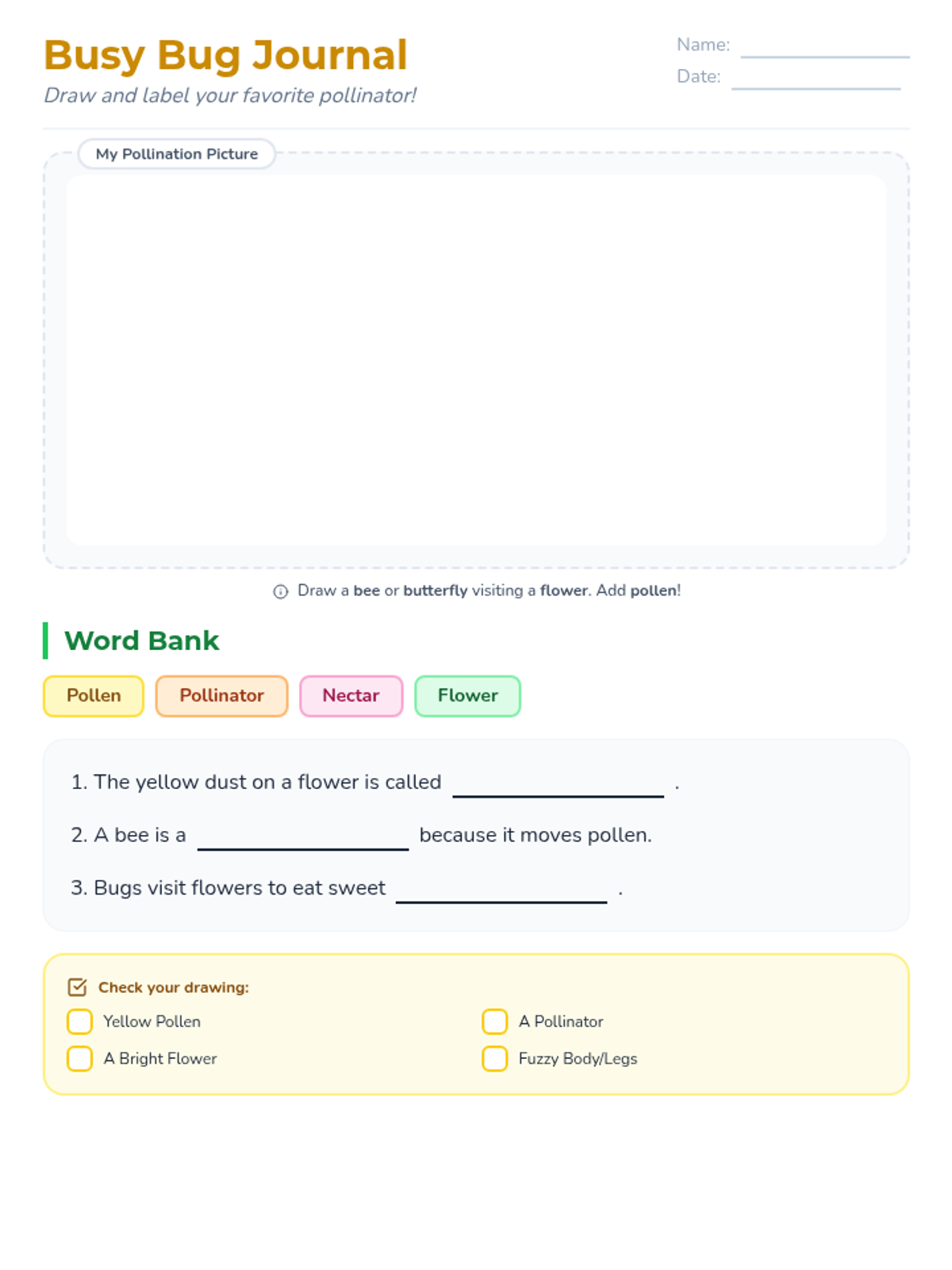
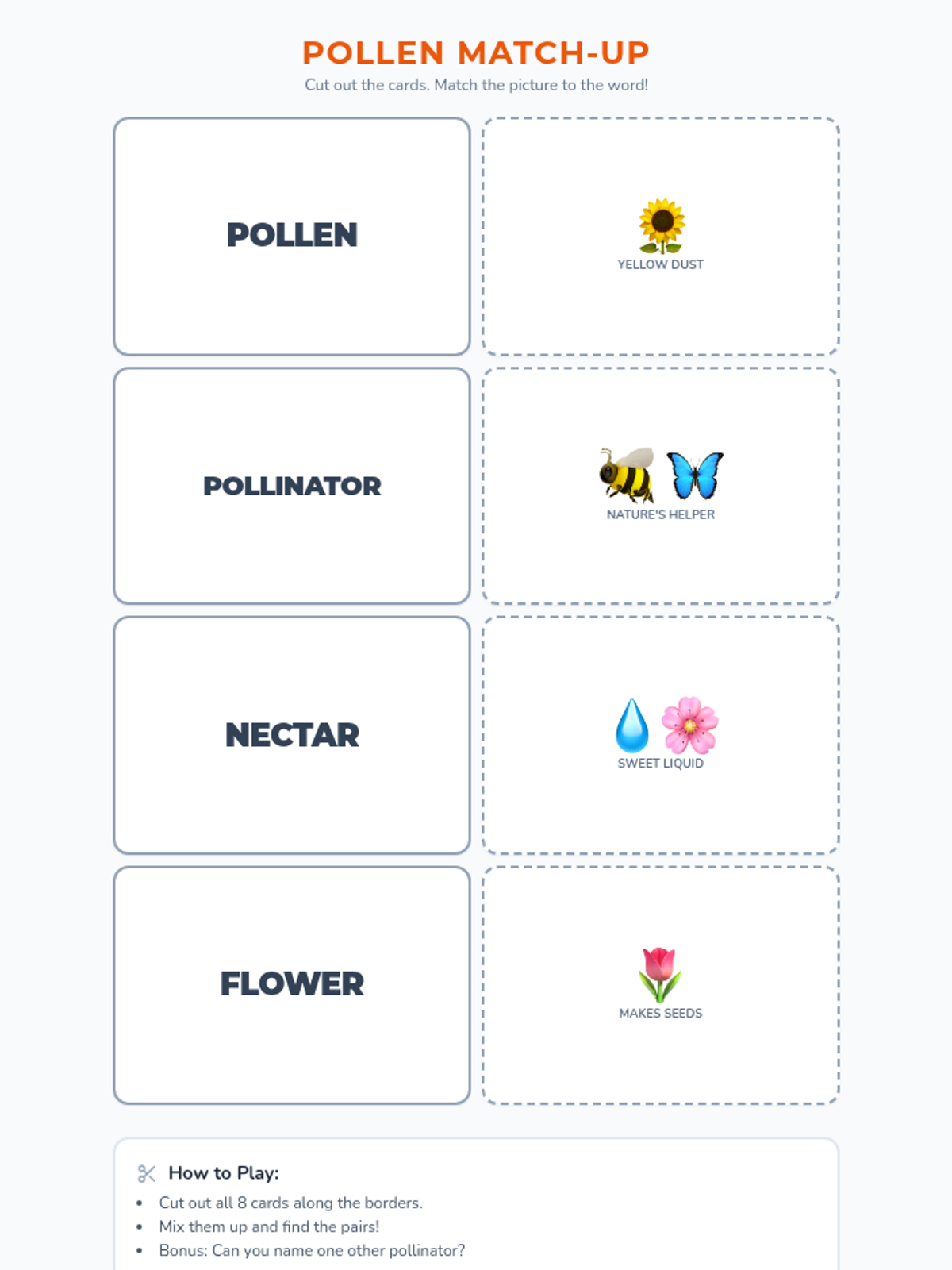
A hands-on follow-up lesson for first graders focusing on the vocabulary of pollination, specifically the roles of bees and butterflies as they move pollen between flowers.
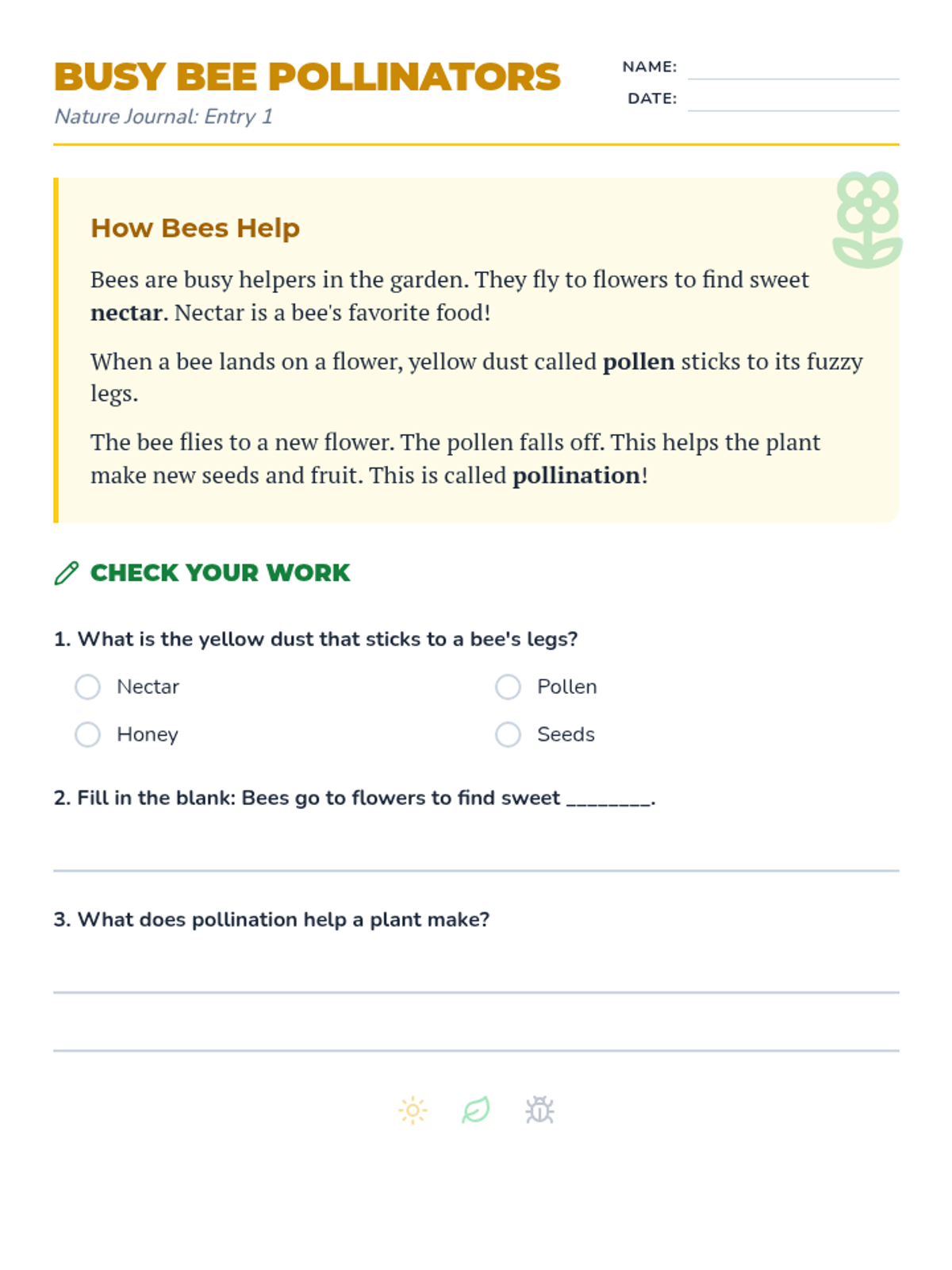
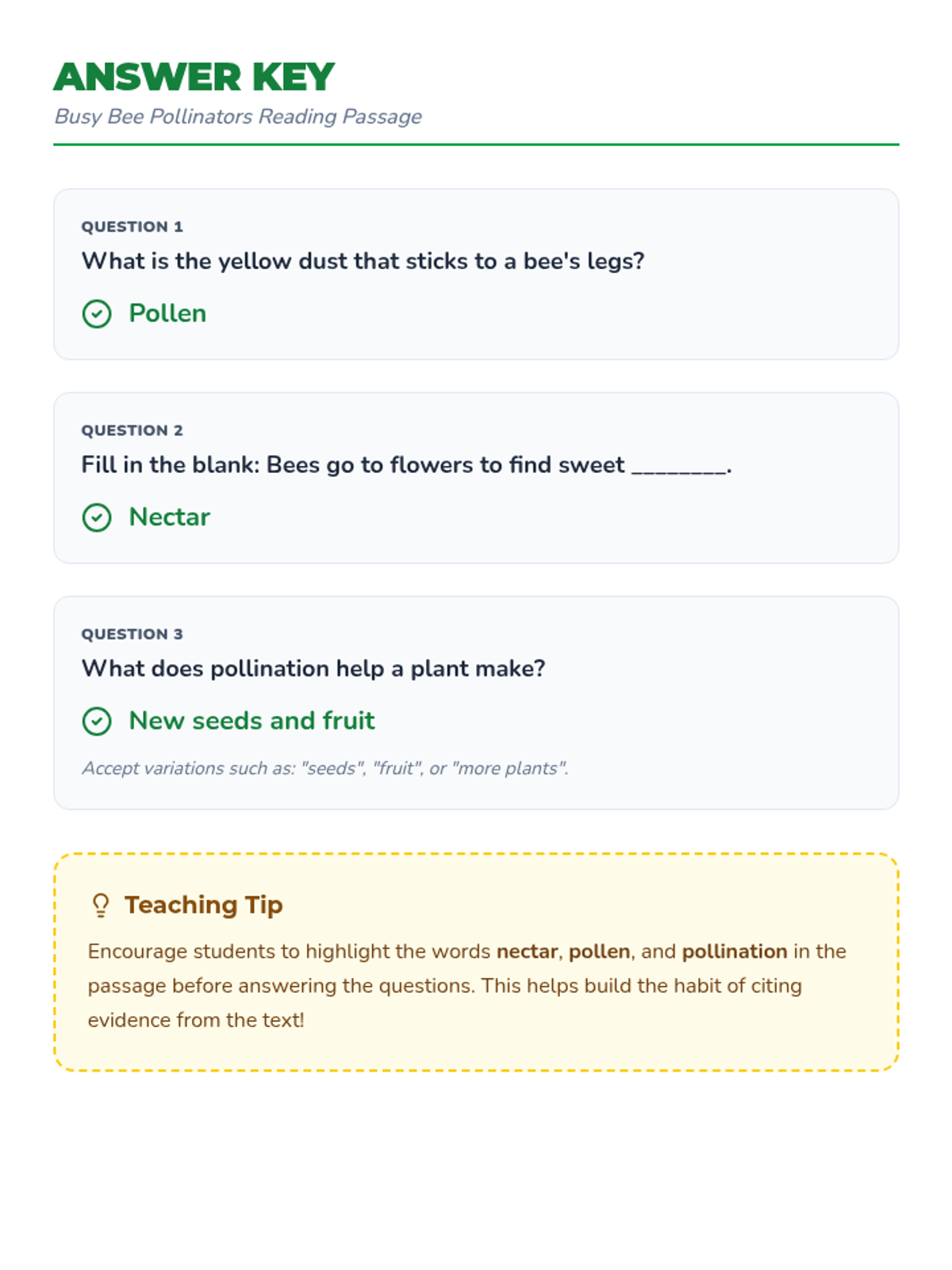
Students will learn how bees move pollen from flower to flower to help plants grow seeds and fruit.
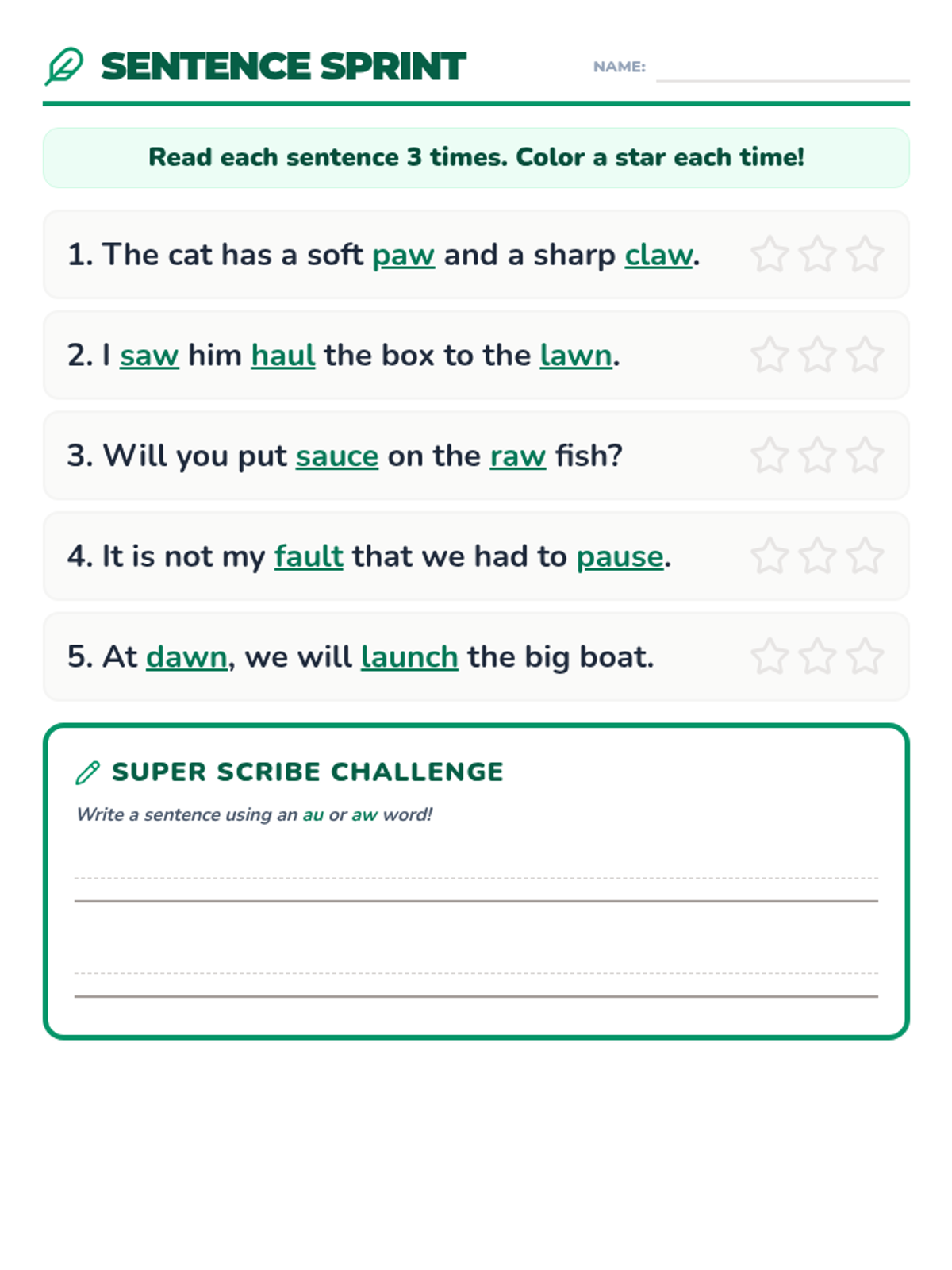
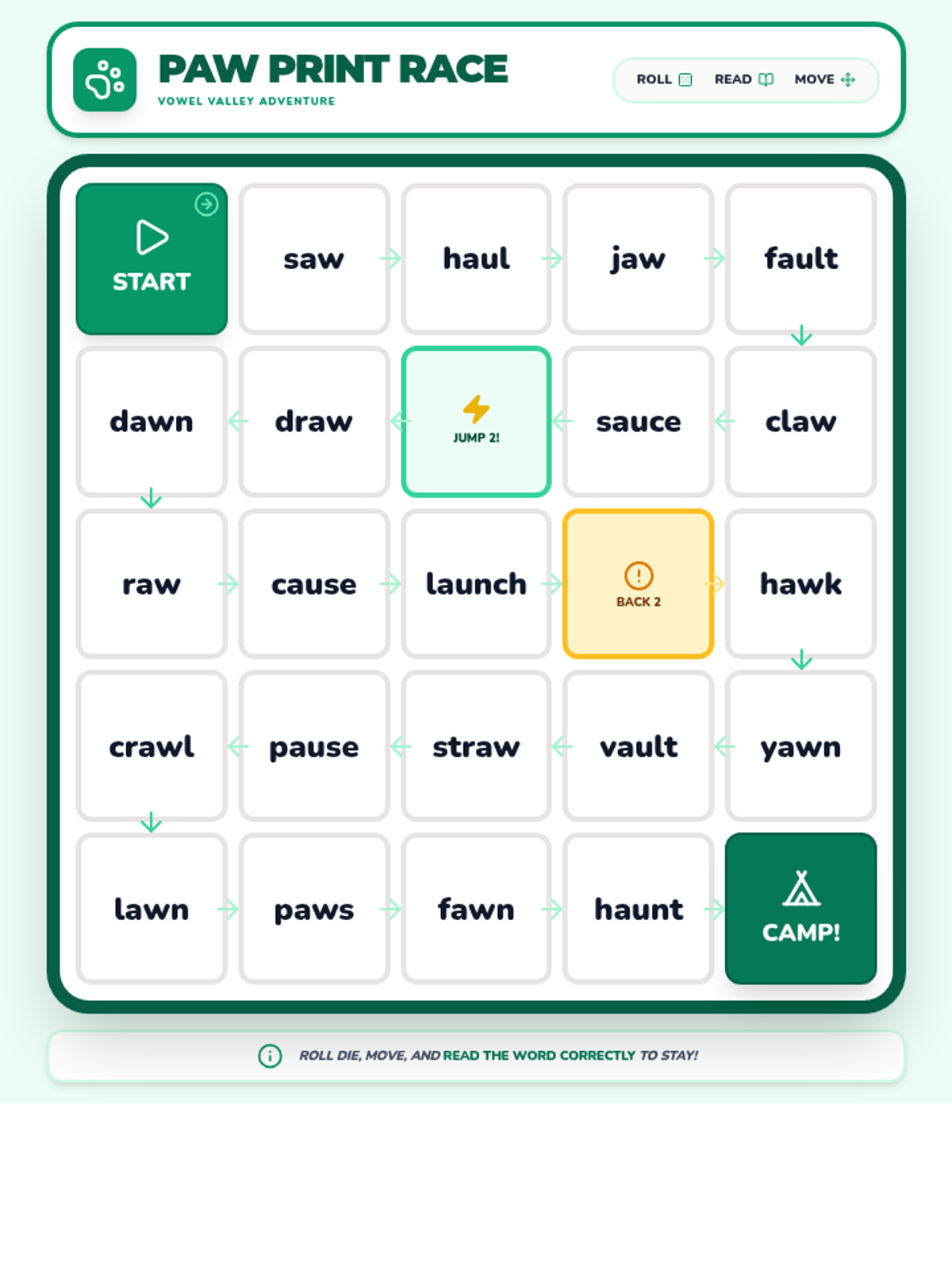
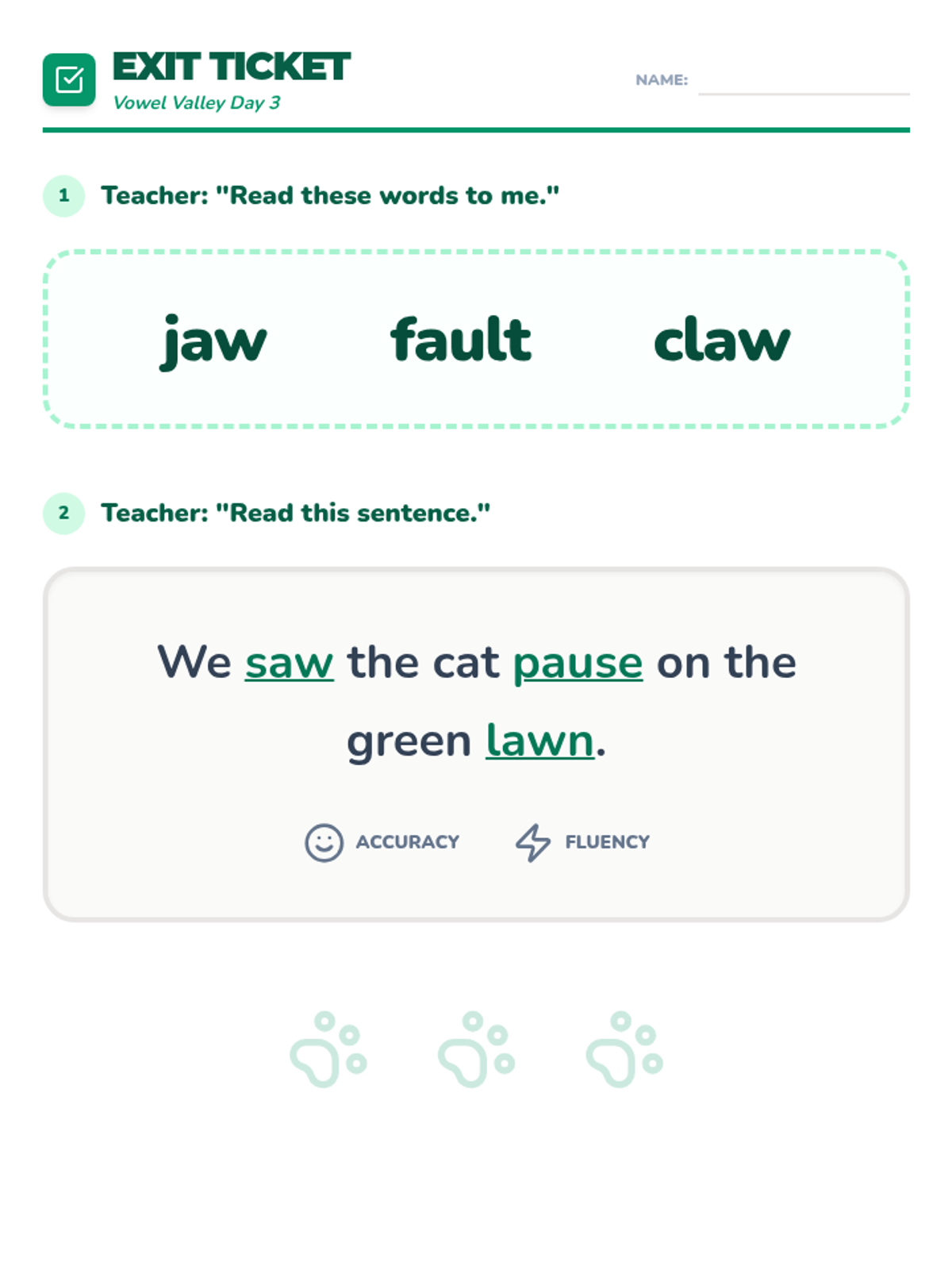
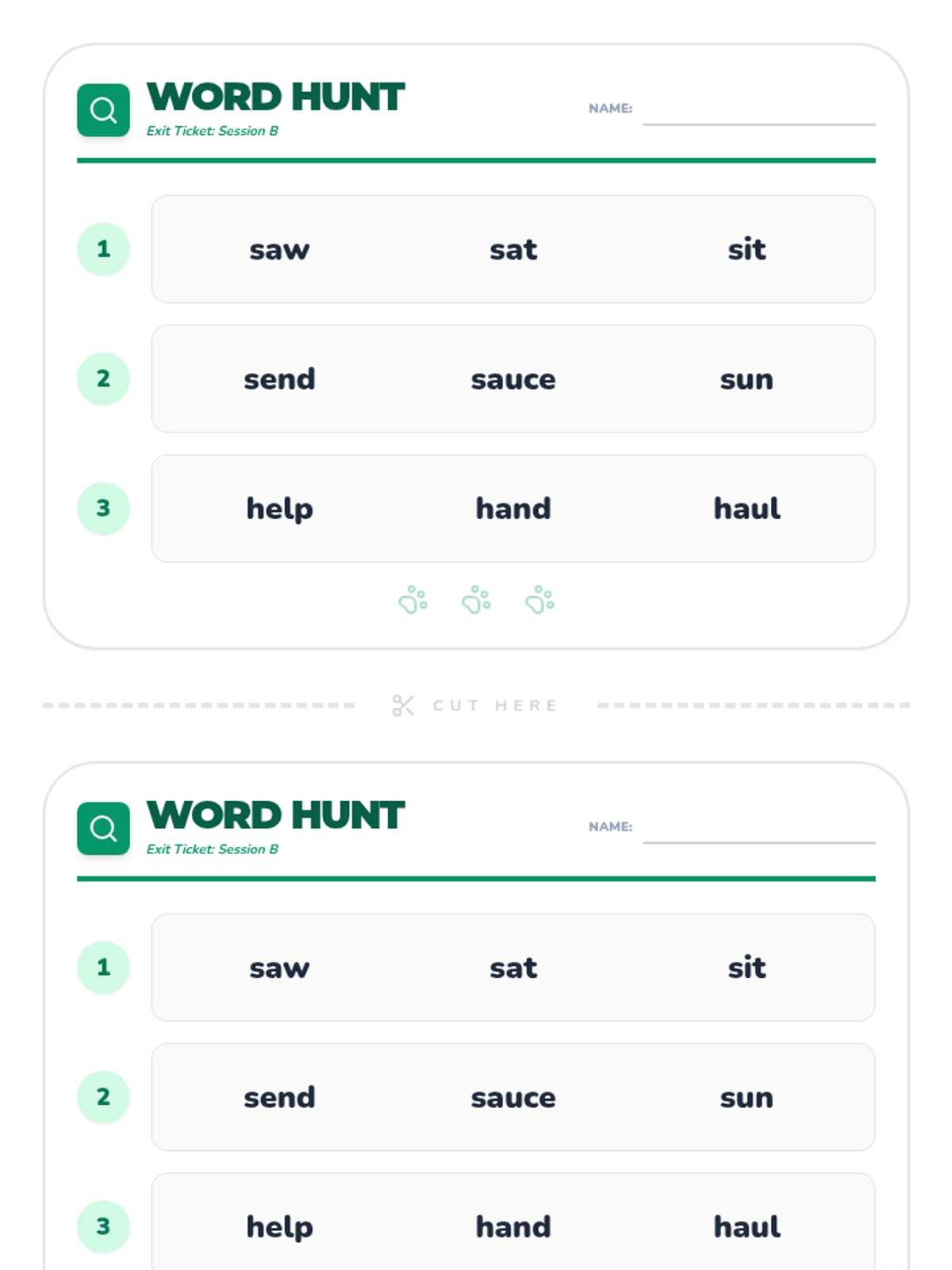
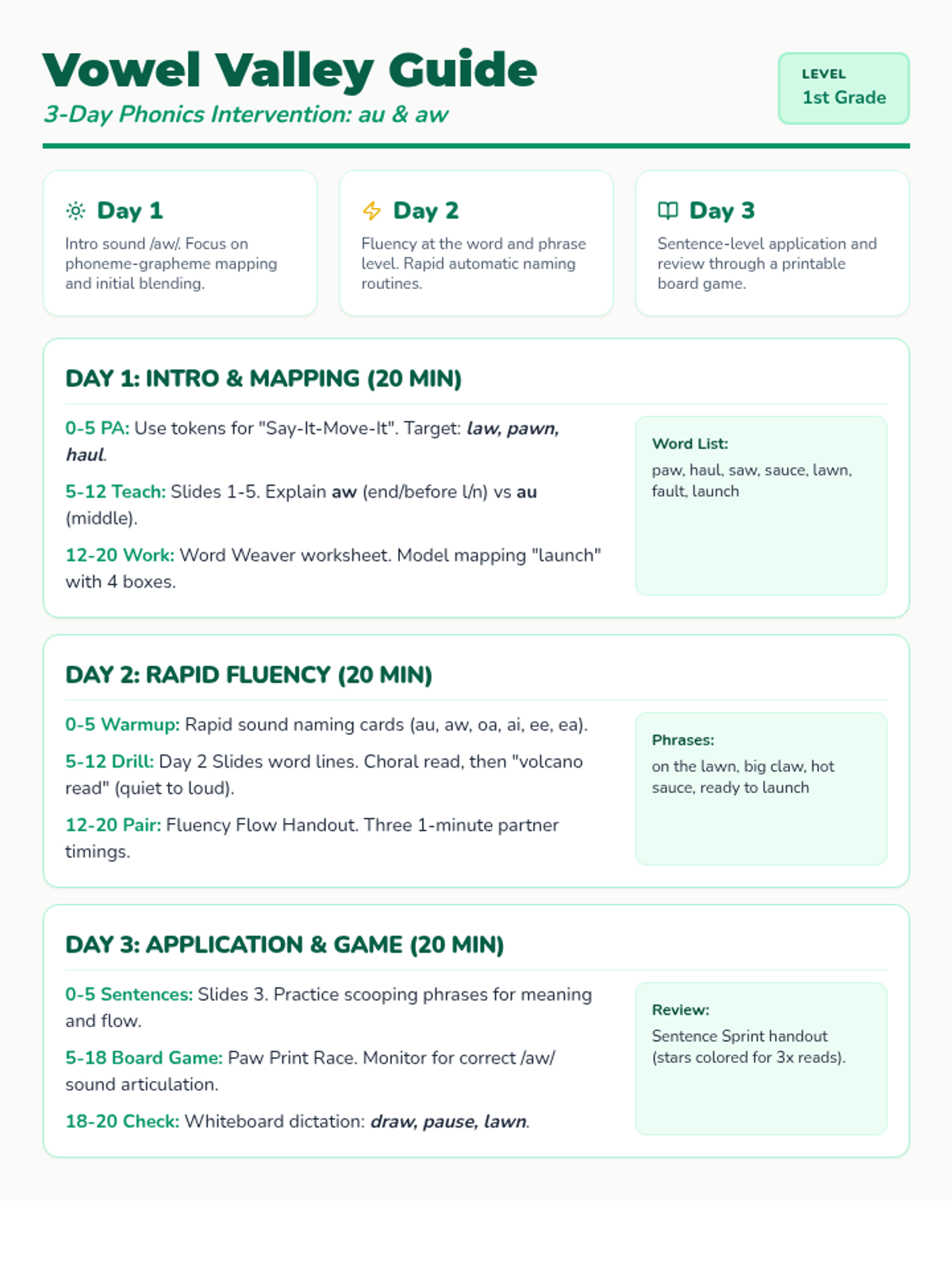
Applying 'au' and 'aw' knowledge to sentence reading and a collaborative board game review.
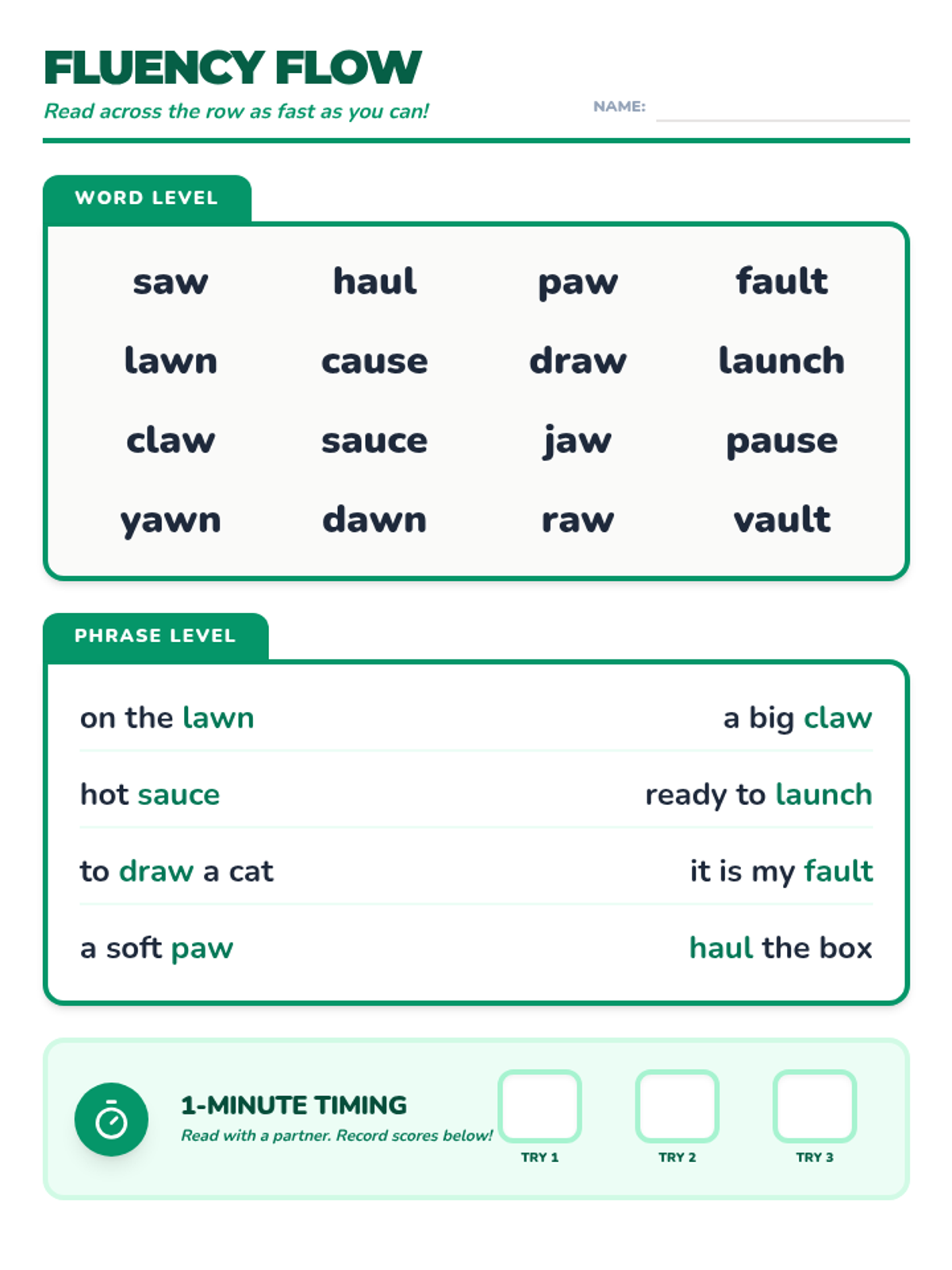
Building fluency with 'au' and 'aw' words and phrases through repetitive practice and blending routines.
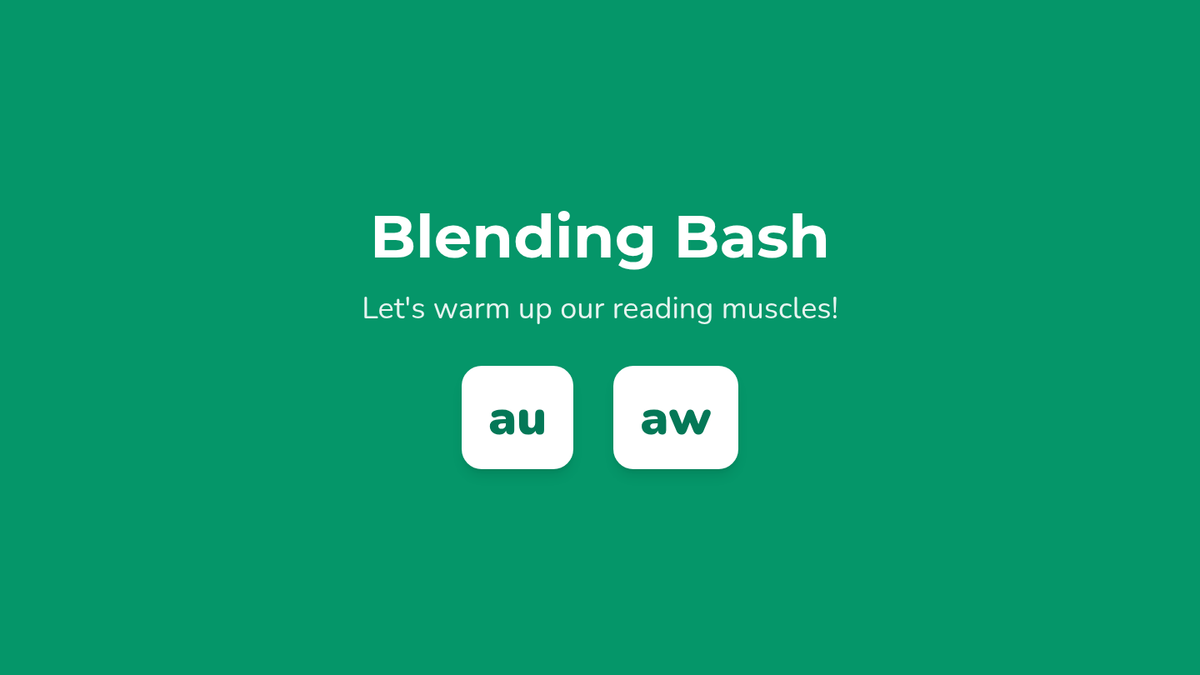
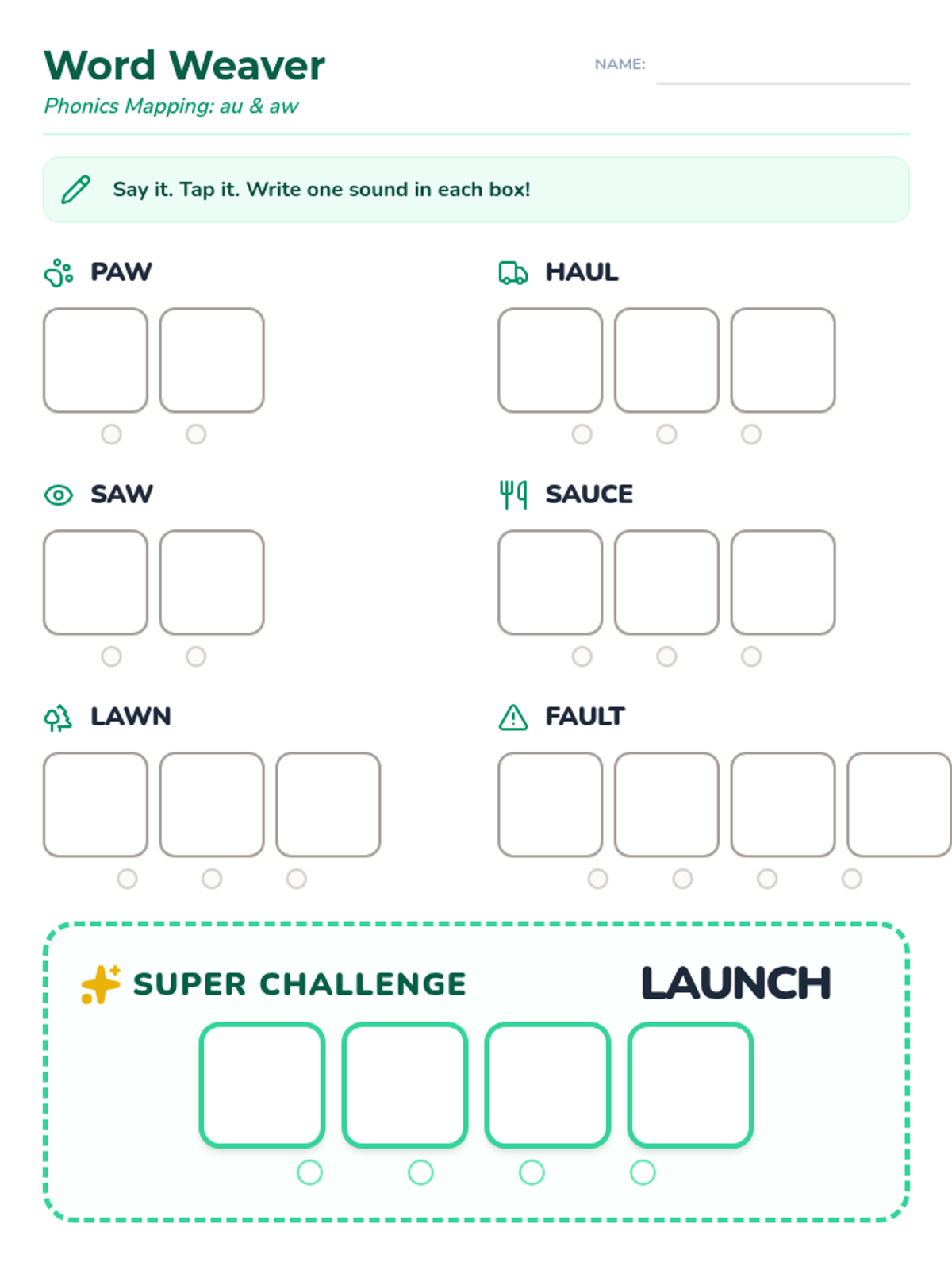
Introduction to the 'au' and 'aw' diphthongs, focusing on phoneme-grapheme mapping and initial word decoding.
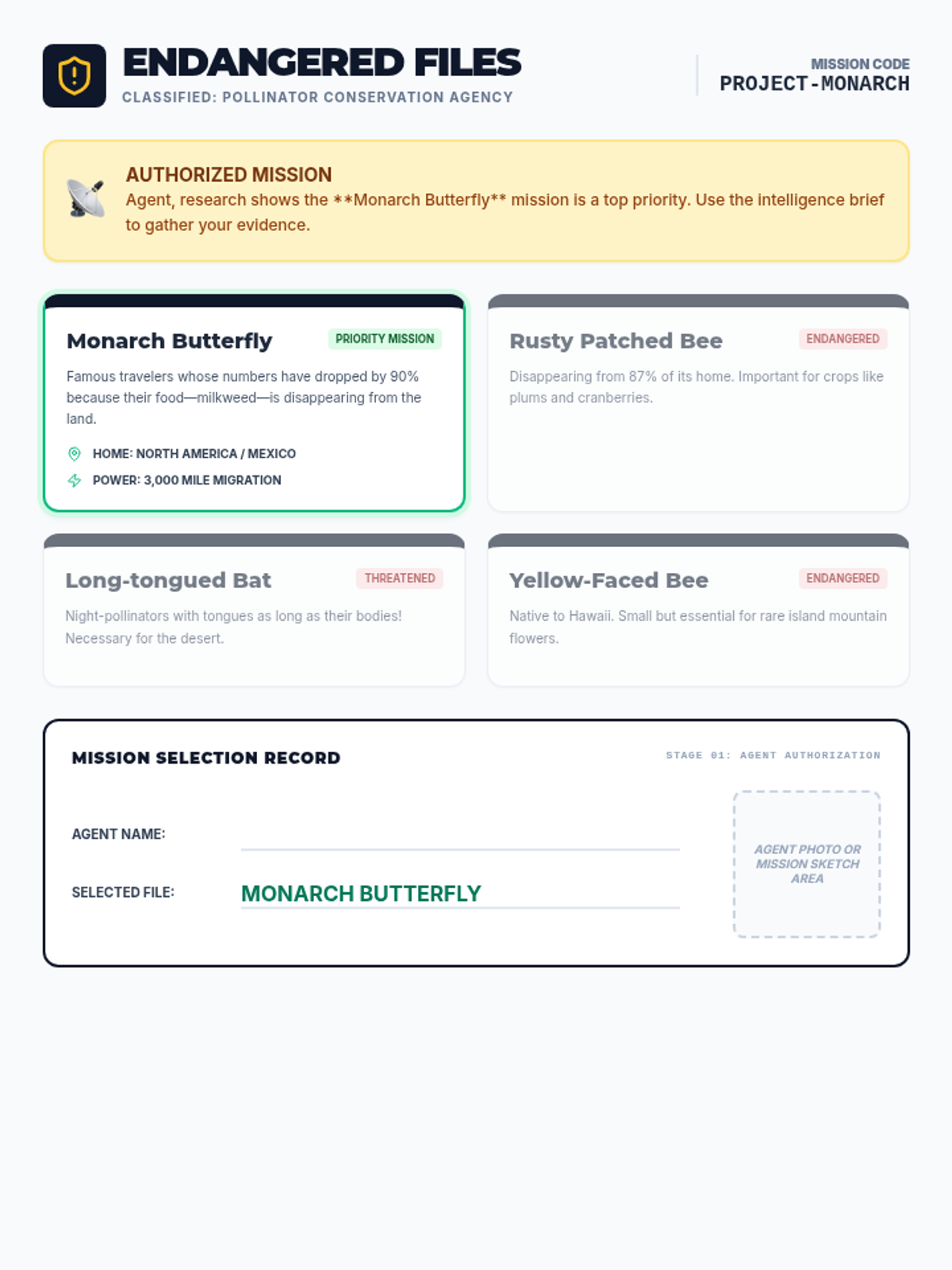
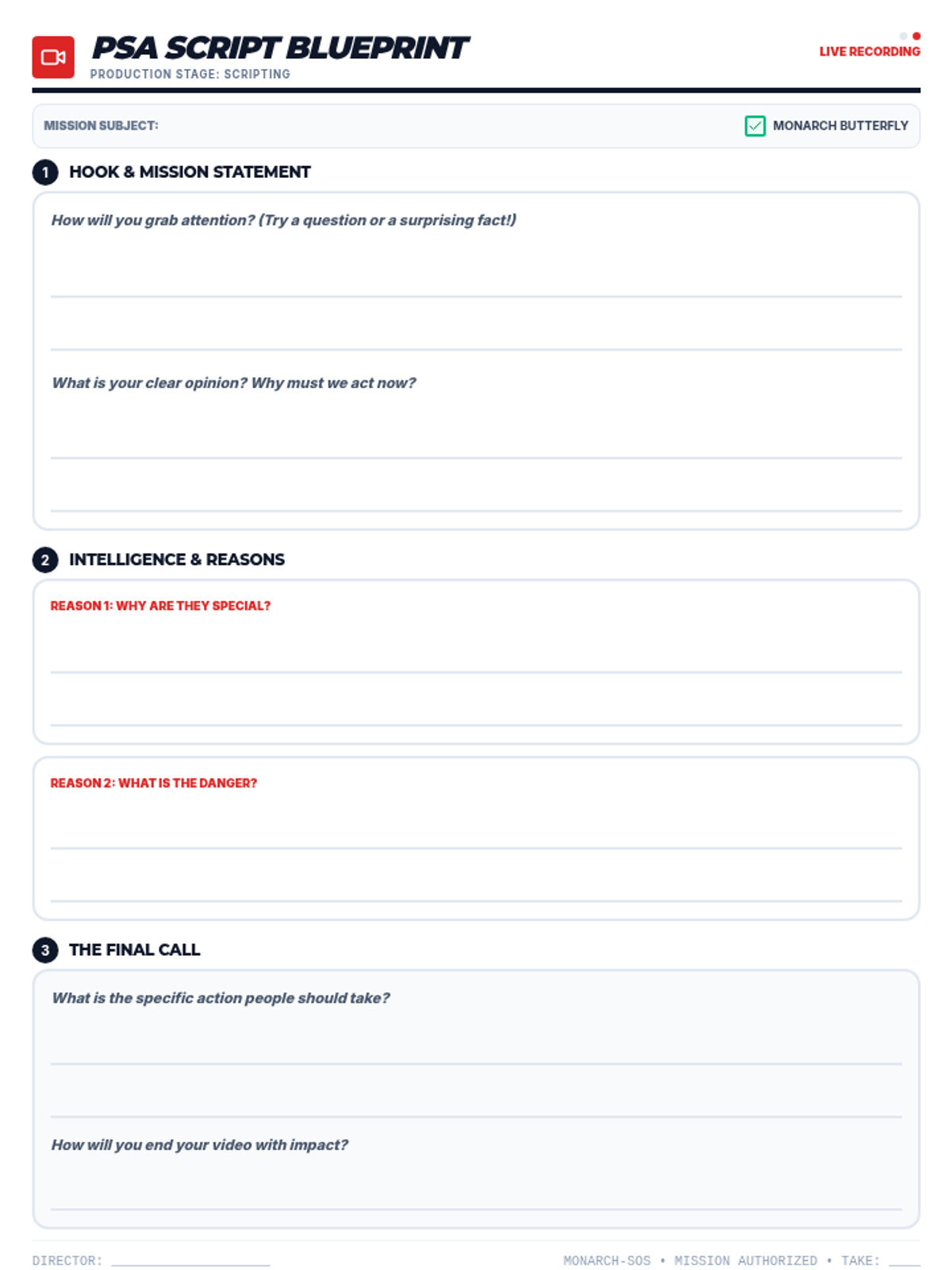
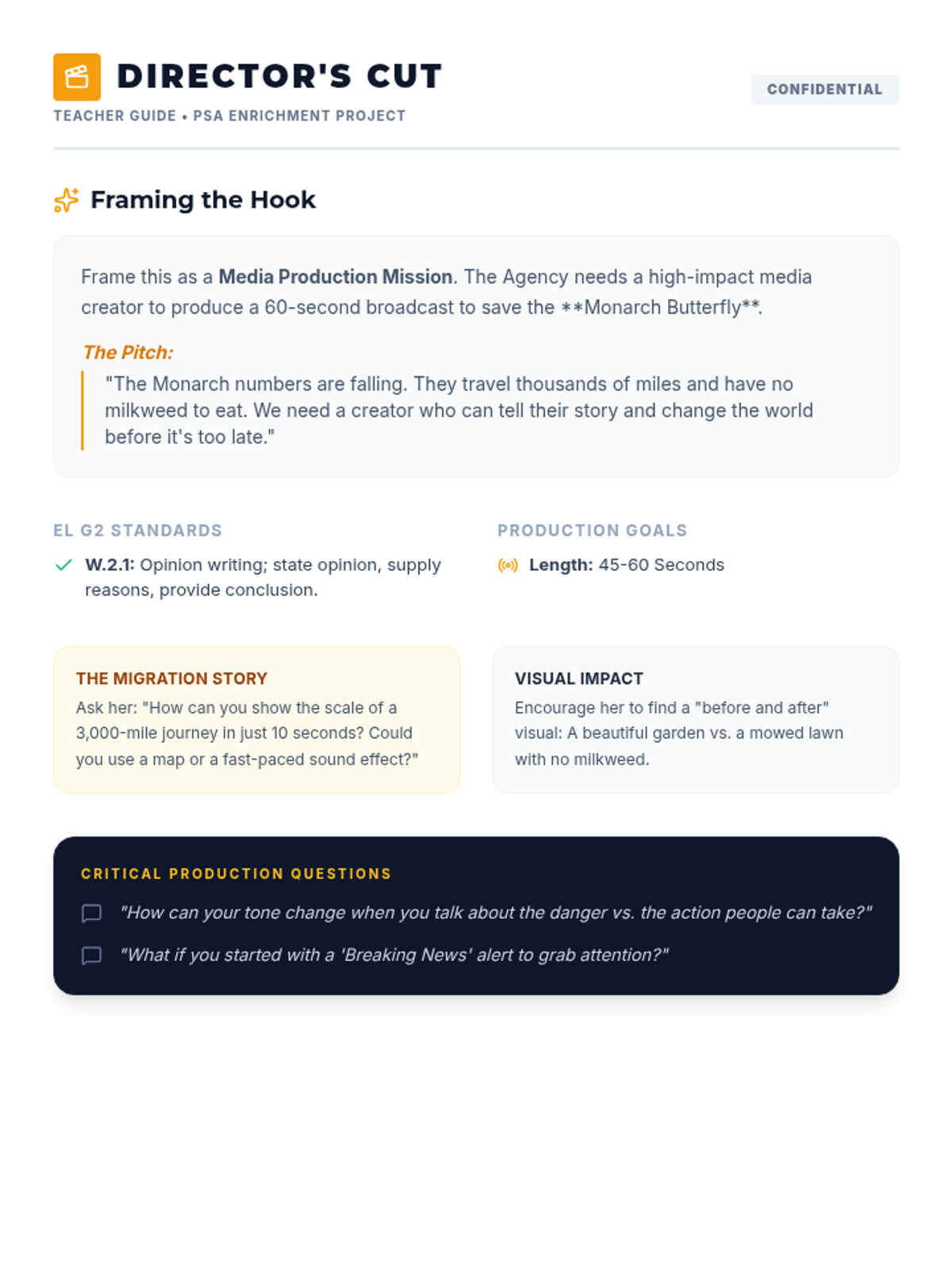
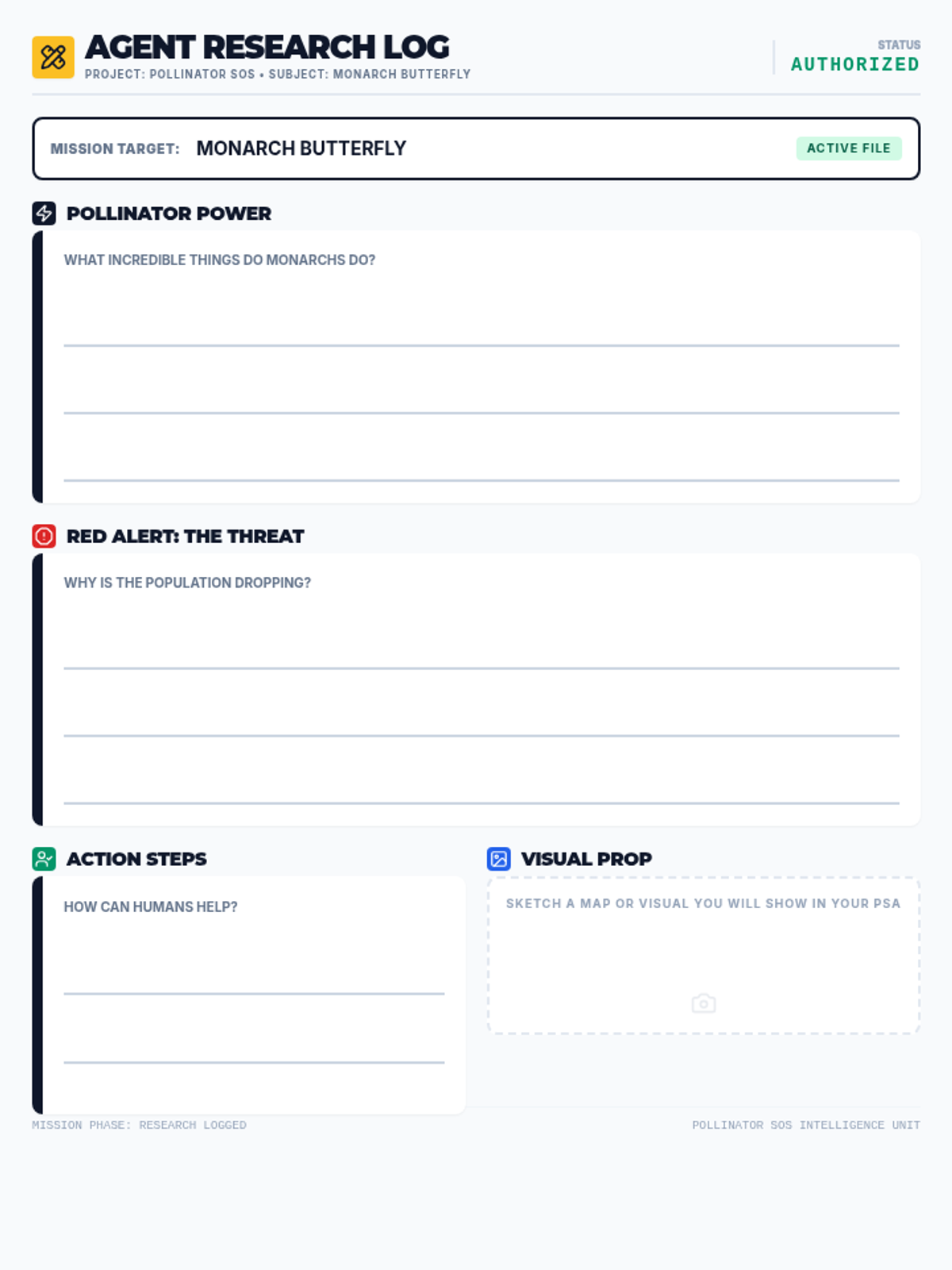
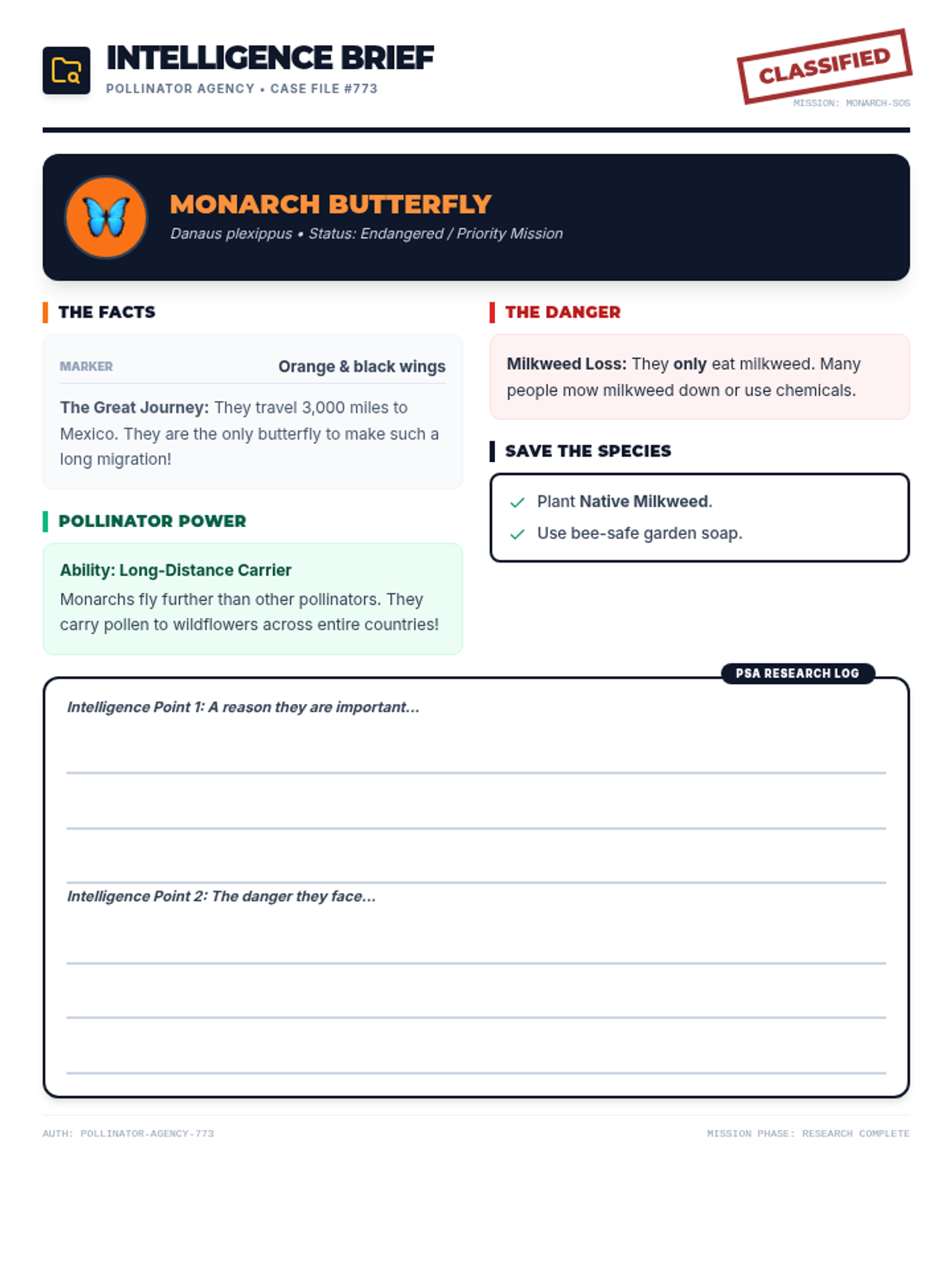
An enriching alternative to the Unit 2 opinion writing piece. Students act as conservation agents, creating a Public Service Announcement (PSA) to advocate for the protection of an endangered pollinator.
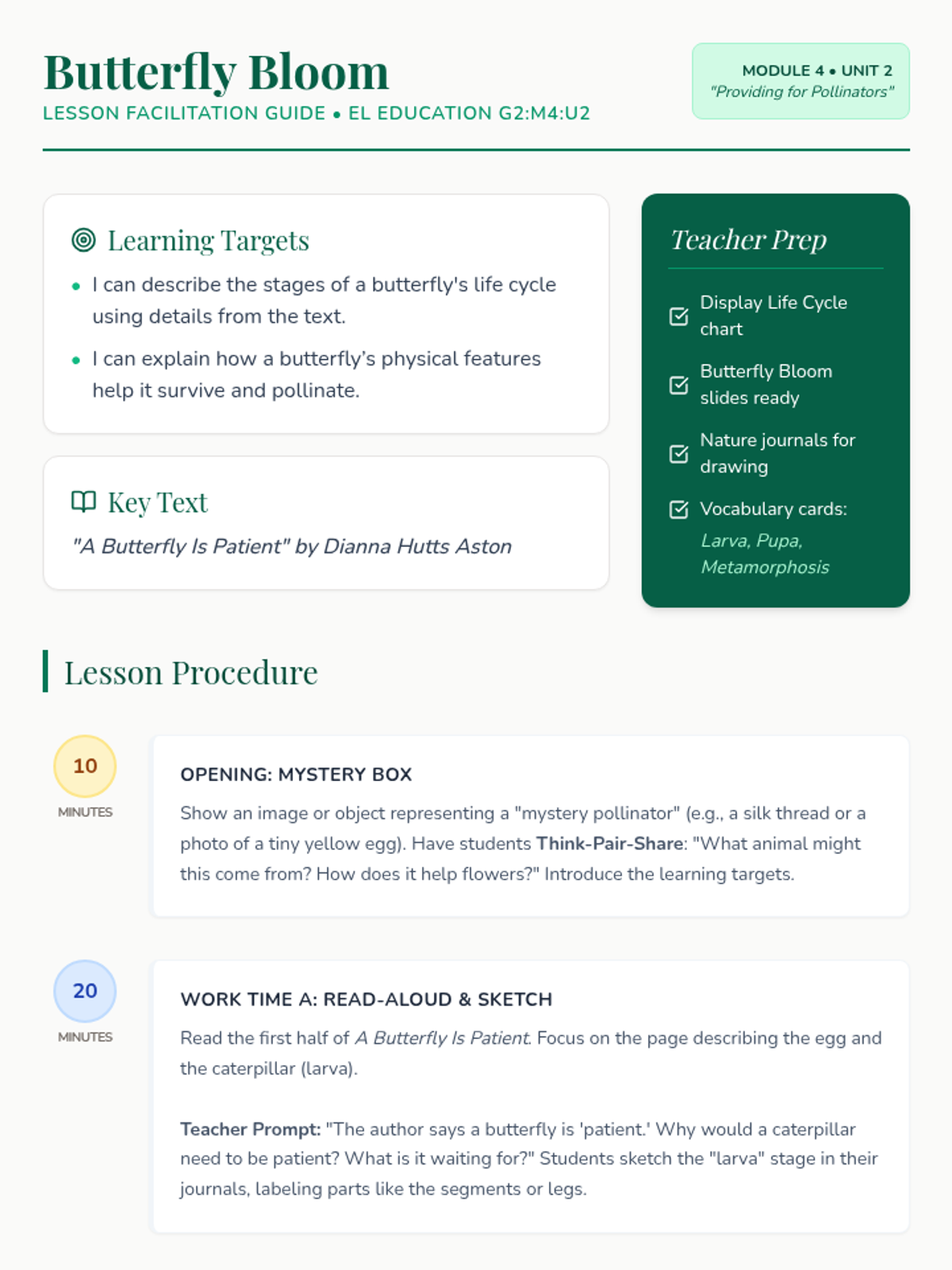
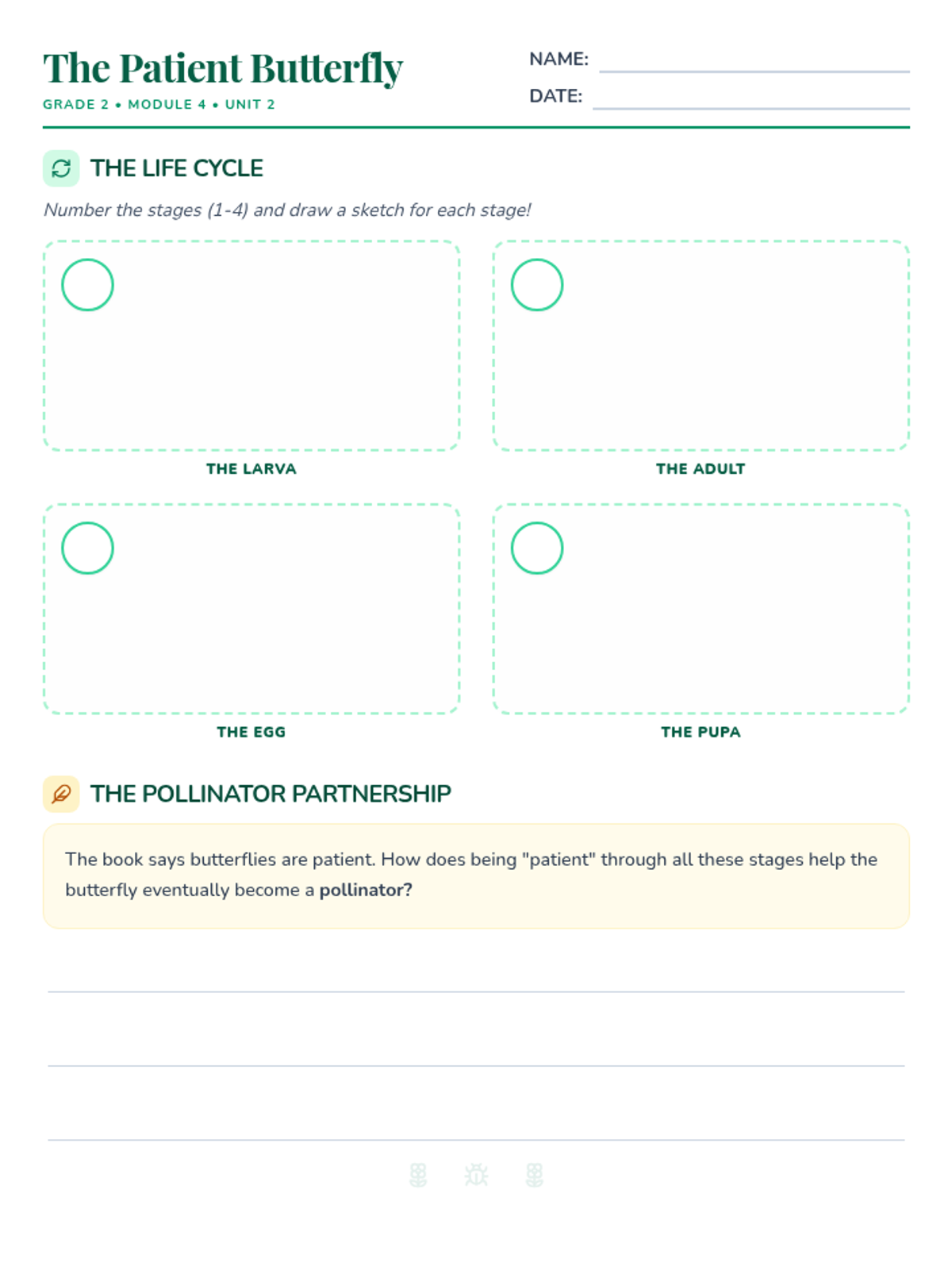
Focuses on the transformation and physical characteristics of butterflies based on the text 'A Butterfly Is Patient.' Students explore the life cycle stages and start to connect these stages to the butterfly's role as a pollinator.
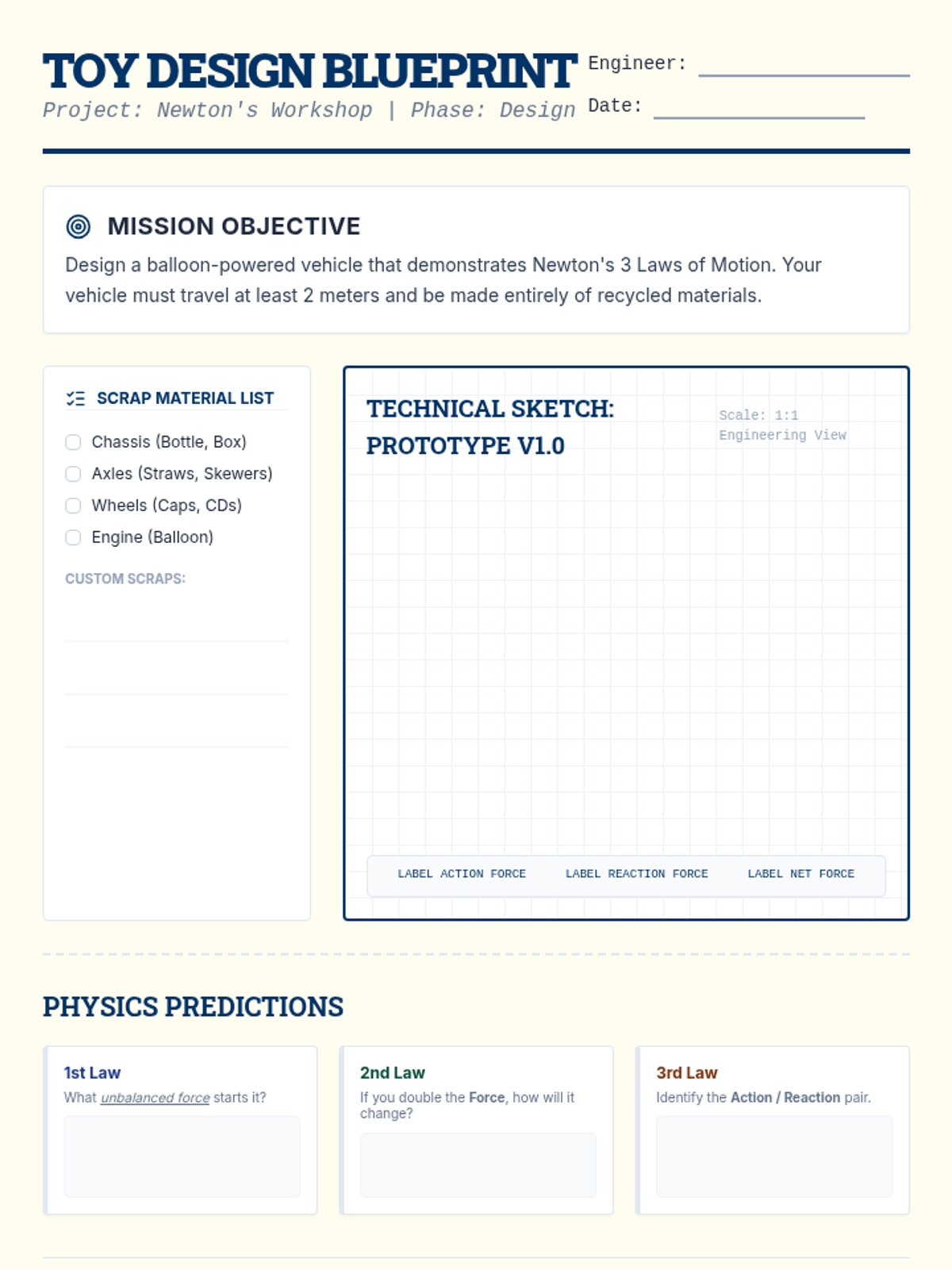
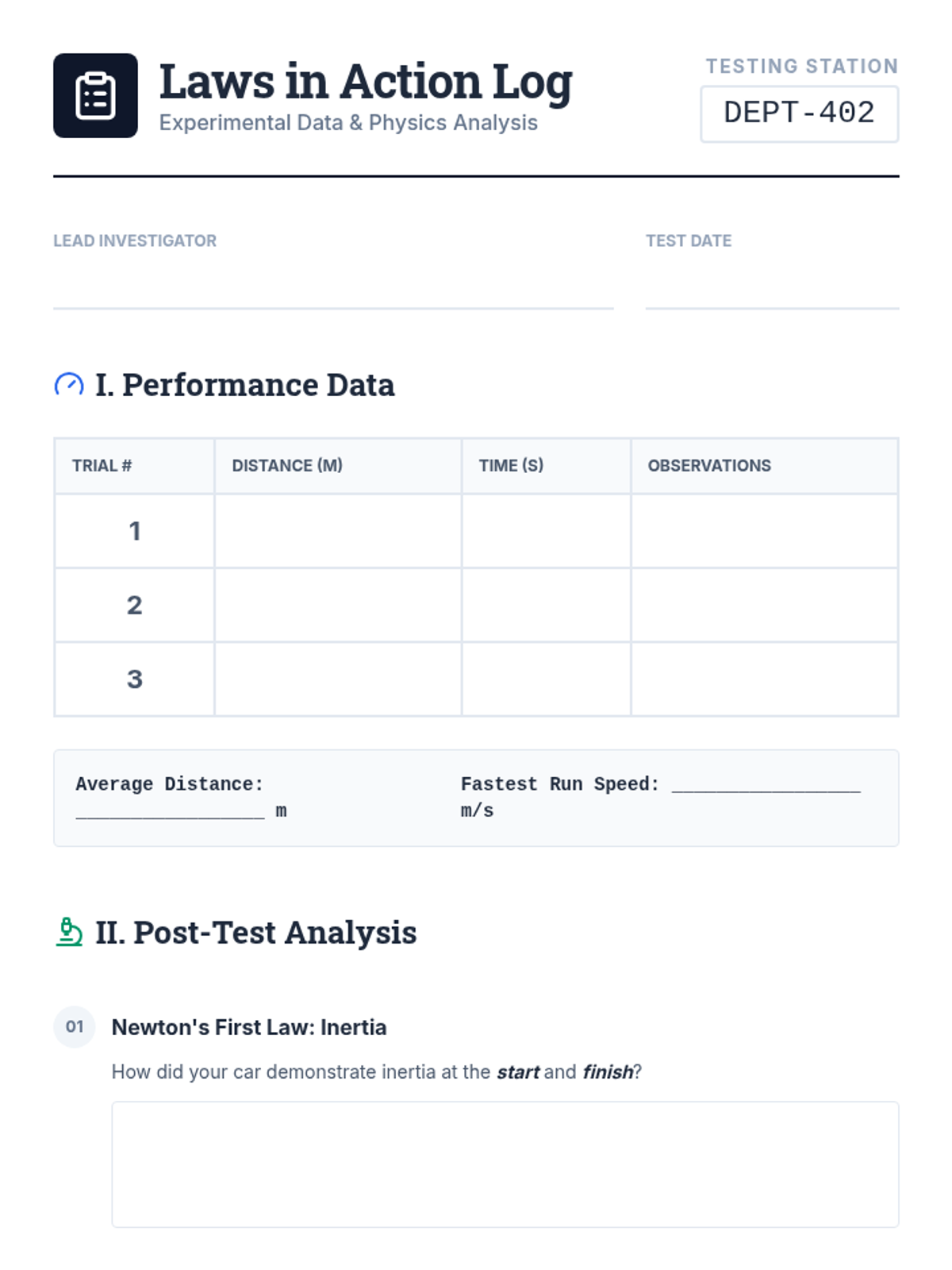
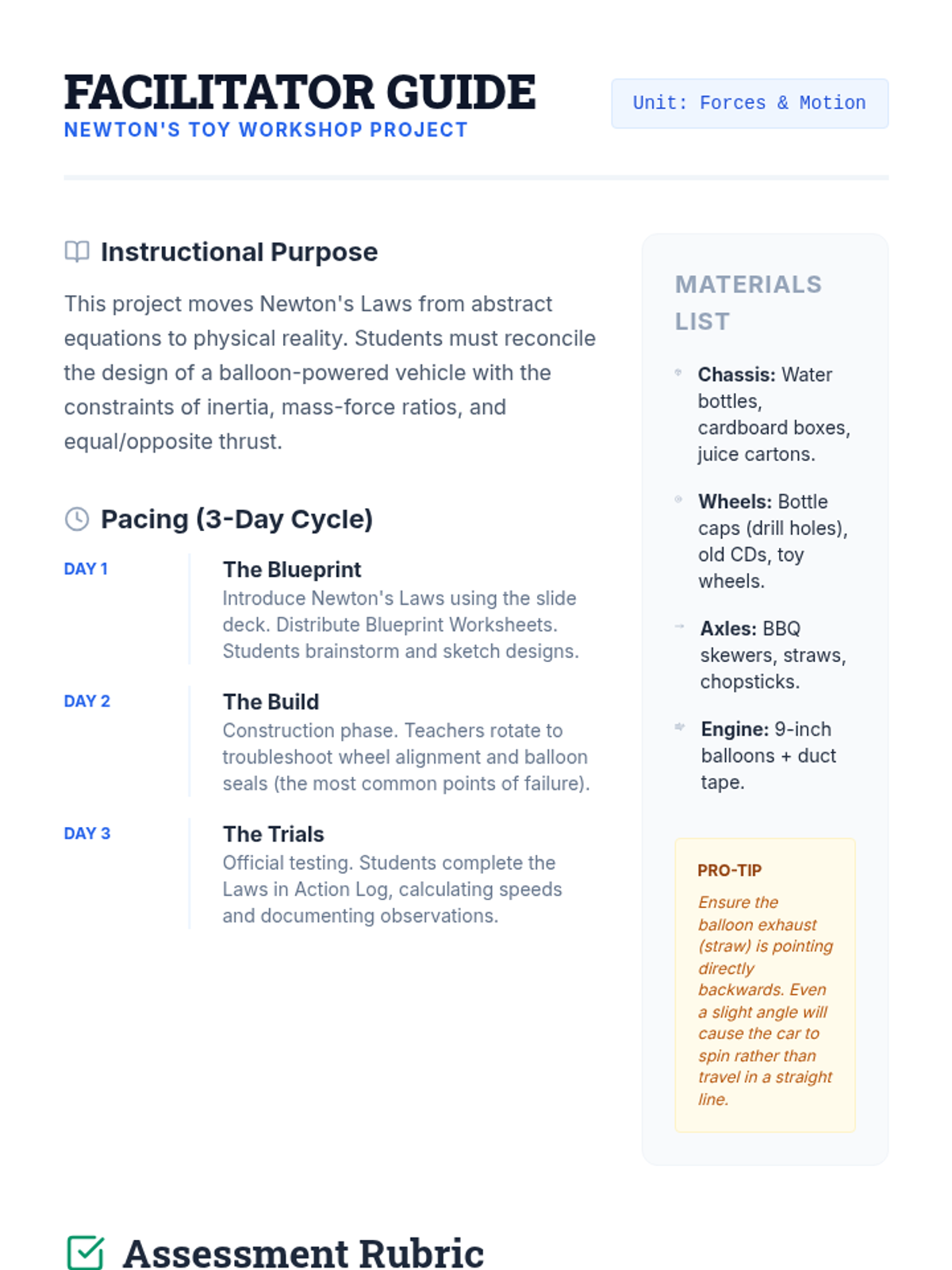
A project-based lesson where students design and build a balloon-powered vehicle to demonstrate Newton's Three Laws of Motion. Students act as 'Kinetic Engineers' to apply physics principles to a real-world engineering challenge.
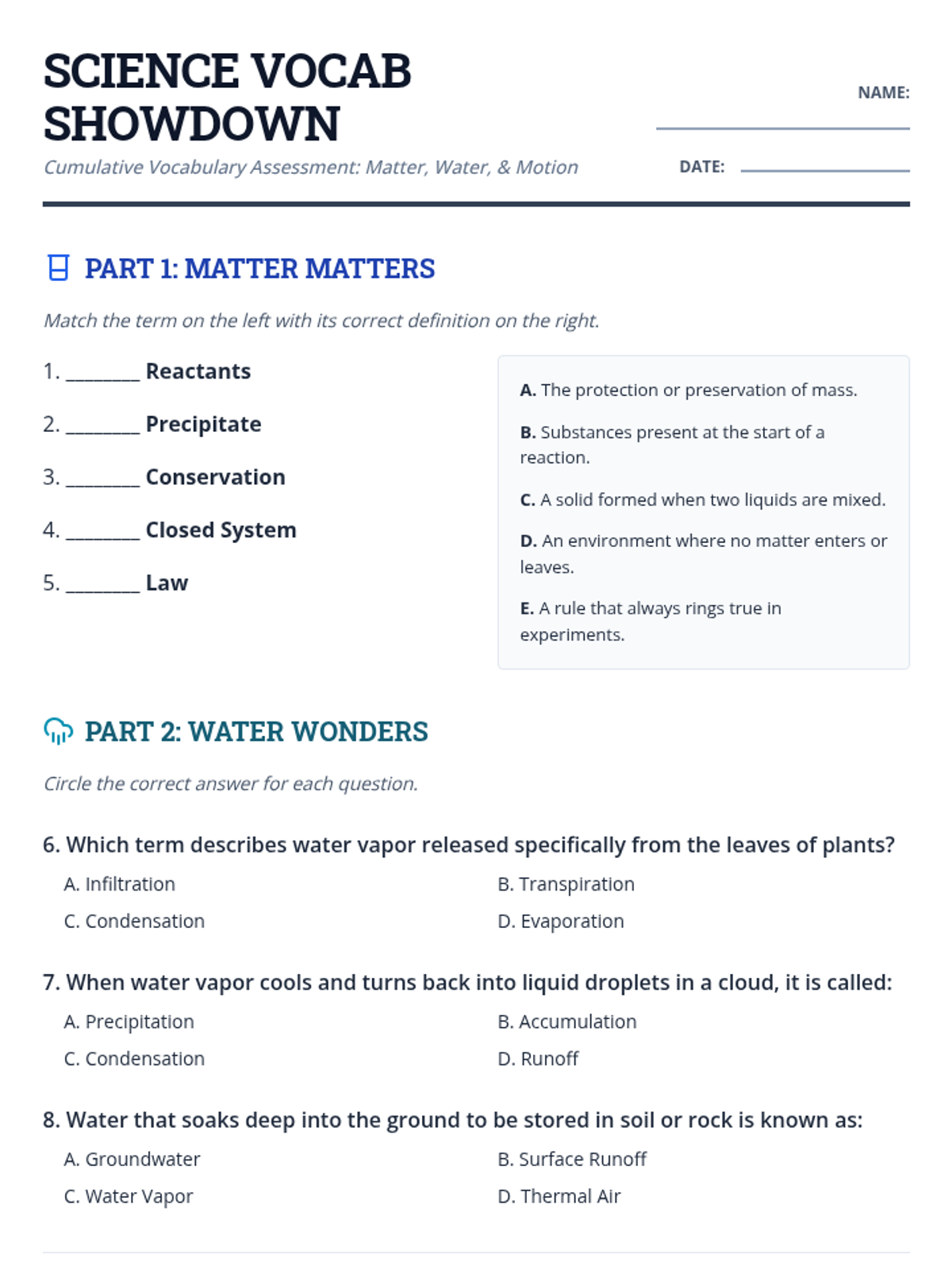
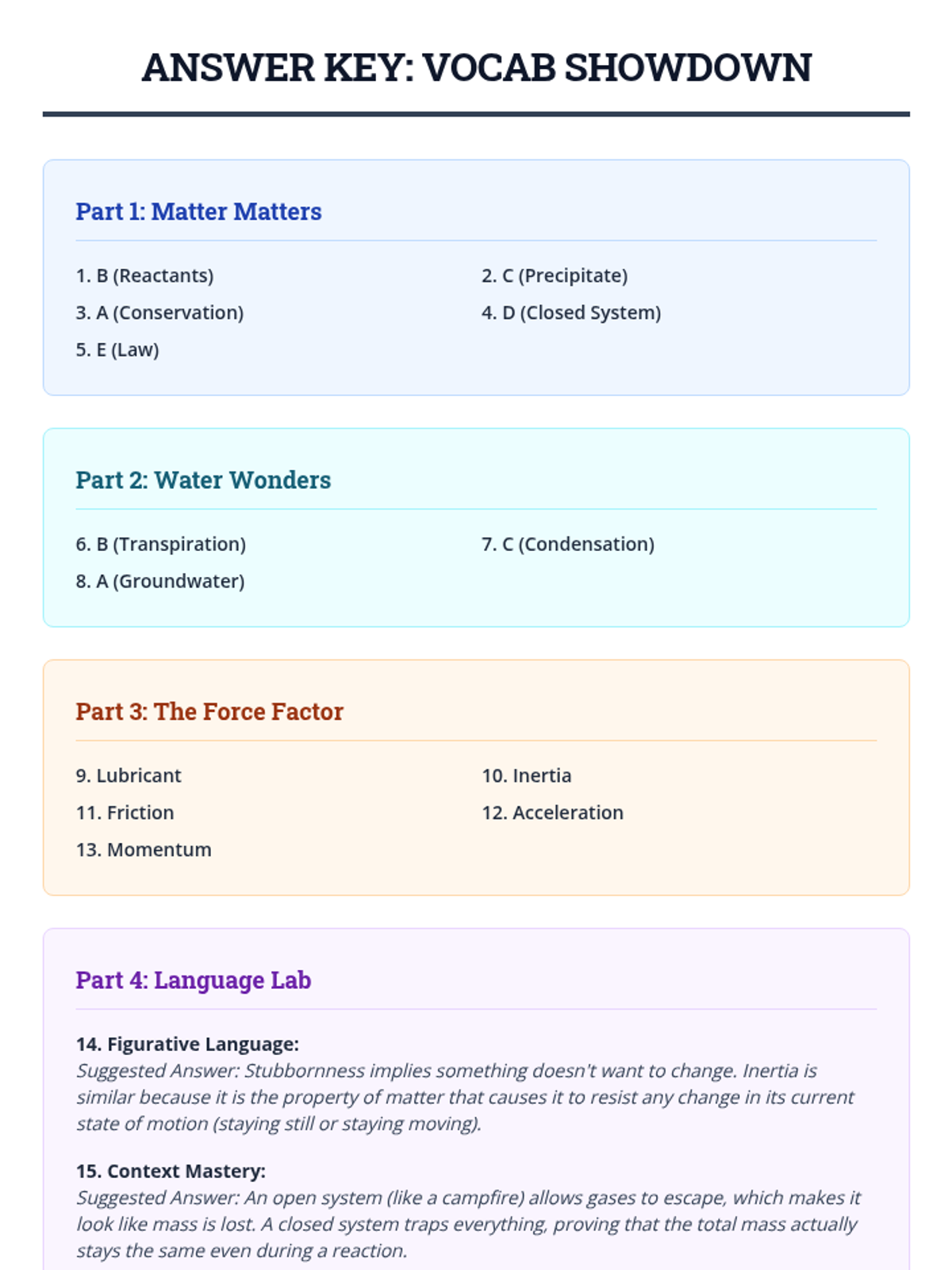
A cumulative review lesson covering the vocabulary and core concepts from all three science literacy units.
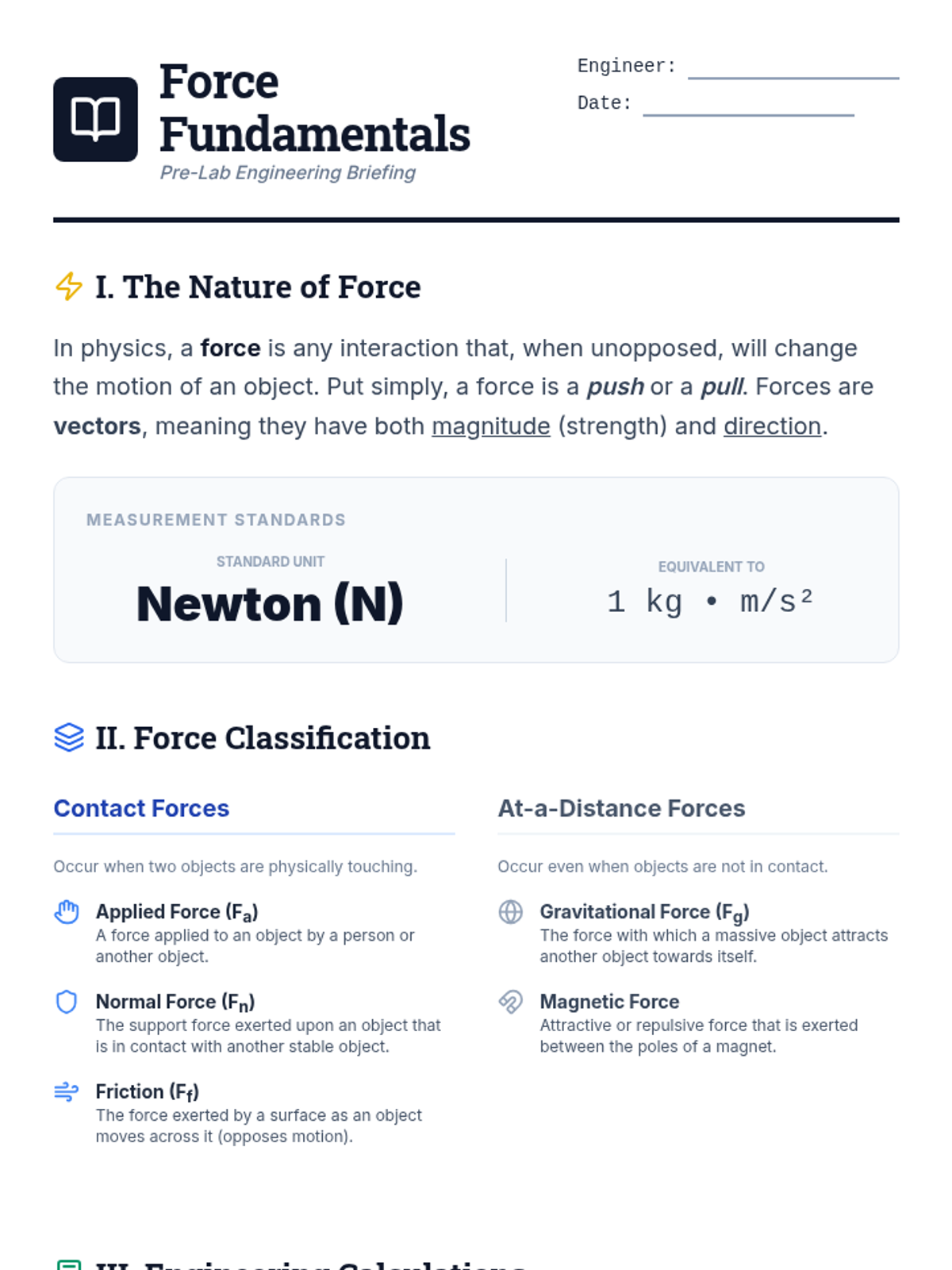
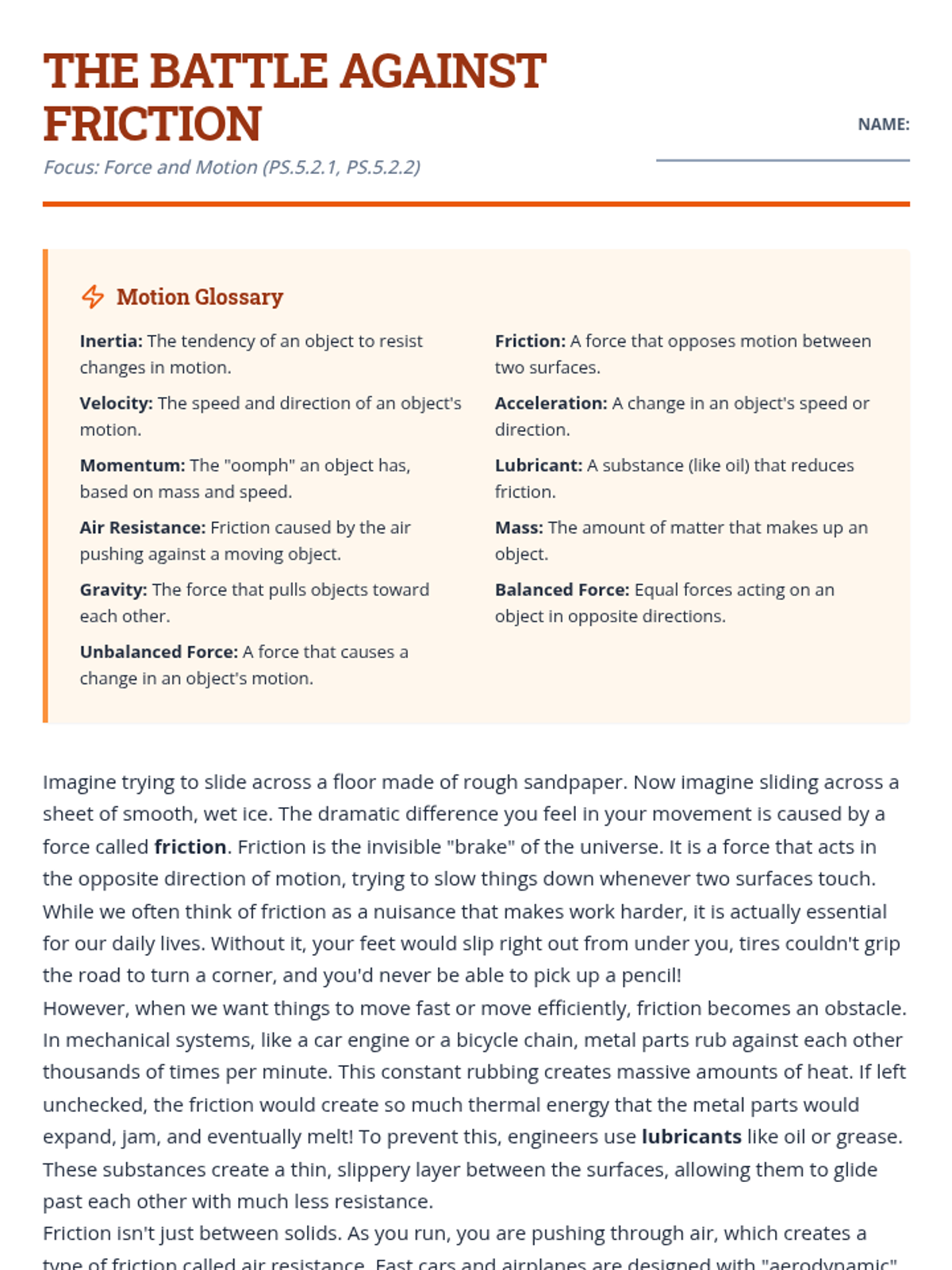
An investigation into force, motion, and friction, focusing on an author's use of evidence and the nuances of language.
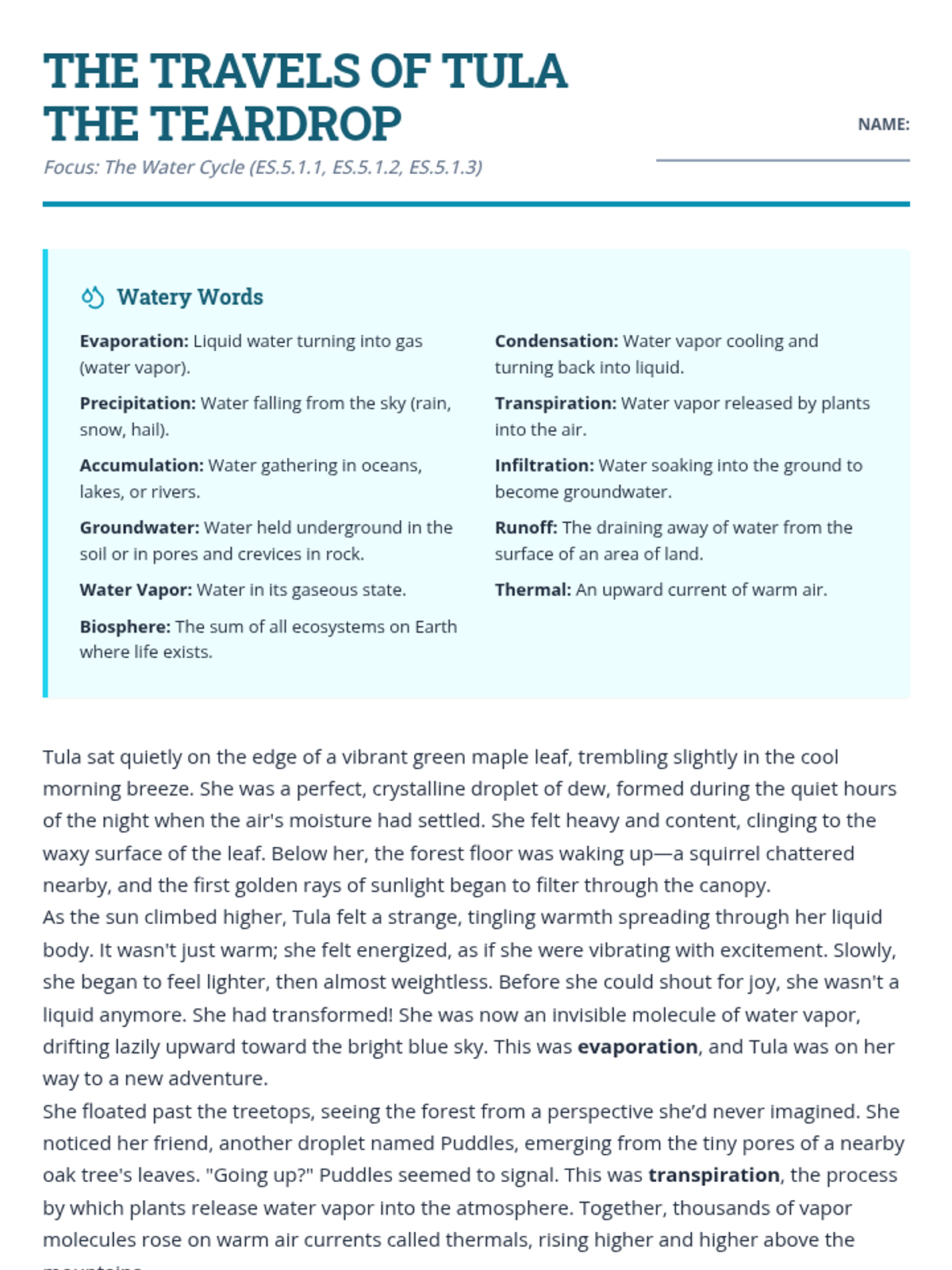
A narrative exploration of the water cycle, focusing on character interaction, theme, and plot development within a scientific context.
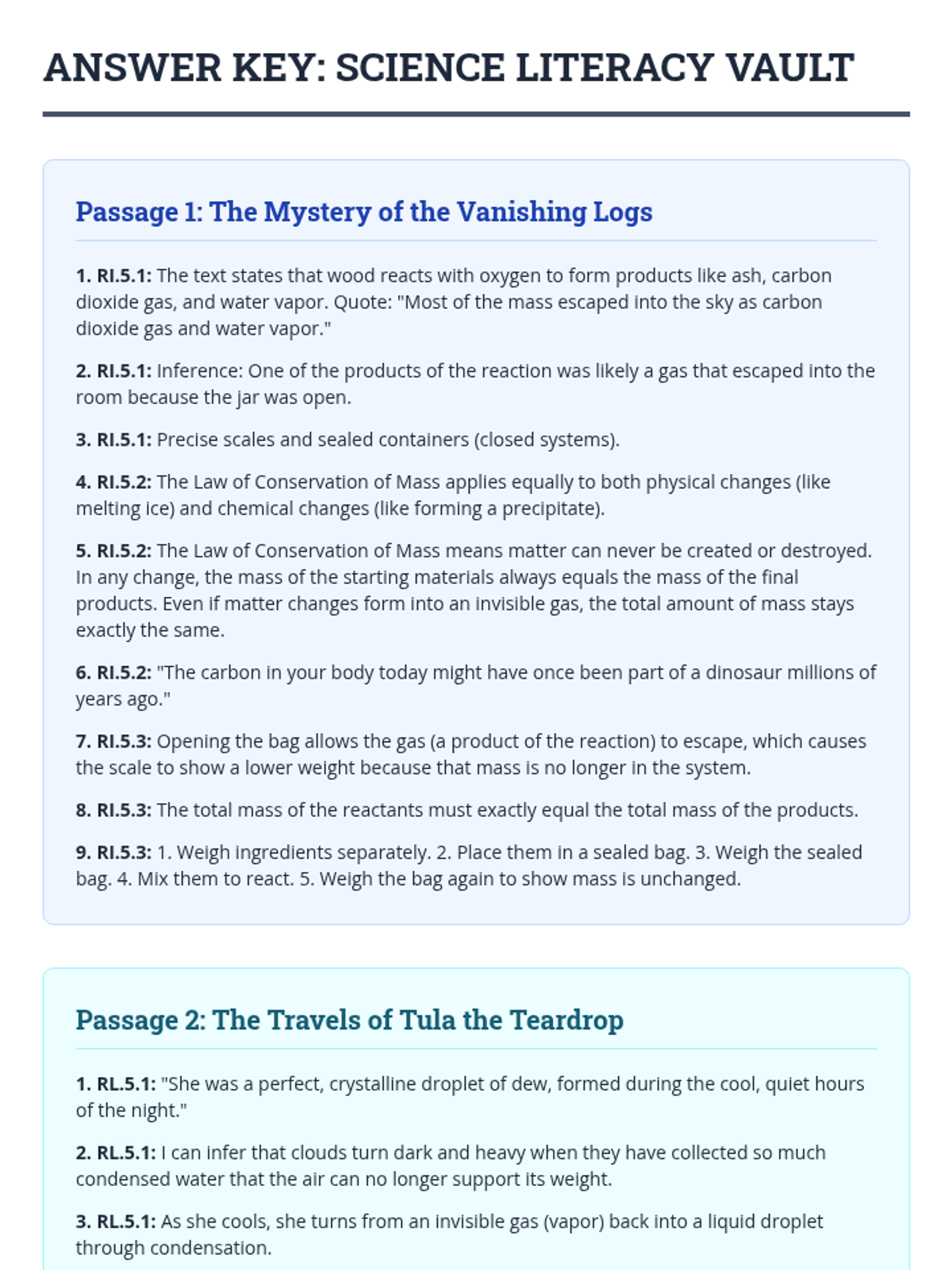
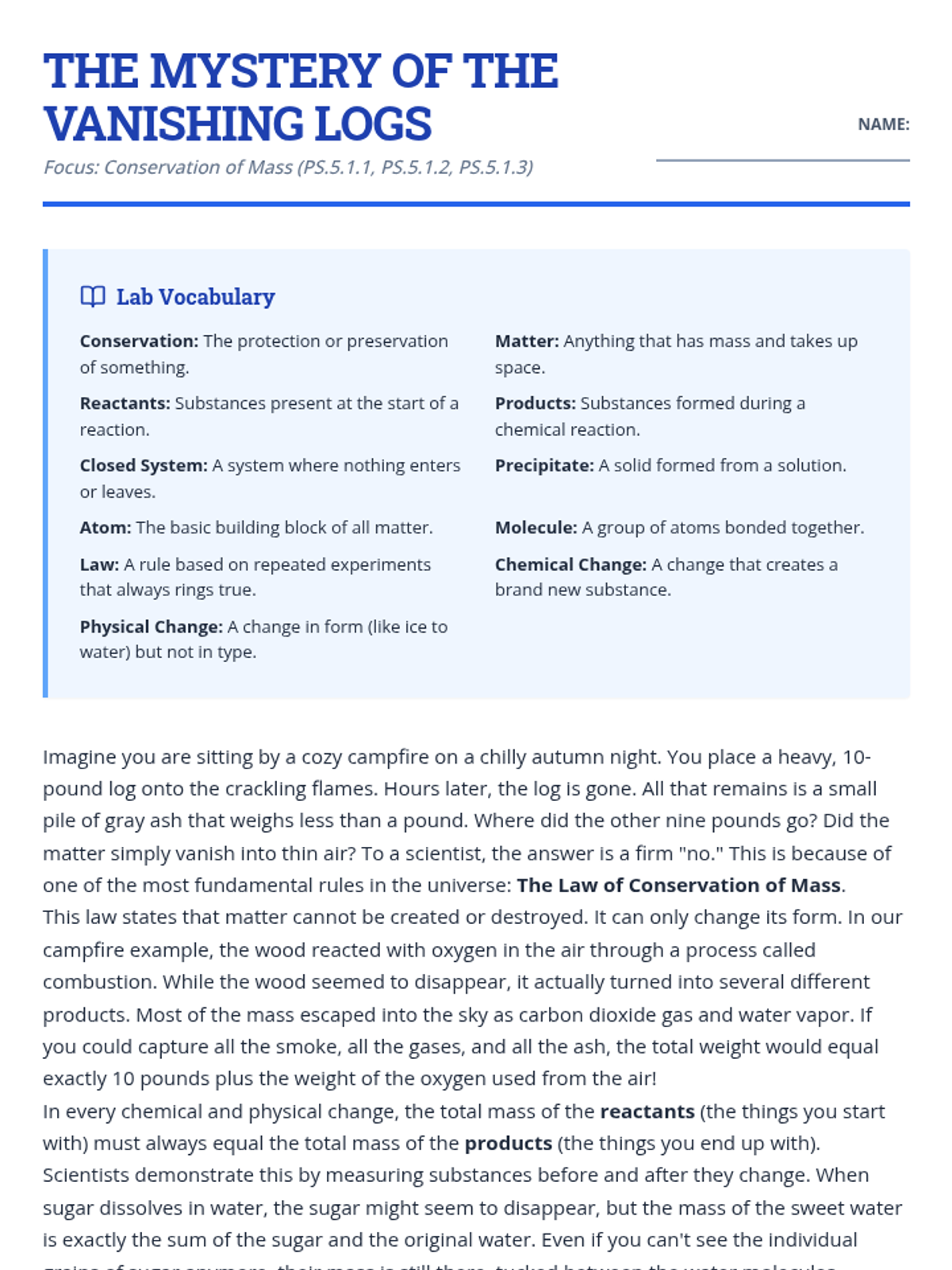
An exploration of the law of conservation of mass through informational text, focusing on reading for details, main ideas, and relationships between concepts.
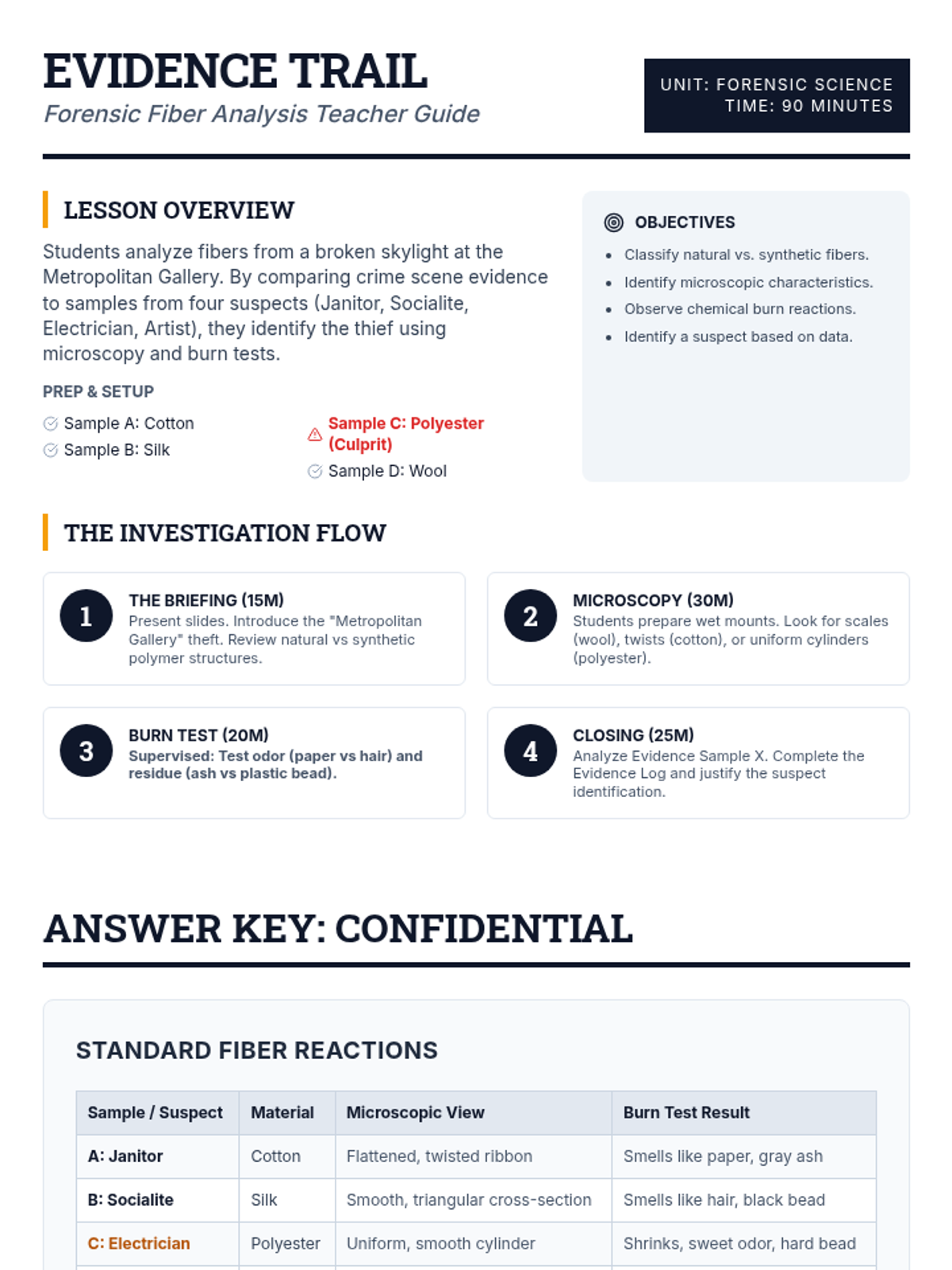
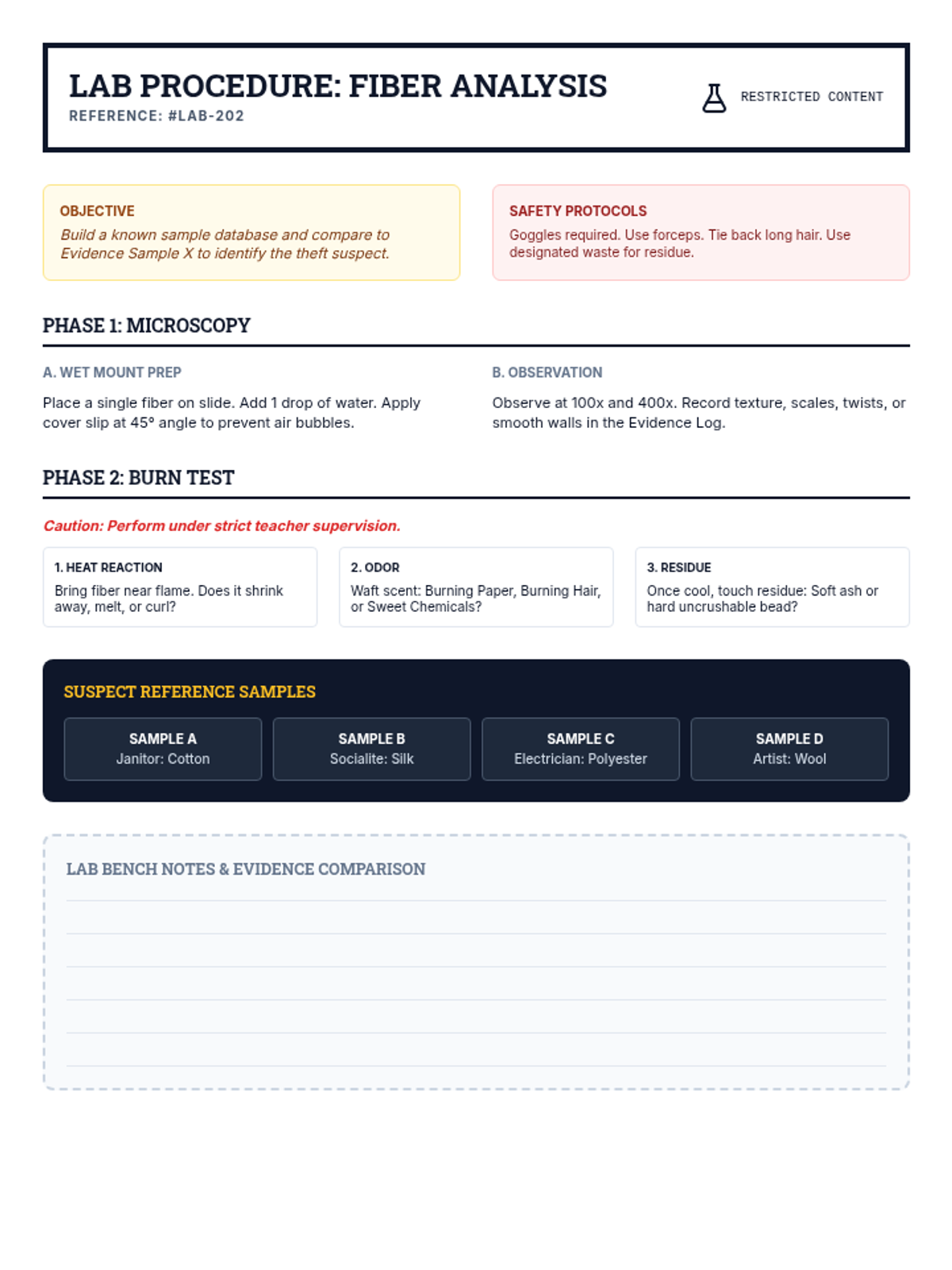
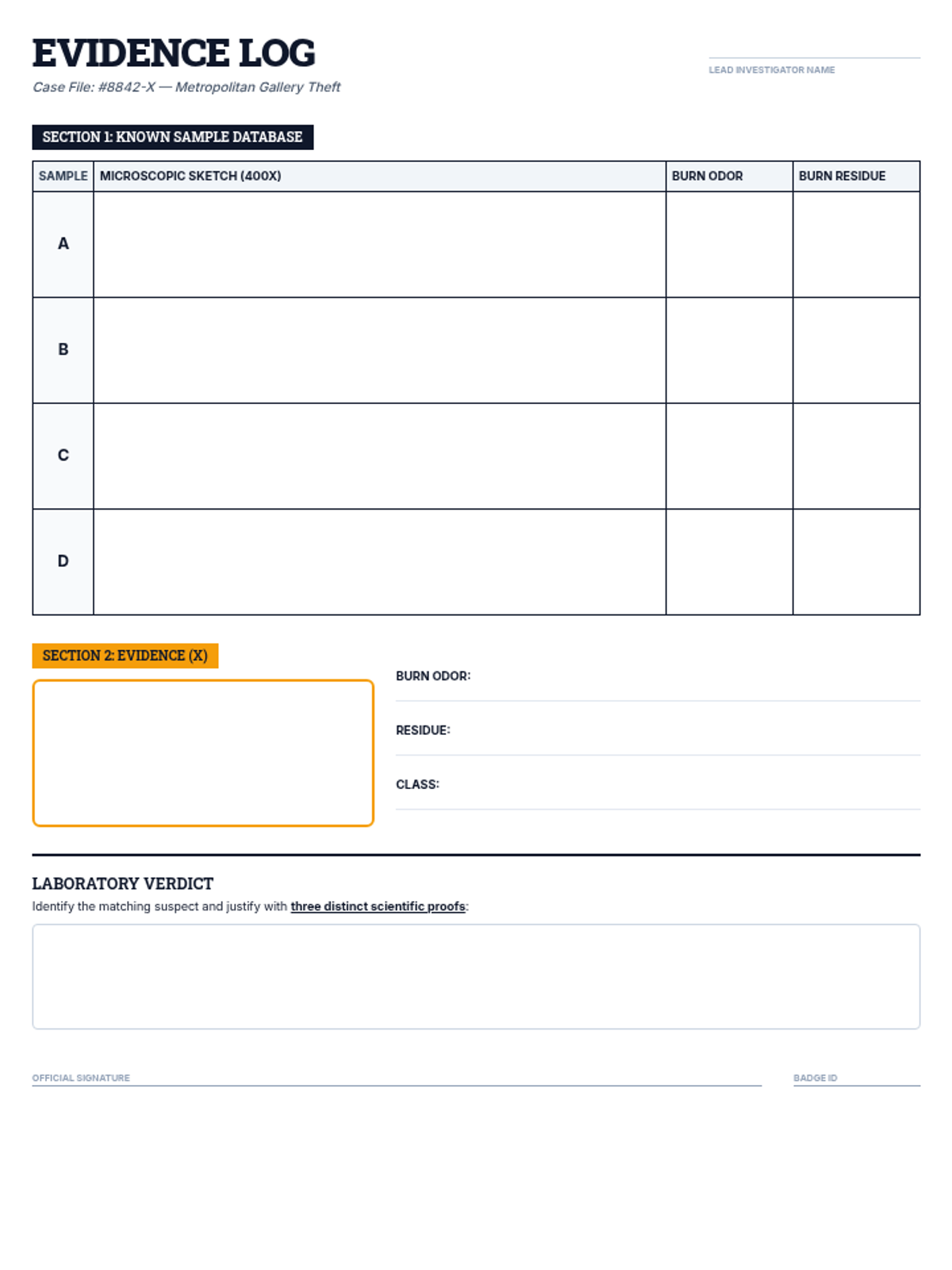
Students engage in a forensic investigation using microscopy and chemical testing to identify unknown fiber samples found at a crime scene. The lesson emphasizes scientific observation, deductive reasoning, and the classification of natural versus synthetic materials.
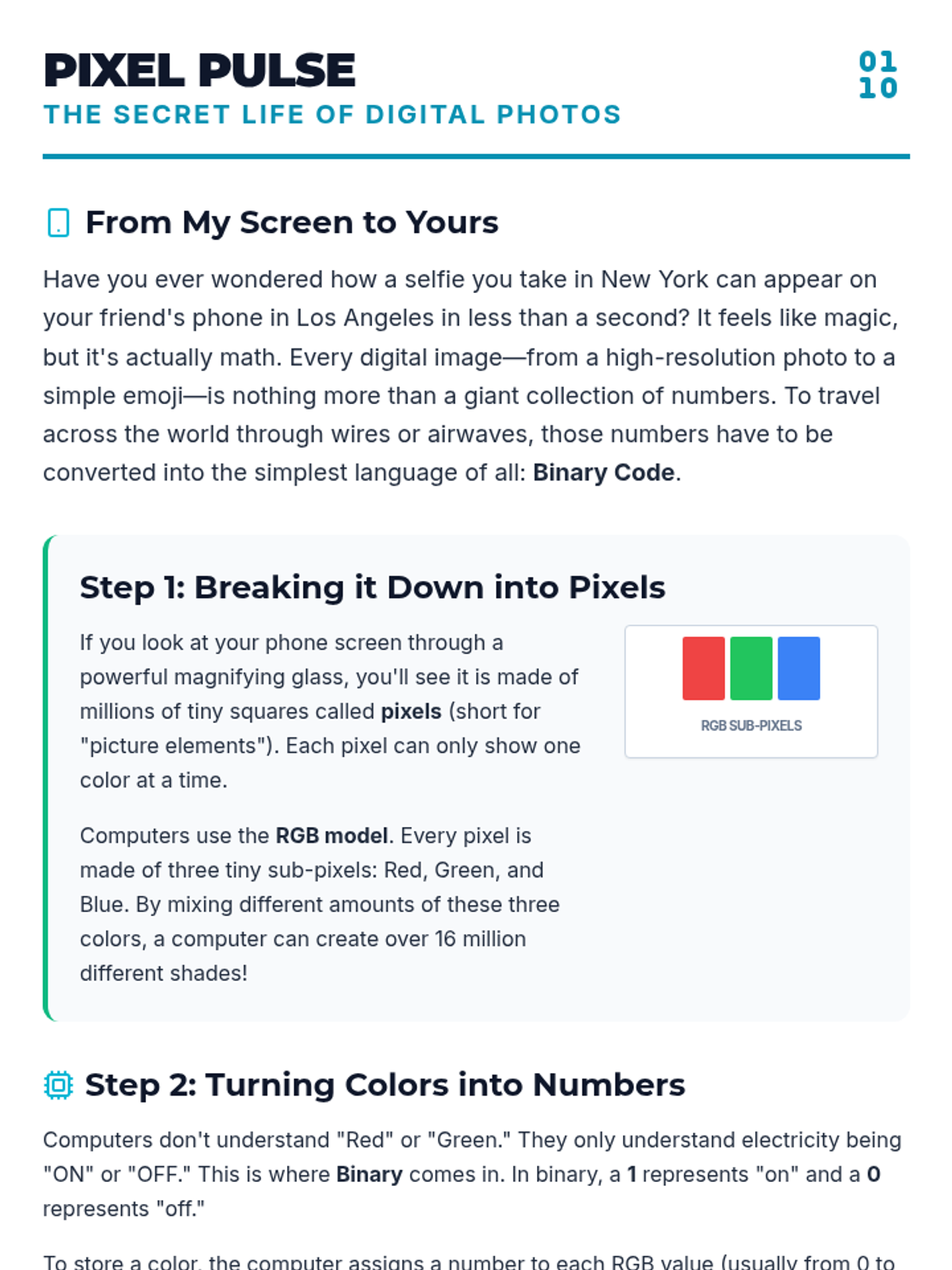
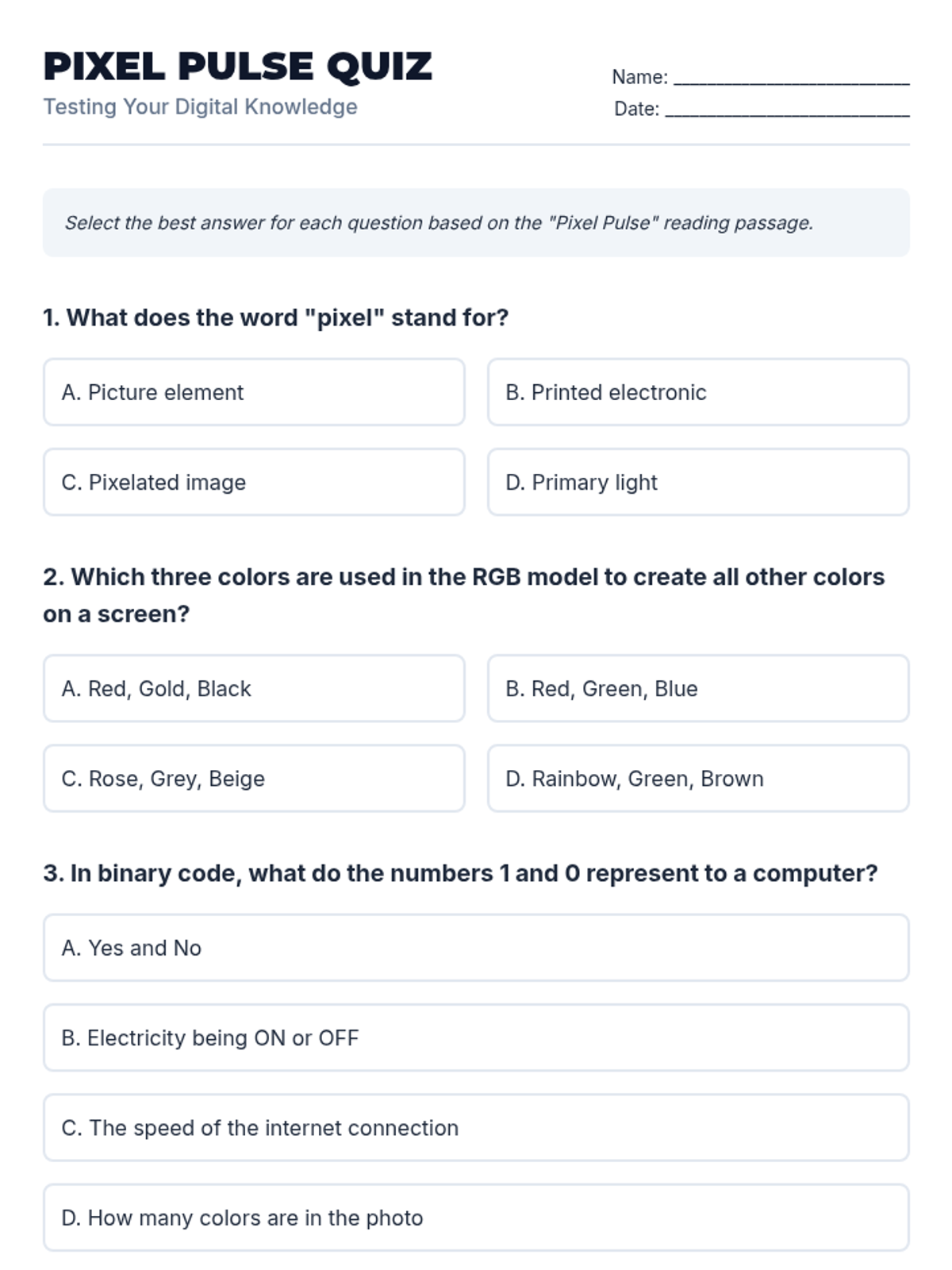
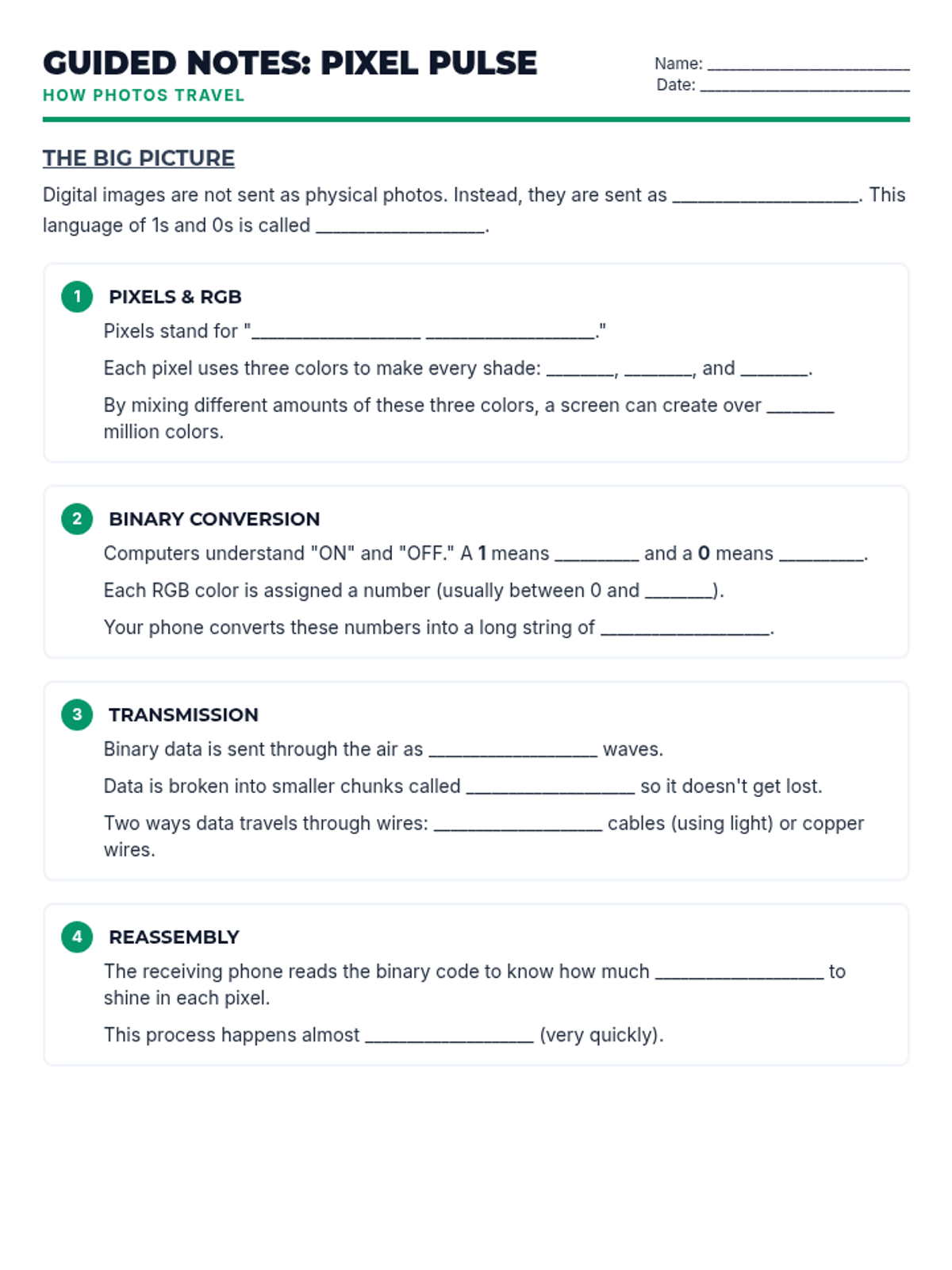
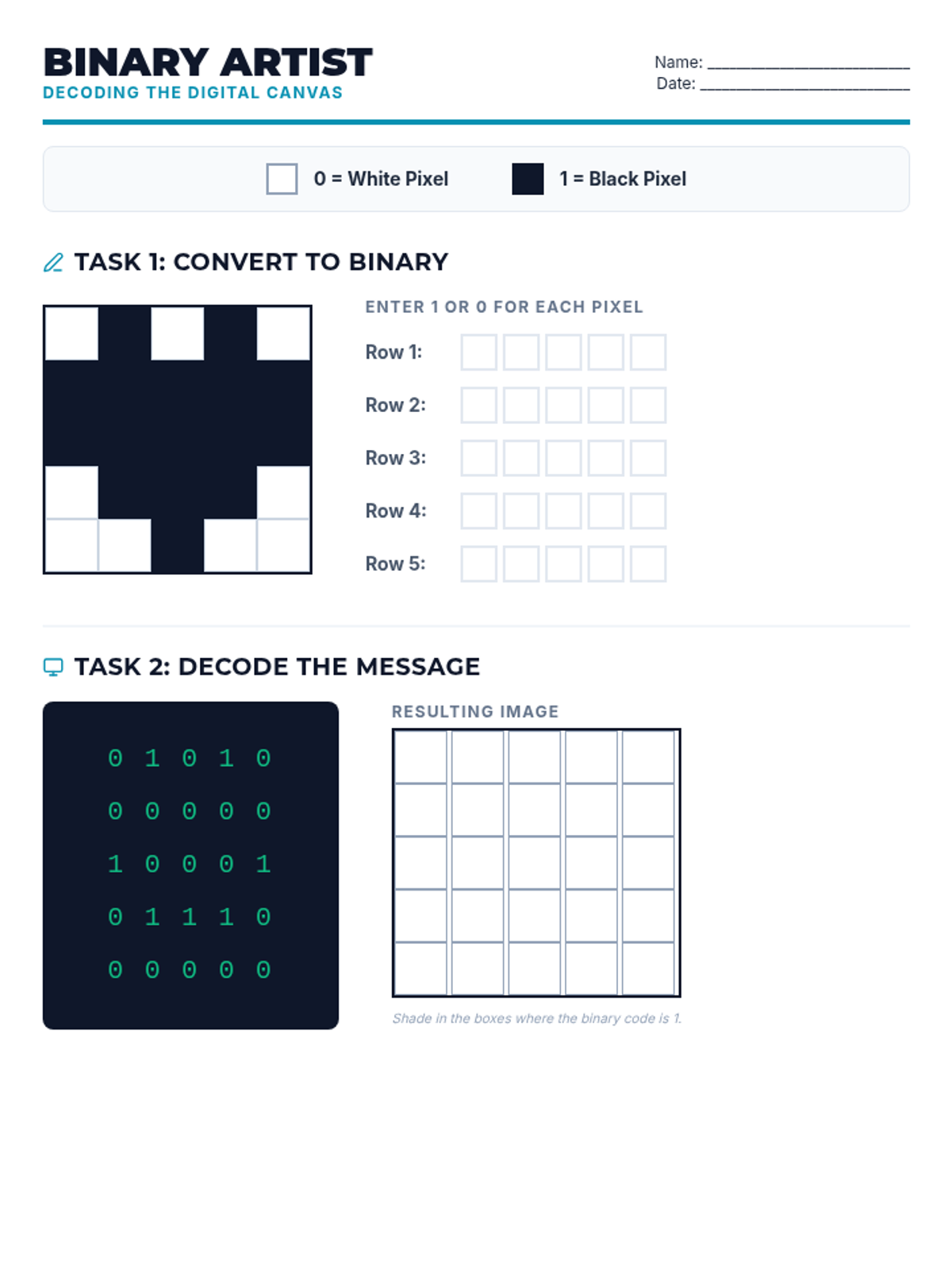
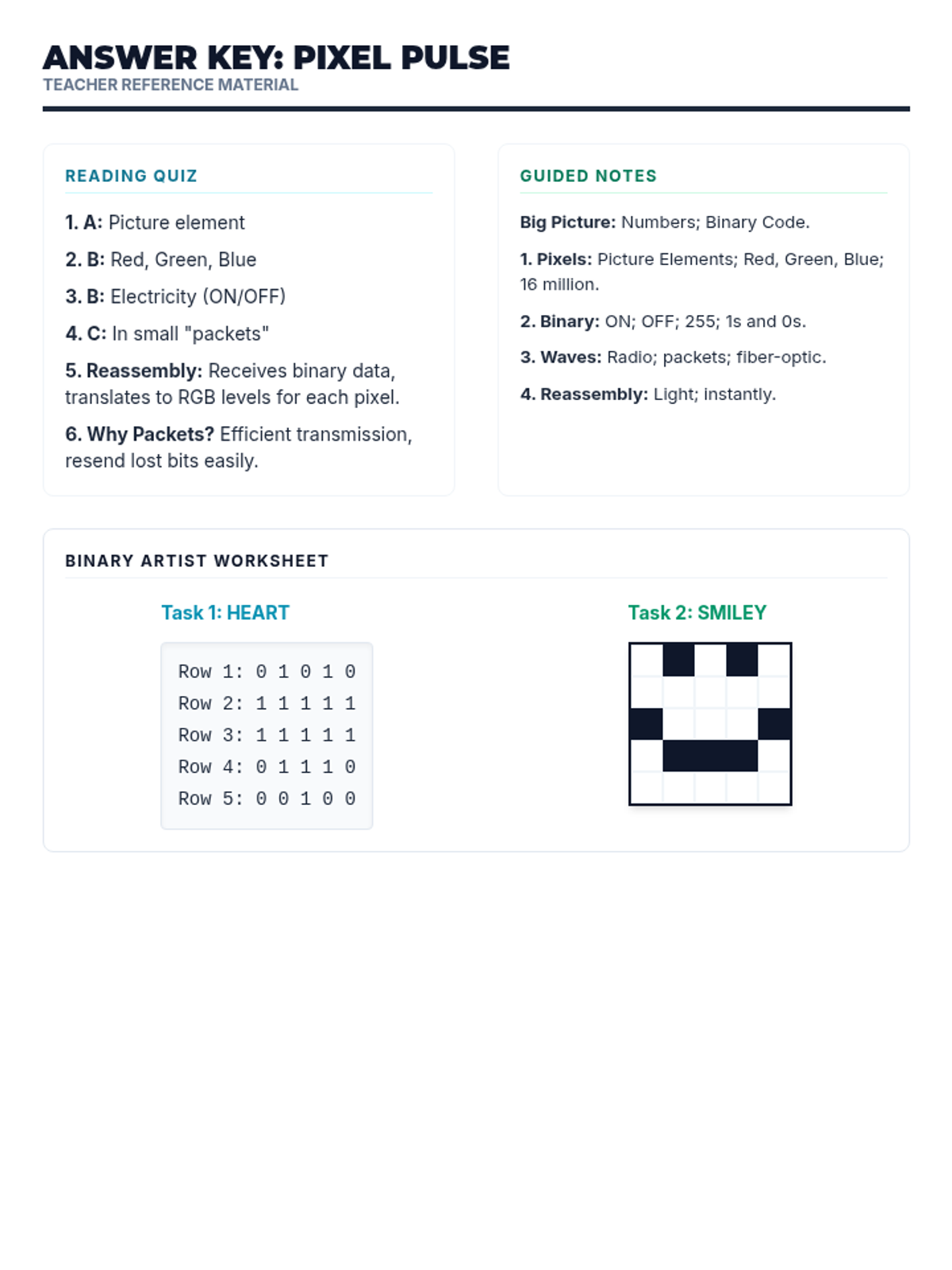
This lesson explores how digital images are broken down into pixels, converted into binary code (1s and 0s), transmitted across distances, and reassembled on another device. Students will learn about the RGB color model and the fundamentals of digital communication.
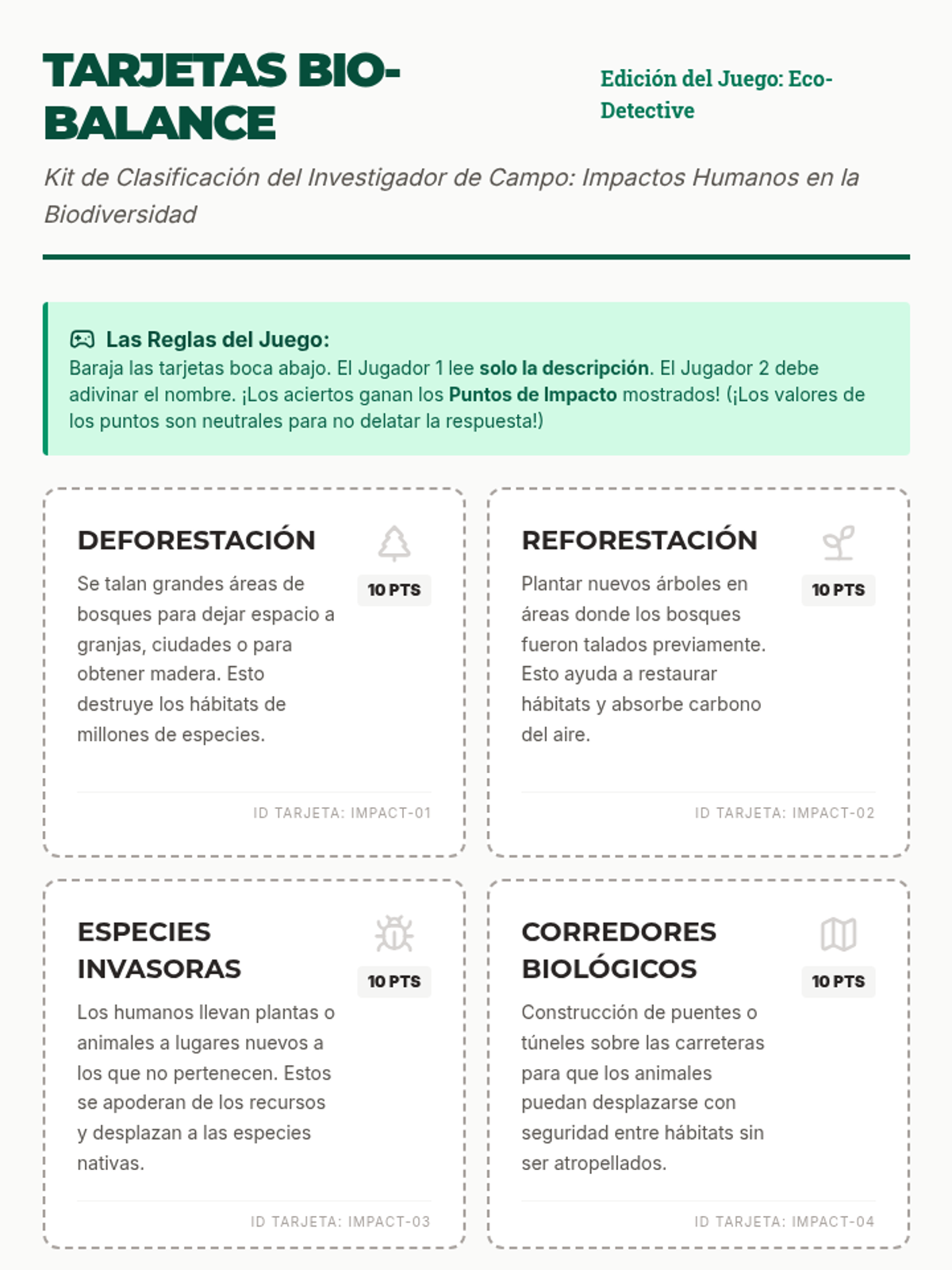
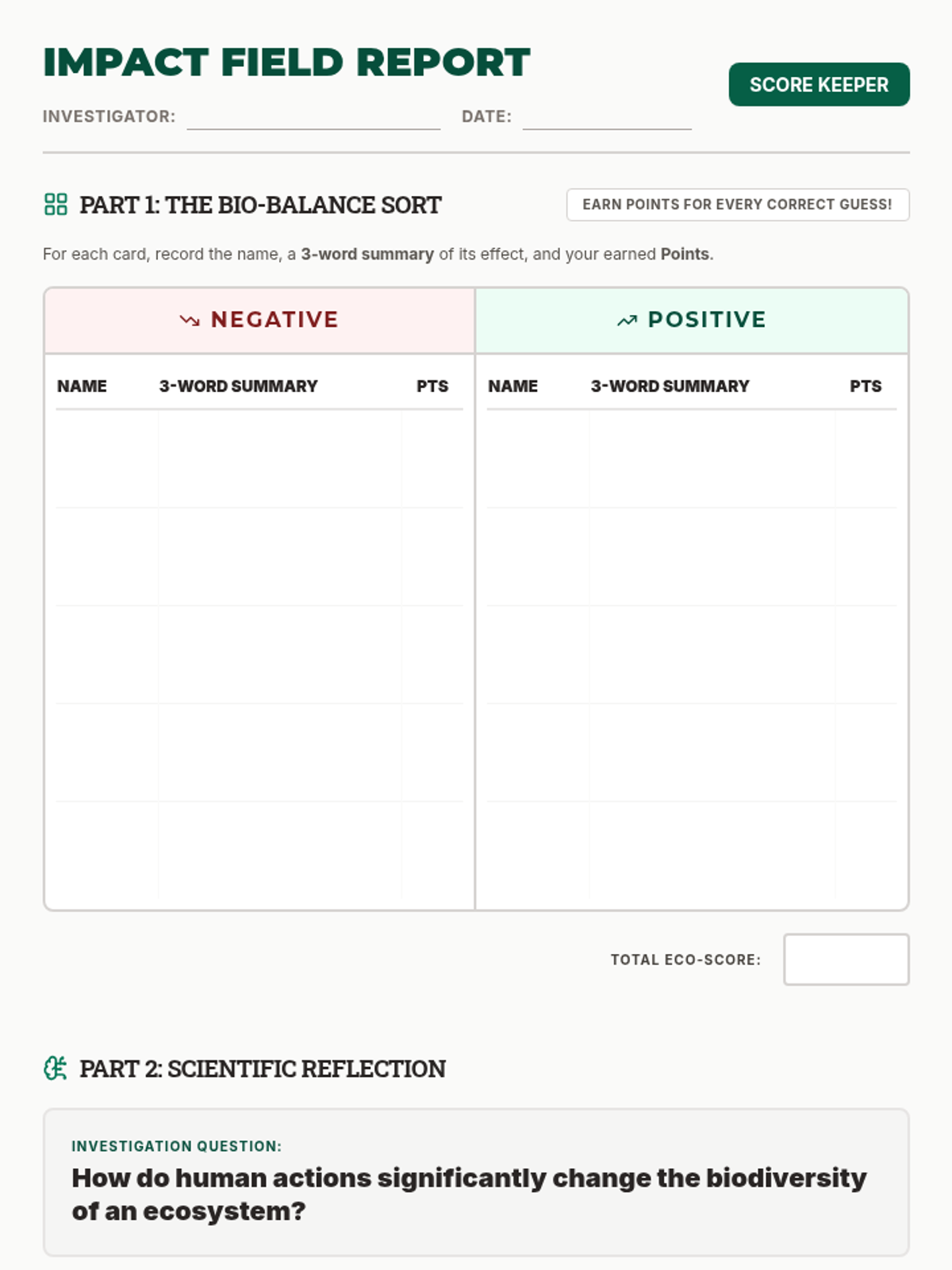
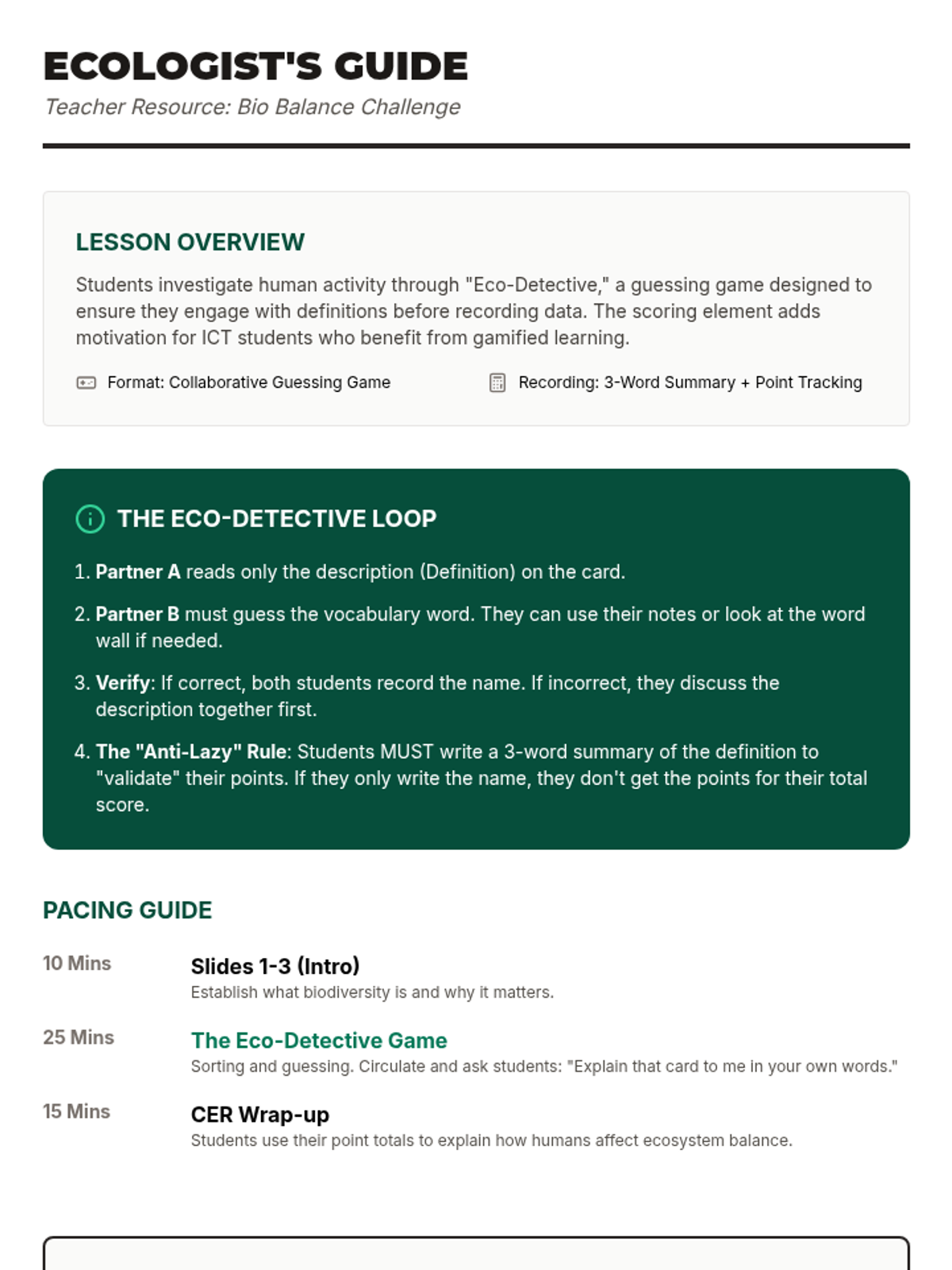
A hands-on exploration of human impacts on biodiversity, featuring a collaborative card sorting game and a reflective CER analysis. Students identify and categorize negative and positive impacts while building academic vocabulary.