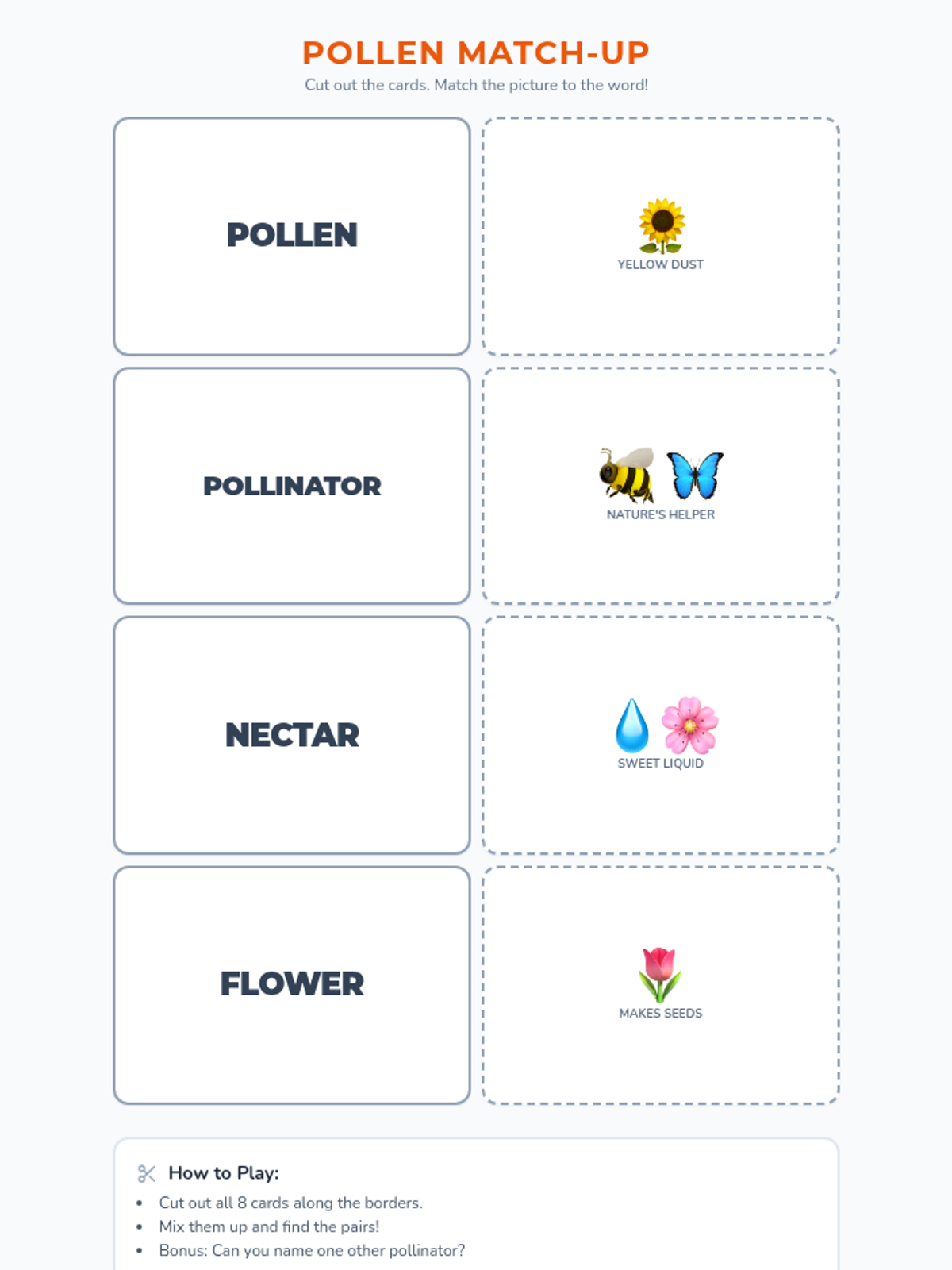
Students will learn how bees move pollen from flower to flower to help plants grow seeds and fruit.
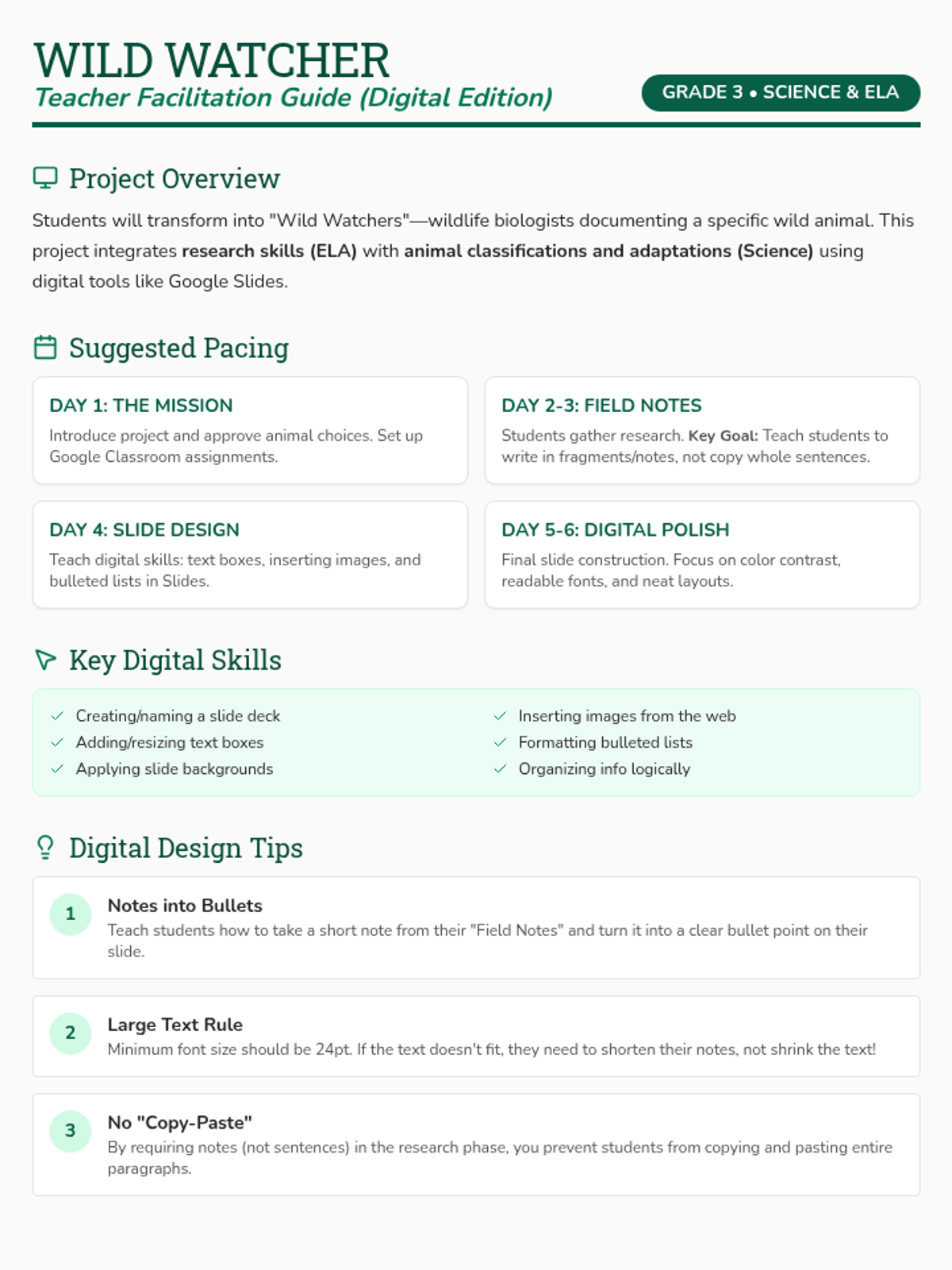
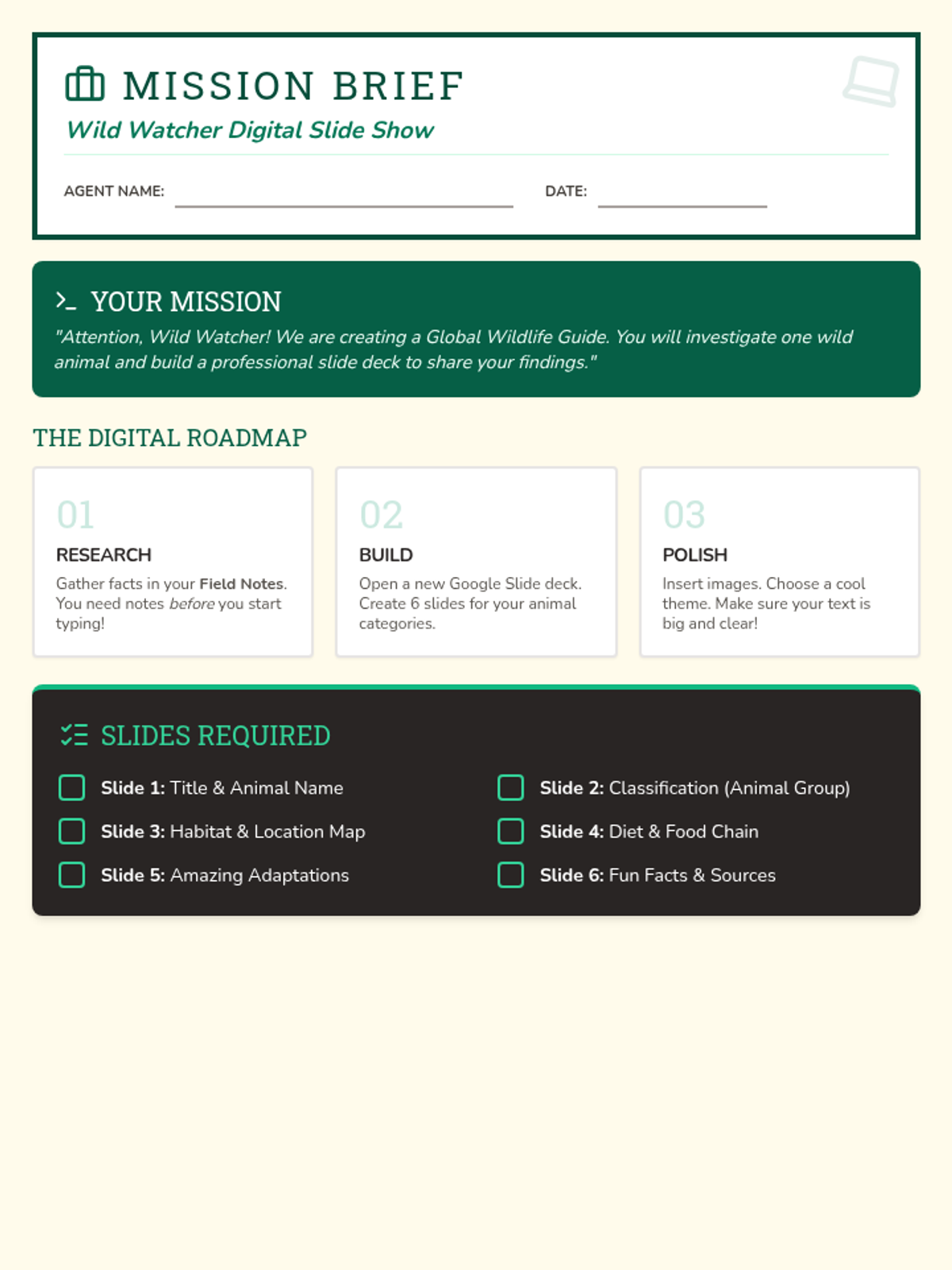
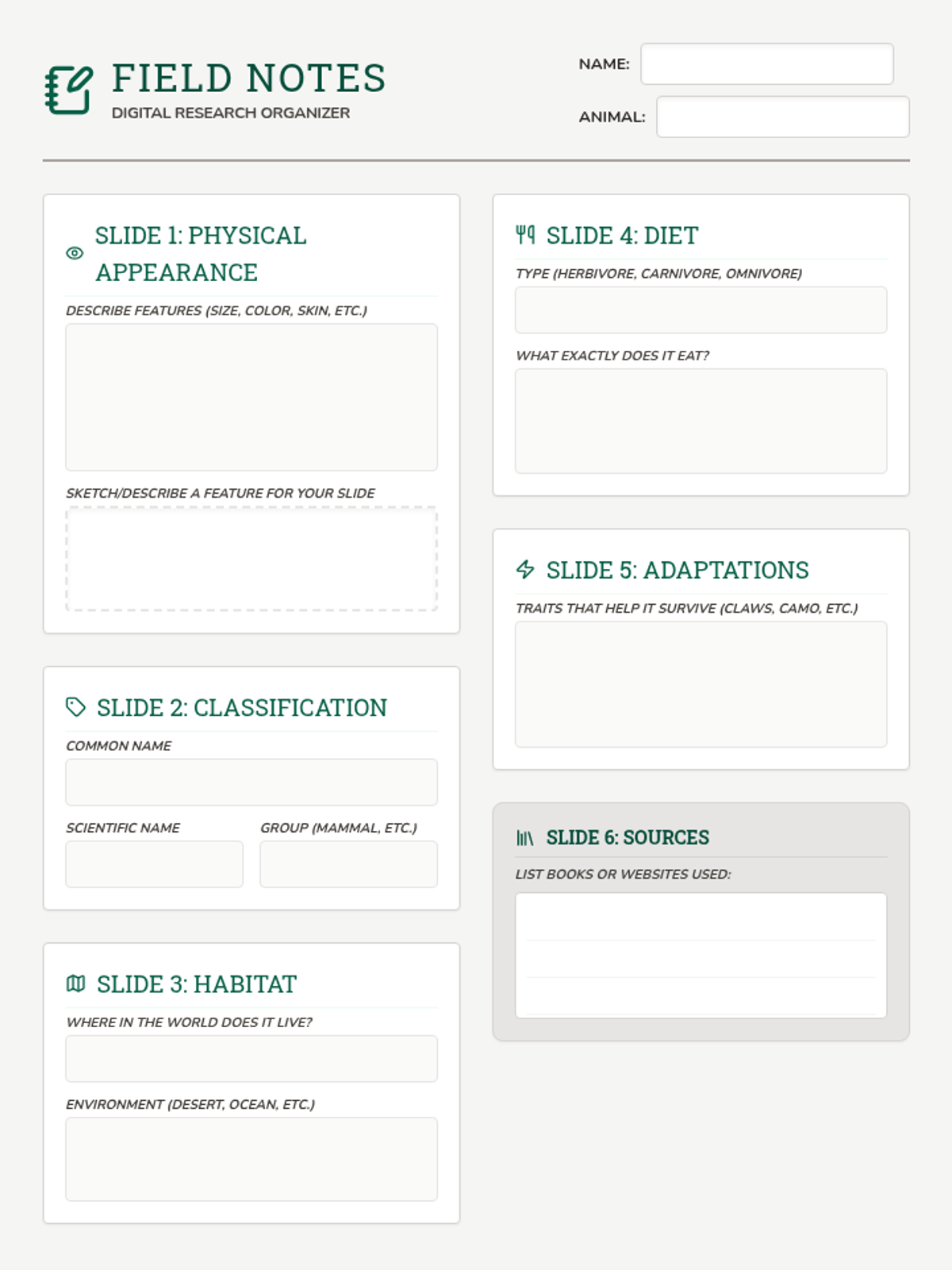
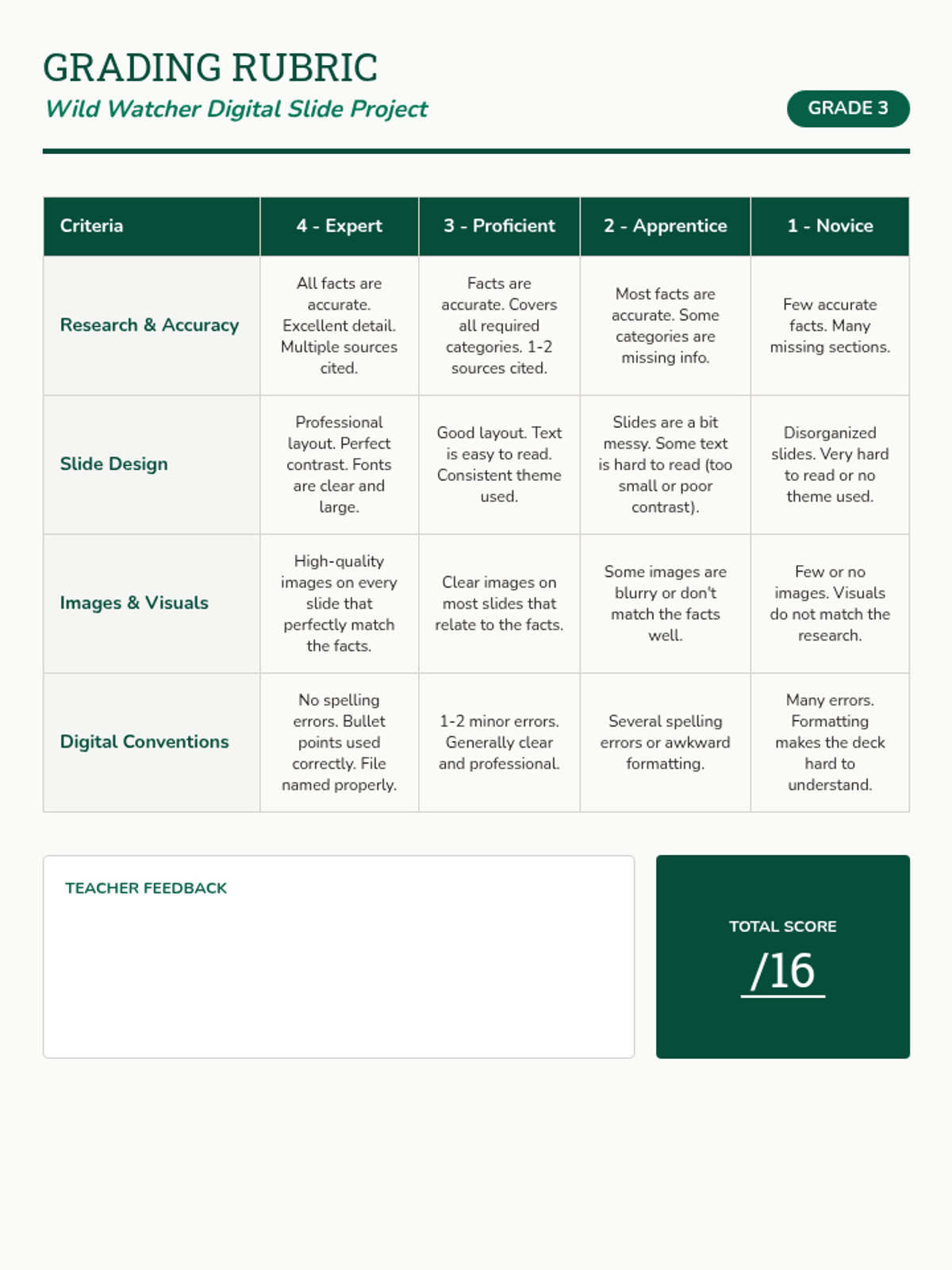
A comprehensive research and presentation project where students become wildlife experts, investigating a wild animal of their choice and creating a digital slide deck to share their findings.
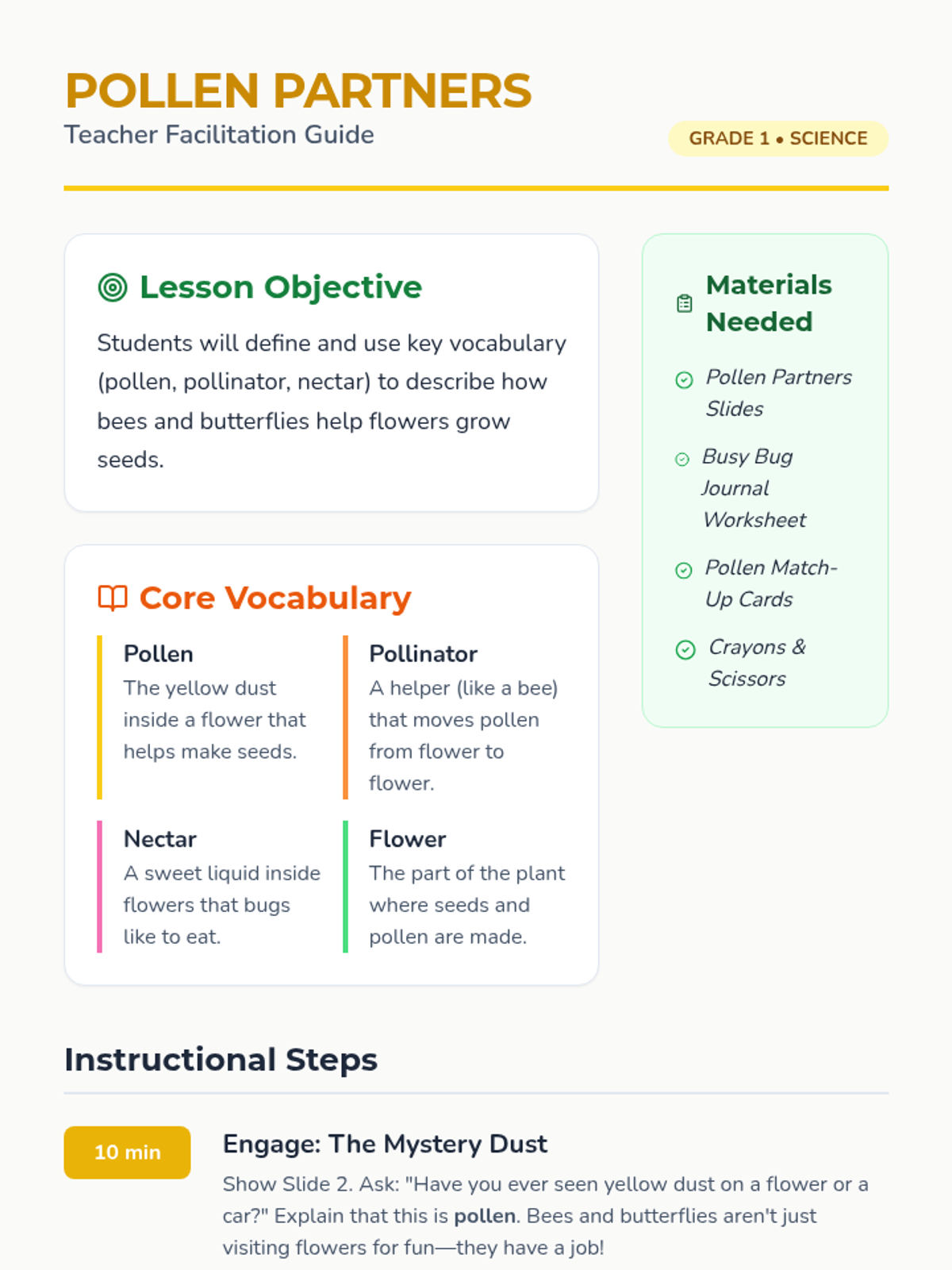
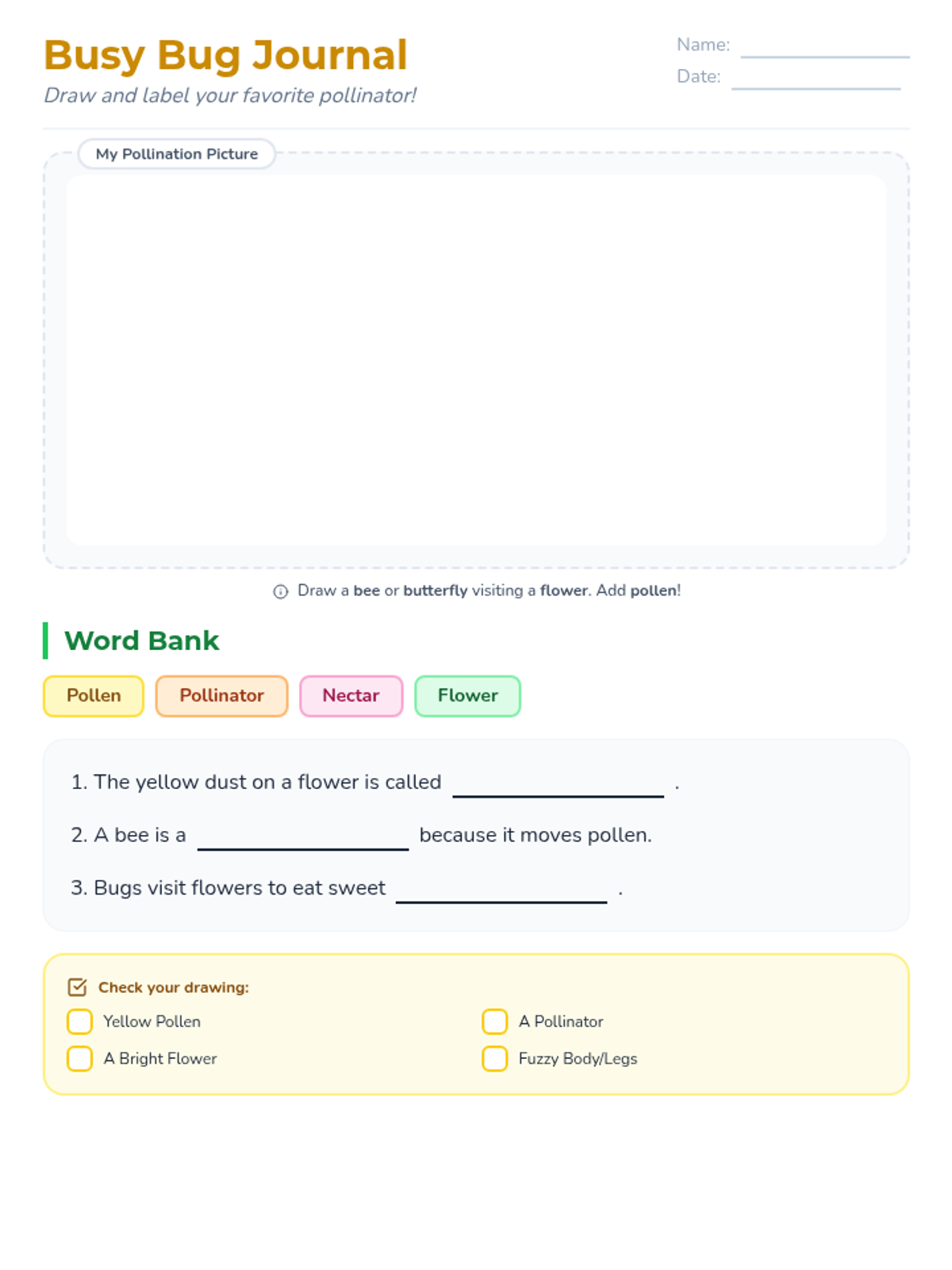
A hands-on follow-up lesson for first graders focusing on the vocabulary of pollination, specifically the roles of bees and butterflies as they move pollen between flowers.
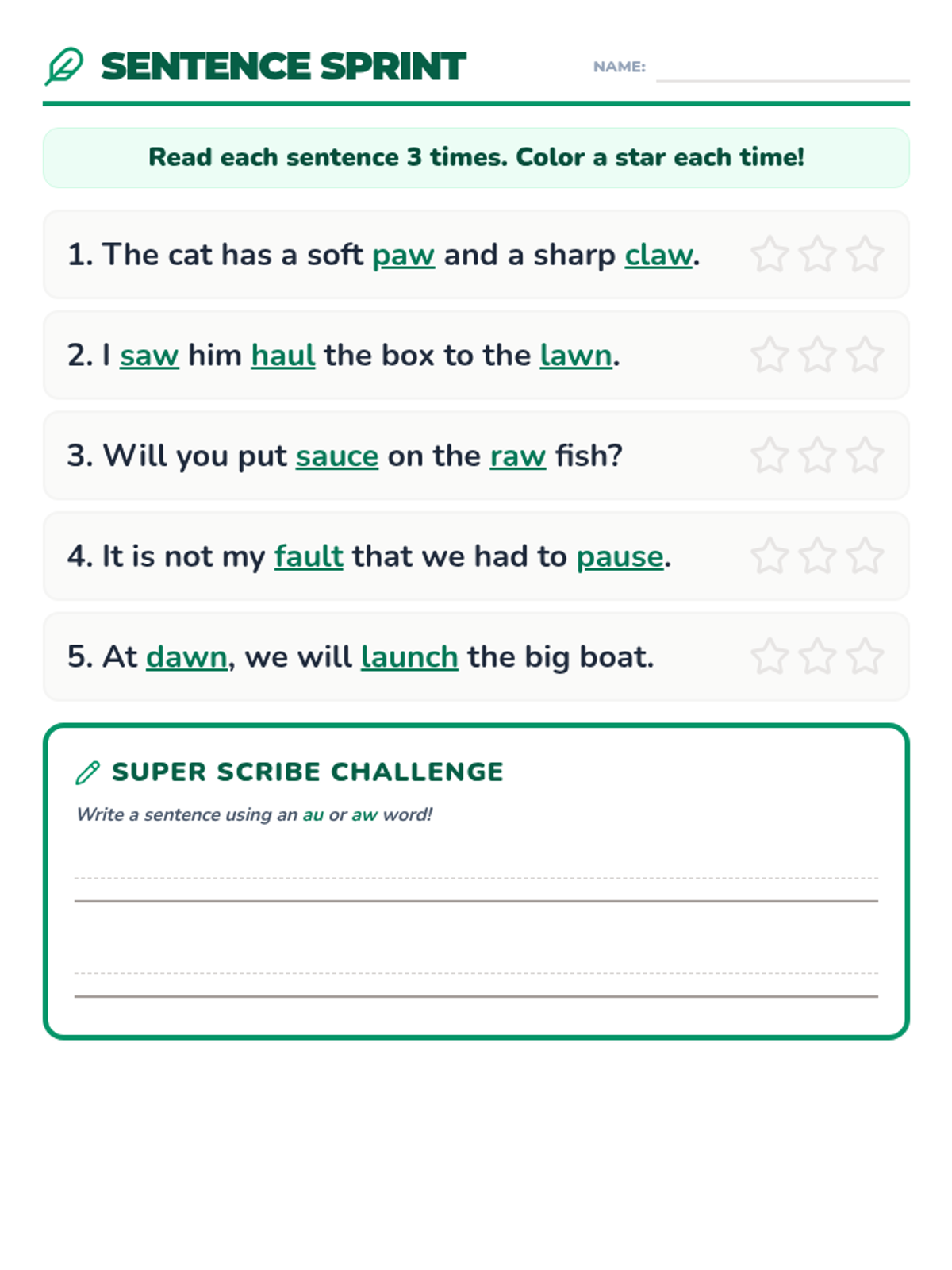
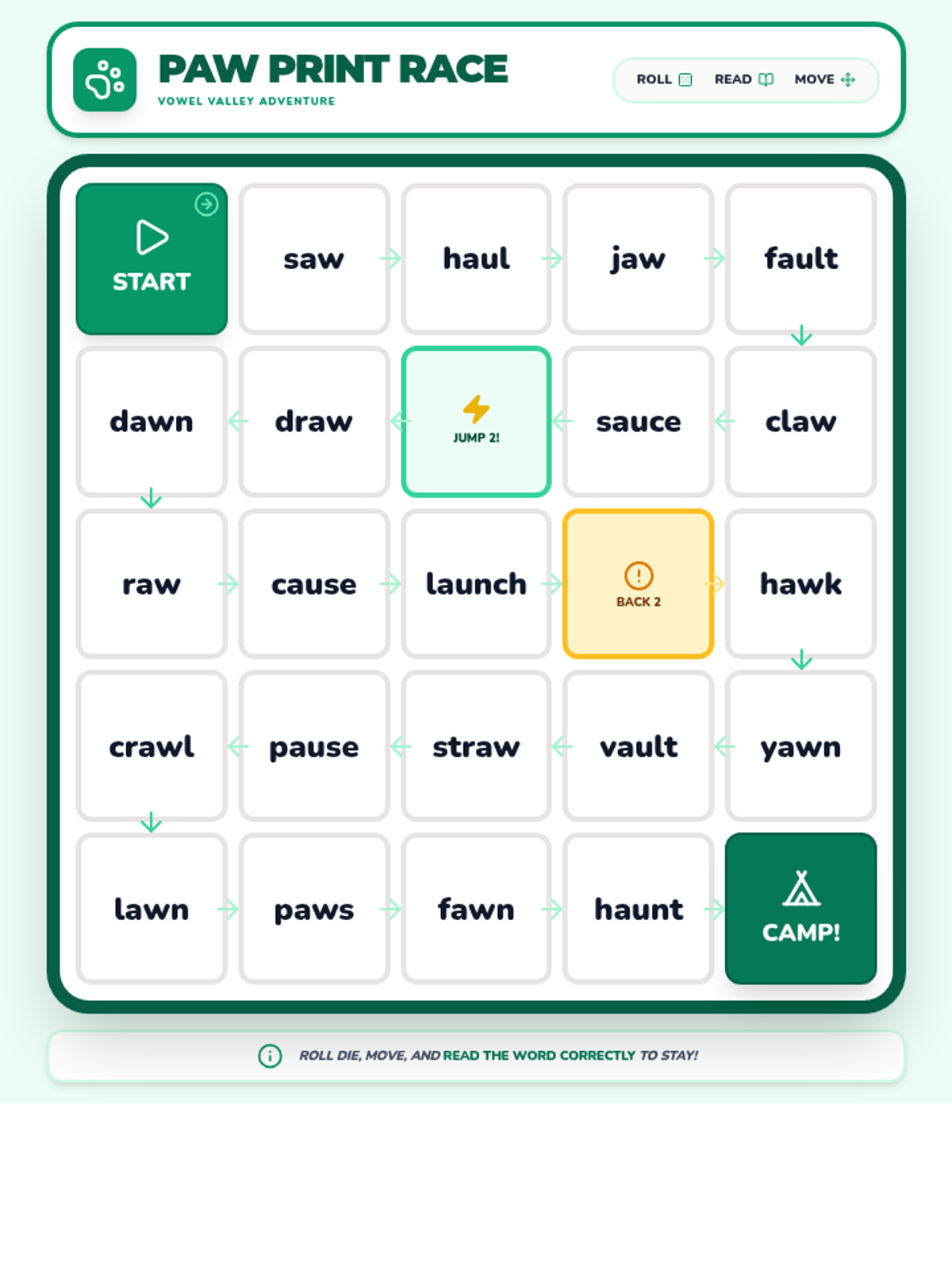
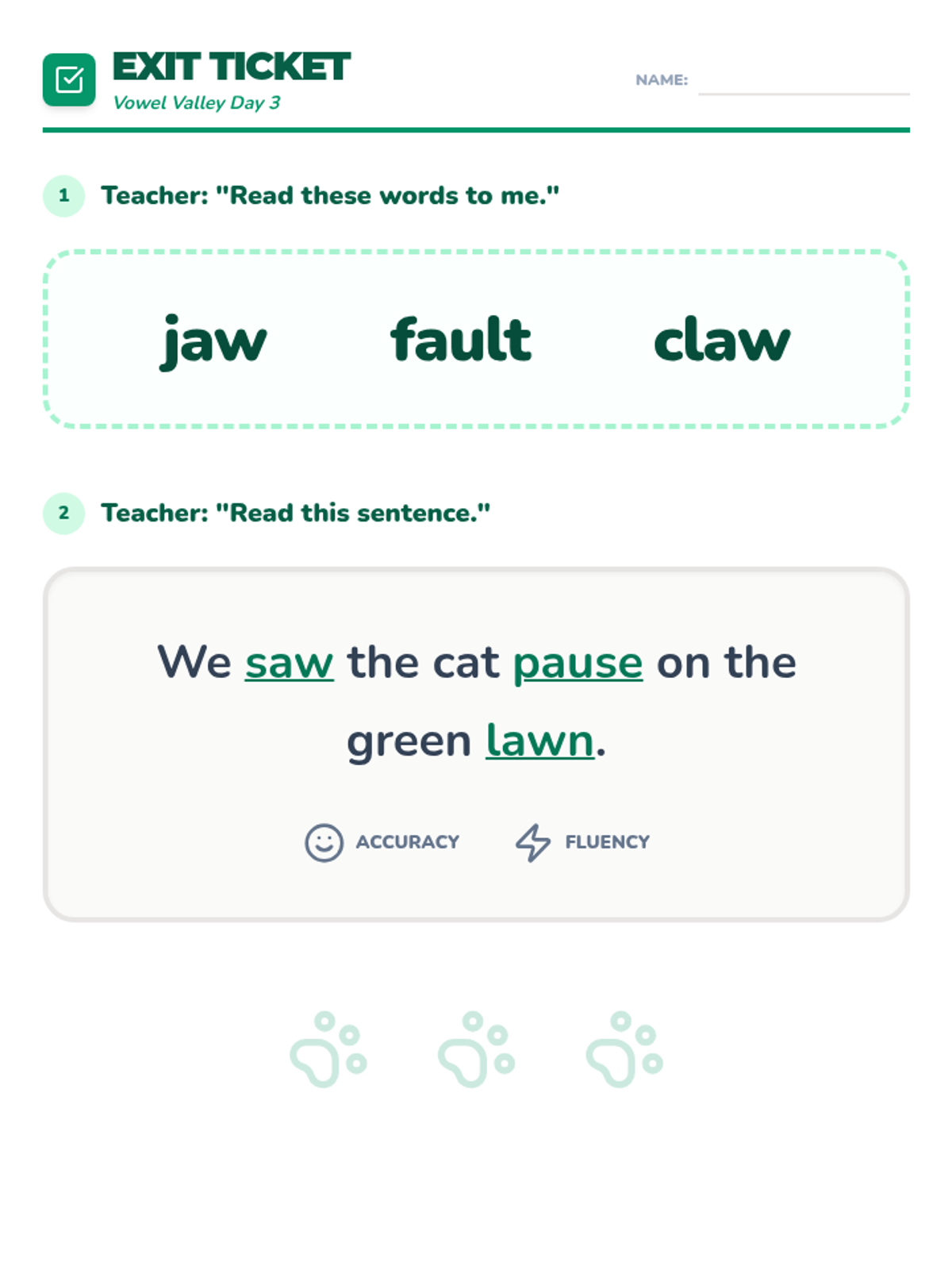
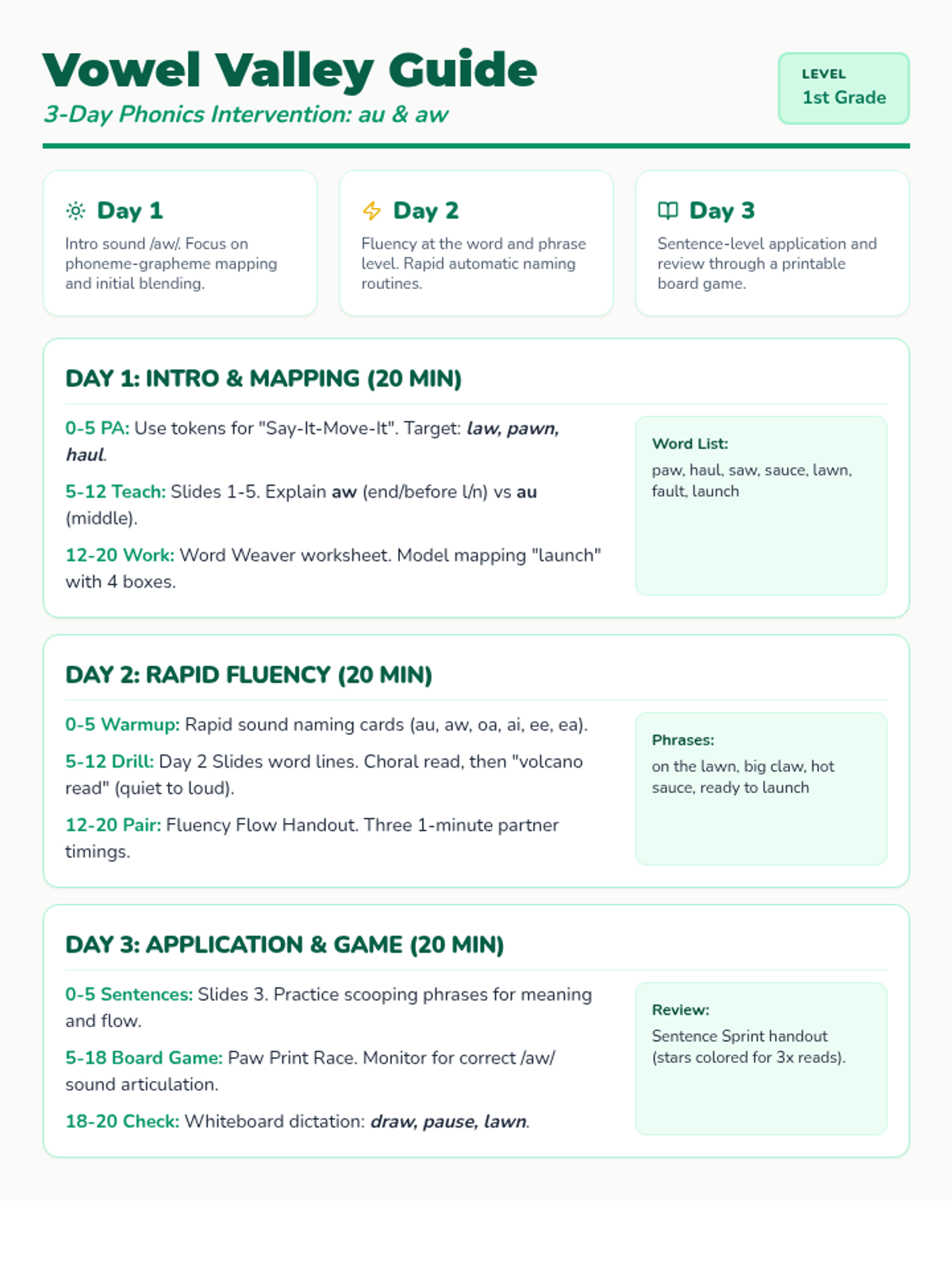
Applying 'au' and 'aw' knowledge to sentence reading and a collaborative board game review.
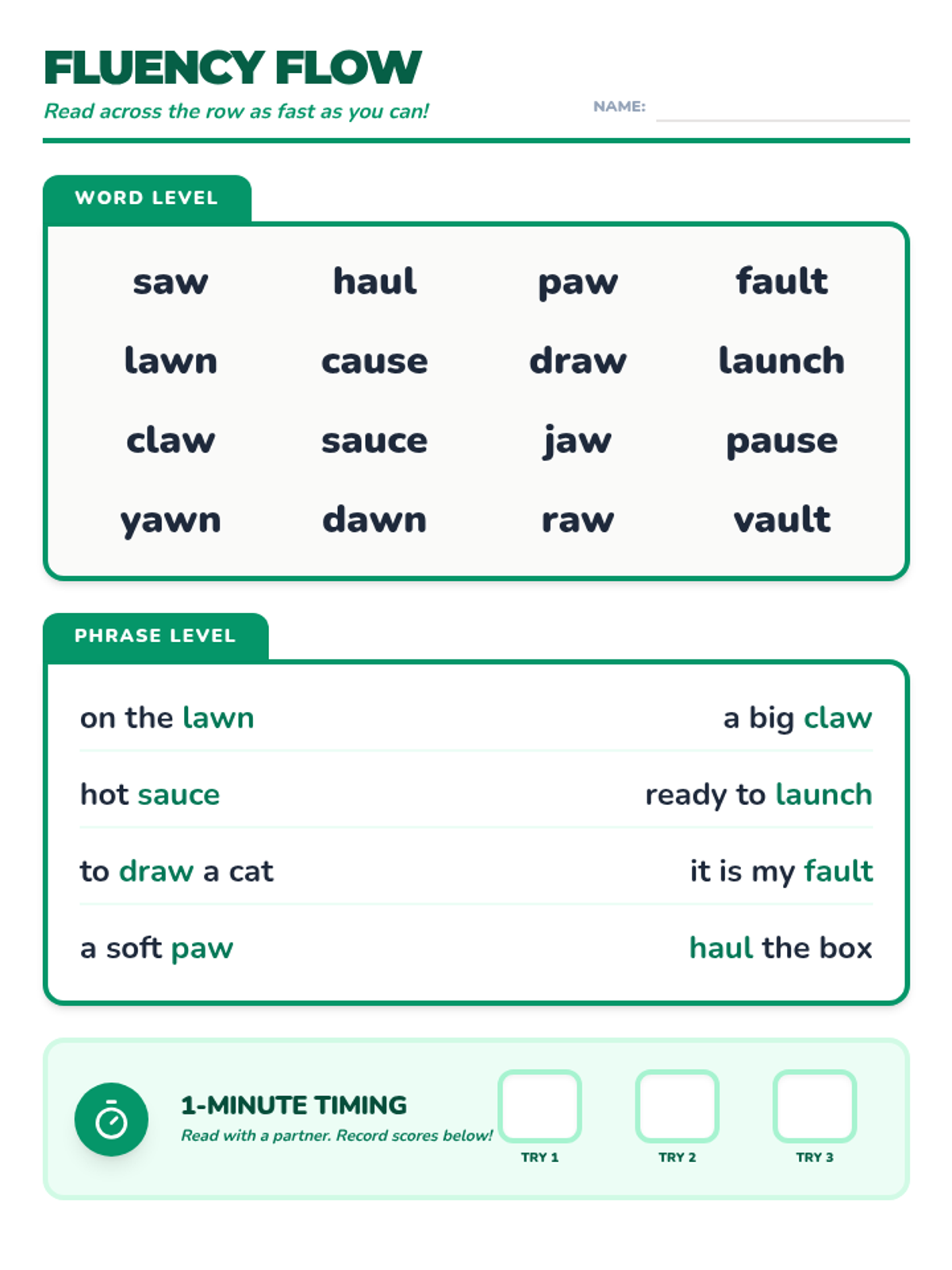
Building fluency with 'au' and 'aw' words and phrases through repetitive practice and blending routines.
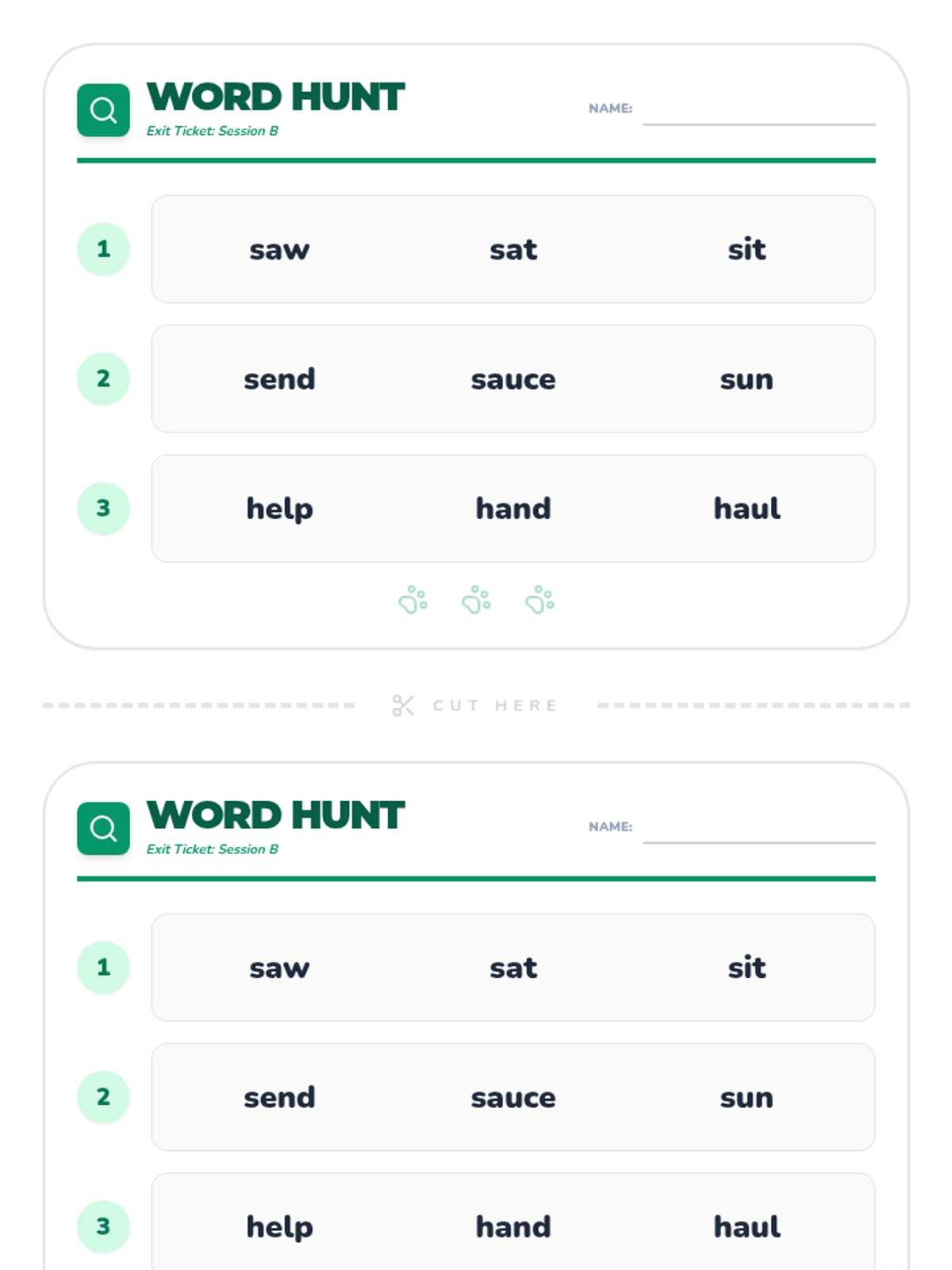
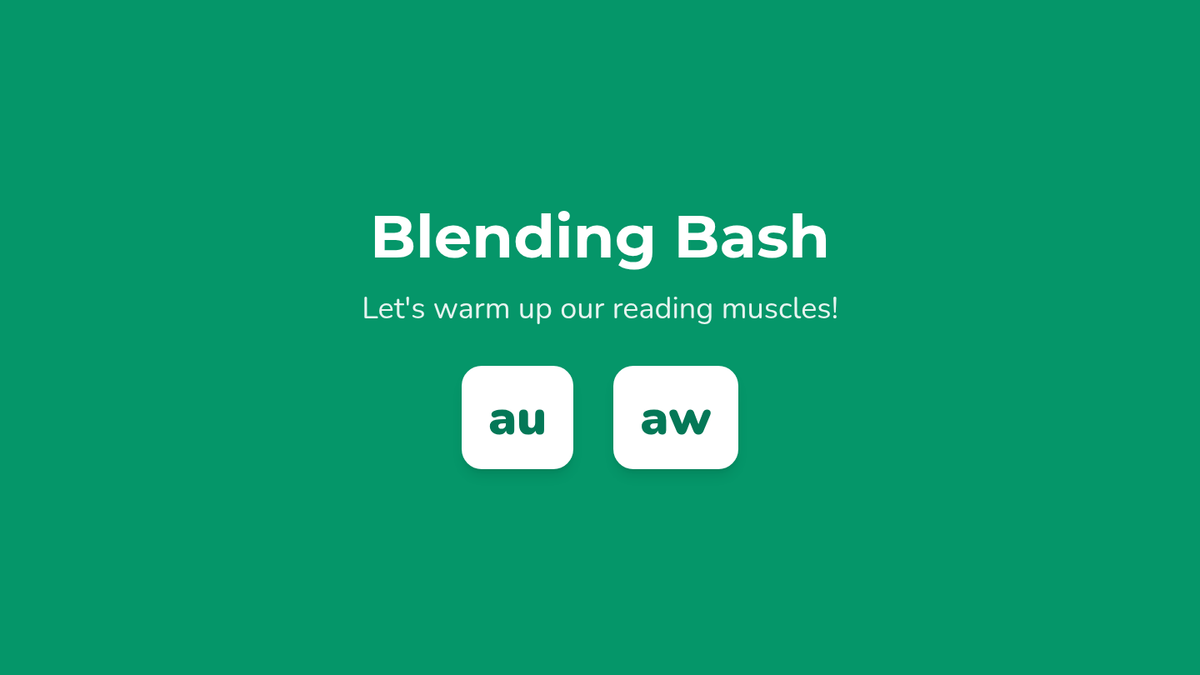
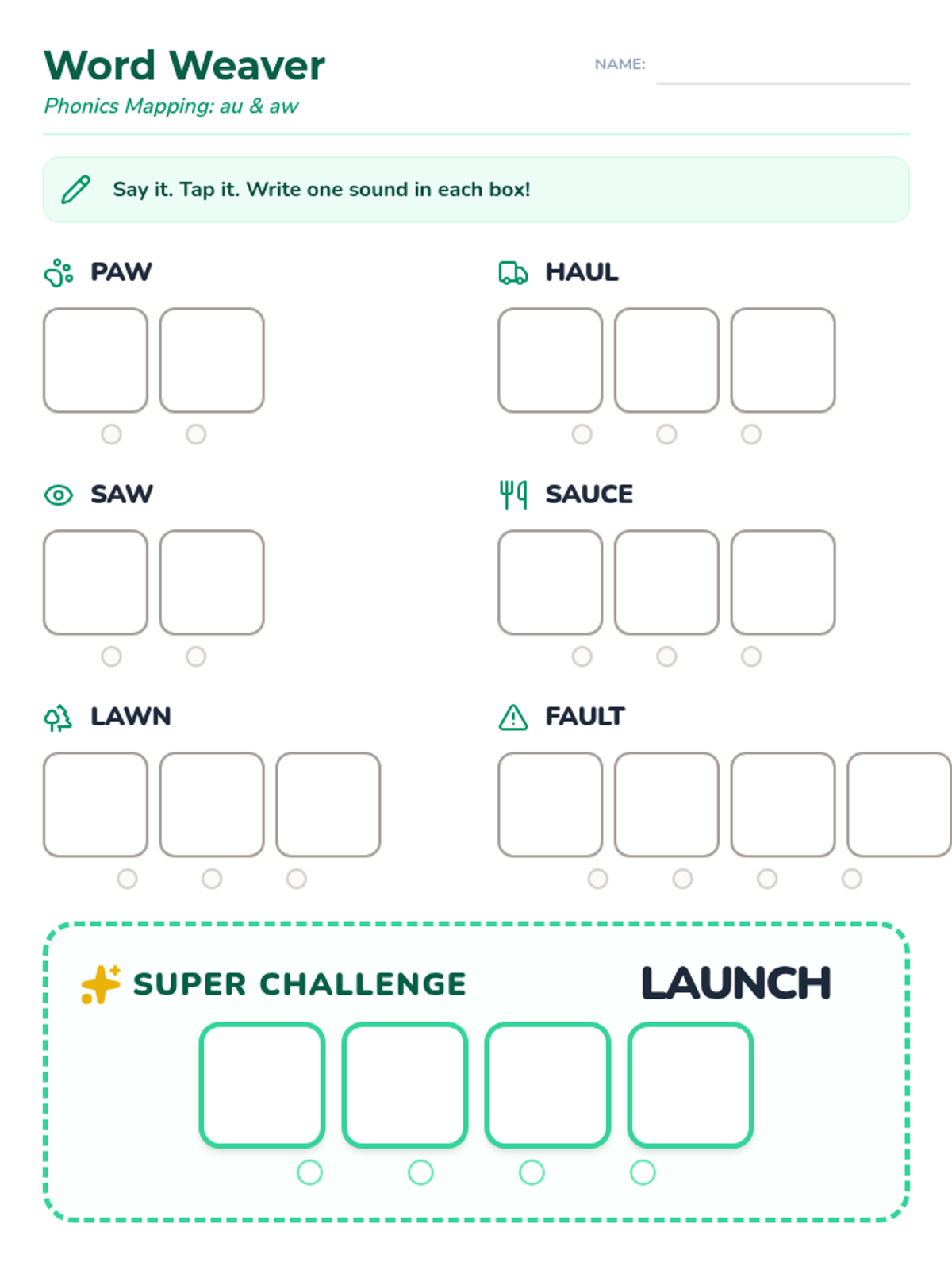
Introduction to the 'au' and 'aw' diphthongs, focusing on phoneme-grapheme mapping and initial word decoding.
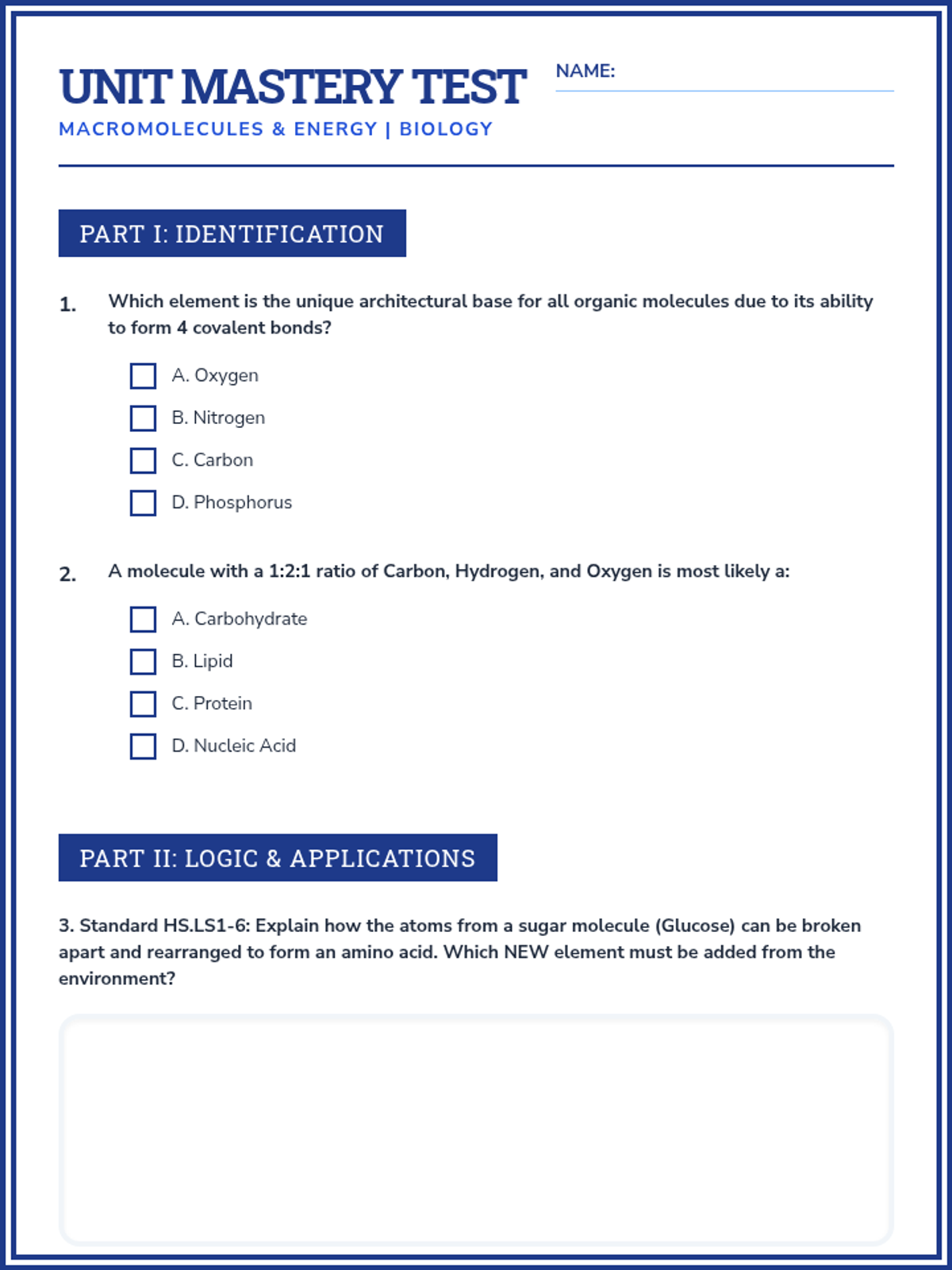
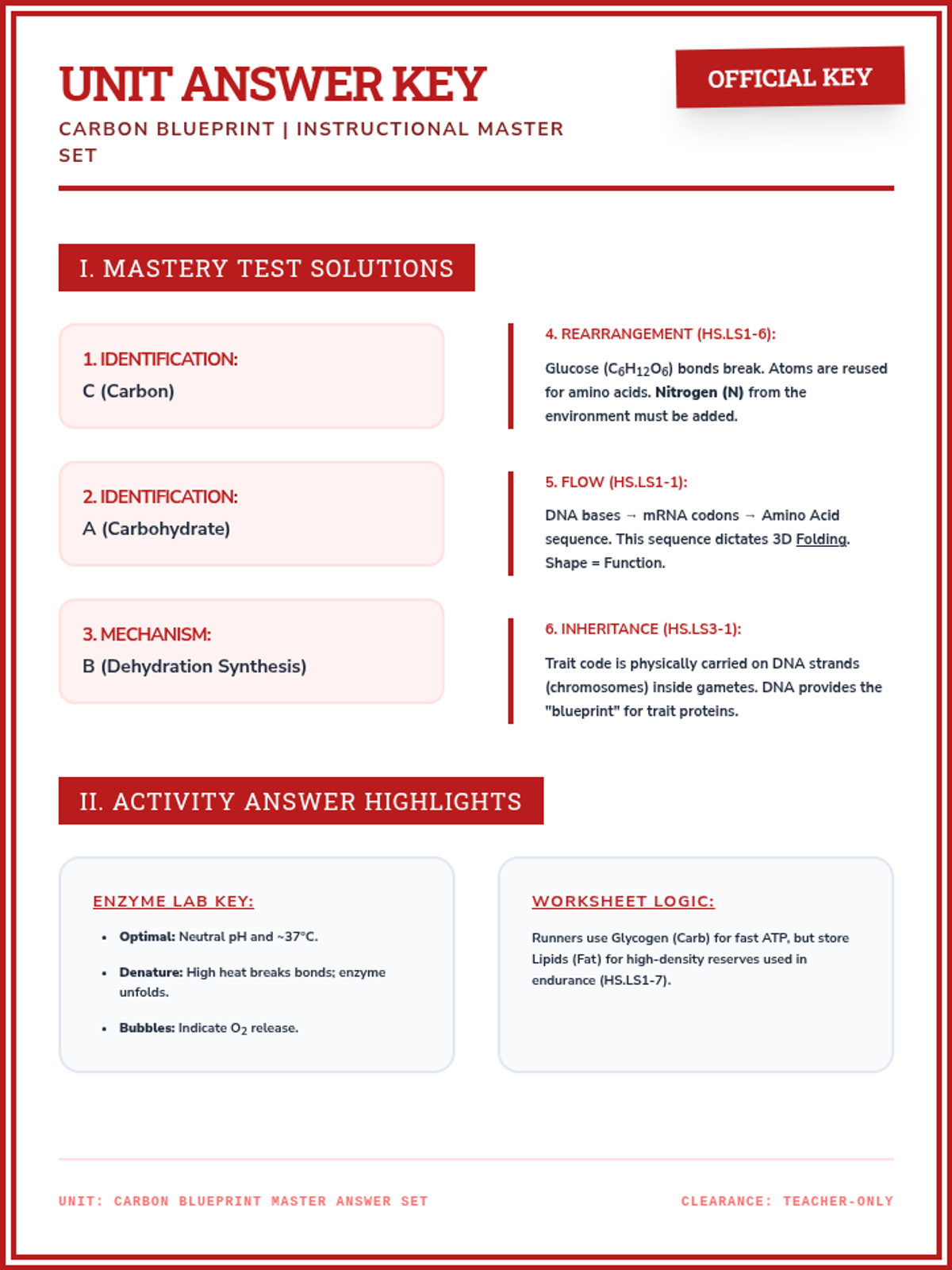
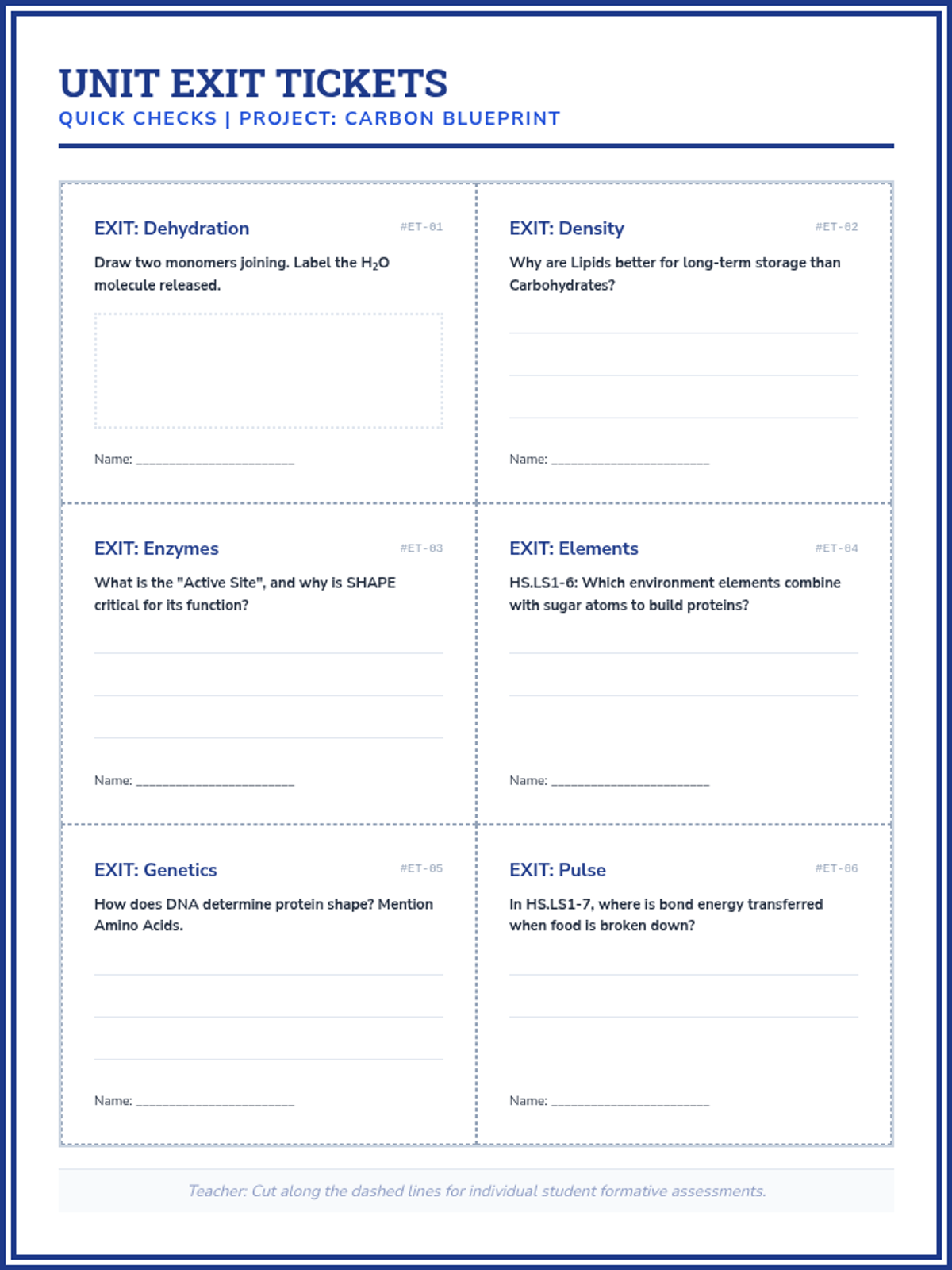
Final review and assessment of the Macromolecules unit.
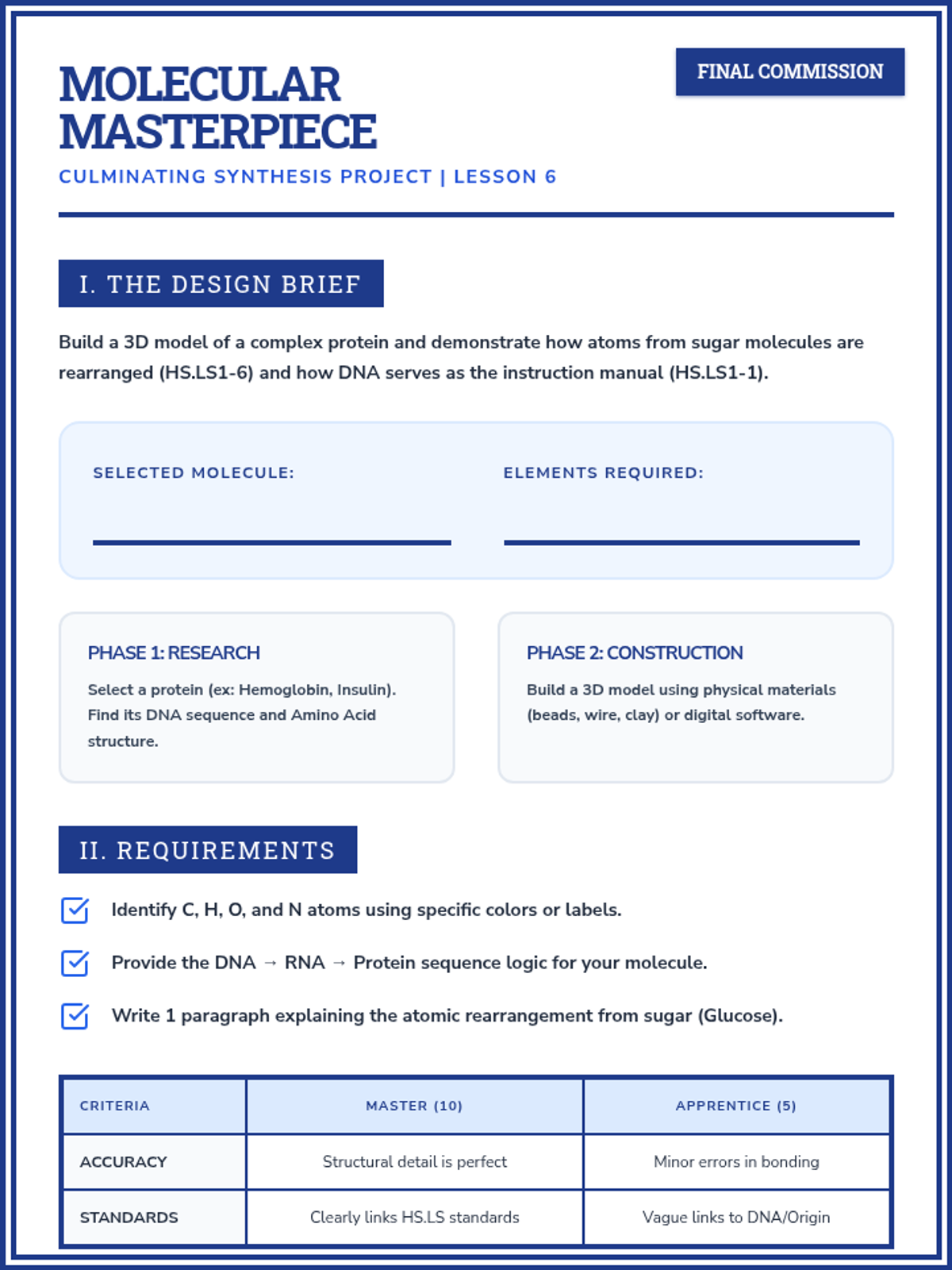
A culminating creative project where students design a "Biological Structure" based on macromolecule principles.
Connecting macromolecule breakdown to energy transfer and cellular respiration (HS.LS1-7).
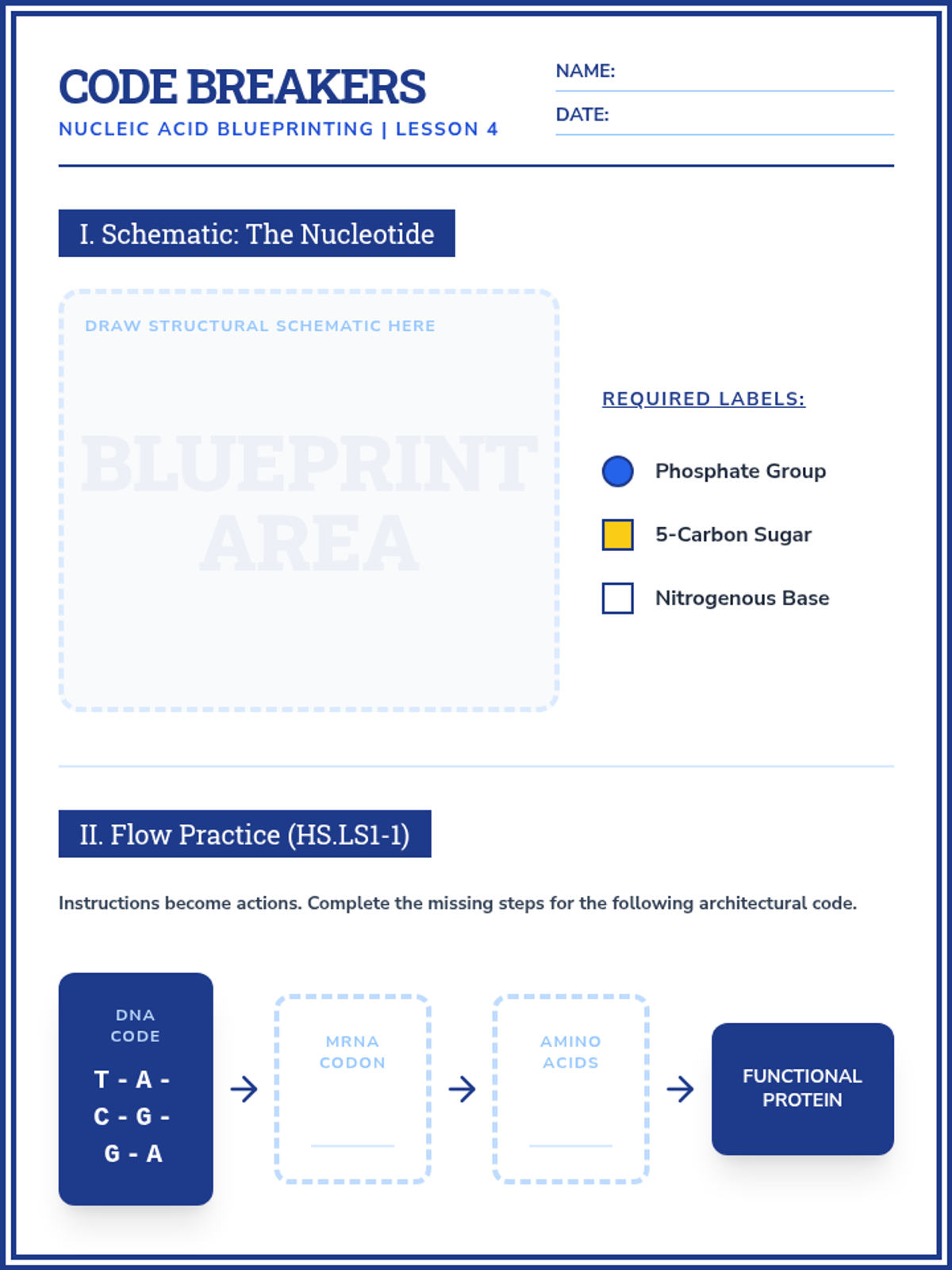
Focusing on nucleic acids and their role in coding for life's traits and instructions (HS.LS3-1).
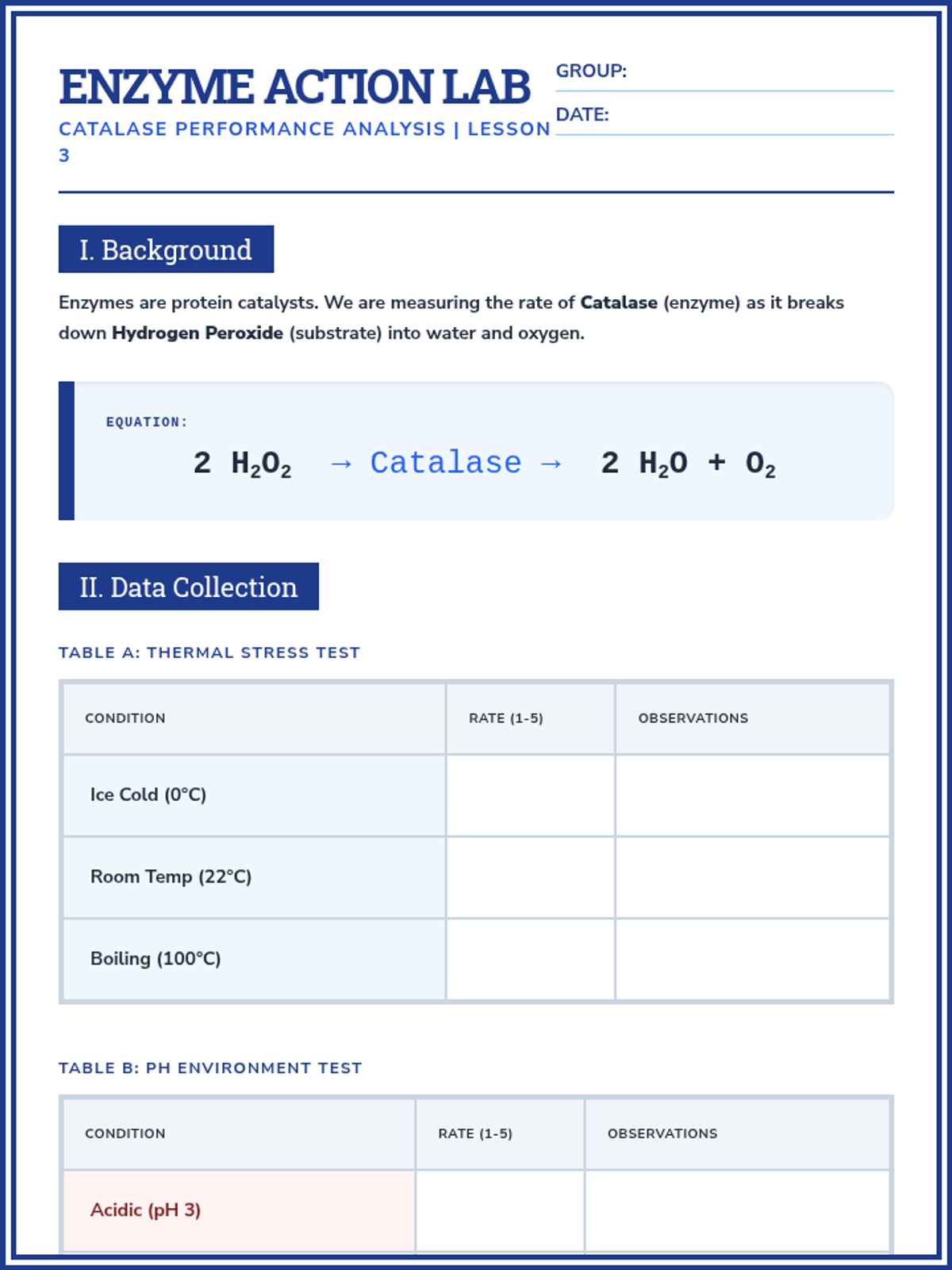
Exploring protein structure and enzyme function, emphasizing the connection between DNA sequences and protein form as per HS.LS1-1.
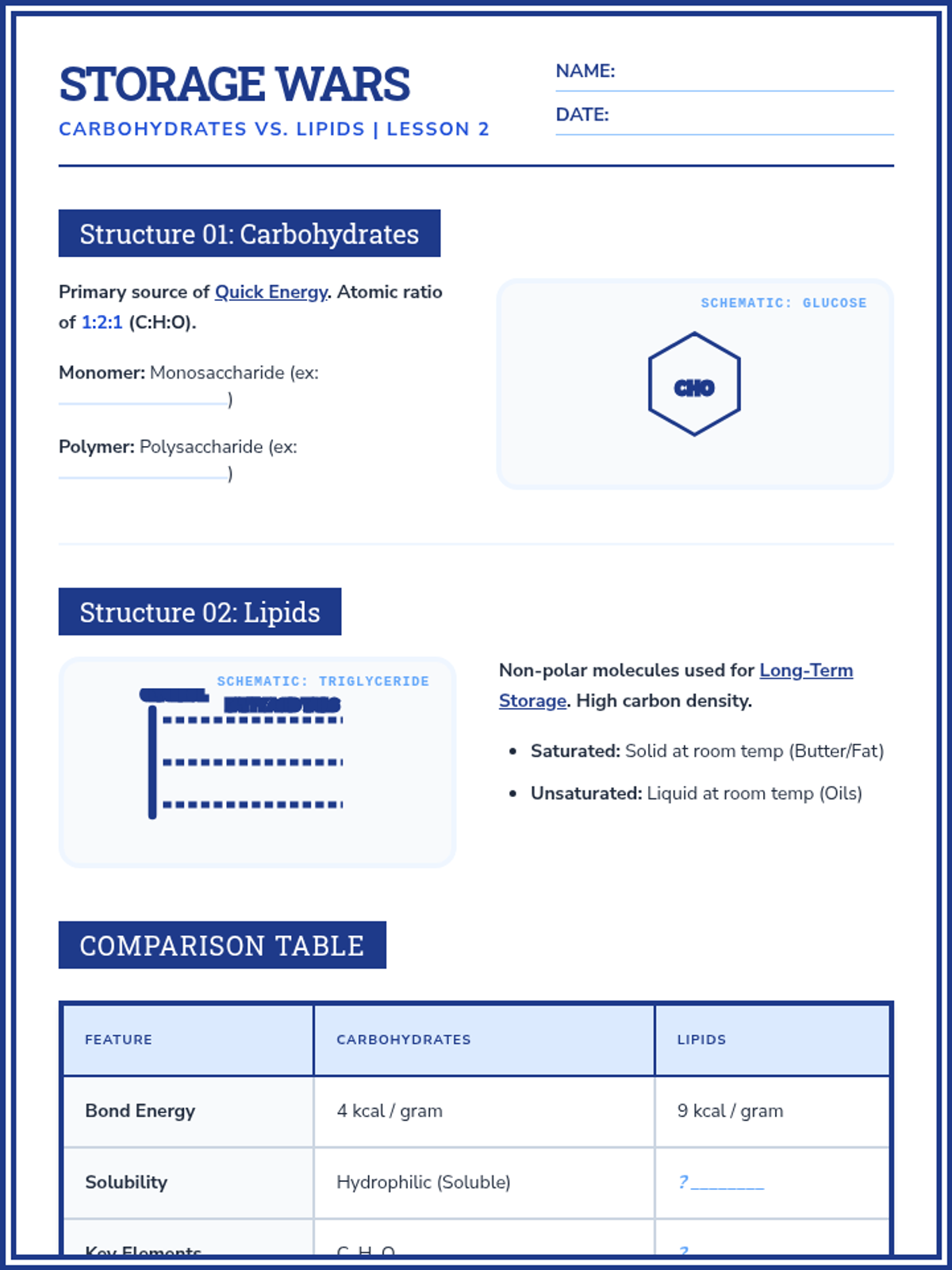
Investigating the energy storage and structural roles of carbohydrates and lipids in living systems.
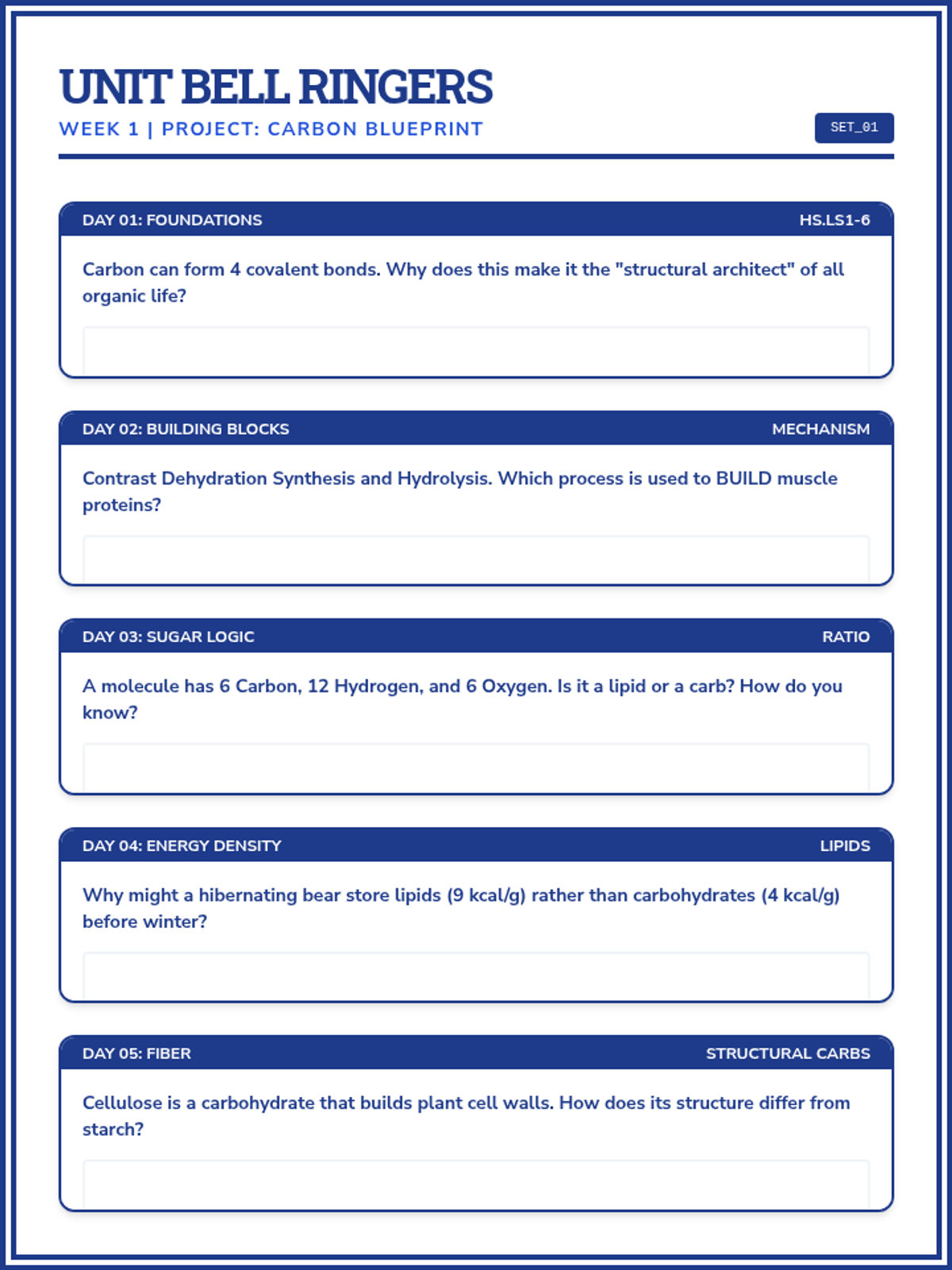
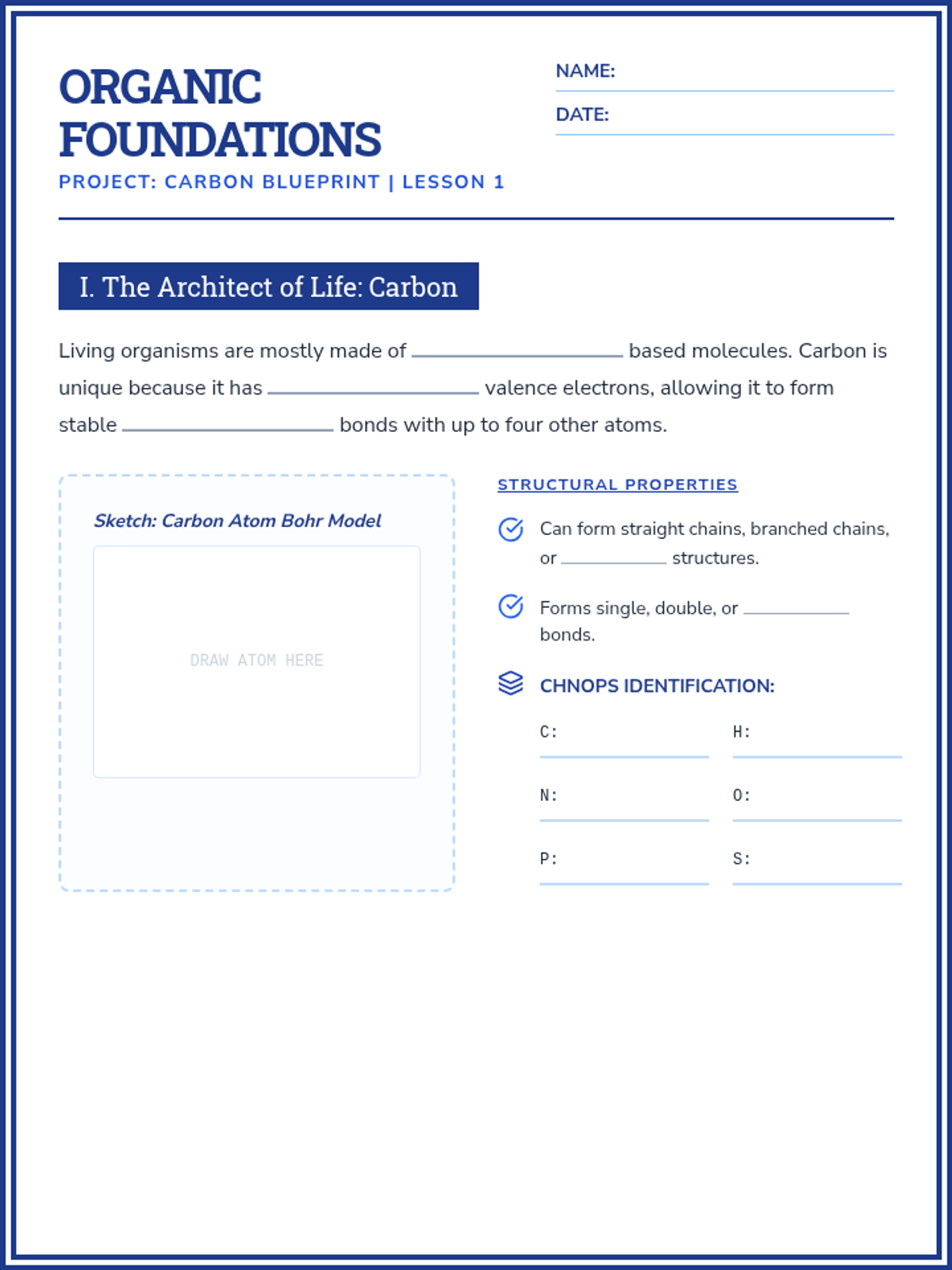
Students explore the unique properties of carbon and how simple sugar molecules provide the building blocks for complex organic molecules, focusing on HS.LS1-6.
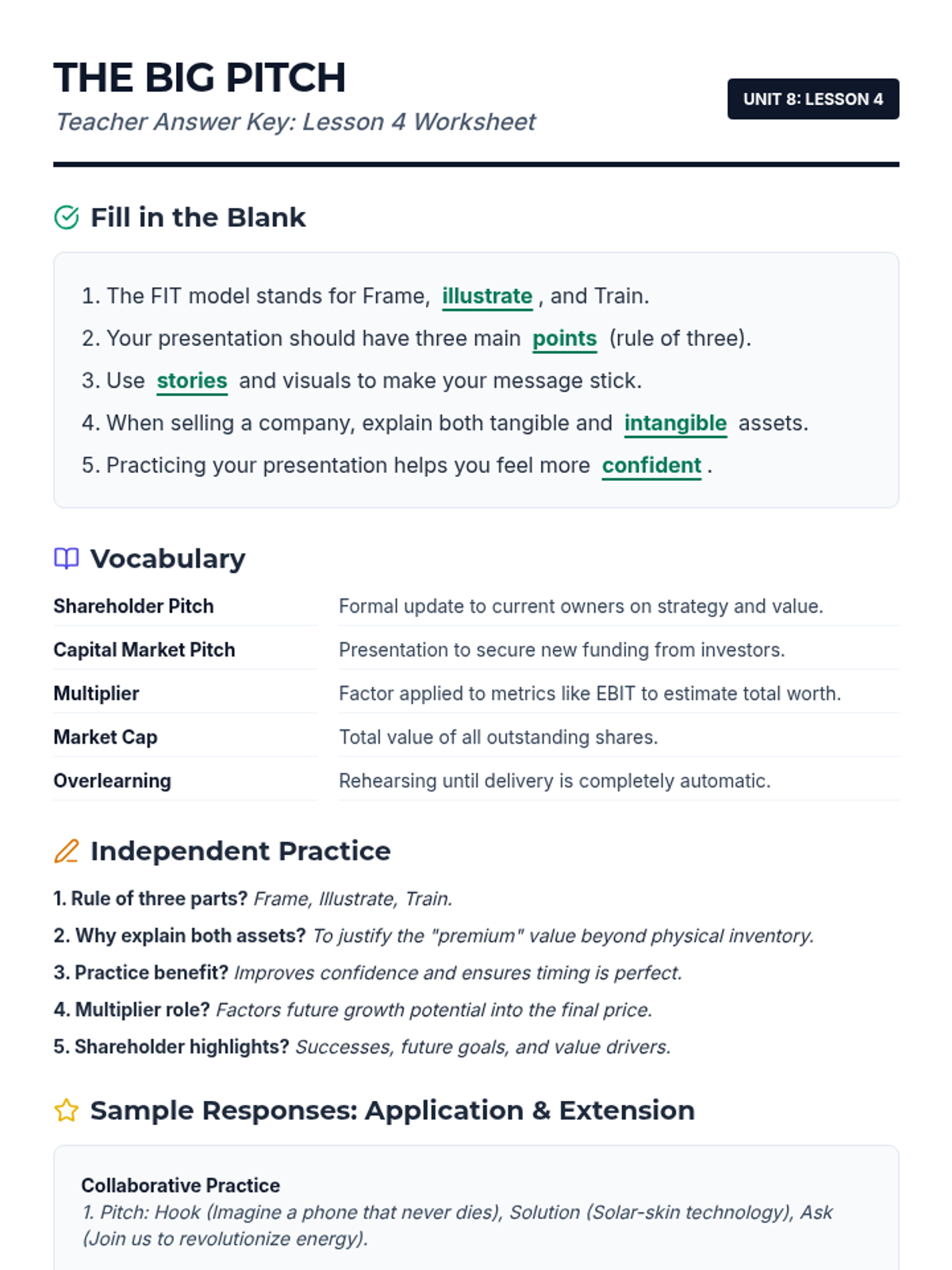
Synthesizing presentation skills and valuation concepts to deliver high-stakes shareholder or capital market pitches.
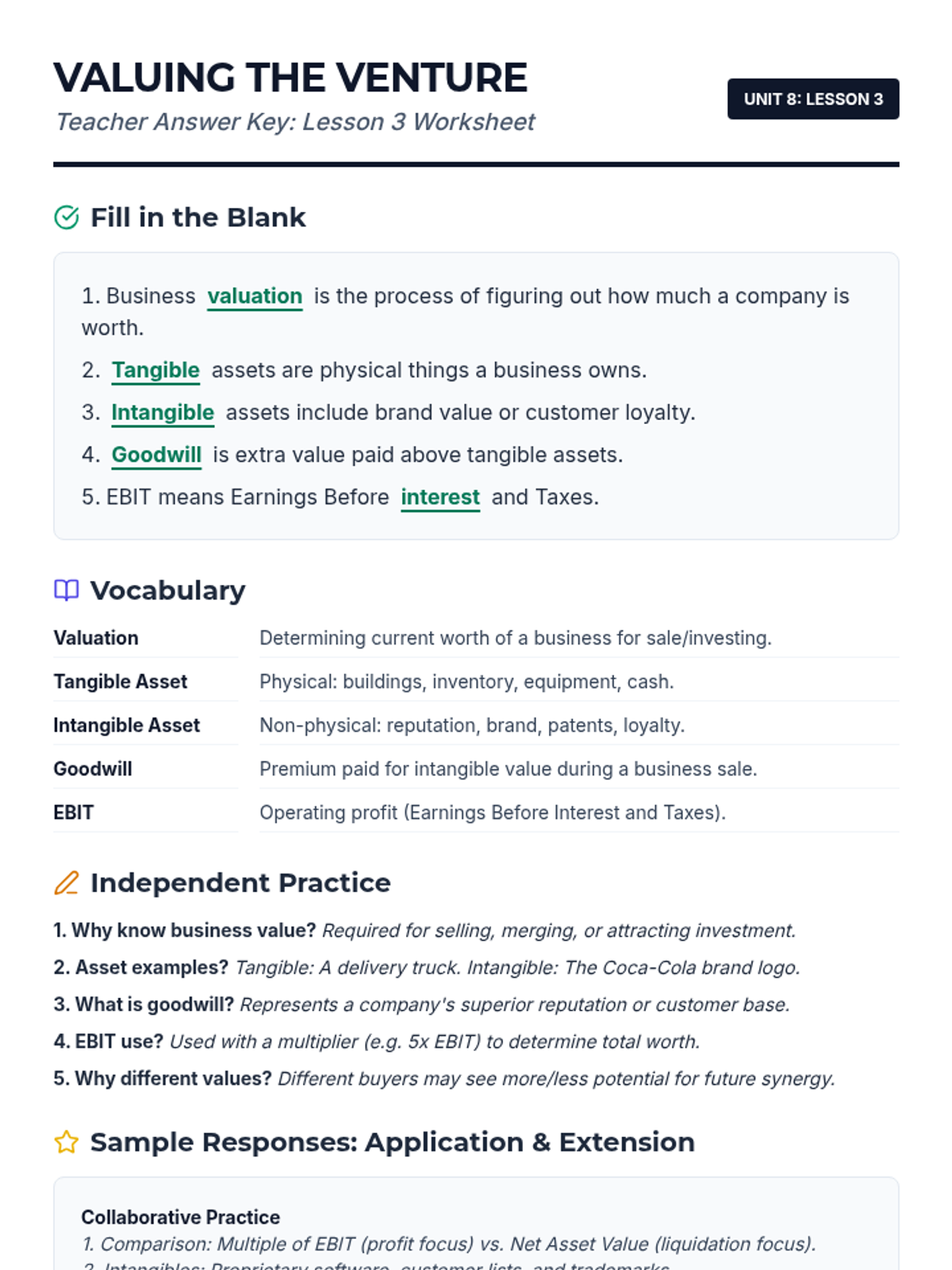
Understanding the components of business worth, including tangible assets, intangible assets, and core profitability metrics like EBIT.
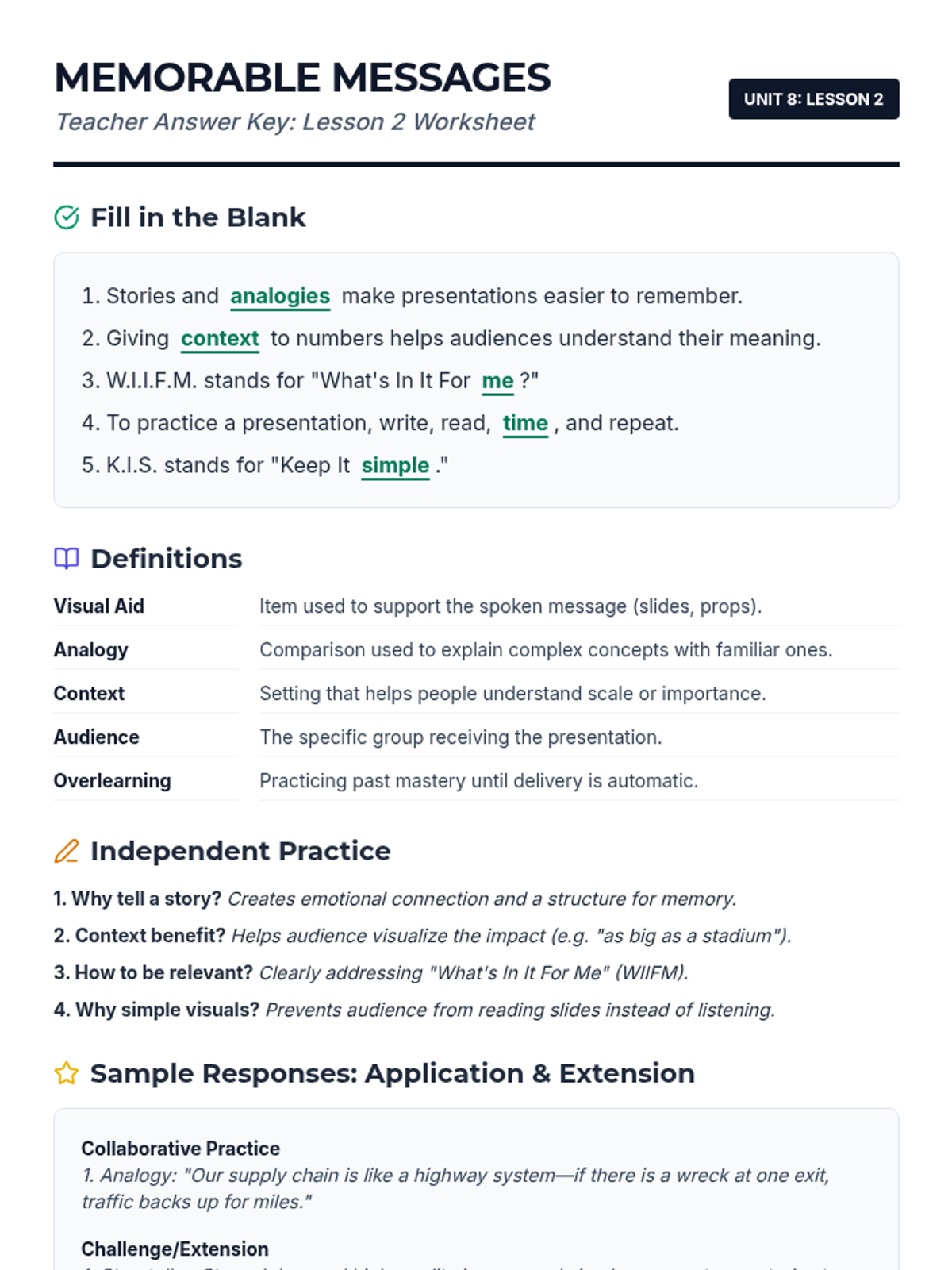
Techniques for making information stick using stories, analogies, and the WIIFM principle.
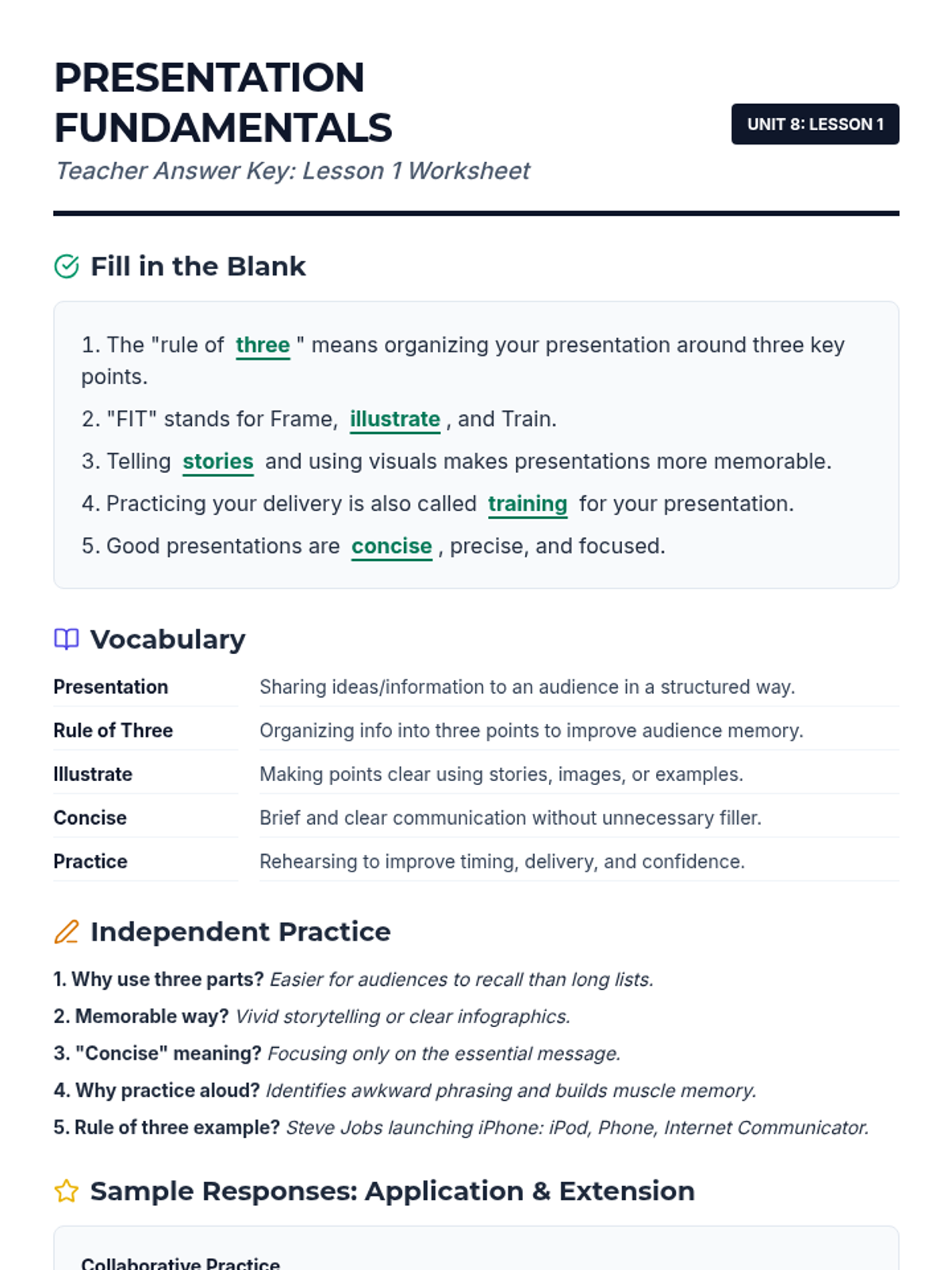
Introduction to the Rule of Three and the FIT model for organizing and delivering effective business presentations.
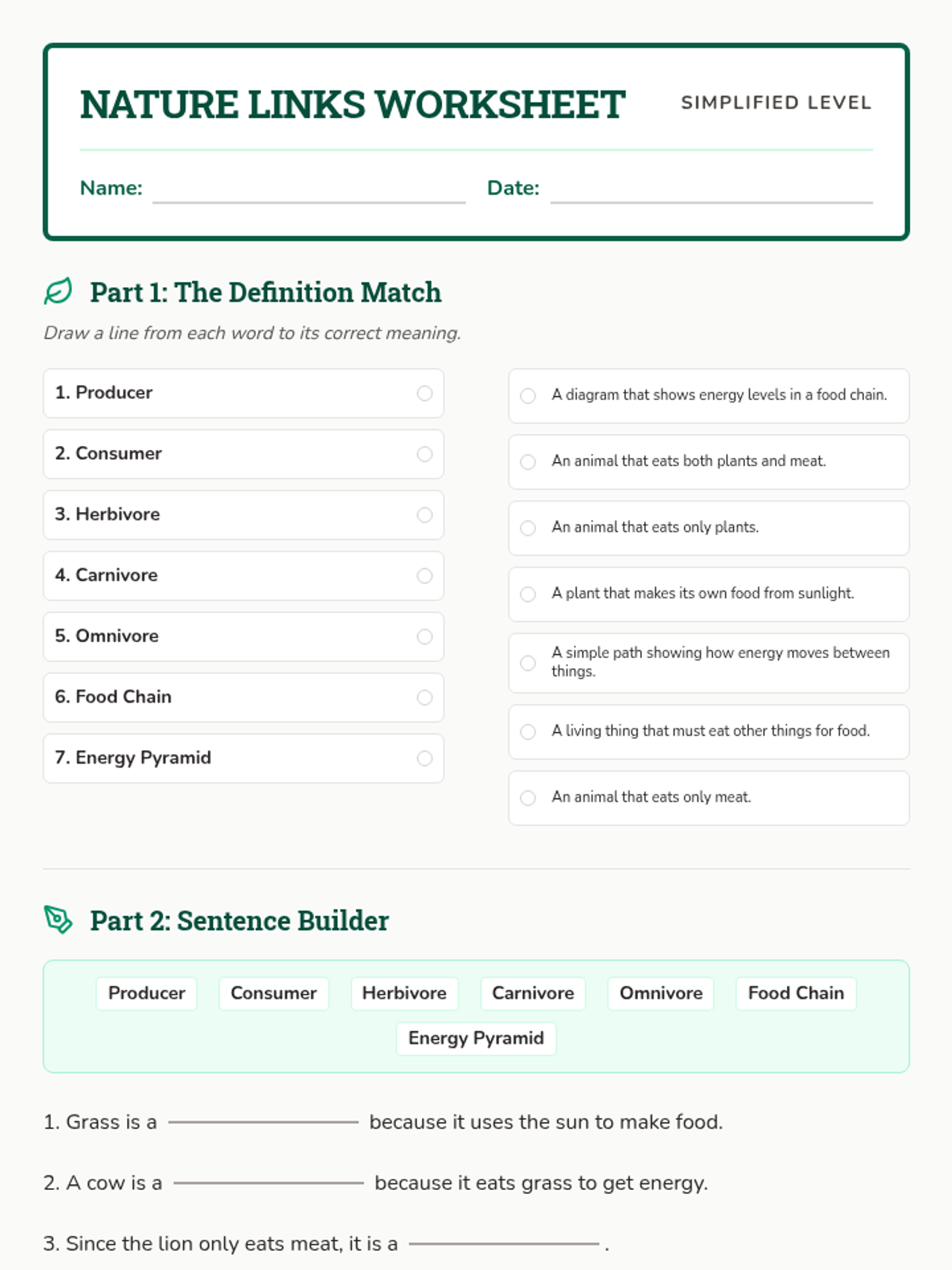
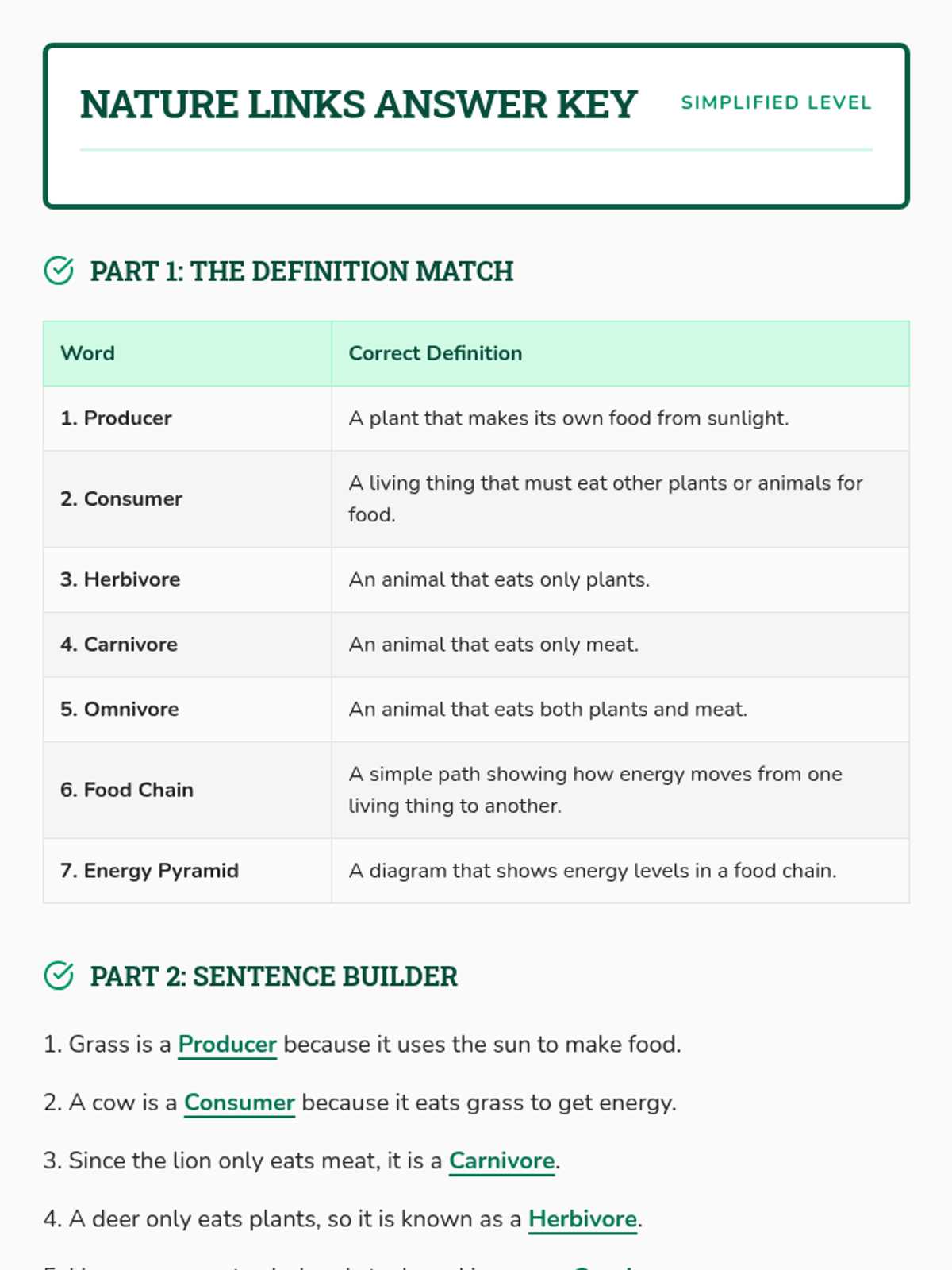
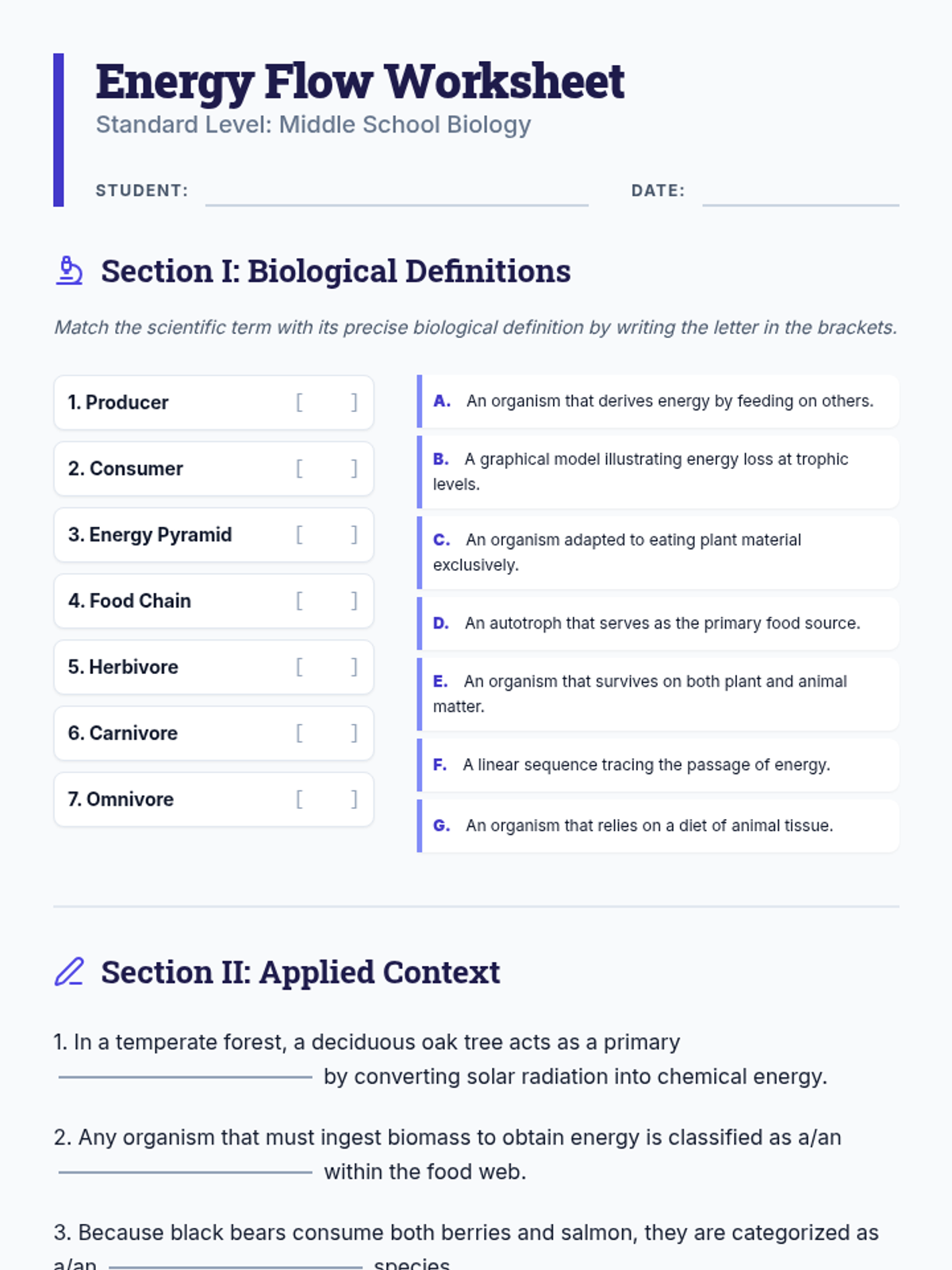
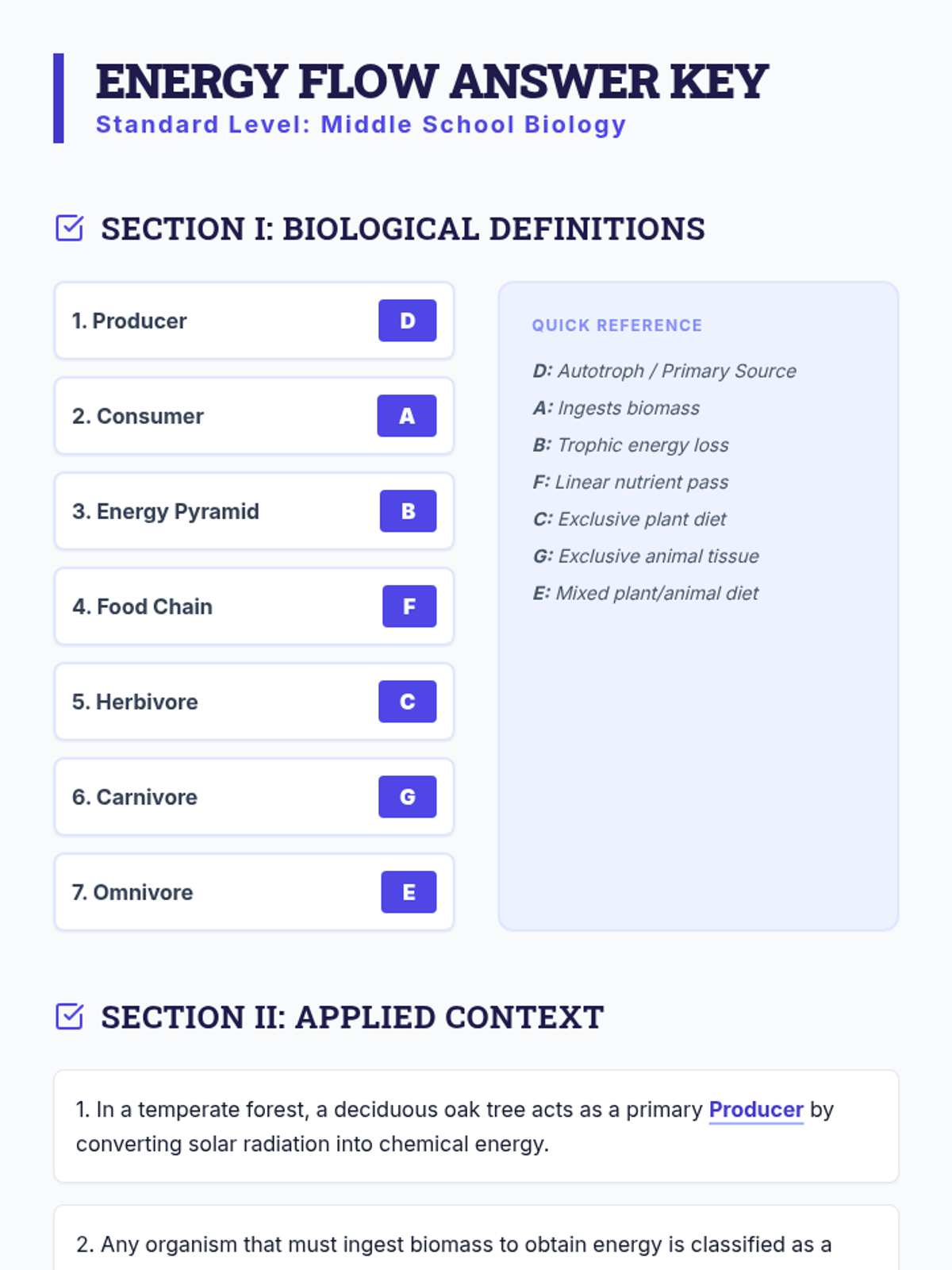
A lesson focusing on ecosystem vocabulary including producers, consumers, and energy flow through food chains and pyramids. Includes tiered materials for elementary and middle school levels.
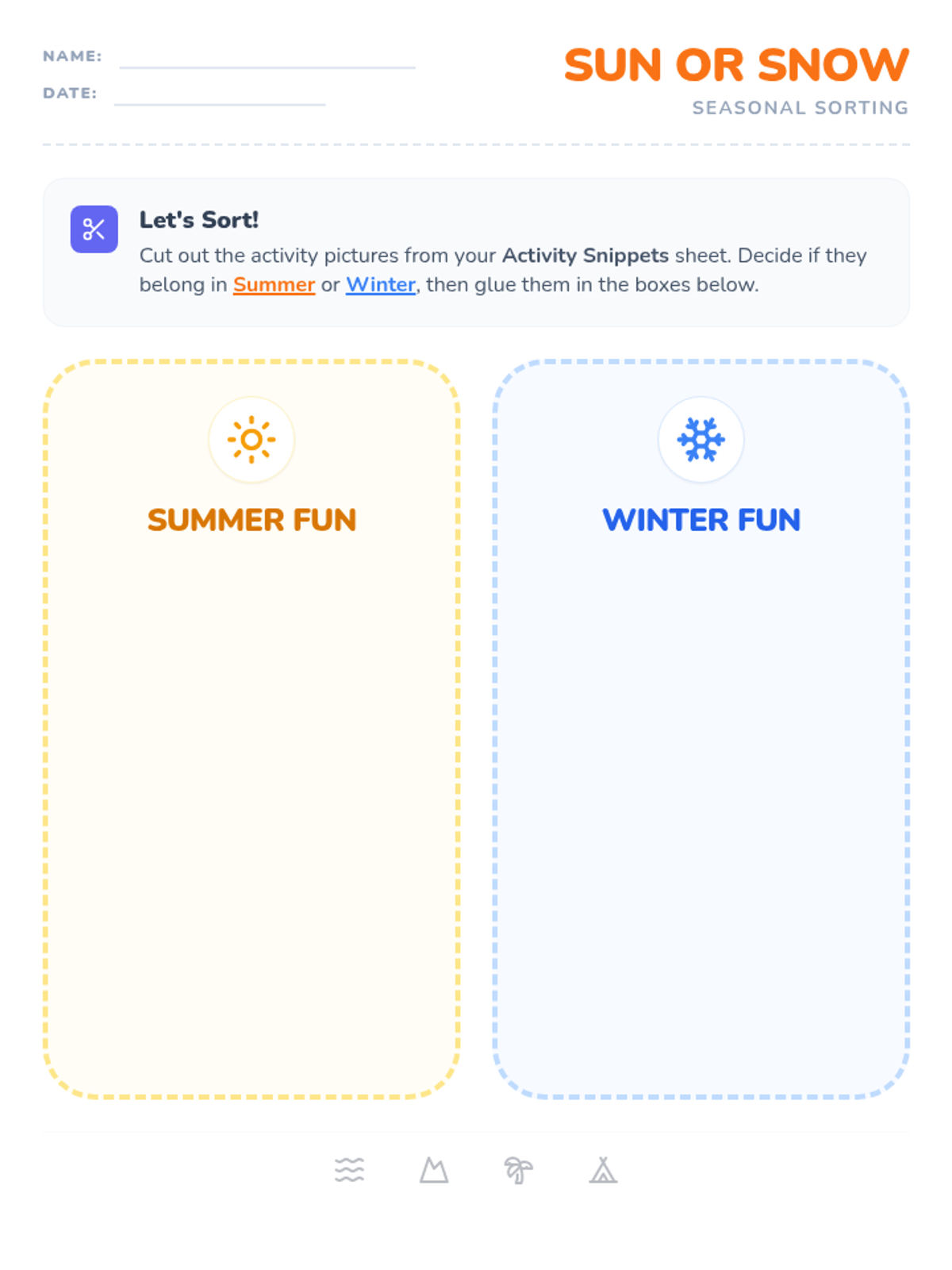
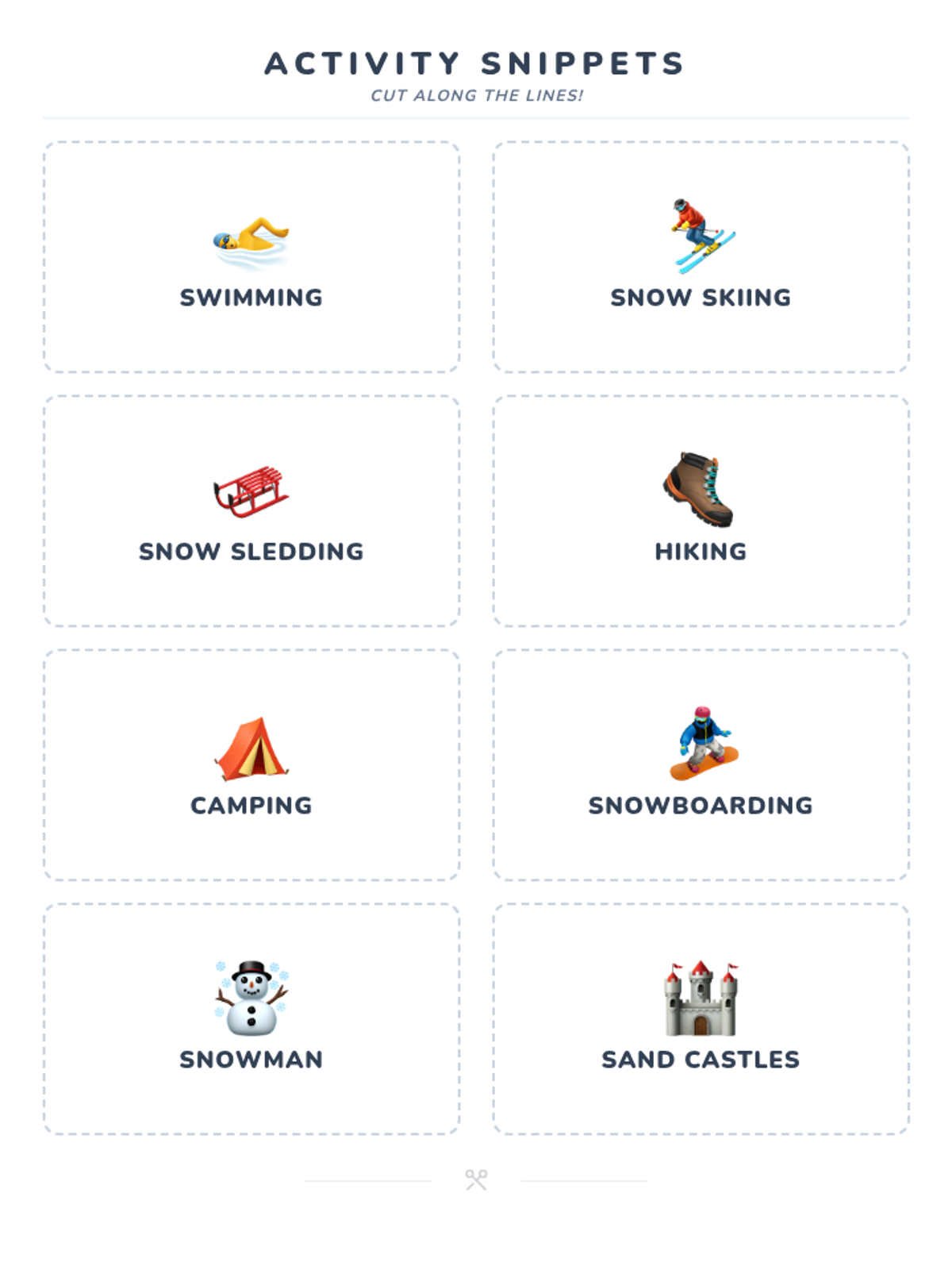
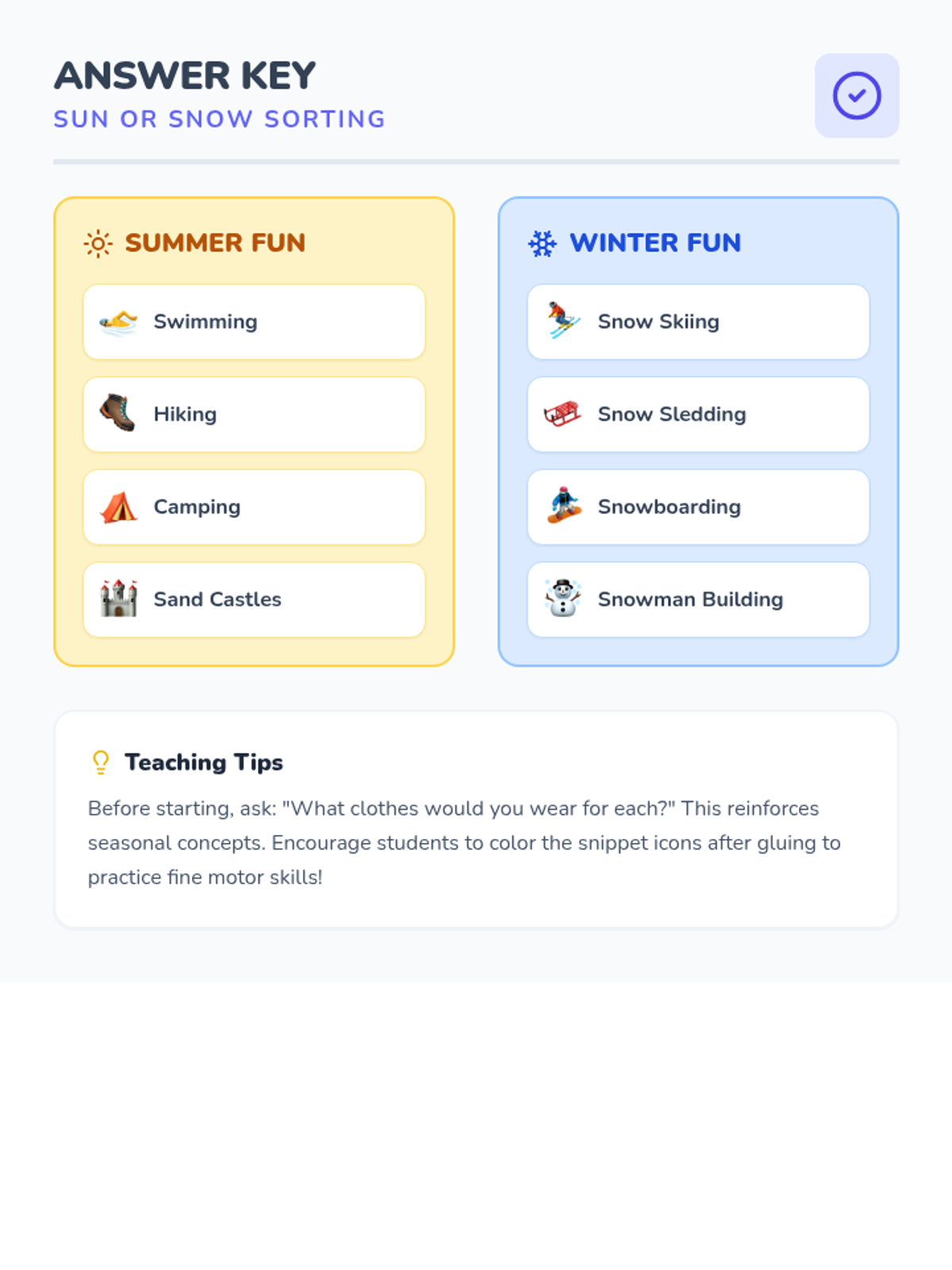
A hands-on categorization activity for kindergarteners to distinguish between summer and winter activities using cut-and-paste techniques.
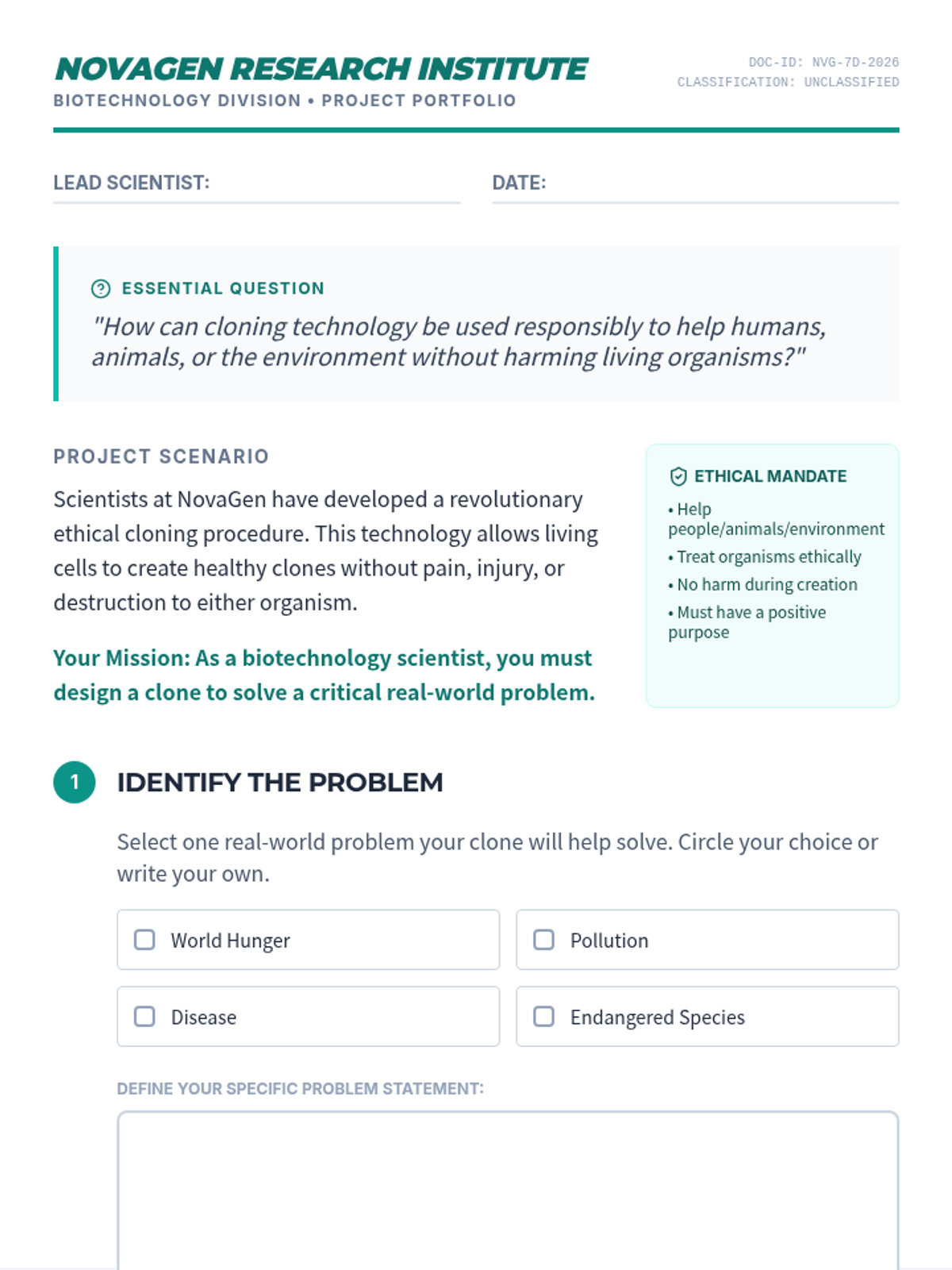
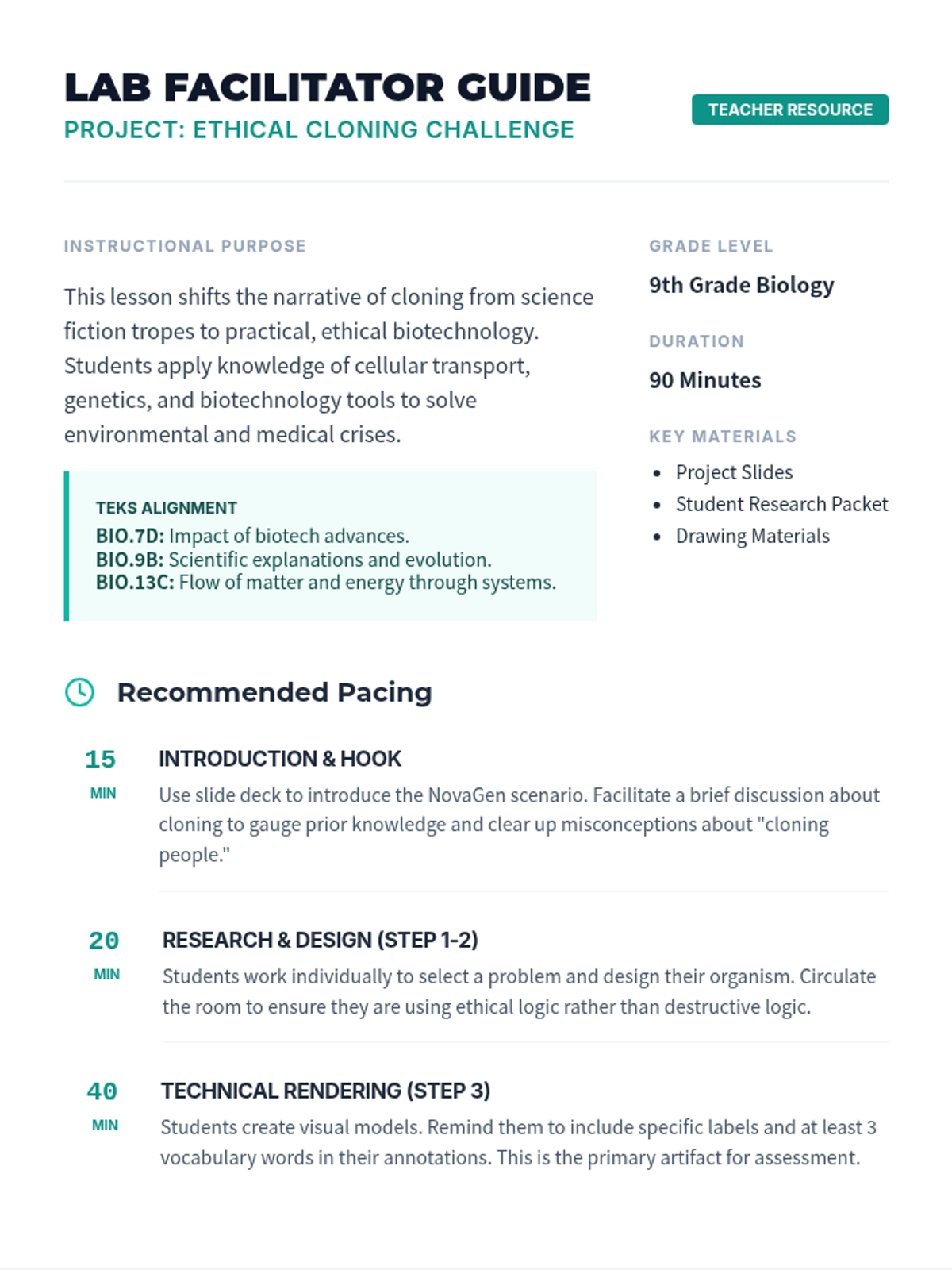
A hands-on biotechnology lesson where students act as scientists at the NovaGen Research Institute to design ethical cloning solutions for real-world environmental and medical problems.