Focuses on the transformation and physical characteristics of butterflies based on the text 'A Butterfly Is Patient.' Students explore the life cycle stages and start to connect these stages to the butterfly's role as a pollinator.
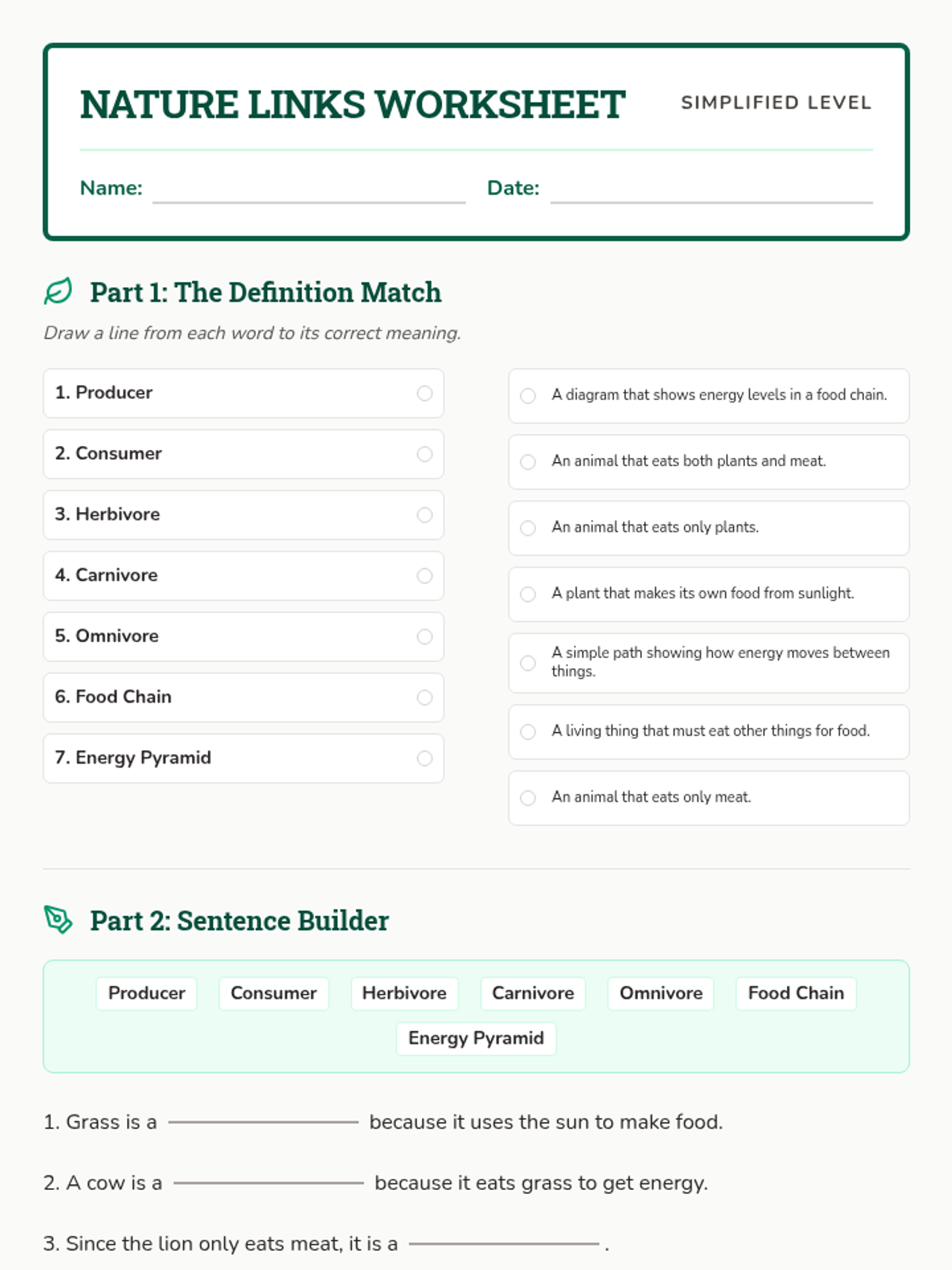
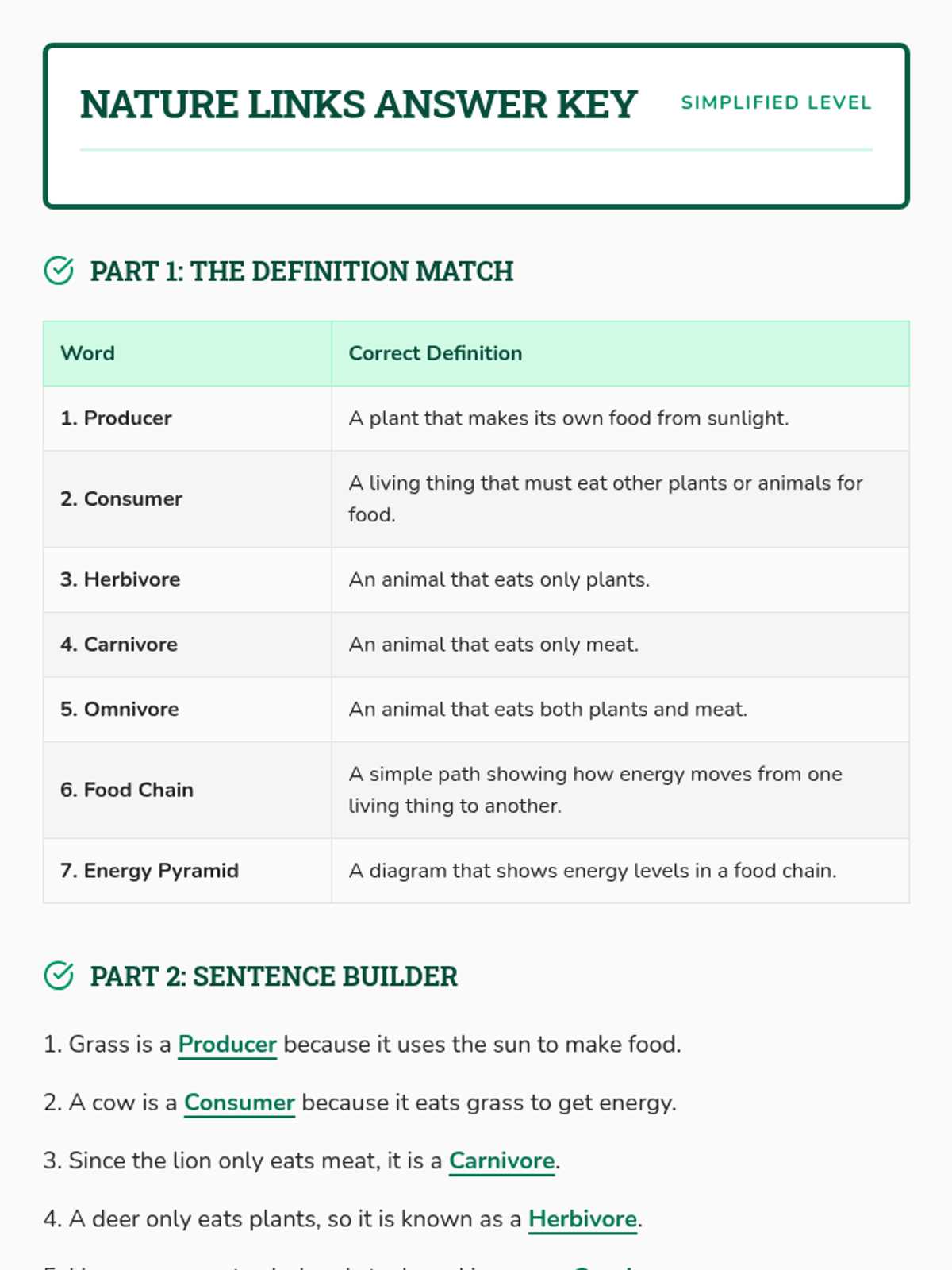
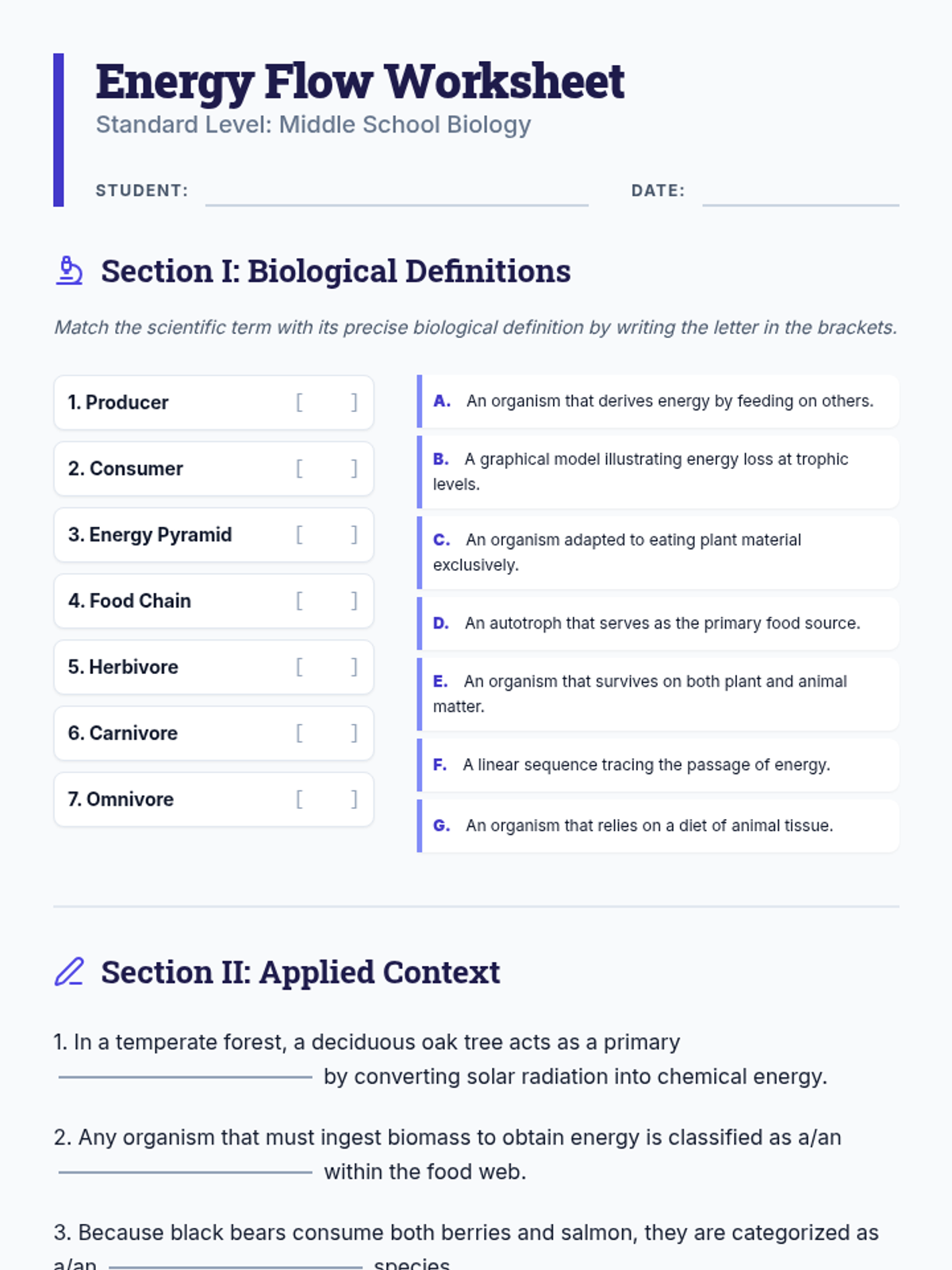
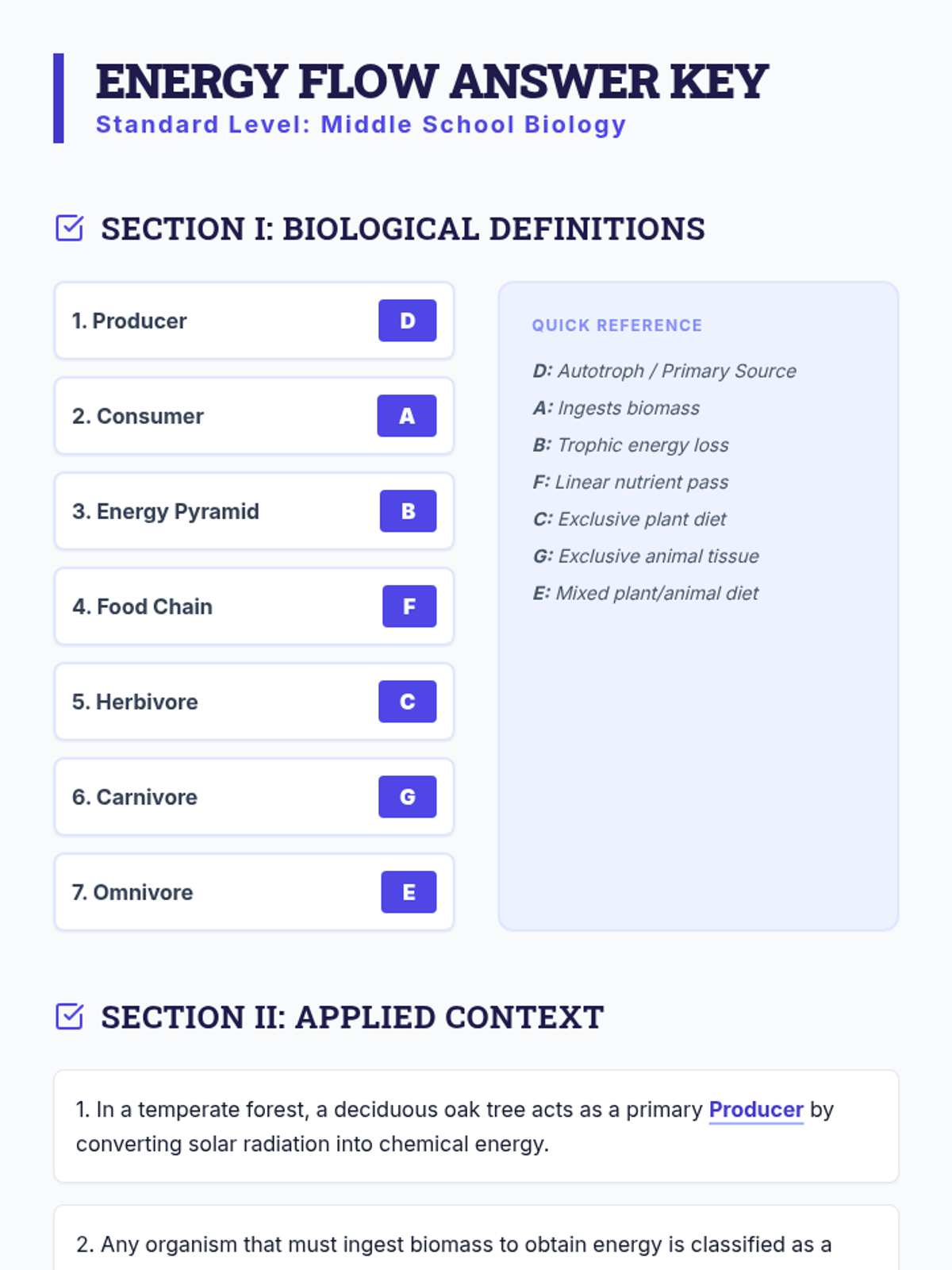
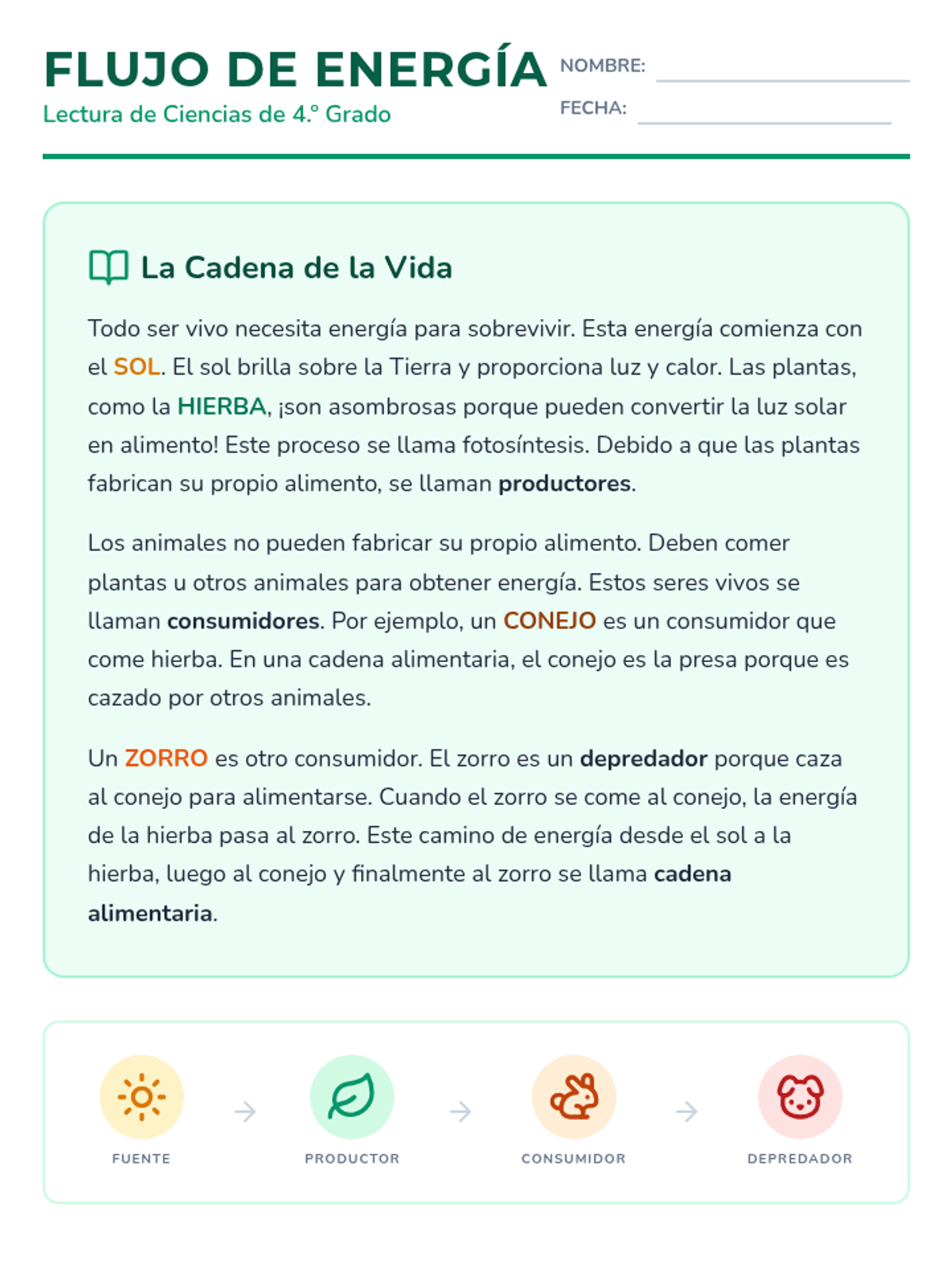
A lesson focusing on ecosystem vocabulary including producers, consumers, and energy flow through food chains and pyramids. Includes tiered materials for elementary and middle school levels.
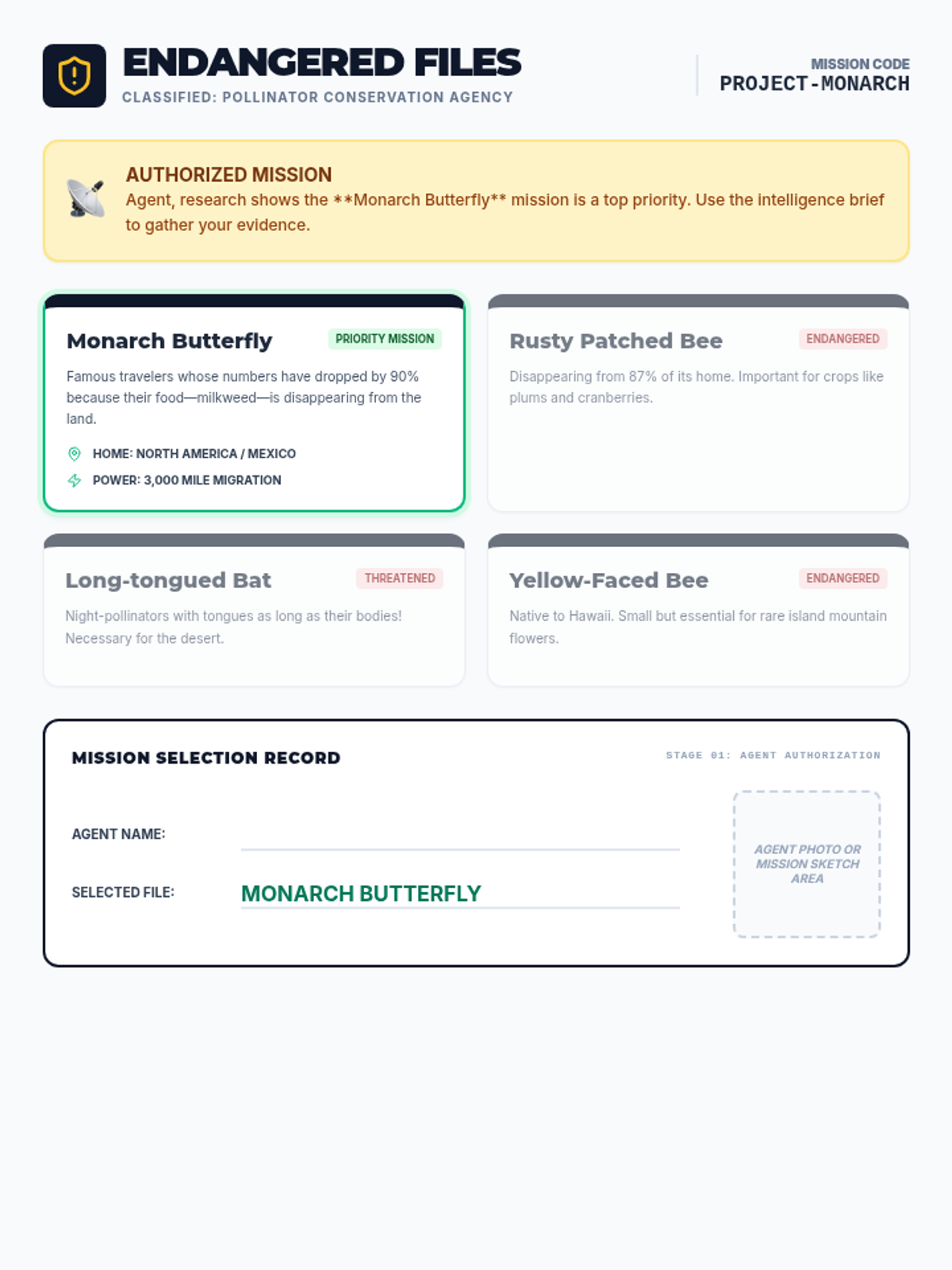
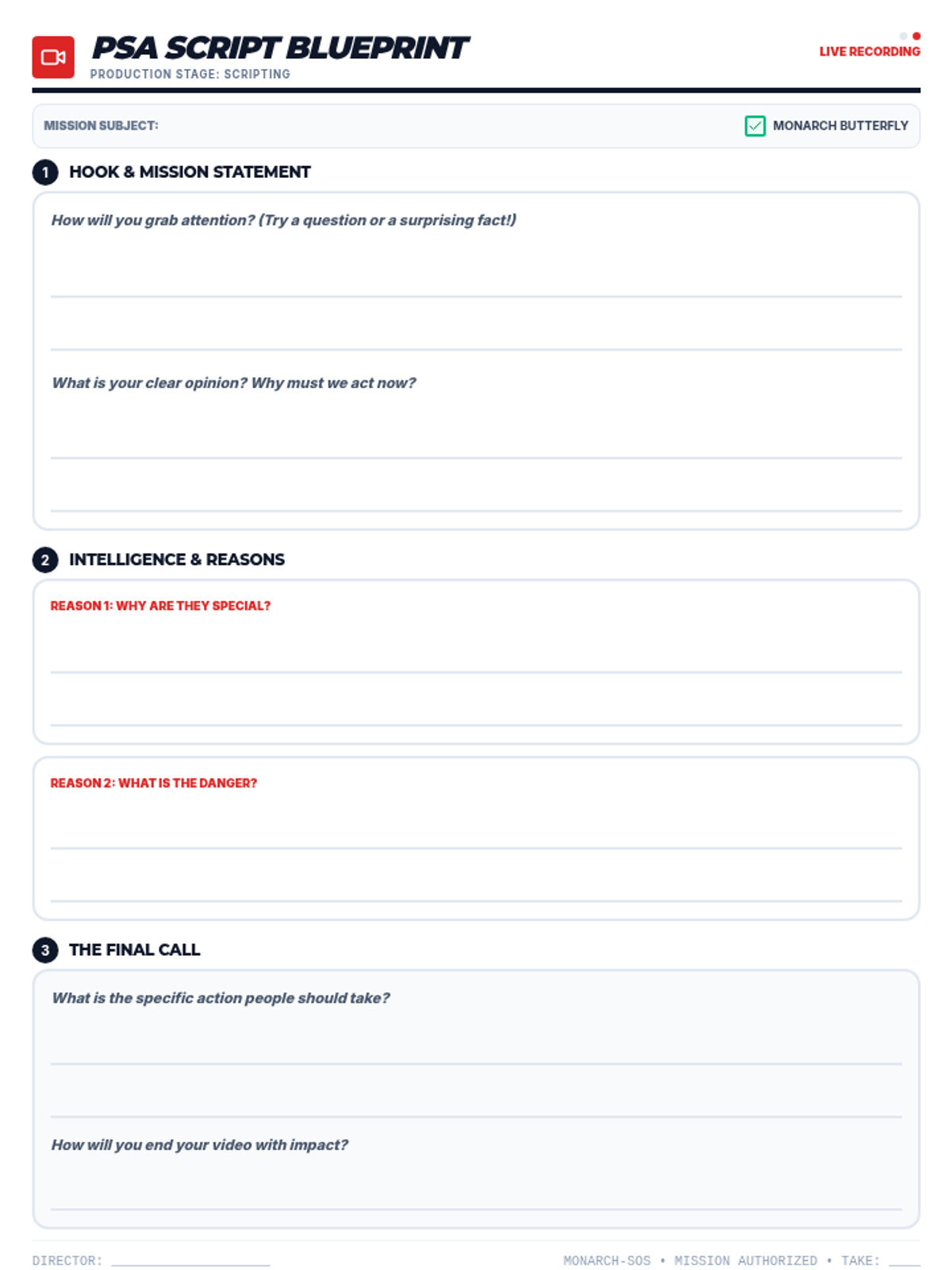
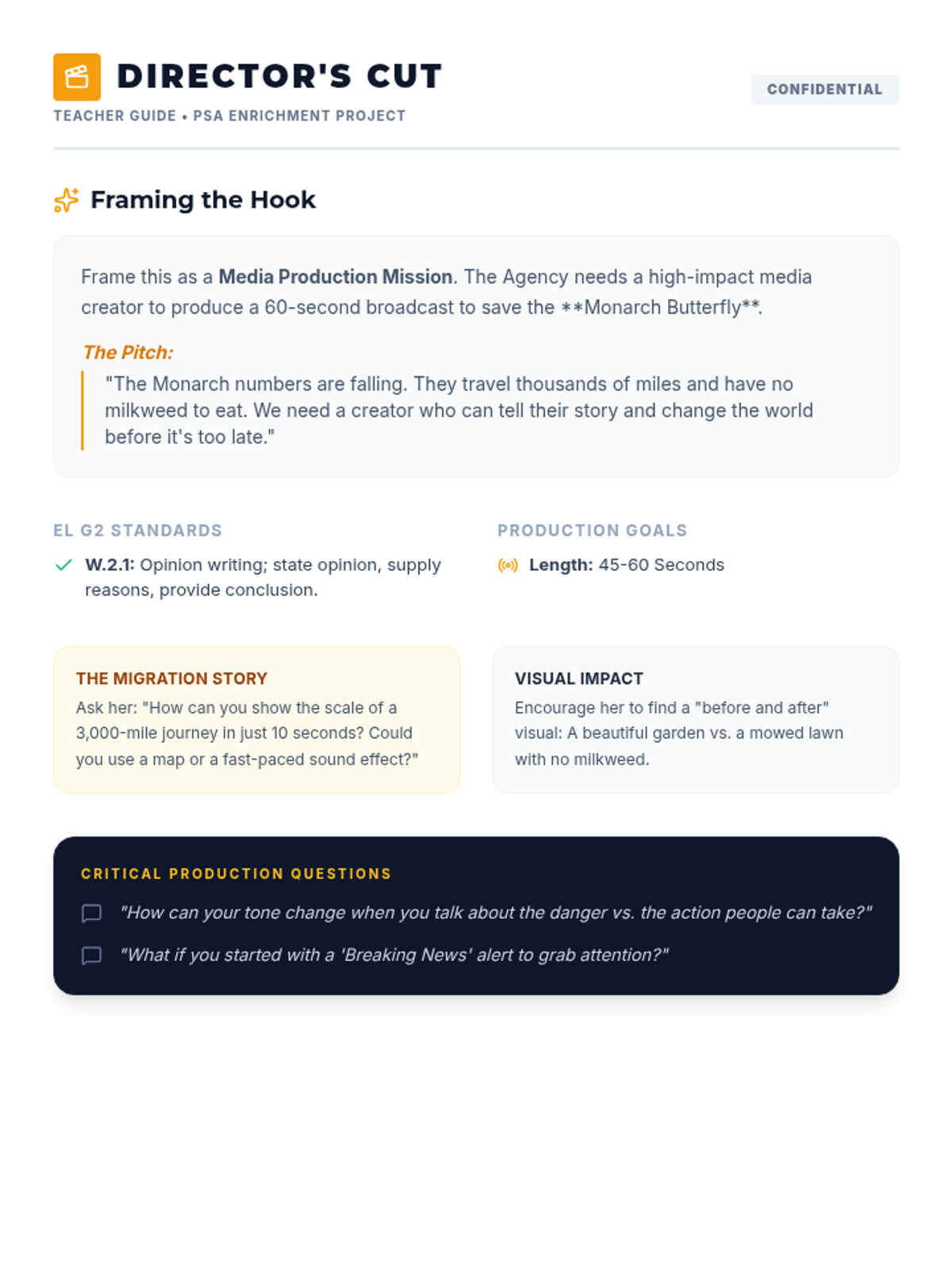
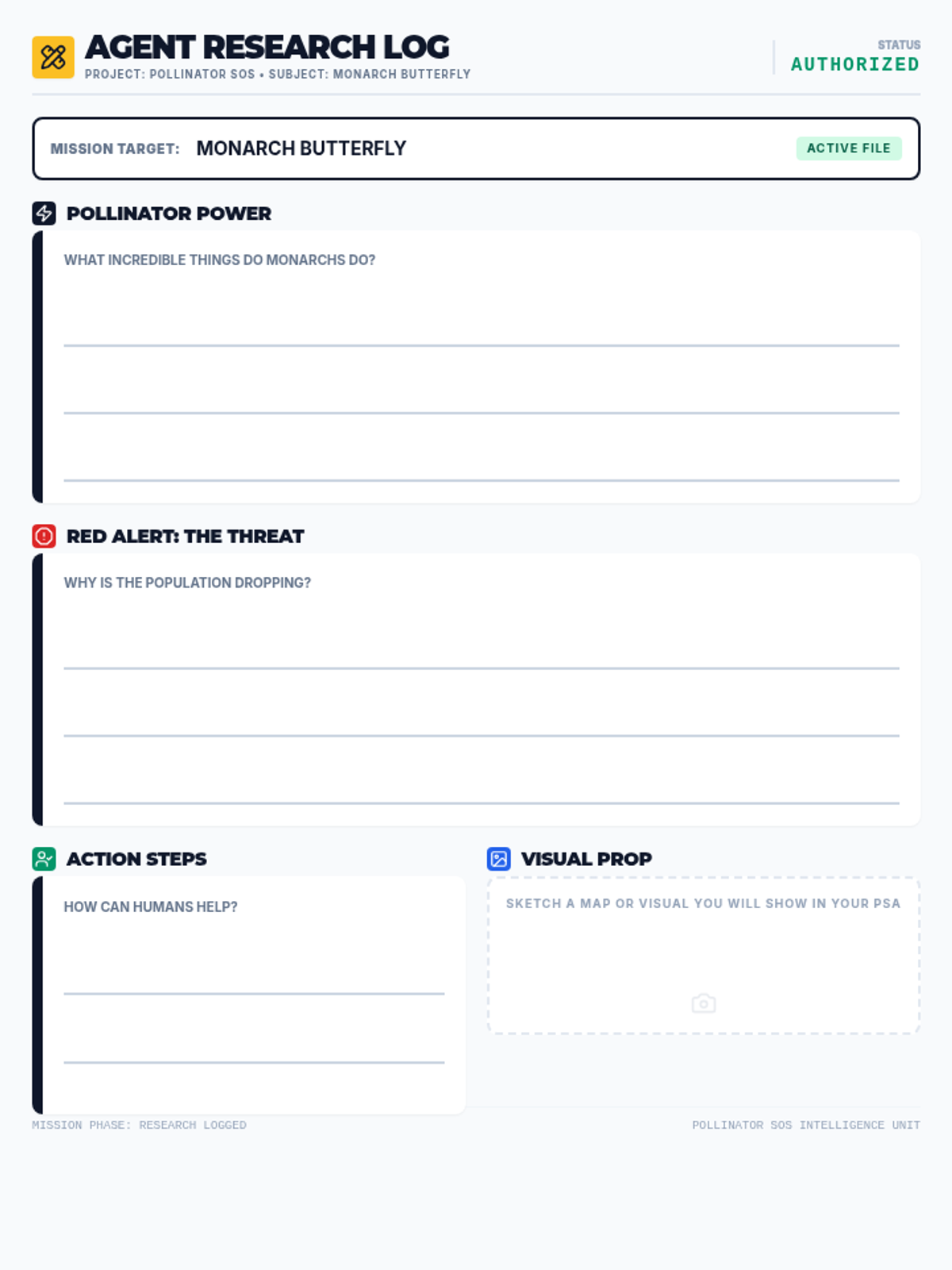
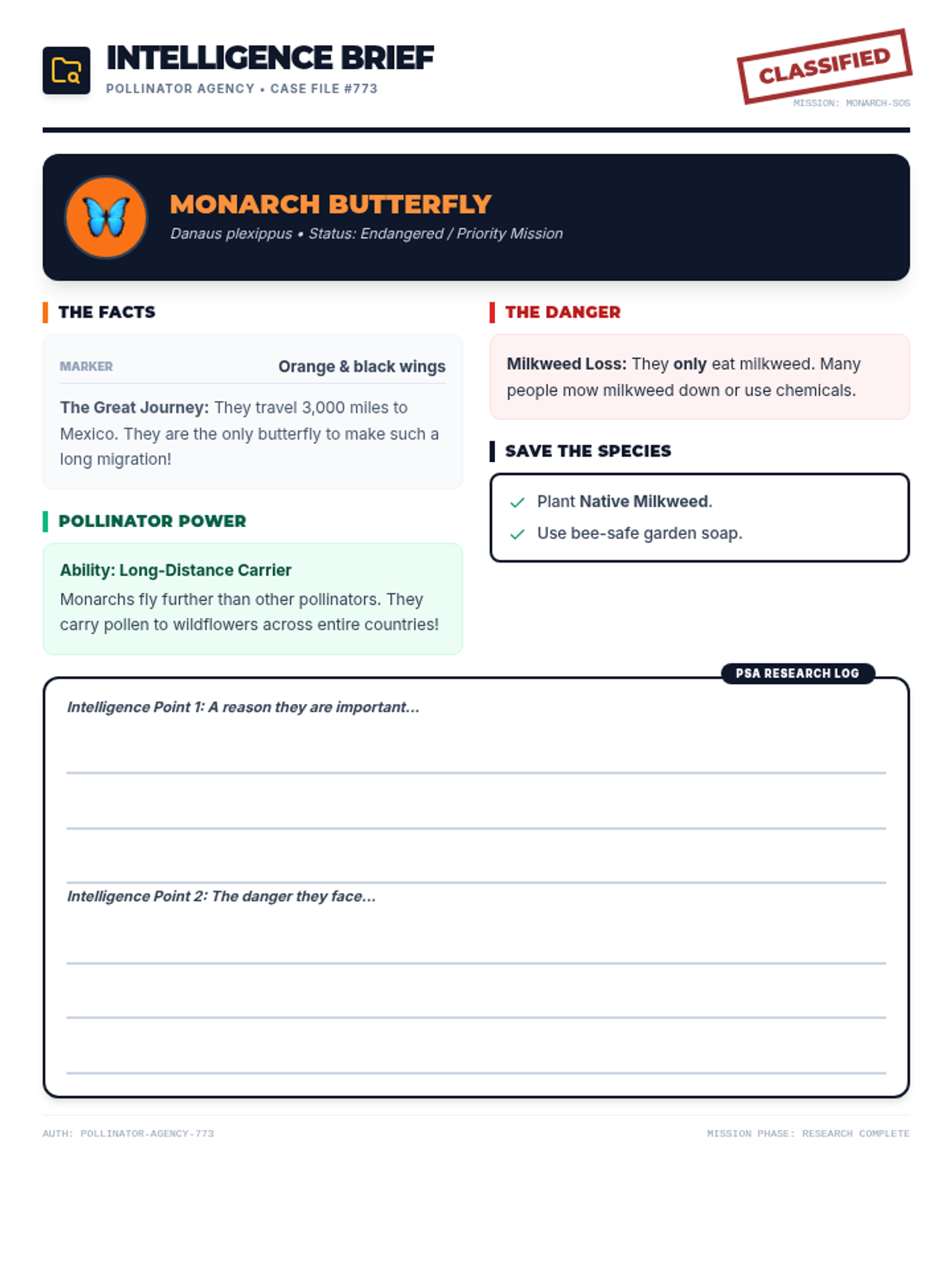
An enriching alternative to the Unit 2 opinion writing piece. Students act as conservation agents, creating a Public Service Announcement (PSA) to advocate for the protection of an endangered pollinator.
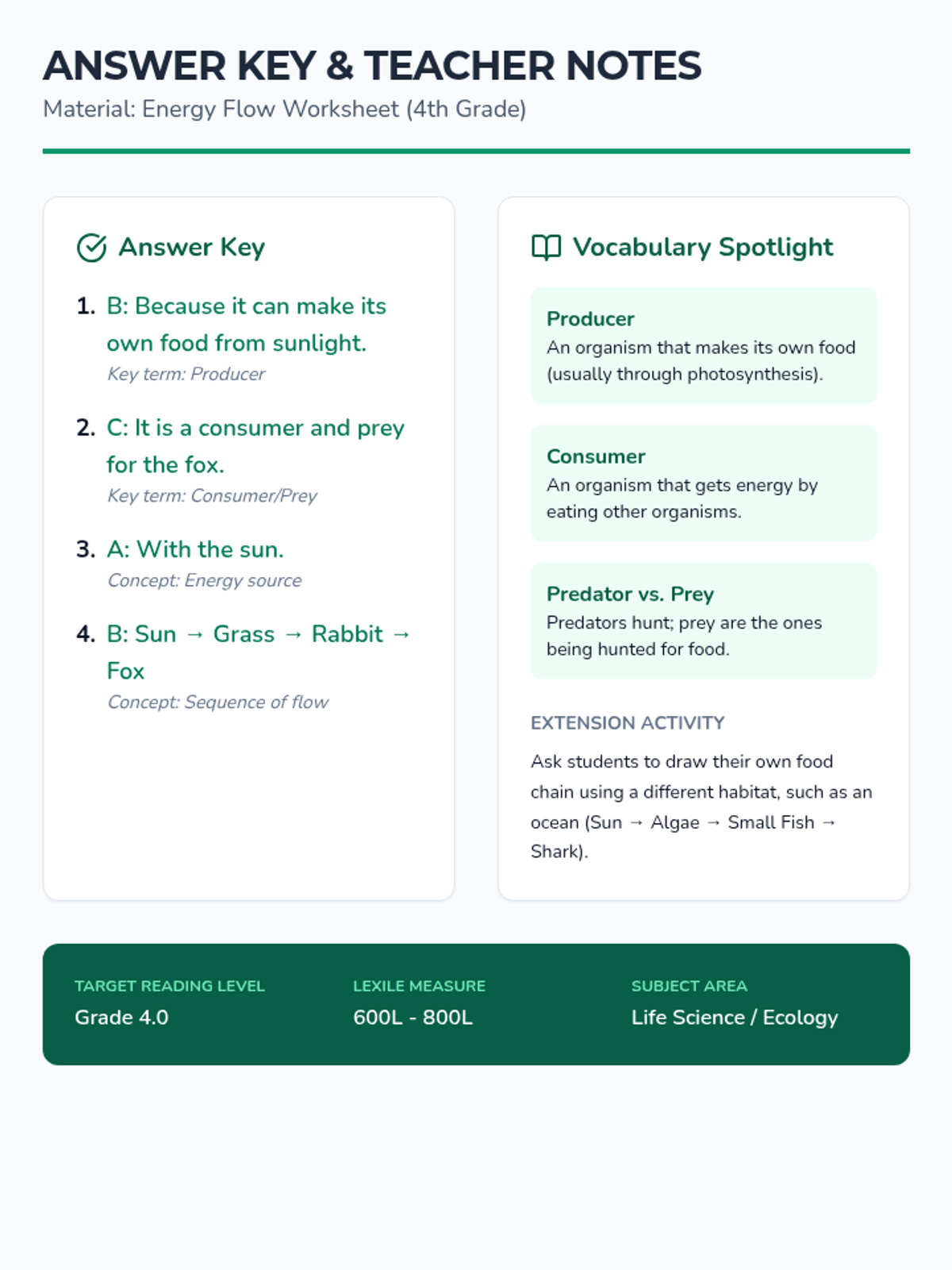
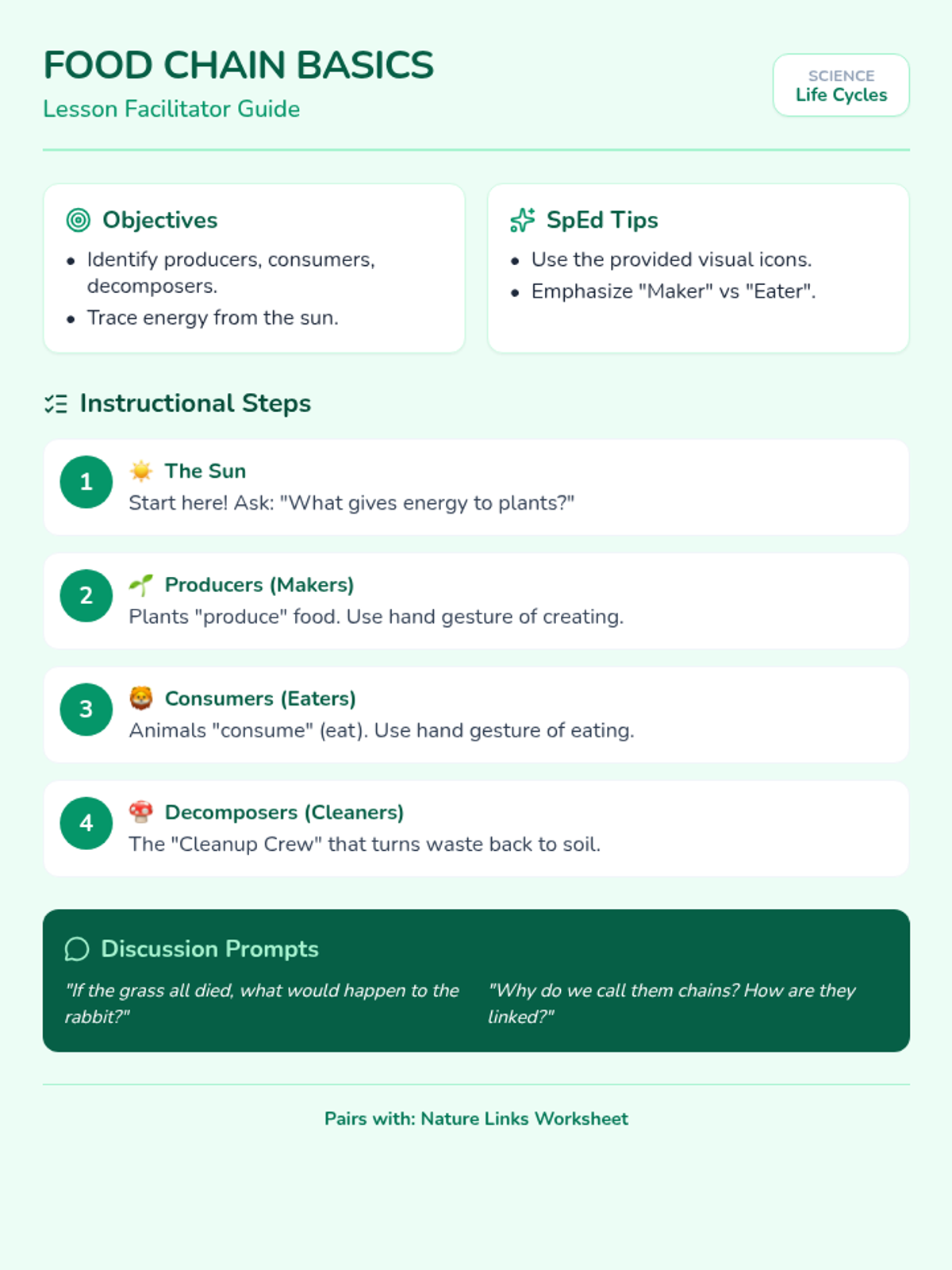
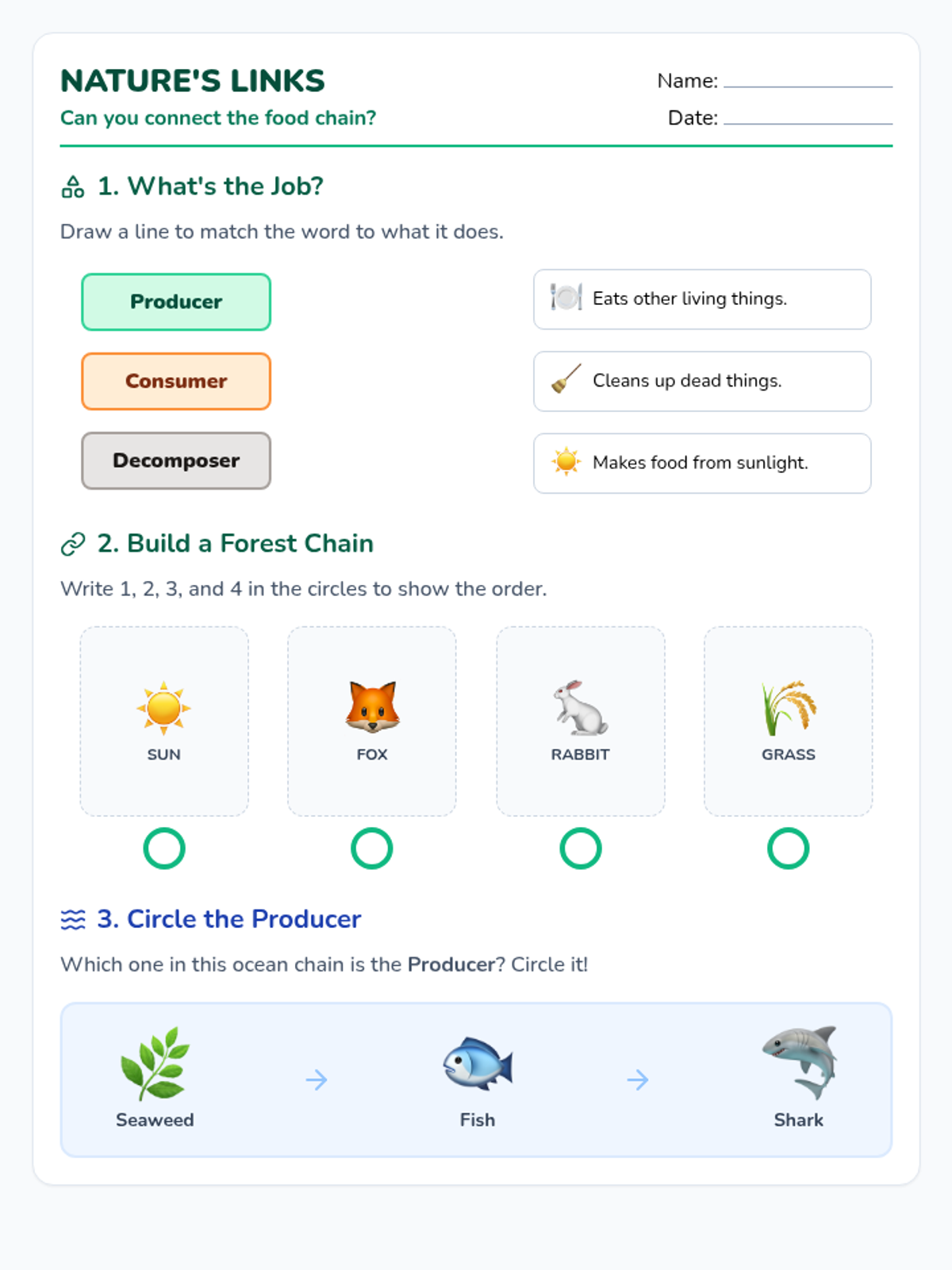
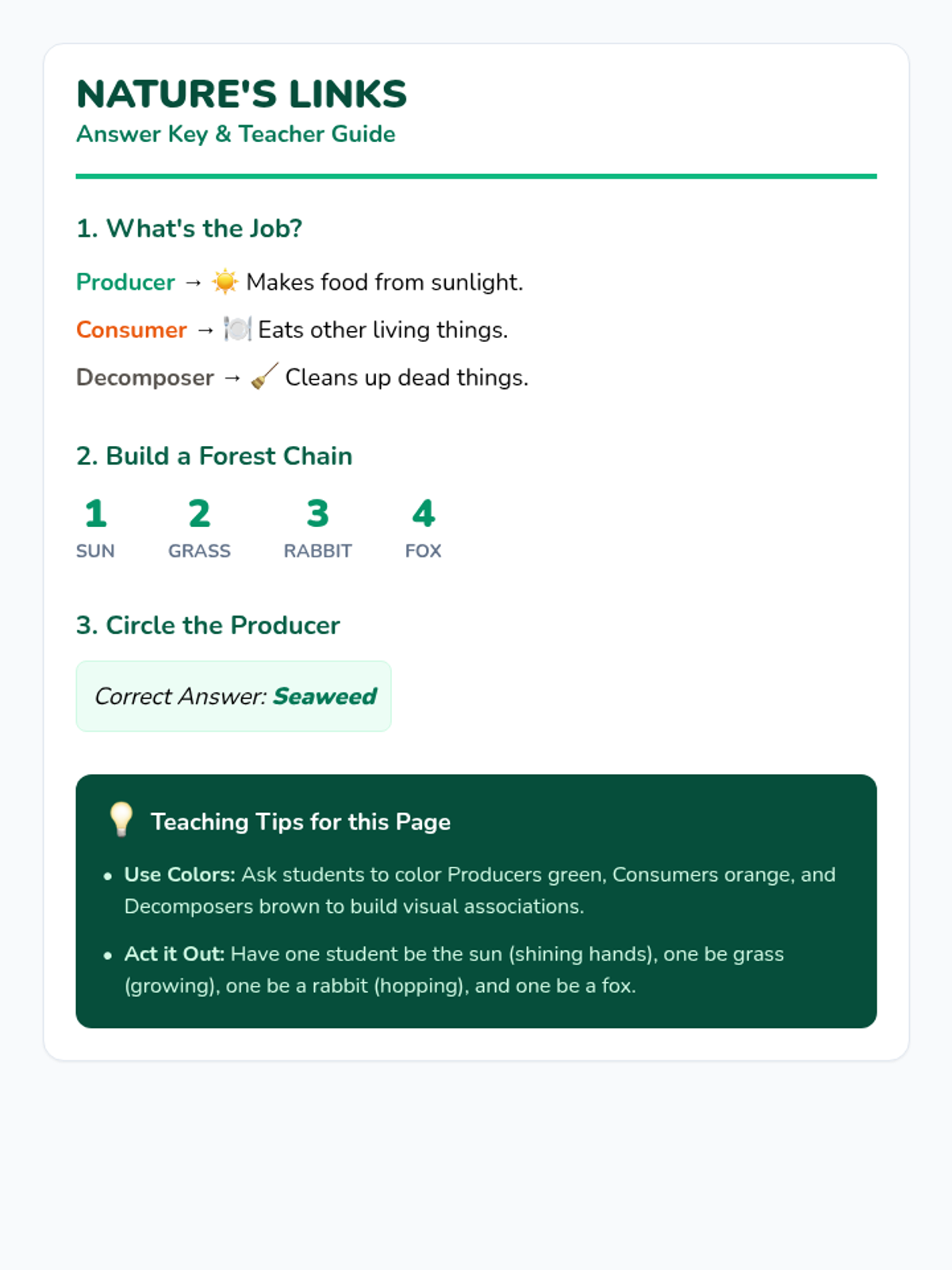
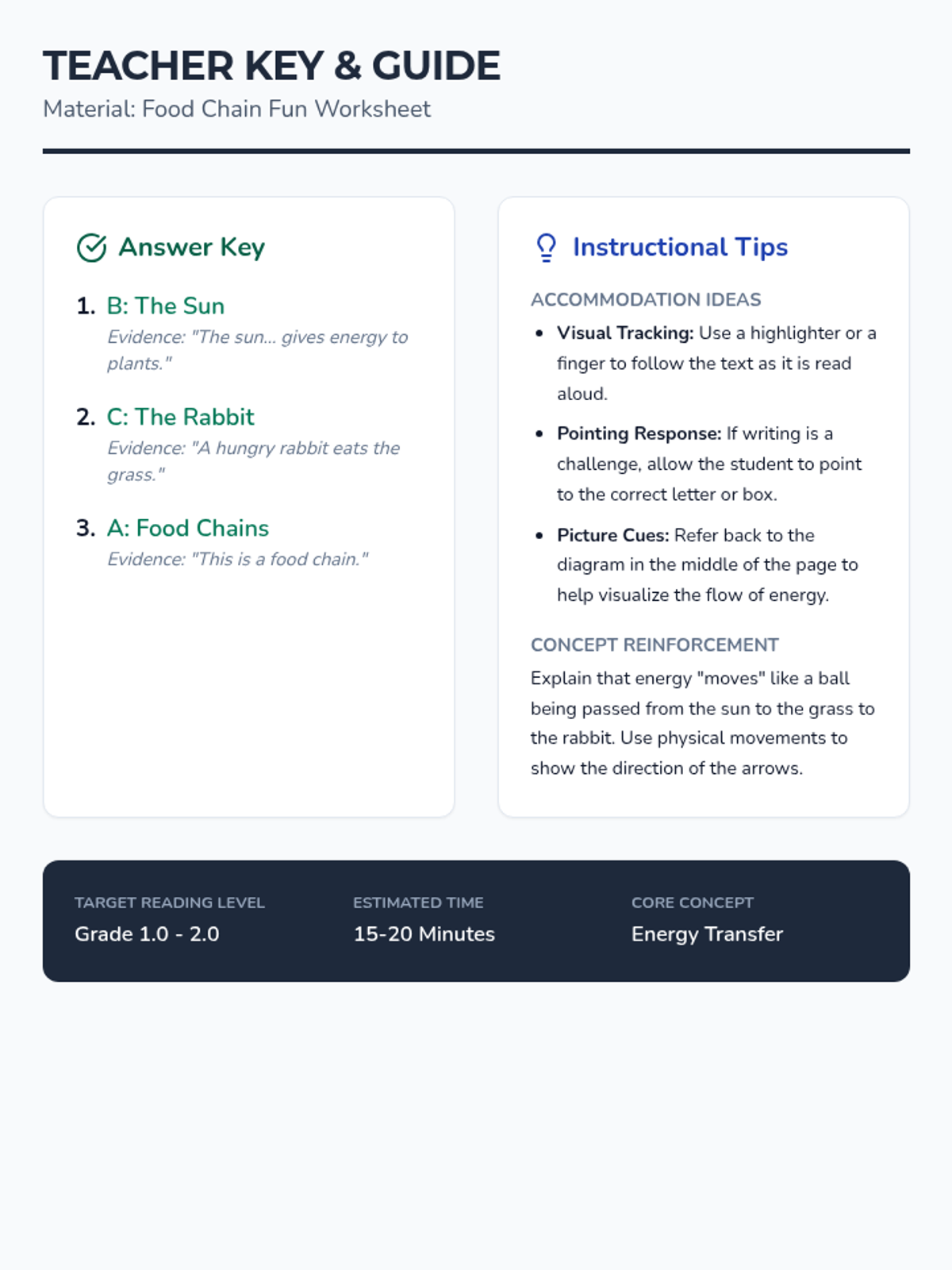
A foundational lesson on food chains across various ecosystems, specifically designed for special education students. Includes visual-heavy instruction on producers, consumers, and decomposers.
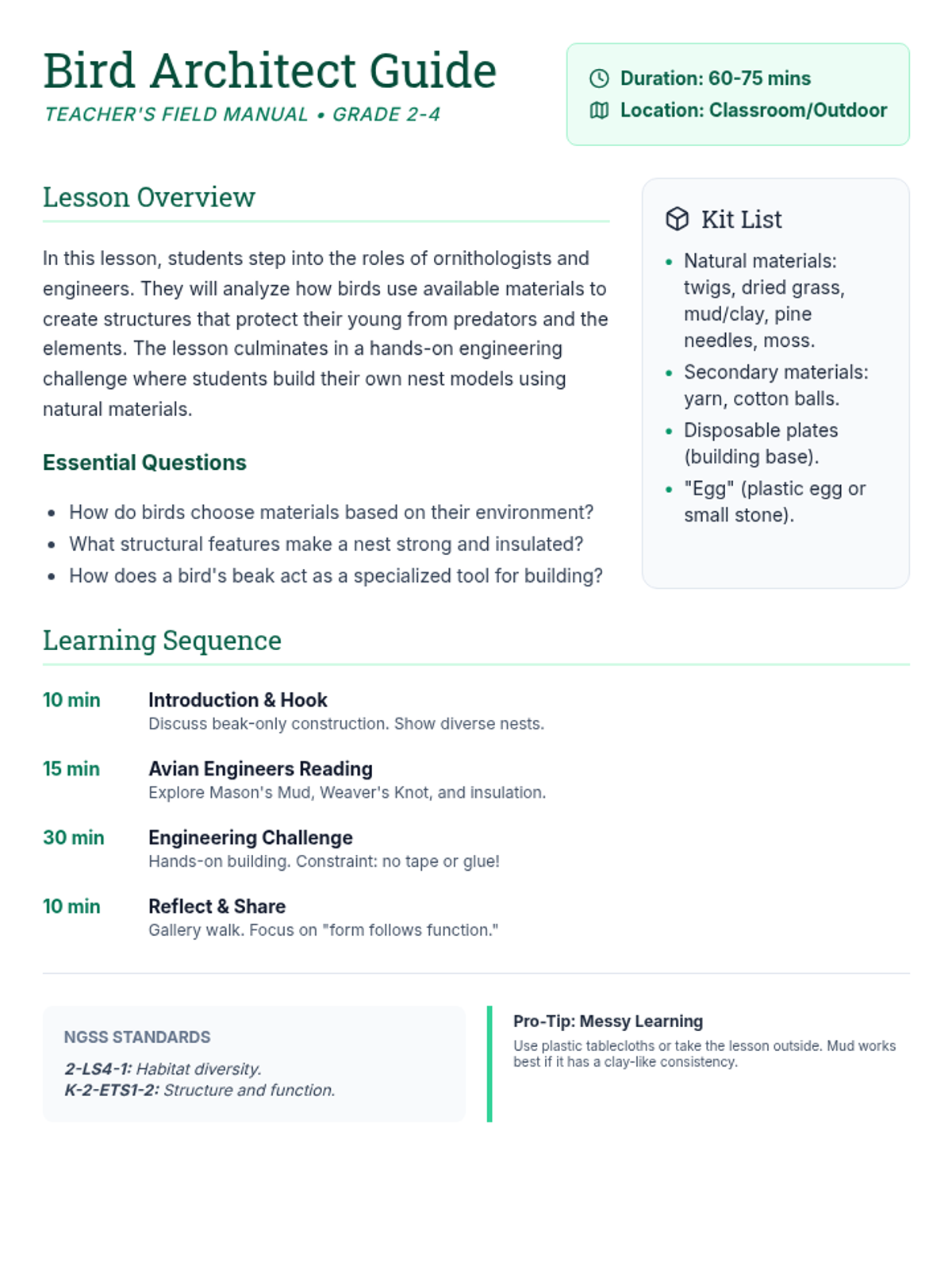
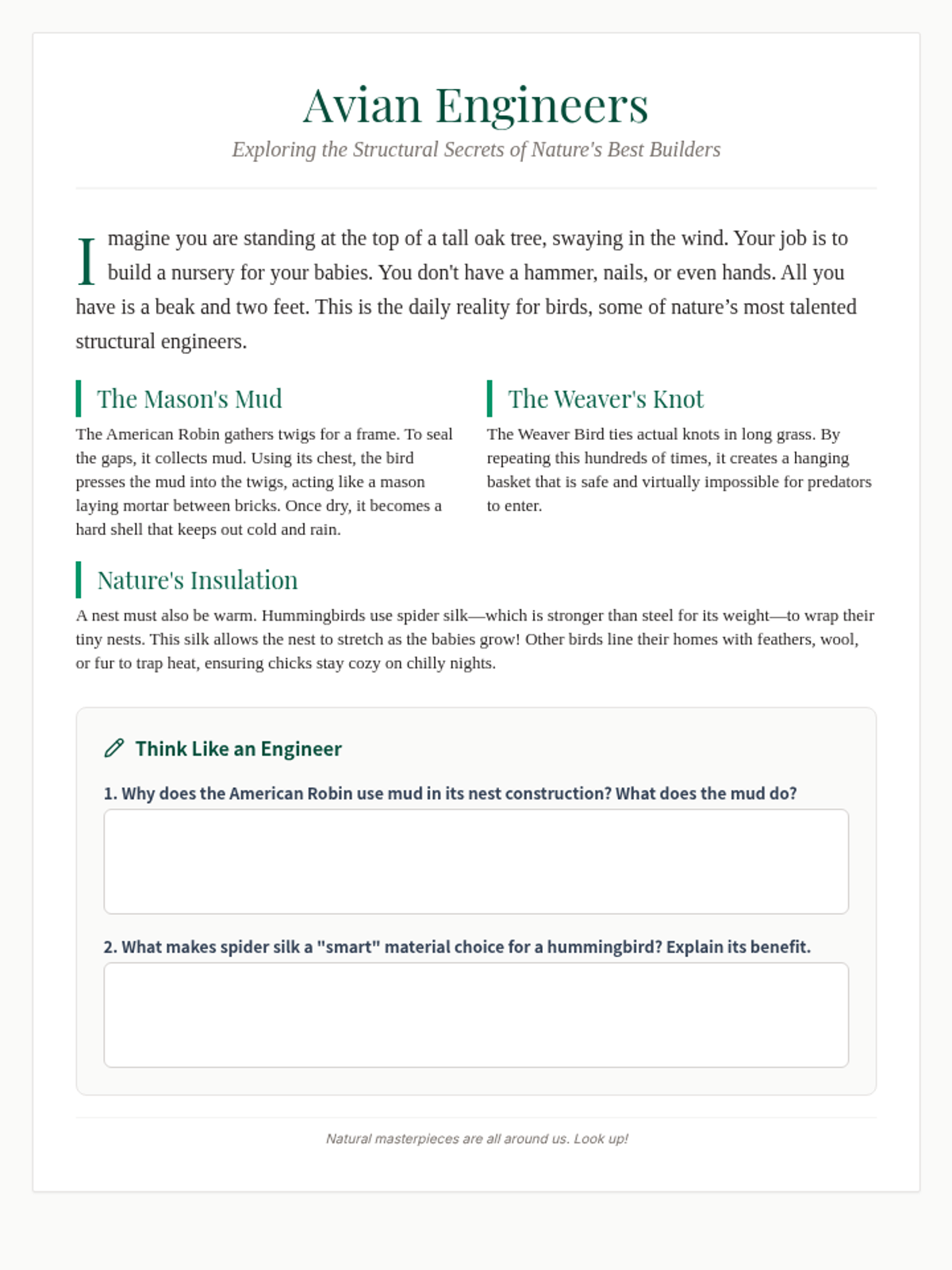
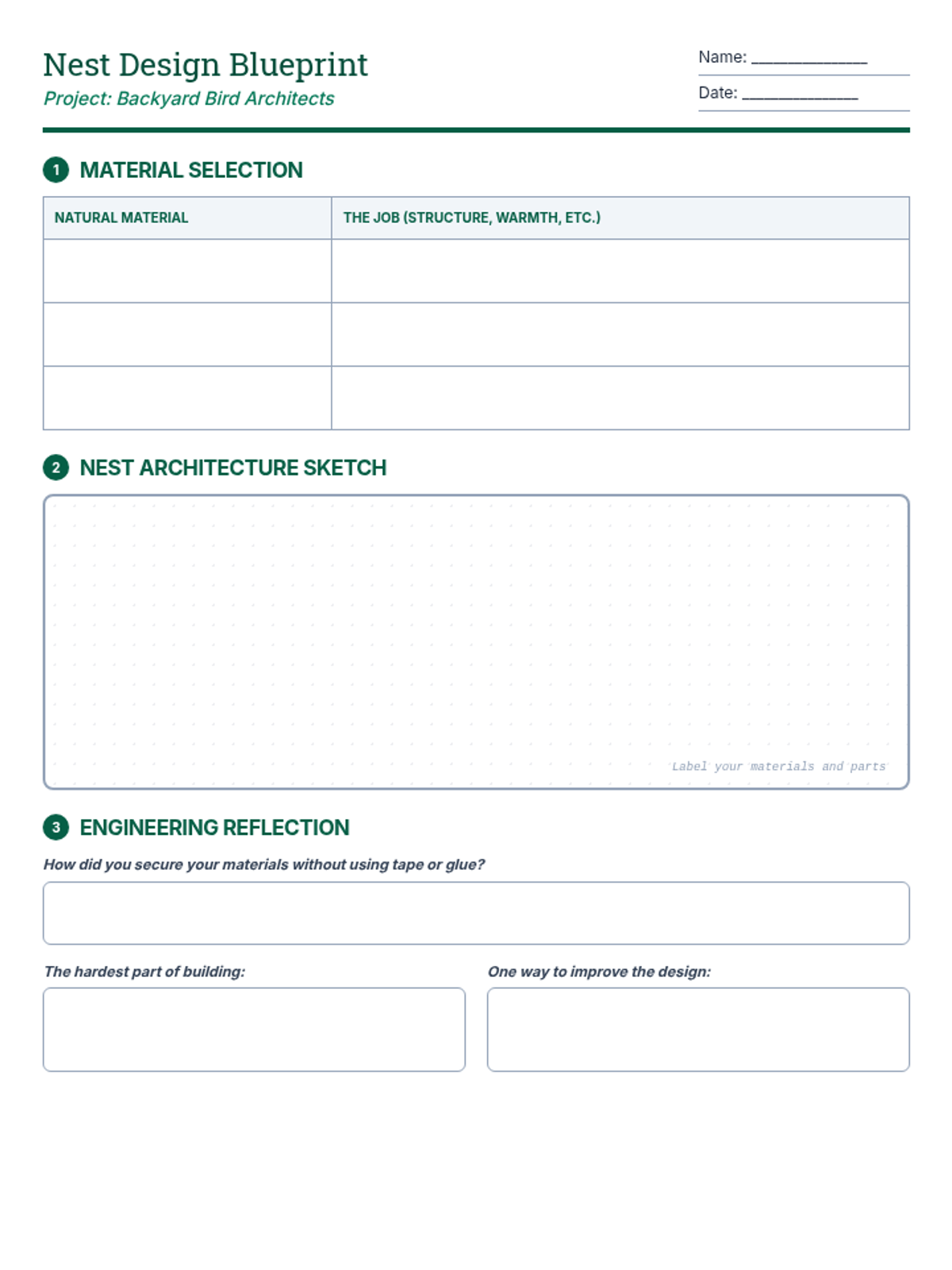
Students explore the engineering wonders of bird nests, observing local bird behavior and designing their own nest models using natural materials to understand animal adaptations and structural design.
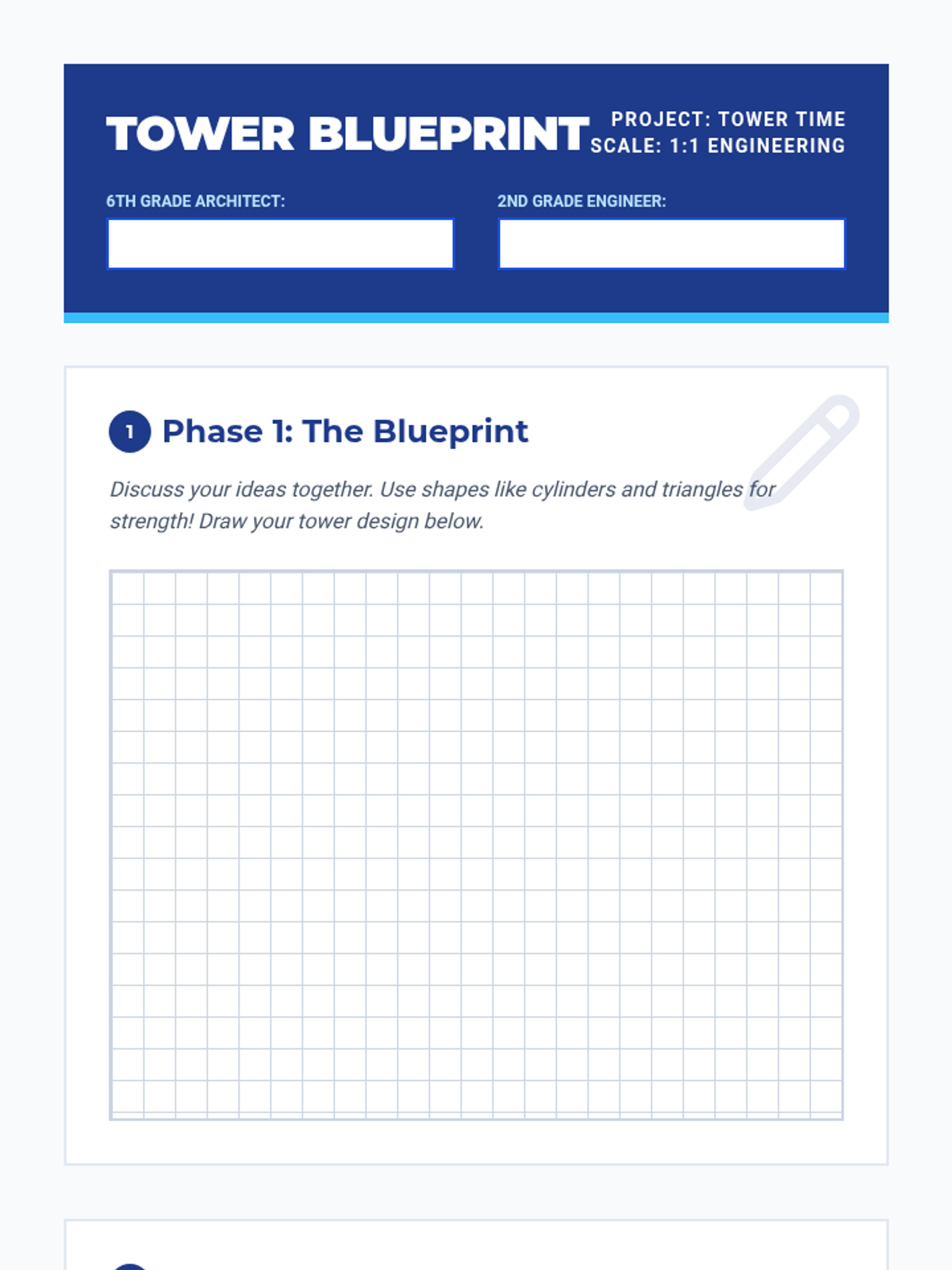
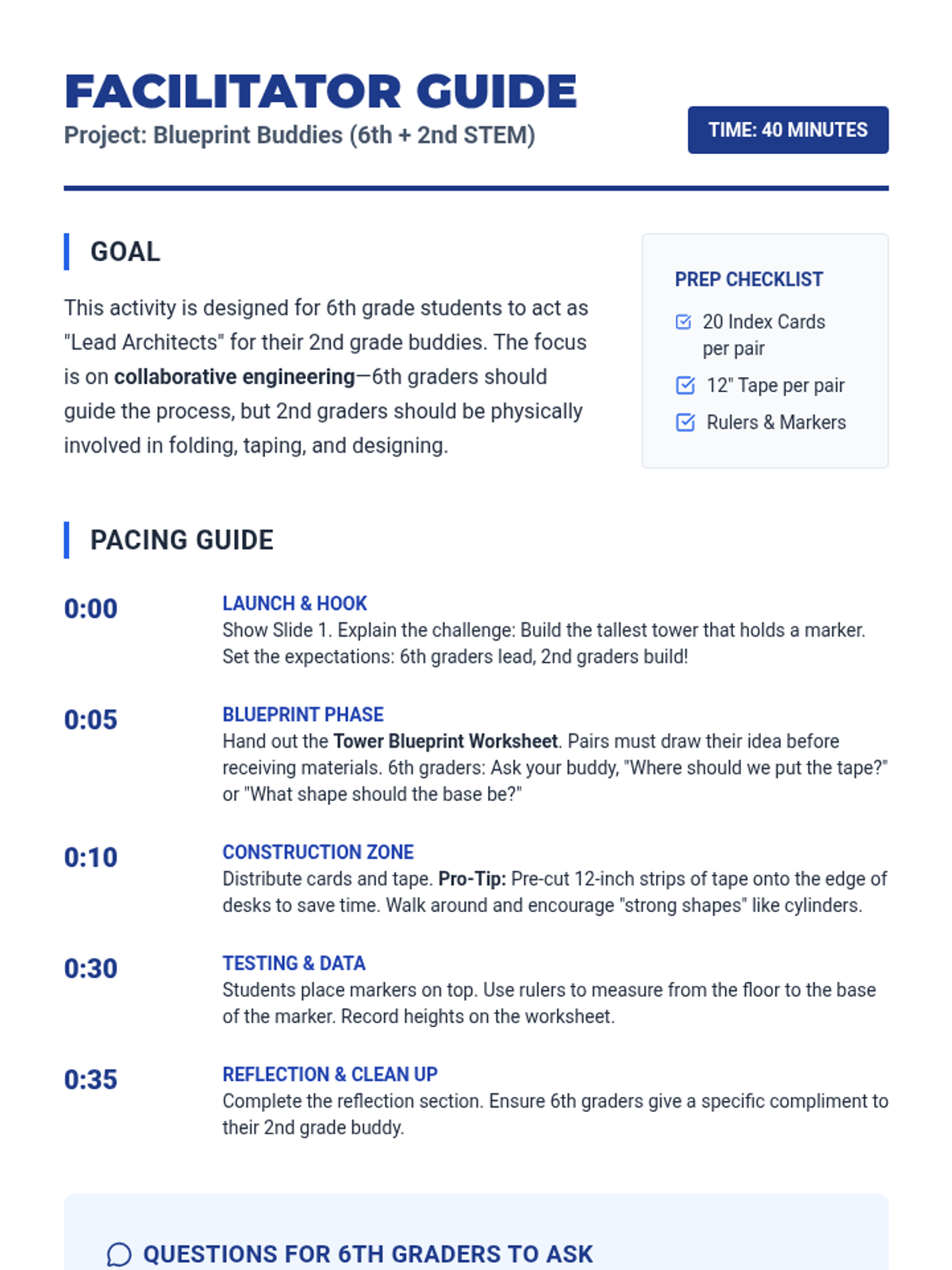
A collaborative STEM challenge where 6th grade mentors guide 2nd grade buddies to design and build the tallest possible tower using only index cards and tape. This lesson focuses on teamwork, engineering design principles, and measurement skills within a 40-minute window.
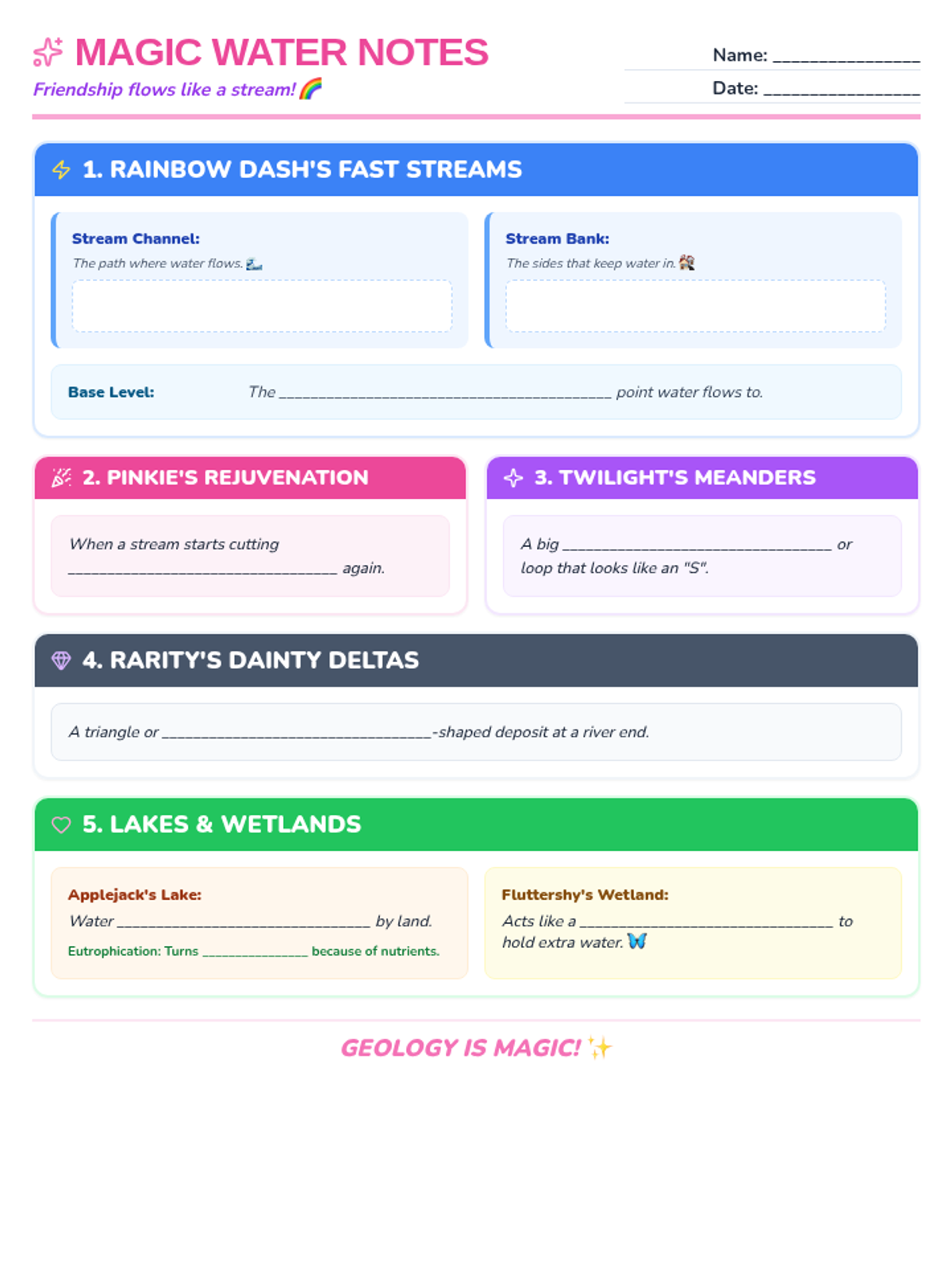
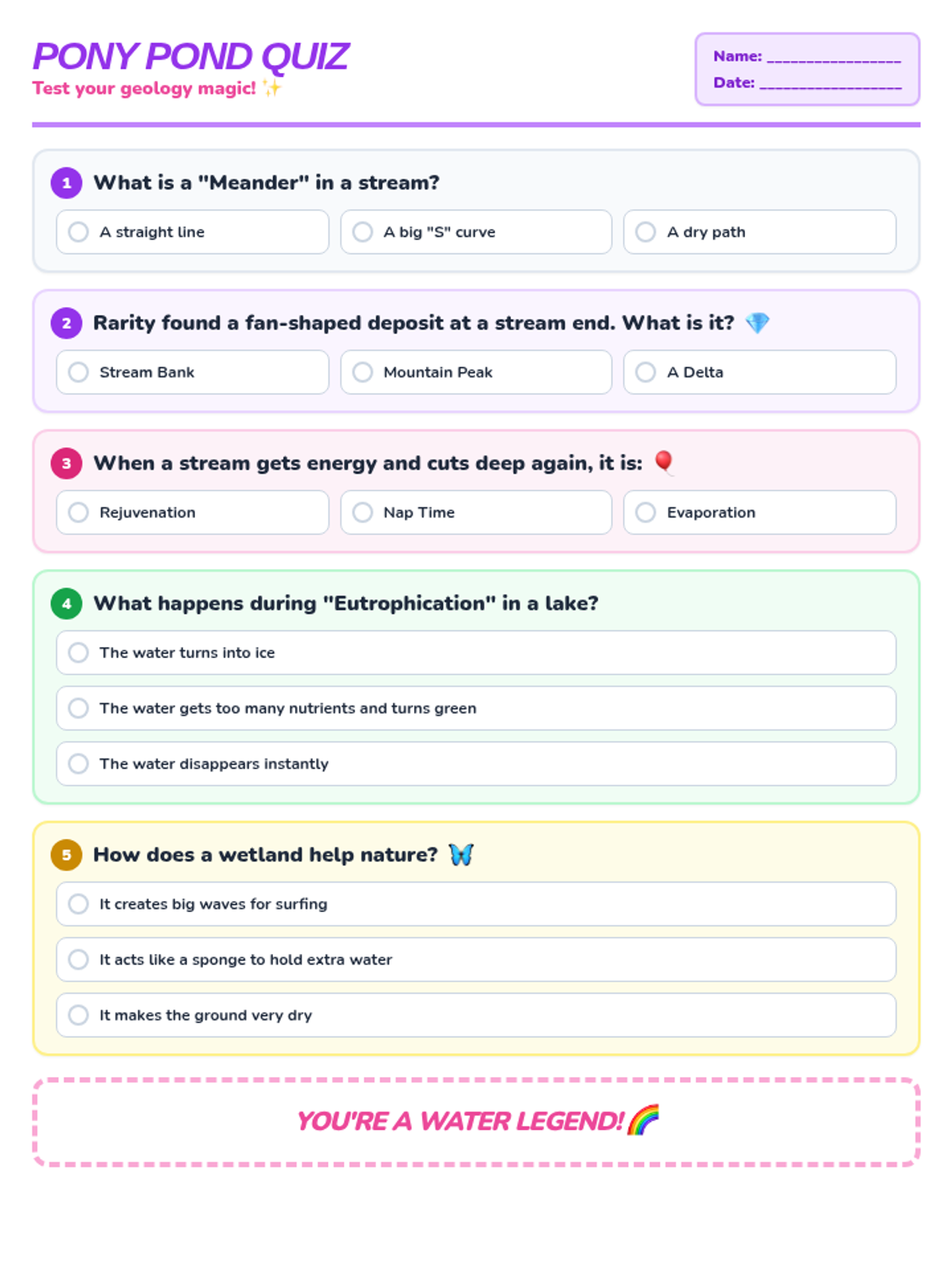
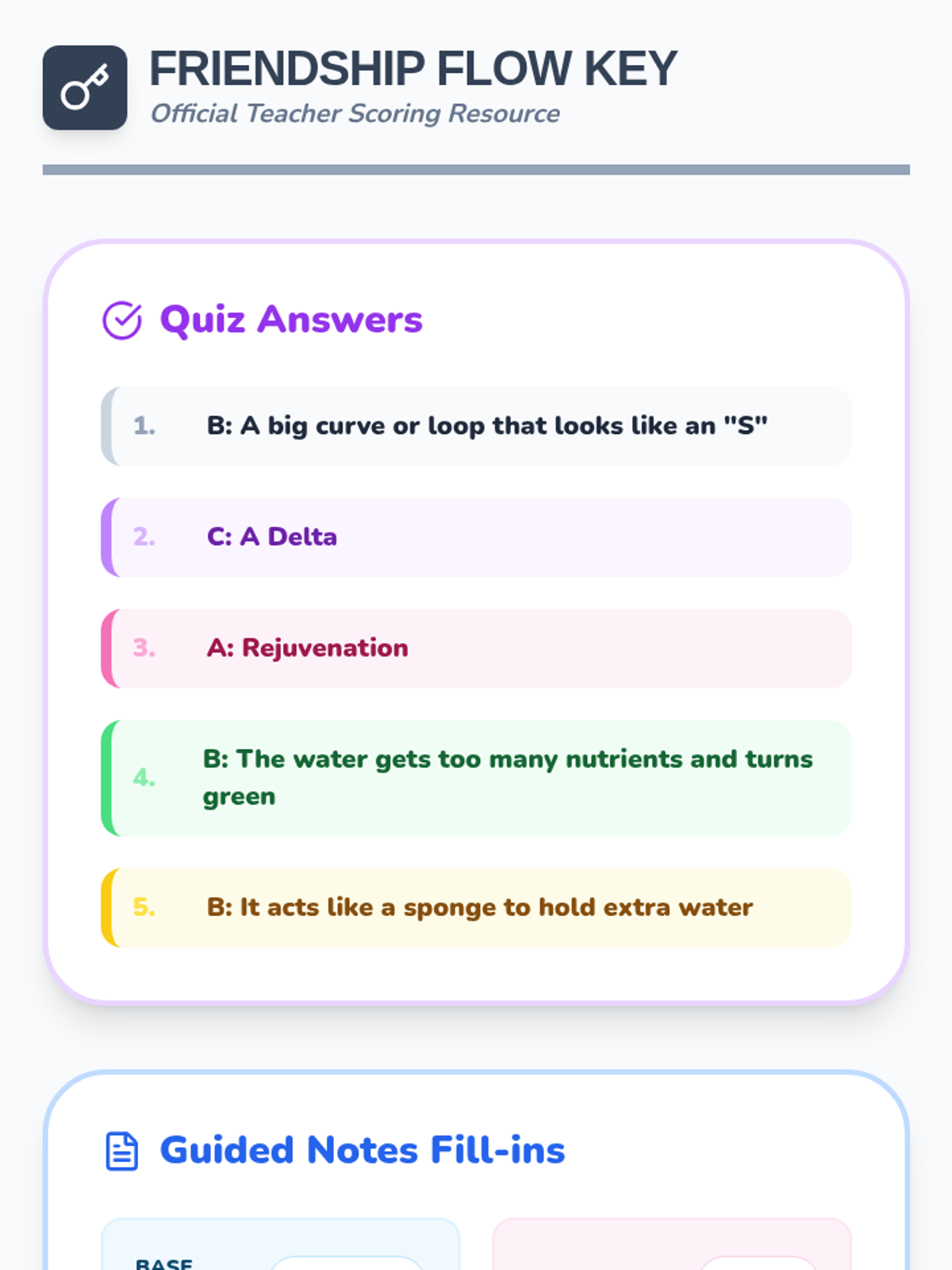
A lesson on surface water interactions with land, featuring My Little Pony characters to explain streams, lakes, and wetlands. Students learn key geological terms through simple bullet points and visual support.
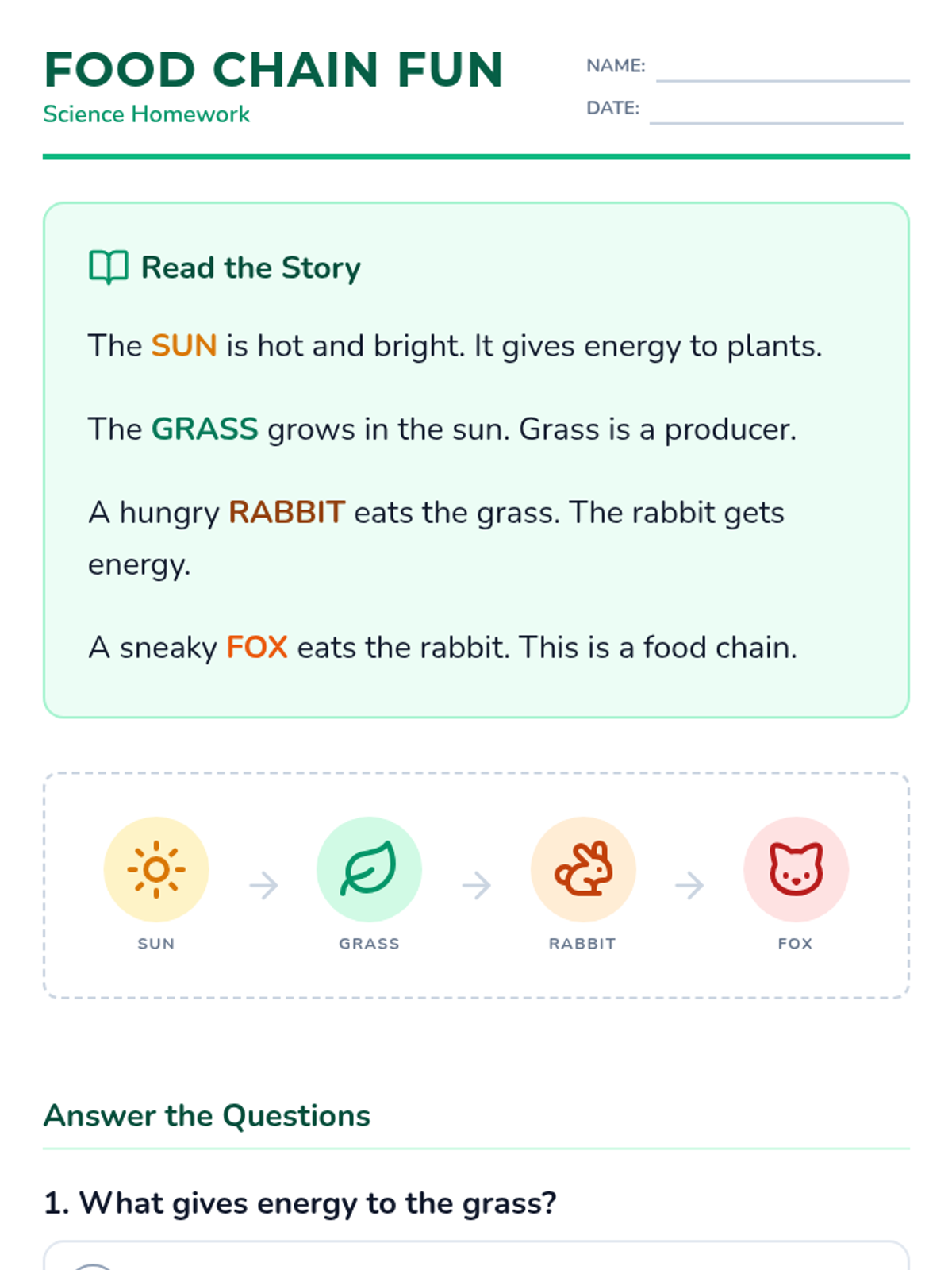
A simplified science lesson on food chains designed for 8th-grade students with severe disabilities, focusing on basic energy flow from sun to predator.
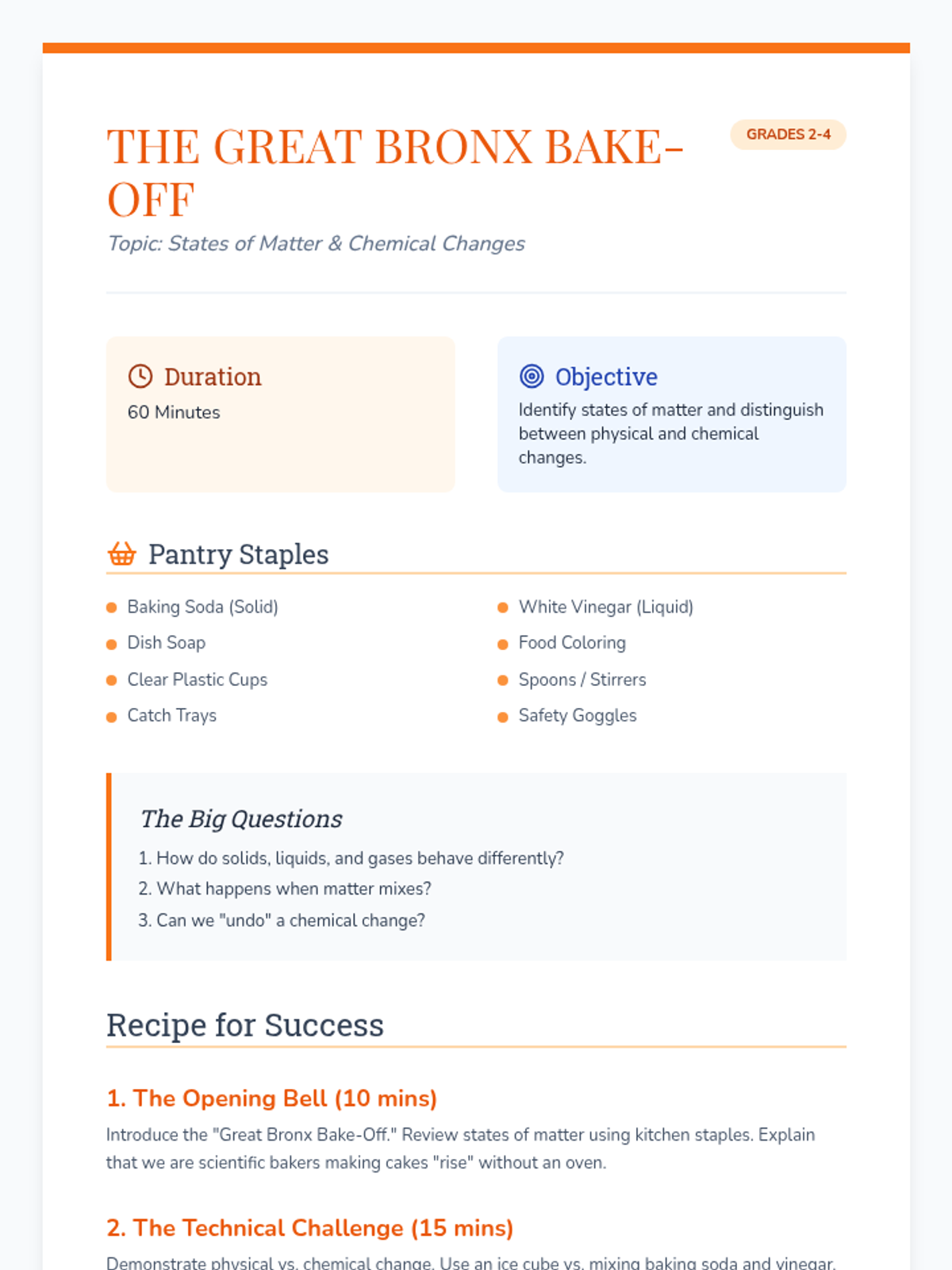
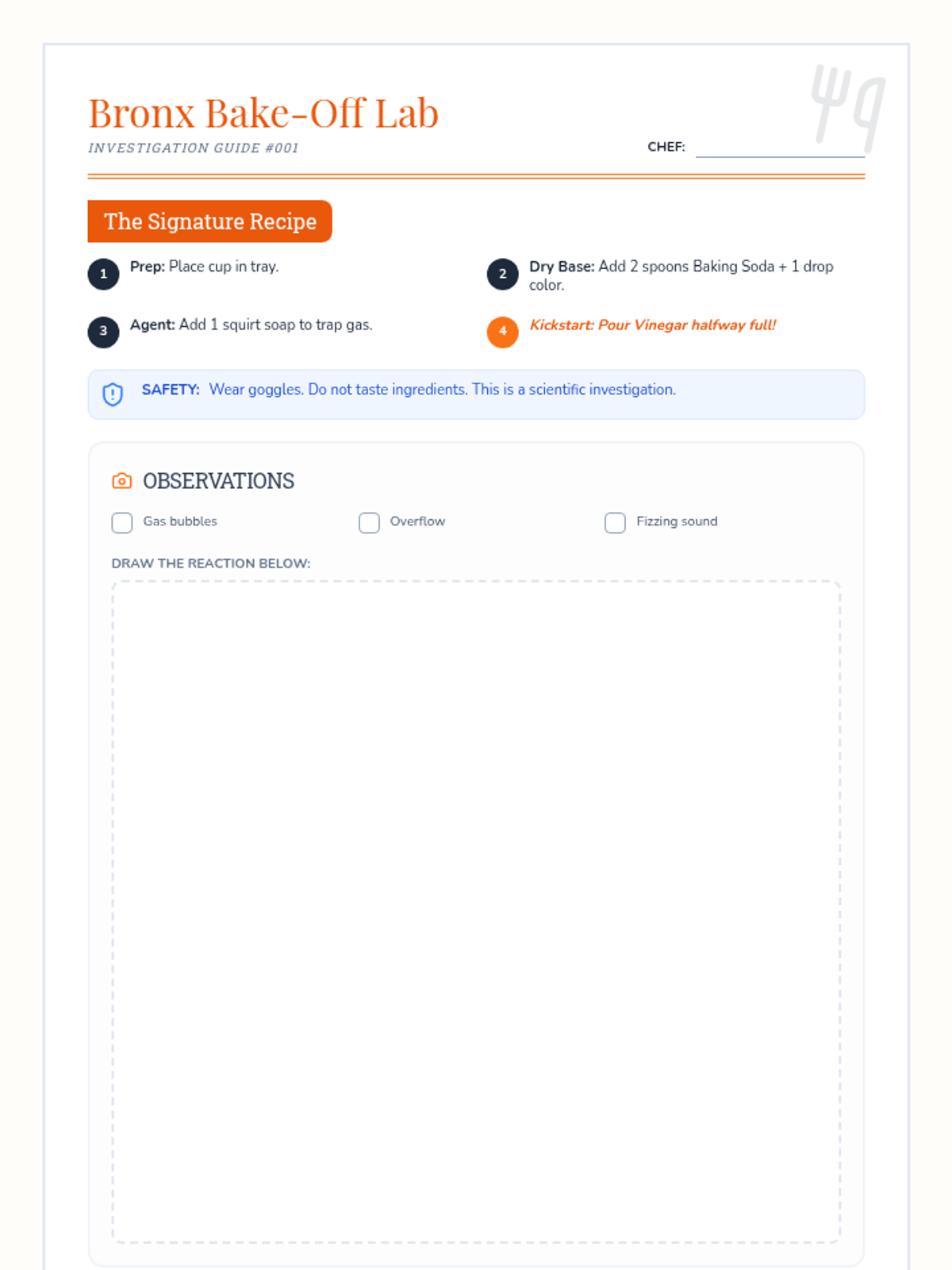
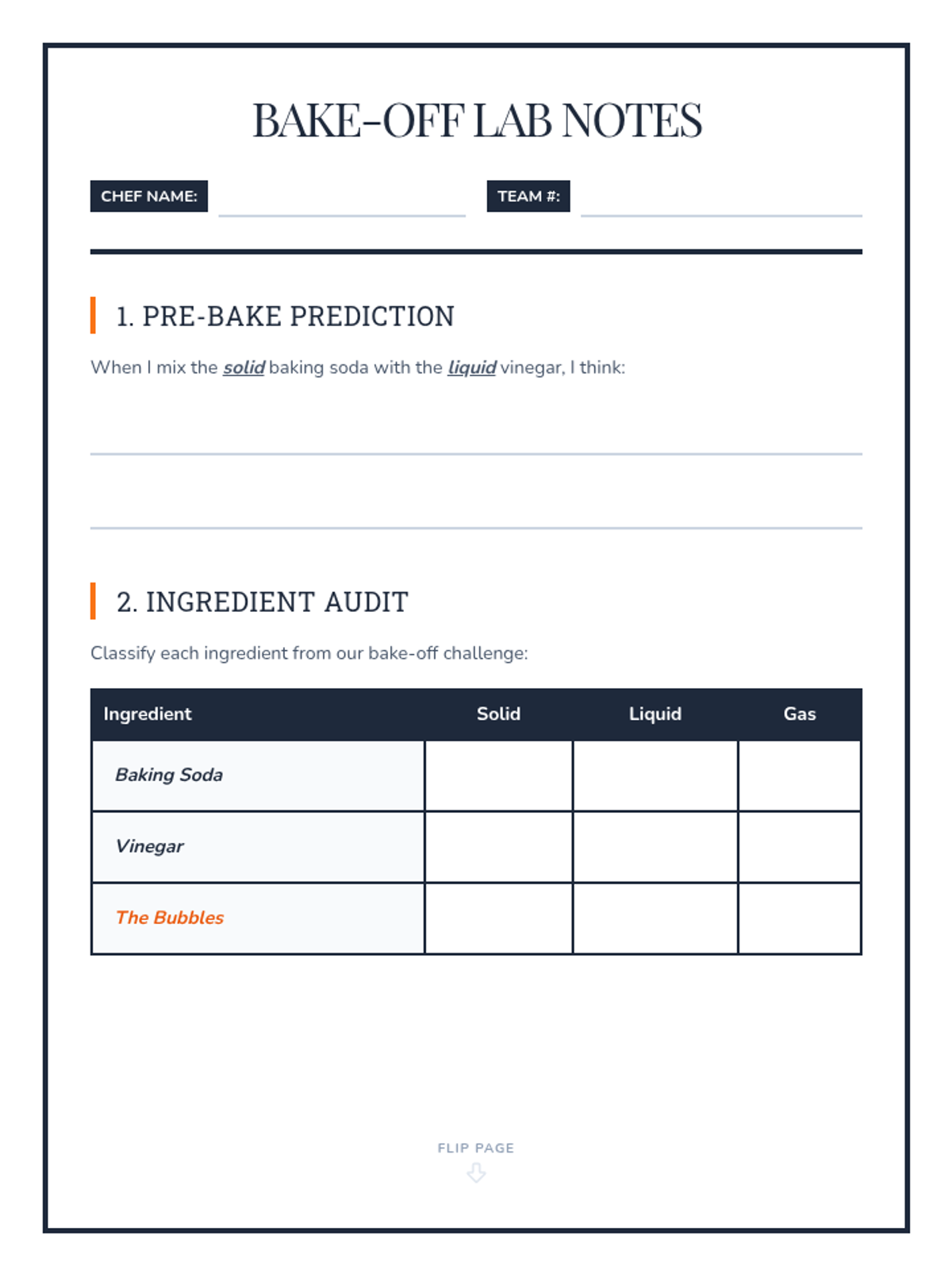
In this kitchen science inquiry, students investigate the three states of matter and observe chemical reactions by creating 'fizzing cakes' using baking soda and vinegar. They explore reversible and irreversible changes while competing in a simulated Bronx-style bake-off challenge.
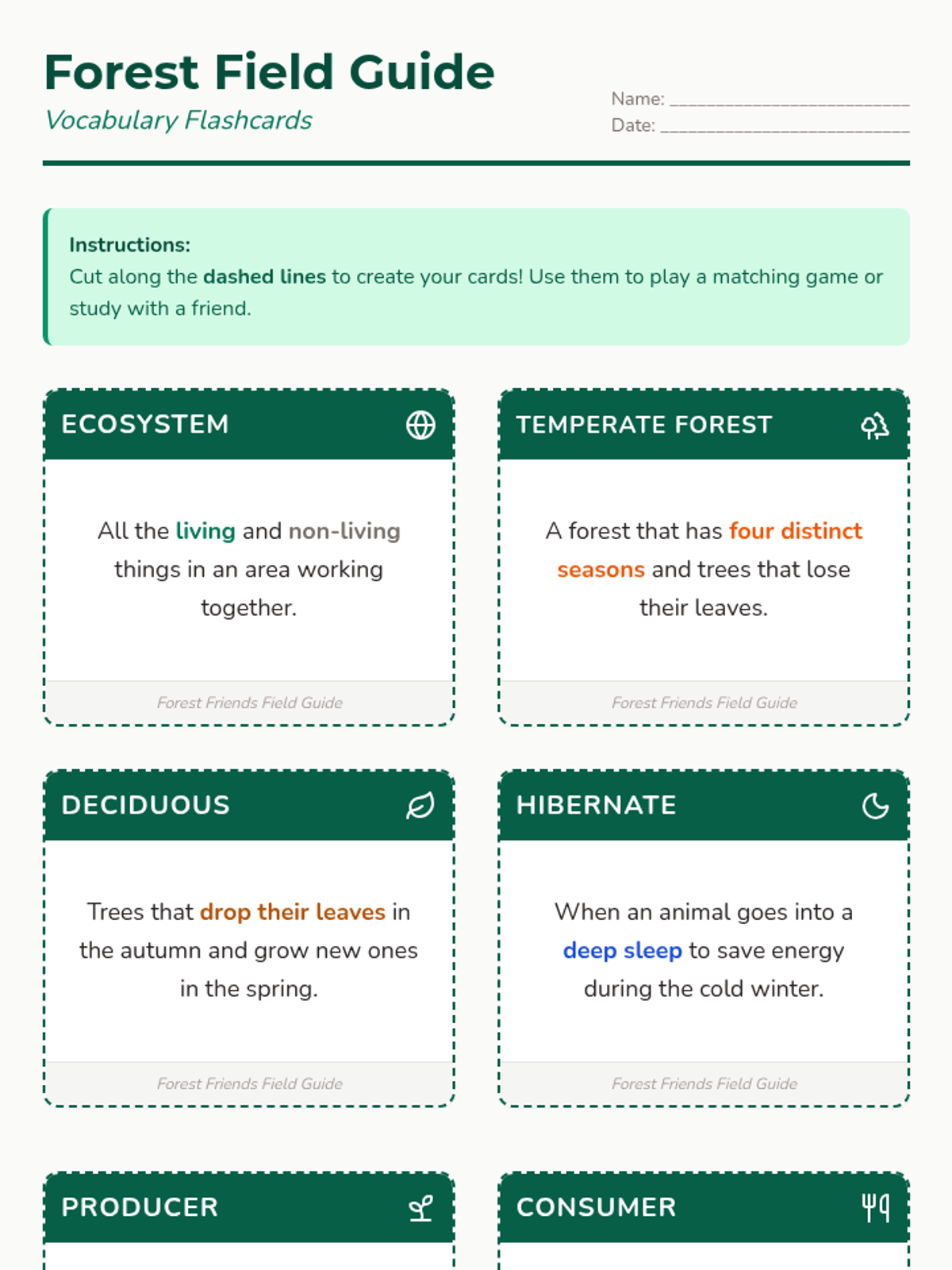
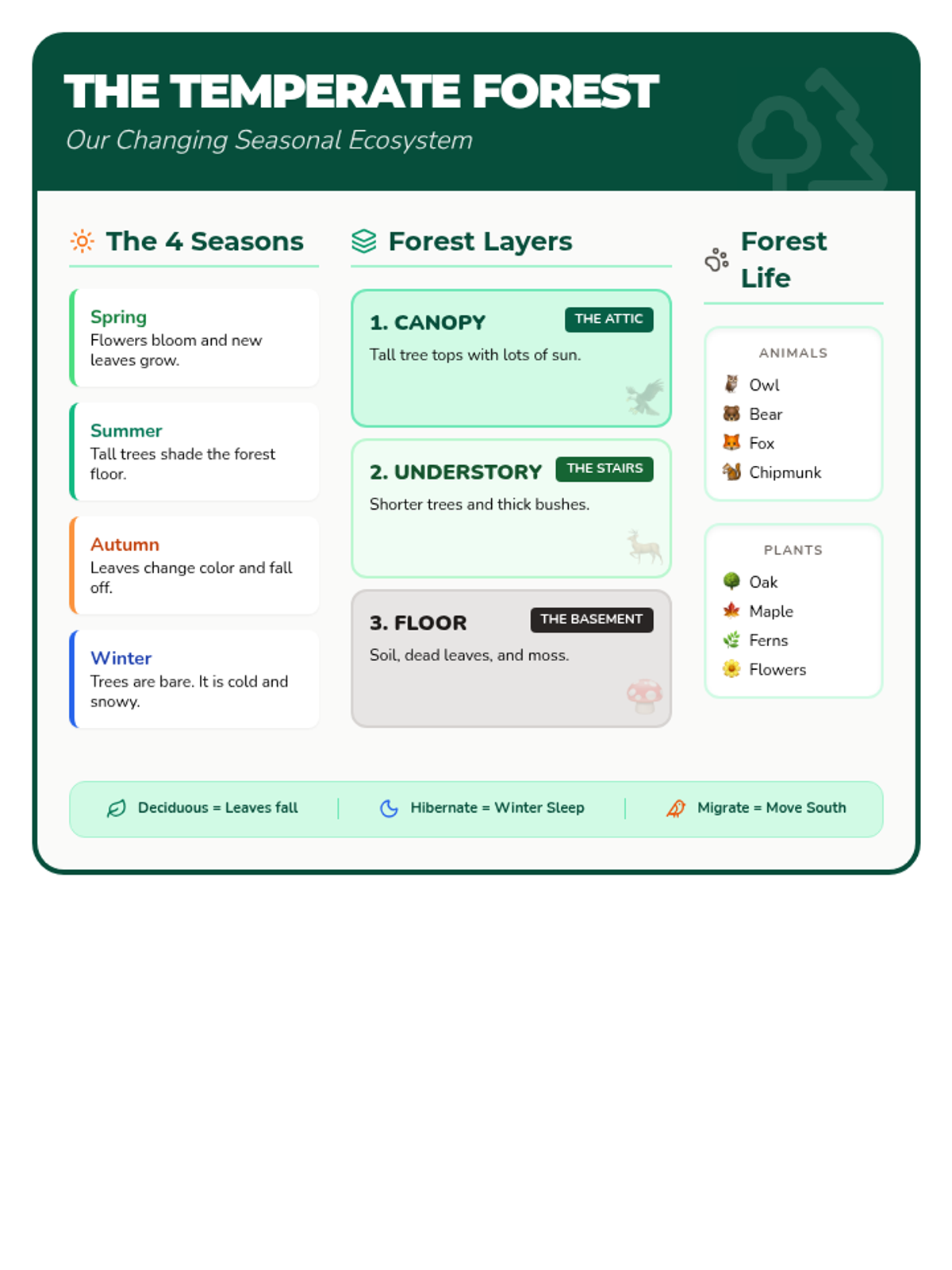
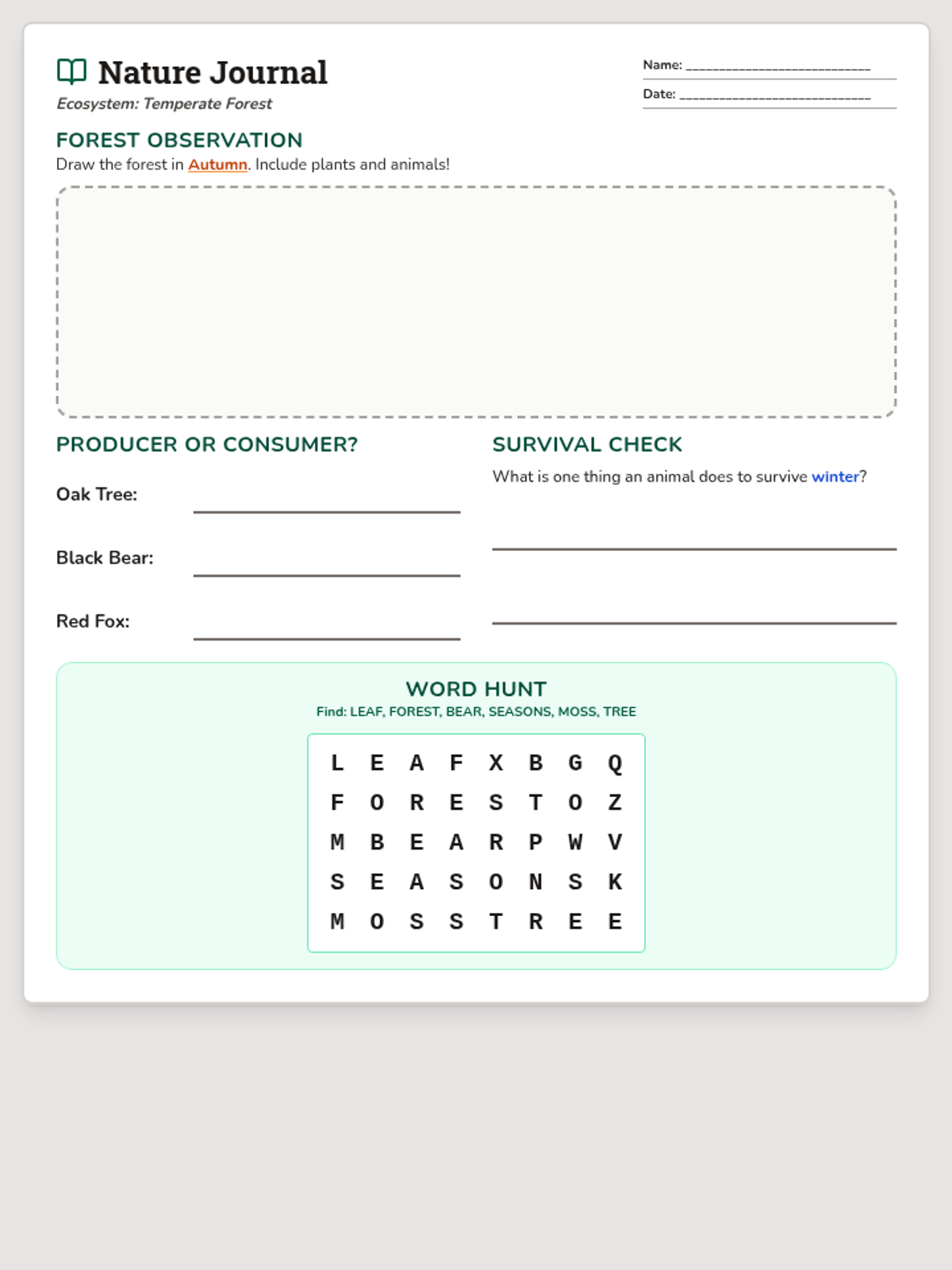
An introduction to the temperate forest ecosystem for 2nd graders, focusing on seasonal changes, plant life, and animal adaptations. Students will build foundational science vocabulary through visual aids and hands-on observation prompts.