A hands-on exploration of human impacts on biodiversity, featuring a collaborative card sorting game and a reflective CER analysis. Students identify and categorize negative and positive impacts while building academic vocabulary.
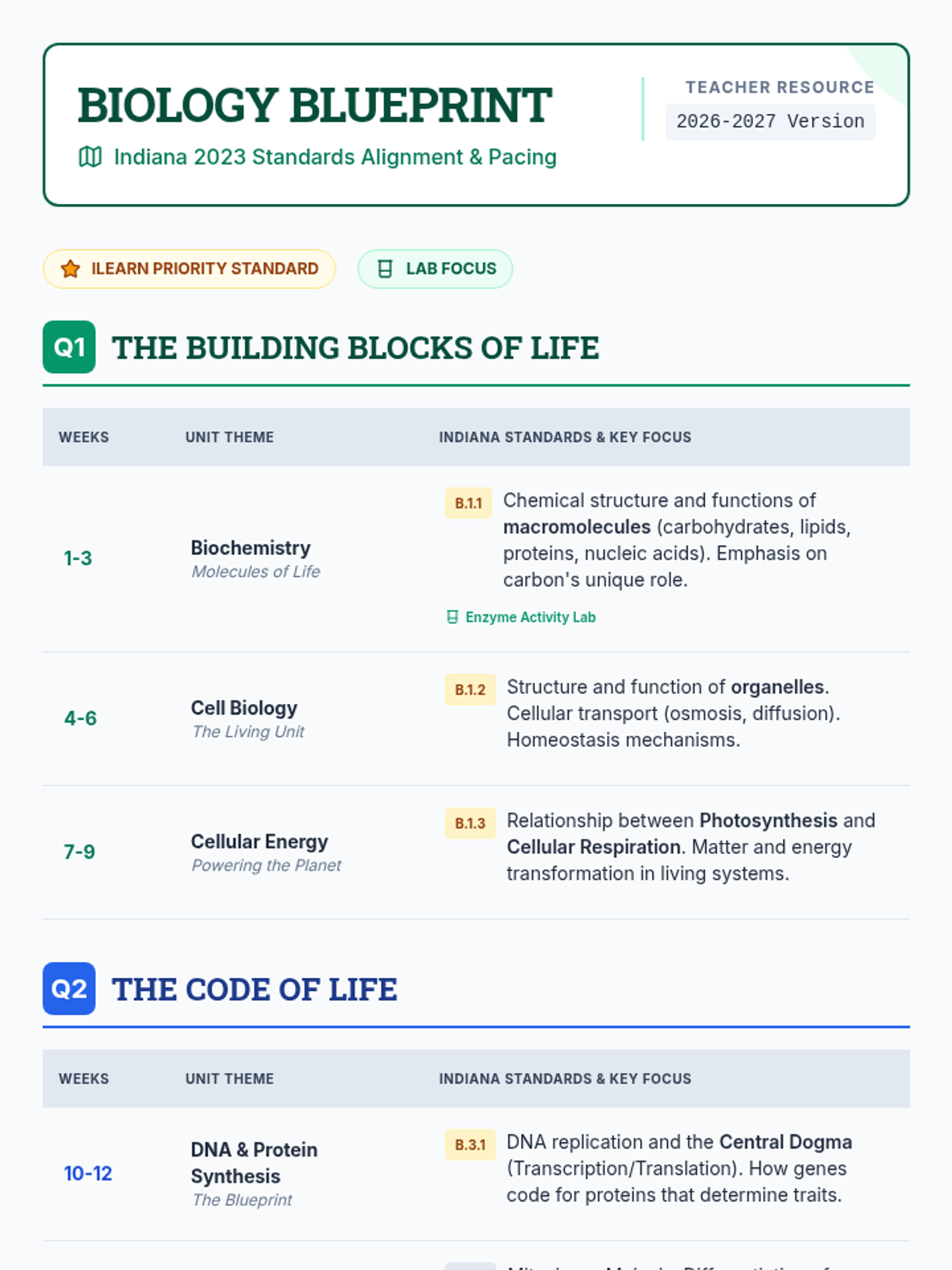
Curriculum planning resources for the entire academic year, including standard alignment, pacing, and priority focus areas.
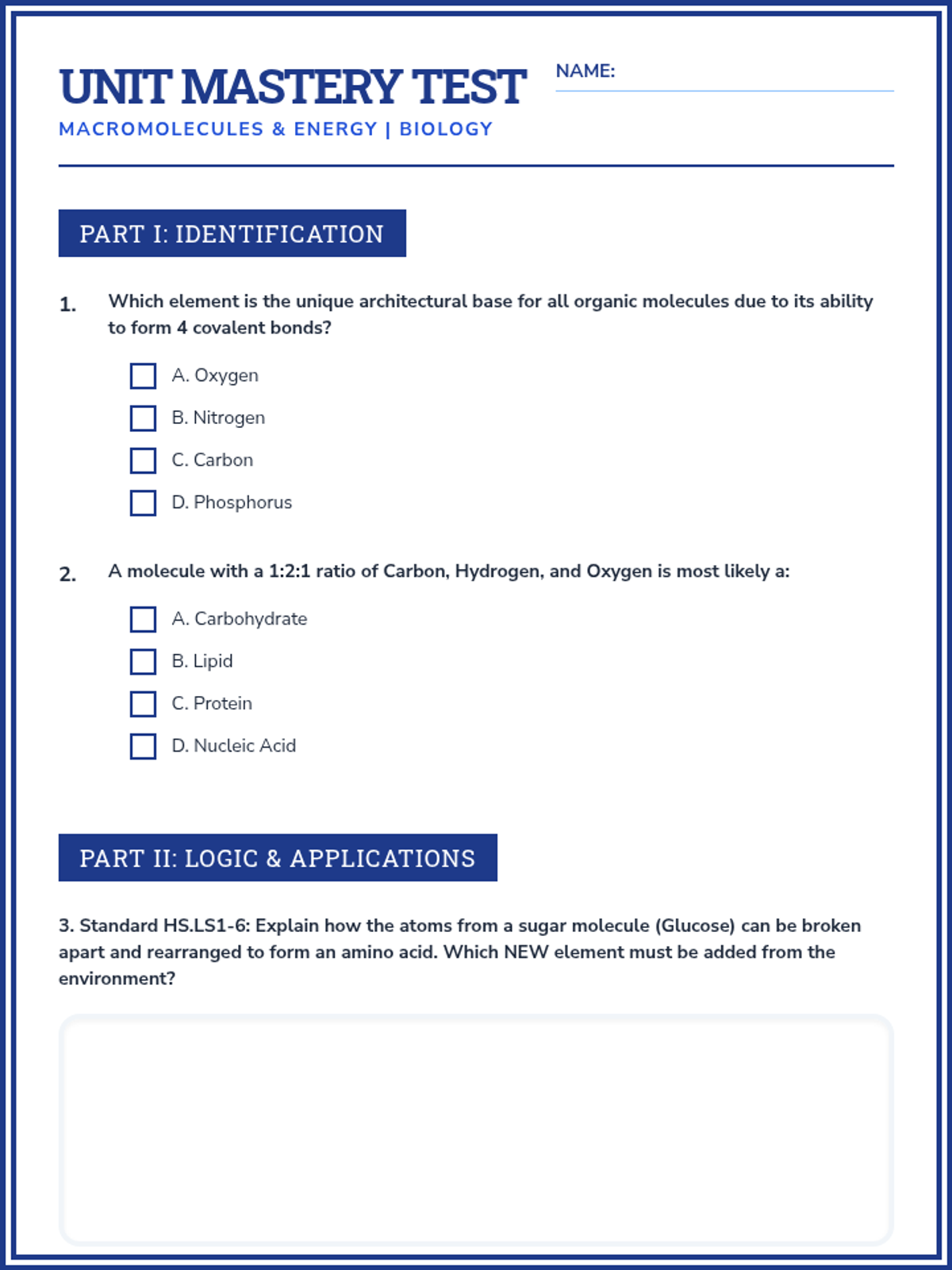
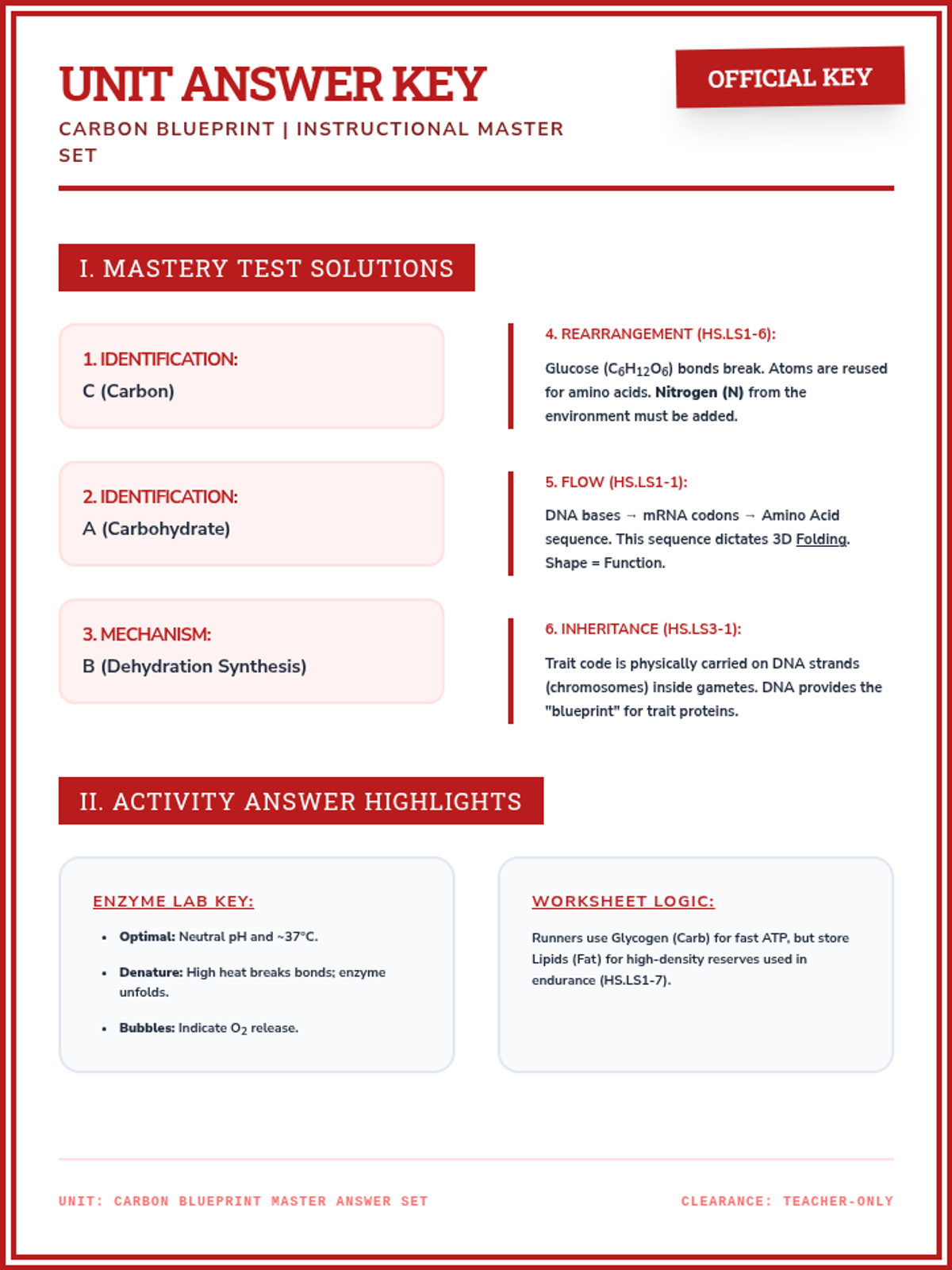
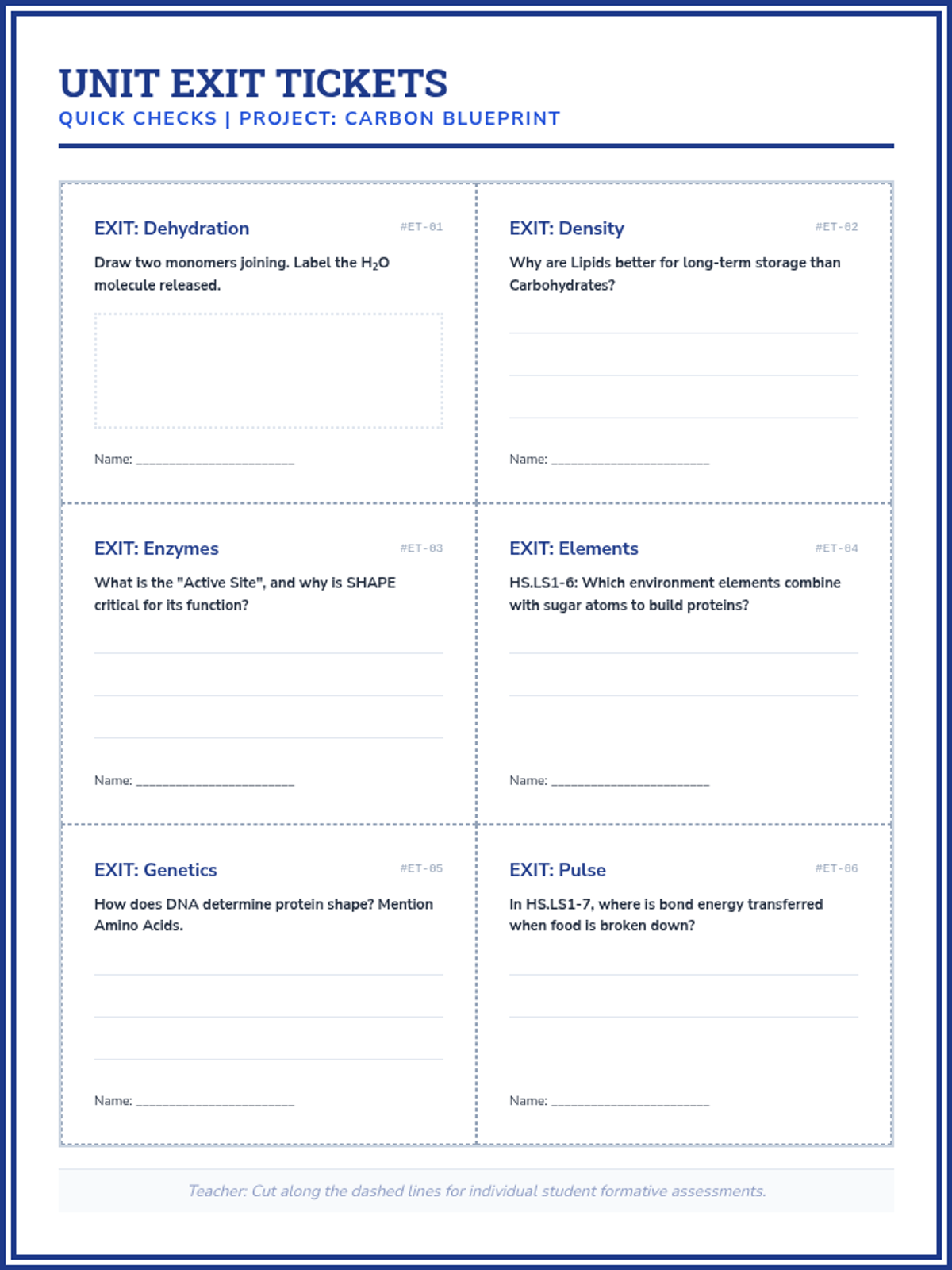
Final review and assessment of the Macromolecules unit.
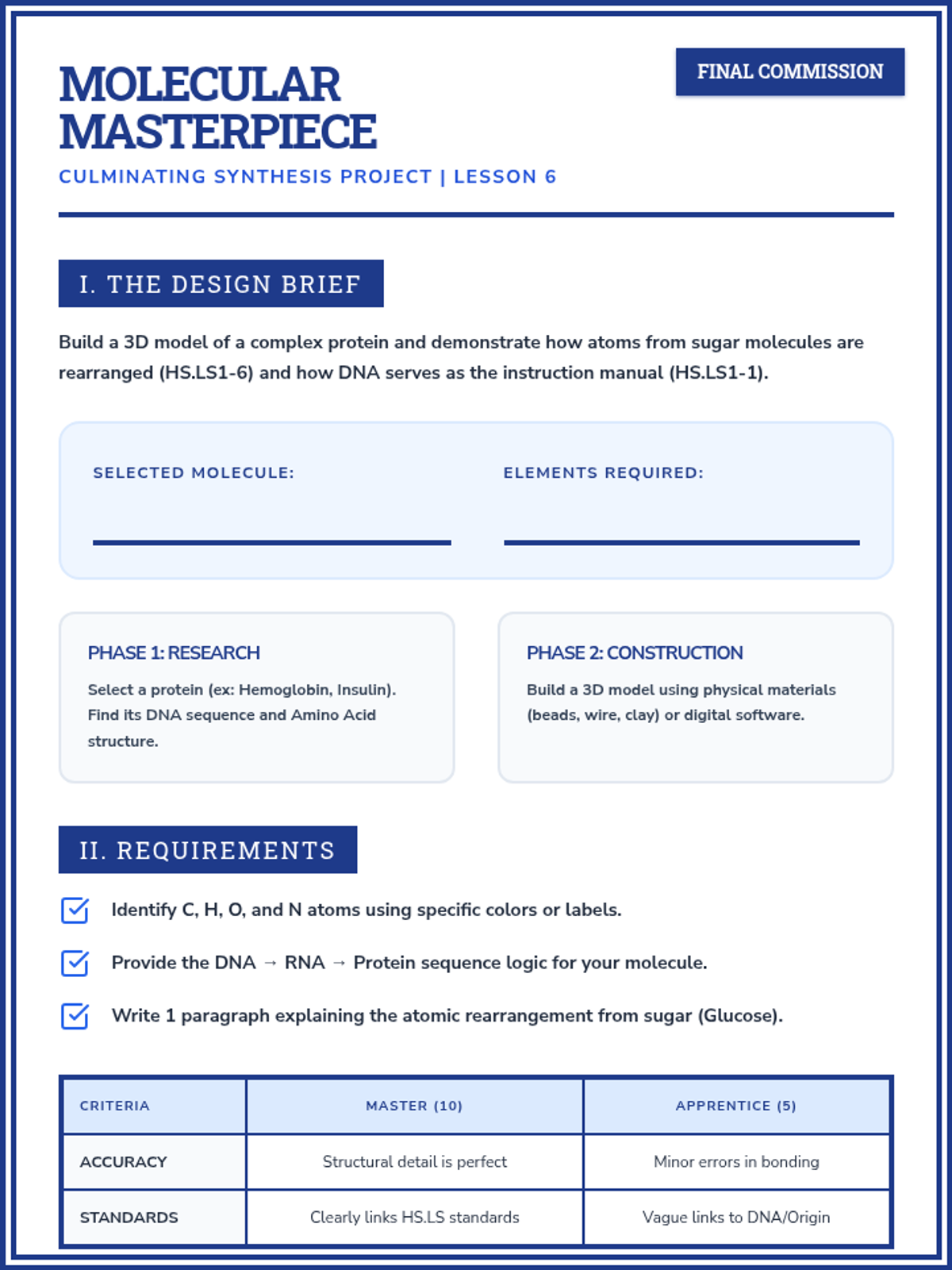
A culminating creative project where students design a "Biological Structure" based on macromolecule principles.
Connecting macromolecule breakdown to energy transfer and cellular respiration (HS.LS1-7).
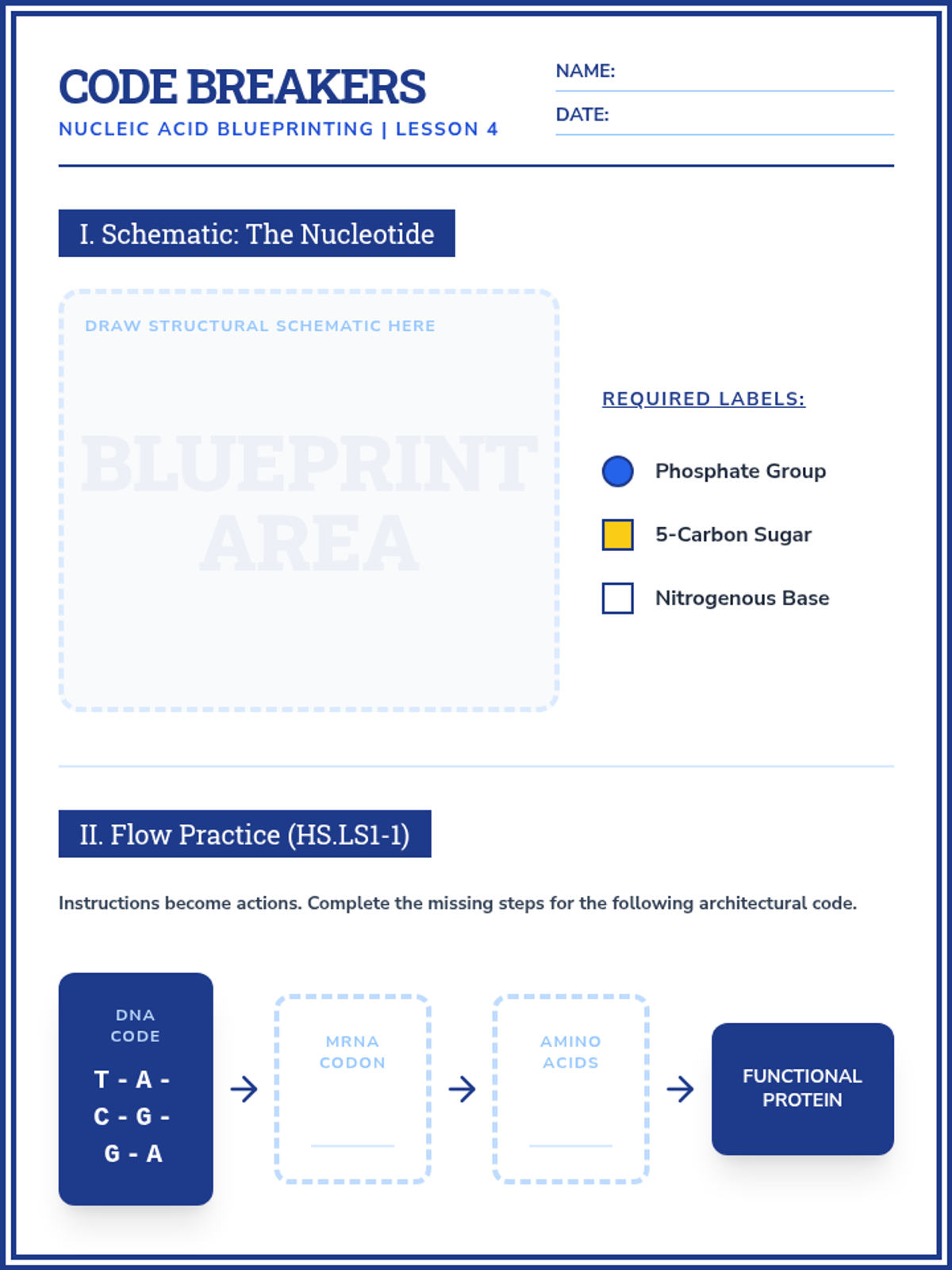
Focusing on nucleic acids and their role in coding for life's traits and instructions (HS.LS3-1).
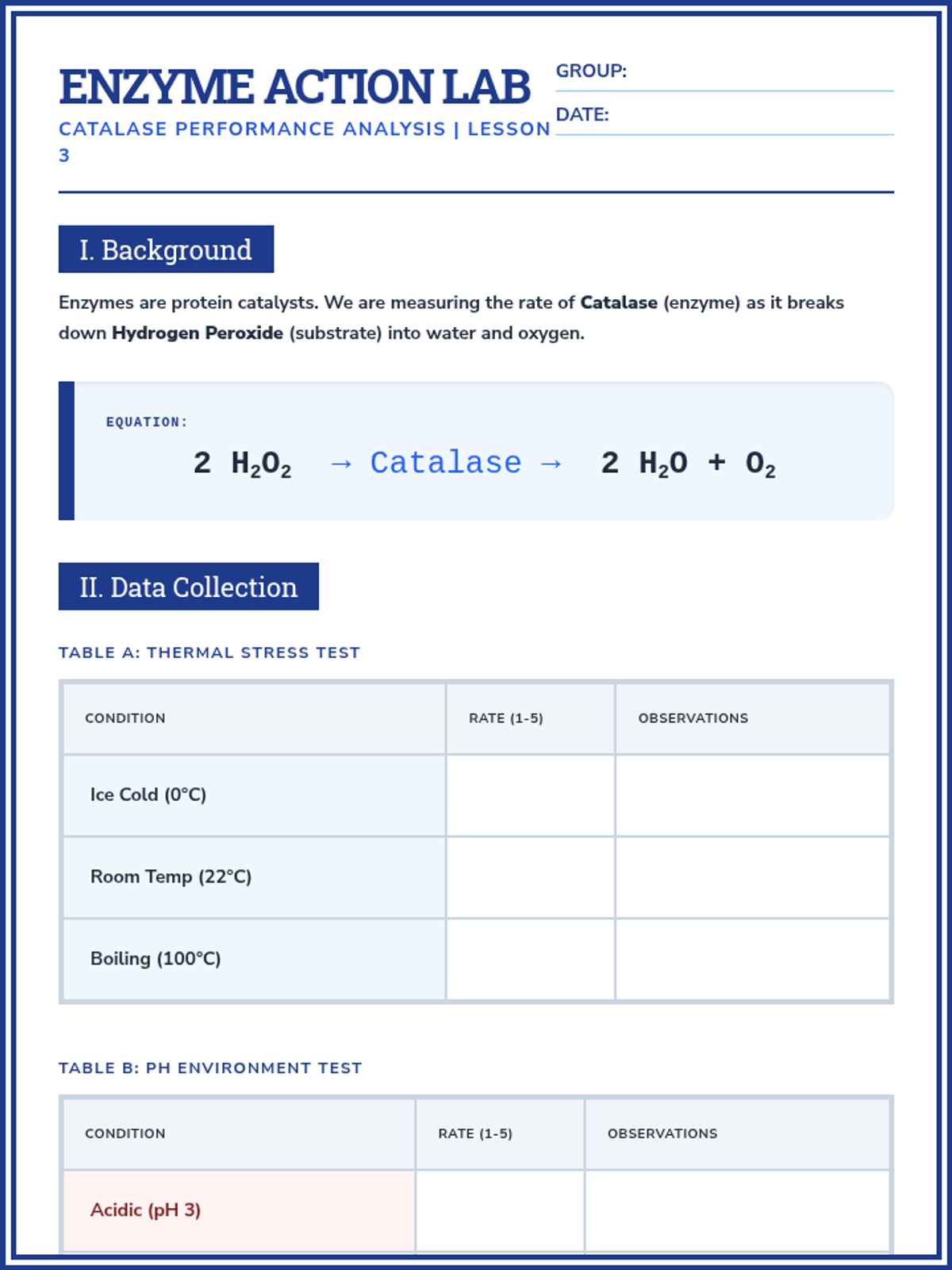
Exploring protein structure and enzyme function, emphasizing the connection between DNA sequences and protein form as per HS.LS1-1.
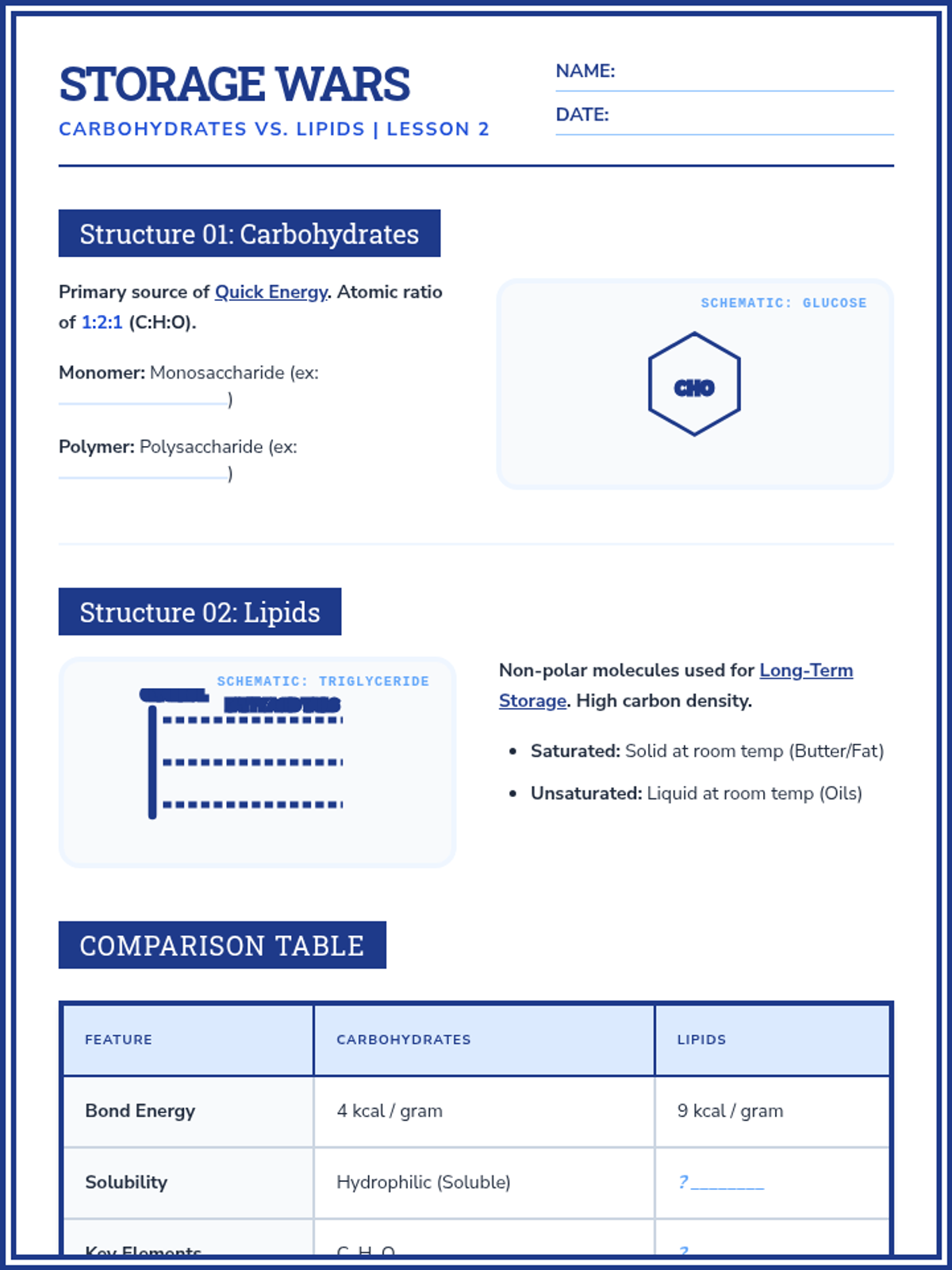
Investigating the energy storage and structural roles of carbohydrates and lipids in living systems.
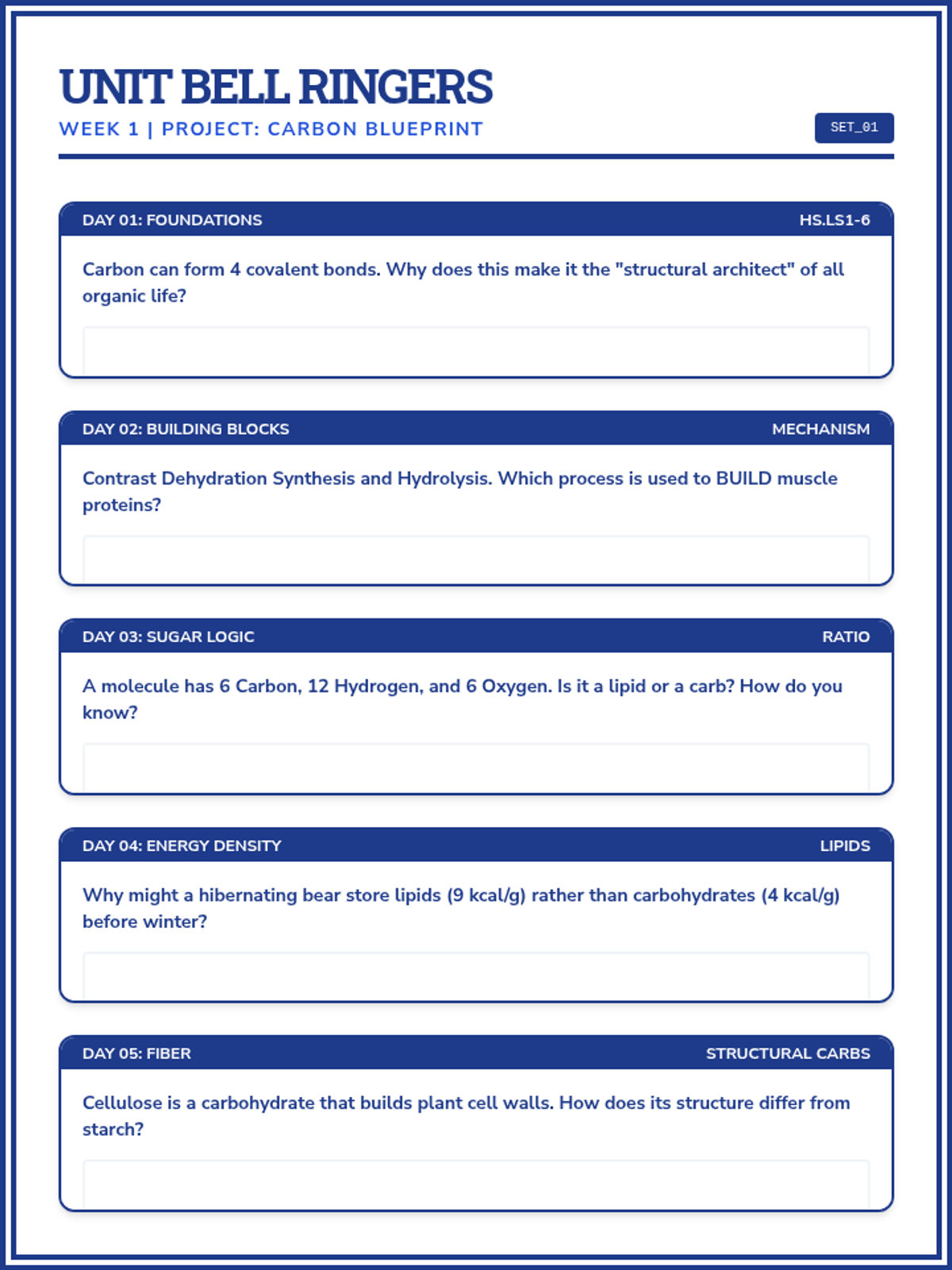
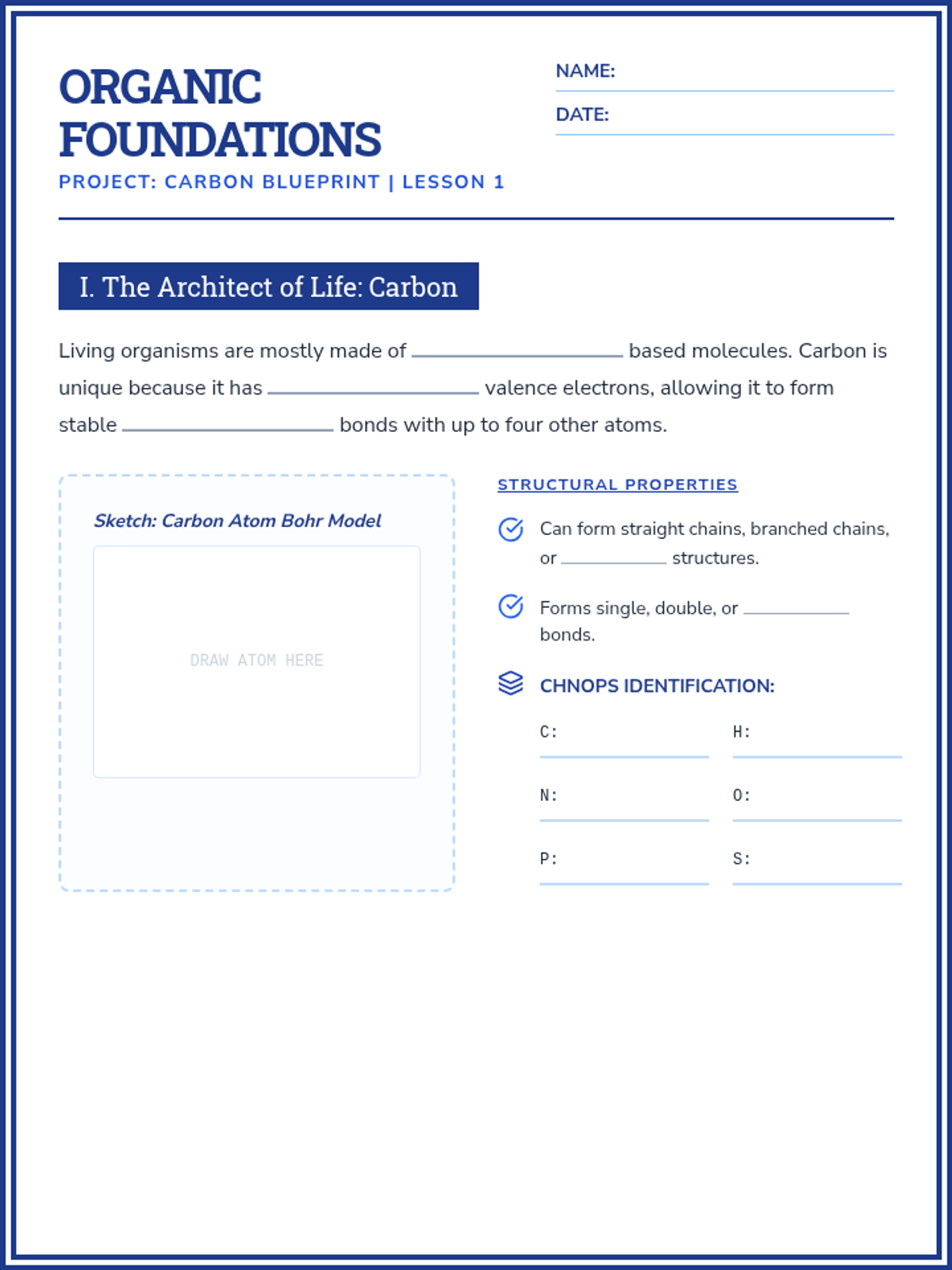
Students explore the unique properties of carbon and how simple sugar molecules provide the building blocks for complex organic molecules, focusing on HS.LS1-6.
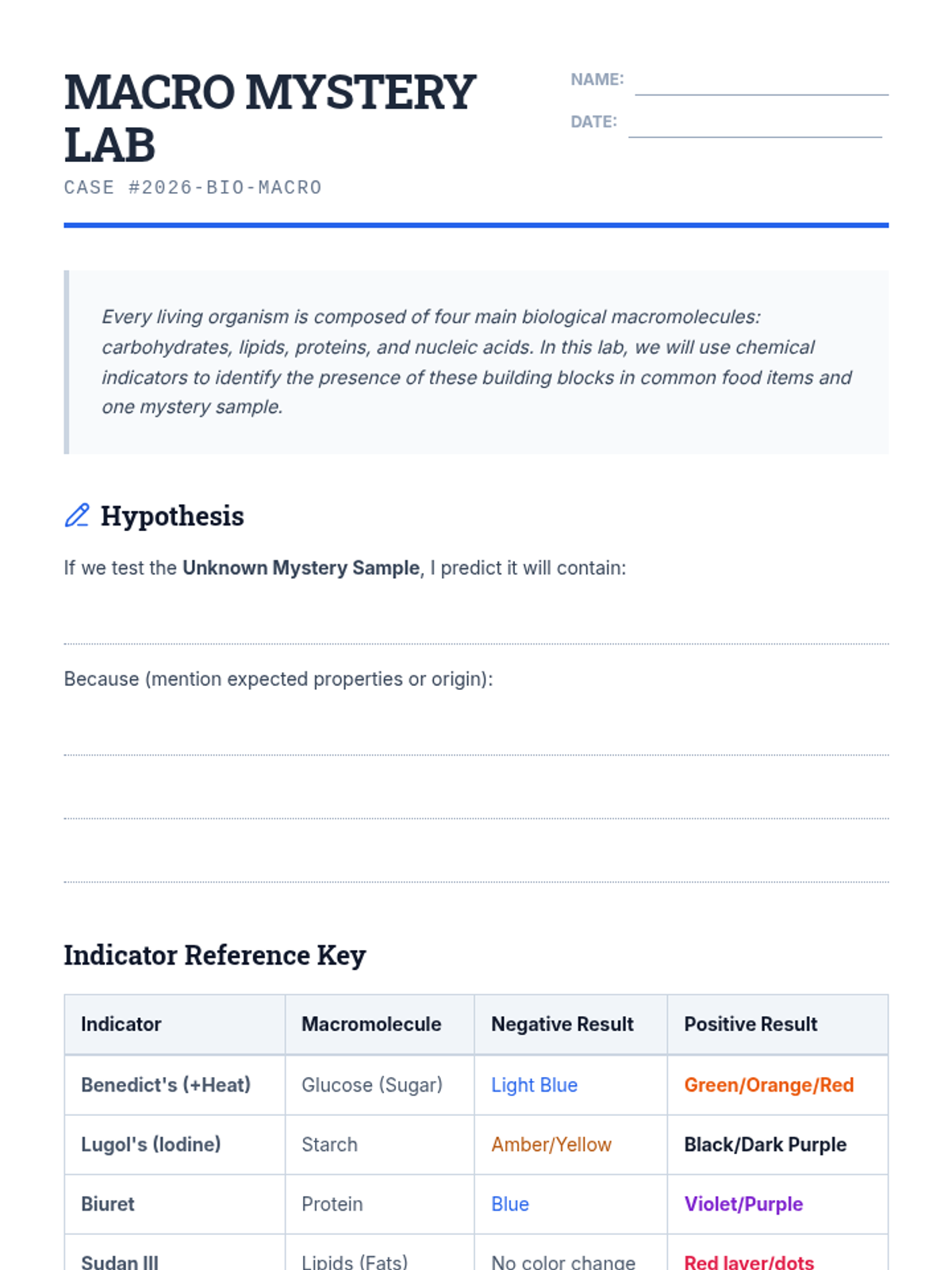
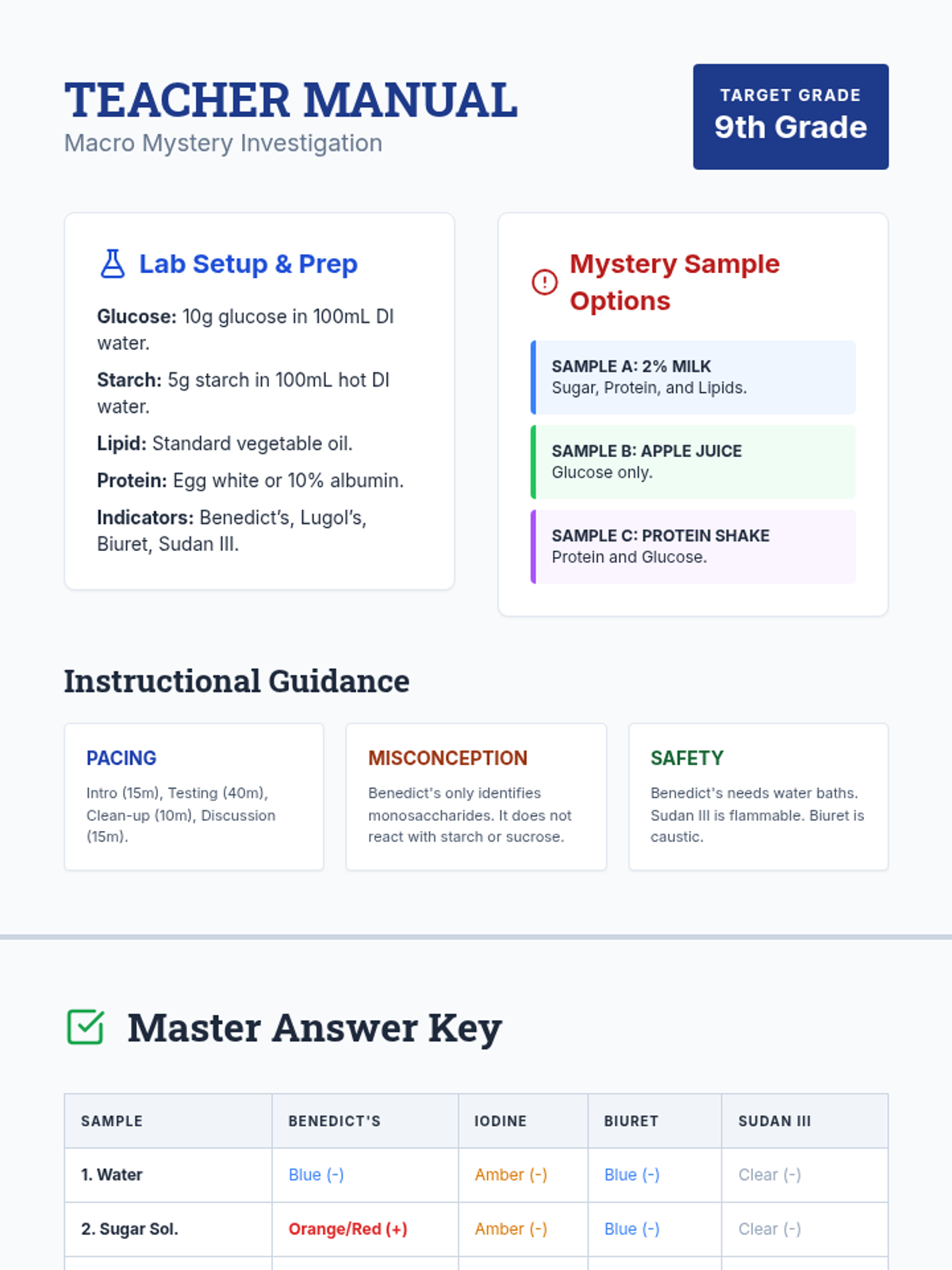
Students act as molecular detectives to identify the presence of carbohydrates, proteins, and lipids in various food samples using chemical indicators.
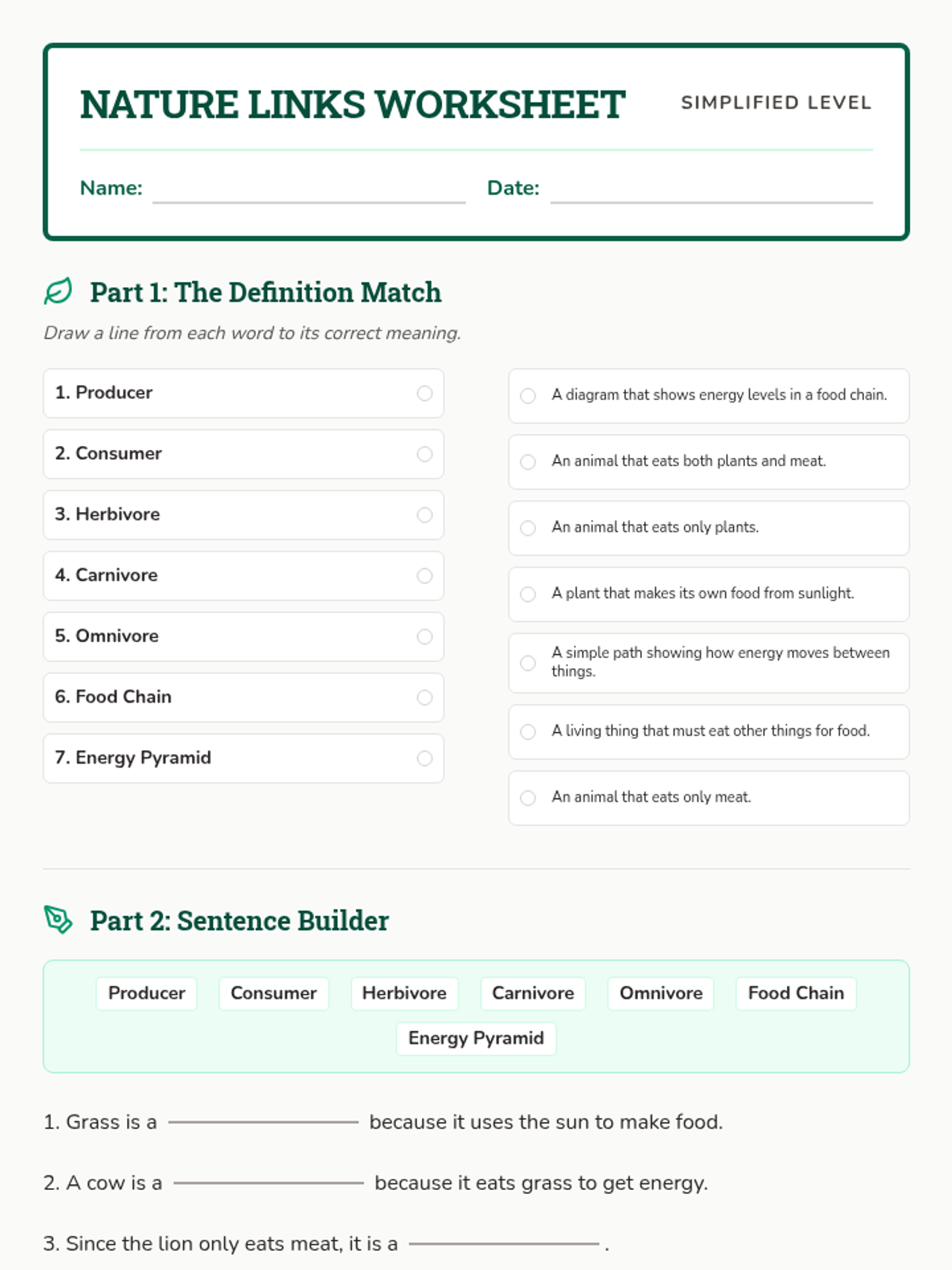
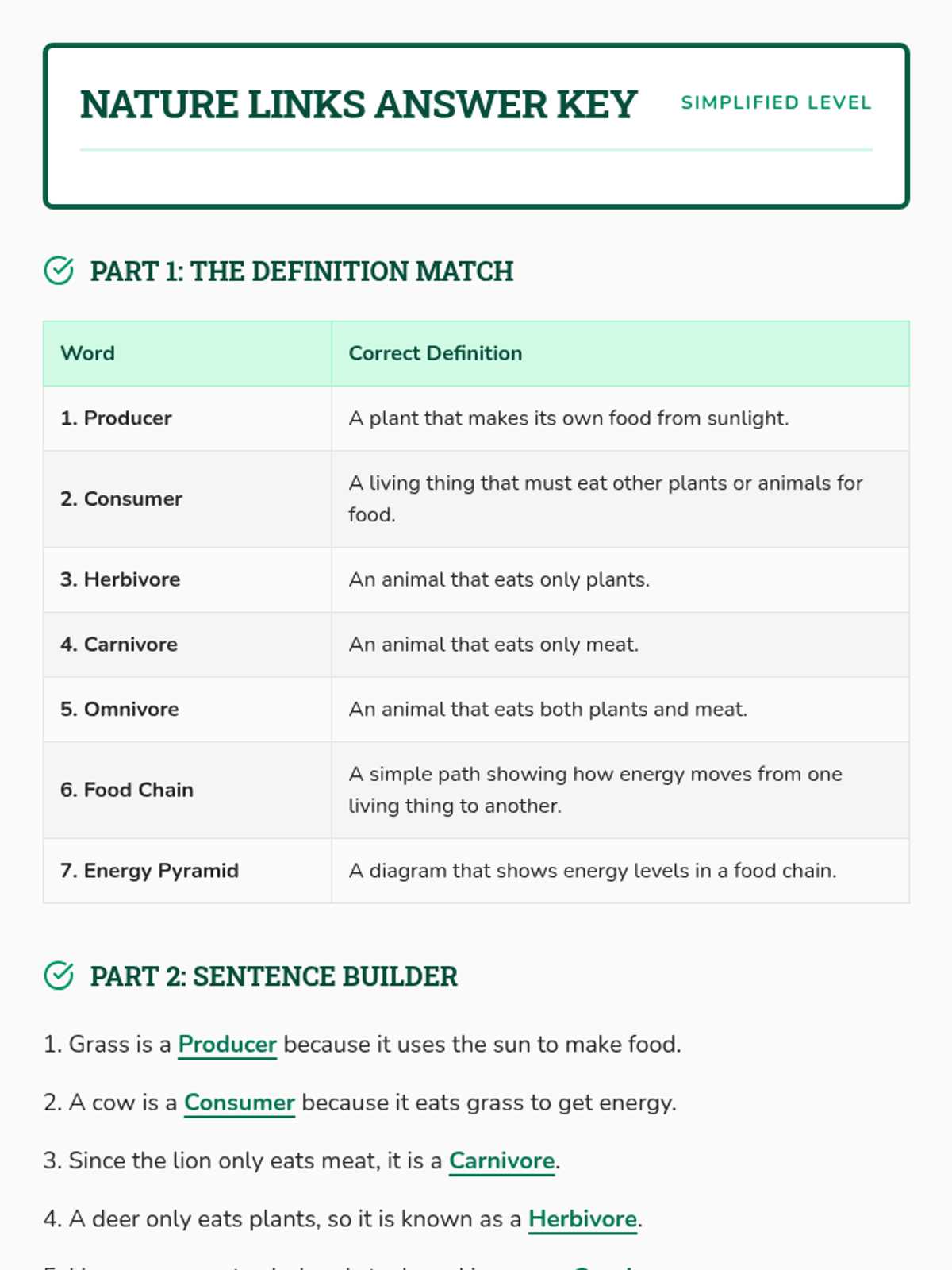
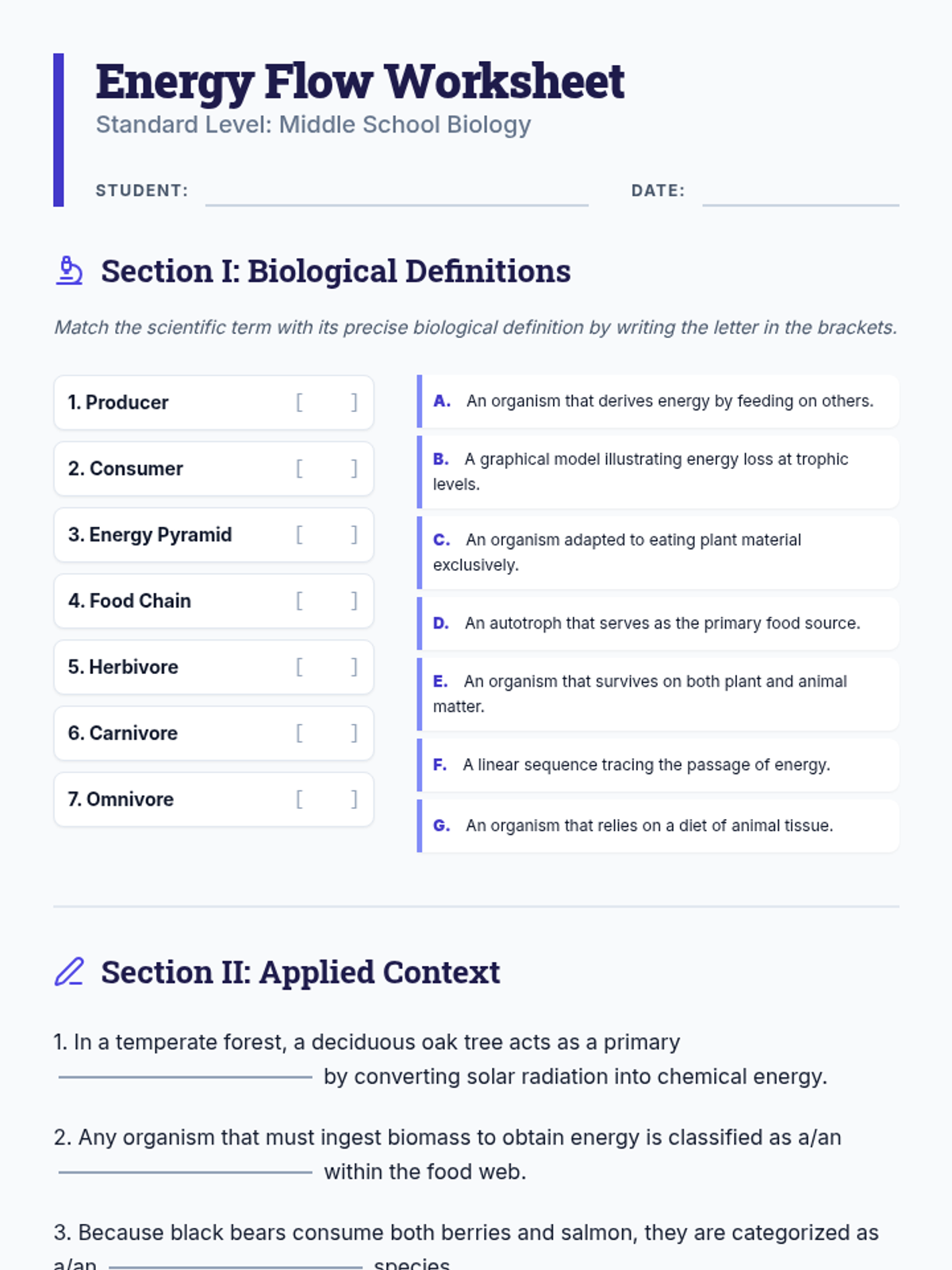
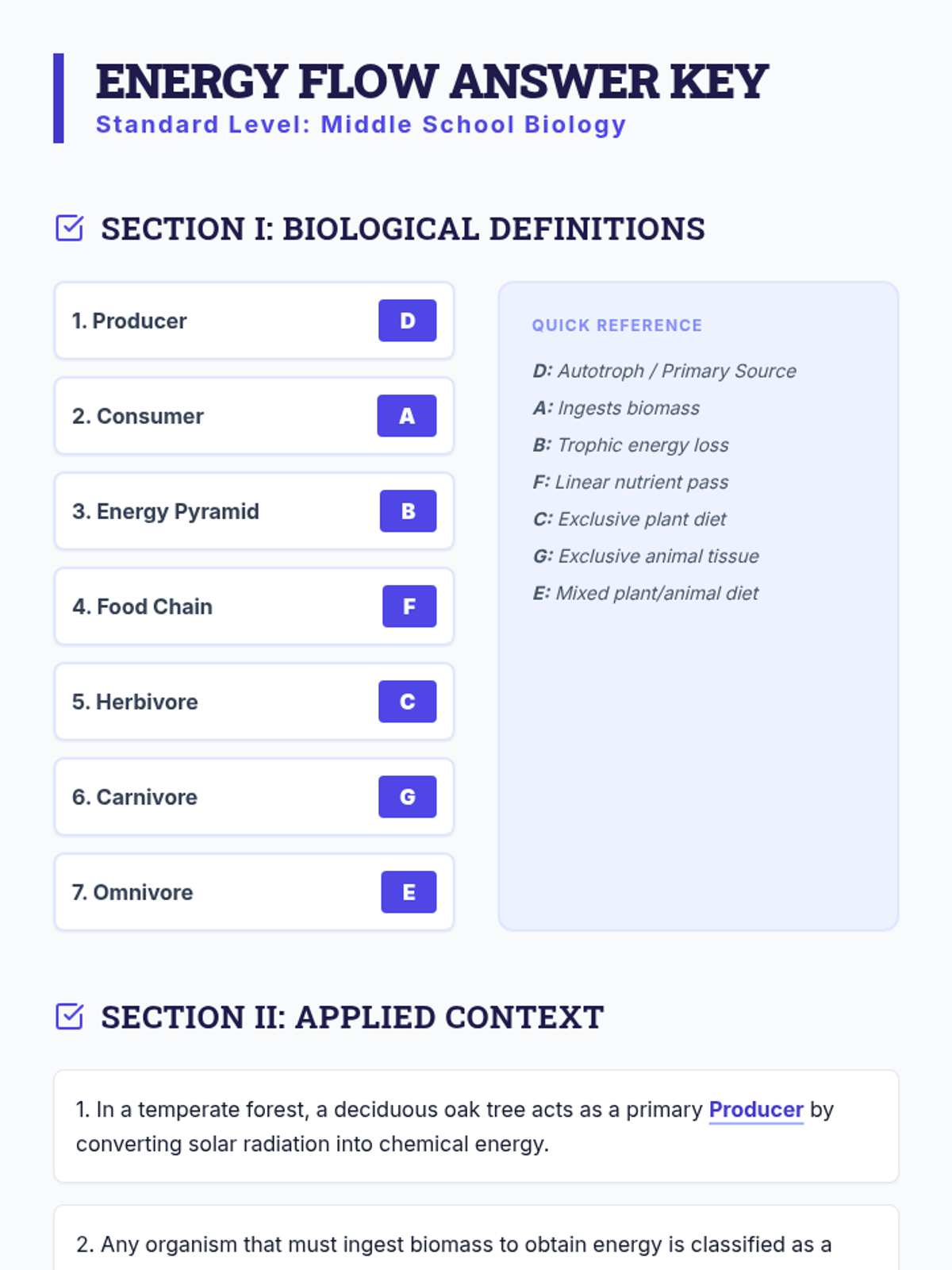
A lesson focusing on ecosystem vocabulary including producers, consumers, and energy flow through food chains and pyramids. Includes tiered materials for elementary and middle school levels.
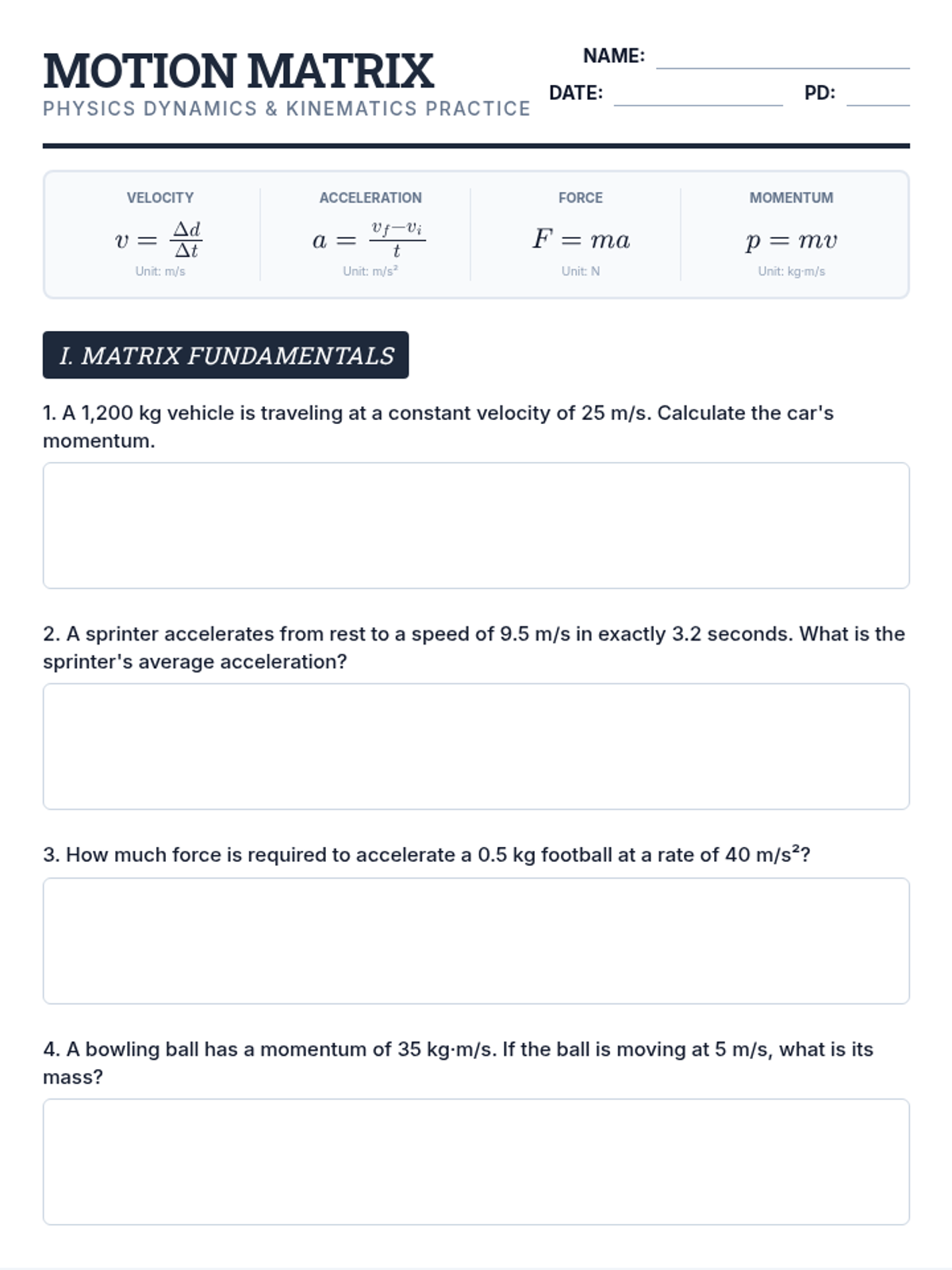
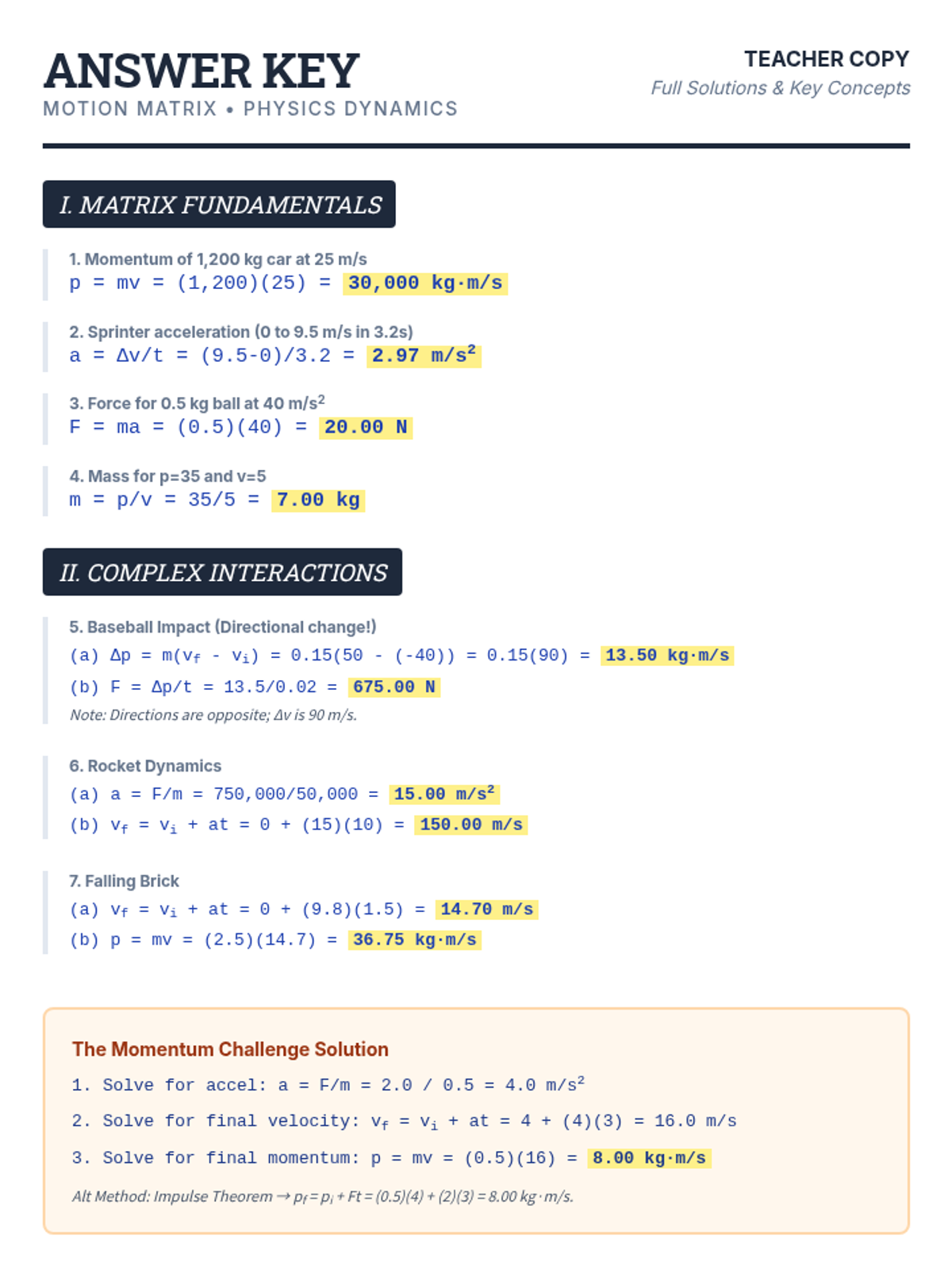
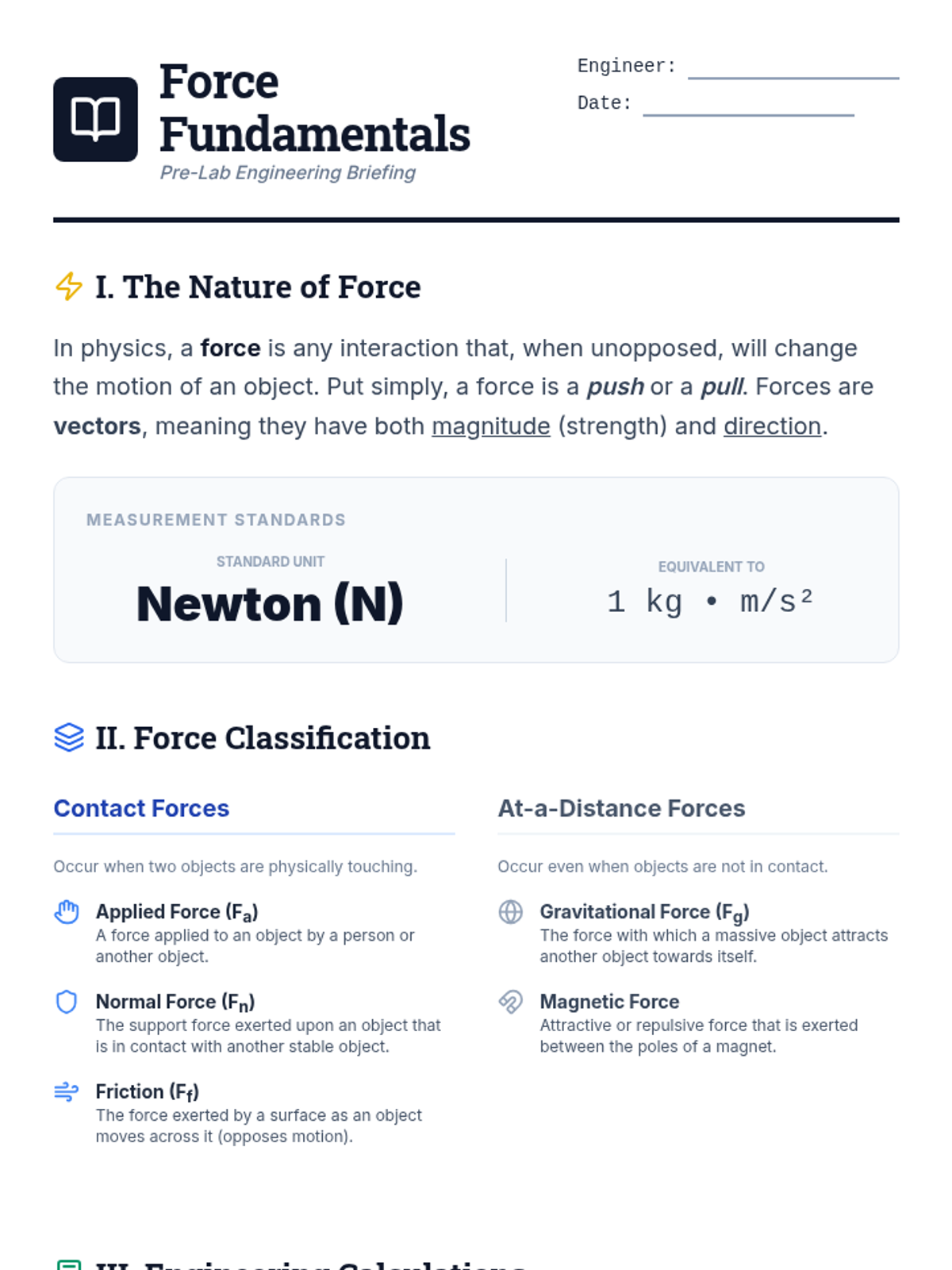
A high-school level physics lesson covering the fundamental calculations of motion, including force, momentum, acceleration, and velocity through mixed practice and real-world scenarios.
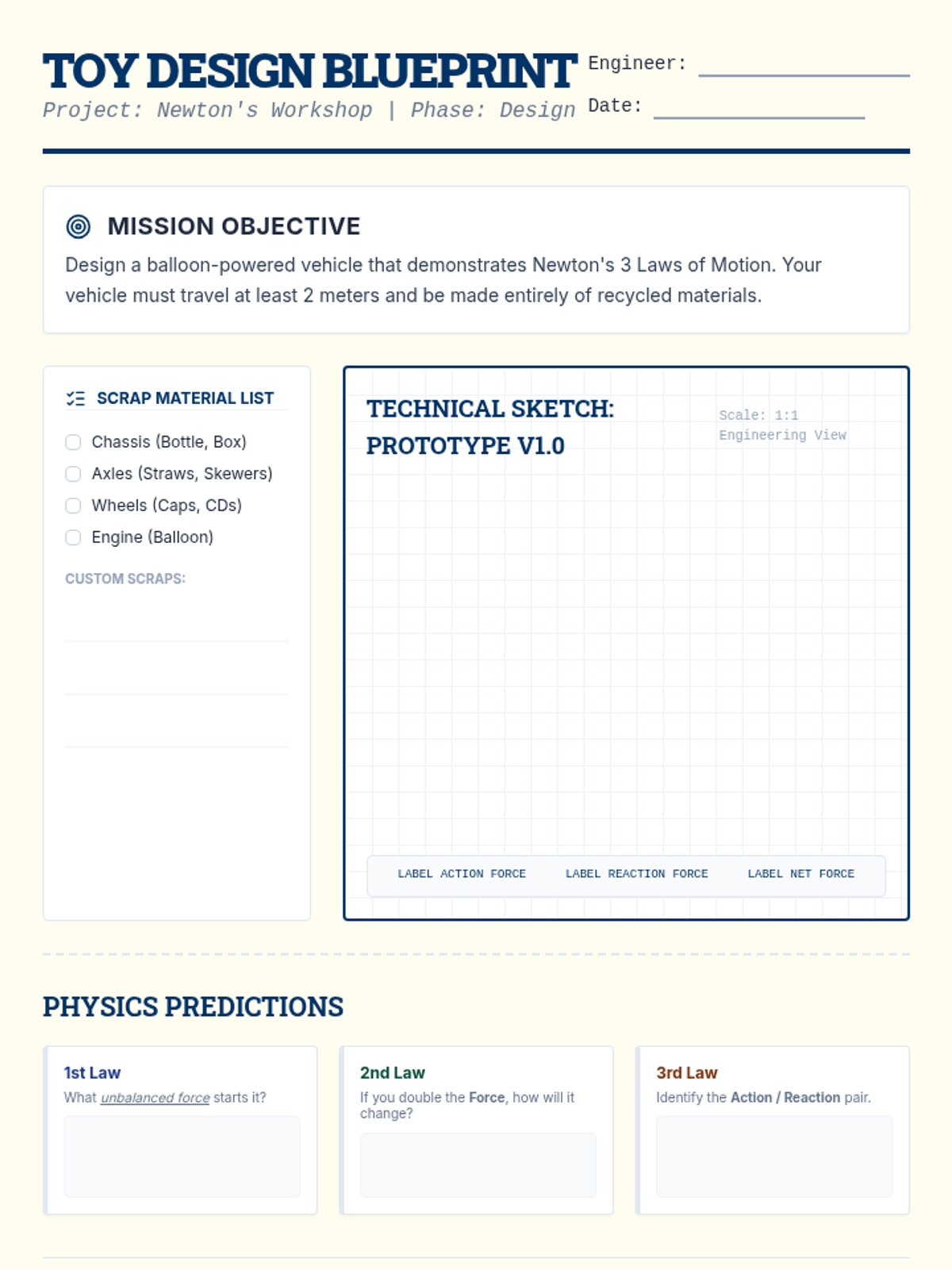
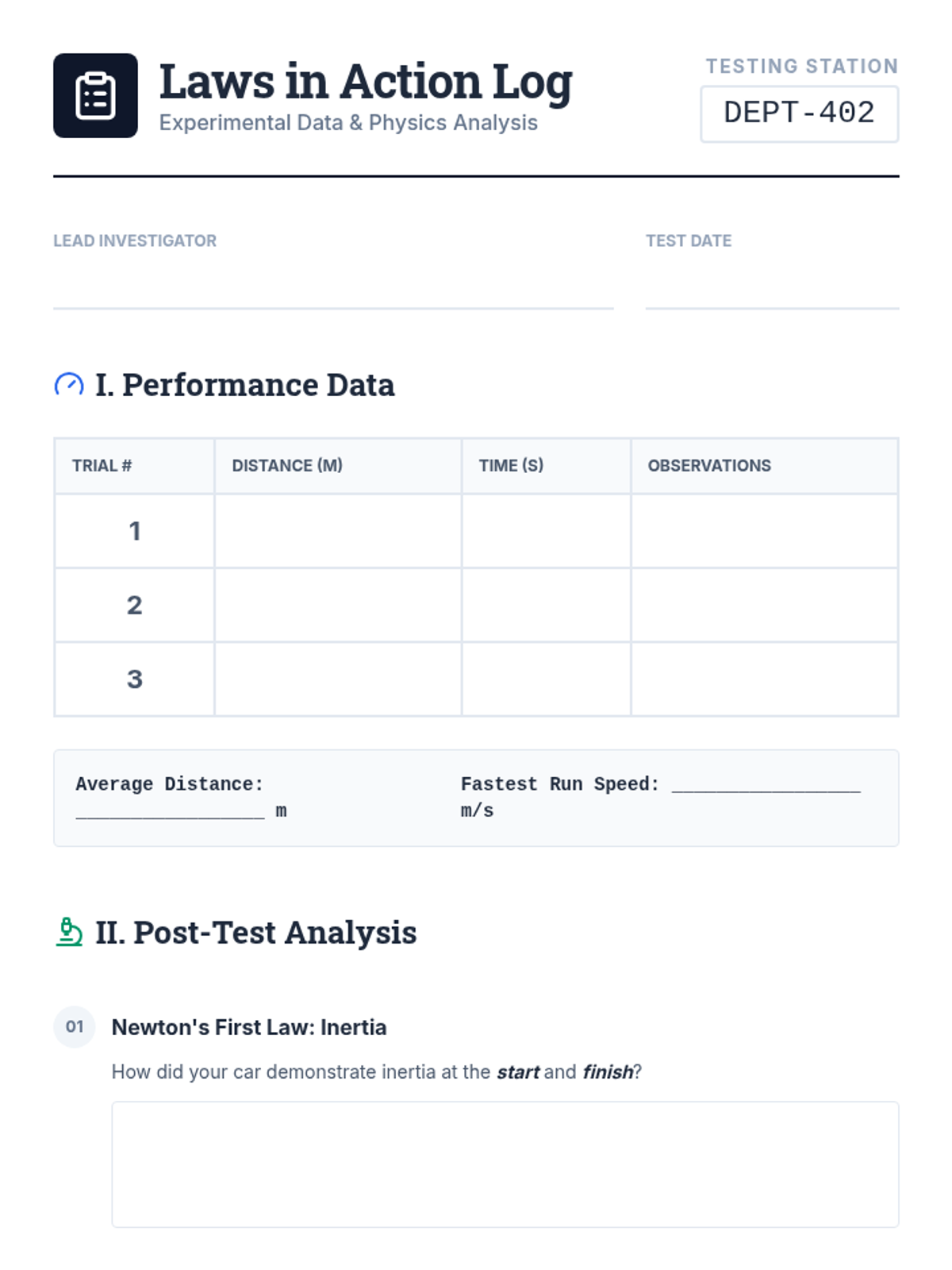
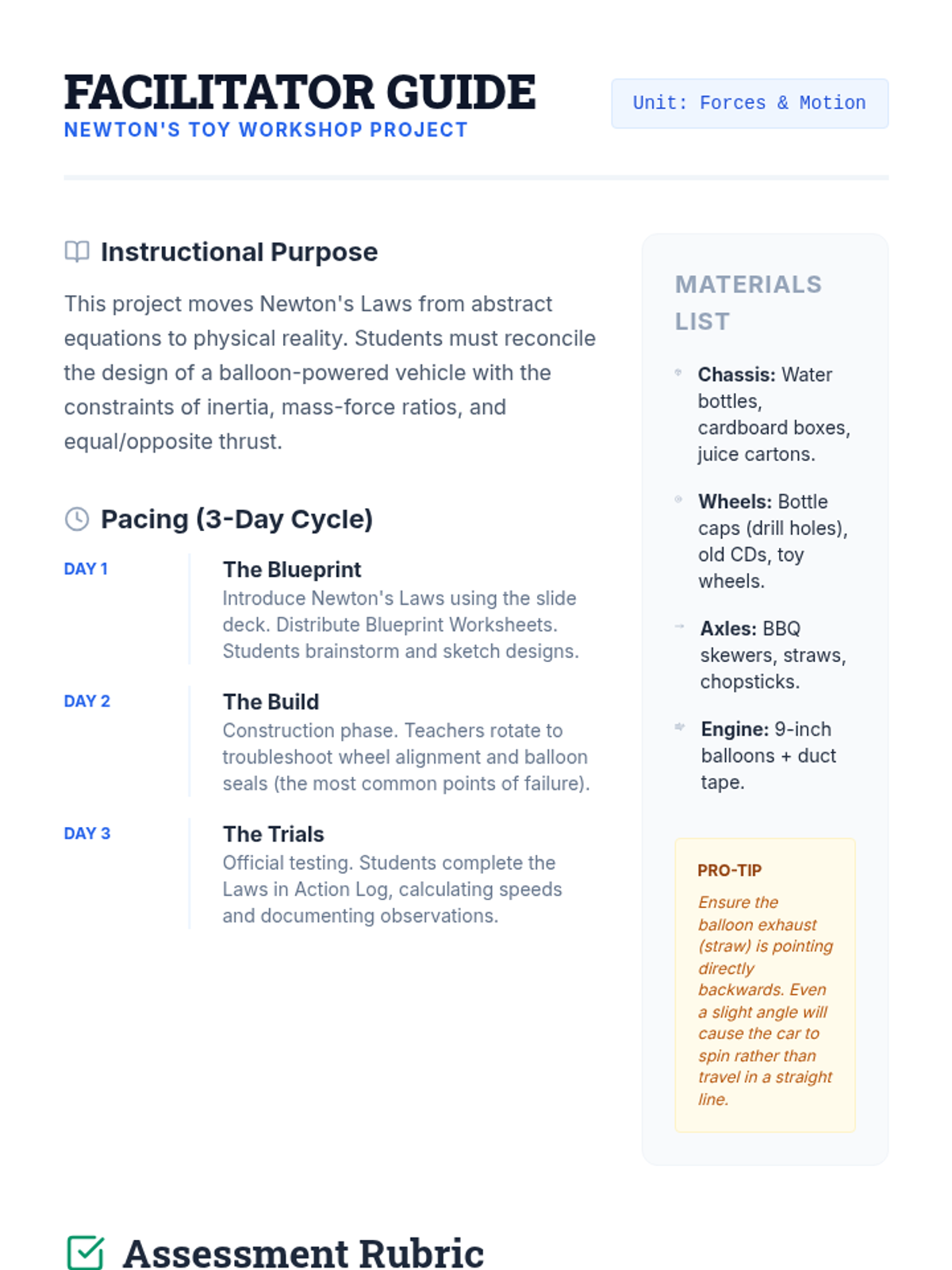
A project-based lesson where students design and build a balloon-powered vehicle to demonstrate Newton's Three Laws of Motion. Students act as 'Kinetic Engineers' to apply physics principles to a real-world engineering challenge.
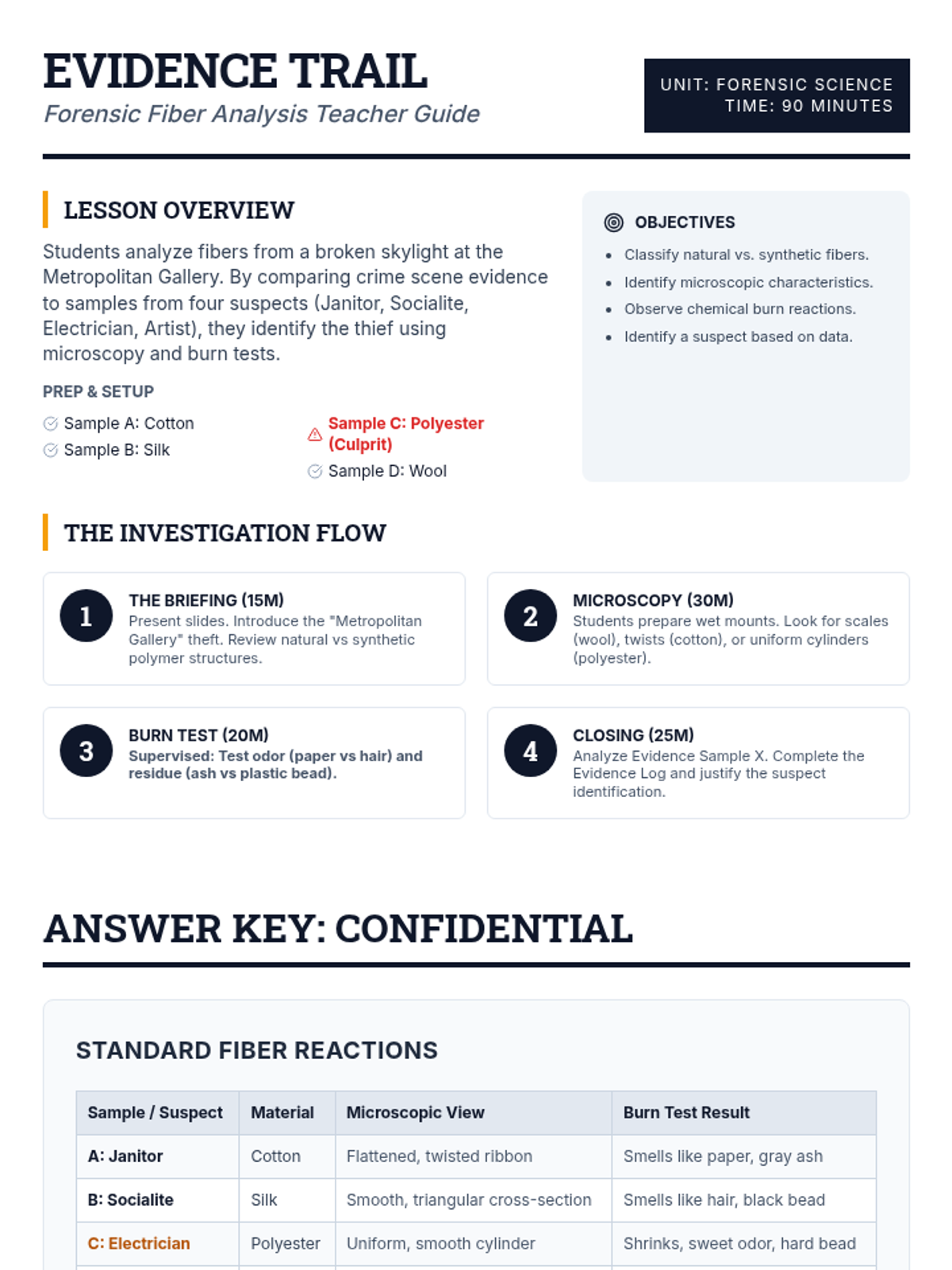
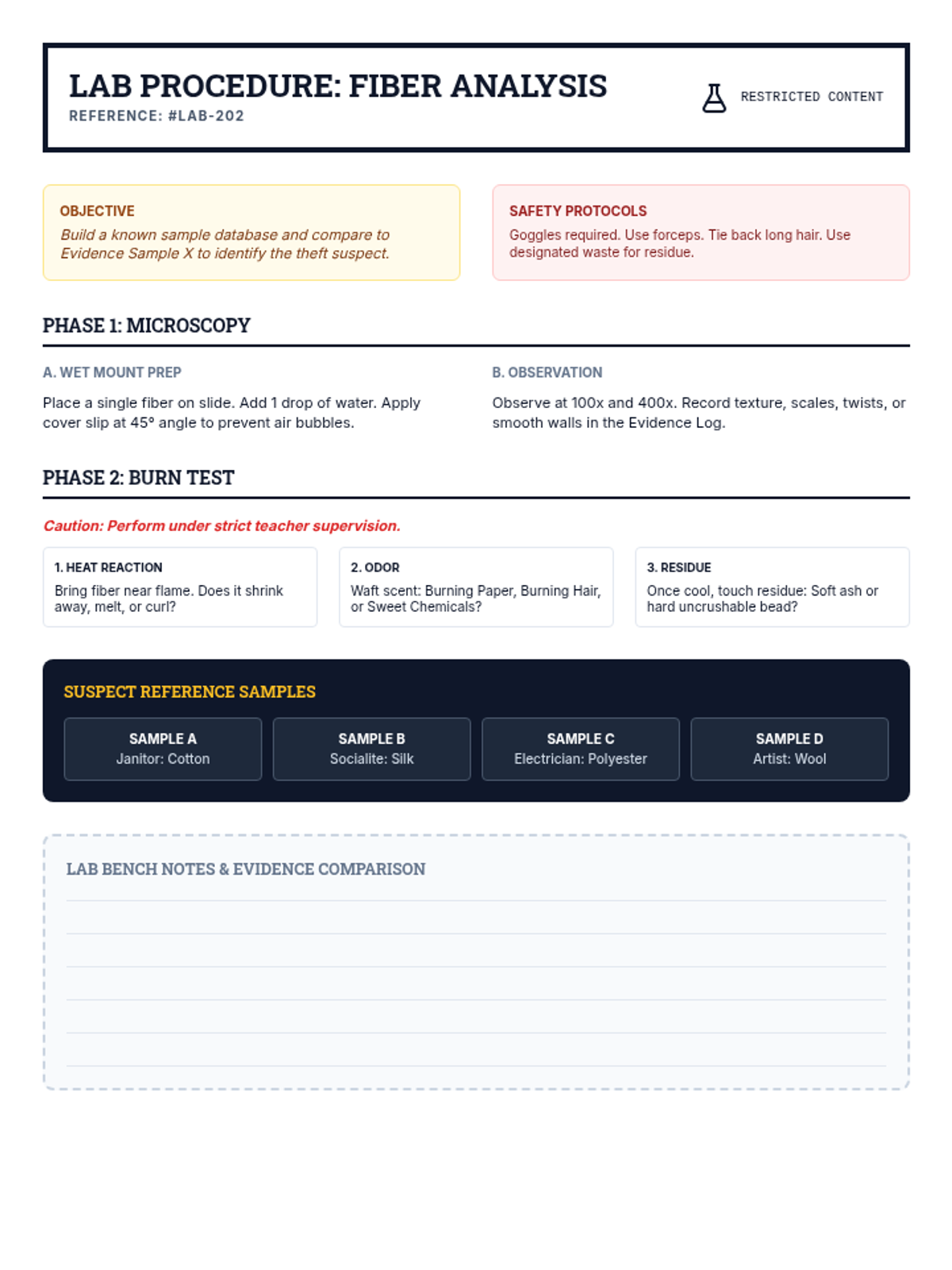
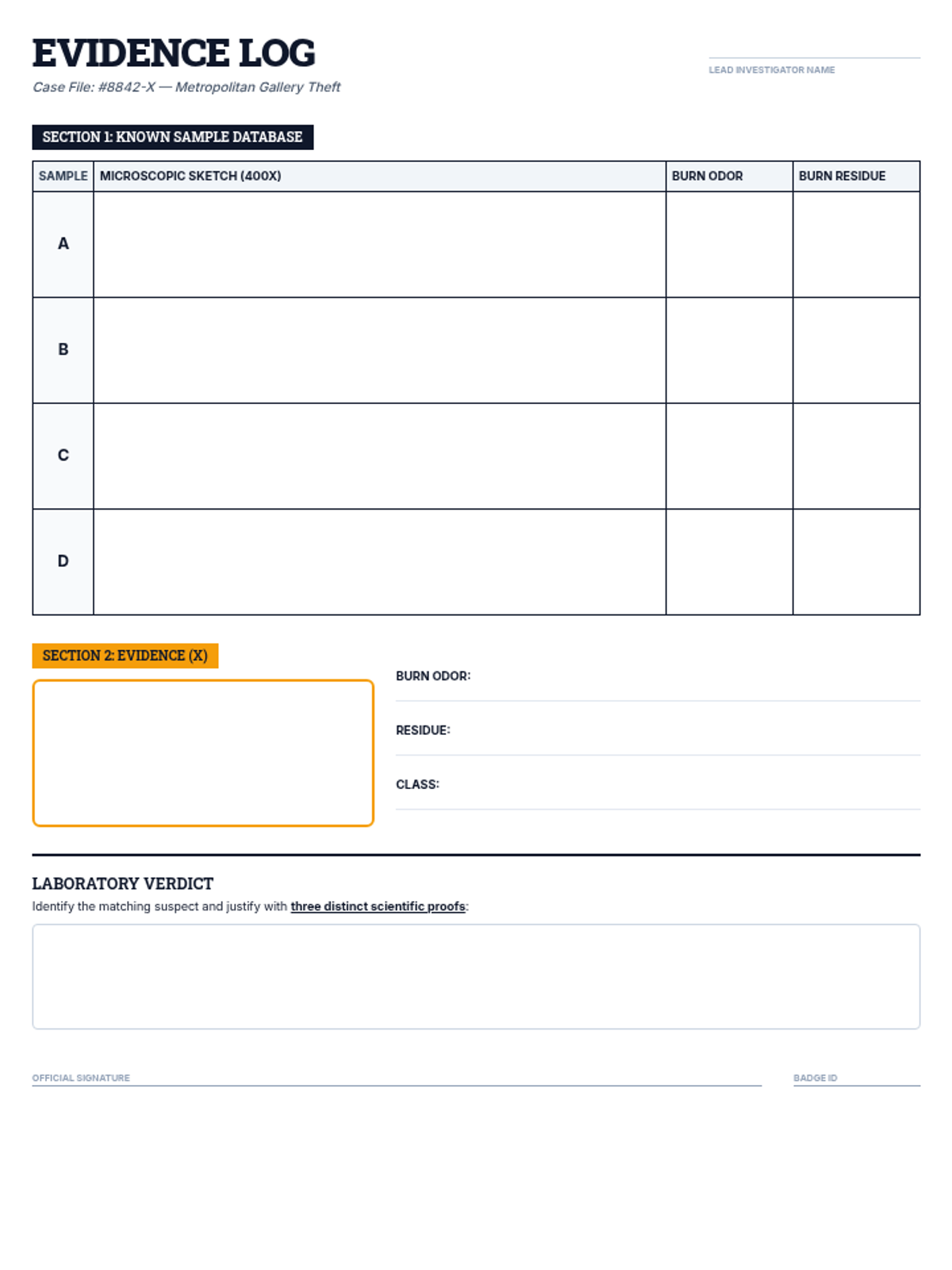
Students engage in a forensic investigation using microscopy and chemical testing to identify unknown fiber samples found at a crime scene. The lesson emphasizes scientific observation, deductive reasoning, and the classification of natural versus synthetic materials.
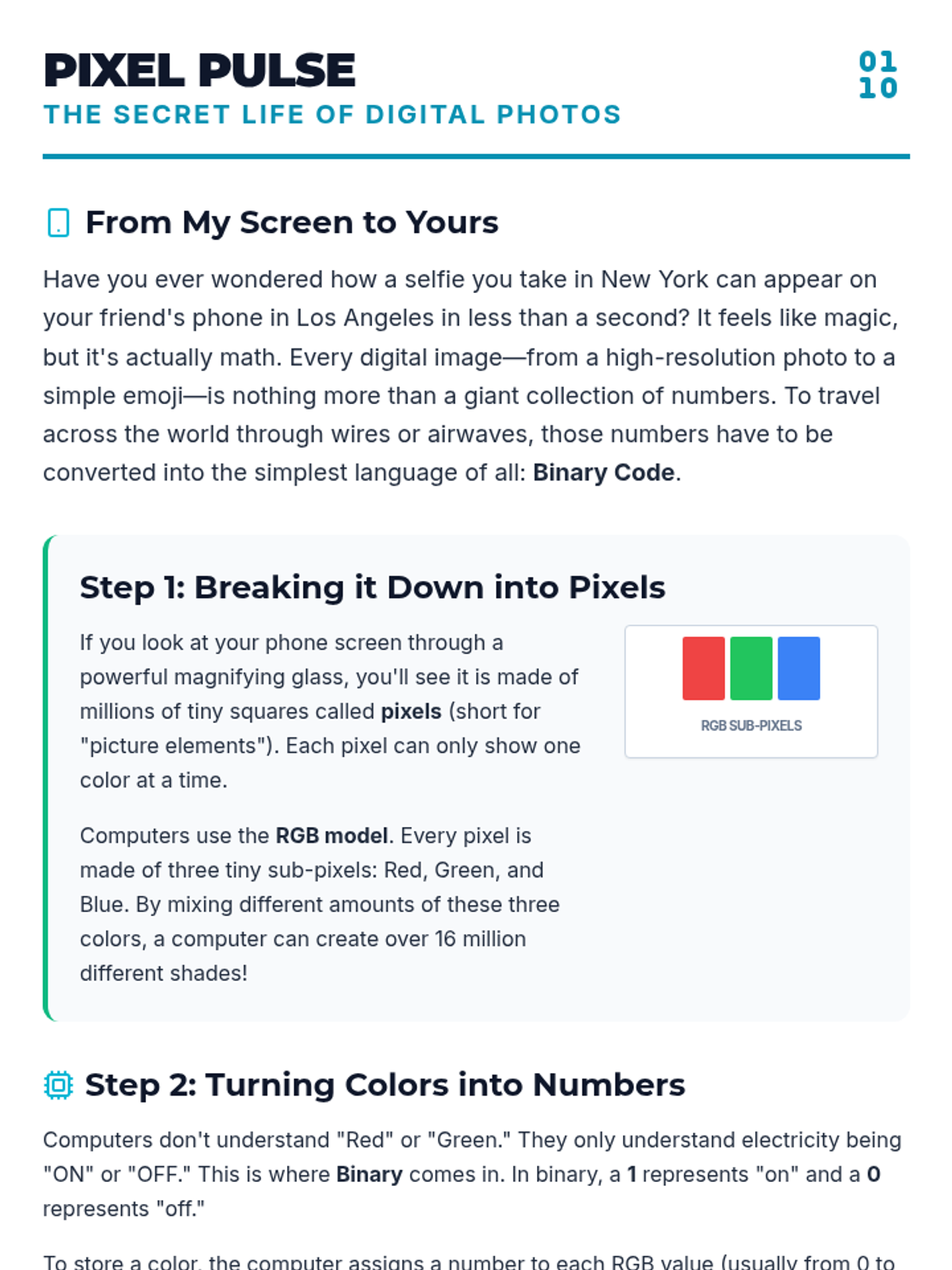
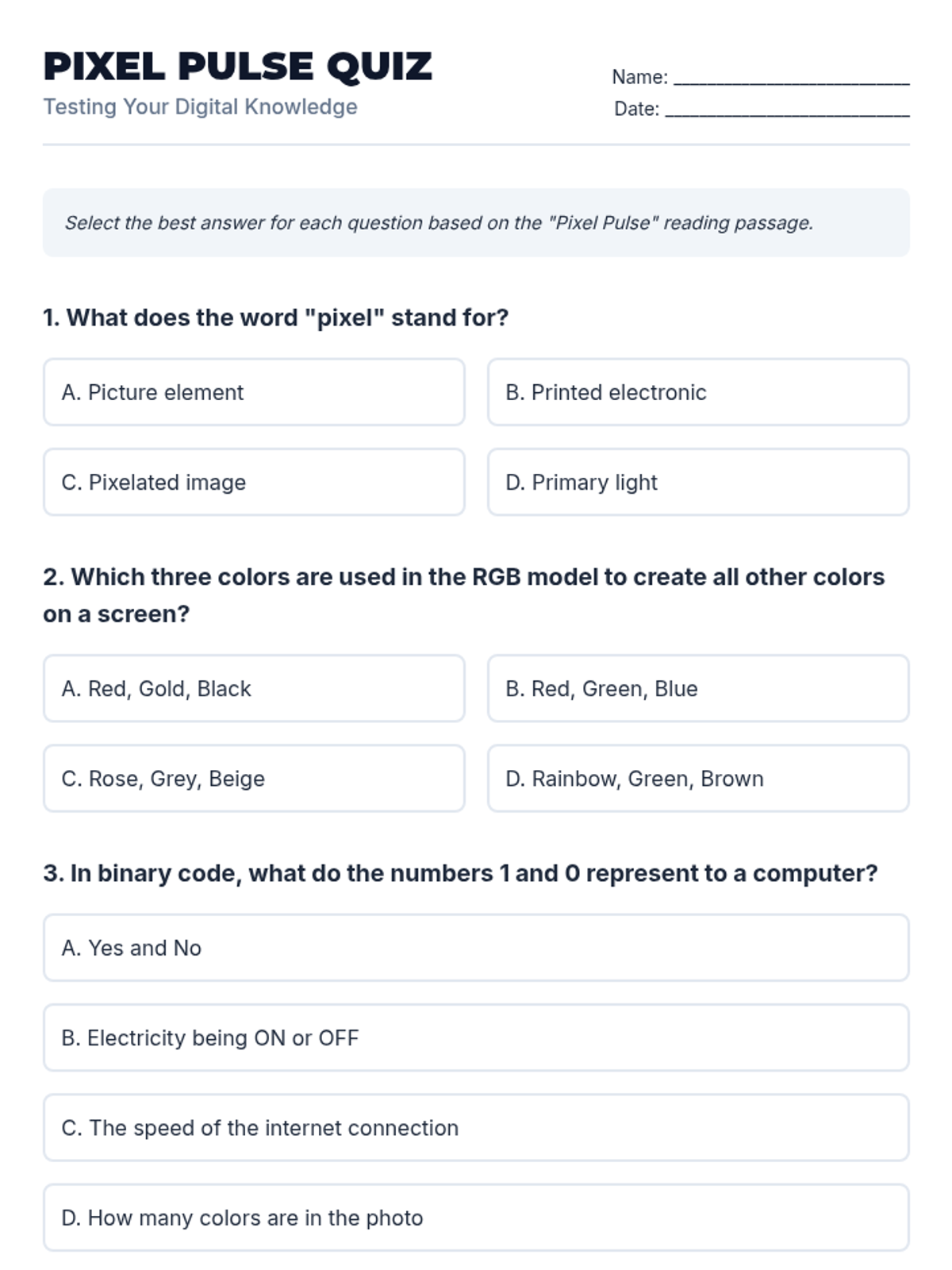
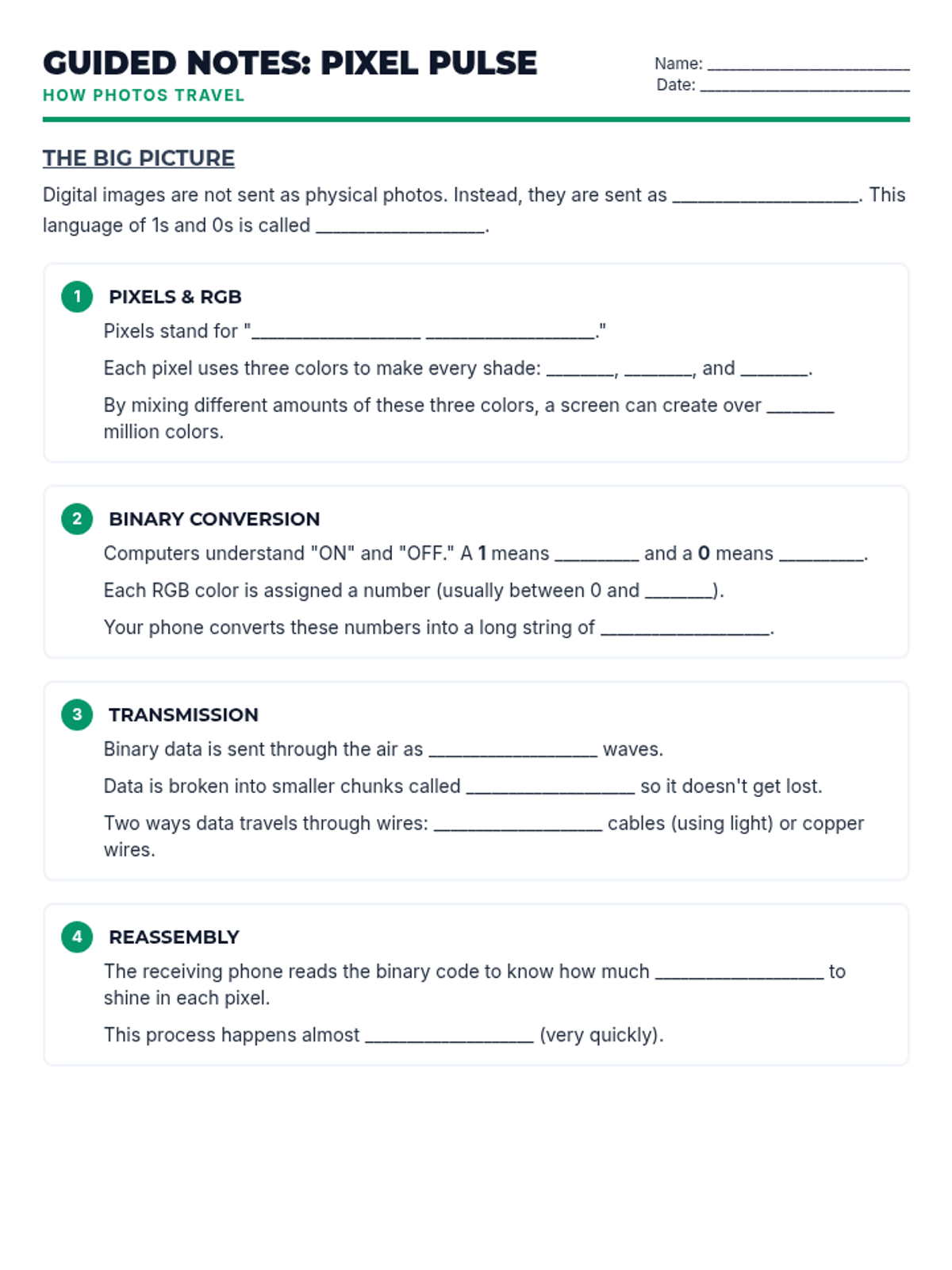
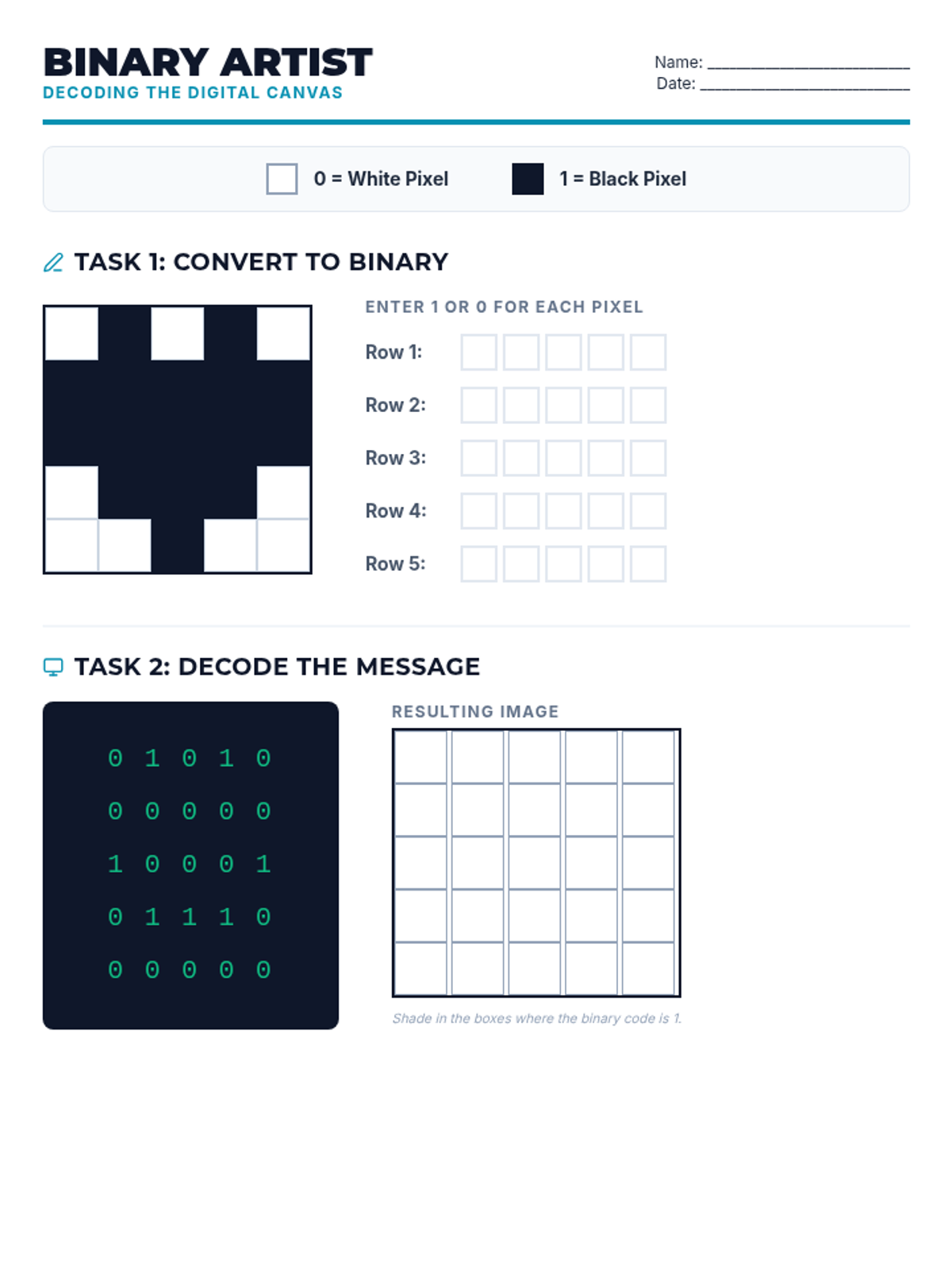
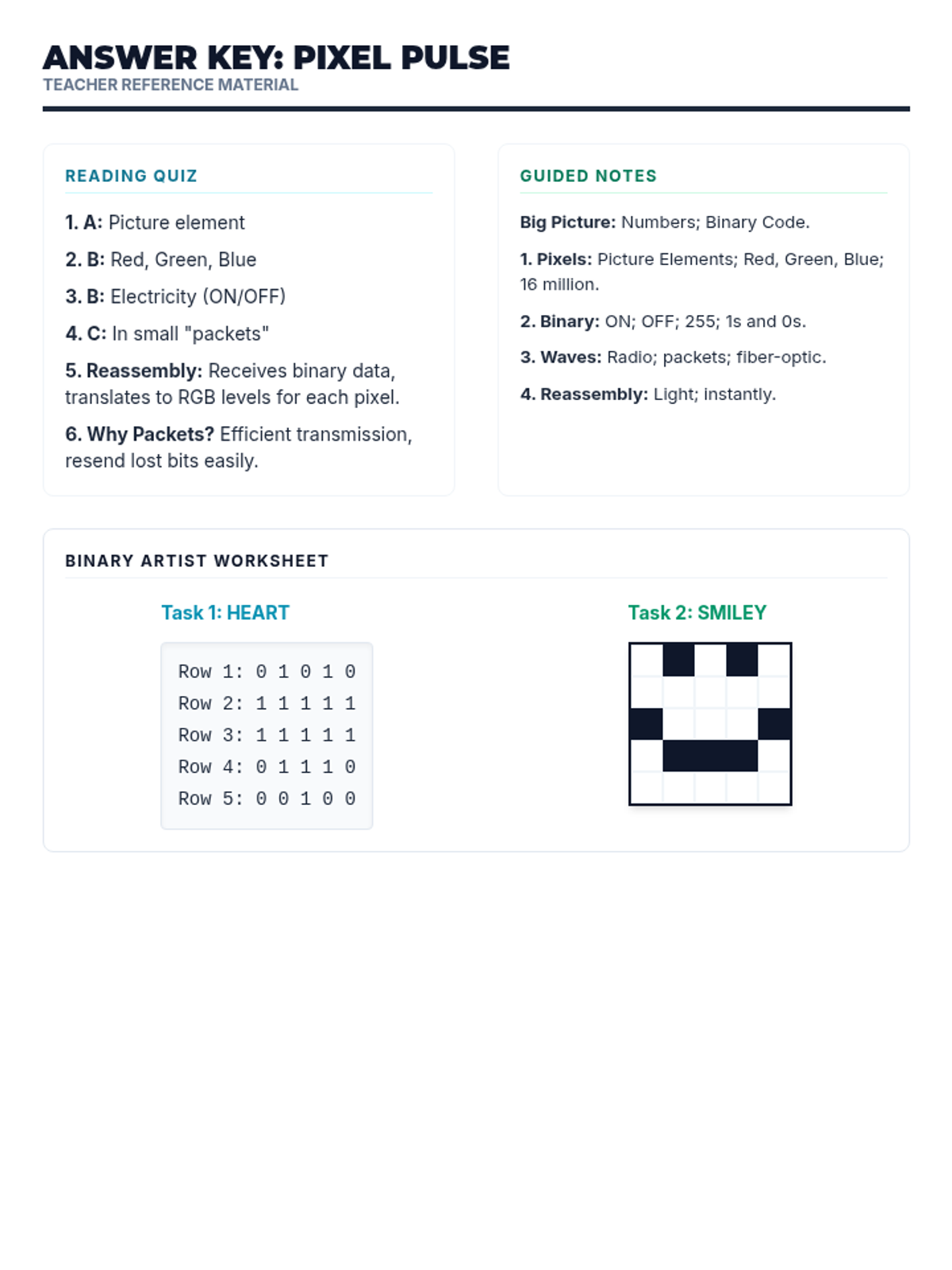
This lesson explores how digital images are broken down into pixels, converted into binary code (1s and 0s), transmitted across distances, and reassembled on another device. Students will learn about the RGB color model and the fundamentals of digital communication.
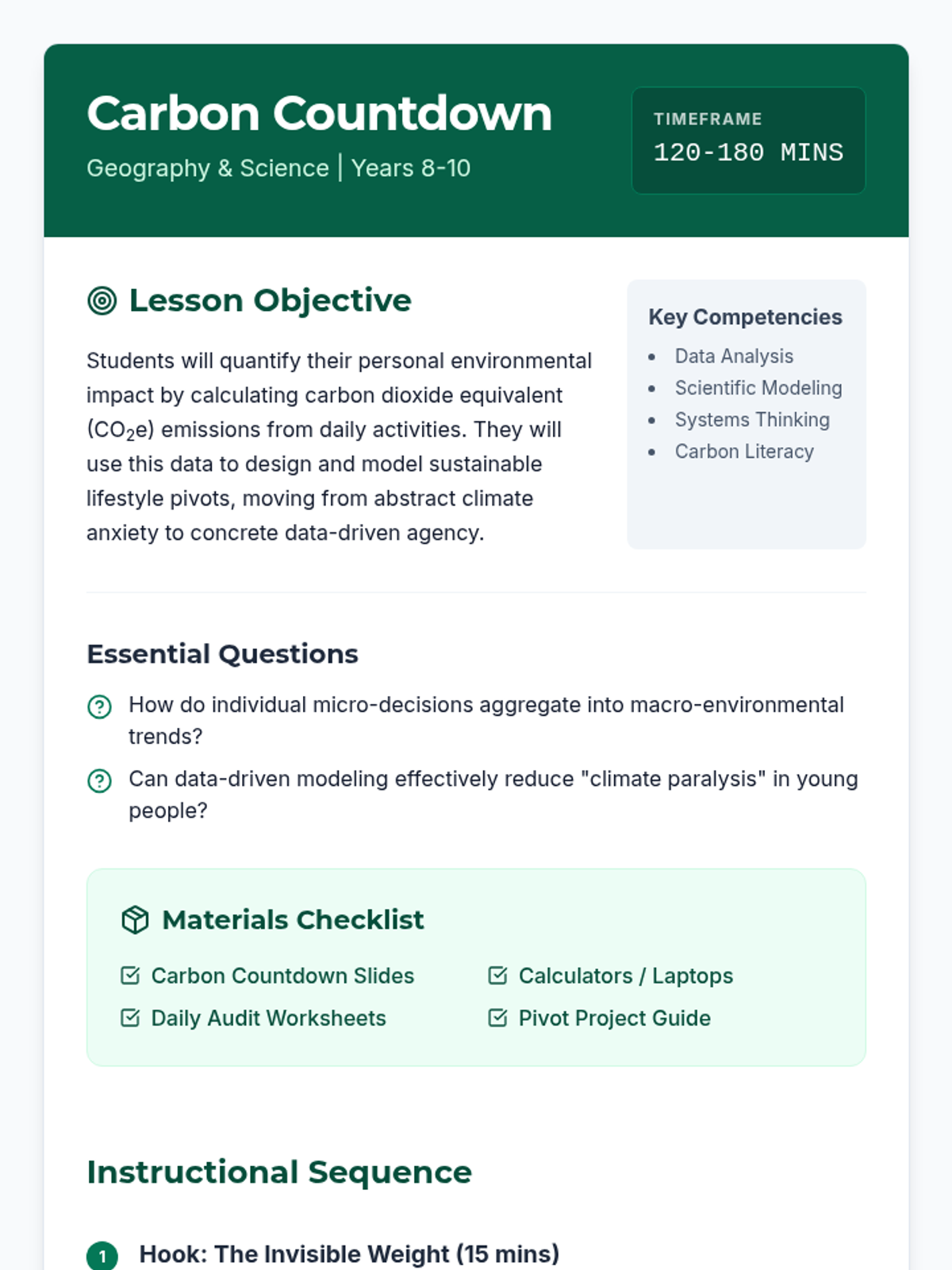
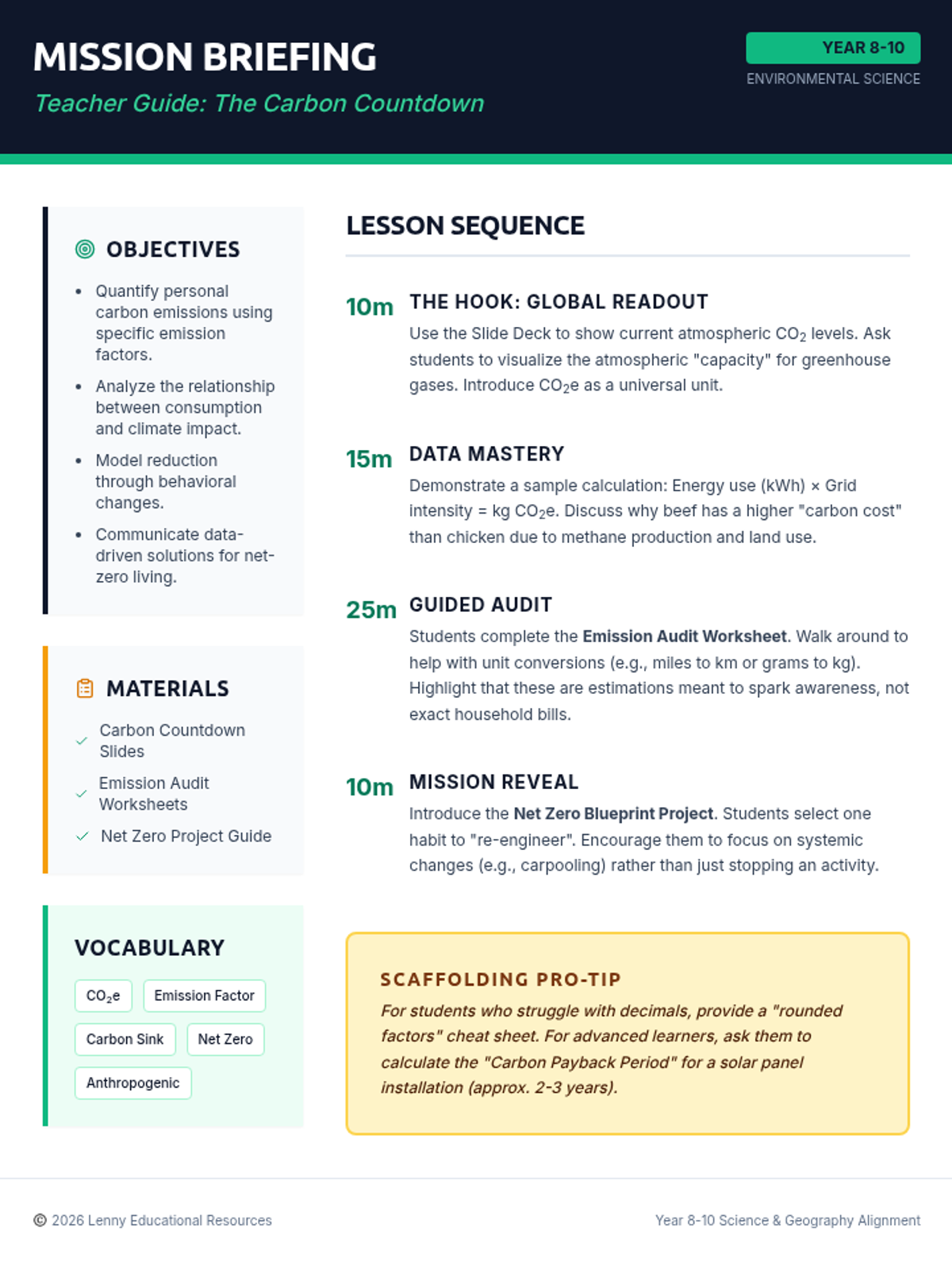
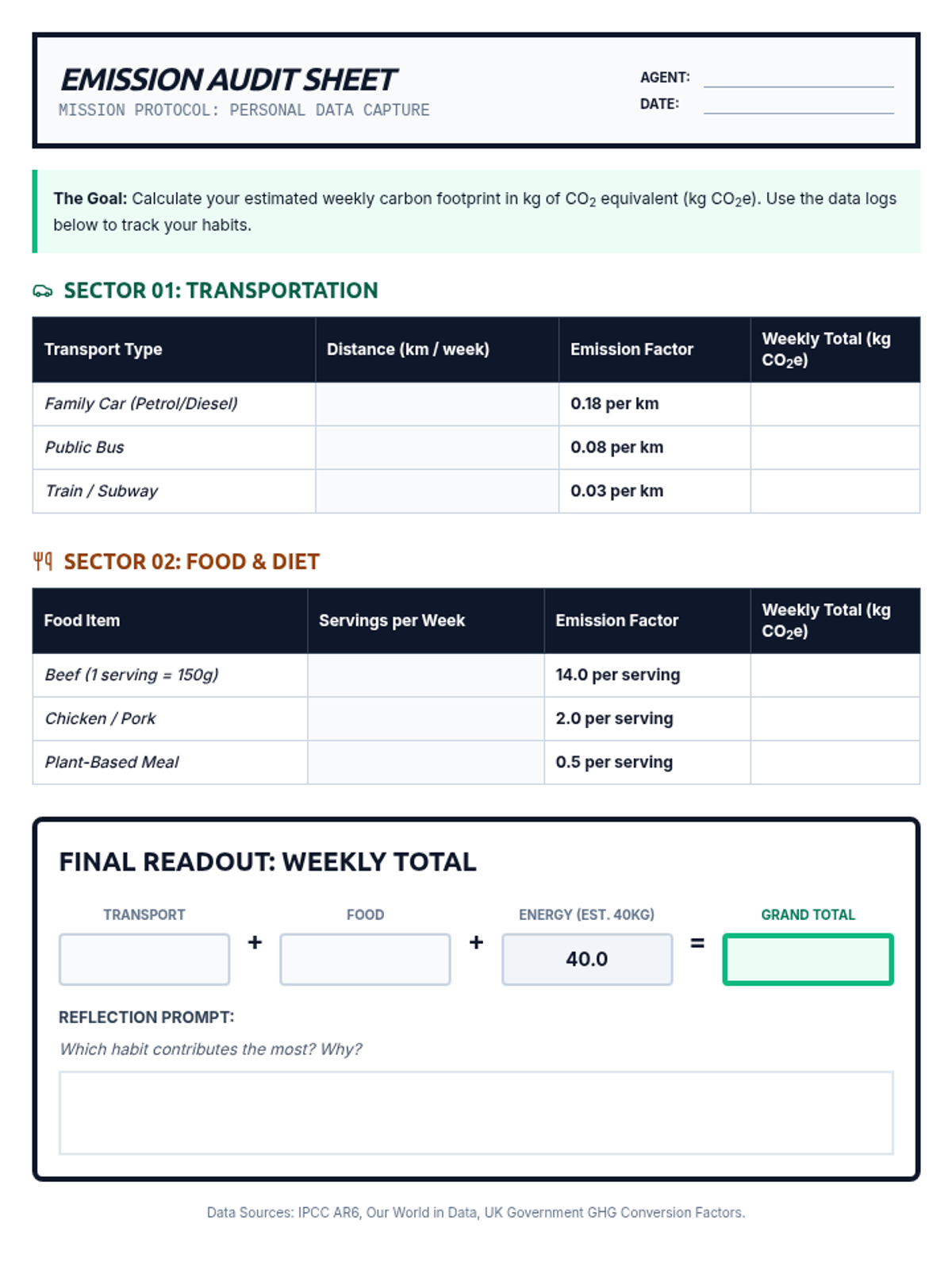
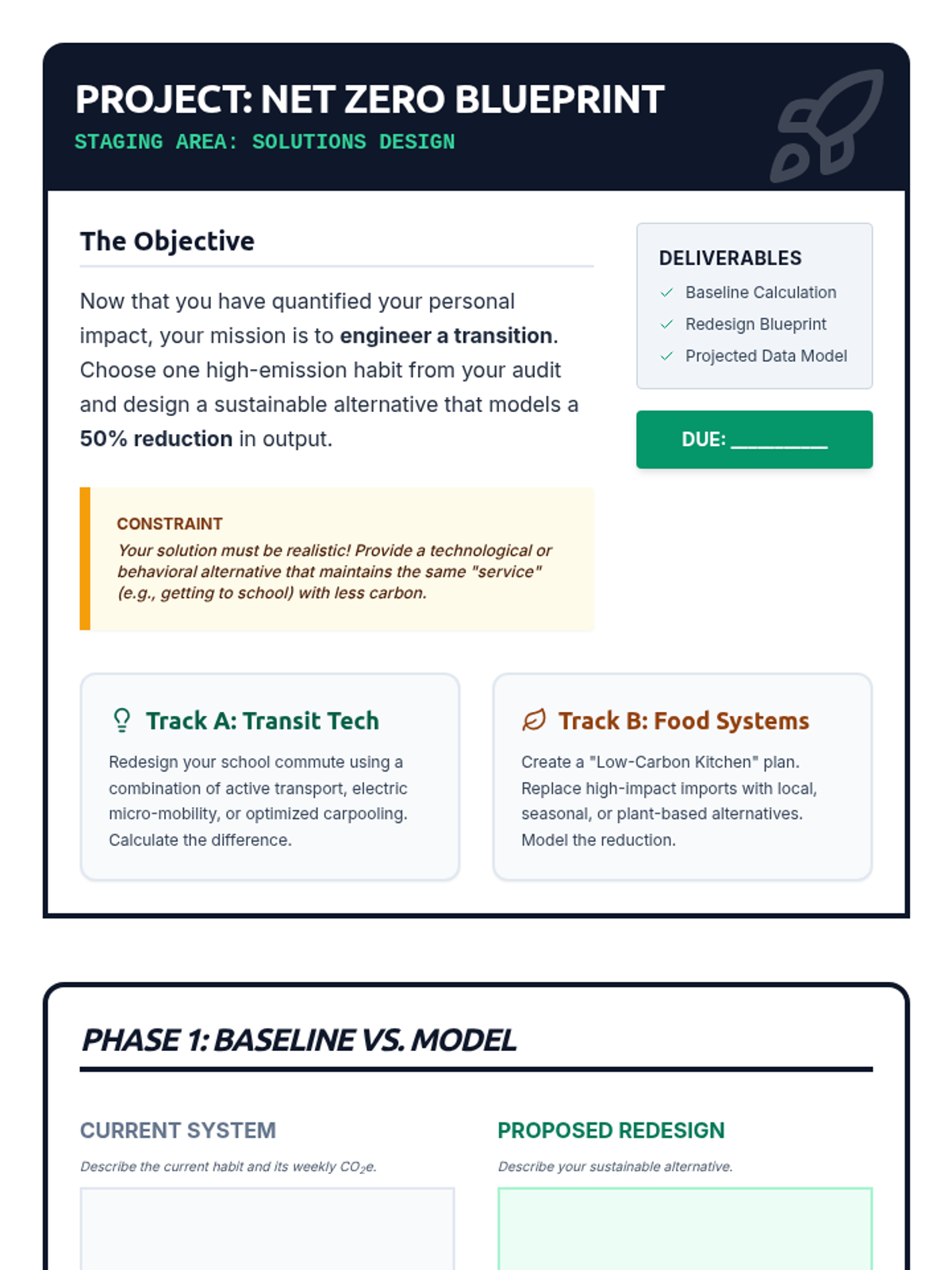
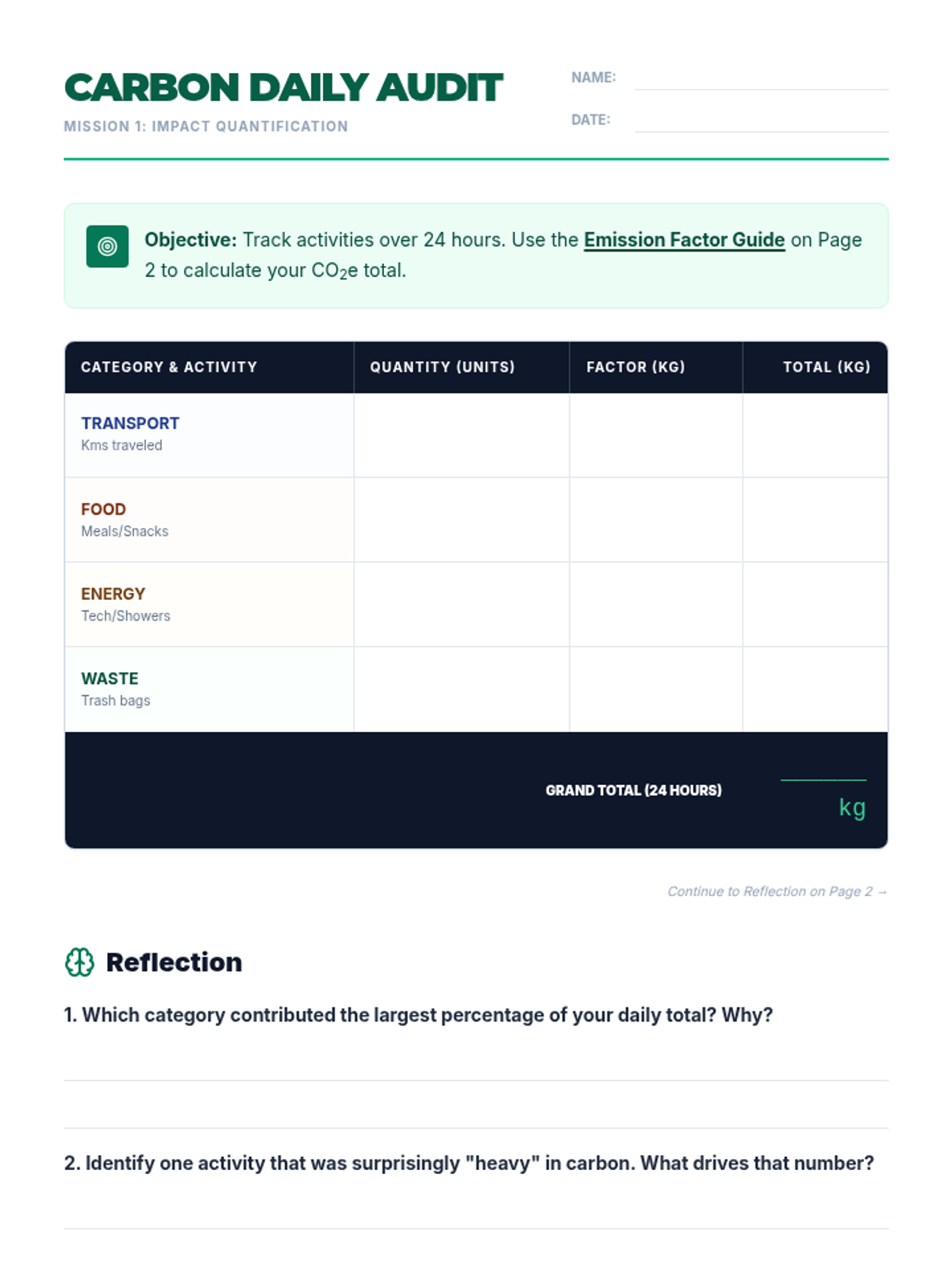
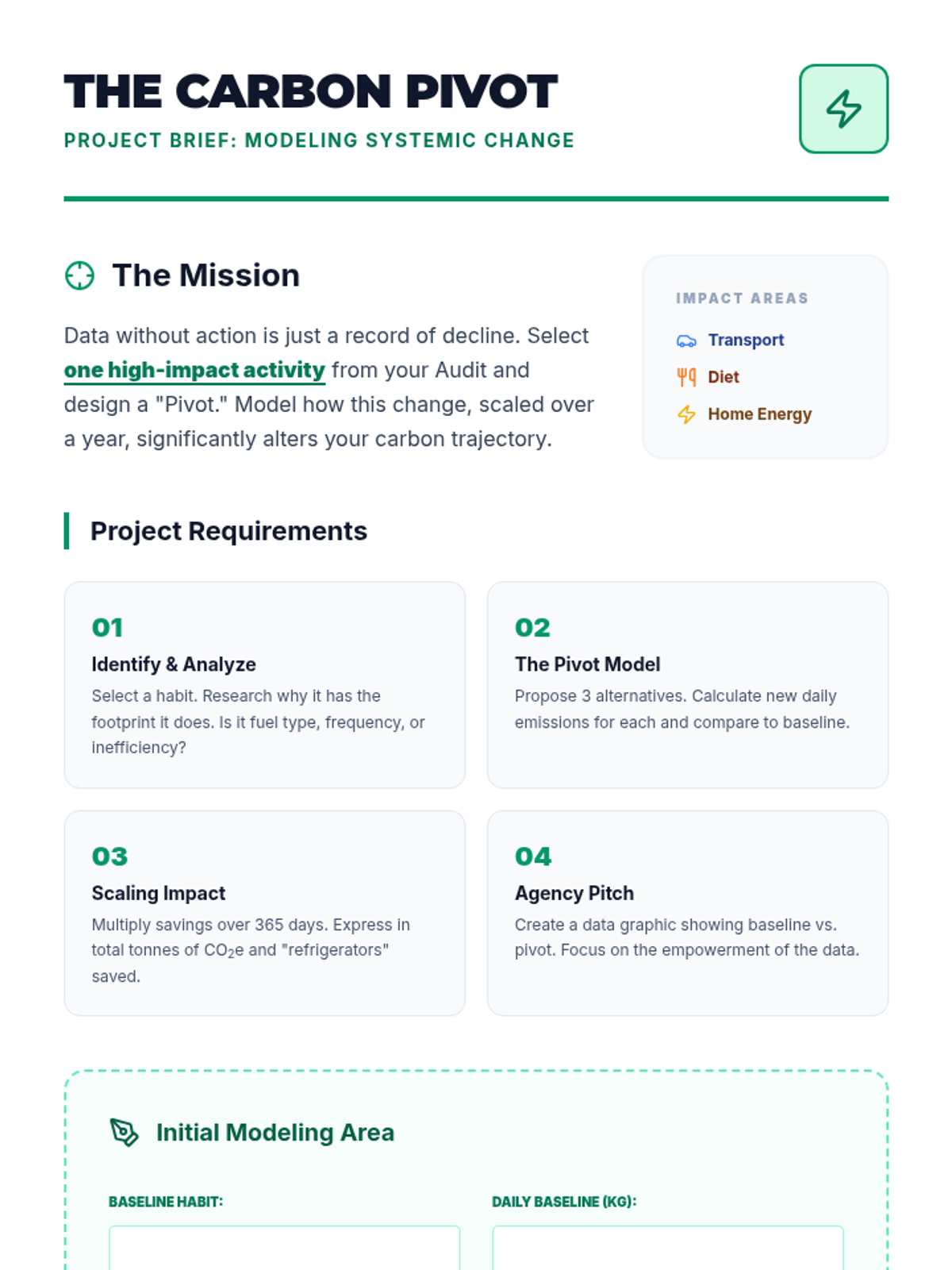
Students calculate carbon emissions from daily habits and model sustainable alternatives, bridging global climate data with personal agency through data-driven analysis.
A high-impact lesson where students quantify their personal carbon footprint and design actionable, data-driven strategies for sustainability. Bridging the gap between global climate science and individual agency, students use mathematical modeling to project the impact of lifestyle changes.
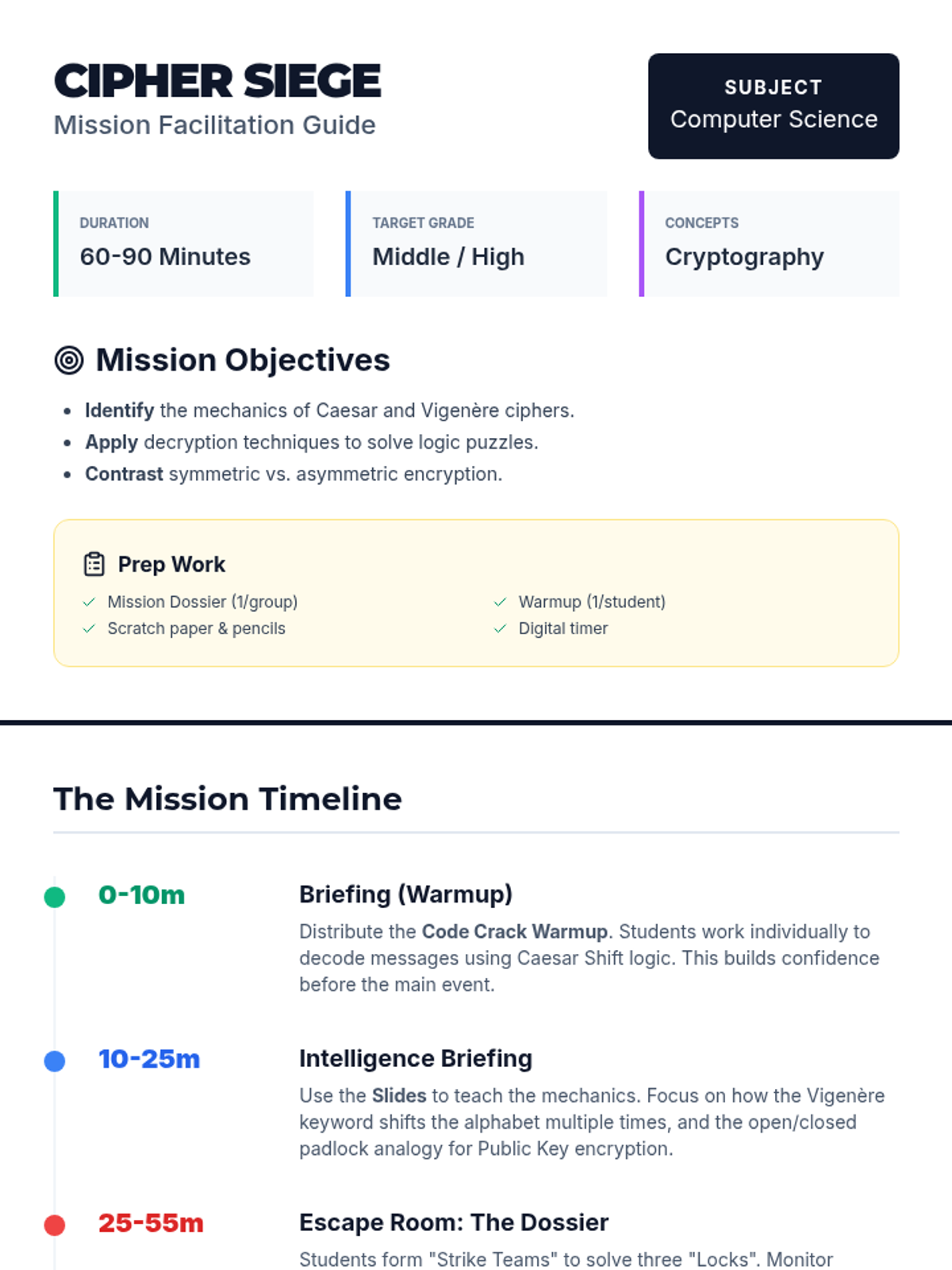
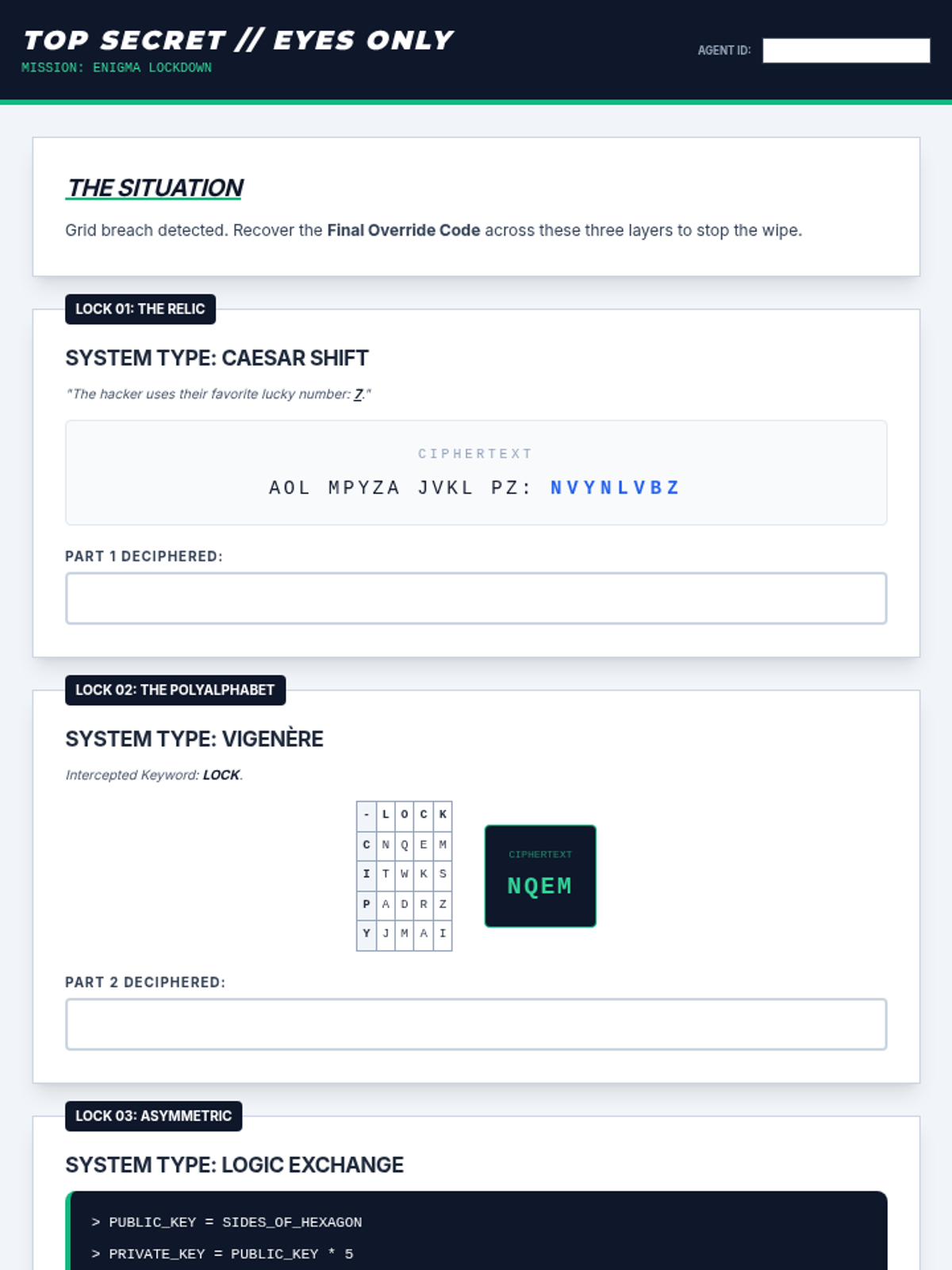
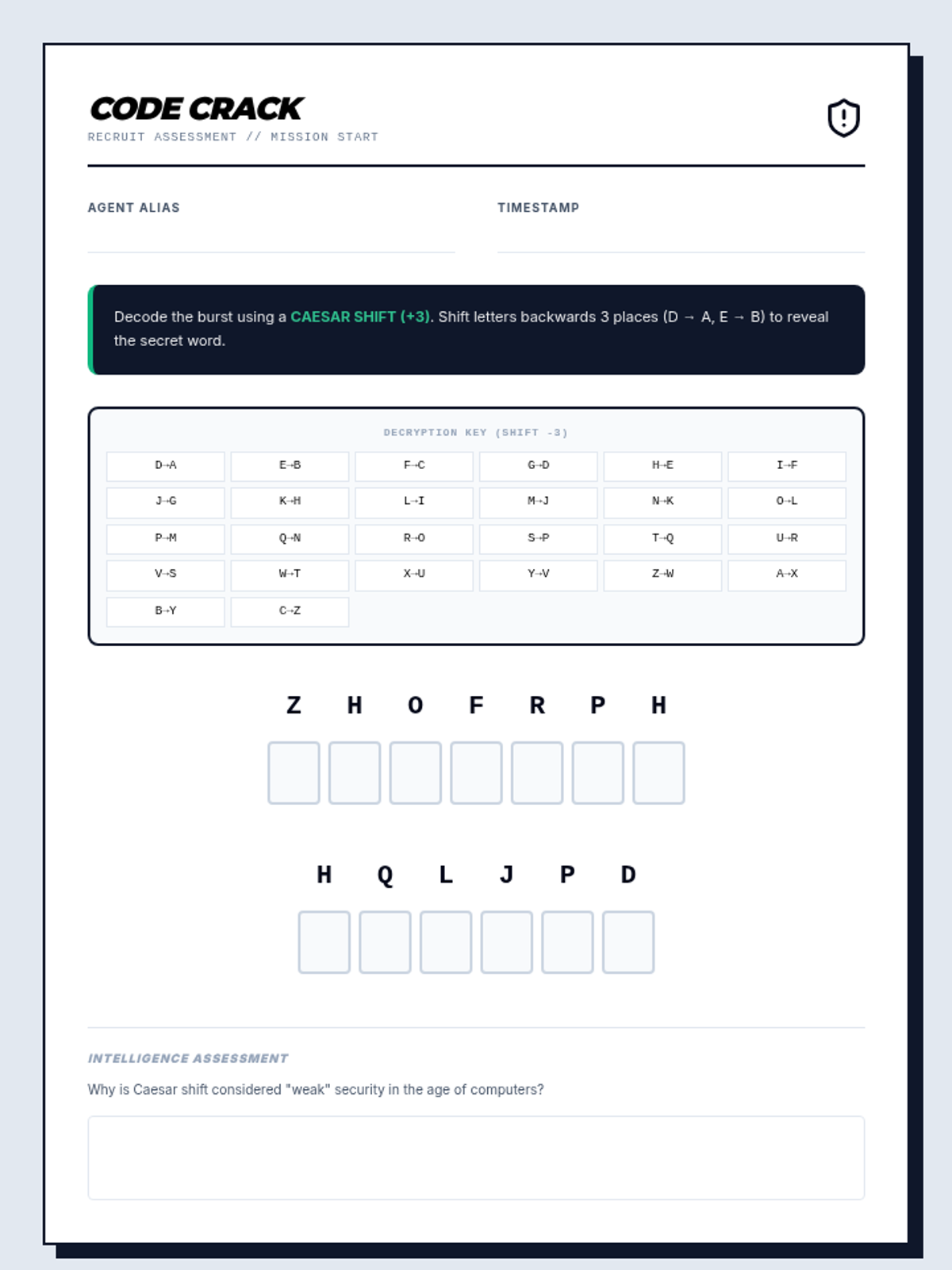
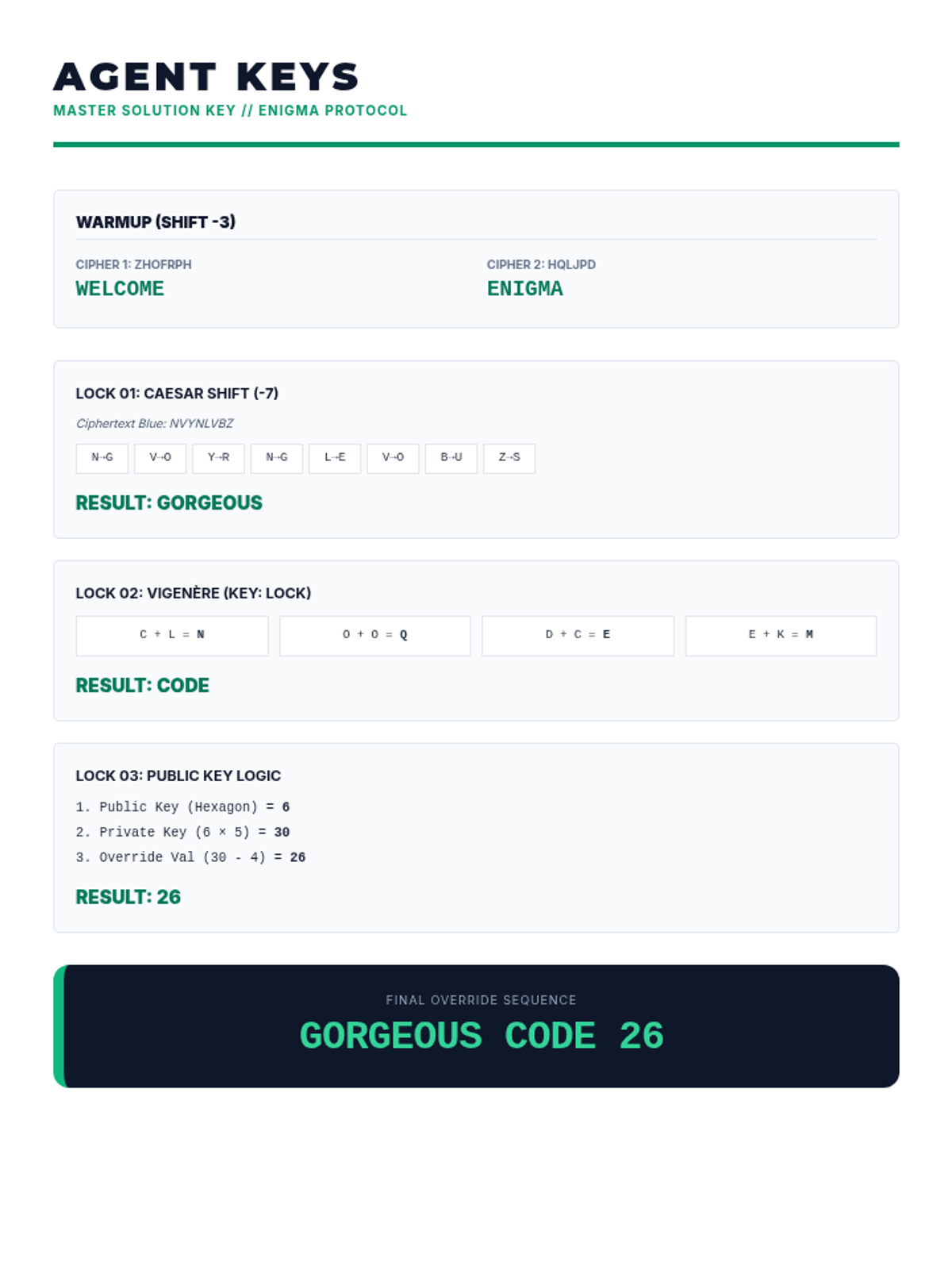
A high-stakes cryptographic challenge where students master Caesar, Vigenère, and public key encryption to stop a simulated cyber attack. Students act as intelligence agents decoding secret messages to unlock a final digital vault.