Students act as molecular detectives to identify the presence of carbohydrates, proteins, and lipids in various food samples using chemical indicators.
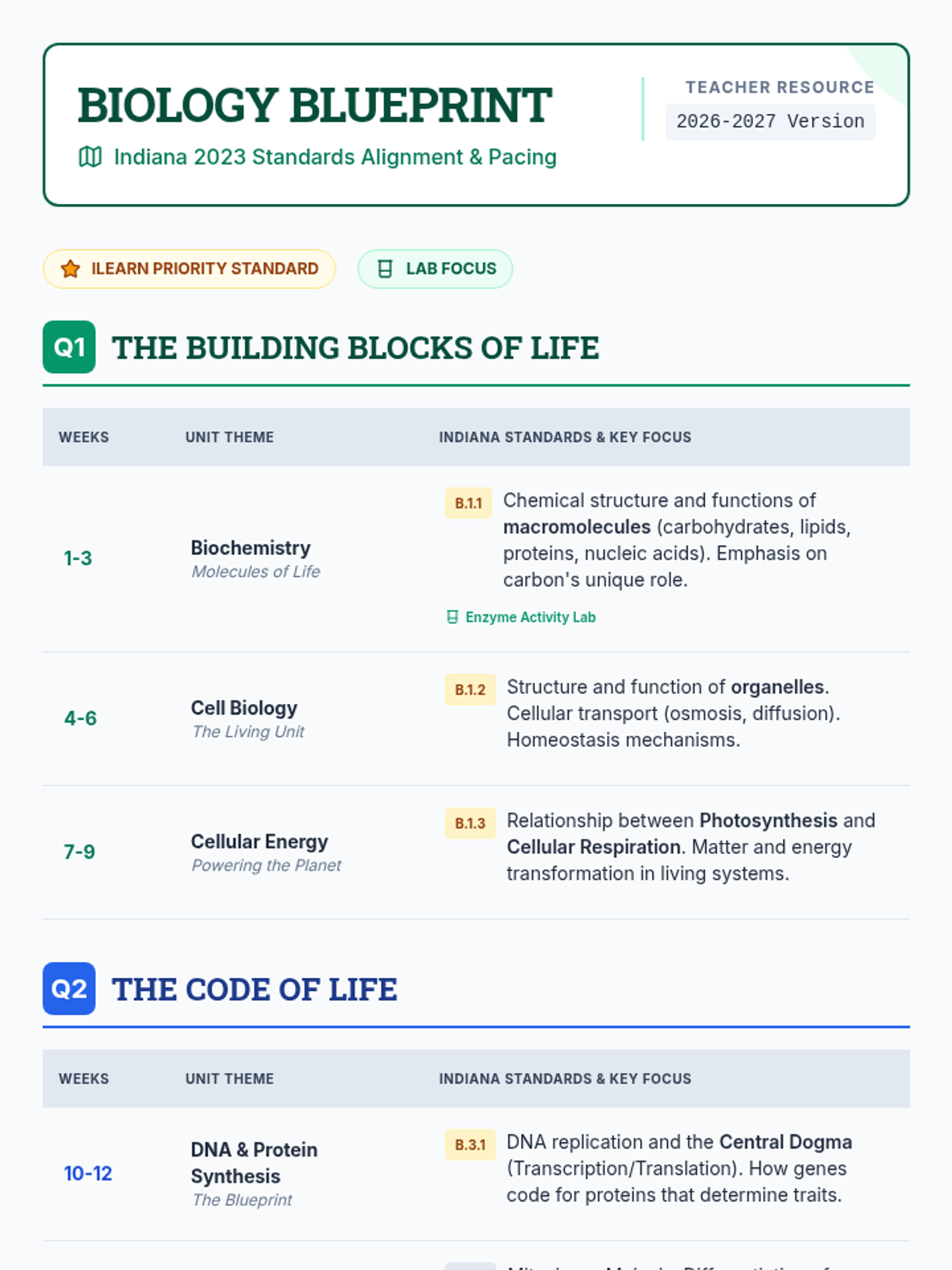
Curriculum planning resources for the entire academic year, including standard alignment, pacing, and priority focus areas.
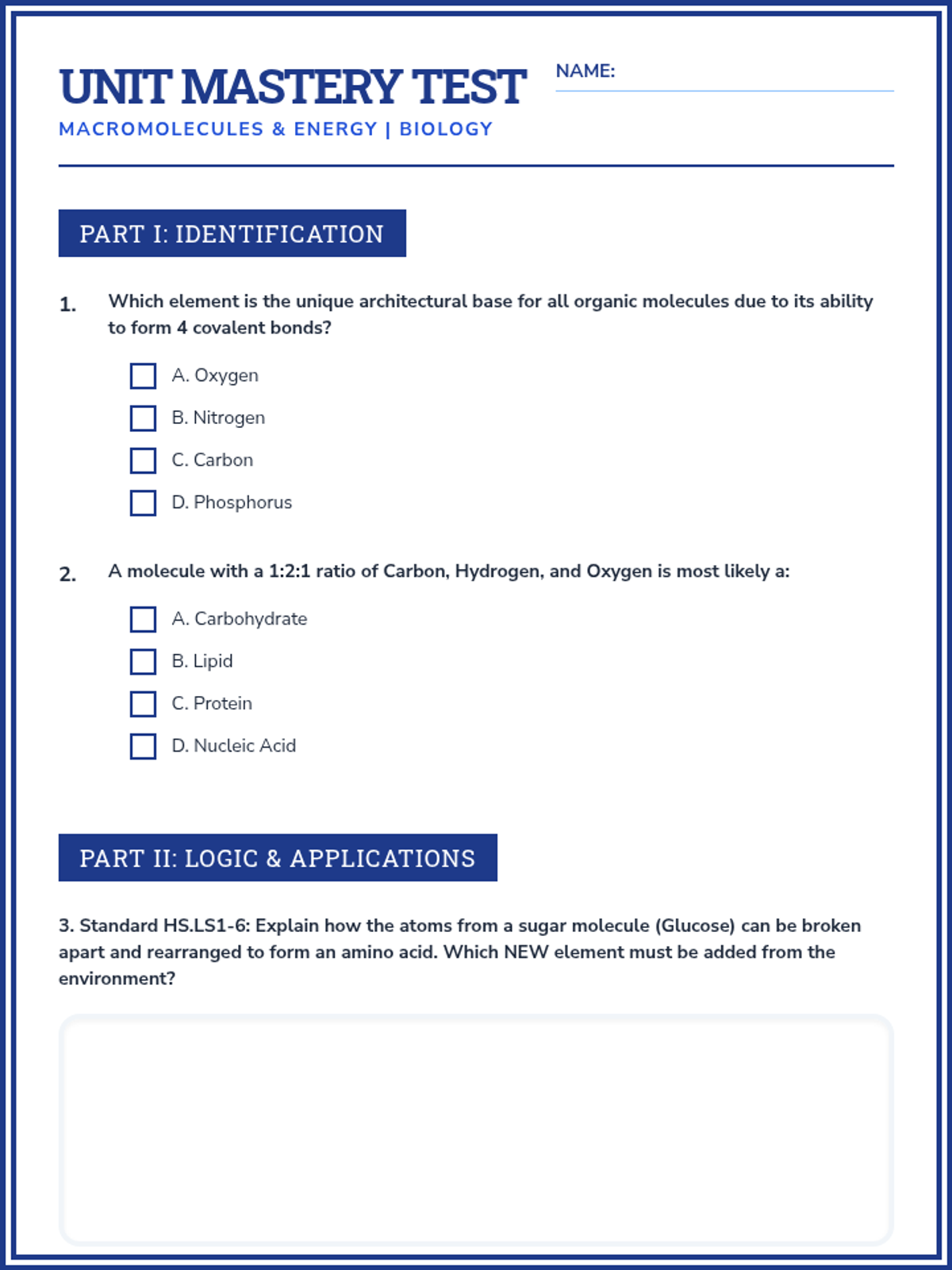
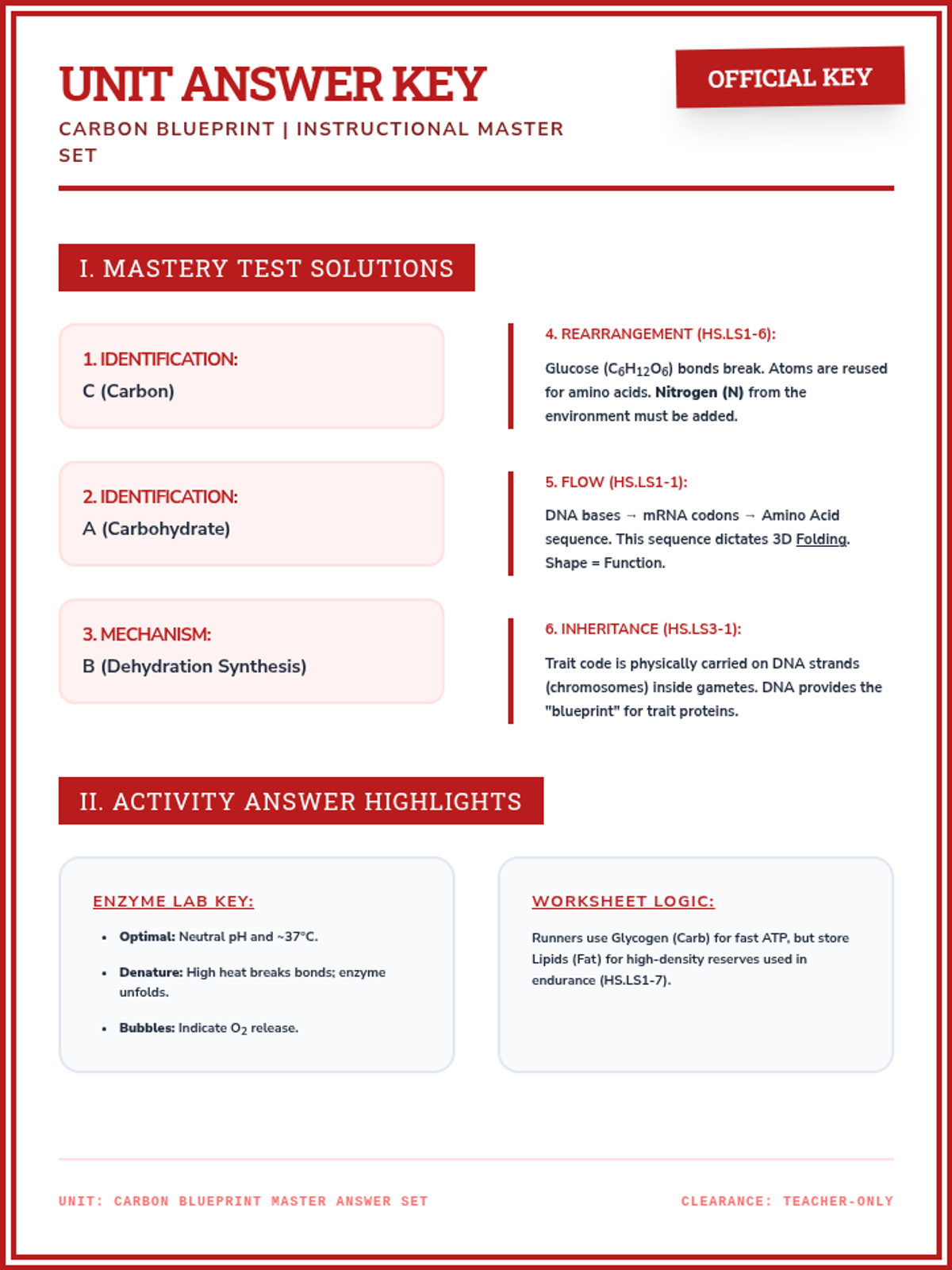
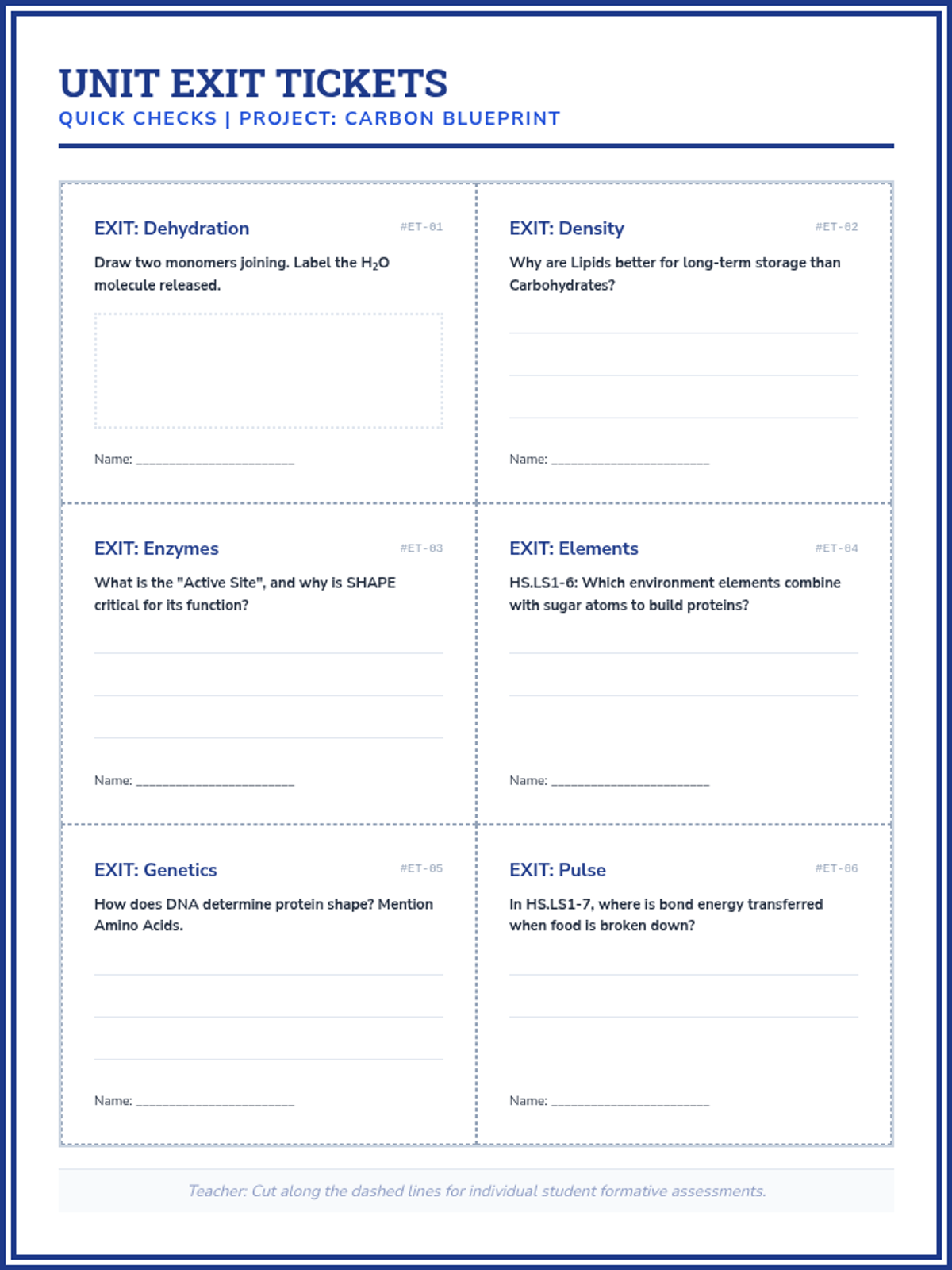
Final review and assessment of the Macromolecules unit.
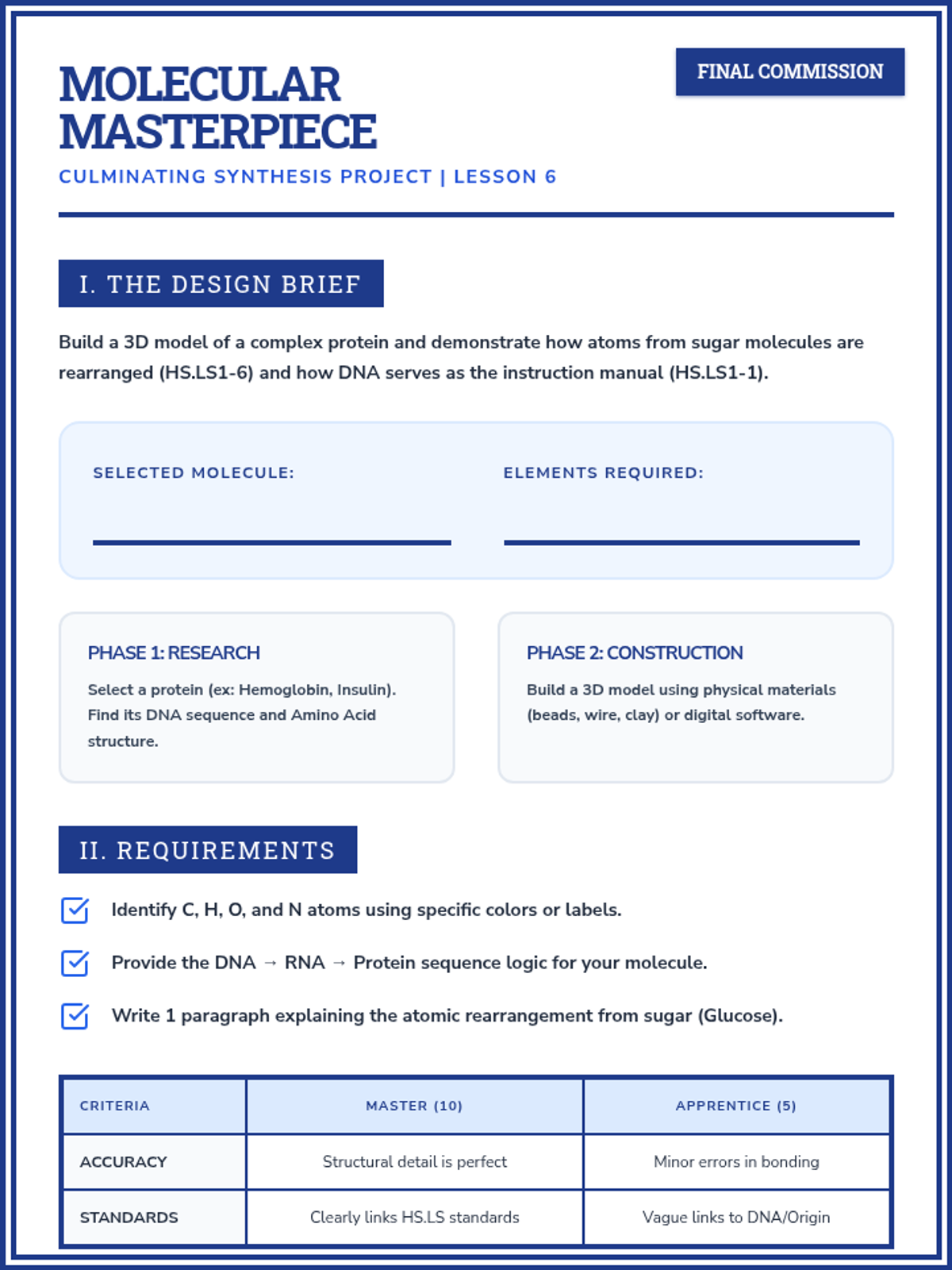
A culminating creative project where students design a "Biological Structure" based on macromolecule principles.
Connecting macromolecule breakdown to energy transfer and cellular respiration (HS.LS1-7).
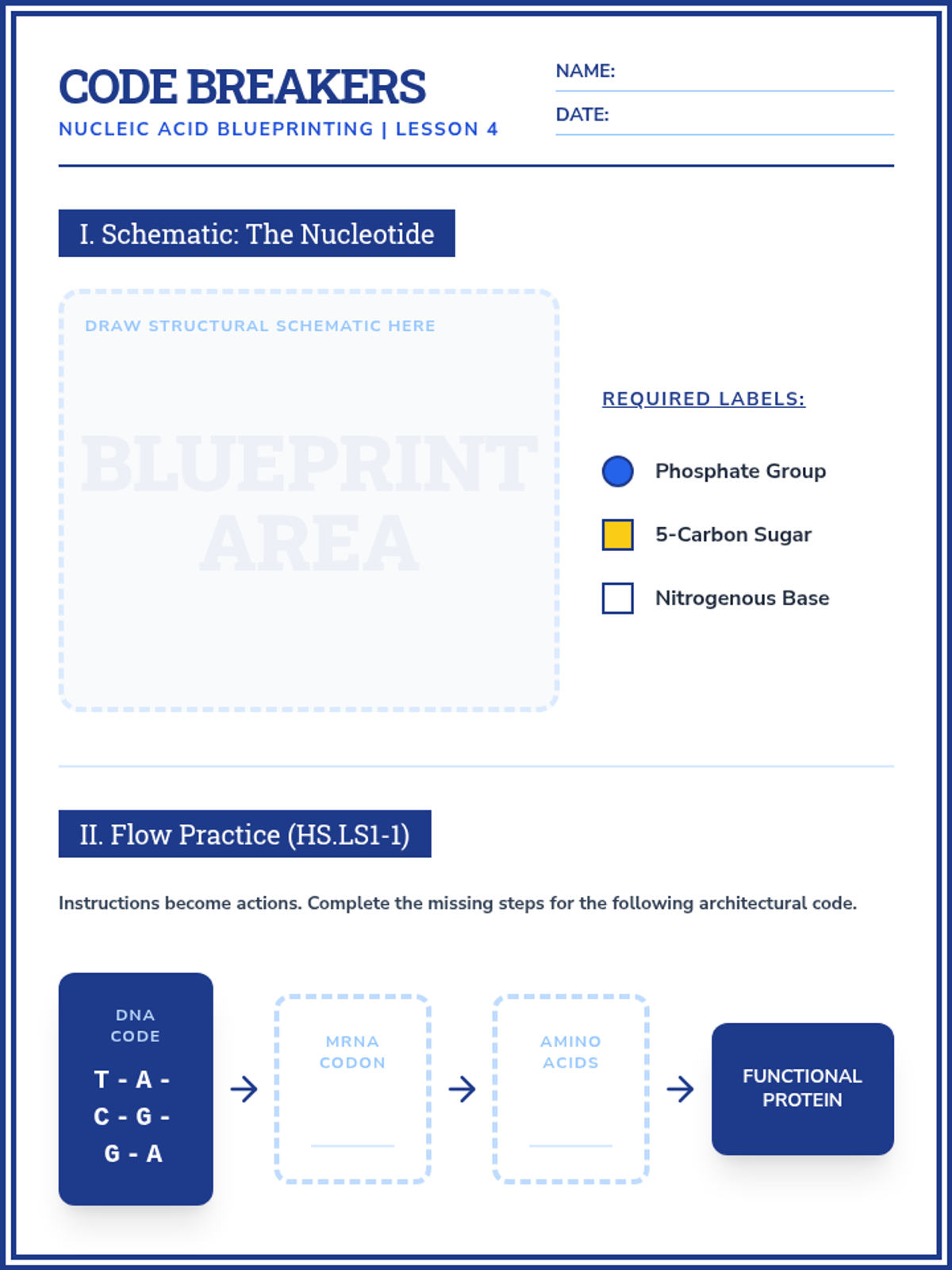
Focusing on nucleic acids and their role in coding for life's traits and instructions (HS.LS3-1).
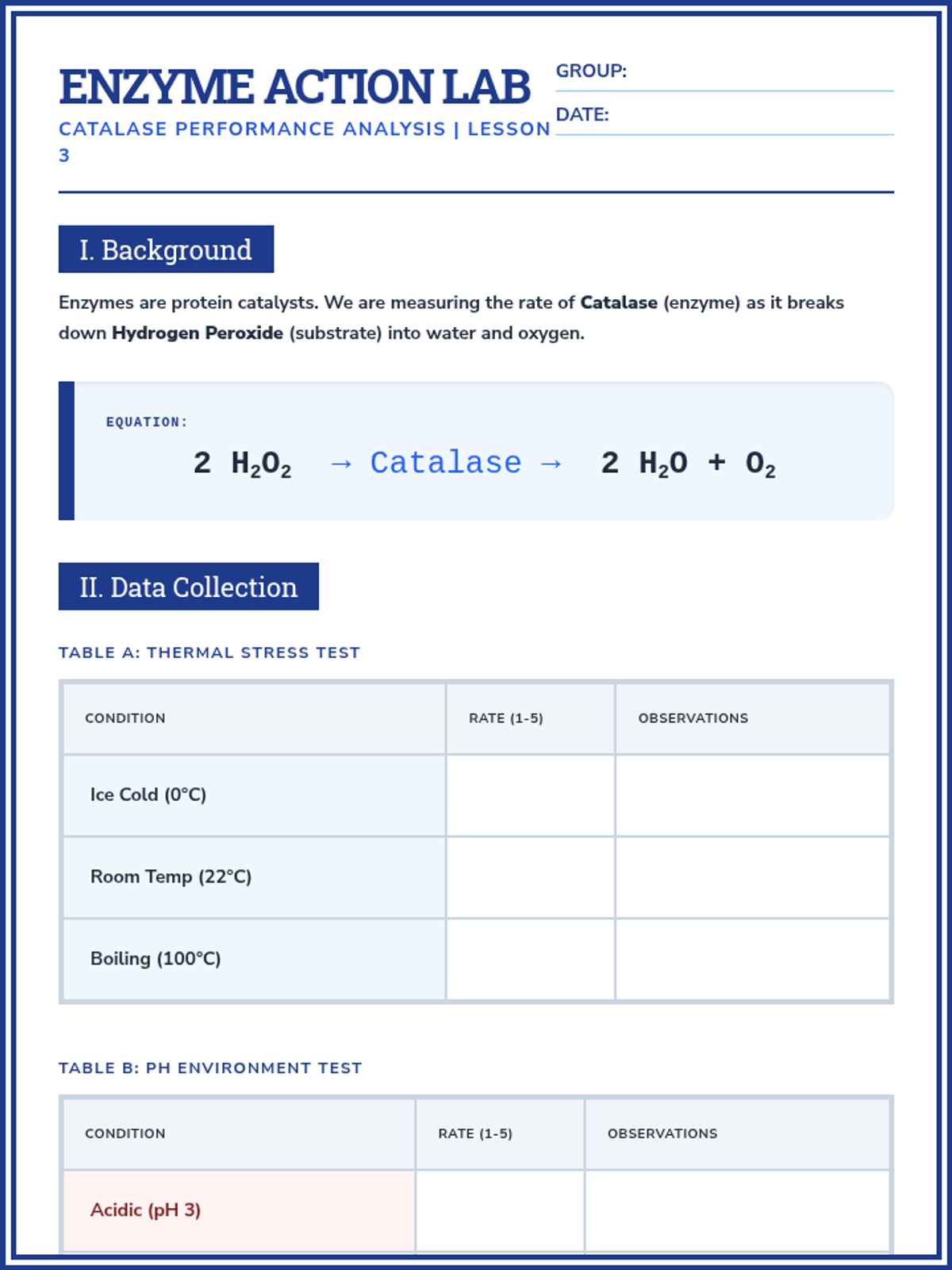
Exploring protein structure and enzyme function, emphasizing the connection between DNA sequences and protein form as per HS.LS1-1.
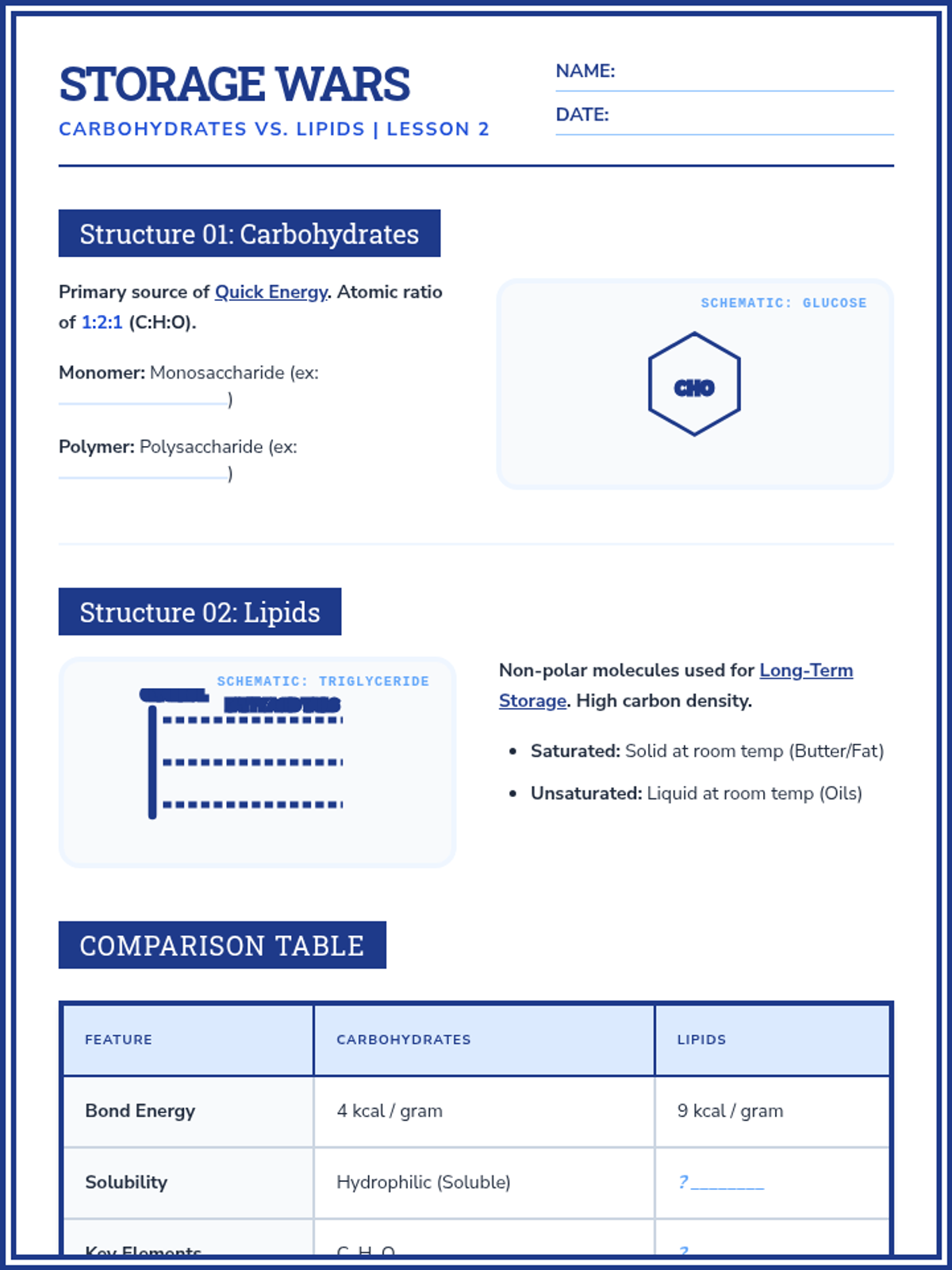
Investigating the energy storage and structural roles of carbohydrates and lipids in living systems.
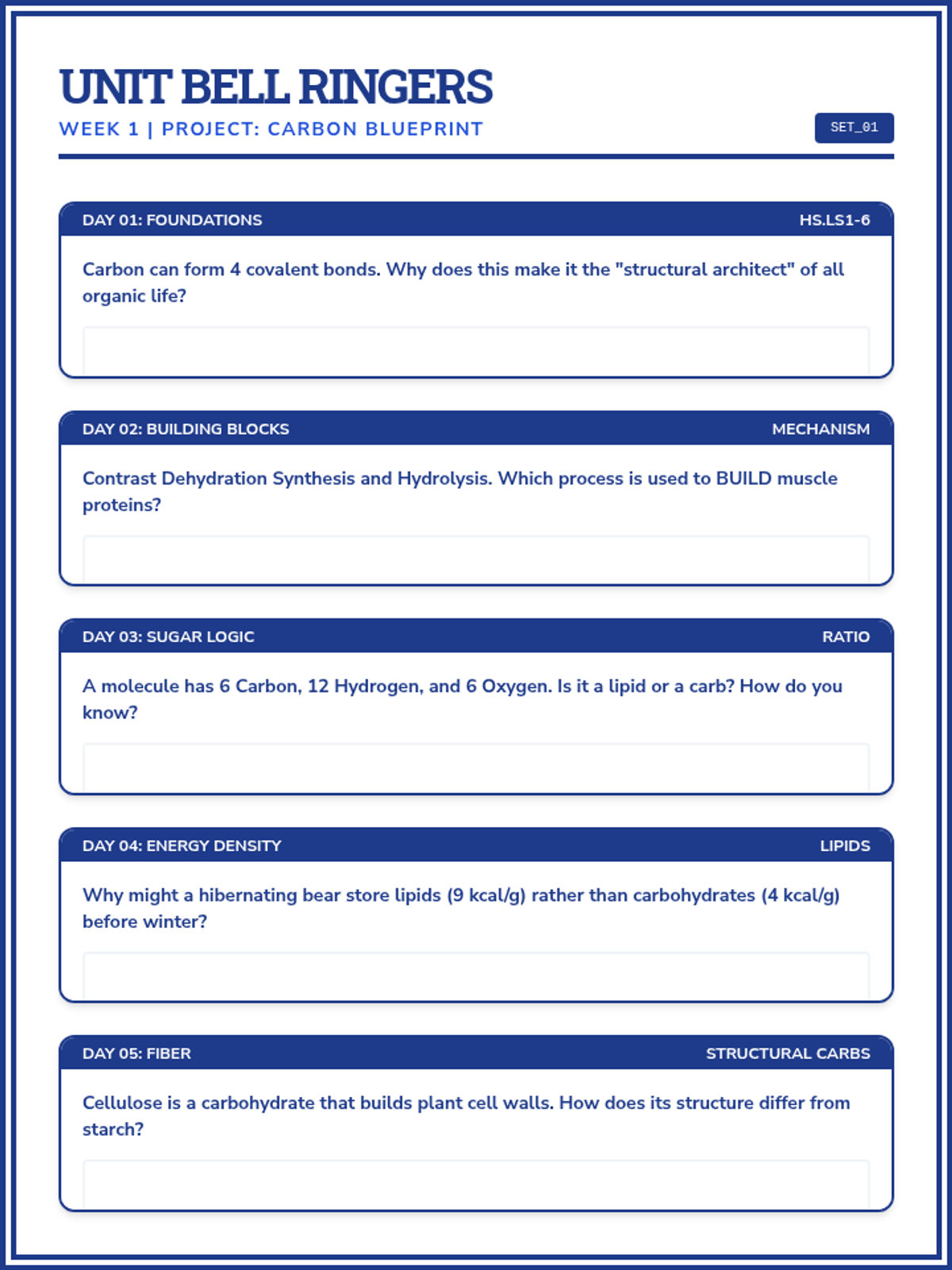
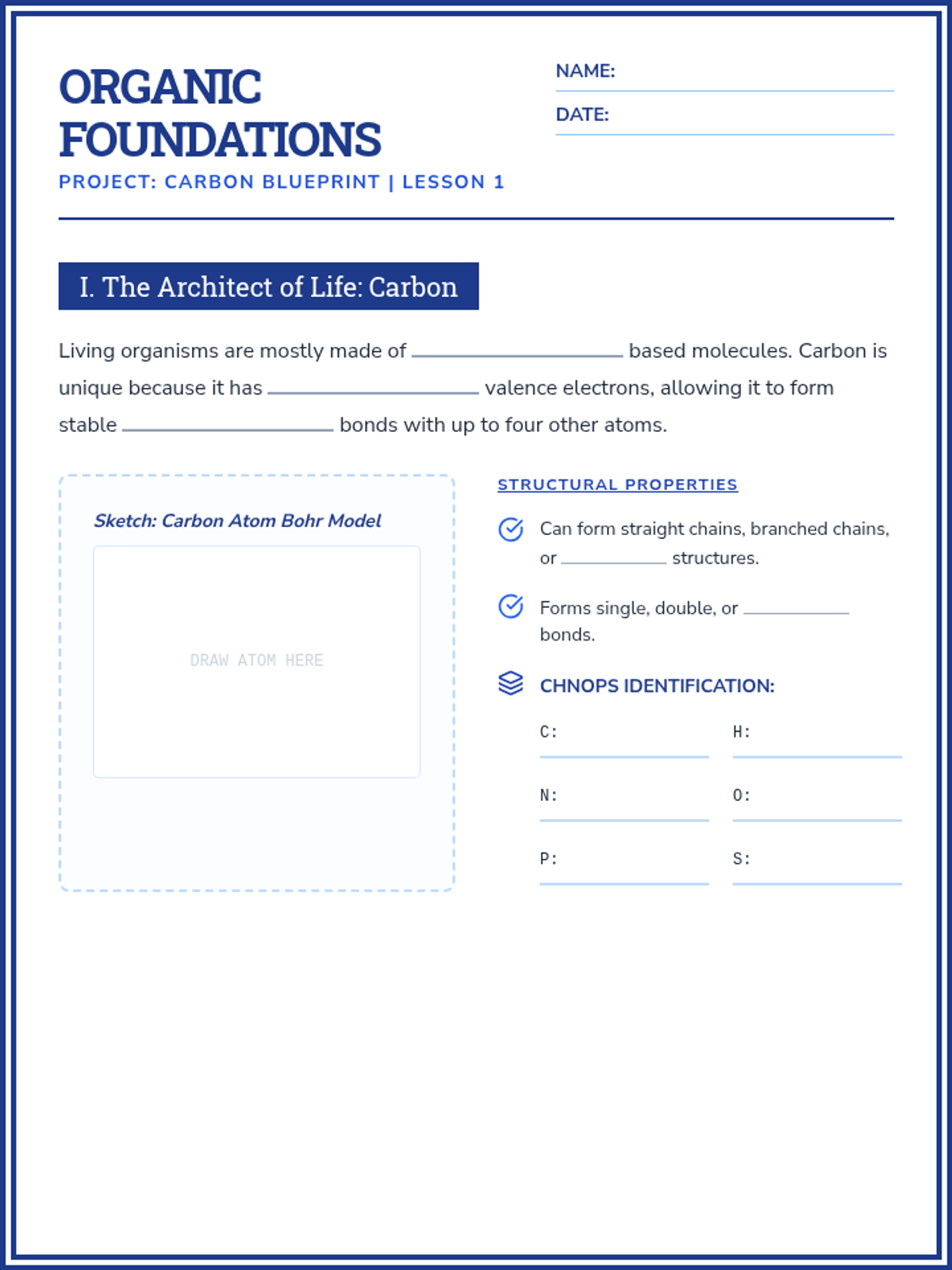
Students explore the unique properties of carbon and how simple sugar molecules provide the building blocks for complex organic molecules, focusing on HS.LS1-6.
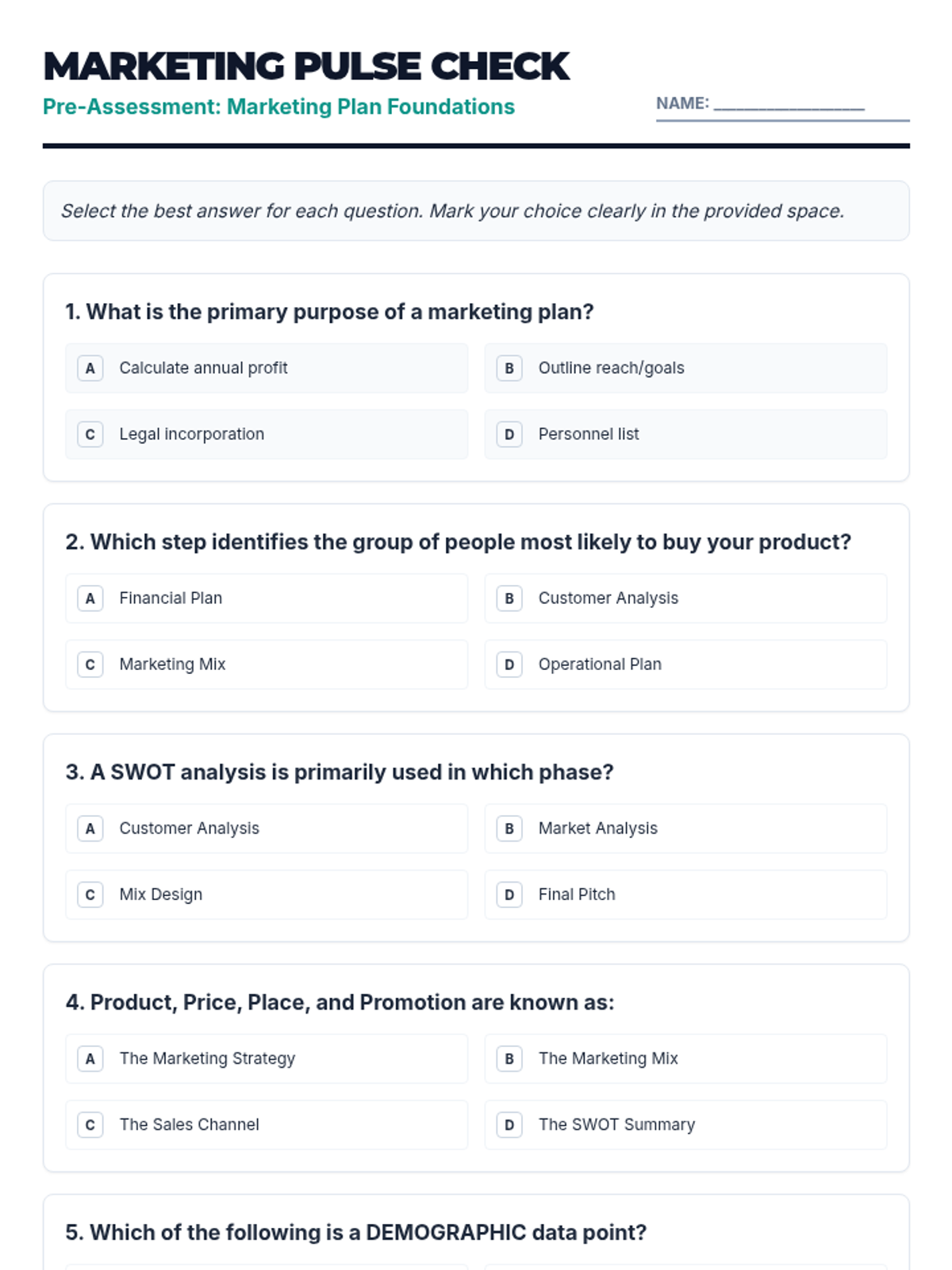
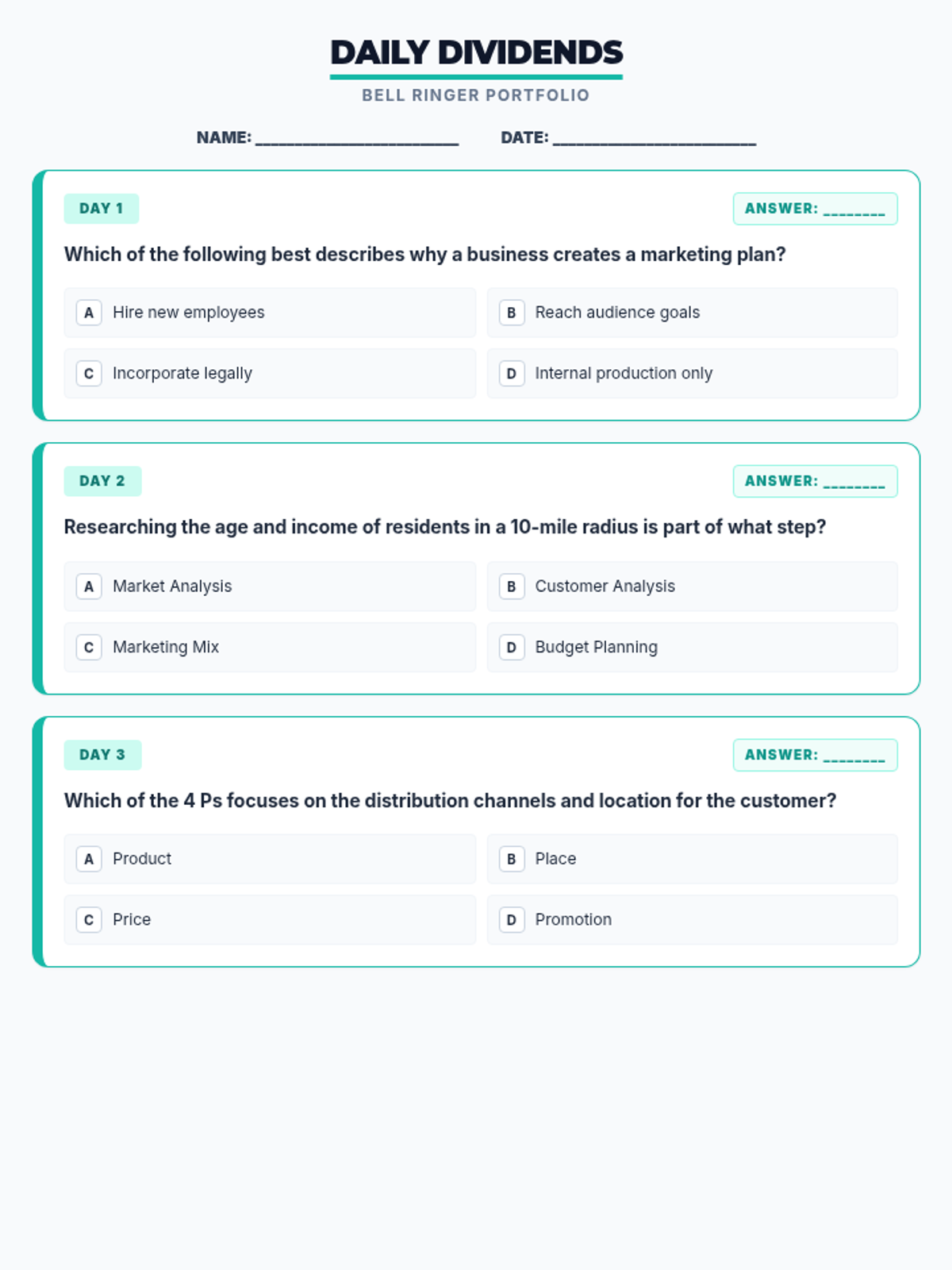
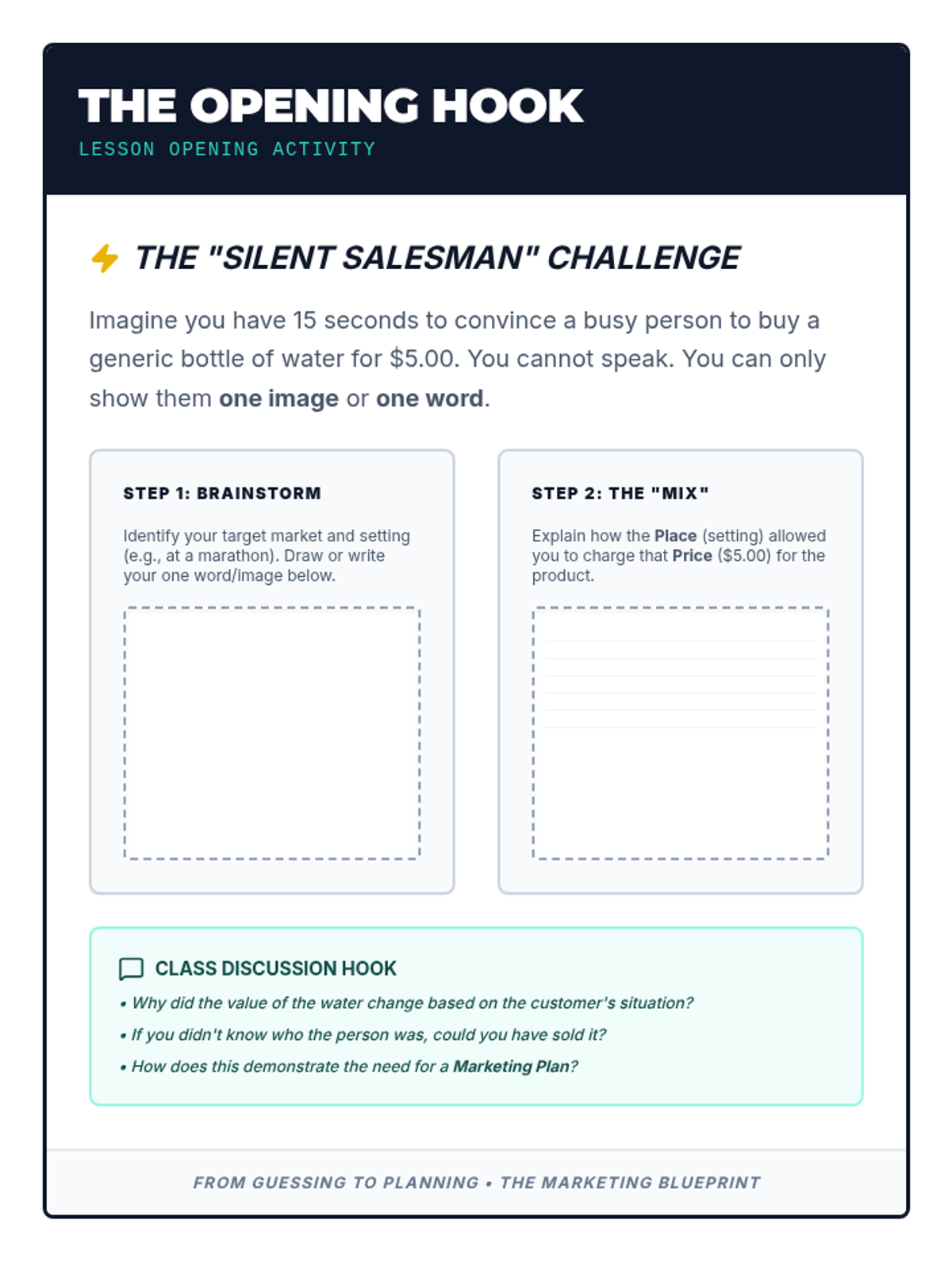
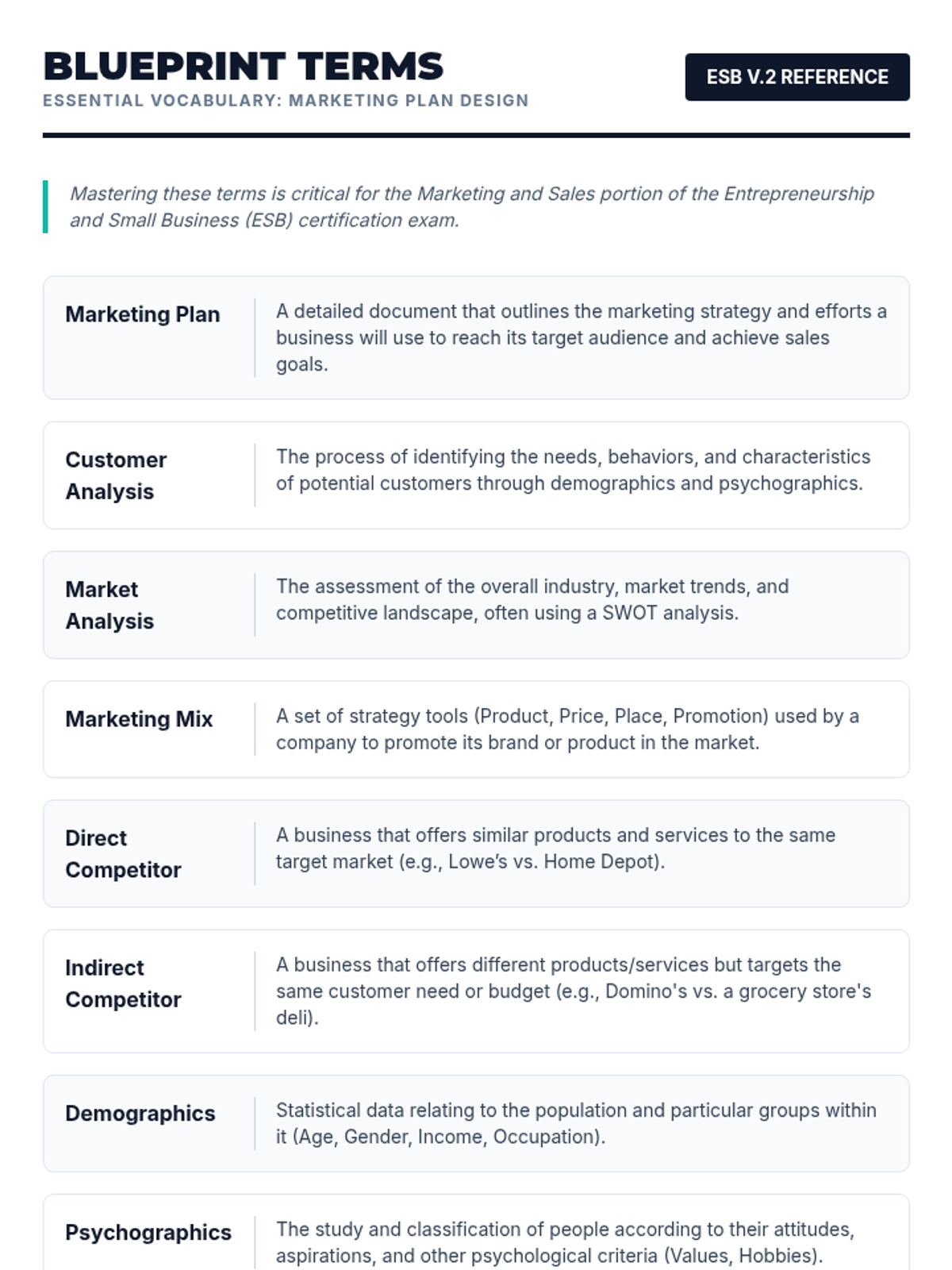
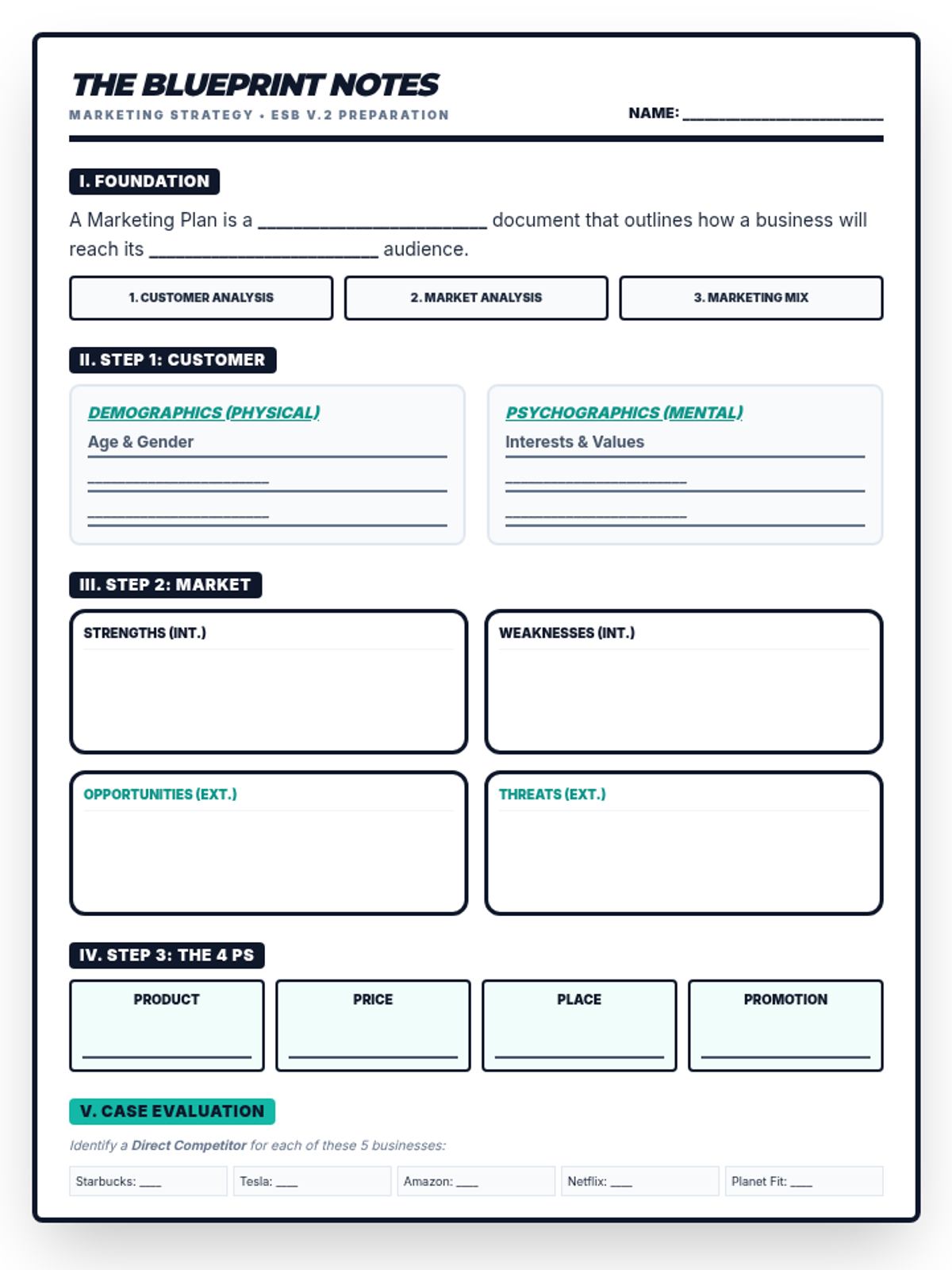
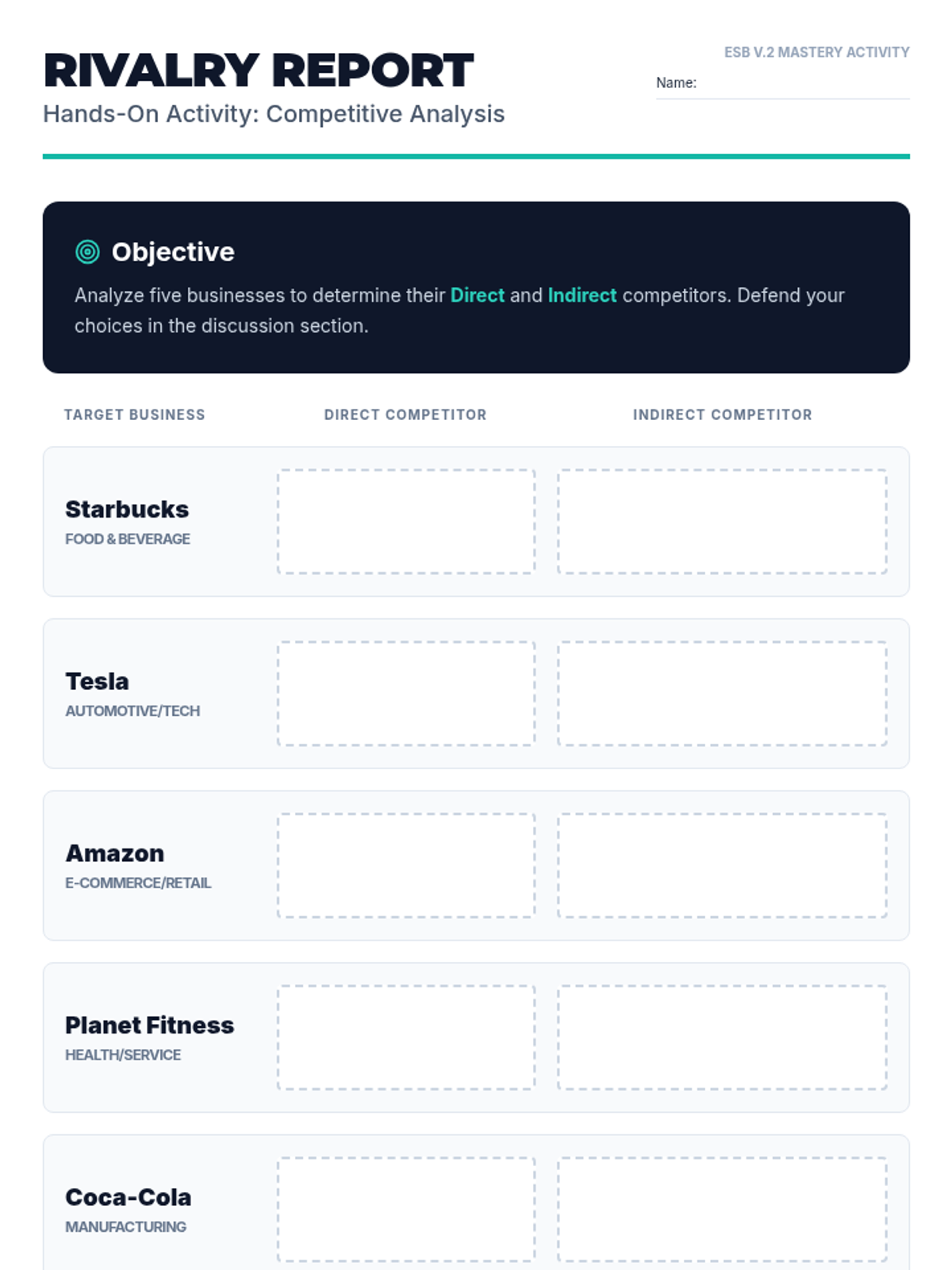
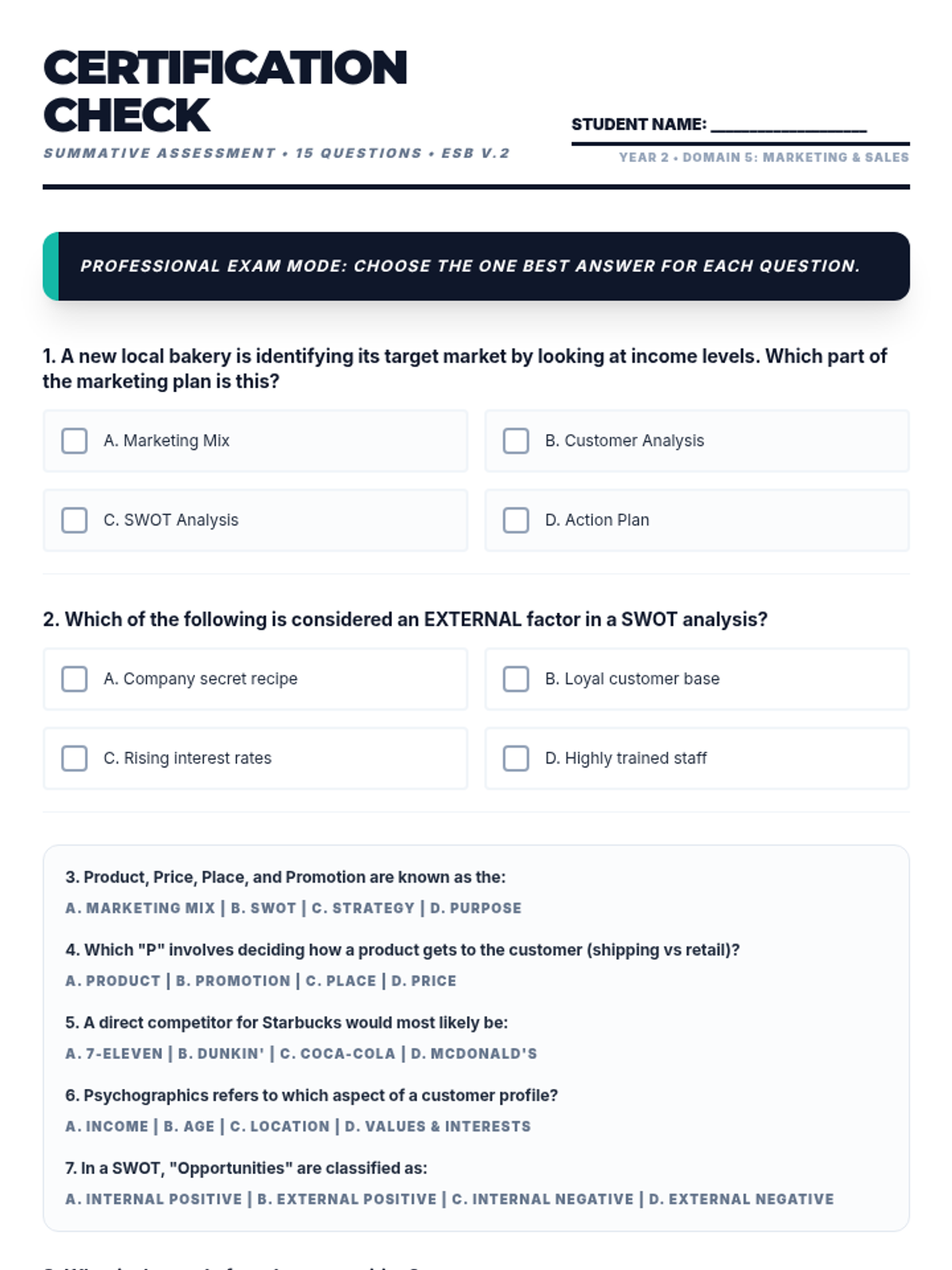
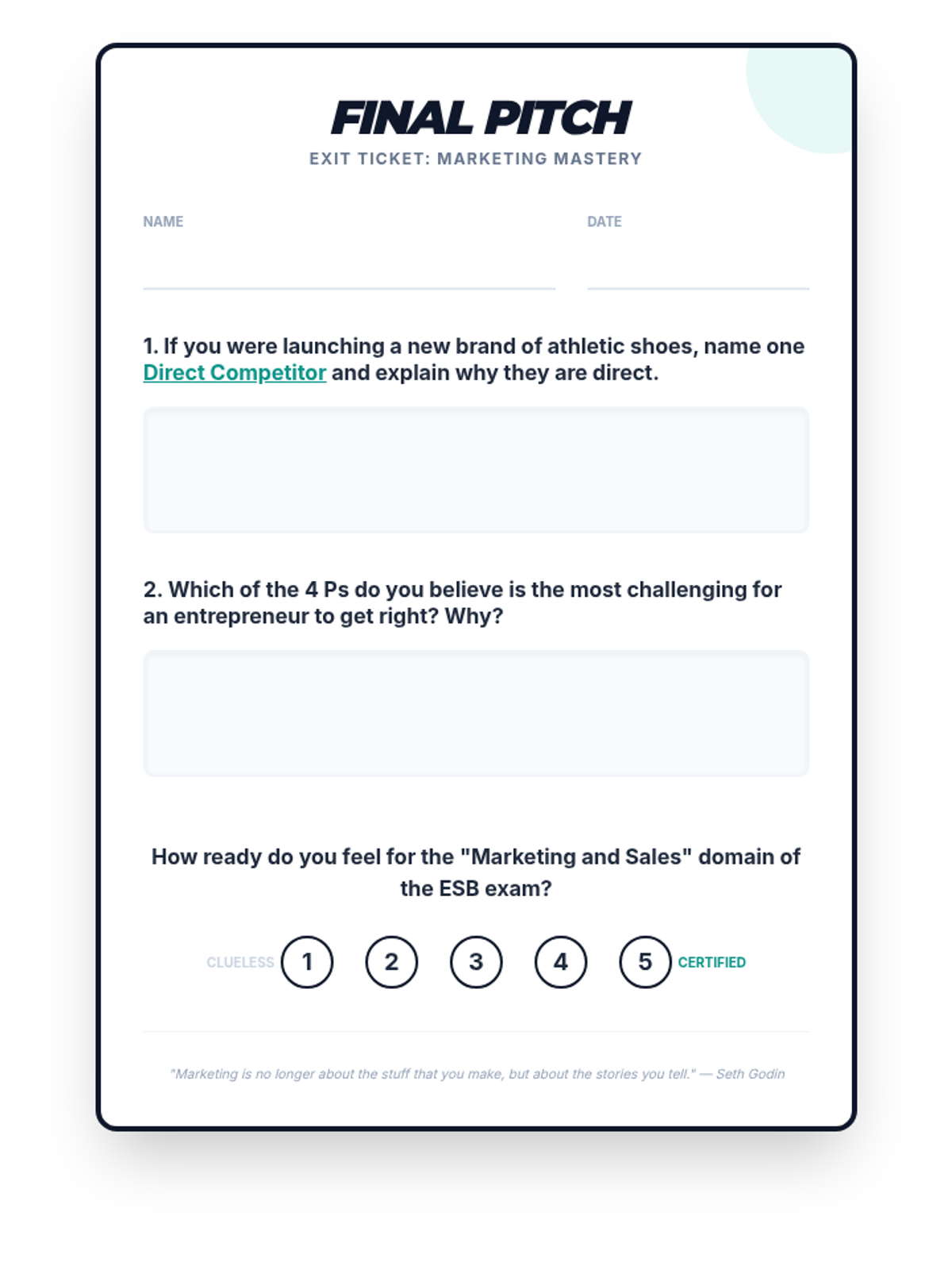
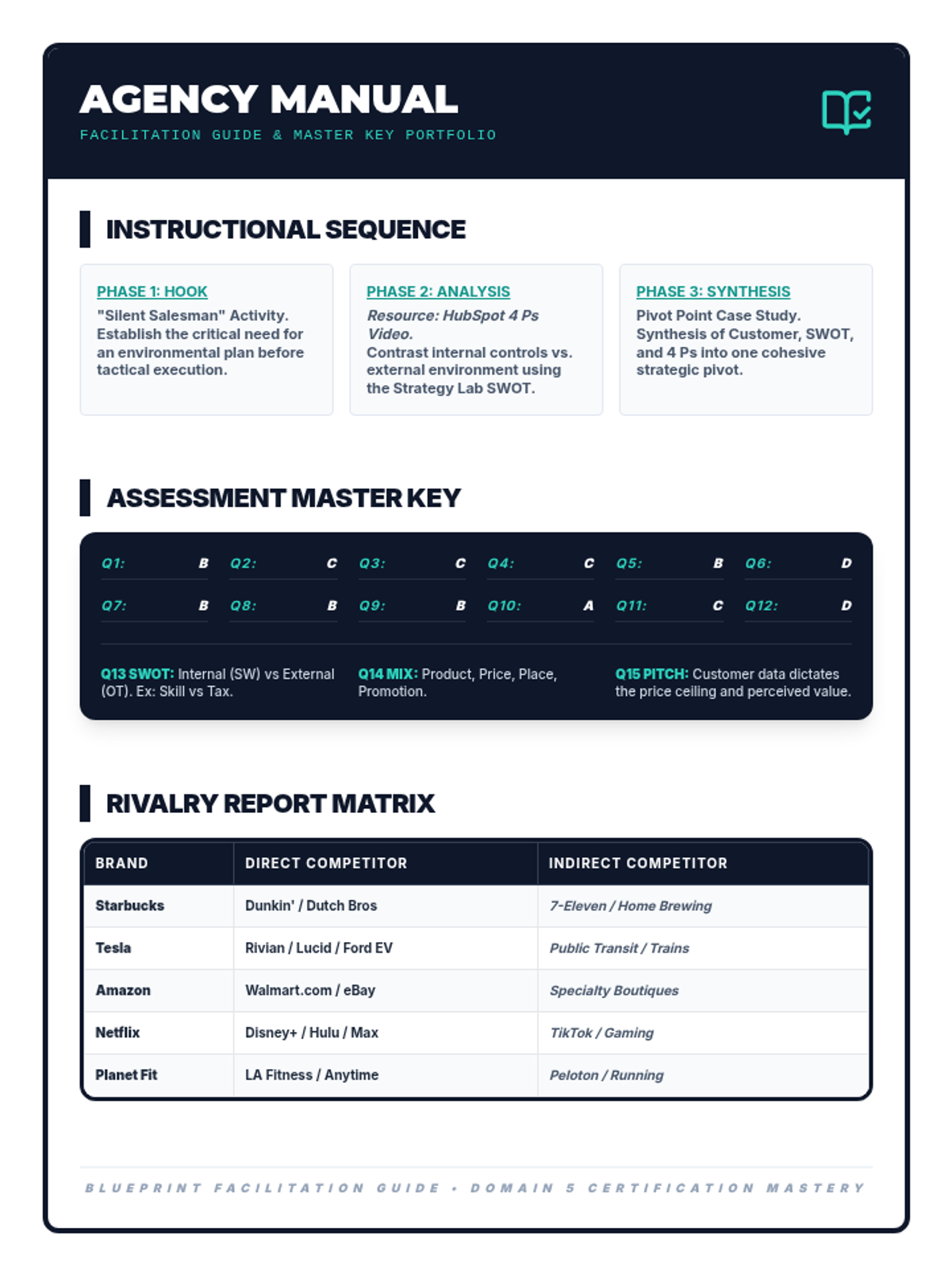
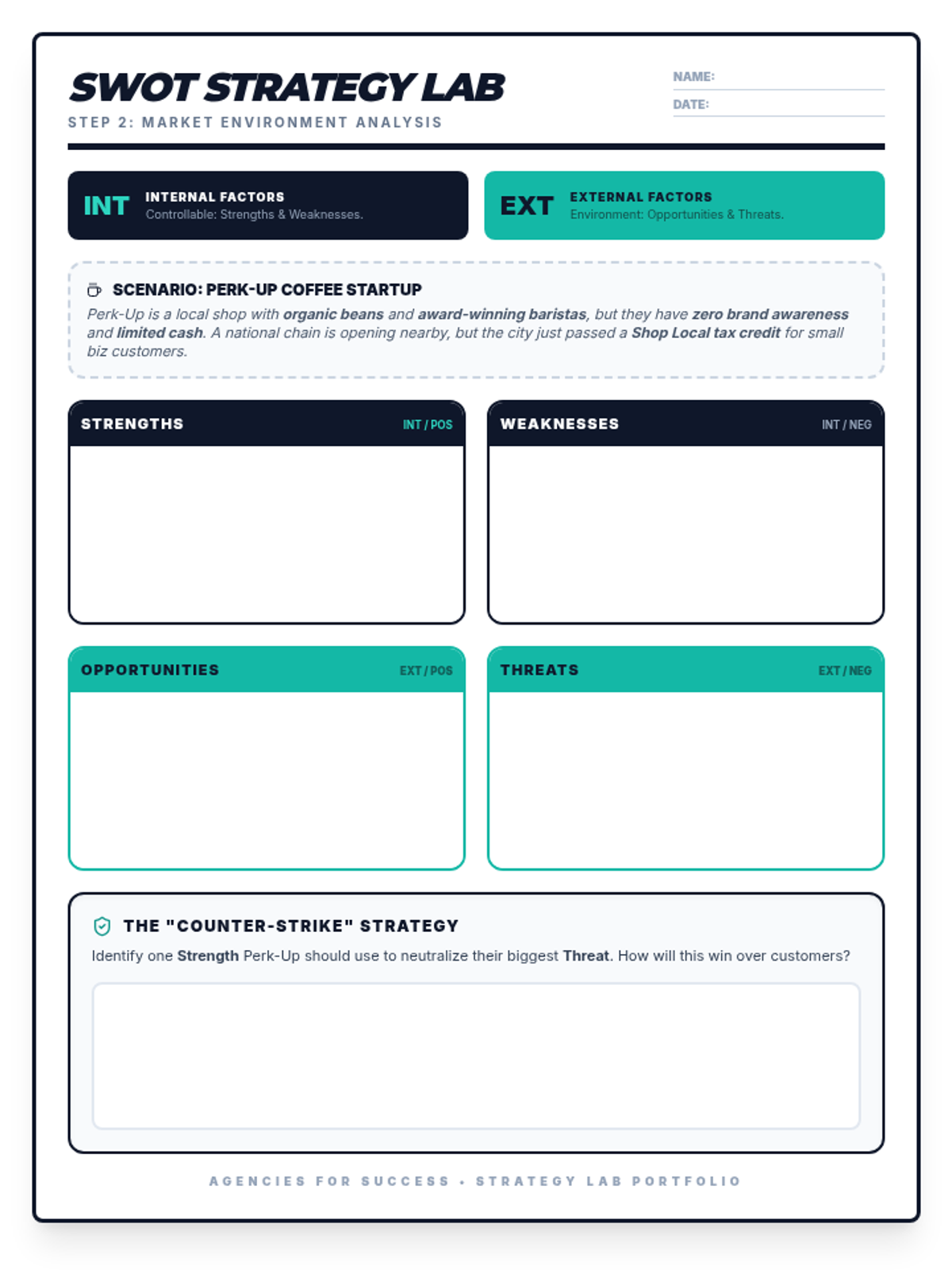
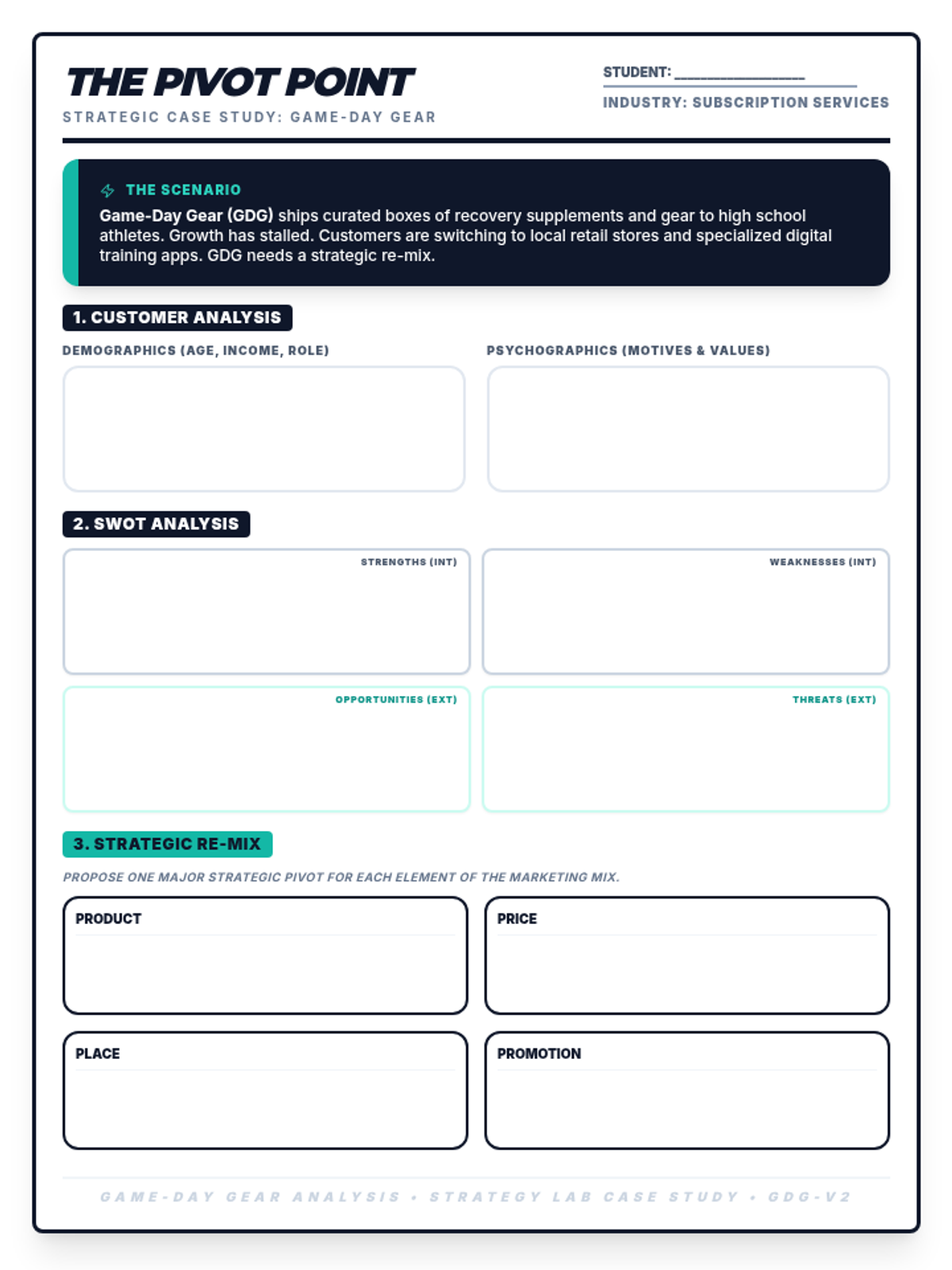
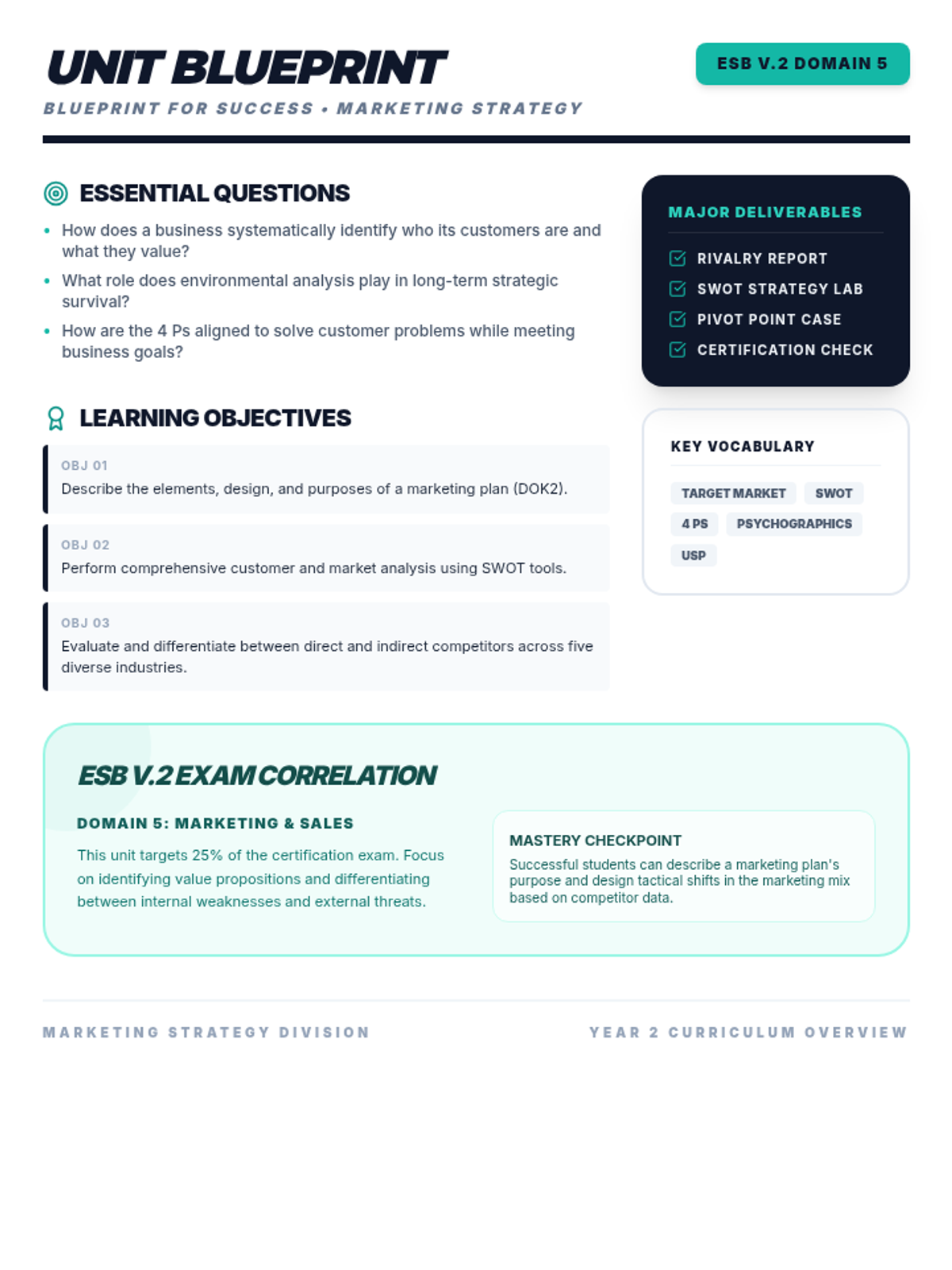
This lesson covers the design and purpose of a marketing plan, focusing on customer analysis, market analysis, and the marketing mix. Students will evaluate competition across diverse industries and practice ESB-style assessment questions.
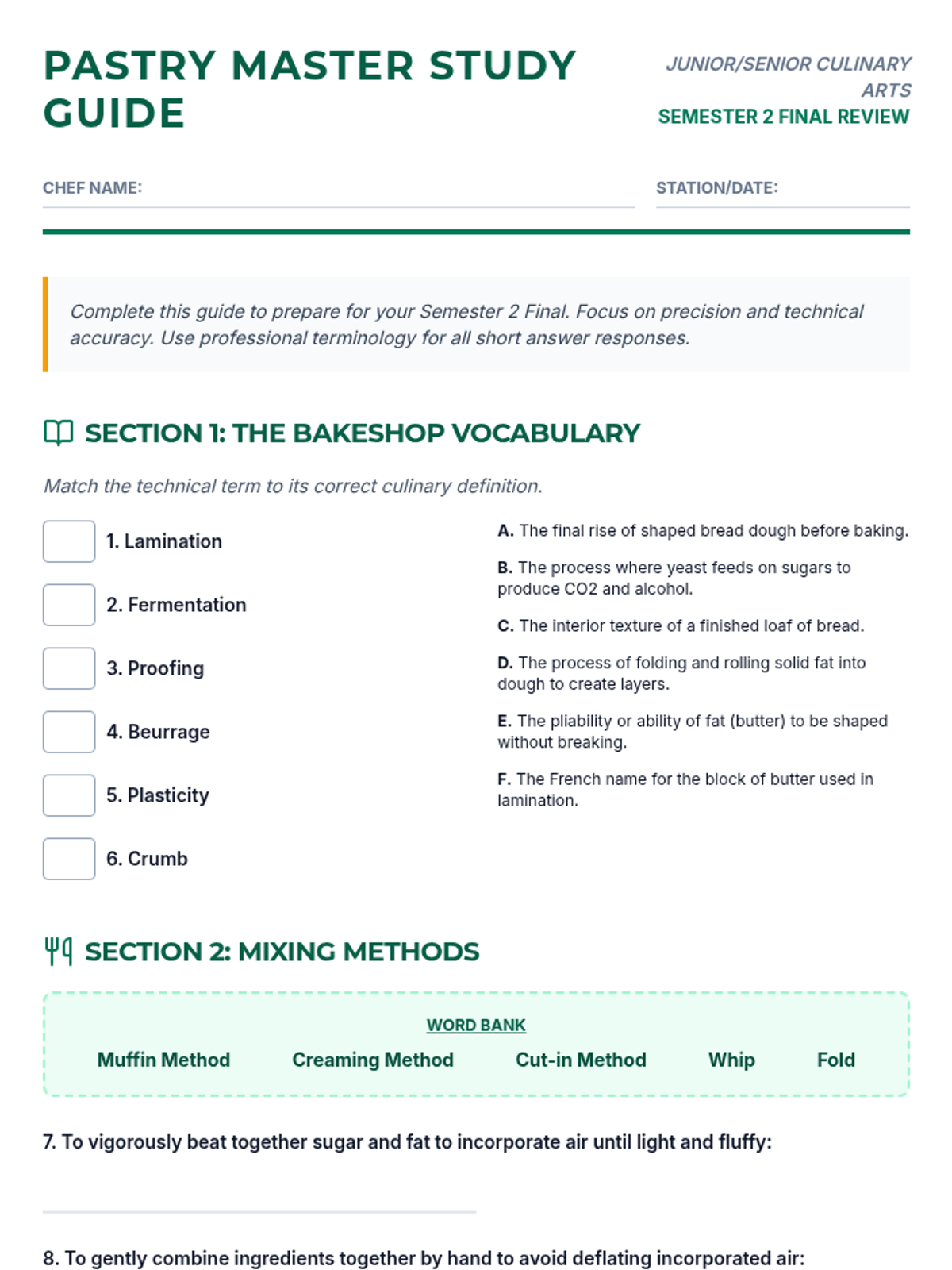
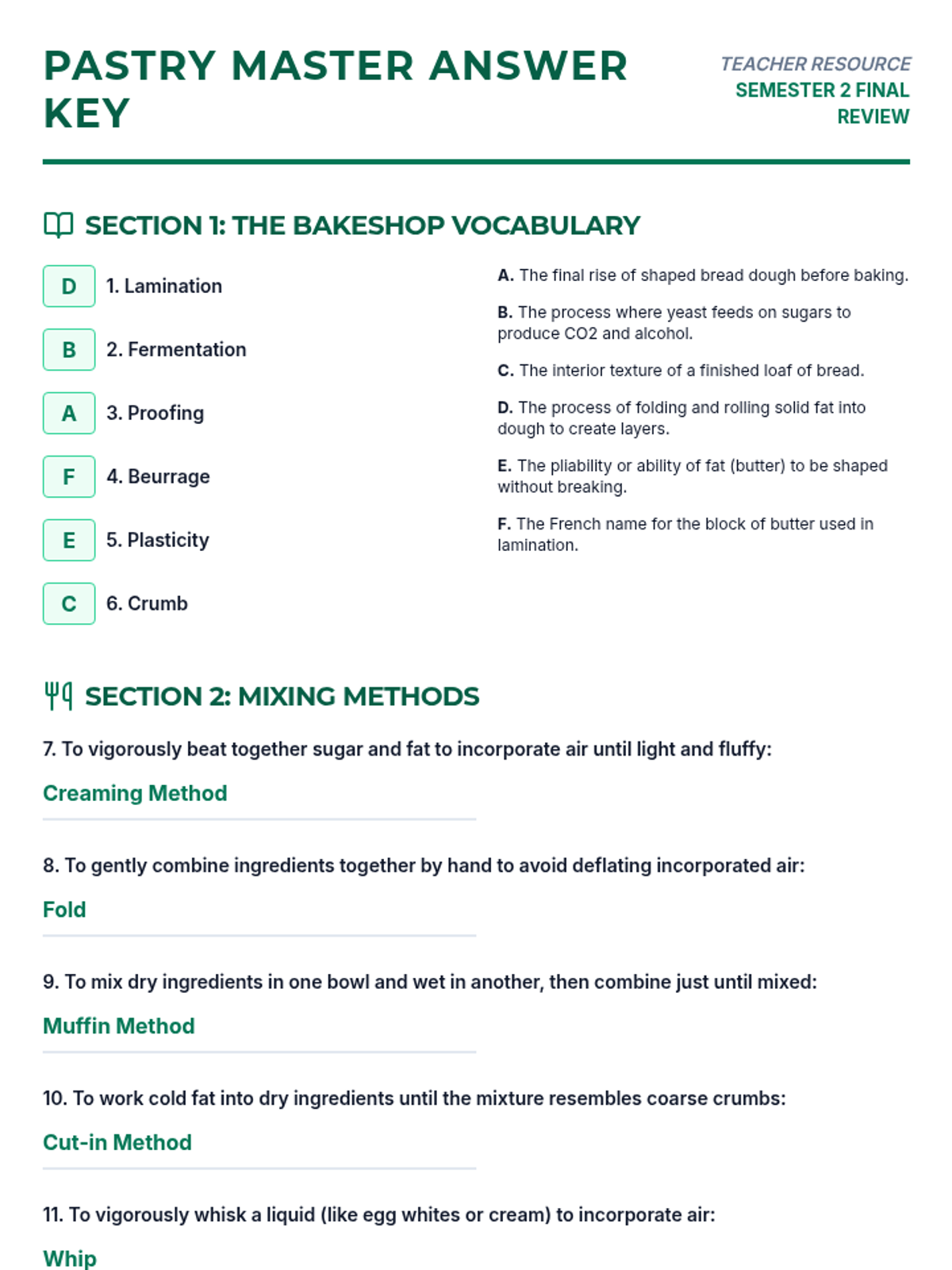
A comprehensive review of advanced baking and pastry techniques, covering leavening agents, mixing methods, bread production, and laminated doughs. This lesson prepares students for their final culinary arts examination.
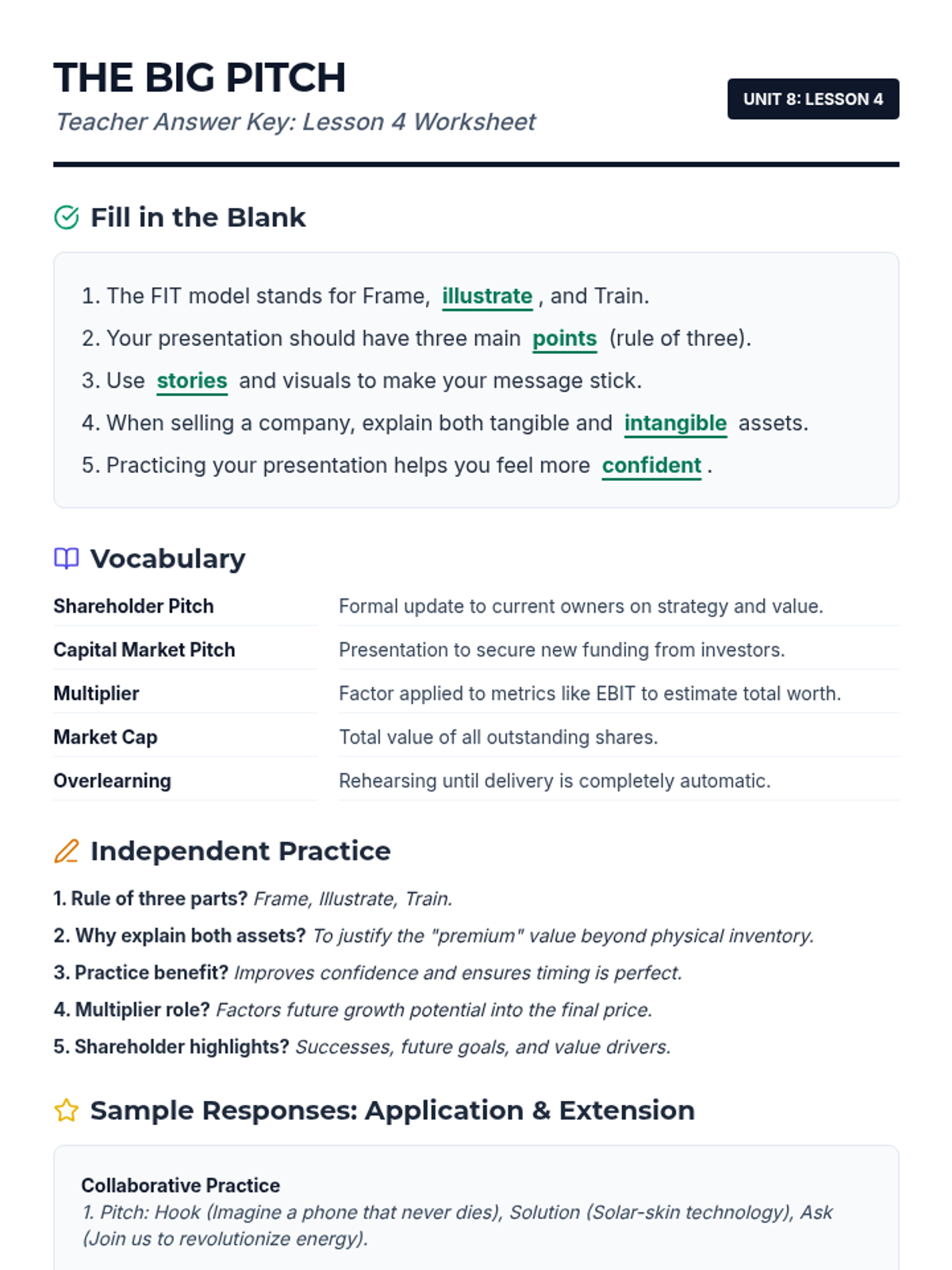
Synthesizing presentation skills and valuation concepts to deliver high-stakes shareholder or capital market pitches.
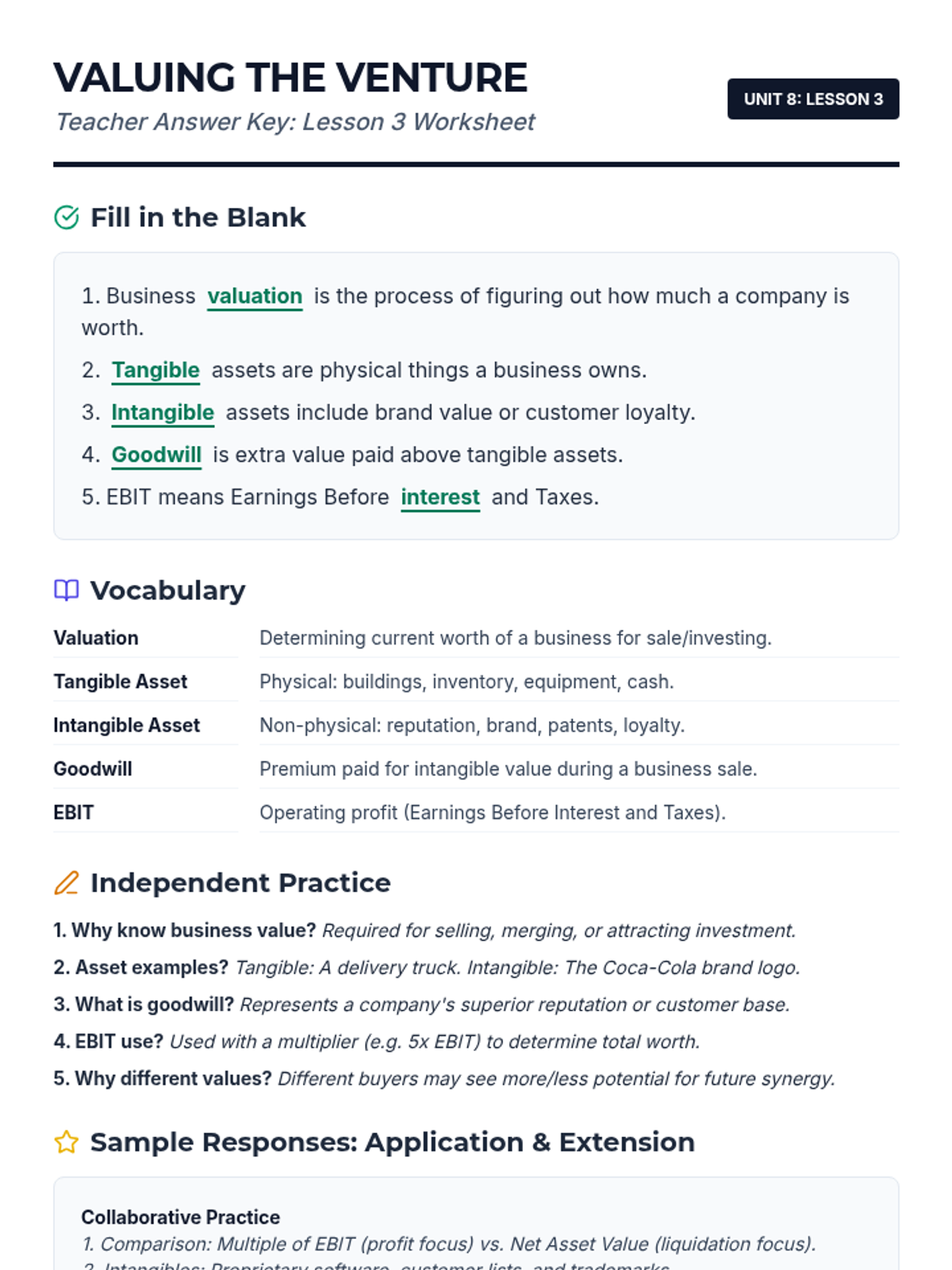
Understanding the components of business worth, including tangible assets, intangible assets, and core profitability metrics like EBIT.
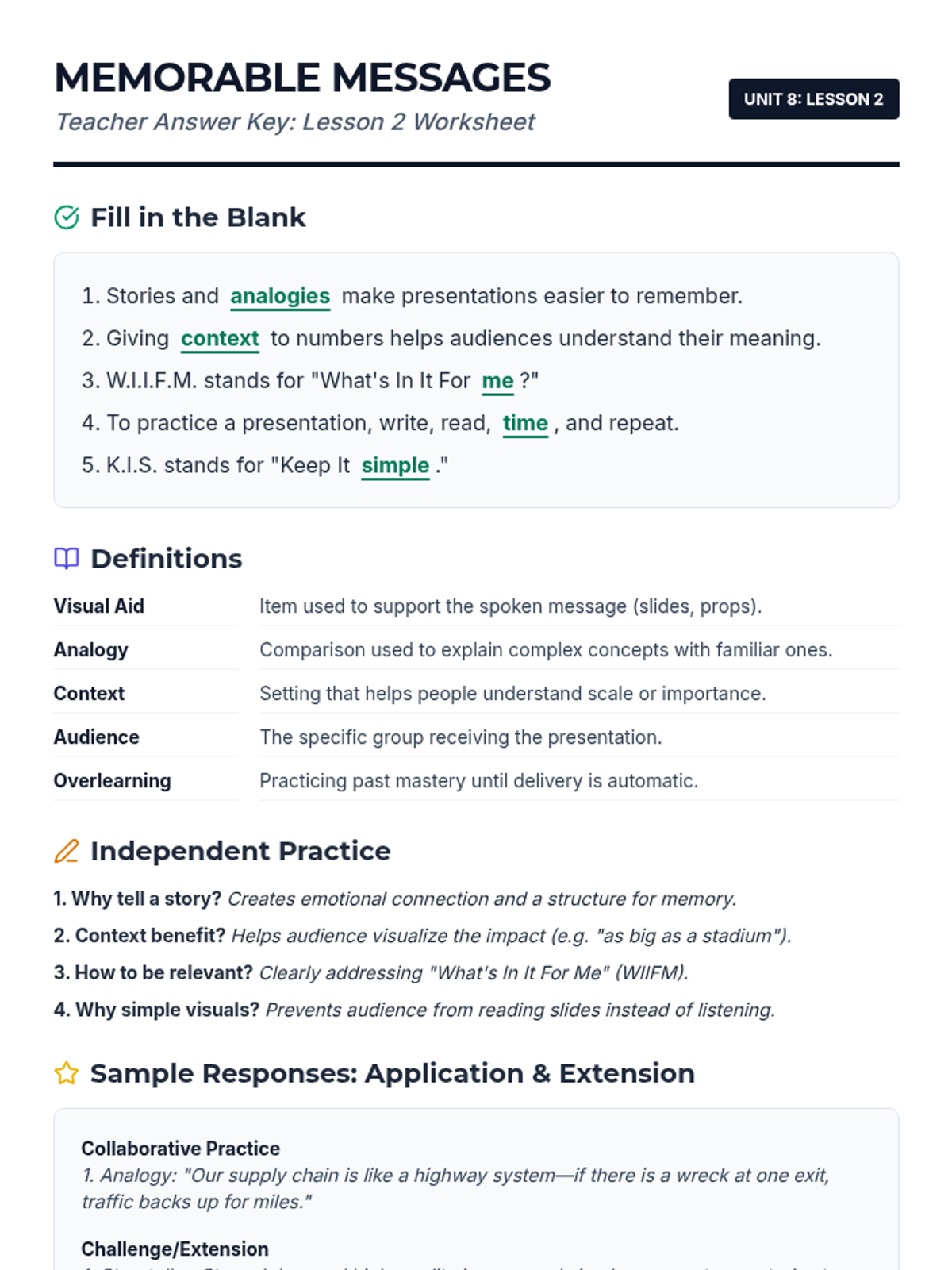
Techniques for making information stick using stories, analogies, and the WIIFM principle.