Investigate the atmospheric forces that create hurricanes and tornadoes. Students analyze weather patterns, pressure systems, and comparison charts, as well as the historical impacts of Hurricane Katrina and the Tri-State Tornado.
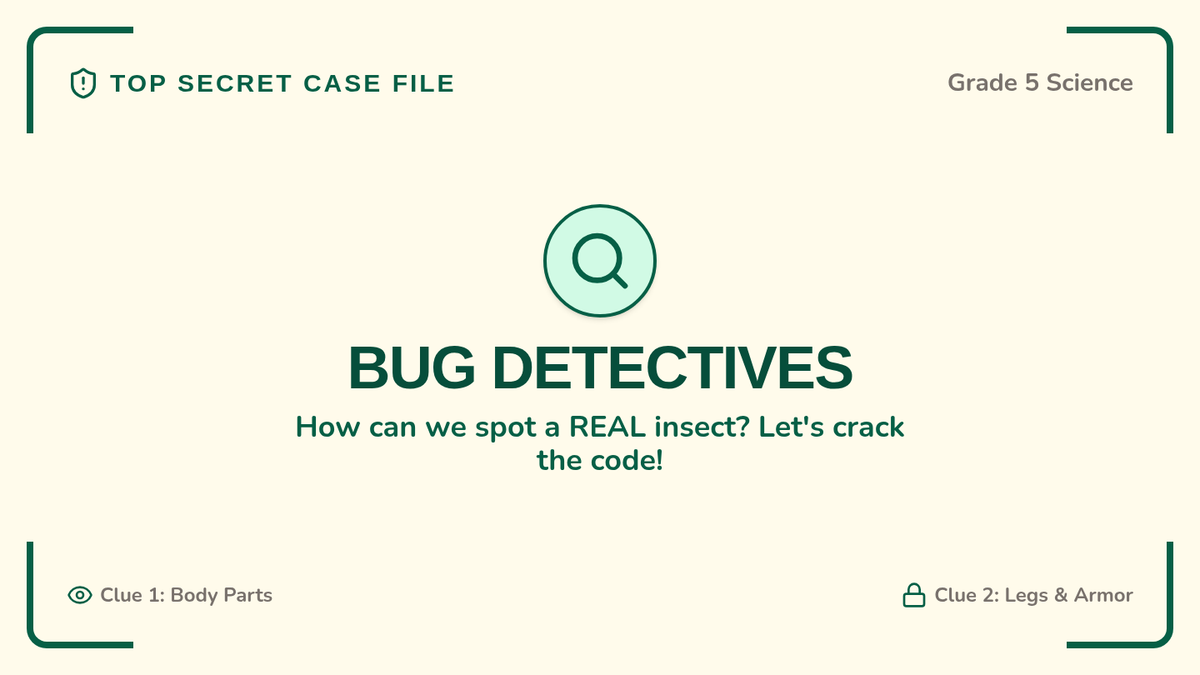
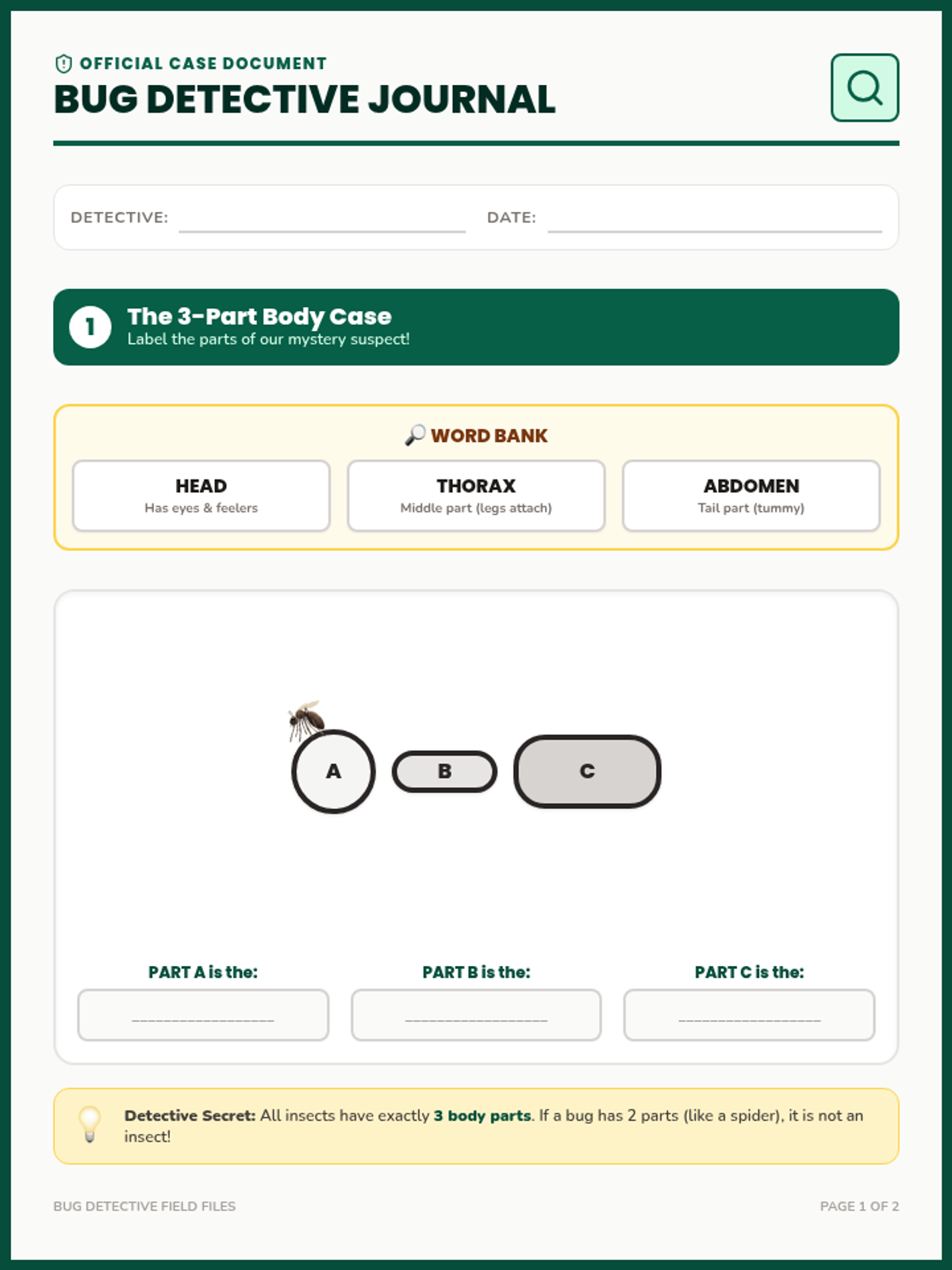
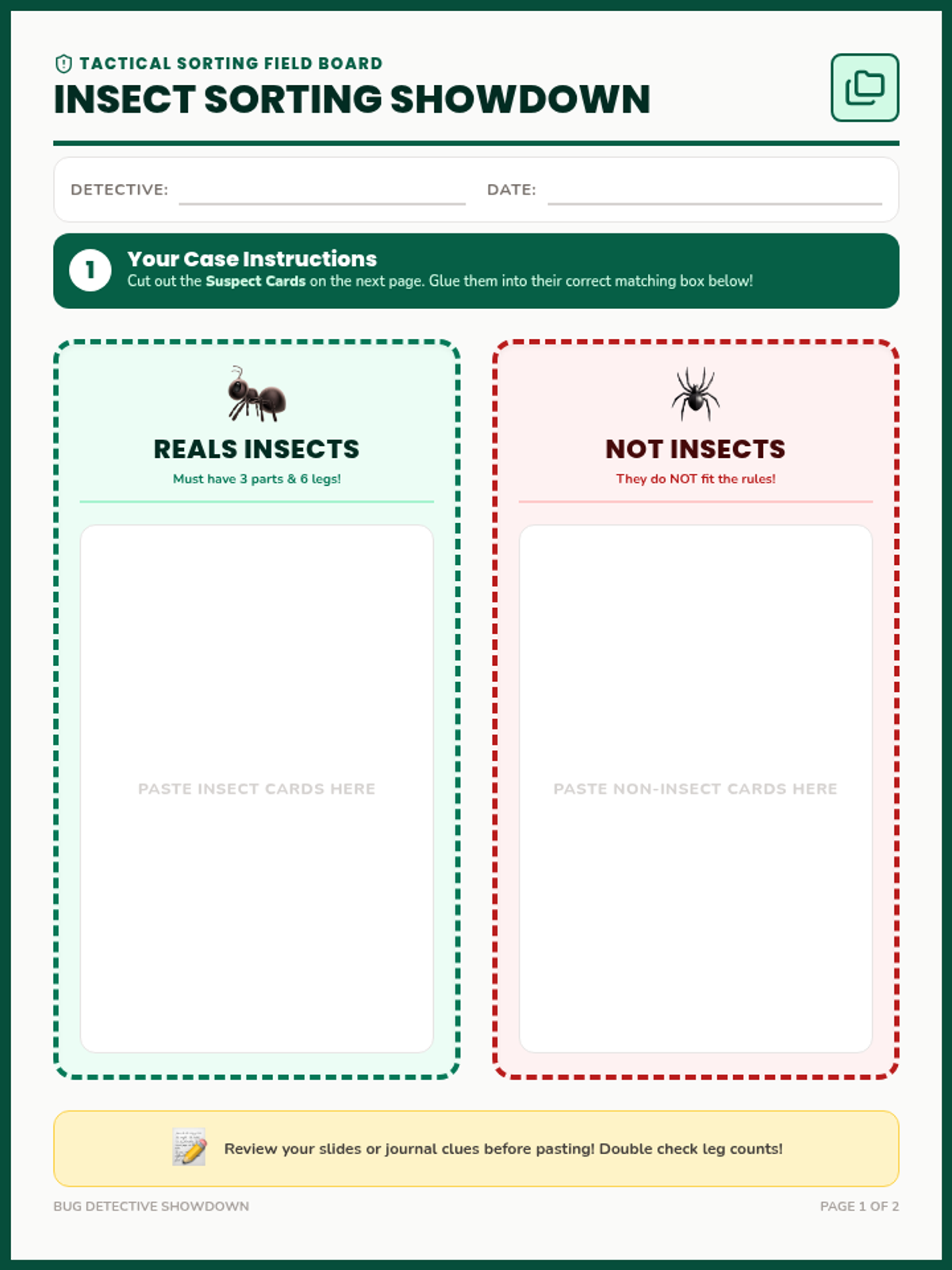
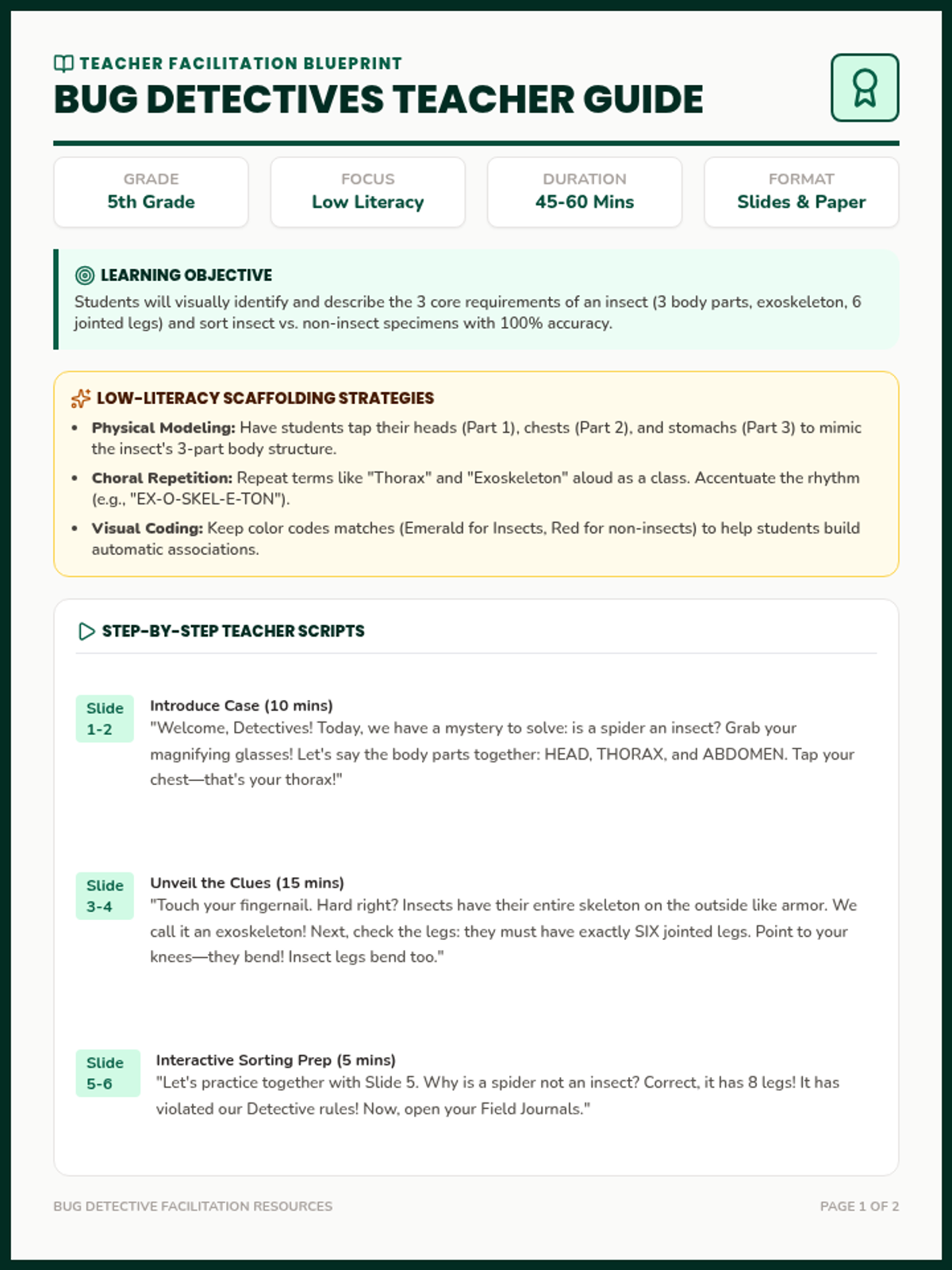
An introductory biology lesson for 5th-grade students with limited literacy, focusing on identifying the core characteristics of insects through highly visual materials. Students learn about the three body parts, exoskeletons, six jointed legs, and how to distinguish insects from non-insects.
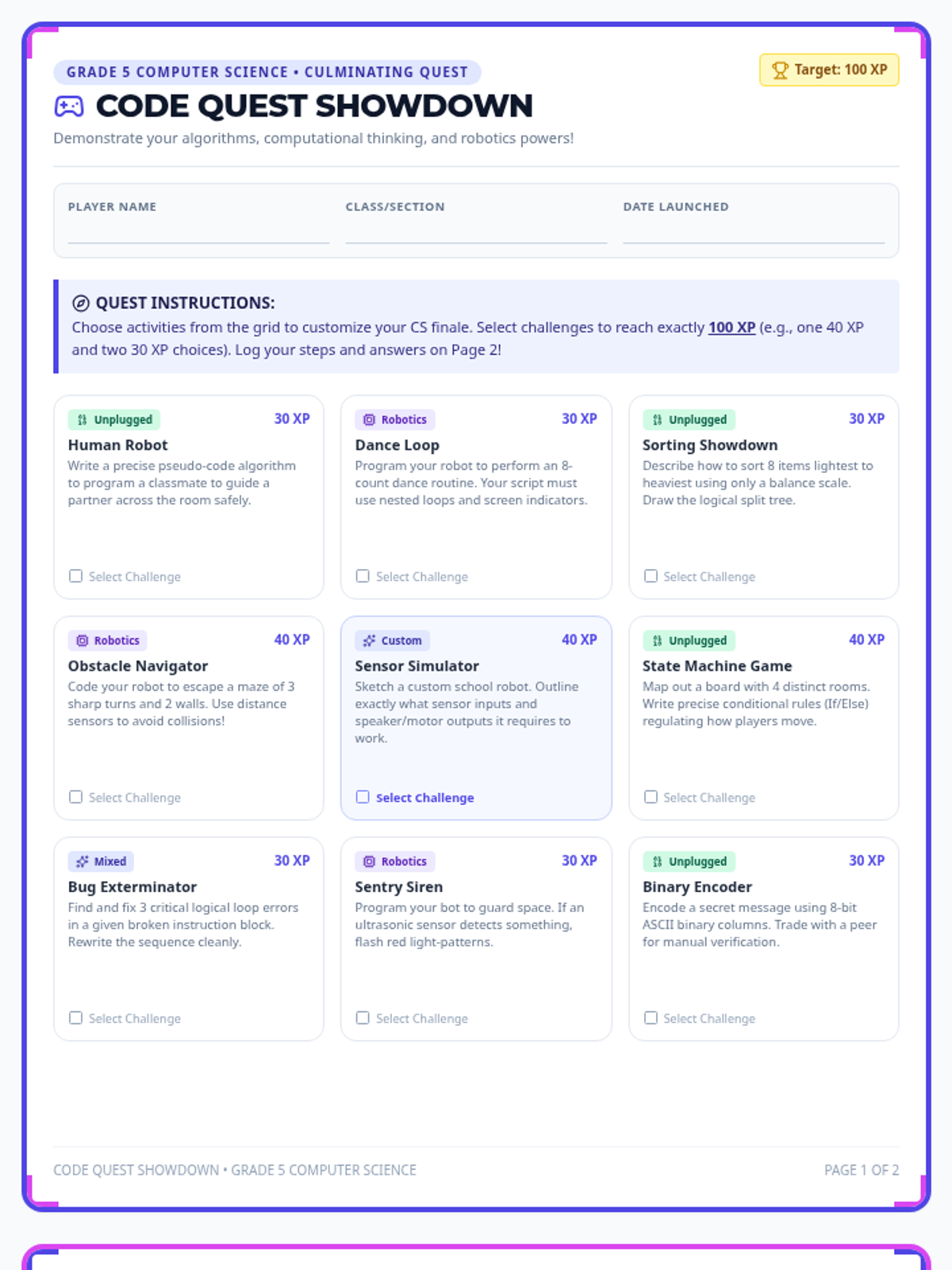
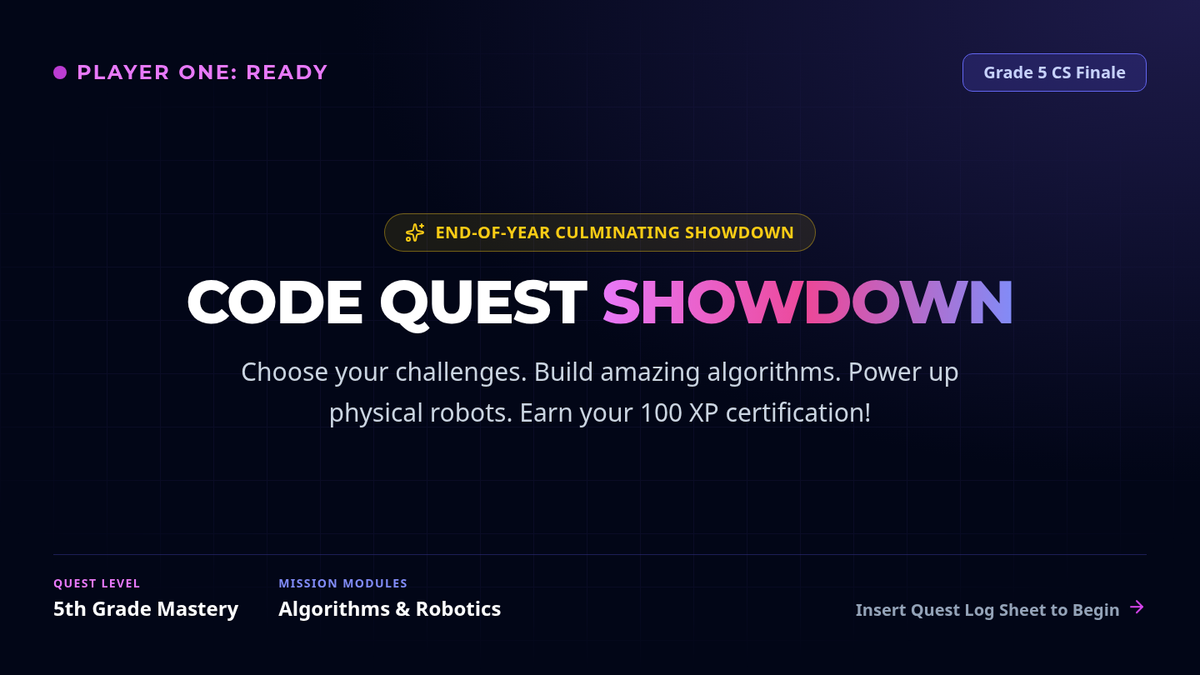
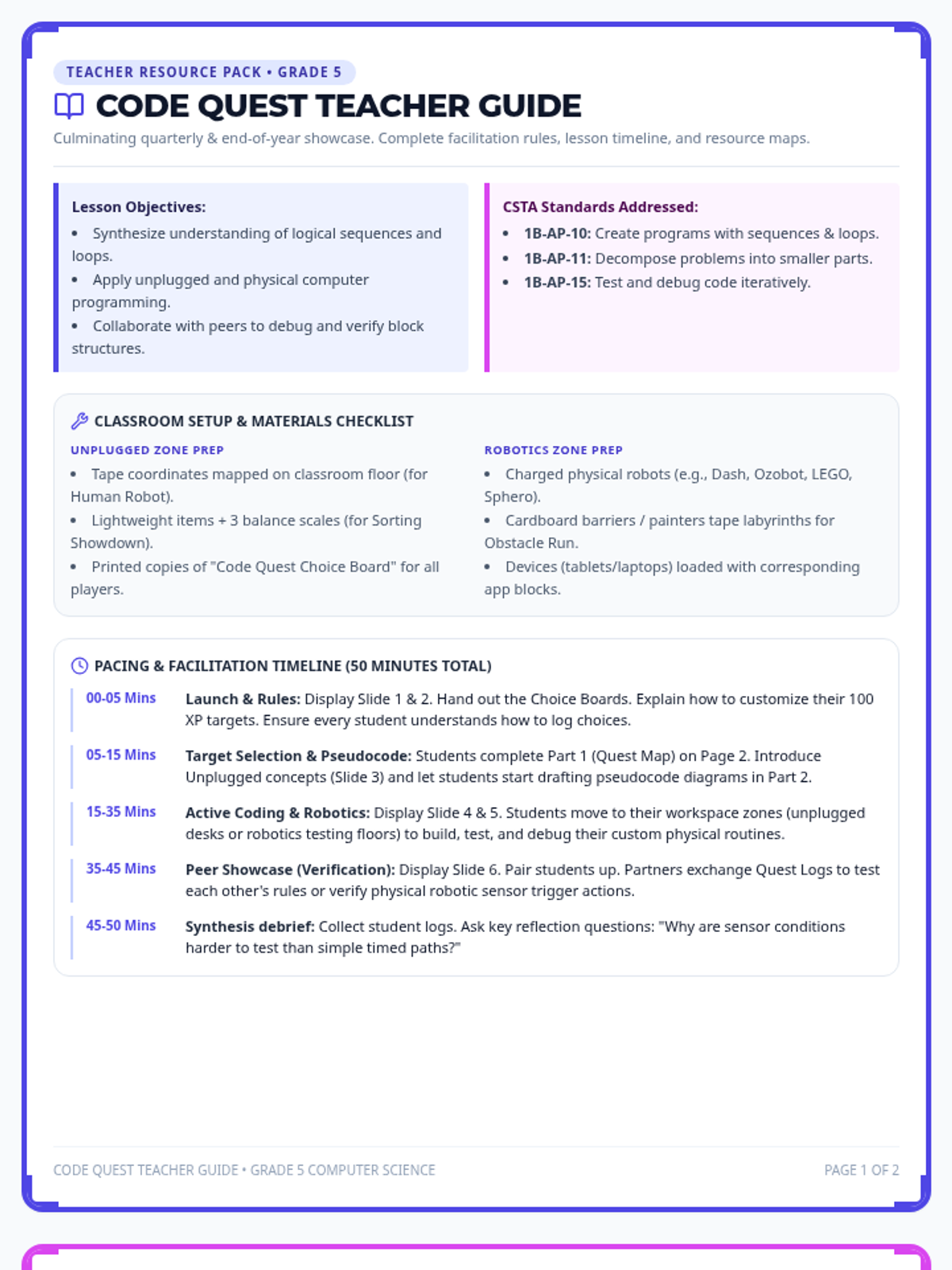
A culminating 5th-grade computer science activity celebrating computational thinking and robotics. Students choose their own adventures across unplugged algorithms and physical computing challenges in an arcade-themed finale.
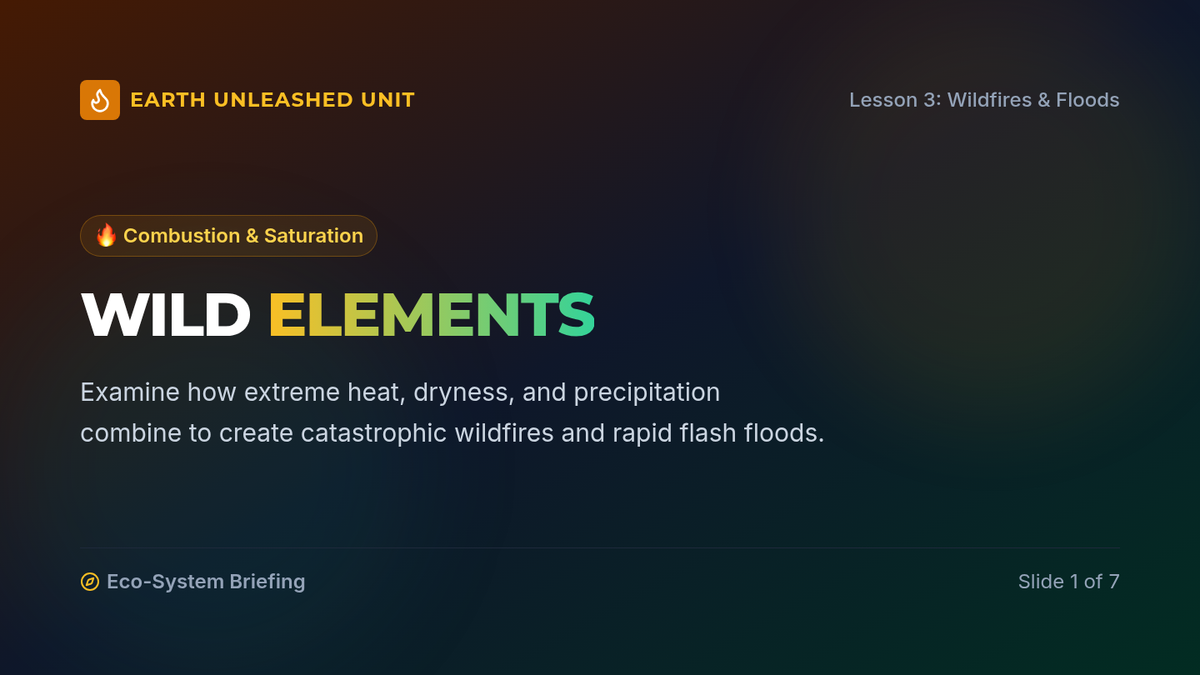
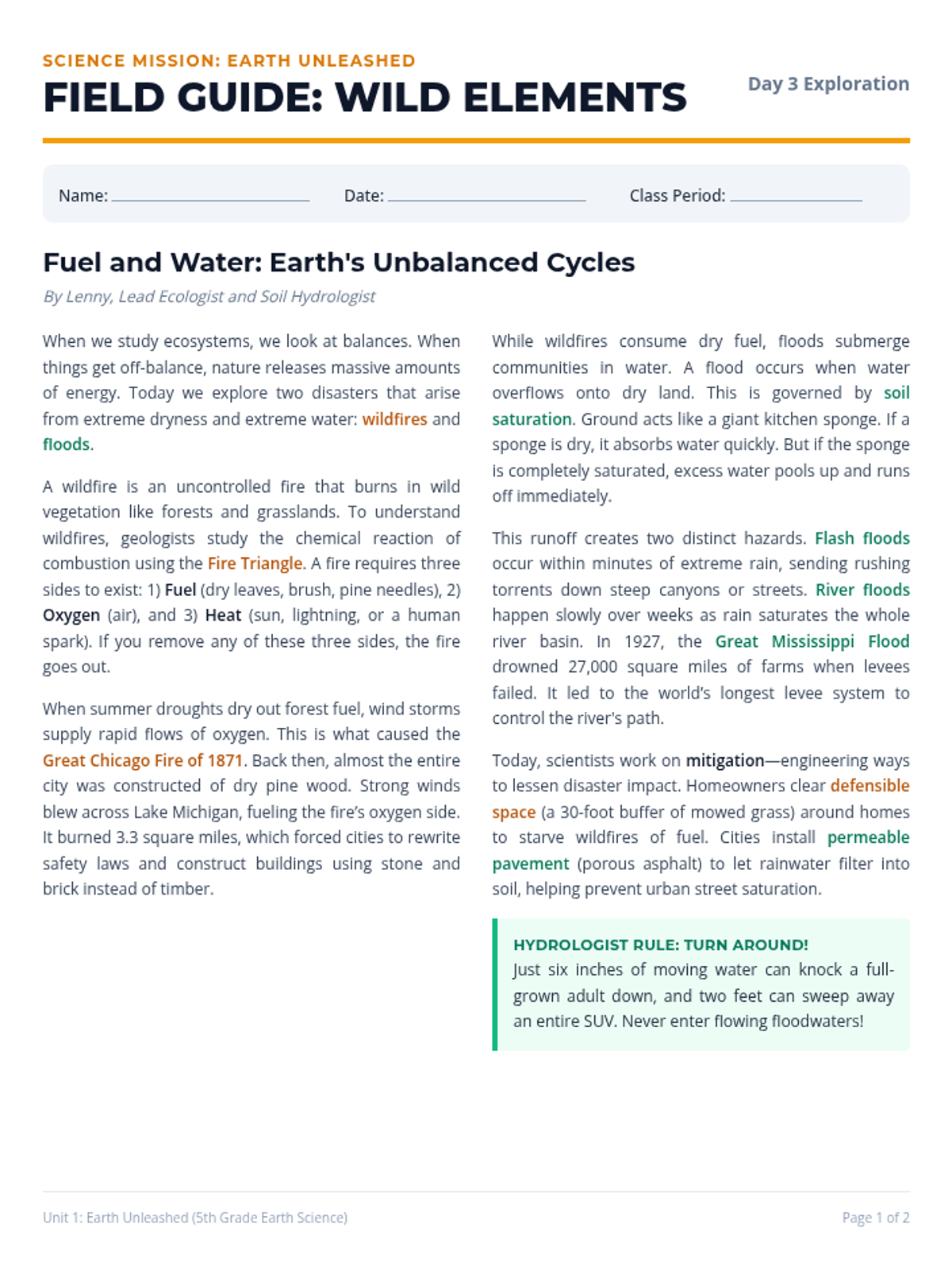
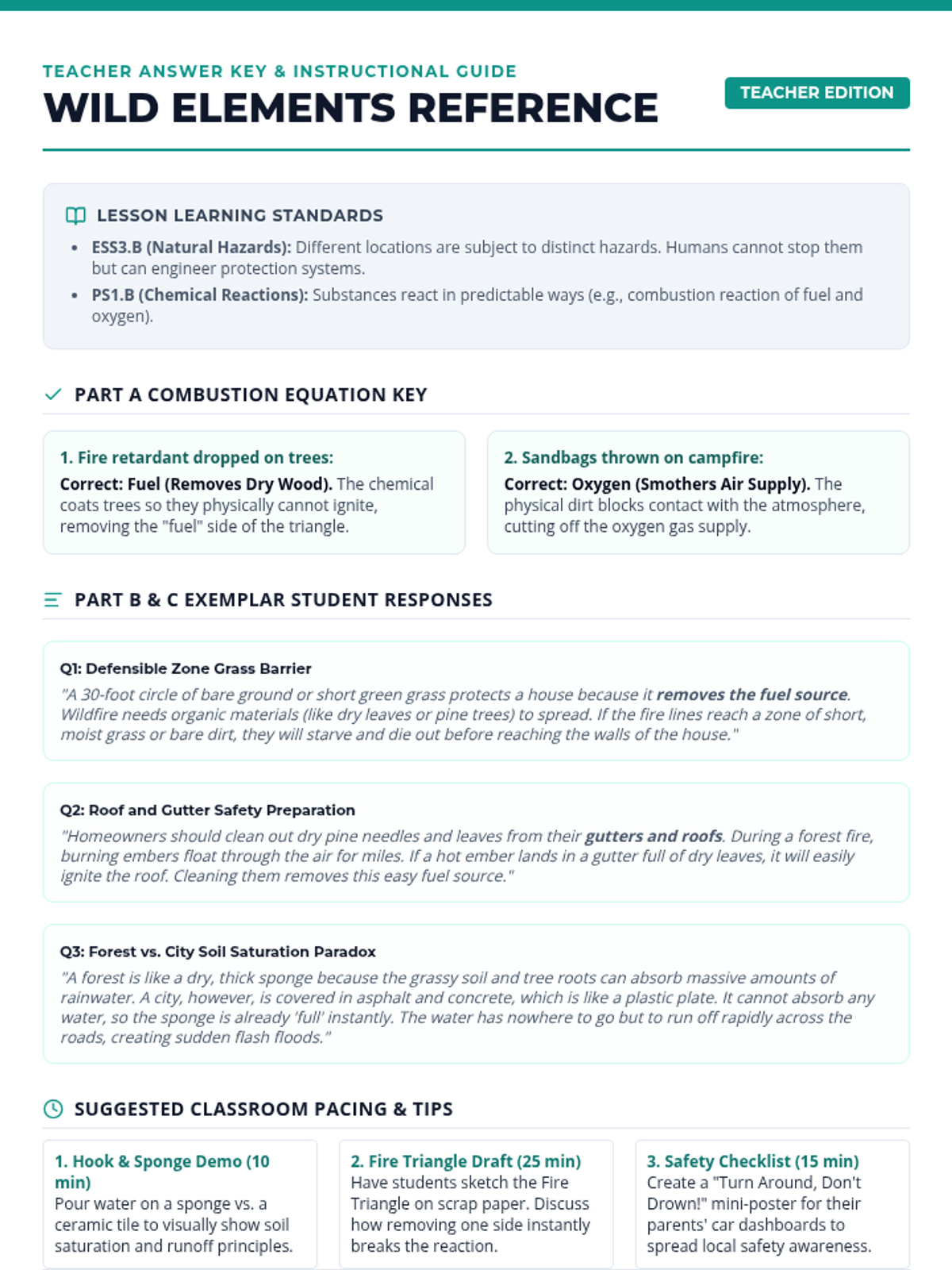
Examine the triggers and devastating impacts of wildfires and floods. Students learn about fuel sources, combustion, precipitation cycles, and flash floods, focusing on prevention, mitigation, and historical events.
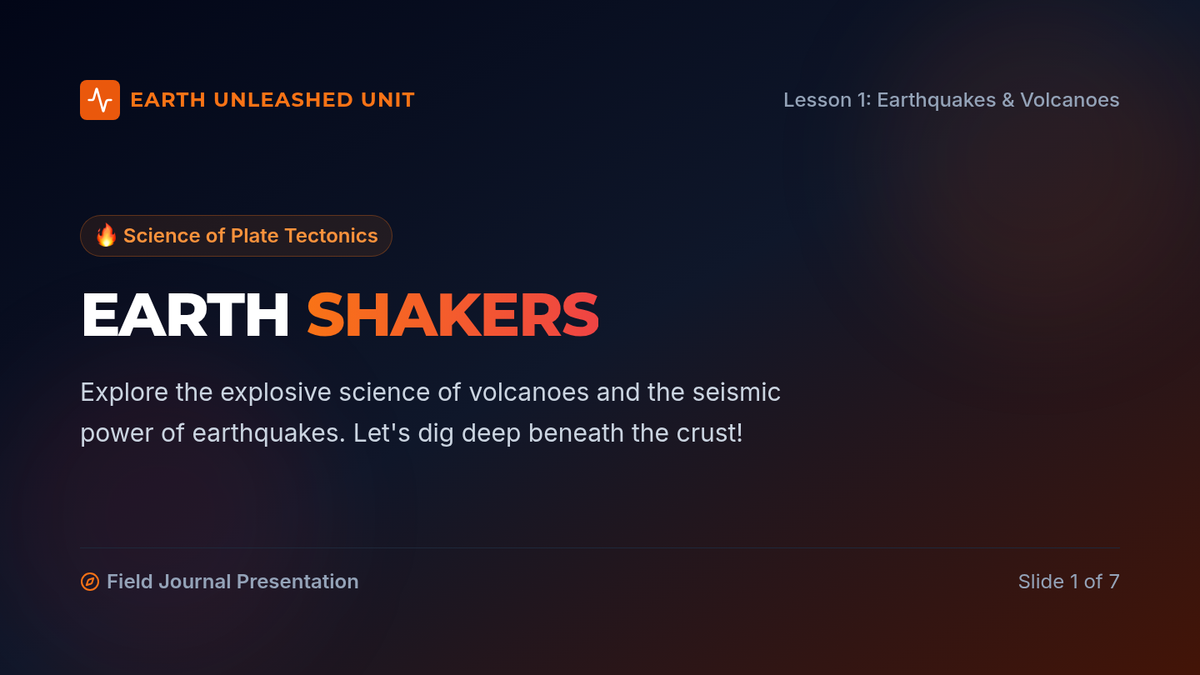
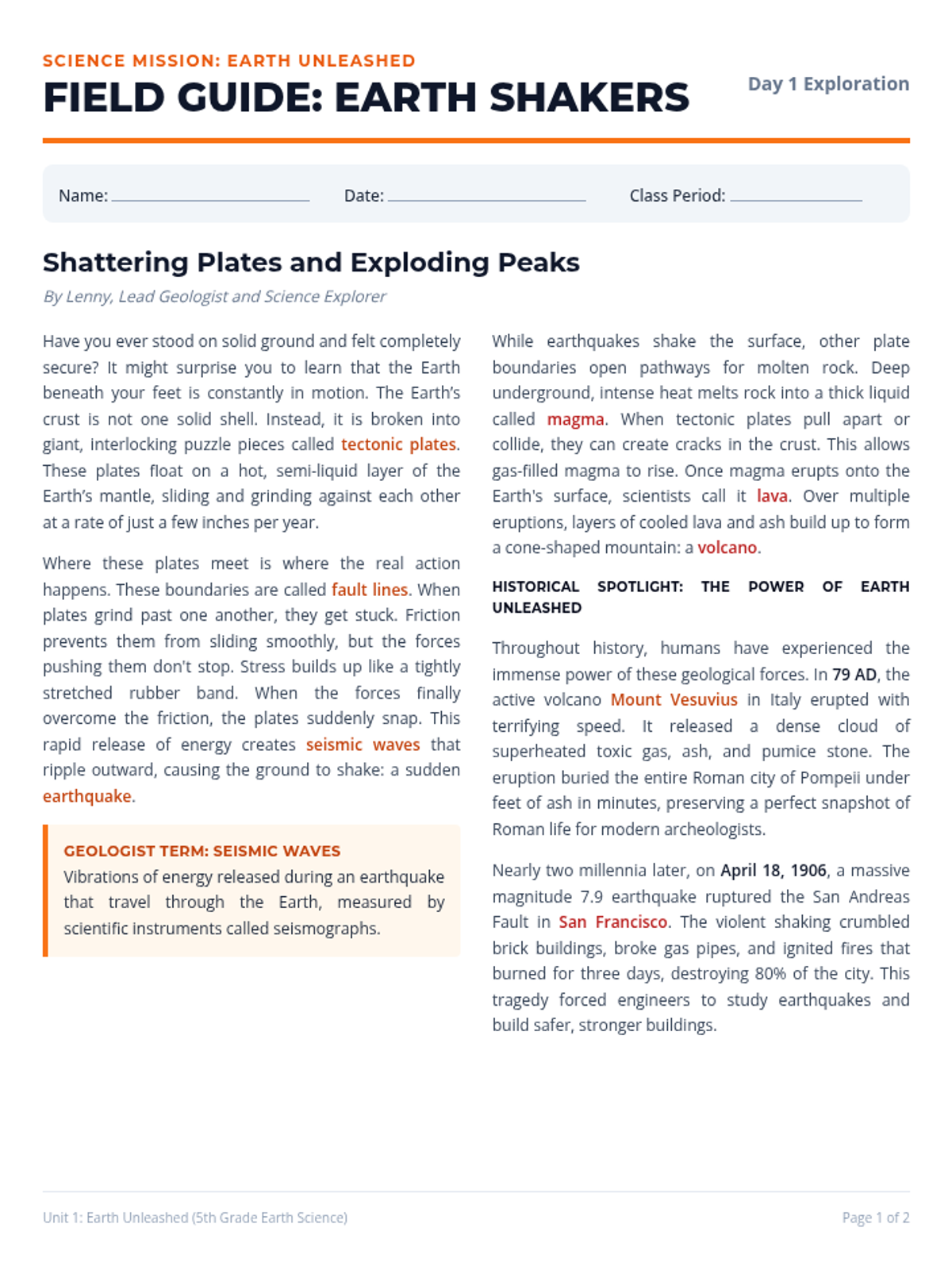
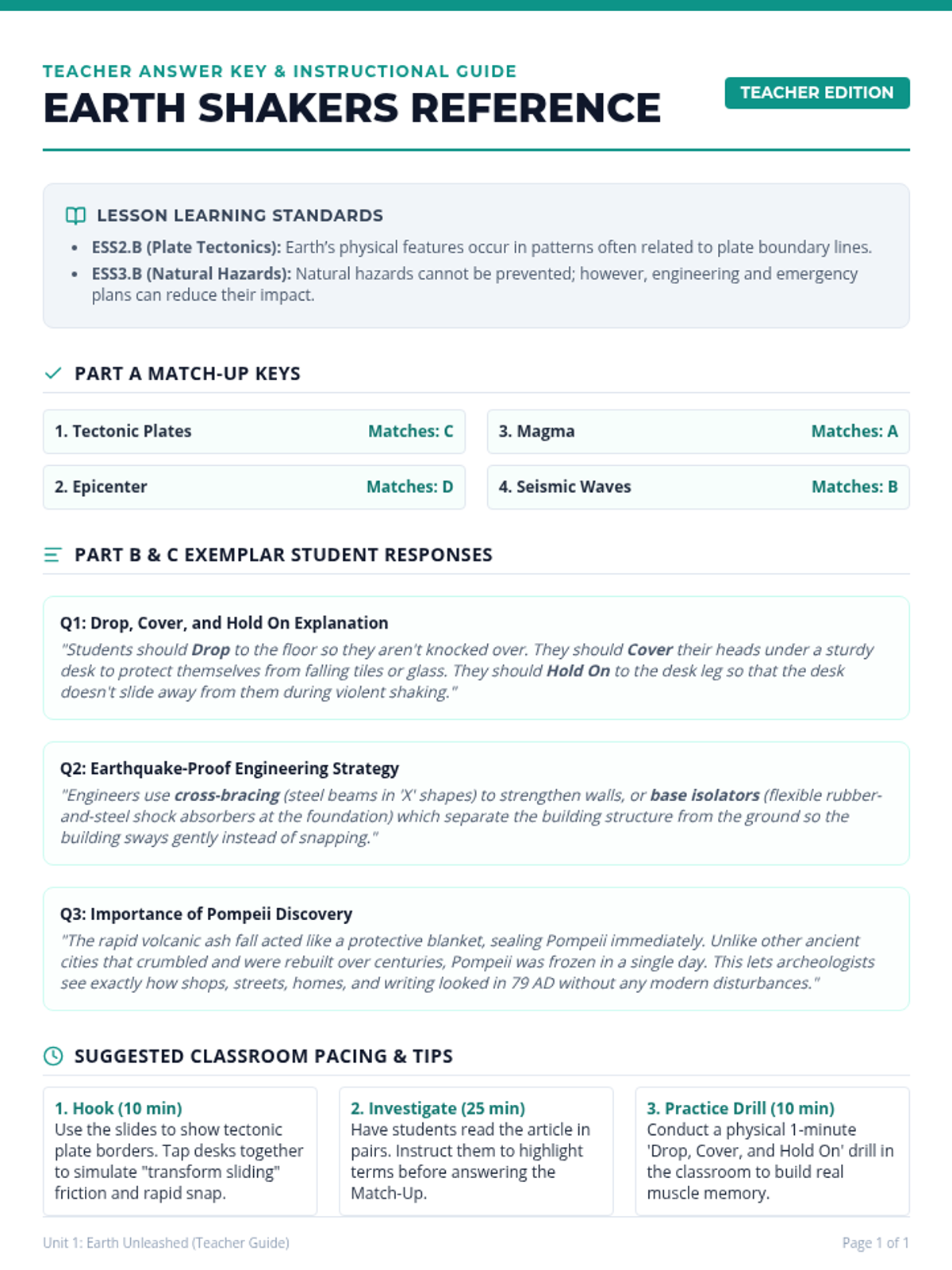
Explore the explosive science of volcanoes and the seismic power of earthquakes. Students learn about tectonic plates, magma chambers, seismic waves, and historical disasters like Mount Vesuvius and San Francisco.
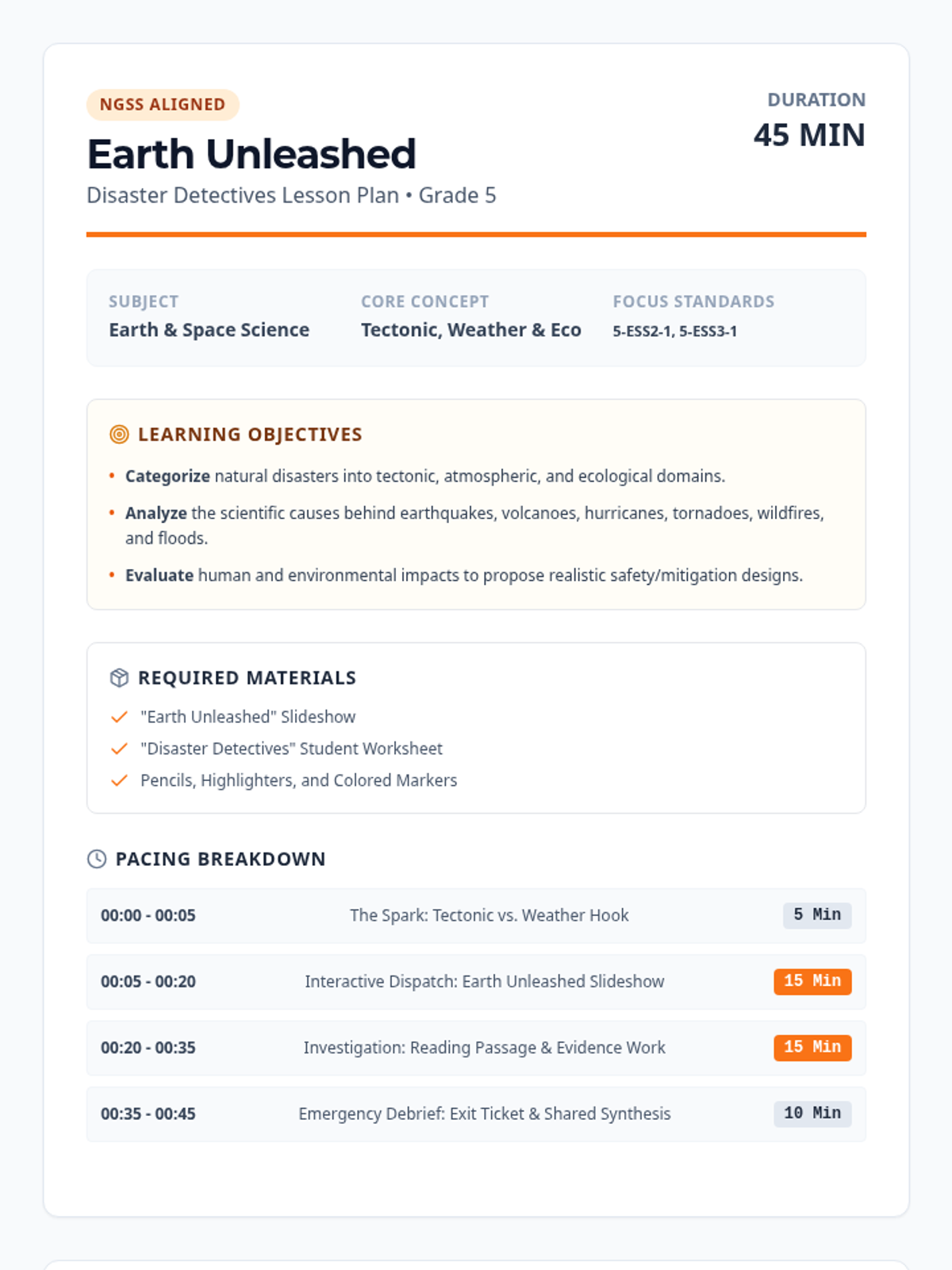
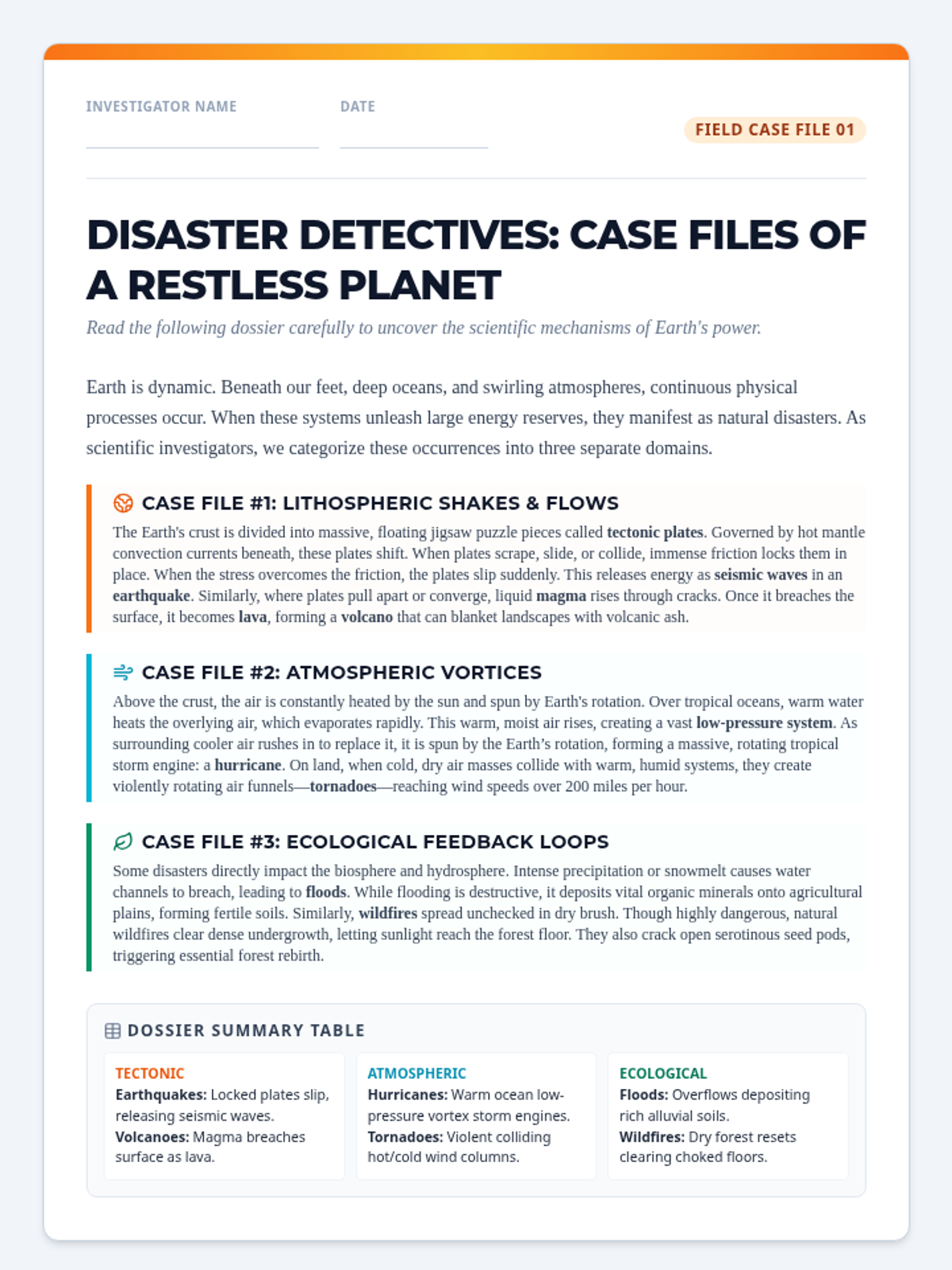
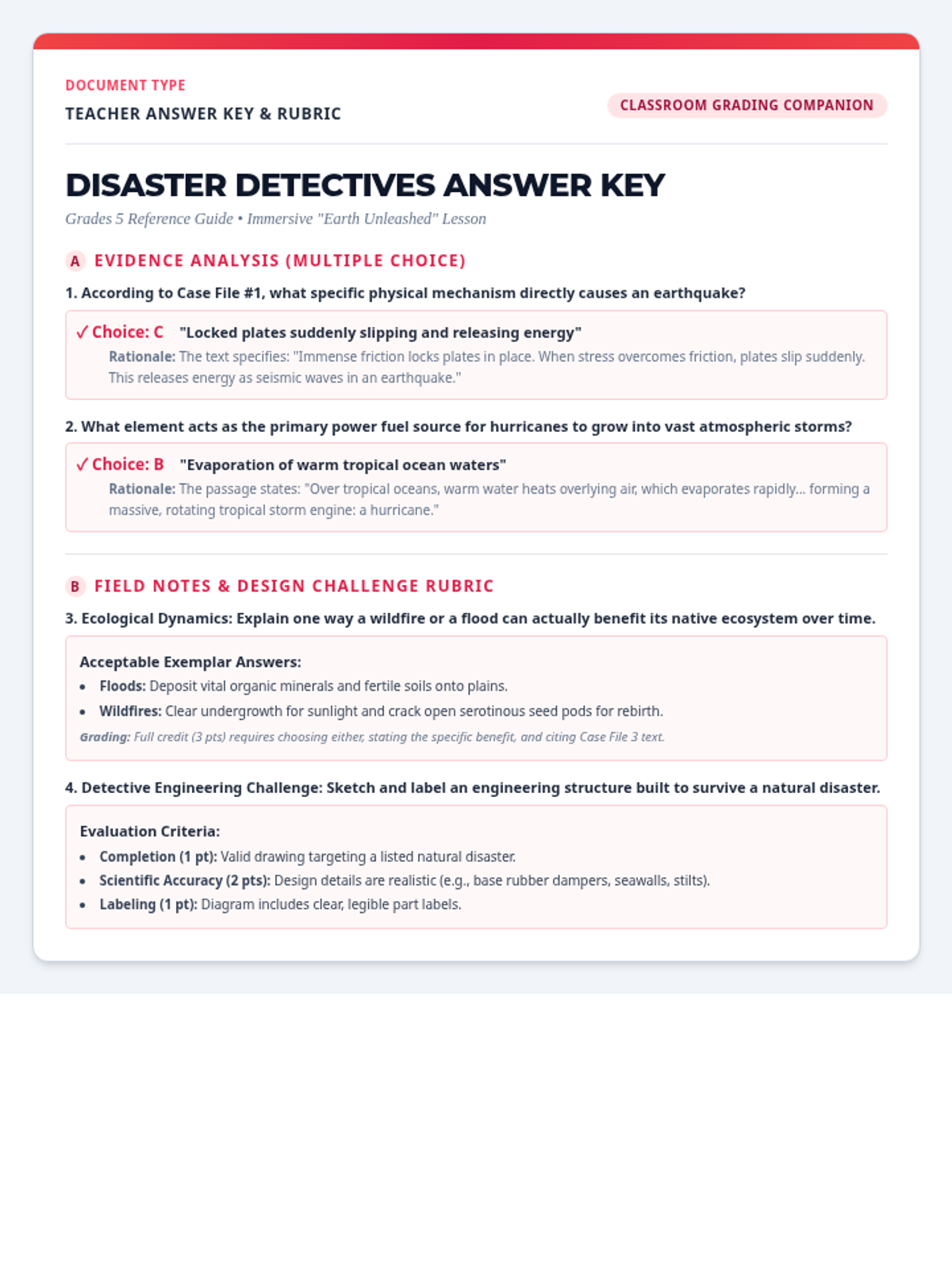
An immersive fifth-grade lesson exploring natural disasters across tectonic, atmospheric, and ecological domains. Students act as 'Disaster Detectives' to analyze the science behind volcanoes, earthquakes, hurricanes, tornadoes, wildfires, and floods.
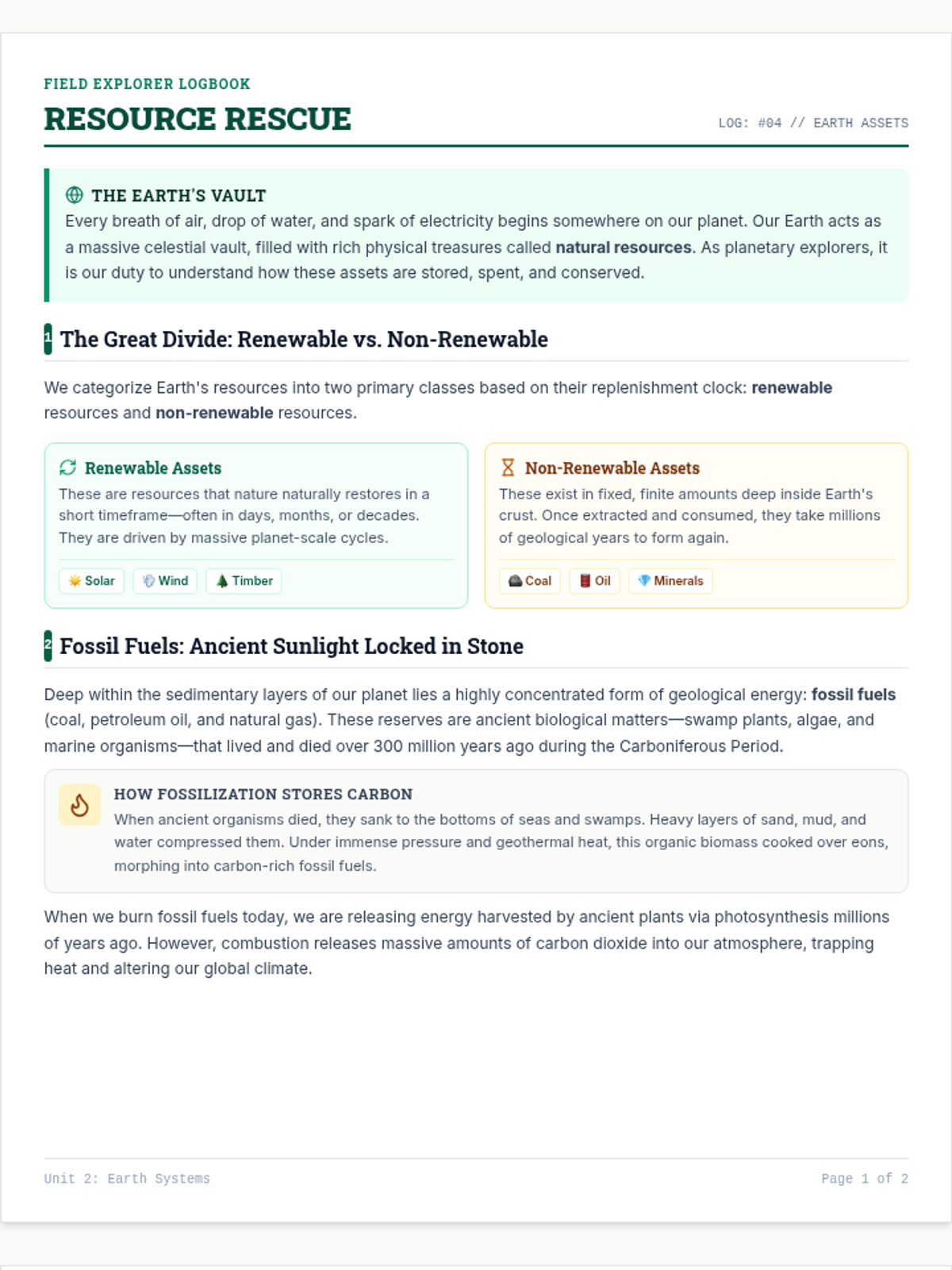
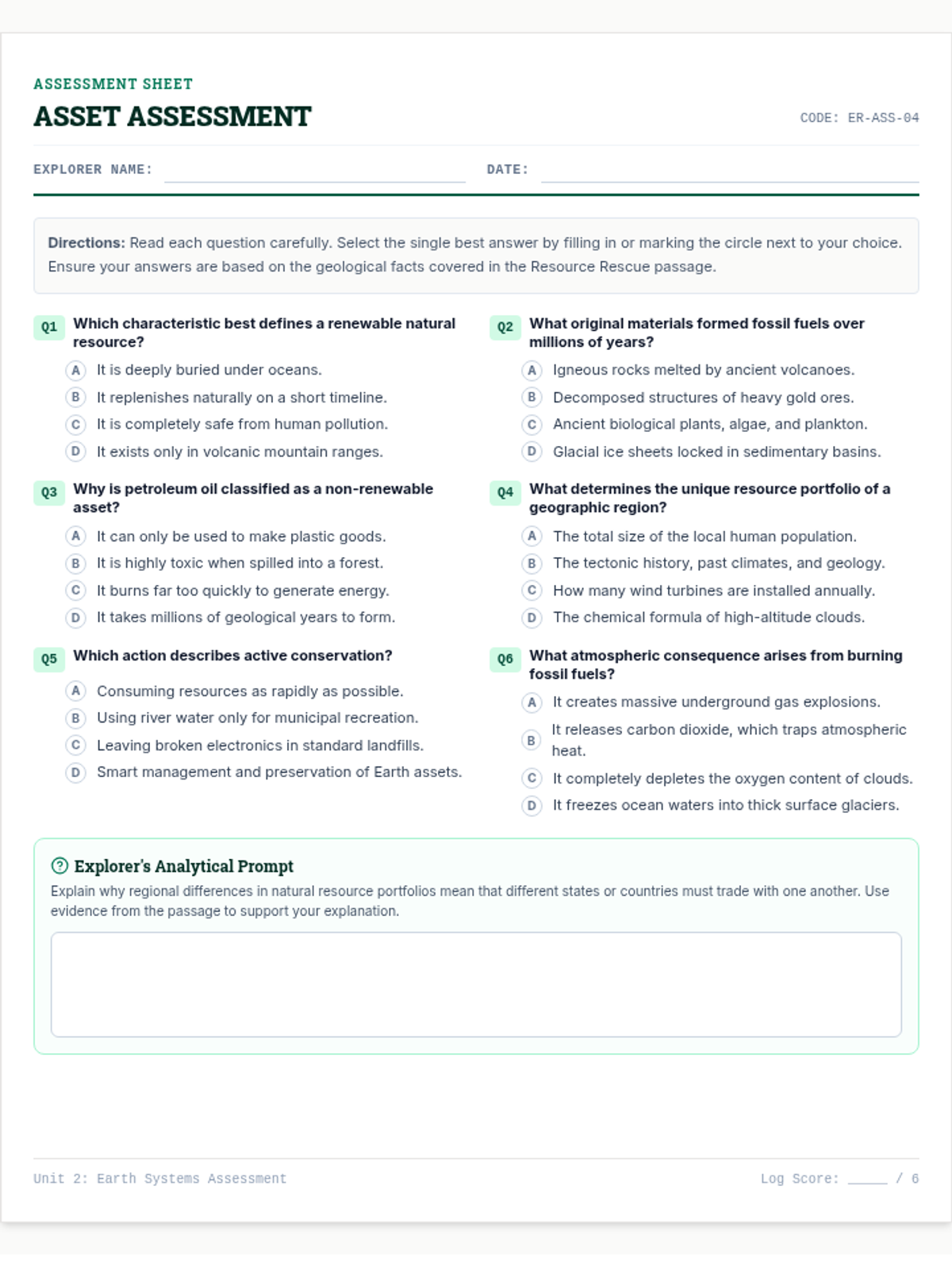
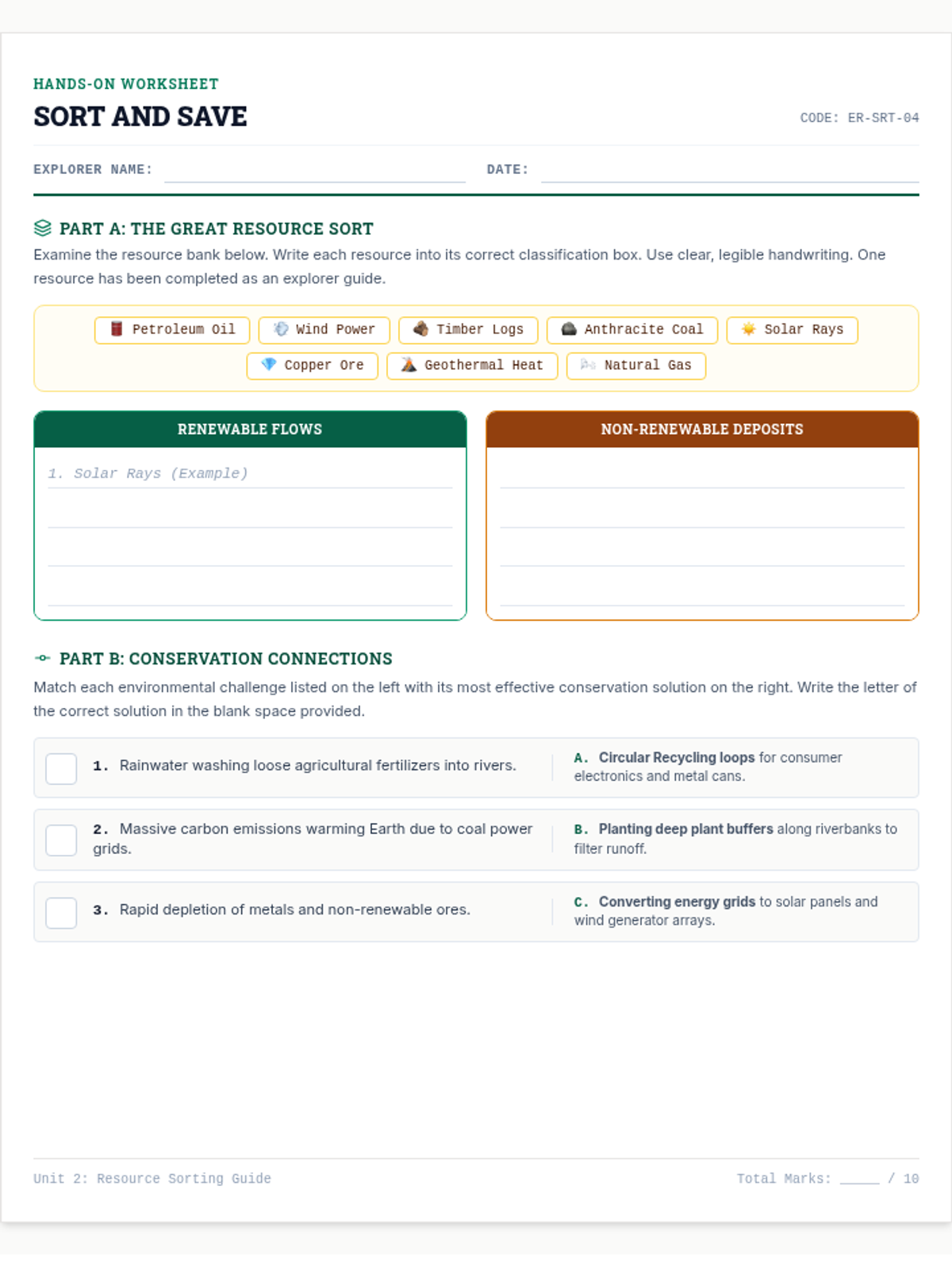
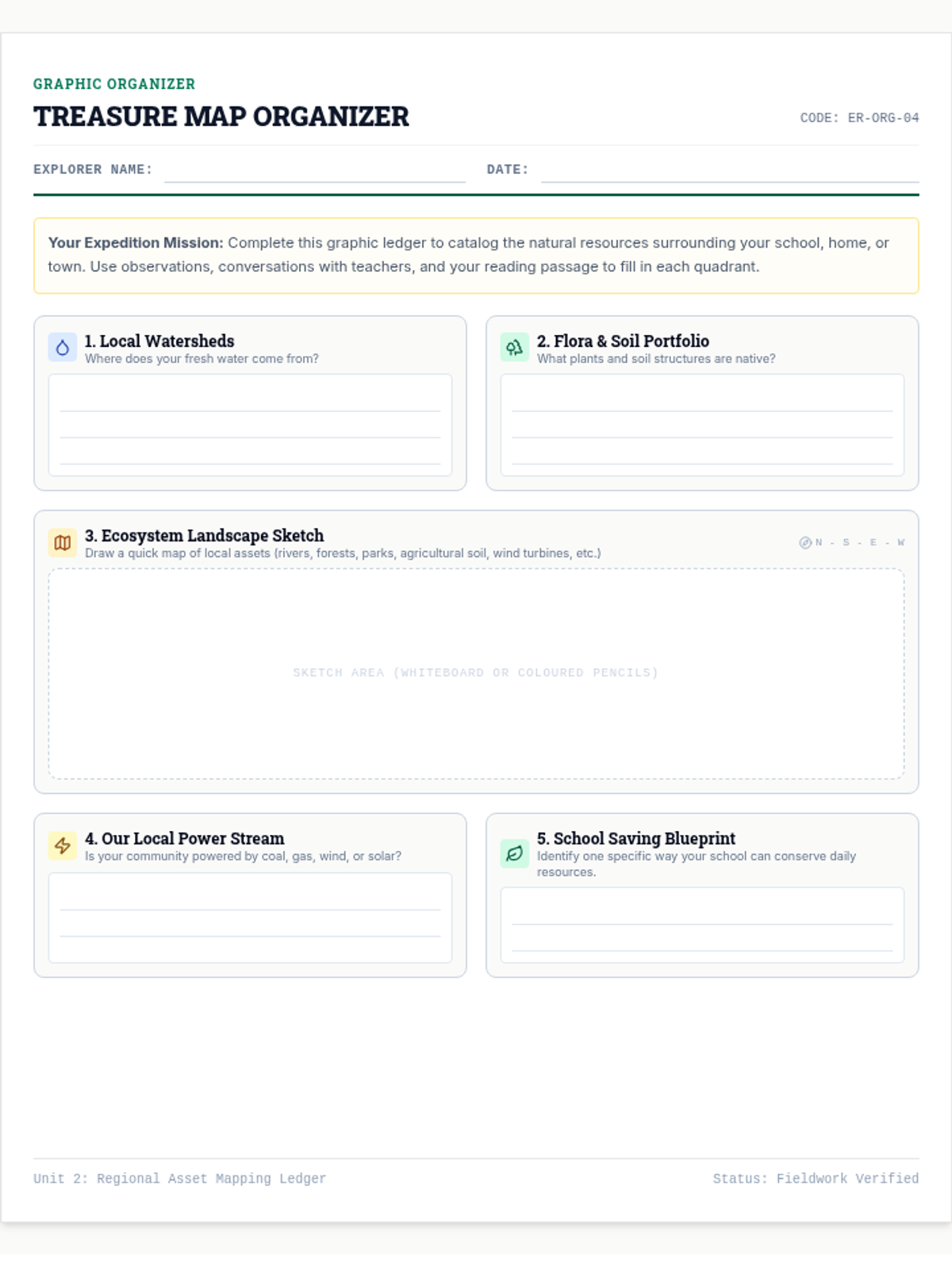
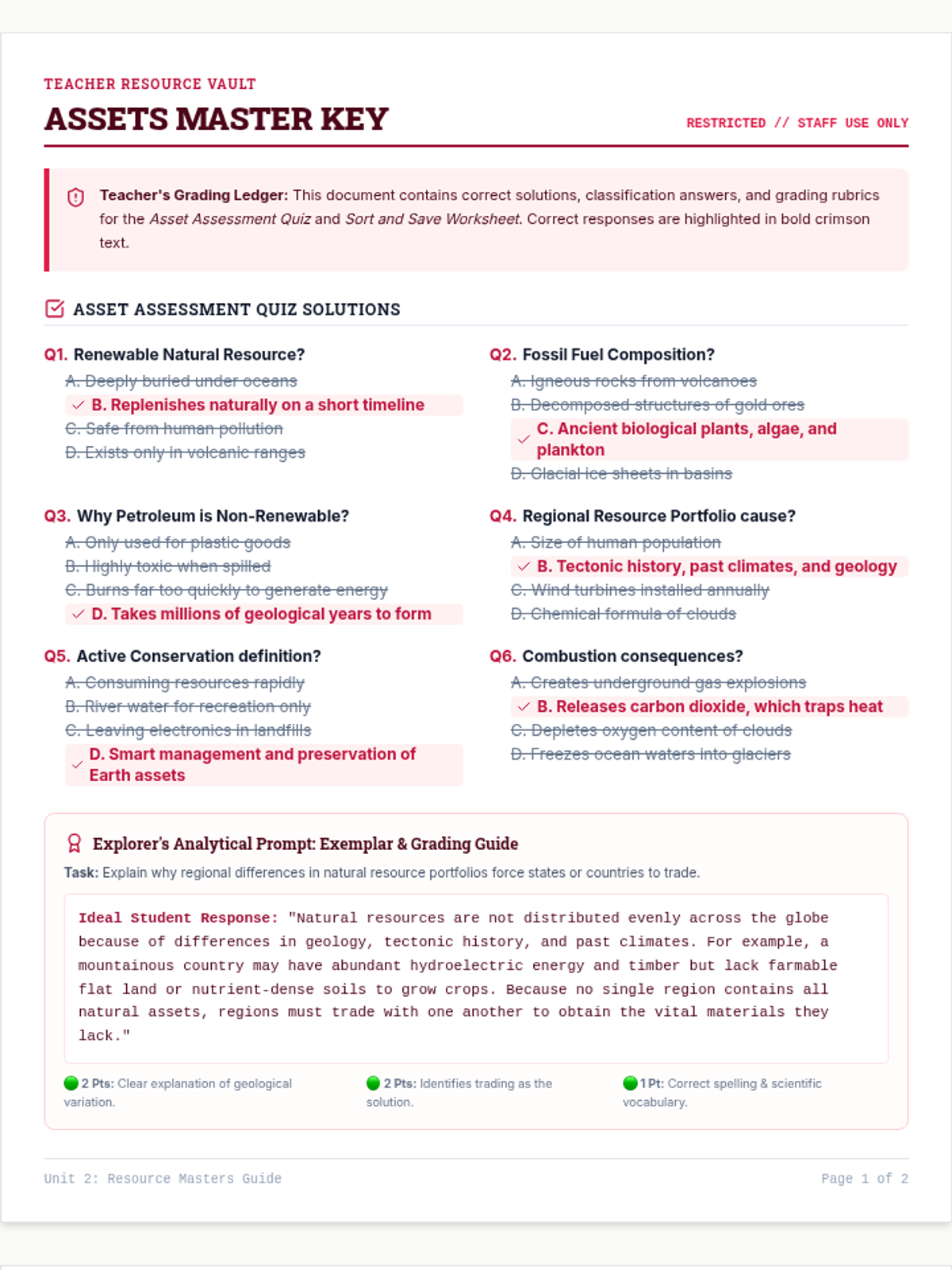
An engaging exploration of renewable and non-renewable natural resources, fossil fuels, and local conservation efforts through field-guide inspired readings, assessments, interactive sorting, and local mapping exercises.
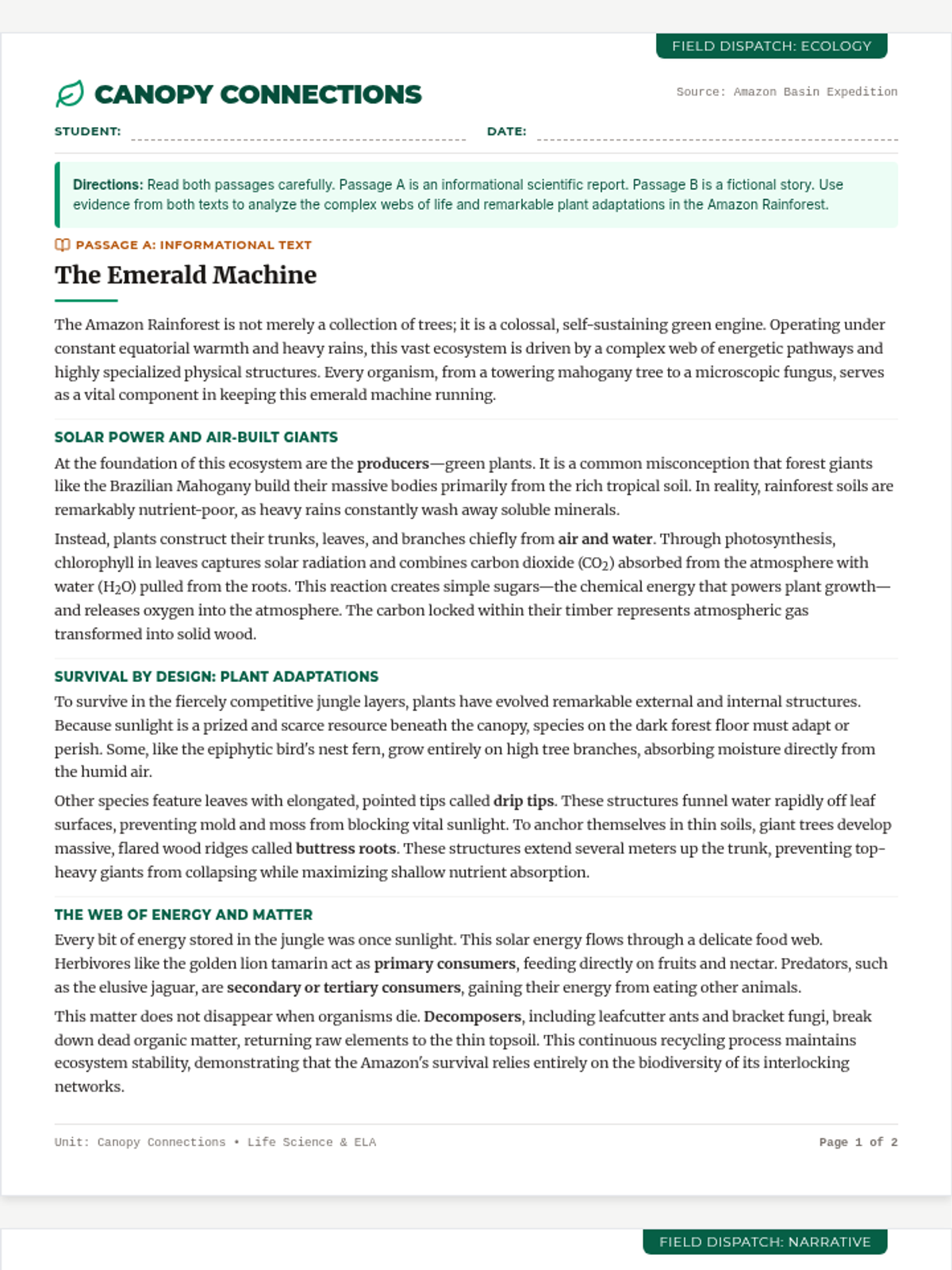
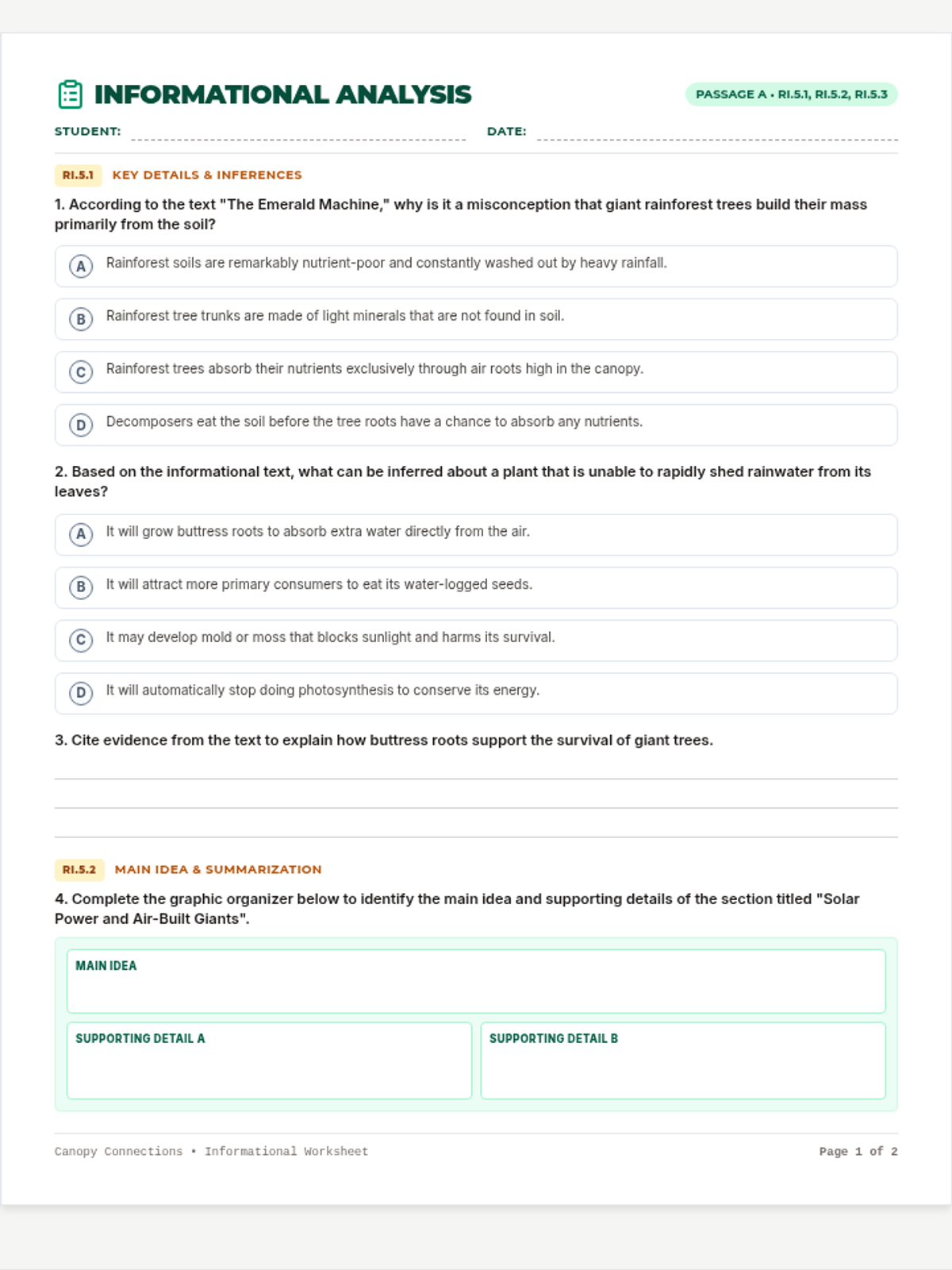
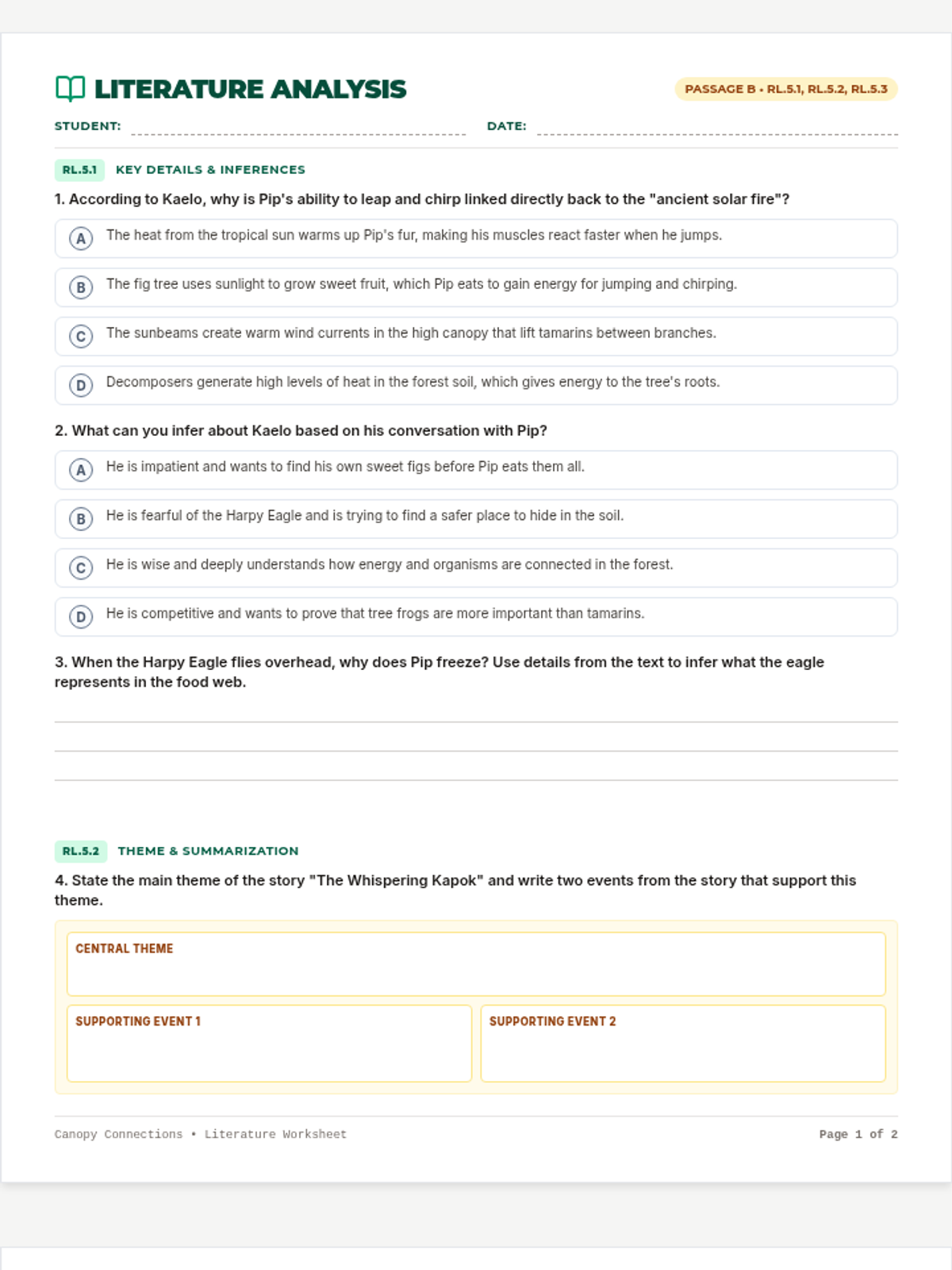
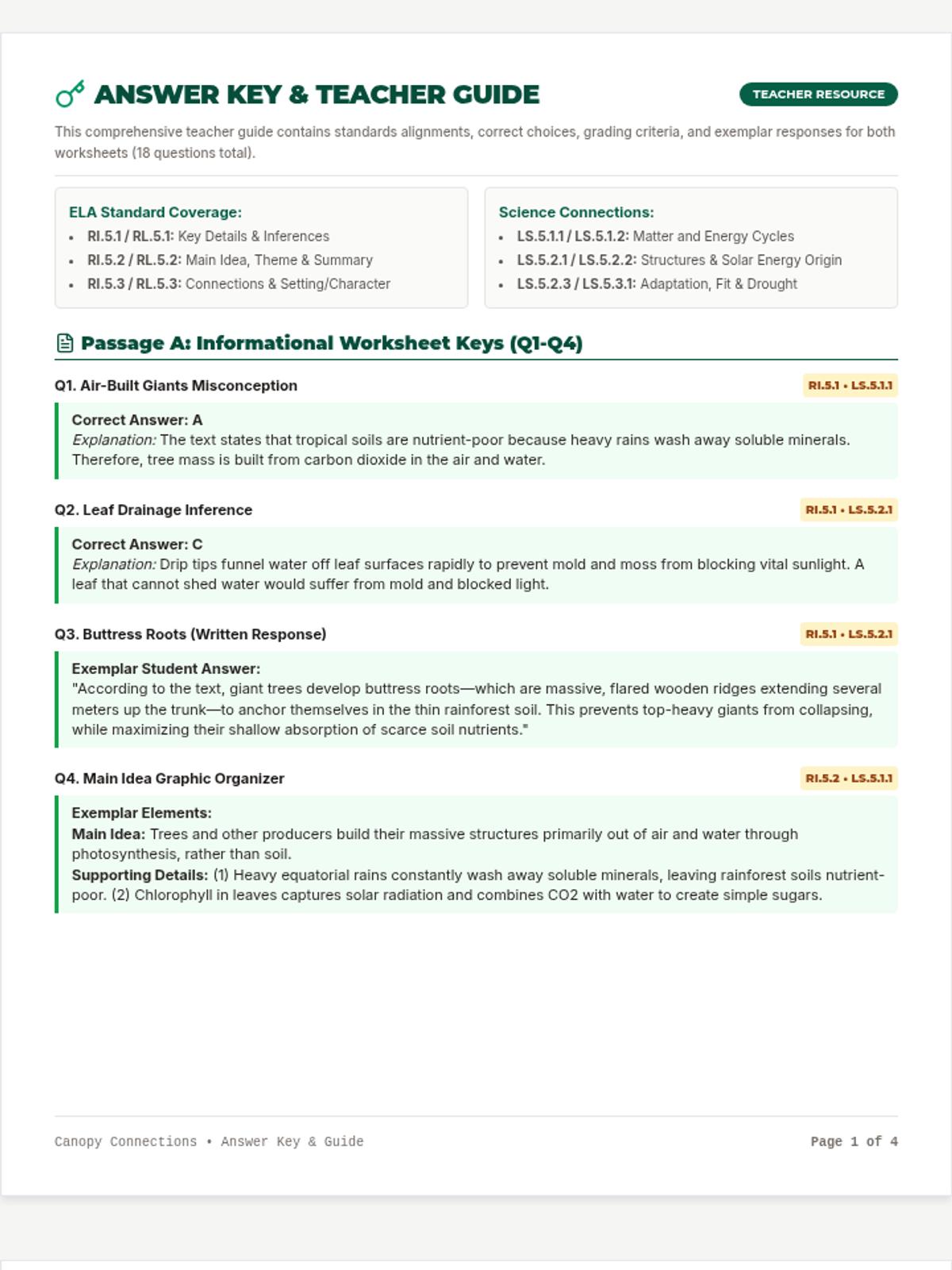
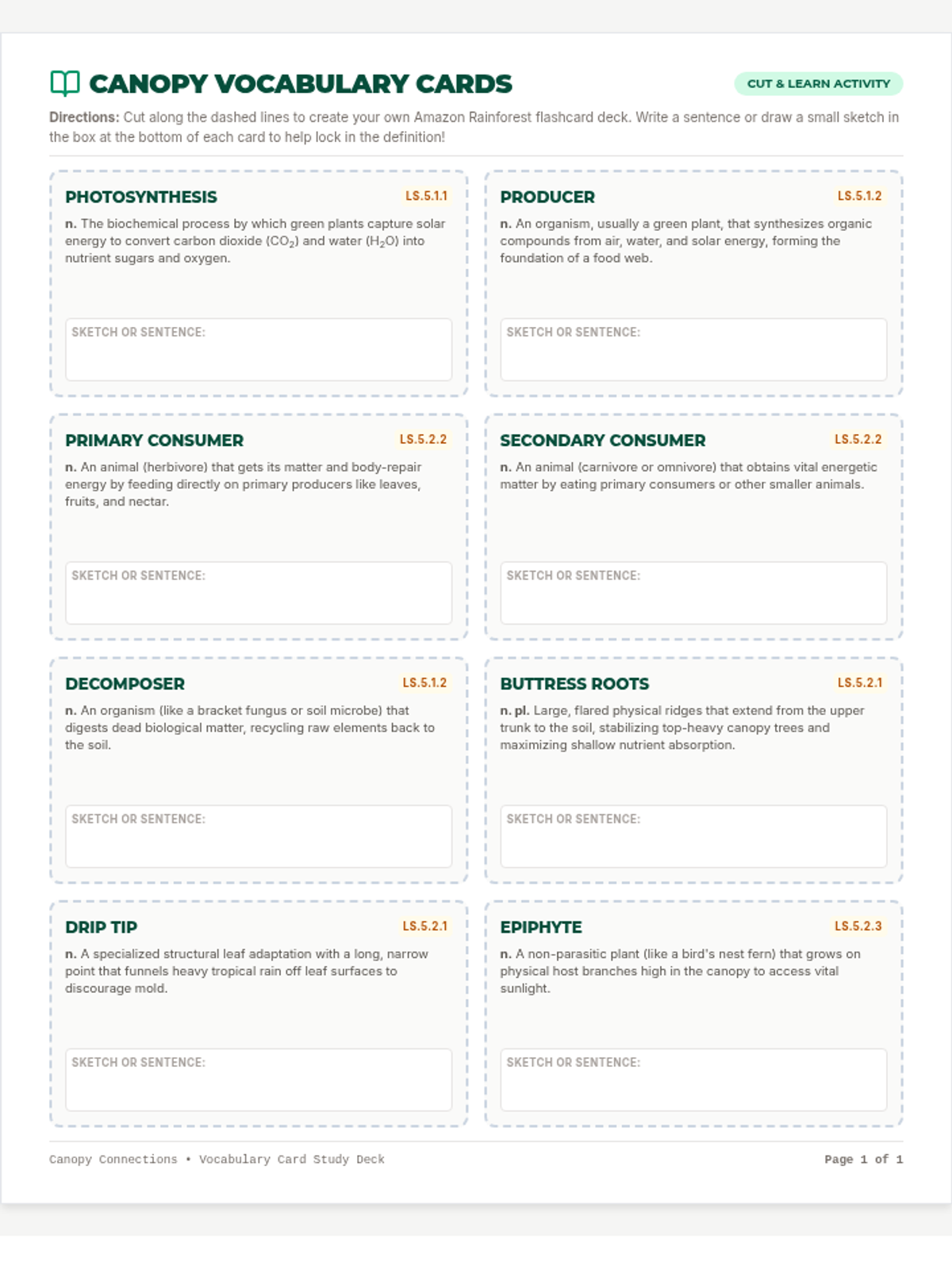
A comprehensive 5th-grade science and literacy lesson exploring the intricate food webs, energy flows, and unique plant adaptations of the Amazon Rainforest through paired texts and standard-aligned analysis.
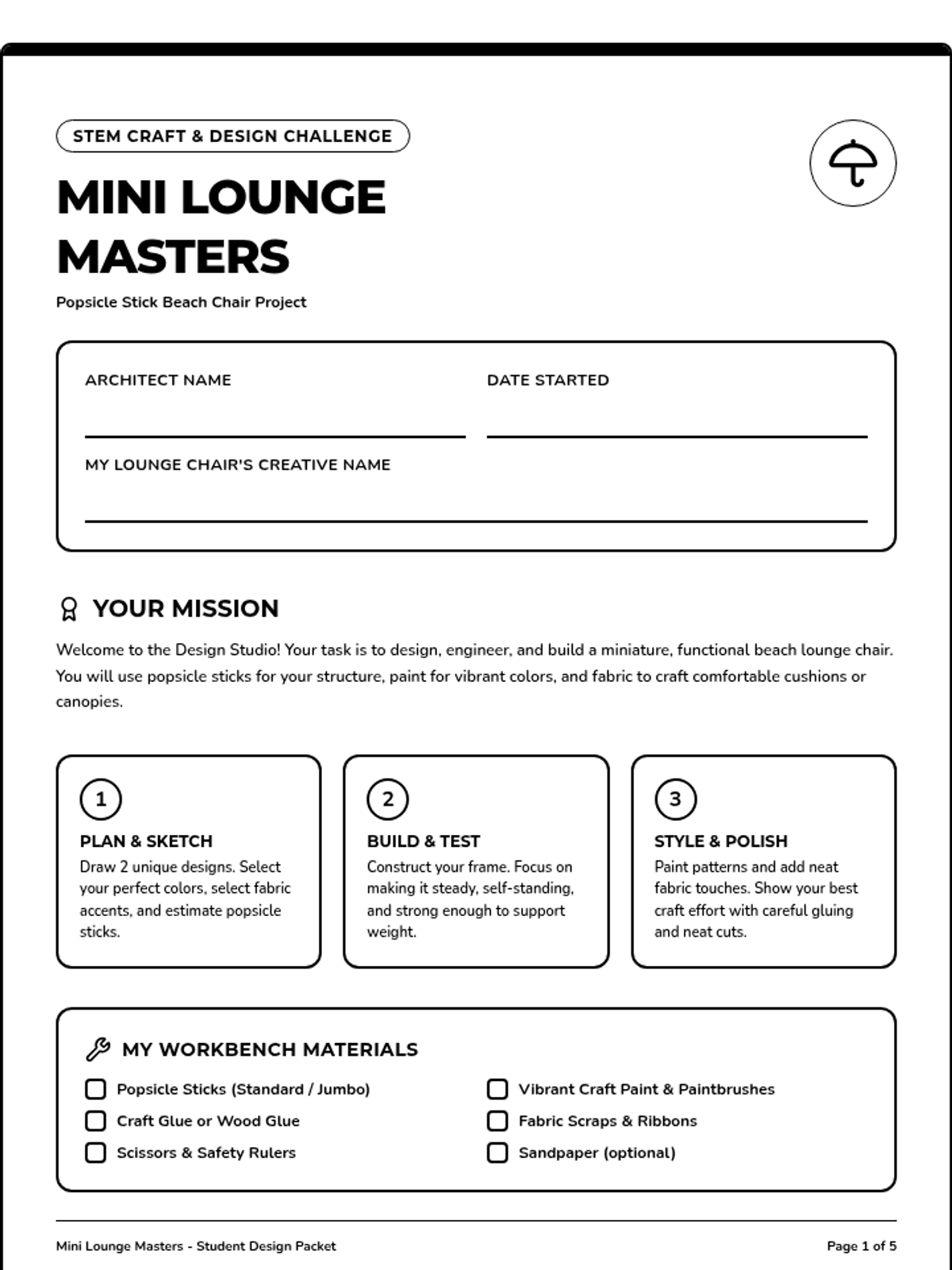
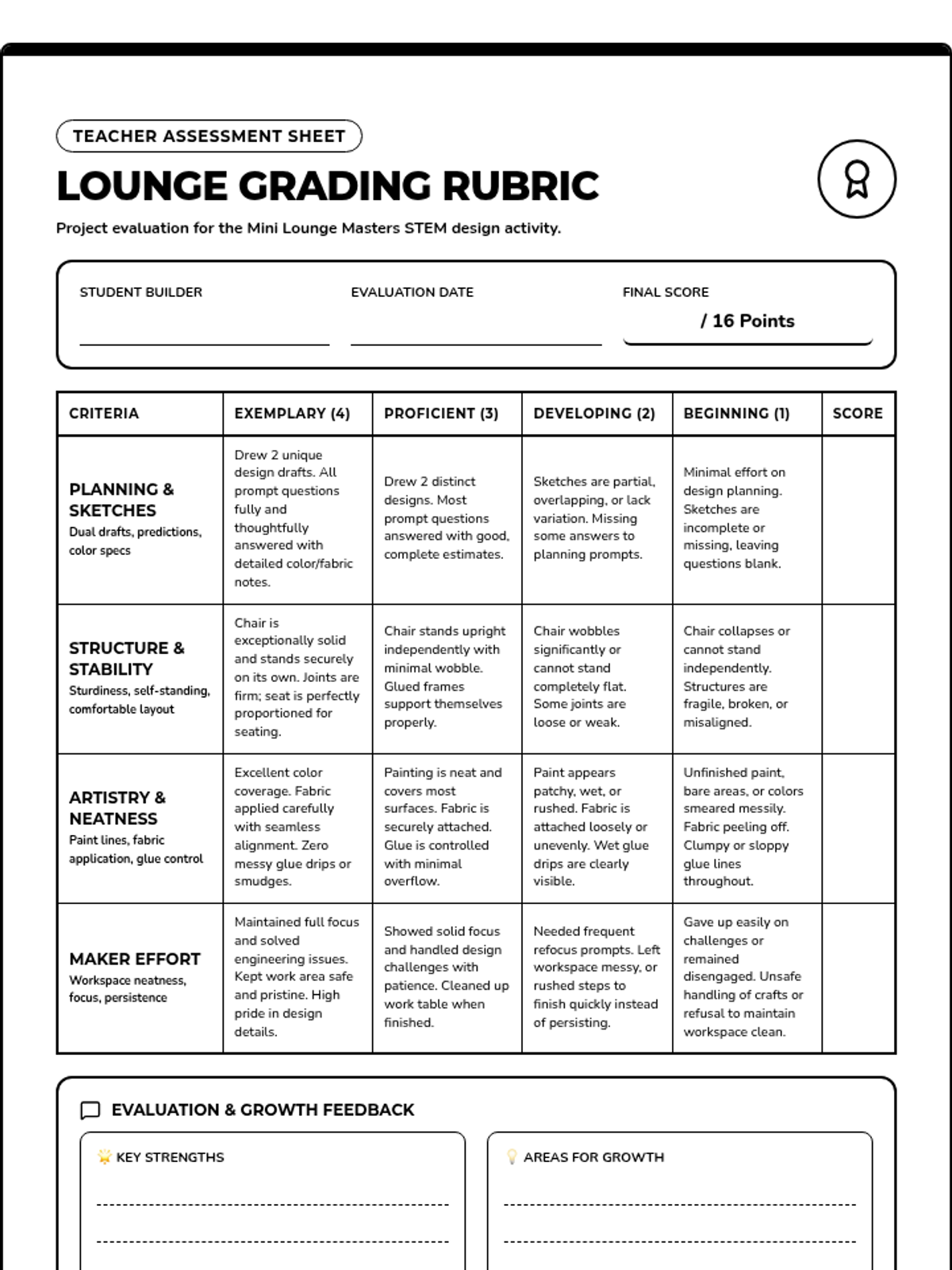
A hands-on engineering and design project where students sketch, build, and decorate a miniature beach chair using popsicle sticks, fabric, and paint. Includes a comprehensive student-facing project packet with milestone checklist and a teacher grading rubric.
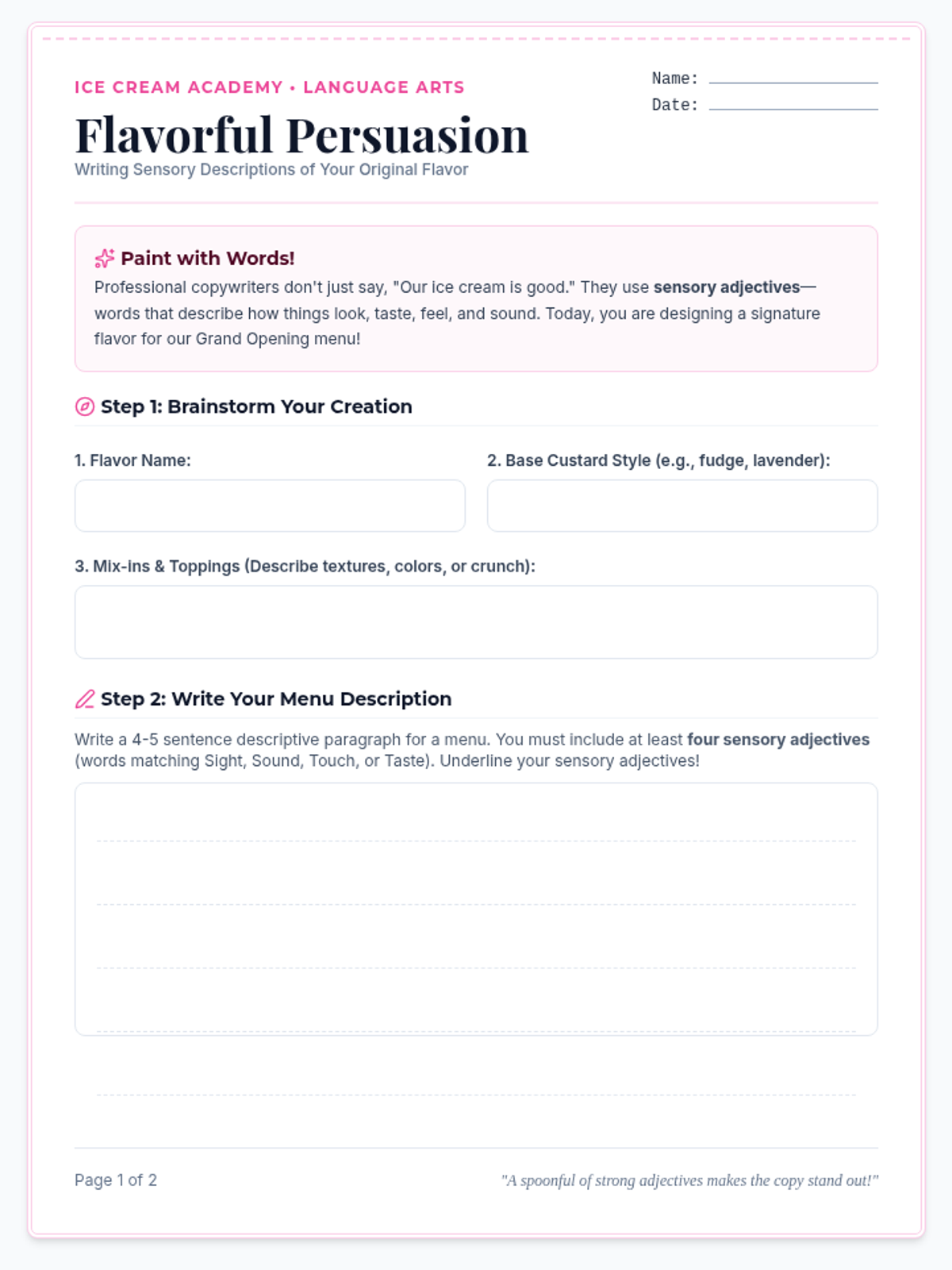
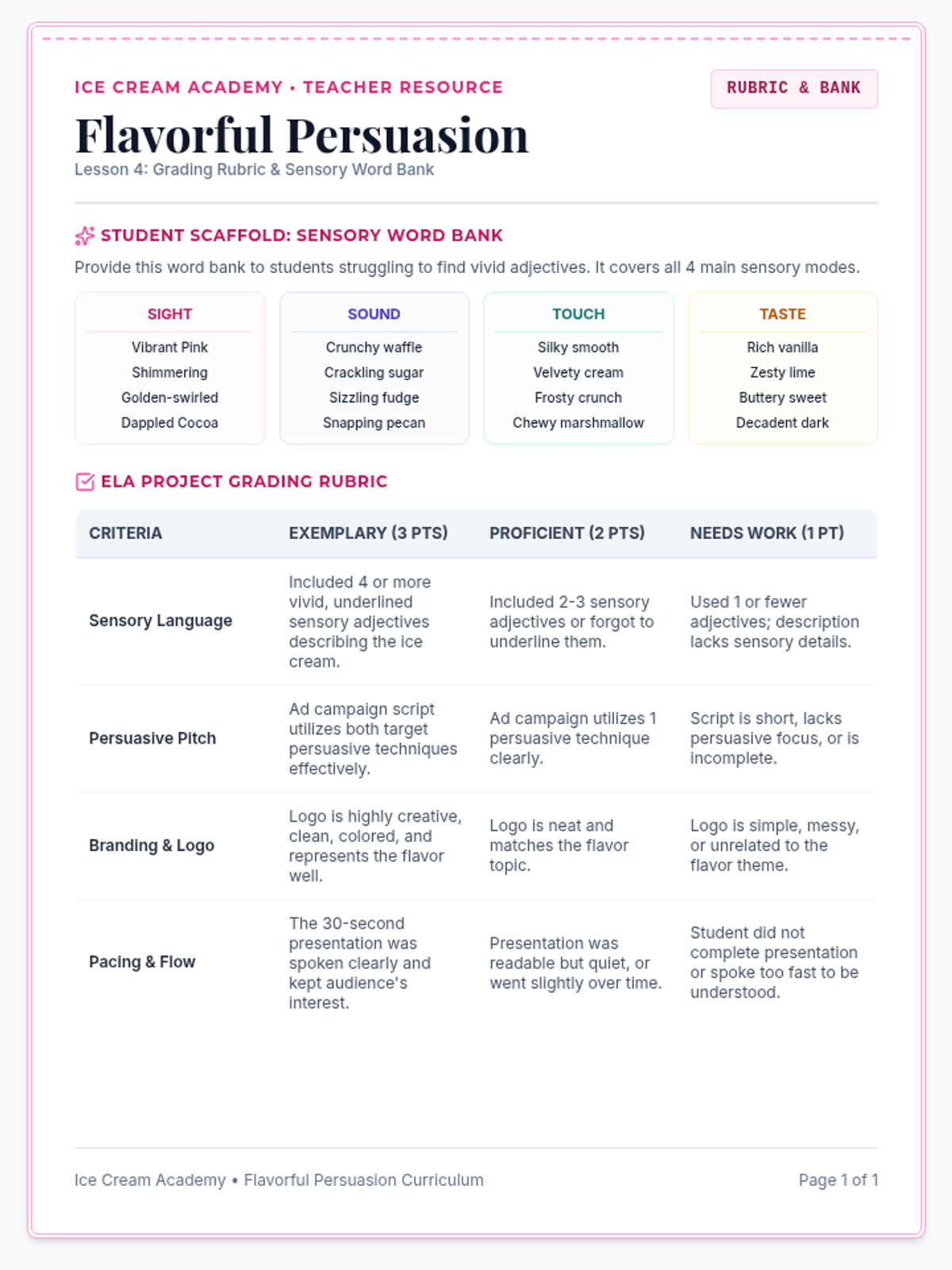
Master sensory language and persuasive advertising techniques by designing an original ice cream flavor, brand logo, and marketing pitch.
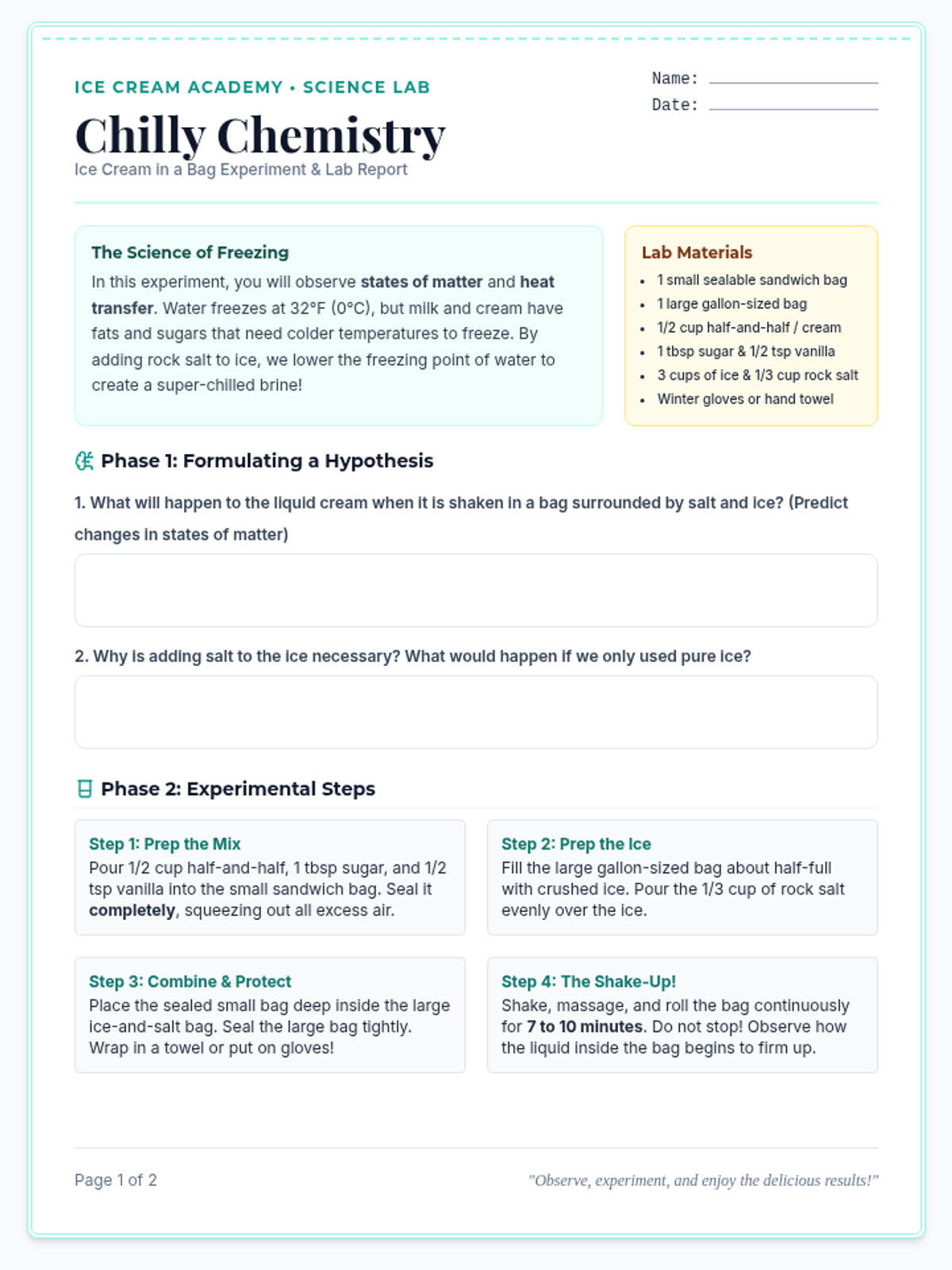
Explore states of matter, heat transfer, and freezing-point depression by making homemade ice cream in a bag using ice, salt, and cream.
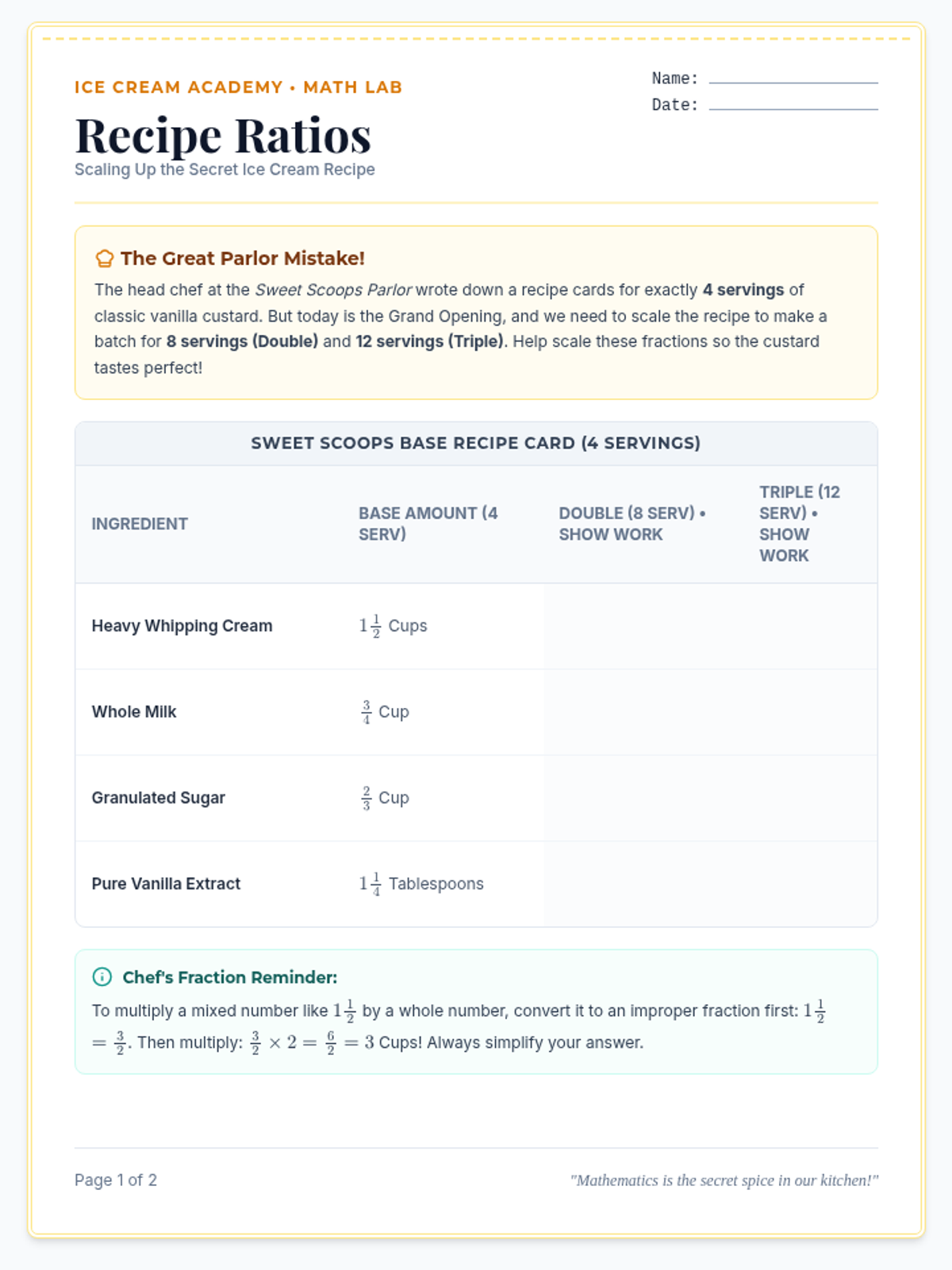
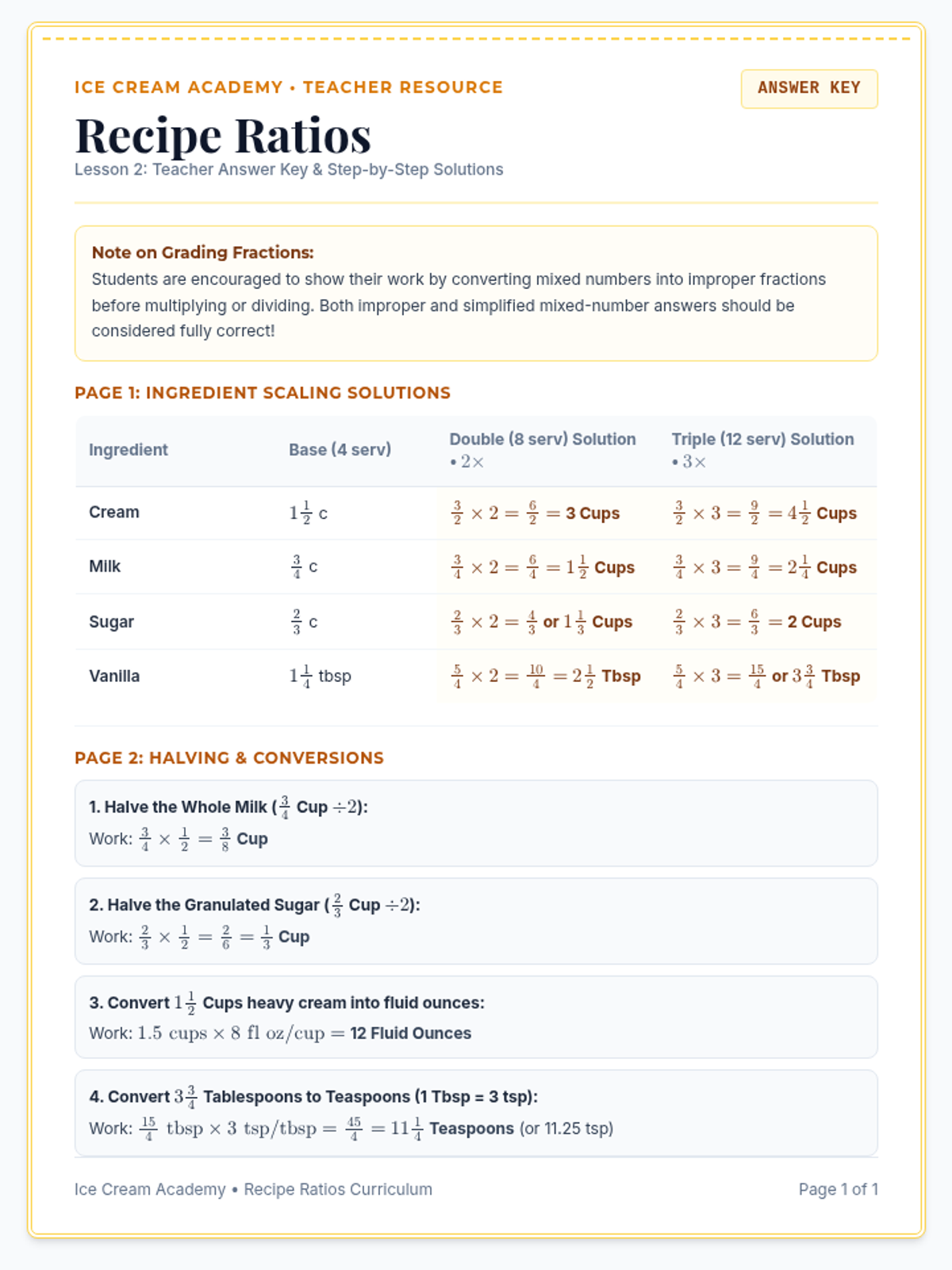
Apply fraction multiplication and division to scale ice cream recipes up and down, converting fluid ounces, cups, and tablespoons.
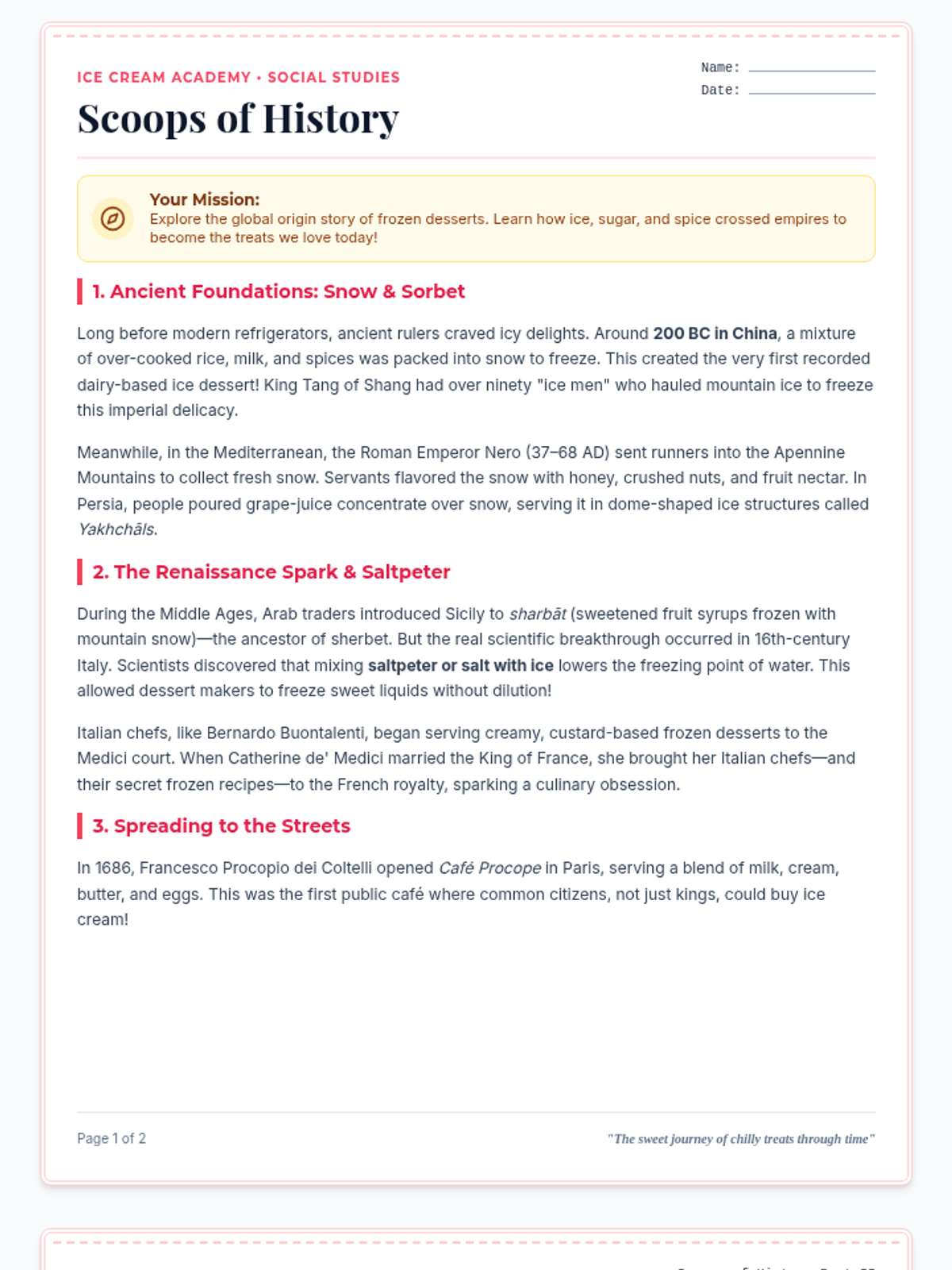
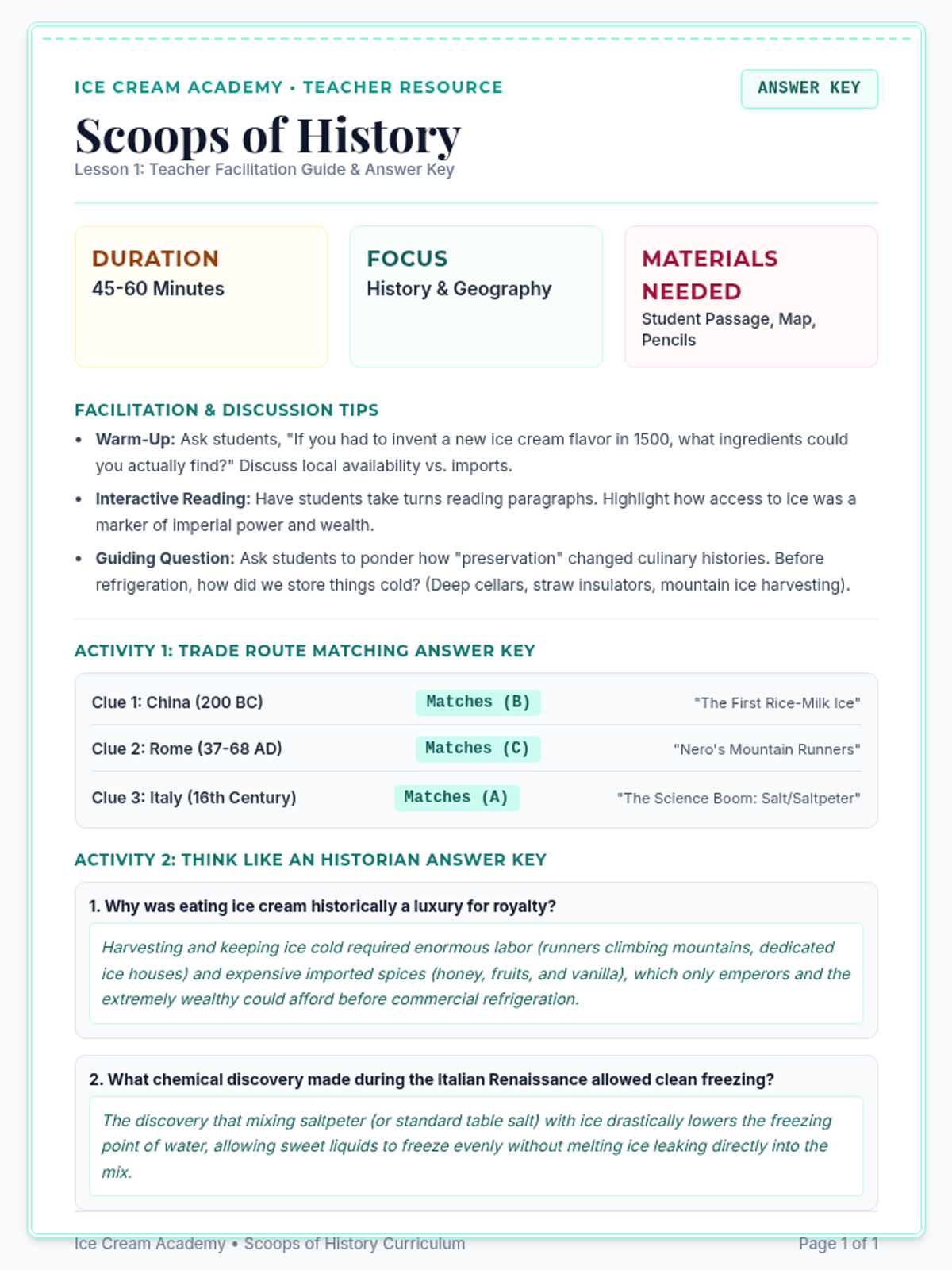
Trace the historical origins of frozen desserts from ancient China and Rome to modern day, mapping how ingredients like vanilla, sugar, and cacao traveled globally.
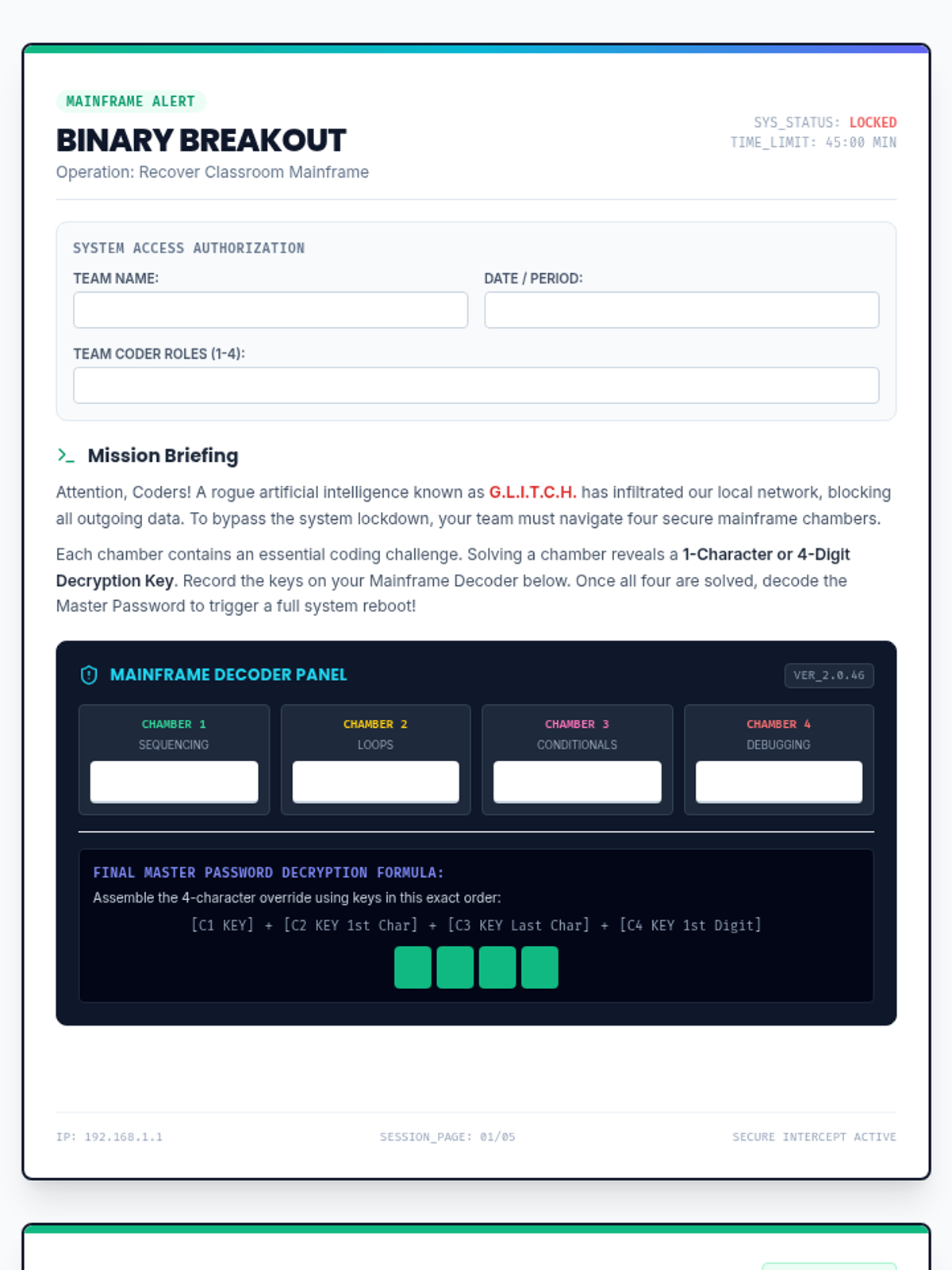
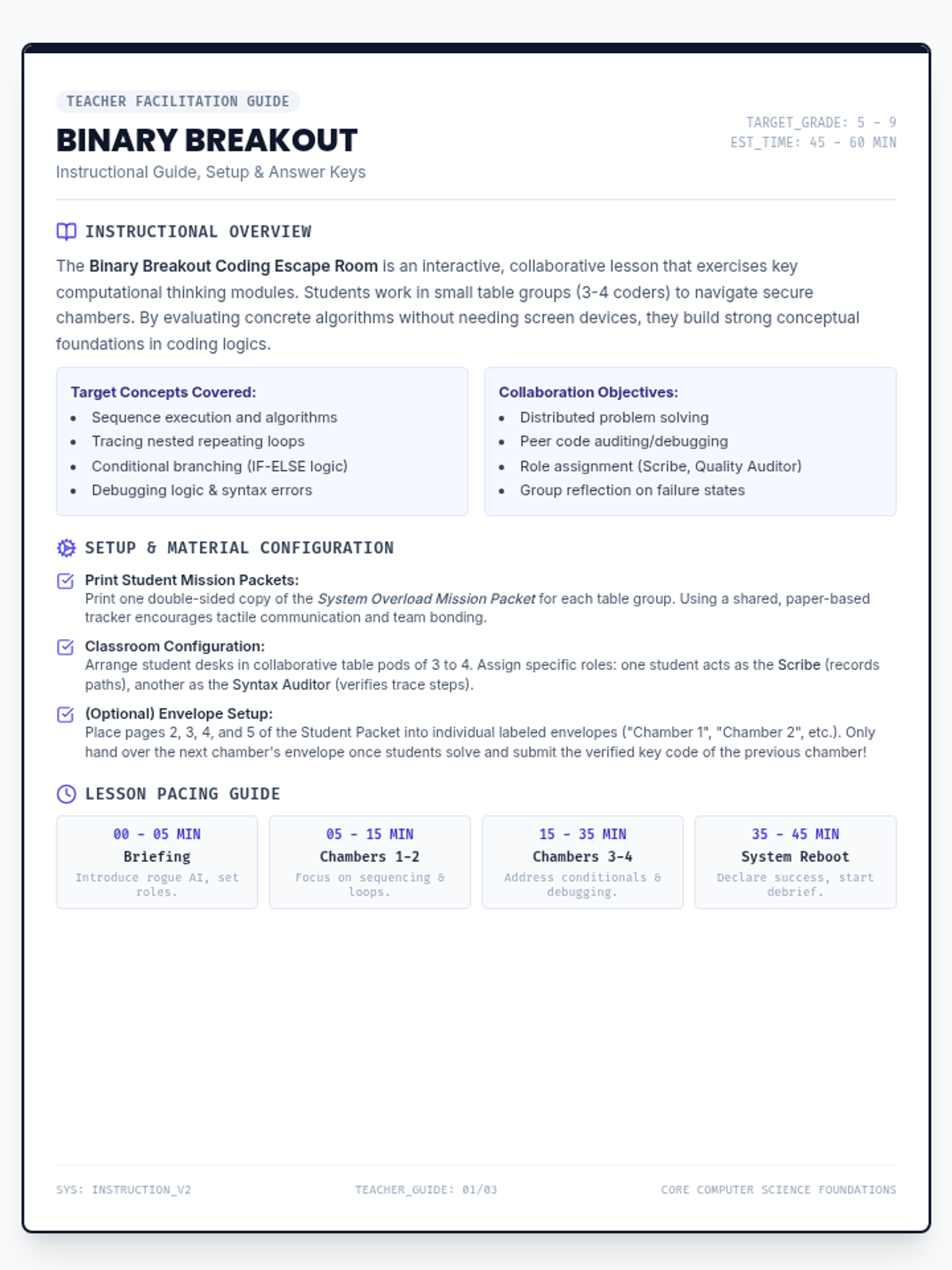
An immersive, puzzle-driven coding escape room where students work in table groups to defeat a rogue AI. By solving four distinct chambers focusing on sequencing, loops, conditionals, and debugging, students demonstrate core computational thinking skills.
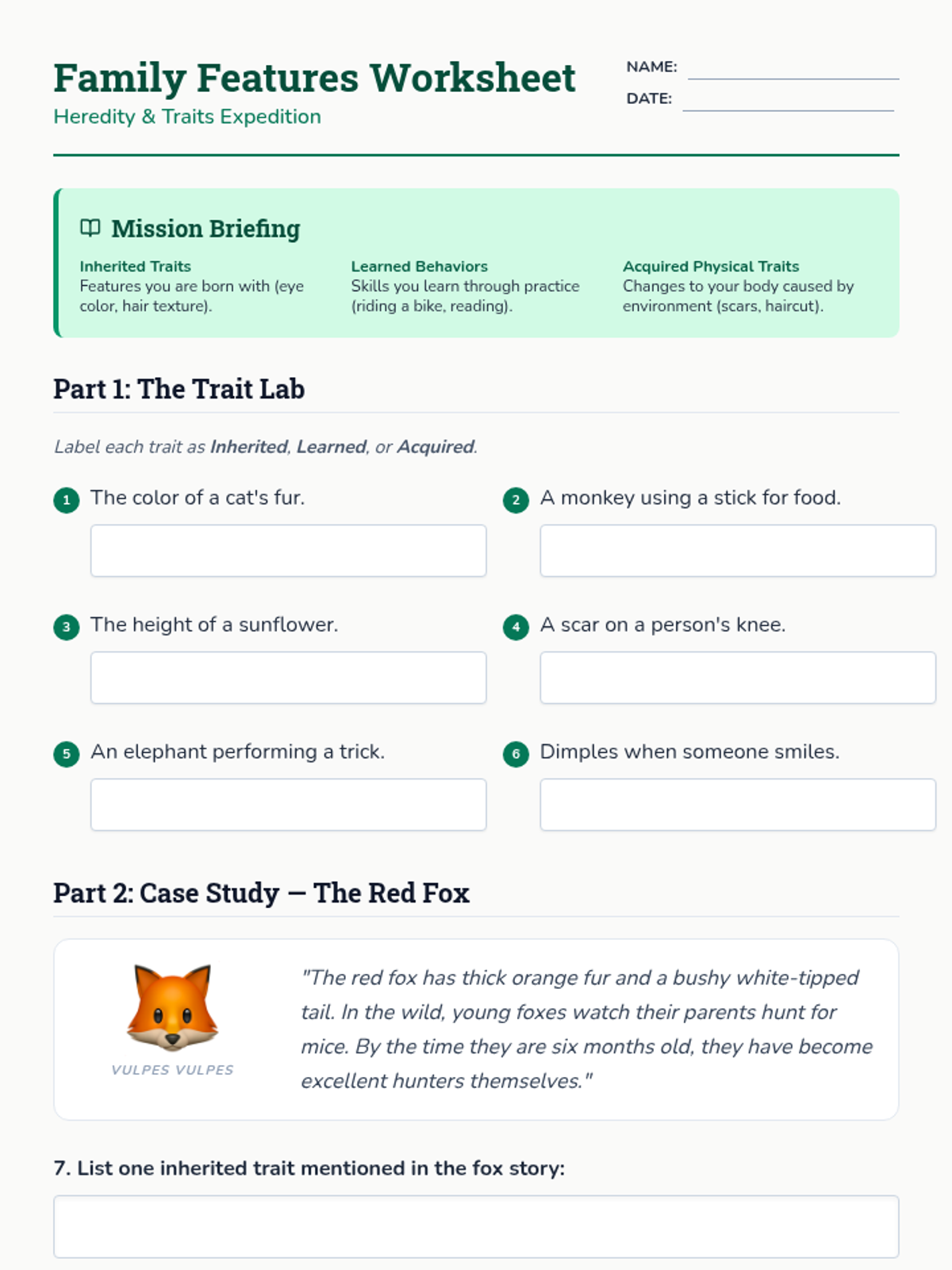
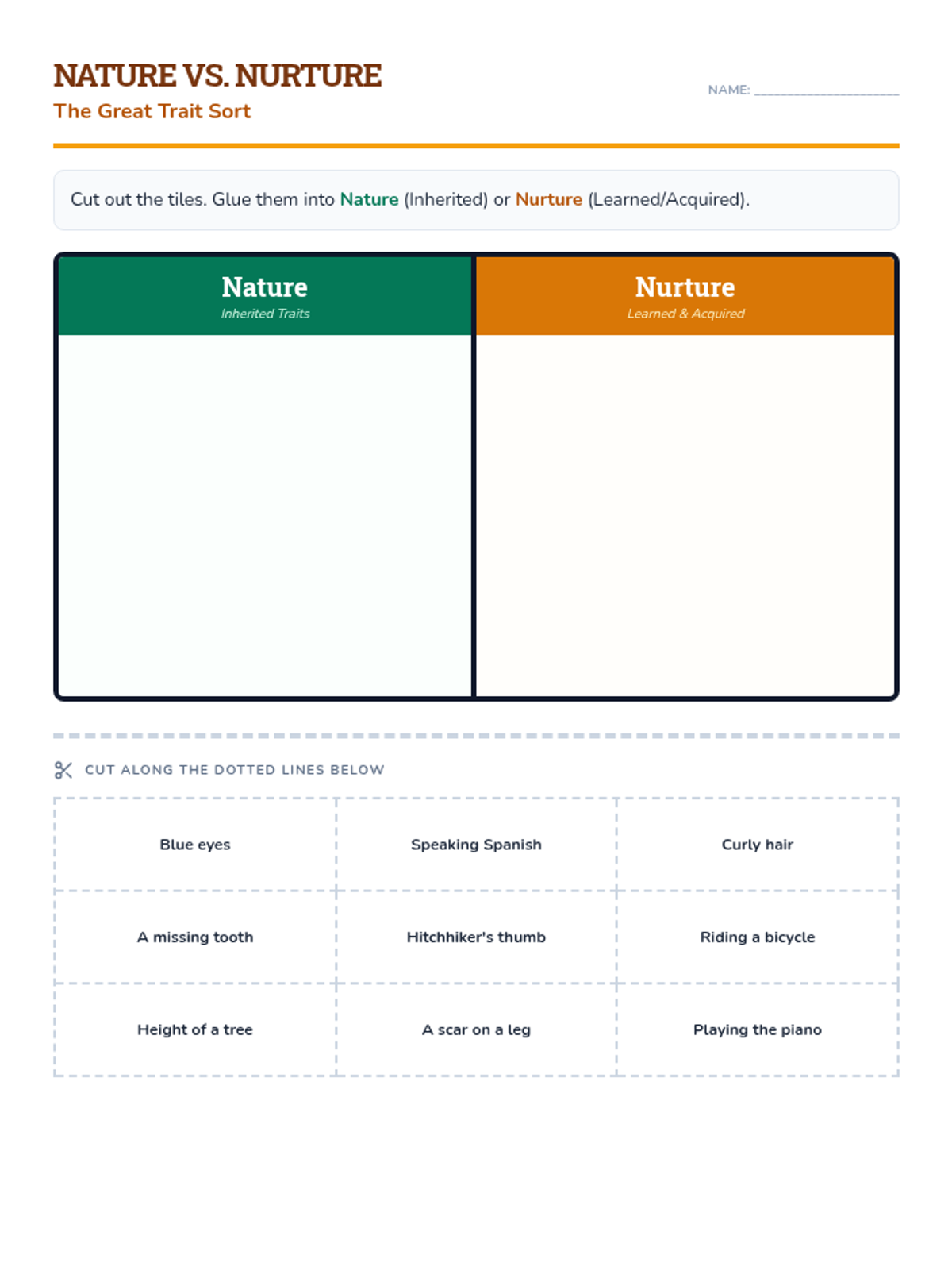
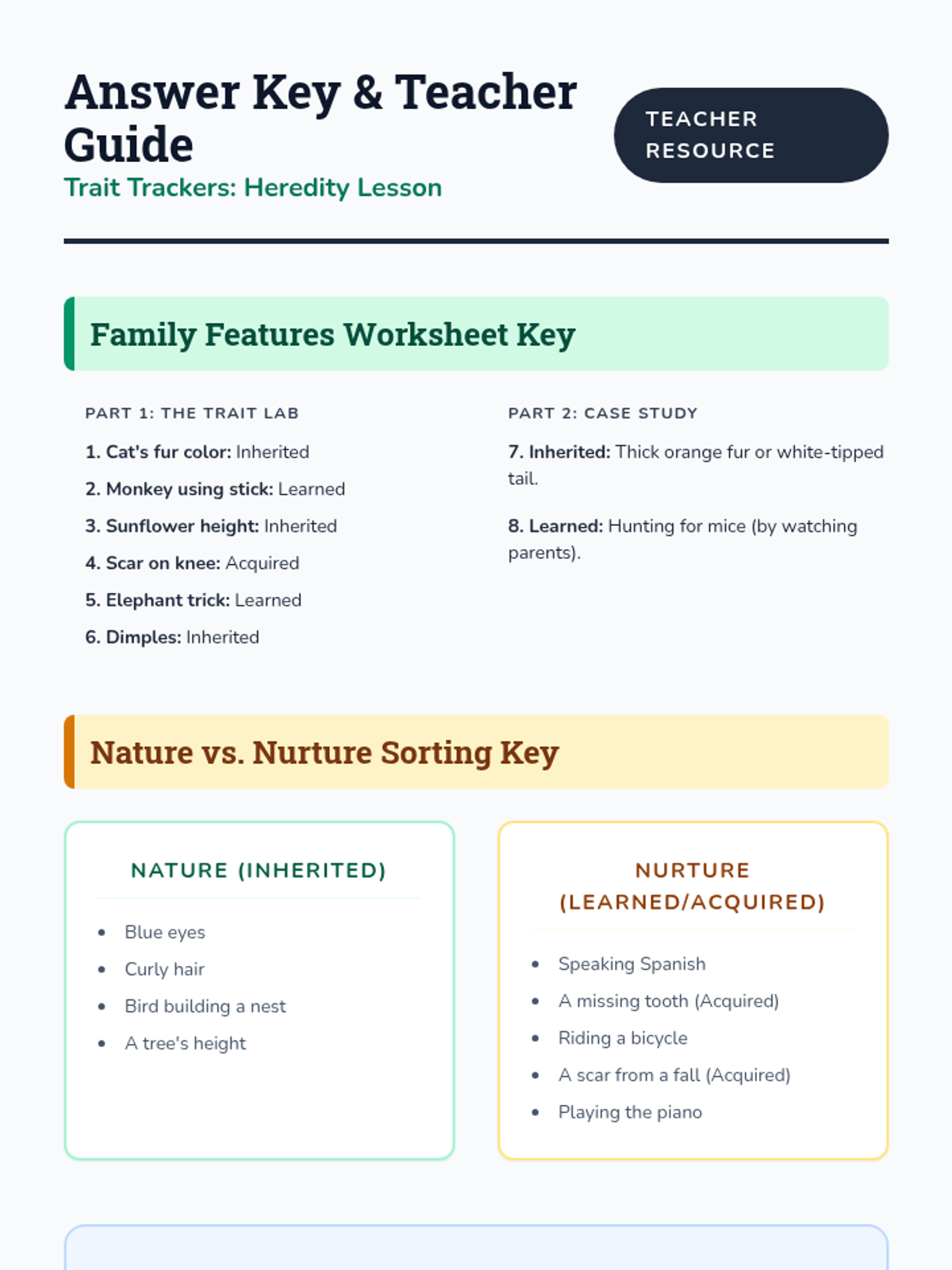
Students explore the fundamentals of heredity by distinguishing between inherited traits and learned behaviors. This lesson uses real-world examples from the plant and animal kingdoms to illustrate how traits are passed down through generations.
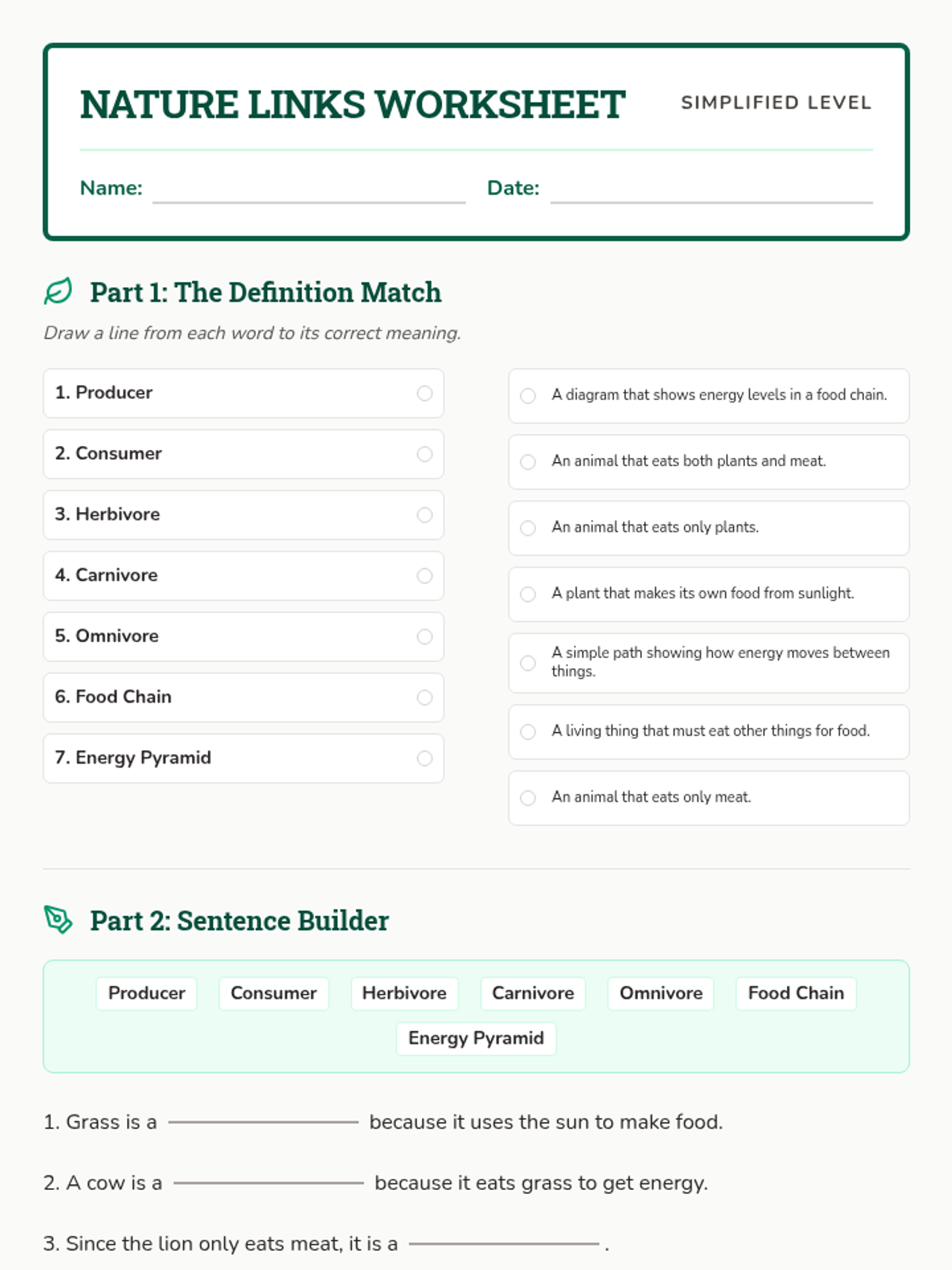
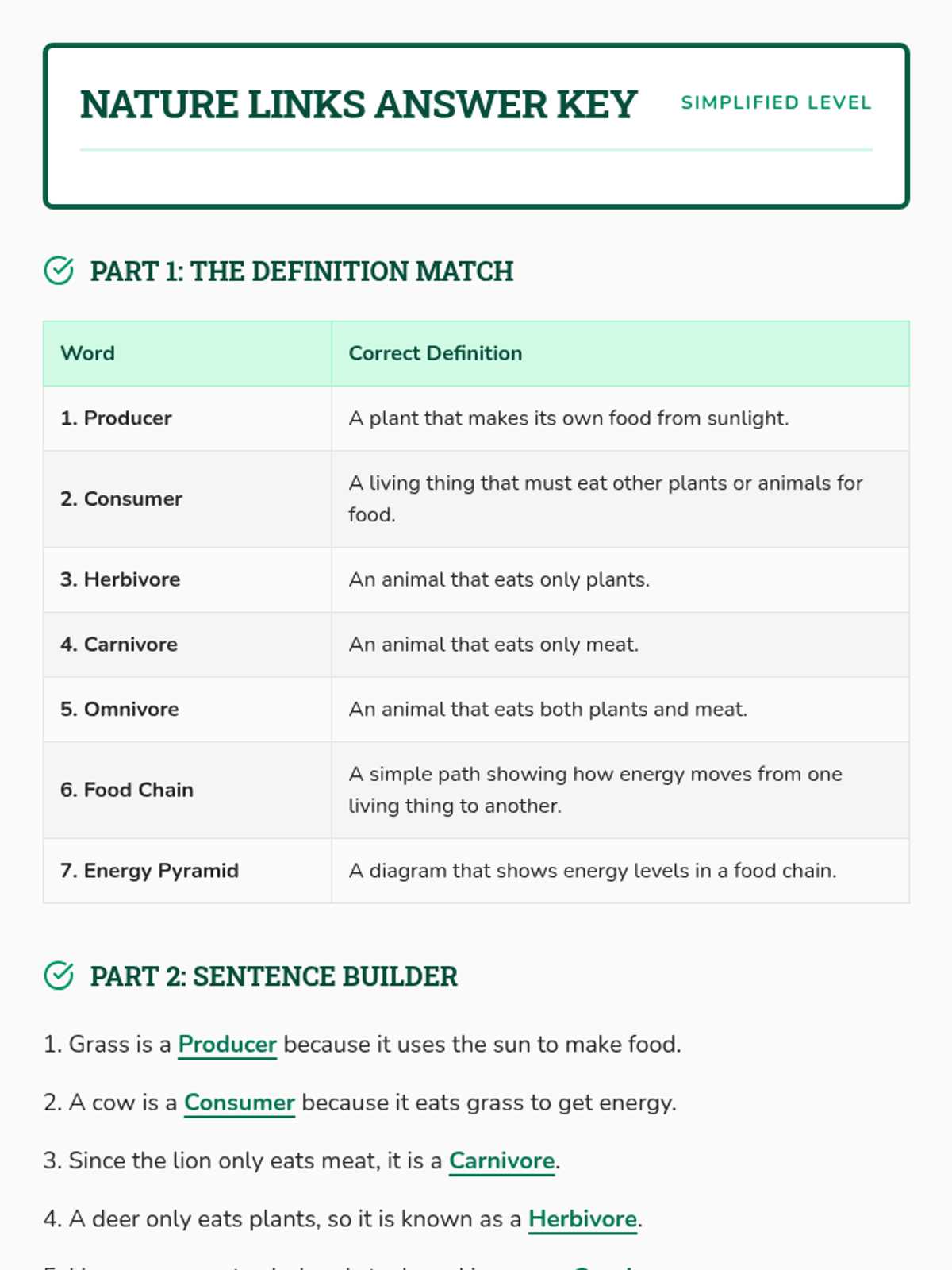
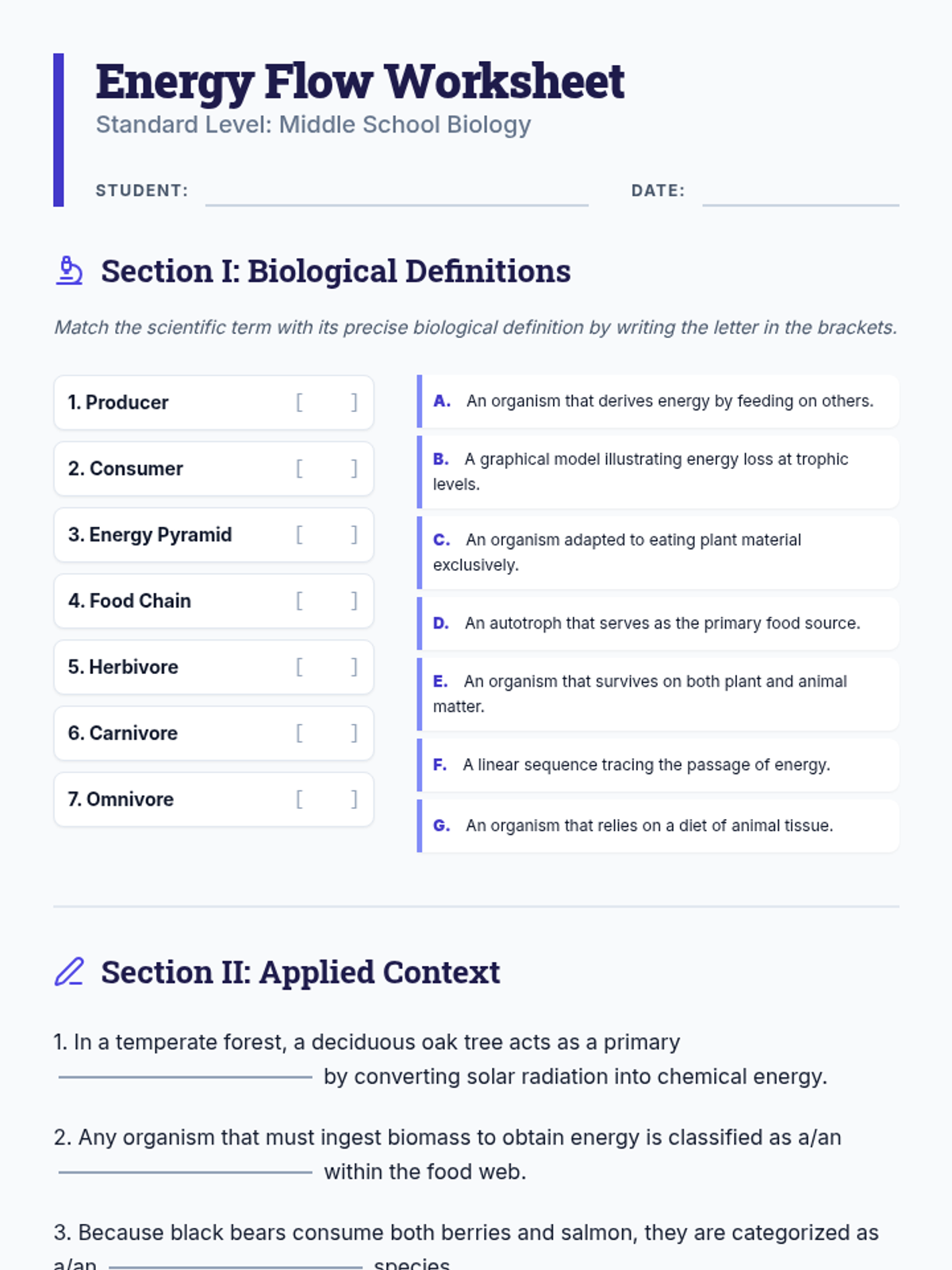
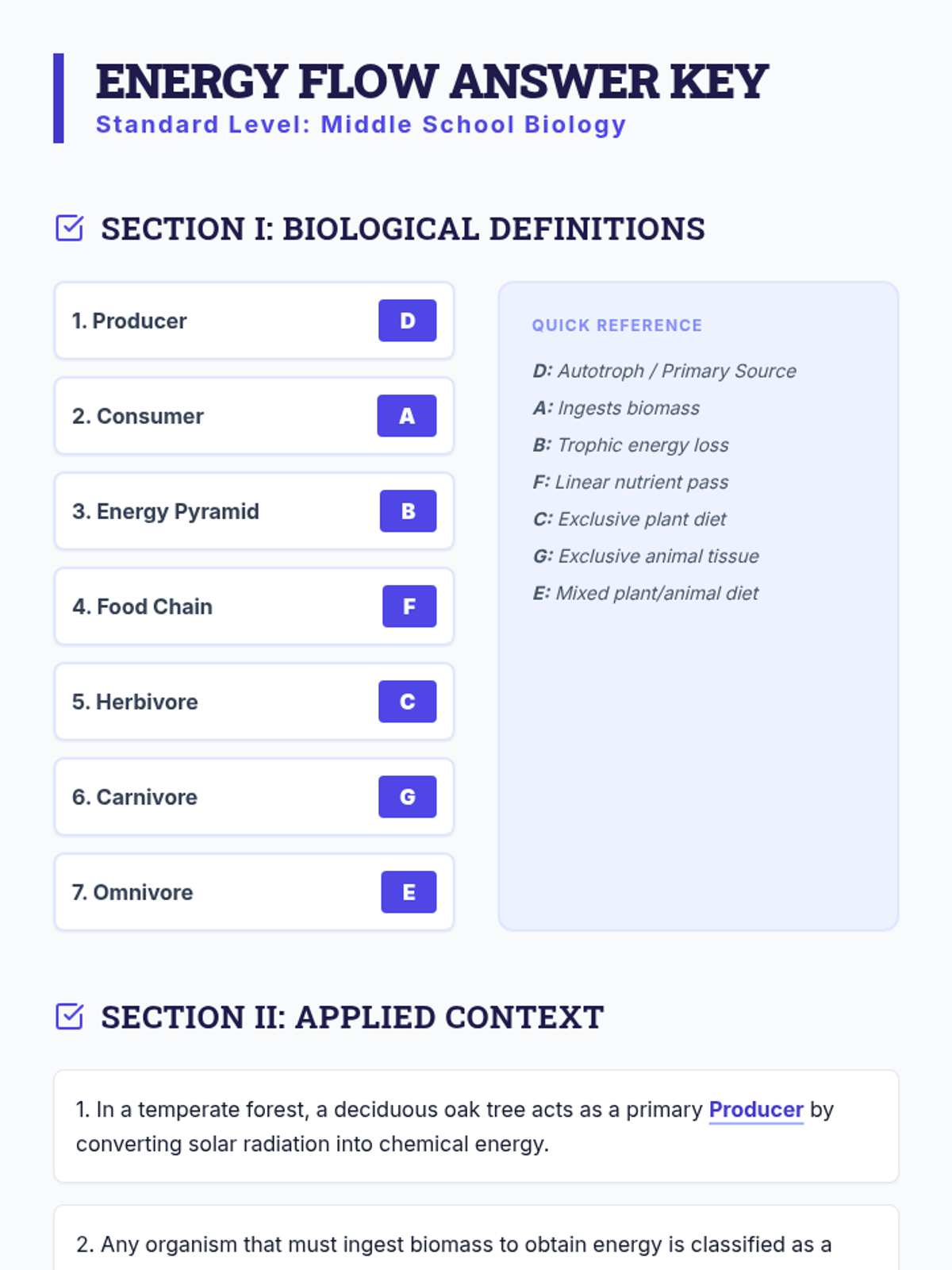
A lesson focusing on ecosystem vocabulary including producers, consumers, and energy flow through food chains and pyramids. Includes tiered materials for elementary and middle school levels.
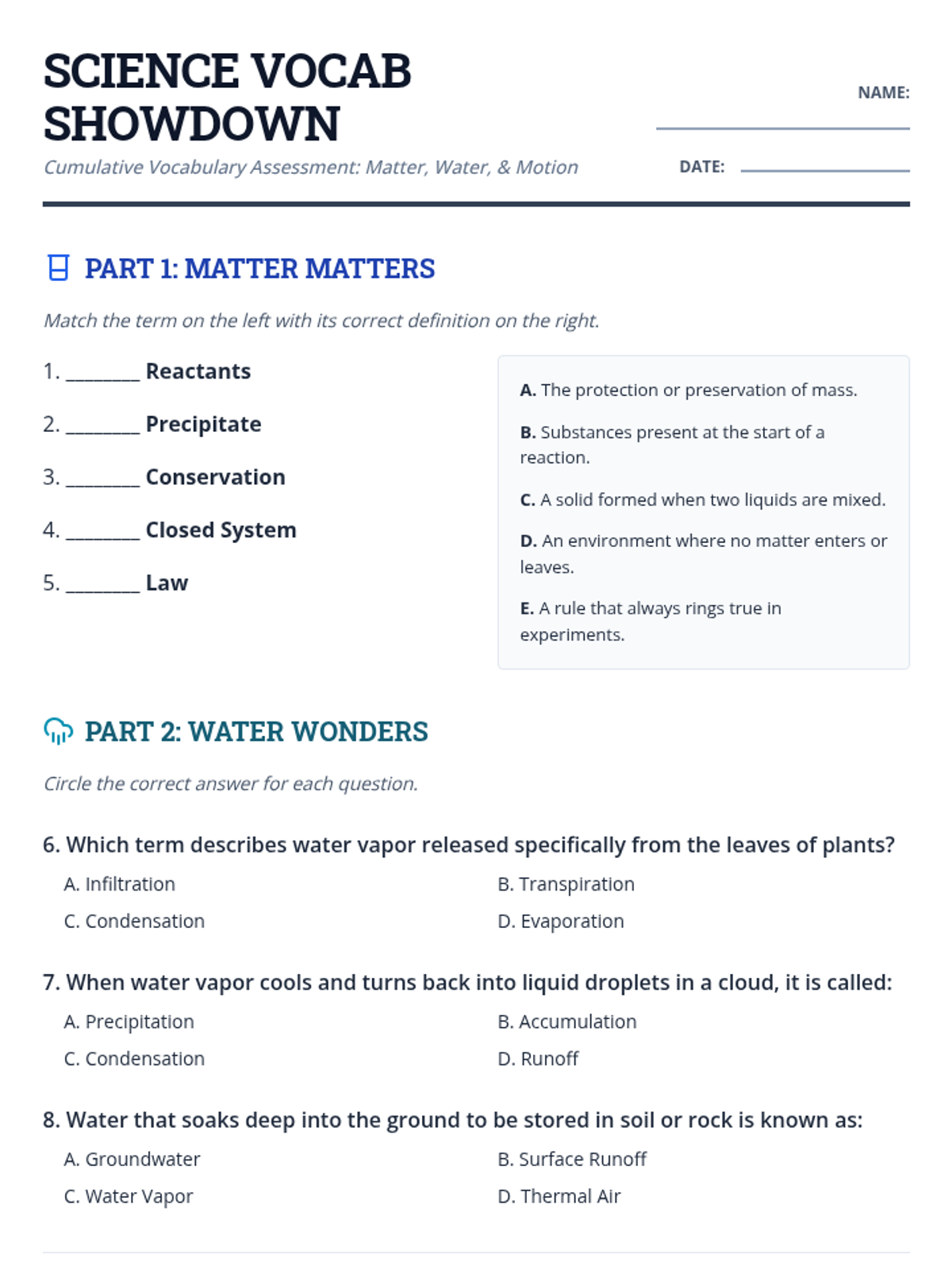
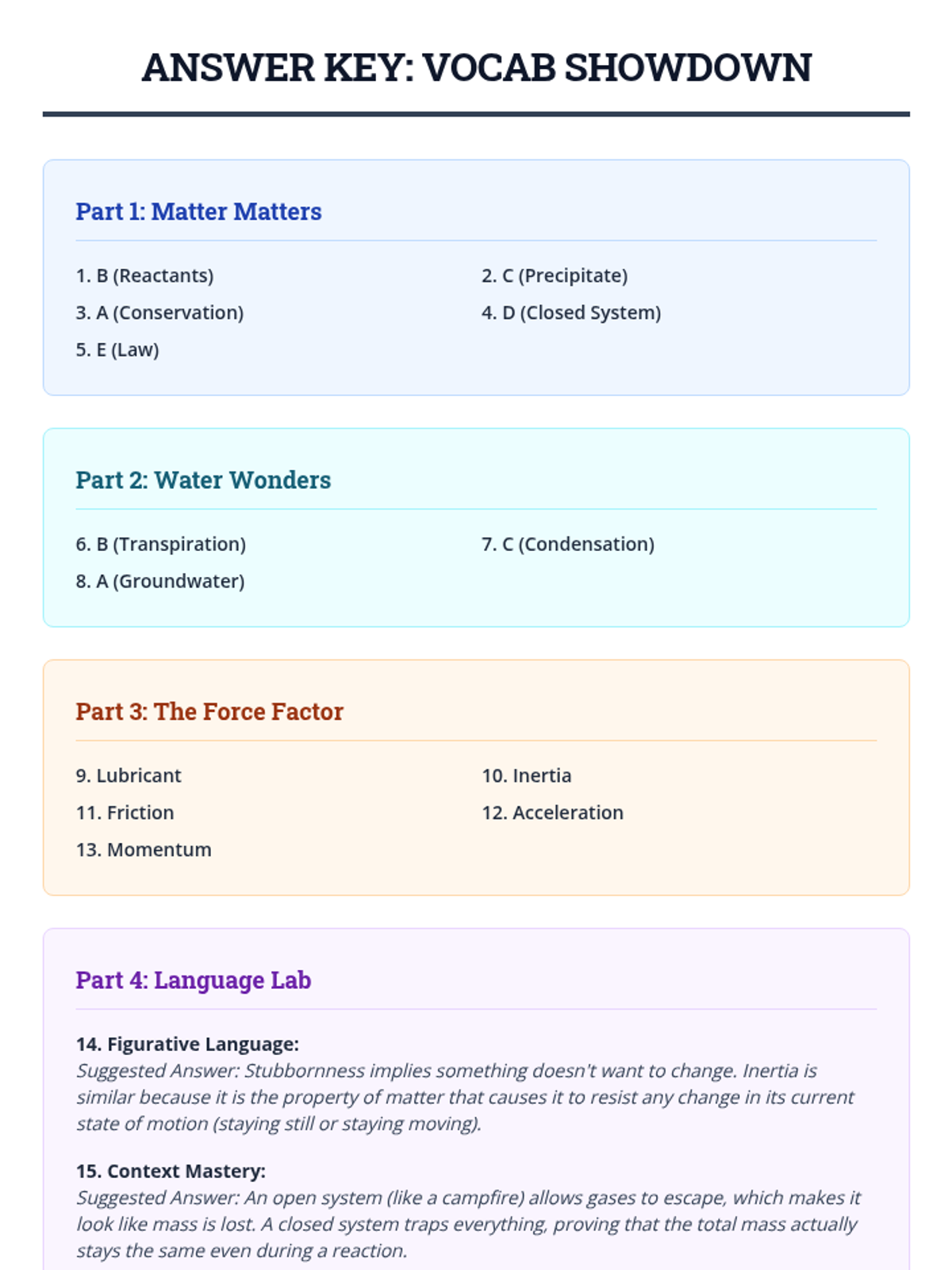
A cumulative review lesson covering the vocabulary and core concepts from all three science literacy units.
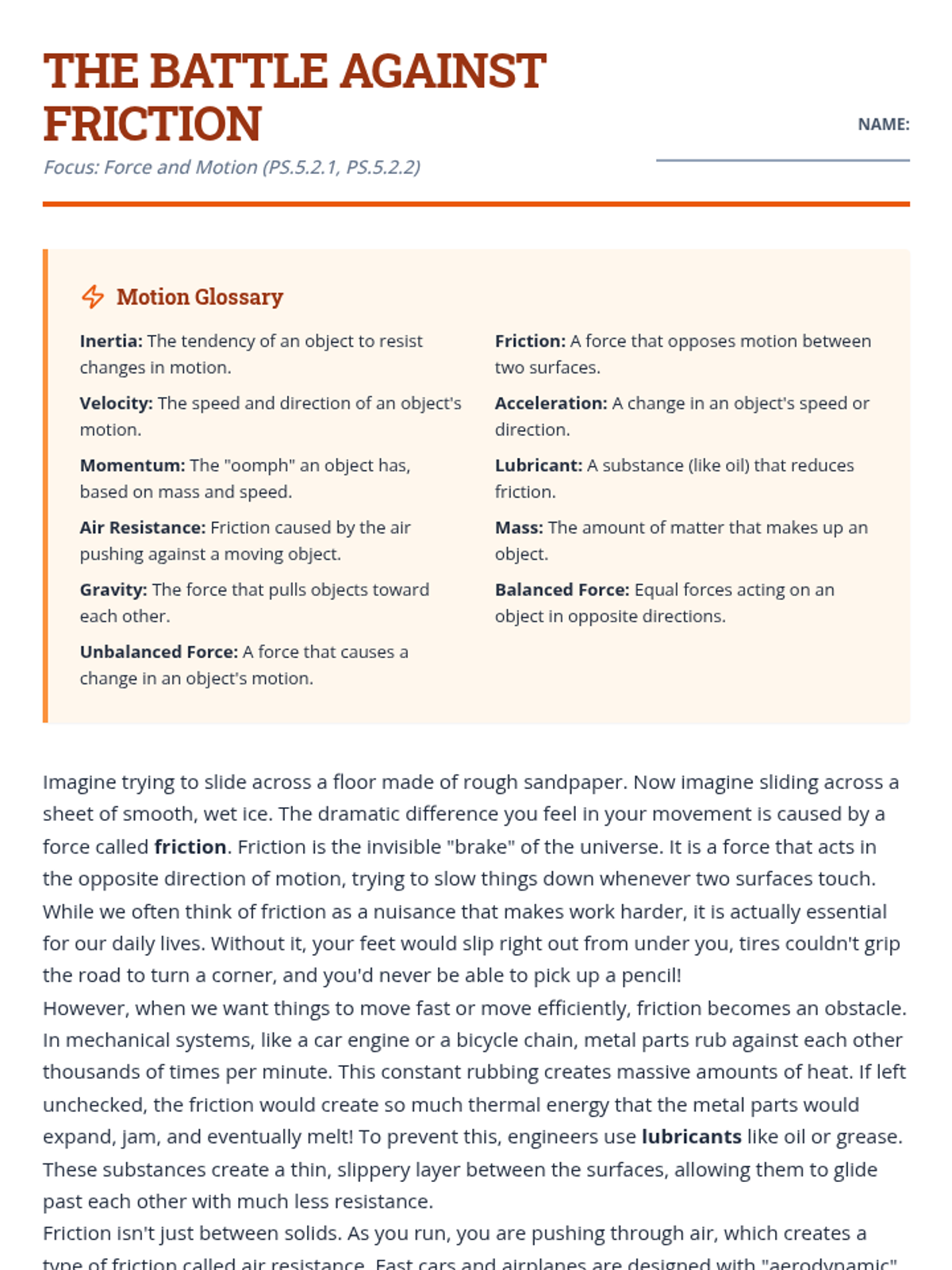
An investigation into force, motion, and friction, focusing on an author's use of evidence and the nuances of language.
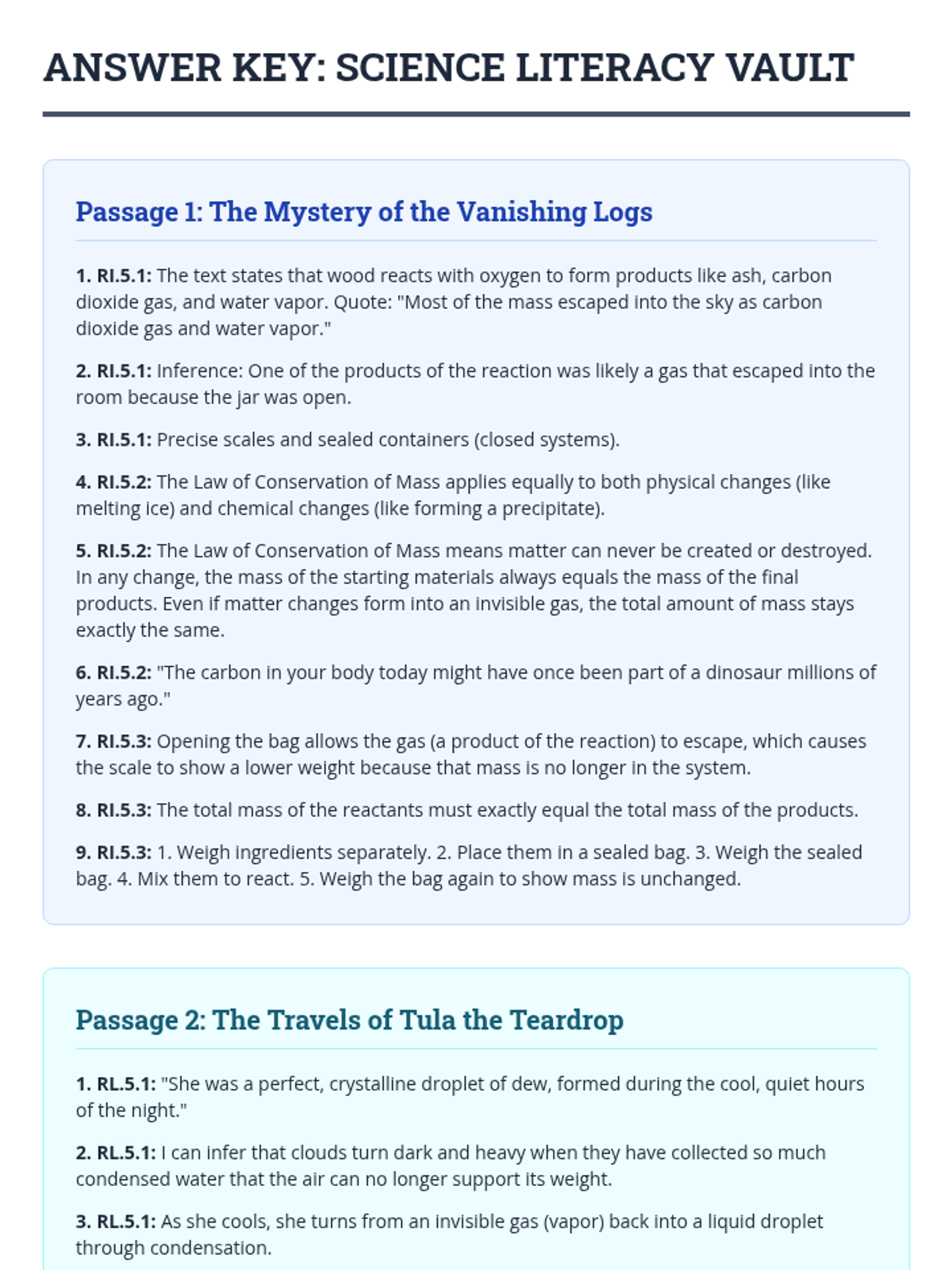
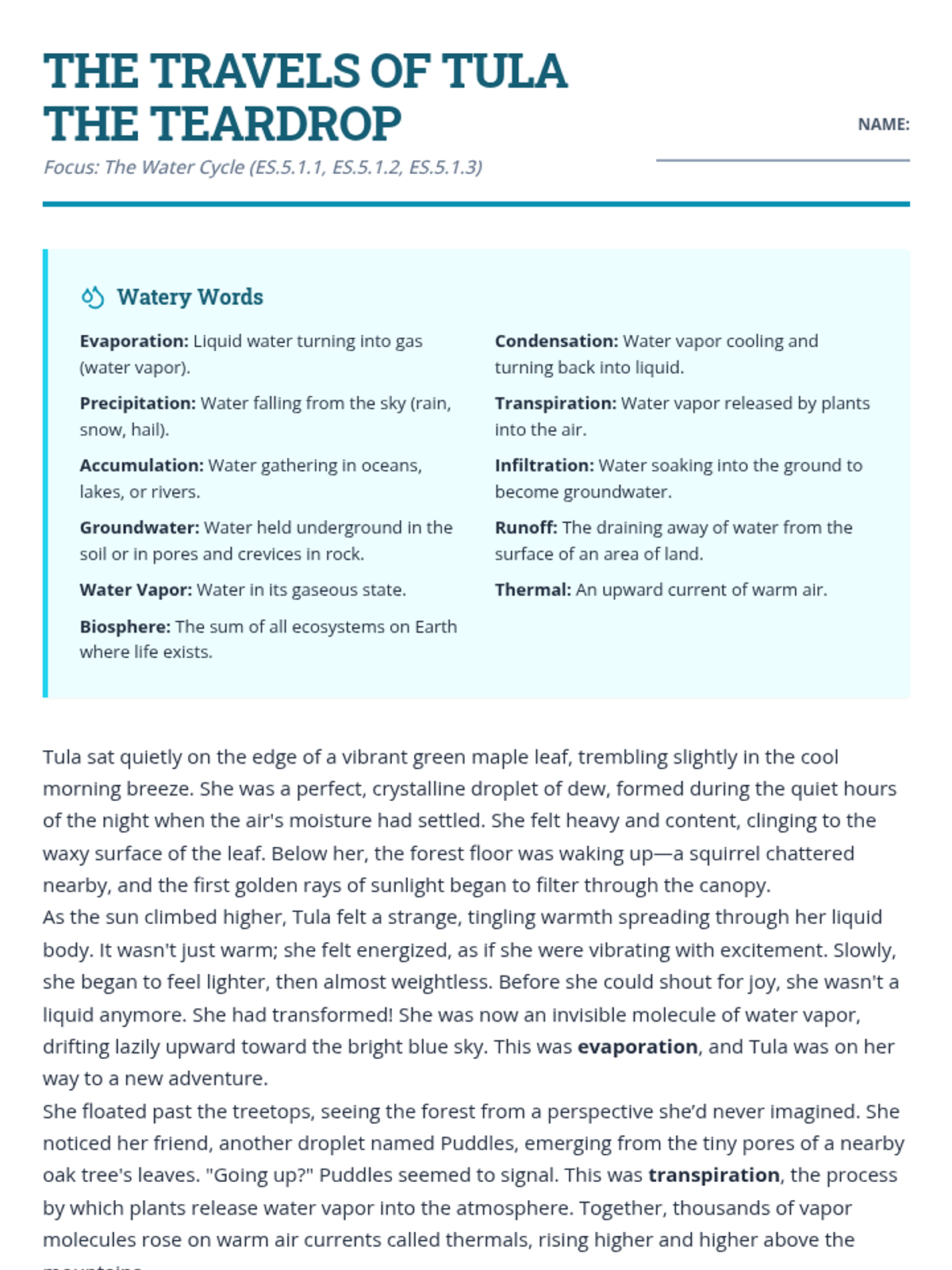
A narrative exploration of the water cycle, focusing on character interaction, theme, and plot development within a scientific context.
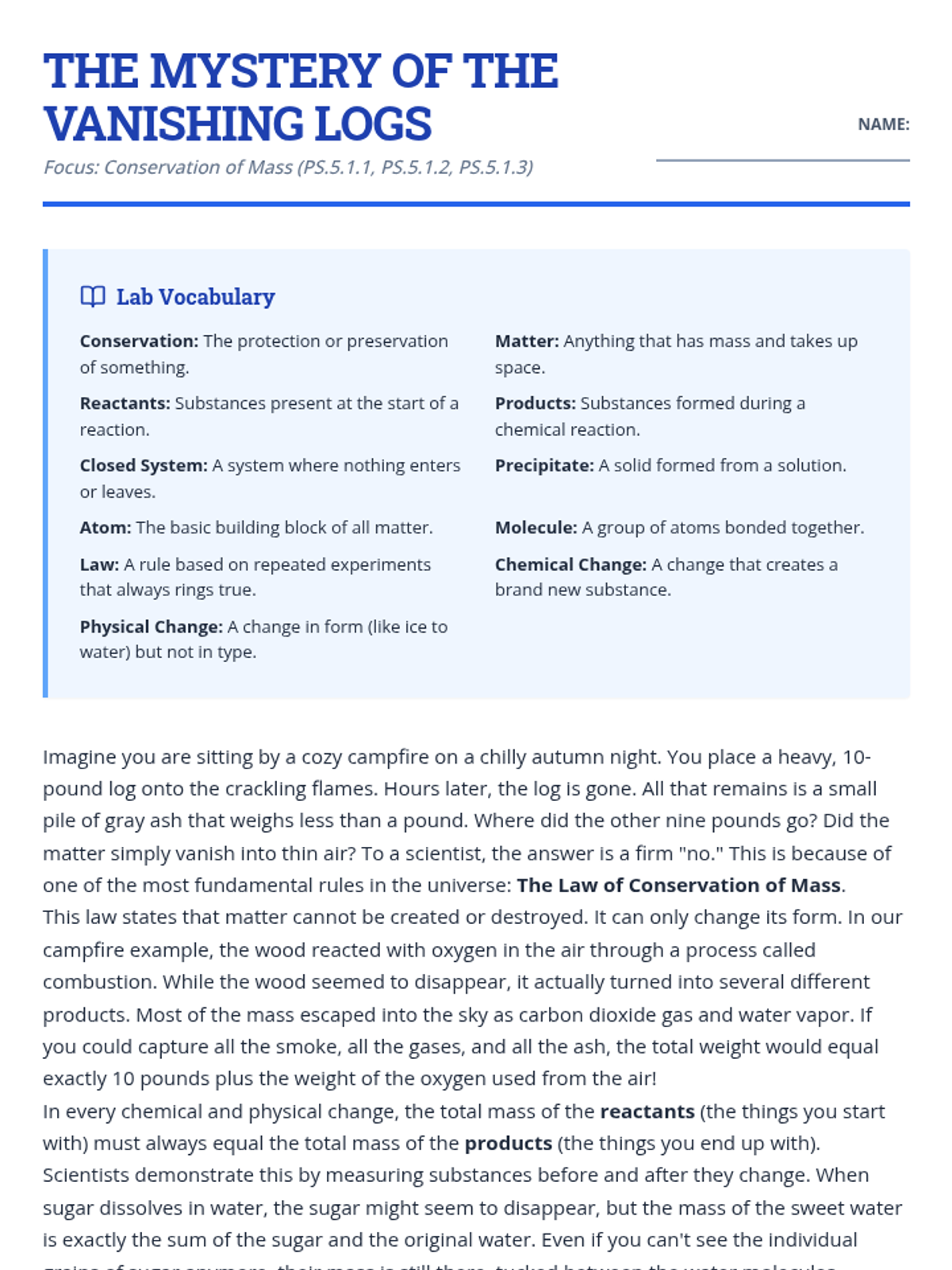
An exploration of the law of conservation of mass through informational text, focusing on reading for details, main ideas, and relationships between concepts.