An integrated Art and Science lesson where elementary students explore how thermal energy affects color mixing by observing liquid watercolors in different temperatures of water.
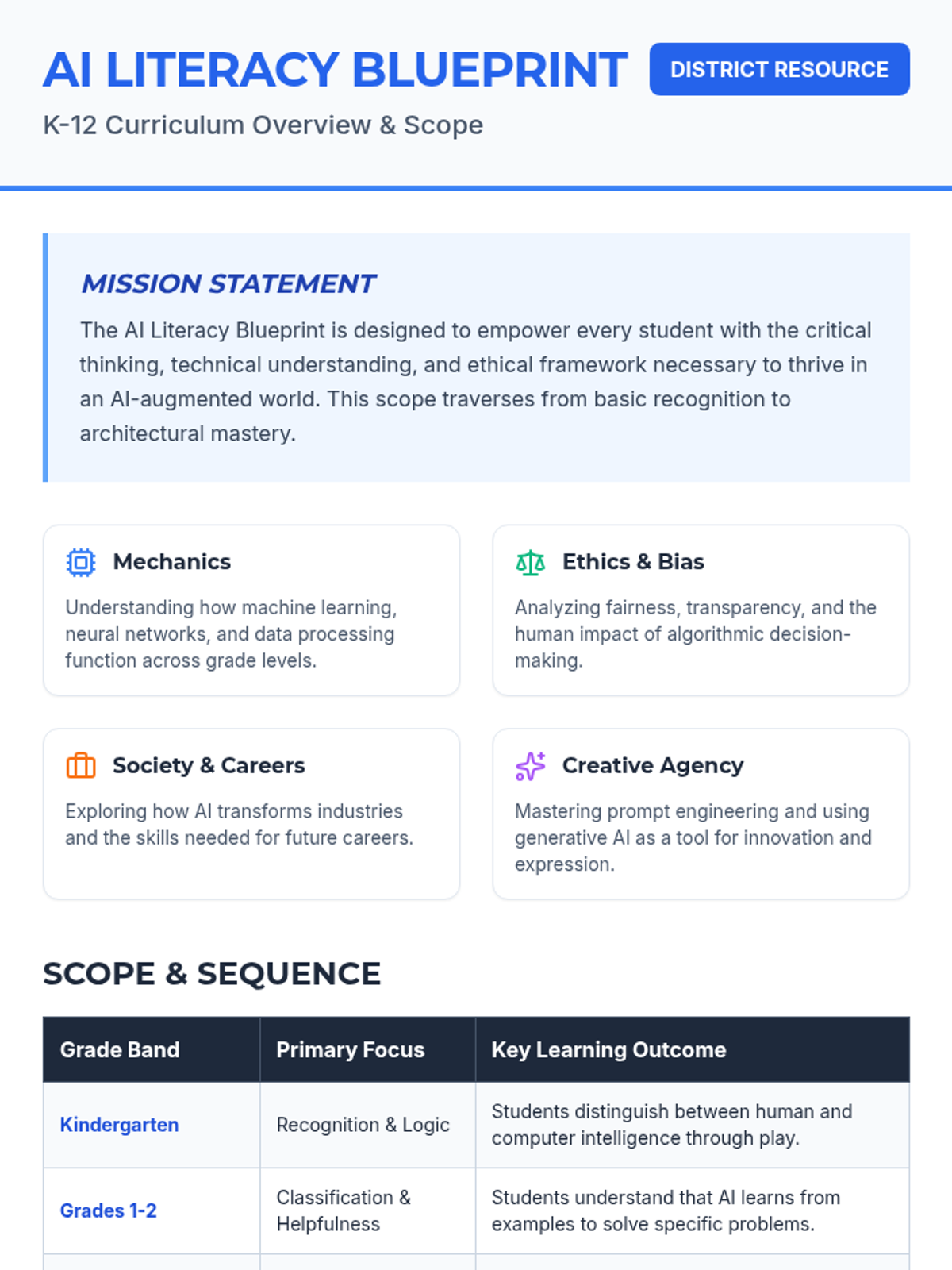
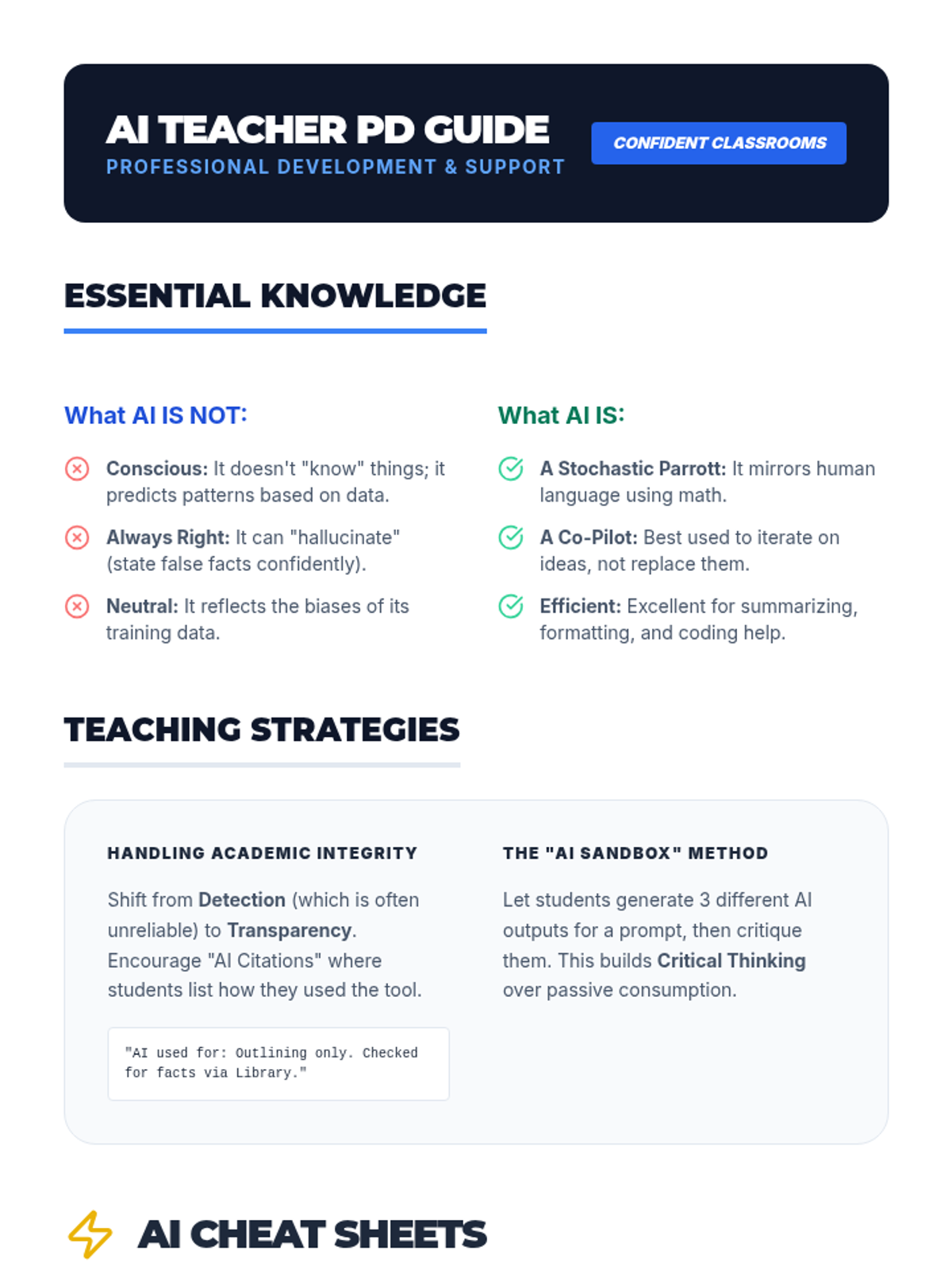
A dedicated hub for educators featuring a K-12 curriculum scope, professional development guides, and quick-reference AI cheat sheets.
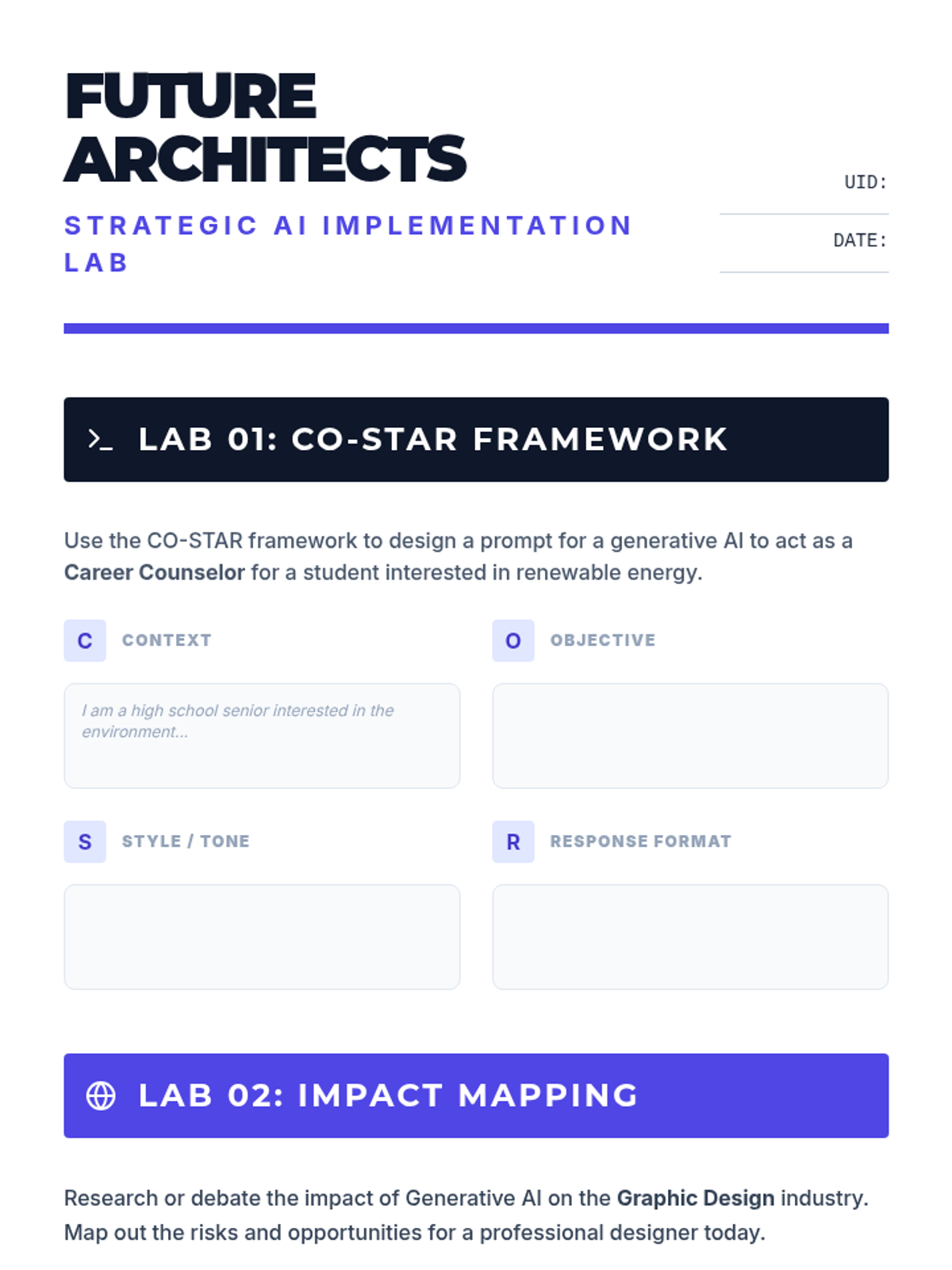
High school students analyze the impact of generative AI on careers and society, mastering advanced prompt engineering and debating complex ethical dilemmas.
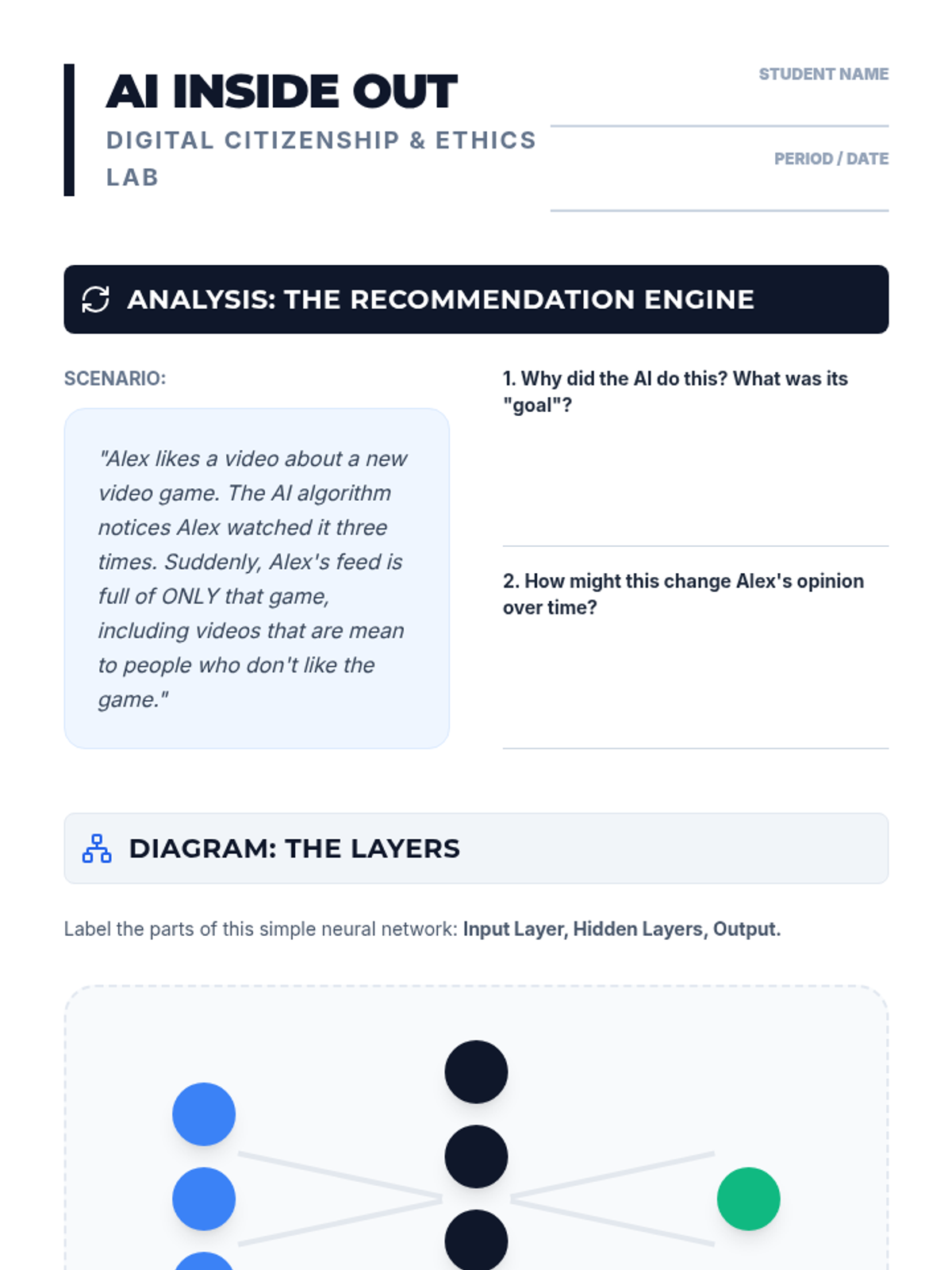
Middle schoolers dive into the mechanics of neural networks and the ethical implications of AI in daily life, focusing on digital citizenship and algorithmic fairness.
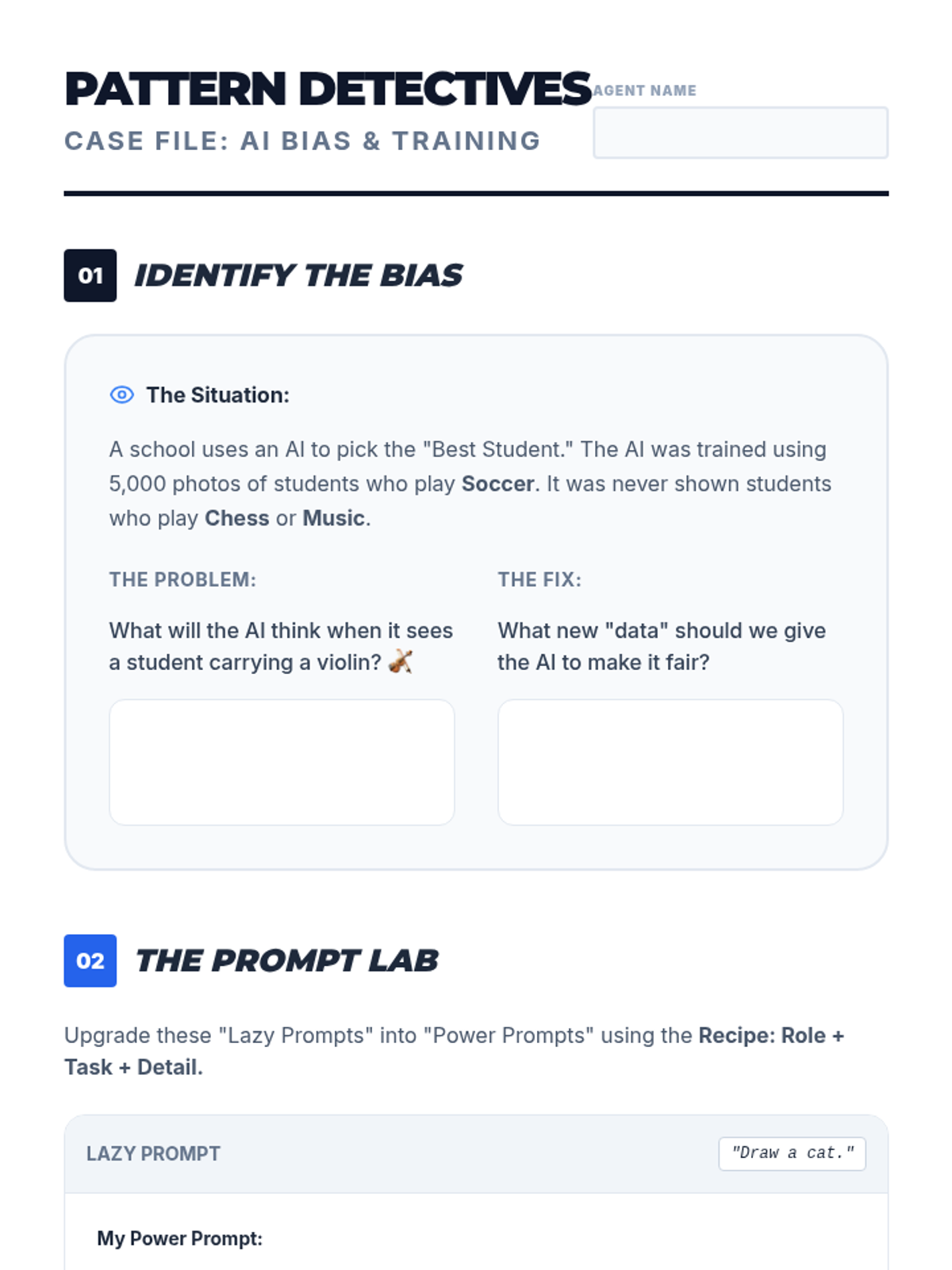
Middle elementary students investigate how training data shapes AI behavior, identifying bias in simple systems and experimenting with basic prompt engineering.
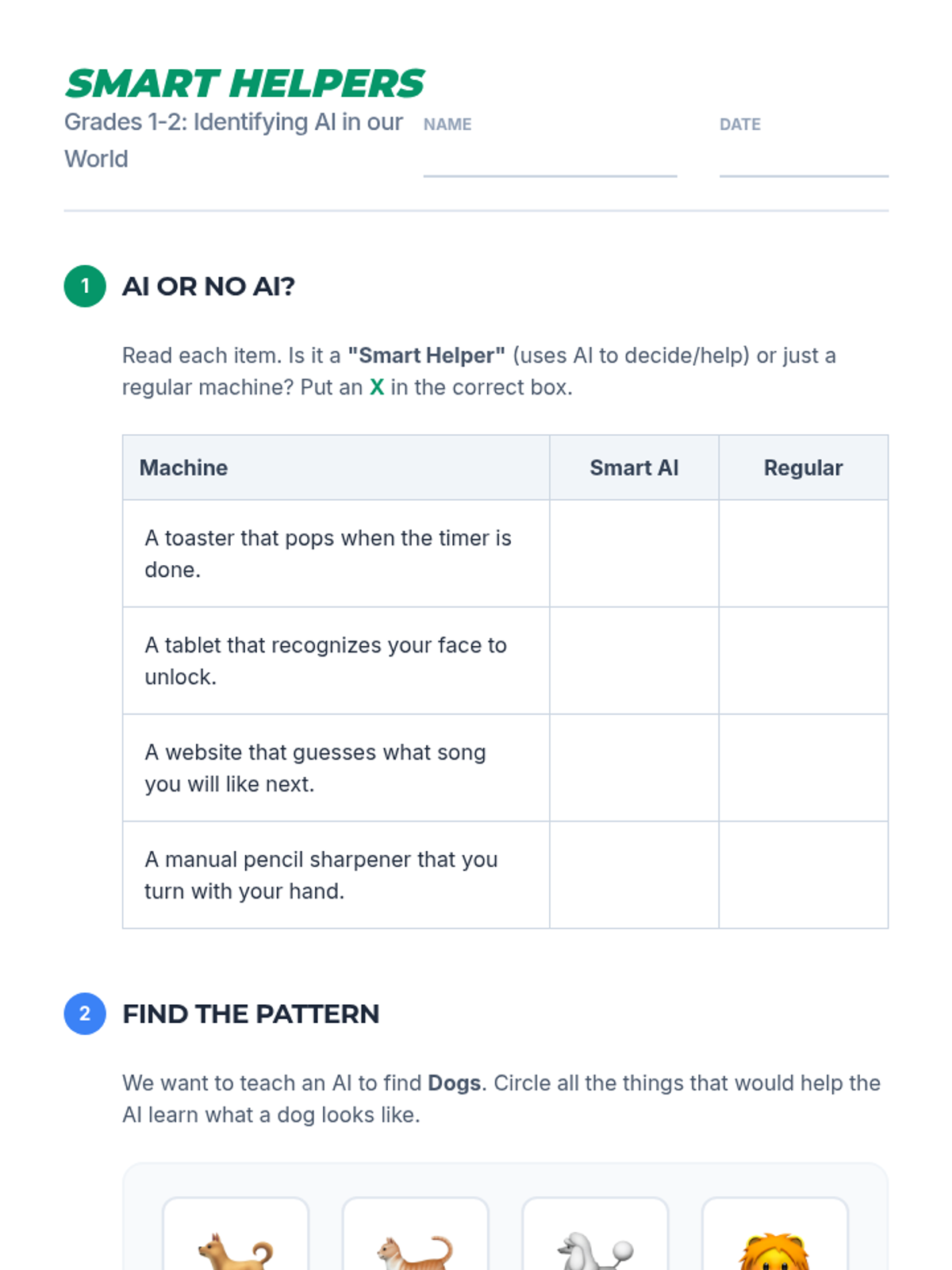
Students in grades 1-2 explore how machines learn to recognize patterns and assist humans, introducing basic classification and the idea of helpful technology.
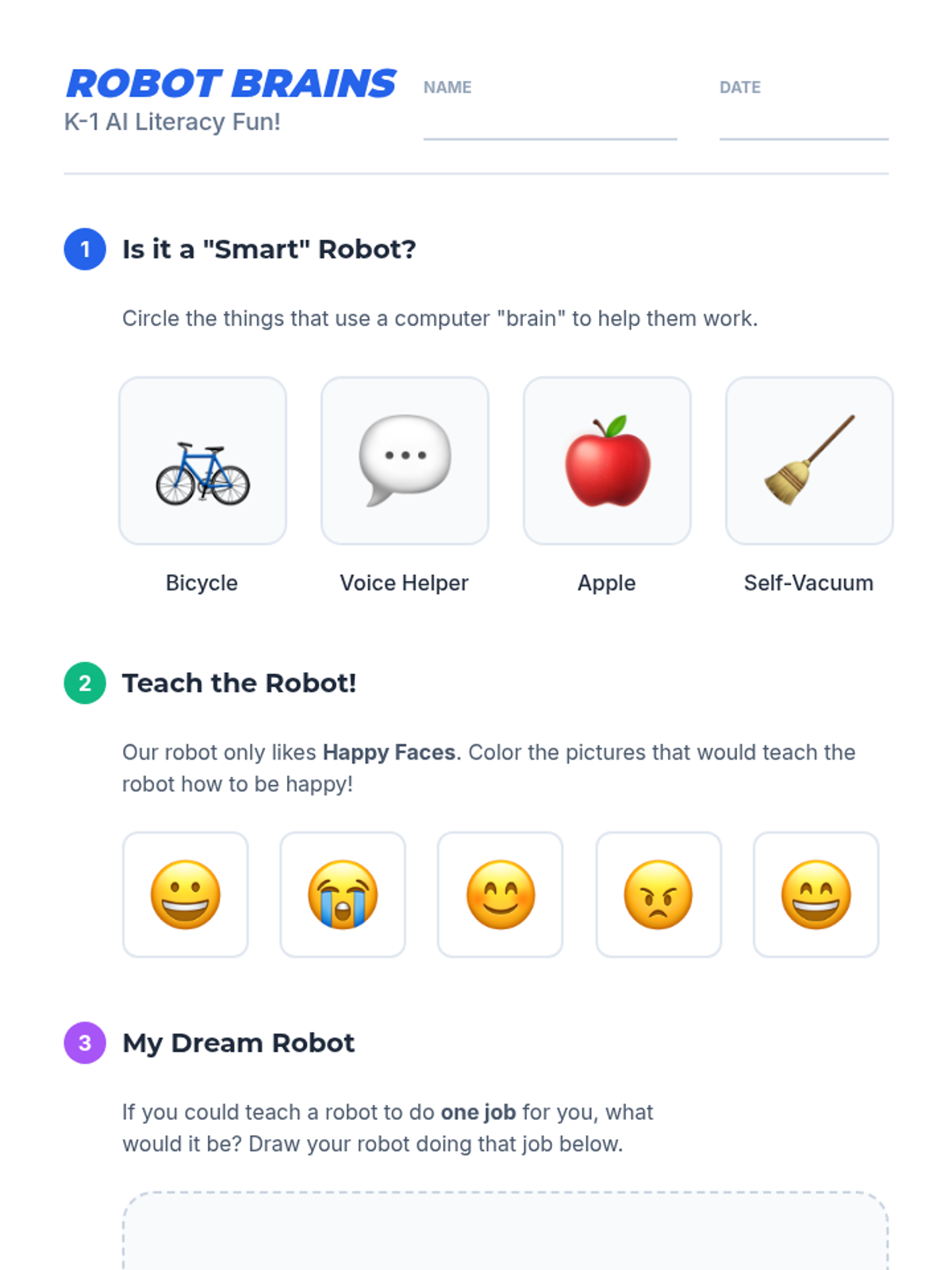
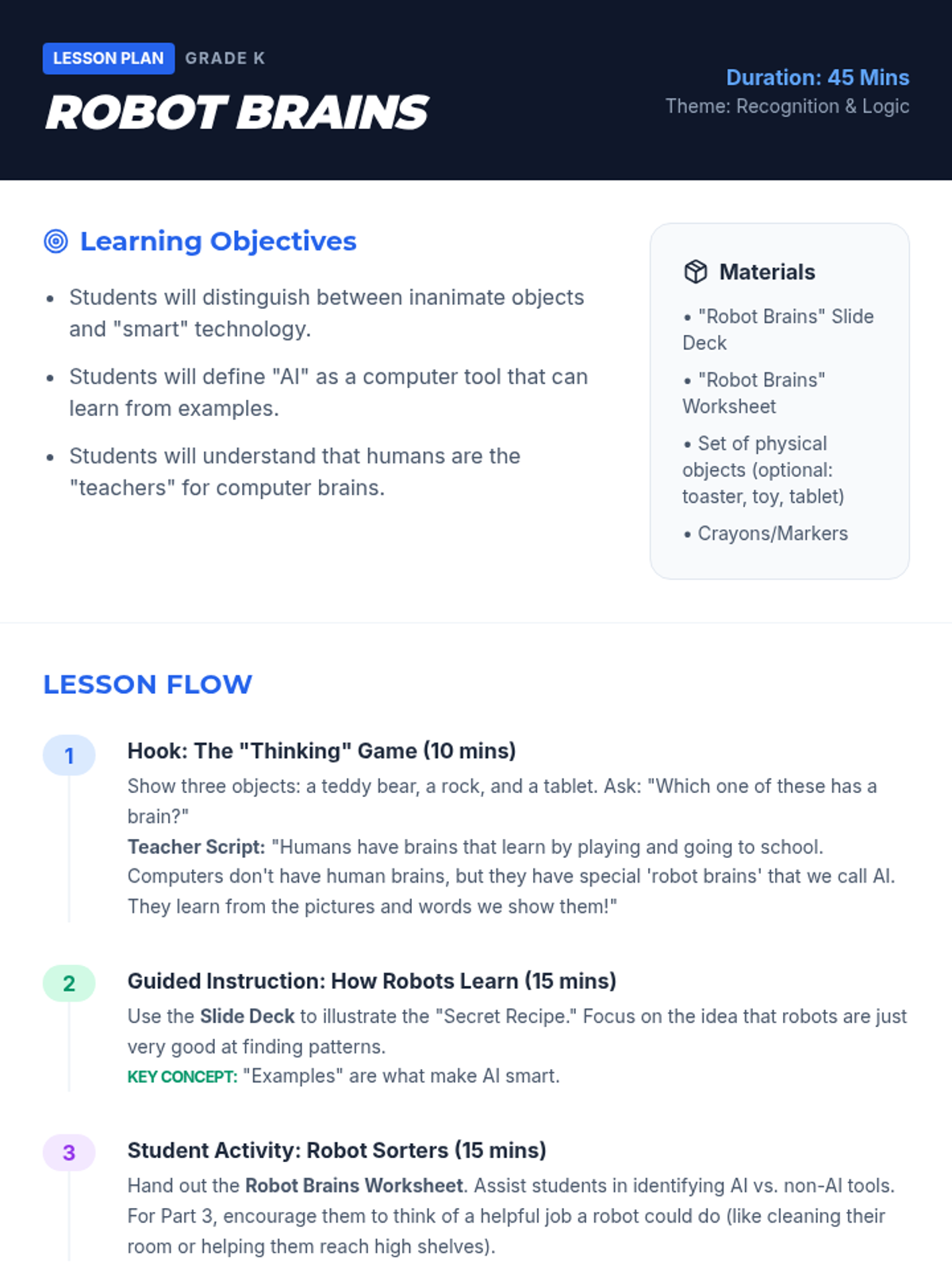
Introduces Kindergarteners to the concept of AI as a 'thinking' tool that follows instructions and learns from examples, focusing on the difference between robots and AI.
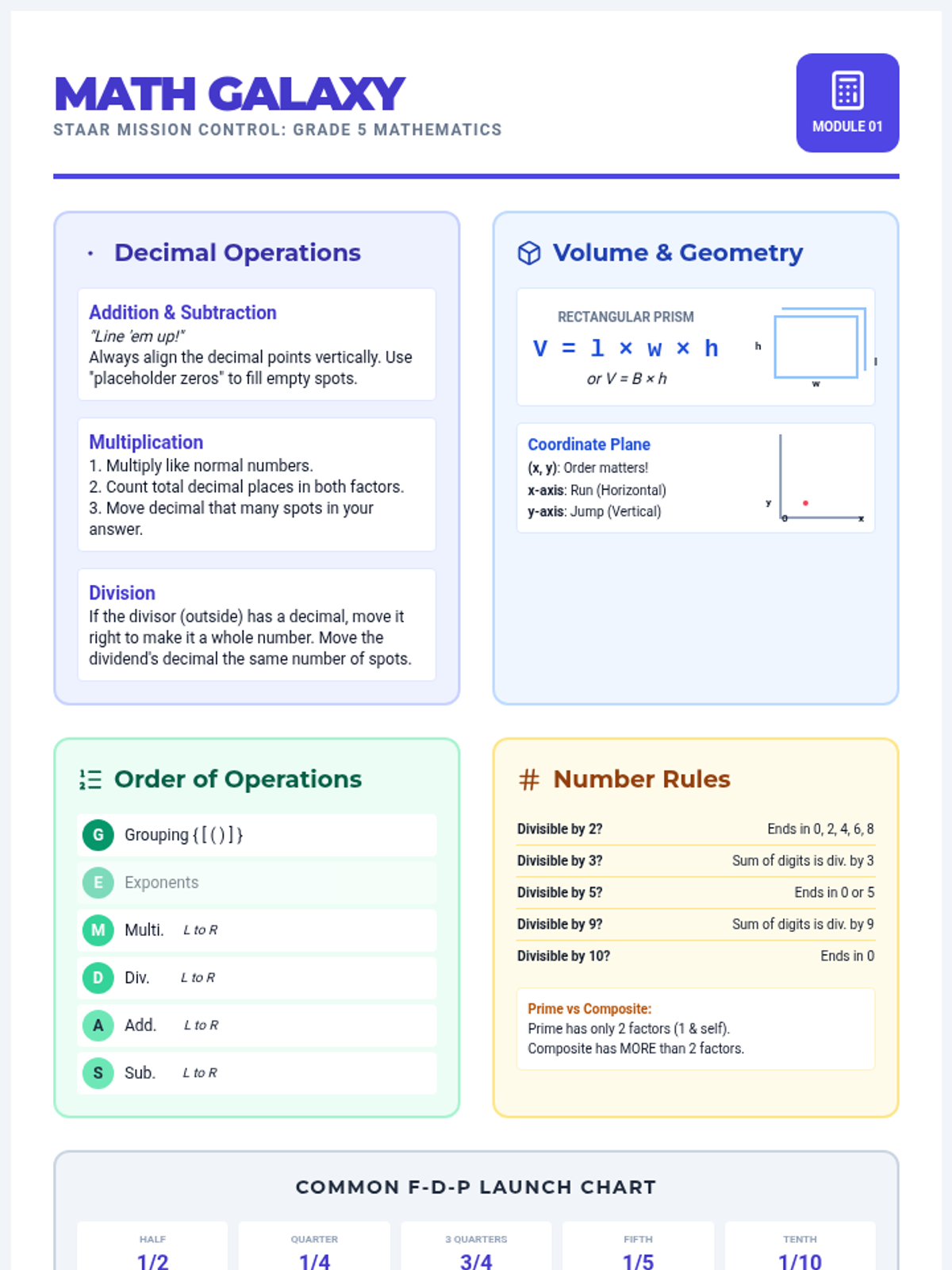
A comprehensive 5th Grade STAAR prep resource covering Math, RLA, and Science essentials, including TEI strategies and TEKS-aligned content.
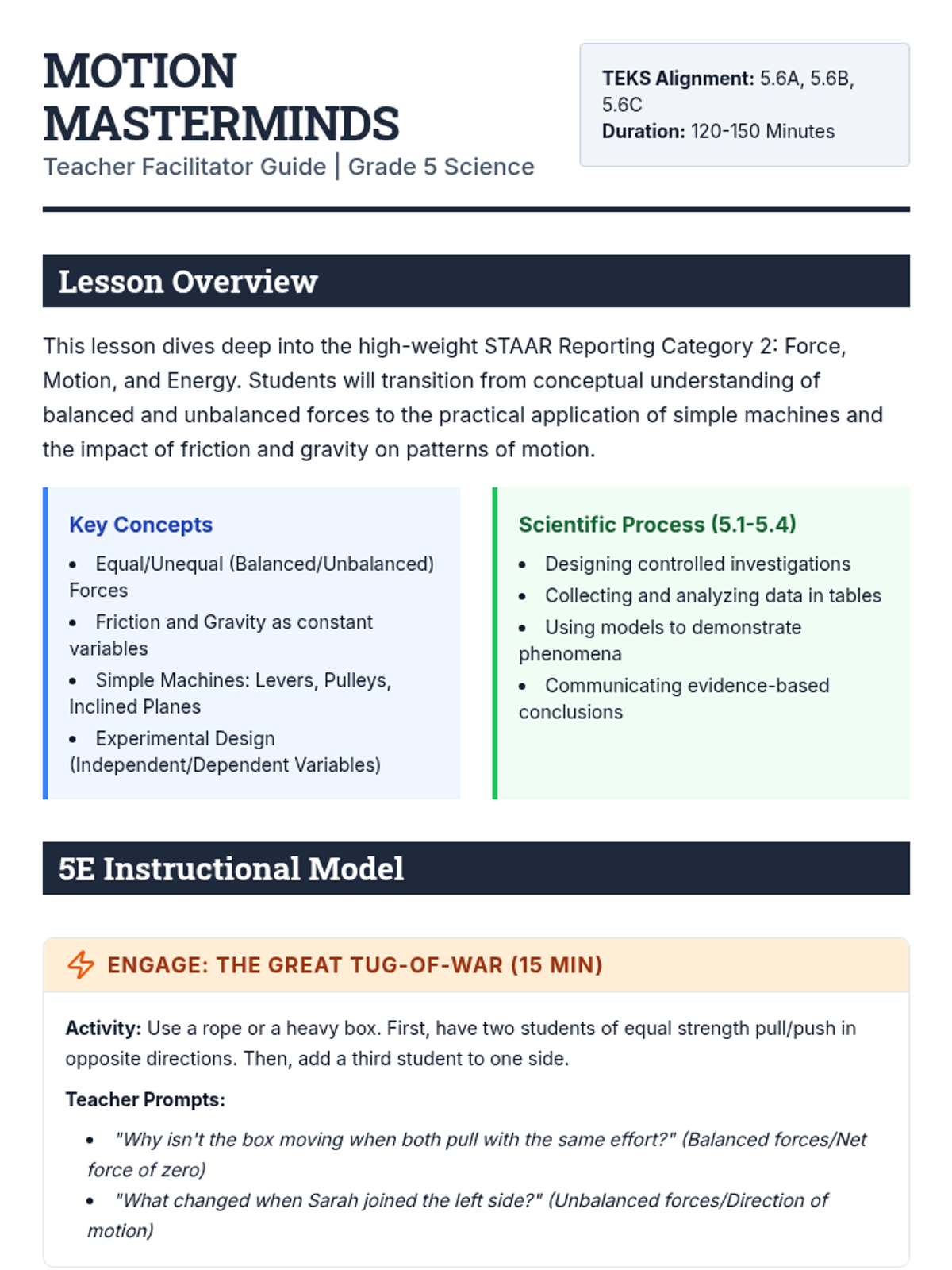
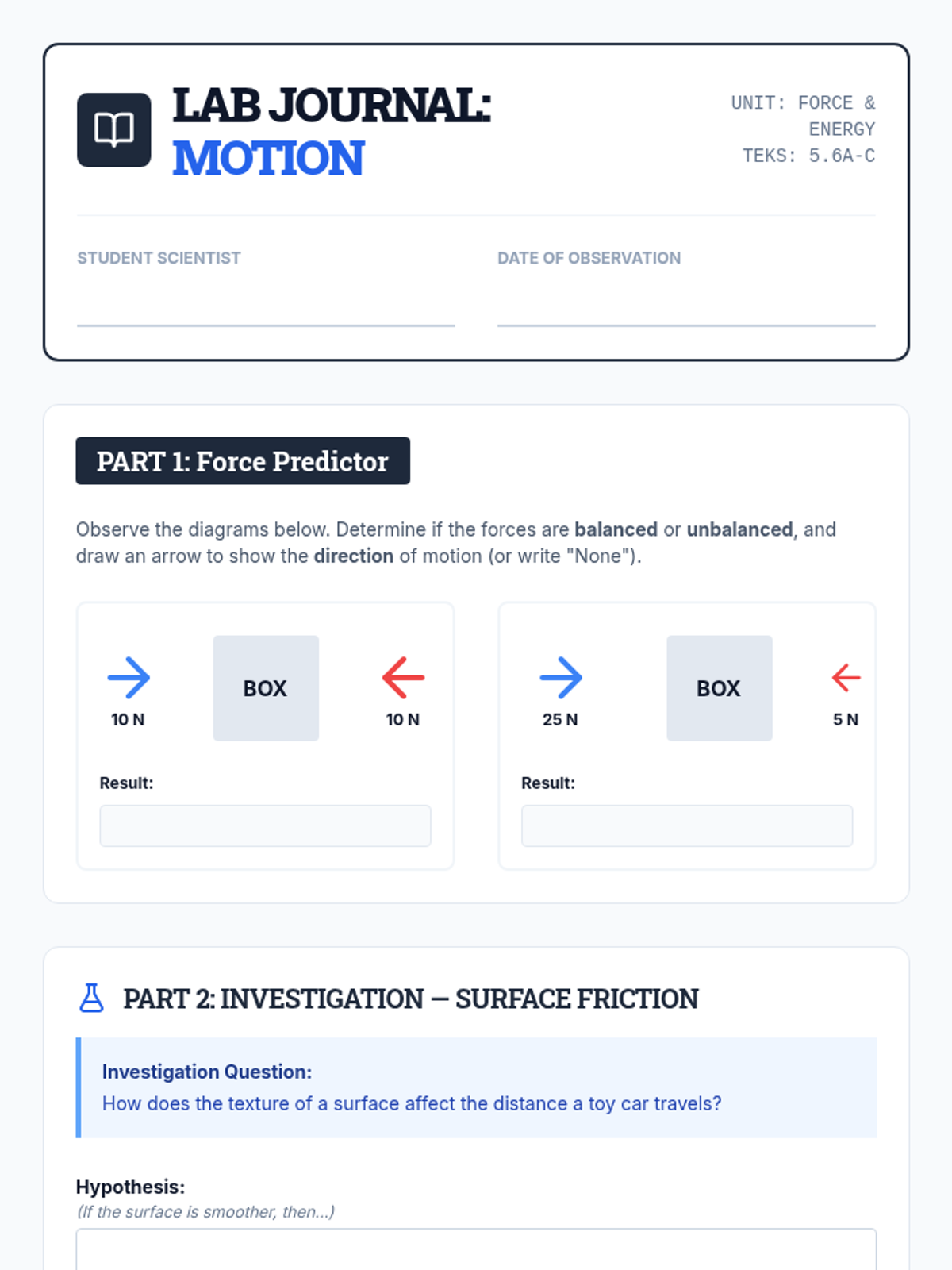
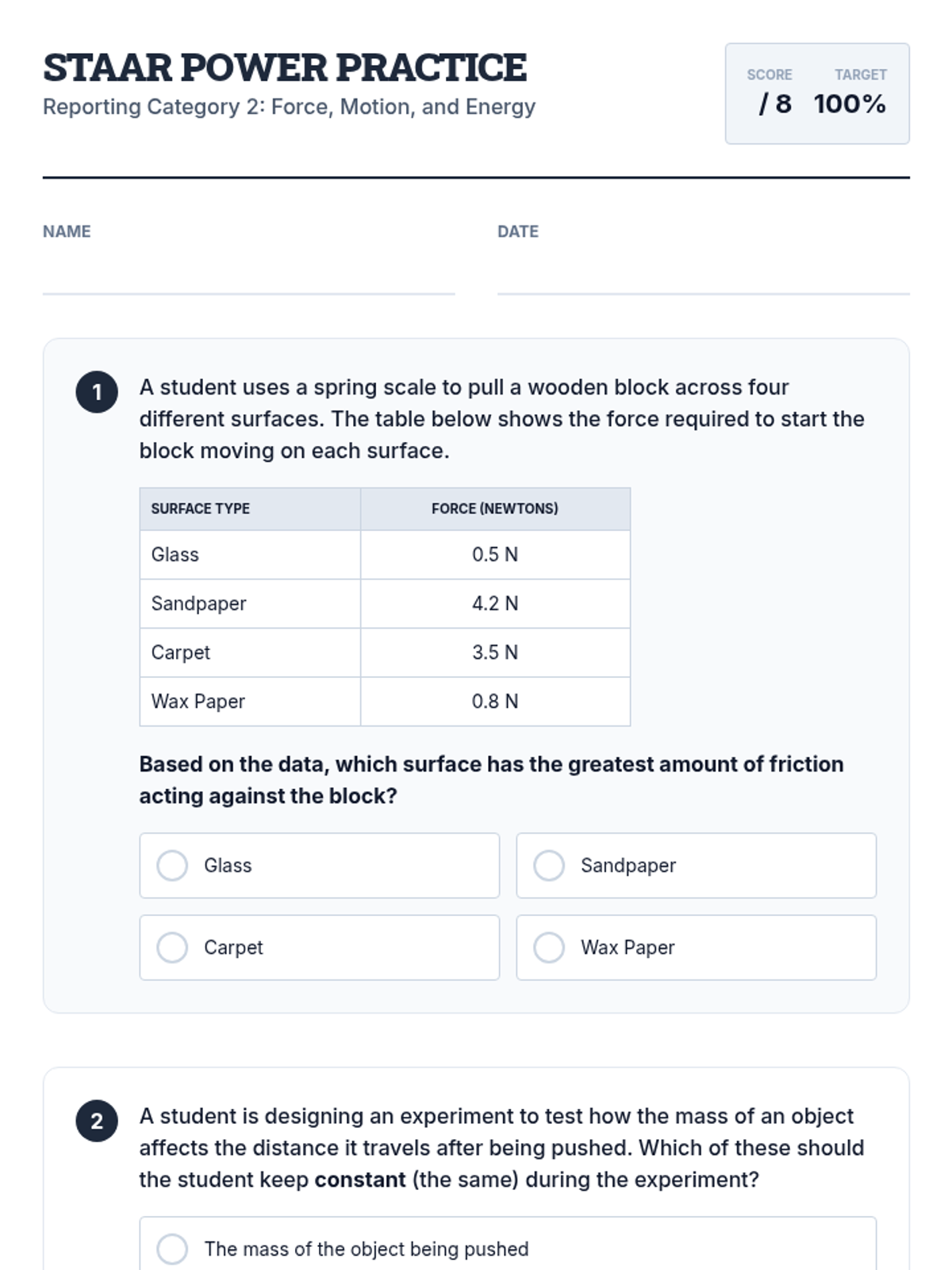
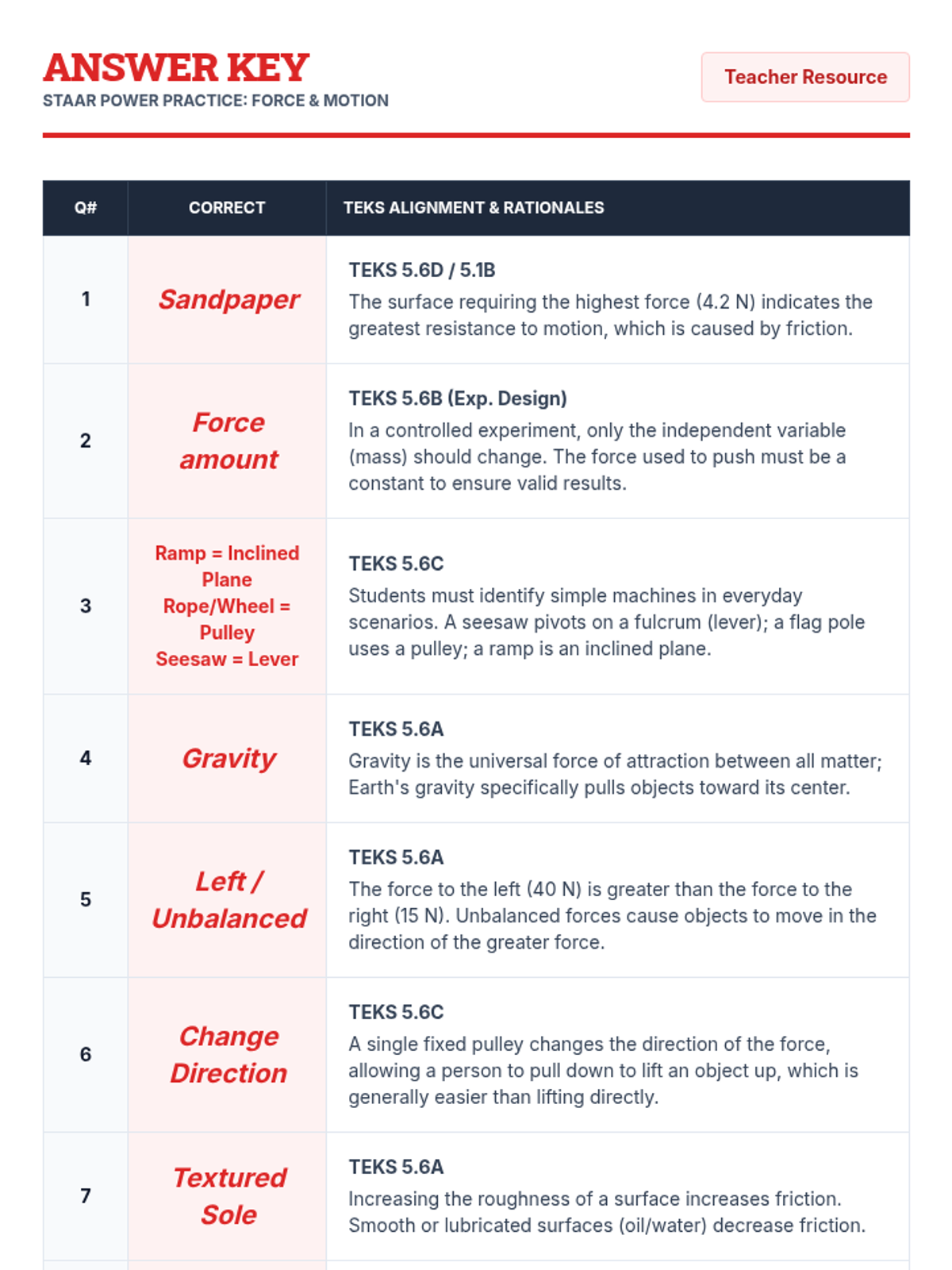
A comprehensive Grade 5 Science lesson focusing on the physics of motion, force, and energy. Students investigate balanced and unbalanced forces, friction, gravity, and simple machines through hands-on inquiry and real-world applications.
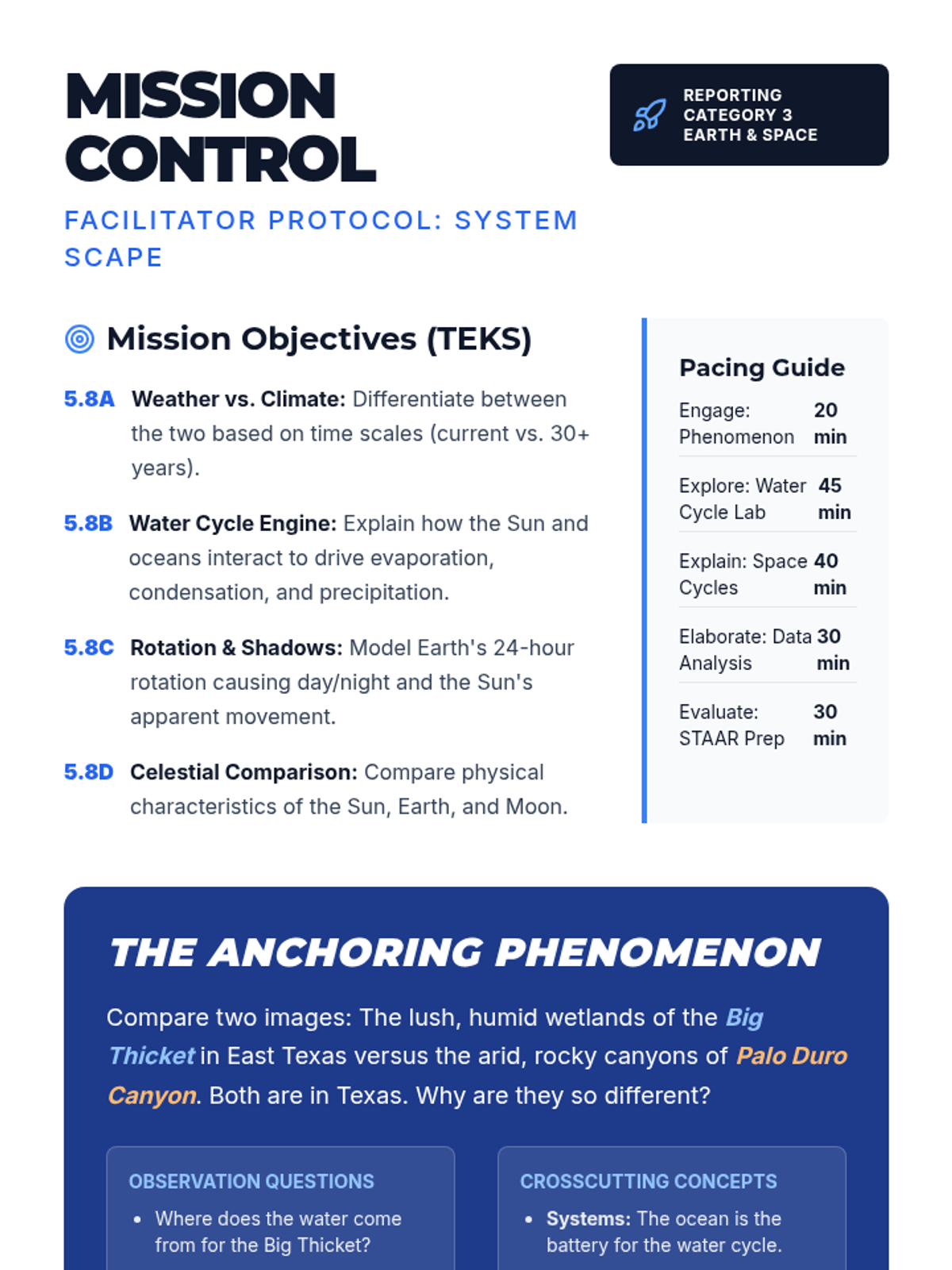
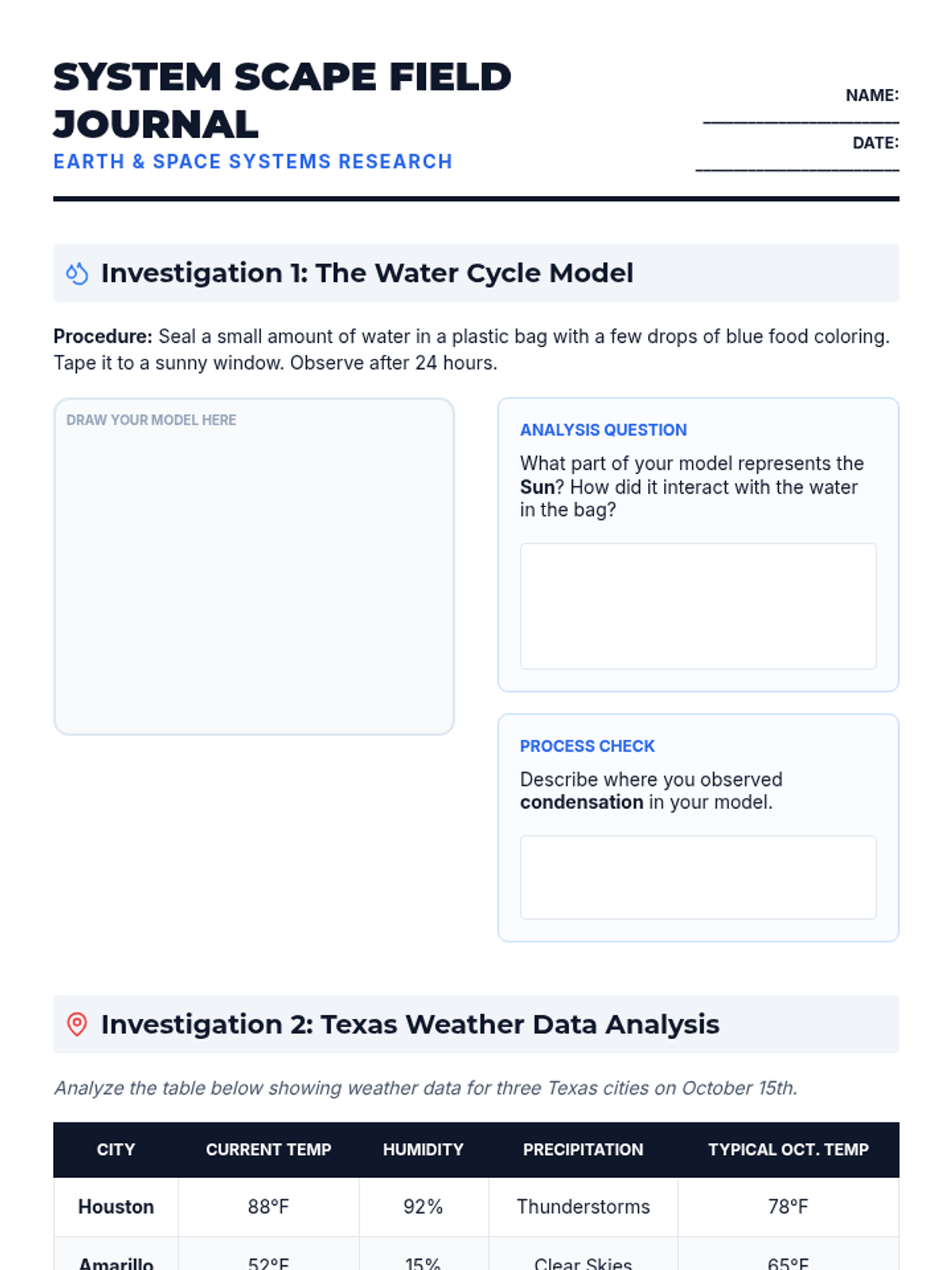
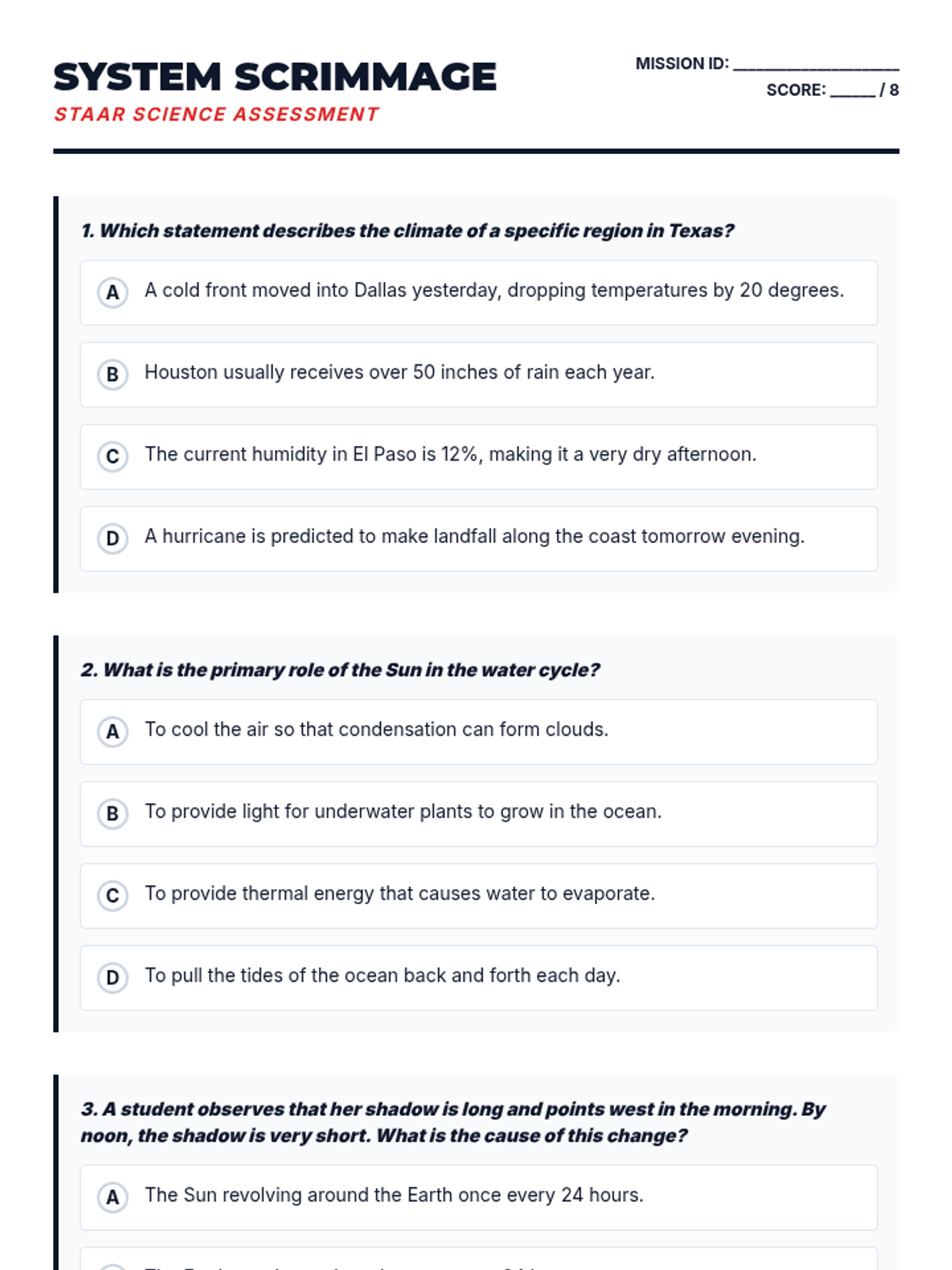
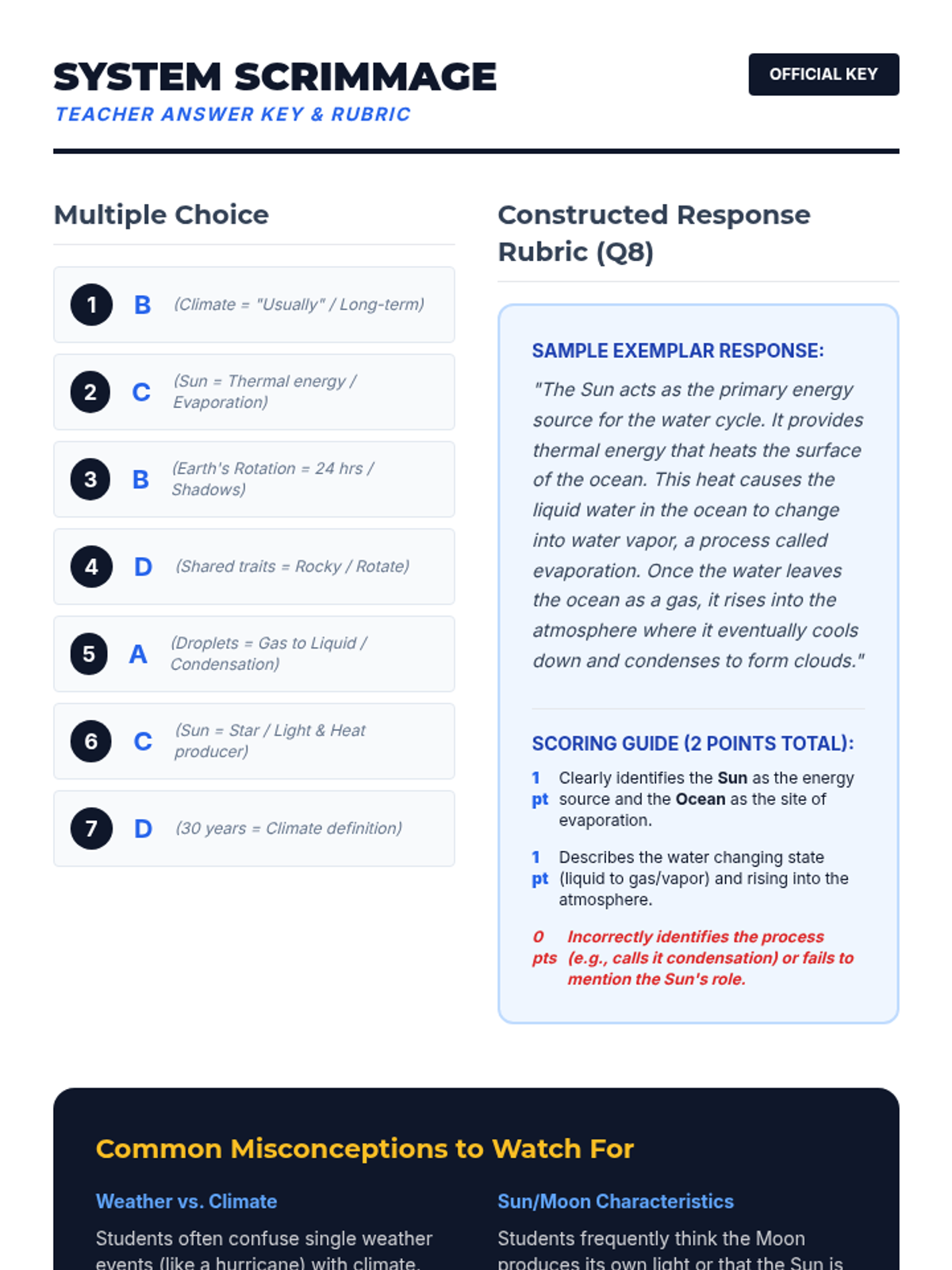
A comprehensive Grade 5 Science lesson covering Earth and space systems, including the water cycle, weather patterns, and the Sun-Earth-Moon system, designed for STAAR preparation. Students will analyze real Texas weather data, build water cycle models, and compare celestial bodies through a phenomenon-based lens.
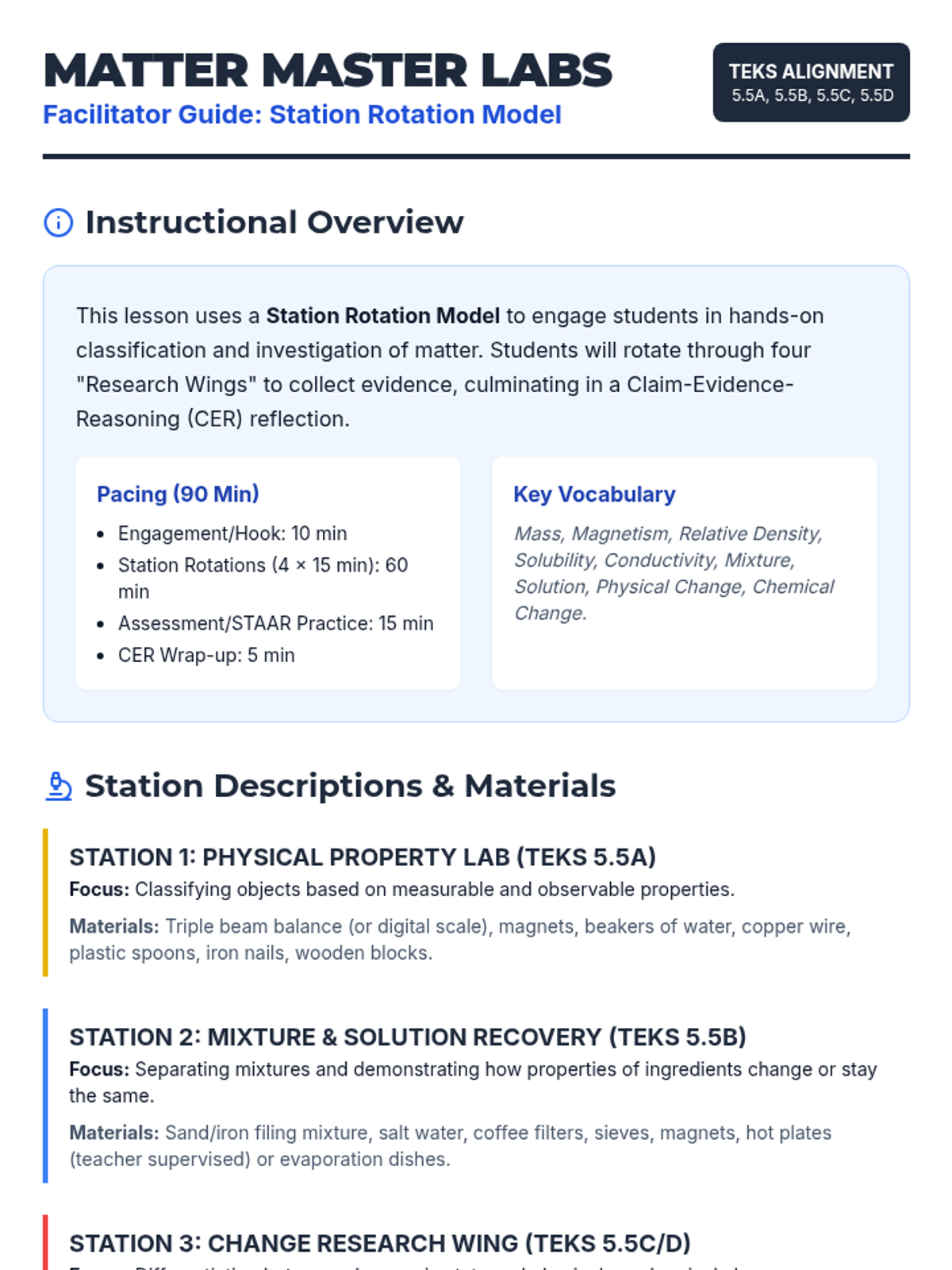
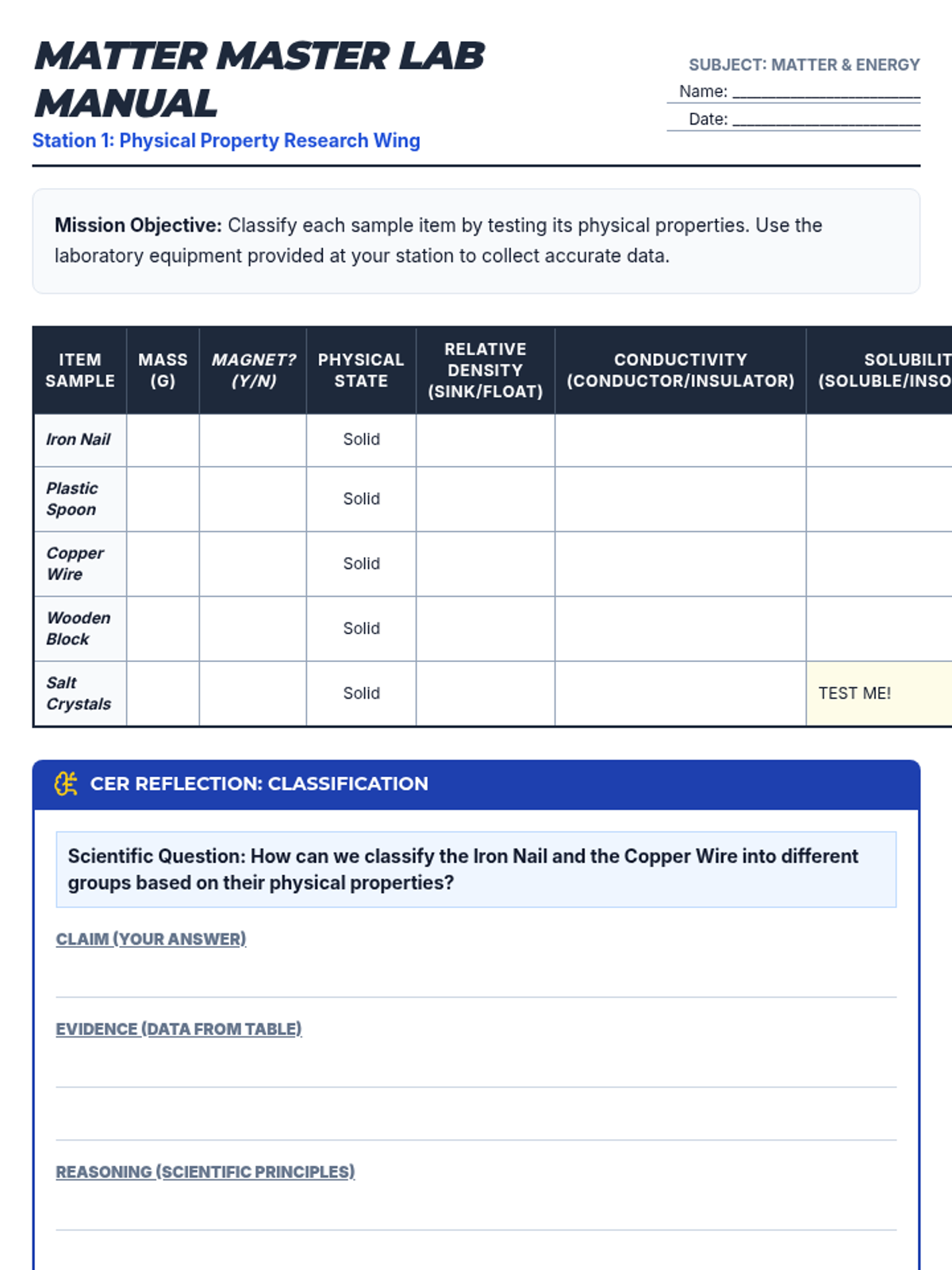
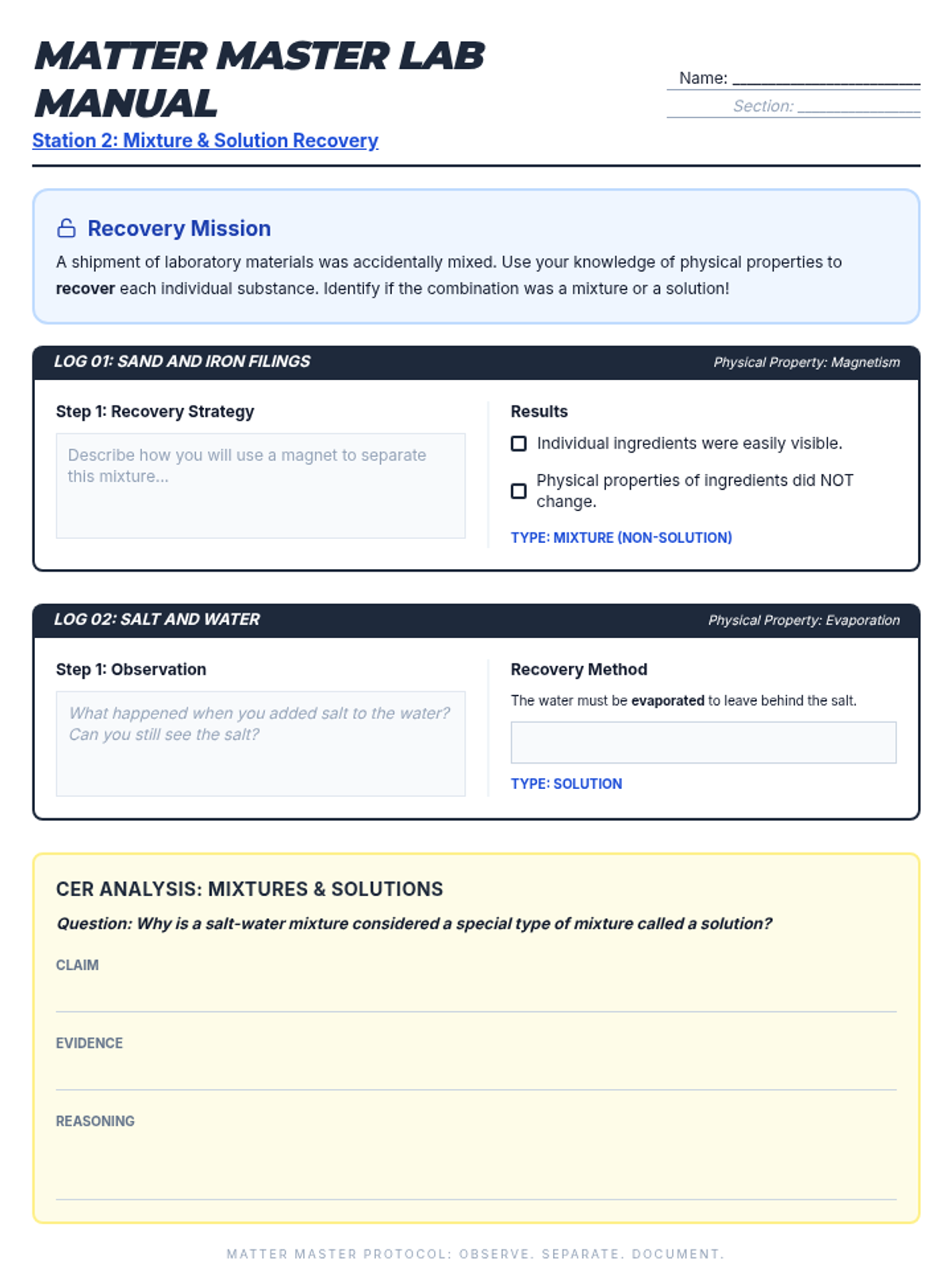
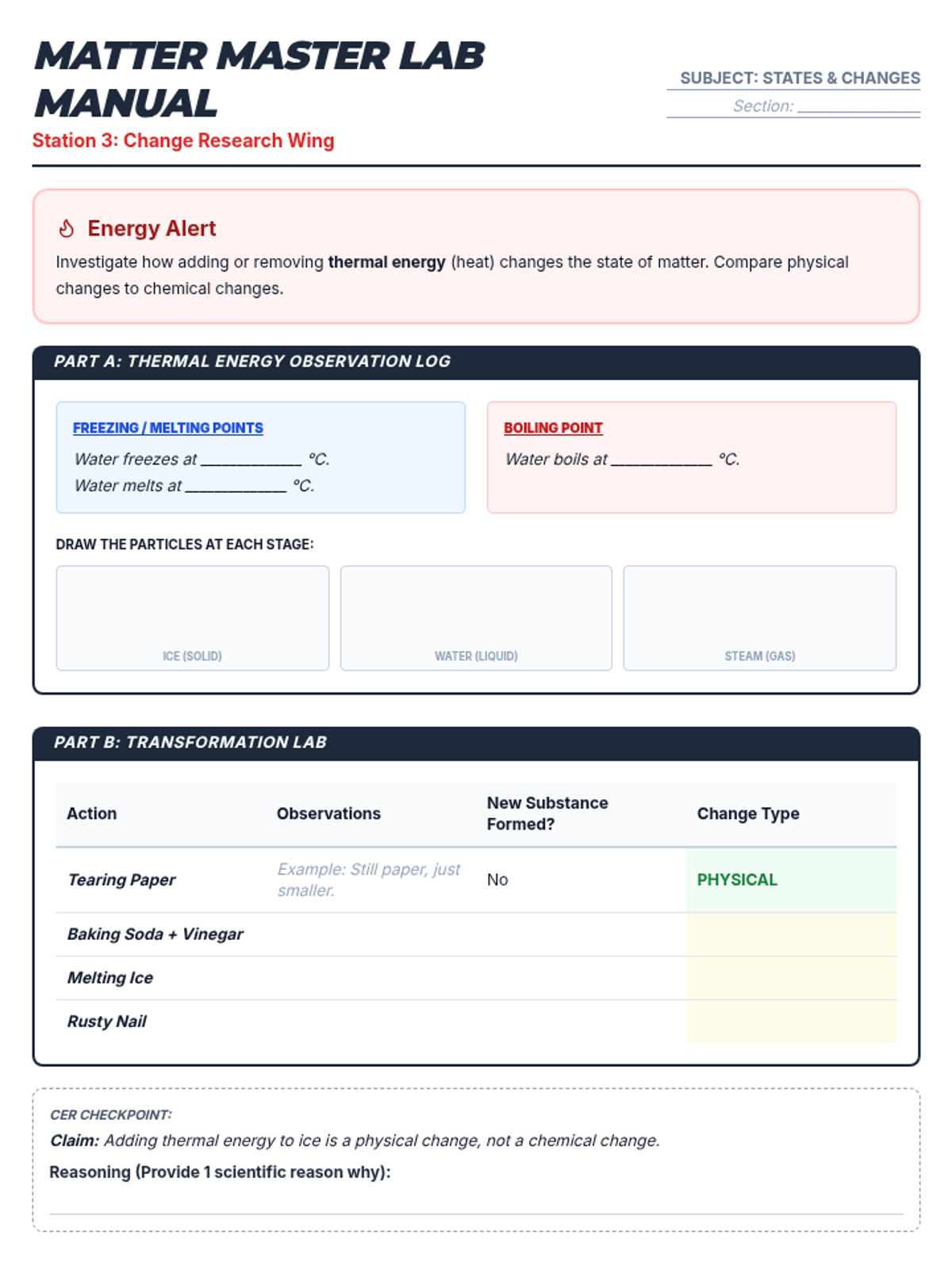
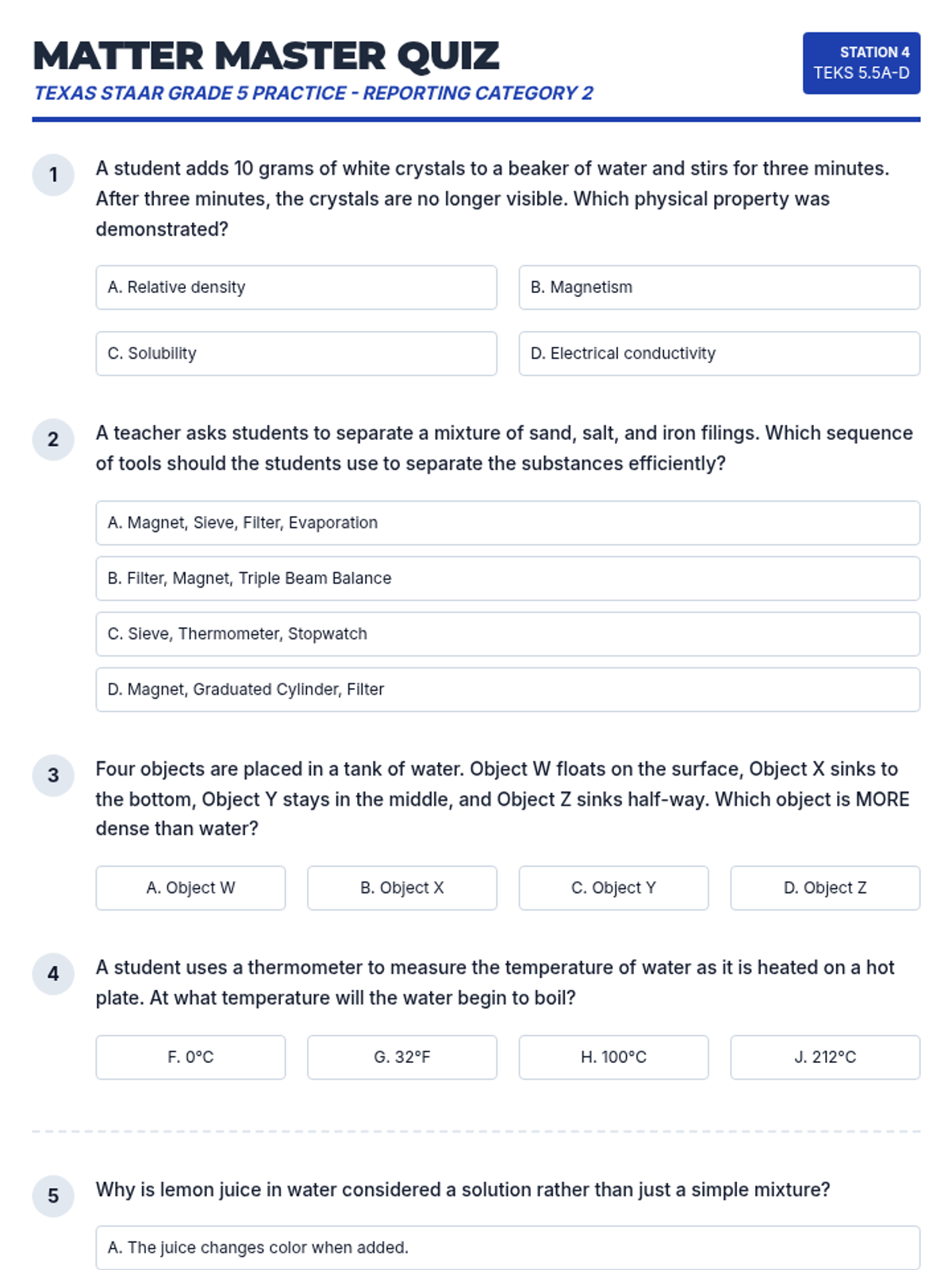
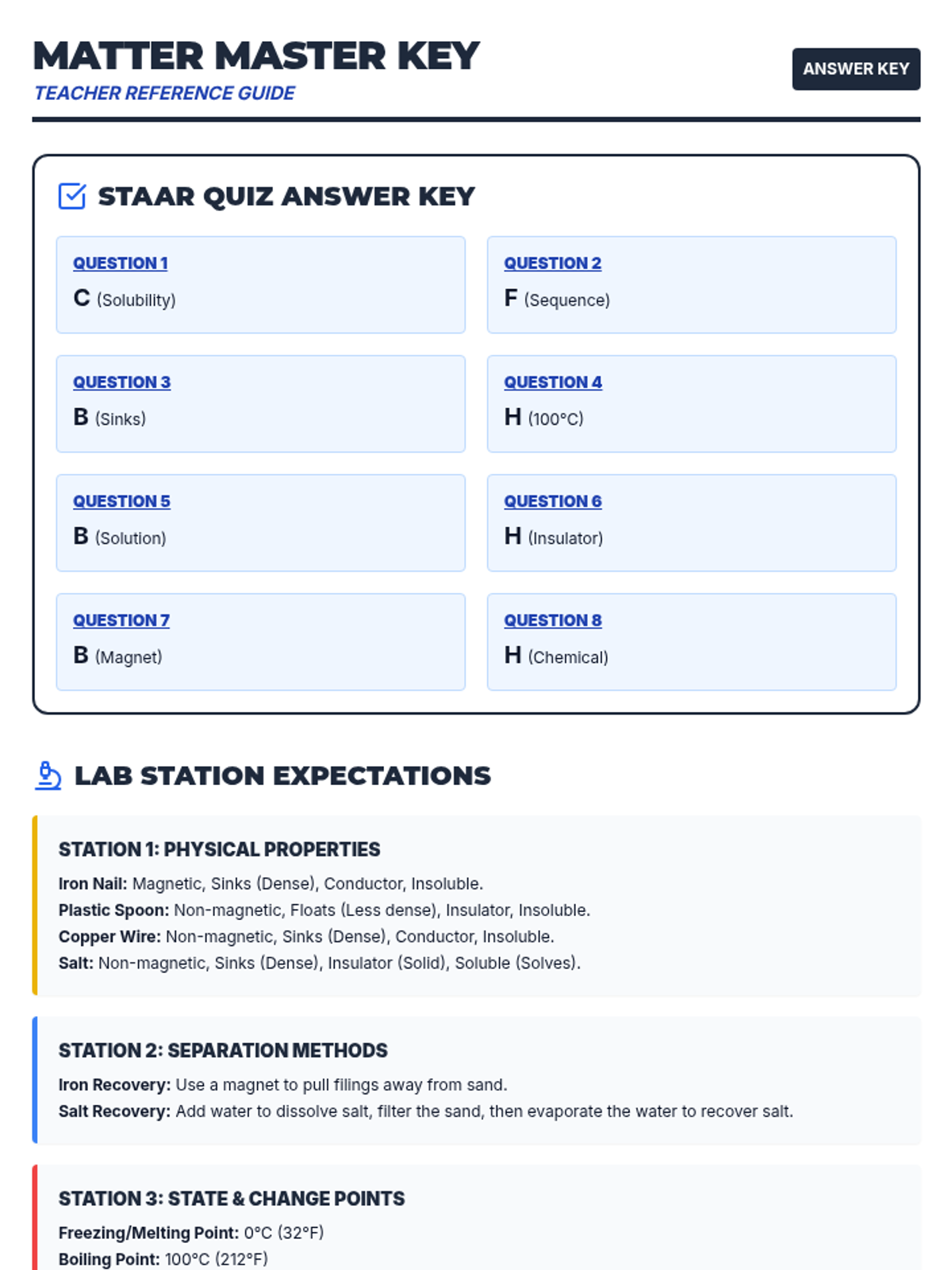
A comprehensive 5th grade science lesson on the properties and changes of matter, featuring hands-on stations, mixtures and solutions investigations, and STAAR-aligned assessment. Students explore physical properties, separation techniques, and state changes using the CER framework.
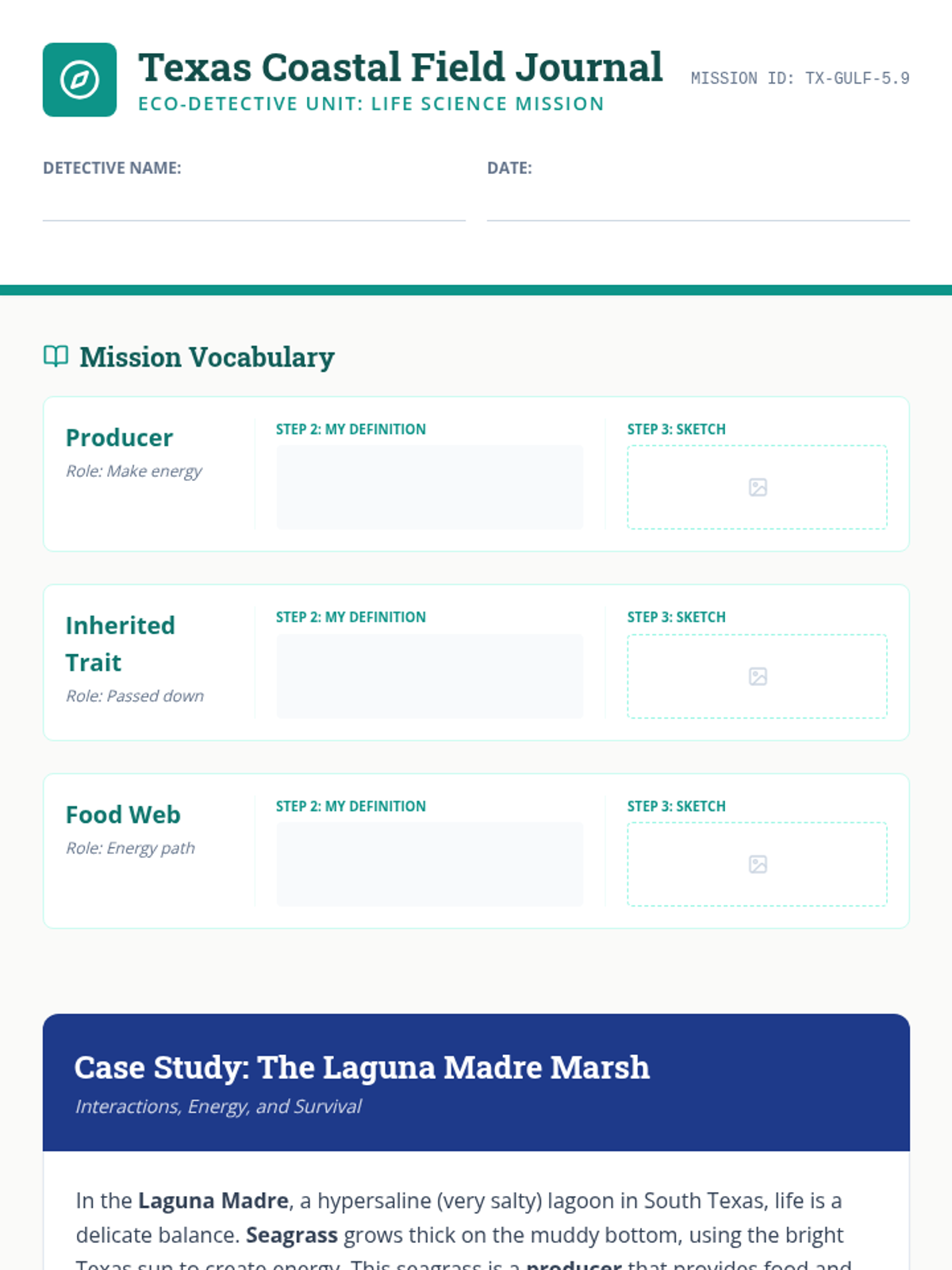
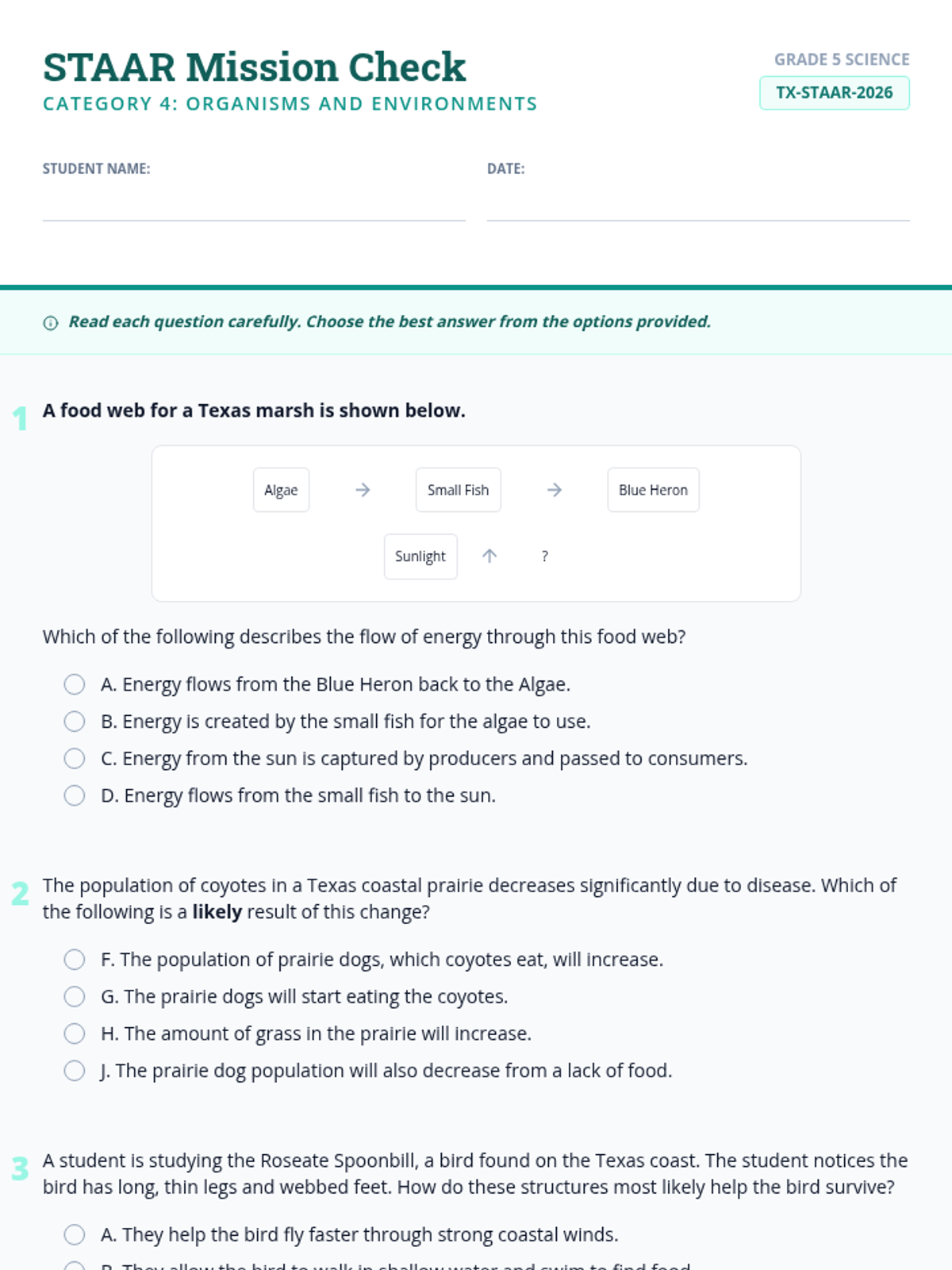
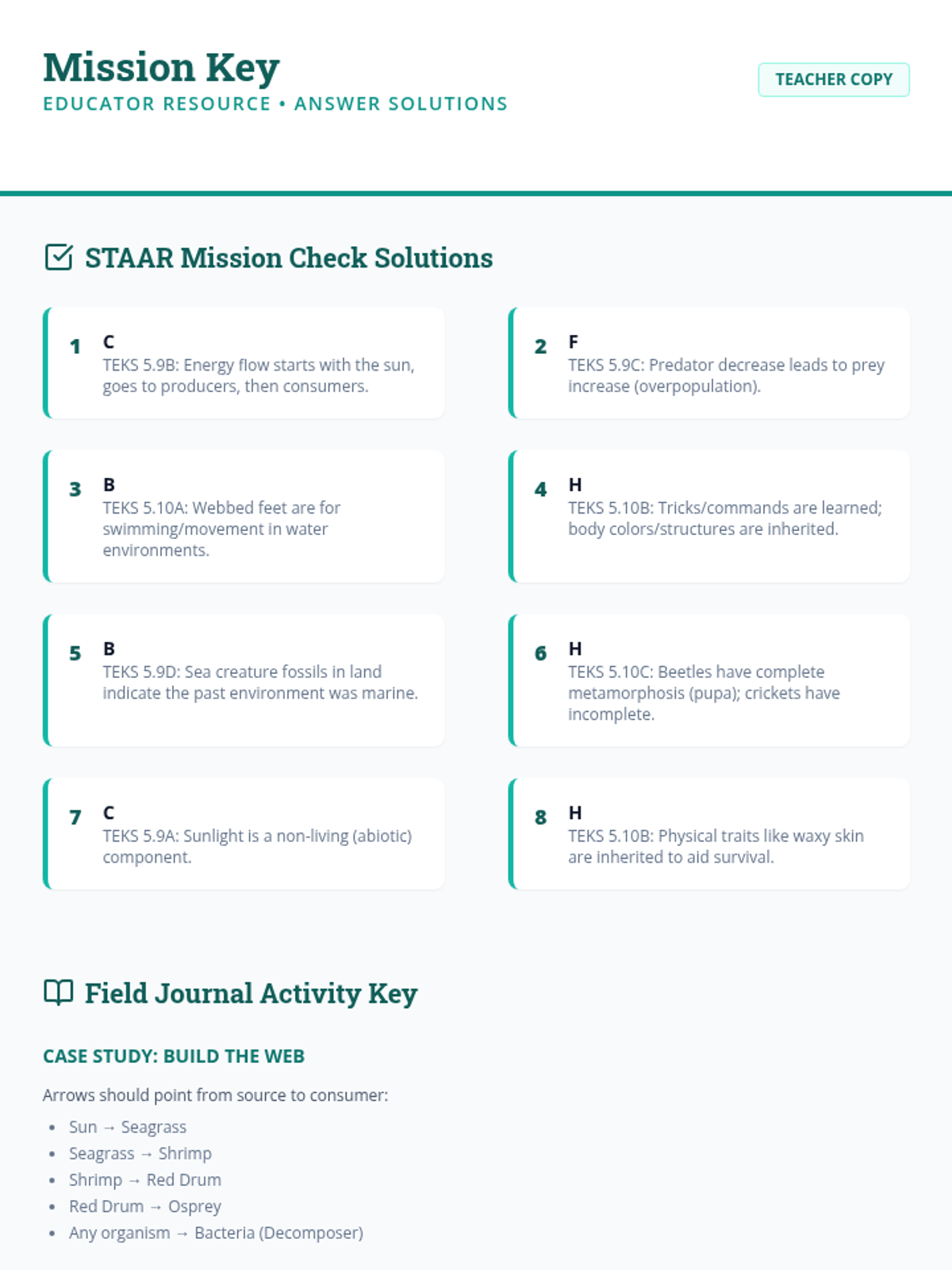
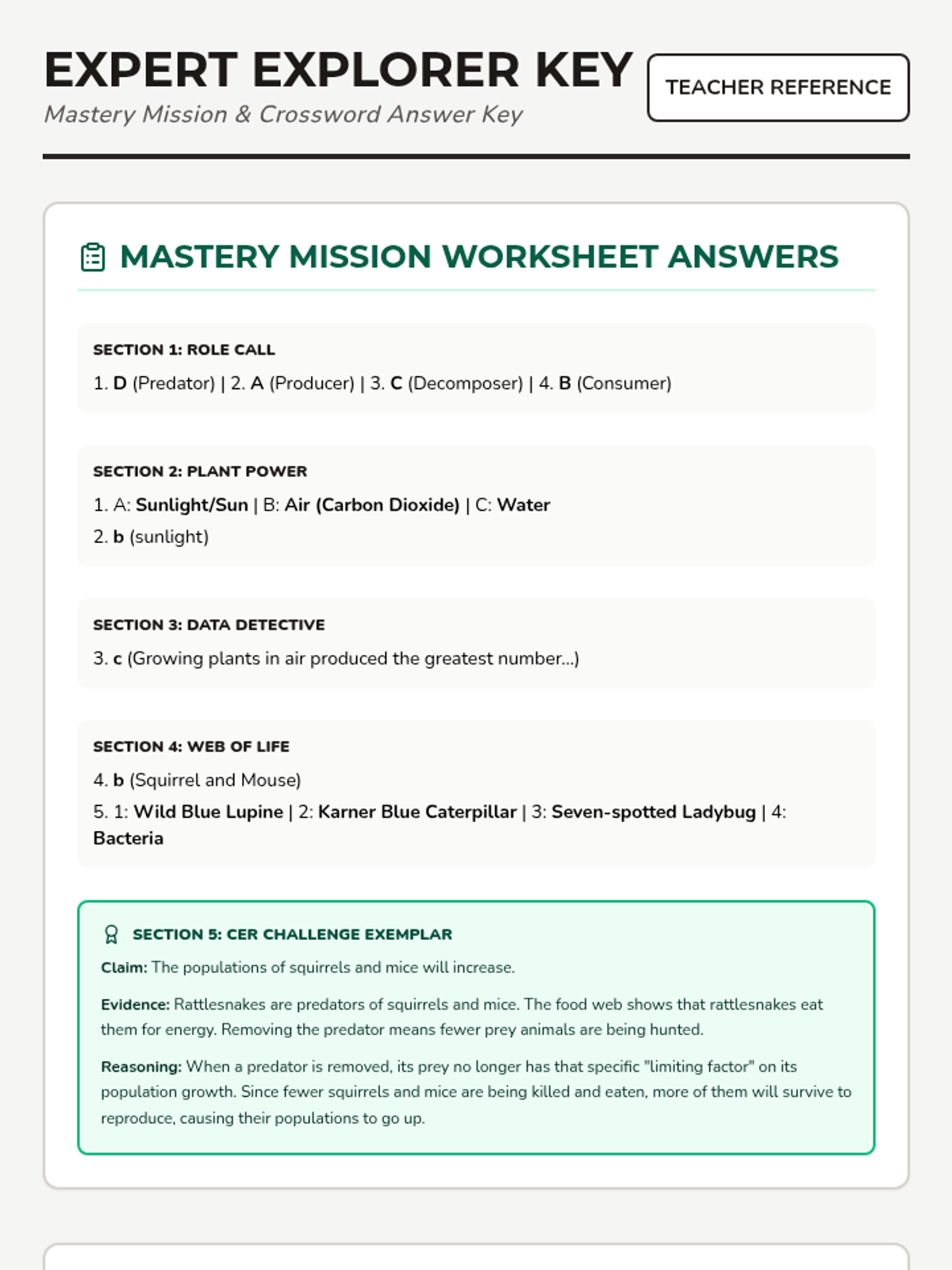
A comprehensive TEKS-aligned Grade 5 life science lesson focusing on Texas Gulf Coast ecosystems, food webs, and adaptations through inquiry-based stations and STAAR-style practice.
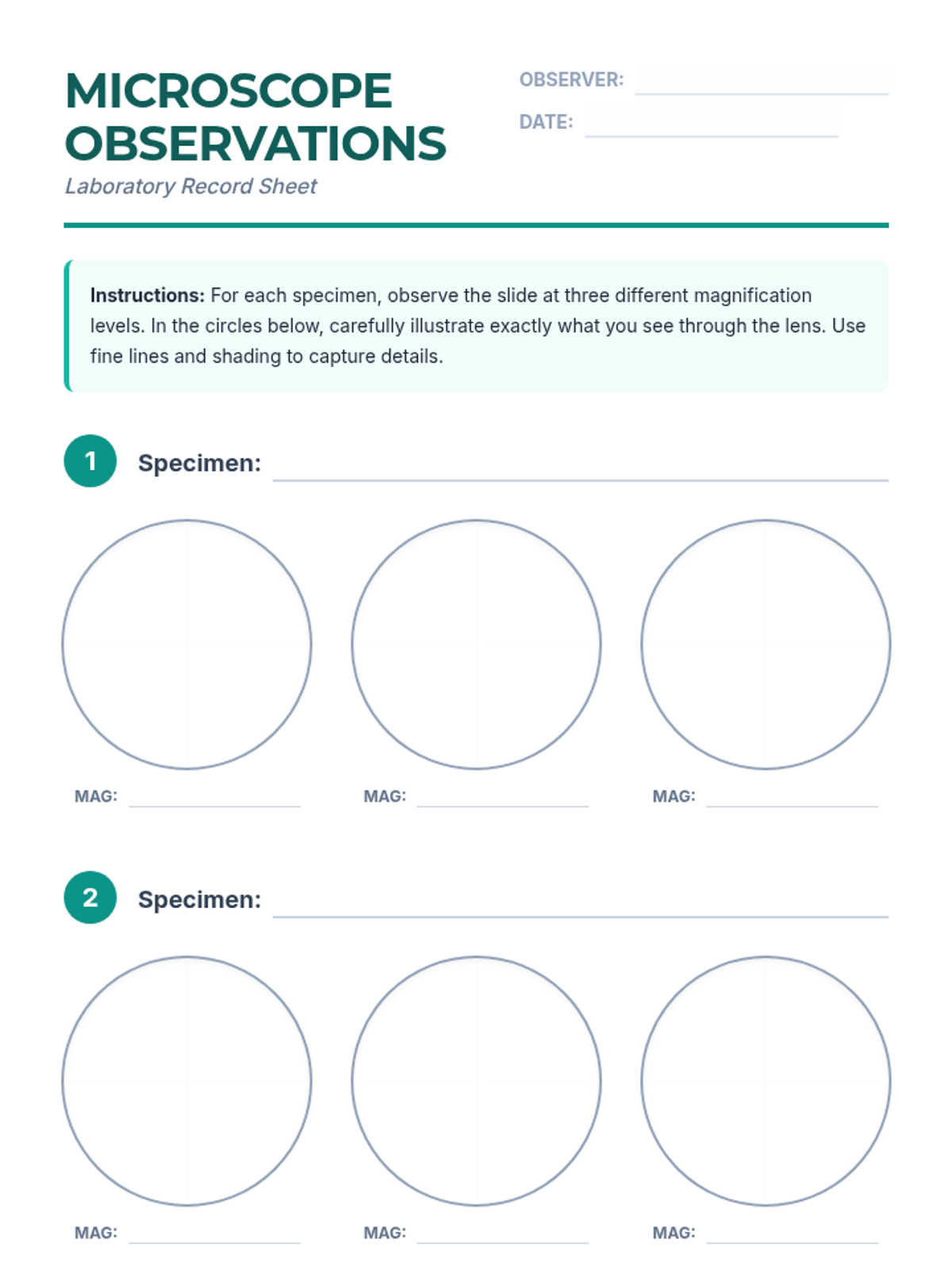
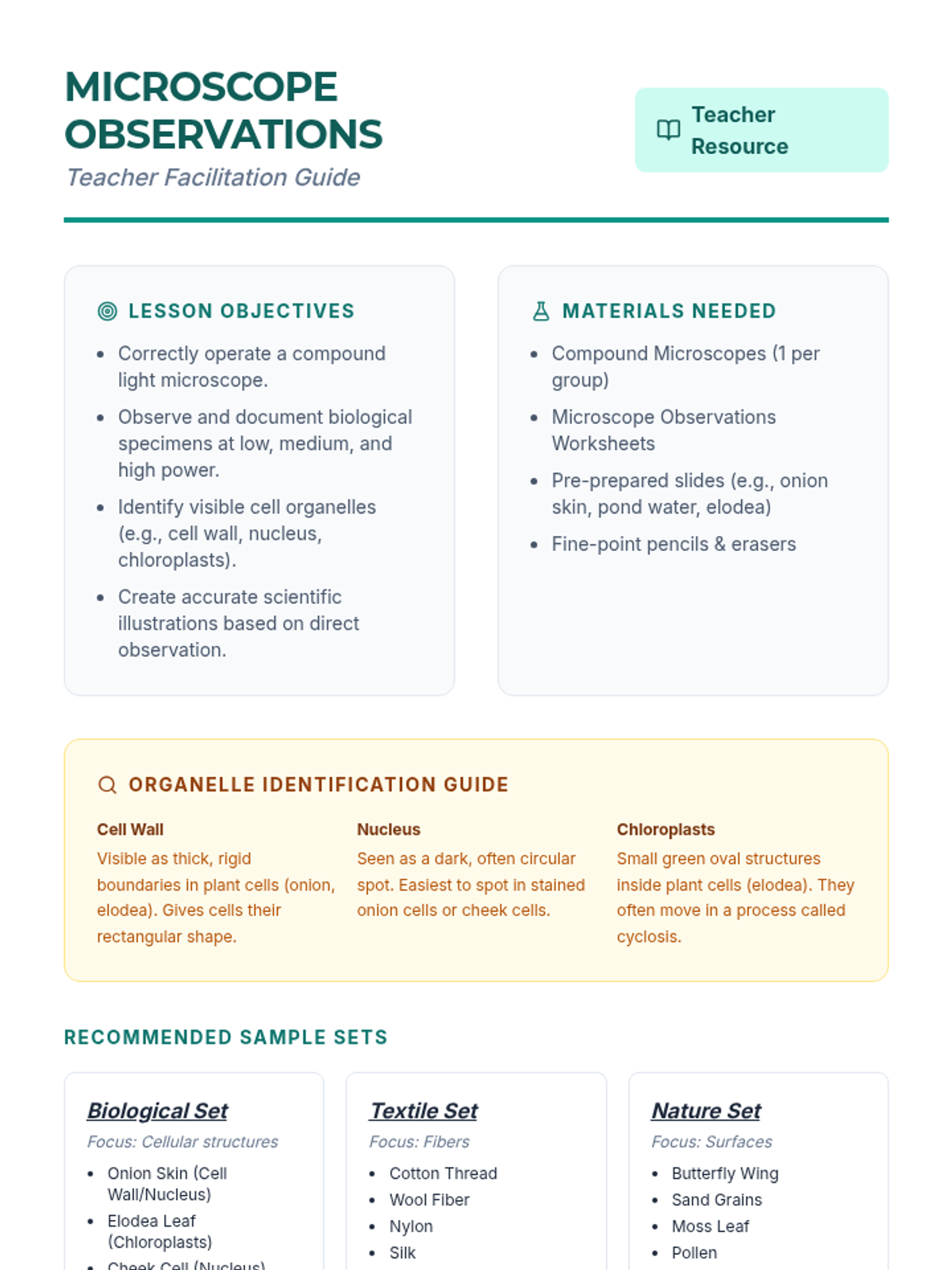
A hands-on laboratory experience where students use microscopes to observe and document biological and physical specimens at varying magnifications.
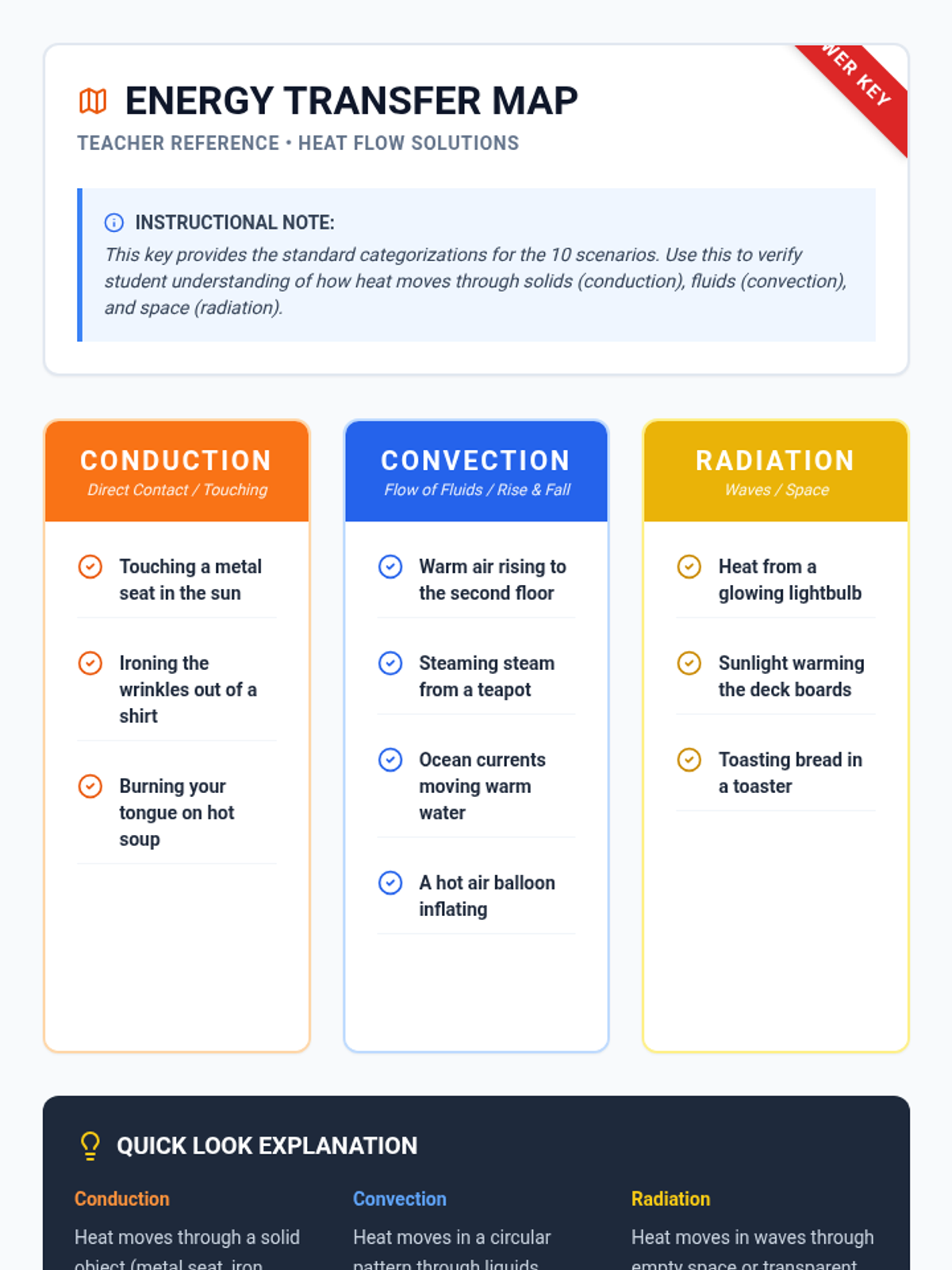
Reviewing the three types of heat transfer through interactive slides and a graphic organizer to connect concepts to everyday life.
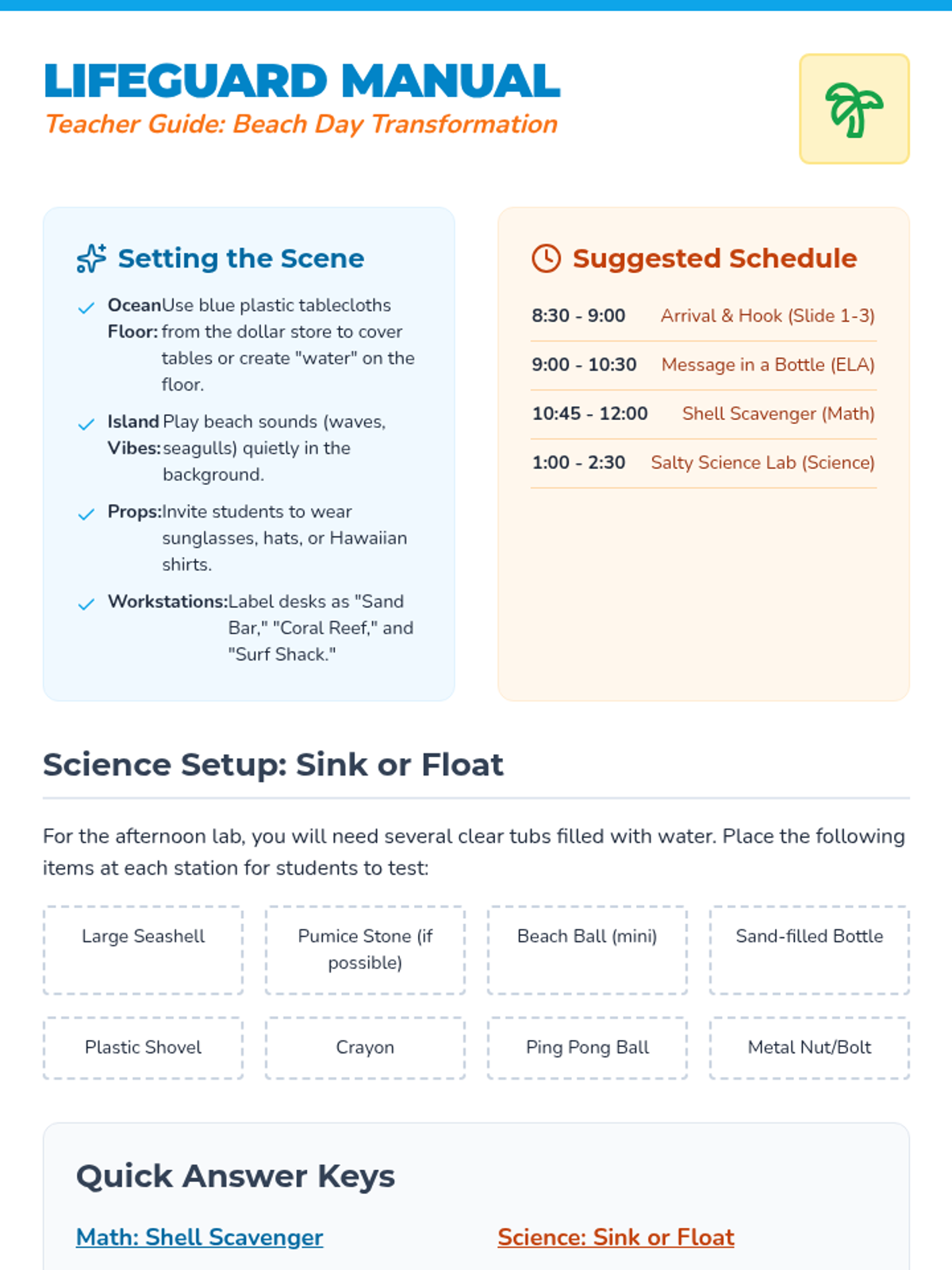
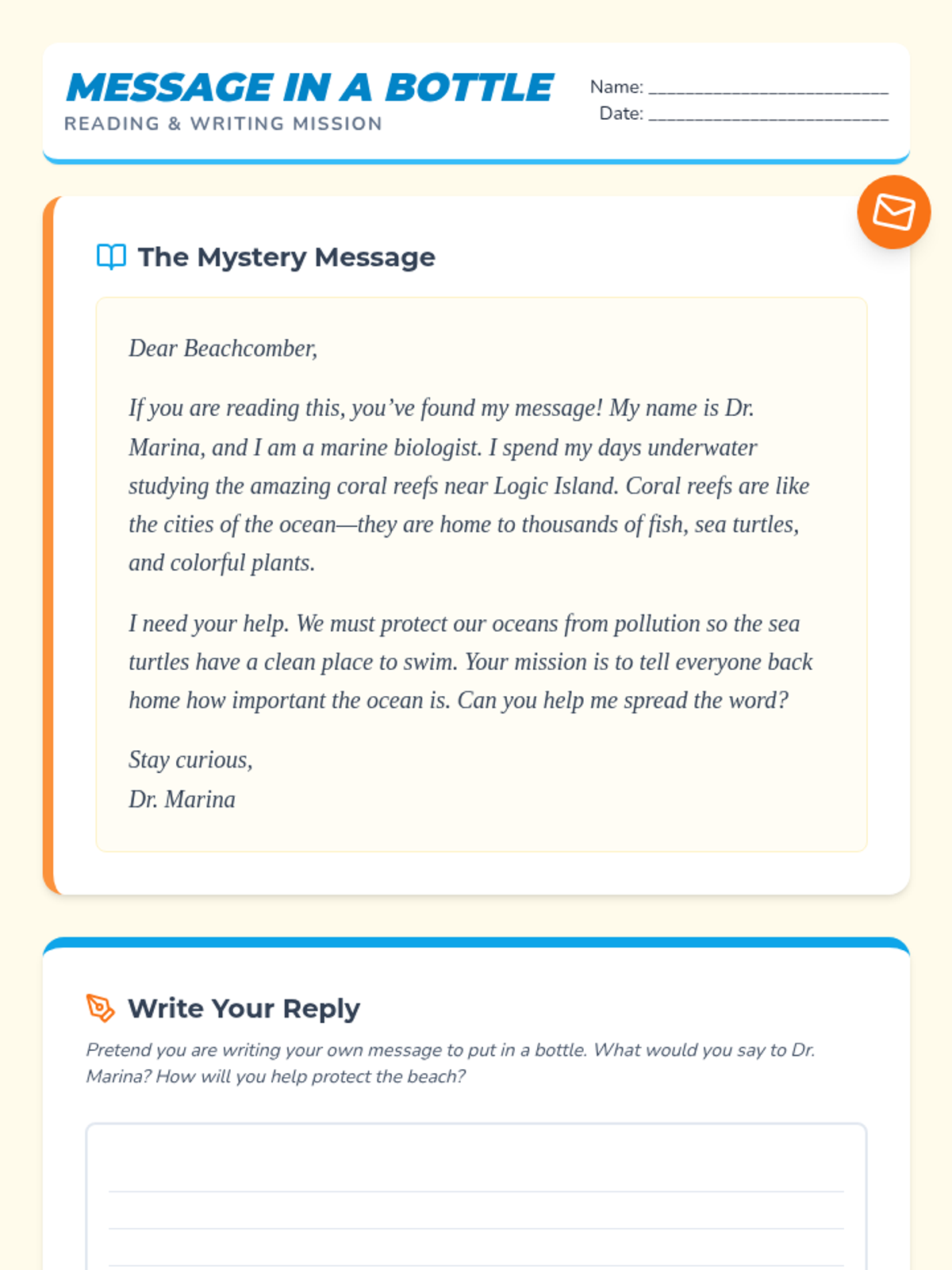
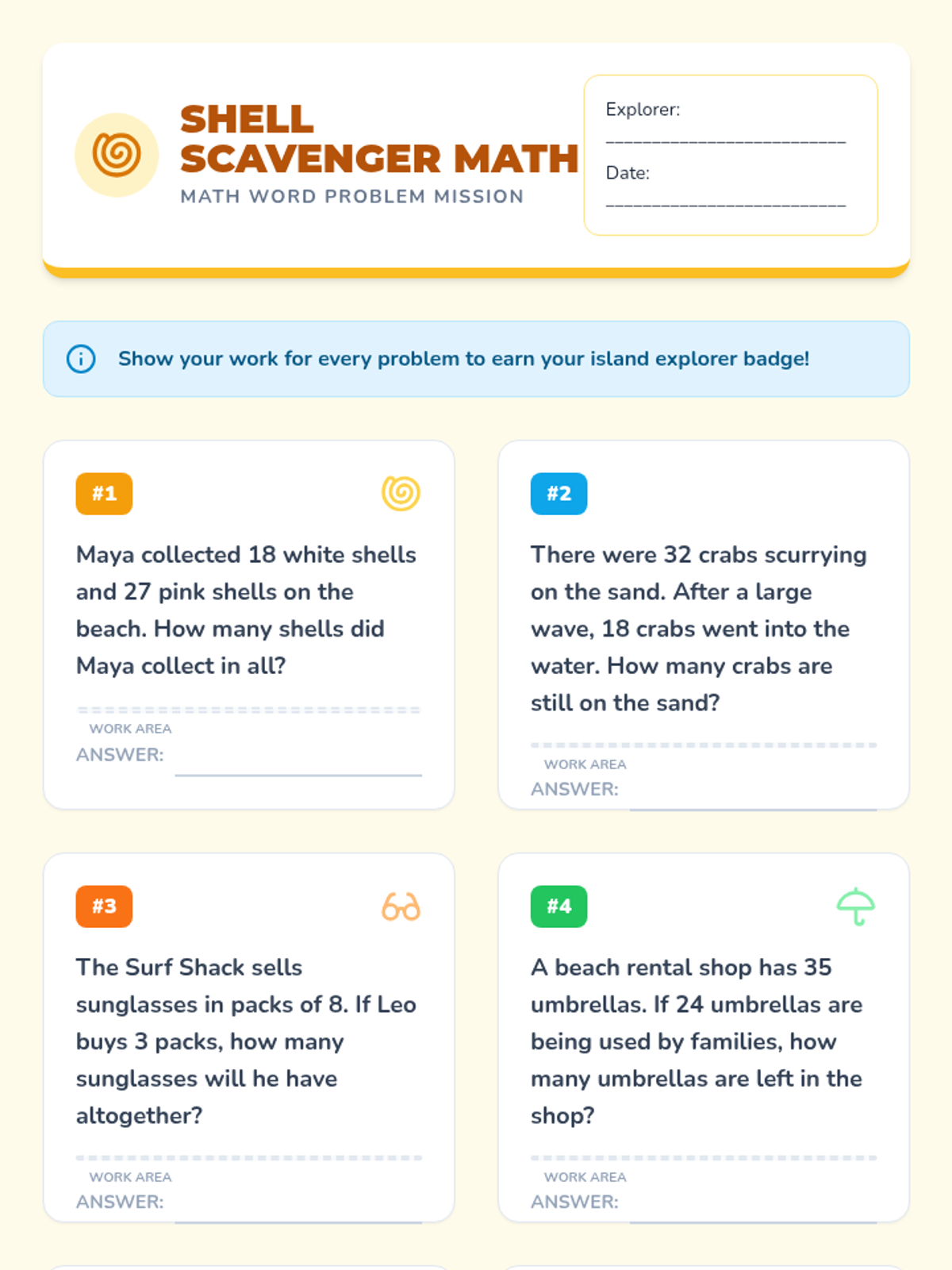
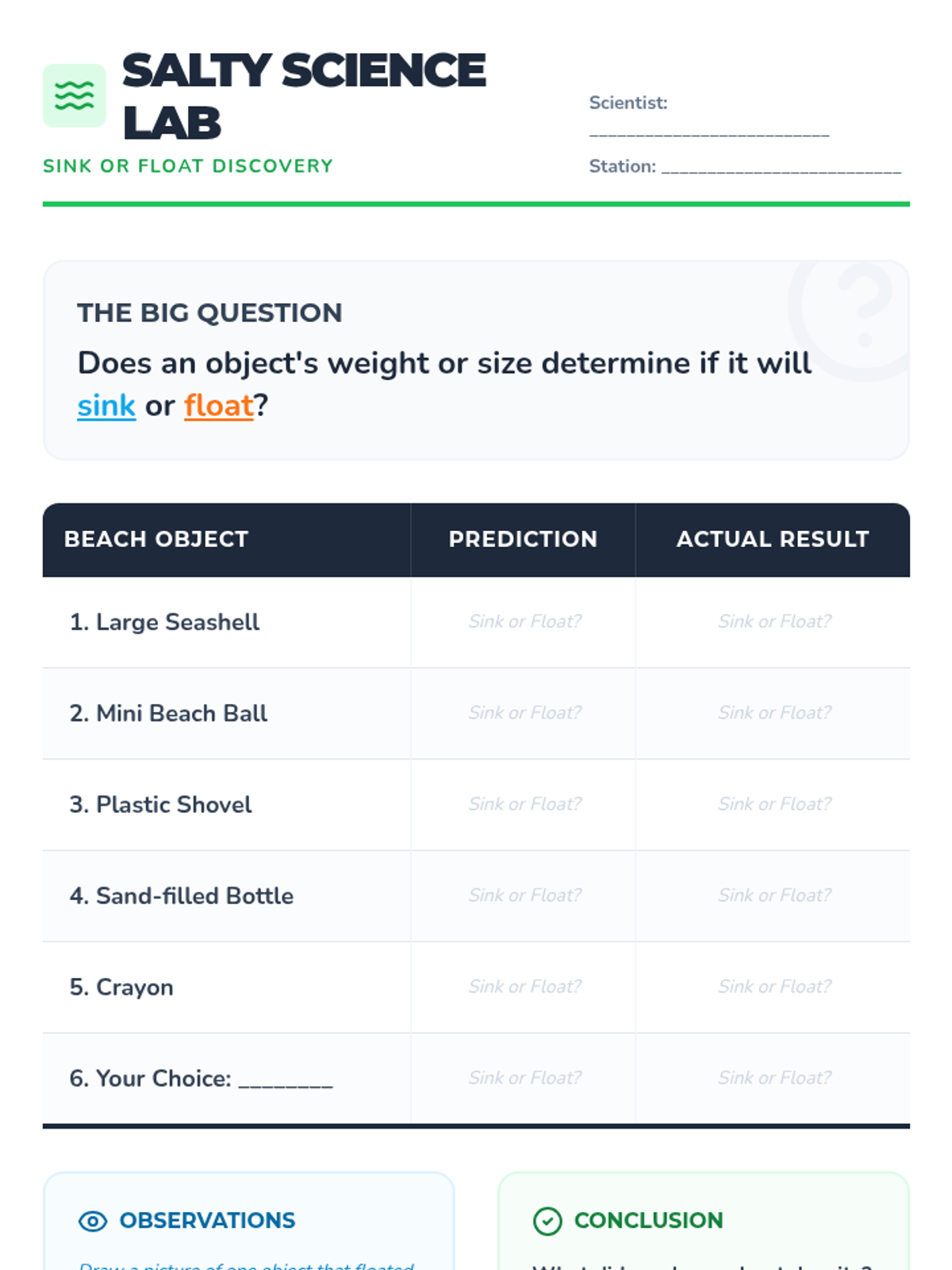
A complete day of beach-themed learning activities including multi-subject integration and a hands-on science lab.
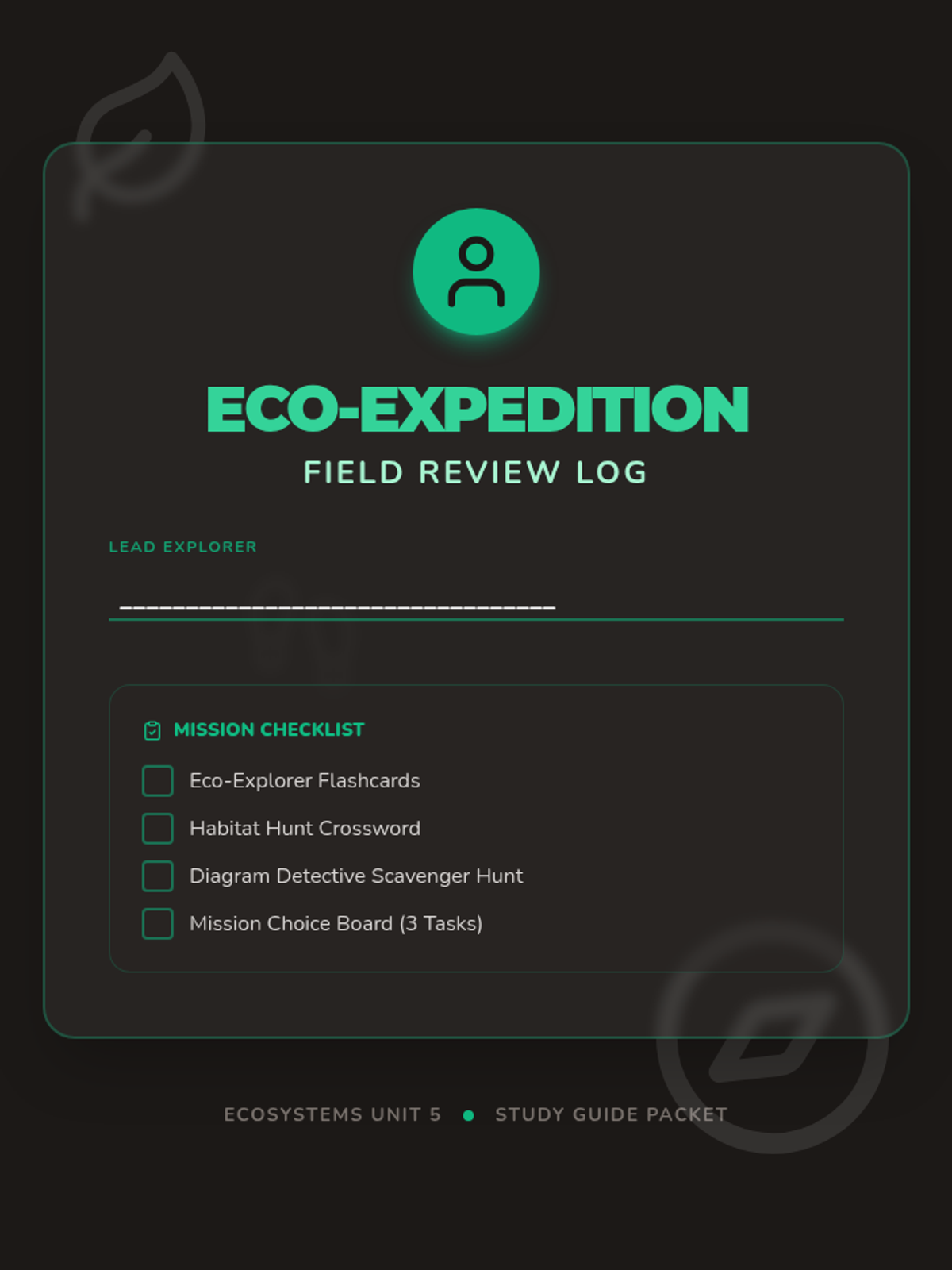
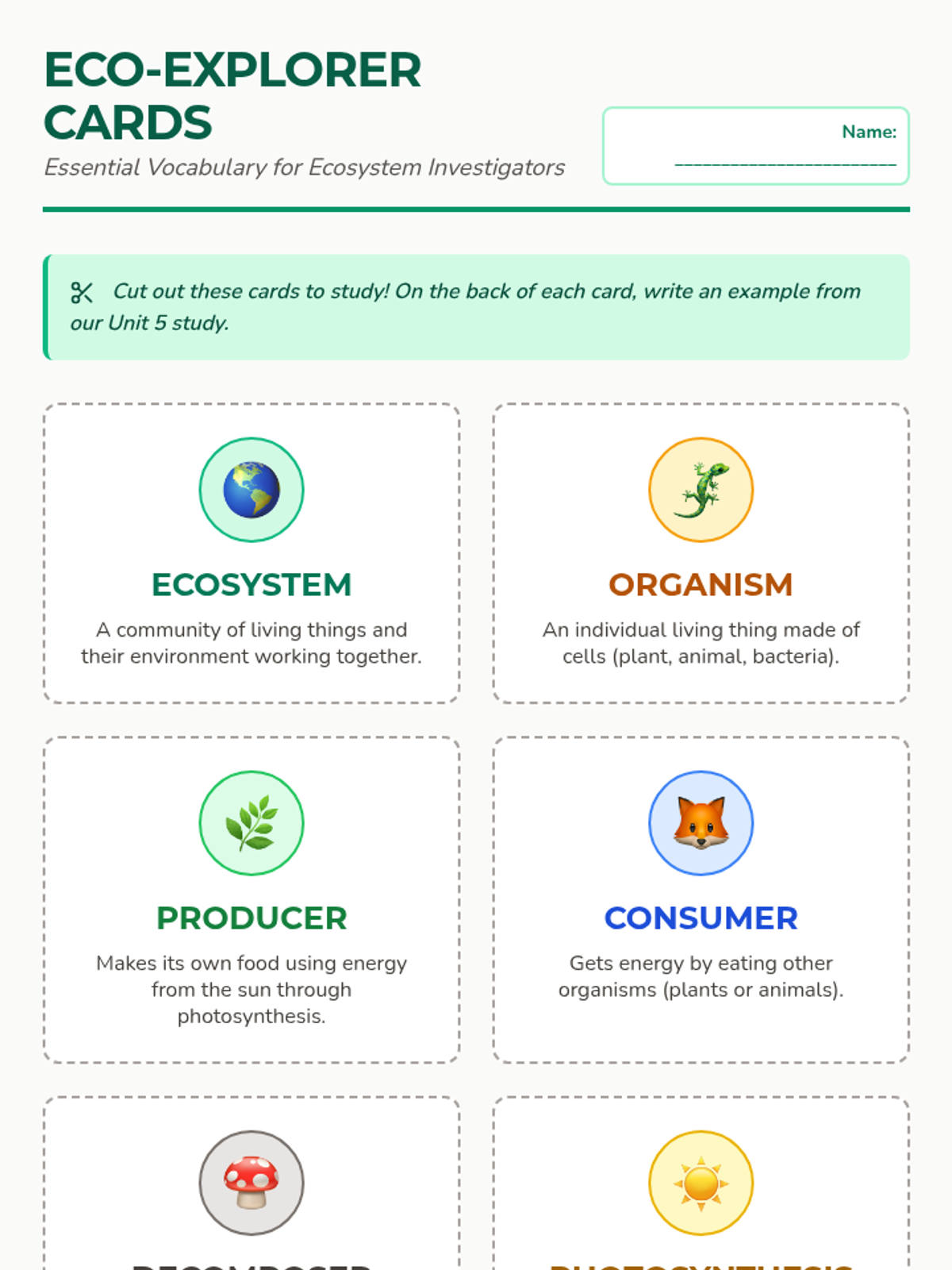
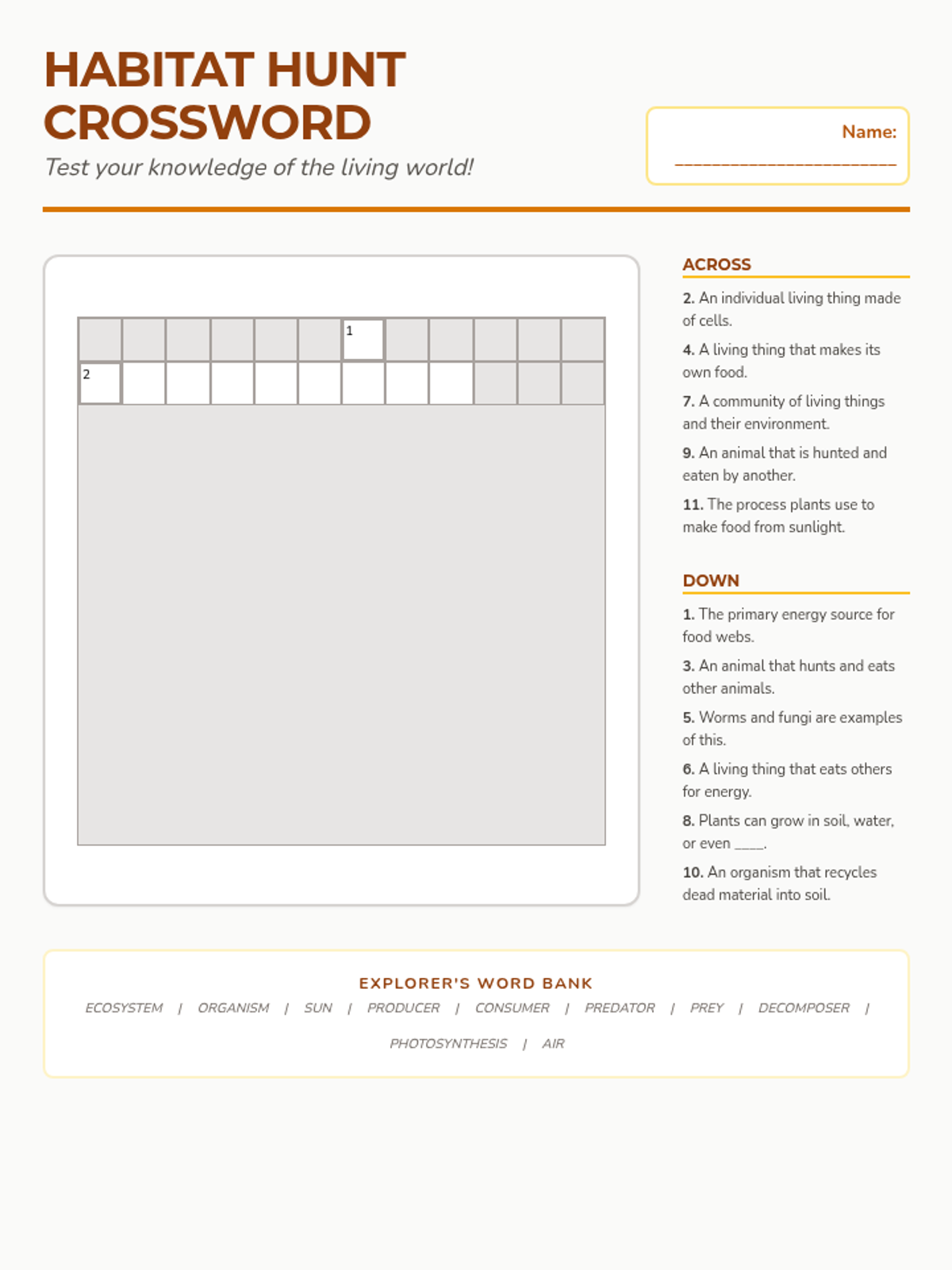
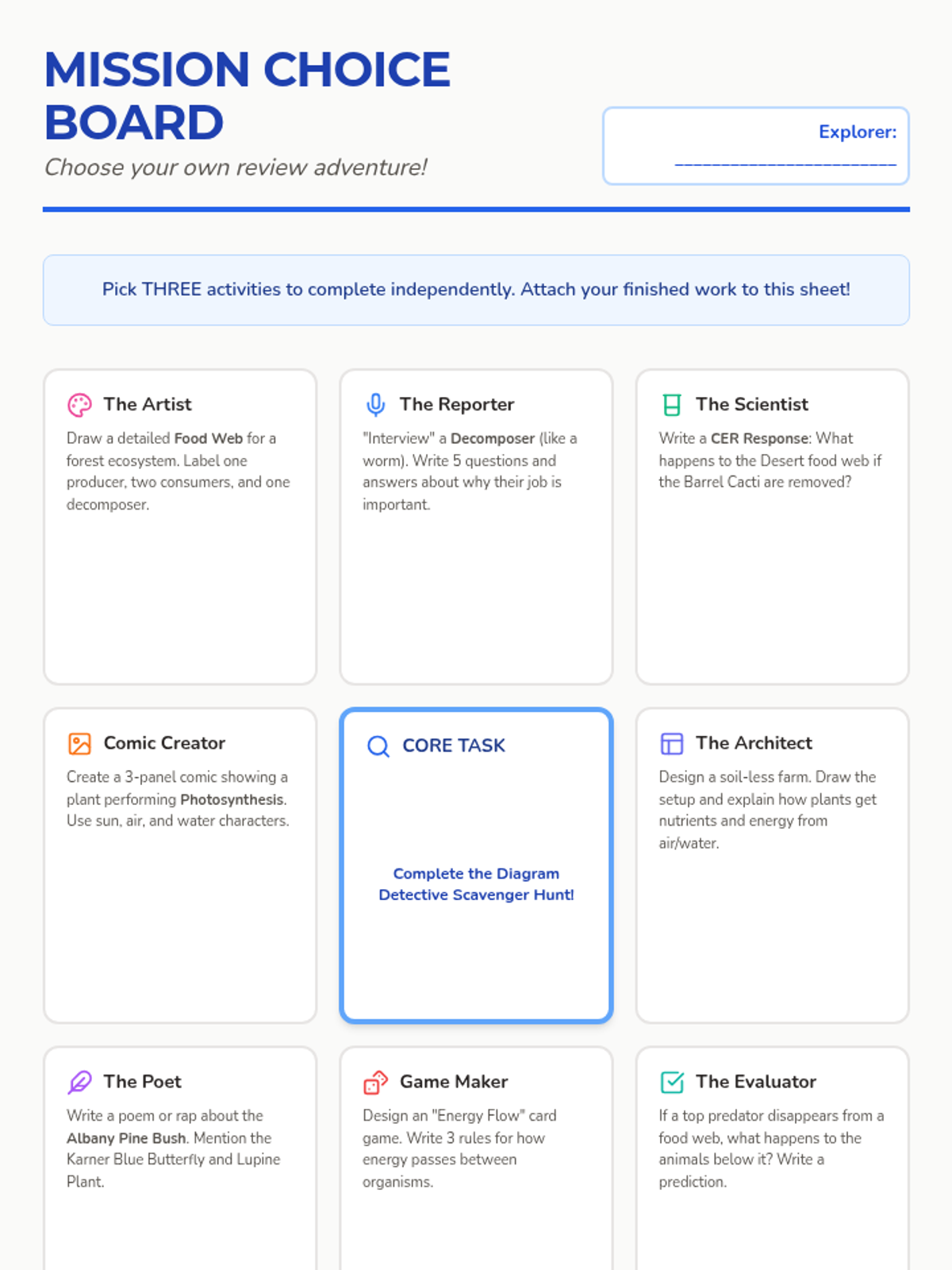
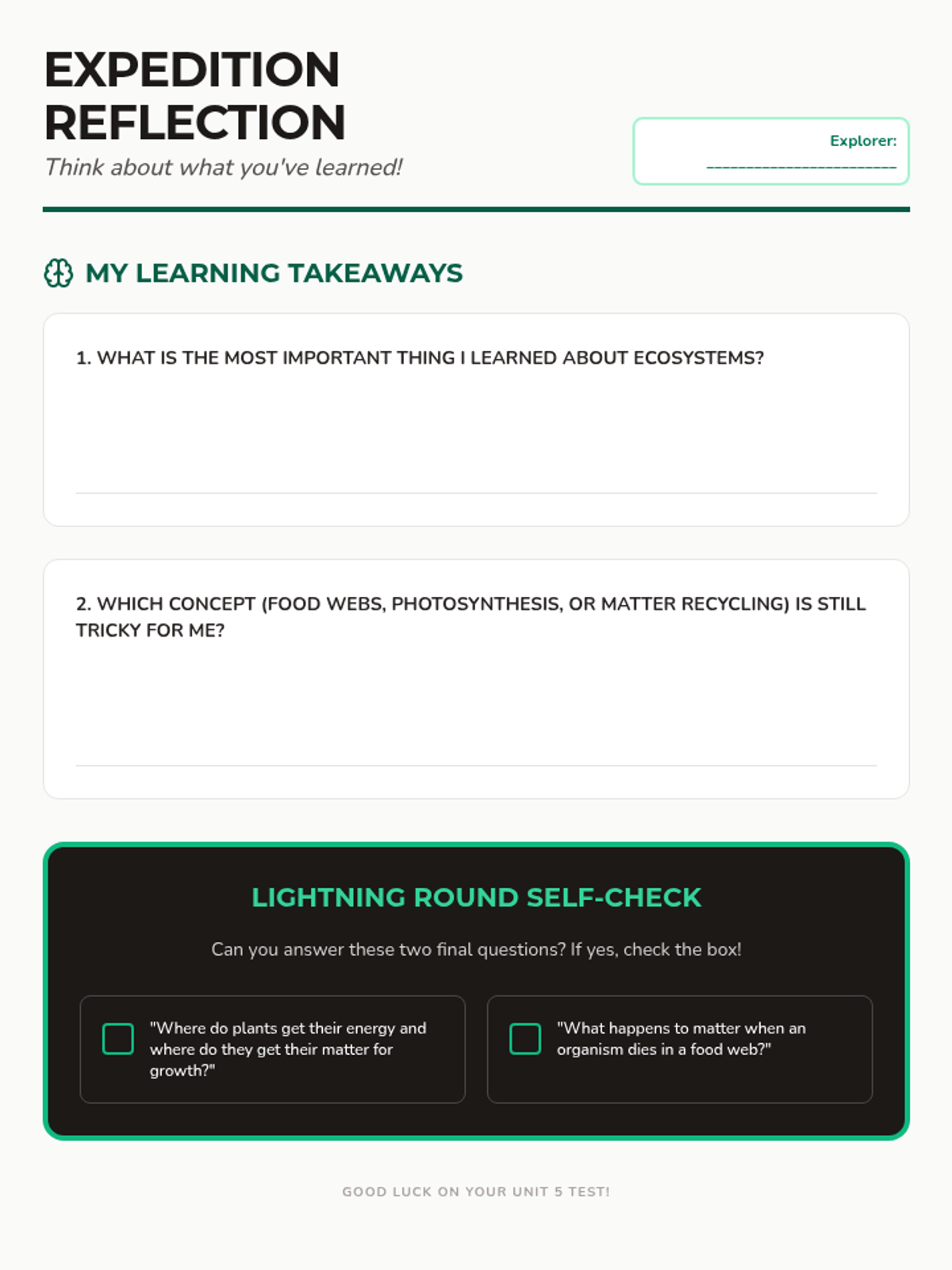
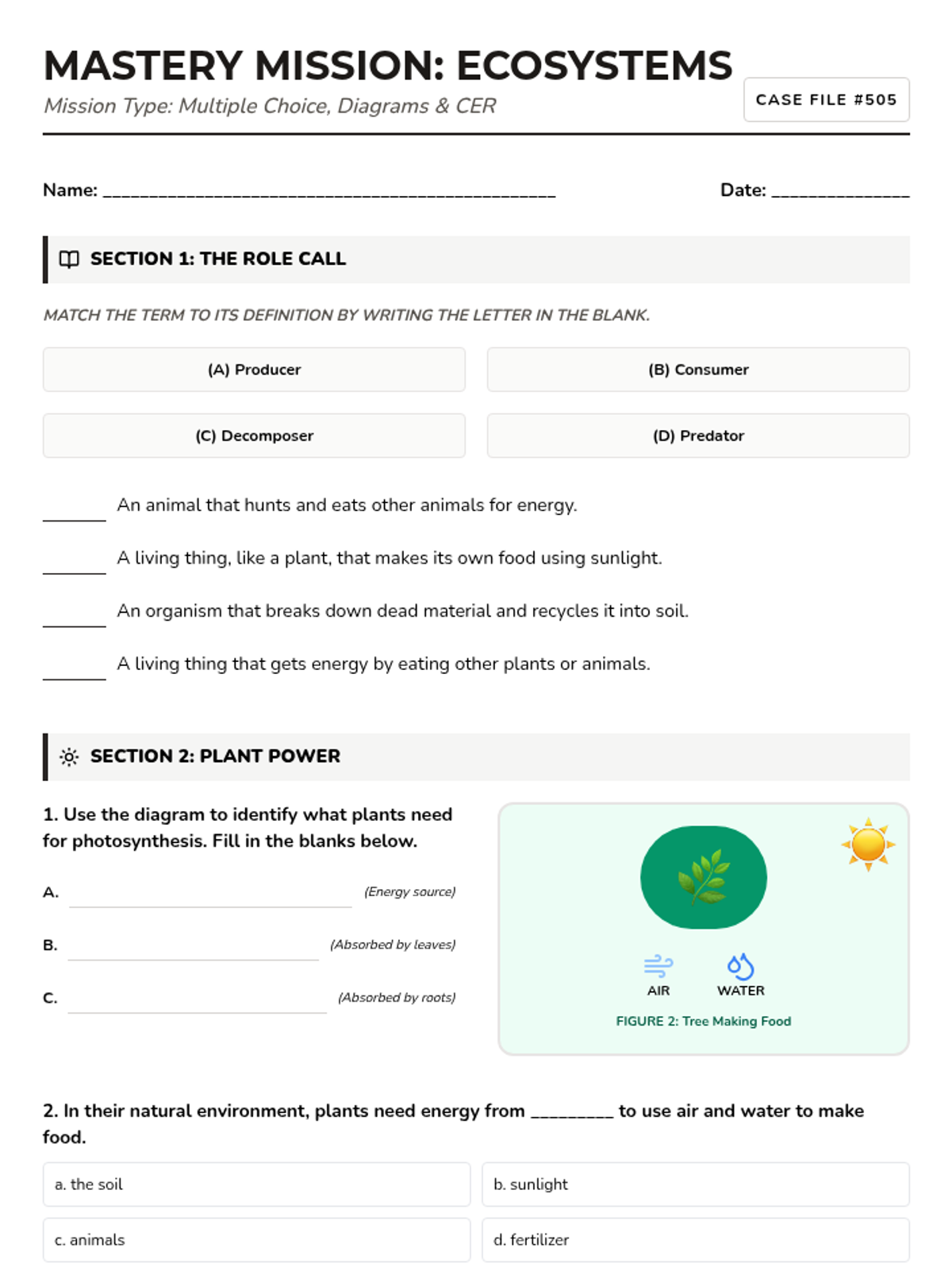
A comprehensive individual review packet for 5th grade ecosystems. Students master vocabulary, analyze assessment diagrams, and complete choice missions independently. Includes a tracking cover page and a self-reflection to ensure assessment readiness.
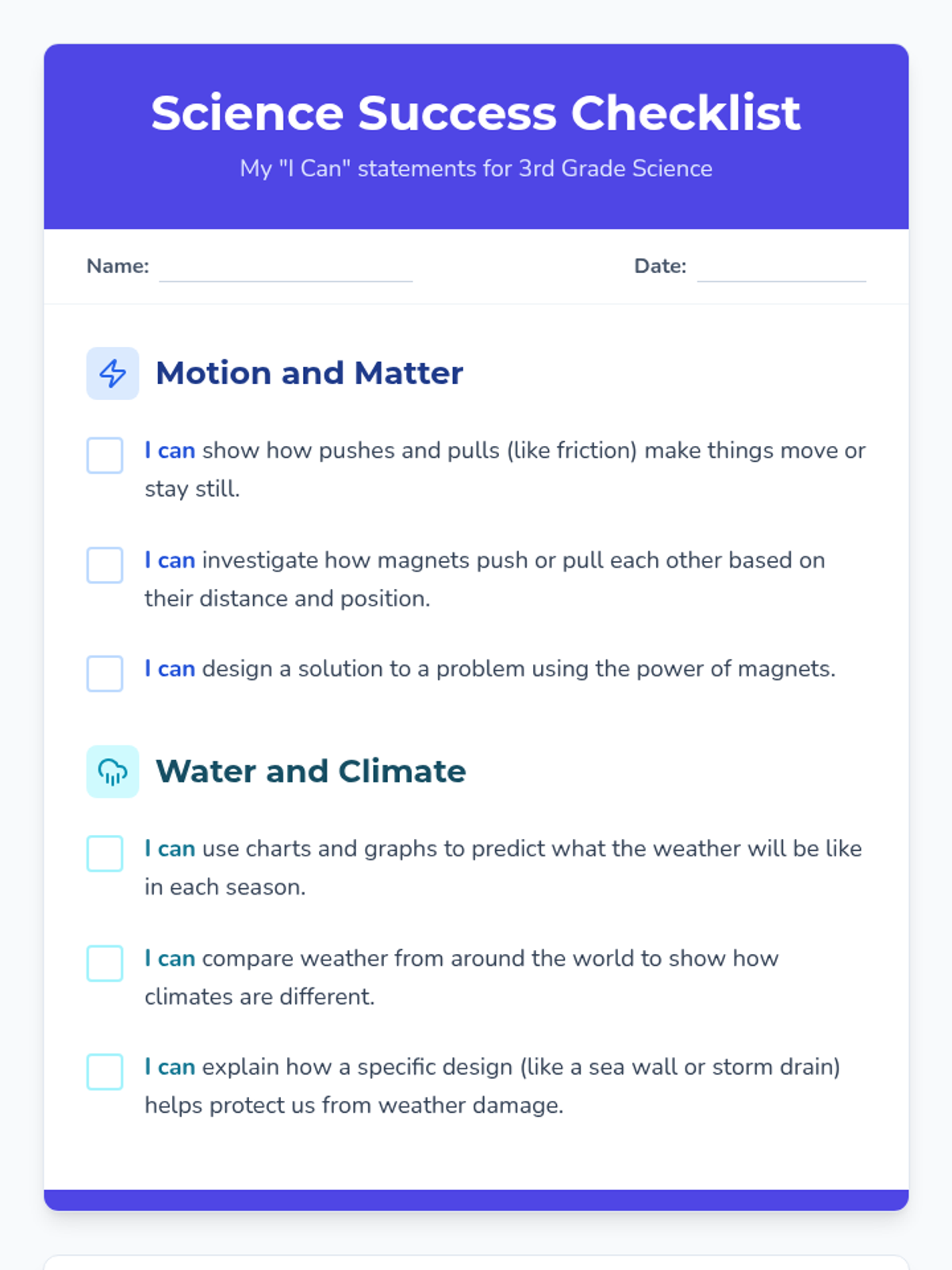
A collection of kid-friendly science standards and "I Can" statements covering physical, earth, and life sciences for upper elementary students.
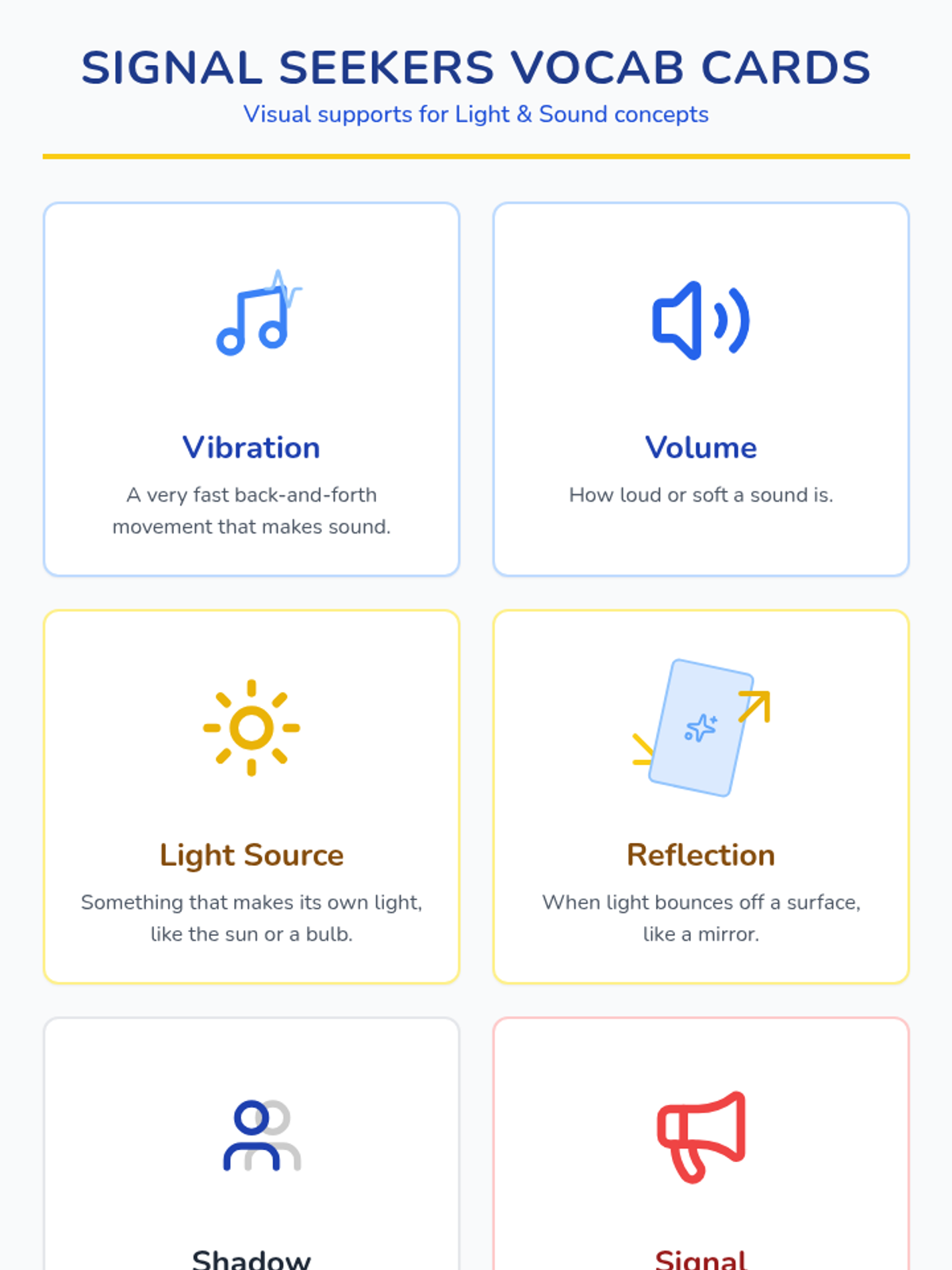
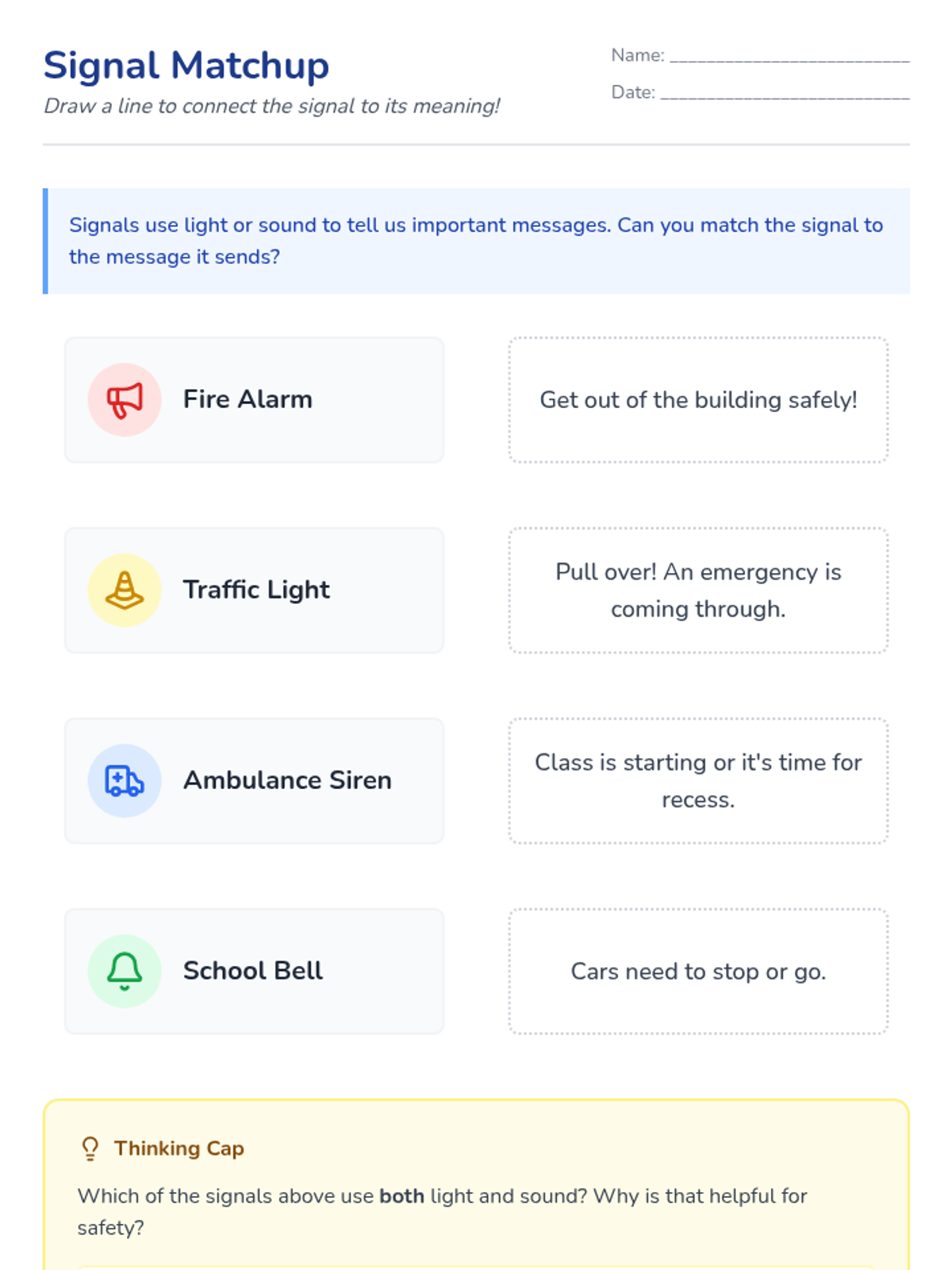
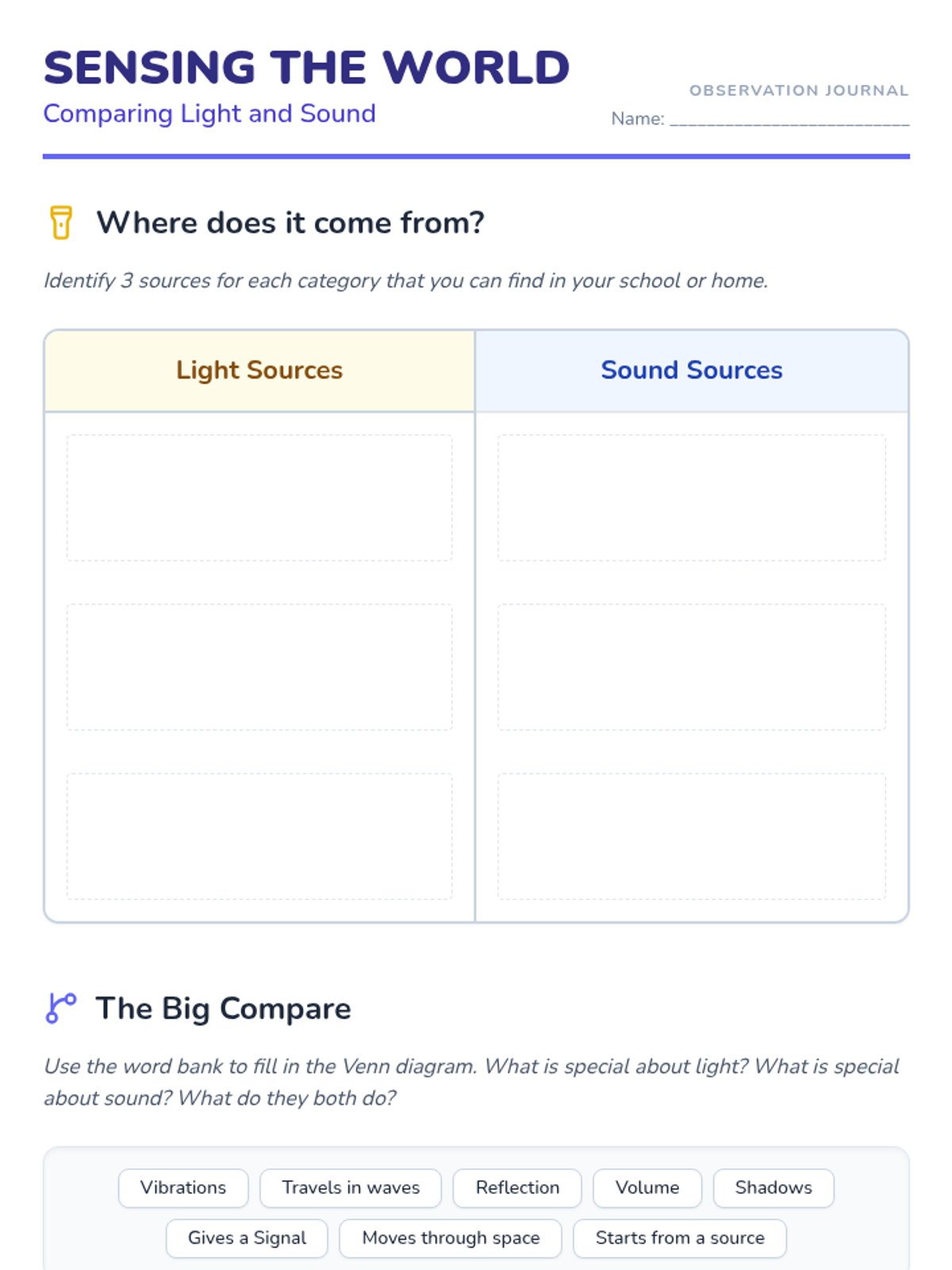
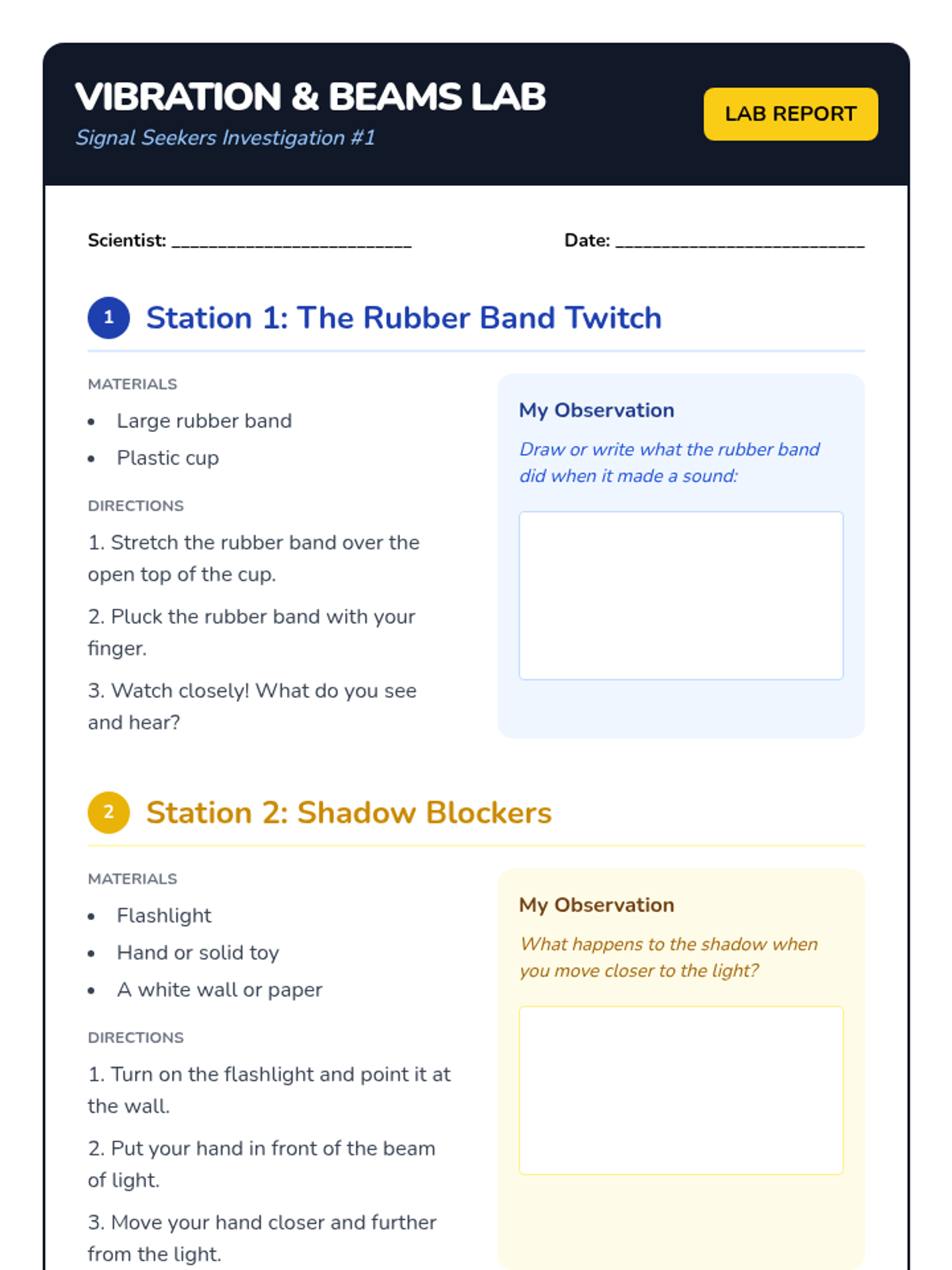
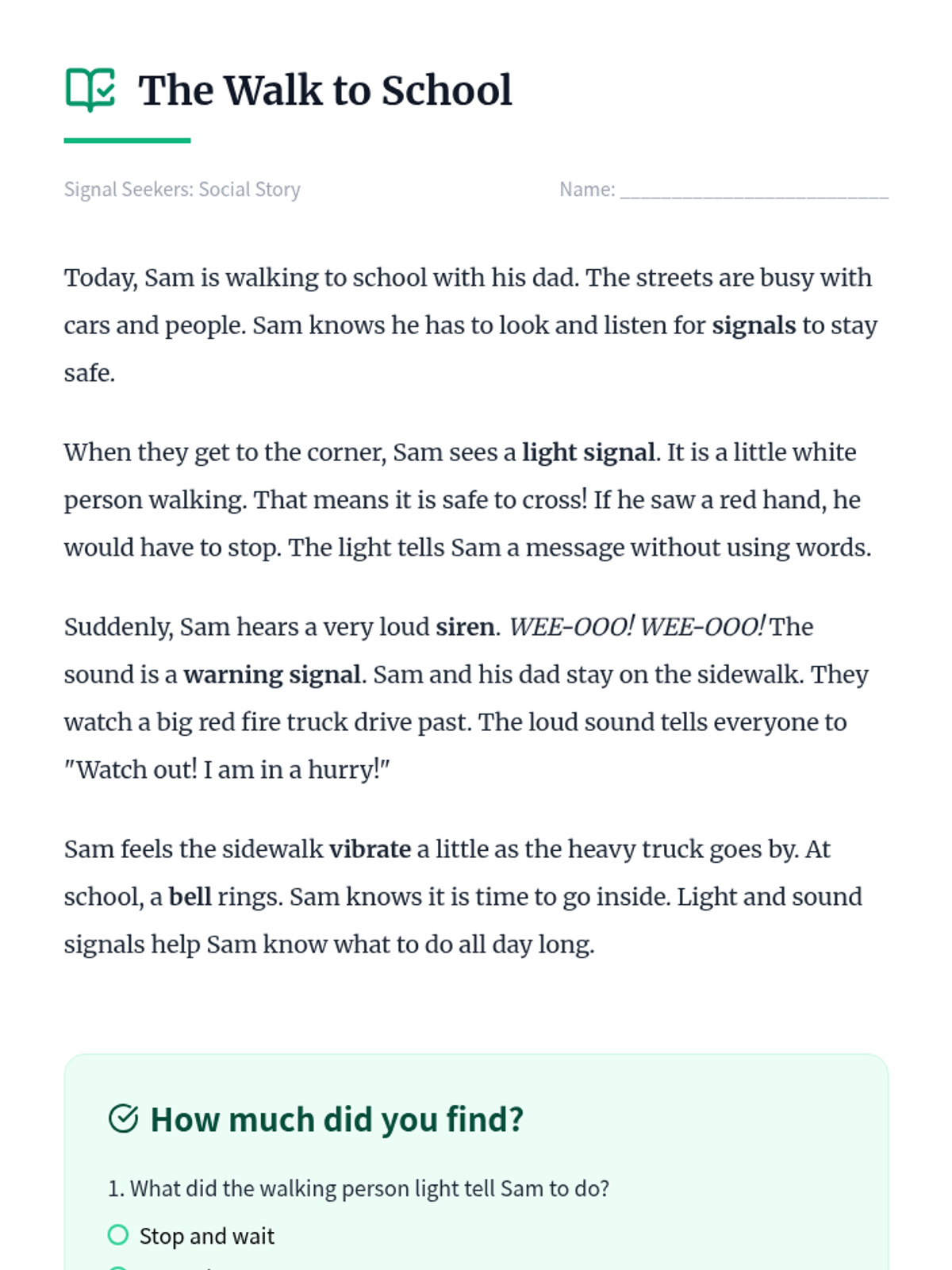
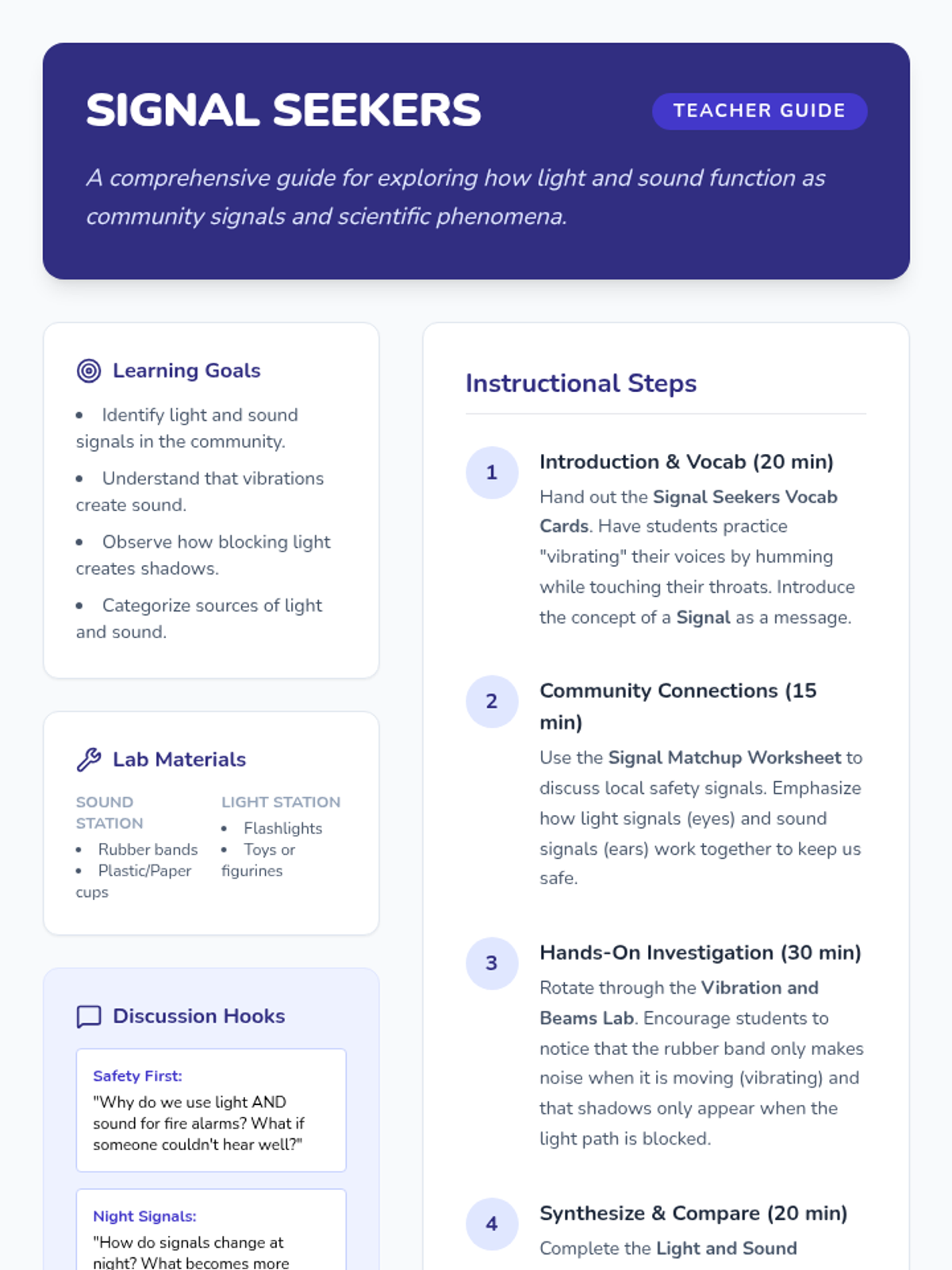
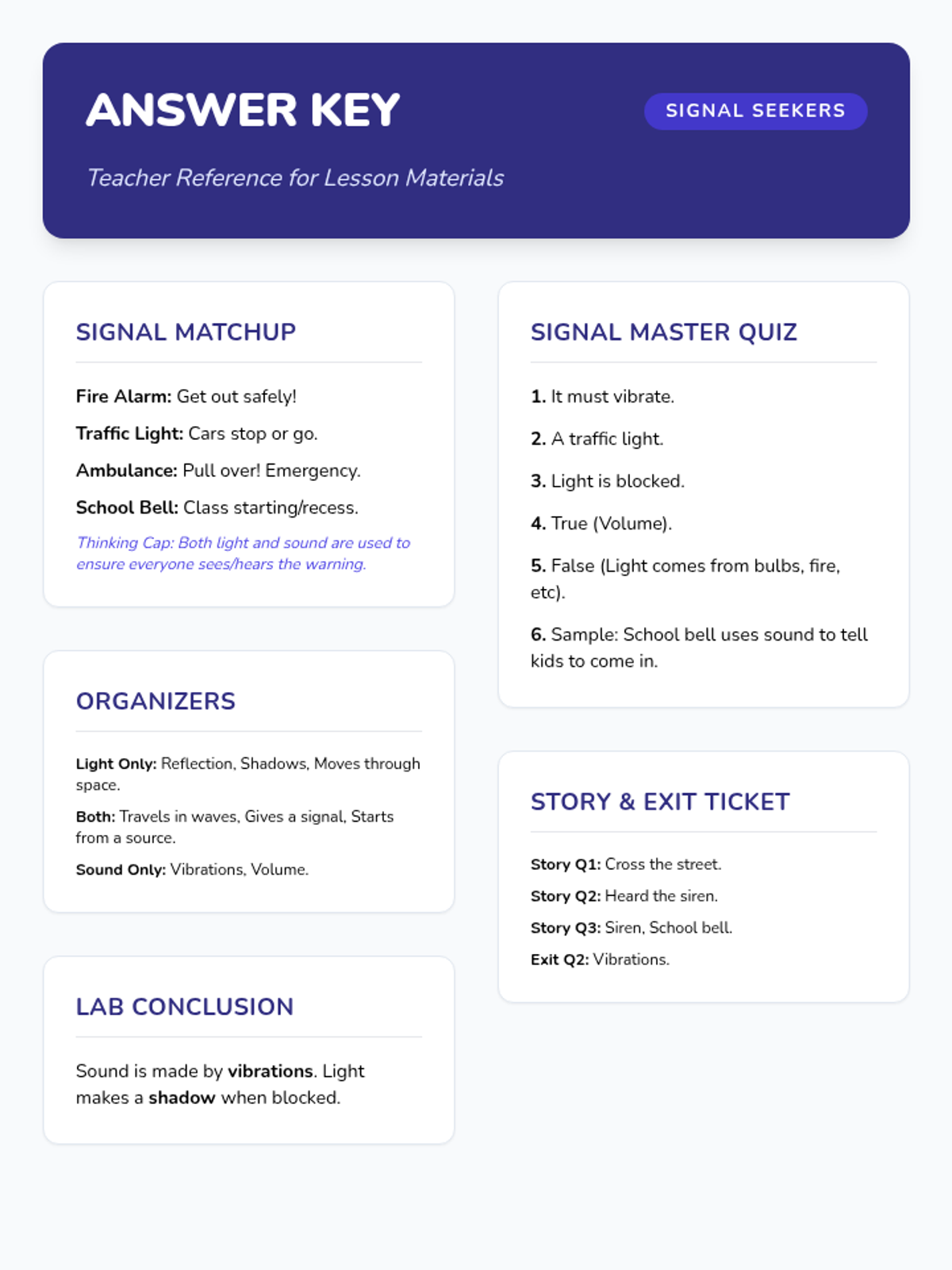
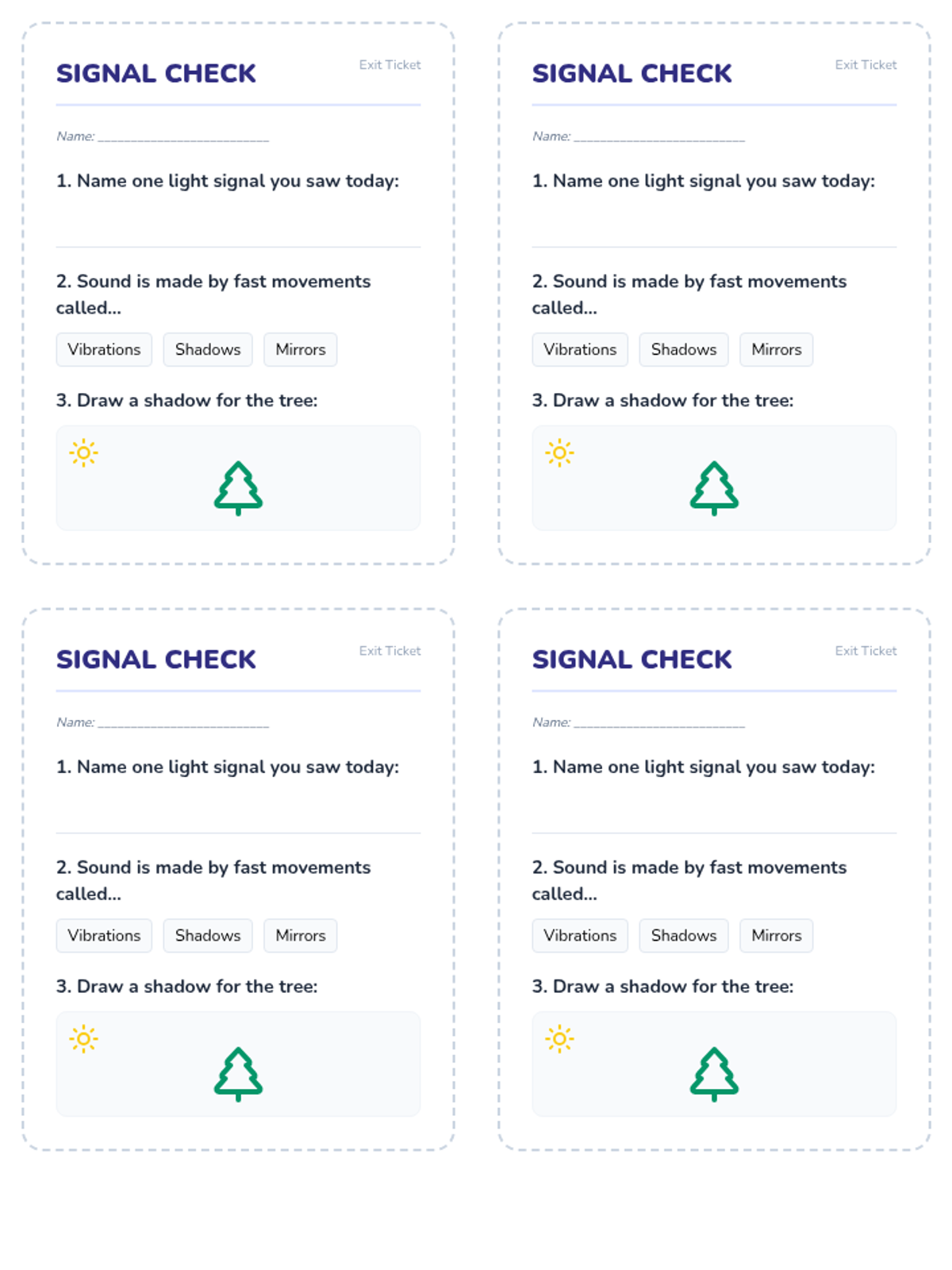
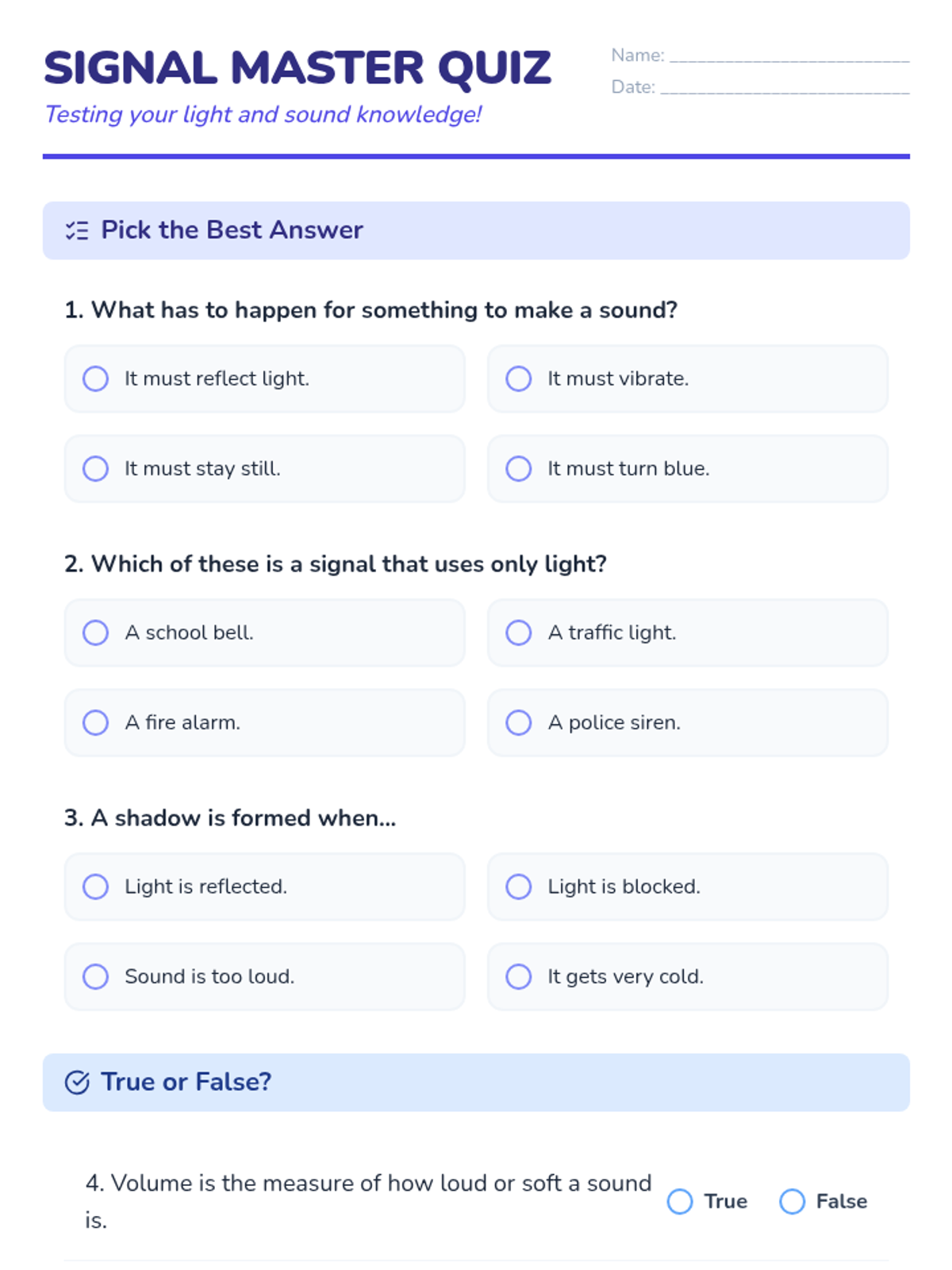
A comprehensive lesson exploring how light and sound function as signals in our community, how they are produced through vibrations and sources, and the unique properties of shadows and volume.
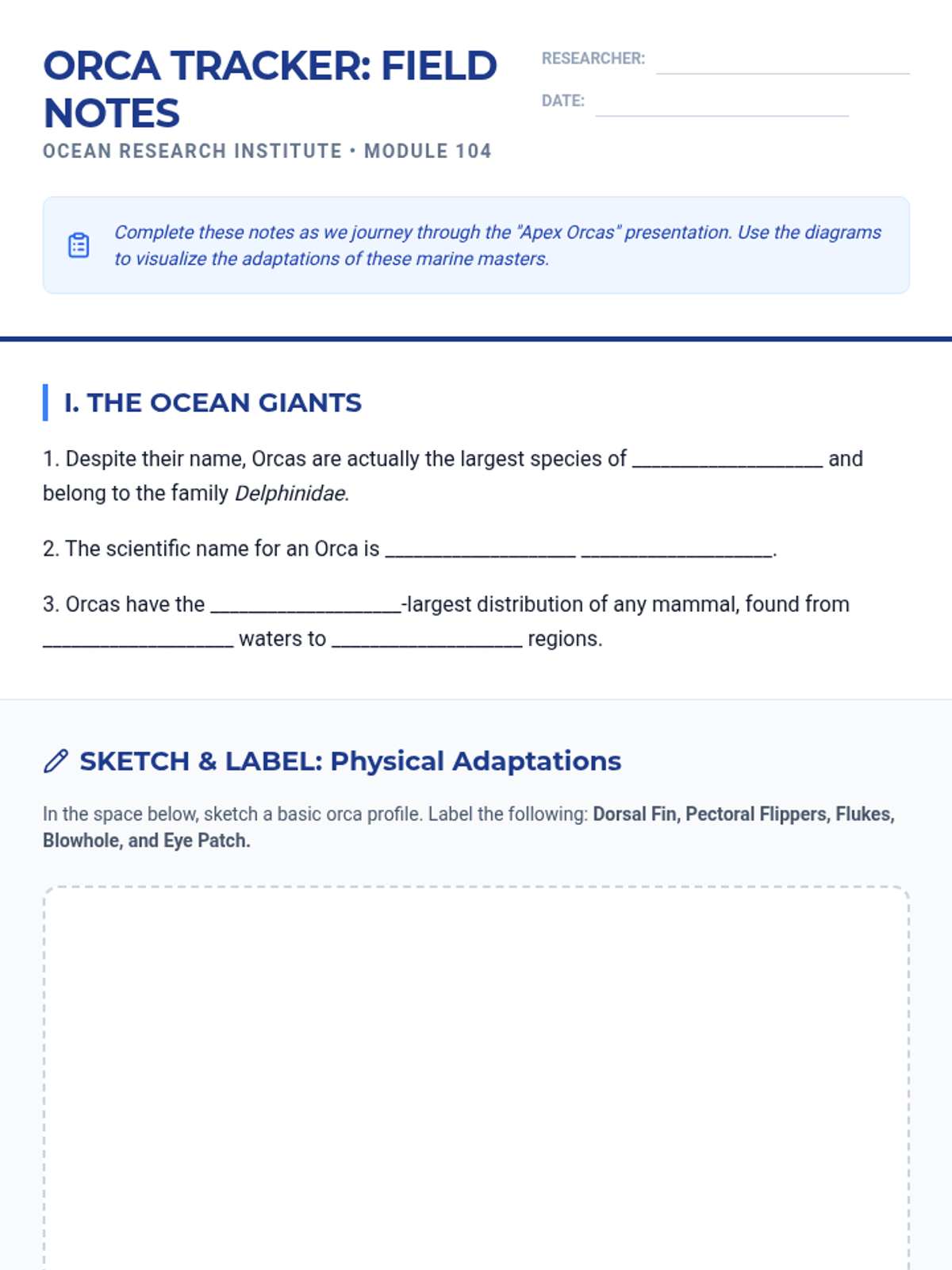
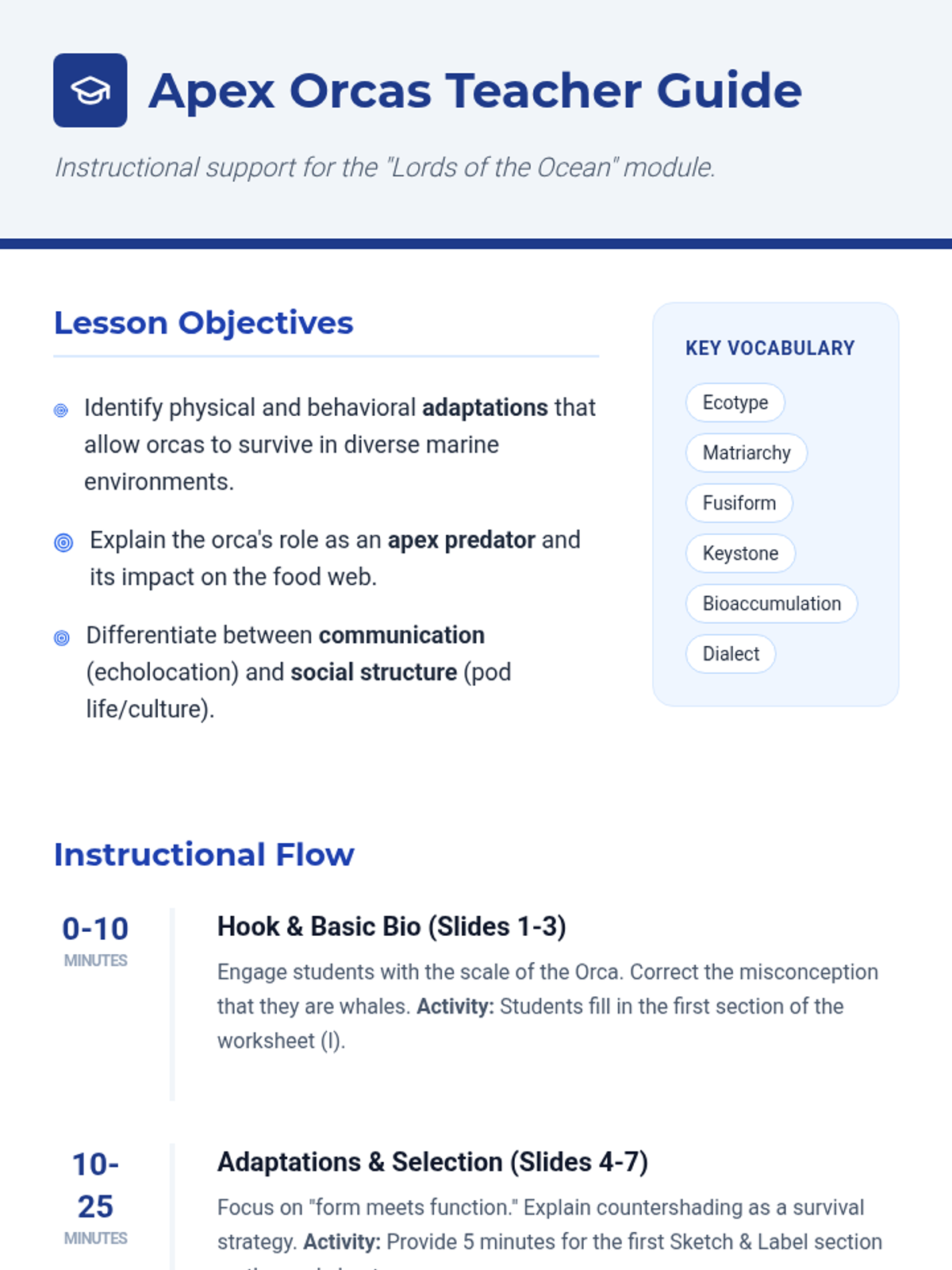
A comprehensive lesson on orcas, covering their role as apex predators, their complex social and communication structures, and the evolutionary adaptations that have made them masters of the ocean.
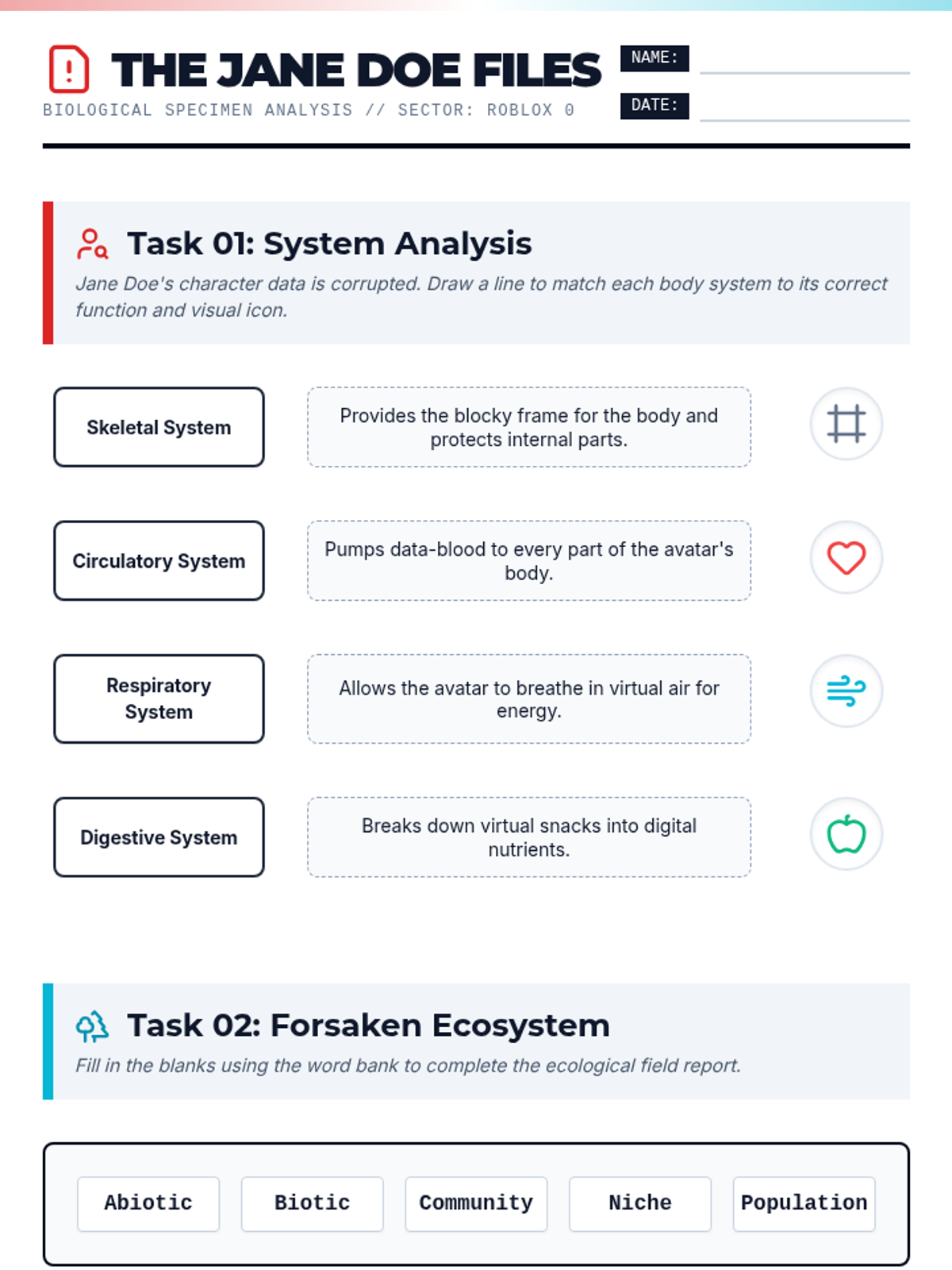
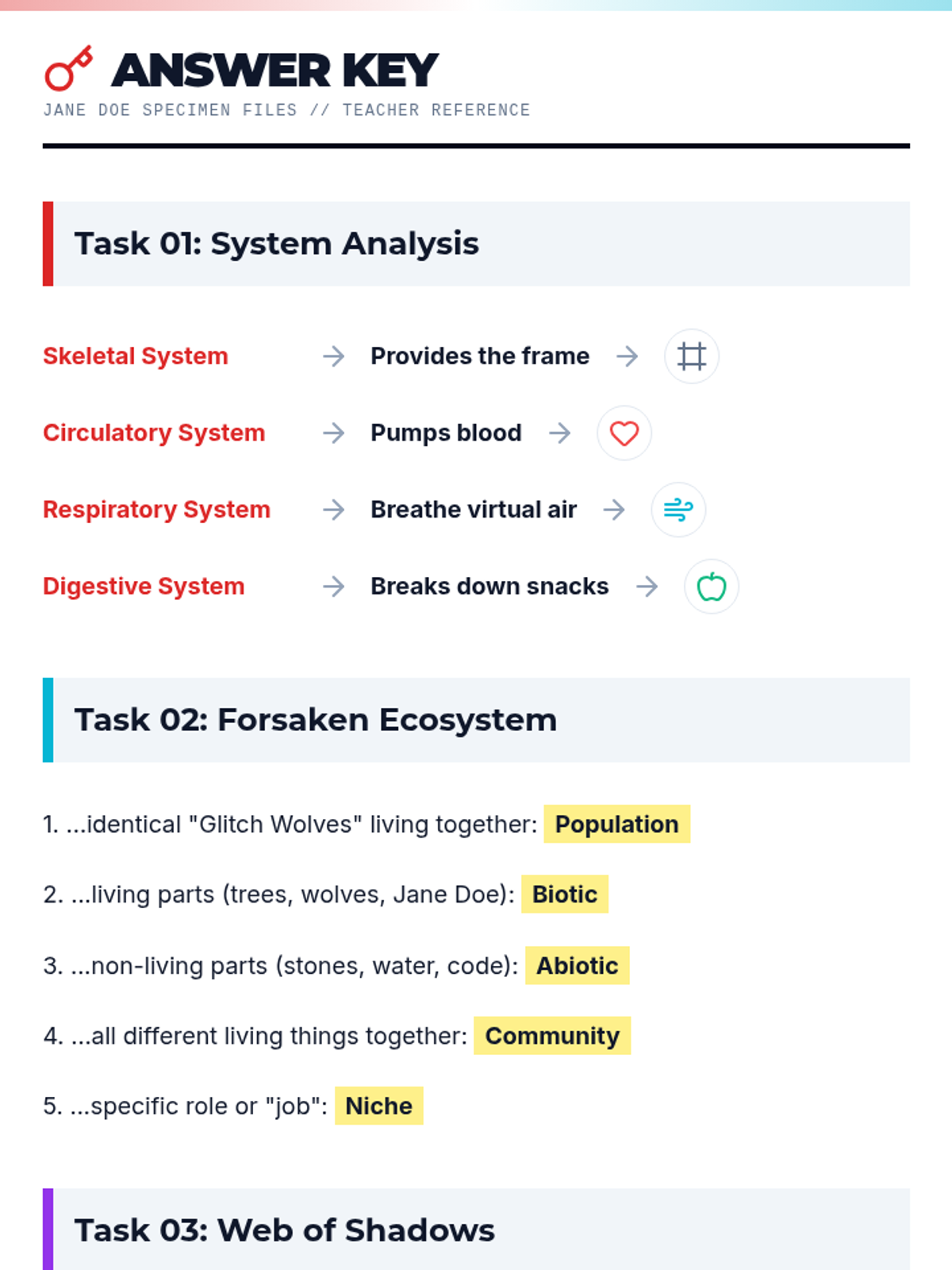
A biology lesson themed around the mysterious Jane Doe character, covering human body systems, ecosystems, and food webs with specialized supports for neurodivergent learners.
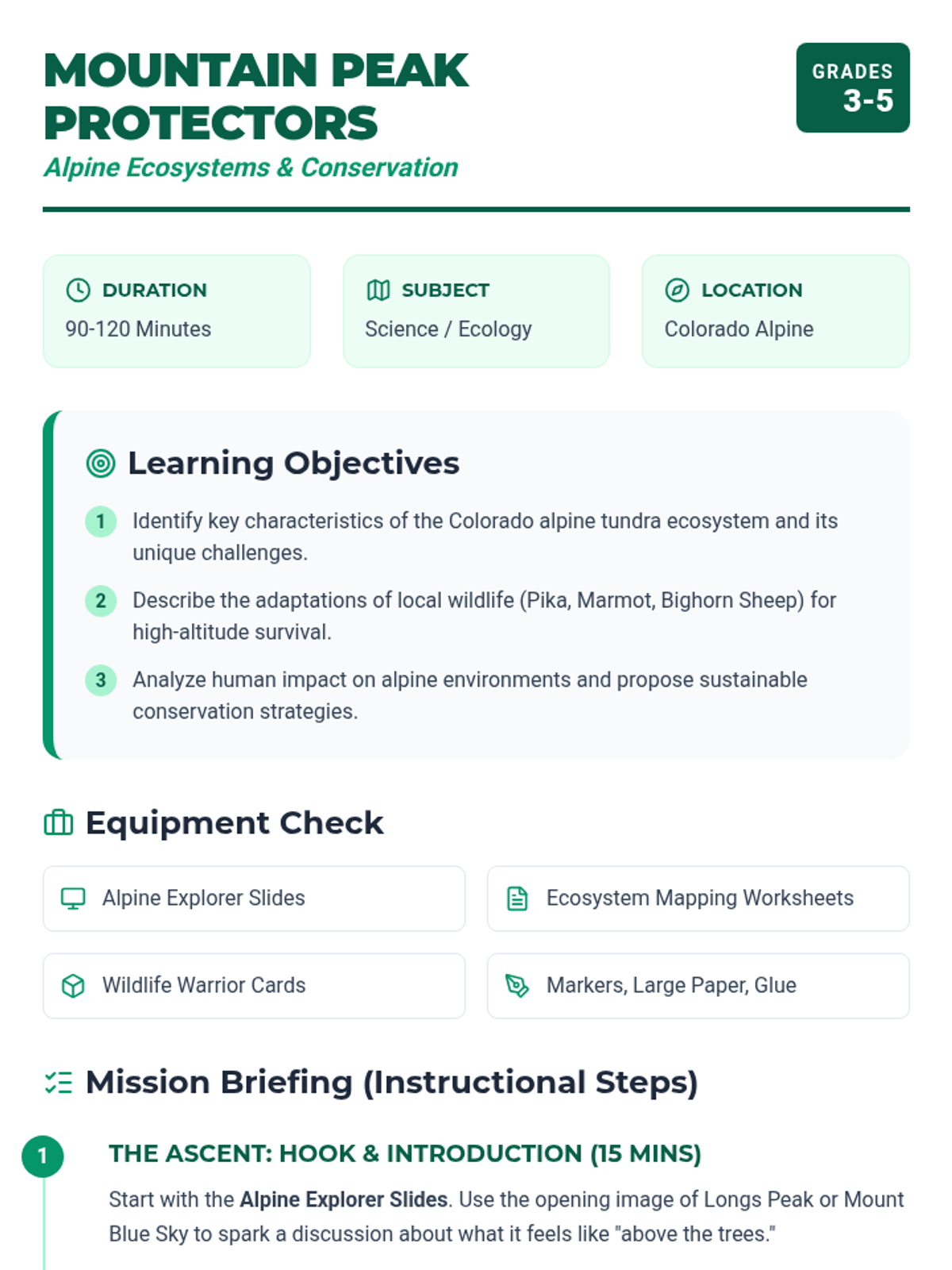
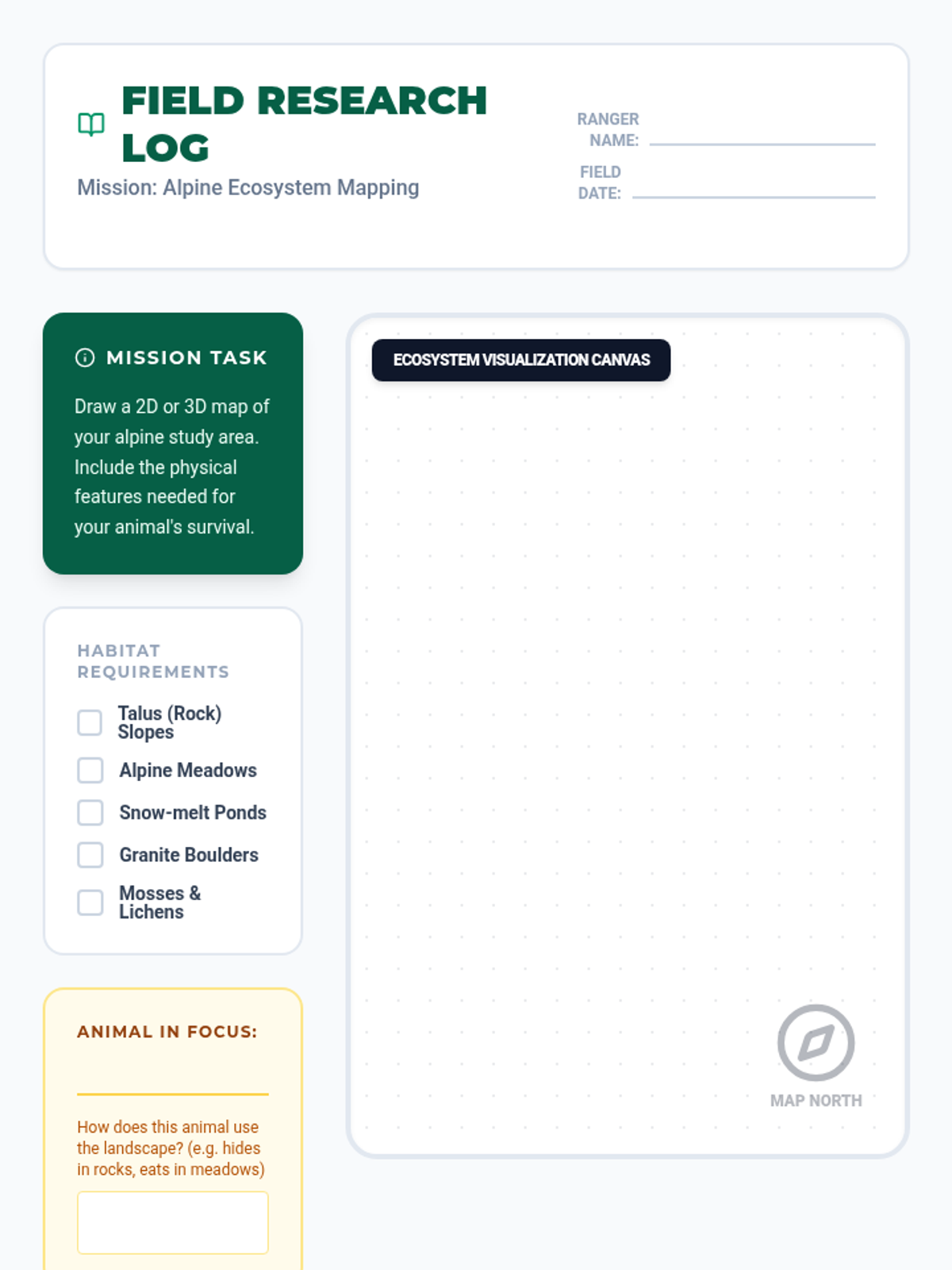
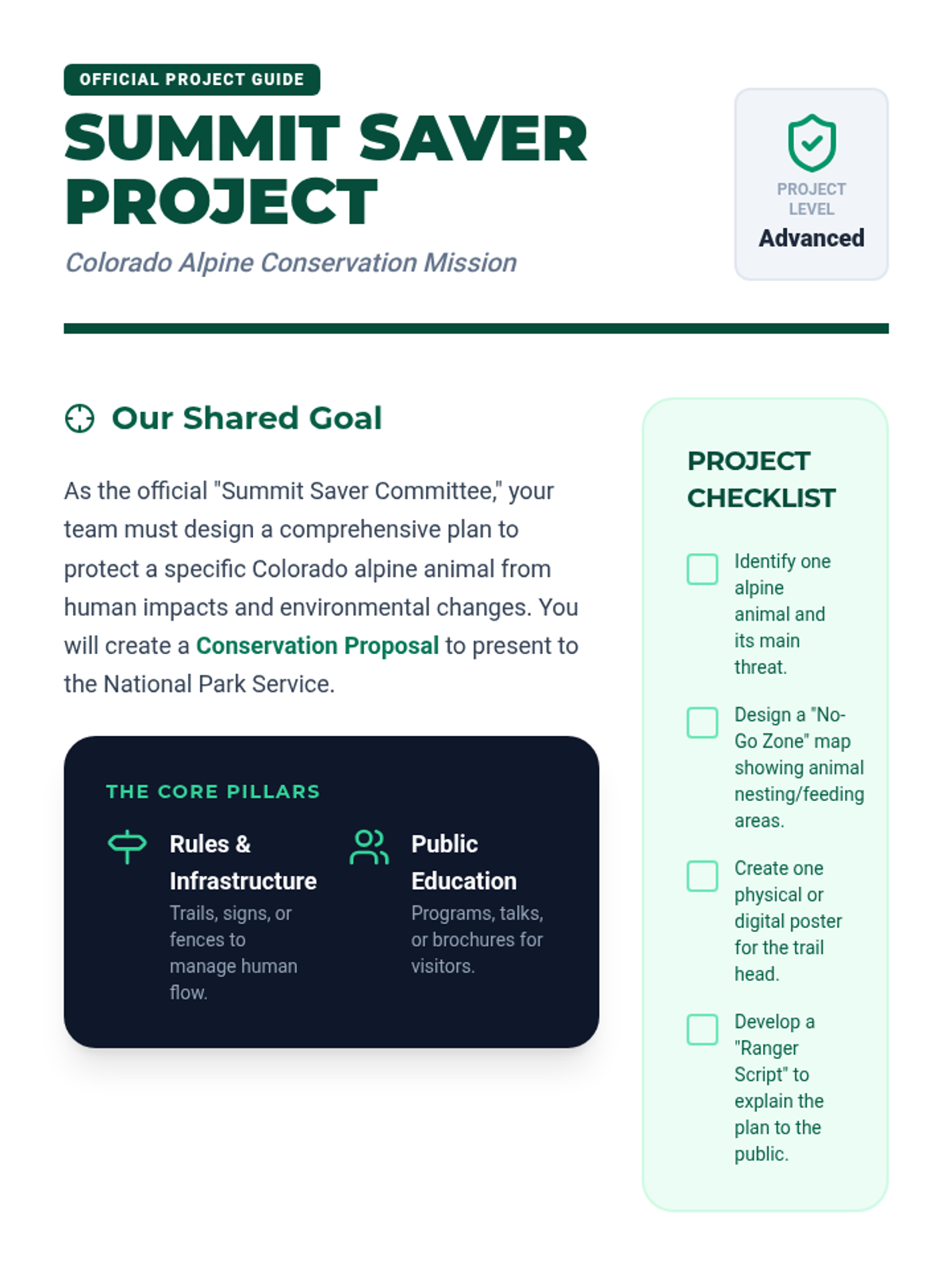
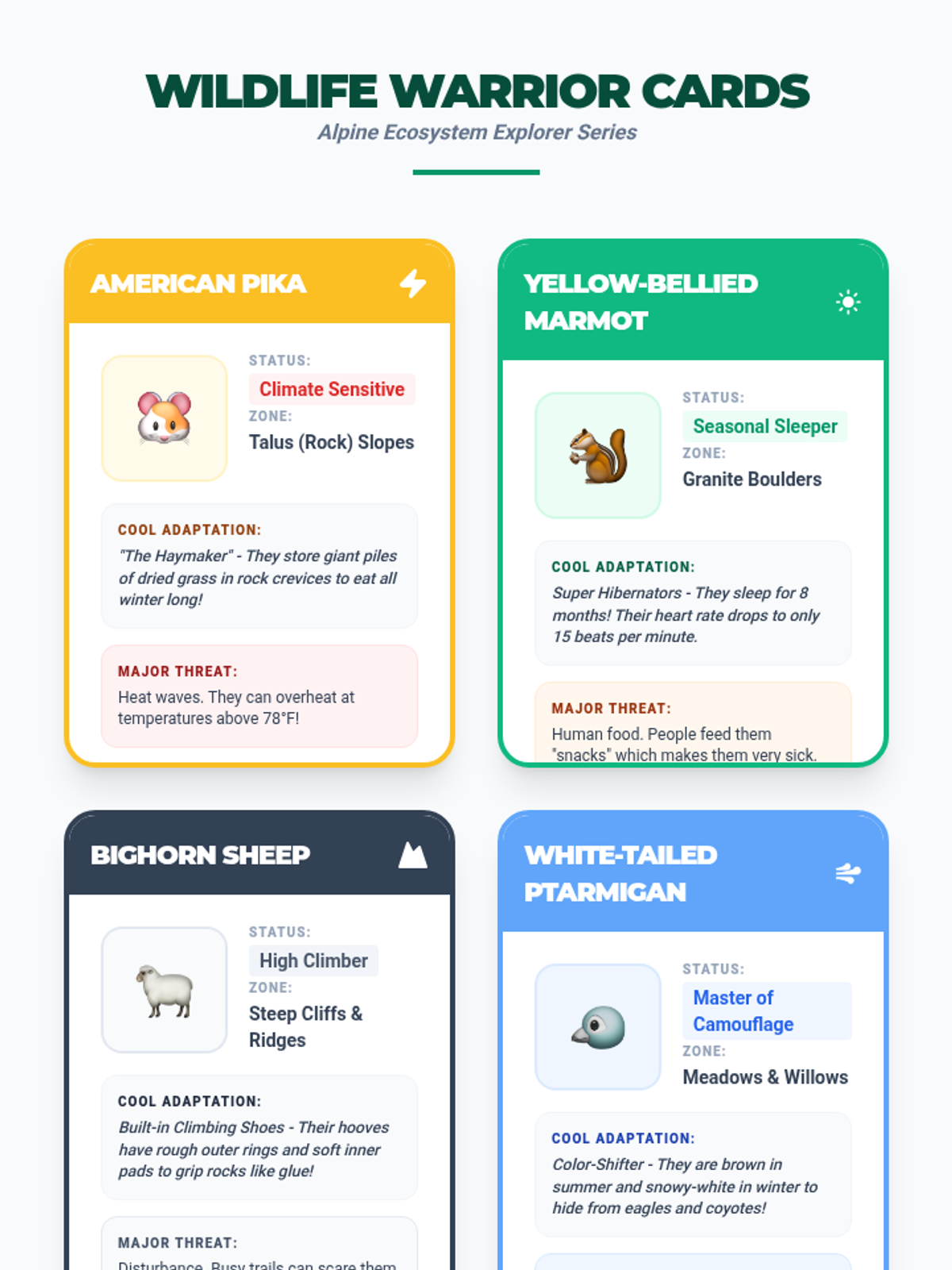
In this lesson, students become 'Mountain Peak Protectors' by exploring the fragile alpine ecosystems of Colorado. They identify local wildlife, map their habitats, and collaborate to design innovative conservation strategies to protect these high-altitude environments.
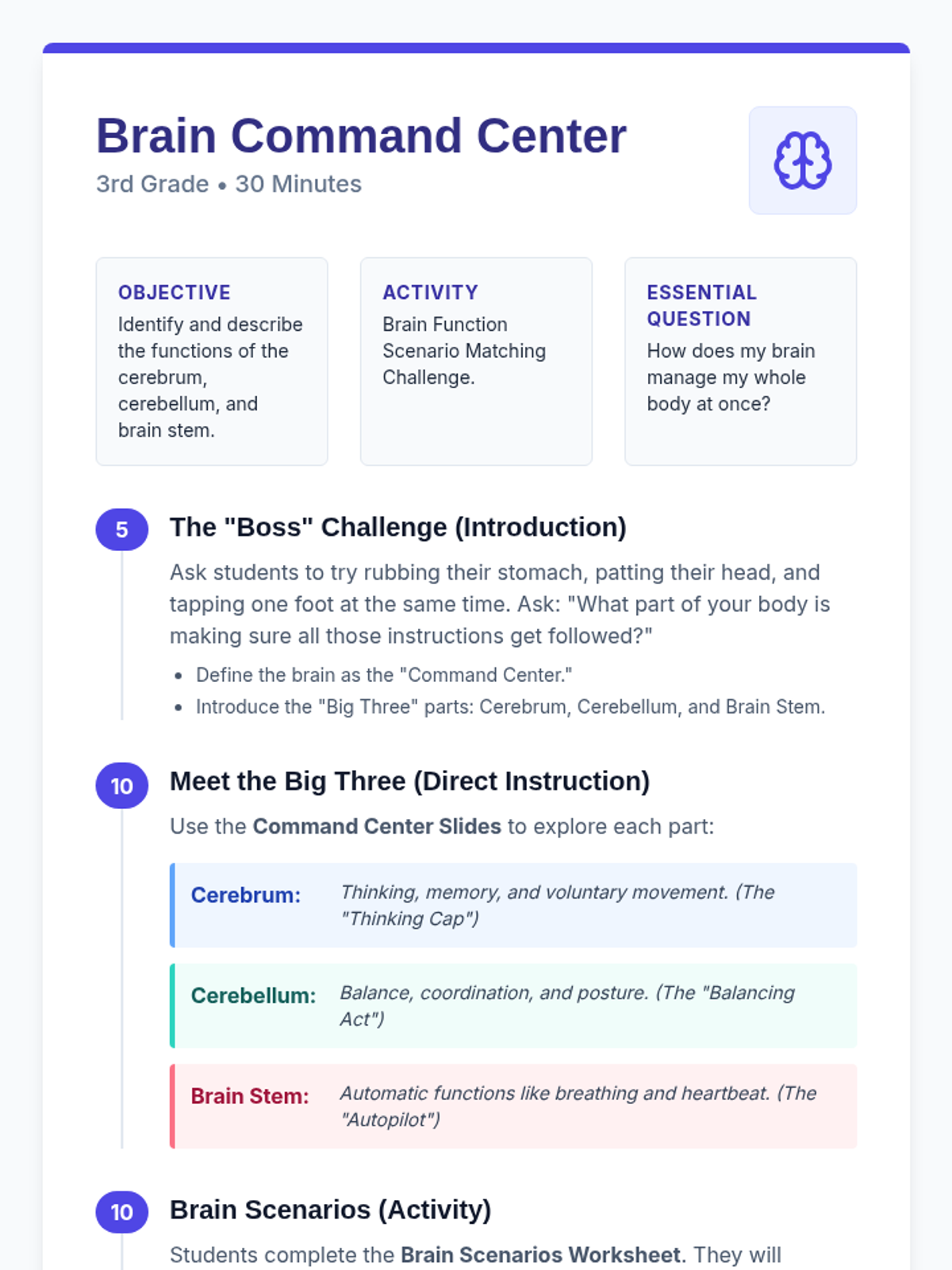
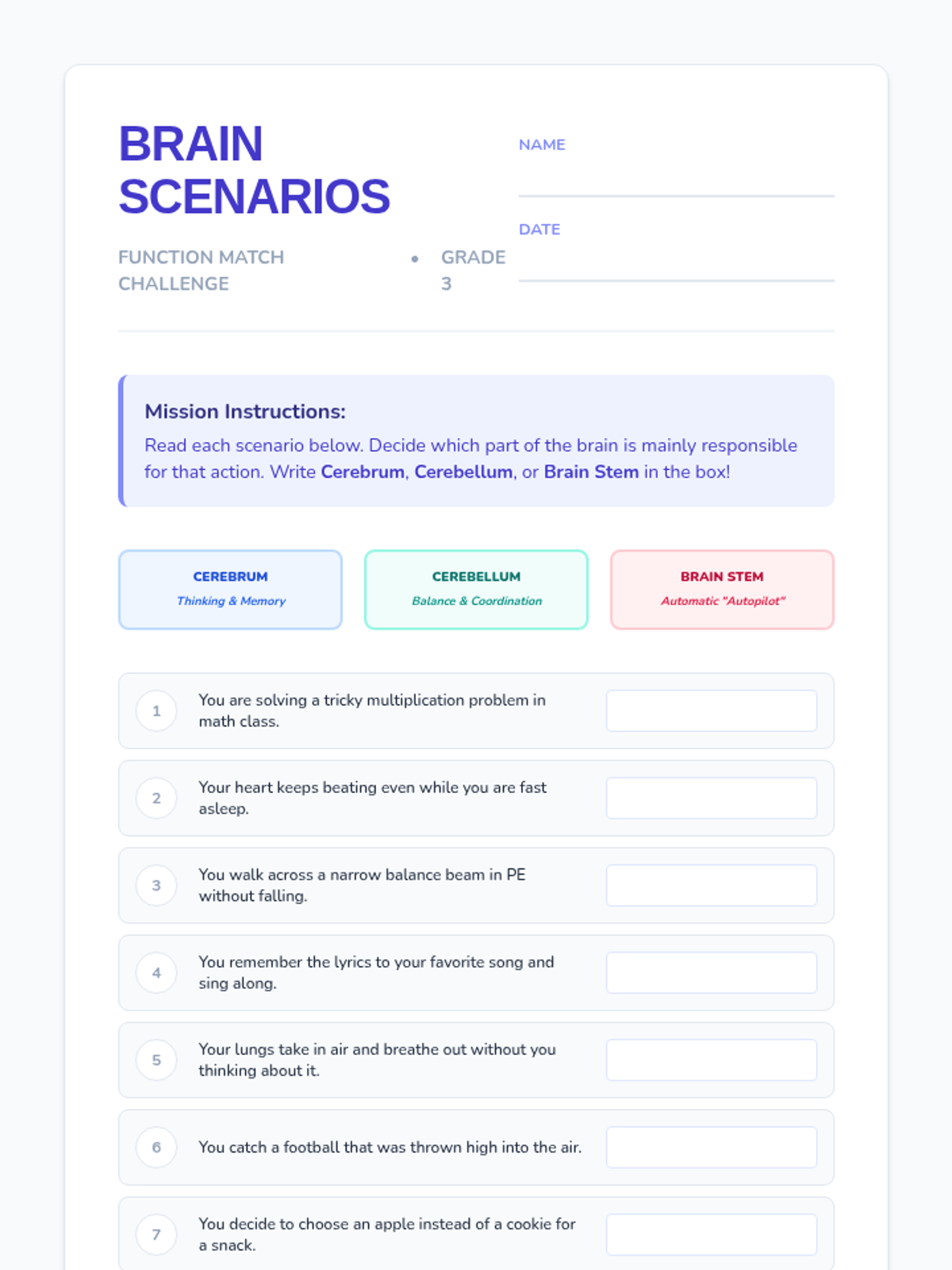
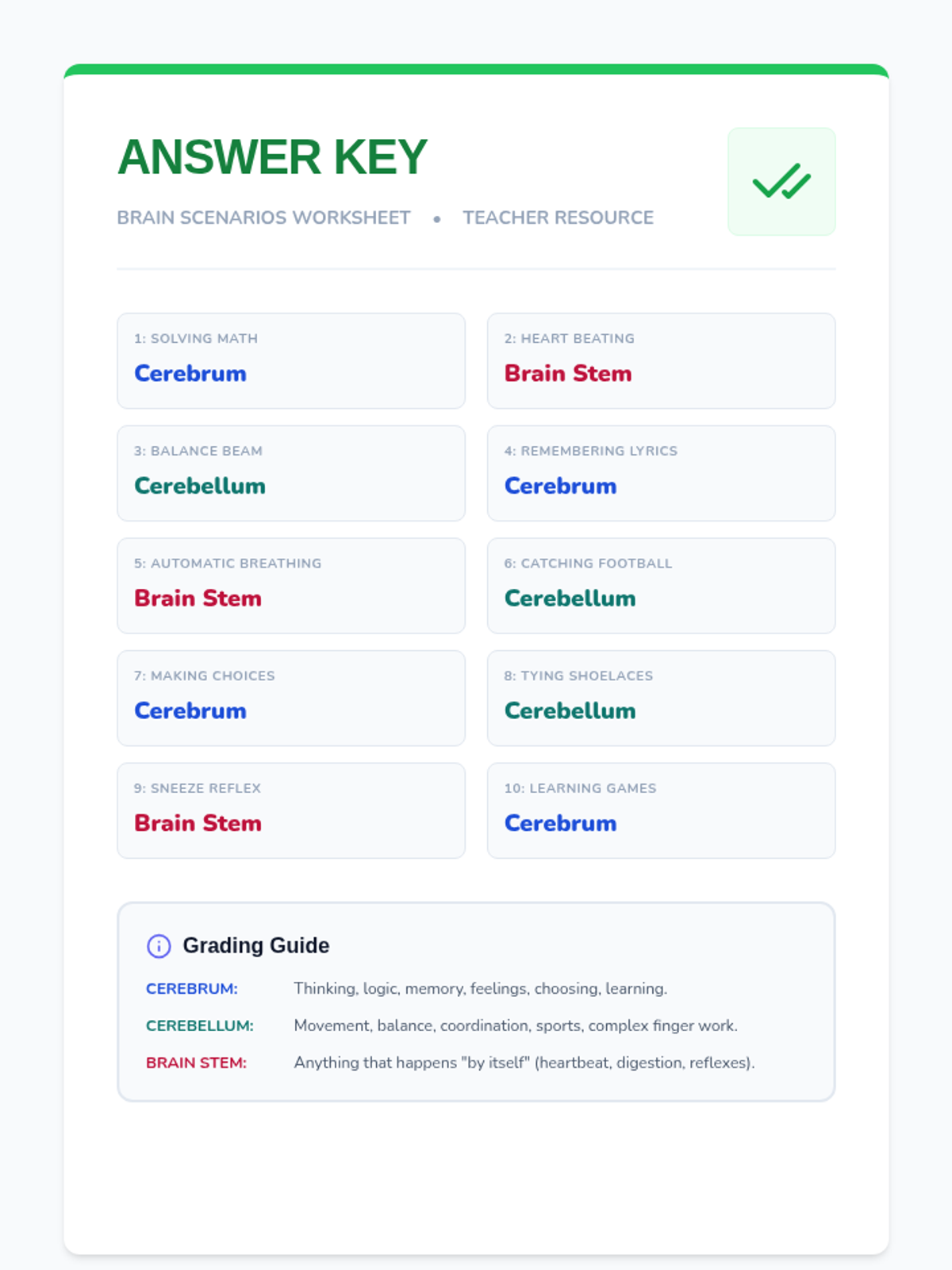
A 30-minute introductory lesson for 3rd graders on the three primary parts of the human brain: the cerebrum, cerebellum, and brain stem, including a hands-on labeling activity.
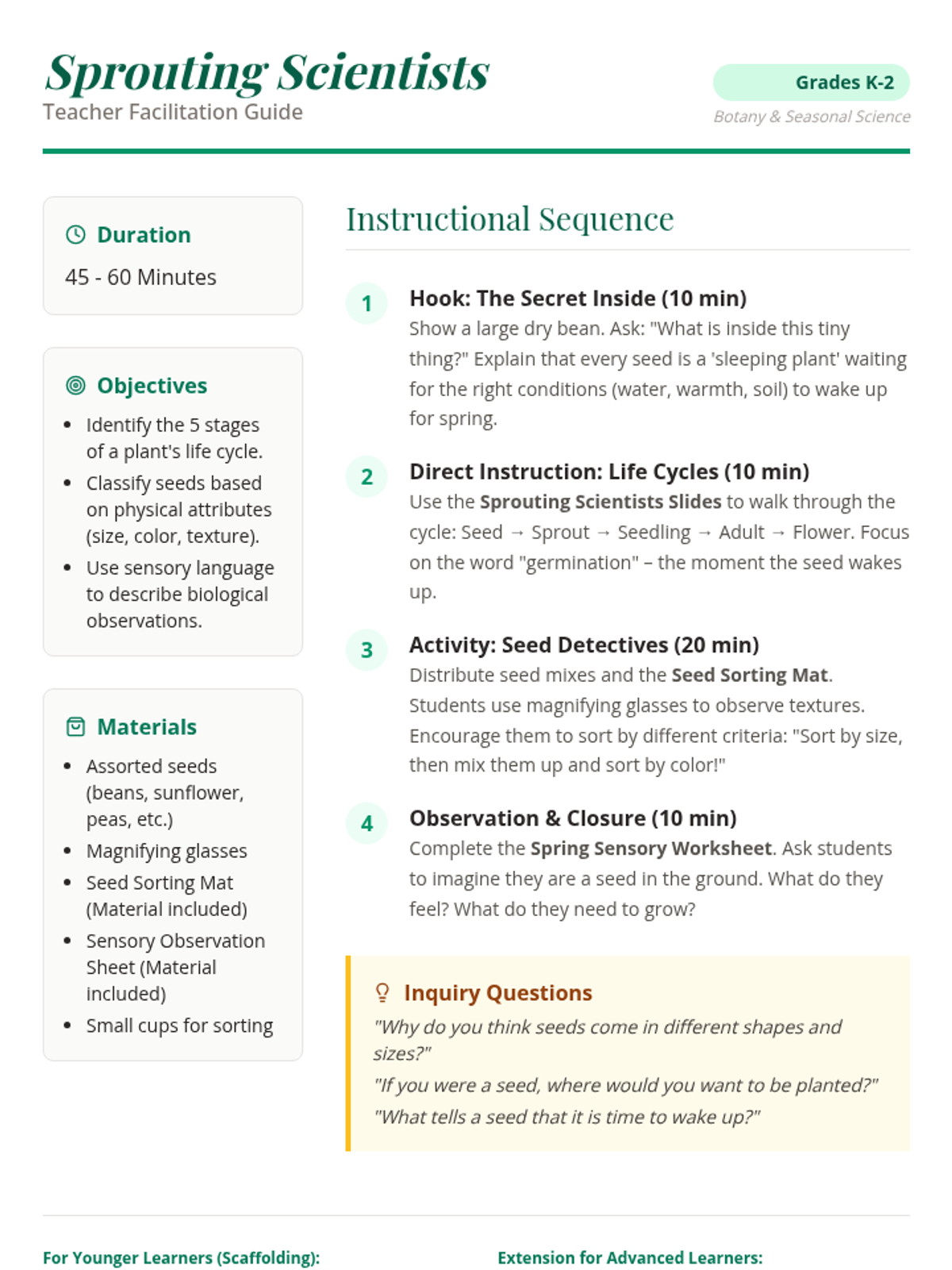
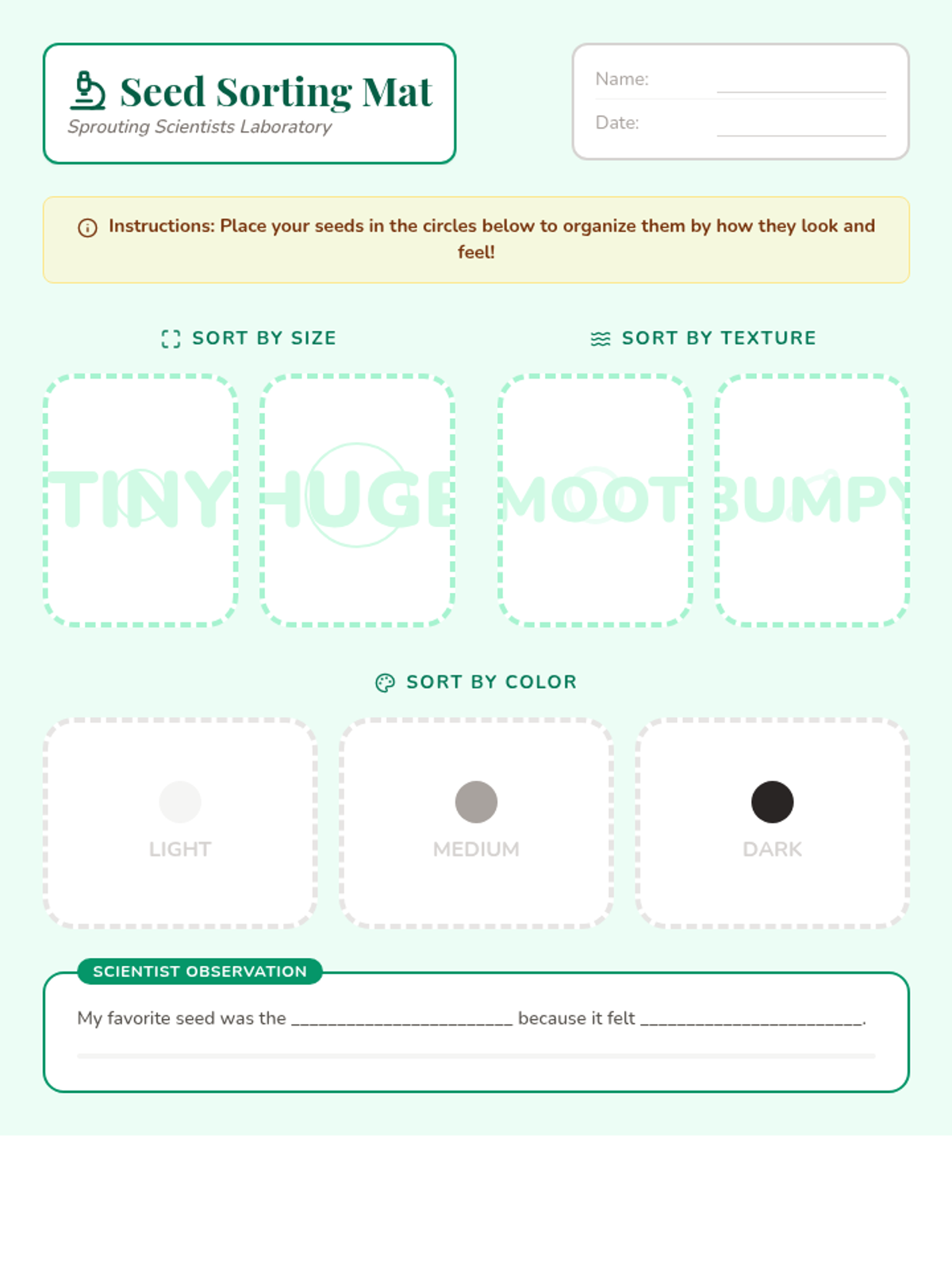
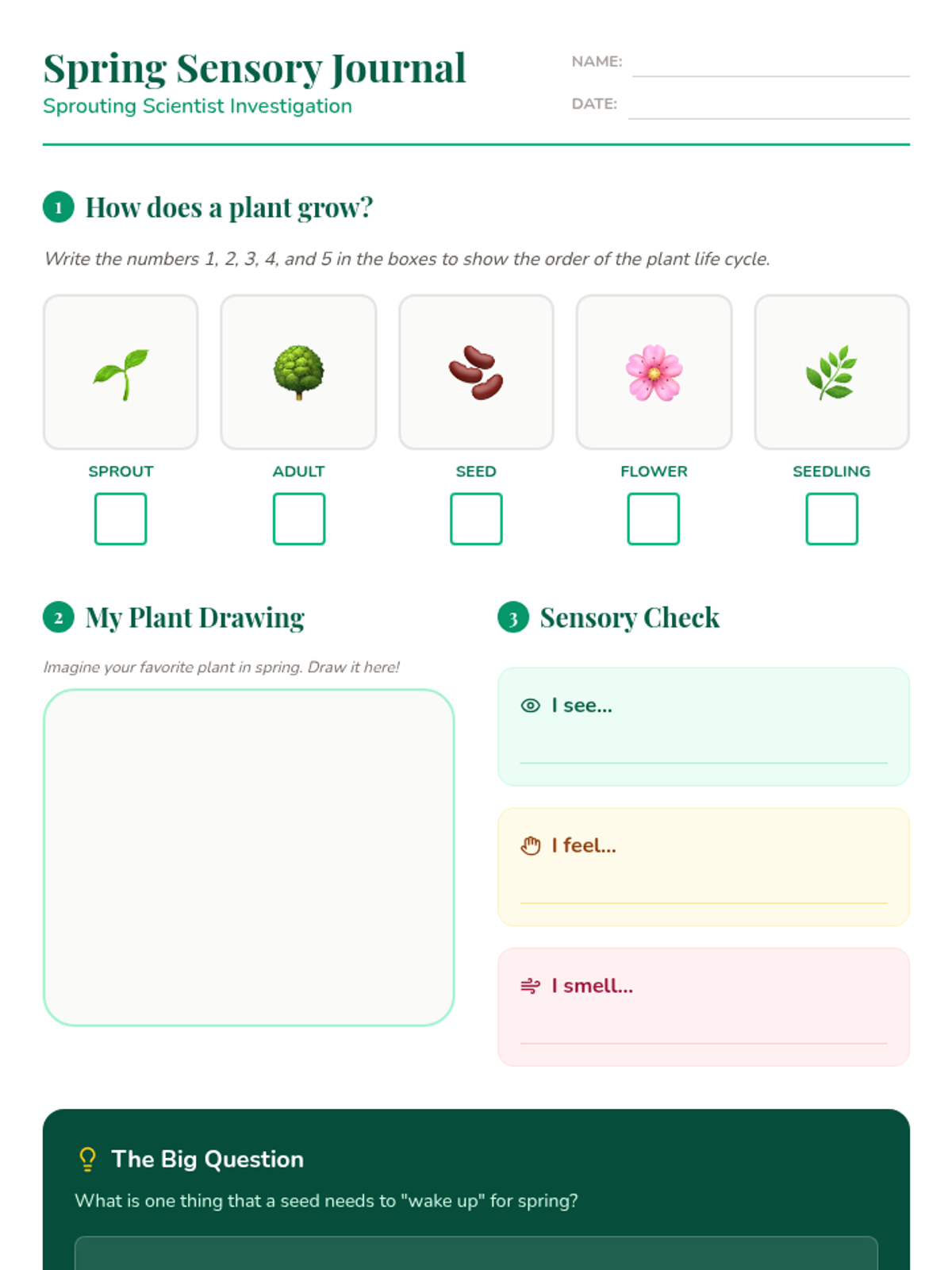
Students explore the plant life cycle through hands-on seed sorting and sensory observations, connecting biological processes to the arrival of spring.
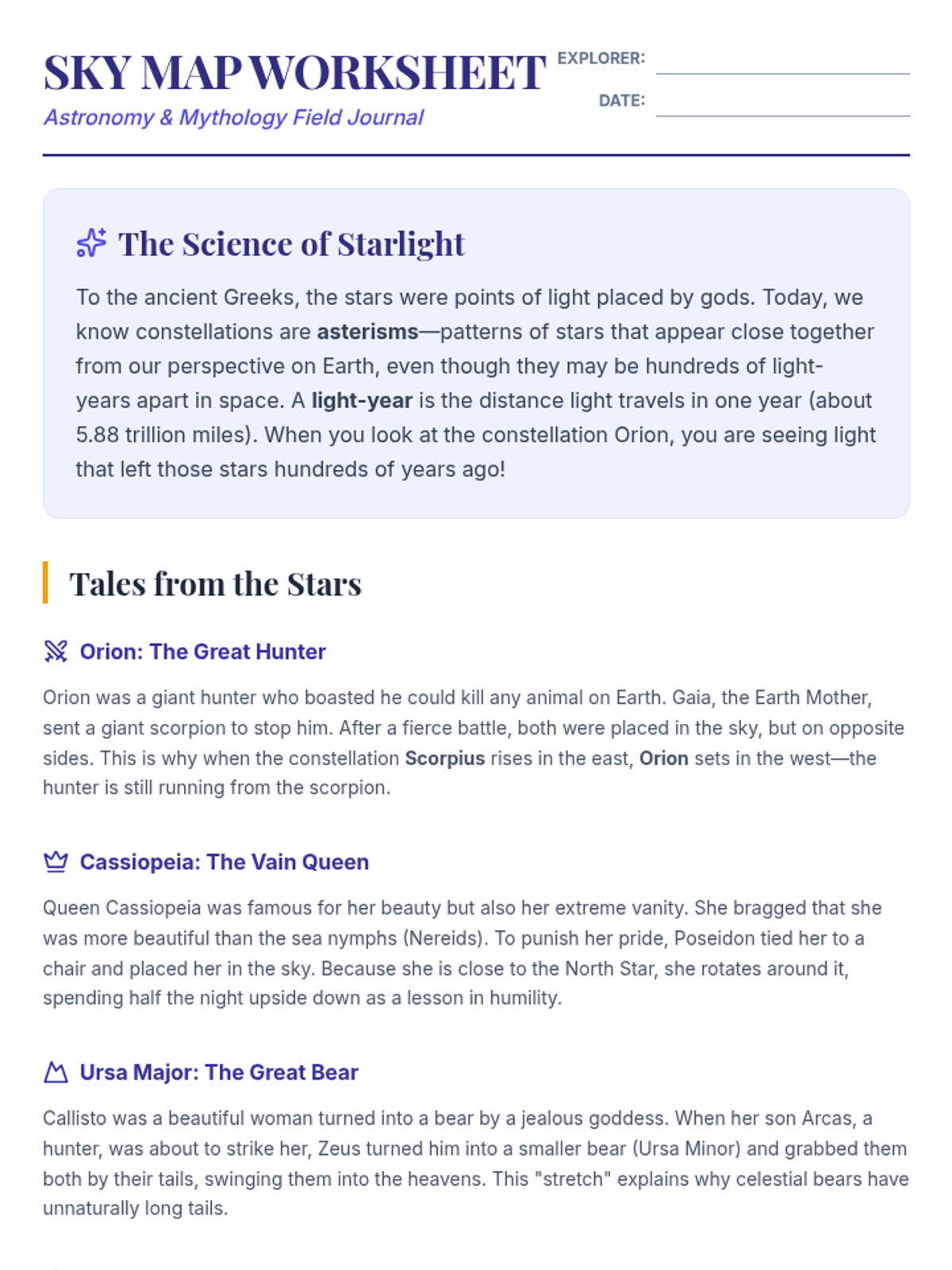
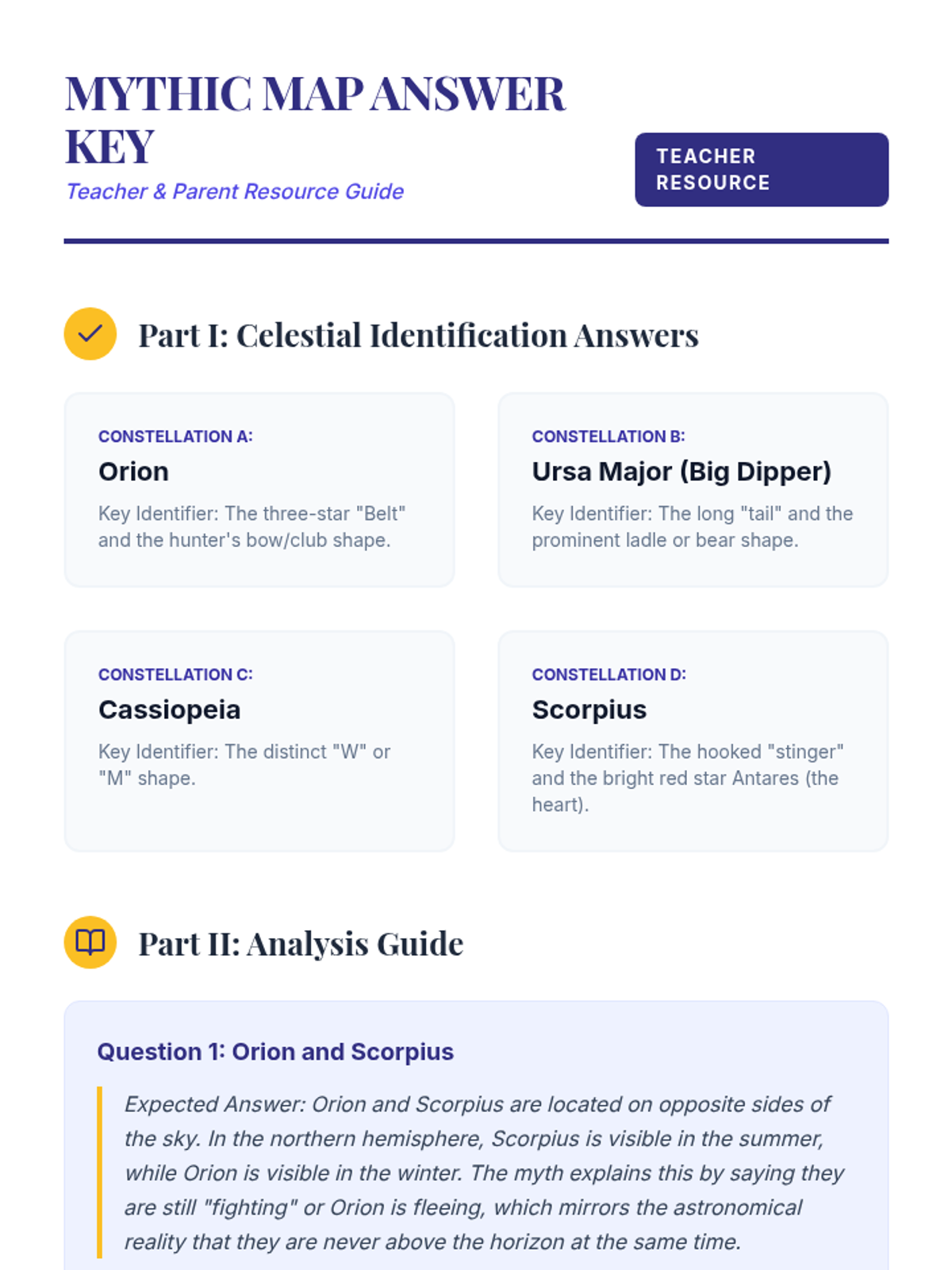
An exploration of major Greek constellations, their associated myths, and the basic science of stellar observation.
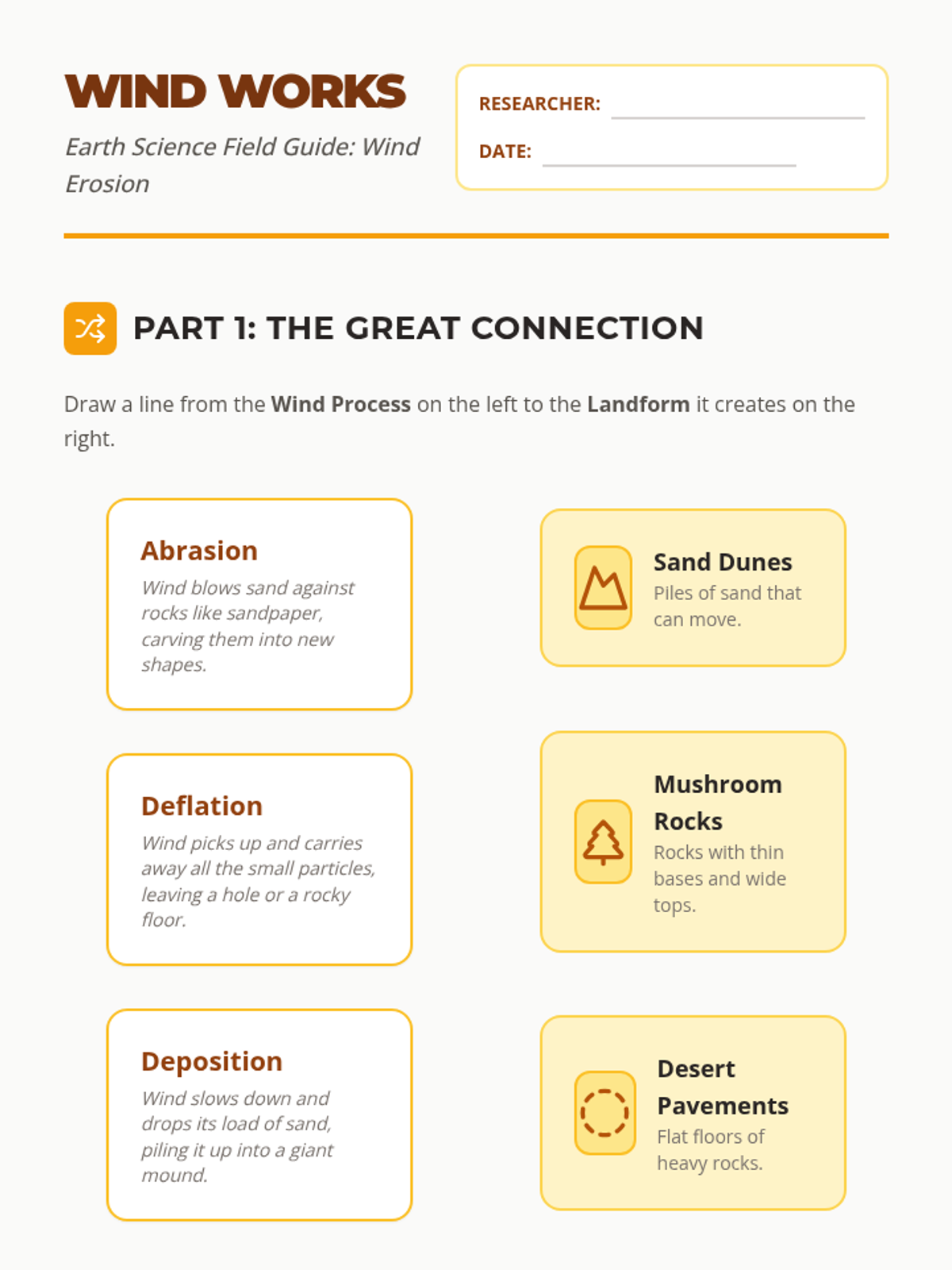
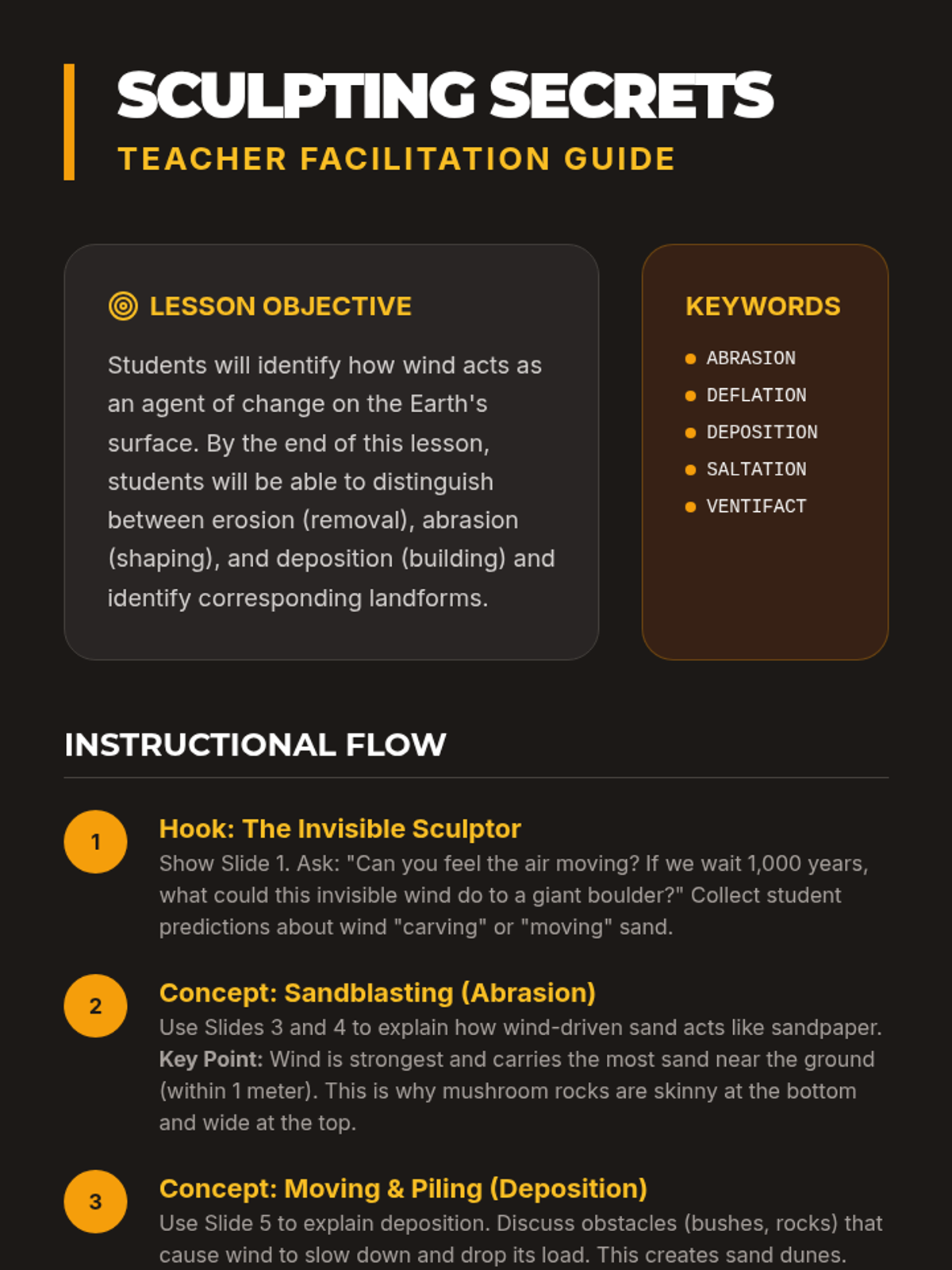
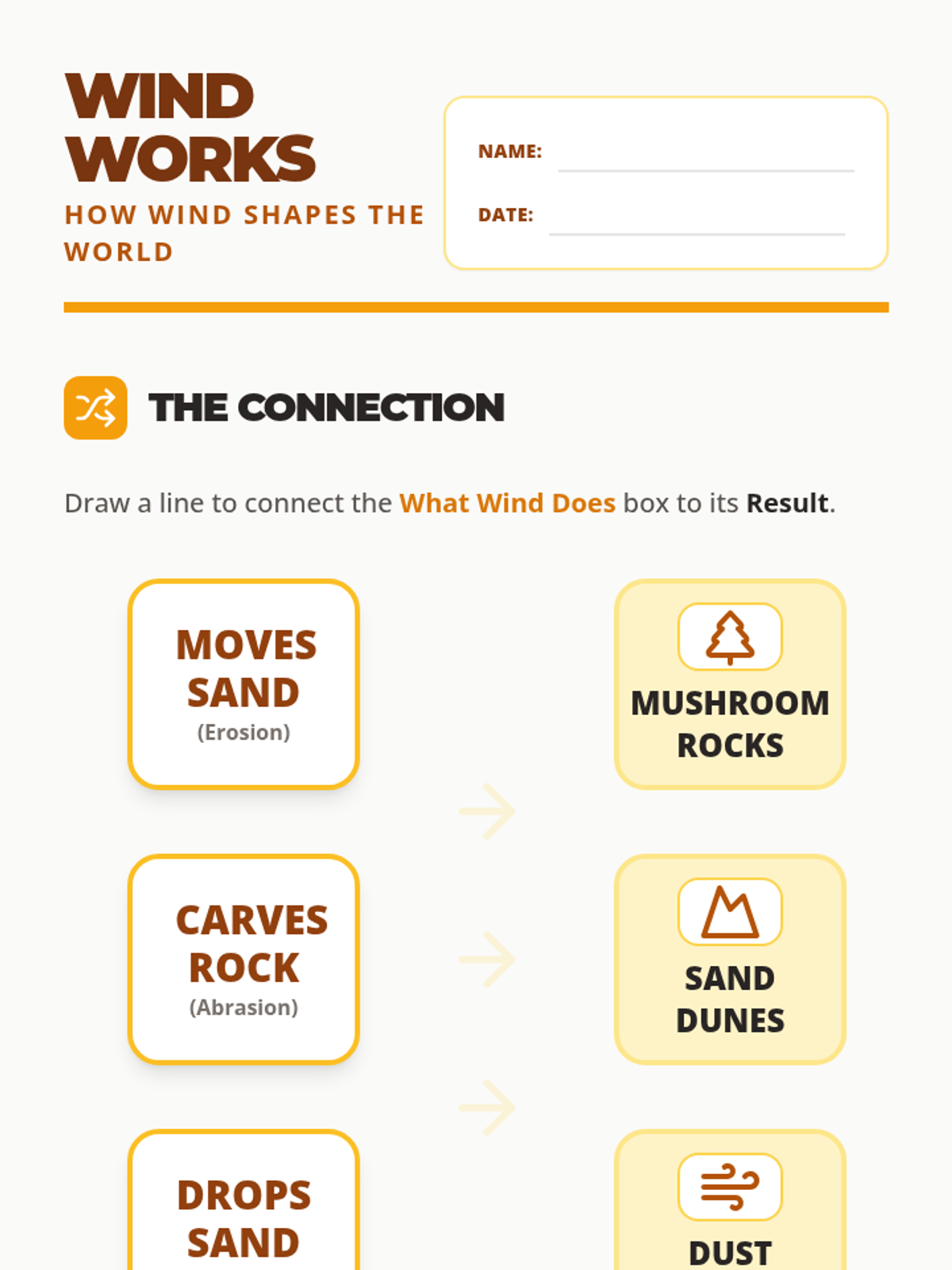
A lesson exploring how wind acts as a powerful sculptor, shaping the Earth's surface through erosion and deposition over long periods of time. Students will identify key landforms created by wind and understand the processes that form them.
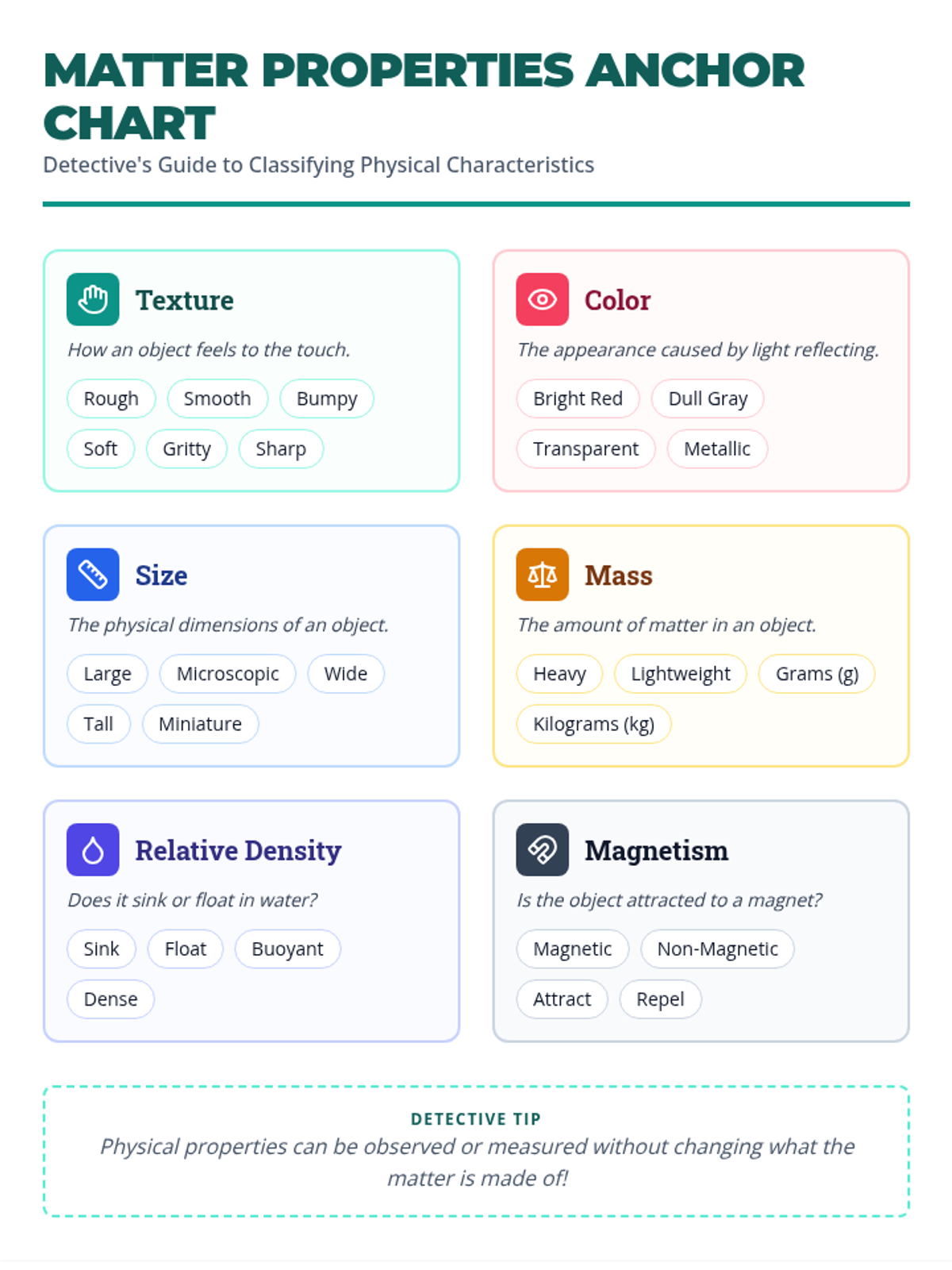
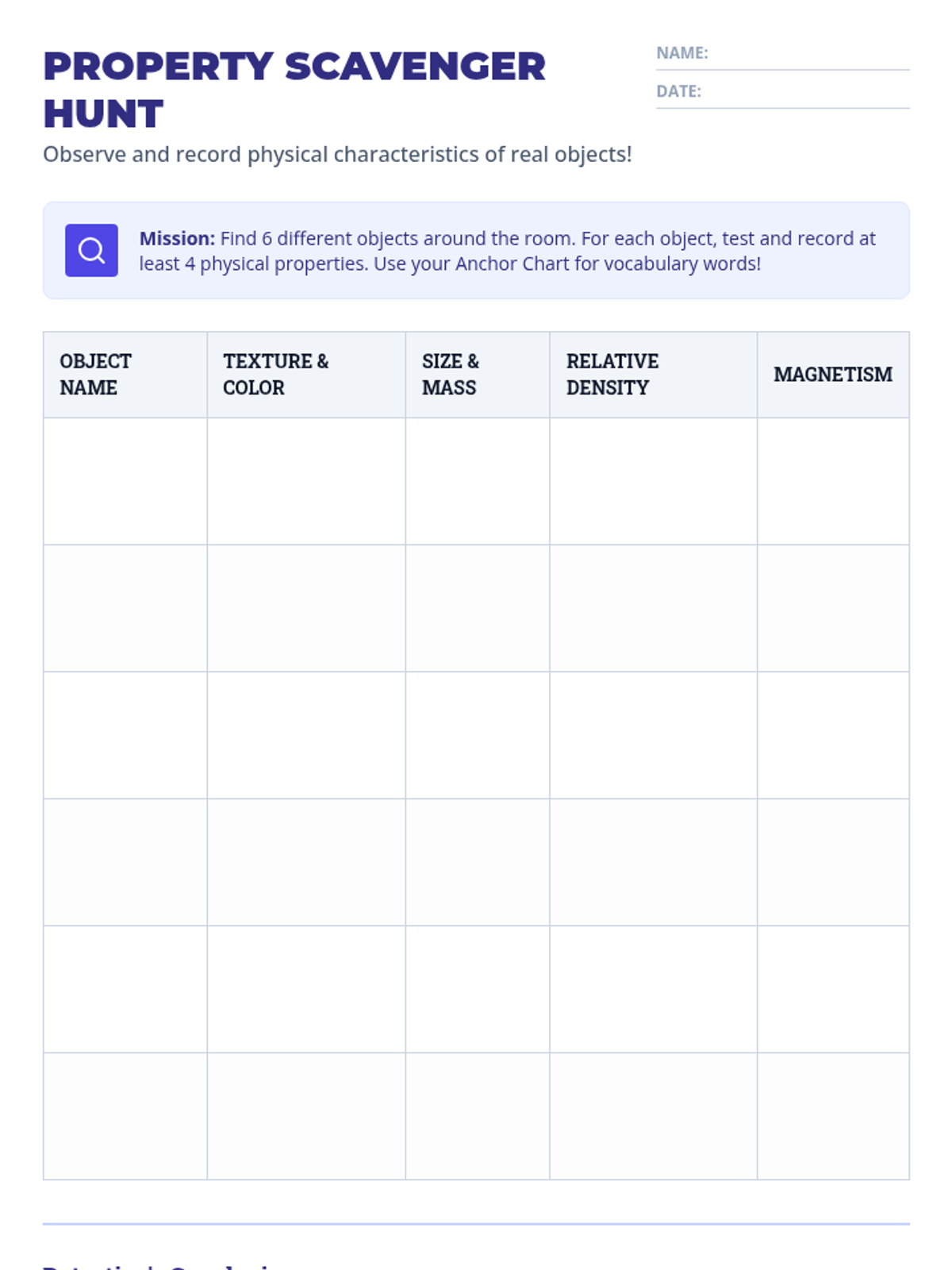
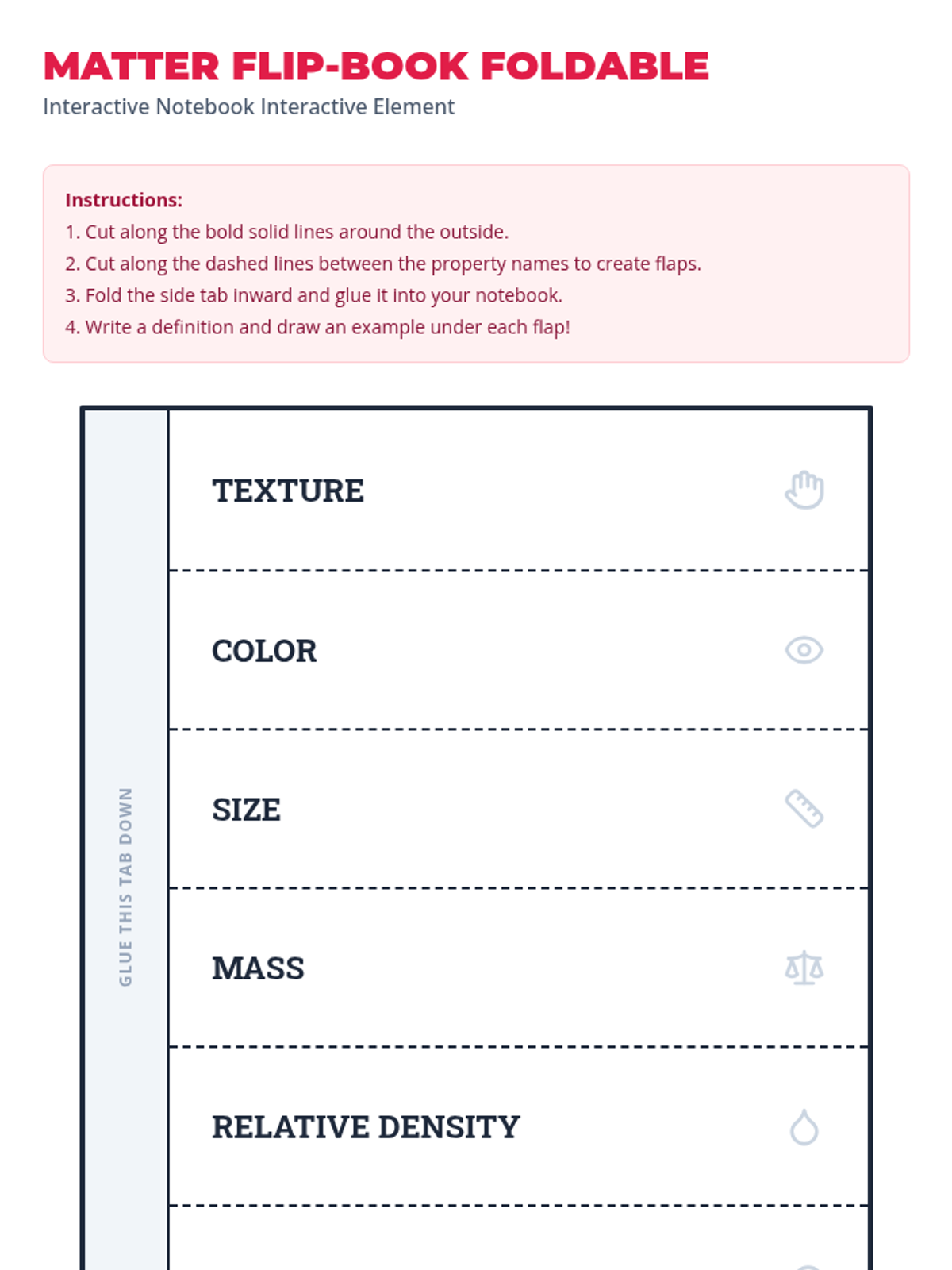
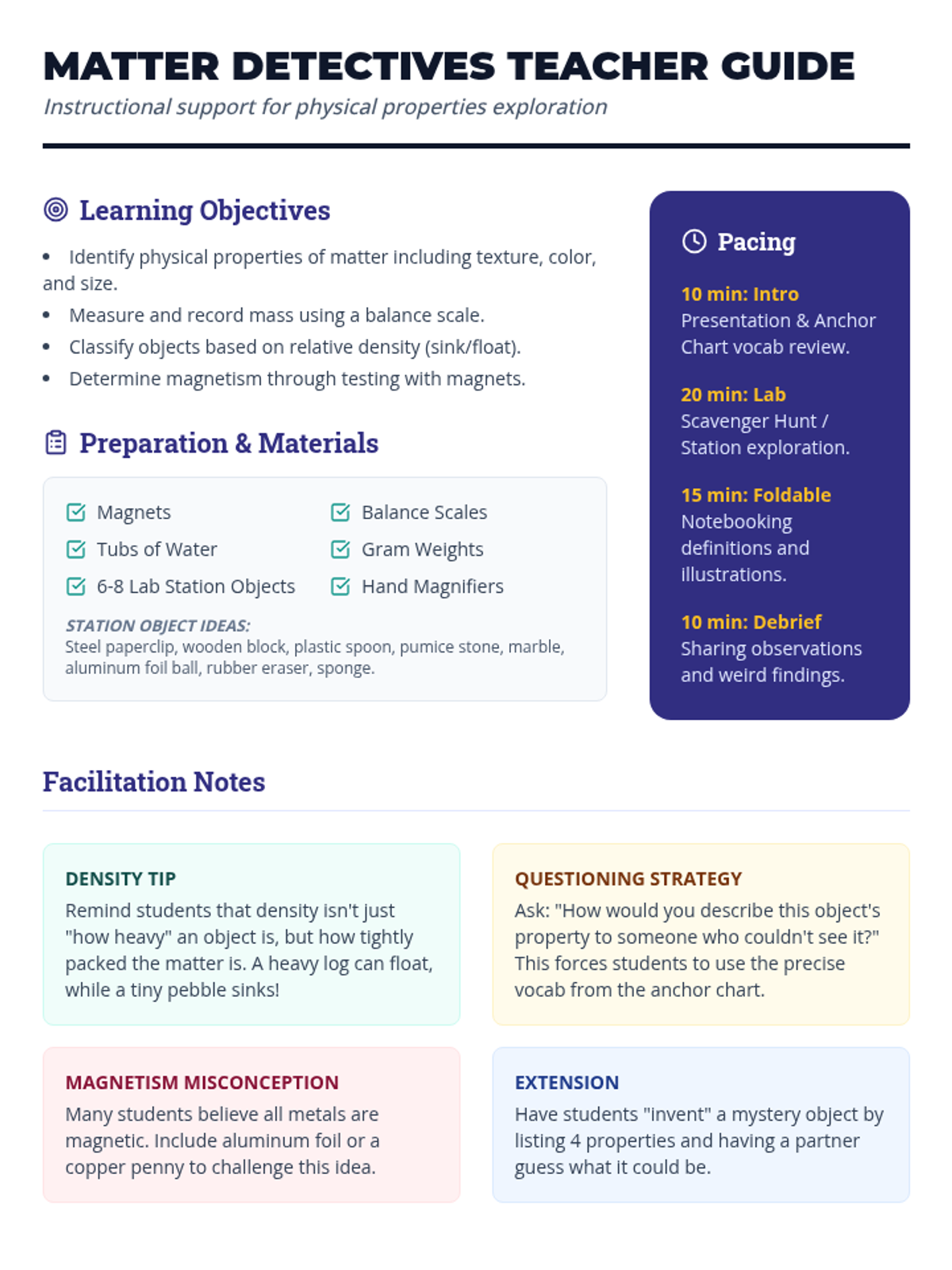
An engaging, hands-on lesson where students explore the physical properties of matter through a structured anchor chart, an interactive notebook foldable, and a real-world scavenger hunt.
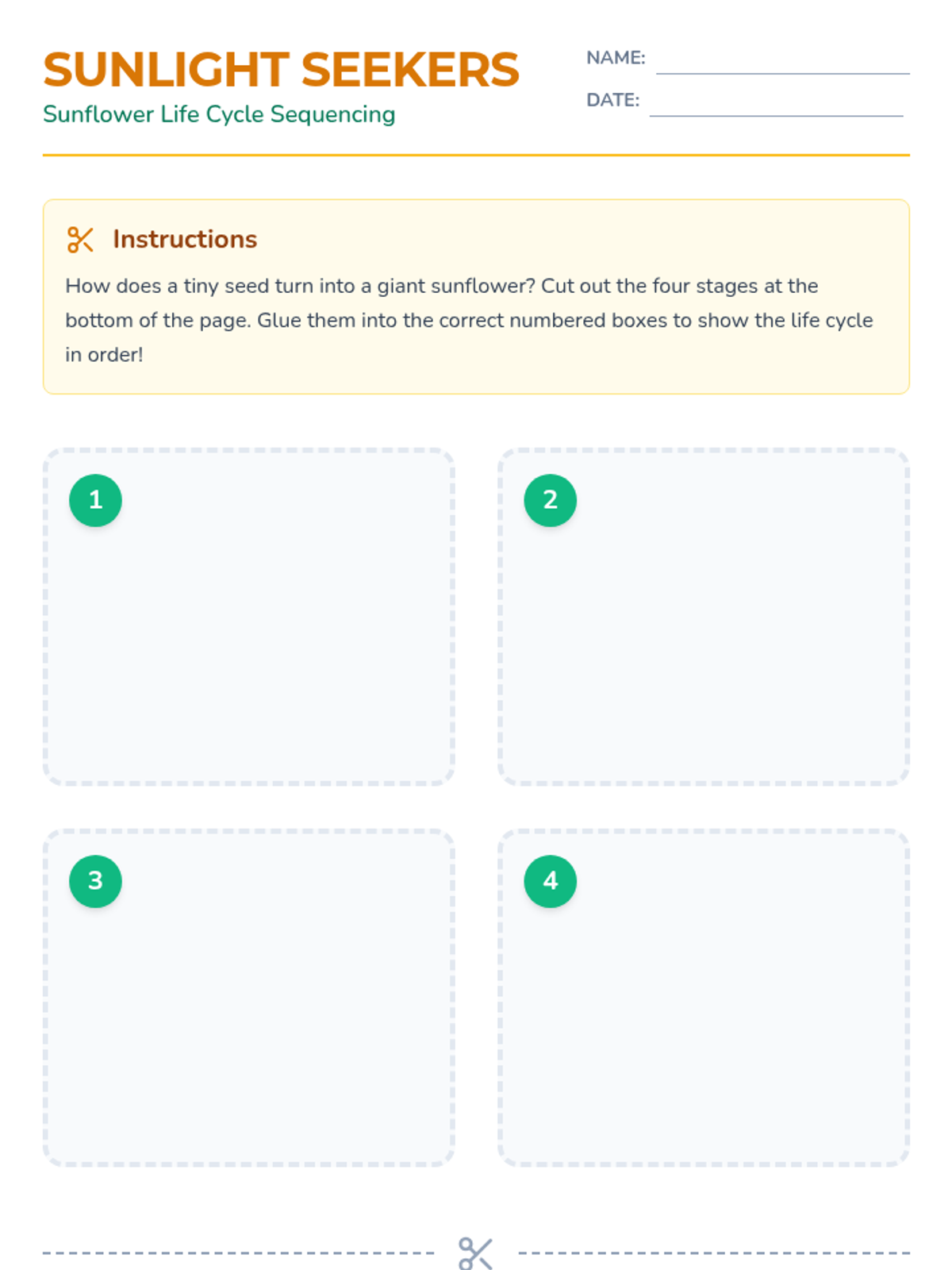
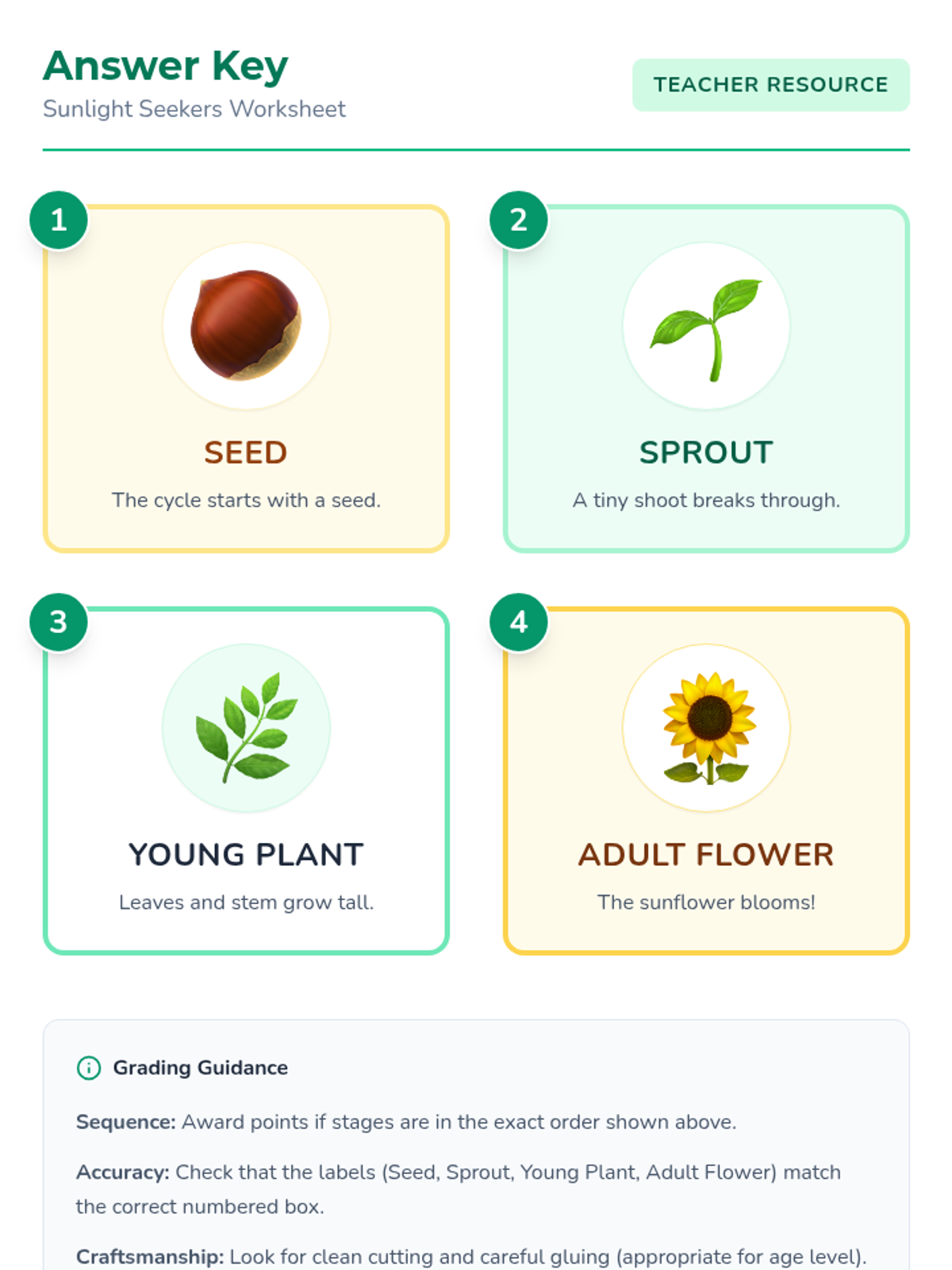
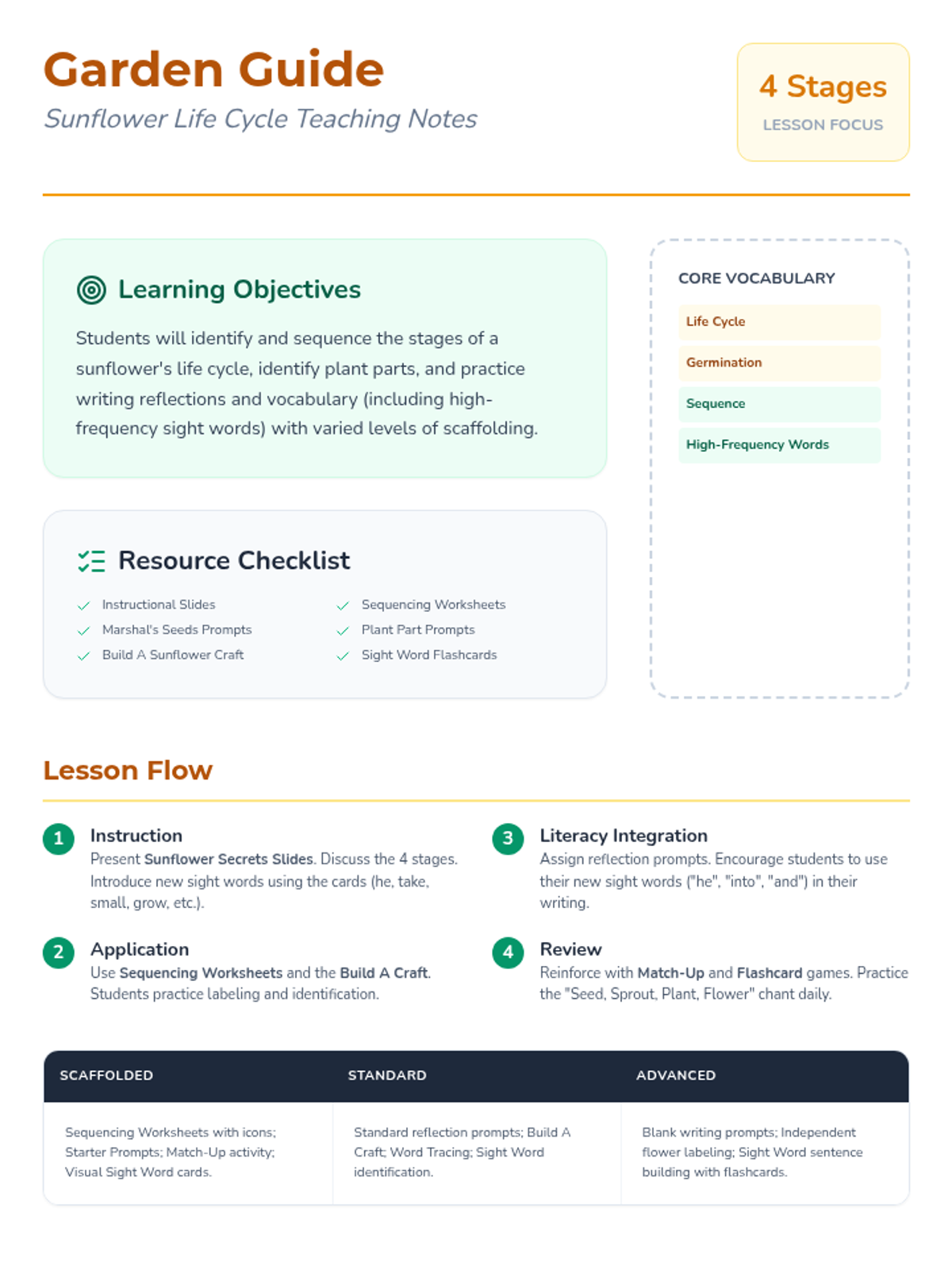
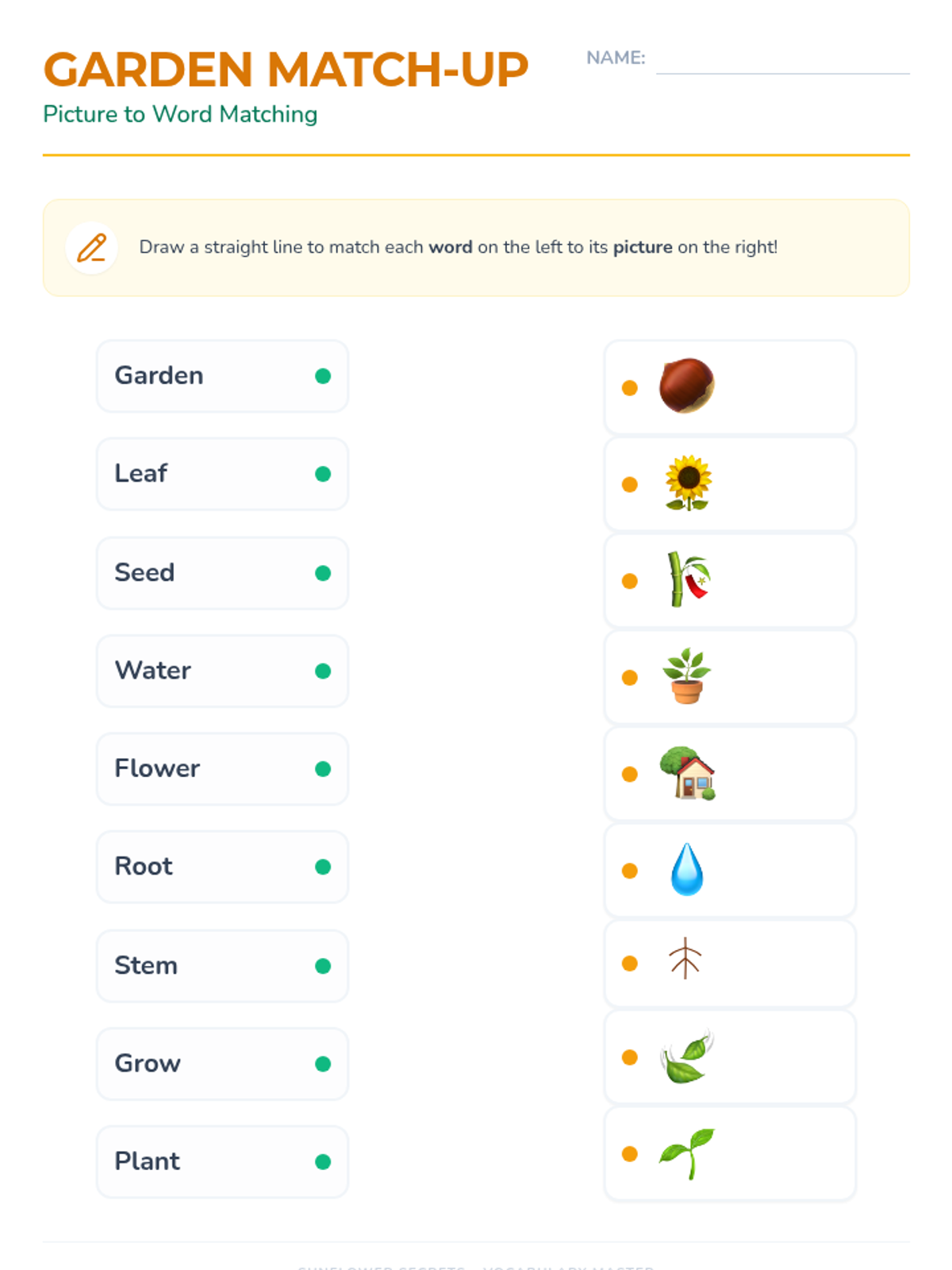
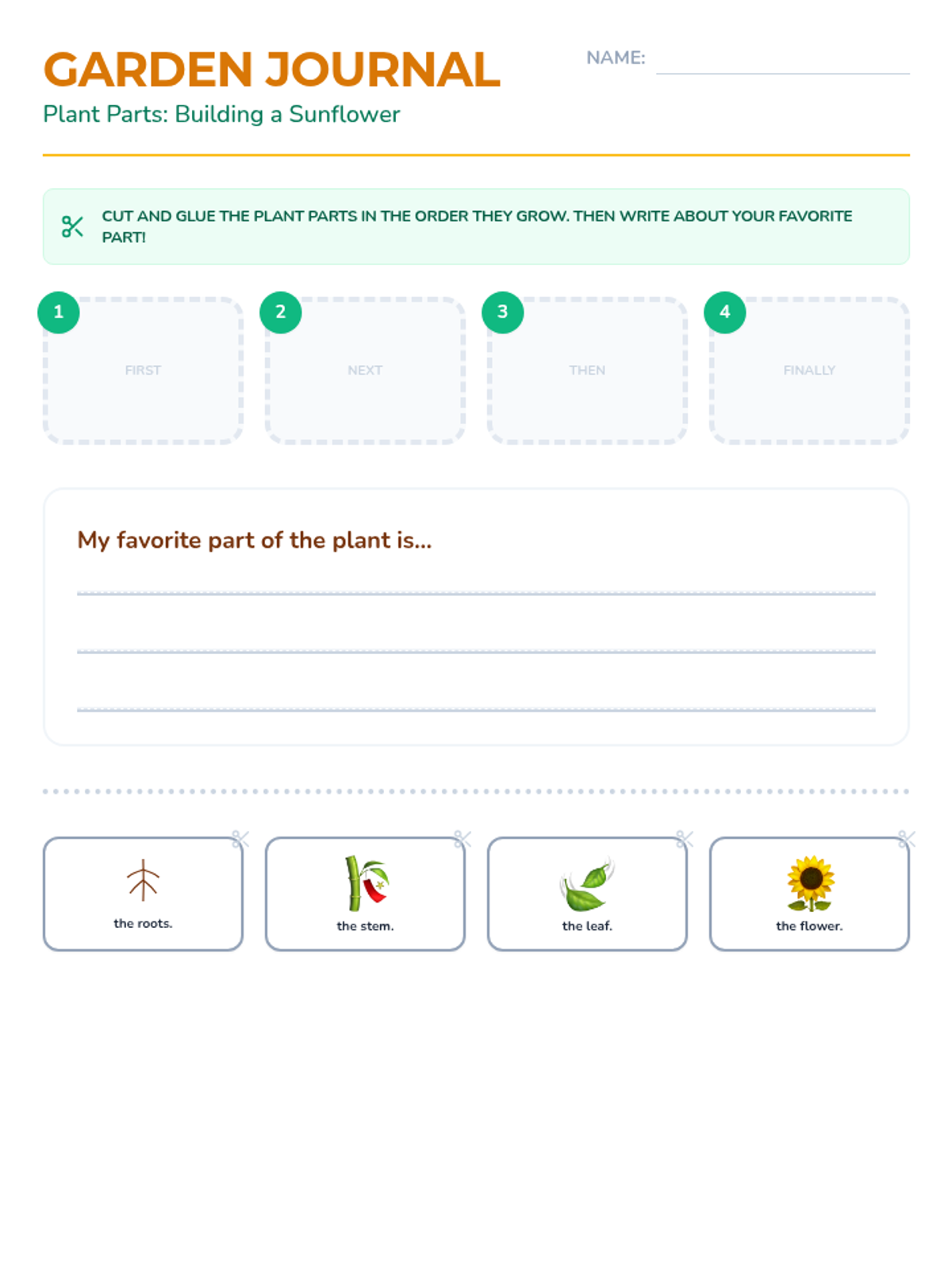
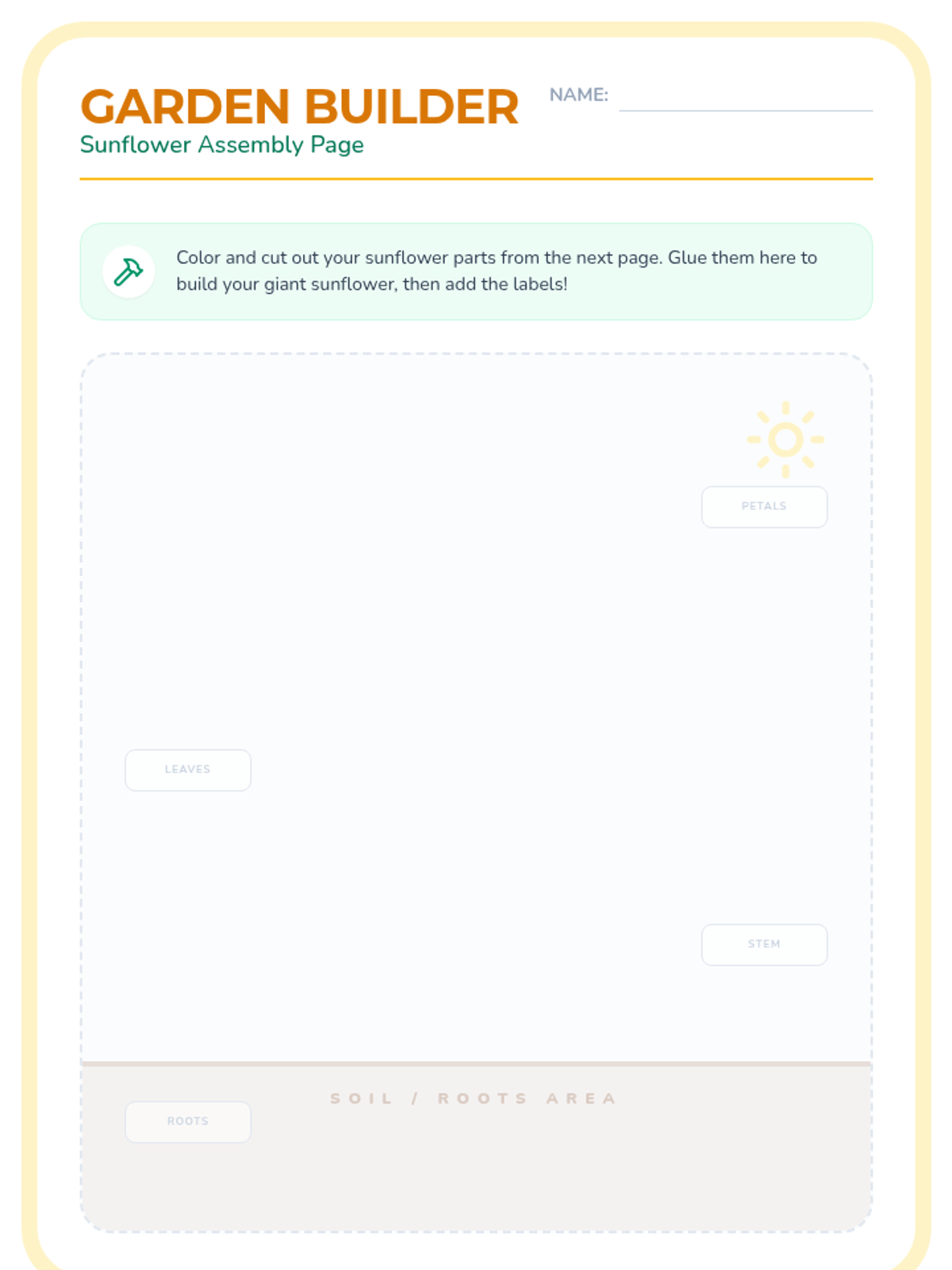
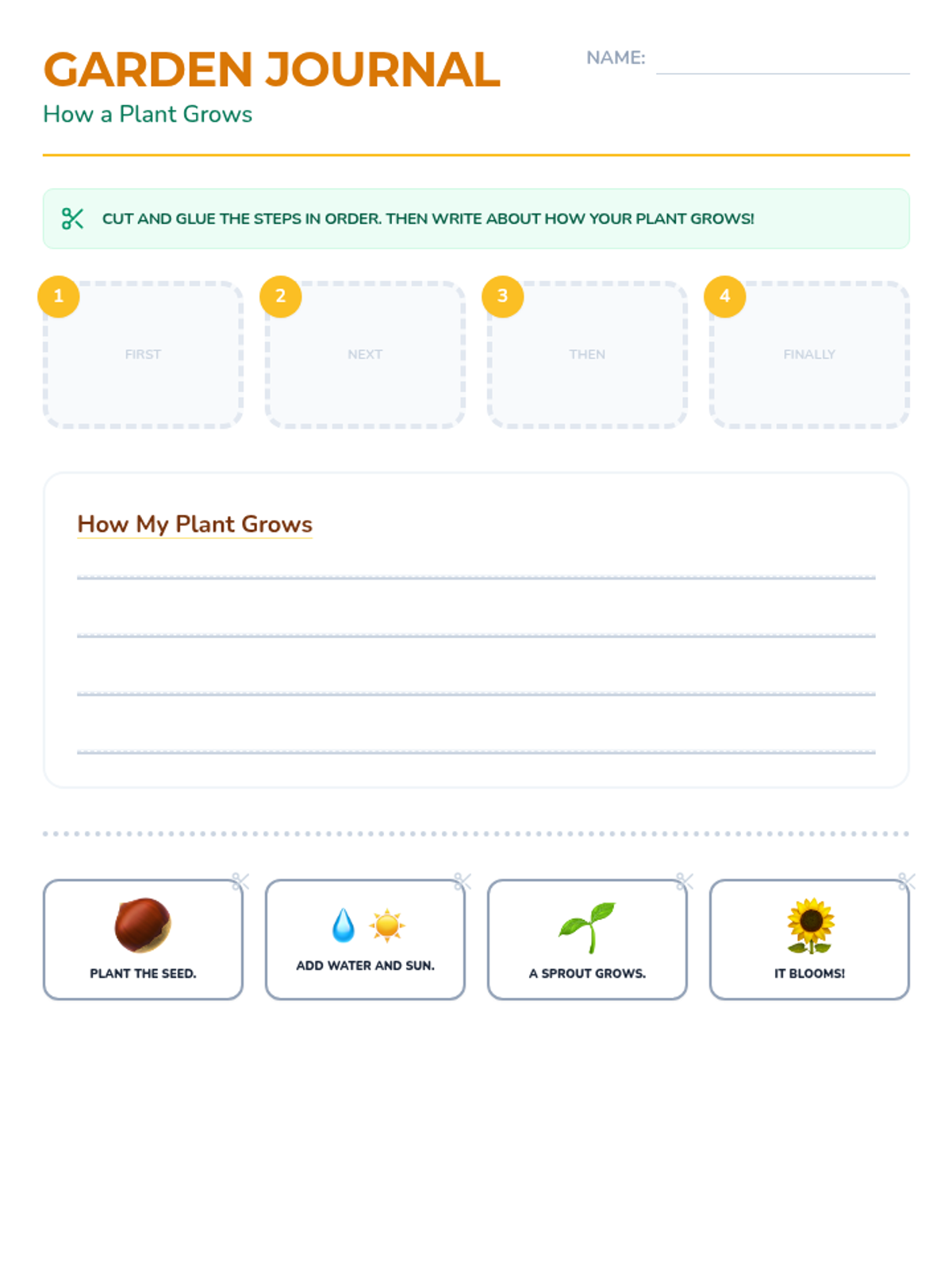
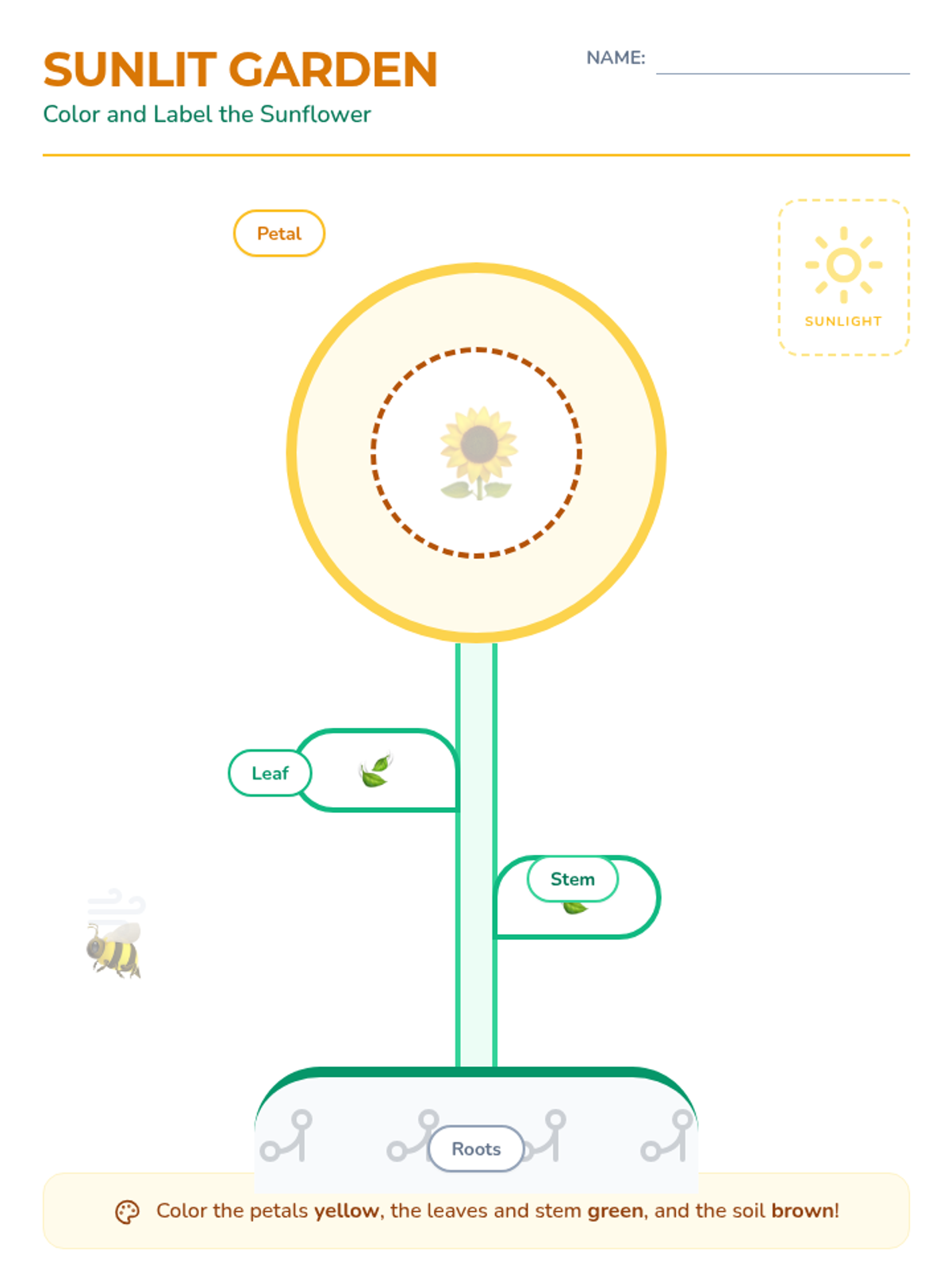
A hands-on lesson exploring the four primary stages of a sunflower's life cycle through visual instruction and a cut-and-paste sequencing activity.
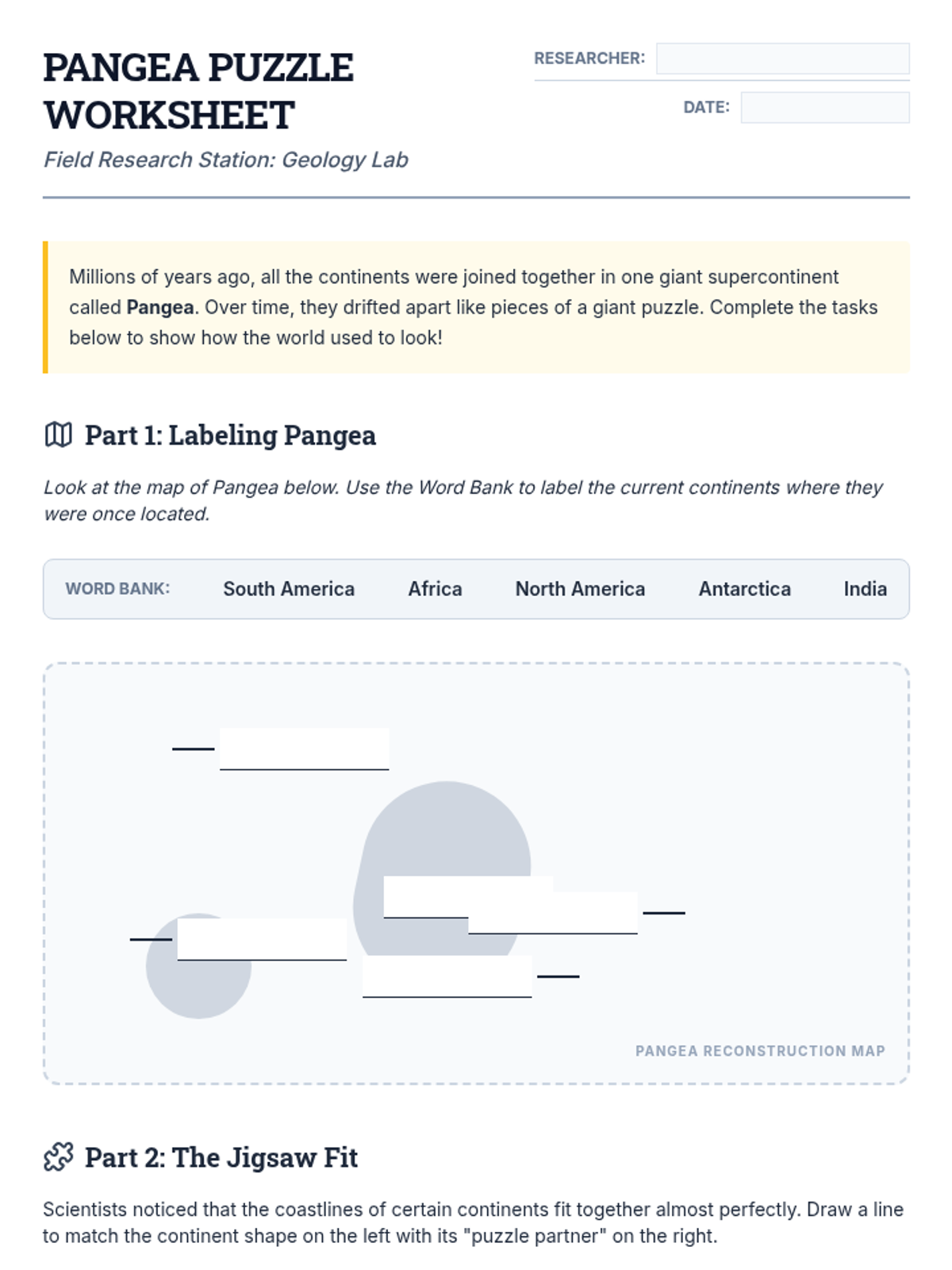
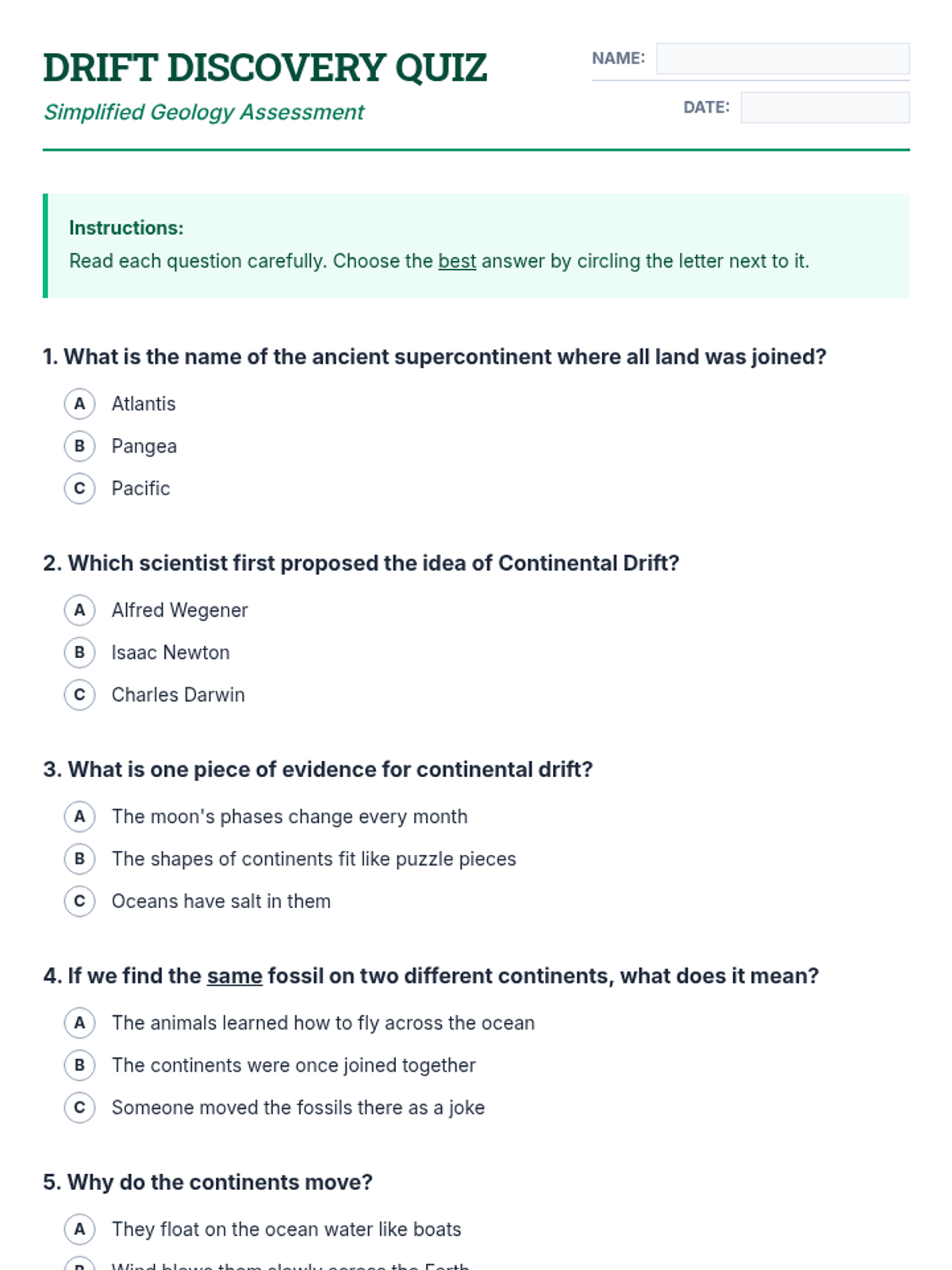
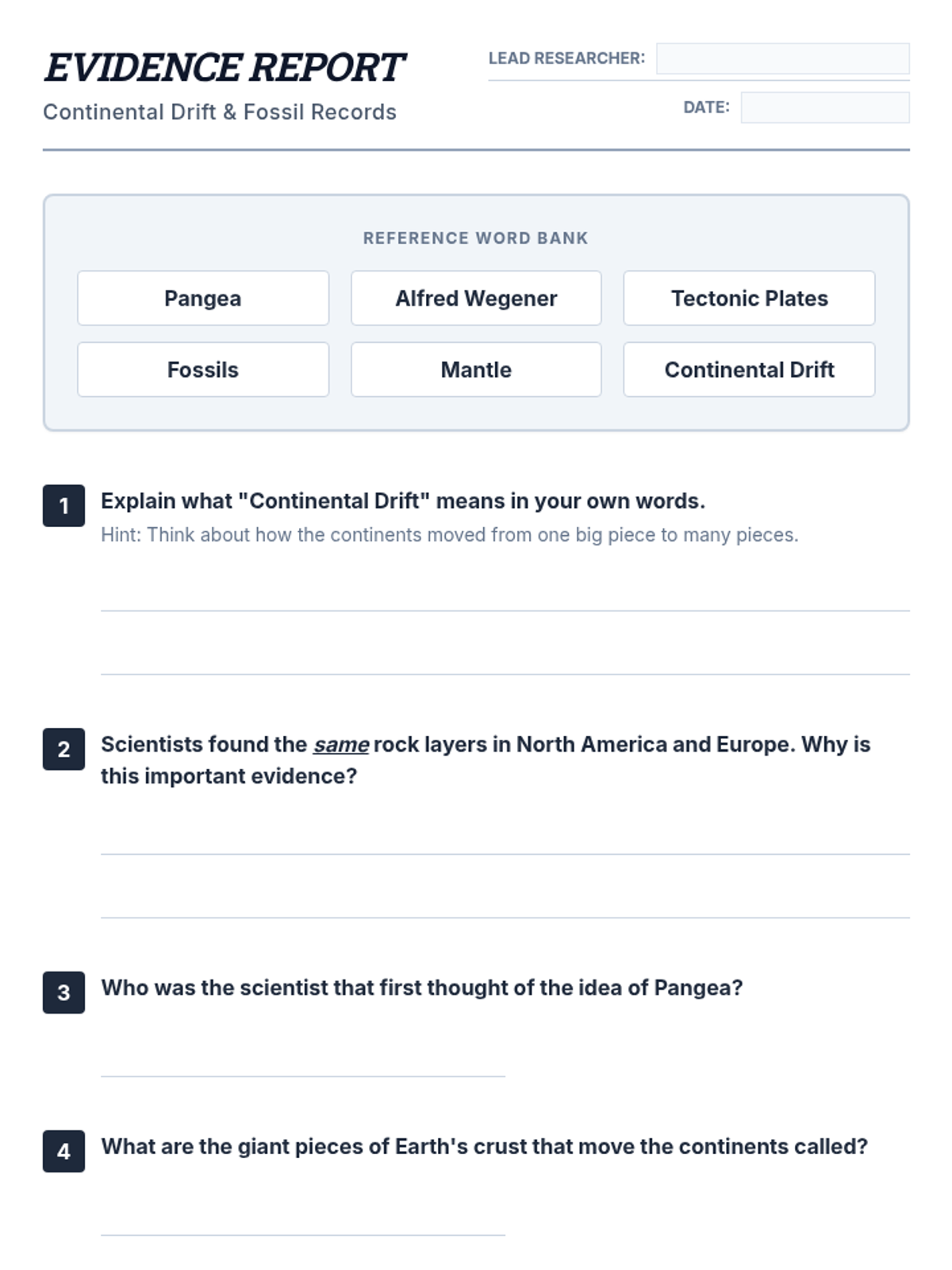
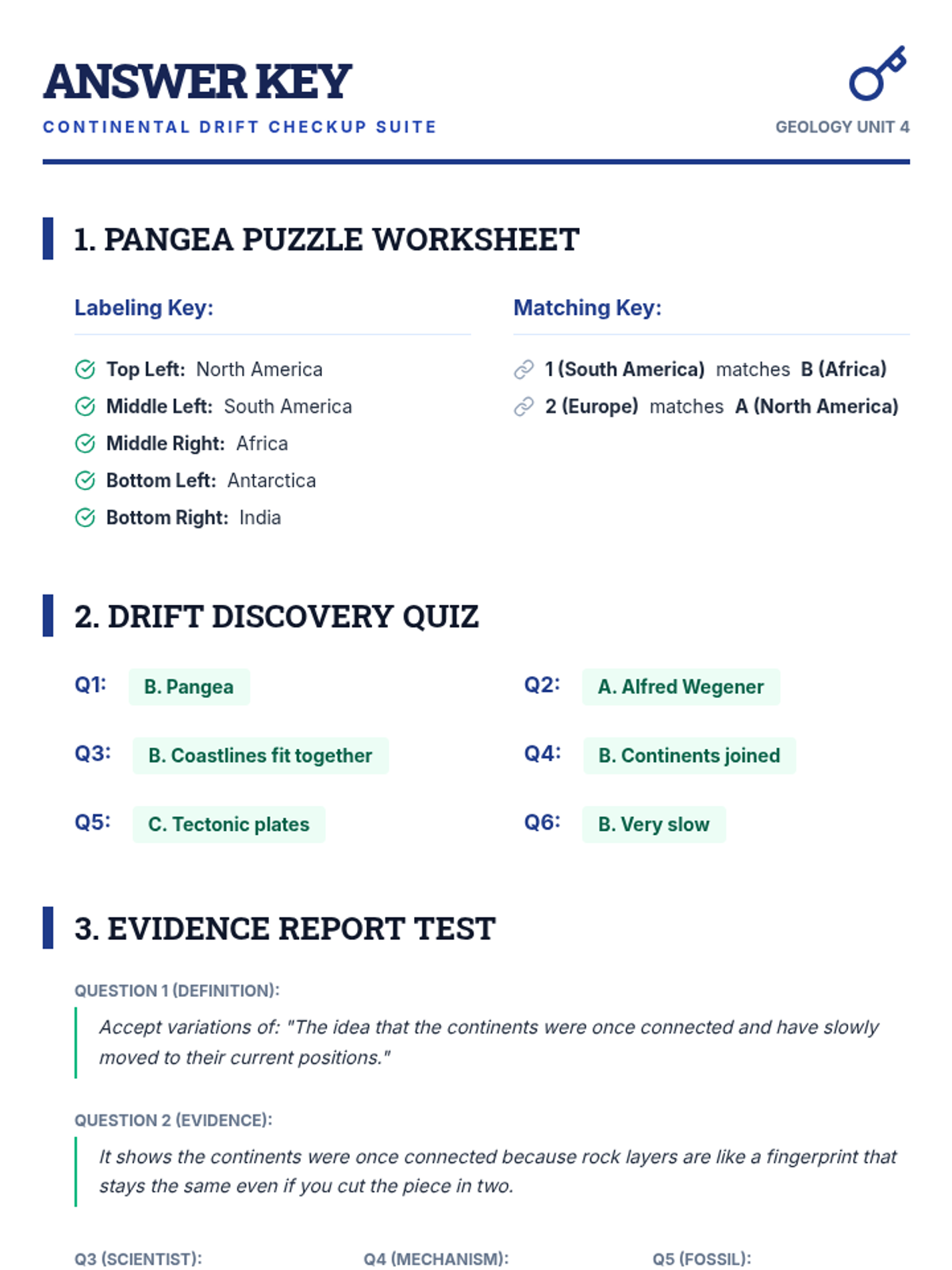
A comprehensive assessment suite covering continental drift, Pangea, and geological evidence through visual labeling, simplified quizzes, and short-answer prompts.