A lesson exploring how wind acts as a powerful sculptor, shaping the Earth's surface through erosion and deposition over long periods of time. Students will identify key landforms created by wind and understand the processes that form them.
A hands-on laboratory experience where students use microscopes to observe and document biological and physical specimens at varying magnifications.
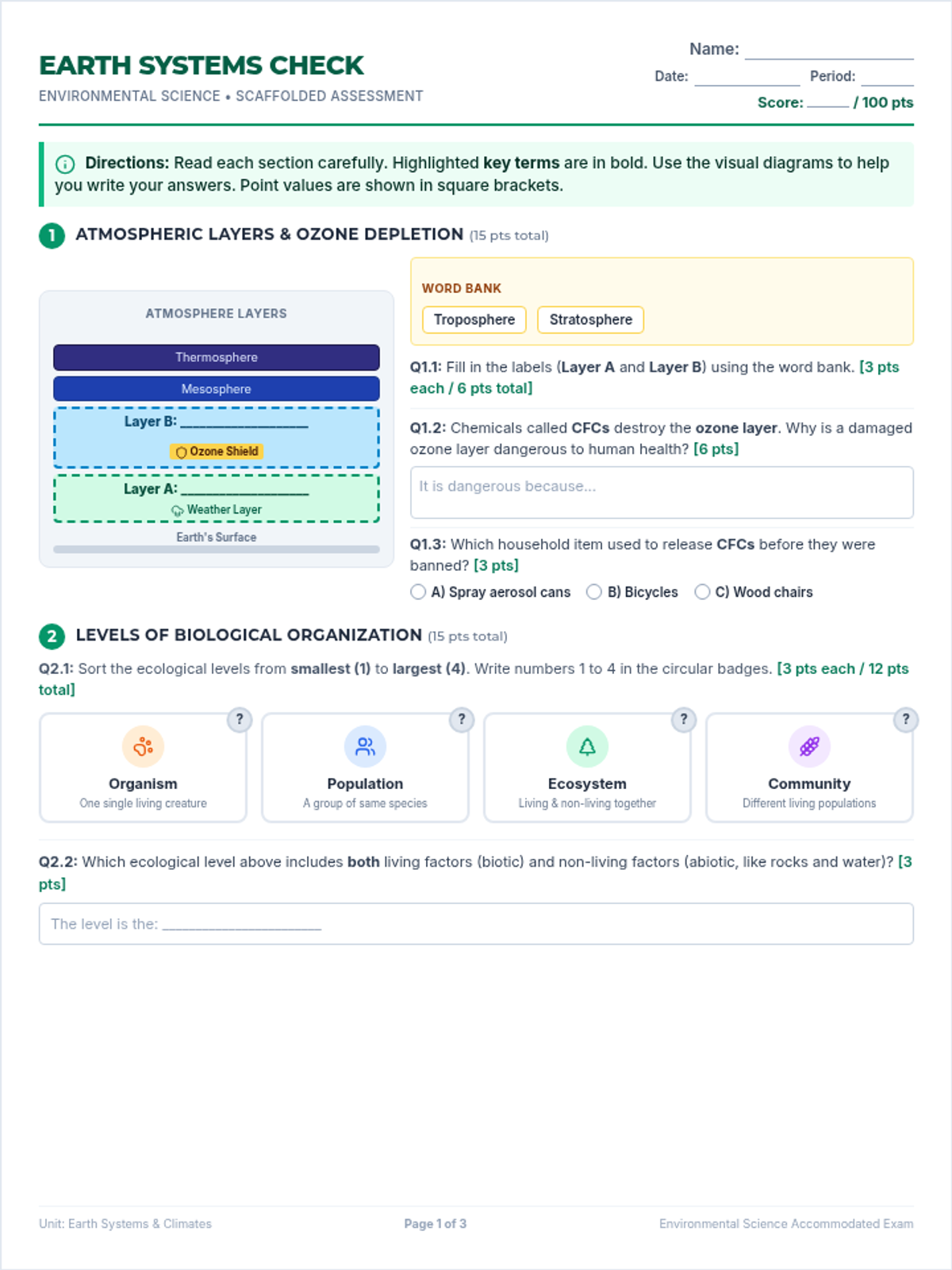
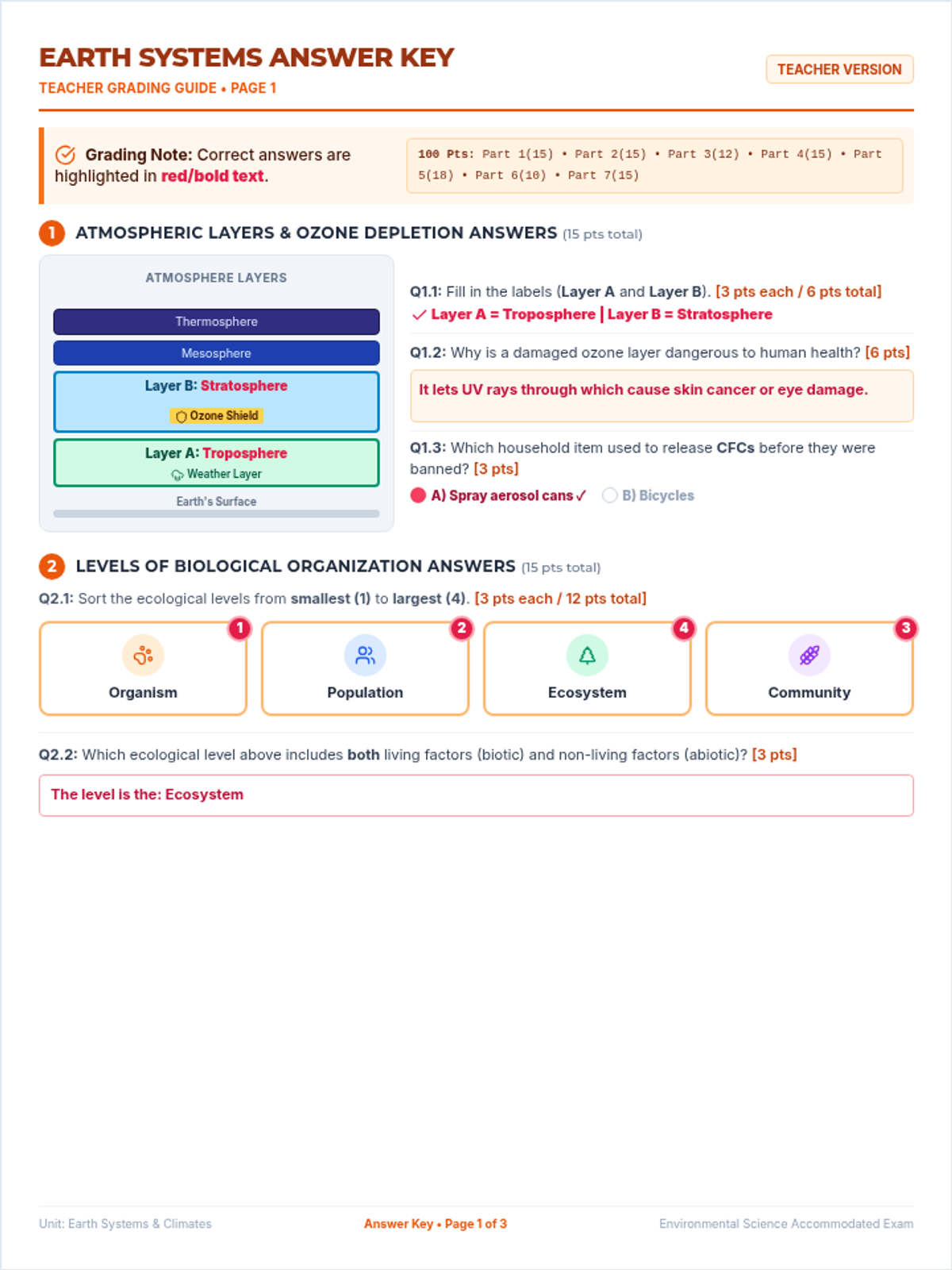
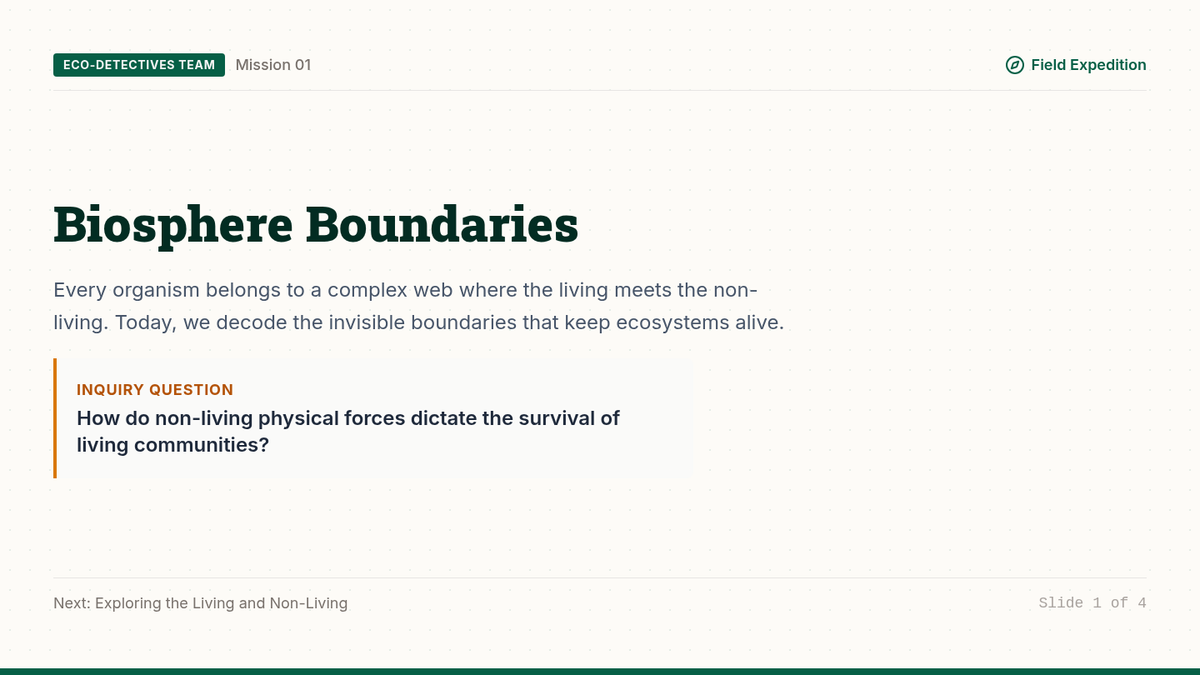
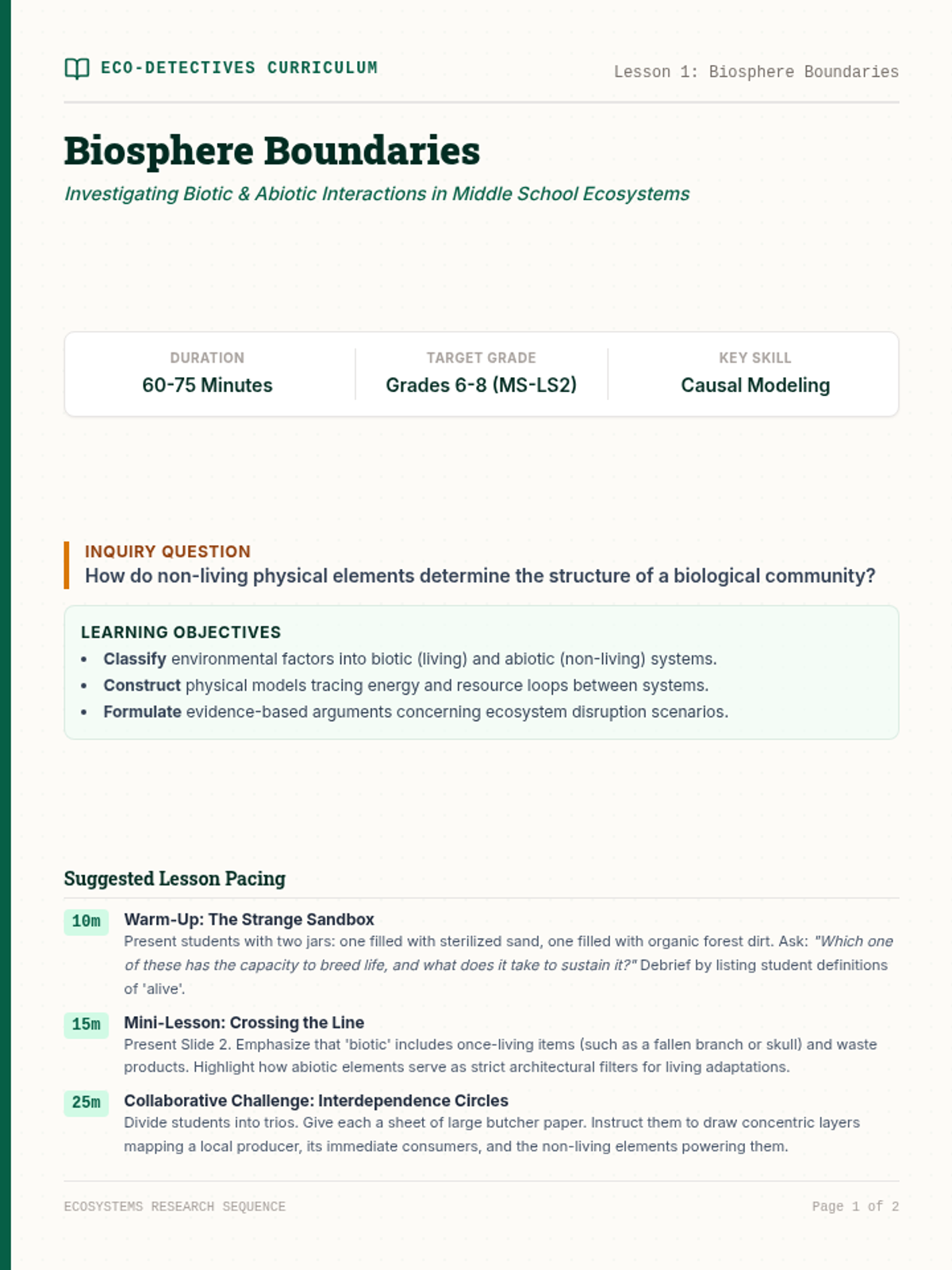
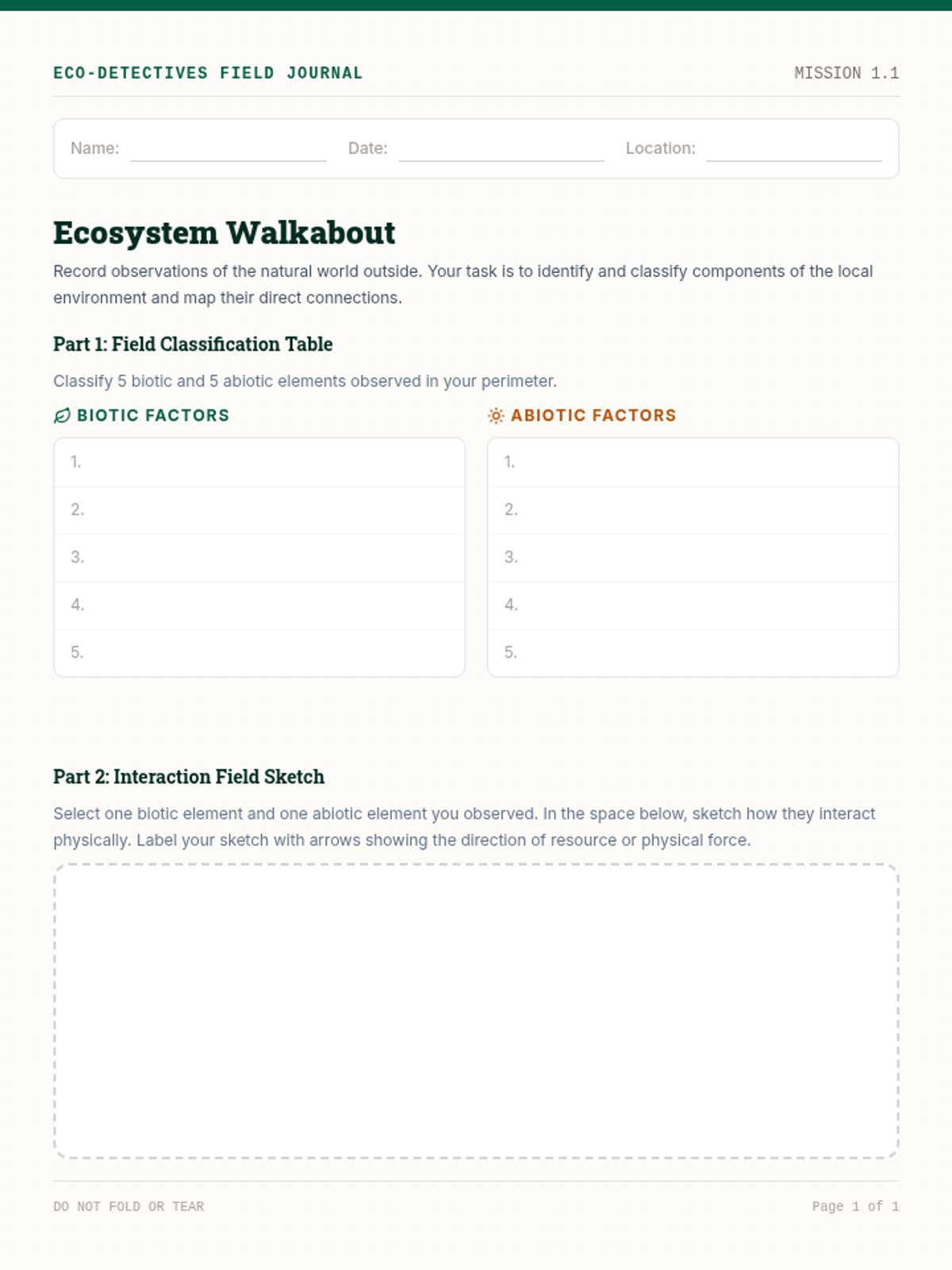
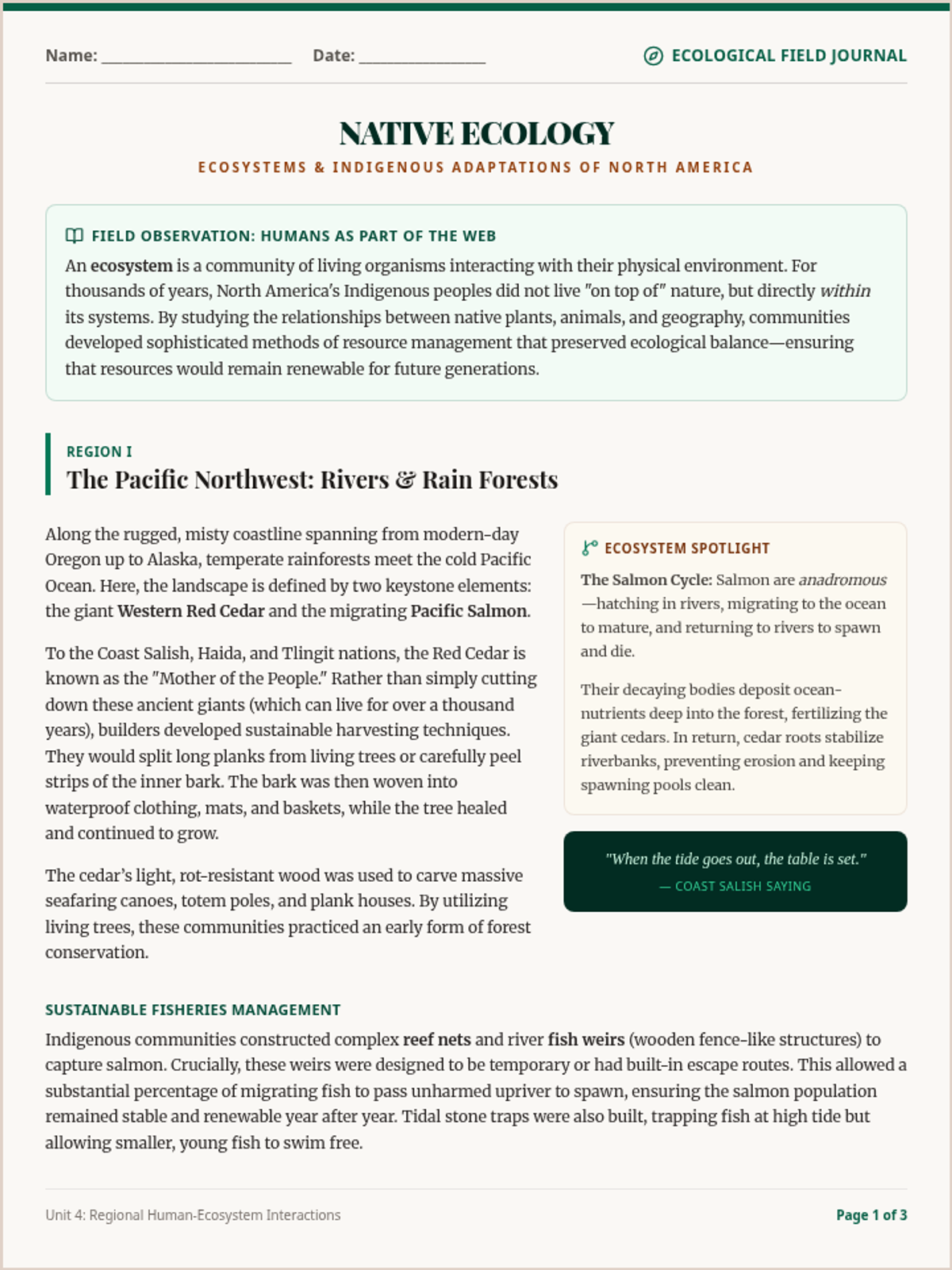
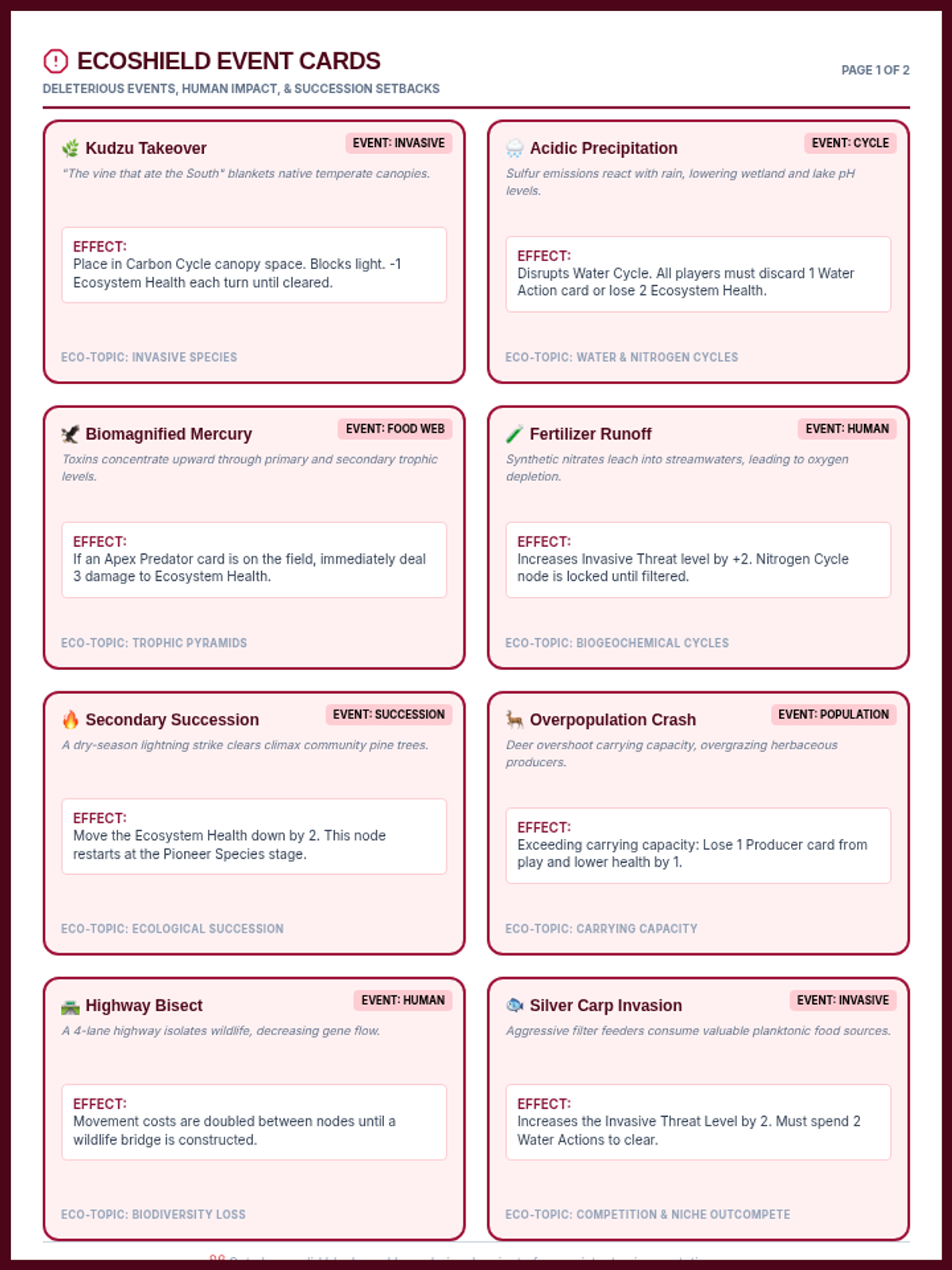
A lesson exploring the delicate balance of ecosystems, focusing on how biodiversity sustains life and how human activities like deforestation, pollution, and conservation efforts shape our planet's future.
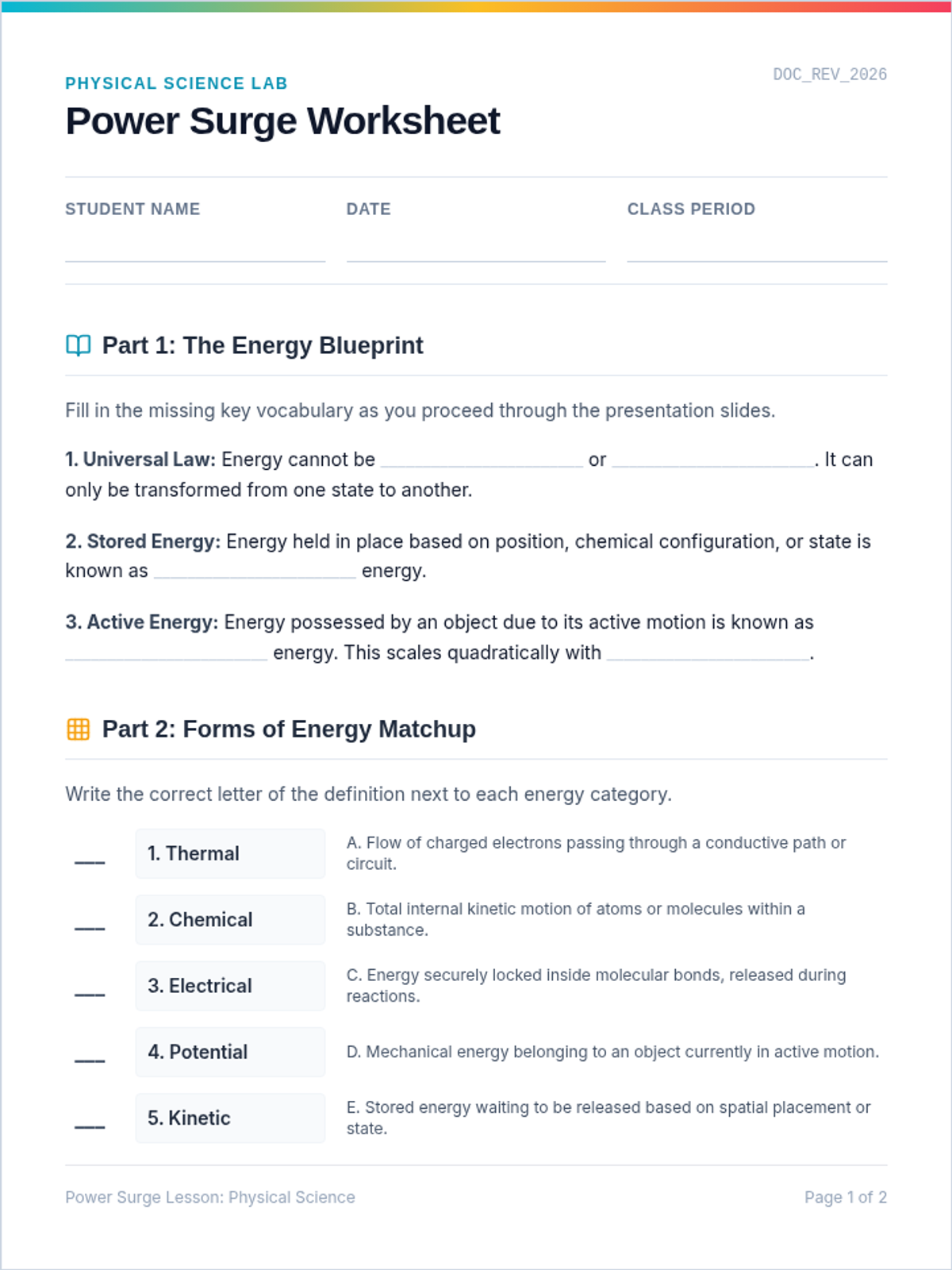
Reviewing the three types of heat transfer through interactive slides and a graphic organizer to connect concepts to everyday life.
A complete day of beach-themed learning activities including multi-subject integration and a hands-on science lab.
An introductory lesson on the classification of matter, covering atoms, elements, compounds, and mixtures (homogeneous and heterogeneous). Students will learn to distinguish between pure substances and mixtures through visual models and real-world examples.
A comprehensive individual review packet for 5th grade ecosystems. Students master vocabulary, analyze assessment diagrams, and complete choice missions independently. Includes a tracking cover page and a self-reflection to ensure assessment readiness.
A collection of kid-friendly science standards and "I Can" statements covering physical, earth, and life sciences for upper elementary students.
A comprehensive lesson exploring how light and sound function as signals in our community, how they are produced through vibrations and sources, and the unique properties of shadows and volume.
A comprehensive lesson on orcas, covering their role as apex predators, their complex social and communication structures, and the evolutionary adaptations that have made them masters of the ocean.
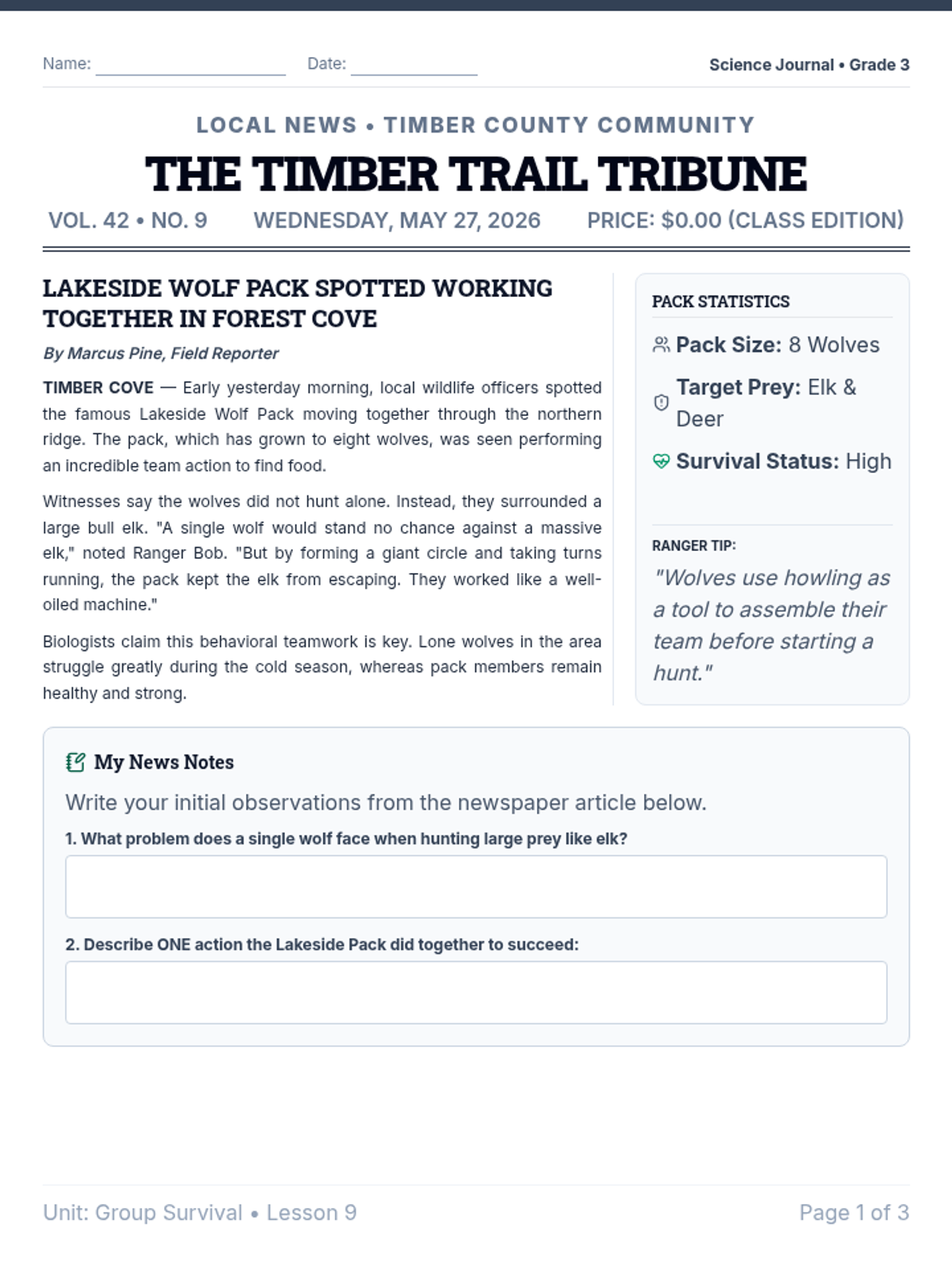
A self-contained independent research activity where students explore the scientific method and experimental variables through a themed 'digital dossier' webquest. Ideal for substitute teacher days as it requires minimal instruction and promotes independent inquiry.
A biology lesson themed around the mysterious Jane Doe character, covering human body systems, ecosystems, and food webs with specialized supports for neurodivergent learners.
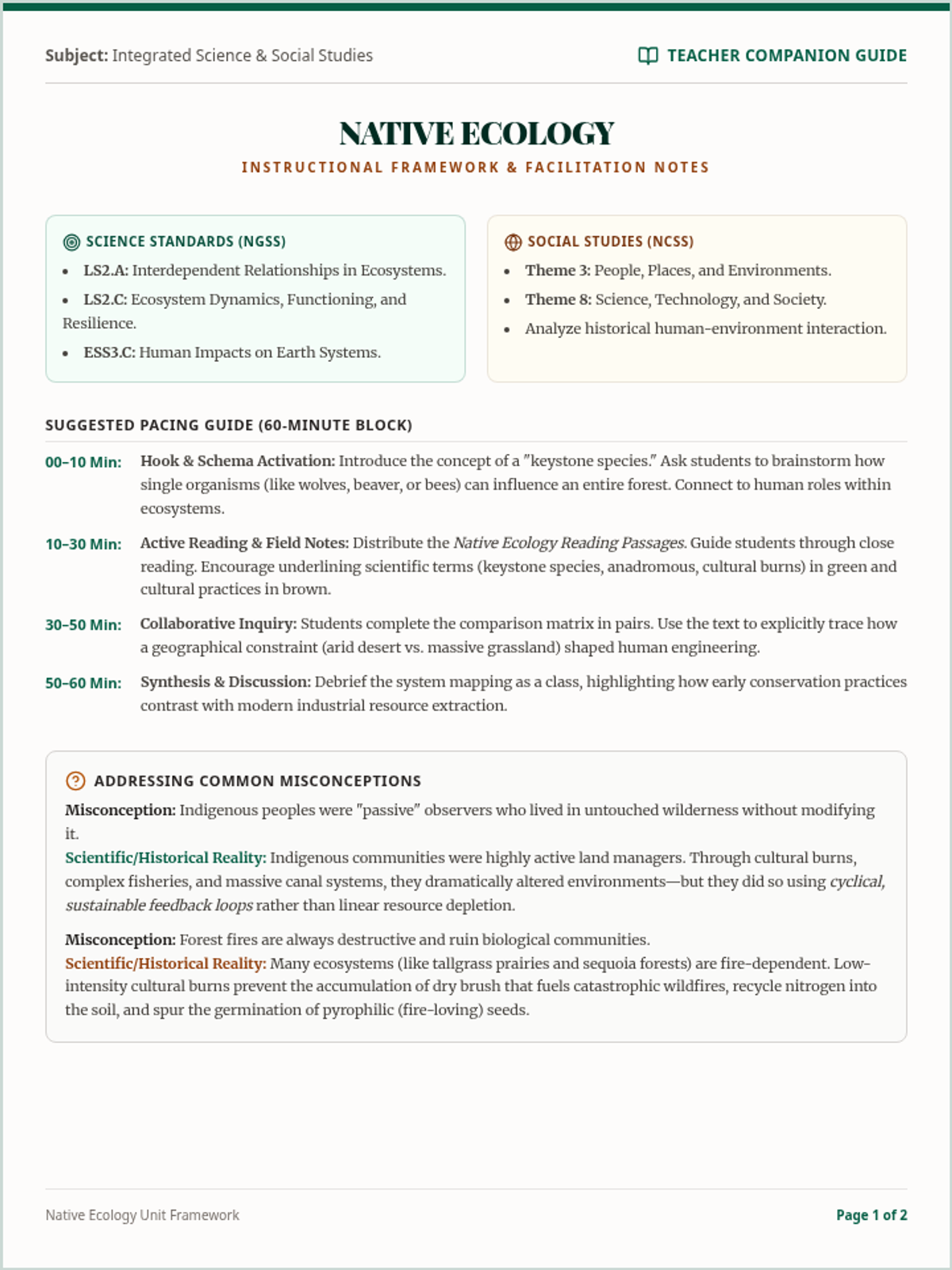
In this lesson, students become 'Mountain Peak Protectors' by exploring the fragile alpine ecosystems of Colorado. They identify local wildlife, map their habitats, and collaborate to design innovative conservation strategies to protect these high-altitude environments.
A 30-minute introductory lesson for 3rd graders on the three primary parts of the human brain: the cerebrum, cerebellum, and brain stem, including a hands-on labeling activity.
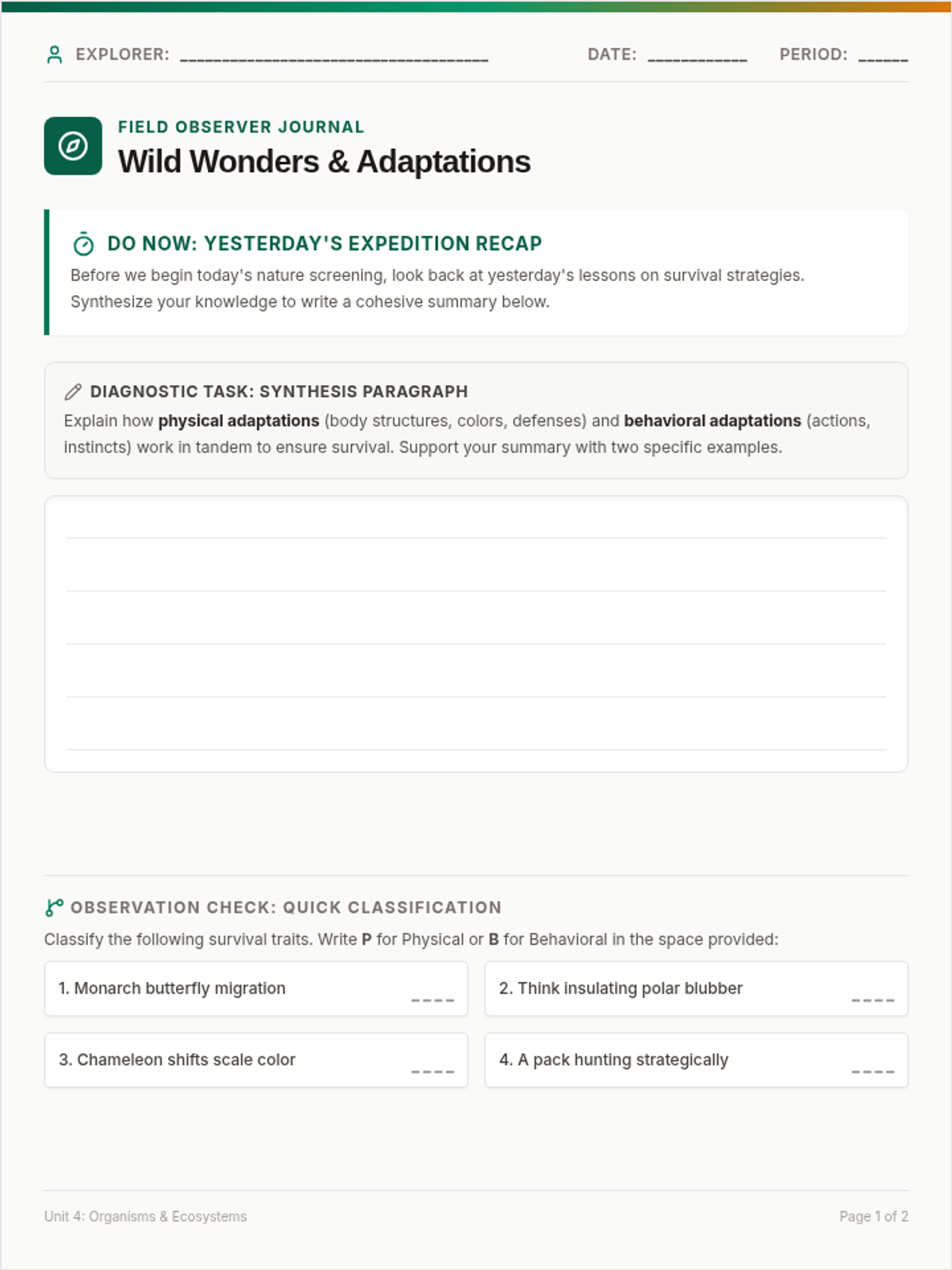
An introduction to Charles Darwin's historic voyage on the HMS Beagle and the foundational concepts of natural selection and adaptation. Students will explore how observations of the natural world led to one of science's most important theories.
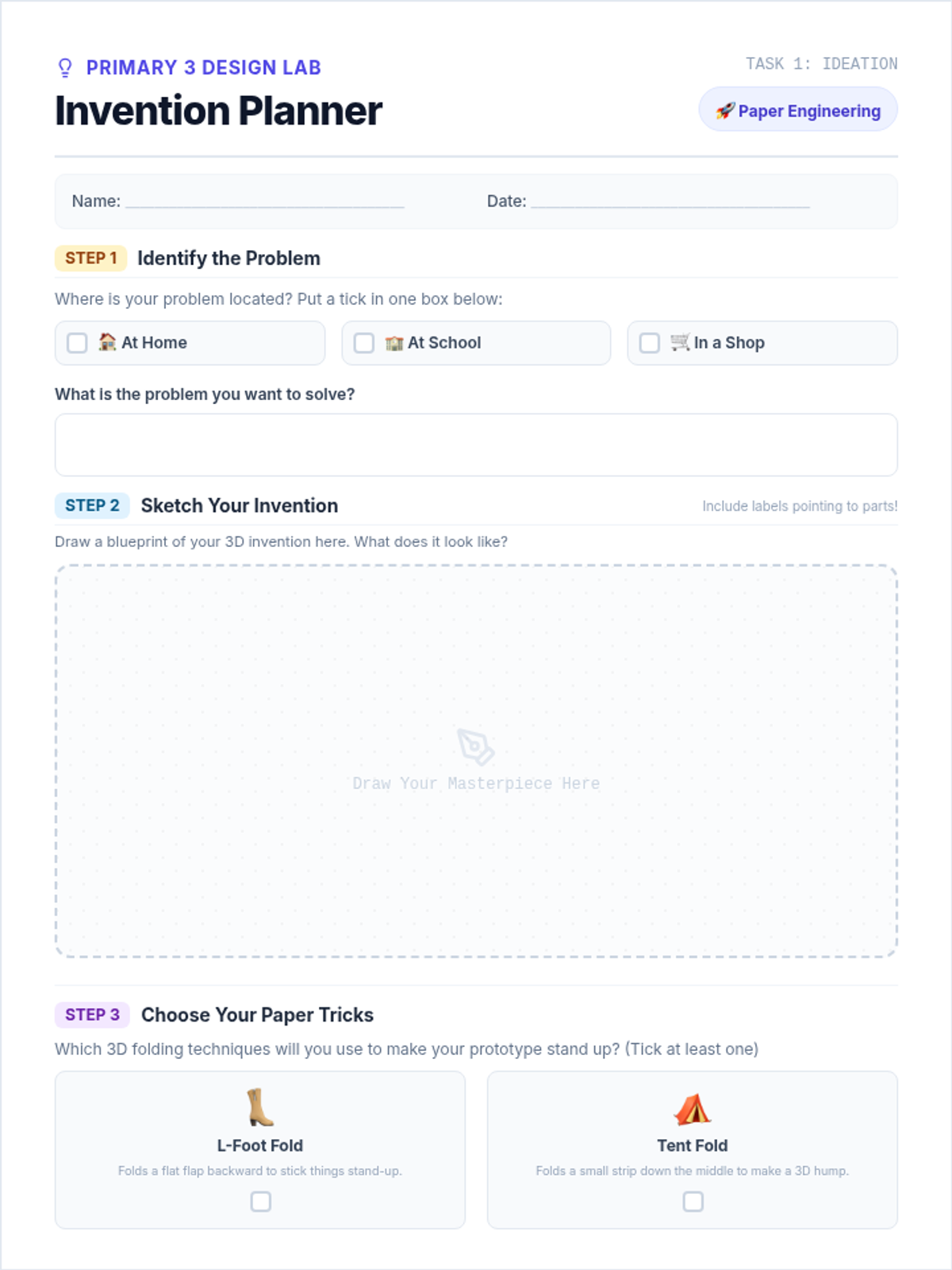
A hands-on engineering challenge where students apply physics concepts like gravity, acceleration, and impact force to design and build a protective casing for an egg drop.
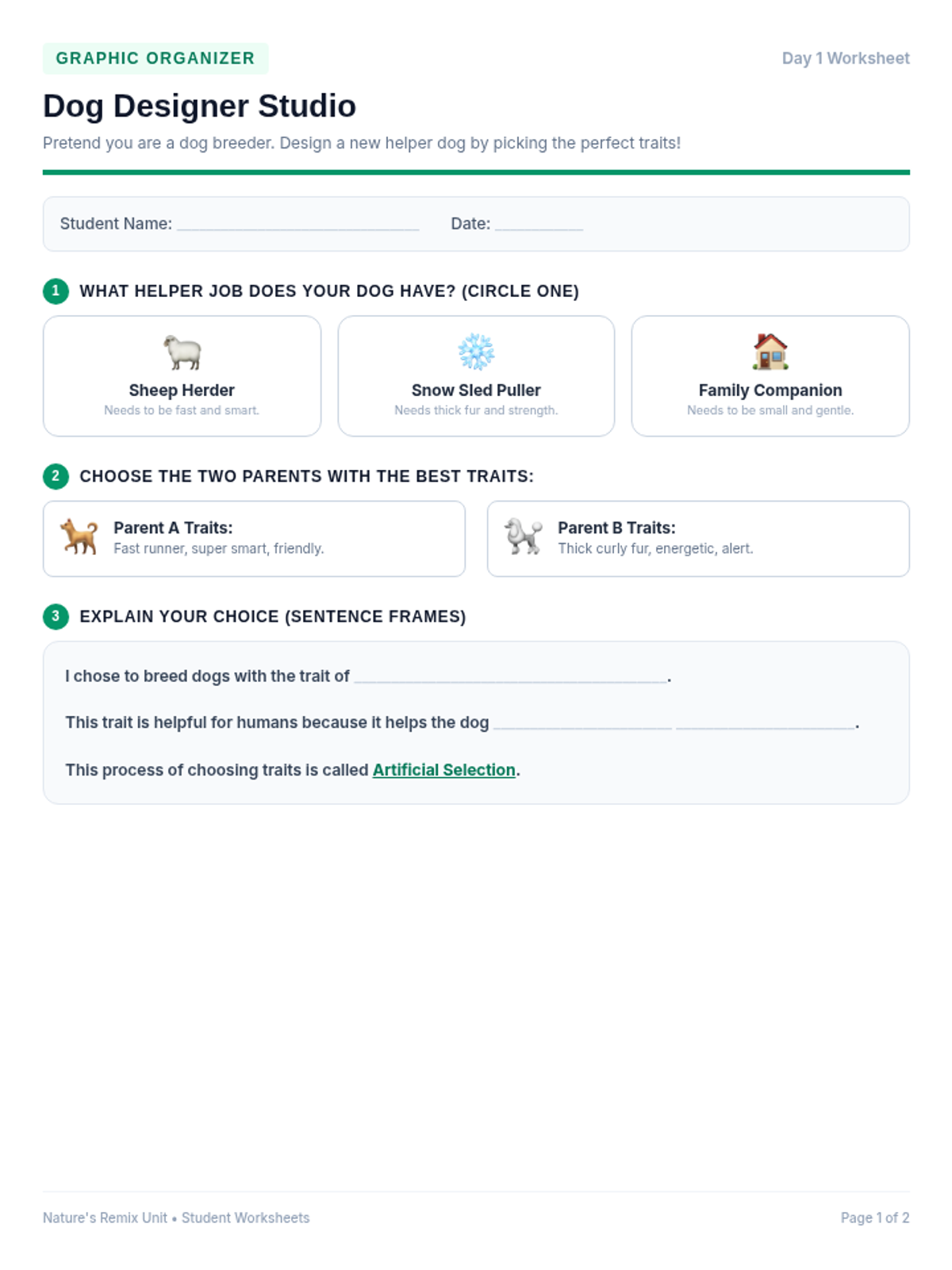
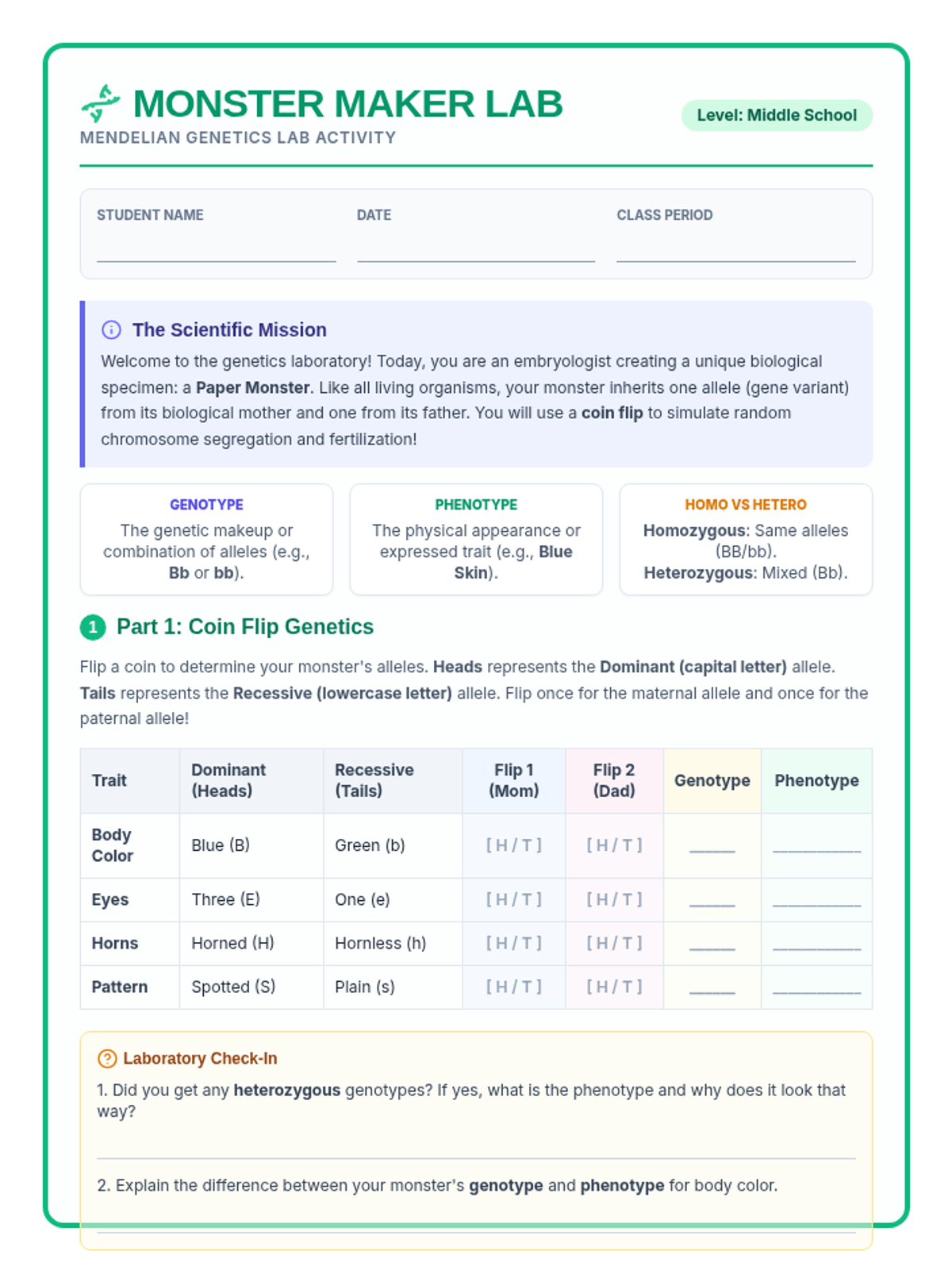
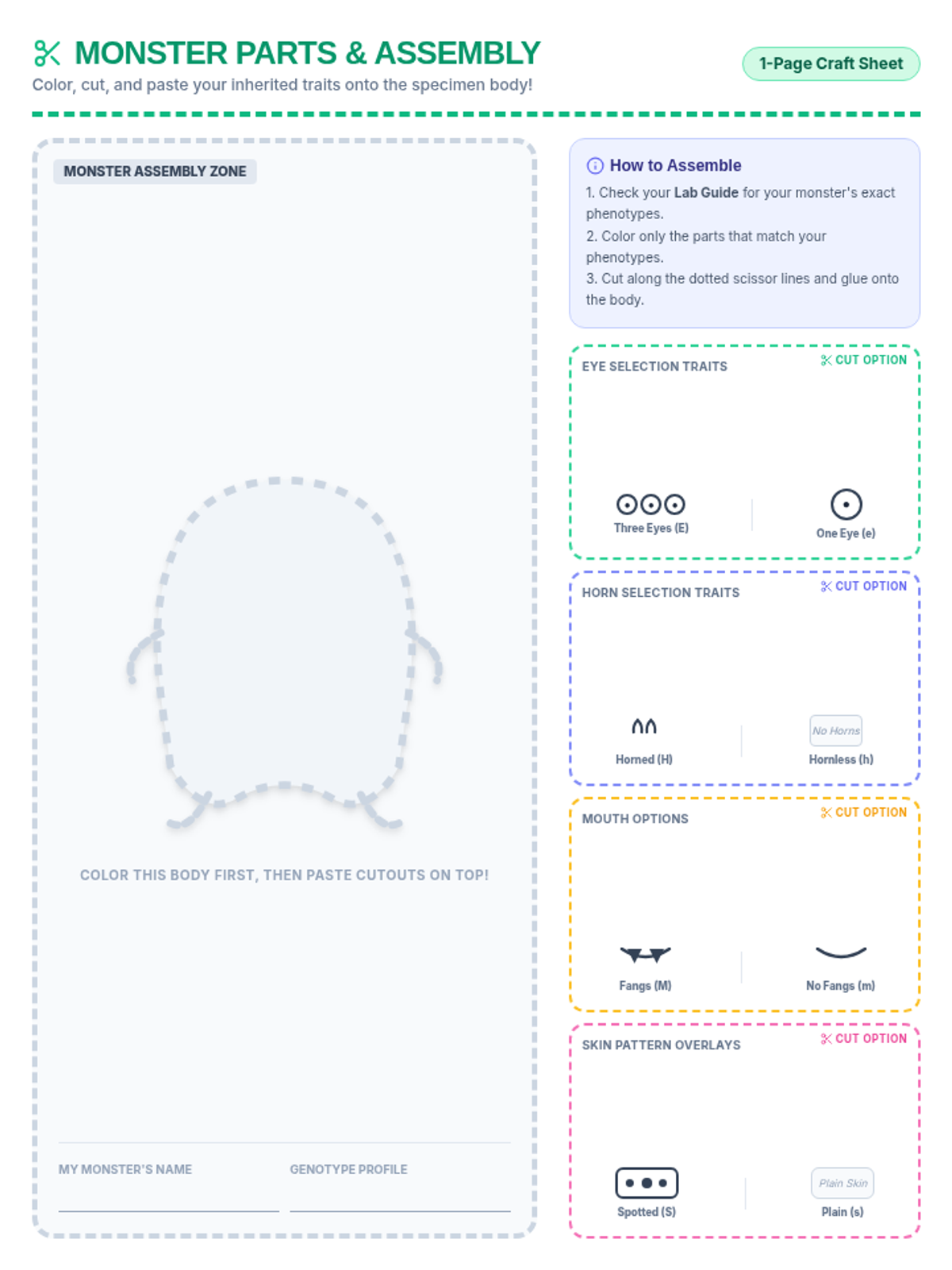
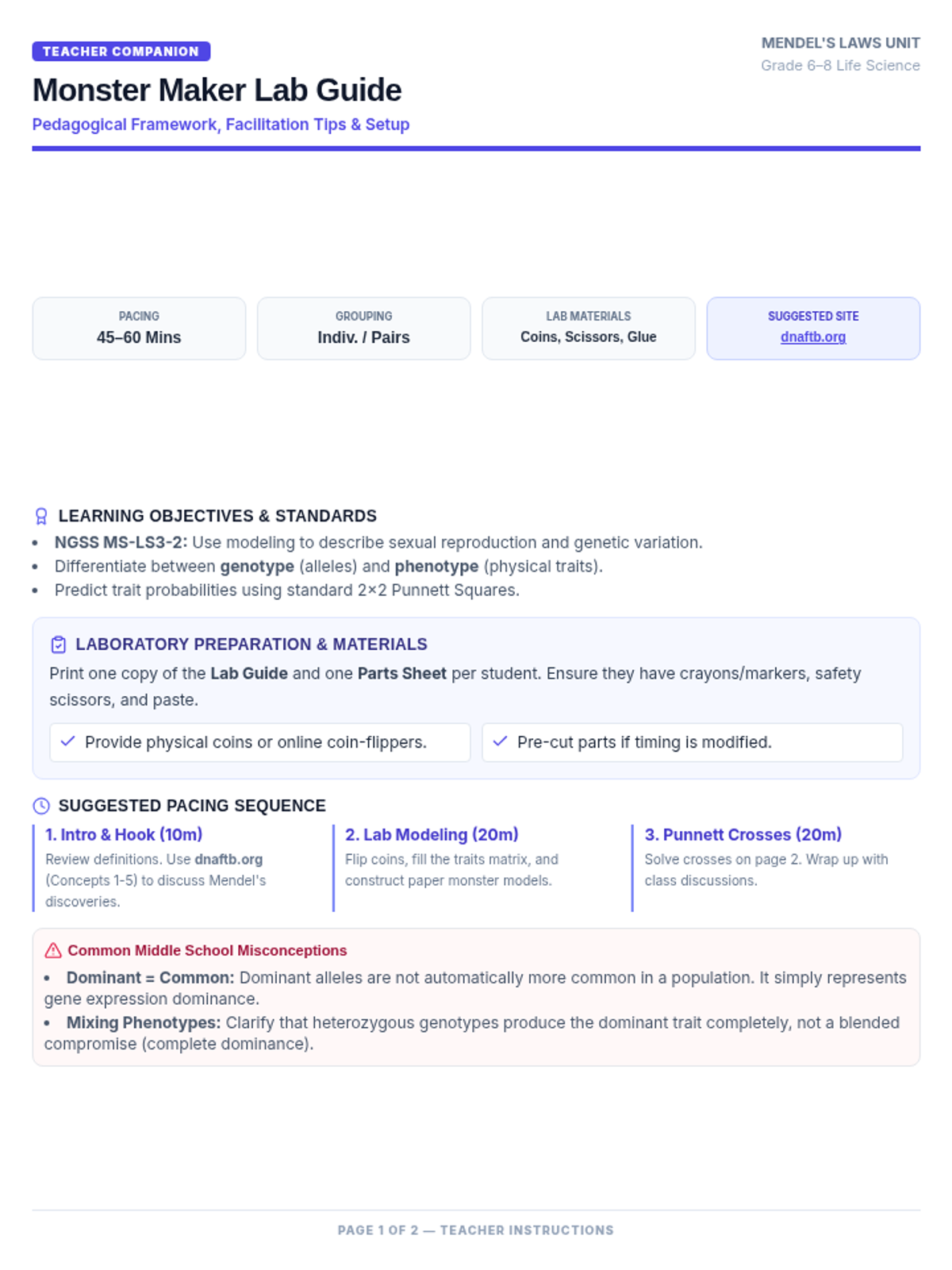
Students become geneticists to decode the blueprint of life. They'll master Punnett squares, distinguish between genotypes and phenotypes, and apply their knowledge to create unique creatures through the laws of inheritance.
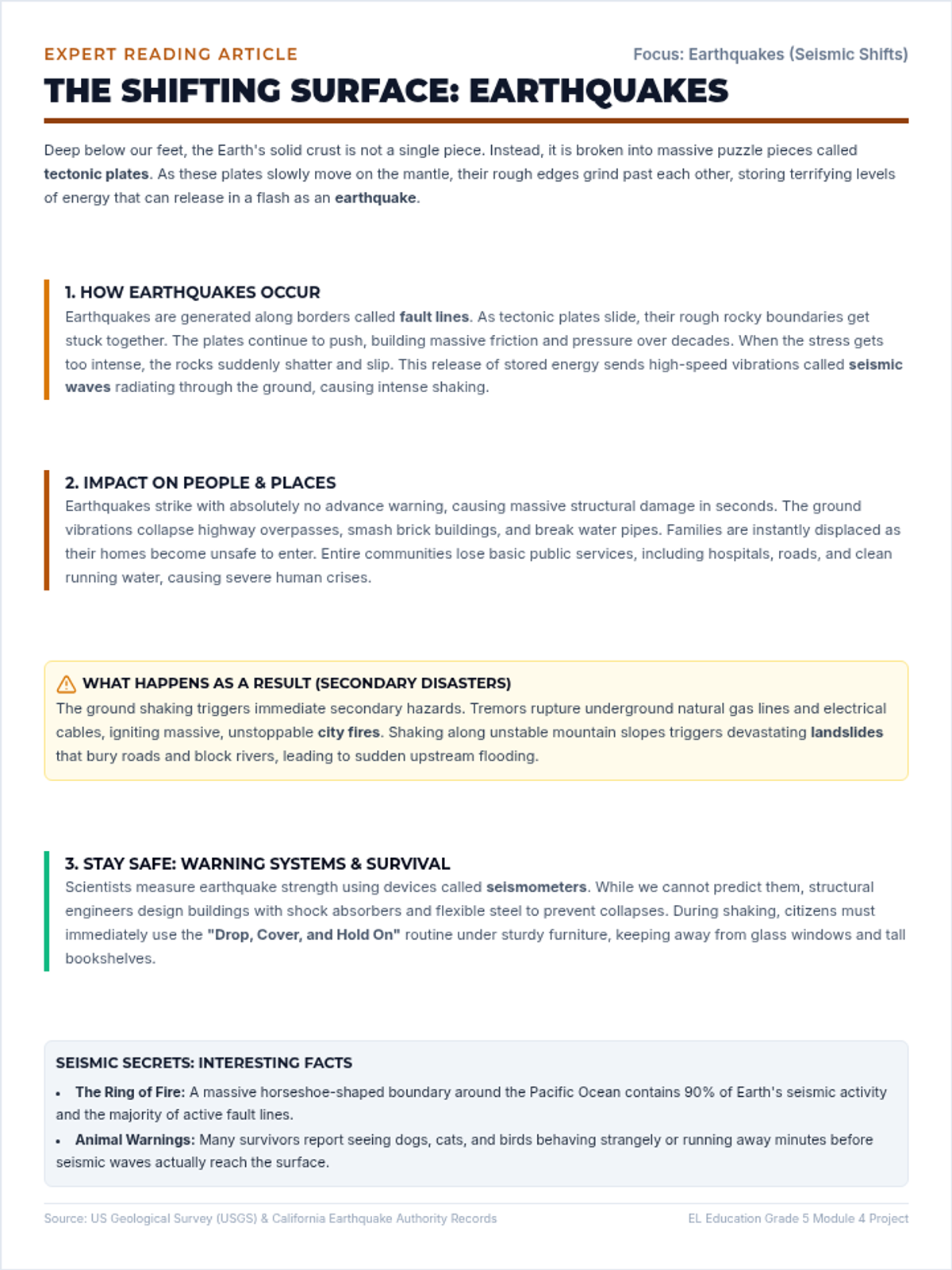
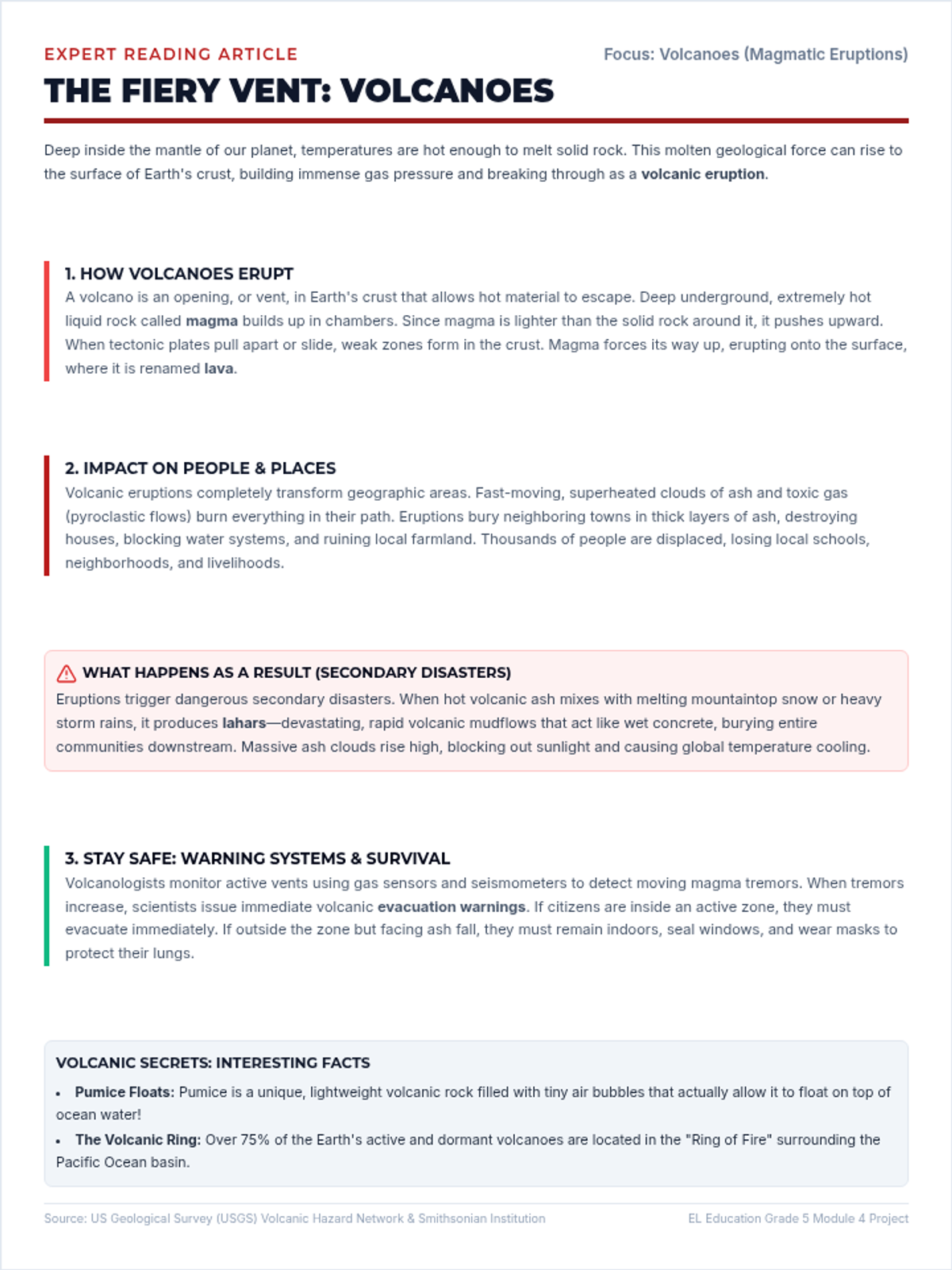
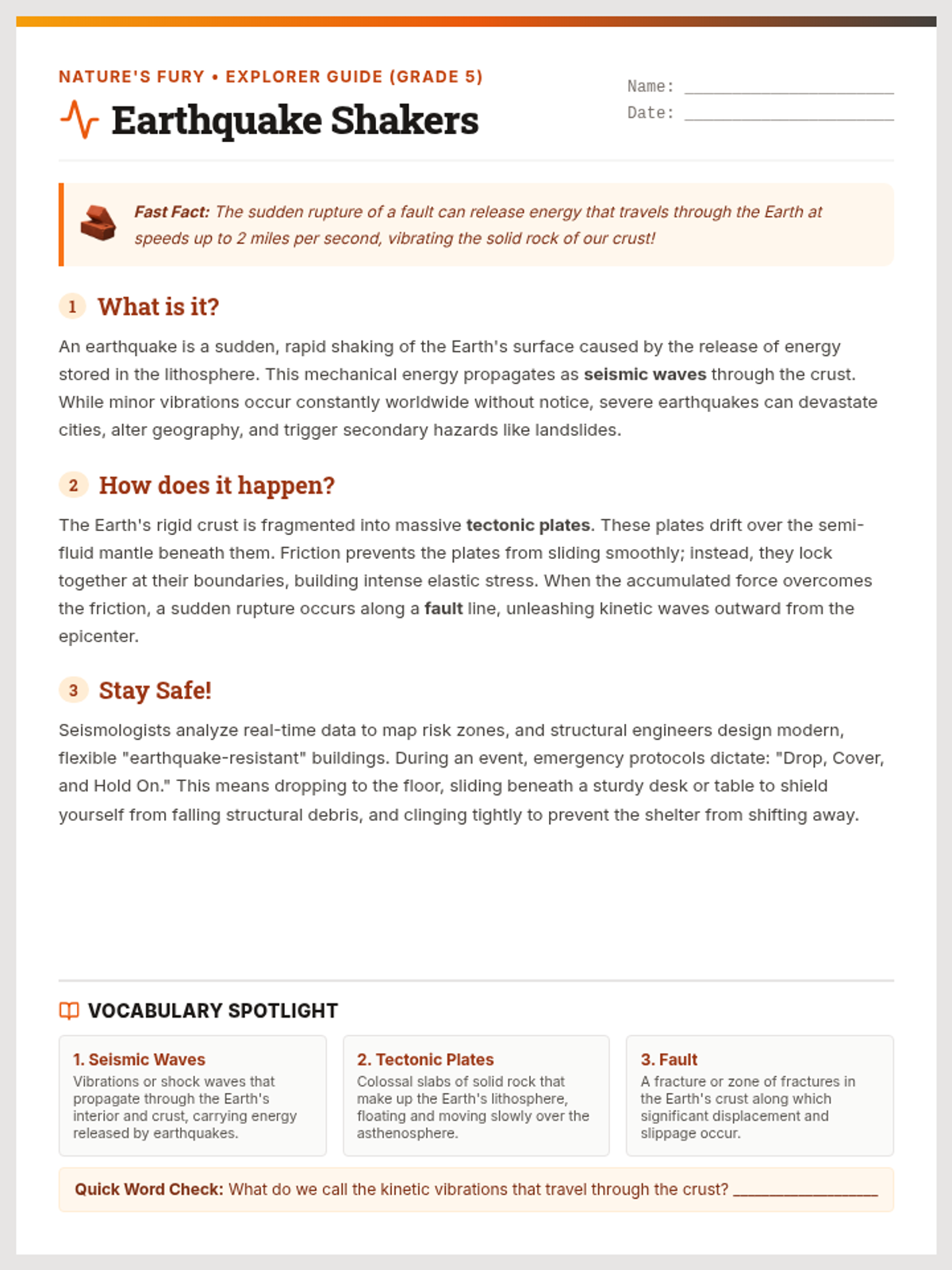
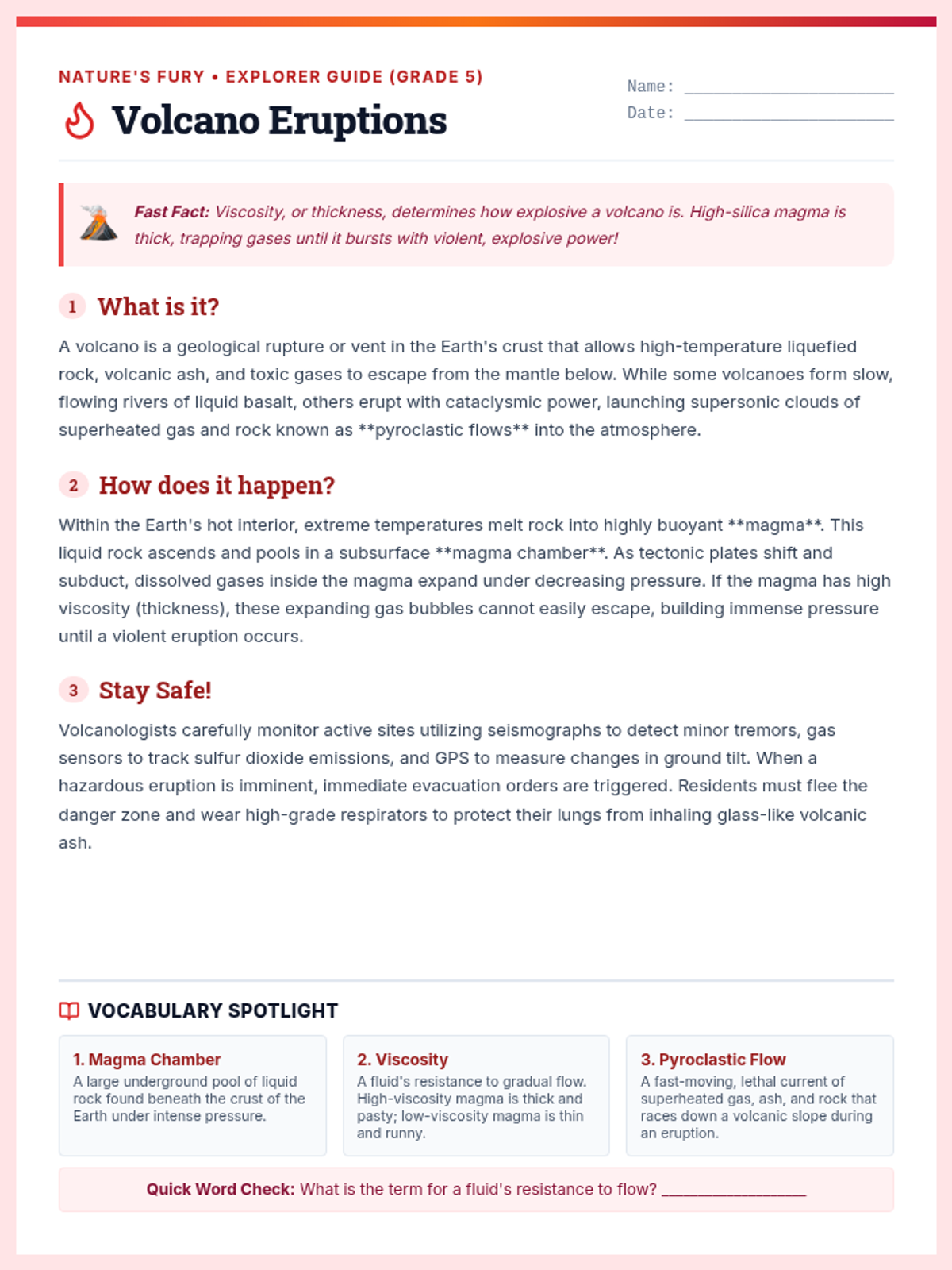
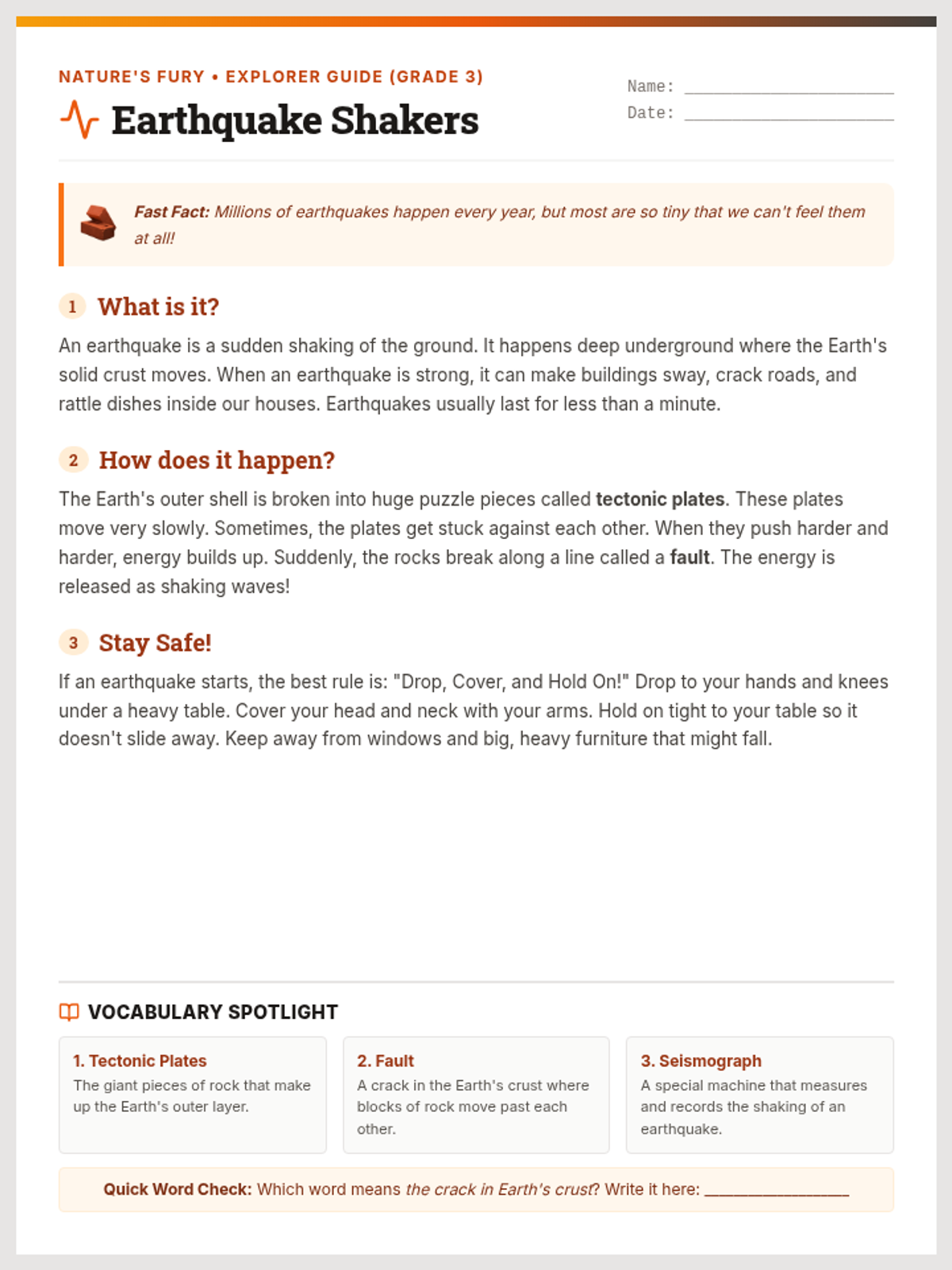
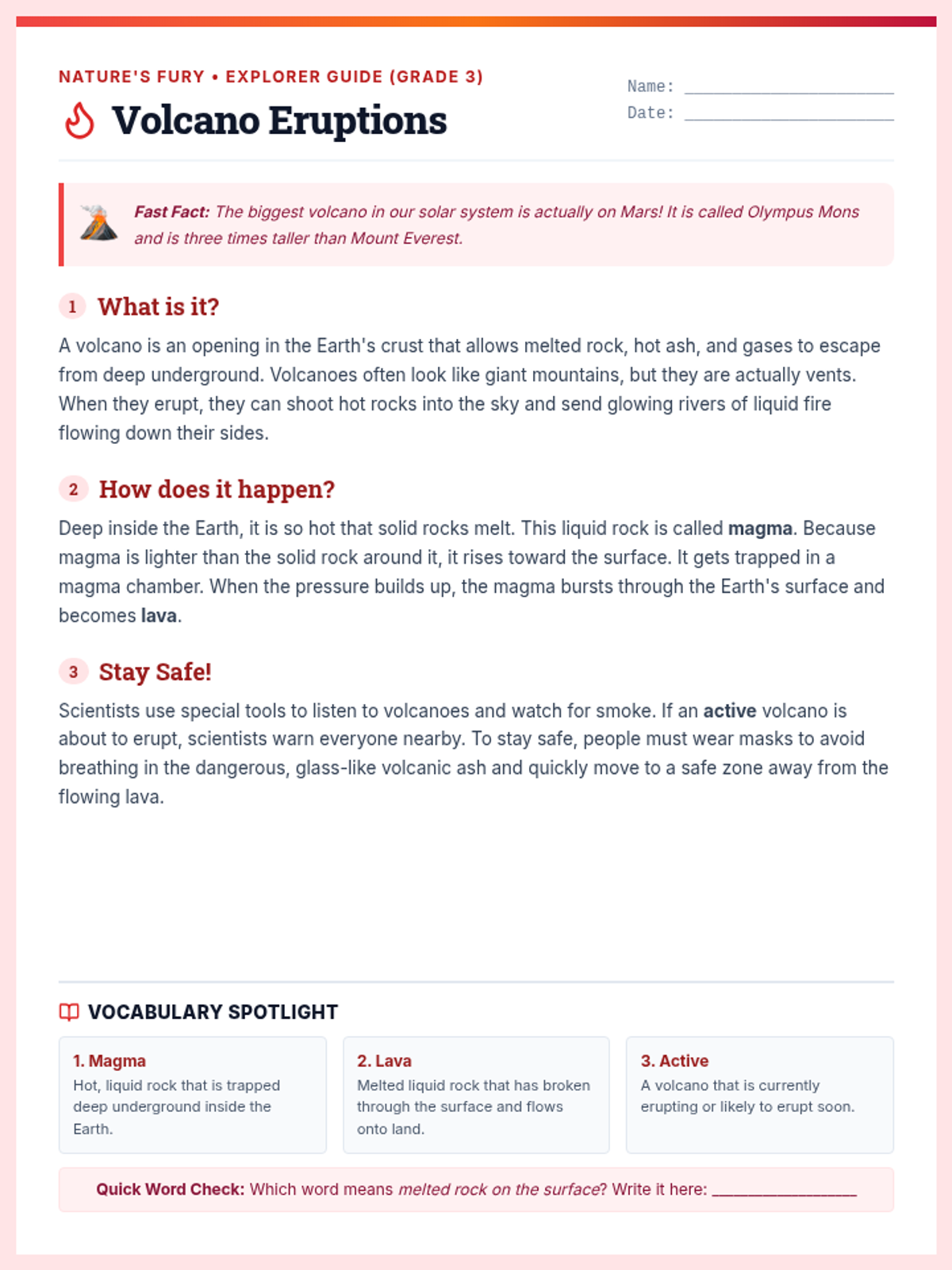
An interactive lesson exploring Earth's internal structure and the dynamic movements of tectonic plates that shape our planet's surface. Students will identify layers, map plate boundaries, and understand the mechanics behind seismic and volcanic activity.
A collaborative jigsaw activity where students become experts on Earth's layers, plate boundaries, and geologic effects to piece together the puzzle of plate tectonics.
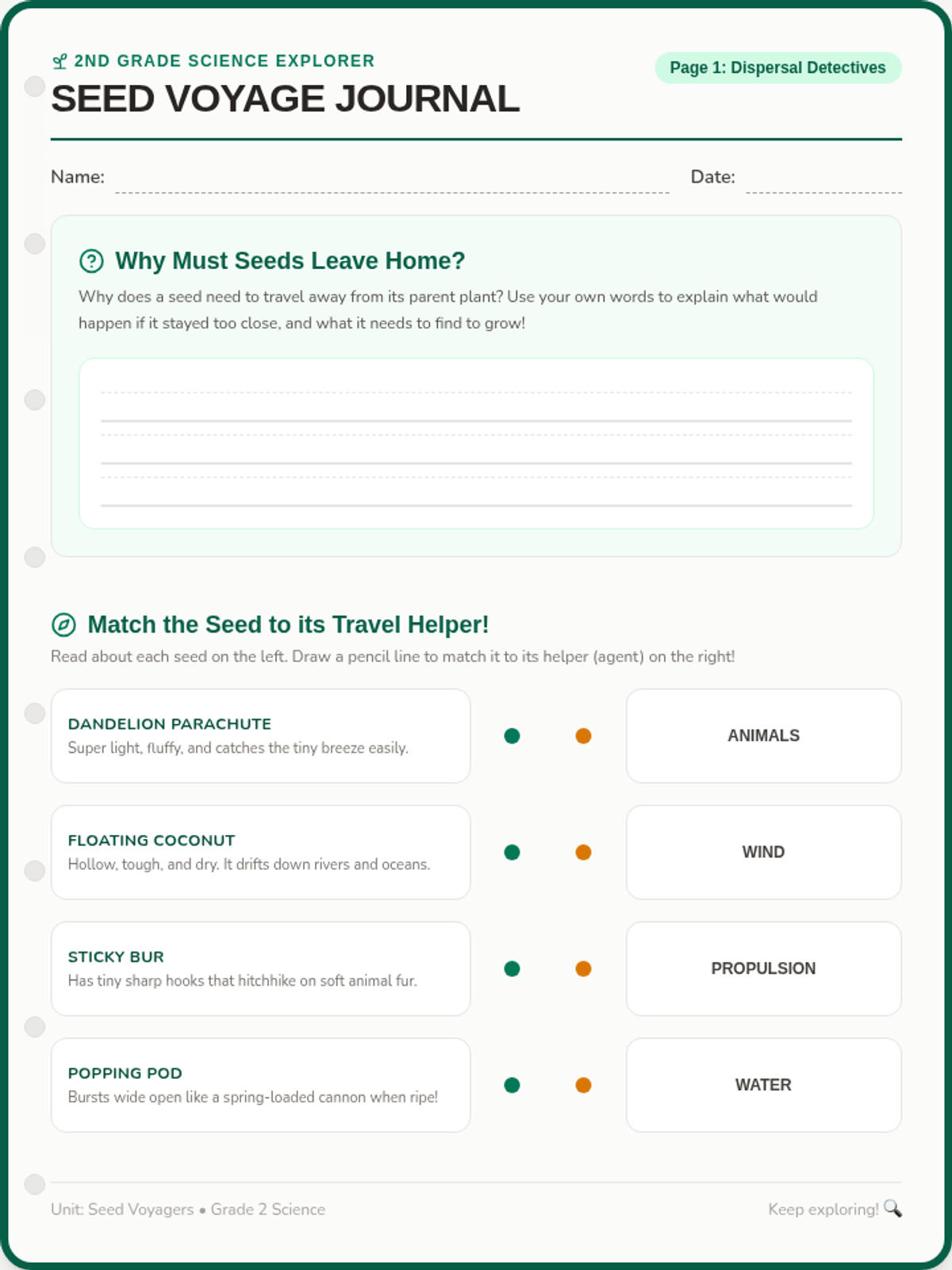
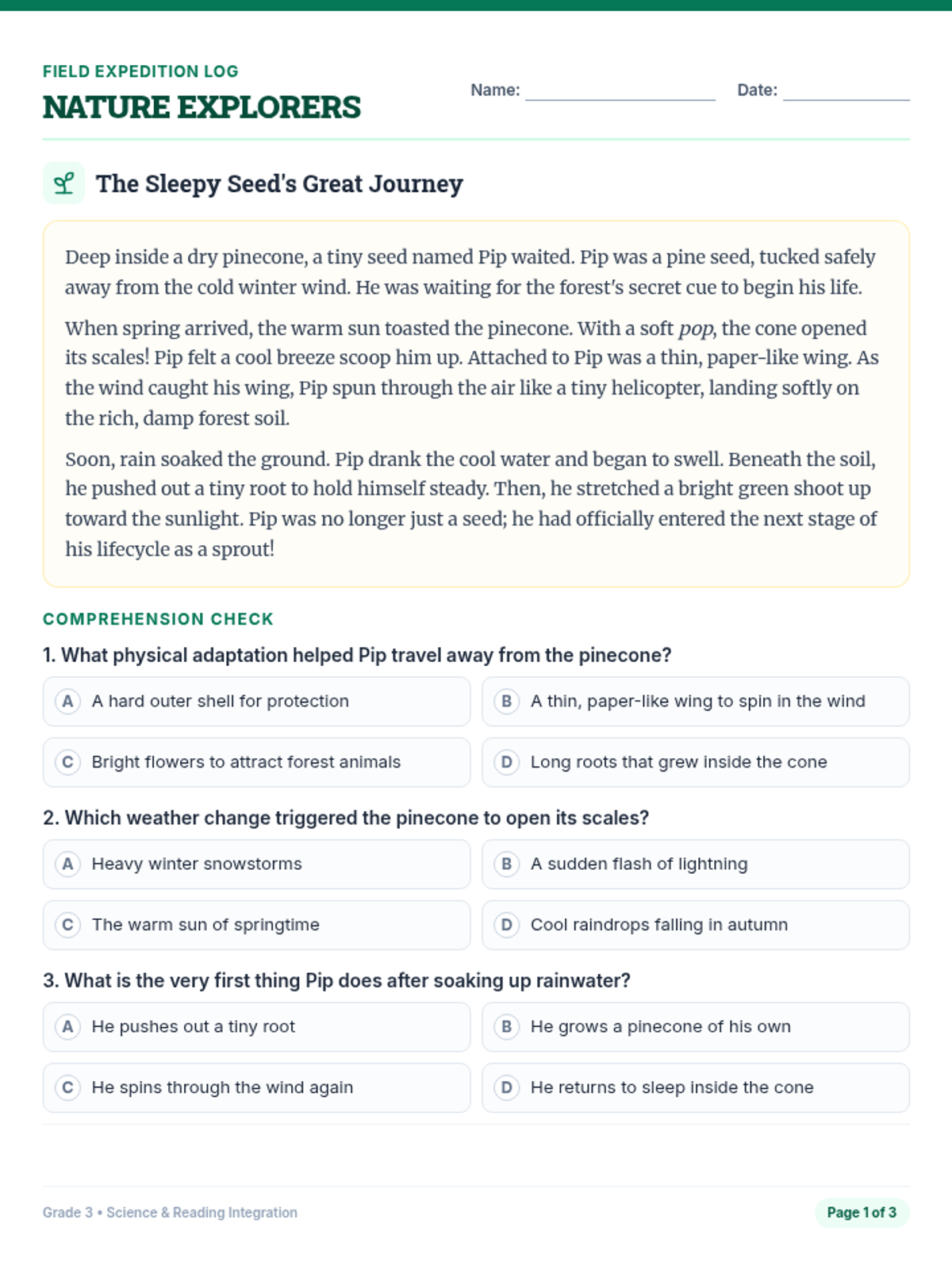
Students explore the plant life cycle through hands-on seed sorting and sensory observations, connecting biological processes to the arrival of spring.
A comprehensive slide deck providing a high-level overview of major science disciplines and their sub-topics, tailored for middle school students.
An exploration of major Greek constellations, their associated myths, and the basic science of stellar observation.
An engaging, hands-on lesson where students explore the physical properties of matter through a structured anchor chart, an interactive notebook foldable, and a real-world scavenger hunt.
A hands-on lesson exploring the four primary stages of a sunflower's life cycle through visual instruction and a cut-and-paste sequencing activity.
A comprehensive assessment suite covering continental drift, Pangea, and geological evidence through visual labeling, simplified quizzes, and short-answer prompts.
Students apply their knowledge by identifying animal coverings in various examples and writing descriptive sentences about how these coverings protect or help animals.
An introduction to the five main types of animal coverings: feathers, fur, scales, shell, and skin. Students learn to identify these textures and understand their basic functions.
A comprehensive lesson on savanna animal adaptations, featuring a reading passage and comprehension activities focused on how animals survive the extreme seasons of the African plains.
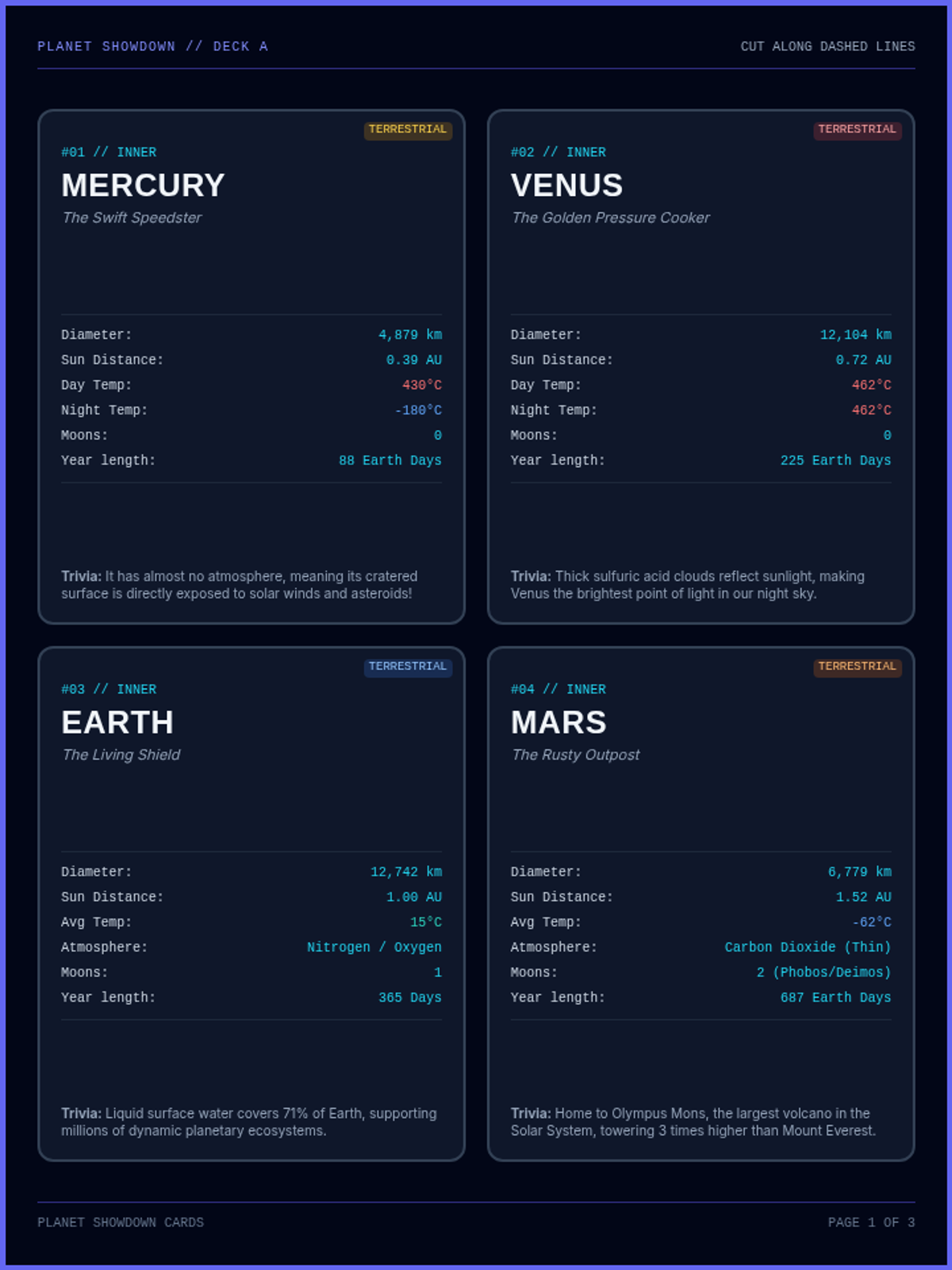
A fun pair of activities for third graders to reinforce vocabulary related to the planets and celestial bodies in our solar system.
A comprehensive lesson exploring Earth's internal structure and the dynamic movements of tectonic plates at different boundaries. Students will learn to identify Earth's layers and explain the geological features created by plate interactions.
A comprehensive final assessment for the Ocean Architects unit, evaluating student understanding of marine anatomy, specialized biological adaptations, and the comparative differences between major oceanic groups.
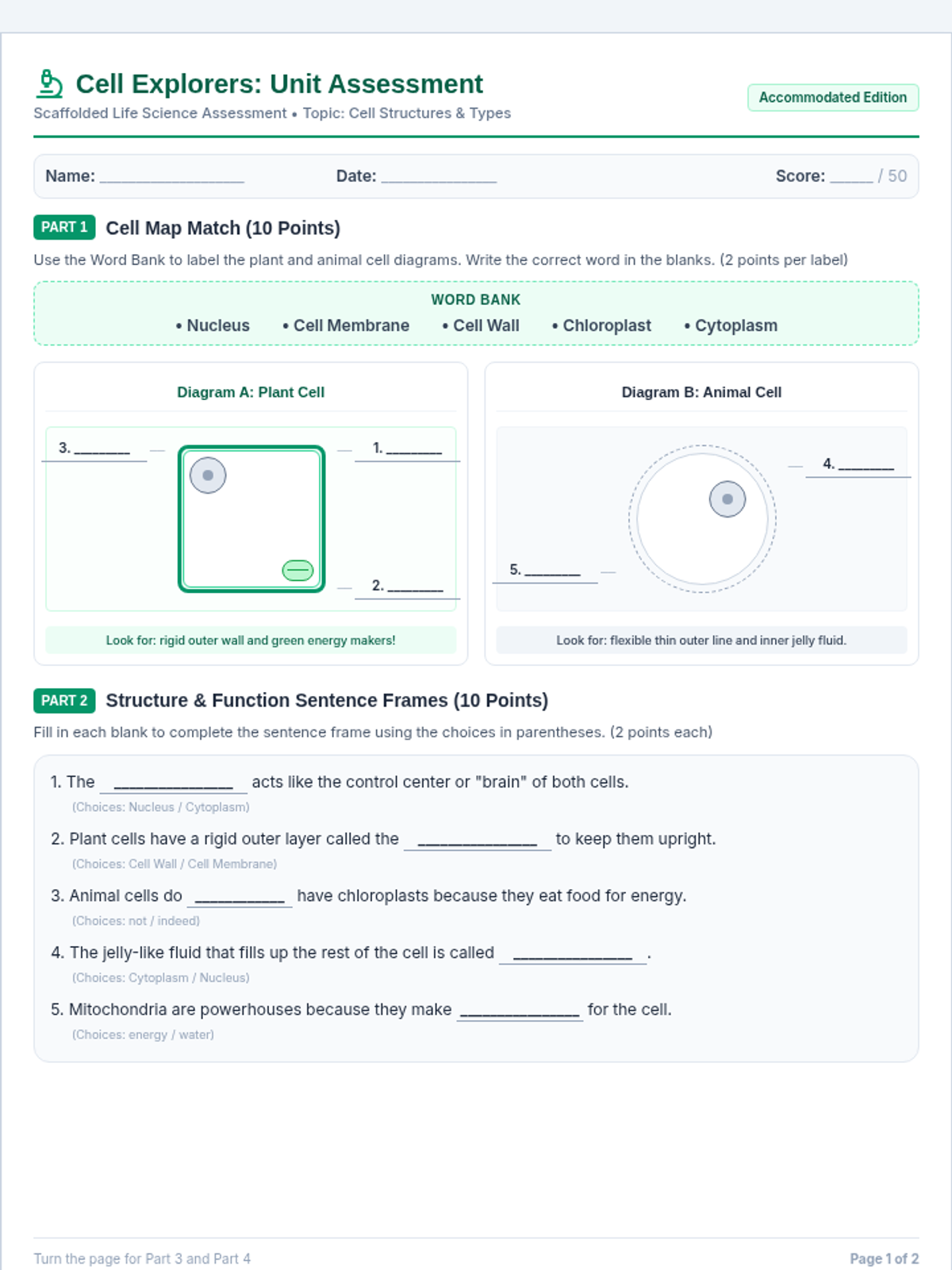
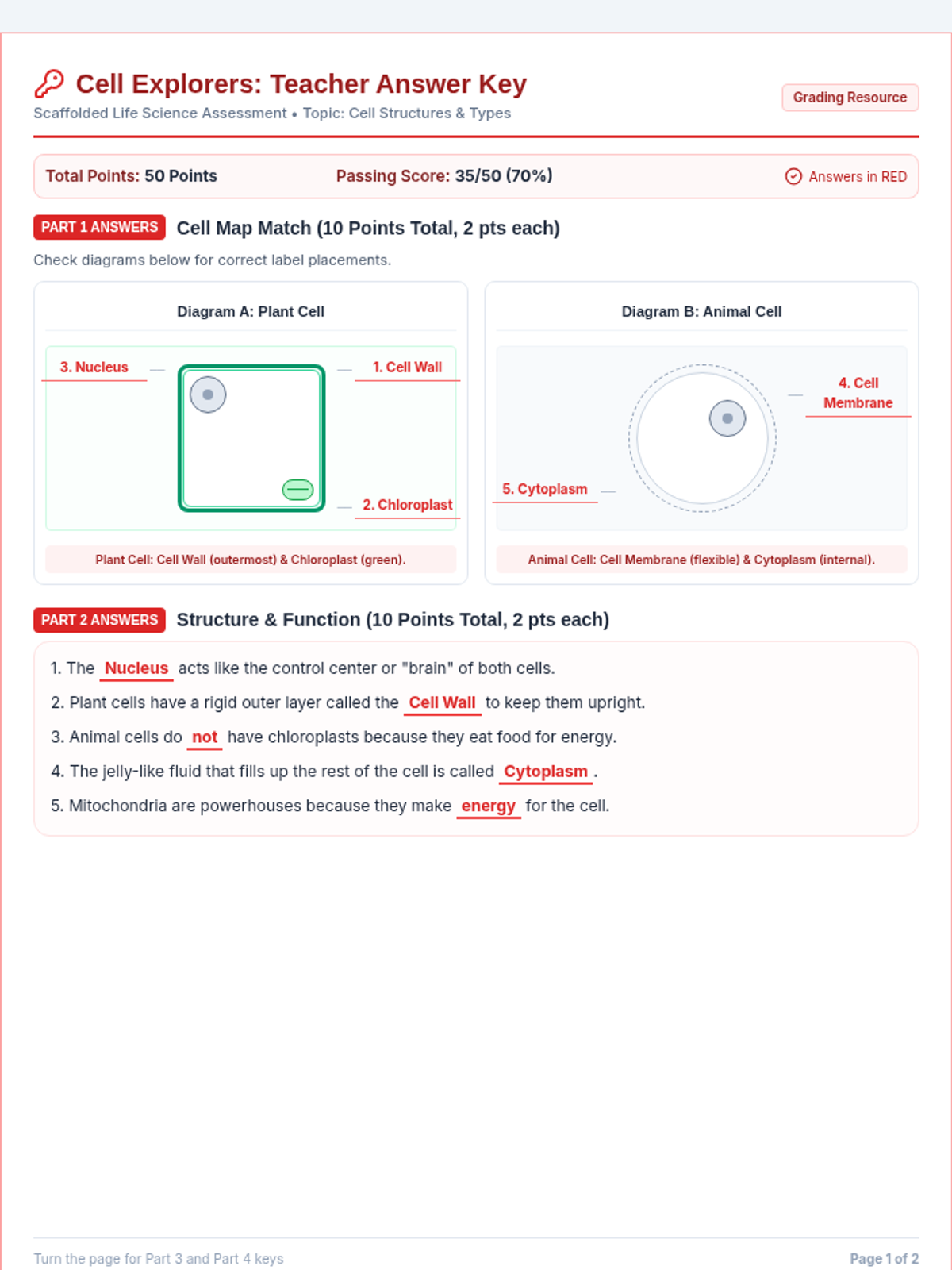
A review of plant and animal cell organelles and their functions, featuring diagram identification and matching activities.