A hands-on lesson exploring the four primary stages of a sunflower's life cycle through visual instruction and a cut-and-paste sequencing activity.
A comprehensive lesson exploring how light and sound function as signals in our community, how they are produced through vibrations and sources, and the unique properties of shadows and volume.
A 30-minute introductory lesson for 1st graders exploring how the brain acts as the body's "control center," managing both voluntary actions and automatic functions.
A 30-minute introductory lesson for kindergarteners about the brain, focusing on its role in thinking and processing the five senses. includes a presentation, teacher guide, and a wearable brain hat craft.
Pre-K students become little scientists to explore primary colors and the magic of mixing them using water and food coloring. This lesson builds fine motor skills and introduces the concept of cause and effect through hands-on play.
Students explore the plant life cycle through hands-on seed sorting and sensory observations, connecting biological processes to the arrival of spring.
A lesson exploring how wind acts as a powerful sculptor, shaping the Earth's surface through erosion and deposition over long periods of time. Students will identify key landforms created by wind and understand the processes that form them.
An introductory lesson to kick off a unit on animals and their habitats, focusing on activating prior knowledge and sparking curiosity.
An engaging, hands-on lesson where students explore the physical properties of matter through a structured anchor chart, an interactive notebook foldable, and a real-world scavenger hunt.
Students apply their knowledge by identifying animal coverings in various examples and writing descriptive sentences about how these coverings protect or help animals.
An introduction to the five main types of animal coverings: feathers, fur, scales, shell, and skin. Students learn to identify these textures and understand their basic functions.
An introductory lesson on honeybees featuring differentiated reading passages and activities tailored for 1st-6th grade reading levels.
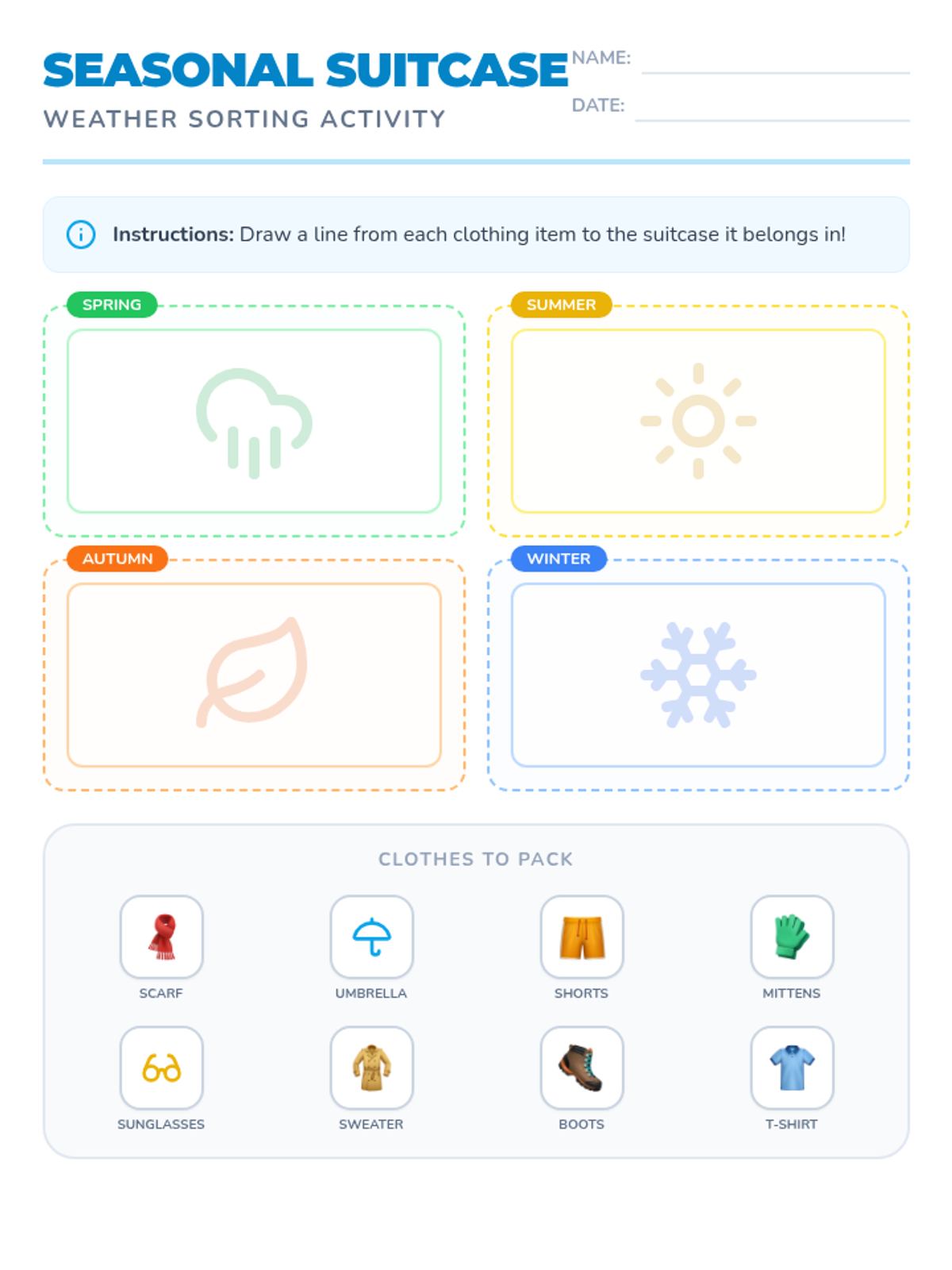
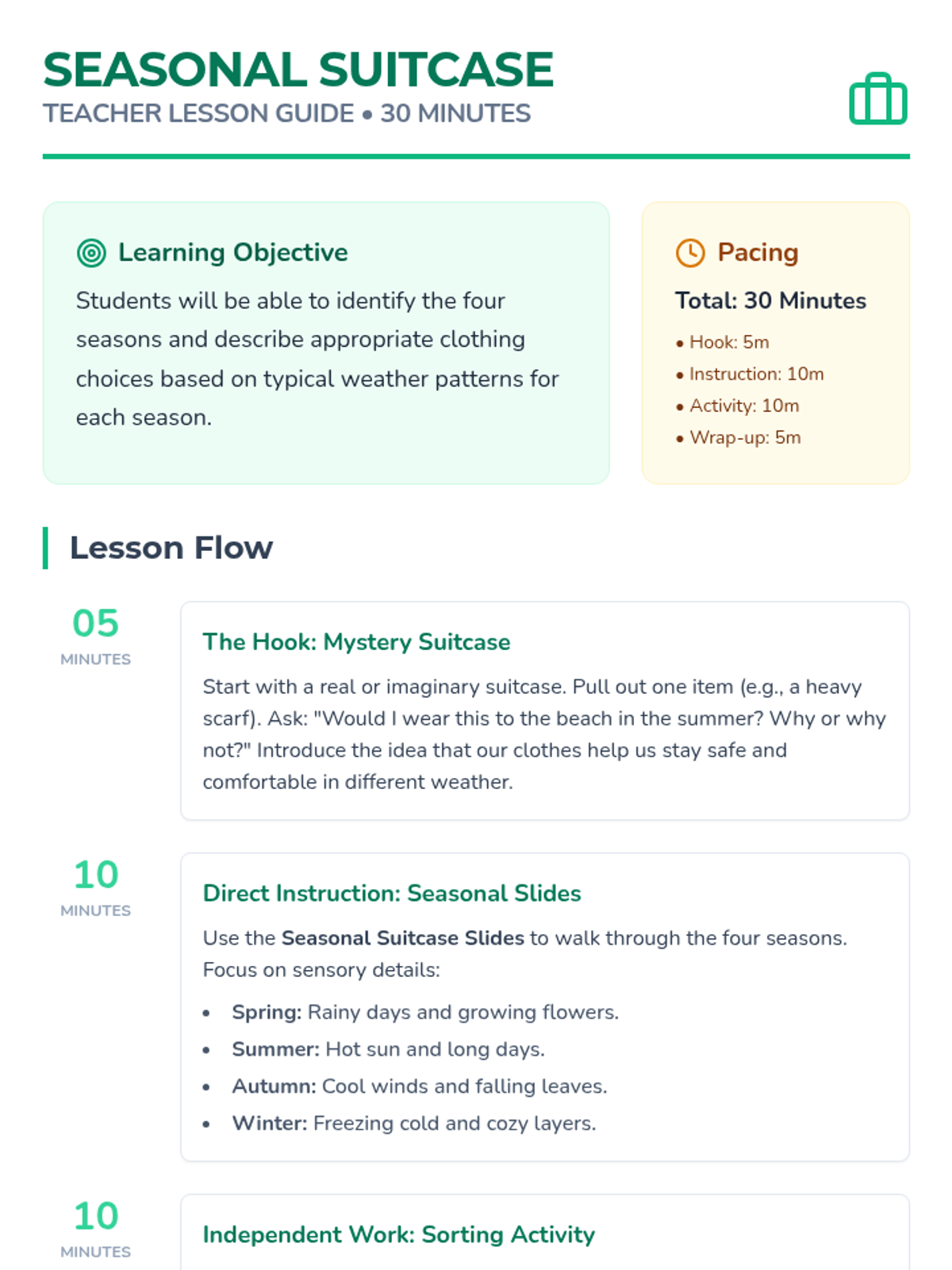
A fun, interactive lesson introducing elementary students to the four seasons through observation and play. Students will identify key characteristics of spring, summer, autumn, and winter using visual cues and interactive bingo.
Students will explore the impact of boating on manatees in the Everglades, focusing on conservation efforts and the importance of following waterway safety signs. This lesson integrates science with social skills by emphasizing rule-following for the safety of ourselves and wildlife.
Students explore variables and loops through dance game scoring systems, combo streaks, and repeating choreography patterns.
Students learn the basics of computational thinking, focusing on algorithms and sequencing by designing dance routines and step sequences.