A comprehensive TEKS-aligned Grade 5 life science lesson focusing on Texas Gulf Coast ecosystems, food webs, and adaptations through inquiry-based stations and STAAR-style practice.
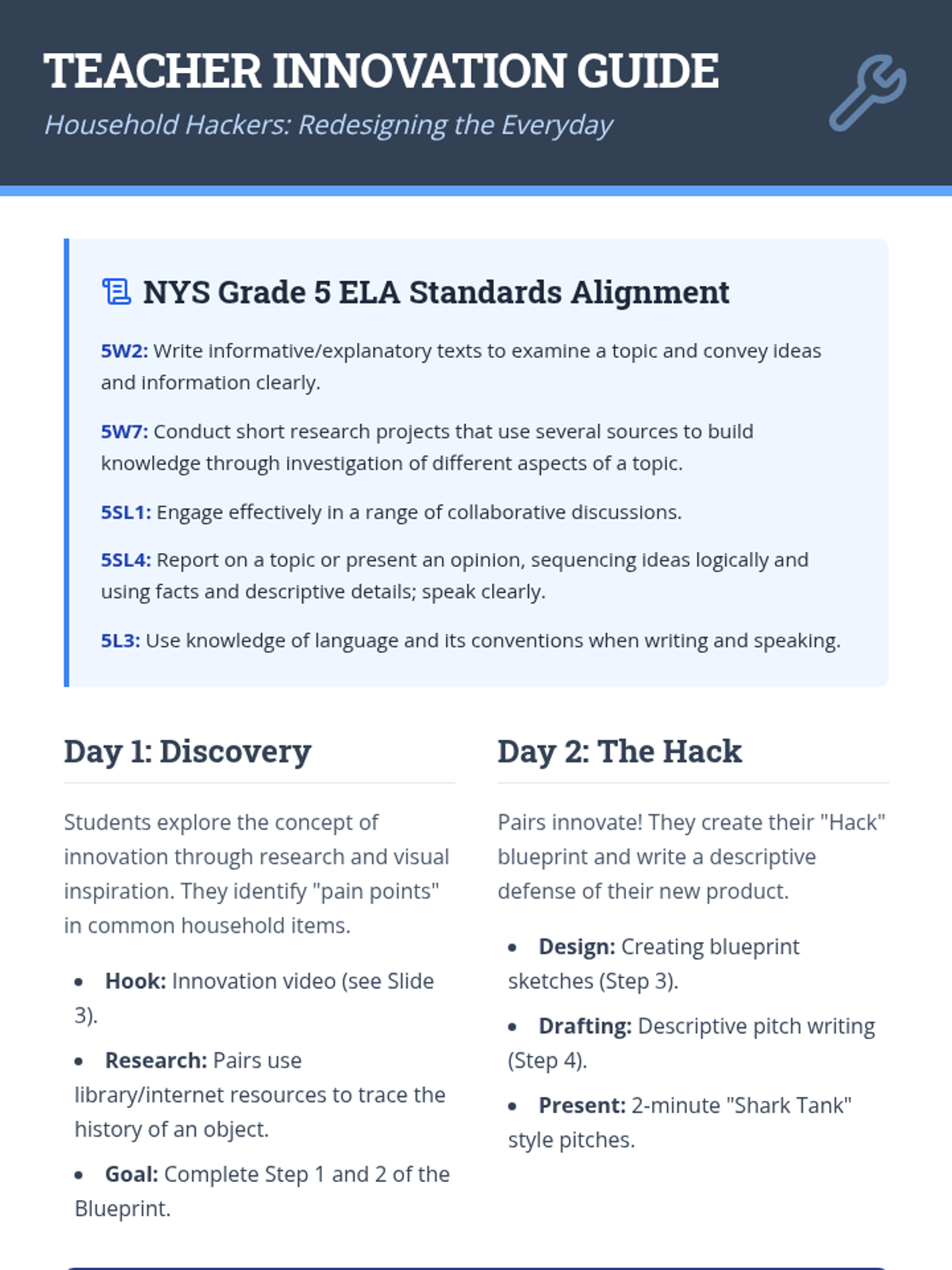
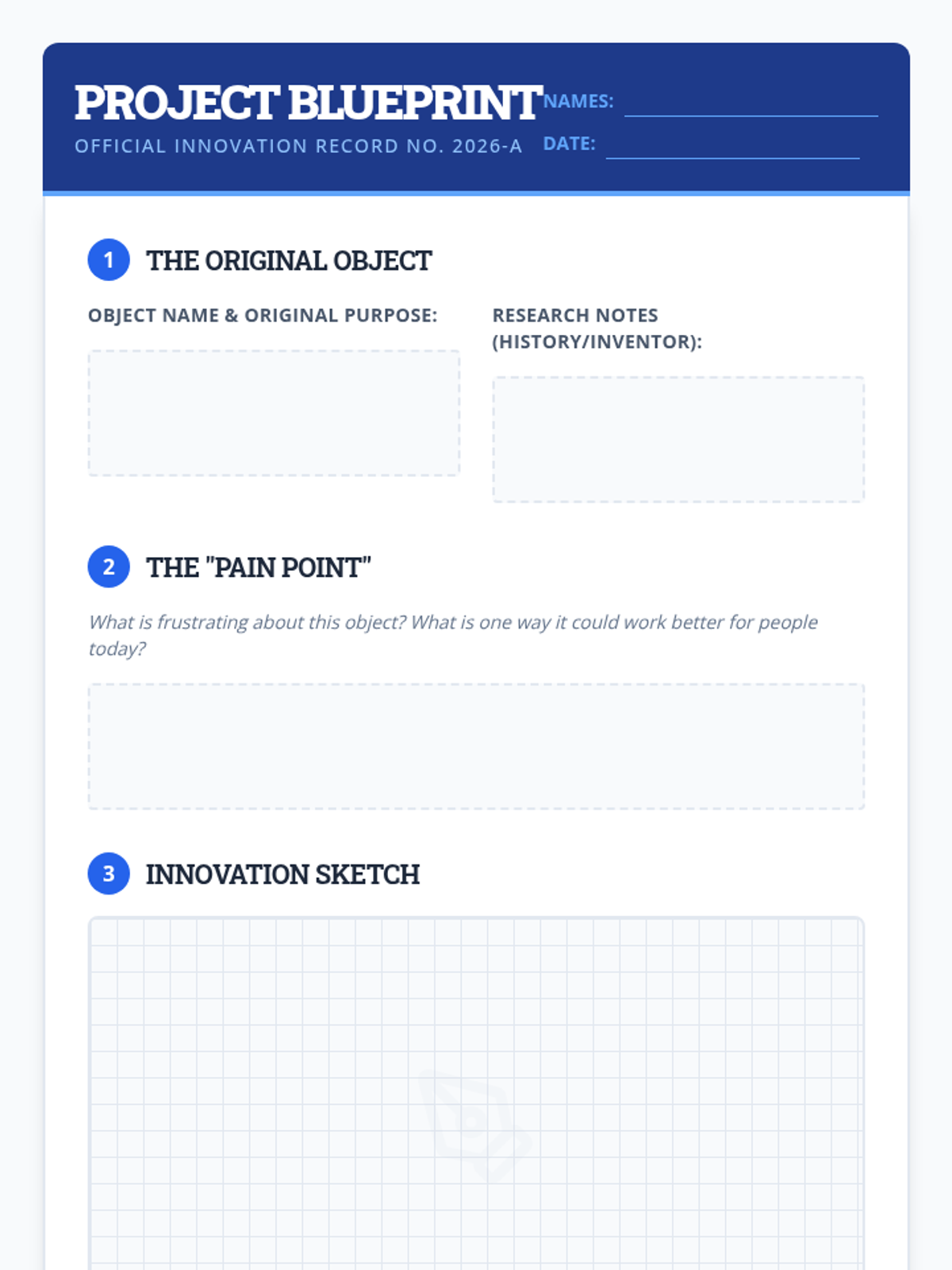
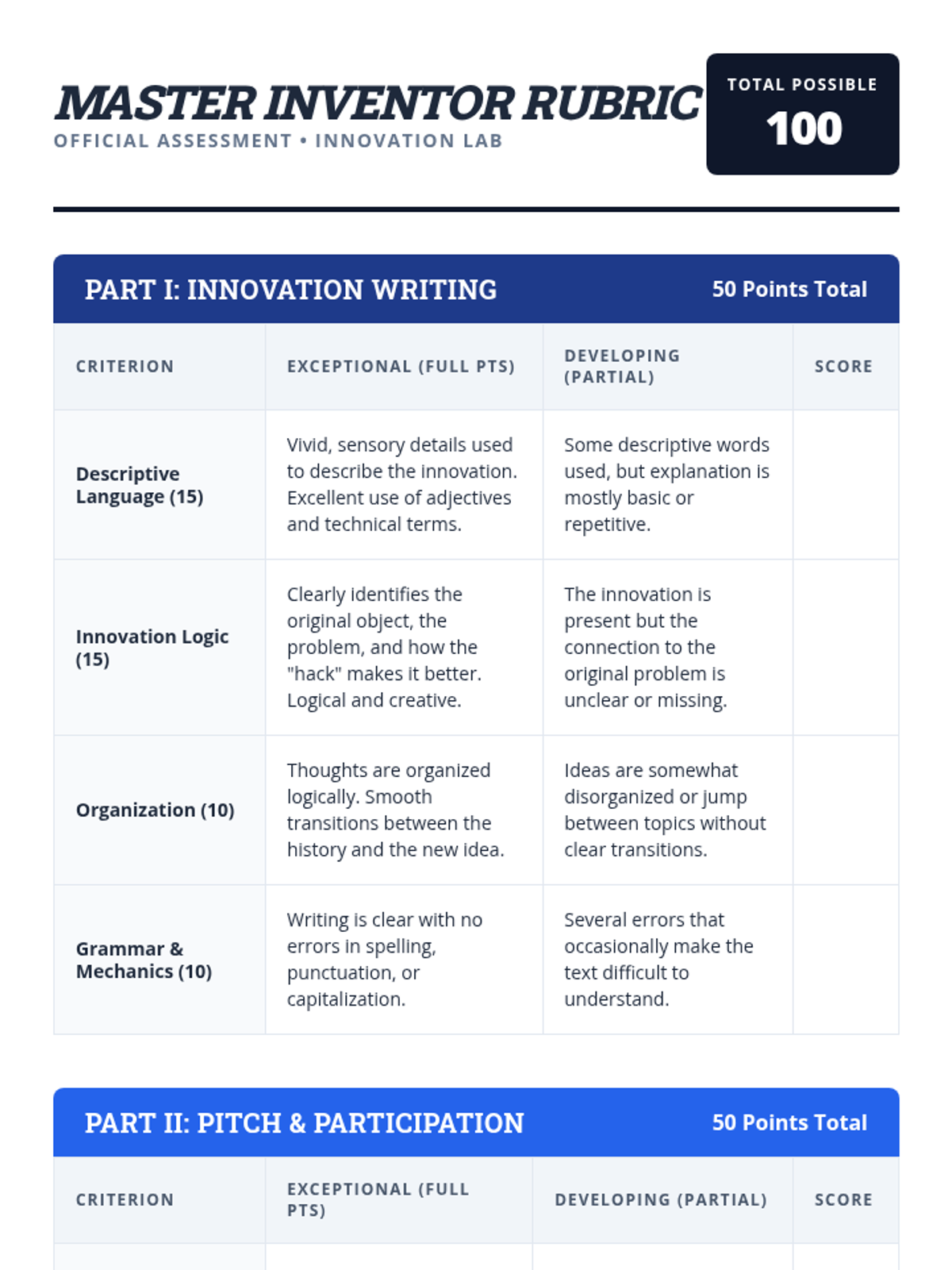
A two-day lesson where students research the history of everyday household objects and innovate them to solve modern problems. Students work in pairs to create a prototype sketch, write a descriptive explanation, and present their invention to the class.
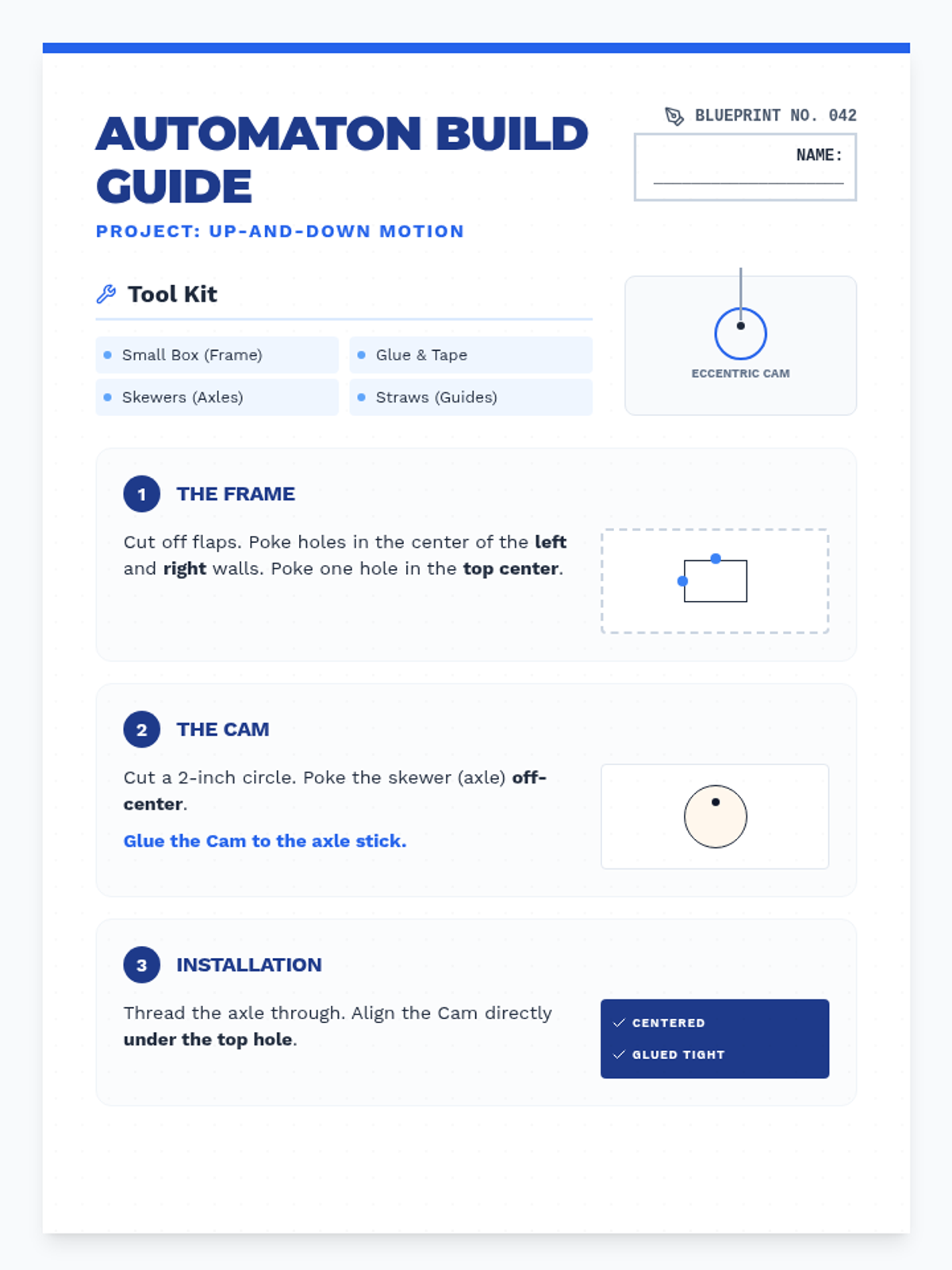
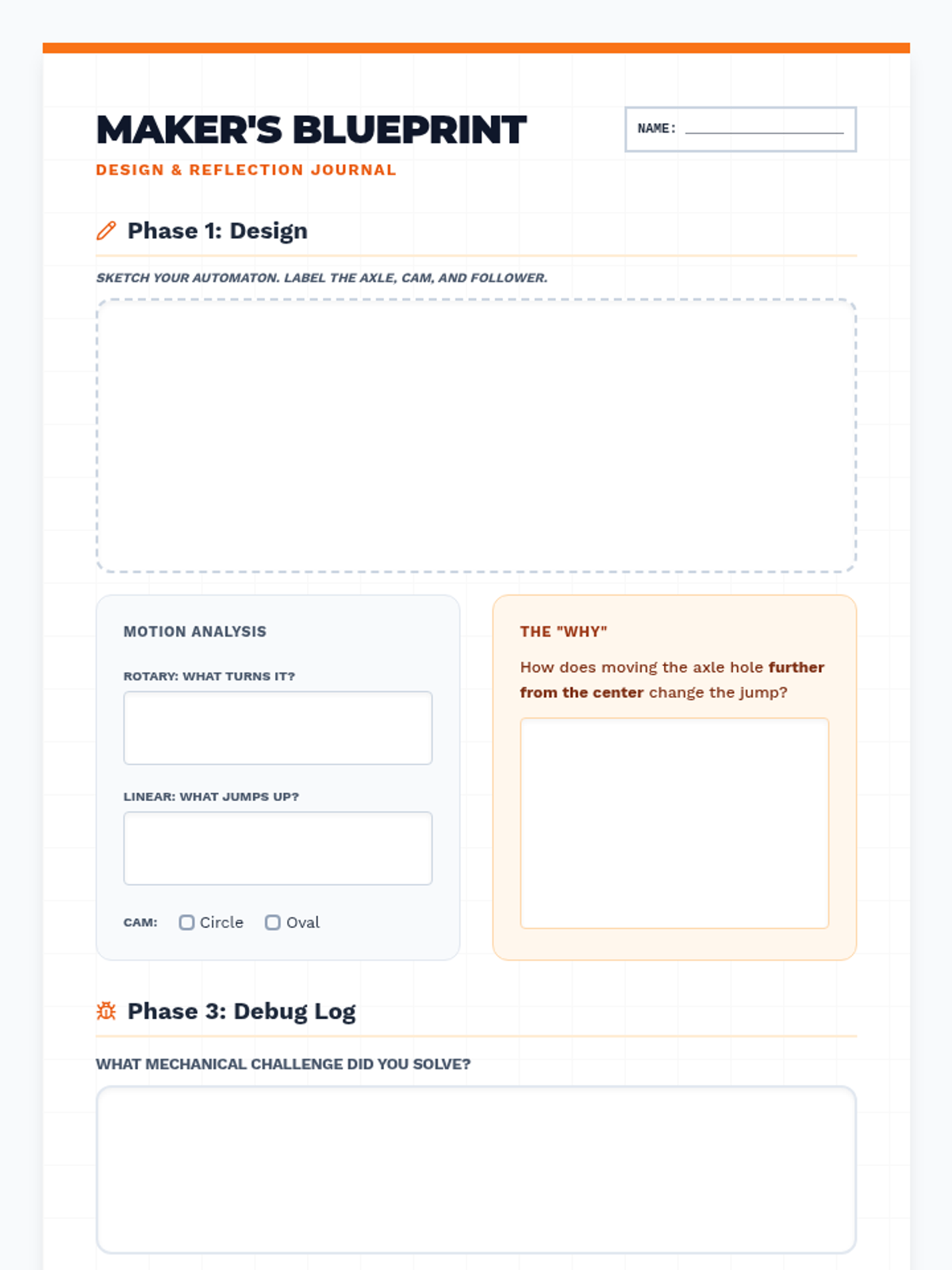
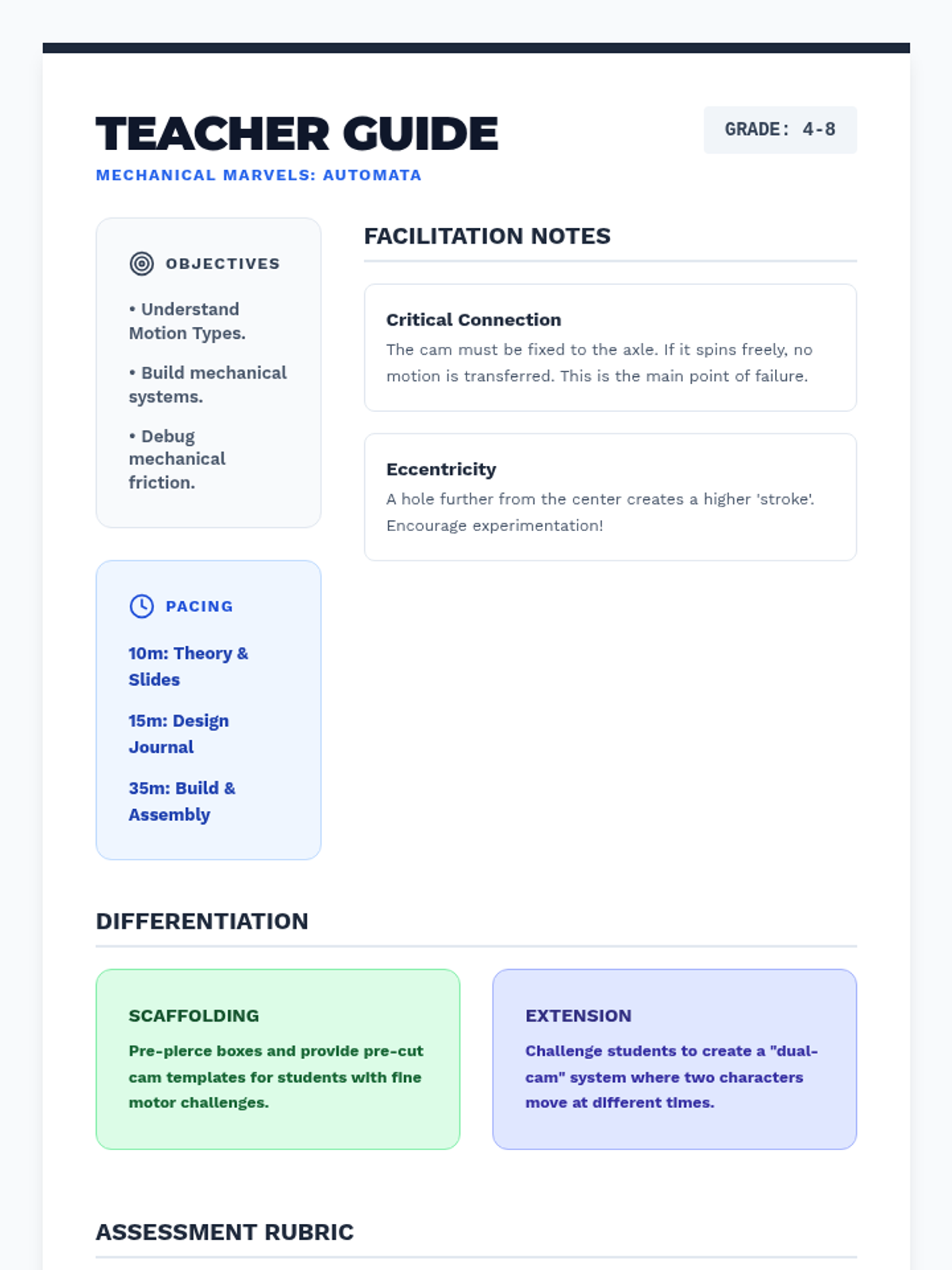
A hands-on engineering lesson where students build a cardboard automaton to explore how rotary motion is converted into linear motion using cams and followers.
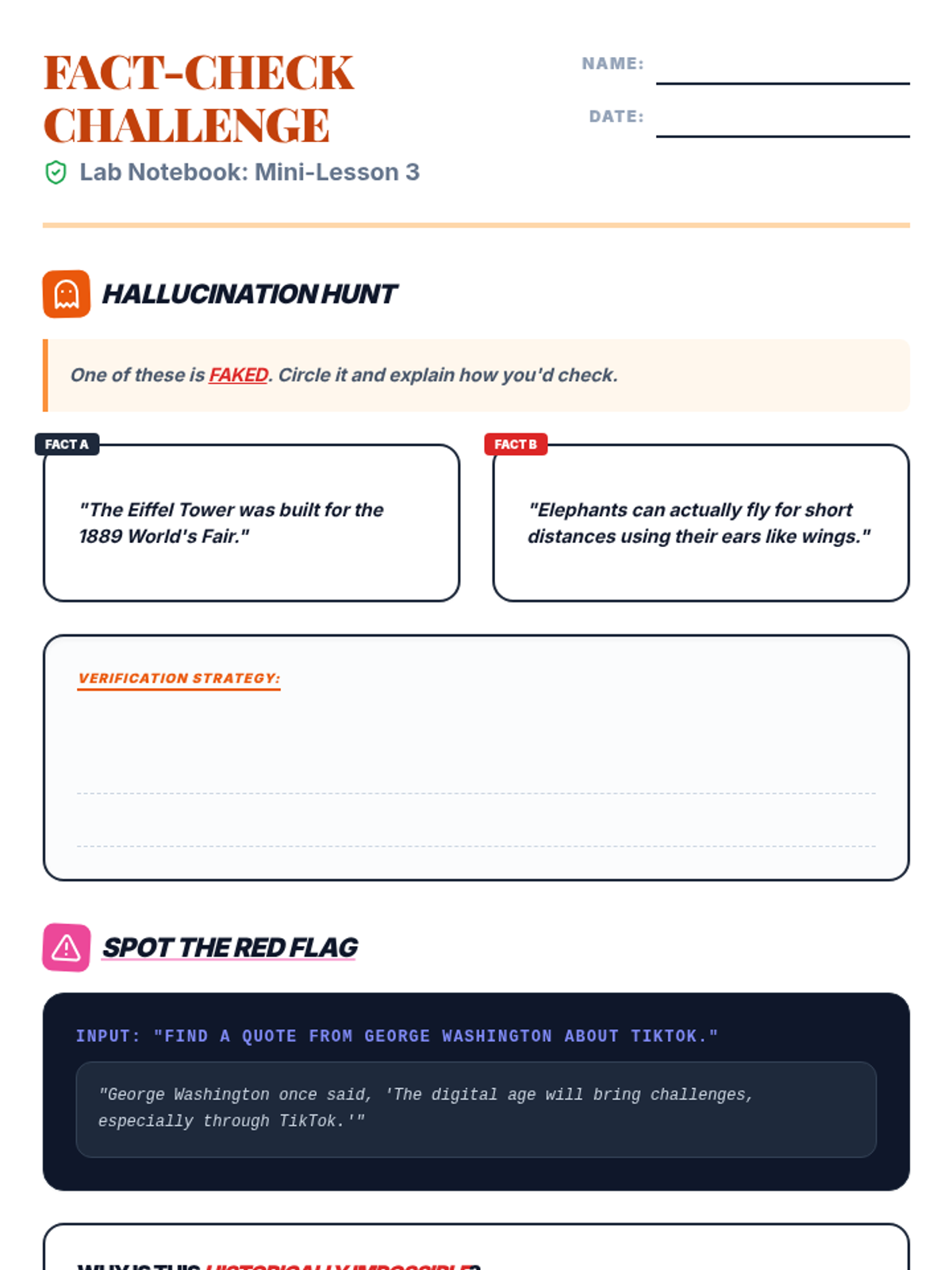
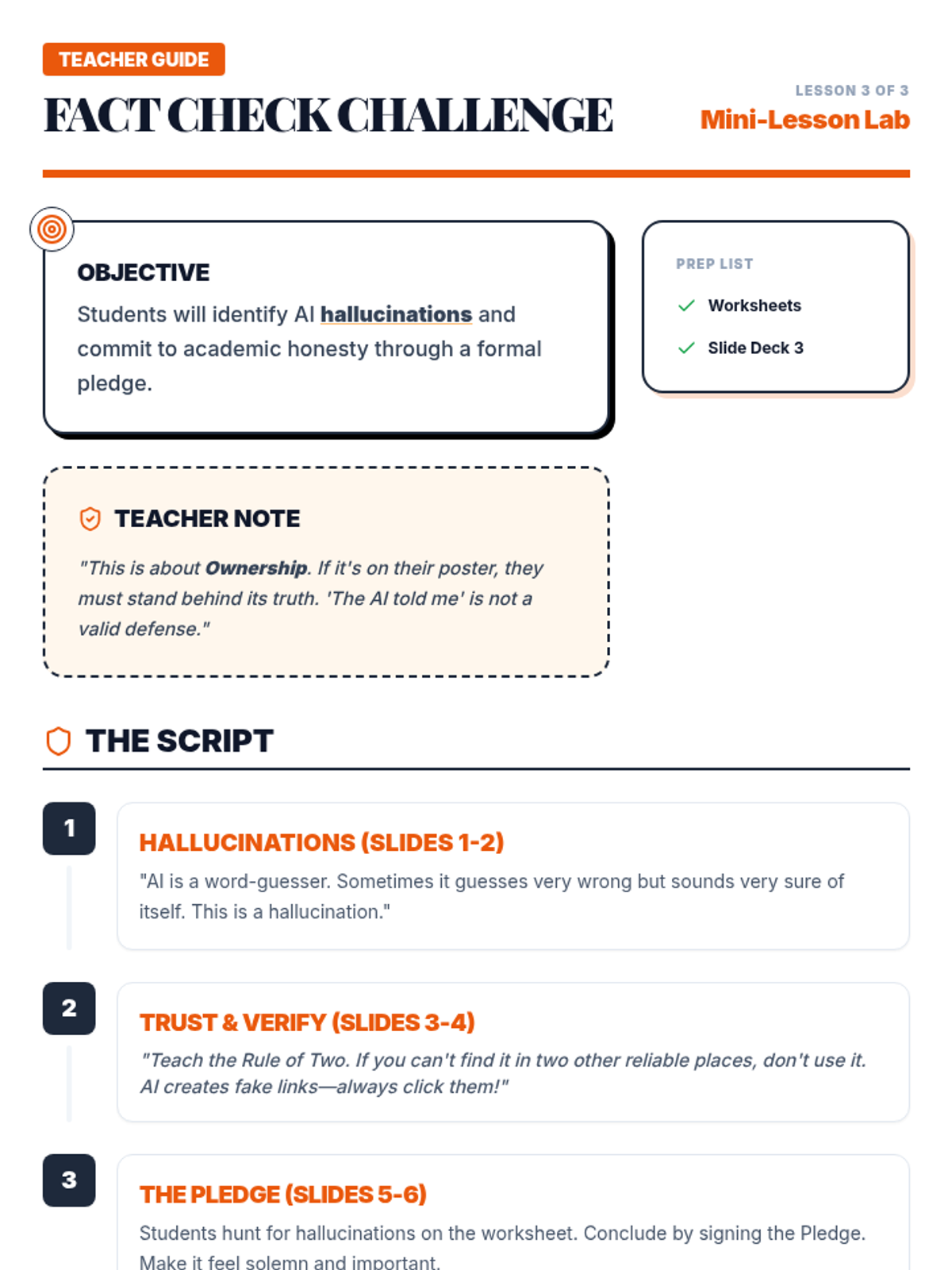
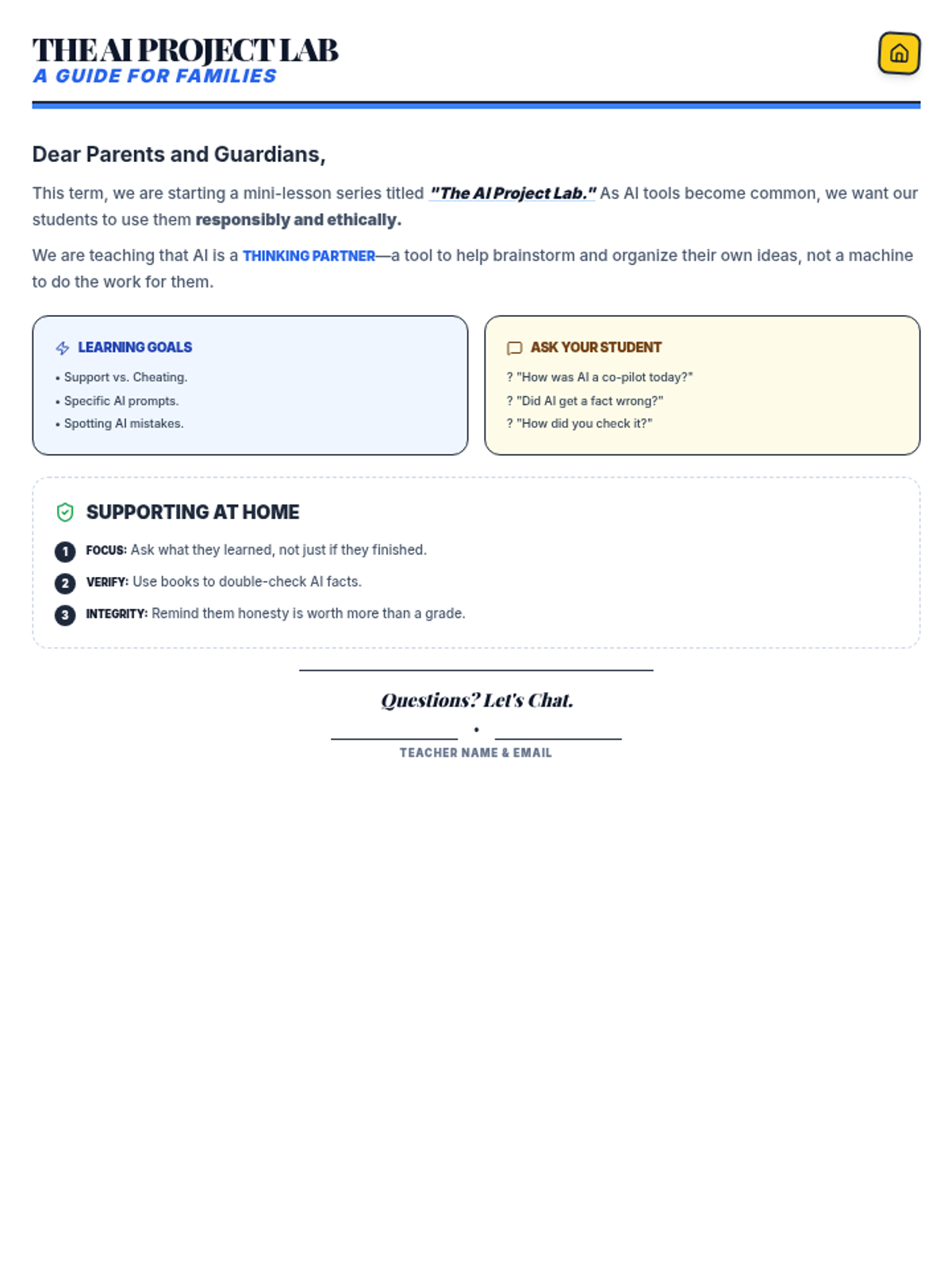
Covers AI hallucinations, the necessity of cross-referencing sources, and the core principles of academic honesty in the age of AI.
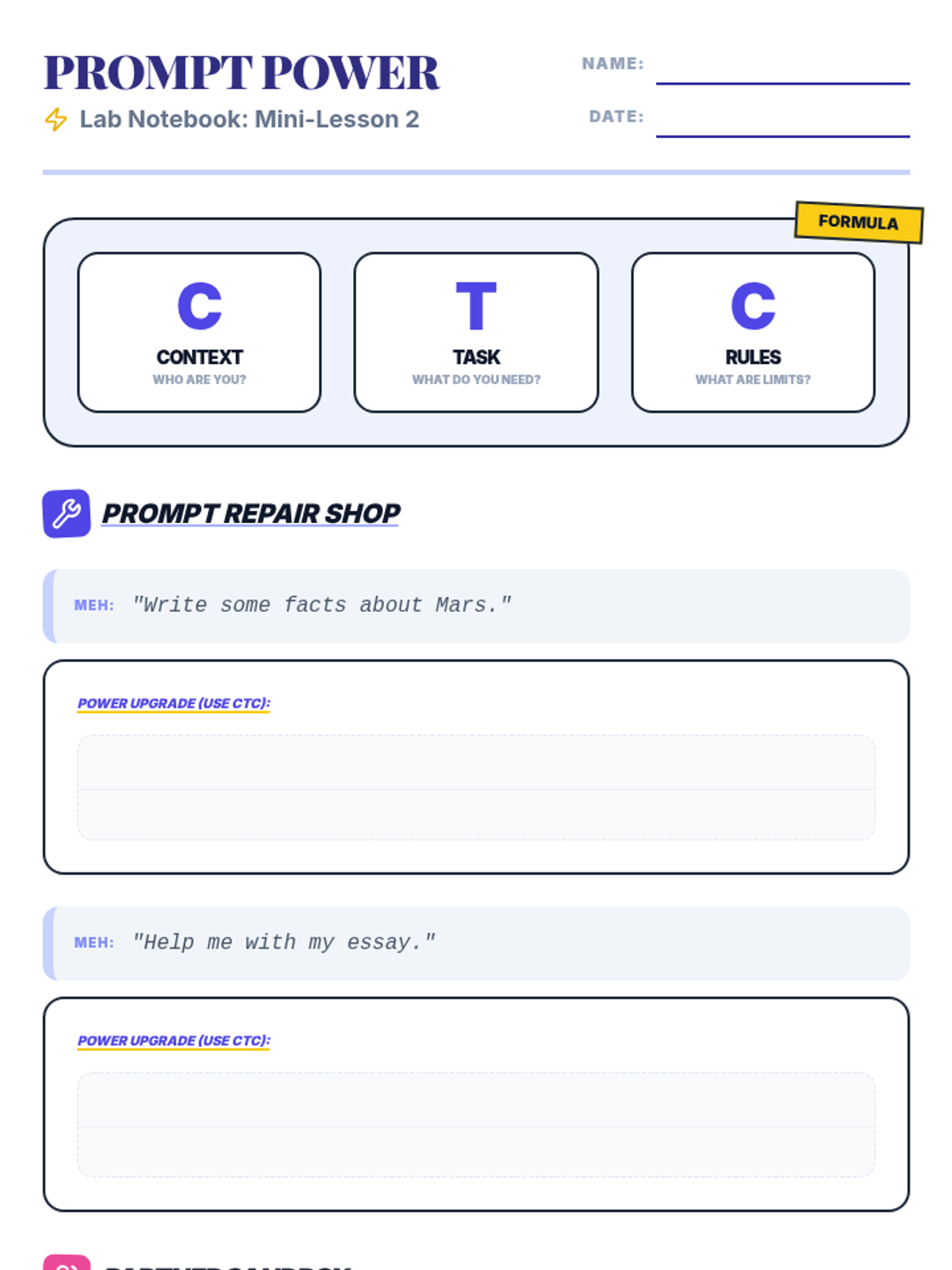
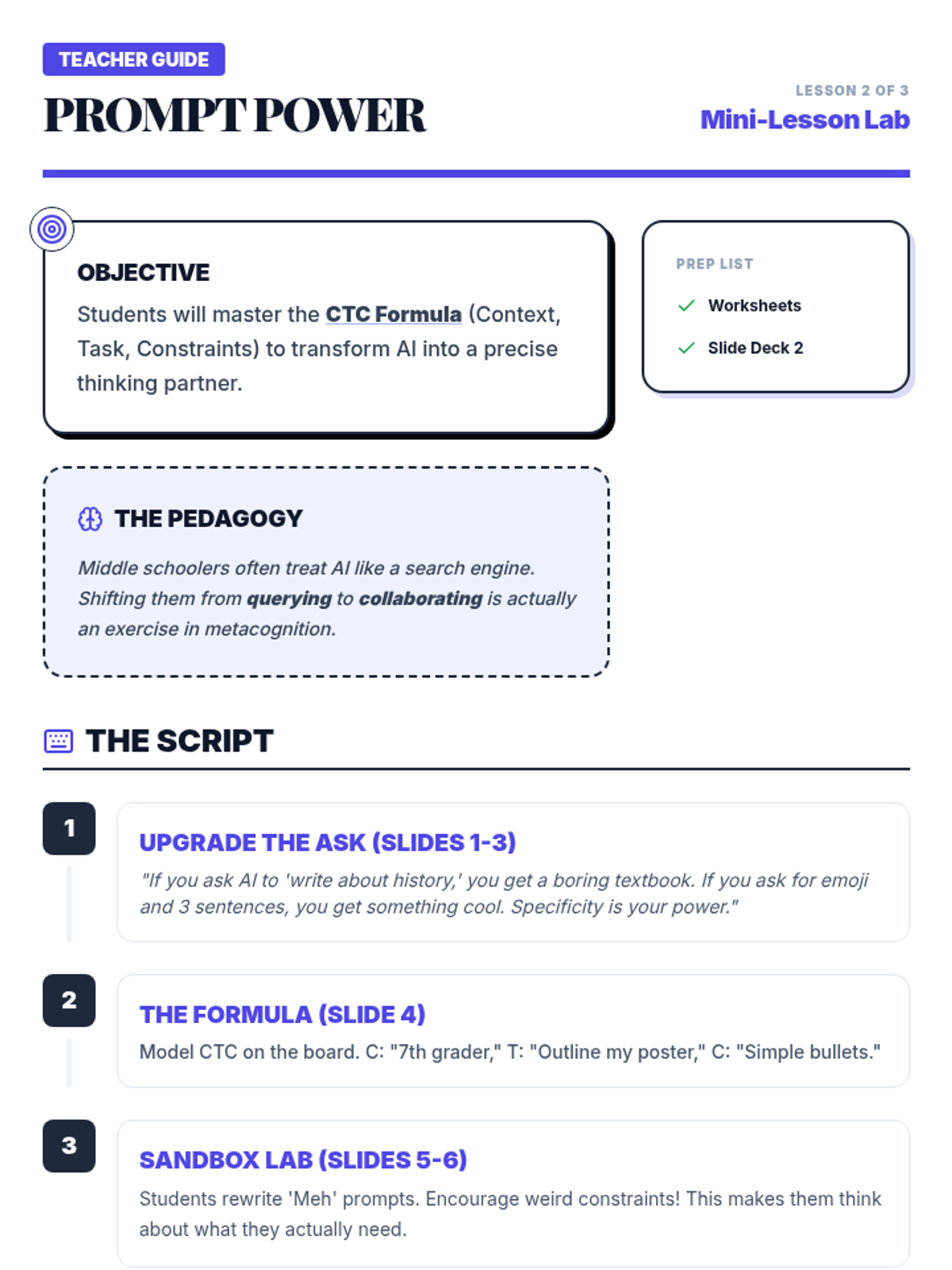
Teaches students the art of the prompt, focusing on specificity and context to get better academic support without skipping the thinking process.
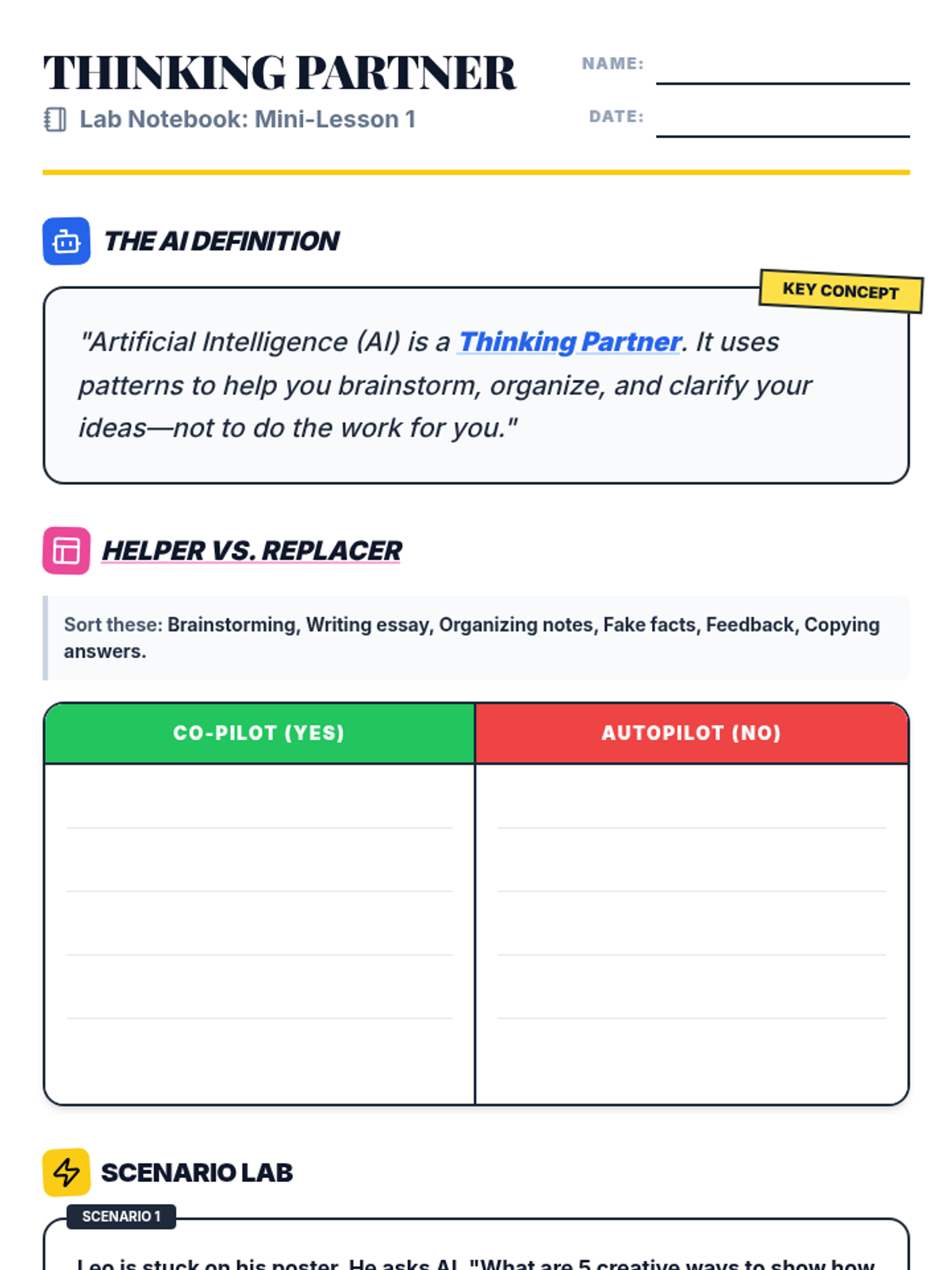
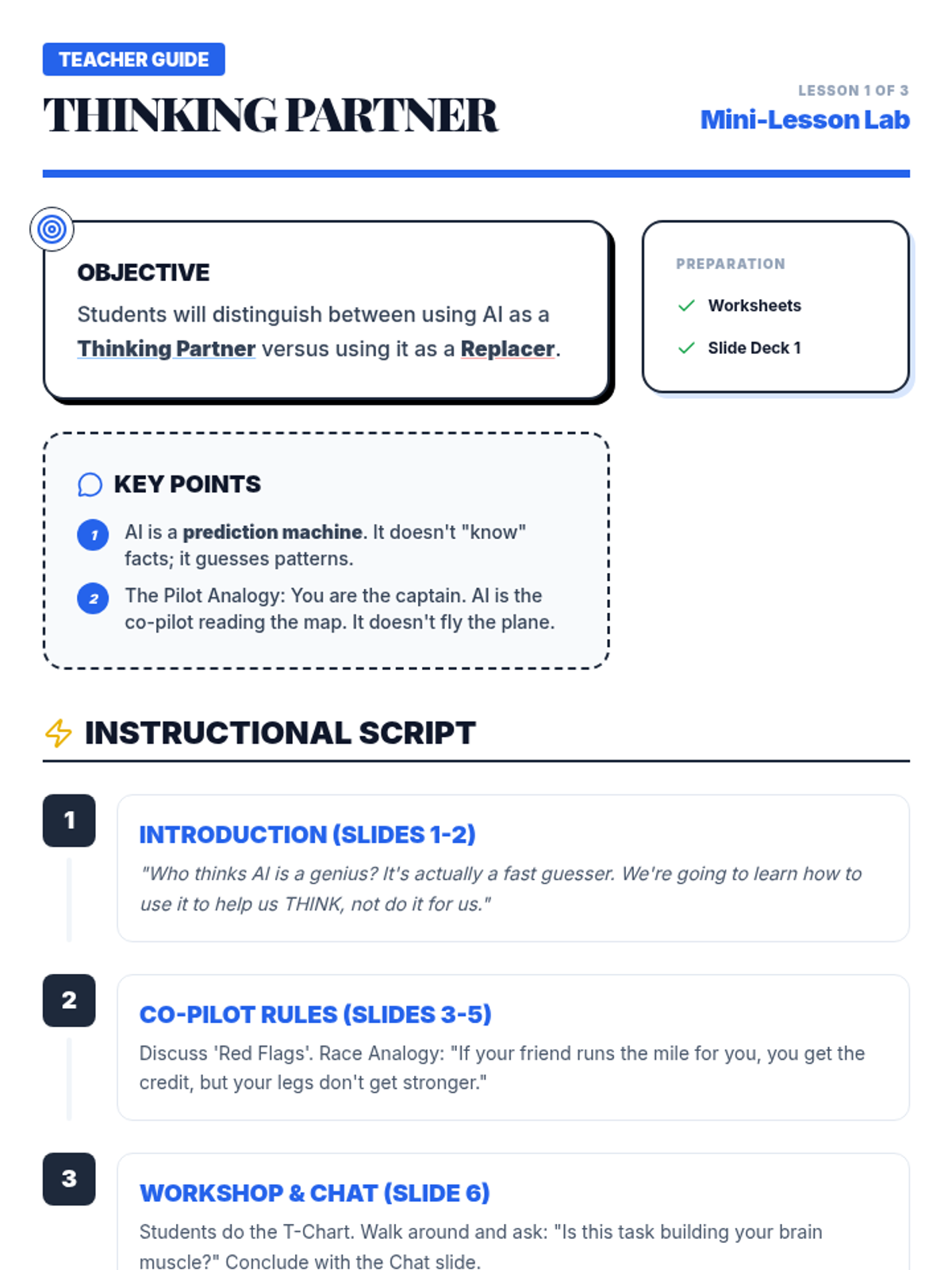
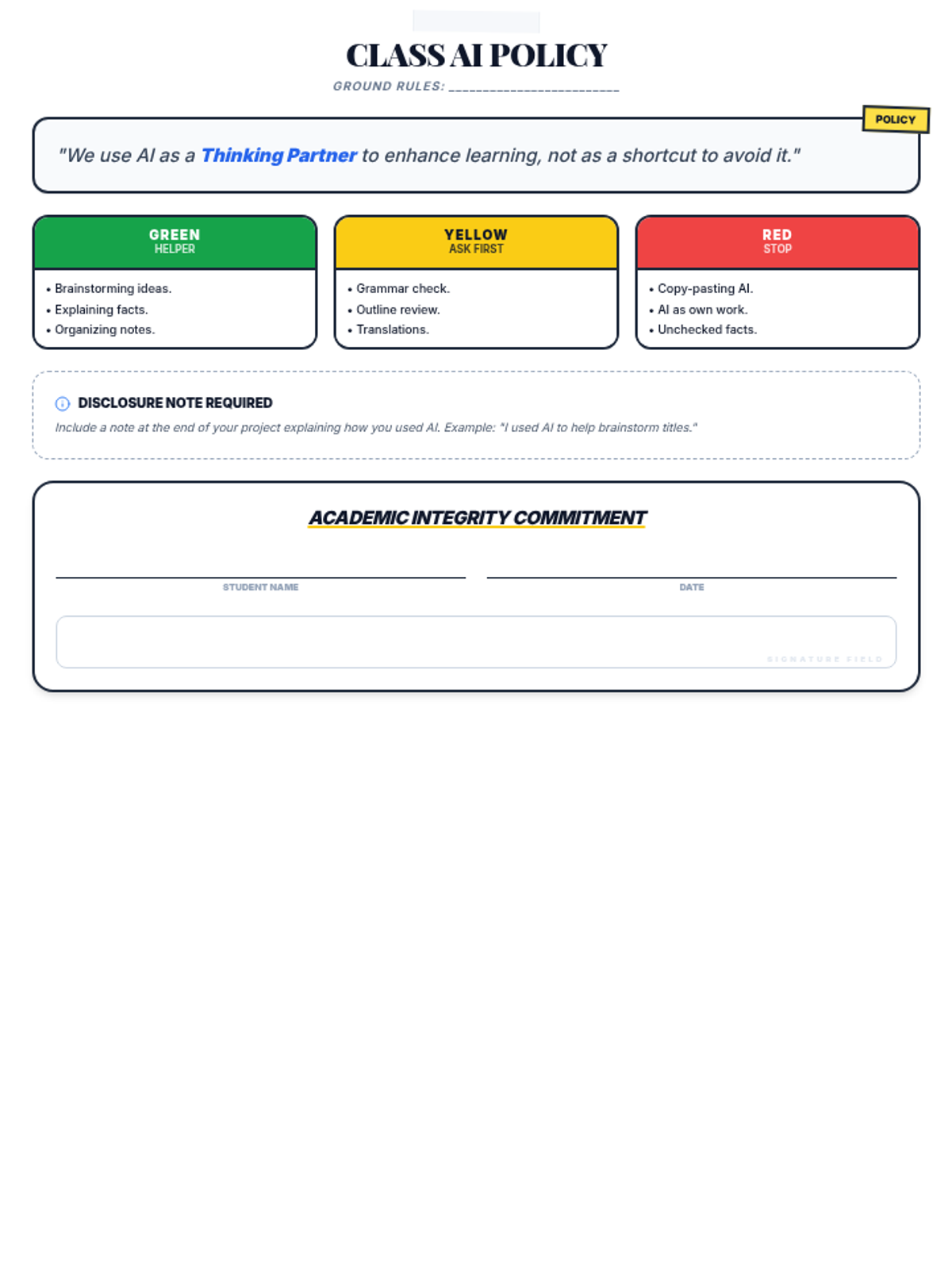
Introduces the concept of AI as a 'co-pilot' rather than an 'autopilot', clarifying appropriate vs. inappropriate use cases for school projects.
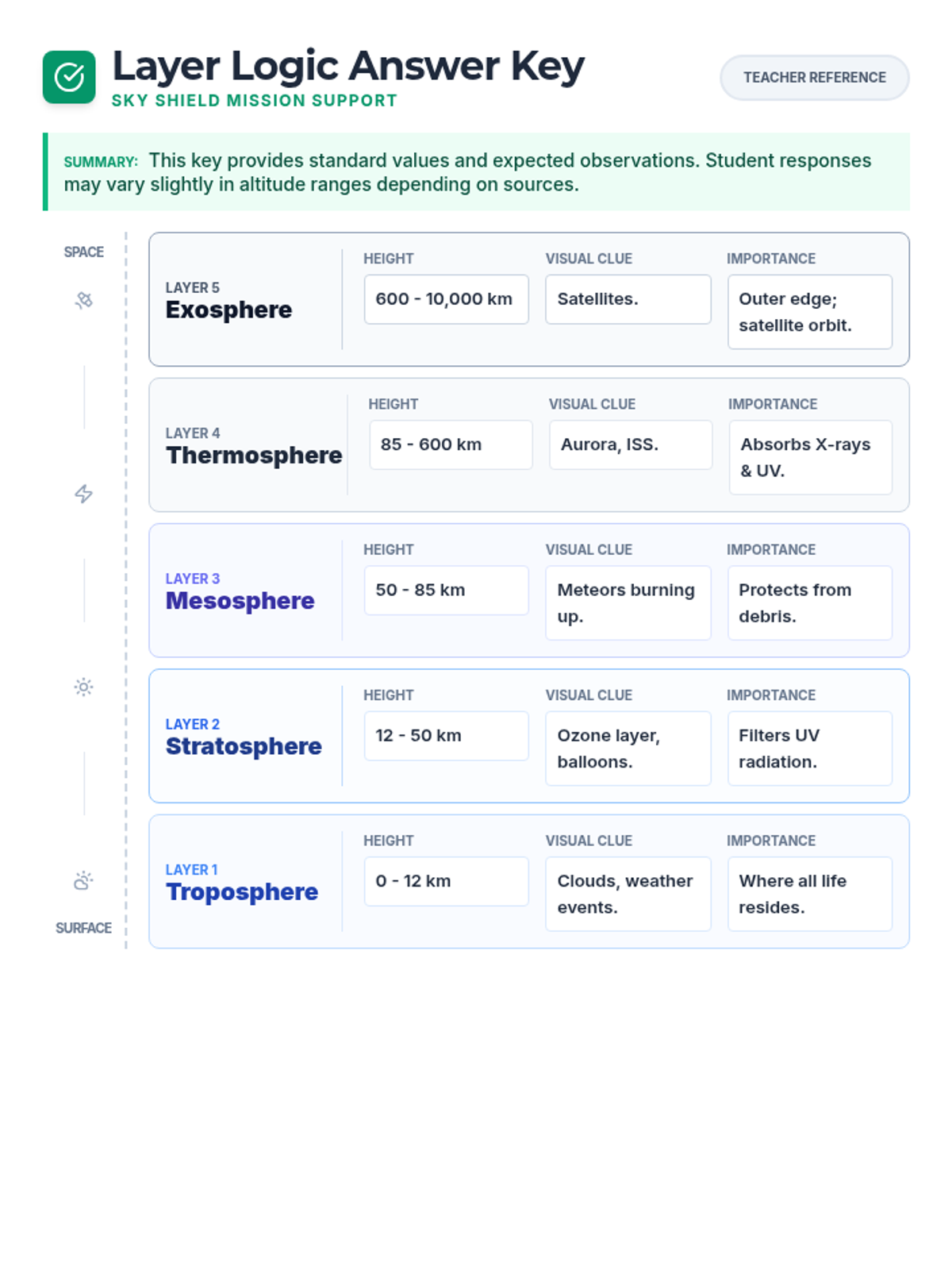
A comprehensive review of Earth's atmospheric layers, the crucial role of the ozone layer, and the chemical impact of CFCs on our planetary shield.
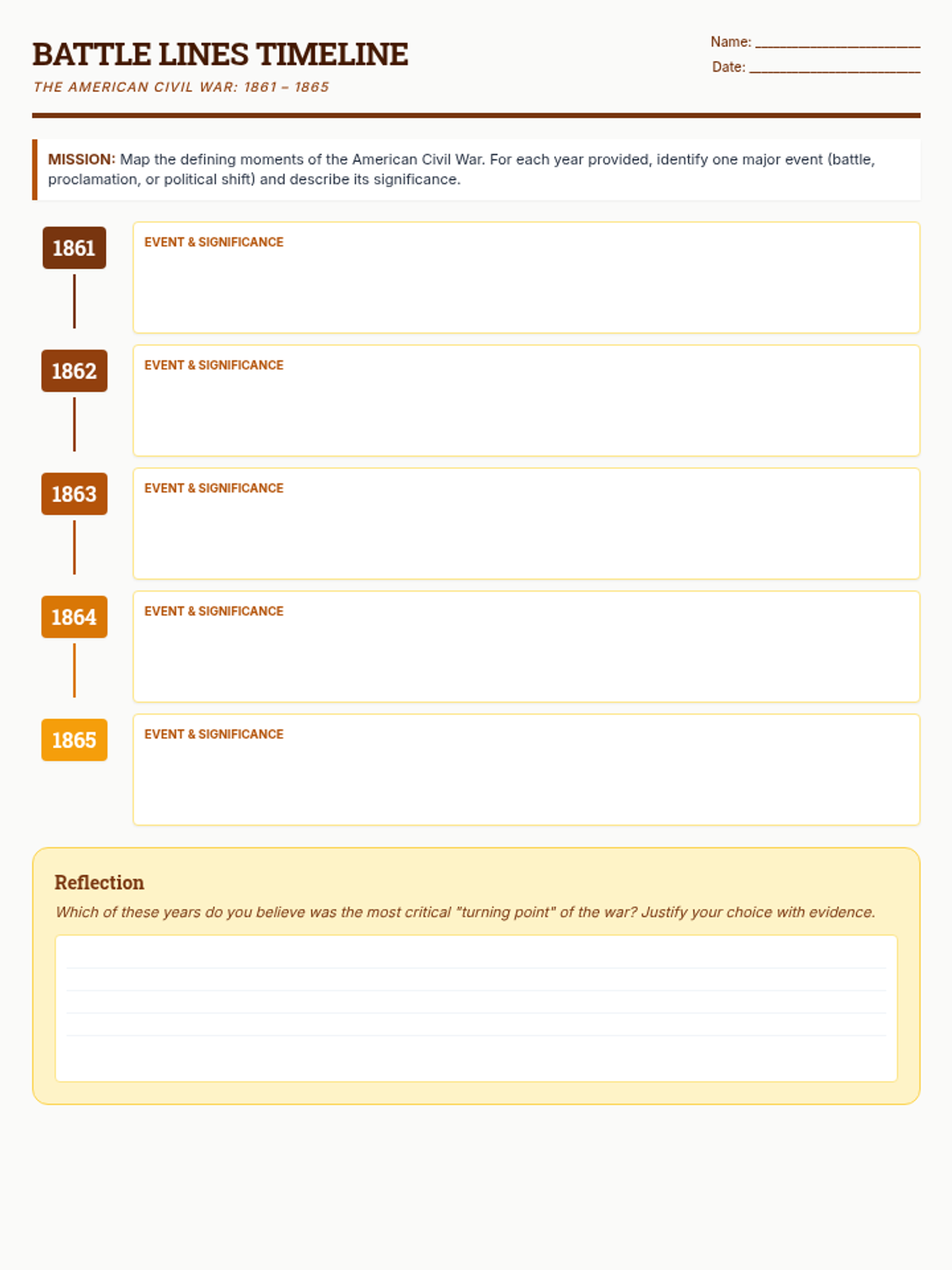
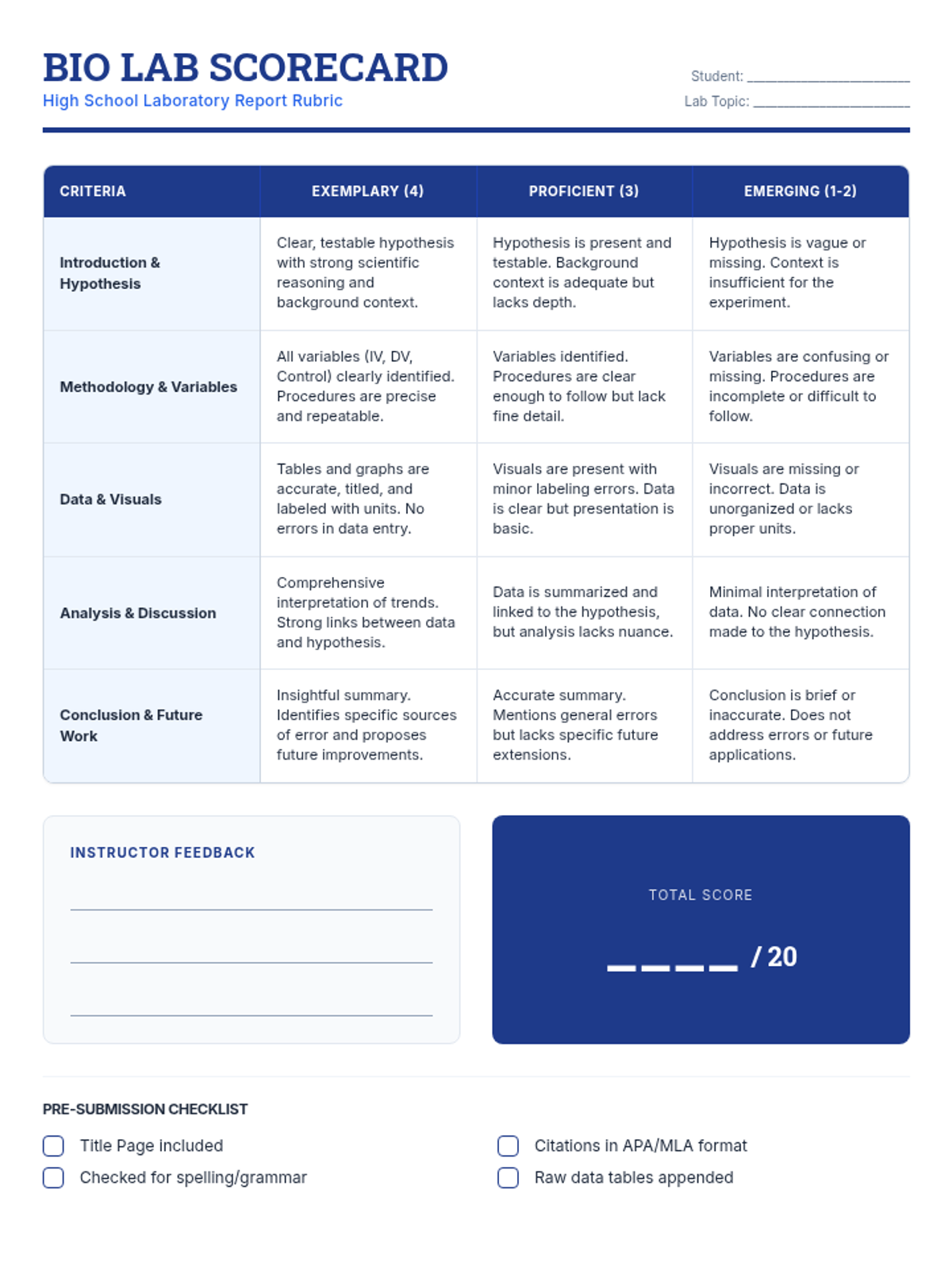
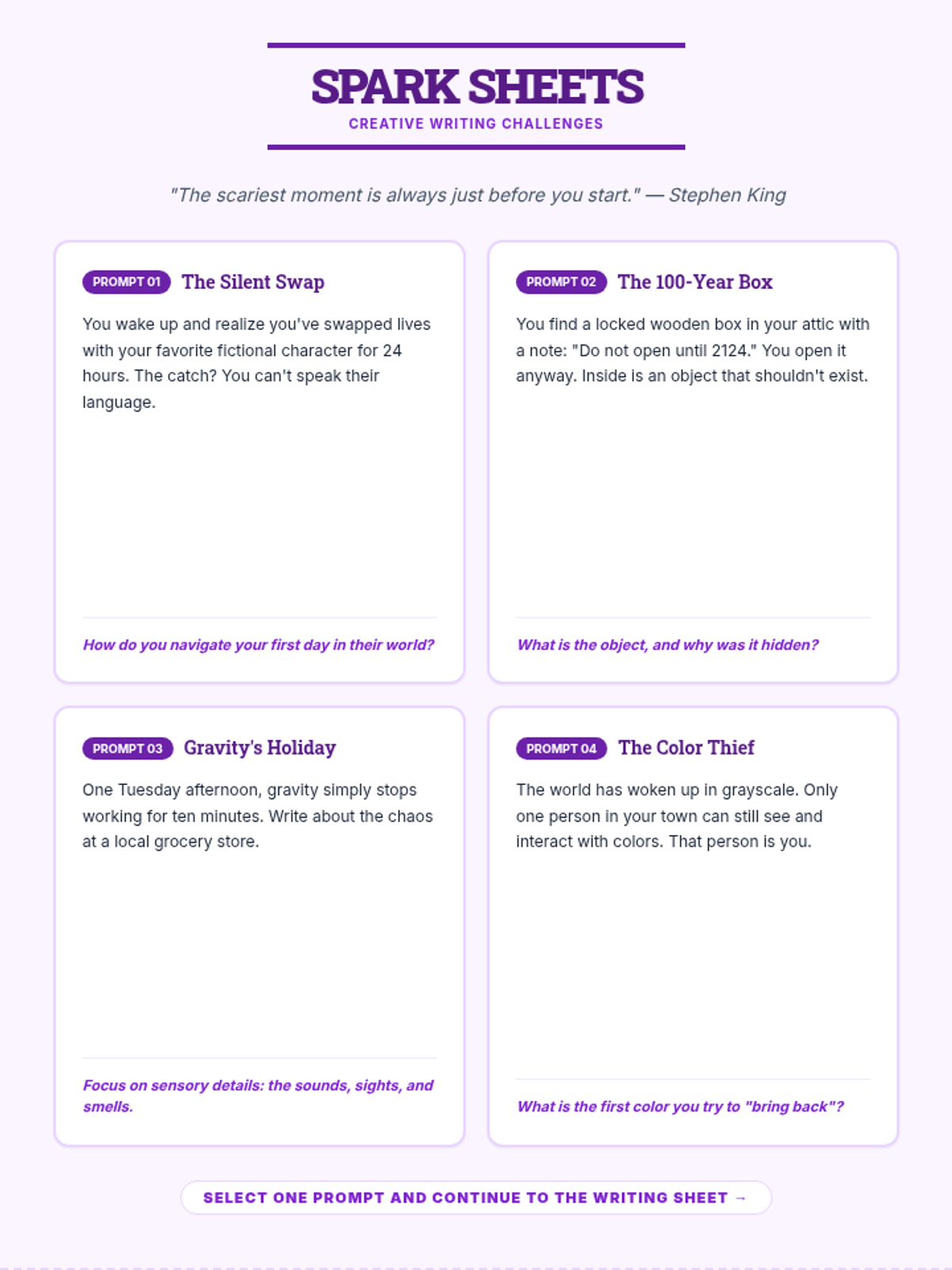
A diverse collection of high-quality educational resources spanning history, science, and language arts. This bundle includes graphic organizers, rubrics, writing prompts, and scientific diagrams.
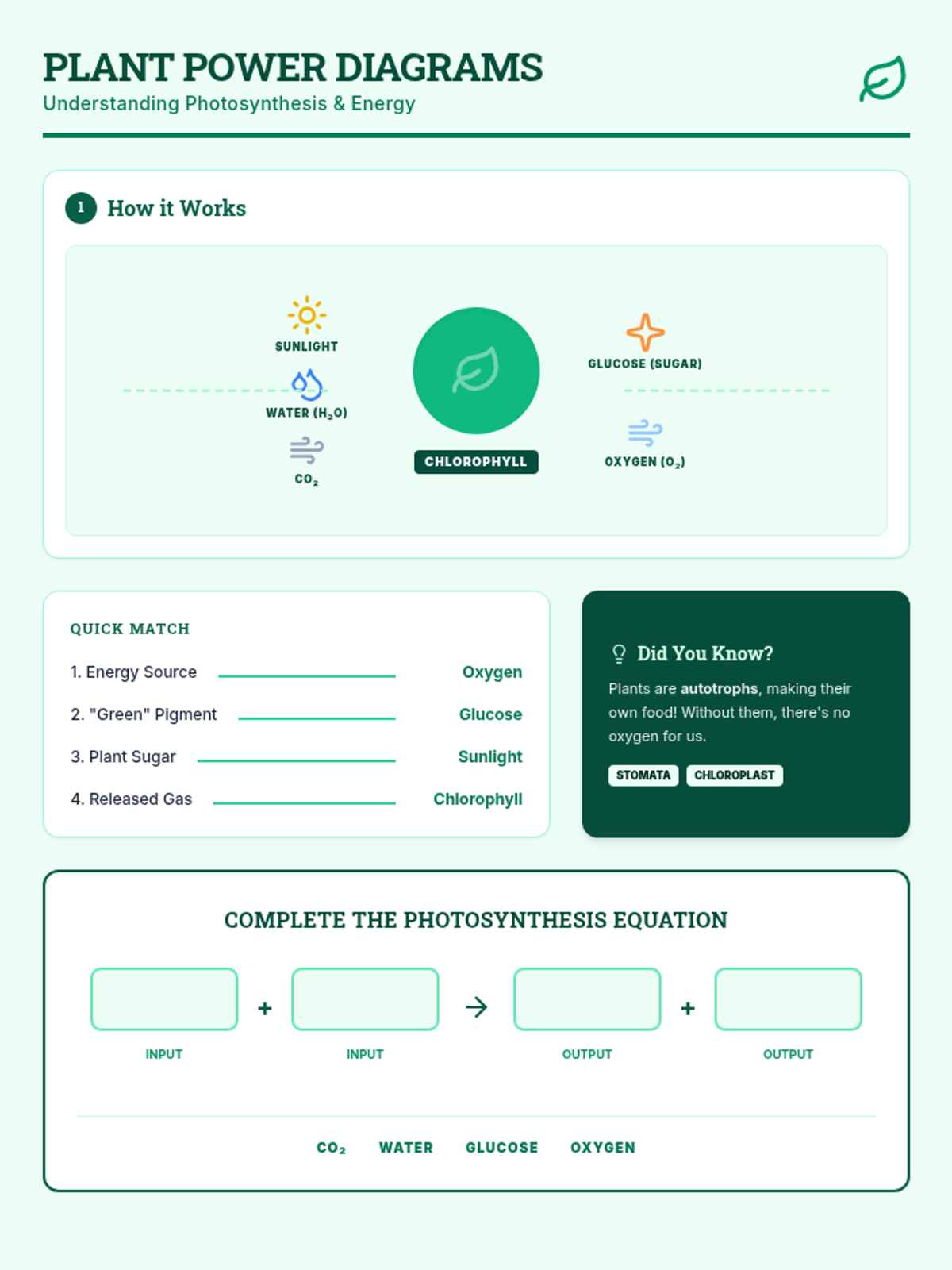
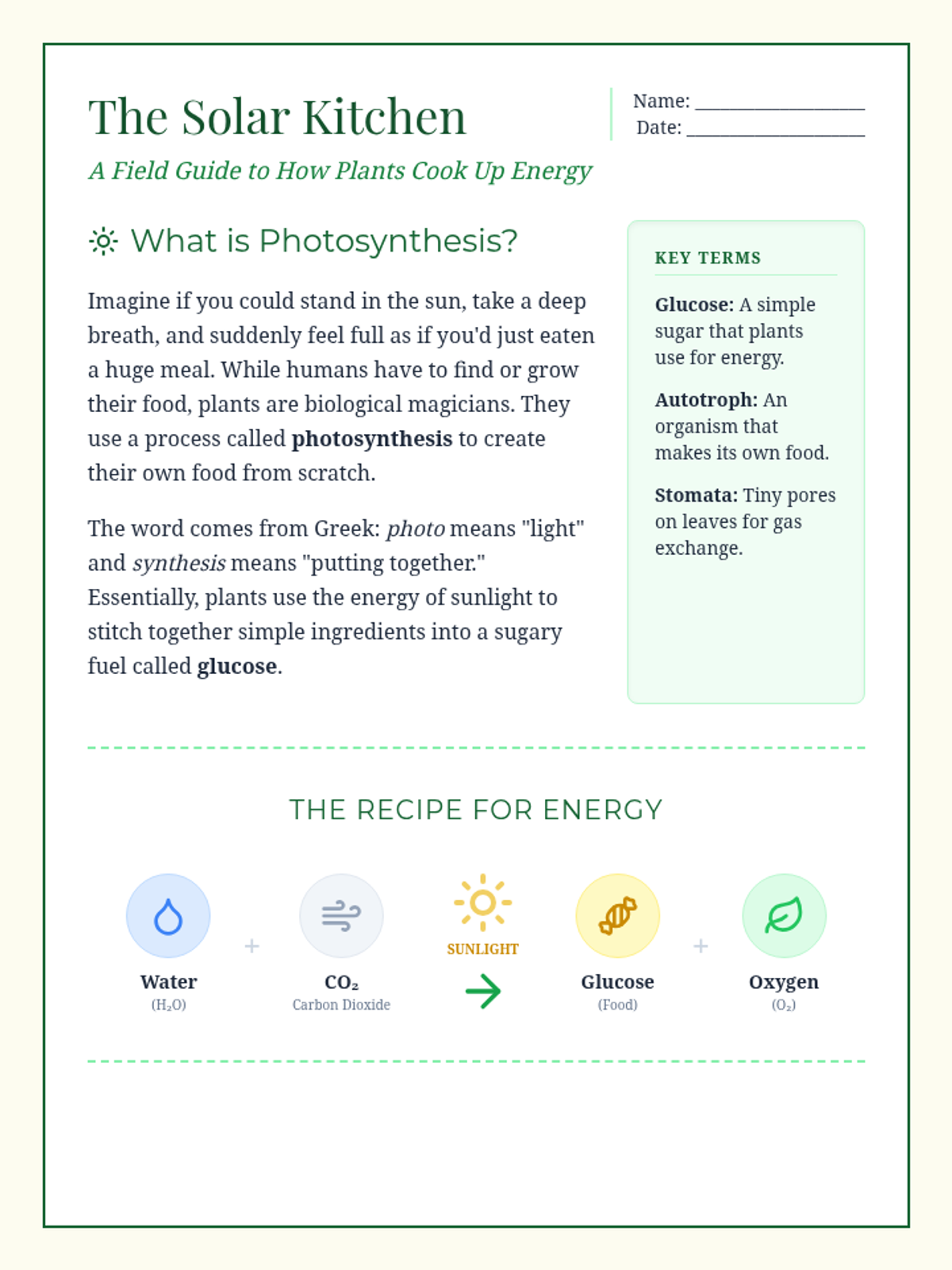
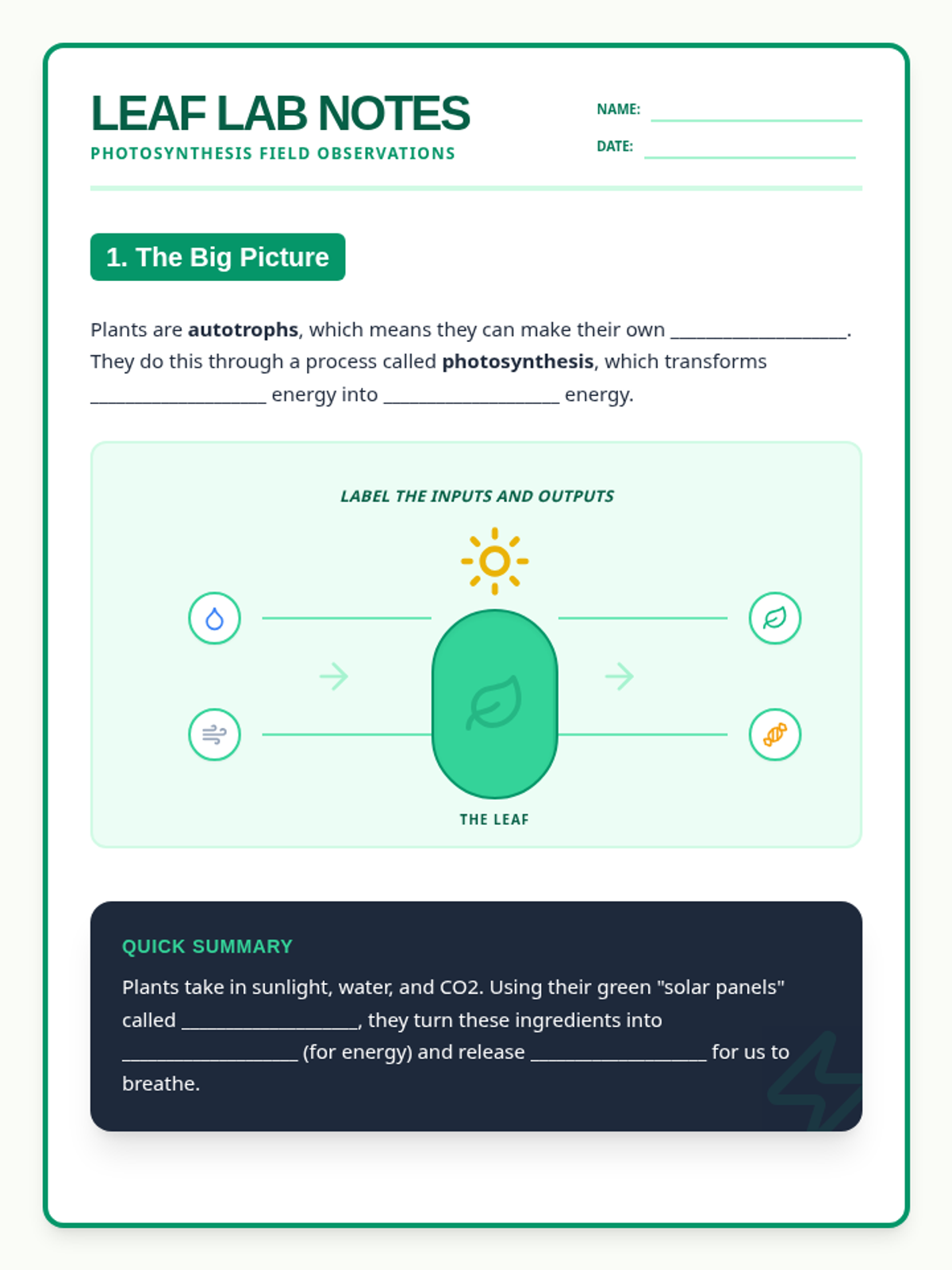
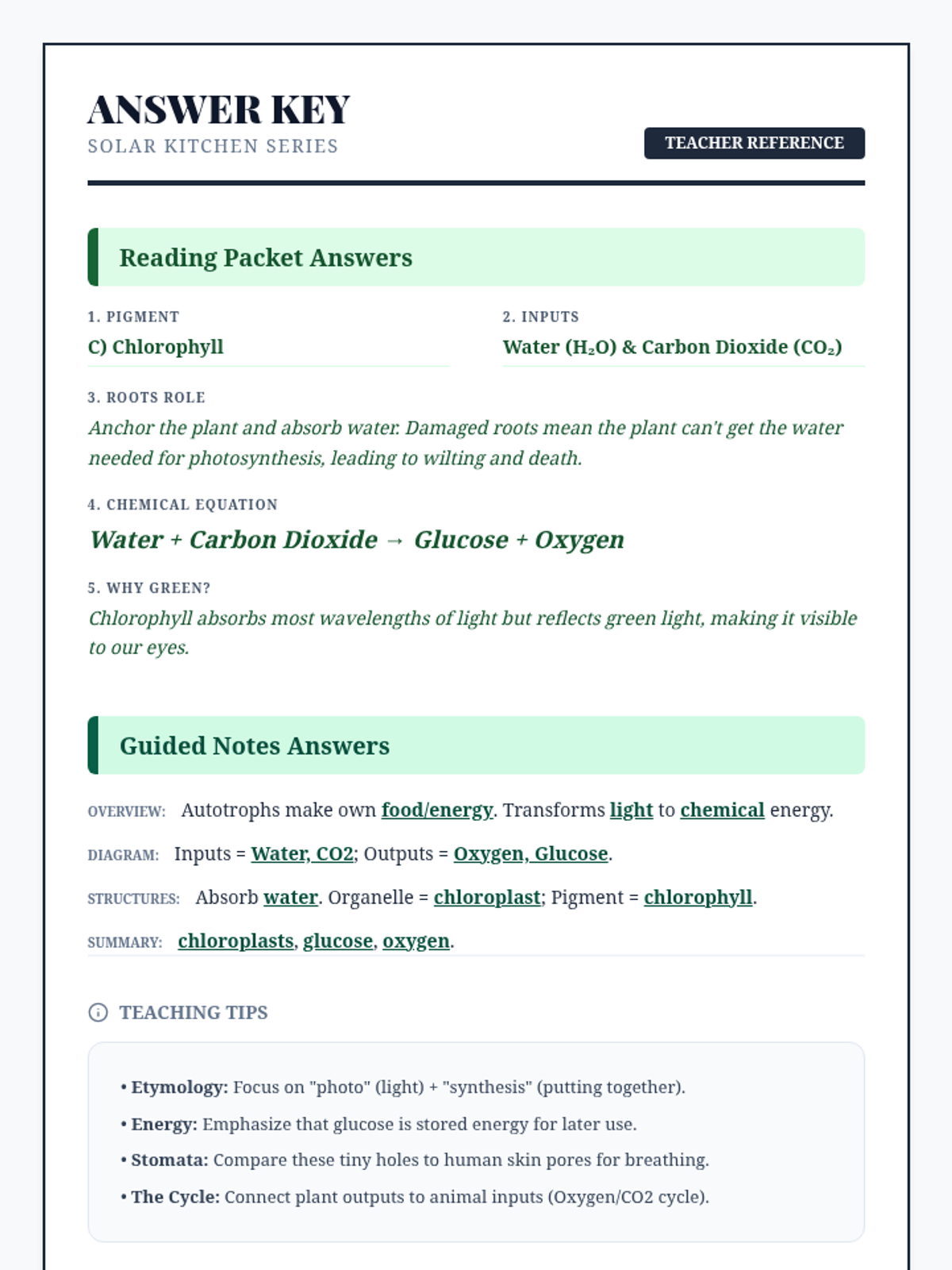
A comprehensive lesson on photosynthesis, focusing on the biological machinery of plants, the inputs and outputs of the process, and the specific structures involved like chloroplasts and roots.
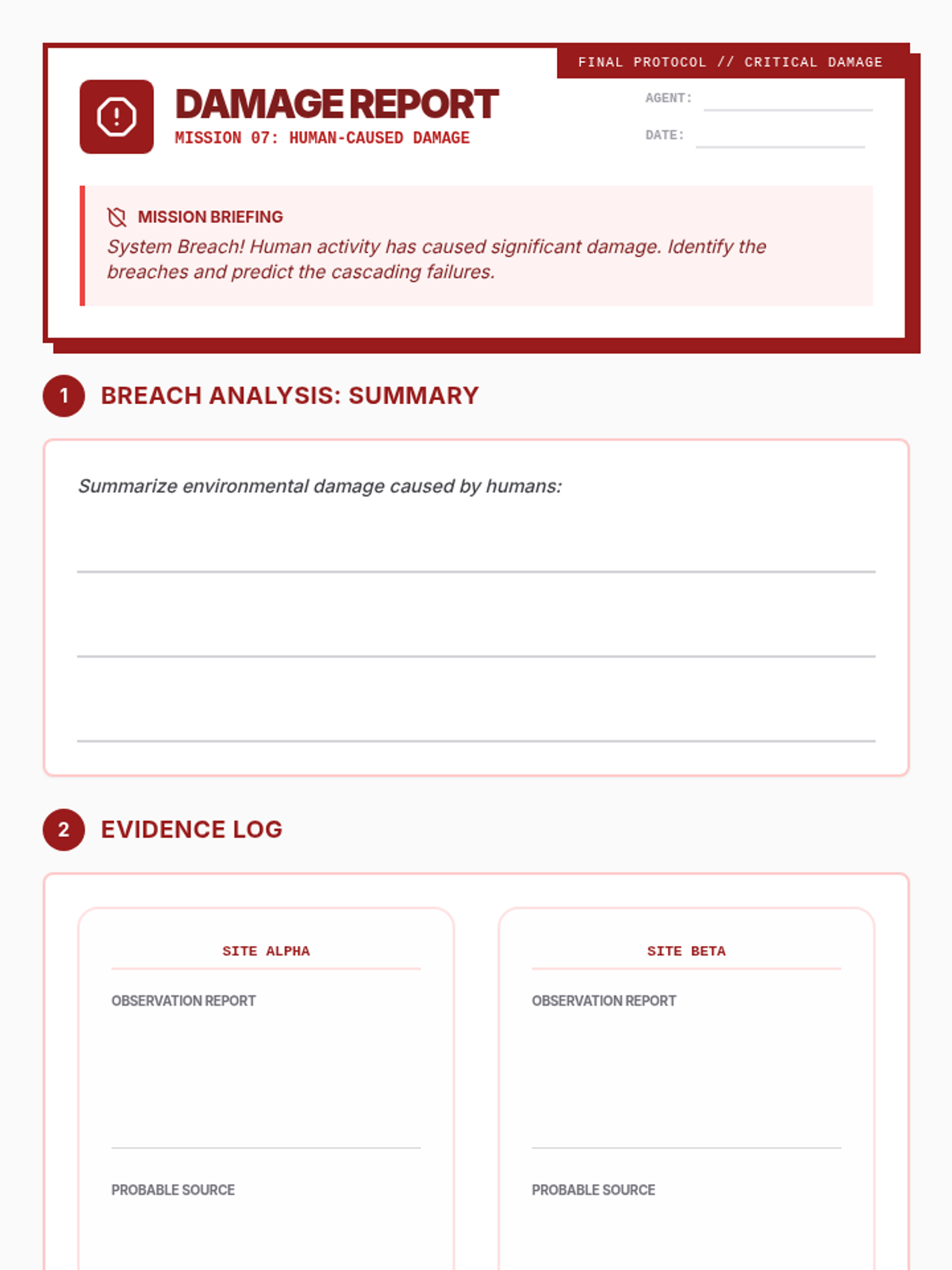
The final mission involves assessing environmental damage caused by humans and predicting the long-term effects on the ecological grid.
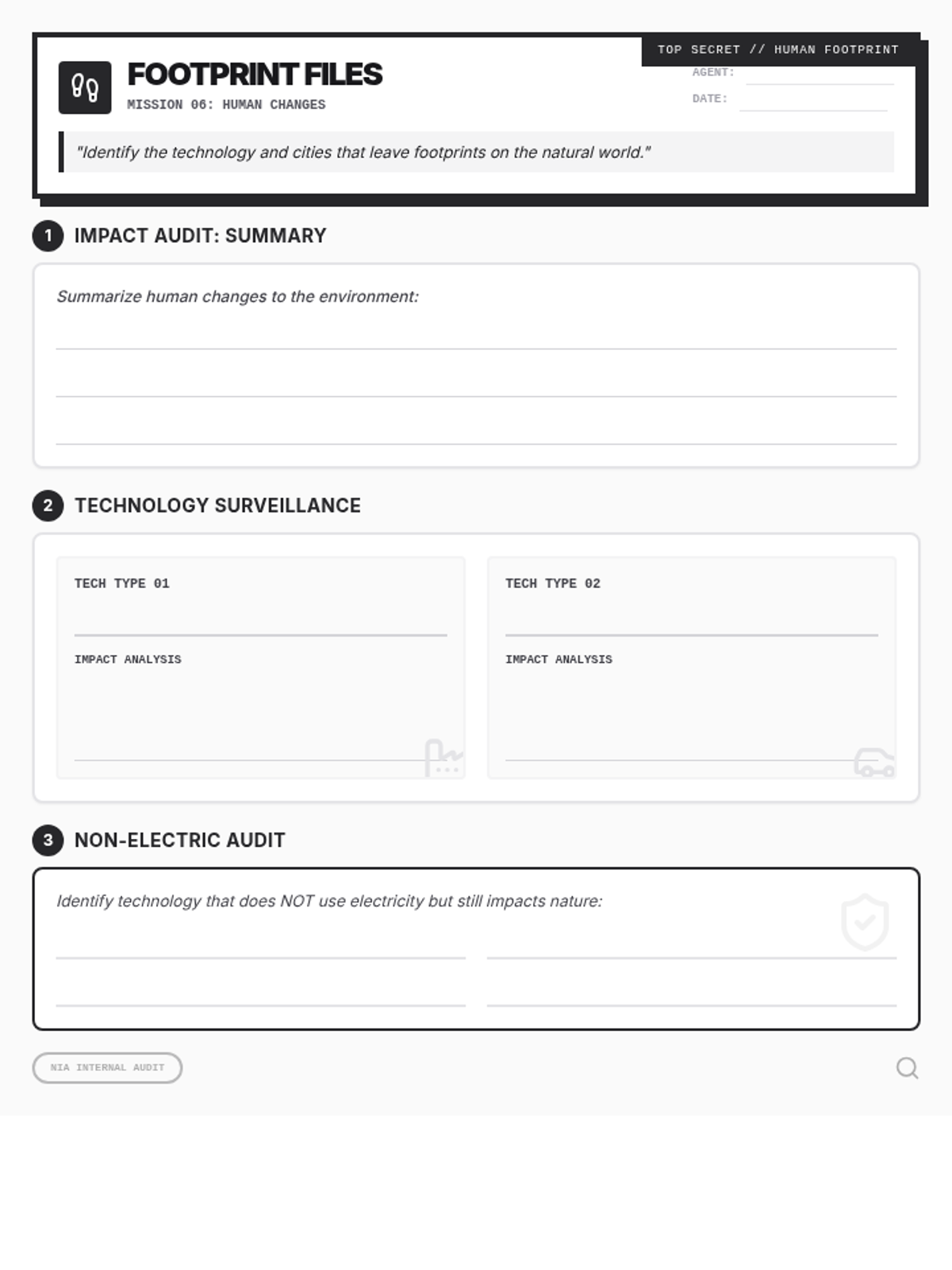
Detectives investigate the impact of human technology and daily habits on the surrounding environment.
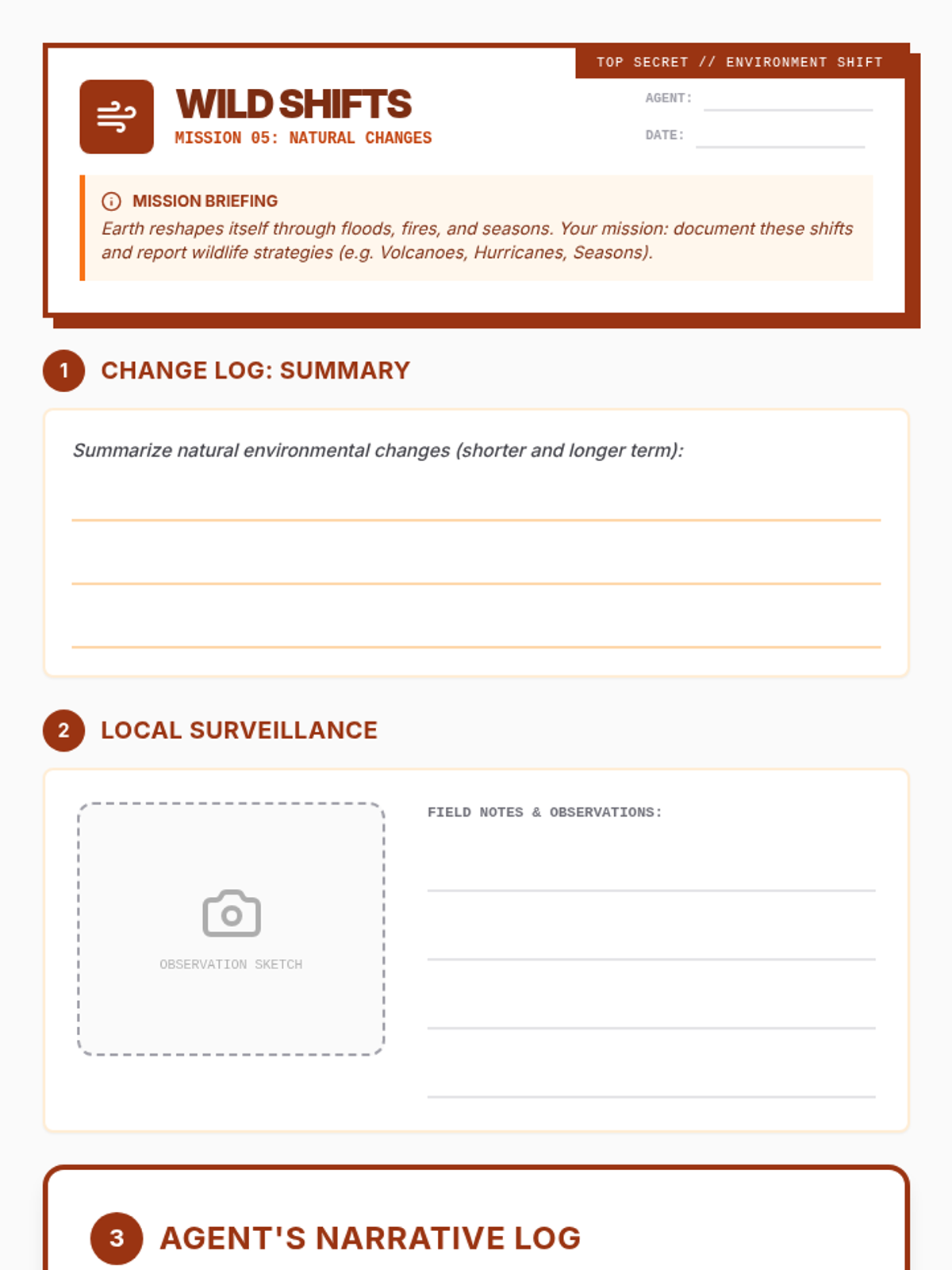
Agents document natural environmental shifts and create creative intelligence reports on how these changes impact local food webs.
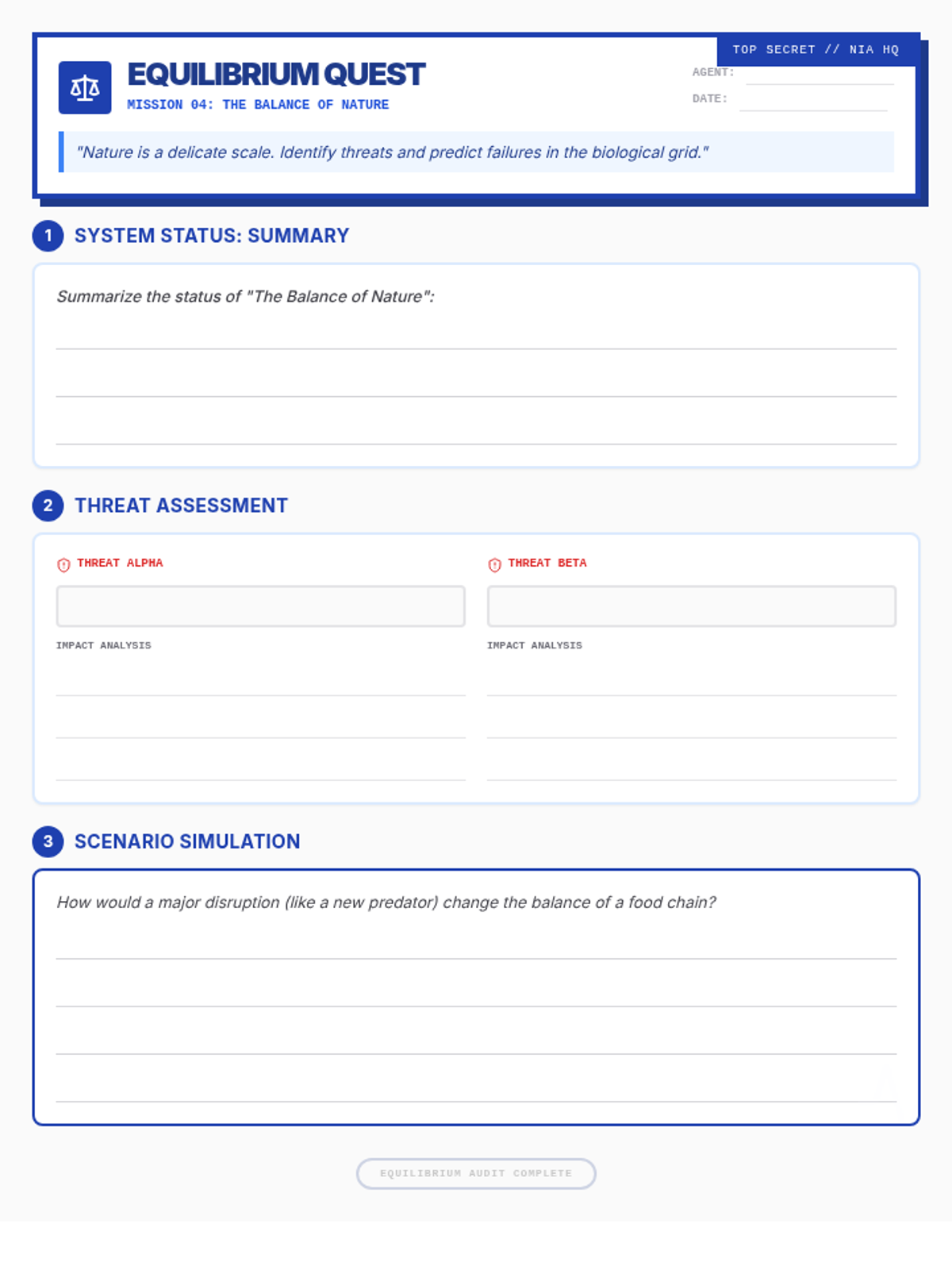
Detectives analyze how ecosystems maintain equilibrium and identify factors that could destabilize the natural order.