A short, engaging science sequence for 3rd graders focused on identifying and distinguishing between butterflies and moths through physical and behavioral characteristics.
A series of lessons exploring genetics and protein synthesis through the lens of spider silk production for medical use. Adapted for 3rd-grade reading levels while maintaining 6th-grade science concepts.
A comprehensive unit exploring inherited traits, talents, and character analysis through the lens of Kamal's story. Students will distinguish between genetic traits and learned talents, analyze character motivations, and document their own unique 'code'.
A comprehensive project-based unit where students explore the vital role of pollinators, research local species, and design solutions to protect their habitats.
A comprehensive unit exploring the fundamentals of electricity, magnetism, and how they combine in circuits, focusing on energy transformations and hands-on visuals.
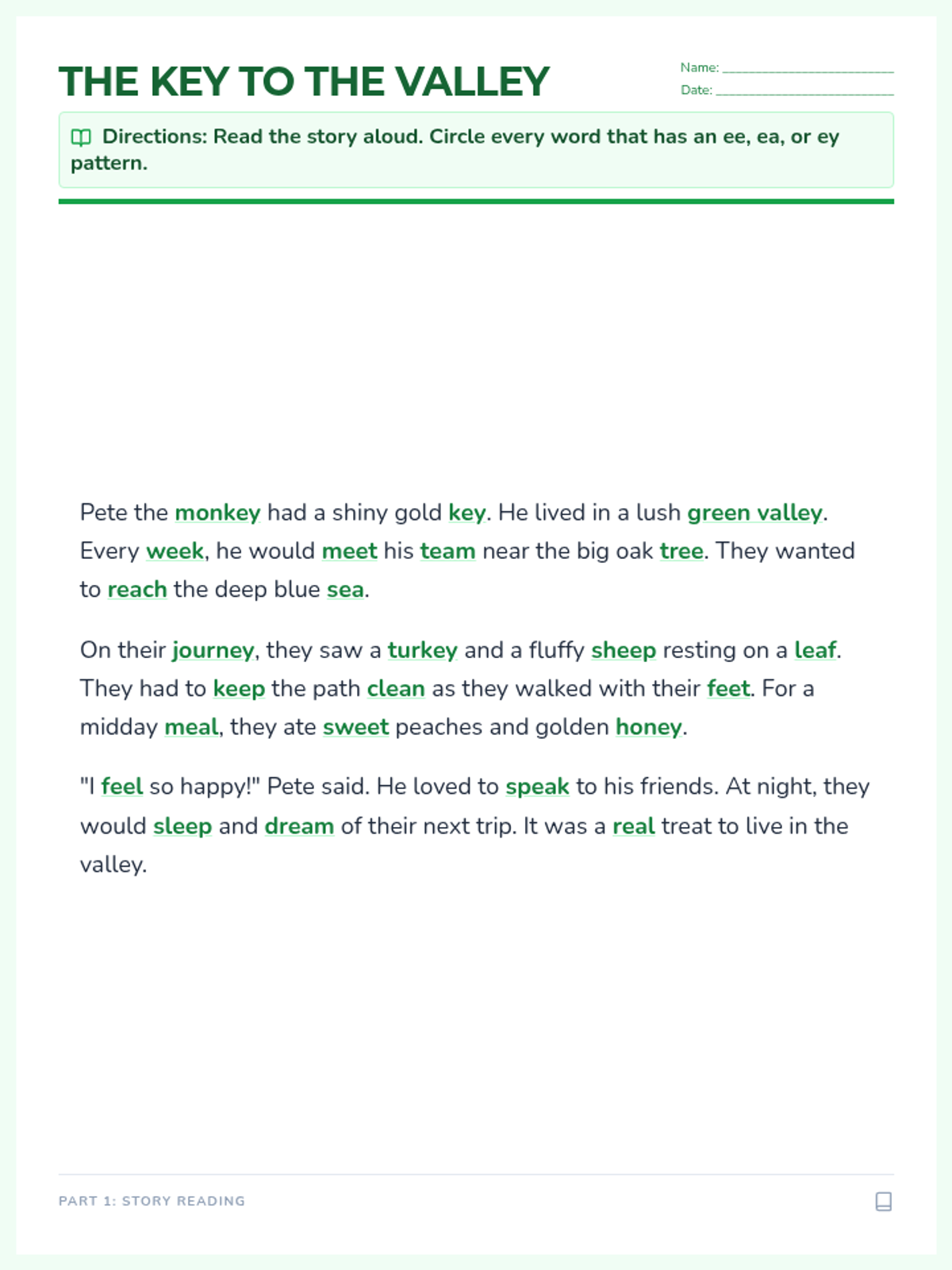
A collection of science and phonics resources designed for hands-on classroom activities.
A lesson sequence exploring the science of involuntary reflexes and reaction time through hands-on lab experiments and interactive discussions. Students learn to distinguish between voluntary and involuntary actions using the body's natural response systems.
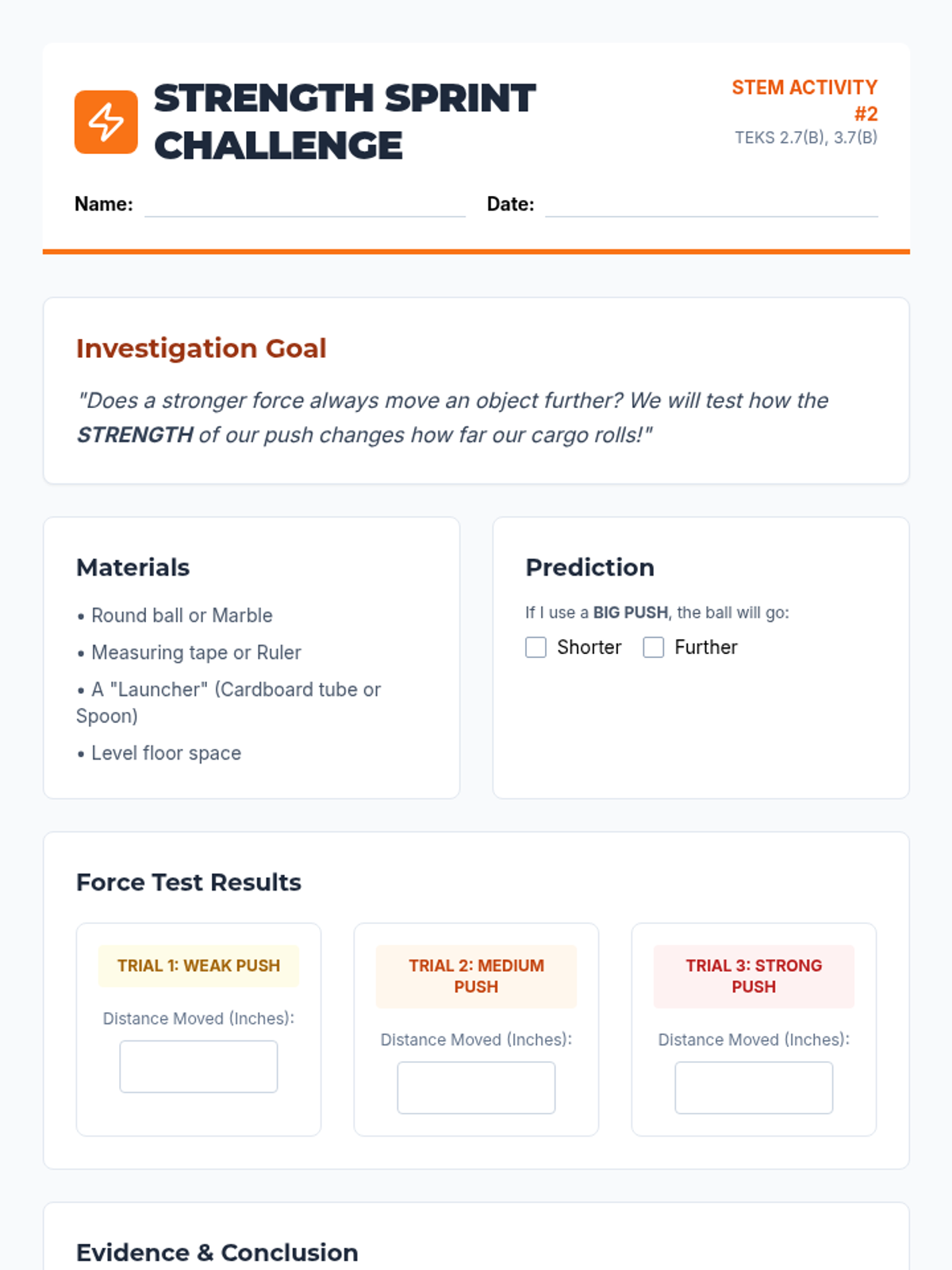
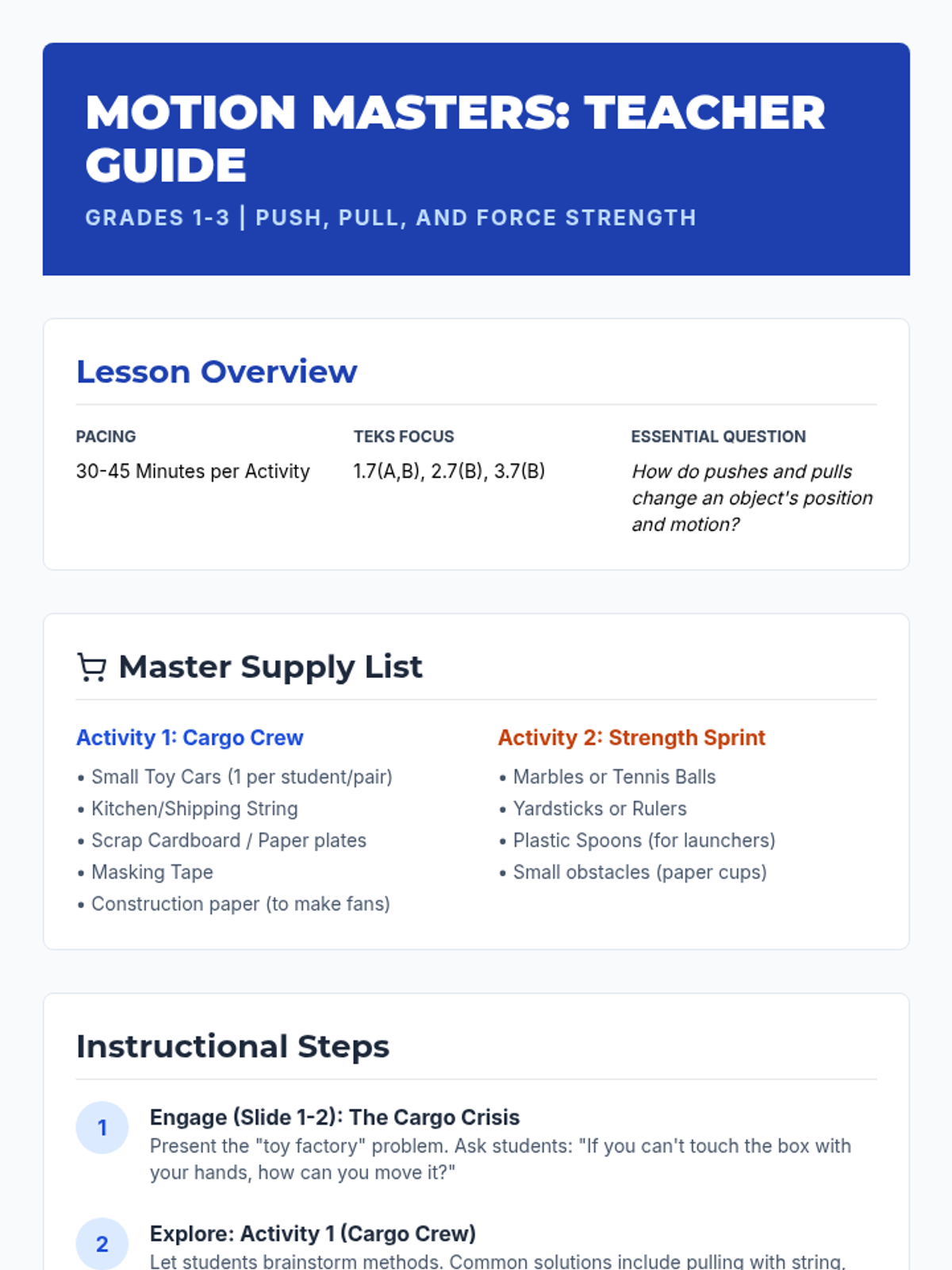
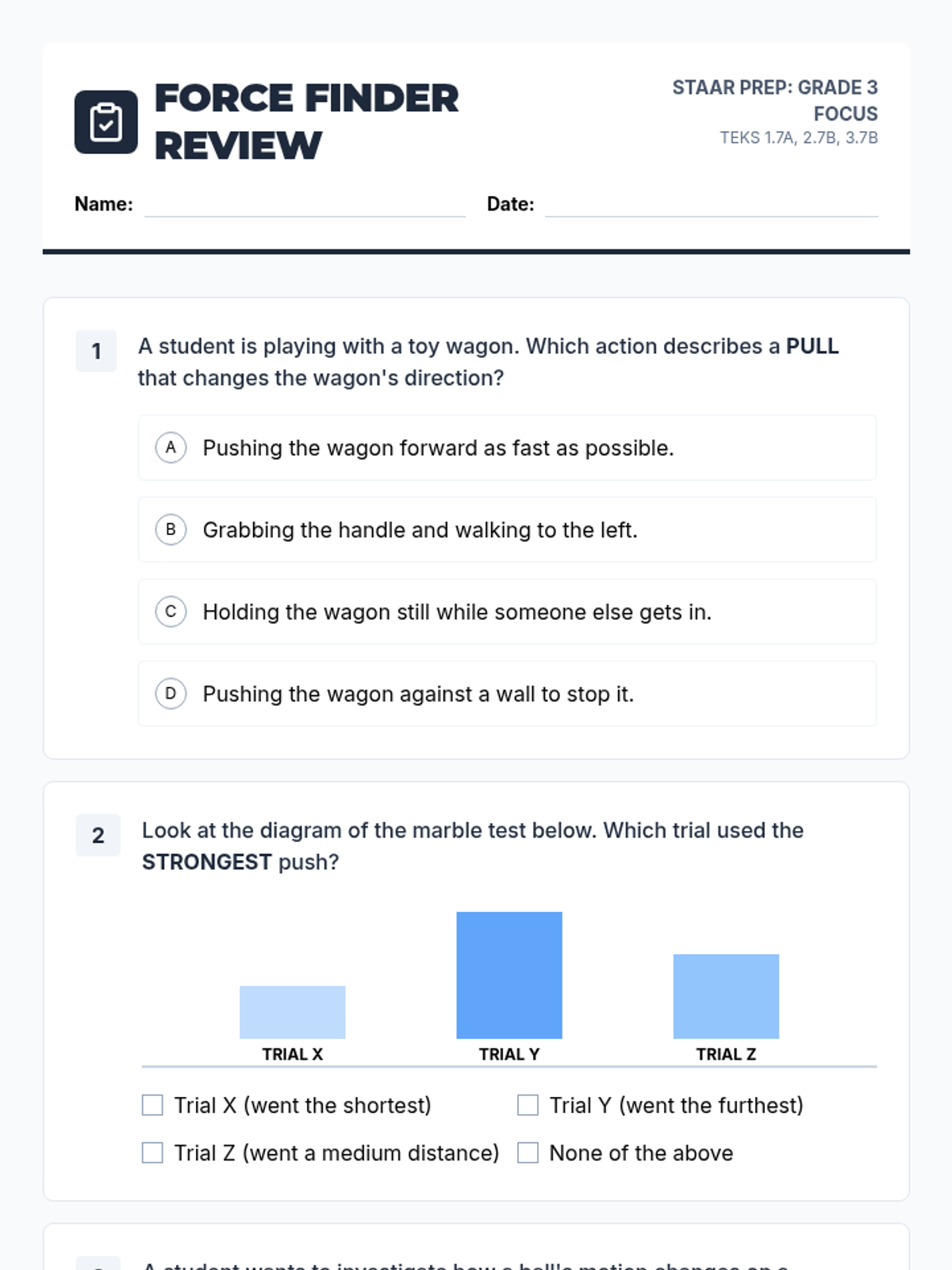
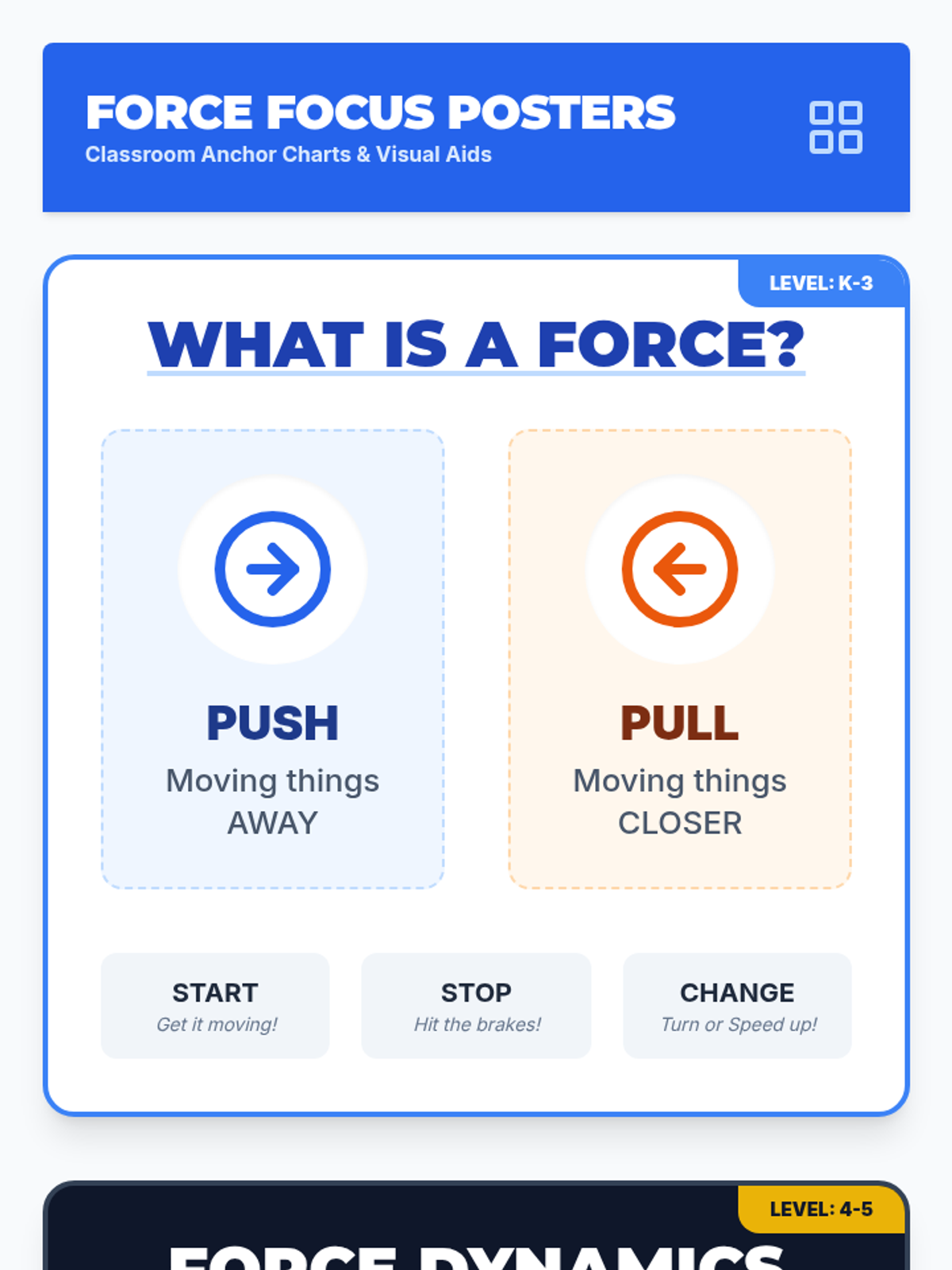
A foundational science unit for early elementary students exploring the concepts of energy, force, and gravity through hands-on investigation and real-world observation.
A short, engaging unit focused on the unique biological adaptations of bats, specifically their status as the only flying mammals and their specialized wing anatomy. Students explore classification, anatomy, and behavior through hands-on modeling.
A hands-on introductory sequence where 3rd-grade students explore the relationship between electricity and magnetism by building their own electromagnets.
A short sequence for lower elementary students exploring how humans adapt farming techniques to grow food in challenging environments like crowded cities and outer space without using soil.
A fun, science-based lesson for K-3 students and their parents to explore pet hygiene, the mystery of 'wet dog smell,' and responsible animal care through a SciShow Kids video and a creative brochure activity.
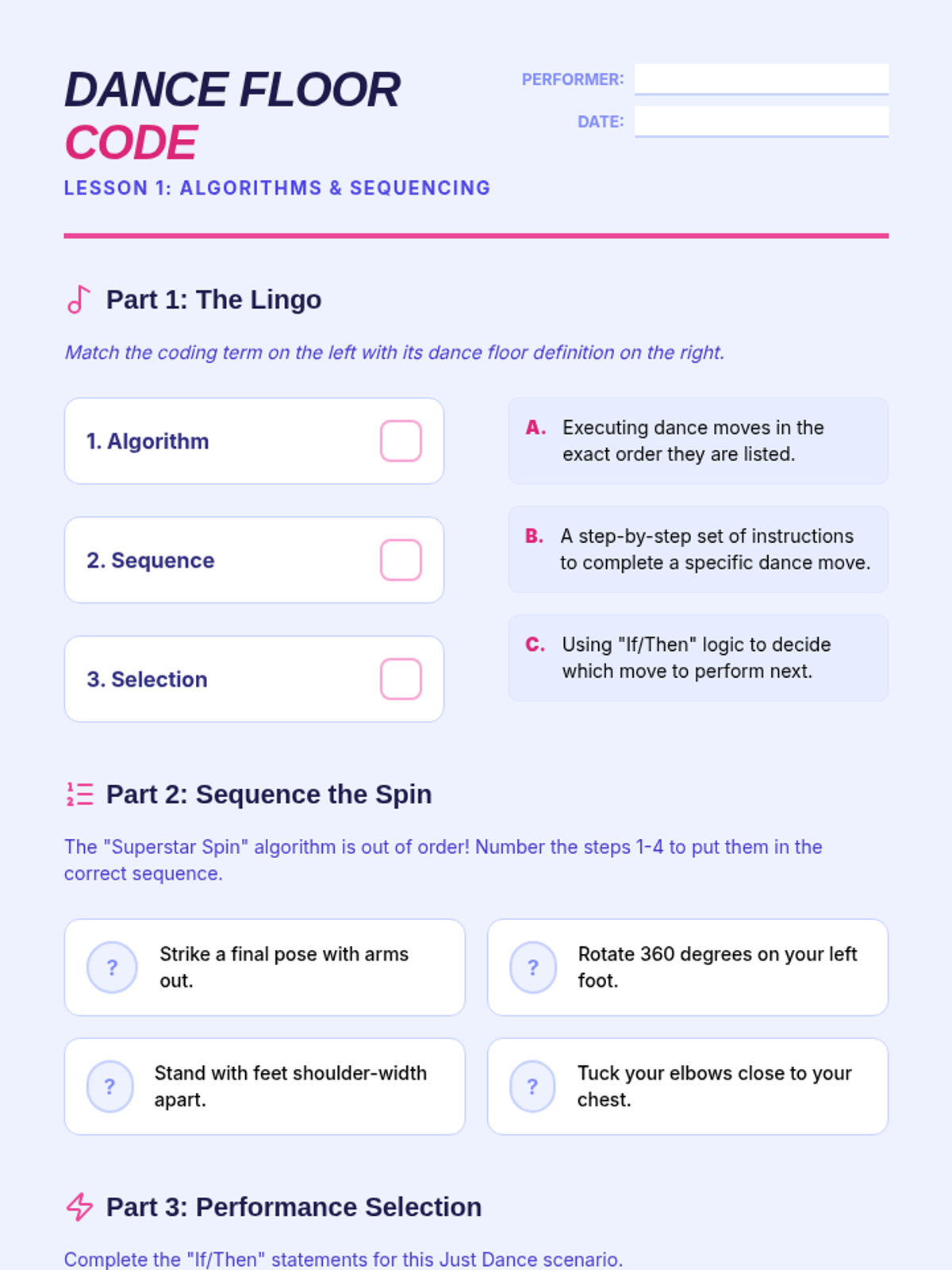
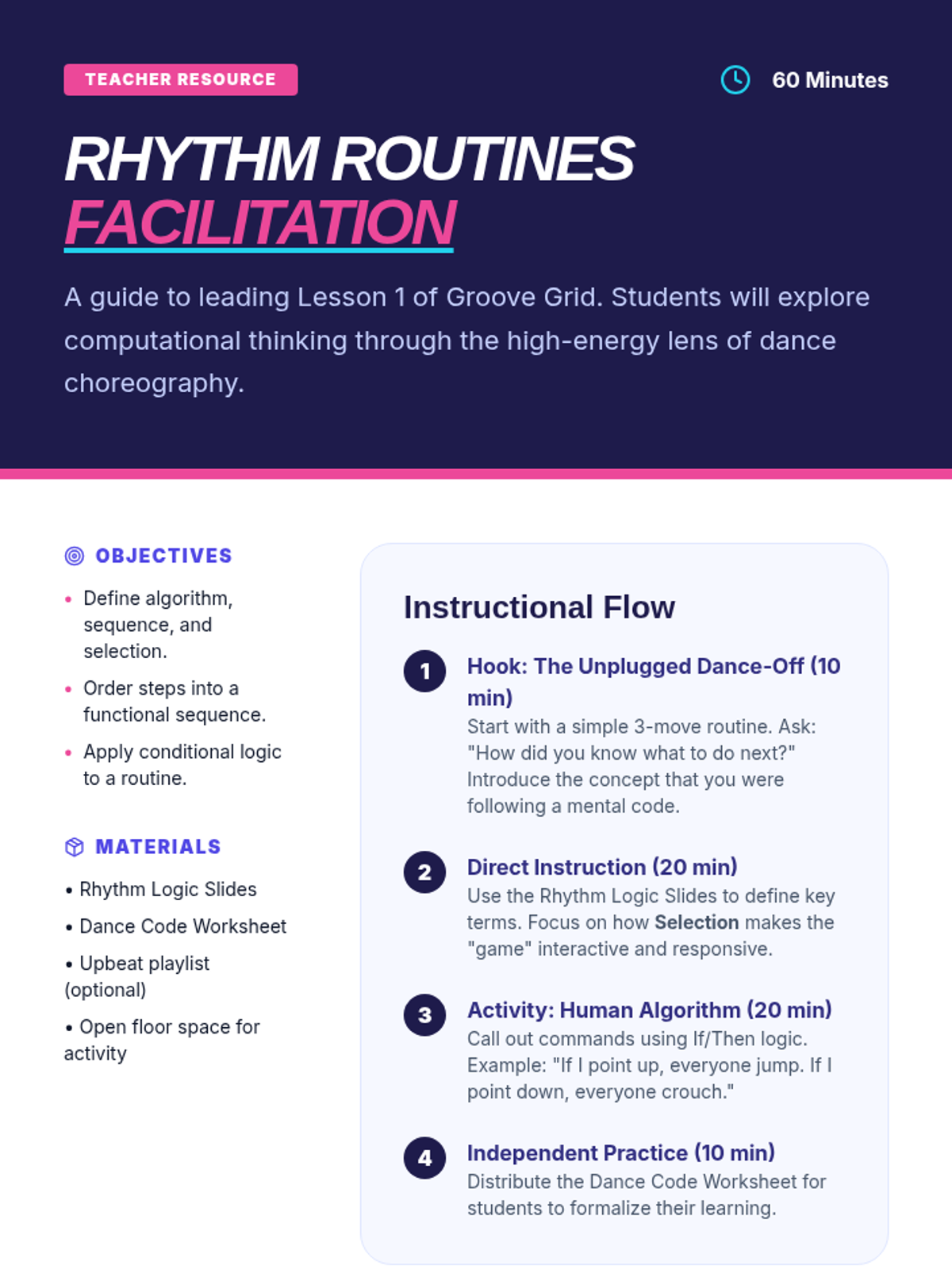
A technology and computer science unit exploring the history of computing, how hardware and software work together, and the future of digital innovation. Students move from understanding basic components to imagining the next generation of technology.
A technology and computer science unit for 3rd graders focused on understanding how computers follow instructions, the role of software/apps, and the basics of input and output.
A comprehensive lesson sequence for 3rd-5th graders to identify and define the characteristics of living things (organisms) using video observation, field research, and critical thinking.
A lesson sequence exploring how volcanoes grow through the accumulation and cooling of lava layers, featuring hands-on modeling and visual analysis.
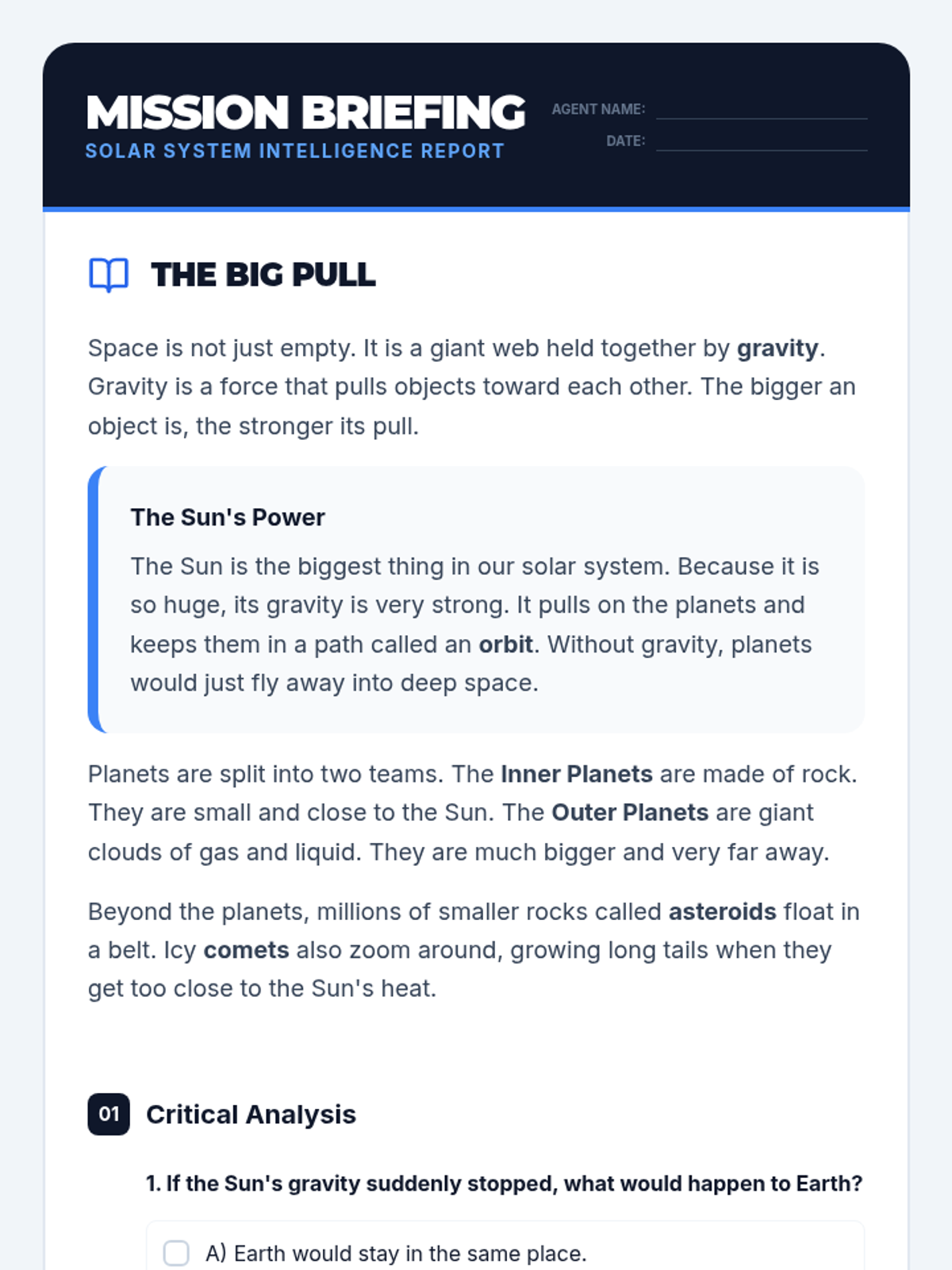
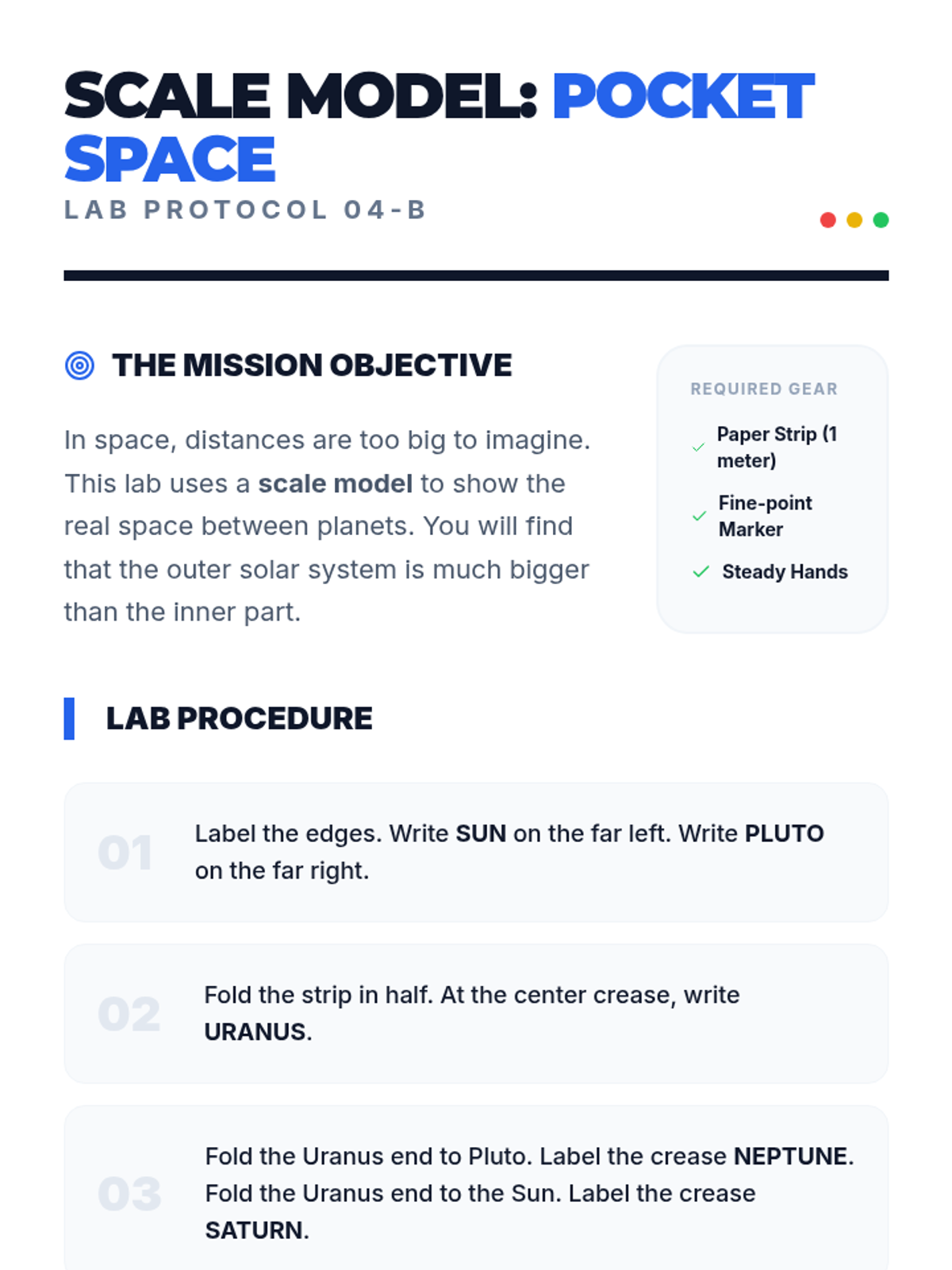
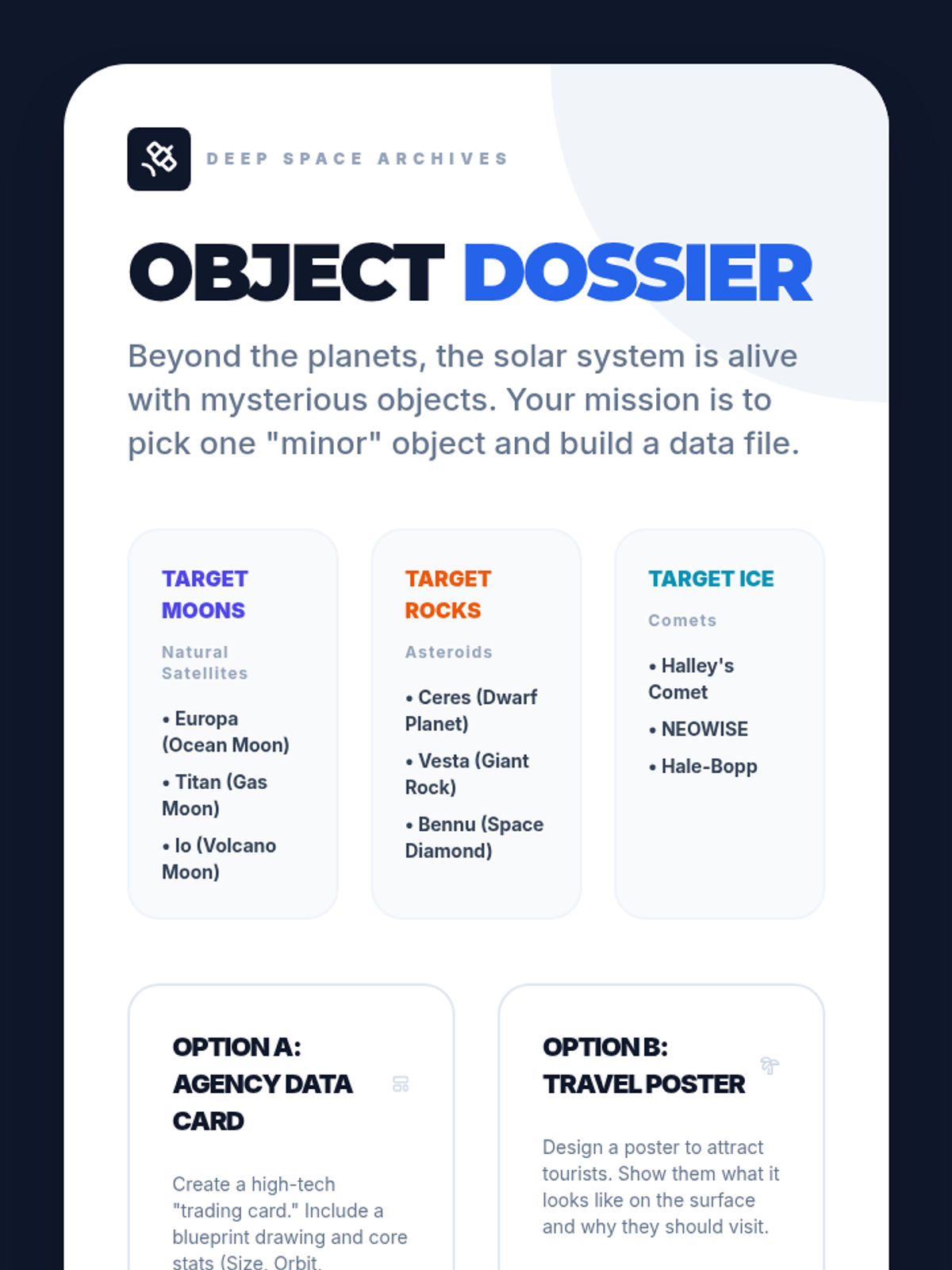
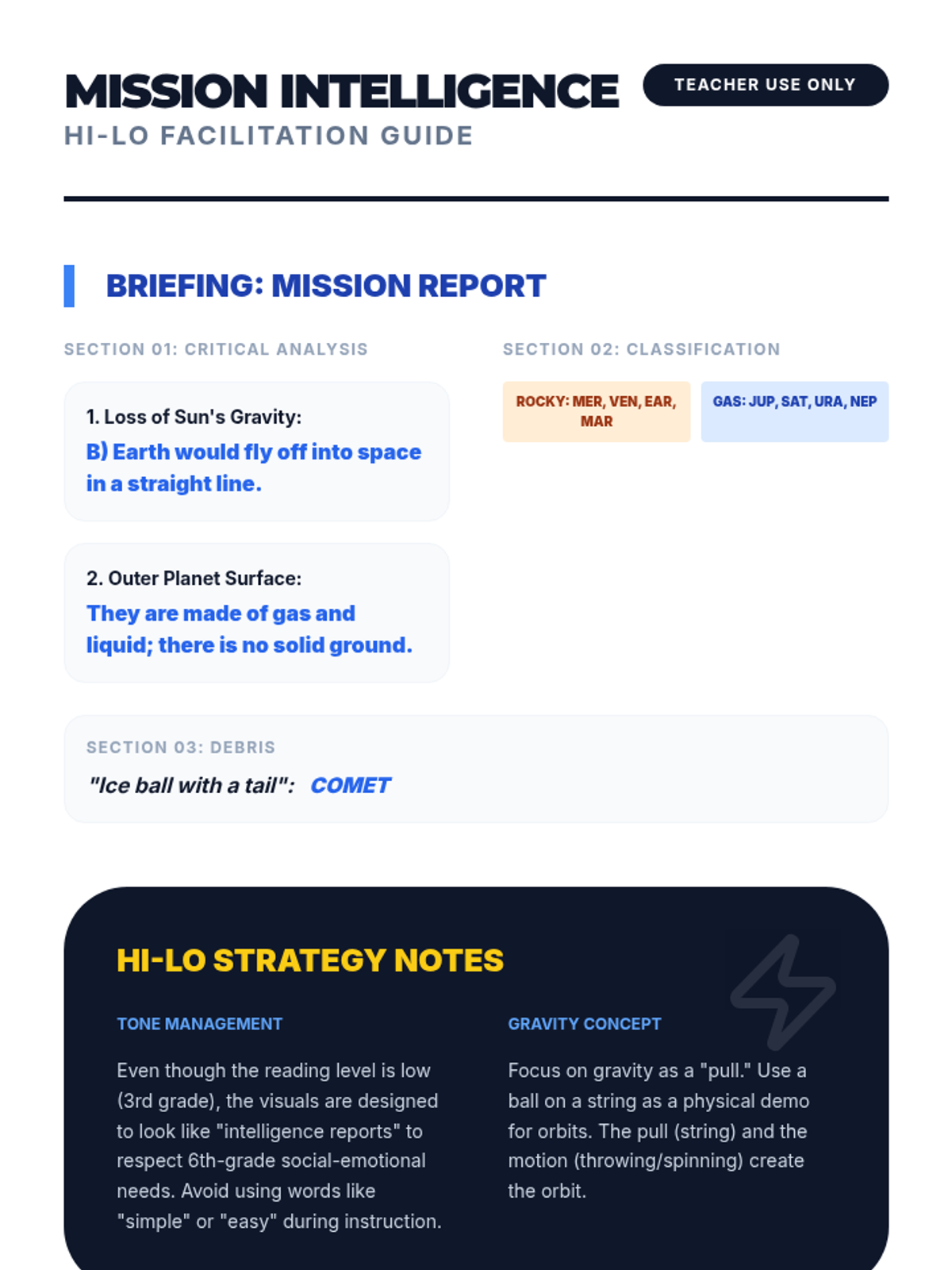
A sequence focused on understanding the origins and structure of our solar system, starting with the formation of the sun and planets from a cloud of dust and gas.
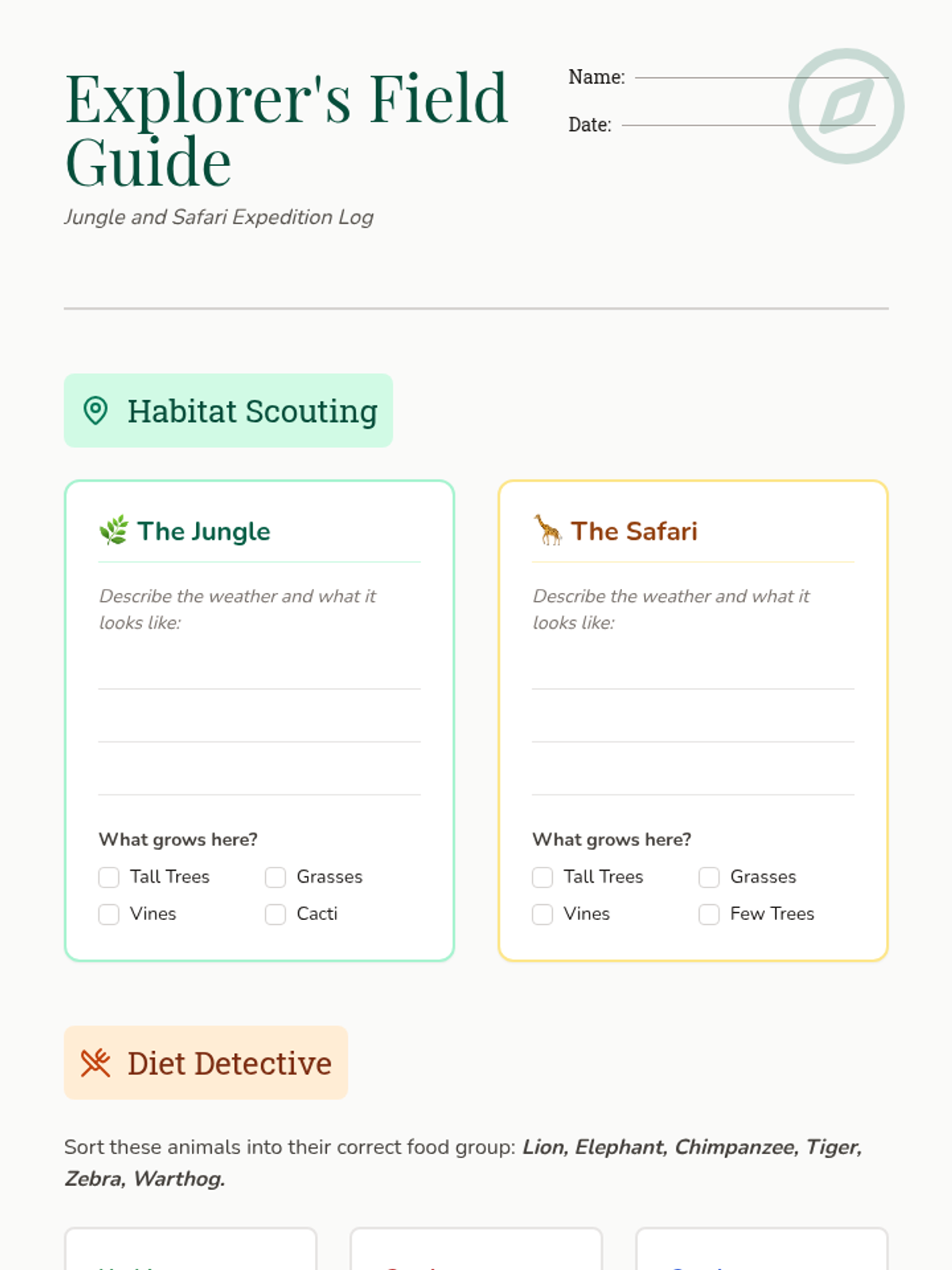
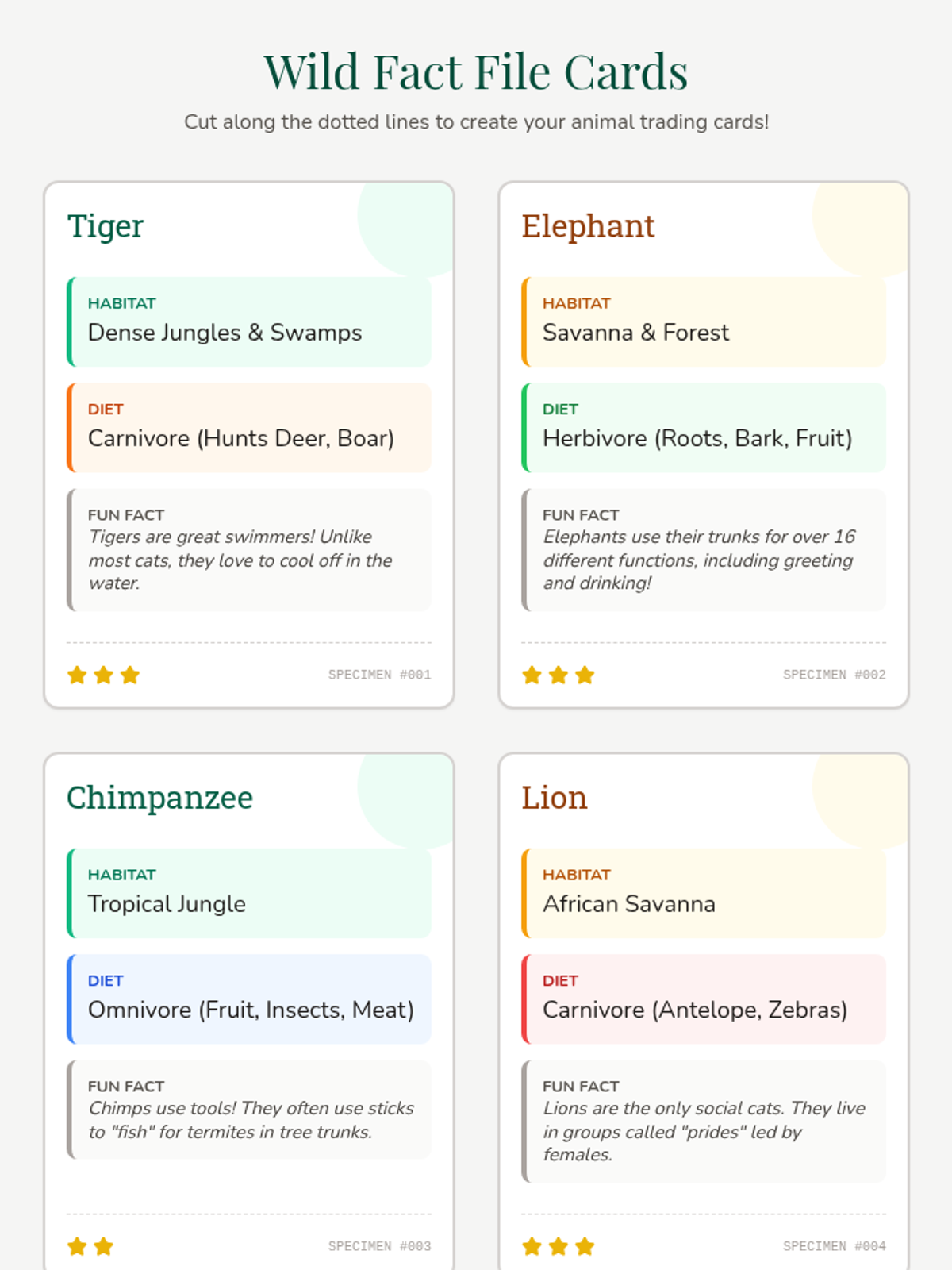
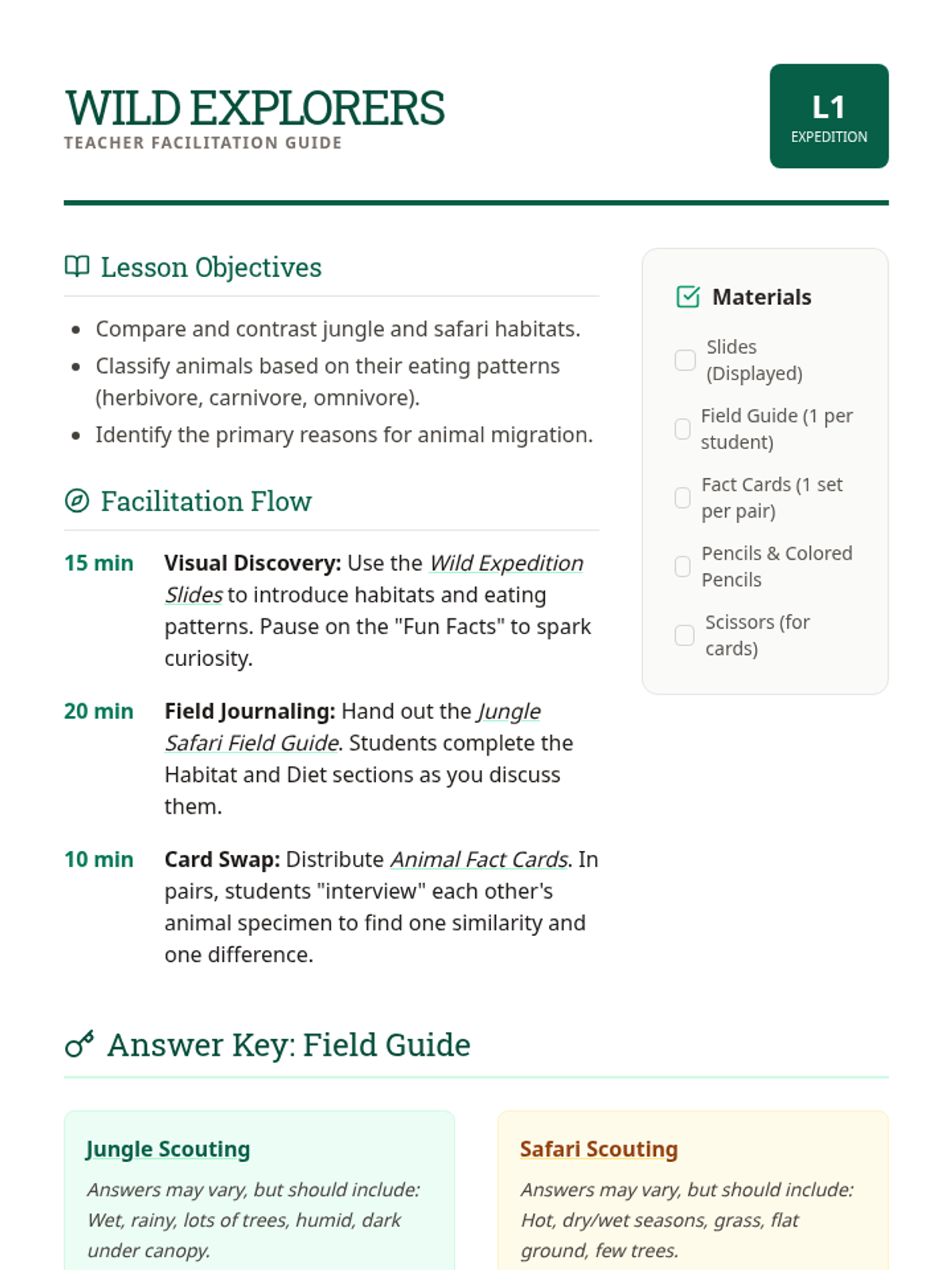
A lesson sequence exploring the different types of adaptations animals use to survive in their habitats, focusing on physical vs. behavioral traits.
A series of lessons exploring animal adaptations, survival strategies, and the clever ways nature tricks our eyes.