A four-day introductory unit on corn for K-3 students, covering its origins in Mesoamerica, life cycle, diverse varieties, and practical uses through hands-on crafting and planting.
A high-energy introduction to coding concepts using the vibrant world of dance games to teach algorithms, sequencing, variables, and loops.
A four-day introductory science sequence for grades K-3 exploring the properties of light, illumination, and shadows through hands-on play with glowsticks and flashlights. Students will transition from understanding light sources to creating complex shadow narratives and participating in light-based games.
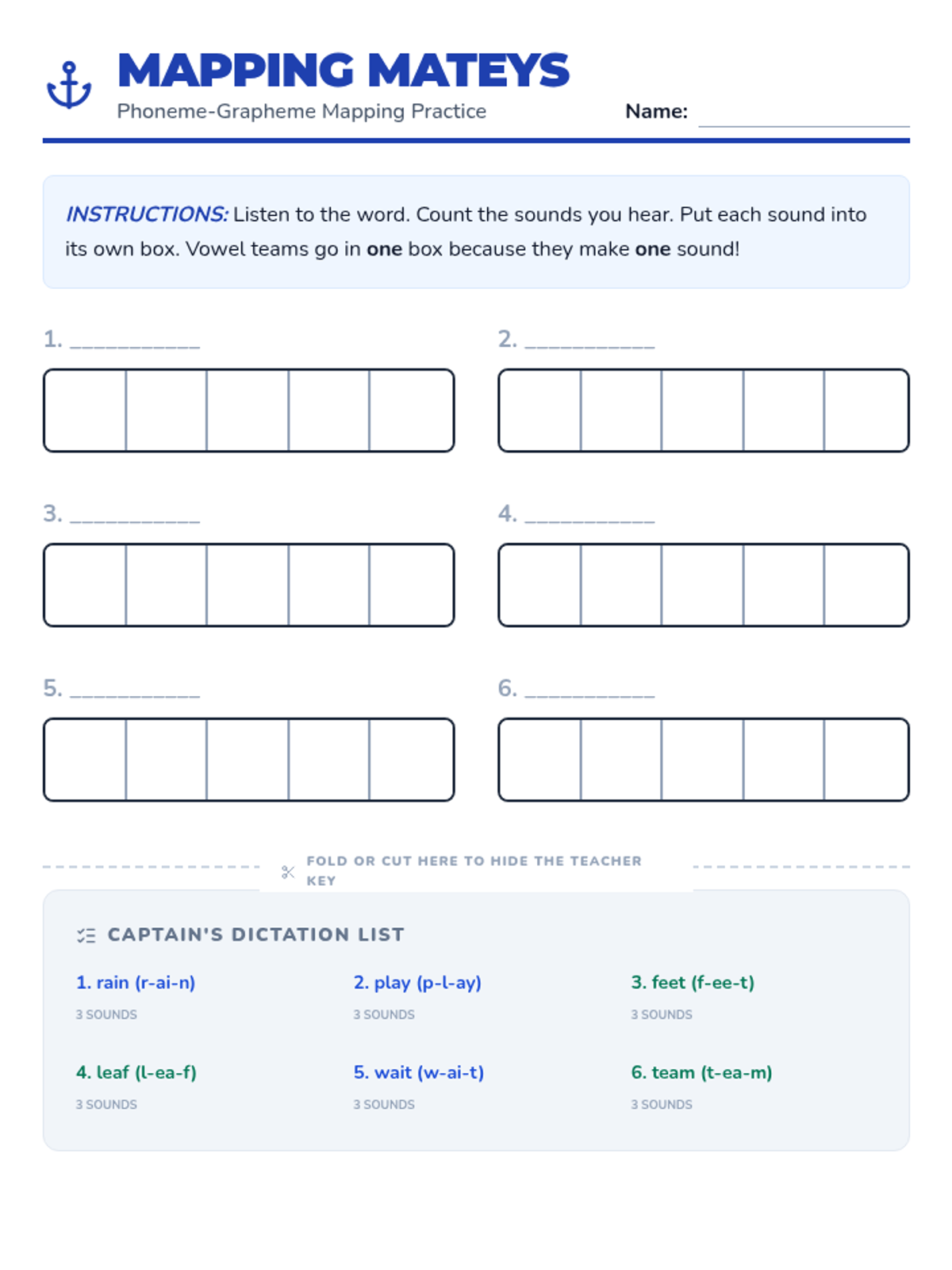
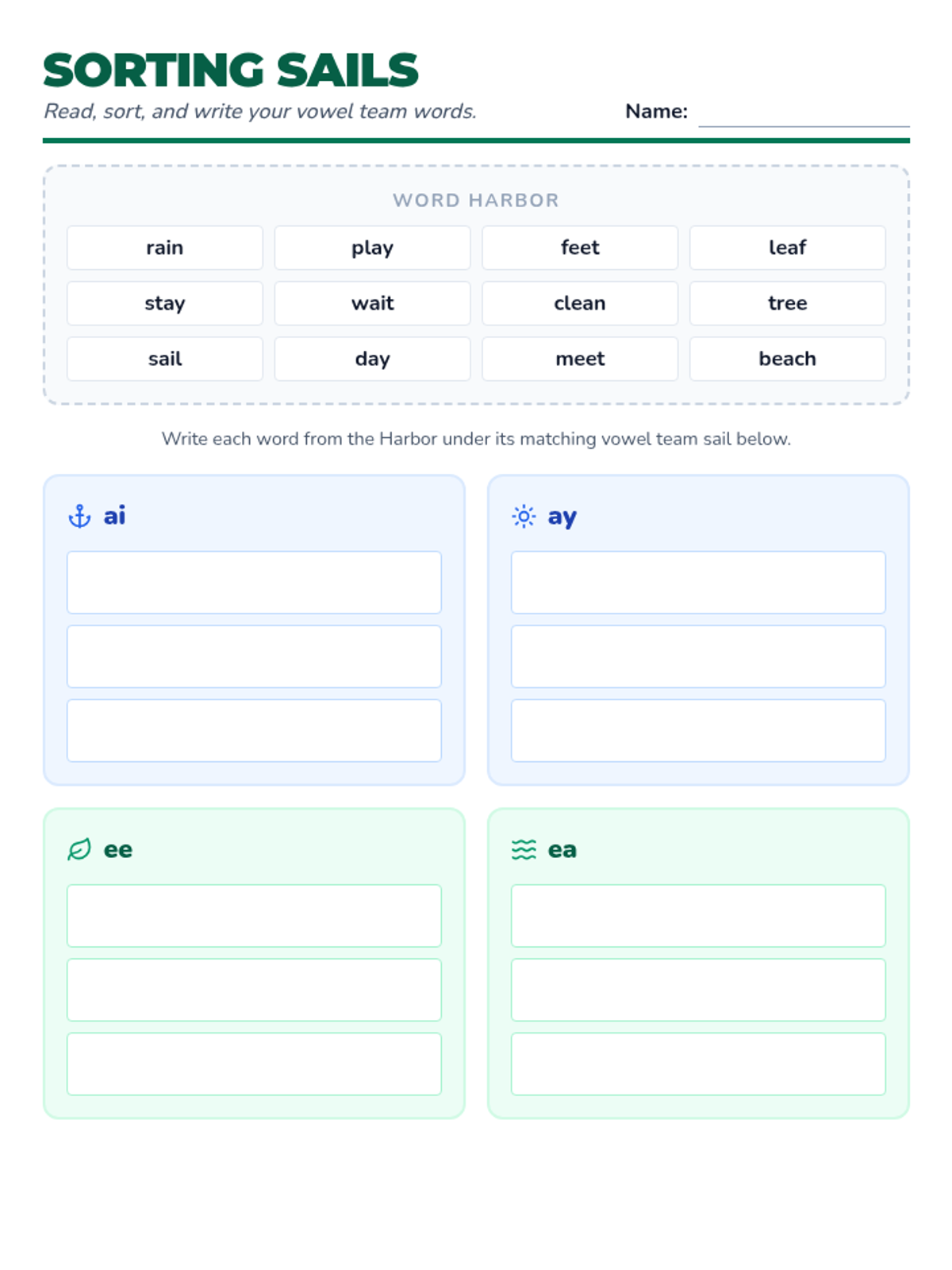
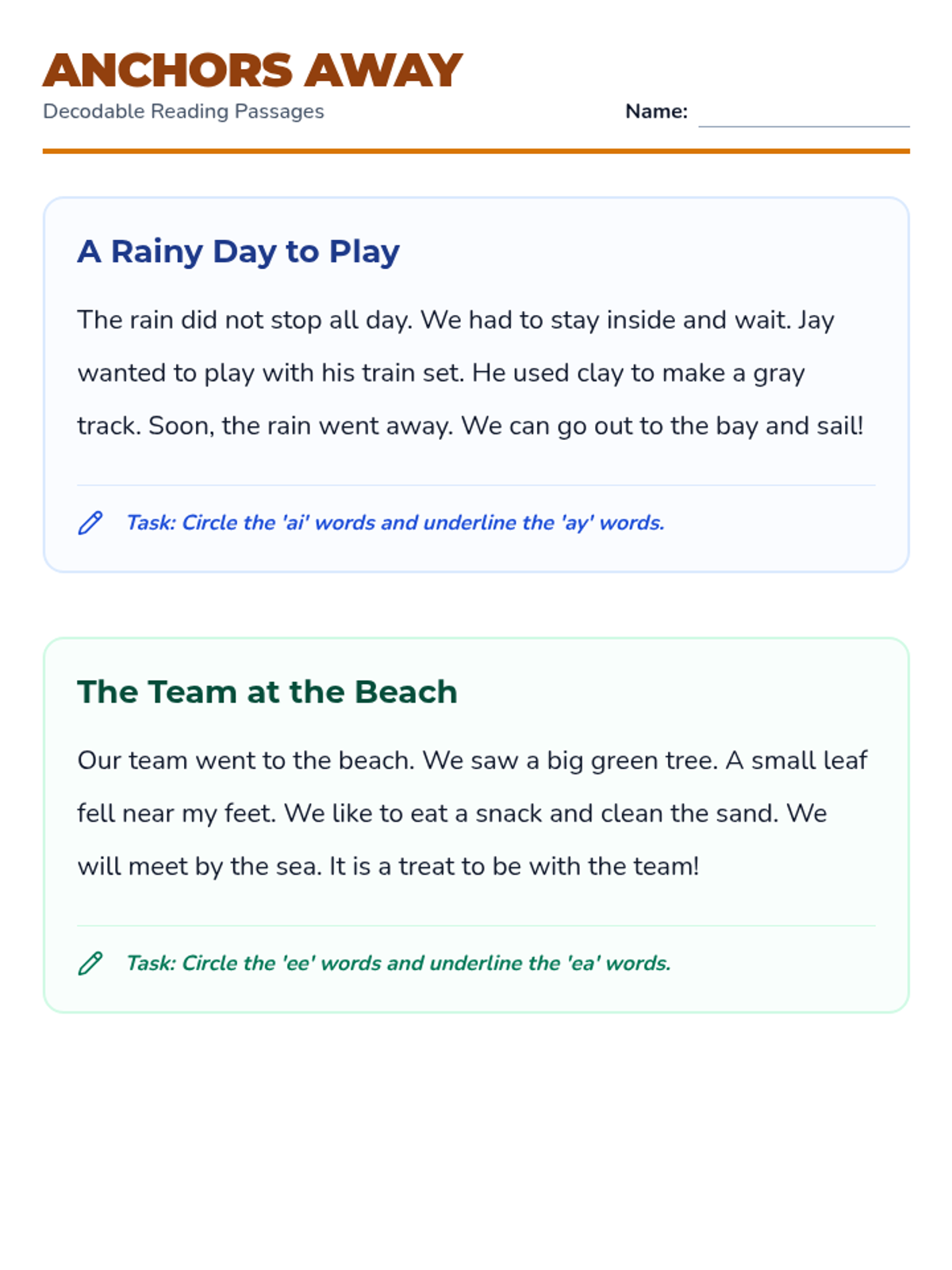
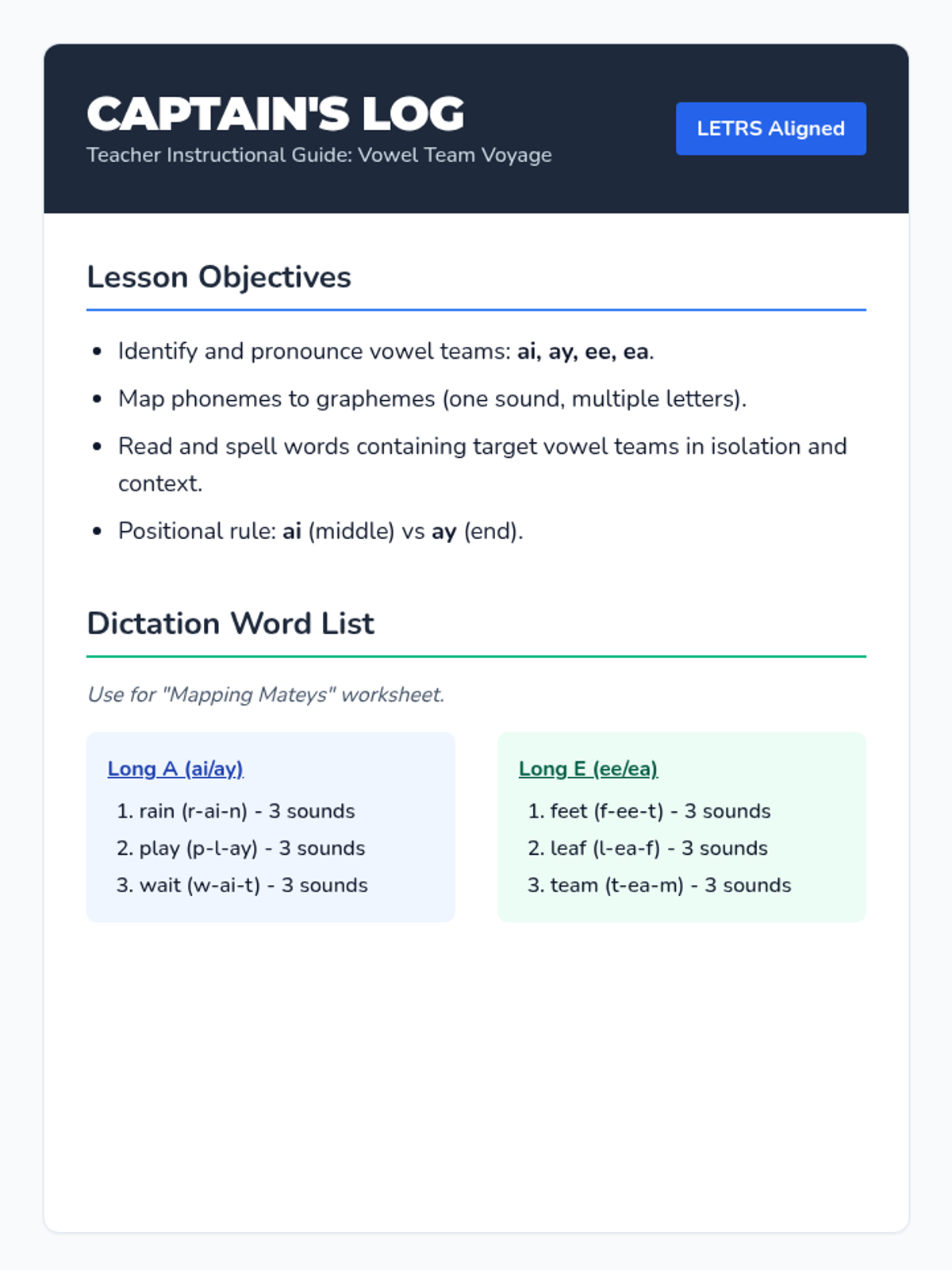
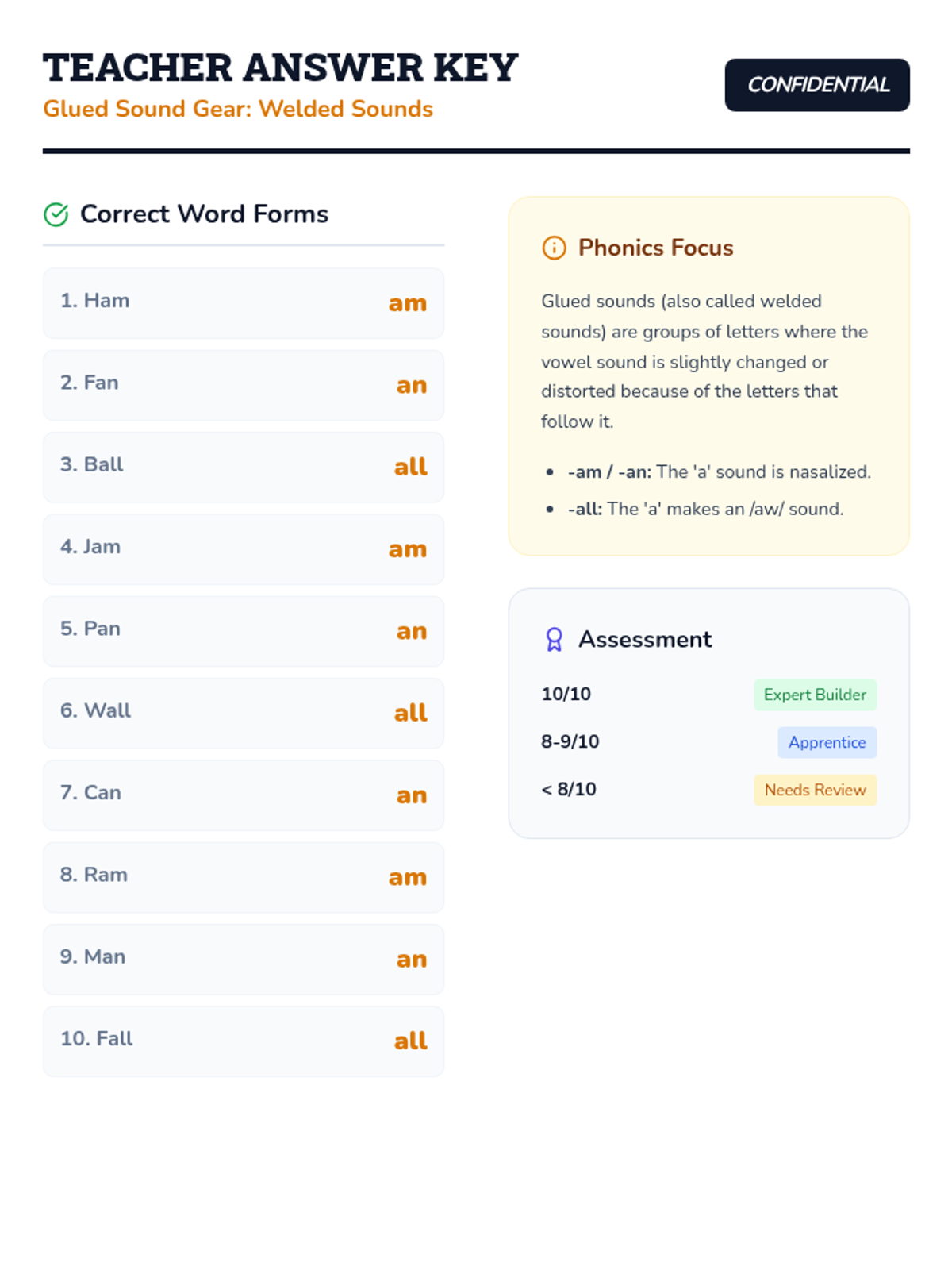
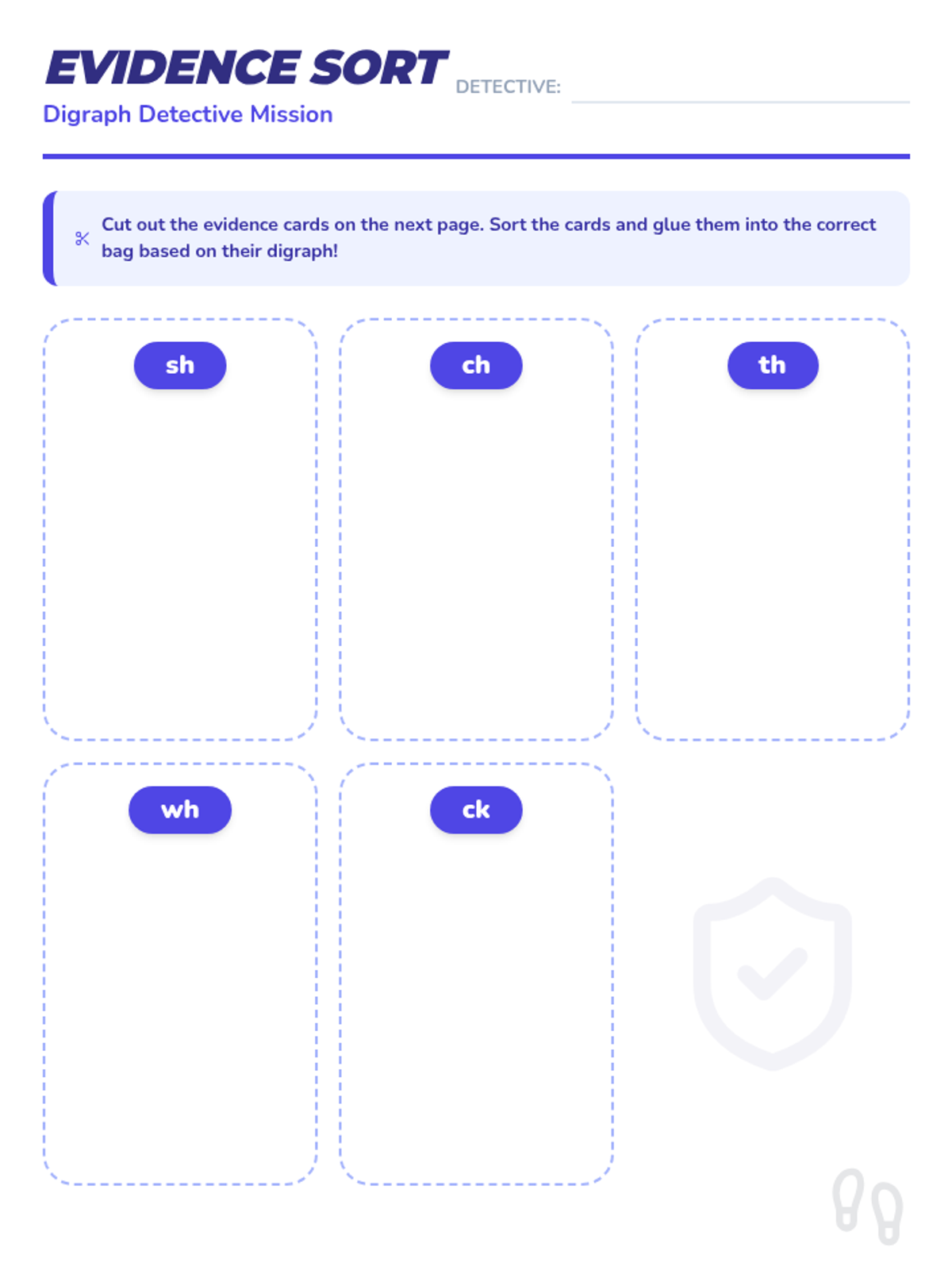
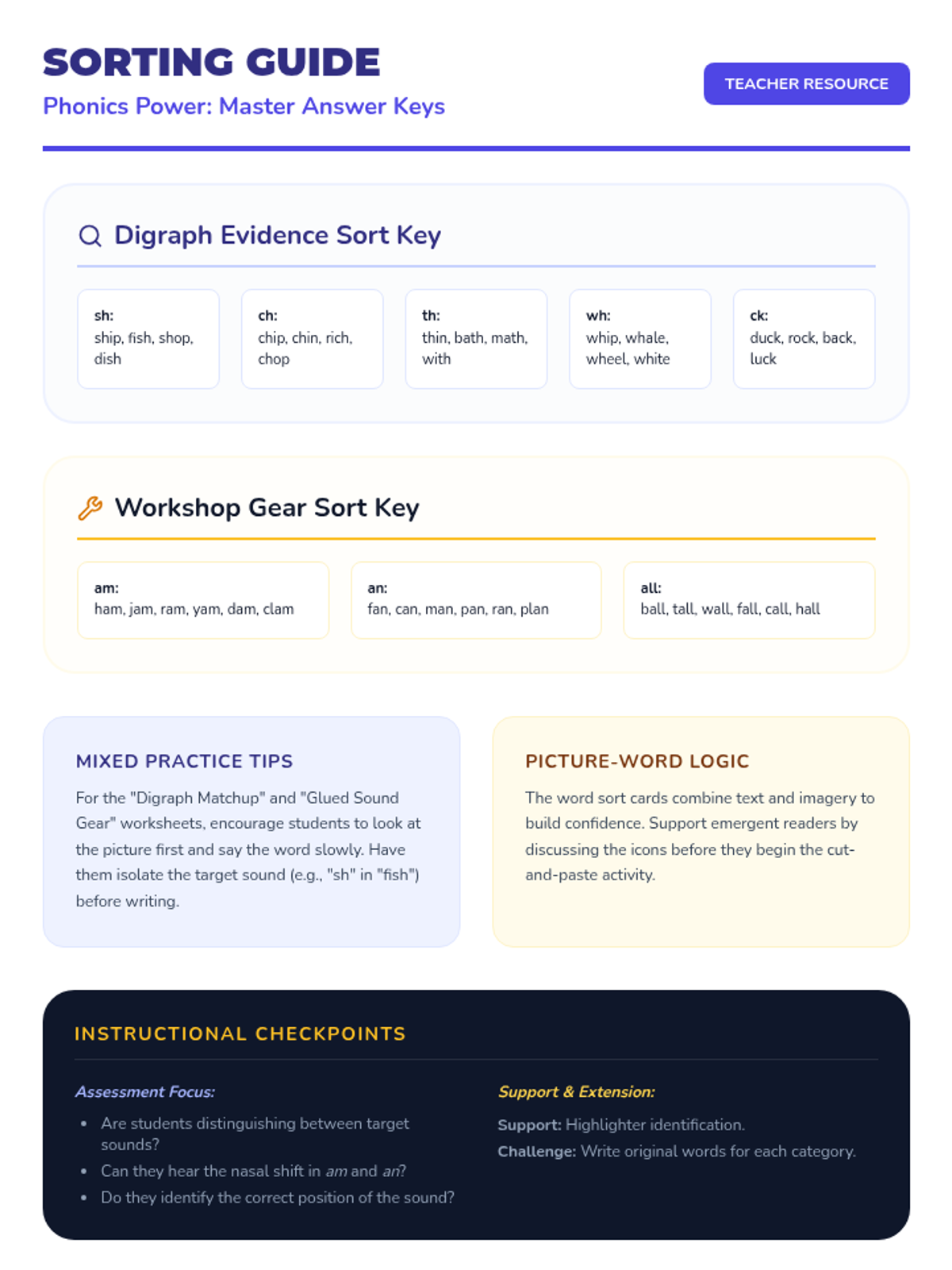
A series of phonics lessons focusing on vowel teams, digraphs, and other phonetic patterns through narrative passages and fluency drills.
A rigorous 4-week MCAS prep sequence focusing on standard 8.MS-ESS2-6, exploring how solar energy, the atmosphere, and the oceans interact to create global circulation patterns and regional climates. Students will master the Claim-Evidence-Reasoning (CER) framework to tackle complex open-response questions.
A high-interest lesson exploring the neurological effects of short-form 'brain rot' content, designed for Grade 8 ELL students in Brazil. The sequence covers vocabulary acquisition, scientific concepts like dopamine and attention spans, and culminates in a structured whole-class debate.
A 4-lesson ESL sequence for Grade 2 students focusing on the life and growth of baby dolphins (calves). Students will explore dolphin habitats, diets, and behaviors through visual stories, matching activities, and simple writing exercises tailored for WIDA Level 2 learners.
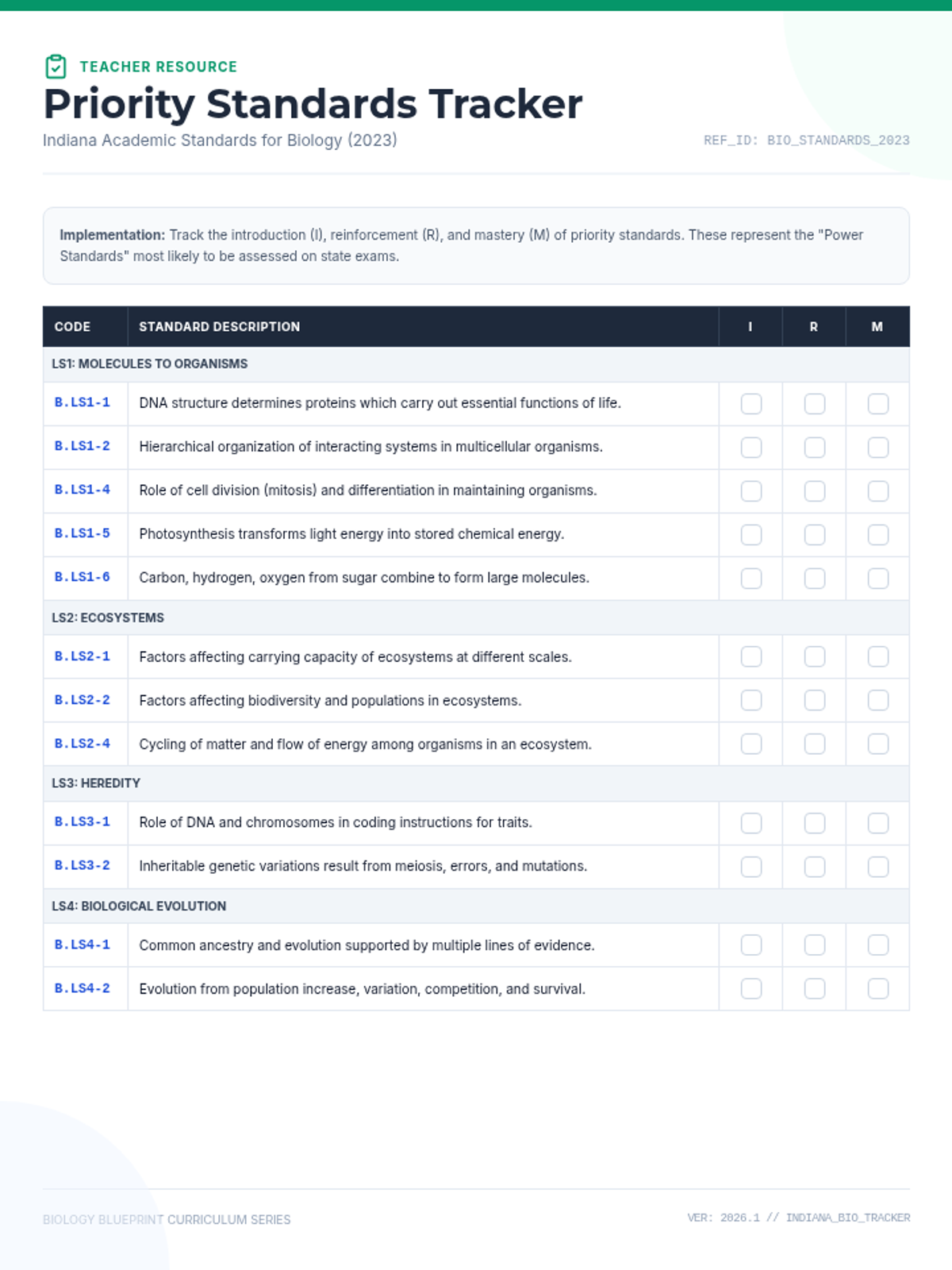
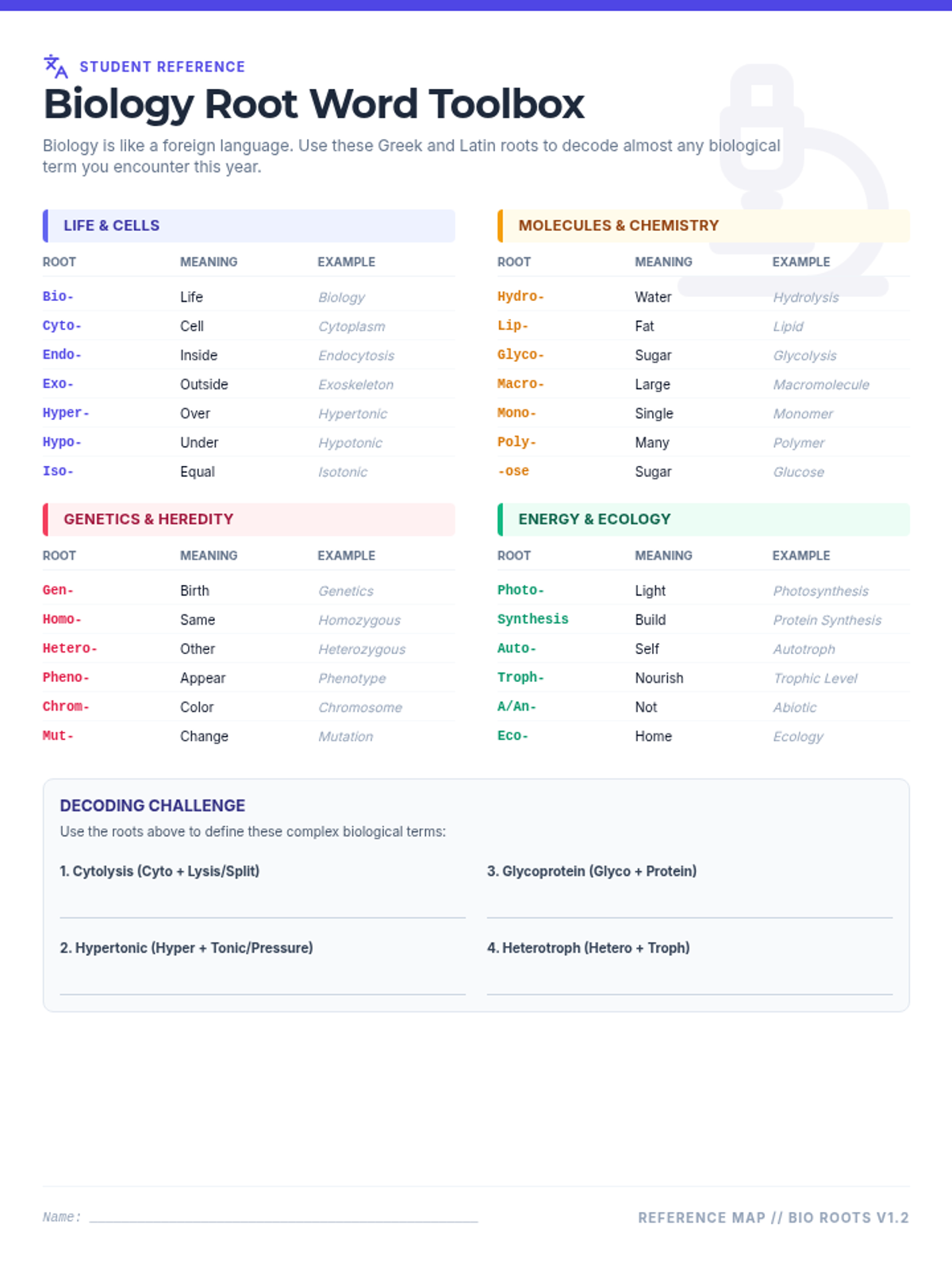
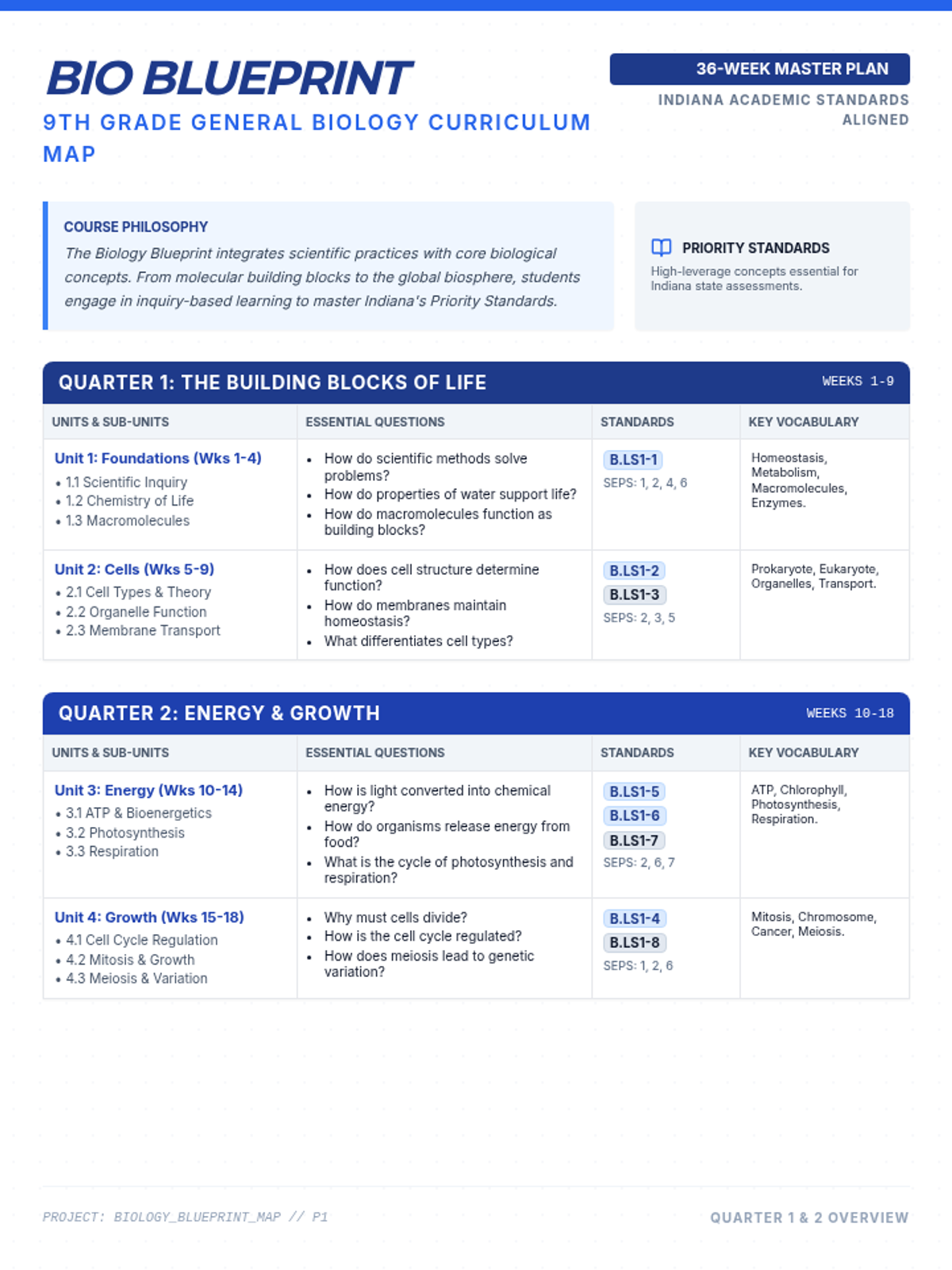
Advanced topics in modern genetics, exploring cutting-edge molecular tools and their applications in research and medicine.
A captivating series of lessons exploring the wonders of the deep sea, focusing on marine biology and the diverse creatures that inhabit our oceans.
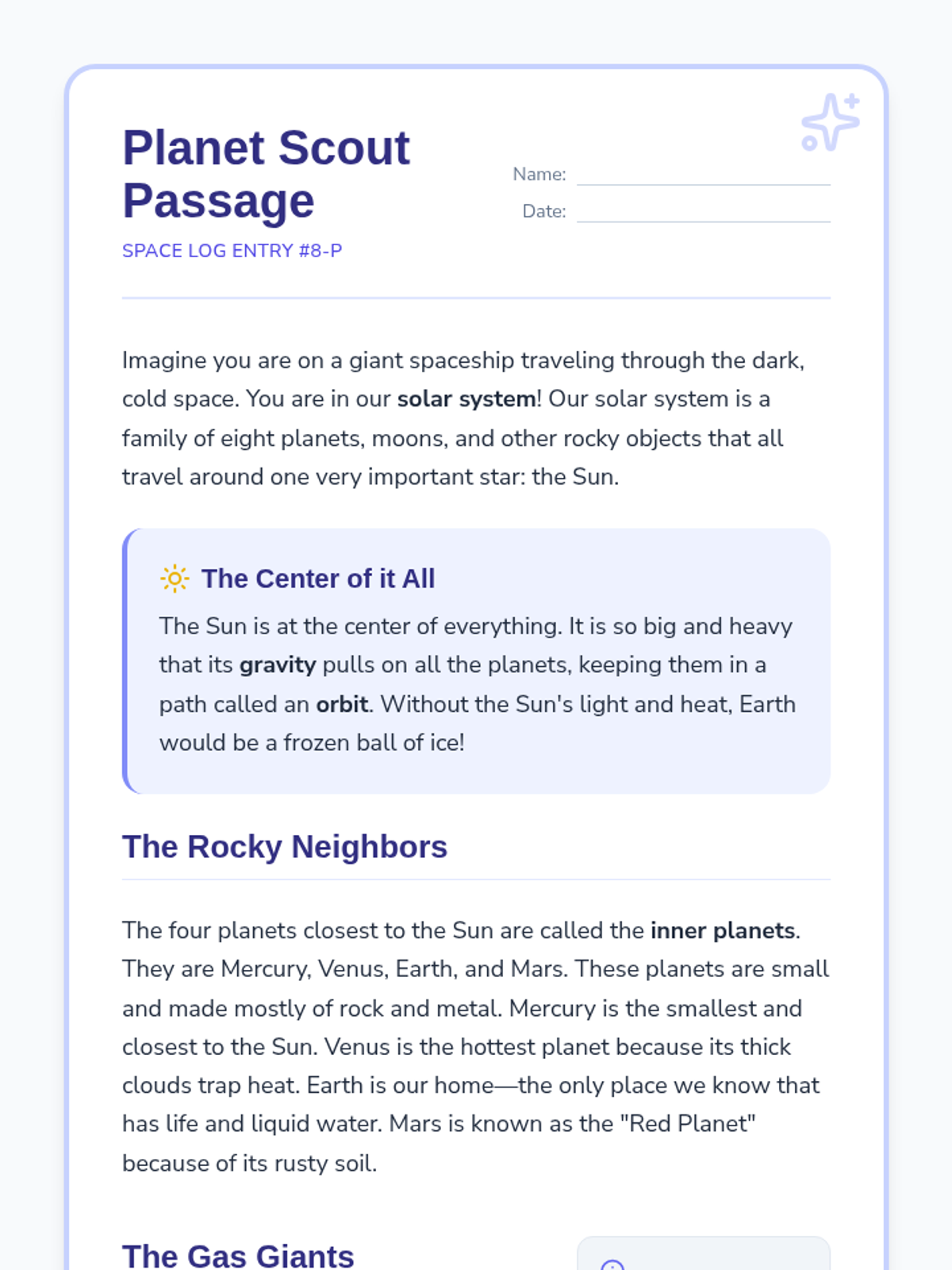
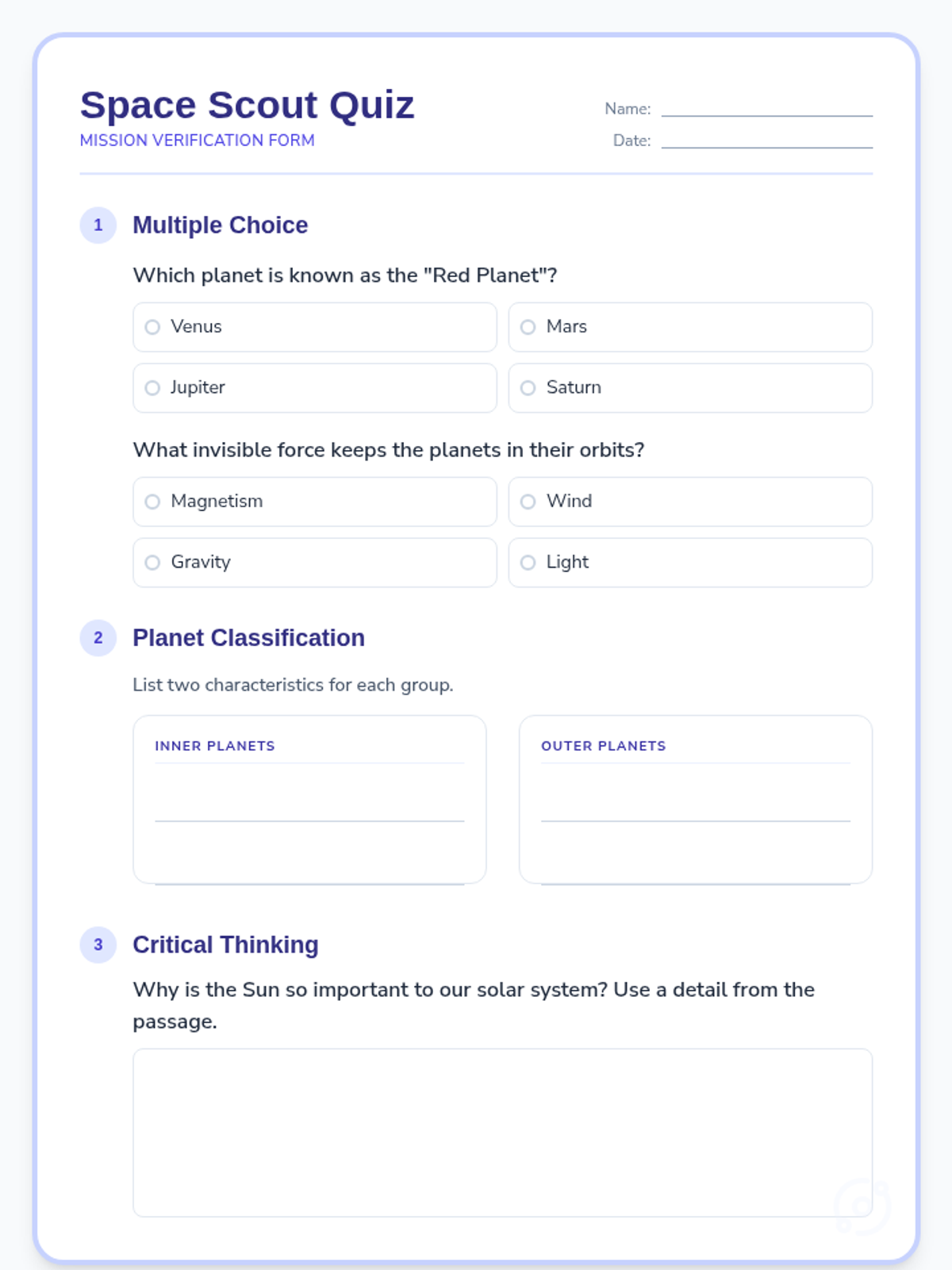
A comprehensive Hi-Lo unit for 6th graders exploring the scale of the universe, our place in the Milky Way, the technology used to explore space, and the history of human spaceflight.
A kindergarten science and literacy unit exploring weather patterns and seasonal changes through stories and hands-on activities.
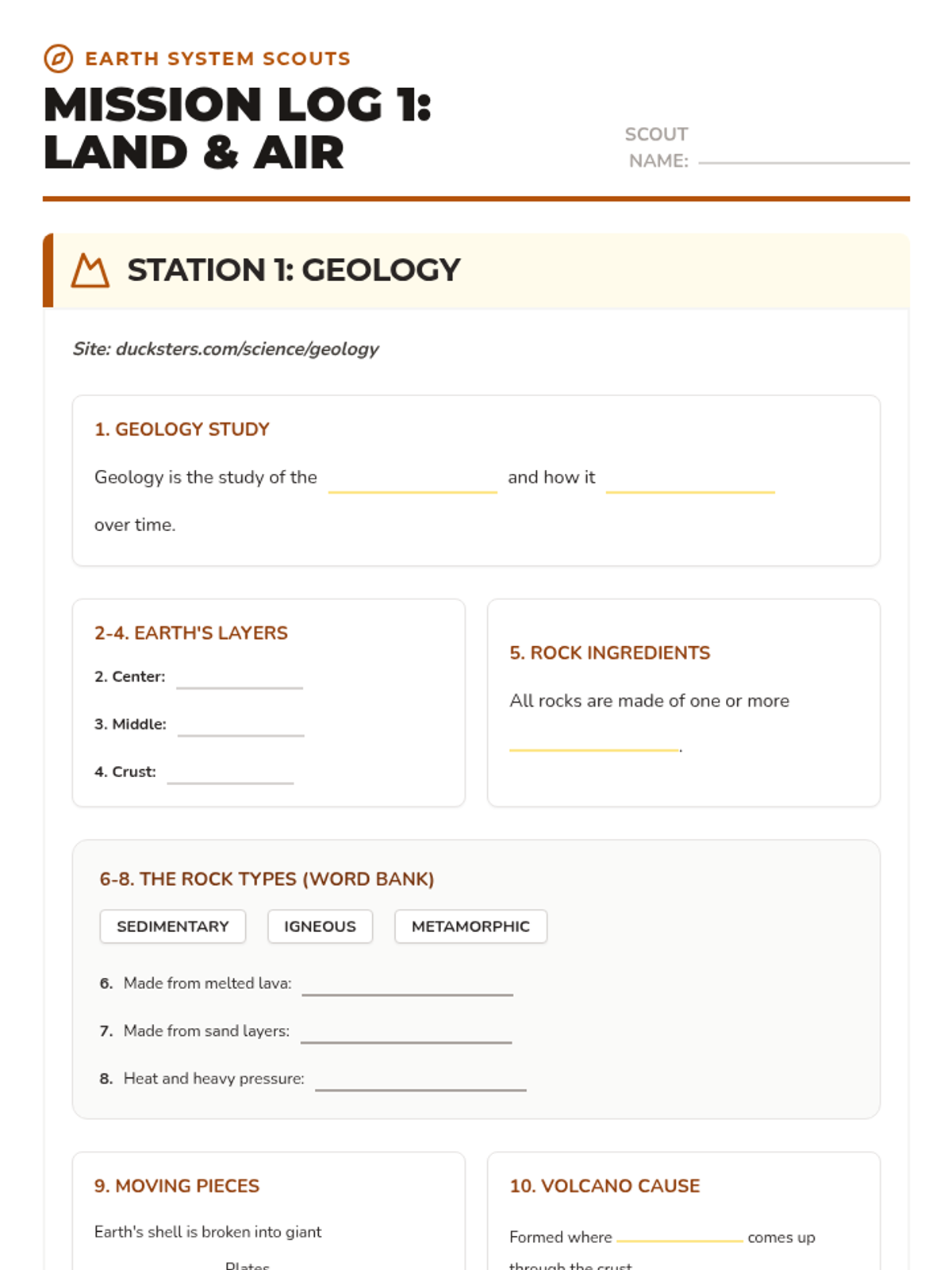
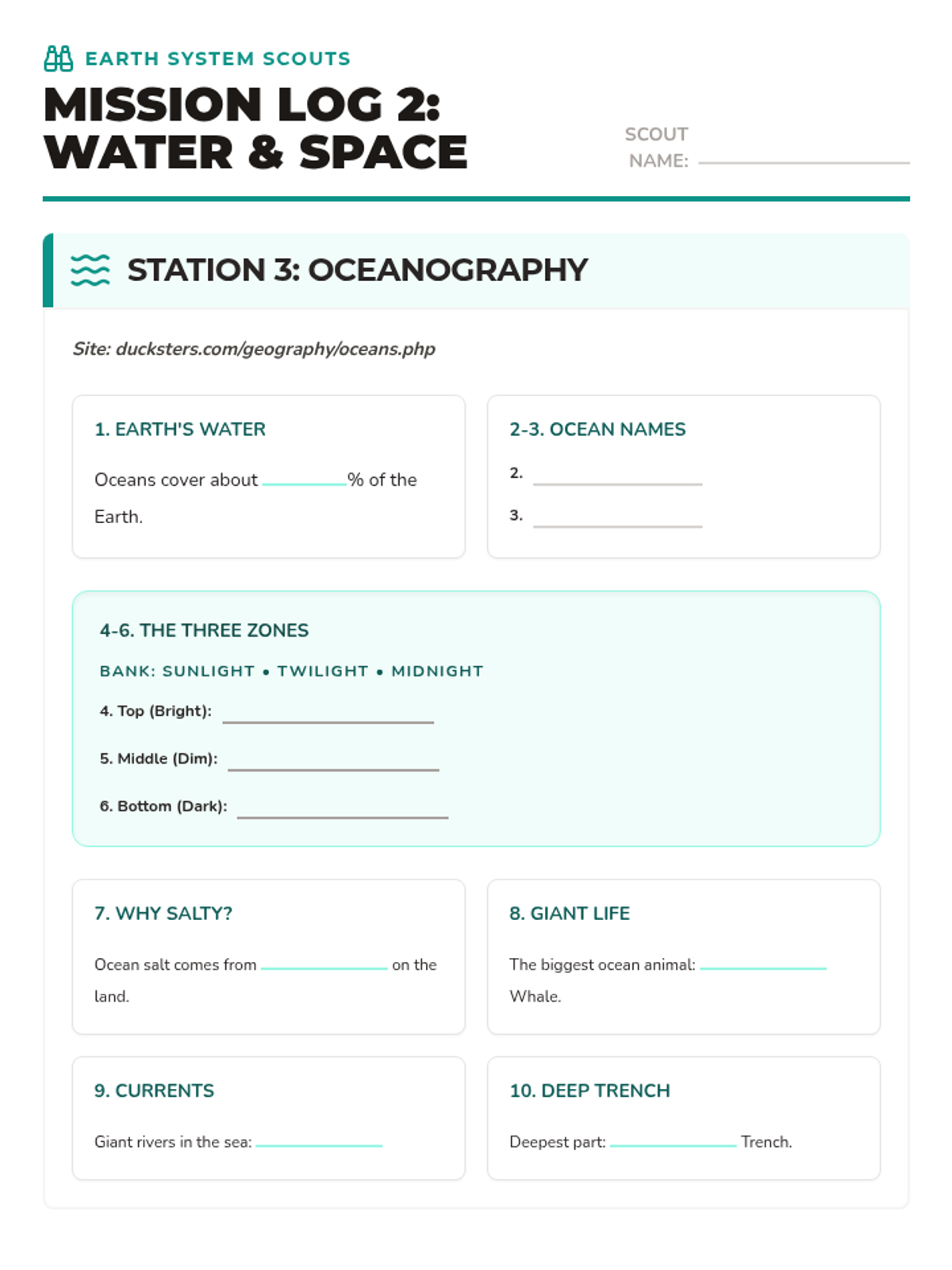
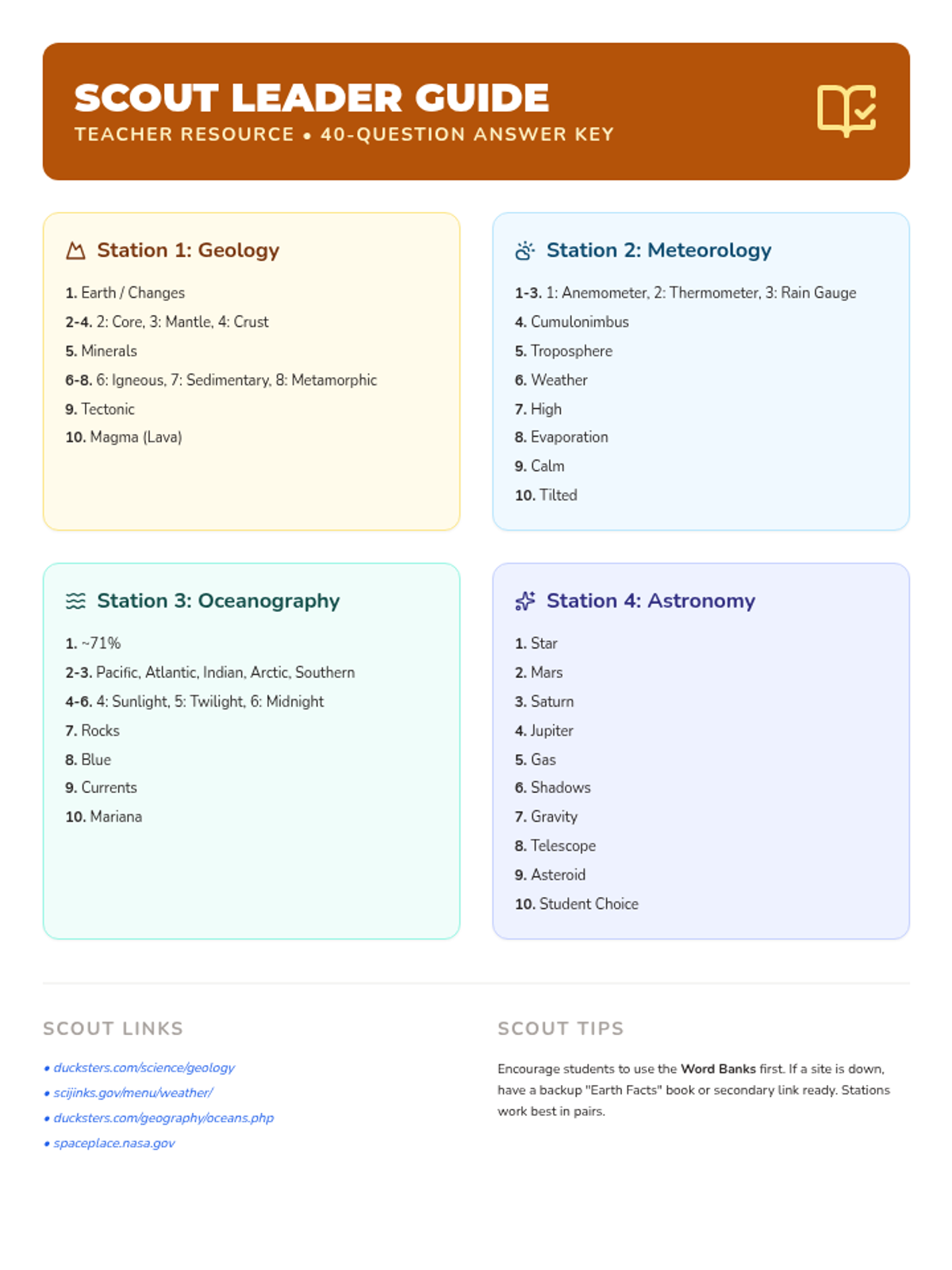
A series of lessons exploring Earth's major systems, starting with the hydrosphere and its impact on the planet's processes.
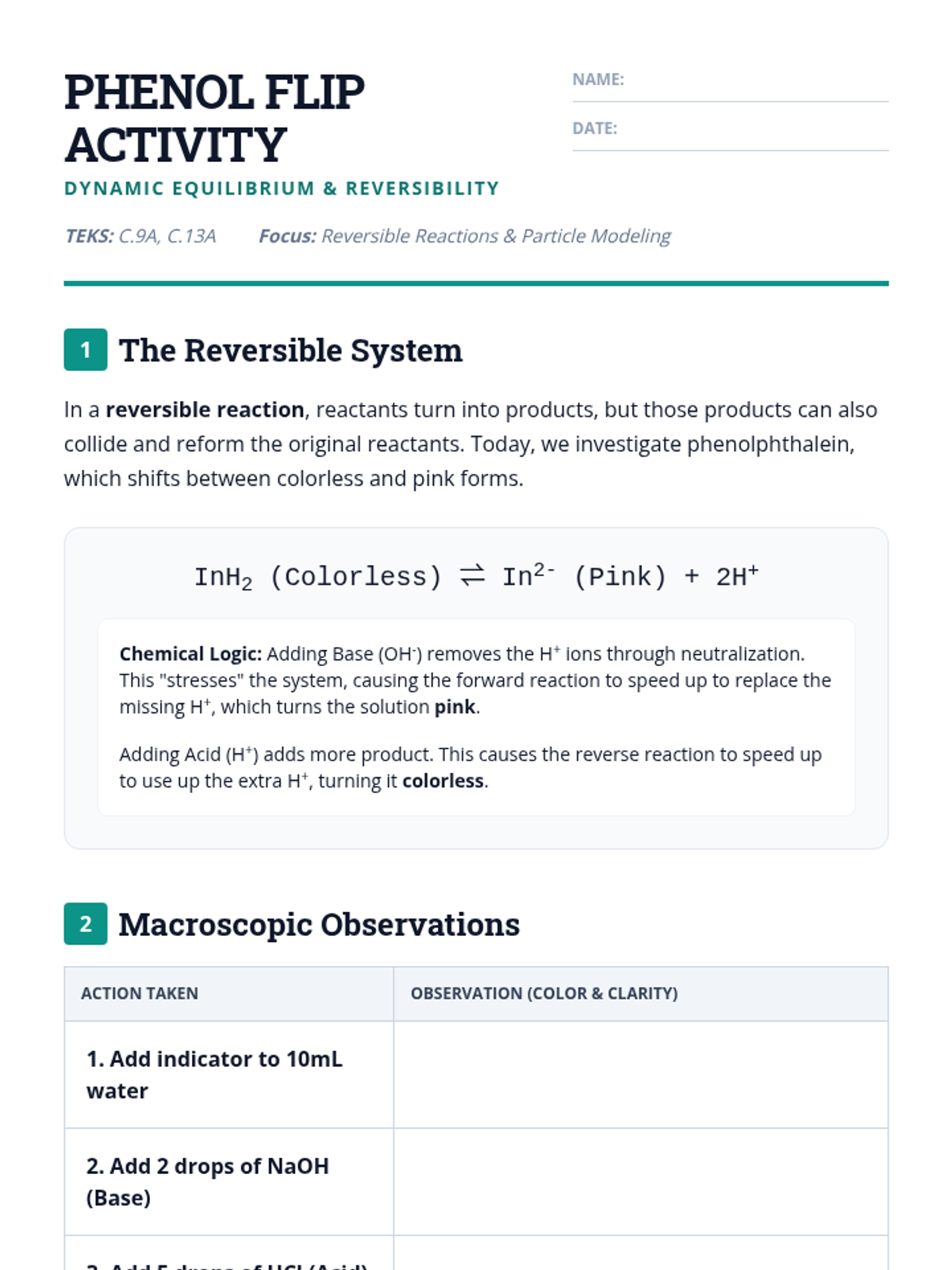
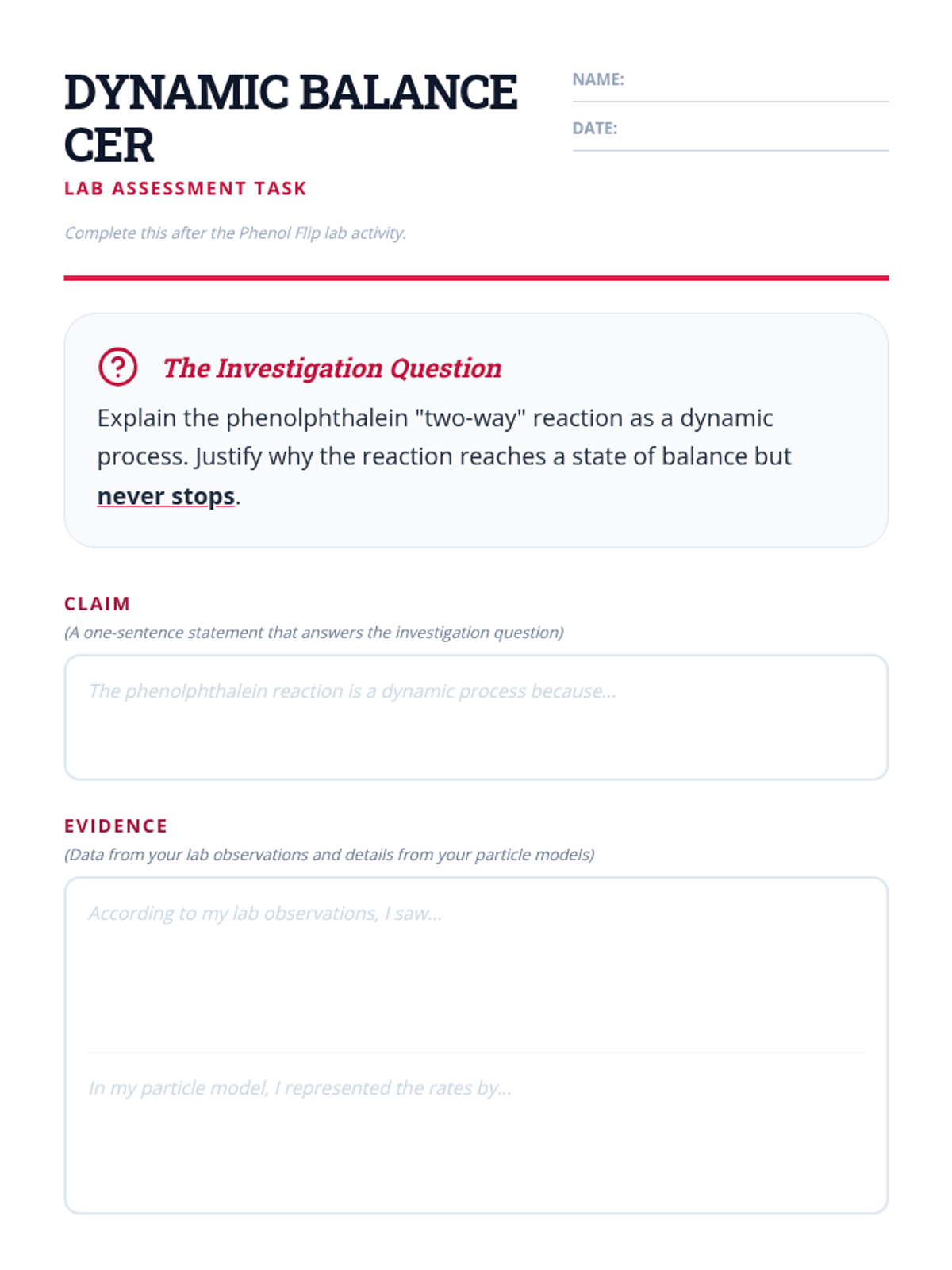
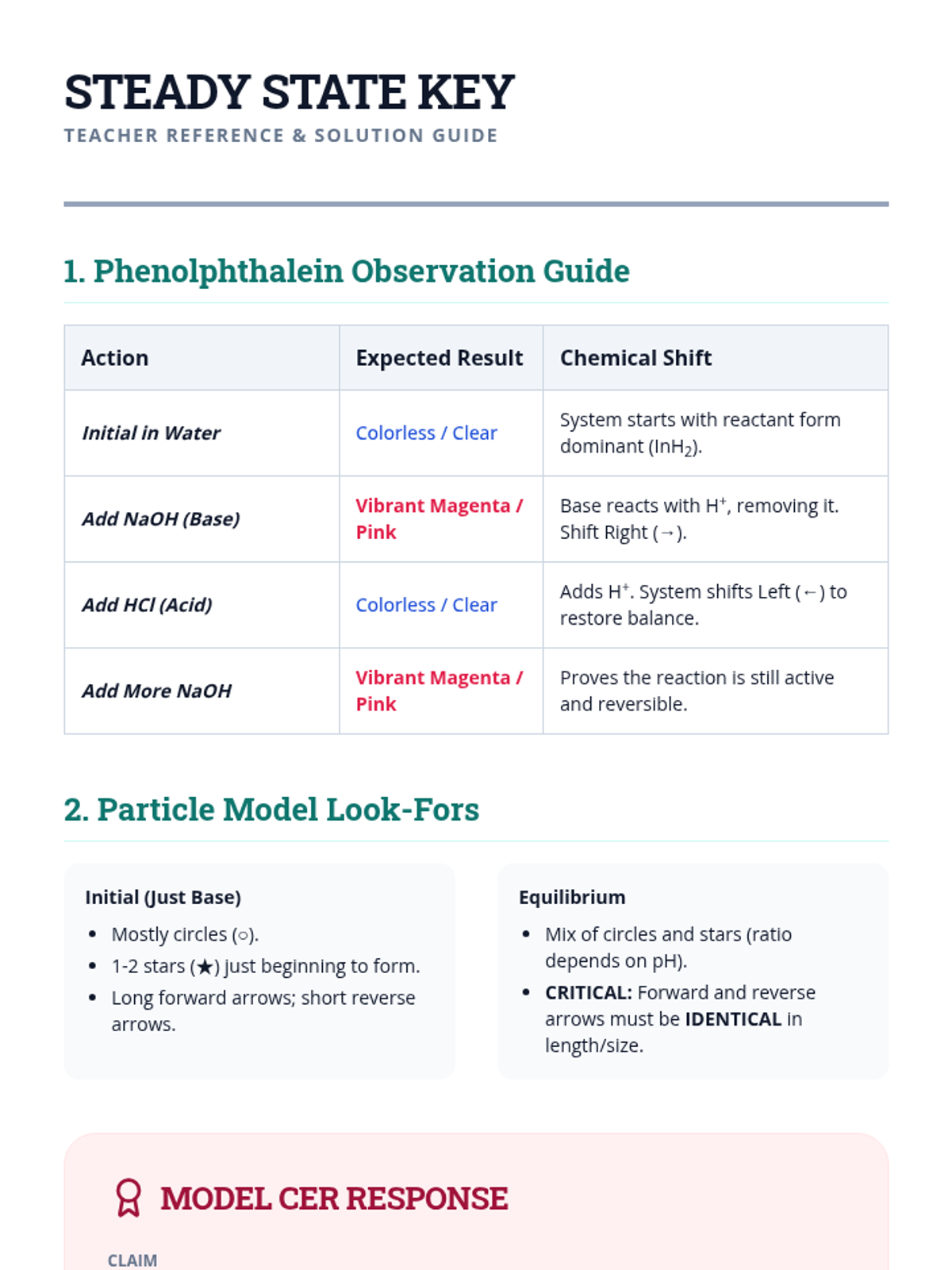
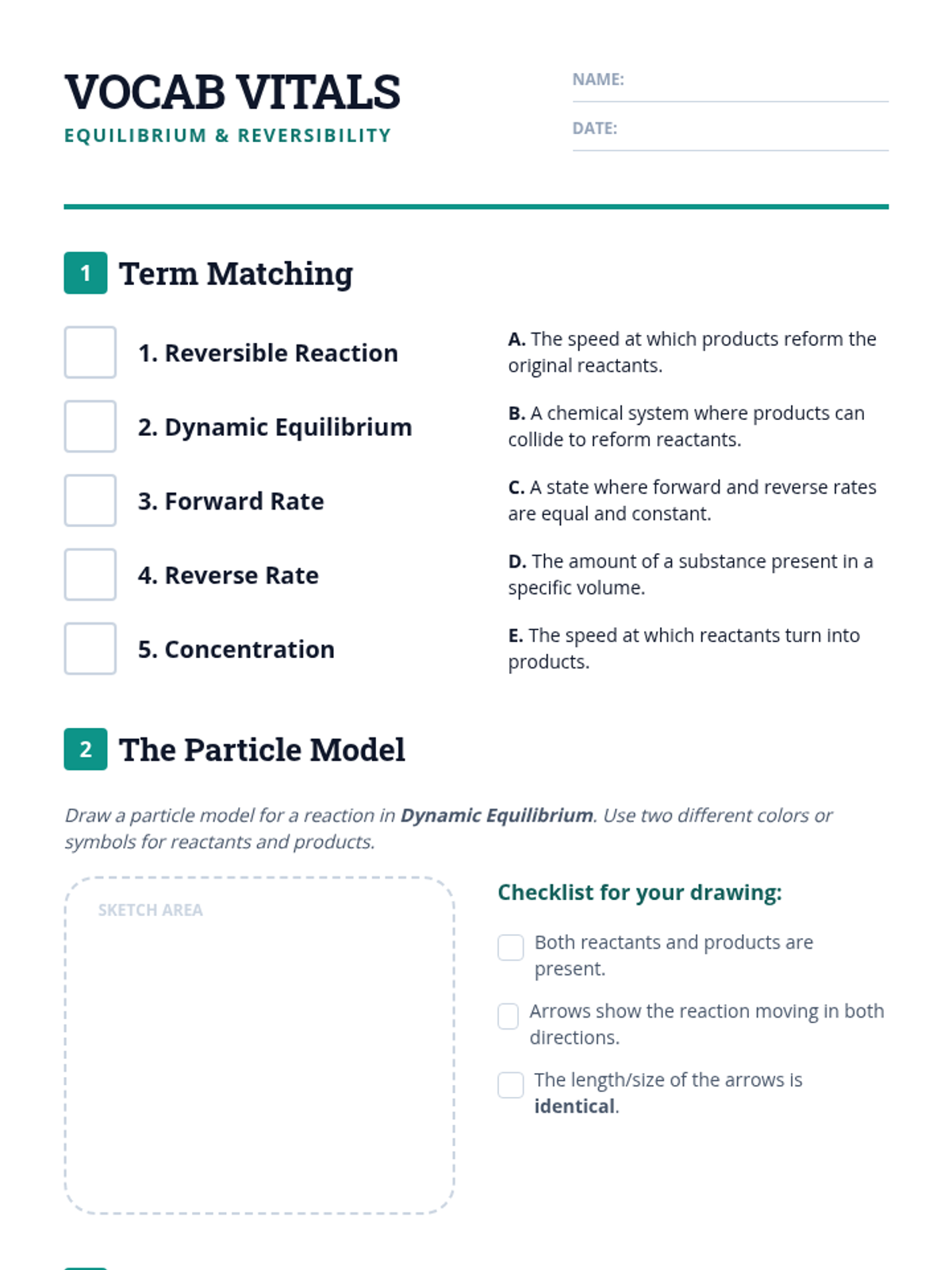
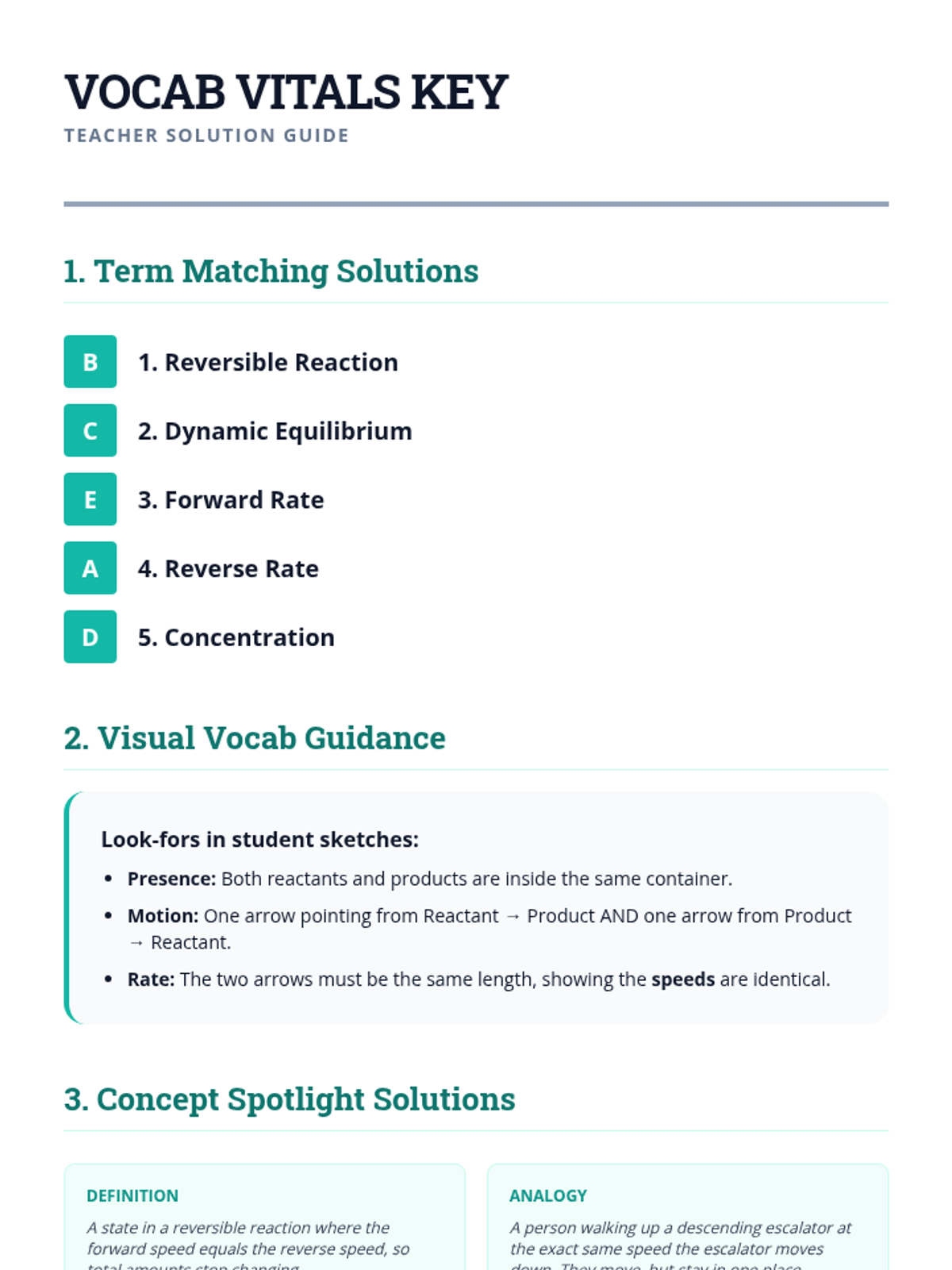
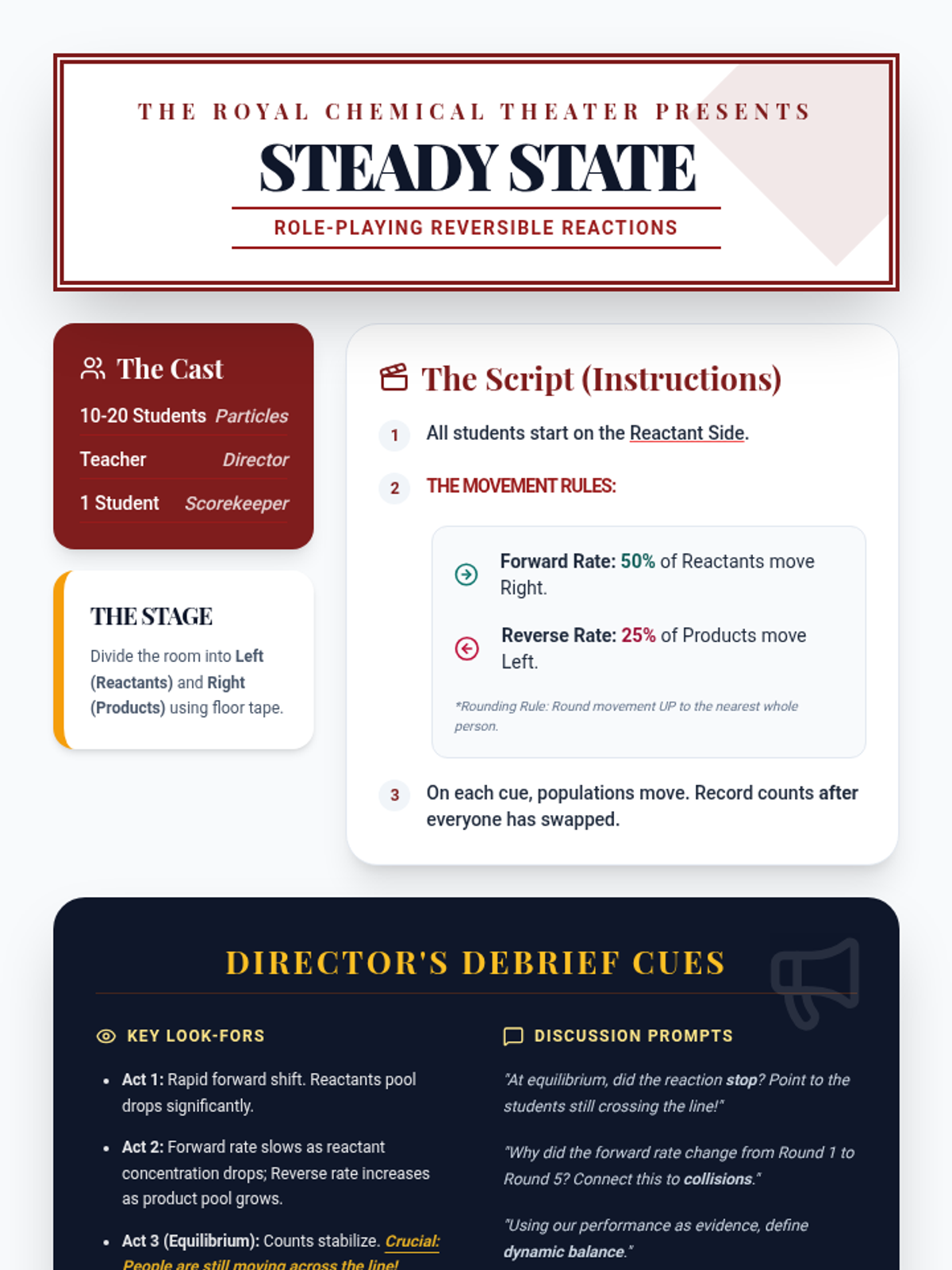
A comprehensive review of foundational chemistry concepts including atomic structure, periodic trends, chemical bonding, and stoichiometry to prepare students for midterm assessments.
A comprehensive unit on chemical quantitative analysis, focusing on the mathematical foundations of chemistry through dimensional analysis, the mole concept, and stoichiometry.
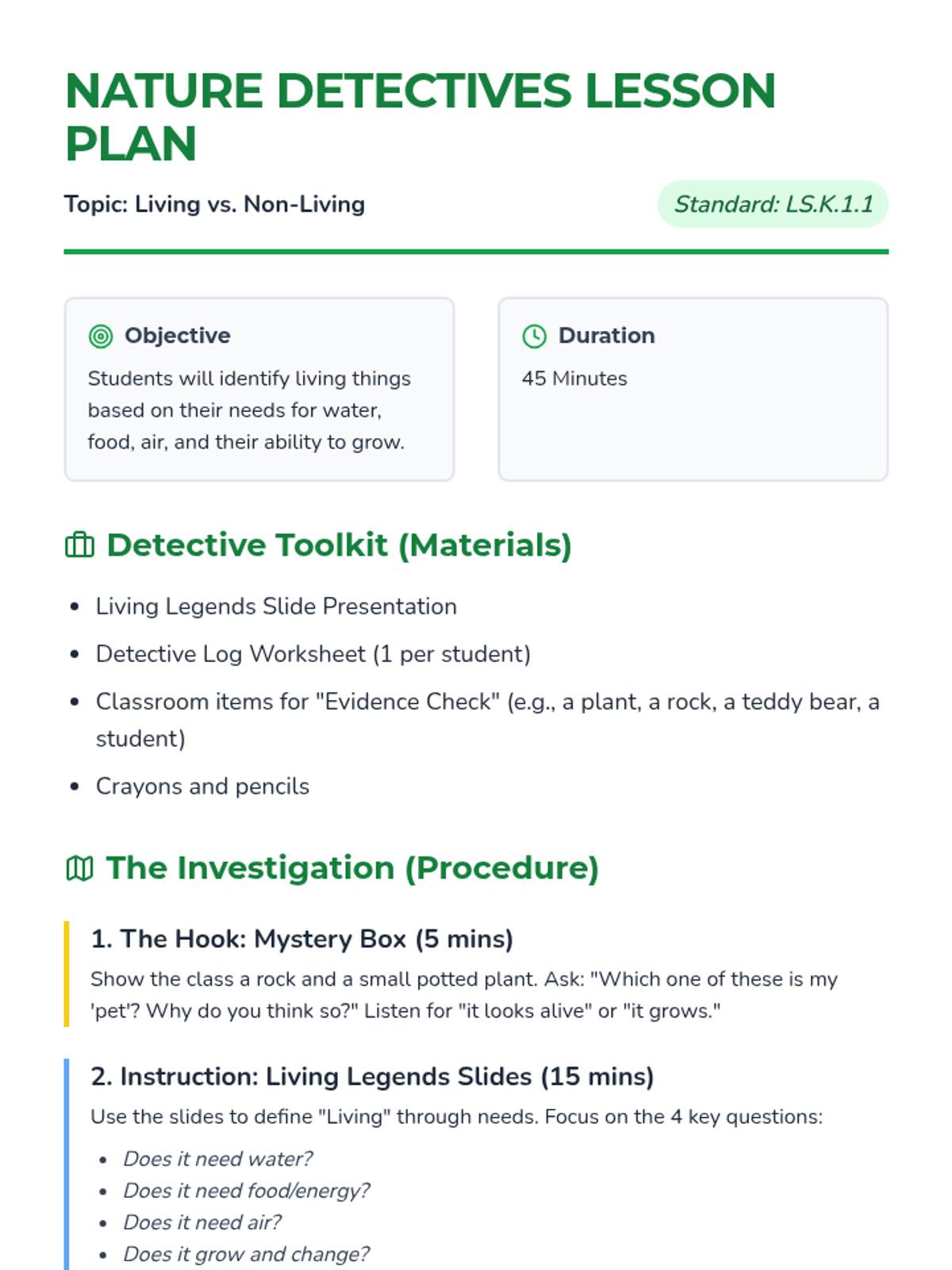
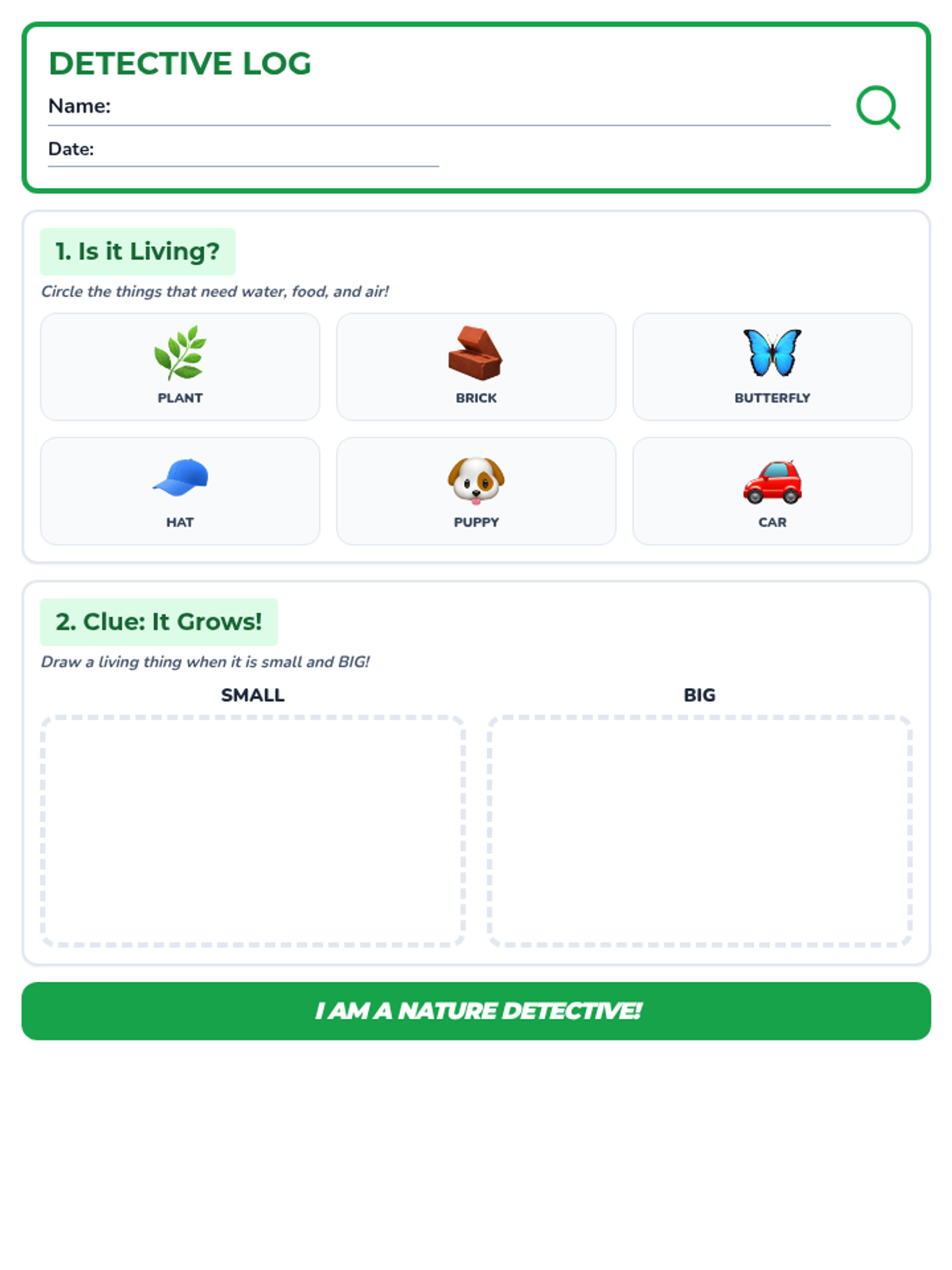
A primary science and ELA sequence where students become 'Light Detectives' to investigate how light works, identifying sources, reflections, and shadows in their environment.
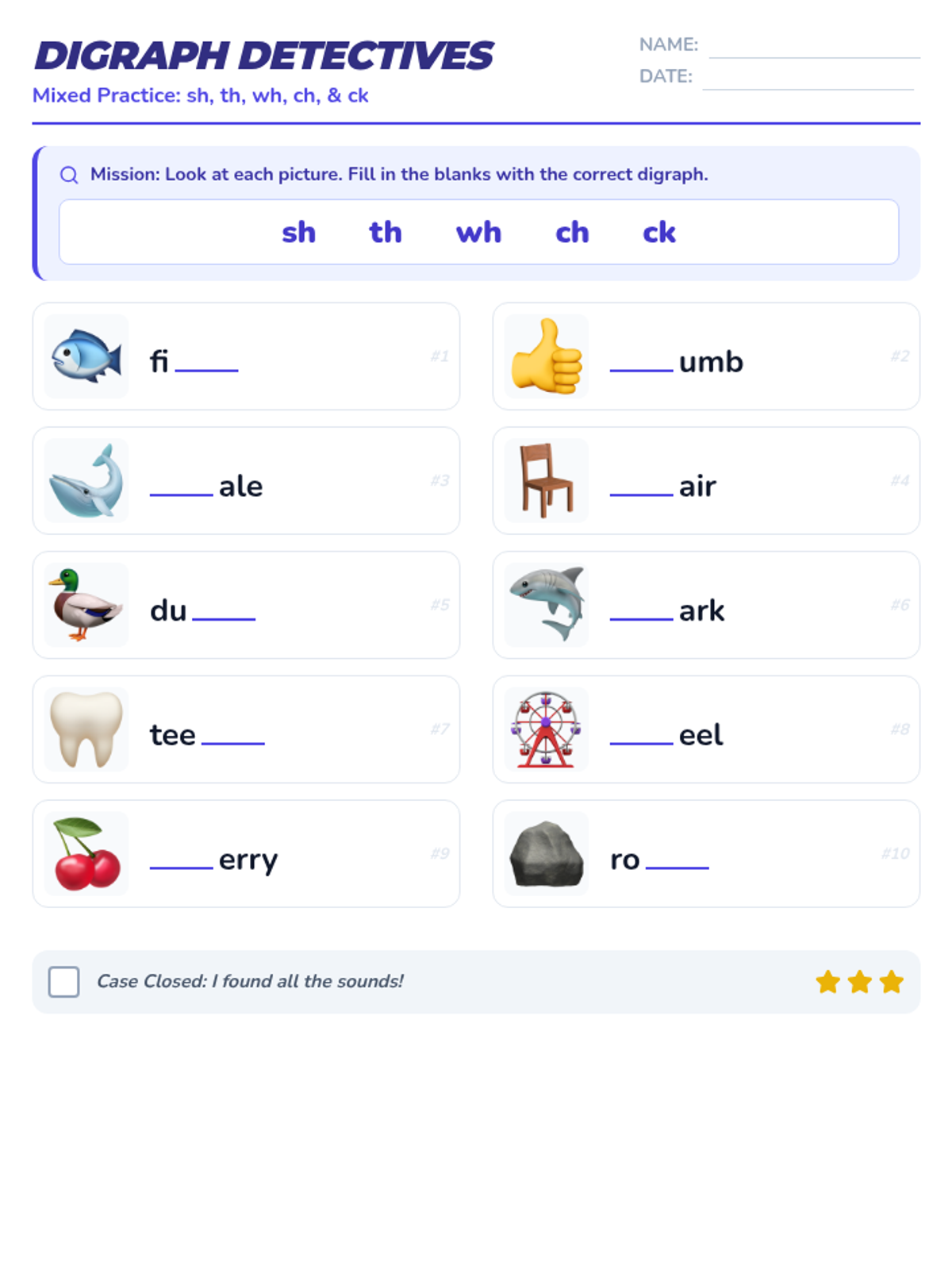
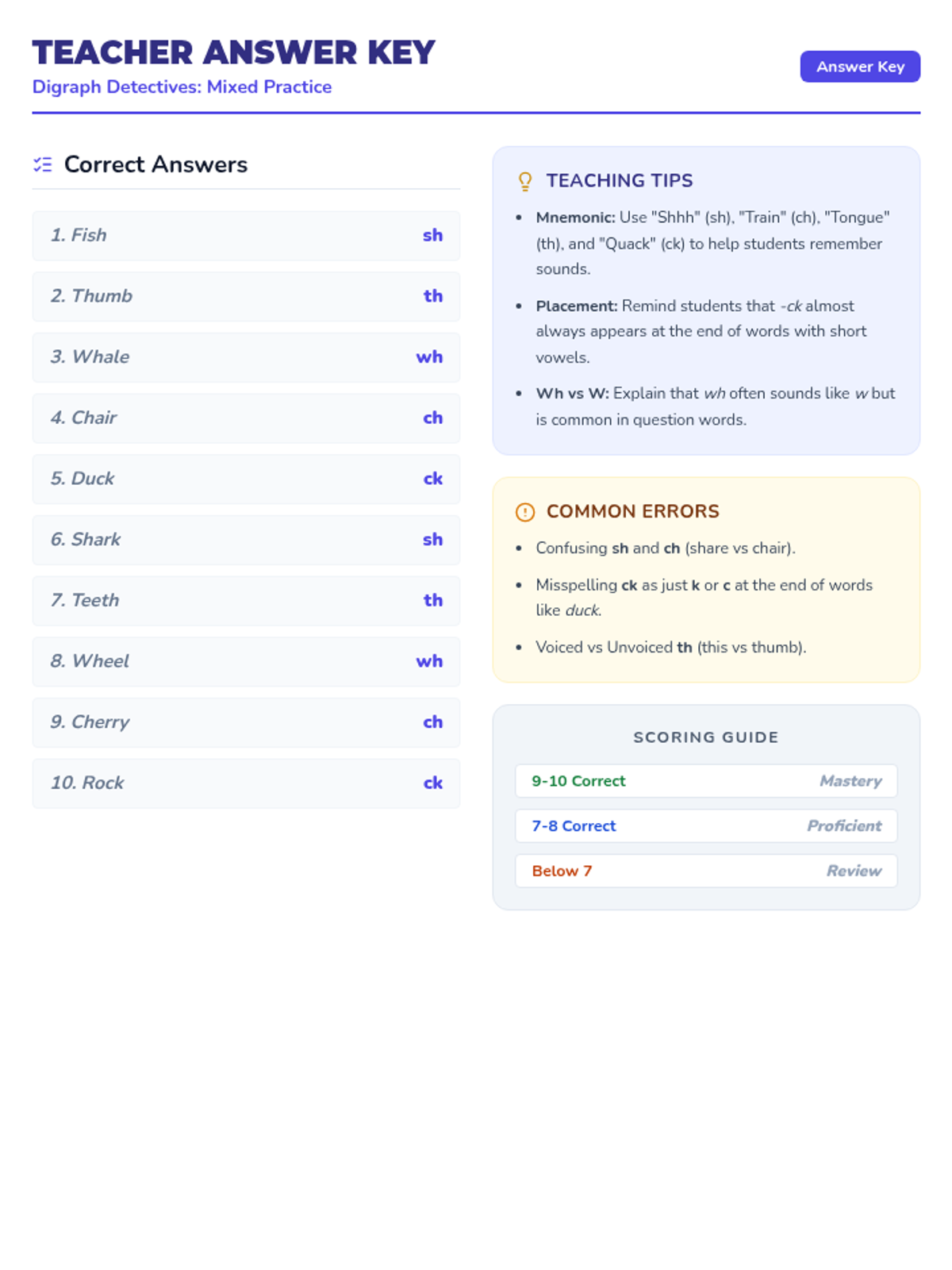
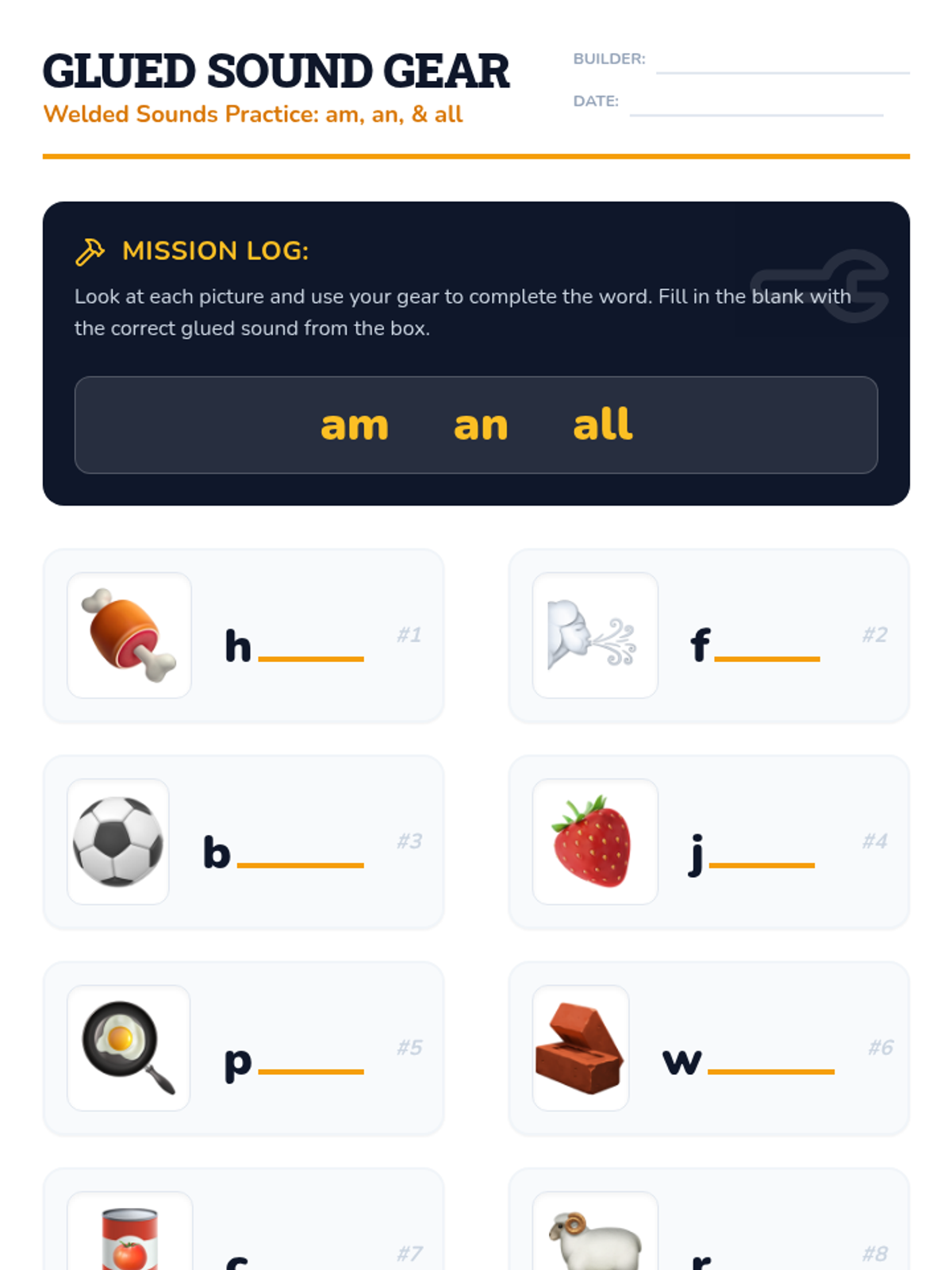
A series of building-themed lessons focused on mastering phonics patterns, starting with common digraphs and moving towards complex blends using a block-building aesthetic.
A comprehensive technical course on reading and interpreting commercial HVAC mechanical blueprints, focusing on symbol recognition, duct sizing, and system layout analysis.
A comprehensive unit exploring how natural processes like rock formation and erosion work together to shape the Earth's surface over millions of years.
A comprehensive training series for the CompTIA CySA+ certification, focusing on threat management, systems security, security operations, and incident response through structured study guides and scenario-based practice.
A comprehensive robotics curriculum for grades 1-3 covering screenless coding with Sphero indi, block coding with Sphero Mini, and both color-based and block coding with Marty the Robot. Includes progressive task cards designed for 30-minute hands-on activities.
A comprehensive STEM and engineering sequence for elementary students, focusing on the Texas Essential Knowledge and Skills (TEKS) for Scientific and Engineering Practices. Students tackle real-world challenges through prototyping, testing, and data analysis in two distinct thematic units.
A comprehensive STEM curriculum for grades 1-5 where students solve real-world problems in their community using engineering design and scientific principles. Each grade level features two 30-minute hands-on challenges aligned with TEKS 1.5-5.5.
A comprehensive K-5 science journey focused on the Texas Essential Knowledge and Skills (TEKS) for physical properties of matter. Students act as 'Matter Mission' agents to solve real-world problems through hands-on STEM challenges and engineering design.
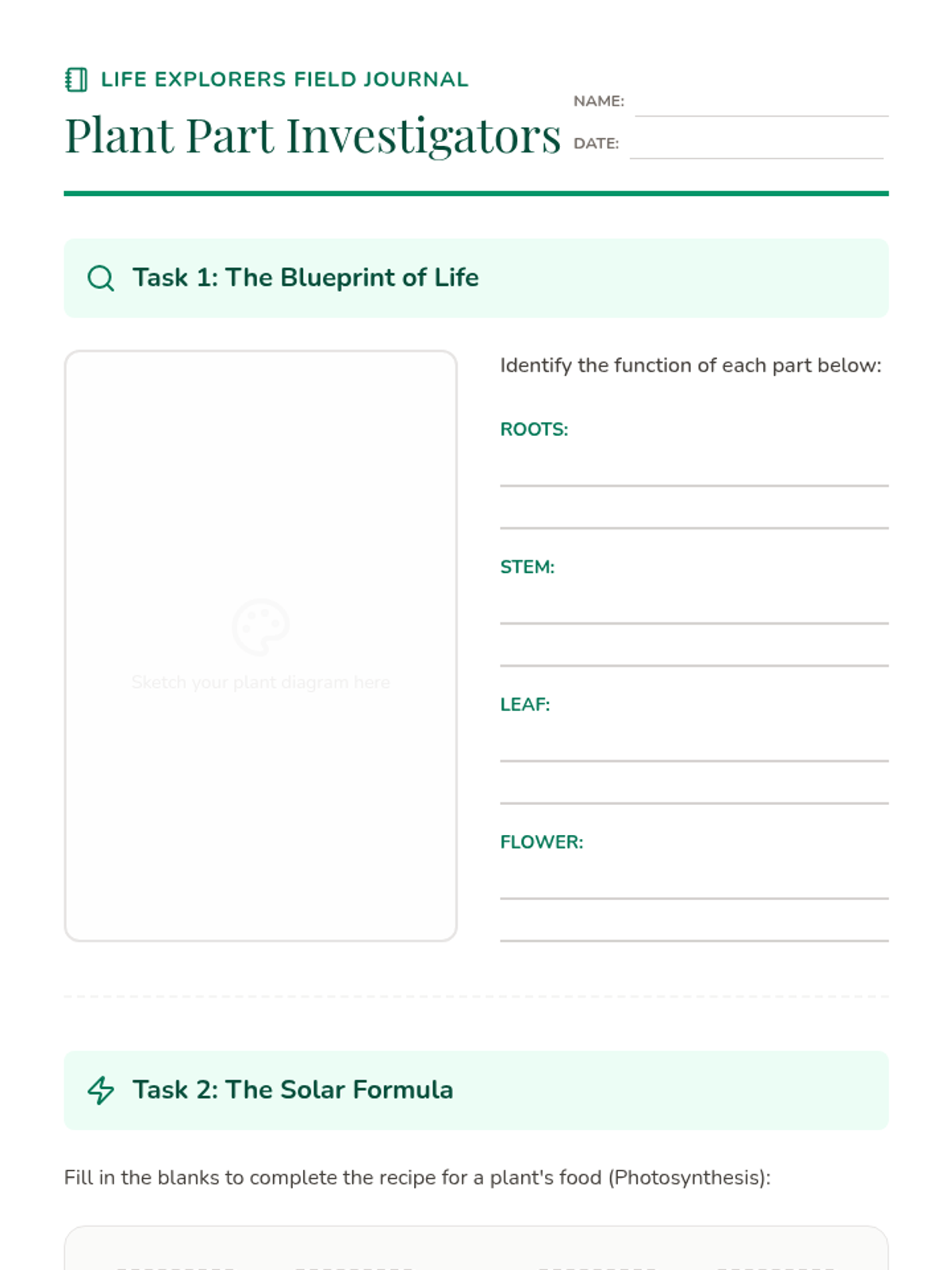
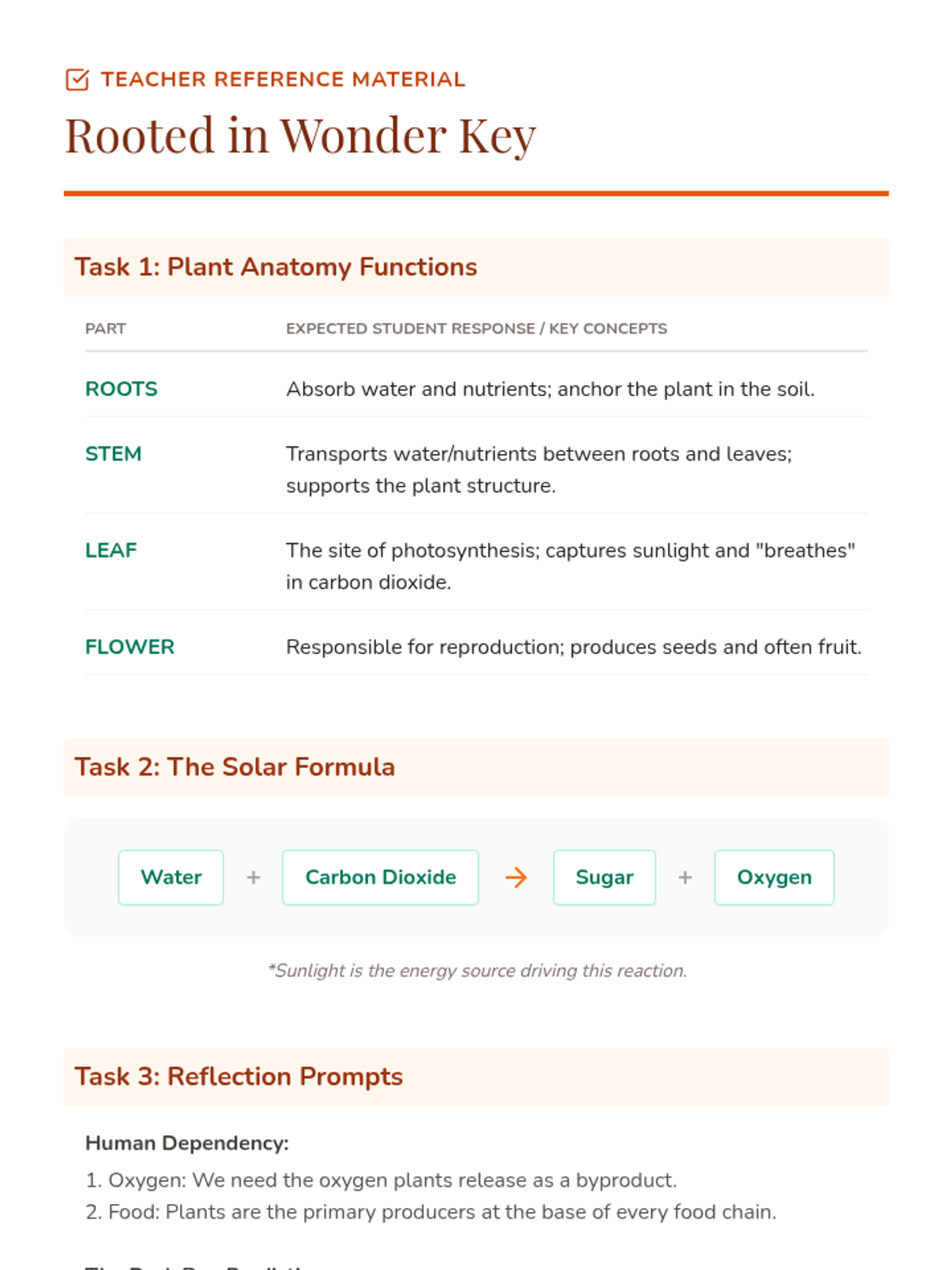
A multi-disciplinary science and health unit covering plant biology, physical properties of matter, and nutritional science. Students explore the cycles of life, the fundamental nature of substances, and how to fuel their bodies.
A comprehensive STEM sequence covering thermal energy and matter changes for grades 1-5, featuring engineering challenges and real-world problem-solving aligned with Texas TEKS. Students investigate reversible and non-reversible changes, states of matter, and thermal energy transfer through hands-on experiments.