A 10th-grade biology sequence exploring the historical and physical connection between Mendel's laws and chromosomal behavior. Students use inquiry and modeling to reconstruct the Chromosomal Theory of Inheritance.
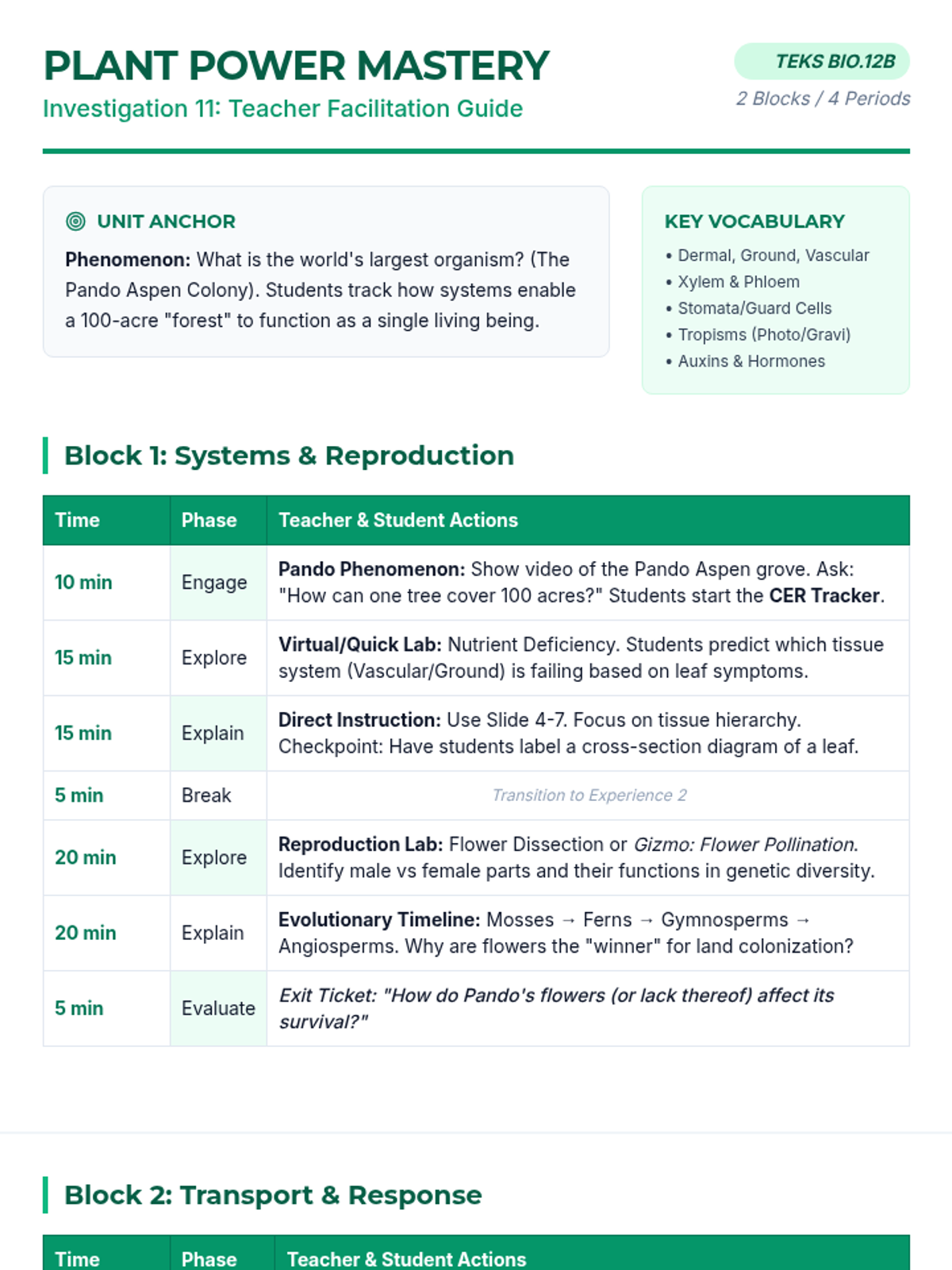
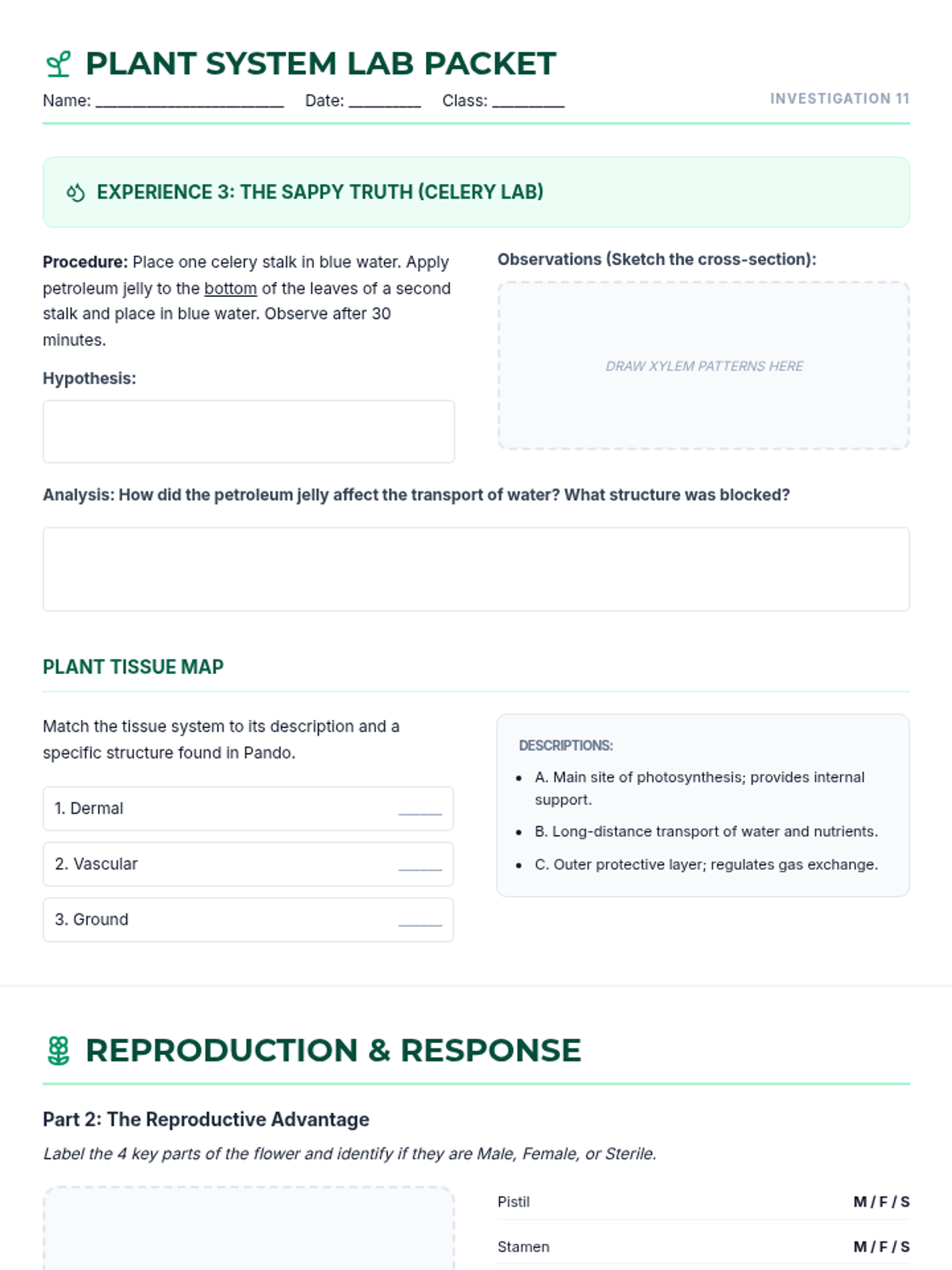
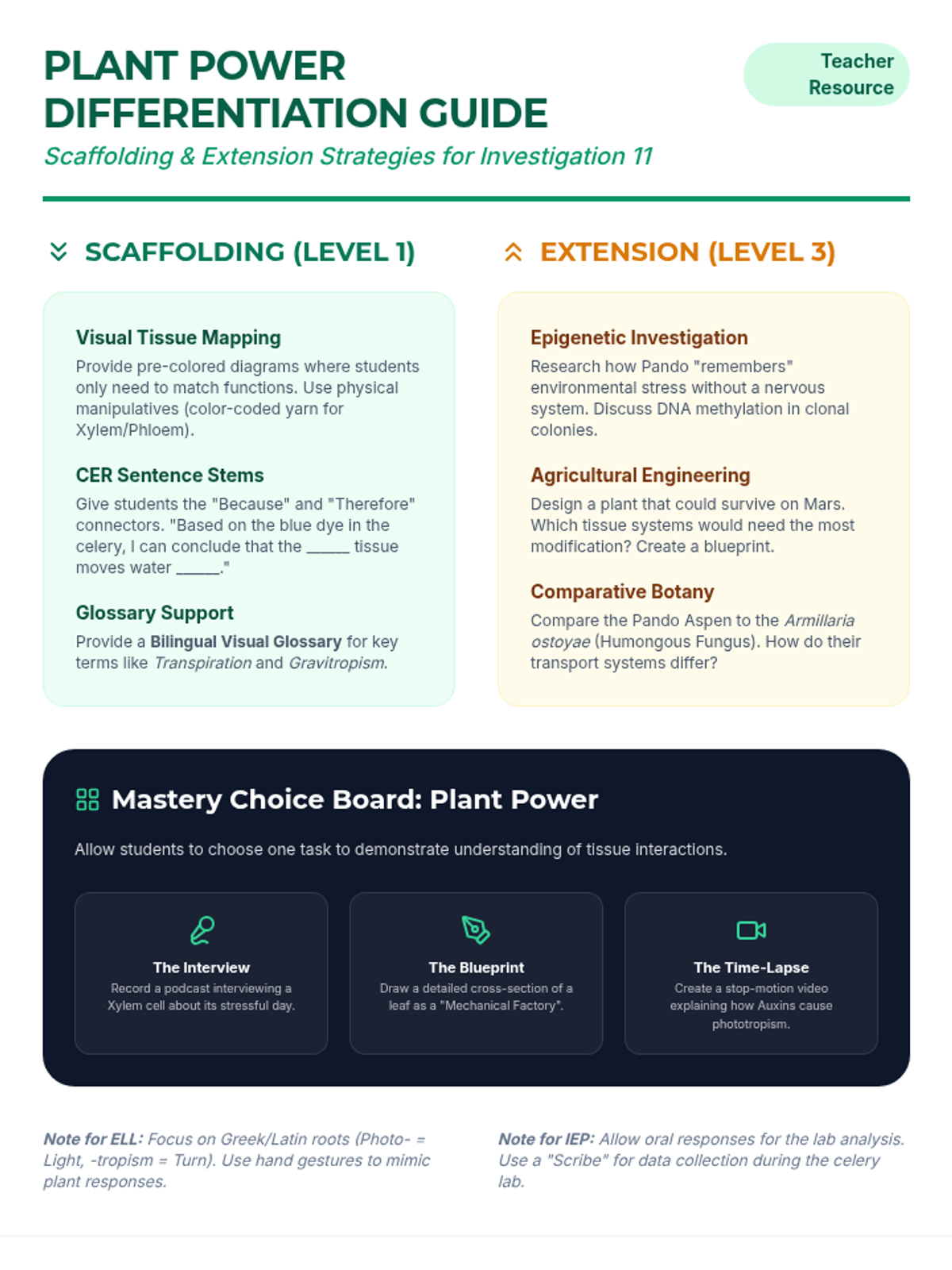
A comprehensive high school biology unit covering plant and animal systems, focusing on structure, transport, reproduction, and response through anchoring phenomena and hands-on labs.
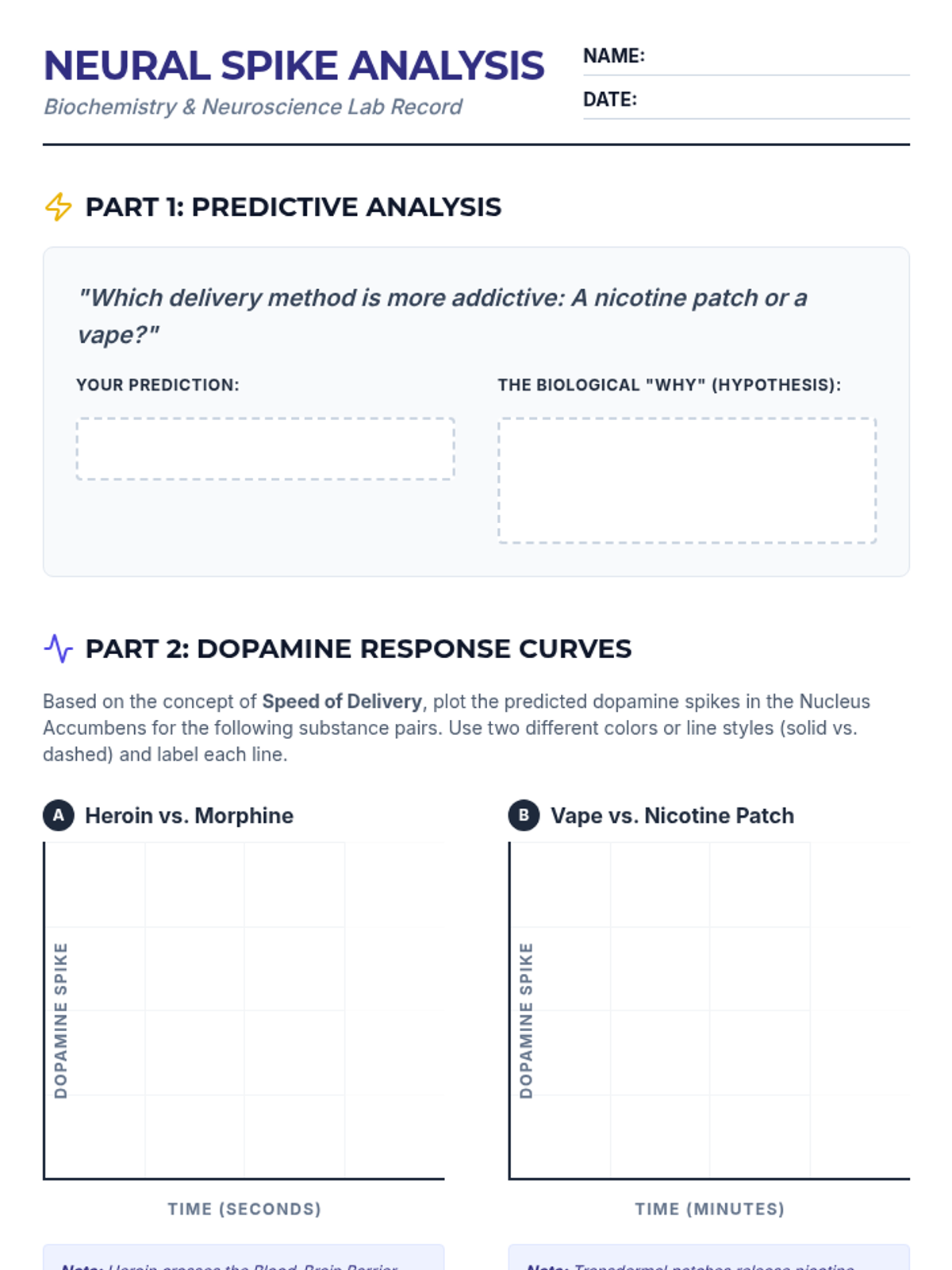
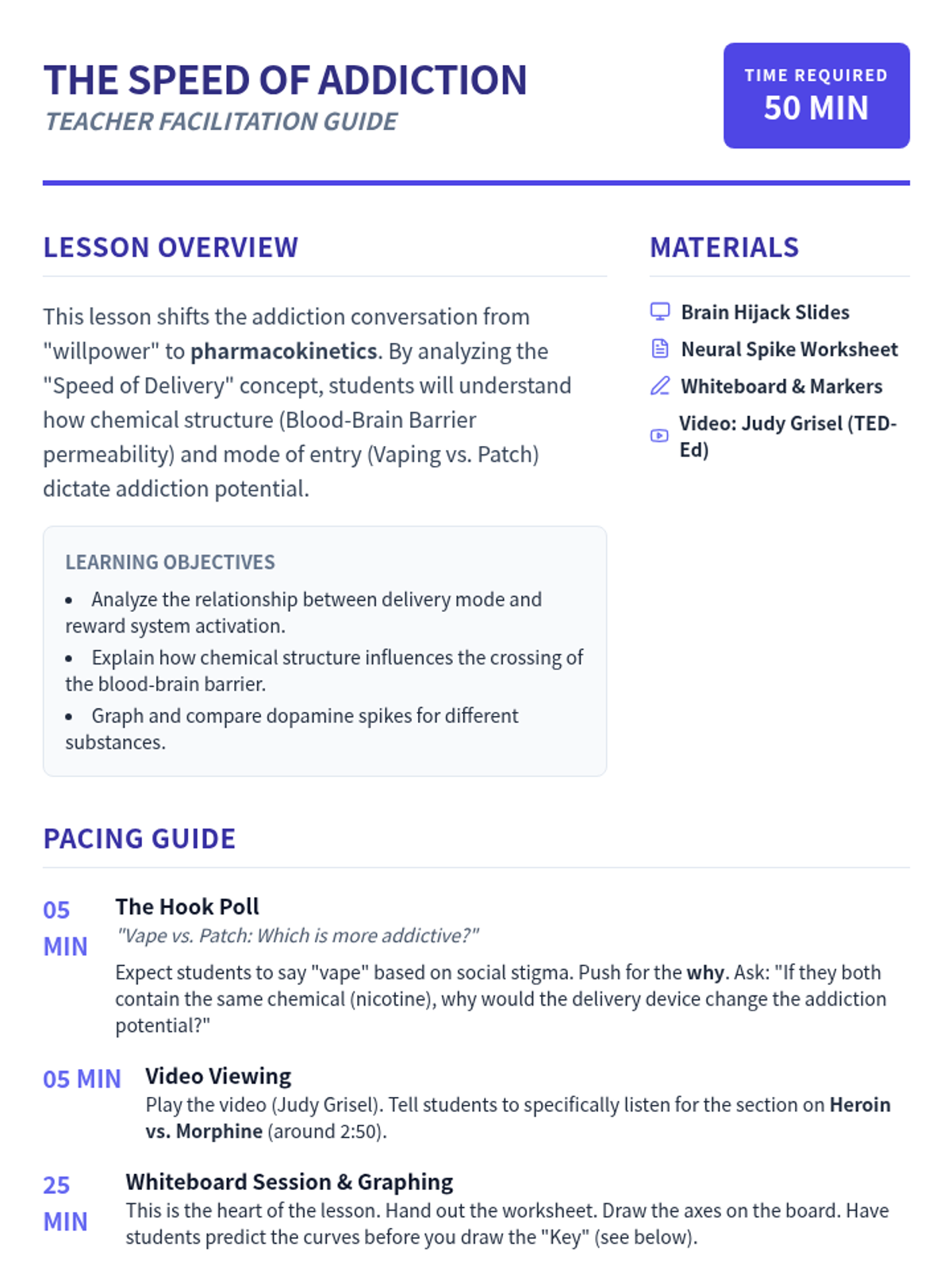
A high school biology sequence focused on the neuroscience of addiction, specifically analyzing how chemical structure and speed of delivery influence the brain's reward system. Students explore the biological mechanisms of tolerance, dependence, and the blood-brain barrier through graphing and comparative analysis.
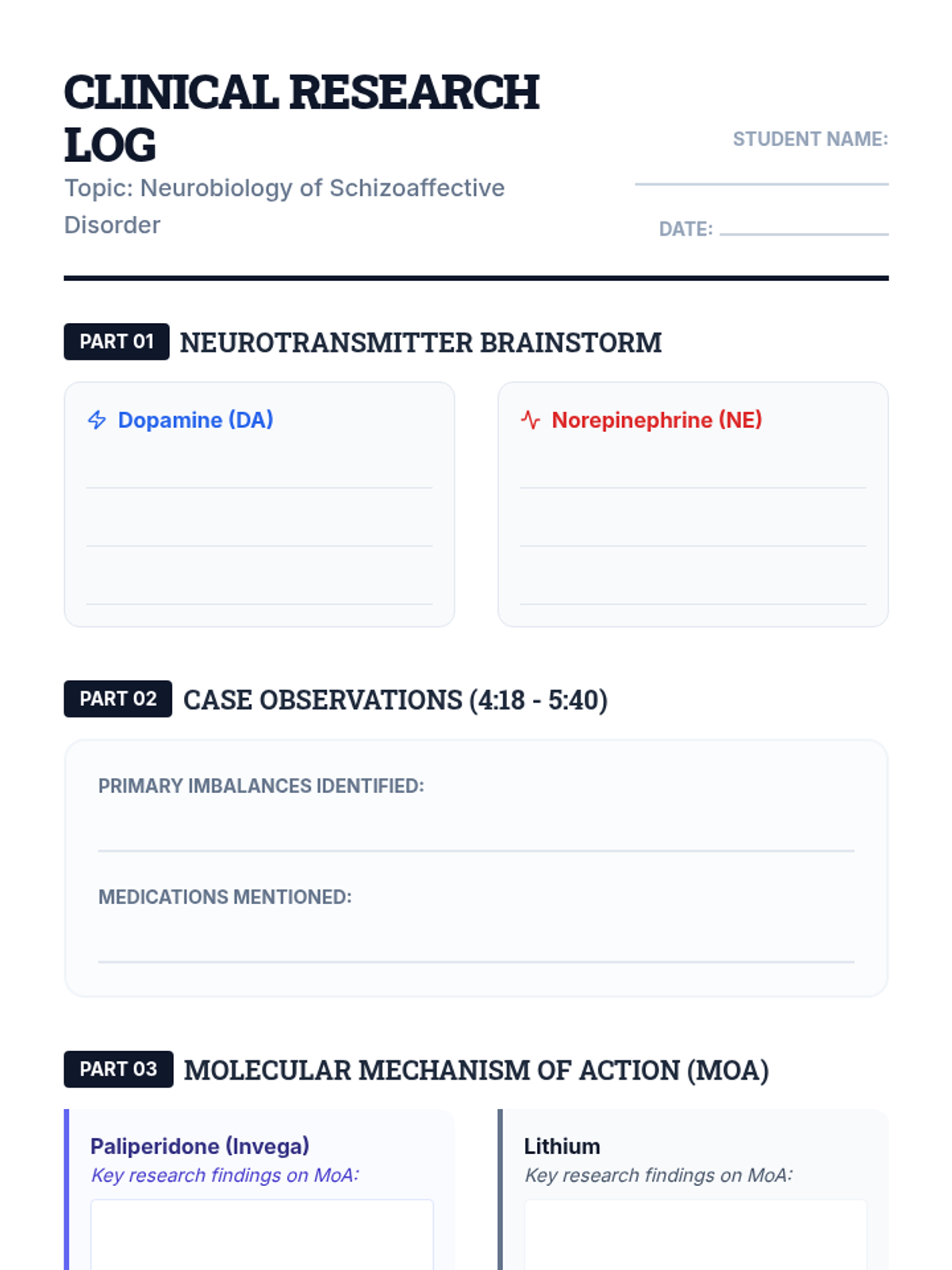
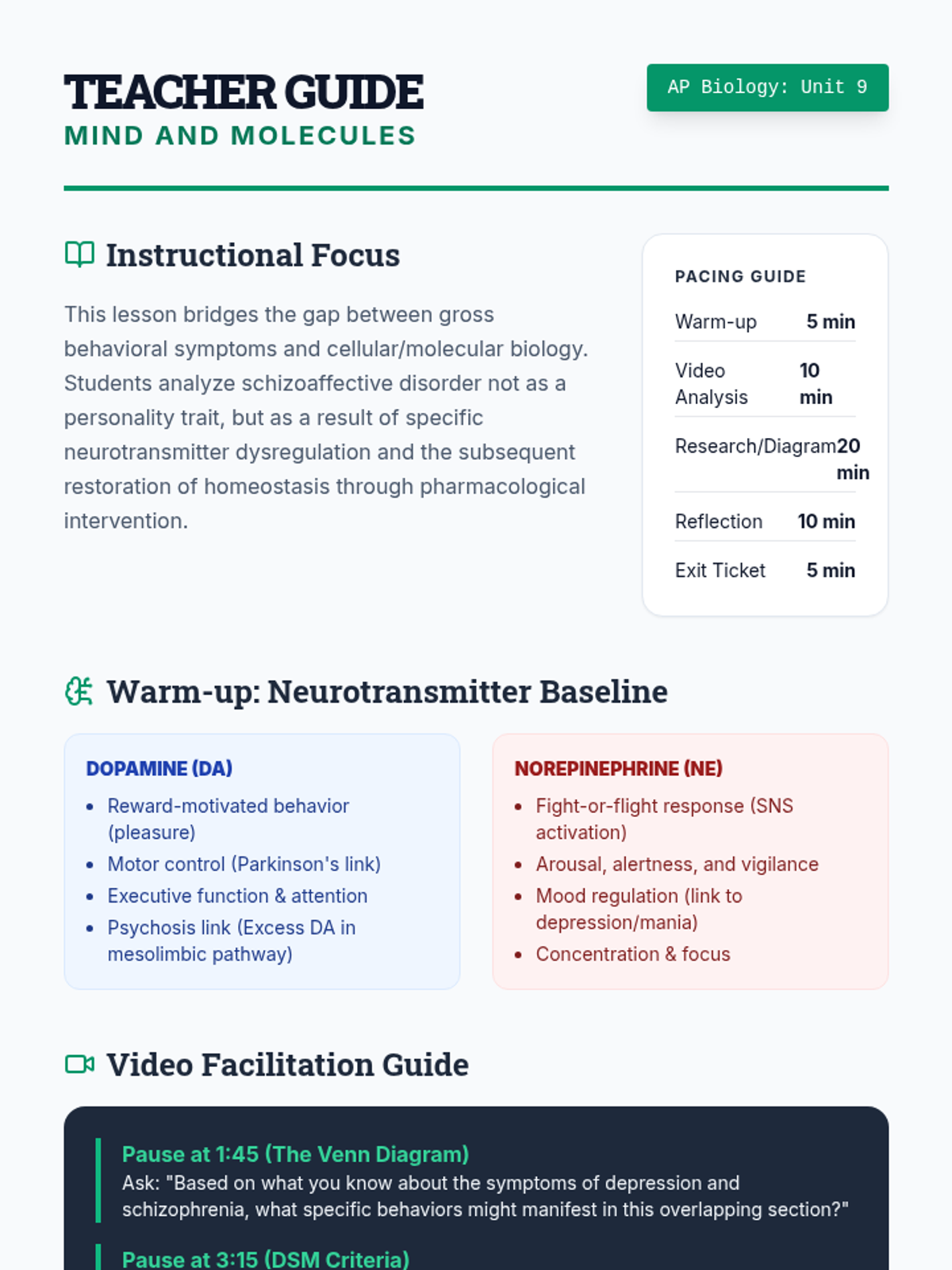
A specialized AP Biology unit exploring the intersection of neuroscience and psychology, focusing on the biological mechanisms of mental health disorders and the pharmacology of their treatments.
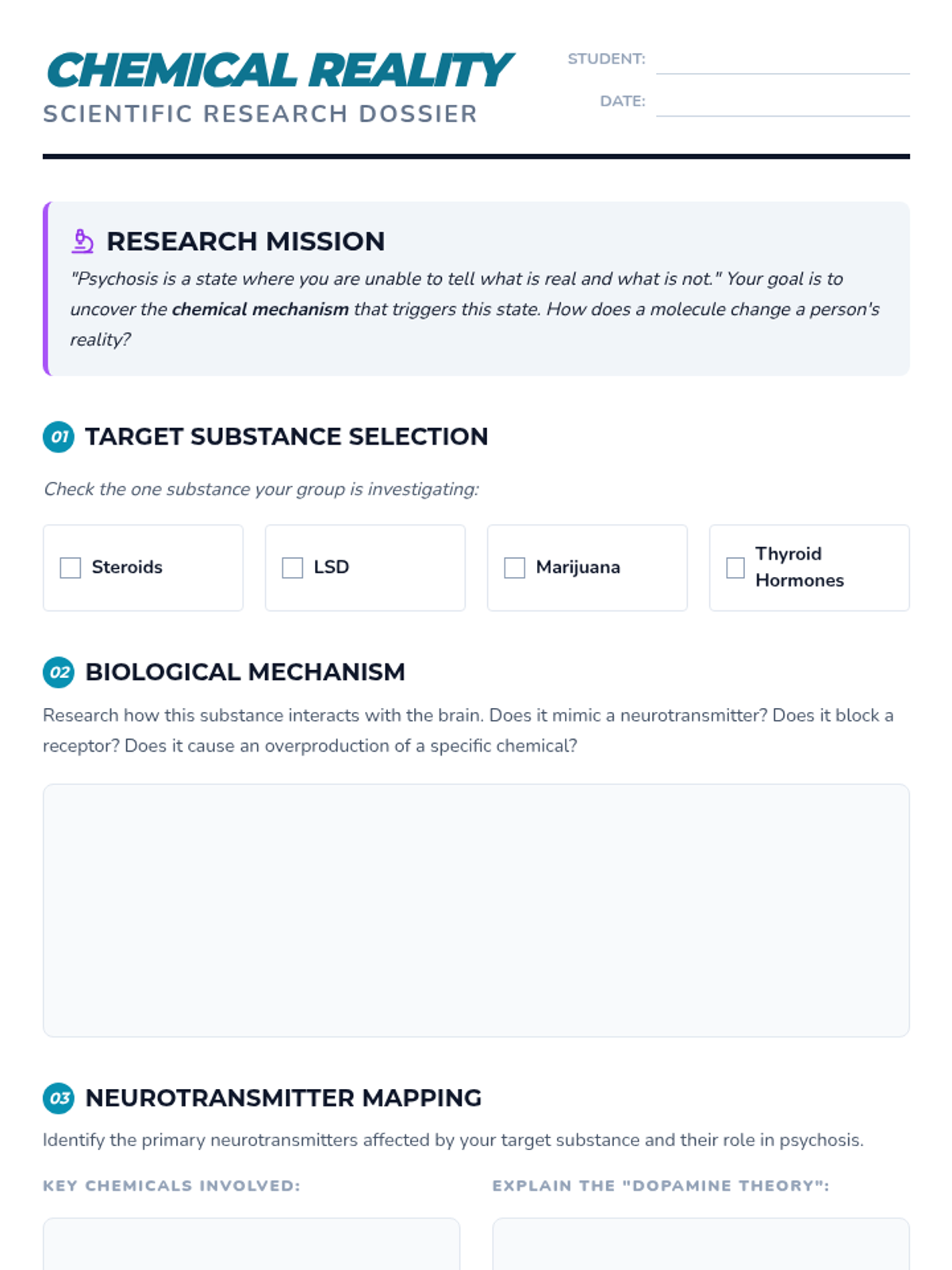
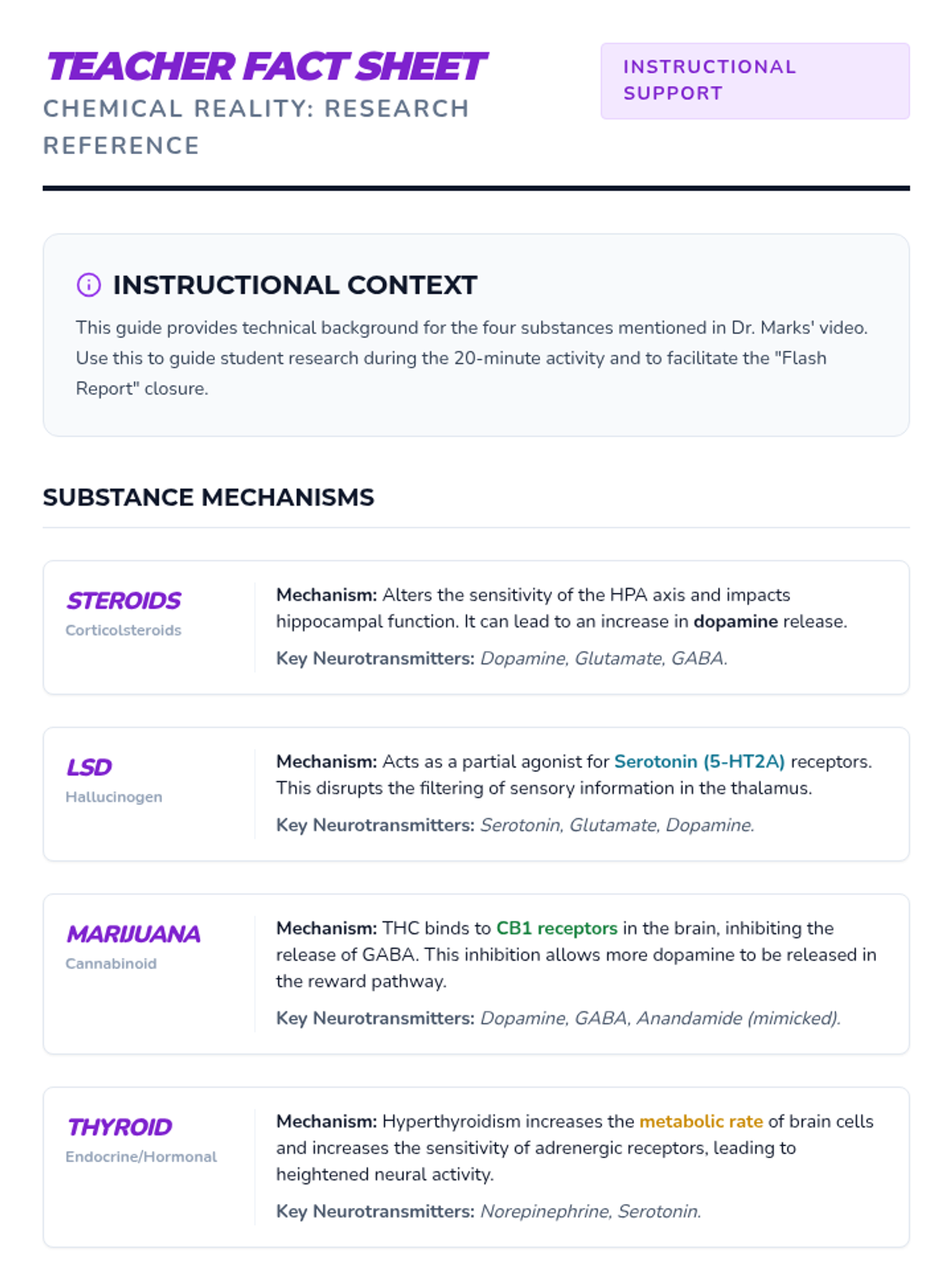
A high school biology lesson sequence exploring the biological basis of perception, focused on how external substances and chemical imbalances alter neurotransmitters to cause psychosis and hallucinations.
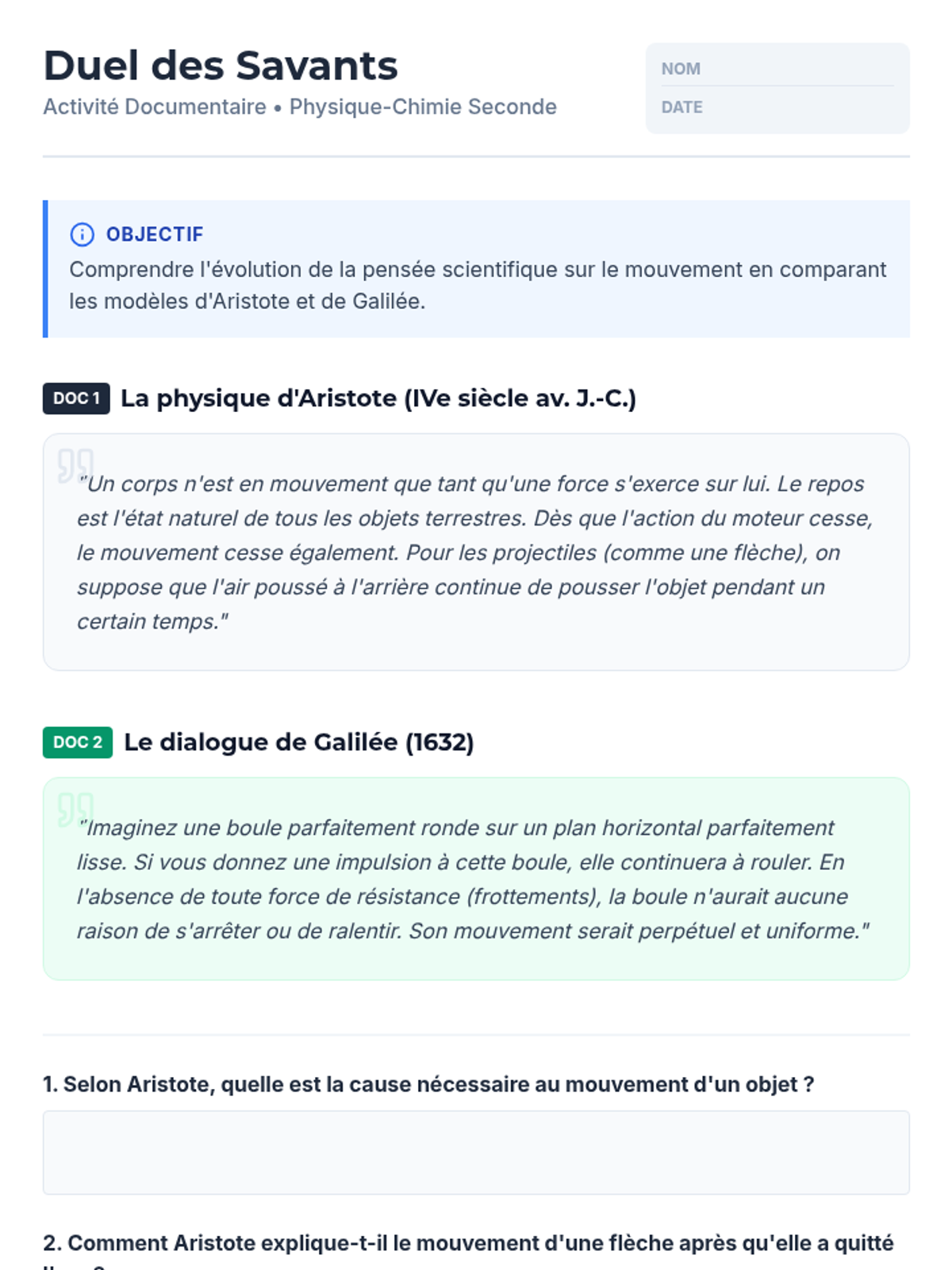
Cette séquence de 4 séances de 45 minutes explore le principe d'inertie pour les élèves de seconde. Elle combine histoire des sciences, simulations numériques et résolution de problèmes pour comprendre la relation entre forces et mouvement.
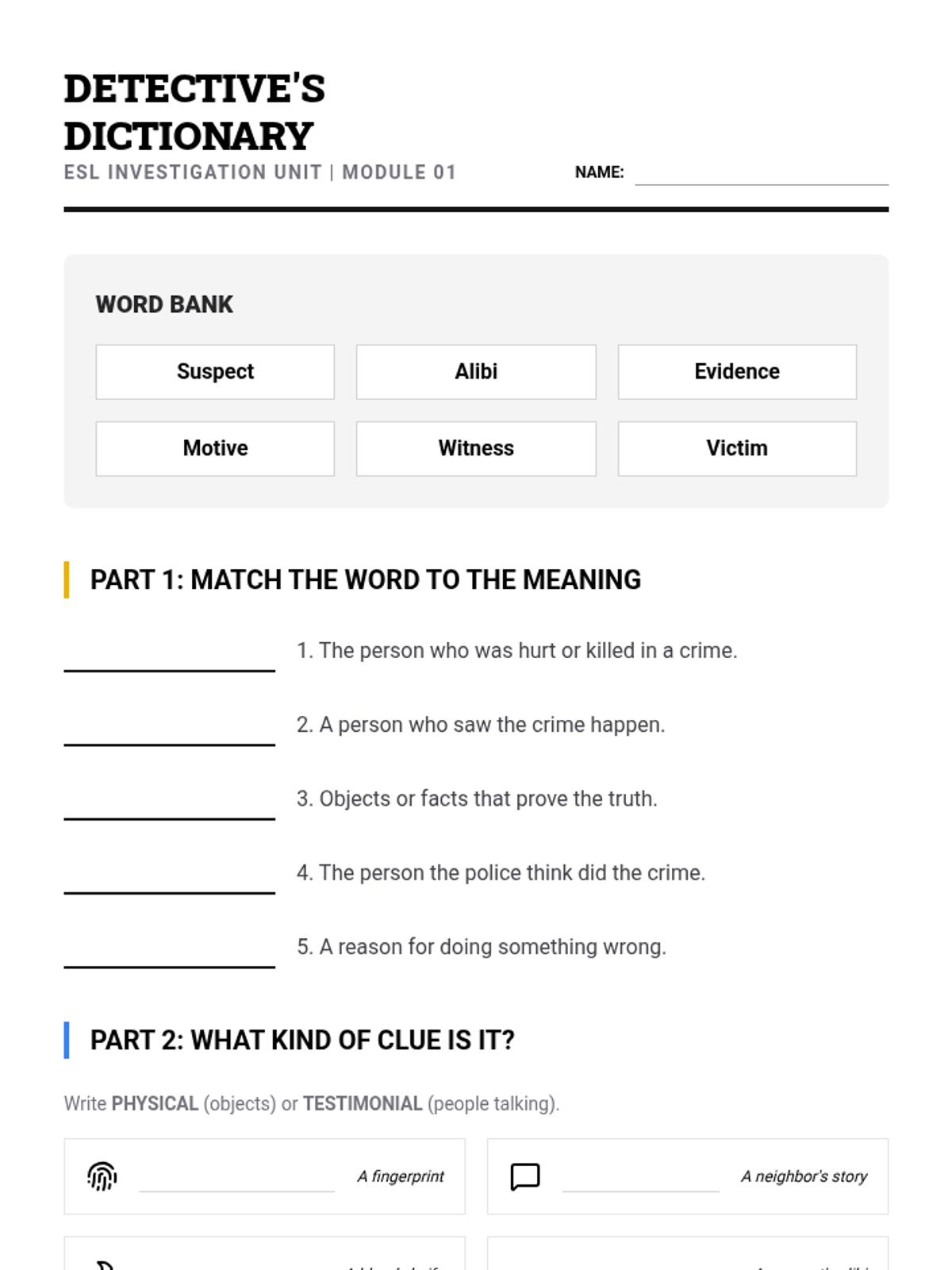
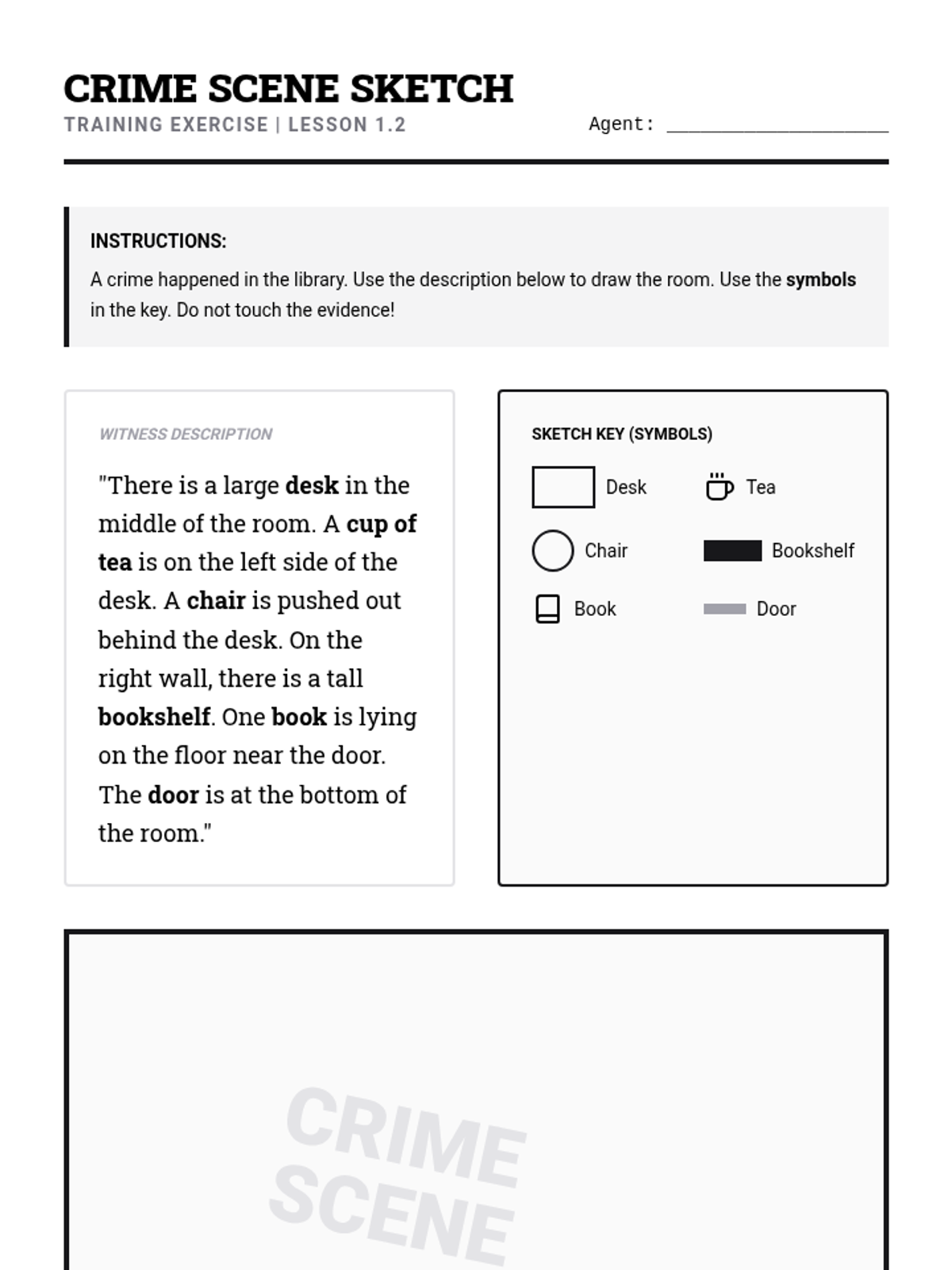
A comprehensive unit on the fundamentals of forensic science and criminal investigation, culminating in a hands-on murder mystery simulation. Students learn about evidence collection, witness psychology, and deductive reasoning.
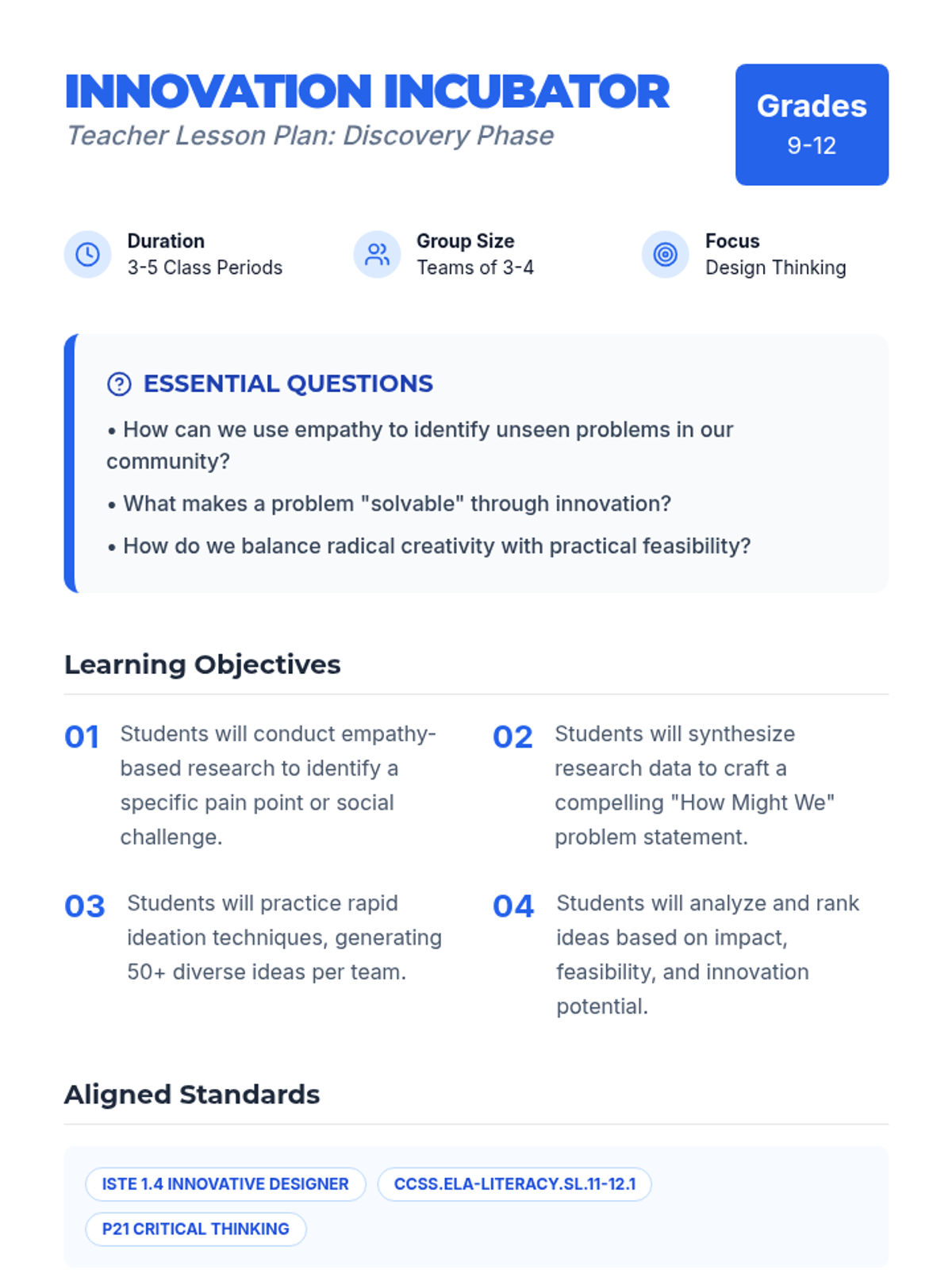
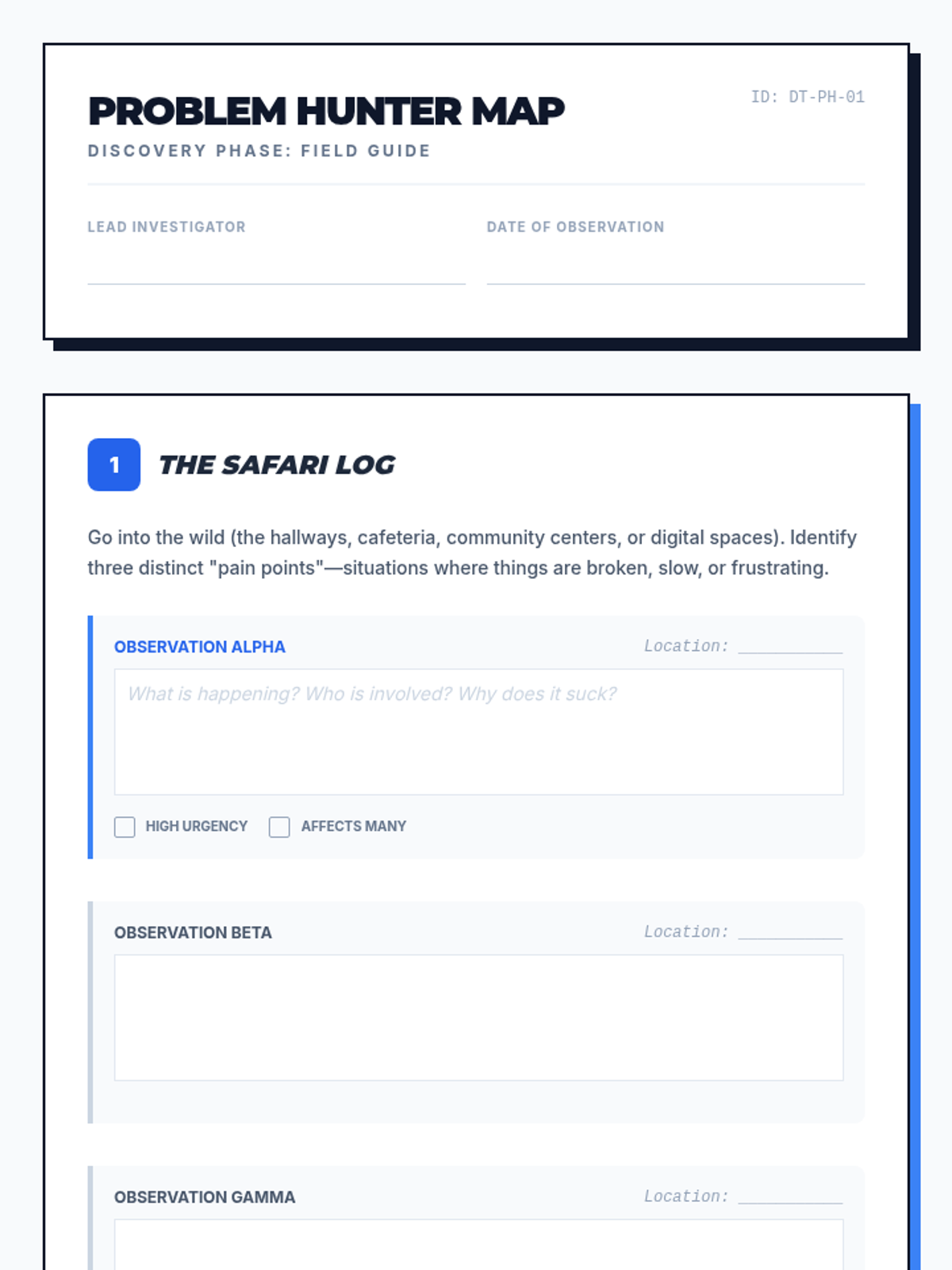
A comprehensive project-based learning unit where high school students apply design thinking to solve real-world problems, from initial discovery to final prototyping and pitching.
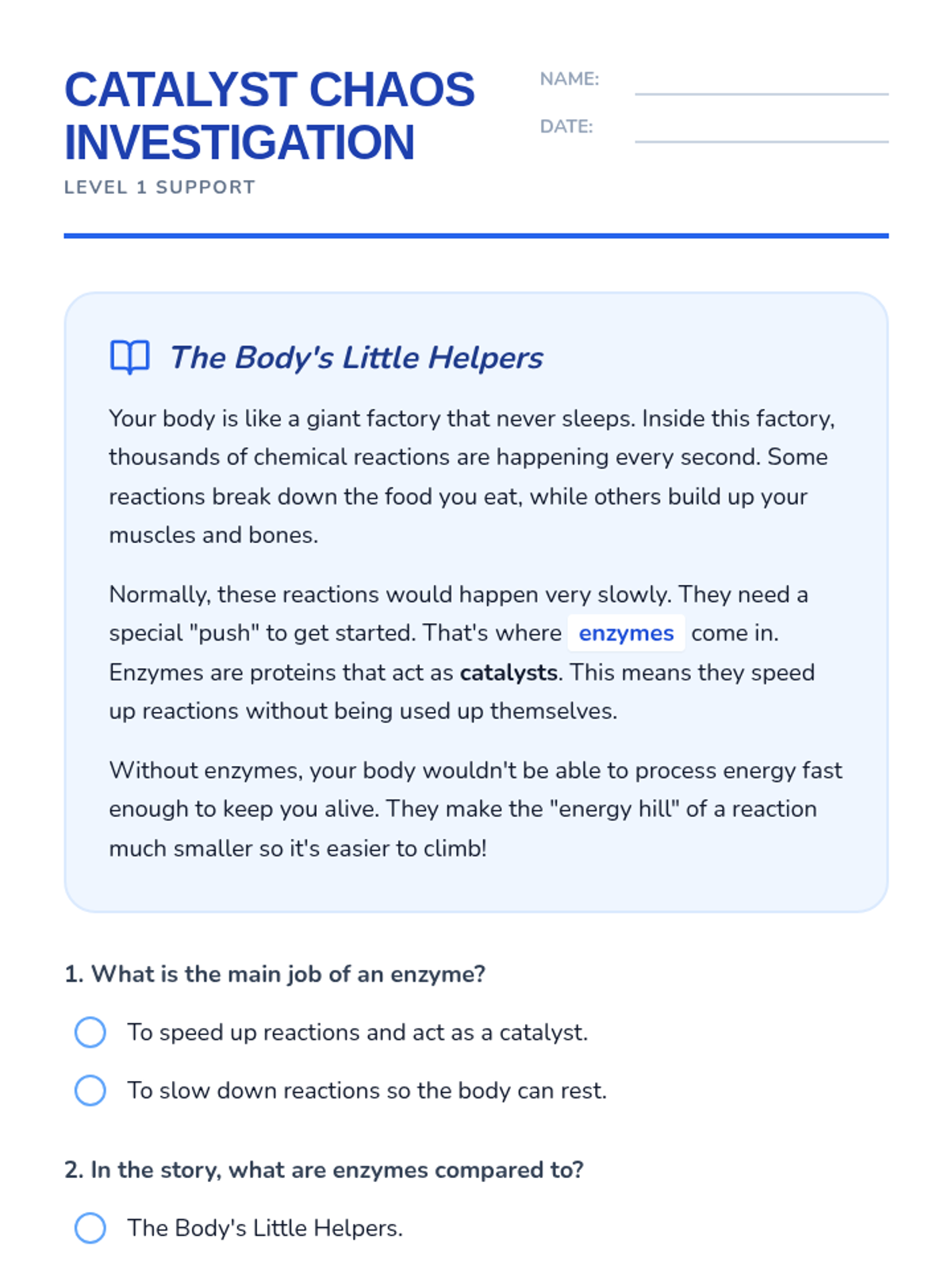
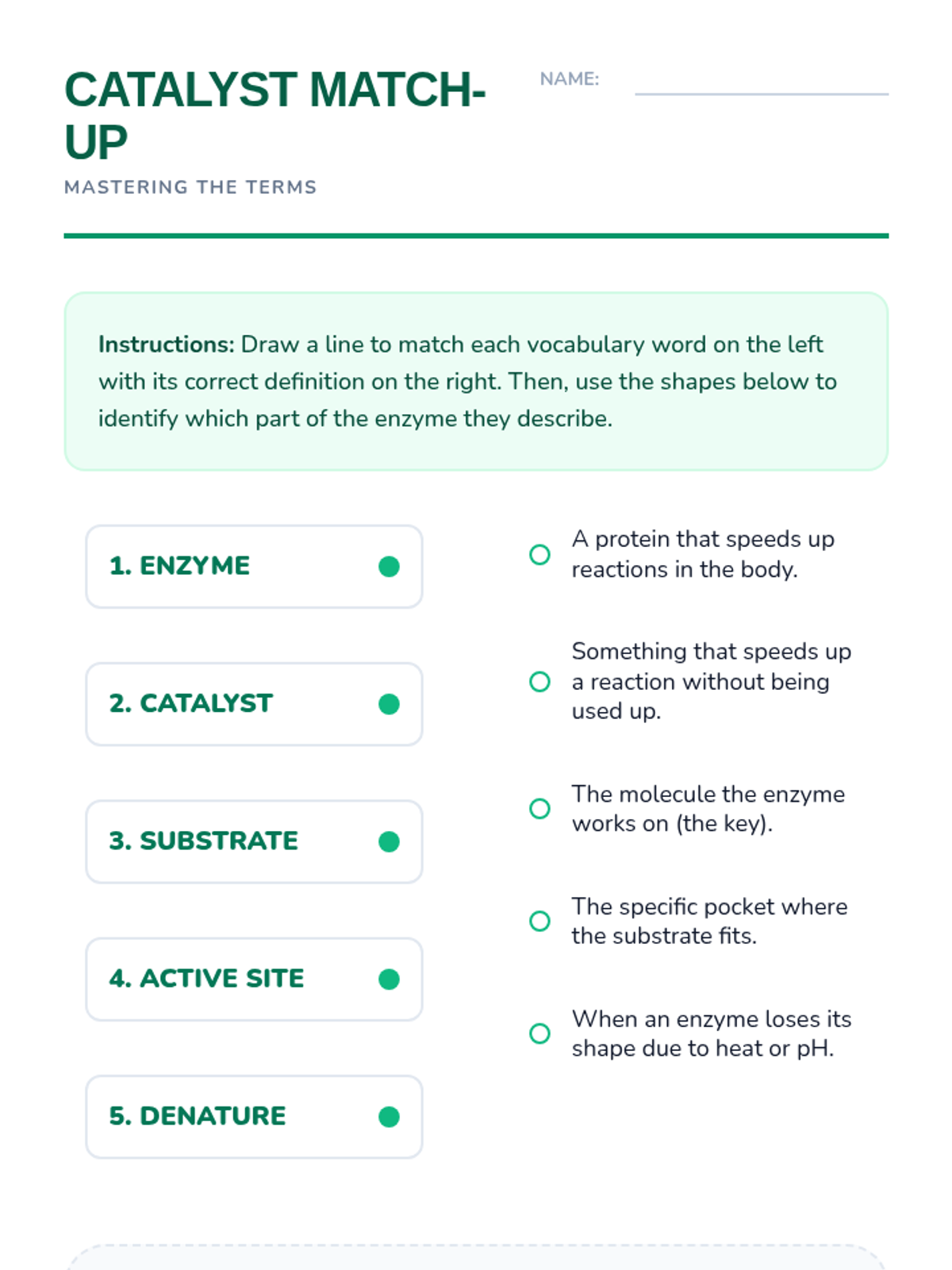
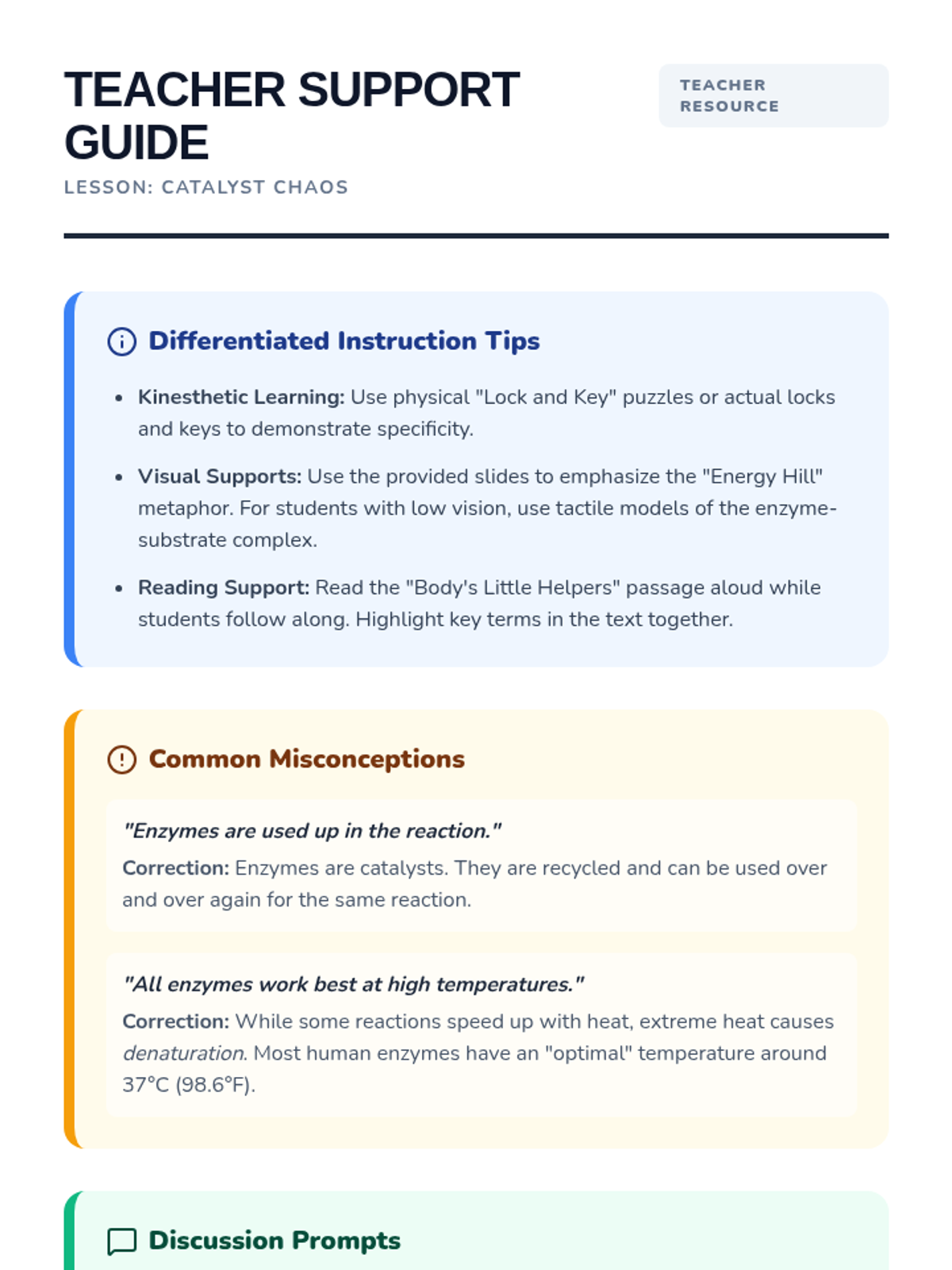
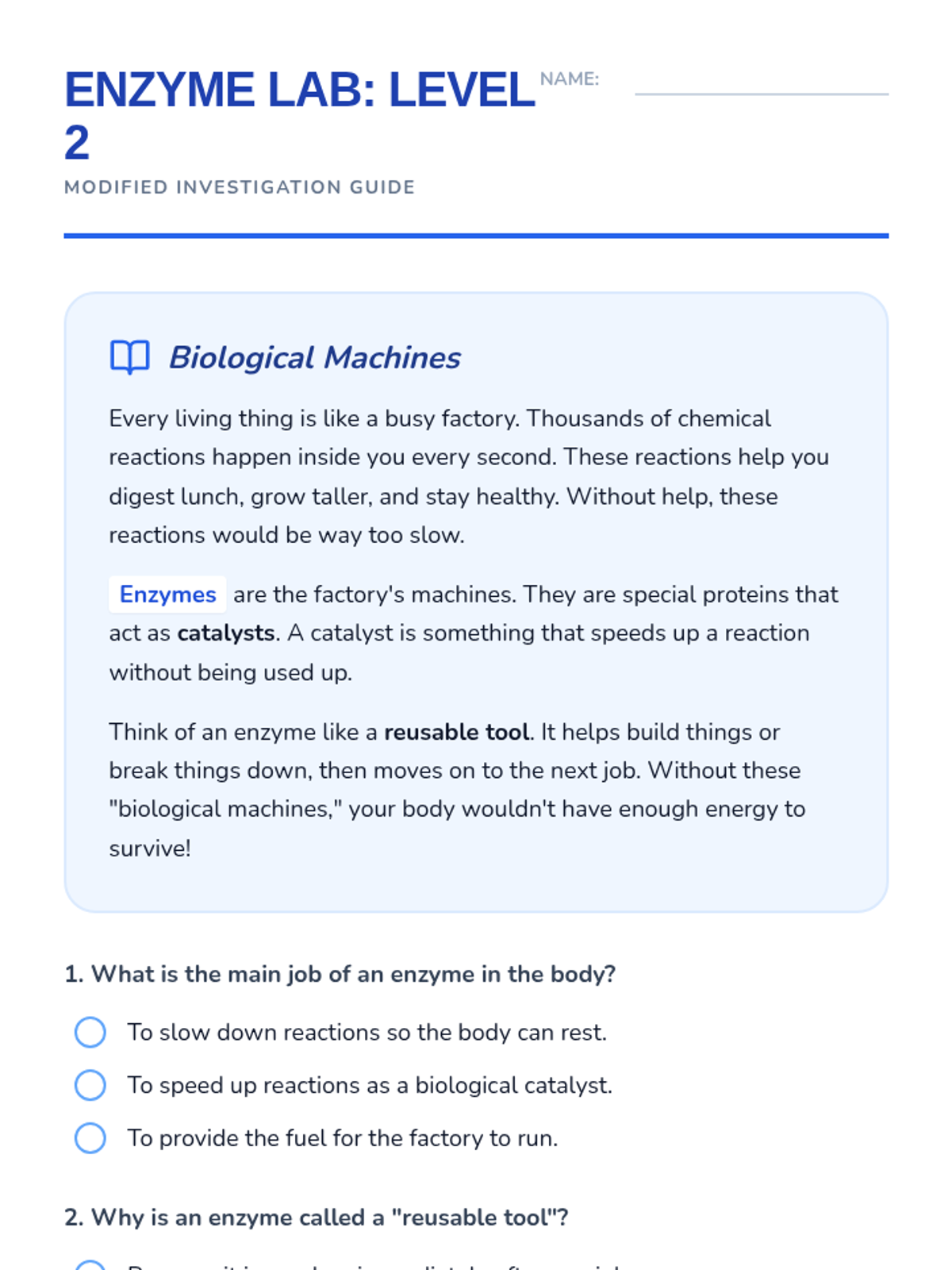
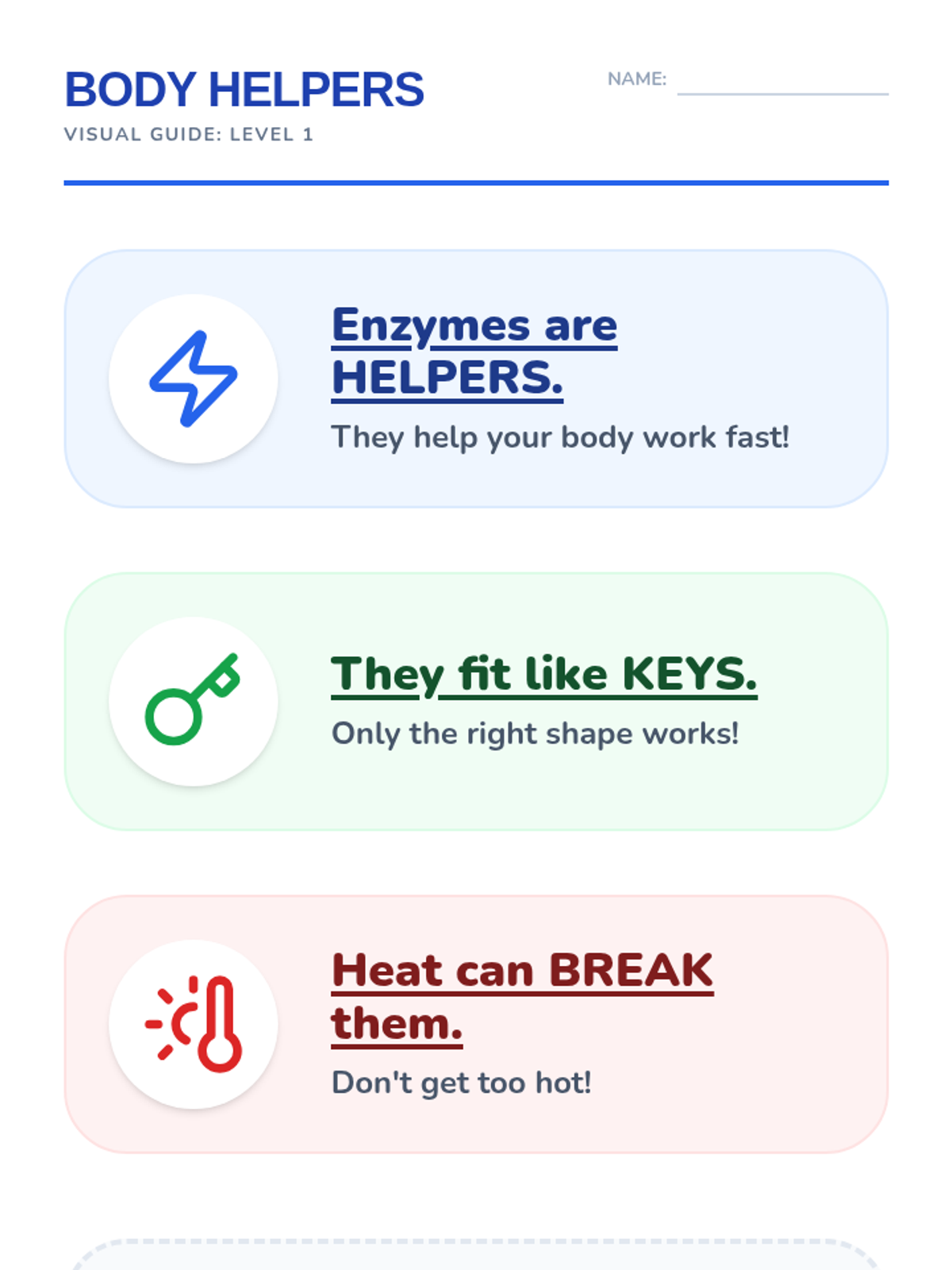
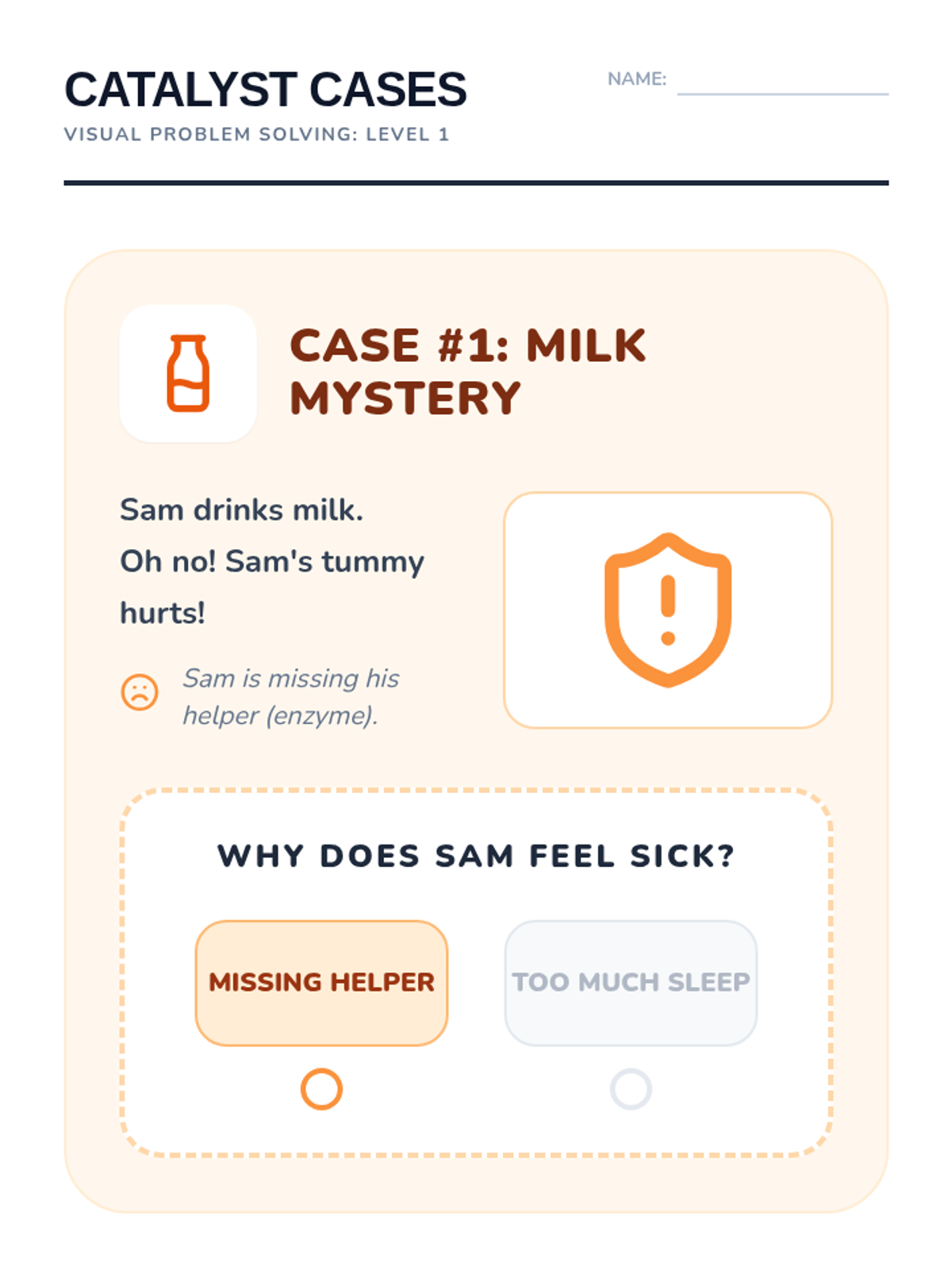
A unit exploring the microscopic machines that keep living things running, from building cells to breaking down food.
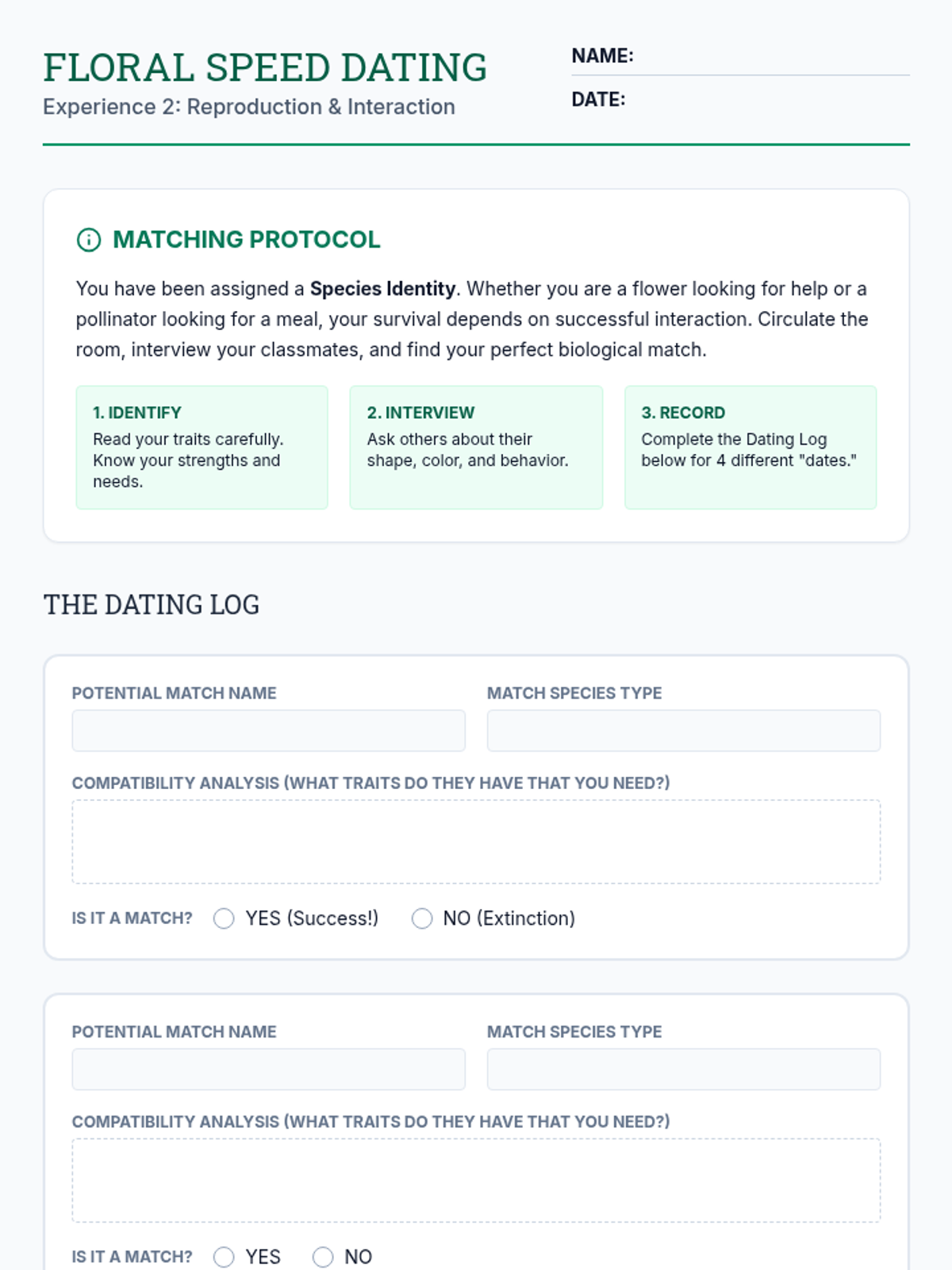
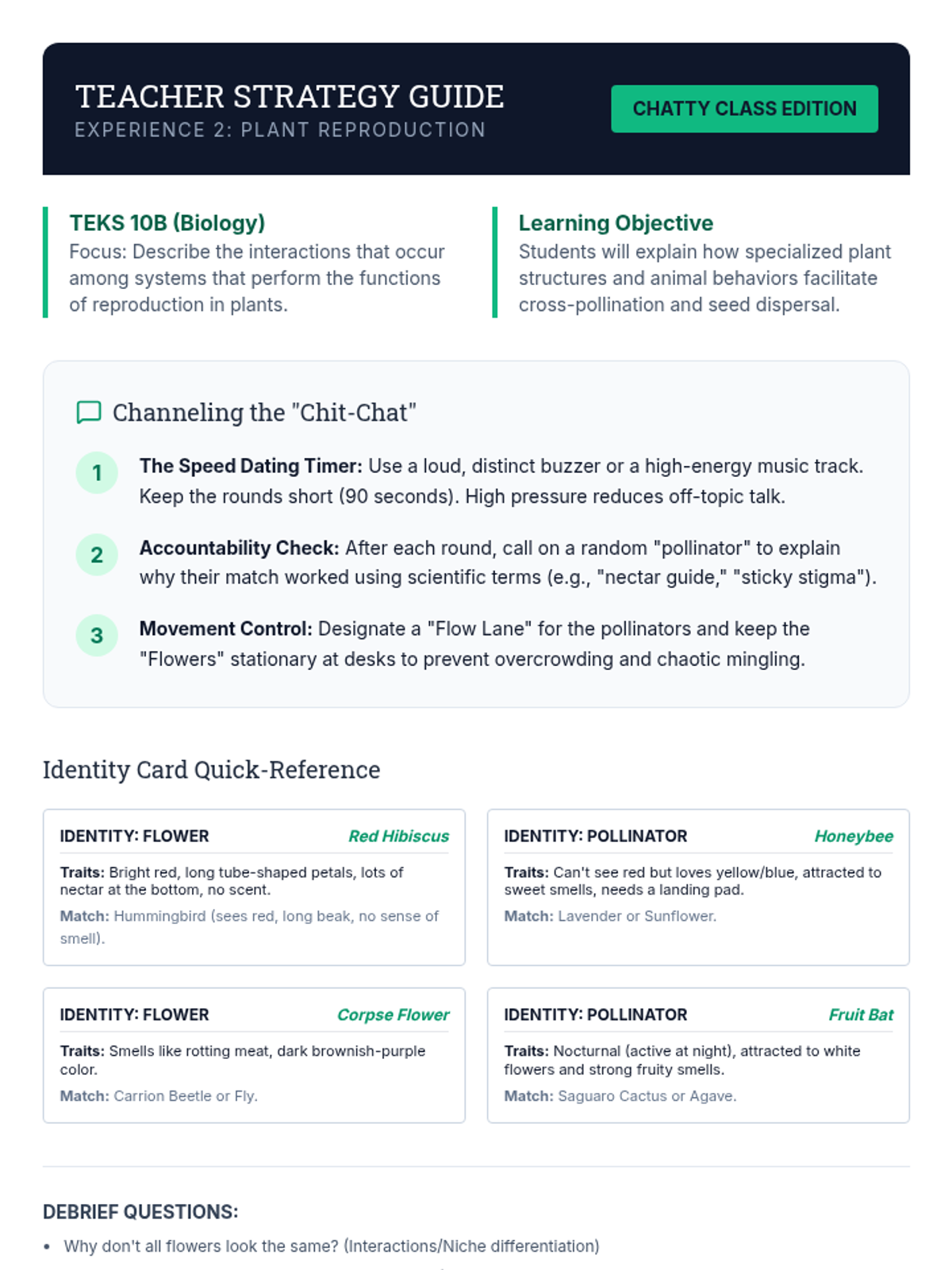
A high-engagement sequence on plant systems (Reproduction, Transport, and Response) designed for talkative students. It uses collaborative, discussion-based activities to channel social energy into scientific inquiry.
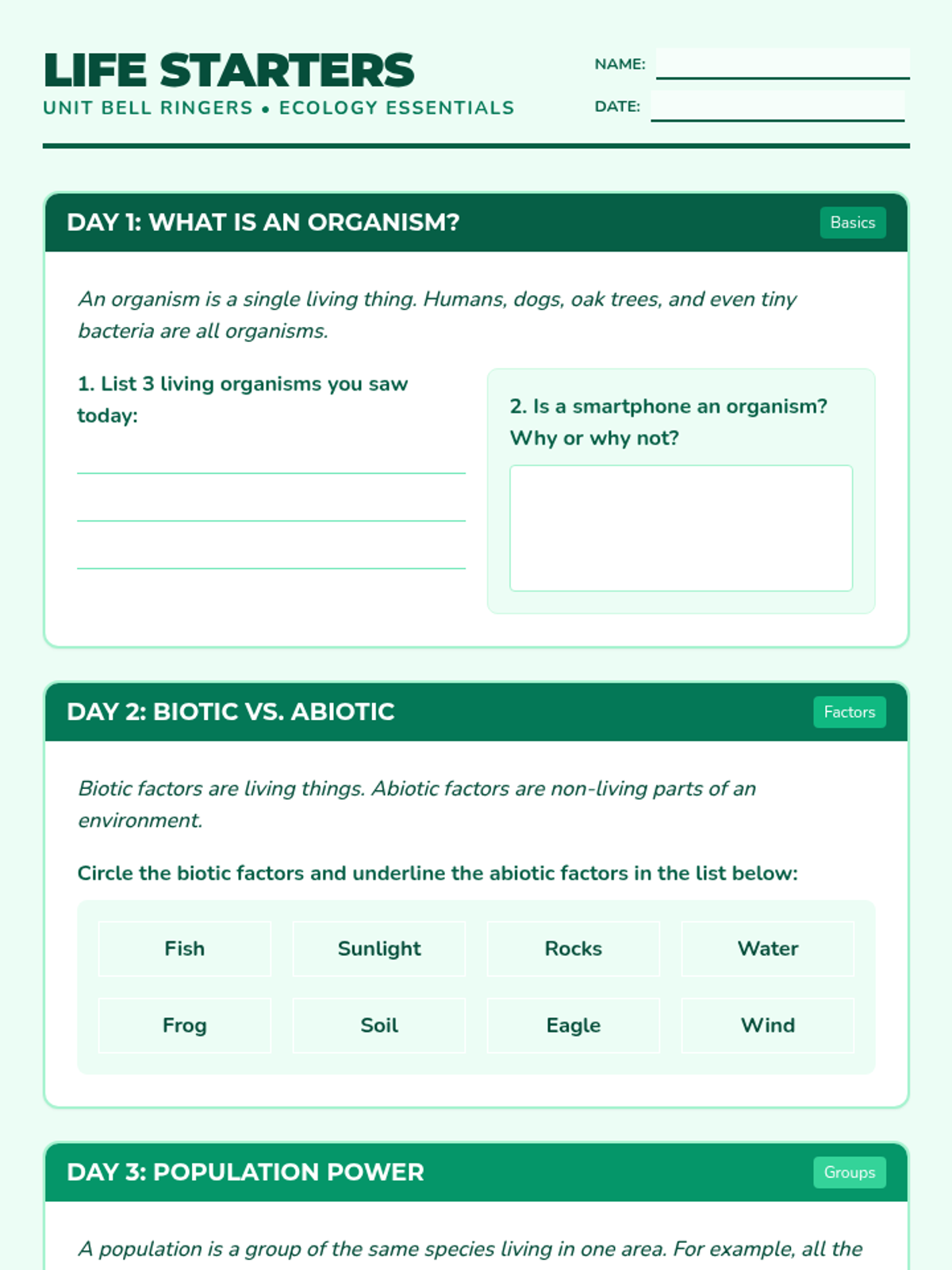
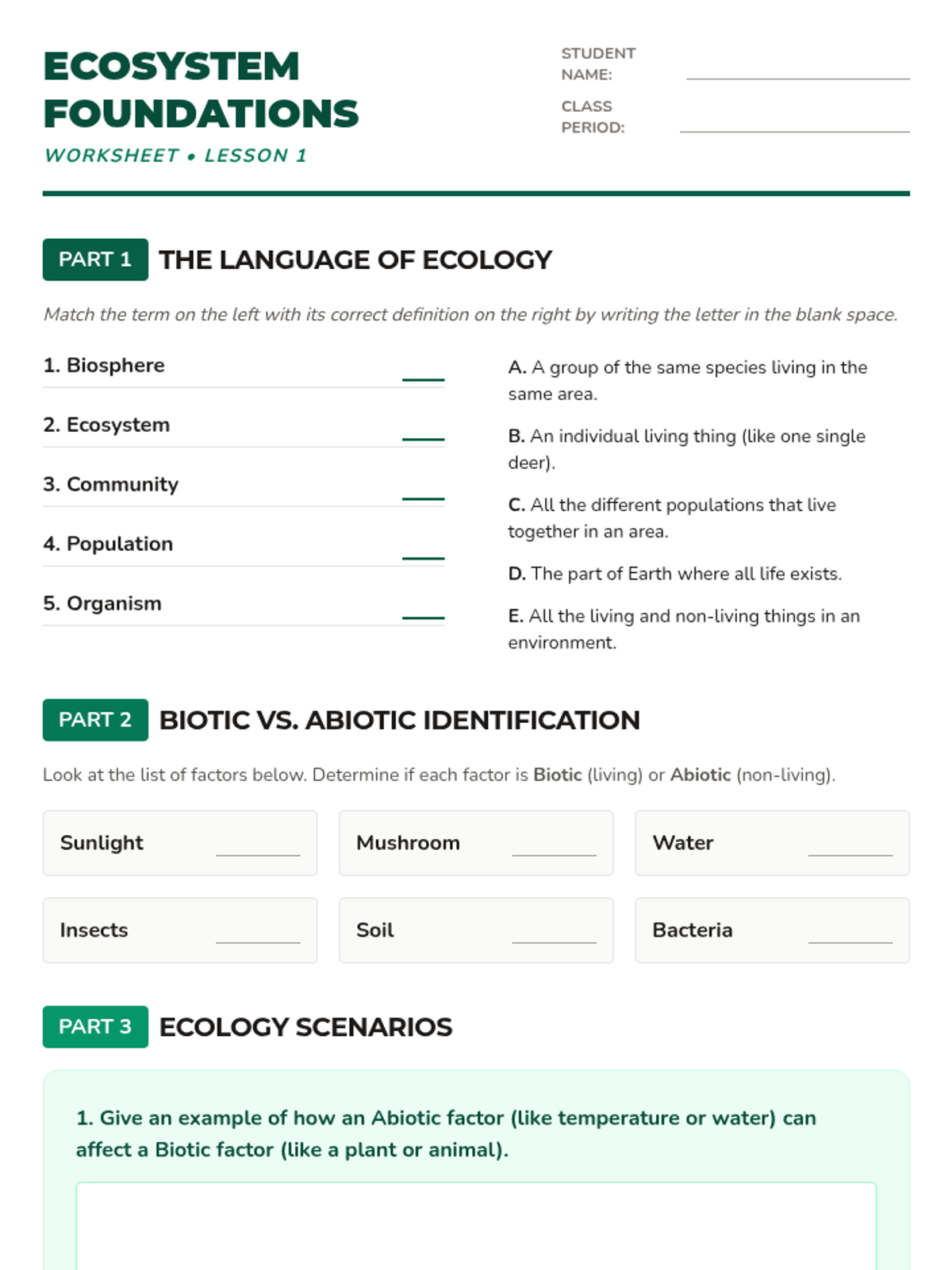
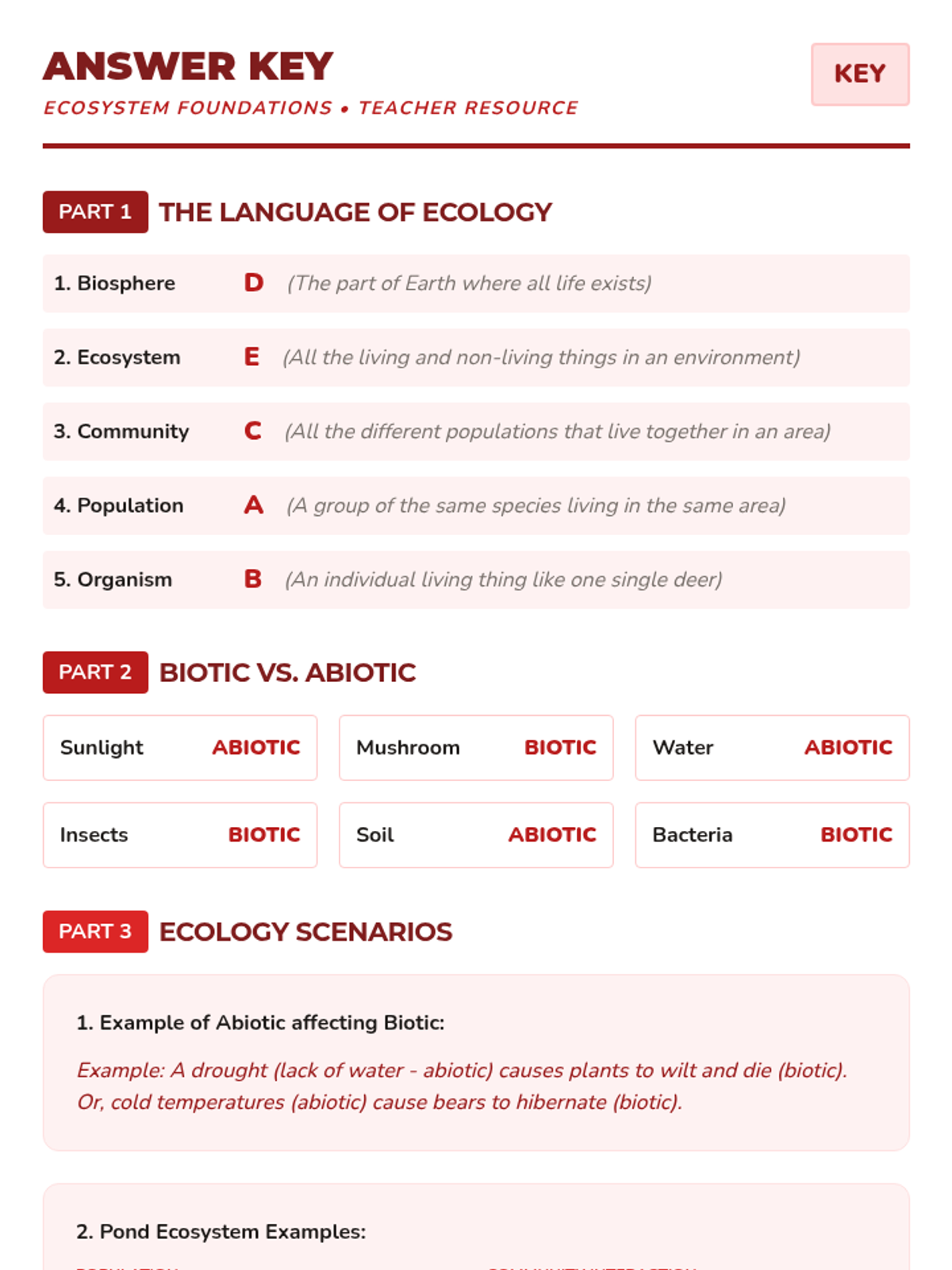
A comprehensive 2-week unit for high school biology students exploring the interconnectedness of life, from microscopic organisms to the global biosphere. Students will investigate biomes, energy flow, and population dynamics through hands-on activities and creative projects.
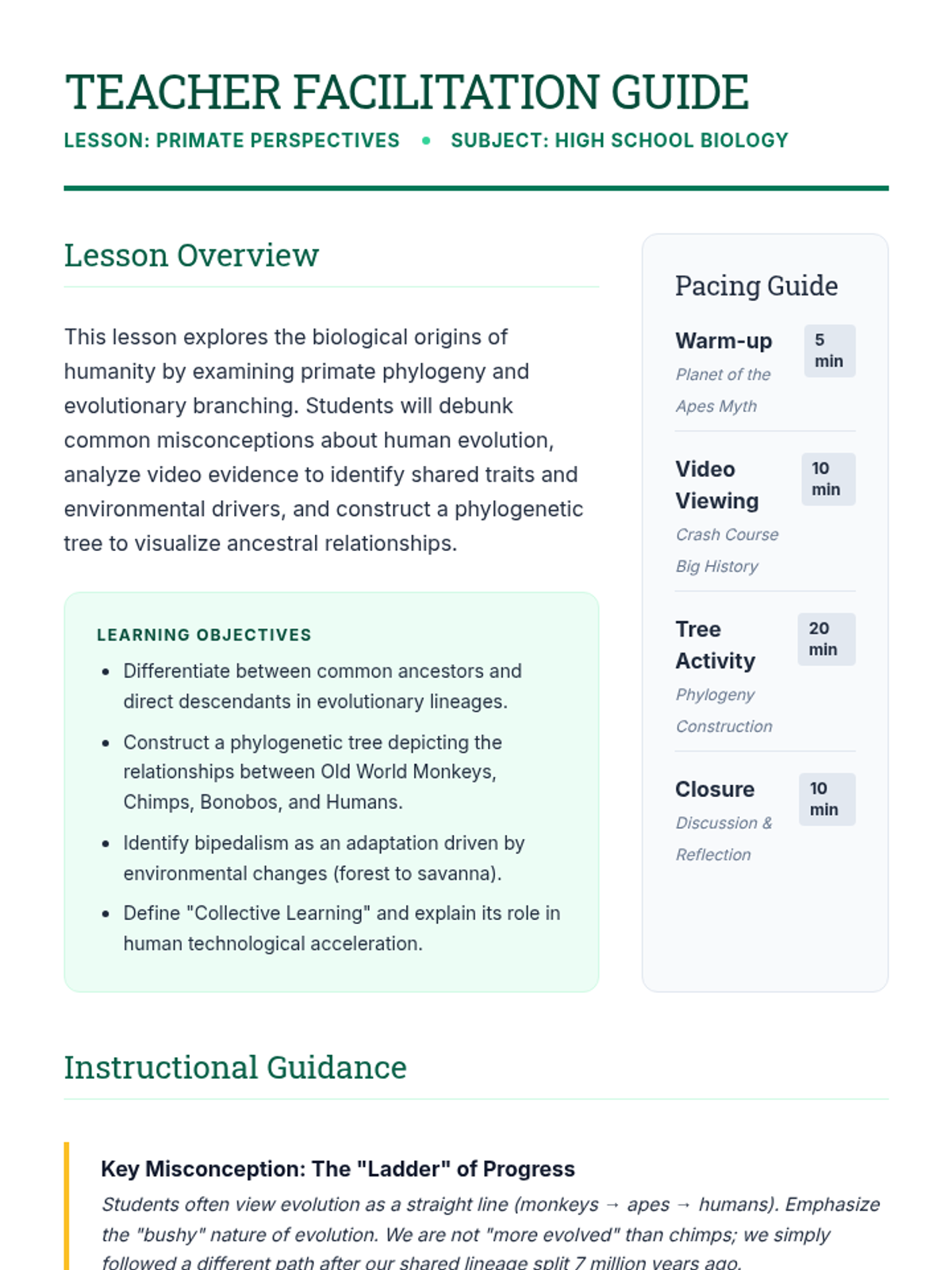
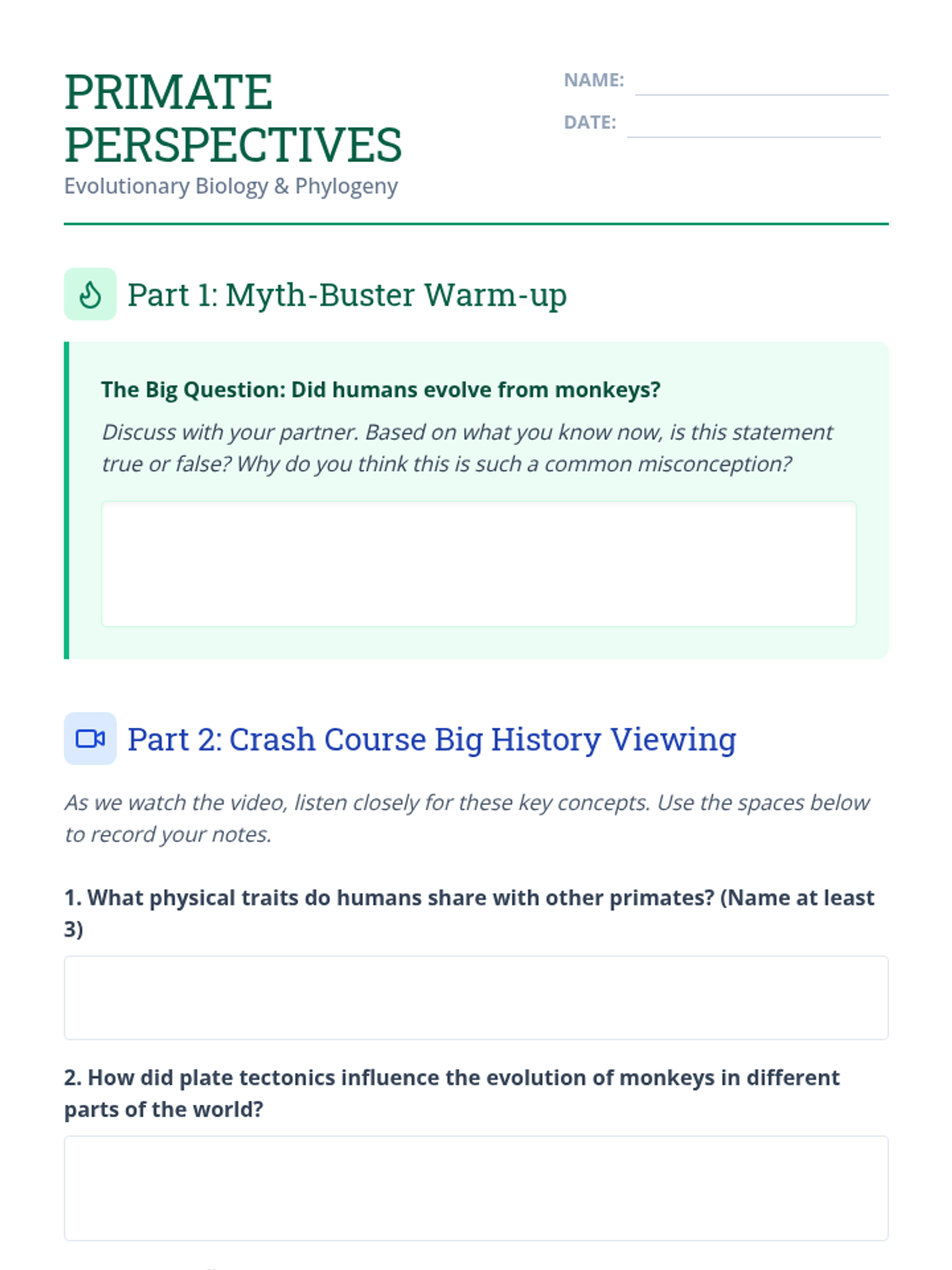
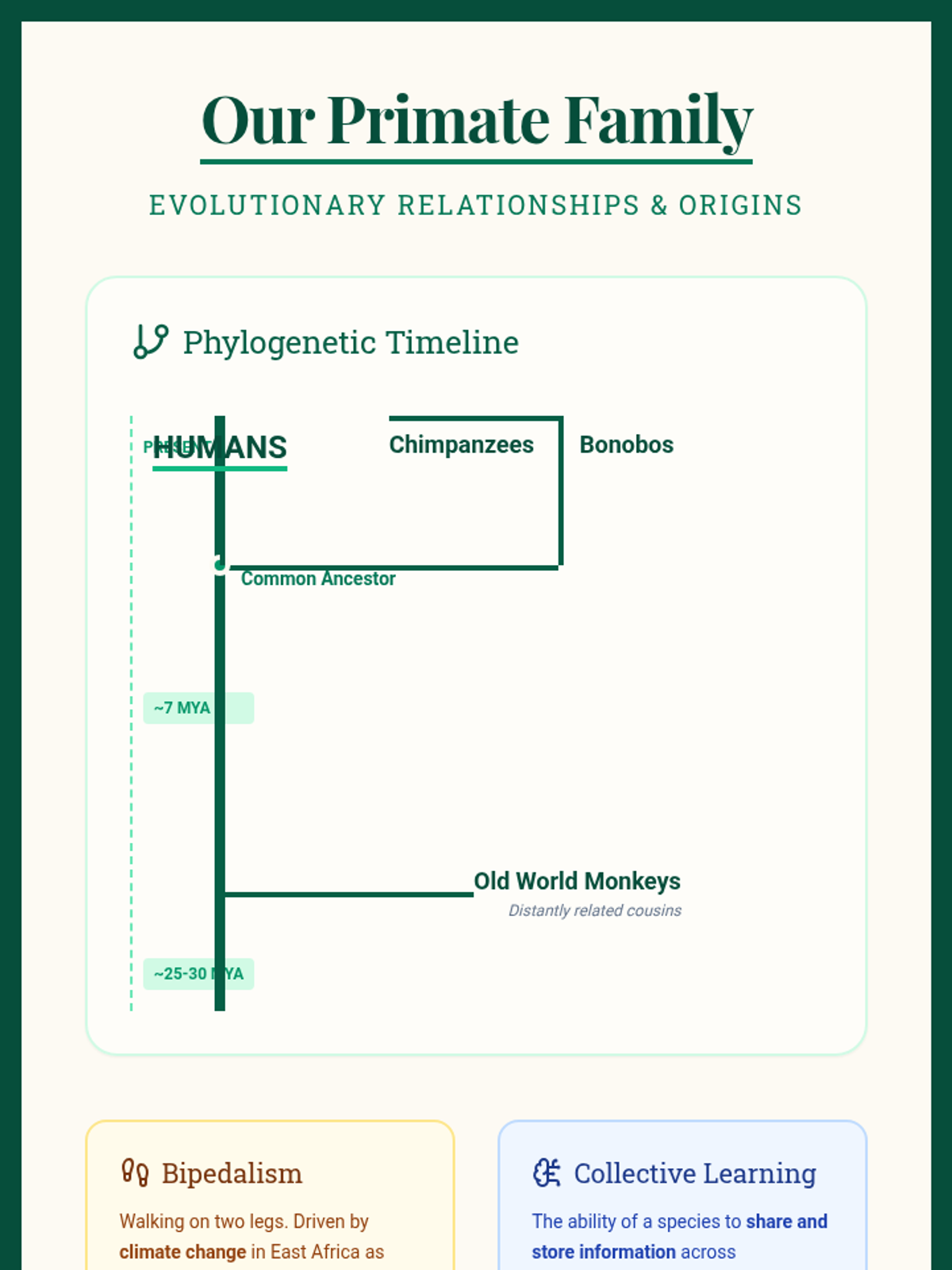
A unit exploring the biological origins of humanity, focusing on evolutionary biology, phylogeny, and the development of complex traits like bipedalism and collective learning.
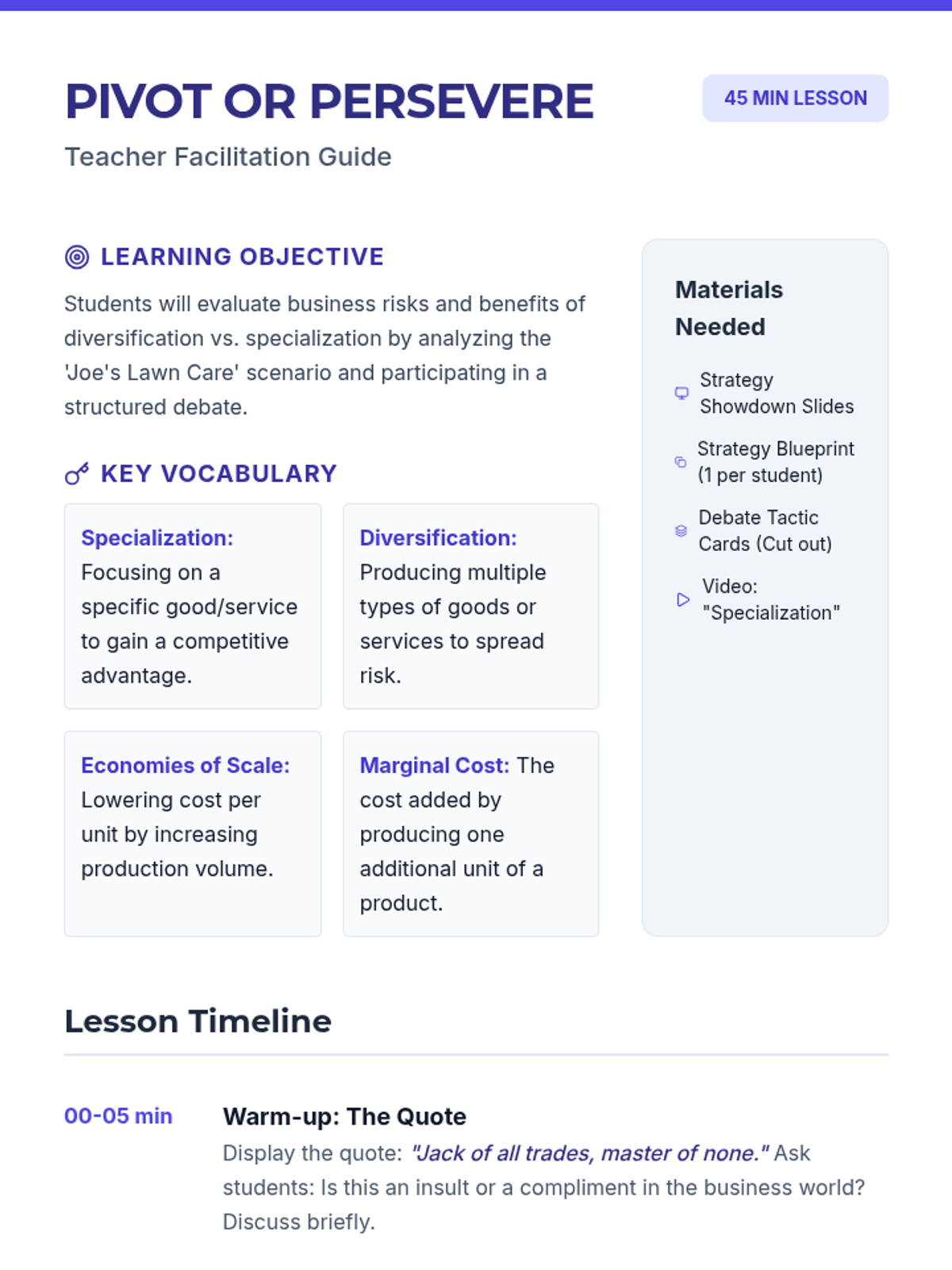
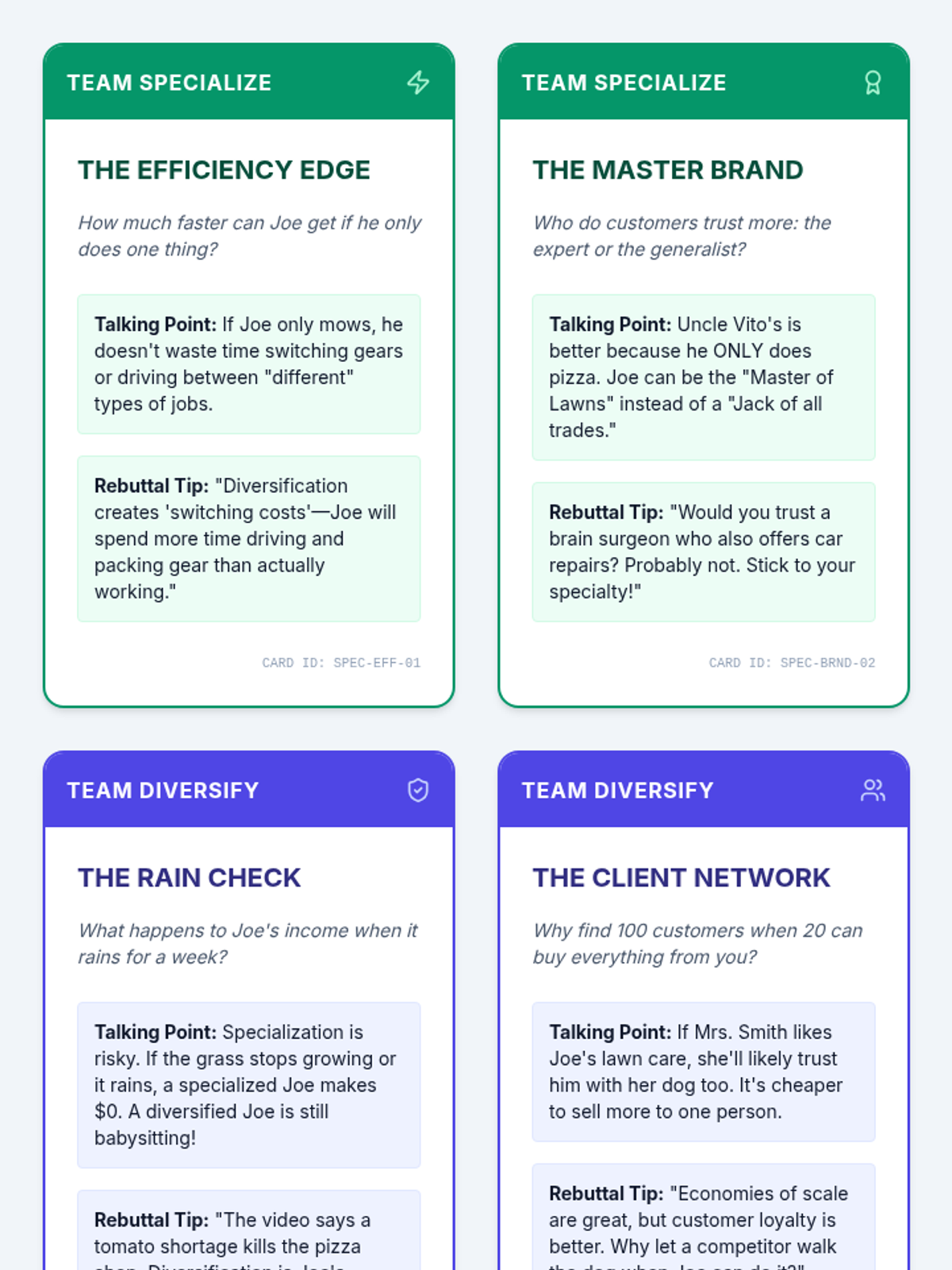
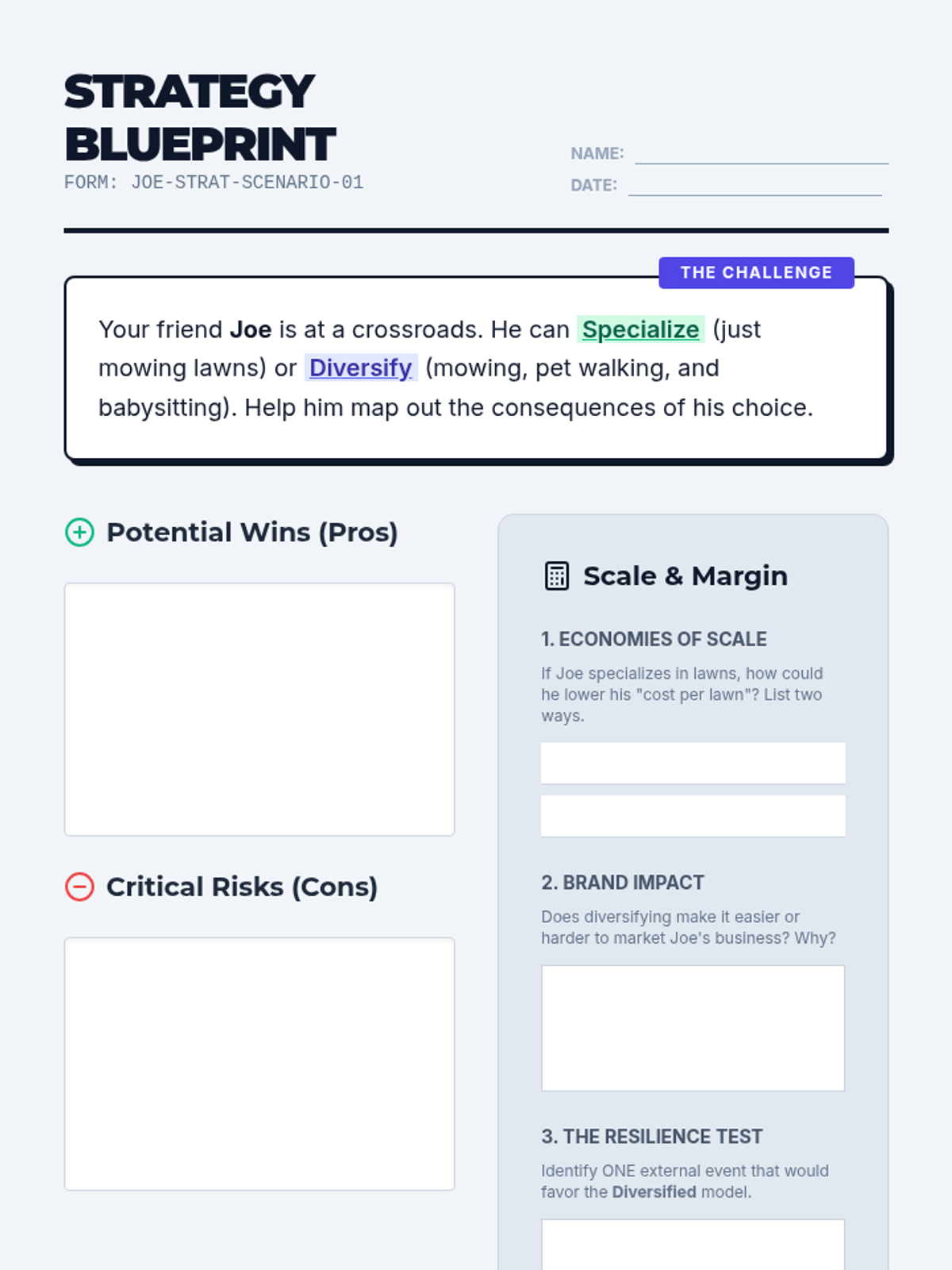
A high school entrepreneurship lesson evaluating the trade-offs between business specialization and diversification. Students analyze the 'Joe's Lawn Care' scenario, explore economies of scale, and engage in a structured debate.
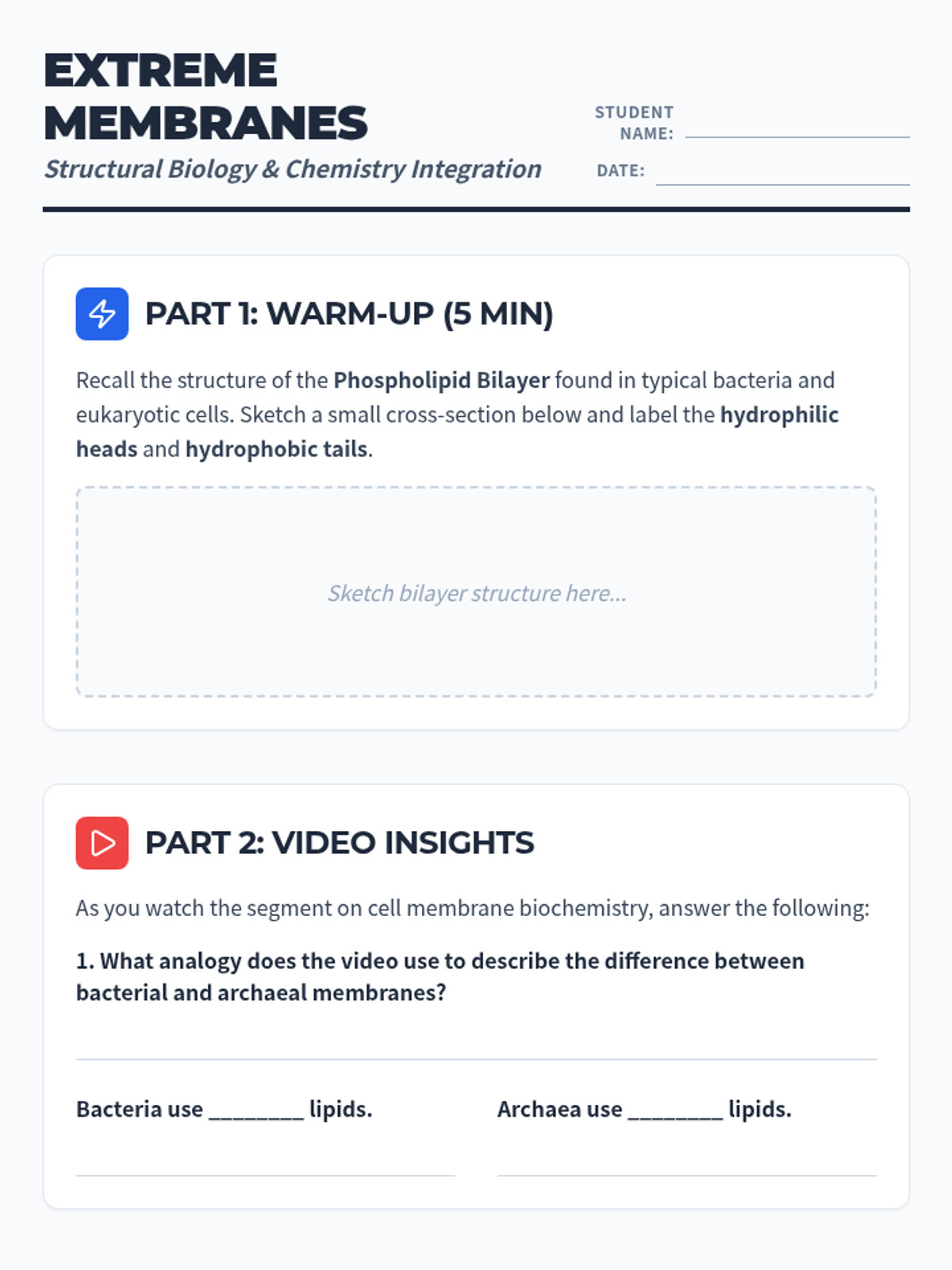
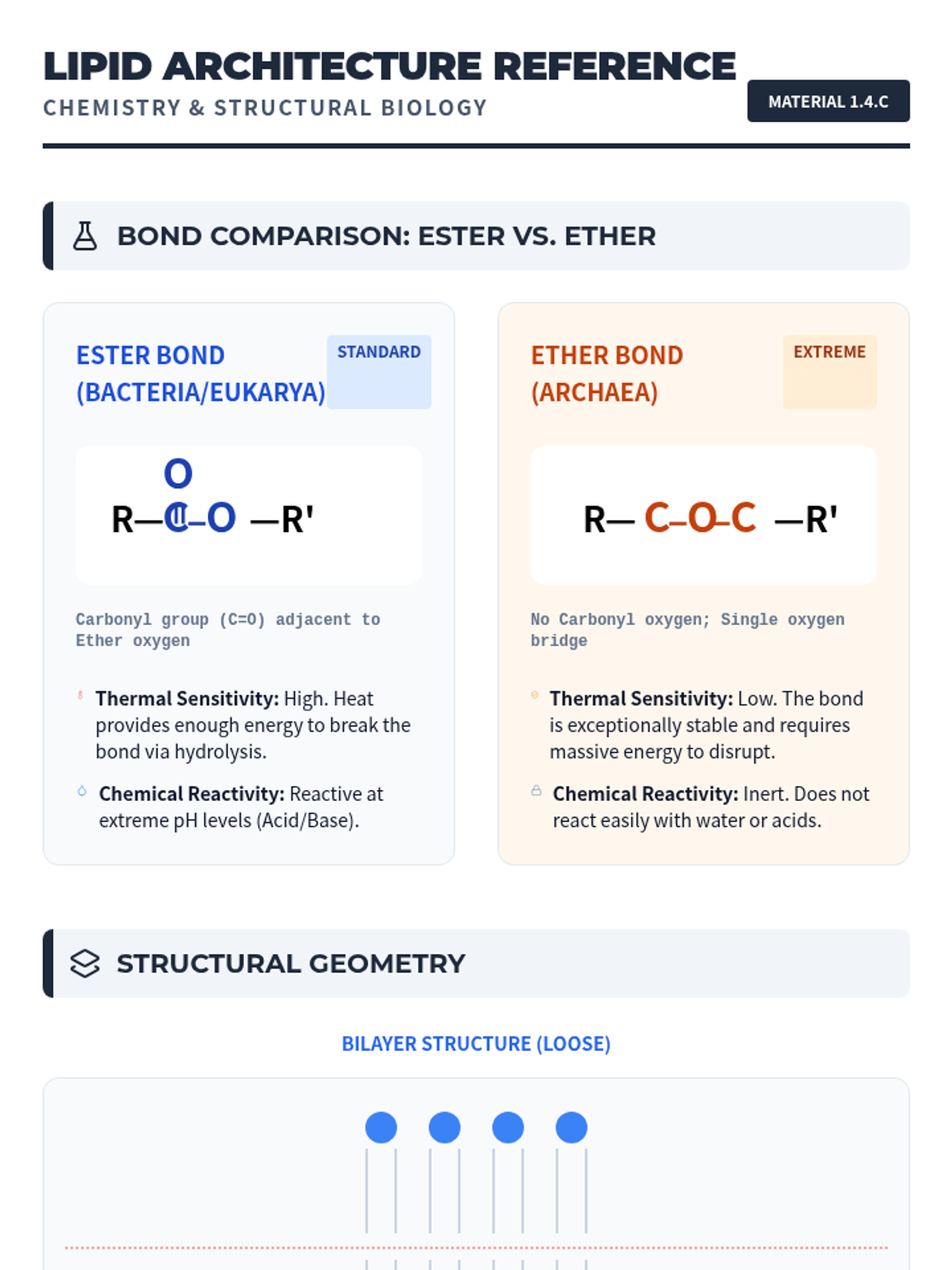
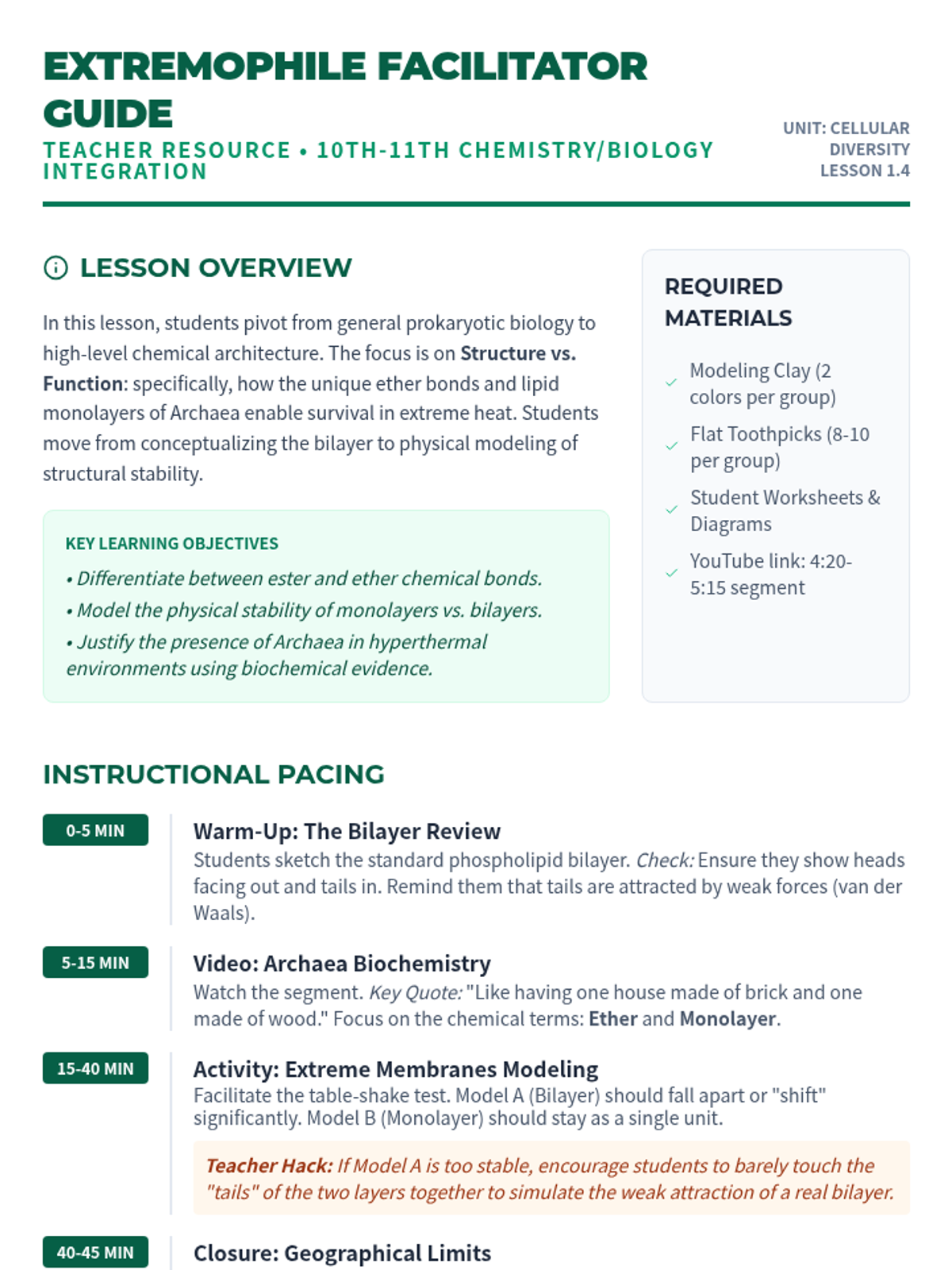
A specialized high school chemistry/biology integrated lesson exploring the biochemical differences between Archaea and Bacteria. Students analyze how ether bonds and lipid monolayers provide structural stability for survival in extreme thermal environments through modeling and chemical analysis.
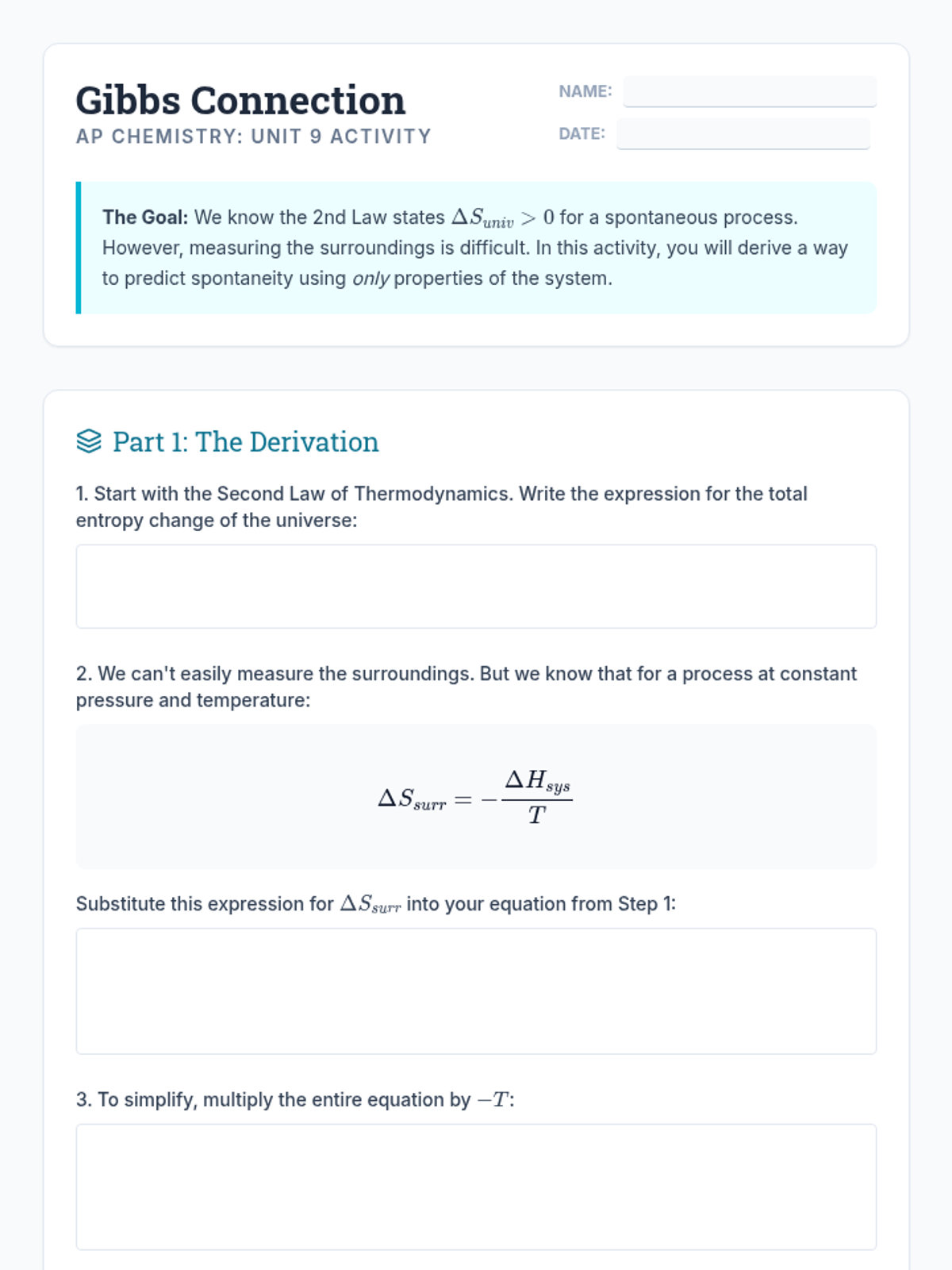
A high-school level exploration of thermodynamics, focusing on the connection between entropy, enthalpy, and Gibbs Free Energy to predict chemical spontaneity.
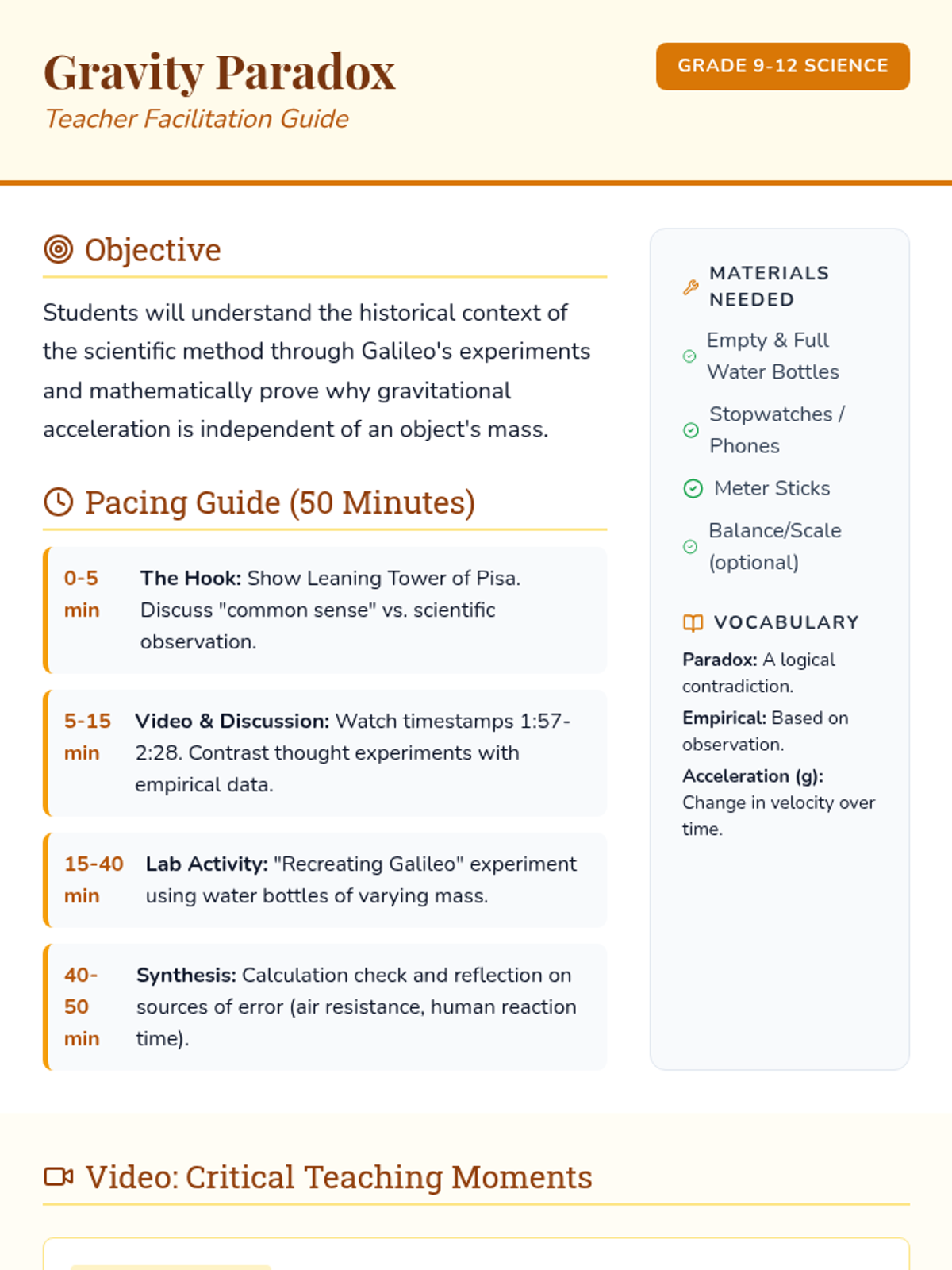
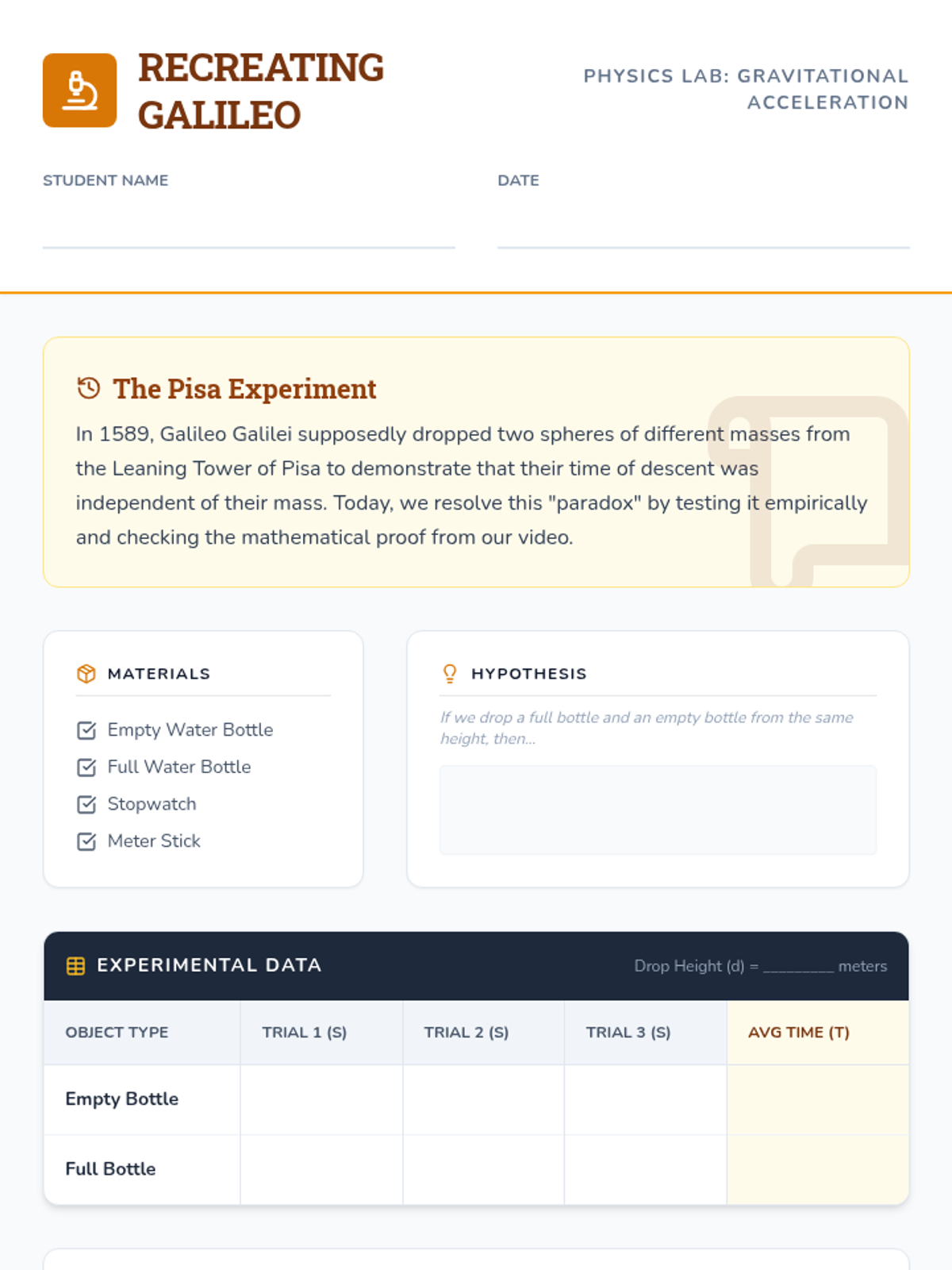
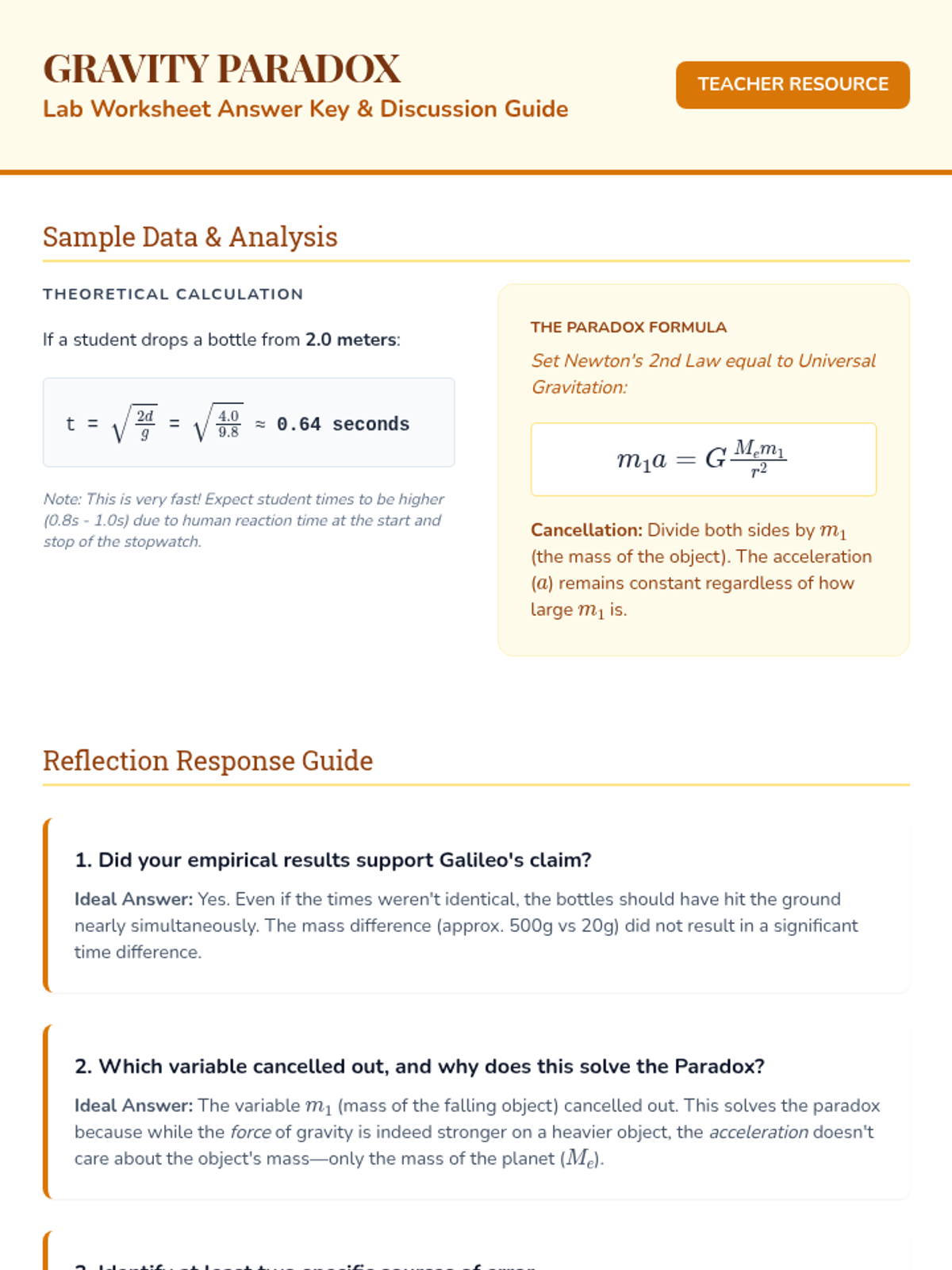
A lesson focused on Galileo's gravitational experiments and the mathematical resolution of the 'gravity paradox,' where mass cancels out in the calculation of acceleration. Students conduct a hands-on lab using bottles of different masses to test empirical results against theoretical models.
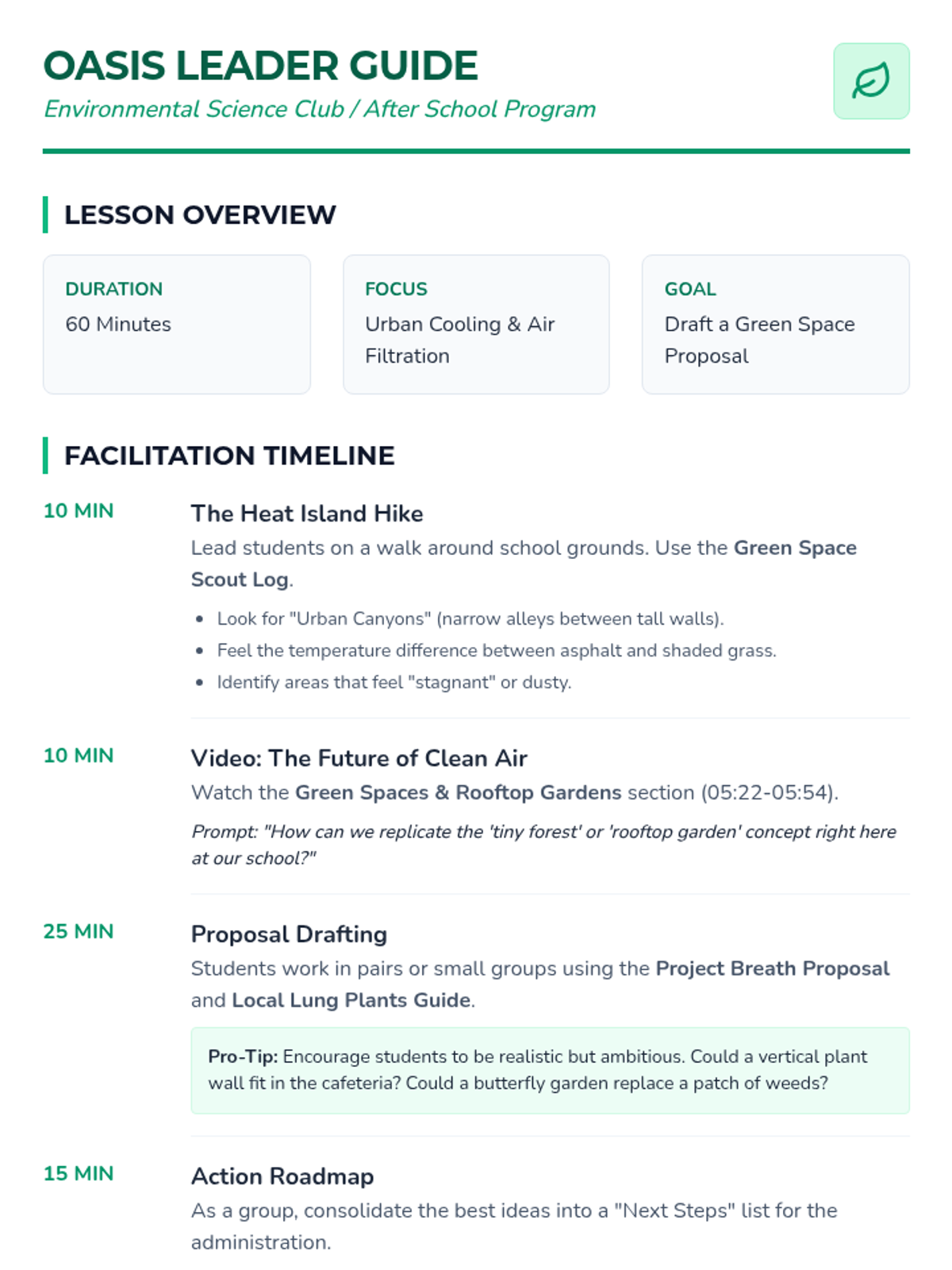
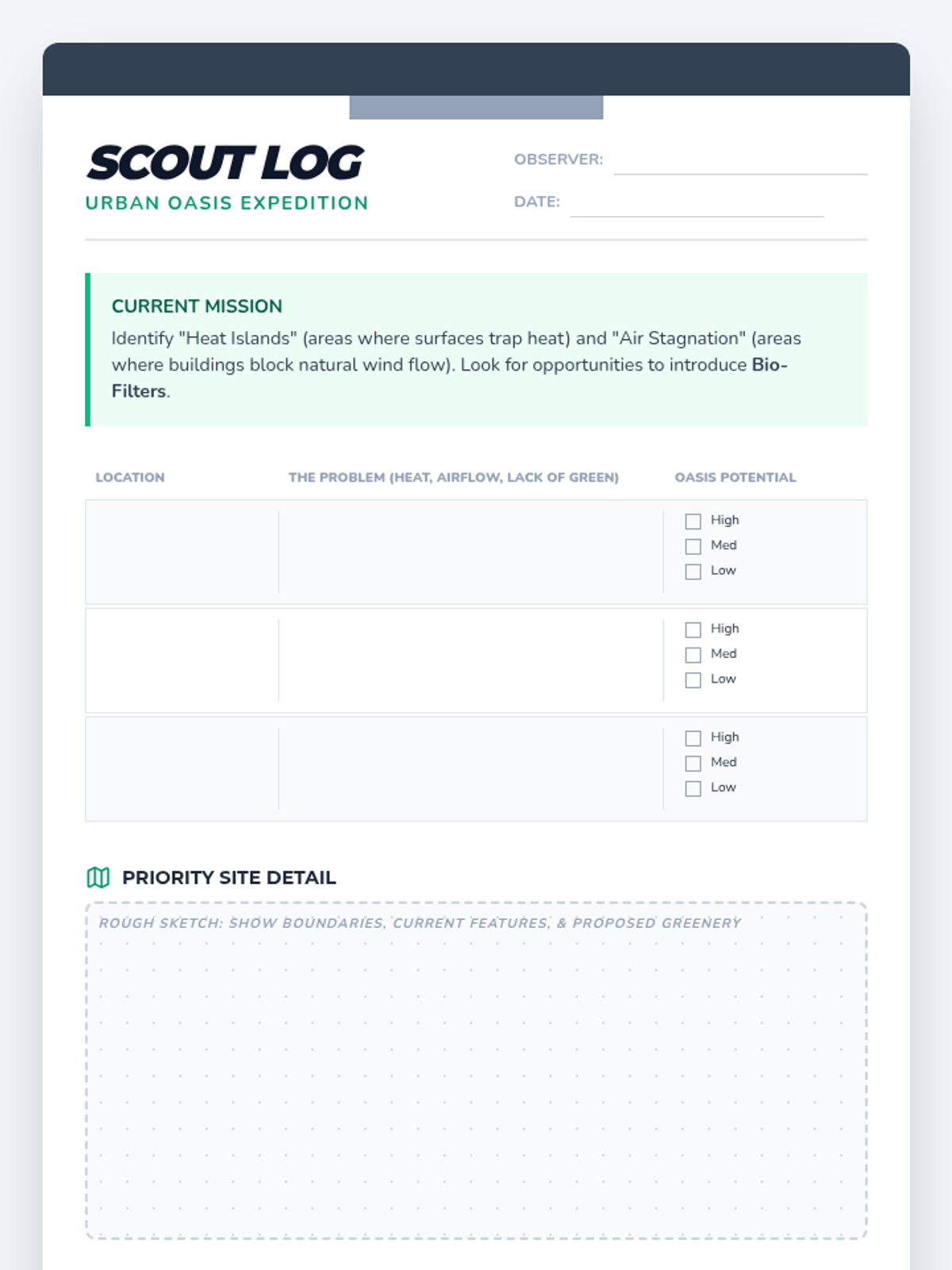
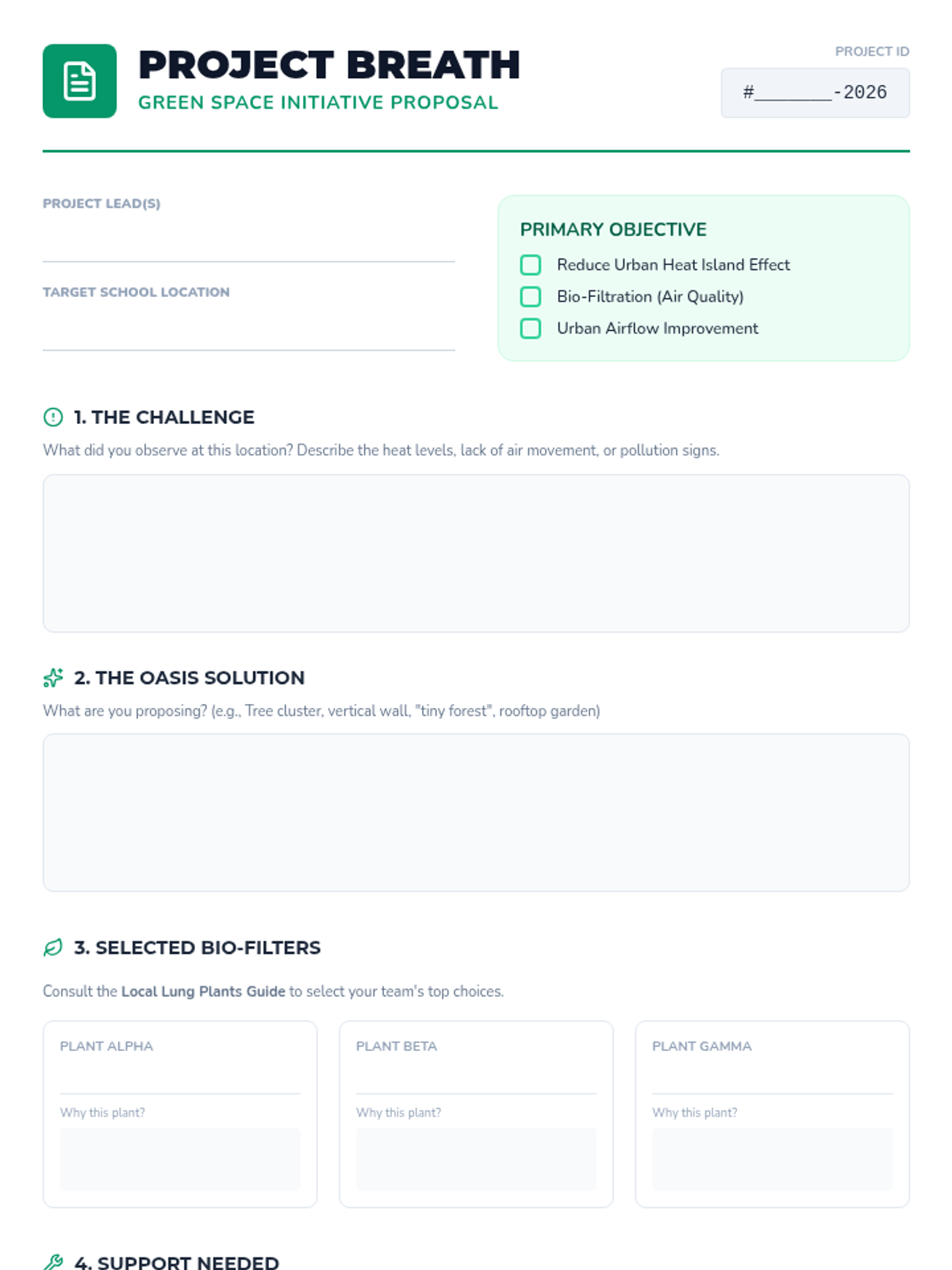
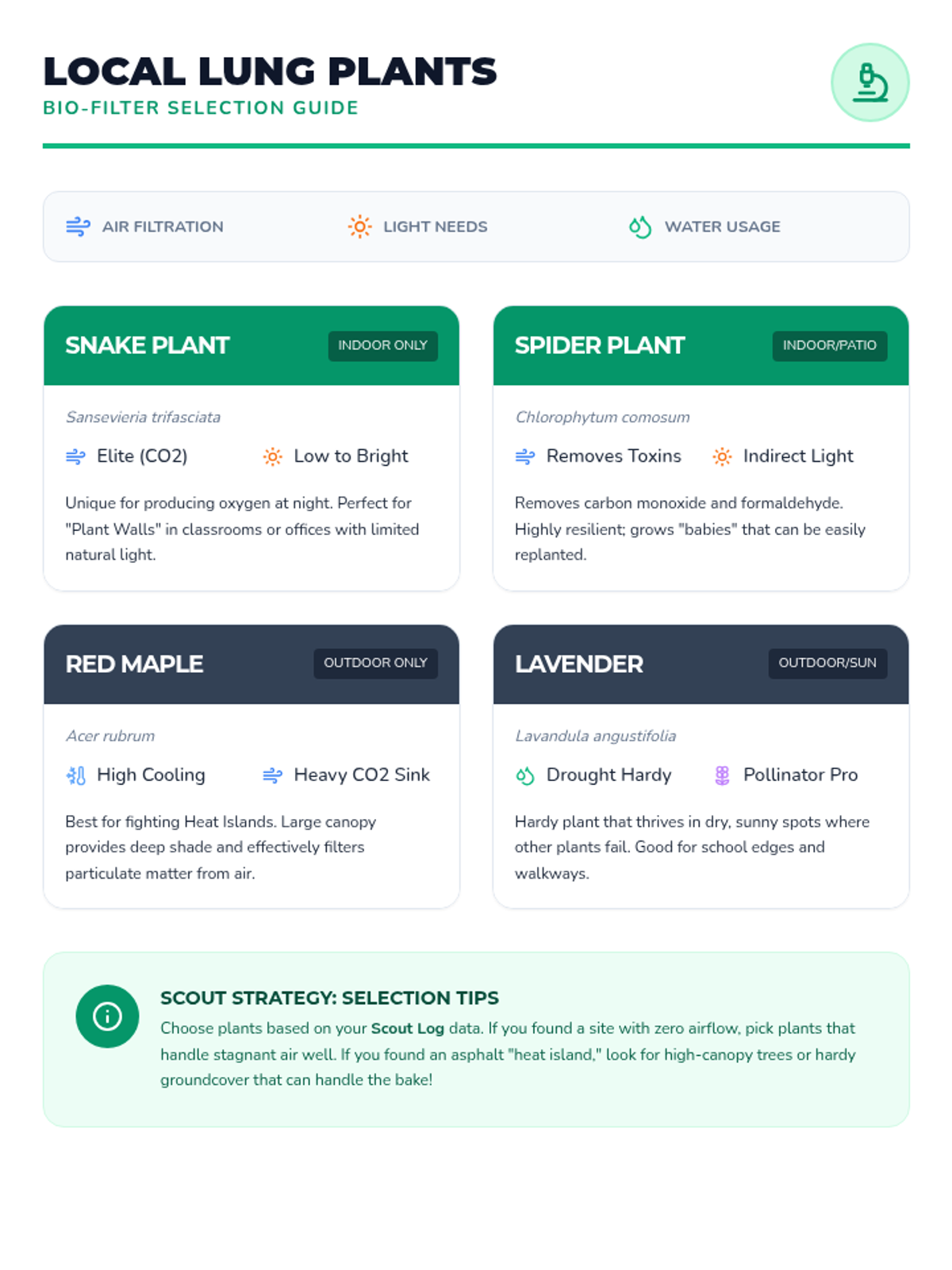
A series focused on local environmental action and urban air quality solutions, guiding students from observation to advocacy.
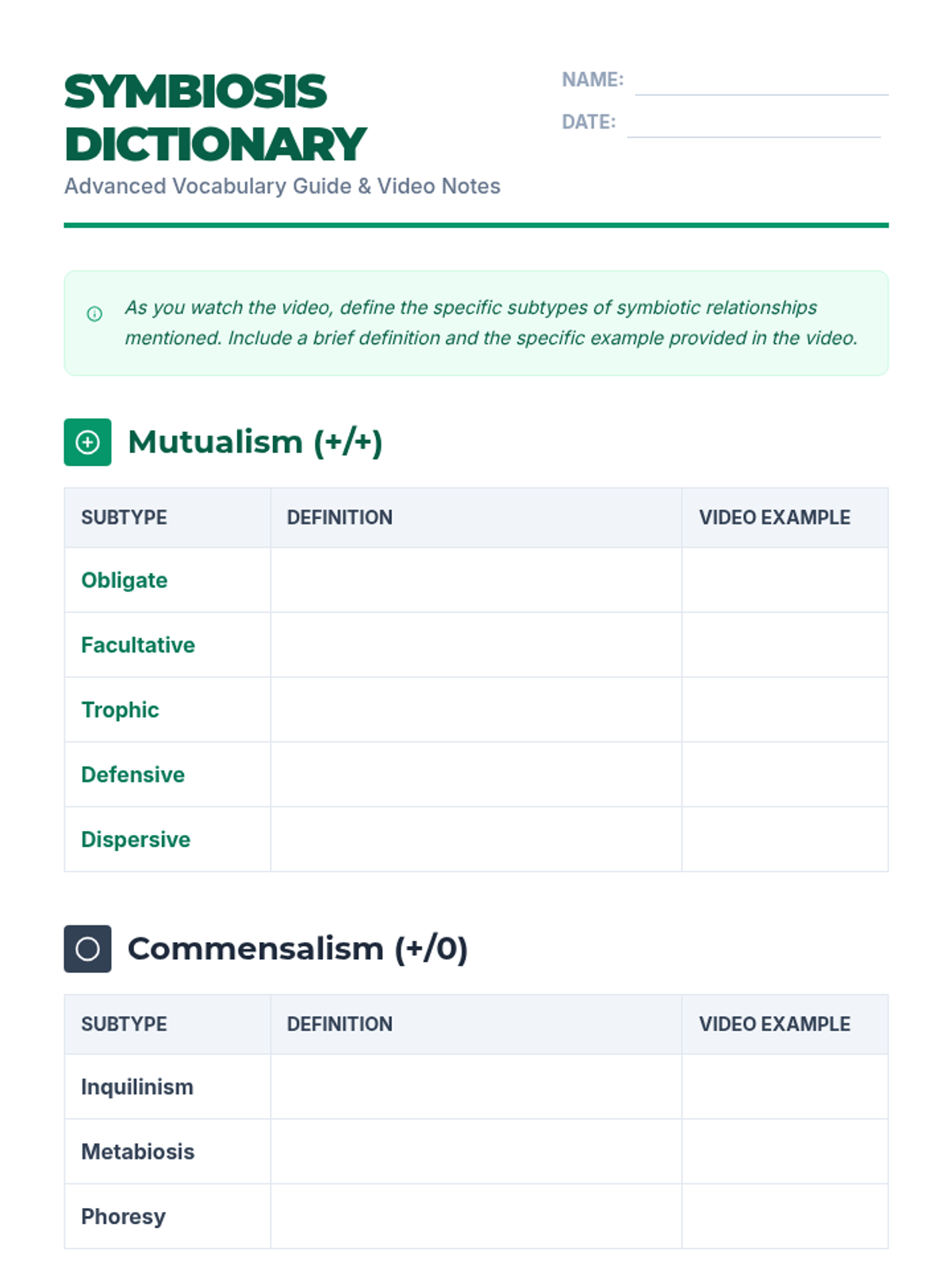
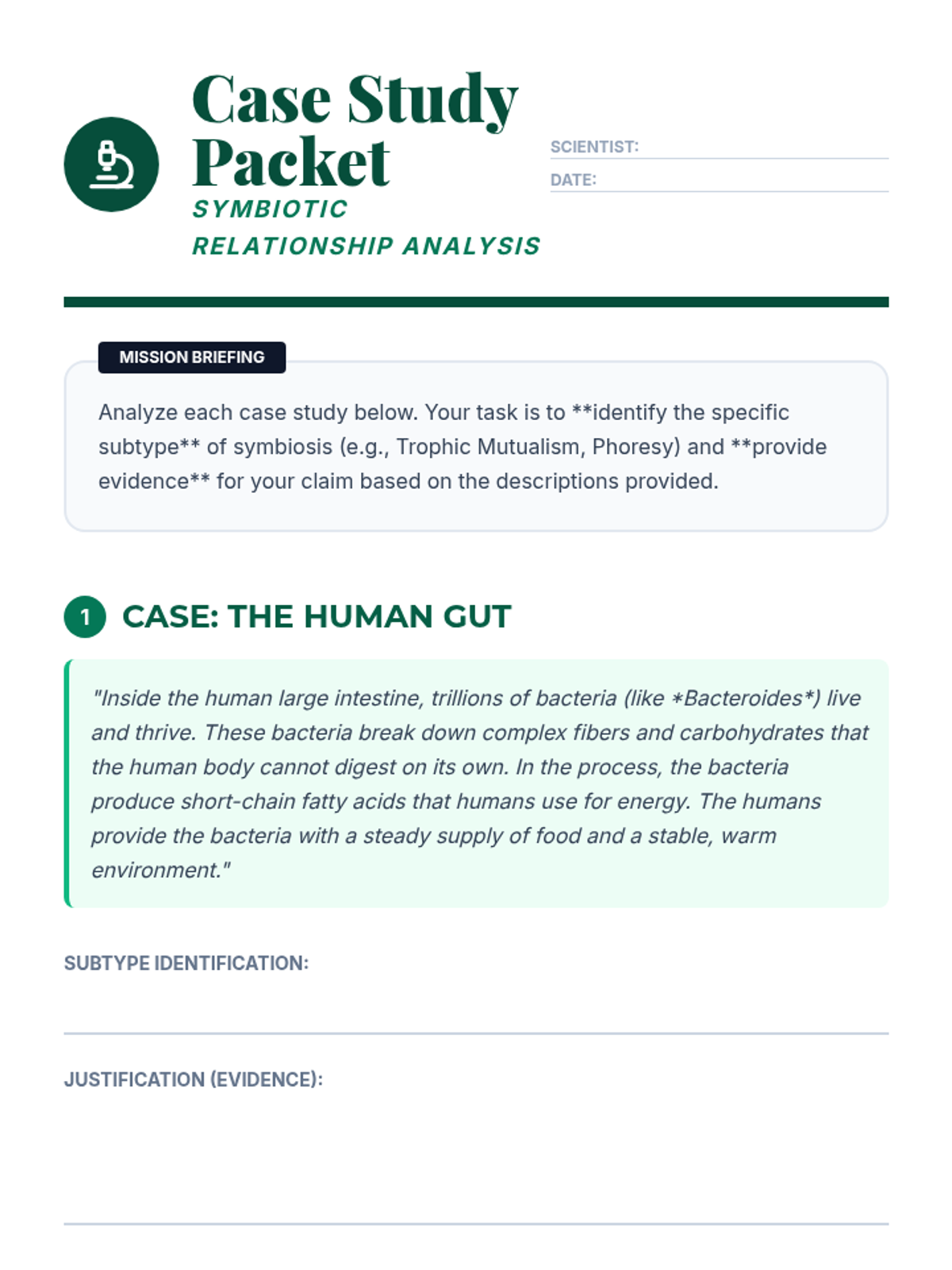
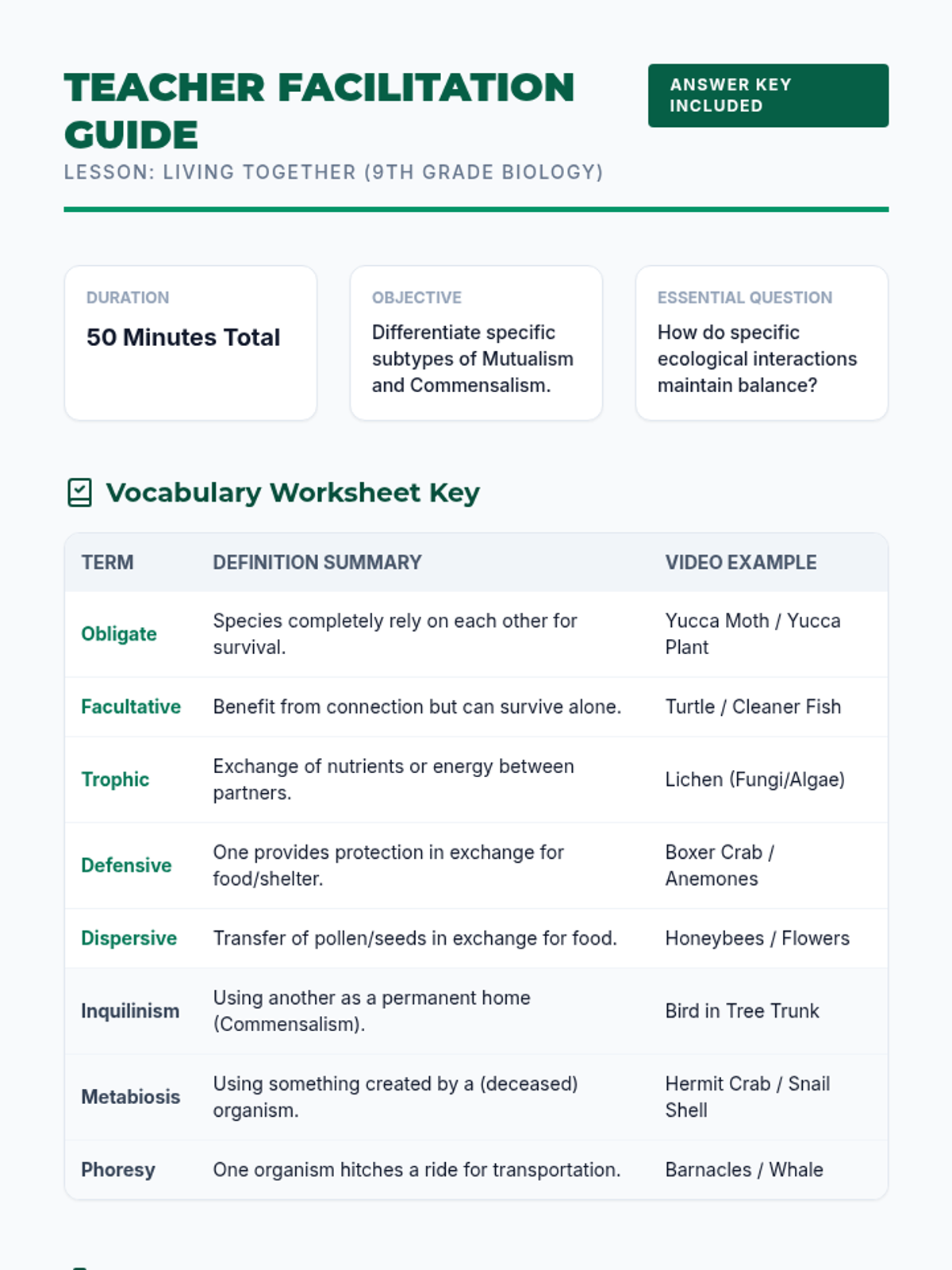
A comprehensive biology sequence exploring the intricate ways species interact, from basic symbiosis to complex ecosystem dynamics and population growth.
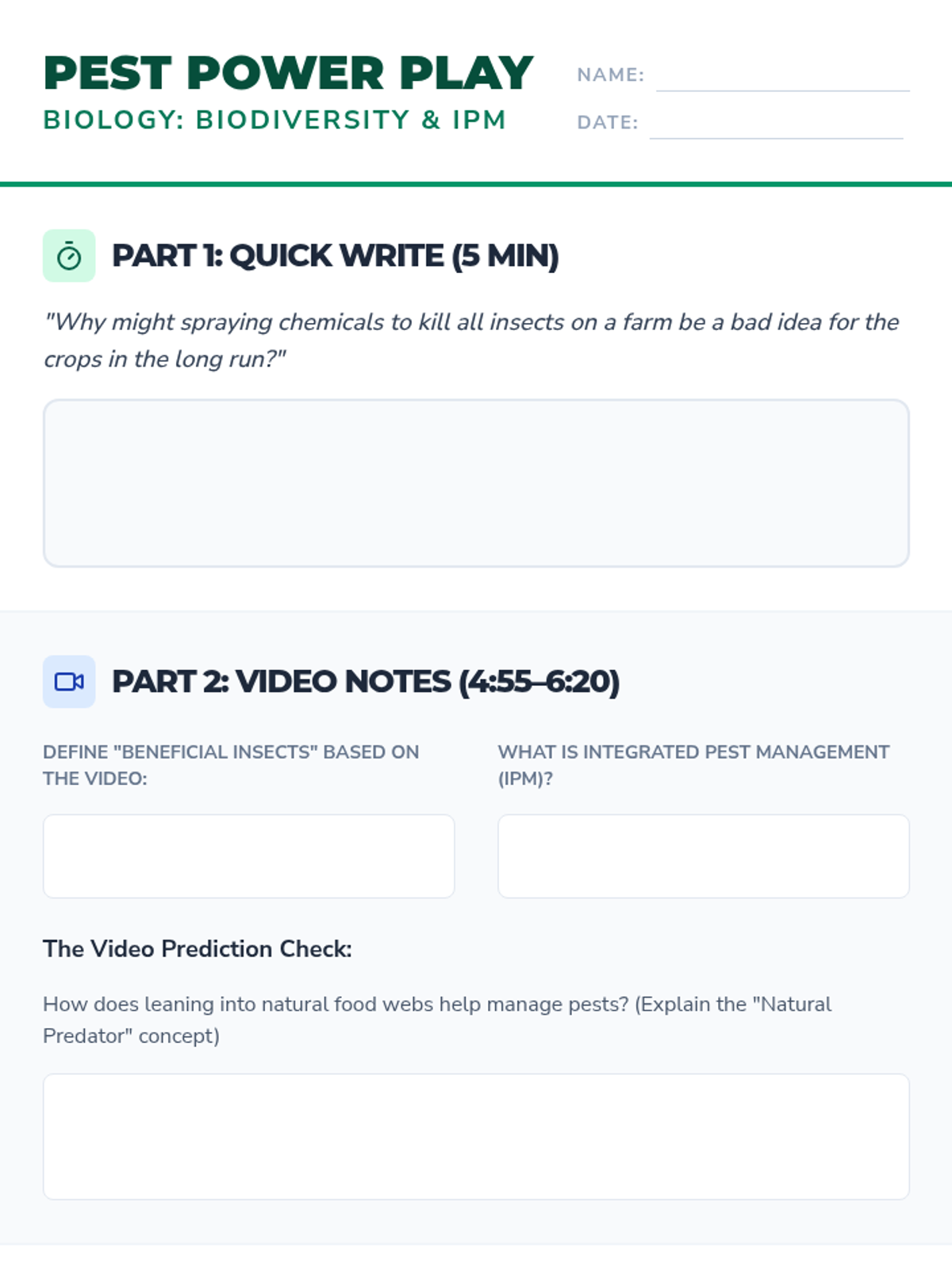
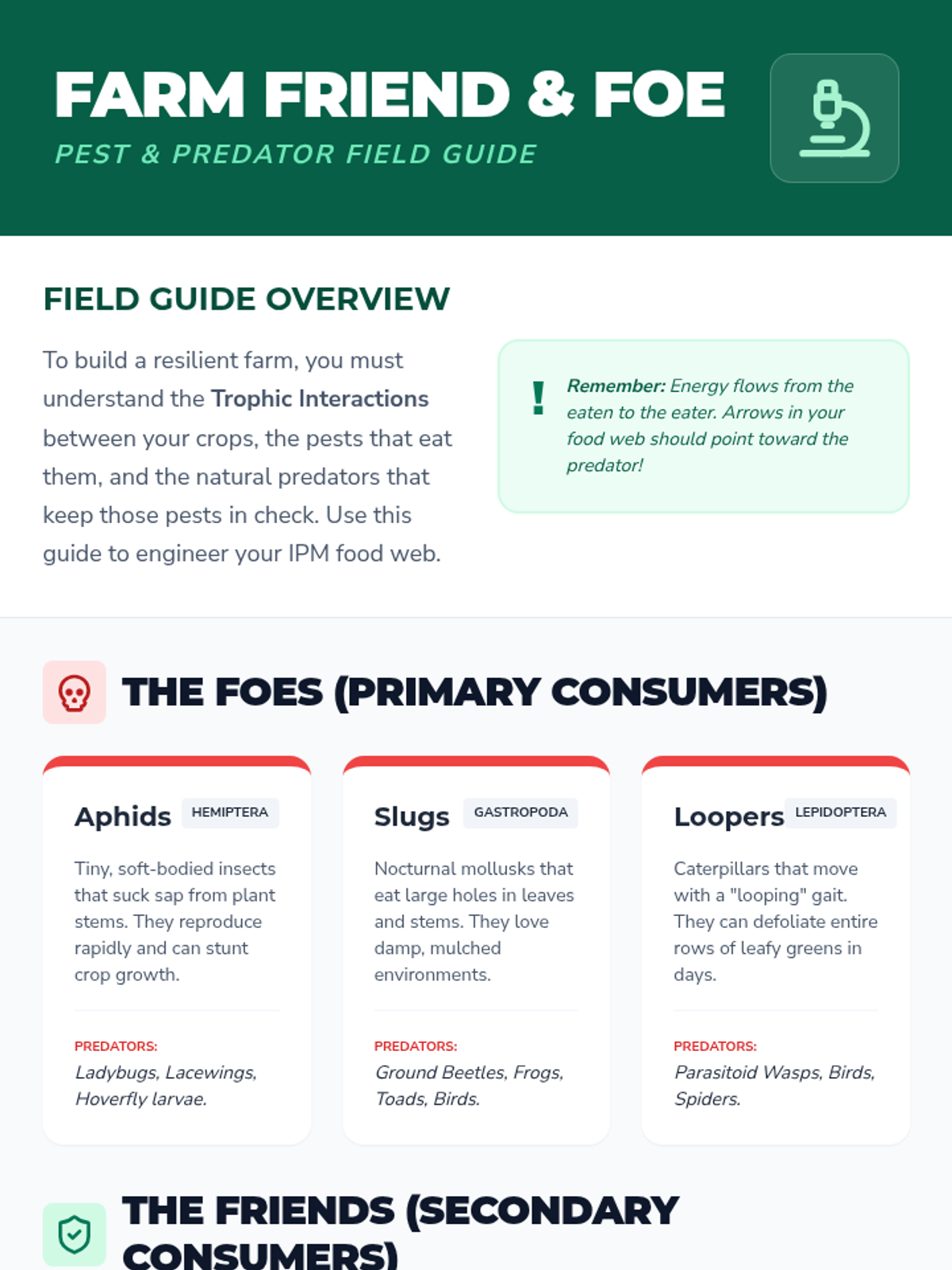
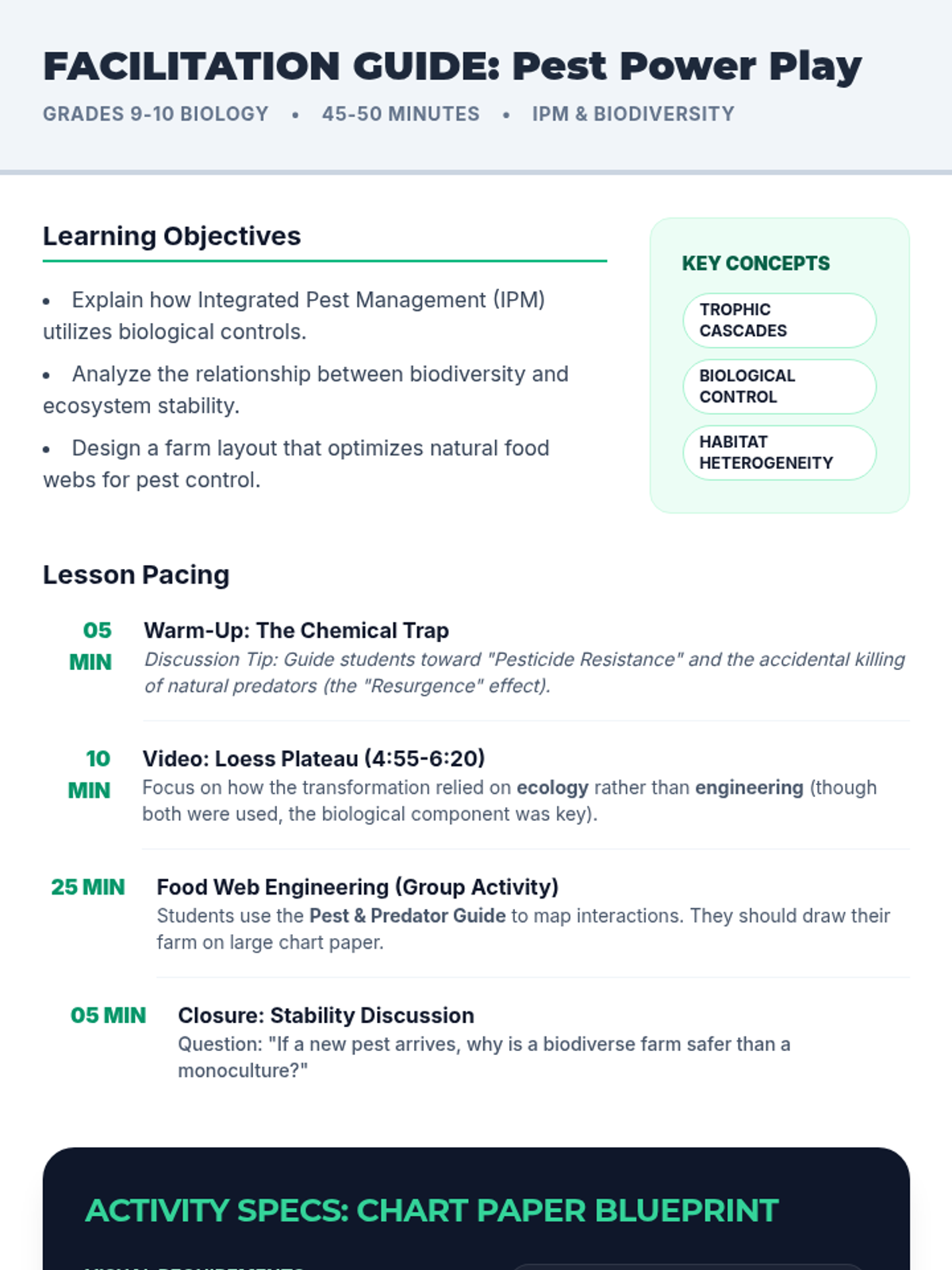
A sequence exploring sustainable agricultural practices, focusing on how biodiversity and ecological principles can solve modern farming challenges like pest control and soil health.
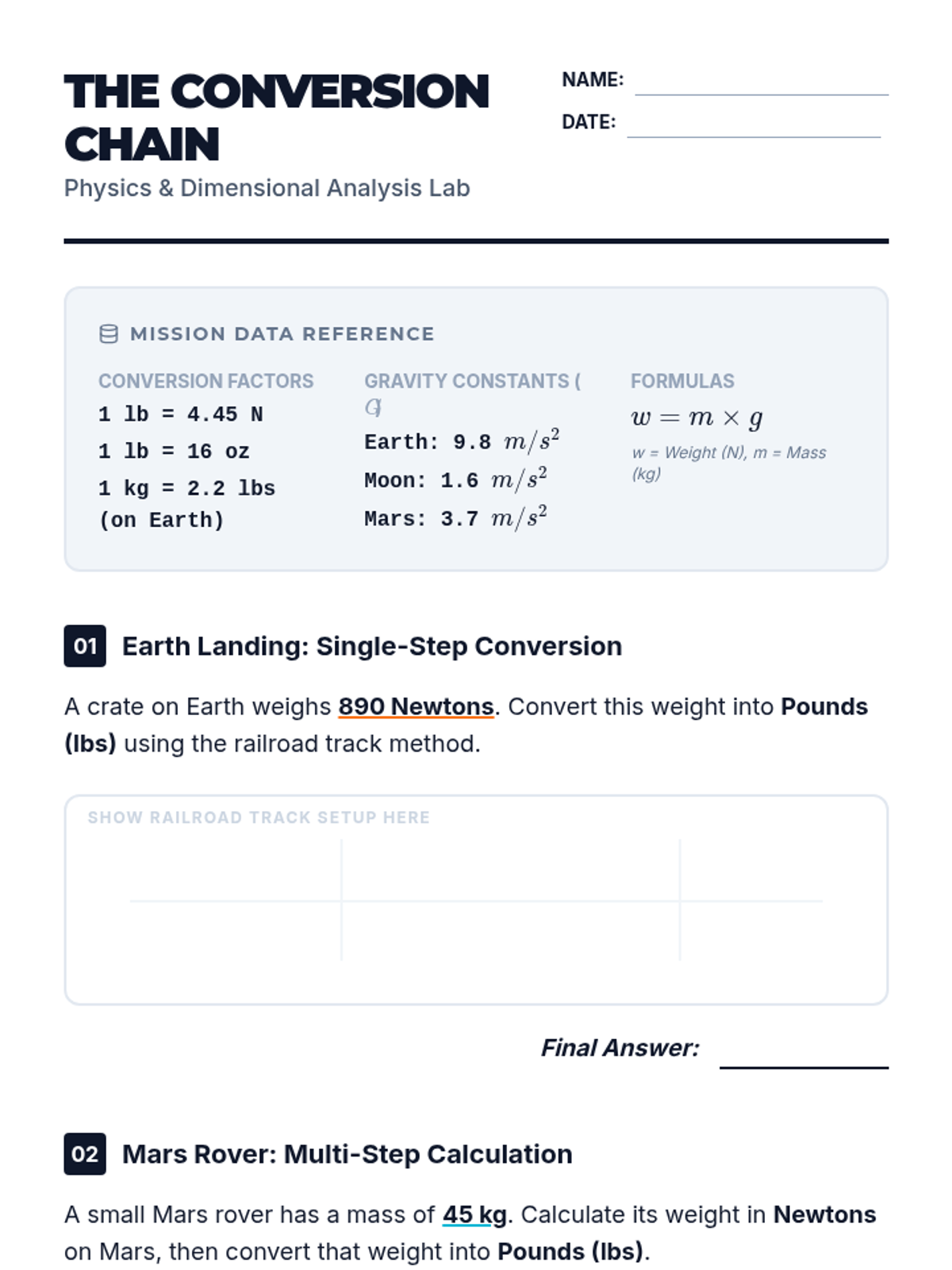
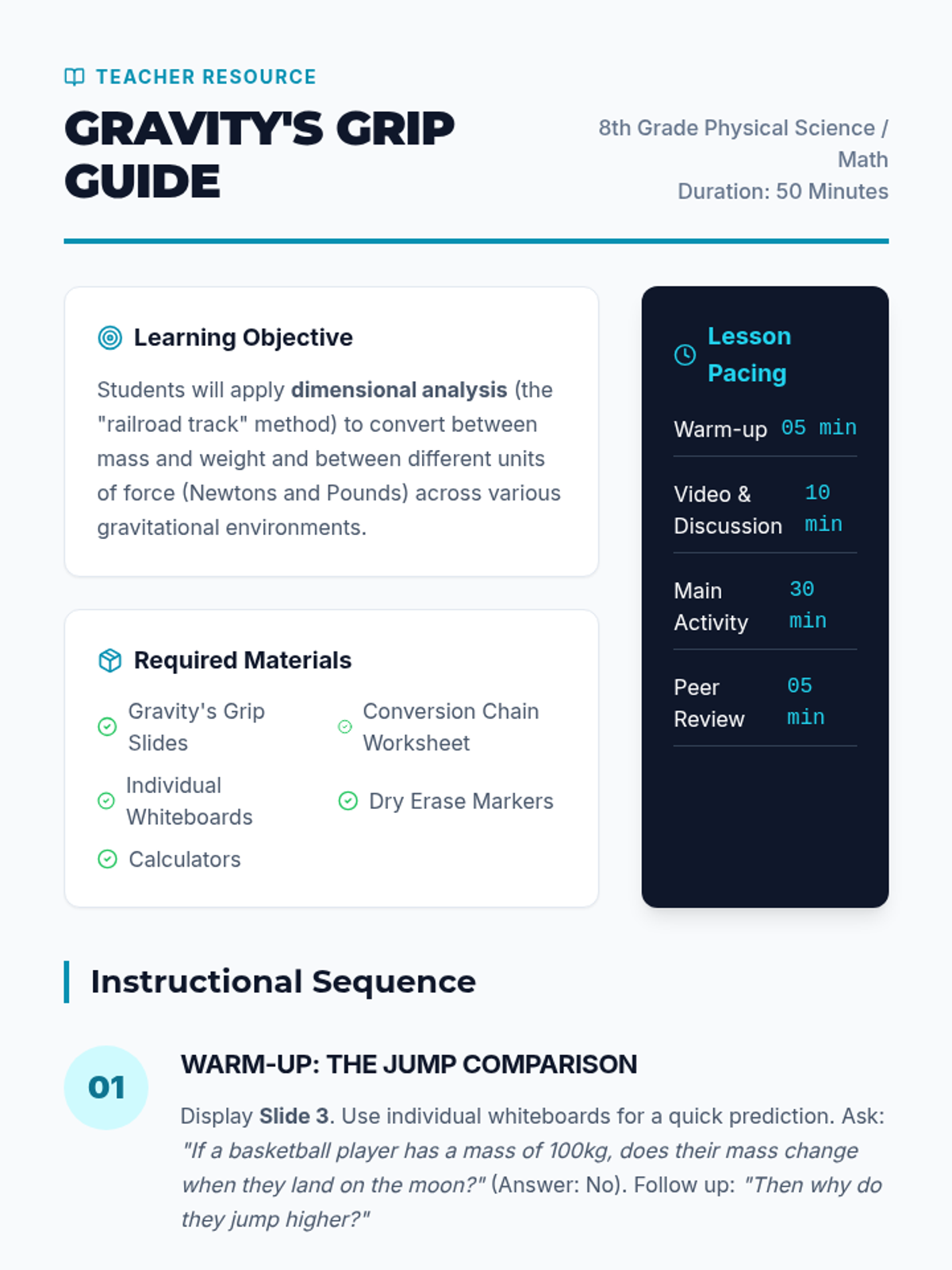
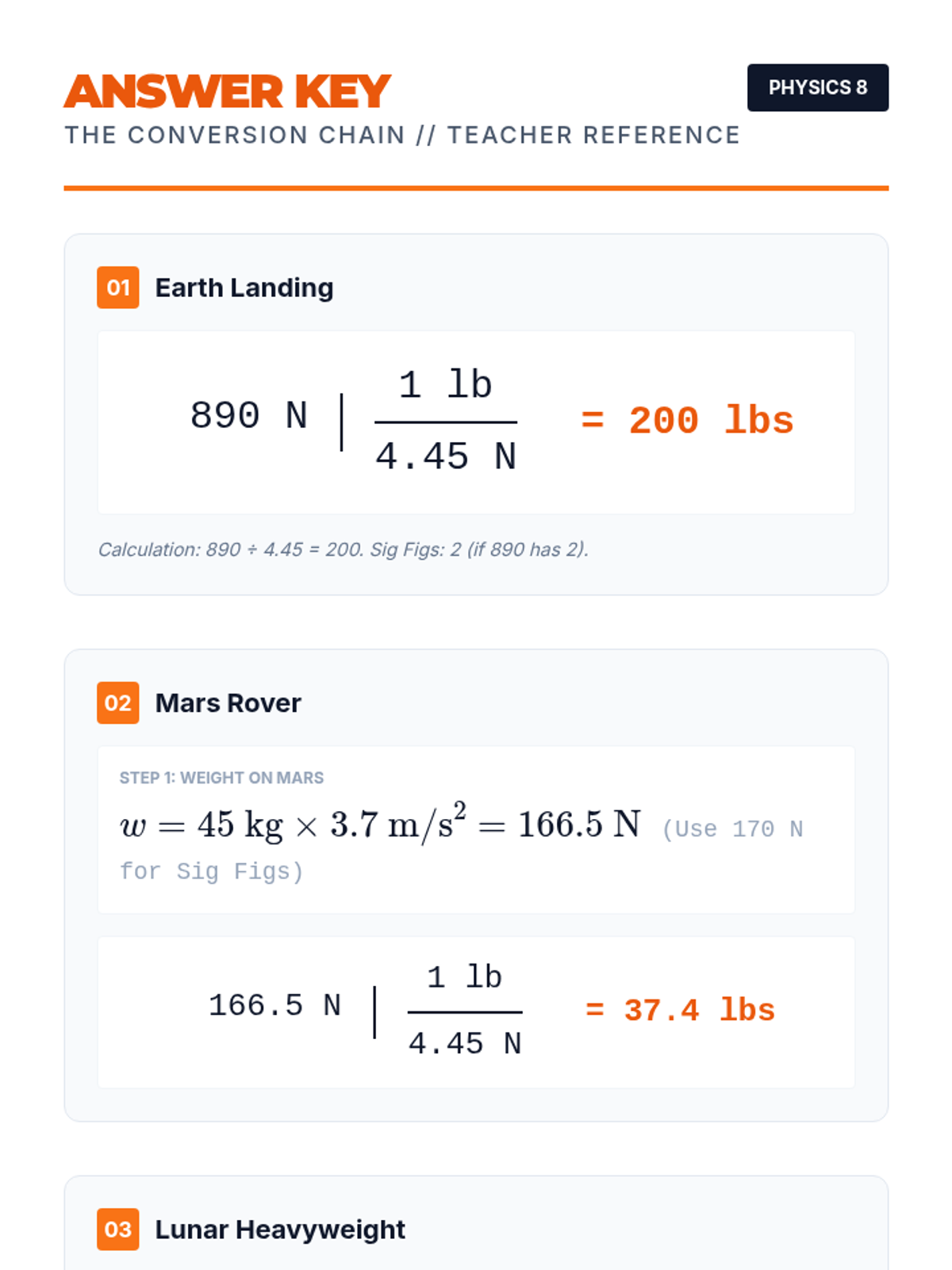
A physics-focused unit exploring the relationship between mass, weight, and force, emphasizing mathematical modeling and unit conversions.
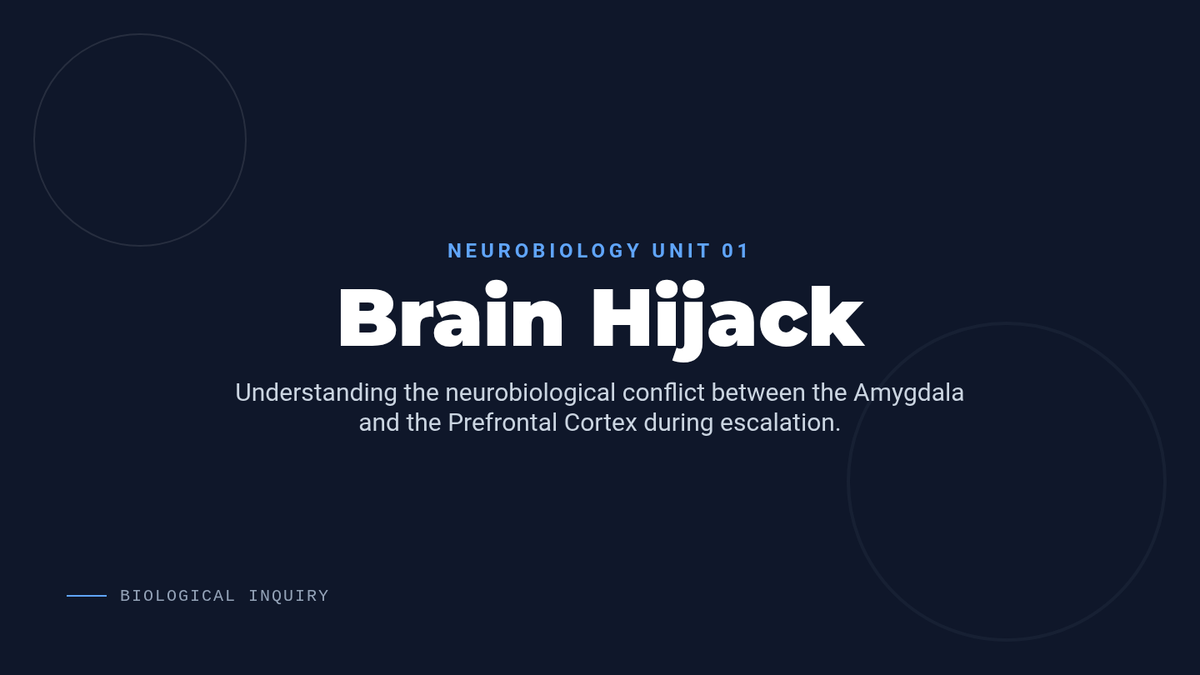
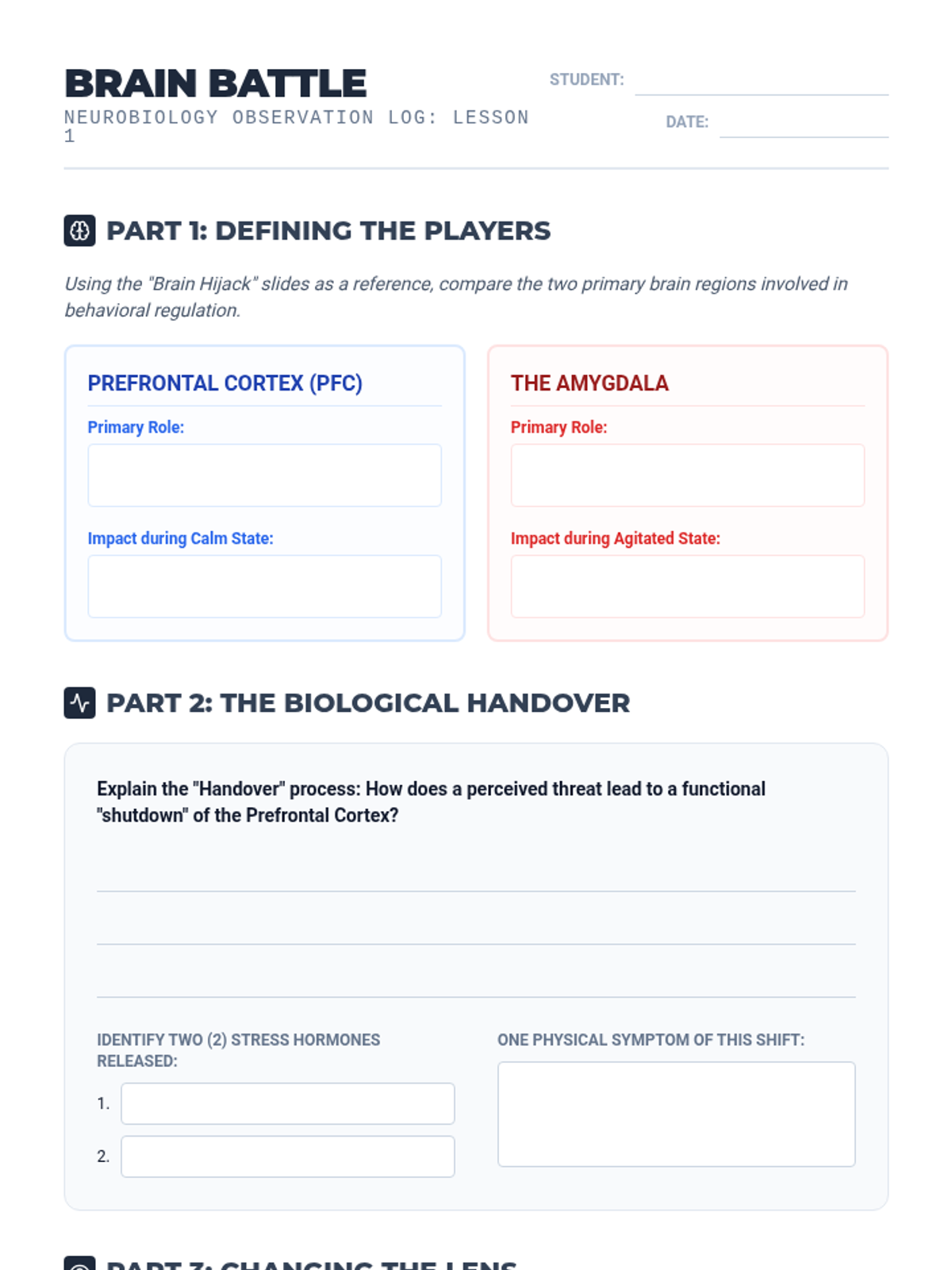
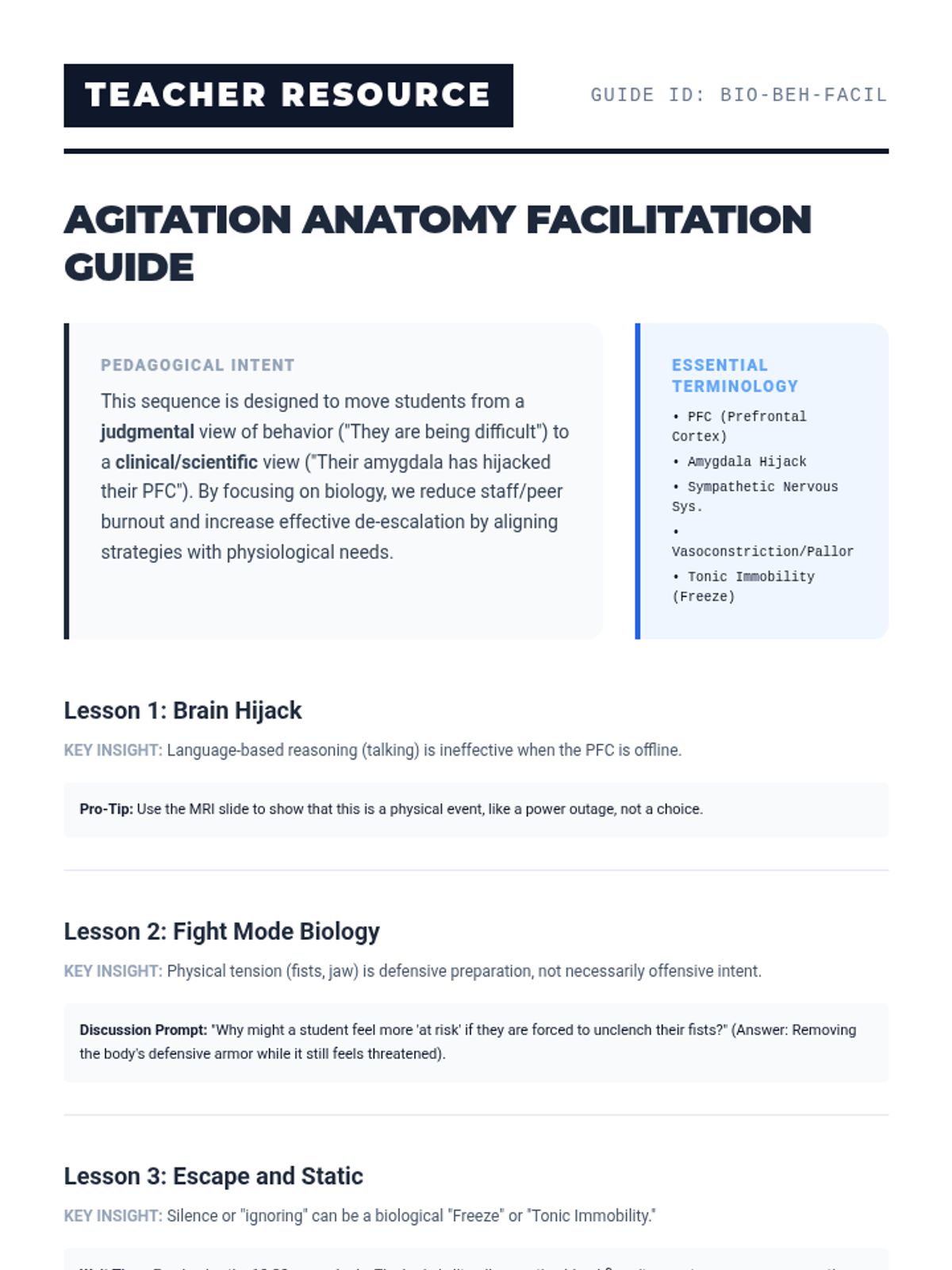
This inquiry-based sequence bridges biology and behavioral science, exploring the neurobiological roots of agitation. Students investigate the 'why' behind physiological changes during escalation to foster an objective, science-based approach to behavioral support.