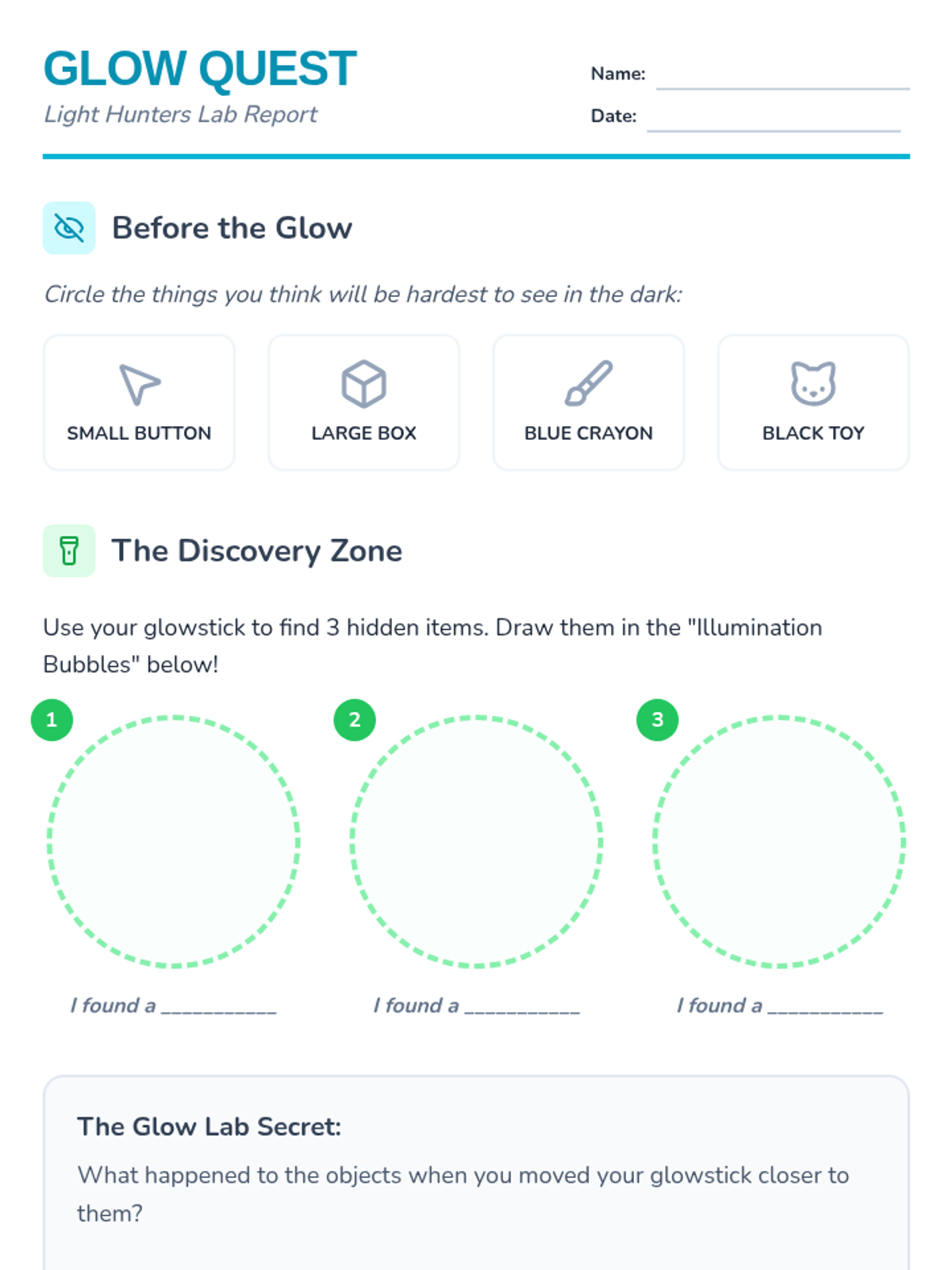
A series of introductory life science and observation lessons designed for early elementary students to explore the natural world through hands-on discovery and video-assisted learning.
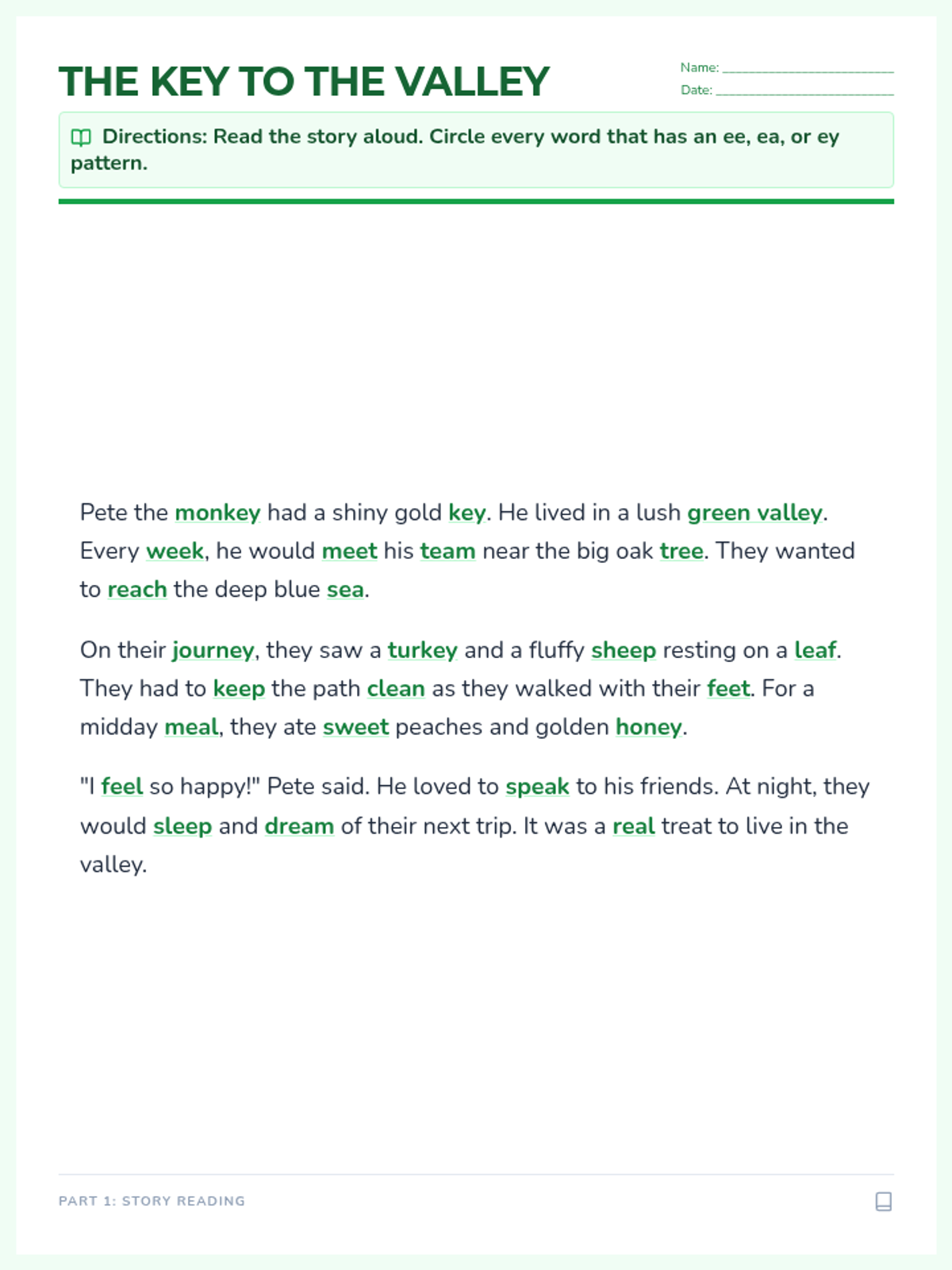
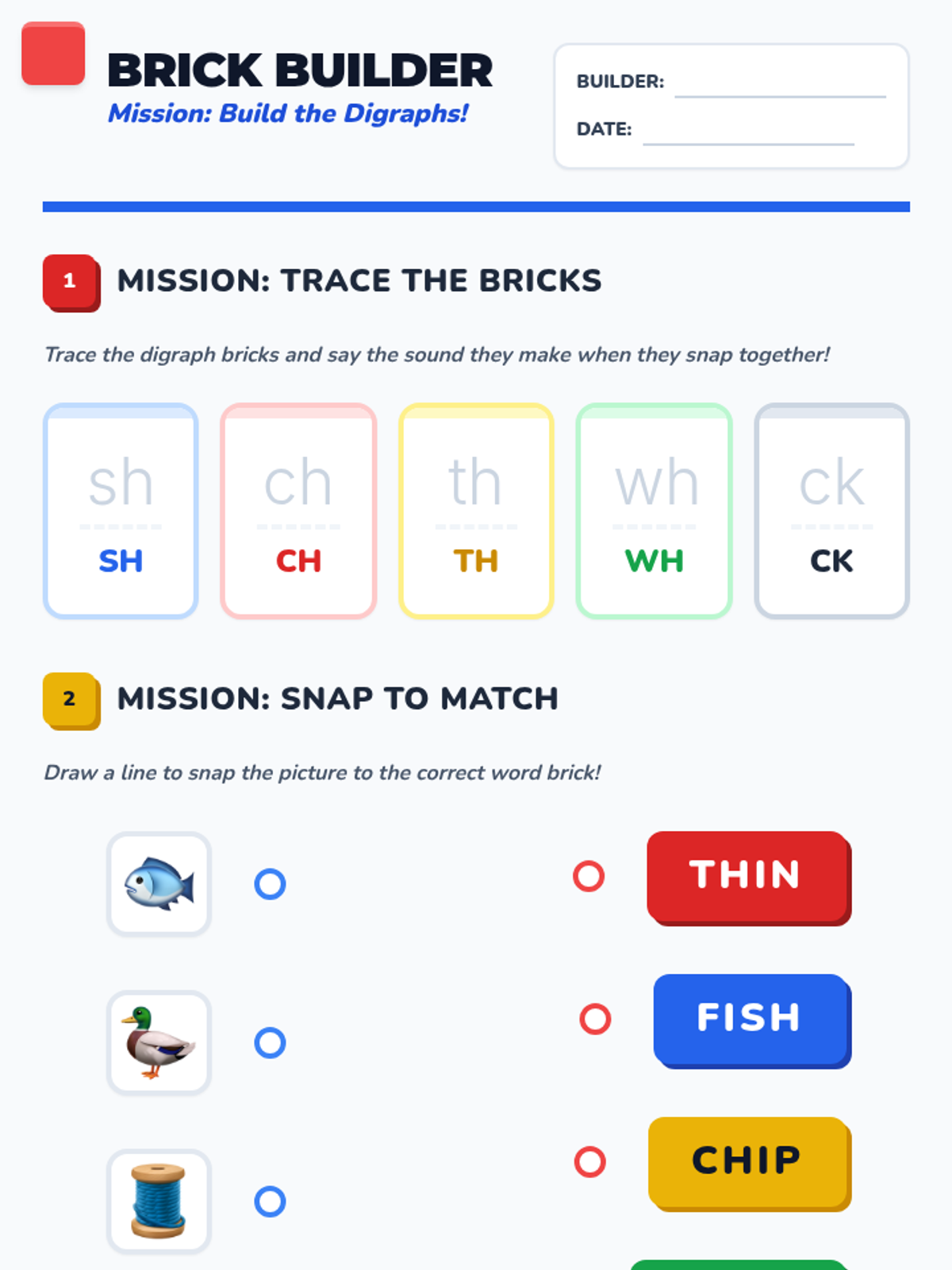
A collection of science and phonics resources designed for hands-on classroom activities.
A Kindergarten sequence focused on understanding the cyclical nature of months and their connection to seasonal weather patterns and personal experiences.
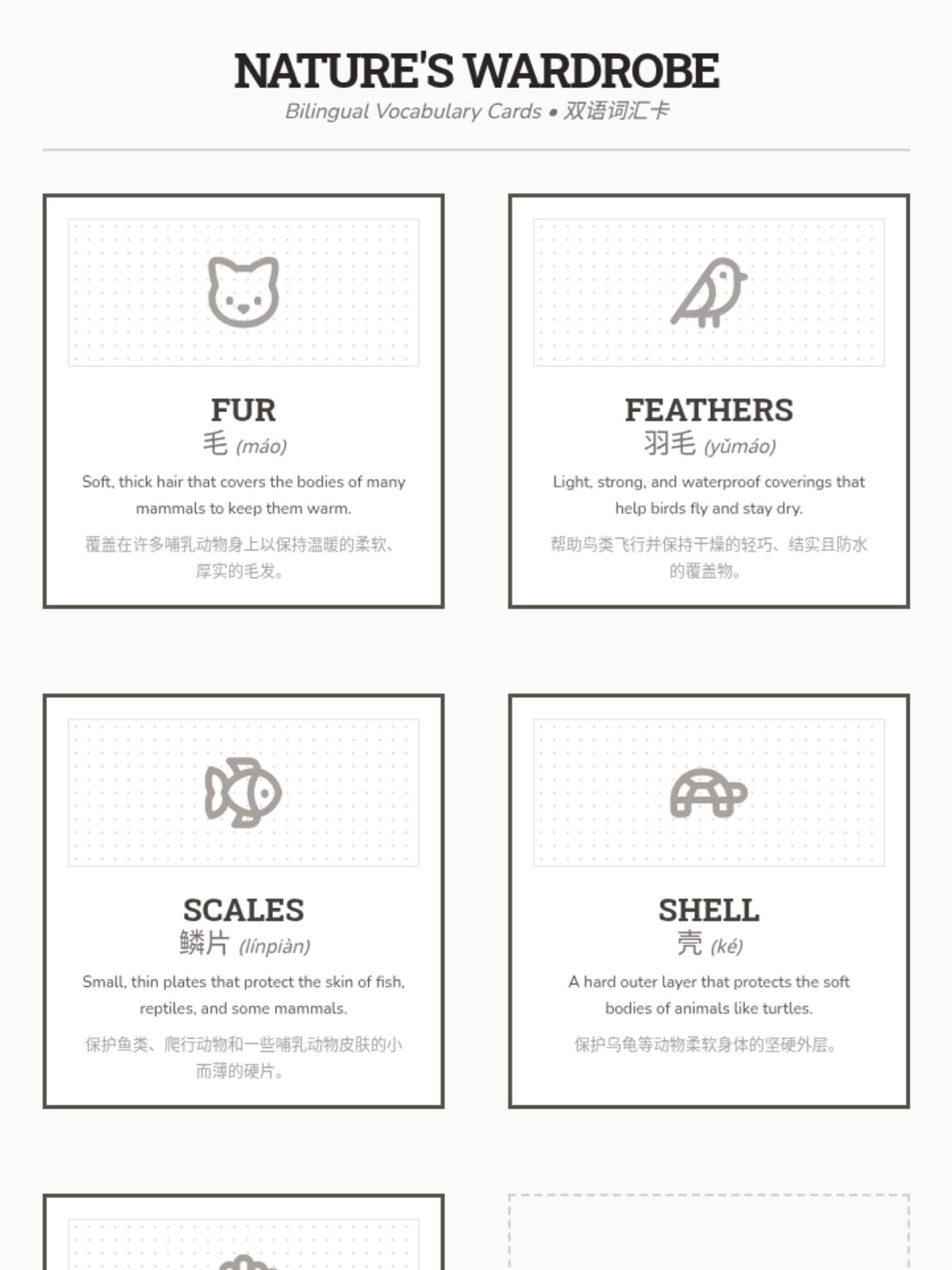
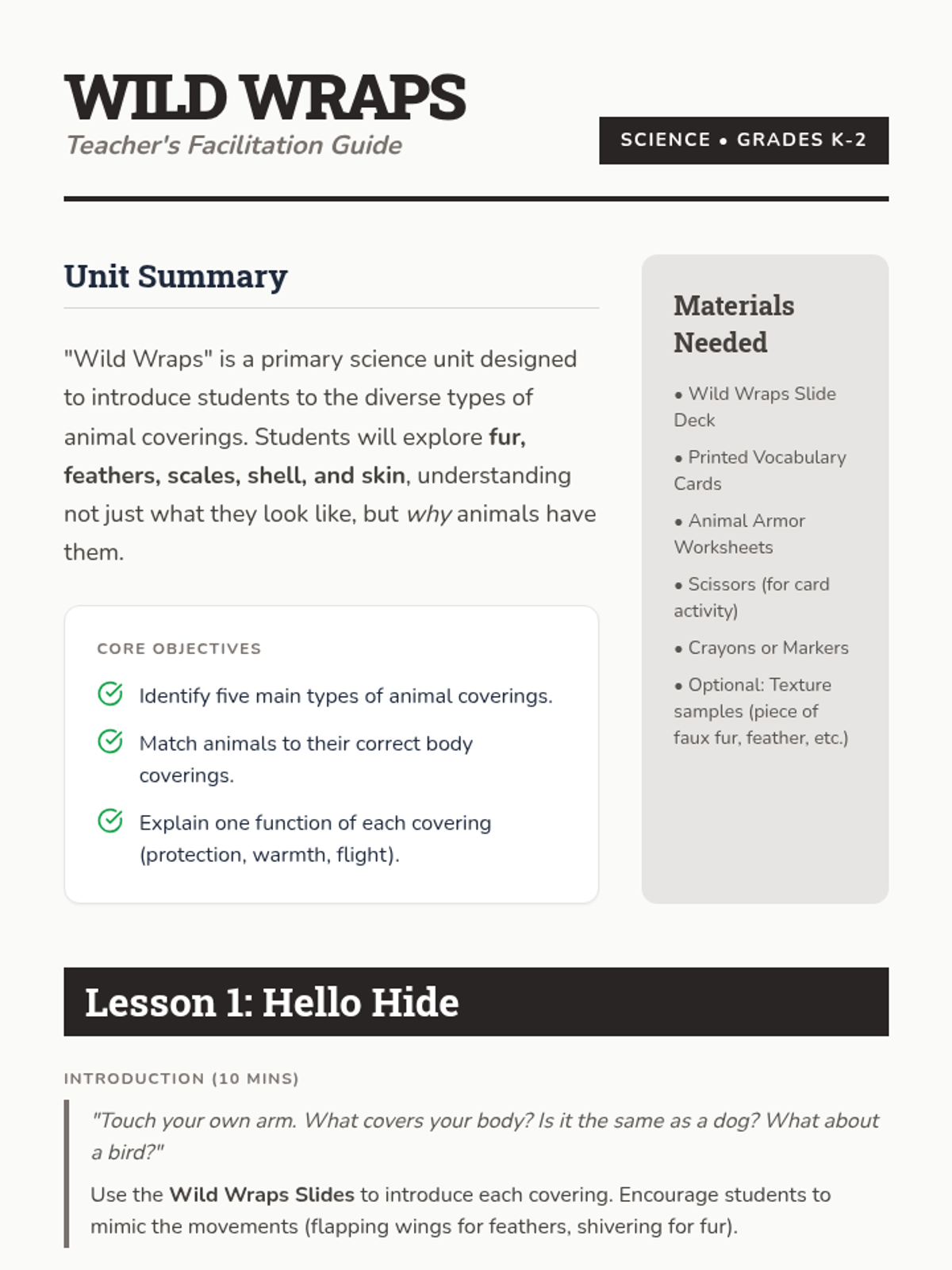
A primary science unit exploring animal body coverings, focusing on the differences between shedding and growing scales in reptiles and fish.
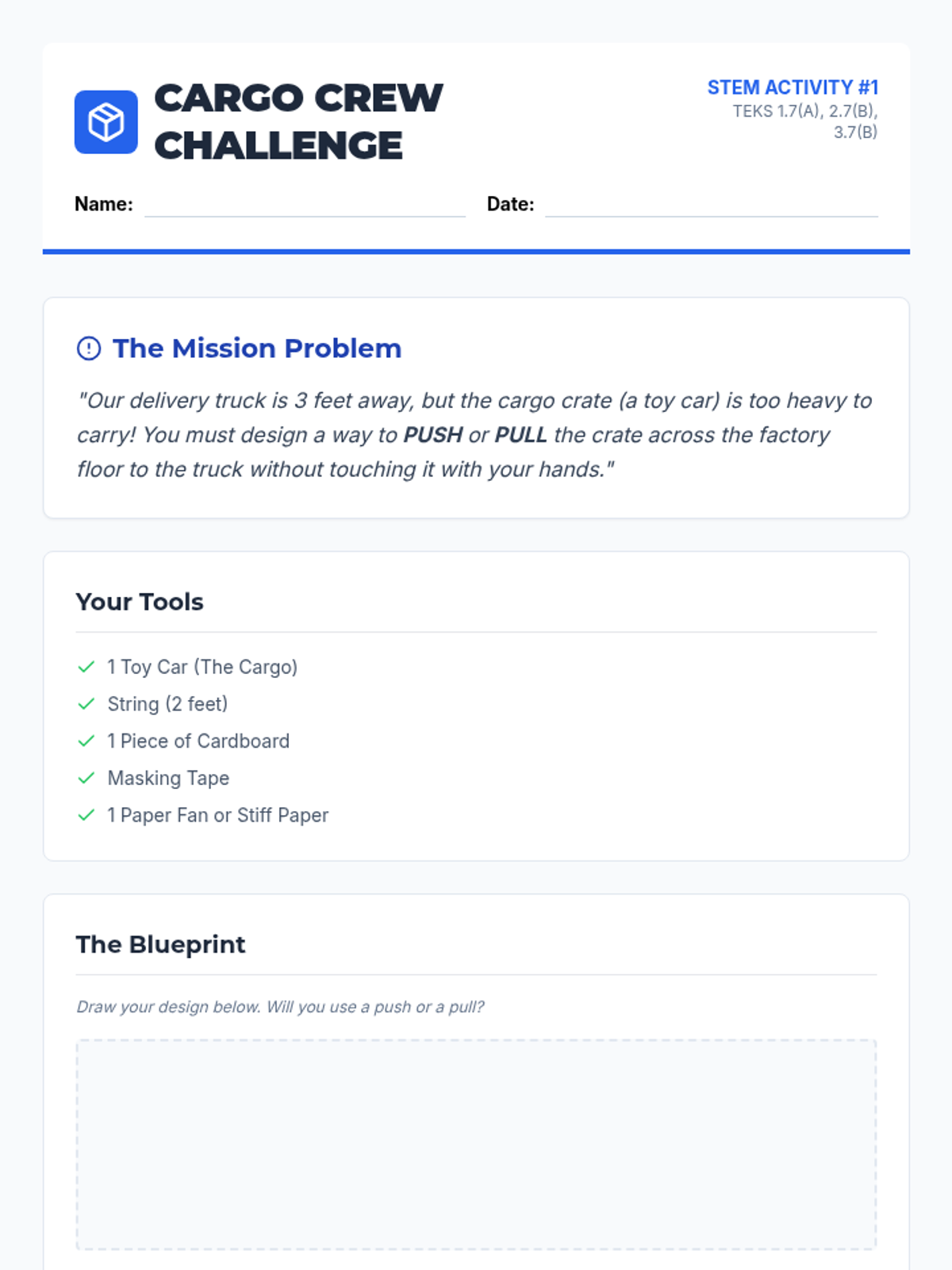
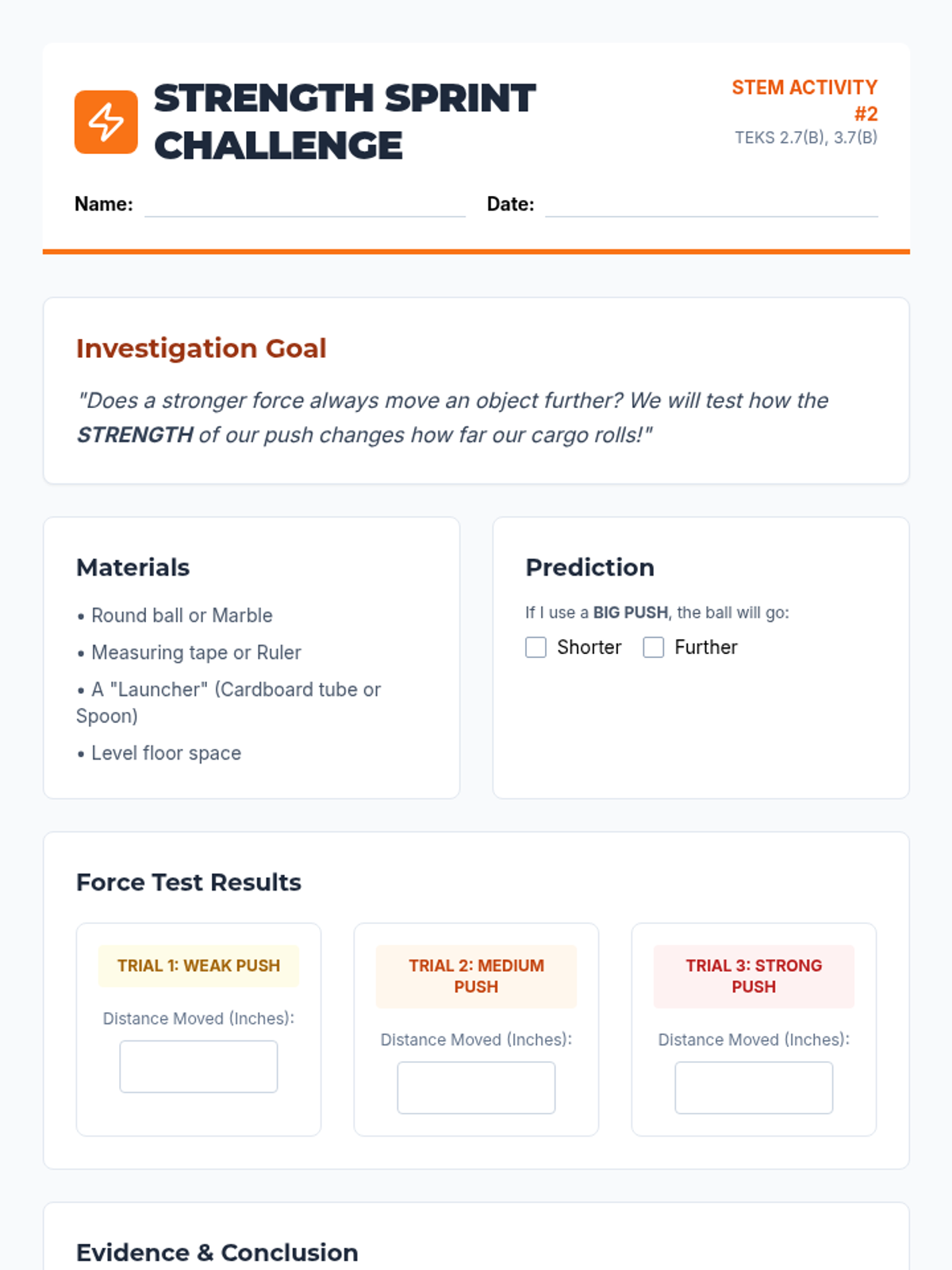
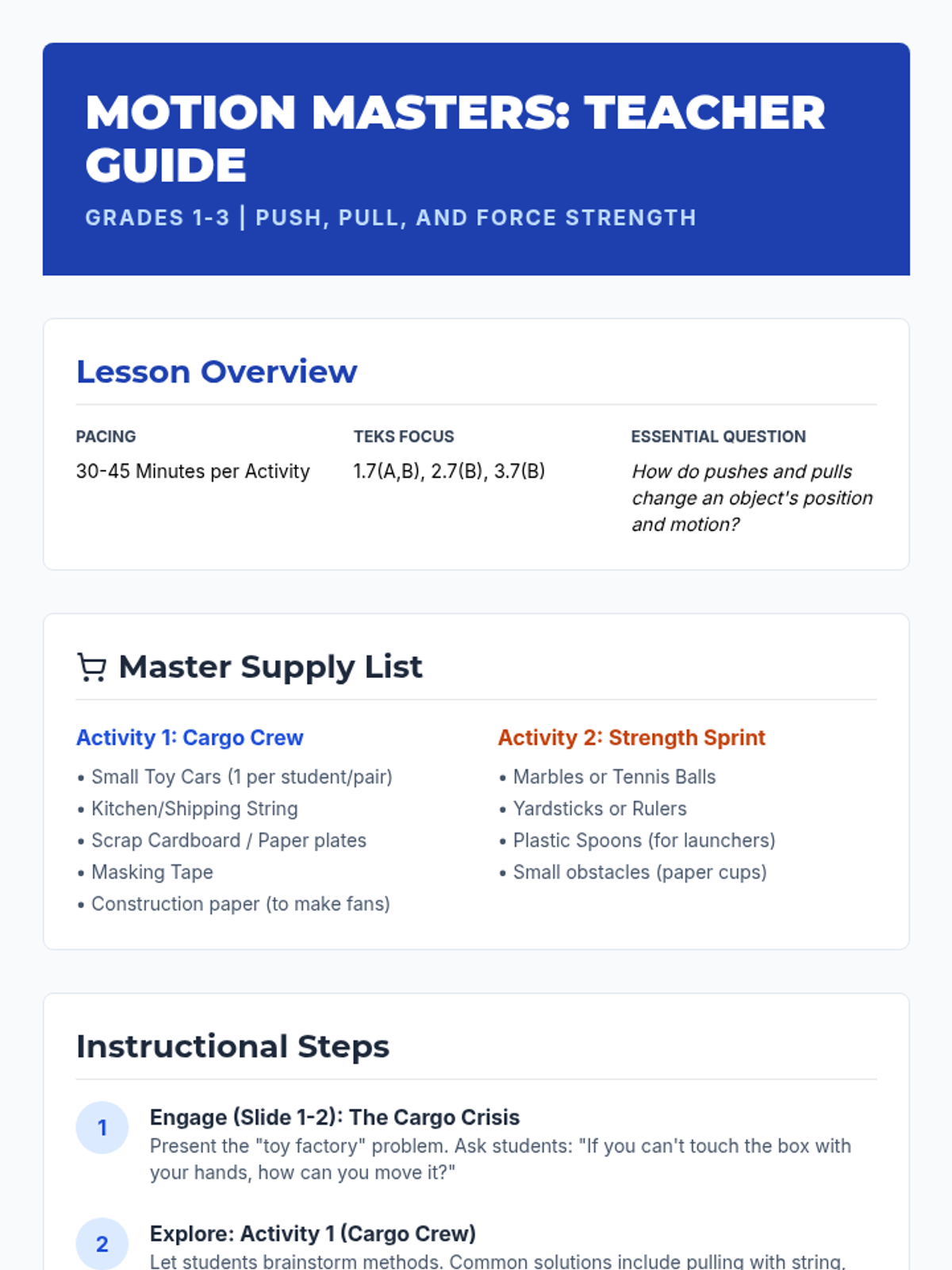
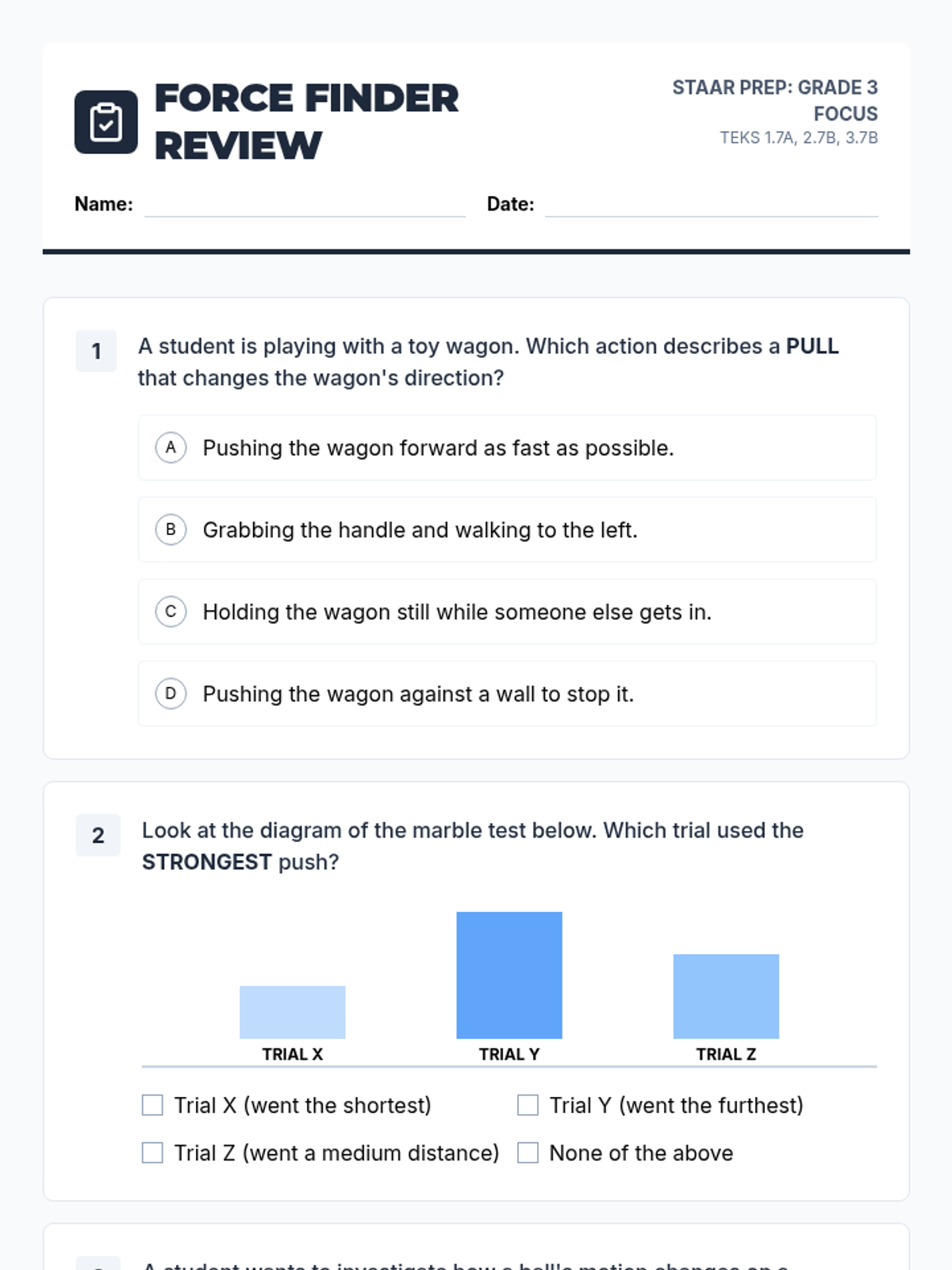
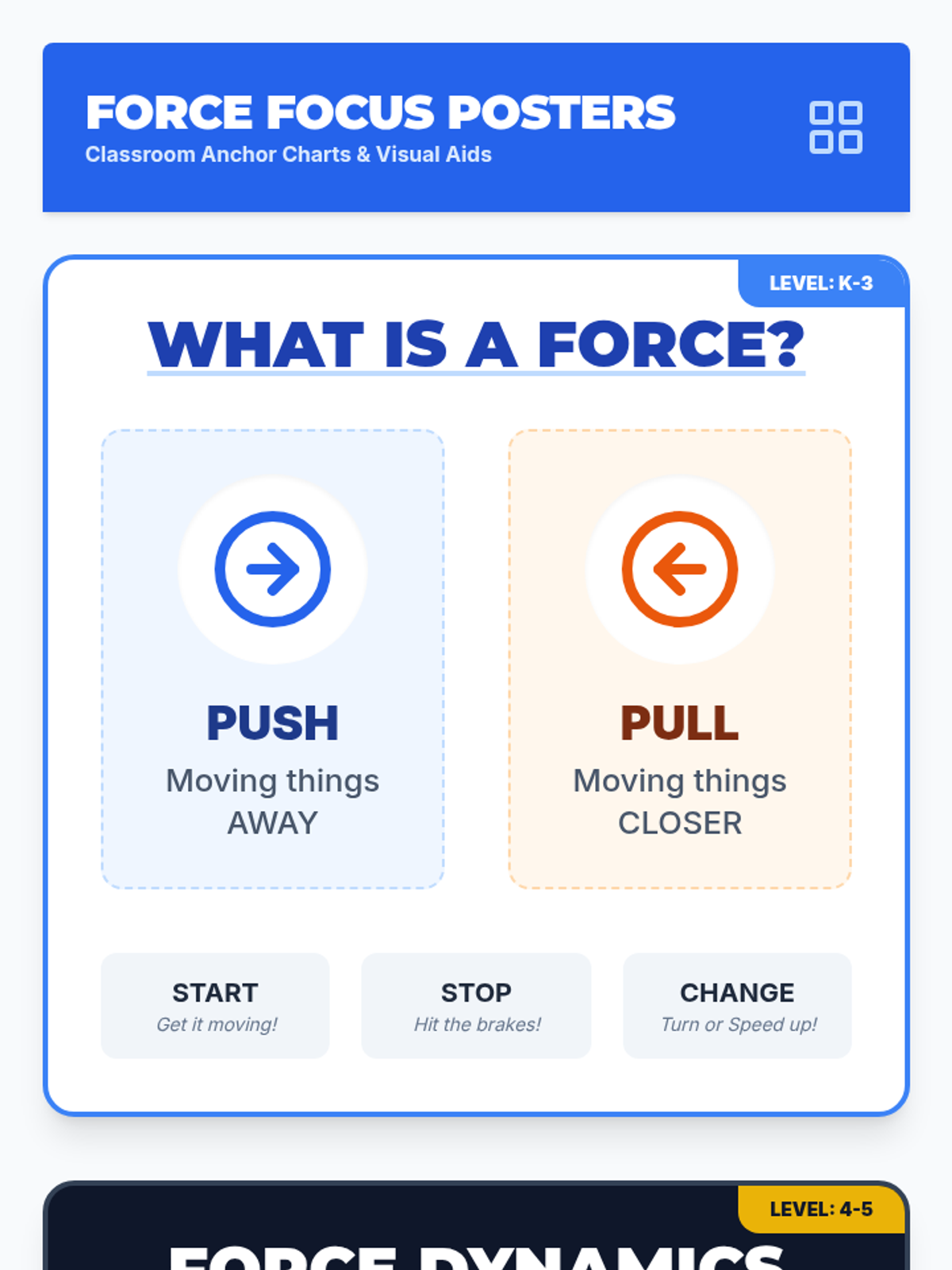
A foundational science unit for early elementary students exploring the concepts of energy, force, and gravity through hands-on investigation and real-world observation.
A lesson sequence for K-2 students focusing on scientific inquiry, making predictions, and using tools to measure and compare mass. Students learn to distinguish between mass (how heavy) and volume (how big) through hands-on experiments.
A Kindergarten and 1st Grade science unit exploring our neighbor planet, Mars. Students compare Earth and Mars using visual aids, a hands-on sorting activity, and creative drawing to understand planetary similarities and differences.
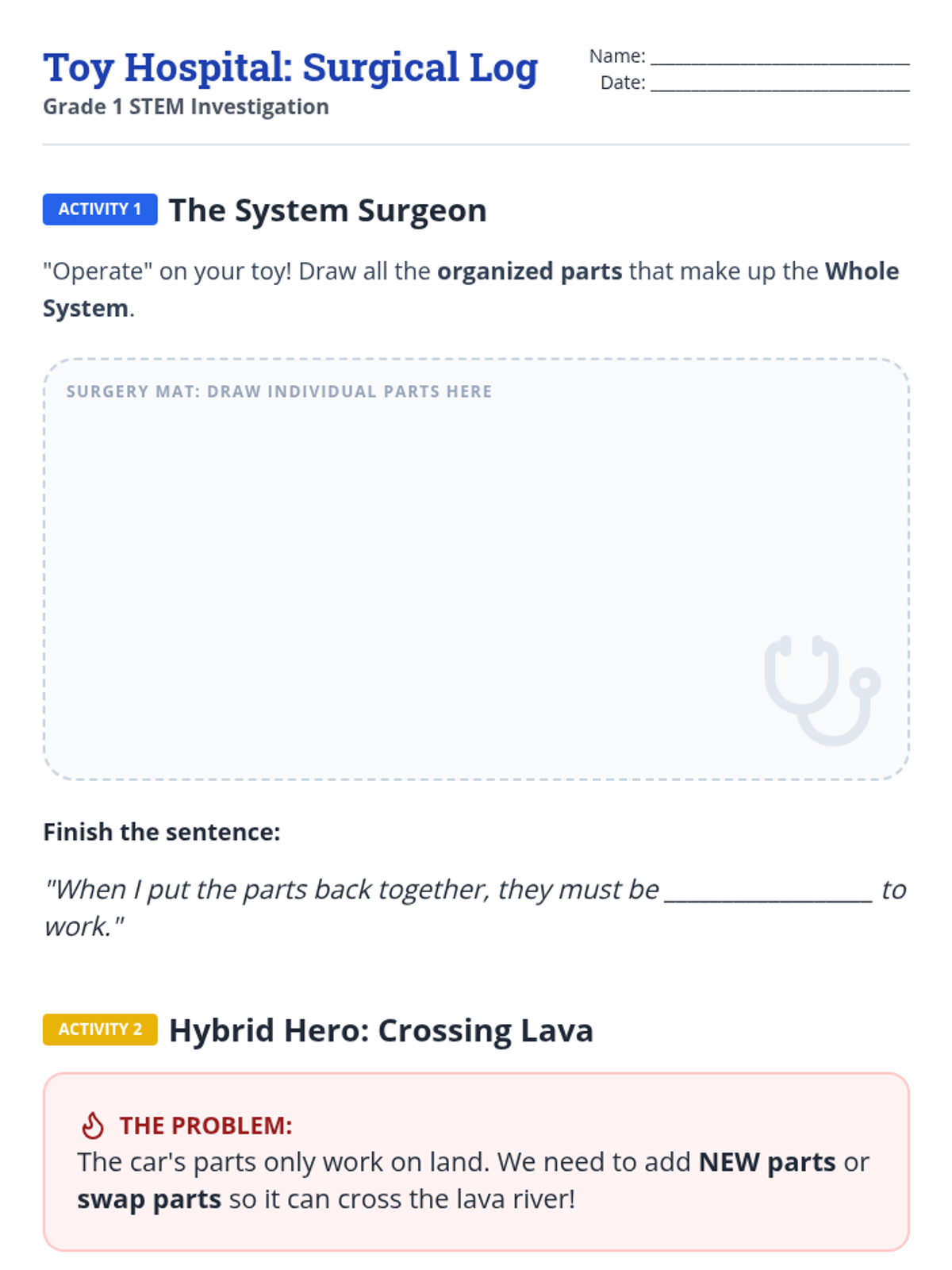
A 1st-grade science sequence focused on identifying physical properties of materials and understanding the relationship between a material's structure and its function. Students explore real-world examples and use creative problem-solving to explain why specific materials are chosen for objects.
A primary science sequence focused on the fundamental requirements for living things to survive and thrive in their environments.
A short sequence exploring the natural world, starting with the water cycle for young learners.
A fun, science-based lesson for K-3 students and their parents to explore pet hygiene, the mystery of 'wet dog smell,' and responsible animal care through a SciShow Kids video and a creative brochure activity.
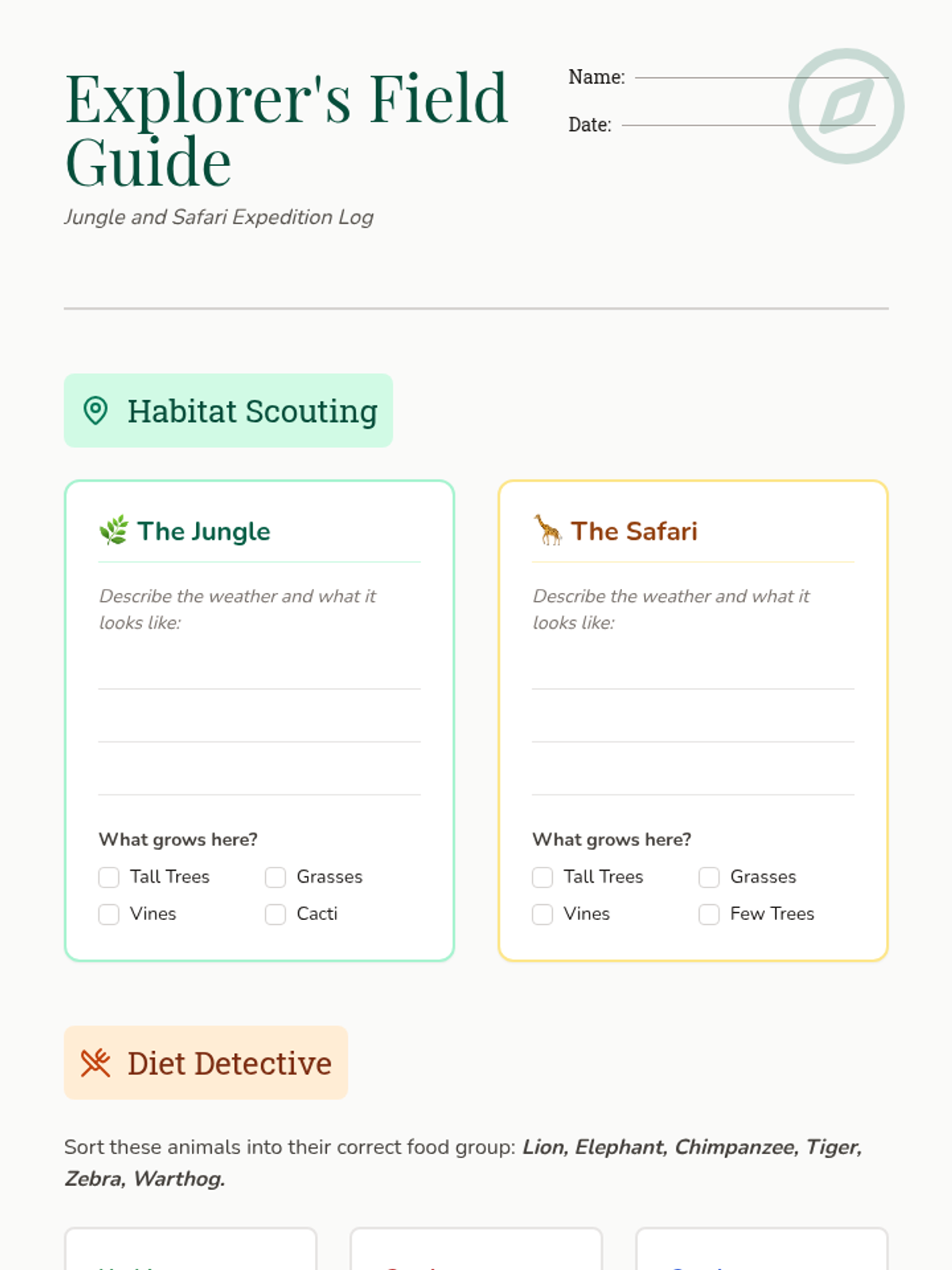
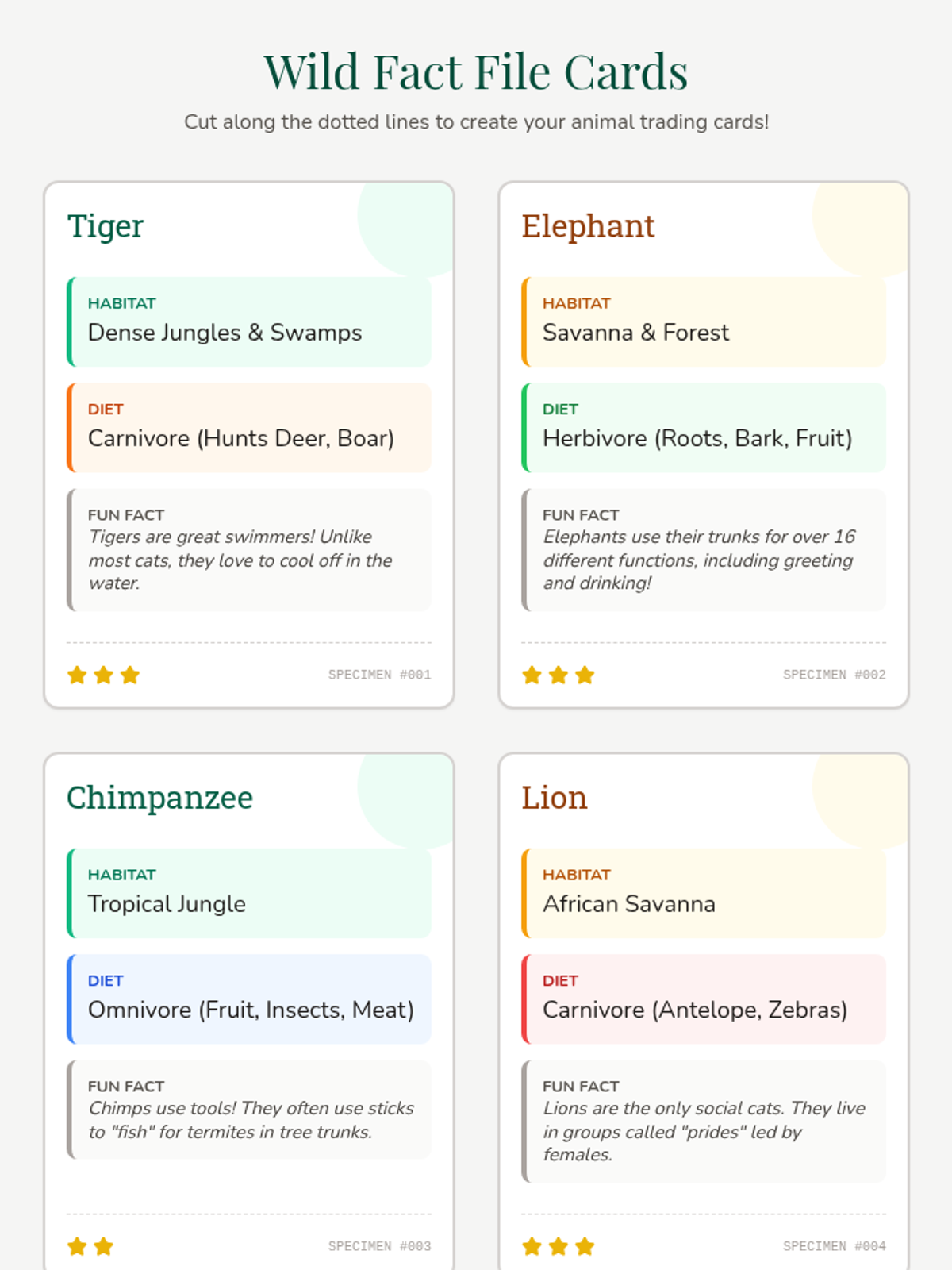
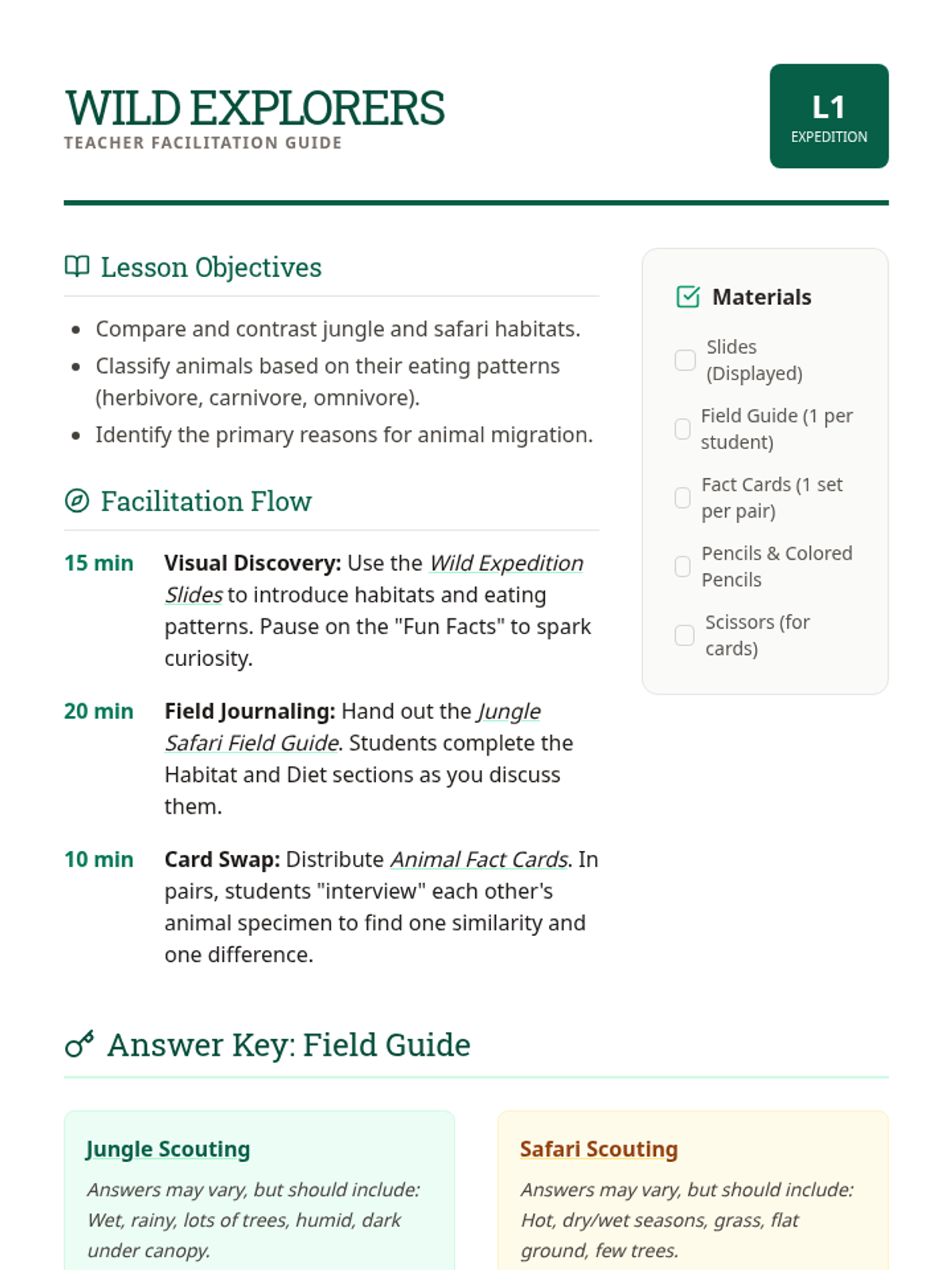
A lesson sequence exploring how weather patterns, specifically monsoons, impact animal behavior and ecosystems. Students learn about the contrast between wet and dry seasons and express their understanding through creative writing and role-play.
A hands-on introductory sequence for early elementary students to explore the mechanics of levers and fulcrums using everyday classroom objects.
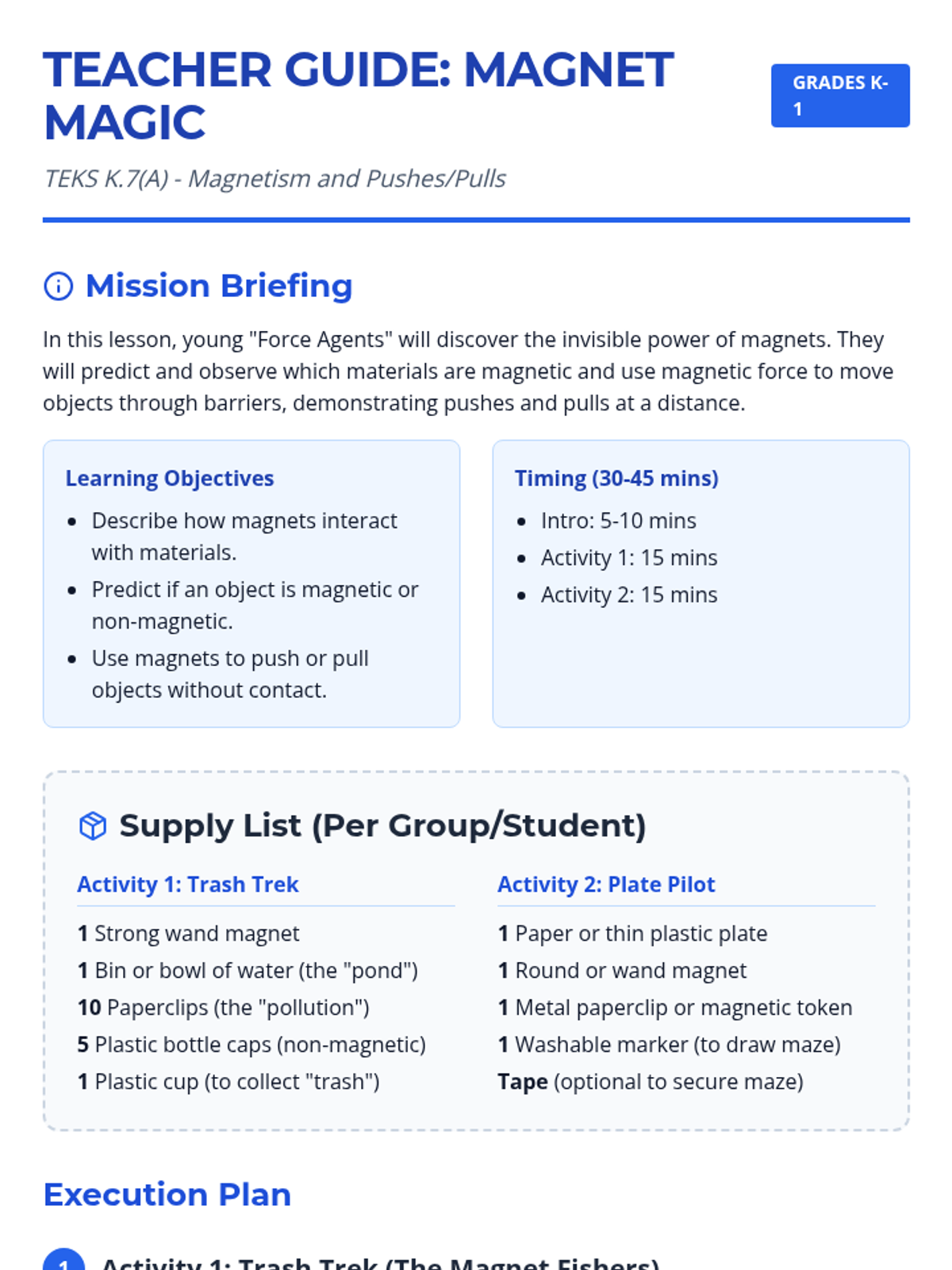
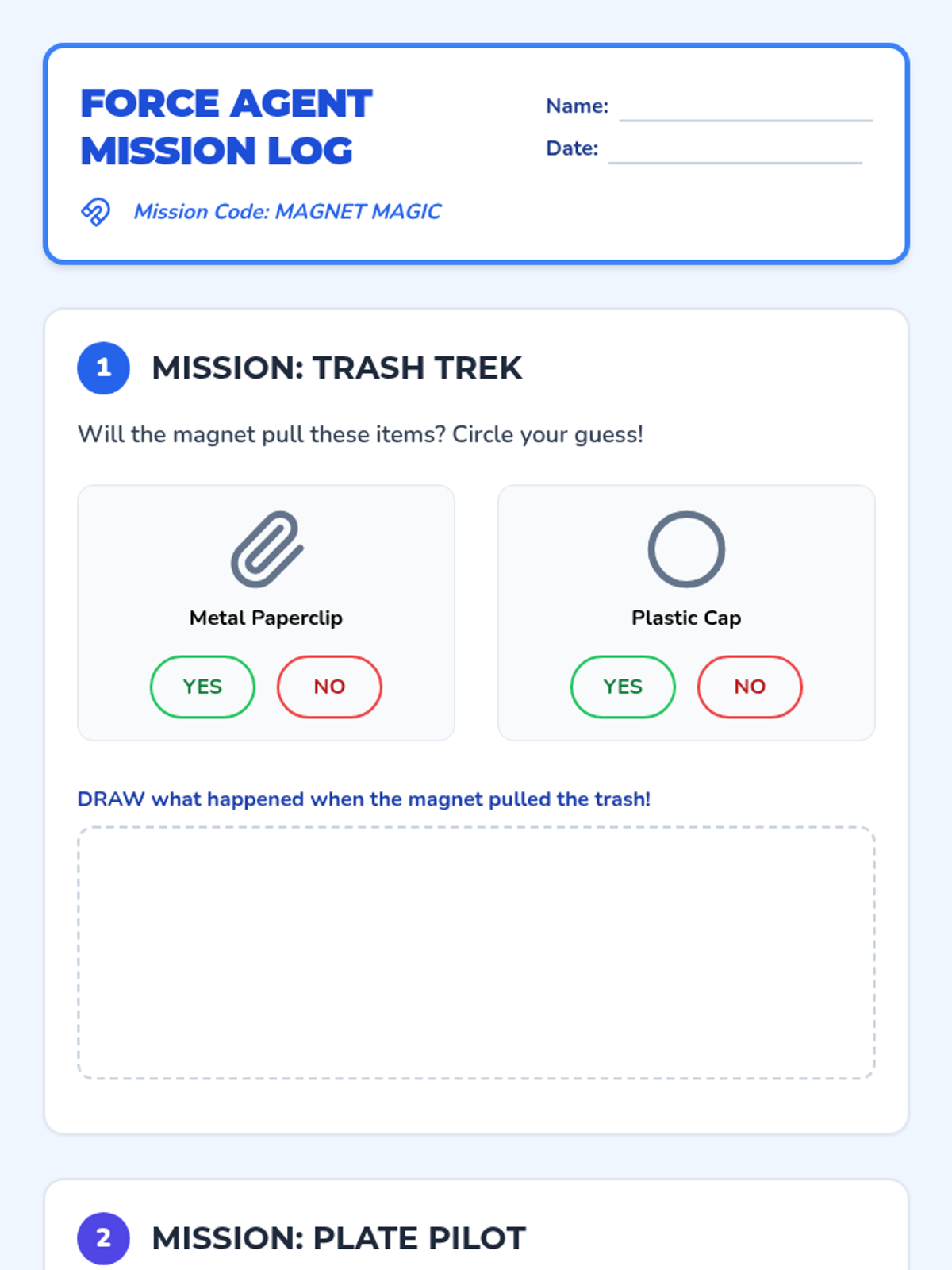
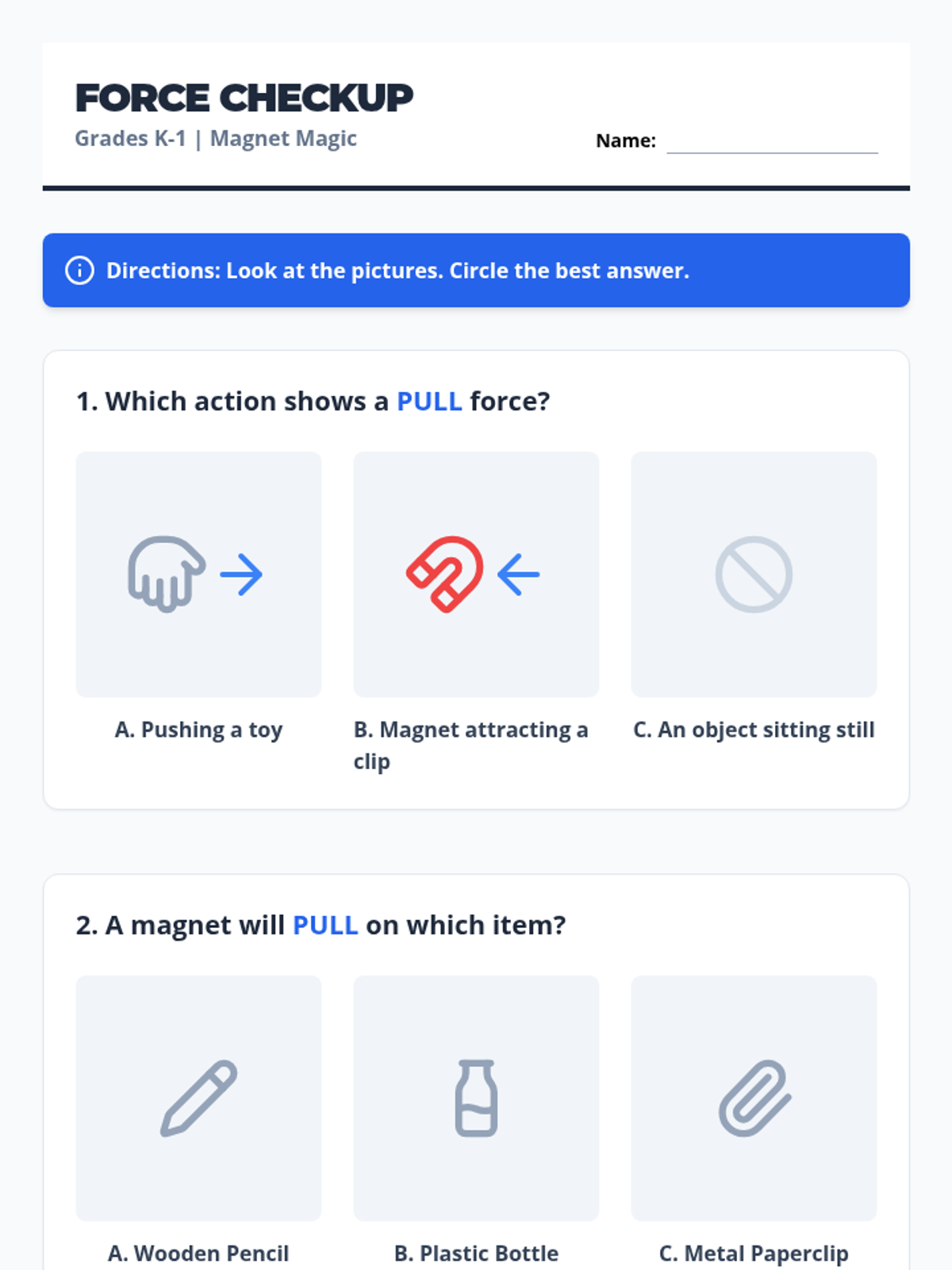
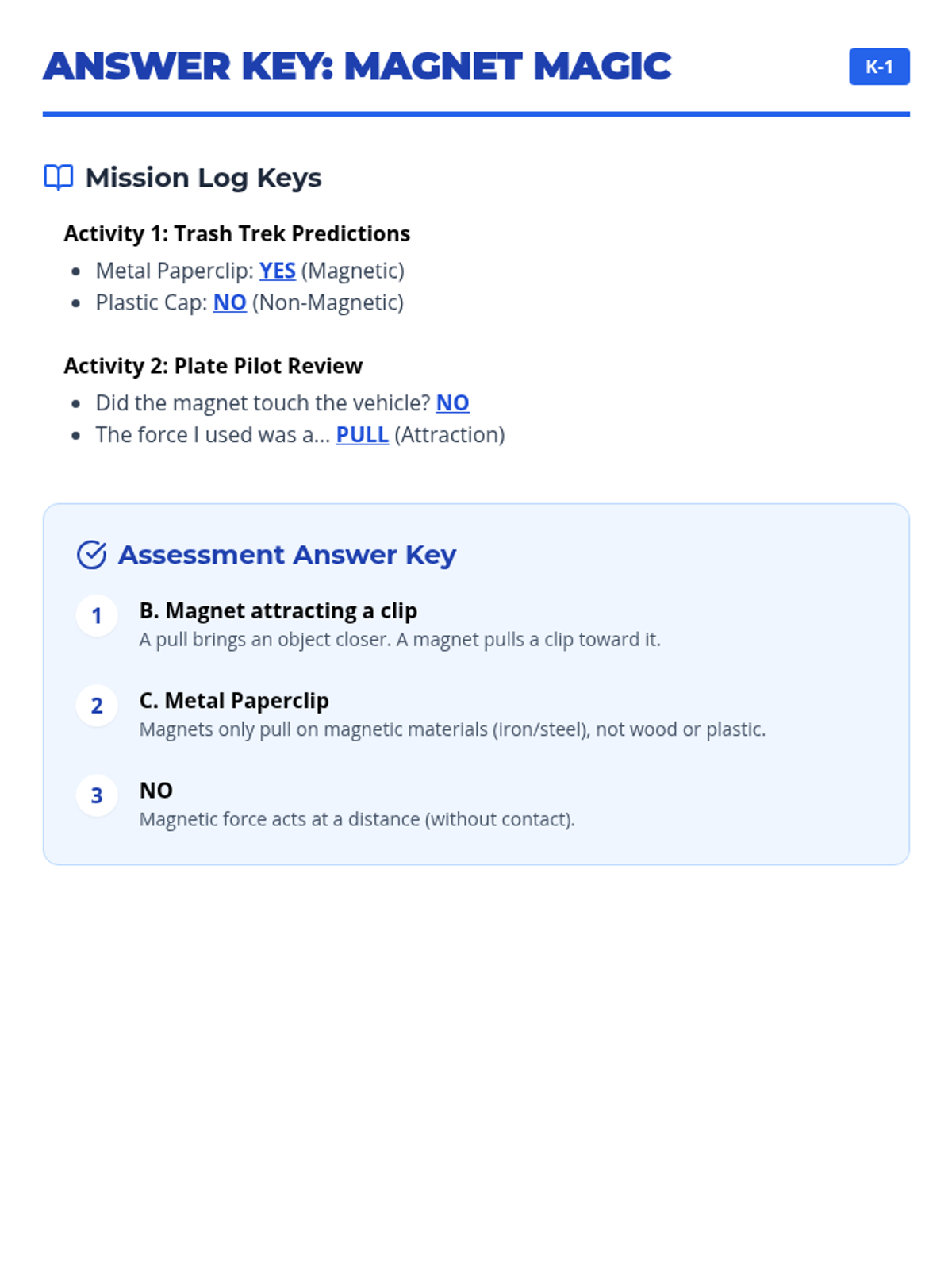
A Kindergarten through 2nd-grade art-integrated science unit exploring the properties of magnets through creative character design and hands-on testing.
A beginner-level science sequence exploring celestial events and the relationship between the Sun, Moon, and Earth through visual analogies and hands-on art.
A series of lessons exploring the world of farming, from the science of growing crops to the importance of sustainable agriculture and animal care.
A beginner science sequence where students explore the world of chemistry through everyday household items, focusing on observations, reactions, and the scientific method.
A series of integrated PE and Science lessons exploring the physics of human movement, biomechanics, and exercise physiology for early elementary students.
A lesson sequence exploring how animals navigate the world using landmarks, stars, and internal compasses, designed for Kindergarten and 1st Grade students.
A lesson sequence focusing on how animals move, using physical structure as a guide to classification for 1st and 2nd grade students.
A unit exploring different habitats through sensory observation and descriptive language, starting with the wide-open grasslands.
A fun, introductory science and math sequence for Pre-K and Kindergarten students focused on identifying animal habitats and practicing basic counting. Students explore different environments like the forest, ice, and homes through music and movement.