A project-based sequence where 4th-grade students act as classroom consultants to design and implement visual organization systems using labels, shadow boards, and color-coding.
A comprehensive K-12 AI literacy sequence covering the fundamentals of how AI works, machine learning, ethics, social impact, and creative application through age-appropriate lessons.
A comprehensive 4-day sequence focusing on the application of thermal energy concepts, including conduction, convection, radiation, and insulation through hands-on labs and real-world analysis.
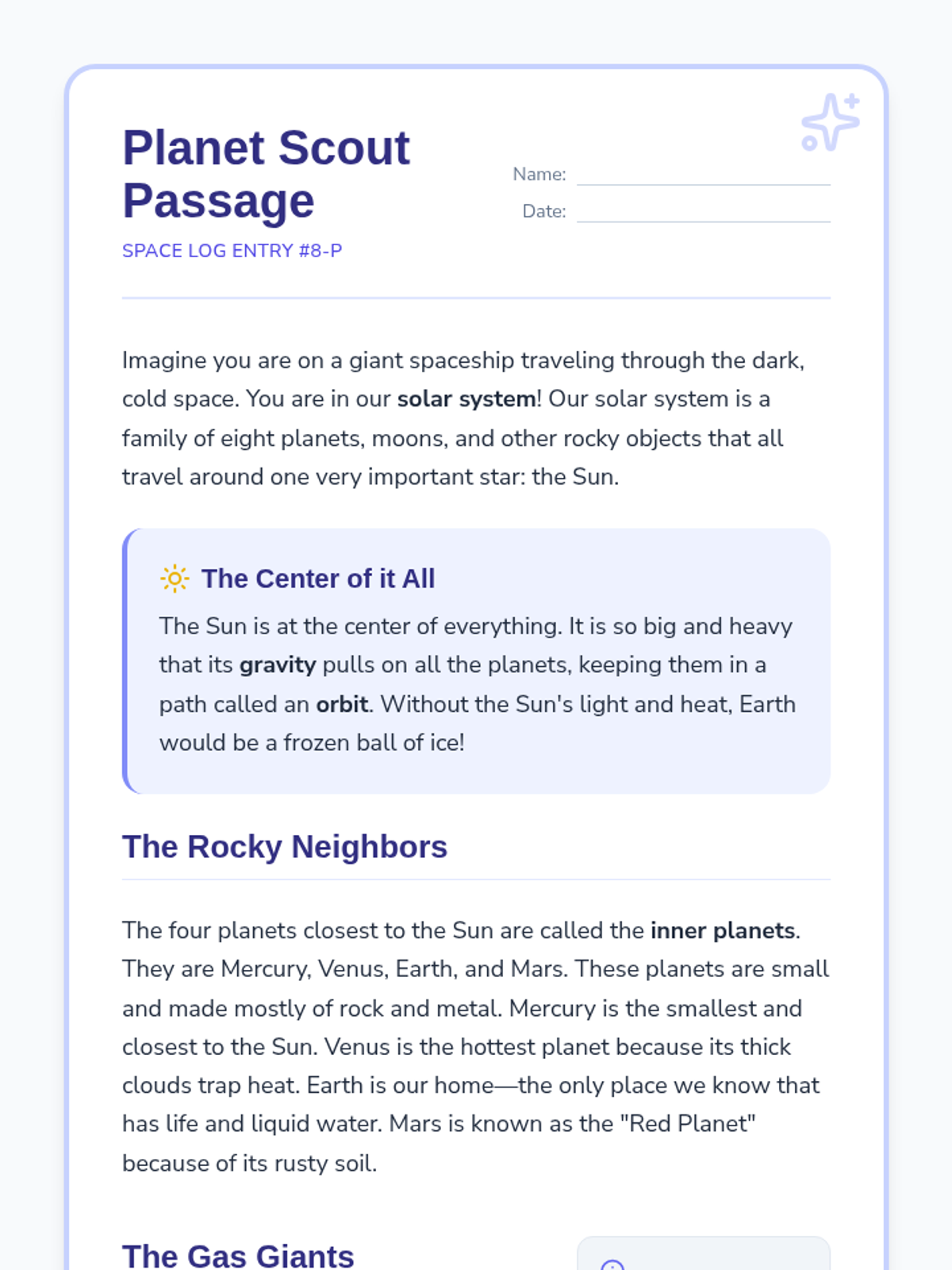
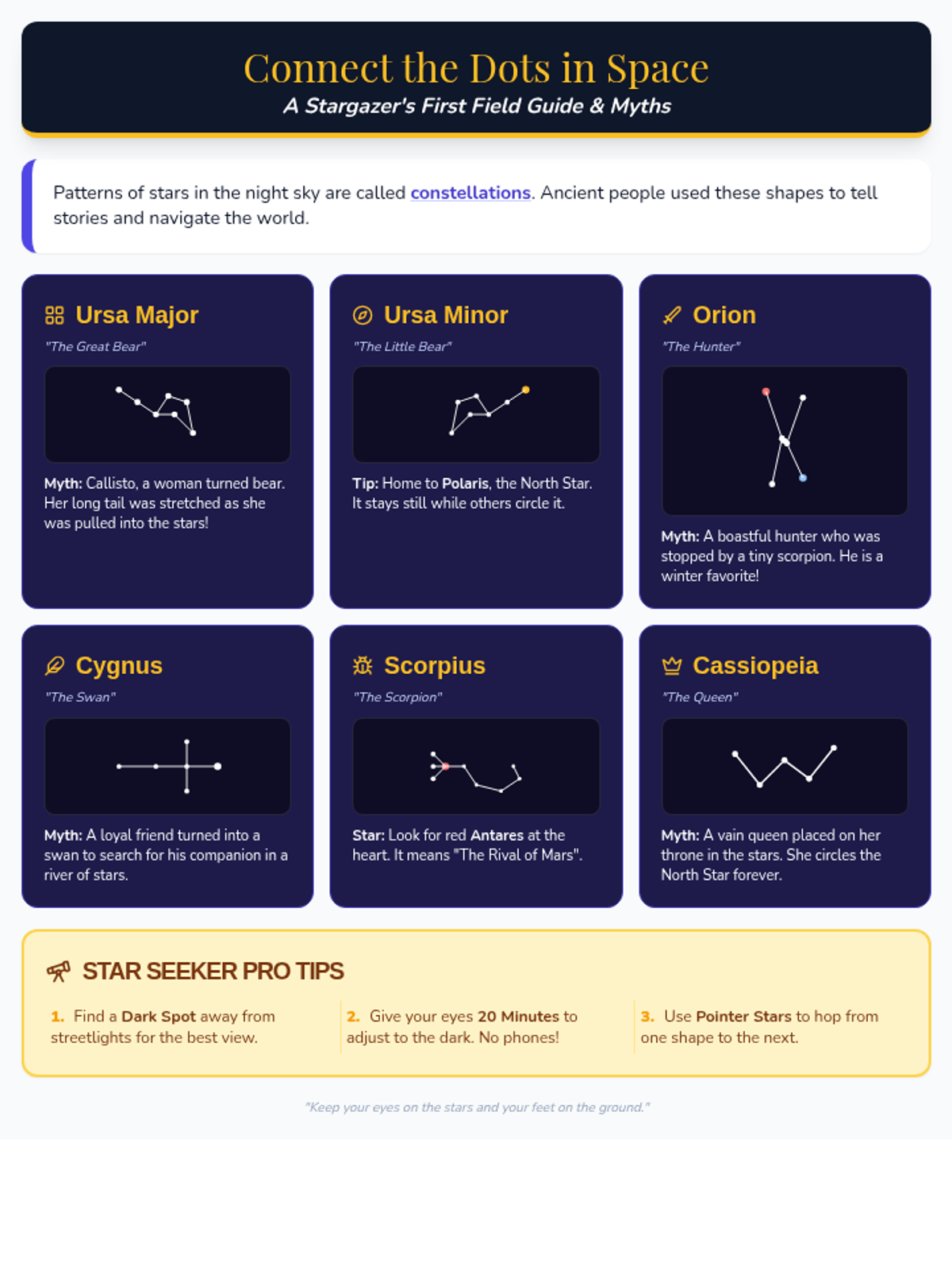
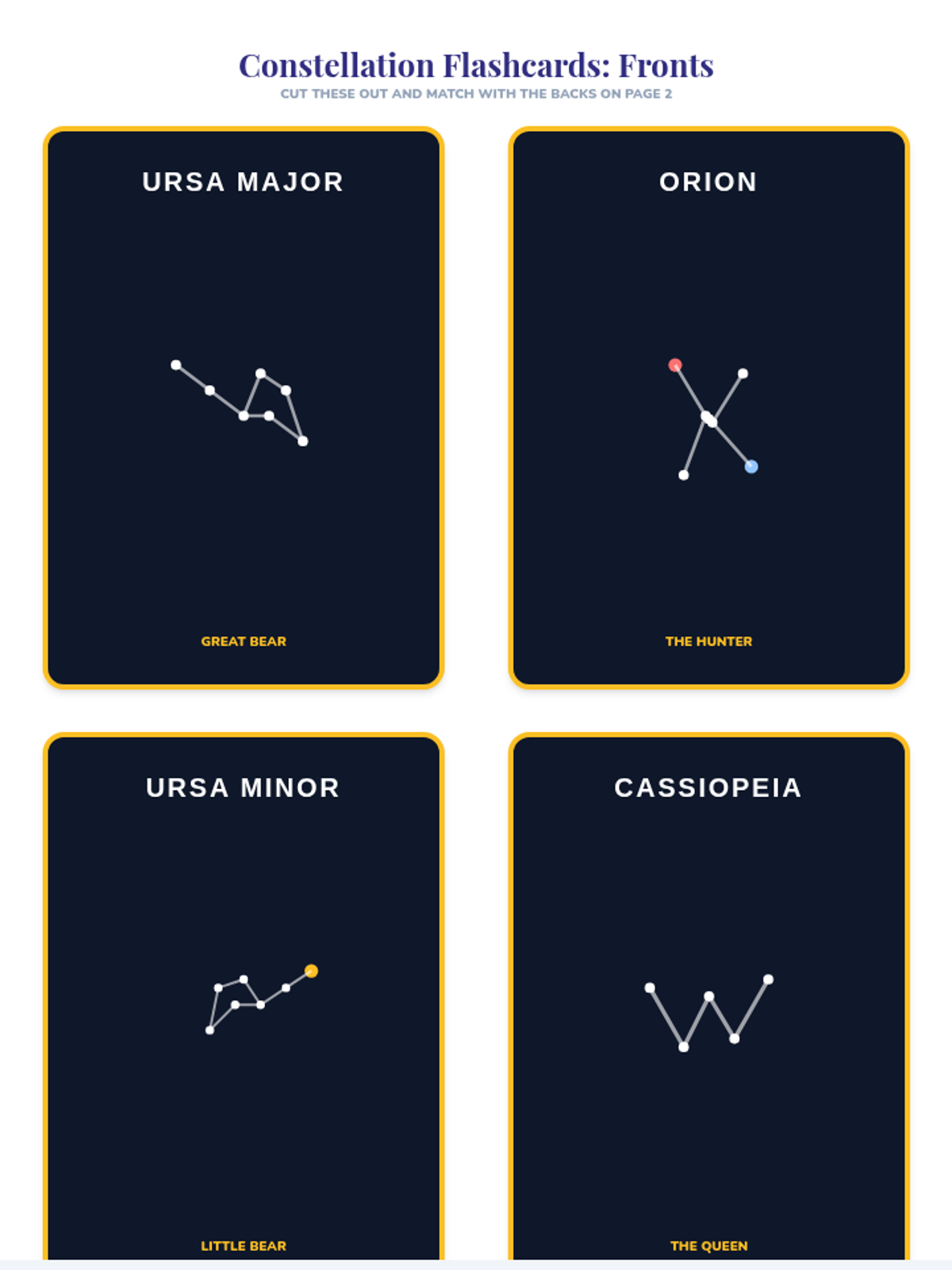
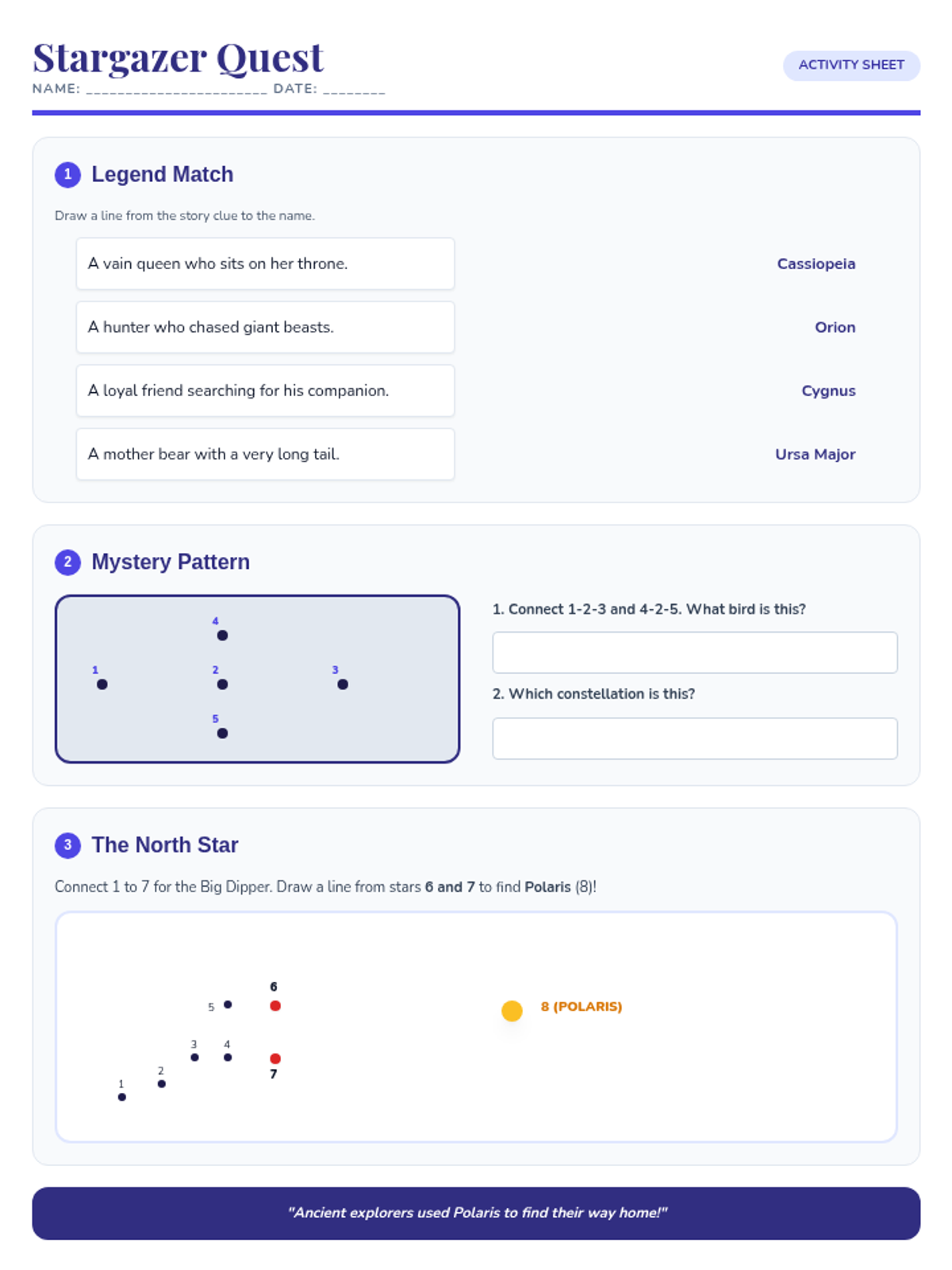
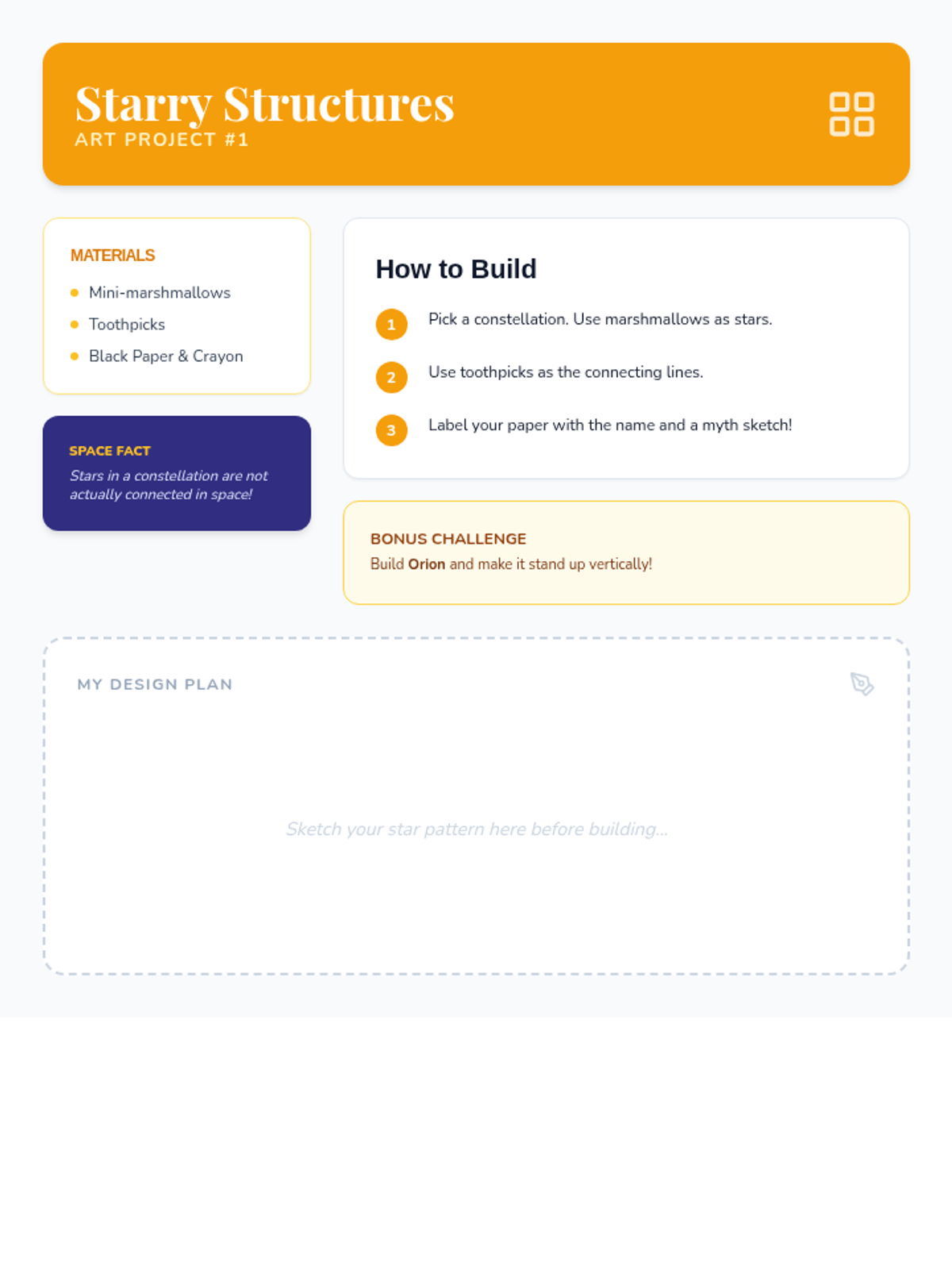
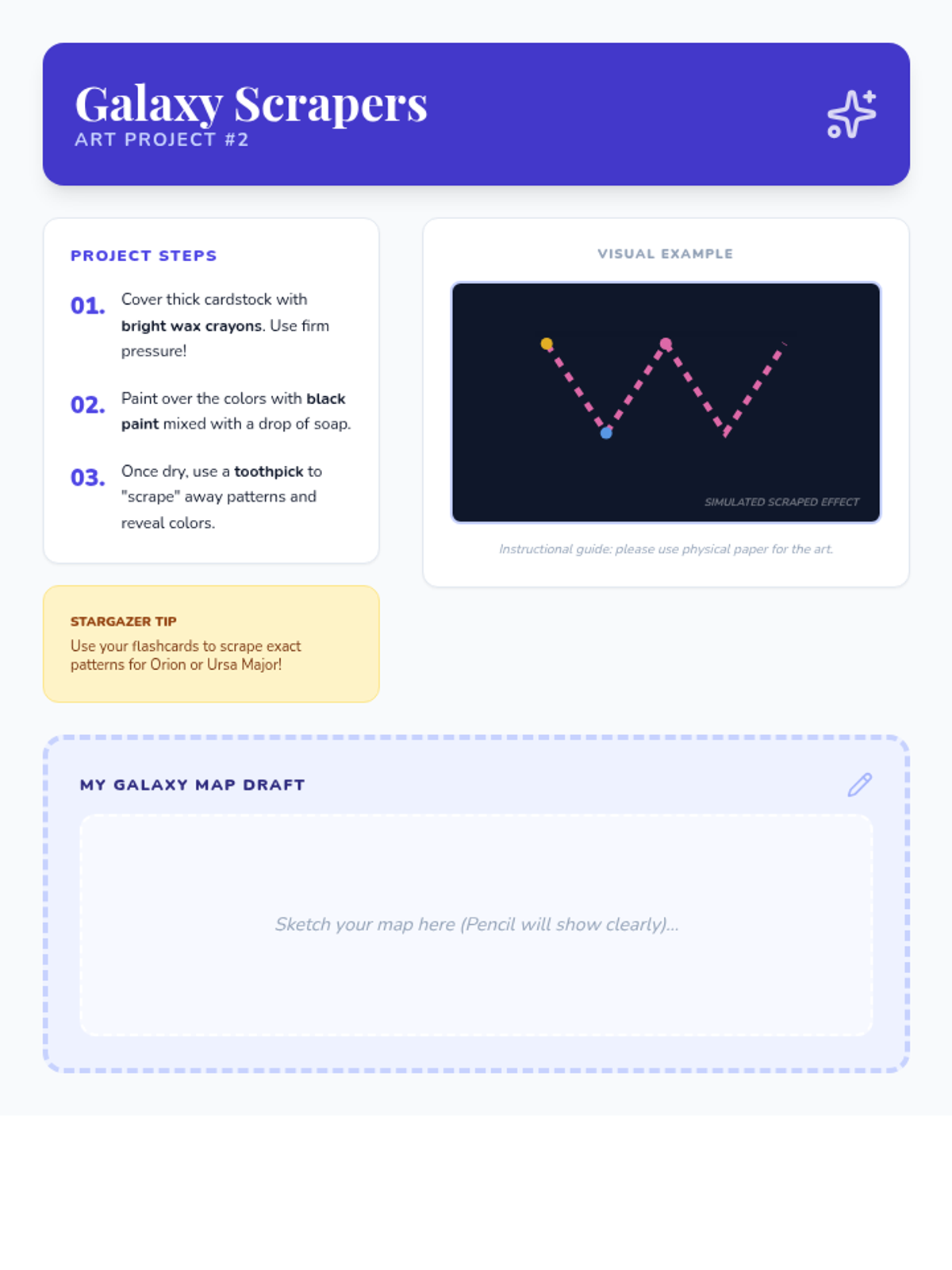
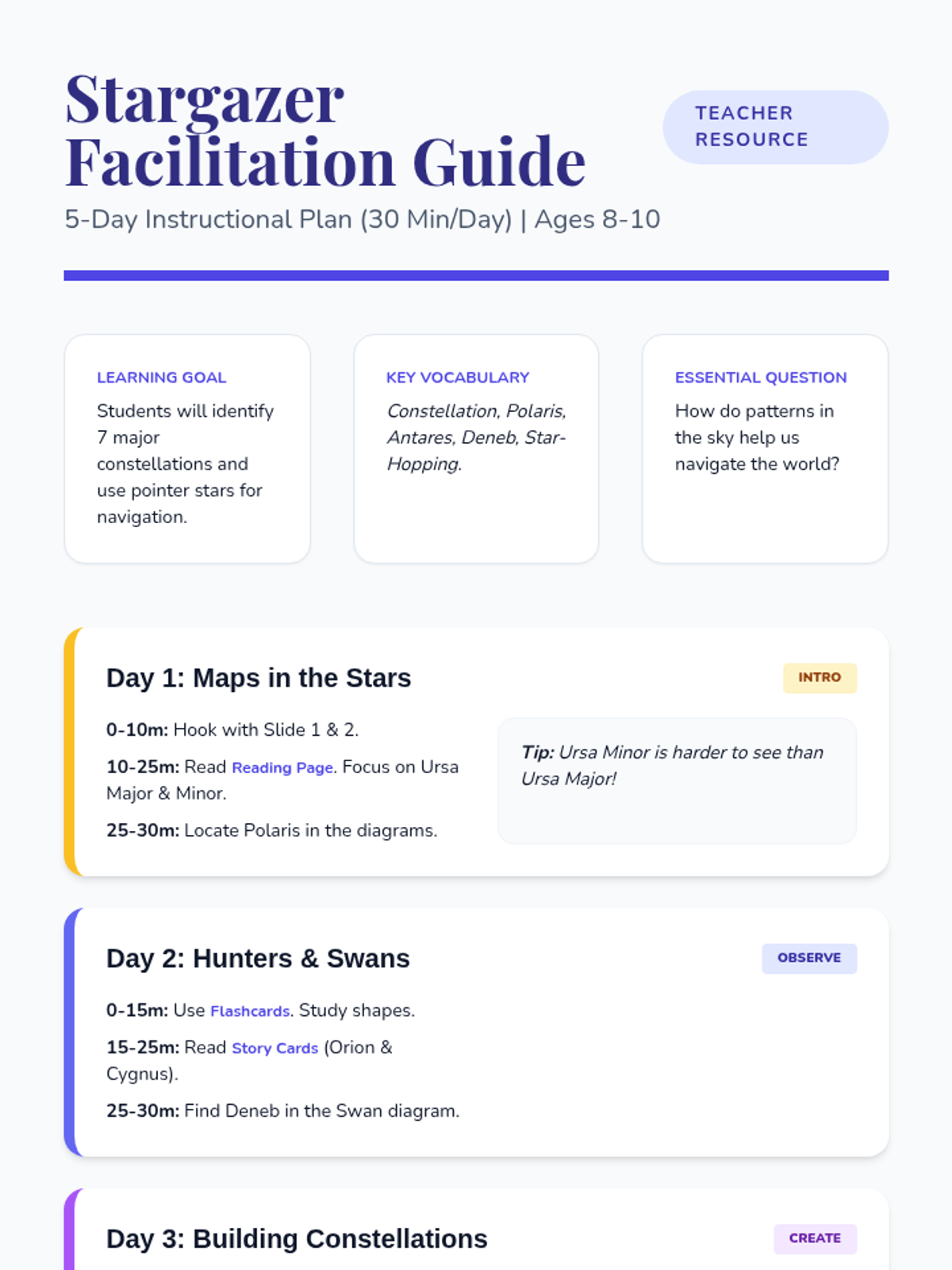
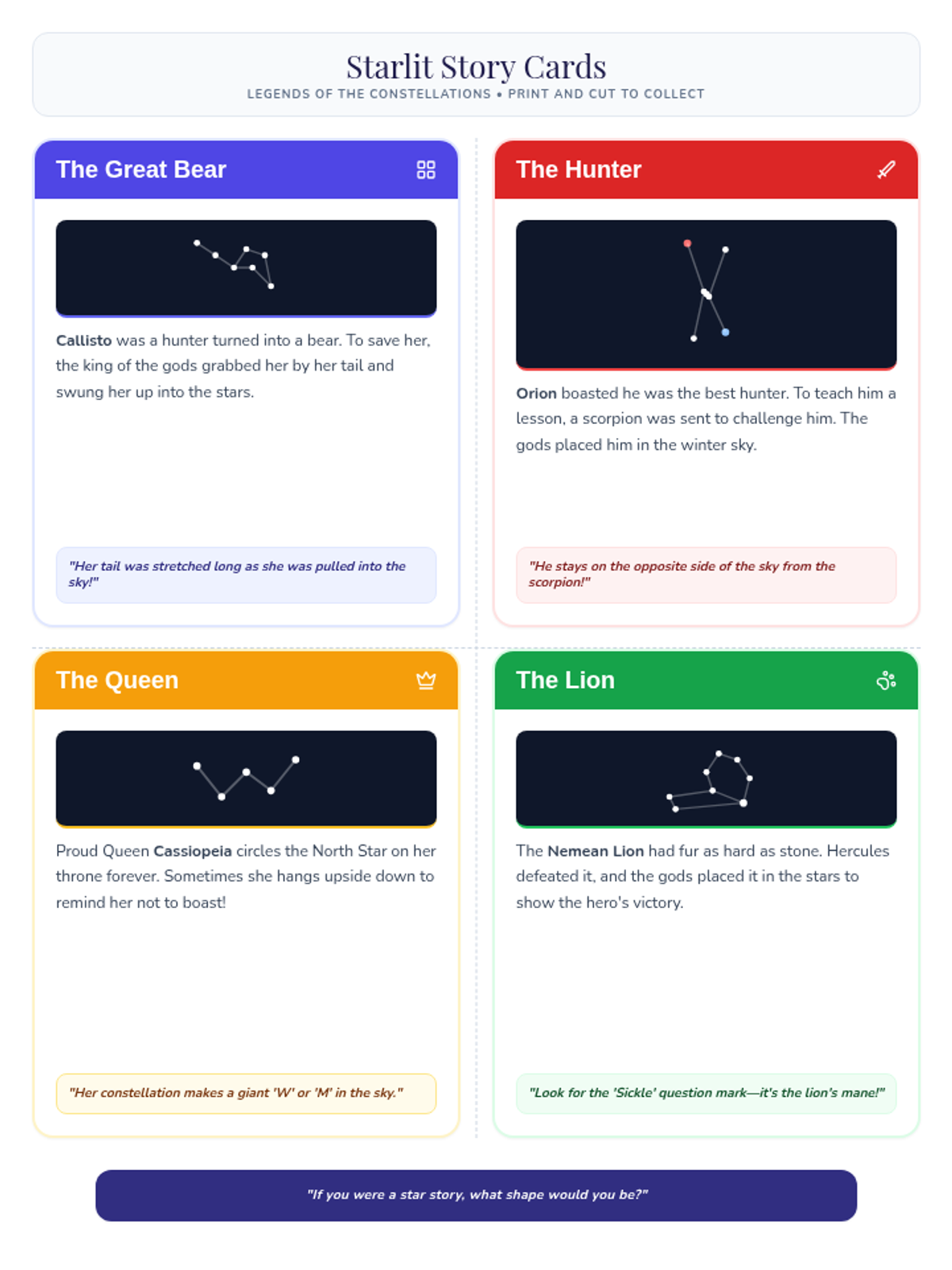
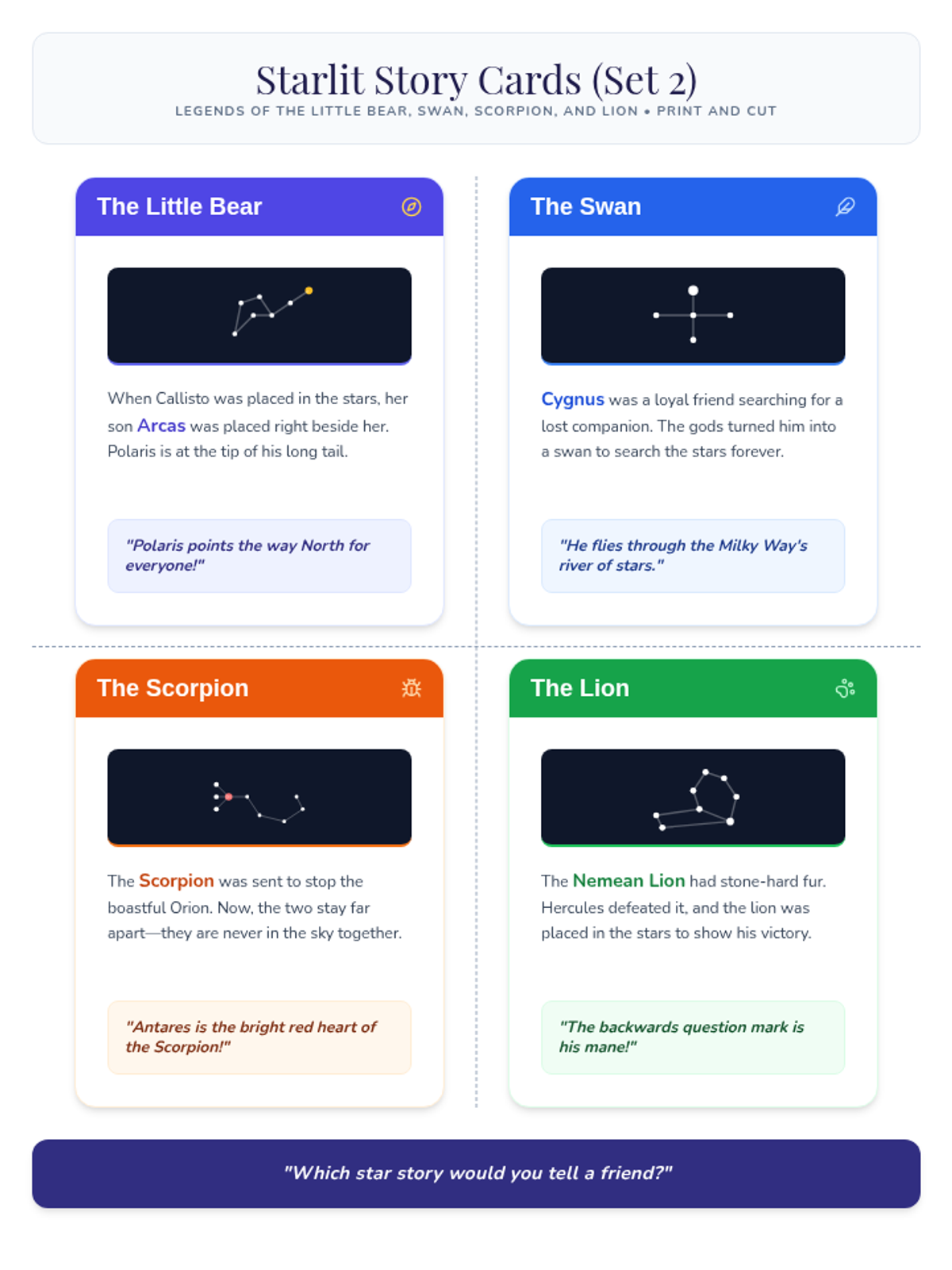
A cross-curricular unit blending astronomy and Greek mythology, exploring how ancient cultures interpreted the night sky and the scientific reality of stars.
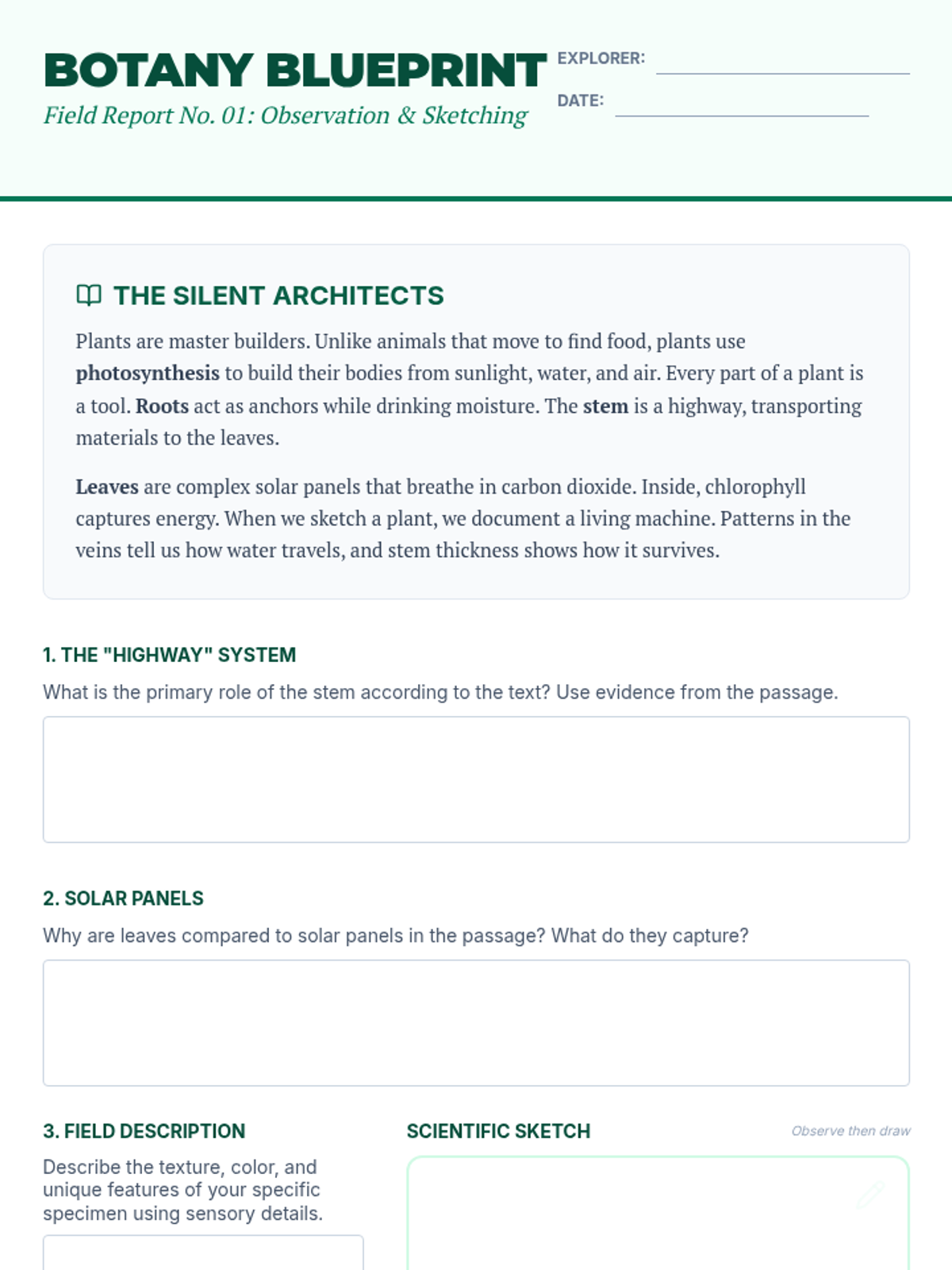
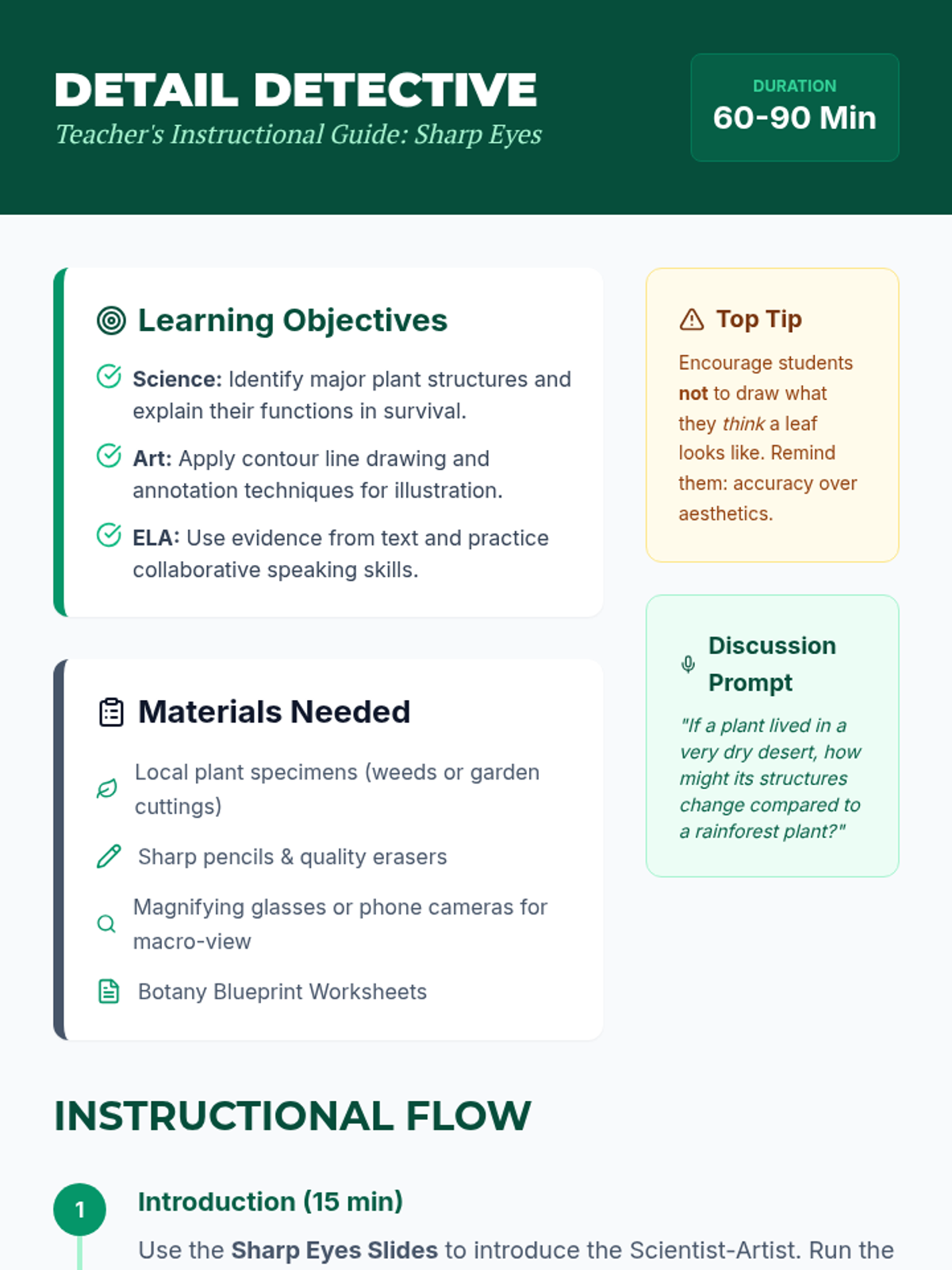
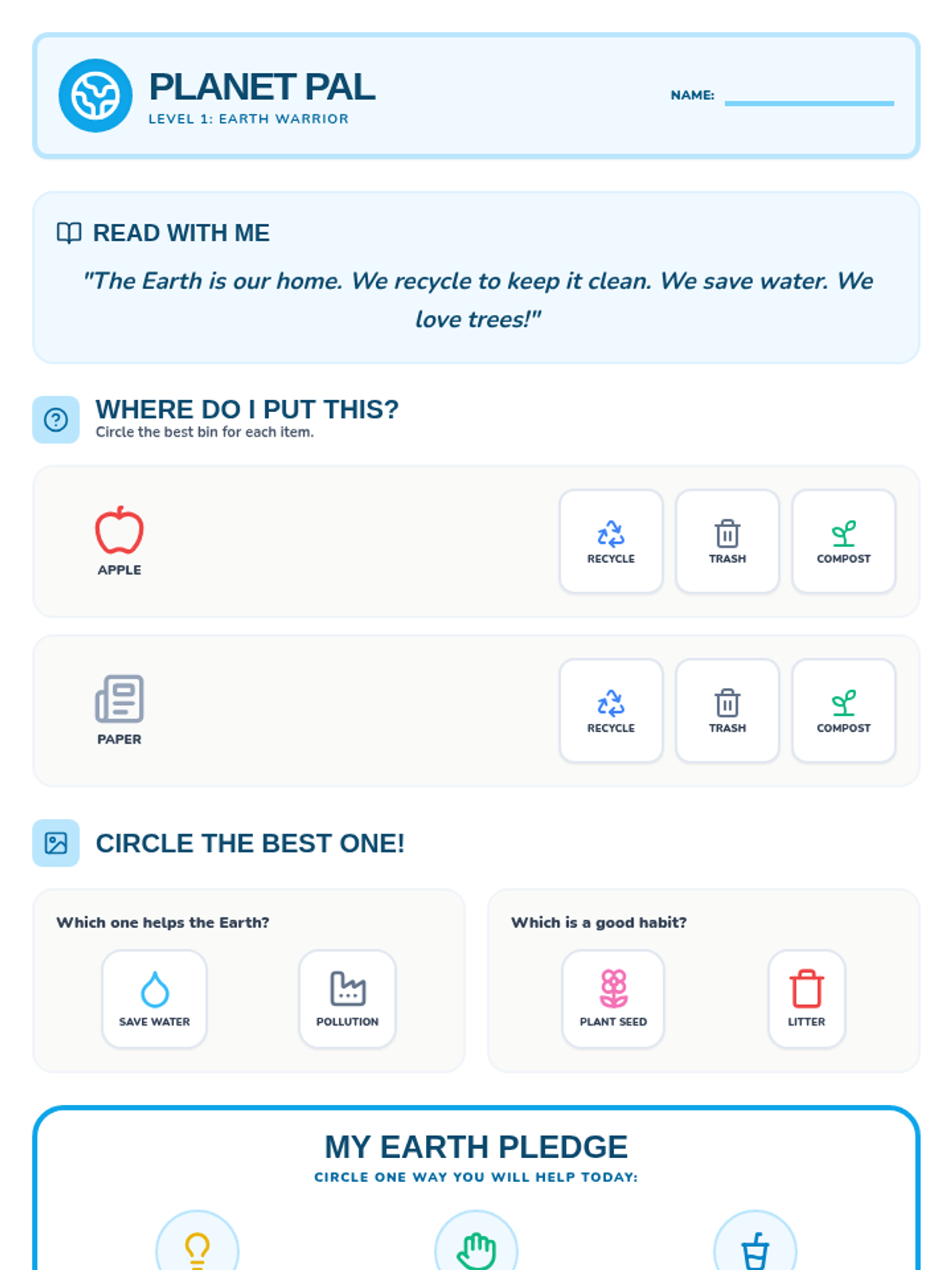
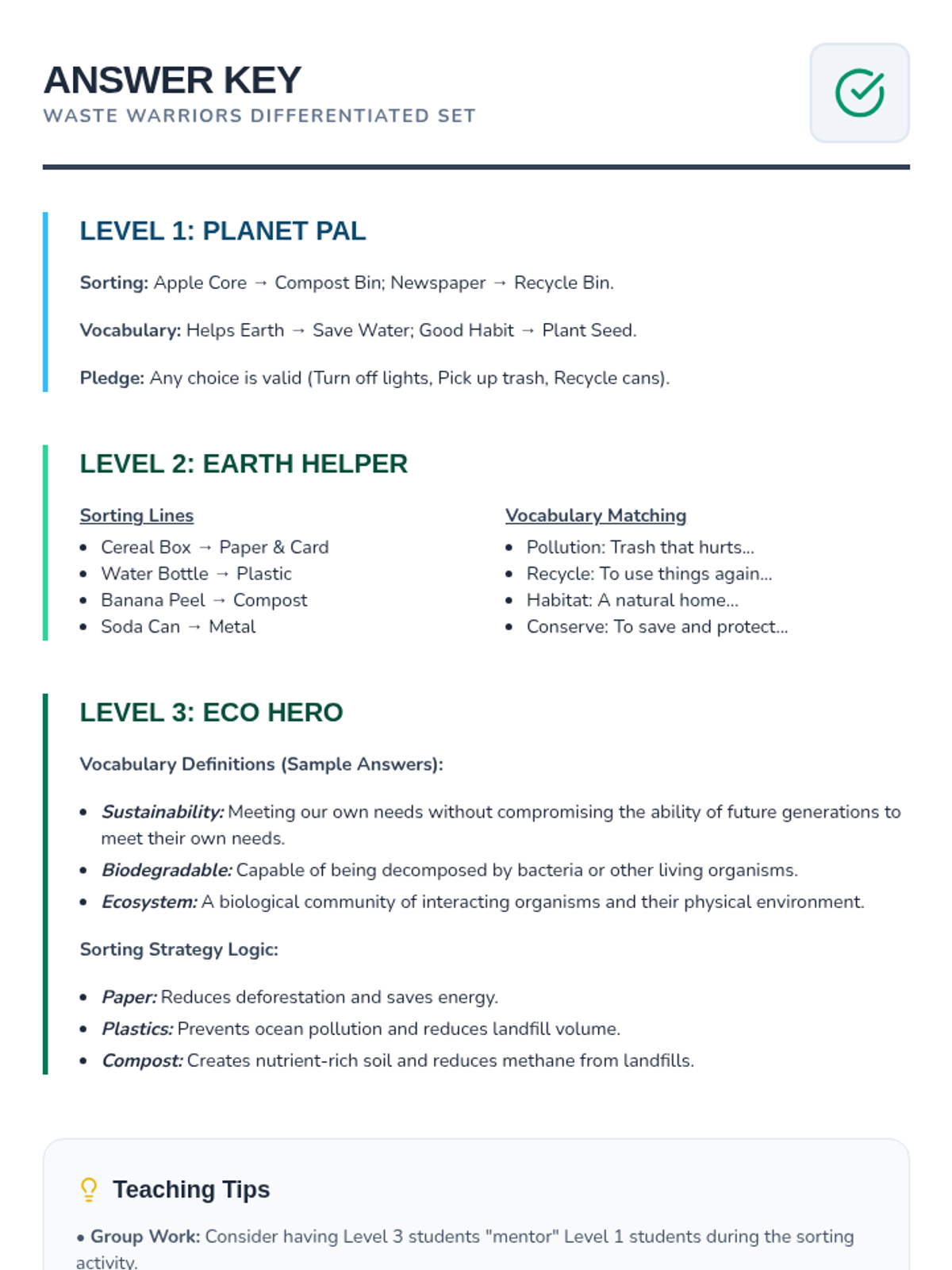
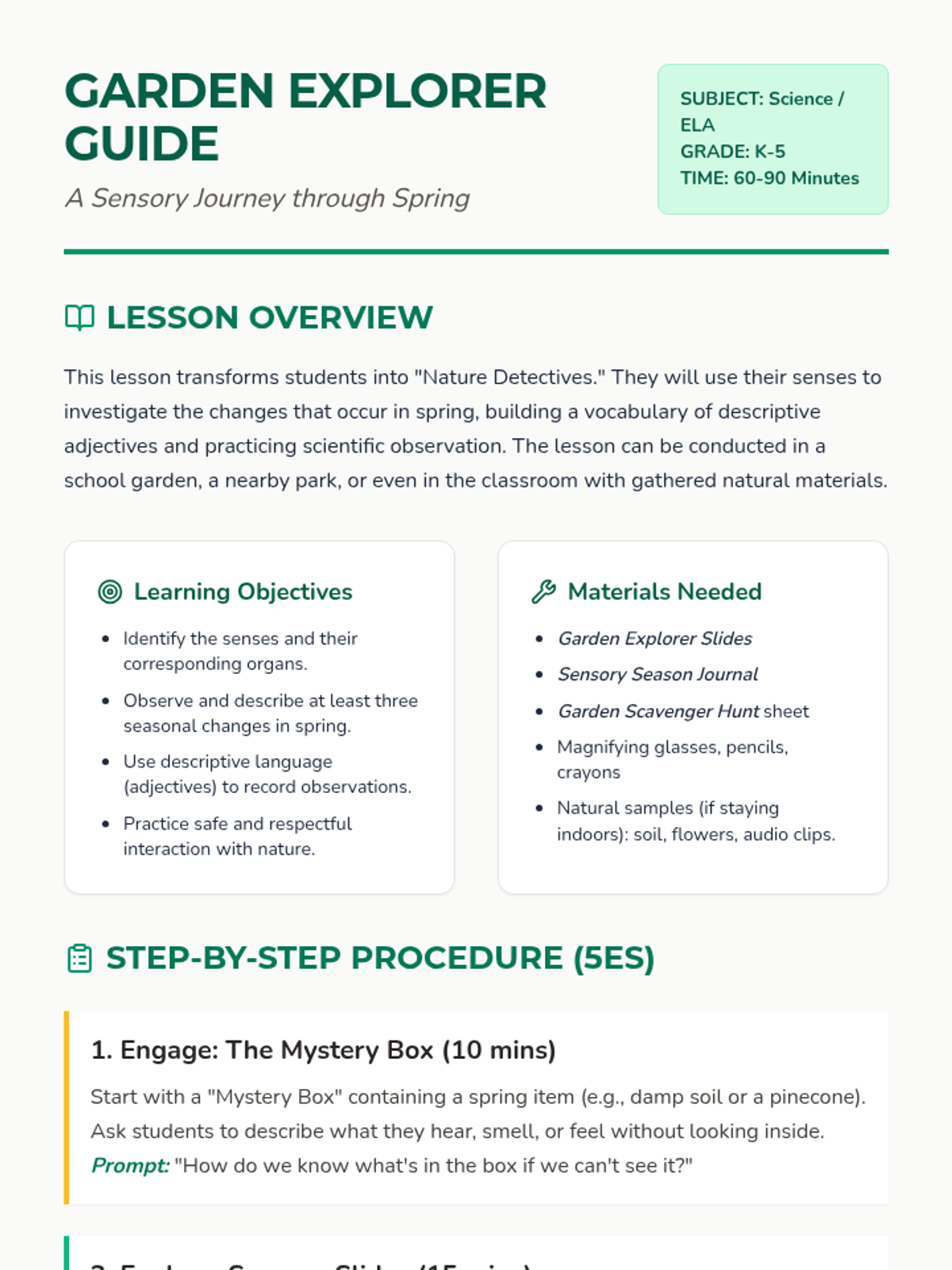
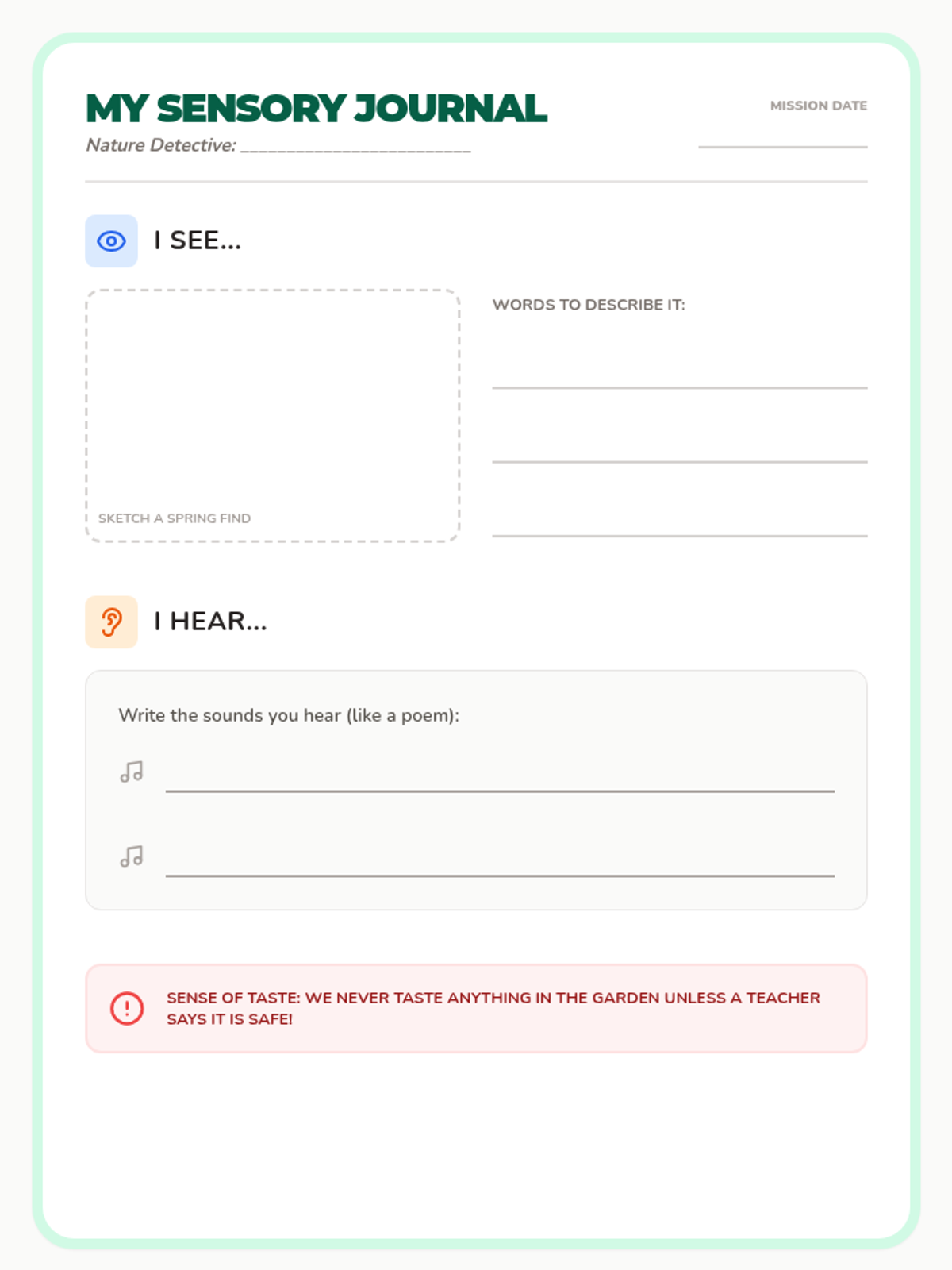
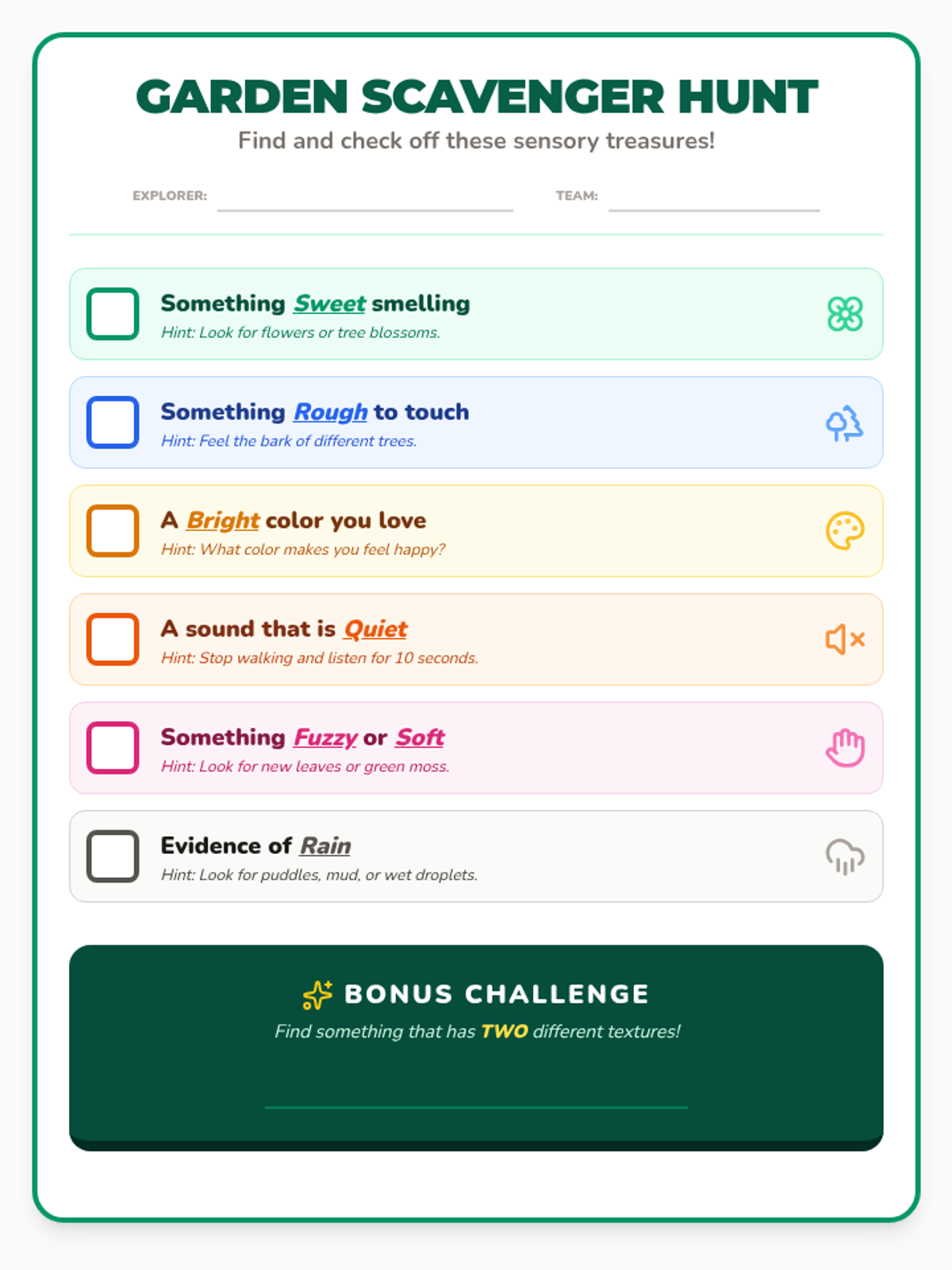
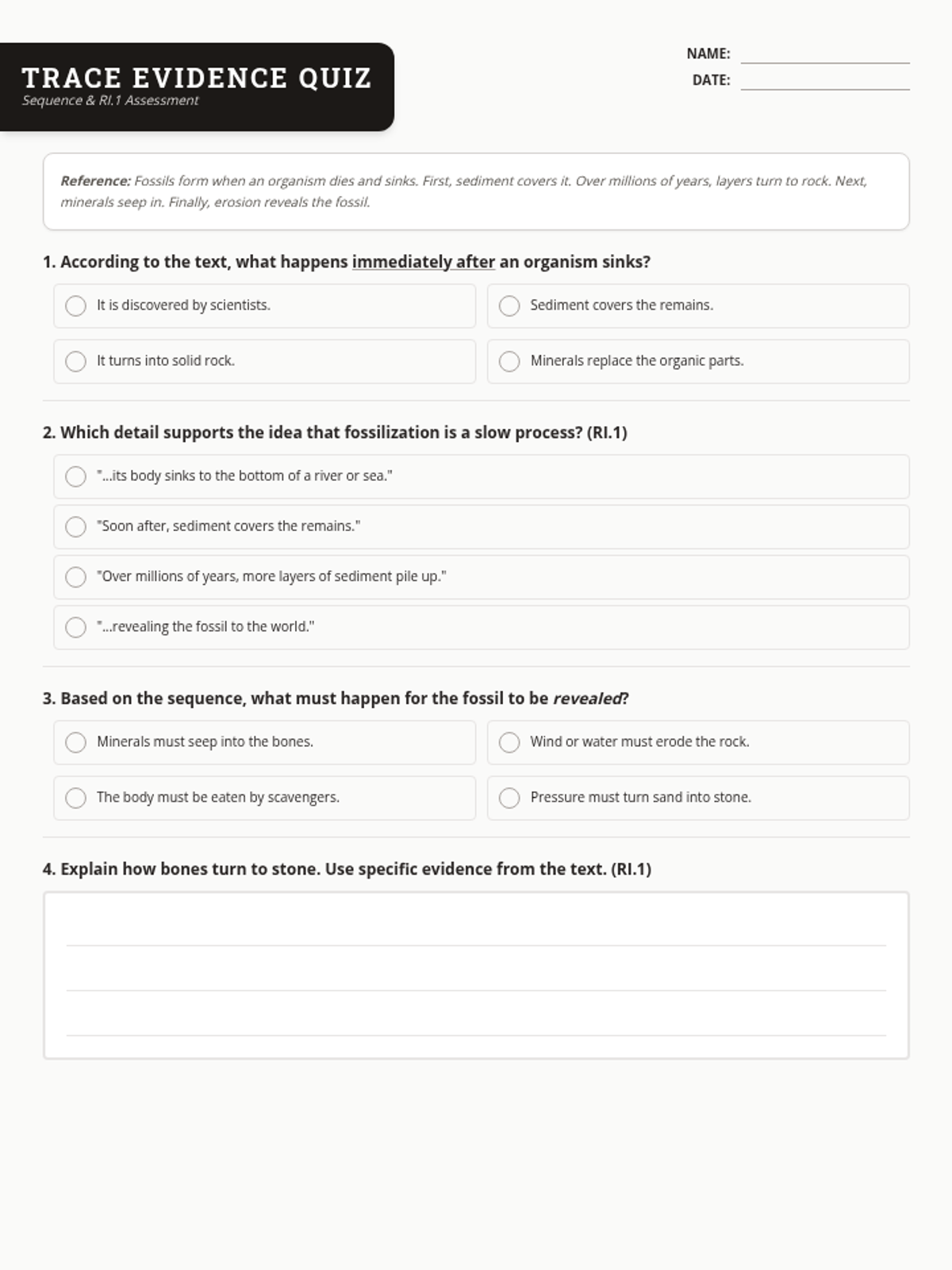
A collection of lessons focused on nature and science, designed with differentiated reading materials for diverse learners including early readers and special education students.
A high-energy introduction to coding concepts using the vibrant world of dance games to teach algorithms, sequencing, variables, and loops.
A series of lessons focused on the physical properties of matter, specifically mixtures and solutions, designed for 4th-grade science standards.
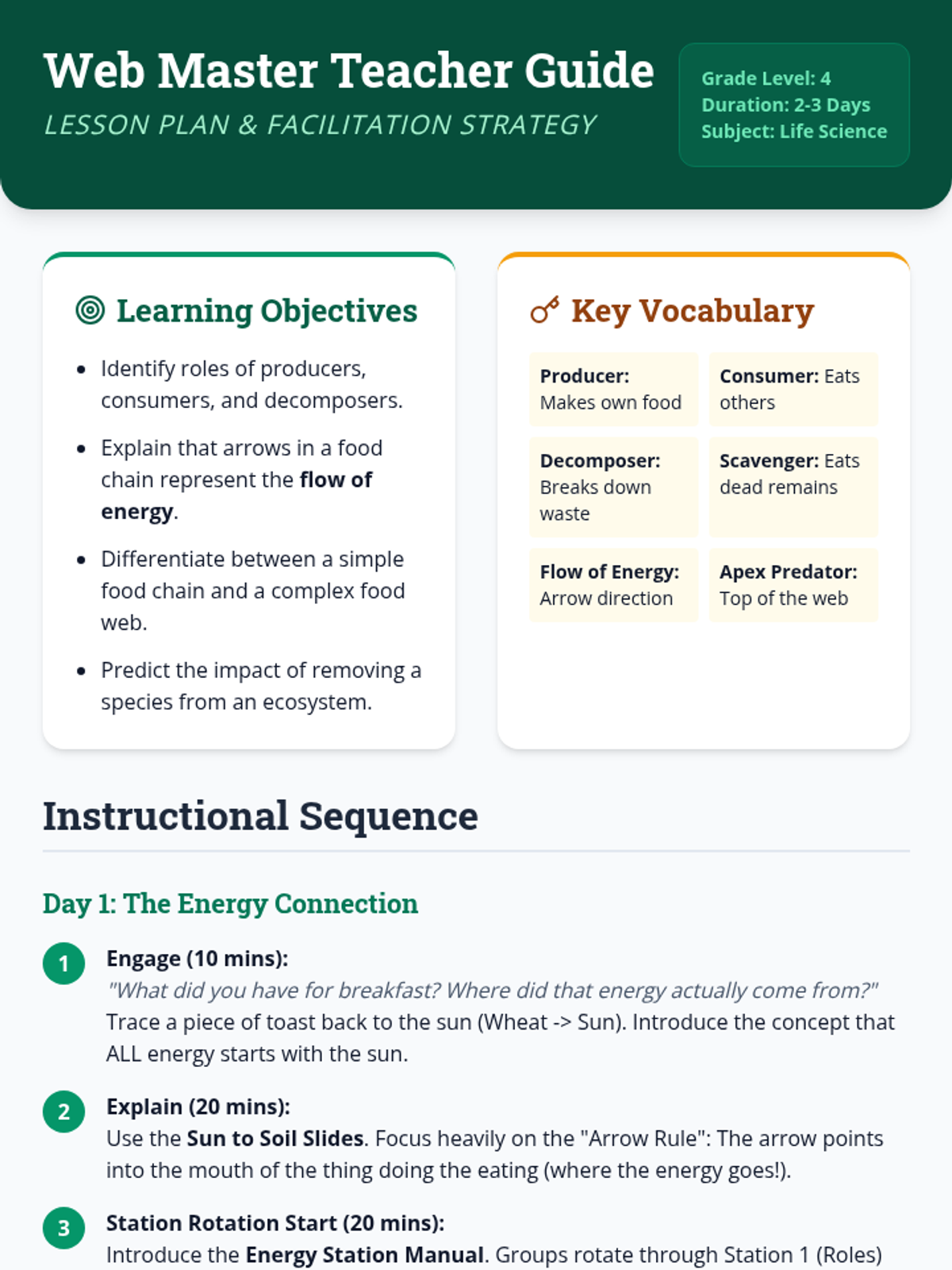
A deep dive into the extraordinary sensory world of sharks, specifically focusing on their unique ability to detect electrical fields. students will transform into marine biologists to investigate the 'sixth sense' that makes these apex predators such efficient hunters.
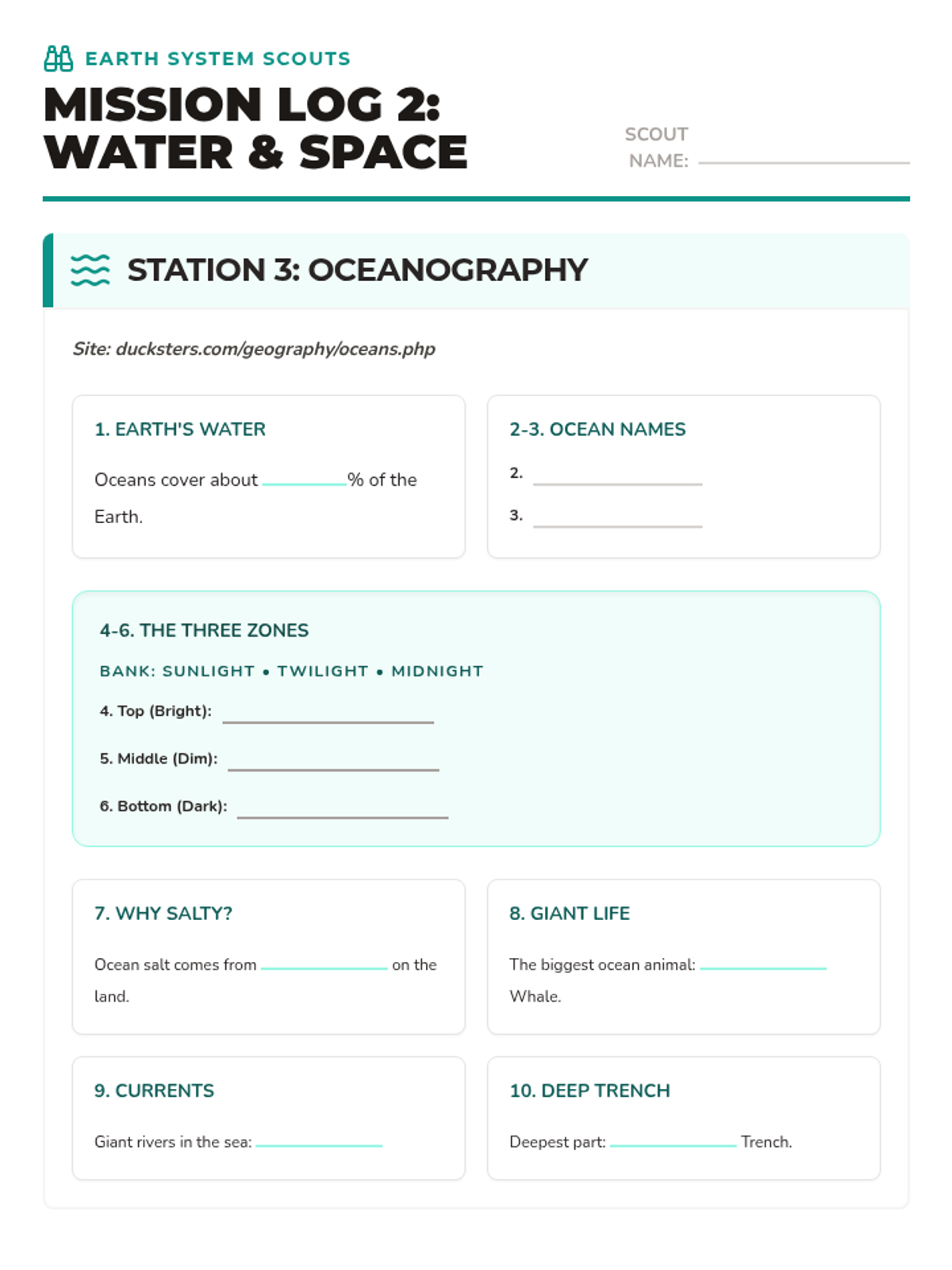
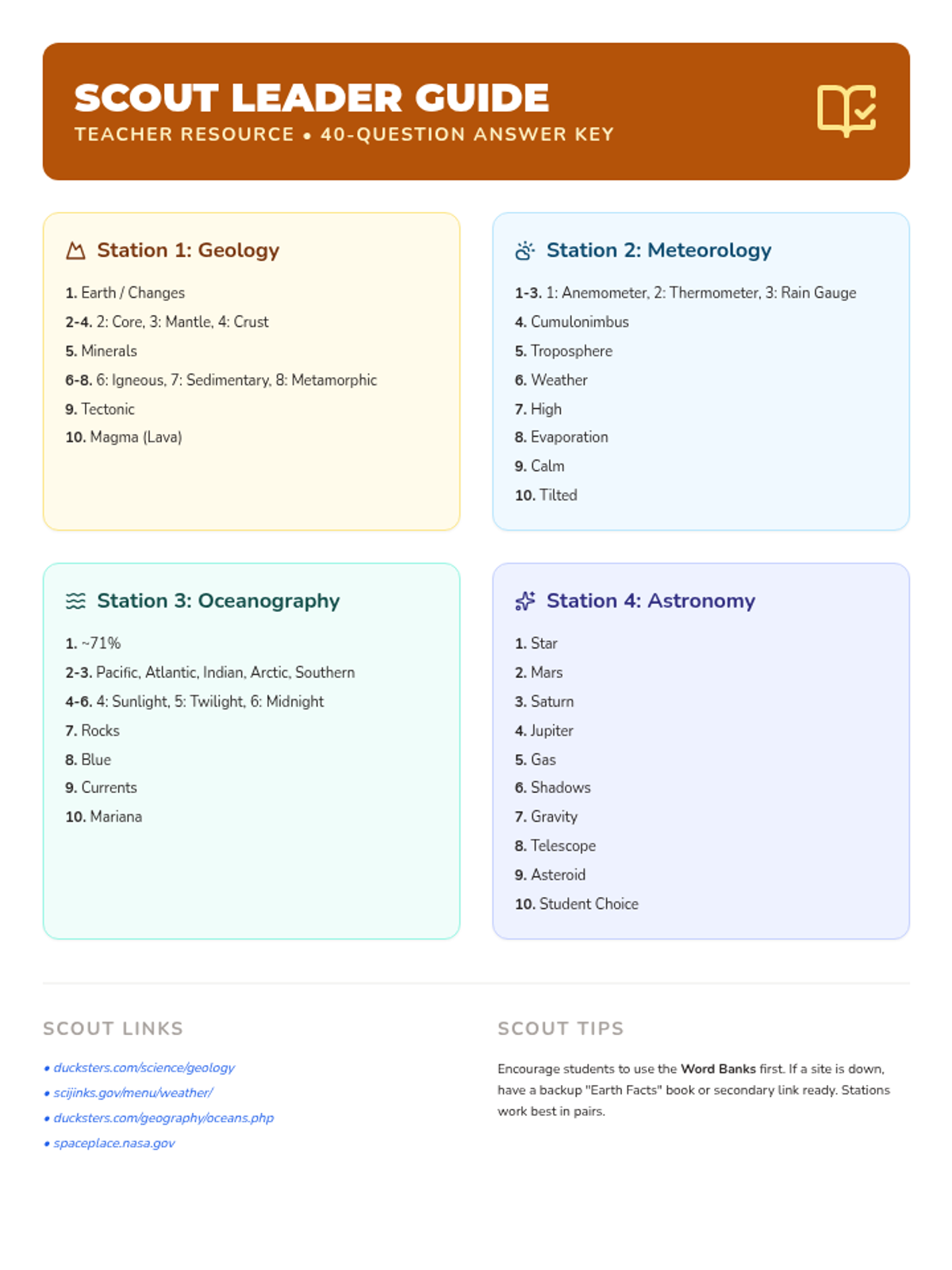
A series of lessons exploring Earth's major systems, starting with the hydrosphere and its impact on the planet's processes.
An engineering and biology sequence that teaches students to look to nature for sustainable and efficient design solutions, fostering innovation and biological appreciation.
Une séquence d'initiation à la robotique pour le cycle 3 (CM1-CM2), explorant la définition d'un robot, ses composants et les bases de la programmation algorithmique.
A comprehensive STEM and engineering sequence for elementary students, focusing on the Texas Essential Knowledge and Skills (TEKS) for Scientific and Engineering Practices. Students tackle real-world challenges through prototyping, testing, and data analysis in two distinct thematic units.
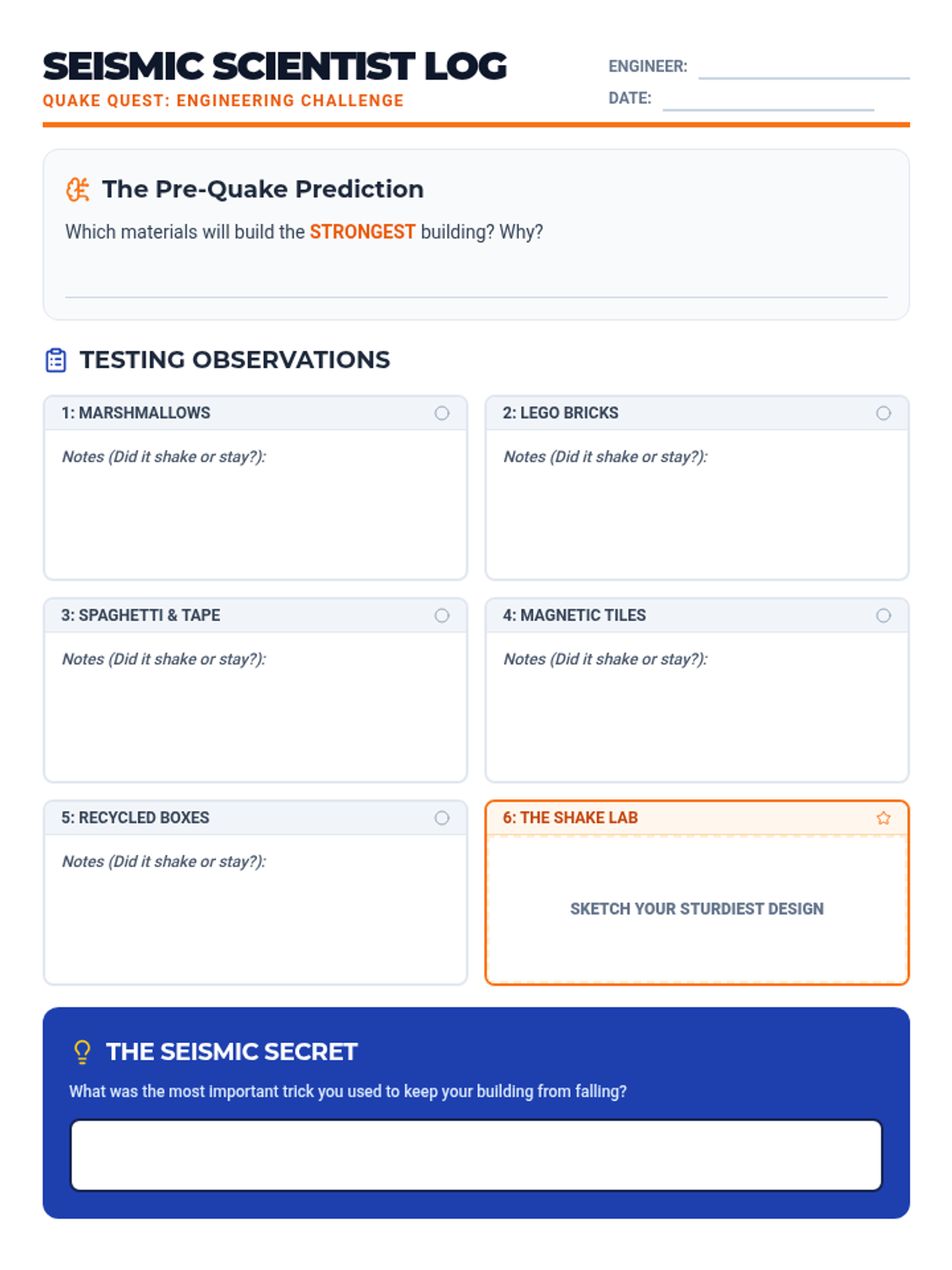
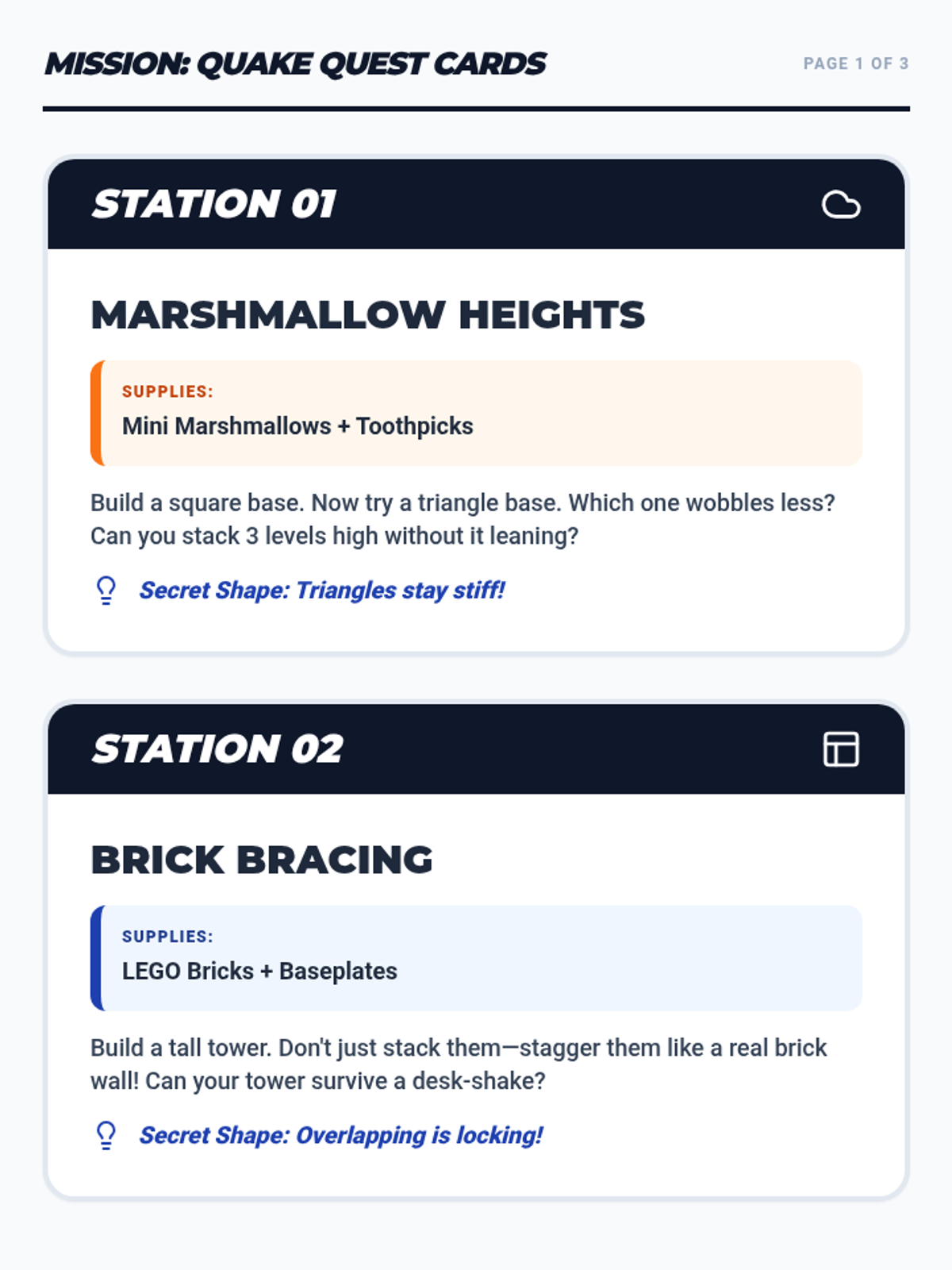
A comprehensive STEM curriculum for grades 1-5 where students solve real-world problems in their community using engineering design and scientific principles. Each grade level features two 30-minute hands-on challenges aligned with TEKS 1.5-5.5.
A comprehensive K-5 science journey focused on the Texas Essential Knowledge and Skills (TEKS) for physical properties of matter. Students act as 'Matter Mission' agents to solve real-world problems through hands-on STEM challenges and engineering design.
A week-long independent study unit based on 'The Boy Who Harnessed the Wind', guiding students through literary analysis, scientific research, and engineering design.
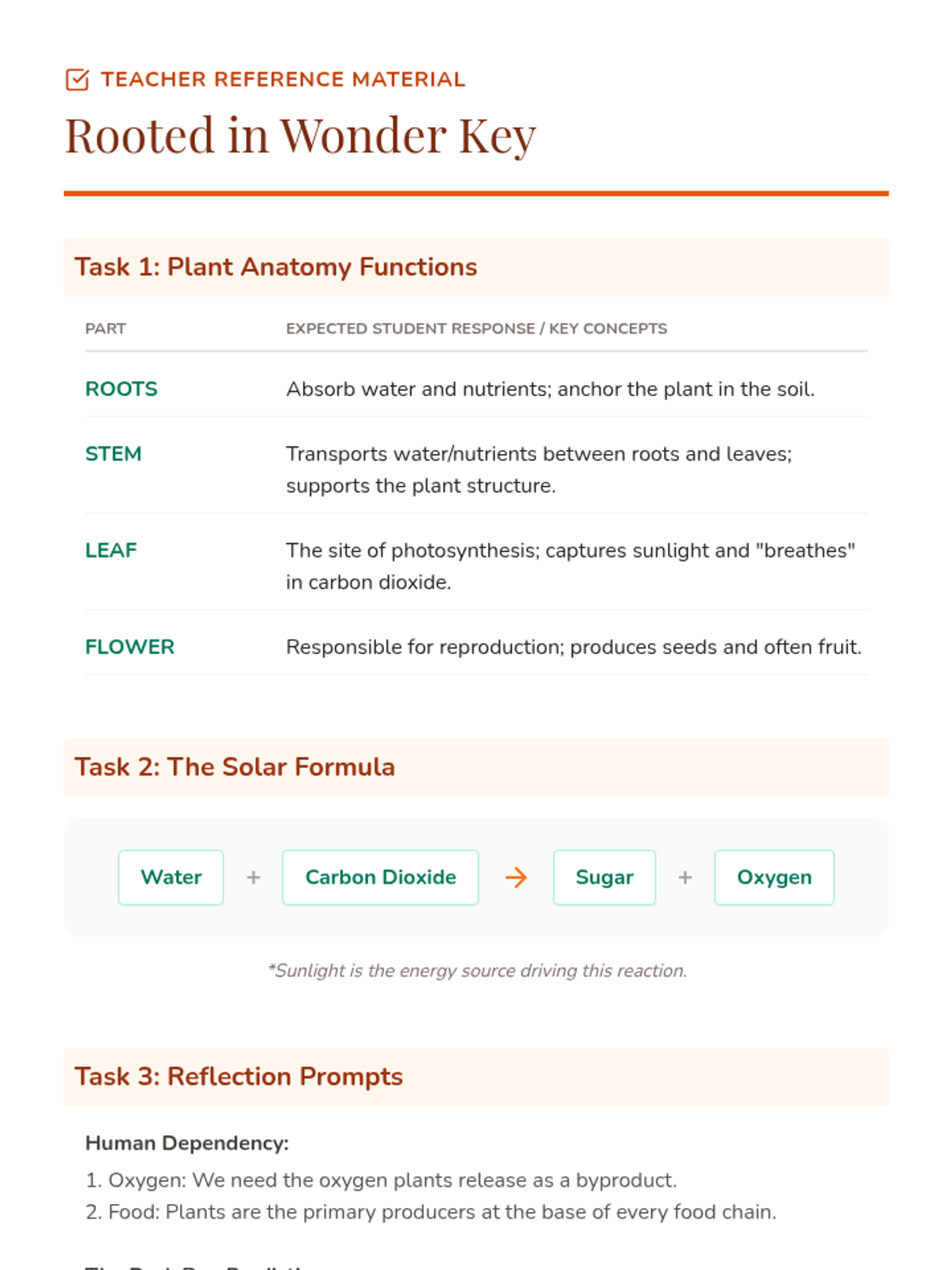
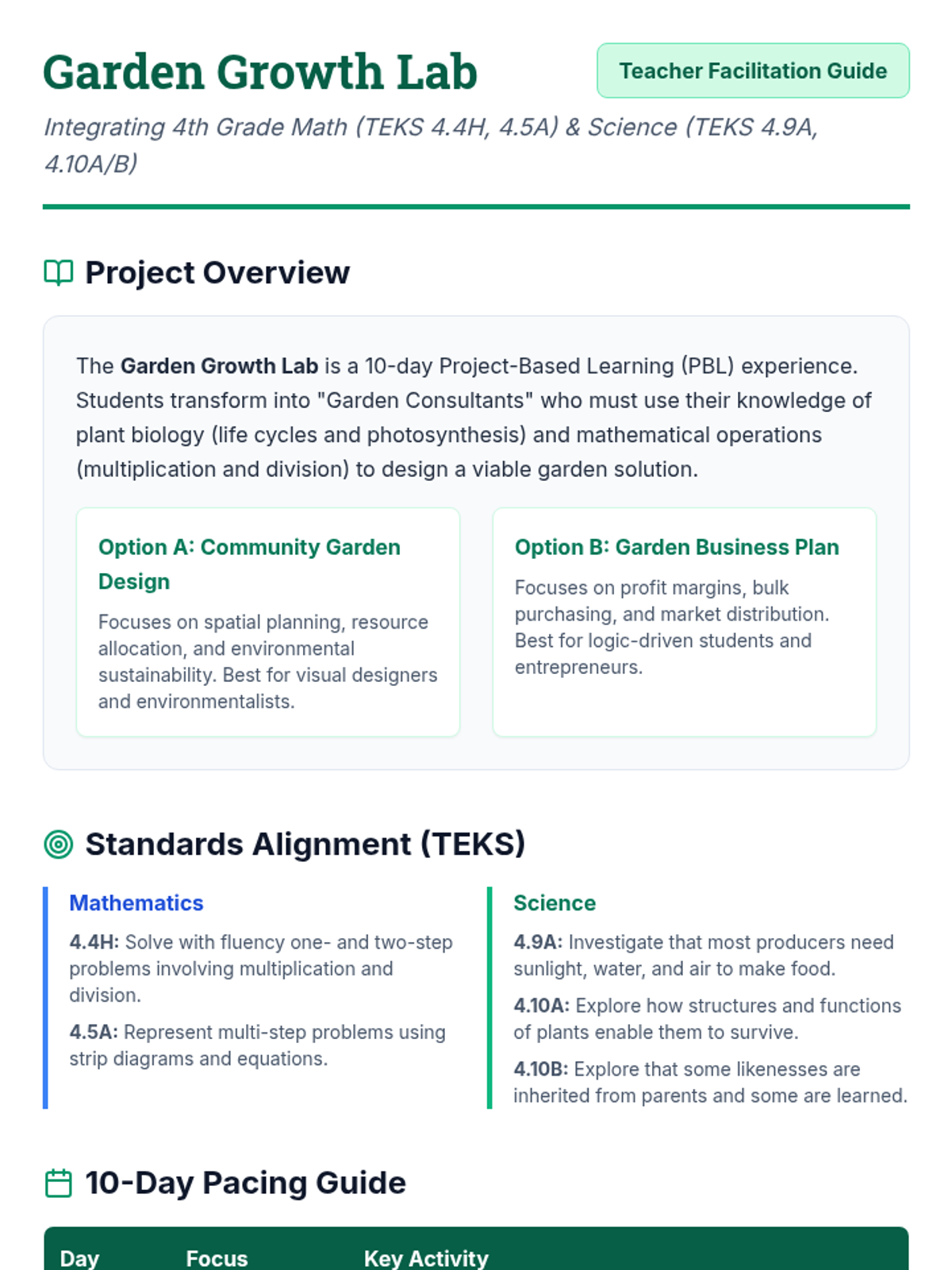
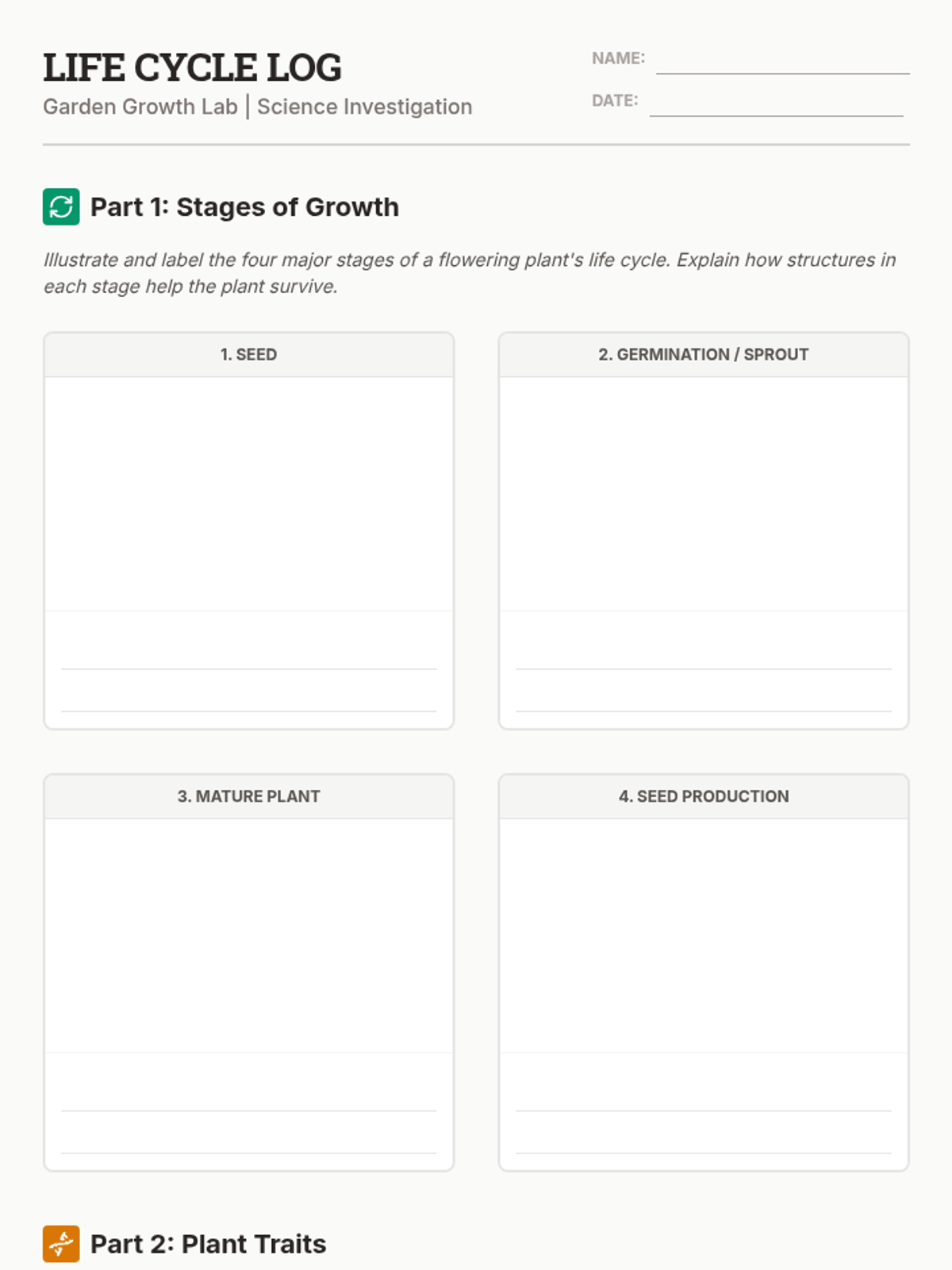
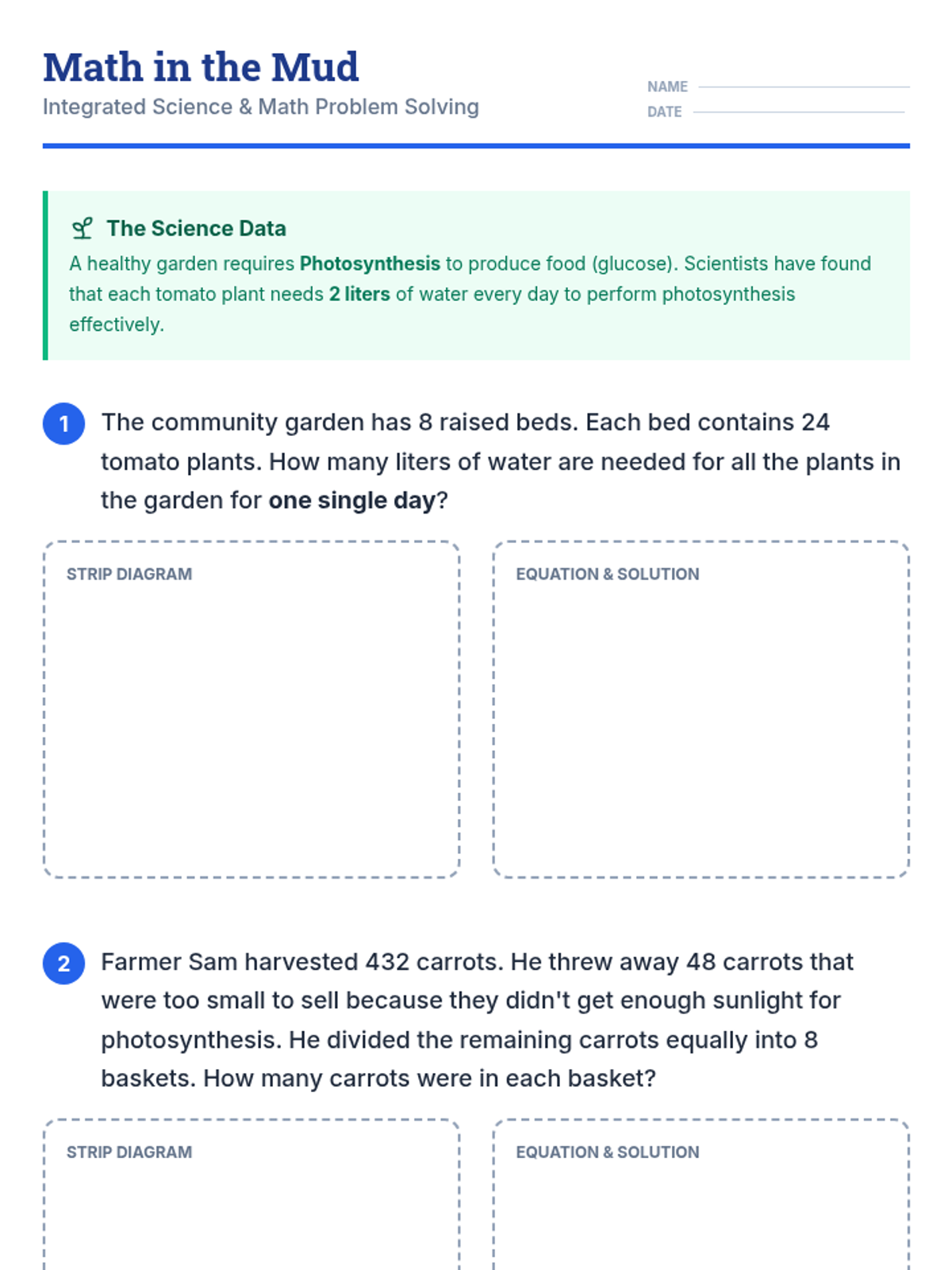
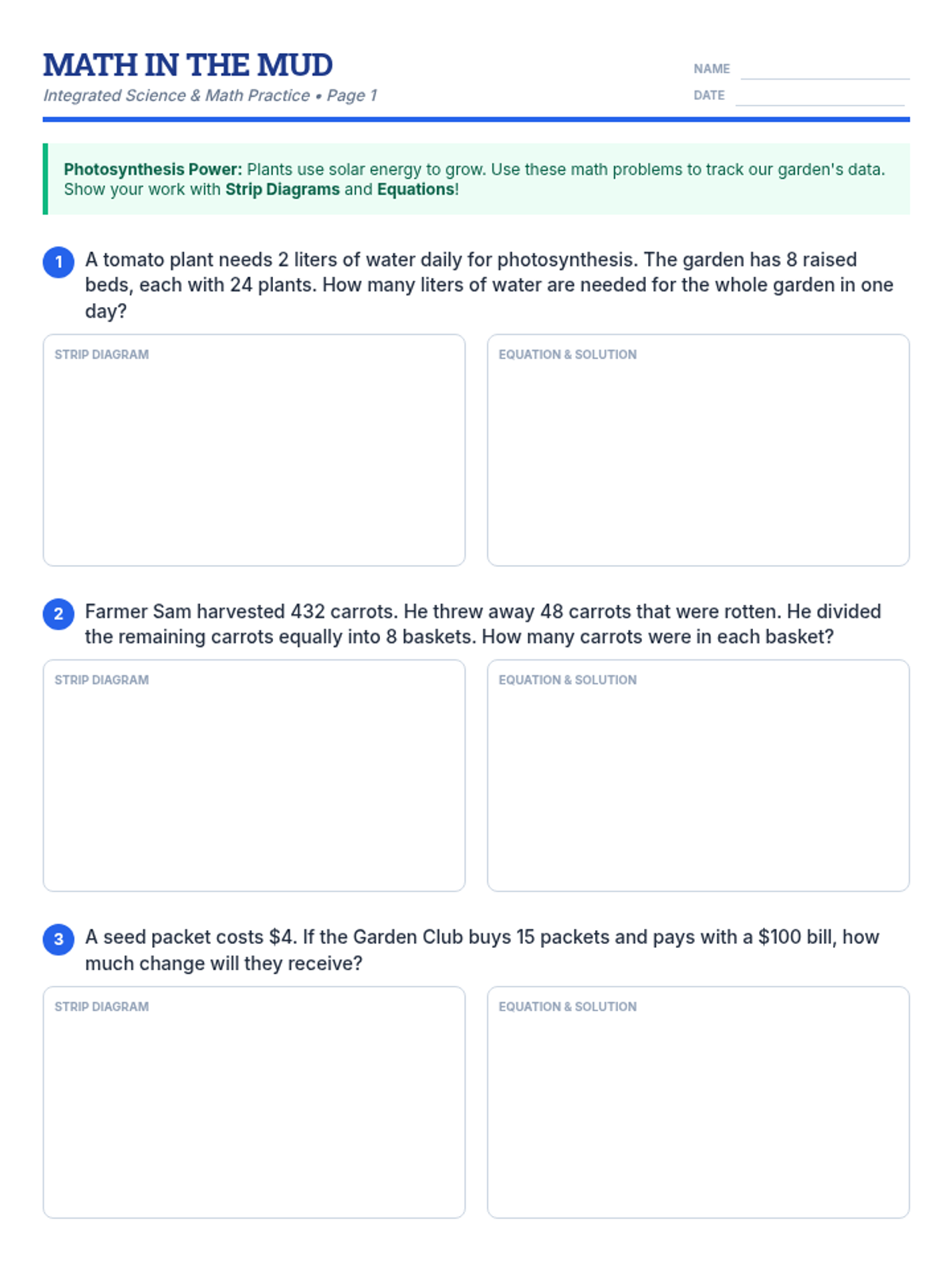
A multi-disciplinary science and health unit covering plant biology, physical properties of matter, and nutritional science. Students explore the cycles of life, the fundamental nature of substances, and how to fuel their bodies.
A comprehensive STEM sequence covering thermal energy and matter changes for grades 1-5, featuring engineering challenges and real-world problem-solving aligned with Texas TEKS. Students investigate reversible and non-reversible changes, states of matter, and thermal energy transfer through hands-on experiments.
A comprehensive exploration of animals from jungle and safari environments, focusing on their unique adaptations, habitats, and survival strategies.
A comprehensive STEM sequence focusing on TEKS-aligned physical science concepts, from system parts in lower elementary to complex mixtures and conservation of matter in upper elementary. Students solve relatable real-world problems through hands-on engineering challenges and laboratory investigations.
A comprehensive STEM unit exploring the invisible powers of forces, including magnetism, gravity, and friction, through hands-on engineering challenges and scientific investigations aligned with Texas TEKS for Grades K-5.