A graduate-level sequence exploring Bayesian methods for real-time data integration, diagnostic reasoning, and dynamic decision-making under uncertainty.
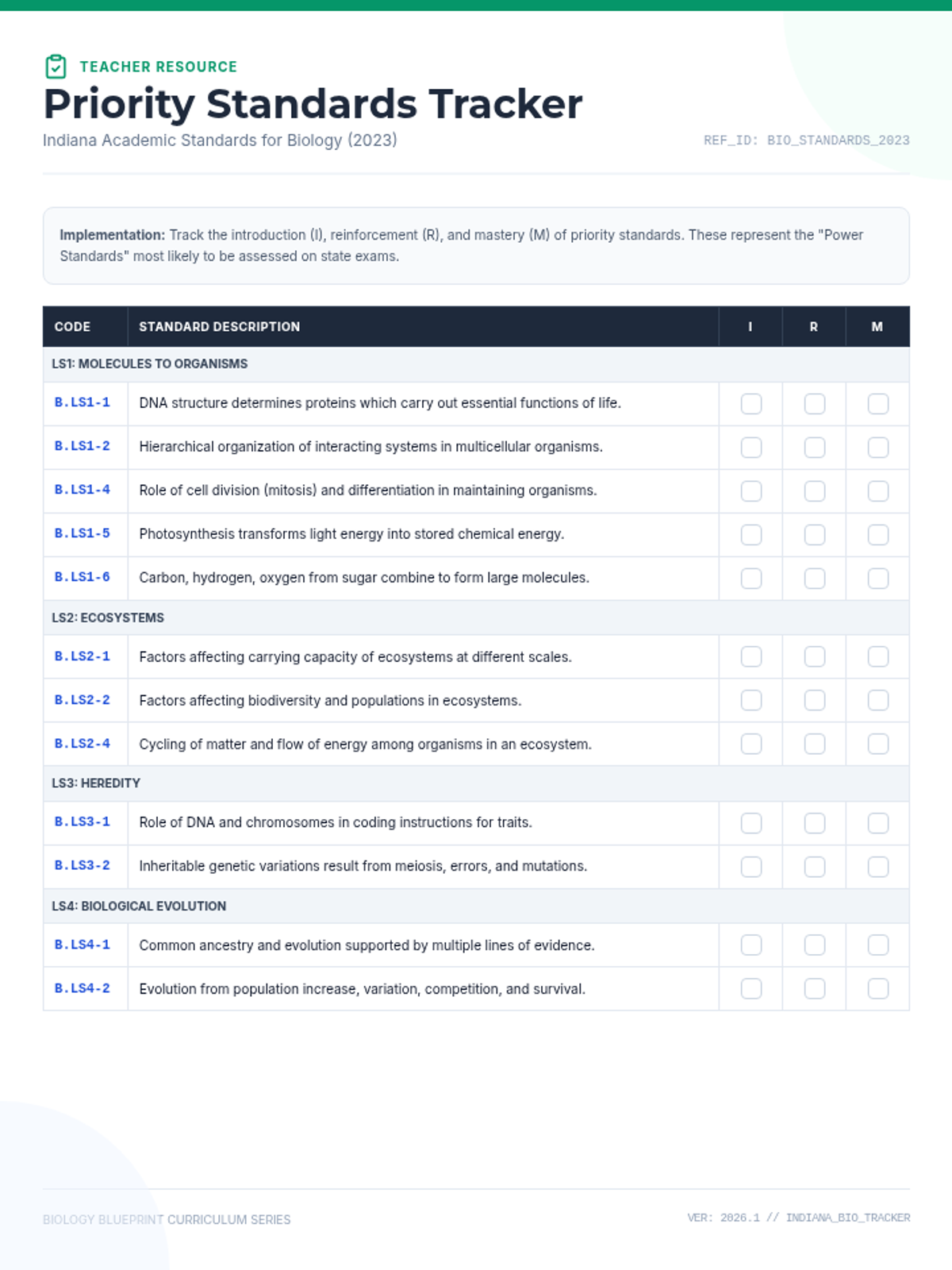
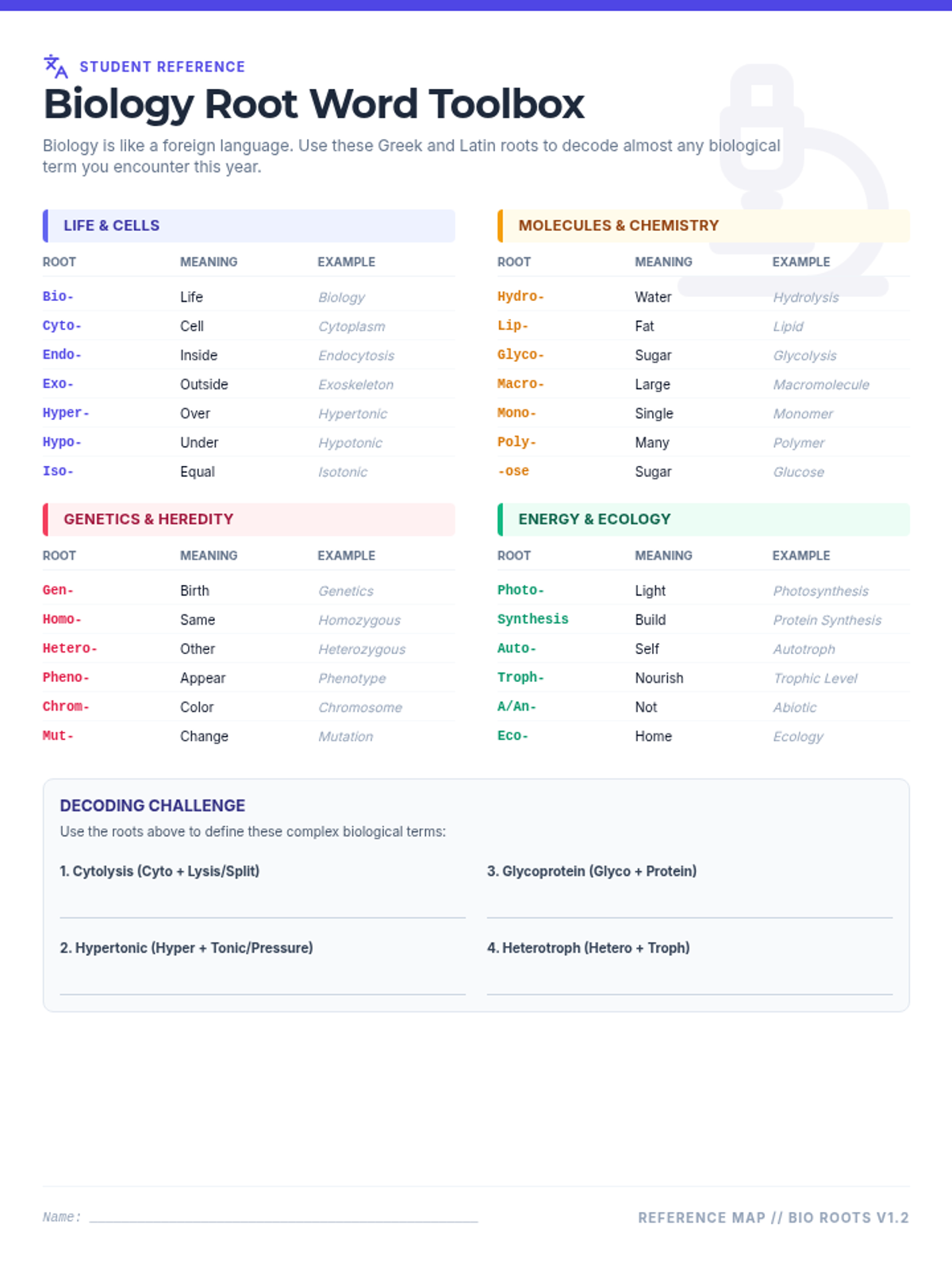
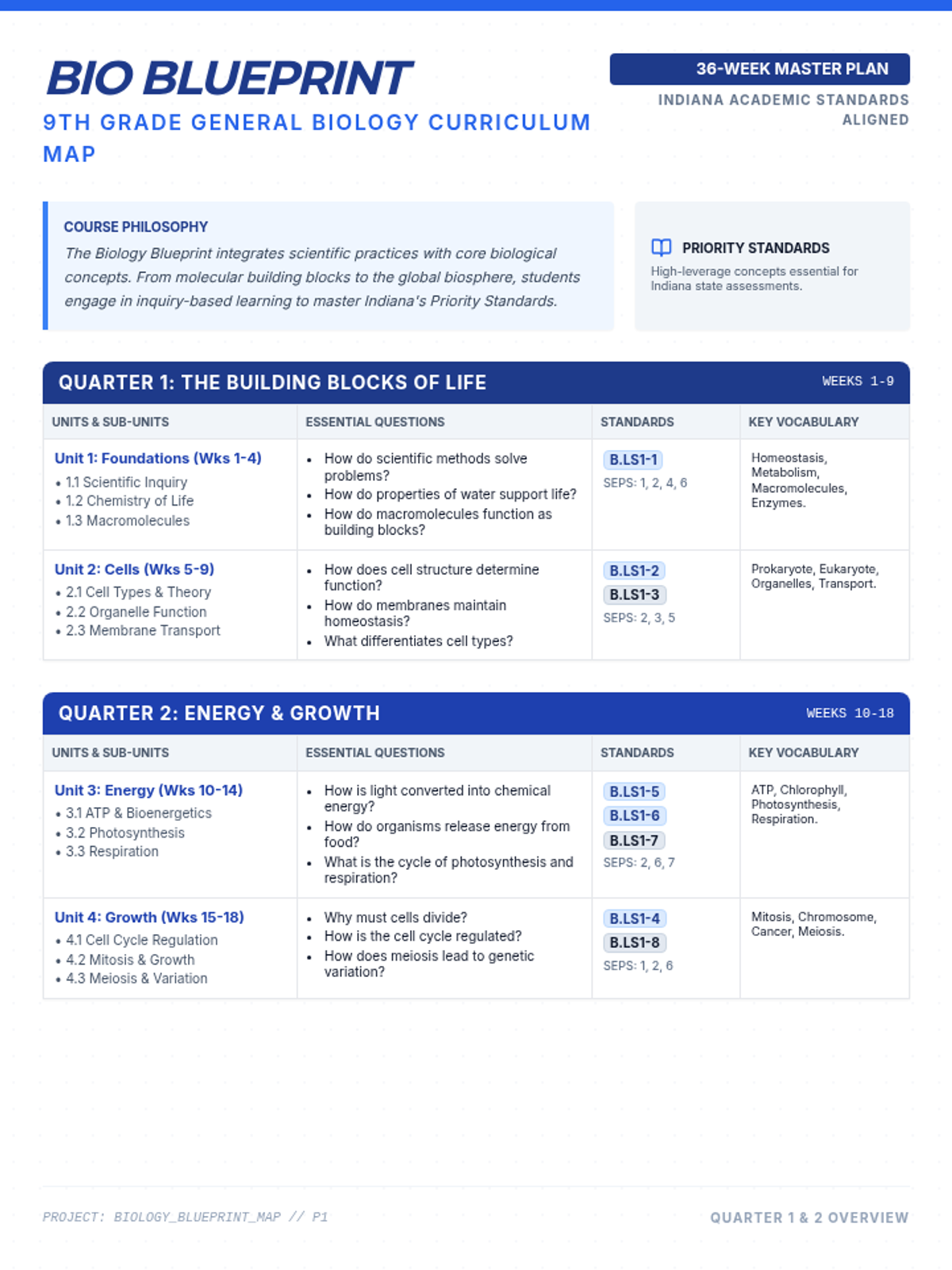
A high school biology sequence focused on the neuroscience of addiction, specifically analyzing how chemical structure and speed of delivery influence the brain's reward system. Students explore the biological mechanisms of tolerance, dependence, and the blood-brain barrier through graphing and comparative analysis.
A specialized AP Biology unit exploring the intersection of neuroscience and psychology, focusing on the biological mechanisms of mental health disorders and the pharmacology of their treatments.
A comprehensive 5-week sequence exploring the physical properties of water, the engineering of water filtration, and the complex systems of Virginia's watersheds. Students move from hands-on engineering to chemical properties and finally to large-scale environmental systems.
Une séquence approfondie sur les phases claires de la photosynthèse, destinée aux étudiants de première année de licence. Elle couvre la capture de l'énergie lumineuse, les pigments photosynthétiques et la chaîne de transfert d'électrons.
Une séquence exhaustive sur le métabolisme pour les classes préparatoires BCPST, couvrant l'hétérotrophie, l'autotrophie au carbone et à l'azote, ainsi que la chimiolithotrophie. La séquence met l'accent sur les bilans énergétiques, les flux de protons et l'intégration des voies métaboliques.
A unit exploring the biological origins of humanity, focusing on evolutionary biology, phylogeny, and the development of complex traits like bipedalism and collective learning.
A lesson sequence focused on the scientific method, using a mystery box activity to practice observation, hypothesis formation, and experimentation. Students explore the historical roots of the method and apply it to solve physical puzzles.
A specialized high school chemistry/biology integrated lesson exploring the biochemical differences between Archaea and Bacteria. Students analyze how ether bonds and lipid monolayers provide structural stability for survival in extreme thermal environments through modeling and chemical analysis.
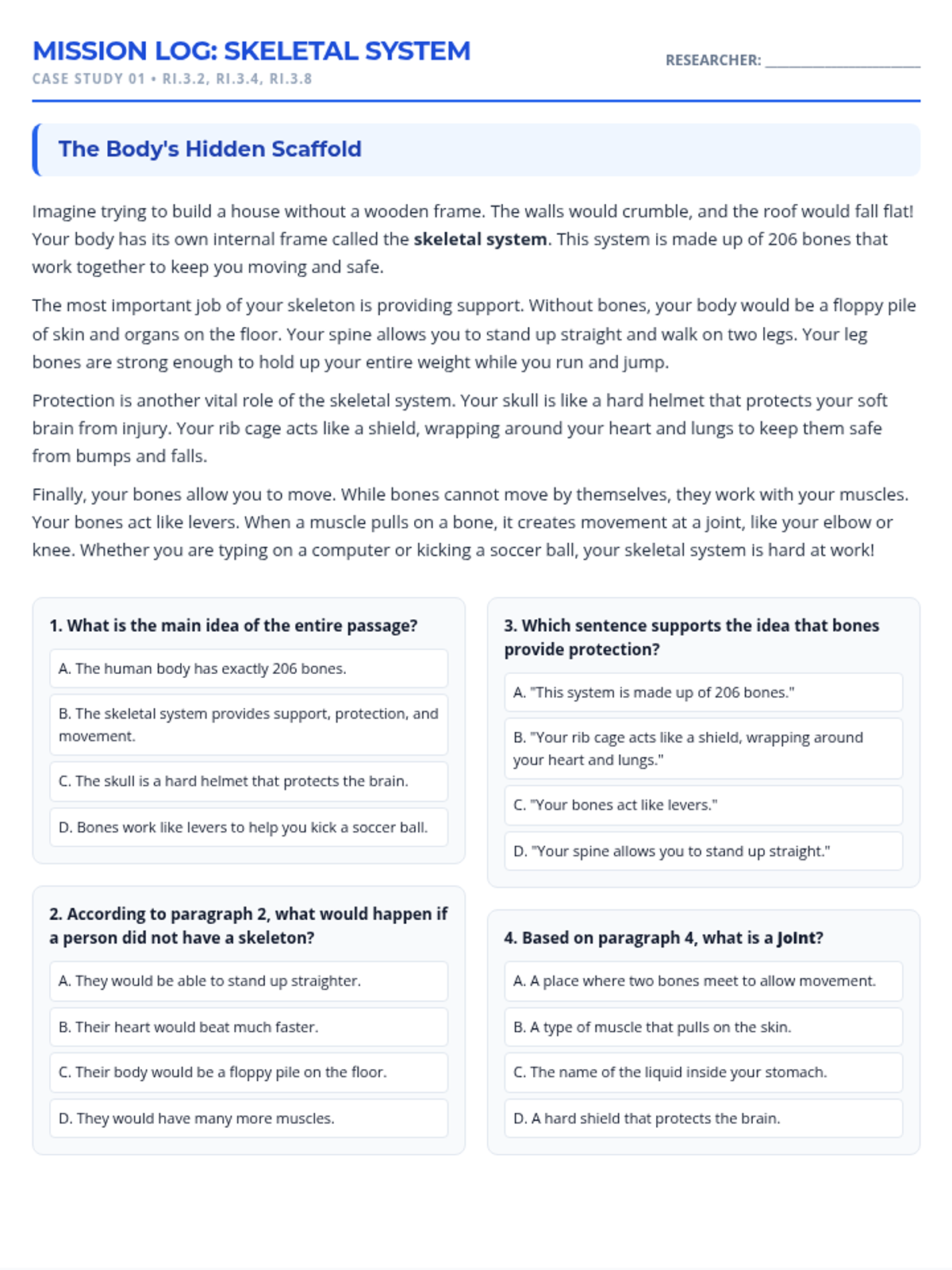
A comprehensive lesson sequence on human body systems, starting with the fundamentals of cellular organization and homeostasis.
A Kindergarten and 1st Grade science unit exploring our neighbor planet, Mars. Students compare Earth and Mars using visual aids, a hands-on sorting activity, and creative drawing to understand planetary similarities and differences.
A lesson focused on Galileo's gravitational experiments and the mathematical resolution of the 'gravity paradox,' where mass cancels out in the calculation of acceleration. Students conduct a hands-on lab using bottles of different masses to test empirical results against theoretical models.
A comprehensive lesson sequence exploring the three modes of heat transfer (conduction, convection, and radiation) and the concept of thermal equilibrium using real-world scenarios and particle-level explanations.
A chemistry unit for upper elementary students focused on the science of mixtures and solutions through the relatable lens of a backyard picnic. Students explore vocabulary like solute, solvent, and saturation using video analysis and creative menu design.
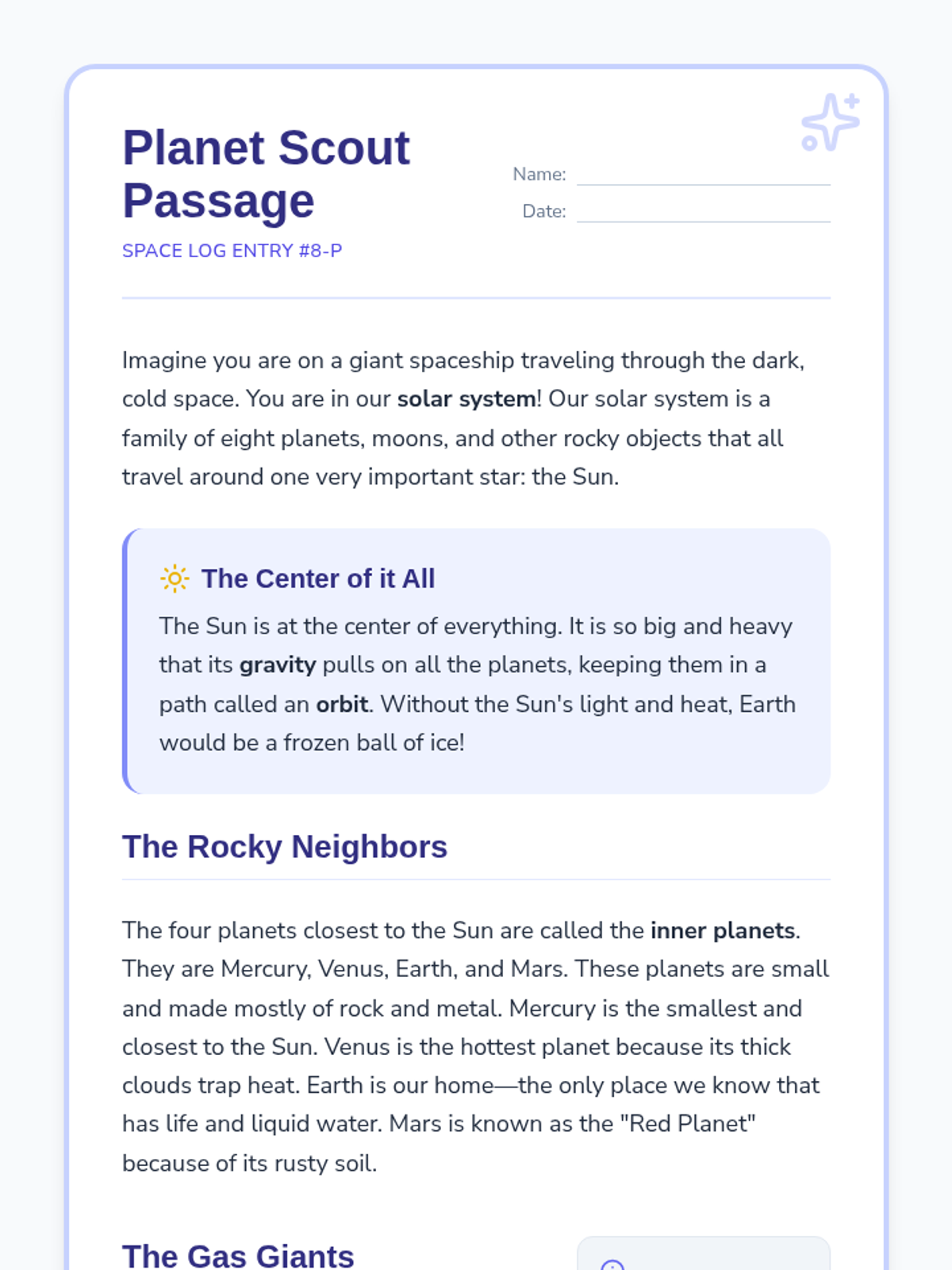
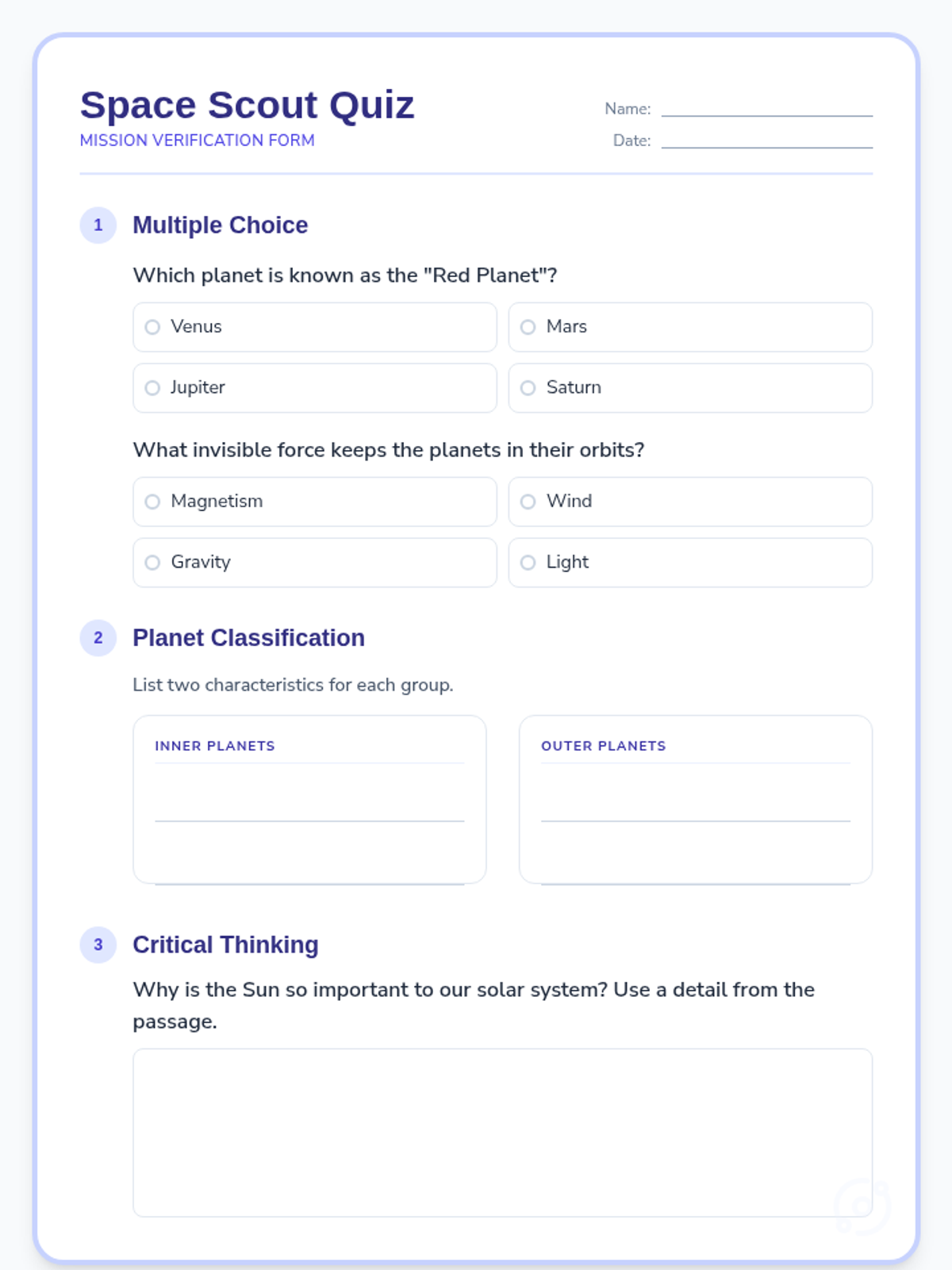
A sequence focused on understanding the origins and structure of our solar system, starting with the formation of the sun and planets from a cloud of dust and gas.
A comprehensive unit exploring the global transition from fossil fuels to renewable energy sources, focusing on technological advancements, economic challenges, and environmental necessity.
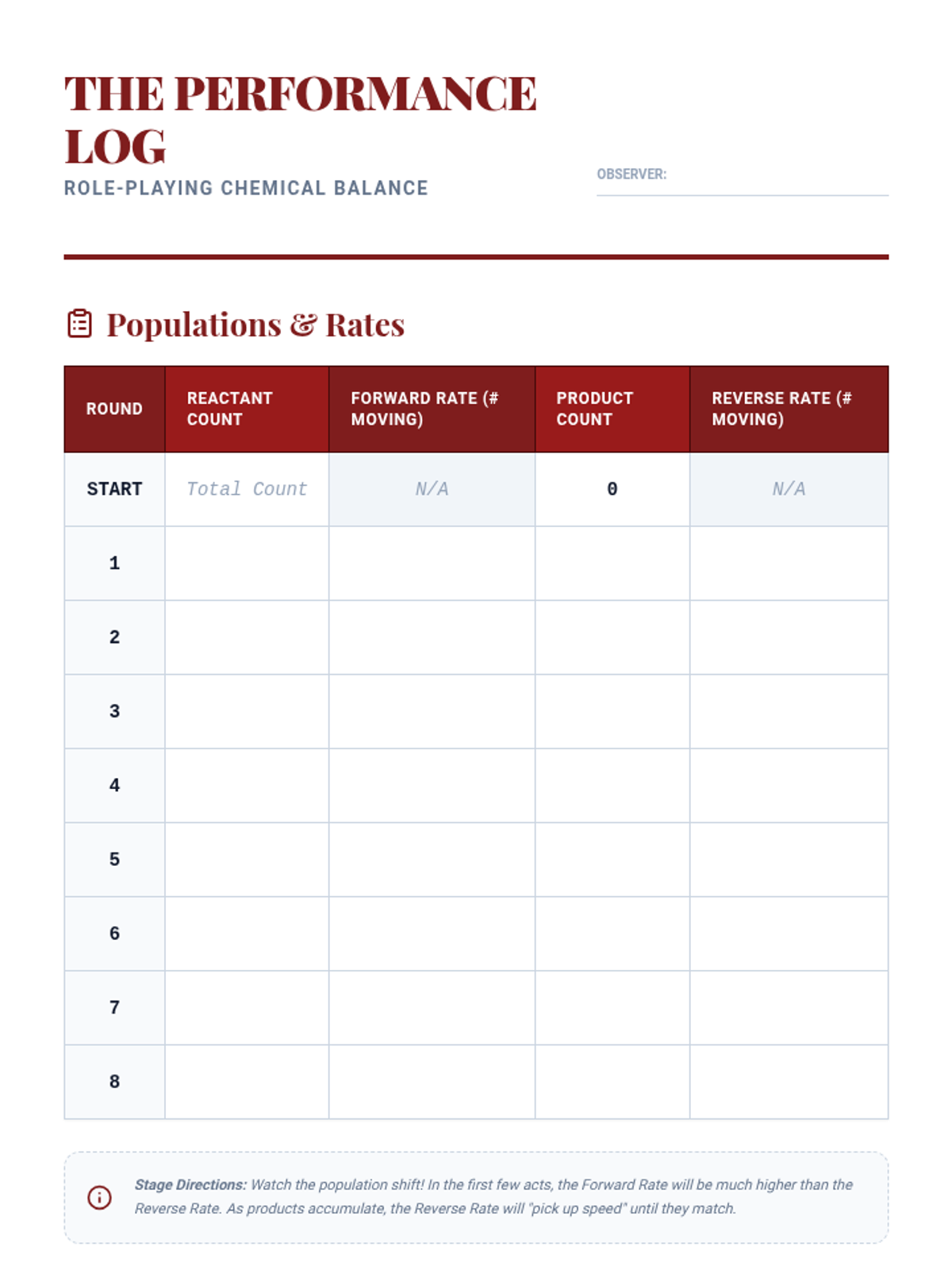
A comprehensive biology sequence exploring the intricate ways species interact, from basic symbiosis to complex ecosystem dynamics and population growth.
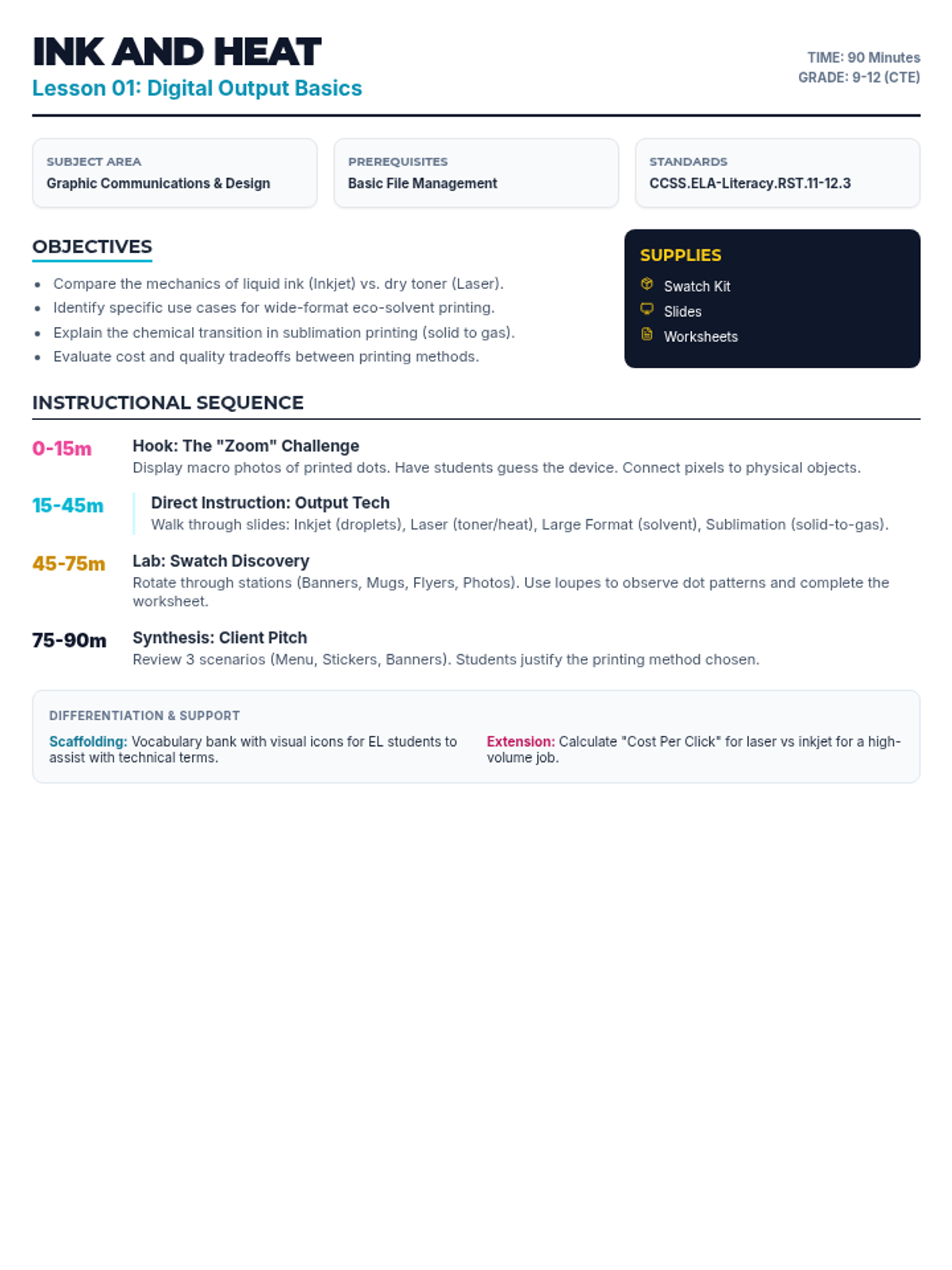
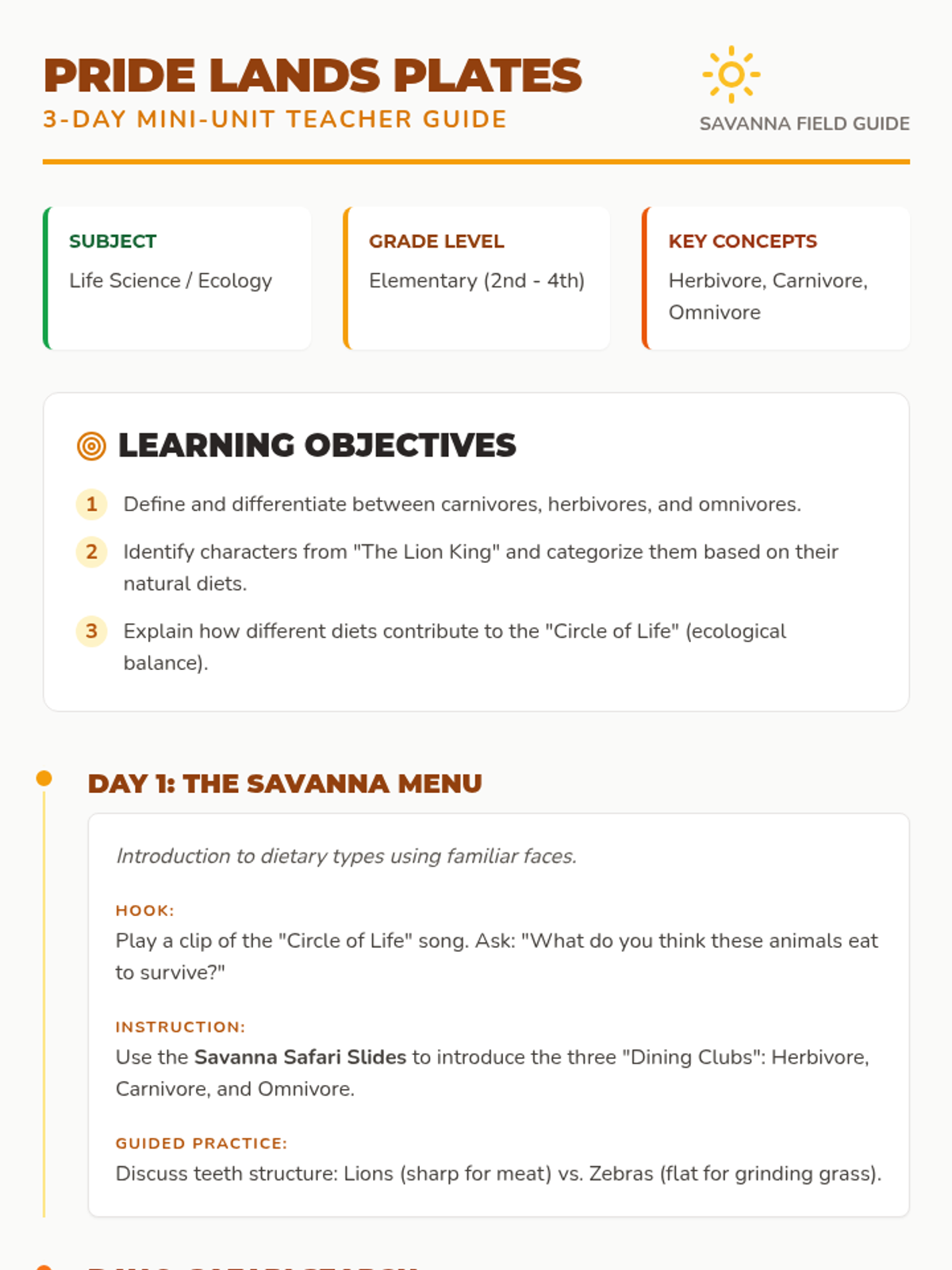
A short series of lessons exploring prehistoric life and the Mega-fauna that once roamed the Earth. Students learn about adaptations, extinction, and the tools paleontologists use to study the past.
A unit exploring different habitats through sensory observation and descriptive language, starting with the wide-open grasslands.
A technical sequence for graduate students focusing on forensic workplace incident investigations. Students move from immediate scene management to advanced root cause analysis and professional technical reporting.
A graduate-level sequence focused on systematic hazard identification and risk control. Students master Industrial Hygiene, Job Hazard Analysis (JHA), Hierarchy of Controls, and Hazard Communication (GHS) to develop predictive safety strategies in high-risk environments.
An advanced graduate-level sequence exploring the legal and regulatory framework of OSHA. Students analyze statutory authority, navigate complex CFR standards, evaluate liability through case law, and perform mock compliance audits to prepare for strategic safety leadership.
This inquiry-based sequence bridges biology and behavioral science, exploring the neurobiological roots of agitation. Students investigate the 'why' behind physiological changes during escalation to foster an objective, science-based approach to behavioral support.
A comprehensive 11th-grade sequence teaching keyboard-only file management and digital organization. Students build a mental model of directory structures and master shortcuts for navigation, creation, selection, and manipulation without a mouse.
A sequence for 2nd Grade students to master web browser navigation using keyboard shortcuts, focusing on scrolling, history, and searching.
A comprehensive sequence for 2nd-grade students to master keyboard navigation using the Tab key, Shift + Tab, and interaction keys like Space and Enter. Students follow a 'Lily Pad' theme, learning to move the digital 'focus' to navigate forms and interfaces without a mouse.
A comprehensive unit for 2nd-grade students focusing on keyboard navigation. Students master moving the text cursor (caret) using arrow keys and using Backspace and Delete for precise text editing without a mouse.
A comprehensive sequence for 11th-grade students exploring the legal and ethical landscapes of digital publishing. Students examine intellectual property, dark patterns in UX design, data privacy regulations, and open-source ethics to build a foundation for responsible web creation.
A foundational sequence for 11th graders to master HTML5 structure and CSS3 styling. Students move from basic tags and the DOM to advanced box model concepts, typography, and professional debugging workflows, culminating in a hand-coded biographical webpage.