A 9th-grade robotics project where students master autonomous navigation, moving from simple feedback loops to complex maze-solving algorithms and search-and-rescue simulations.
A comprehensive K-12 AI literacy sequence covering the fundamentals of how AI works, machine learning, ethics, social impact, and creative application through age-appropriate lessons.
A comprehensive set of materials exploring the historical development of atomic theory from ancient Greece to the modern quantum model, provided in a bilingual format to support English and Spanish speaking learners.
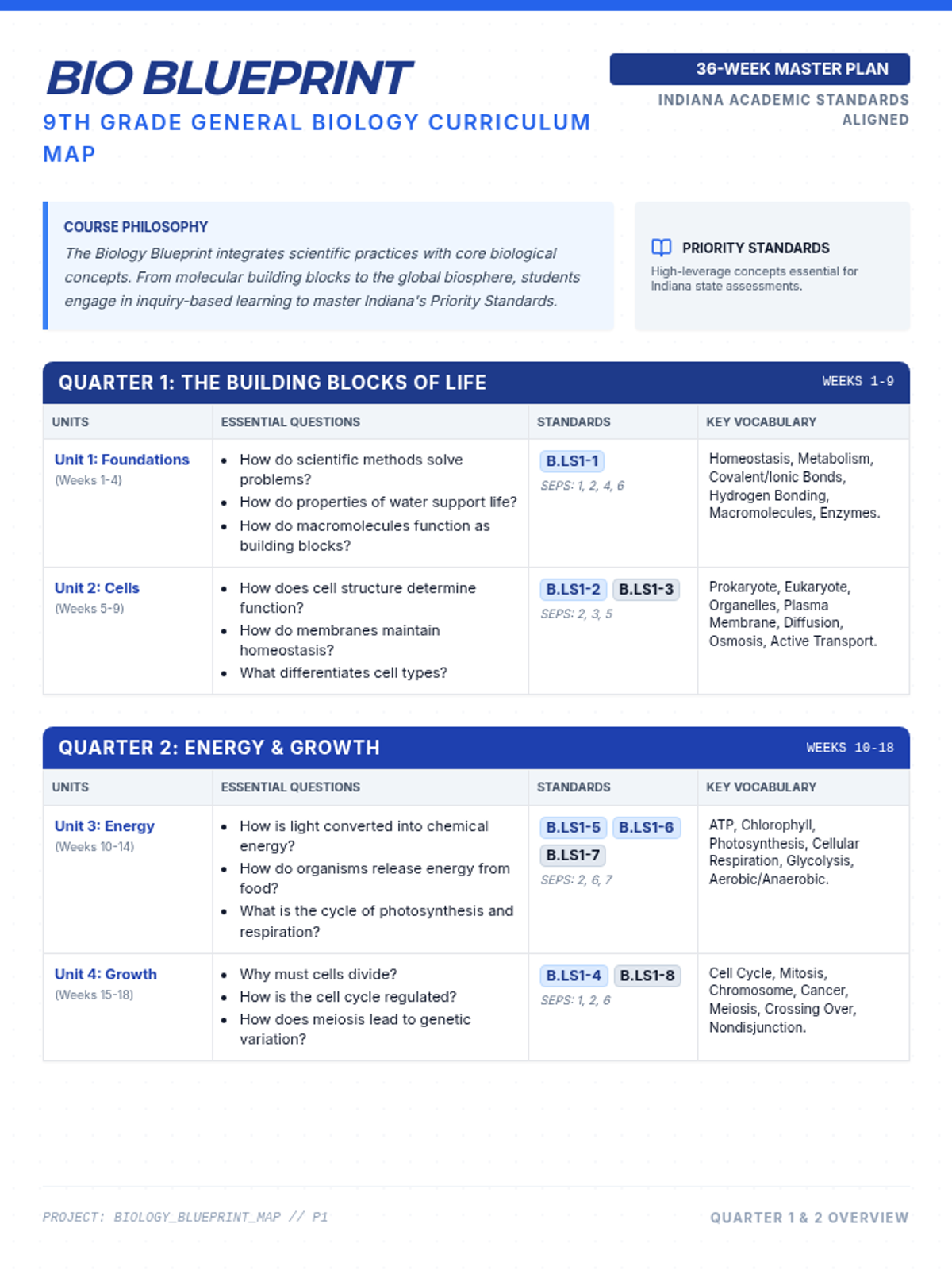
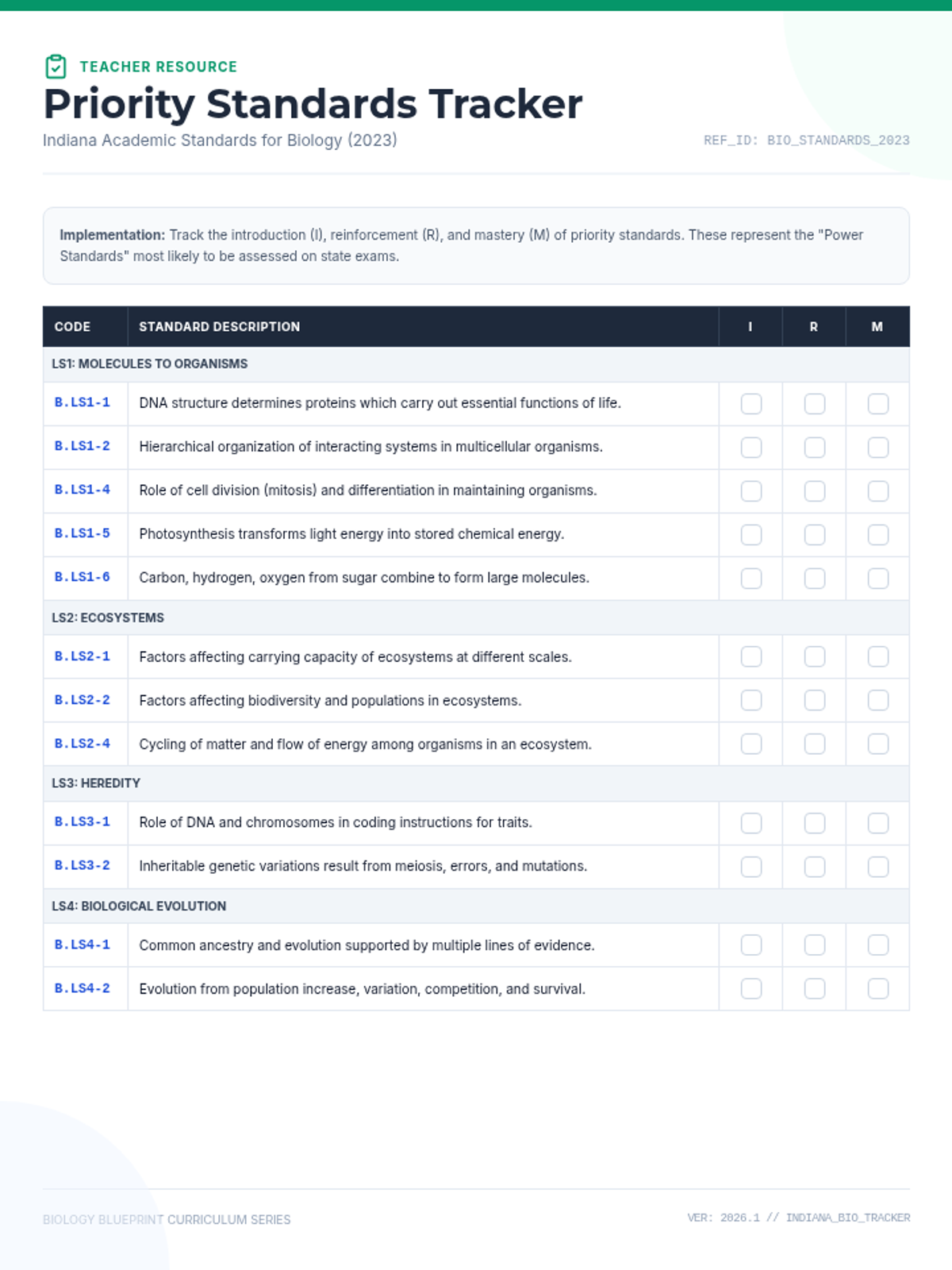
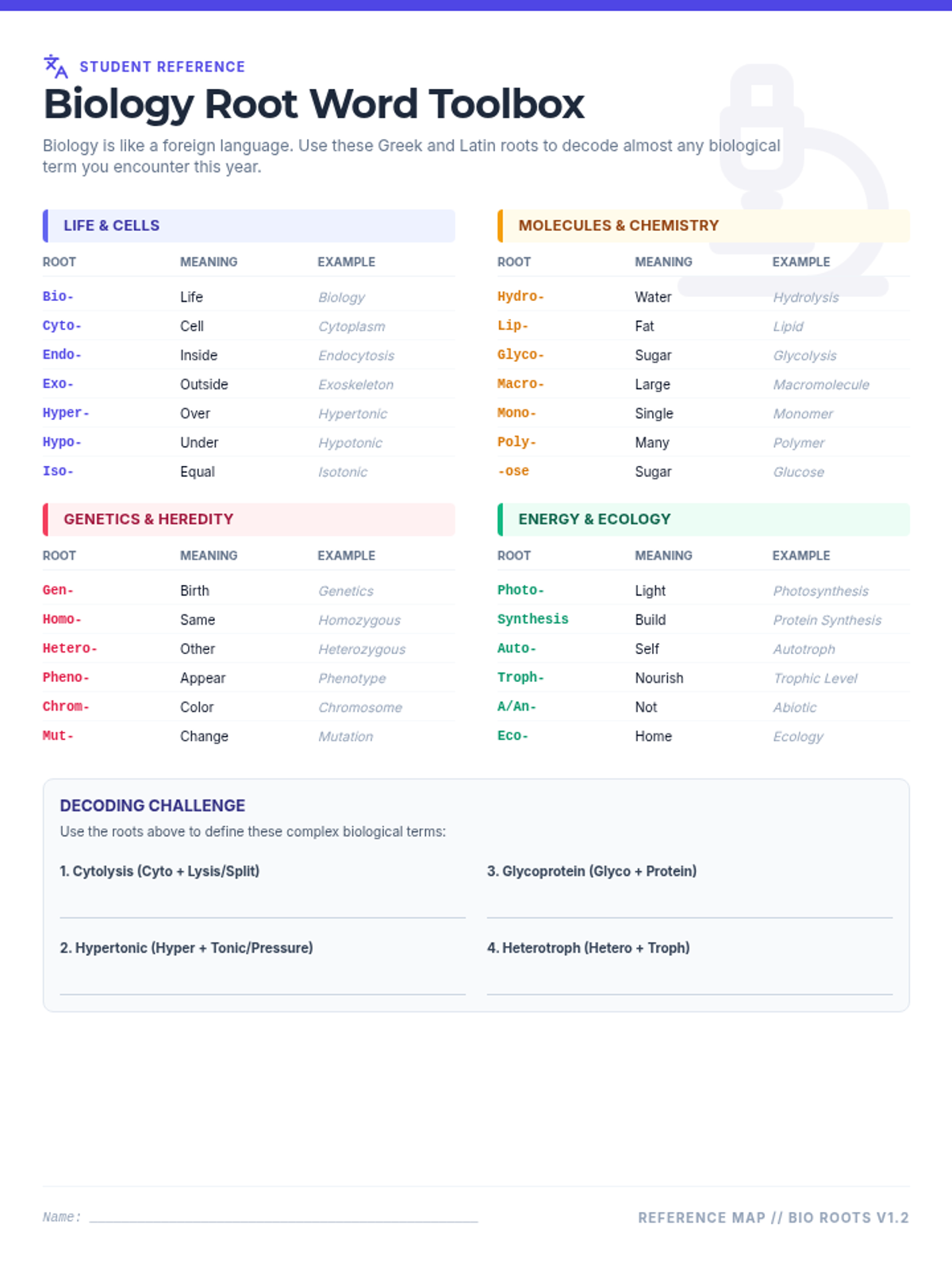
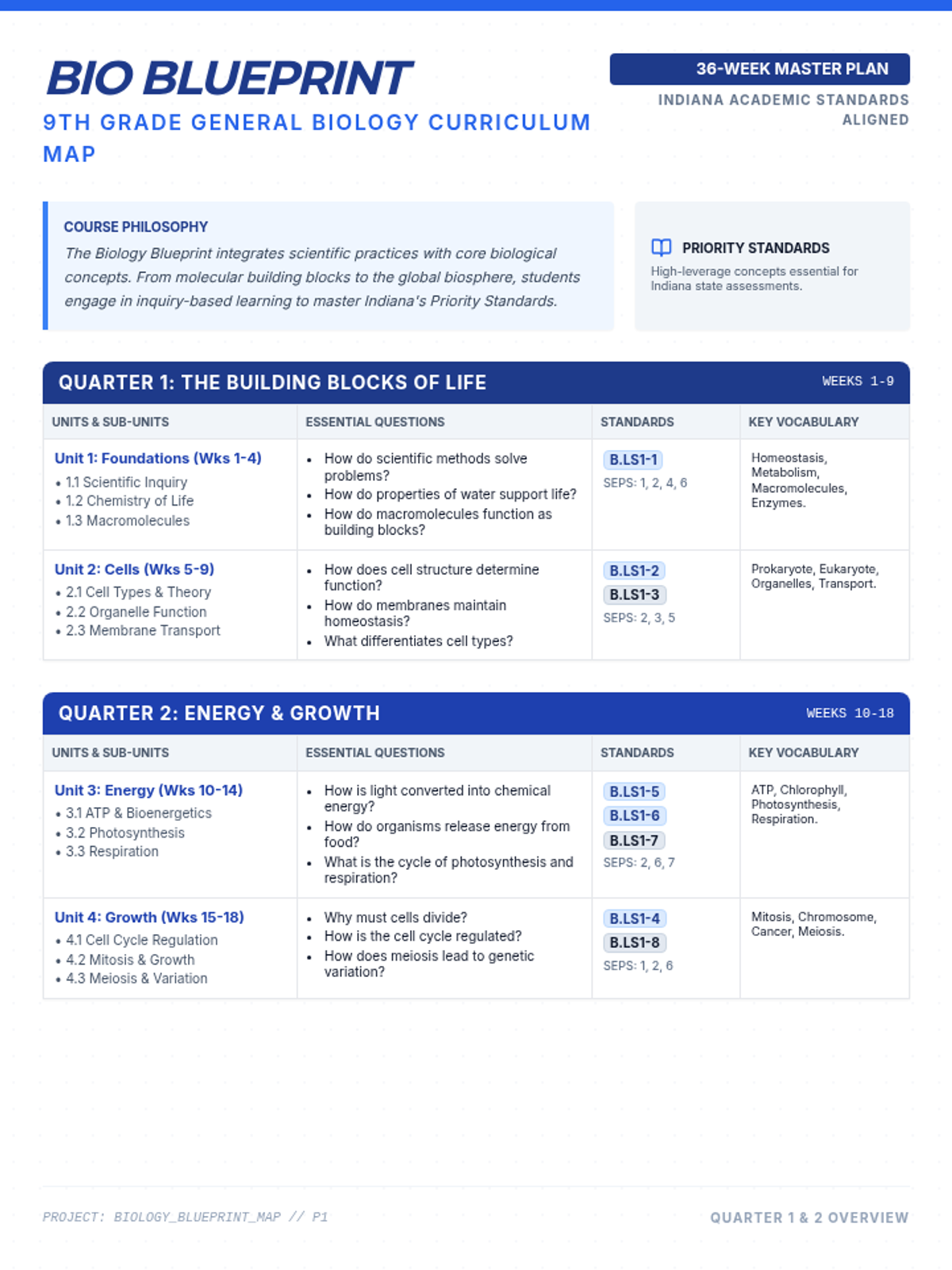
A biology unit covering the chemical foundations of life (macromolecules) and the physiological balance of complex organisms (homeostasis).
A comprehensive 4-day sequence focusing on the application of thermal energy concepts, including conduction, convection, radiation, and insulation through hands-on labs and real-world analysis.
A series of ELD lessons exploring how human environments interact with nature, focusing on reading comprehension, academic language, and collaborative discourse.
A deep dive into the evolutionary transition from aquatic life to terrestrial mammals, focusing on homologous structures and divergent evolution.
A cross-curricular unit blending astronomy and Greek mythology, exploring how ancient cultures interpreted the night sky and the scientific reality of stars.
Une séquence pédagogique de 2 heures pour les élèves de 1ère Bac Pro sur le concept de couple de forces, illustrée par des applications concrètes sur un tracteur agricole (moteur, serrage de roues, relevage).
Un parcours complet pour maîtriser les Smart Money Concepts (SMC) basés sur la méthodologie Inner Circle Trader (ICT). Ce programme couvre les 7 concepts clés nécessaires pour identifier les mouvements institutionnels sur les marchés financiers.
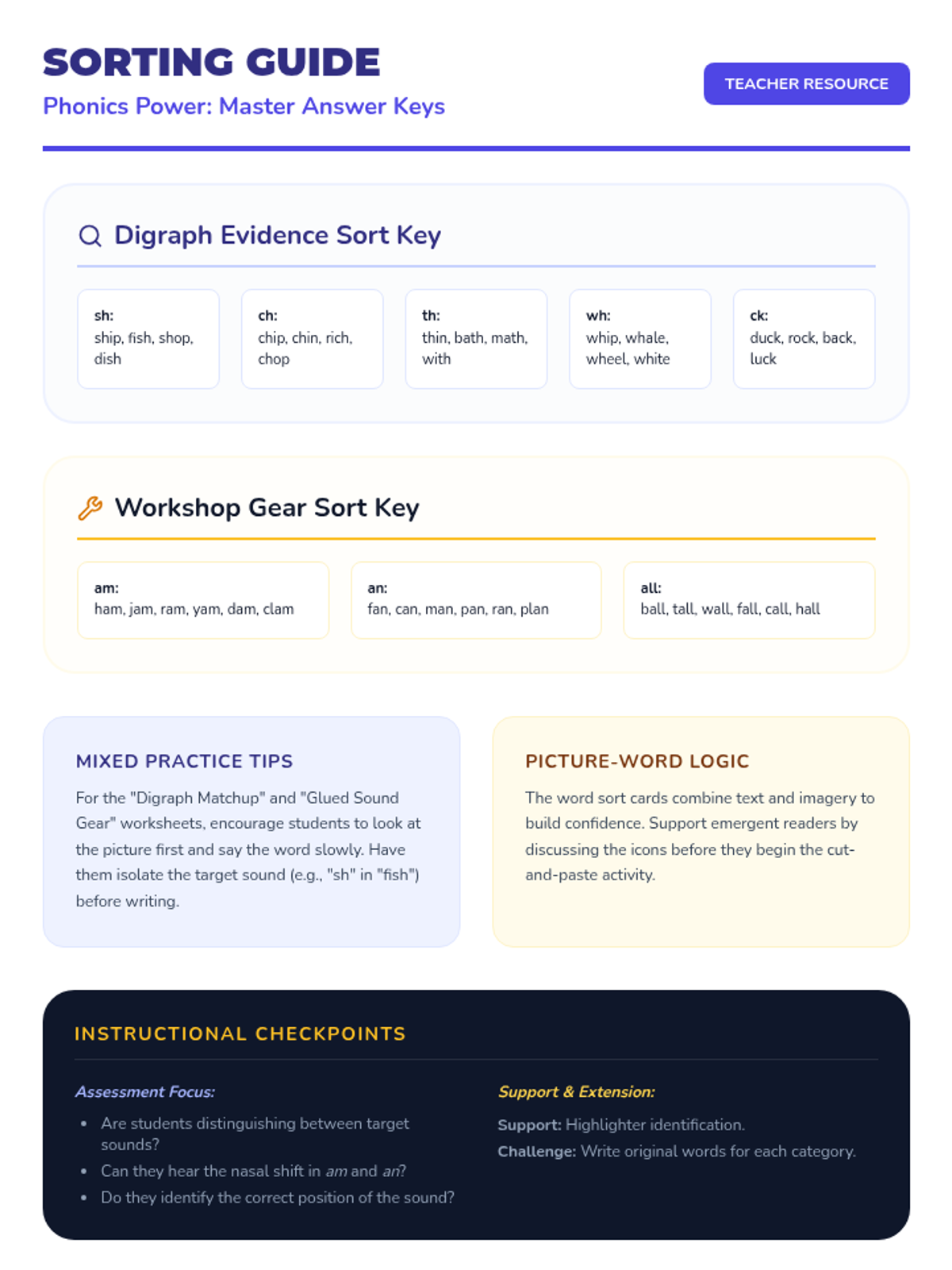
A primary science unit exploring how different animals are covered and why these coverings help them survive in their environments. Students identify, categorize, and write about feathers, fur, scales, shells, and skin.
Une séquence de formation pour les enseignants de l'enseignement agricole visant à développer un esprit critique face à l'IA, s'appuyant sur les rapports de l'inspection (2025) et les notes de service (2026). Elle explore les enjeux cognitifs, le cadre juridique et les mutations de l'évaluation par capacités.
A collection of lessons focused on nature and science, designed with differentiated reading materials for diverse learners including early readers and special education students.
A comprehensive 12-period vocational sequence focused on the assembly and theory of Drain, Waste, and Vent (DWV) systems. Students transition from safety and material identification to a collaborative full-scale plumbing mockup using PVC and cast iron materials.
A comprehensive 2-day unit on heat transfer (conduction, convection, and radiation) featuring teacher-led demonstrations, visual slides, doodle notes, and exit tickets. Students explore how thermal energy moves through different states of matter and vacuum.
A comprehensive exploration of how scientists organize the diversity of life on Earth, from the broadest domains to individual species.
A comprehensive unit exploring the human cardiovascular system, starting with the intricate anatomy of the heart and extending to blood vessels and circulation loops.
A rigorous 4-week MCAS prep sequence focusing on standard 8.MS-ESS2-6, exploring how solar energy, the atmosphere, and the oceans interact to create global circulation patterns and regional climates. Students will master the Claim-Evidence-Reasoning (CER) framework to tackle complex open-response questions.
A comprehensive marine biology curriculum exploring the structural and functional design of ocean life, from microscopic plankton to massive cetaceans. Students act as 'Ocean Architects' to understand how environmental pressures shape biological forms.
A high-interest lesson exploring the neurological effects of short-form 'brain rot' content, designed for Grade 8 ELL students in Brazil. The sequence covers vocabulary acquisition, scientific concepts like dopamine and attention spans, and culminates in a structured whole-class debate.
Advanced topics in modern genetics, exploring cutting-edge molecular tools and their applications in research and medicine.
A kindergarten science and literacy unit exploring weather patterns and seasonal changes through stories and hands-on activities.
A comprehensive review of foundational chemistry concepts including atomic structure, periodic trends, chemical bonding, and stoichiometry to prepare students for midterm assessments.
A comprehensive biology unit covering meiosis, genetics, gene expression, mutations, and evolution based on the Texas STAAR curriculum standards. Students will engage with STAAR-formatted practice, deep-dive vocabulary, and visual synthesis through graphic organizers.
A comprehensive biology unit covering plant systems, animal systems, and ecosystem stability through STAAR-aligned practice, vocabulary mastery, and conceptual application.
A comprehensive unit on chemical quantitative analysis, focusing on the mathematical foundations of chemistry through dimensional analysis, the mole concept, and stoichiometry.
A quick review sequence focusing on the fundamentals of Mendelian genetics and the mechanics of Punnett Squares.
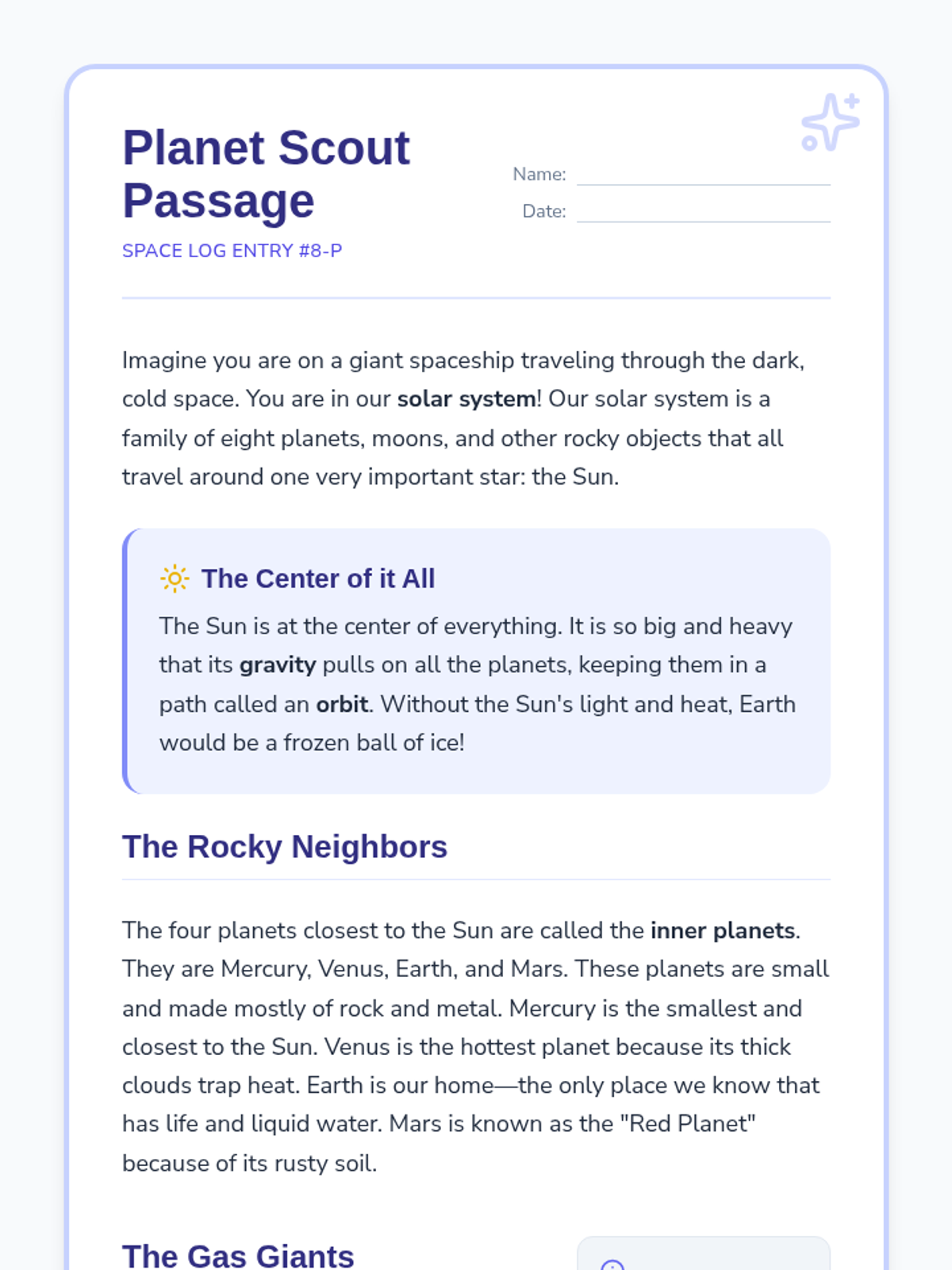
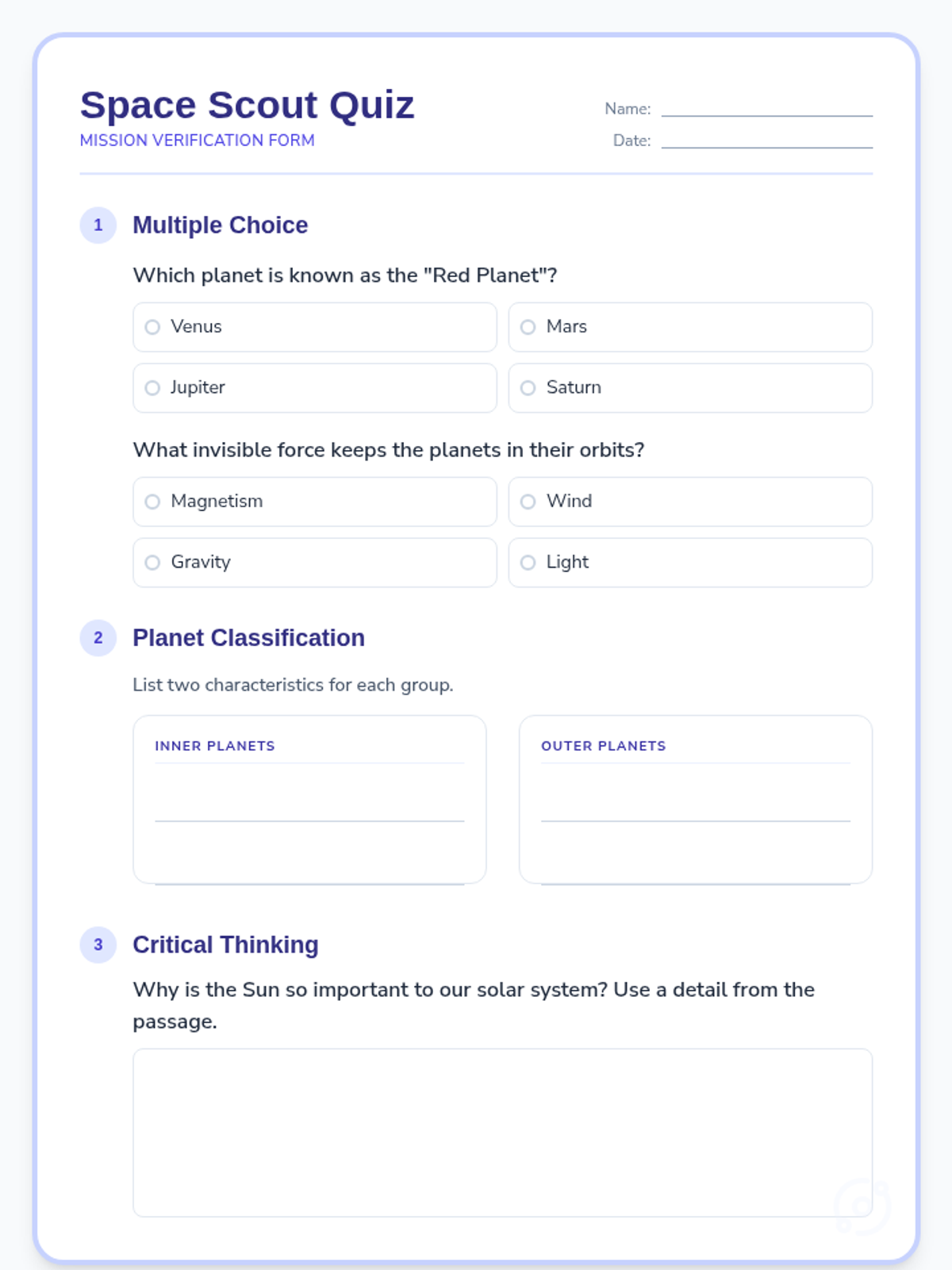
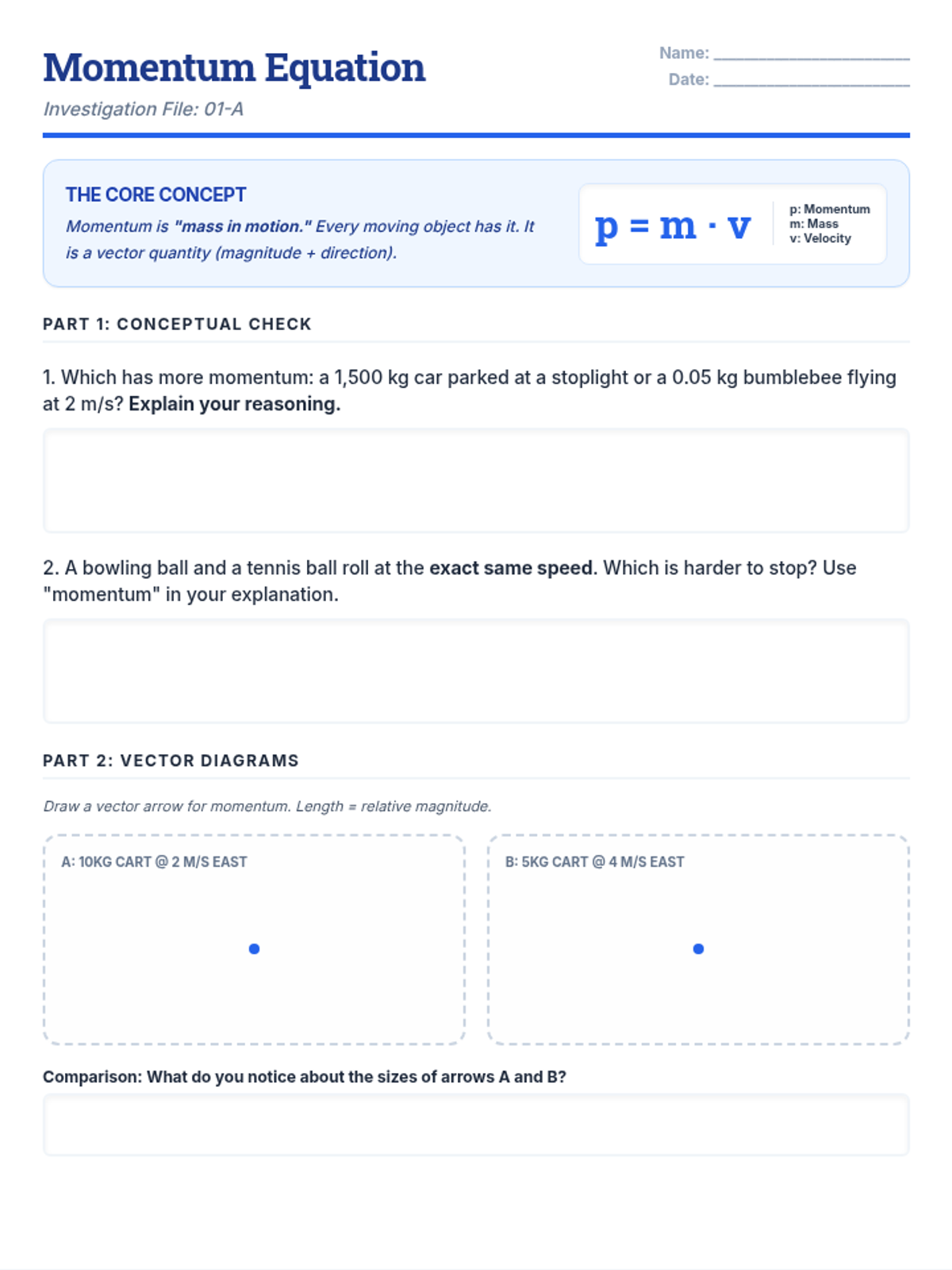
A deep dive into the forces that shape our universe, focusing on Newtonian mechanics, gravity, and orbital dynamics through hands-on activities and visual simulations.
A focused sequence on the mechanical process of dimensional analysis in chemistry, prioritizing algebraic substitution and grid-based problem-solving over real-world scenarios.
A primary science and ELA sequence where students become 'Light Detectives' to investigate how light works, identifying sources, reflections, and shadows in their environment.
A comprehensive 10-day review series designed to prepare students for the Biology STAAR exam, covering key concepts from biochemistry to ecology.