A project-based unit where 2nd-grade students explore the properties of rocks, their uses in human engineering, and famous geological landmarks, culminating in a structural design project.
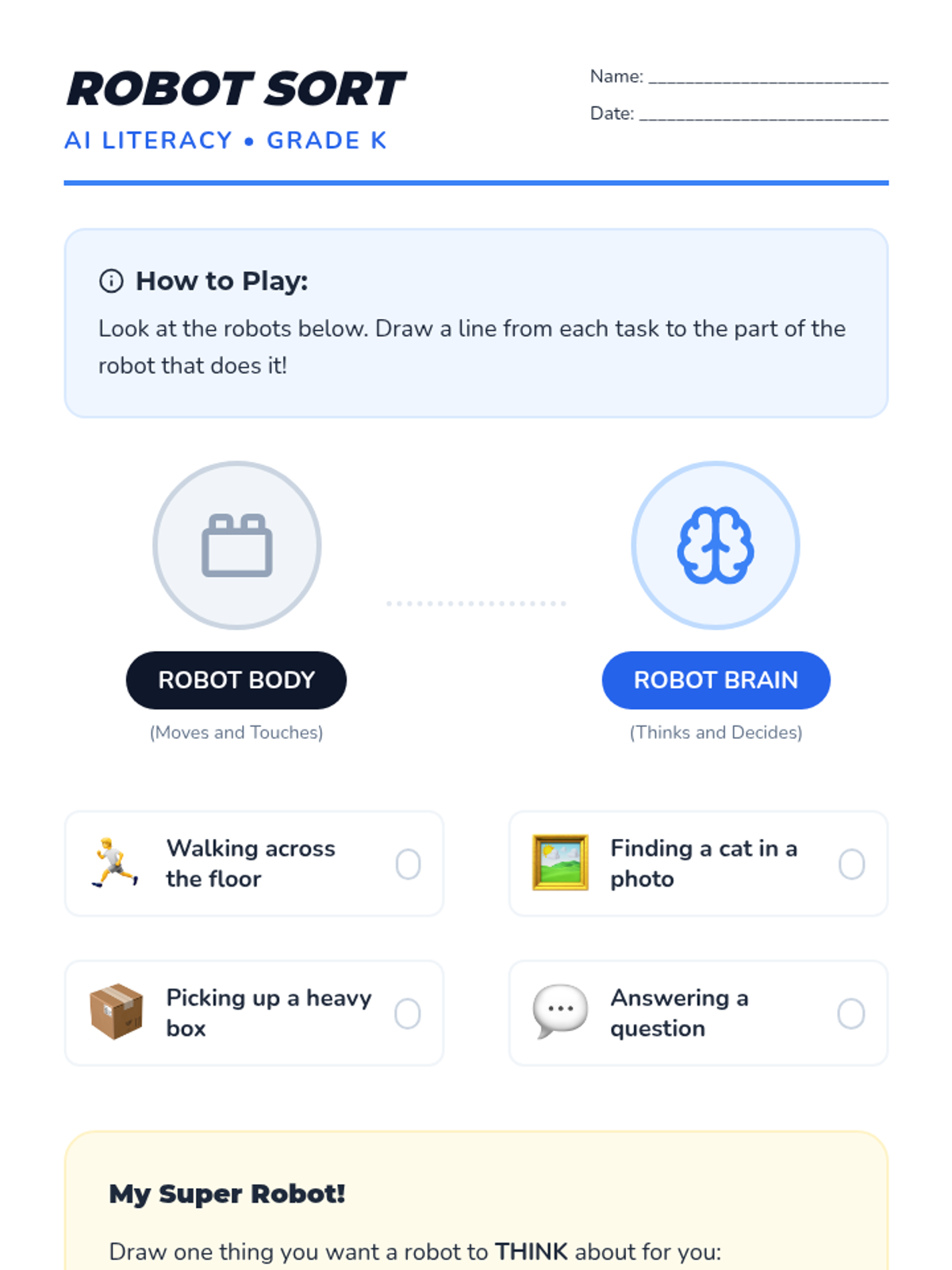
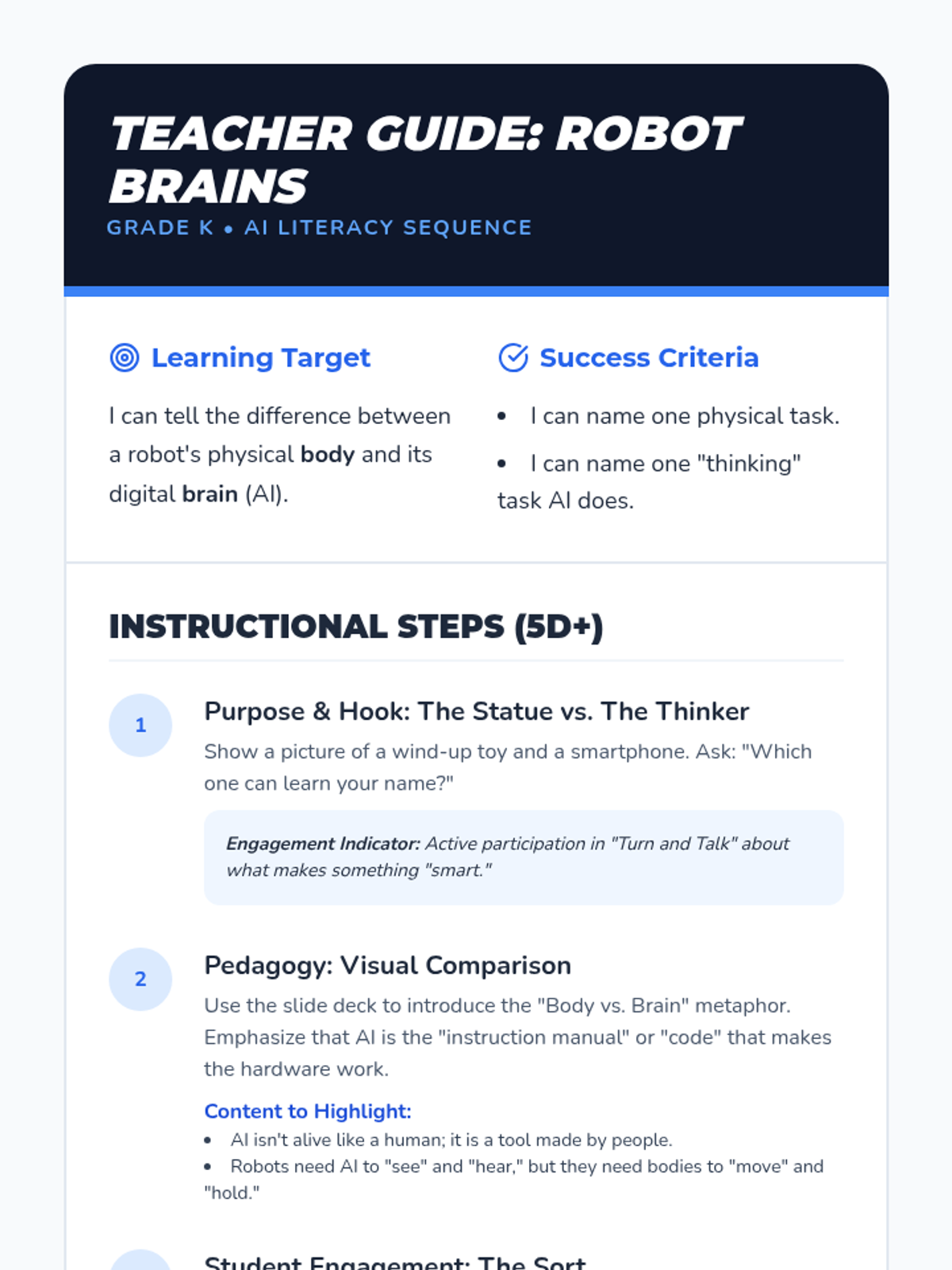
A comprehensive K-12 AI literacy sequence covering the fundamentals of how AI works, machine learning, ethics, social impact, and creative application through age-appropriate lessons.
A primary science unit exploring how different animals are covered and why these coverings help them survive in their environments. Students identify, categorize, and write about feathers, fur, scales, shells, and skin.
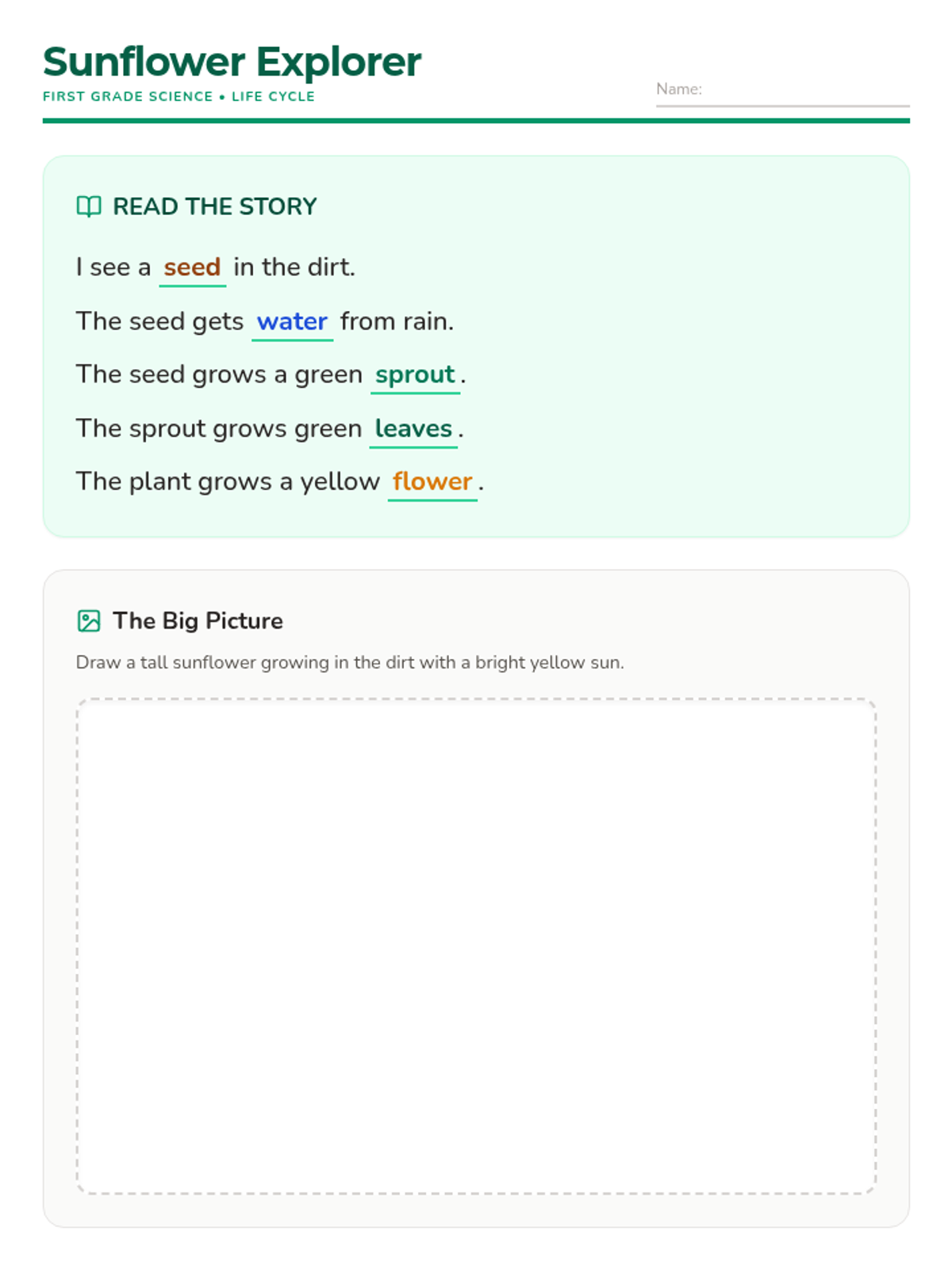
A collection of lessons focused on nature and science, designed with differentiated reading materials for diverse learners including early readers and special education students.
A high-energy introduction to coding concepts using the vibrant world of dance games to teach algorithms, sequencing, variables, and loops.
A four-day introductory science sequence for grades K-3 exploring the properties of light, illumination, and shadows through hands-on play with glowsticks and flashlights. Students will transition from understanding light sources to creating complex shadow narratives and participating in light-based games.
A 4-lesson ESL sequence for Grade 2 students focusing on the life and growth of baby dolphins (calves). Students will explore dolphin habitats, diets, and behaviors through visual stories, matching activities, and simple writing exercises tailored for WIDA Level 2 learners.
A primary science and ELA sequence where students become 'Light Detectives' to investigate how light works, identifying sources, reflections, and shadows in their environment.
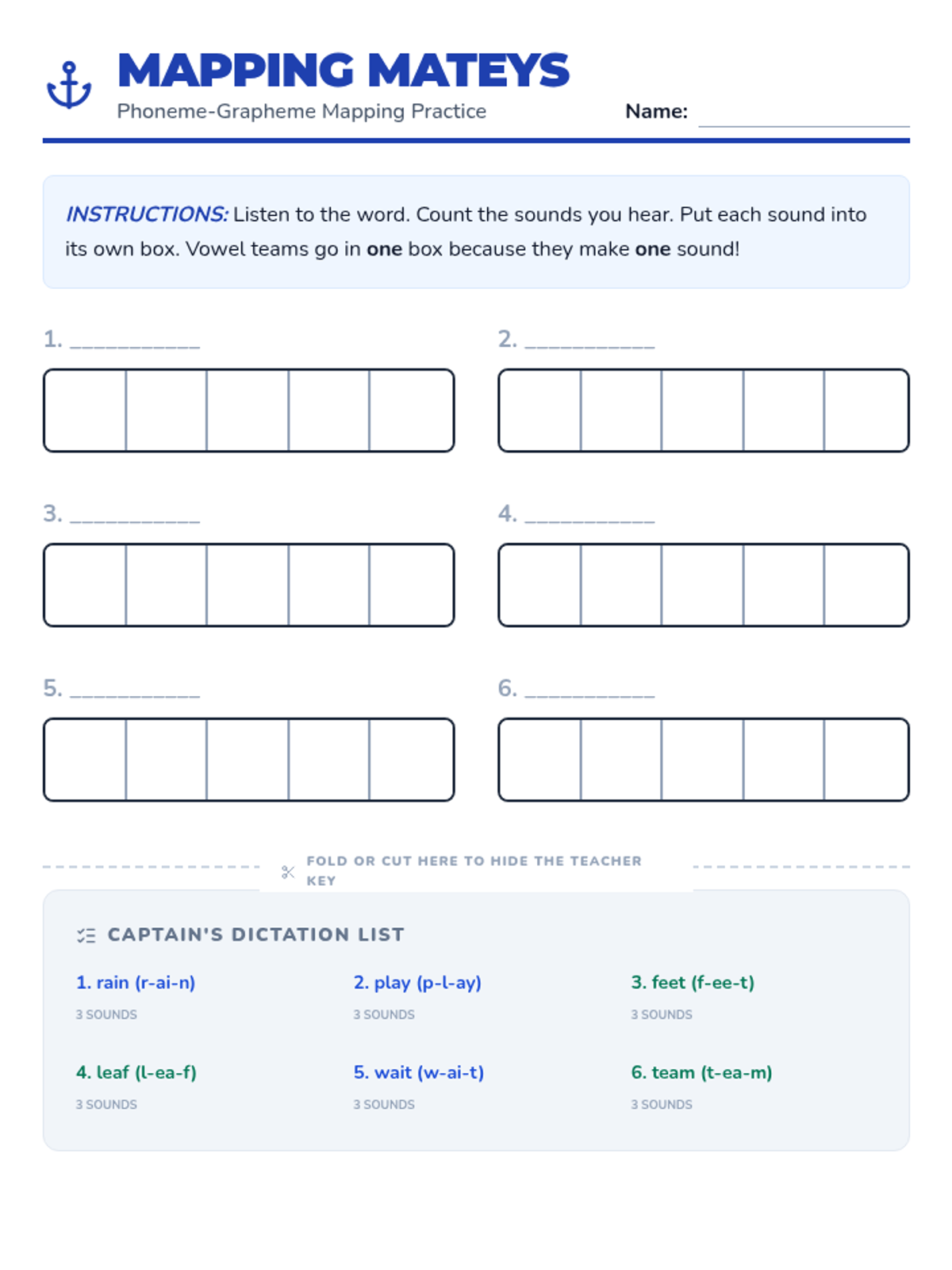
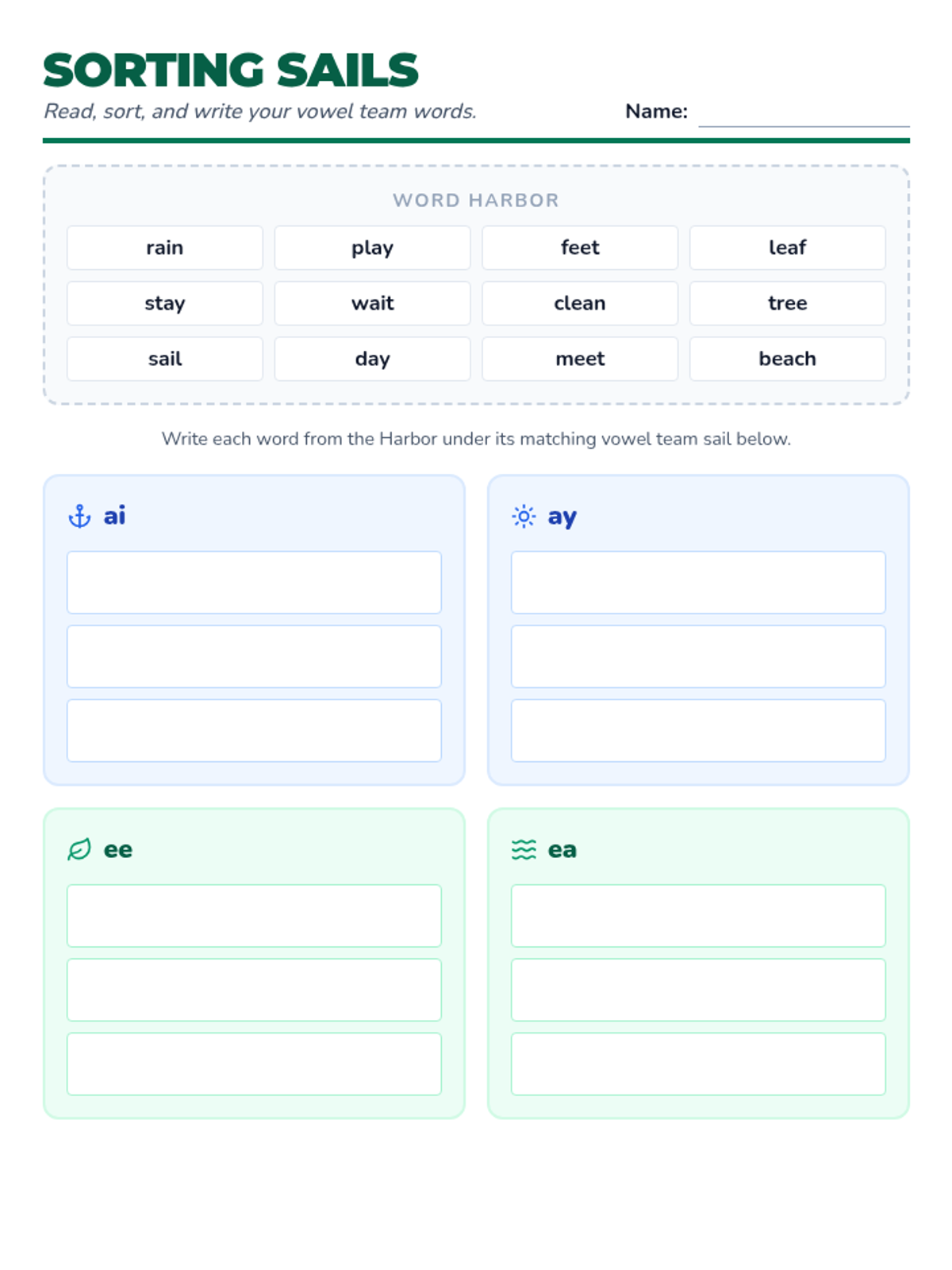
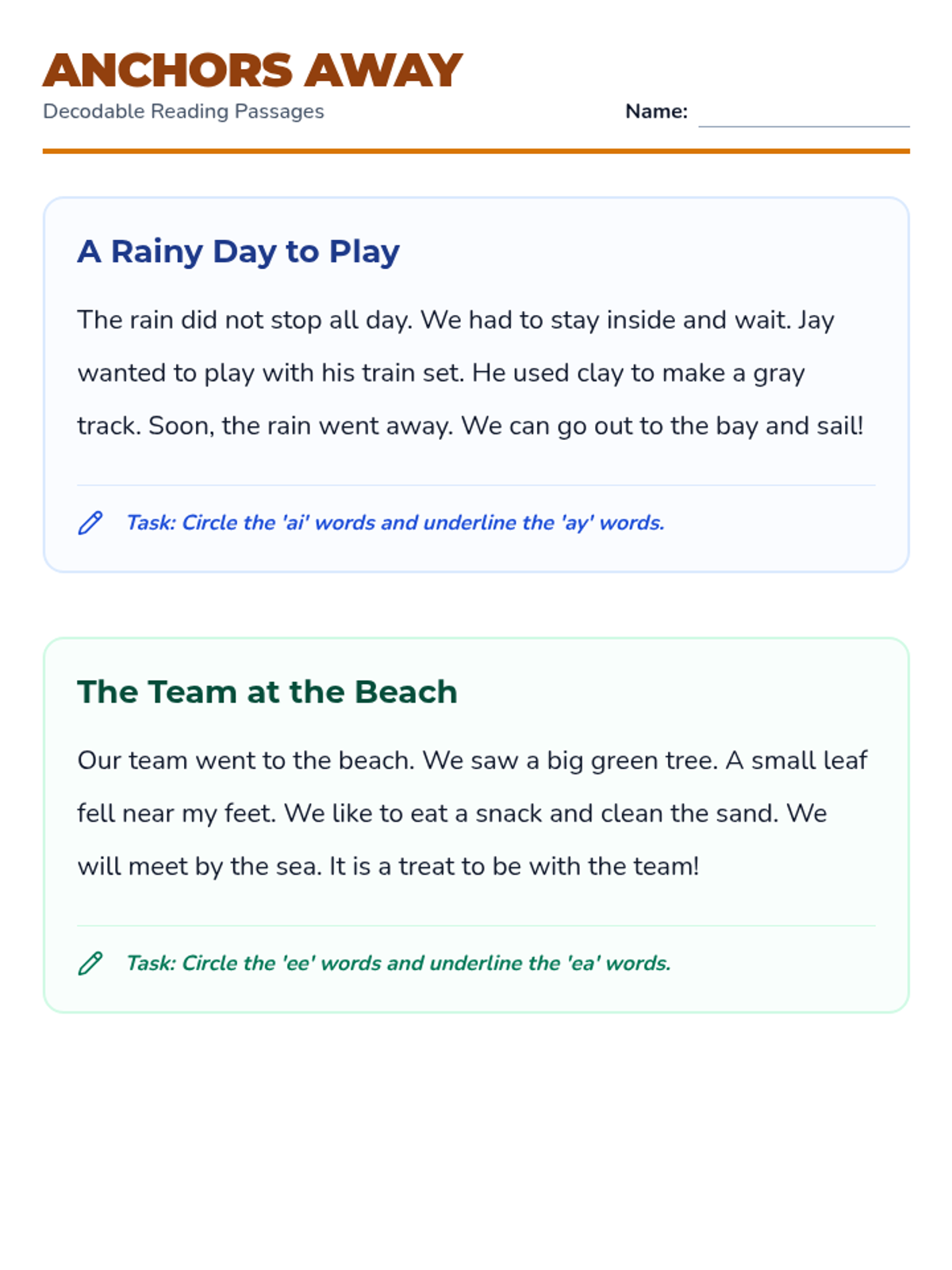
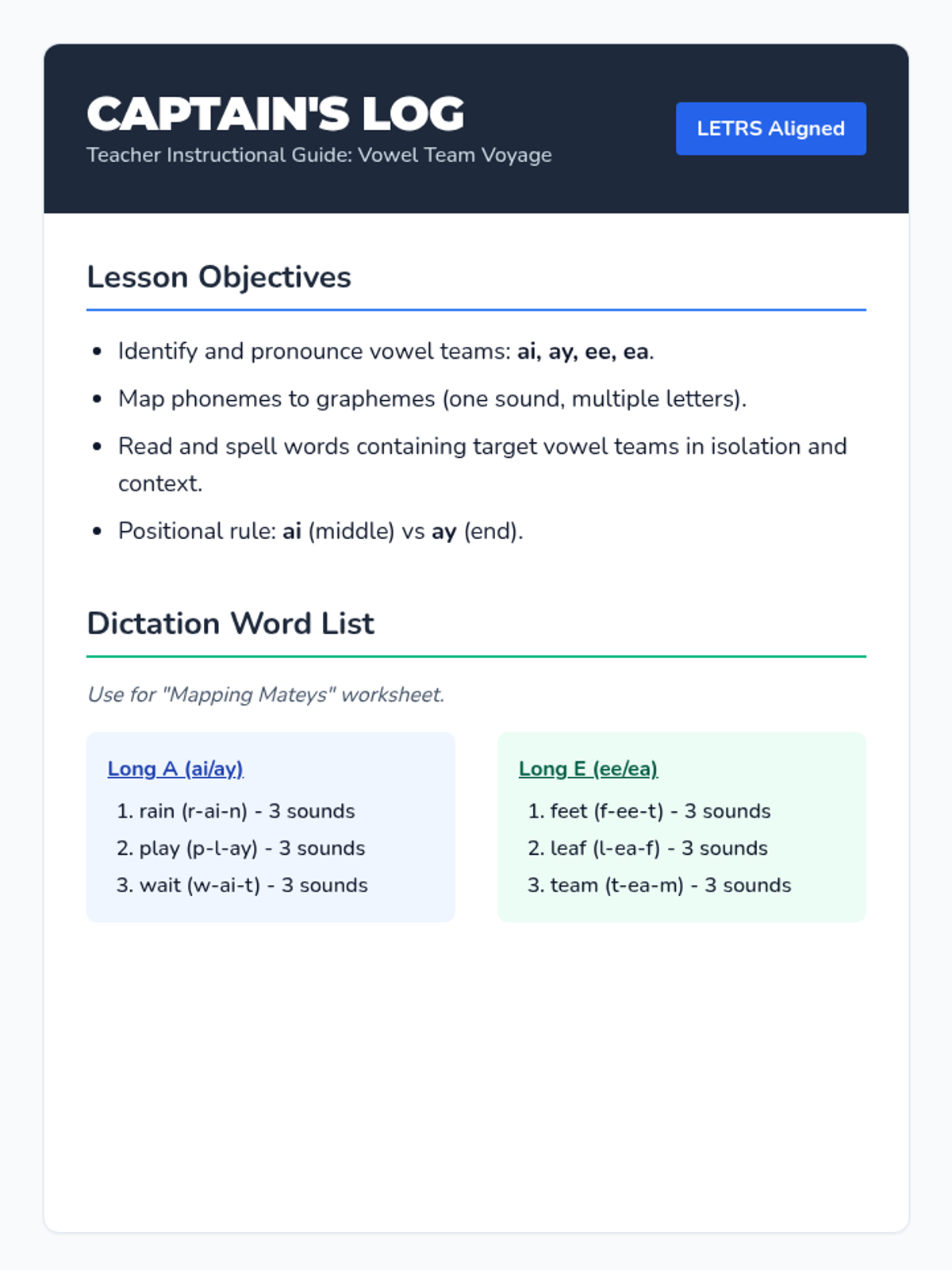
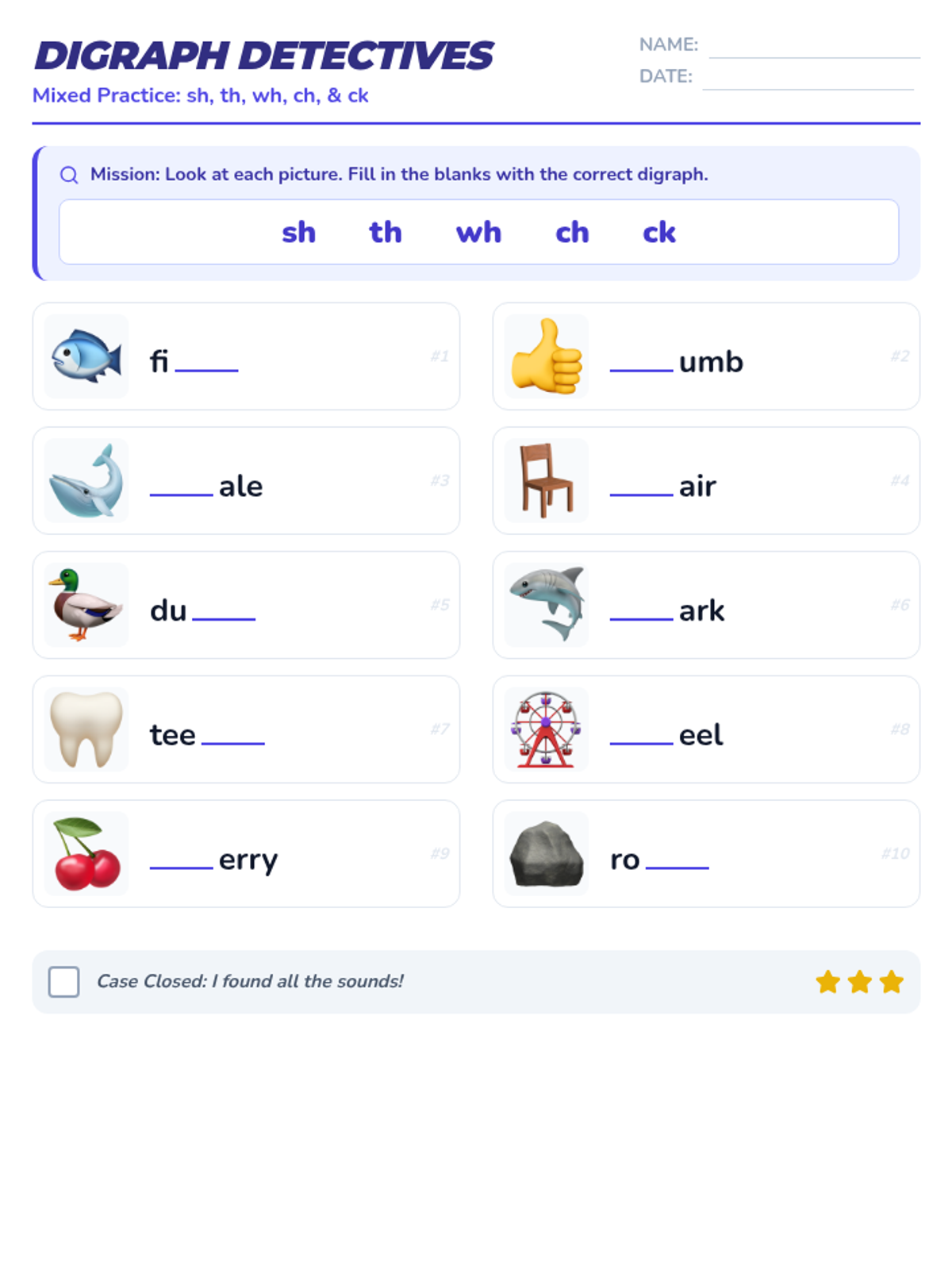
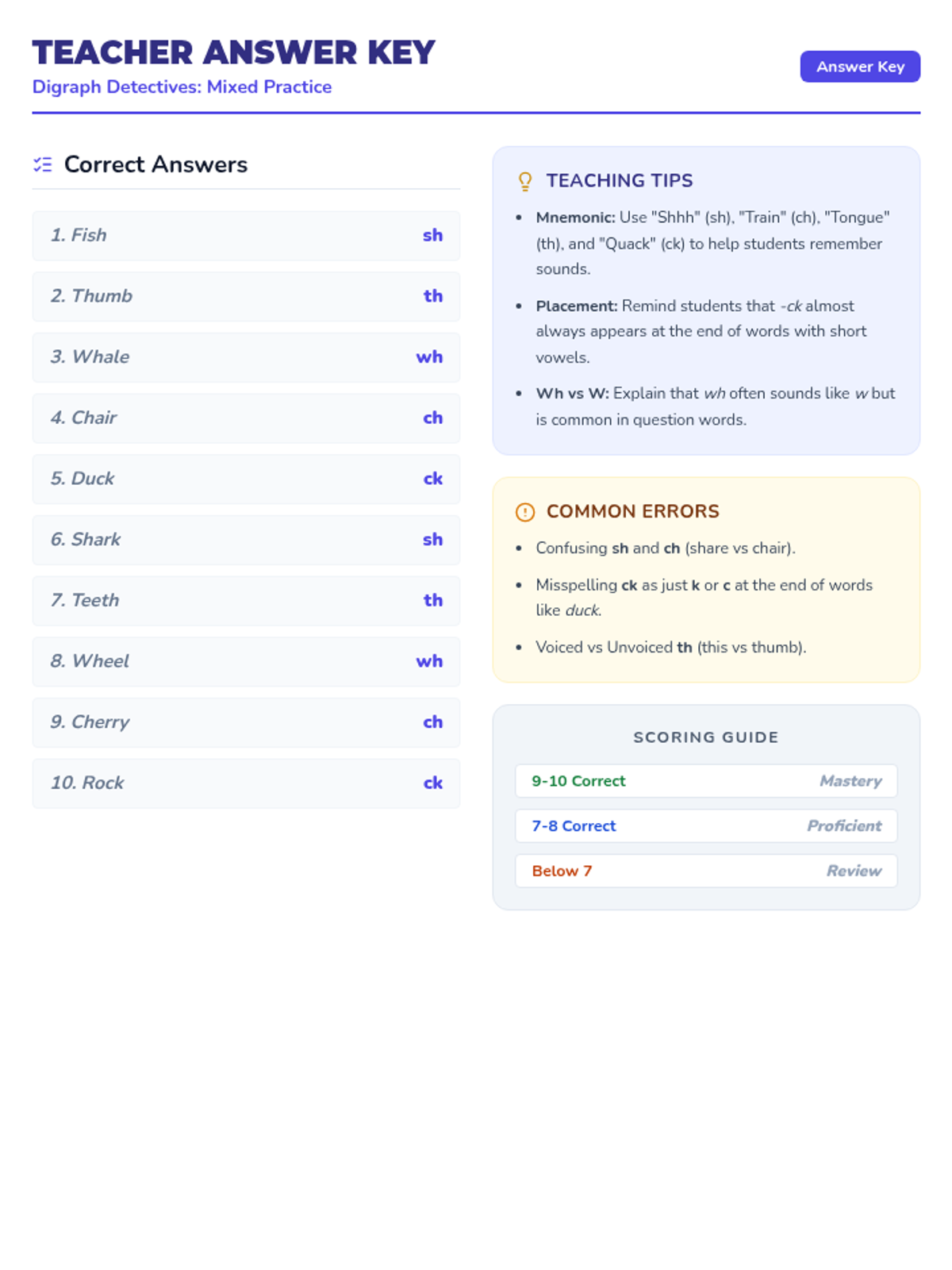
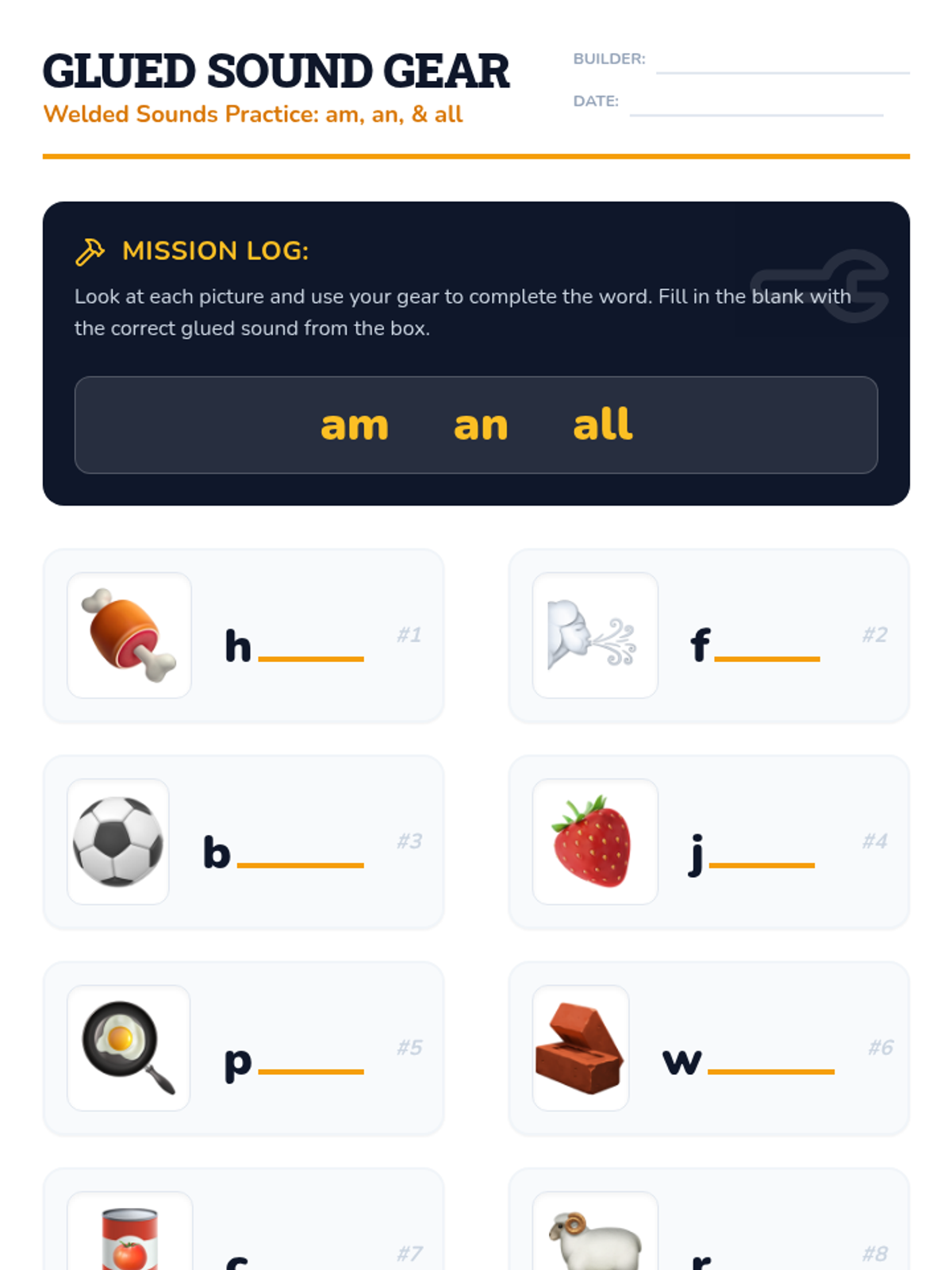
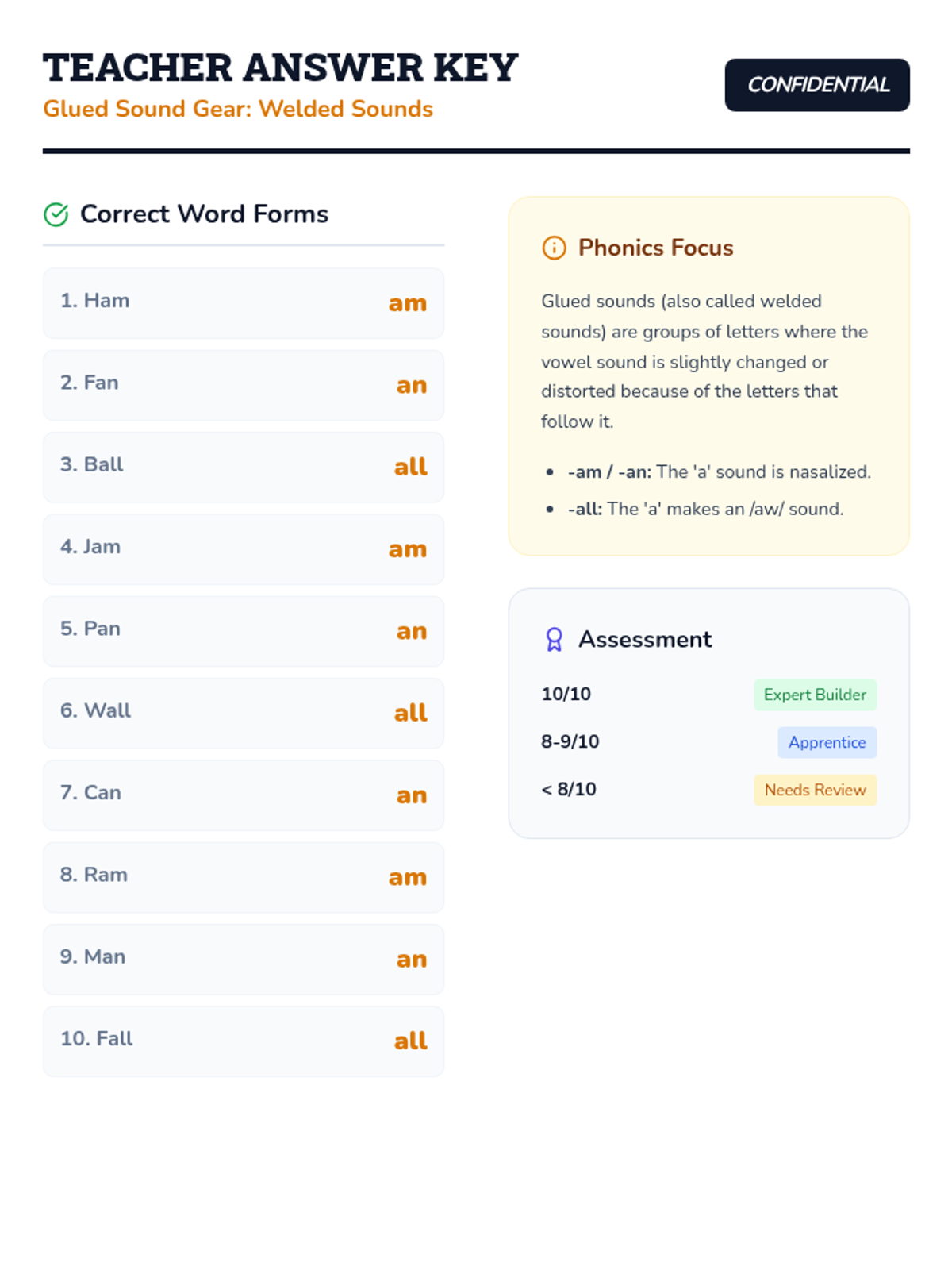
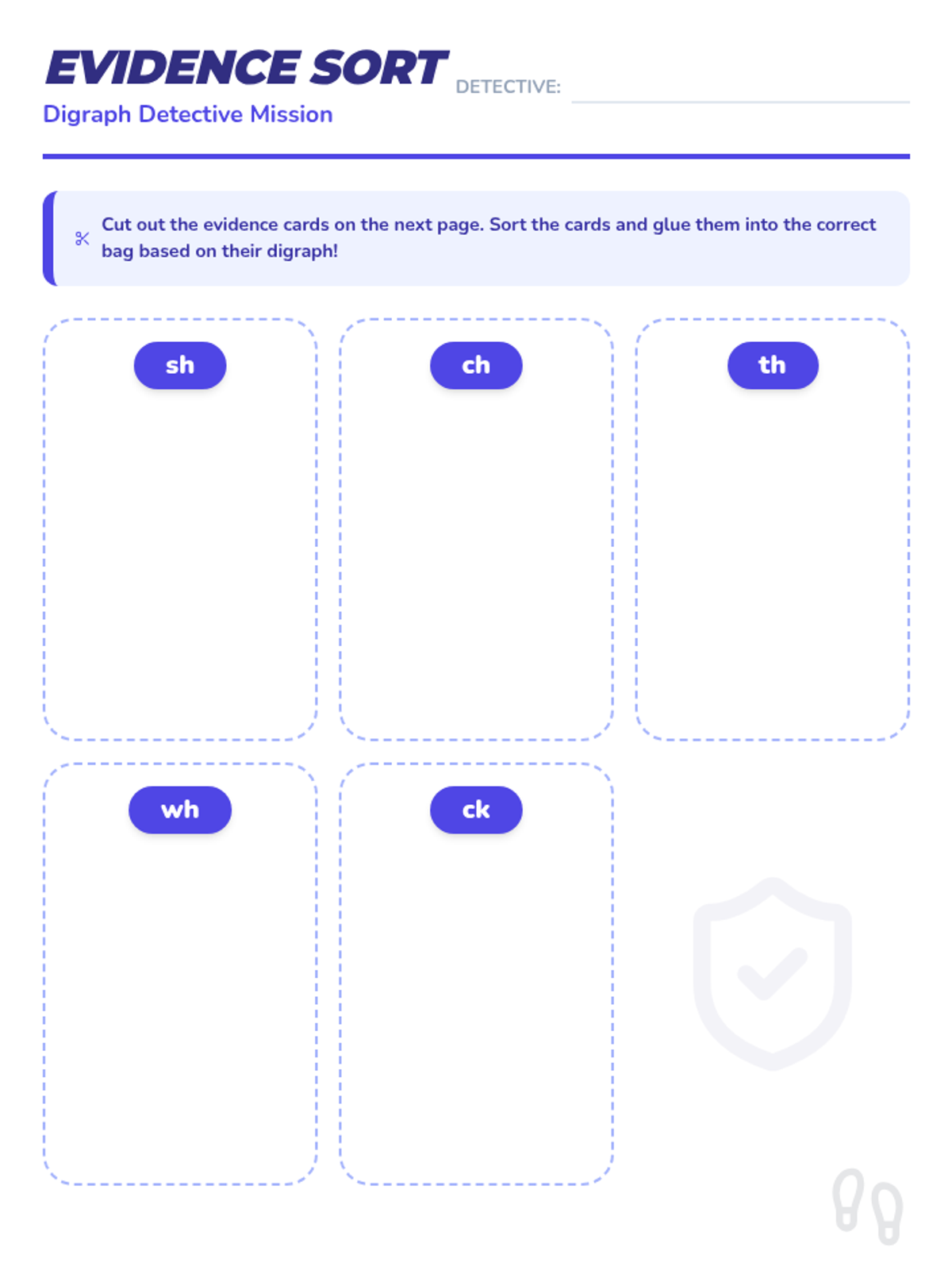
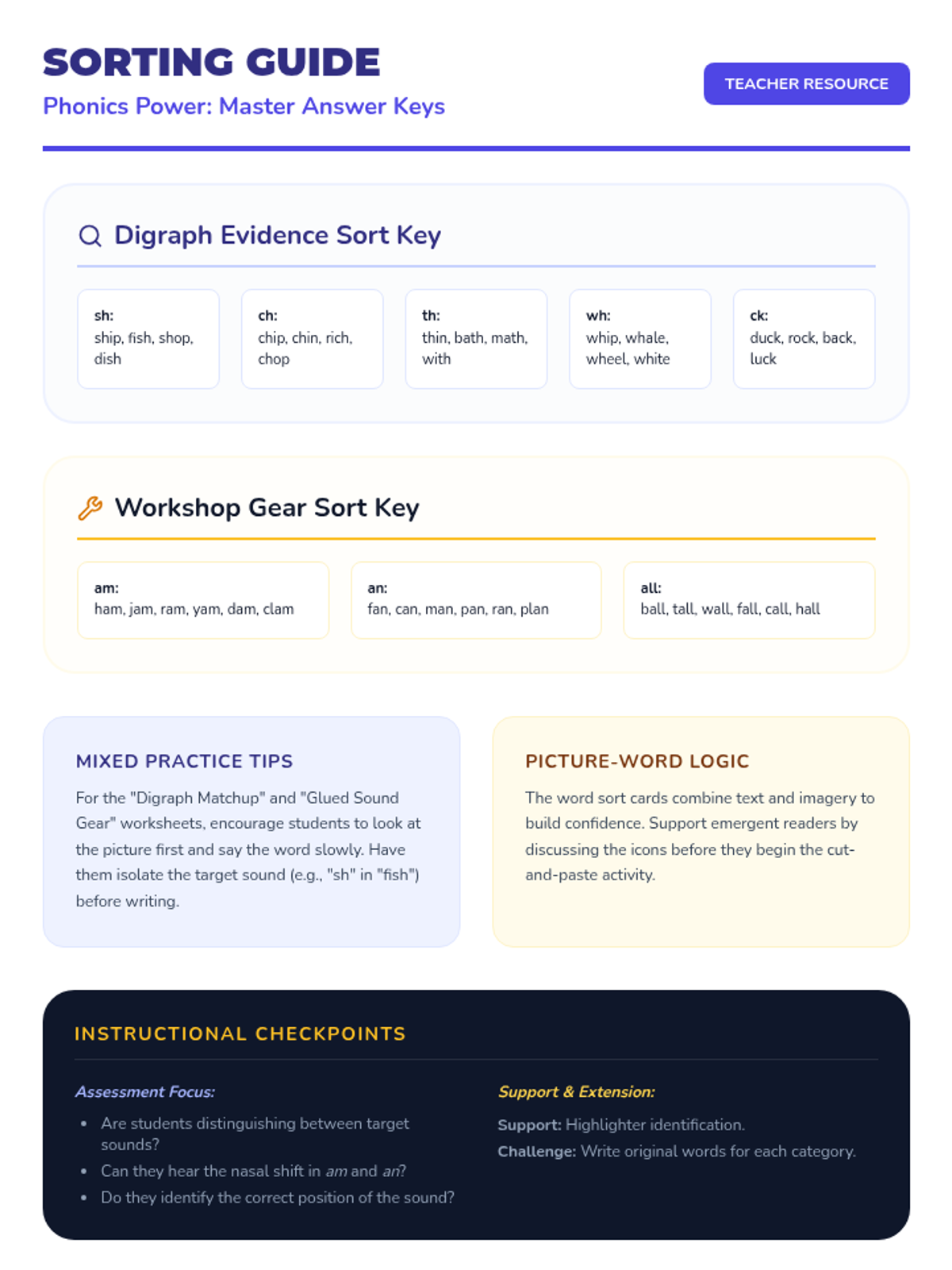
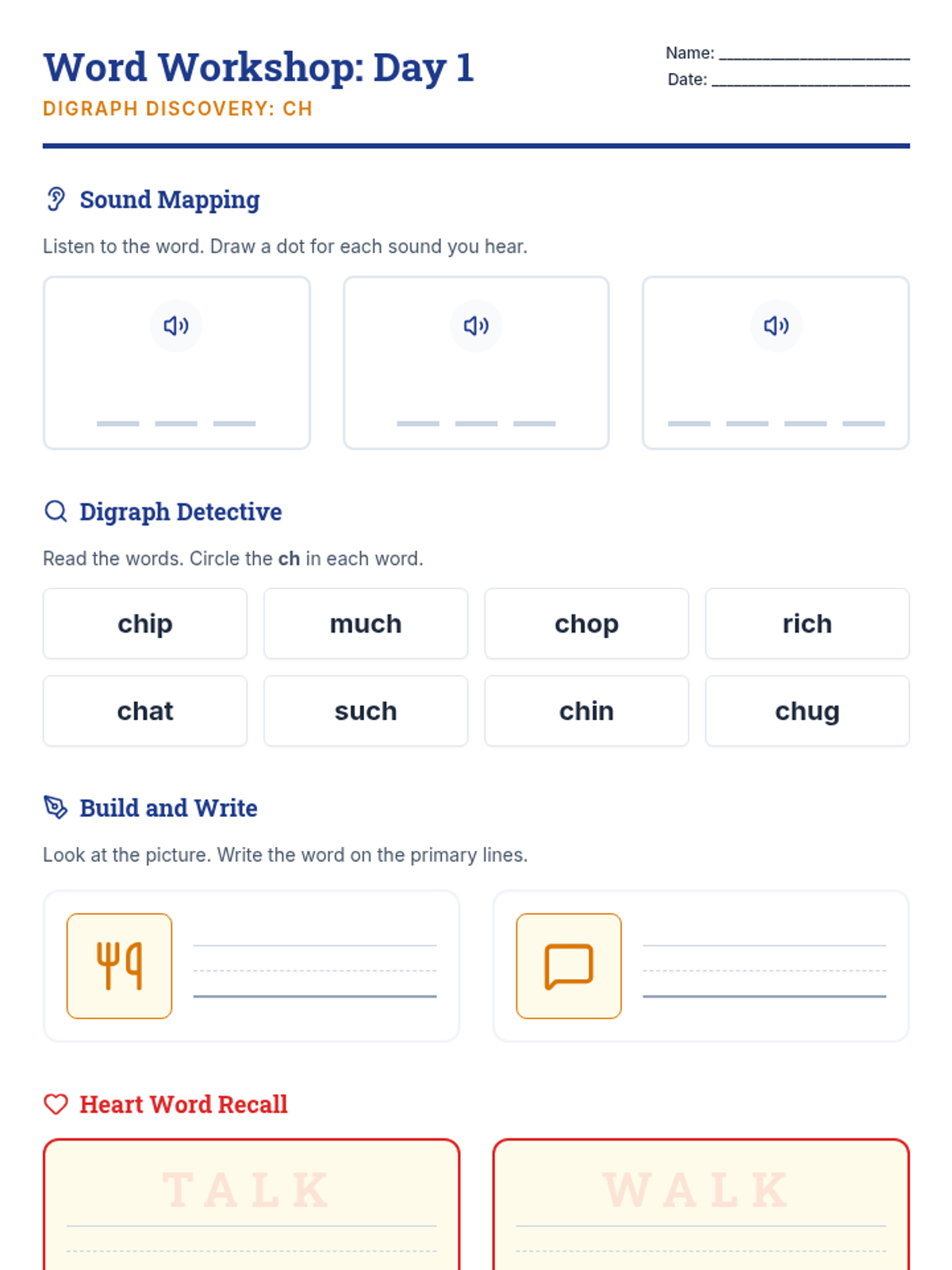
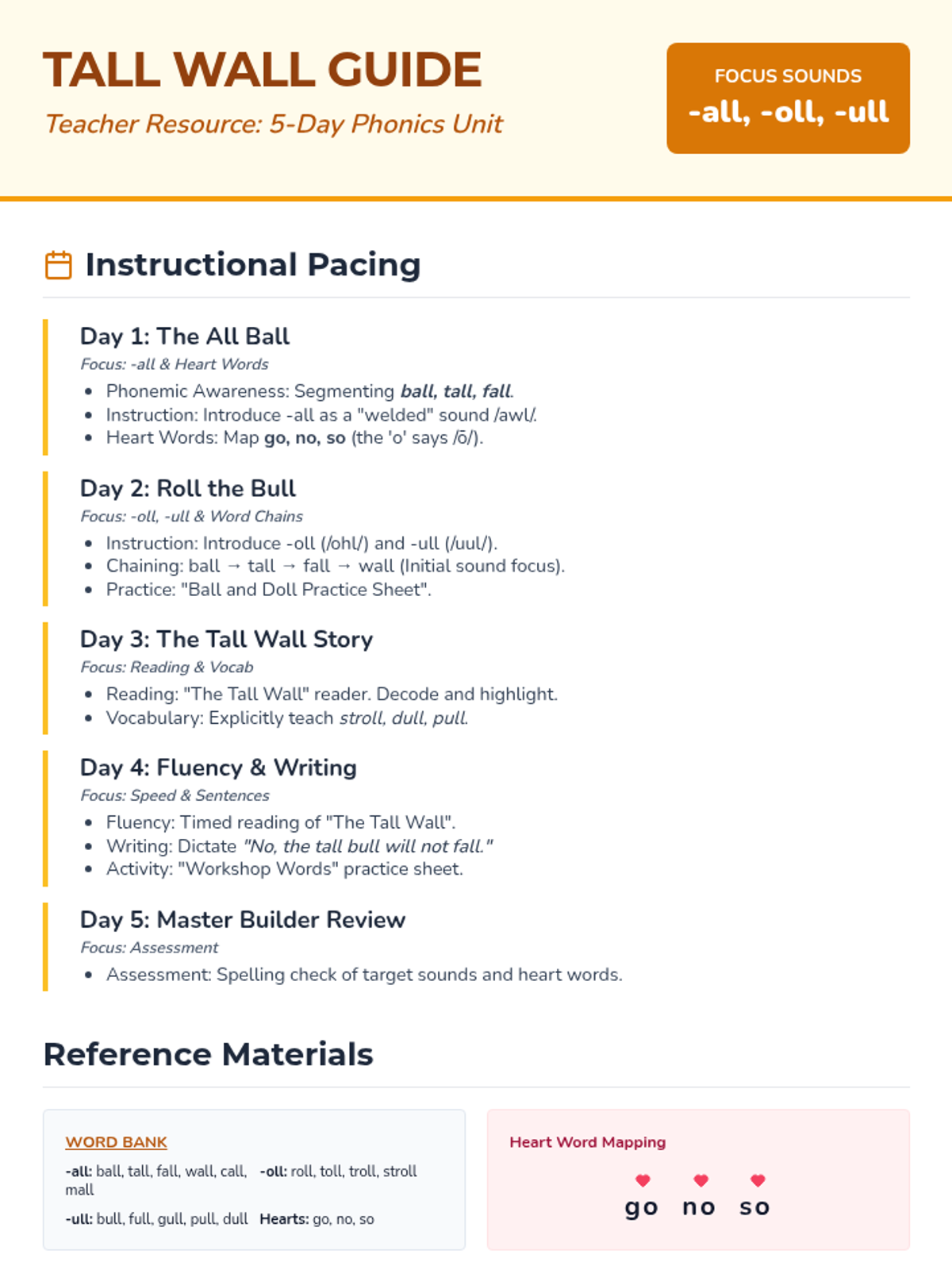
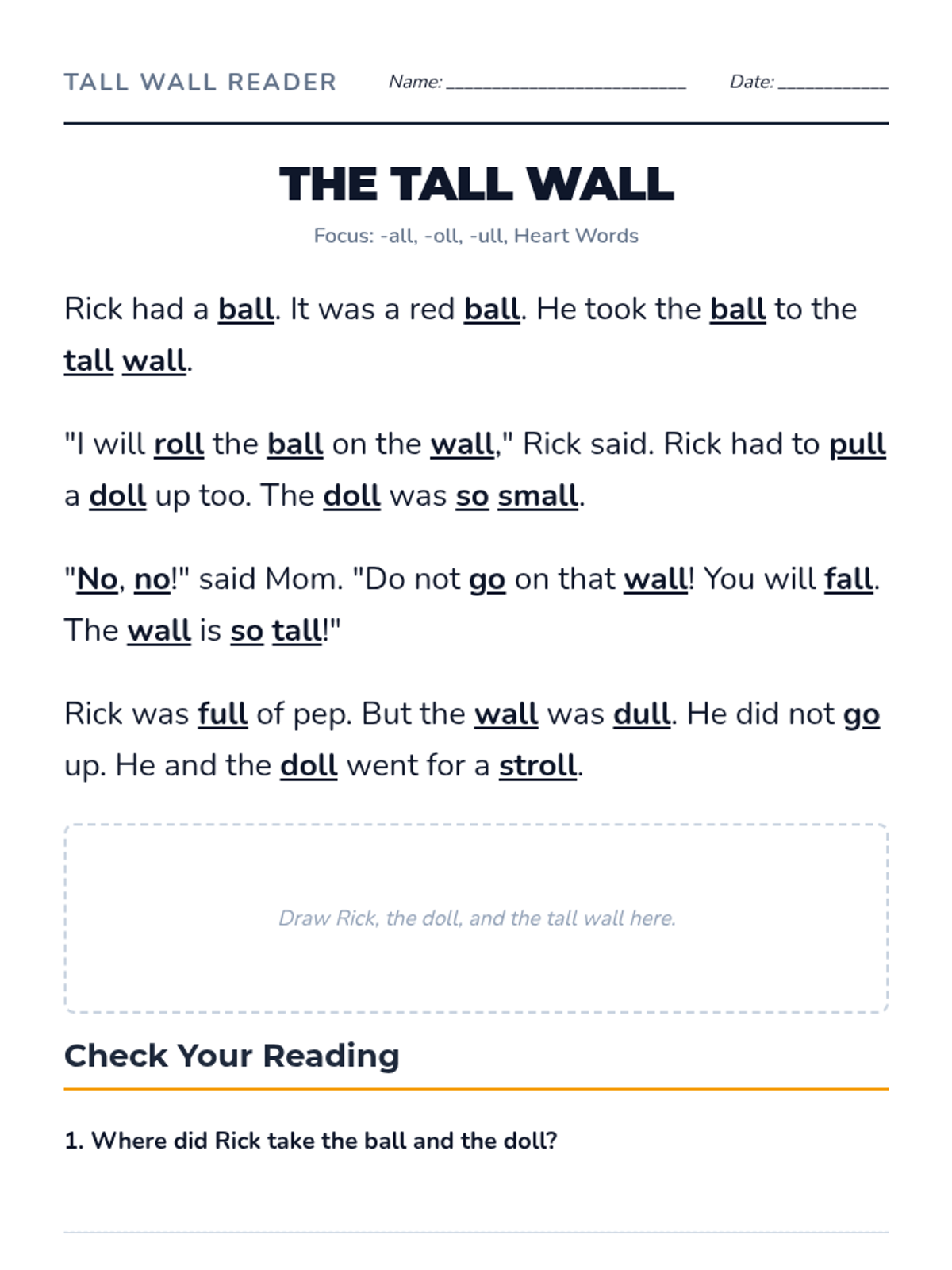
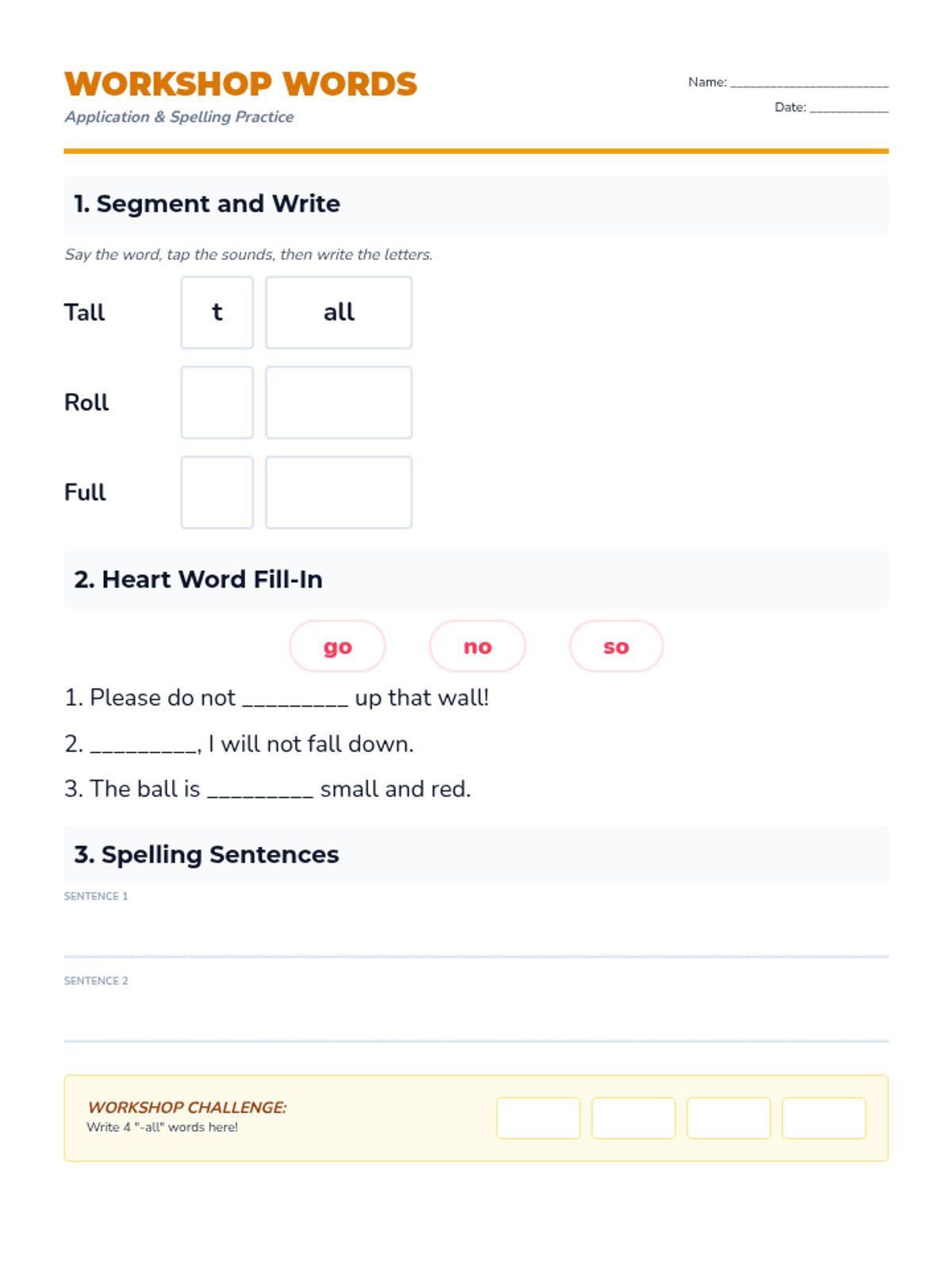
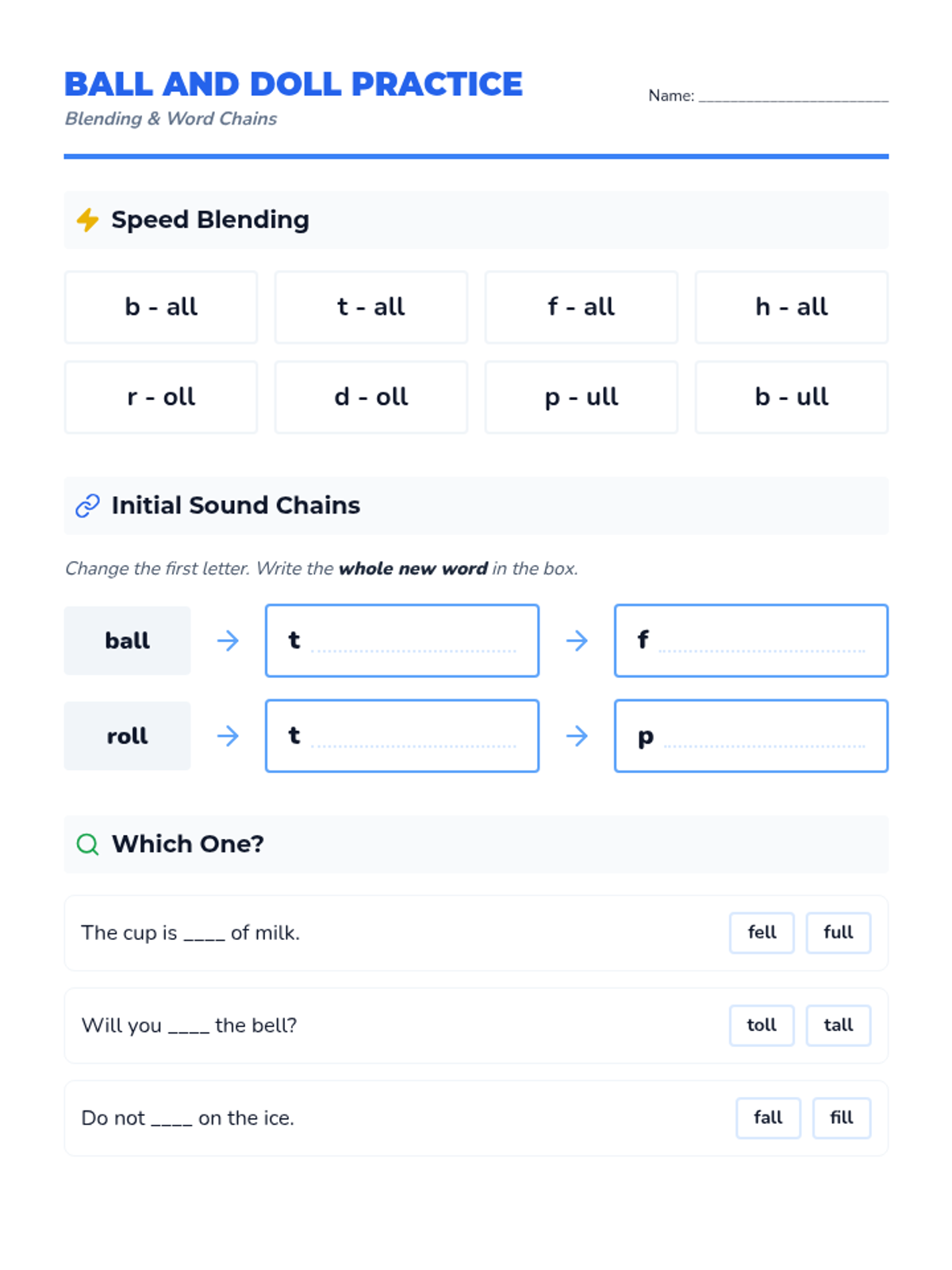
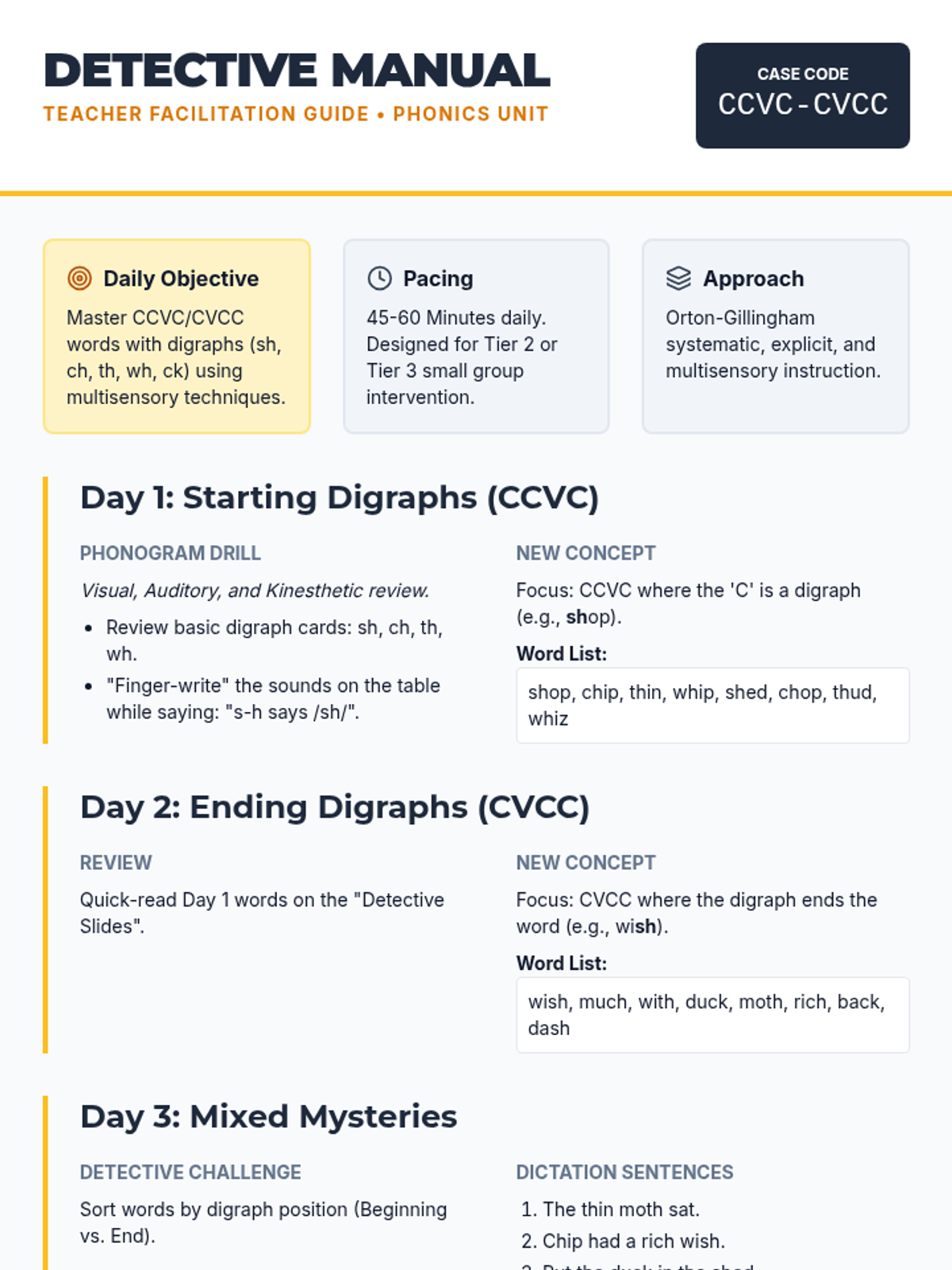
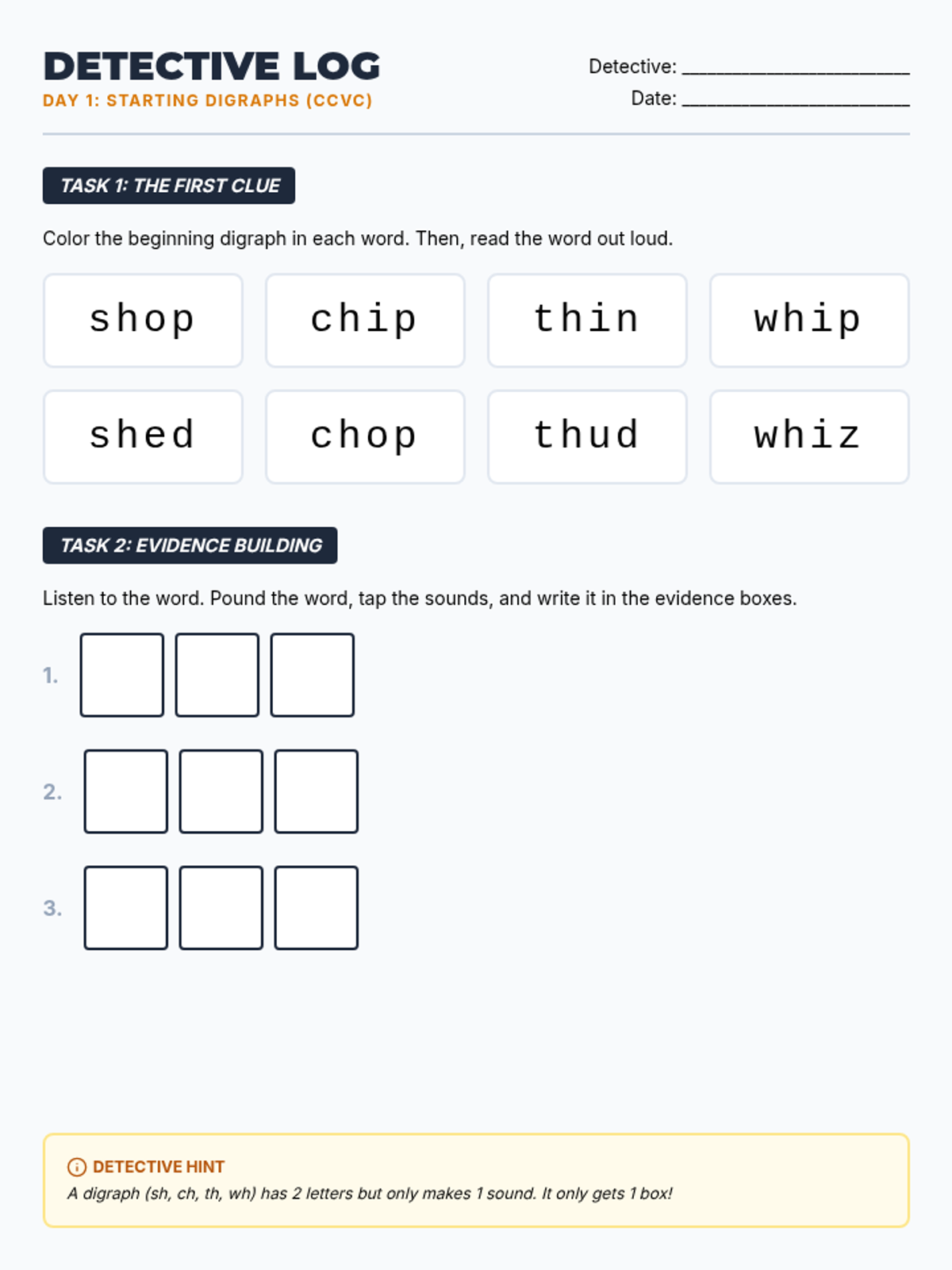
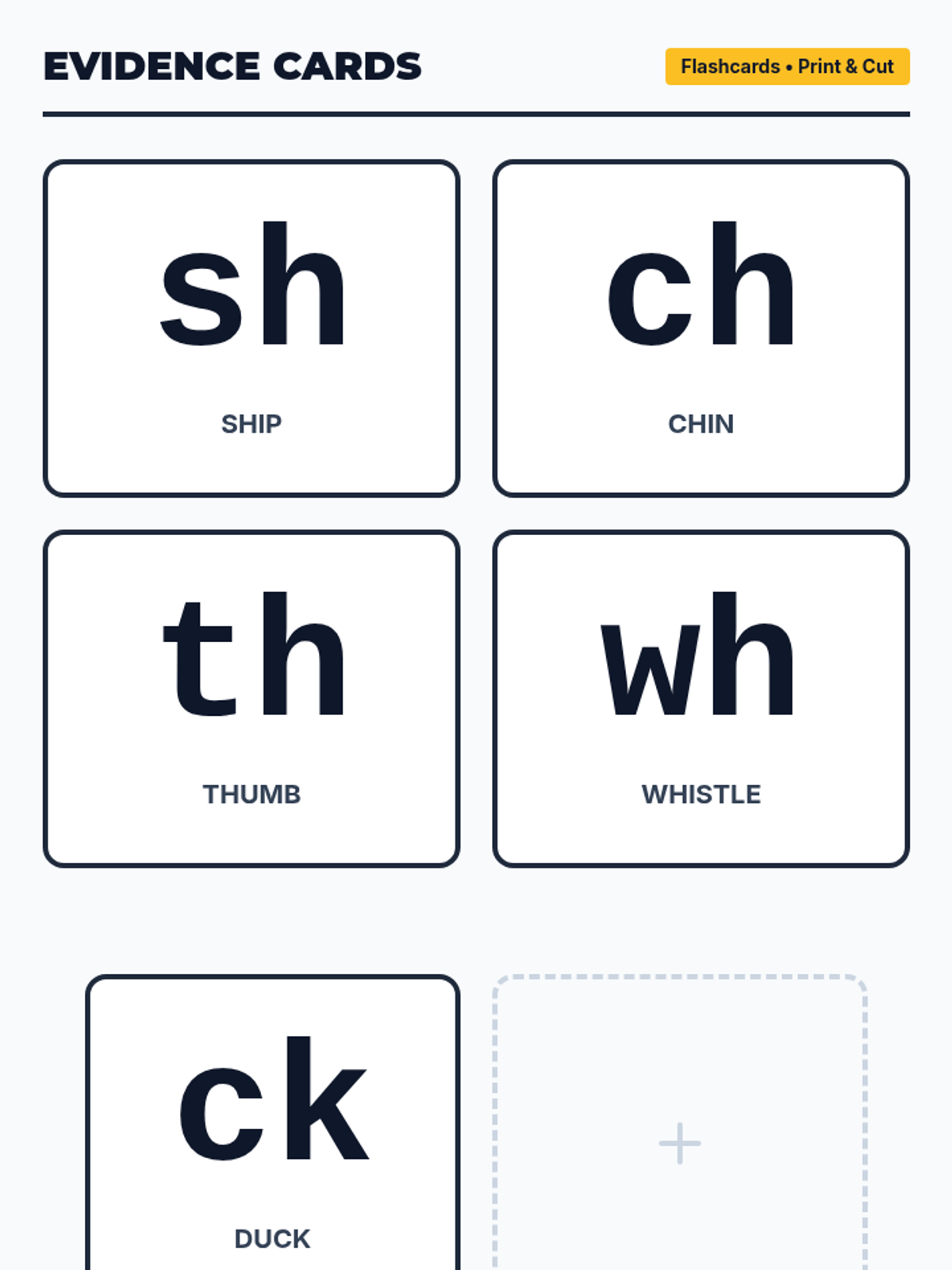
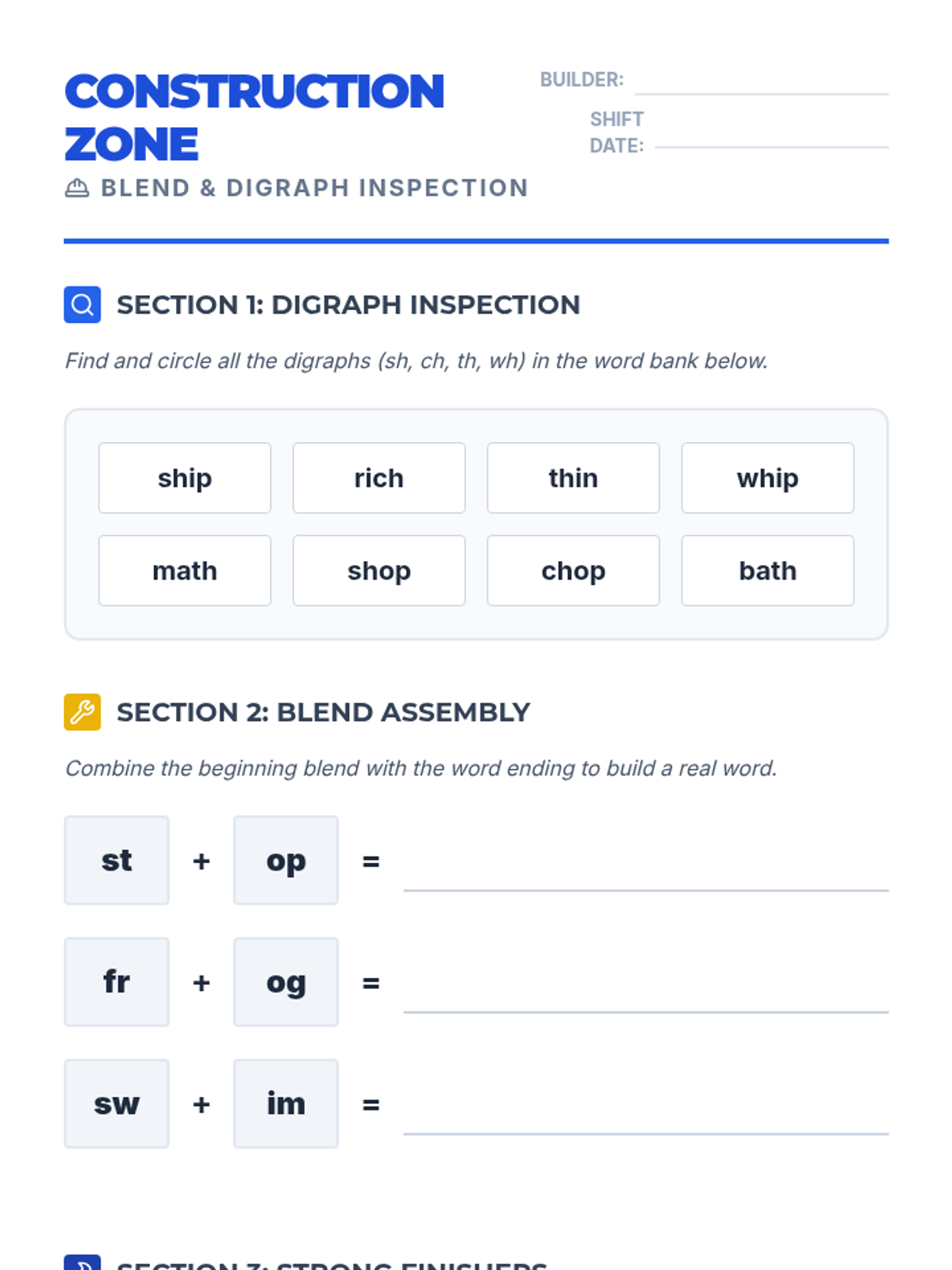
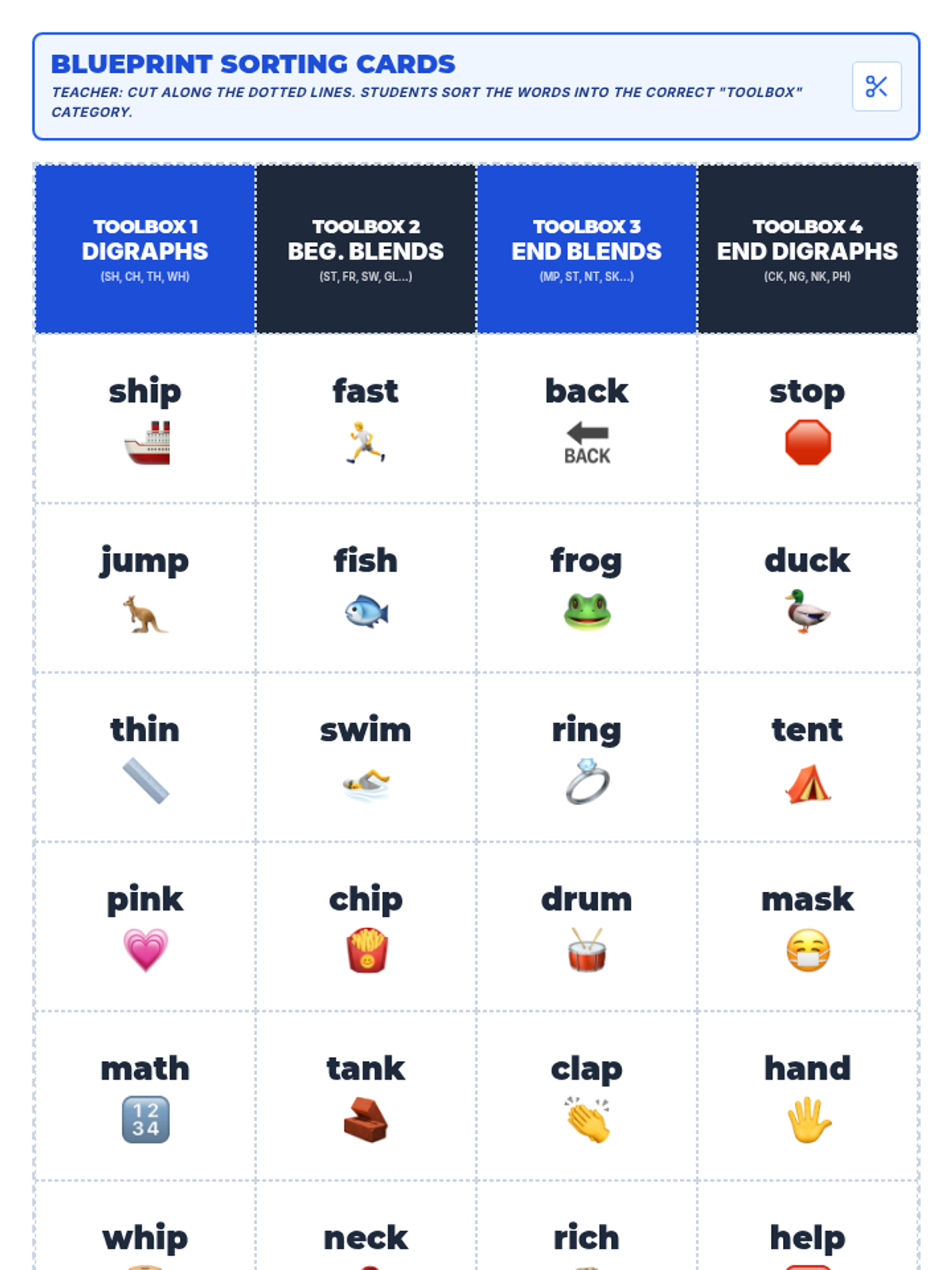
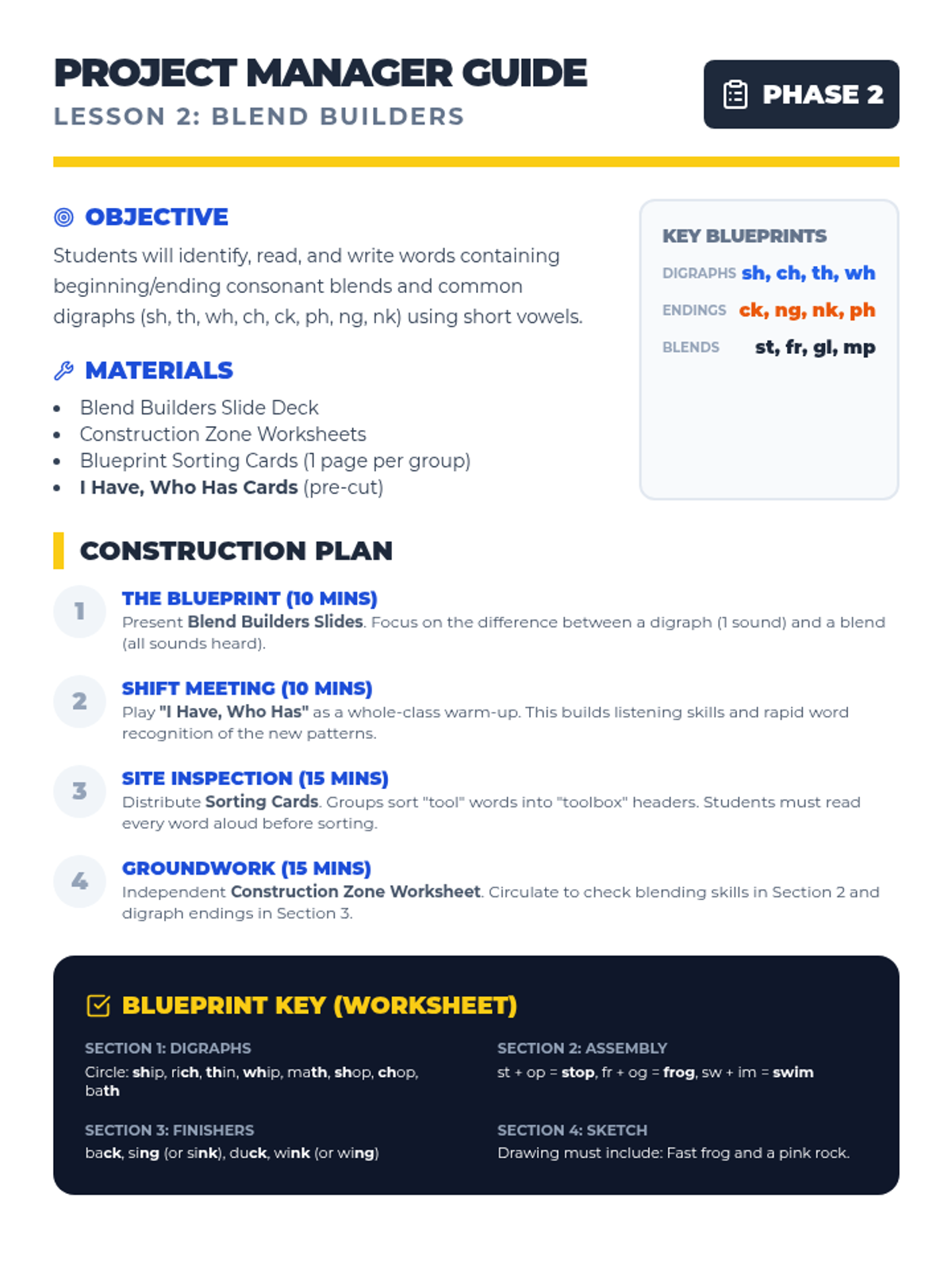
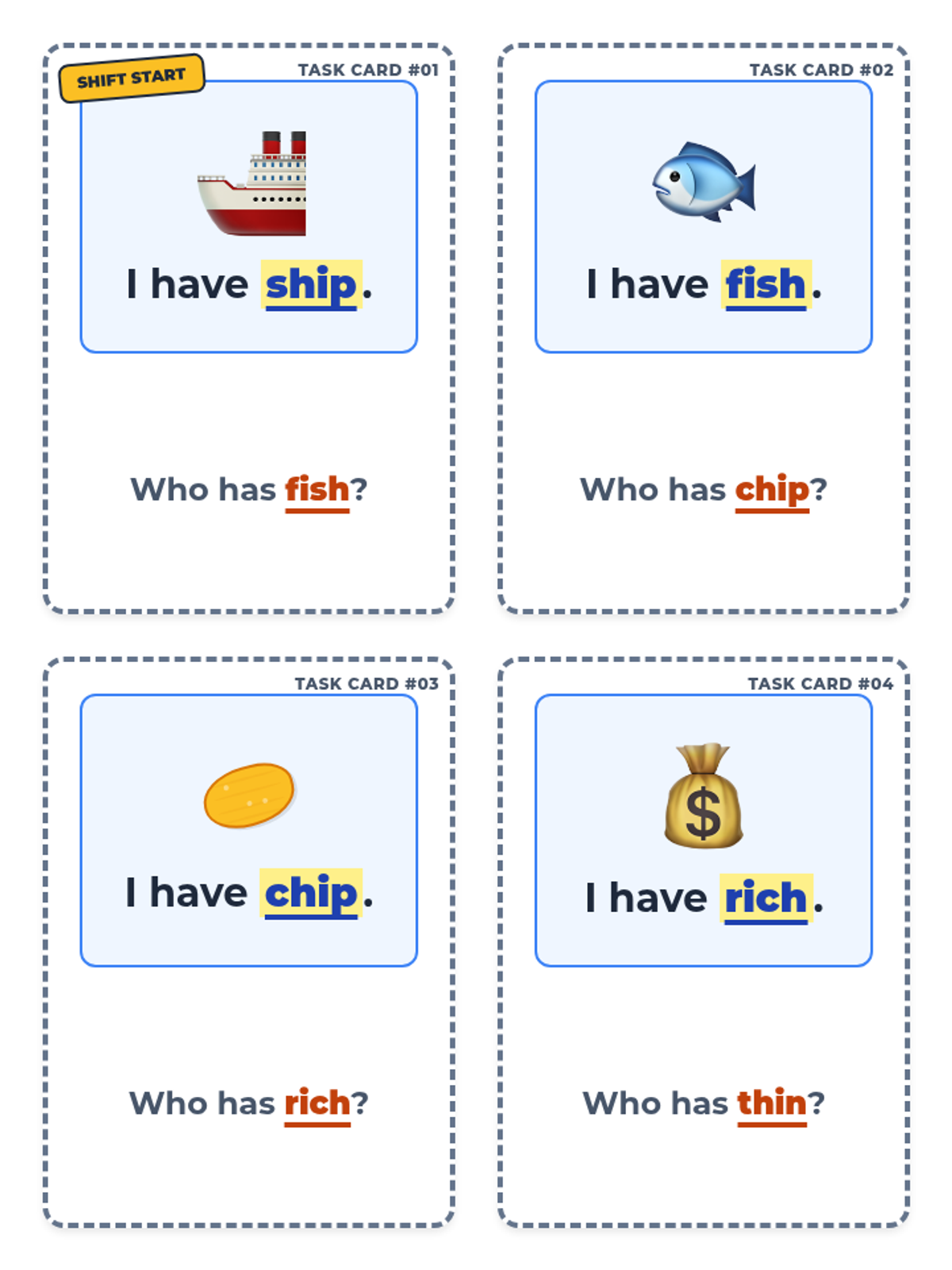
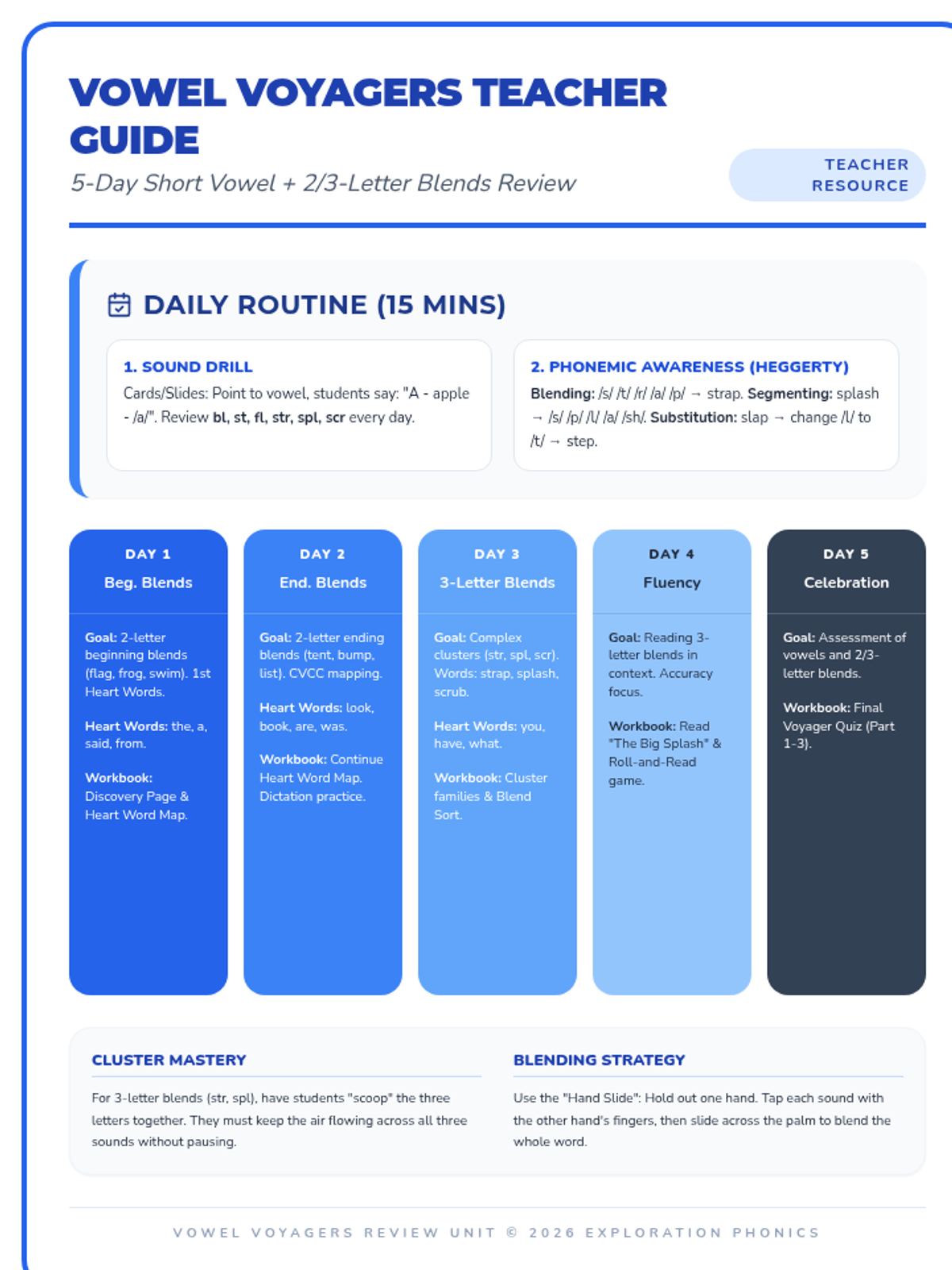
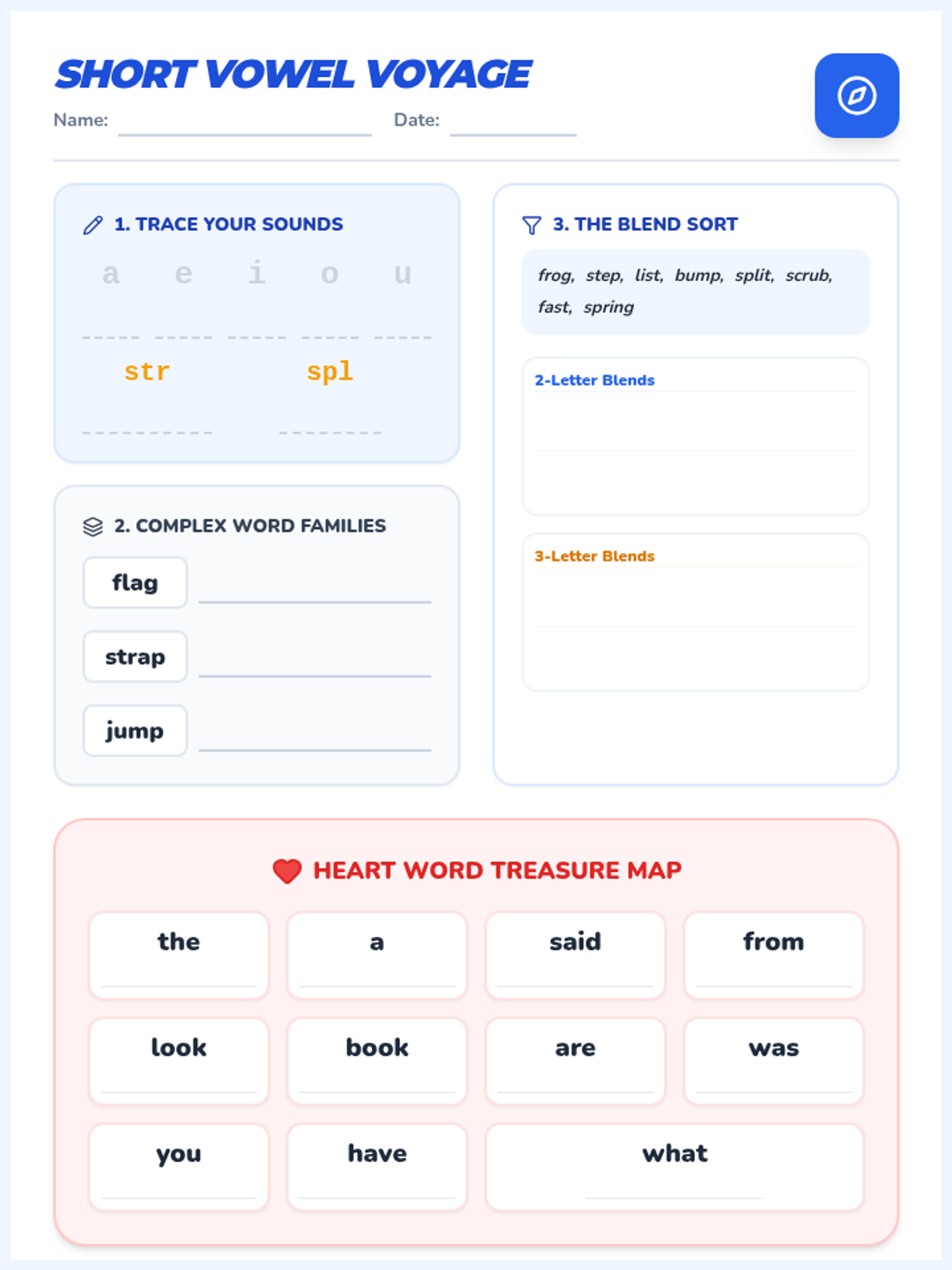
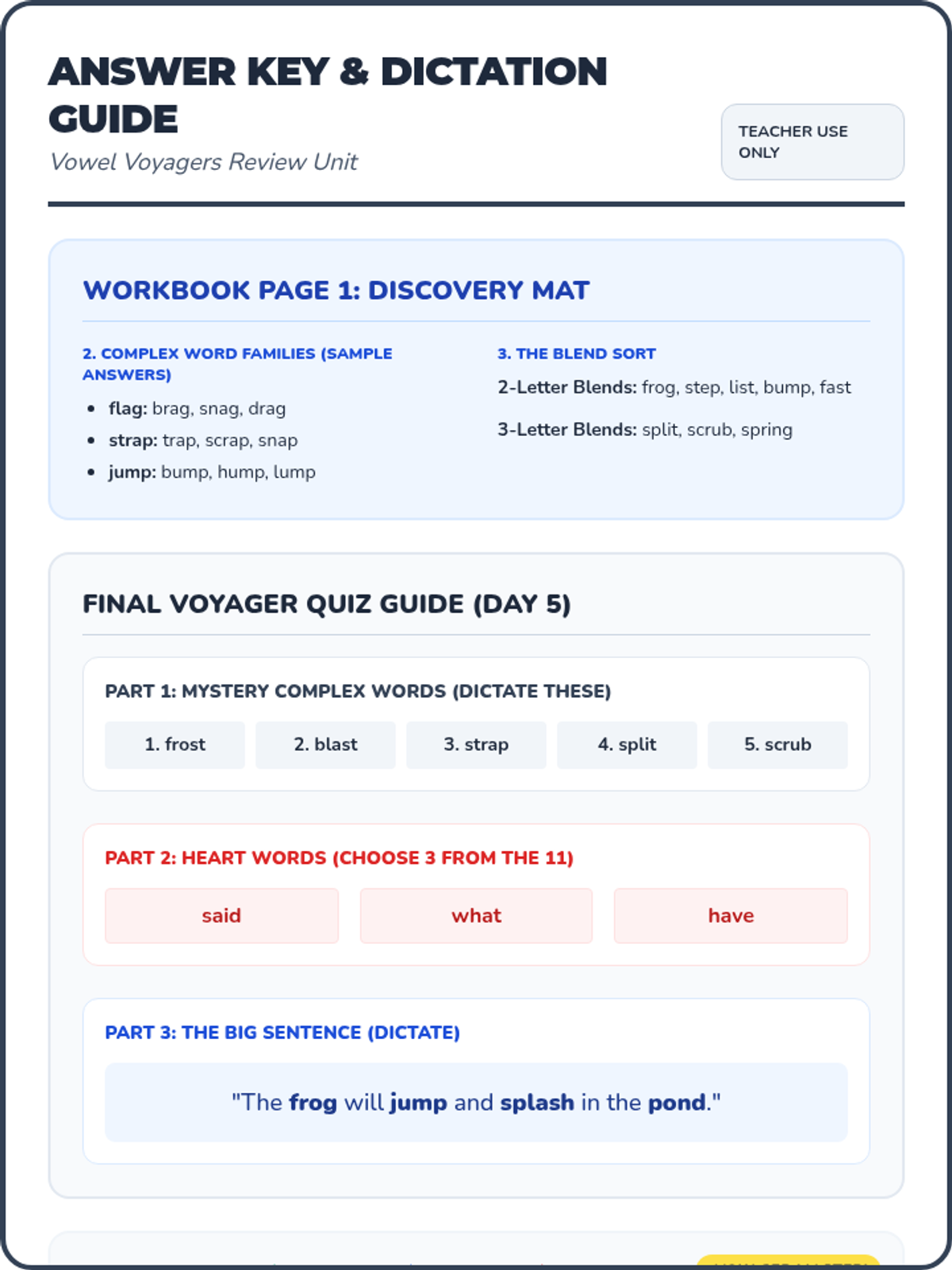
A series of building-themed lessons focused on mastering phonics patterns, starting with common digraphs and moving towards complex blends using a block-building aesthetic.
A comprehensive unit exploring how natural processes like rock formation and erosion work together to shape the Earth's surface over millions of years.
A four-day introductory unit on corn for K-3 students, covering its origins in Mesoamerica, life cycle, diverse varieties, and practical uses through hands-on crafting and planting.
A comprehensive robotics curriculum for grades 1-3 covering screenless coding with Sphero indi, block coding with Sphero Mini, and both color-based and block coding with Marty the Robot. Includes progressive task cards designed for 30-minute hands-on activities.
A comprehensive STEM and engineering sequence for elementary students, focusing on the Texas Essential Knowledge and Skills (TEKS) for Scientific and Engineering Practices. Students tackle real-world challenges through prototyping, testing, and data analysis in two distinct thematic units.
A comprehensive STEM curriculum for grades 1-5 where students solve real-world problems in their community using engineering design and scientific principles. Each grade level features two 30-minute hands-on challenges aligned with TEKS 1.5-5.5.
A comprehensive K-5 science journey focused on the Texas Essential Knowledge and Skills (TEKS) for physical properties of matter. Students act as 'Matter Mission' agents to solve real-world problems through hands-on STEM challenges and engineering design.
A multi-disciplinary science and health unit covering plant biology, physical properties of matter, and nutritional science. Students explore the cycles of life, the fundamental nature of substances, and how to fuel their bodies.
A comprehensive STEM sequence covering thermal energy and matter changes for grades 1-5, featuring engineering challenges and real-world problem-solving aligned with Texas TEKS. Students investigate reversible and non-reversible changes, states of matter, and thermal energy transfer through hands-on experiments.
A comprehensive exploration of animals from jungle and safari environments, focusing on their unique adaptations, habitats, and survival strategies.
A comprehensive STEM sequence focusing on TEKS-aligned physical science concepts, from system parts in lower elementary to complex mixtures and conservation of matter in upper elementary. Students solve relatable real-world problems through hands-on engineering challenges and laboratory investigations.
A comprehensive STEM unit exploring the invisible powers of forces, including magnetism, gravity, and friction, through hands-on engineering challenges and scientific investigations aligned with Texas TEKS for Grades K-5.