A comprehensive 5-day phonics unit focusing on the welded sounds -all, -oll, and -ull. Includes word chaining with initial sound changes, heart word instruction for go, no, and so, and a complete decodable reader with comprehension support.
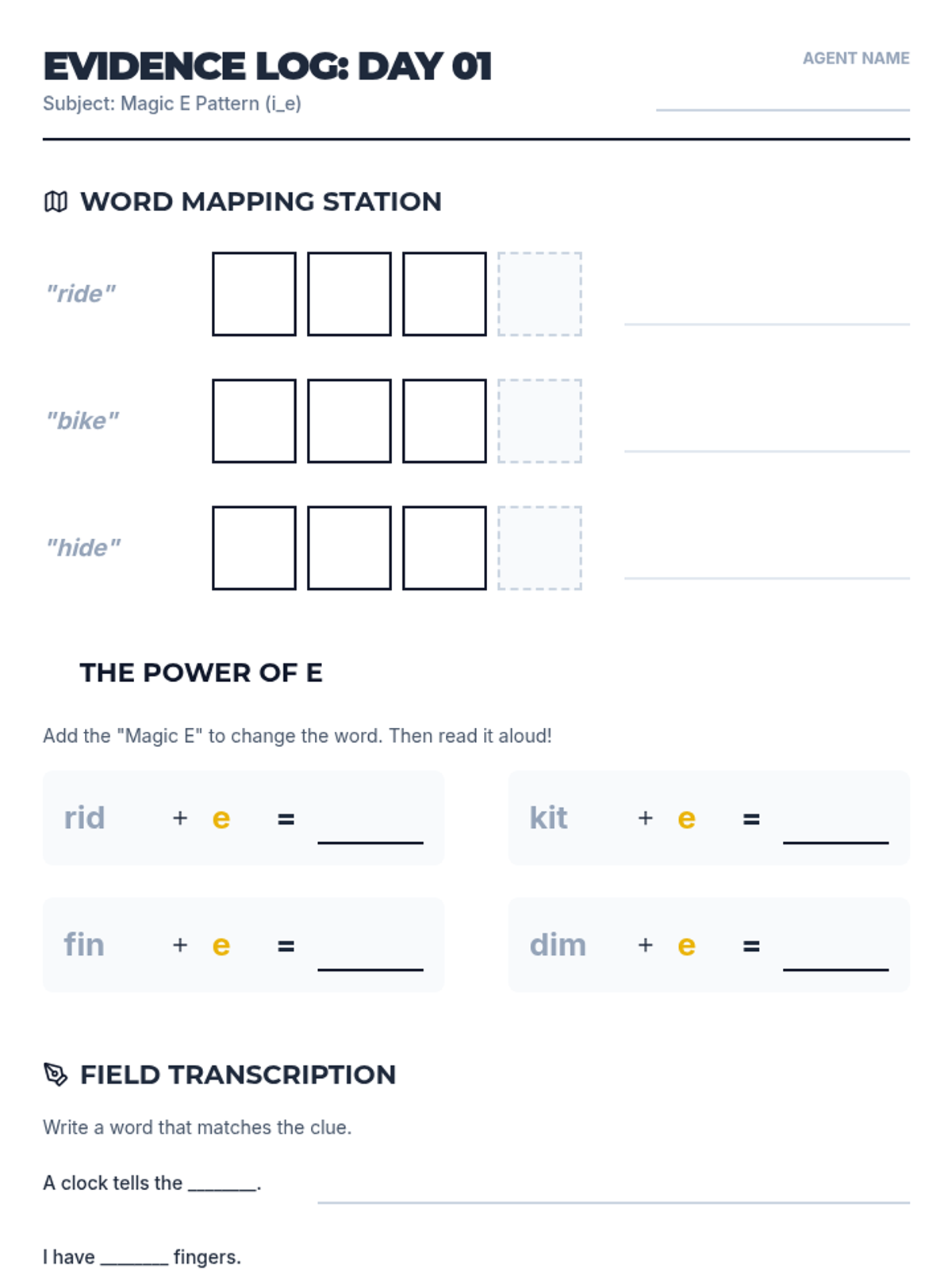
A 5-day phonics unit focused on the i_e (CVCe) pattern with blends and heart words 'by' and 'my'. The unit uses a 'Secret Agent' detective theme to engage students in word mapping, chaining, and passage reading.
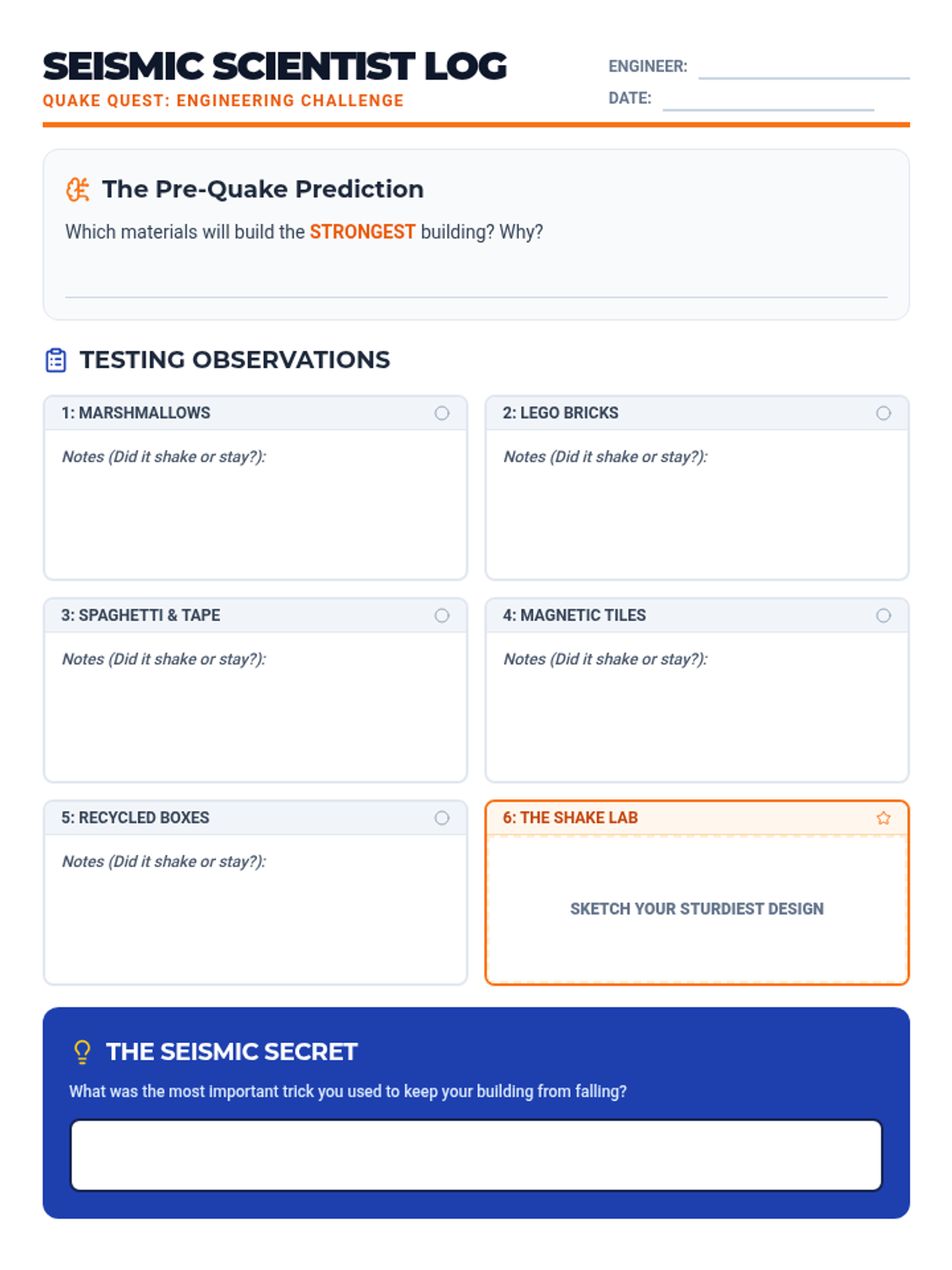
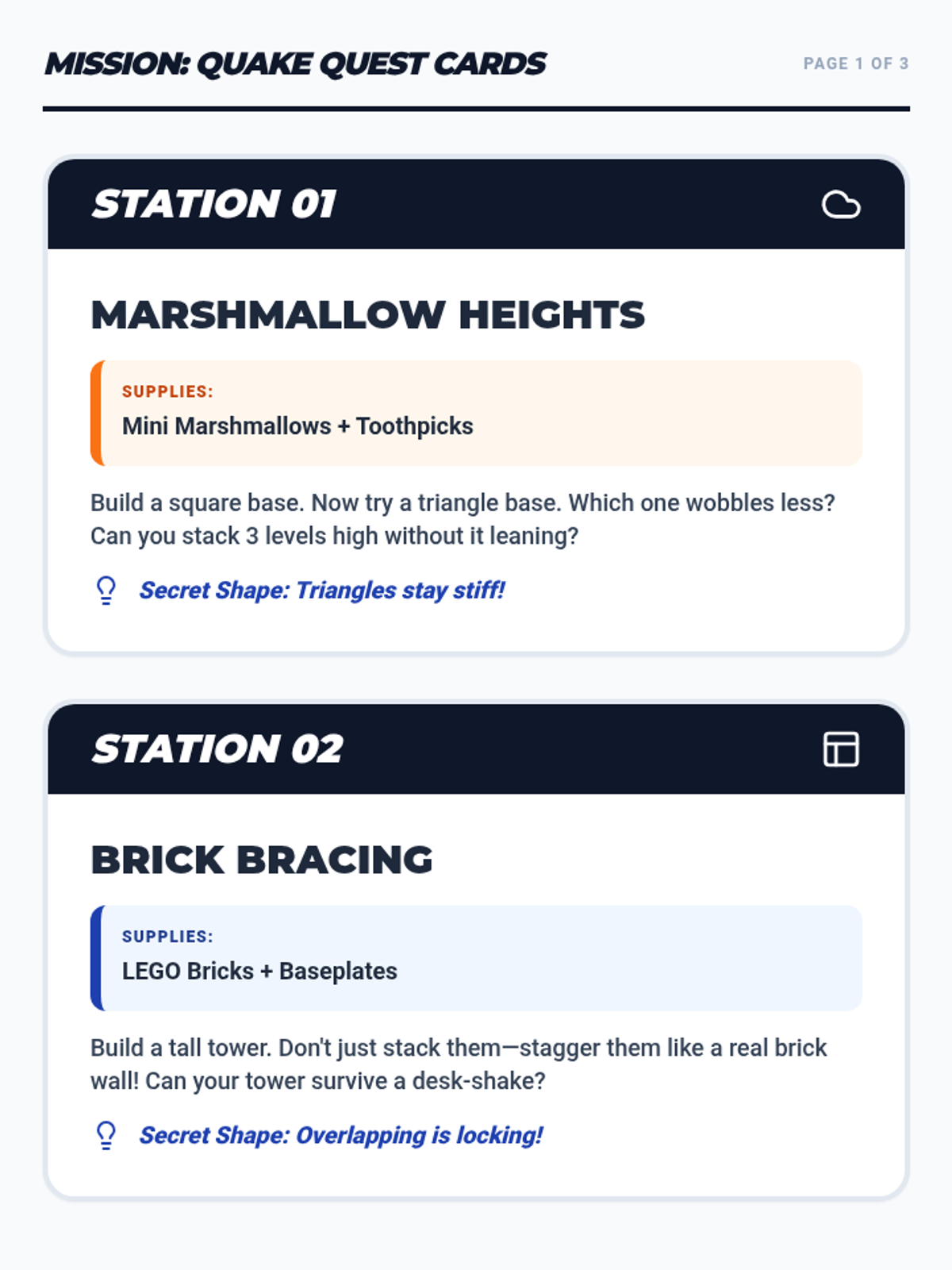
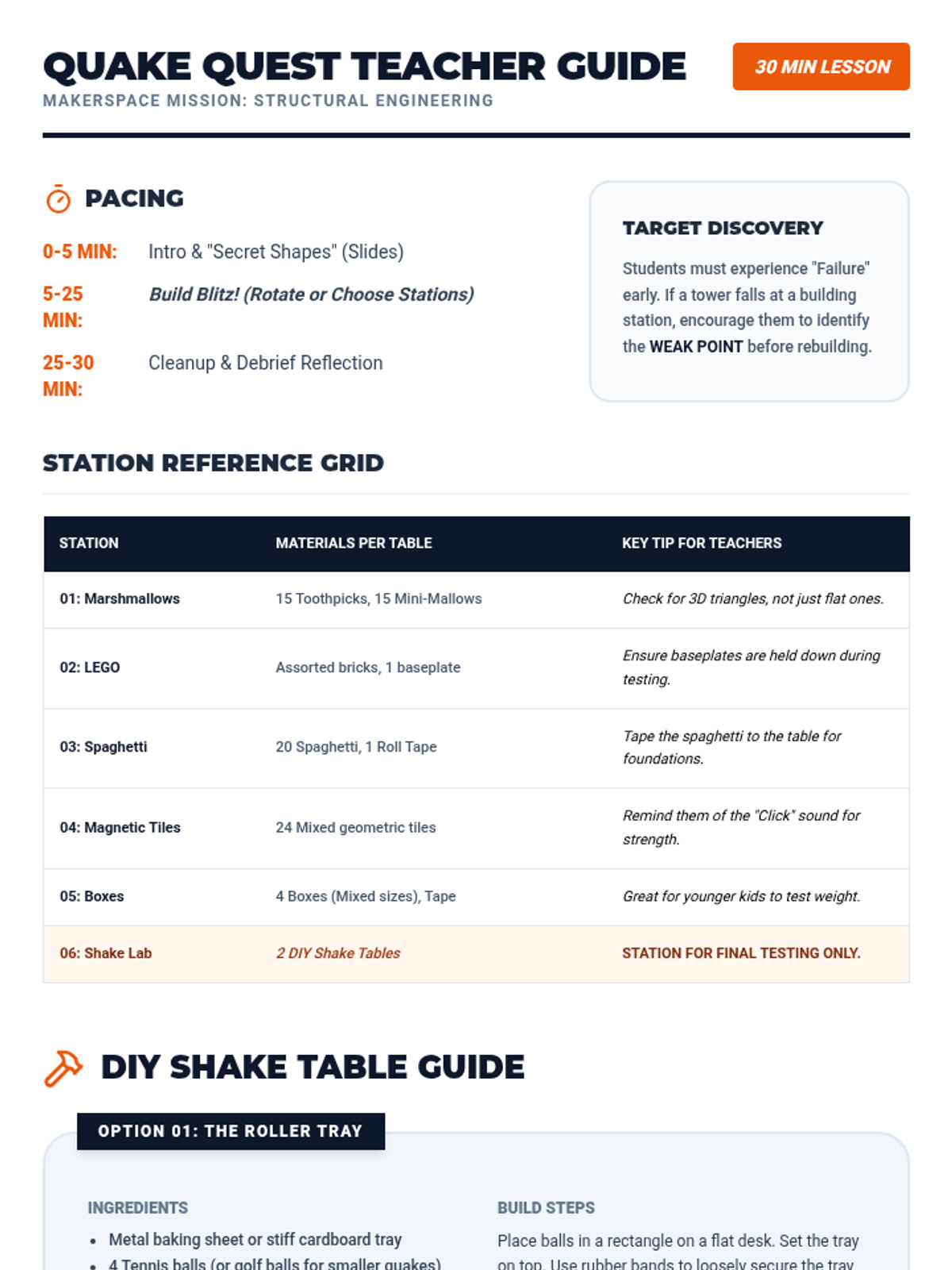
A fast-paced makerspace series where students tackle engineering challenges. This unit focuses on structural integrity and seismic resistance using everyday materials.
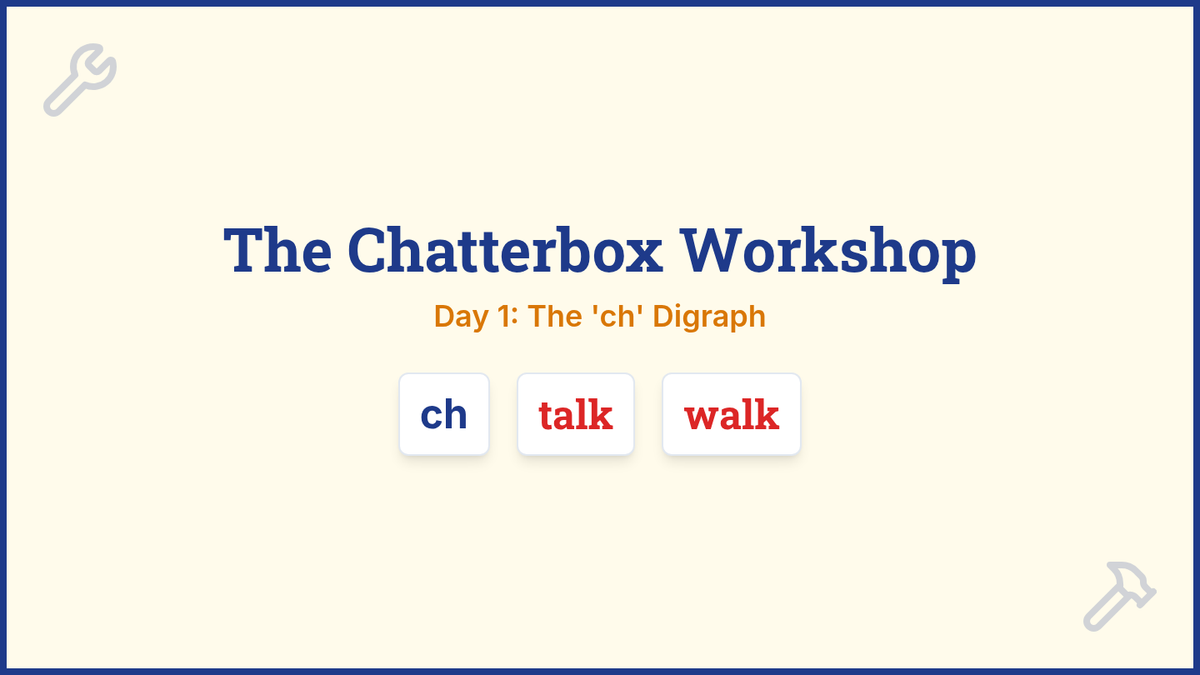
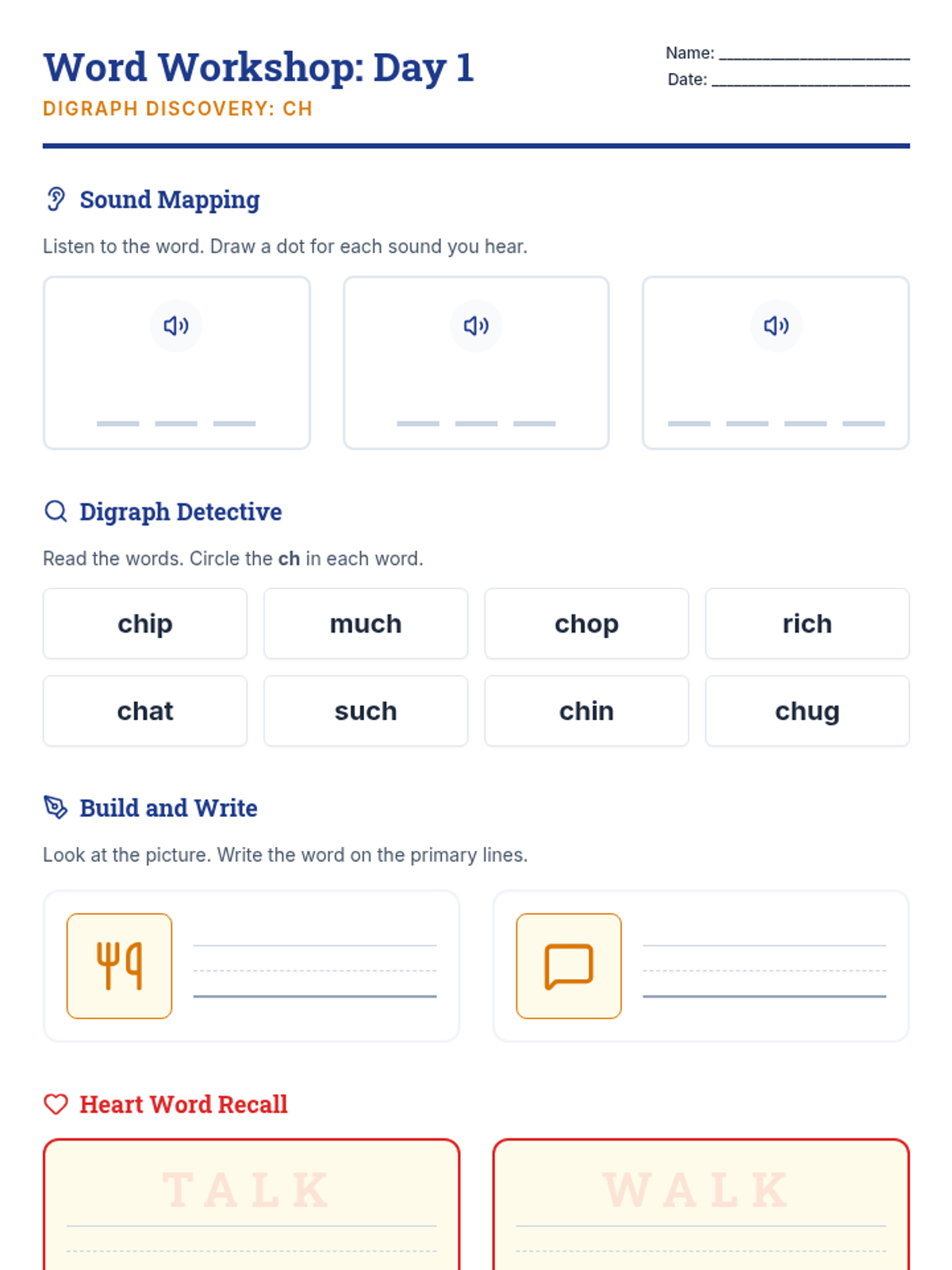
A comprehensive 5-day literacy unit focusing on the digraph 'ch' and irregular Heart Words 'talk' and 'walk'. This sequence follows a structured literacy approach incorporating phonemic awareness, cumulative review, explicit phonics instruction, and tactile irregular word practice.
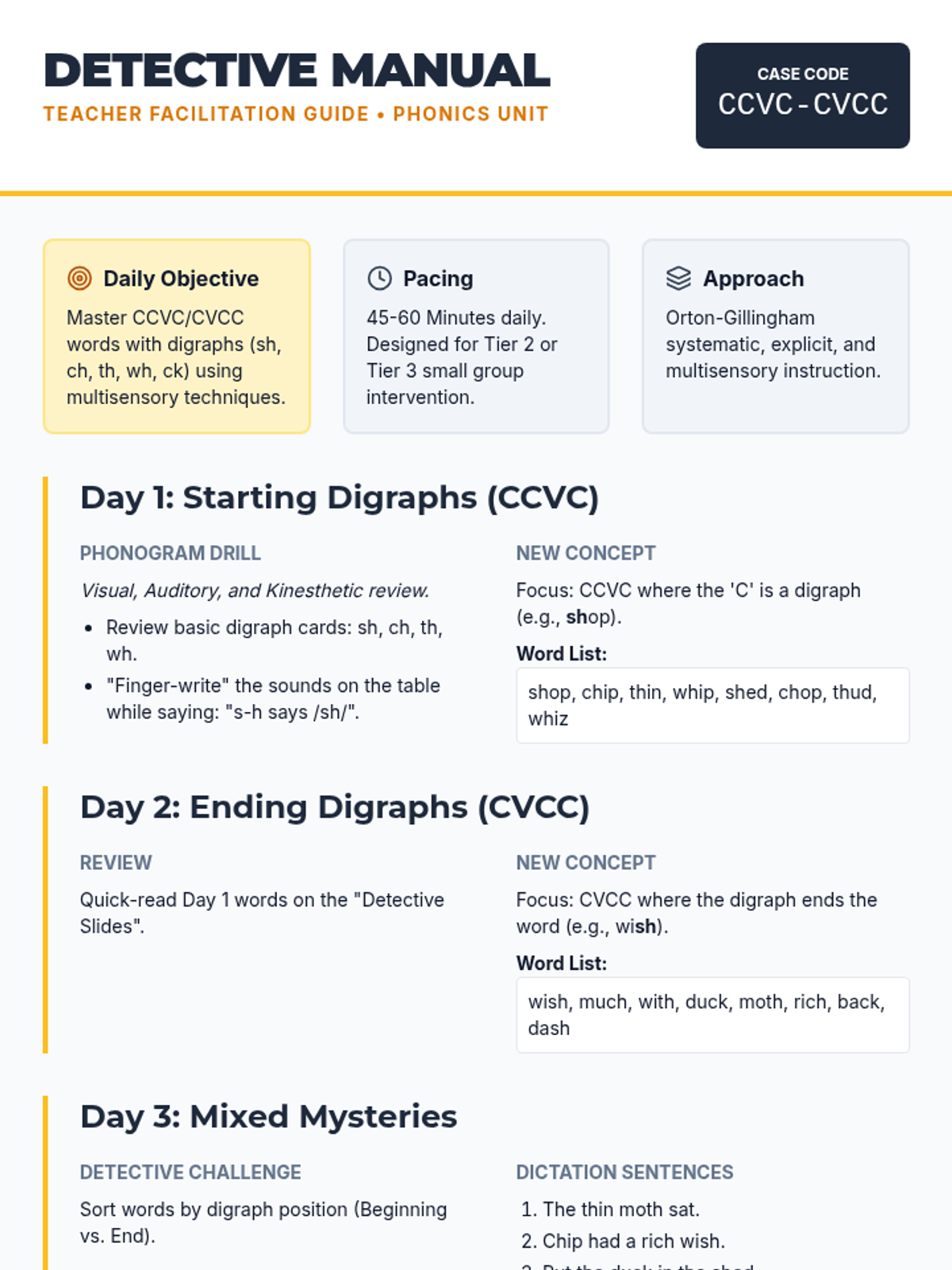
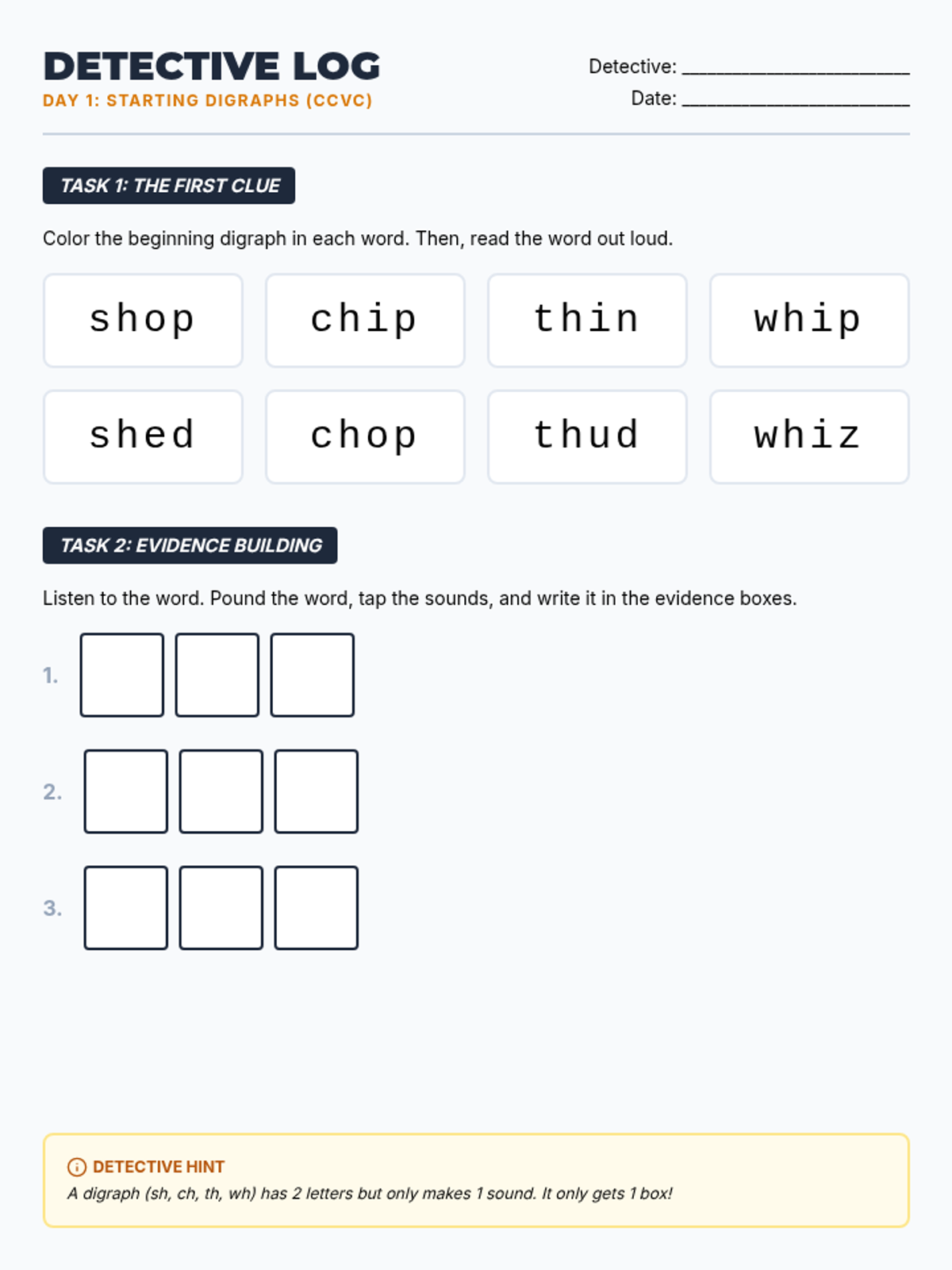
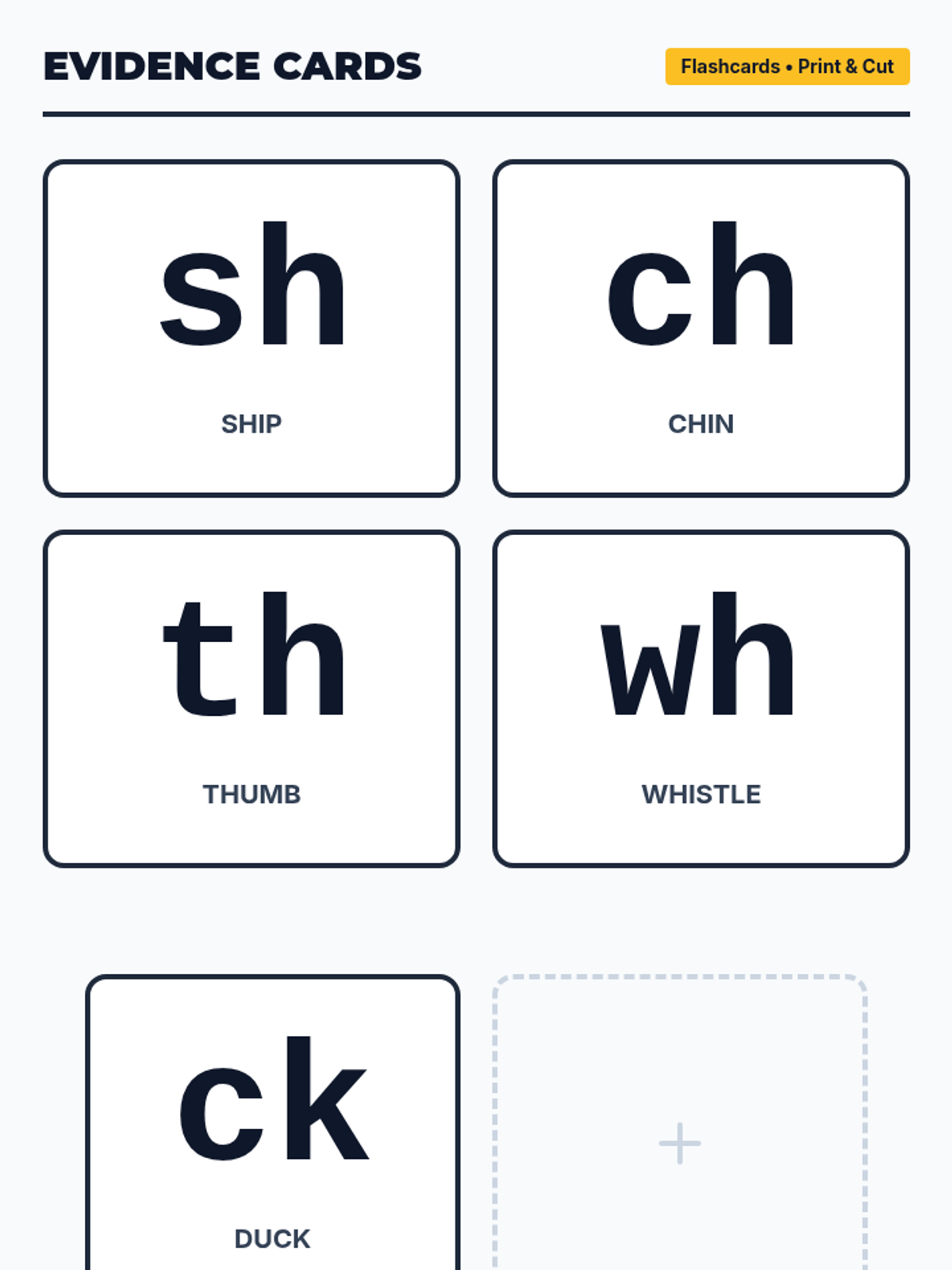
A comprehensive 5-day Orton-Gillingham phonics unit for 2nd graders focusing on CCVC and CVCC words with digraphs. Students act as 'Sound Detectives' to identify, build, and read words with complex structures.
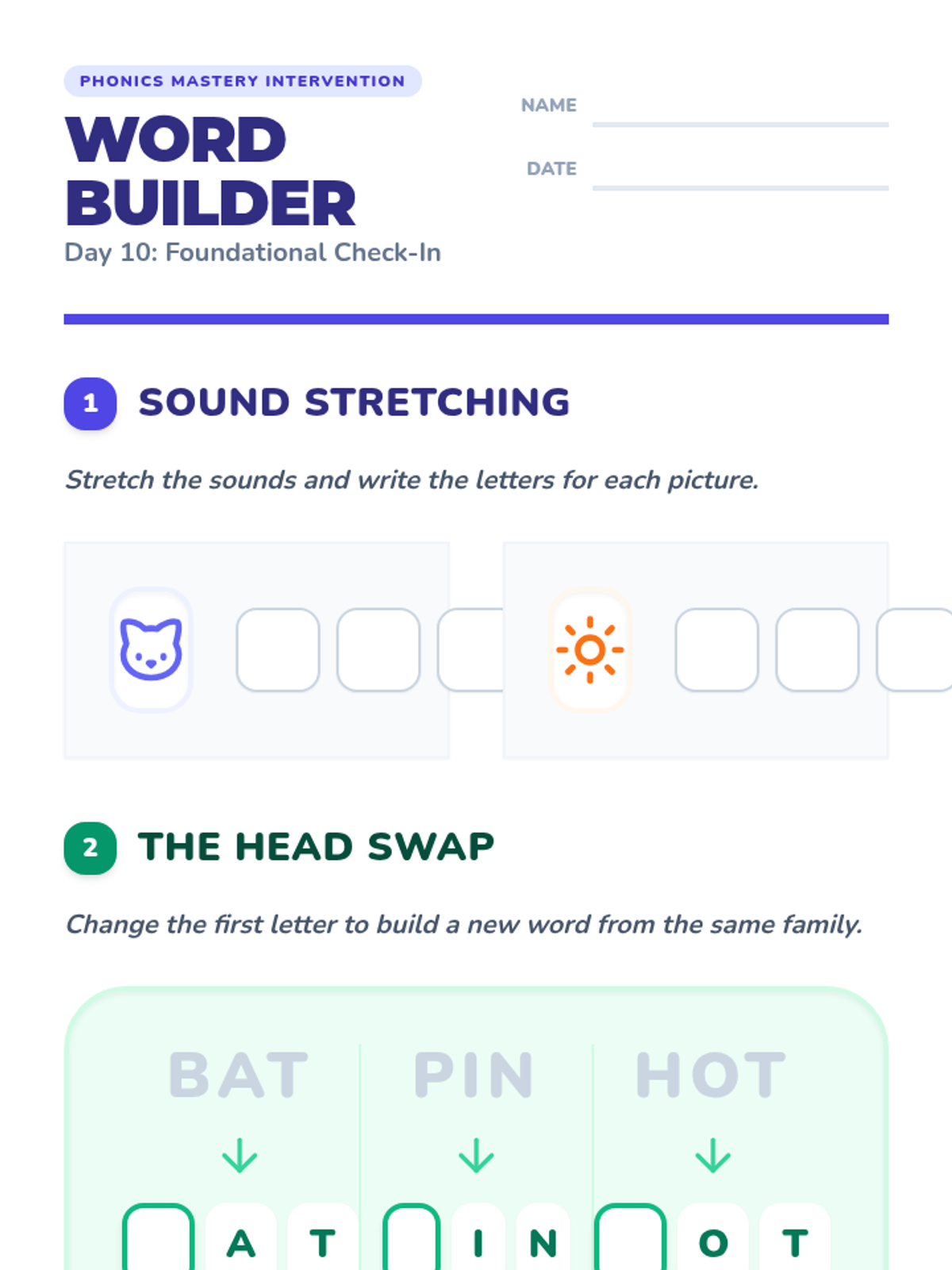
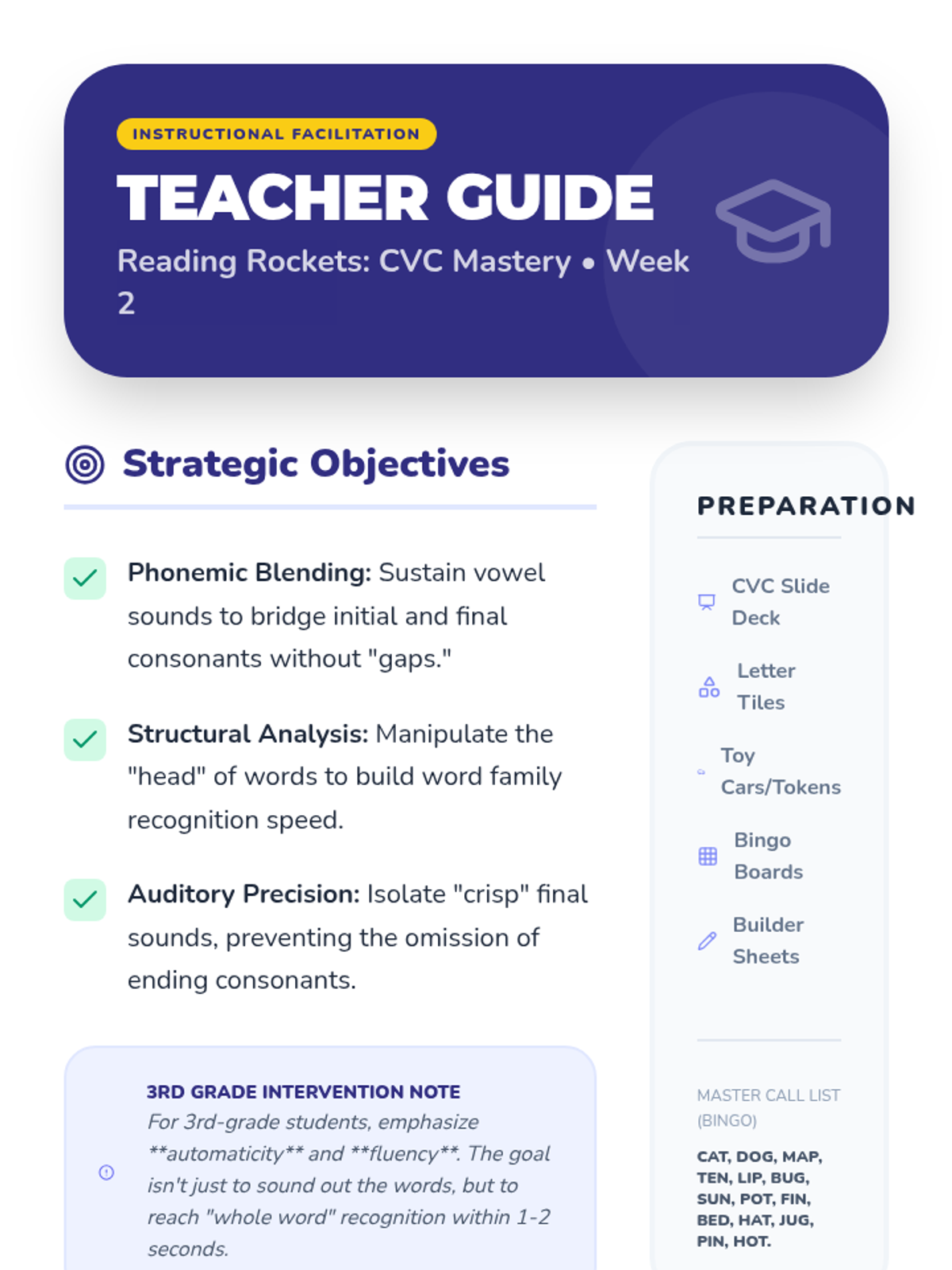
A comprehensive phonics and word study unit that progresses from foundational CVC mastery to multisyllabic word decoding and fluency.
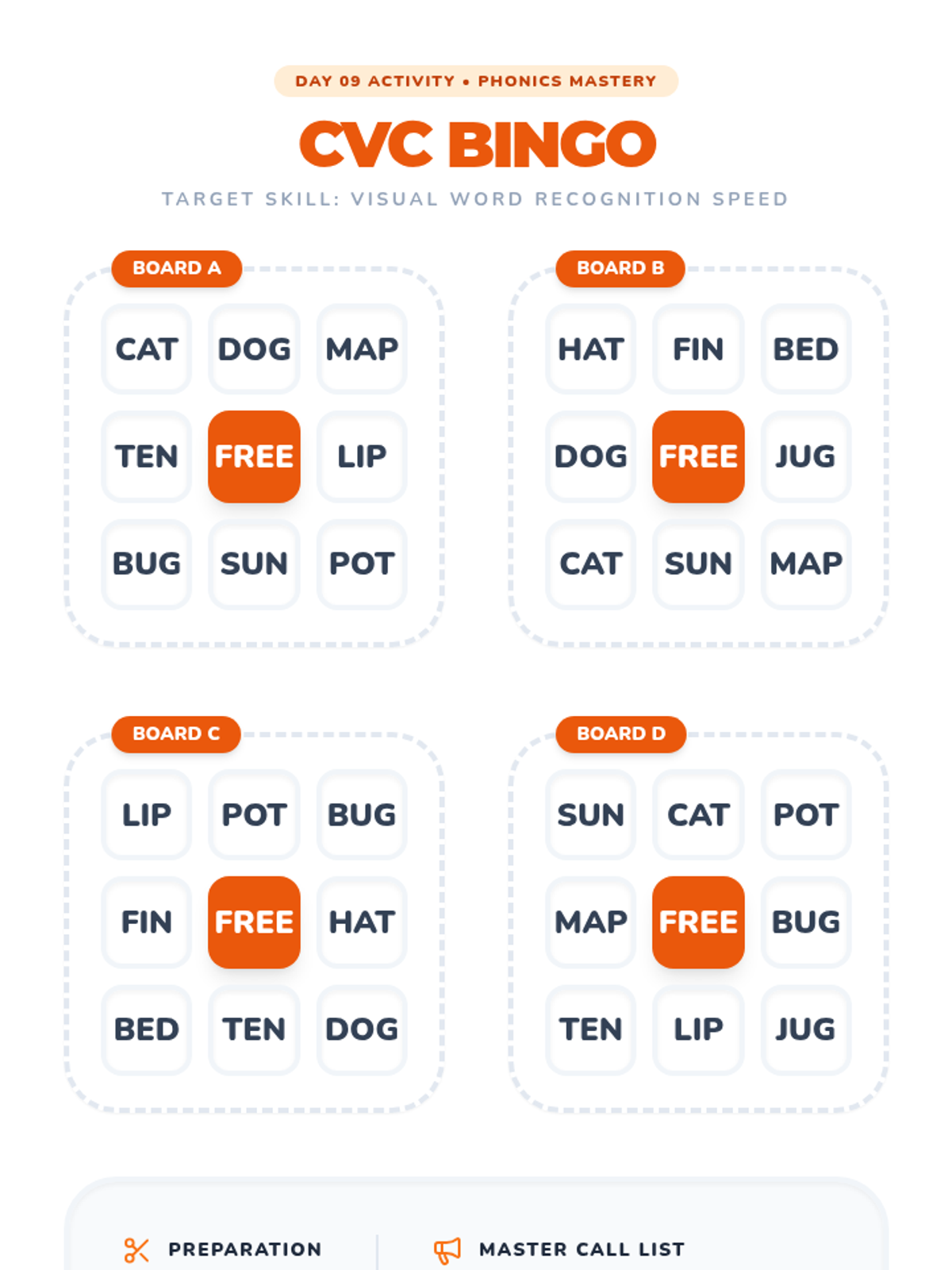
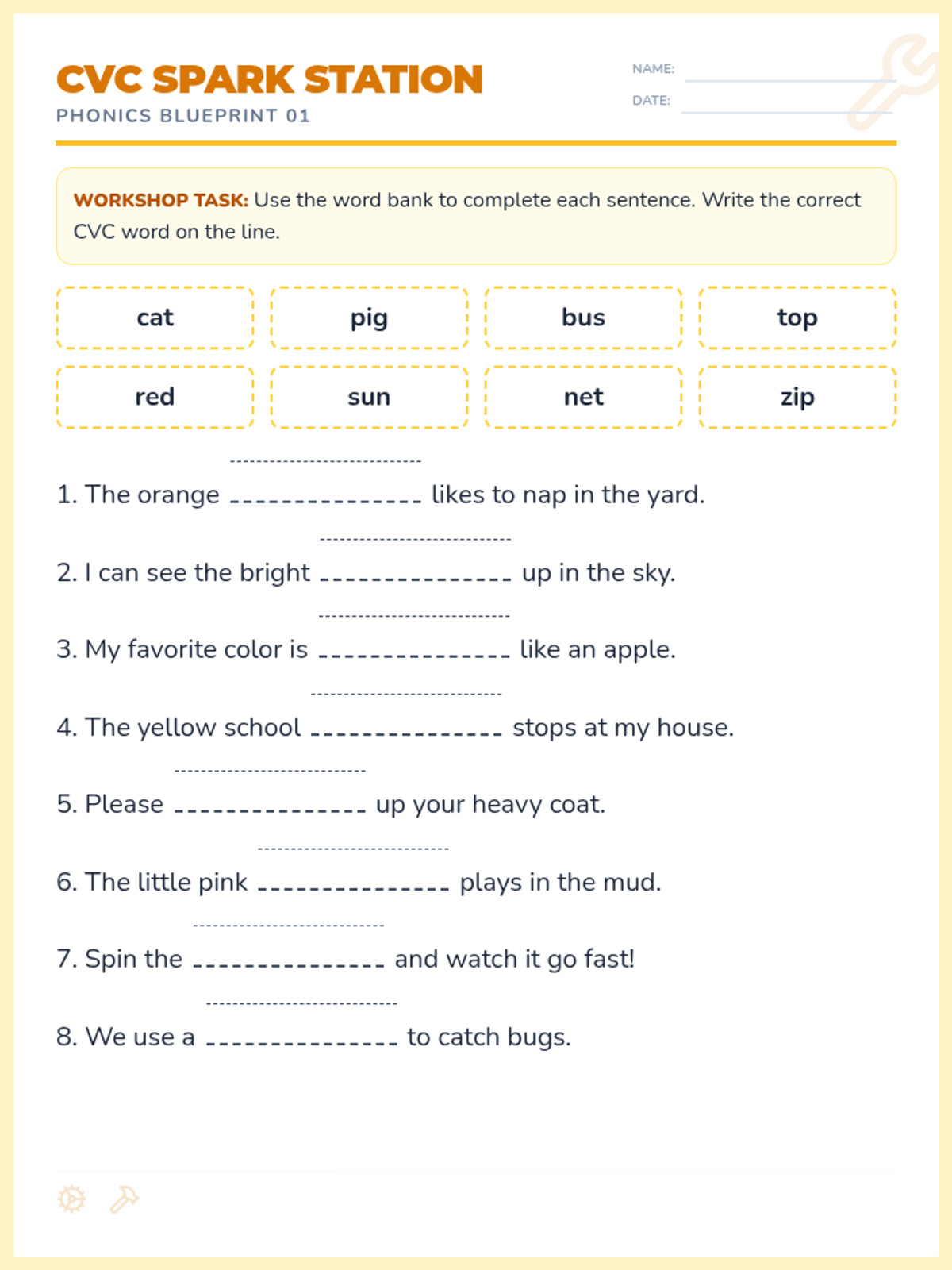
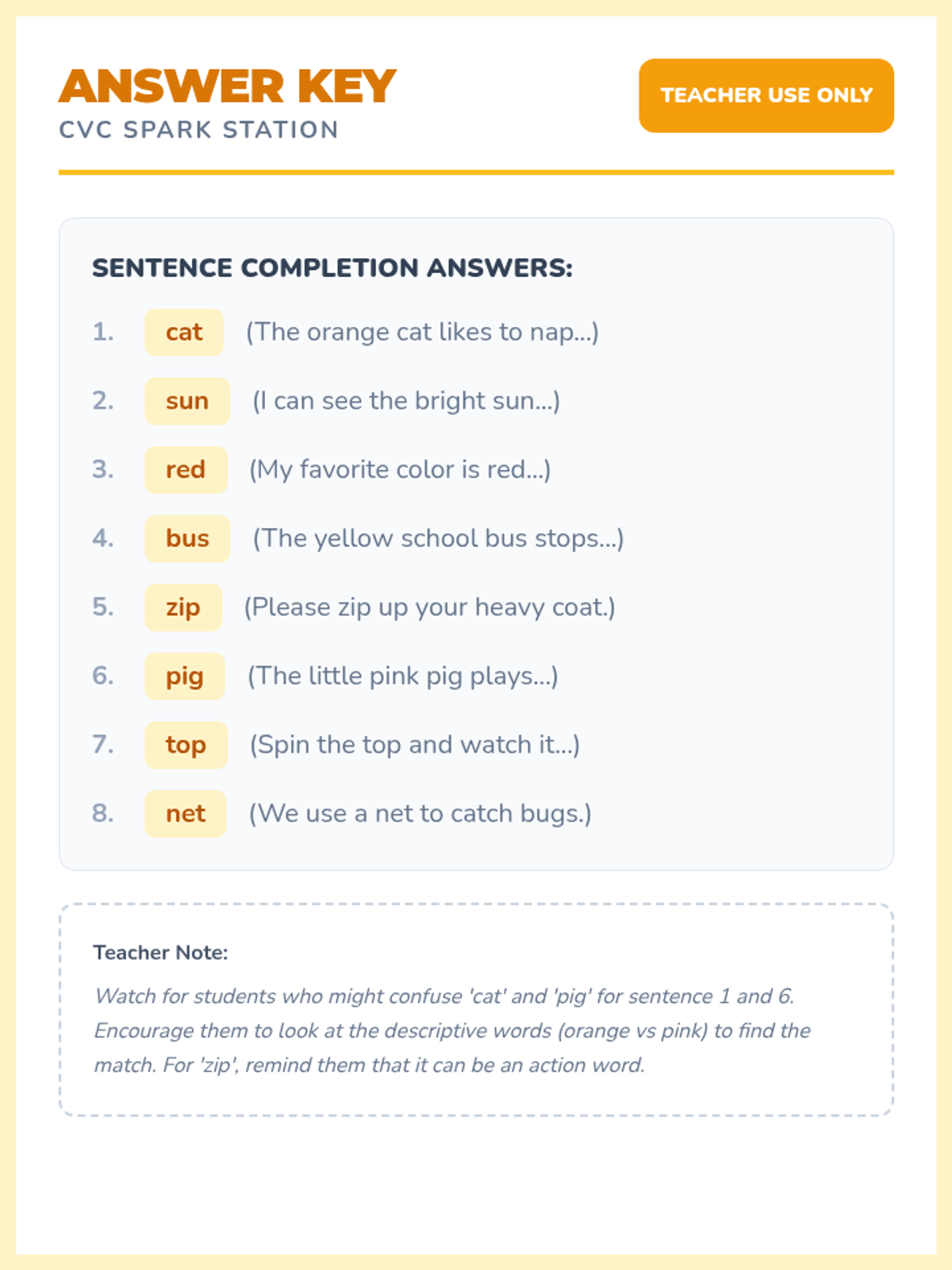
A 5-day phonics sequence for 1st grade focusing on word building and sentence completion. Students progress from simple CVC words to blends (CCVC/CVCC) and conclude with the magic 'e' (CVCe) pattern through a blueprint-themed 'Word Workshop' aesthetic.
A comprehensive phonics sequence that takes students from basic CVC words to complex consonant blends and digraphs through interactive workshop-themed activities and games.
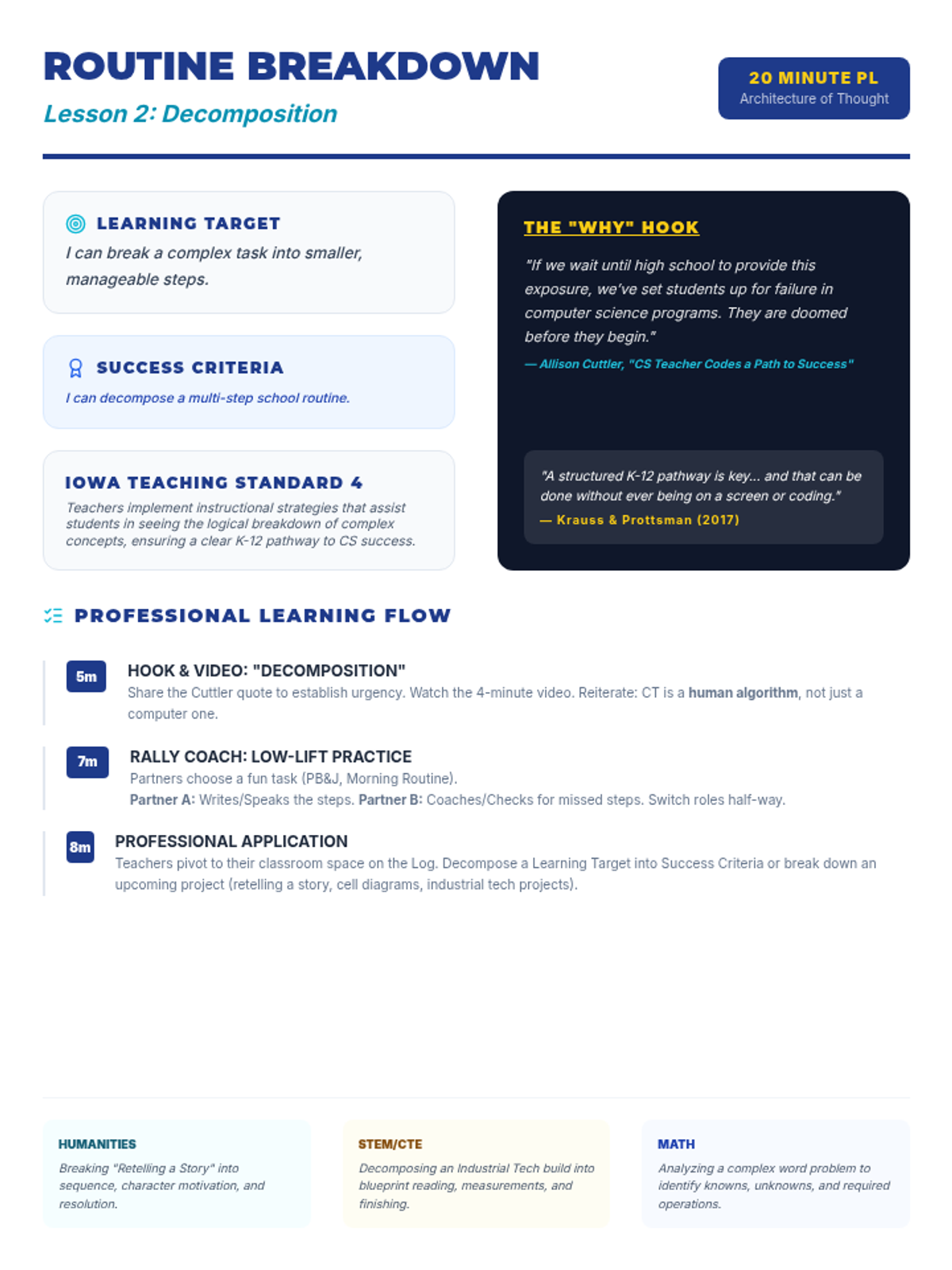
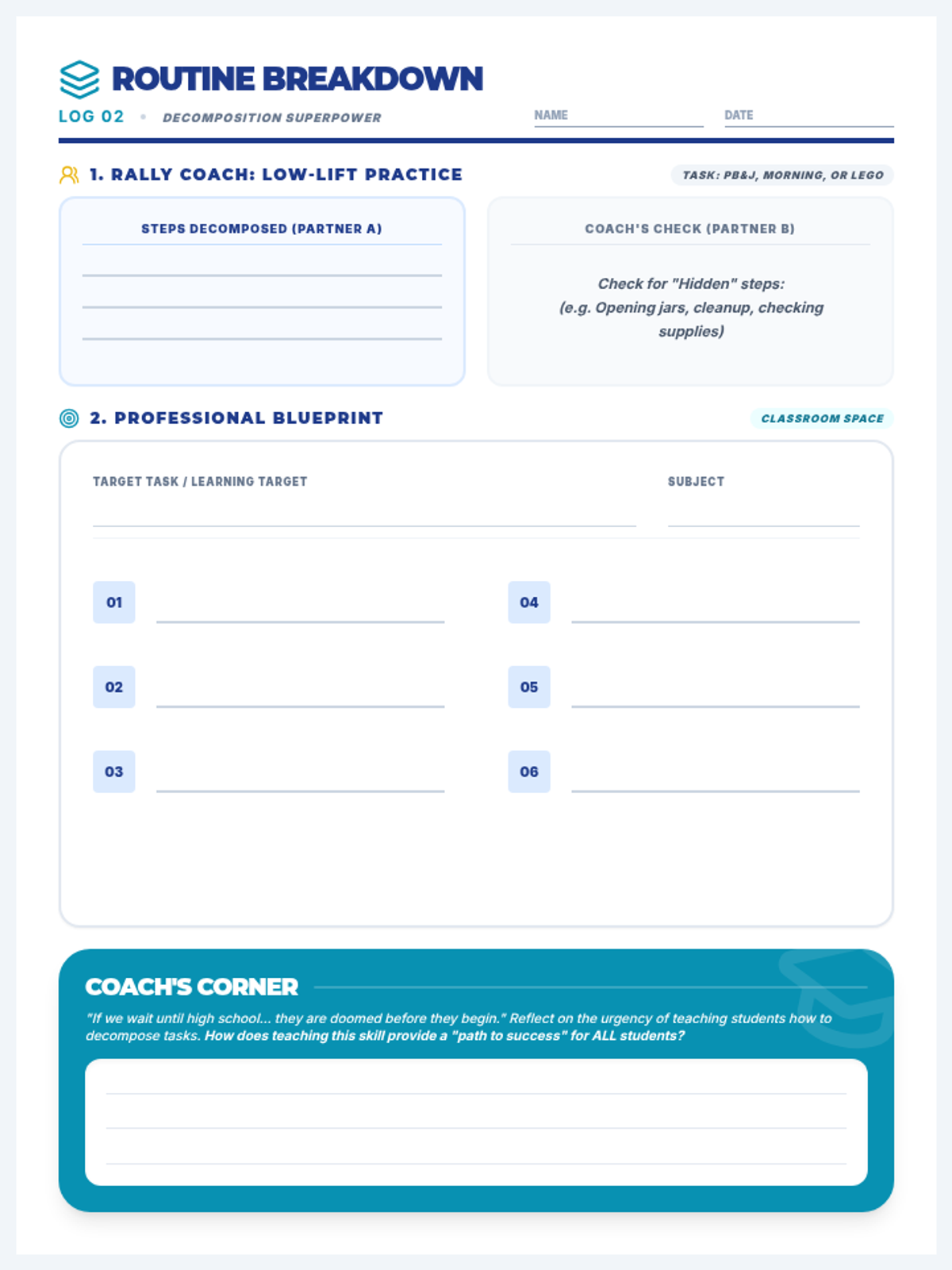
A professional development series for PreK-12 educators that reframes Computer Science as a "Superpower" through Computational Thinking. Teachers explore how CS concepts like decomposition, abstraction, and automation are already present in their daily instructional practices and Iowa Core content.
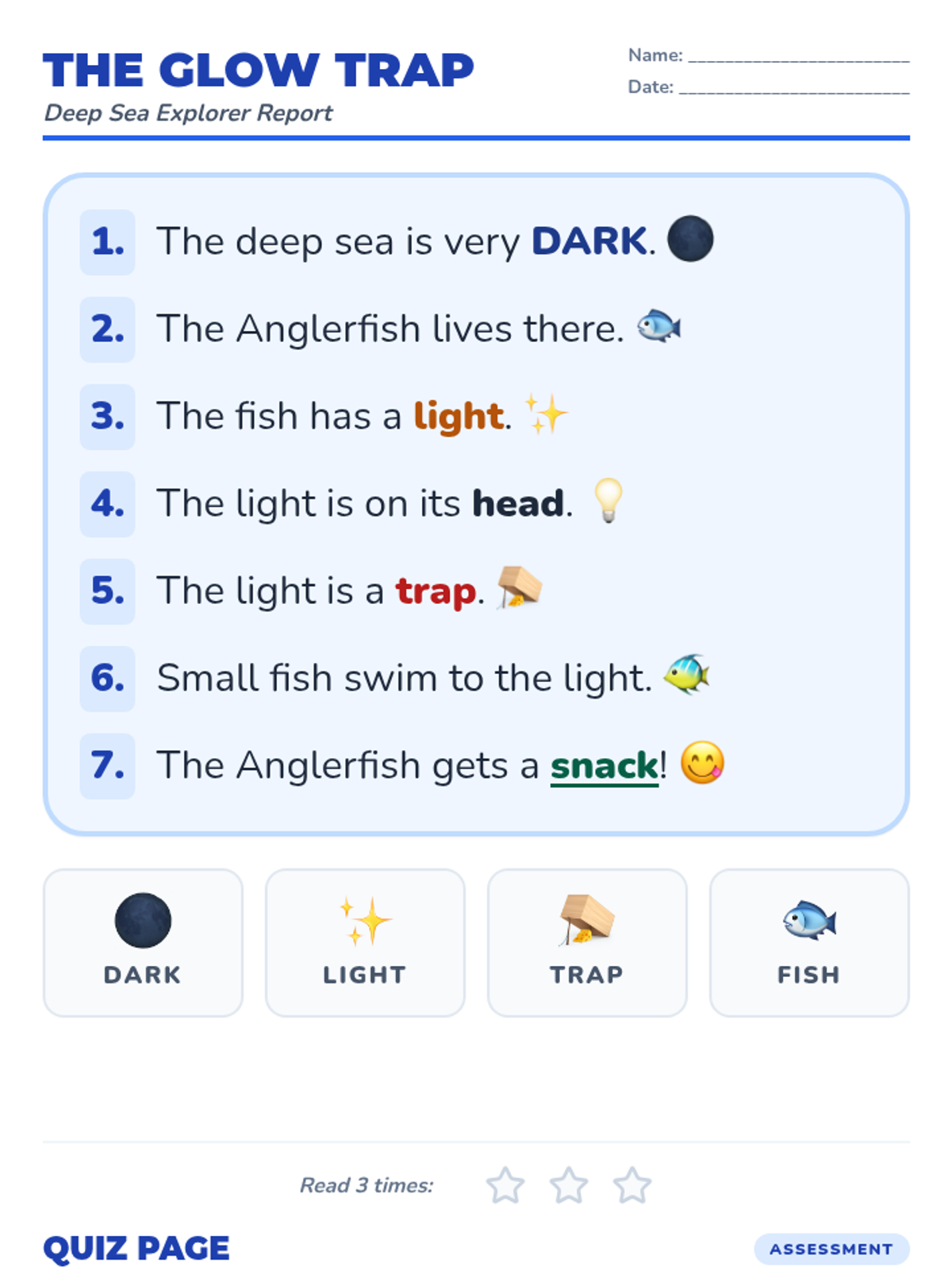
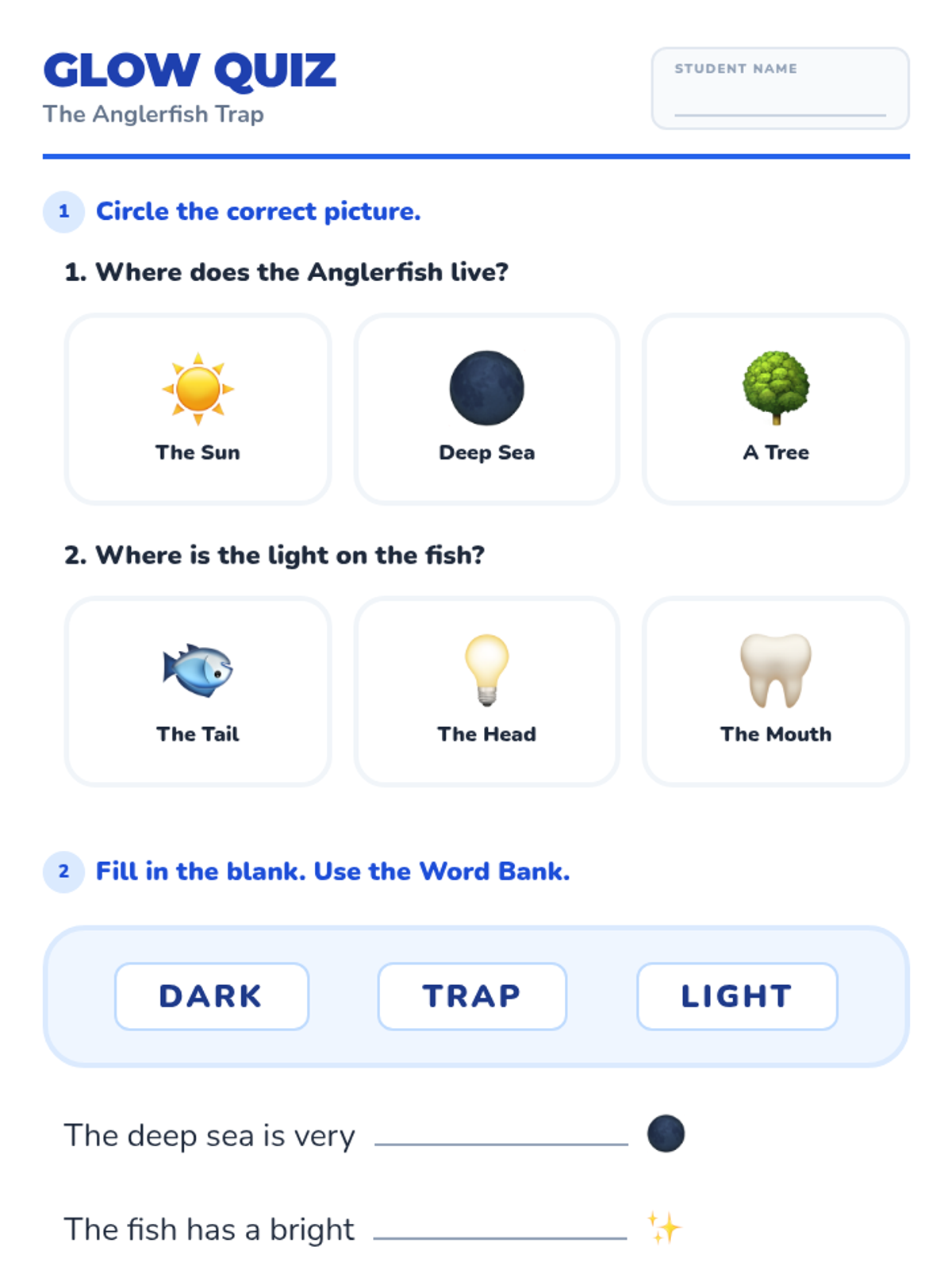
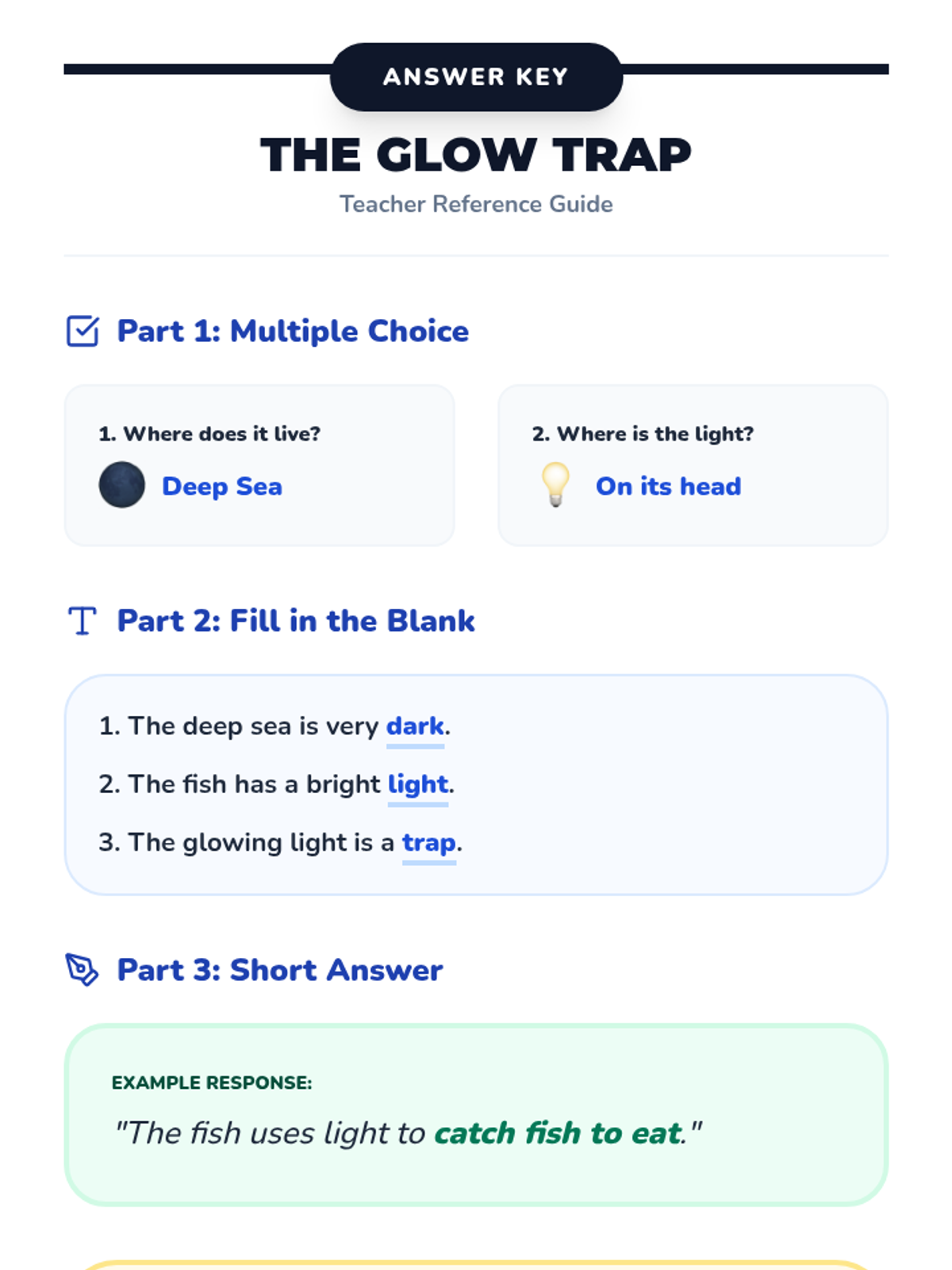
A series of lessons exploring the mysterious and dangerous creatures of the deep ocean, focusing on unique adaptations and survival strategies.
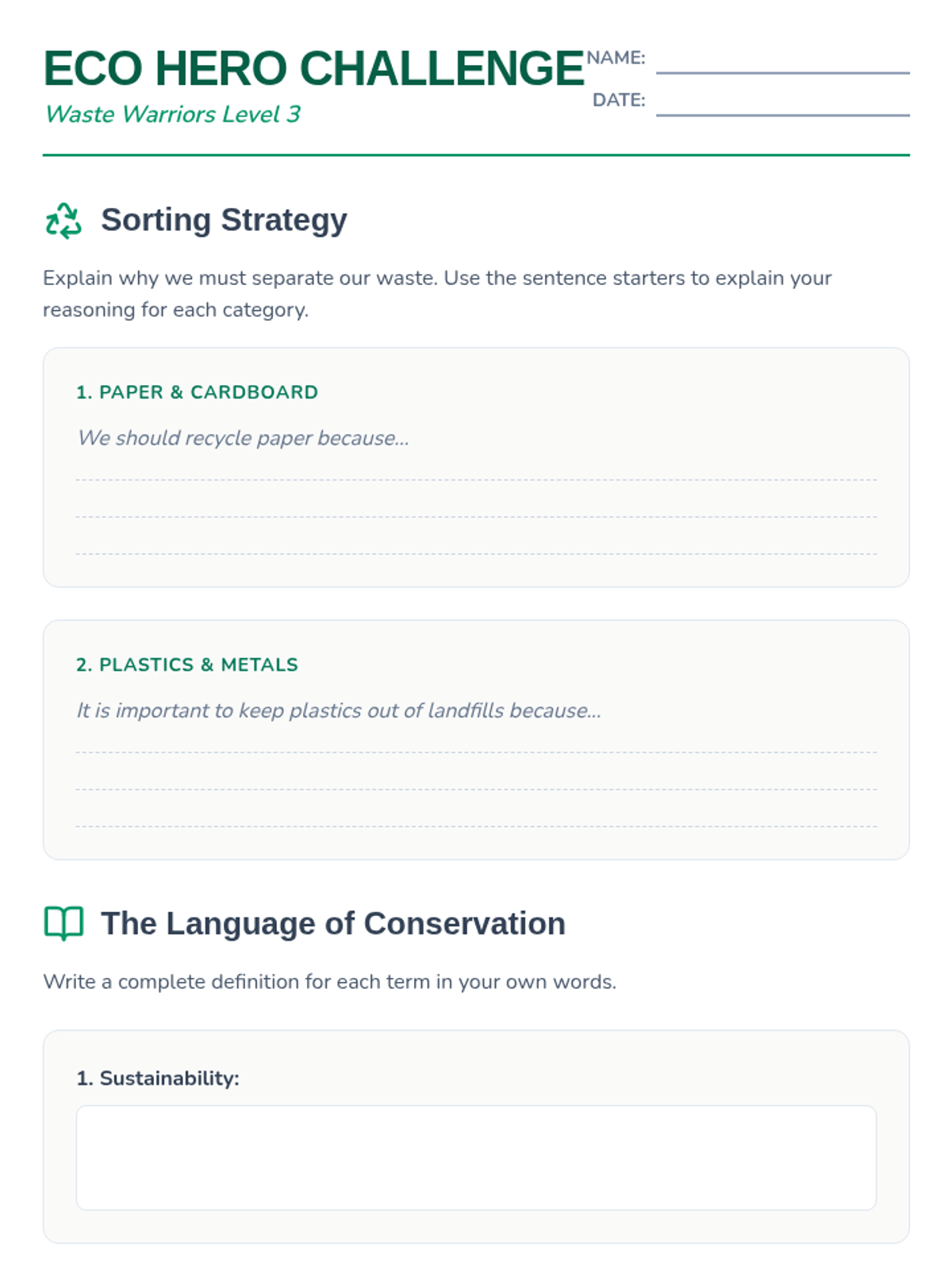
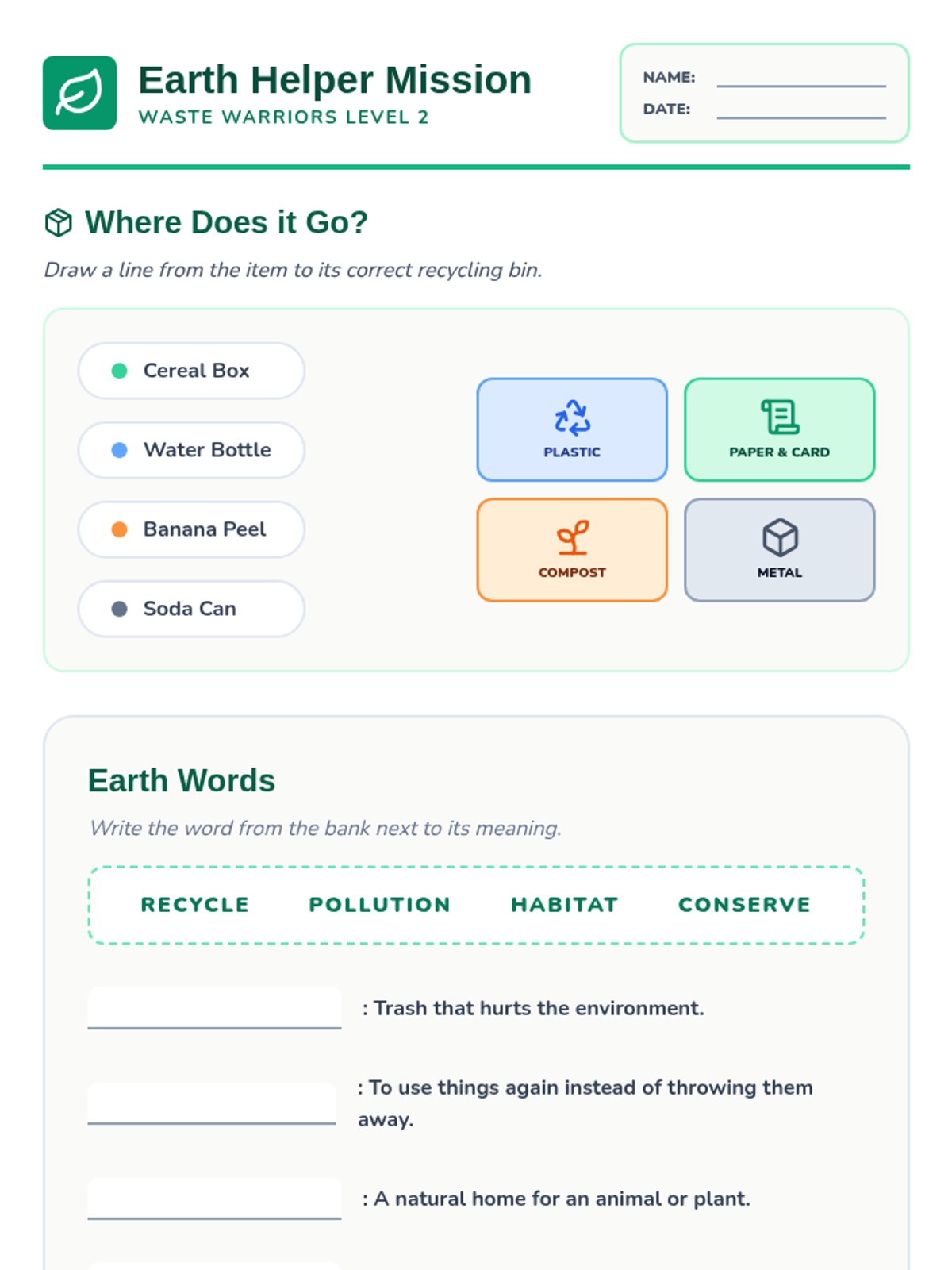
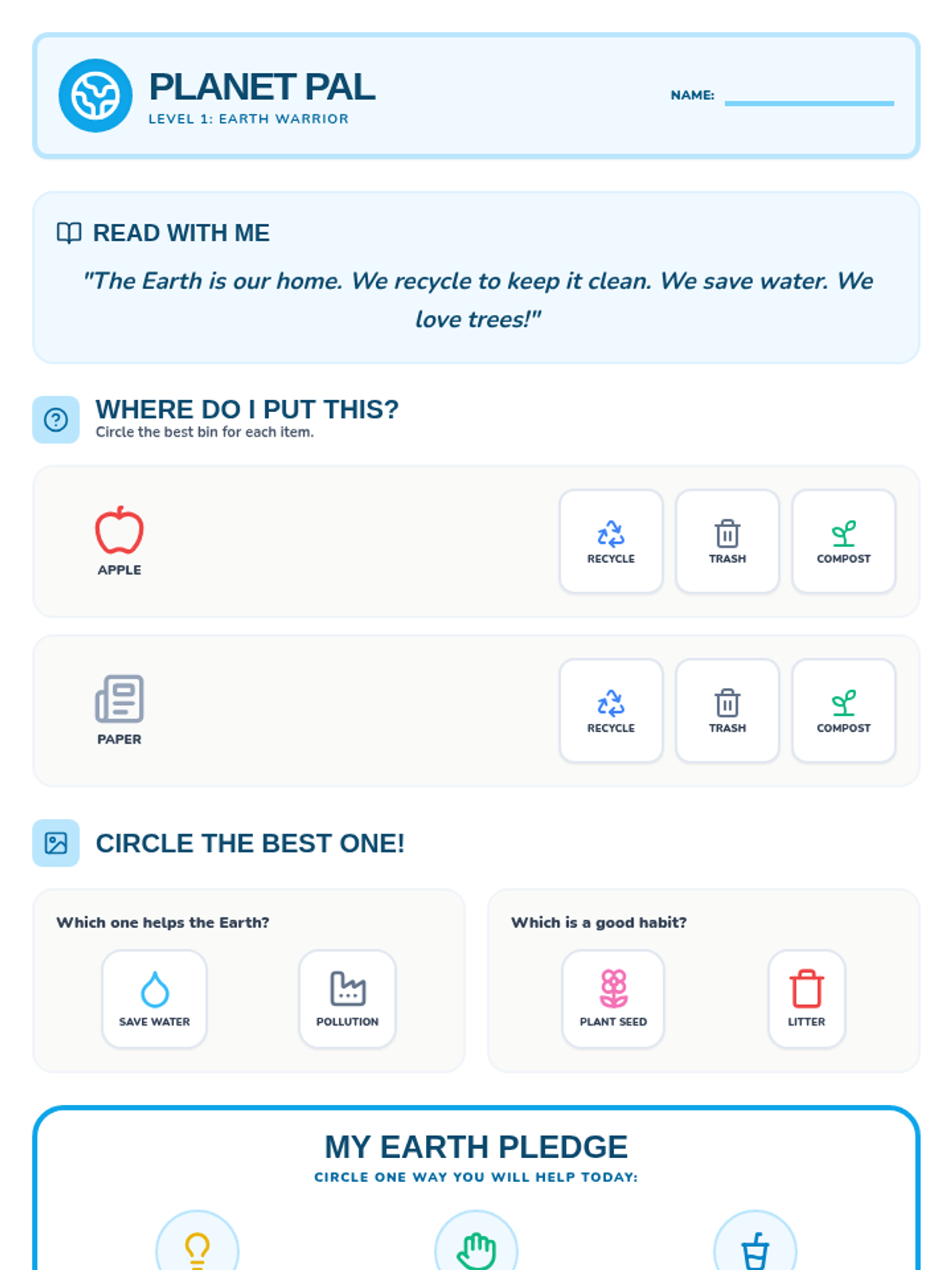
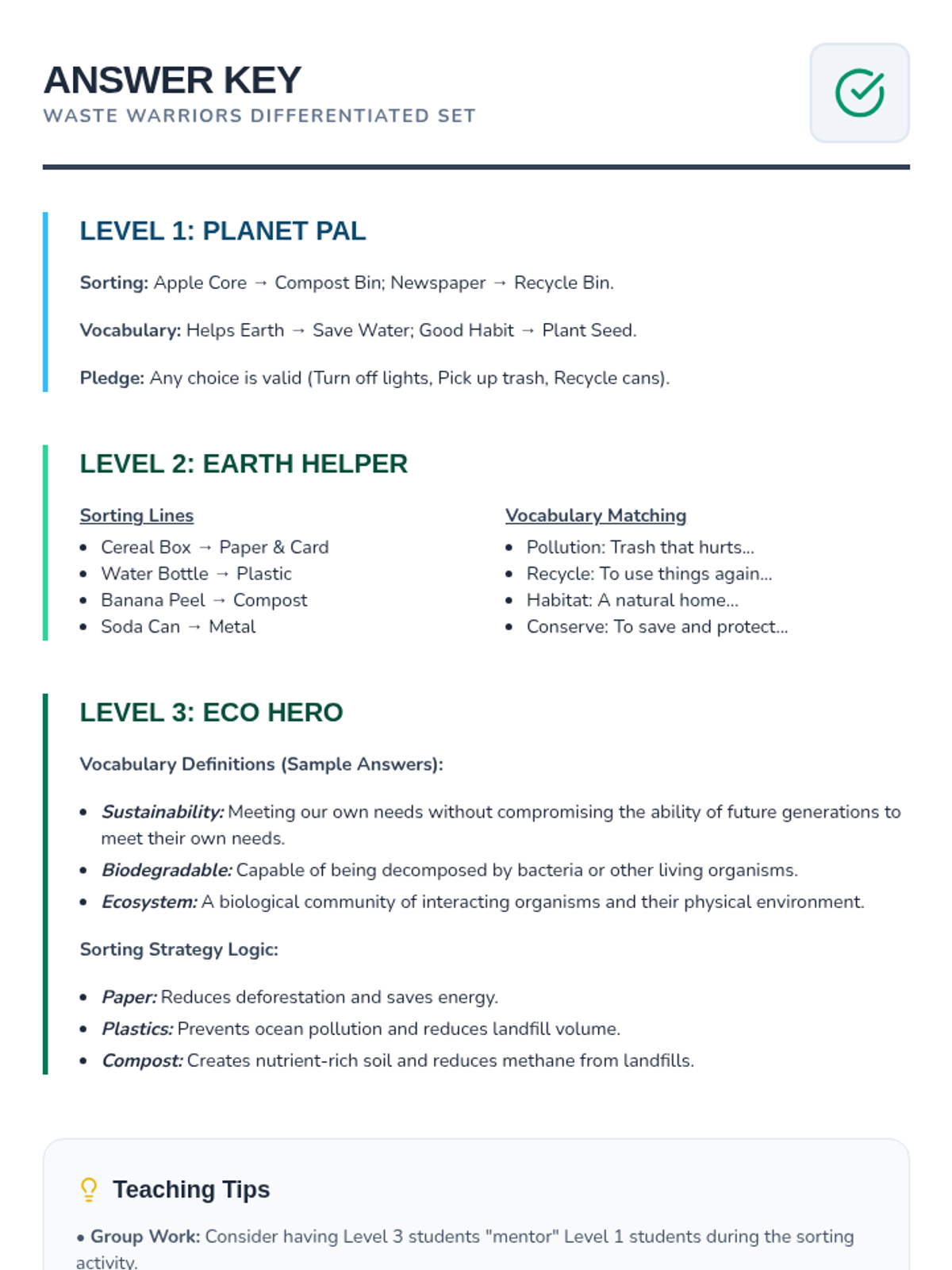
A comprehensive unit focused on environmental stewardship, exploring waste management, conservation, and sustainable living through hands-on activities.
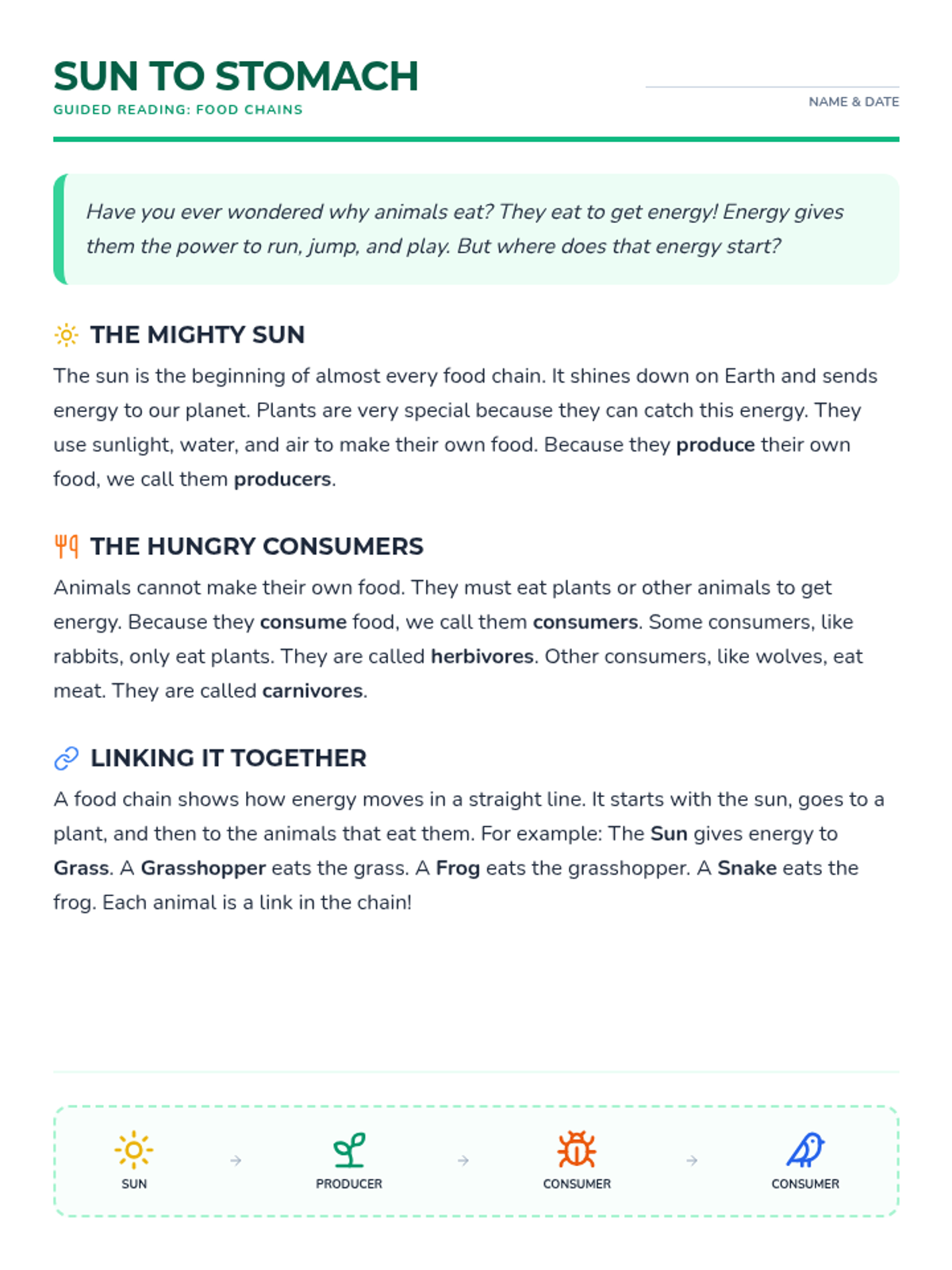
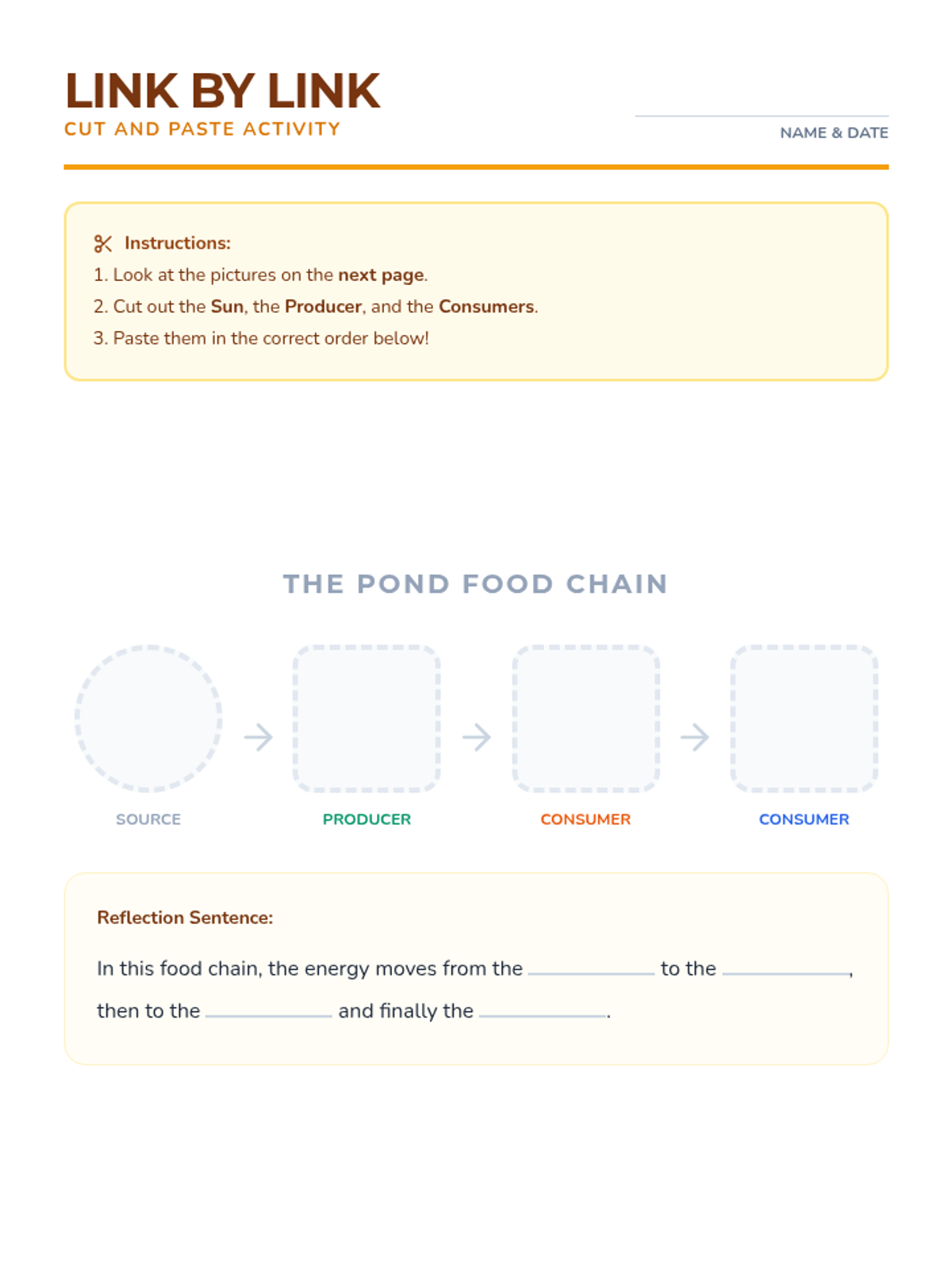
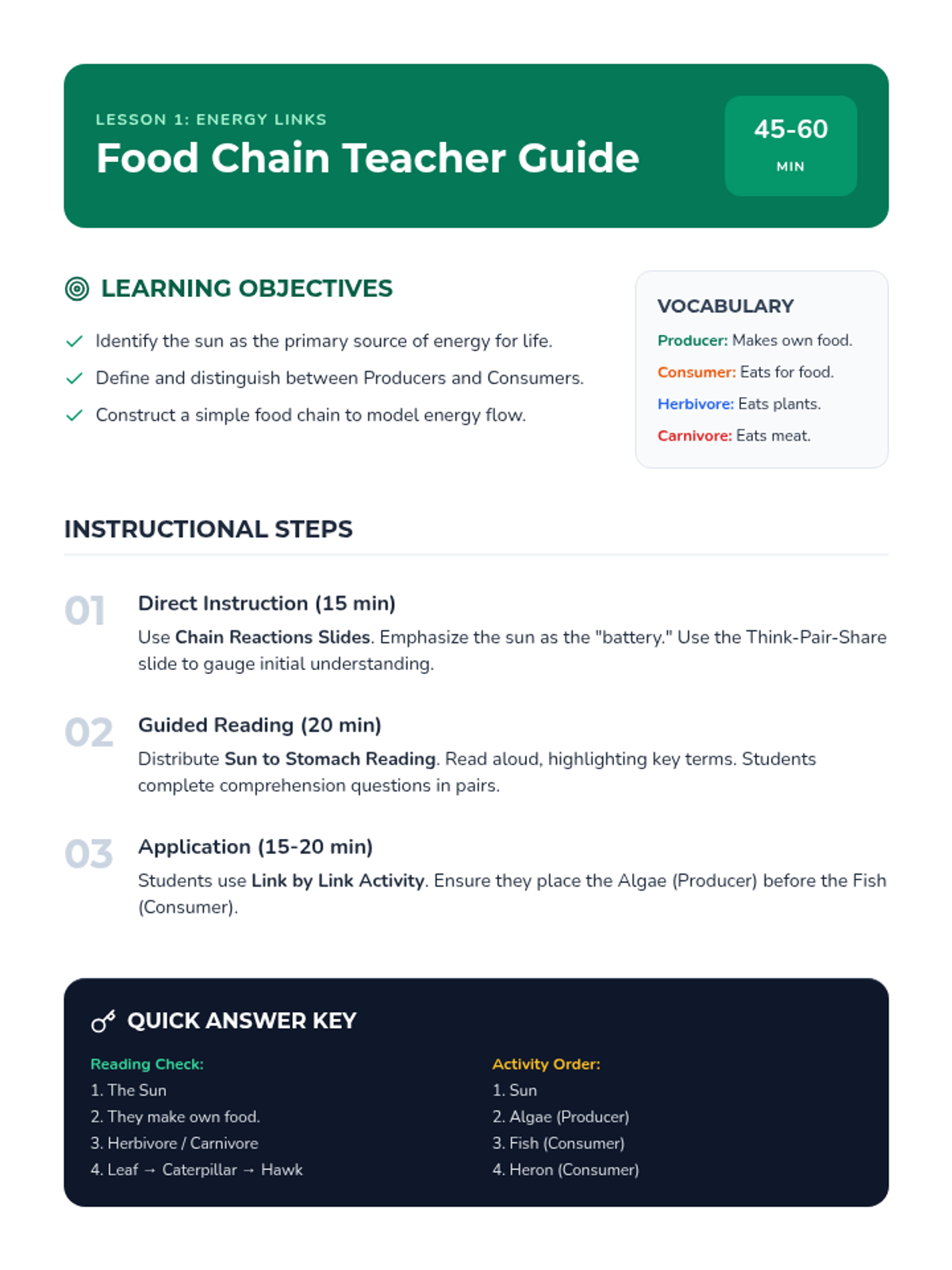
A two-day science unit for 2nd-3rd graders exploring how energy moves through nature. Students learn the basics of food chains on day one and expand their understanding to complex food webs on day two.
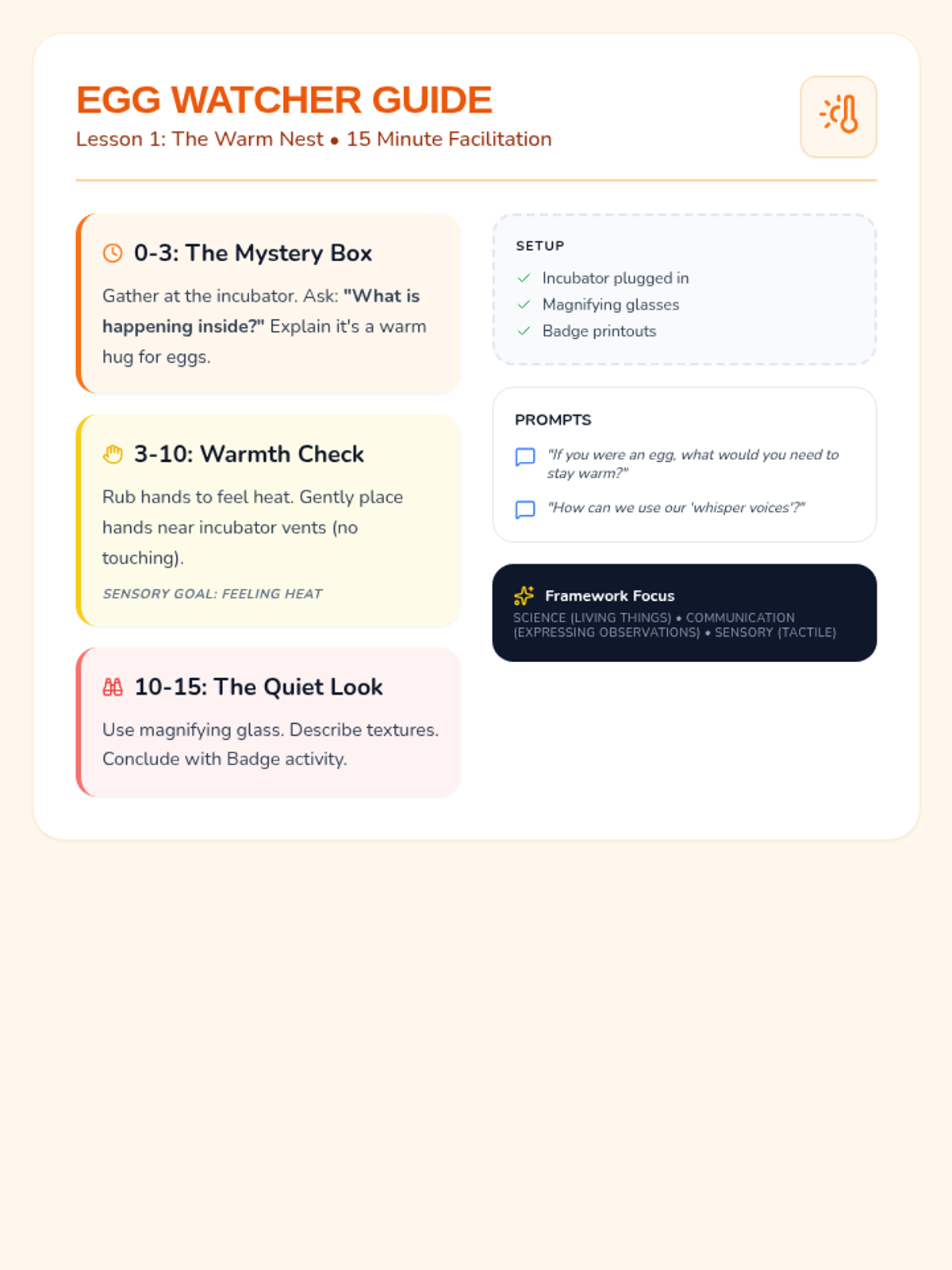
A five-part multi-sensory journey for preschoolers exploring the life cycle of a chick, from incubation to hatching. This sequence emphasizes fine motor skills, communication, and sensory exploration through hands-on activities.
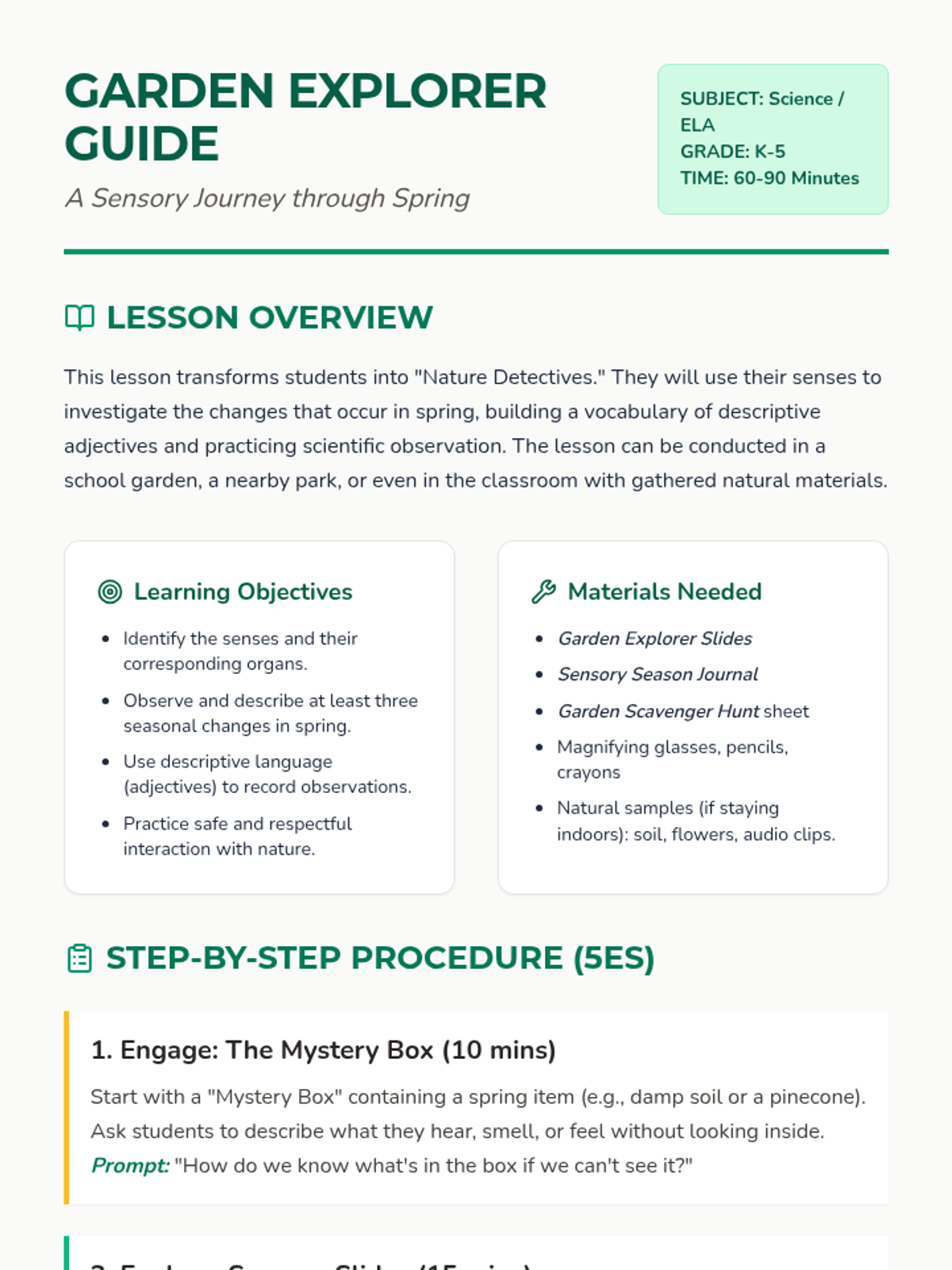
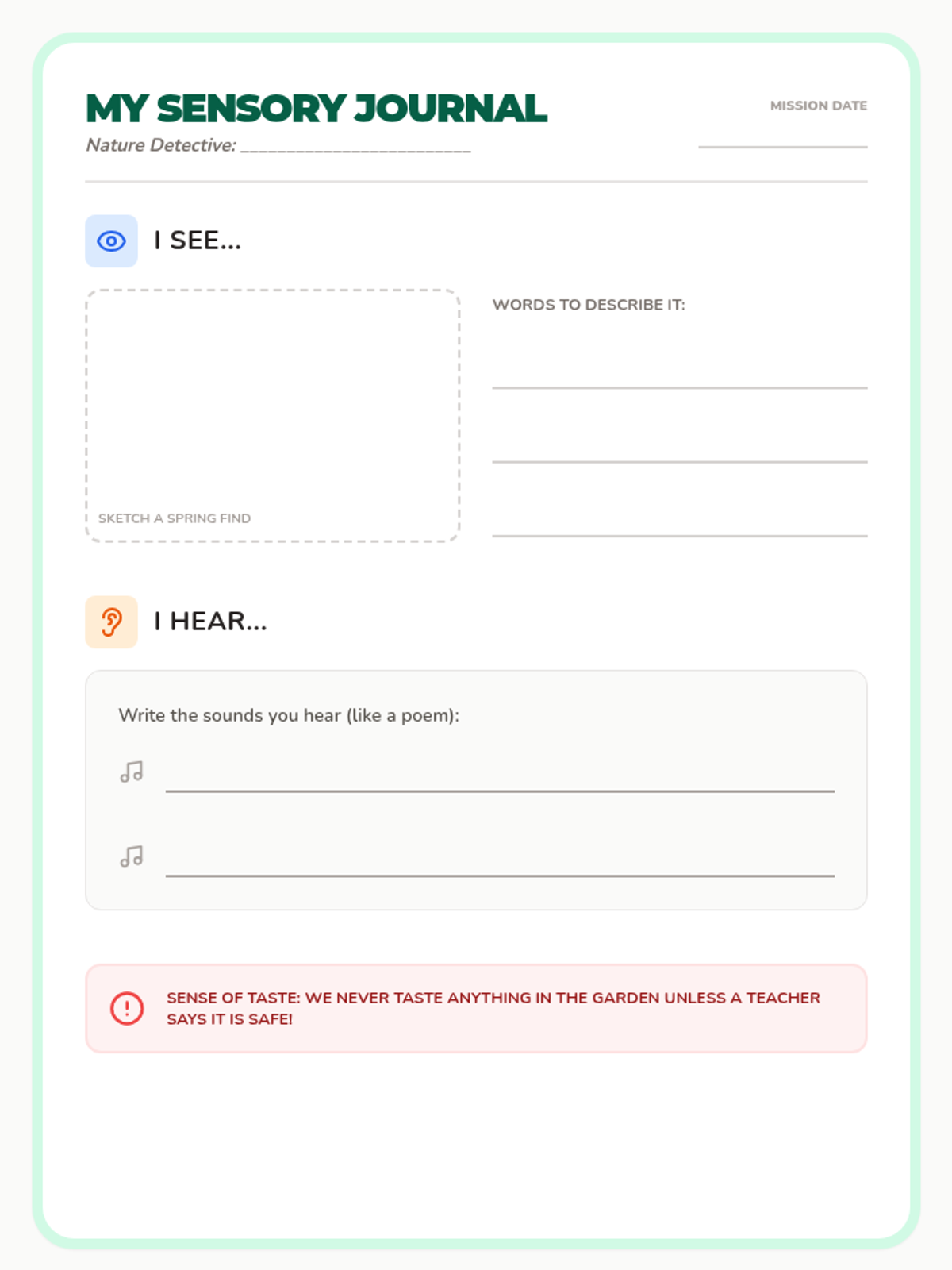
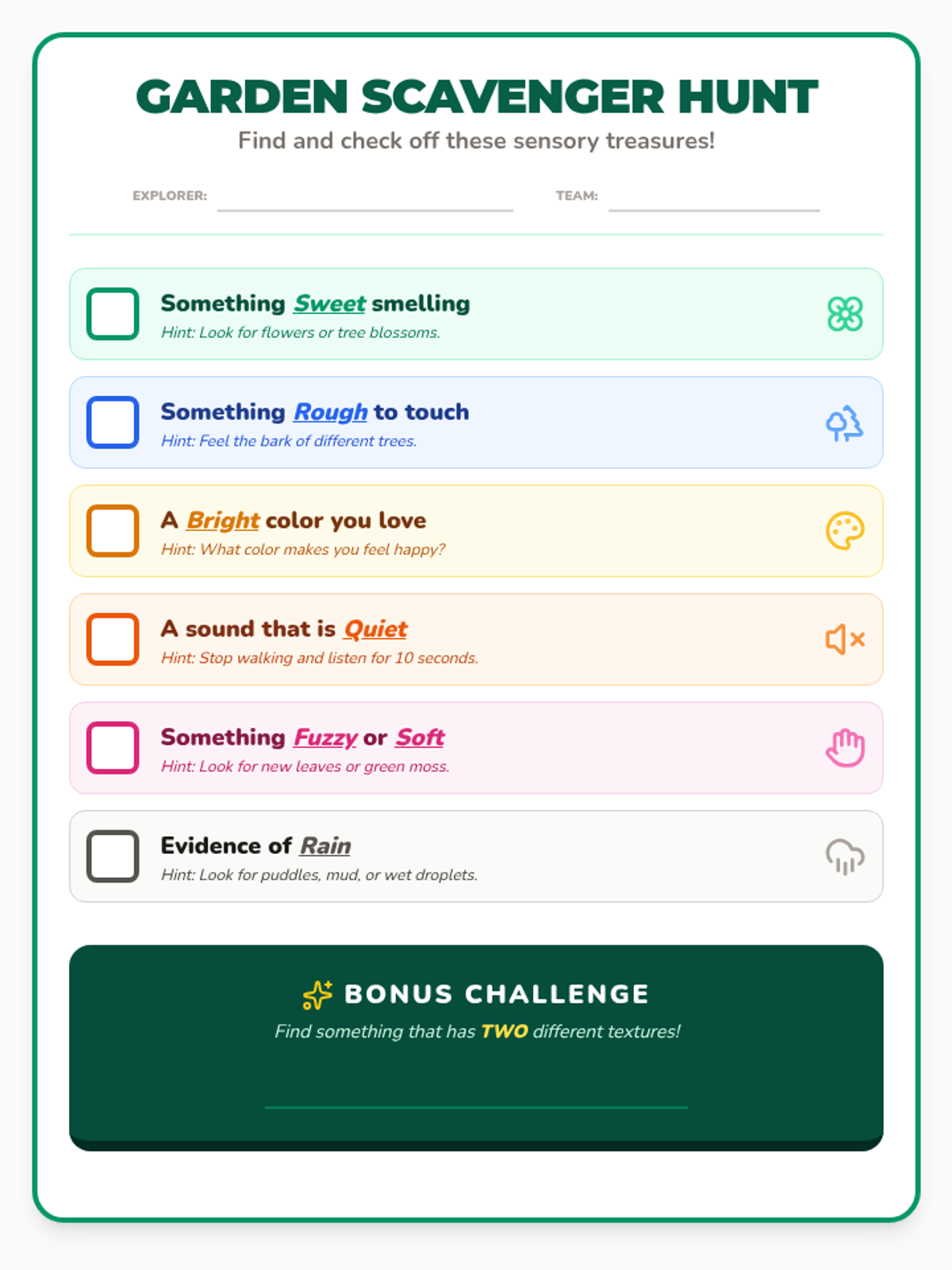
A series of nature-based investigations helping young learners connect with seasonal changes using their senses and scientific observation.
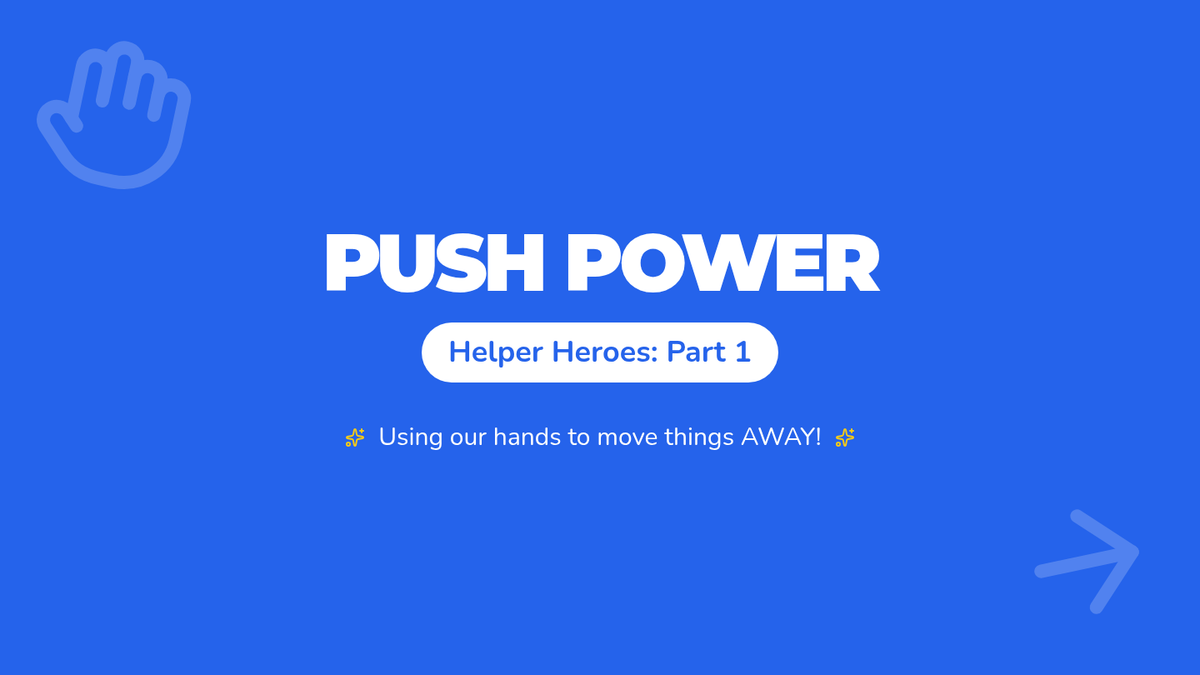
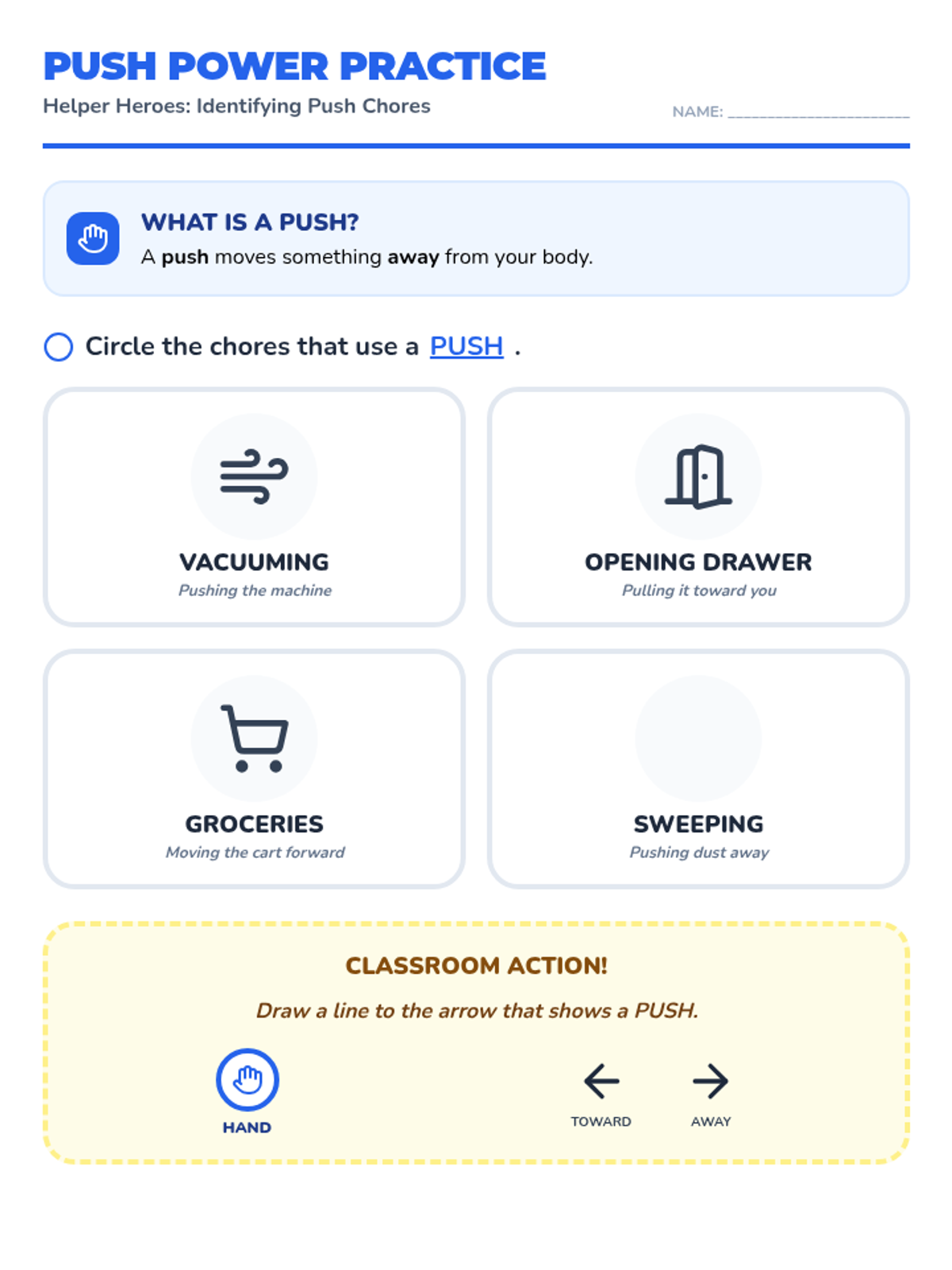
A functional science unit for Essential Skills classrooms focusing on identifying push and pull forces within daily household chores and routines. Students explore forces through visual identification, movement-based games, and guided group activities.
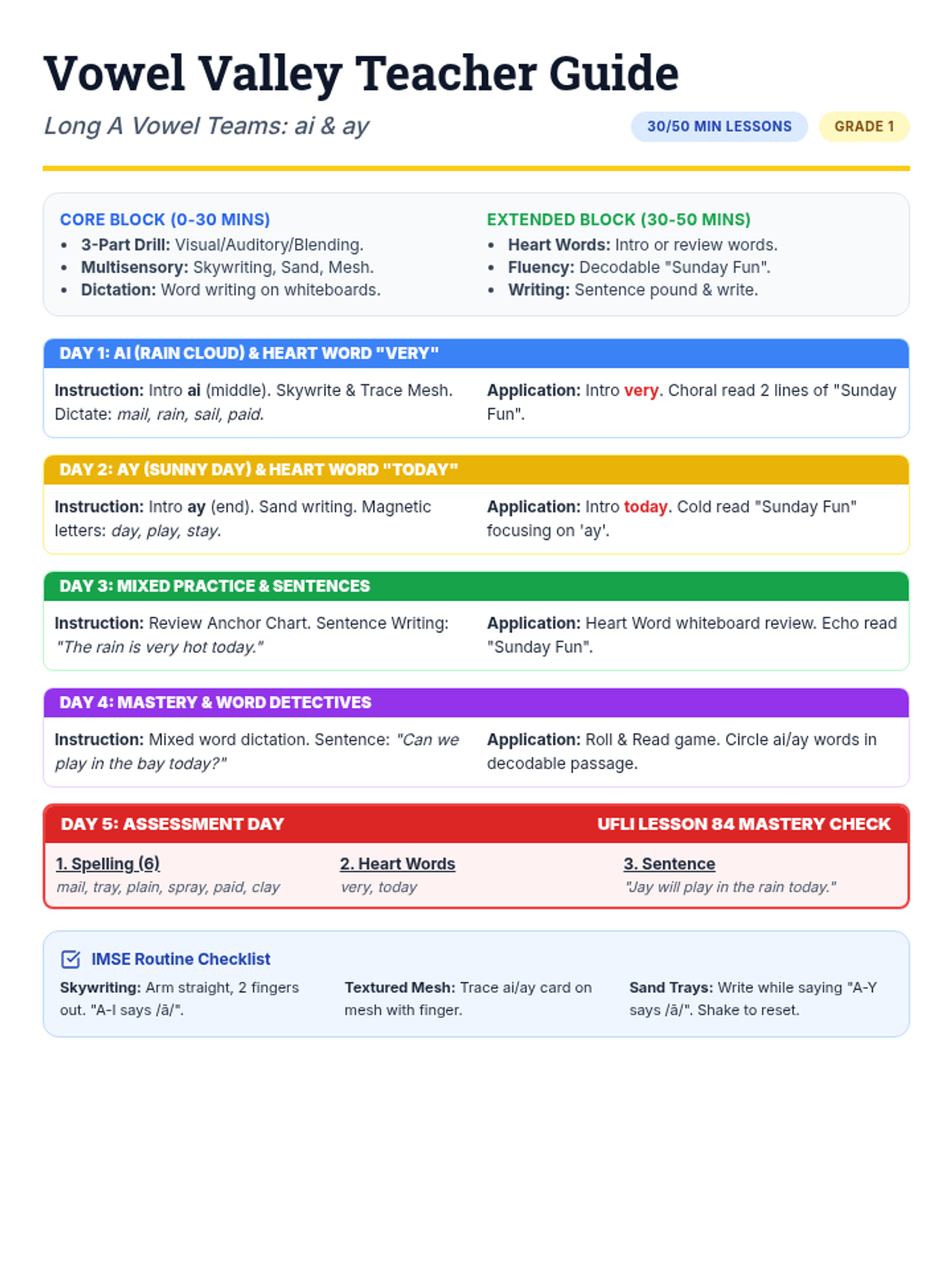
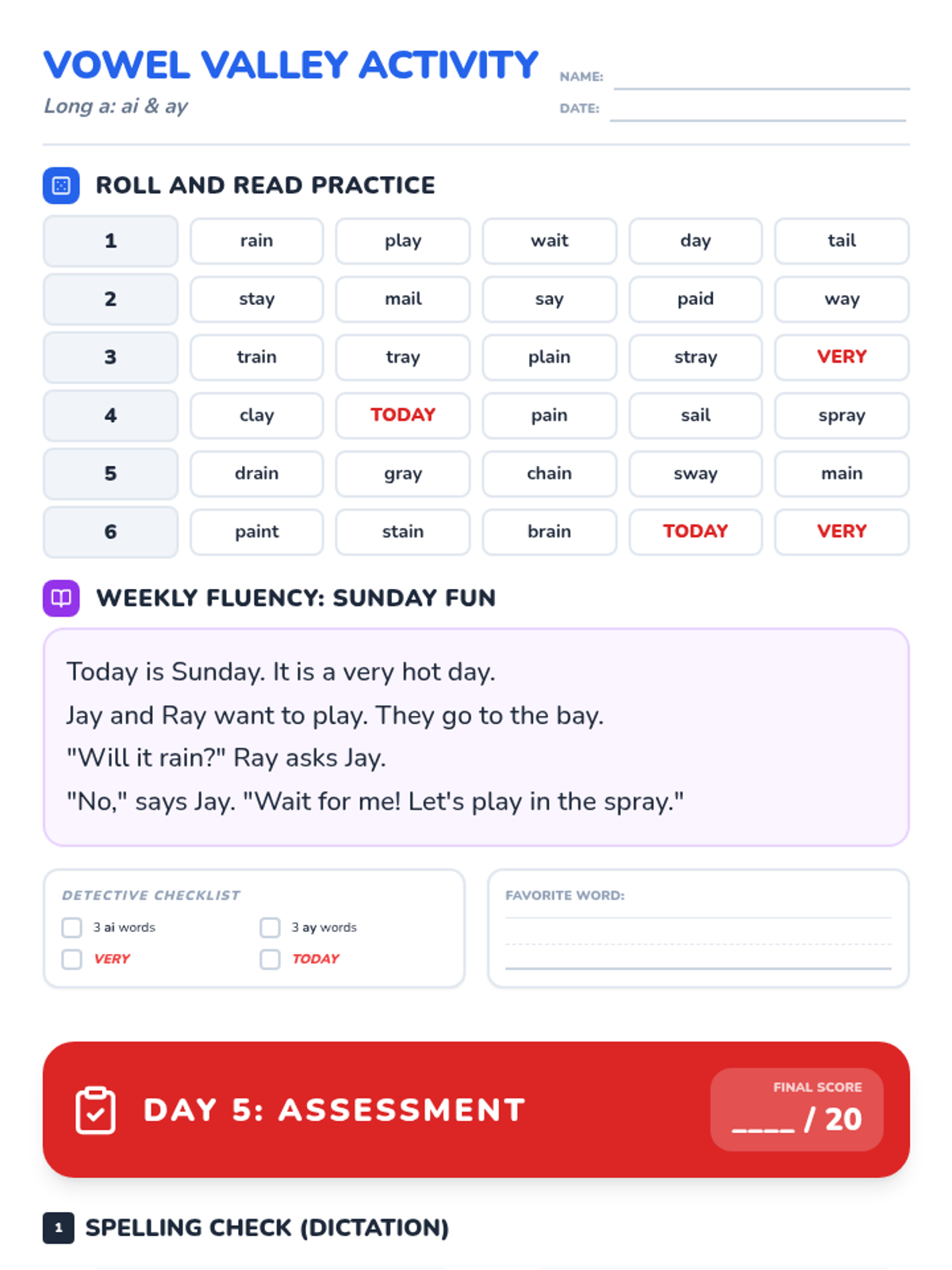
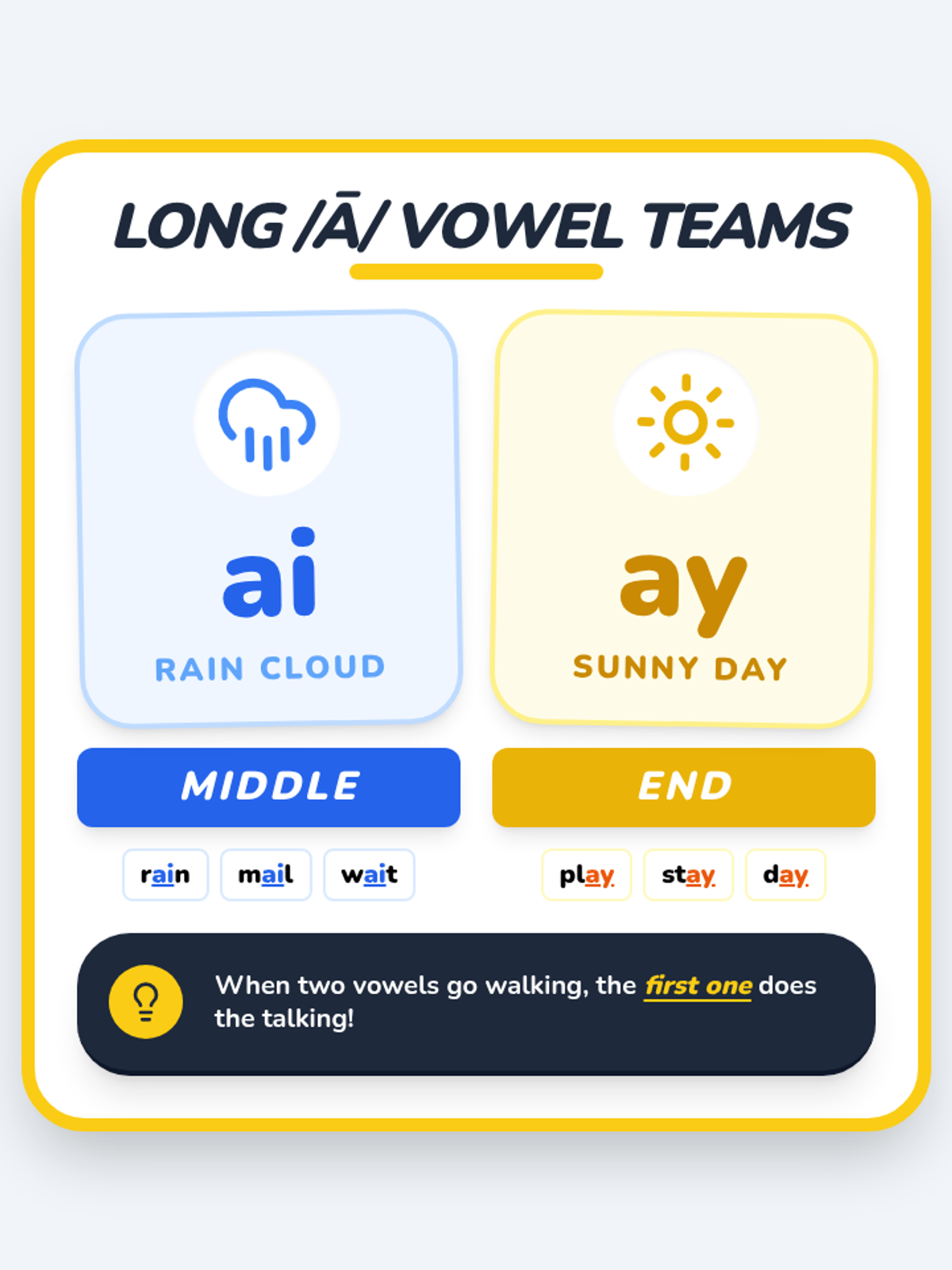
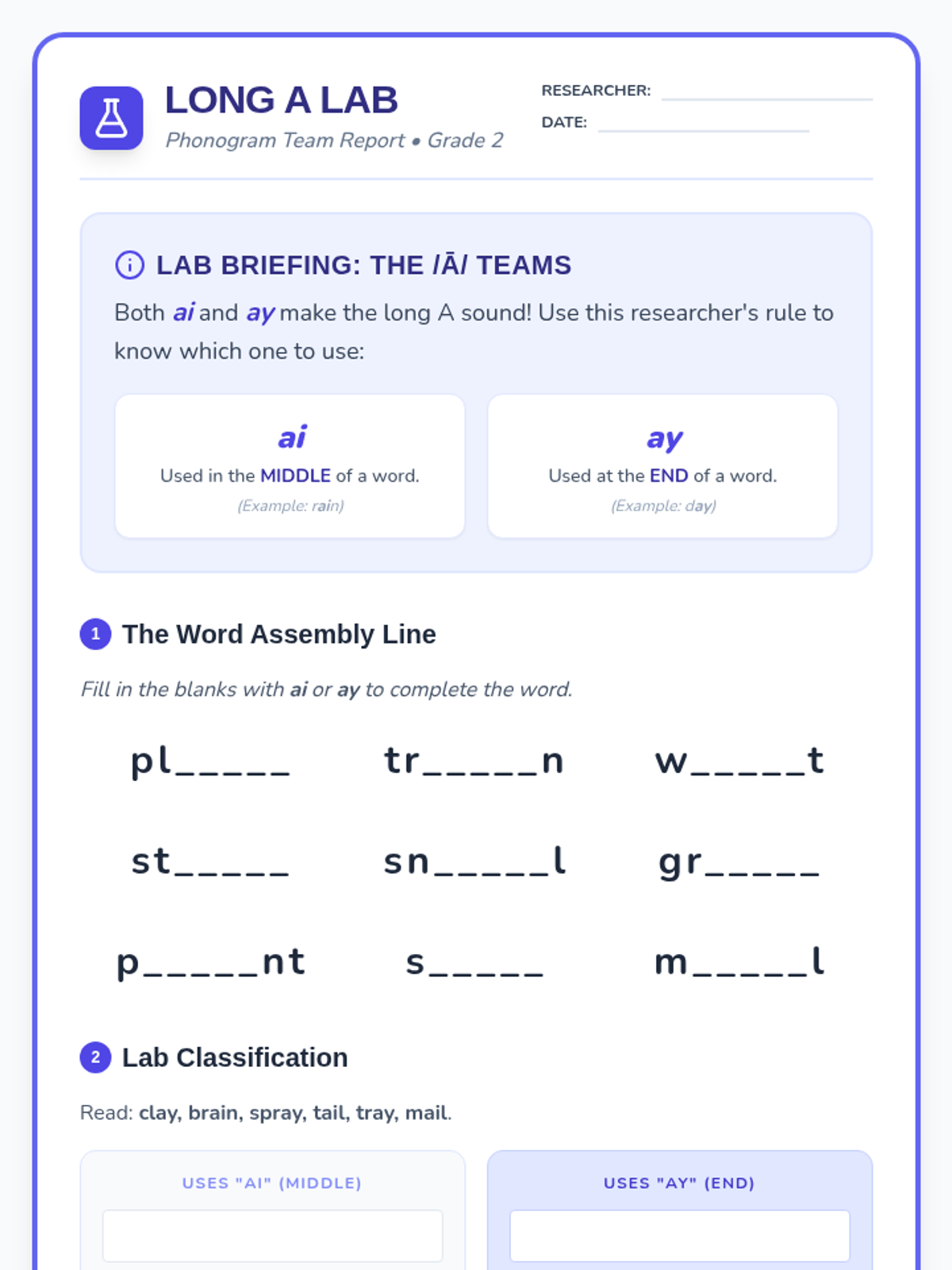
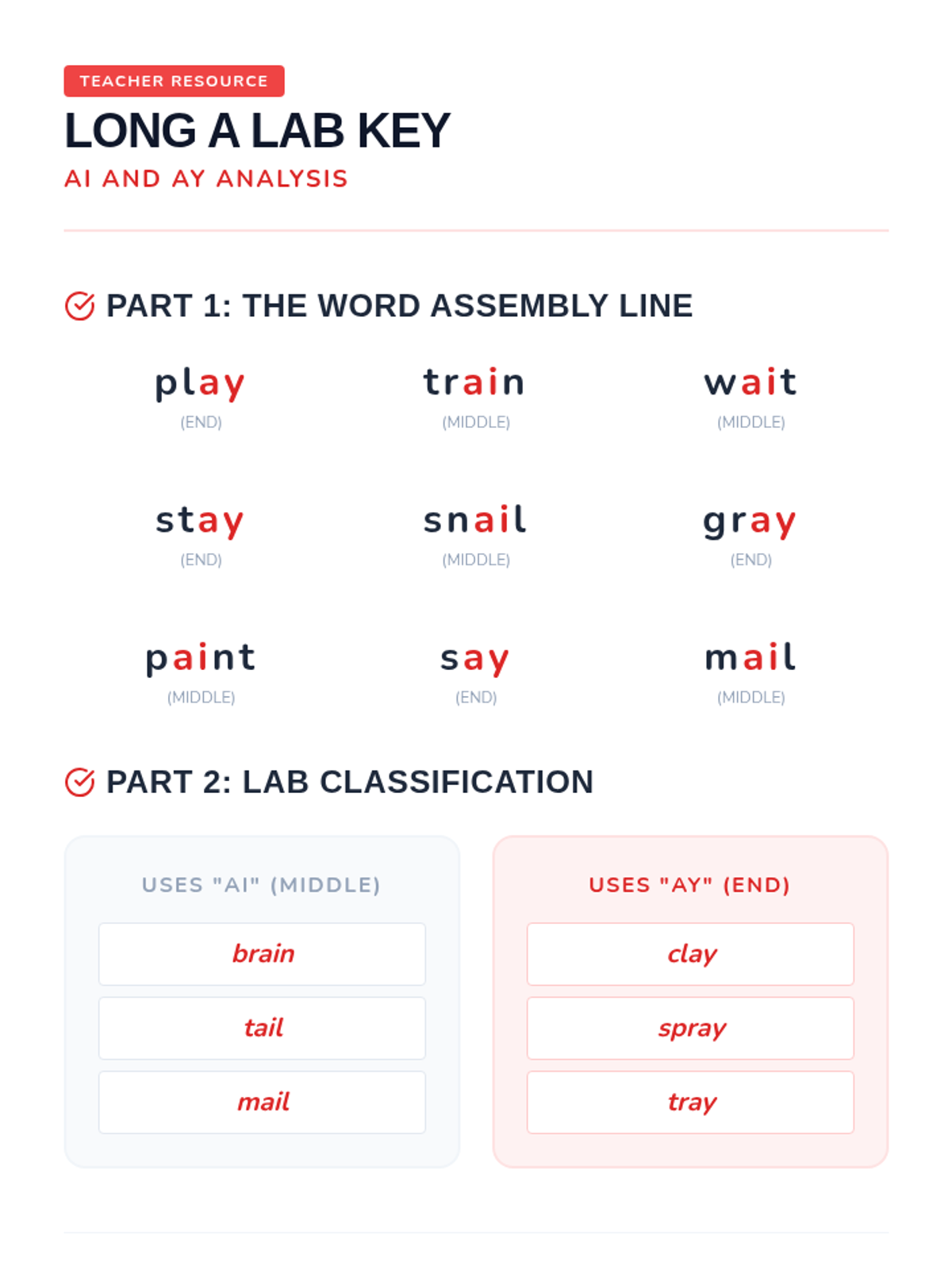
A 5-day instructional sequence for first grade focusing on the long 'a' vowel team (ai/ay) and heart words 'very' and 'today' using IMSE OG and UFLI methodologies.
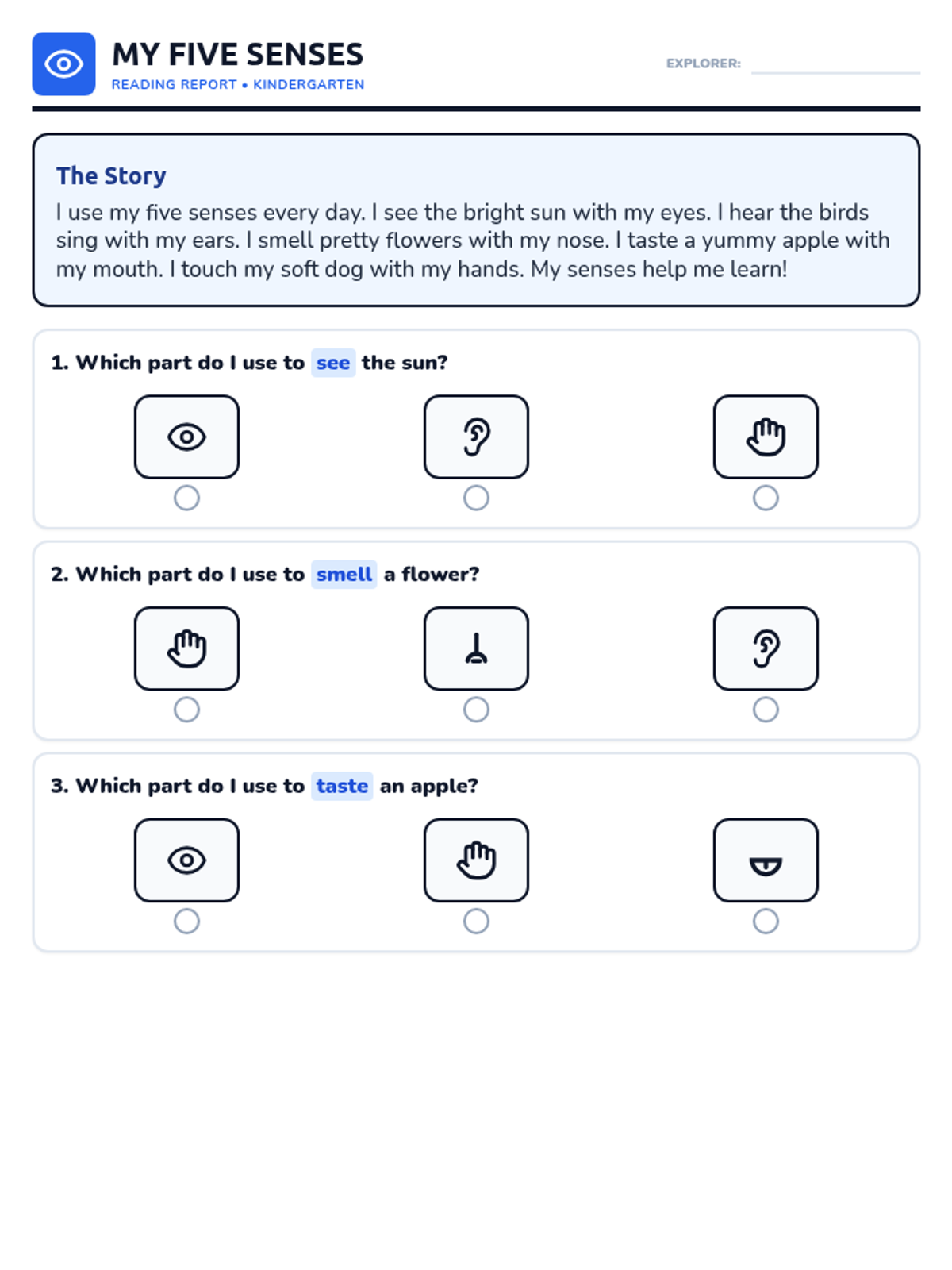
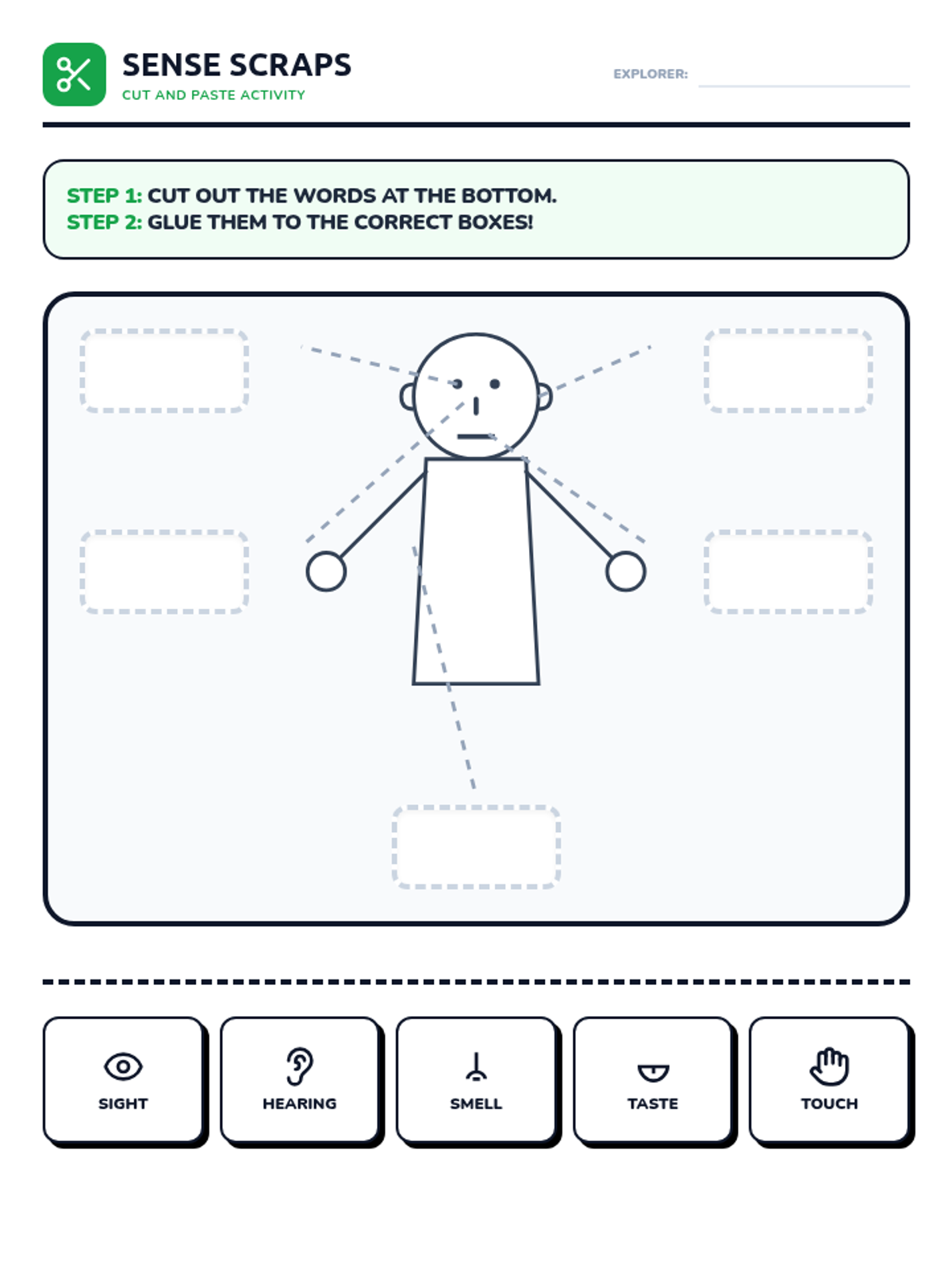
A multi-part exploration of the human body for early learners, covering the five senses, the circulatory system, and other vital functions.
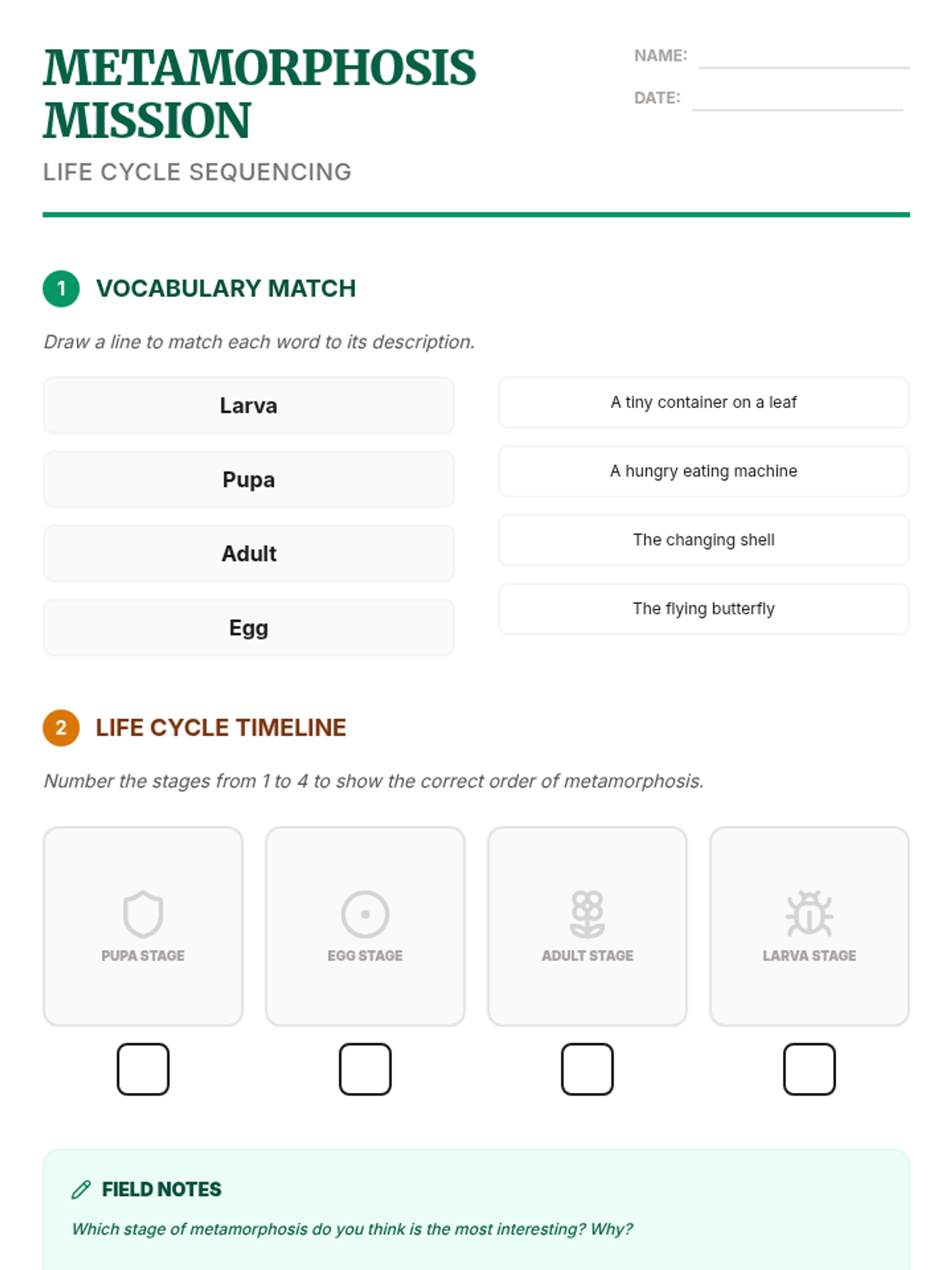
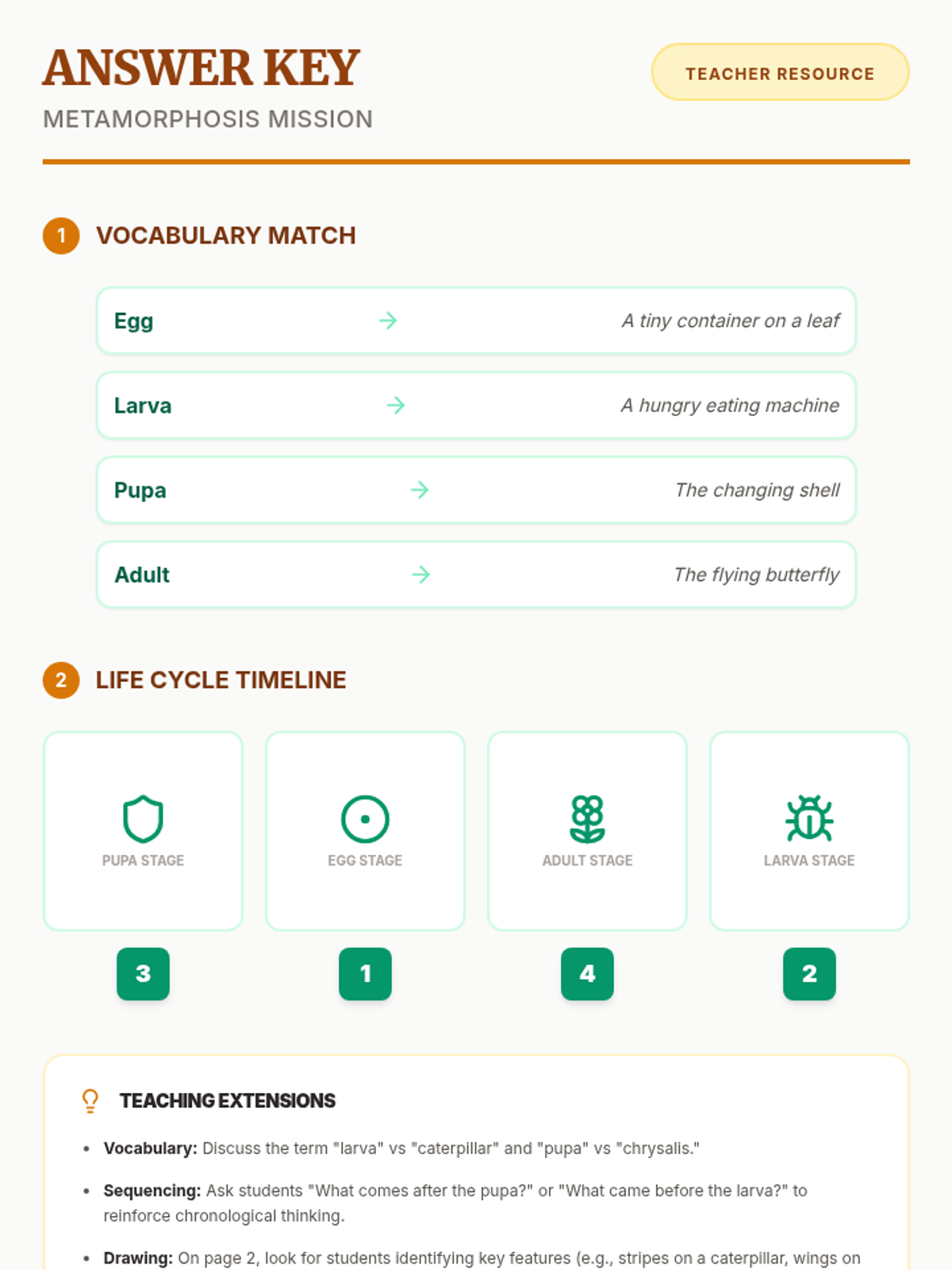
A science-focused sequence exploring the fascinating process of metamorphosis through the life cycle of a butterfly, focusing on sequencing skills and biological stages.
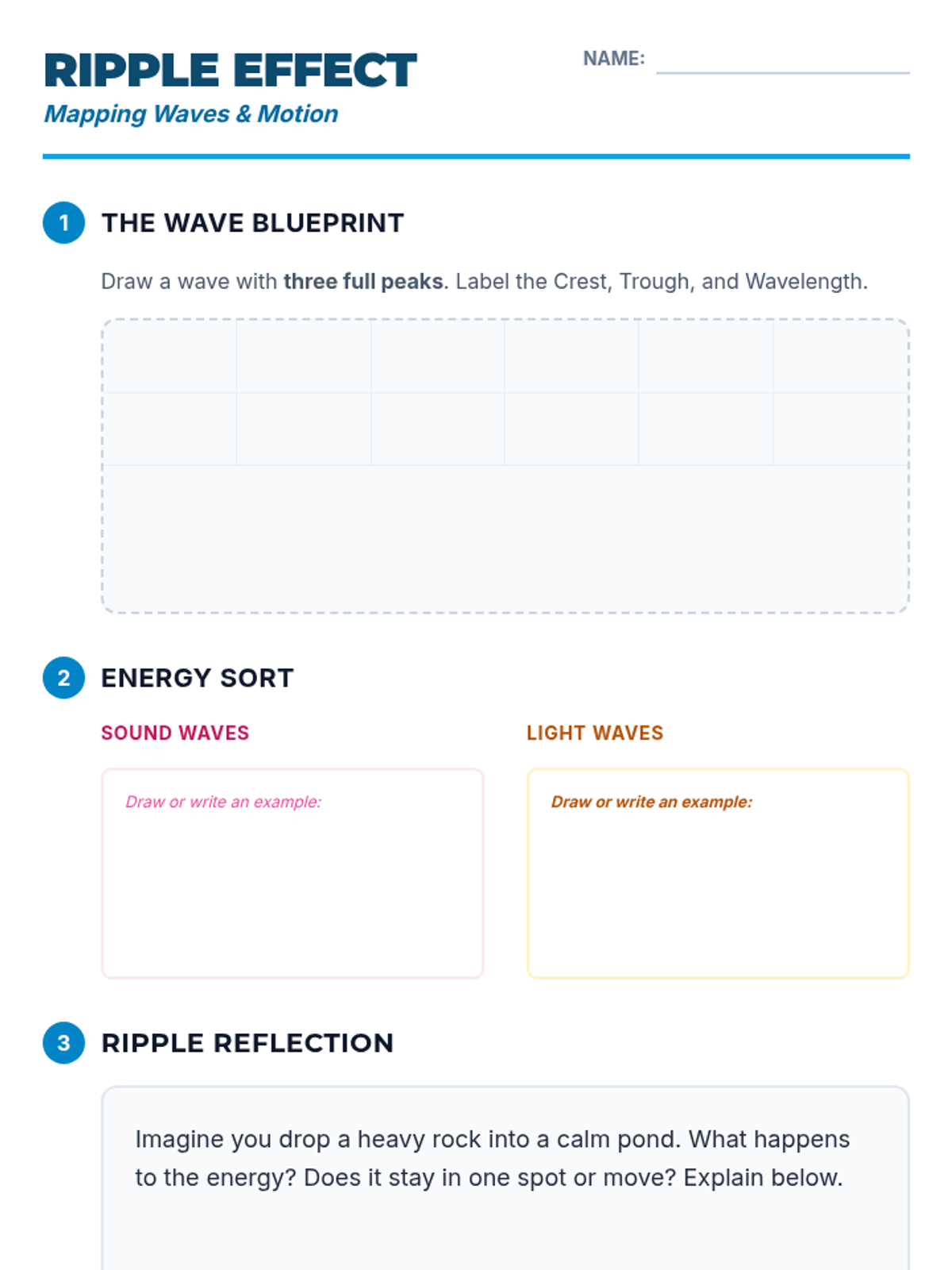
A comprehensive exploration of physical science and civic foundations, designed for elementary students to engage with waves, energy, government structures, and the roles of citizens.
A comprehensive exploration of plant life, beginning with the first signs of spring and basic life cycles, and extending into the detailed mechanisms of how plants grow, transport nutrients, and adapt.
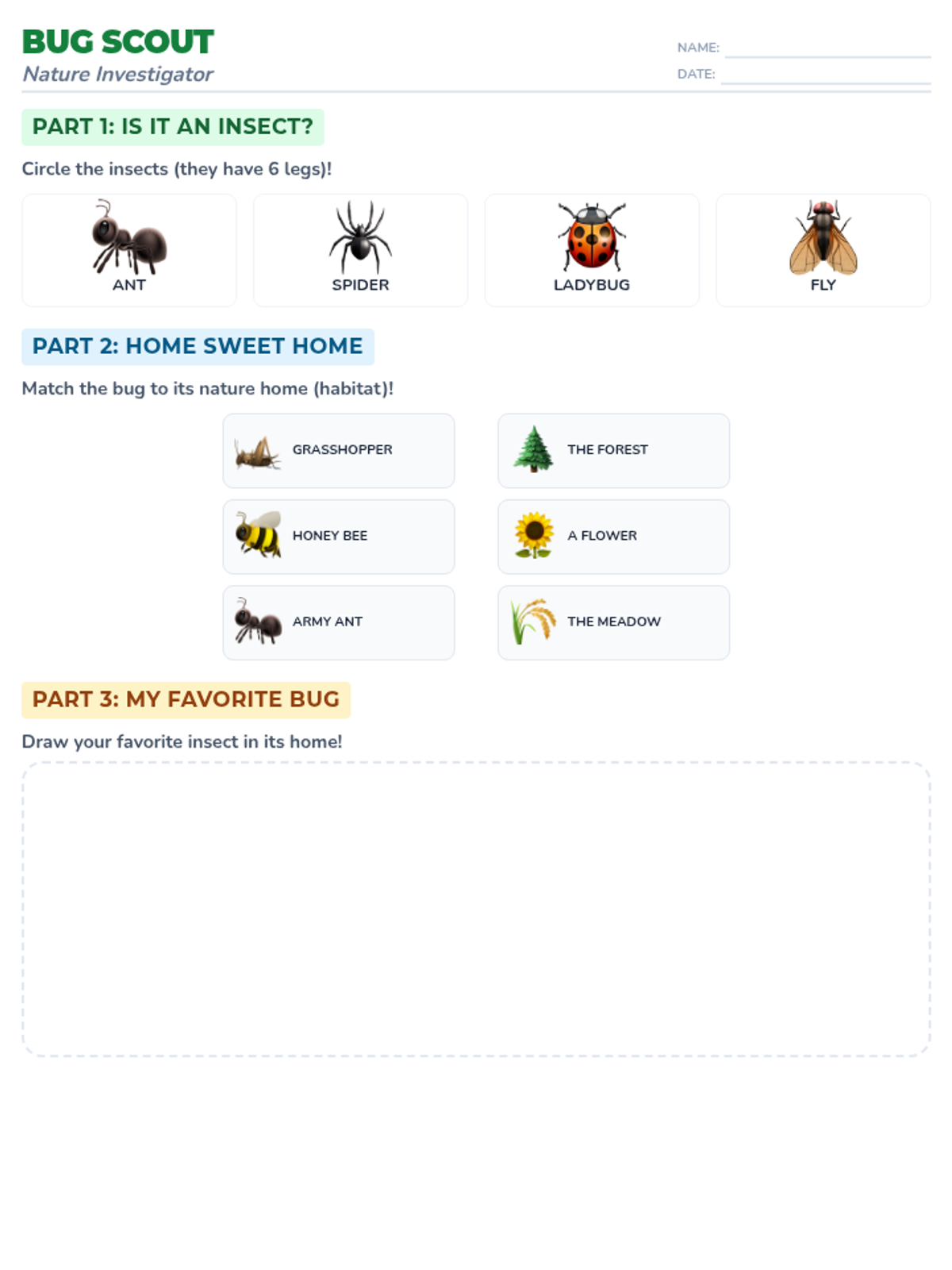
A charming introduction to the world of insects for kindergarteners, focusing on identifying bugs, understanding their habitats, and recognizing their unique features.
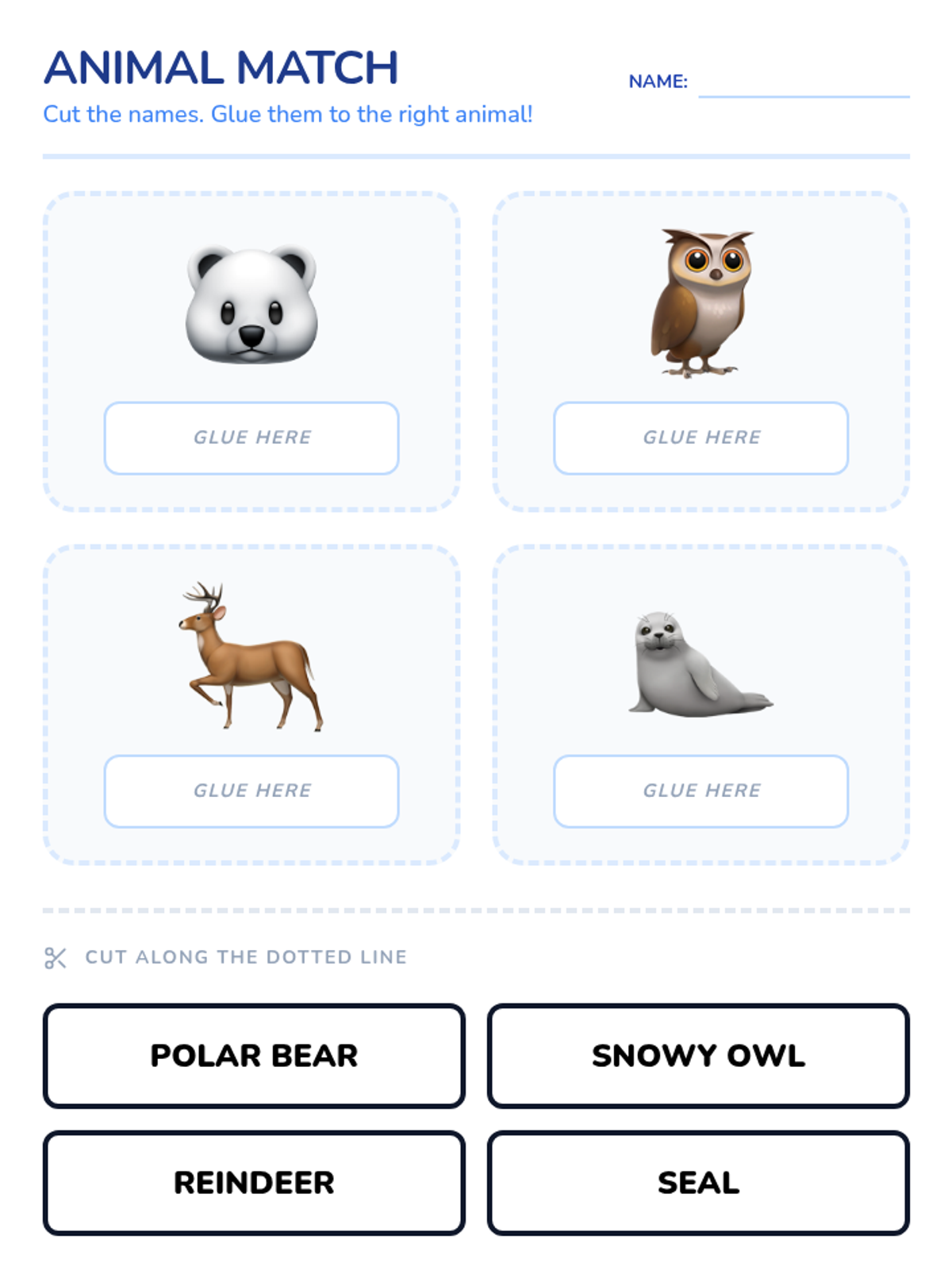
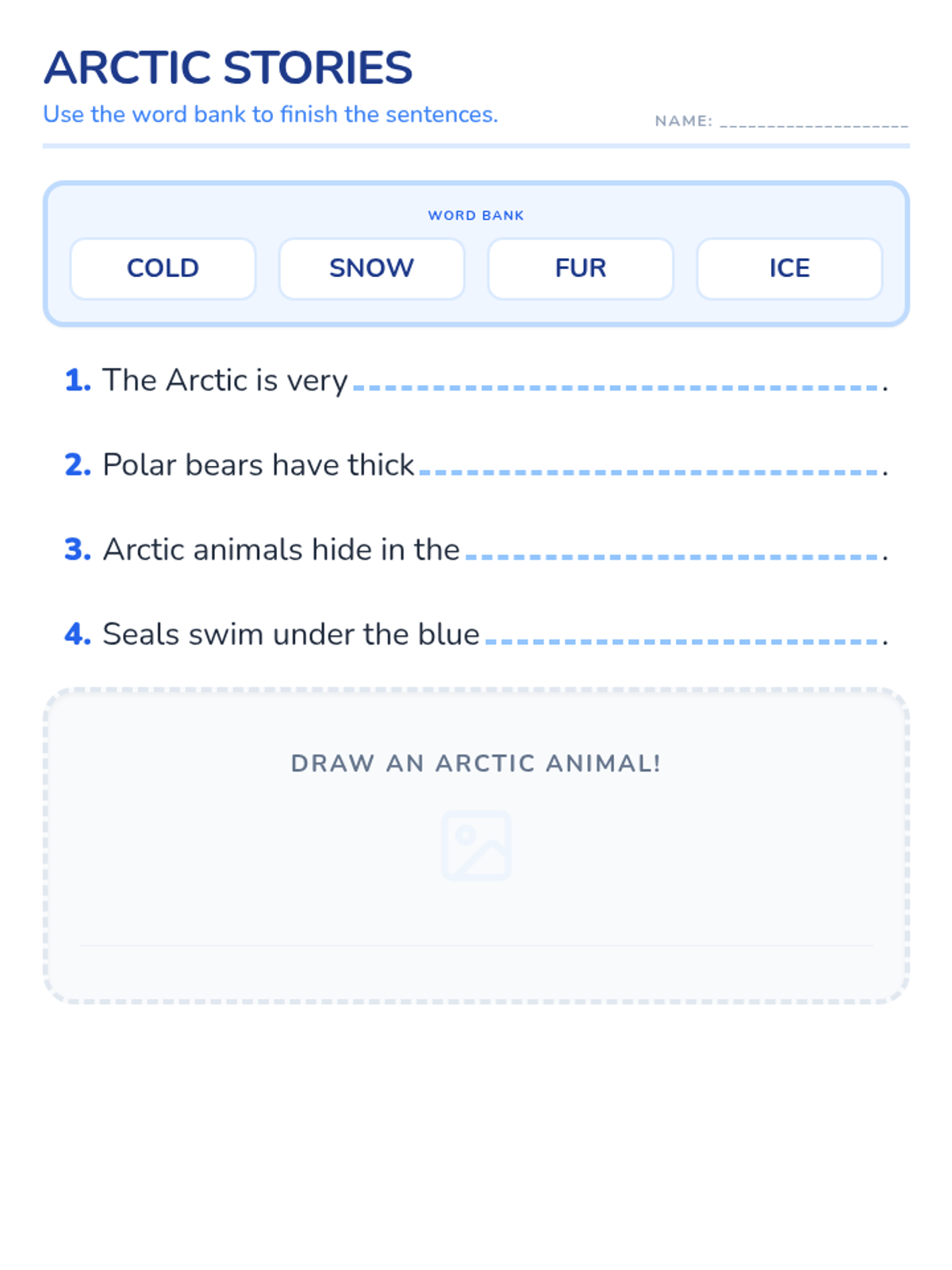
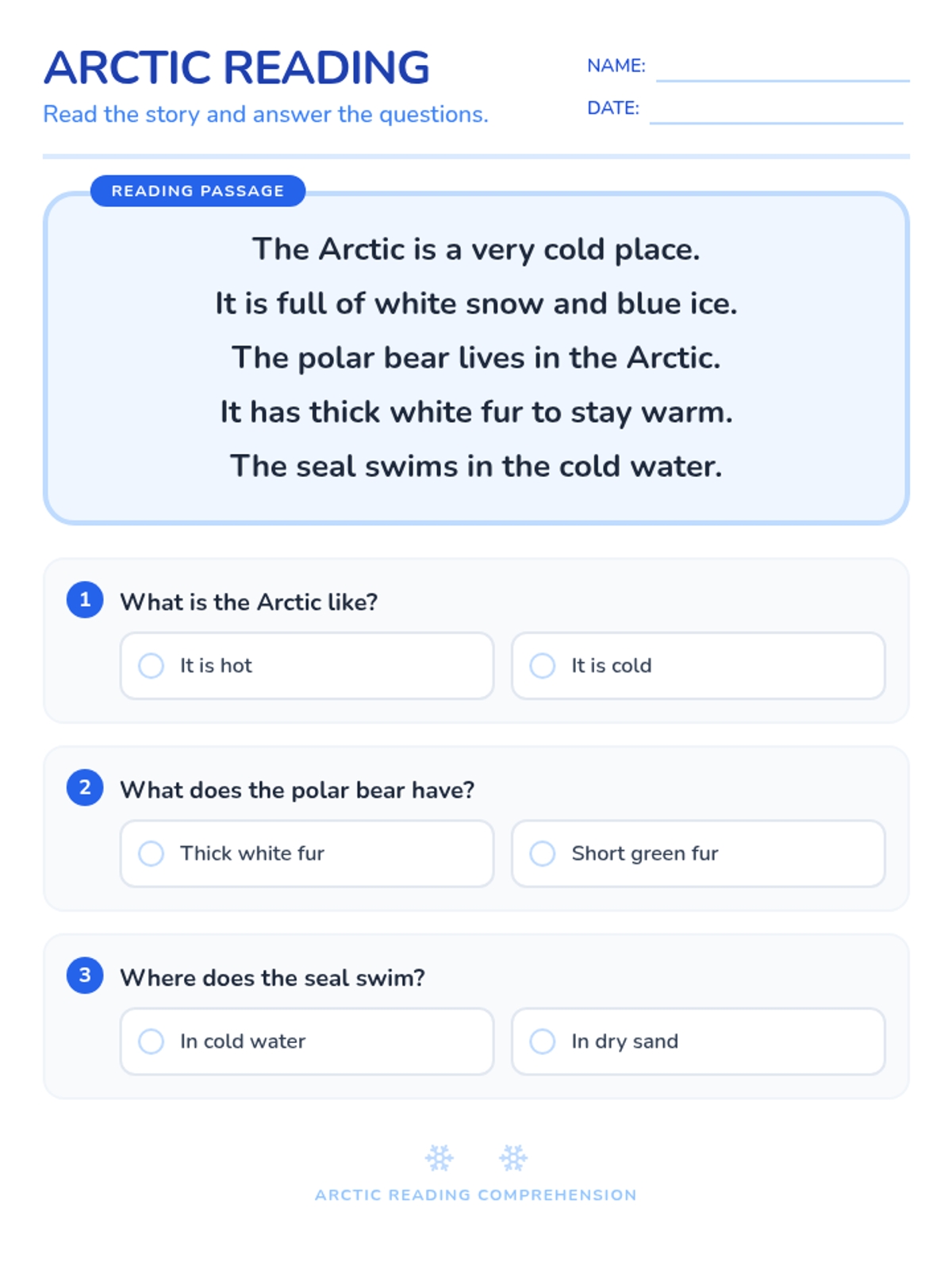
A series of introductory lessons exploring different habitats (Arctic, Freshwater, etc.) and the unique animals that live in each, designed for early elementary learners.
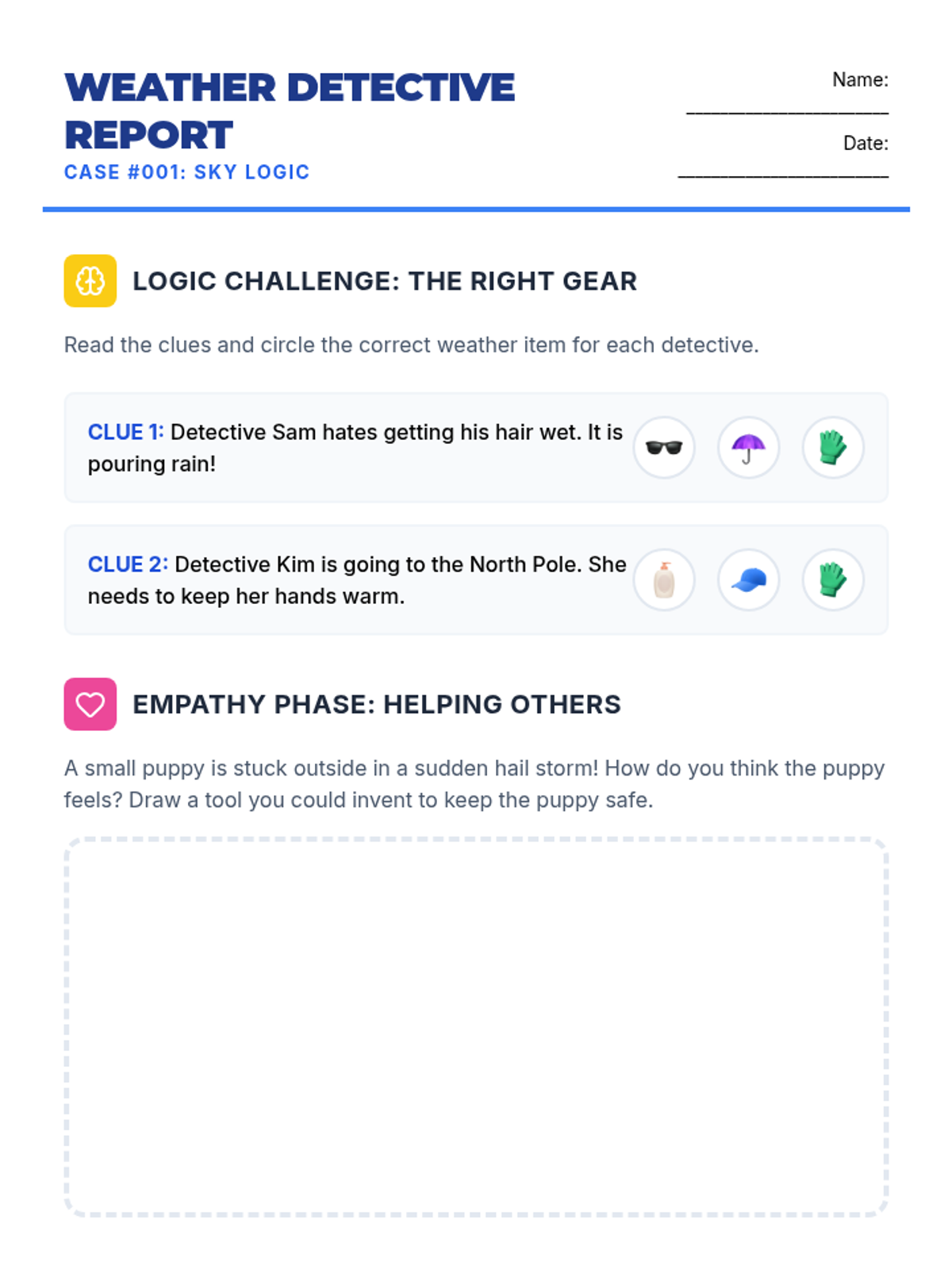
A 6-week design thinking and logic sequence for K-1 GT students, focusing on weather phenomena and culminating in the creation of futuristic weather tools and suits. Aligned to Texas GT standards for creative and productive thinking.
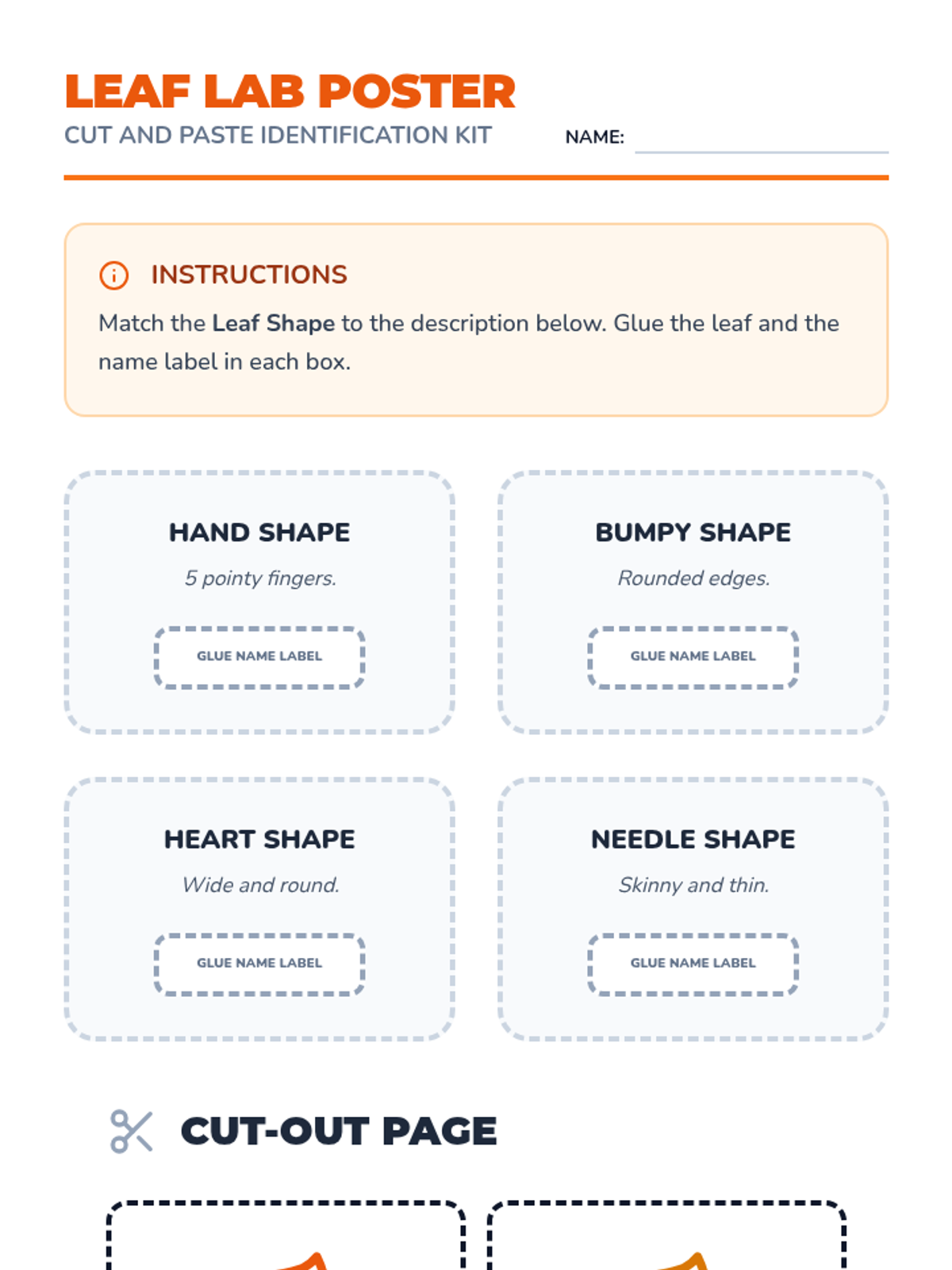
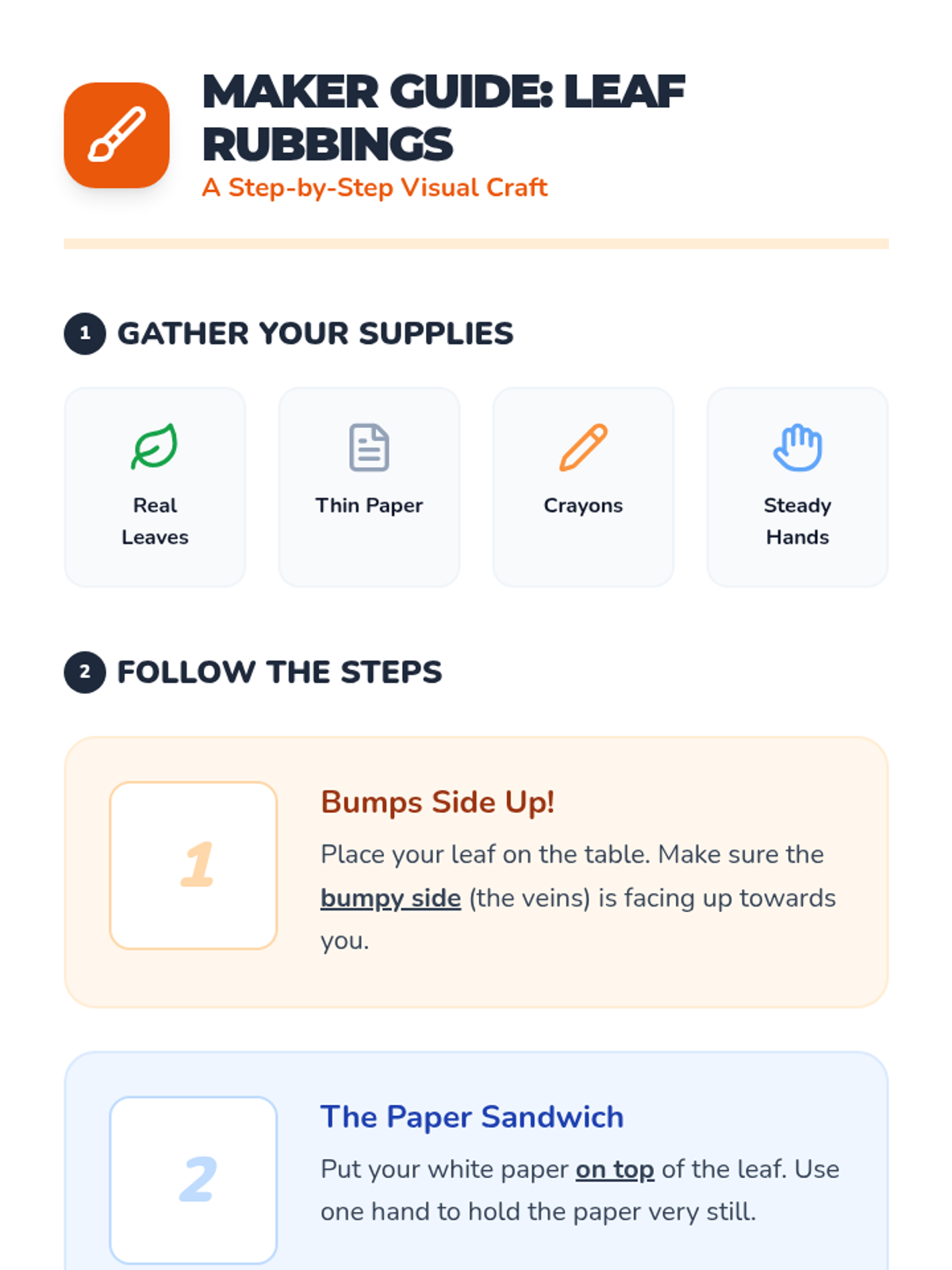
A series of hands-on fall projects designed for middle school students working at a second-grade level, focusing on leaf science, pumpkin anatomy, and animal adaptations through posters and crafts.
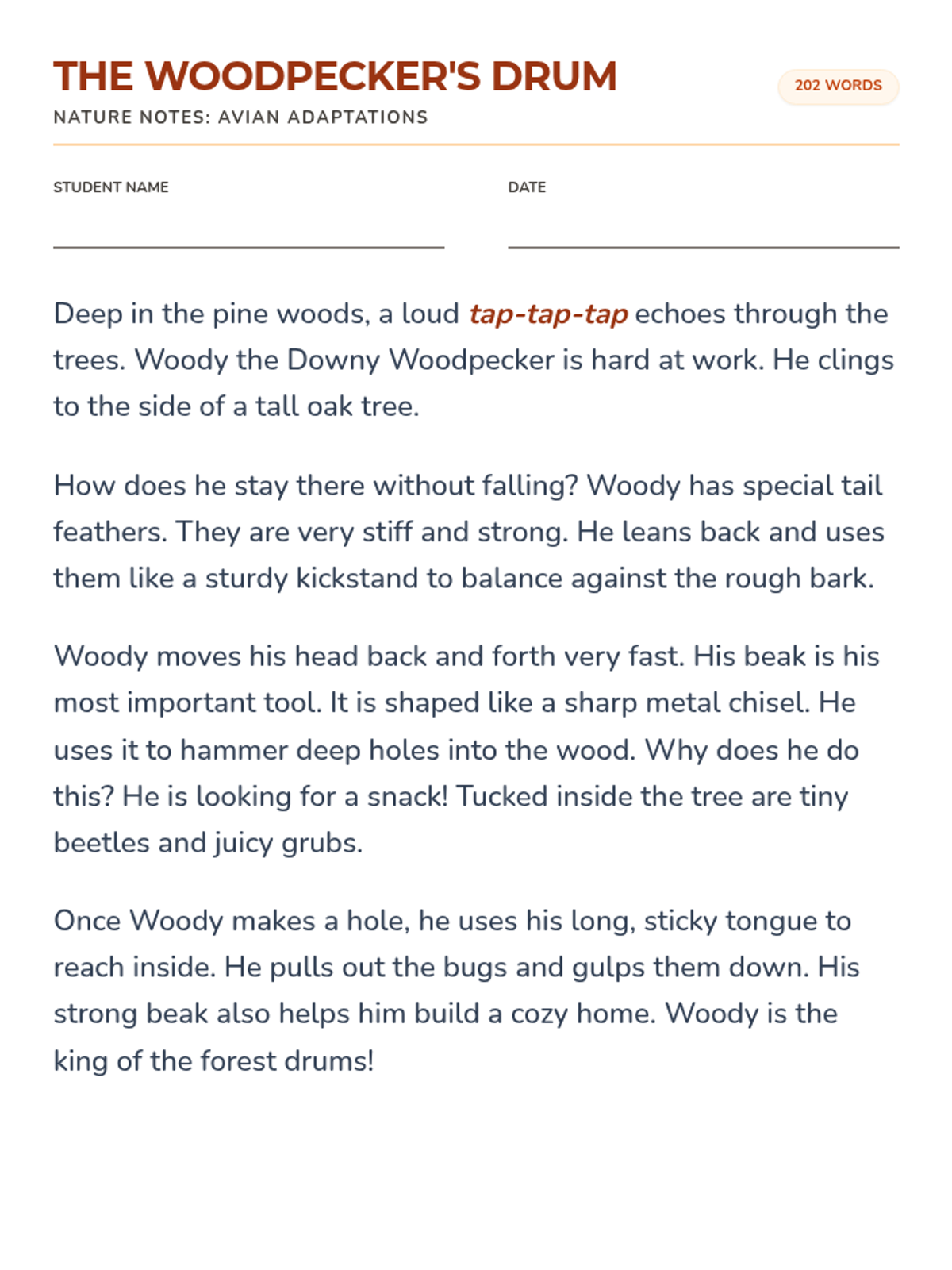
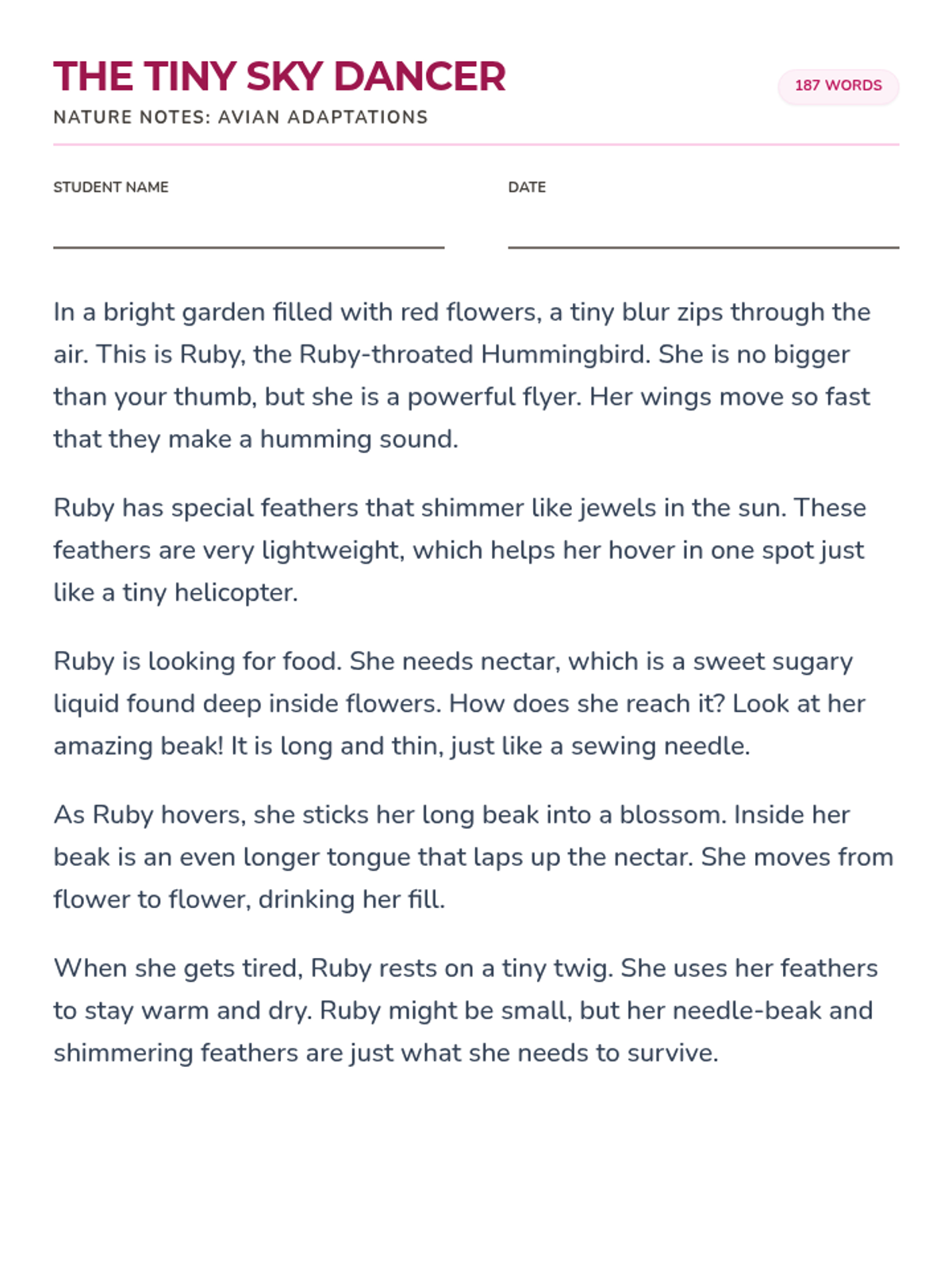
A comprehensive set of decodable fluency passages across grade levels, focusing on nature, wildlife, and ecosystems to build reading stamina and accuracy.
A four-part summer camp program focused on hands-on STEM exploration using everyday materials. Students will explore environmental science, aerospace engineering, mechanical design, and chemical reactions through play-based challenges.
A 2nd-grade sequence on digital literacy focusing on file naming, folder organization, search retrieval, cloud storage, and digital collaboration. Students learn to maintain a clean digital workspace through a 'Cyber Space Station' theme.
A kindergarten science unit exploring animal survival strategies including camouflage and hibernation through repetitive texts and interactive sorting.
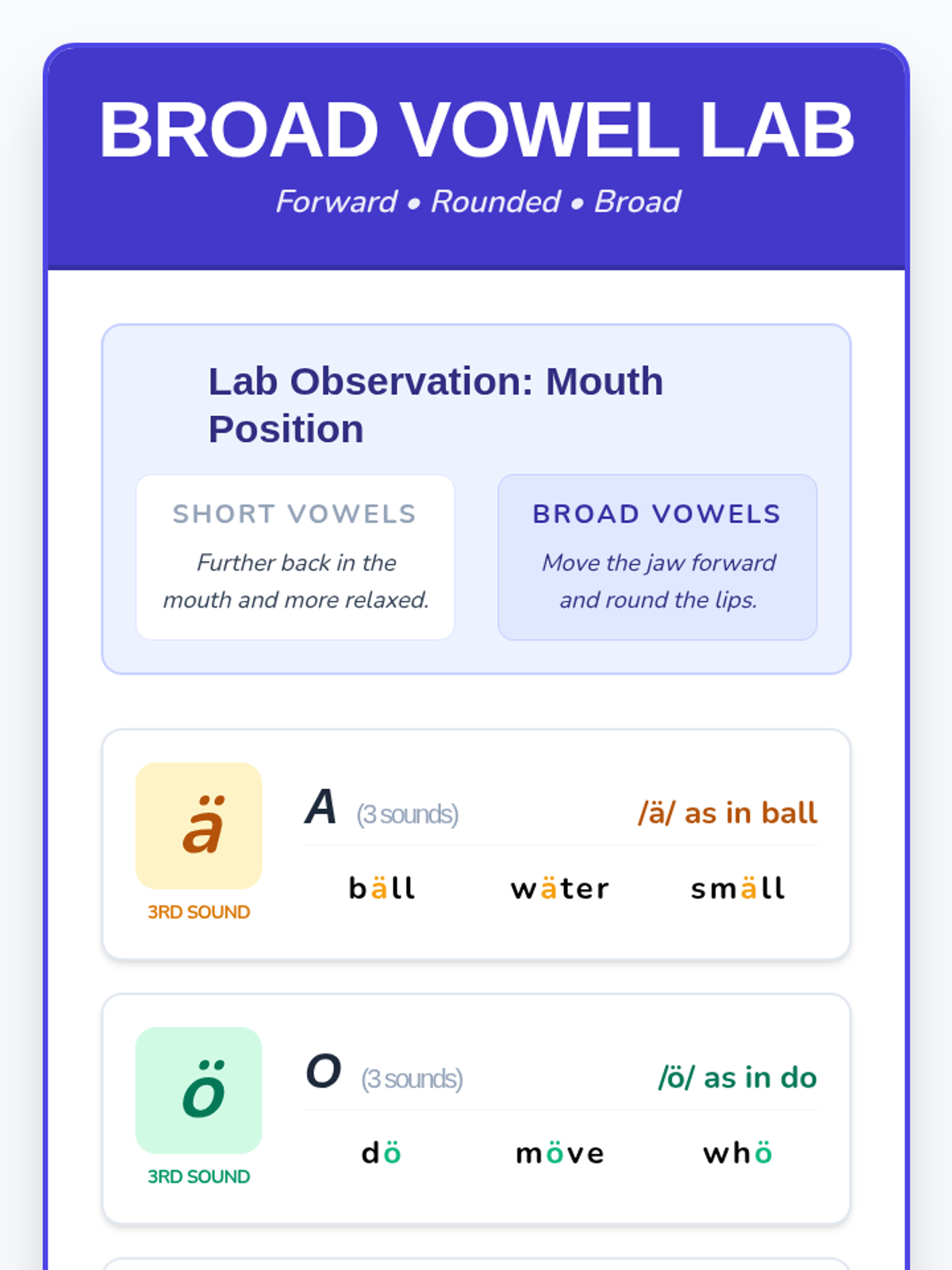
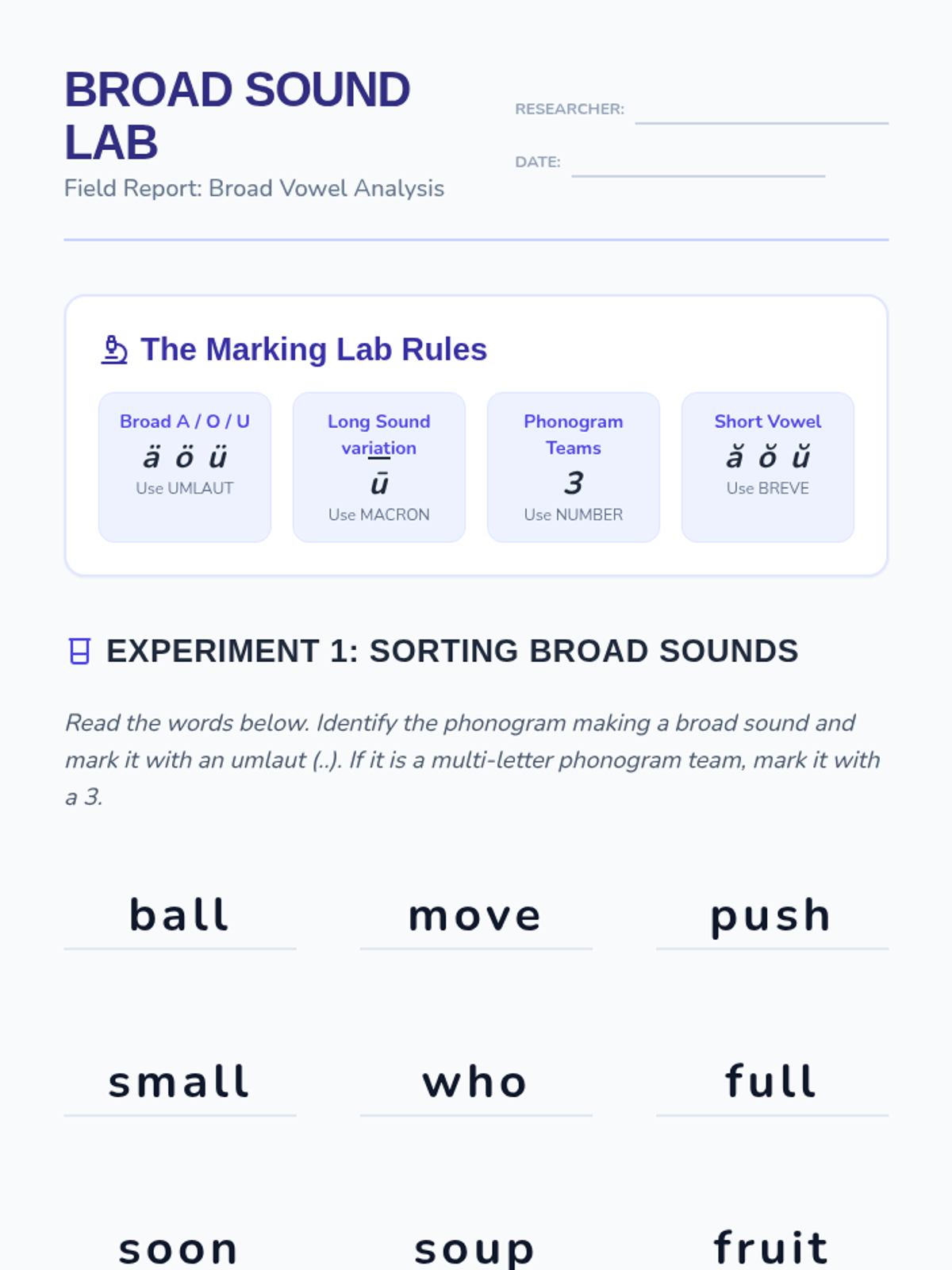
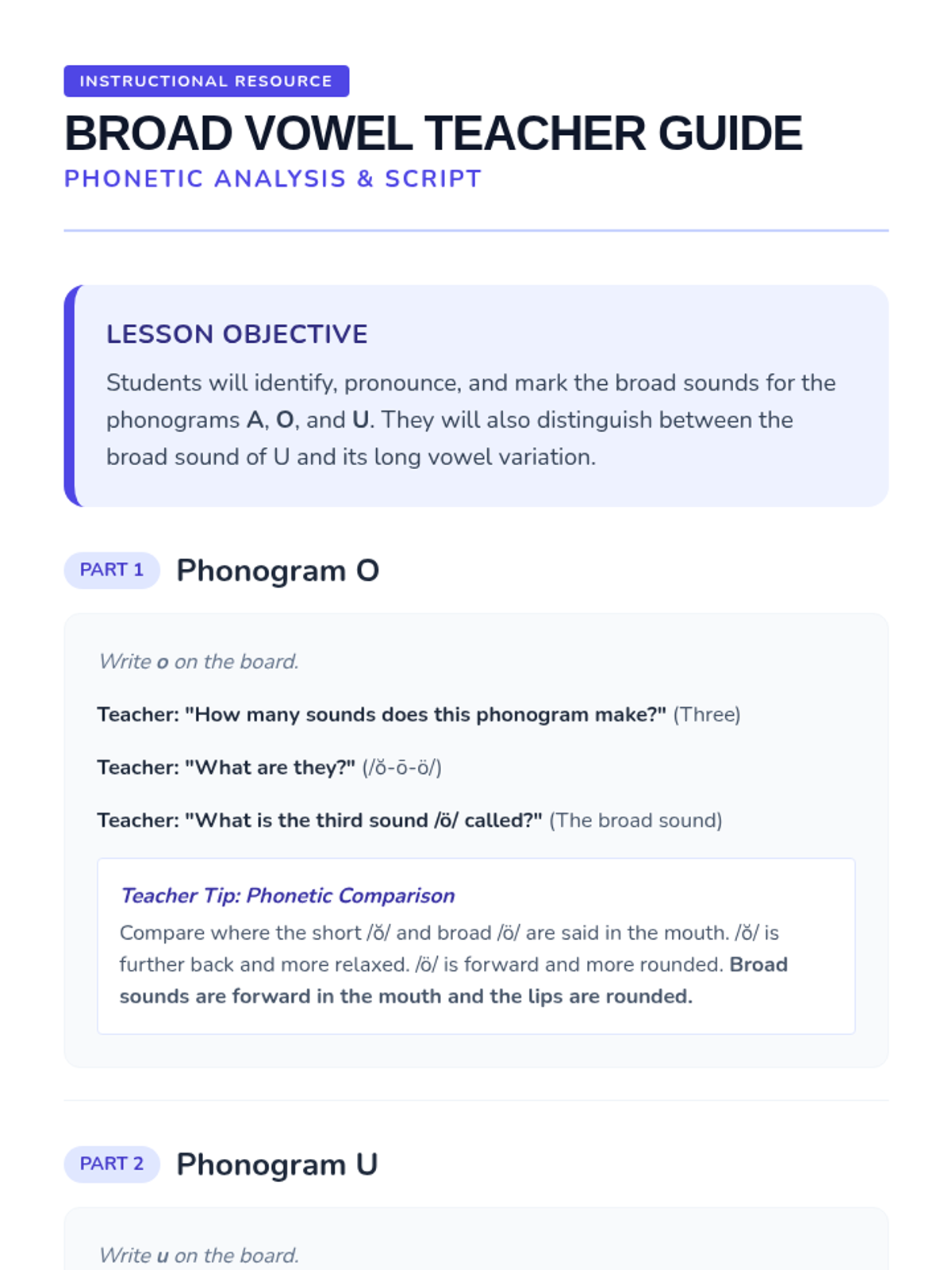
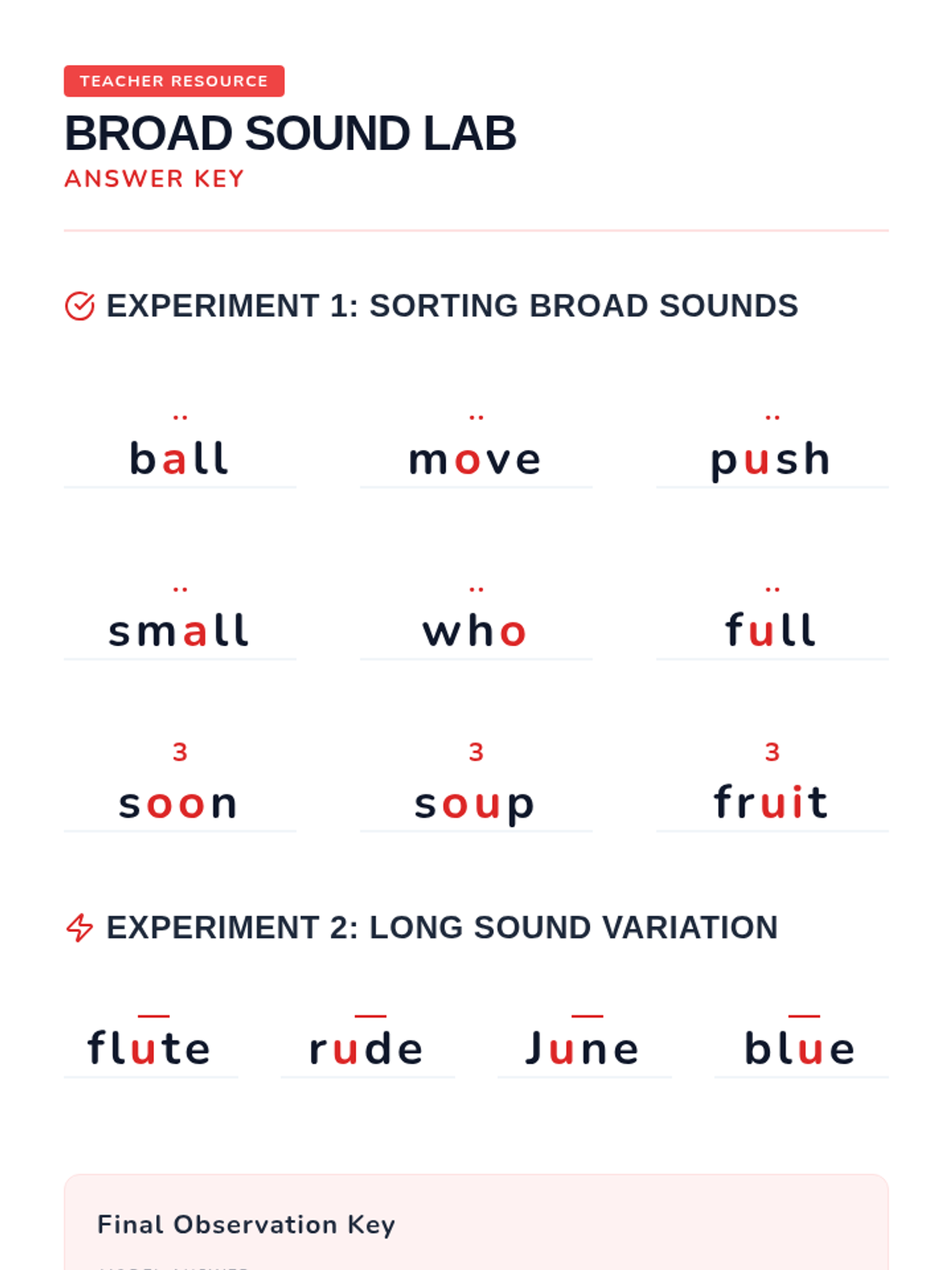
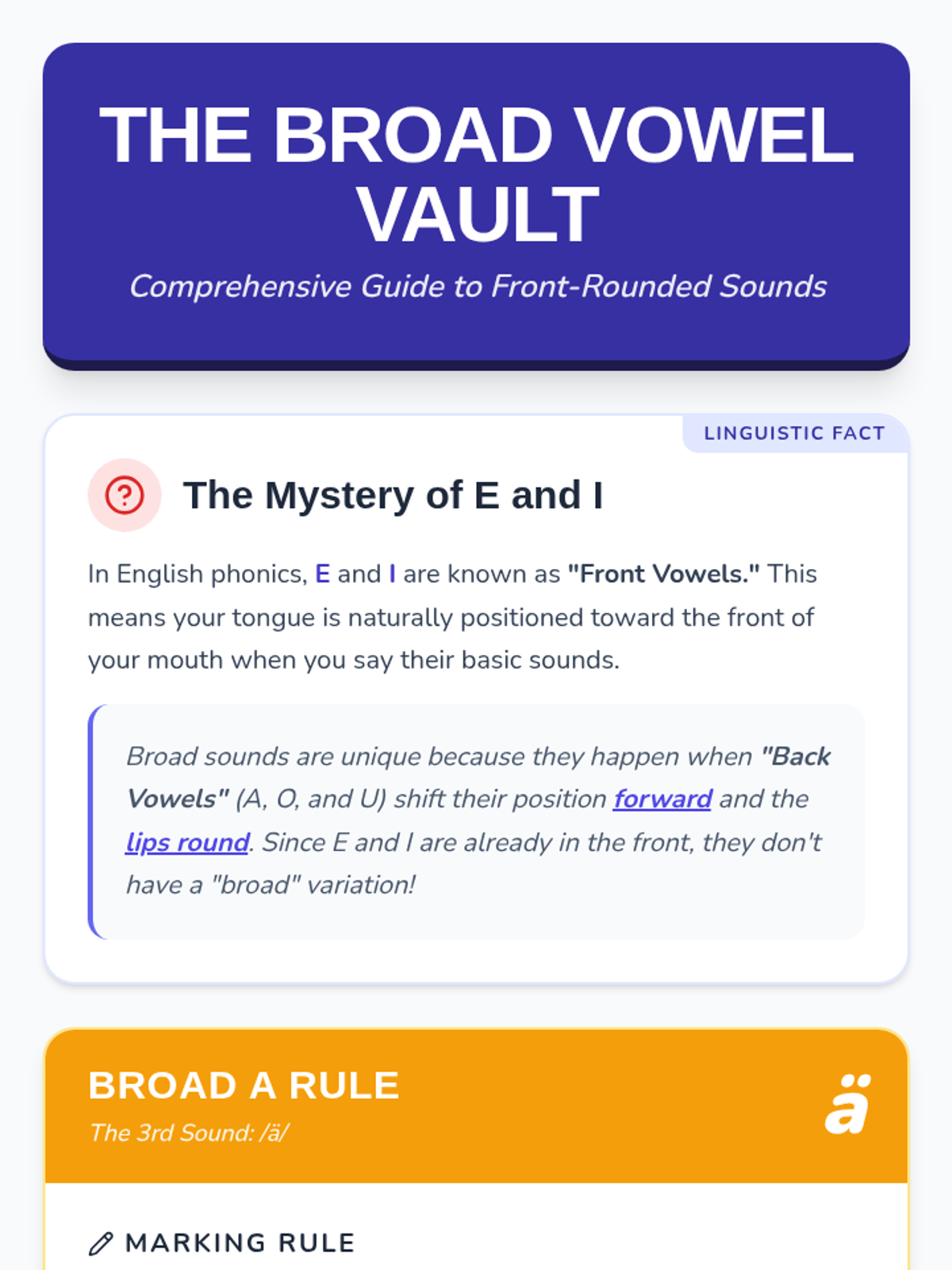
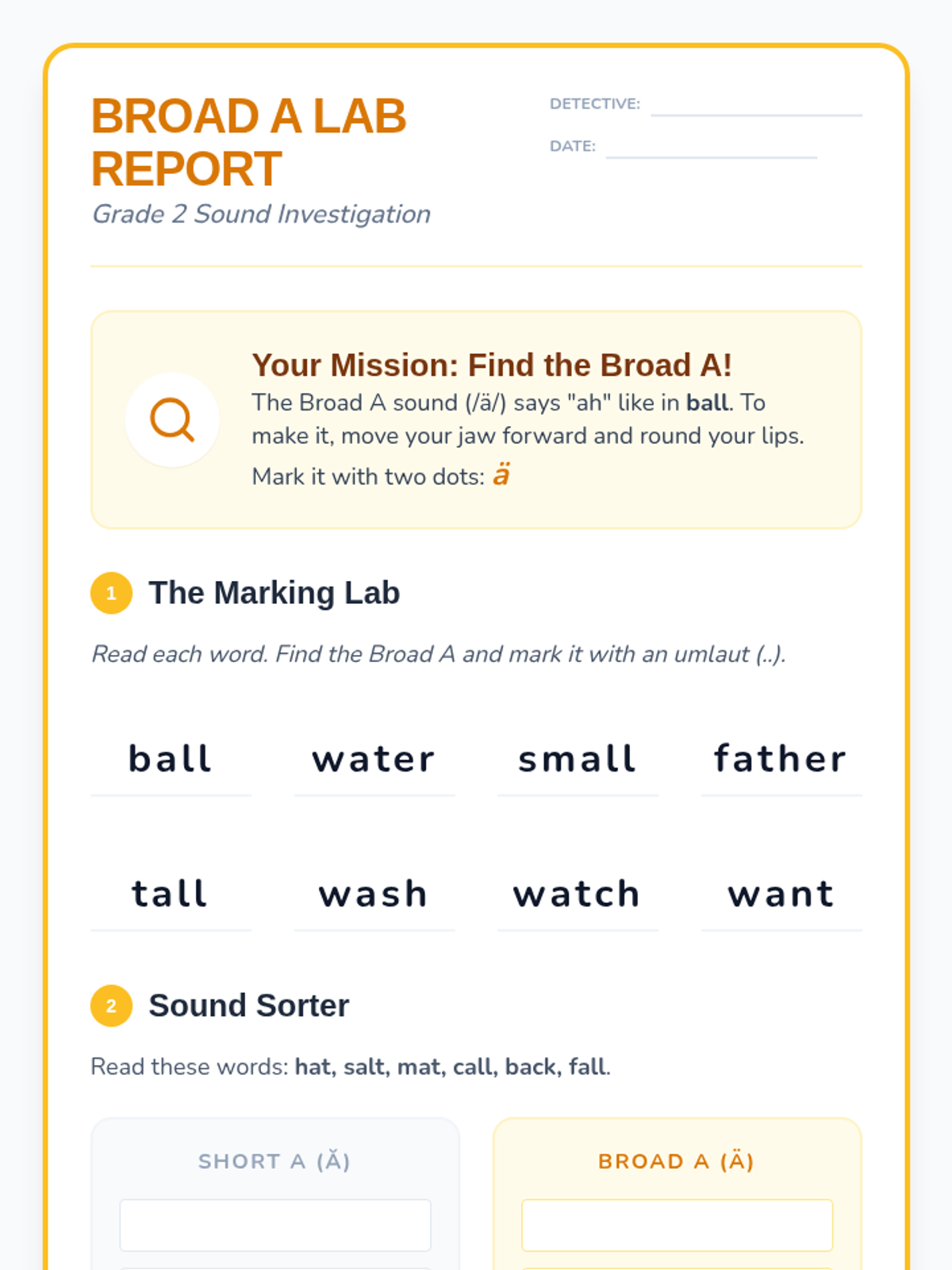
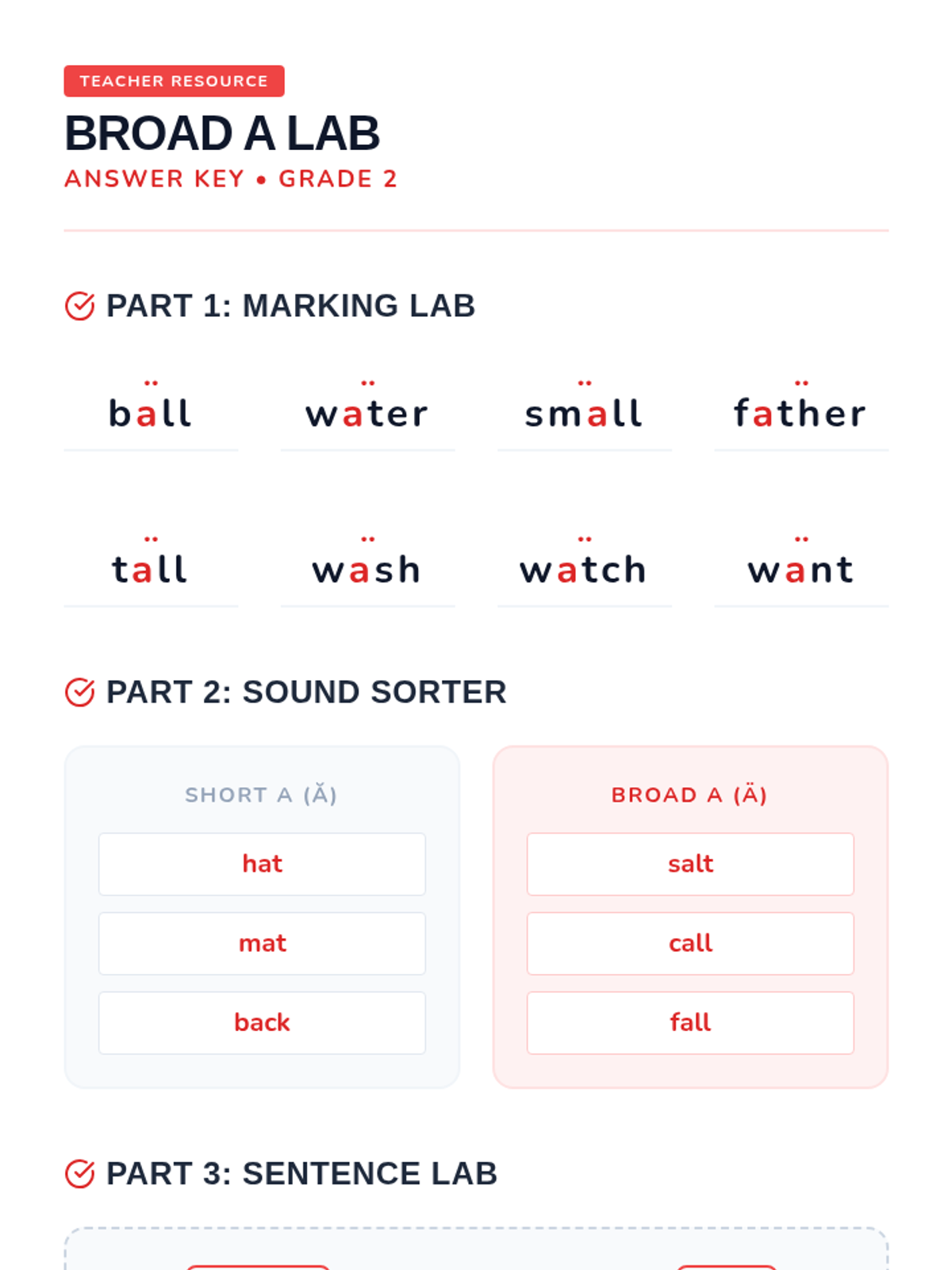
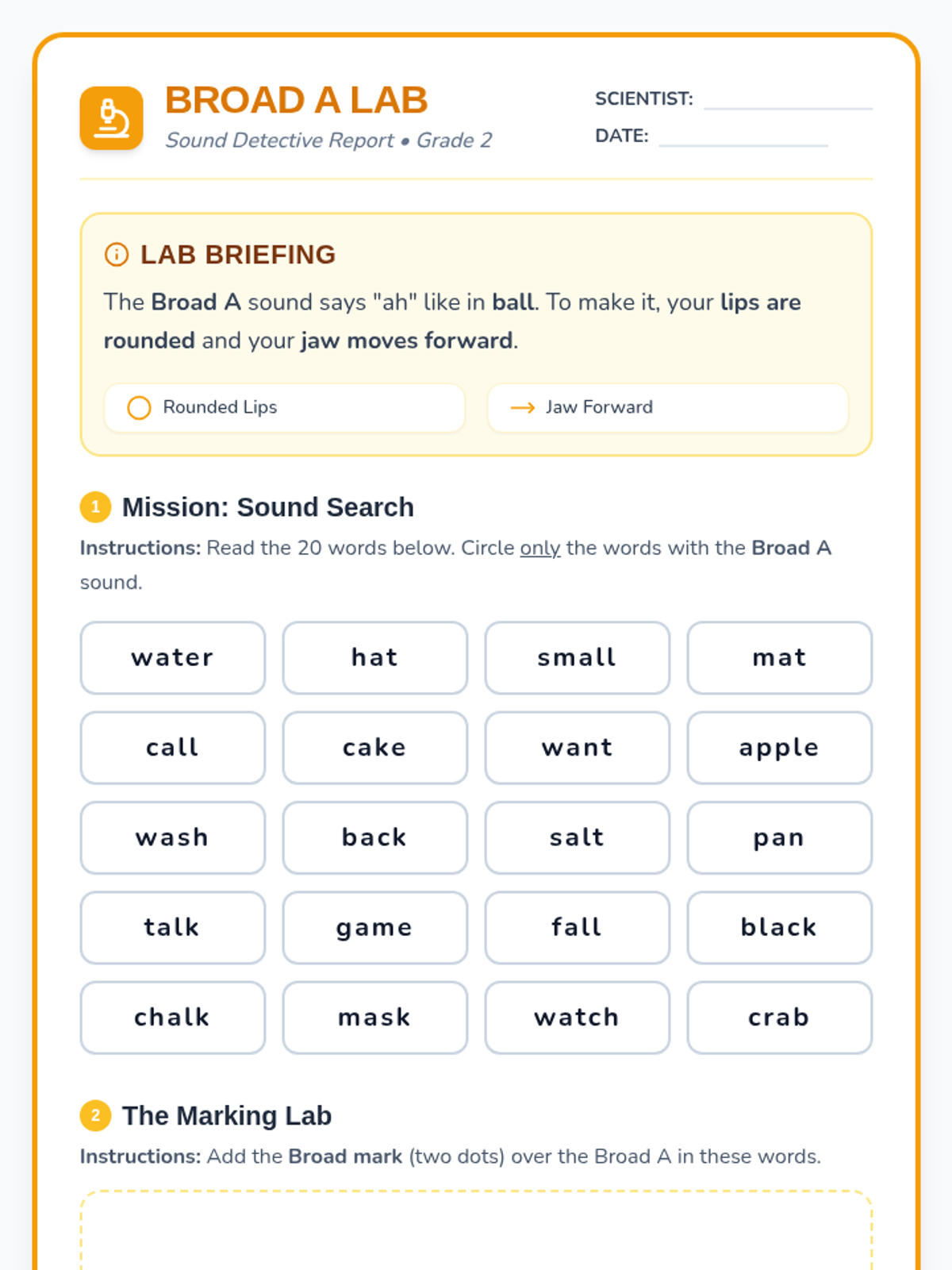
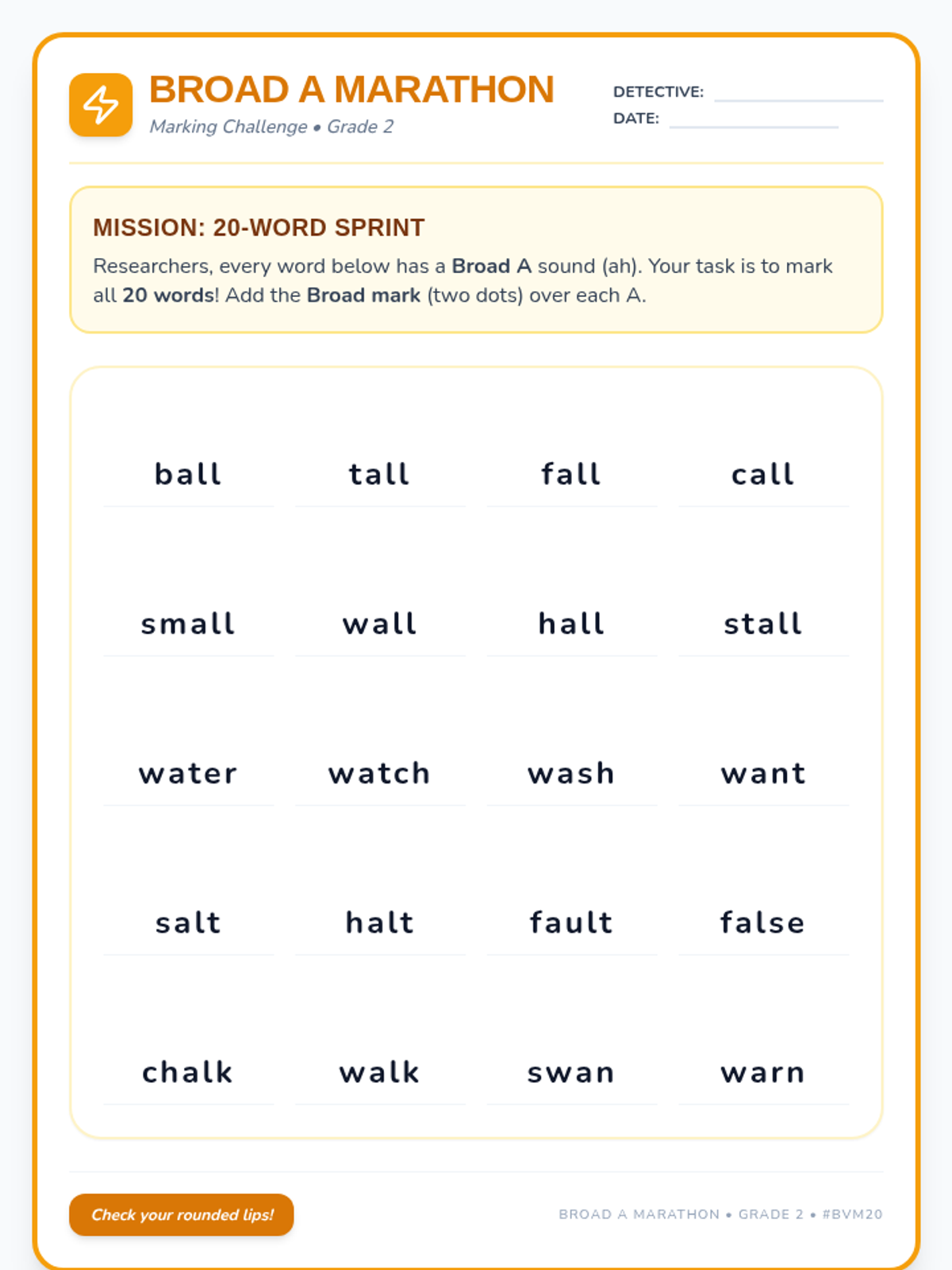
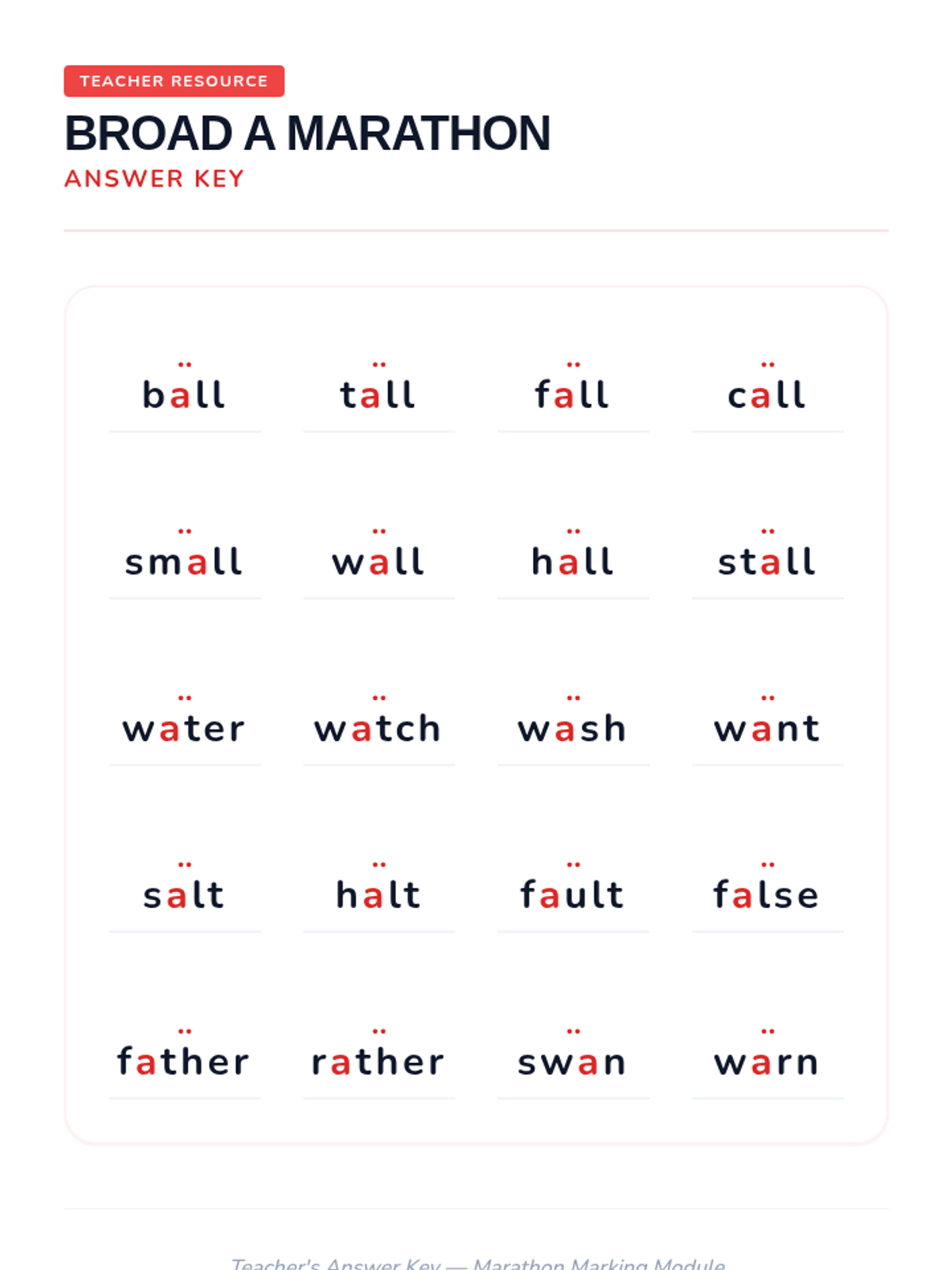
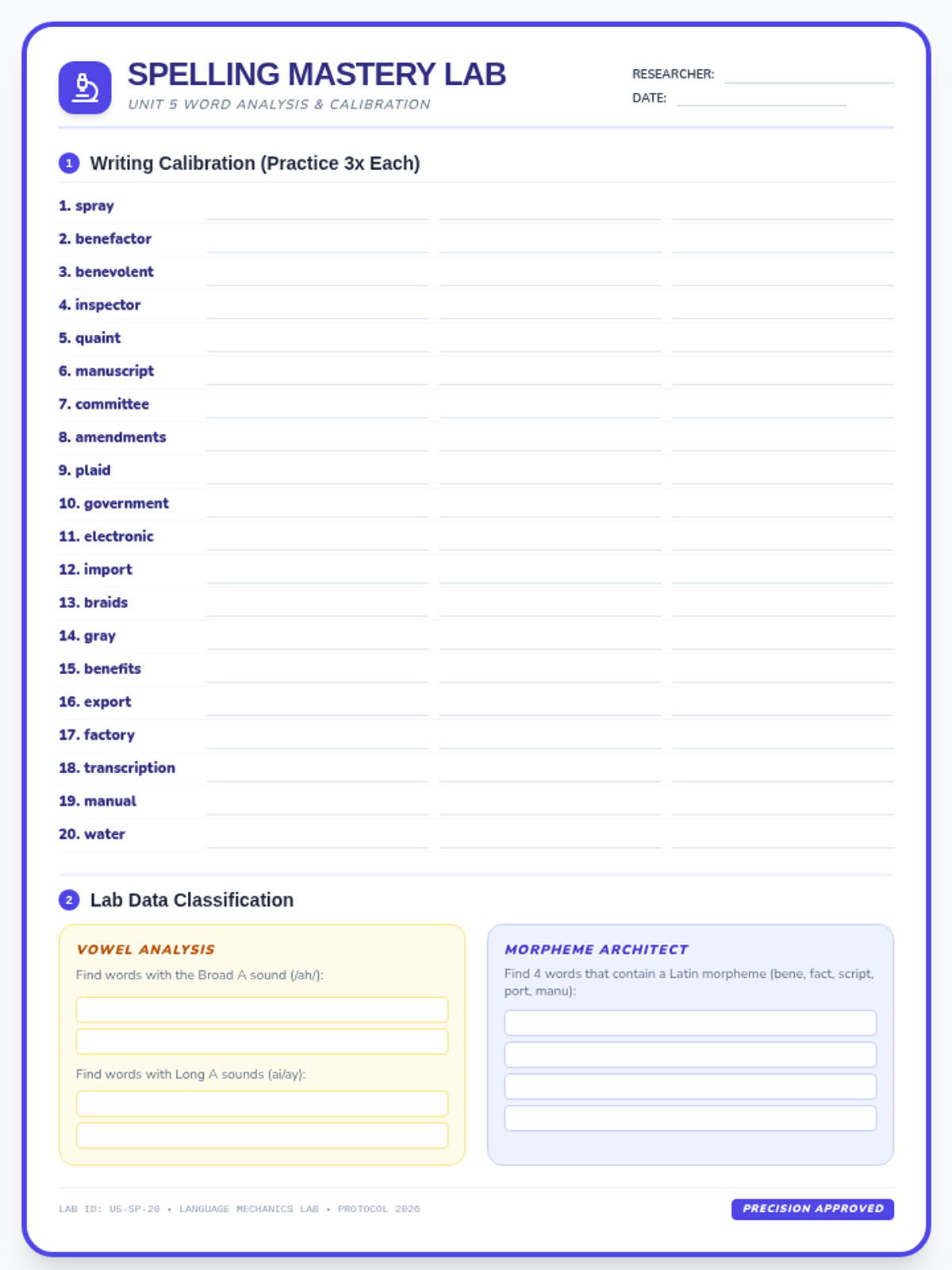
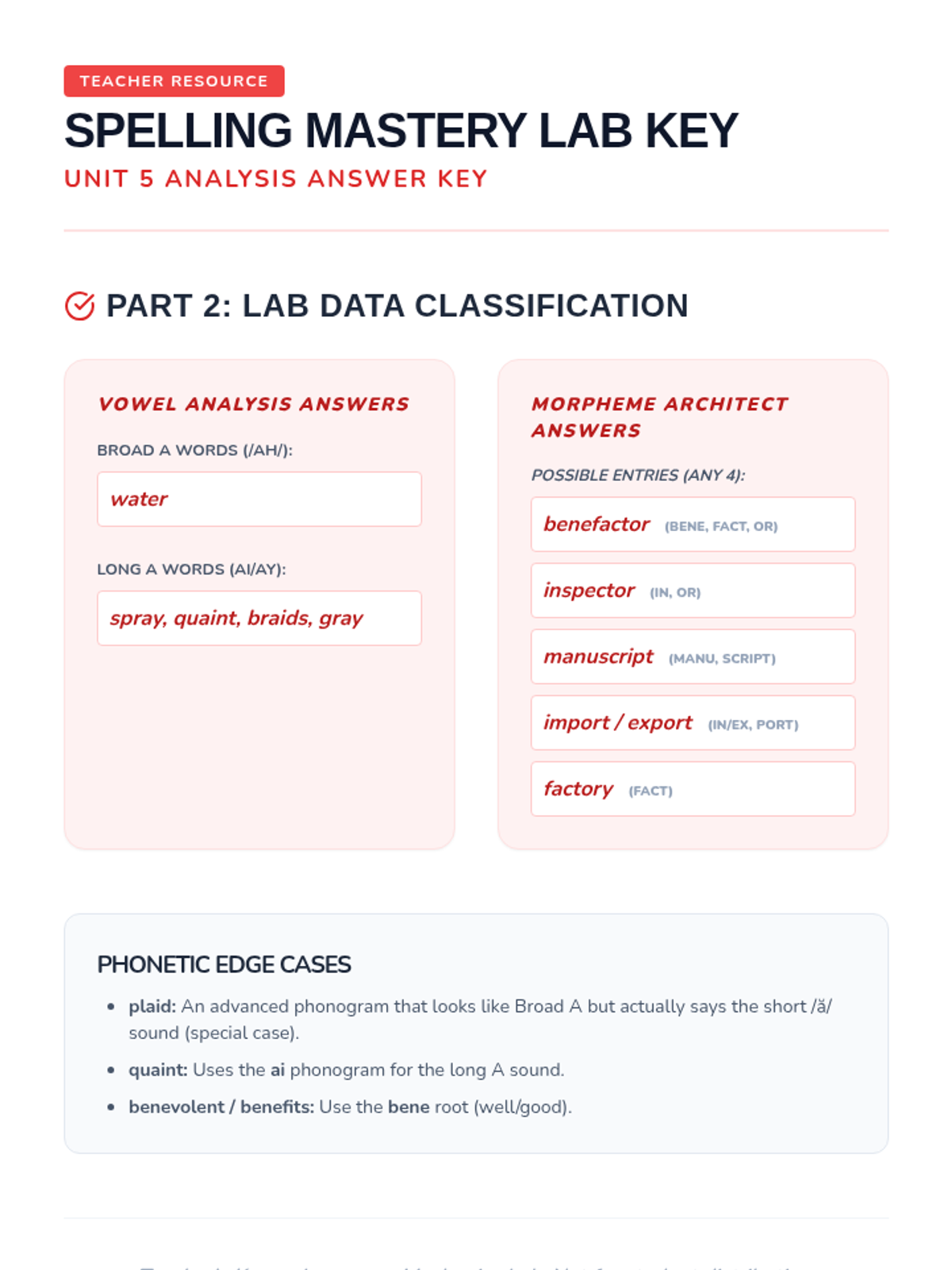
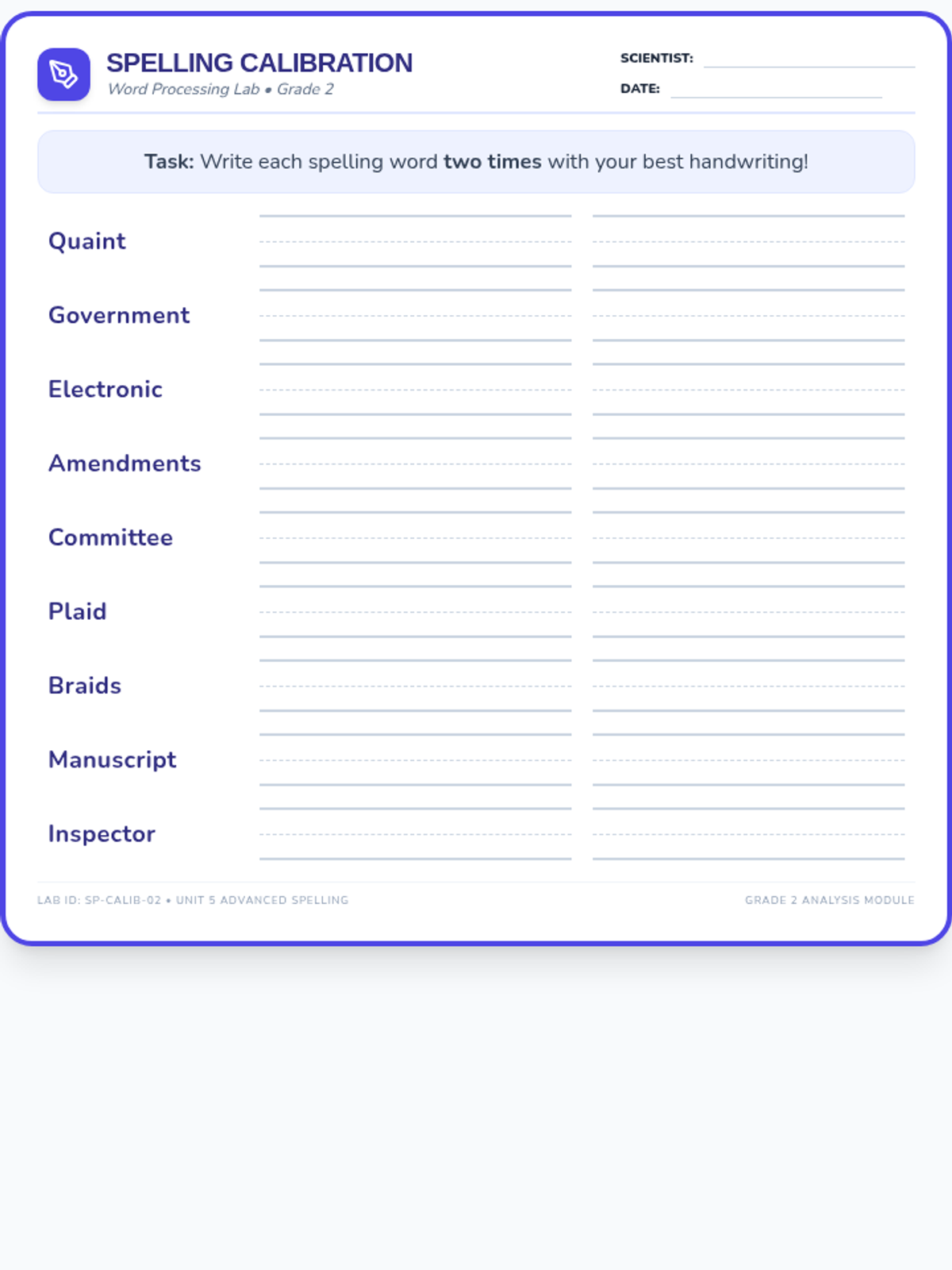
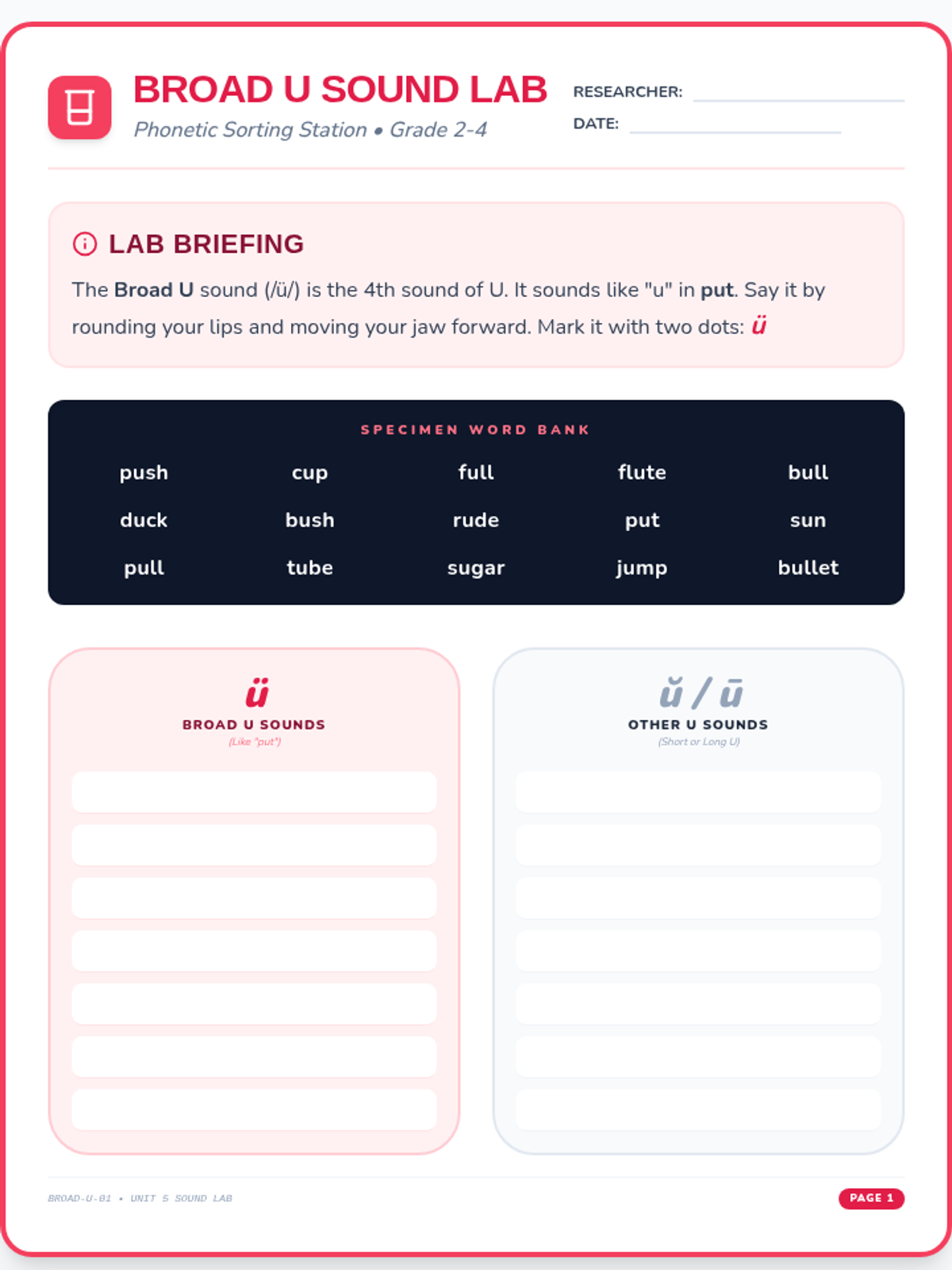
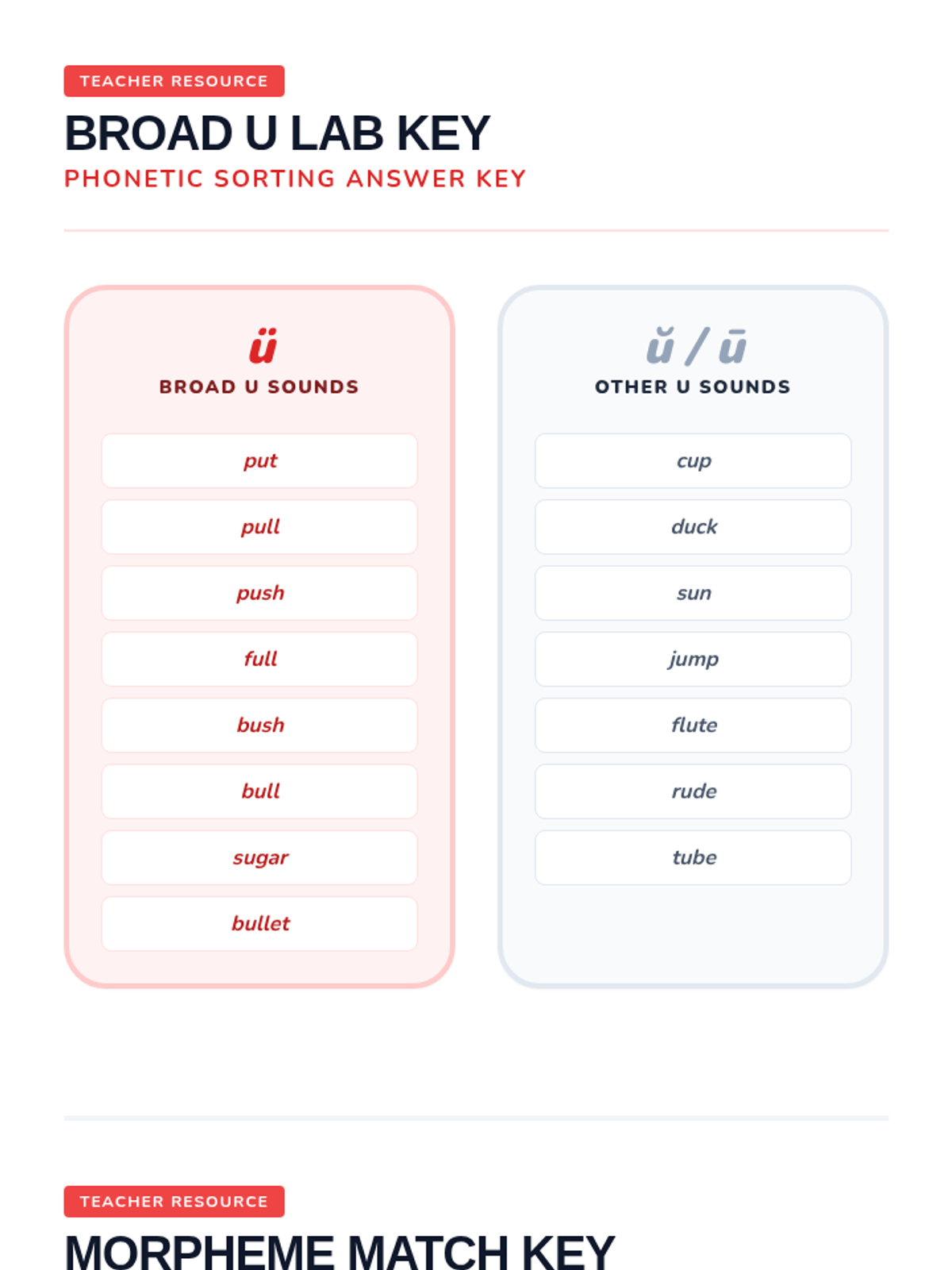
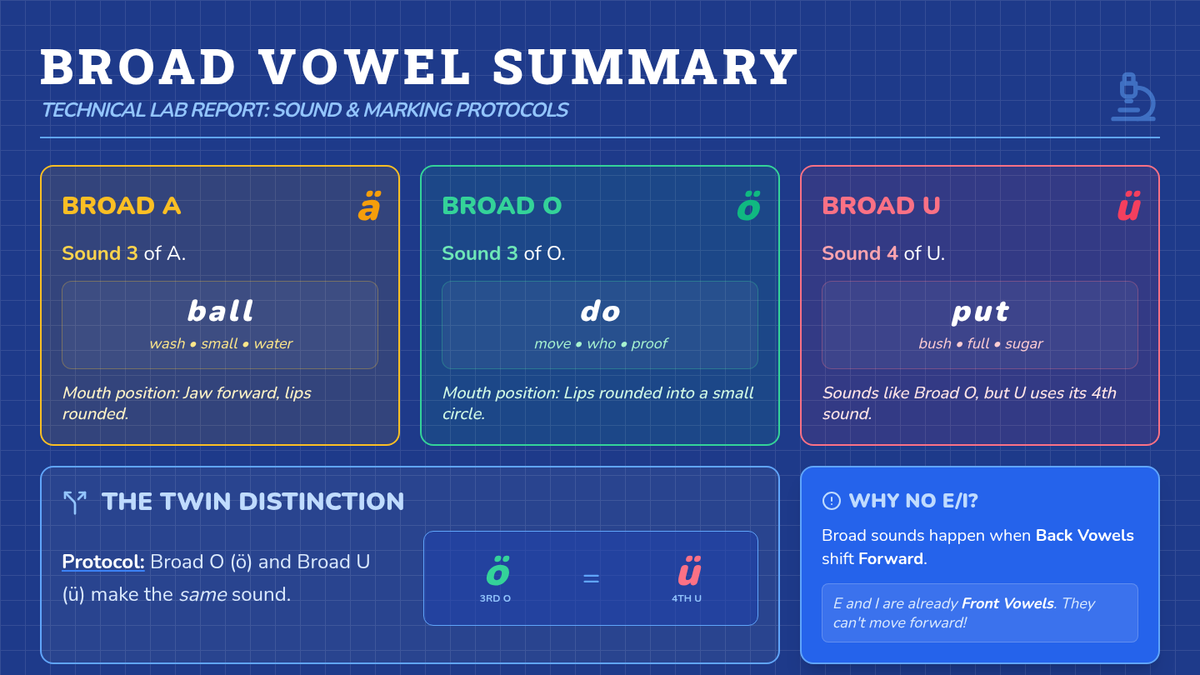
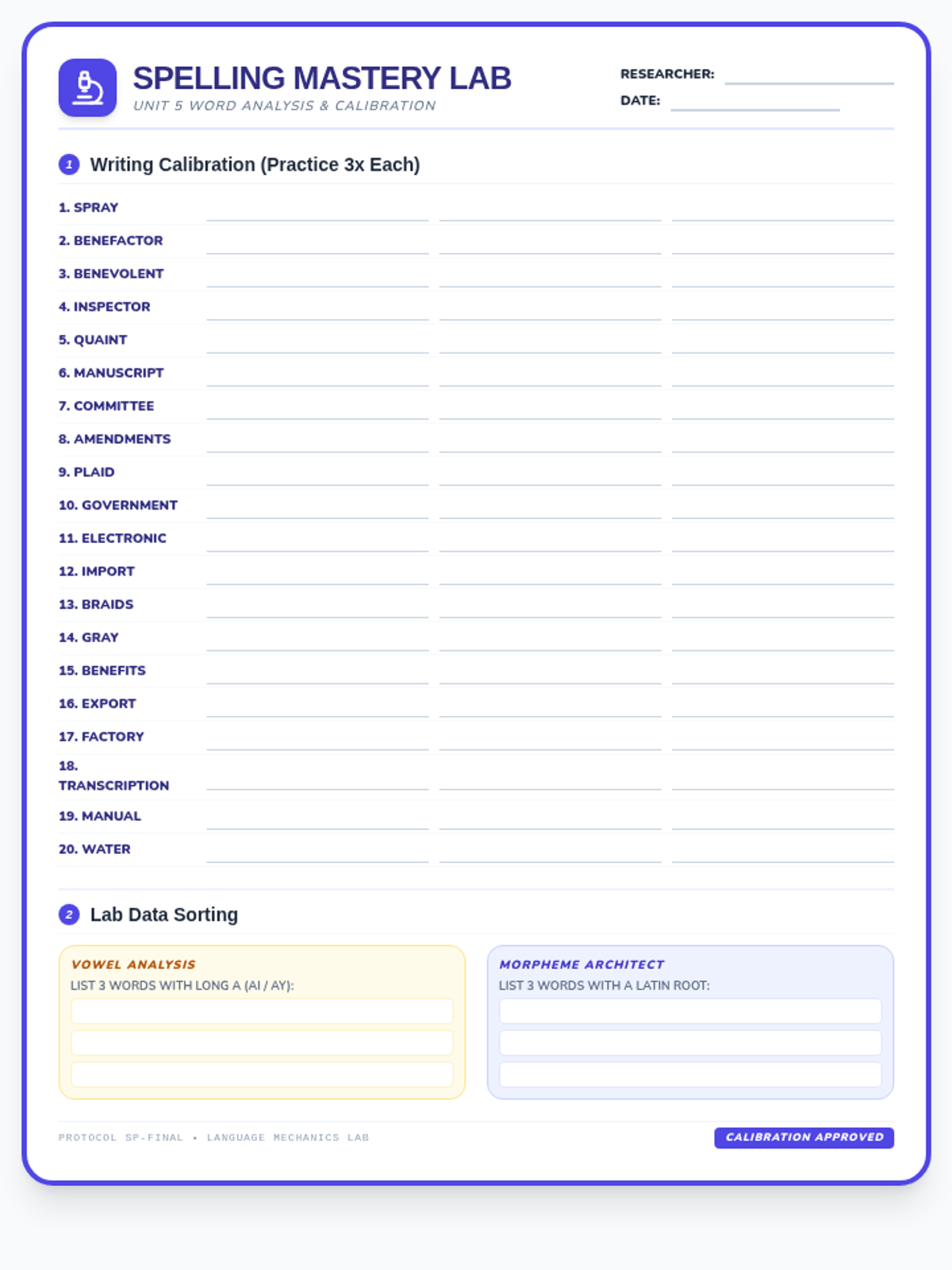
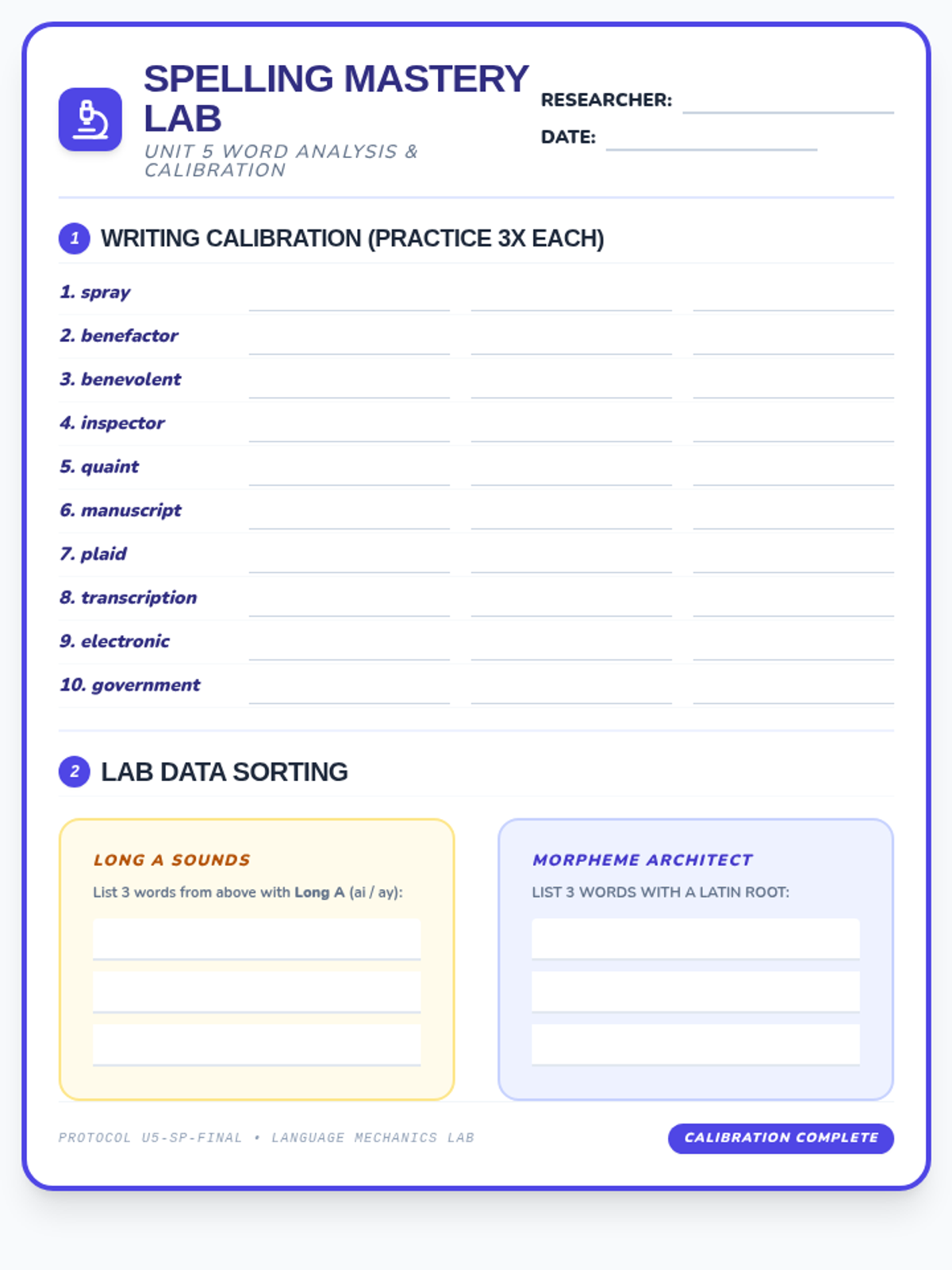
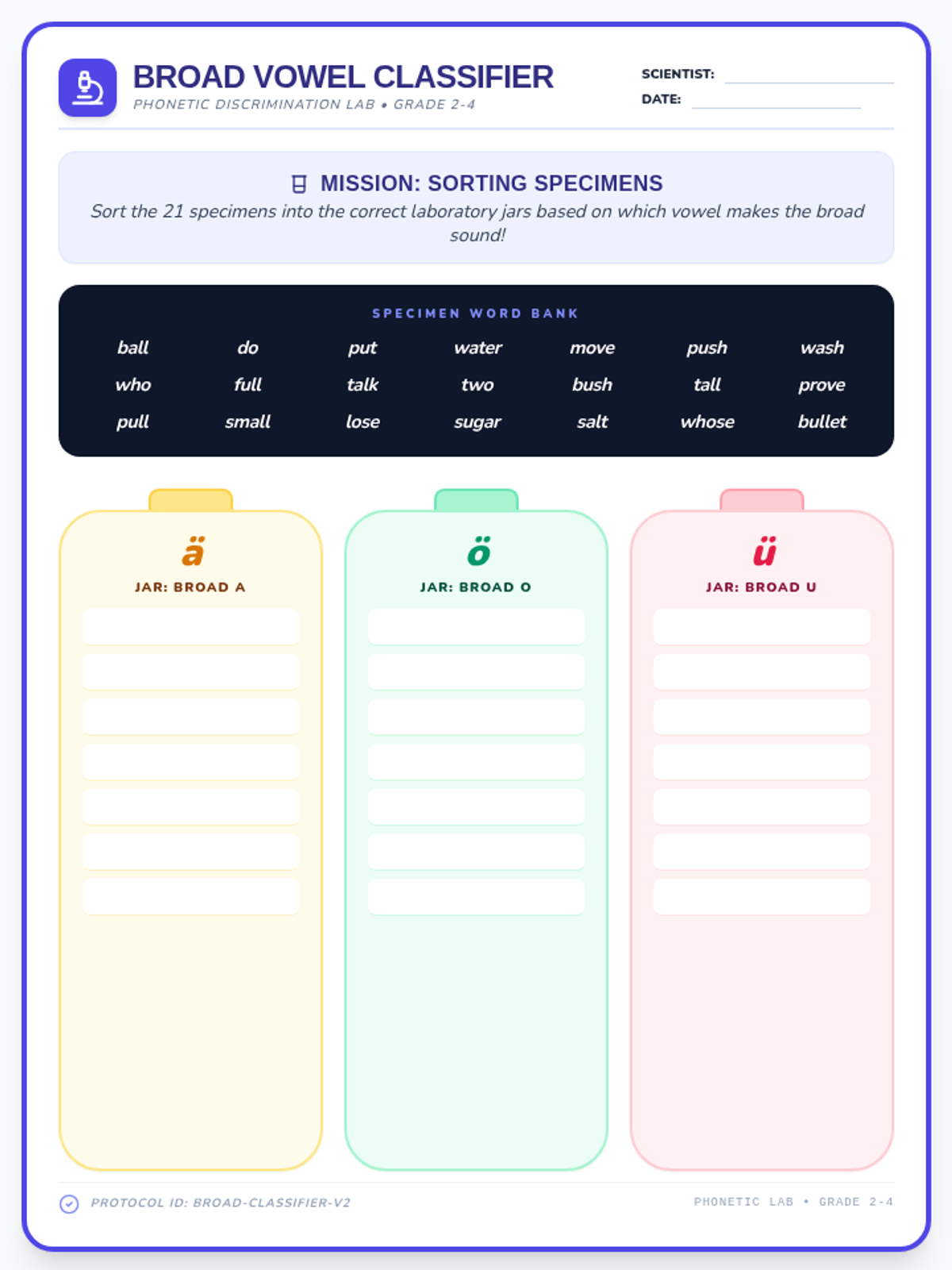
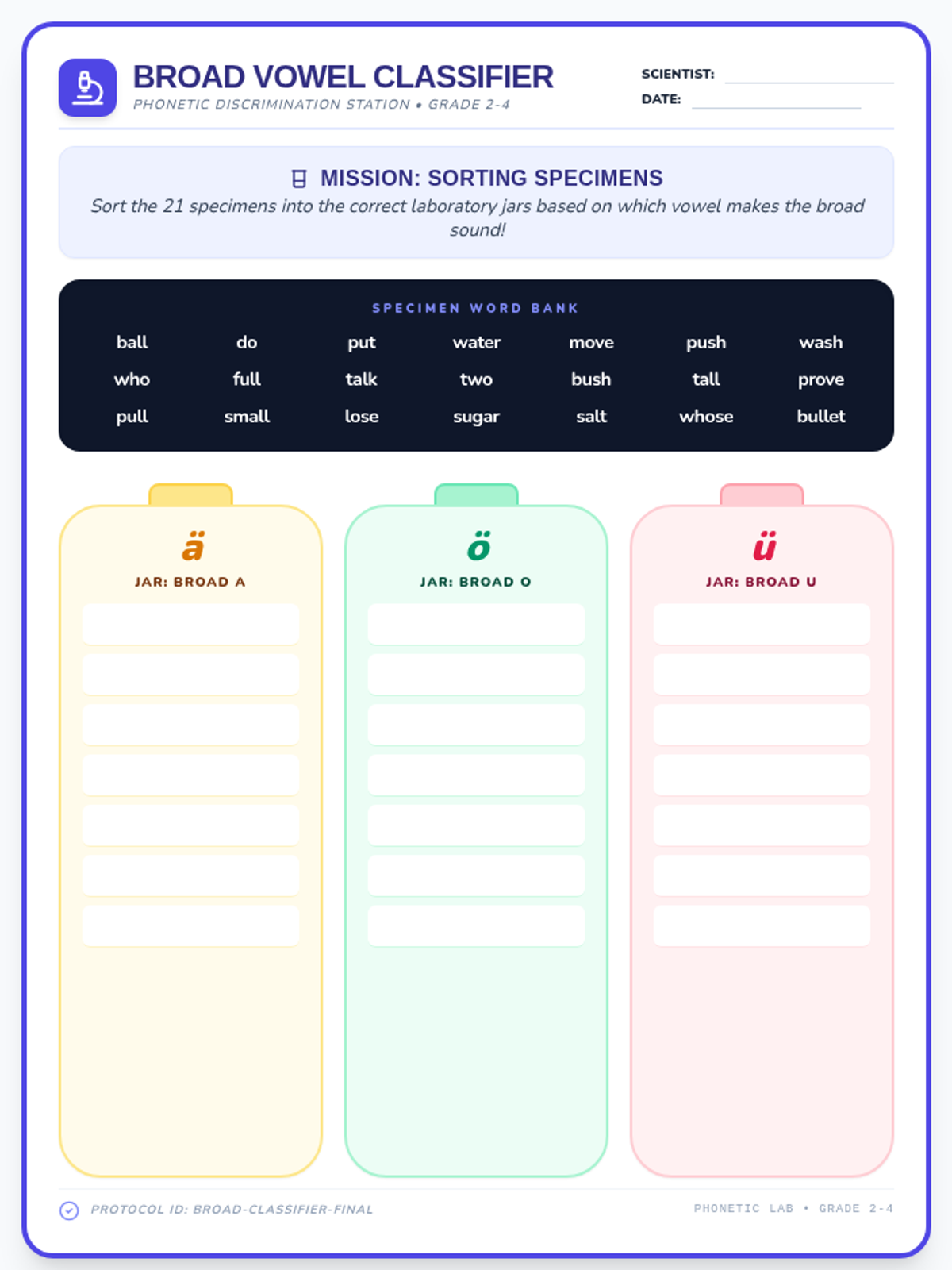
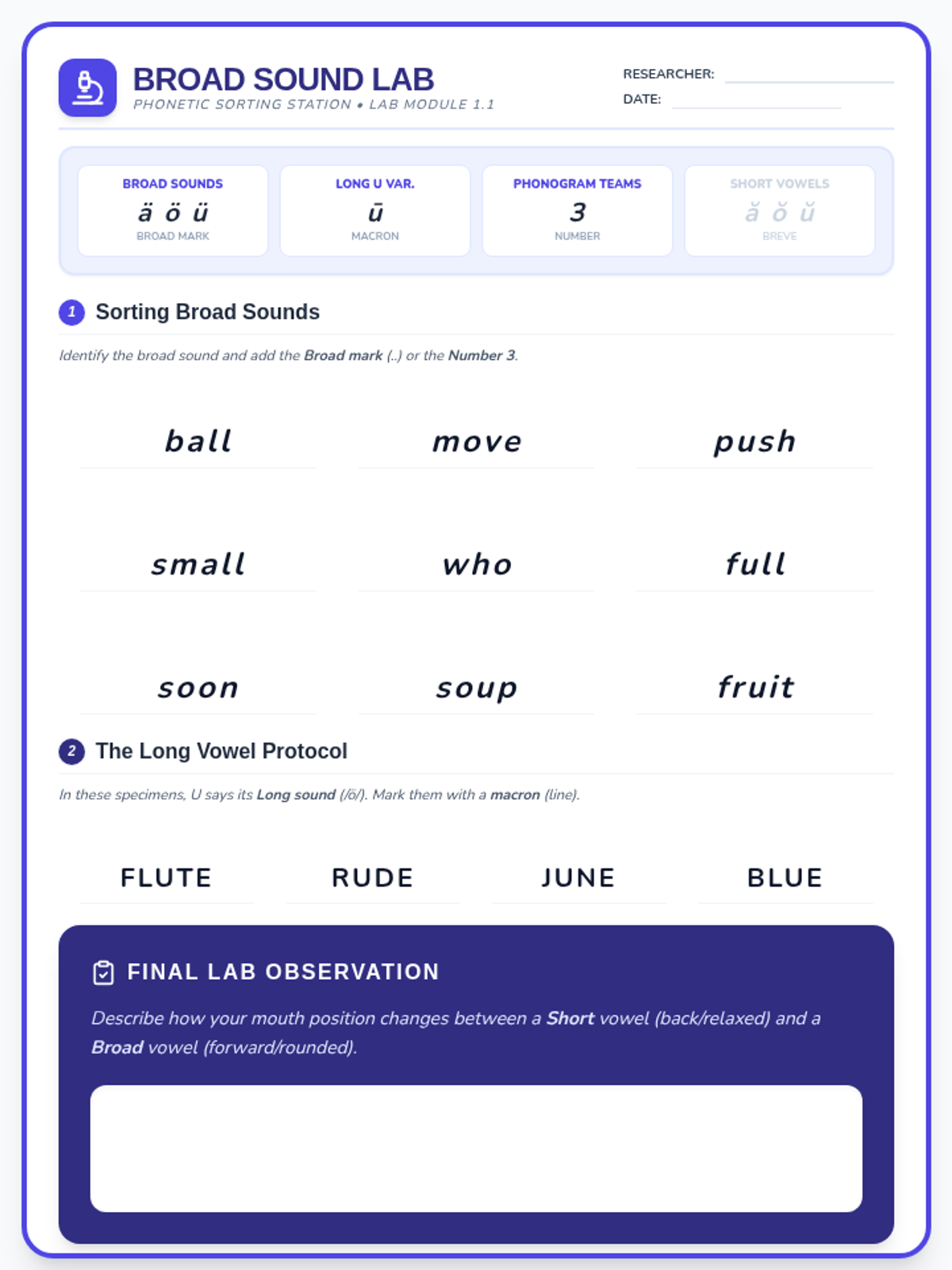
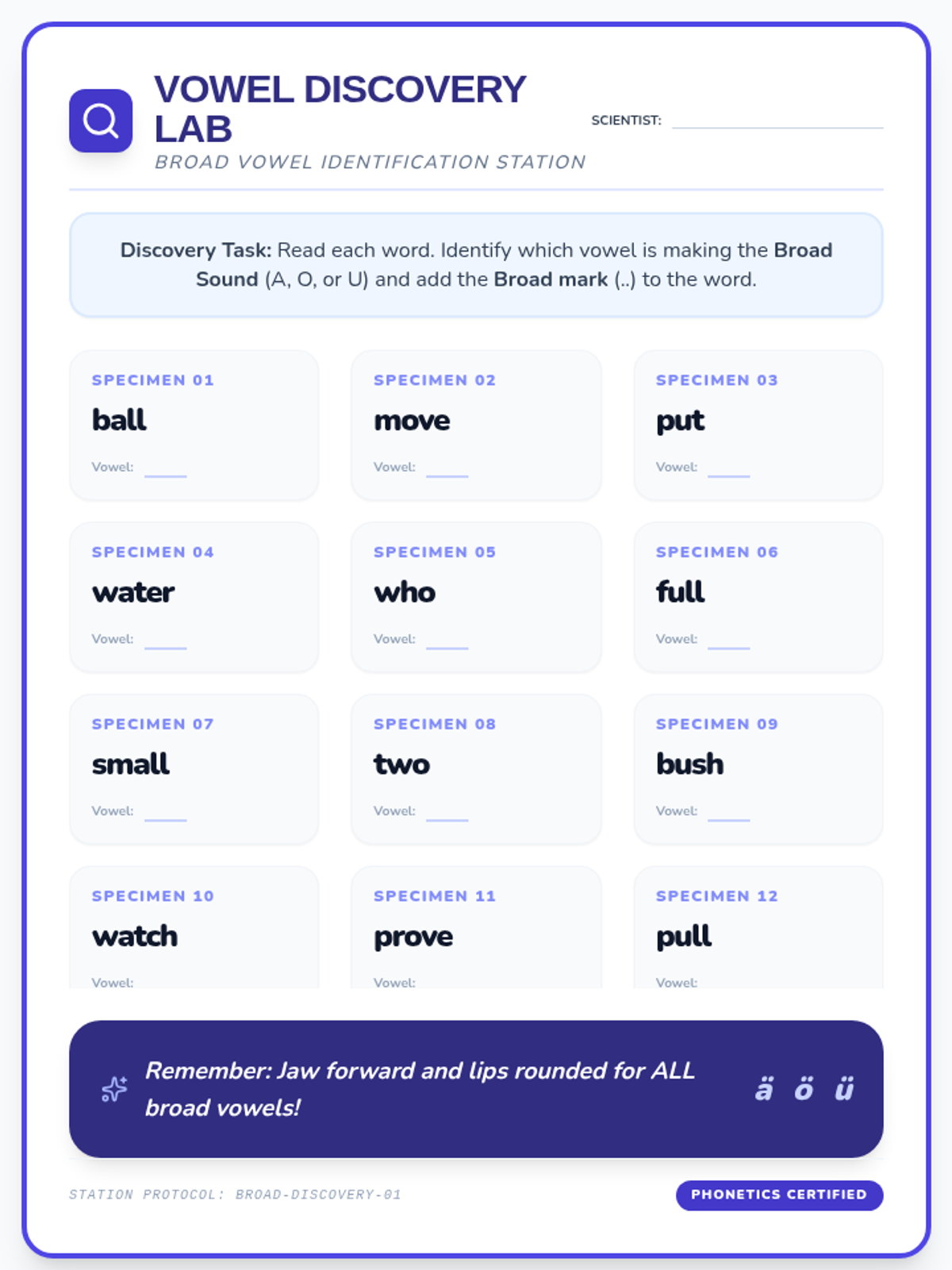
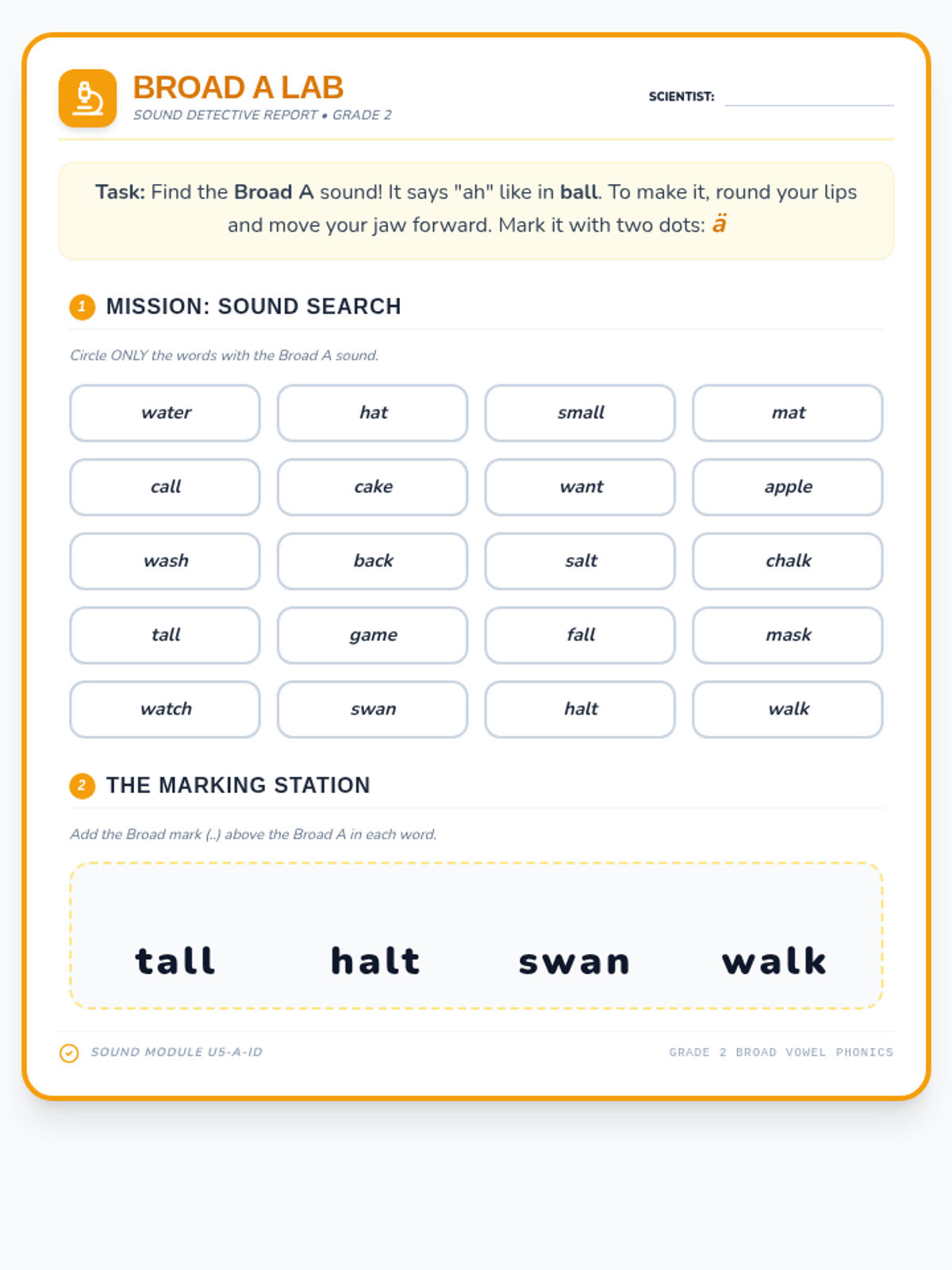
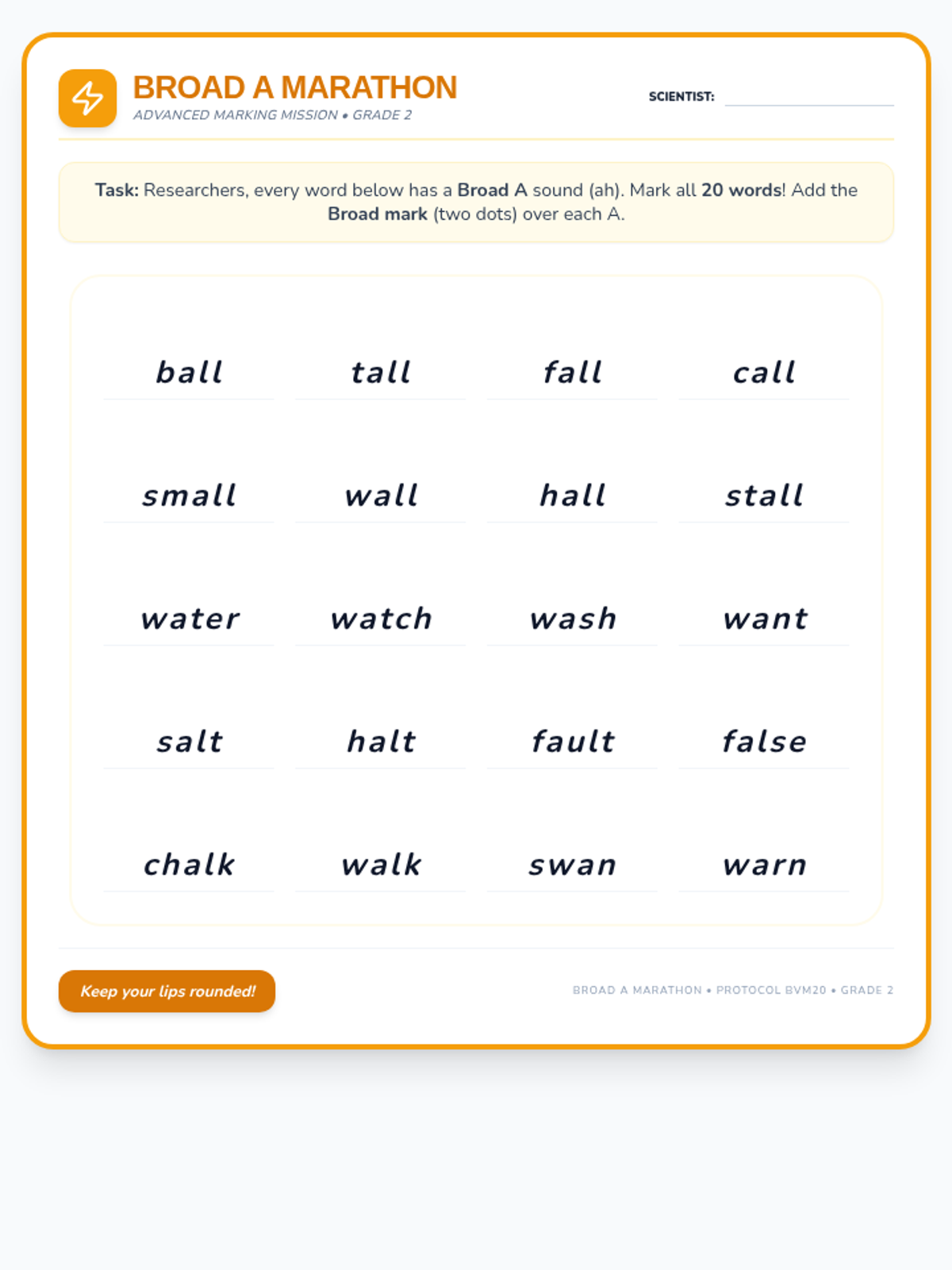
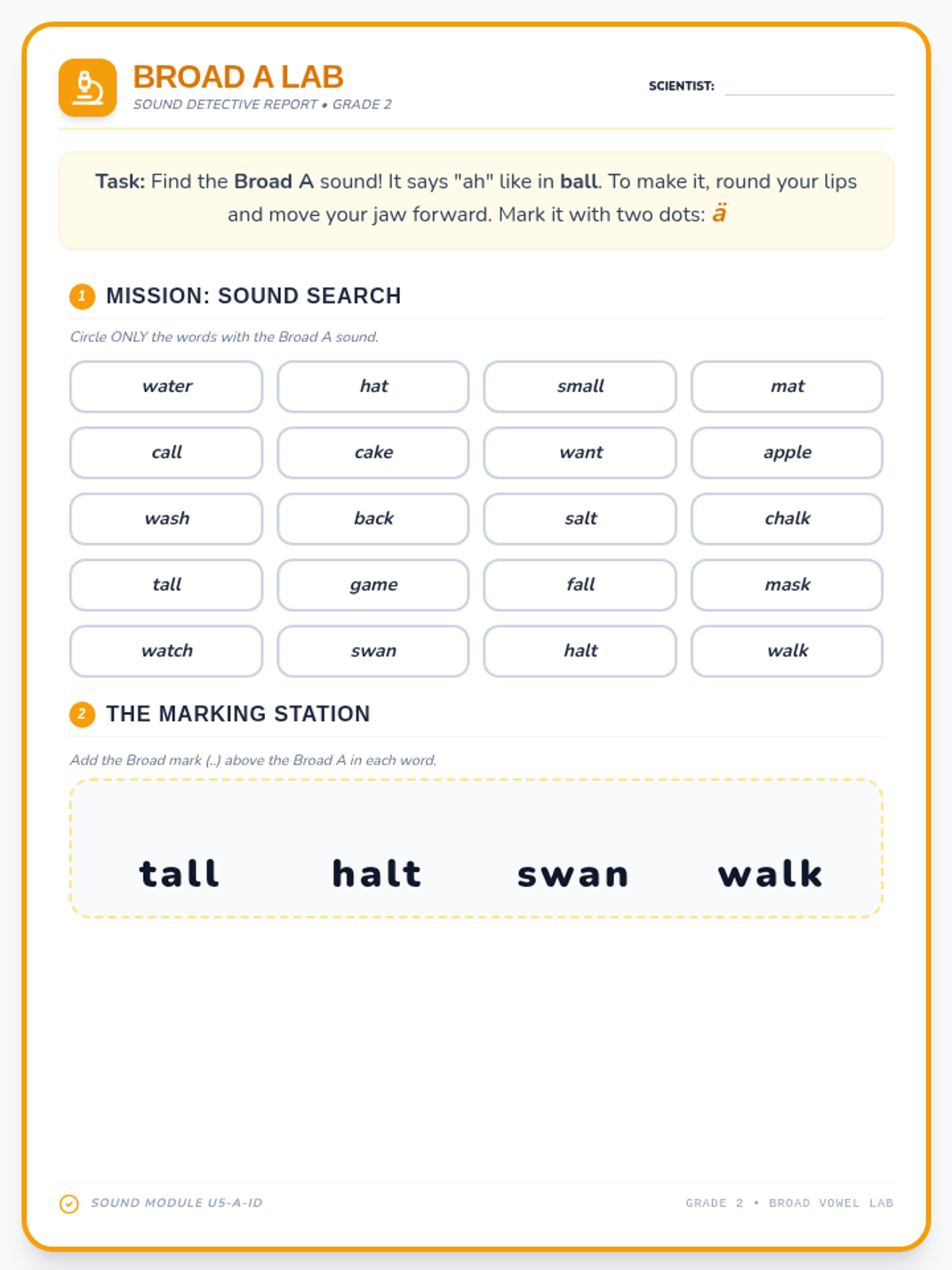
A comprehensive sequence on language mechanics, from phonetic marking of complex vowel sounds to the morphological analysis of Latin roots and affixes. Students develop deep decoding and encoding skills by investigating the building blocks of words.
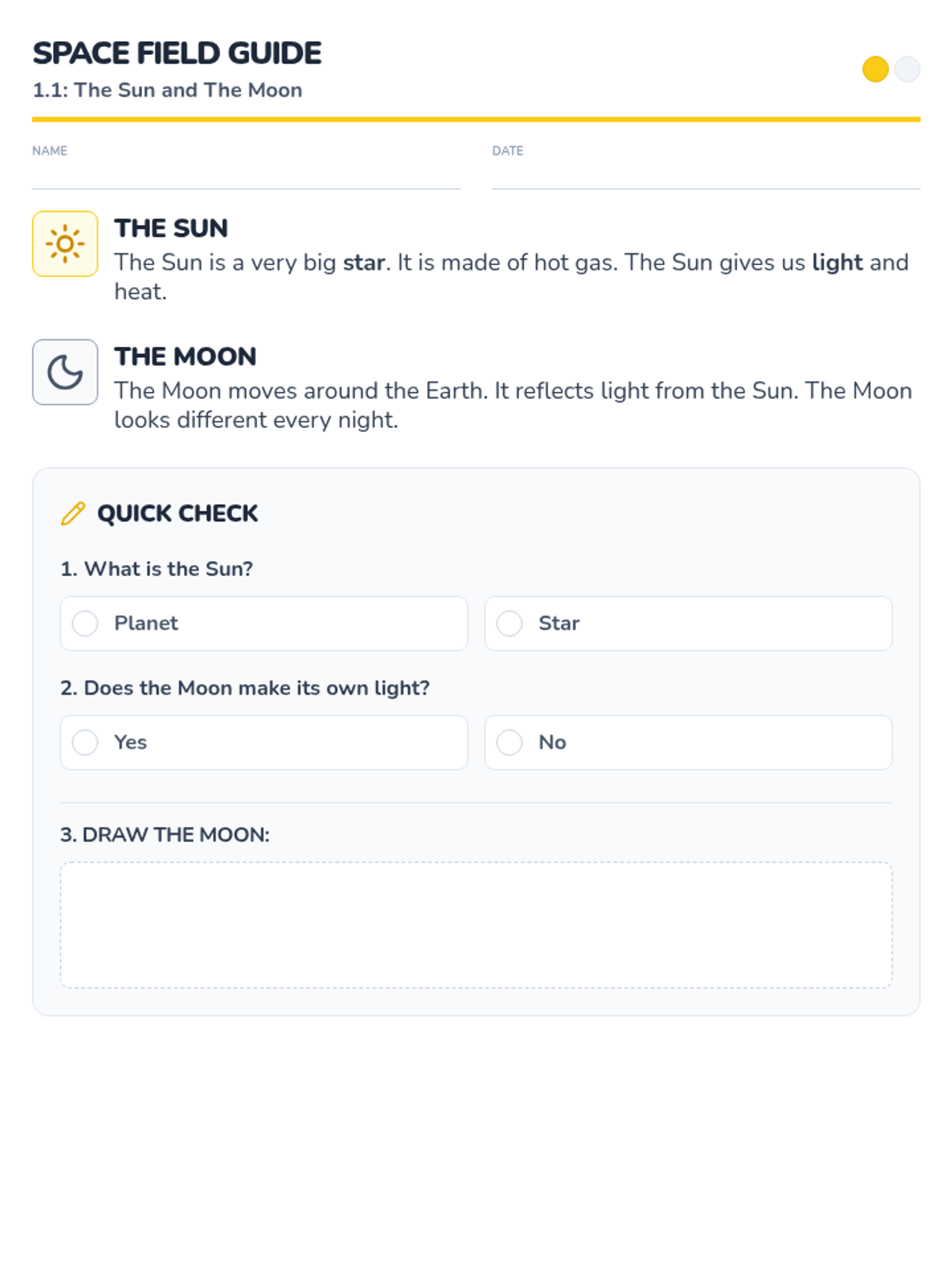
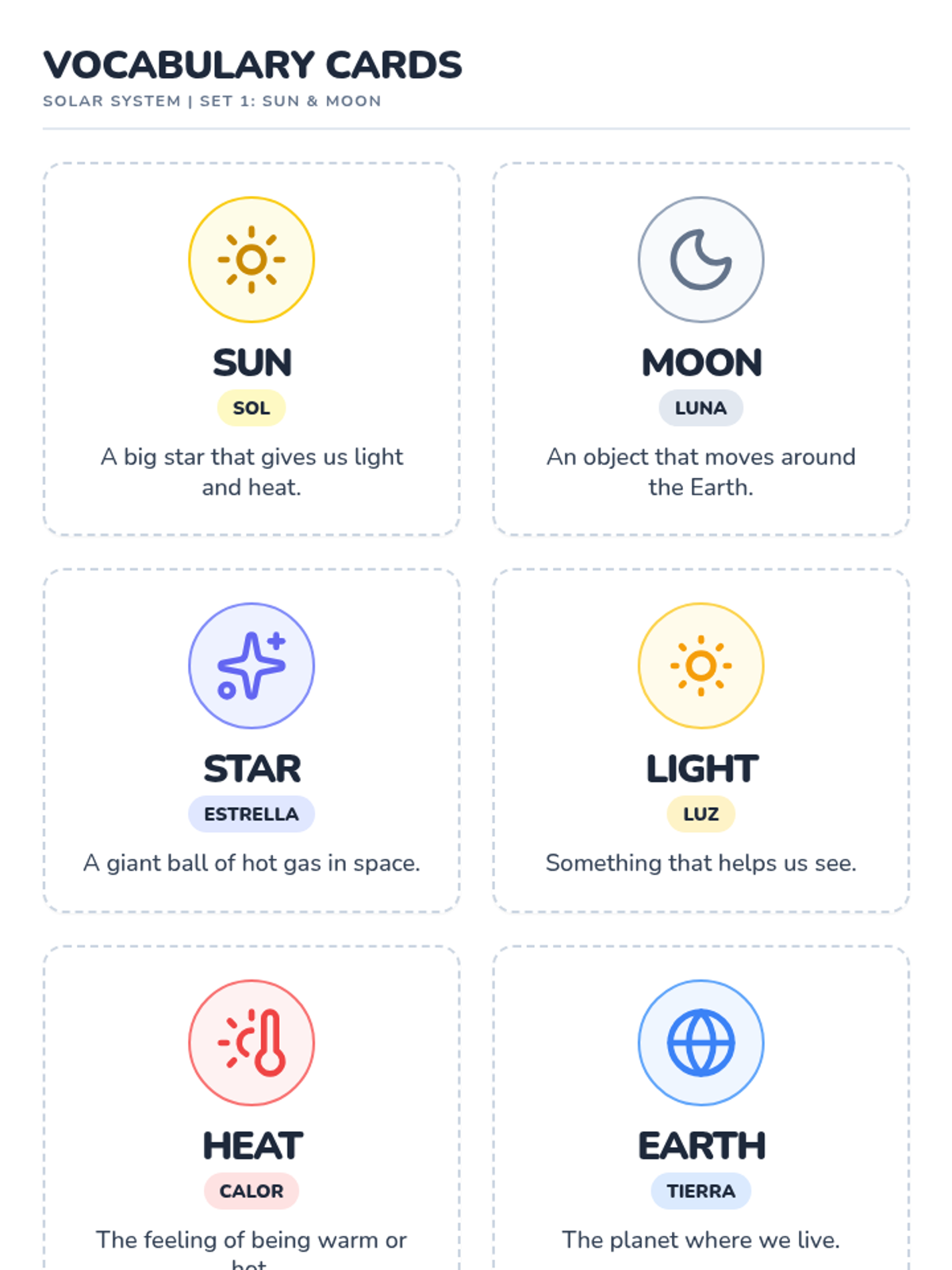
A differentiated unit on the solar system designed for newcomers and students with IEPs, focusing on the Sun, Moon, planets, and stars with heavy visual support and simplified language.
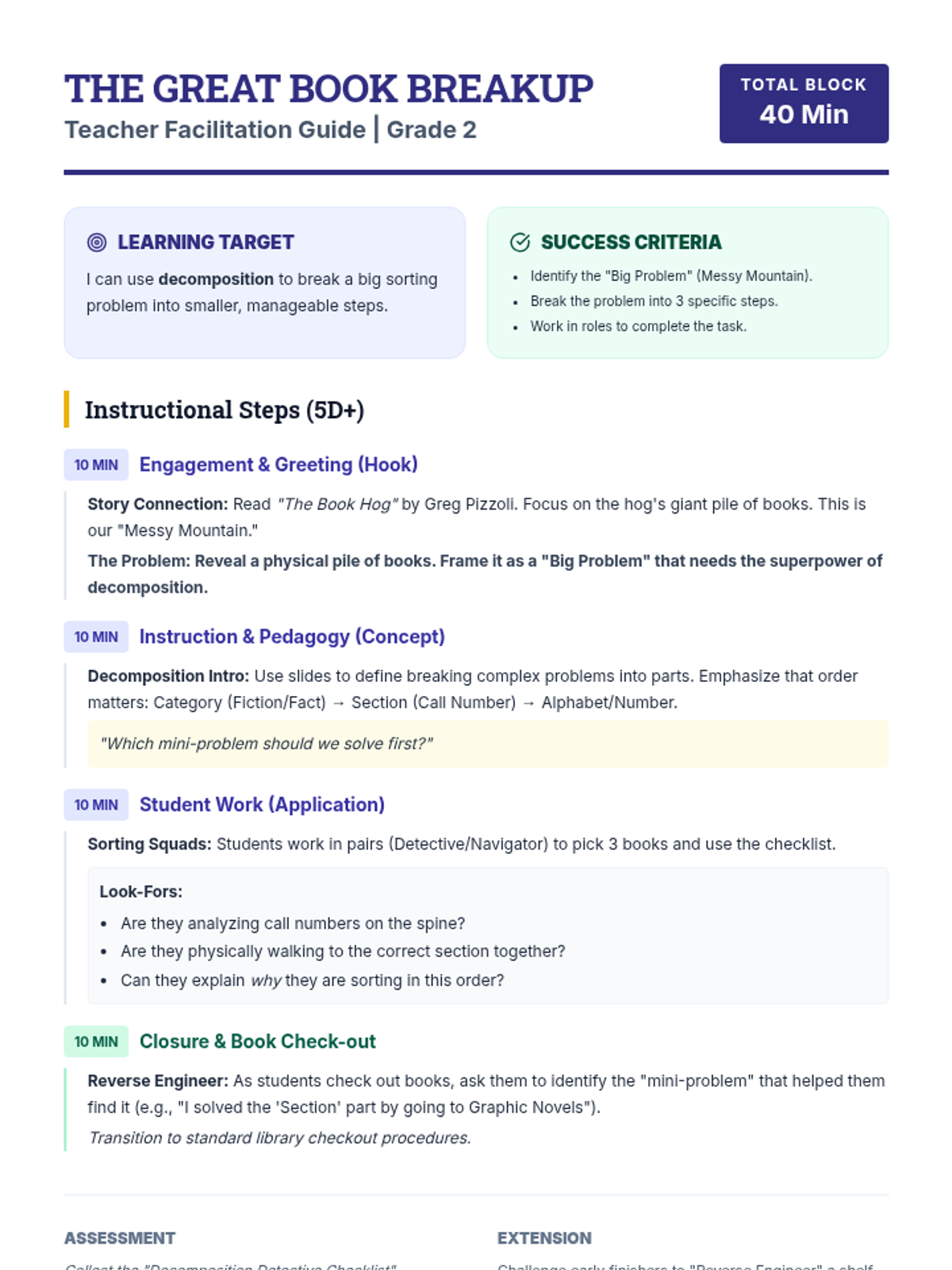
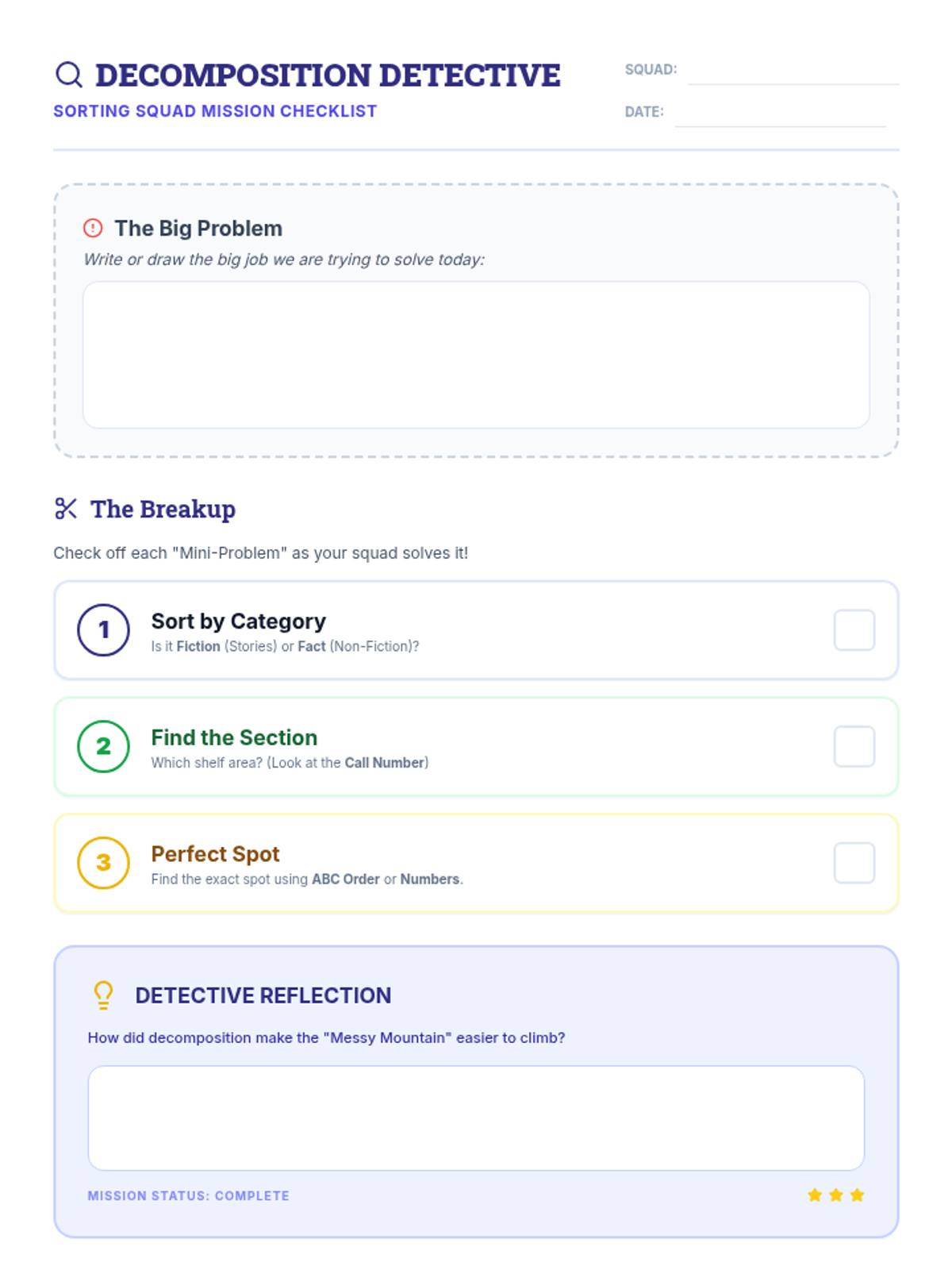
A computer science unplugged sequence for 2nd graders focused on the concept of decomposition through library organization. Students learn to break down the complex task of sorting a 'Messy Mountain' of books into manageable, sequential steps.
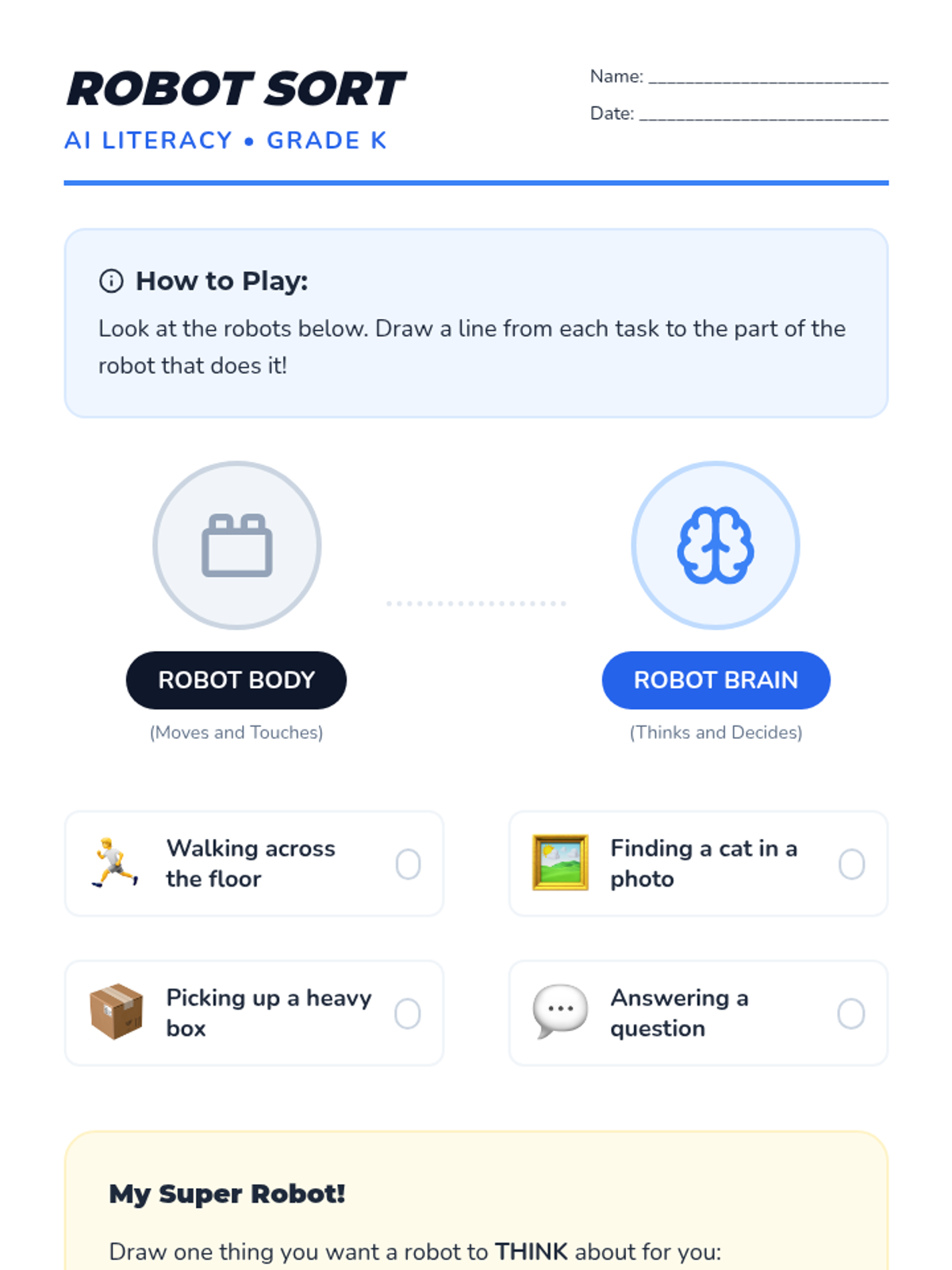
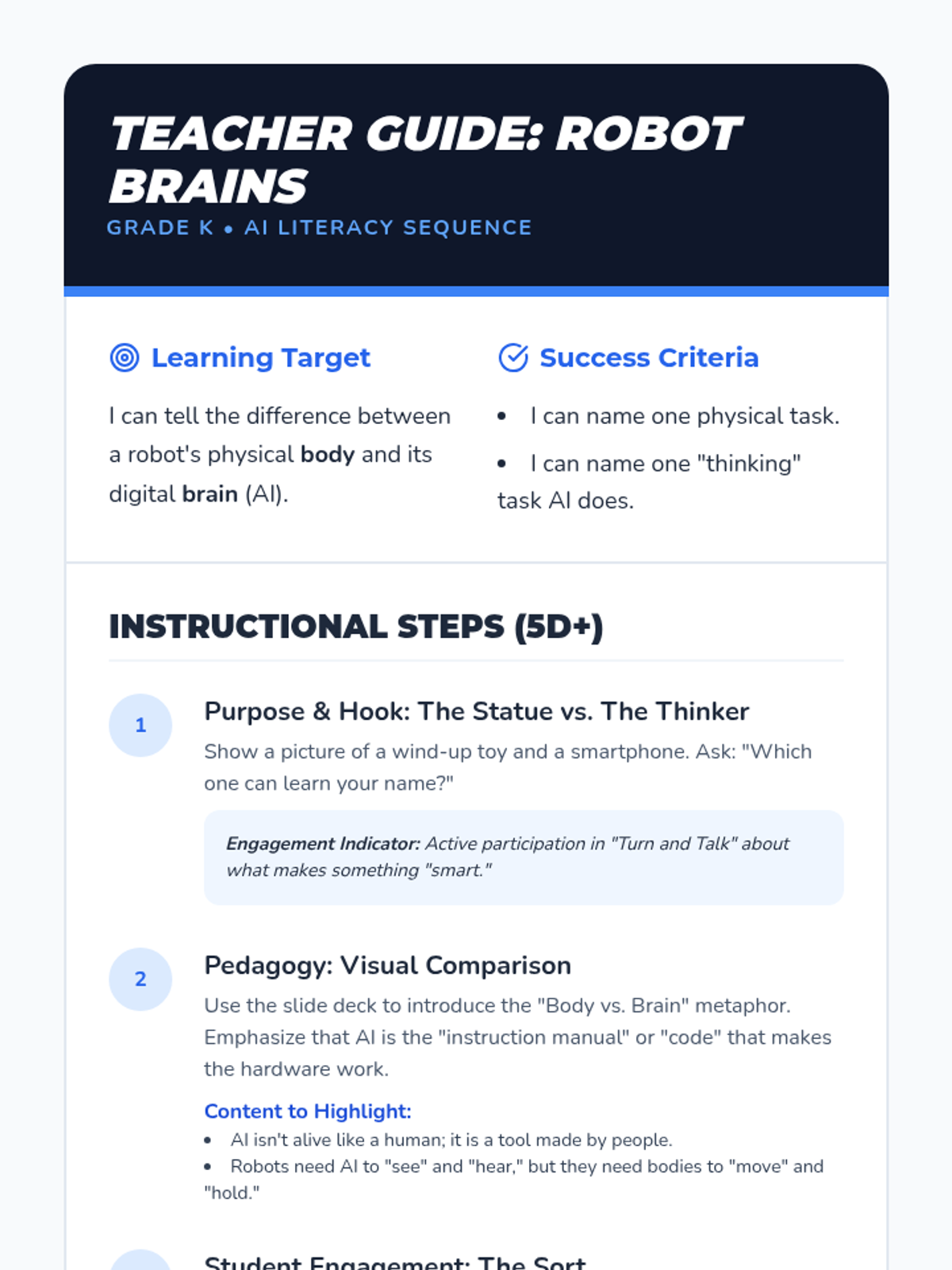
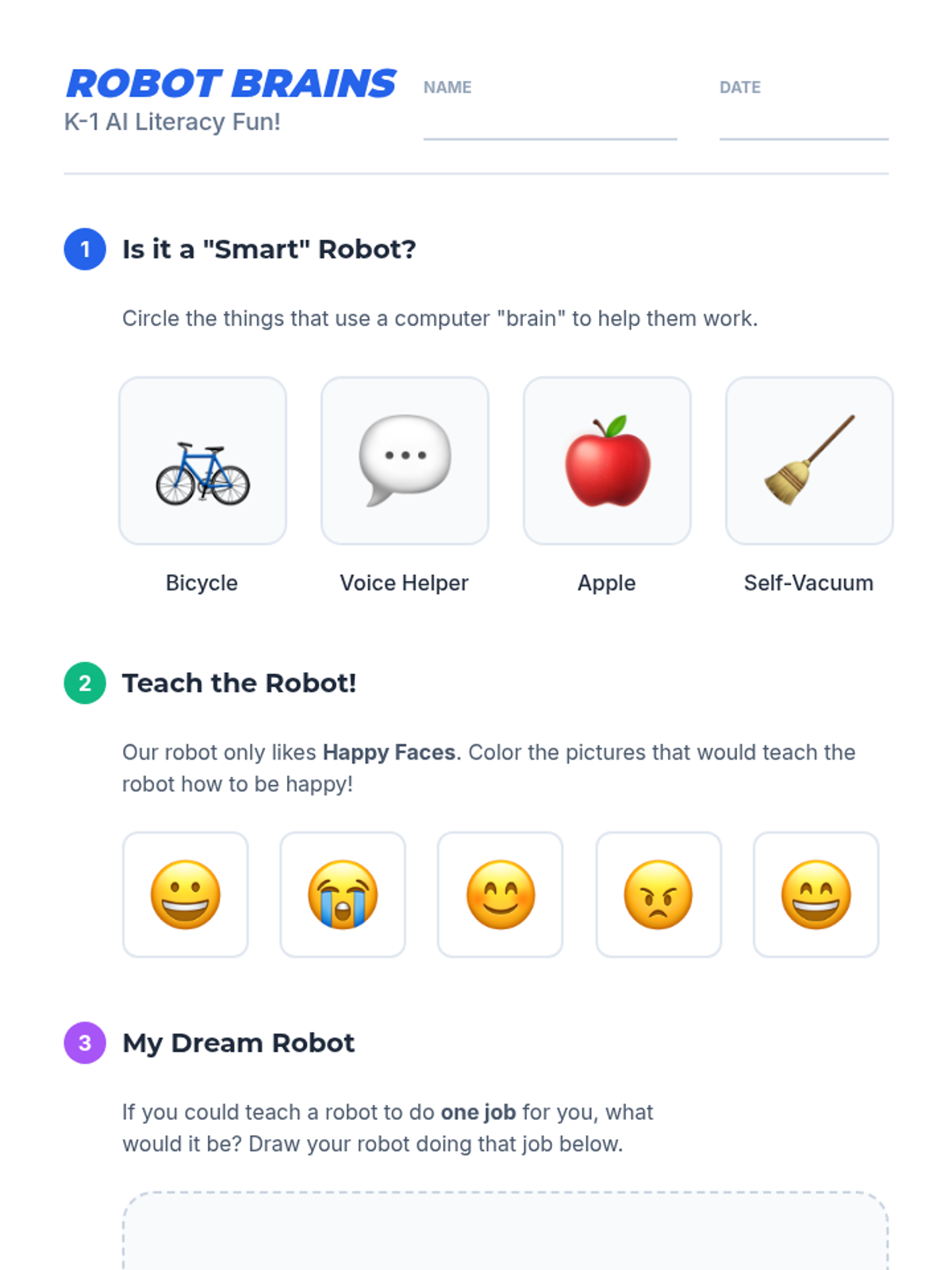
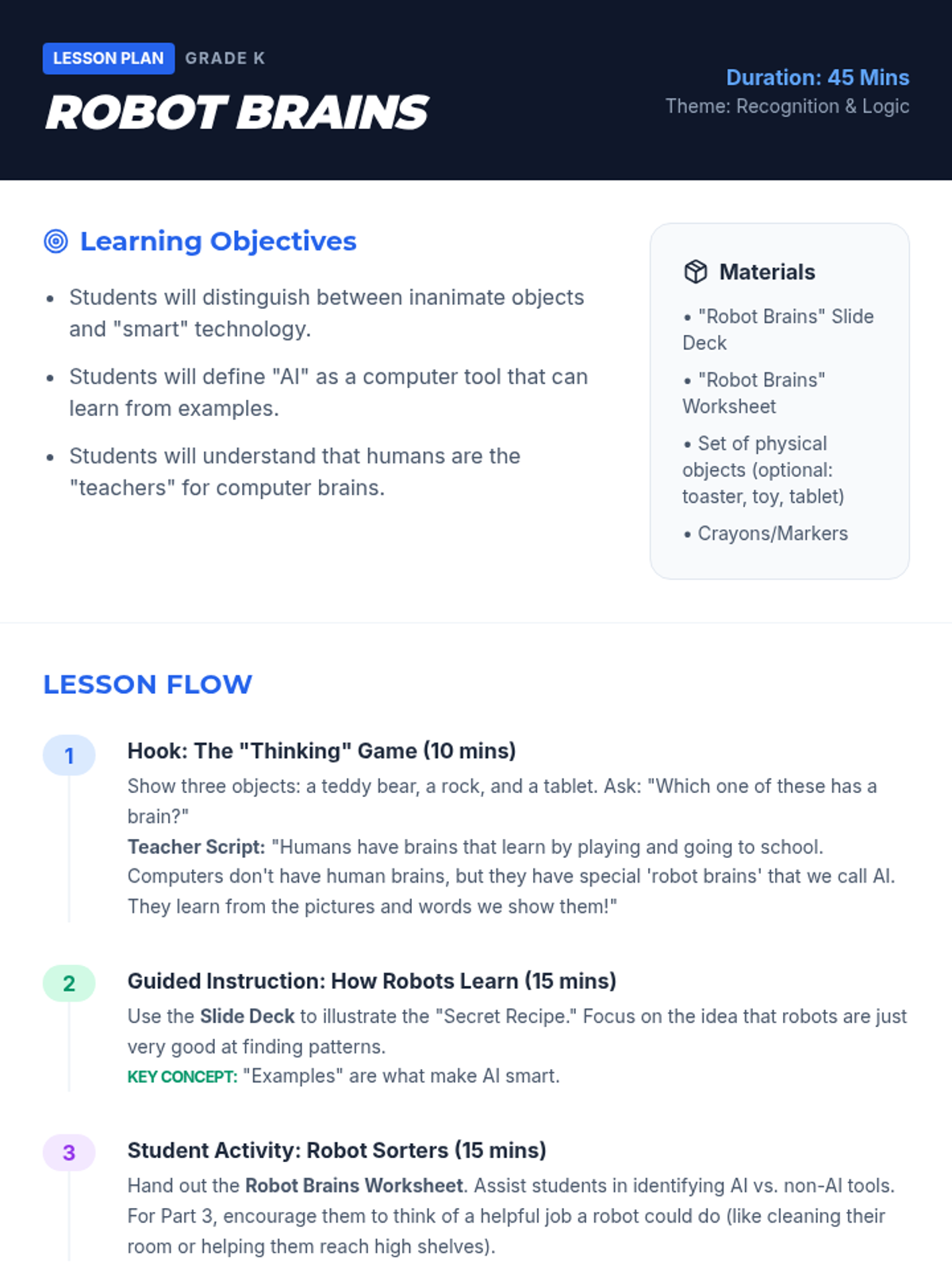
A comprehensive K-8 curriculum designed to build foundational AI literacy through understanding, evaluation, application, and ethics. Each grade level tackles a specific theme, progressing from basic robot concepts to complex algorithmic bias and societal impact.
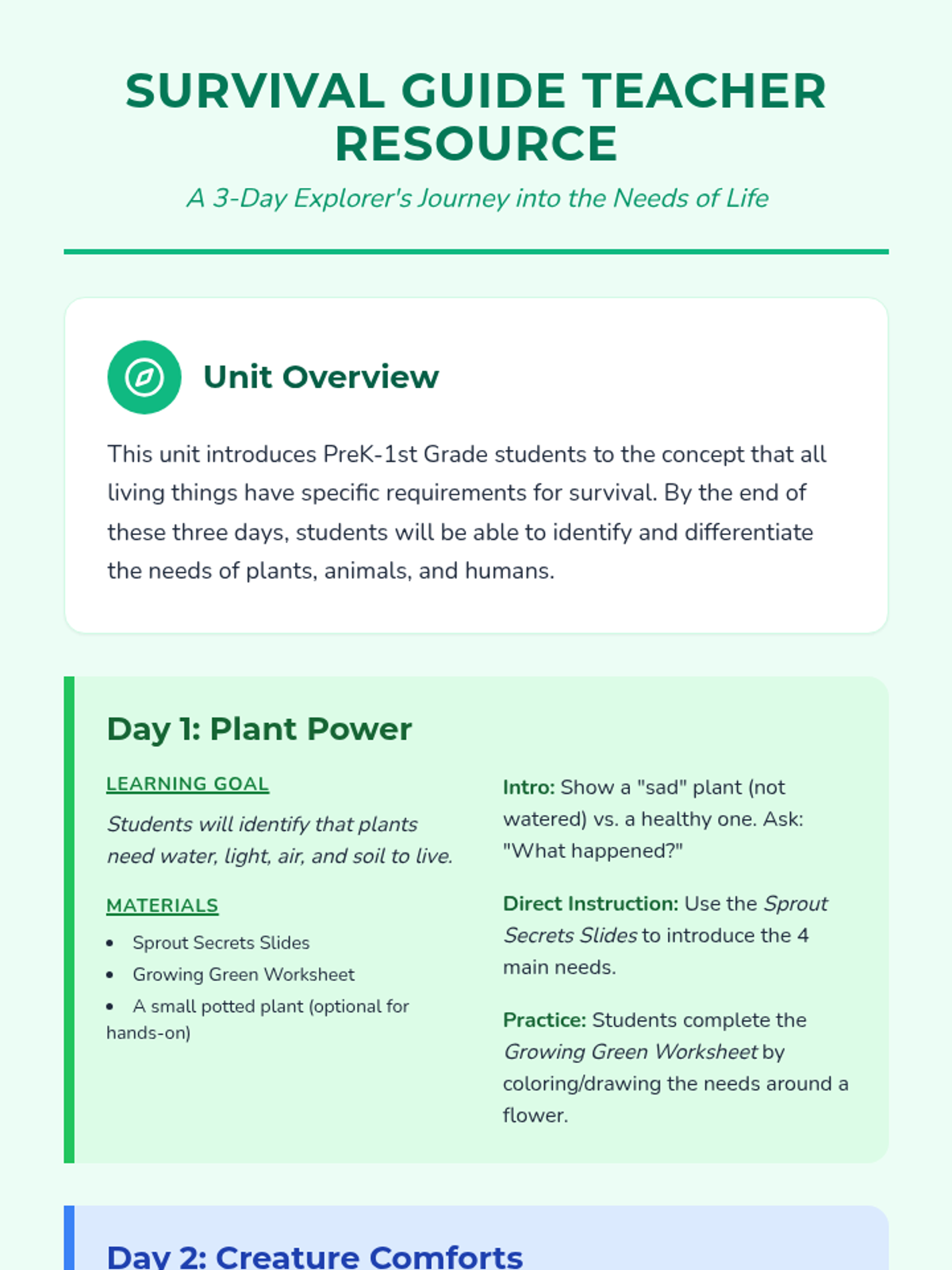
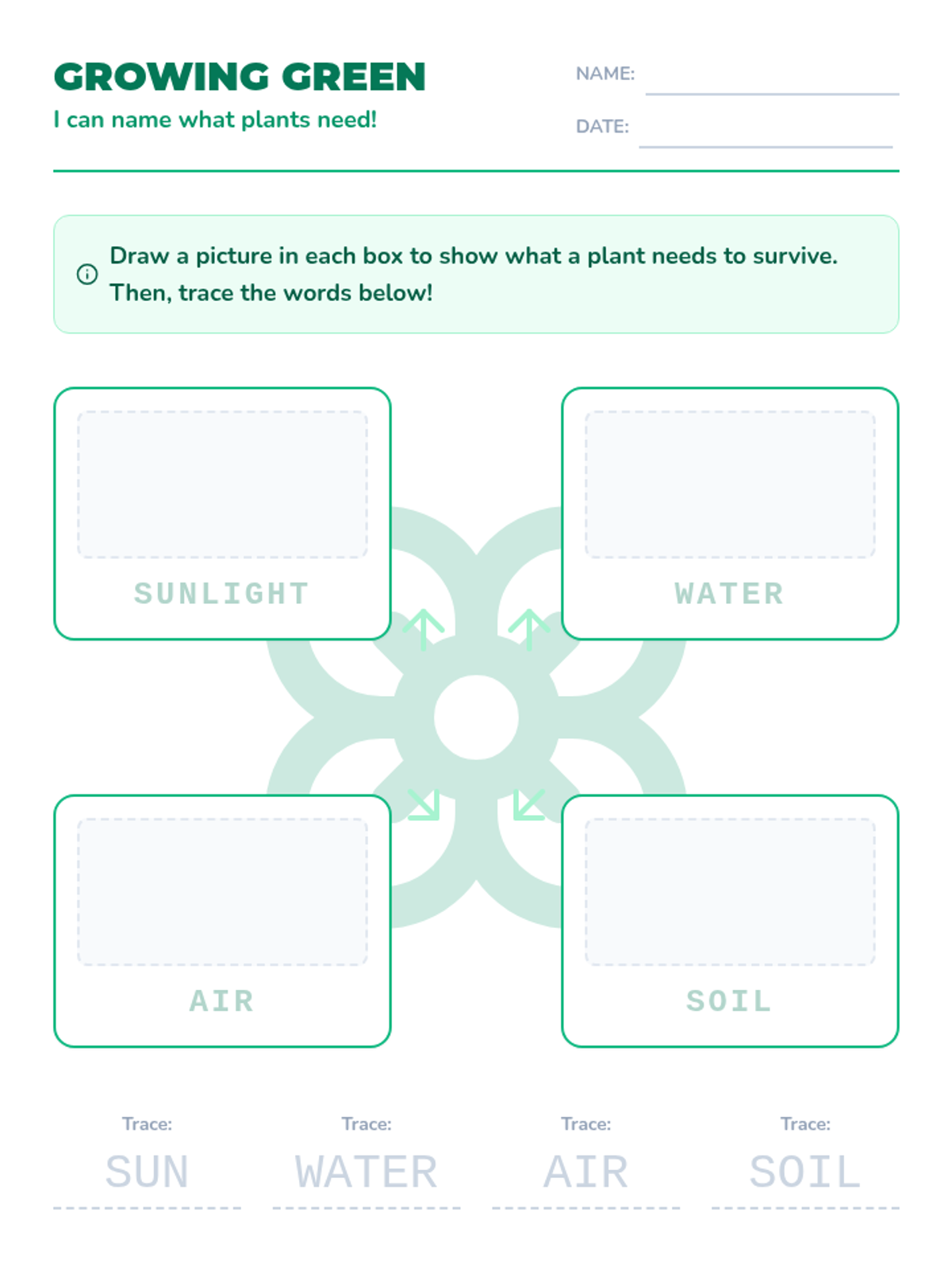
A 3-day introductory science sequence for early learners (PreK-1st) exploring the fundamental needs of plants, animals, and humans. Students will discover commonalities in survival requirements through visuals, guided practice, and hands-on sorting.
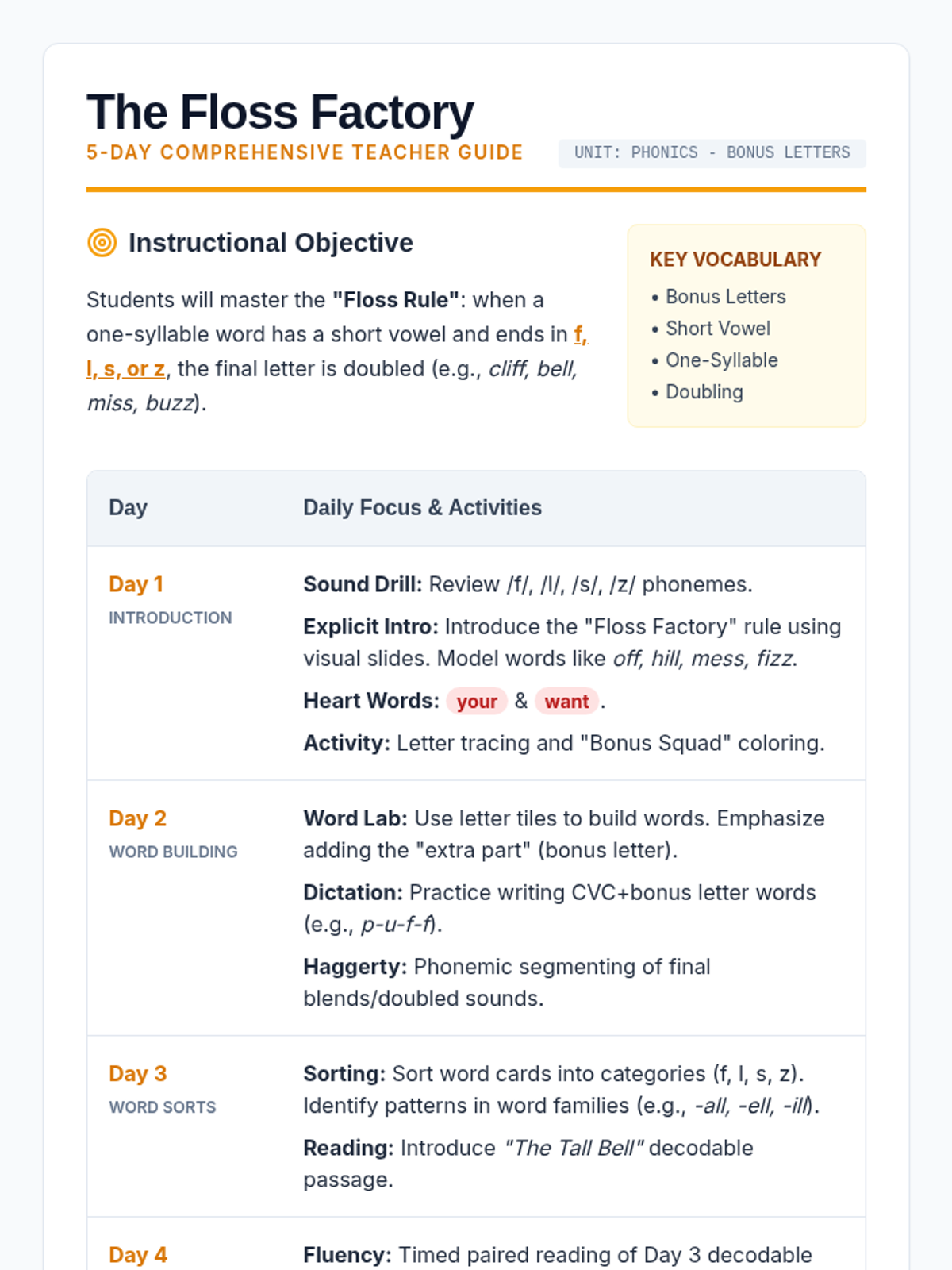
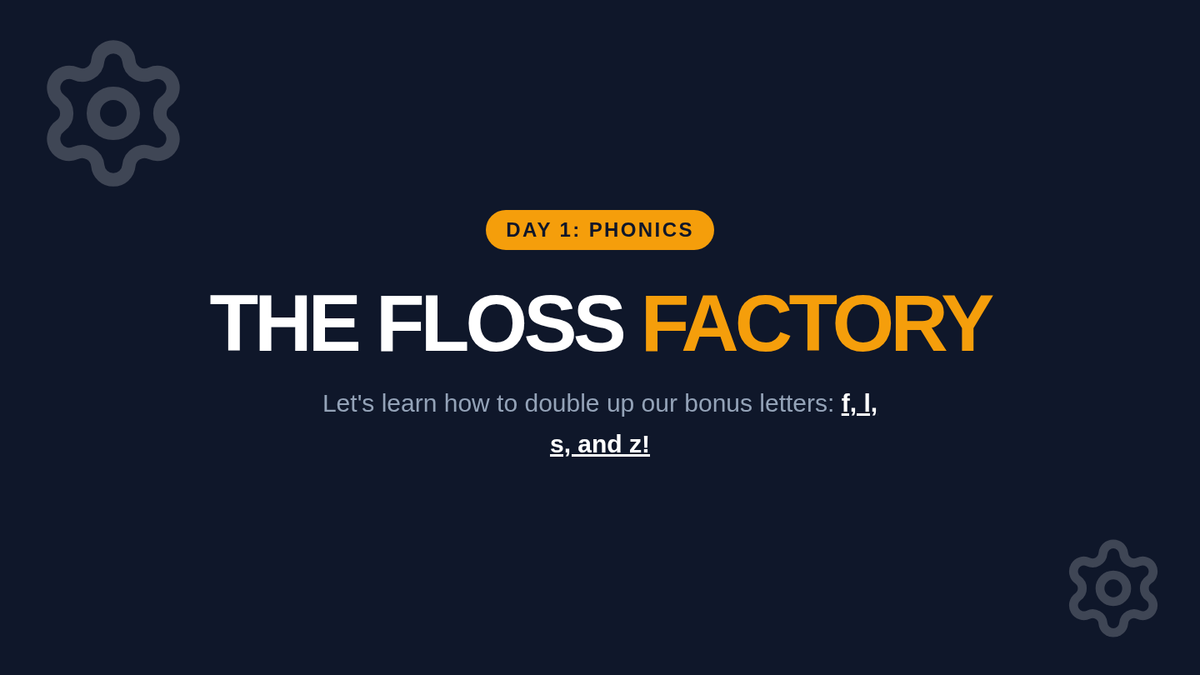
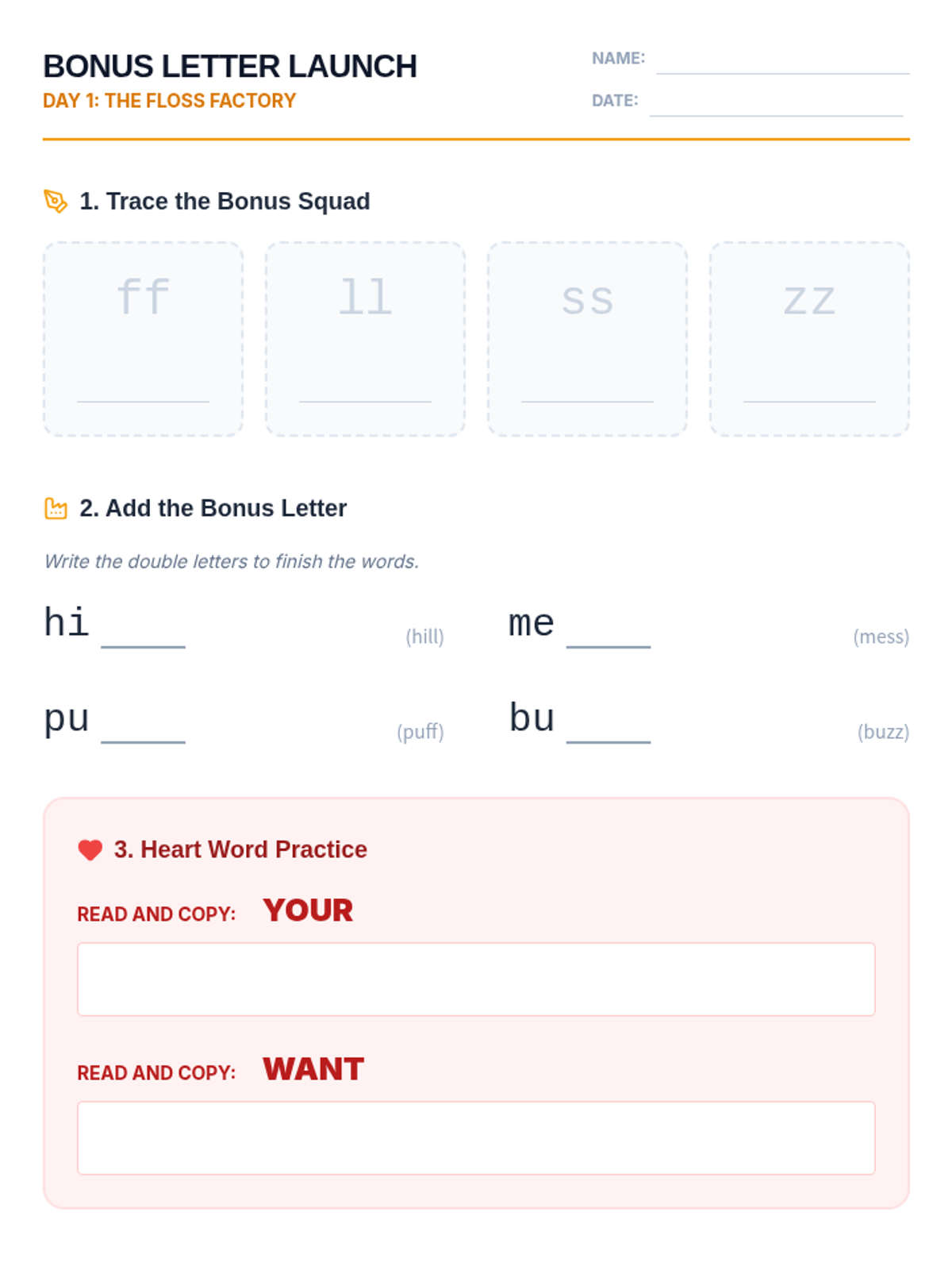
A comprehensive 5-day phonics unit focused on the "bonus letters" (Floss Rule: f, l, s, z) including heart words 'your' and 'want'. Students explore the concept of doubling final consonants in one-syllable short vowel words through a factory-themed learning experience.
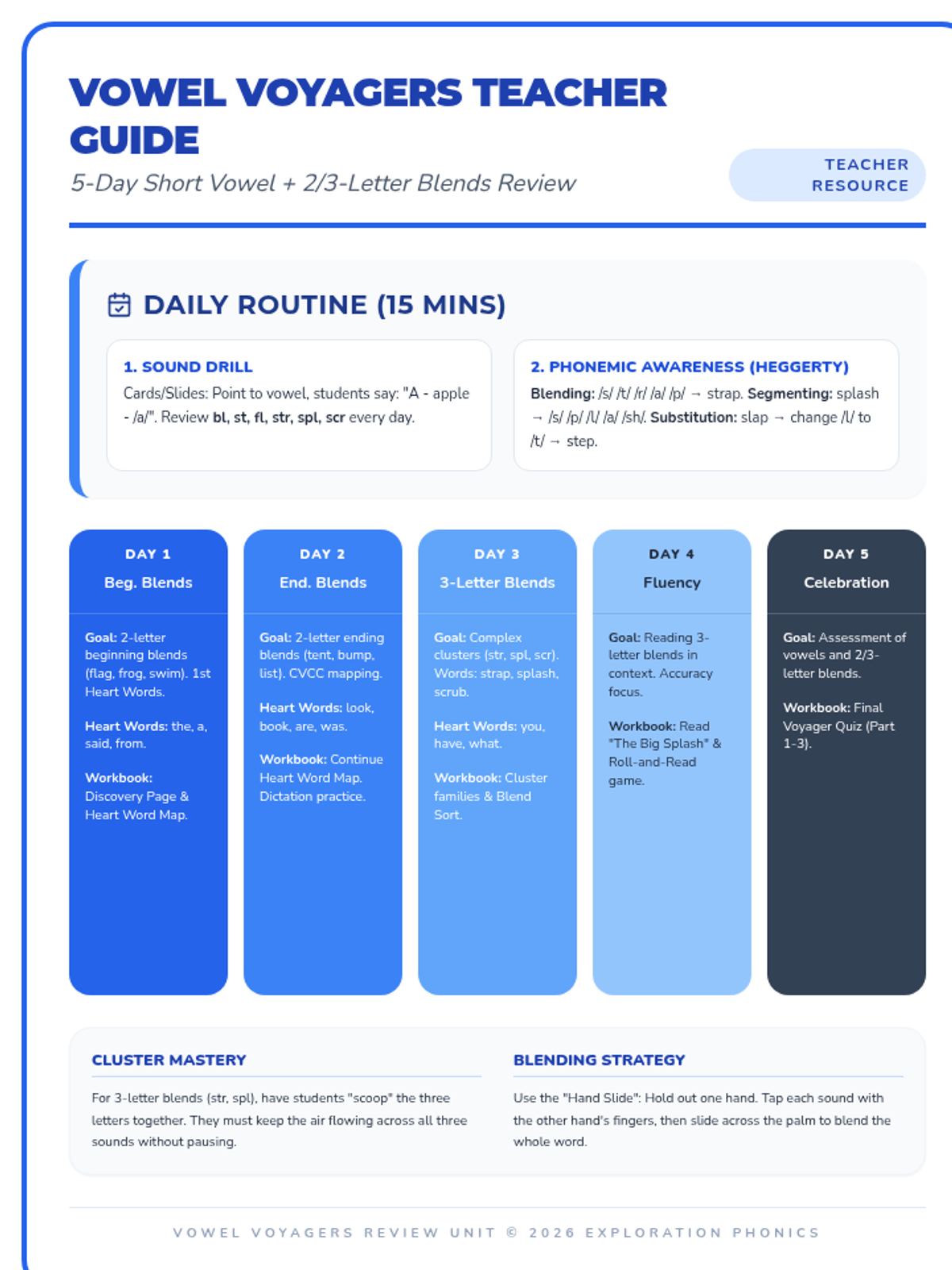
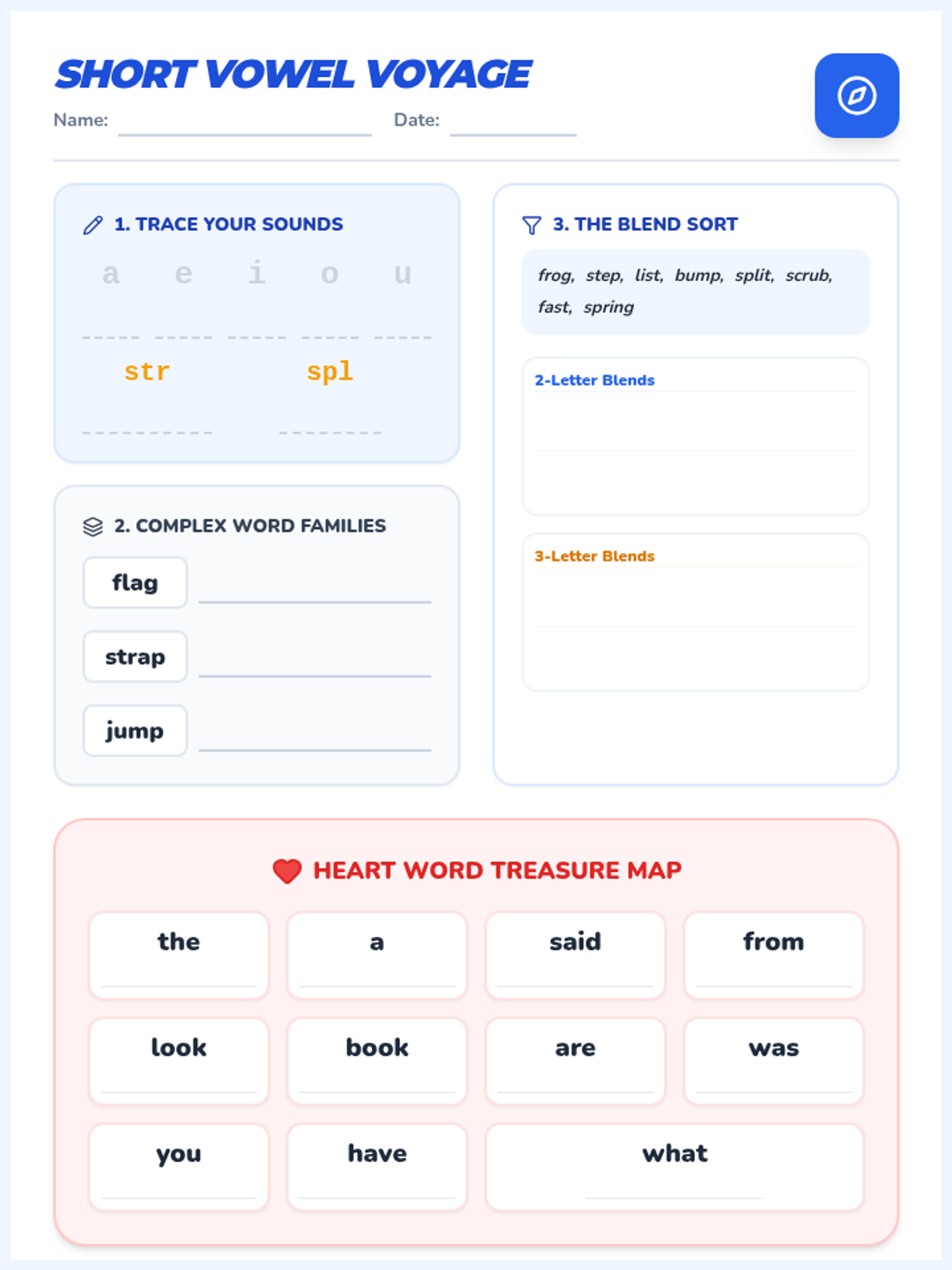
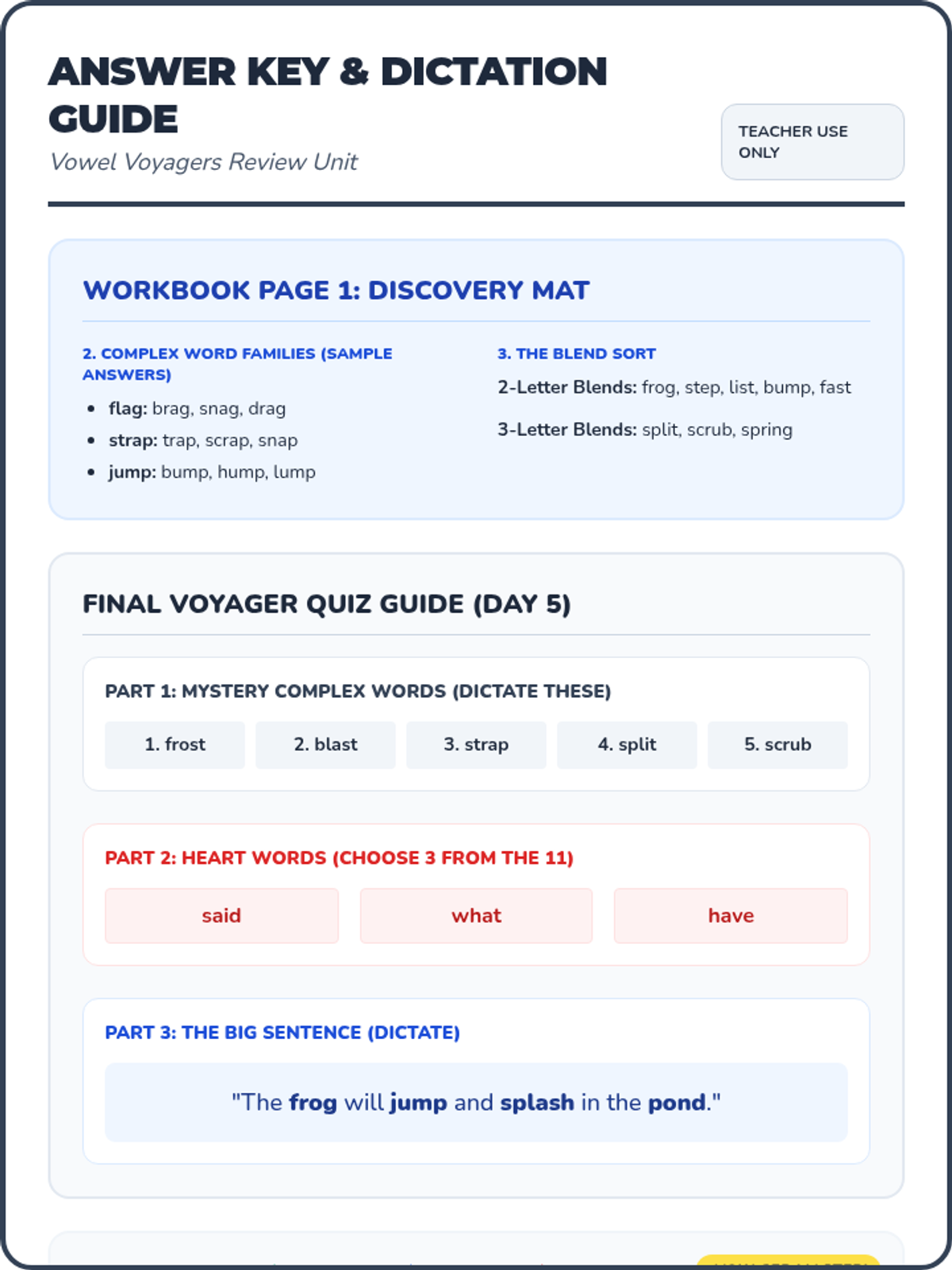
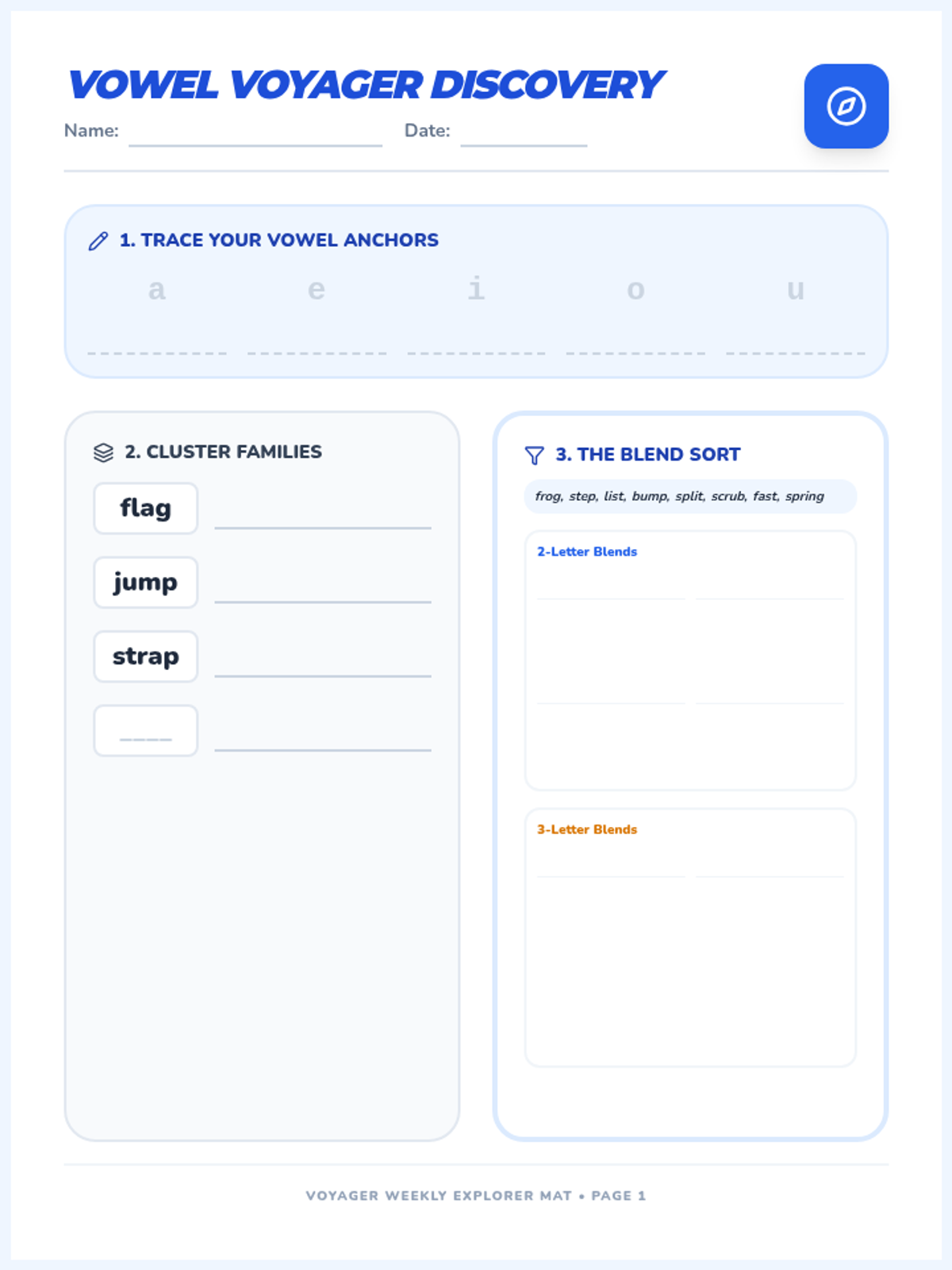
A 5-day intensive review of all short vowel sounds (a, e, i, o, u) using the 'Vowel Voyagers' theme. Includes daily phonemic awareness, word building, decodable reading, and heart word mastery.
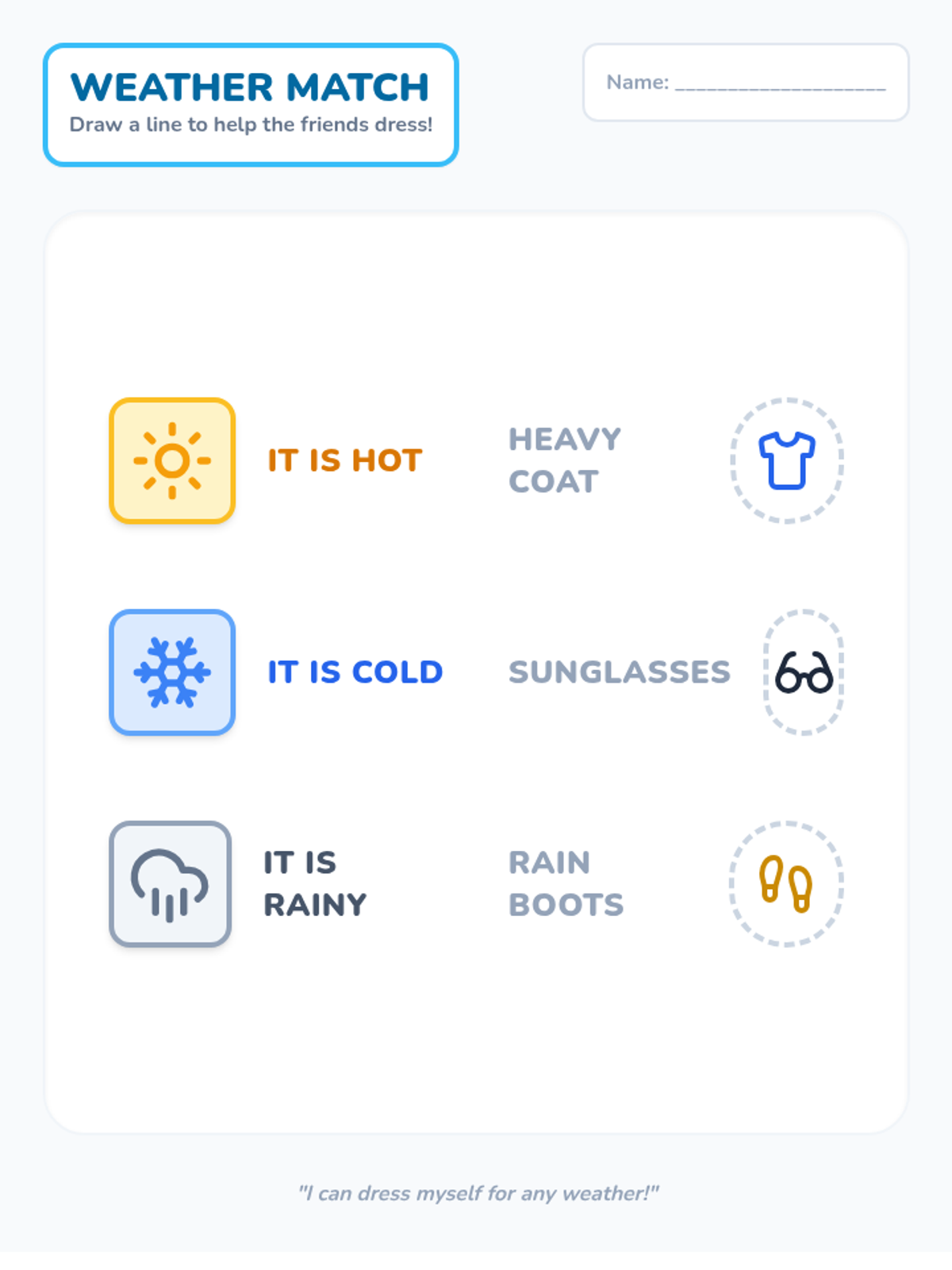
A 4-day introduction to weather types and appropriate clothing choices for preschool and kindergarten students. Students explore hot, cold, rainy, and warm/sunny conditions through visual slides, hands-on sorting activities, and creative worksheets.
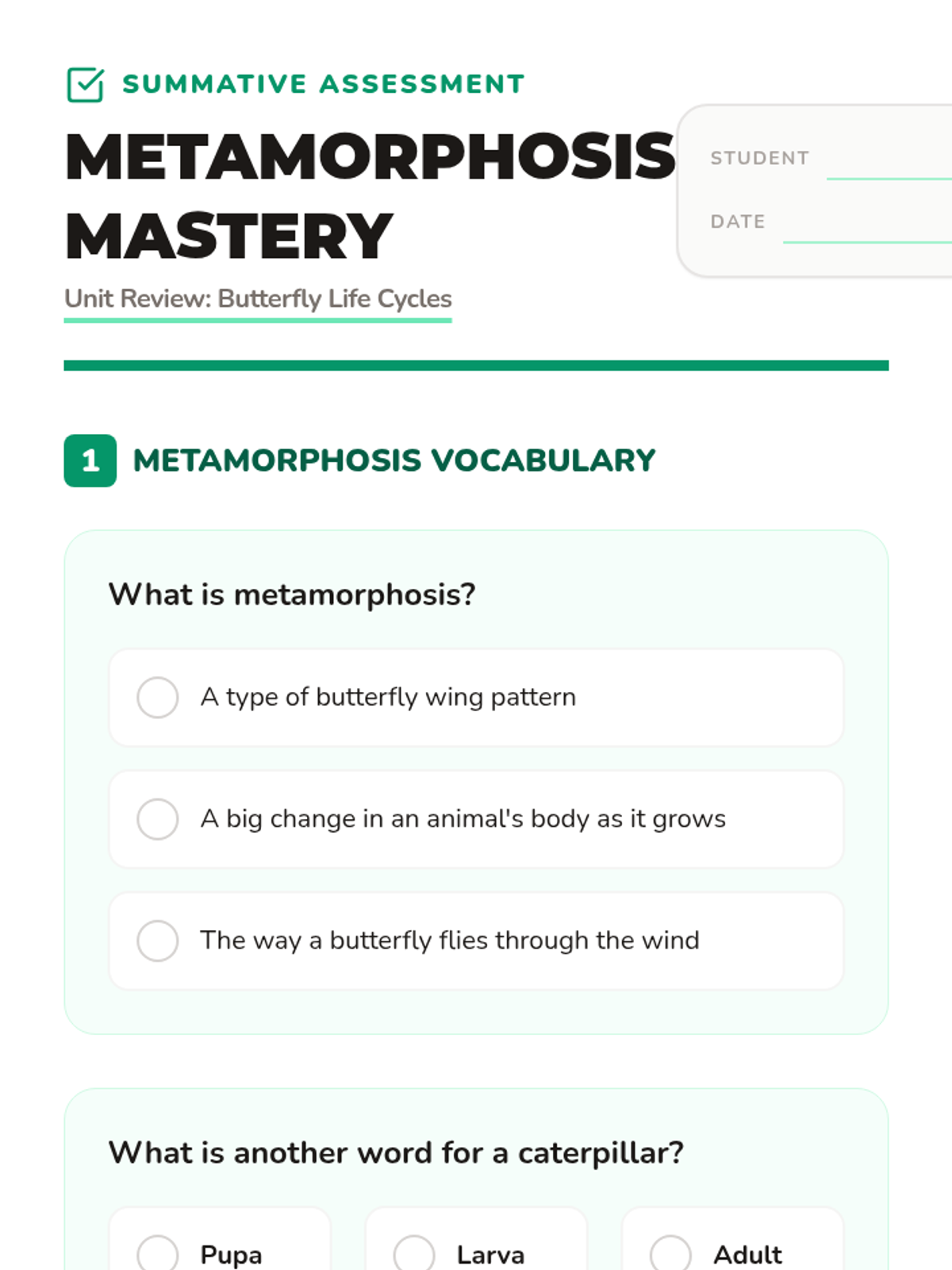
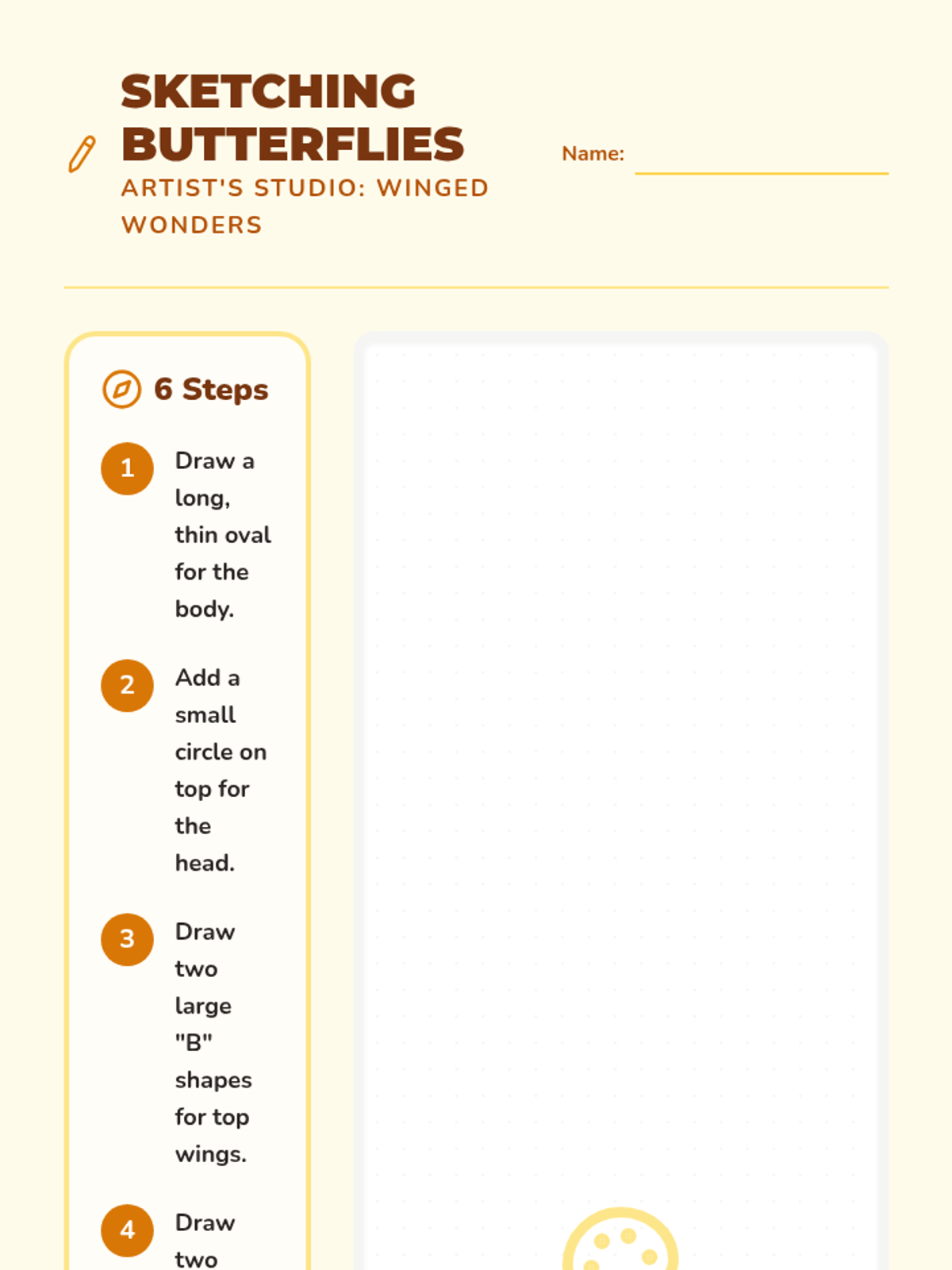
A multi-day exploration of the butterfly life cycle for 2nd graders, featuring interactive instruction, a directed drawing activity, and a summative assessment.
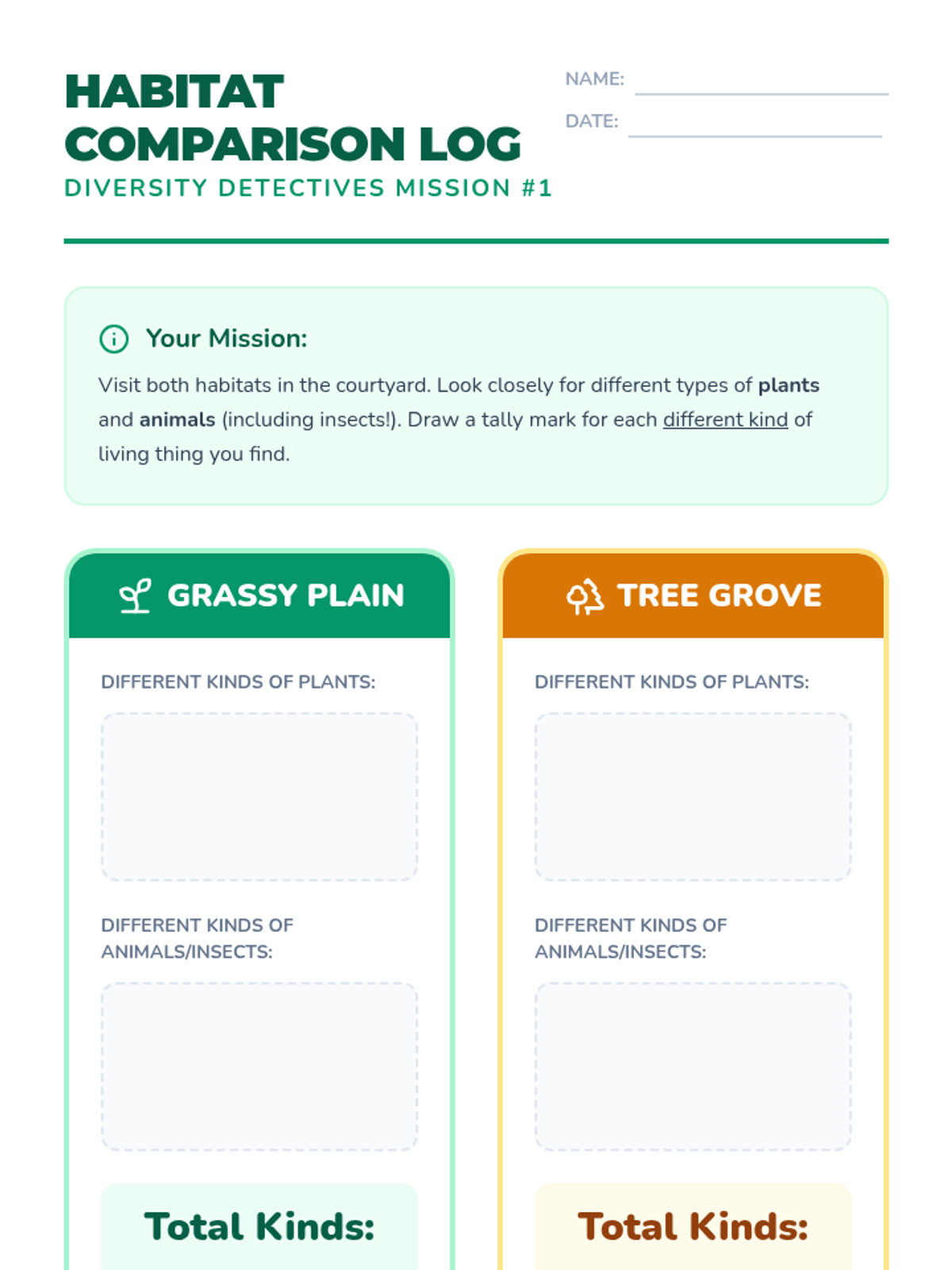
A hands-on science and art unit where 2nd grade students investigate biodiversity in their school courtyard, comparing grassy and wooded habitats while repurposing natural materials into creative sculptures.
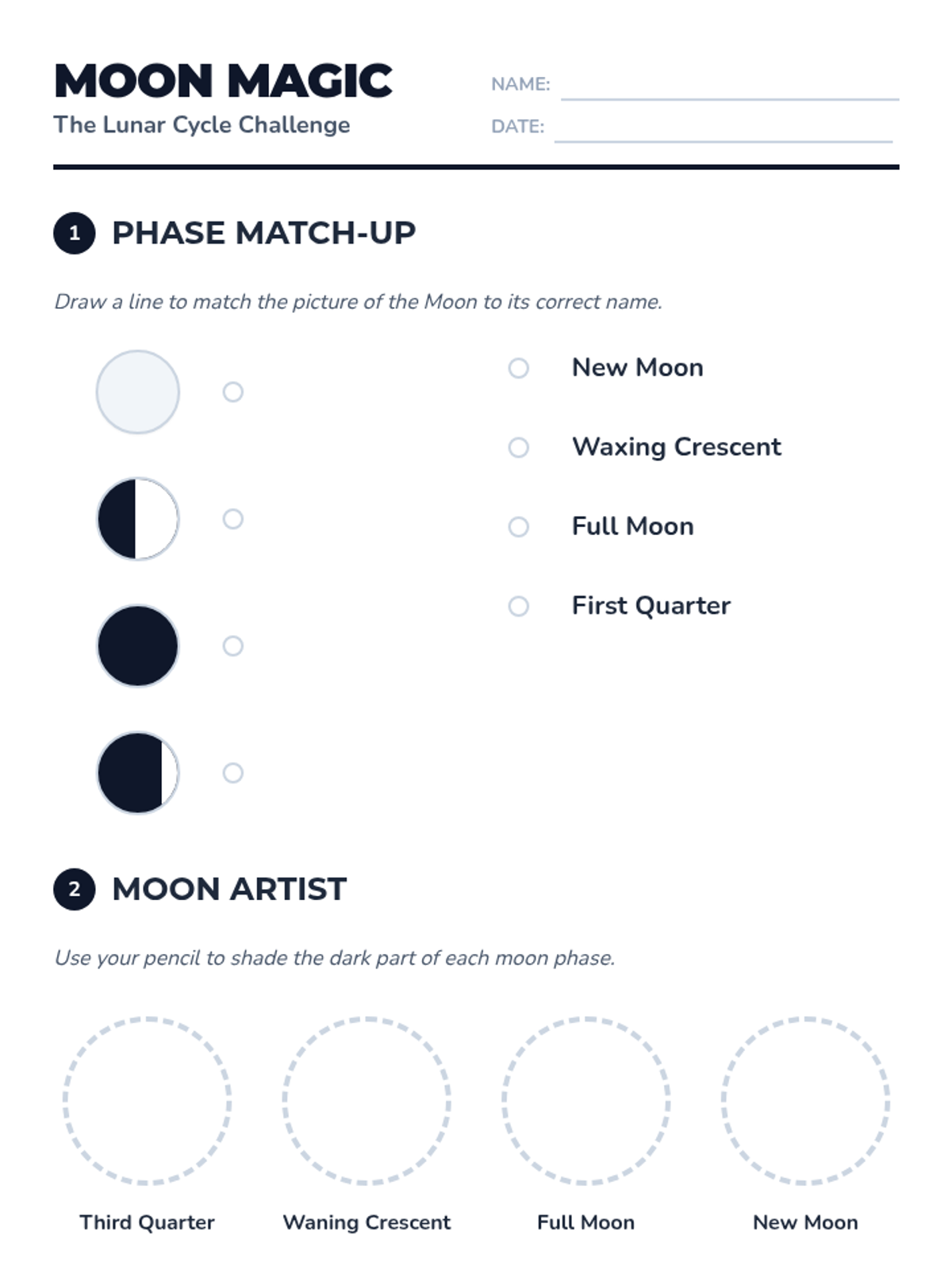
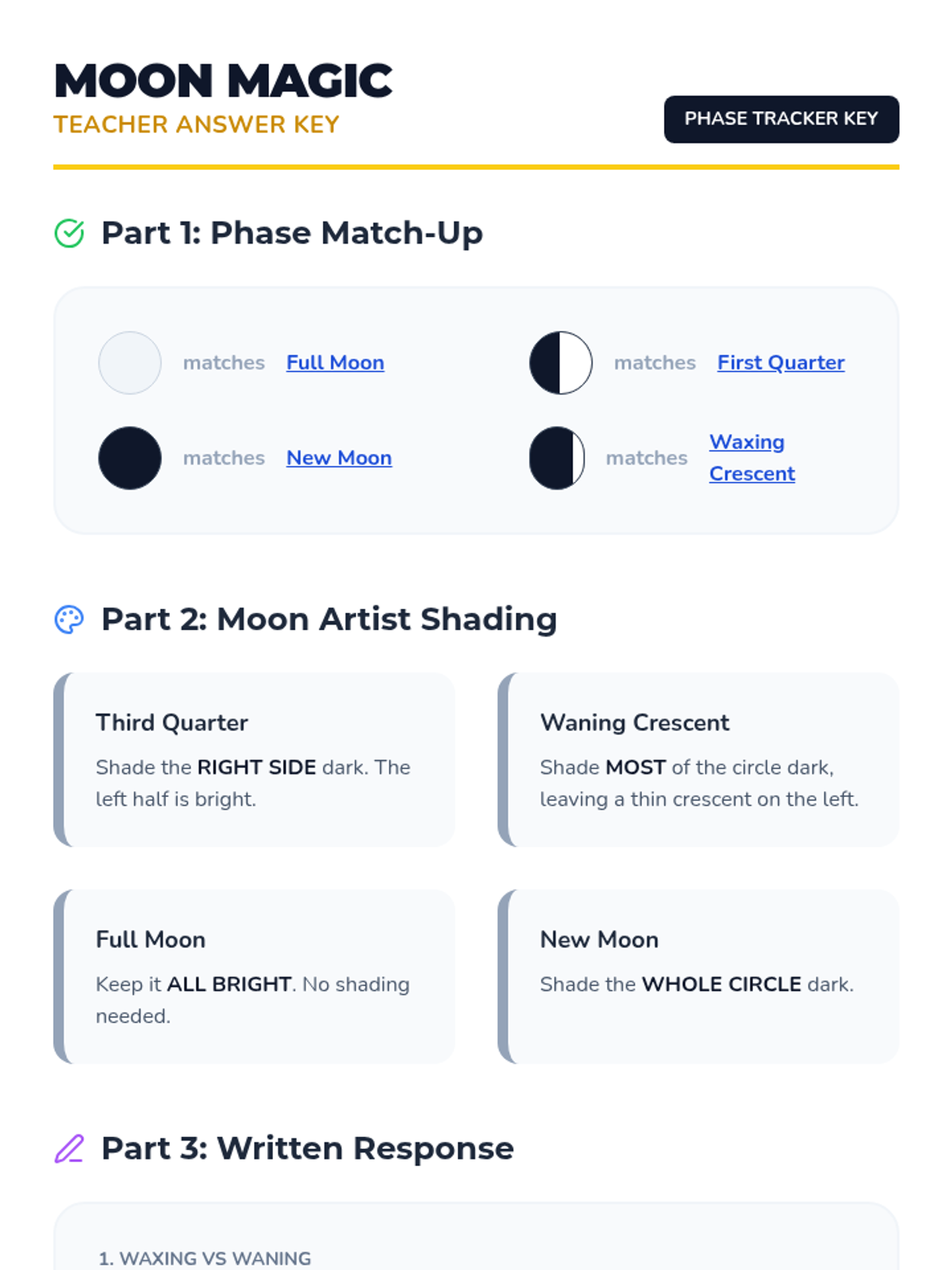
A comprehensive unit for 2nd graders exploring the wonders of our solar system, including the phases of the moon and the daily lives of space explorers.
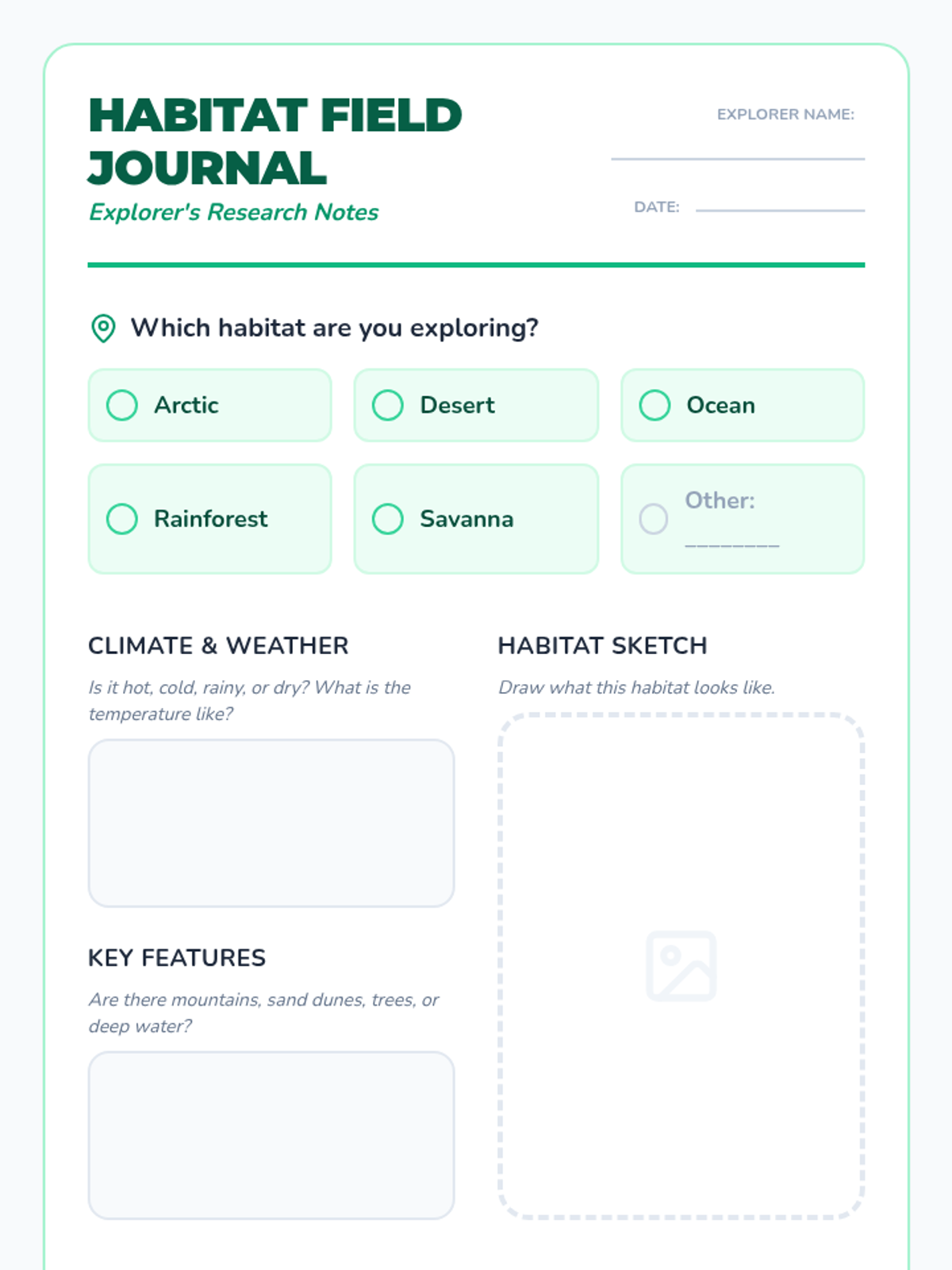
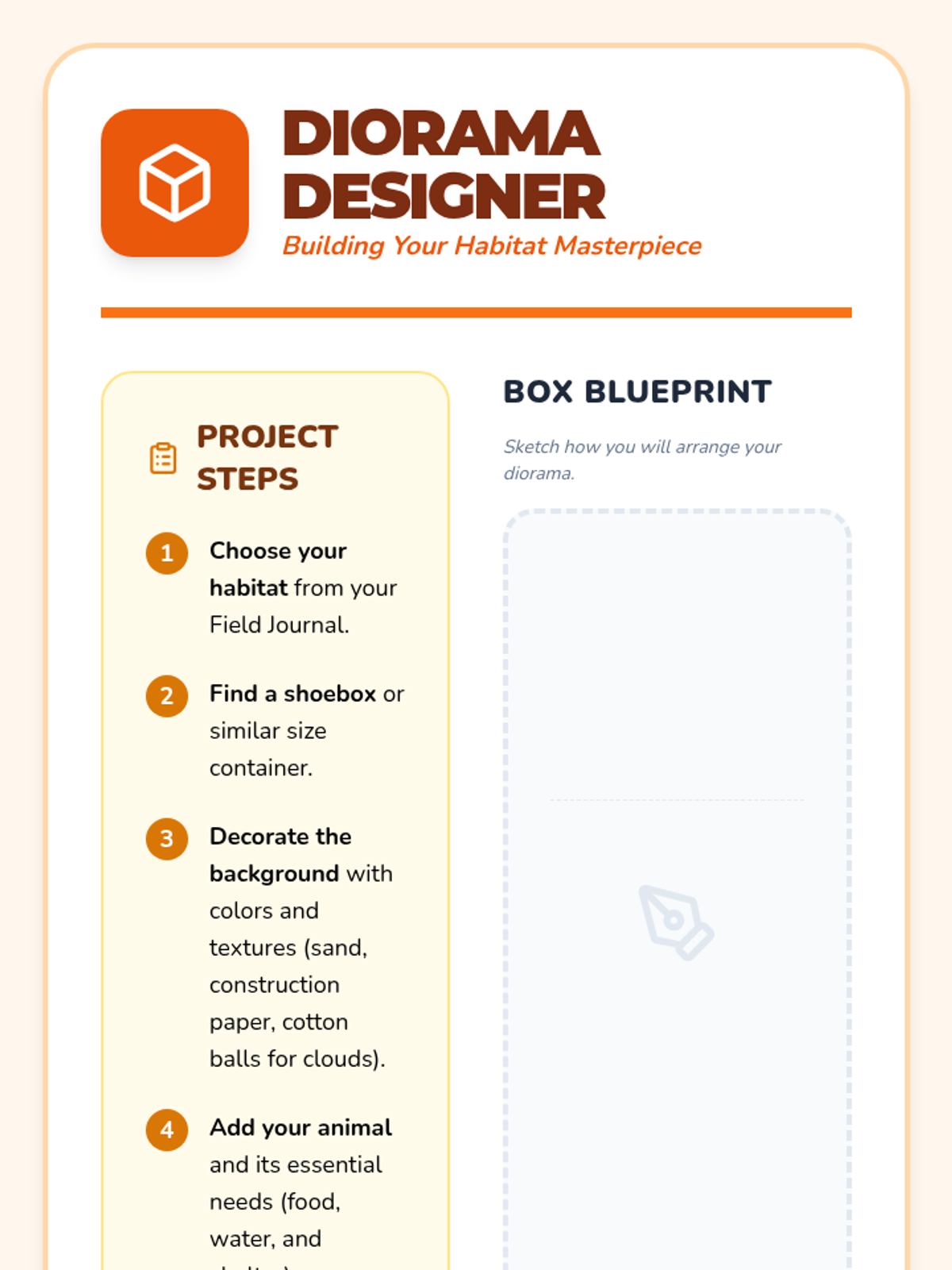
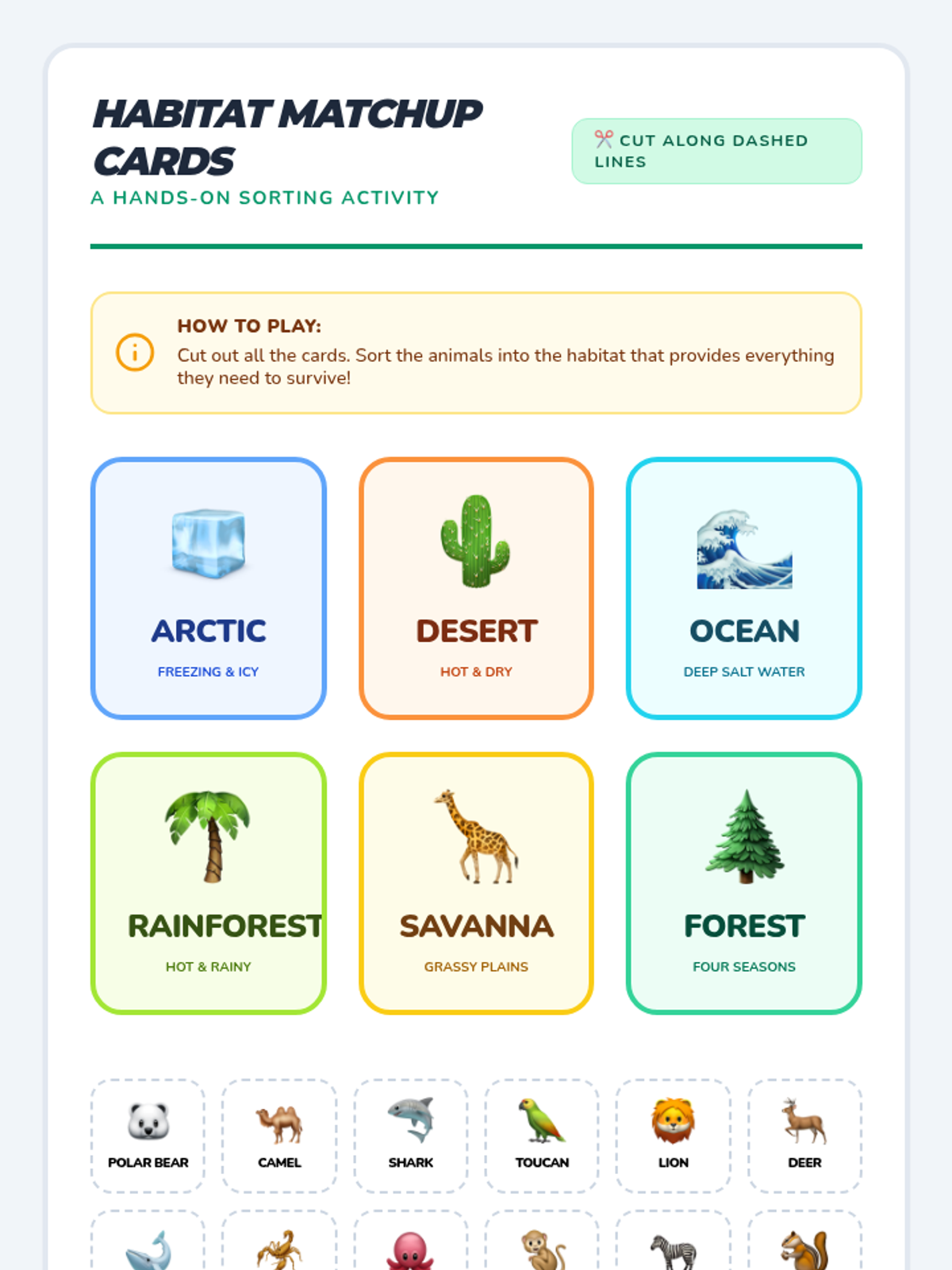
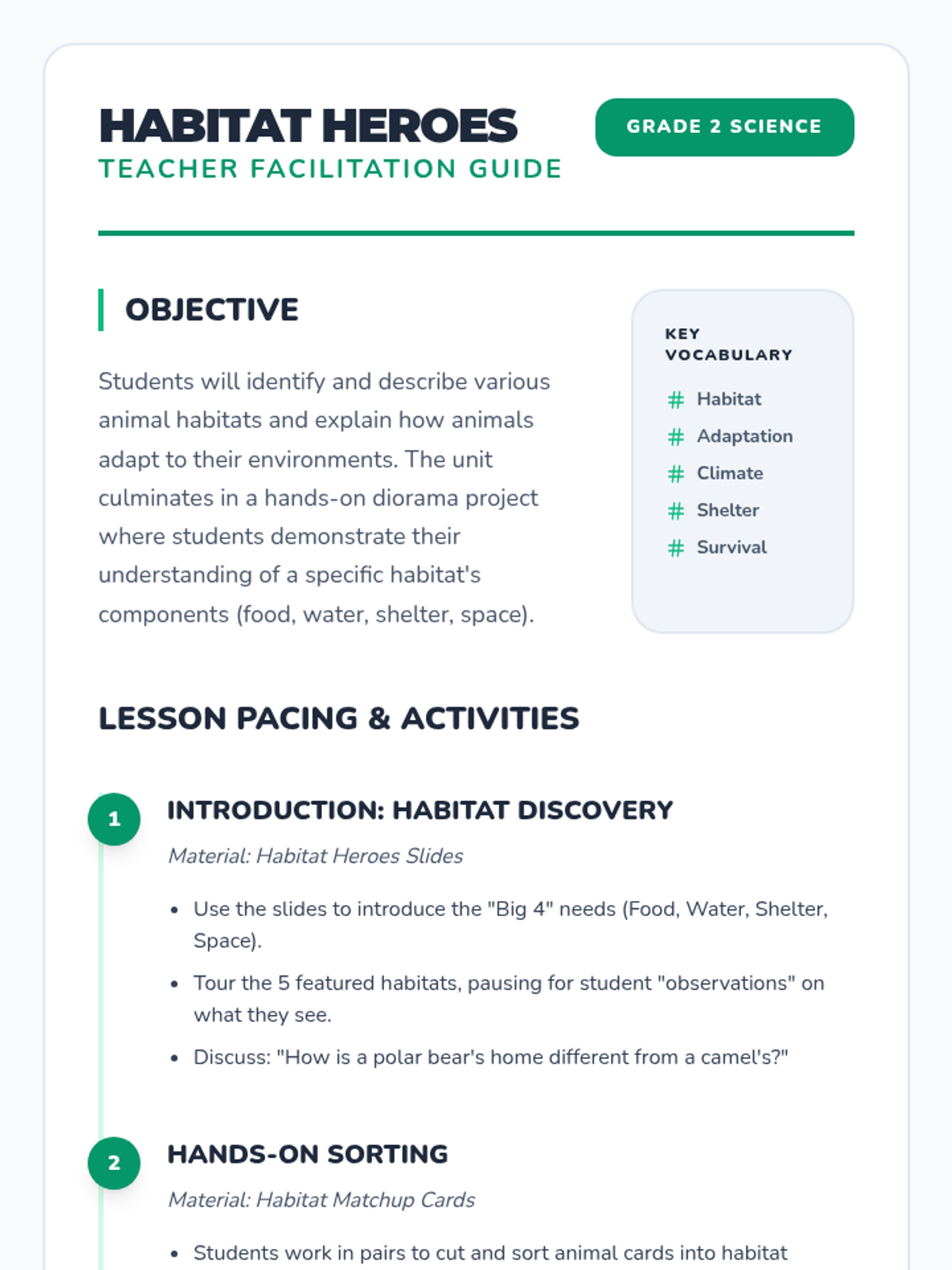
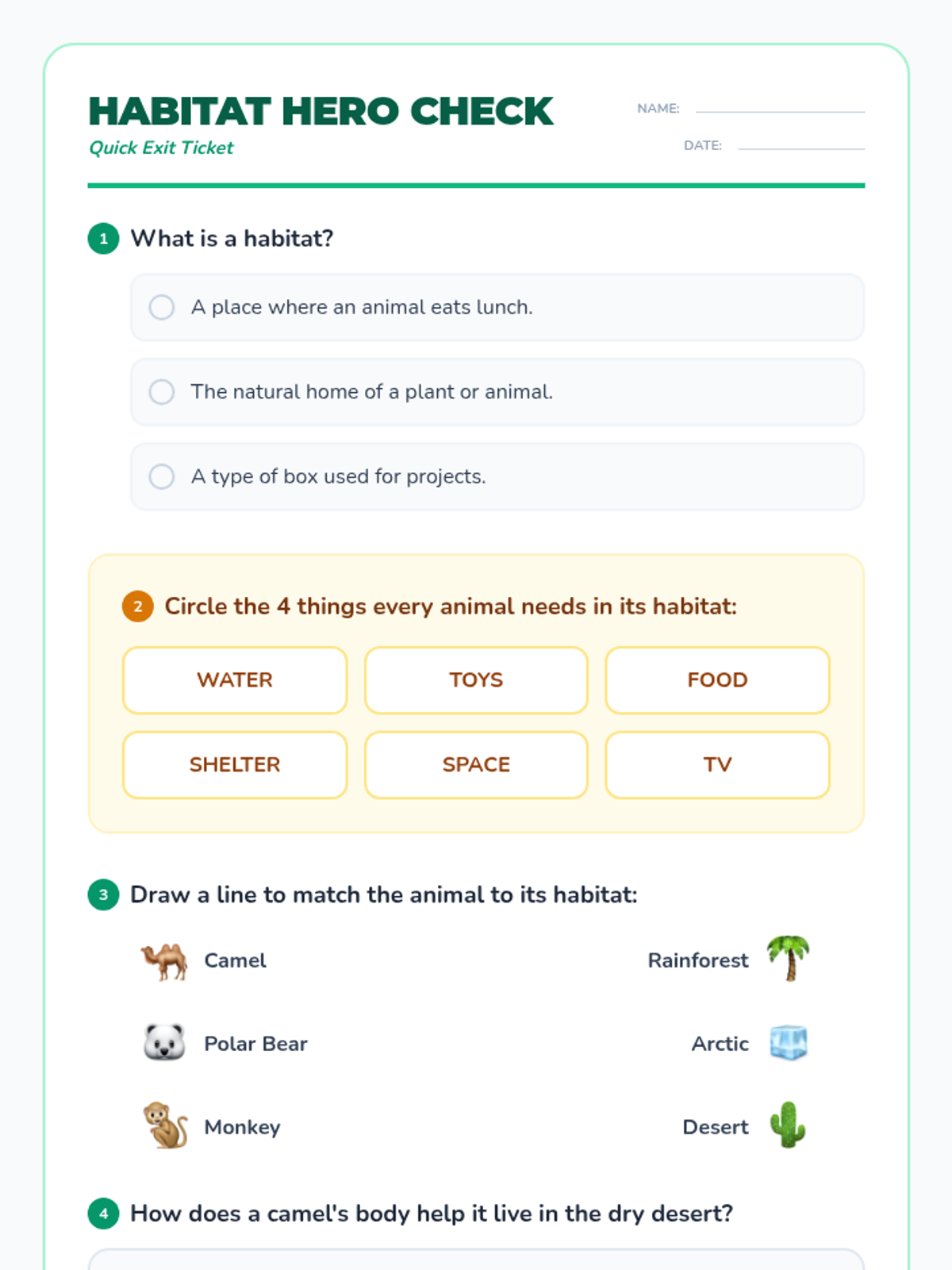
A comprehensive unit for 2nd graders to explore diverse animal habitats around the world through hands-on activities, research, and a creative diorama project. Students will learn about the unique characteristics of different environments and how animals are adapted to survive in them.
An inquiry-based science and literacy curriculum for grades 1-3 that combines foundational scientific concepts with high-frequency sight word mastery and precision handwriting practice.
A comprehensive K-12 AI literacy sequence covering the fundamentals of how AI works, machine learning, ethics, social impact, and creative application through age-appropriate lessons.
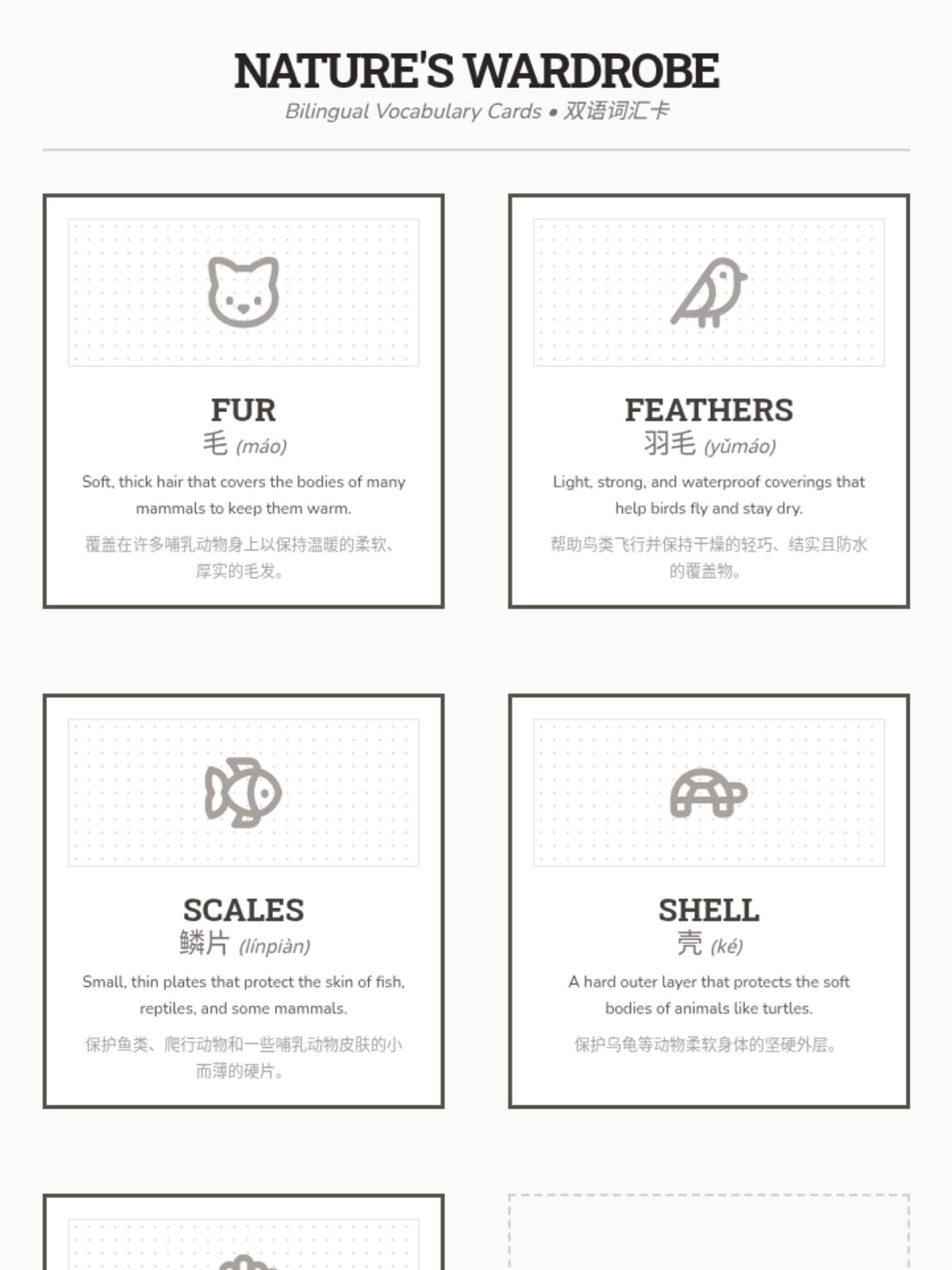
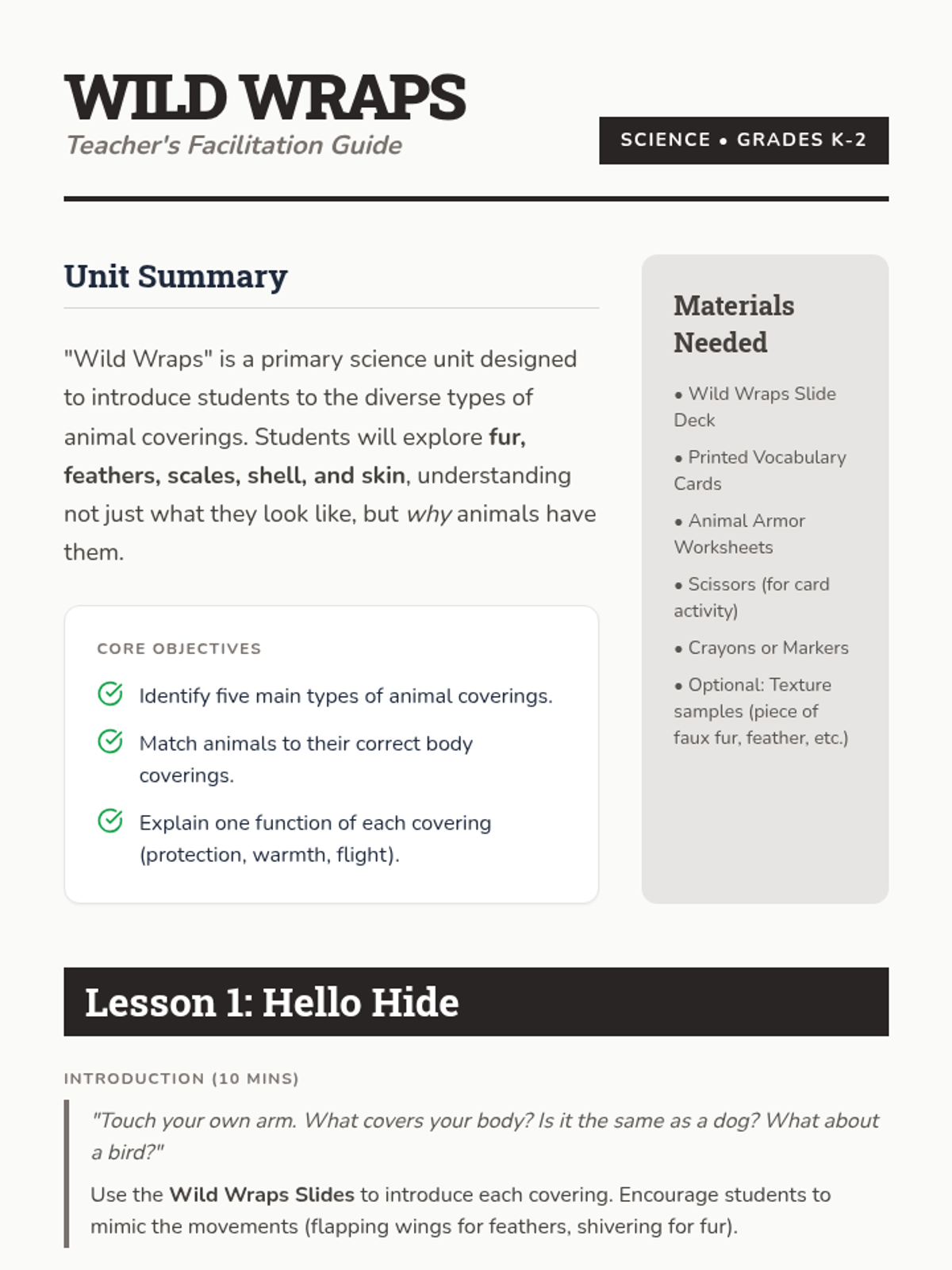
A primary science unit exploring how different animals are covered and why these coverings help them survive in their environments. Students identify, categorize, and write about feathers, fur, scales, shells, and skin.
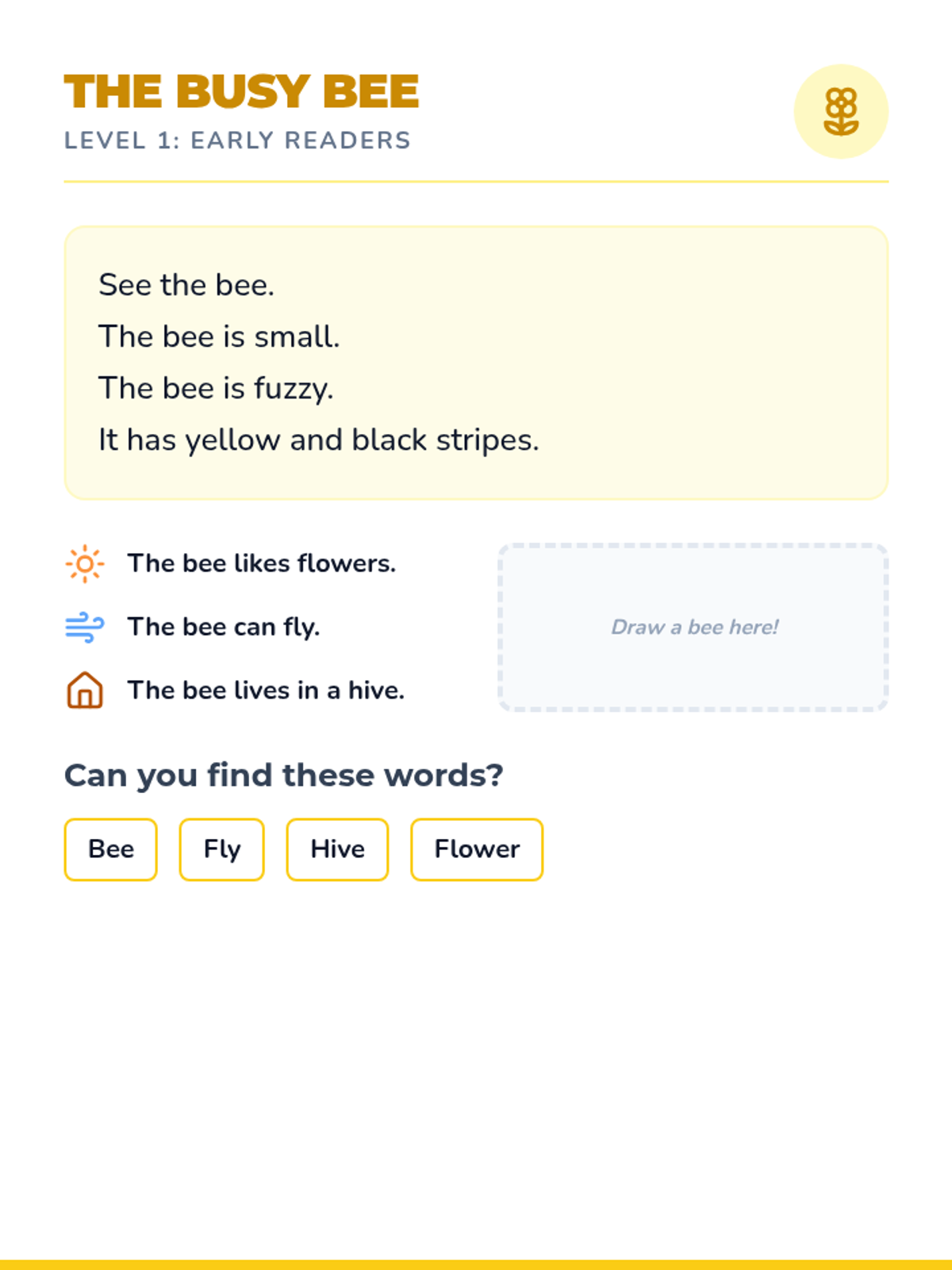
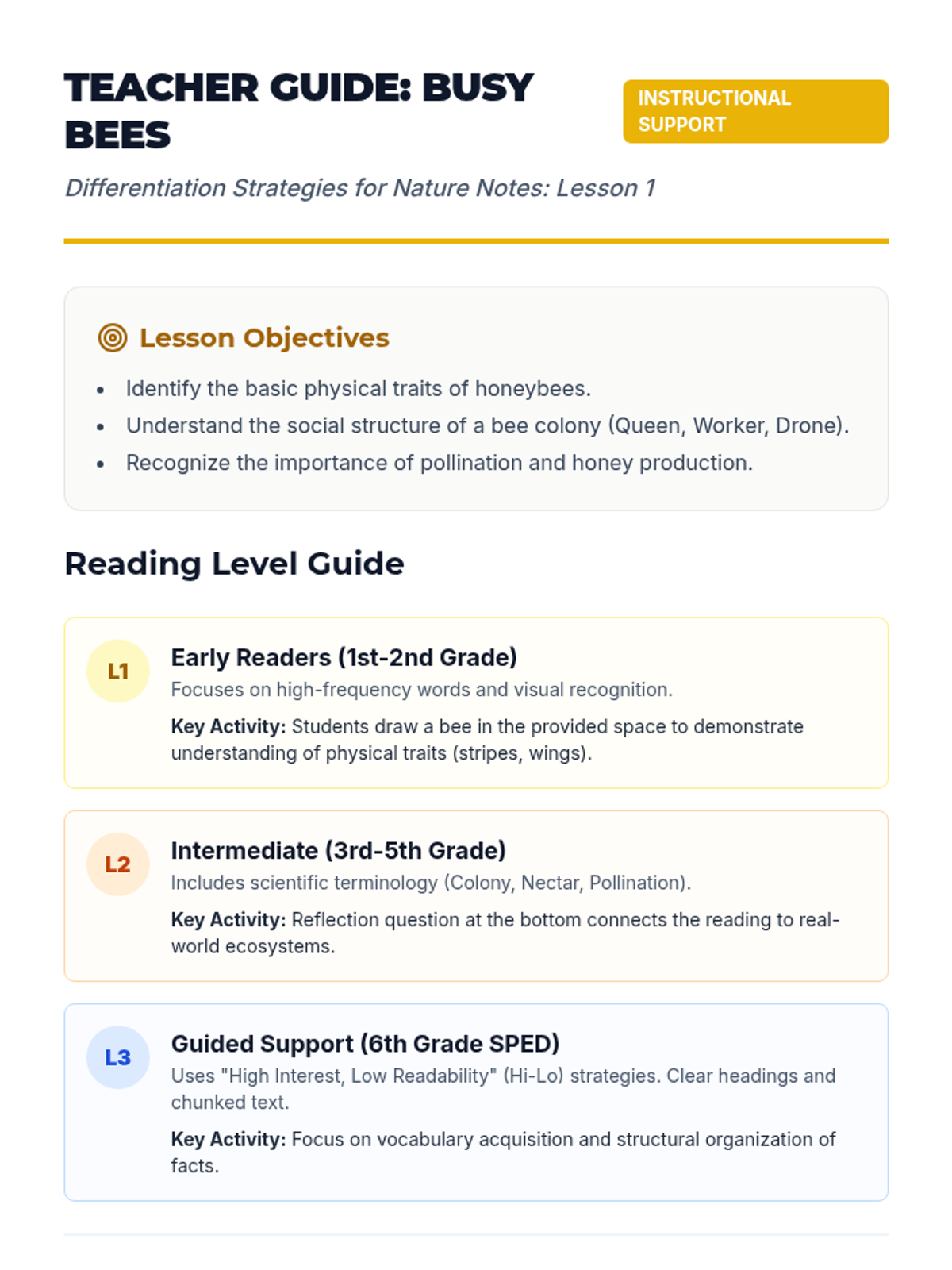
A collection of lessons focused on nature and science, designed with differentiated reading materials for diverse learners including early readers and special education students.
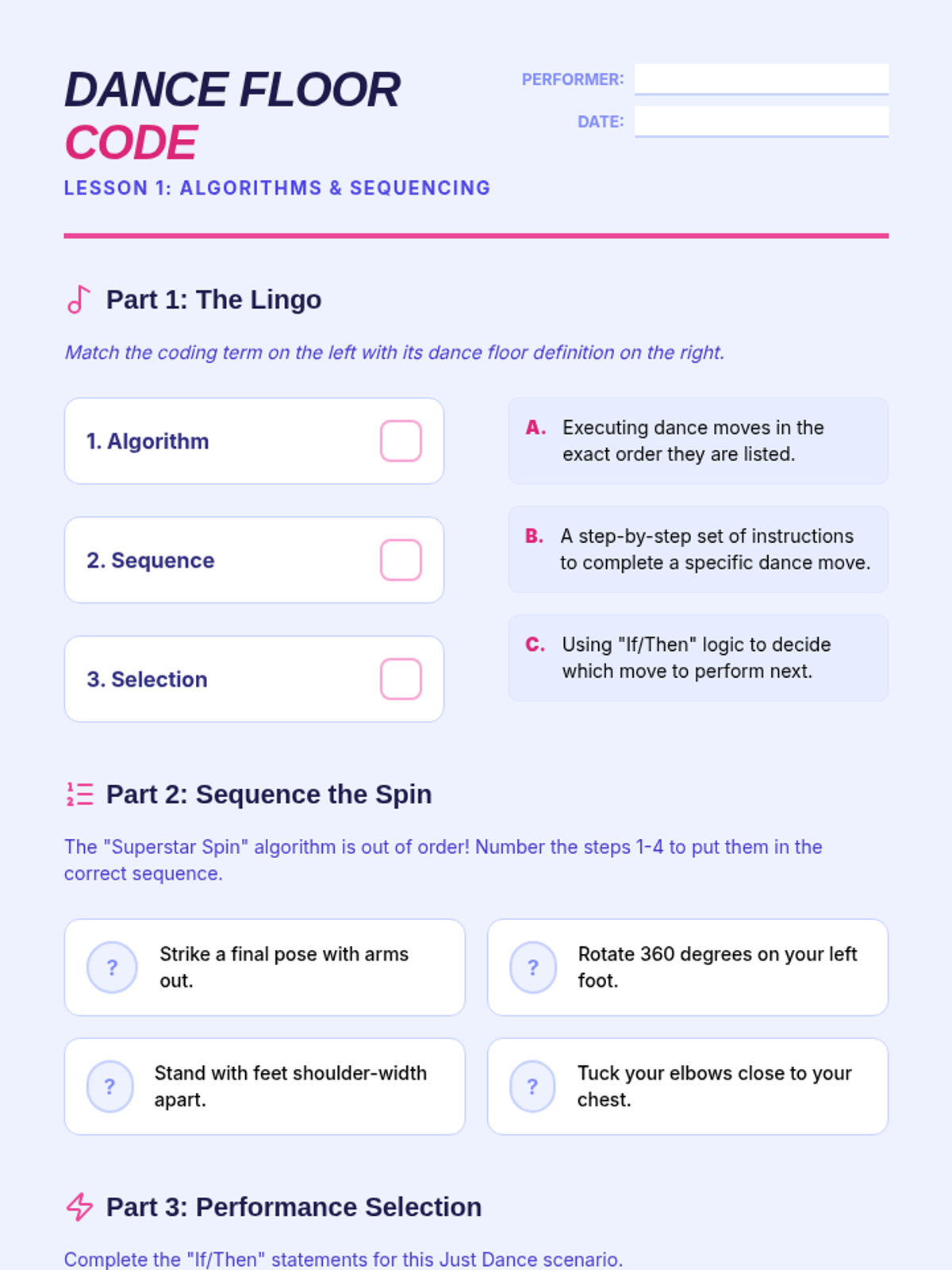
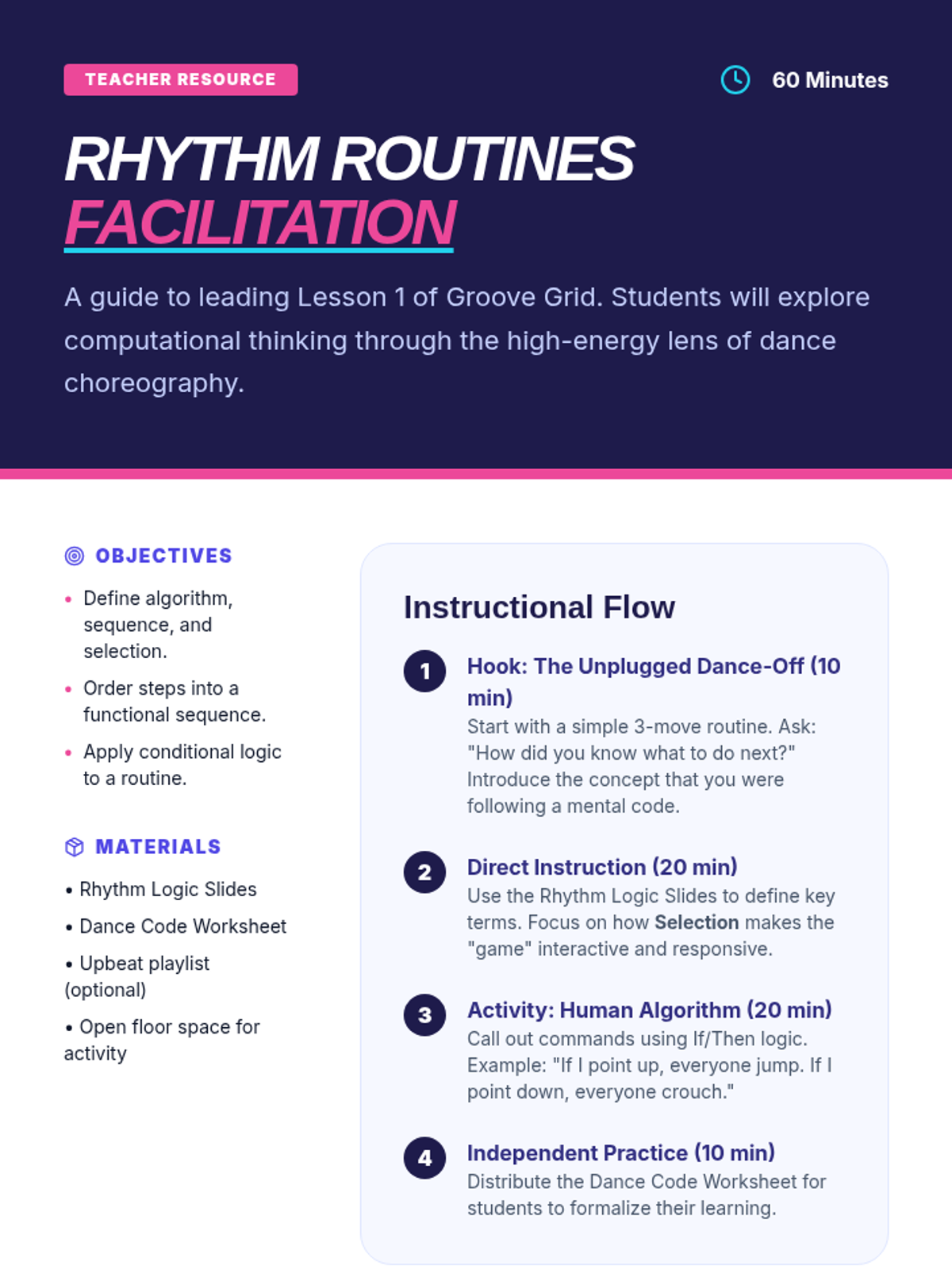
A high-energy introduction to coding concepts using the vibrant world of dance games to teach algorithms, sequencing, variables, and loops.
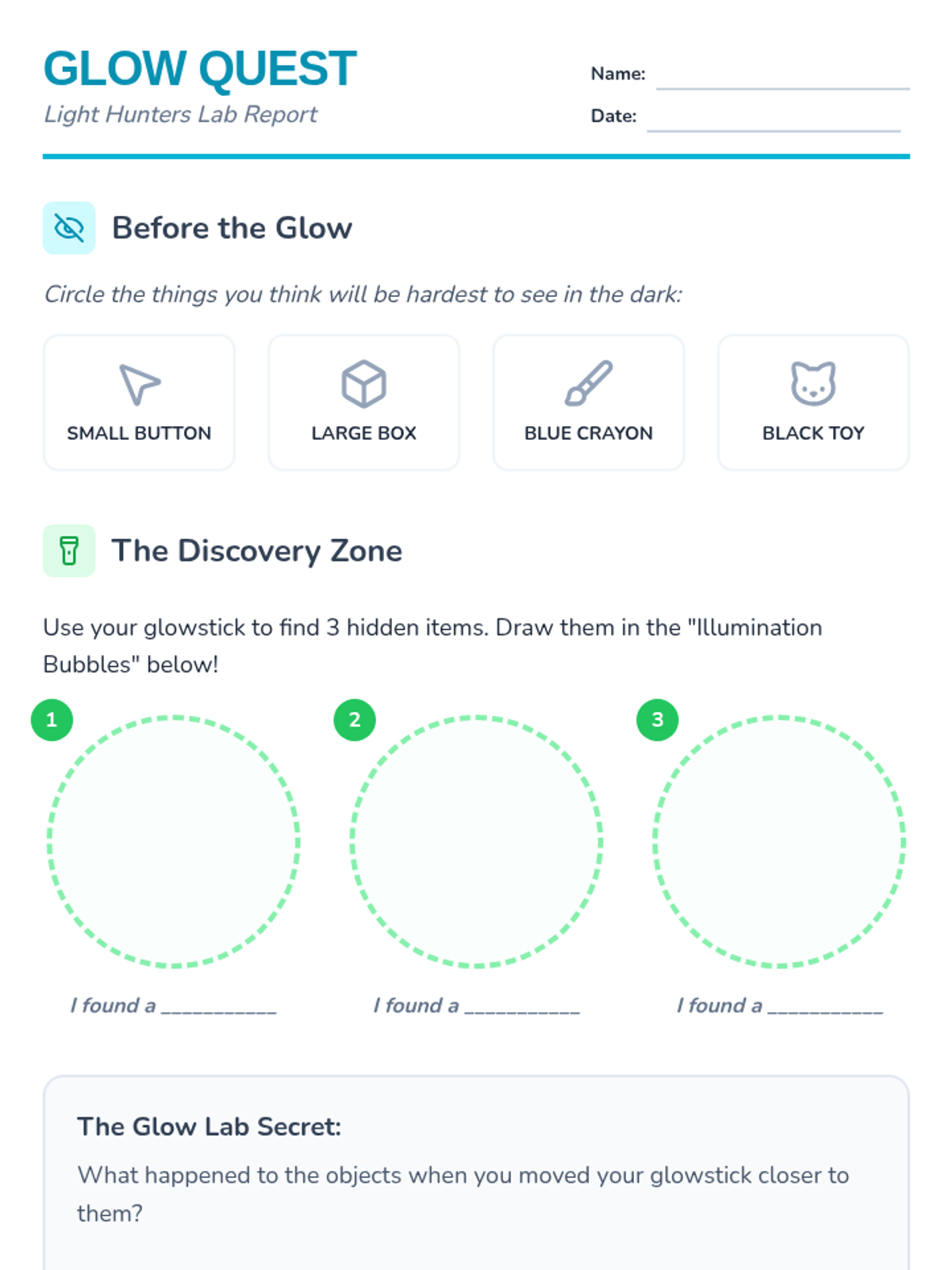
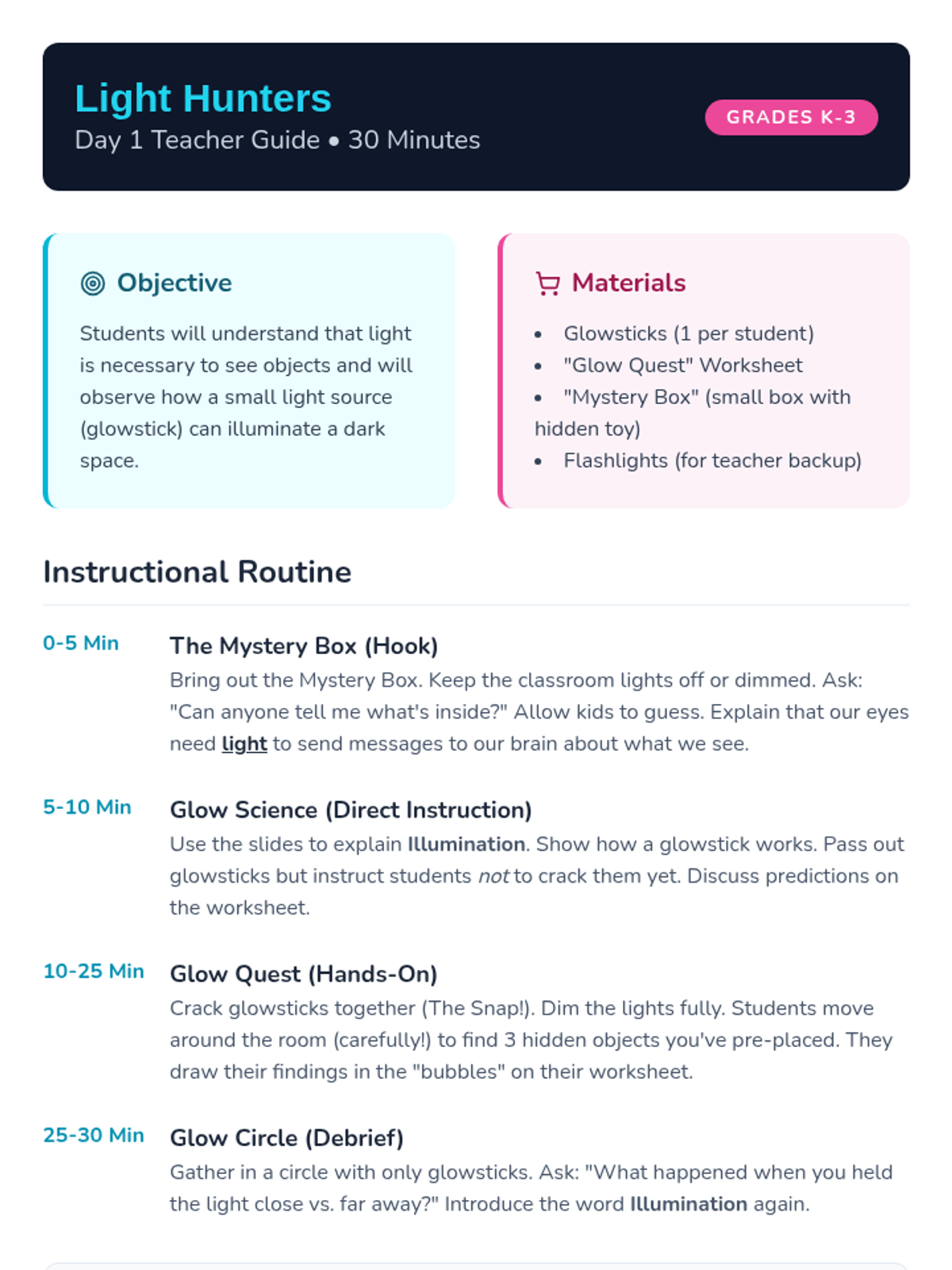
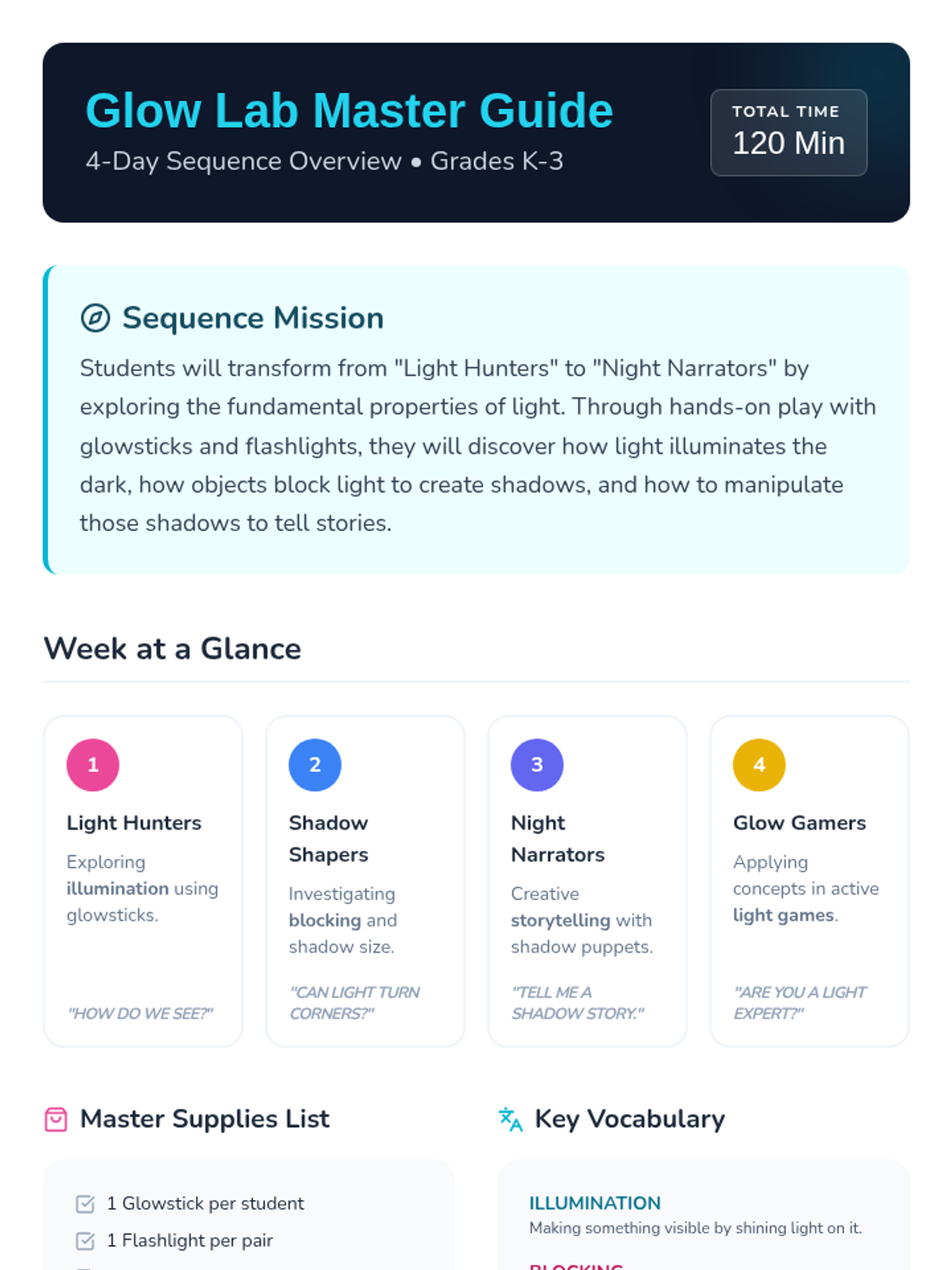
A four-day introductory science sequence for grades K-3 exploring the properties of light, illumination, and shadows through hands-on play with glowsticks and flashlights. Students will transition from understanding light sources to creating complex shadow narratives and participating in light-based games.
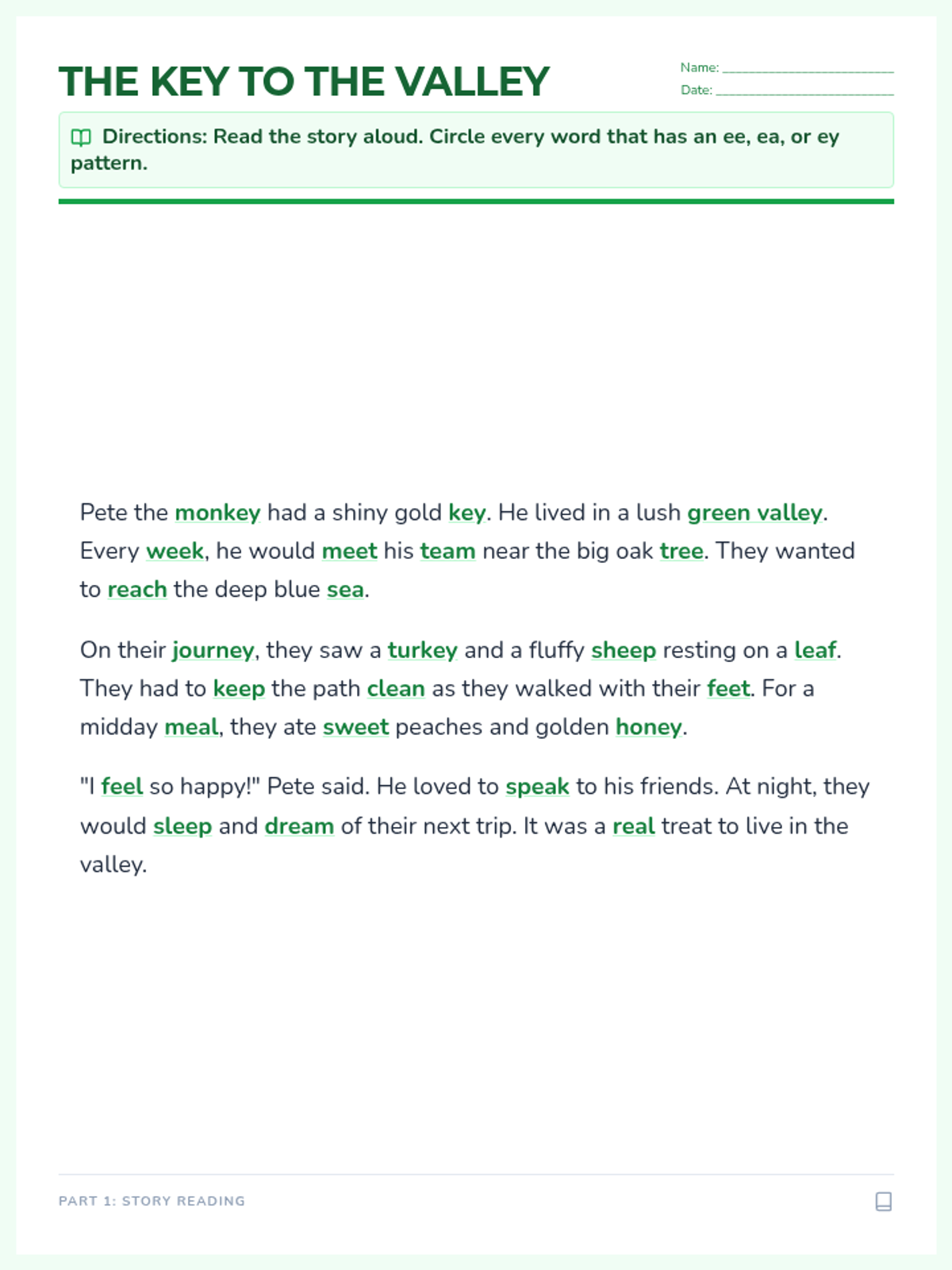
A series of phonics lessons focusing on vowel teams, digraphs, and other phonetic patterns through narrative passages and fluency drills.
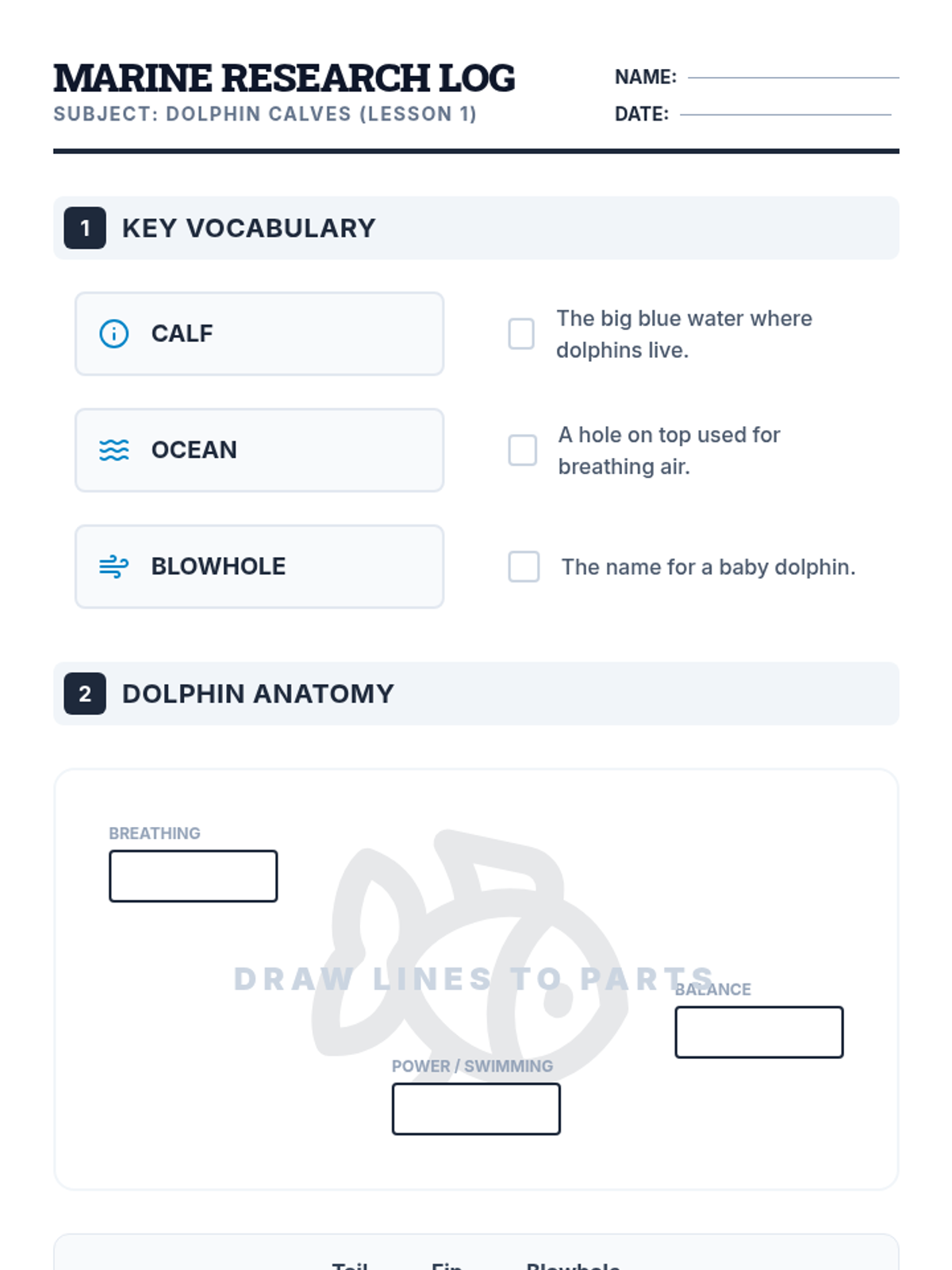
A 4-lesson ESL sequence for Grade 2 students focusing on the life and growth of baby dolphins (calves). Students will explore dolphin habitats, diets, and behaviors through visual stories, matching activities, and simple writing exercises tailored for WIDA Level 2 learners.
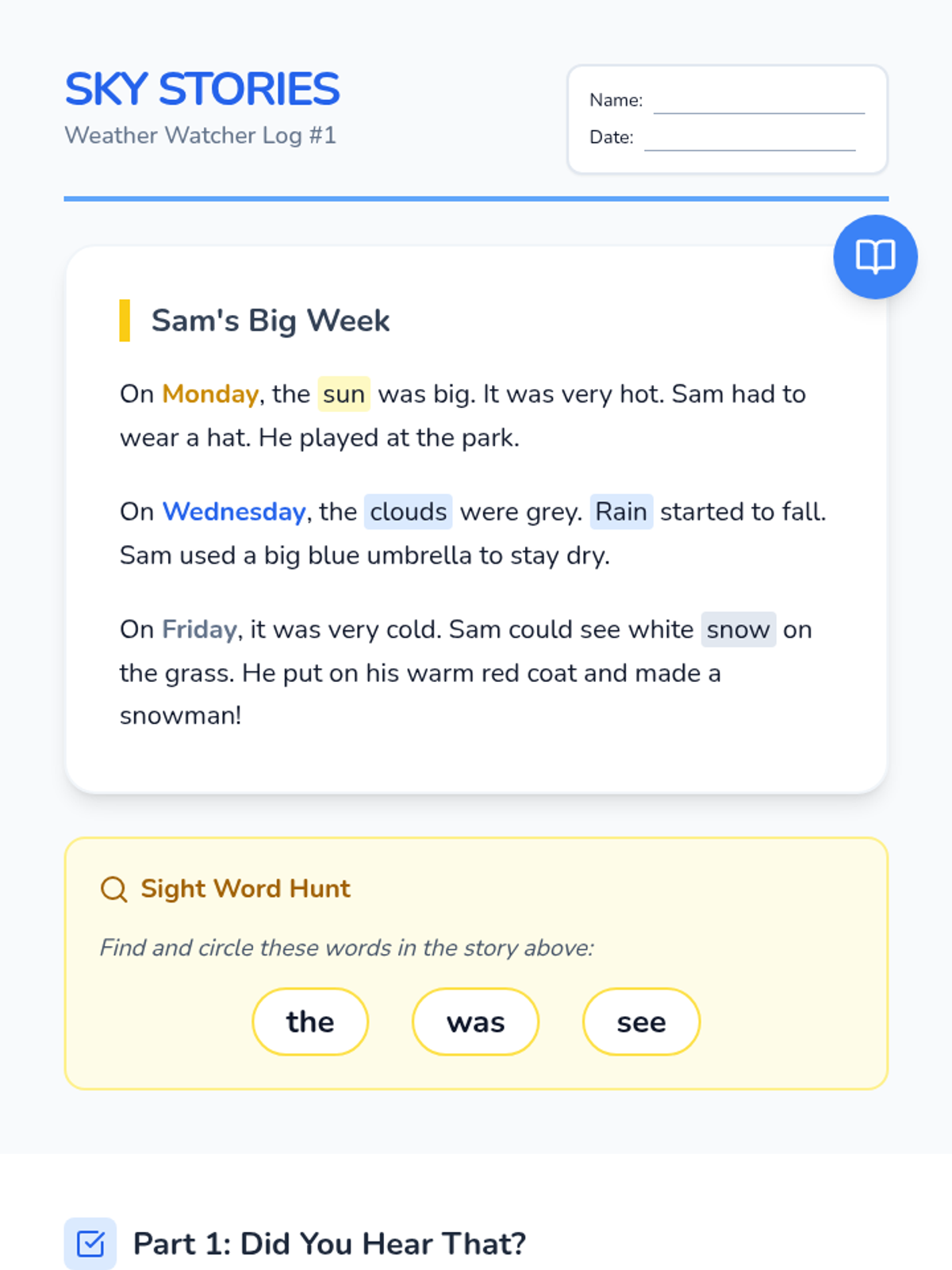
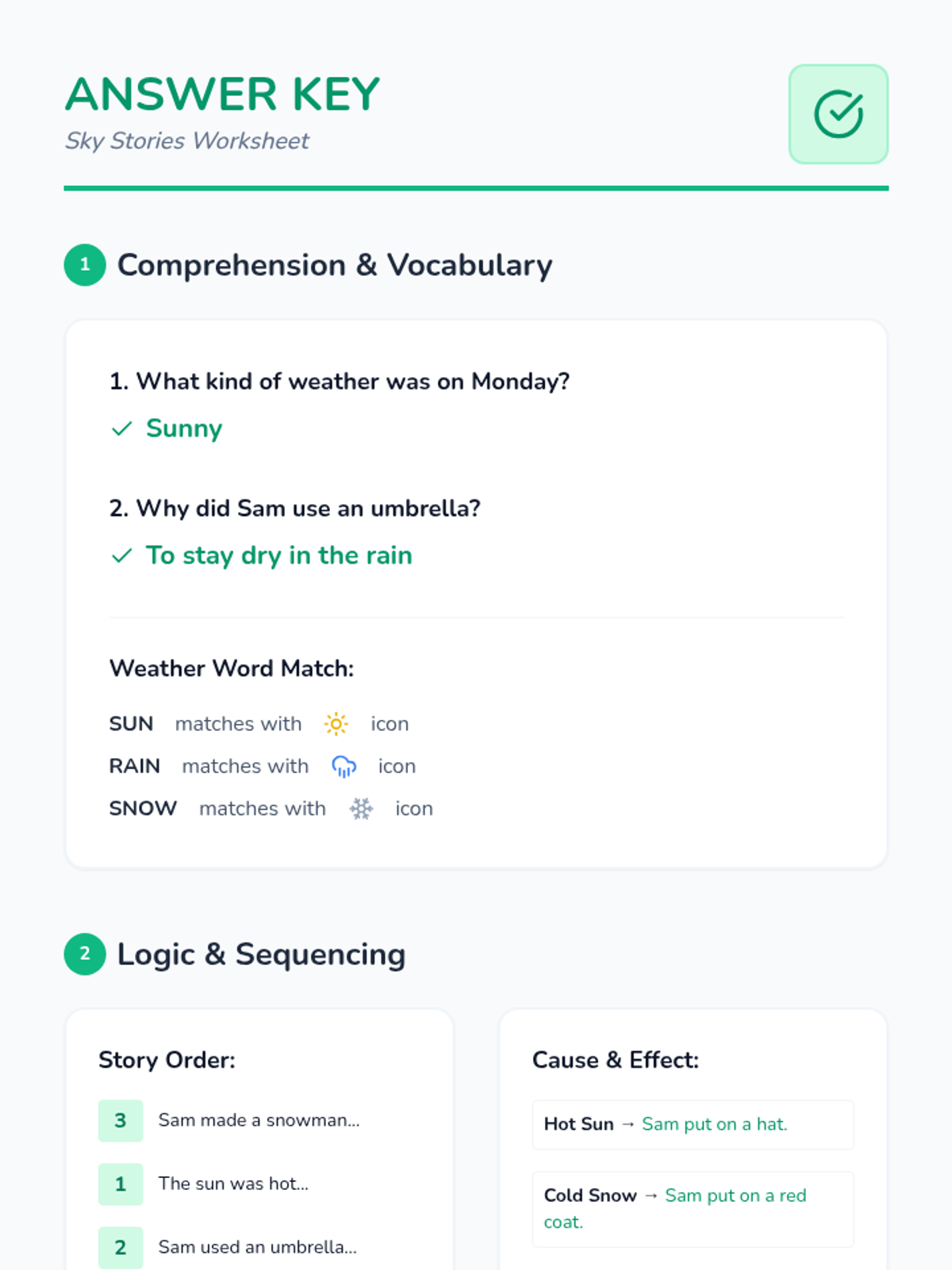
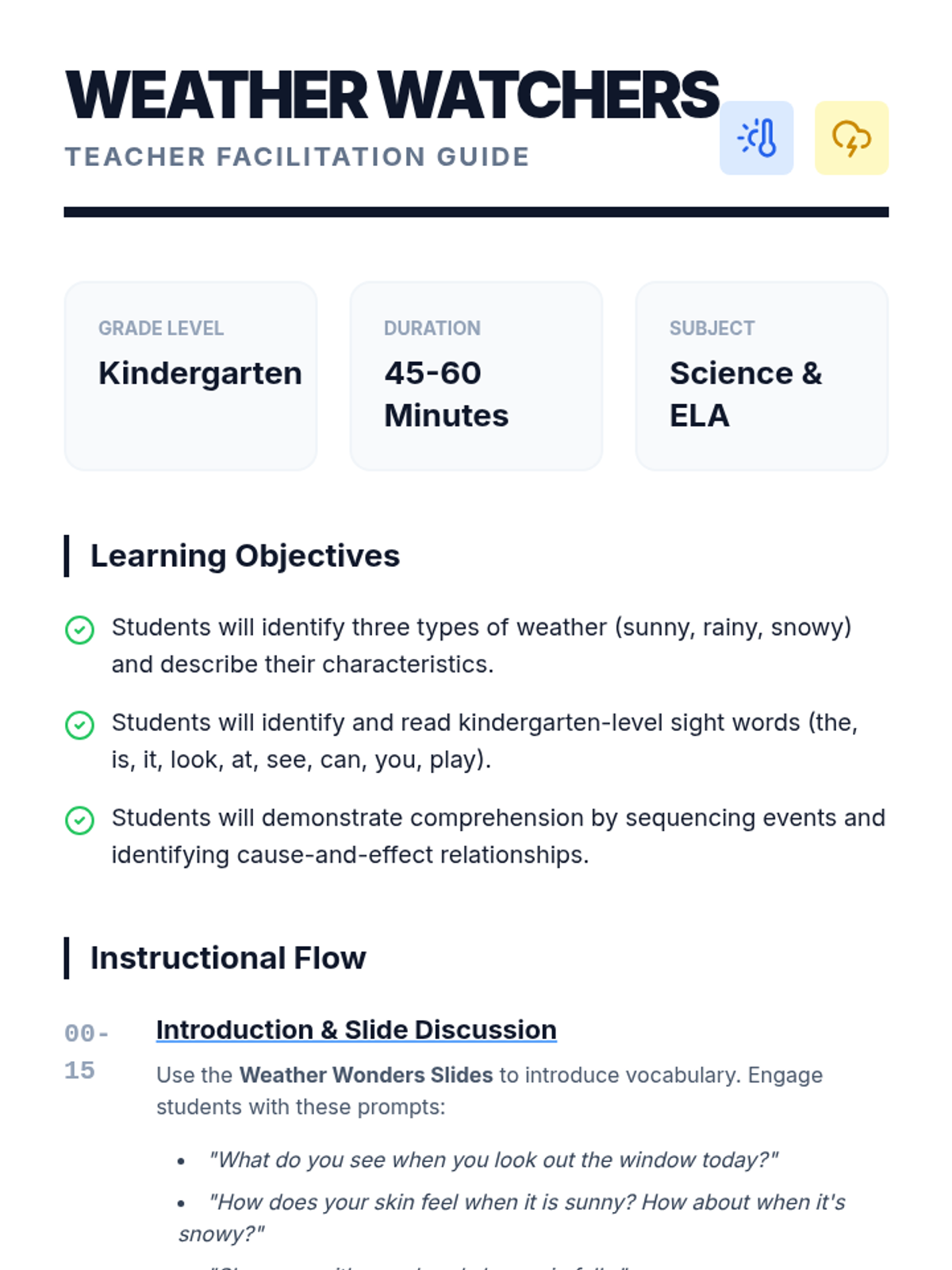
A kindergarten science and literacy unit exploring weather patterns and seasonal changes through stories and hands-on activities.
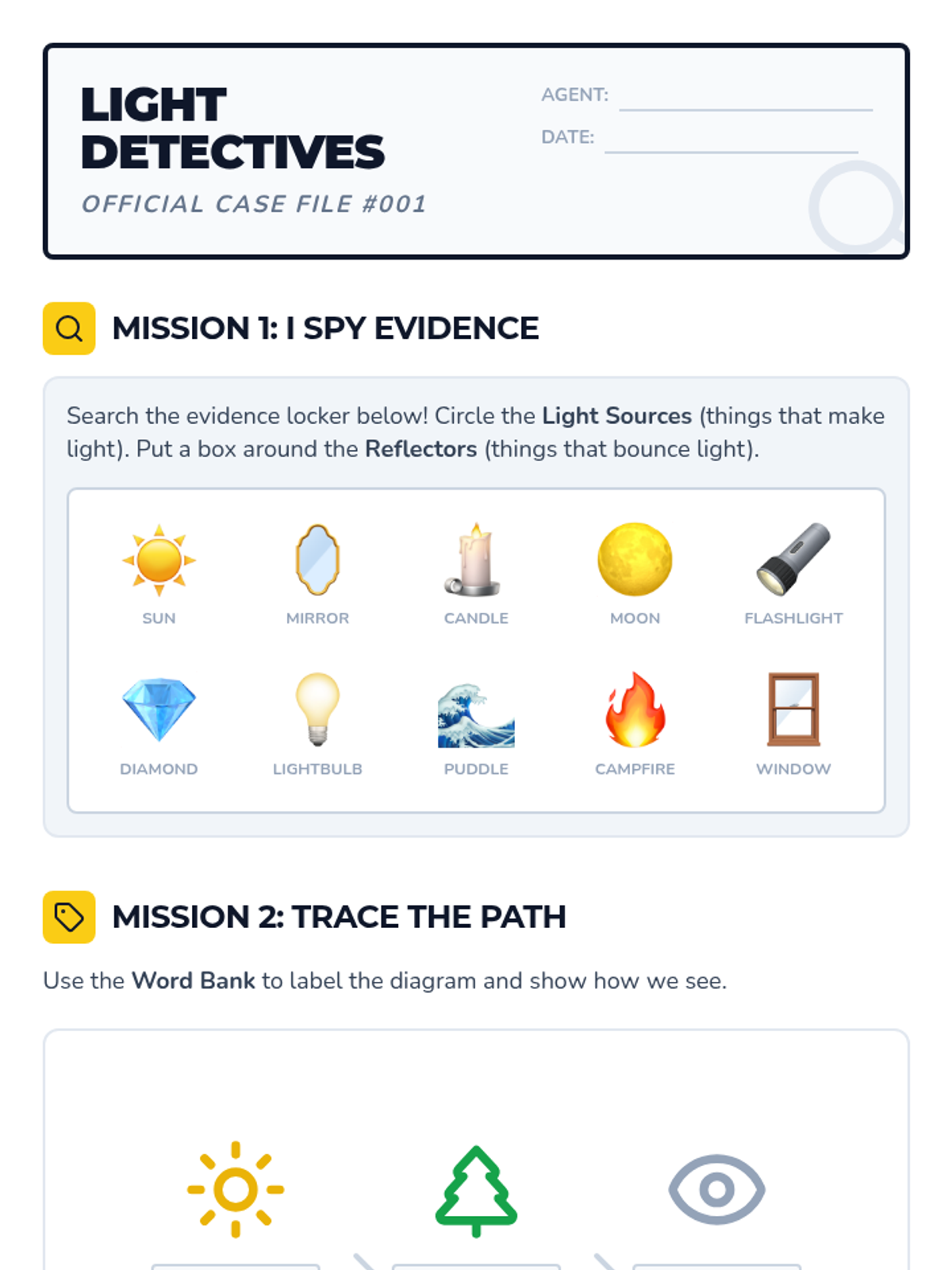
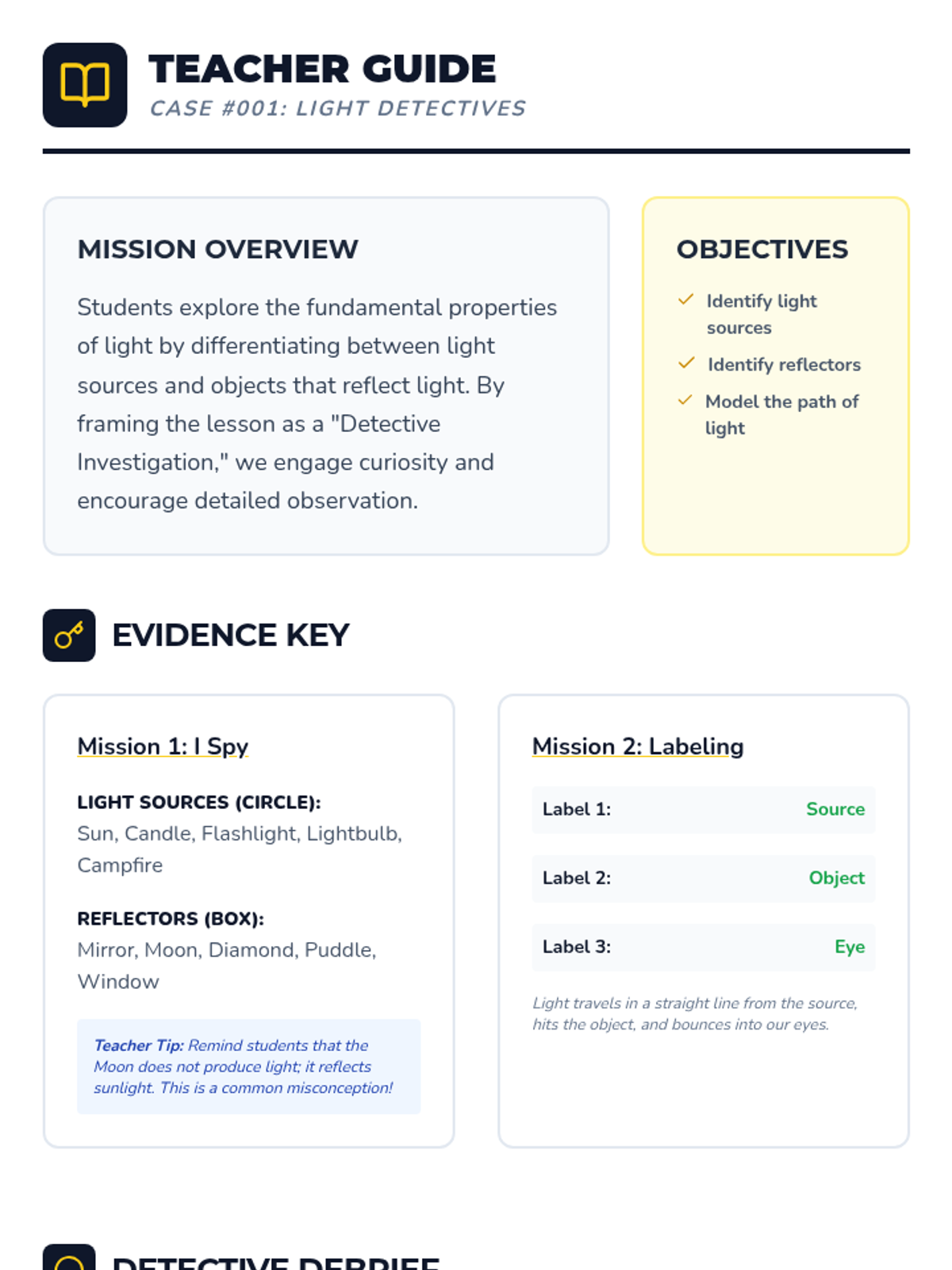
A primary science and ELA sequence where students become 'Light Detectives' to investigate how light works, identifying sources, reflections, and shadows in their environment.
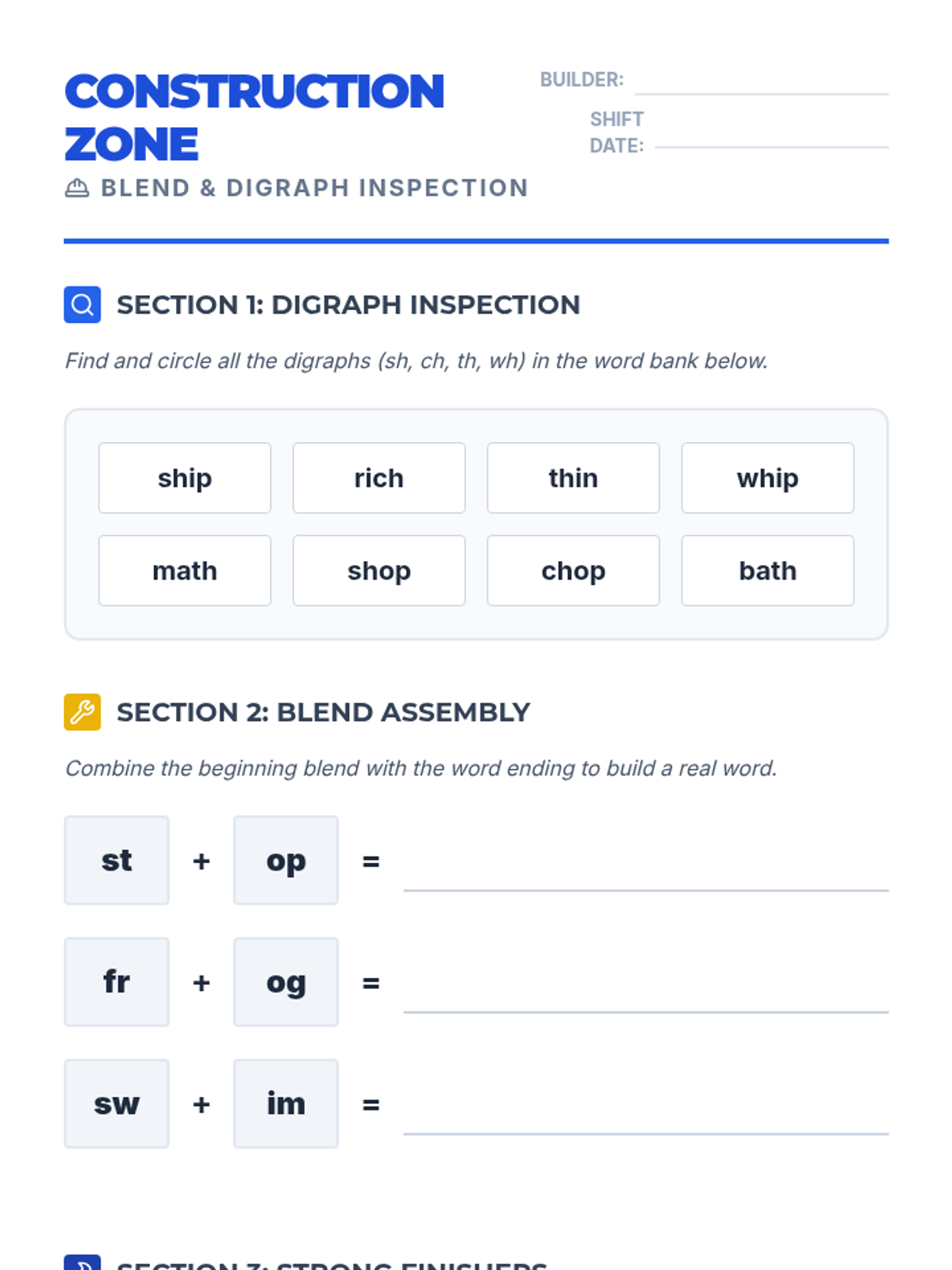
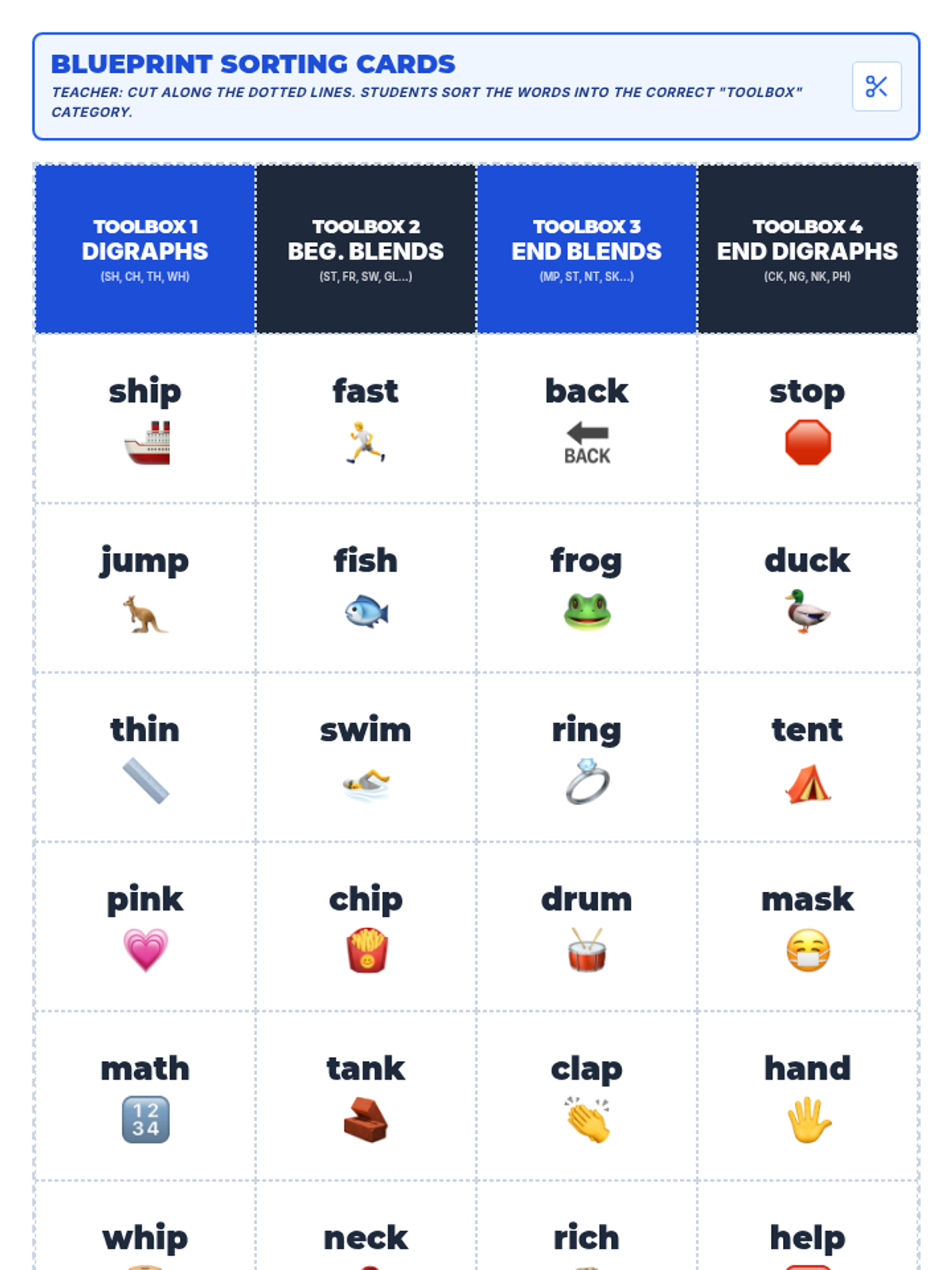
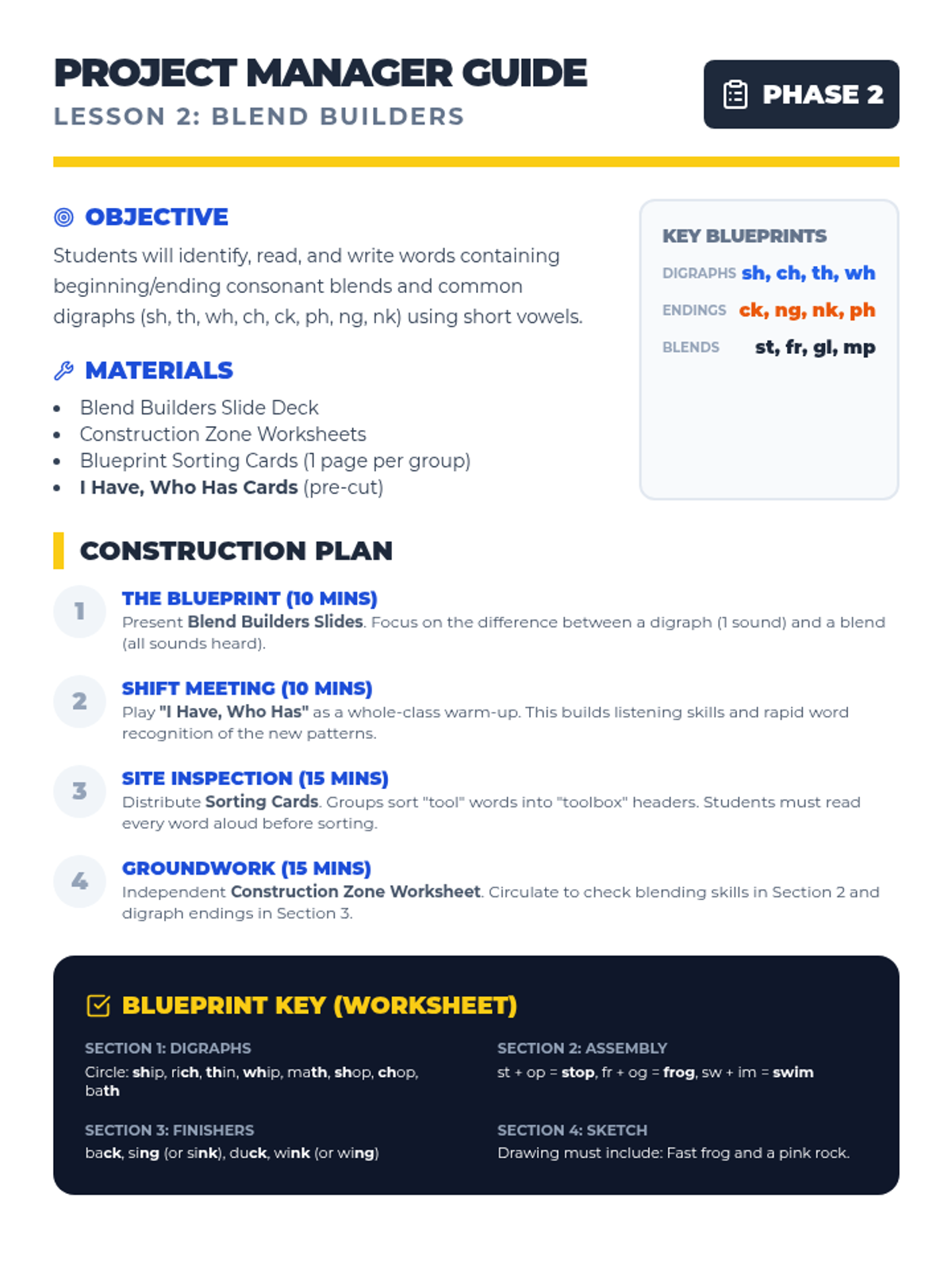
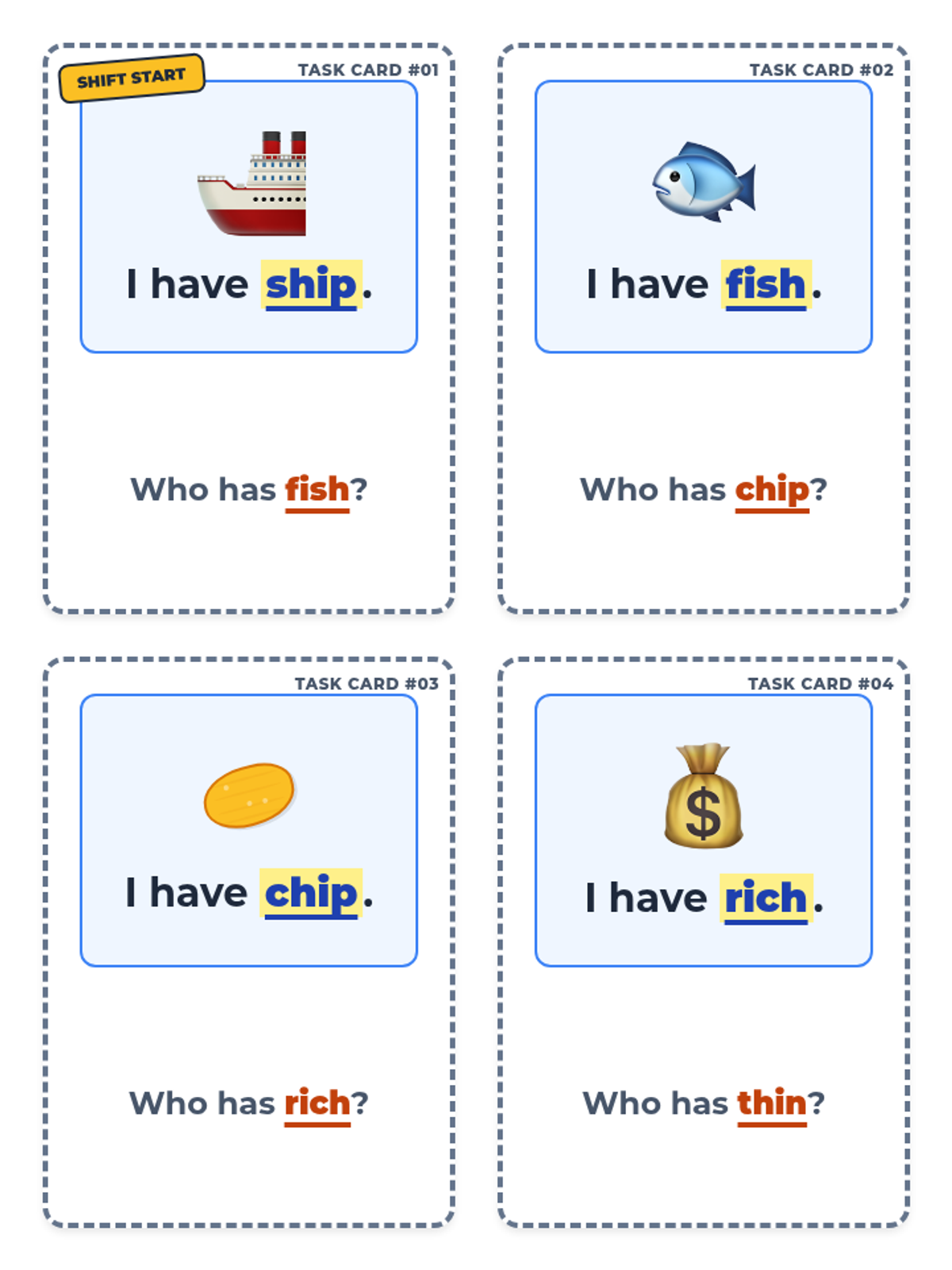
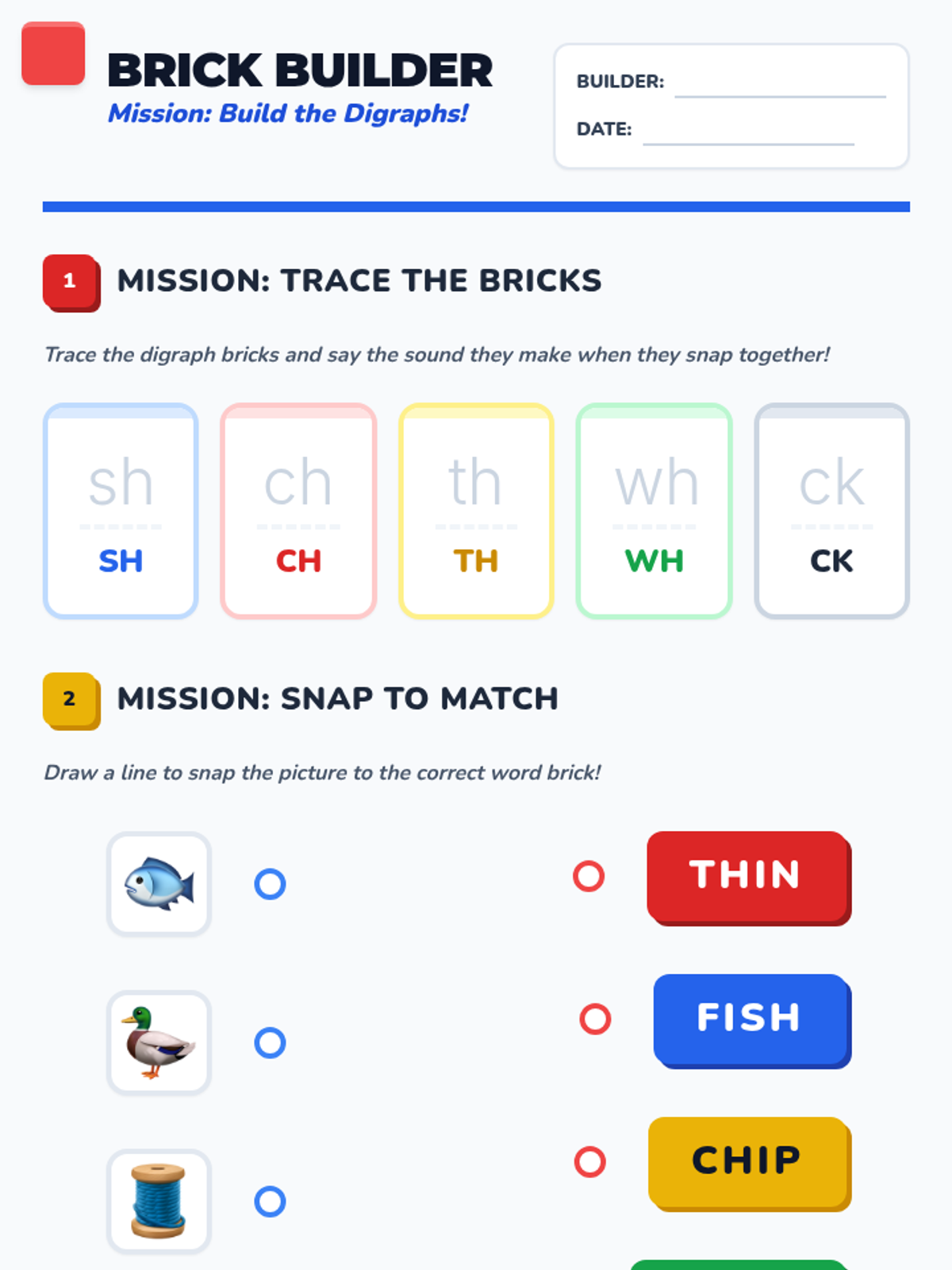
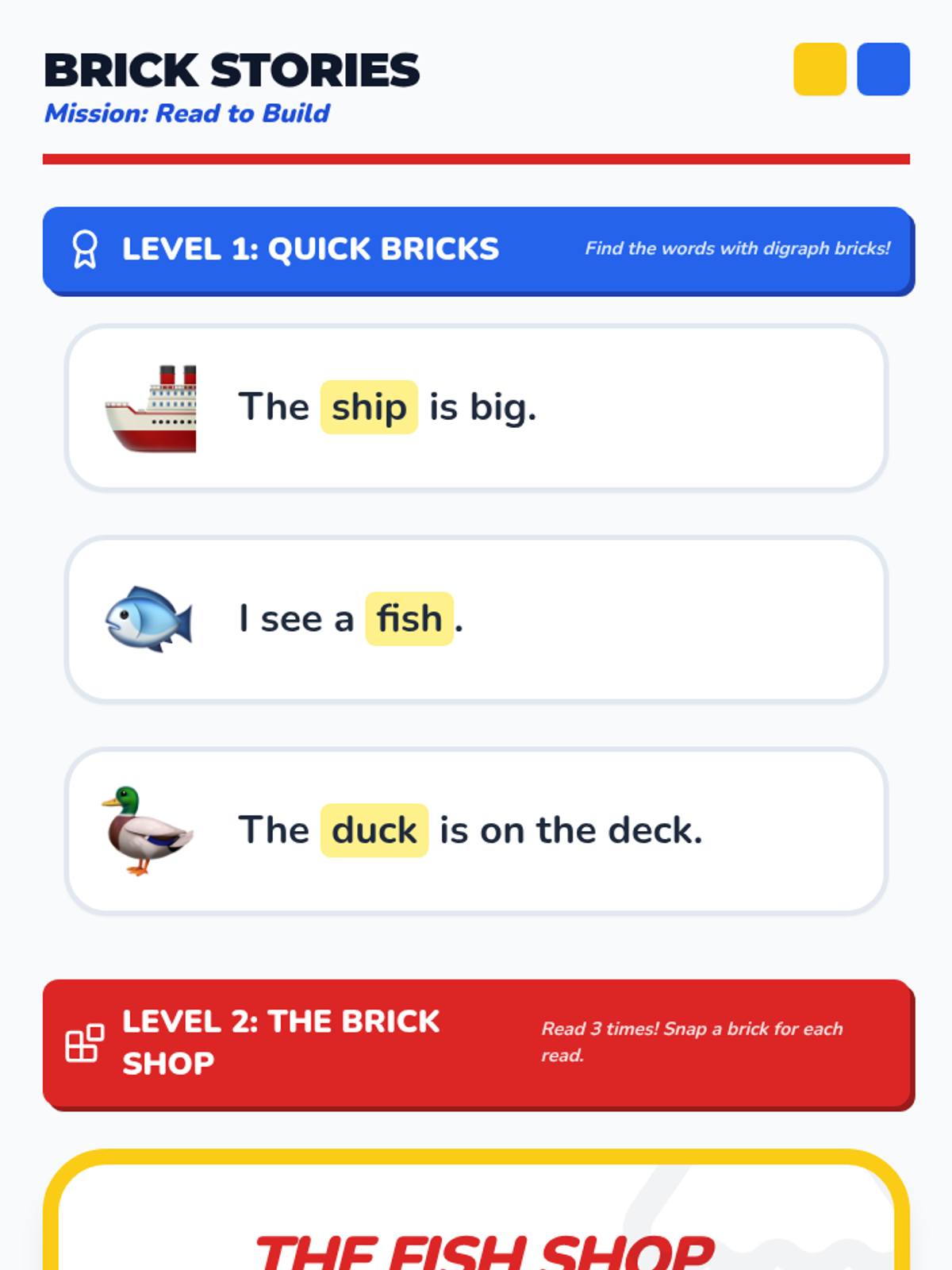
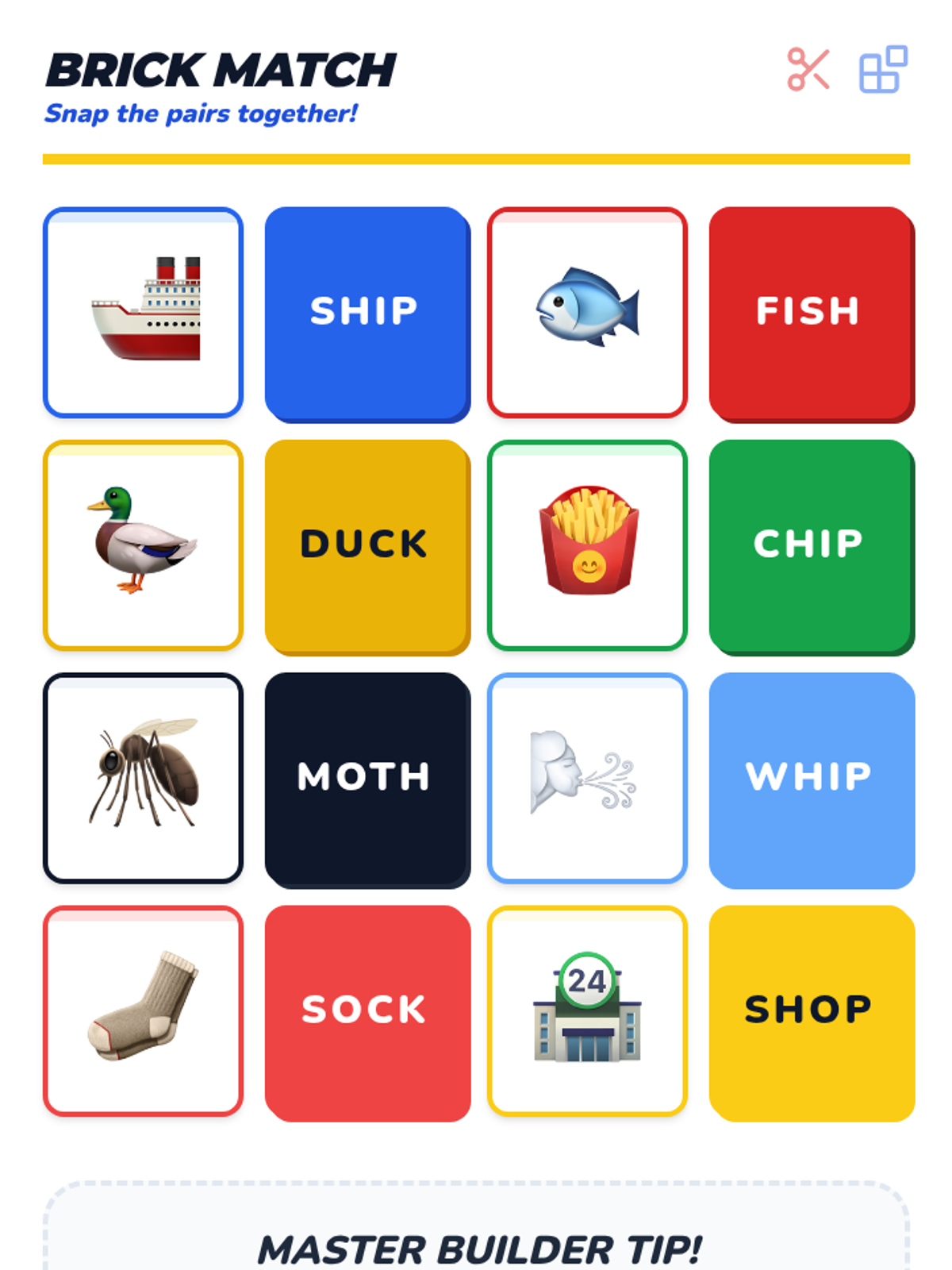
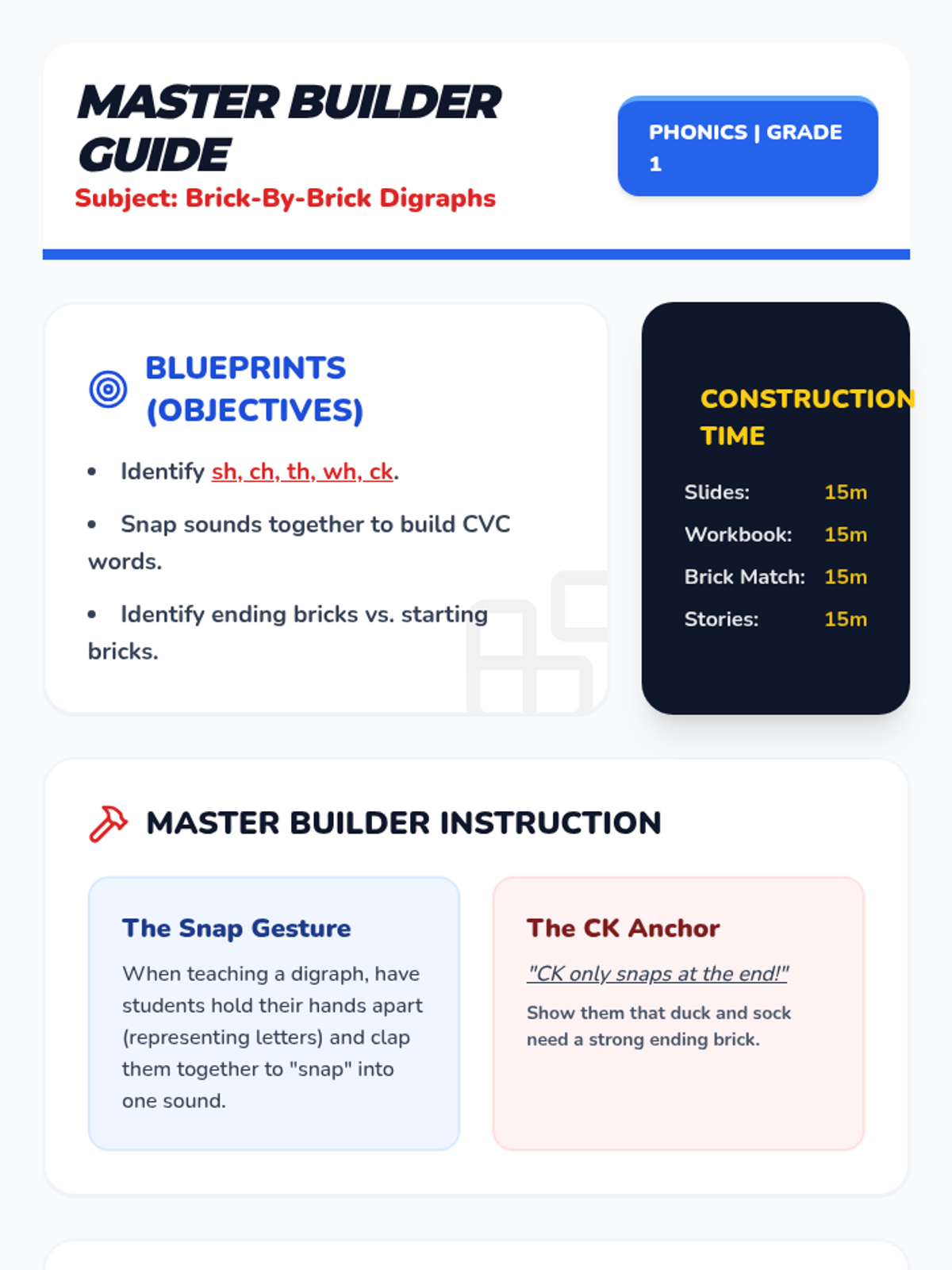
A series of building-themed lessons focused on mastering phonics patterns, starting with common digraphs and moving towards complex blends using a block-building aesthetic.