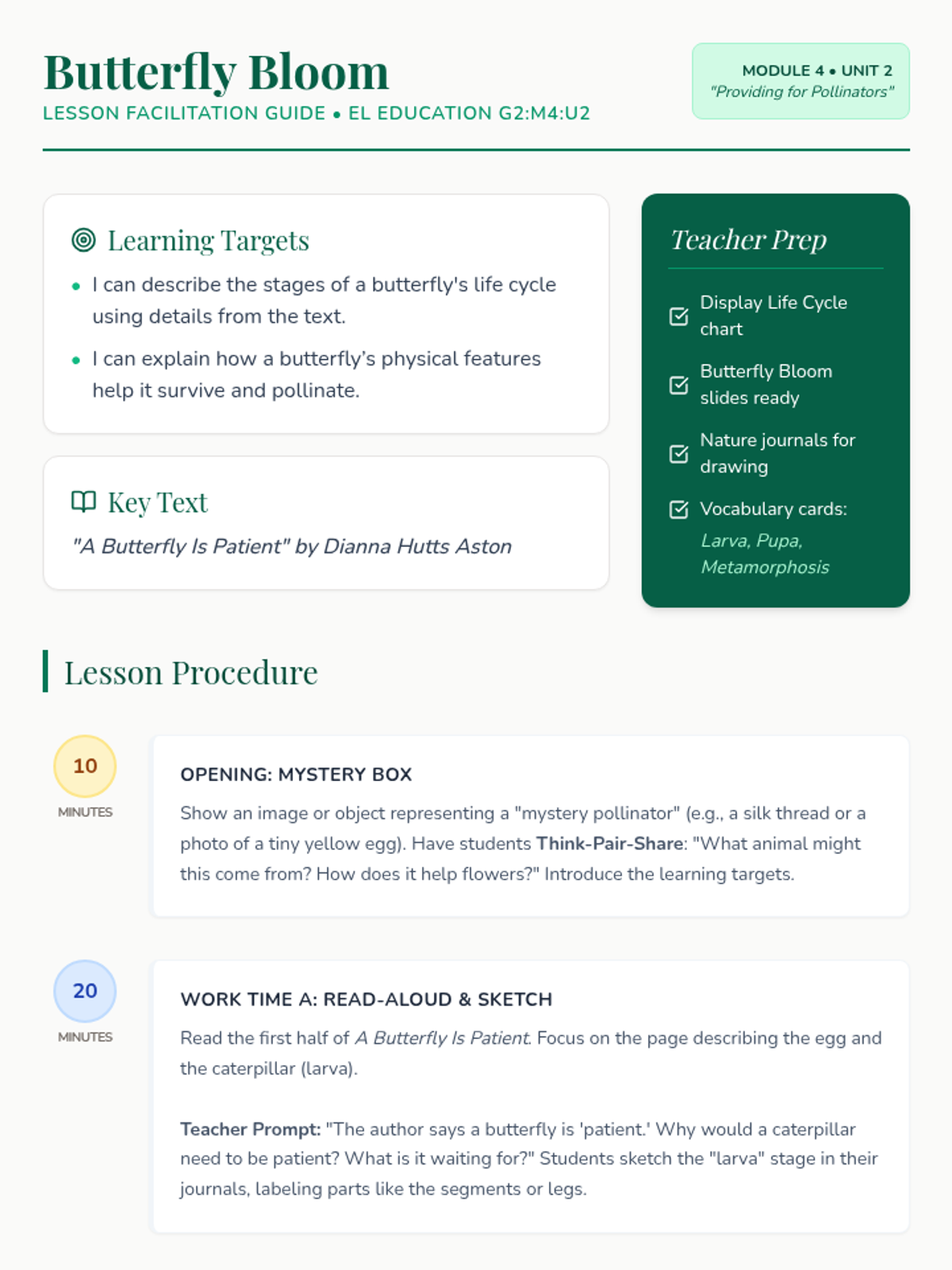
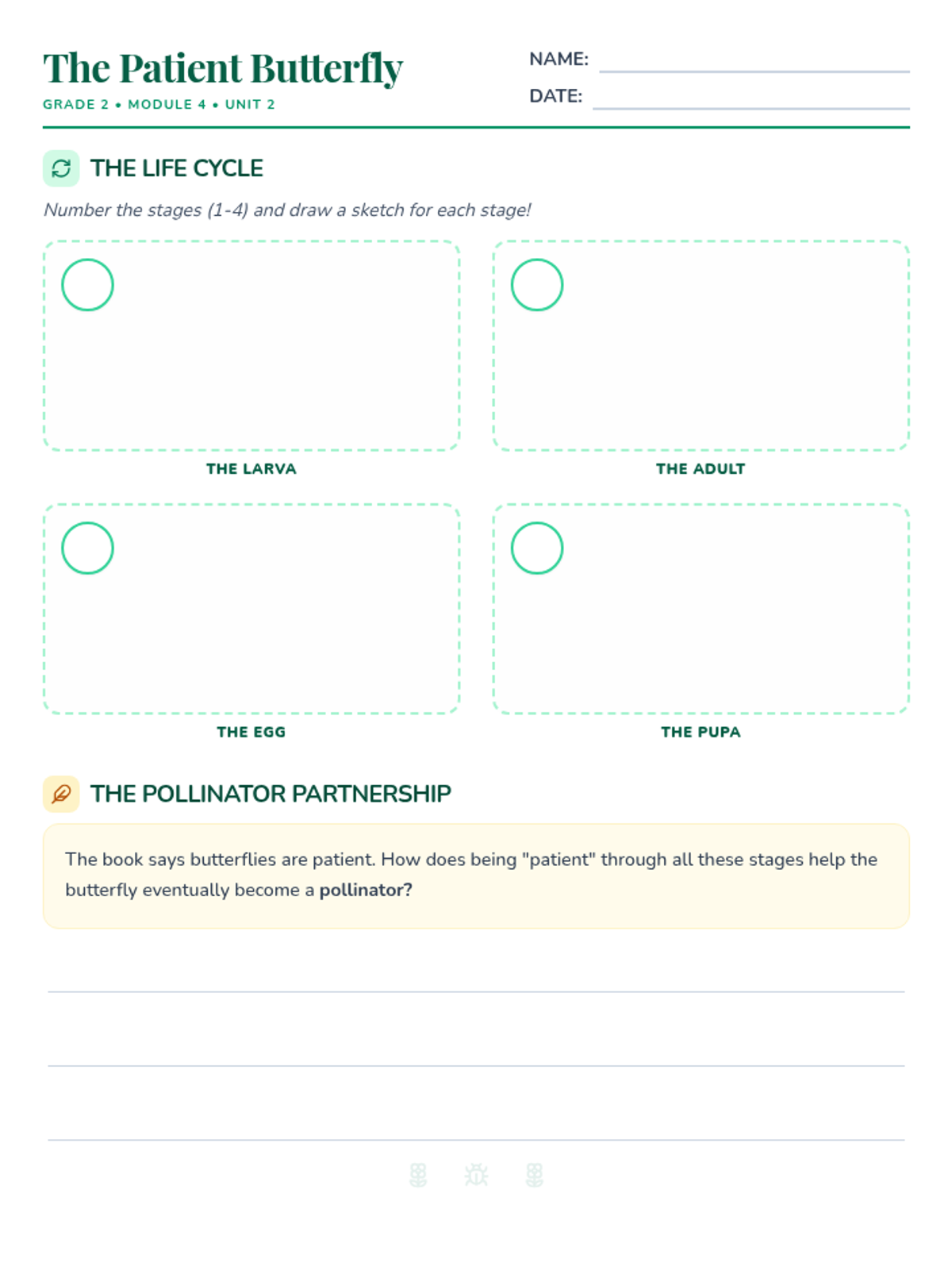
A multi-day exploration of the butterfly life cycle for 2nd graders, featuring interactive instruction, a directed drawing activity, and a summative assessment.
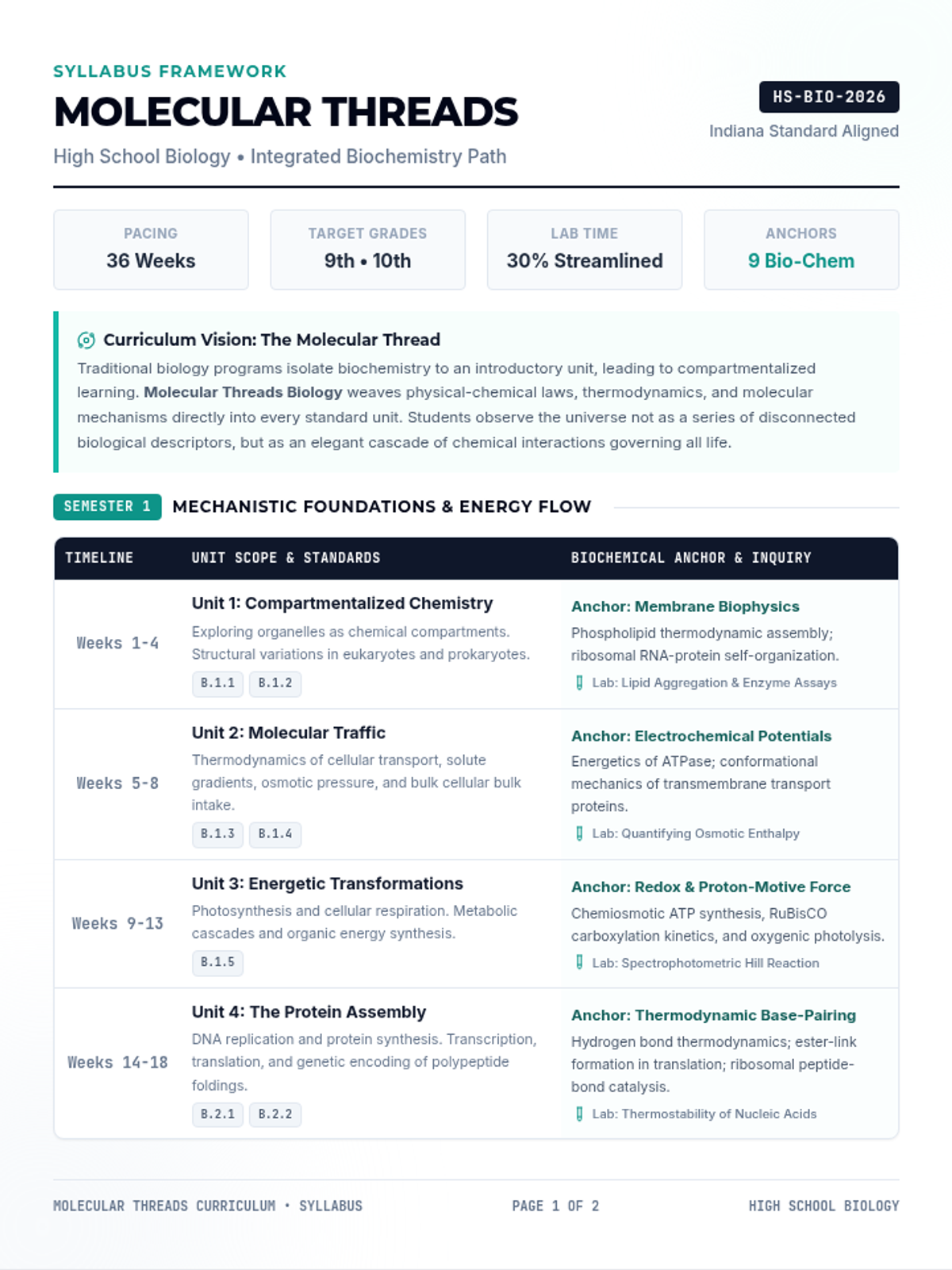
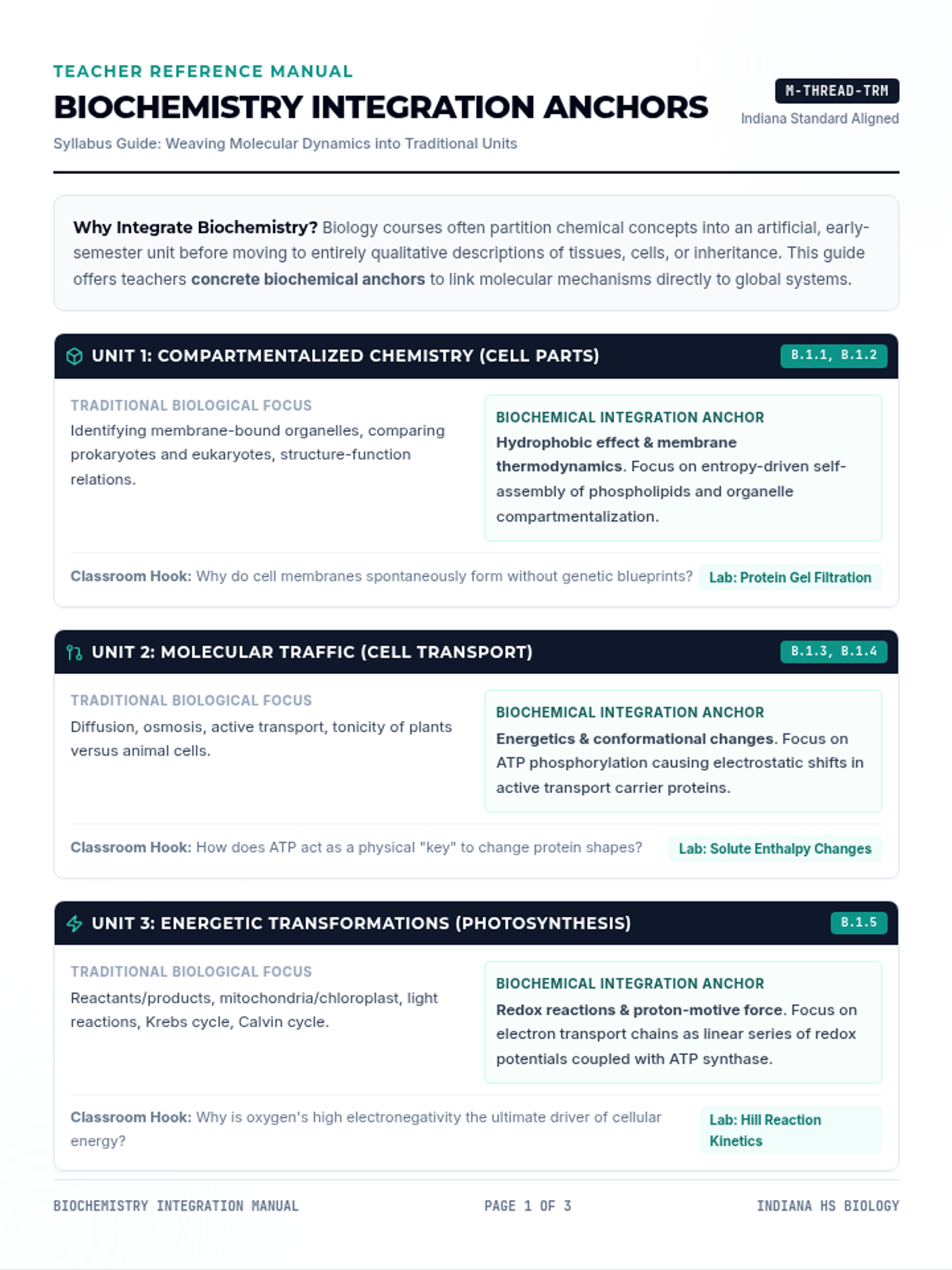
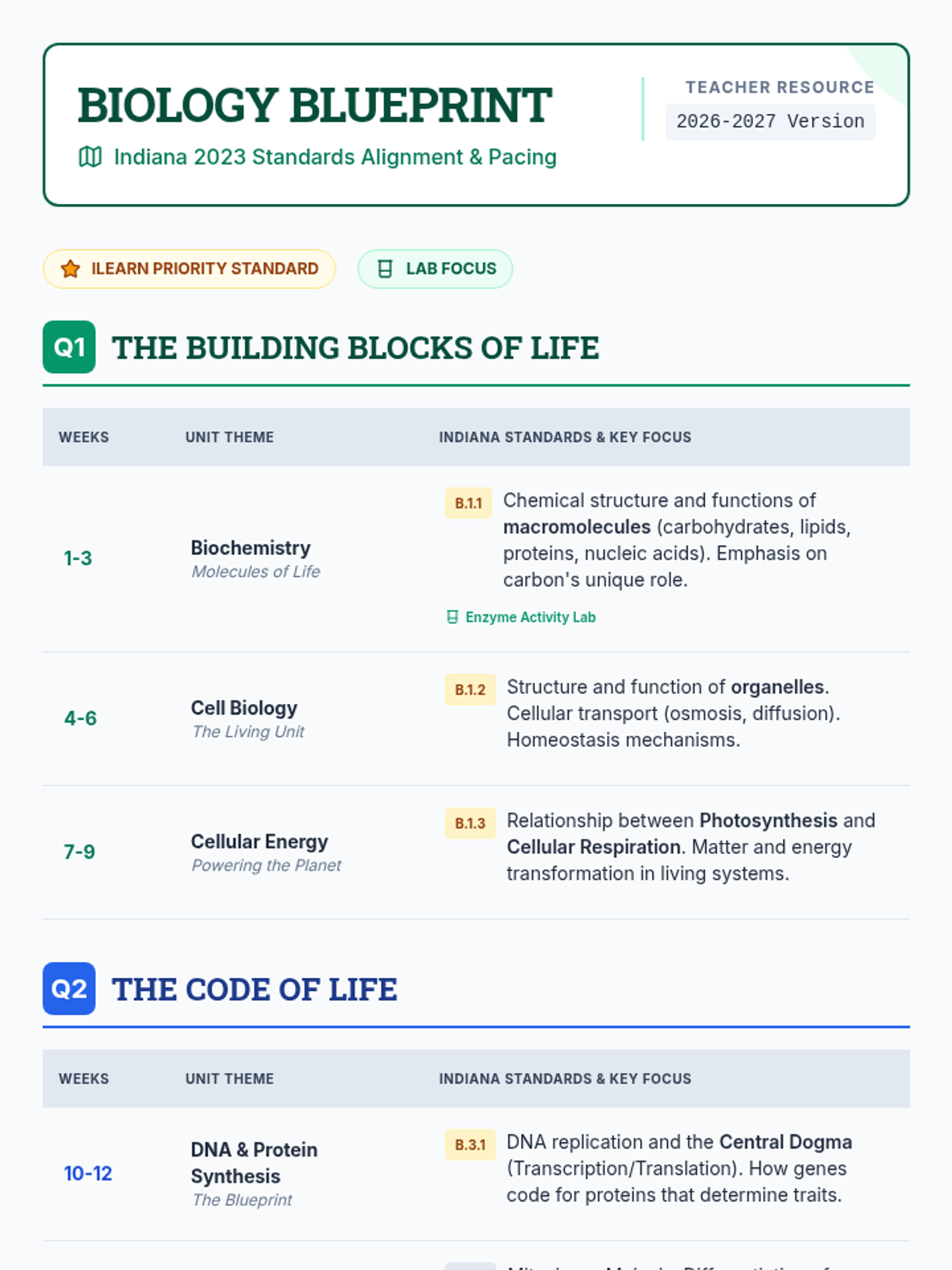
A high school biology curriculum that weaves molecular and biochemical mechanisms into every major traditional unit, fully aligned to the Indiana Academic Standards for Biology.
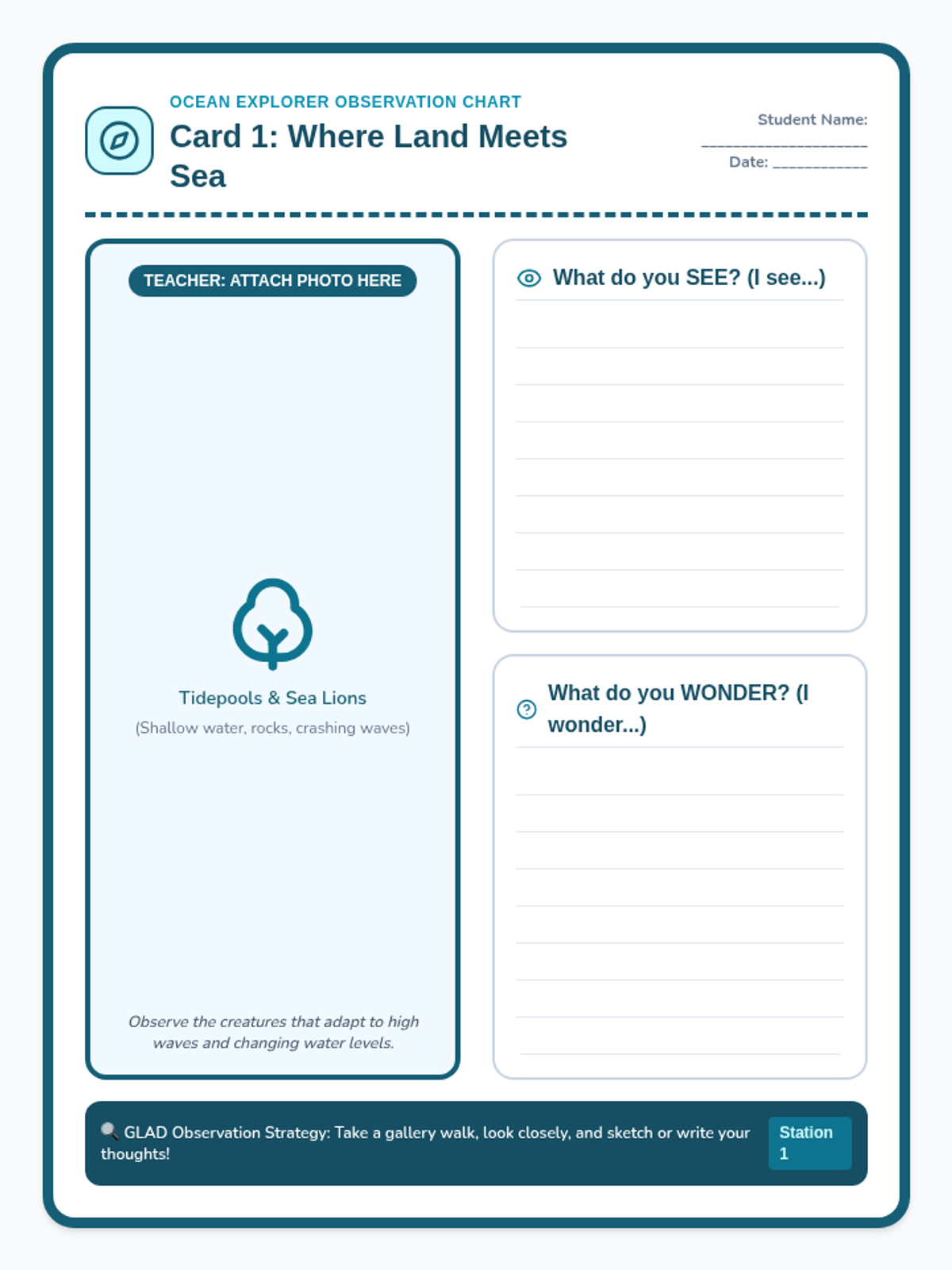
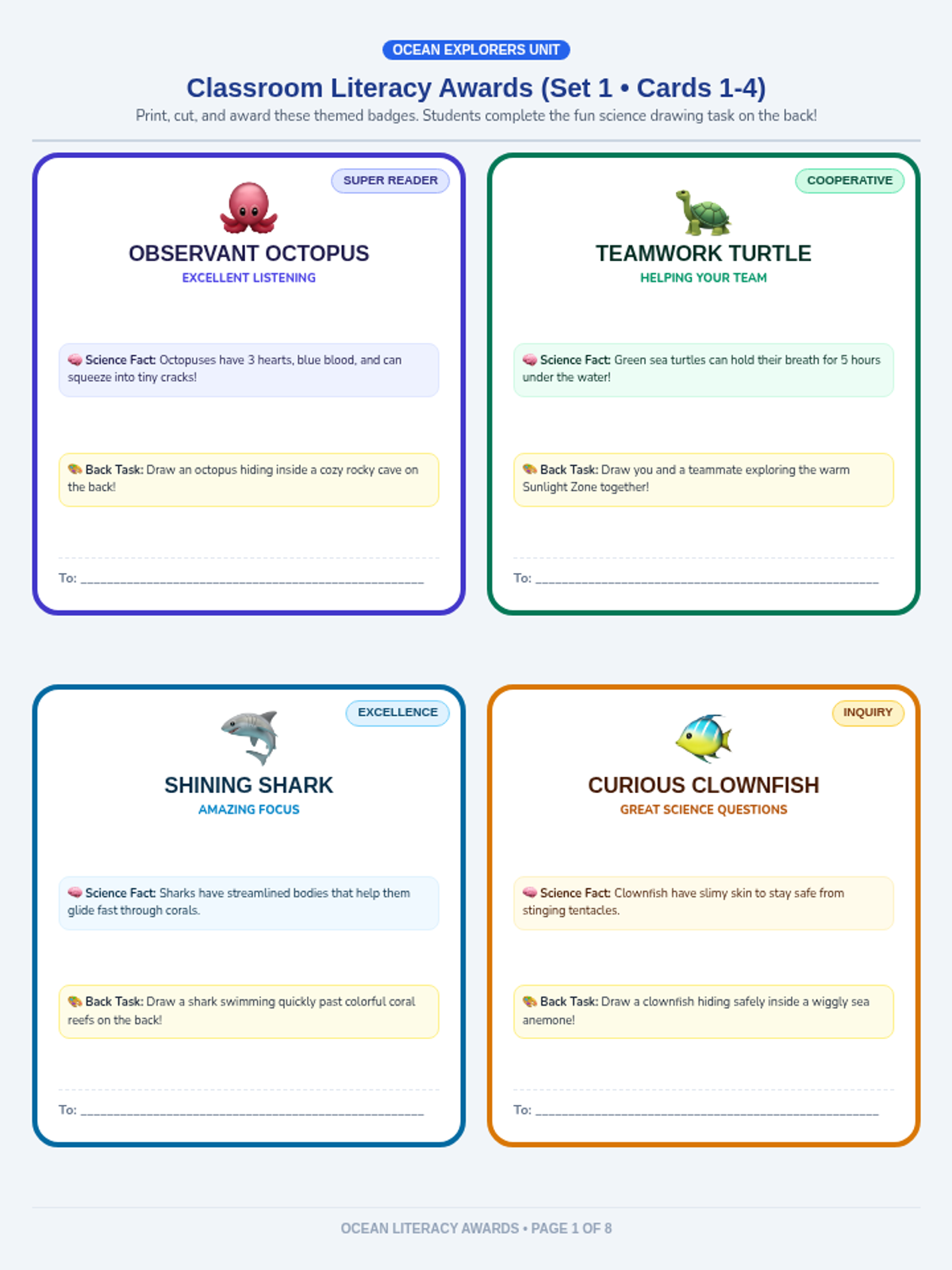
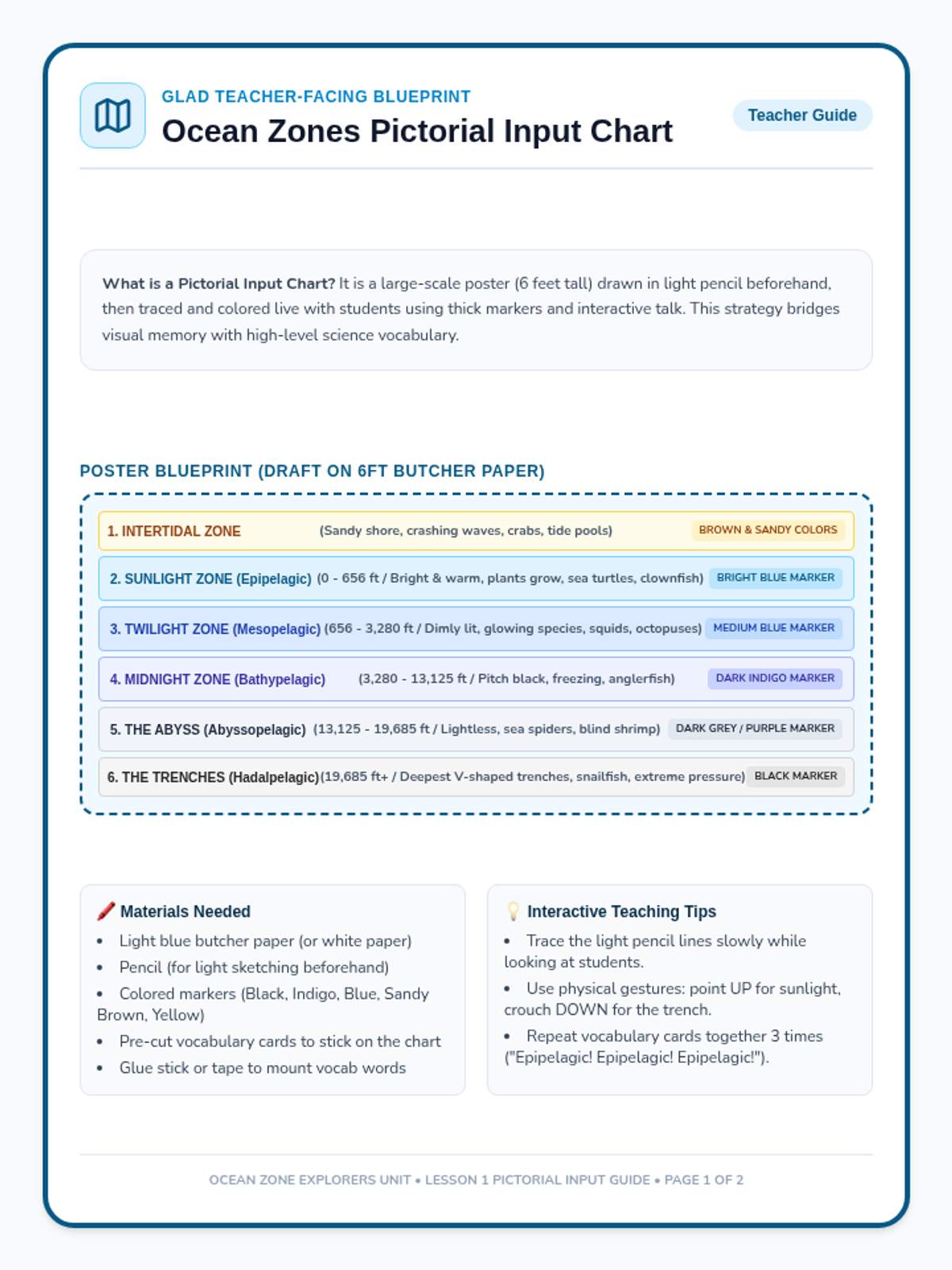
An immersive 1st-grade GLAD science and literacy sequence that guides young learners from the sunny surface to the deepest, darkest trenches, using cooperative learning, narrative inputs, and hands-on modeling.
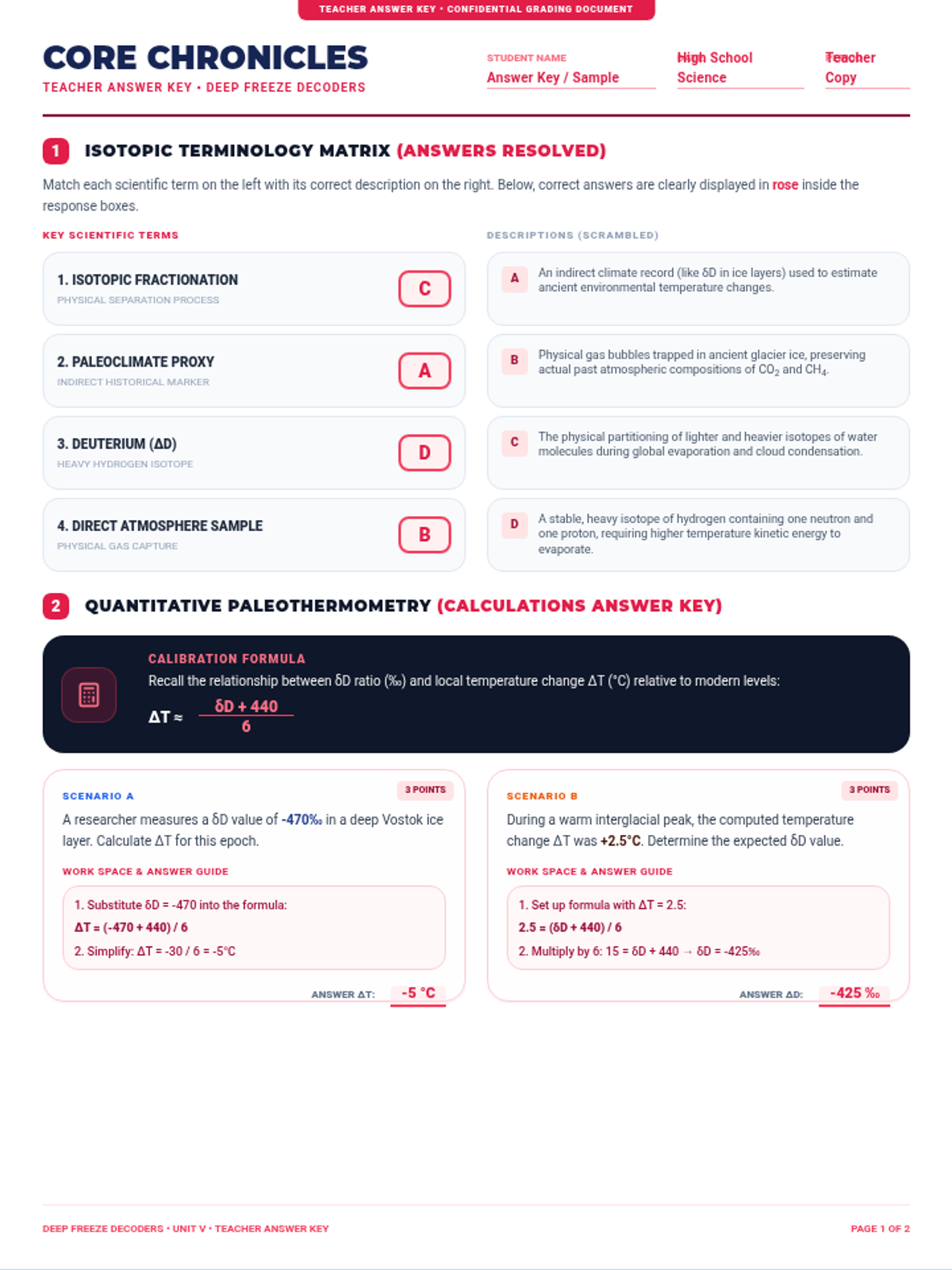
An advanced high school earth science unit exploring how scientists decode paleoclimate data from ice cores. Students analyze isotopic ratios, examine greenhouse gas correlations, and model glacier-climate feedback loops.
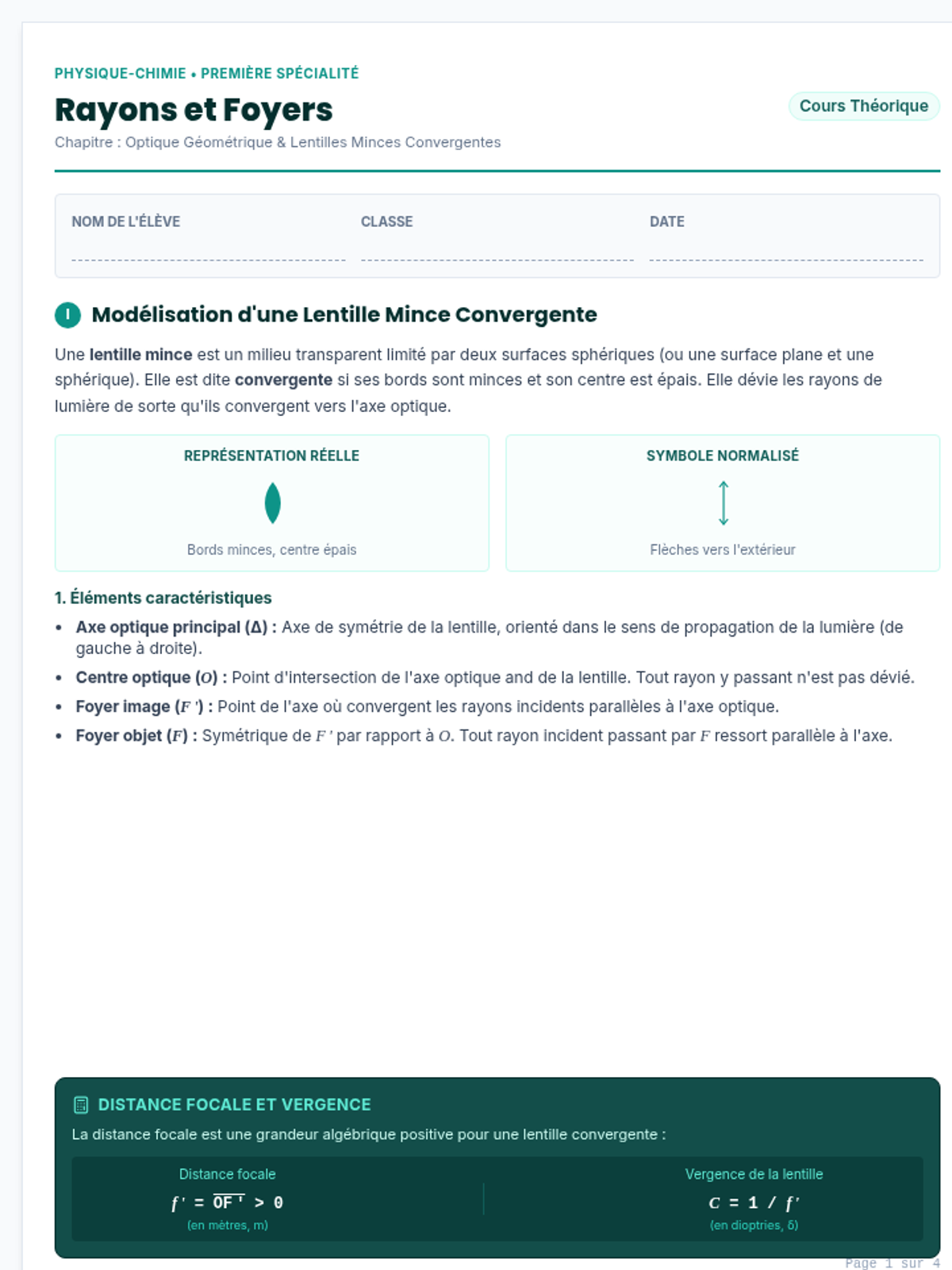
Une séquence de physique de niveau Première sur l'optique géométrique et les lentilles minces convergentes. Elle aborde la modélisation géométrique des lentilles, la construction graphique des images, les relations mathématiques de Descartes et de grandissement, ainsi que les trois méthodes de mesure de la distance focale (objet à l'infini, autocollimation, méthode de Bessel).
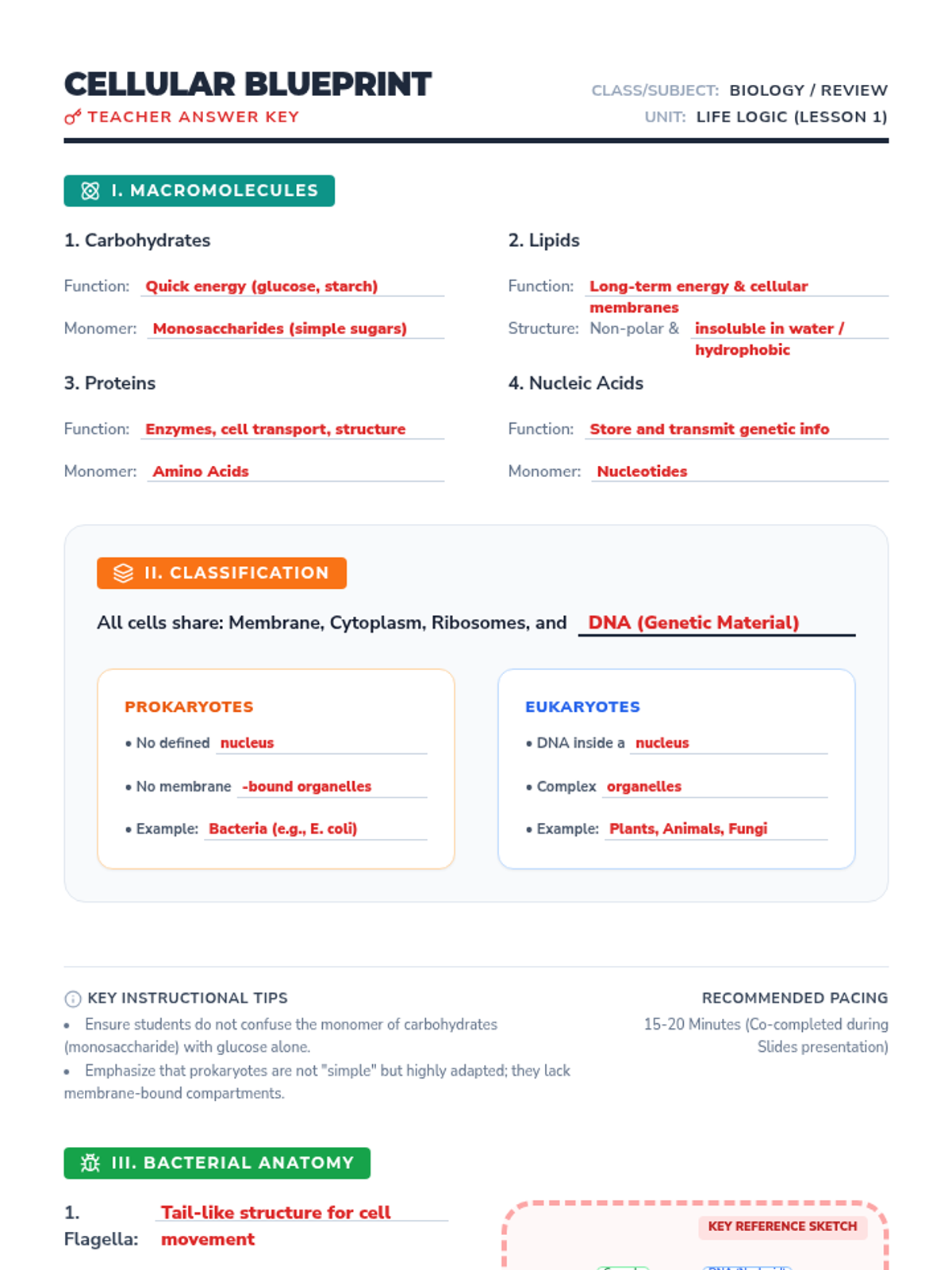
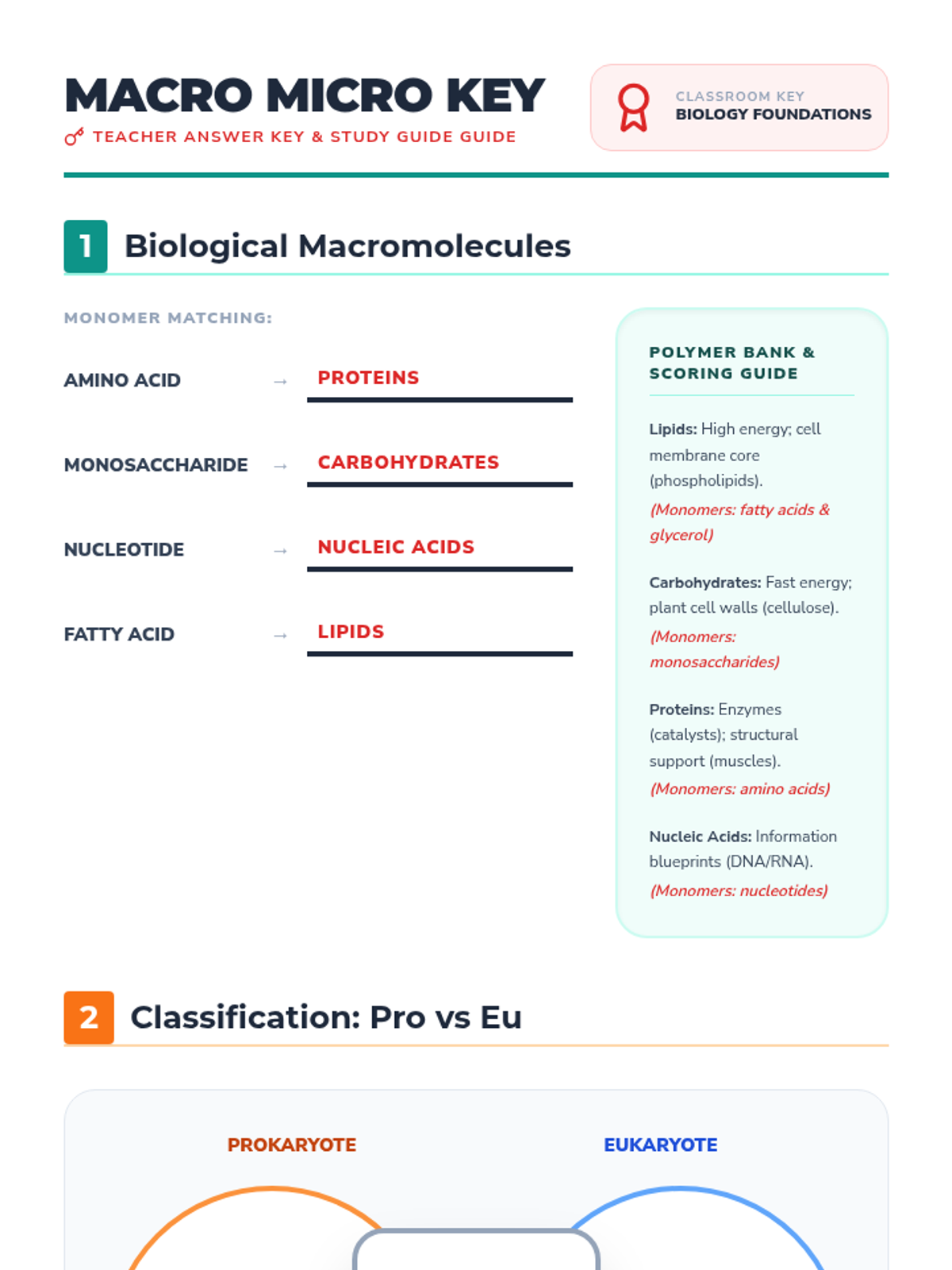
A comprehensive high school biology unit covering the fundamental building blocks of life, including biological macromolecules, prokaryotic organisms, and the complex structures of eukaryotic cells.
A comprehensive year-long instructional roadmap for Indiana High School Biology, aligned with the 2023 Academic Standards and optimized for ILEARN preparation.
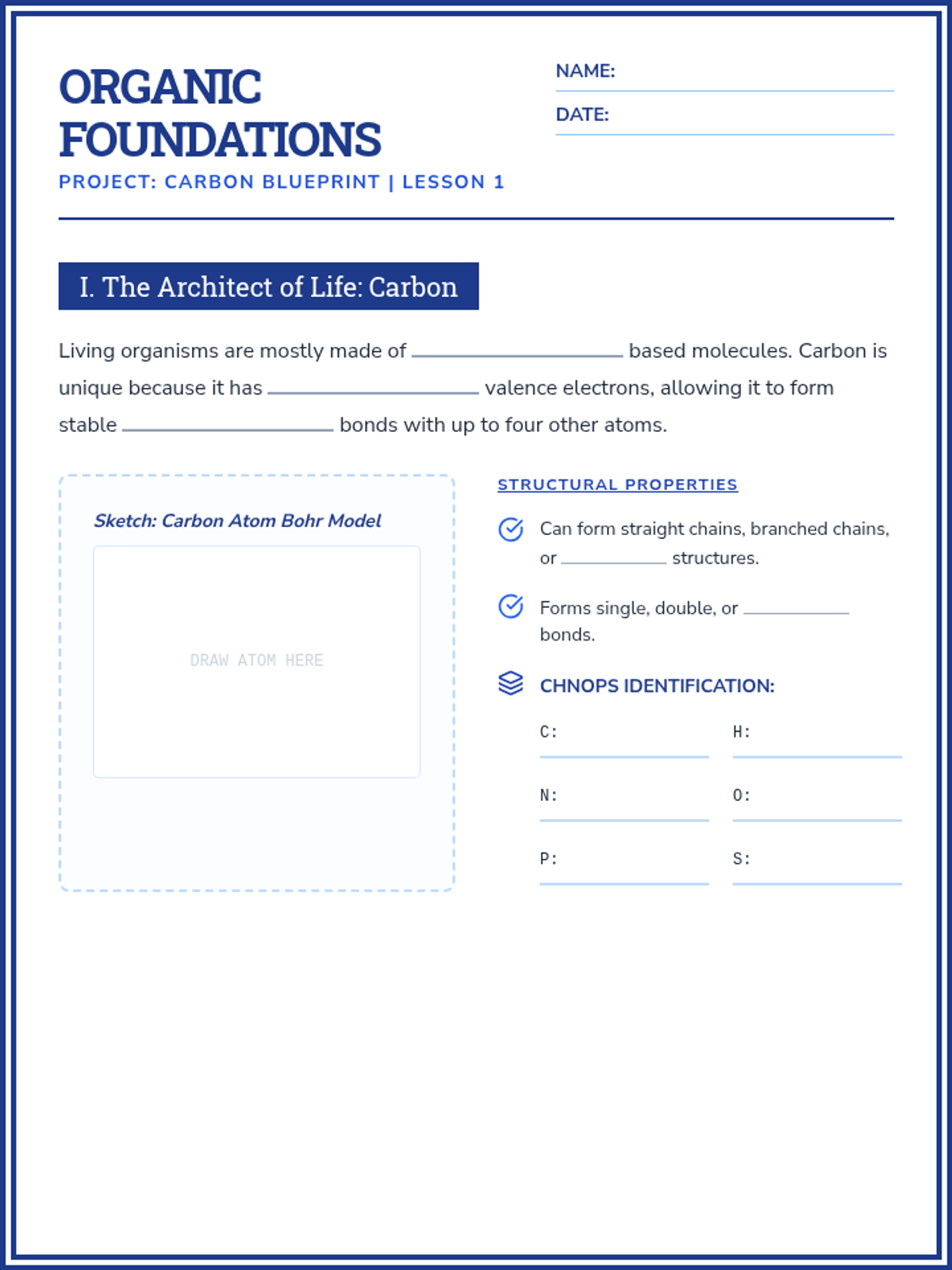
A comprehensive 3-week Biology unit exploring the structure and function of macromolecules, aligned with Indiana HS.LS standards. Students investigate carbon chemistry, the role of DNA in protein synthesis, and energy transfer within metabolic processes through a blueprint-themed architectural lens.
A comprehensive sequence focused on mastering business presentation skills and understanding company valuation for a professional audience.
Grade 2, Module 4: 'Providing for Pollinators' focuses on the life cycles of pollinators, specifically butterflies, and how they interact with their habitats to support our environment. This sequence covers the core of Unit 2, moving from the physical characteristics and life cycles to the specific ways these insects provide for our ecosystem.
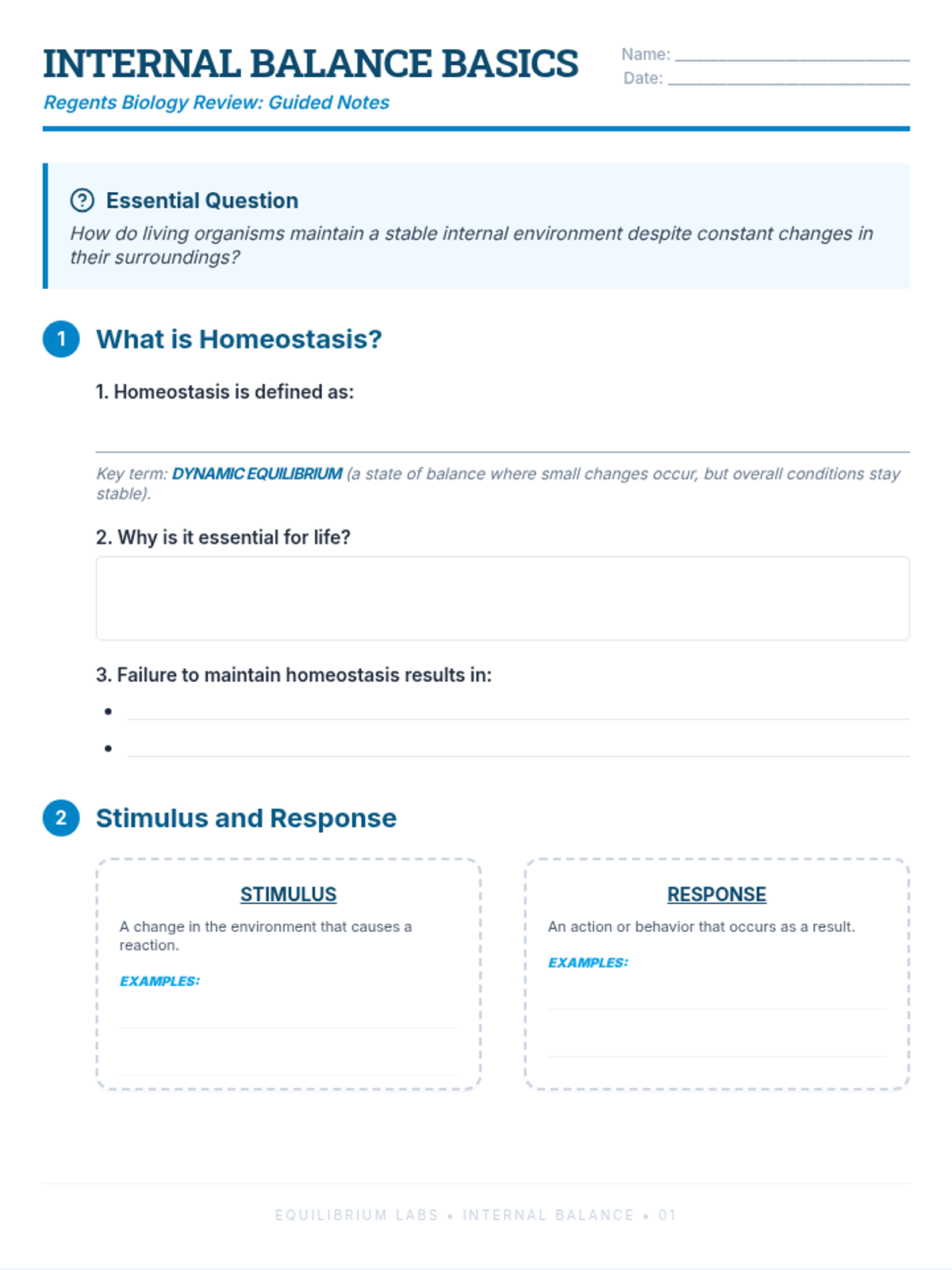
A comprehensive review sequence focused on homeostasis and feedback mechanisms, designed specifically for NYS Regents Biology preparation using authentic practice questions and guided instruction.
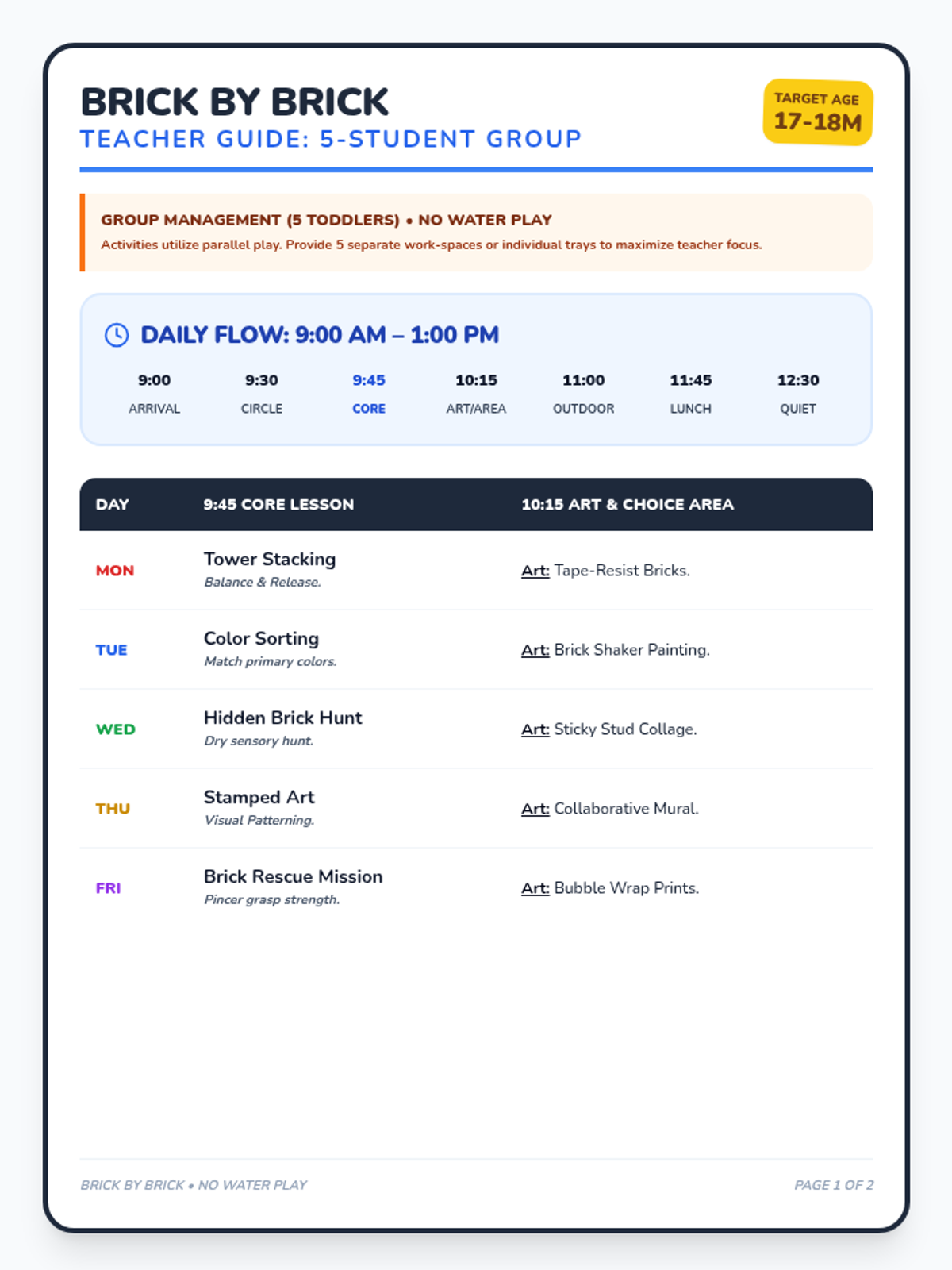
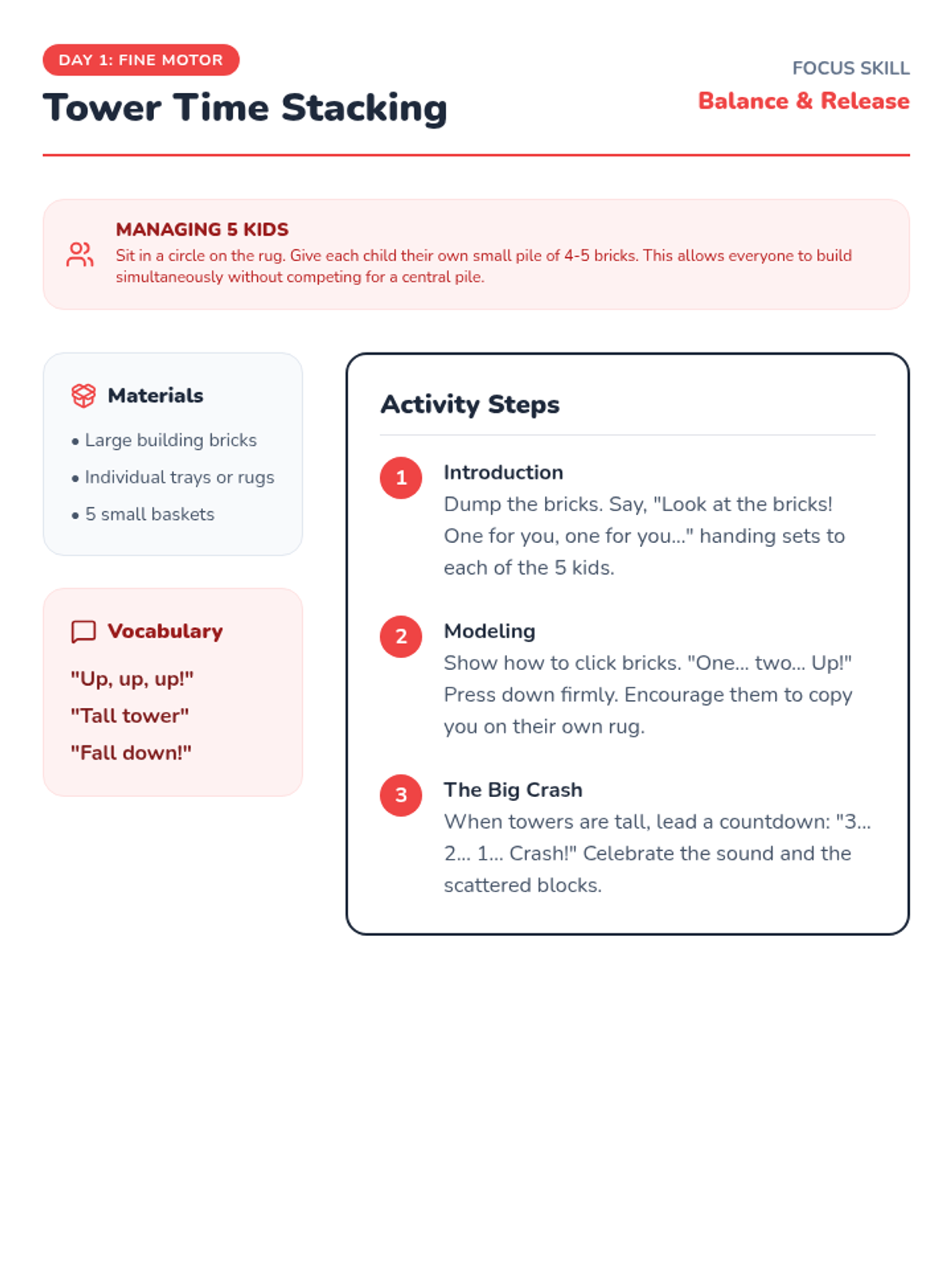
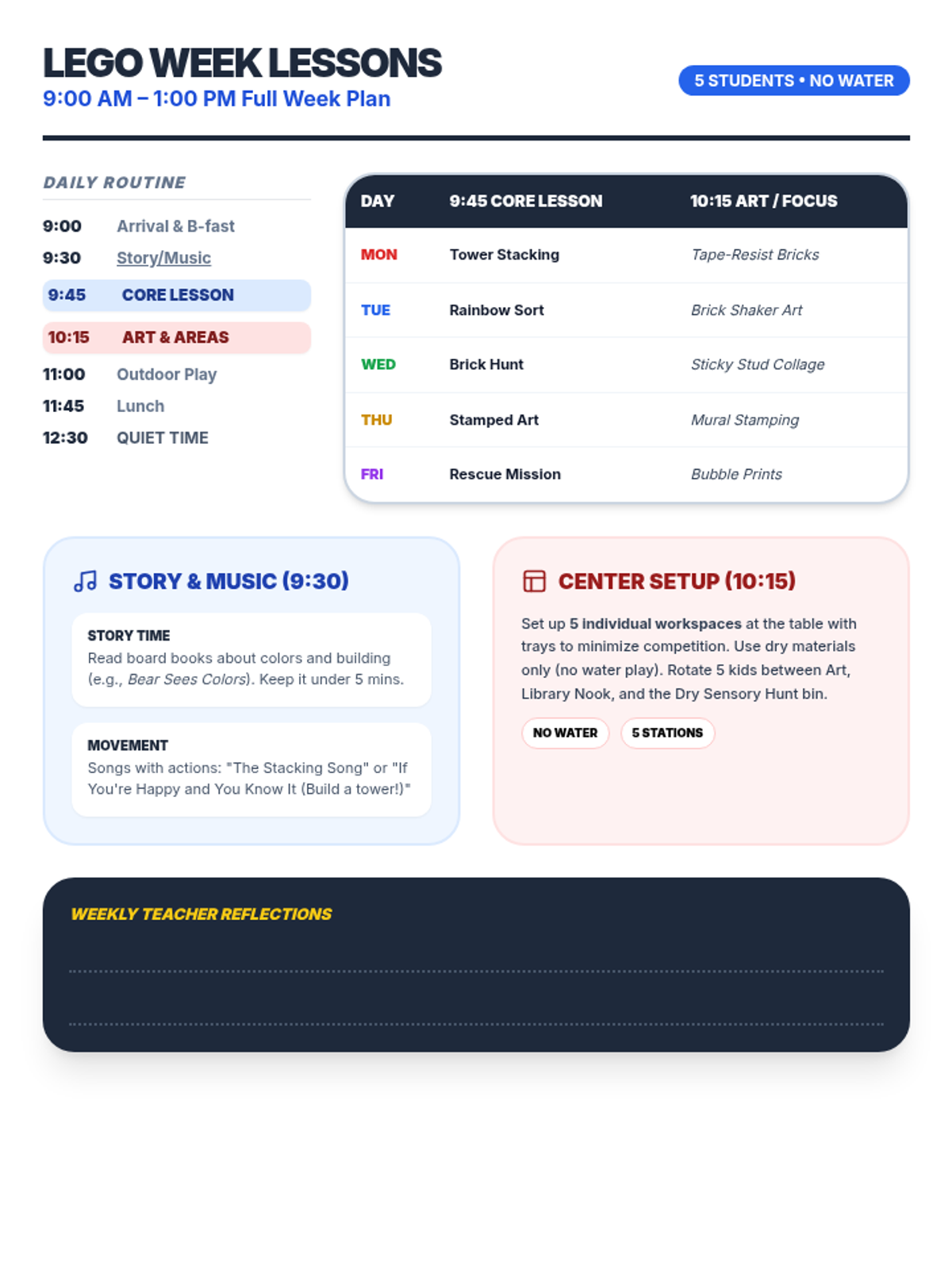
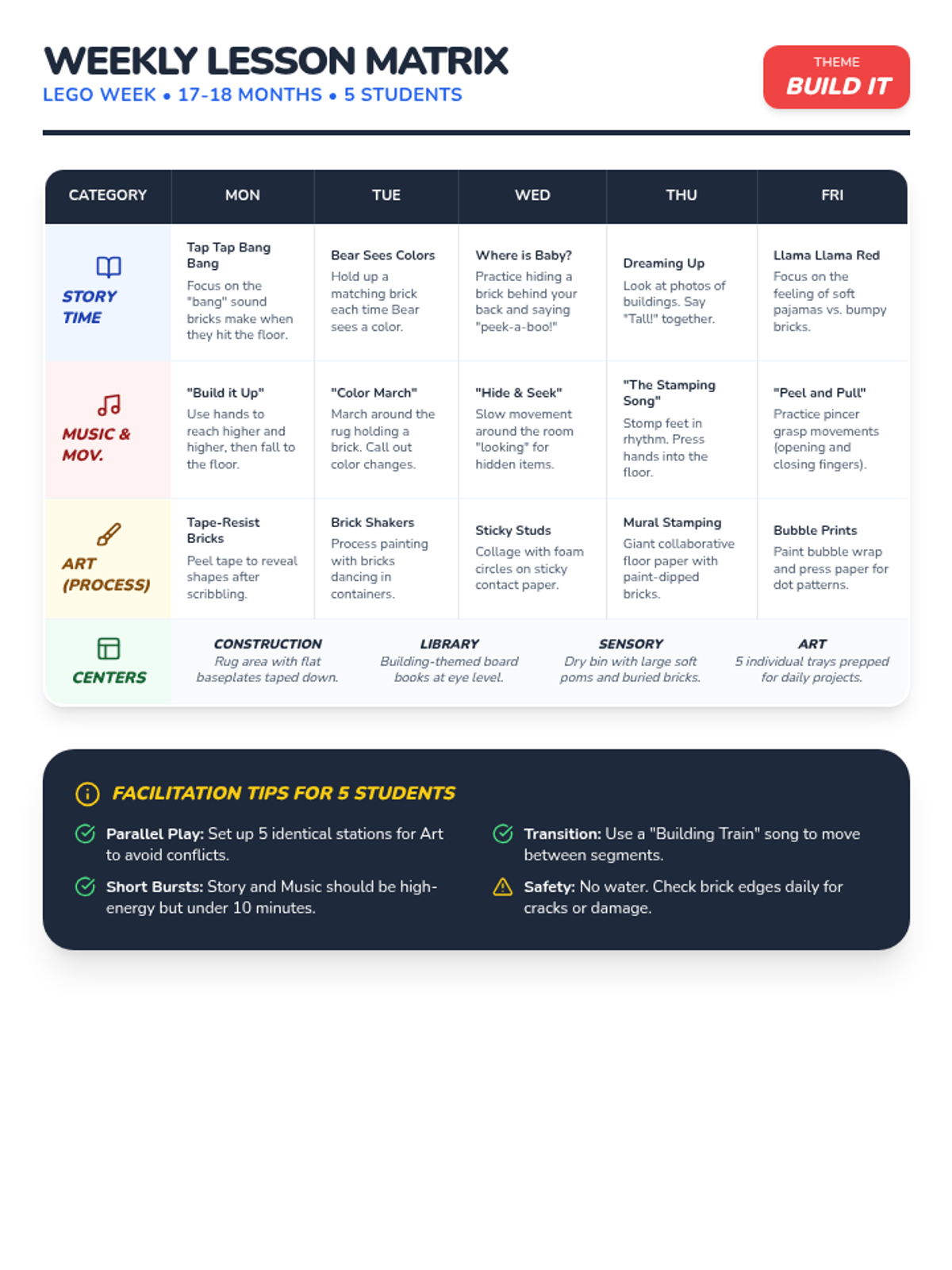
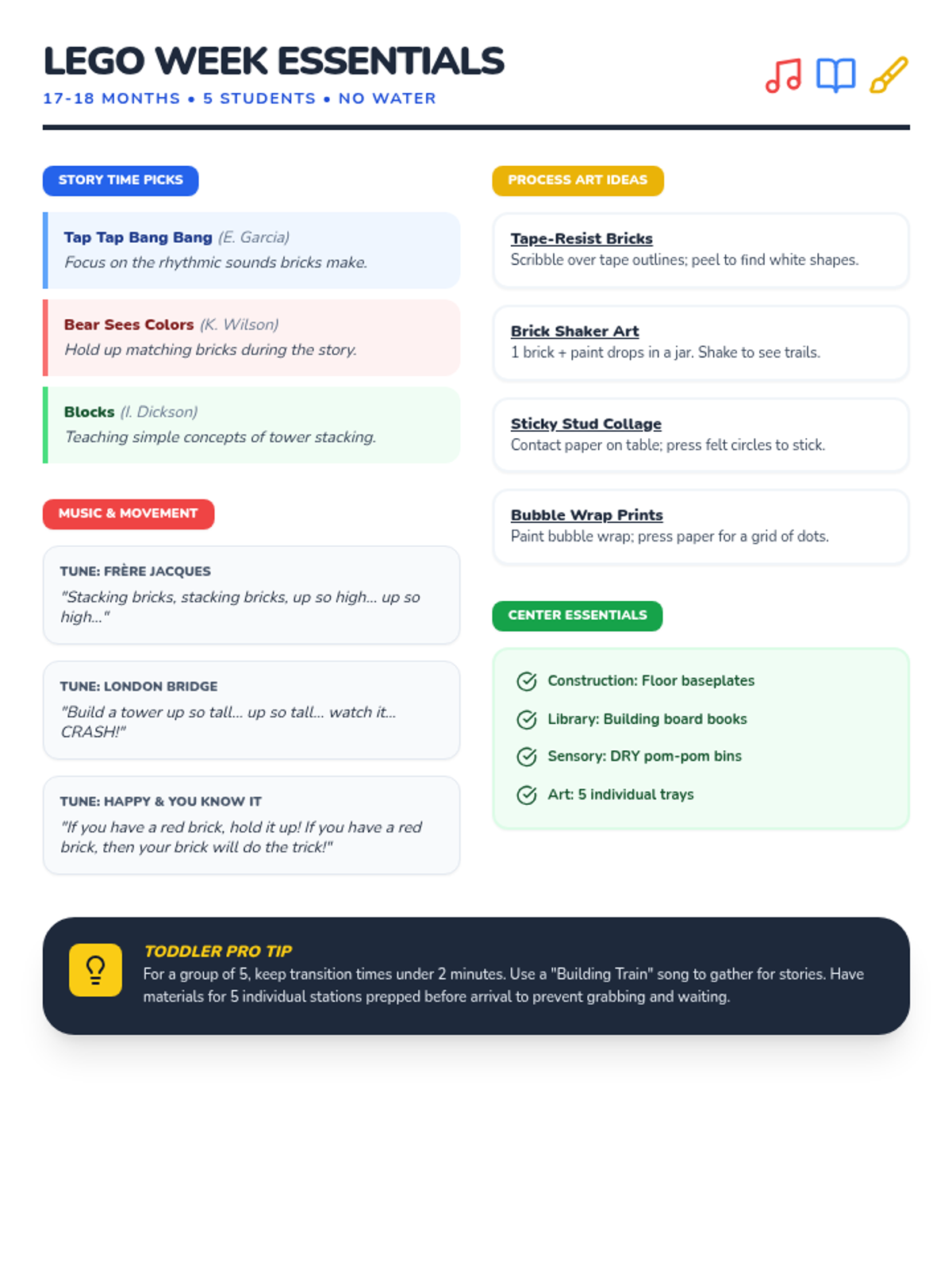
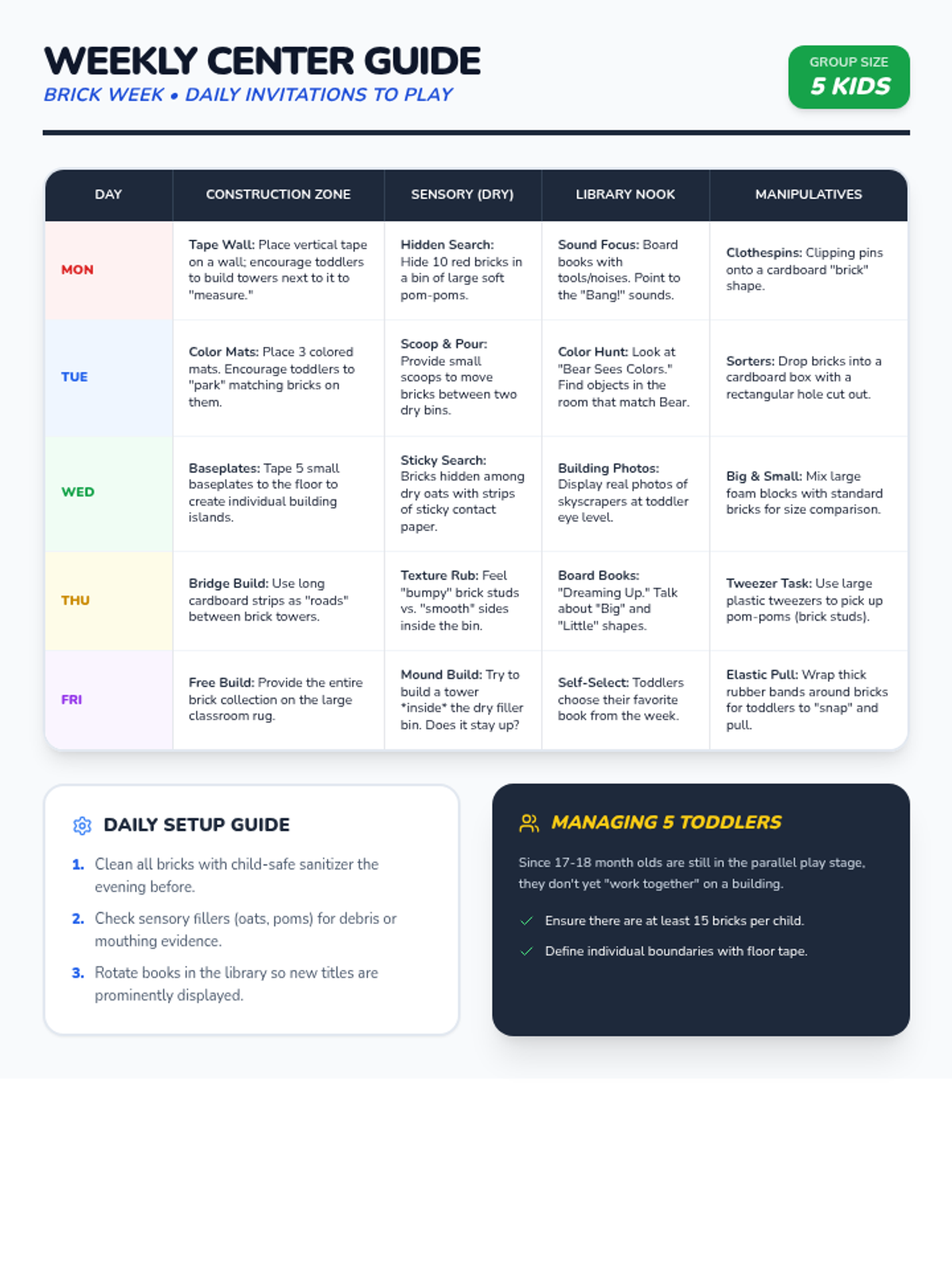
A collection of comprehensive week-long curricula for toddlers aged 17-18 months. Each themed week focuses on developmental play, sensory exploration, and fine motor skills for a group of 5 students with zero water play.
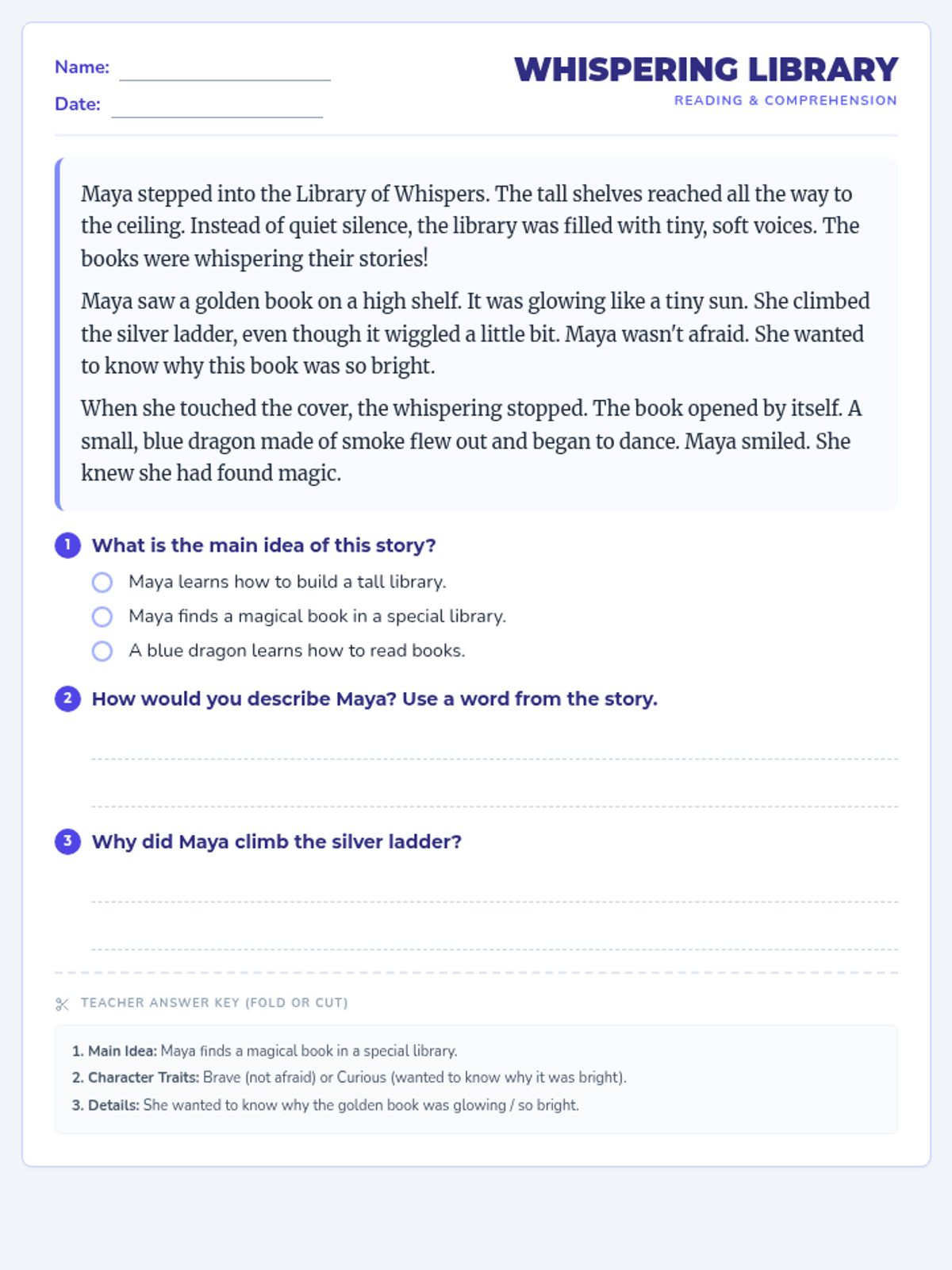
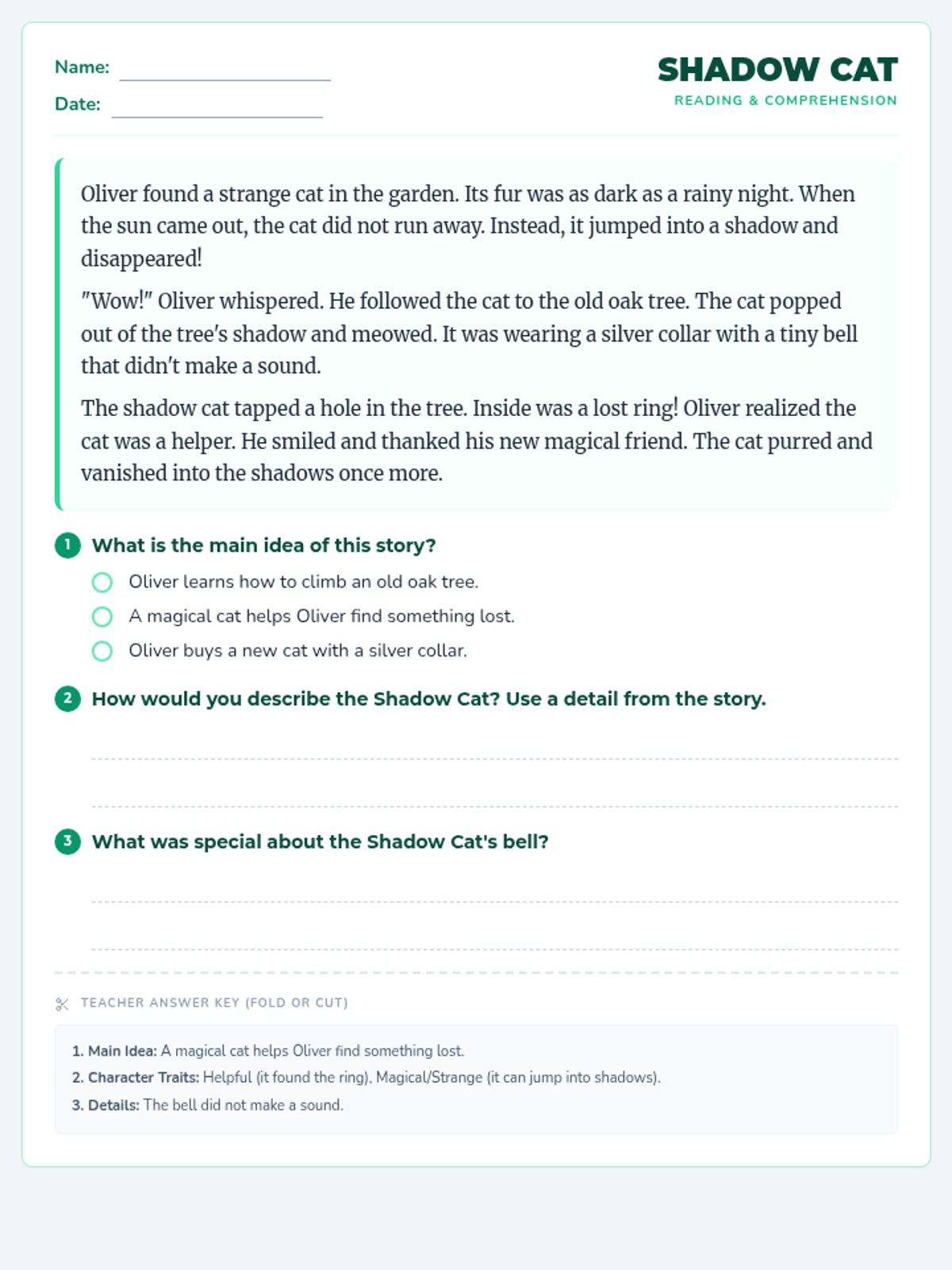
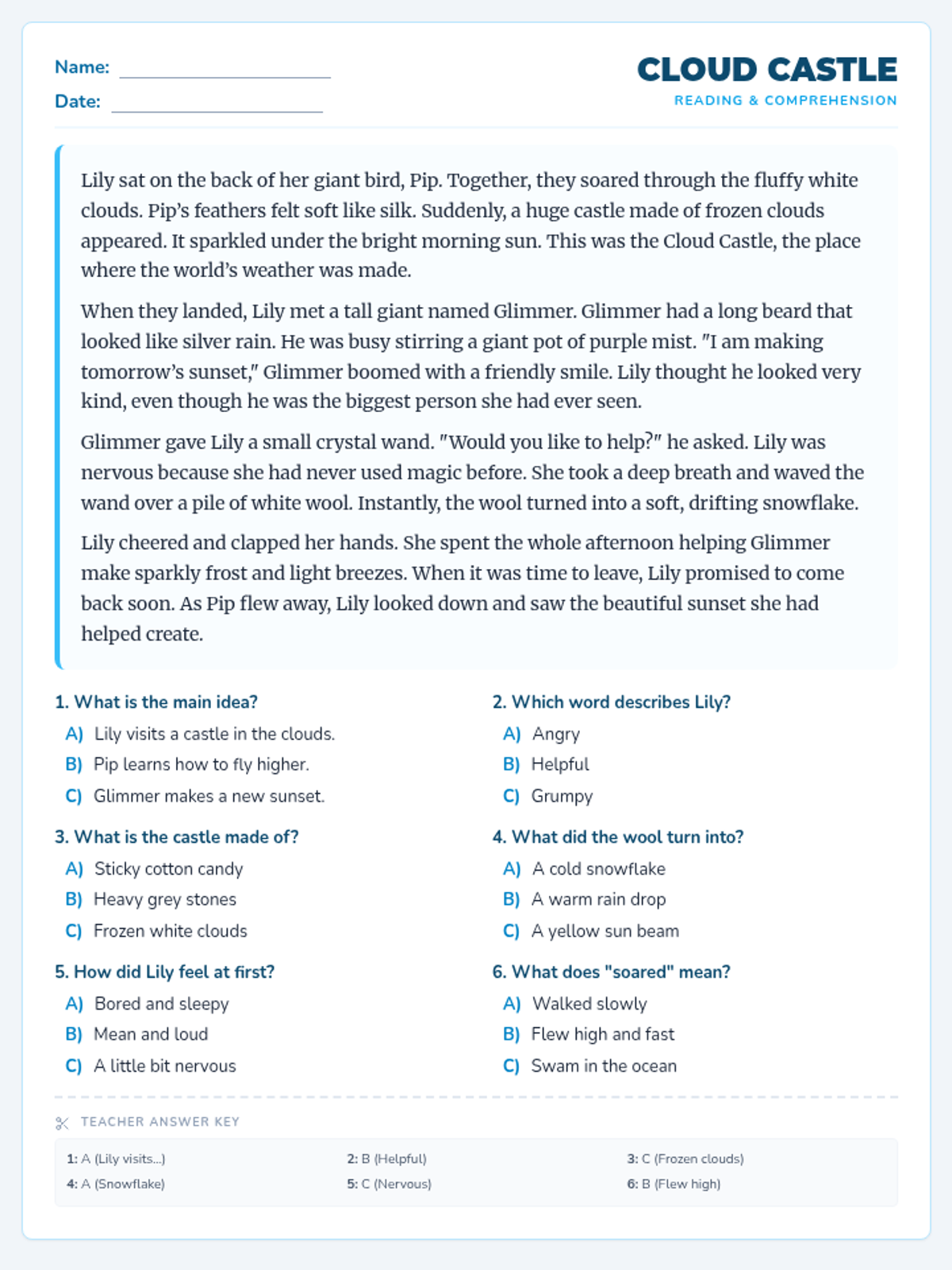
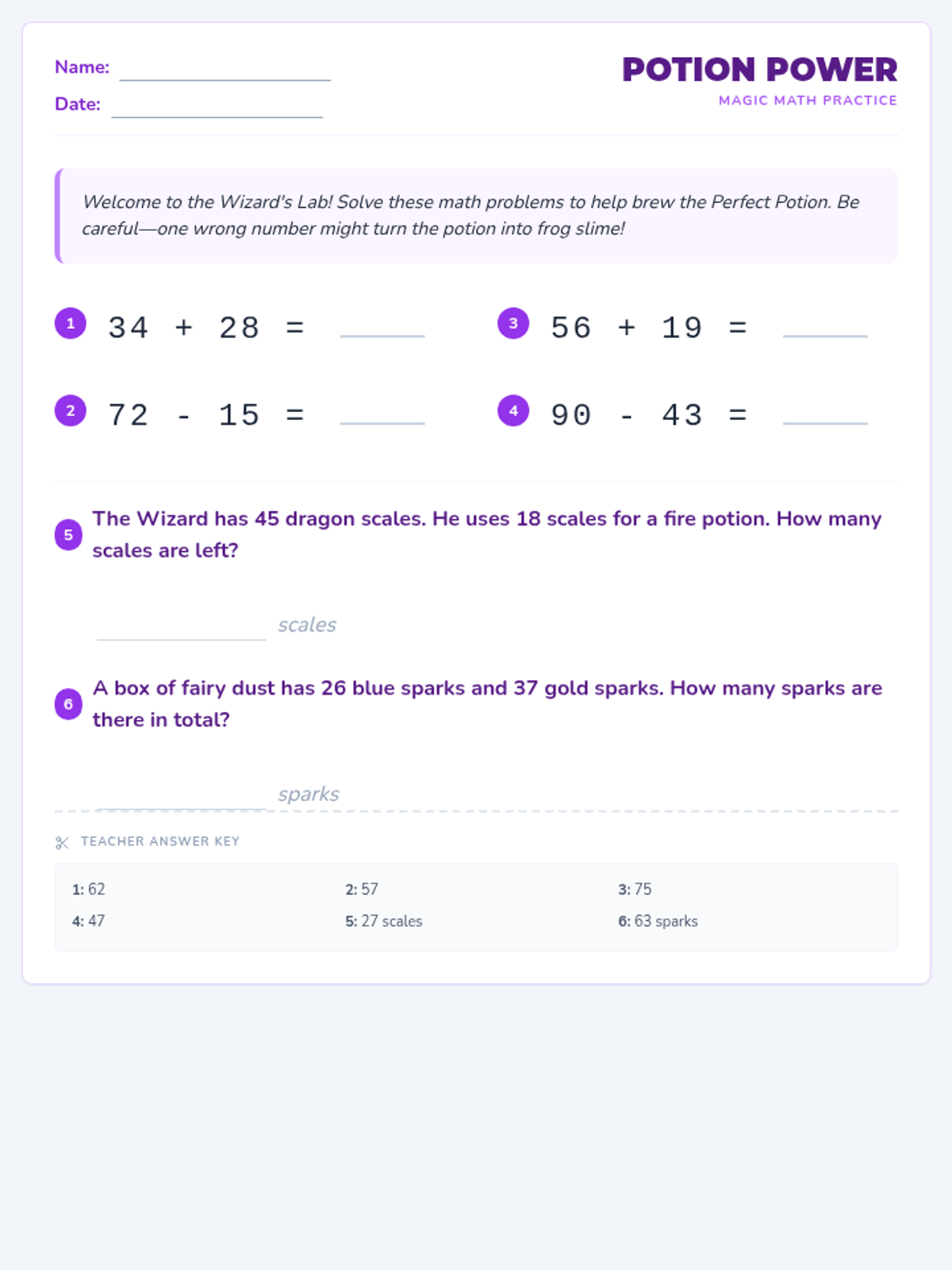
A collection of magical-themed lessons covering reading comprehension and early mathematics for primary students.
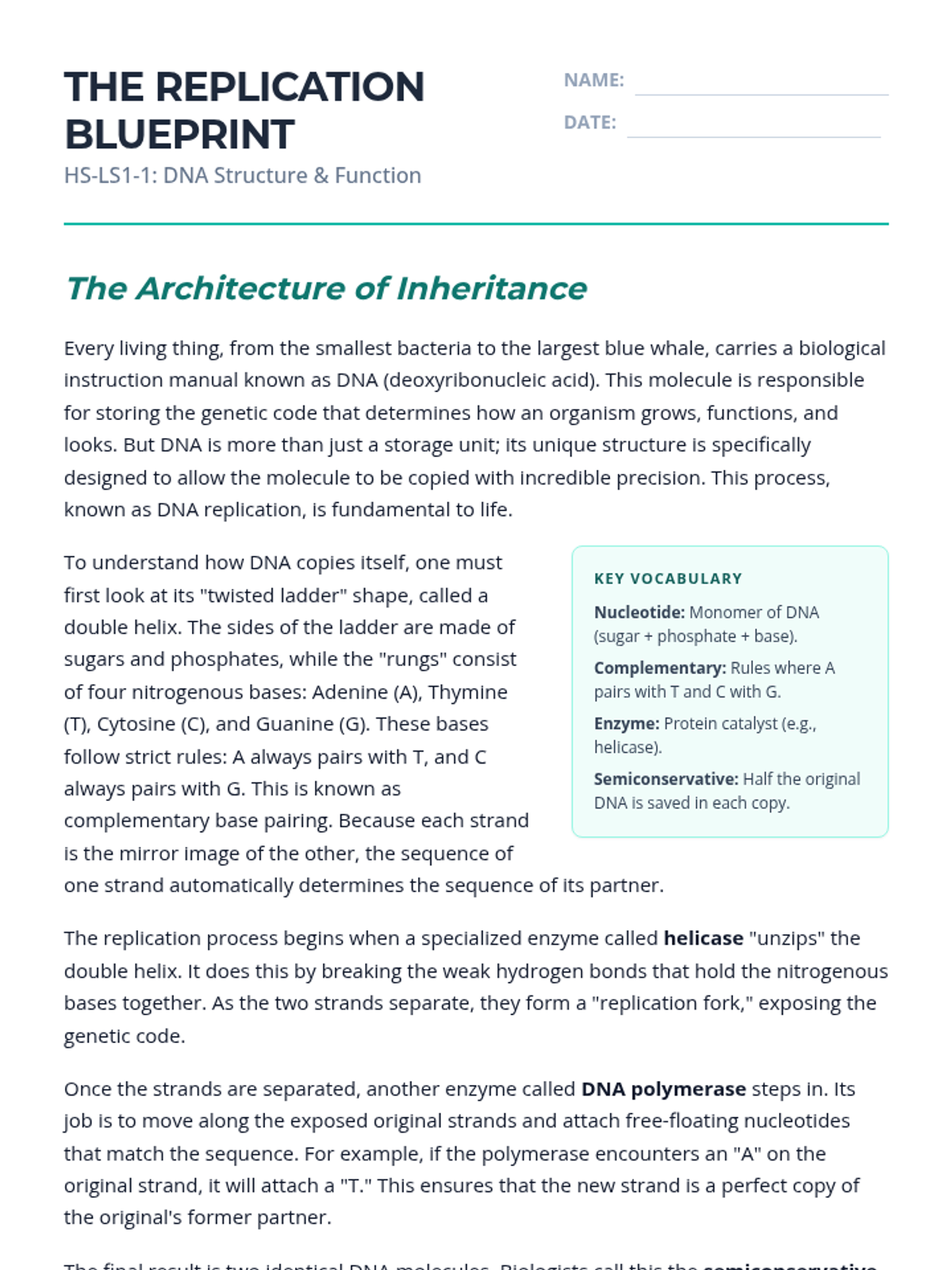
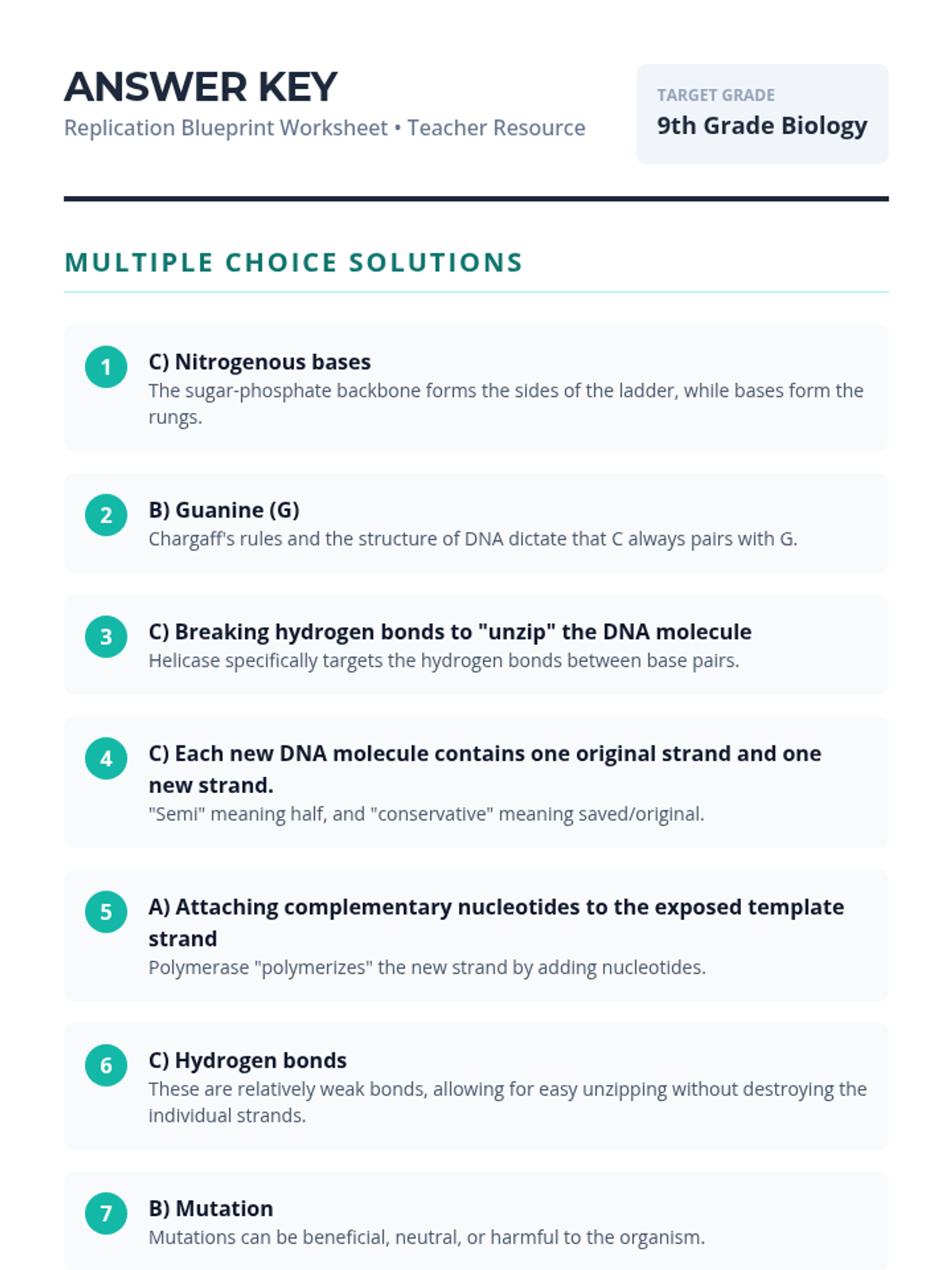
A unit covering the structural and functional organization of living things, from DNA replication to hierarchical body systems.
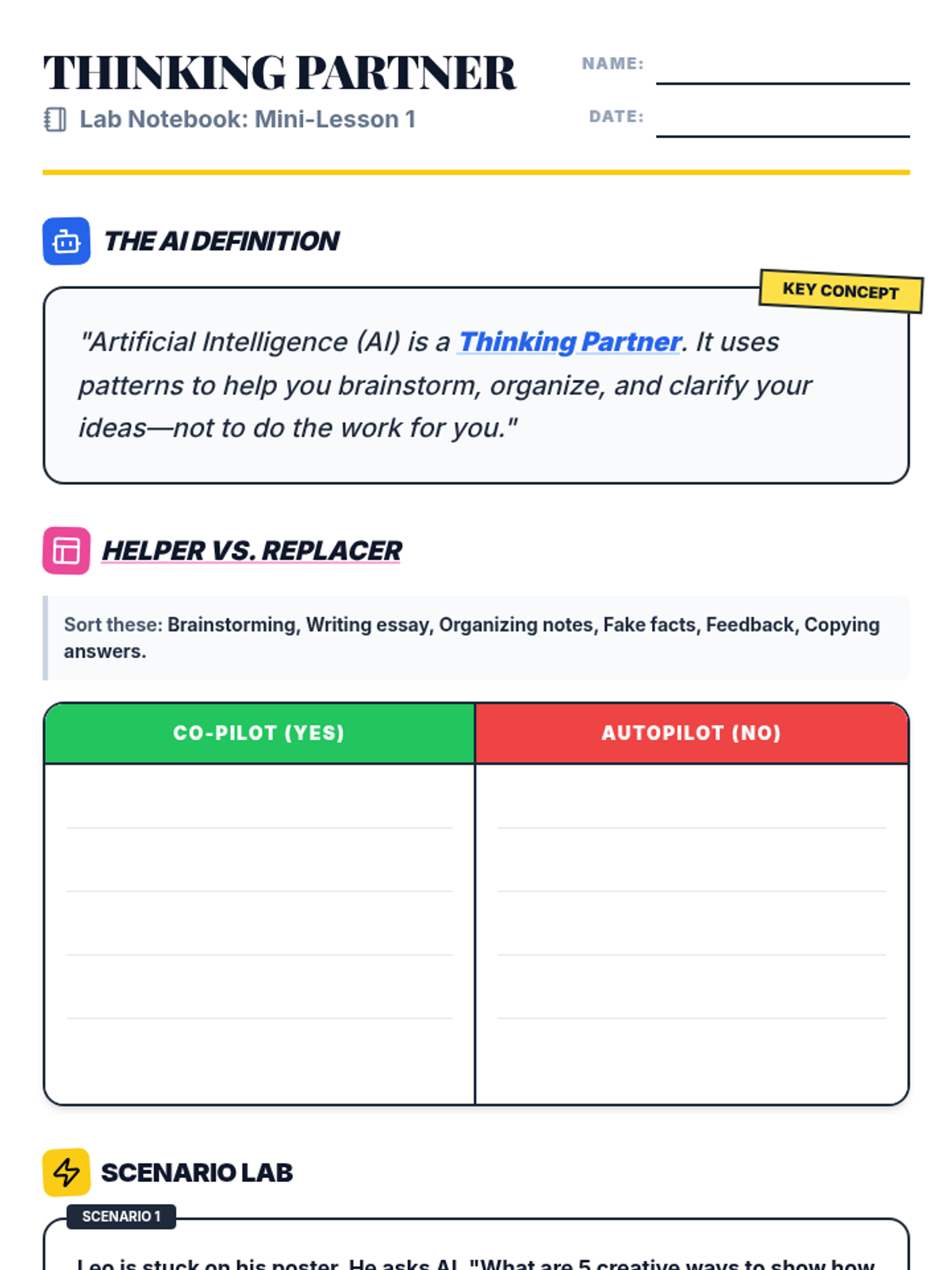
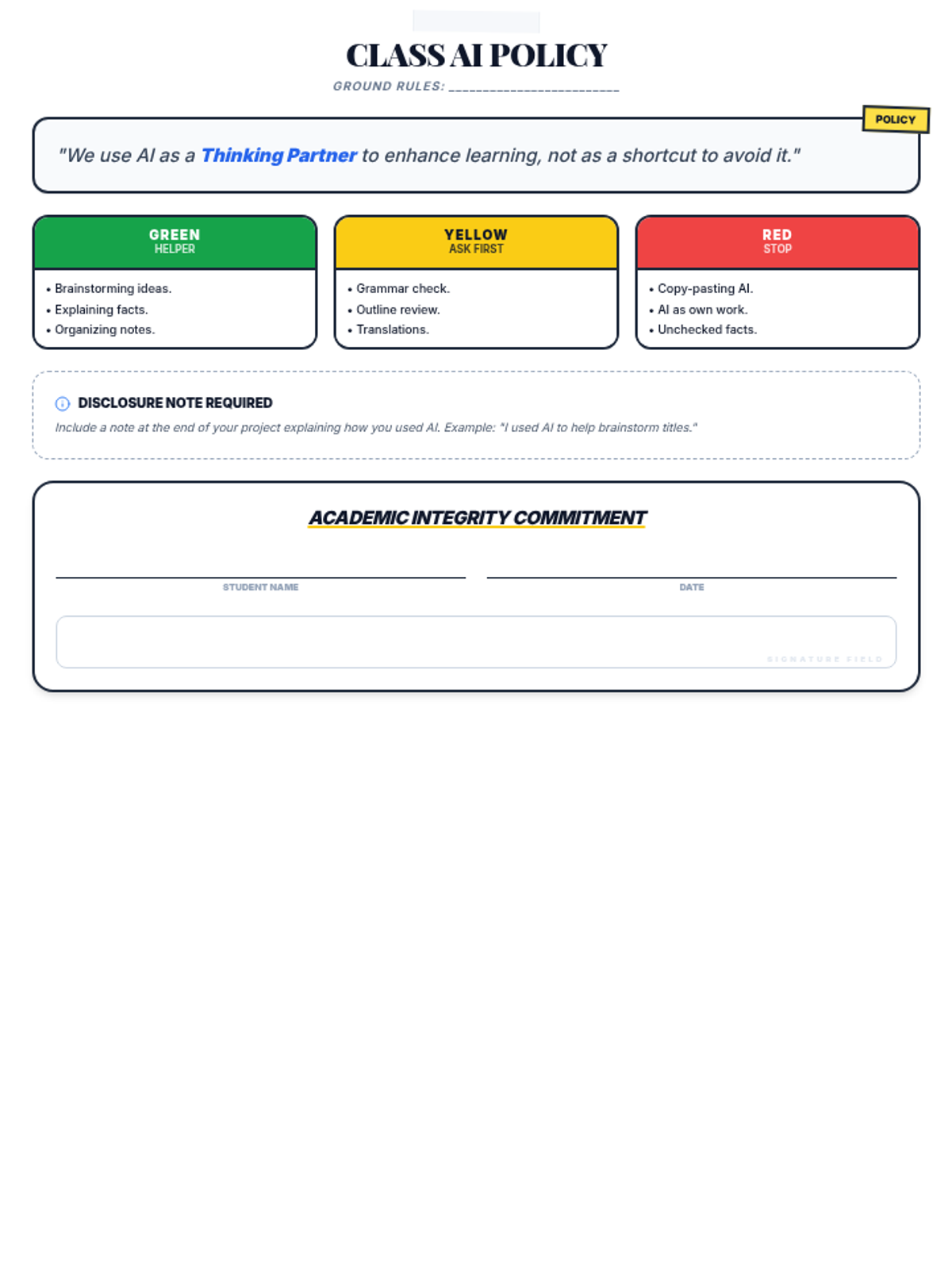
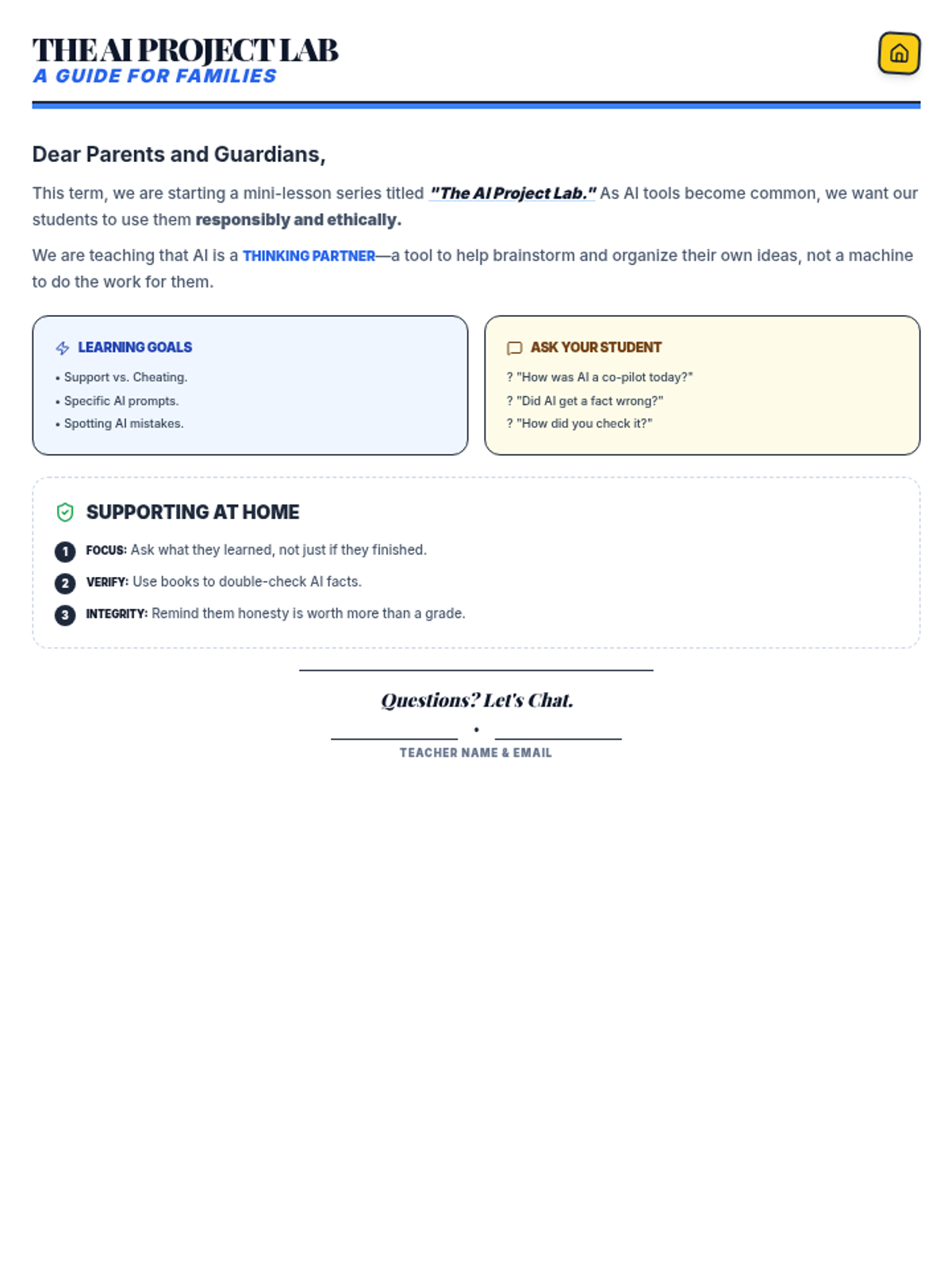
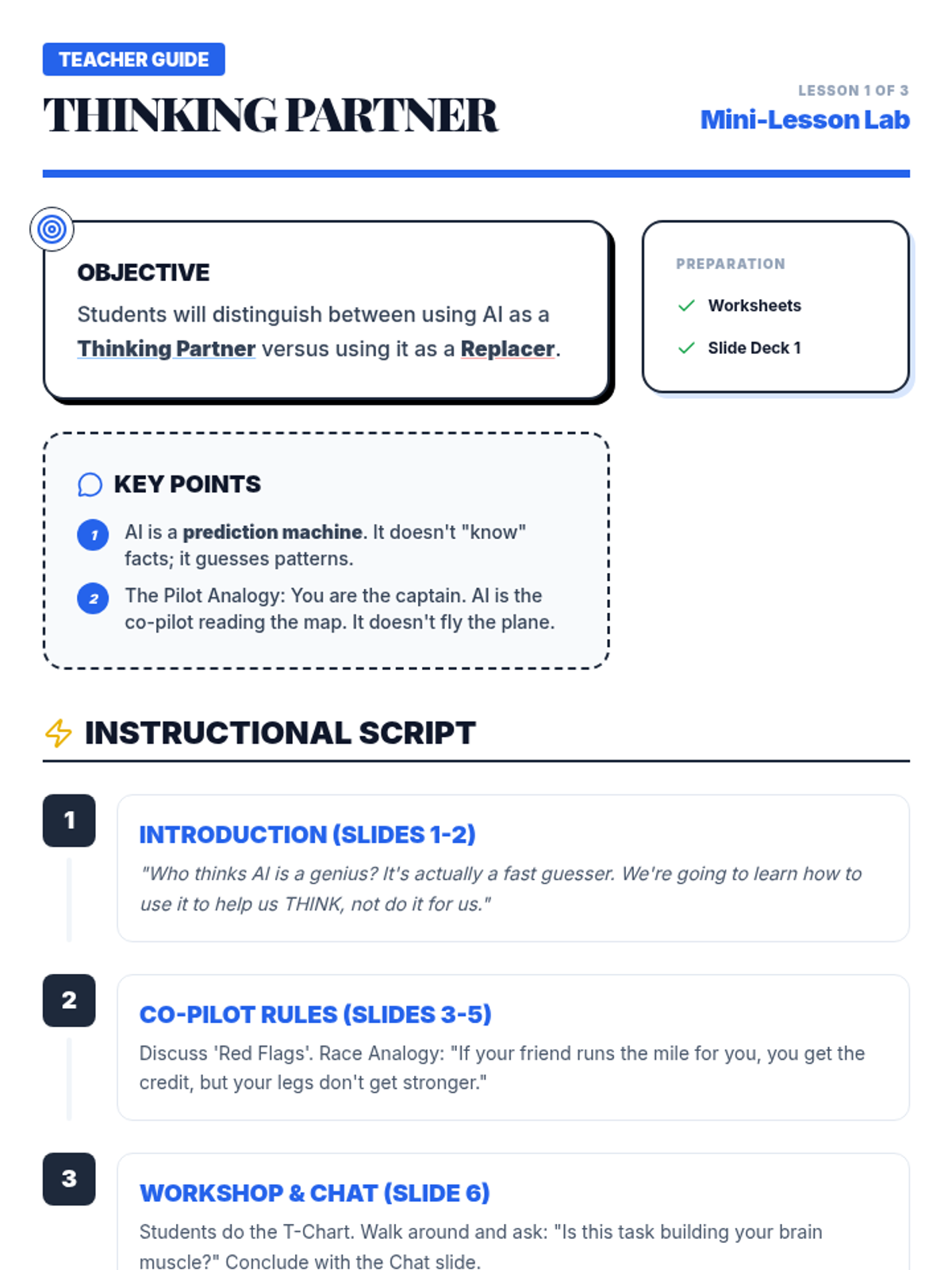
A 3-part mini-lesson series designed to teach middle schoolers how to use AI tools responsibly for final projects. The series focuses on AI as a thinking partner, prompt engineering, and critical fact-checking through a modern 'Notebook/Sketch' aesthetic.
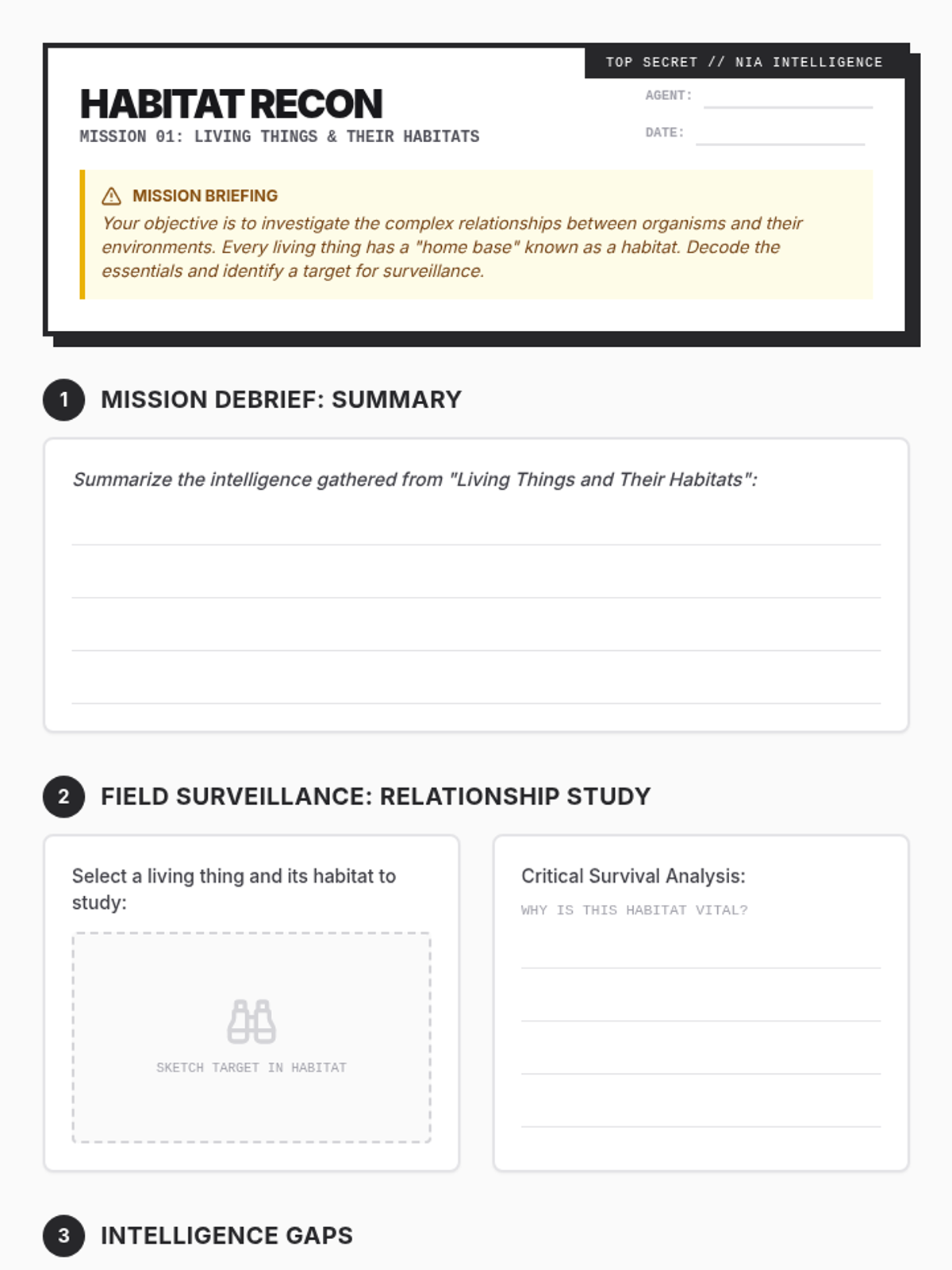
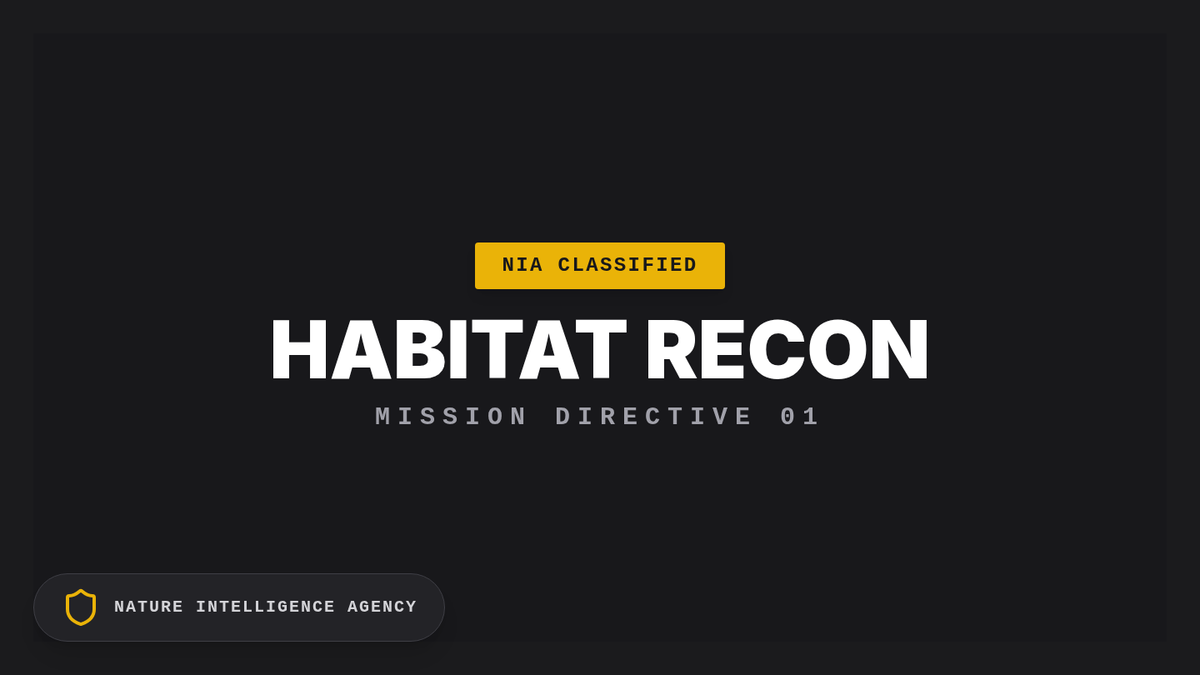
A series of secret agent-themed ecology missions where students act as Eco-Detectives for the Nature Intelligence Agency (NIA) to study habitats, food chains, and environmental impacts.