A hands-on engineering unit where 4th graders explore the relationship between electricity and magnetism. Students build, test, and optimize electromagnets to solve a real-world scrap yard sorting challenge.
A 4th-grade science unit adapted from 6th-grade material, focusing on how gene versions and proteins determine traits in spiders and humans. Students act as 'Gene Detectives' to solve the mystery of silk flexibility and running ability.
A comprehensive unit exploring inherited traits, talents, and character analysis through the lens of Kamal's story. Students will distinguish between genetic traits and learned talents, analyze character motivations, and document their own unique 'code'.
A comprehensive project-based unit where students explore the vital role of pollinators, research local species, and design solutions to protect their habitats.
A comprehensive unit exploring the fundamentals of electricity, magnetism, and how they combine in circuits, focusing on energy transformations and hands-on visuals.
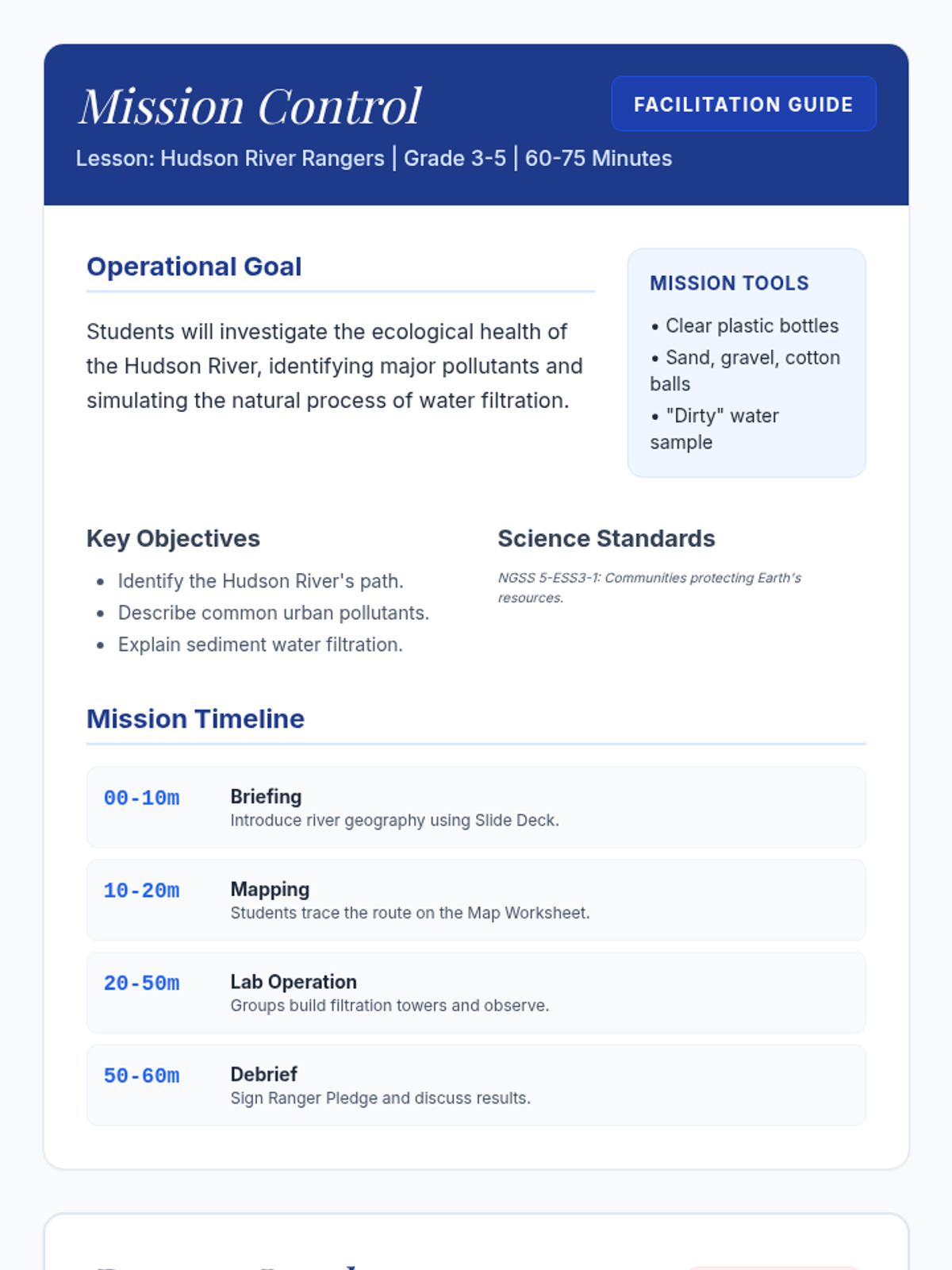
A comprehensive 5-lesson unit for 4th graders exploring the properties of light energy, including how it travels, reflects, refracts, and interacts with different materials.
A comprehensive 4th-grade earth science unit aligned with the TERC Earth Materials investigation, focusing on the properties of minerals, types of rocks, the rock cycle, and soil composition through a "Geology Field Lab" lens.
A lesson sequence exploring the science of involuntary reflexes and reaction time through hands-on lab experiments and interactive discussions. Students learn to distinguish between voluntary and involuntary actions using the body's natural response systems.
An introductory unit exploring invertebrate biology, focusing on classification, physical traits, and ecological roles of various animal groups.
A hands-on exploration of physics and forces, focusing on gravity, motion, and air resistance through engineering challenges.
A sequence focused on physical science and engineering, specifically exploring gravity, air resistance, and the engineering design process through parachute construction.
A comprehensive science lesson for 4th-6th graders exploring the six types of volcanoes and the relationship between lava viscosity and volcano shape. The sequence includes a hands-on 'Ketchup Race' demonstration, video analysis, and a sculpting activity.
A comprehensive lesson sequence for 3rd-5th graders to identify and define the characteristics of living things (organisms) using video observation, field research, and critical thinking.
A lesson sequence exploring how volcanoes grow through the accumulation and cooling of lava layers, featuring hands-on modeling and visual analysis.
A chemistry unit for upper elementary students focused on the science of mixtures and solutions through the relatable lens of a backyard picnic. Students explore vocabulary like solute, solvent, and saturation using video analysis and creative menu design.
A lesson sequence exploring the conservation of matter through reversible and irreversible changes, including hands-on weighing activities and video analysis.
A science sequence for 4th graders focused on the 'Ask, Predict, Test, Decide' framework, using everyday mysteries to teach the scientific method.
A creative engineering lesson where students explore NASA spinoffs and design their own inventions that solve problems in space and on Earth. Students practice design thinking and marketing by 'reverse engineering' space technology for commercial use.
A 4th-grade science sequence focused on how planetary surfaces change over time, specifically comparing impact craters on the Moon and Earth. Students explore the roles of atmosphere and erosion in shaping planetary landscapes.
A science investigation into the forces of gravity and friction, specifically focusing on how surface materials affect the speed of objects on a slide. Students use mini-ramps and various materials to test their hypotheses.
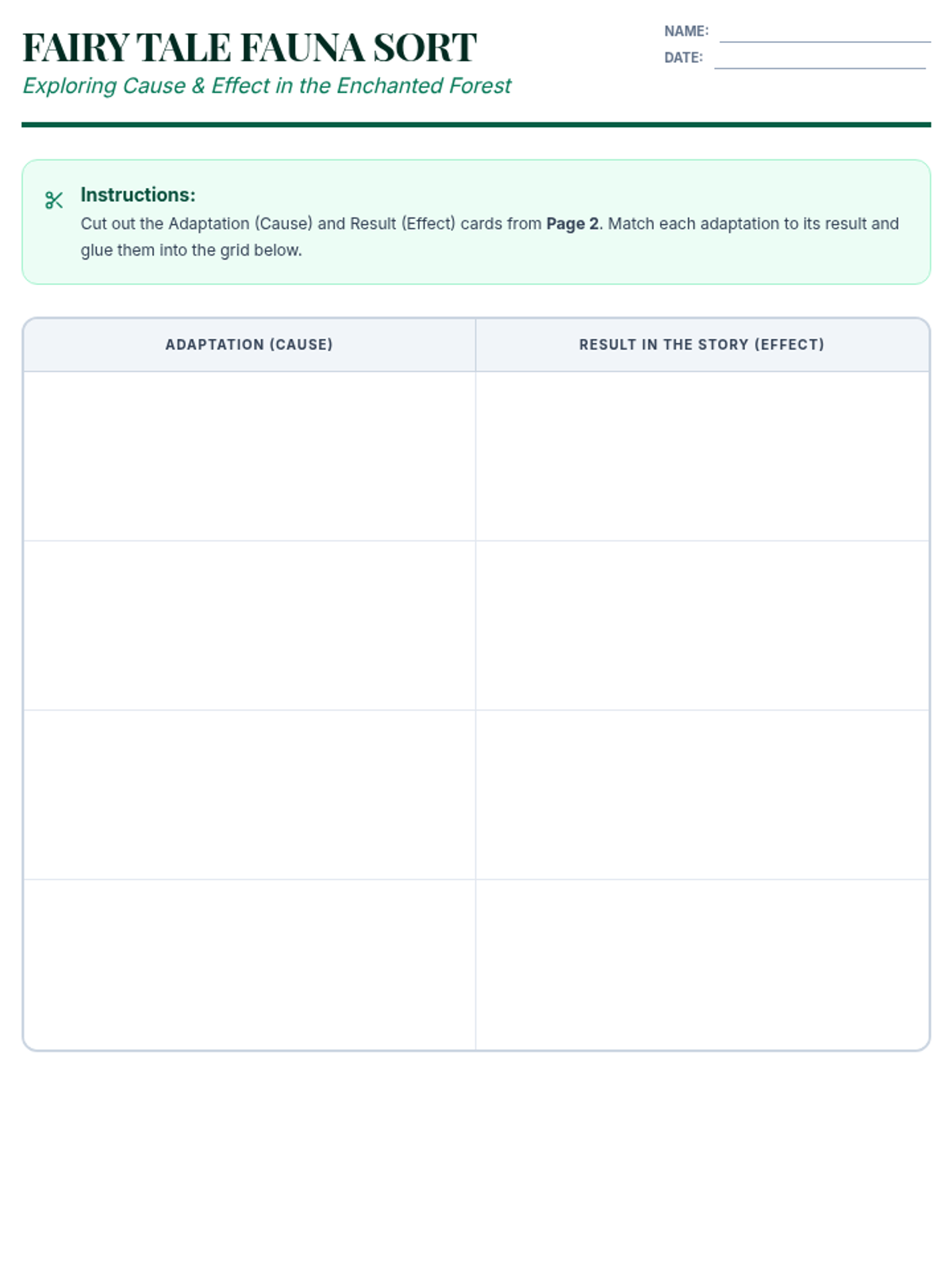
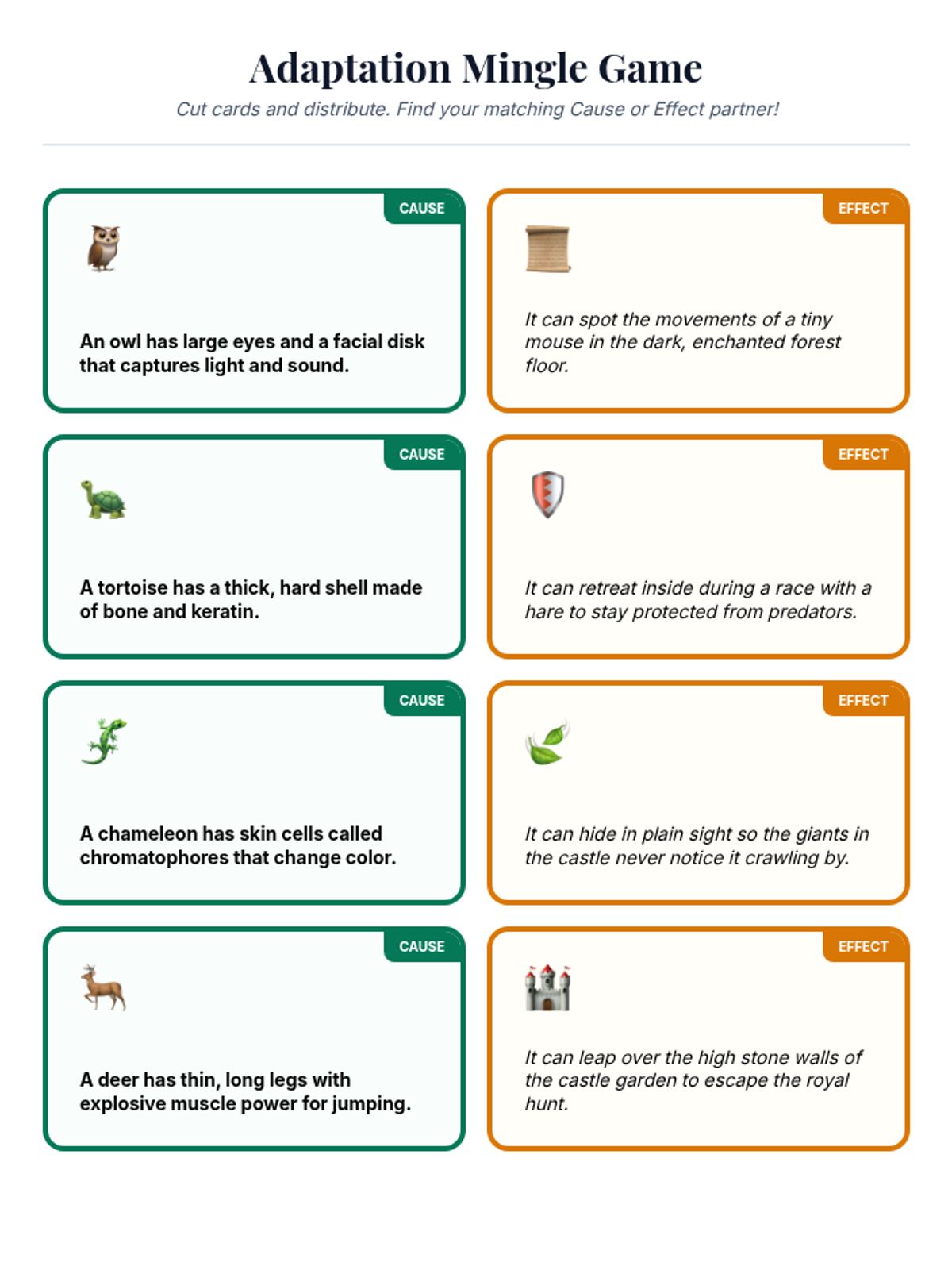
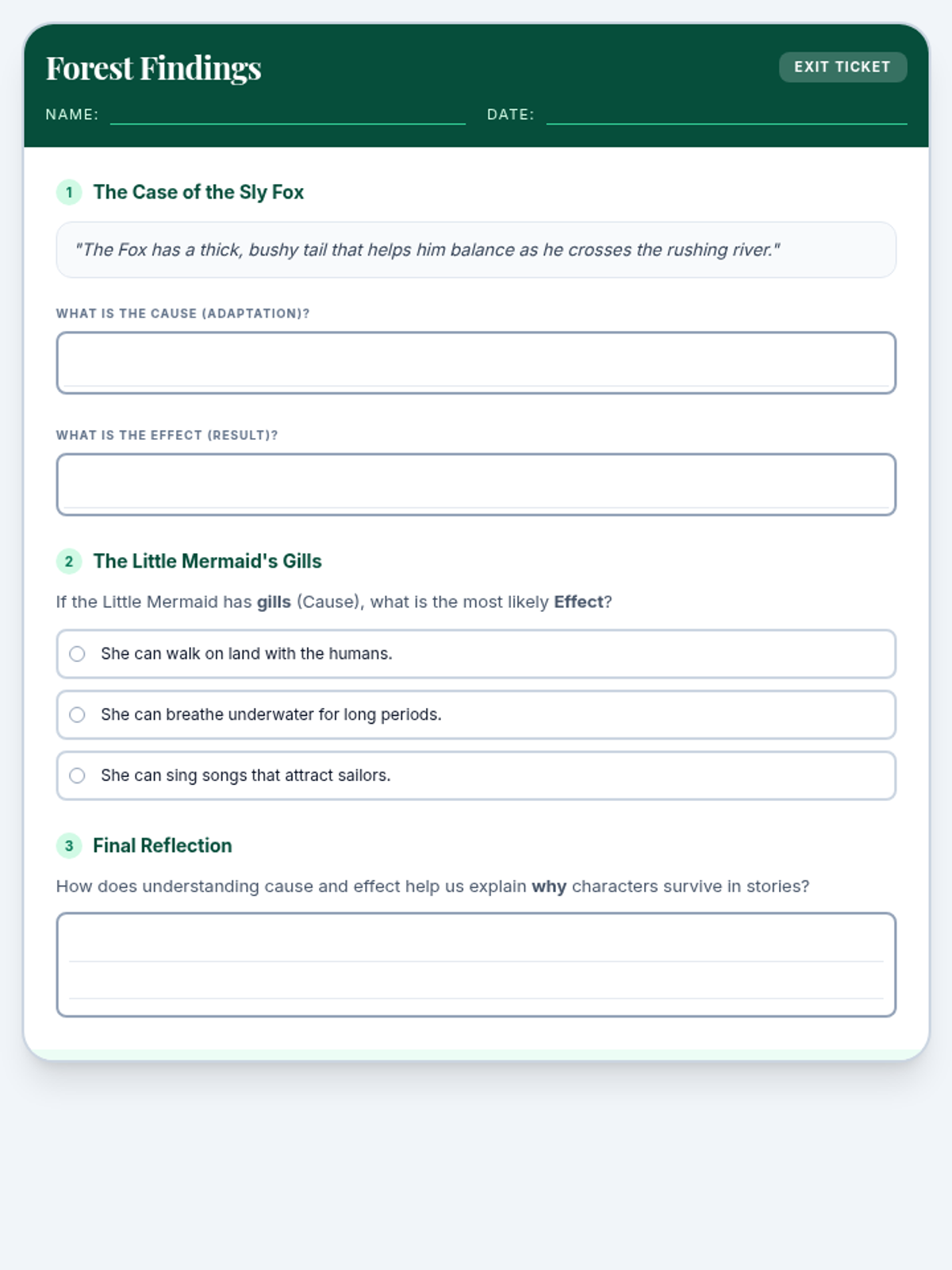
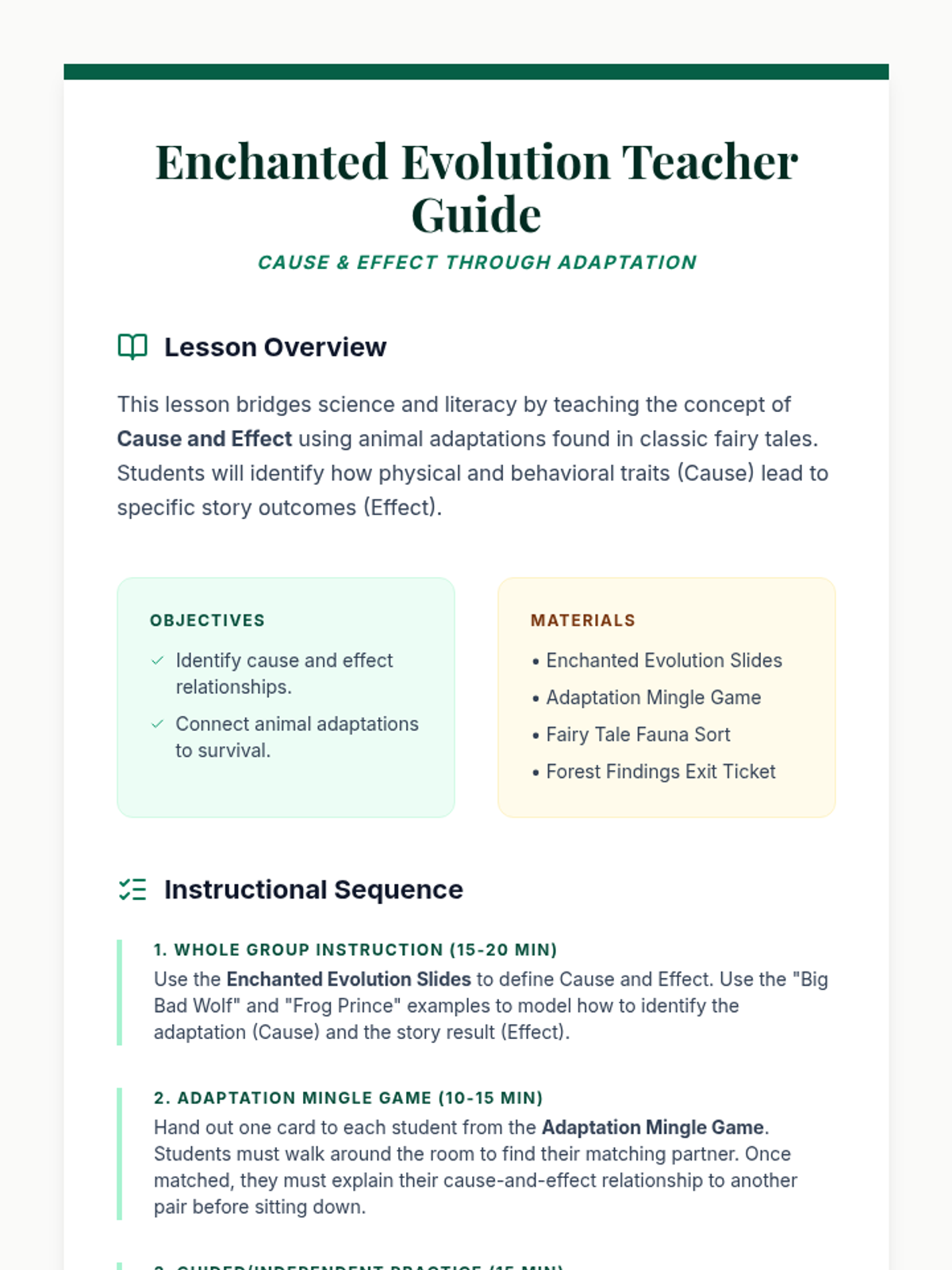
A lesson sequence exploring the different types of adaptations animals use to survive in their habitats, focusing on physical vs. behavioral traits.
A series of lessons exploring animal adaptations, survival strategies, and the clever ways nature tricks our eyes.
A 4th-grade Earth Science sequence focused on Earth's surface processes. This lesson specifically explores wind erosion and how it shapes landforms over time.
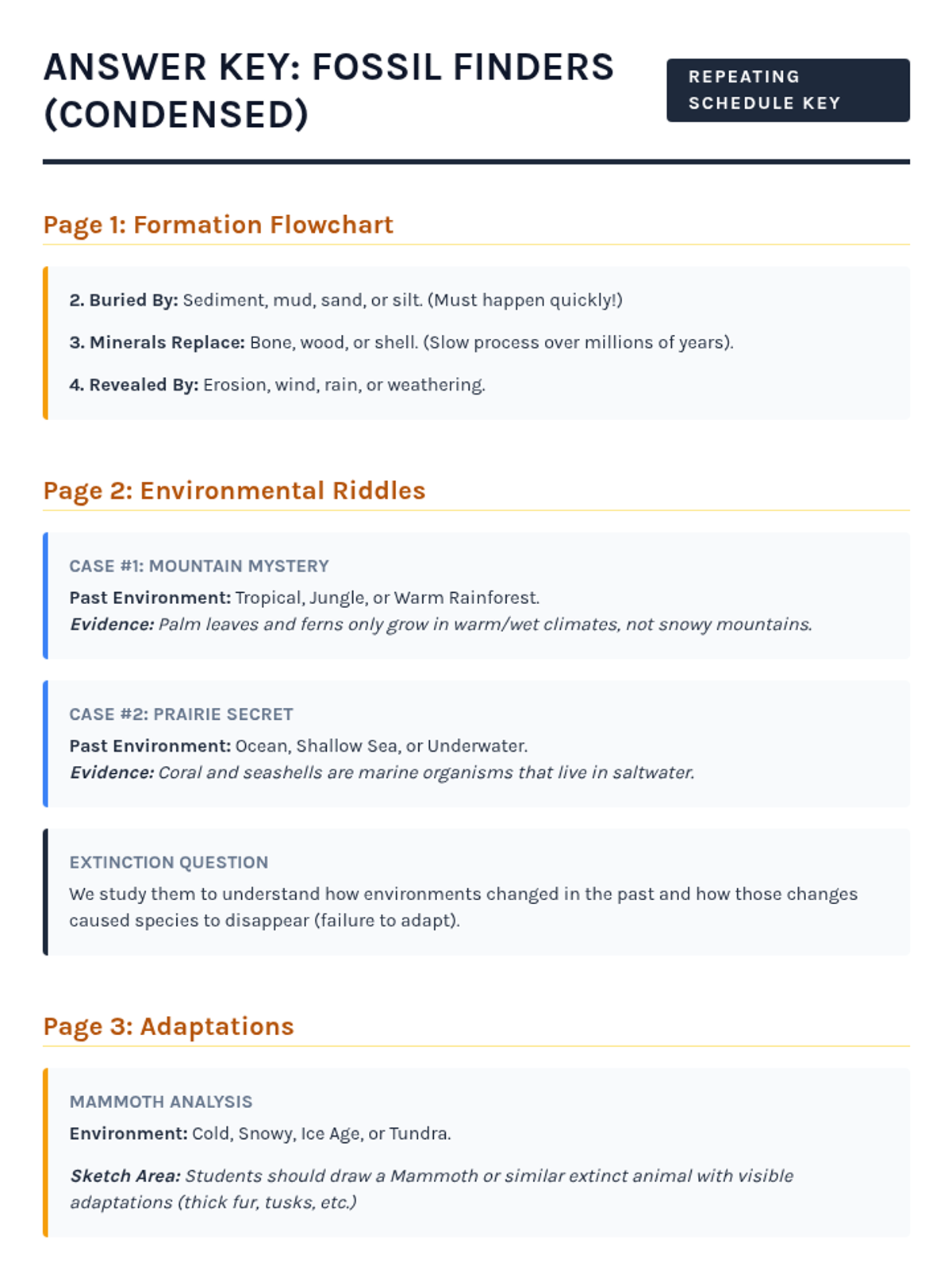
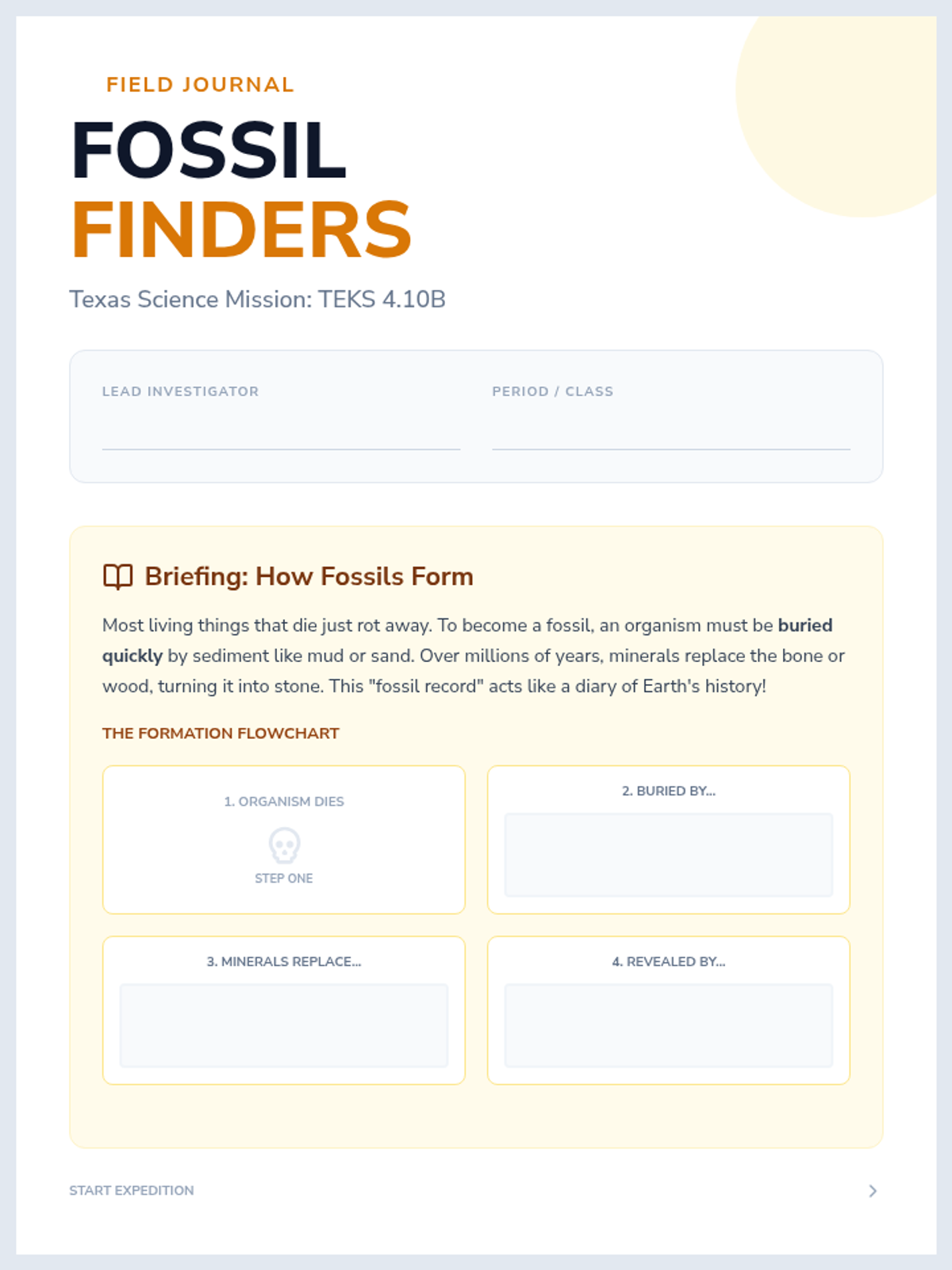
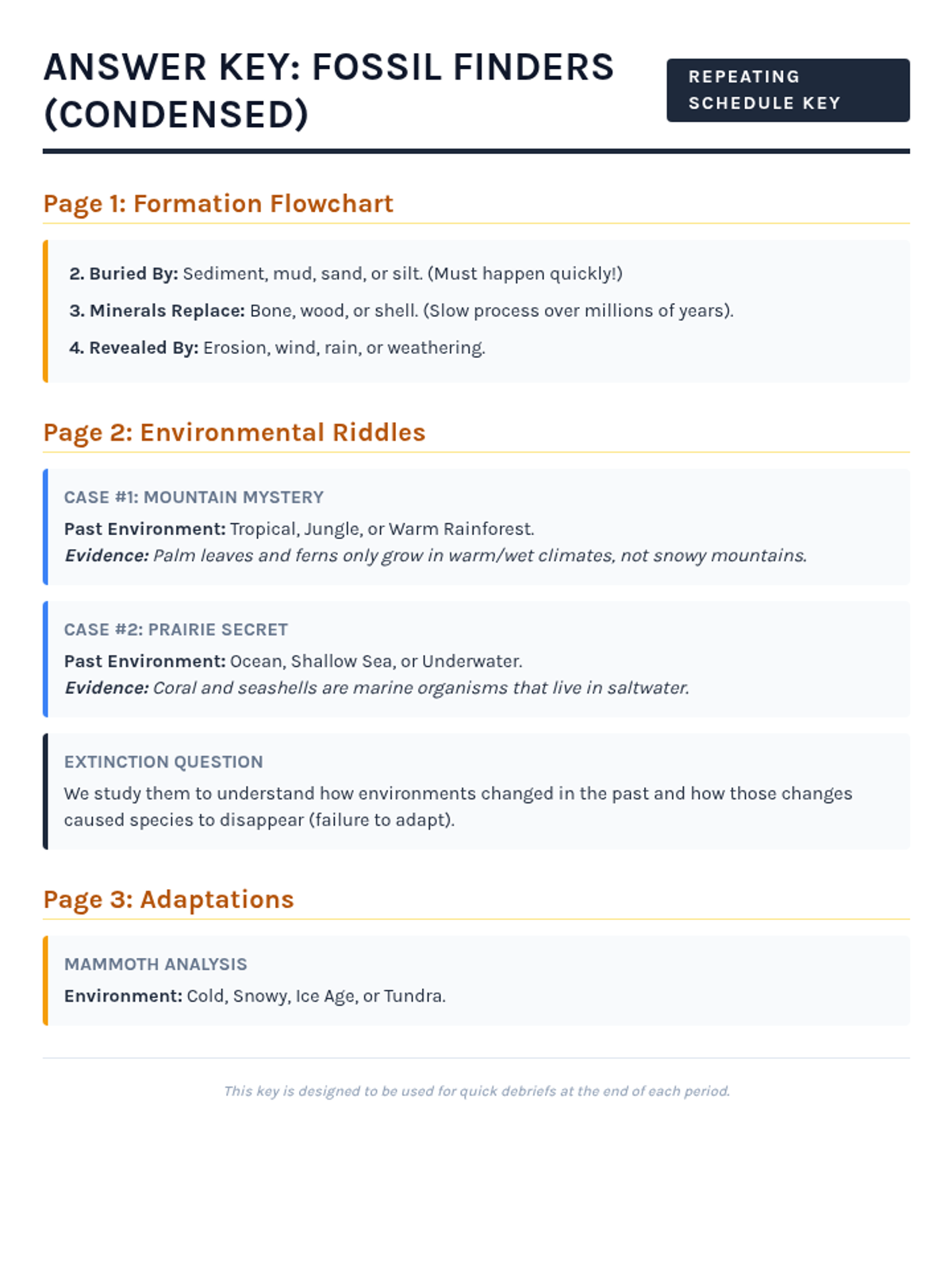
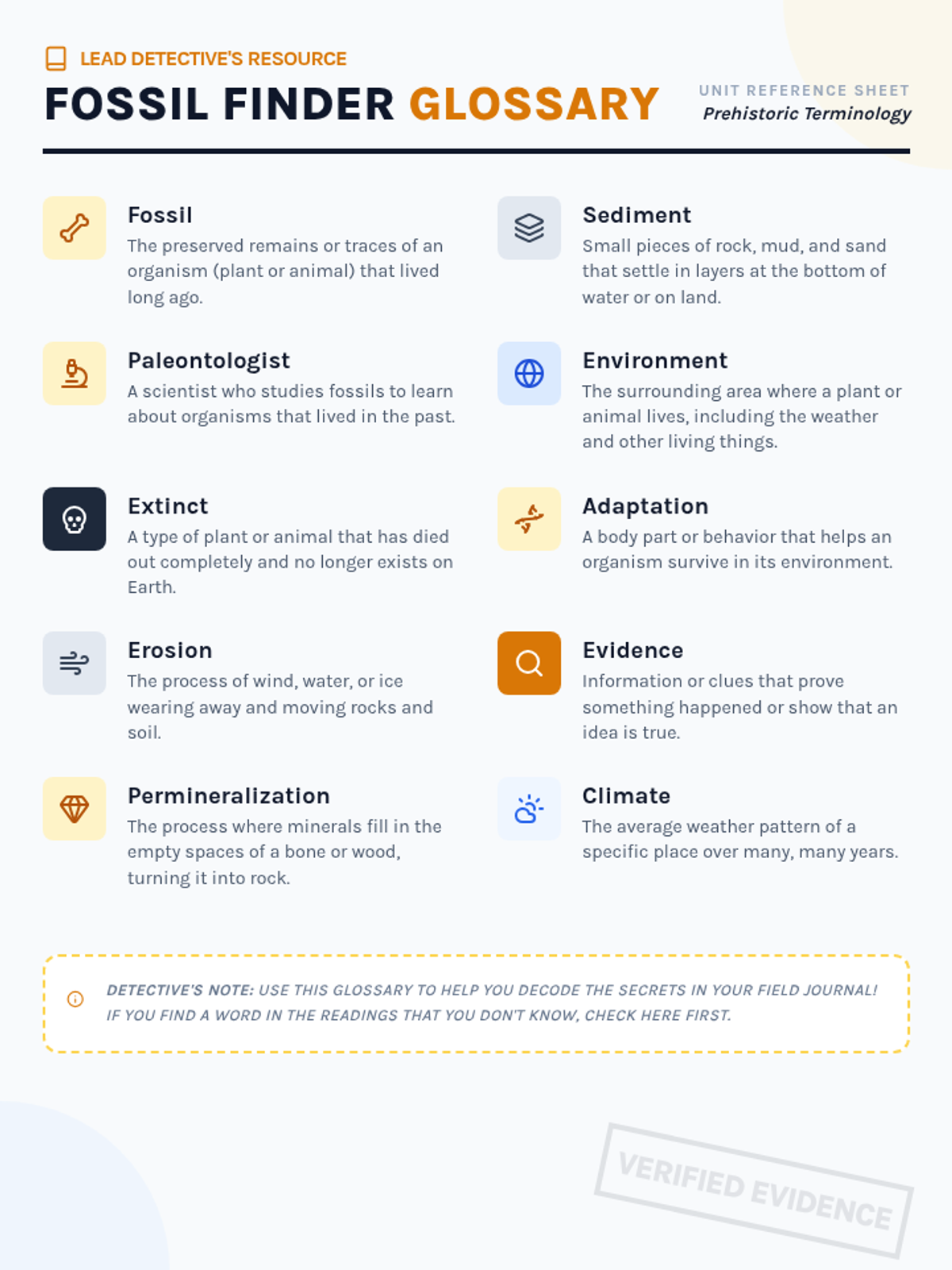
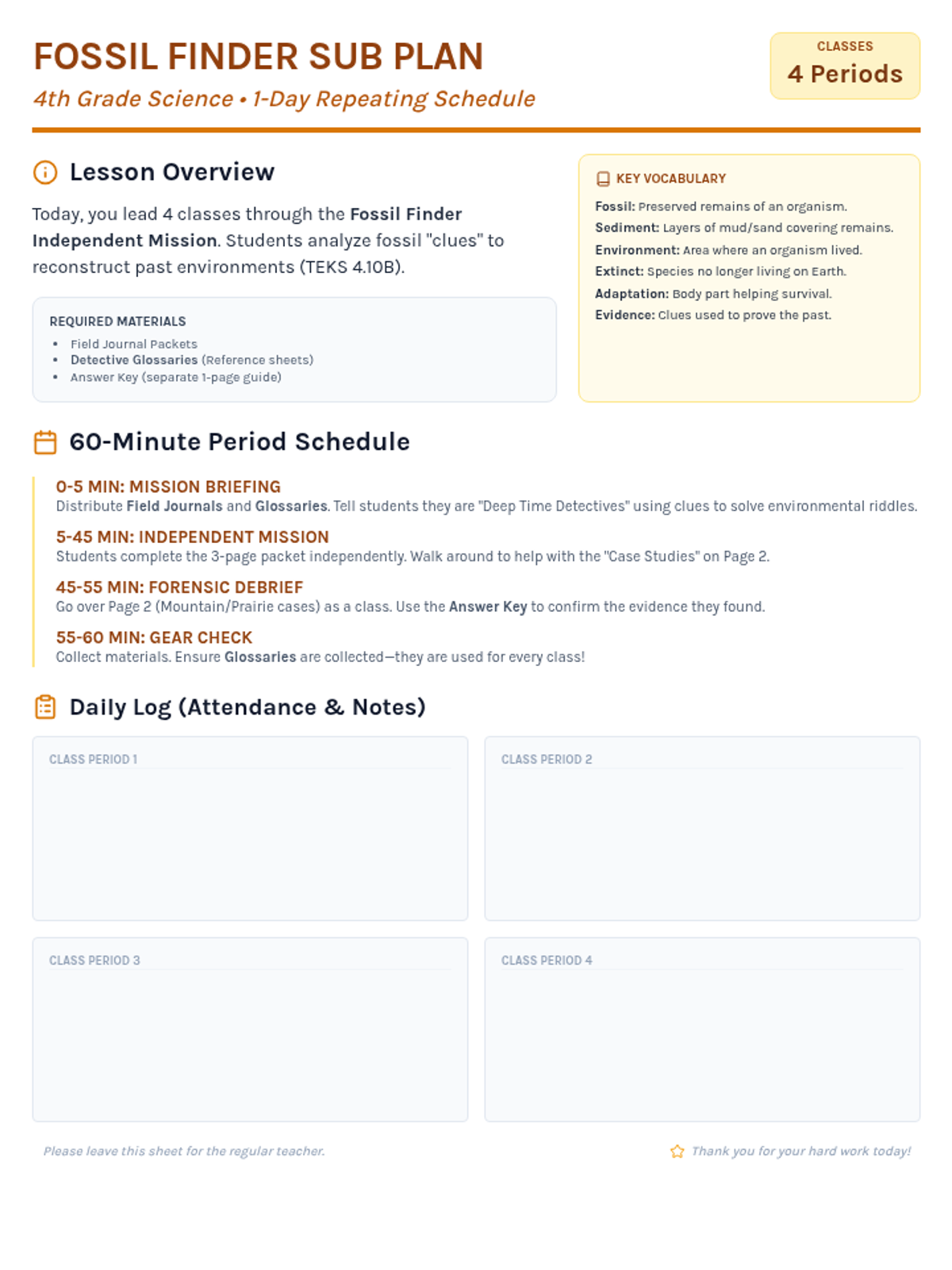
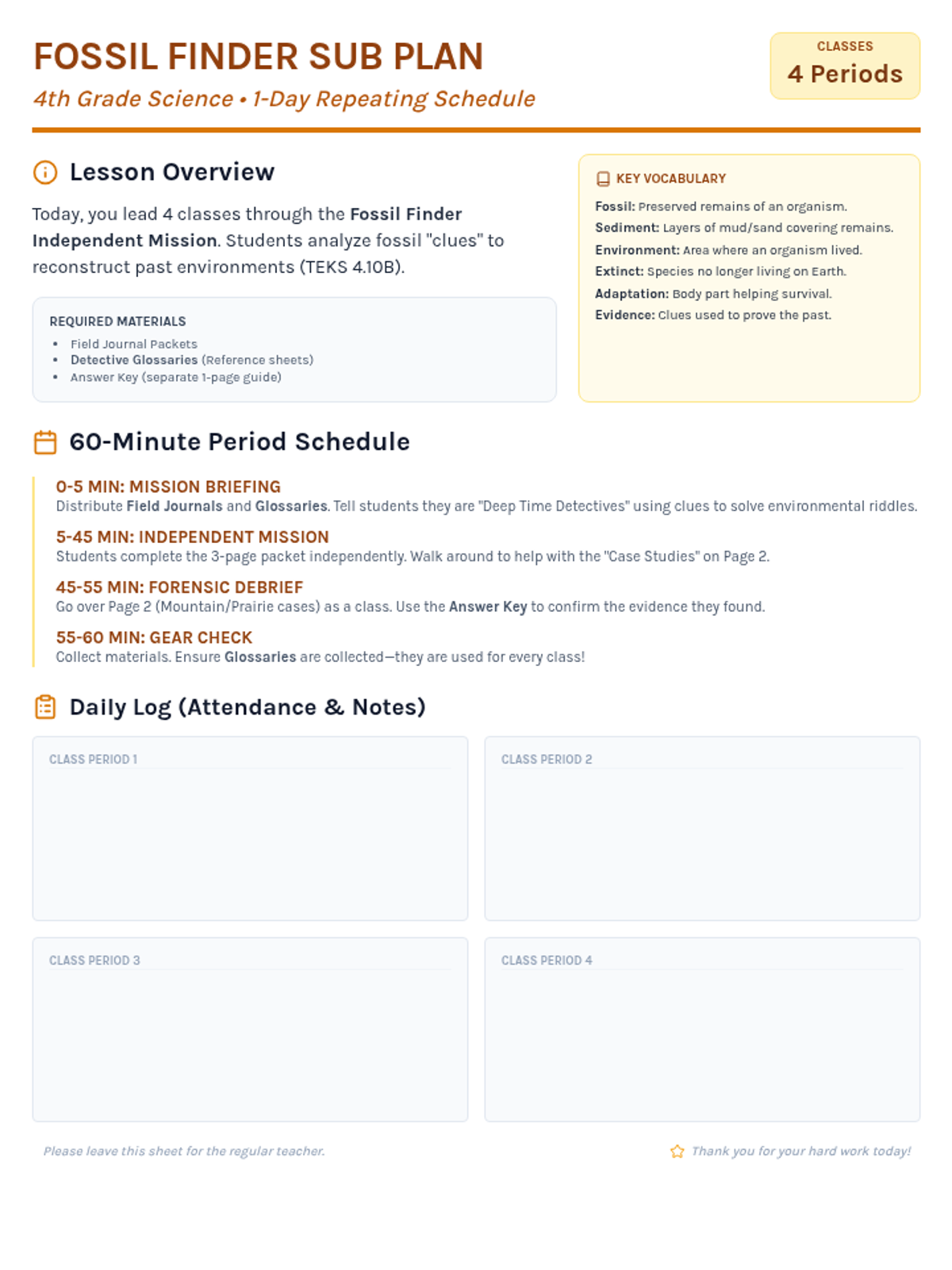
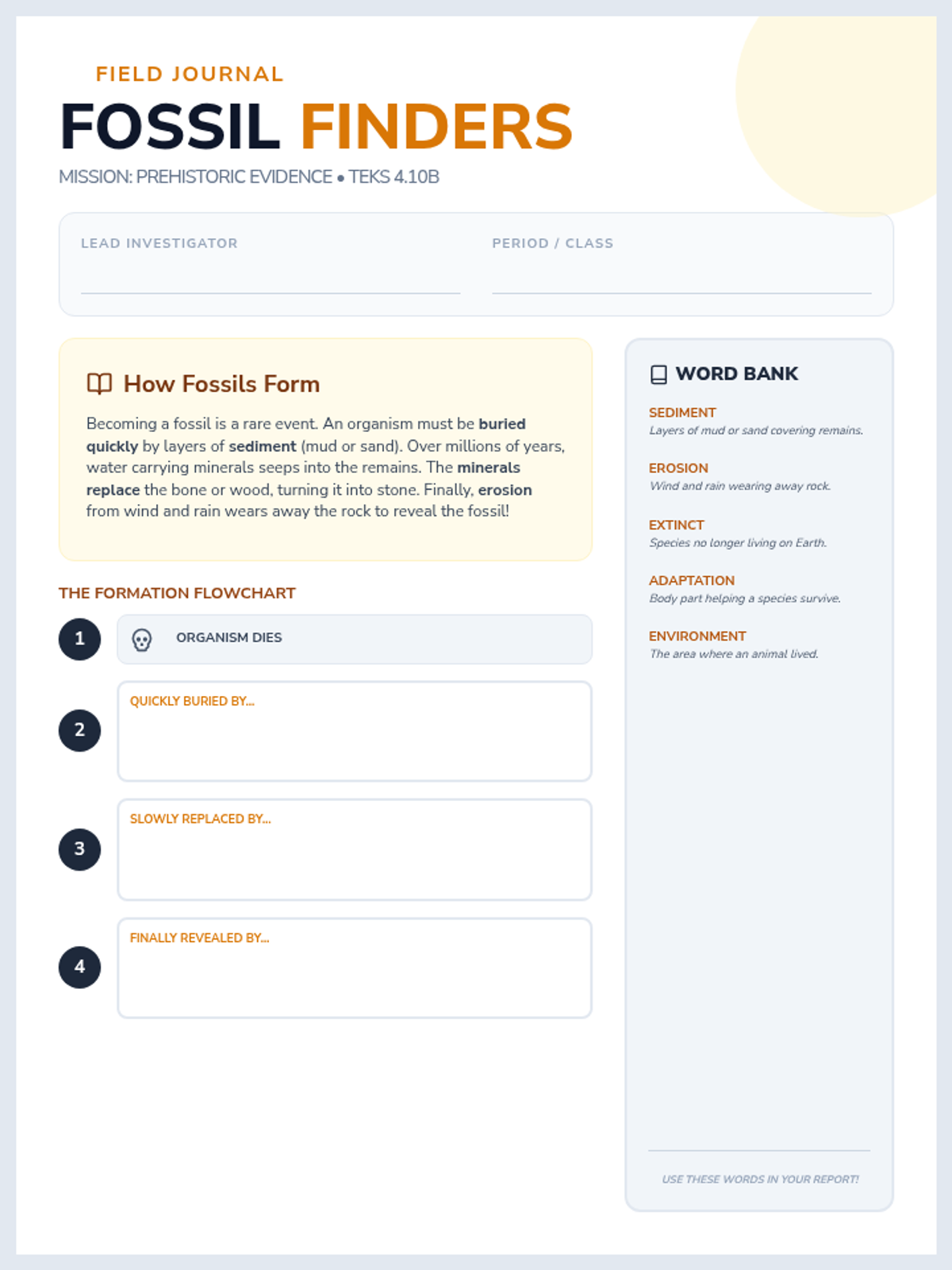
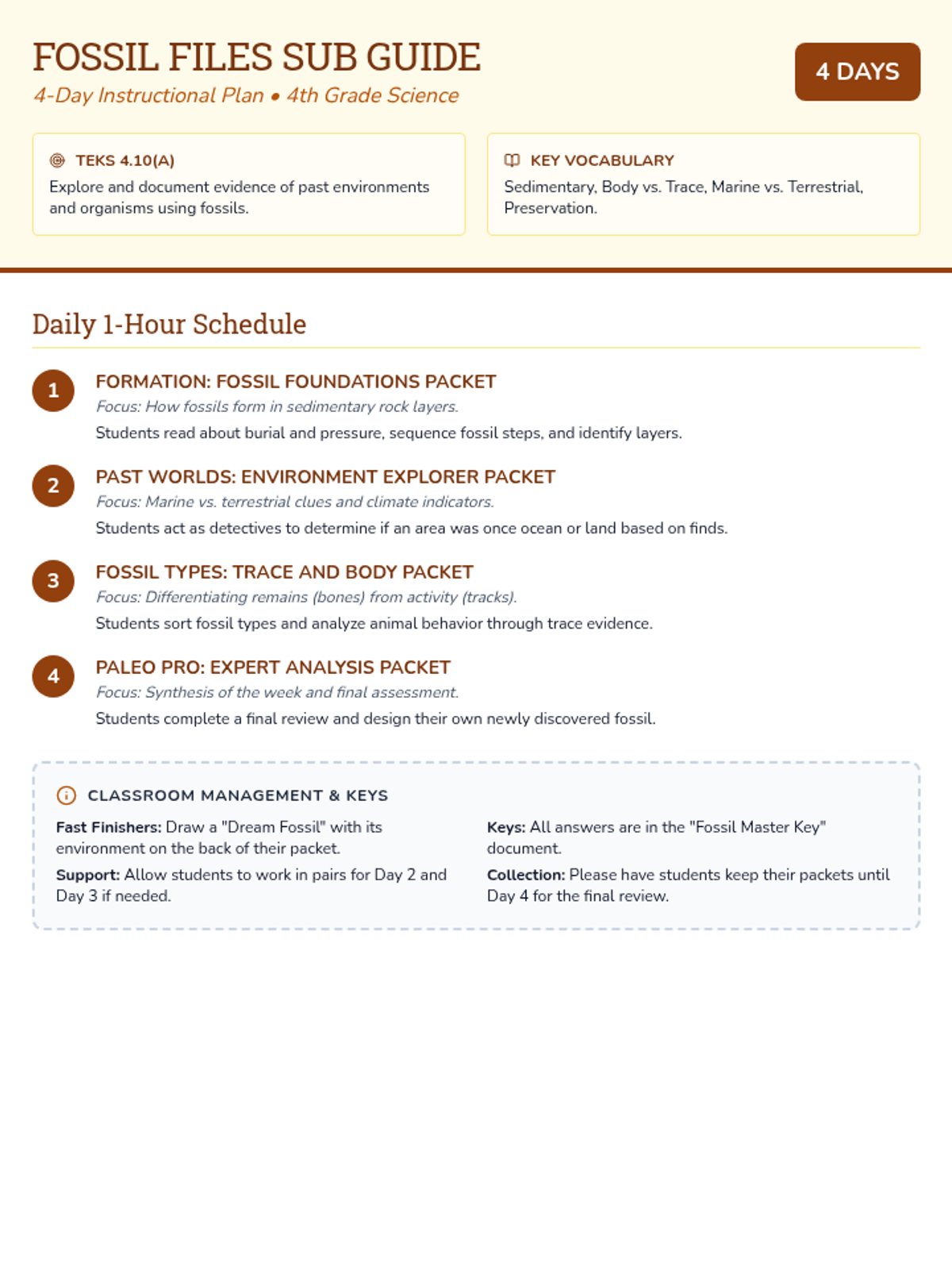
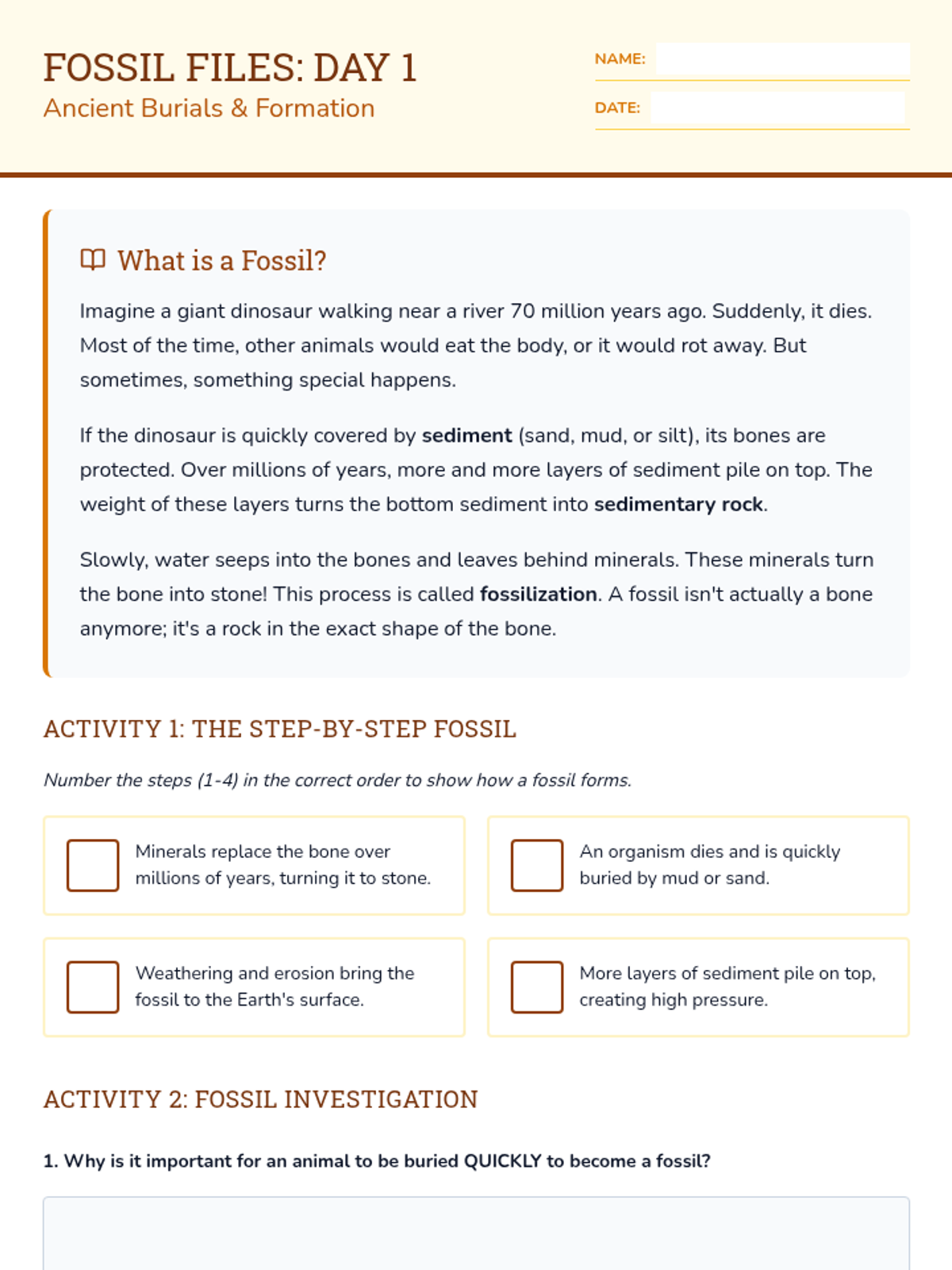
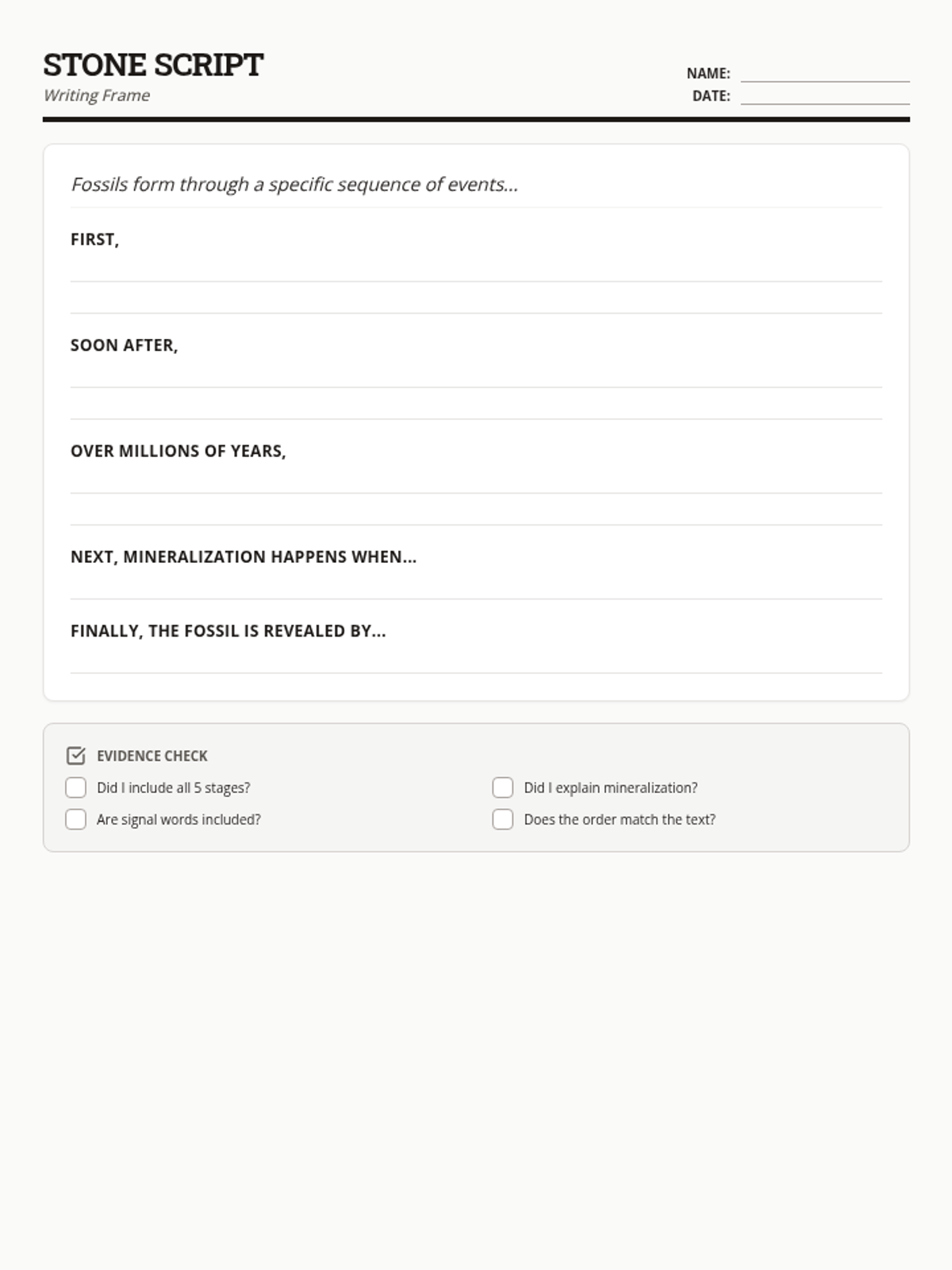
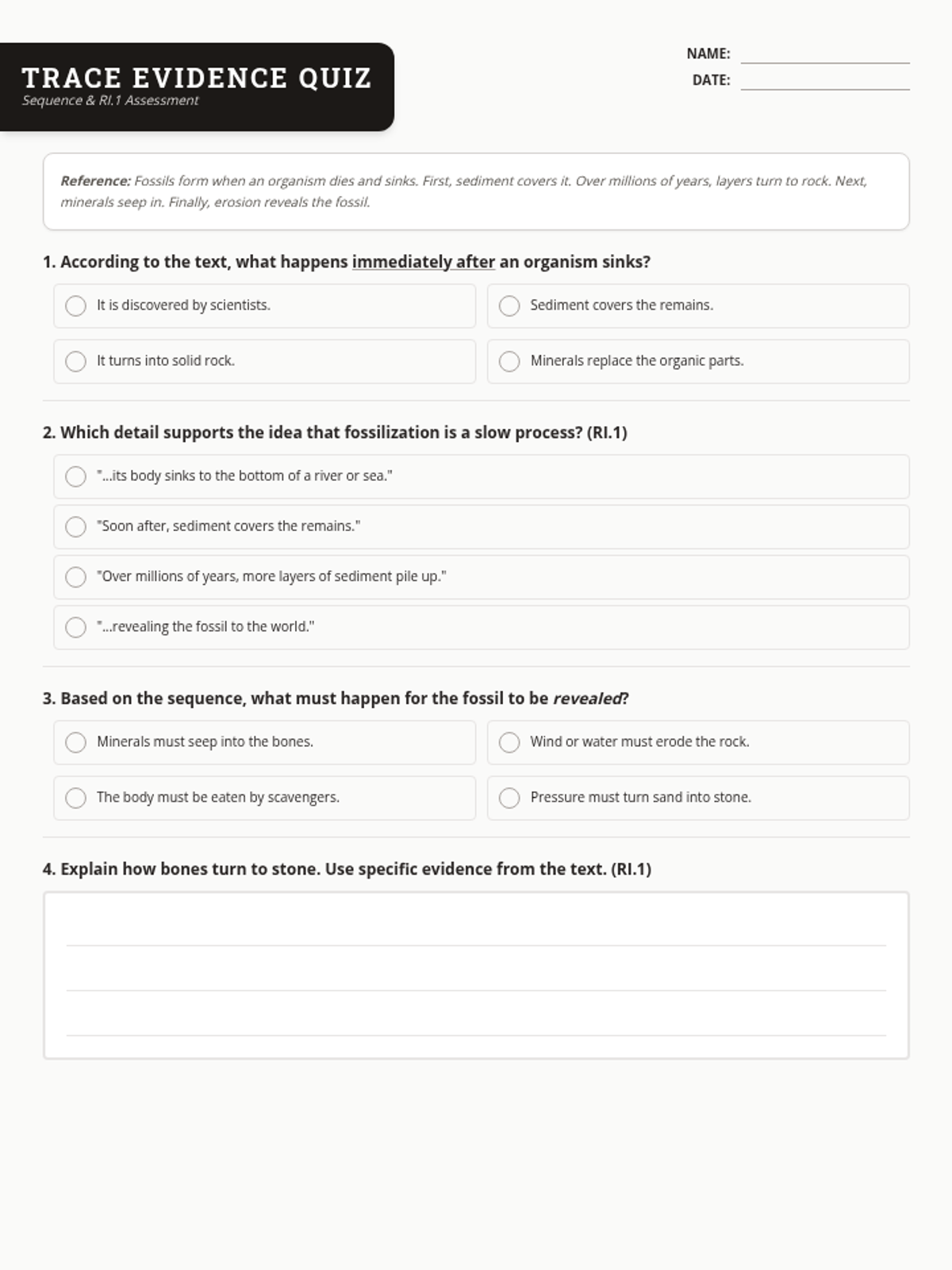
A short series of lessons exploring prehistoric life and the Mega-fauna that once roamed the Earth. Students learn about adaptations, extinction, and the tools paleontologists use to study the past.
A short sequence exploring the physics of motion, specifically focusing on how forces like friction and gravity allow us to predict an object's behavior. Students move from intuitive observation to data-driven calculation and scientific investigation.
A project-based sequence where 4th-grade students act as classroom consultants to design and implement visual organization systems using labels, shadow boards, and color-coding.
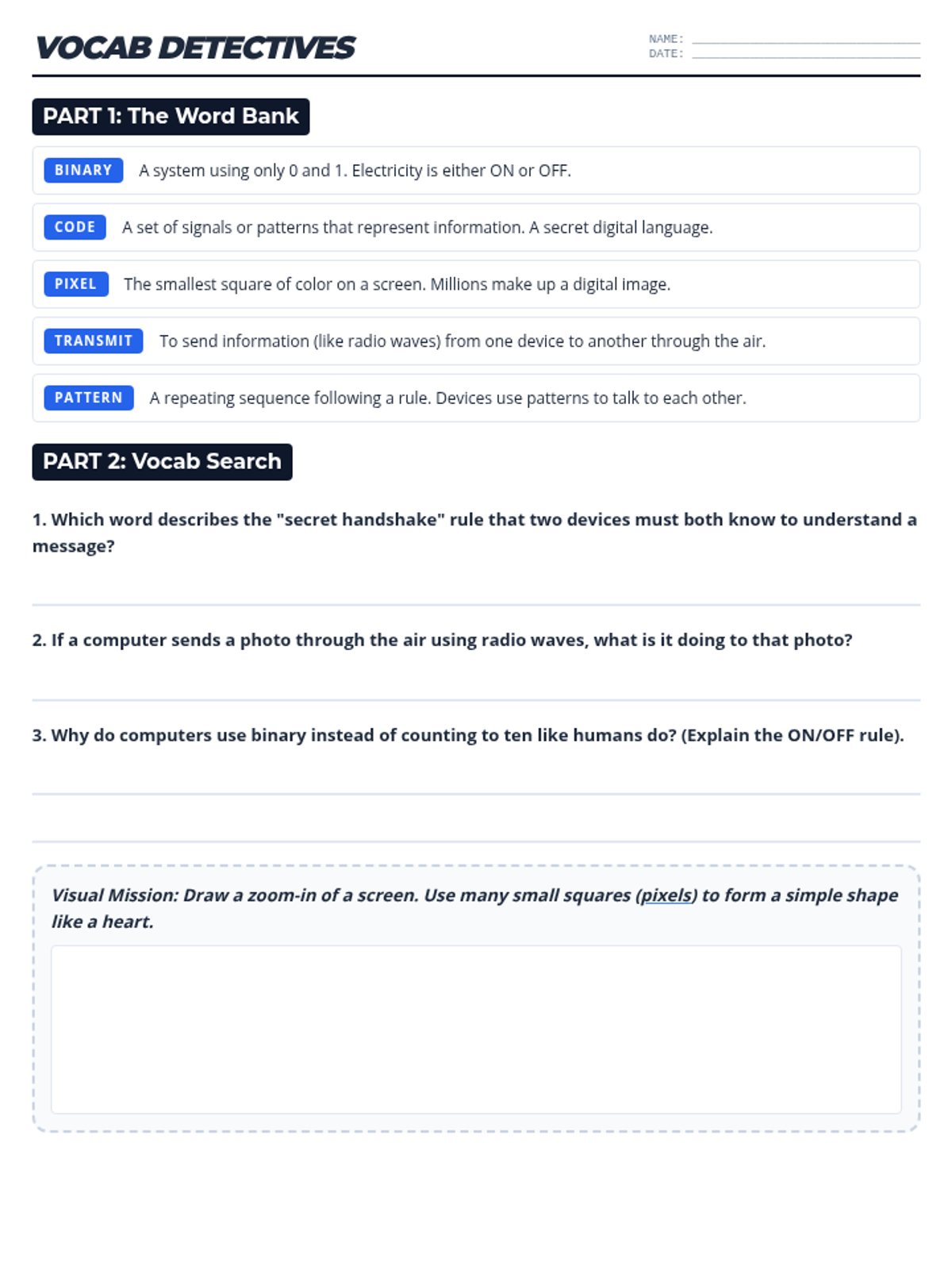
Students demystify Artificial Intelligence and Machine Learning through hands-on training, pattern recognition, and ethical analysis. They move from understanding basic coding differences to identifying real-world AI applications and recognizing the importance of unbiased data.
This sequence introduces 4th-grade students to machine learning and pattern recognition through a detective-themed exploration. Students move from understanding basic rules to analyzing complex data training, visual recognition, and algorithmic bias.
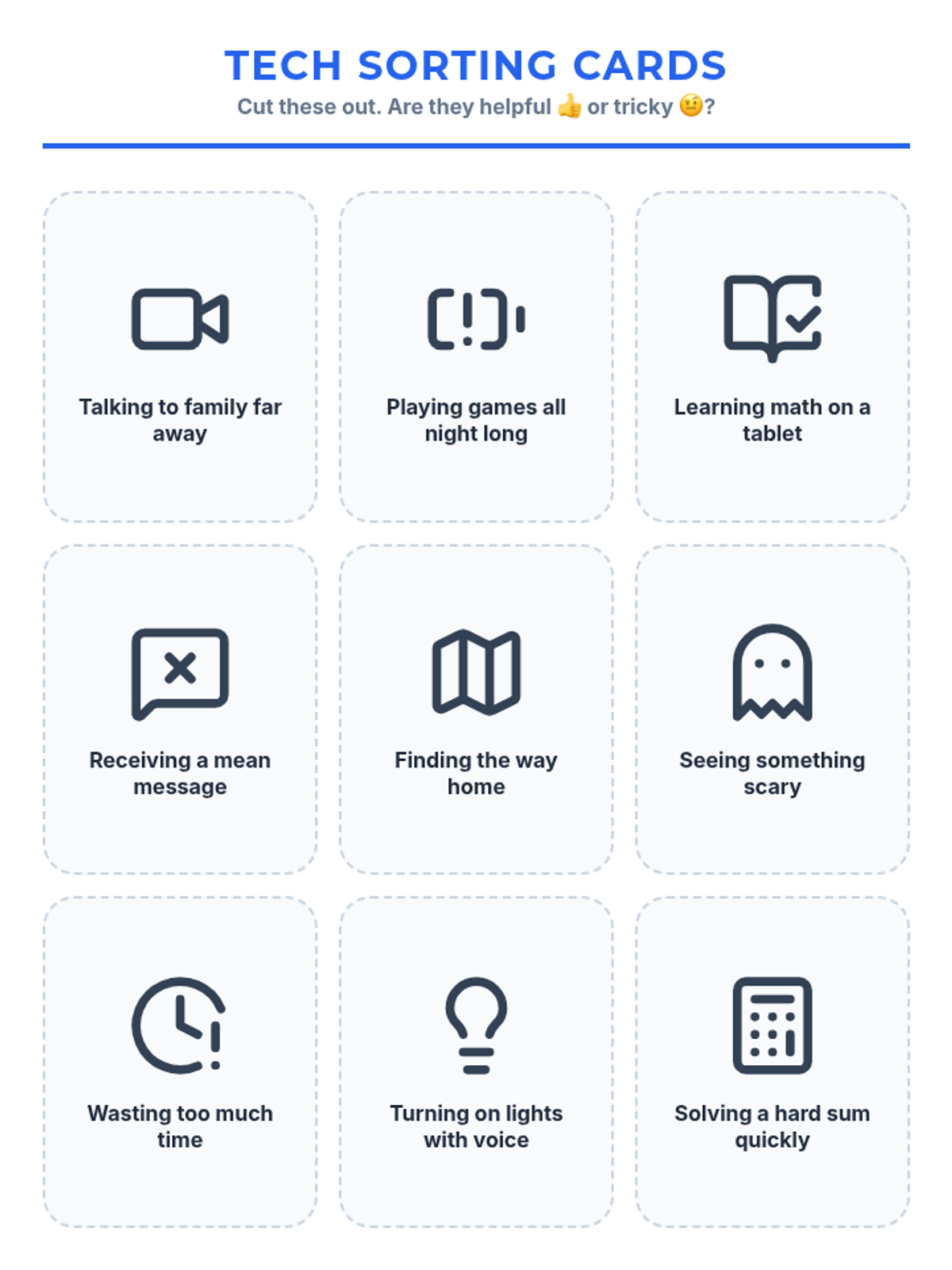
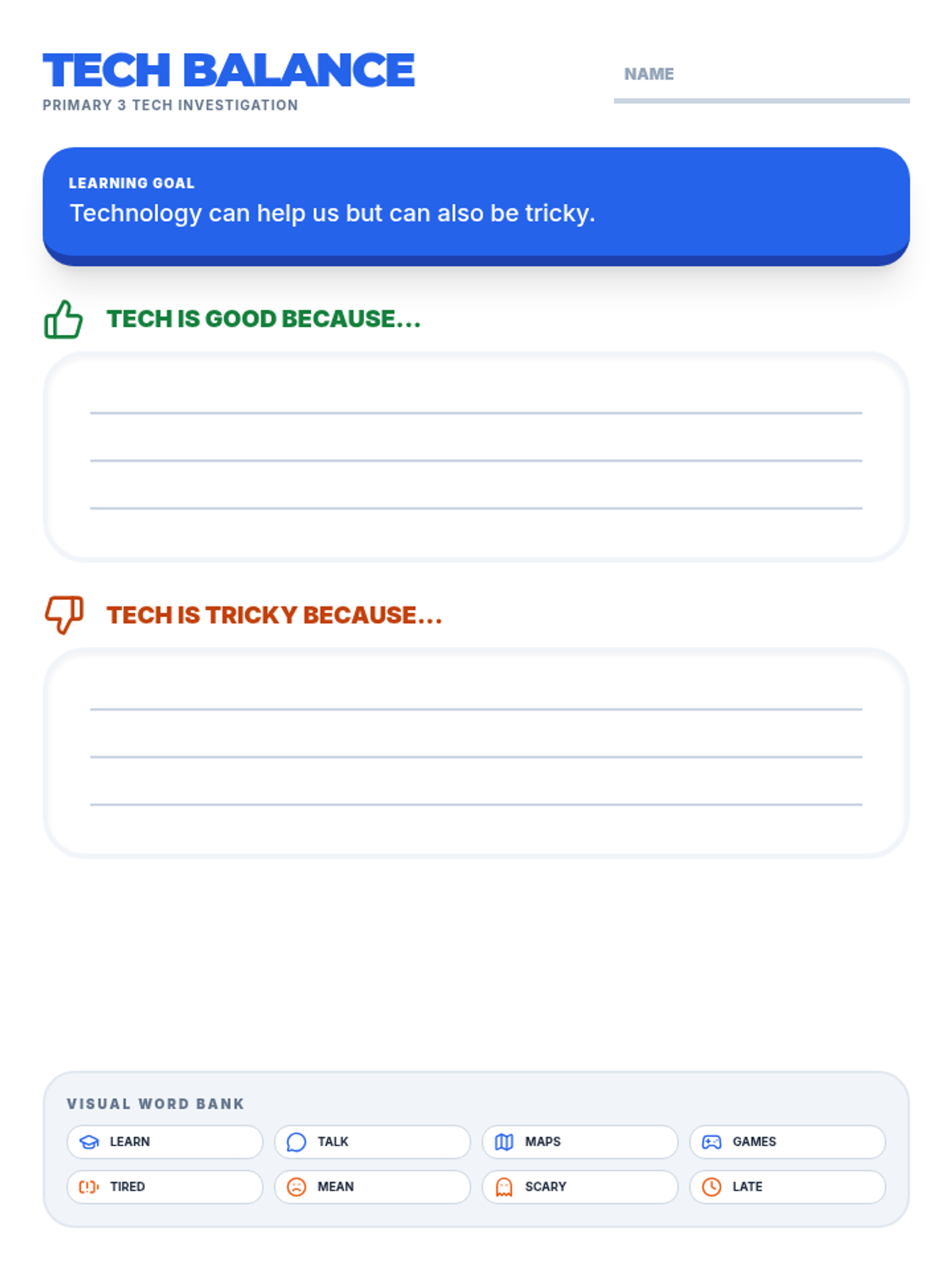
A 5-lesson sequence for 4th graders exploring digital footprints, recommendation algorithms, automation, ethics of smart devices, and future AI-human collaboration. Students learn to navigate the digital world responsibly and think critically about how emerging technologies shape their lives and future careers.