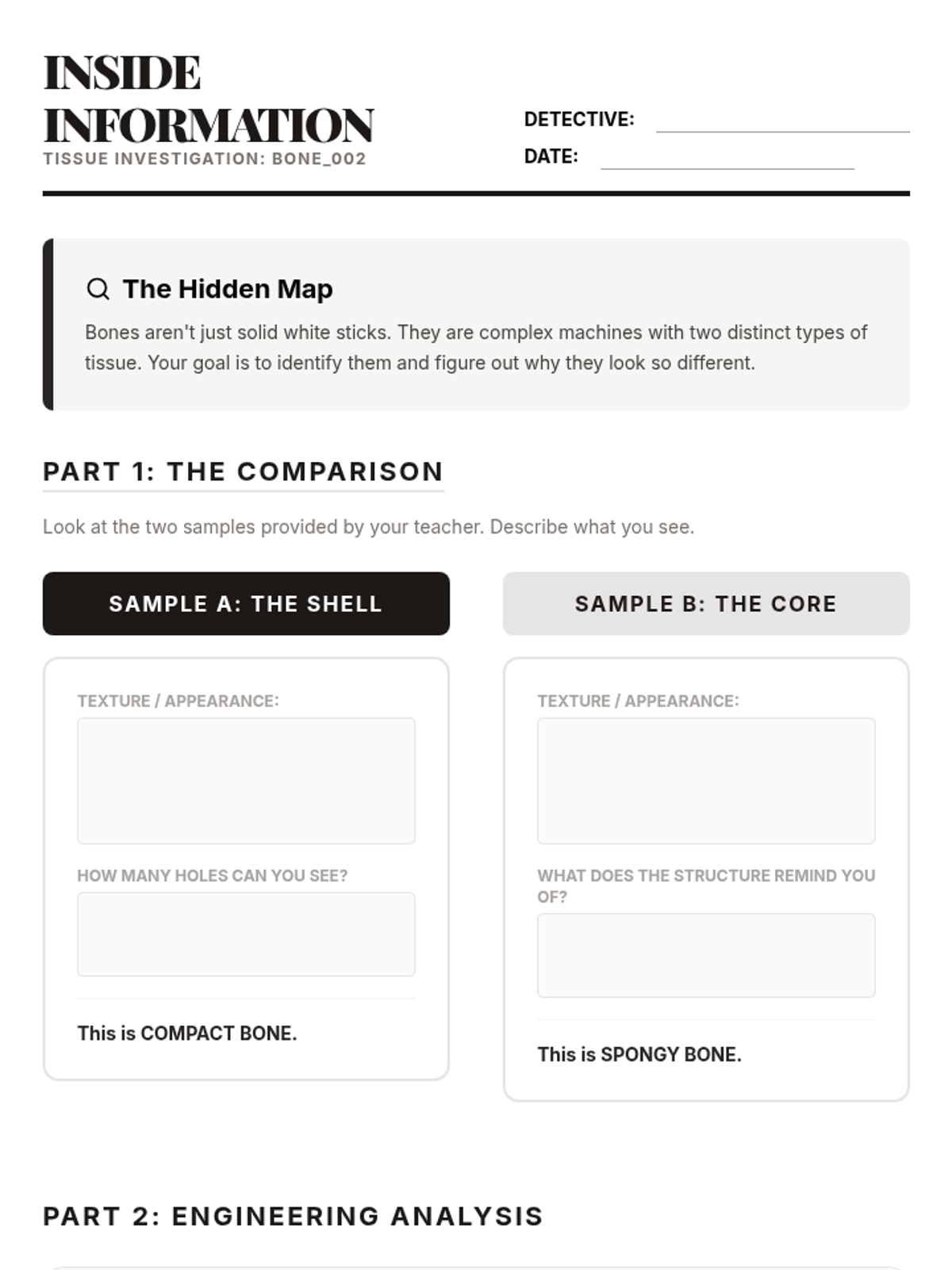
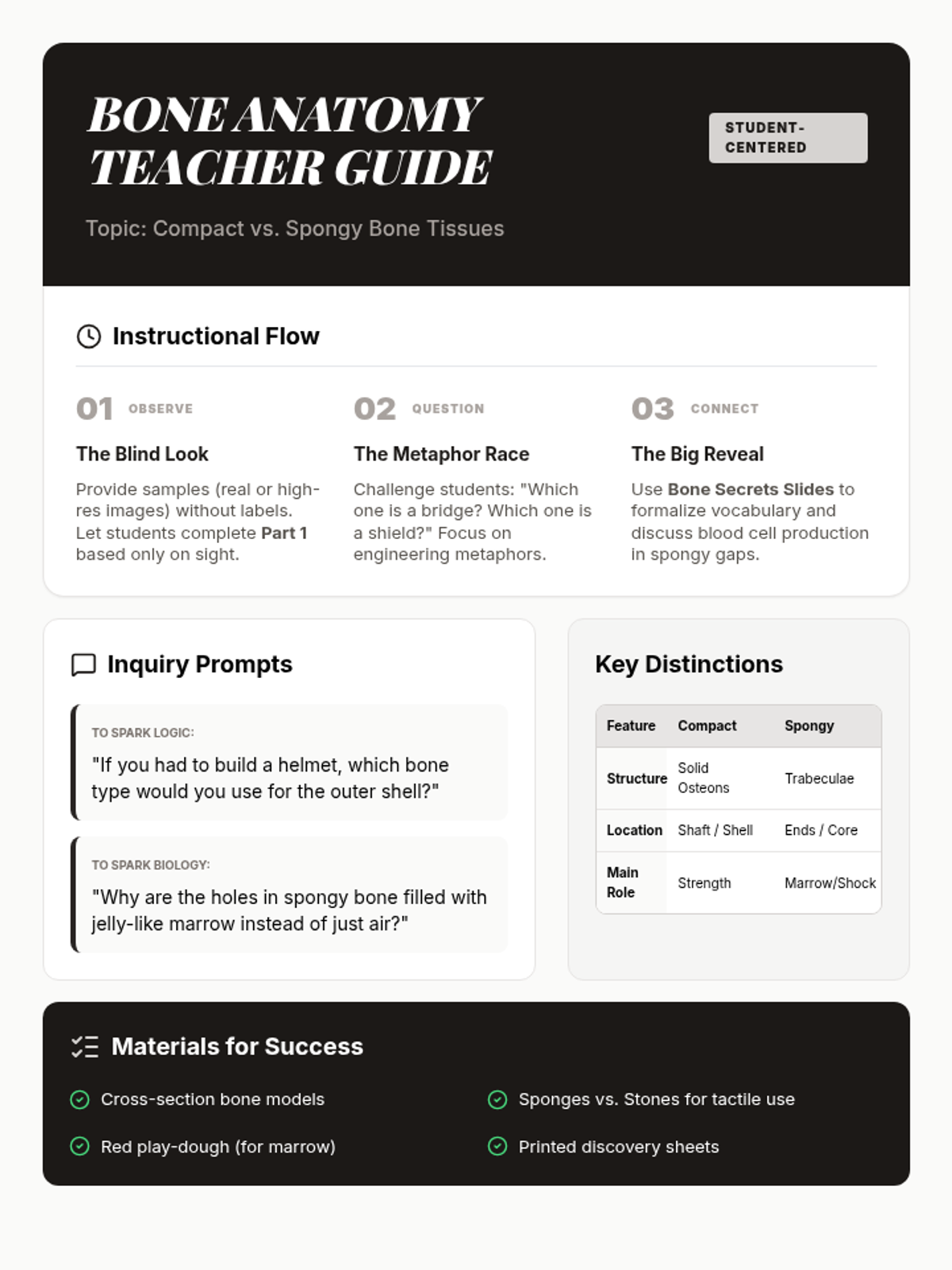
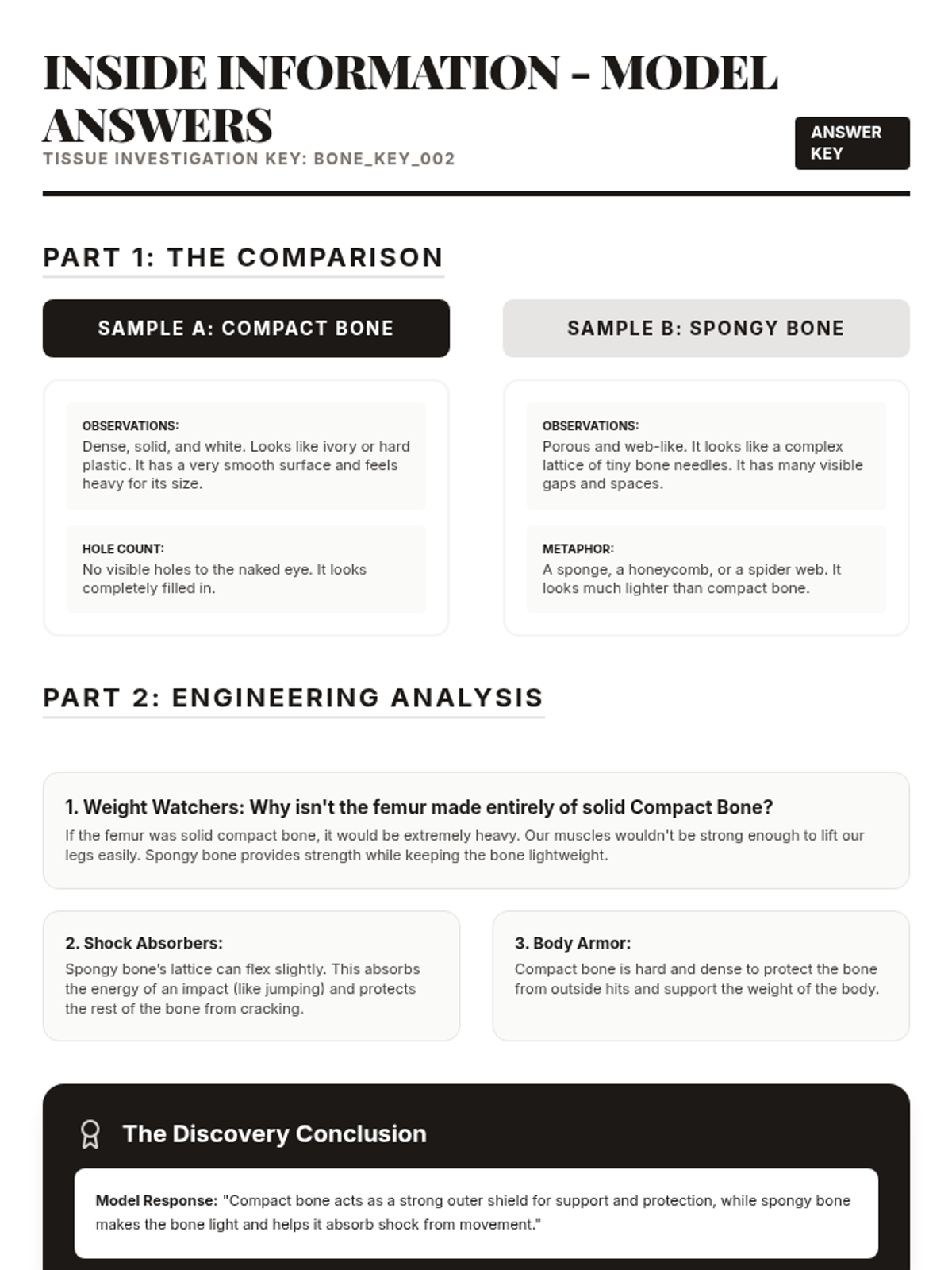
A fast-paced, student-centered lesson where students explore the skeletal system through a collaborative jigsaw and a hands-on station rotation lab featuring a structural inquiry investigation.
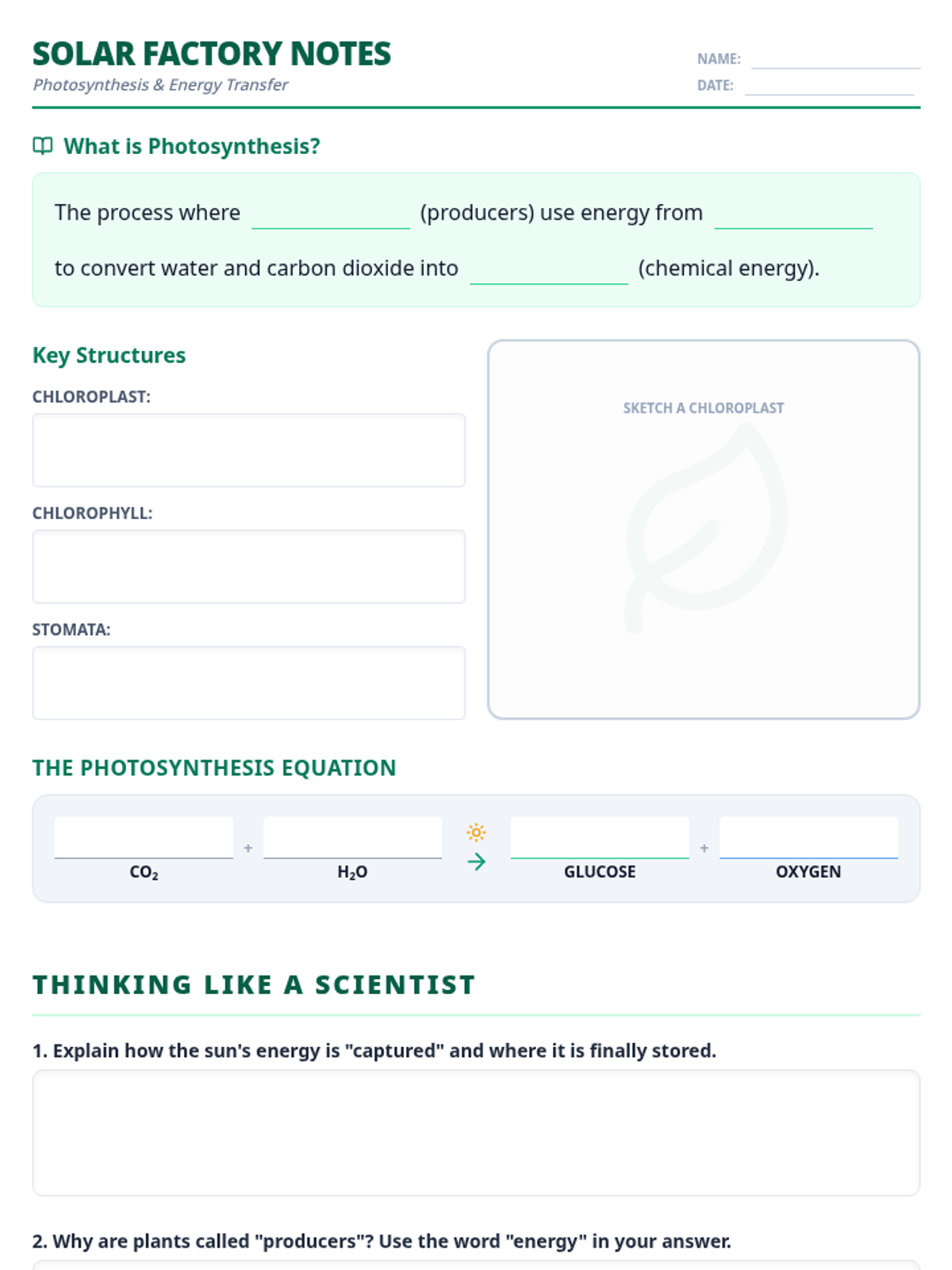
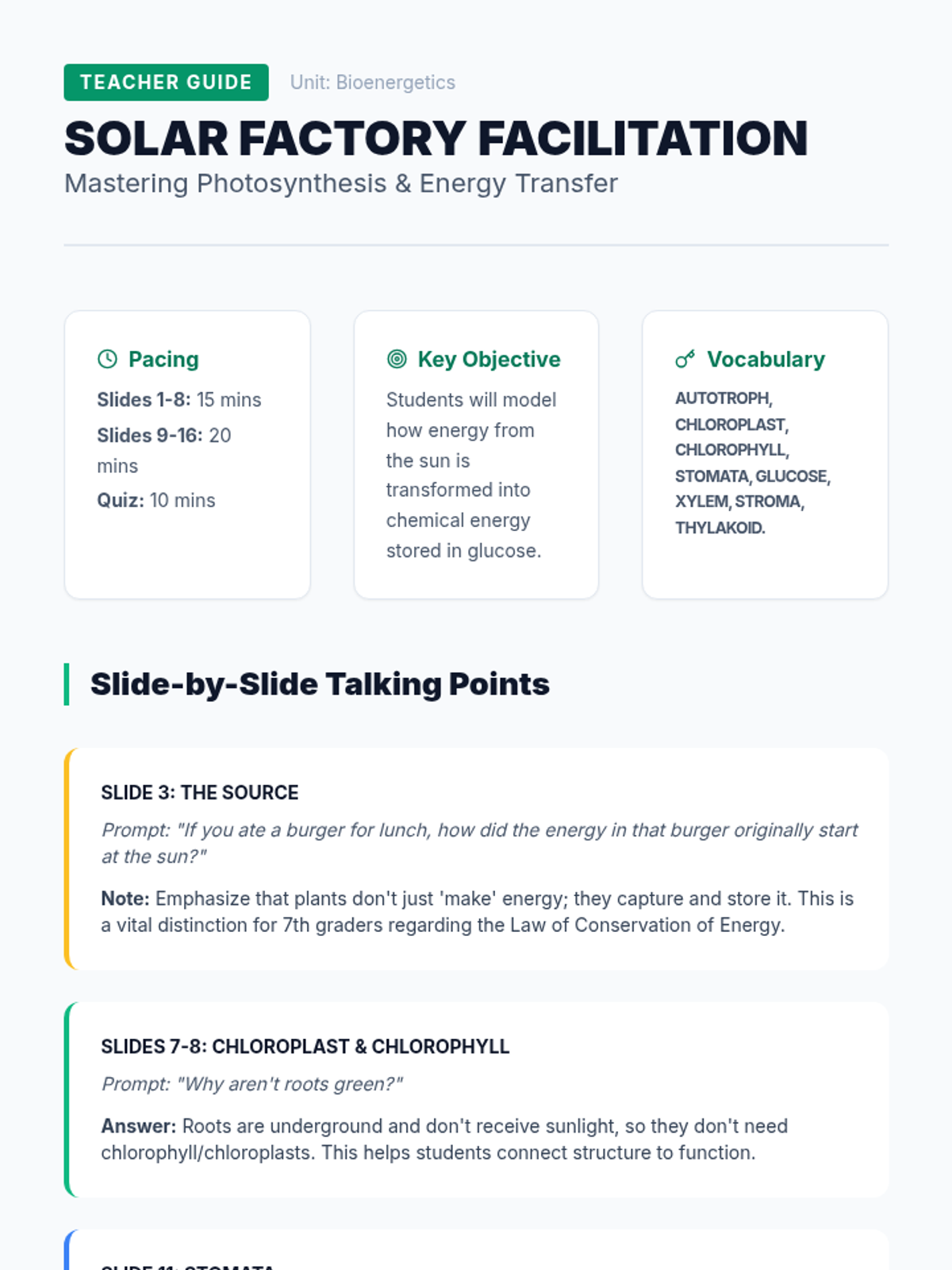
A middle school science lesson focused on how plants capture solar energy and convert it into chemical energy through photosynthesis. Students will explore leaf anatomy, the role of chloroplasts, and the energy transfer process from the sun to glucose.
An introductory lesson on the fundamental process of photosynthesis, focusing on the role of plant structures and the conversion of light energy into chemical energy.
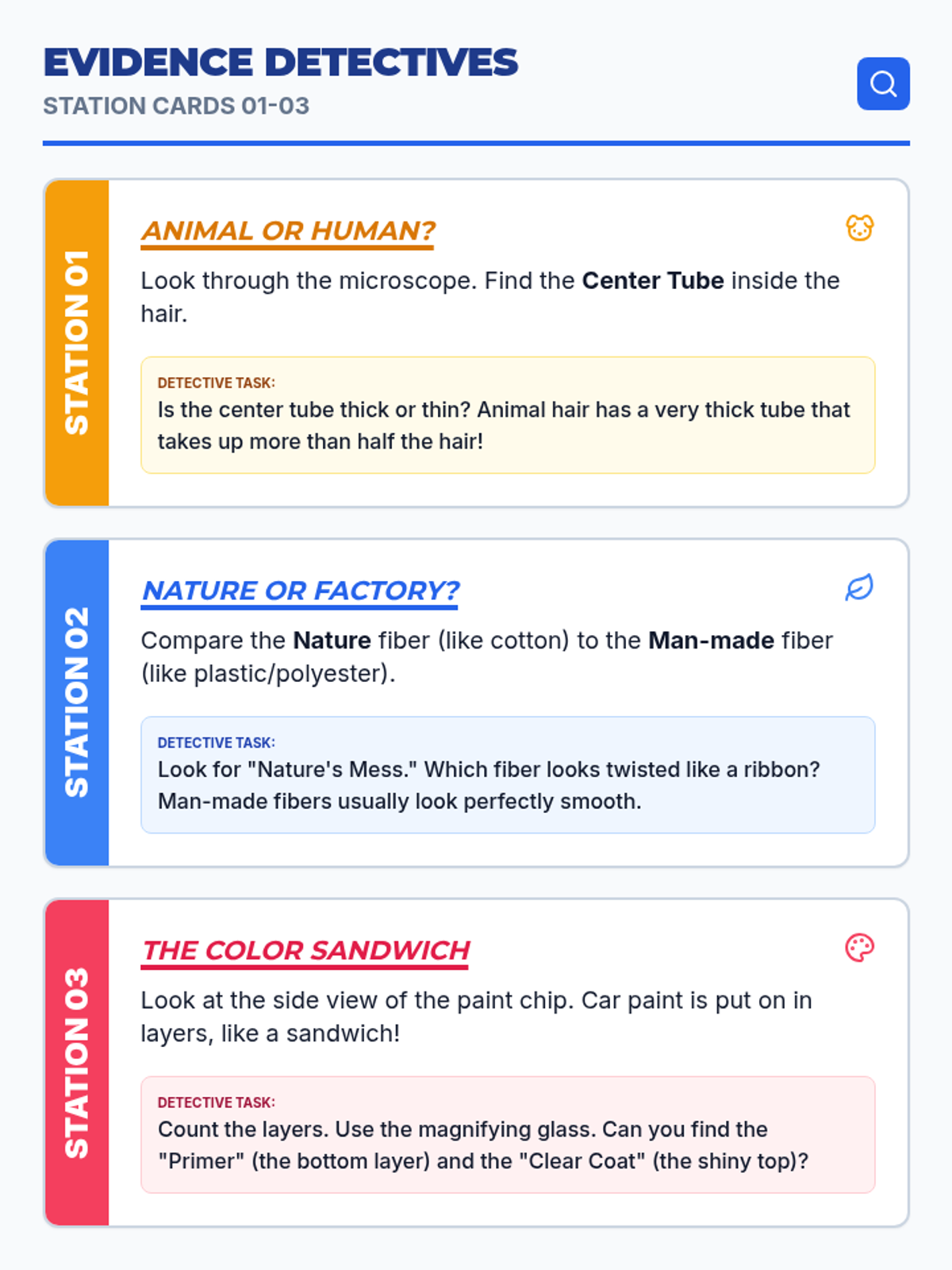
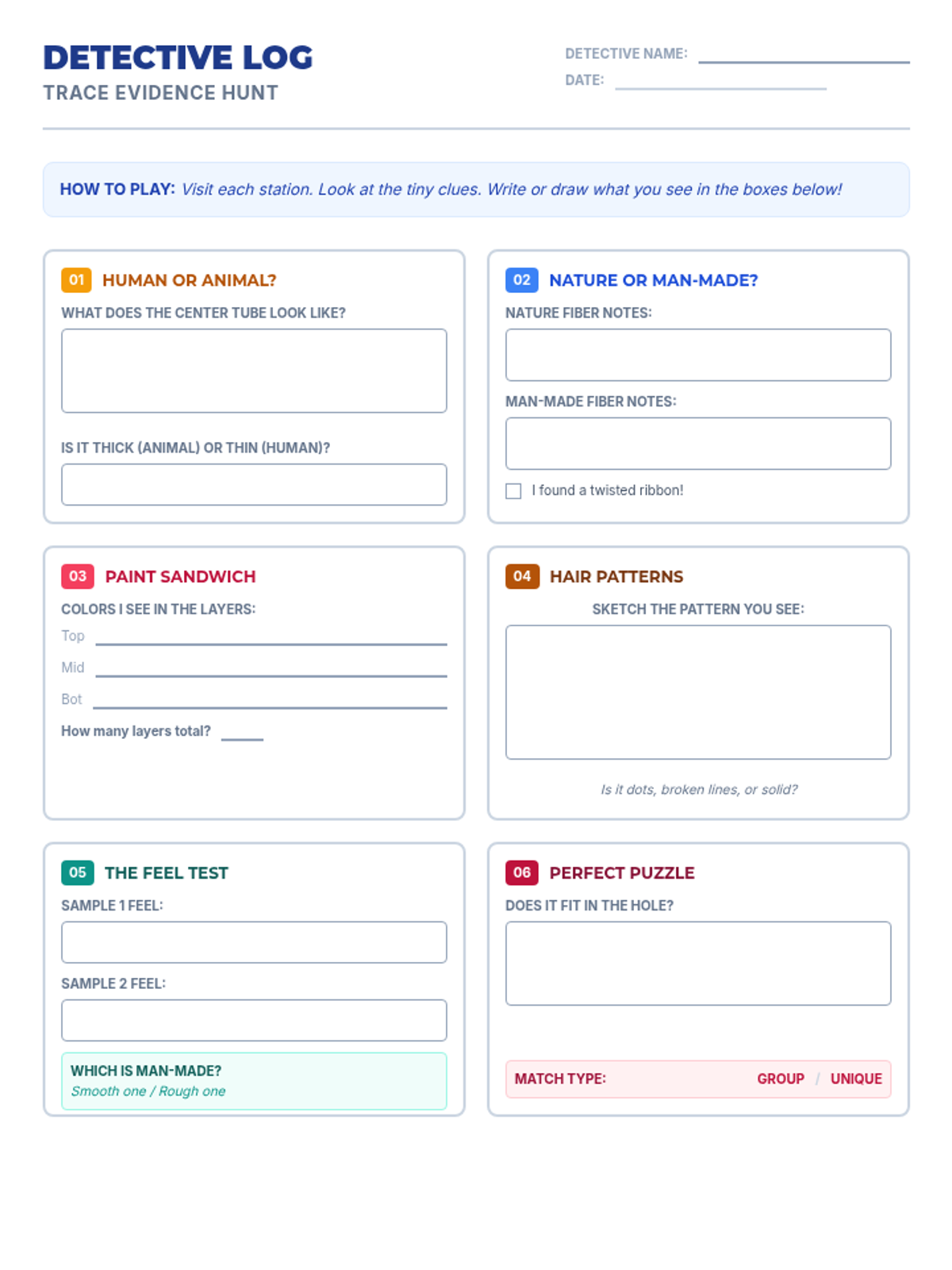
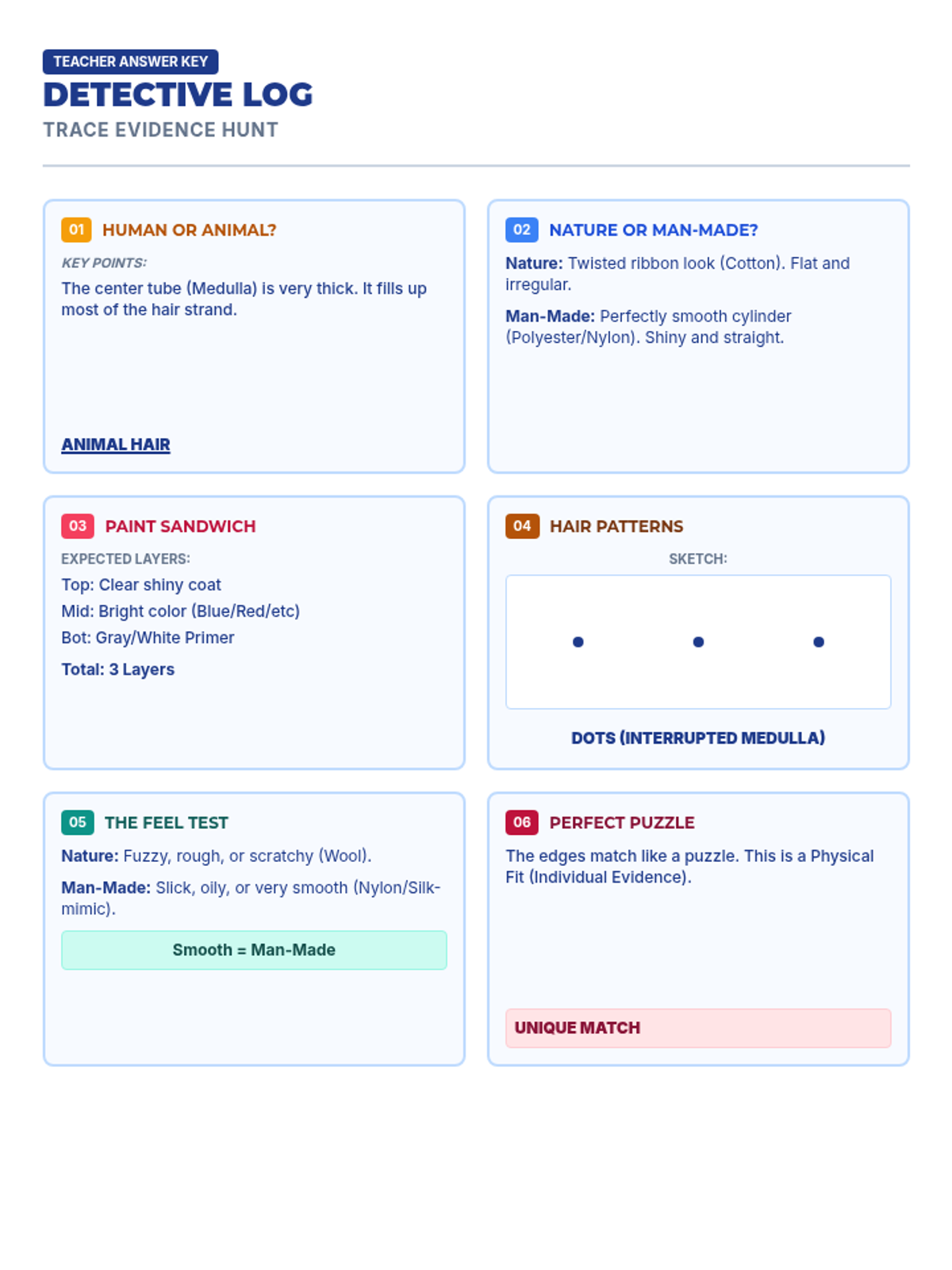
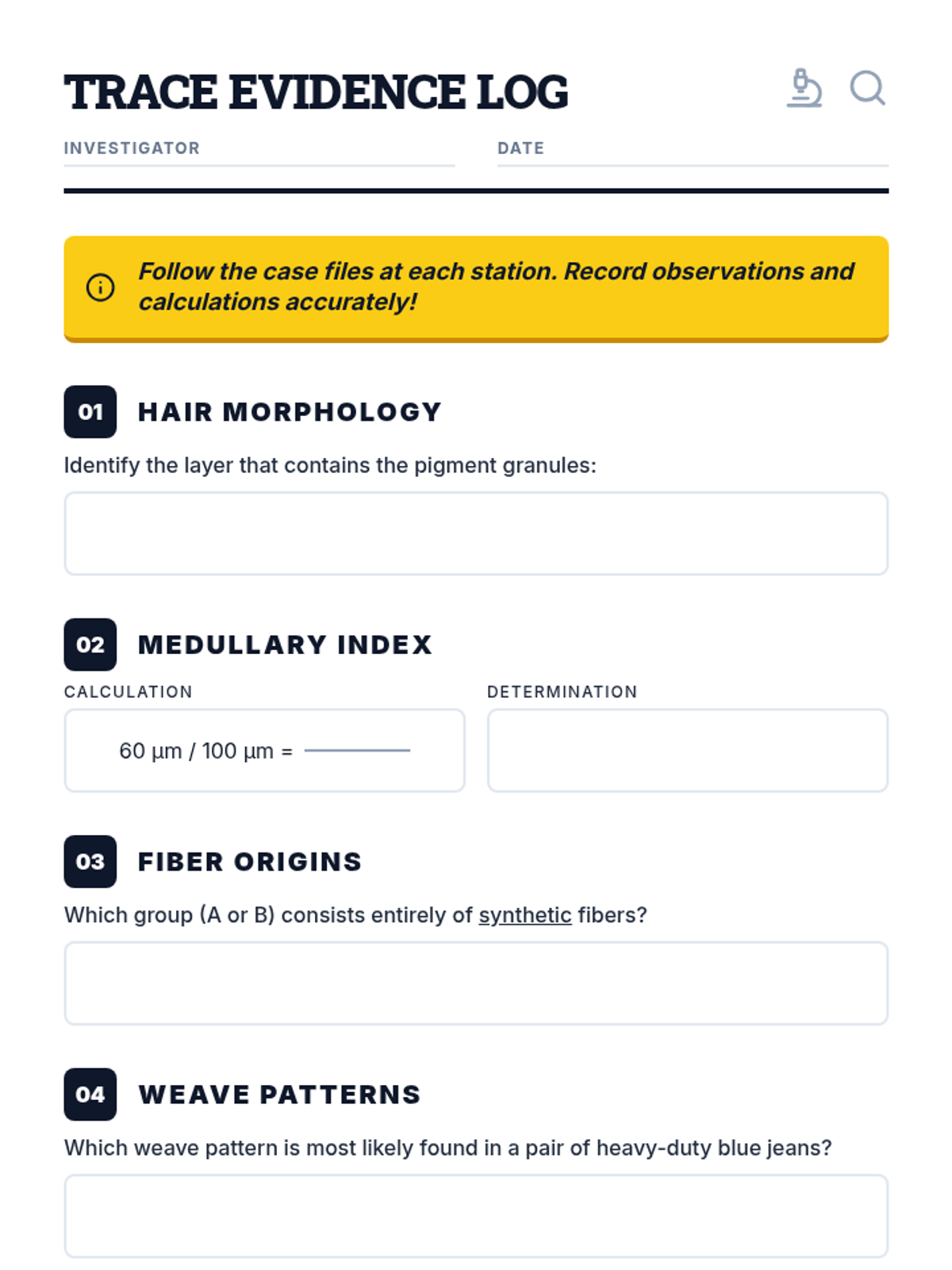
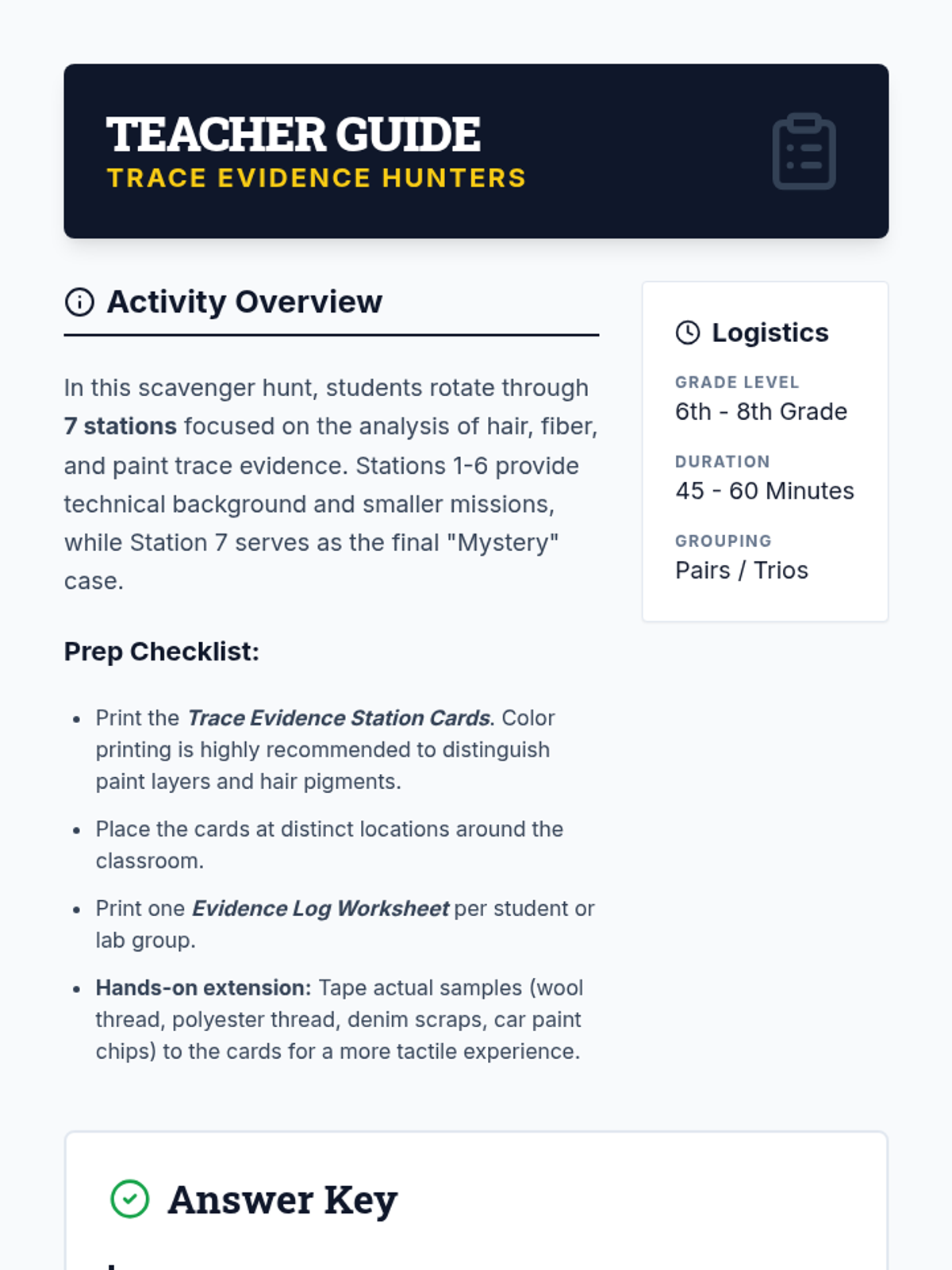
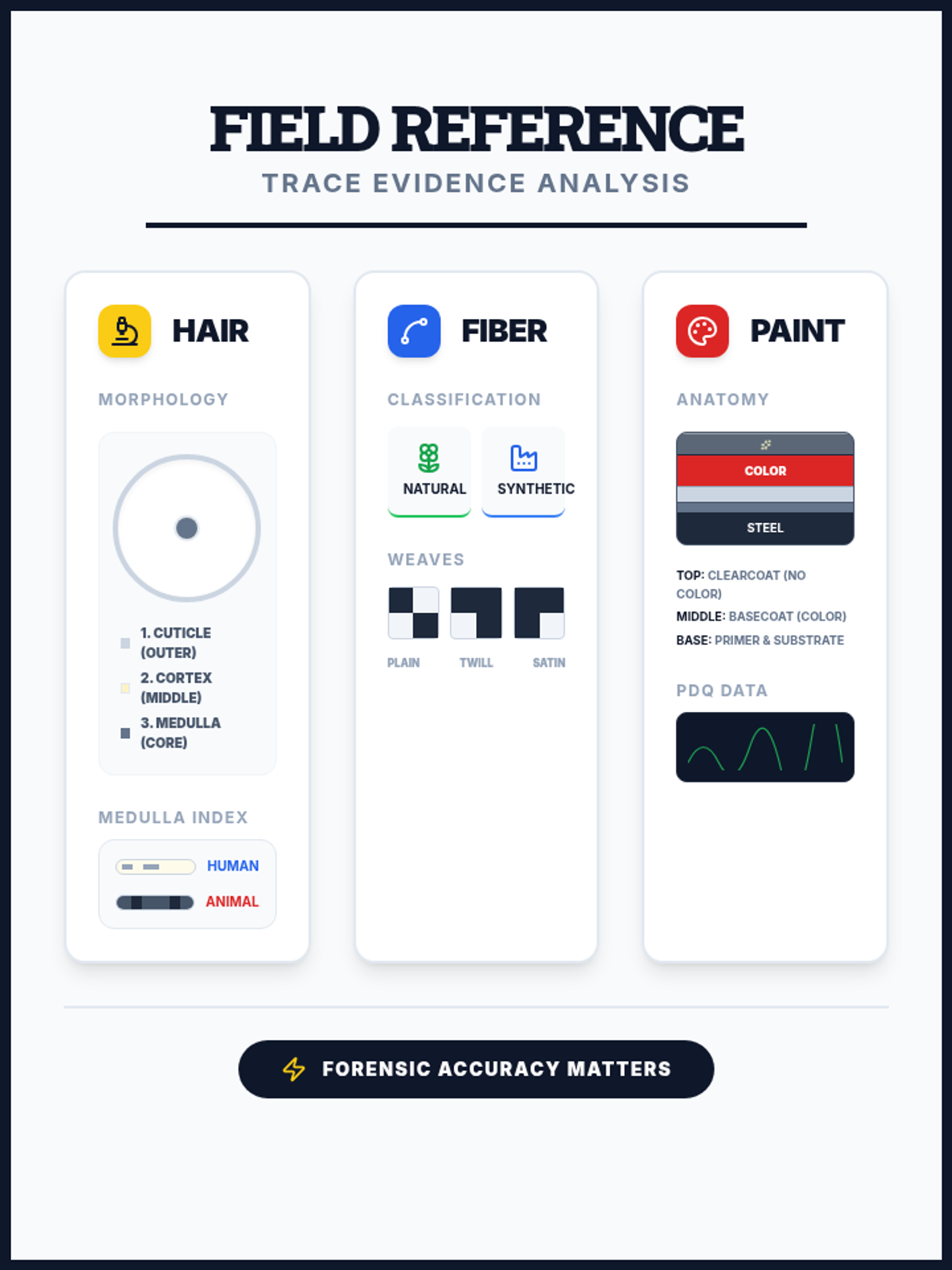
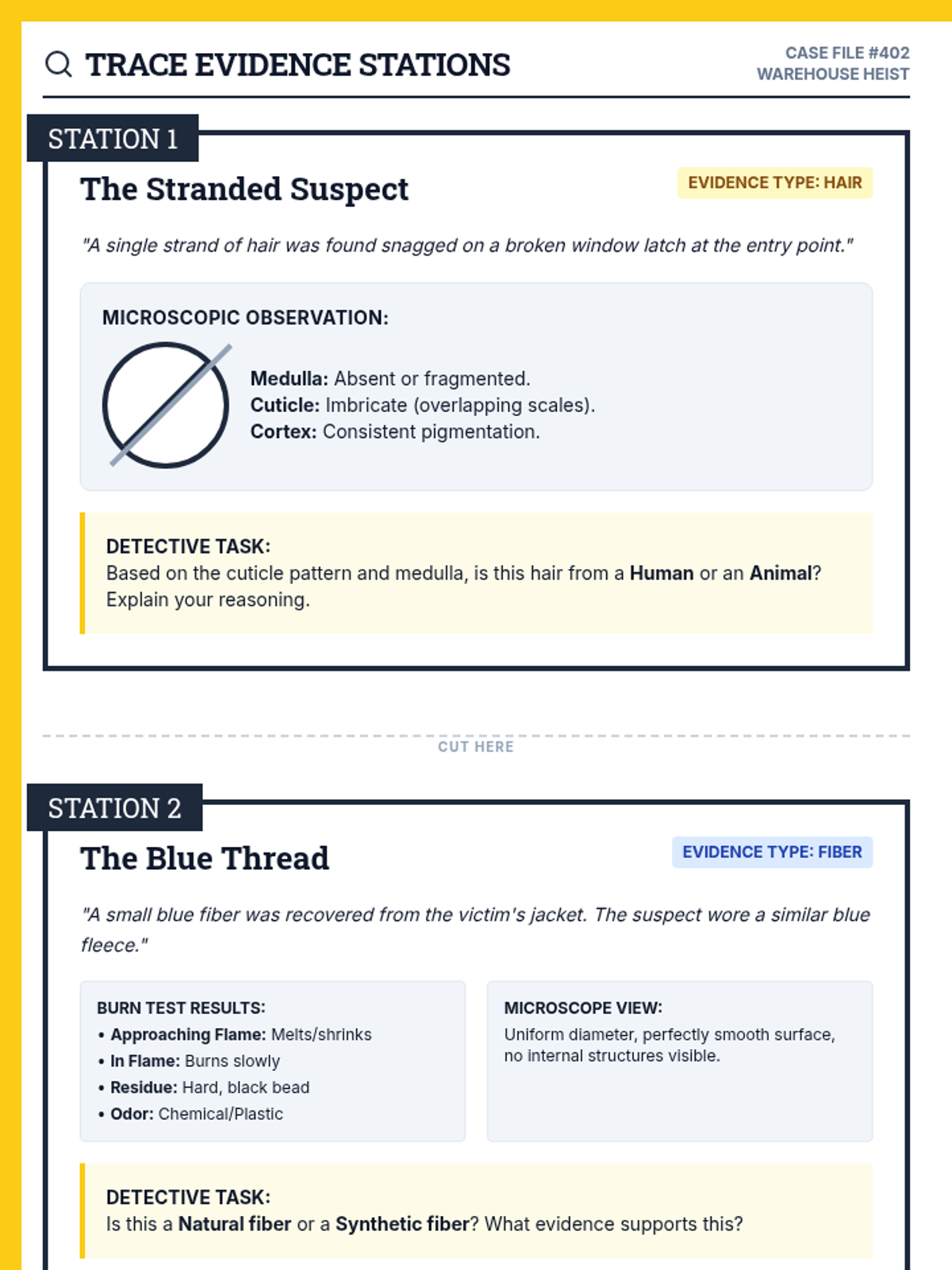
A foundational exploration of trace evidence—specifically hair, fiber, and paint—using a hands-on scavenger hunt approach to understand Locard's Exchange Principle.
A hands-on forensic science activity where students rotate through stations to learn about and analyze hair, fiber, and paint evidence to solve a trace evidence mystery.
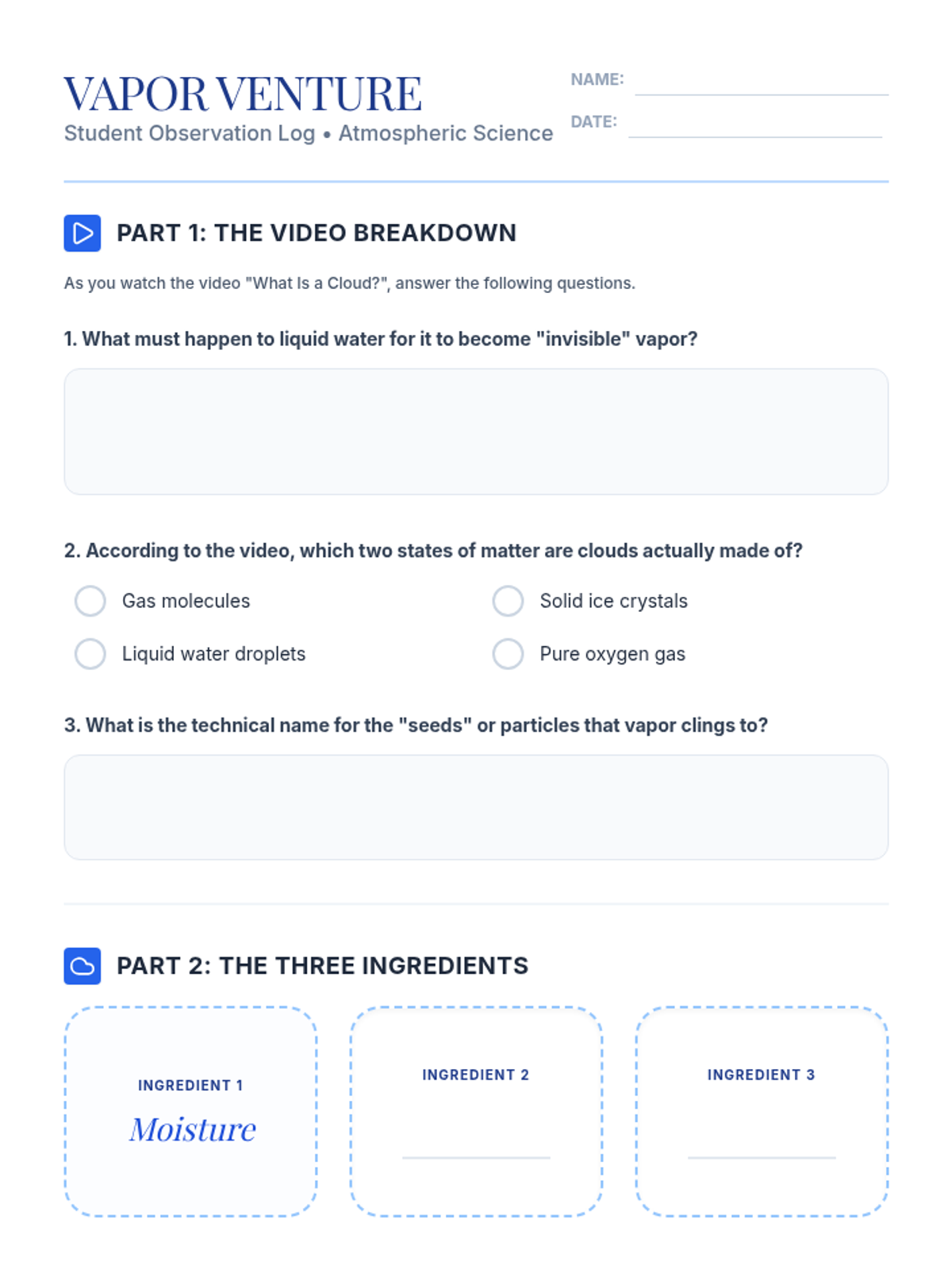
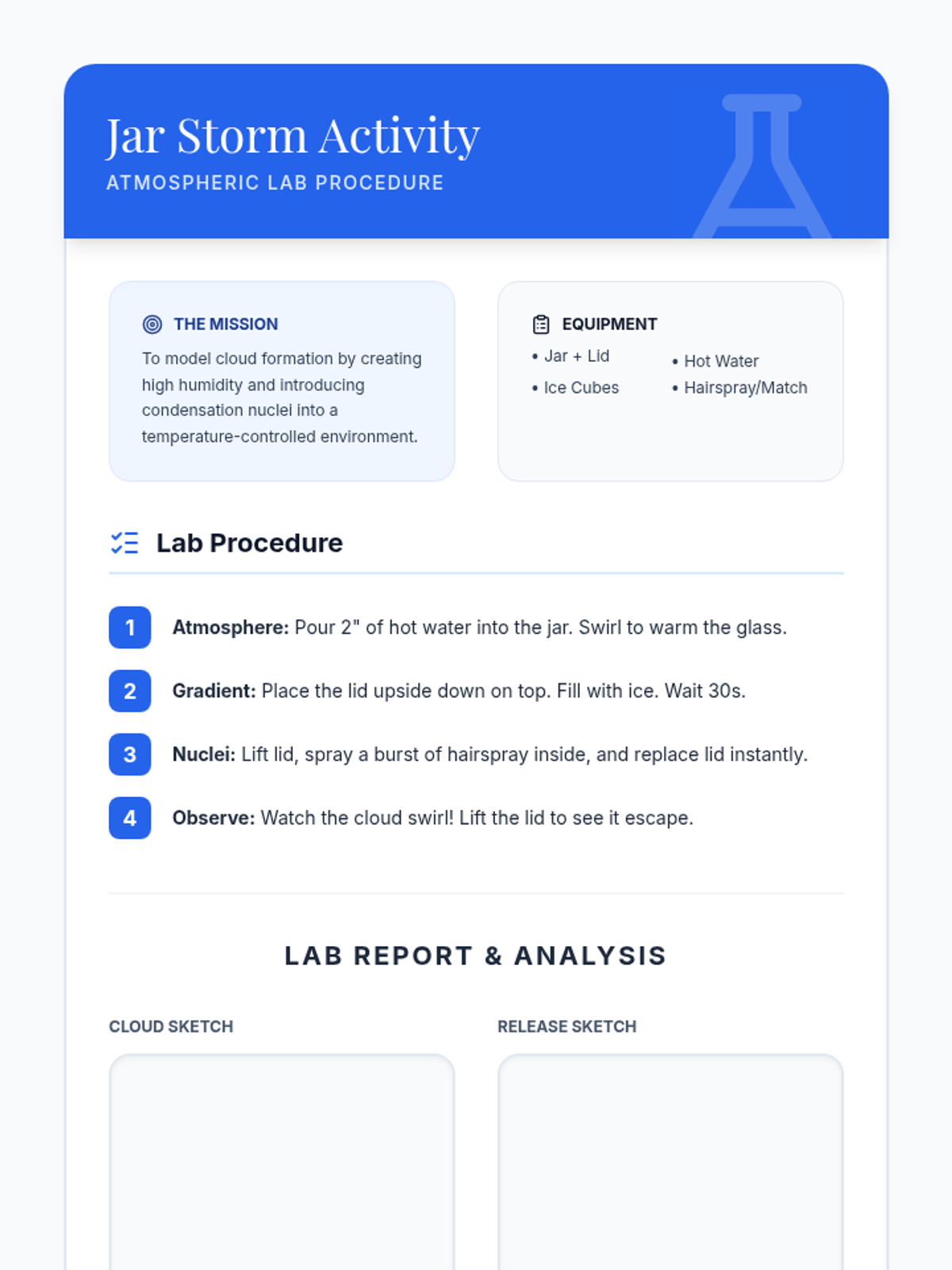
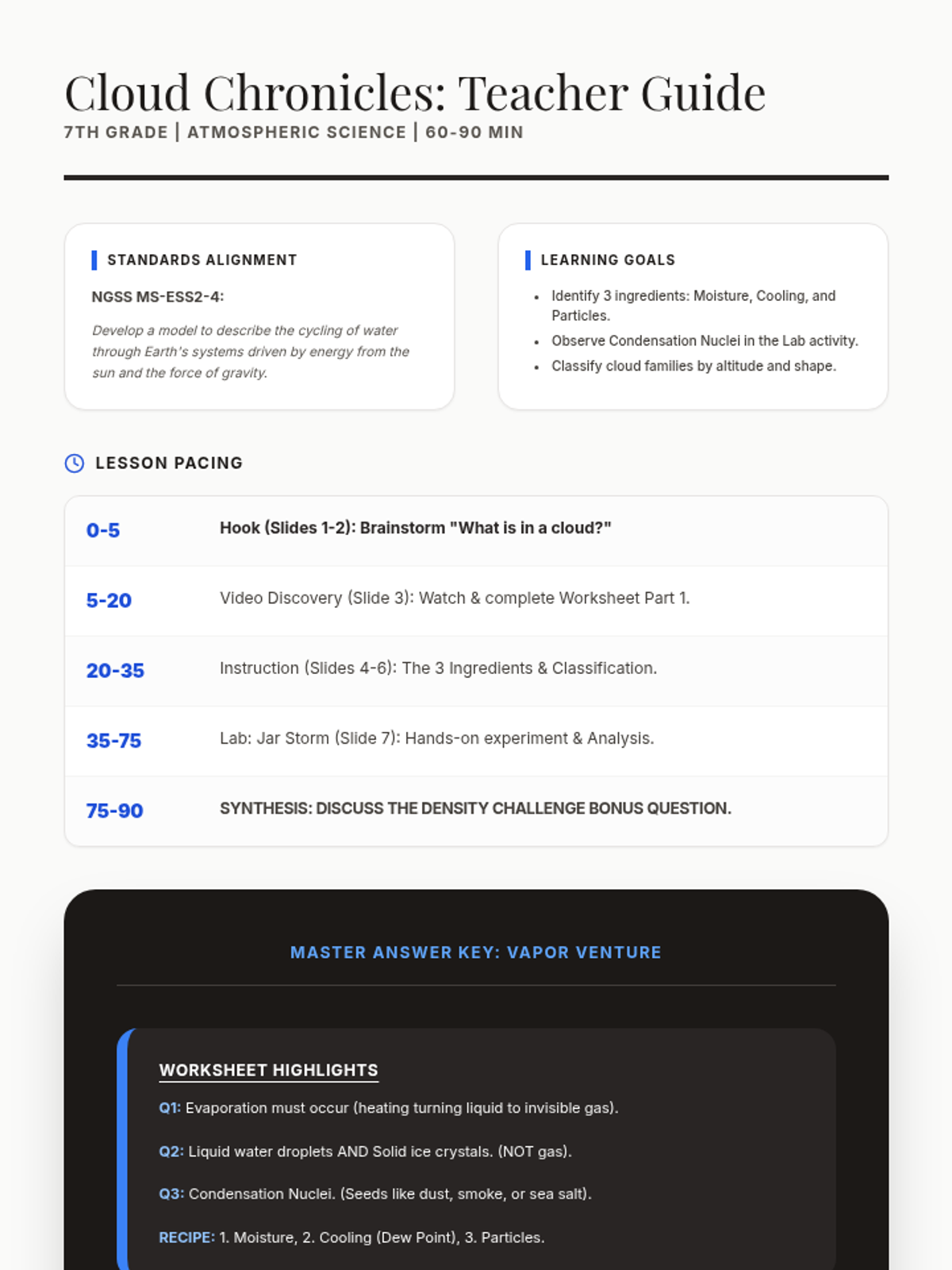
A comprehensive lesson on cloud formation and classification, exploring the physics of the water cycle and atmospheric conditions. Students will learn about evaporation, condensation nuclei, and how to identify different cloud types through a hands-on experiment.
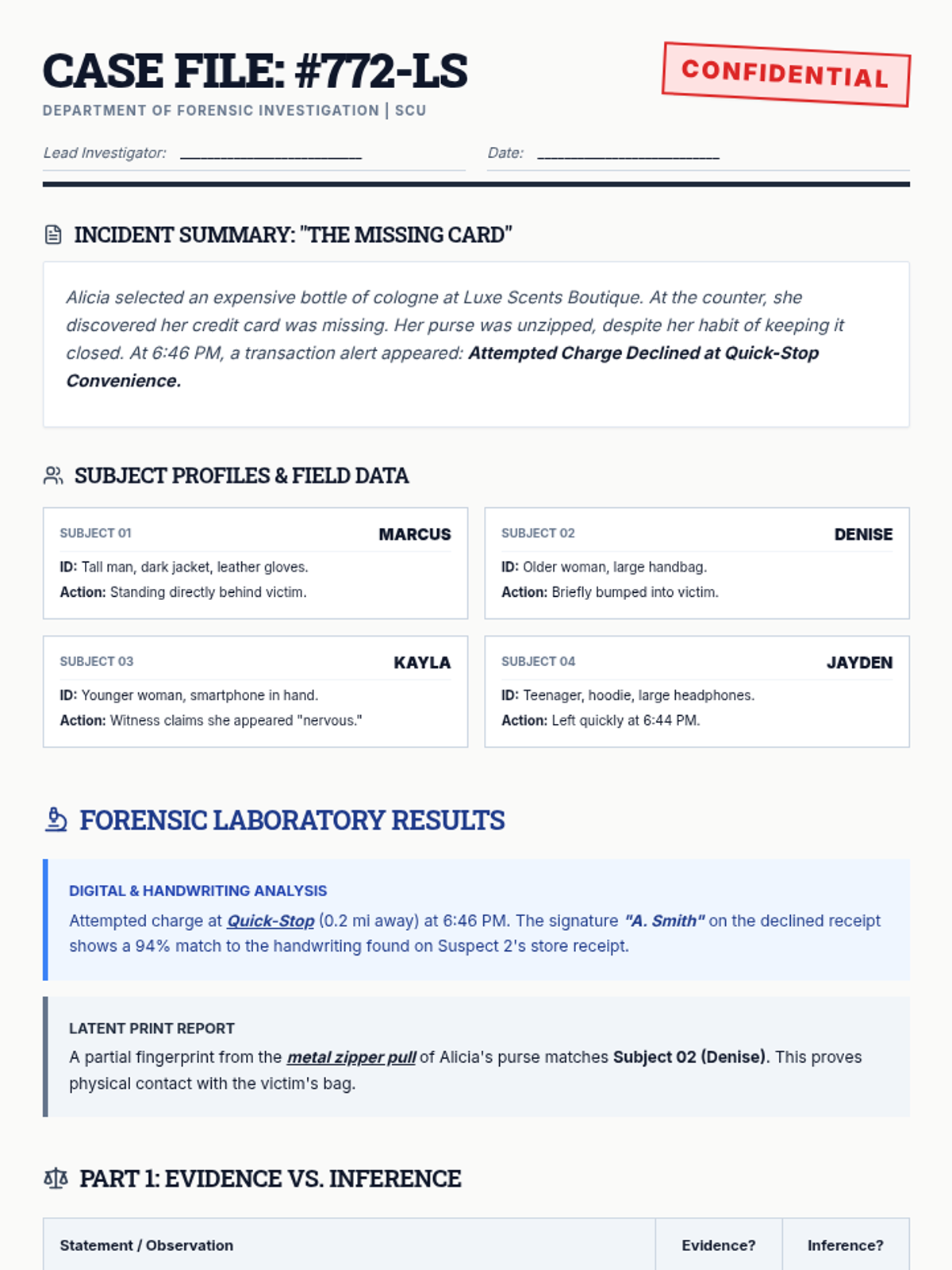
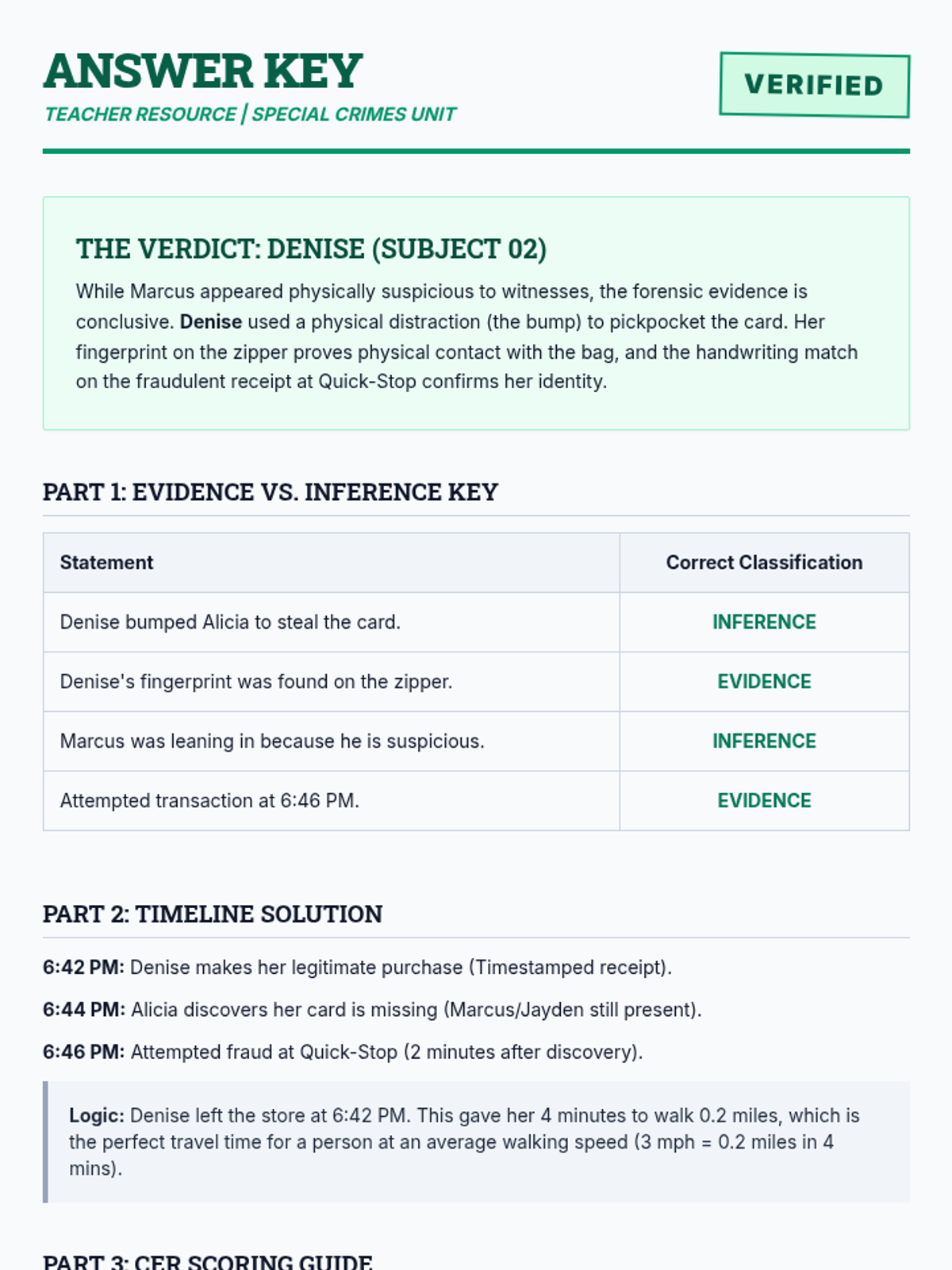
In this lesson, students take on the role of forensic investigators to solve 'The Missing Card' mystery. They will analyze suspect profiles, evaluate evidence vs. inference, map out a crime timeline, and use deductive reasoning to identify the thief through a formal CER (Claim, Evidence, Reasoning) framework.
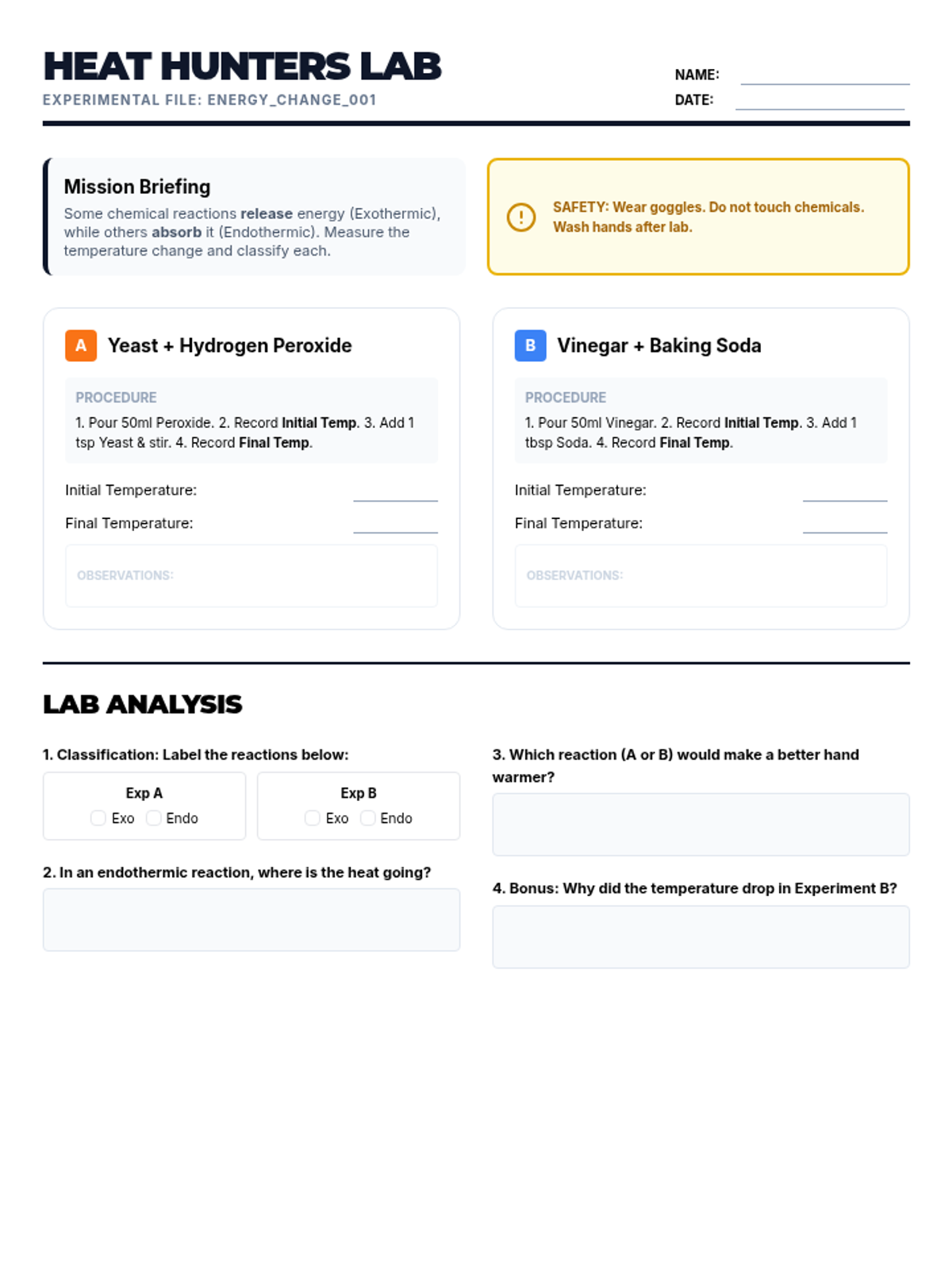
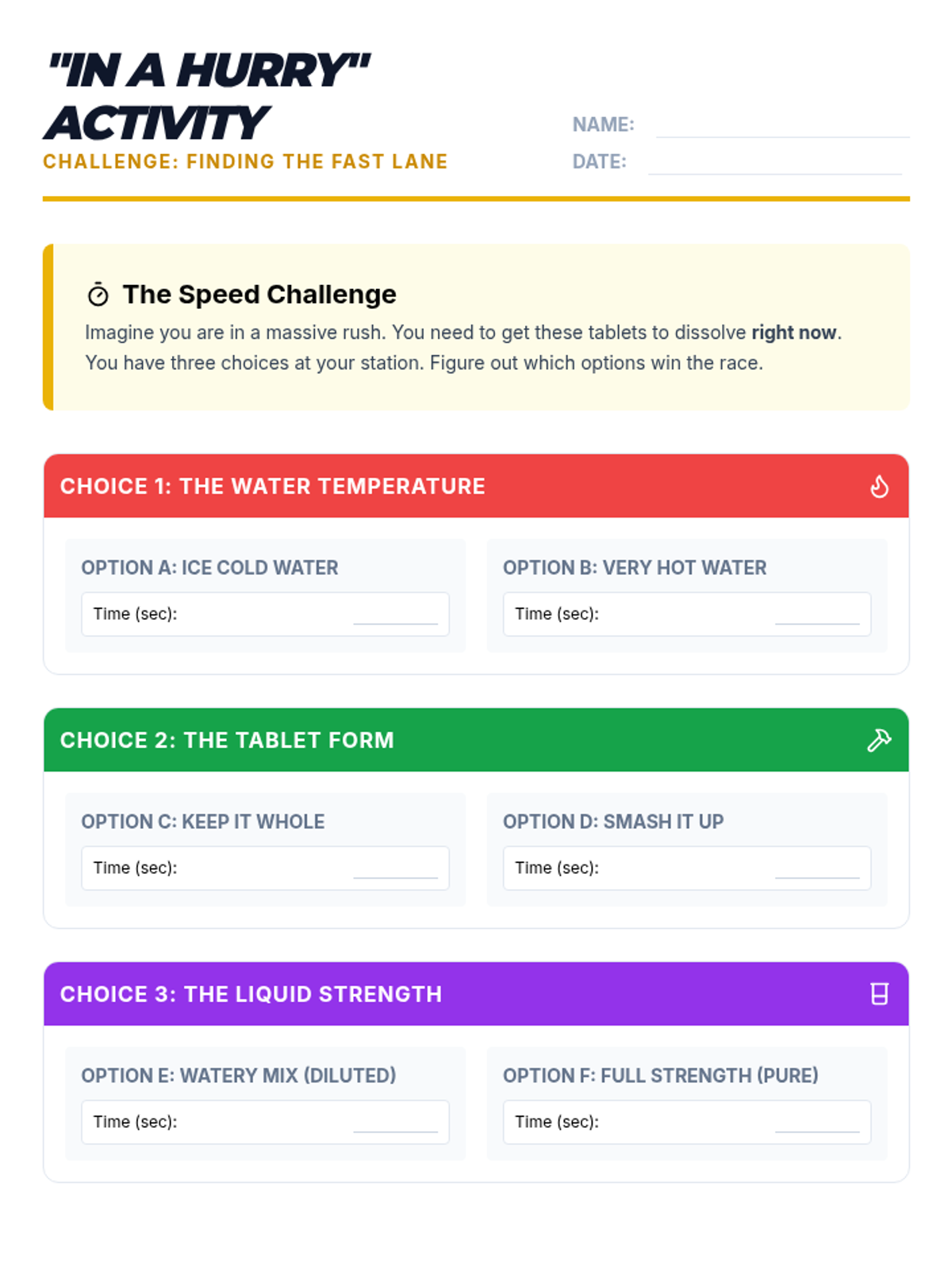
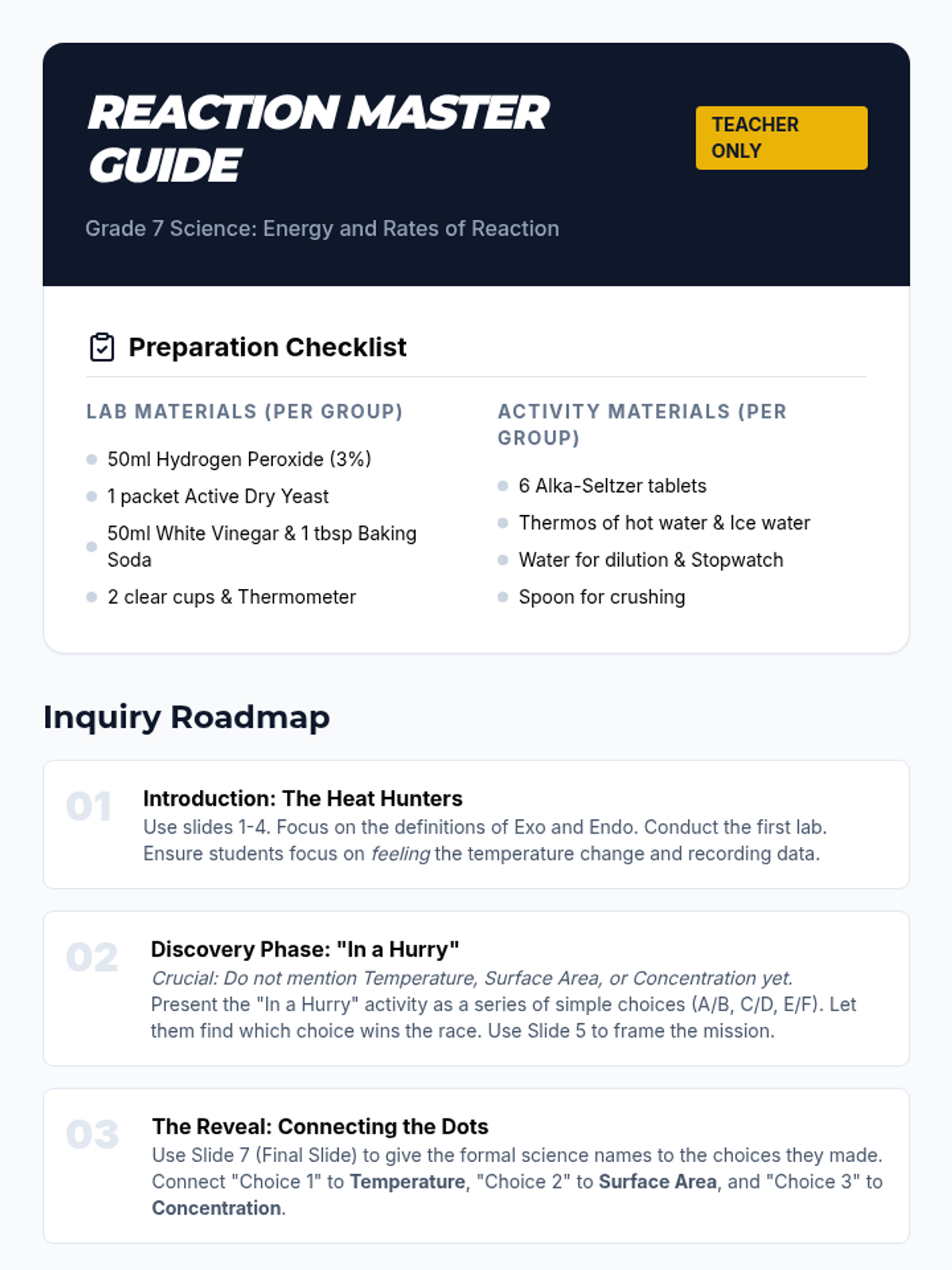
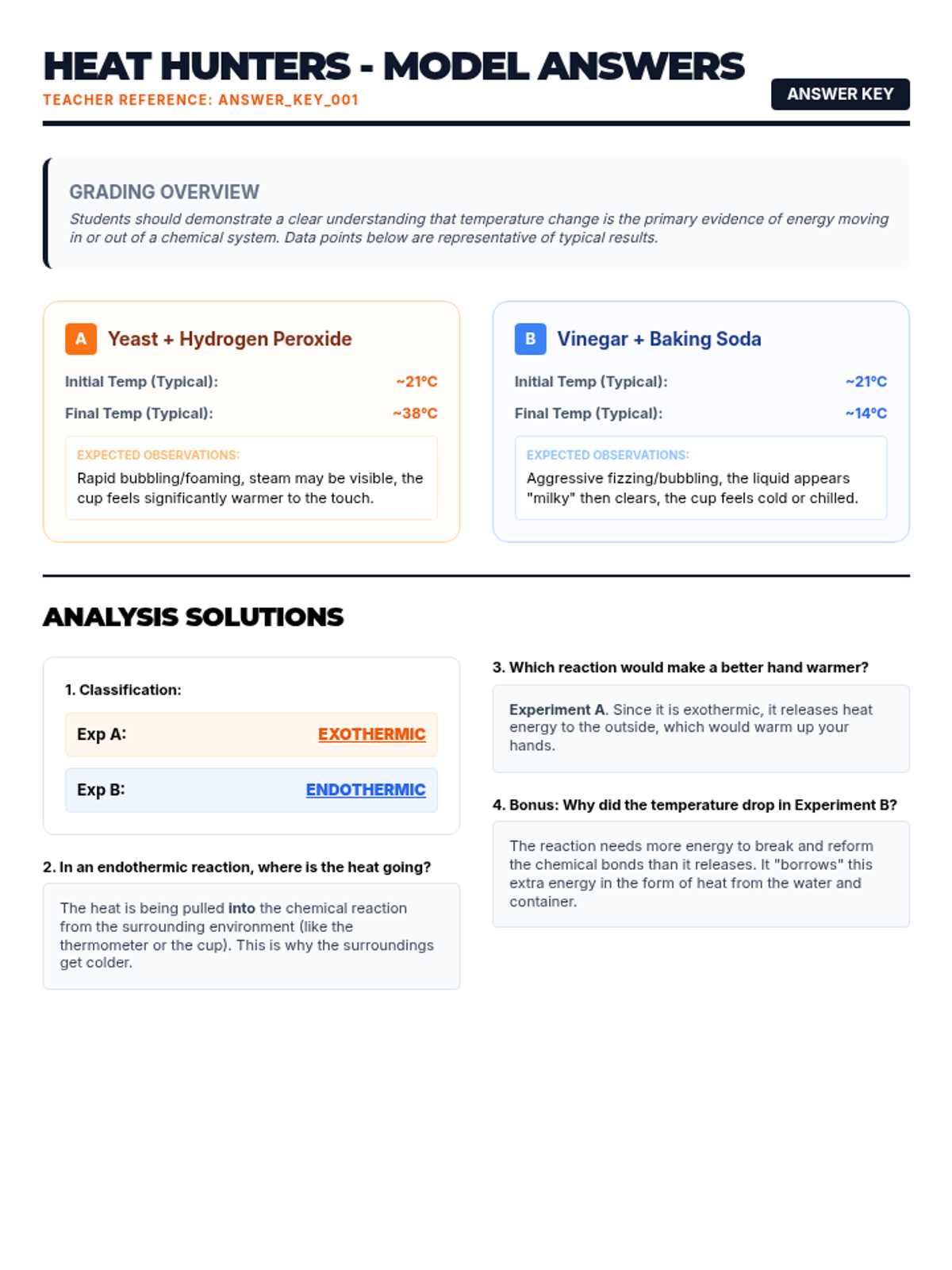
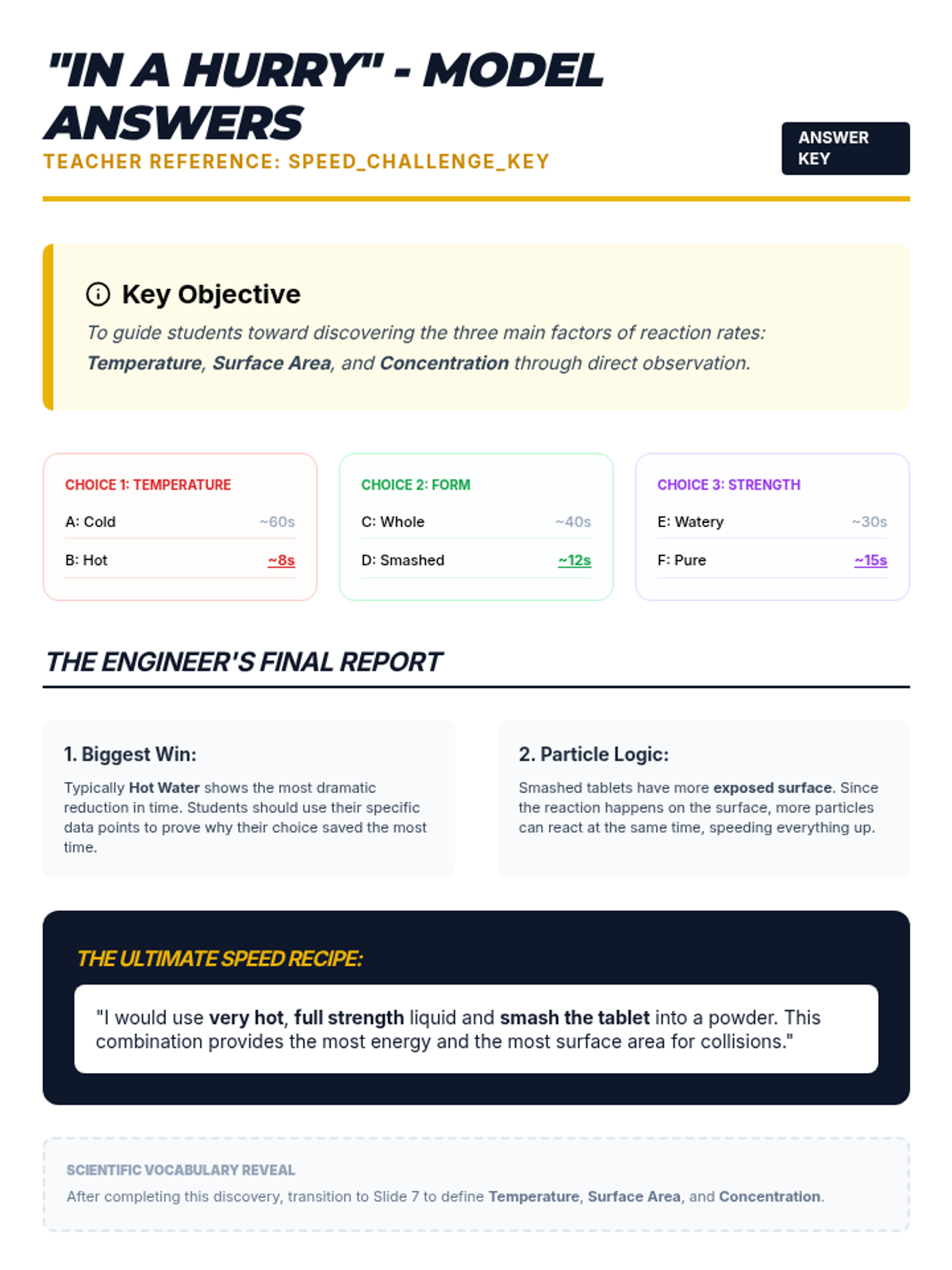
A hands-on Grade 7 science lesson exploring energy changes in chemical reactions and the variables that dictate the speed of those reactions. Students conduct experiments to distinguish between exothermic and endothermic processes and then test factors like temperature, surface area, and concentration.
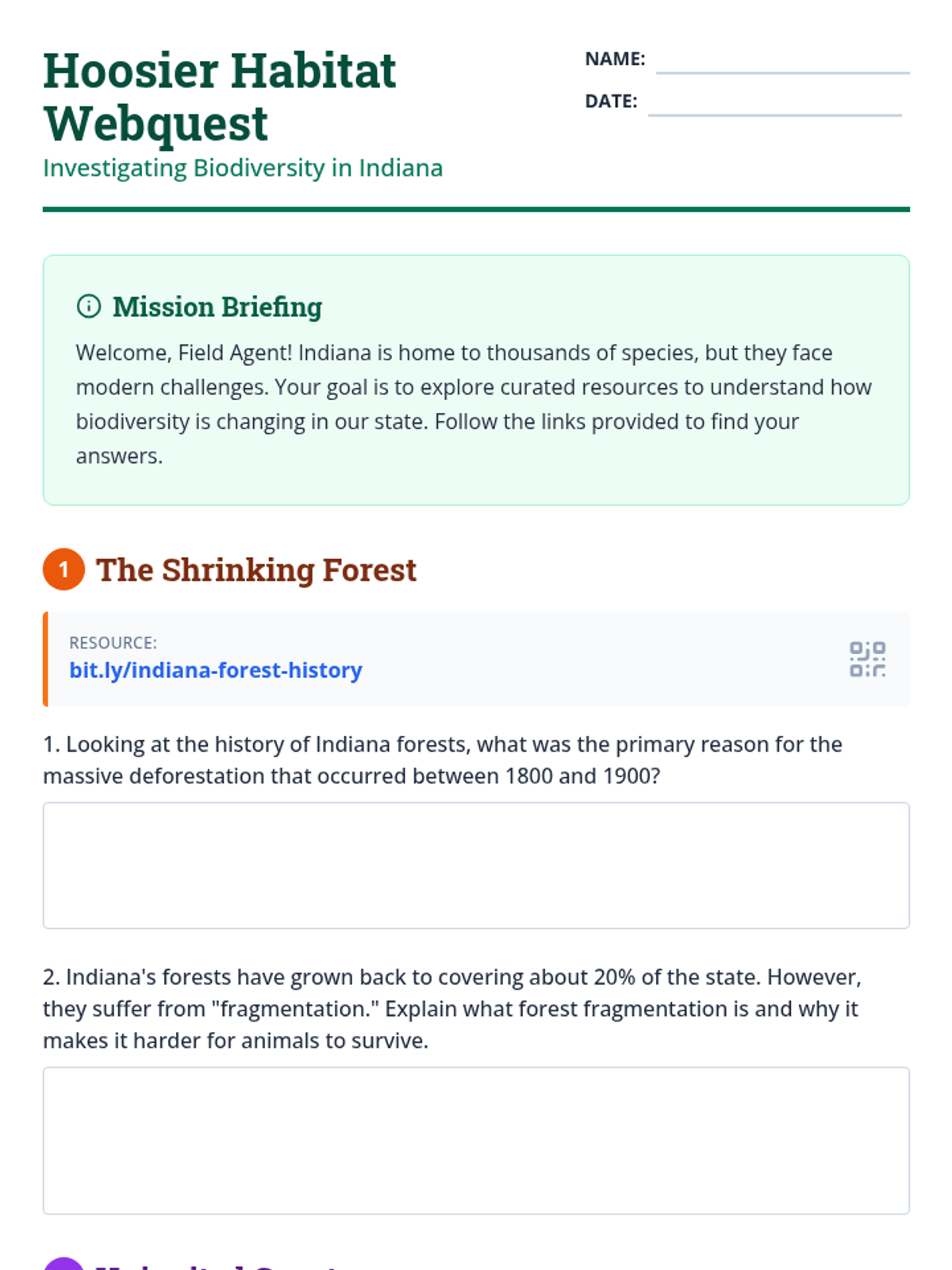
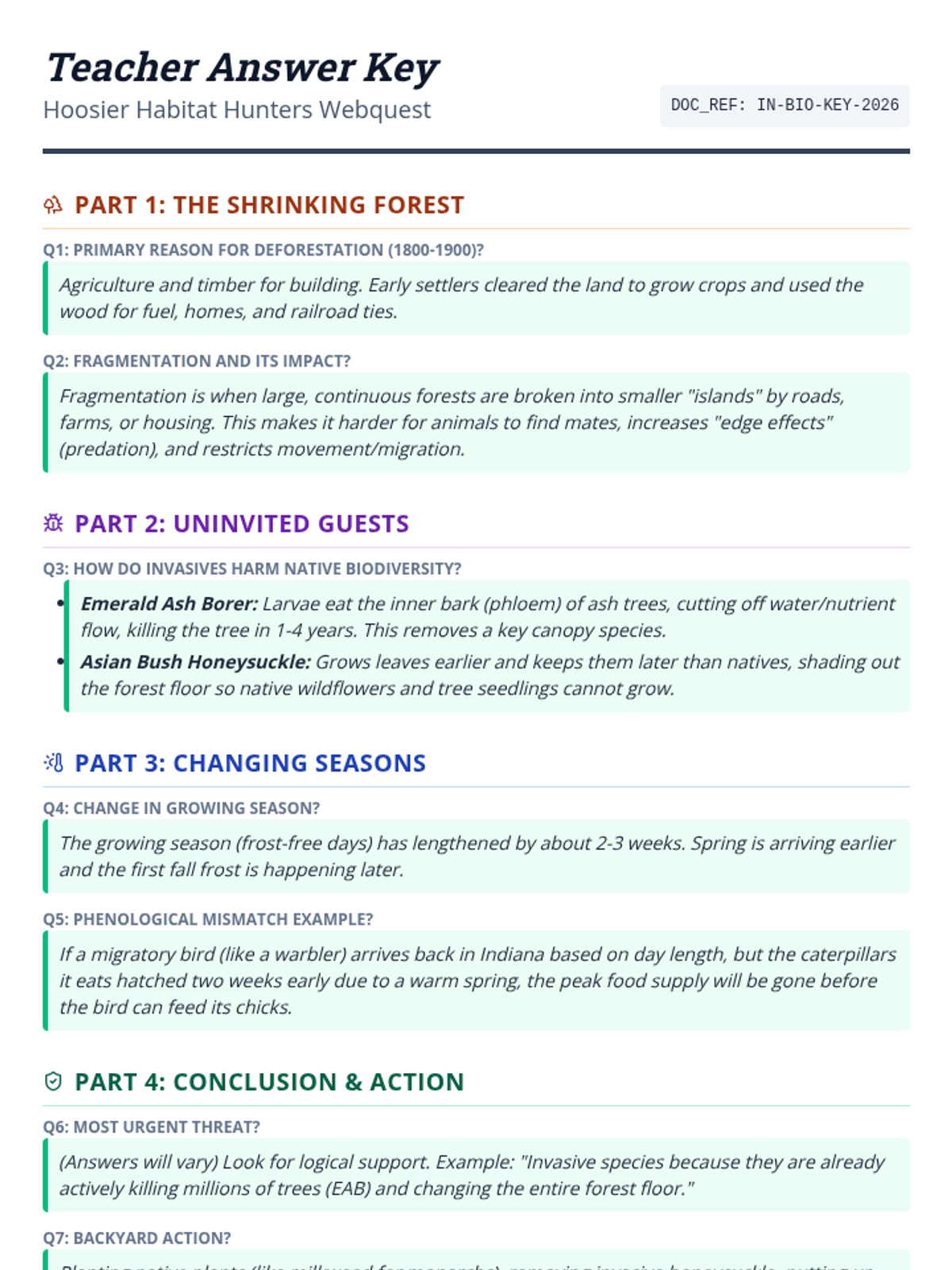
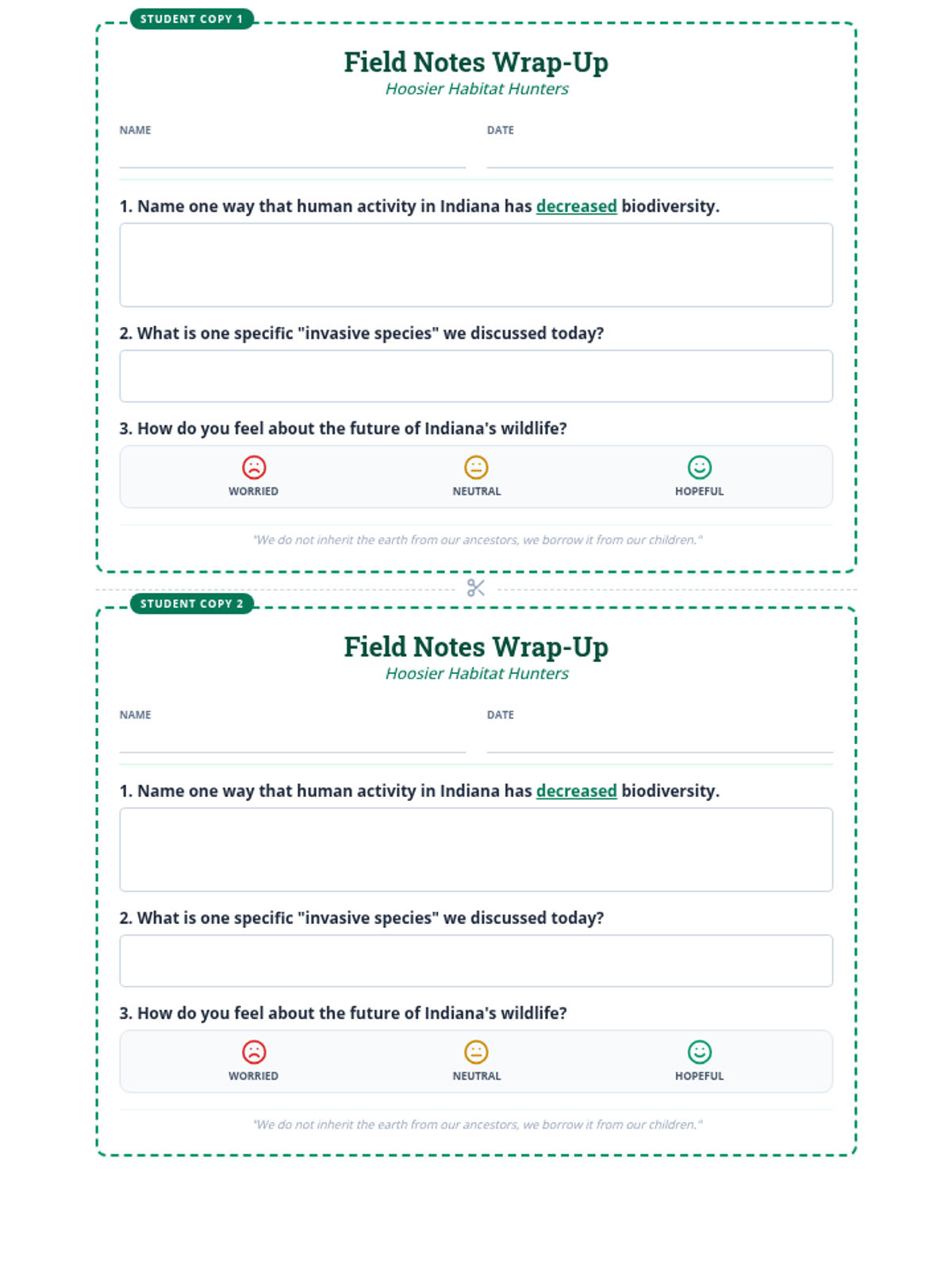
A 60-minute exploration of Indiana's unique biodiversity, focusing on the impacts of deforestation, climate change, and invasive species through a guided webquest.
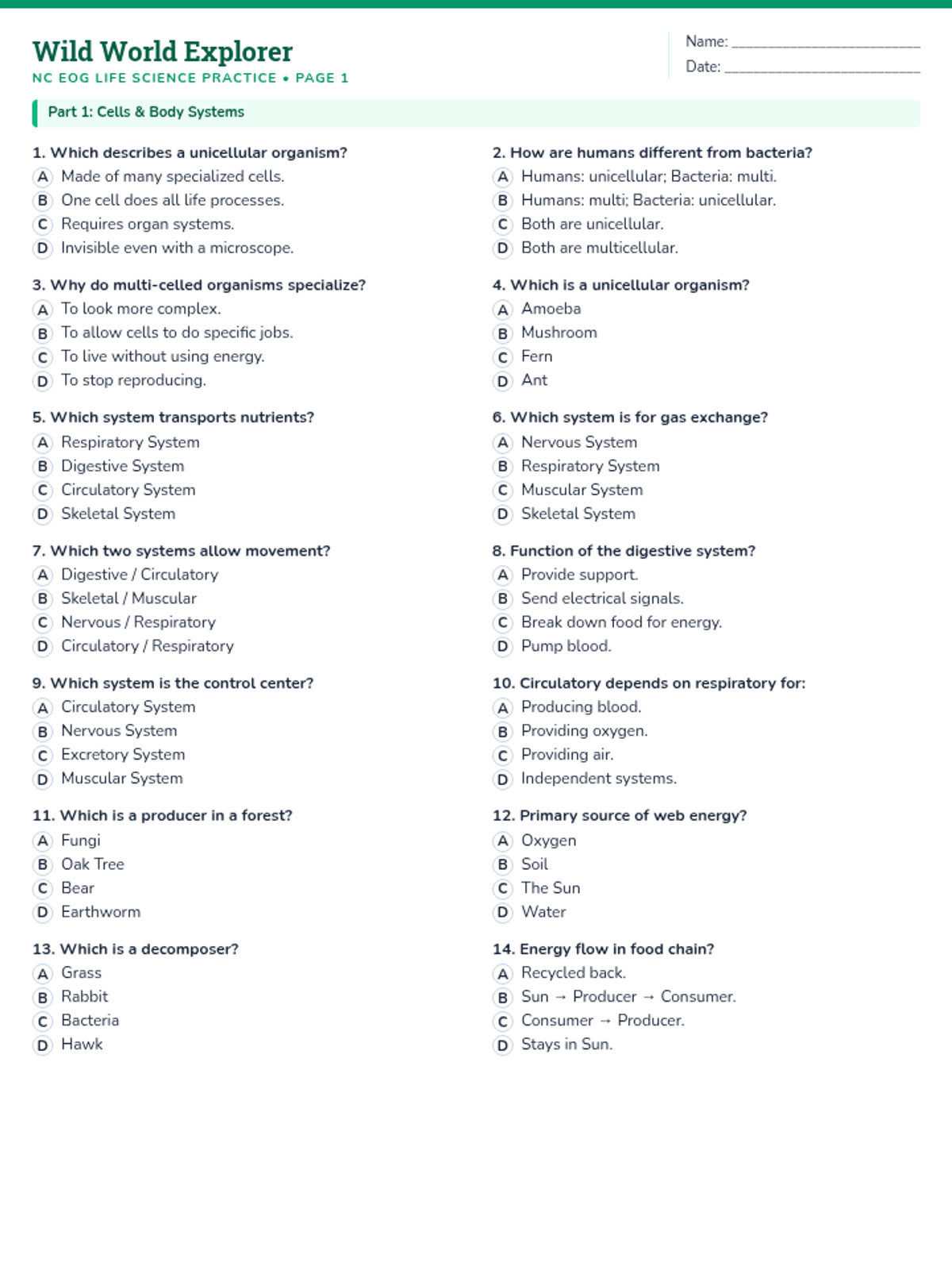
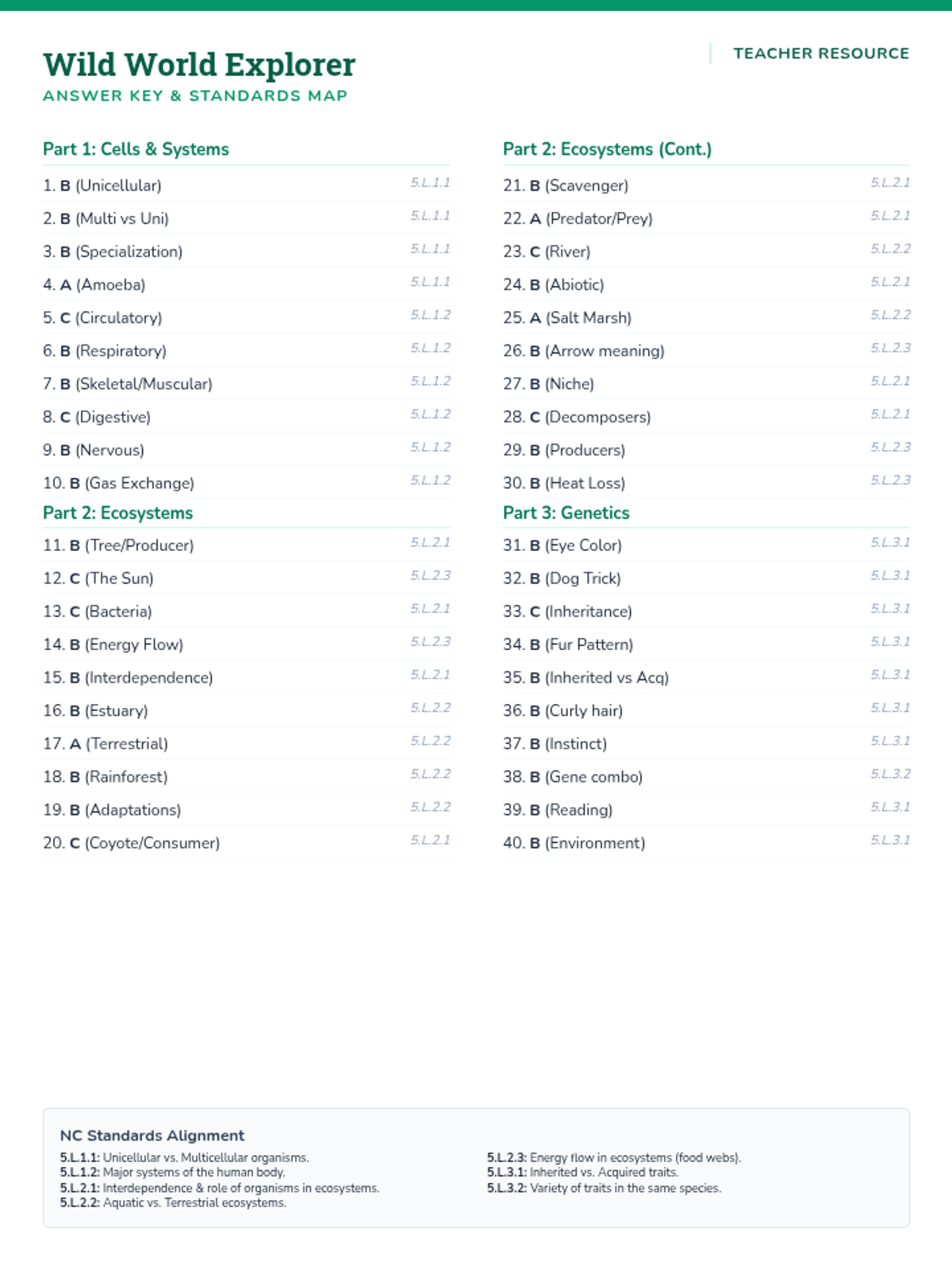
A comprehensive review of 5th Grade NC Life Science standards, covering unicellular/multicellular organisms, human body systems, ecosystems, and genetics.
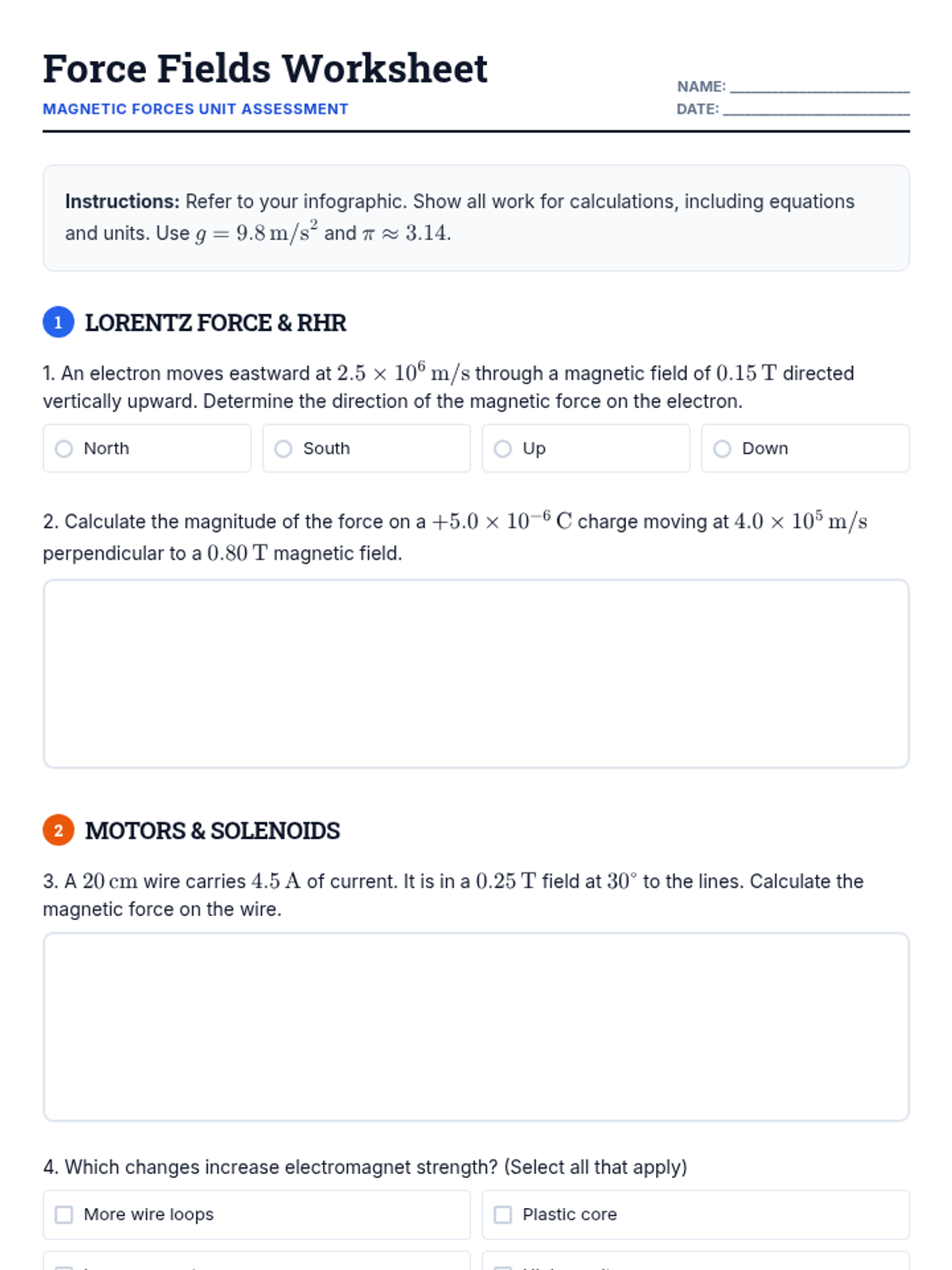
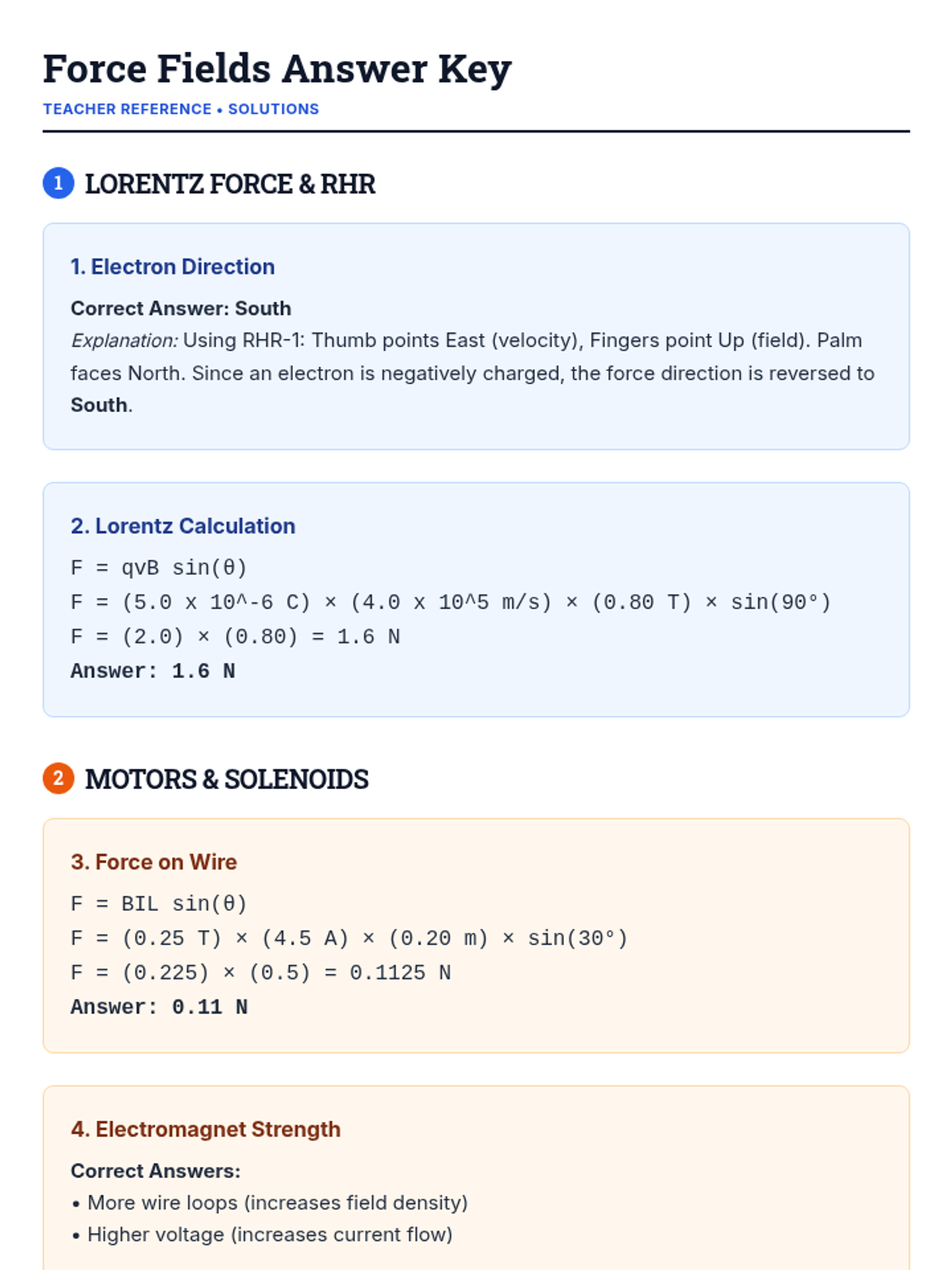
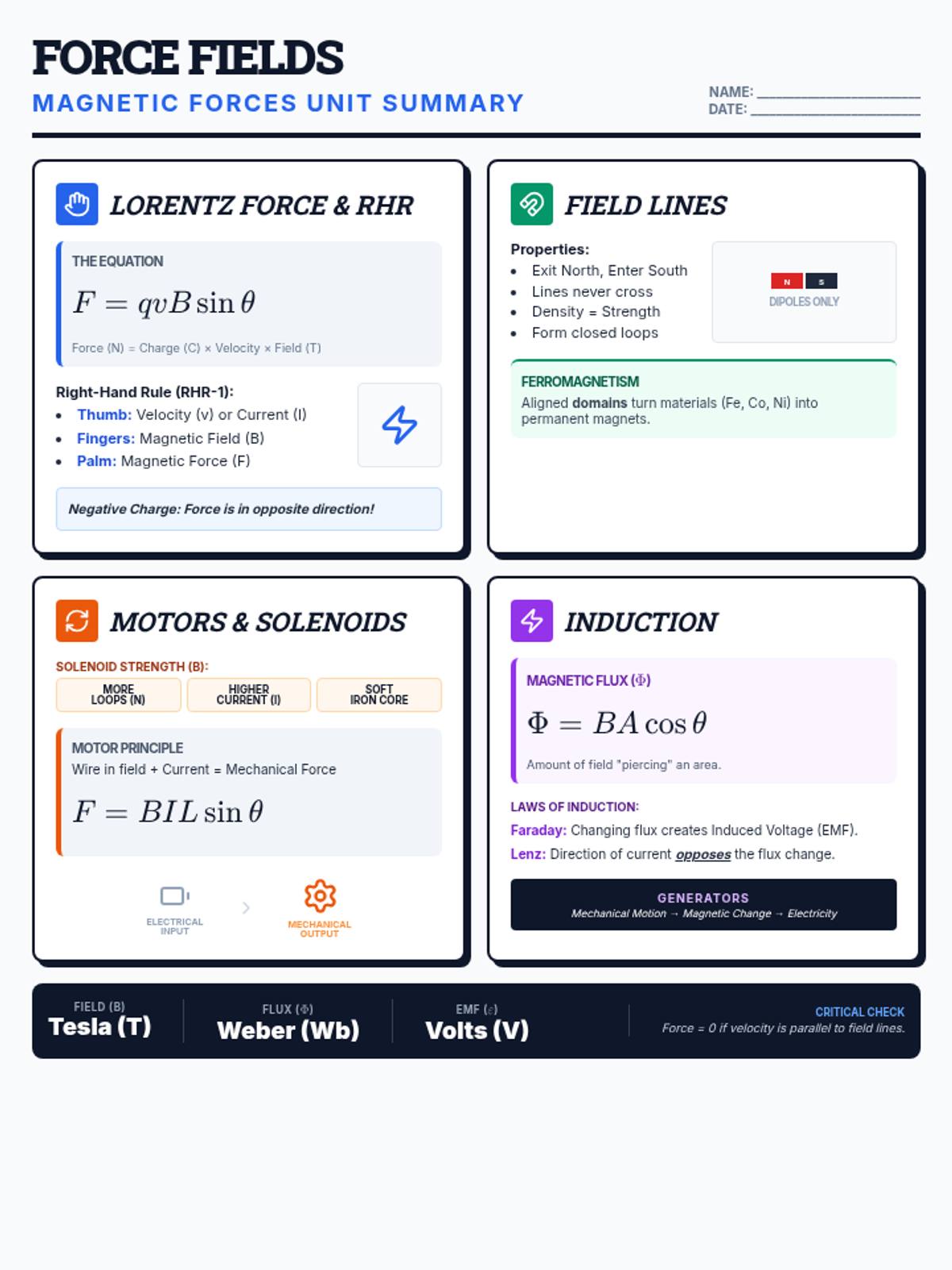
A comprehensive lesson on magnetic forces, including a high-impact infographic summary and a practice worksheet covering Lorentz force, motors, and electromagnetic induction.
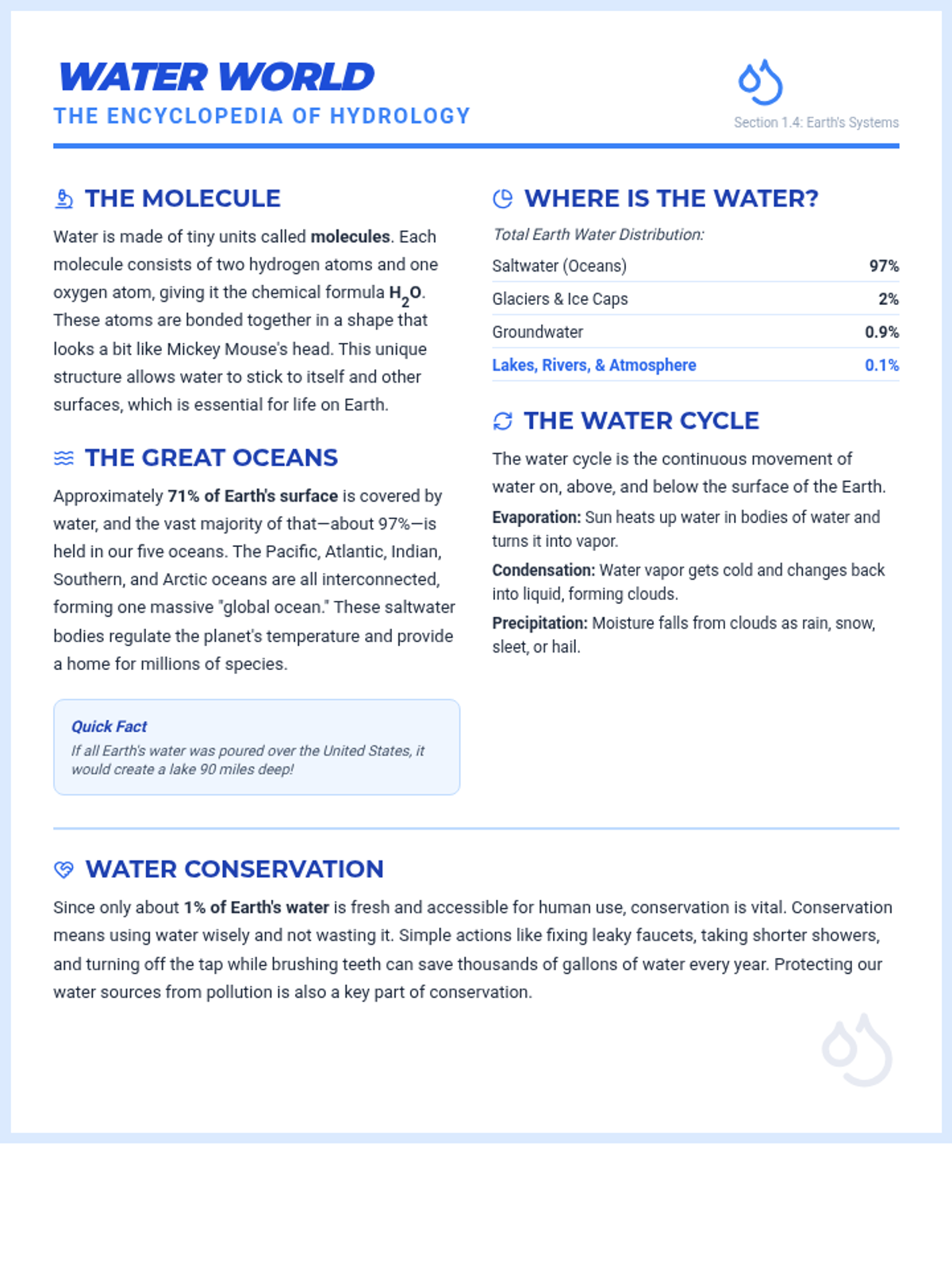
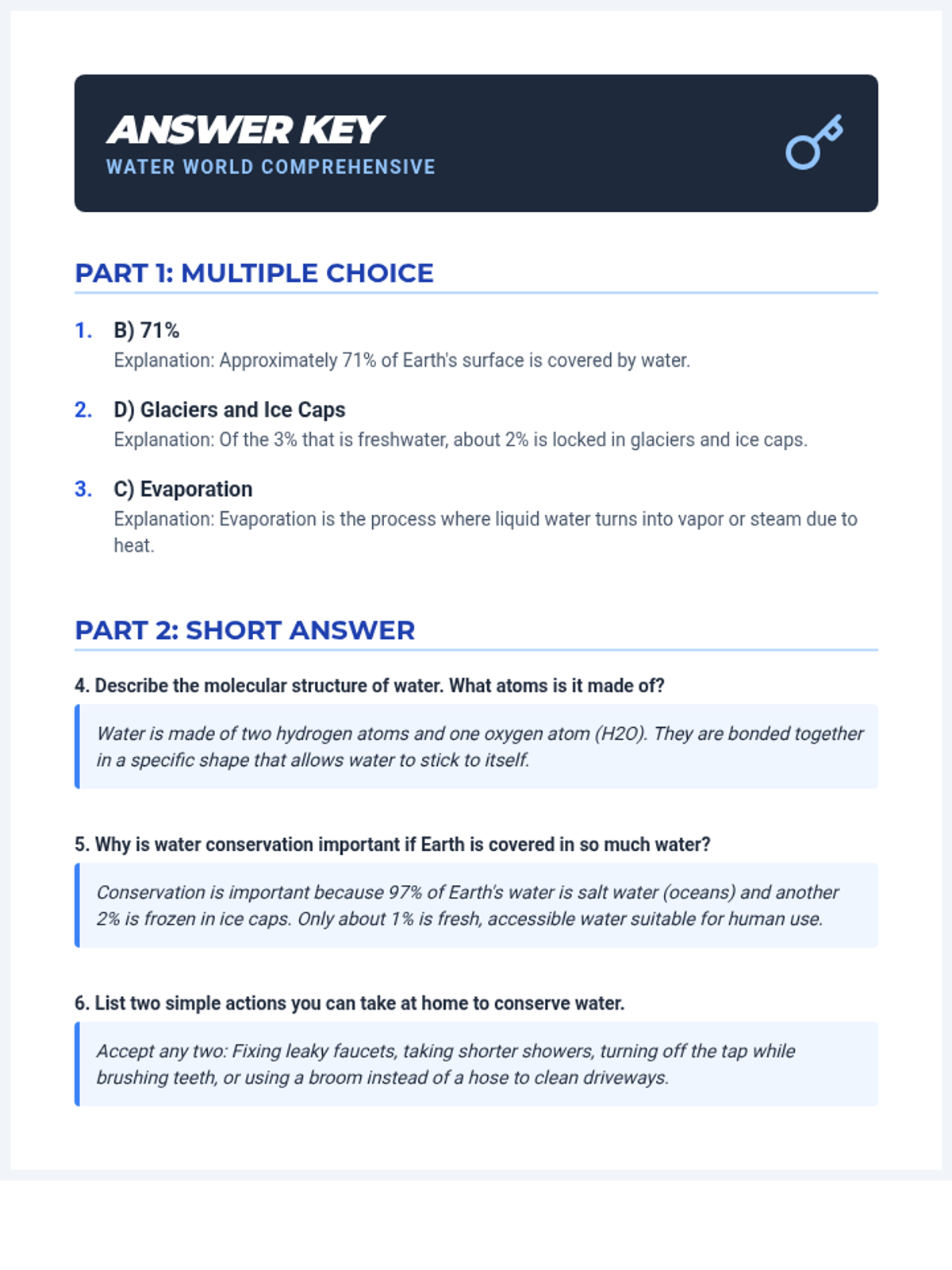
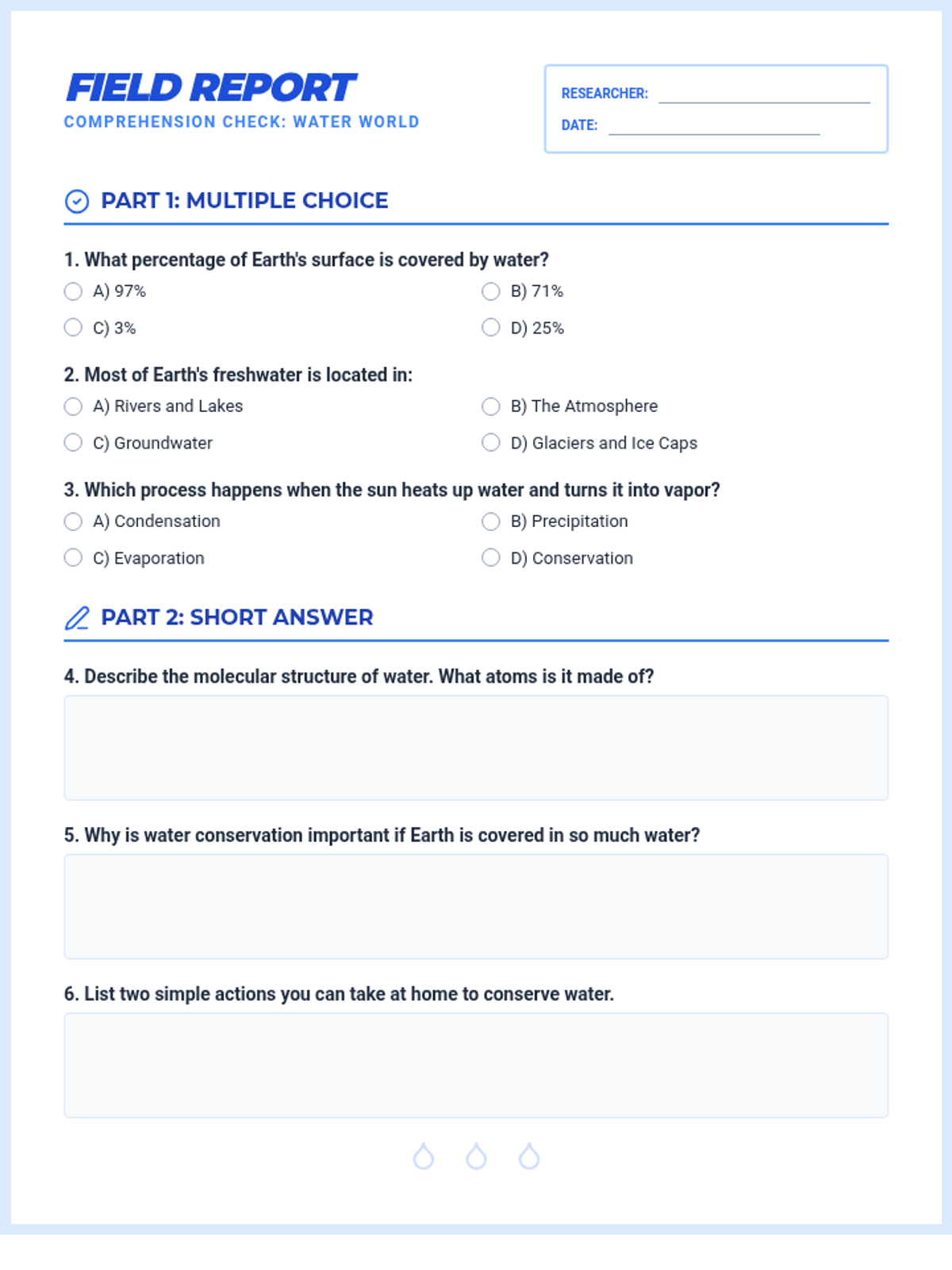
An introductory lesson on hydrology covering water distribution, the water cycle, molecular structure, and conservation efforts through a reading passage and comprehension activity.
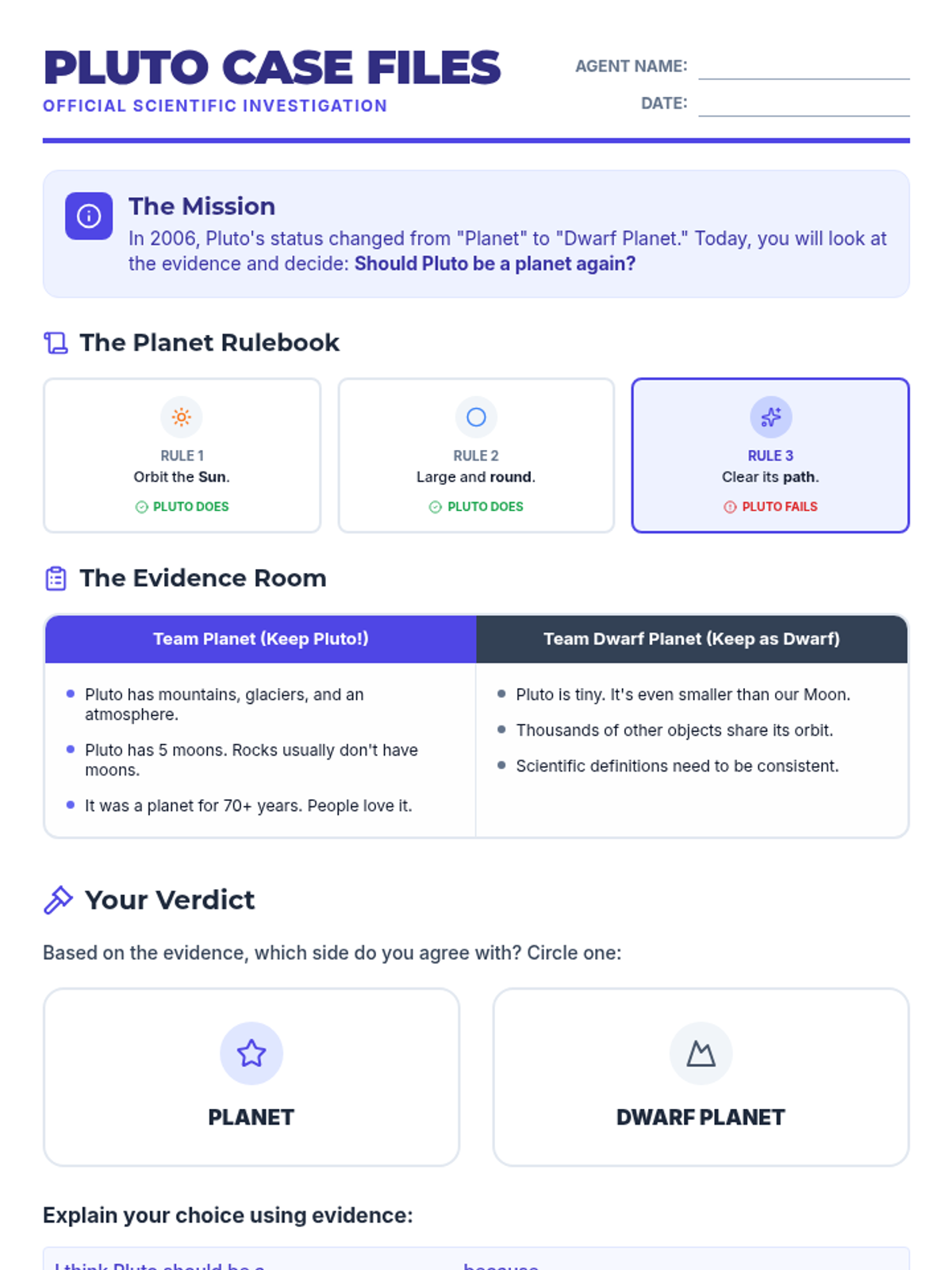
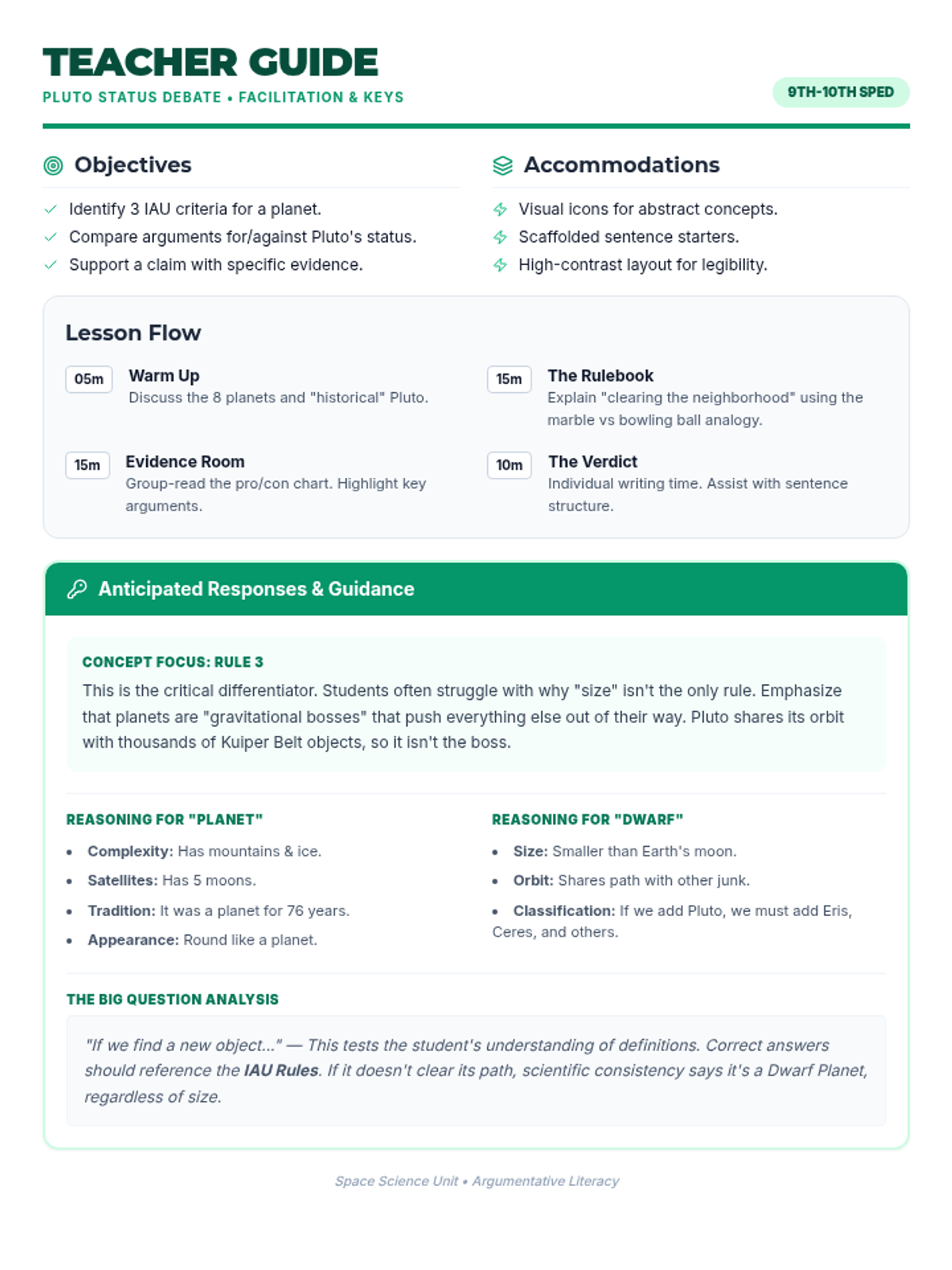
A lesson focused on the scientific debate surrounding Pluto's planetary status, designed with scaffolding for high school special education students.
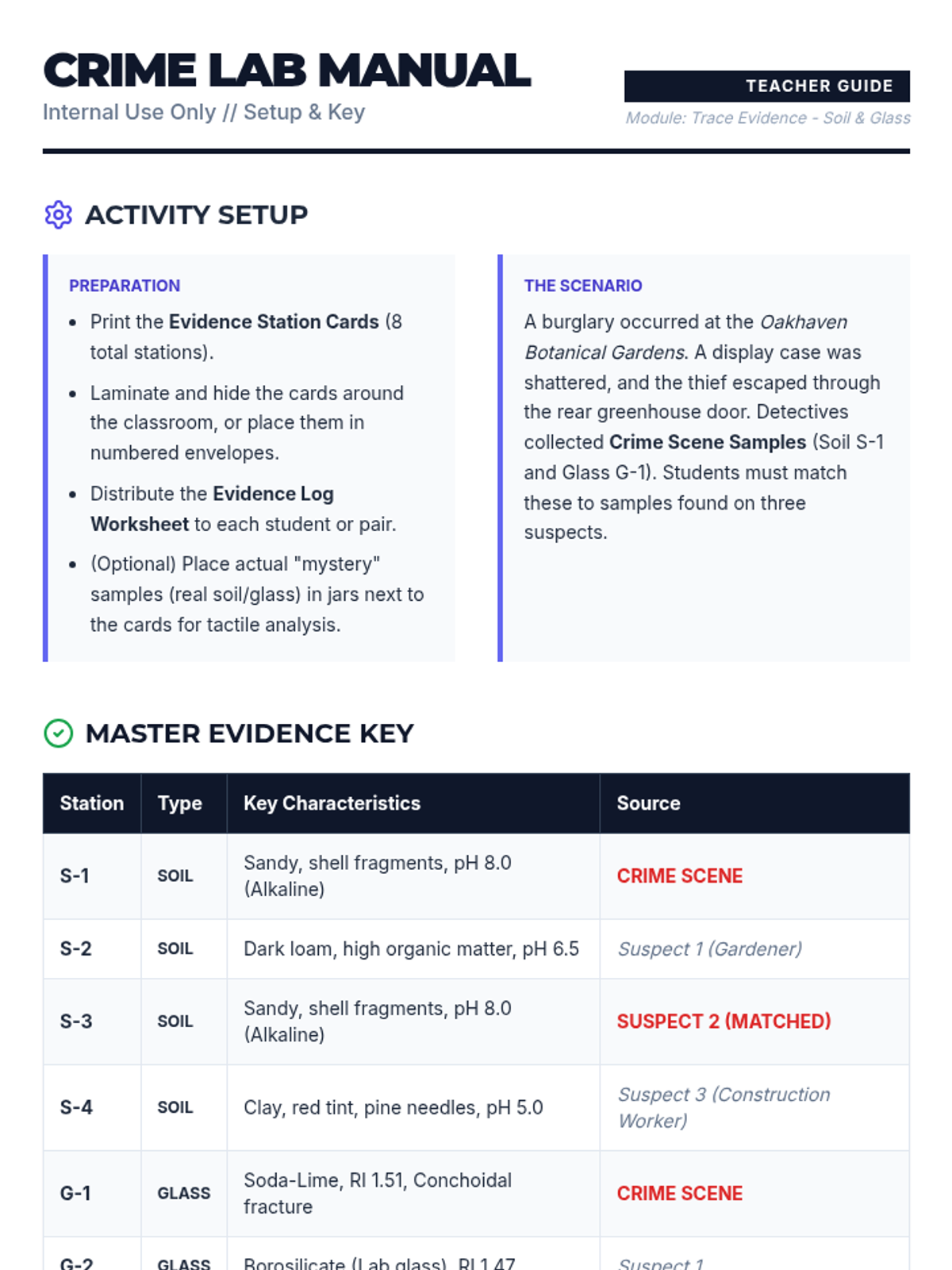
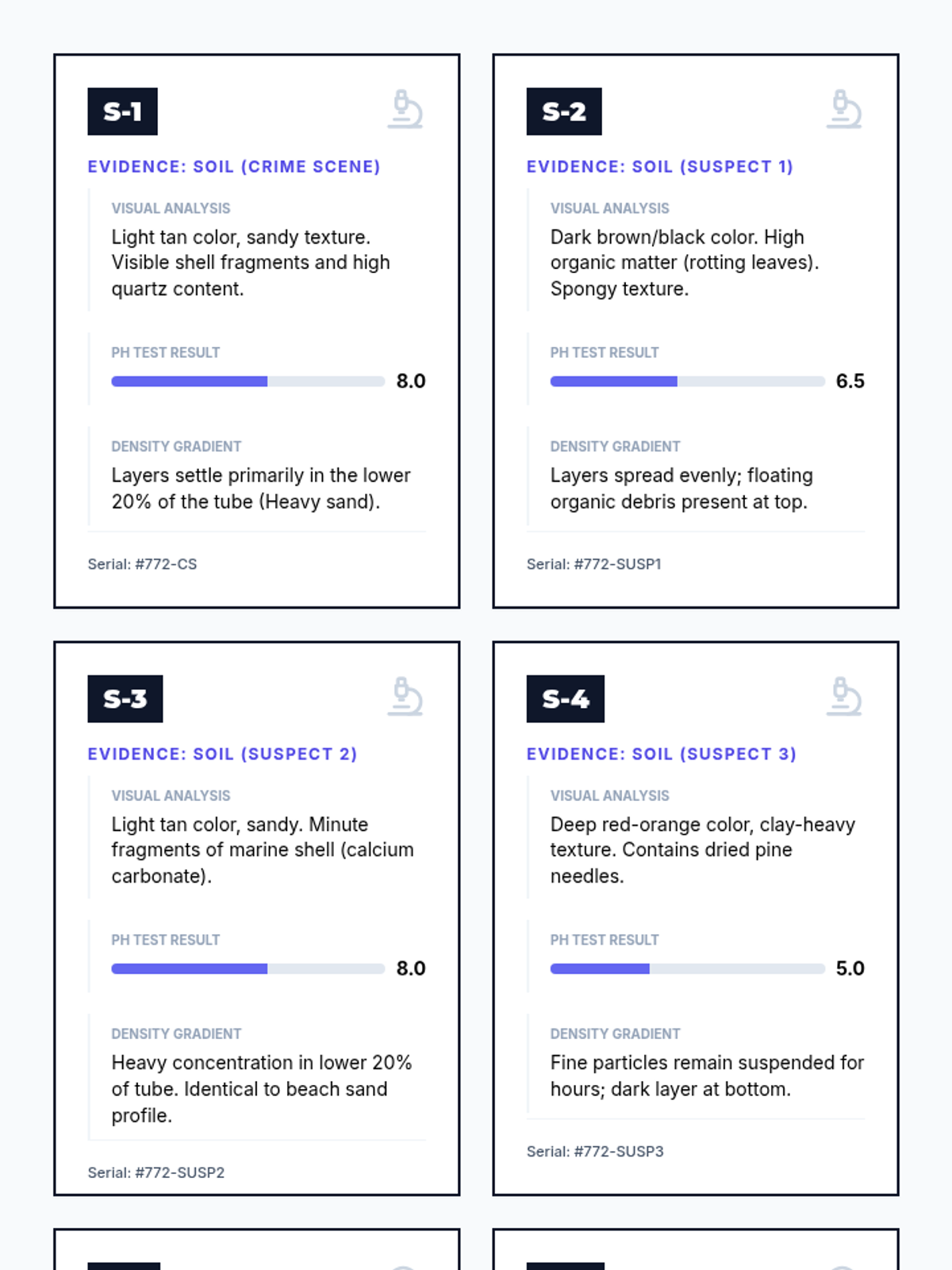
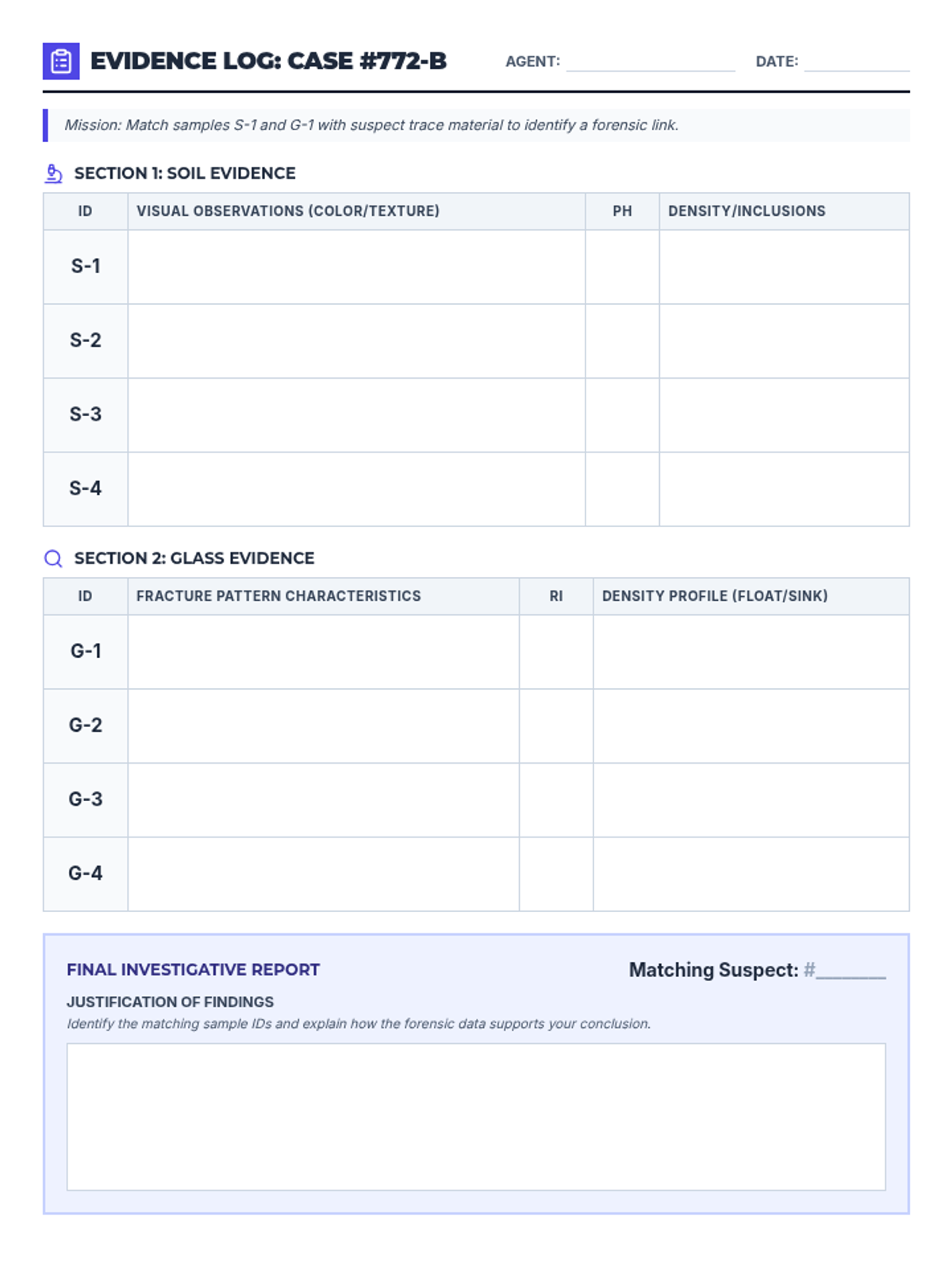
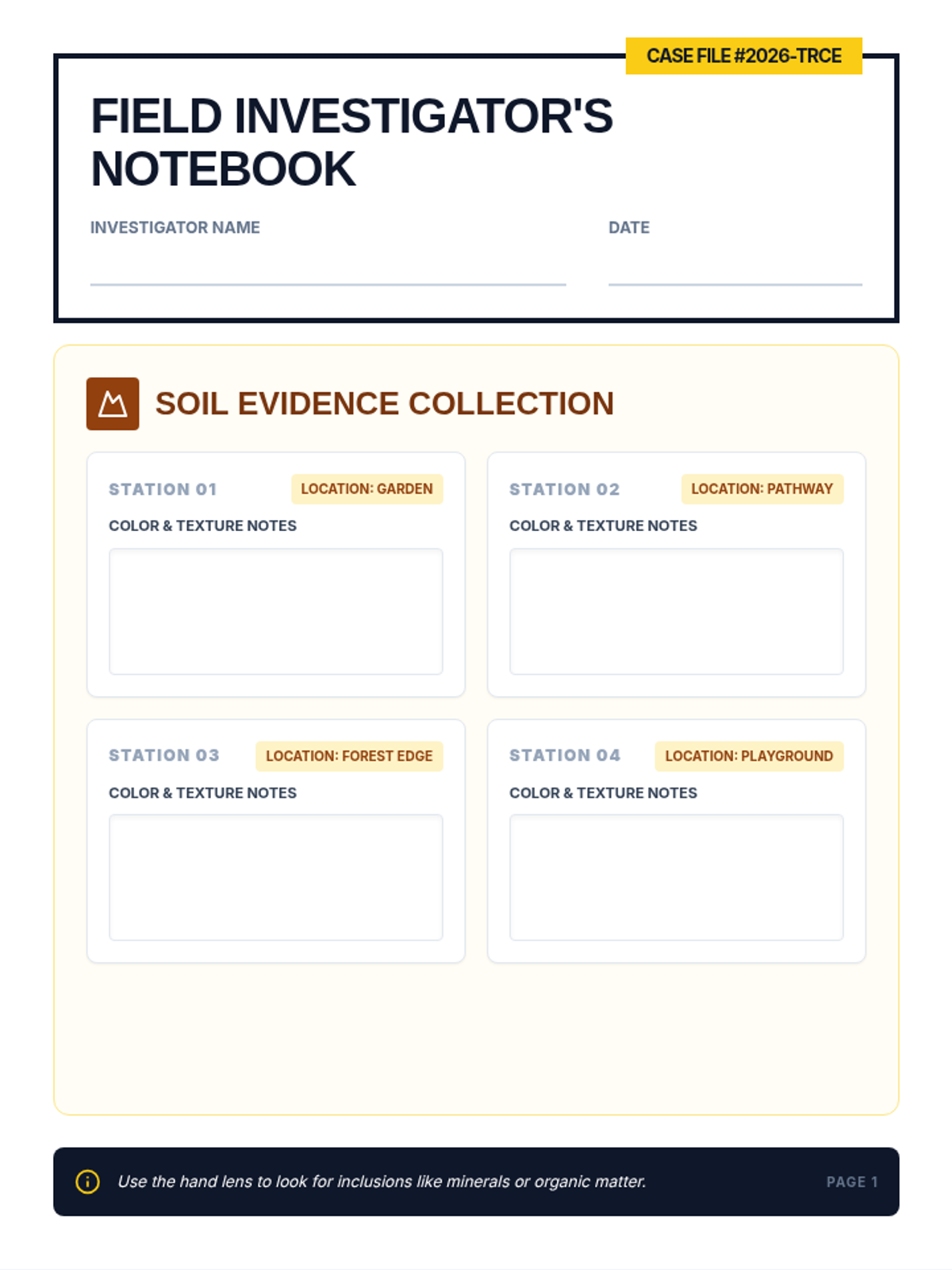
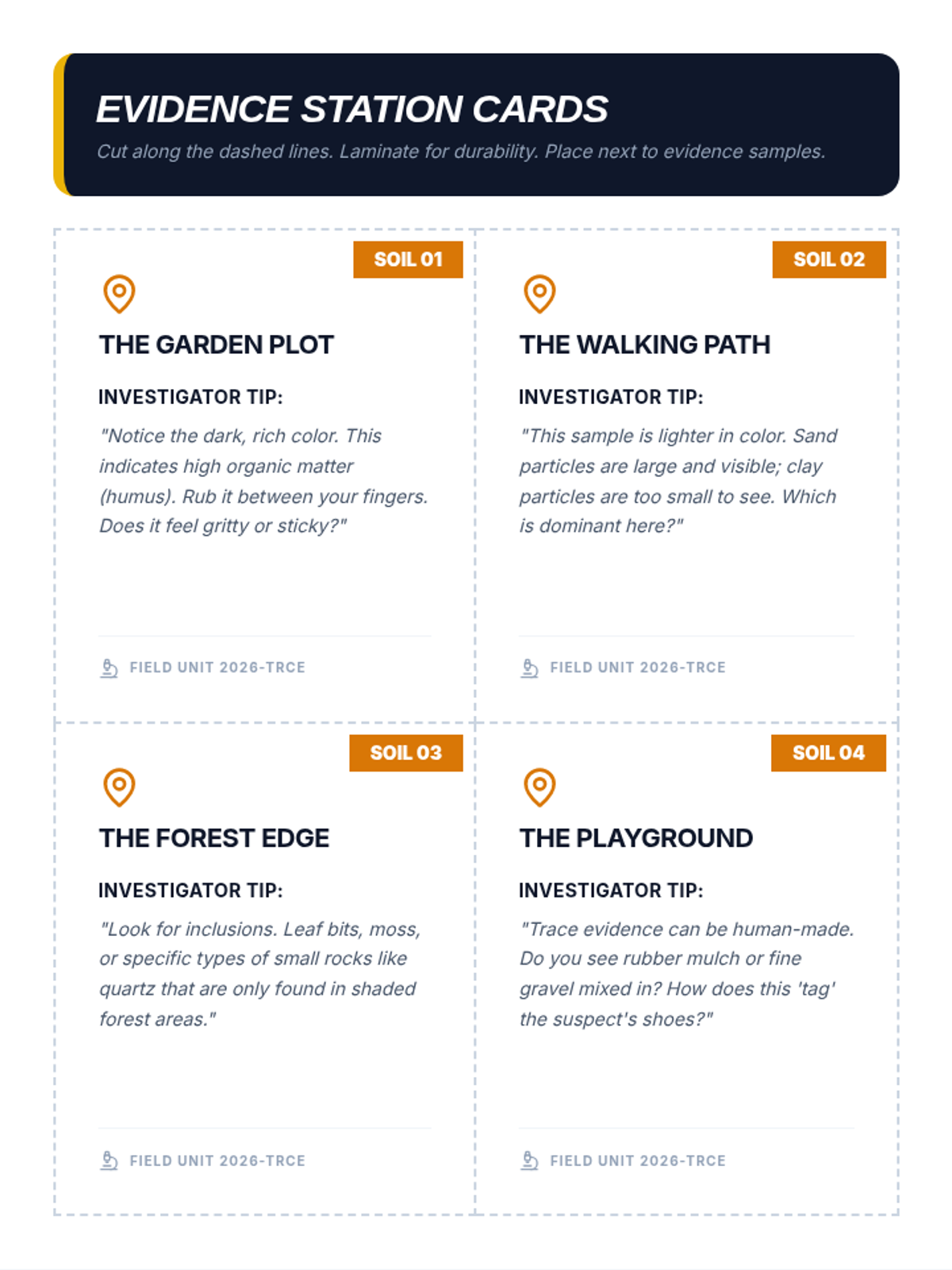
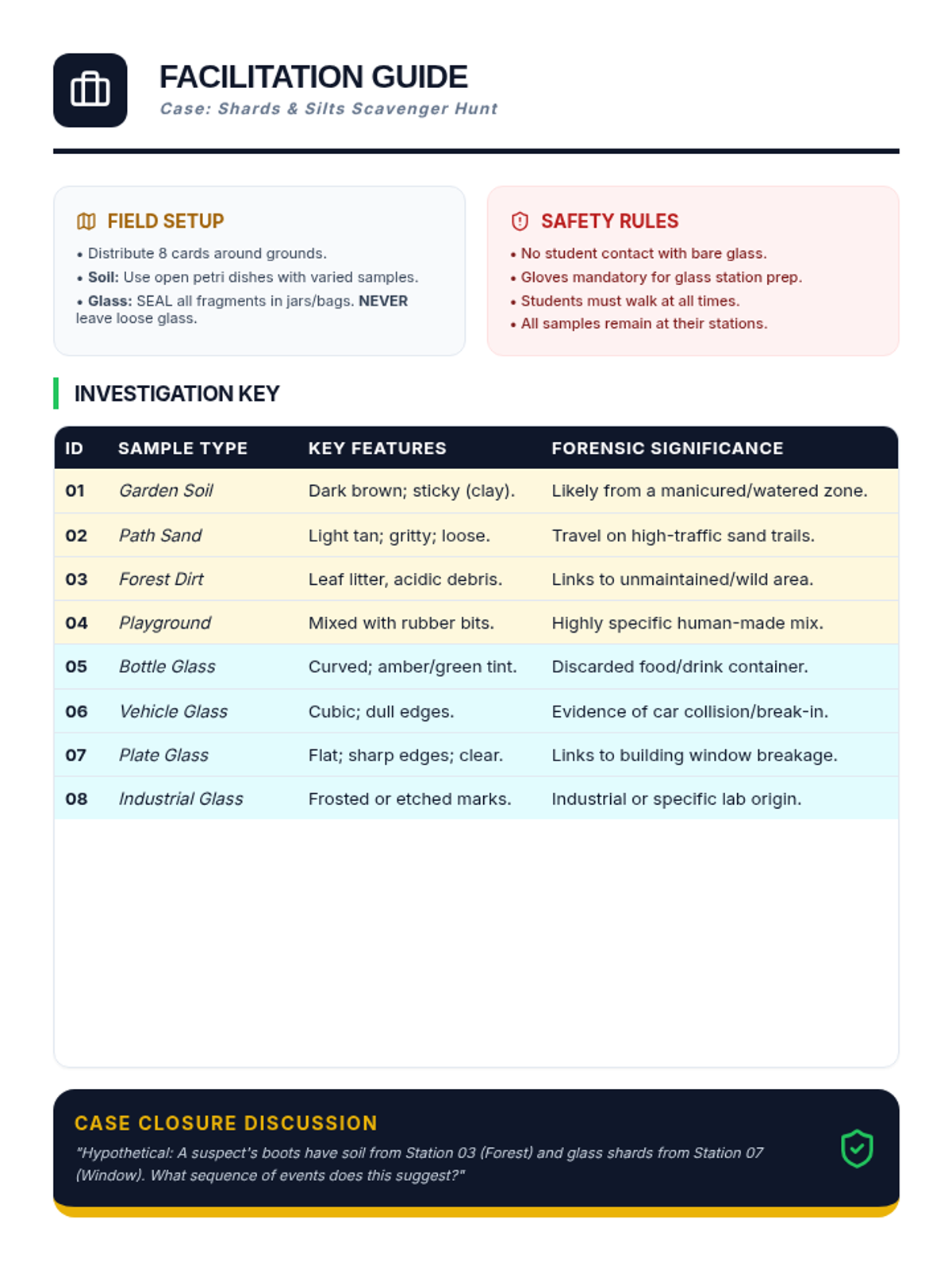
A hands-on indoor scavenger hunt where students analyze soil and glass evidence to solve a forensic mystery. Students identify unique characteristics like pH, texture, refractive index, and fracture patterns.
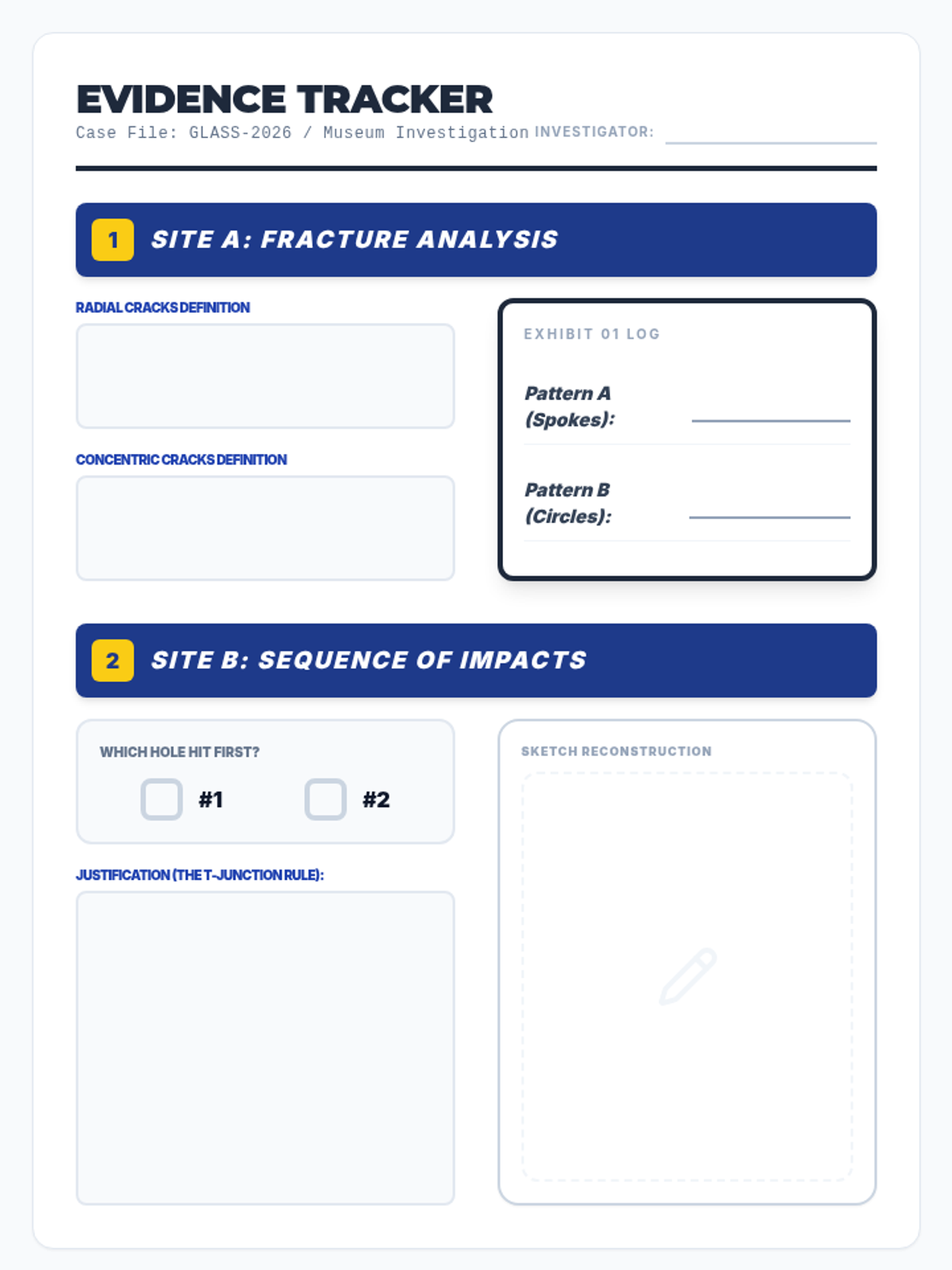
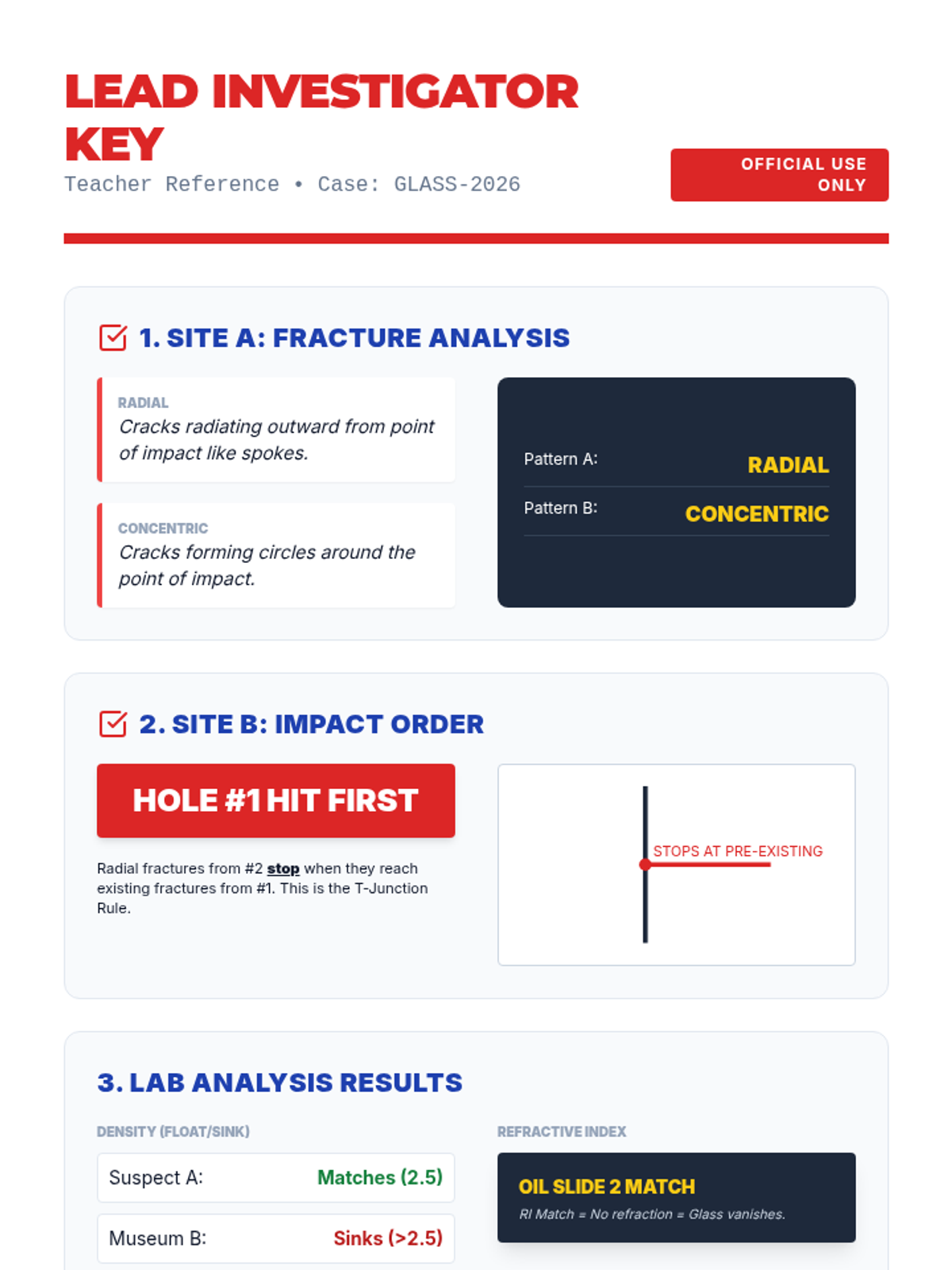
An engaging, image-based digital scavenger hunt where students solve a forensic mystery using glass evidence concepts like fracture patterns, density, and refractive index.
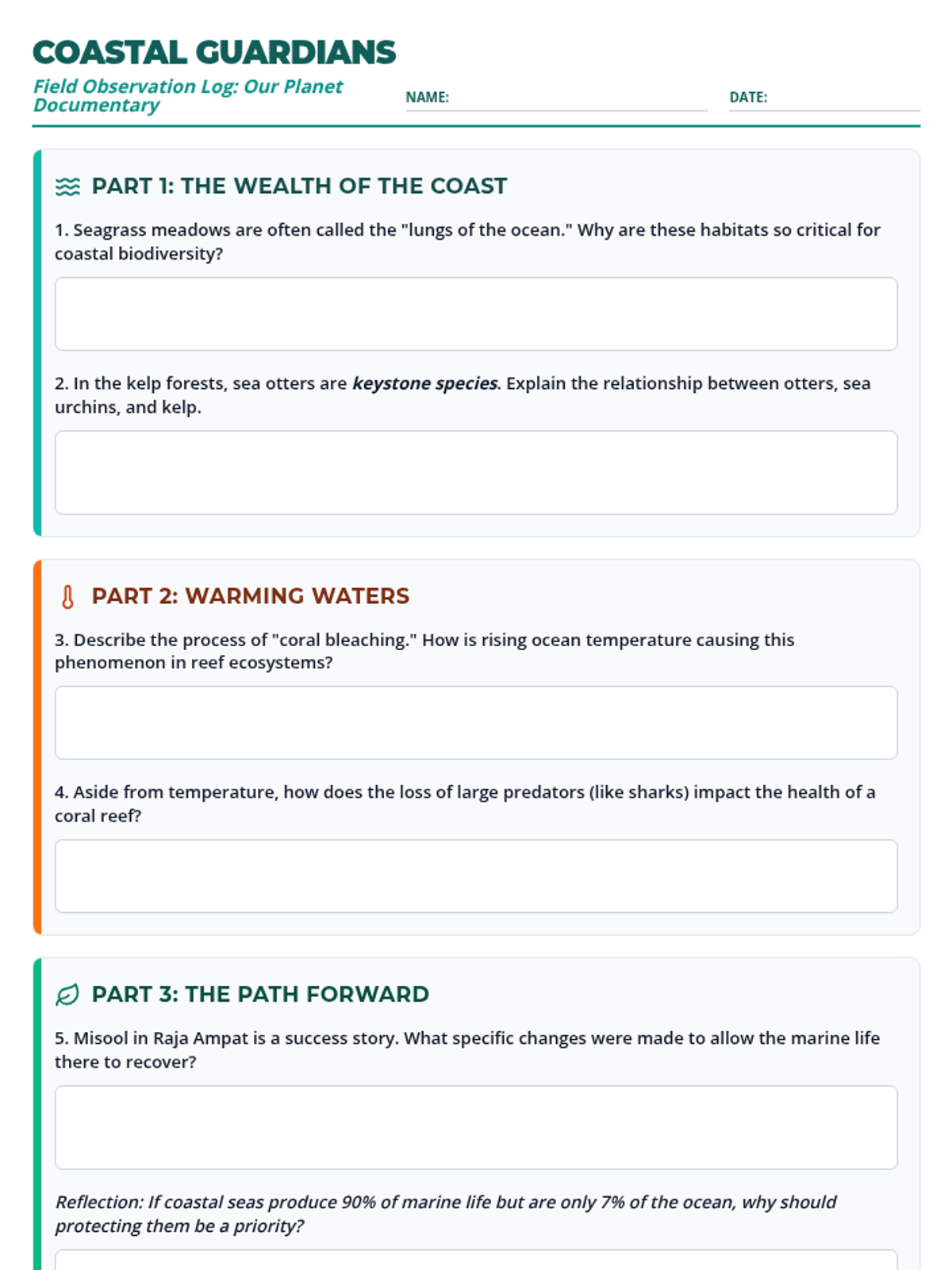
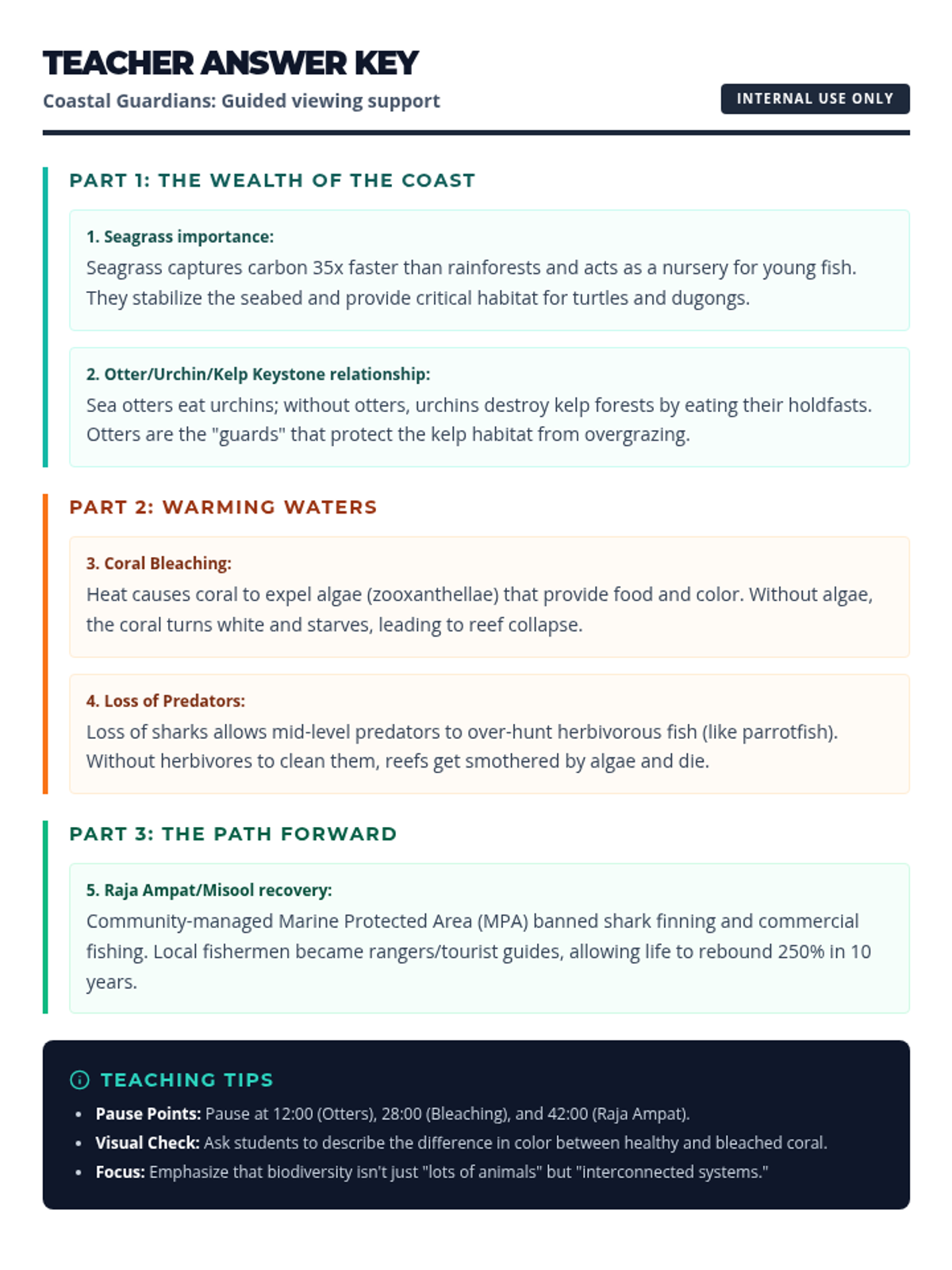
A lesson exploring the delicate balance of coastal ecosystems, focusing on how biodiversity sustains life and how climate change threatens these vital habitats based on the Our Planet documentary.
A lesson covering the properties of soil and glass as forensic evidence, culminating in an outdoor scavenger hunt where students collect and identify samples.
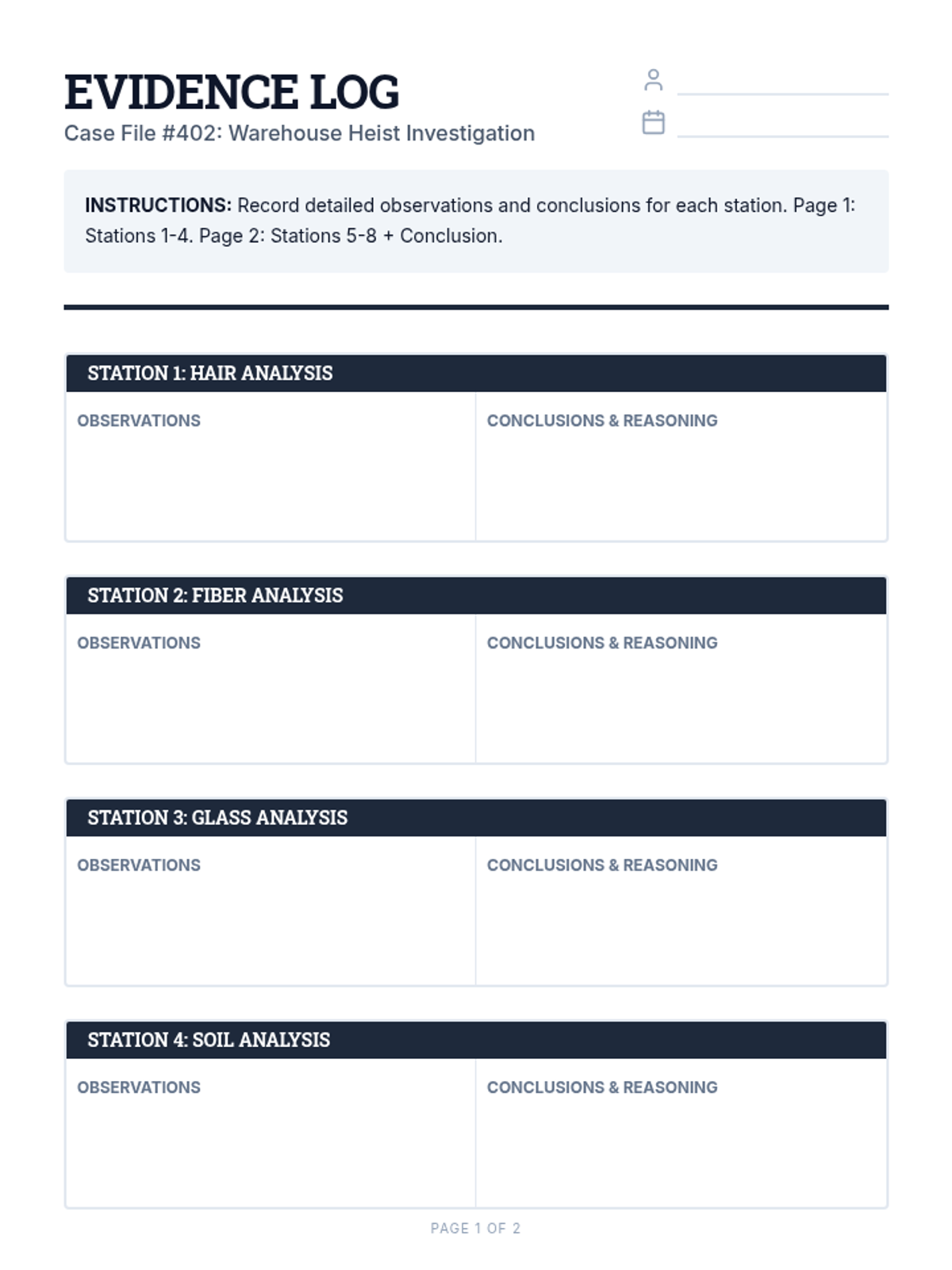
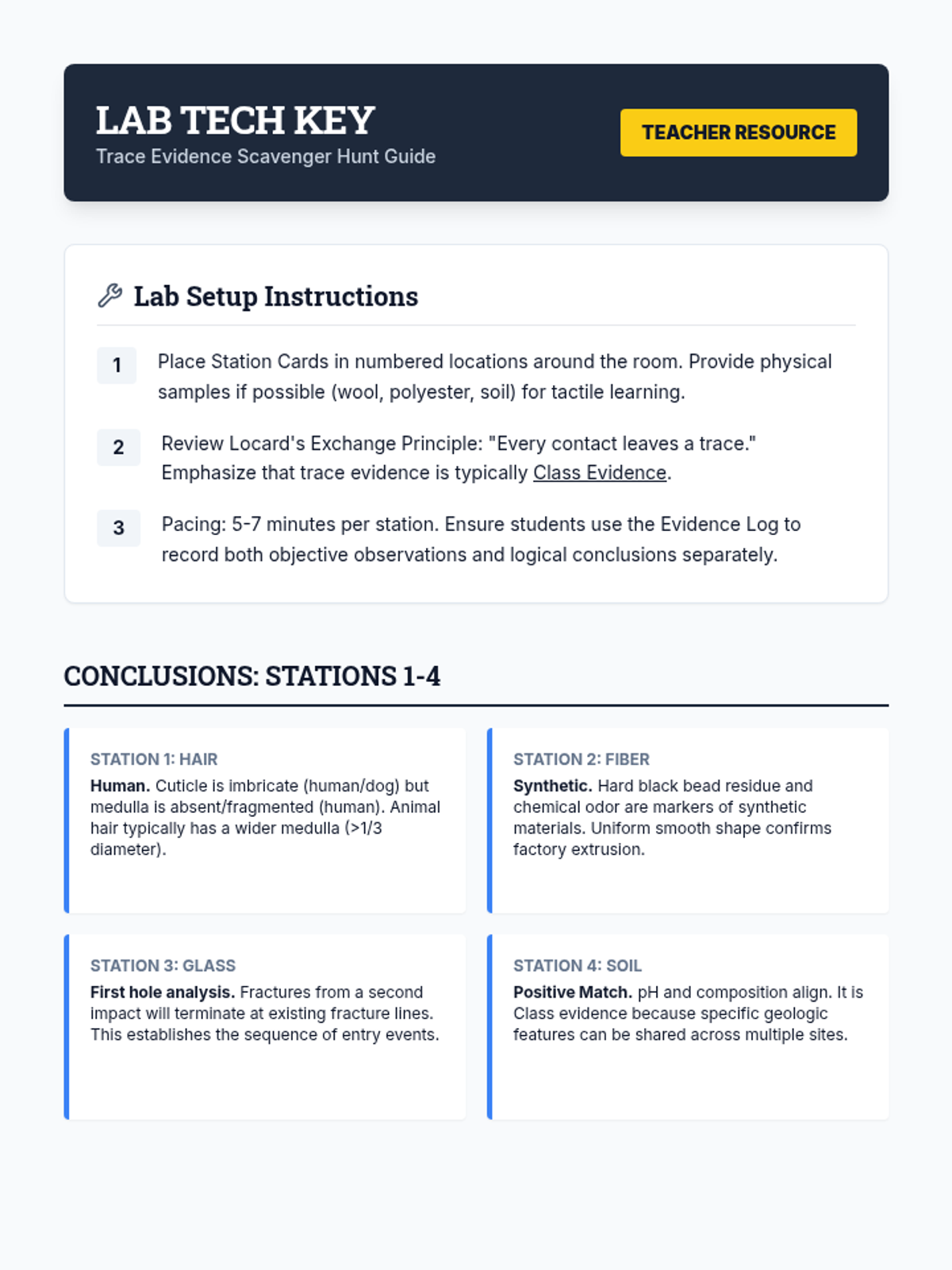
A hands-on forensic science lesson where students rotate through stations to analyze various types of trace evidence (hair, fiber, glass, soil, etc.) to solve a warehouse heist.
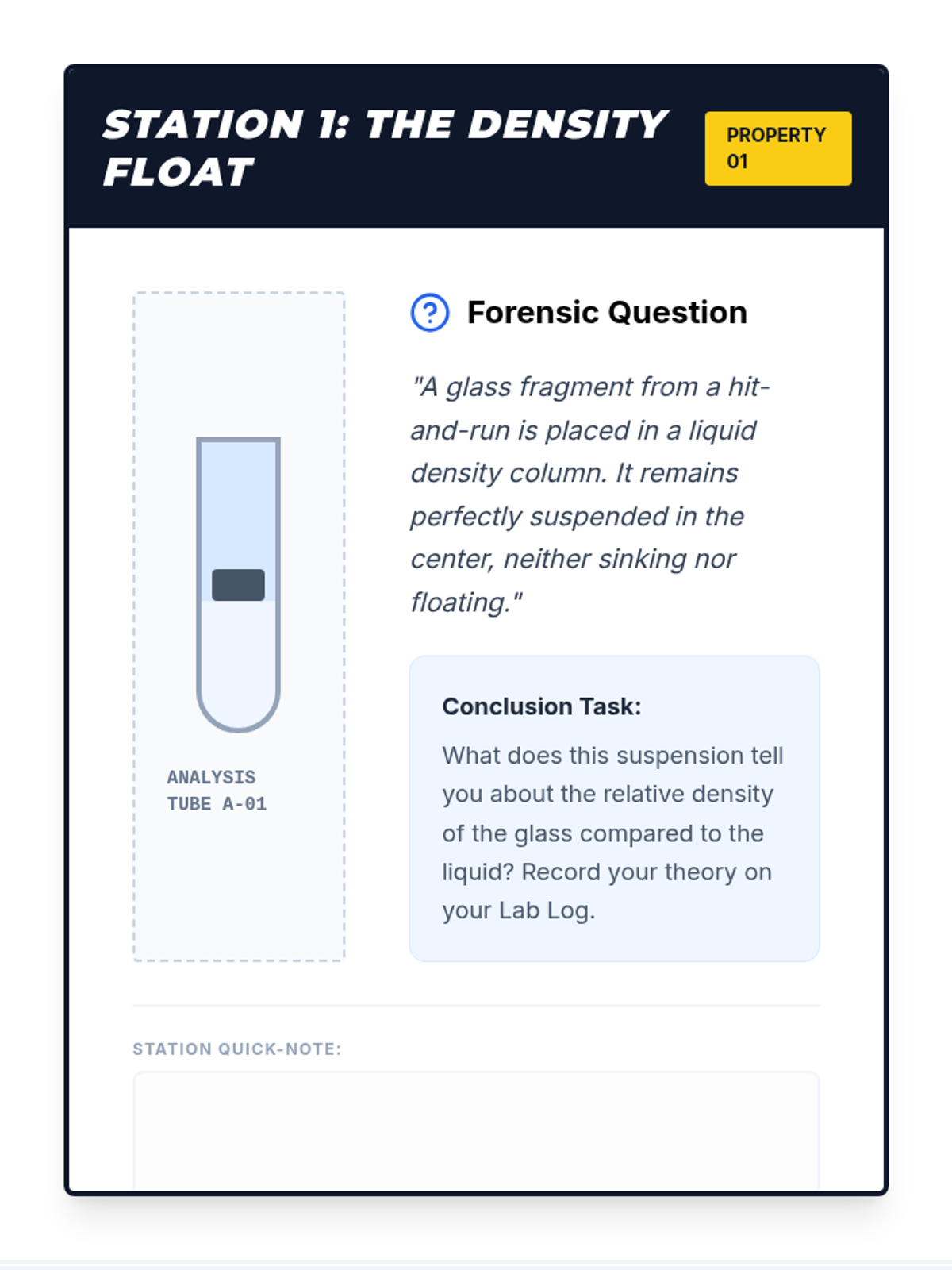
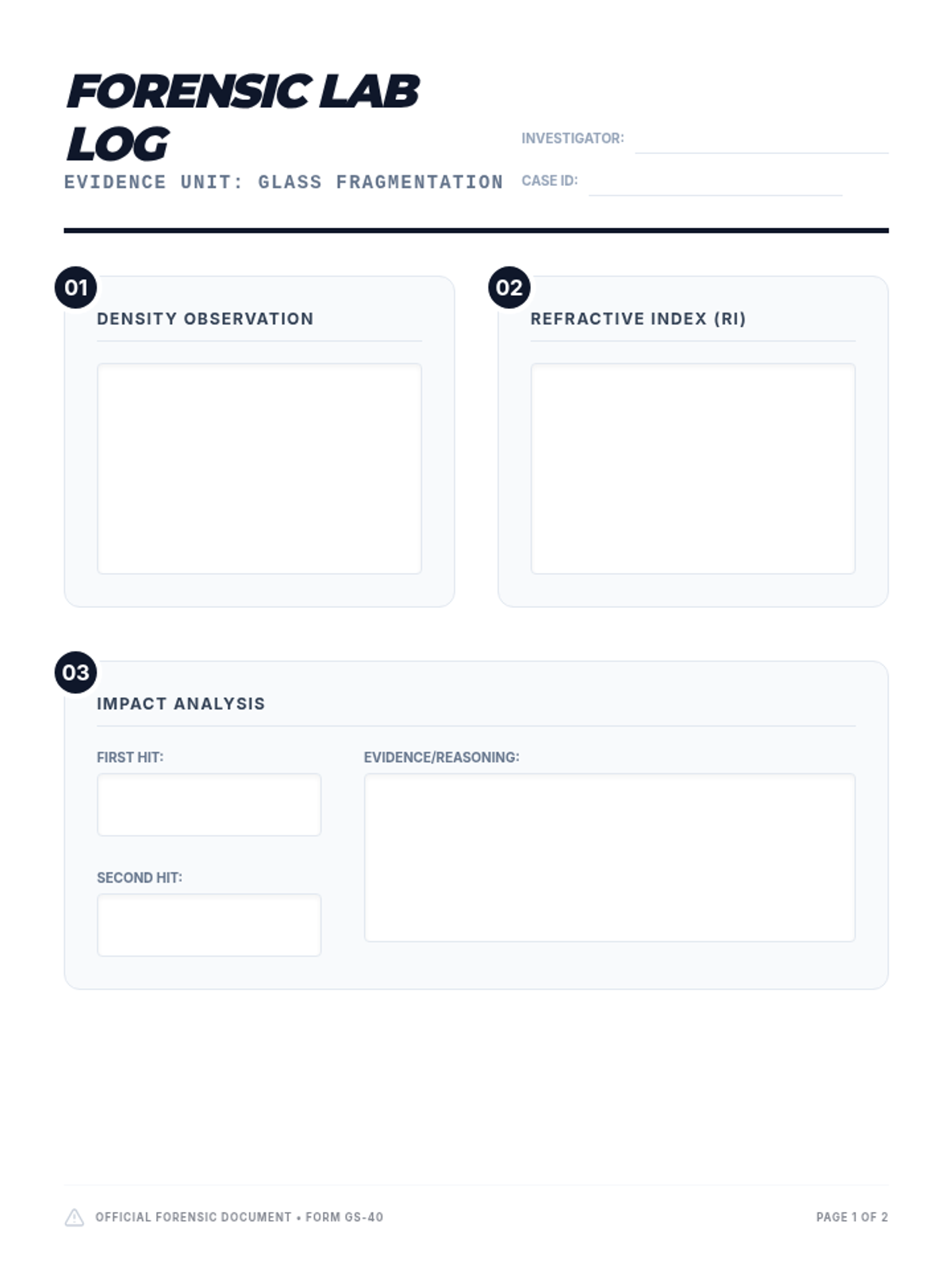
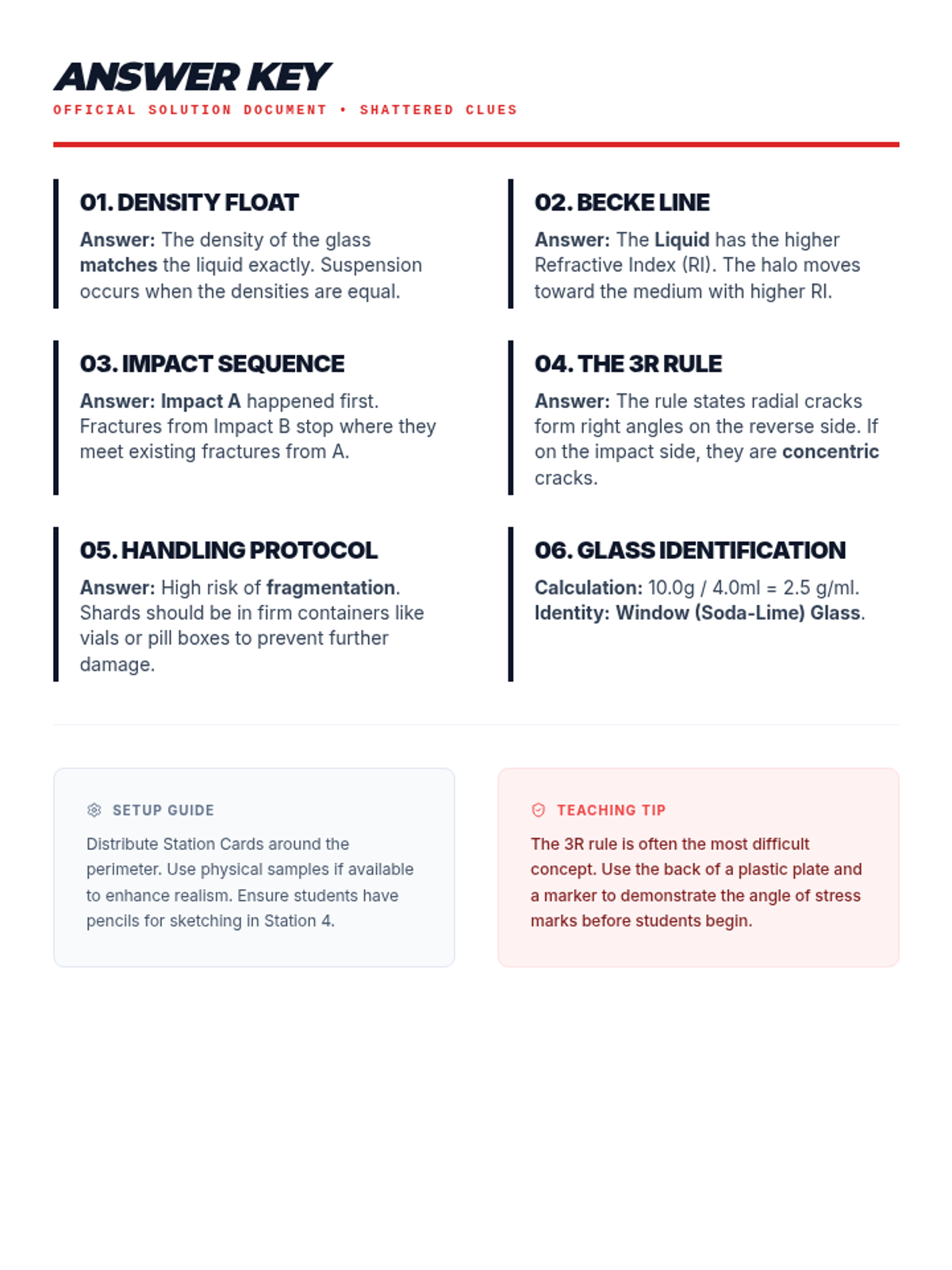
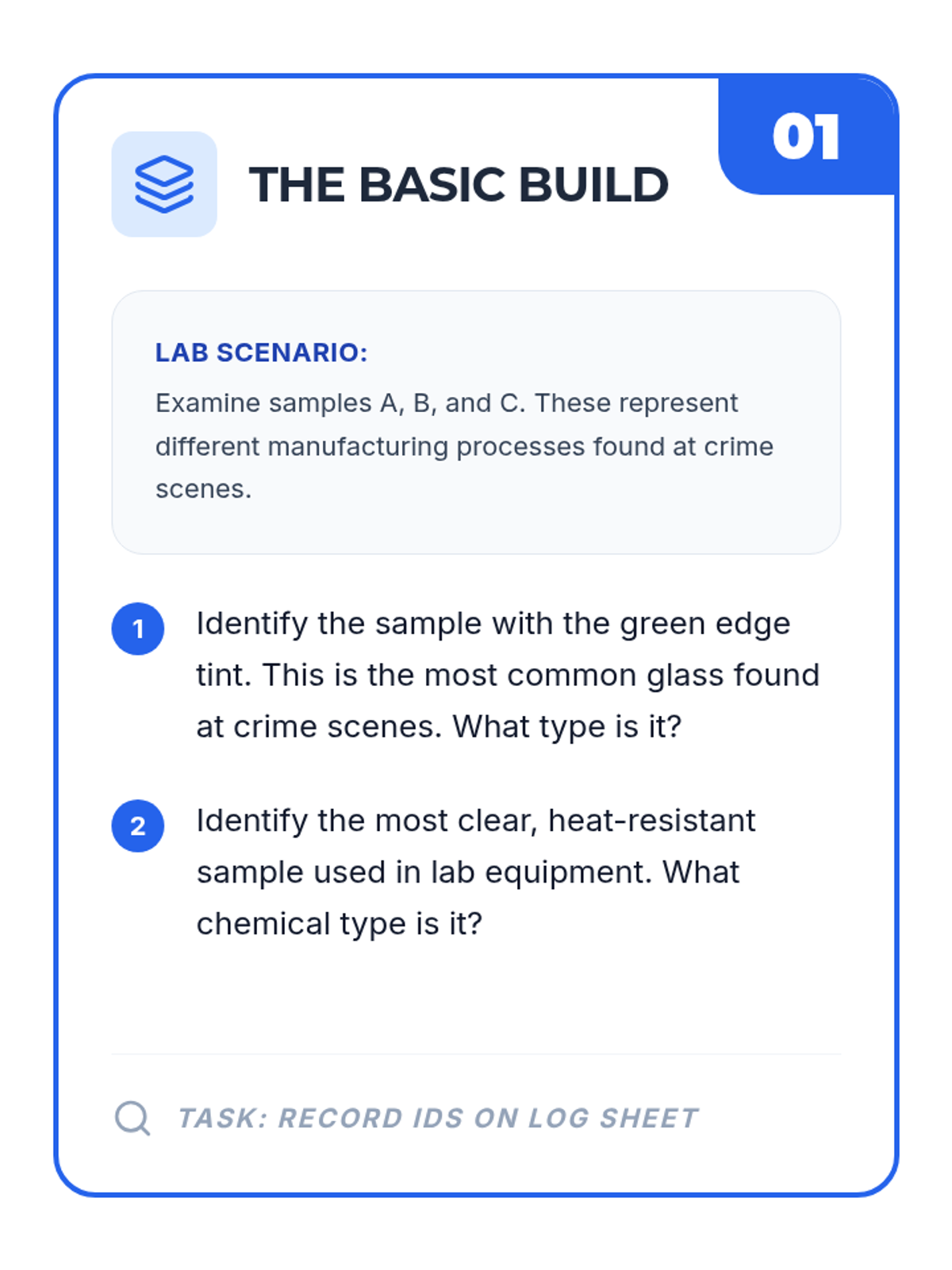
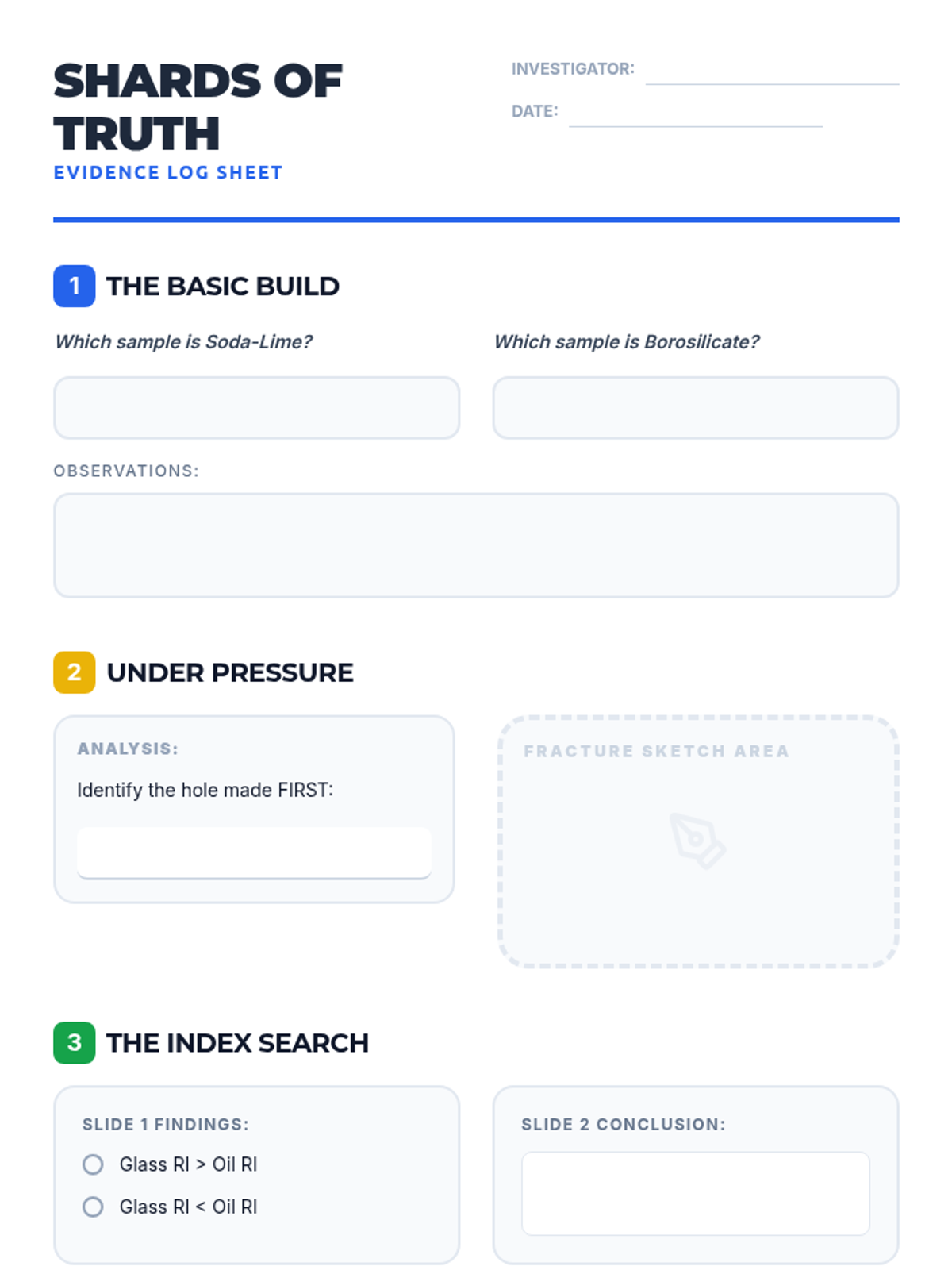
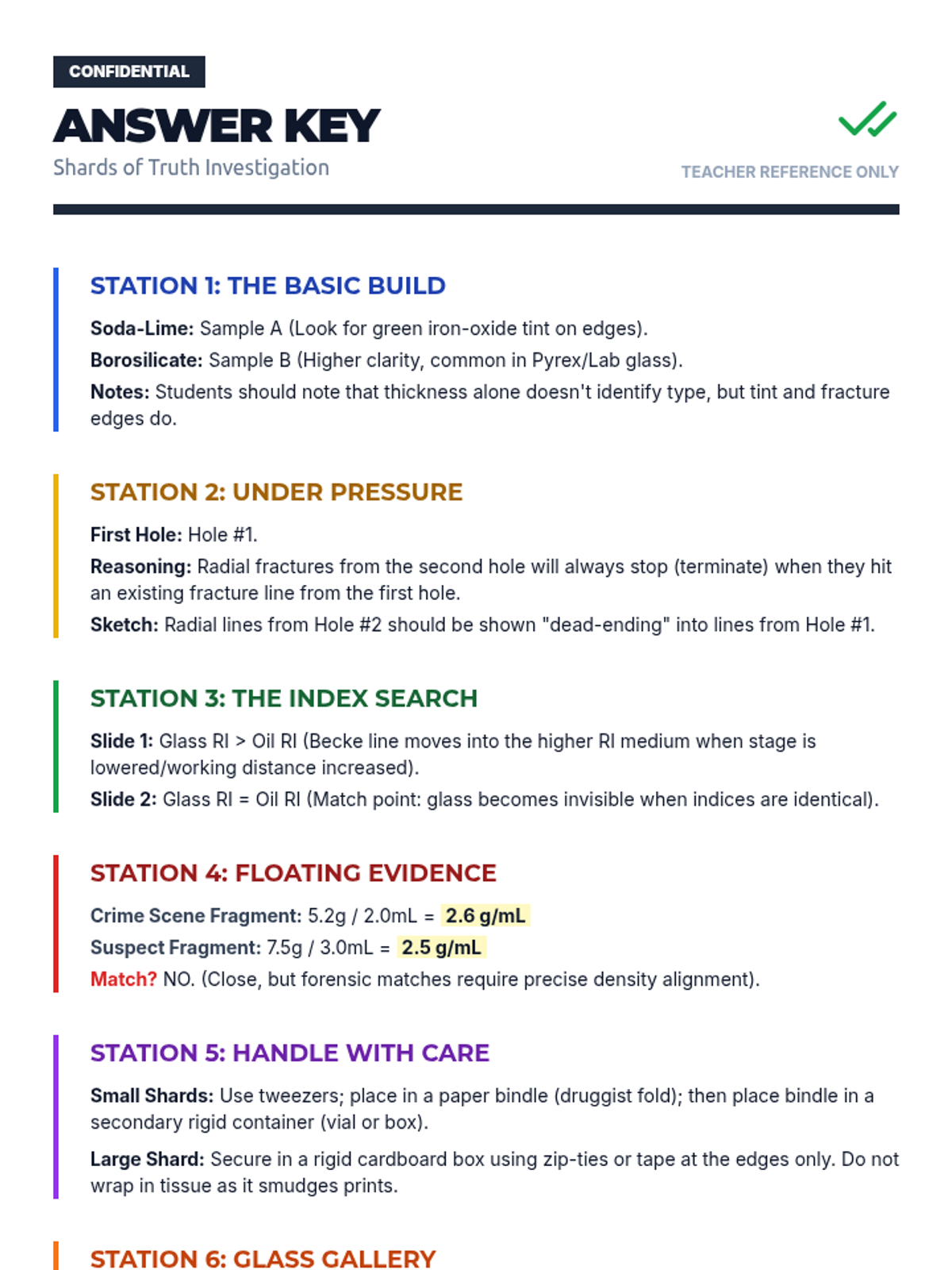
A hands-on forensic investigation into the physical properties and fracture patterns of glass evidence. Students rotate through stations to master density, refractive index, and crime scene collection techniques.
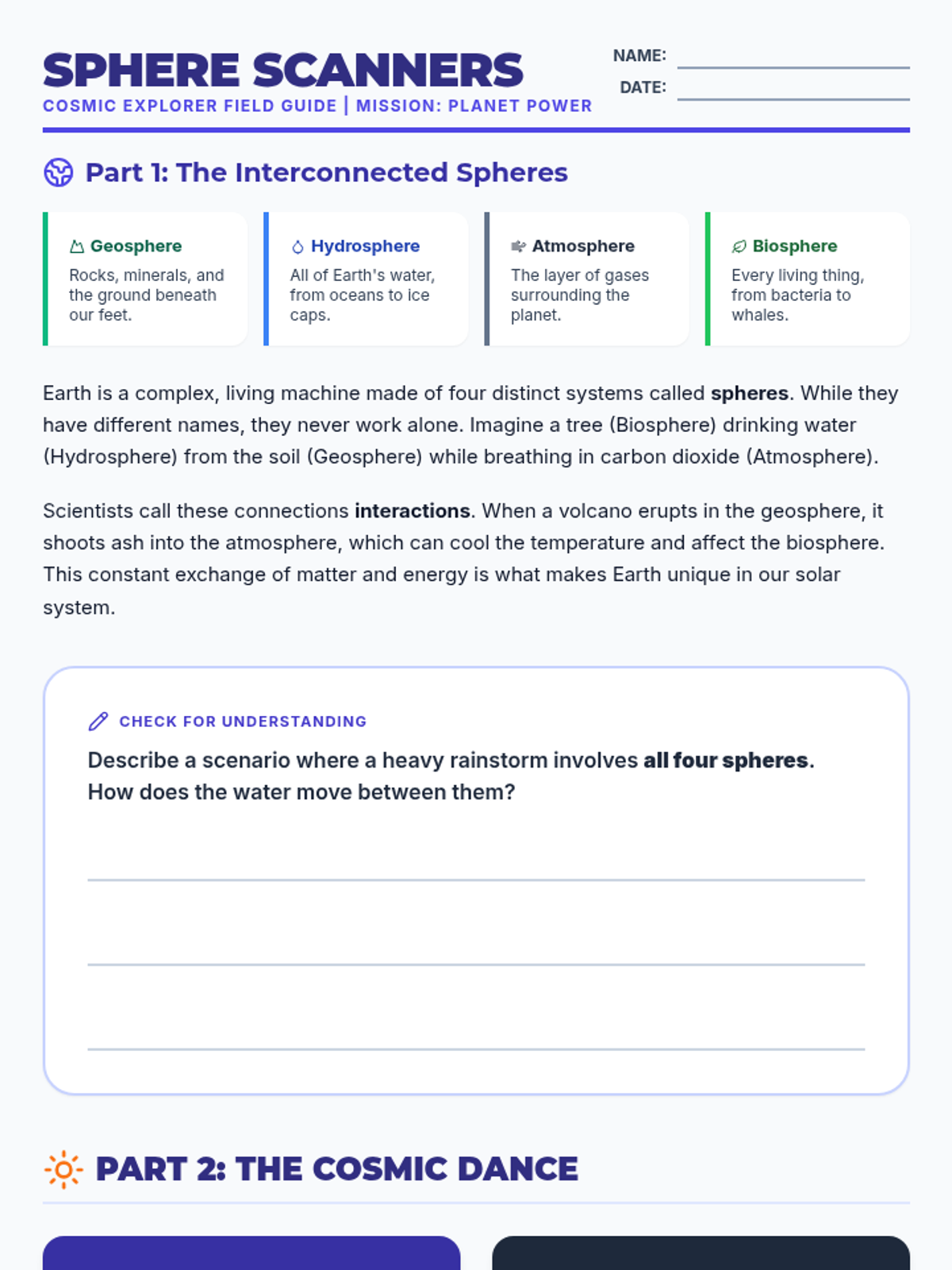
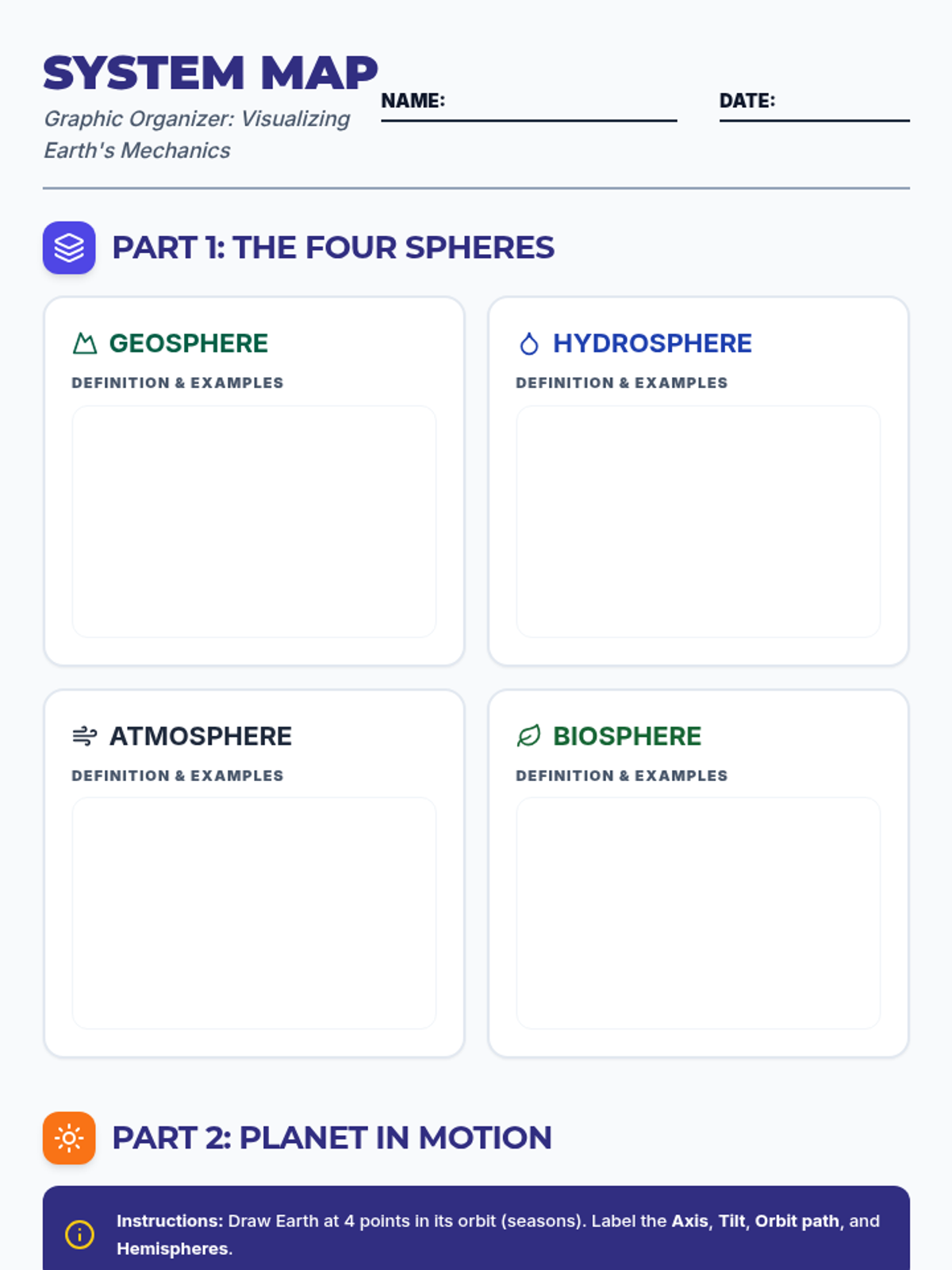
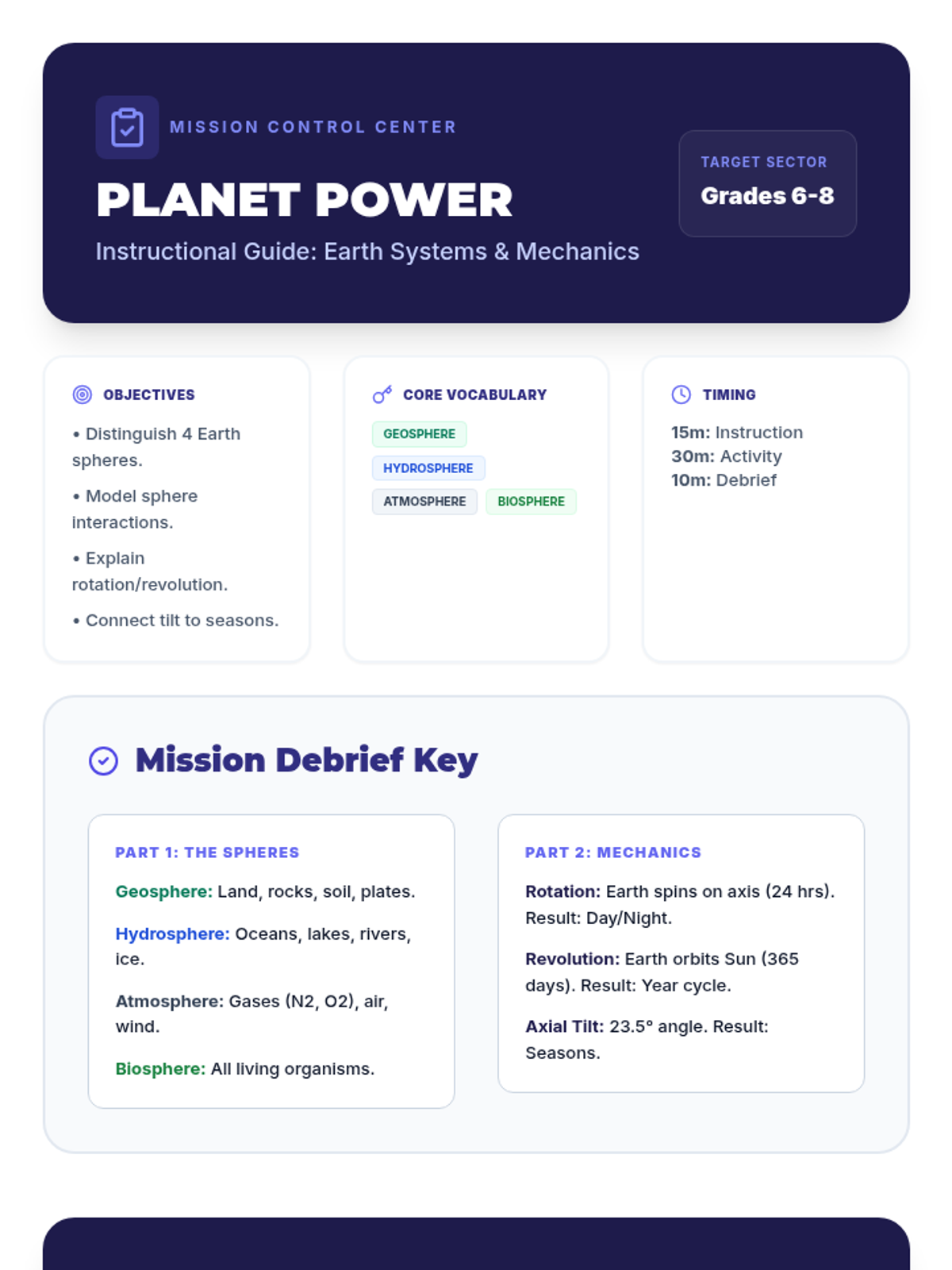
A foundational exploration of Earth's four spheres and the mechanics of its orbit around the Sun, focusing on how these systems interact to support life.
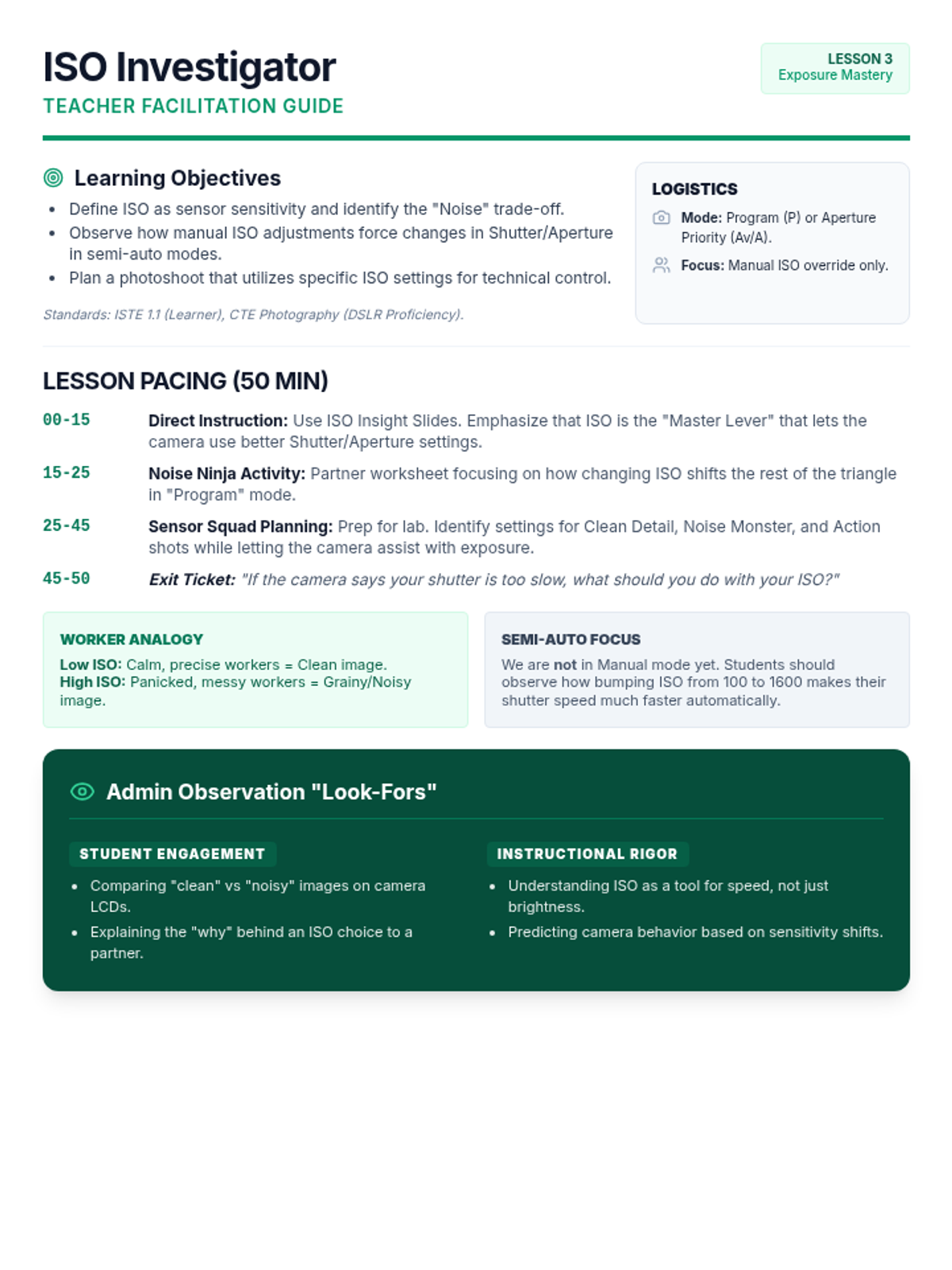
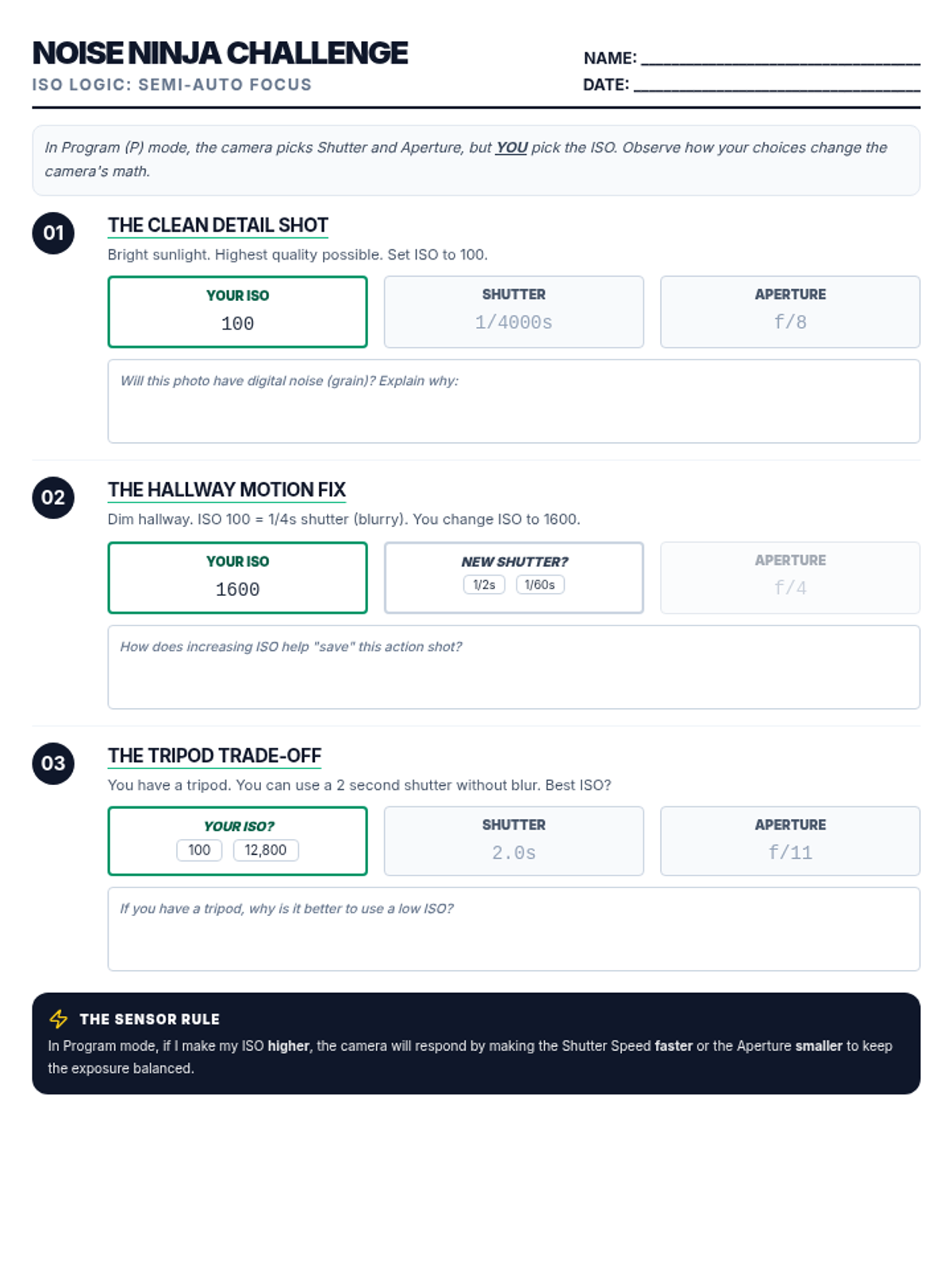
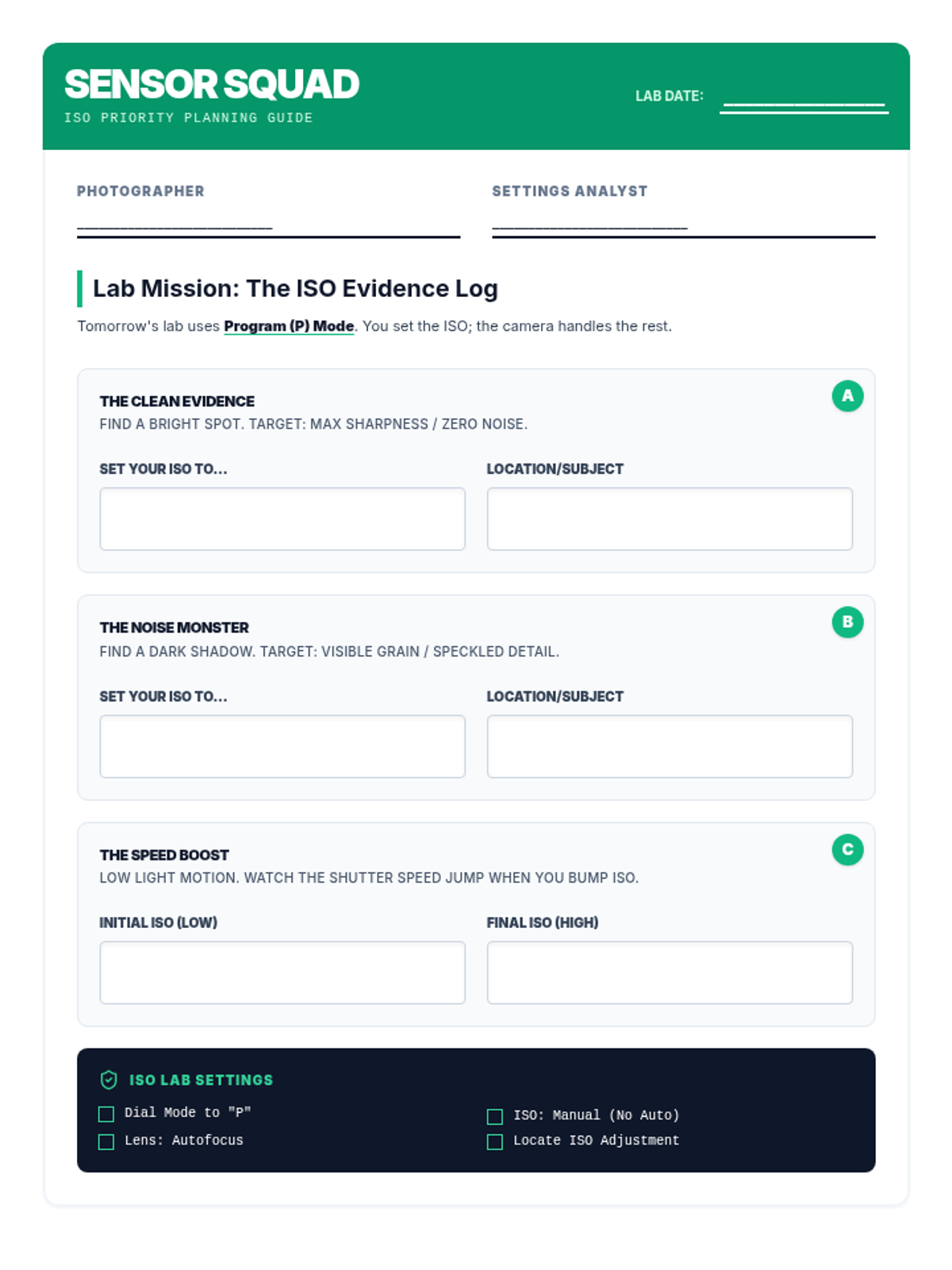
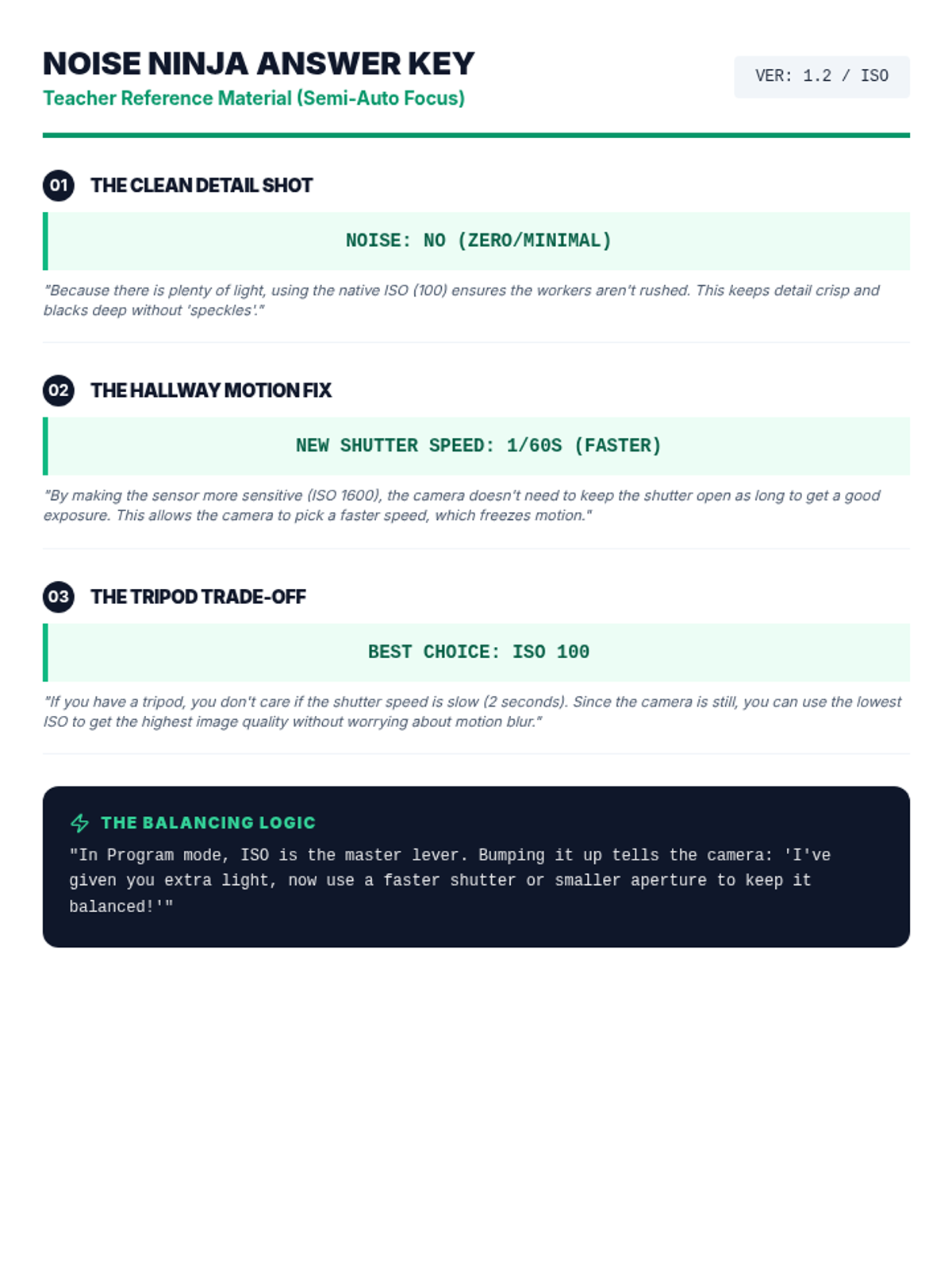
The final component of the Exposure Triangle: ISO. Students learn how digital sensors process light and the trade-offs between sensitivity and image quality.
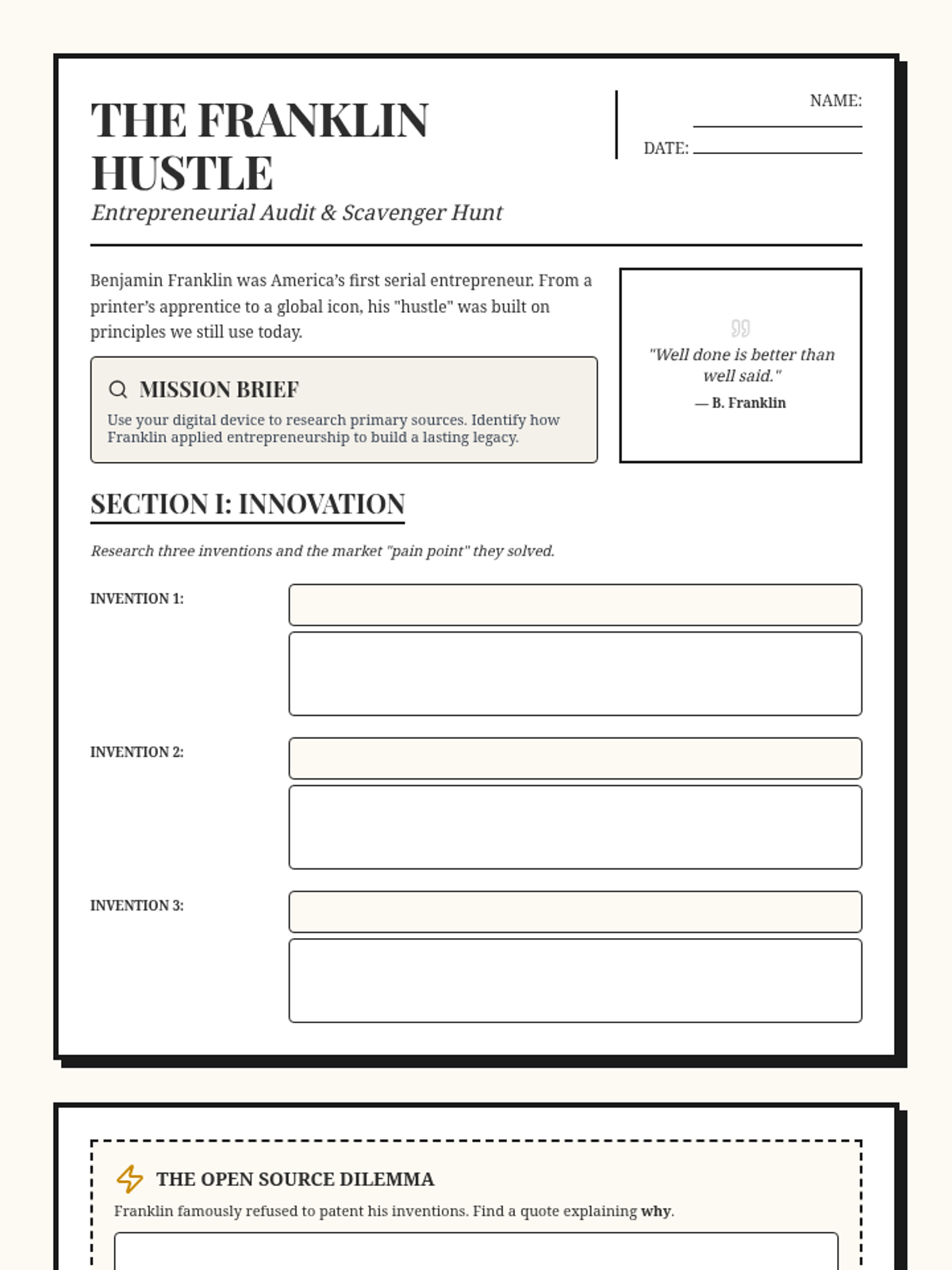
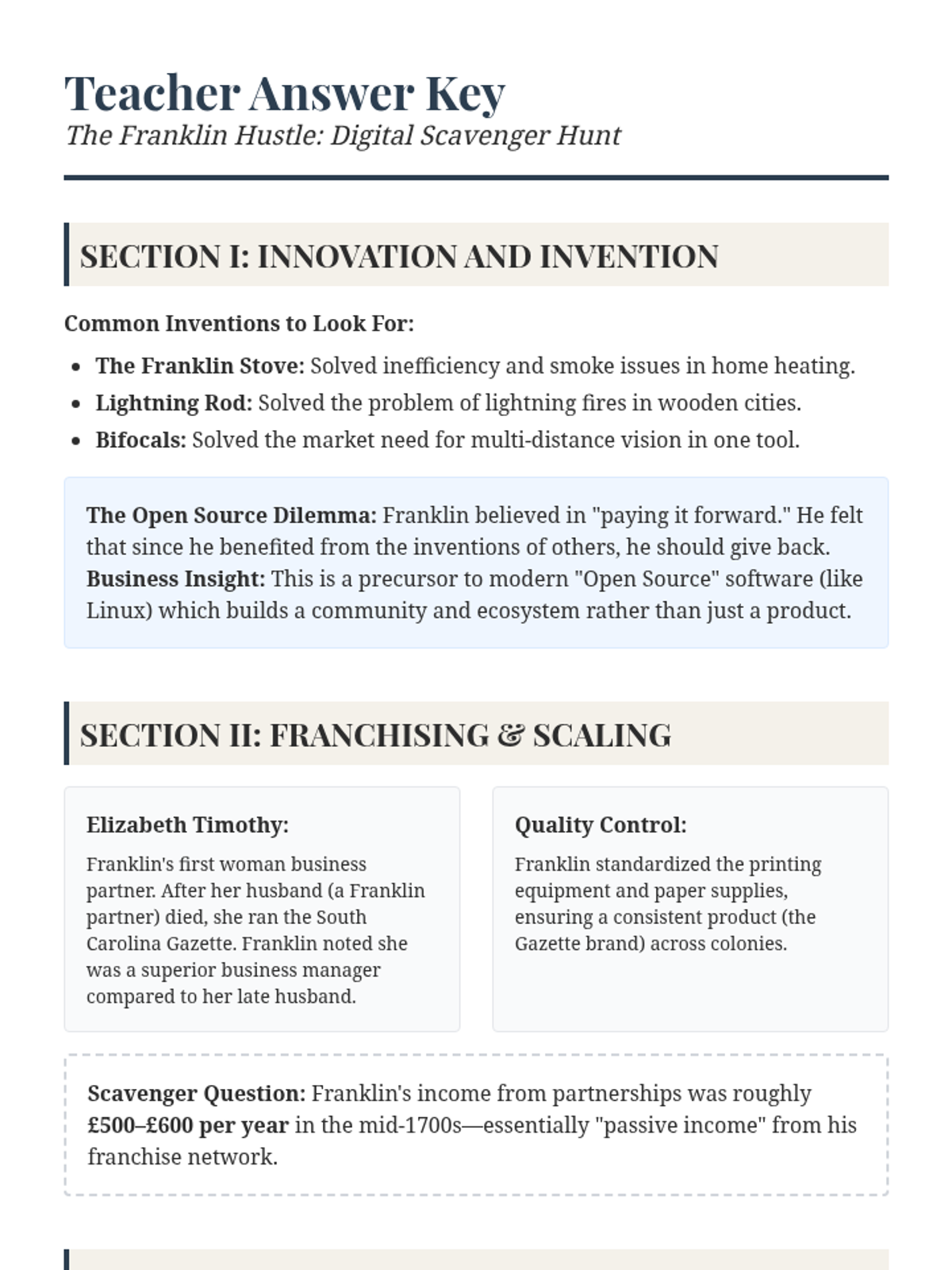
A deep dive into Benjamin Franklin's entrepreneurial legacy, focusing on his innovations, pioneering franchise models, civic leadership, and branding genius. Students explore how the 'First American' set the blueprint for modern business success through a digital scavenger hunt.
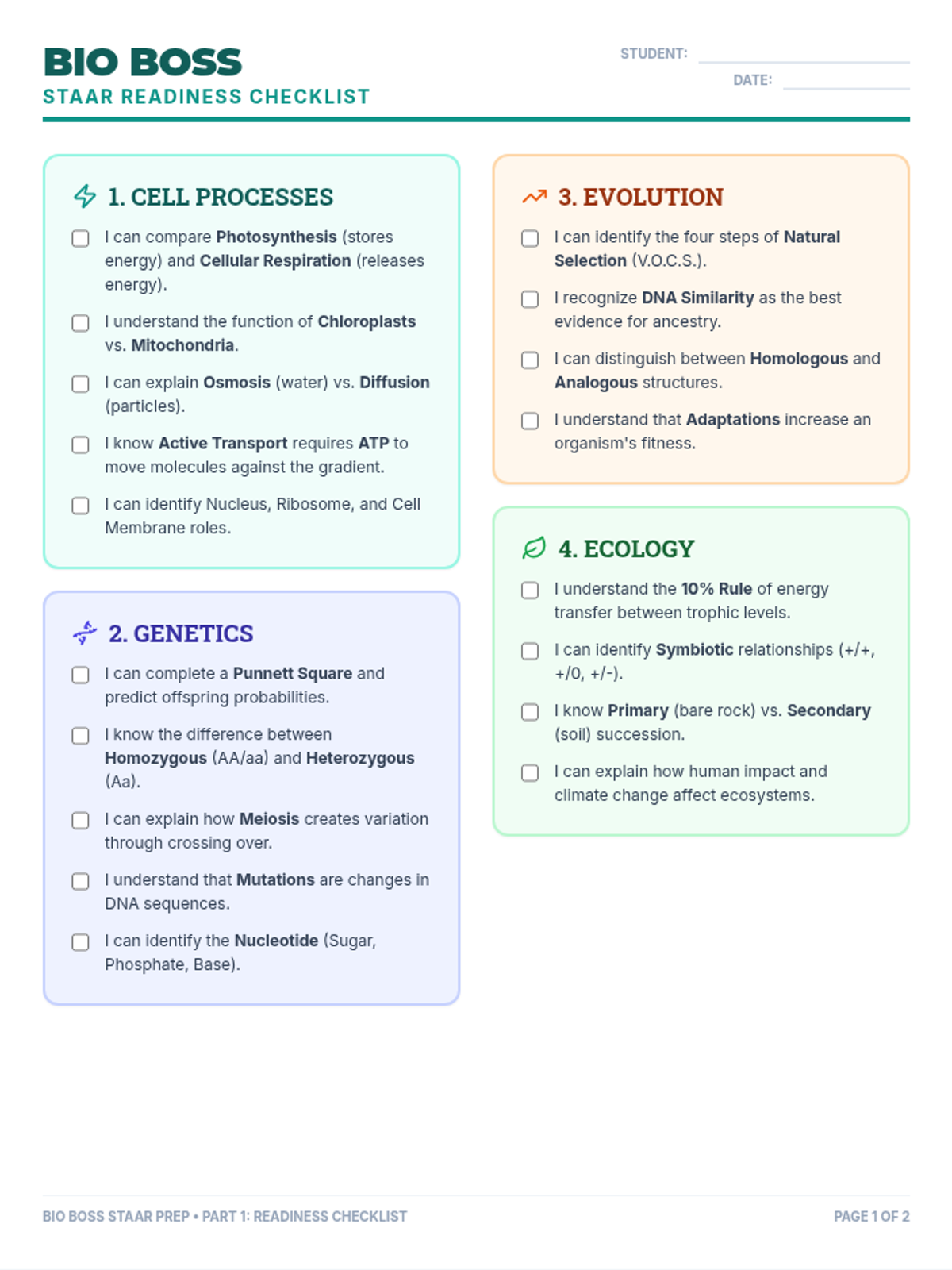
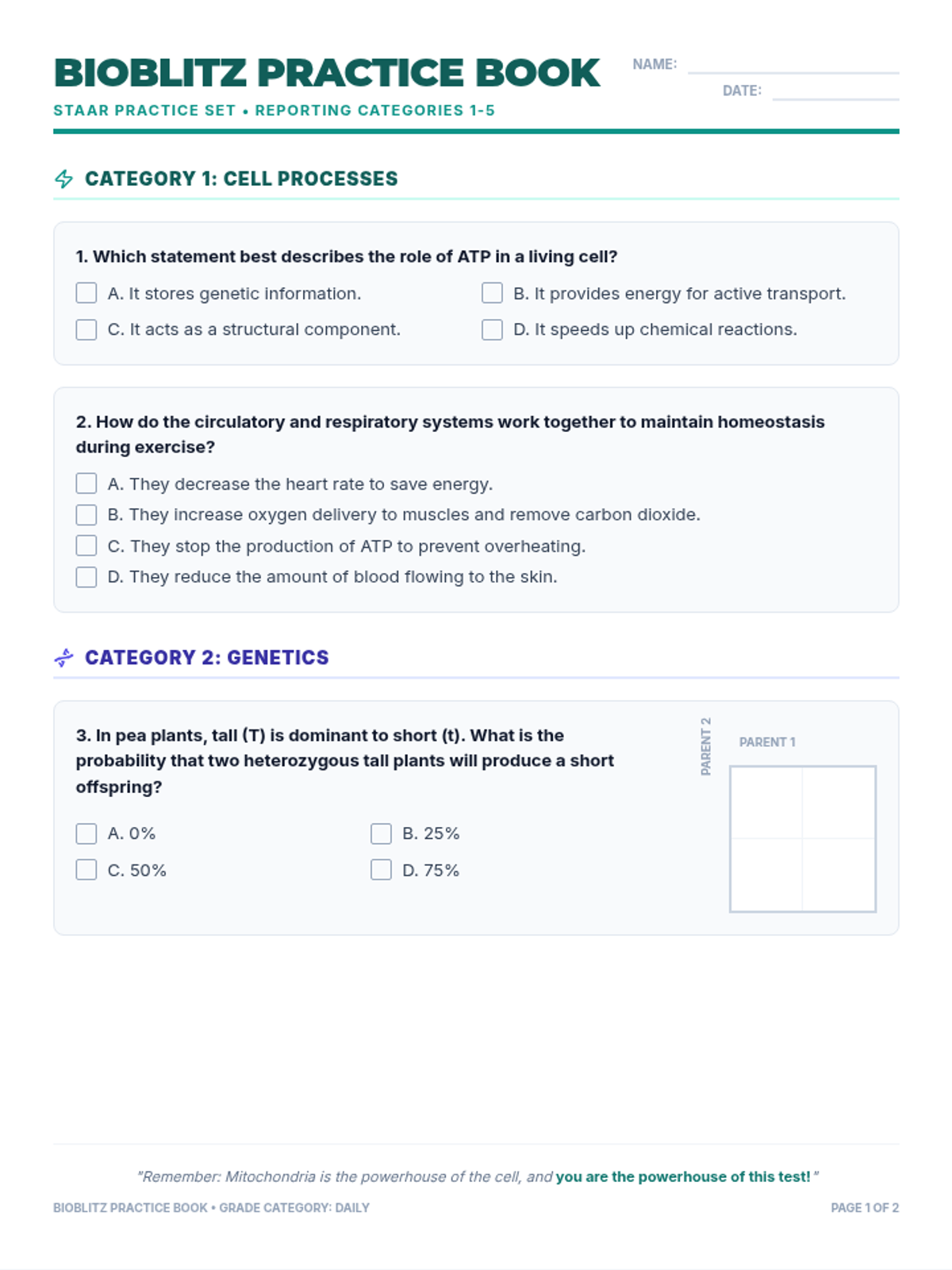
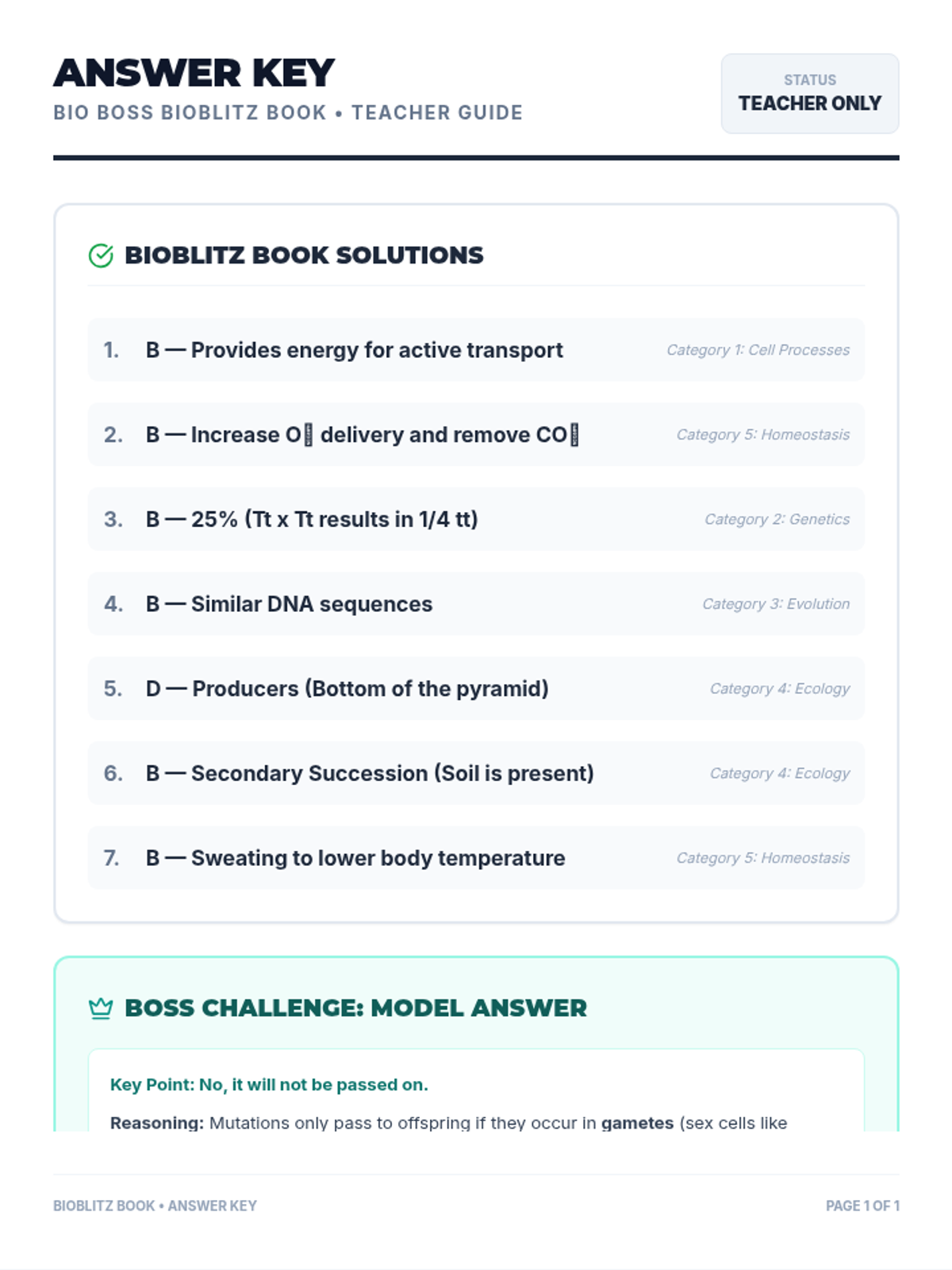
A focused review session for the Biology STAAR exam, centering on the five most-tested reporting categories through visual concept maps and question-stem alignment.
An immersive forensic science lesson where students analyze glass evidence across multiple stations, focusing on physical properties, fracture patterns, and laboratory analysis techniques.