A structured writing lesson to help IEP students recount their spring break experiences using sequencing and proper grammar.
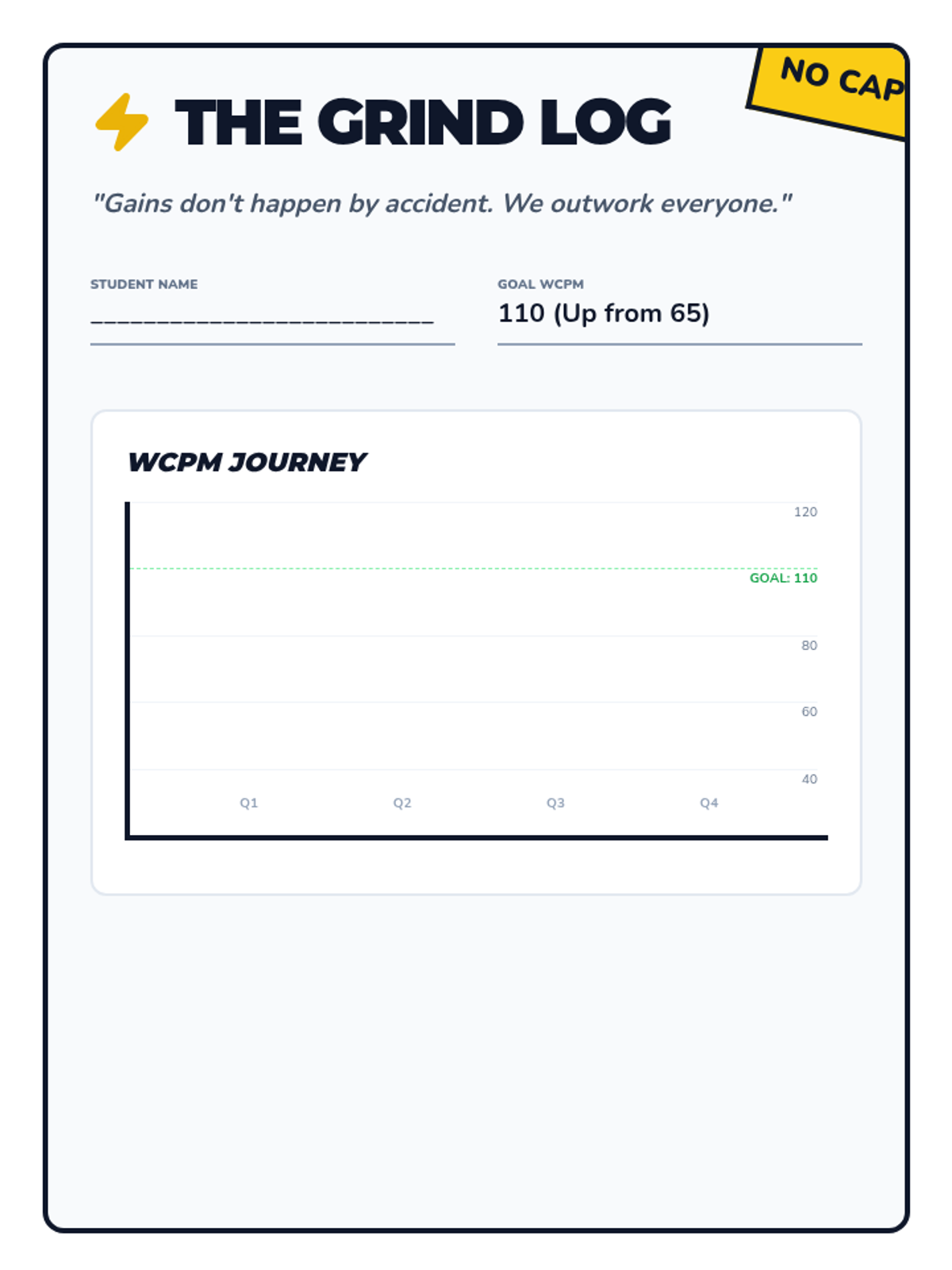
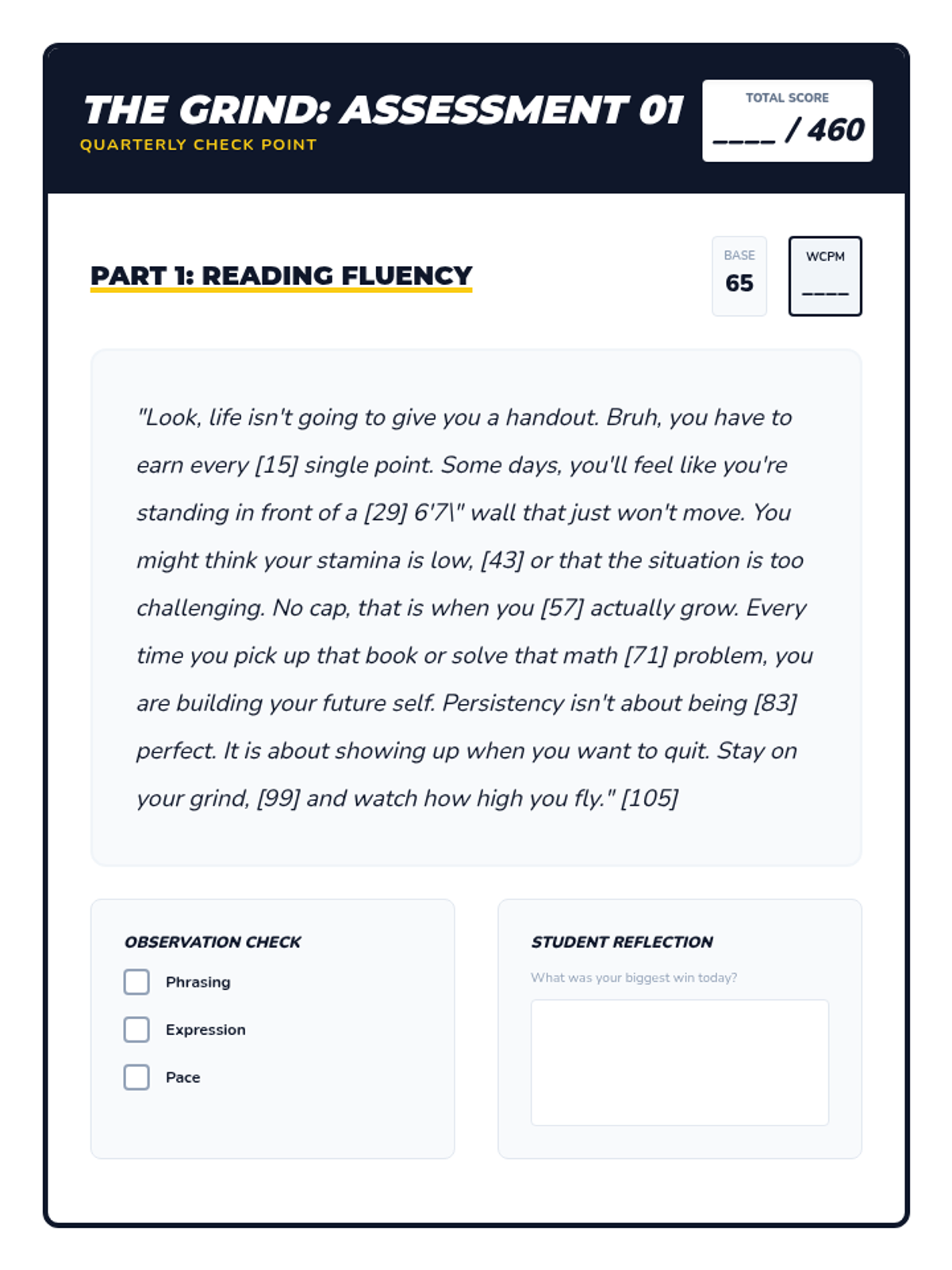
Final push towards the 110 WCPM goal and the 460 iReady score with 4th-grade readiness passages and multi-step algebraic problems.
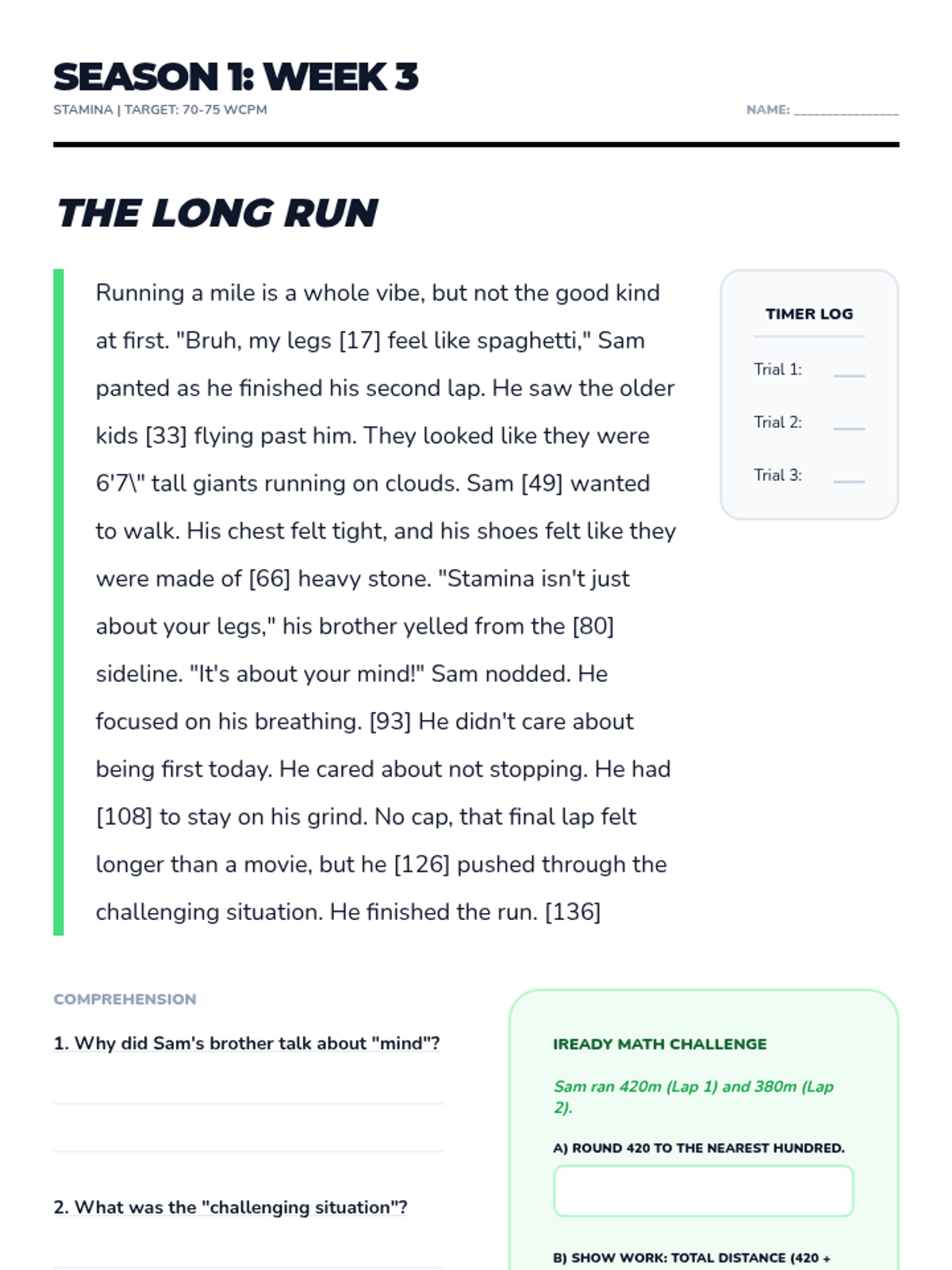
Focusing on stamina and persistency with longer passages and math skills centered on fractions and complex word problems.
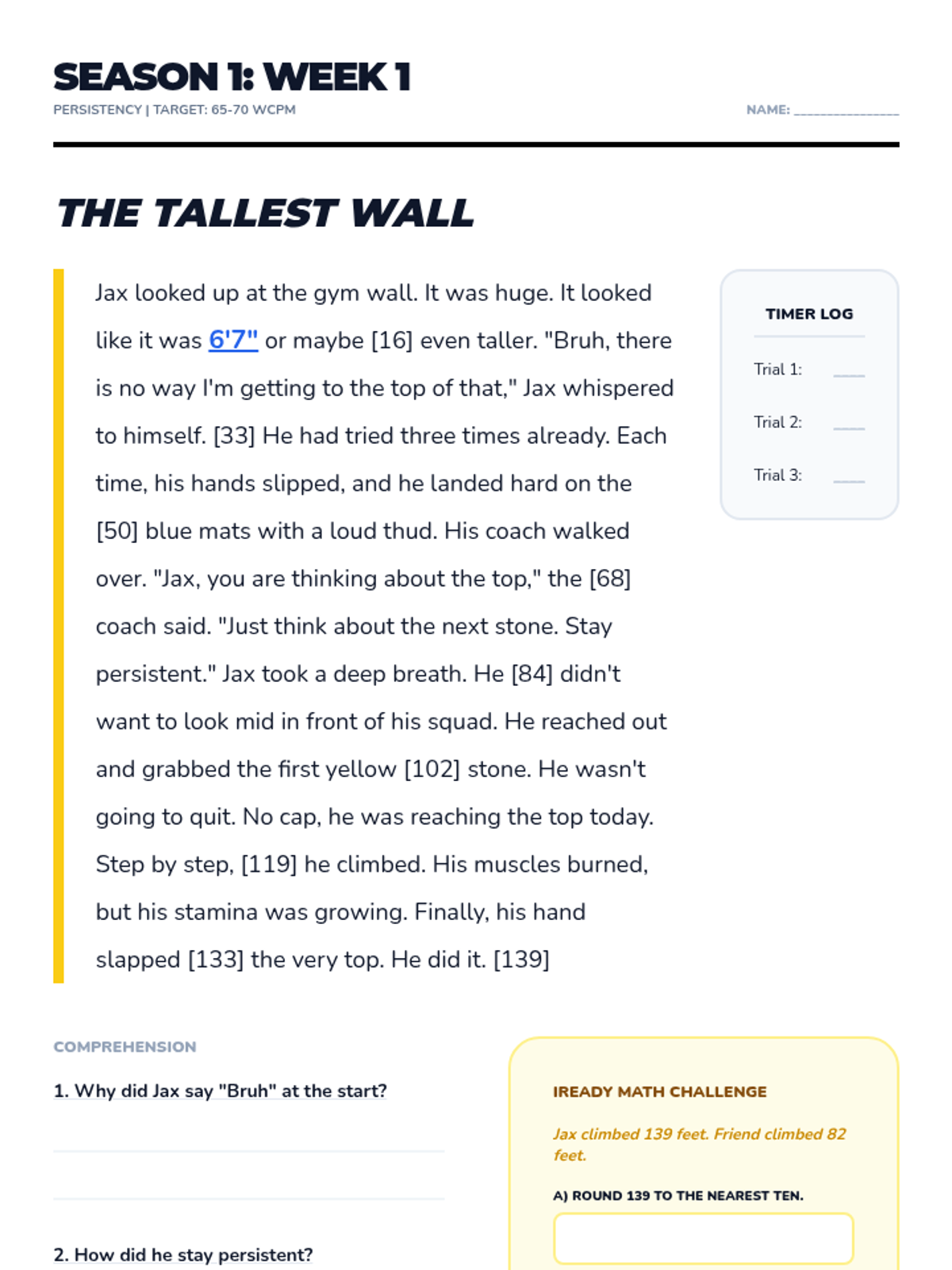
Stepping up complexity in reading passages and focusing on multiplication, division, and algebraic thinking.
The foundation of the program, focusing on initial fluency routines and core 3rd-grade math skills in place value and operations. Includes the 40-week Success Log and Math Checklist.
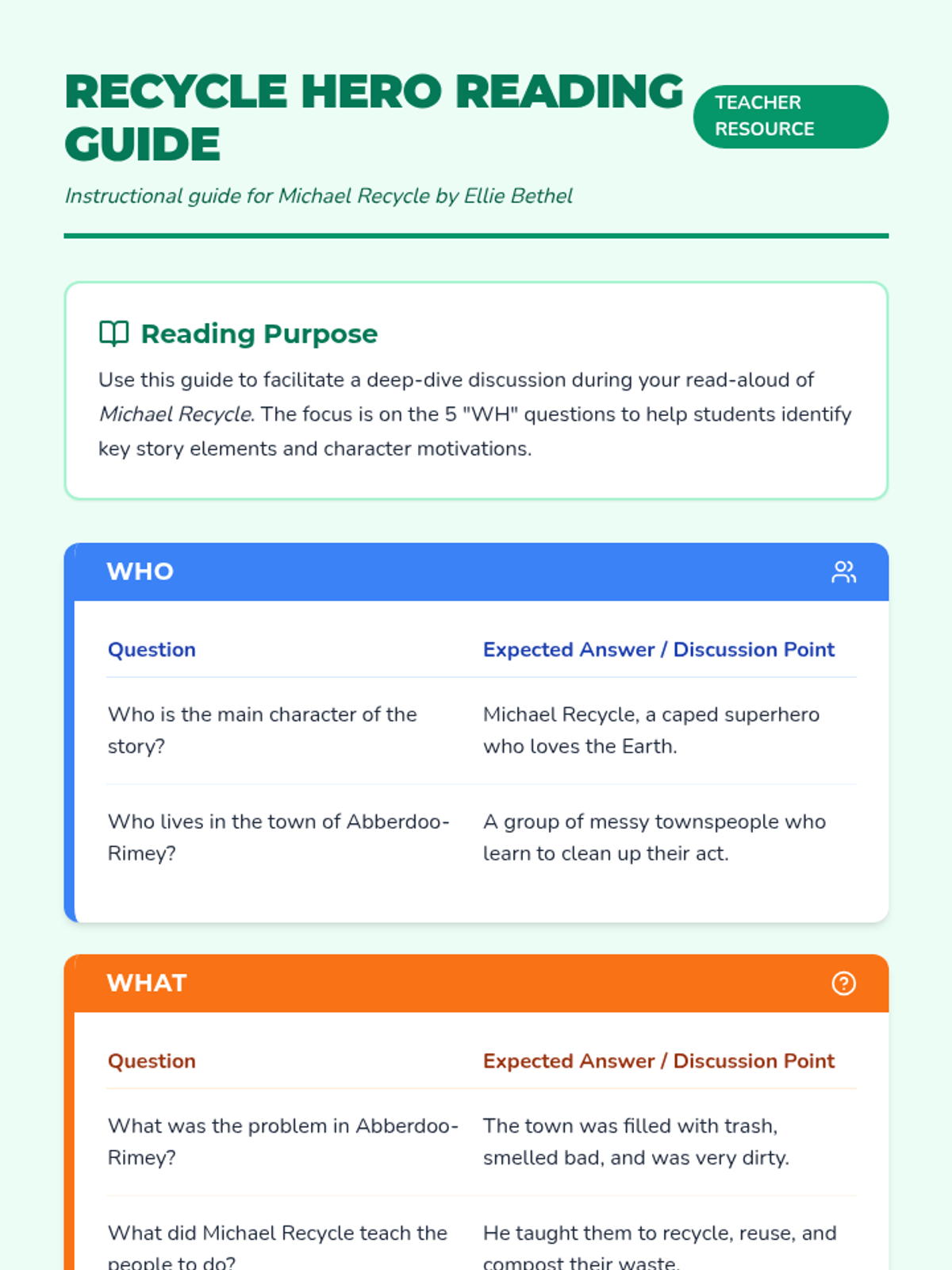
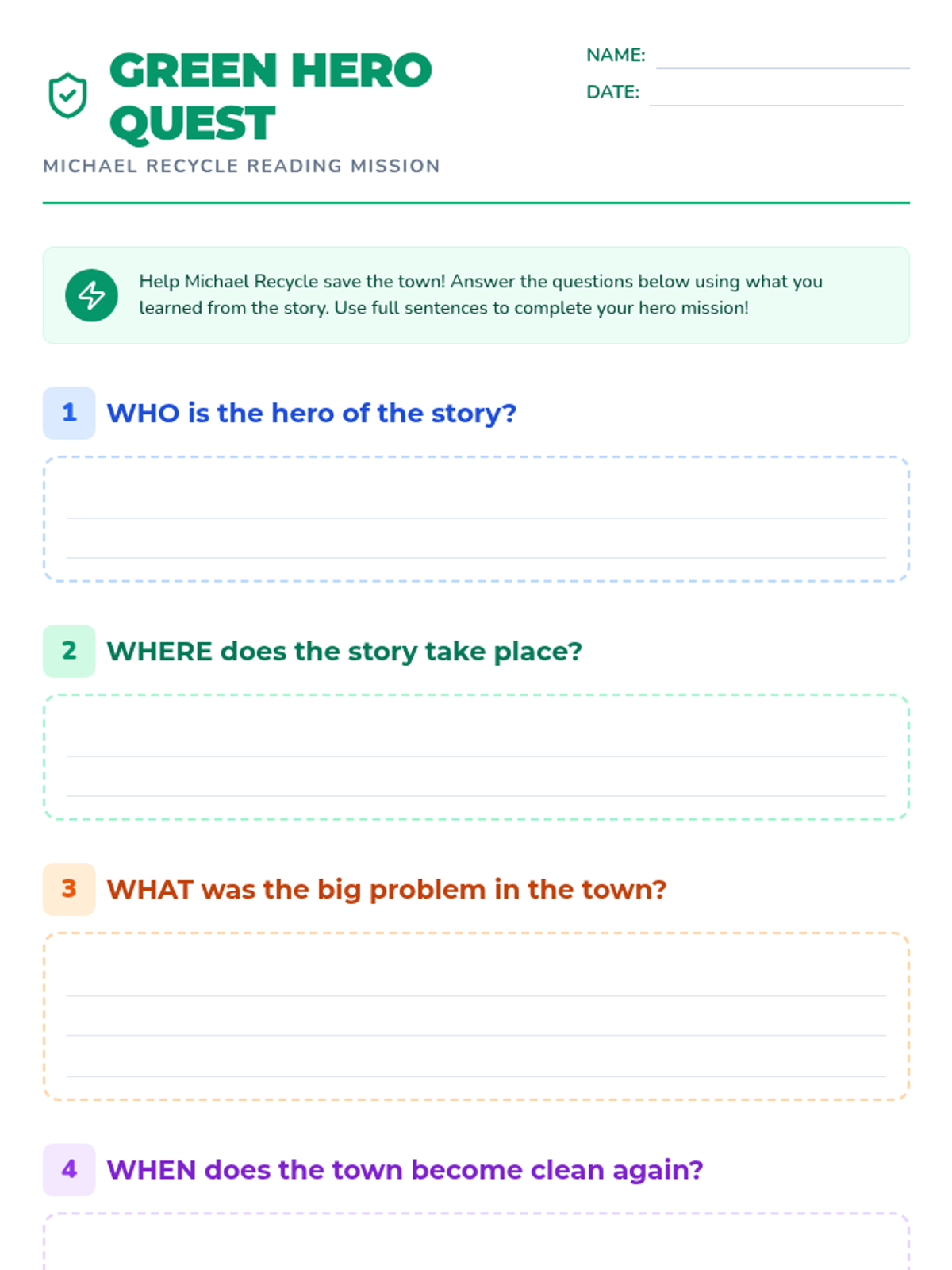
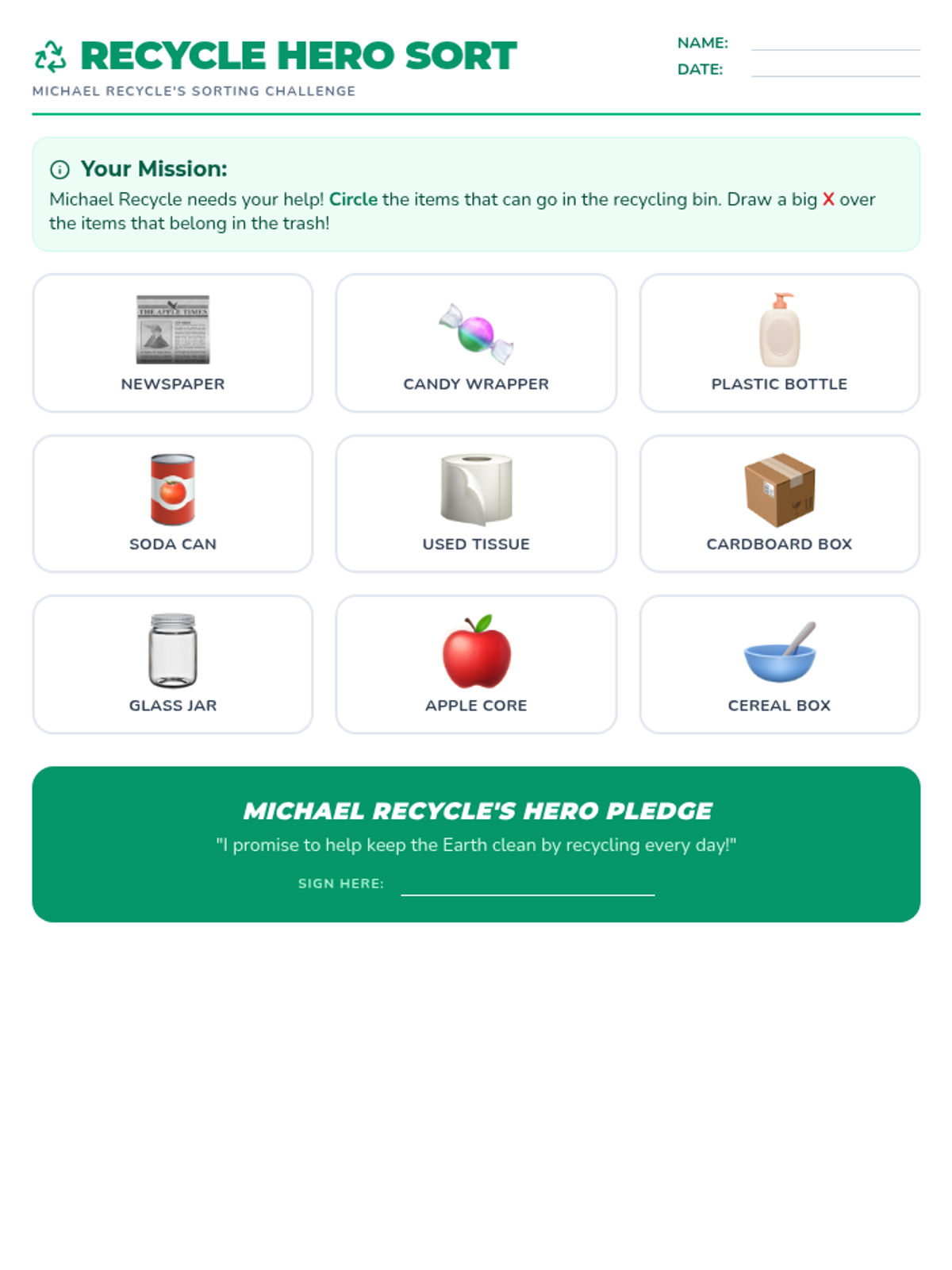
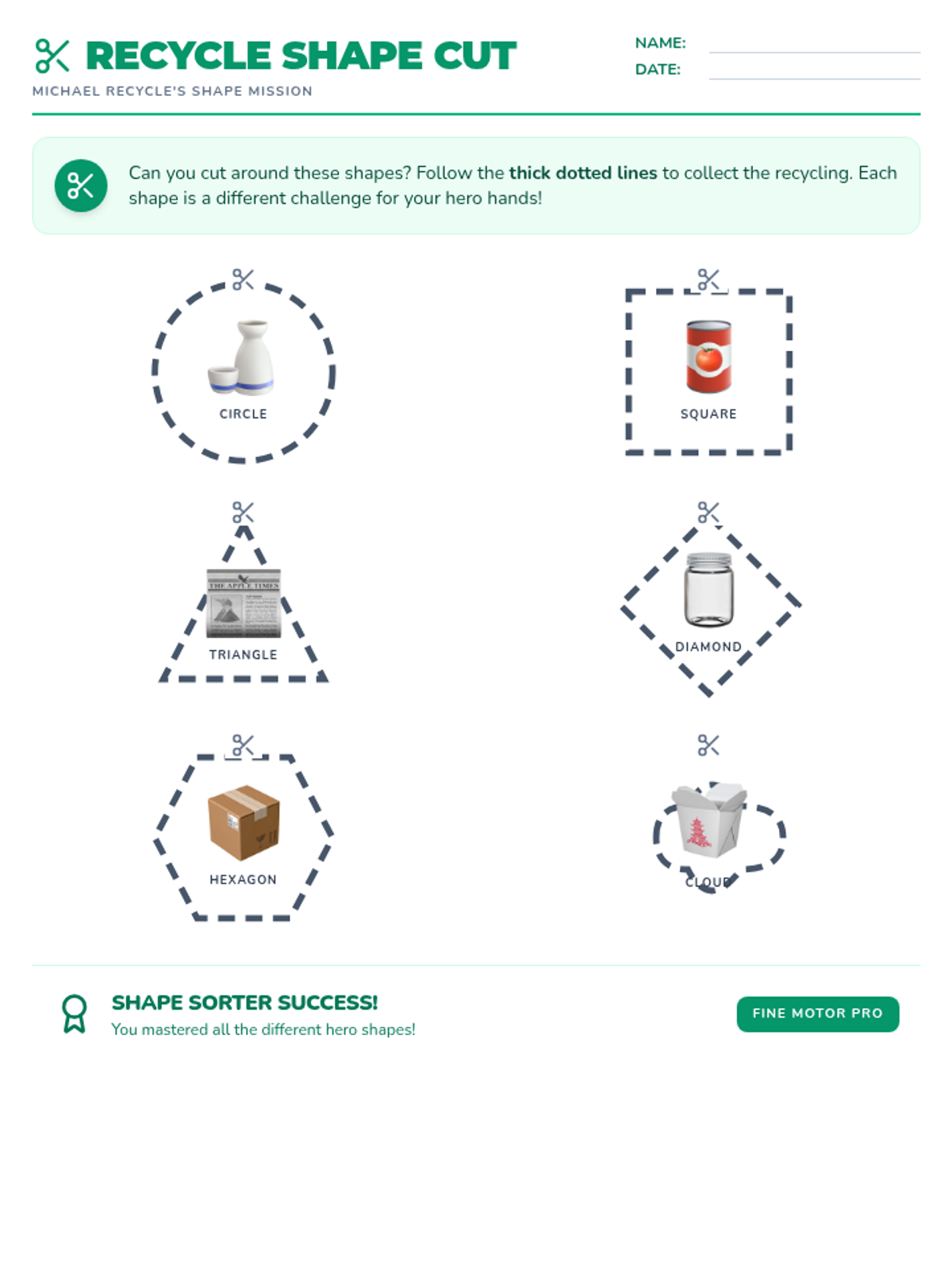
A reading comprehension lesson centered on the book Michael Recycle by Ellie Bethel, focusing on identifying key story elements using WH-questions.
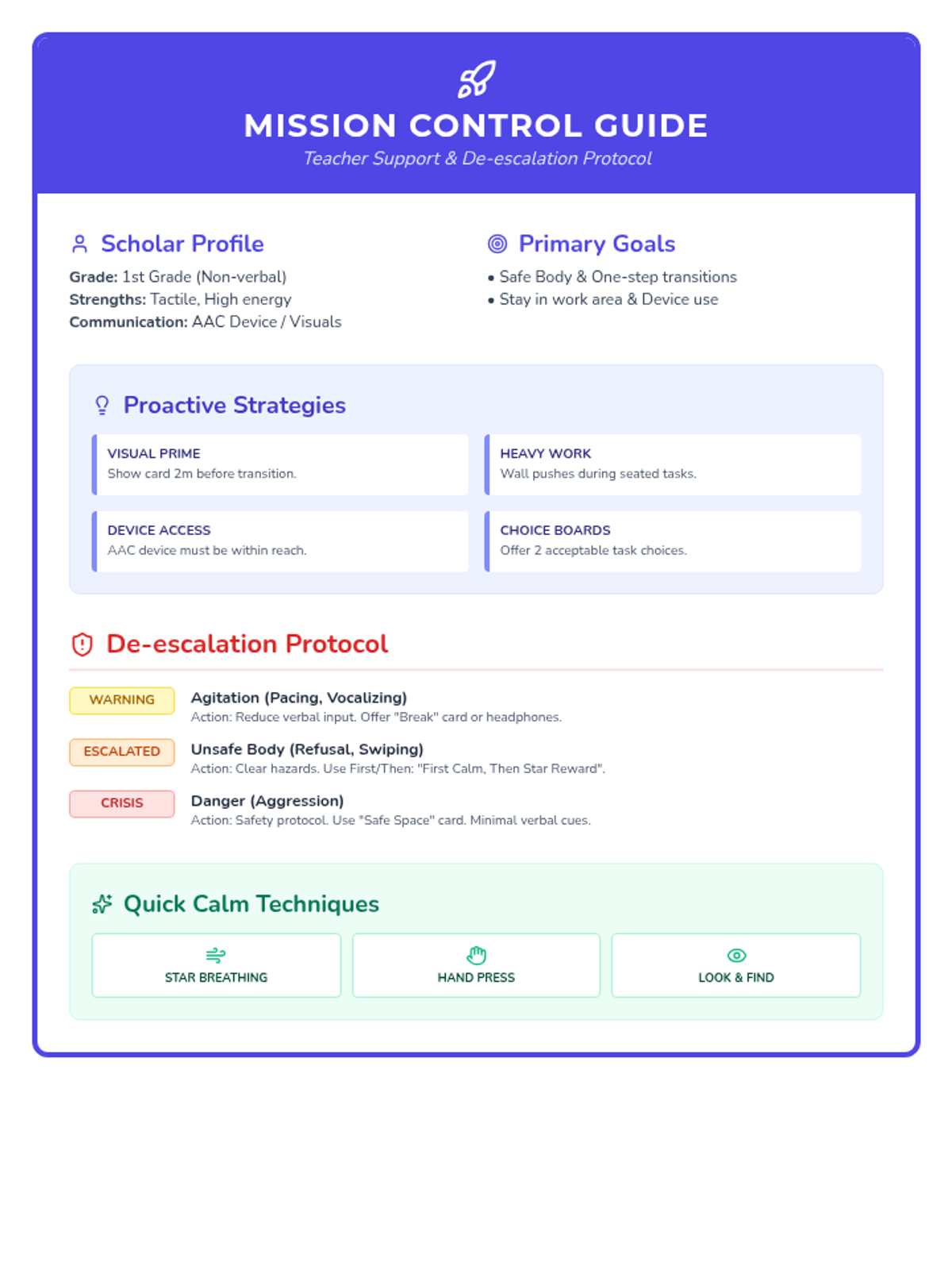
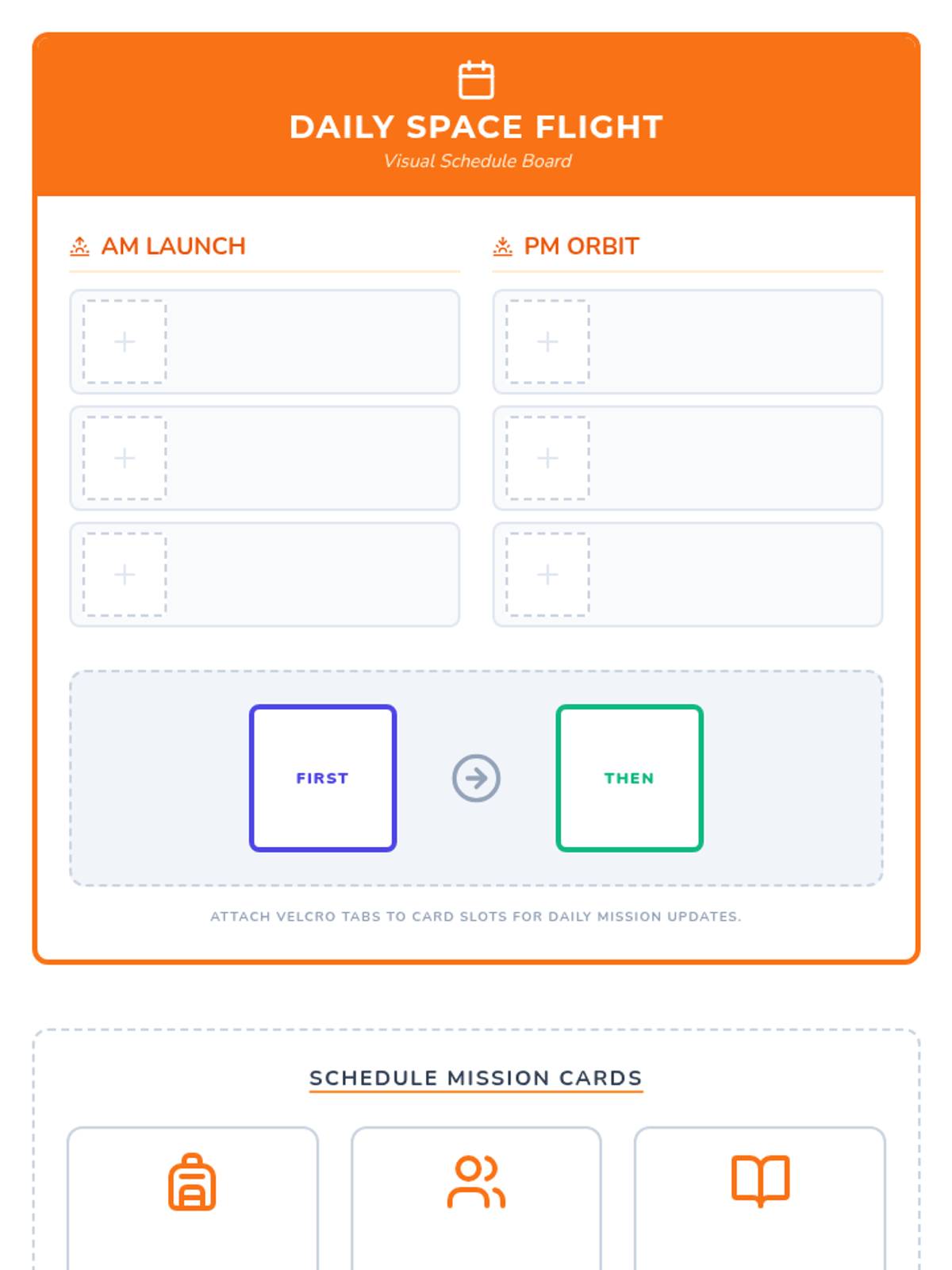
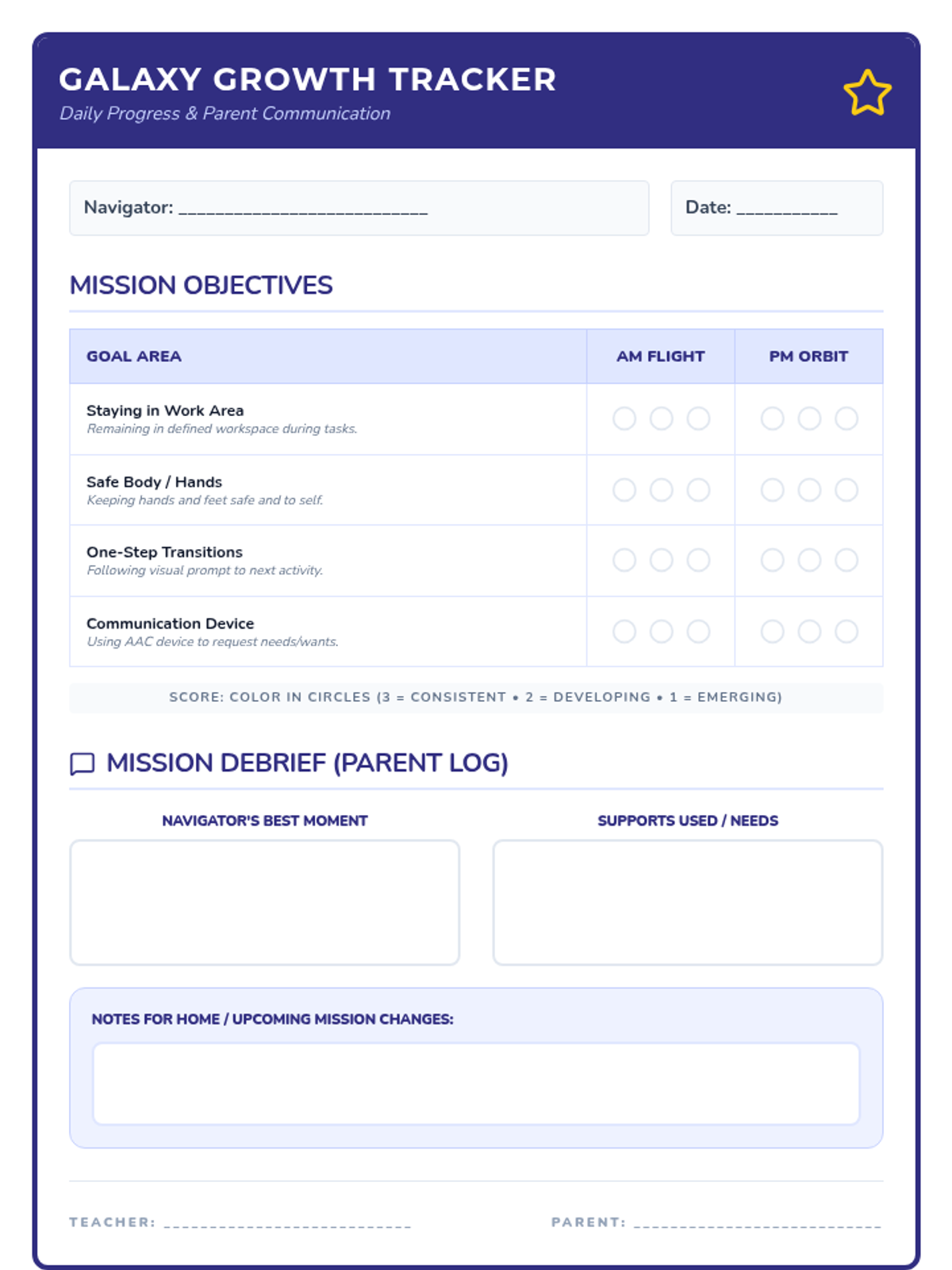
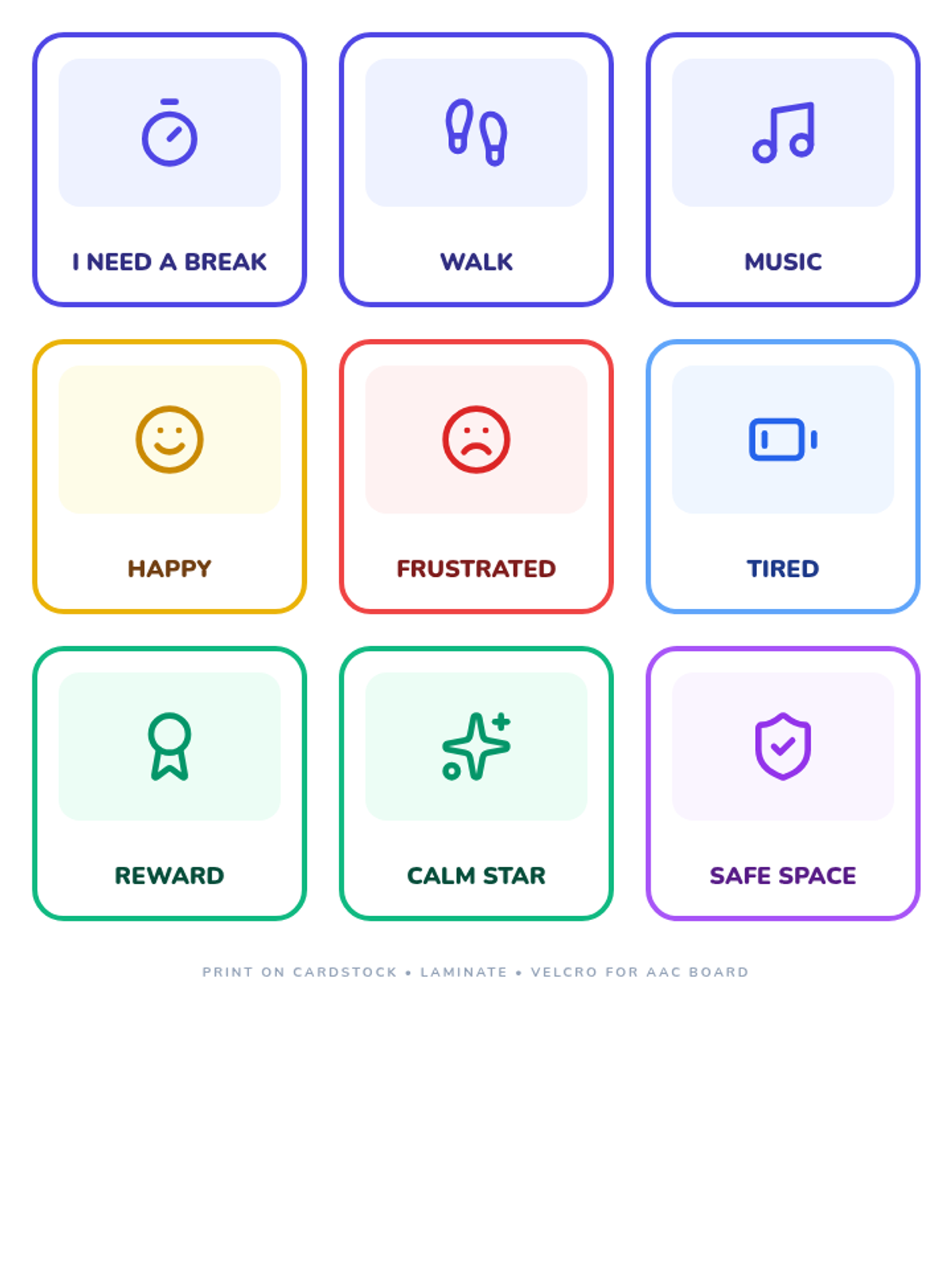
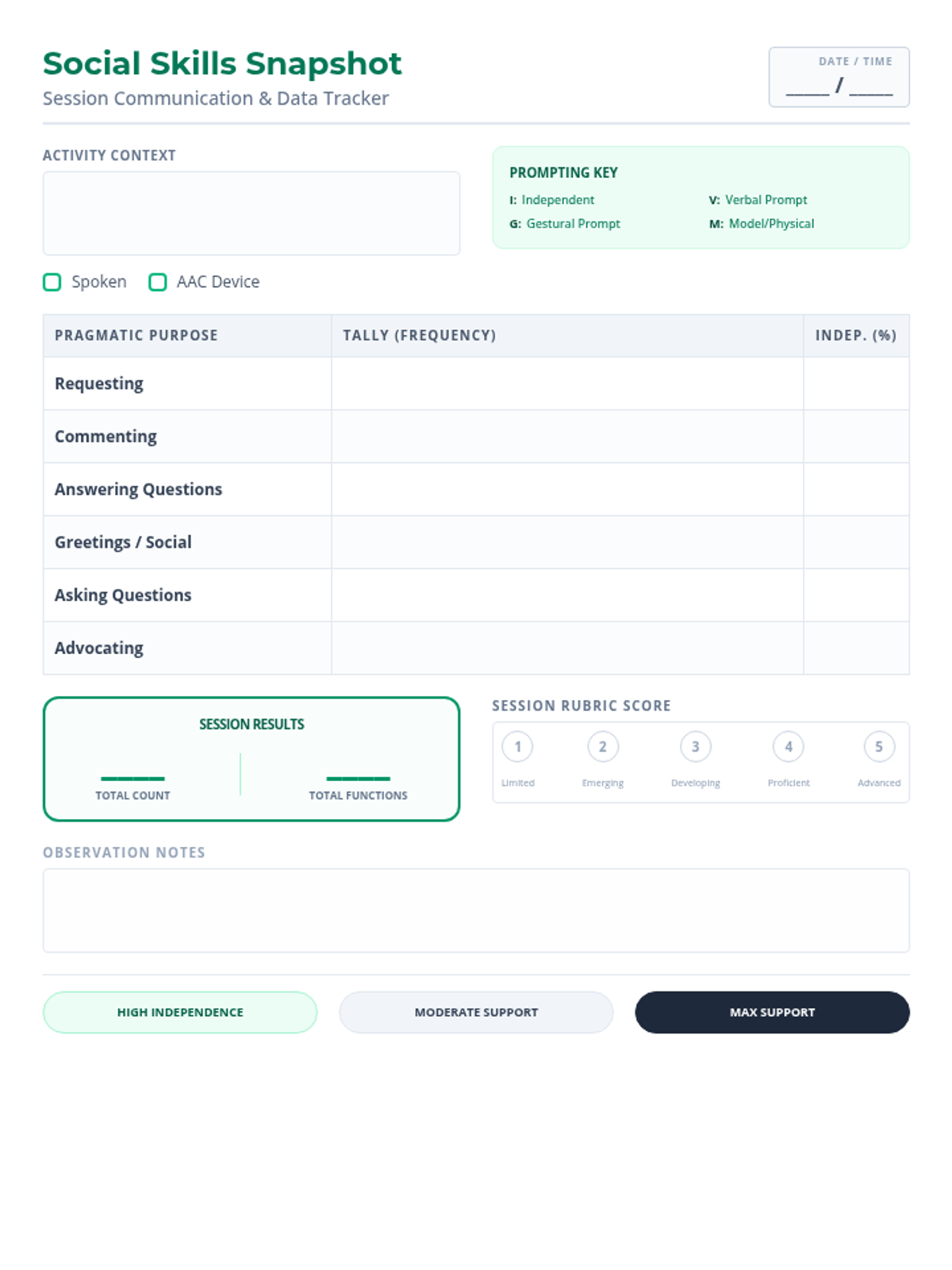
Essential visual and behavioral tools for supporting a non-verbal student in a 1st-grade classroom setting. This lesson includes communication cards, visual schedules, and tracking systems tailored to specific behavioral goals.
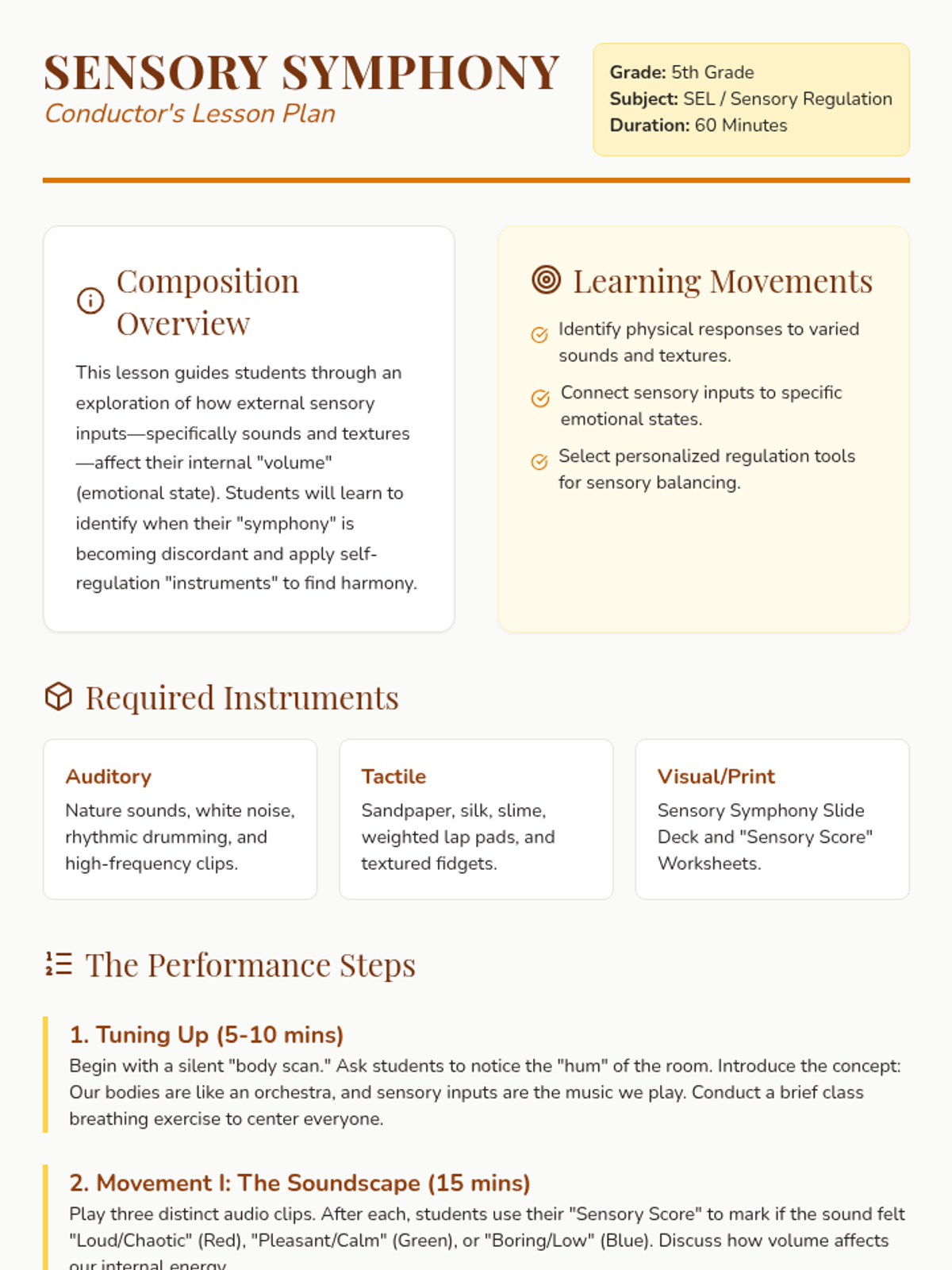
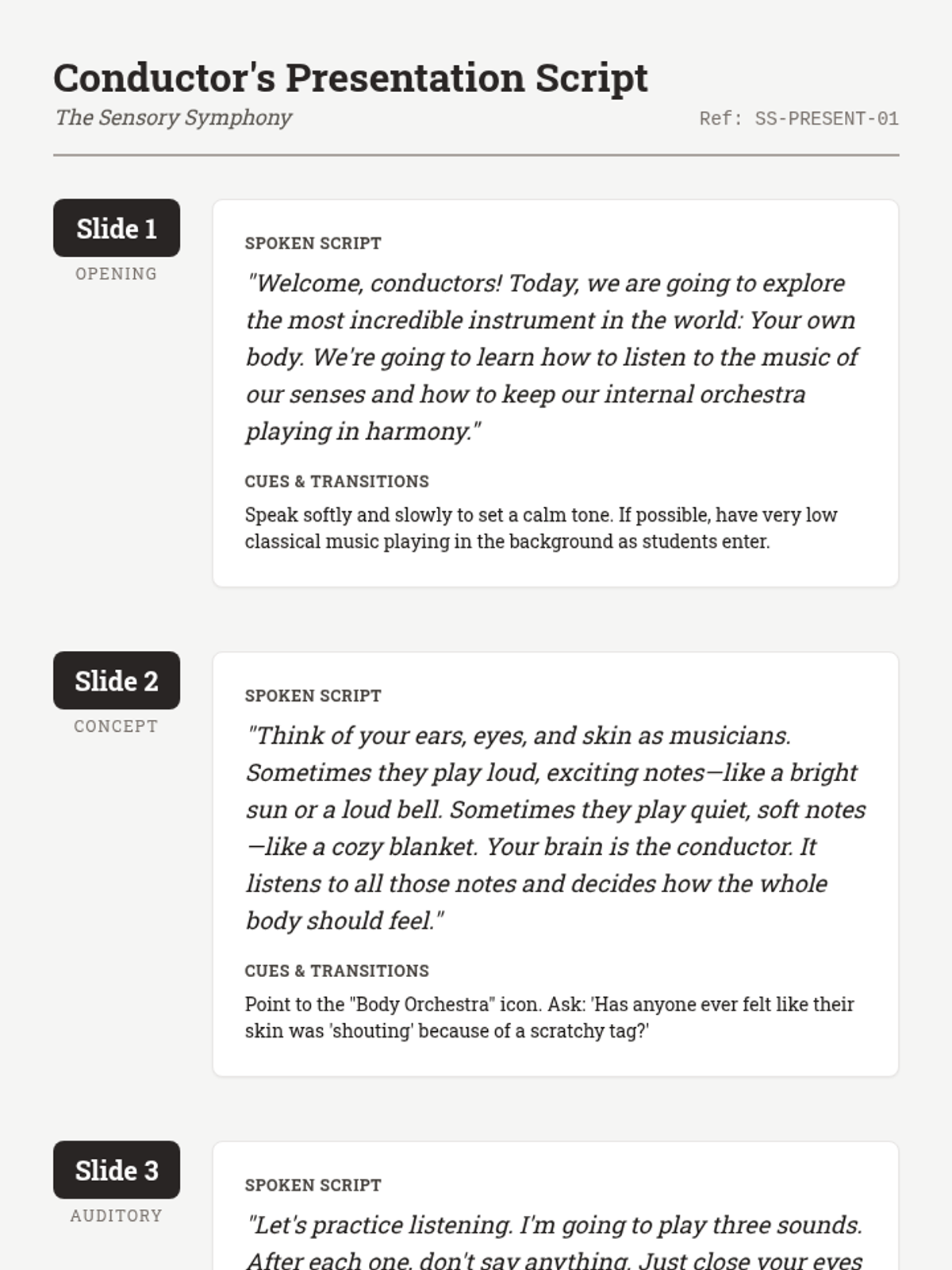
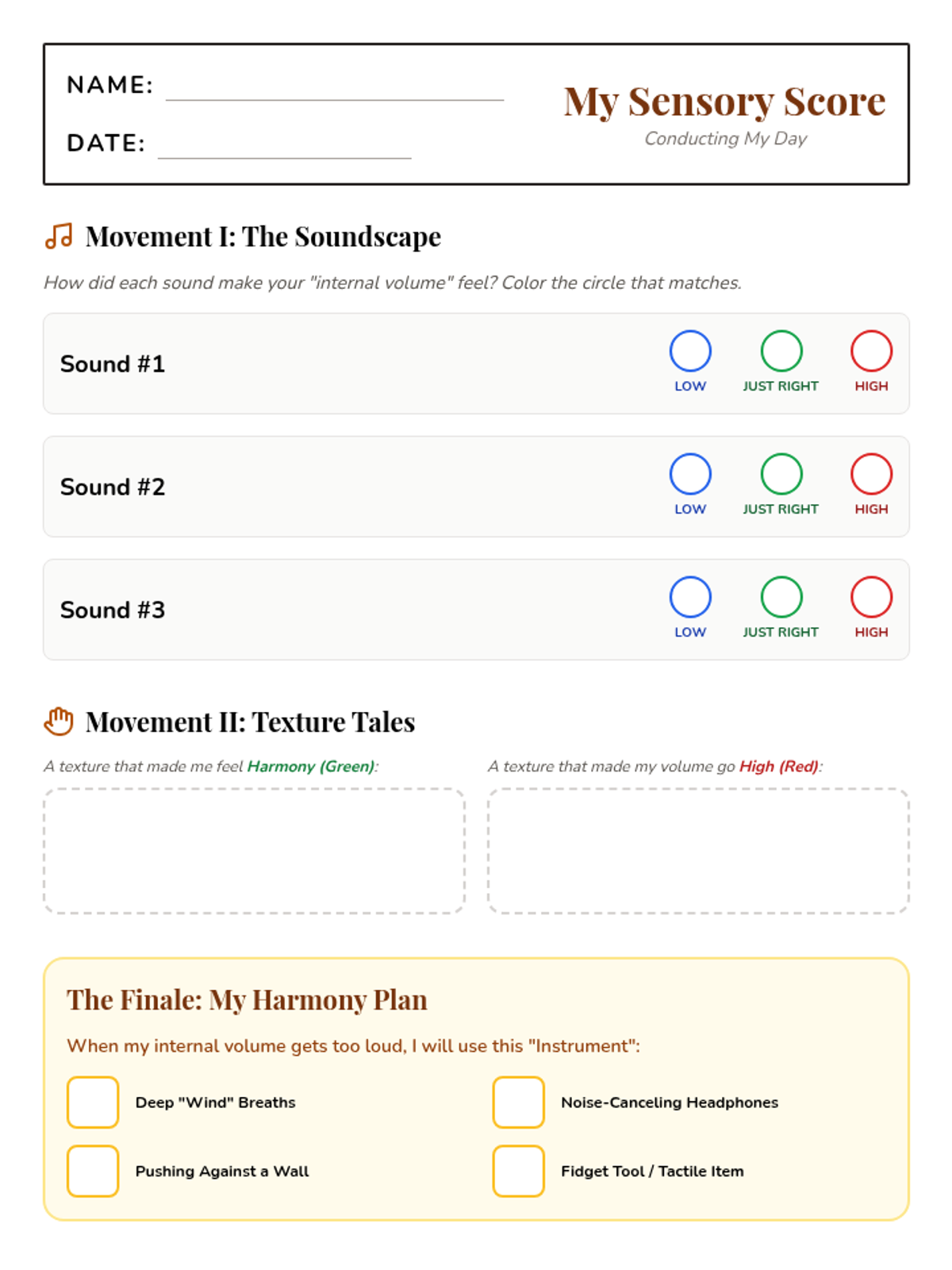
A multi-sensory lesson for 5th graders with sensory processing needs, focusing on the connection between external stimuli (sound/texture) and internal emotional states to build self-regulation skills.
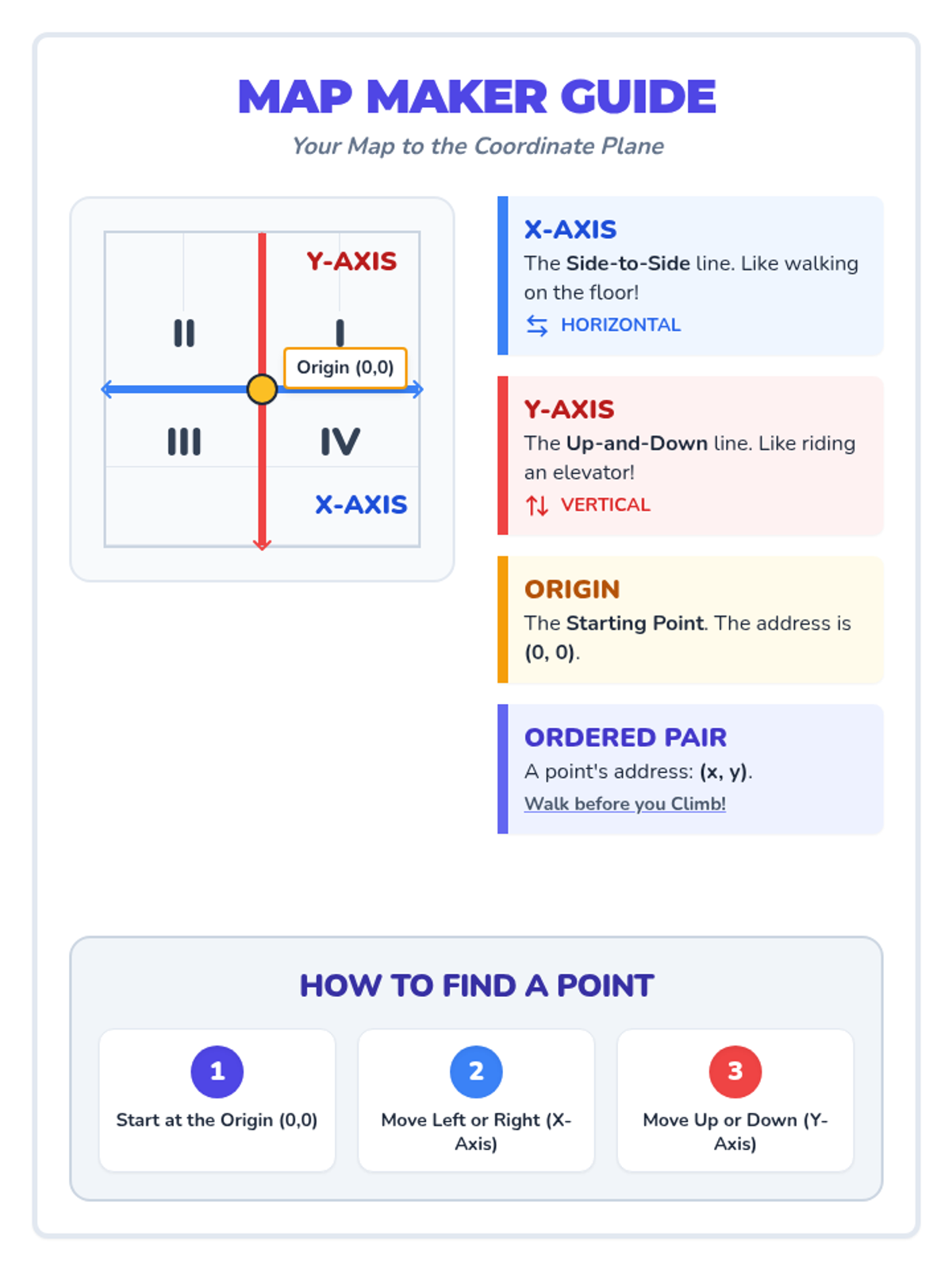
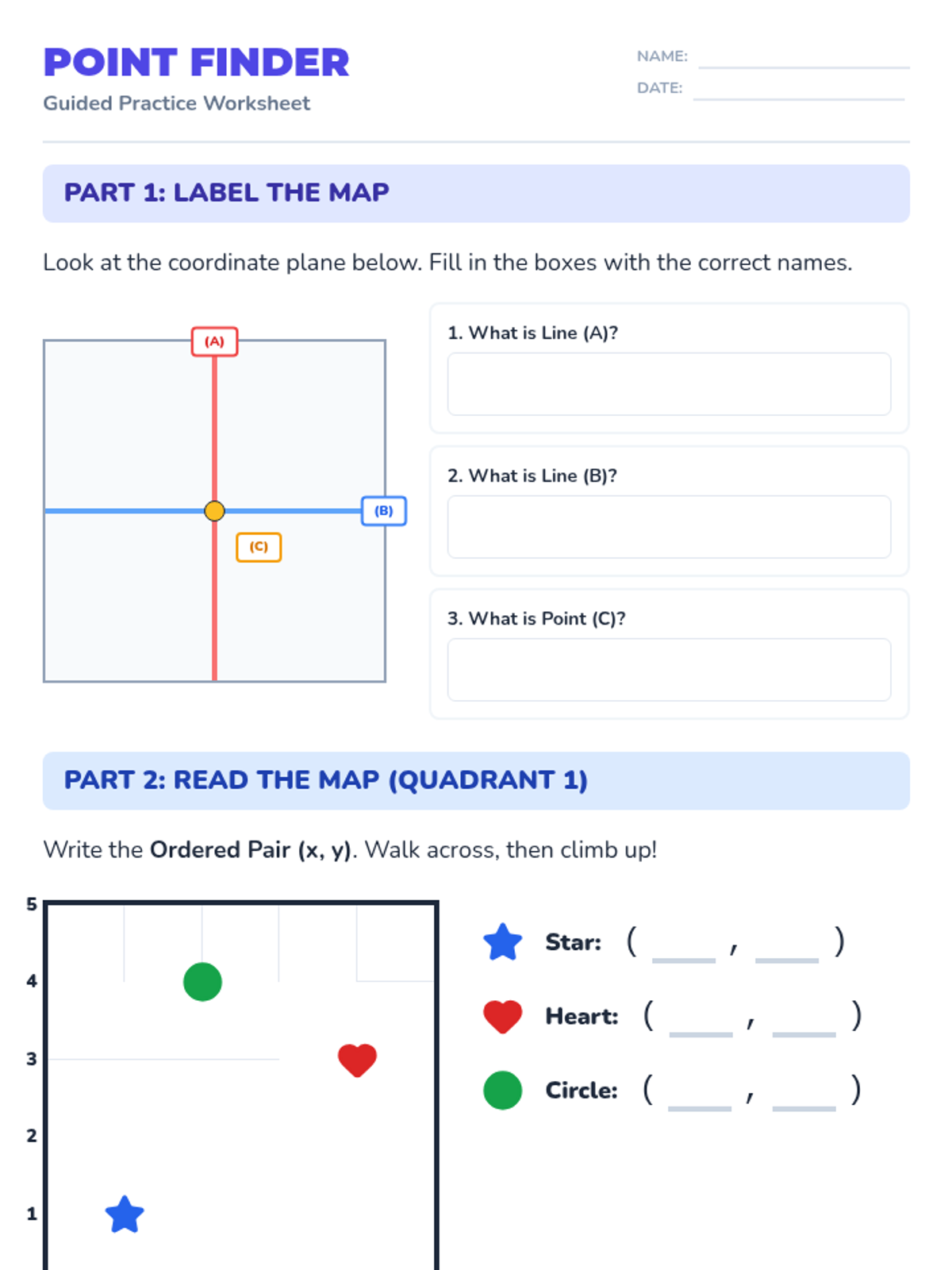
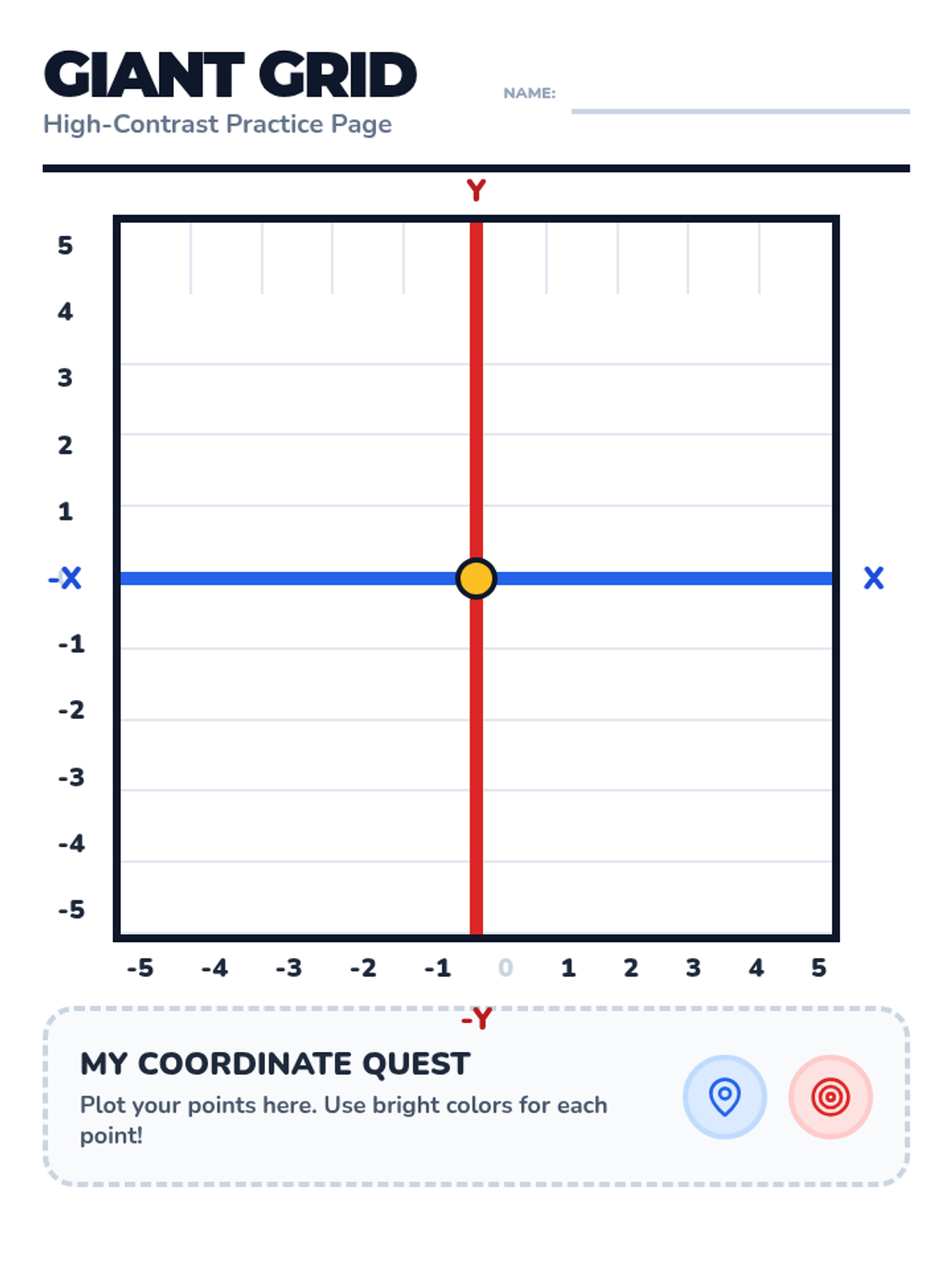
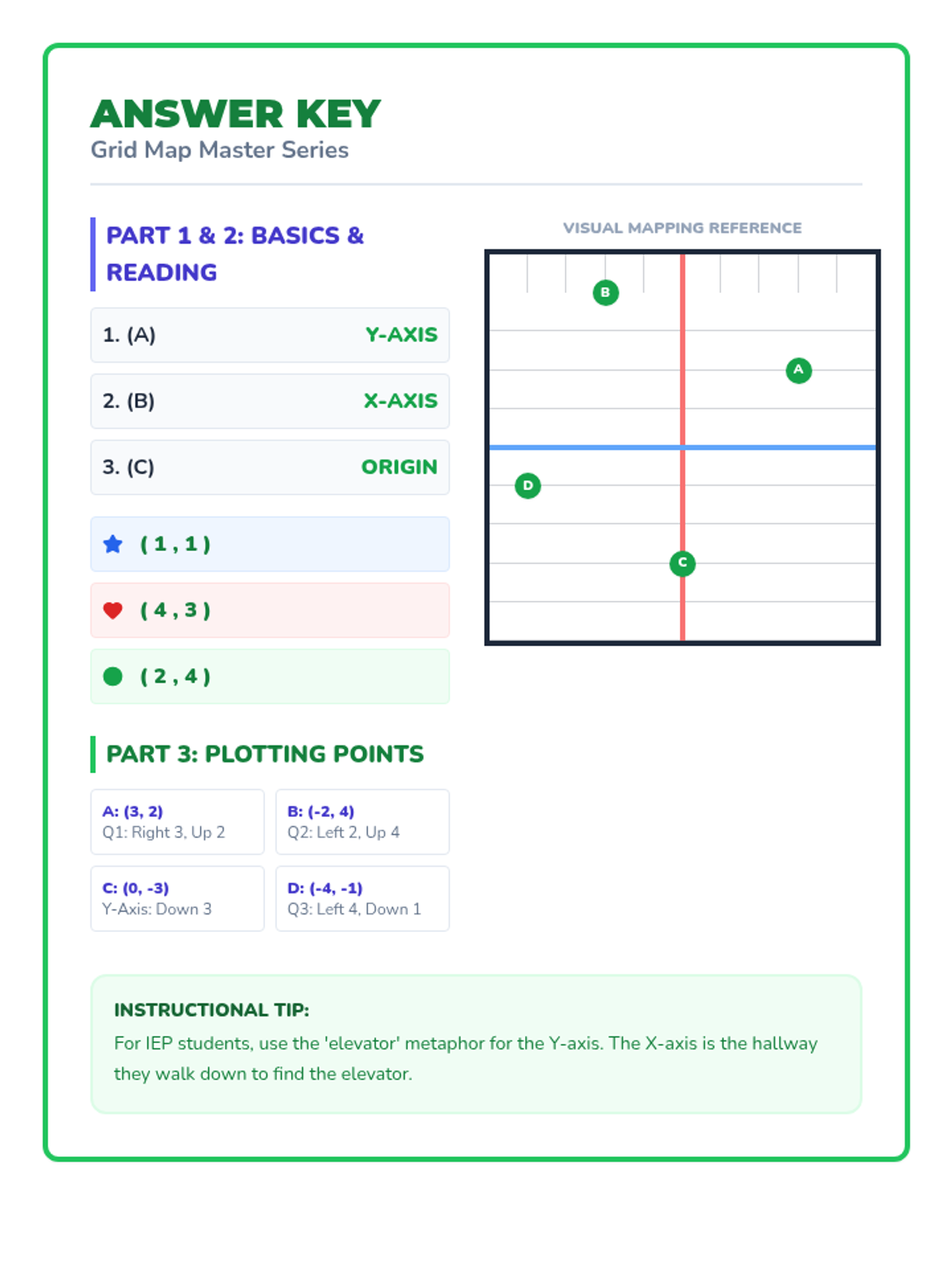
A foundational lesson on the coordinate plane designed for IEP students, focusing on vocabulary, quadrant identification, and step-by-step plotting and reading of points.
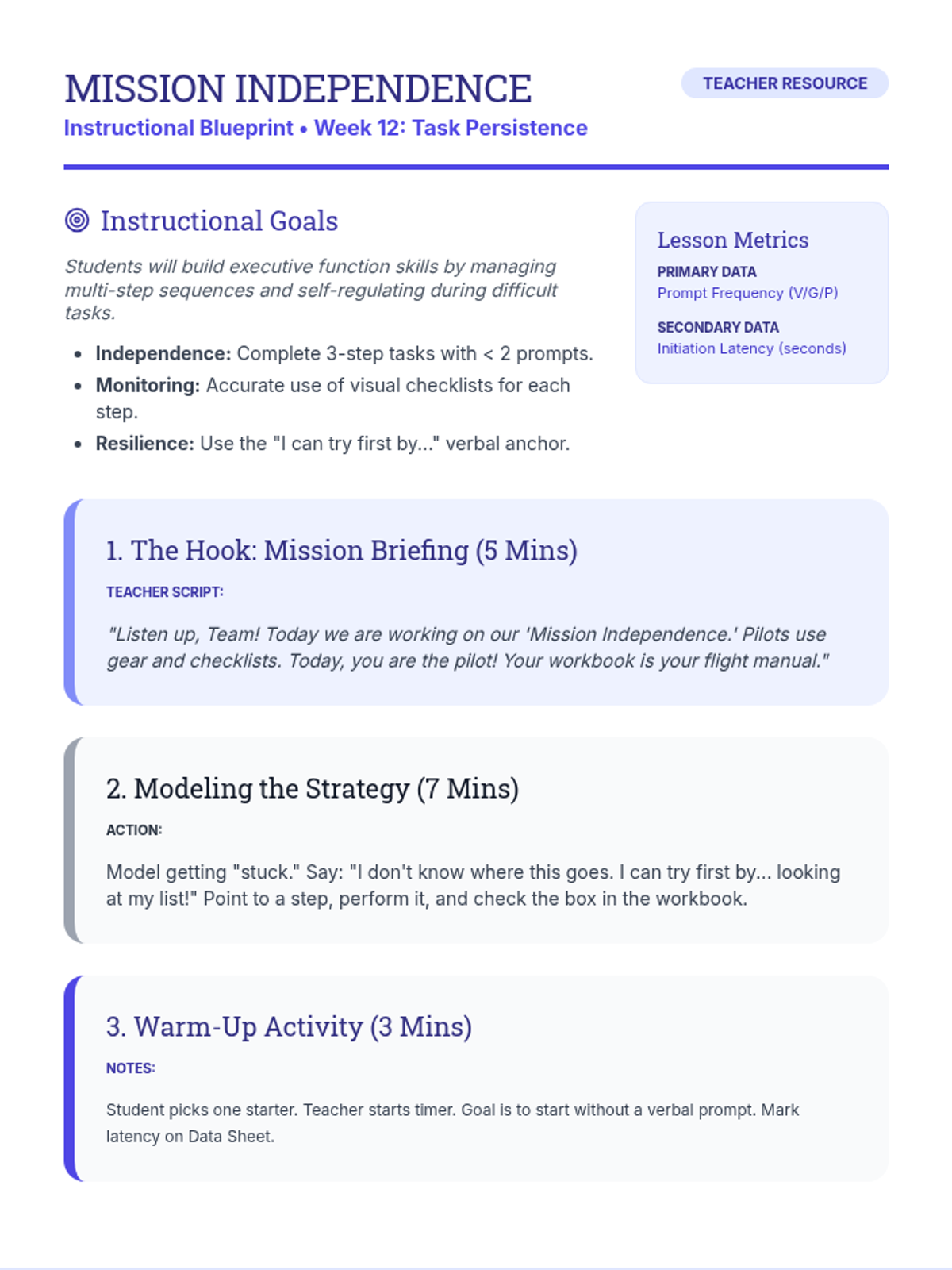
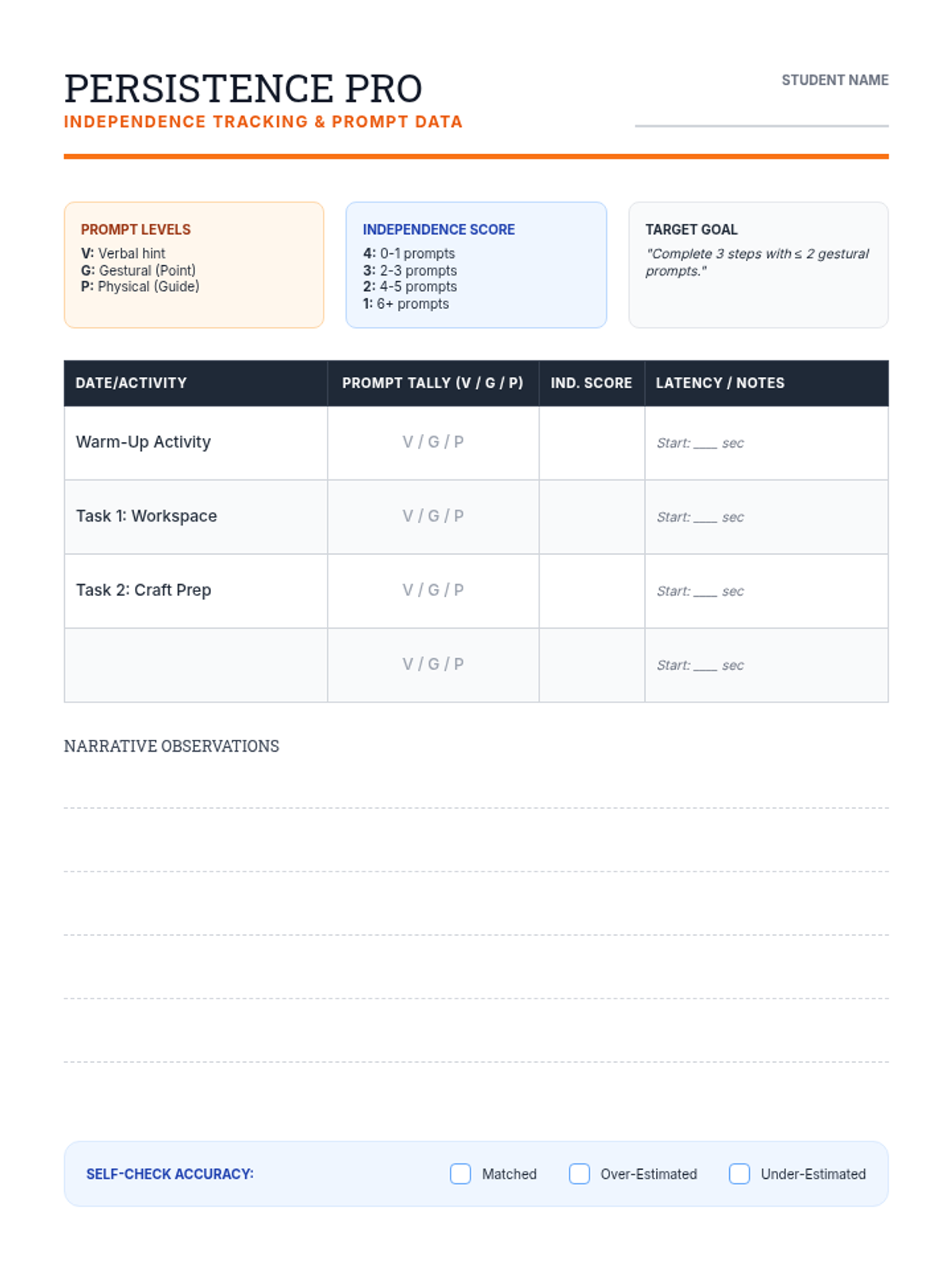
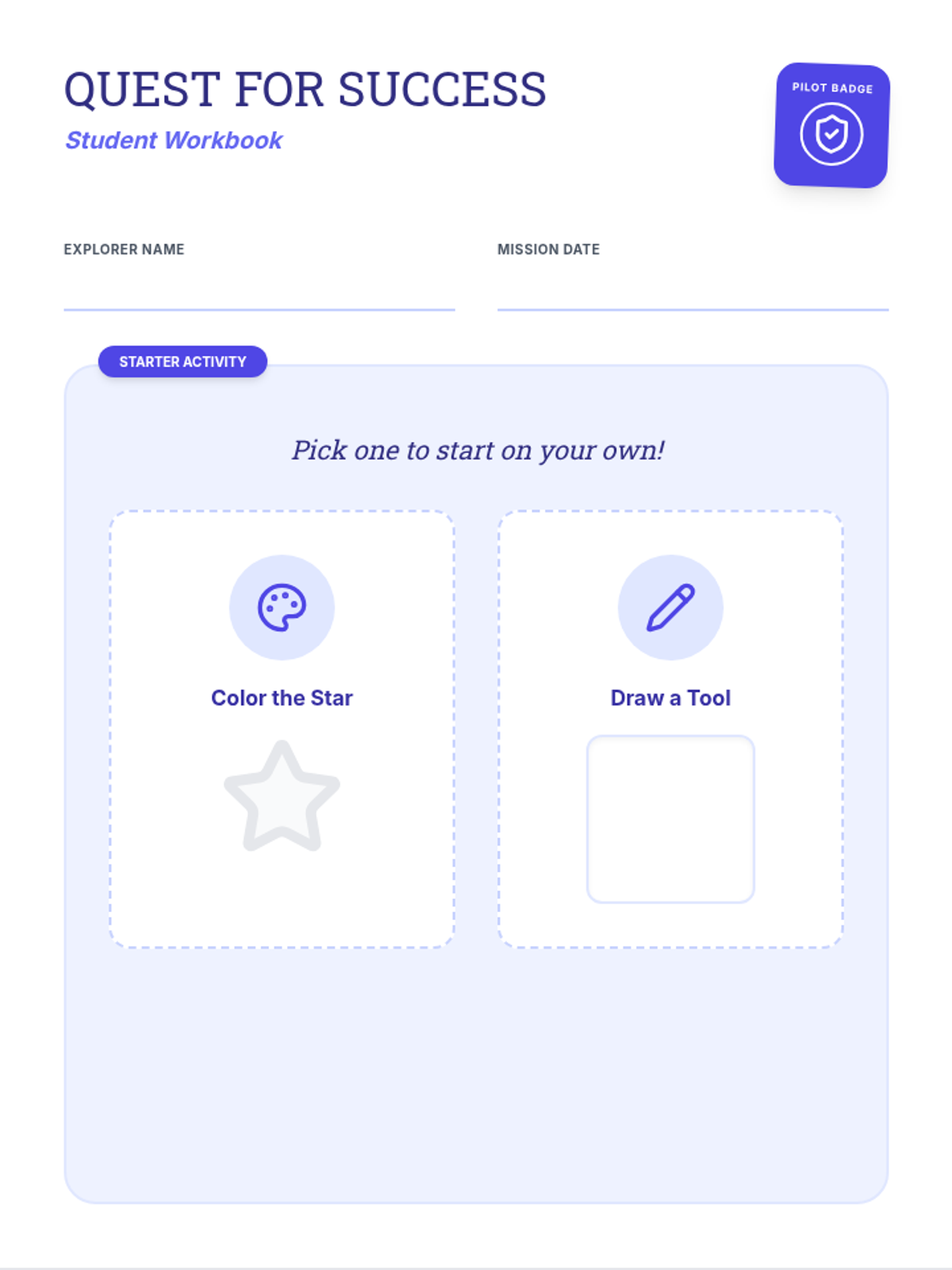
A comprehensive lesson focused on building task persistence and independence in 1st-grade students through structured 3-step tasks, visual checklists, and self-monitoring strategies.
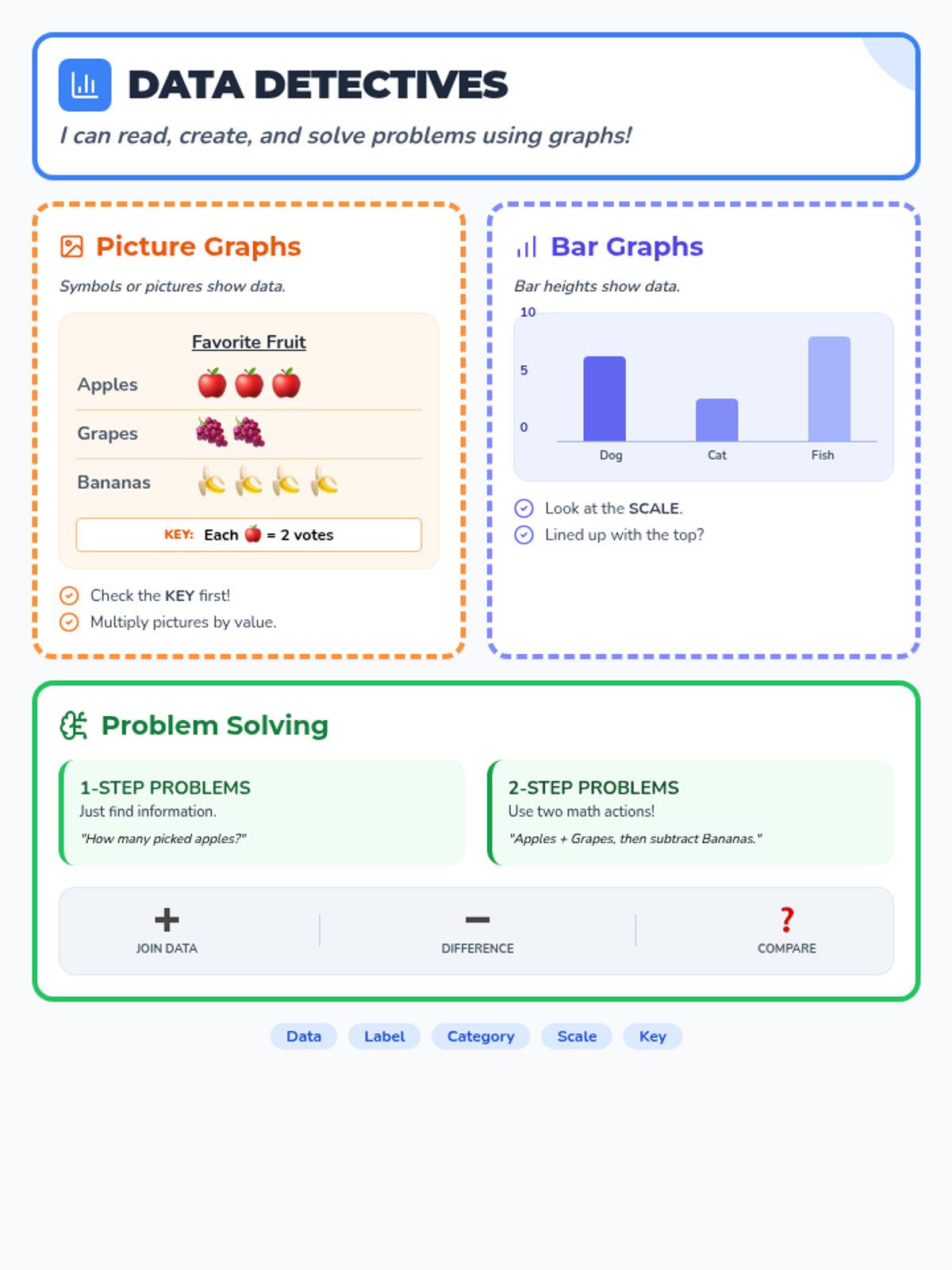
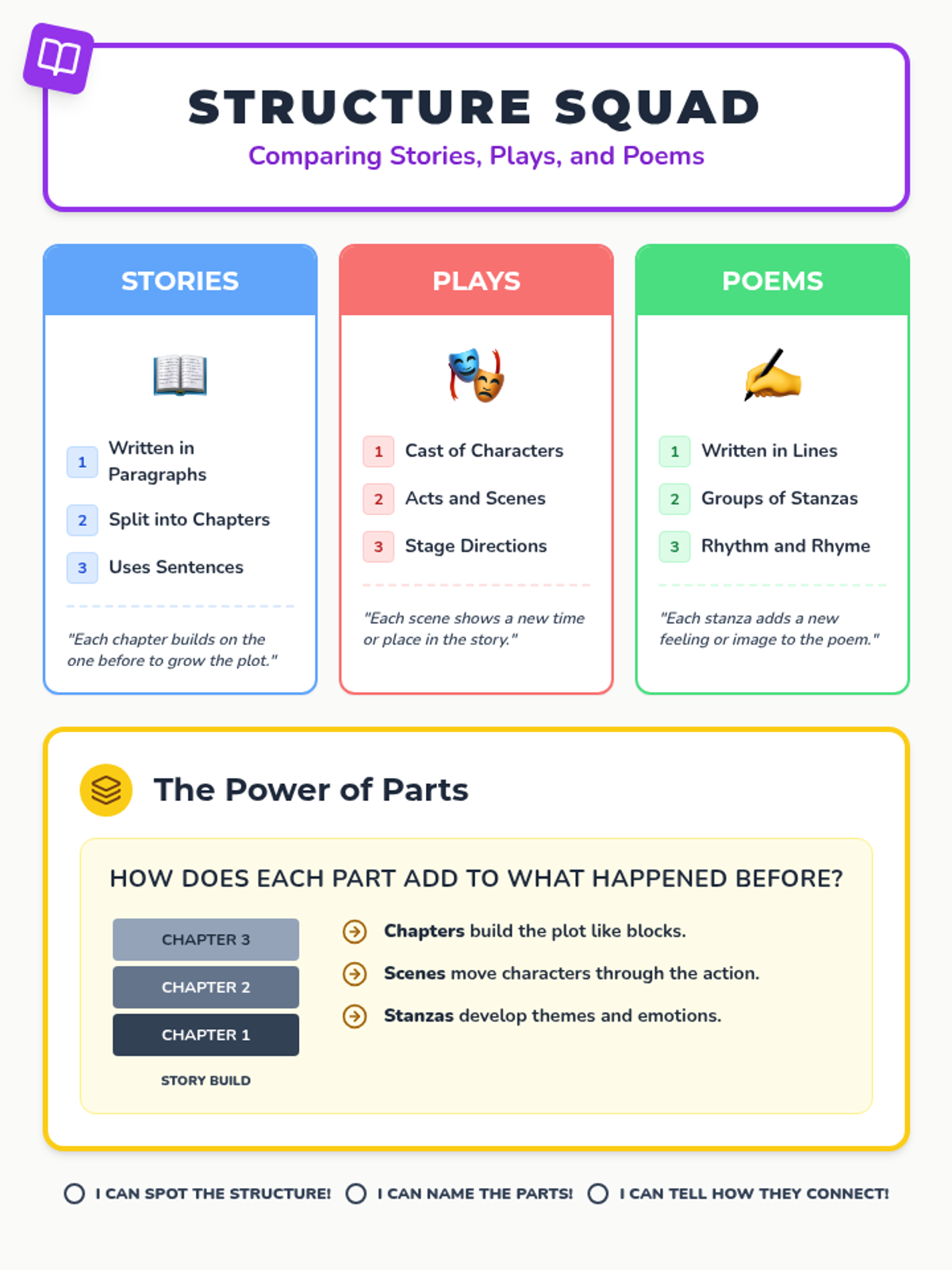
A collection of visual anchor charts designed to support elementary students in mastering data representation and literary structures.
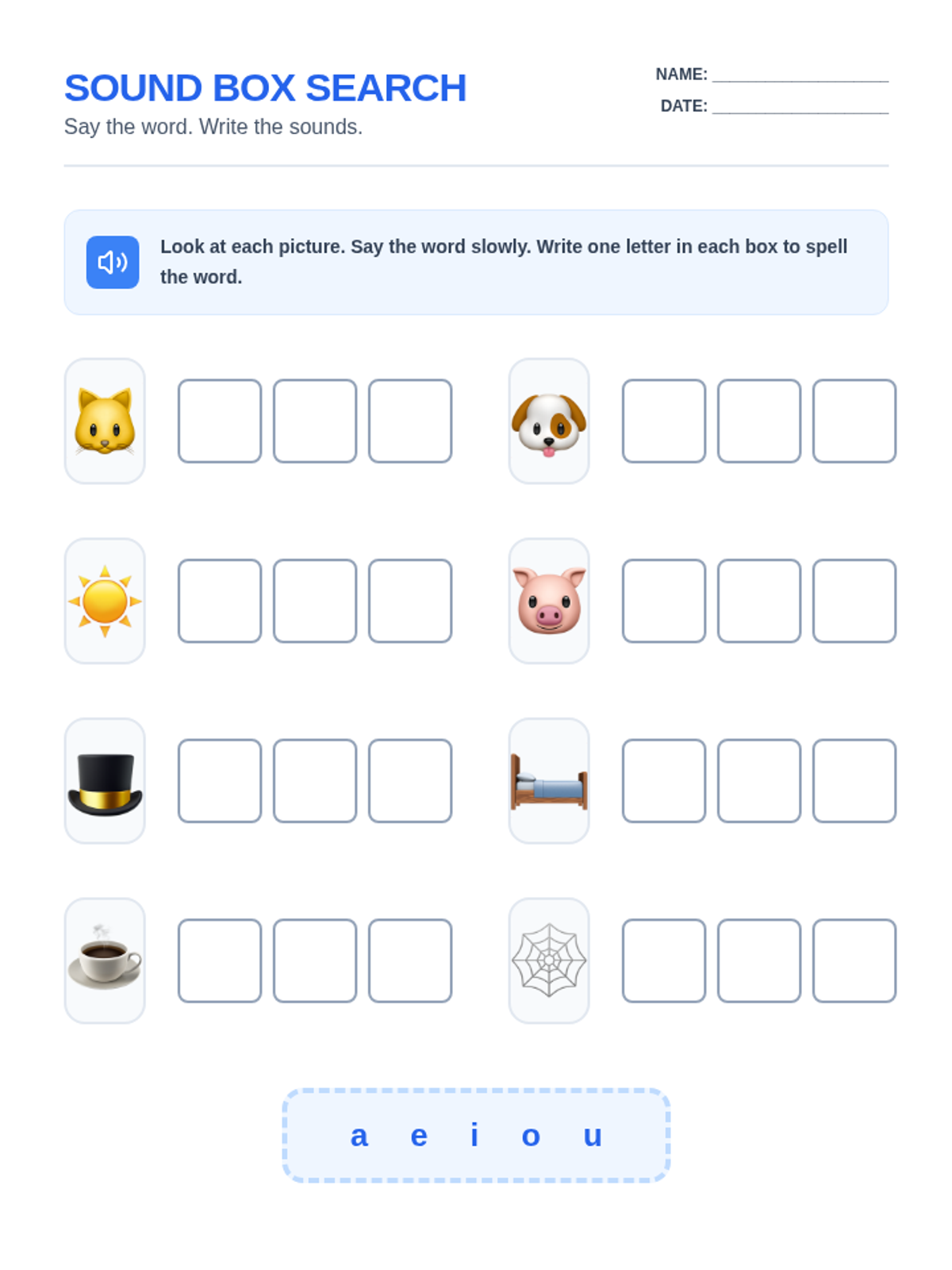
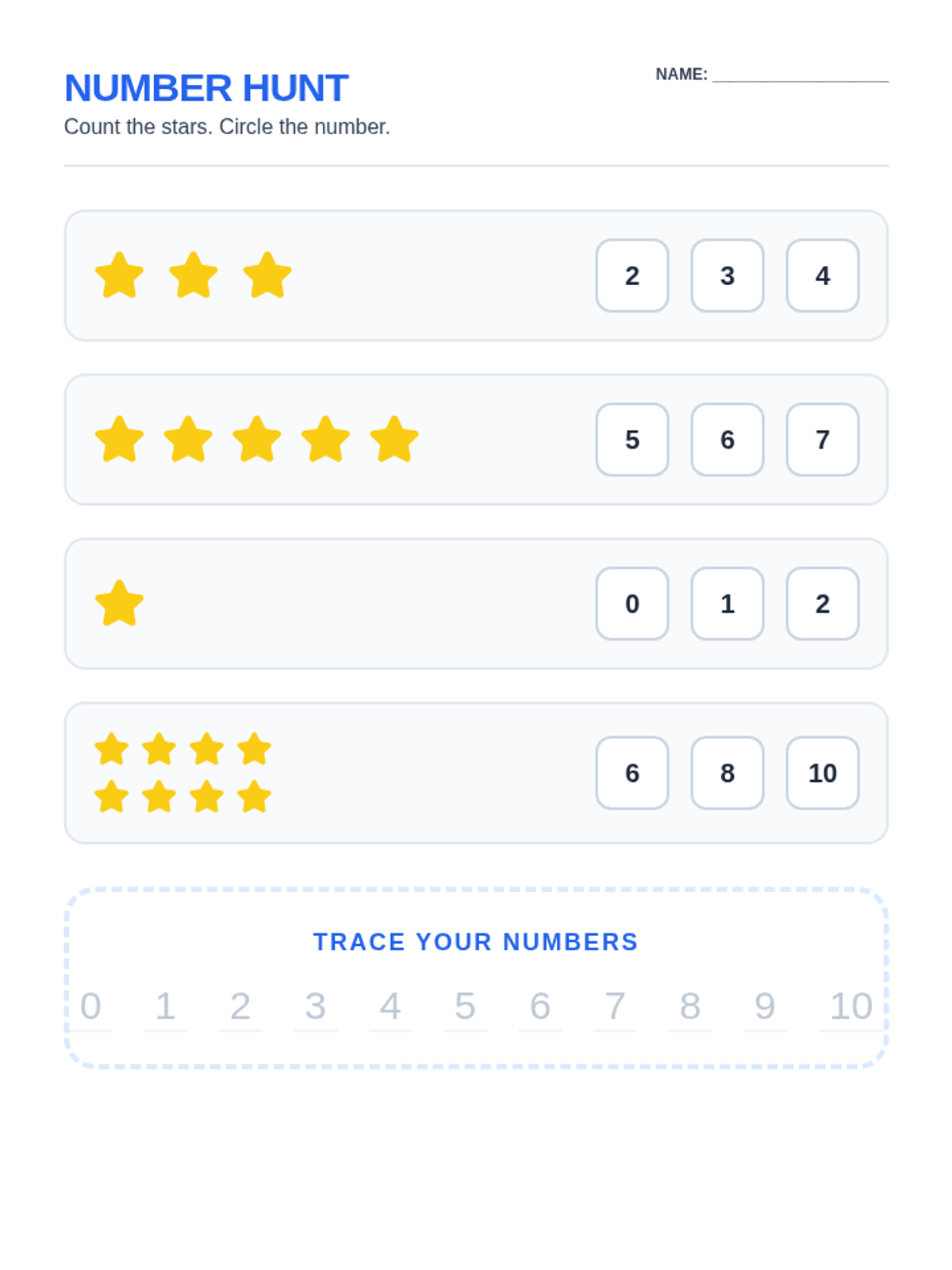
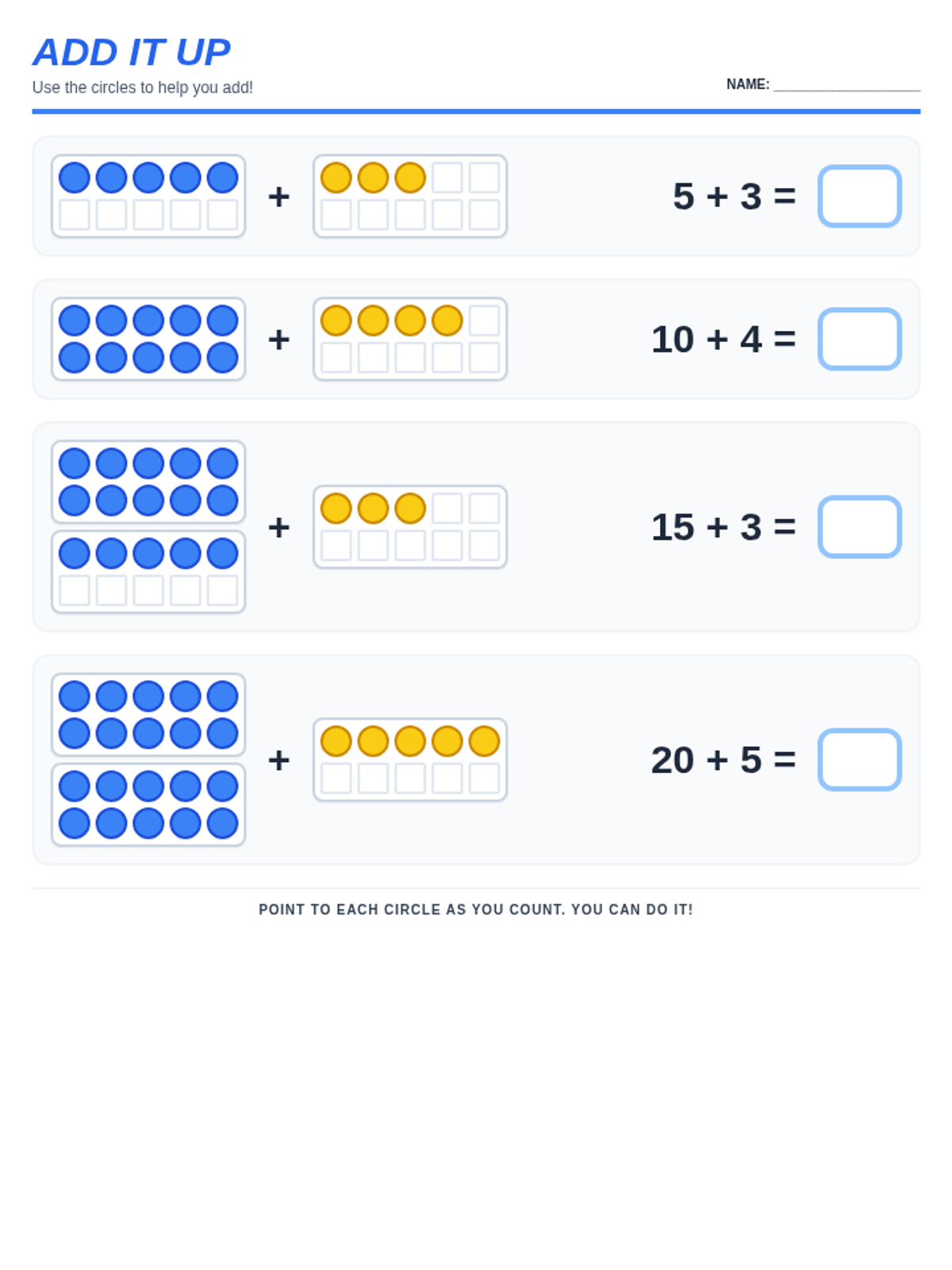
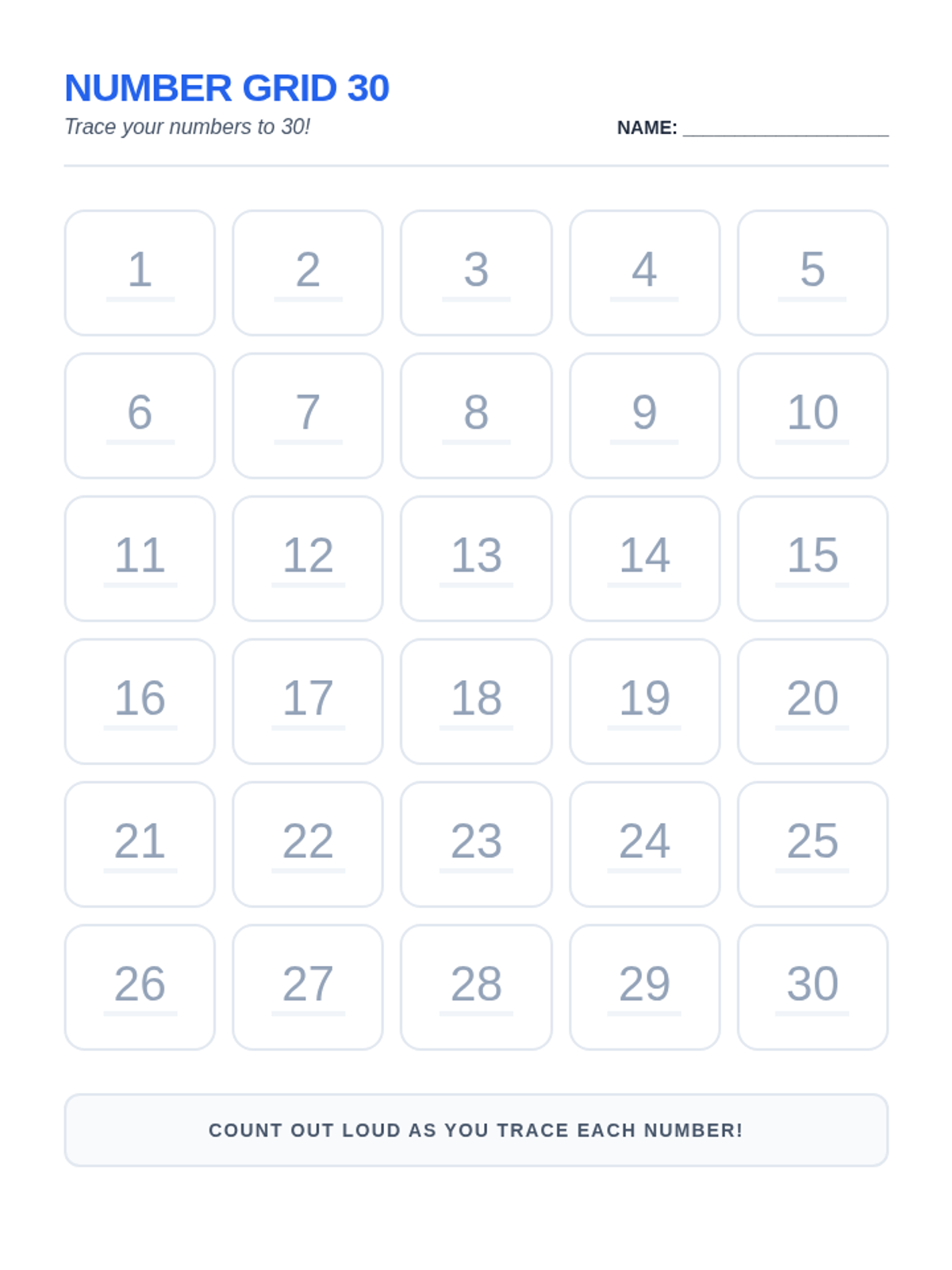
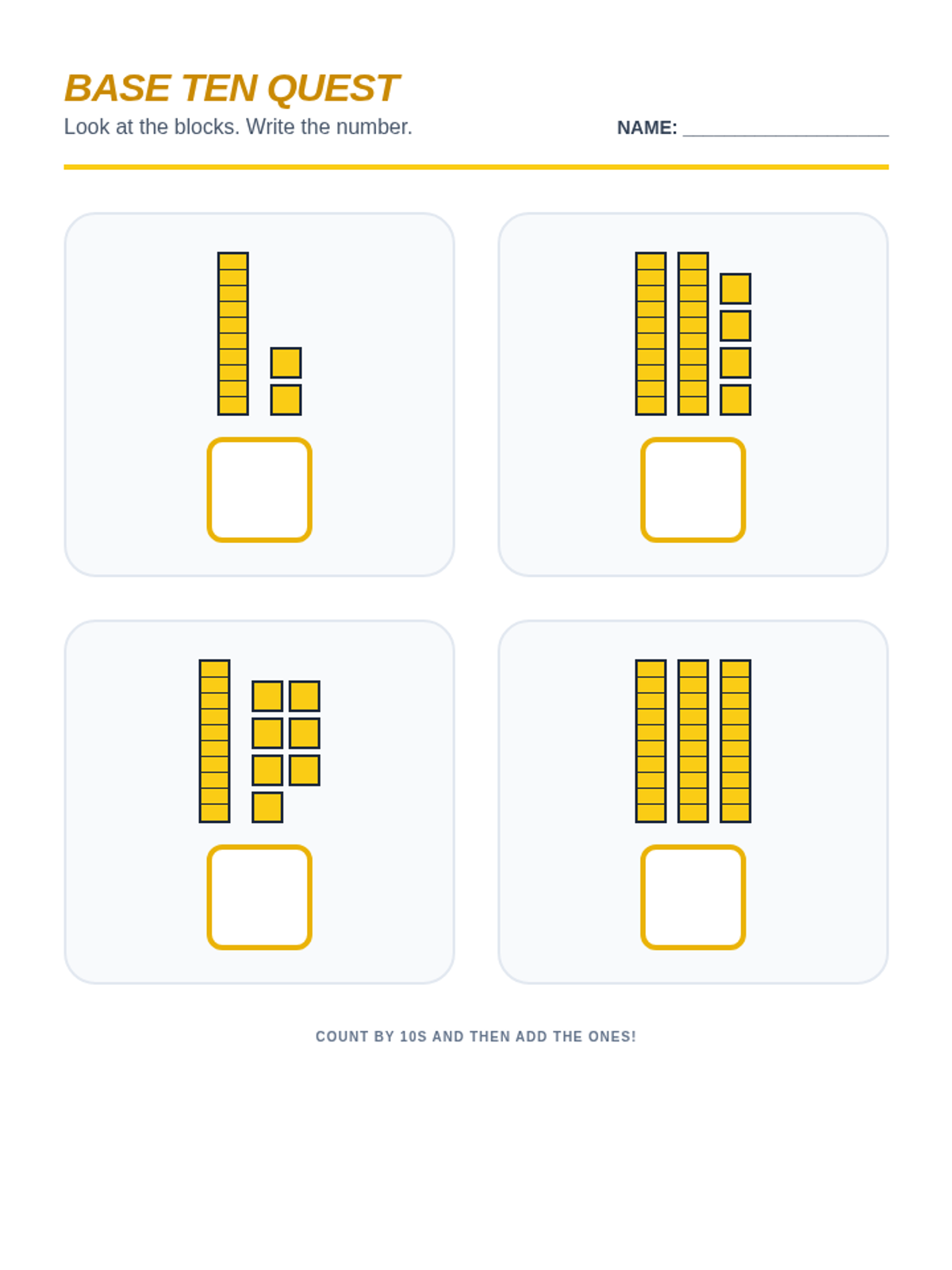
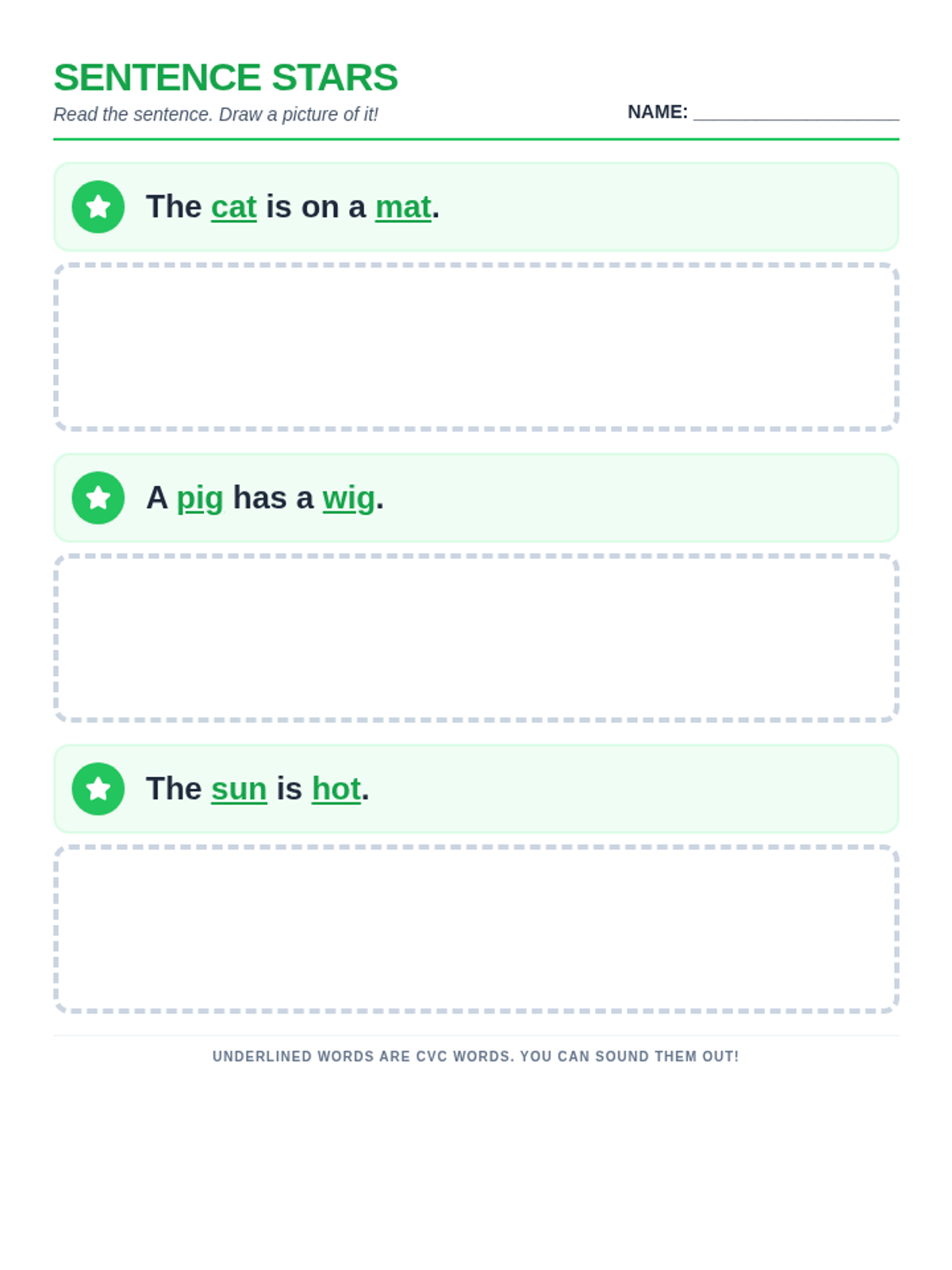
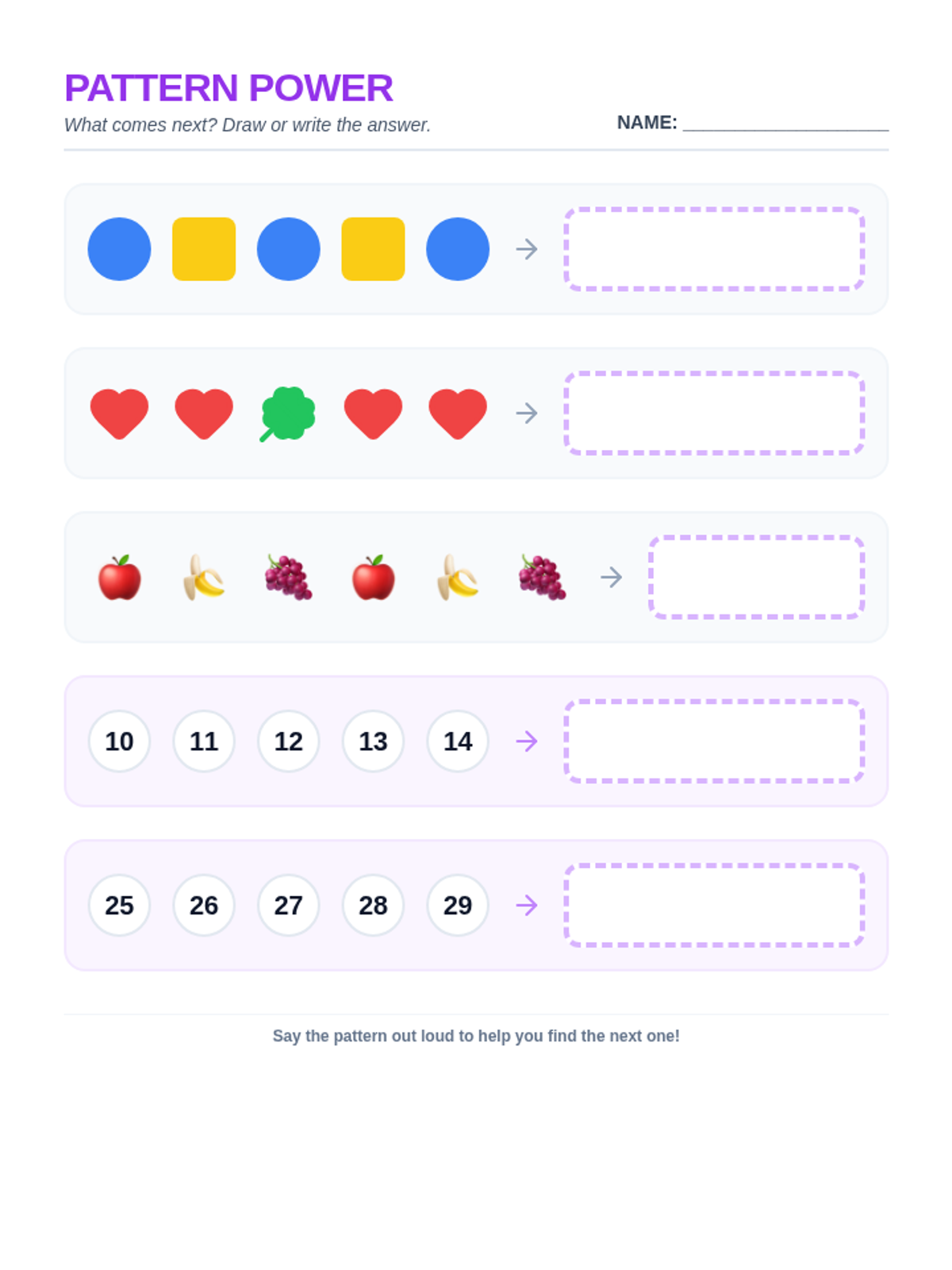
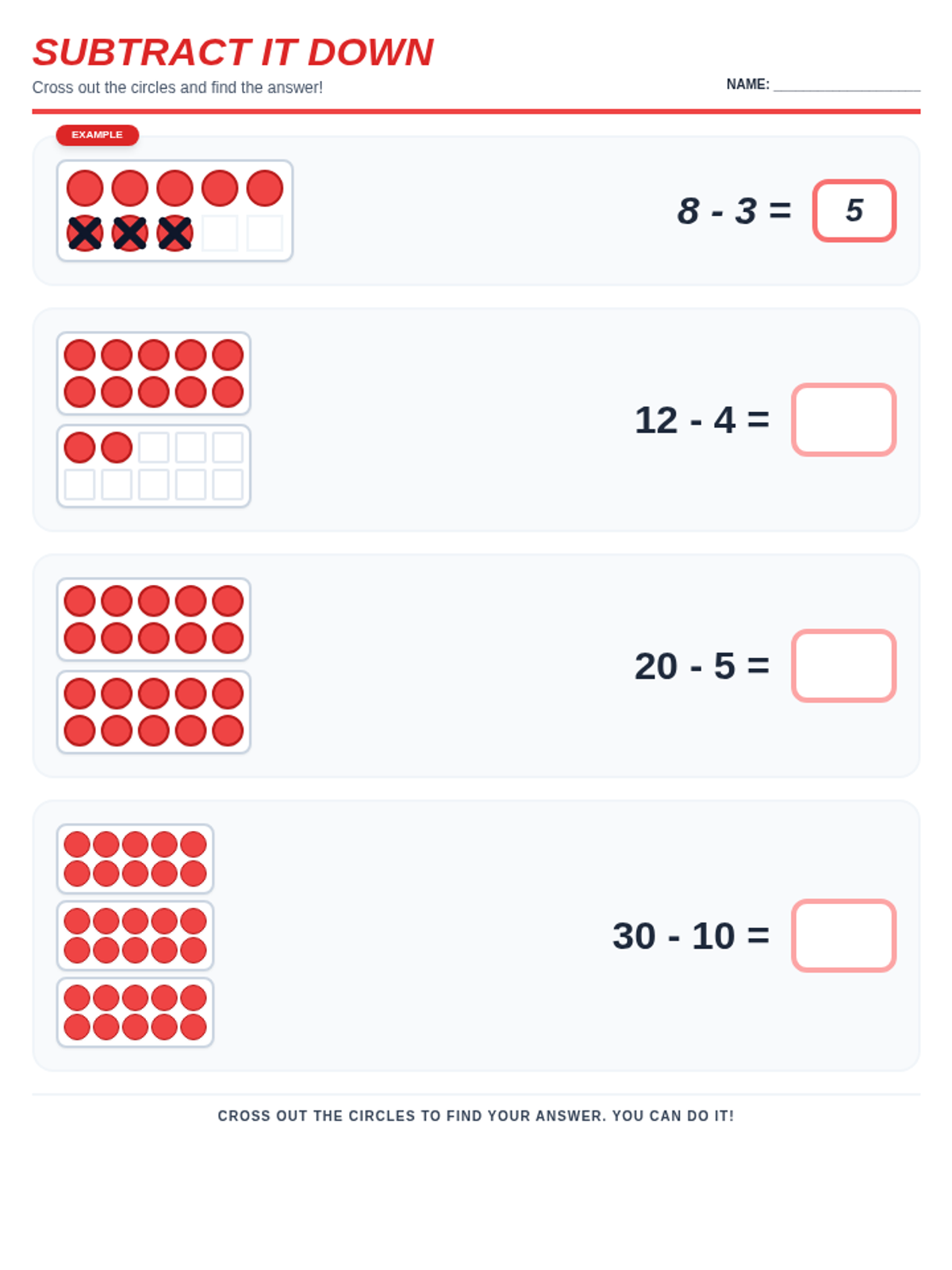
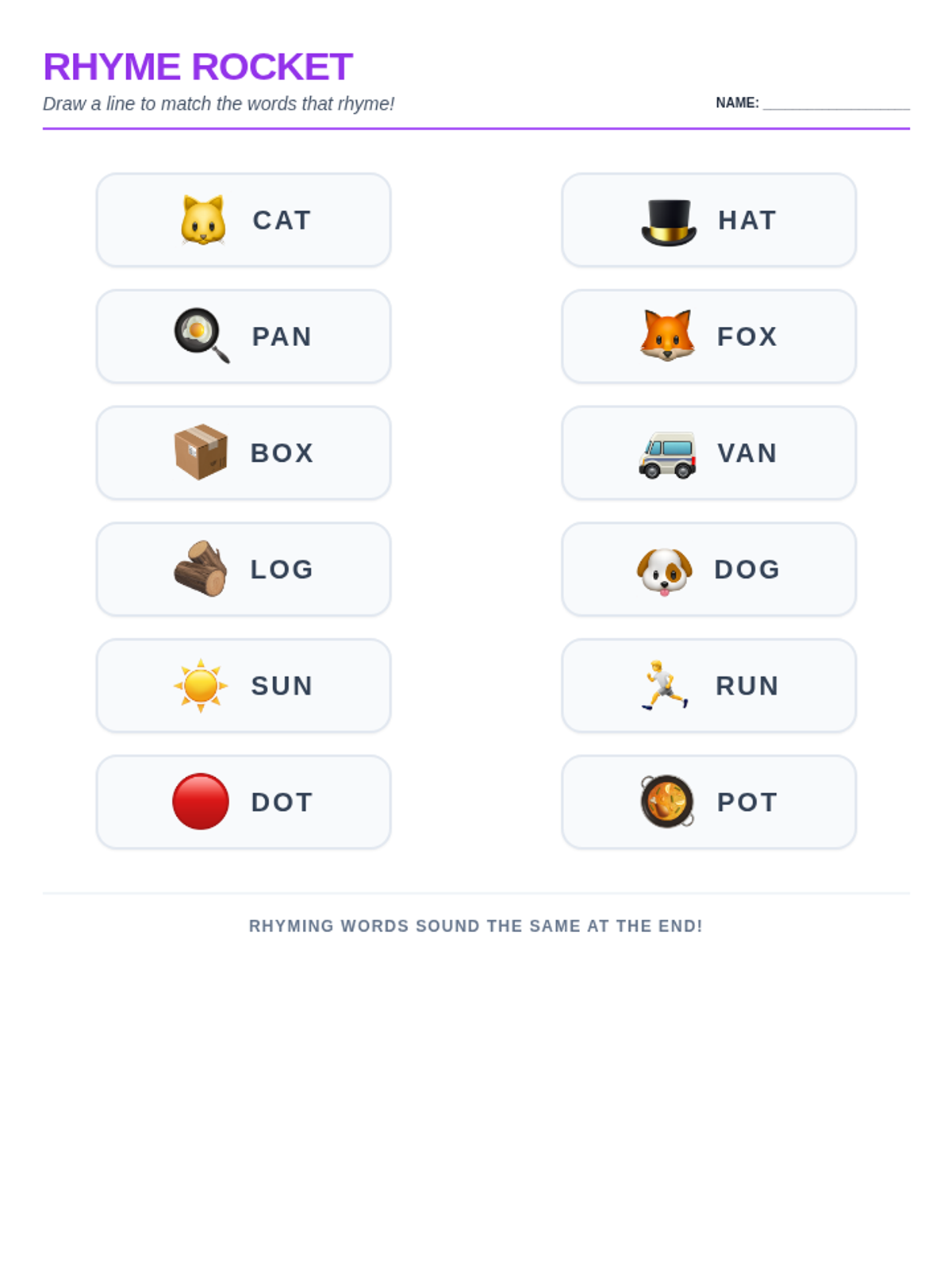
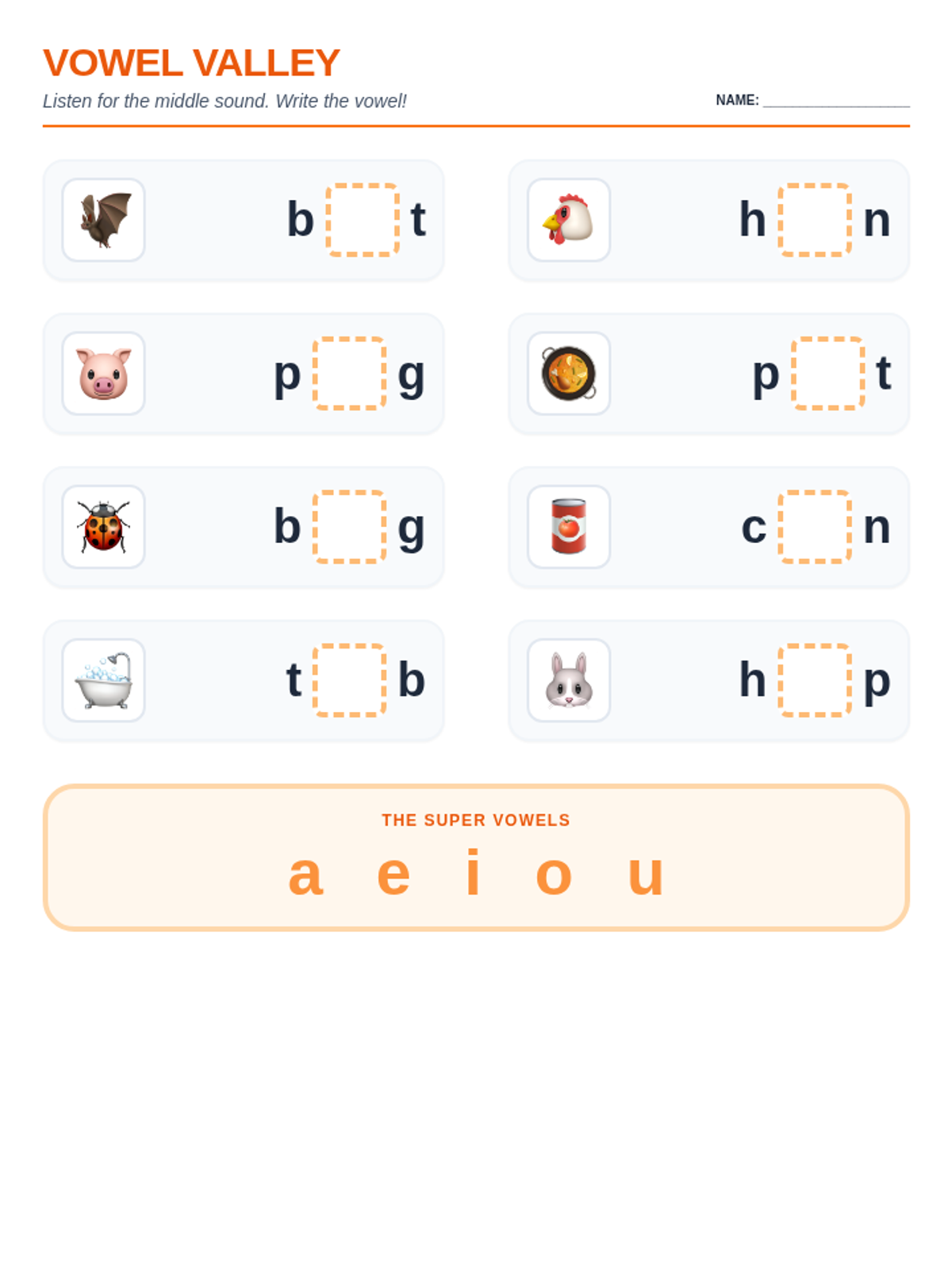
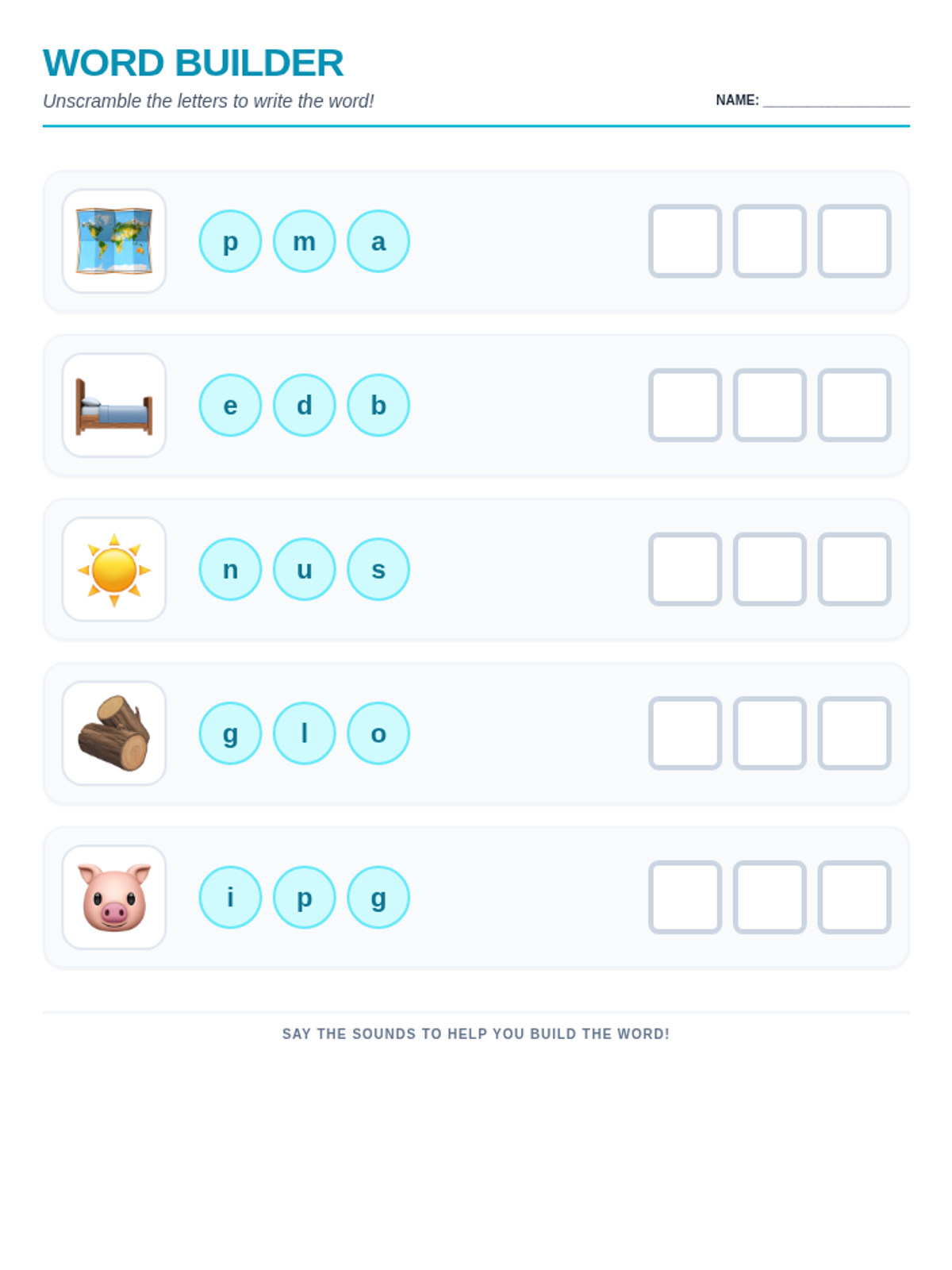
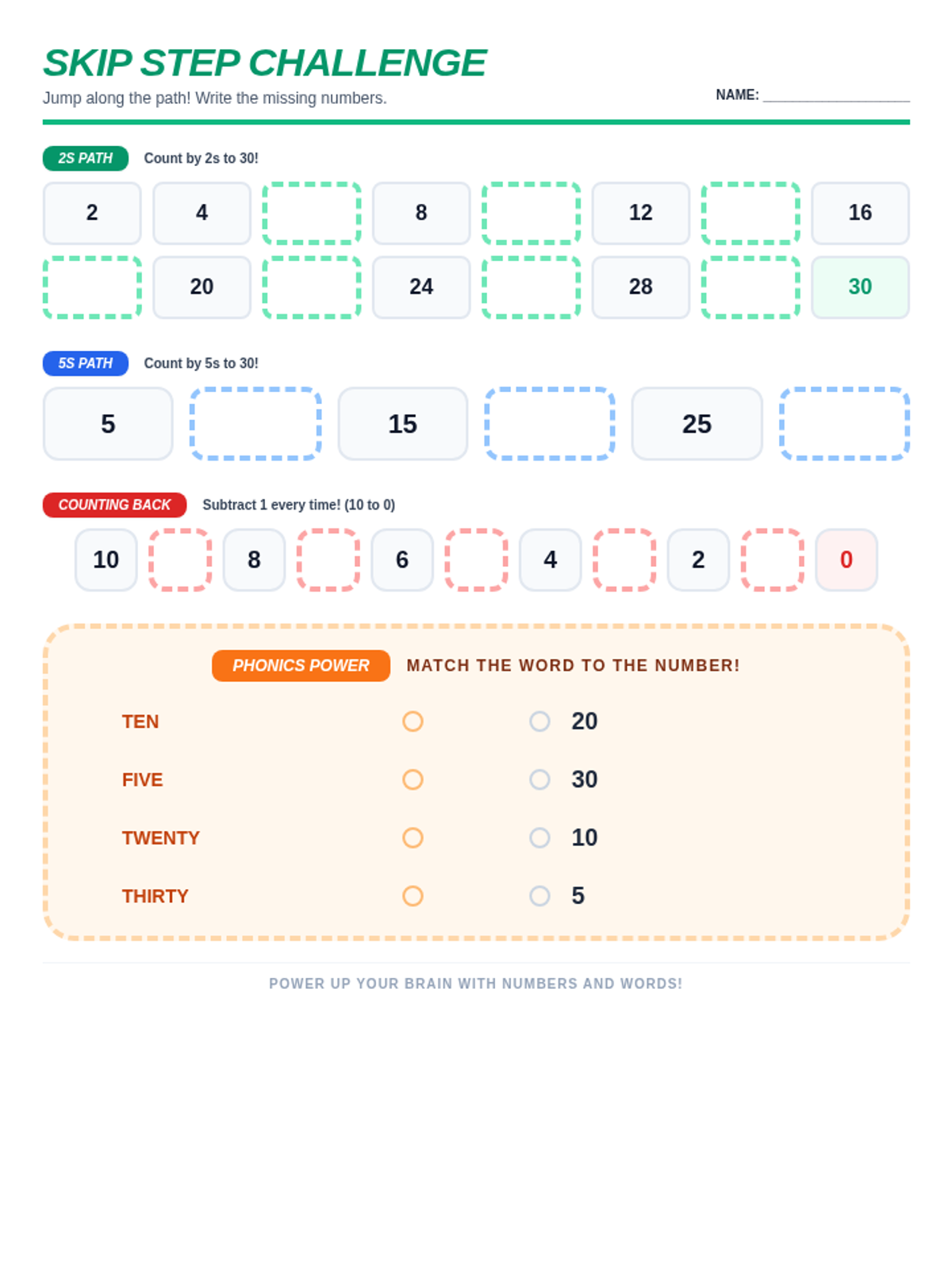
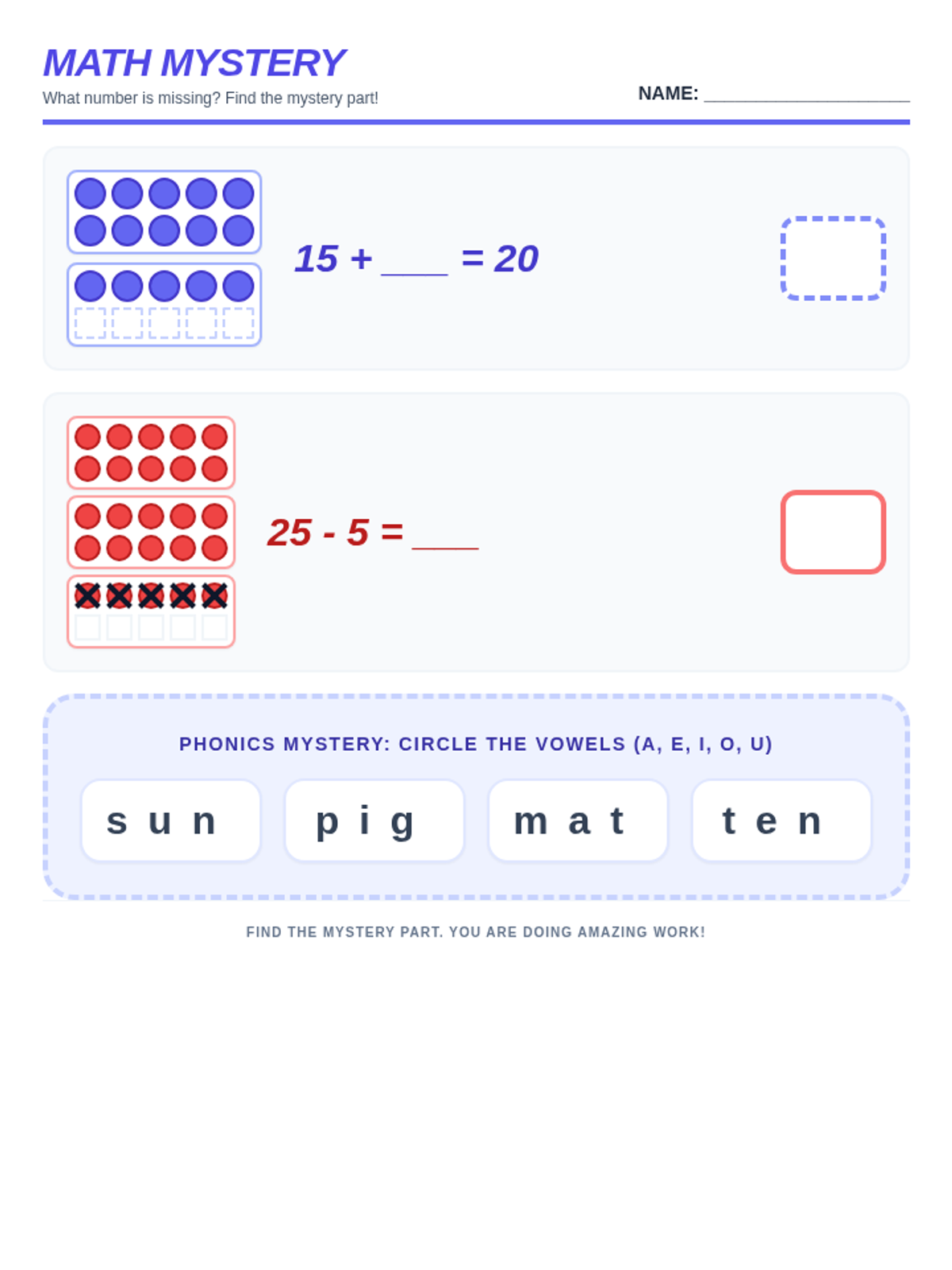
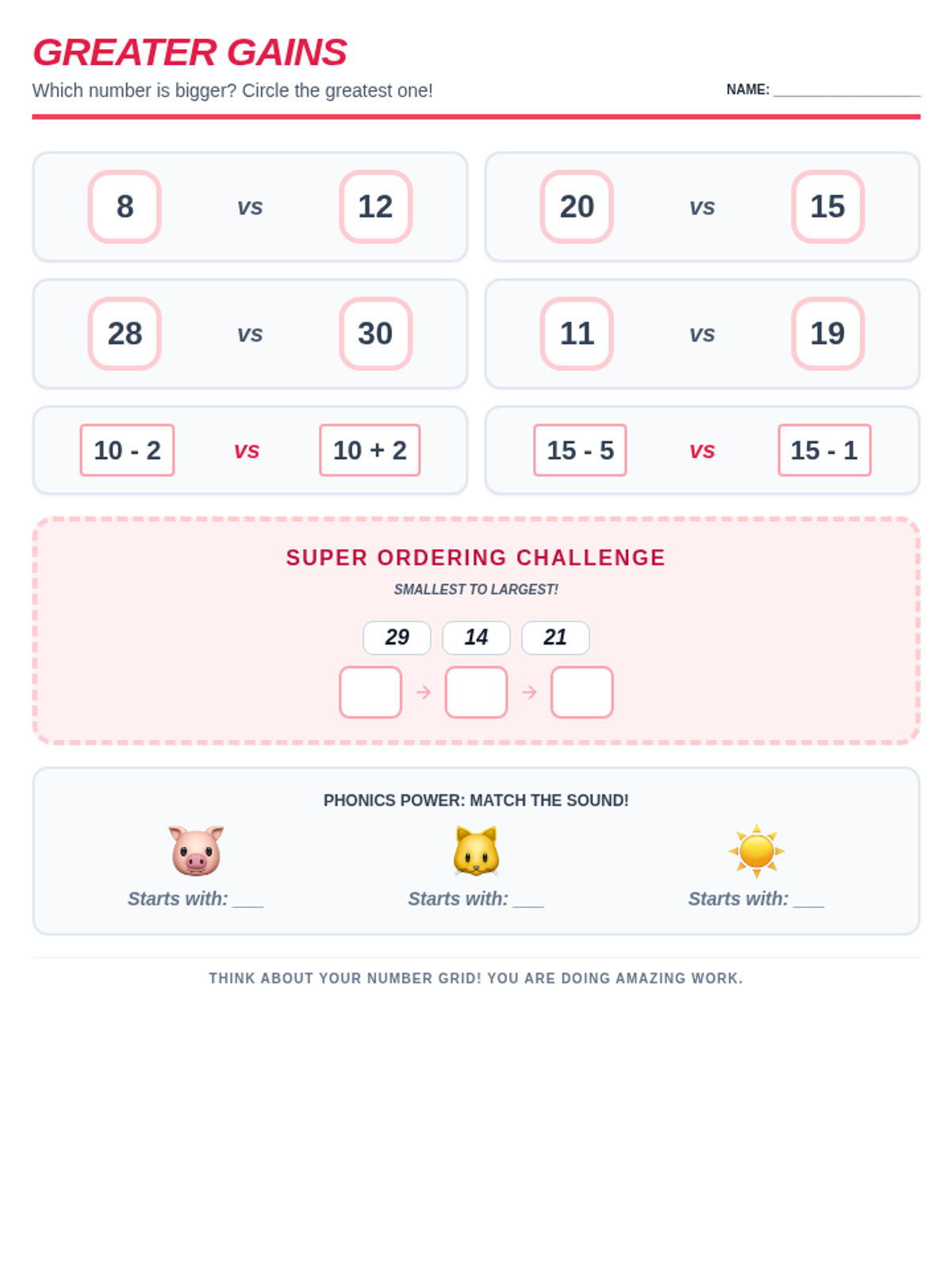
A set of foundational literacy and numeracy materials designed for an EC student performing at a Kindergarten level, focusing on CVC words, number sense 0-10, and basic addition.
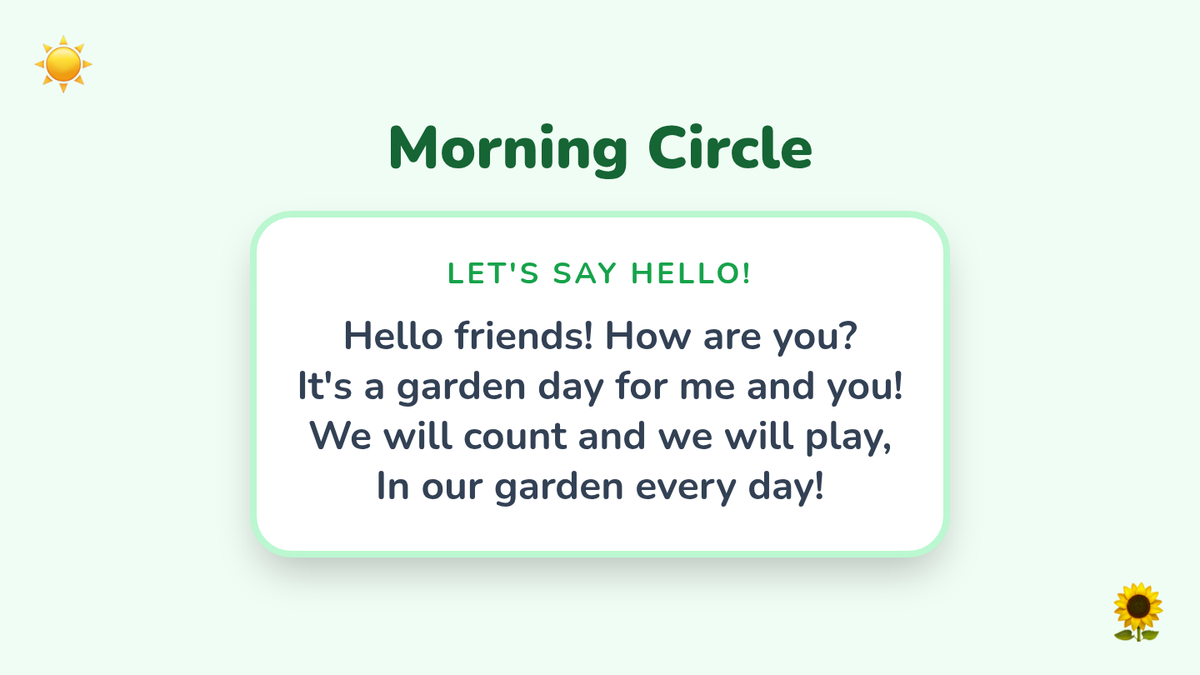
A daily routine lesson for morning circle and daily work, reinforcing garden themes, calendar skills, and social-emotional awareness.
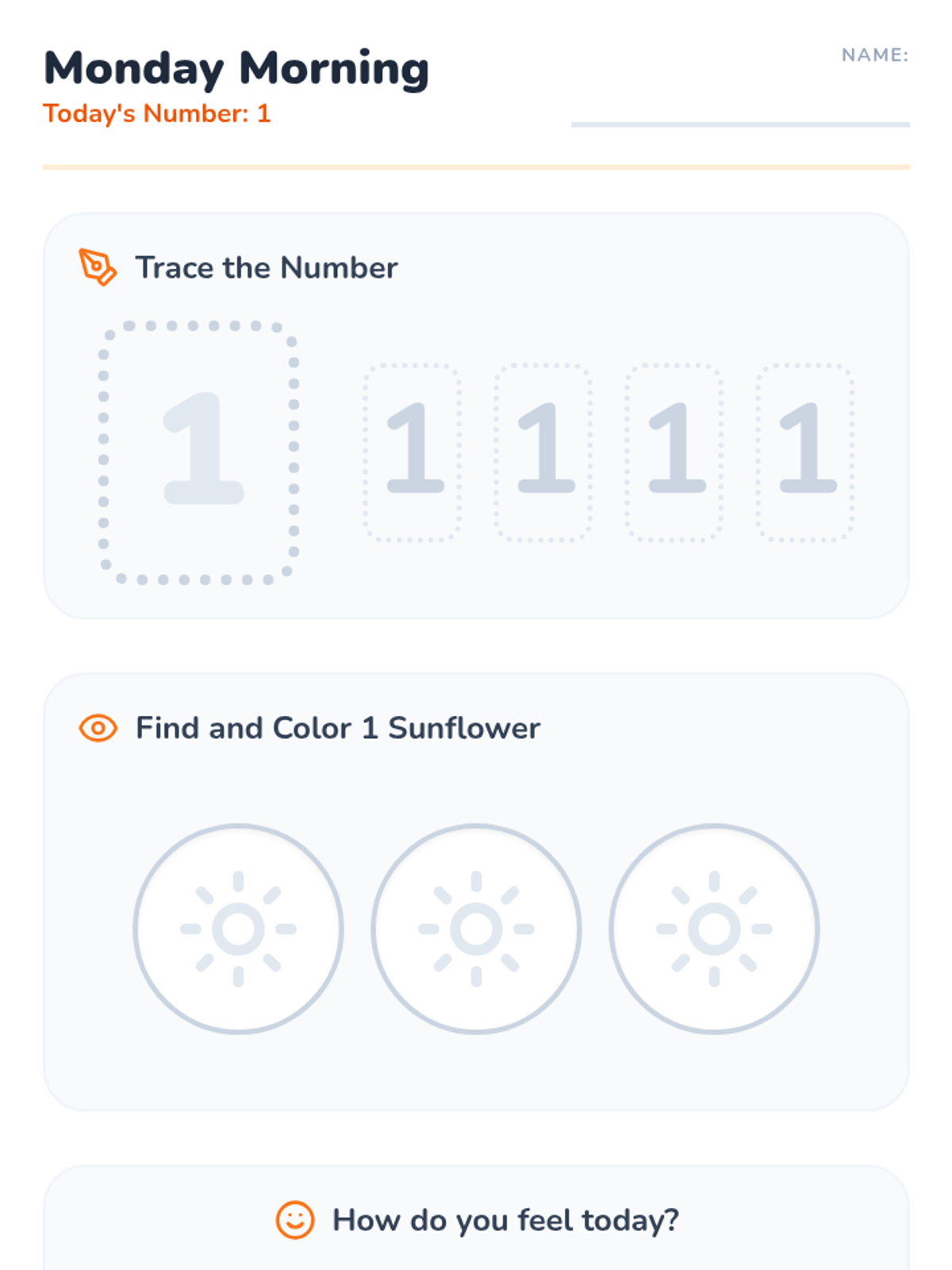
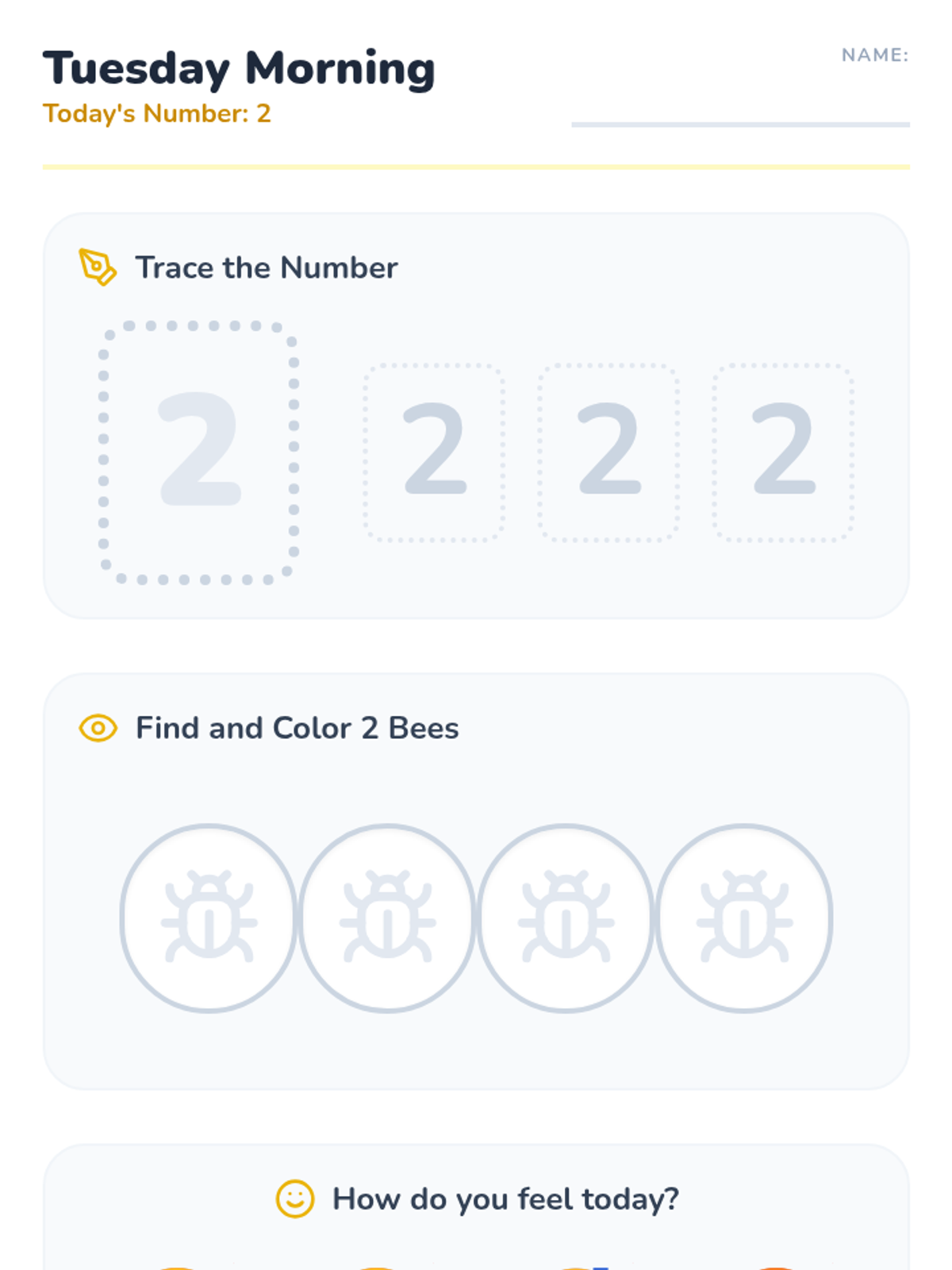
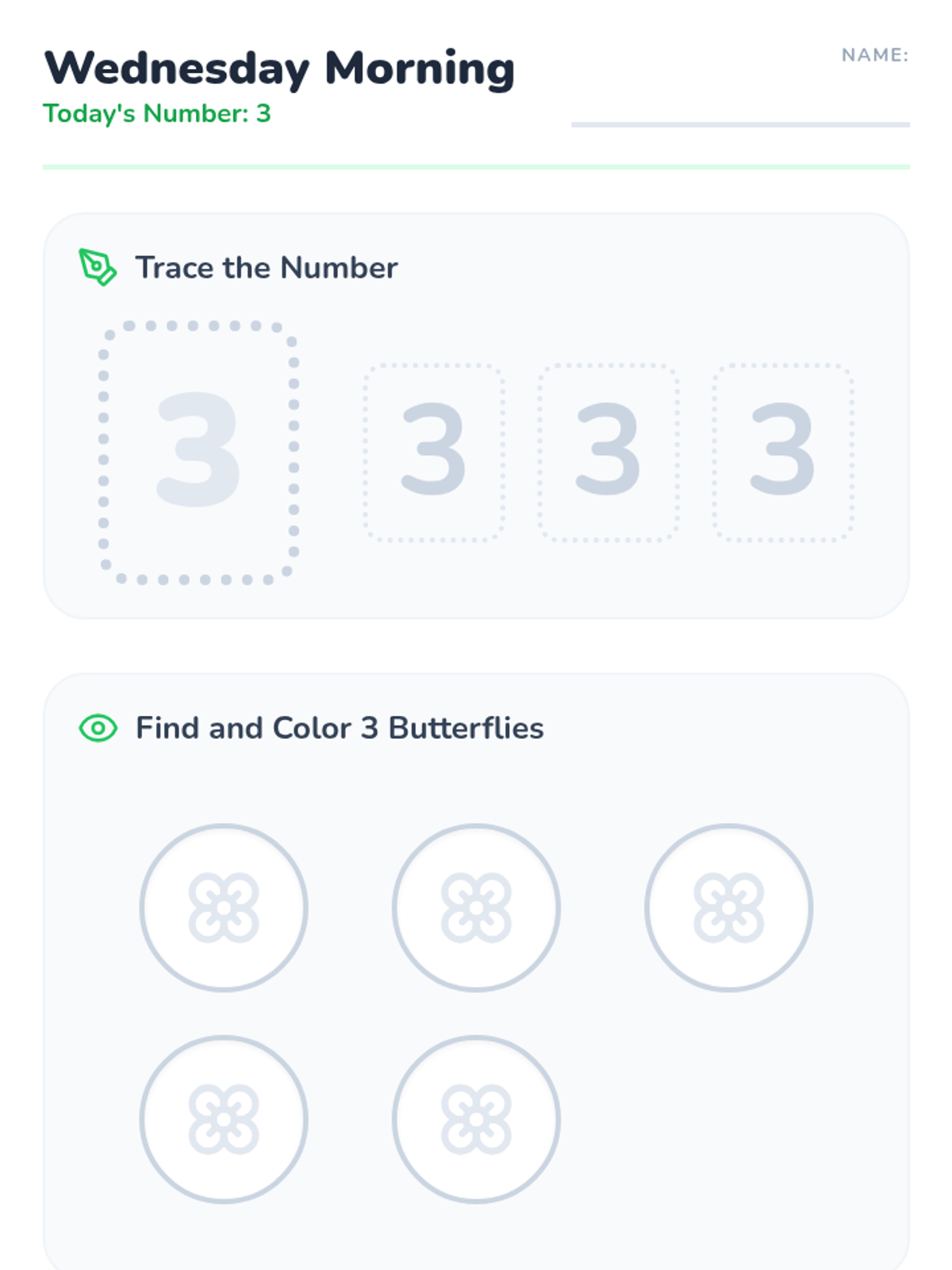
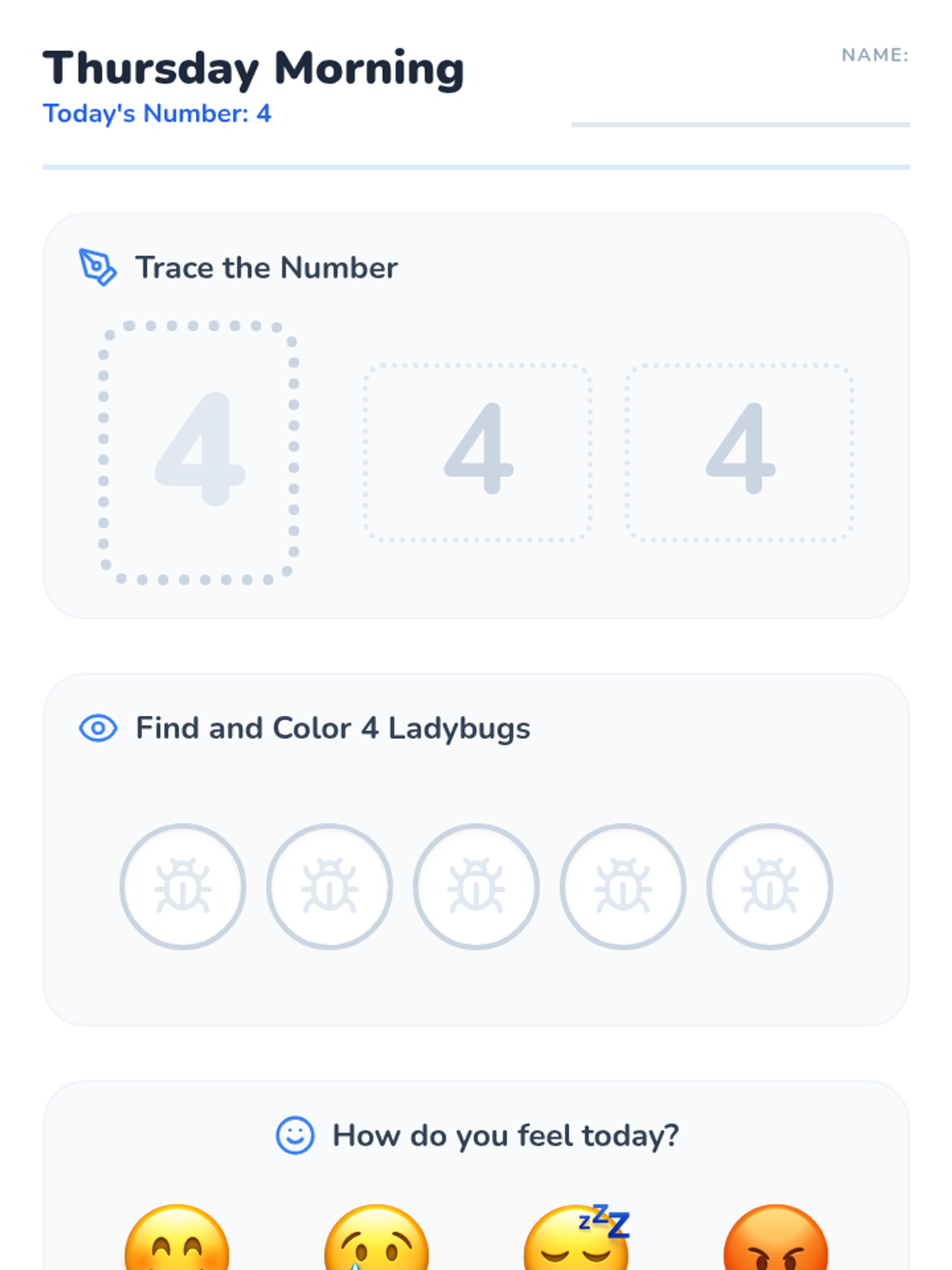
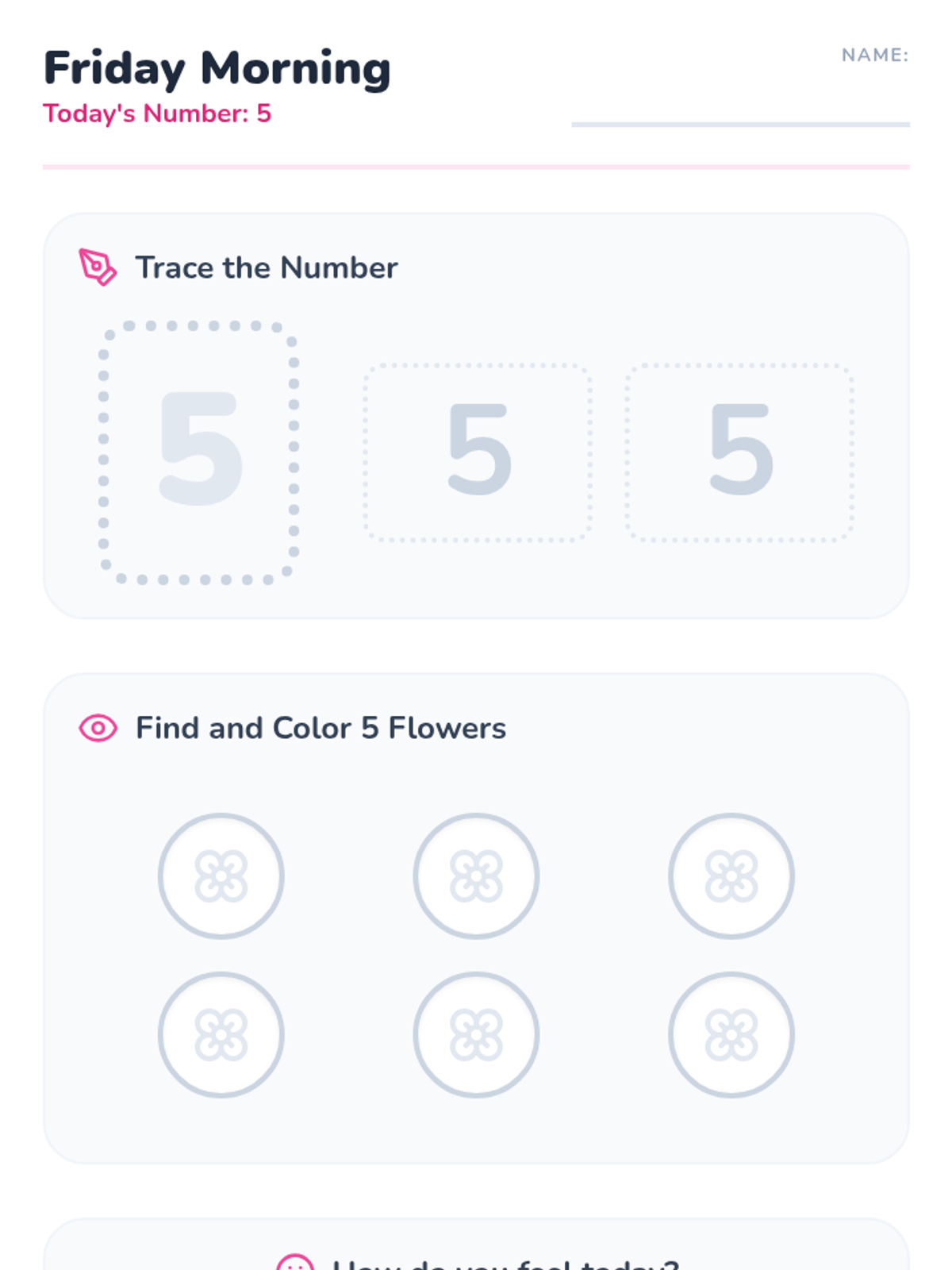
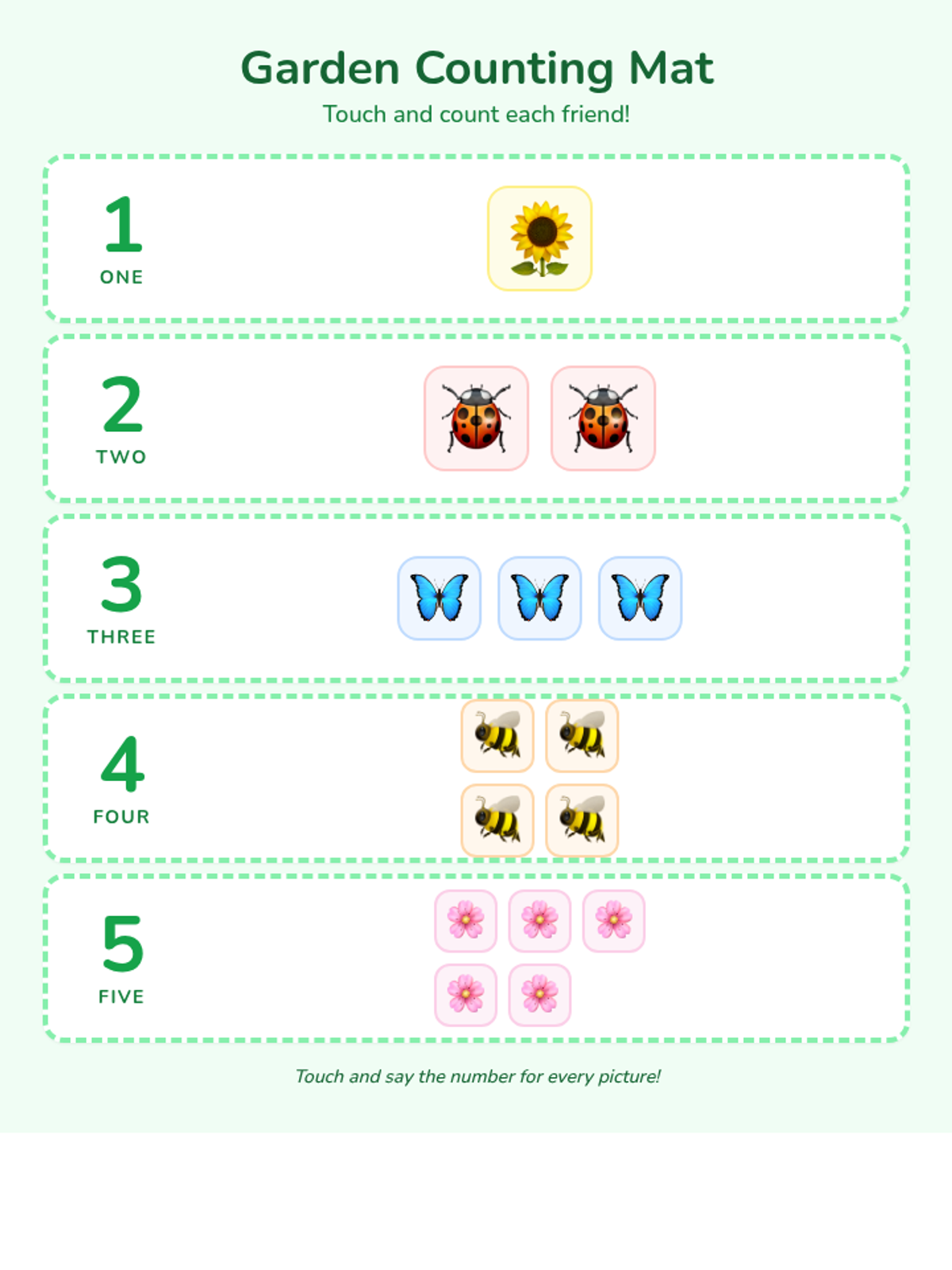
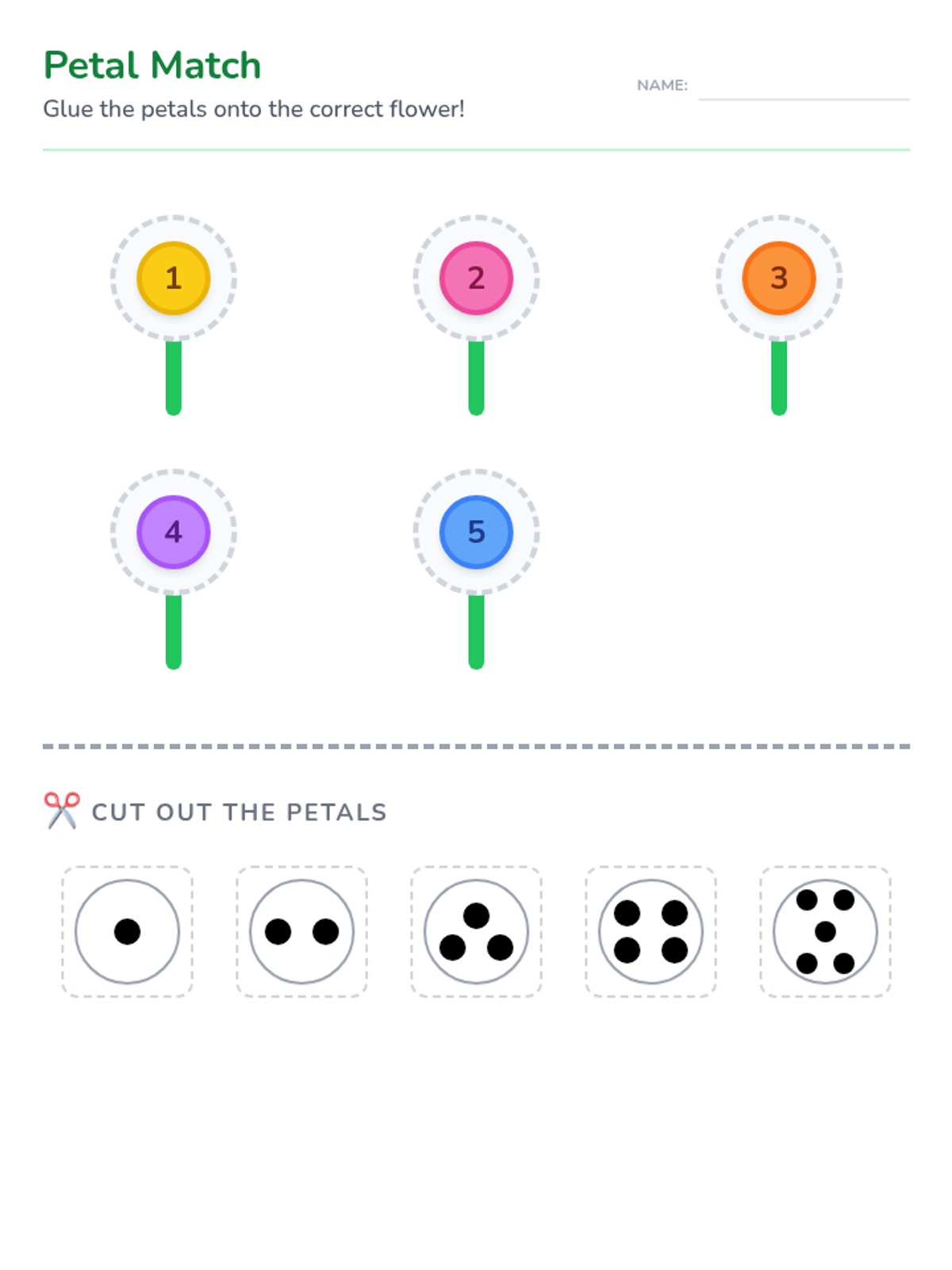
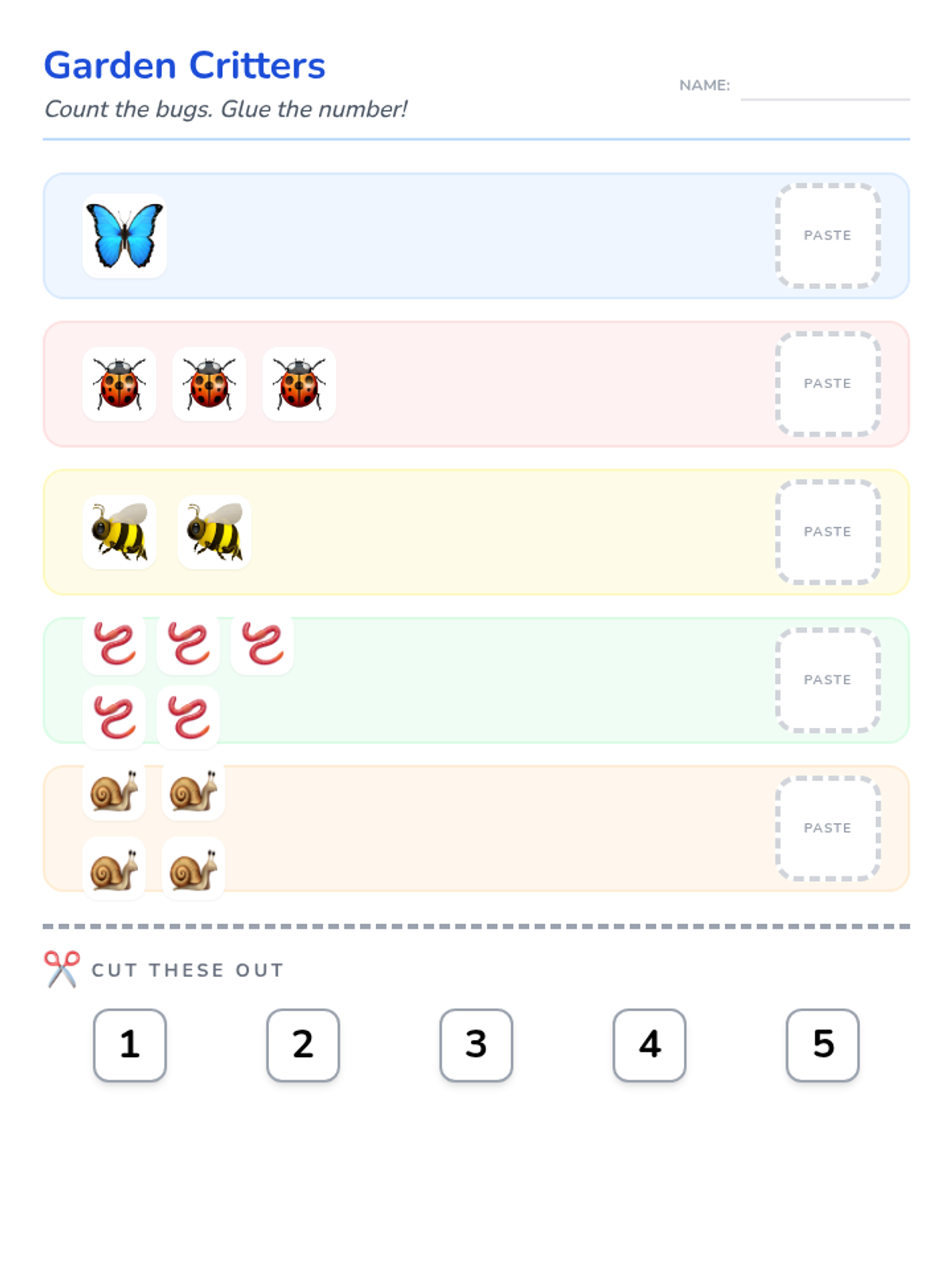
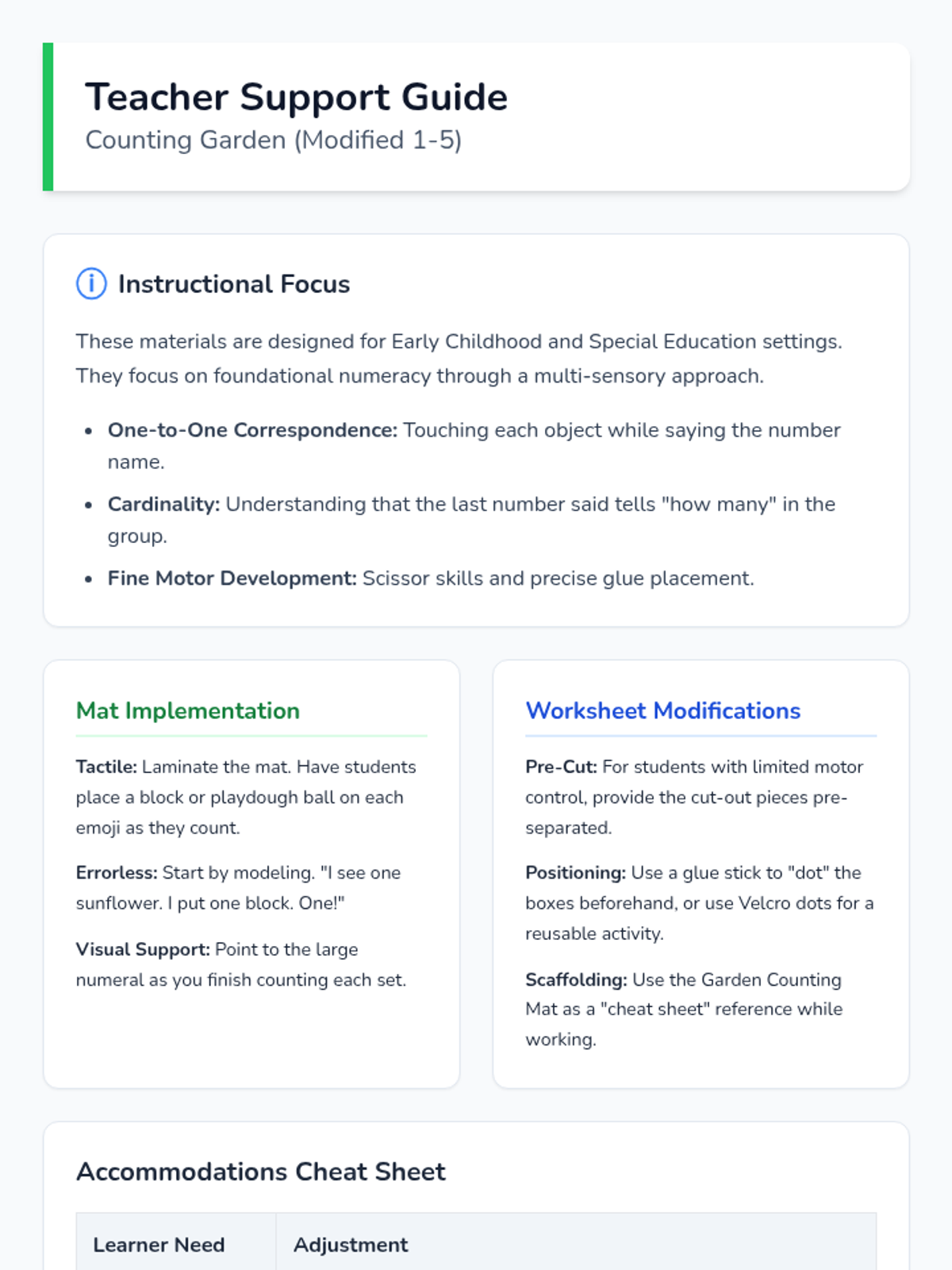
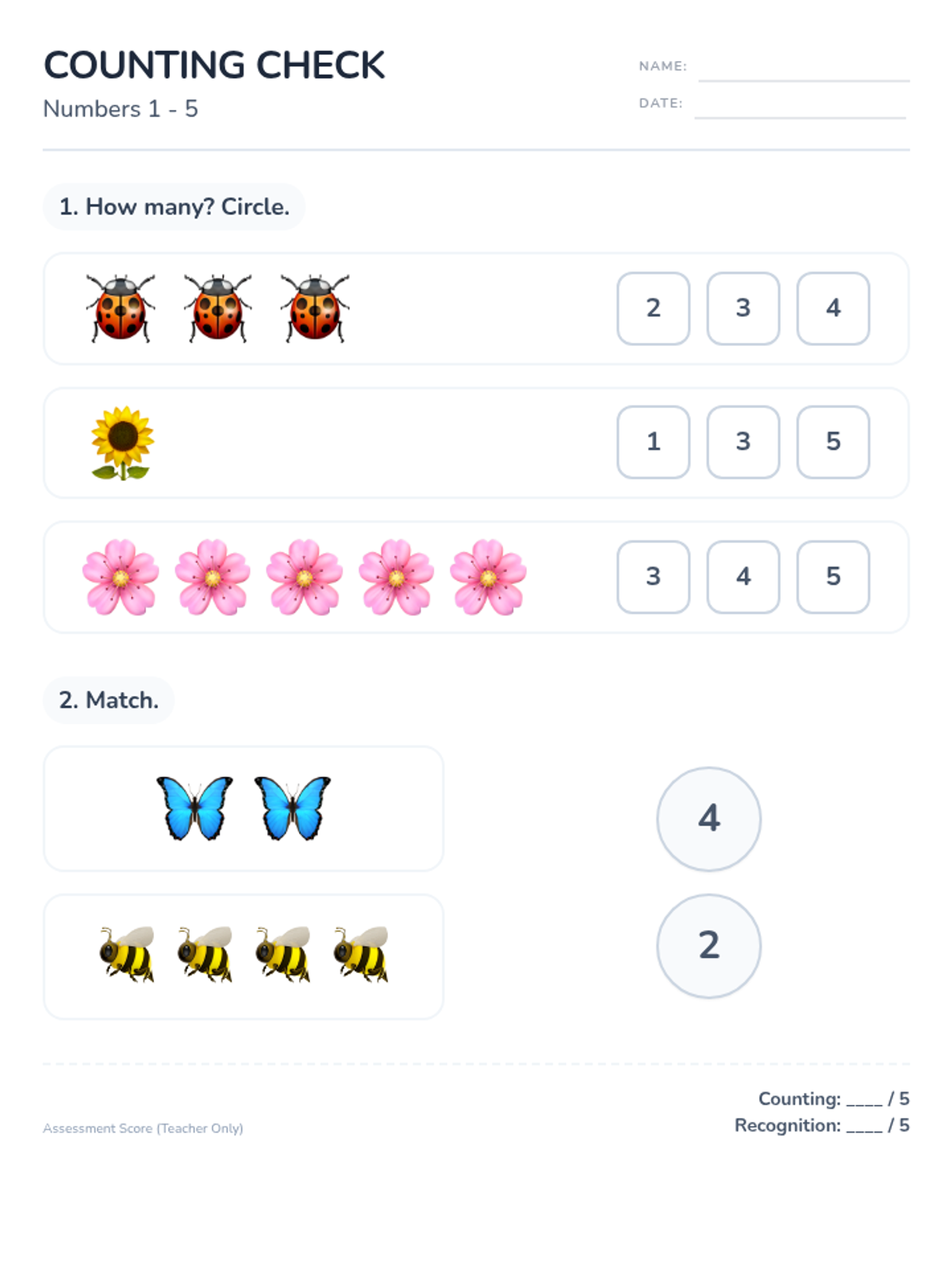
Students explore the numbers 1 through 5 using visual supports and hands-on matching activities to build one-to-one correspondence.
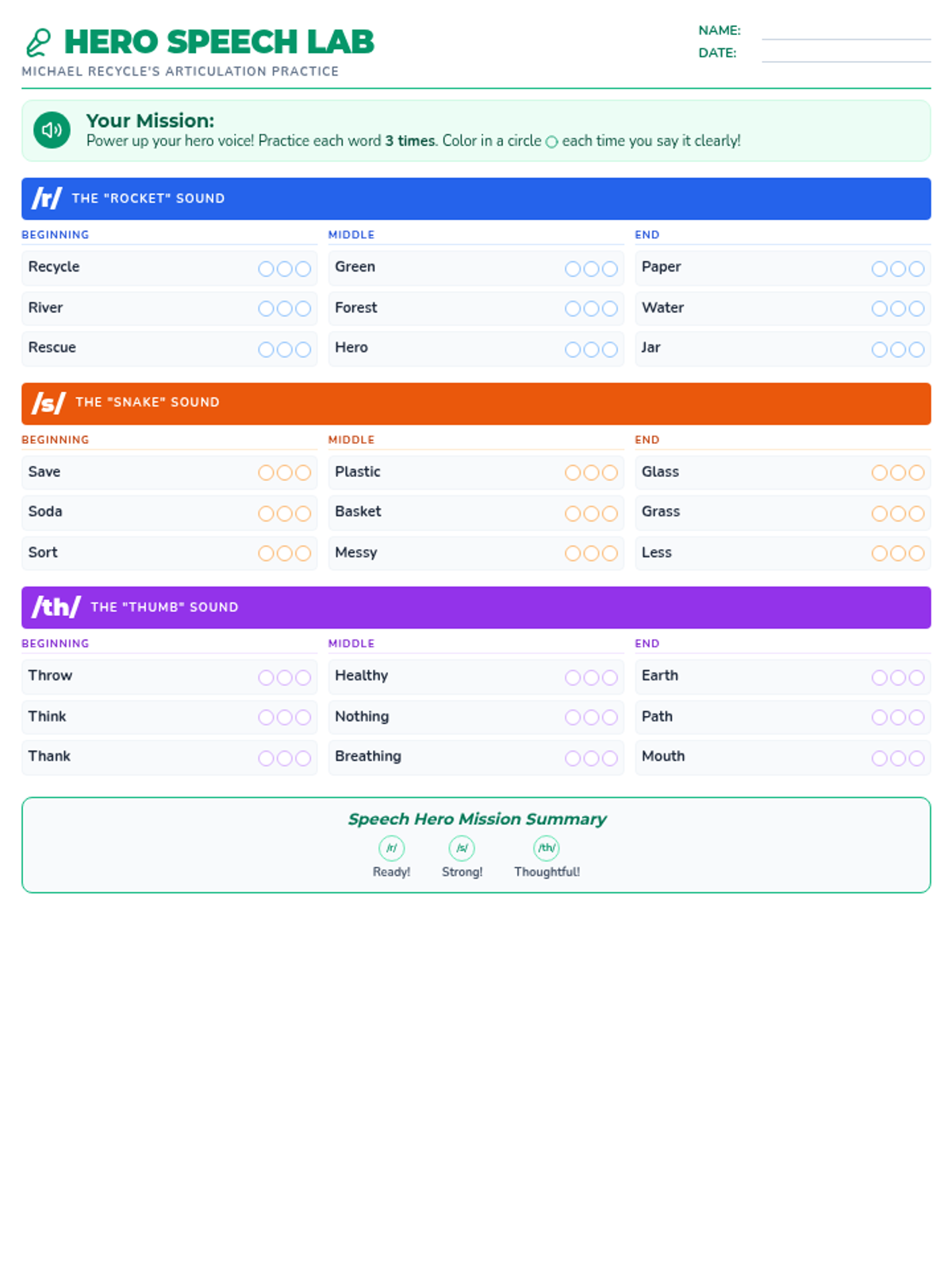
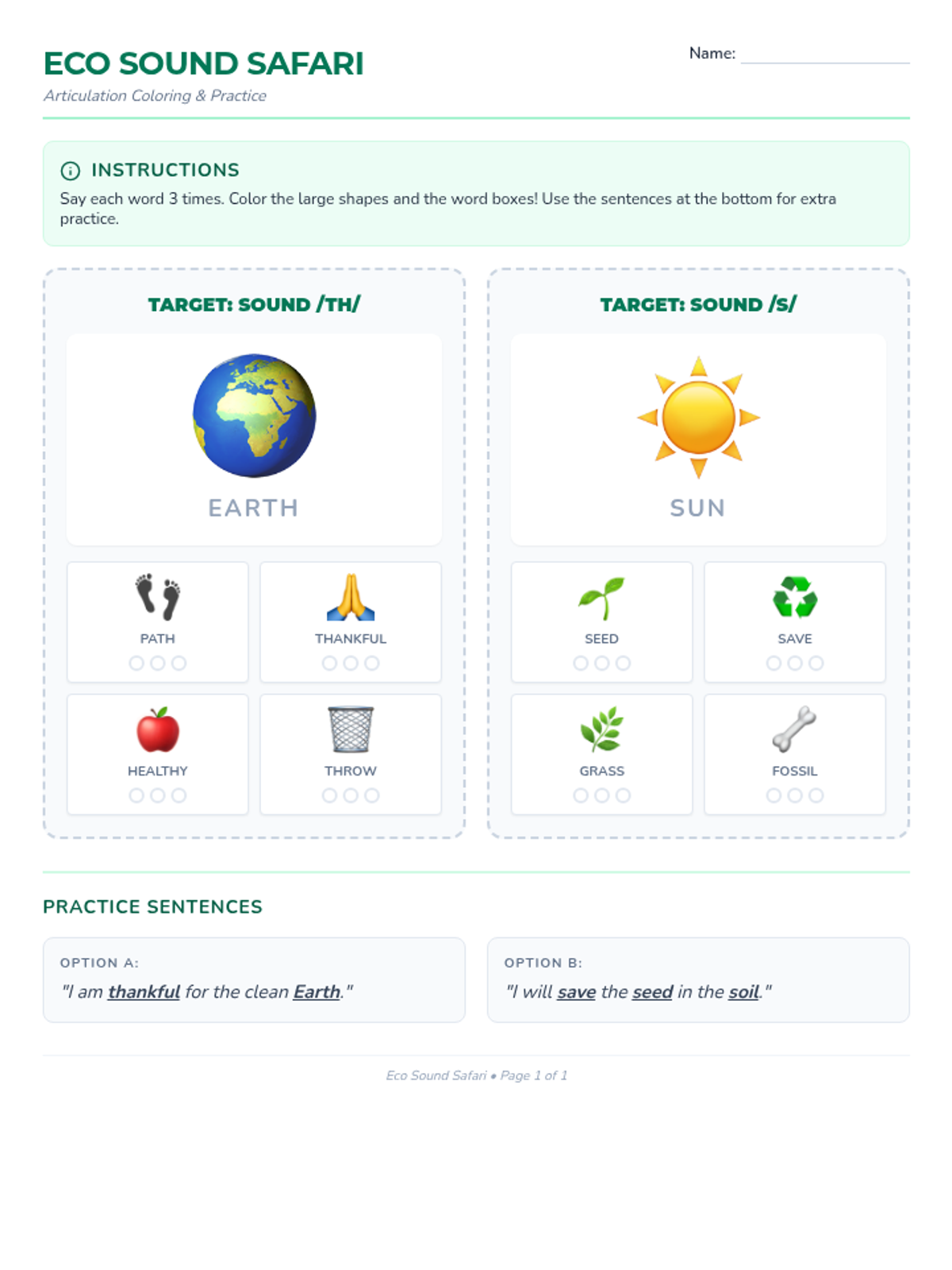
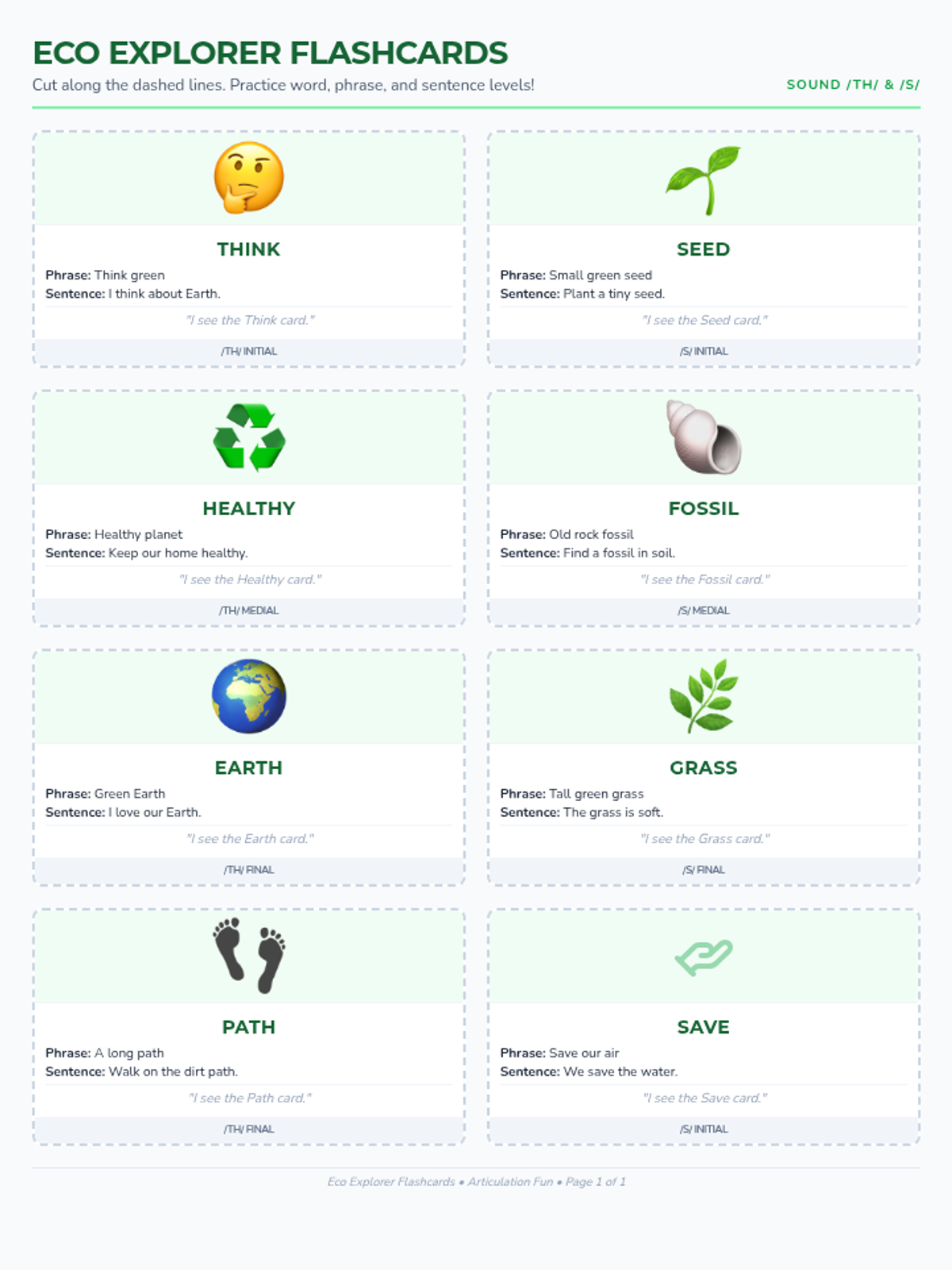
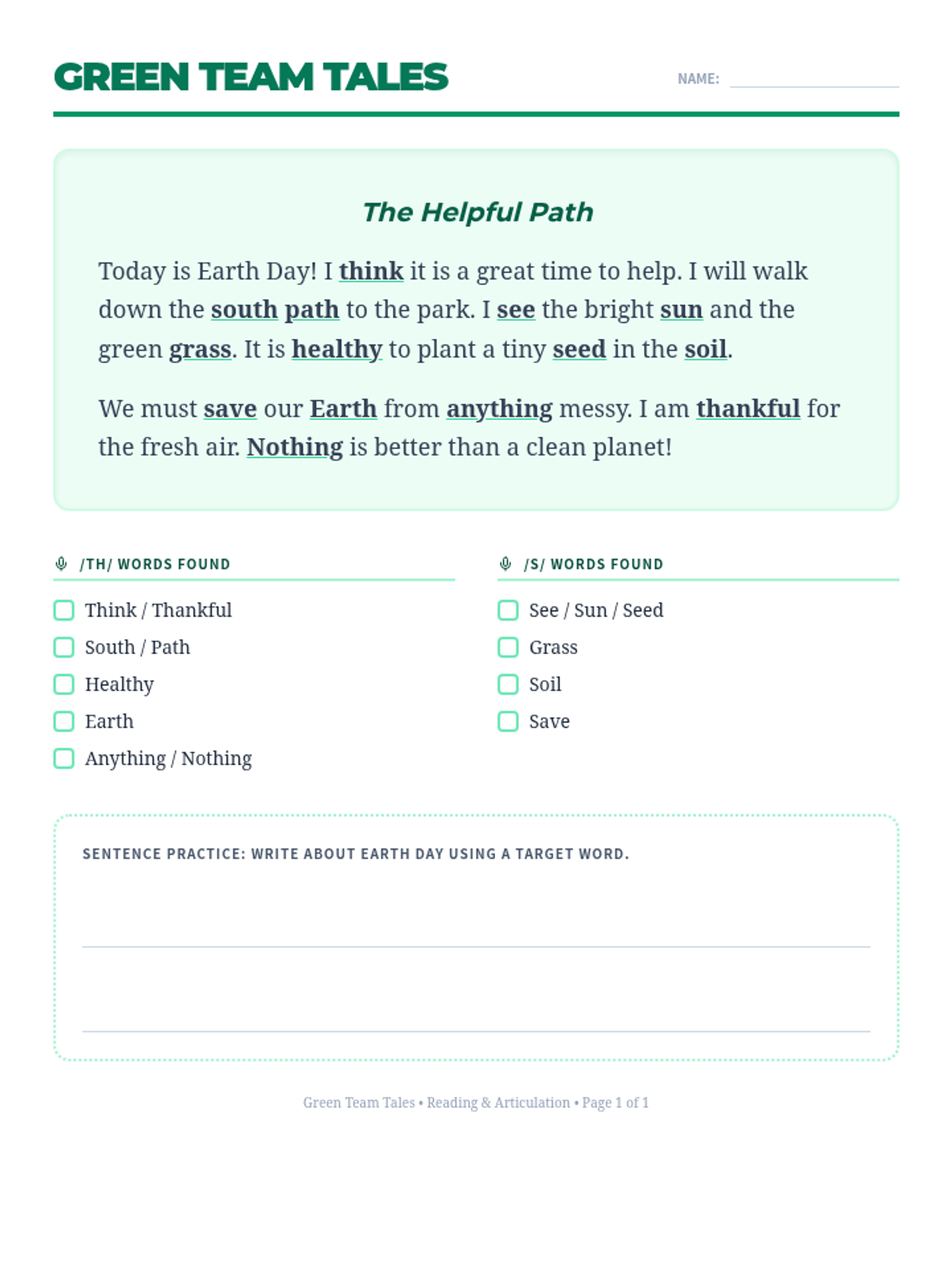
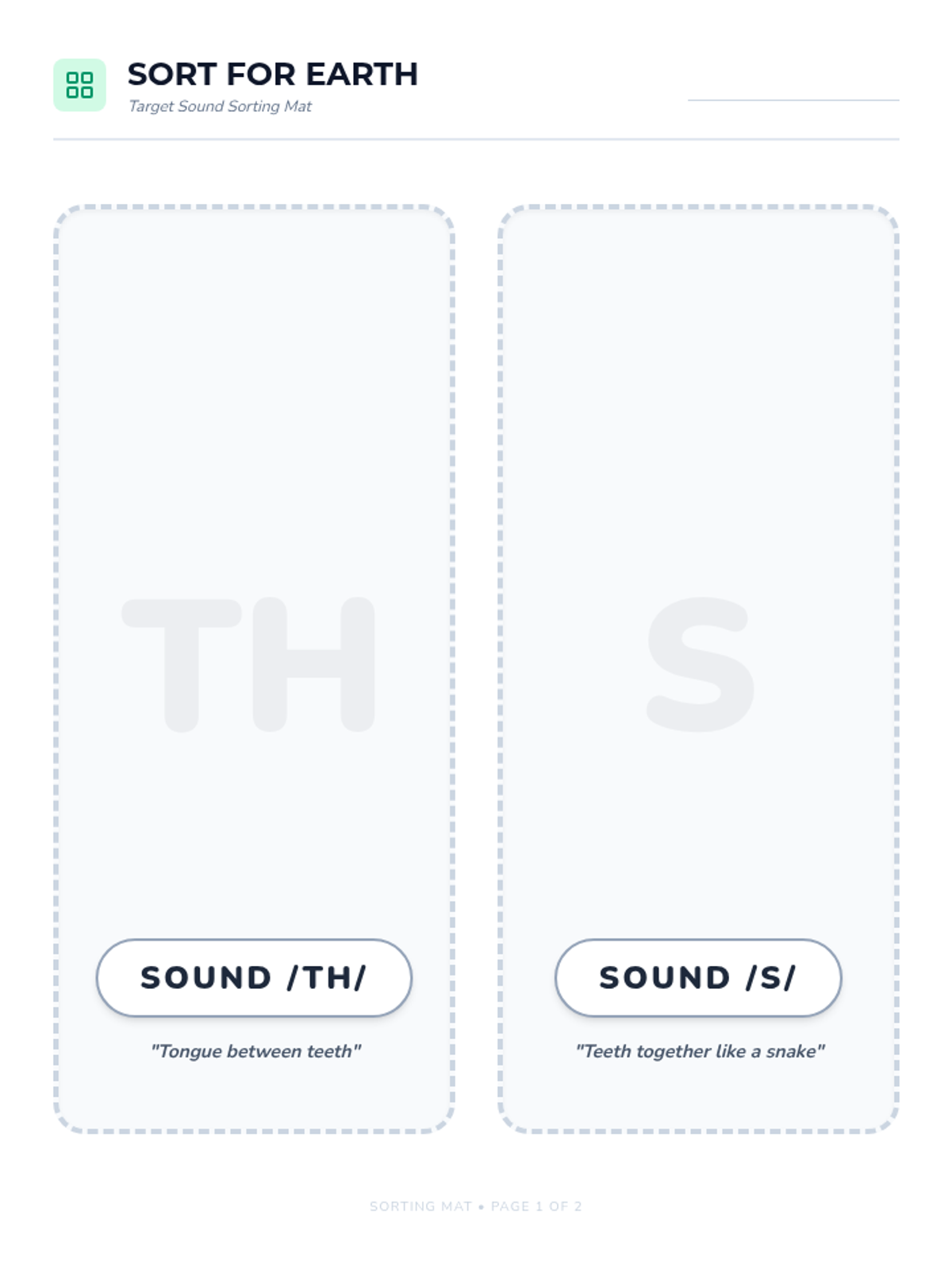
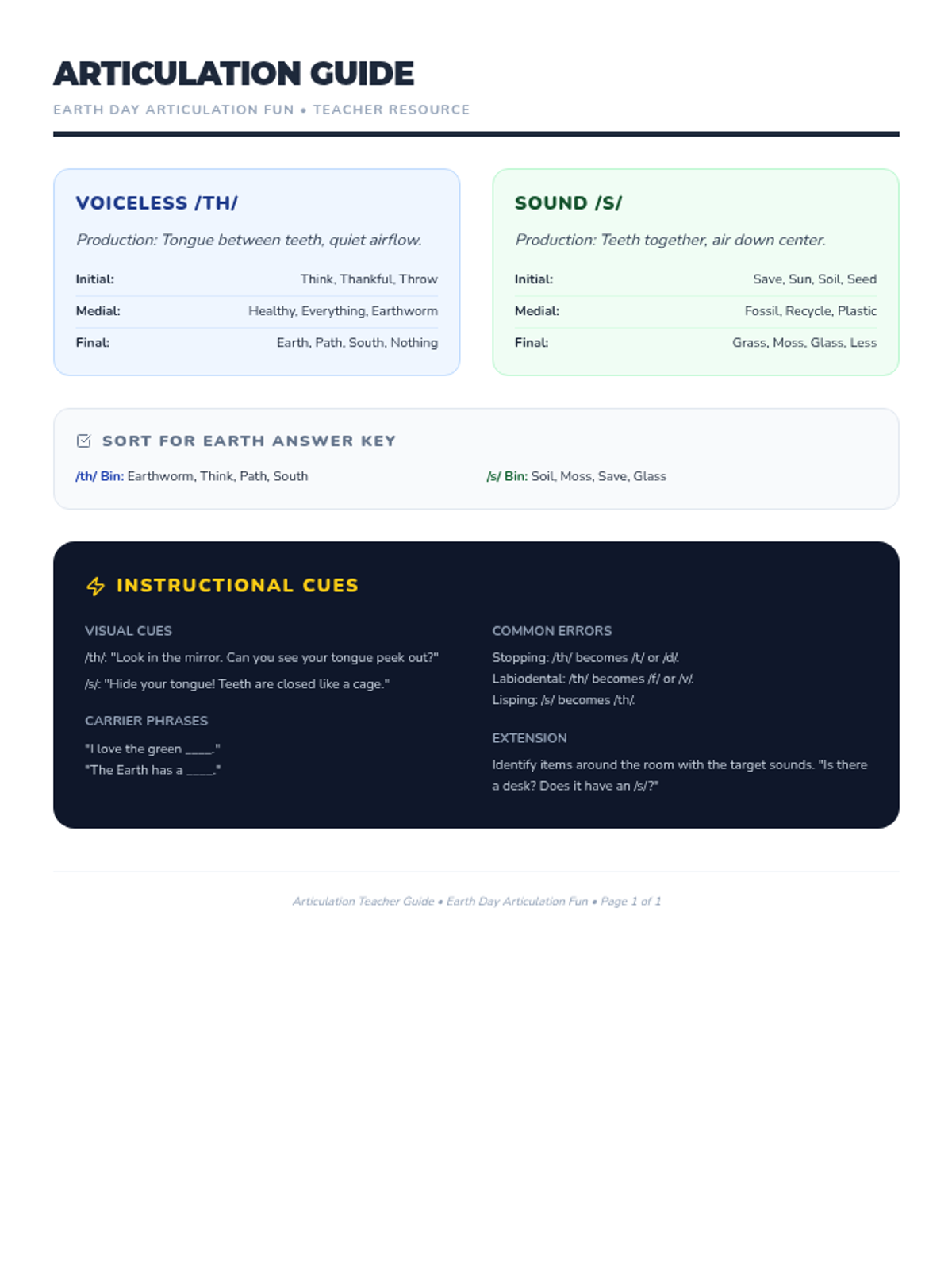
A set of articulation activities focused on voiceless /th/ and /s/ sounds within an Earth Day theme, covering word, phrase, and sentence levels.
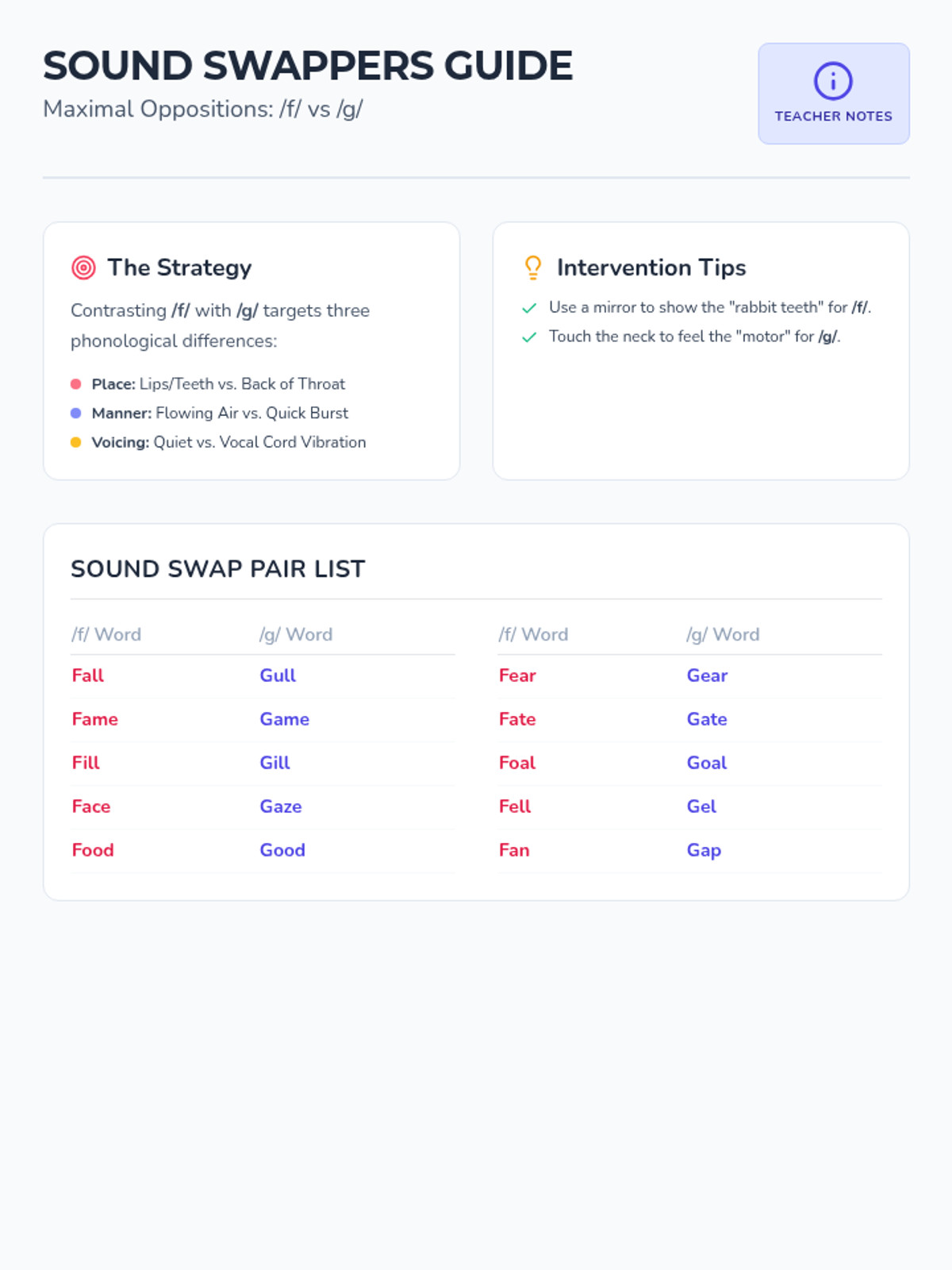
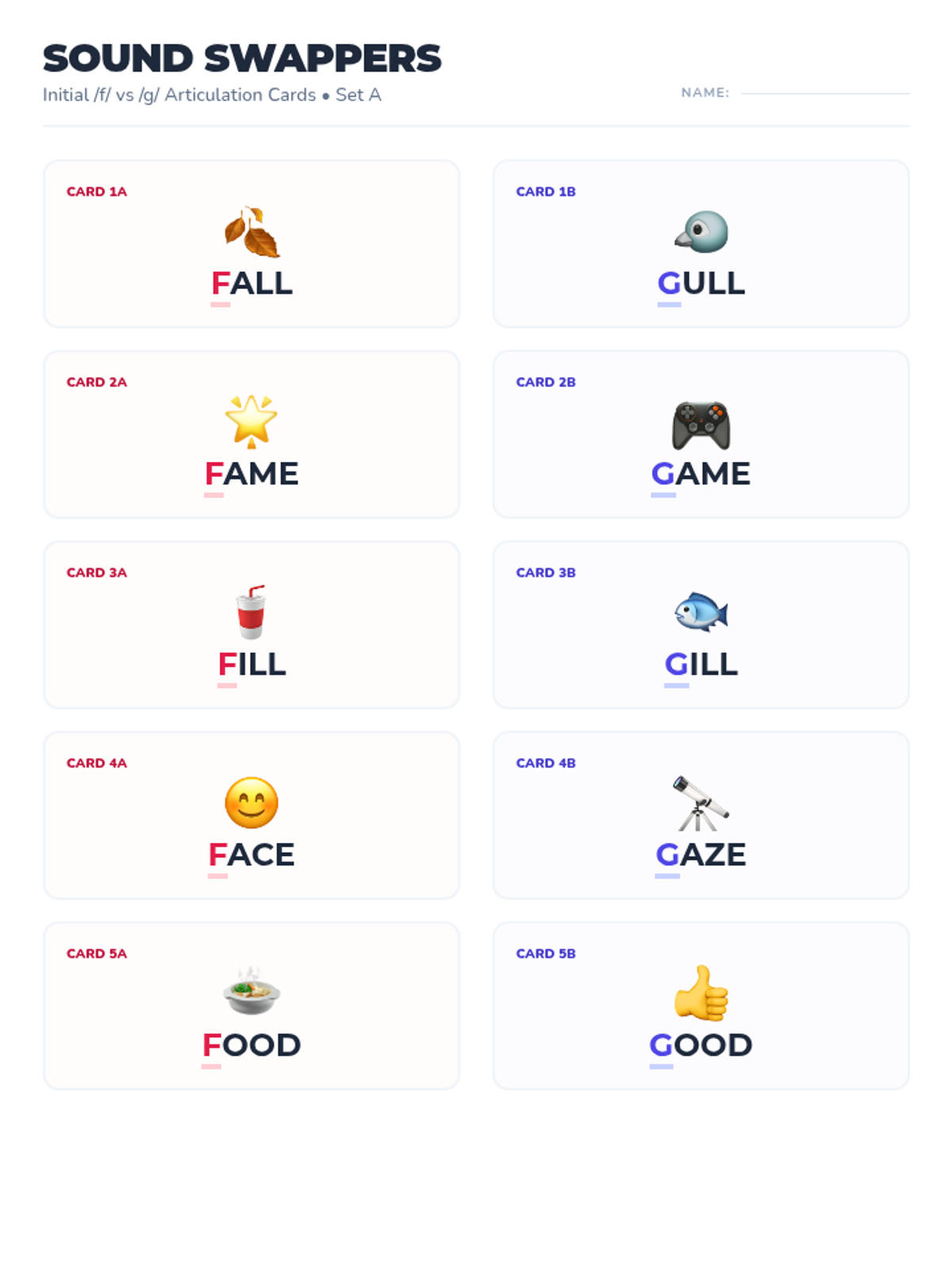
A set of resources for practicing the articulation of /f/ and /g/ initial sounds using maximal opposition pairs in a flashcard format.
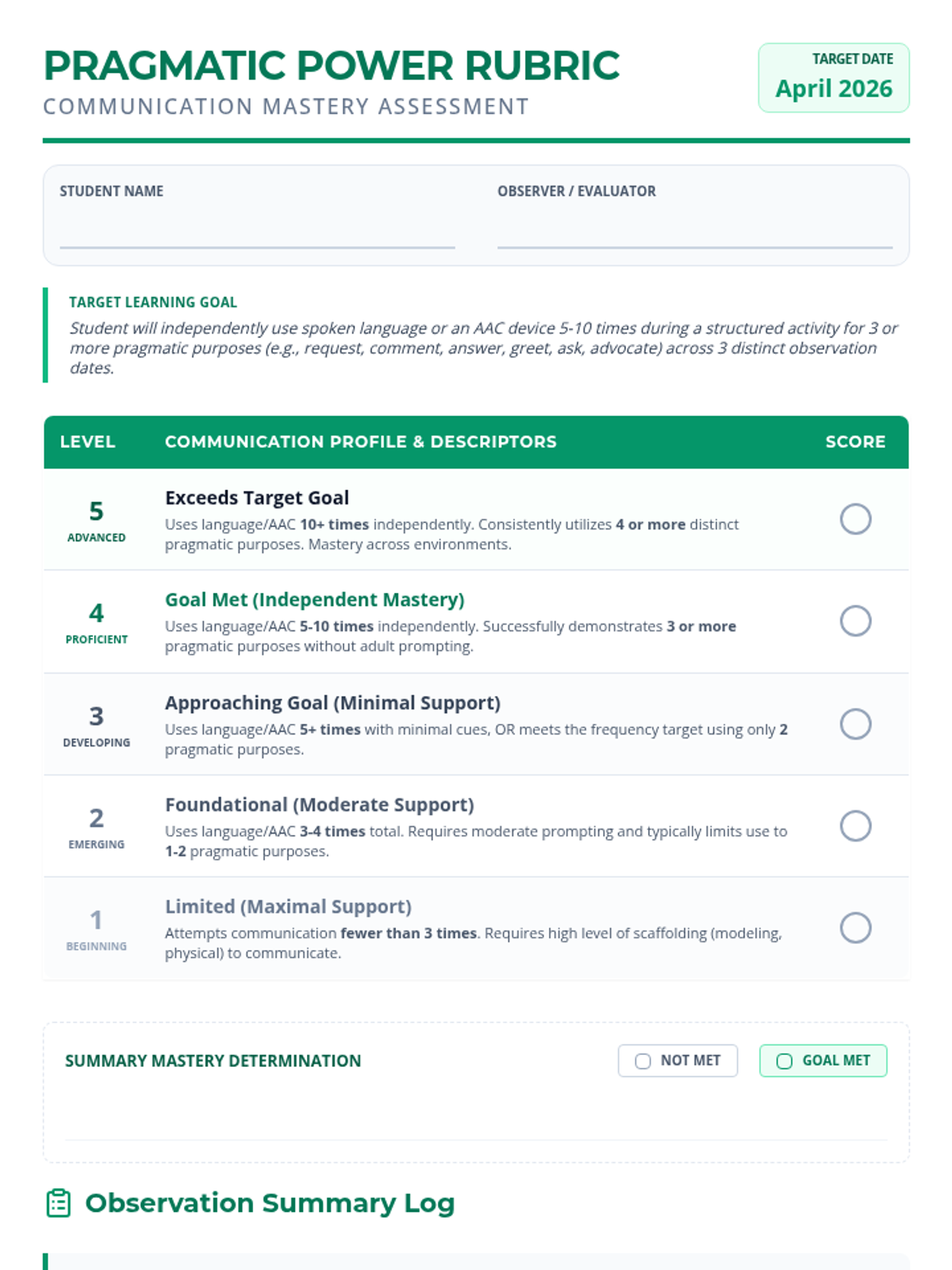
A comprehensive evaluation tool designed to track and measure a student's progress toward mastering various pragmatic communication functions using spoken language or AAC devices.
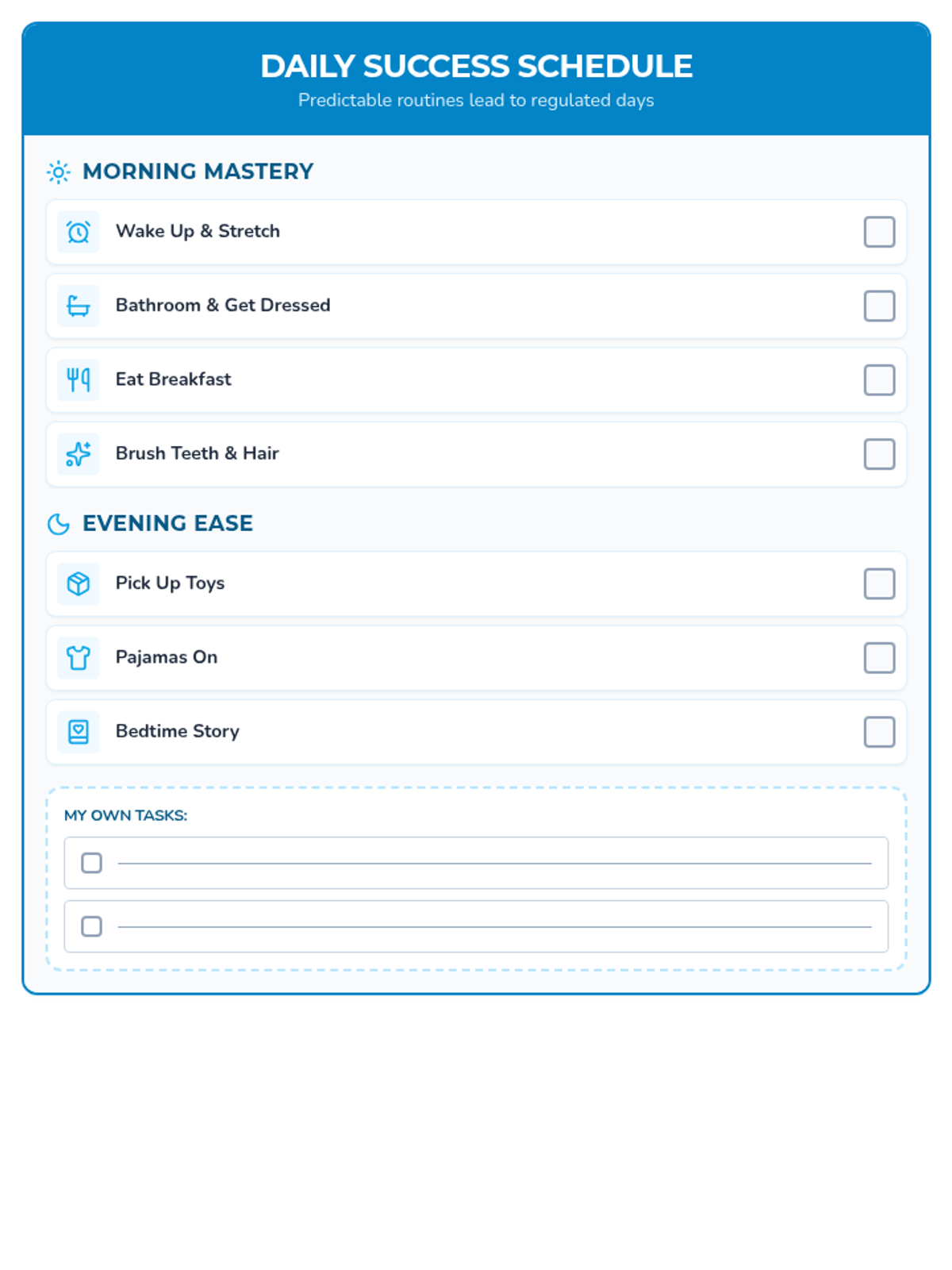
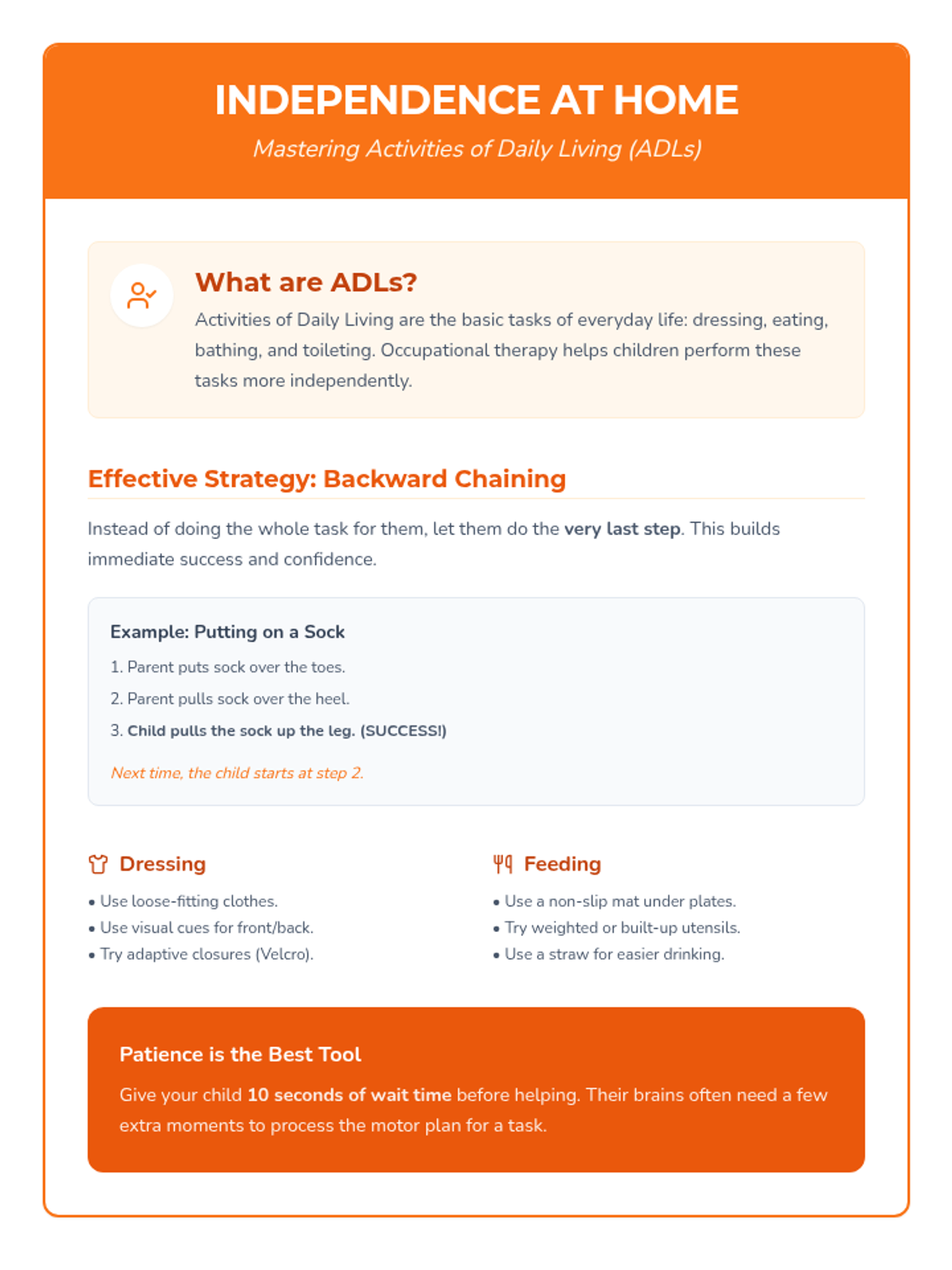
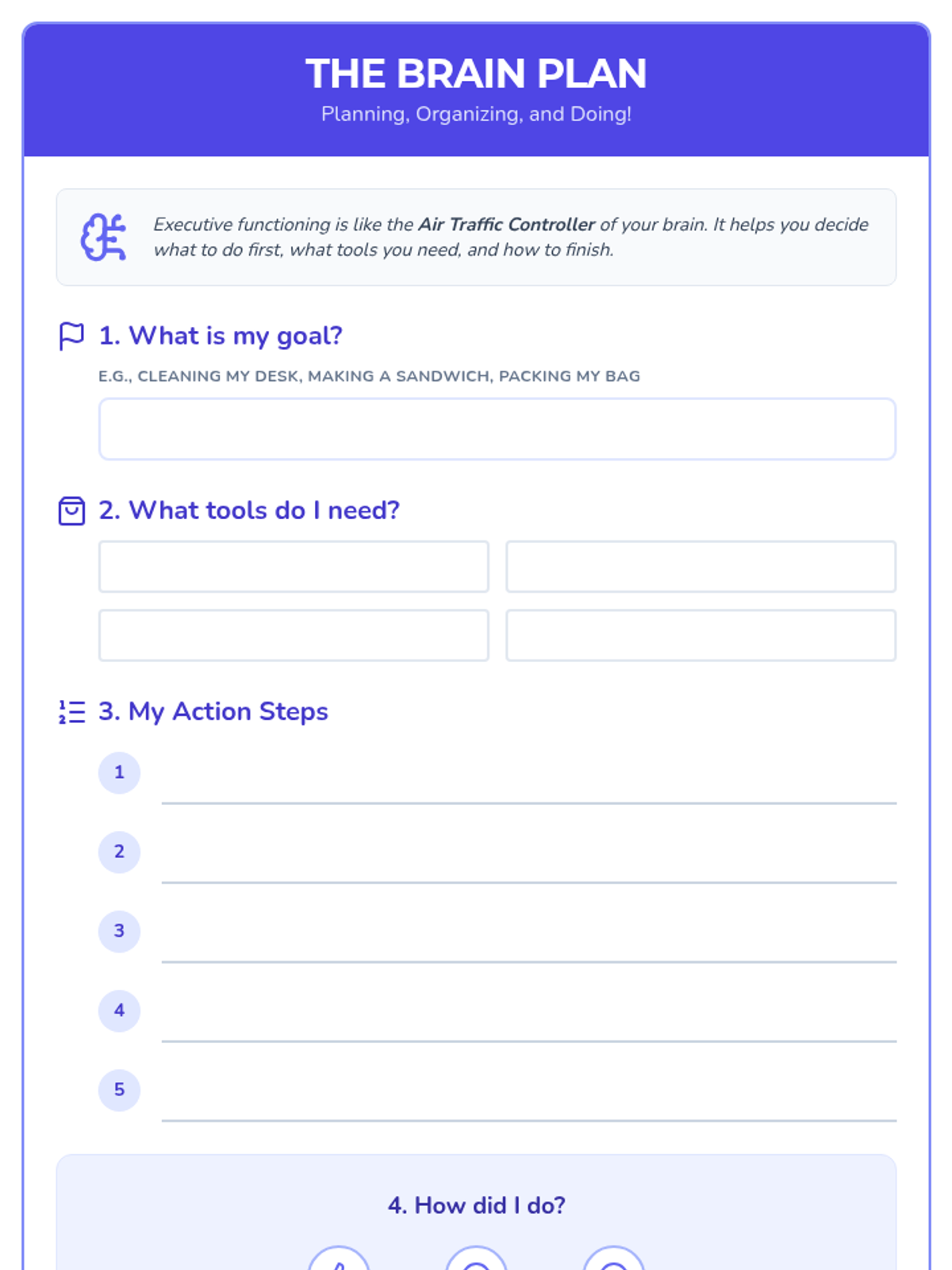
Strategies for Activities of Daily Living (ADLs), executive functioning, and establishing successful home routines.
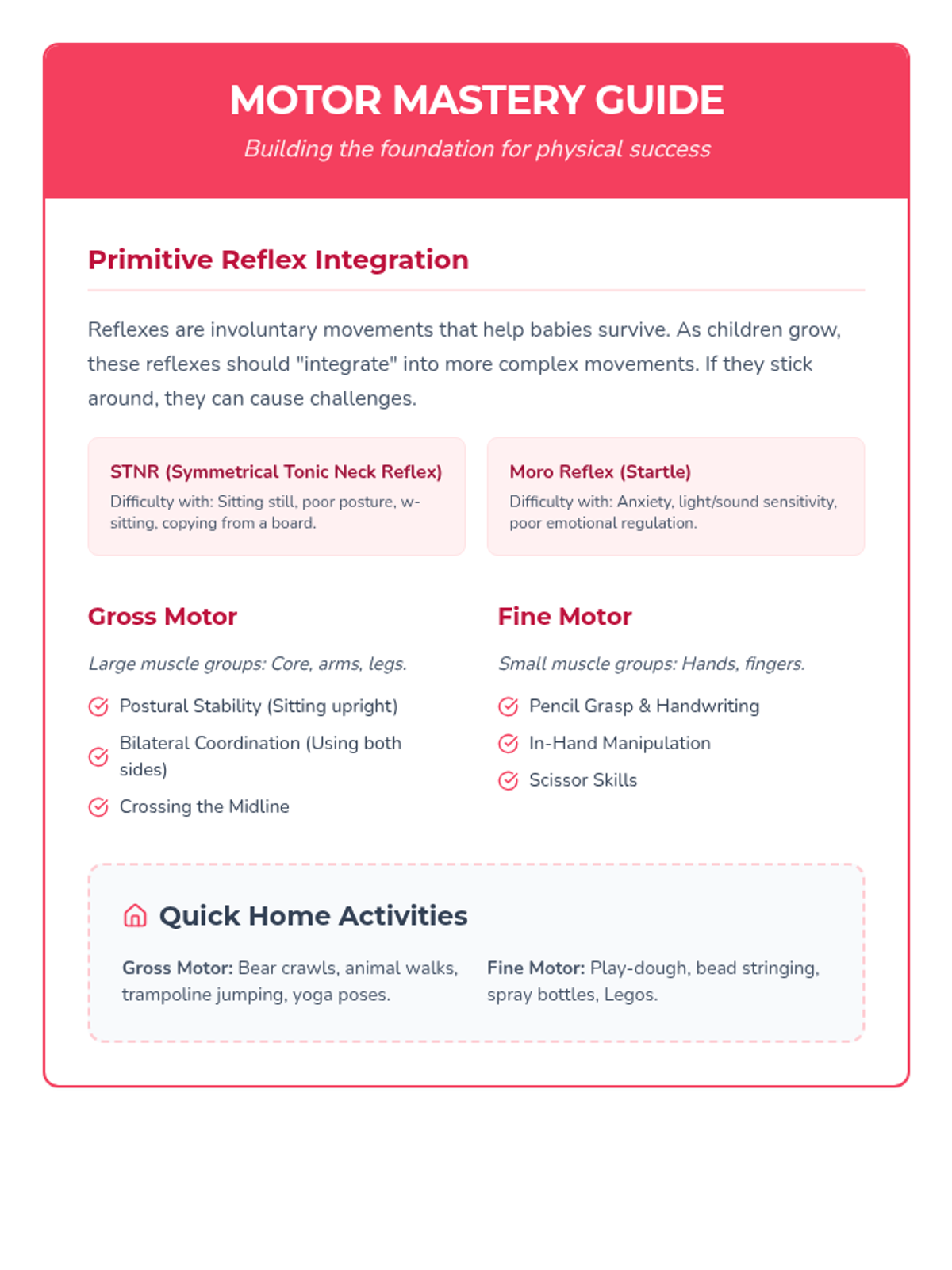
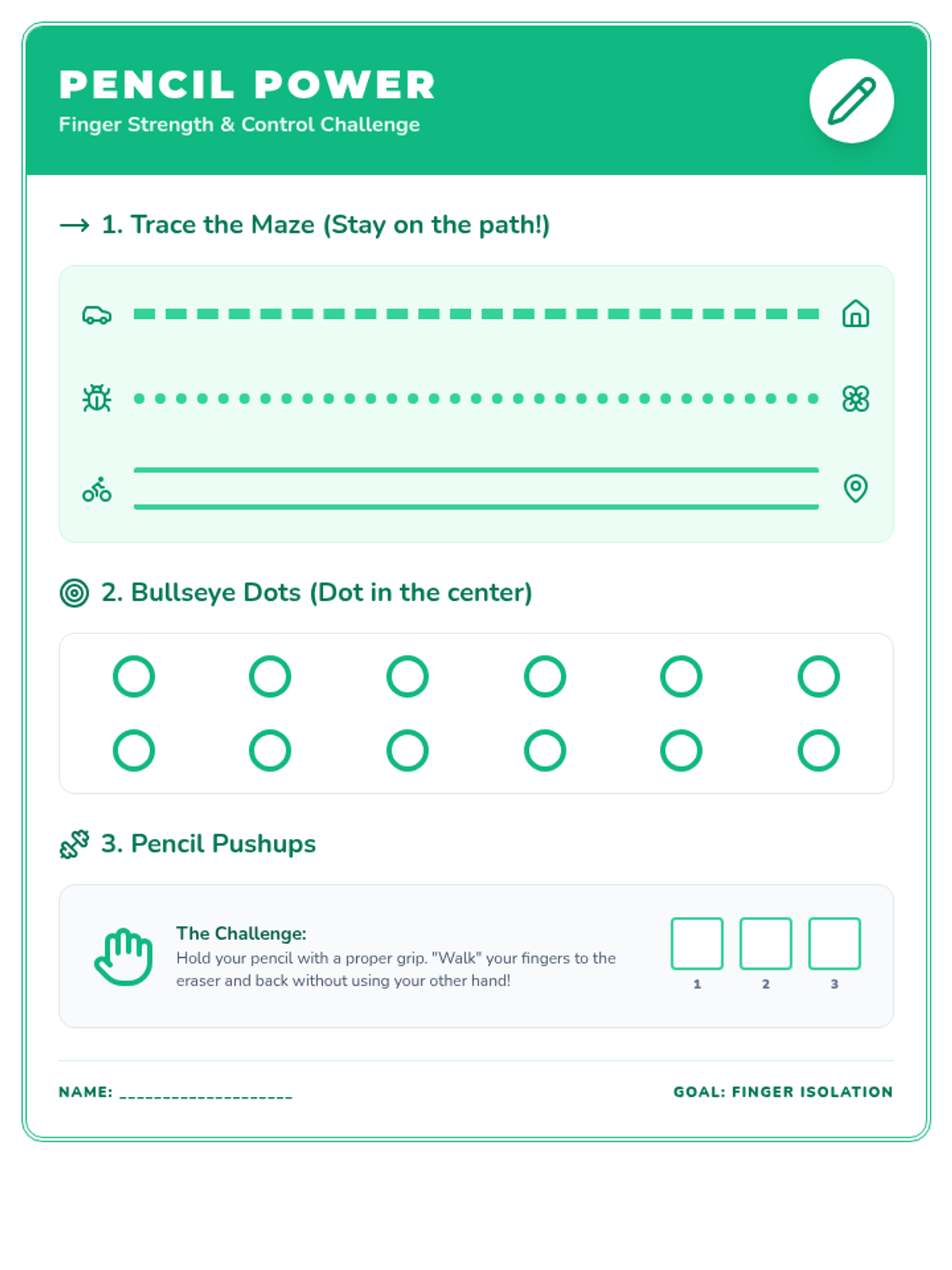
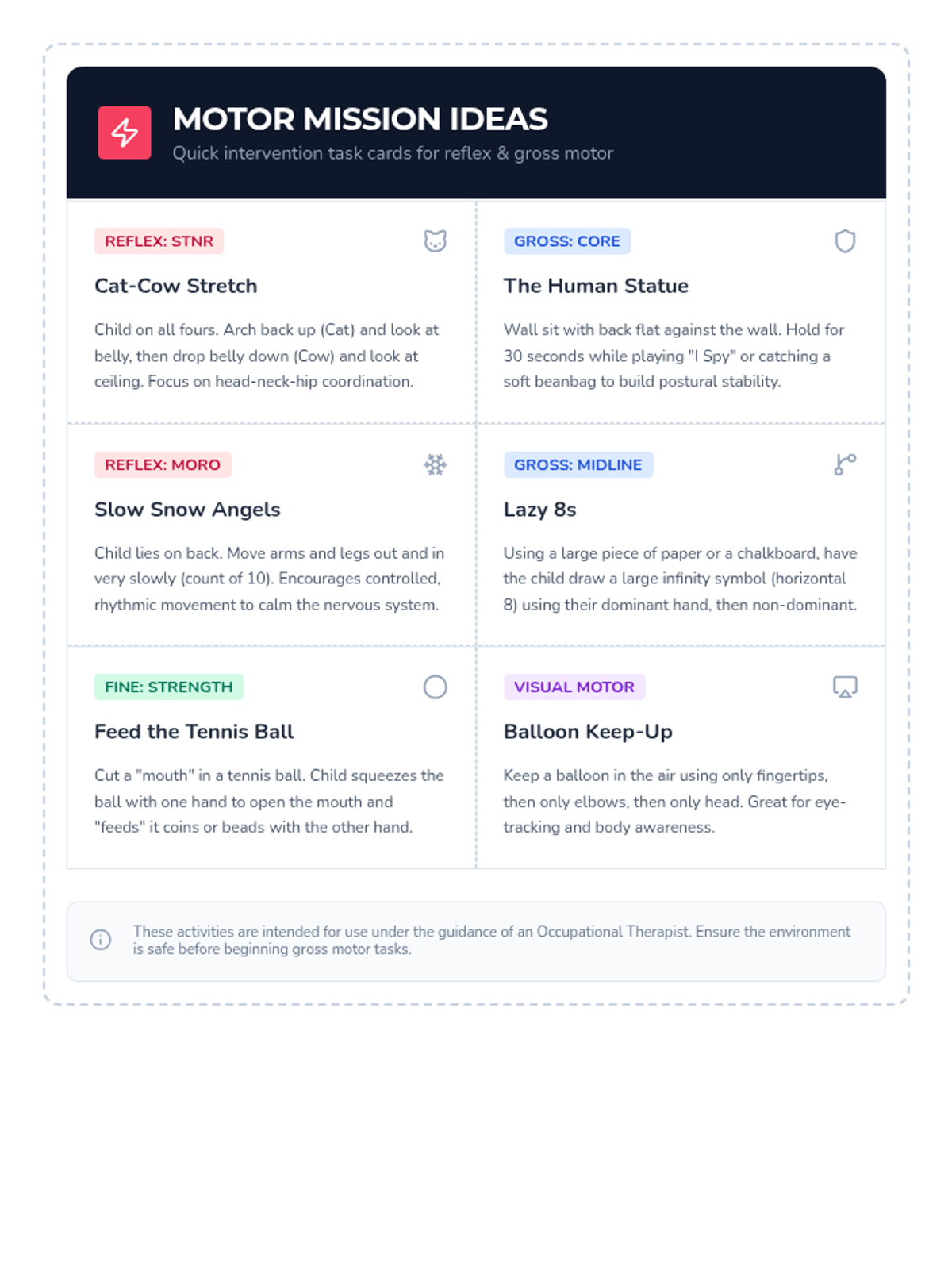
Targeting fine motor precision, gross motor coordination, and primitive reflex integration for functional movement.
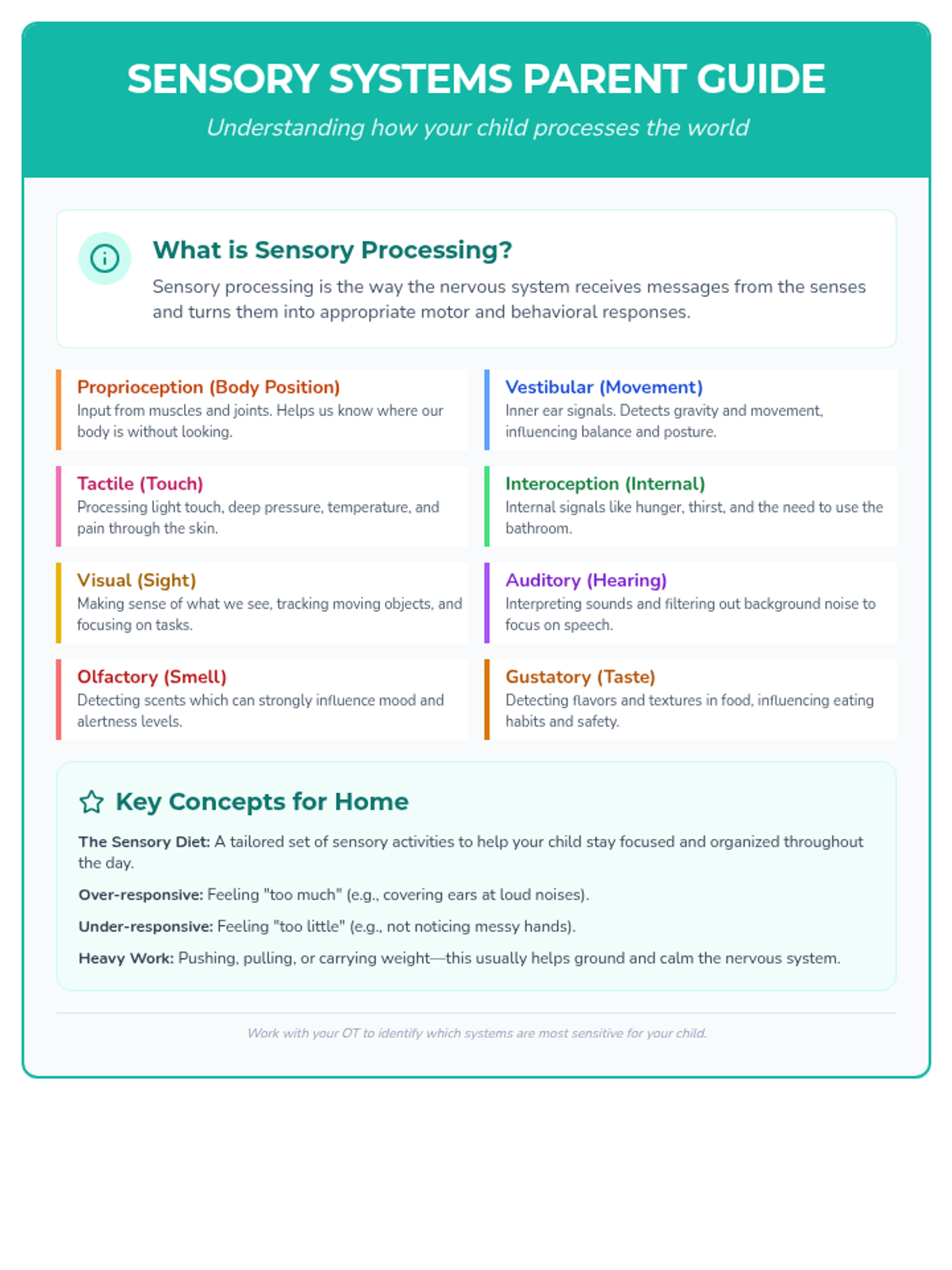
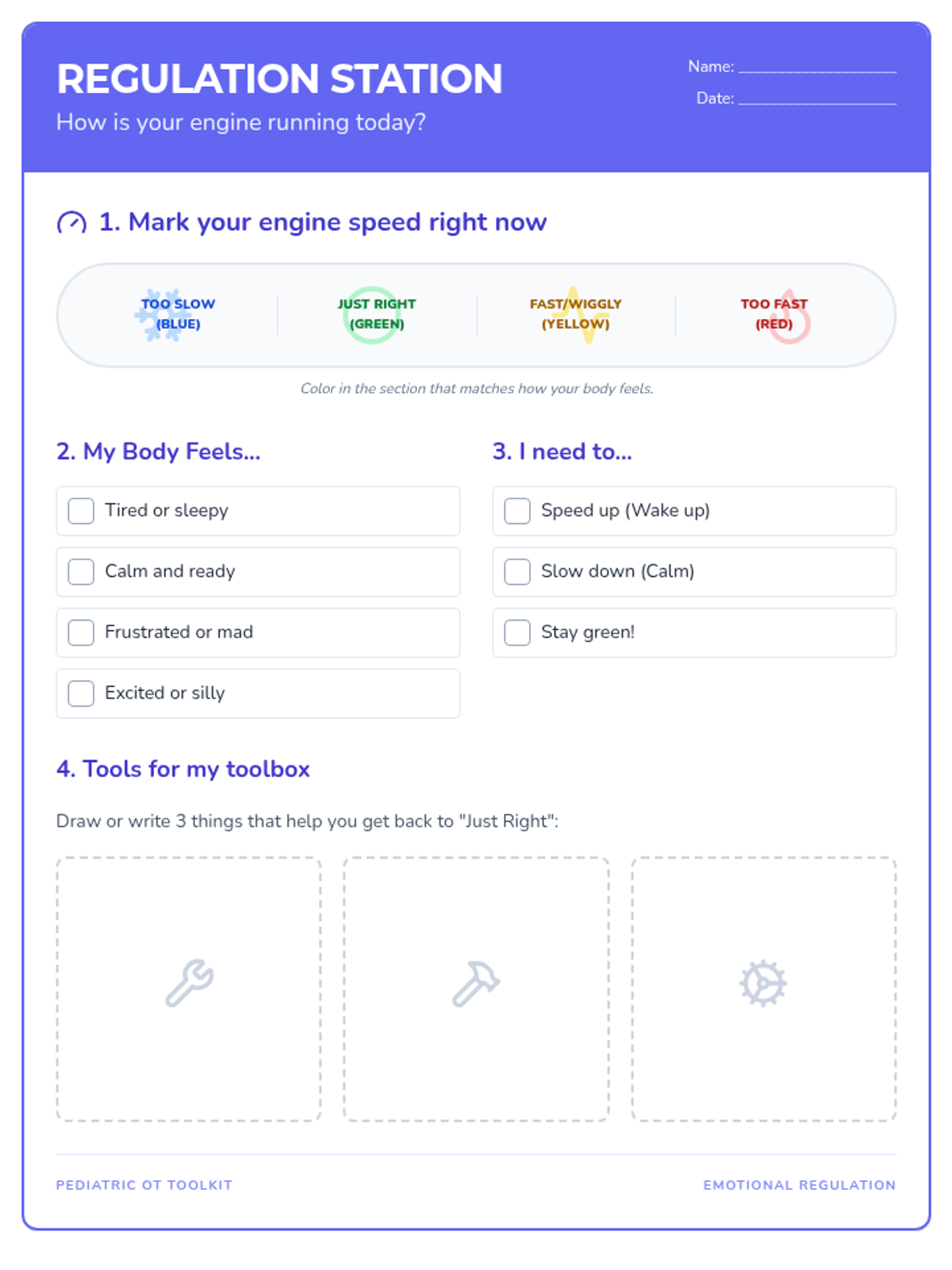
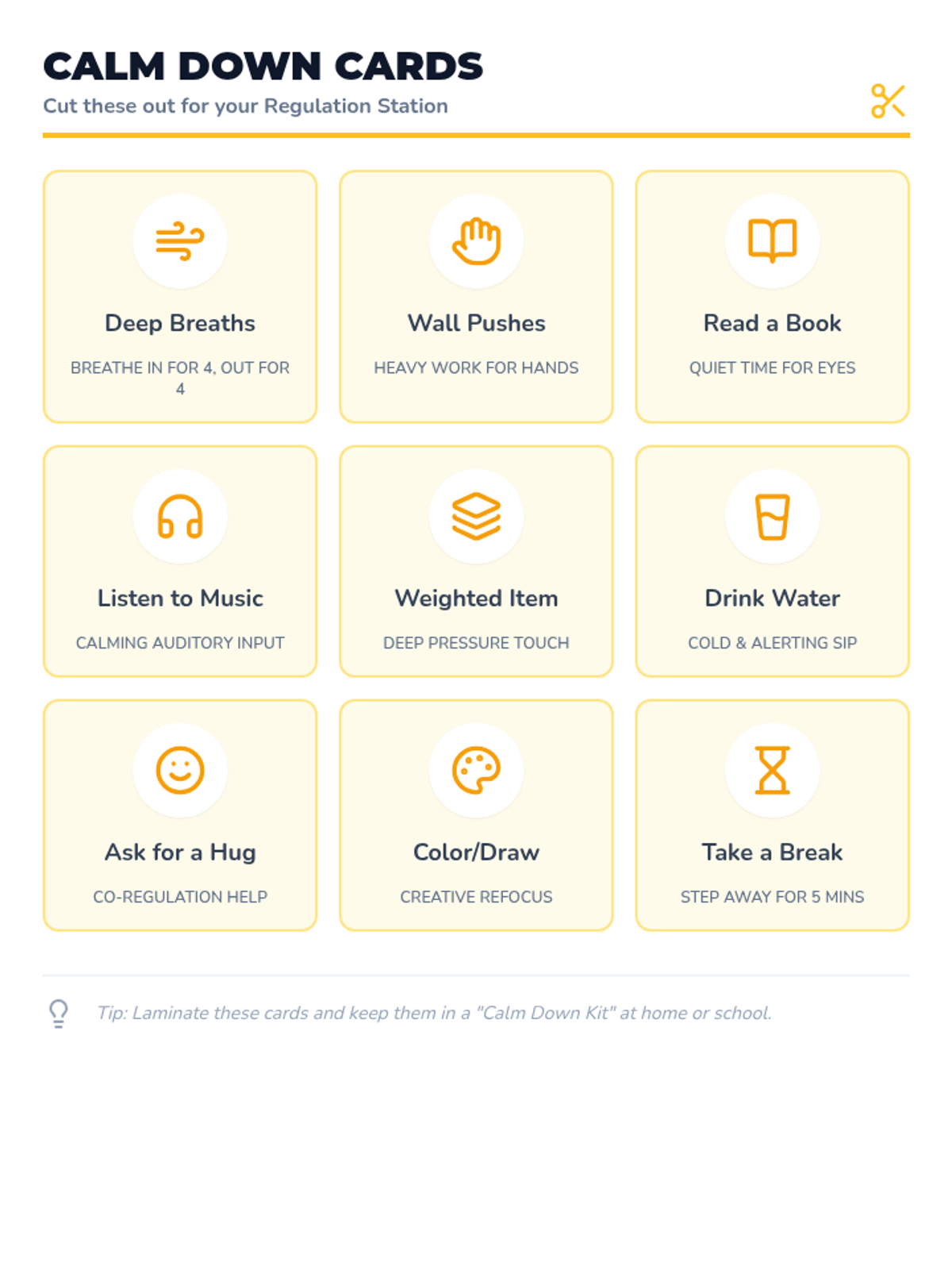
Focuses on sensory integration, emotional regulation, and behavioral strategies to help children maintain an optimal state of arousal.
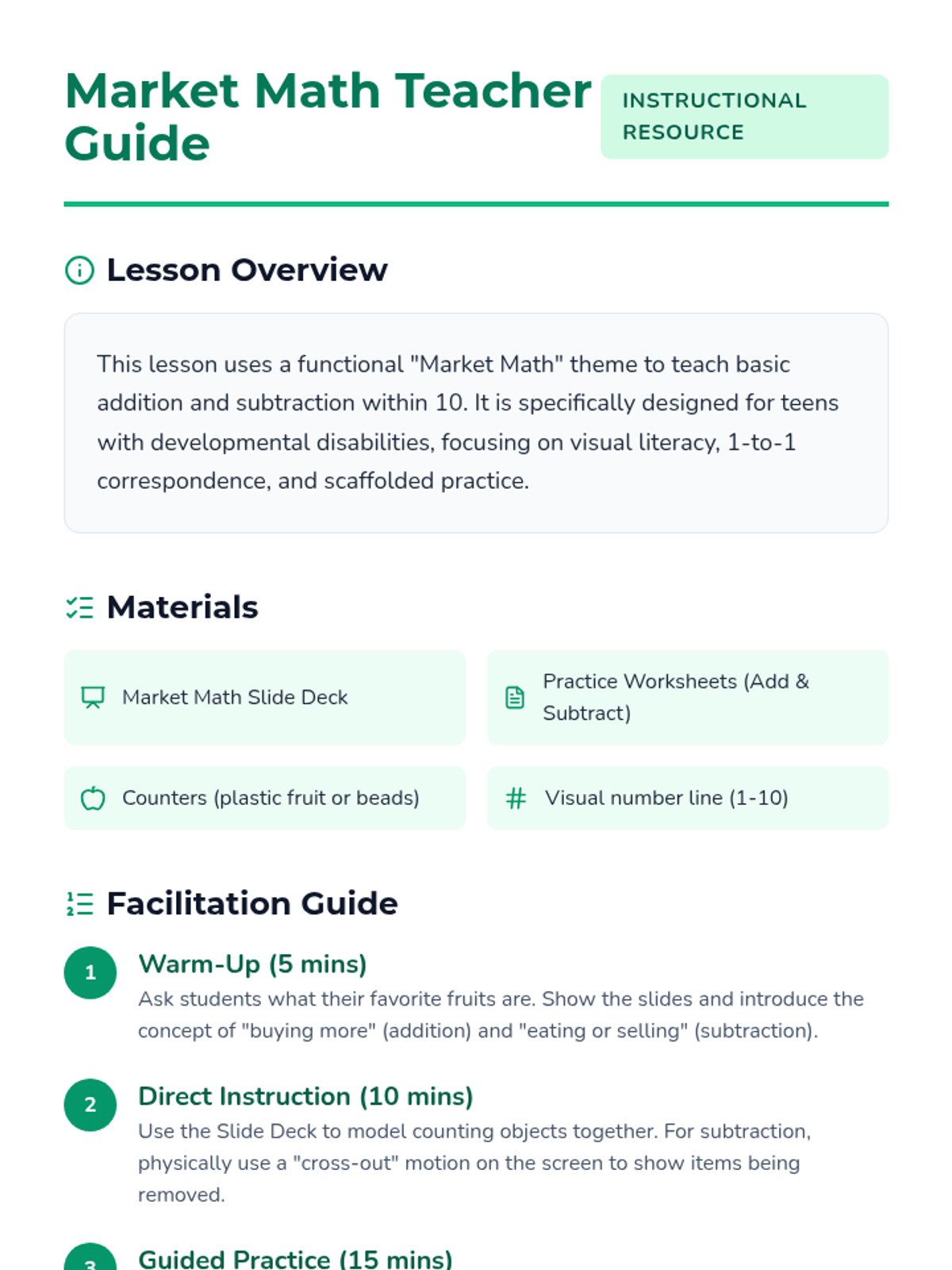
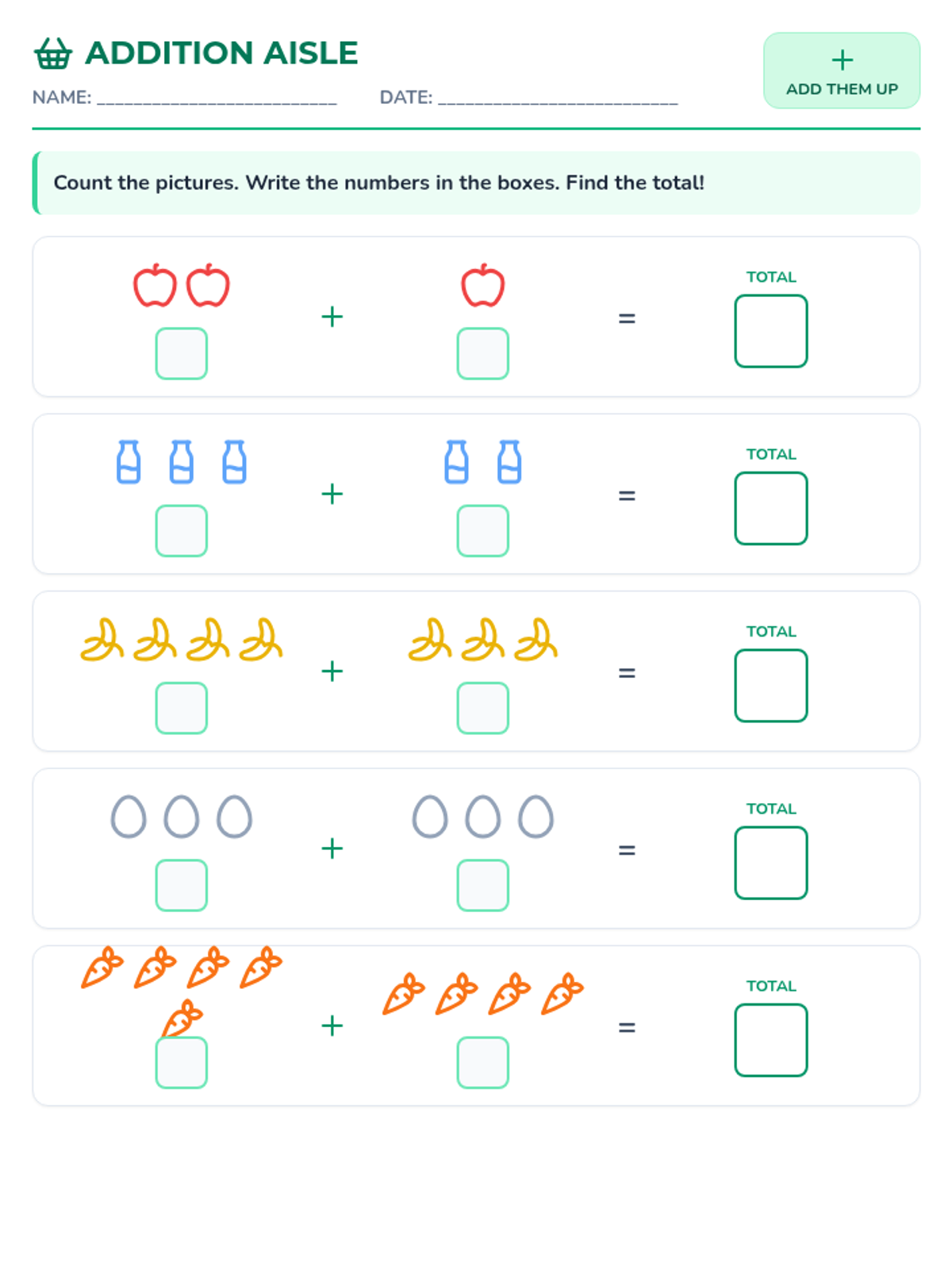
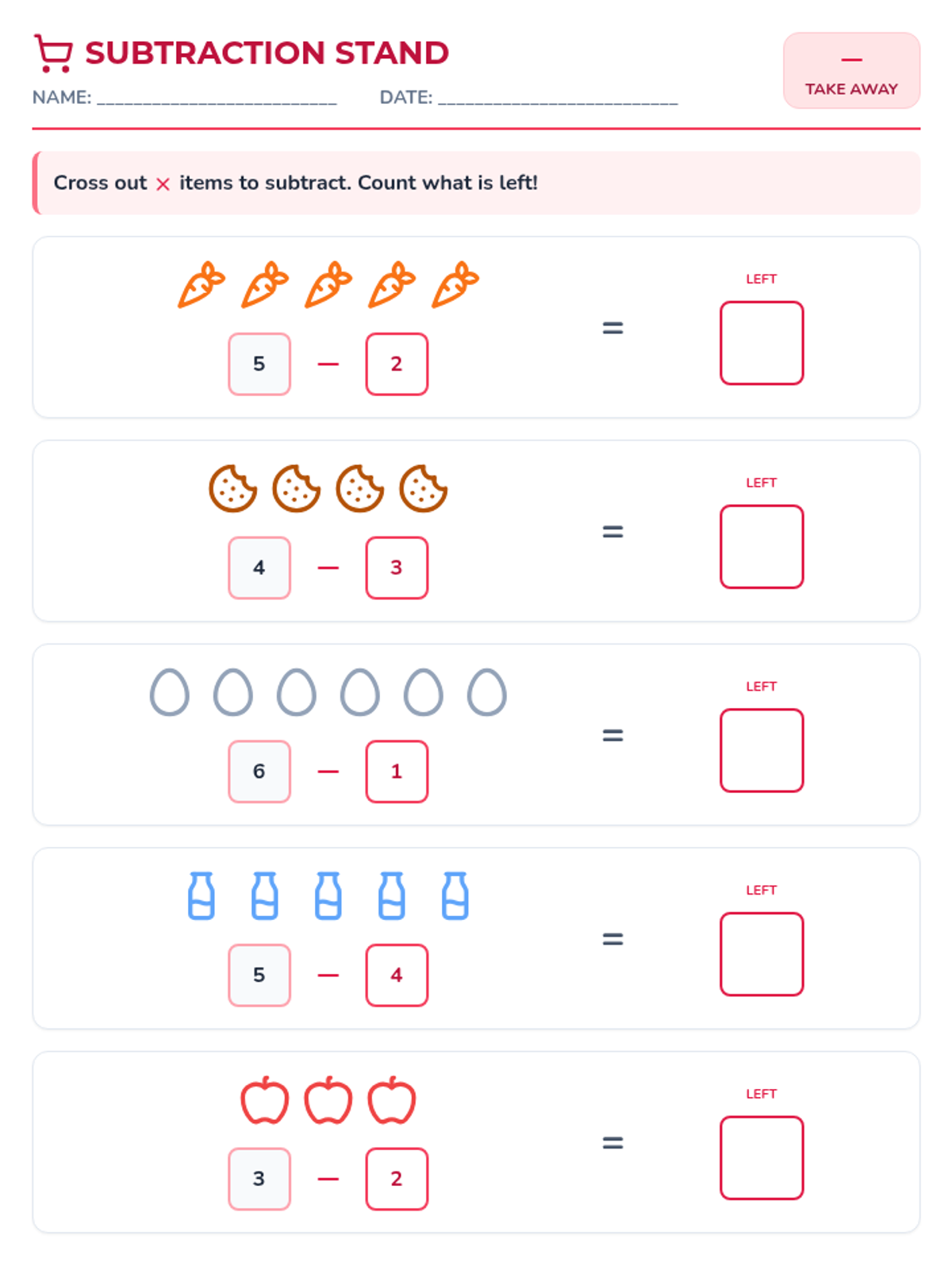
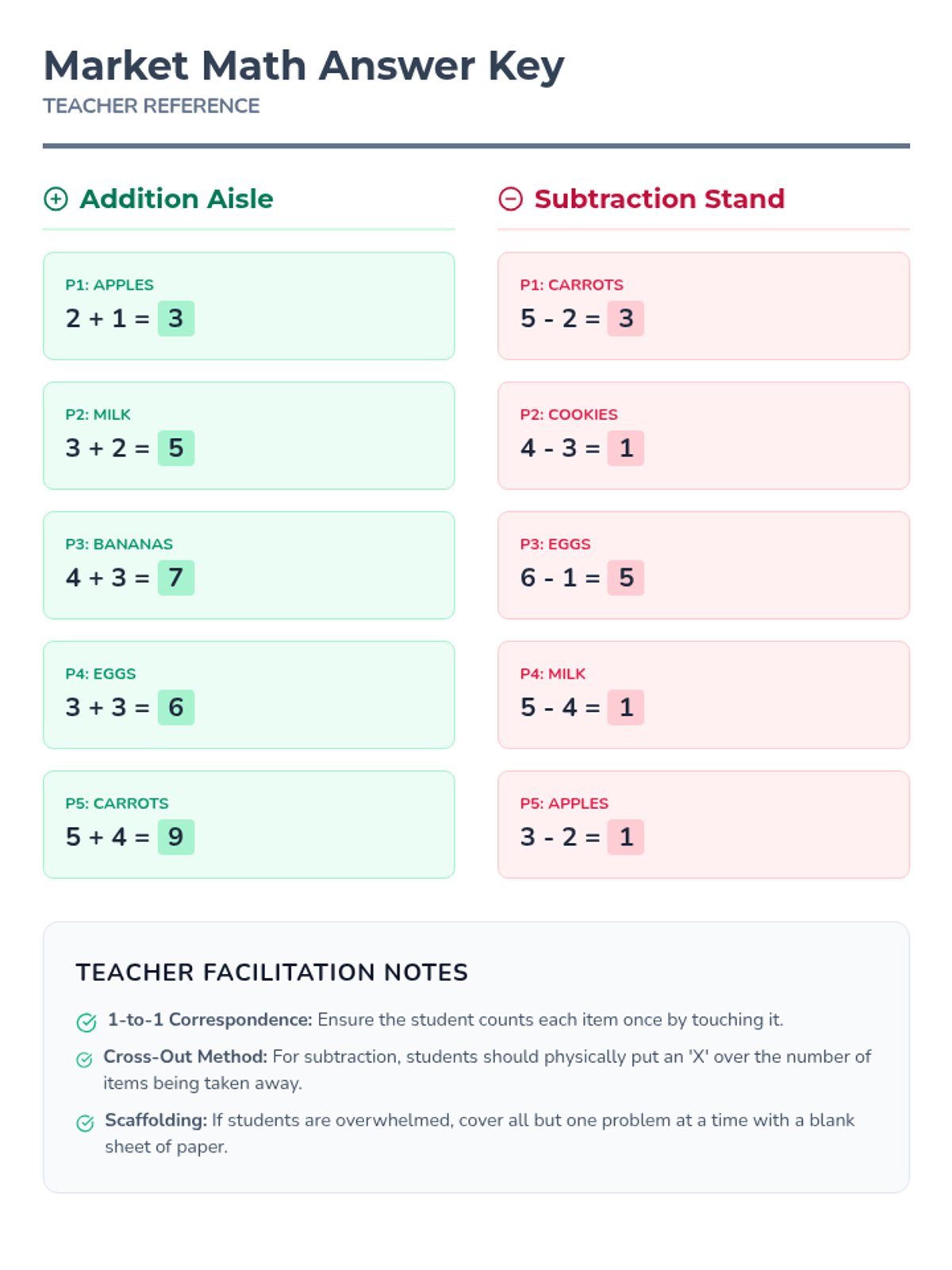
A functional math lesson focusing on basic addition and subtraction within 20 using a grocery store theme. Designed for teens with developmental disabilities, it emphasizes visual aids and real-world application.
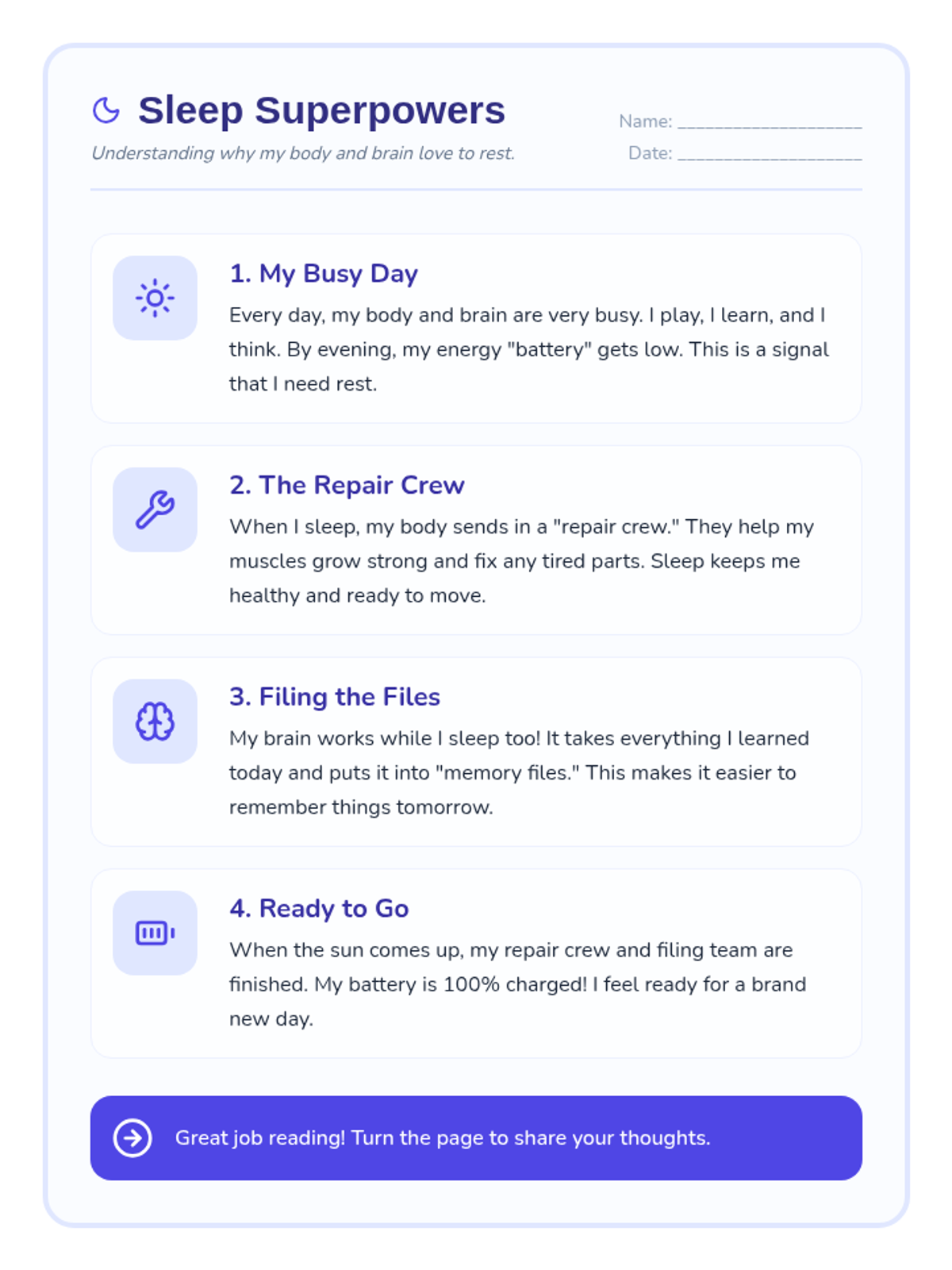
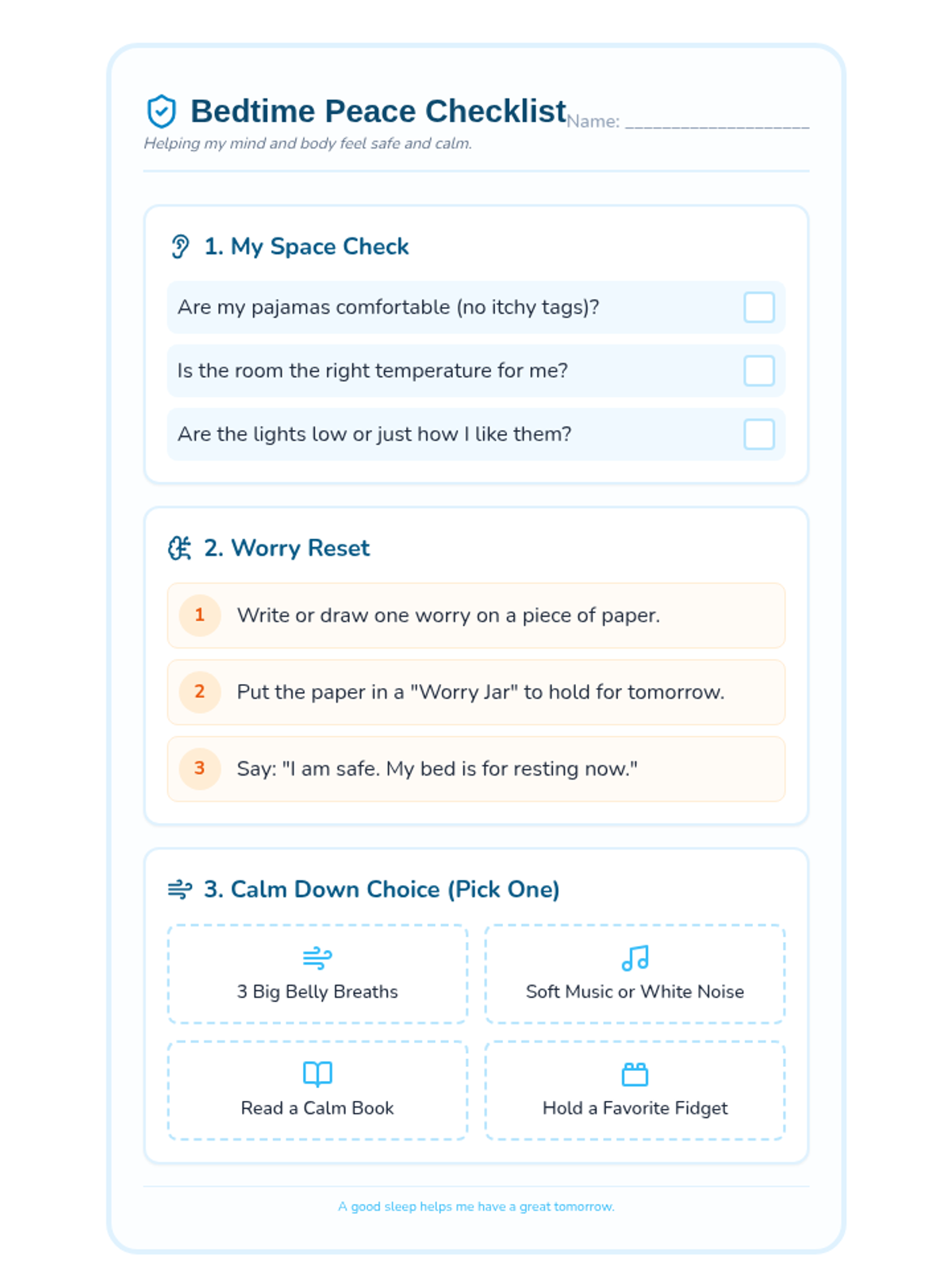
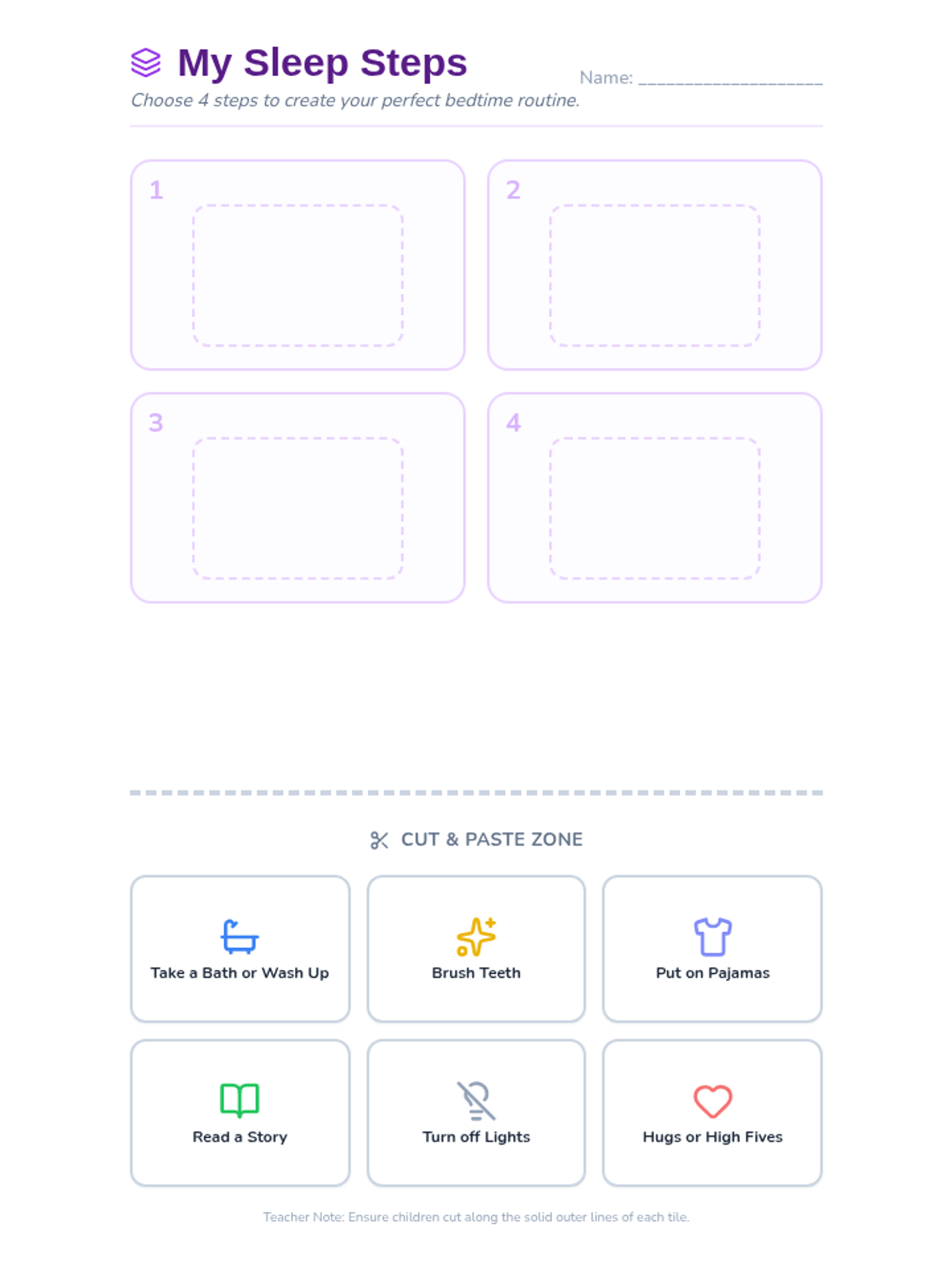
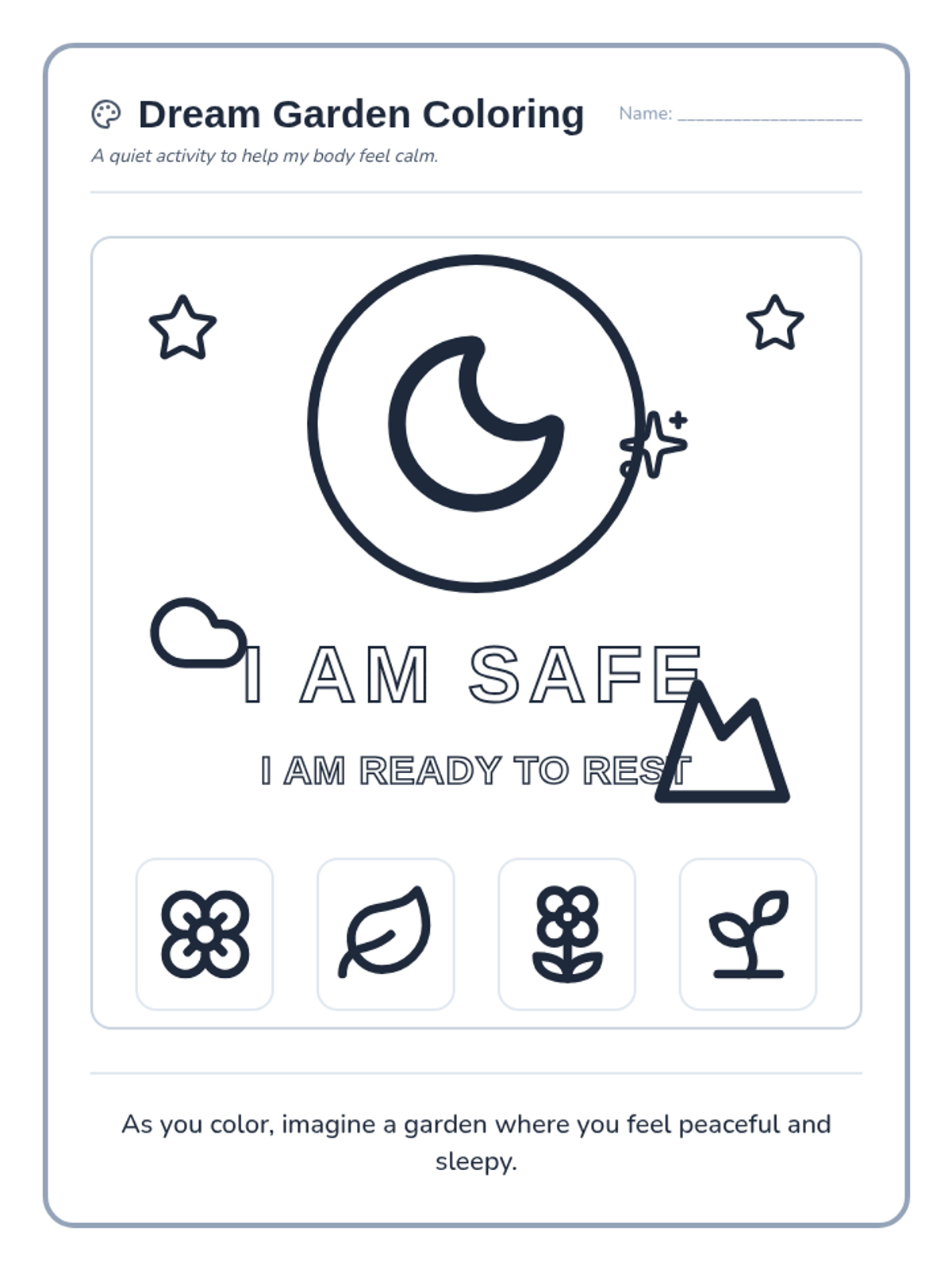
This lesson focuses on the 'why' and 'how' of sleep, providing visual and interactive tools to reduce anxiety and build a predictable bedtime routine. It includes a social story, a visual checklist, a routine sorter, and a calming coloring activity.
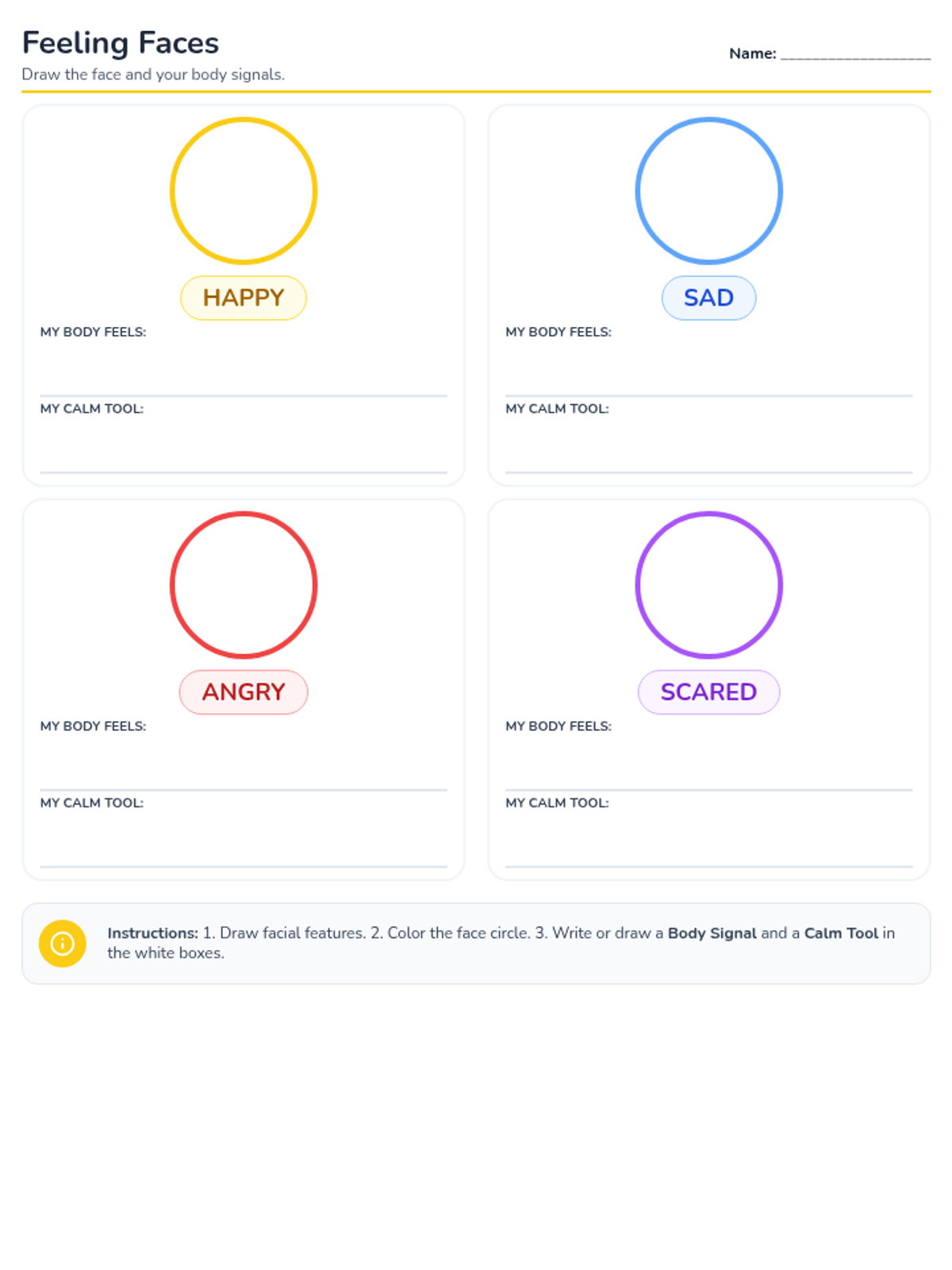
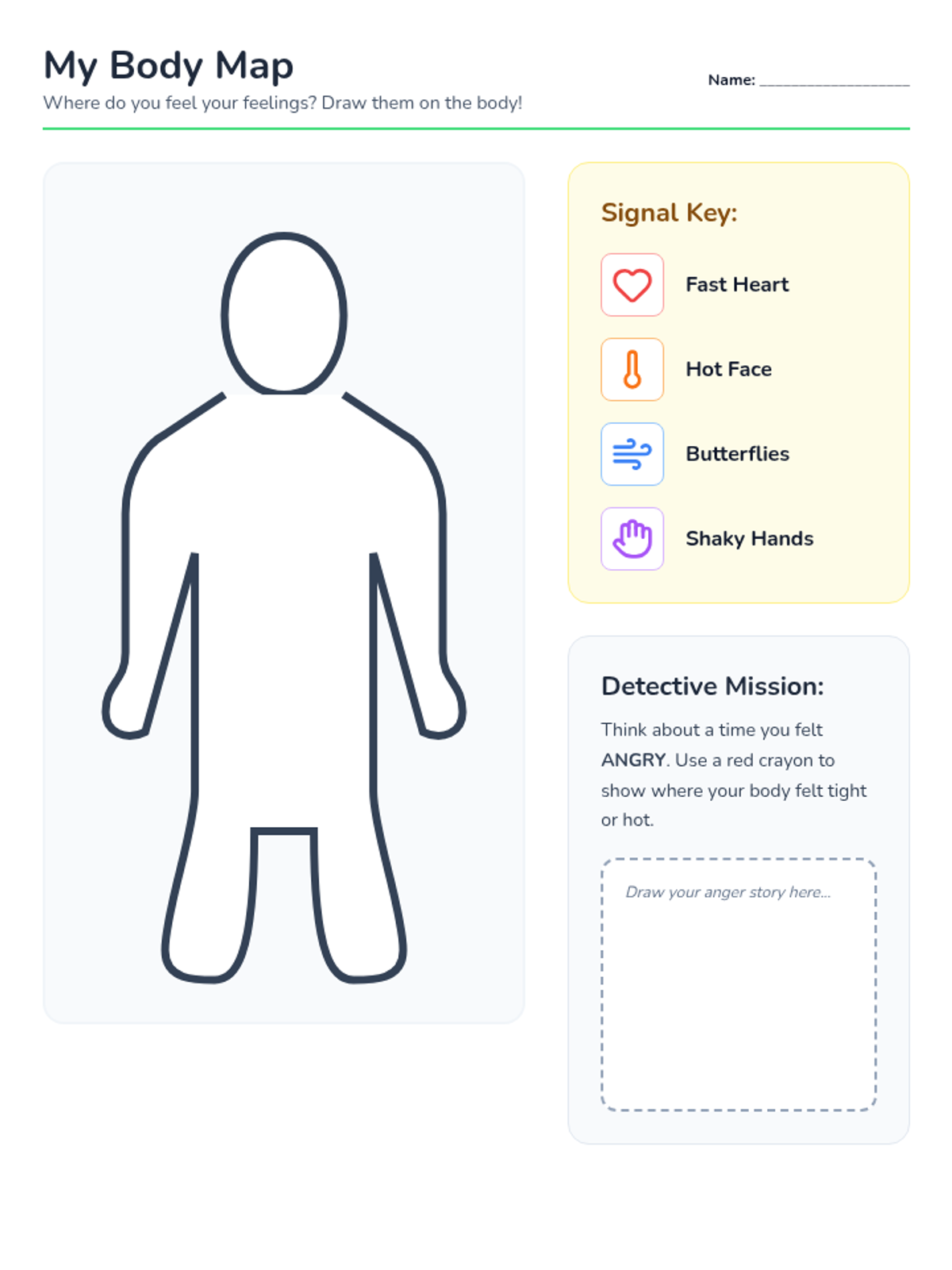
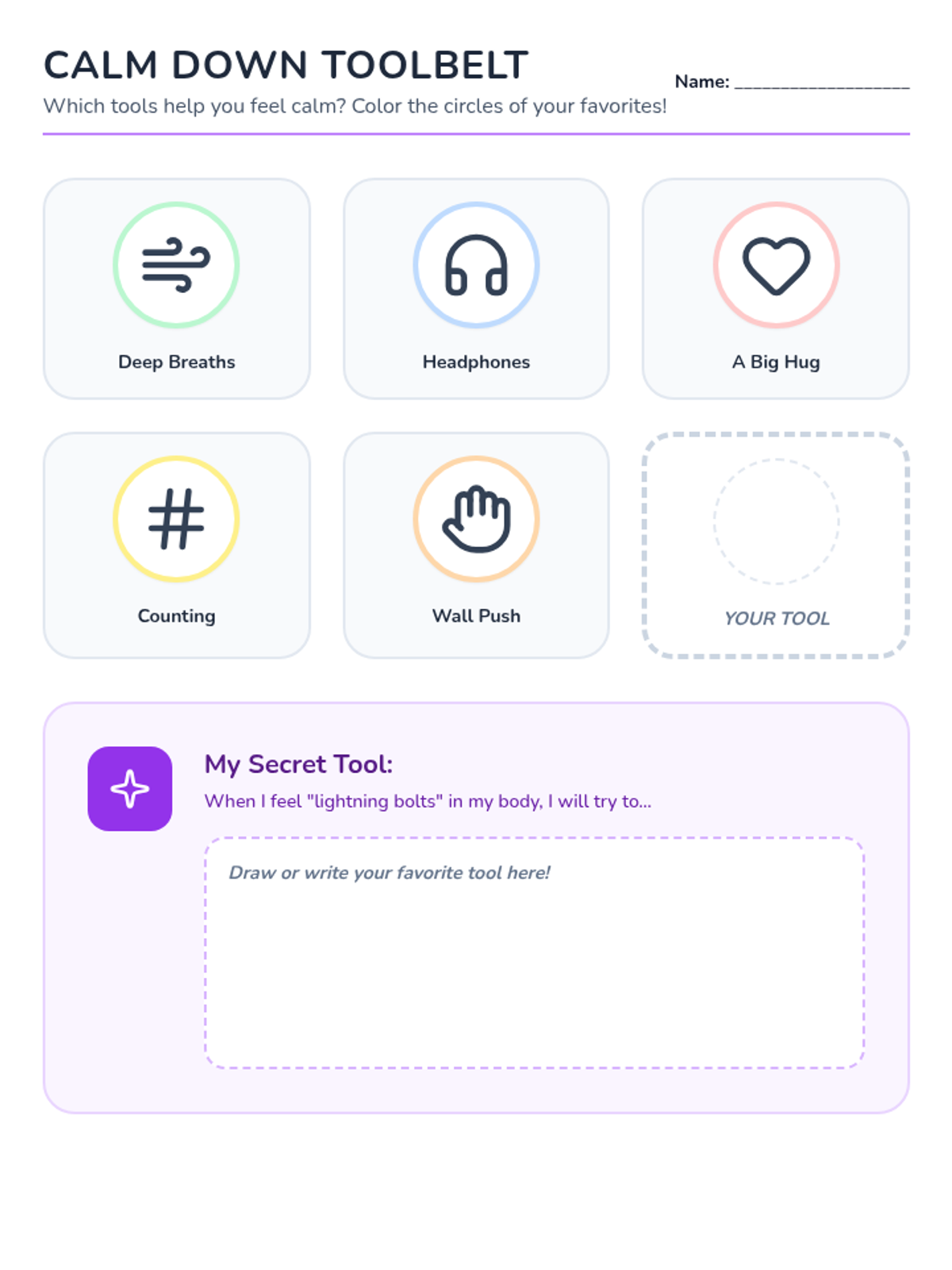
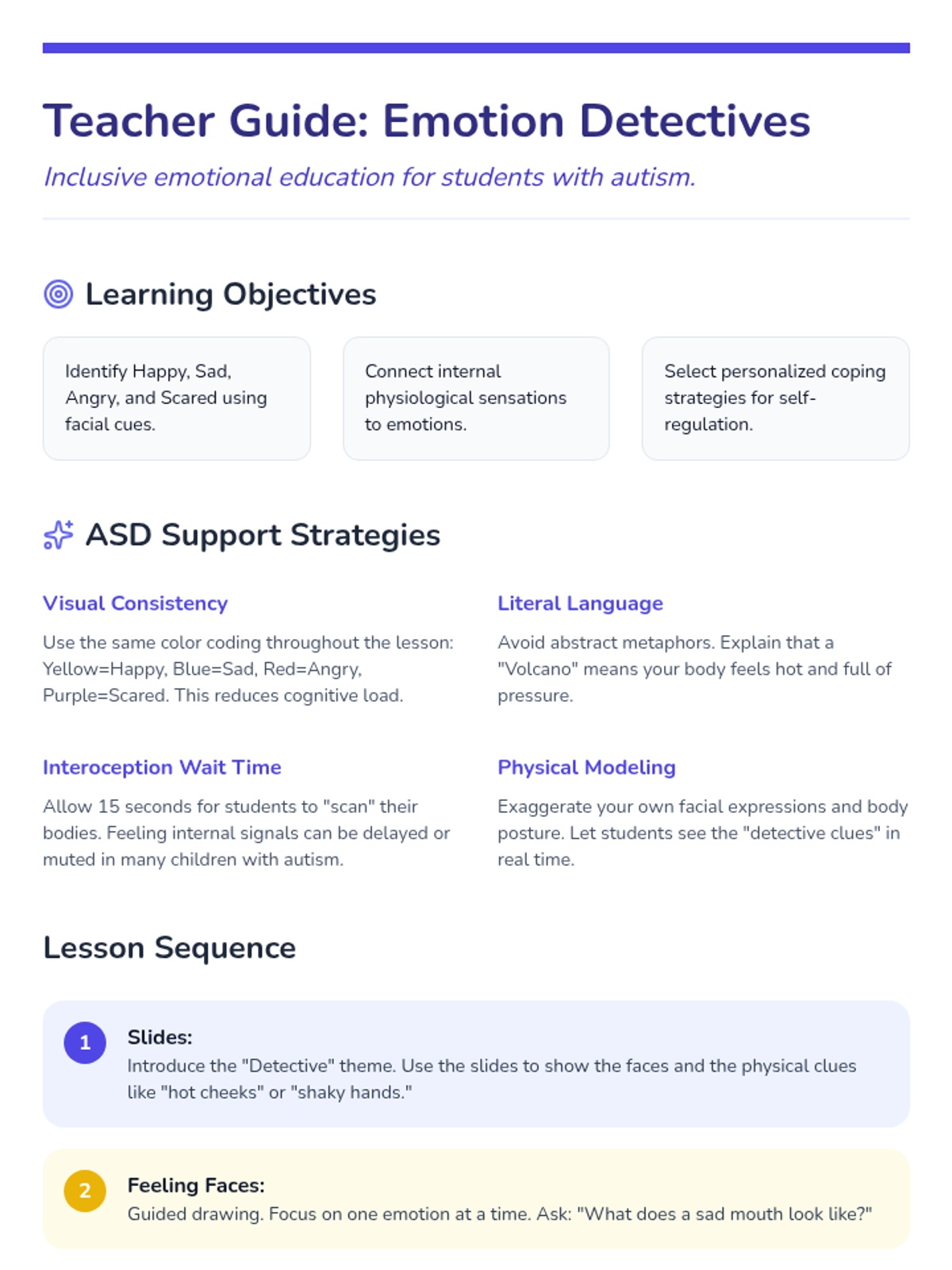
An interactive lesson designed for young learners with autism to identify basic emotions, recognize physical body signals, and build a personalized toolkit of coping strategies through visual supports and drawing activities.
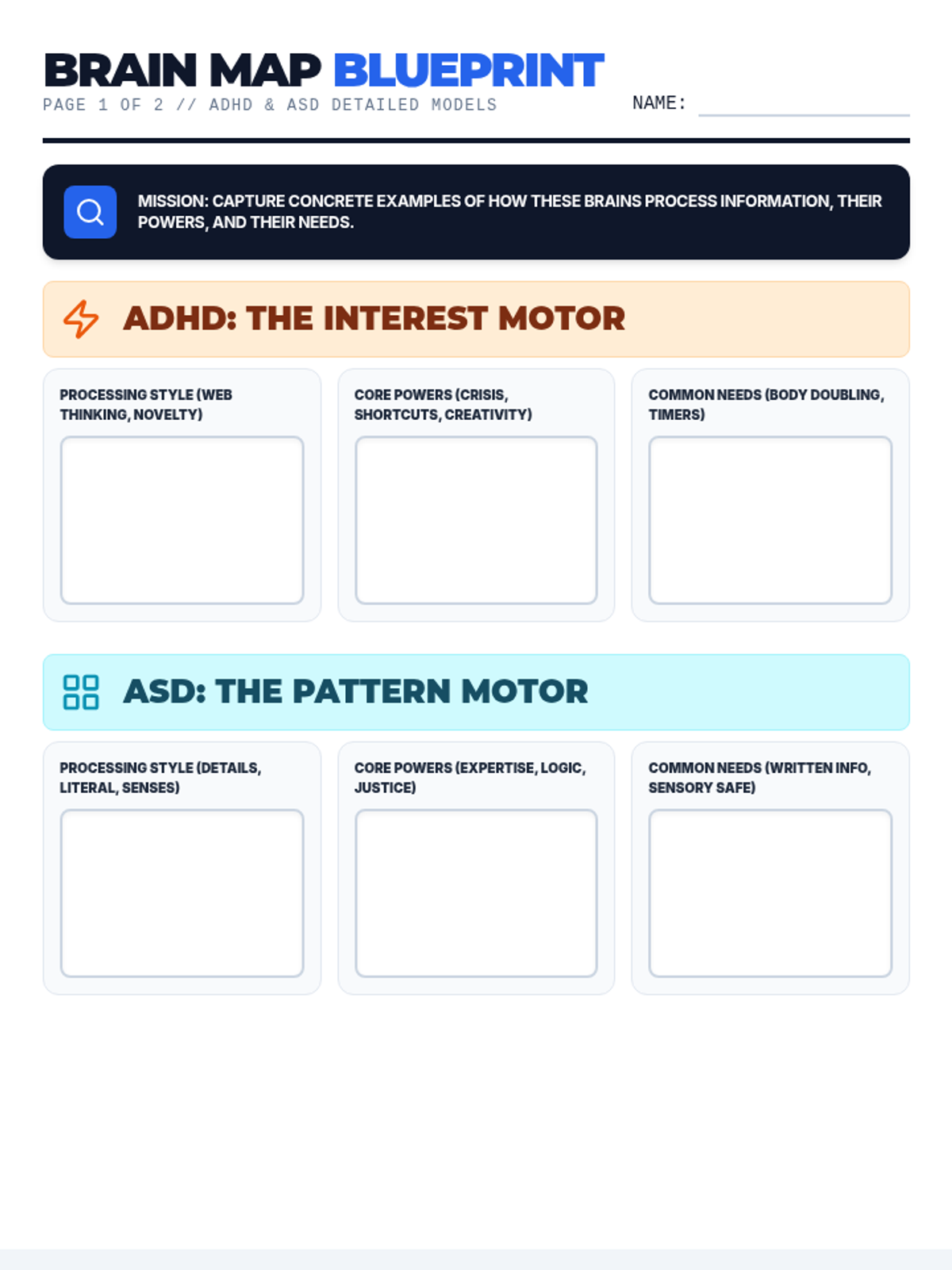
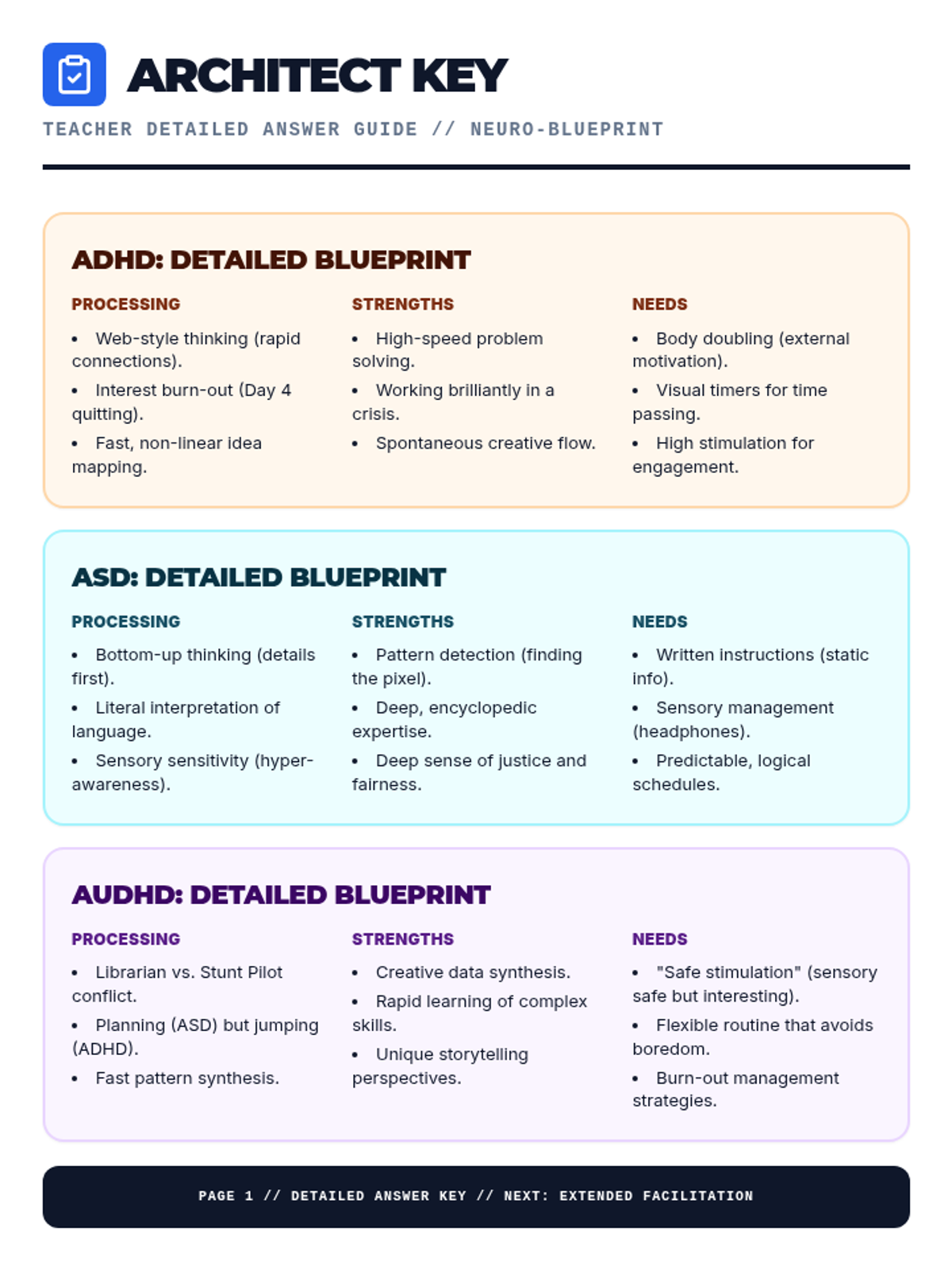
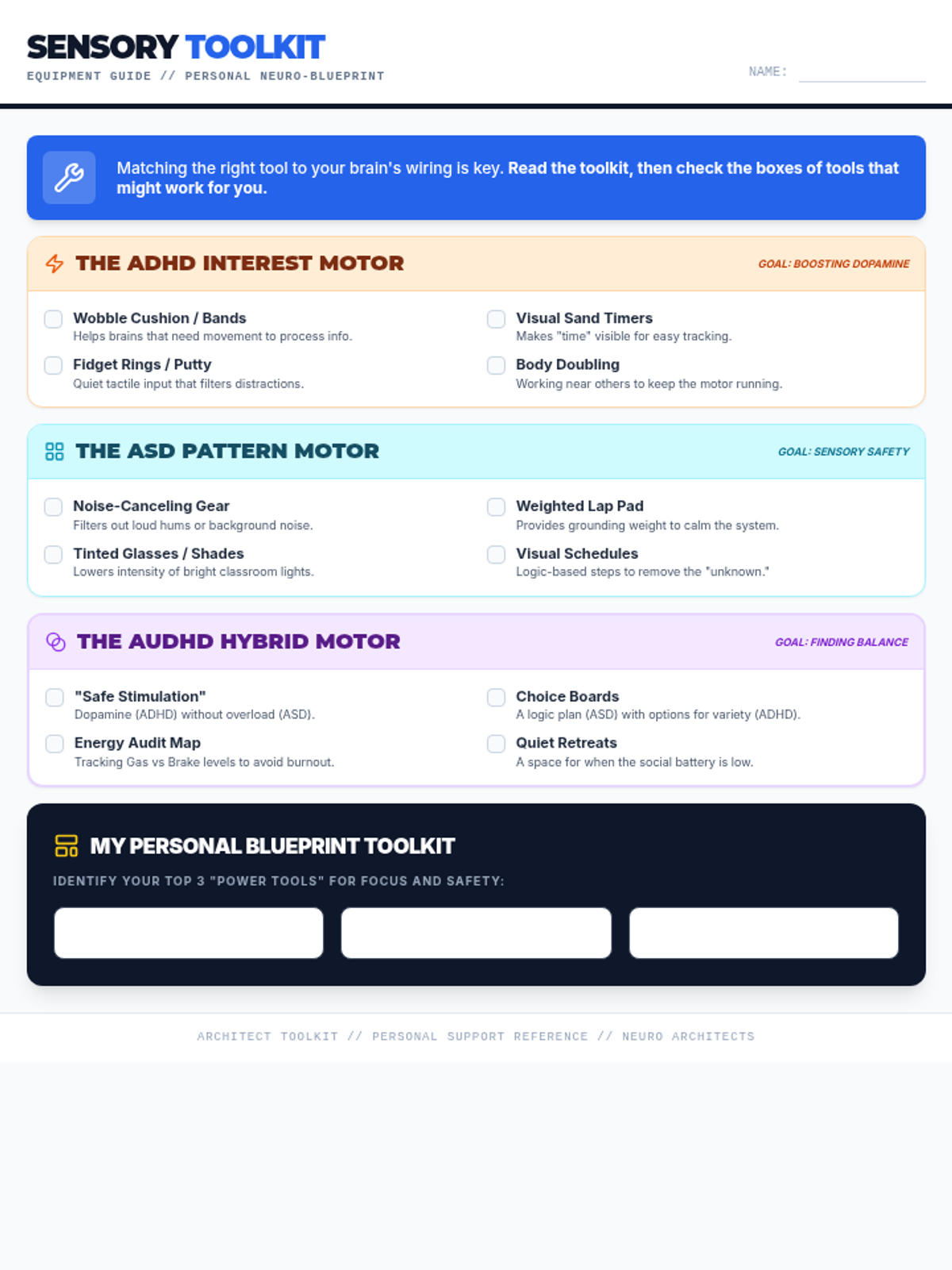
An exploration of the unique wiring of ADHD, ASD, and AuDHD brains through visual mapping and blueprinting. Students learn to identify key processing differences and strengths associated with each neurotype using a visual-first approach.
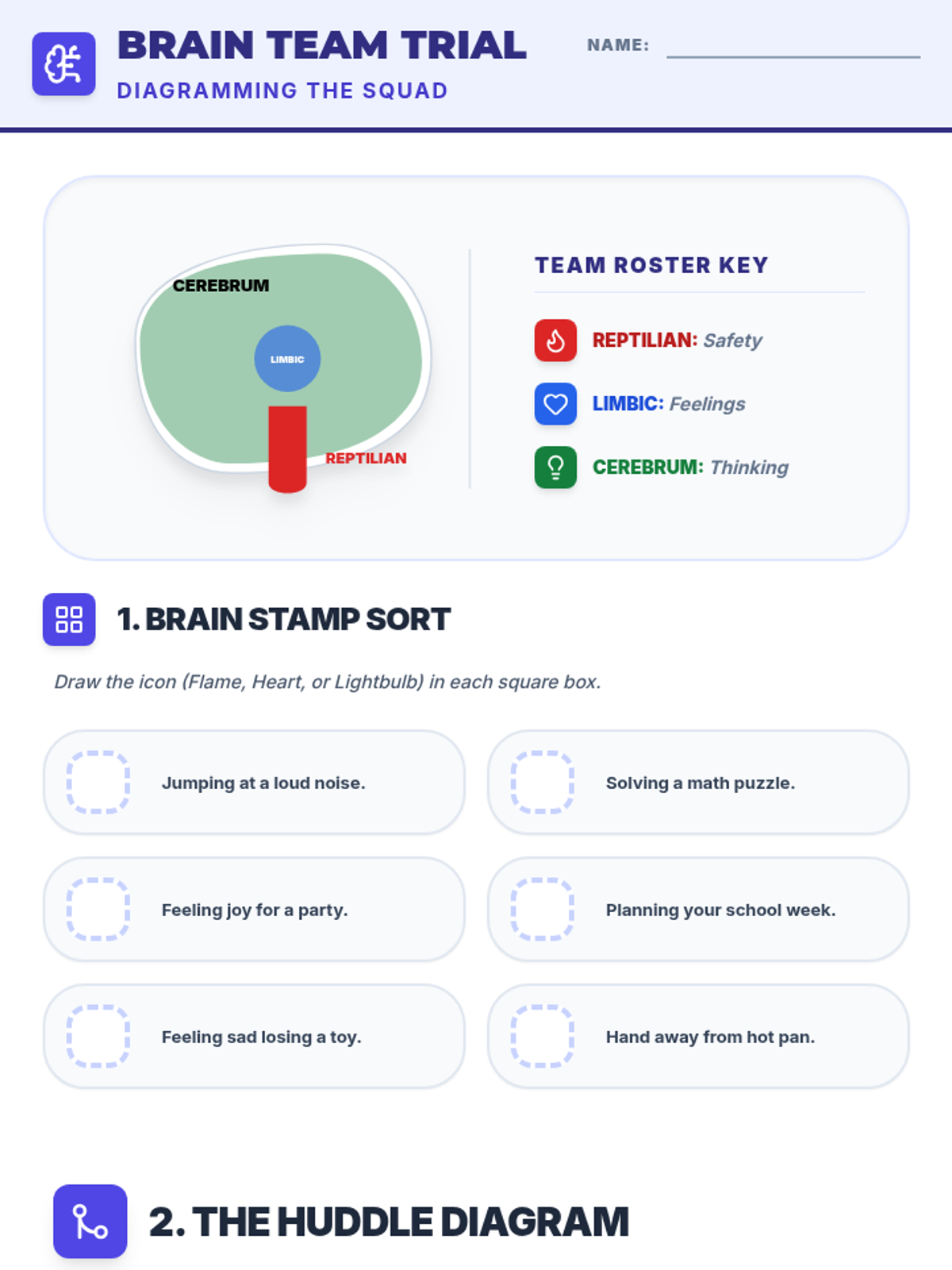
Exploring the foundational layers of the brain—the Reptilian Brain, the Limbic System, and the Cerebellum—to understand how survival instincts, emotions, and physical coordination work together.