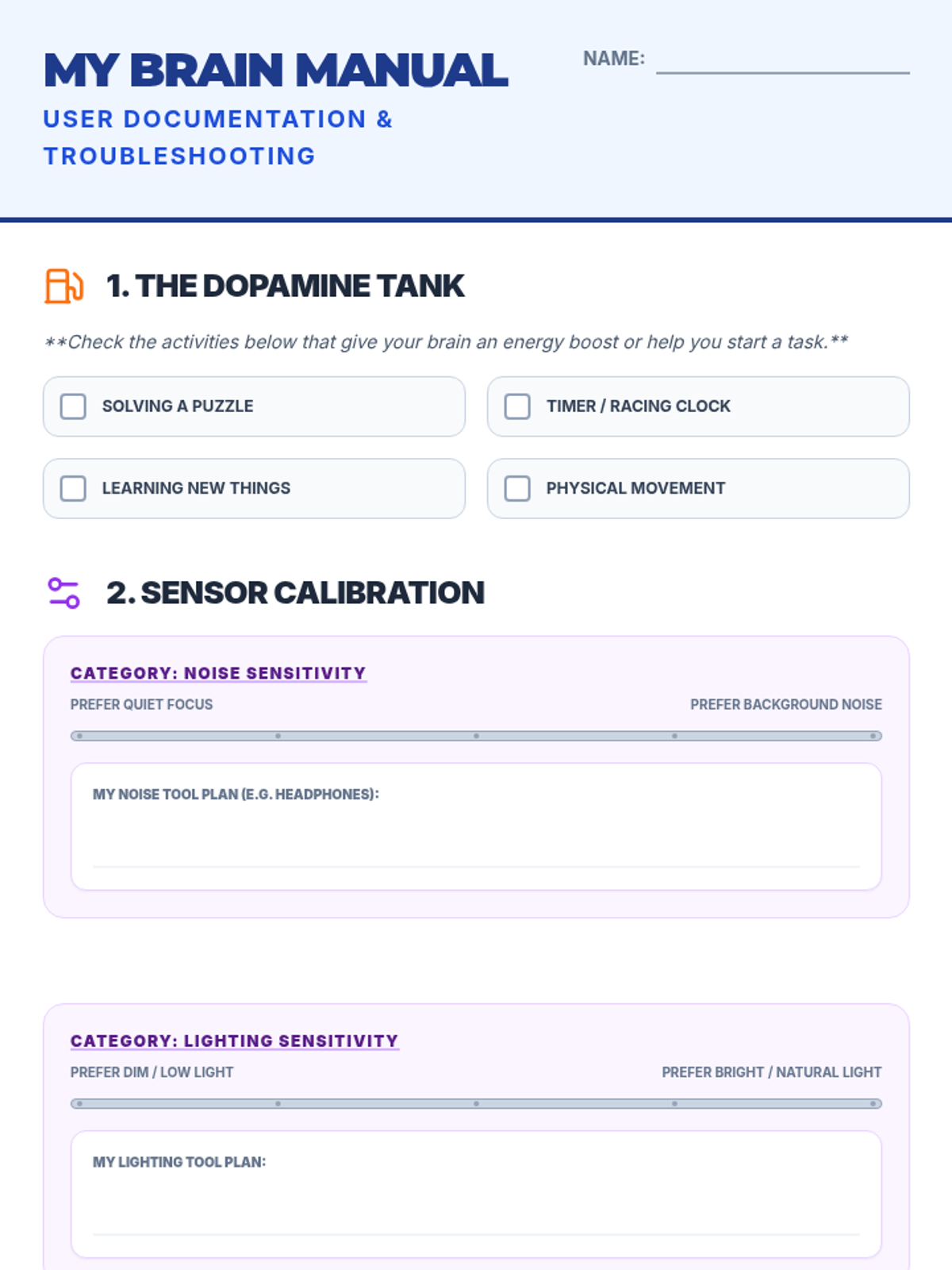
An exploration of the unique wiring of ADHD, ASD, and AuDHD brains through visual mapping and blueprinting. Students learn to identify key processing differences and strengths associated with each neurotype using a visual-first approach.
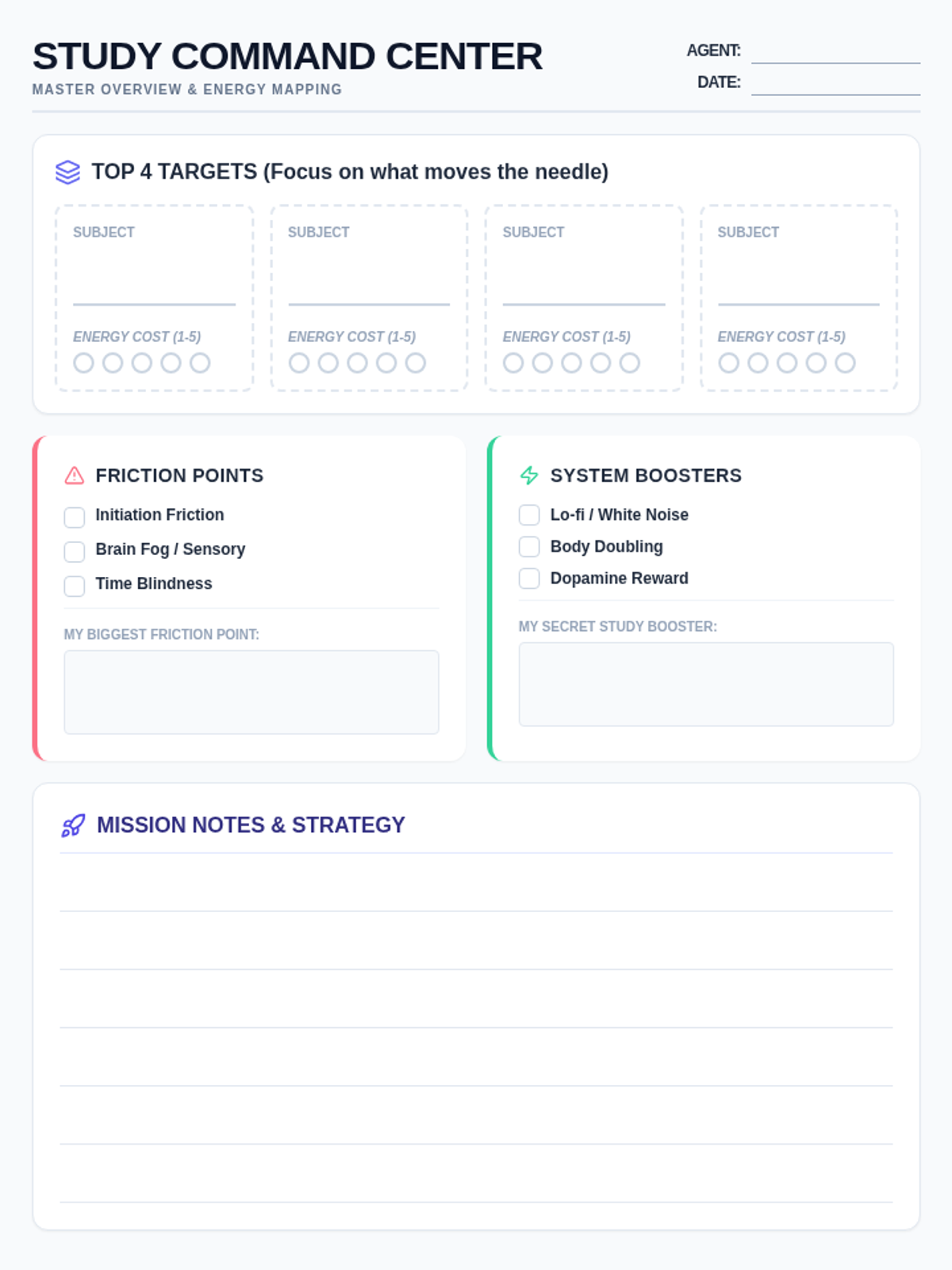
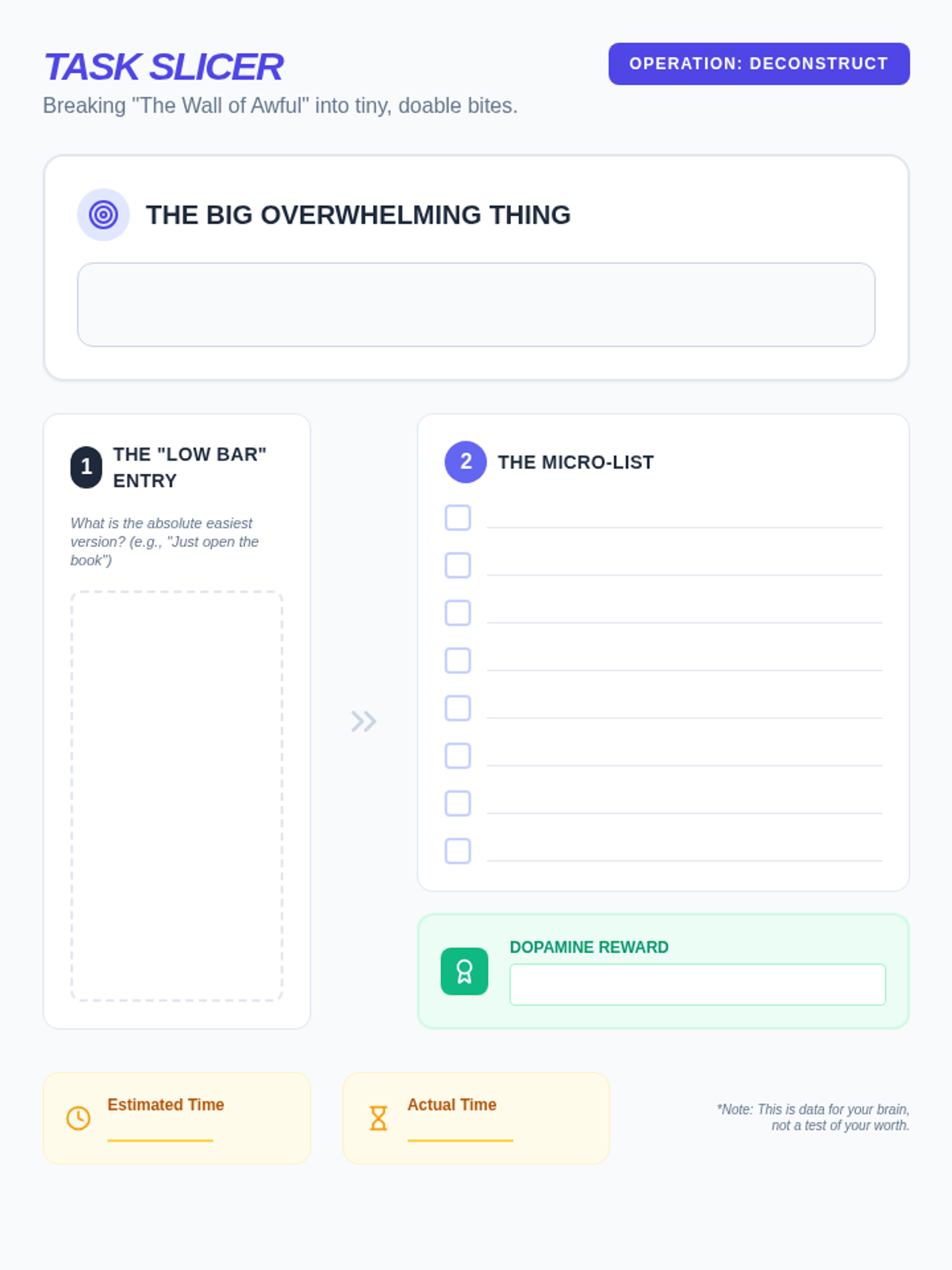
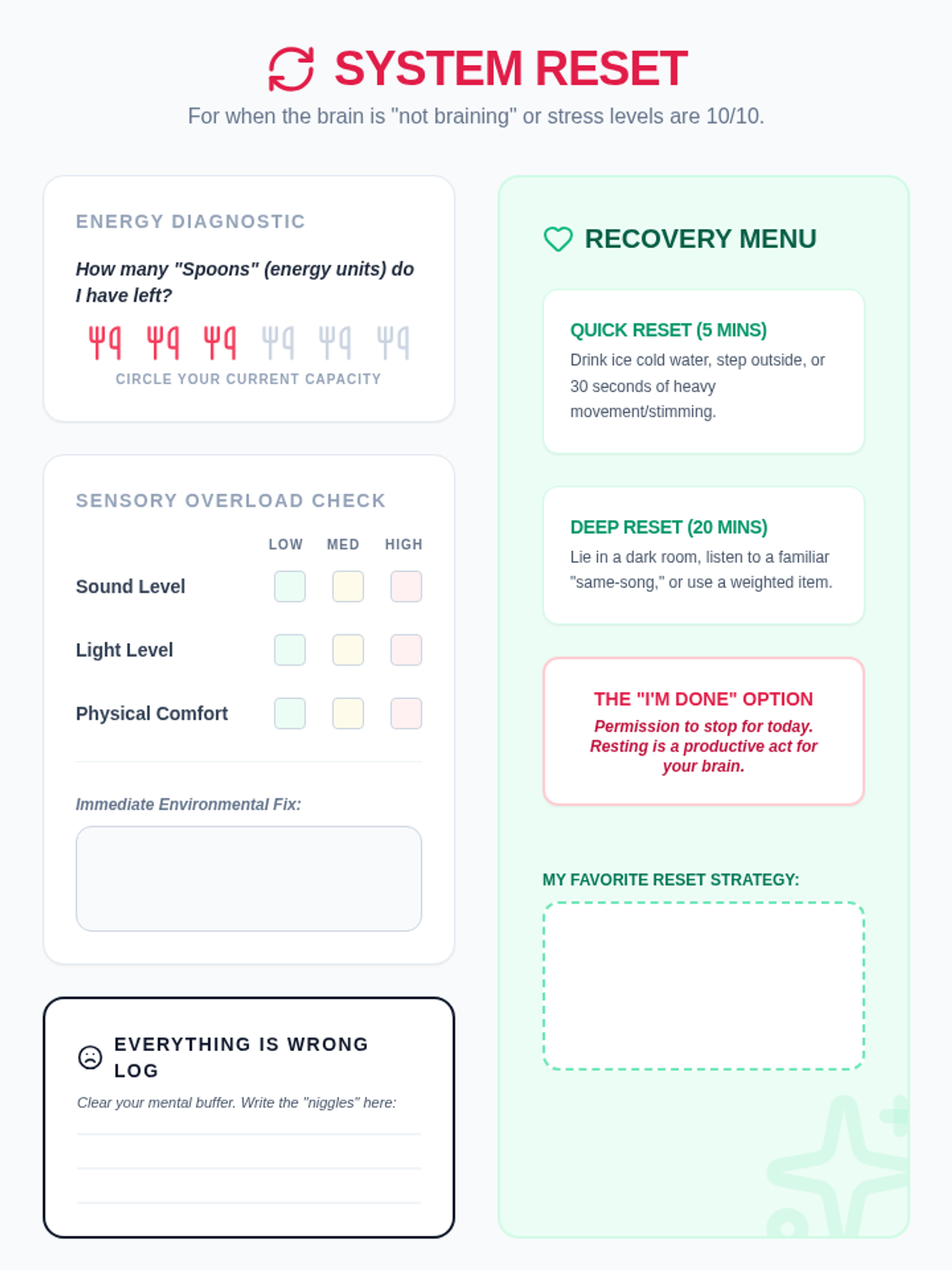
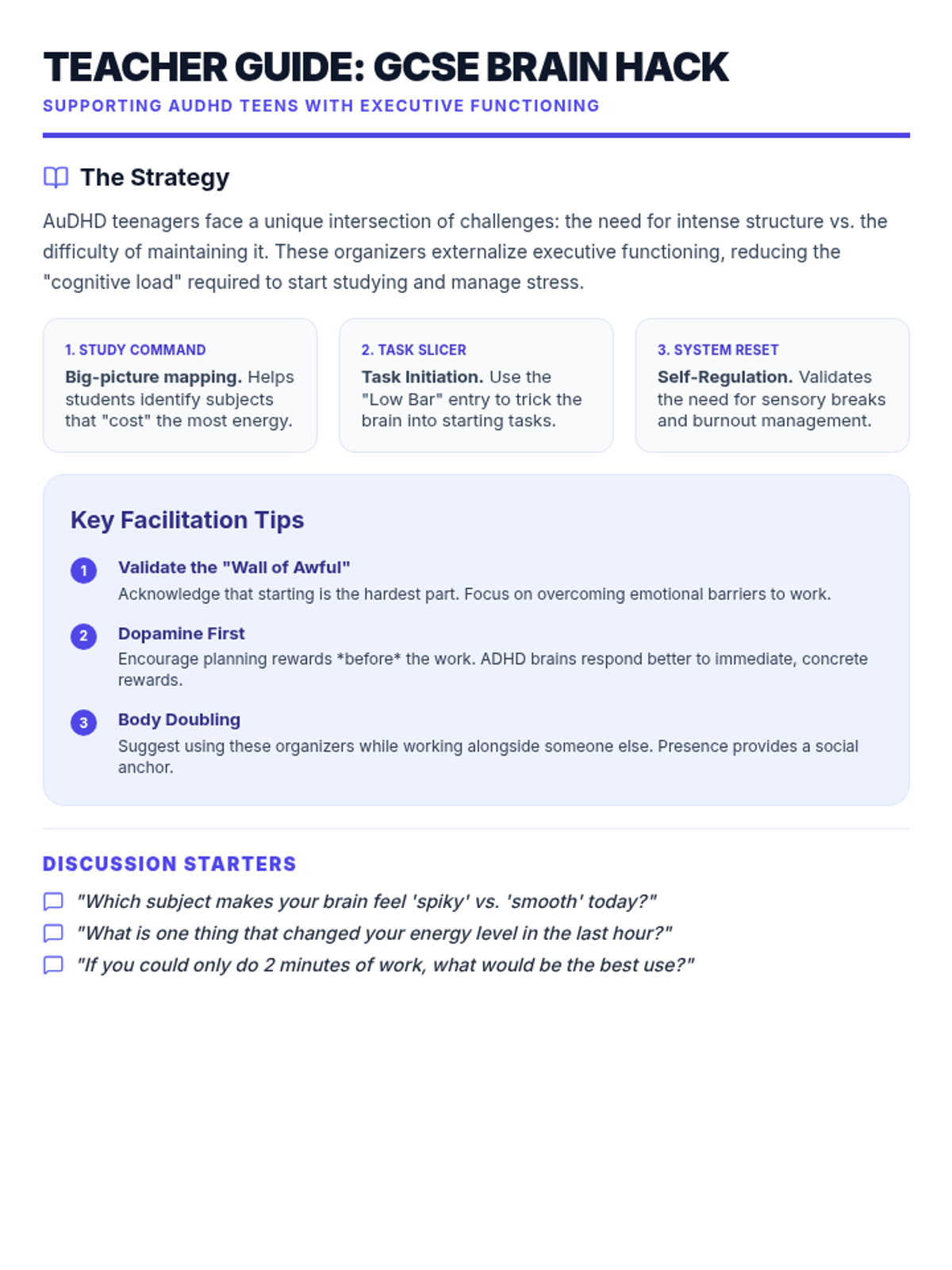
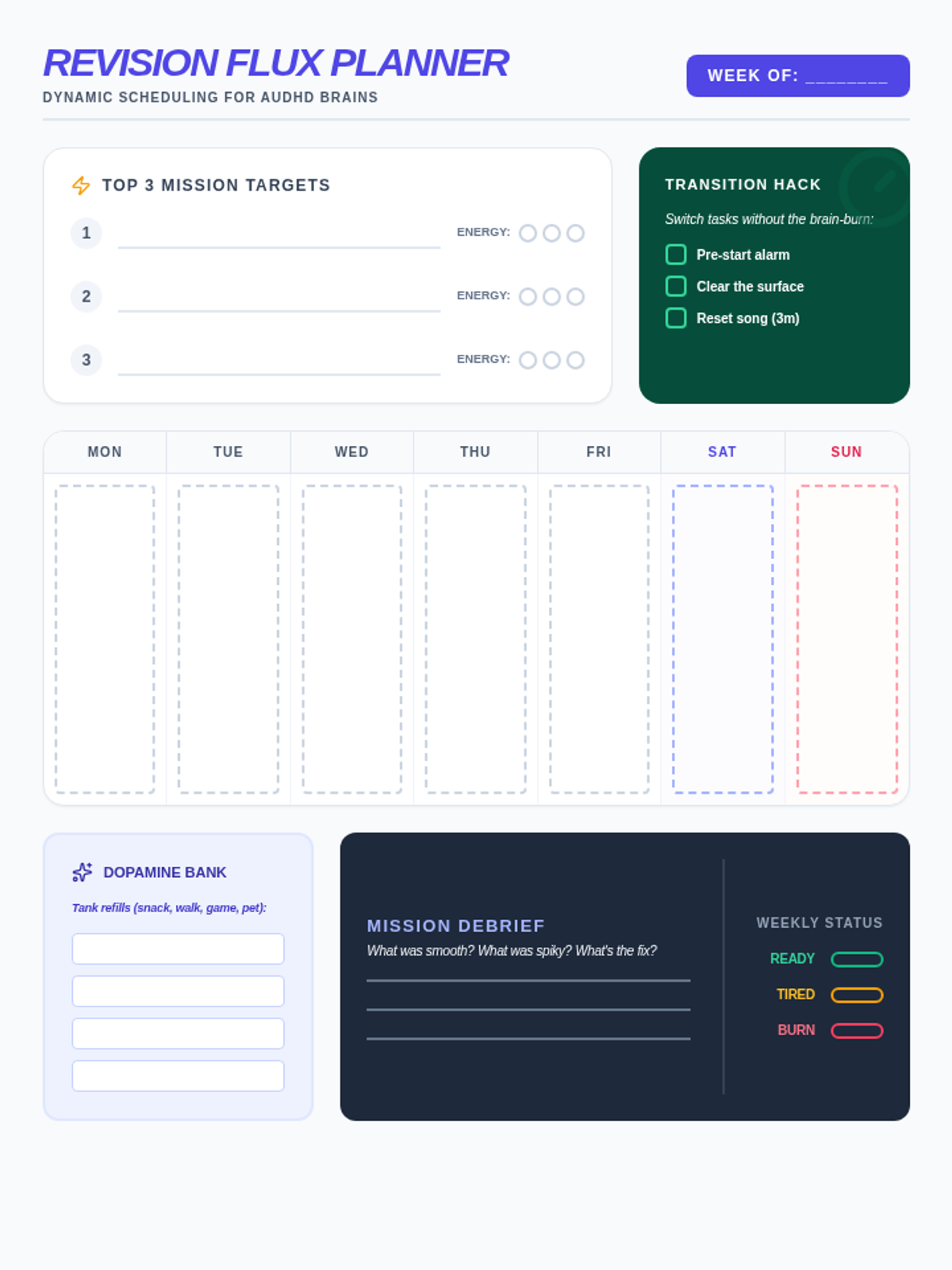
A collection of graphic organizers and strategies designed specifically for AuDHD teenagers to manage executive functioning and stress during GCSE exam preparation.
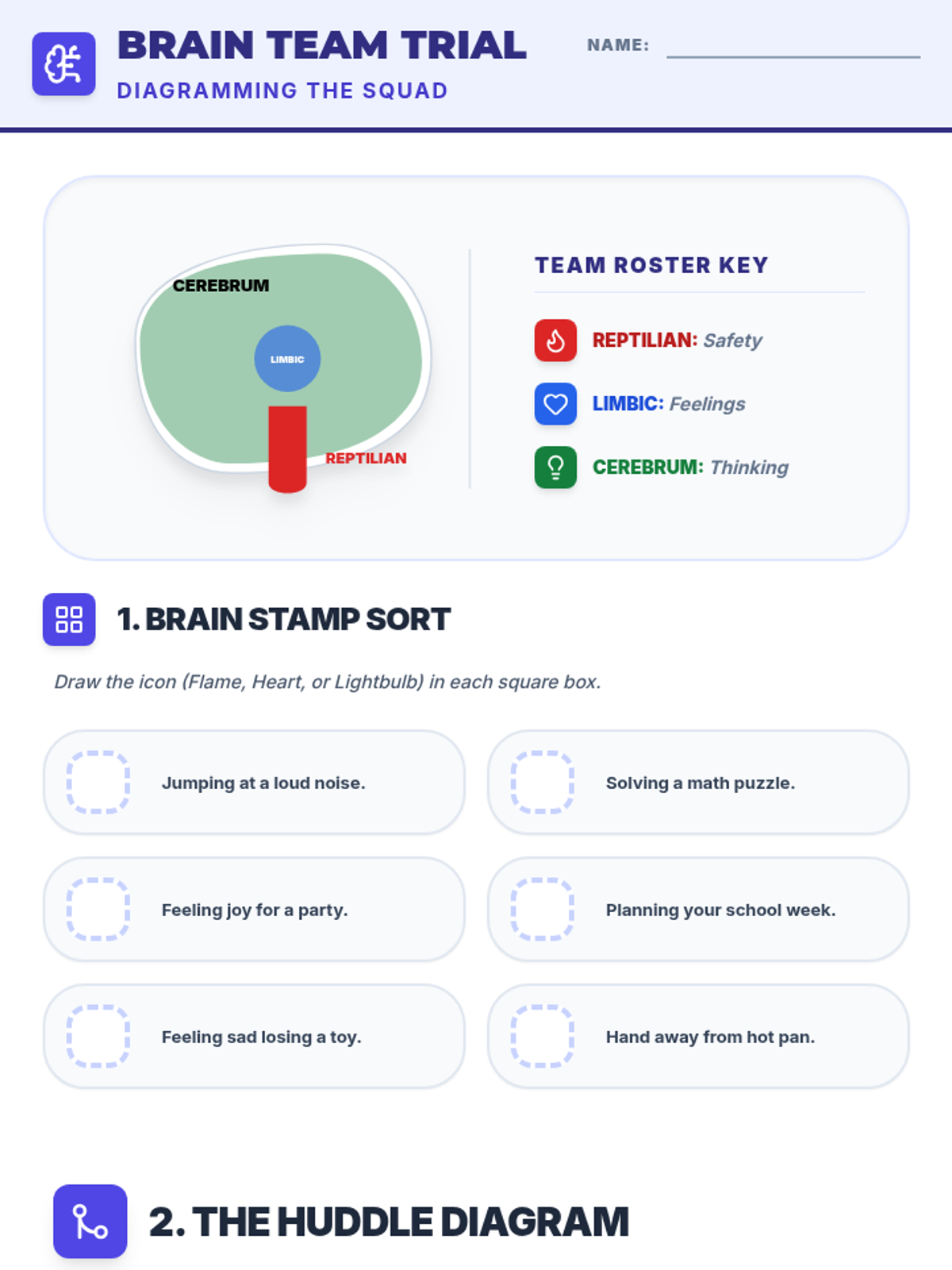
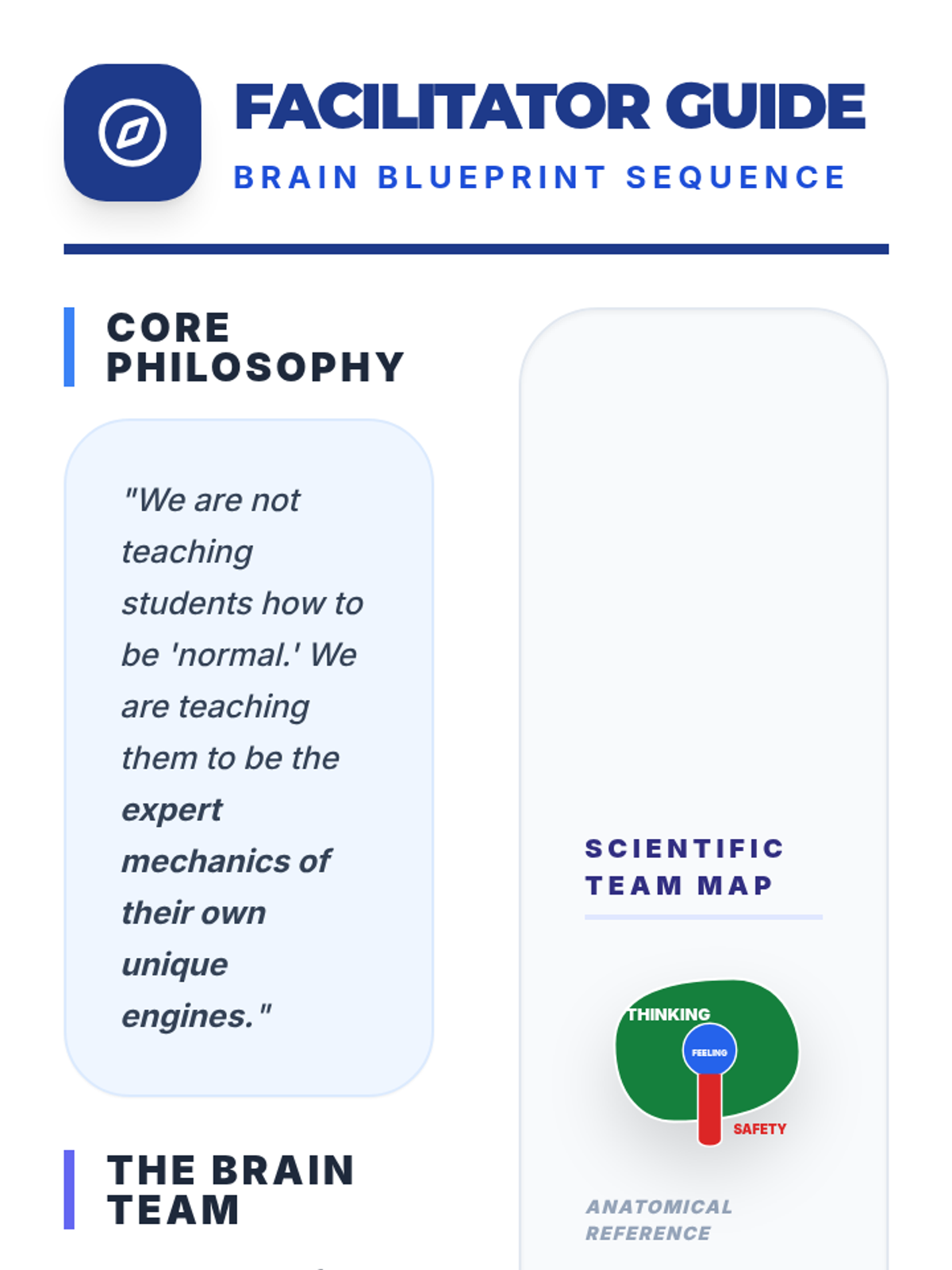
Exploring the foundational layers of the brain—the Reptilian Brain, the Limbic System, and the Cerebellum—to understand how survival instincts, emotions, and physical coordination work together.
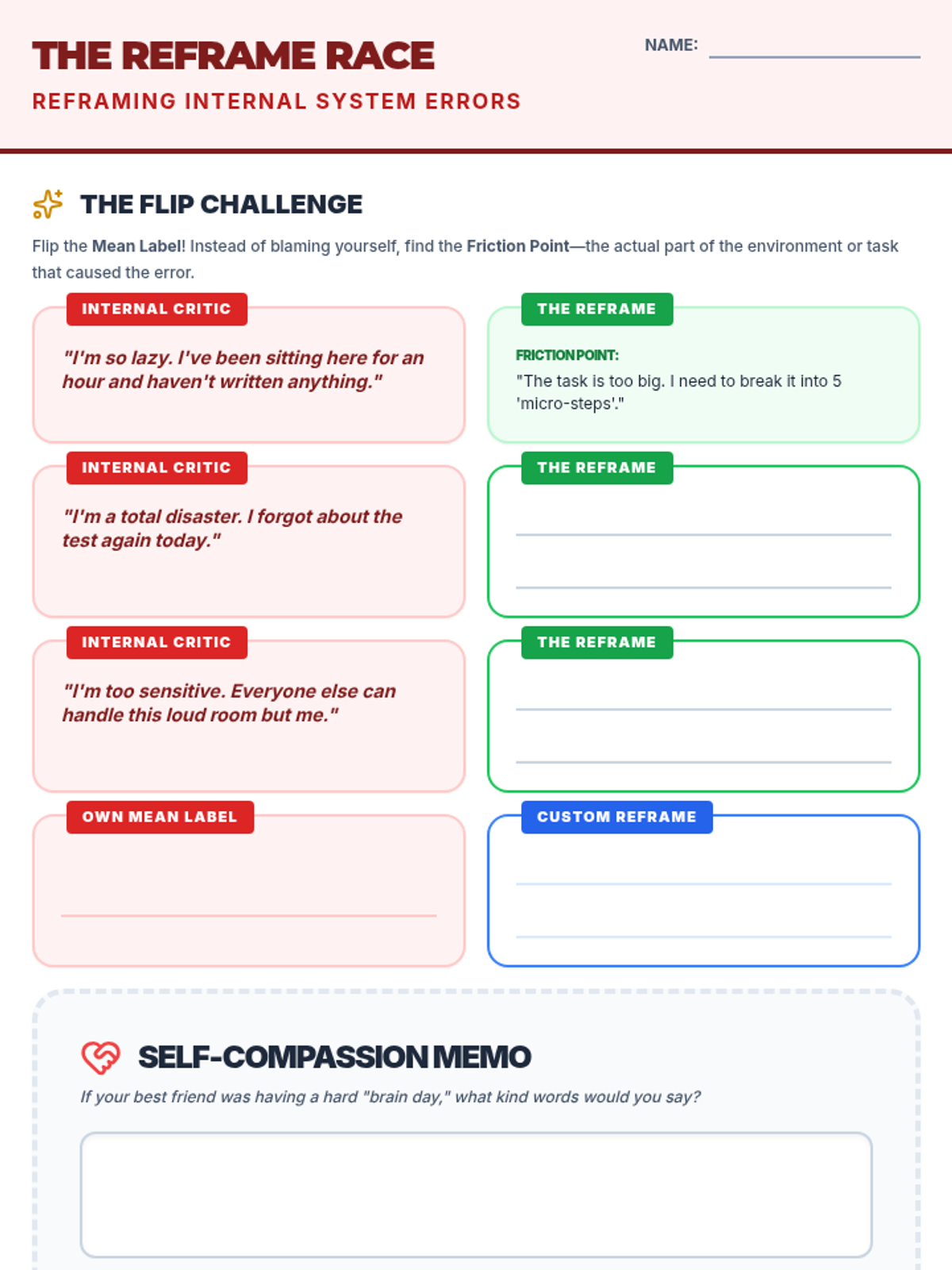
Developing a growth mindset specifically tailored for neurodivergent experiences, focusing on self-compassion and reframing challenges.
Practical strategies for managing time, focus, and sensory needs by working with the brain's natural tendencies.
Exploration of the neurobiology of ADHD and AuDHD, focusing on executive function and sensory processing as 'features' rather than 'bugs.'
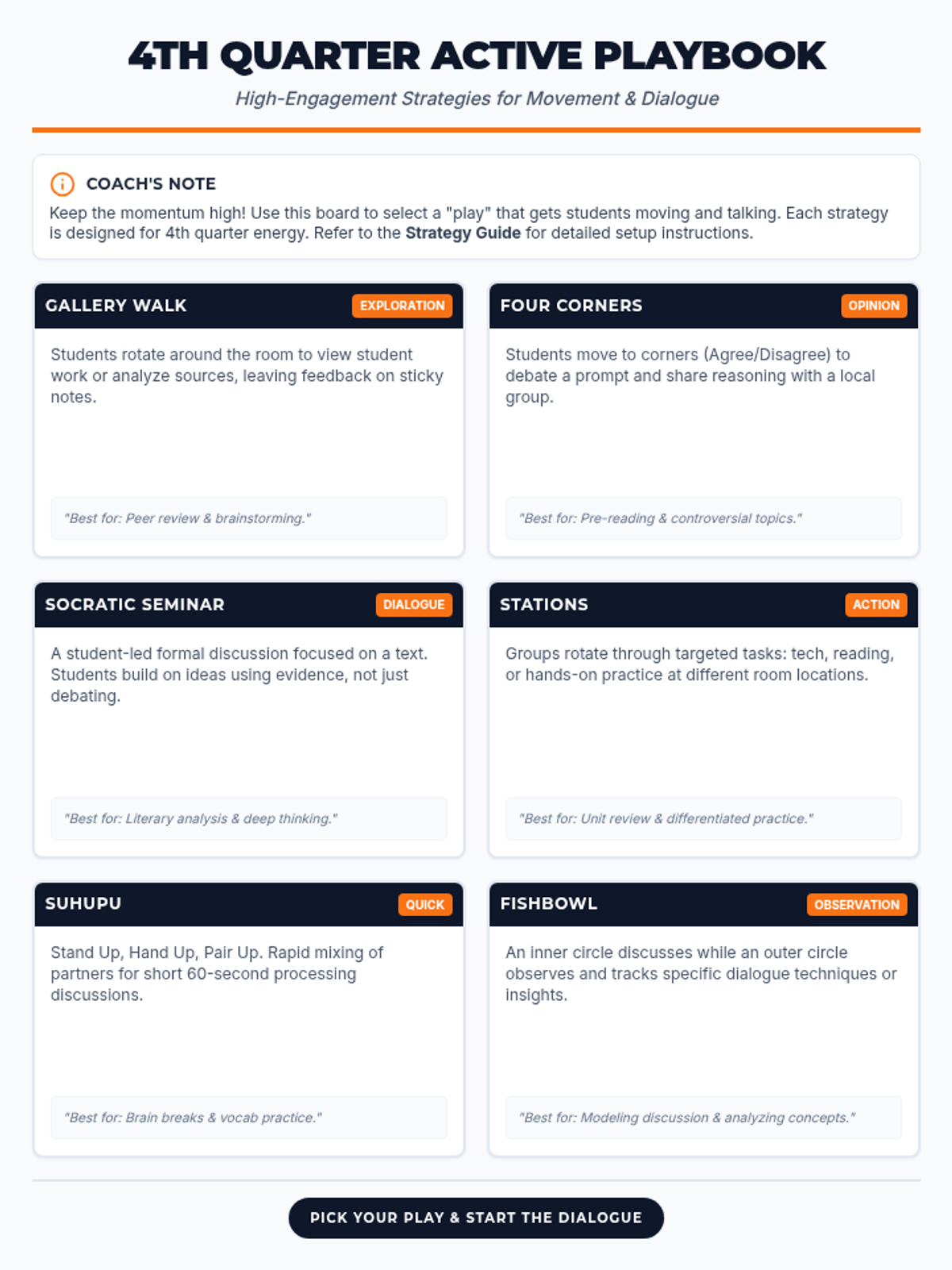
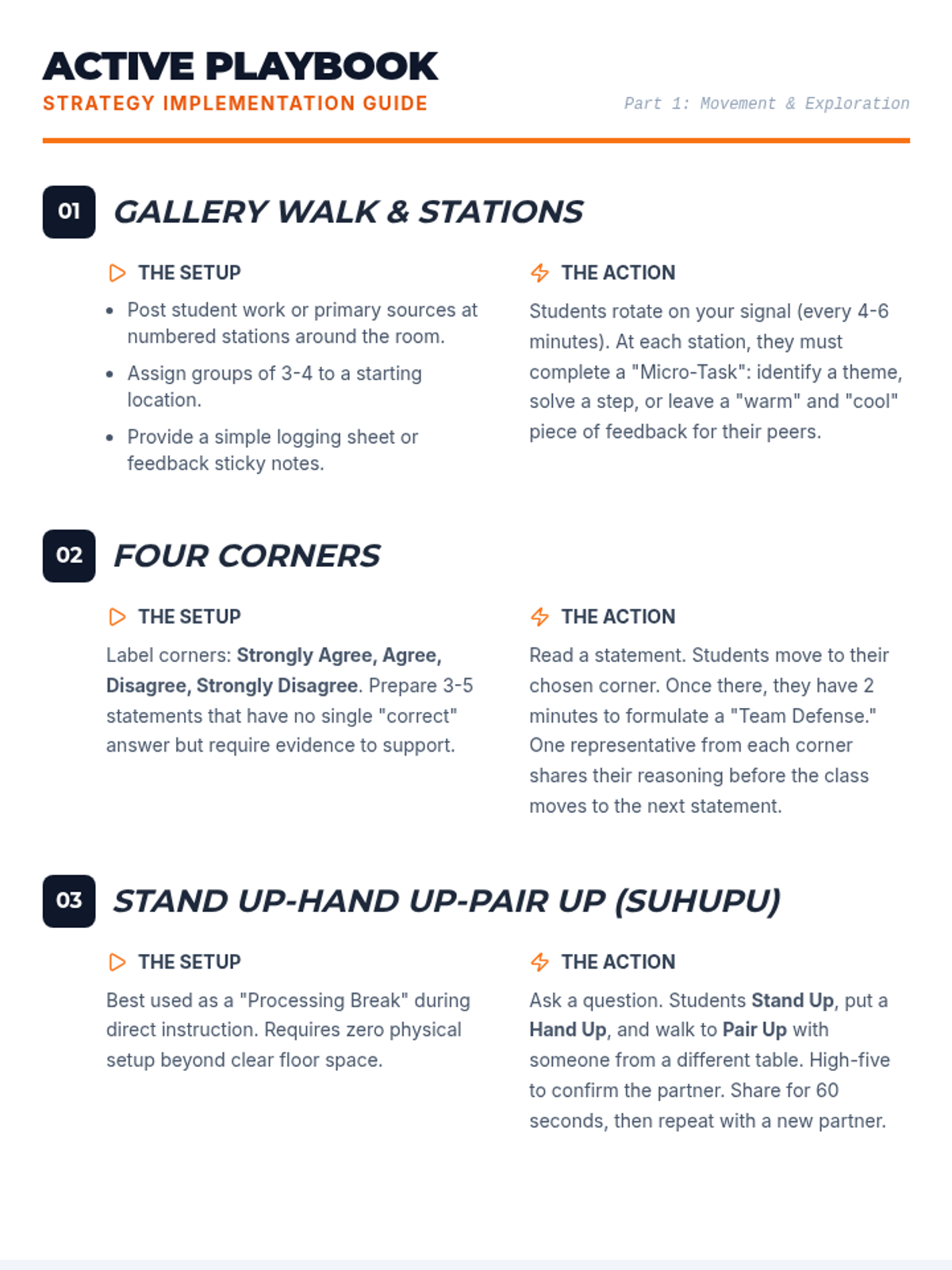
A comprehensive guide for teachers to implement movement-based and dialogue-driven instructional strategies to keep student engagement high during the 4th quarter.
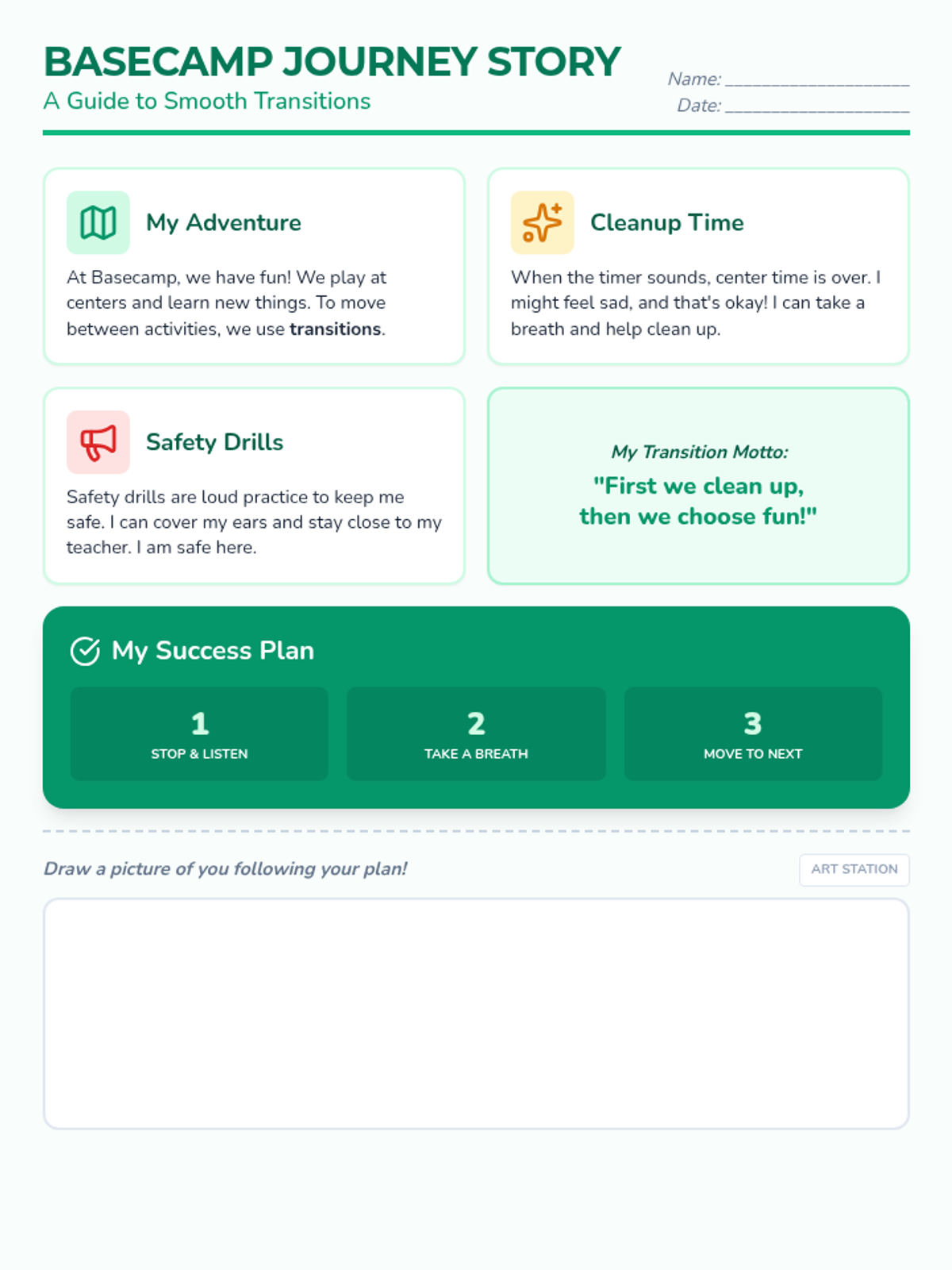
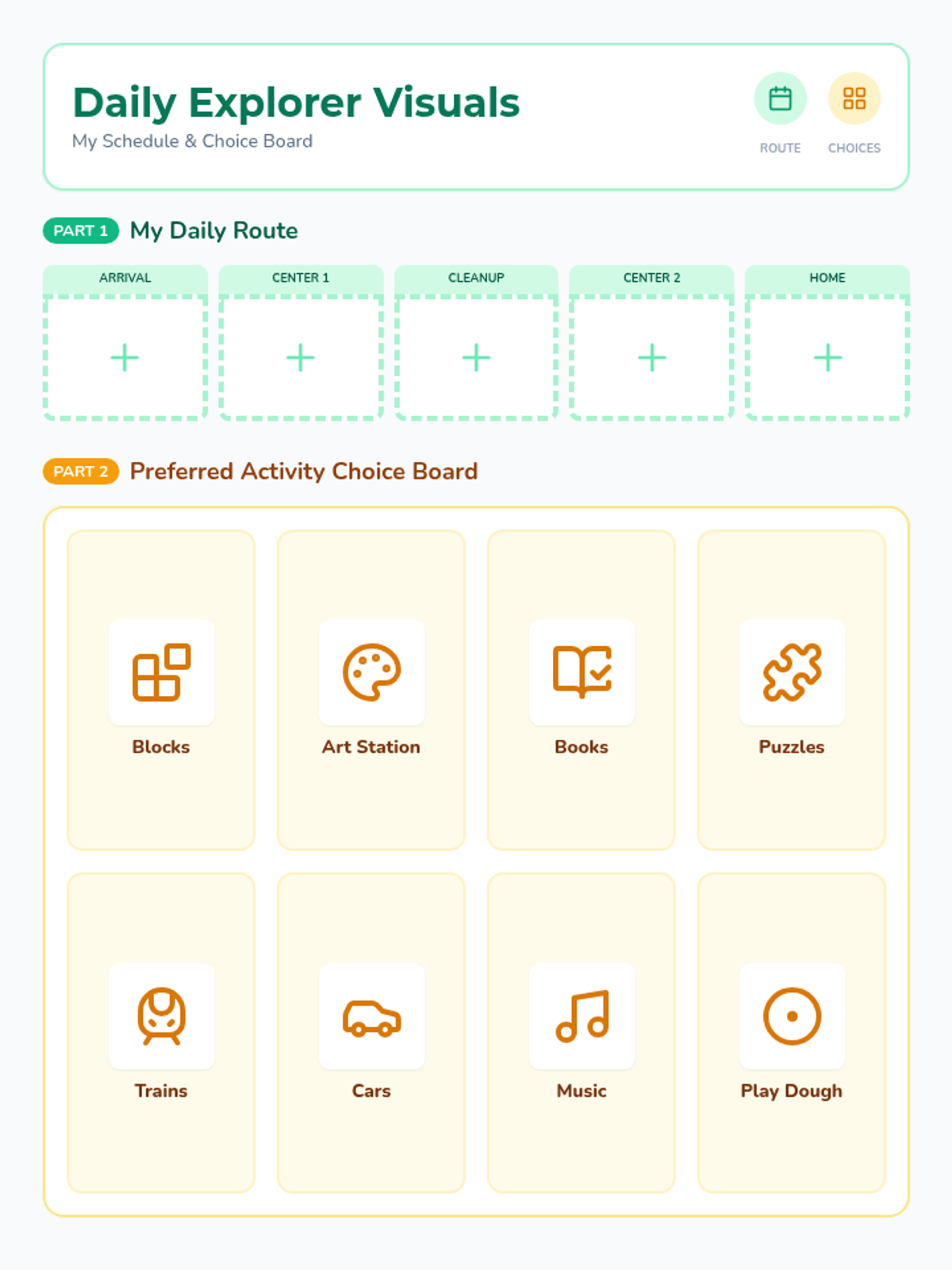
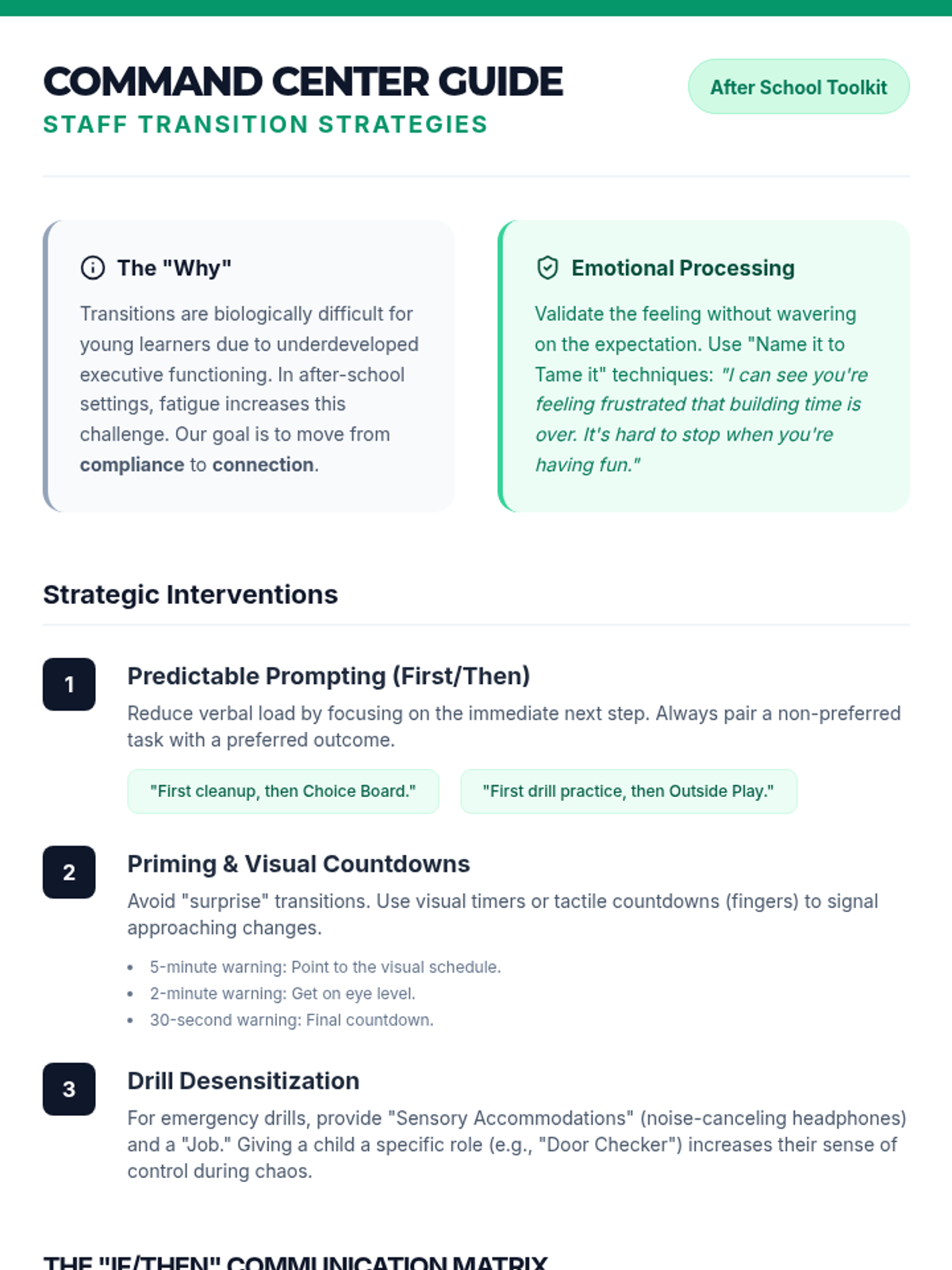
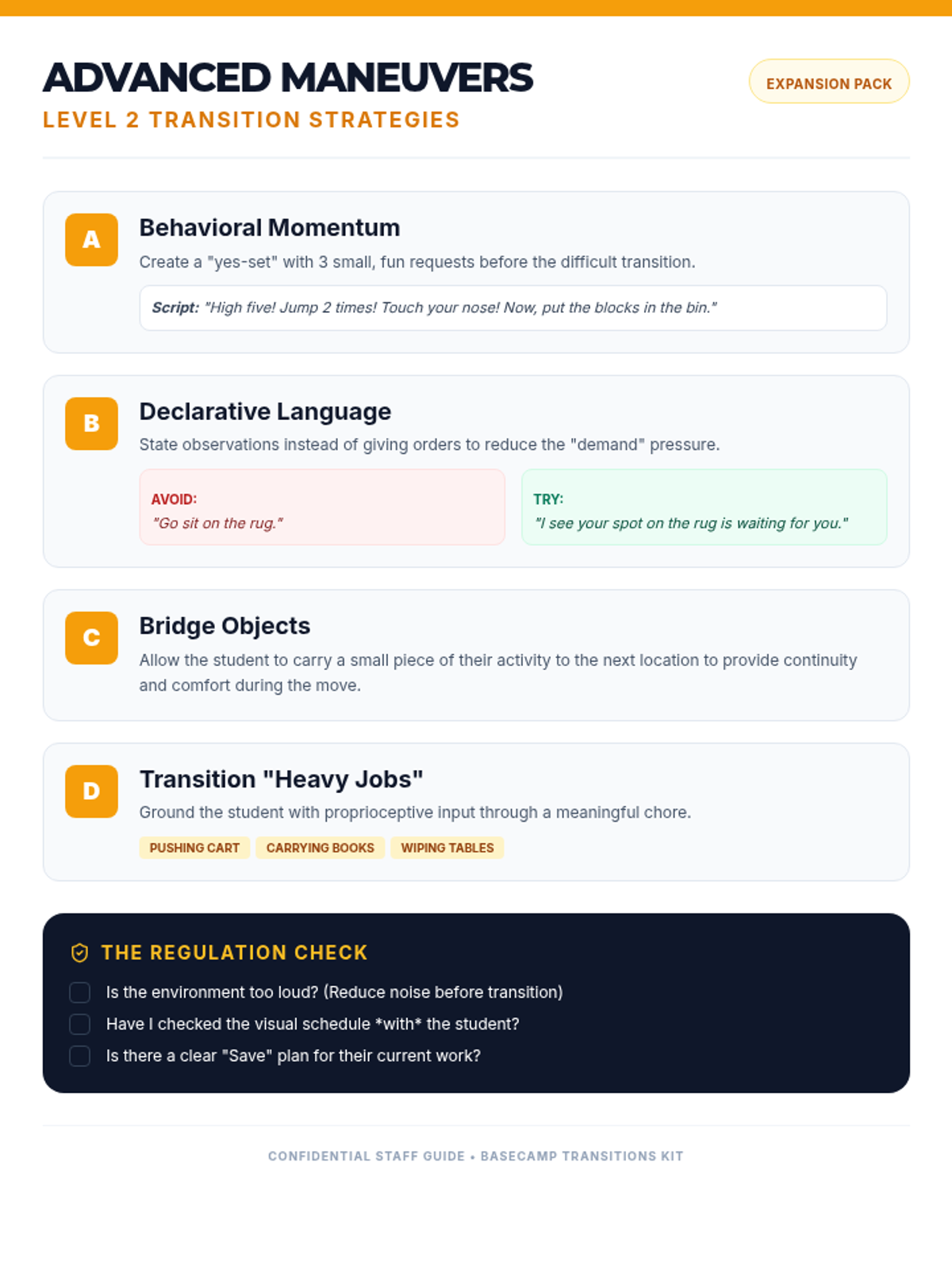
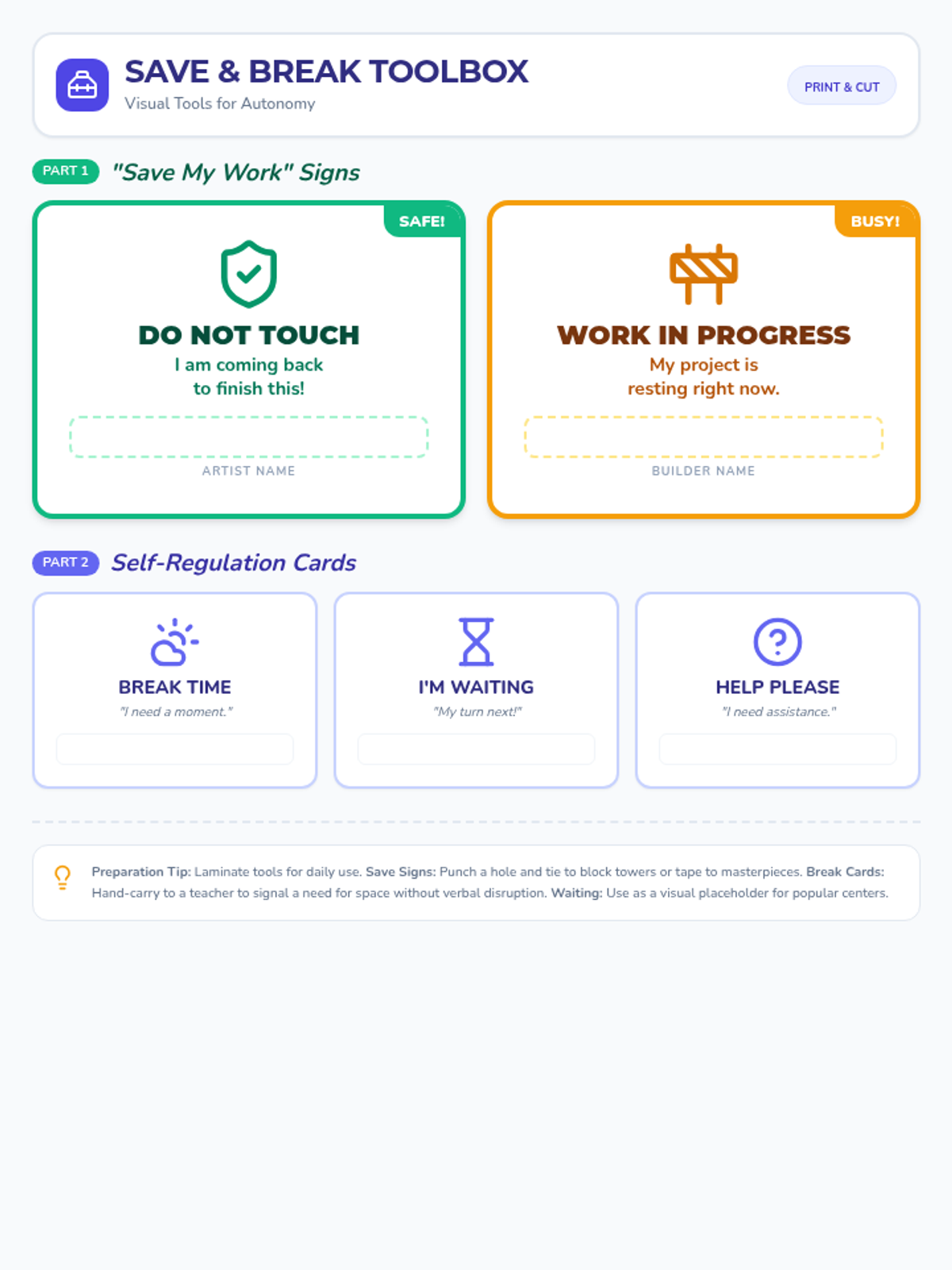
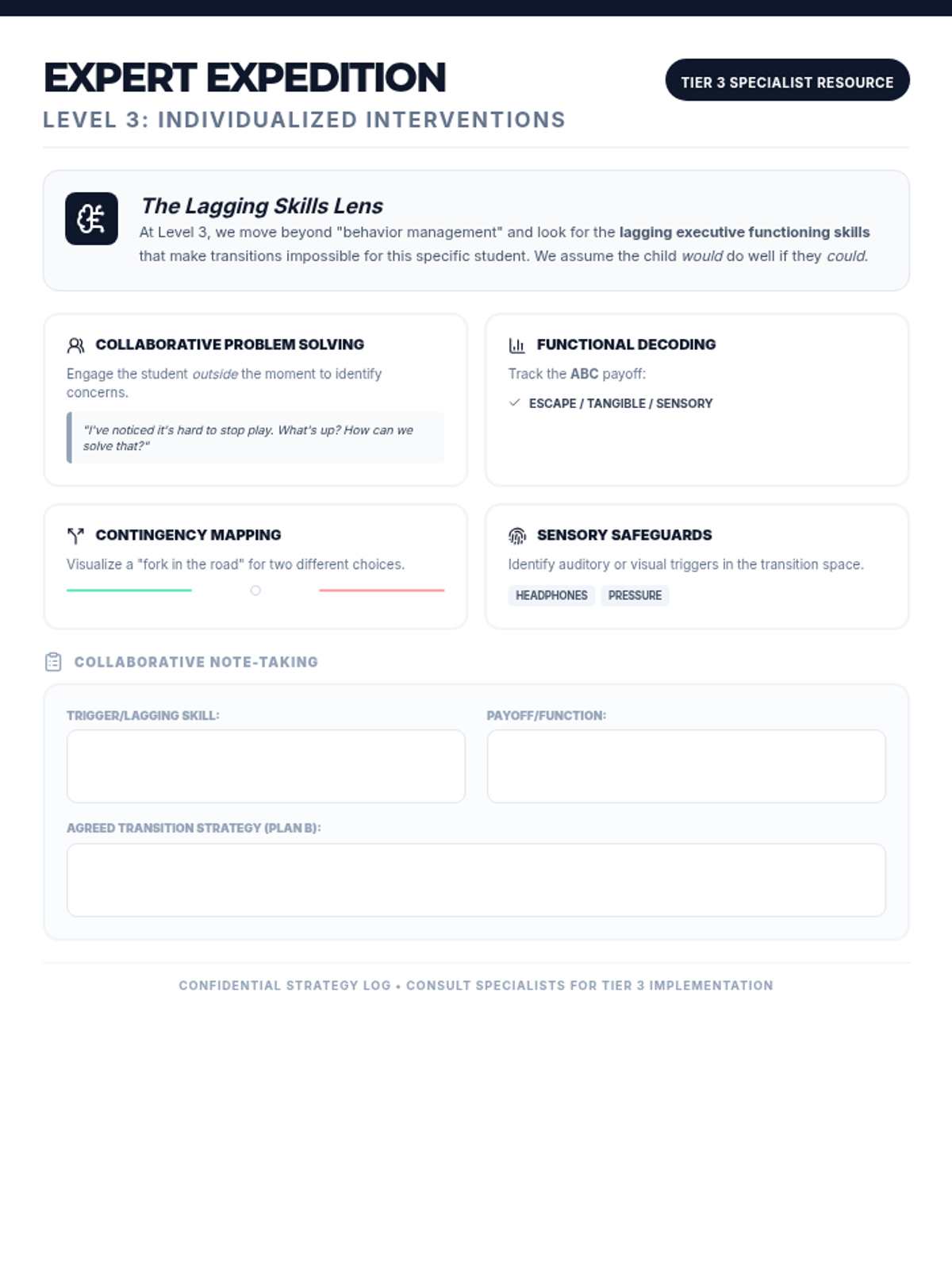
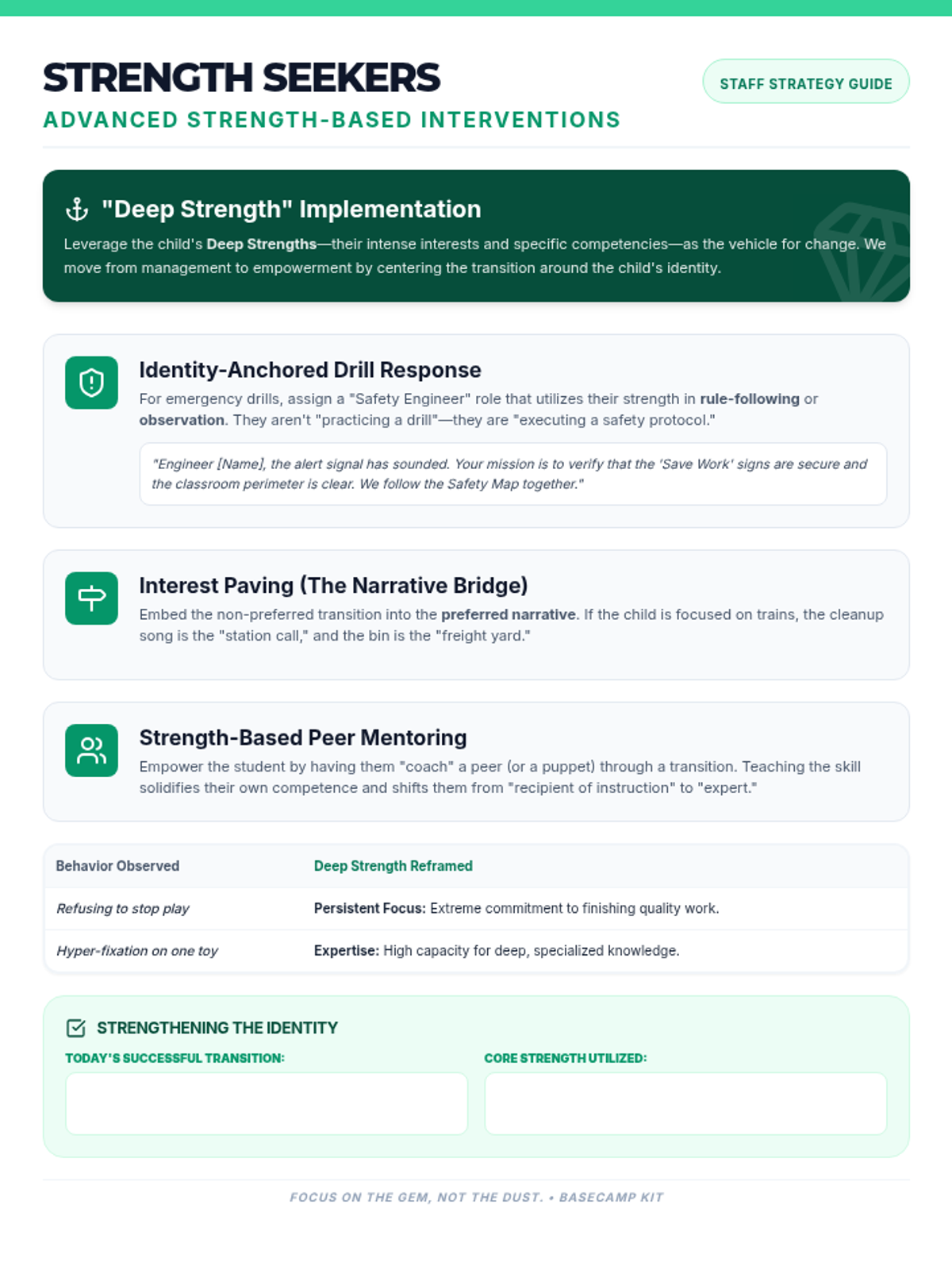
A comprehensive toolkit designed to help kindergarten students navigate transitions, manage activity changes, and process emotions in an after-school setting through visual supports and structured social narratives.
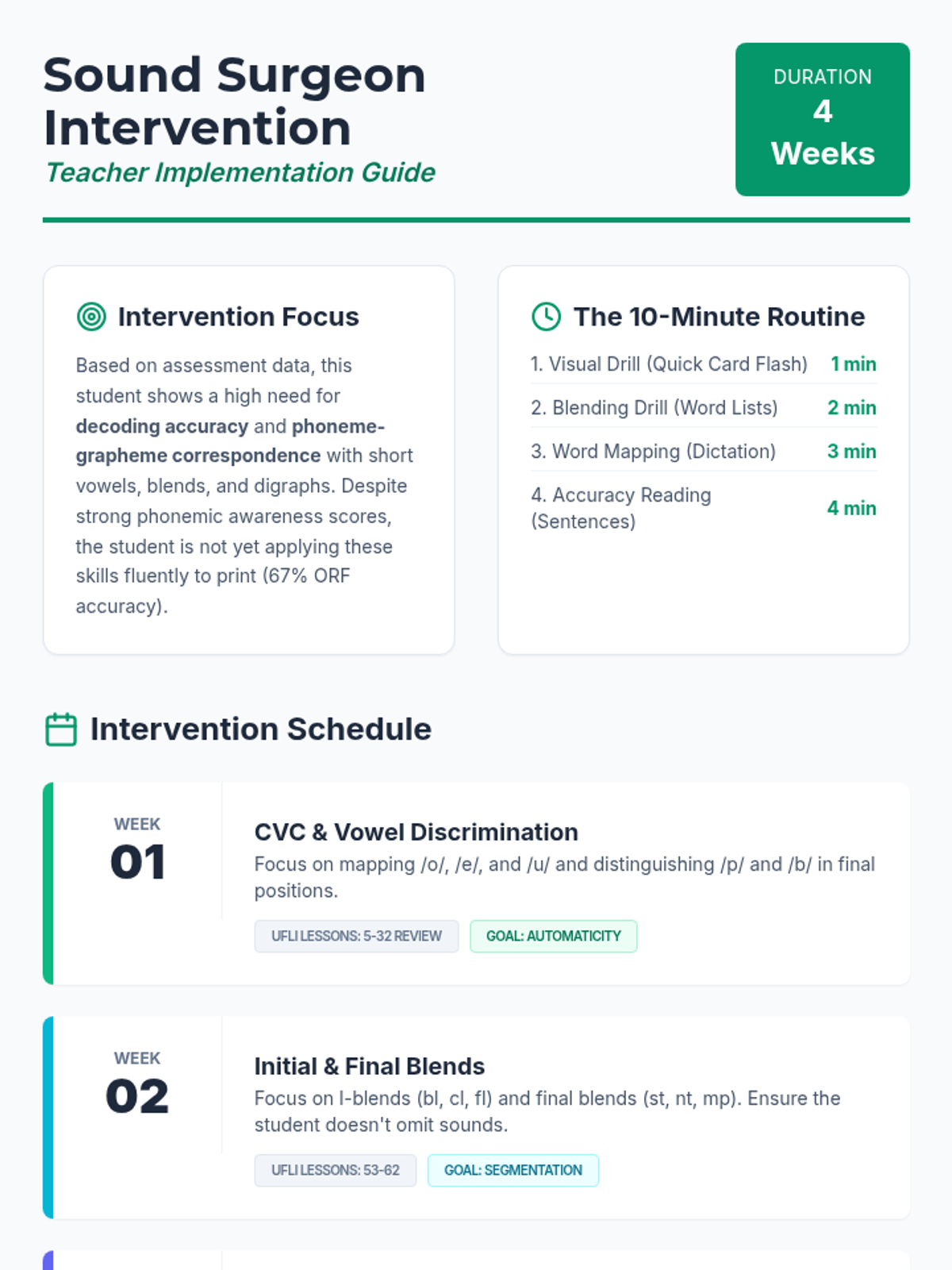
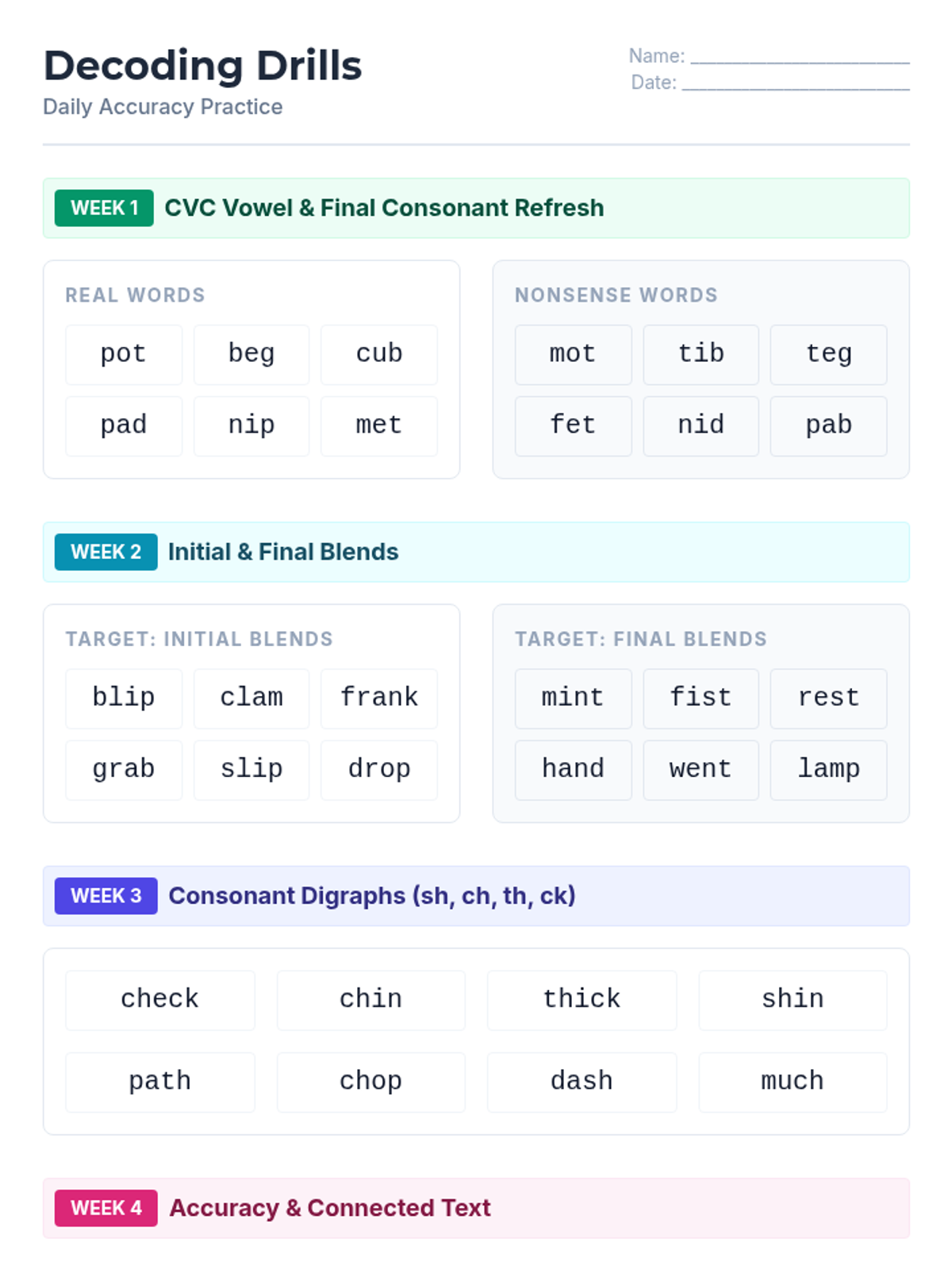
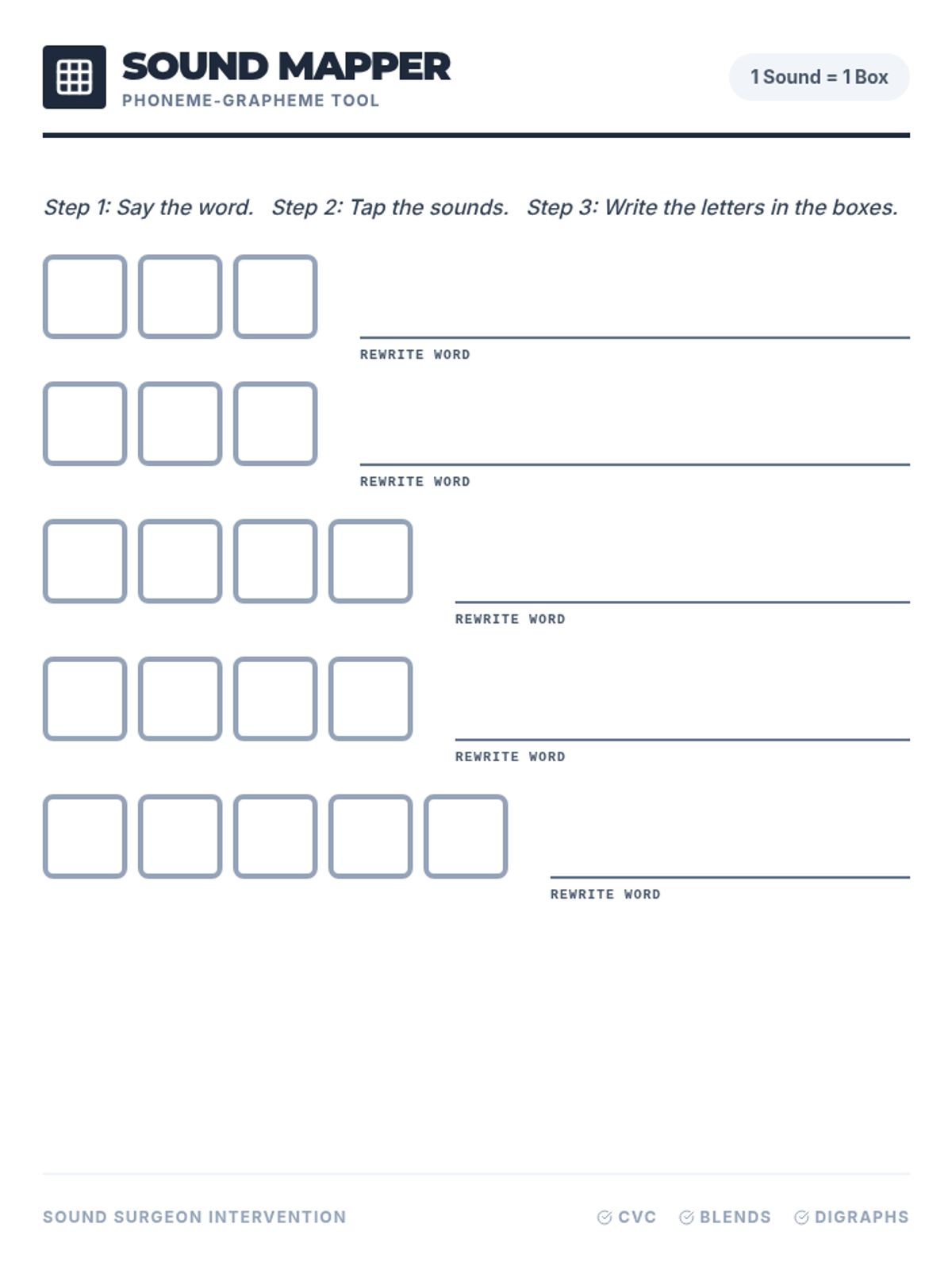
A 4-week phonics intervention designed for Grade 1 students needing intensive work on short vowels, blends, and digraphs based on DIBELS and decoding inventory data. The program follows a 10-minute daily routine aligned with Science of Reading and UFLI principles.
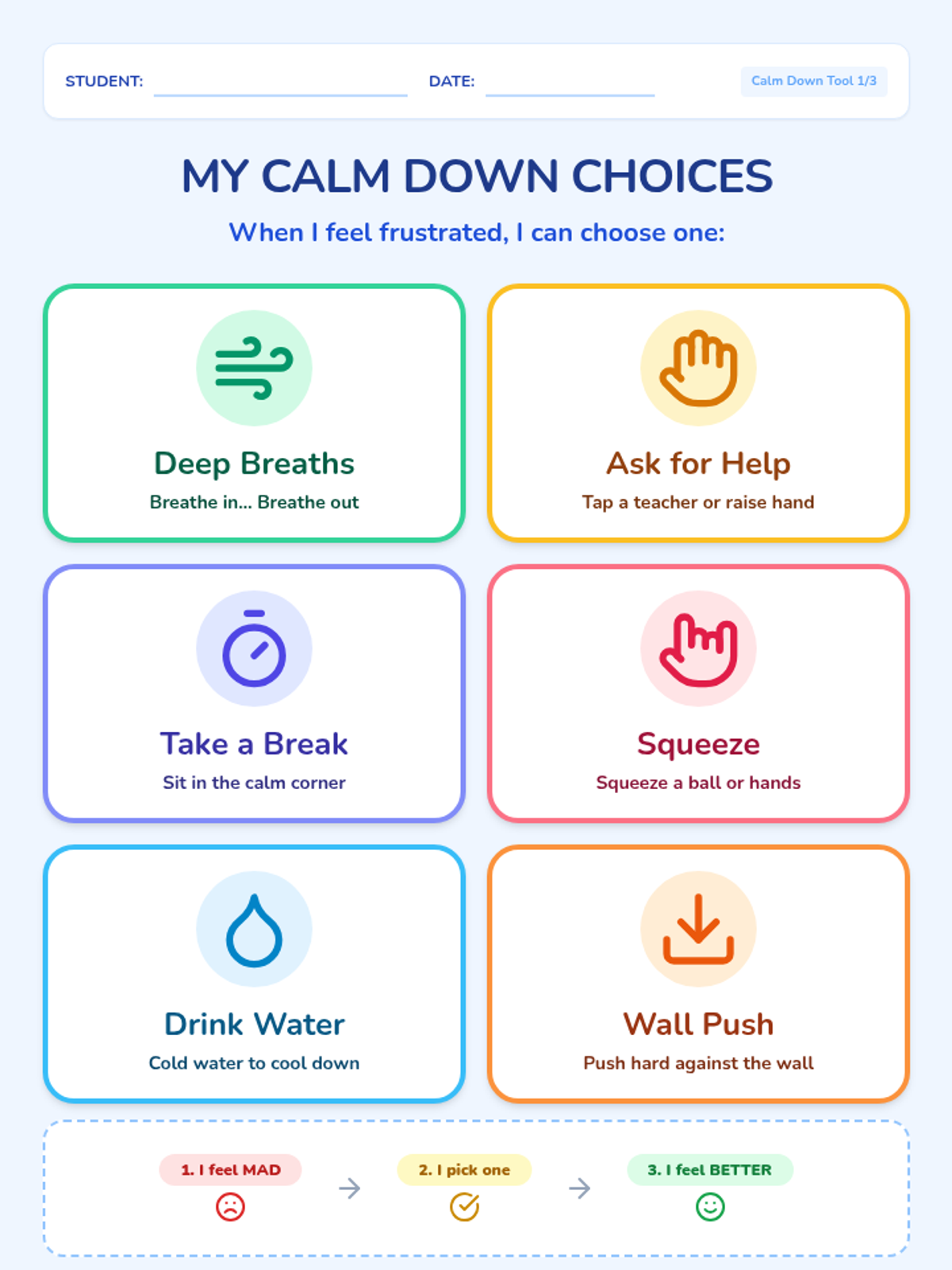
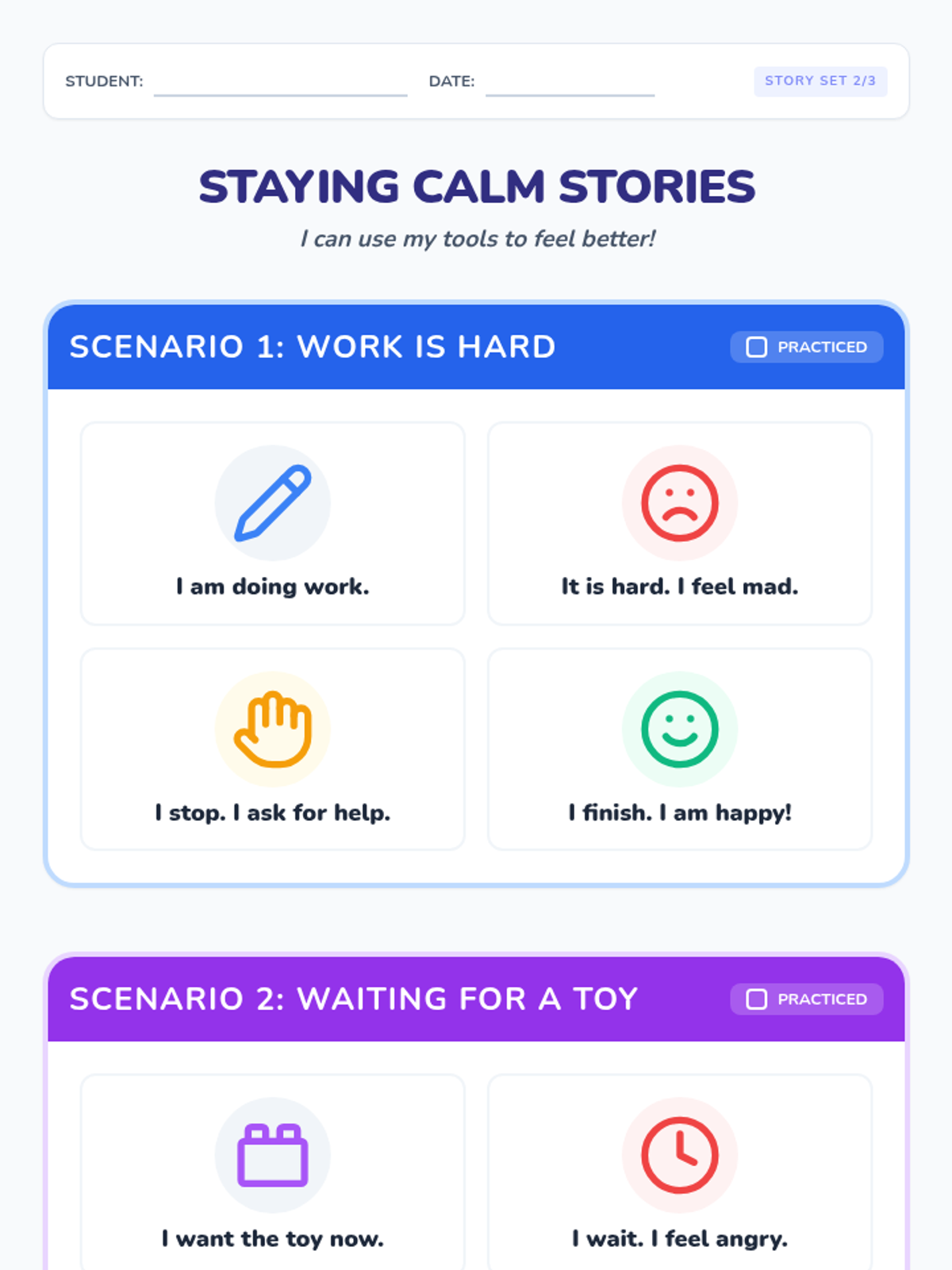
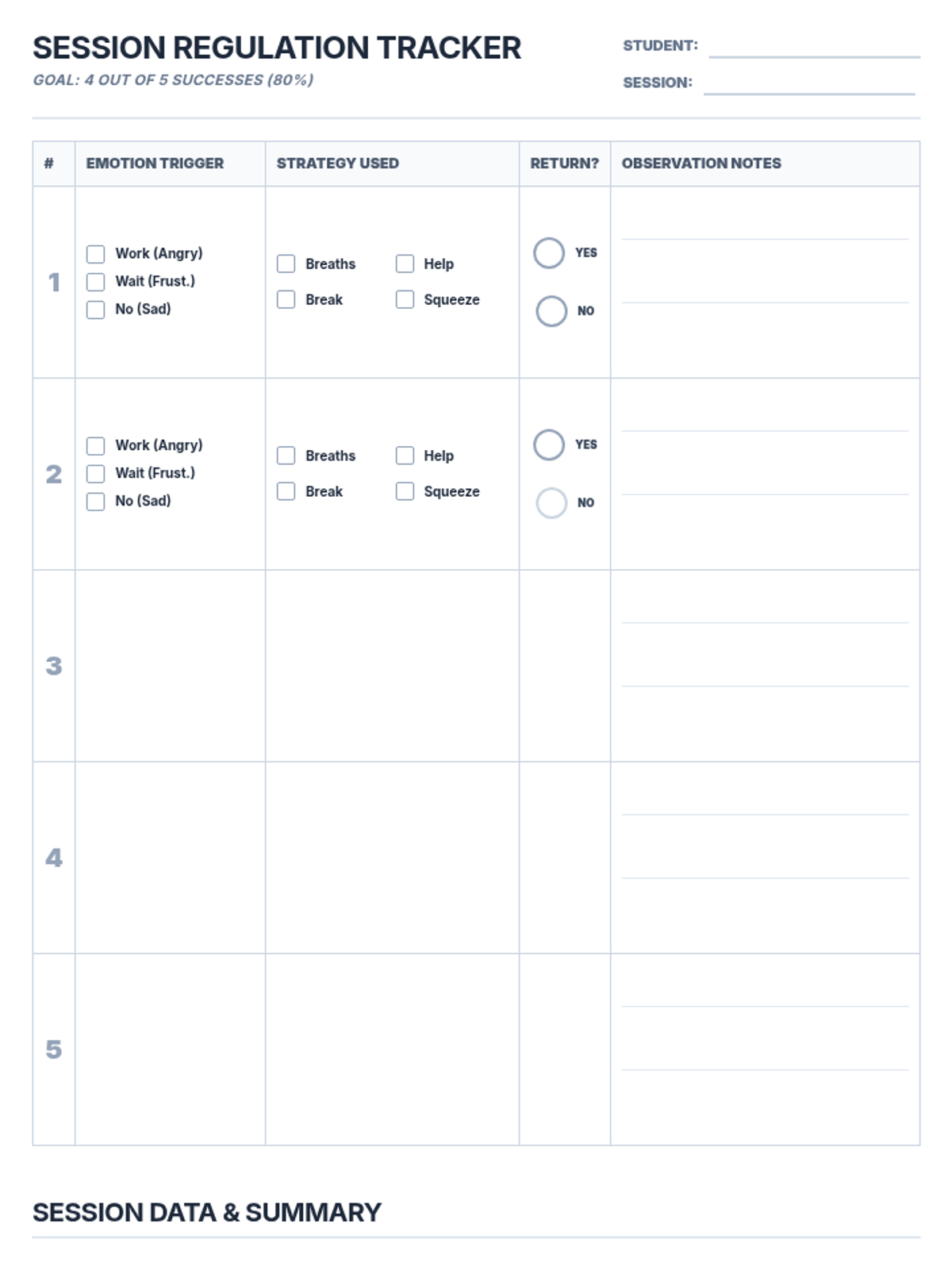
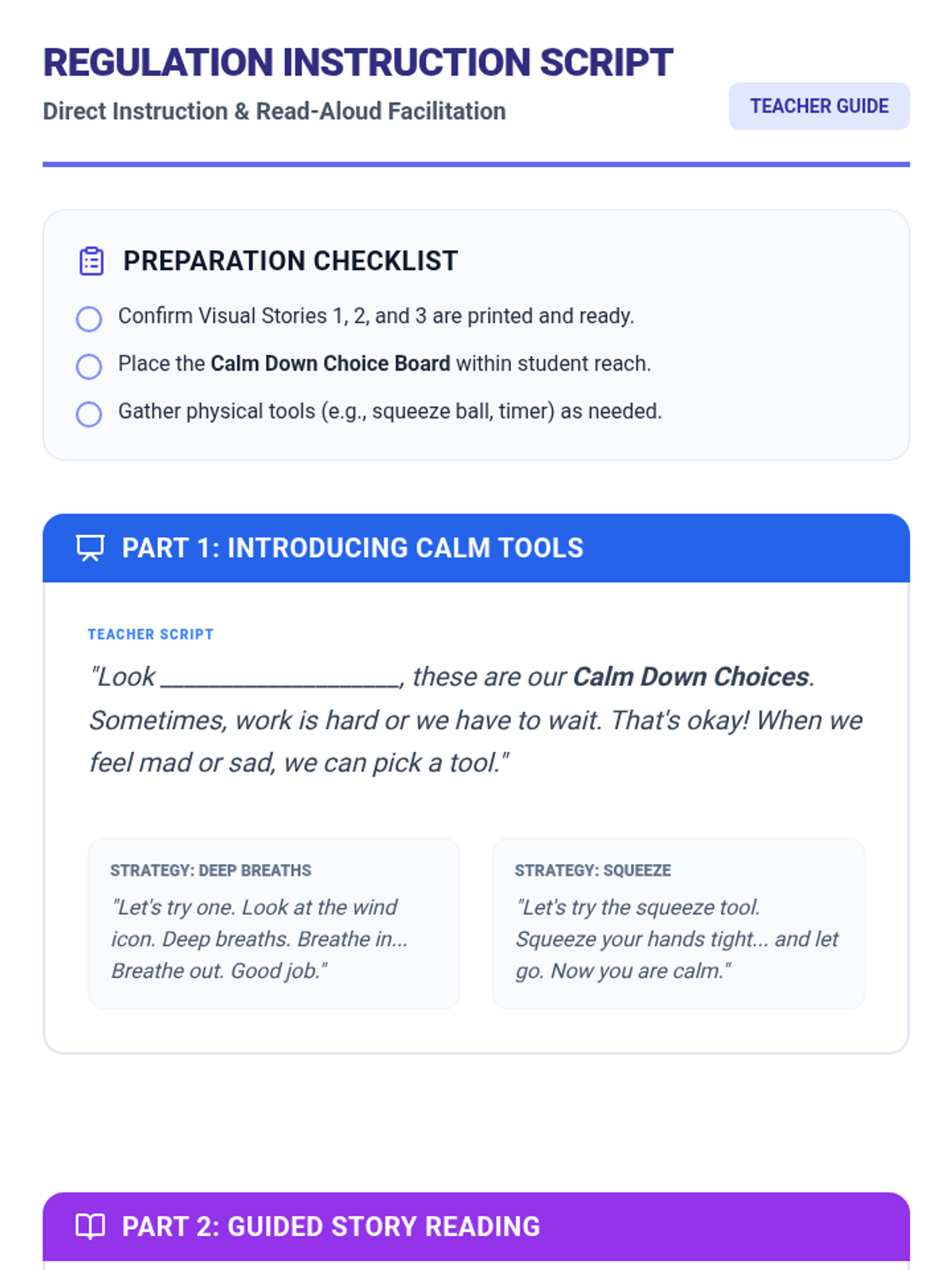
A lesson focused on identifying frustration and practicing simple, visual-based coping strategies to return to learning.
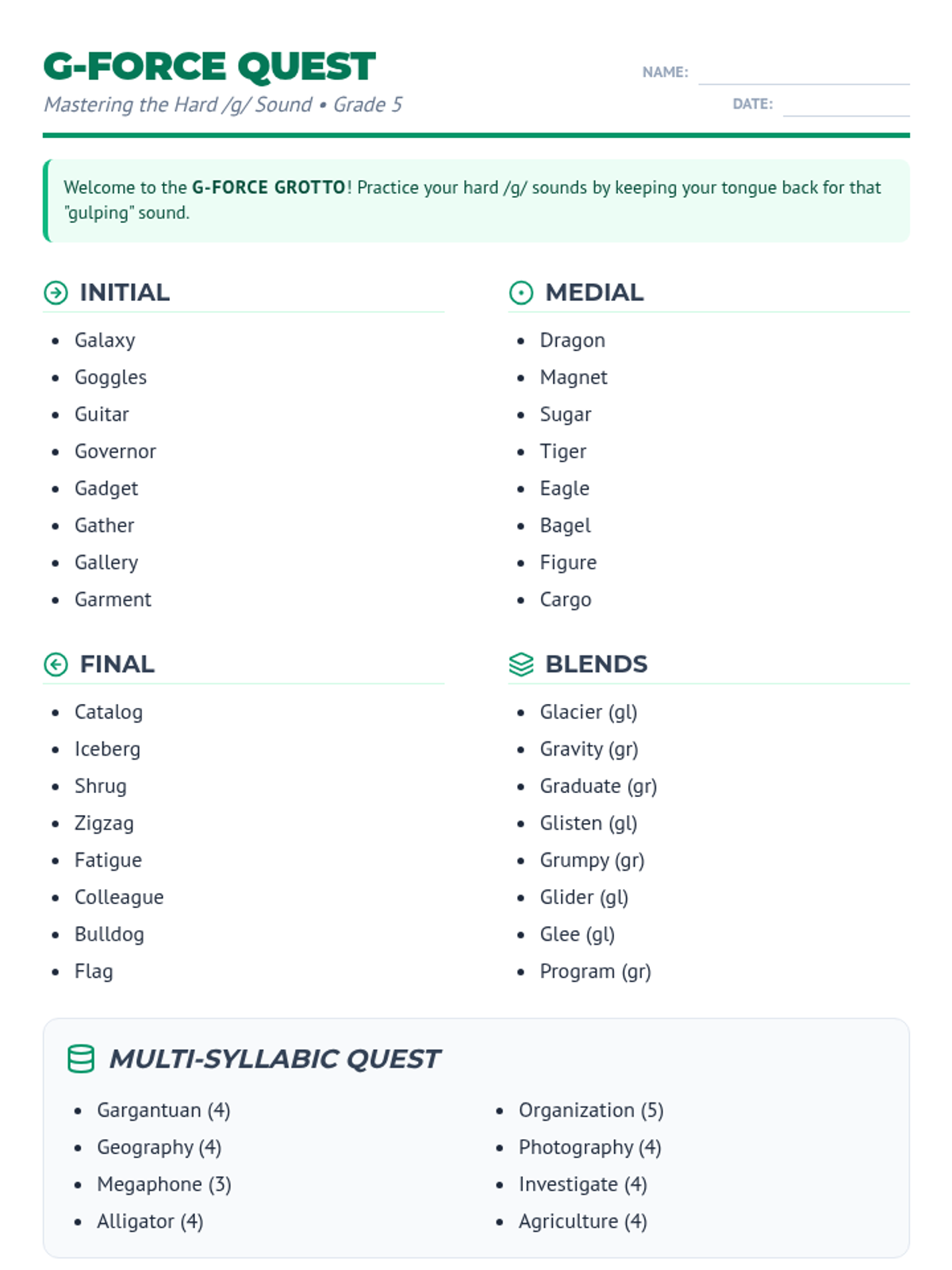
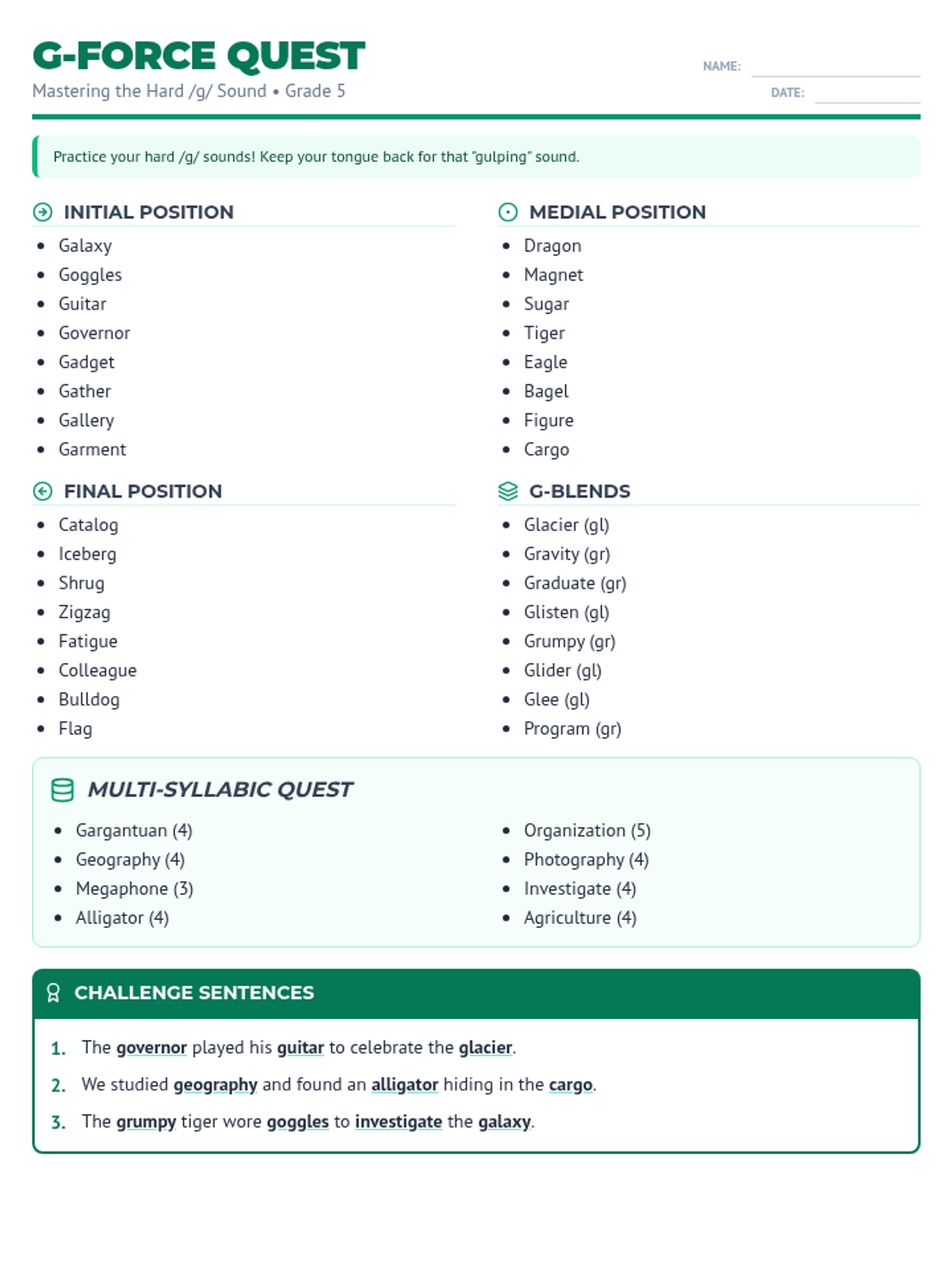
A speech therapy lesson focused on the /g/ sound in various positions, blends, and multi-syllabic words for 5th-grade students.