A simplified lesson focused on Earth Day 2026, renewable energy, and personal environmental choices for Tier 2 Special Education students.
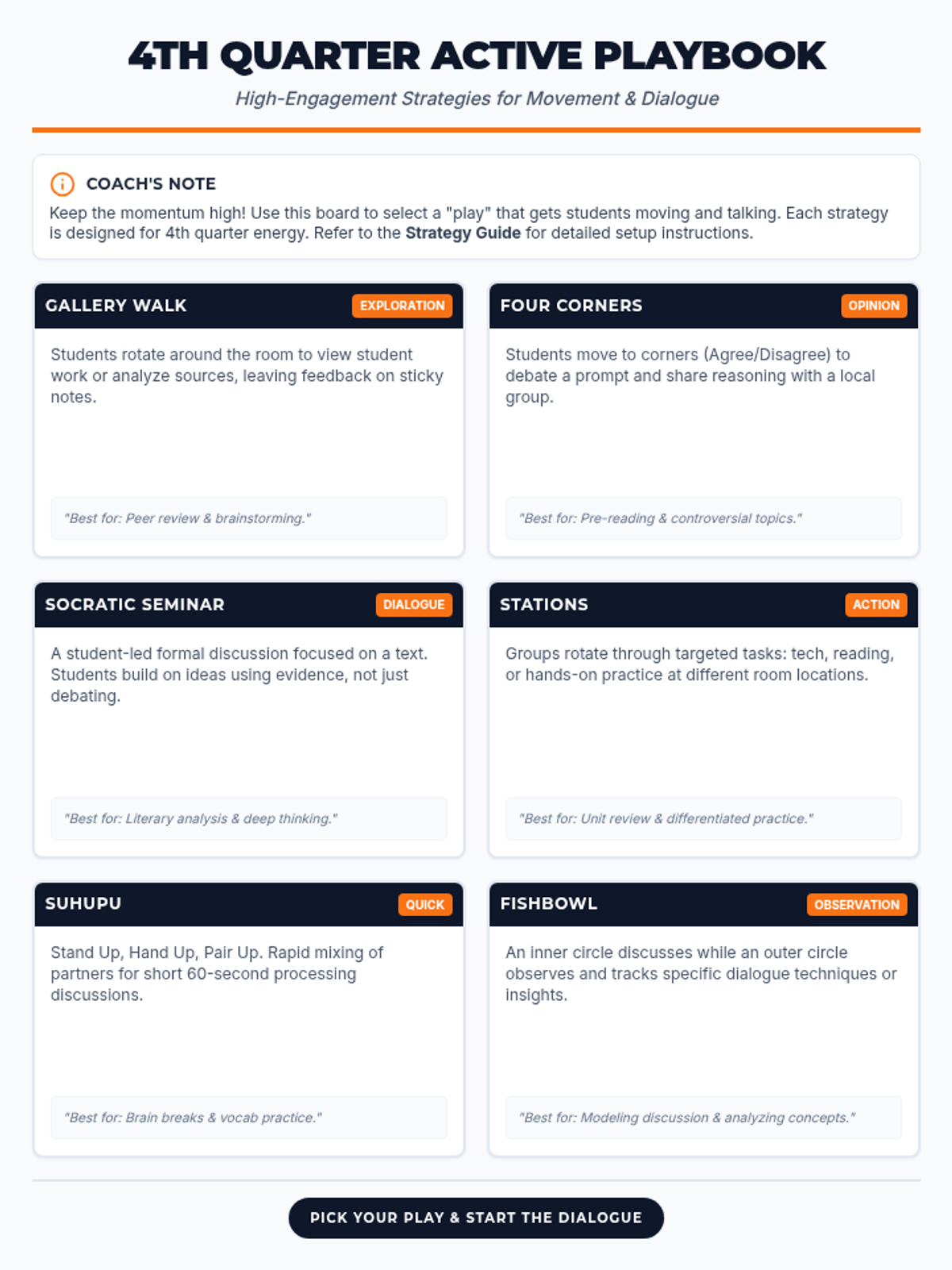
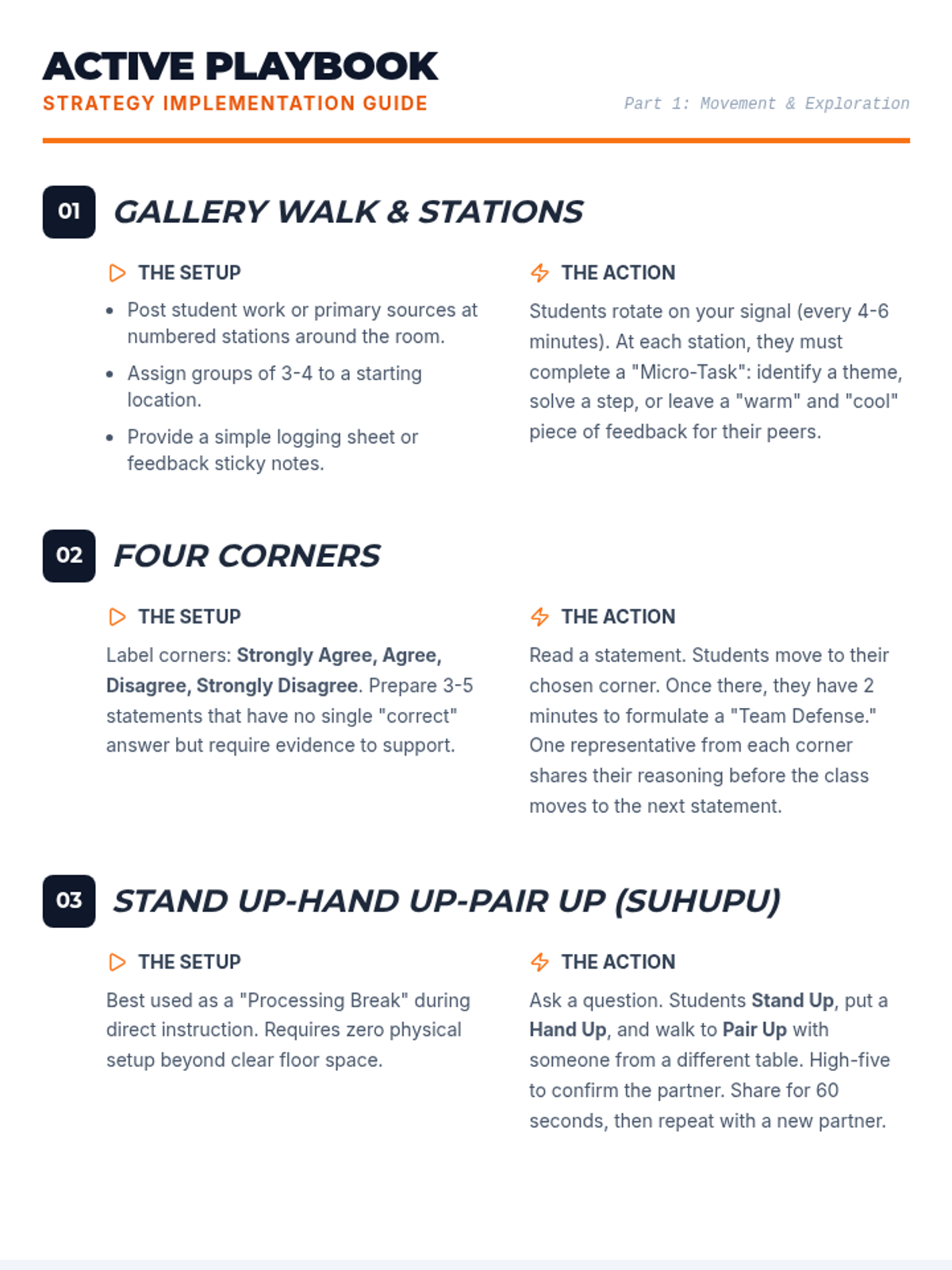
A comprehensive guide for teachers to implement movement-based and dialogue-driven instructional strategies to keep student engagement high during the 4th quarter.
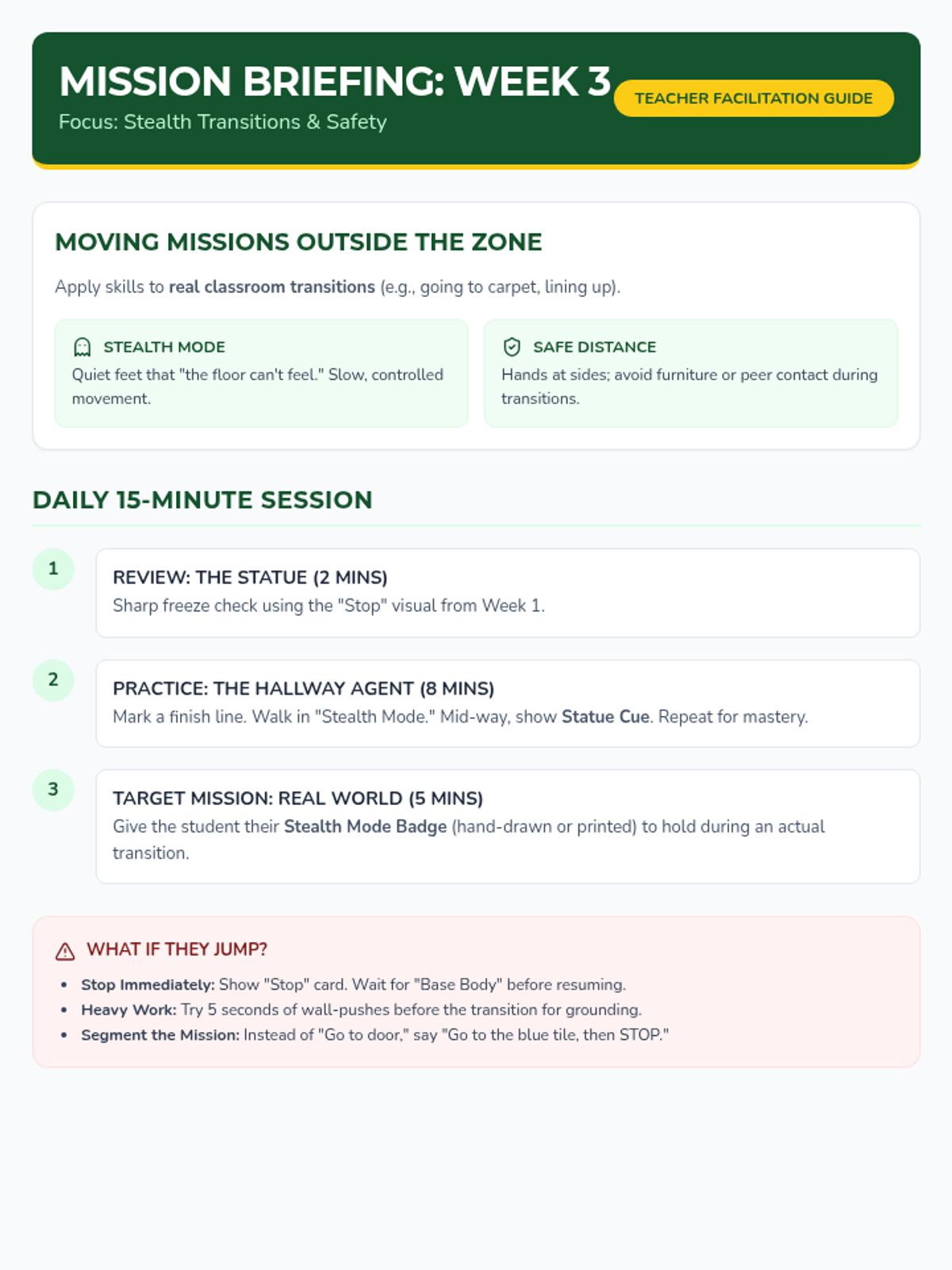
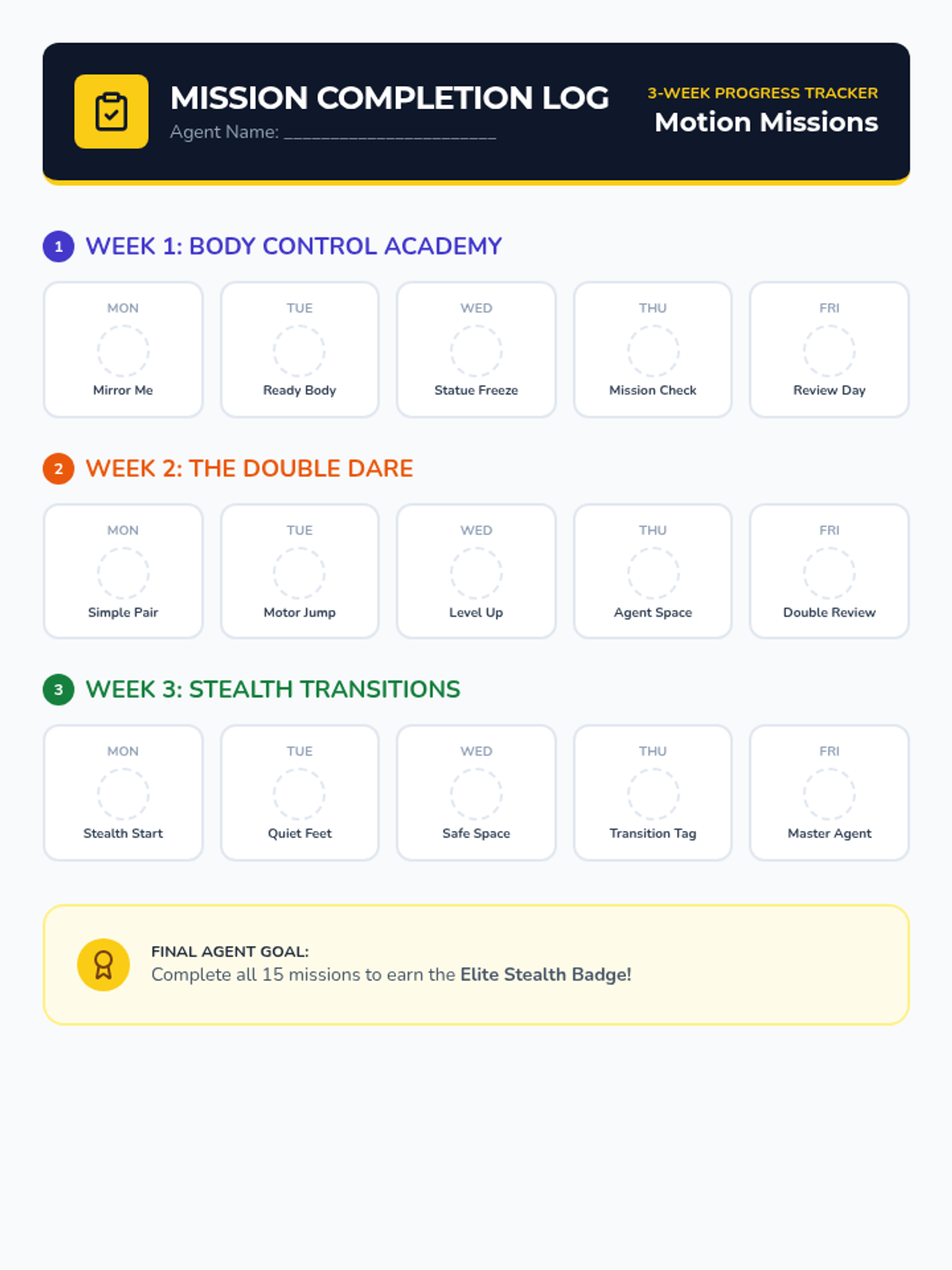
Applies movement control to real-world classroom transitions, teaching 'Stealth Mode' walking and controlled stops during daily routines.
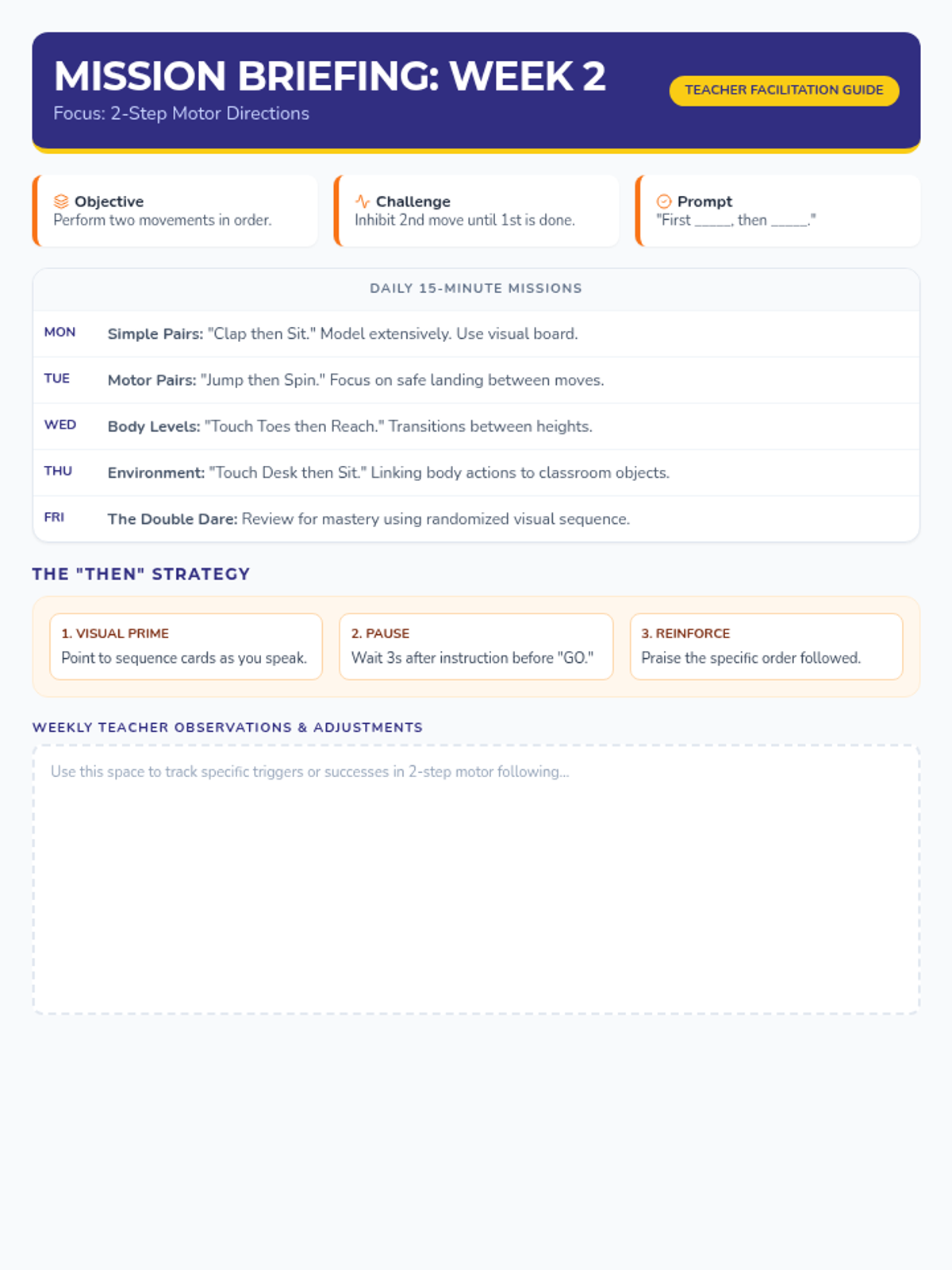
Introduces 2-step motor sequences requiring the student to process and execute a chain of two distinct physical actions before pausing.
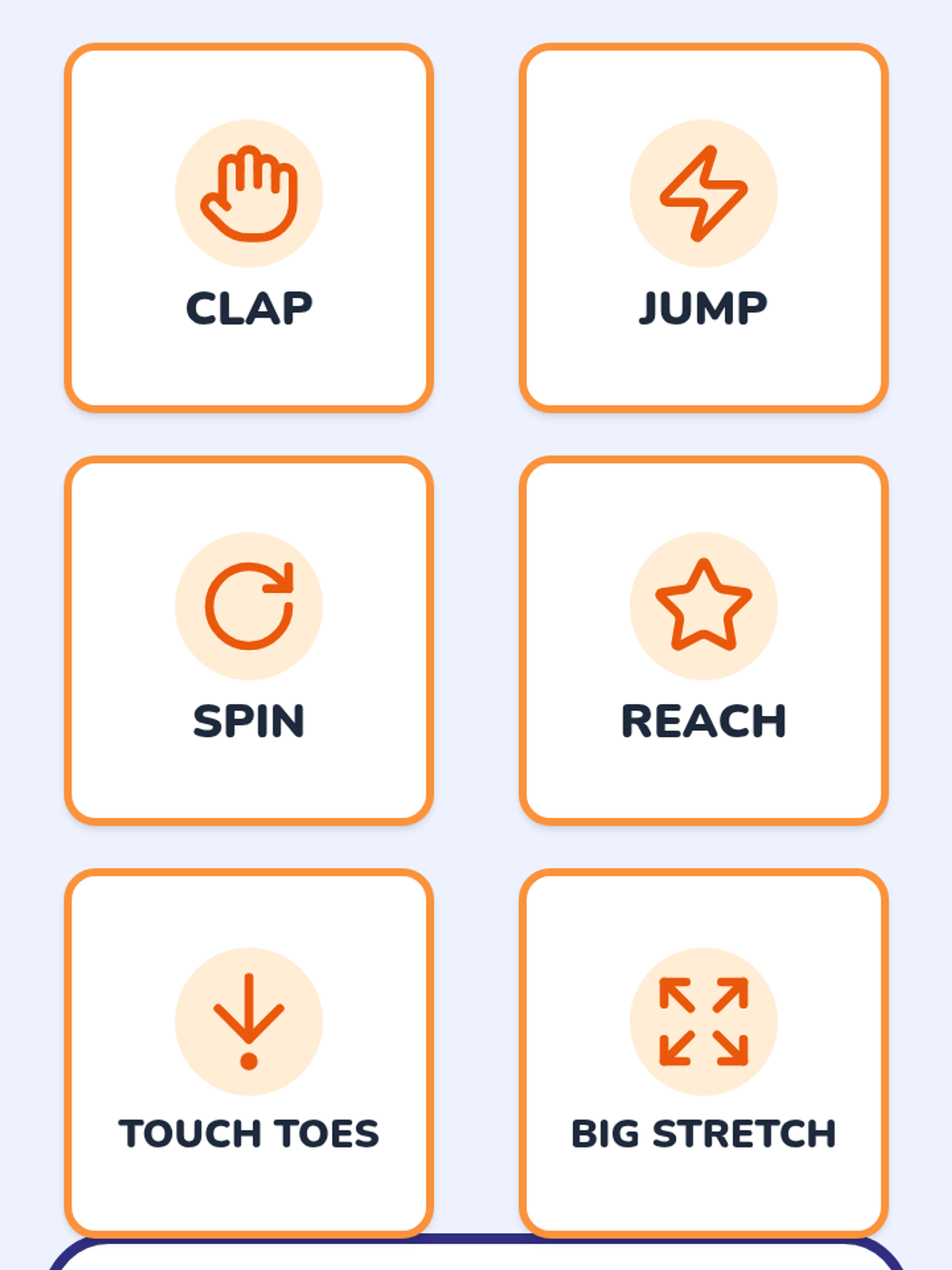
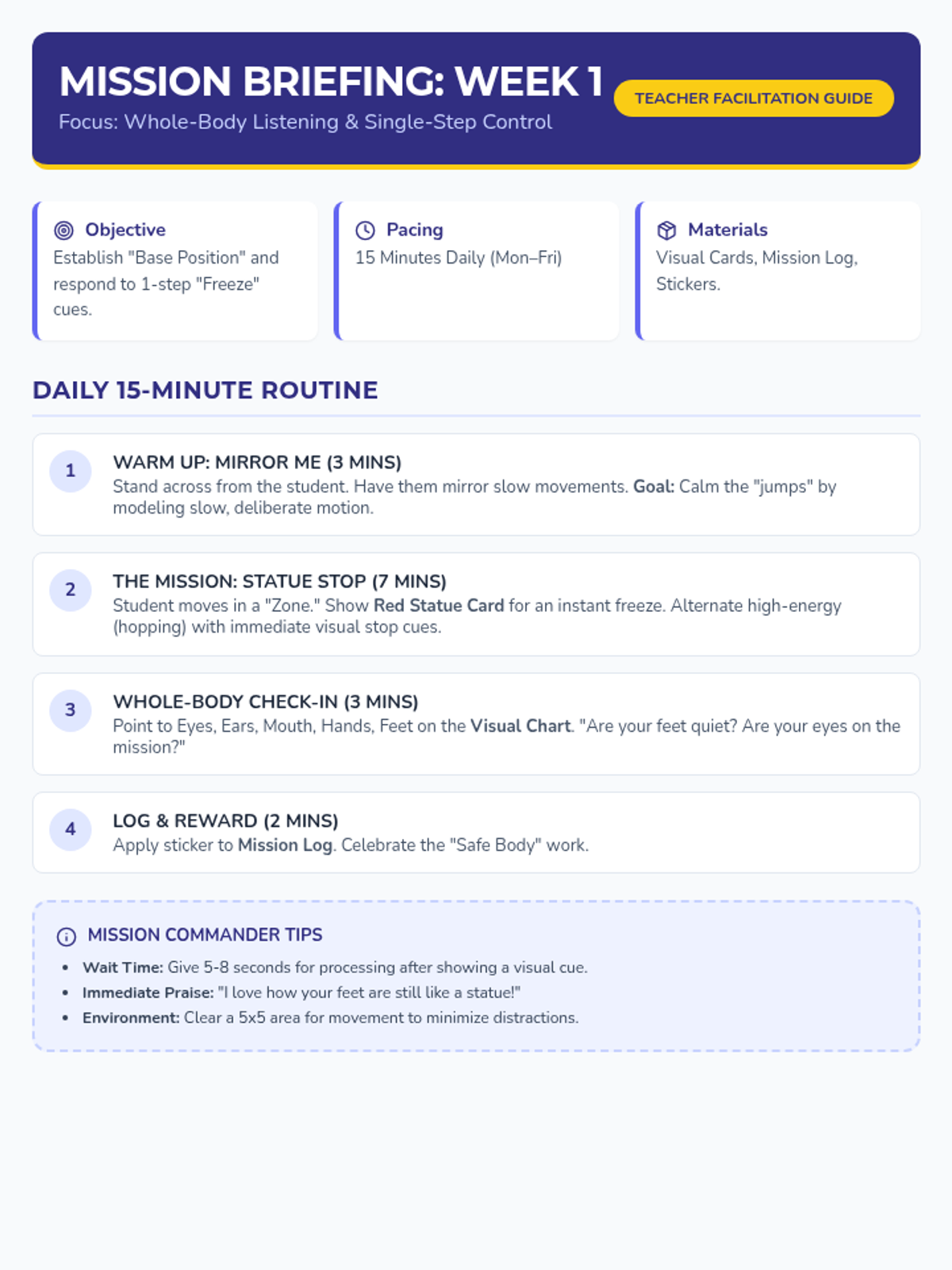
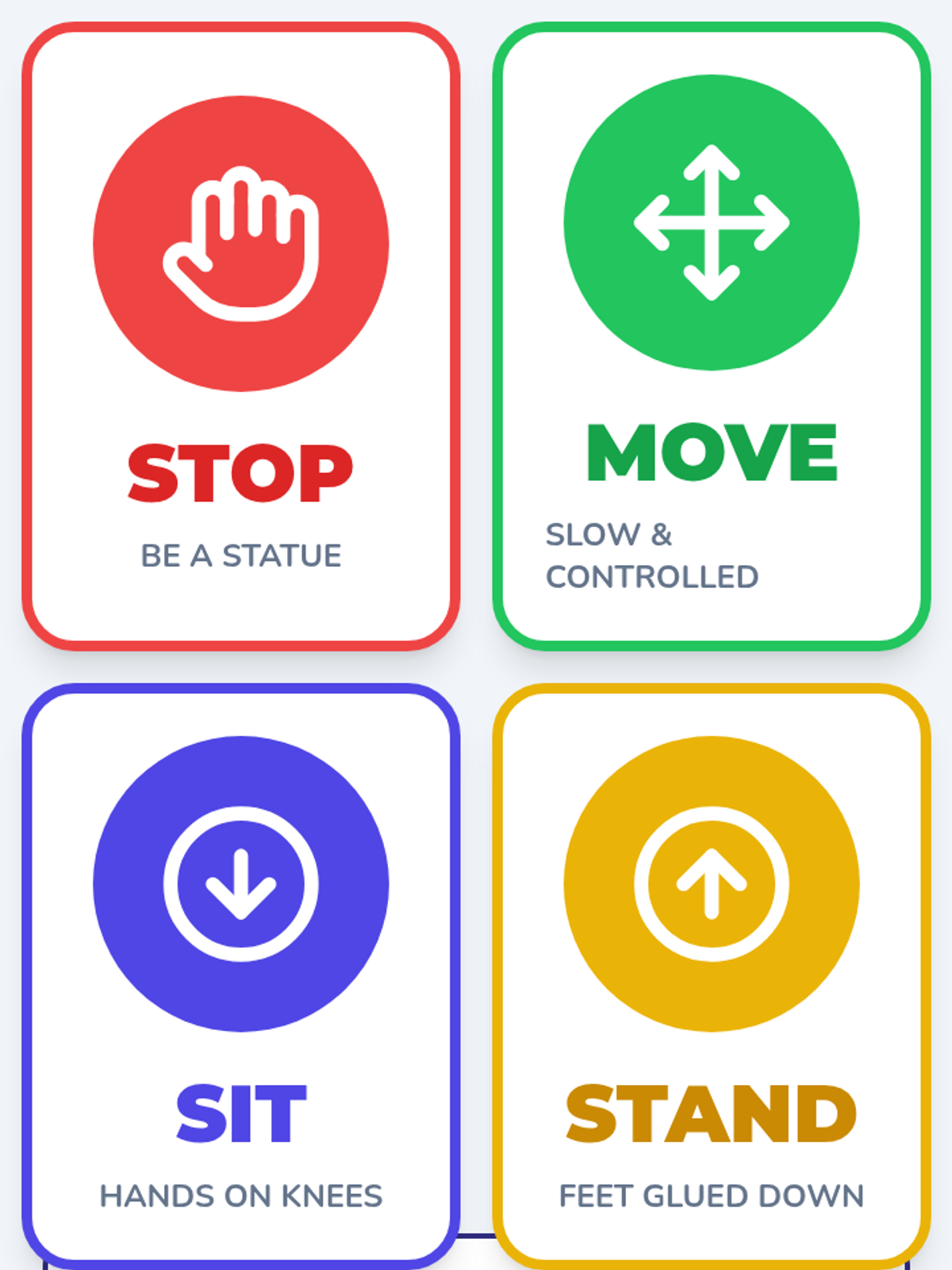
Focuses on foundational whole-body listening and single-step motor control through 'Statue Missions' and basic body awareness exercises.
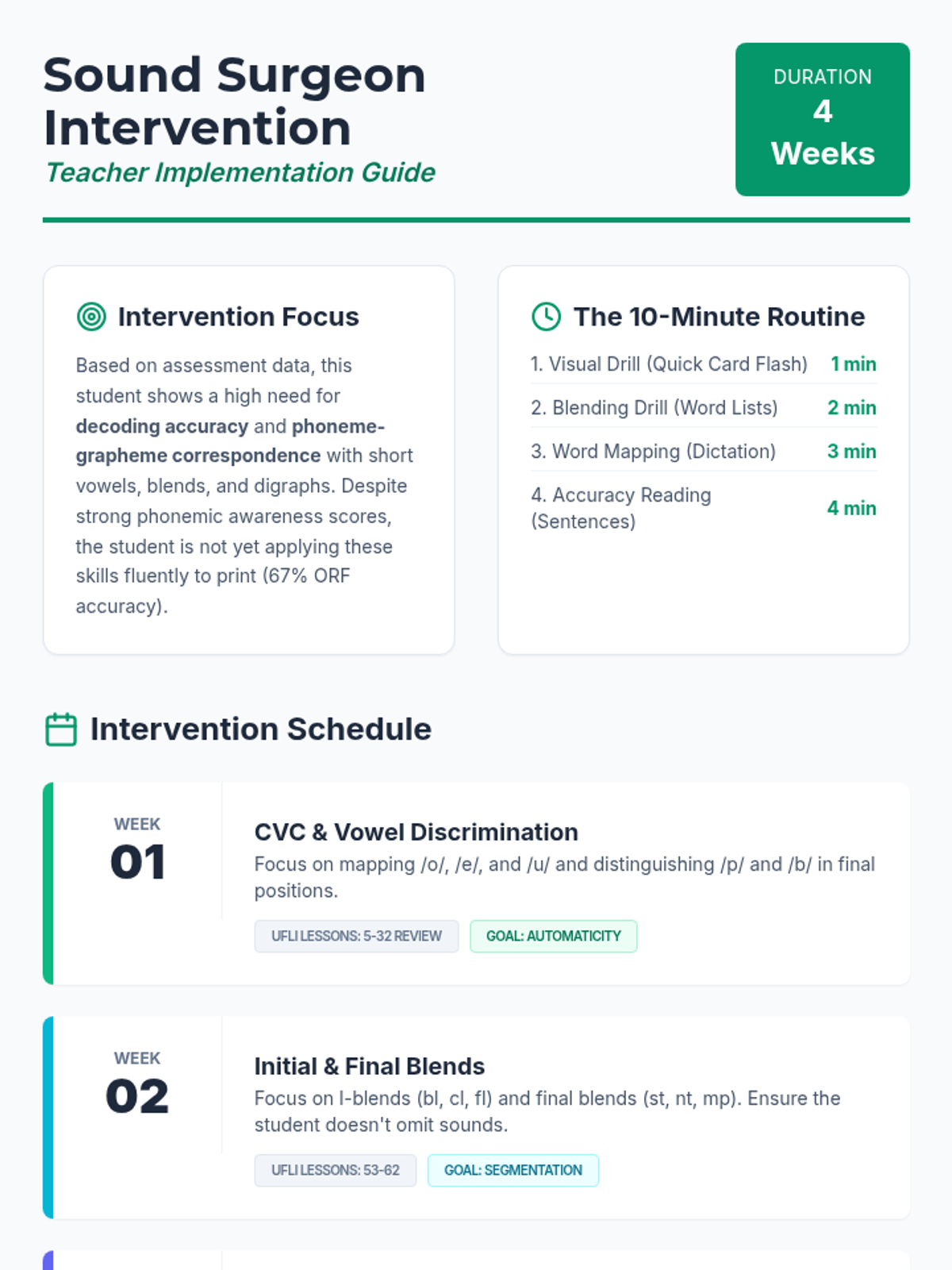
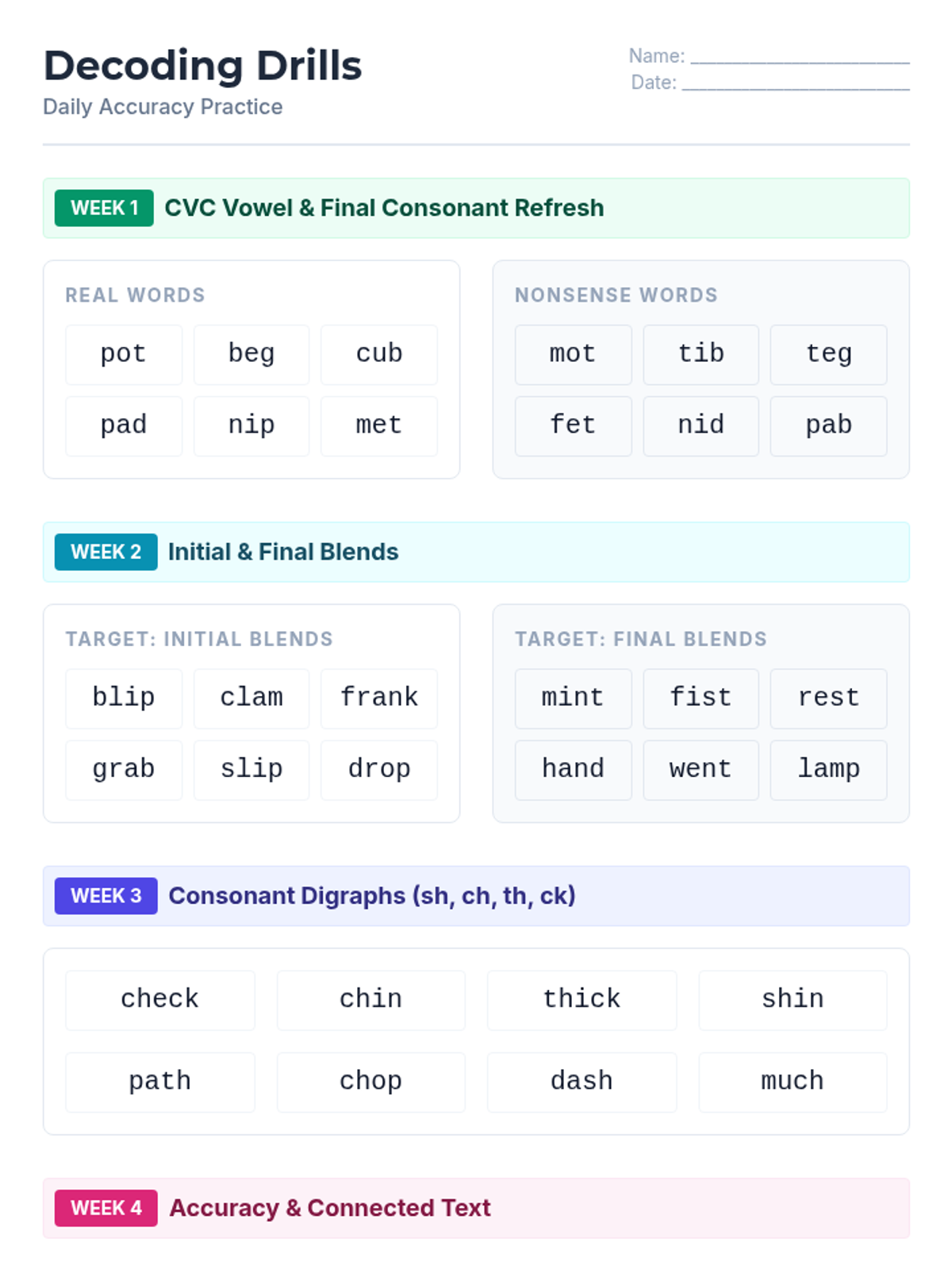
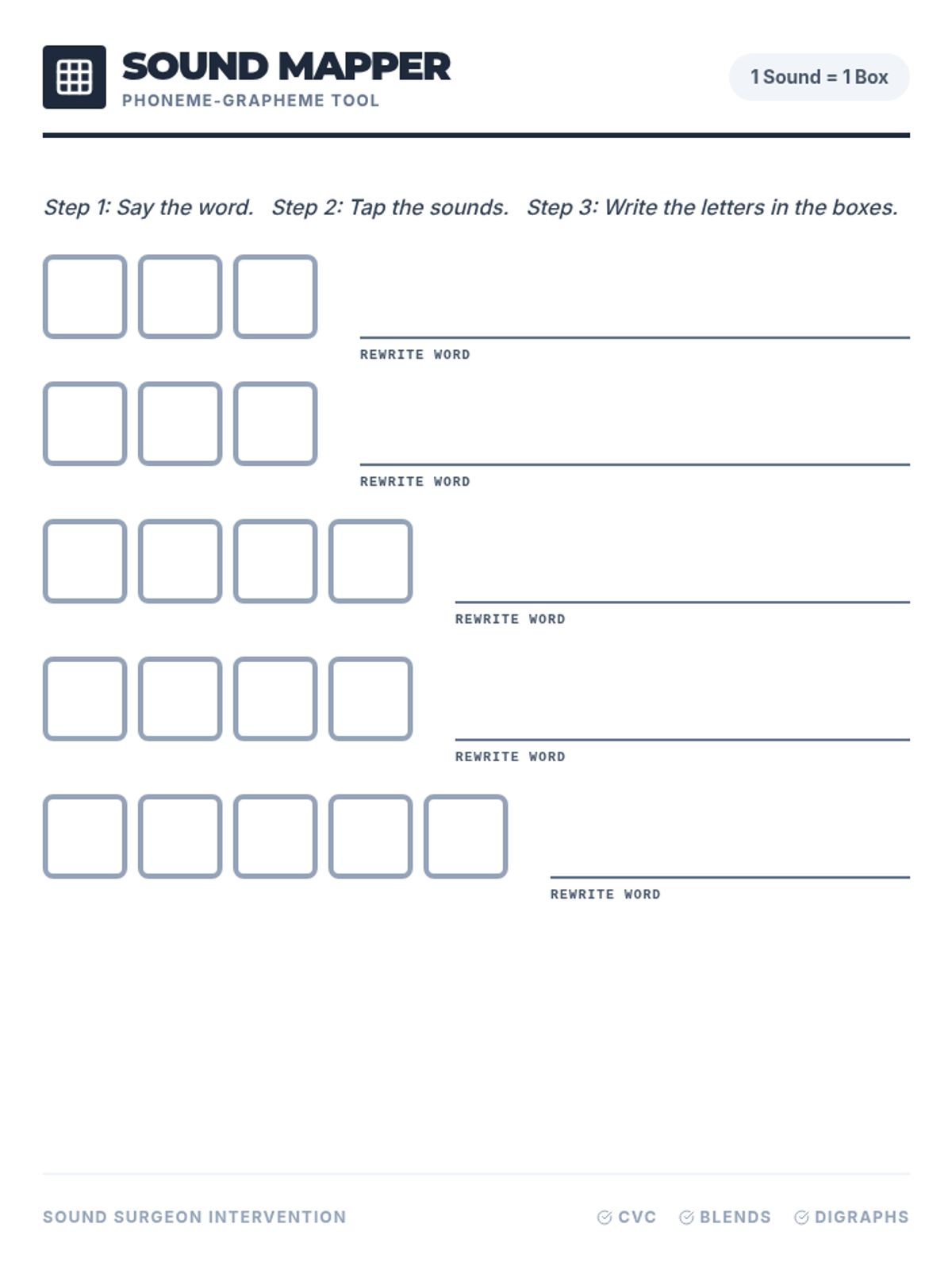
A 4-week phonics intervention designed for Grade 1 students needing intensive work on short vowels, blends, and digraphs based on DIBELS and decoding inventory data. The program follows a 10-minute daily routine aligned with Science of Reading and UFLI principles.
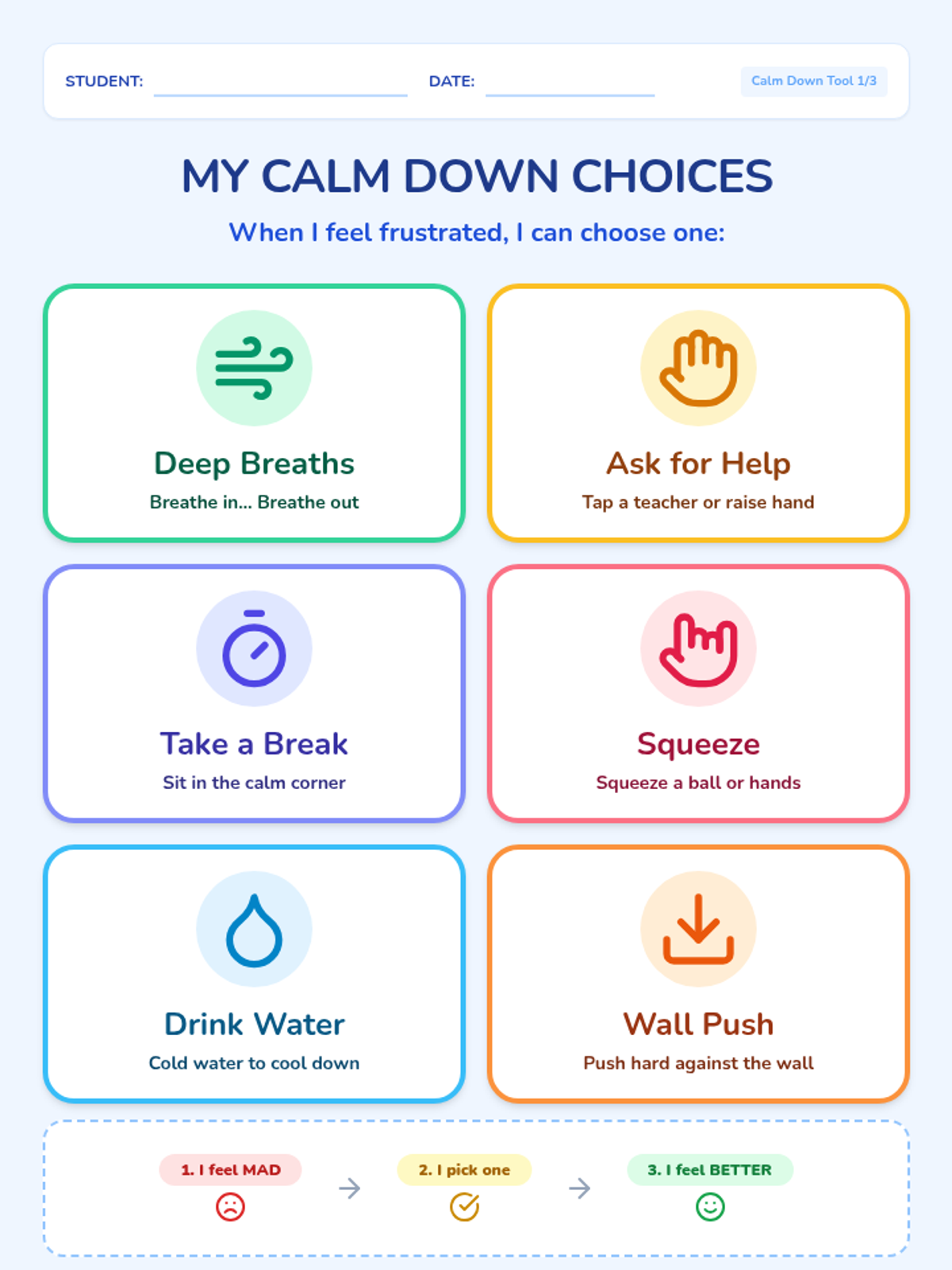
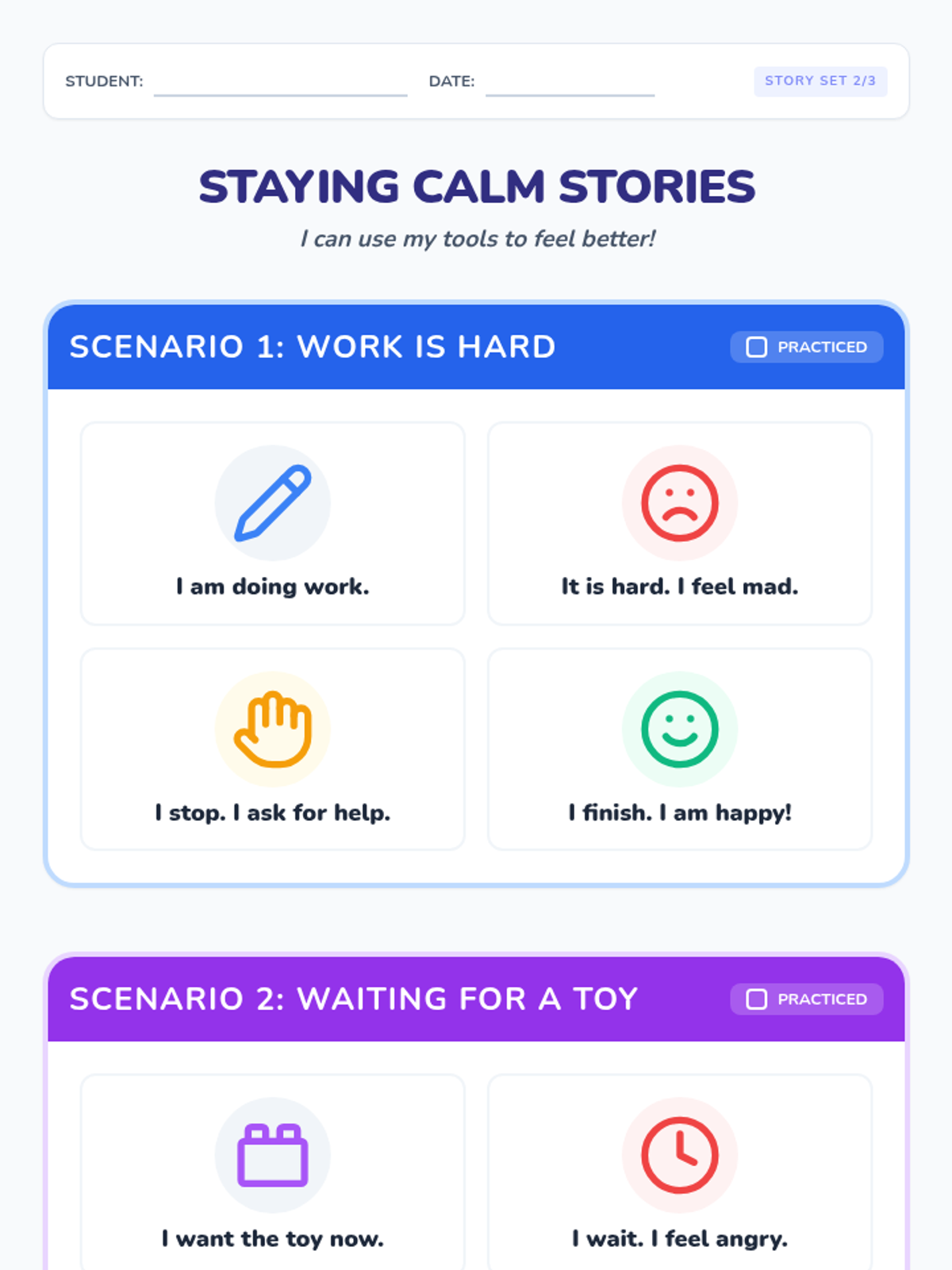
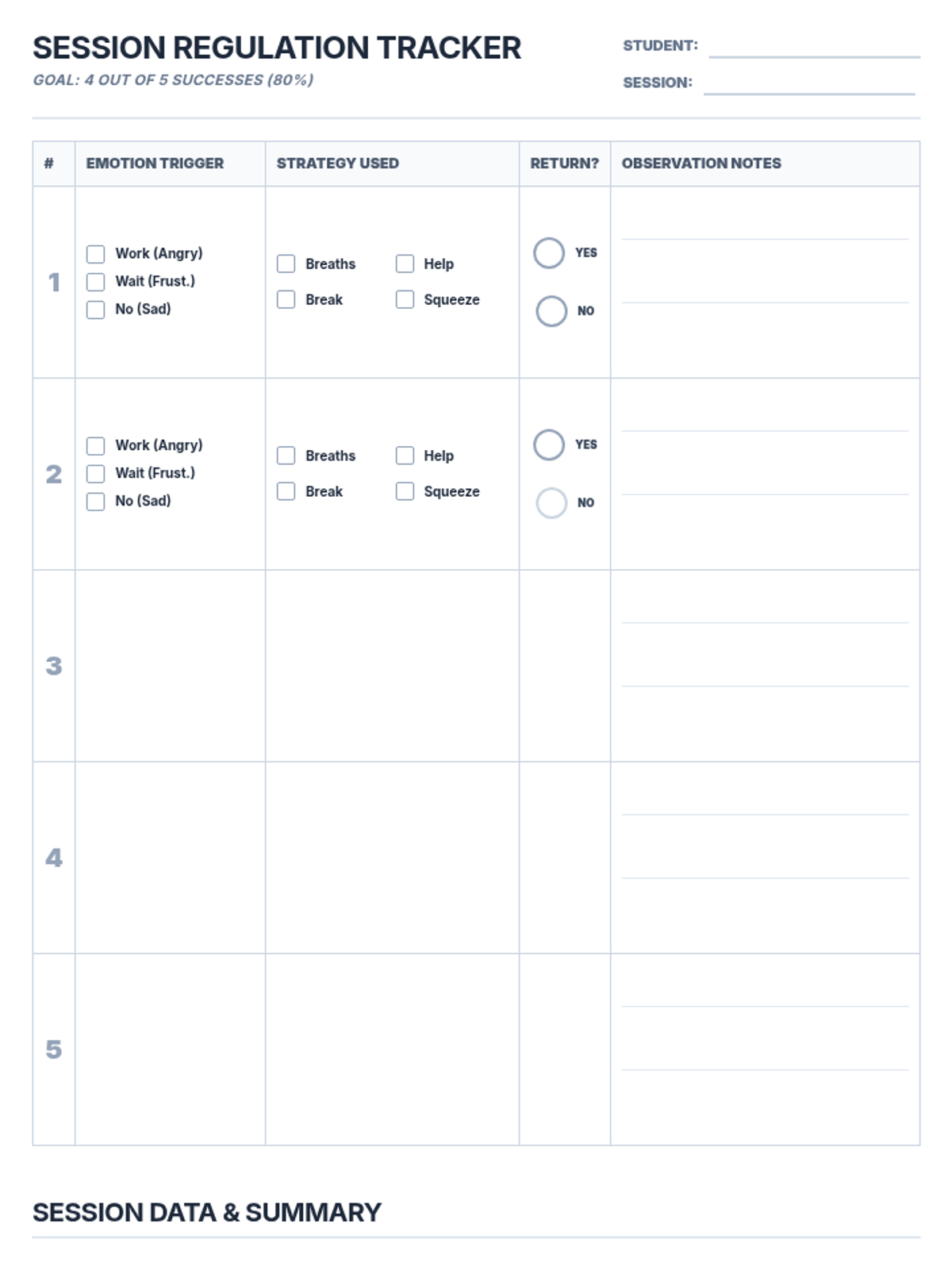
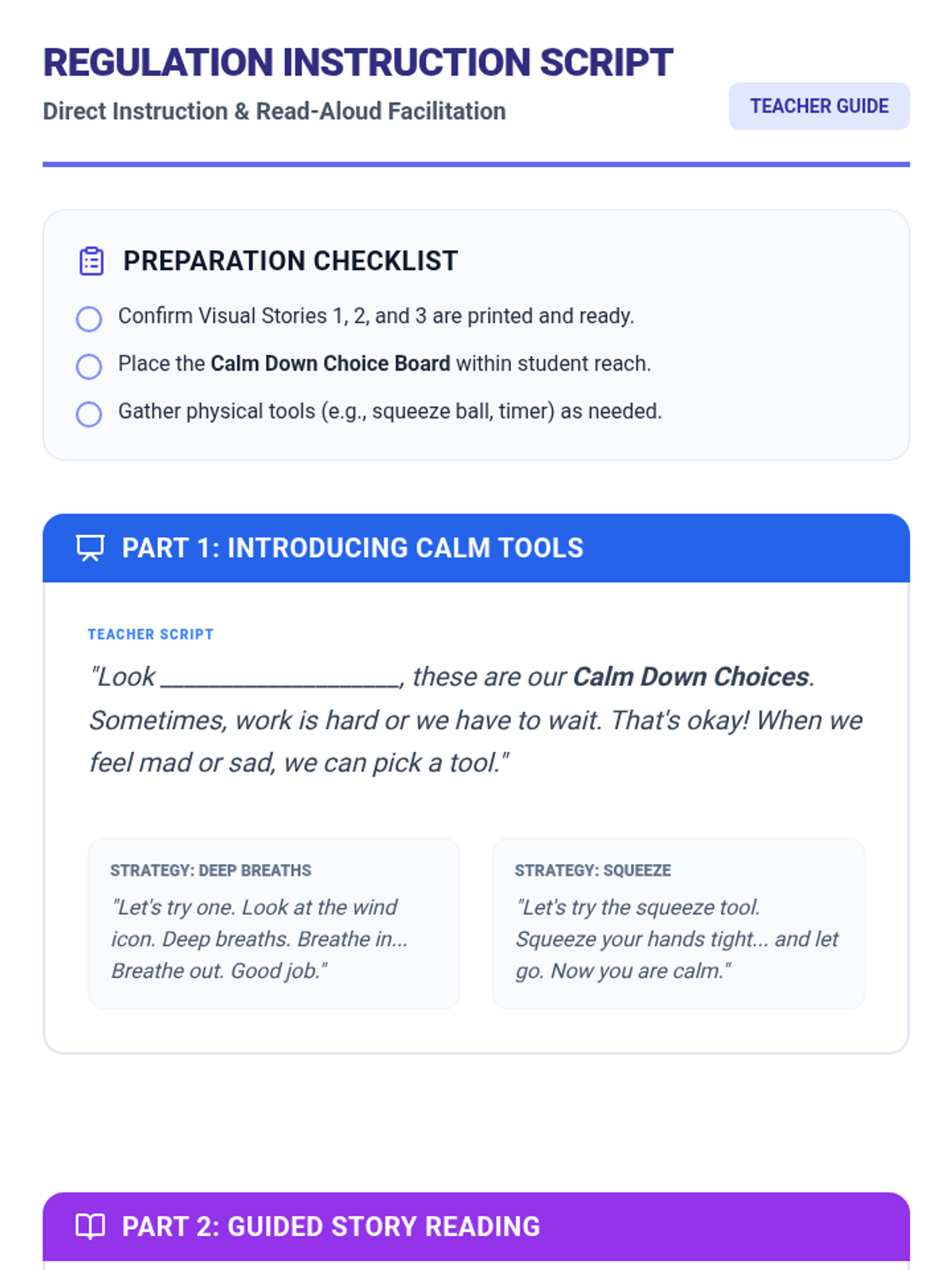
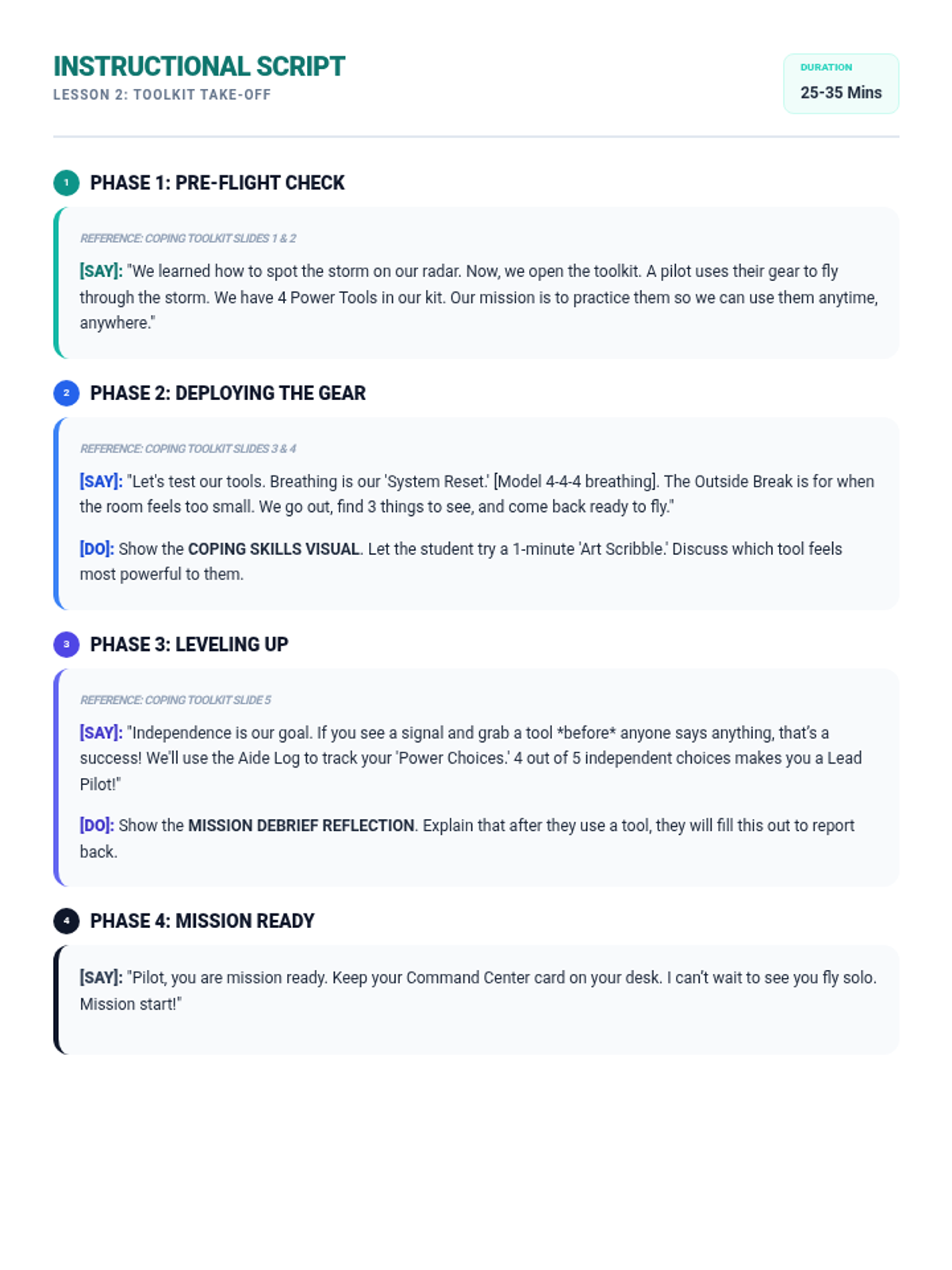
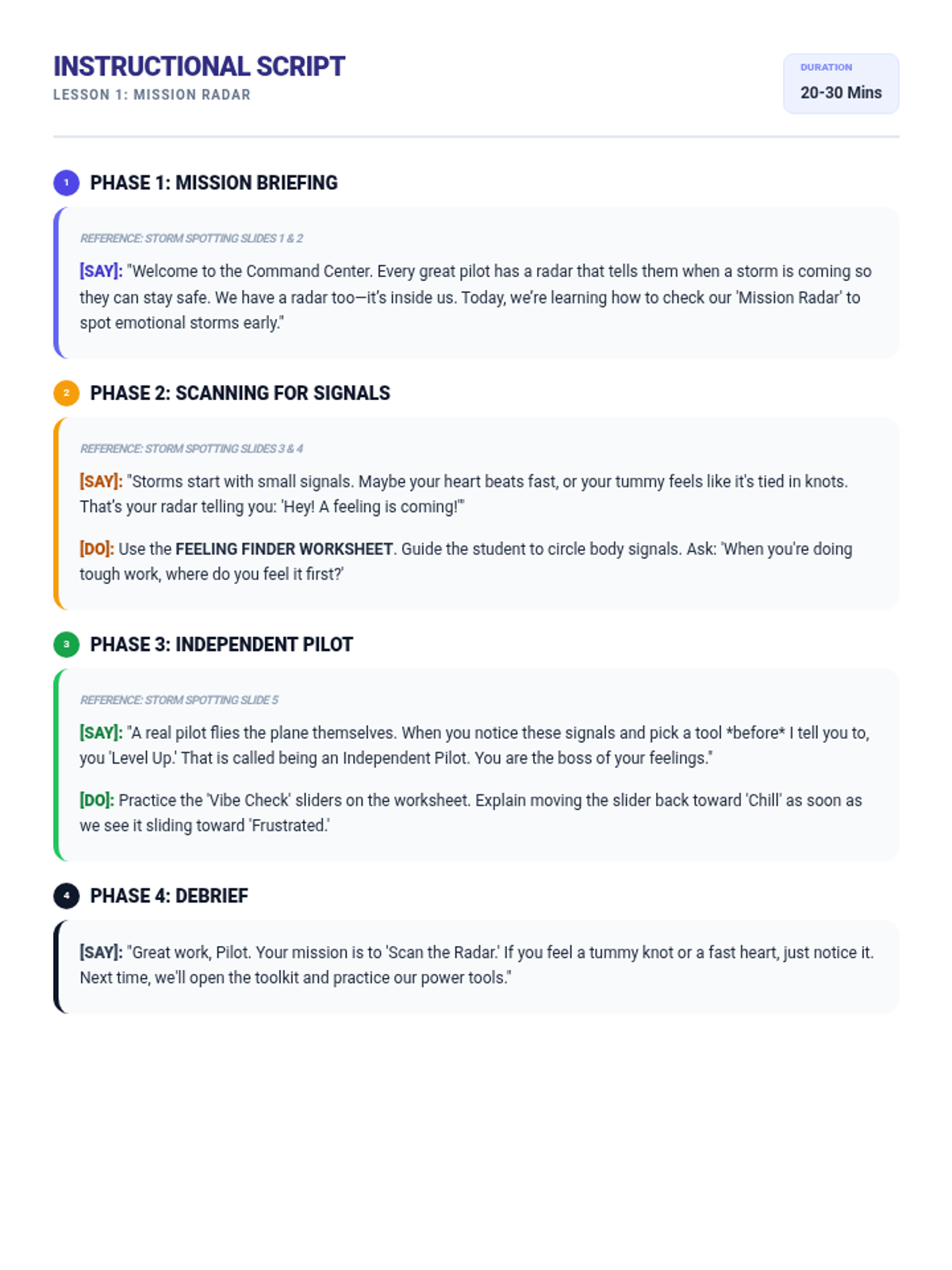
A lesson focused on identifying frustration and practicing simple, visual-based coping strategies to return to learning.
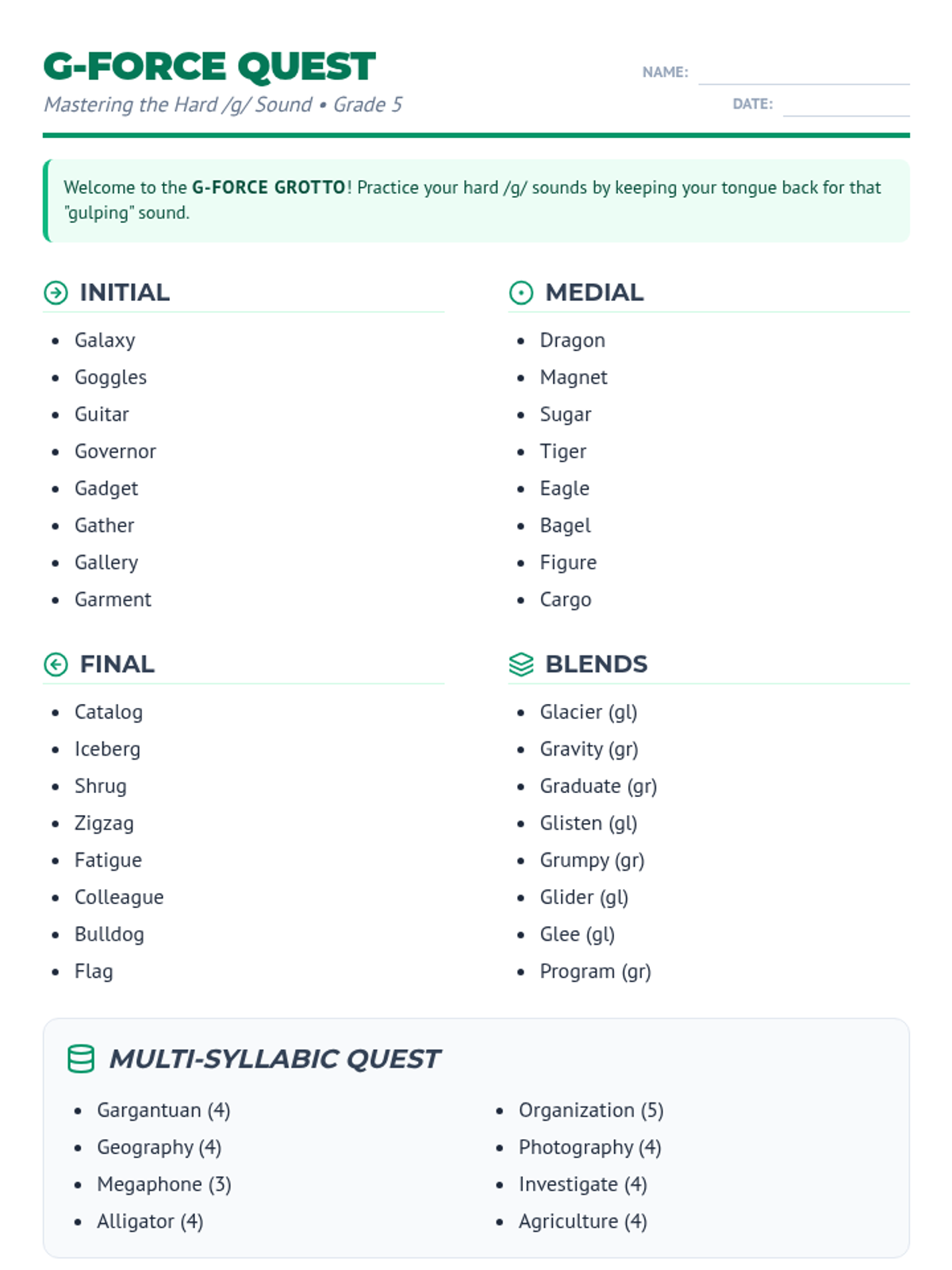
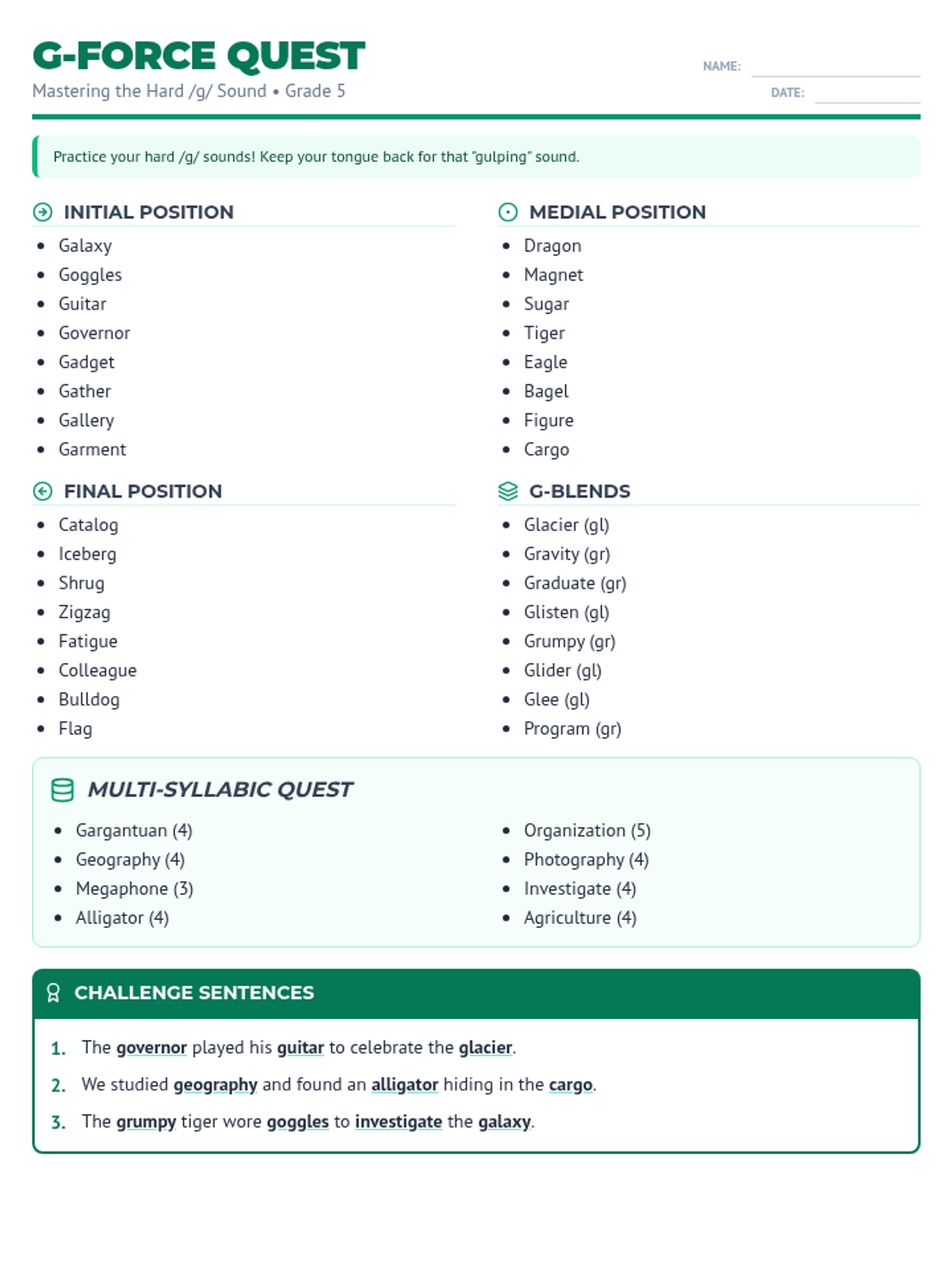
A speech therapy lesson focused on the /g/ sound in various positions, blends, and multi-syllabic words for 5th-grade students.
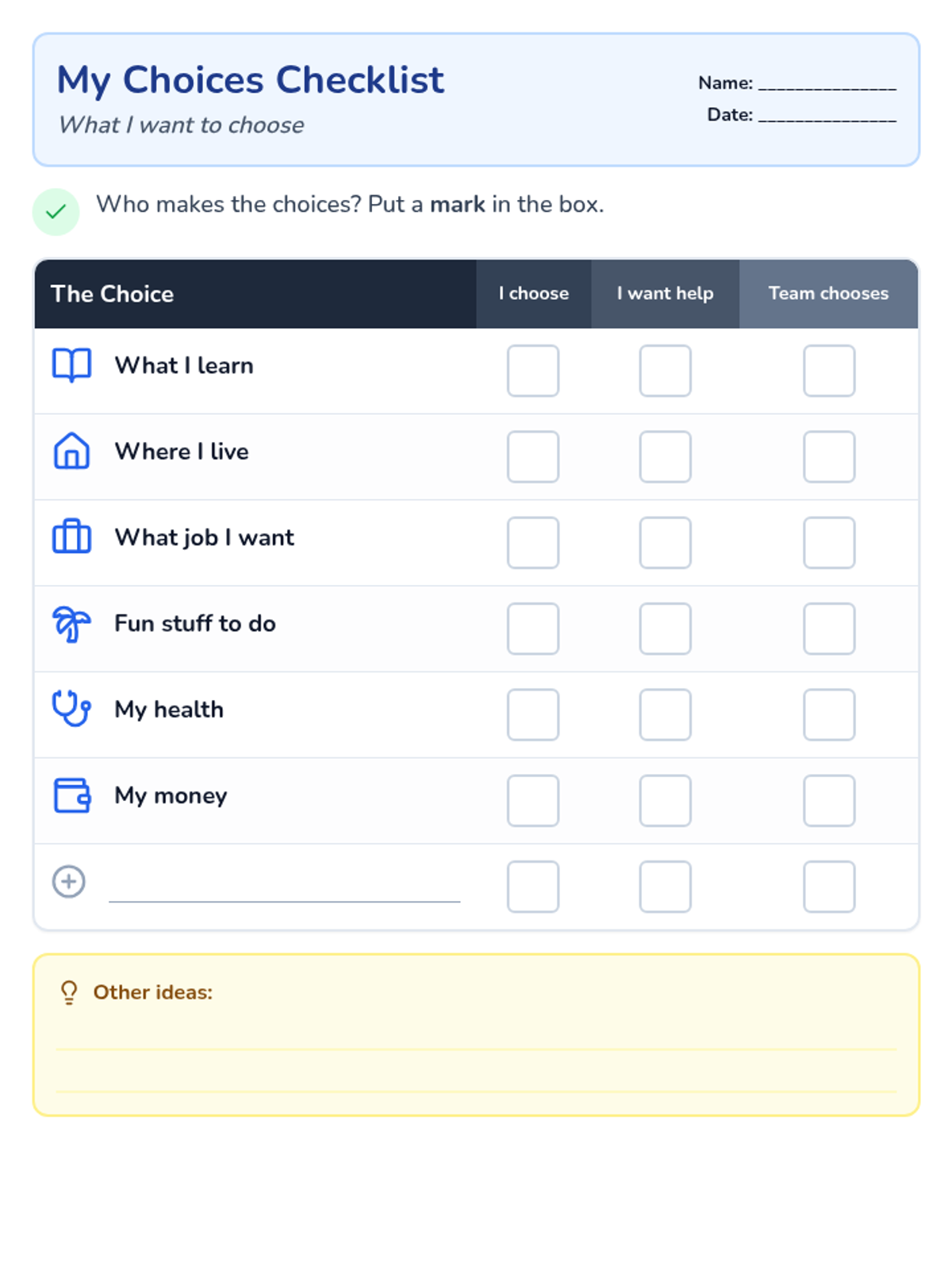
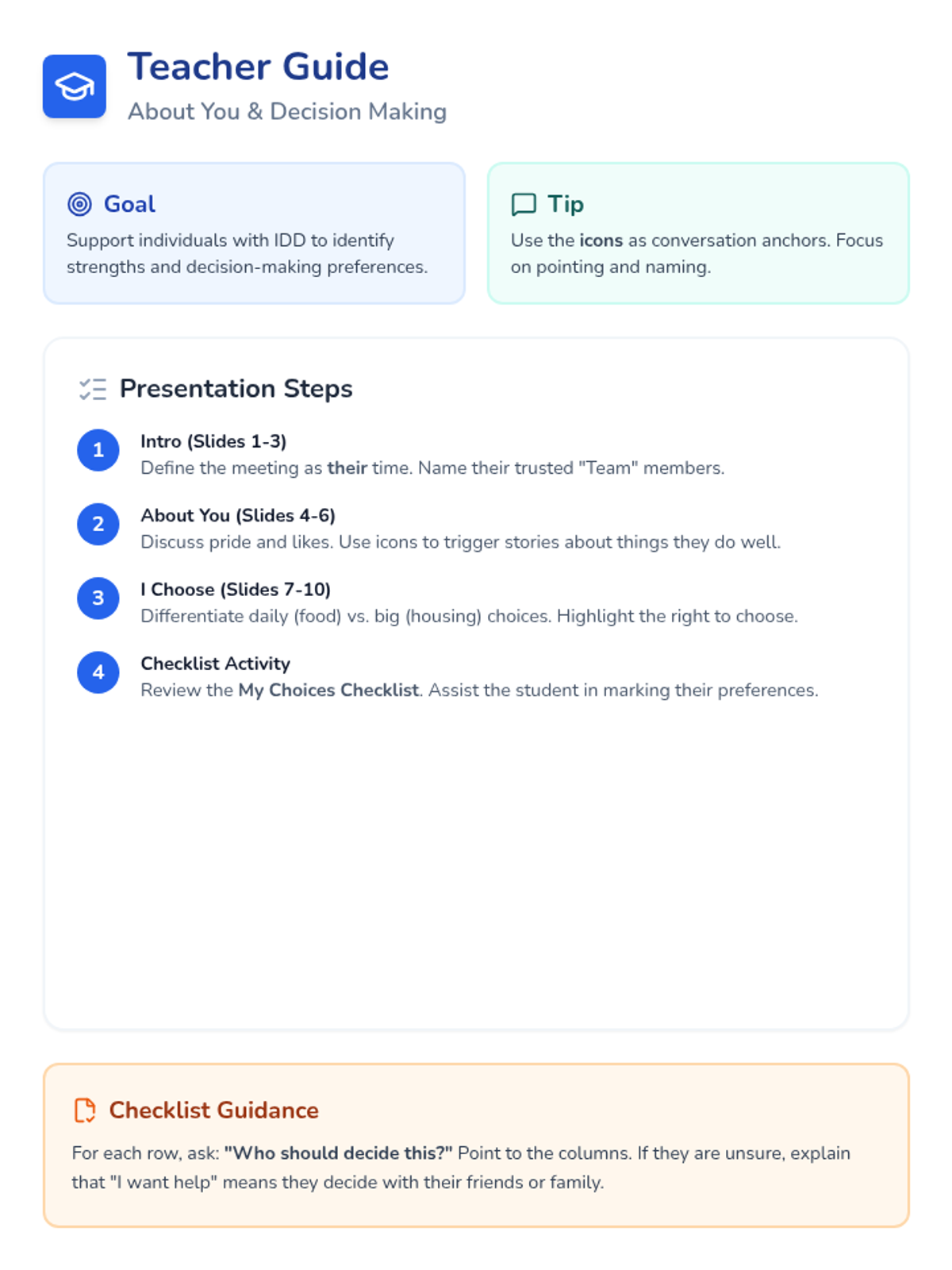
A simplified guide for individuals with intellectual and developmental disabilities to understand their Individual Program Plan (IPP) process, focusing on personal strengths and decision-making.
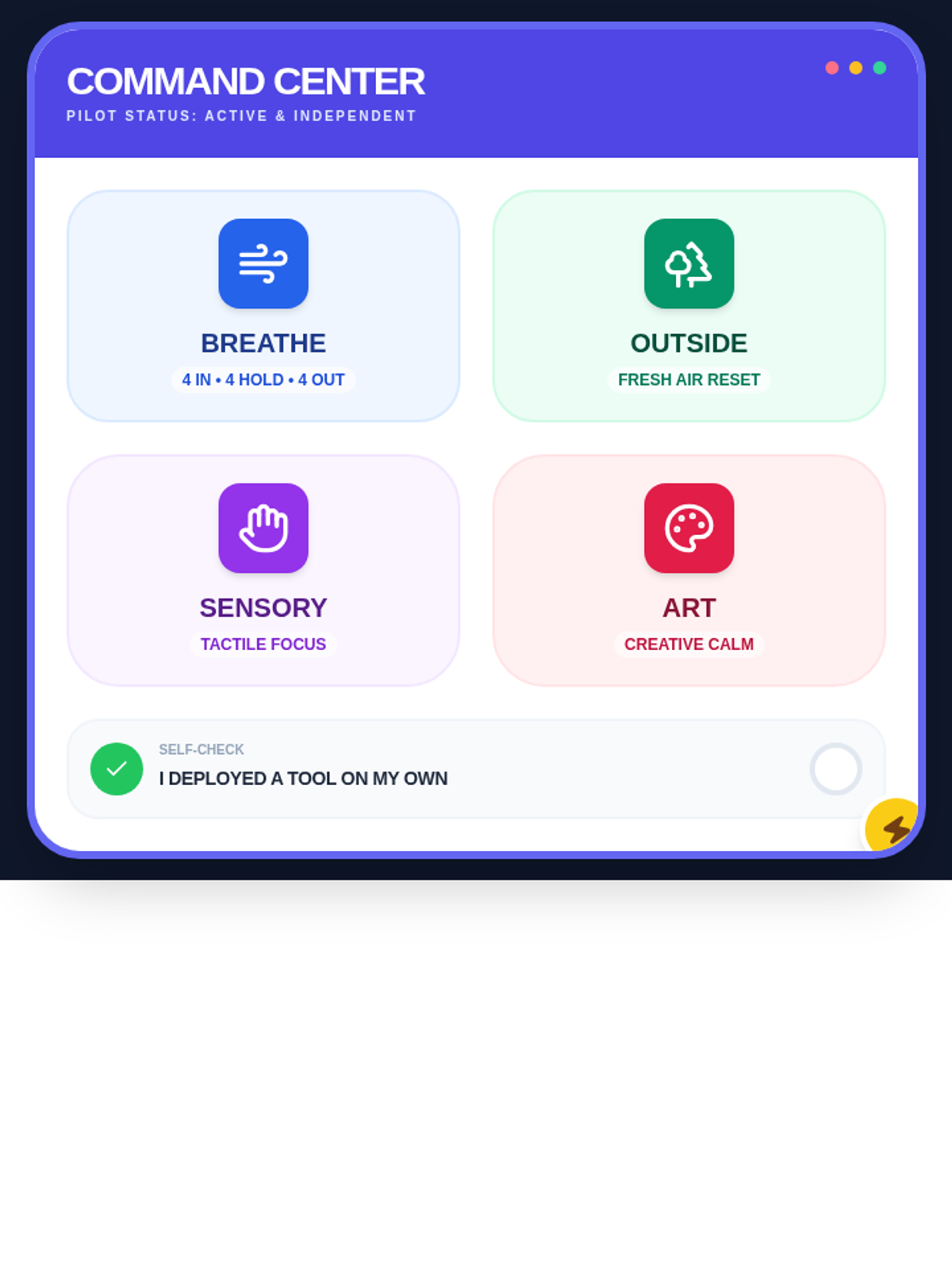
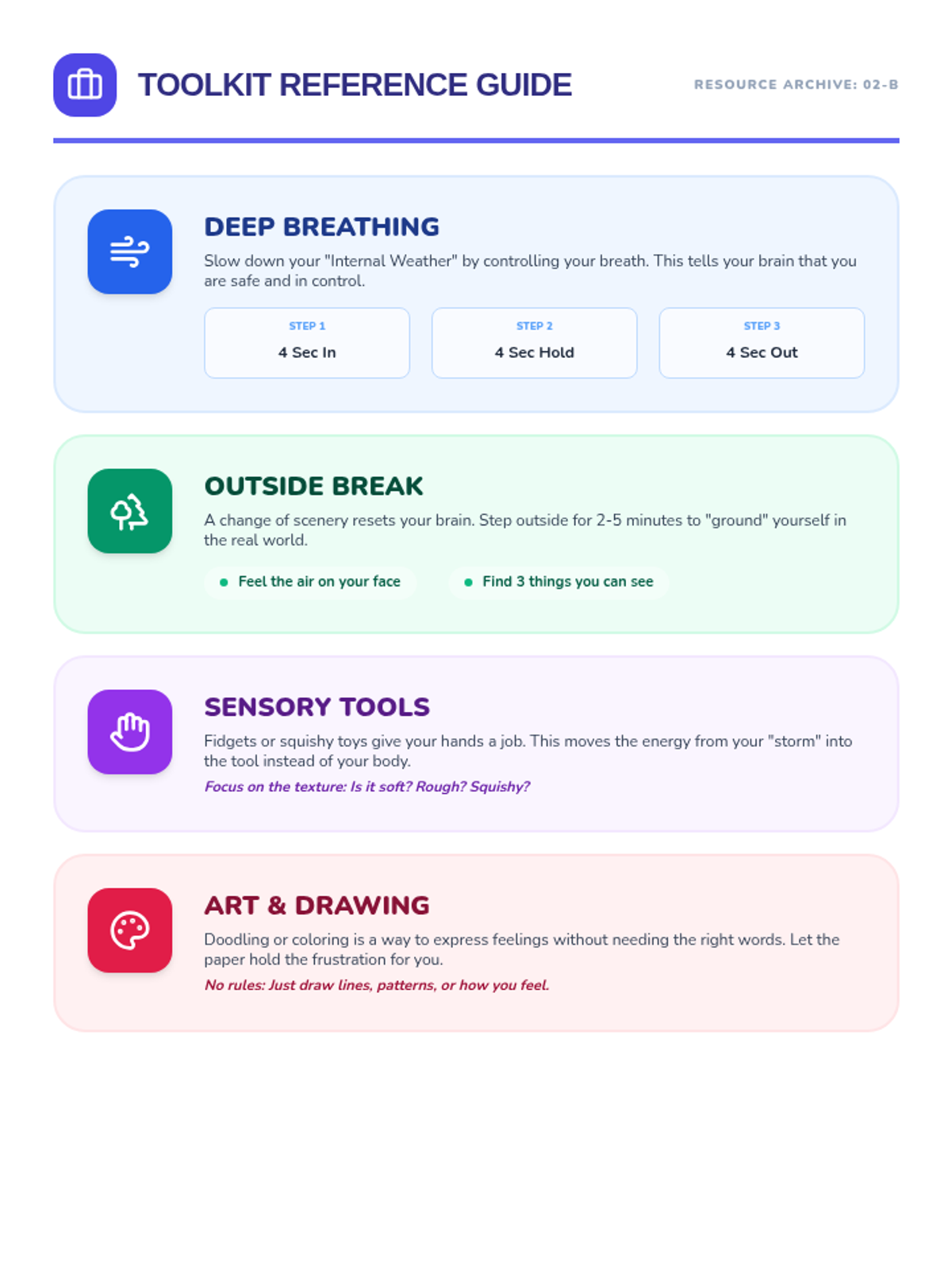
Introducing and practicing the four specific coping strategies: deep breathing, outside breaks, sensory toys, and art.
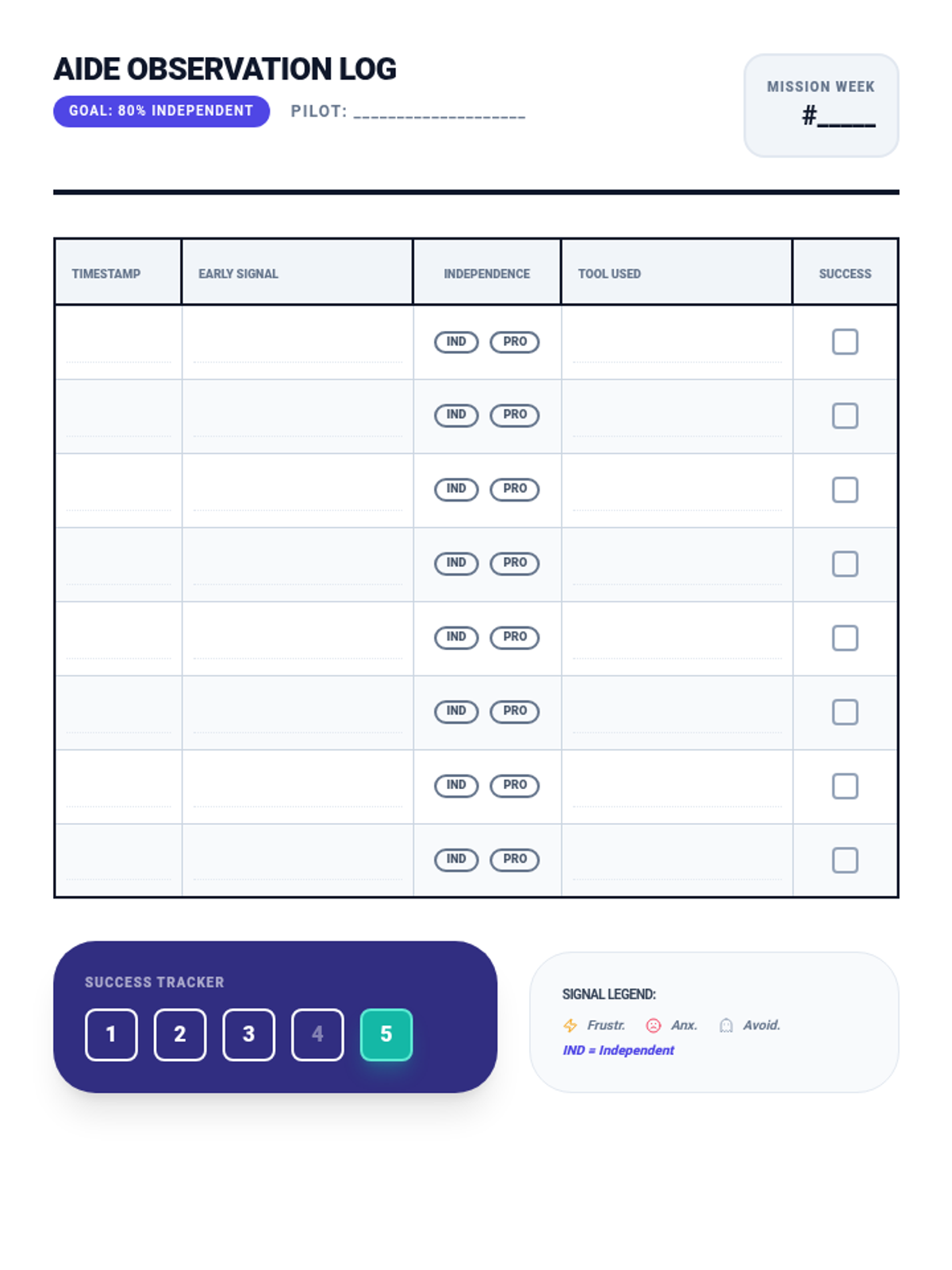
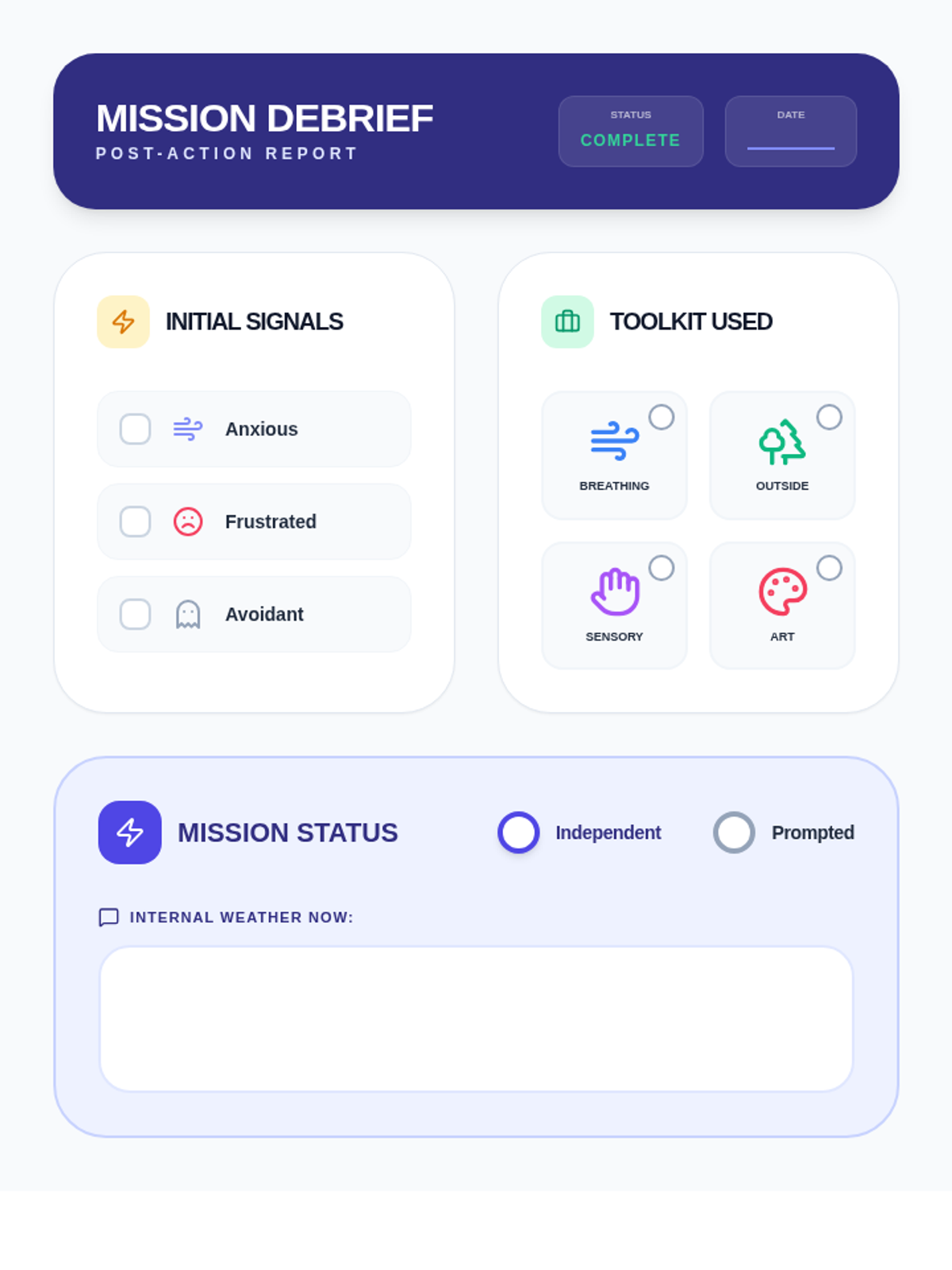
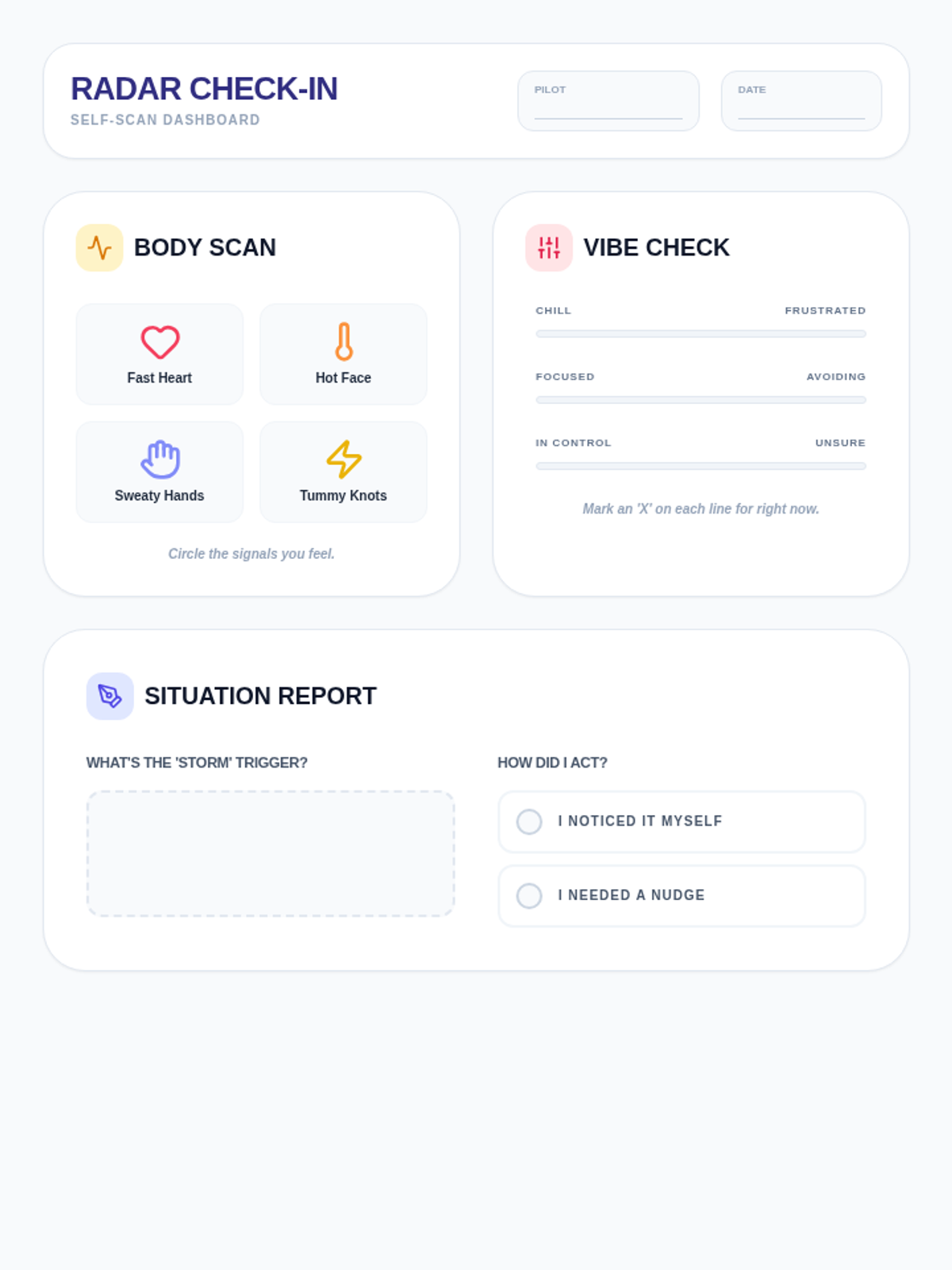
Focused on identifying the physical and emotional 'early warning signs' of dysregulation, such as anxiety and frustration.
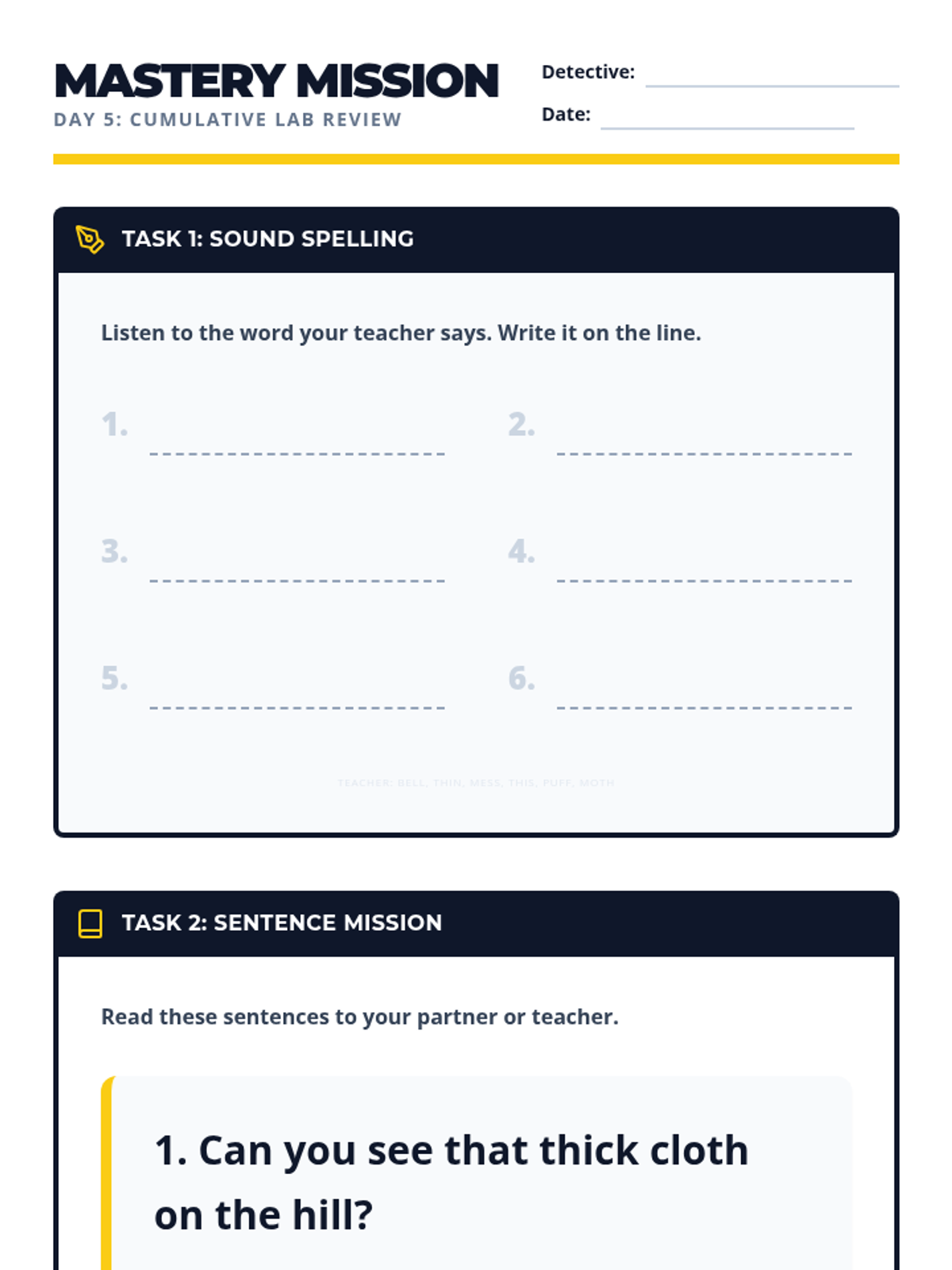
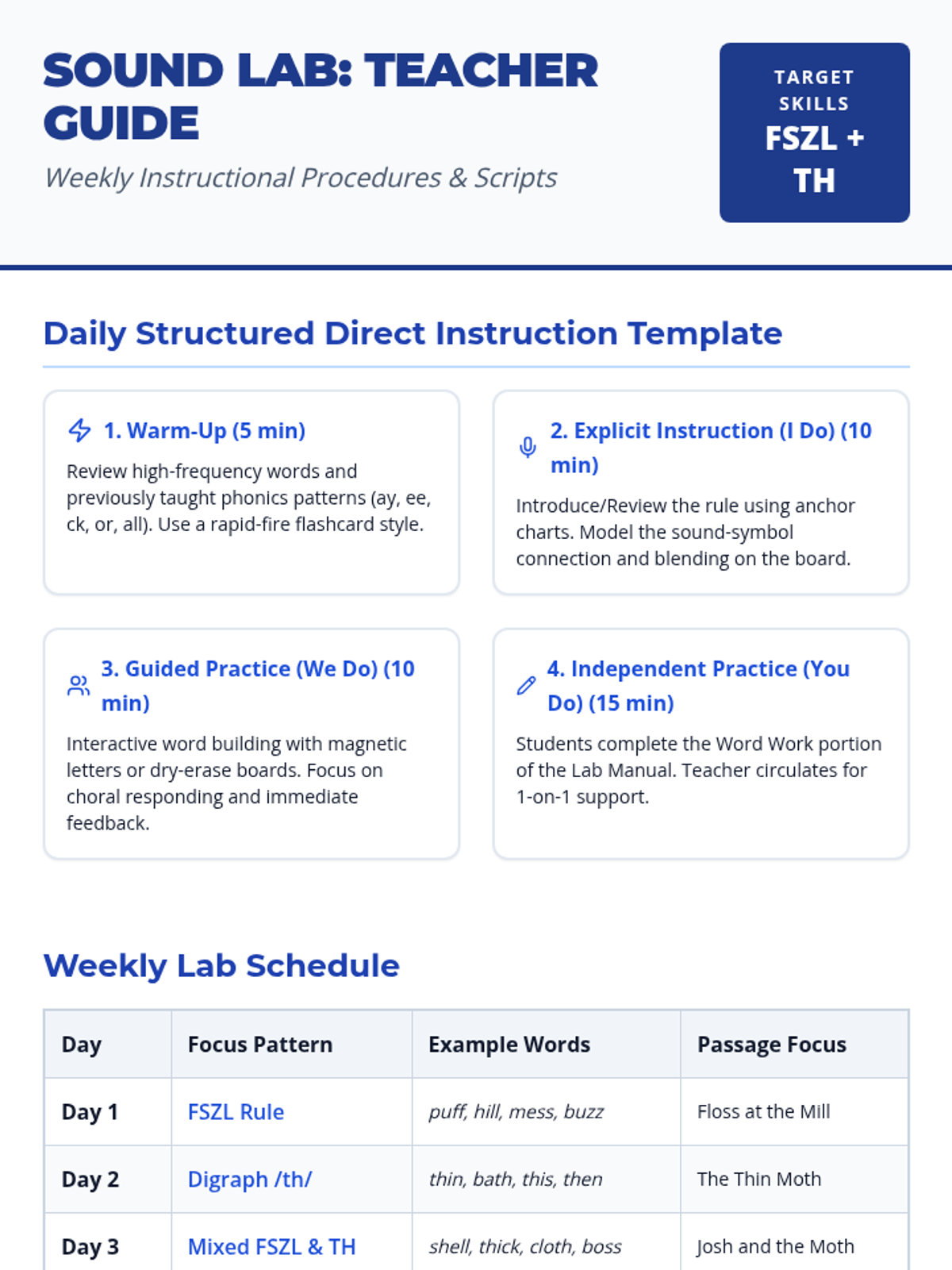
A cumulative review and informal assessment to check mastery of FSZL and TH sounds within words and connected text.
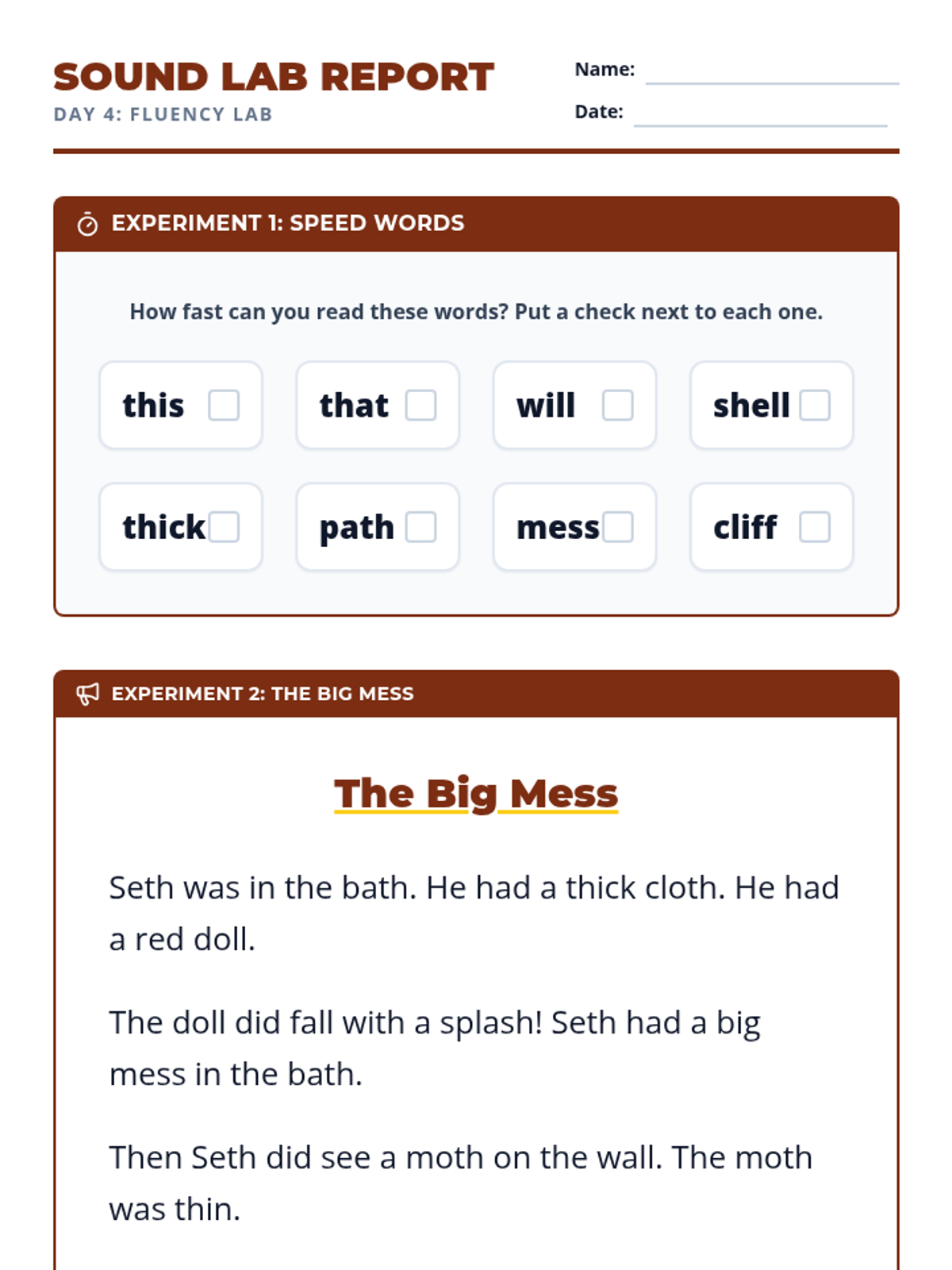
A fluency-focused lesson featuring a decodable passage that integrates FSZL, TH, and previously learned patterns (ay, ee, ck, or, all).
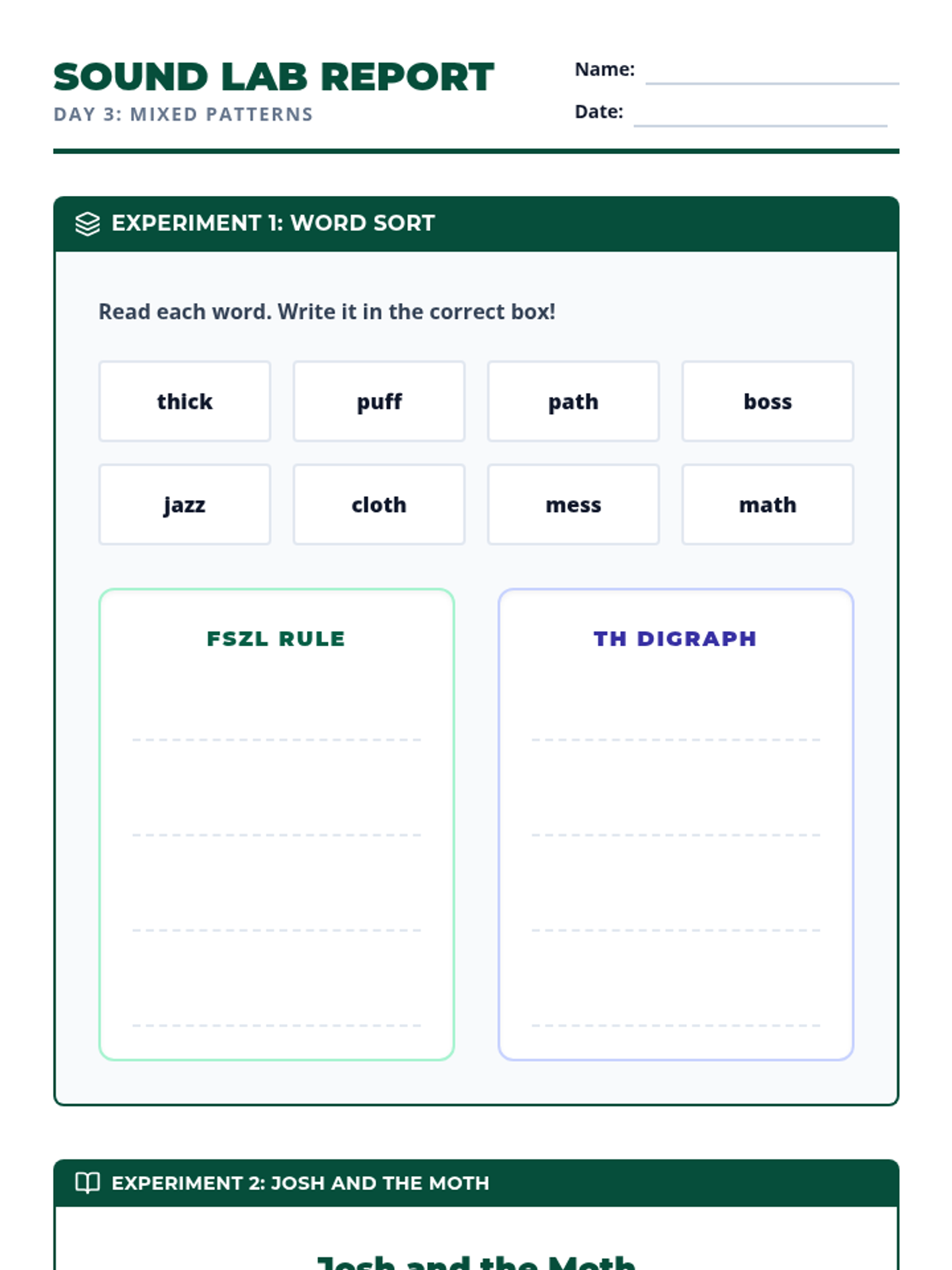
A mixed practice session where students differentiate between FSZL and TH patterns in word construction and sentence reading.
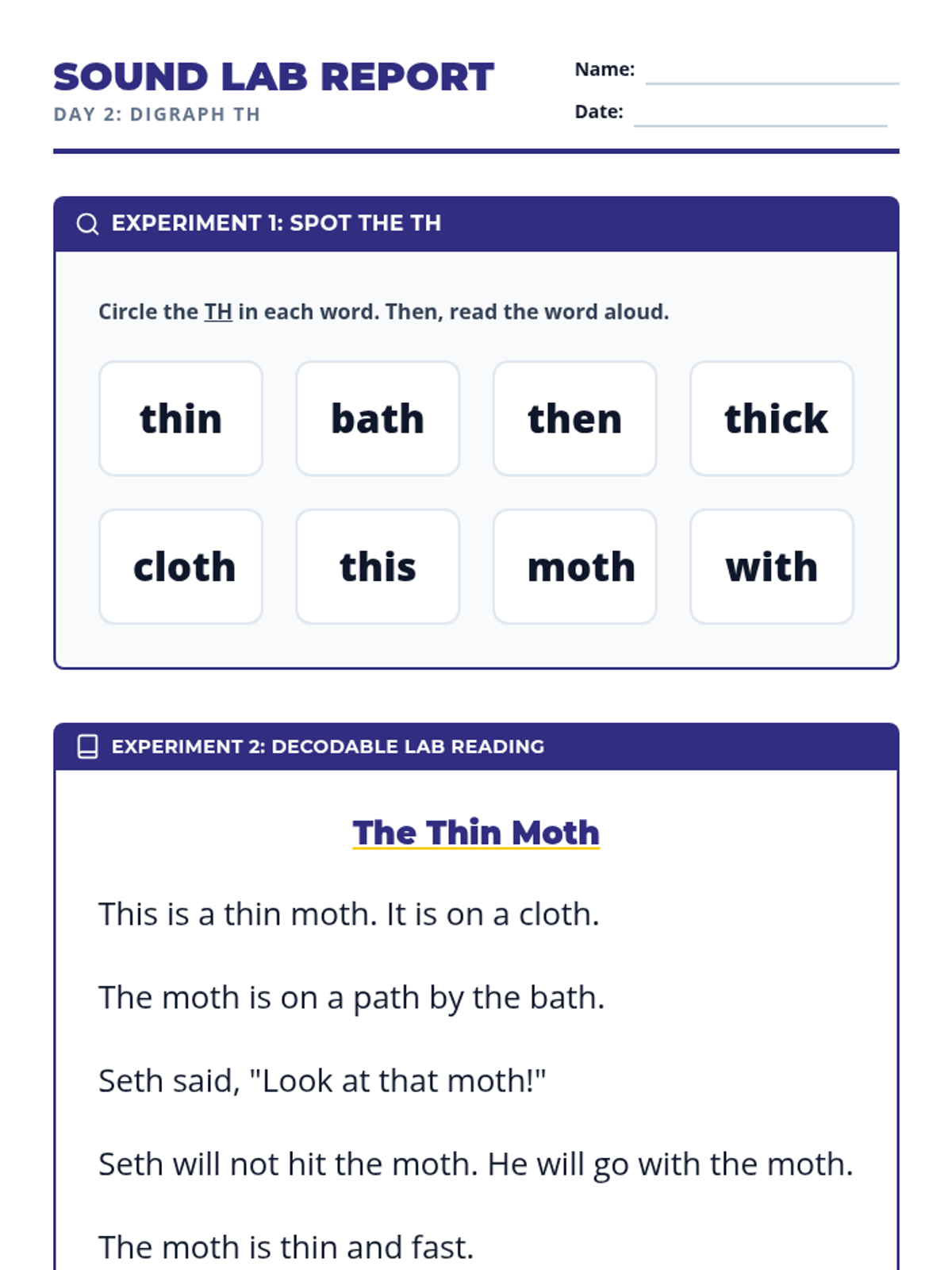
Focus on the two sounds of the digraph /th/ (voiced and unvoiced). Students practice identifying and decoding /th/ in various word positions alongside previously learned patterns.
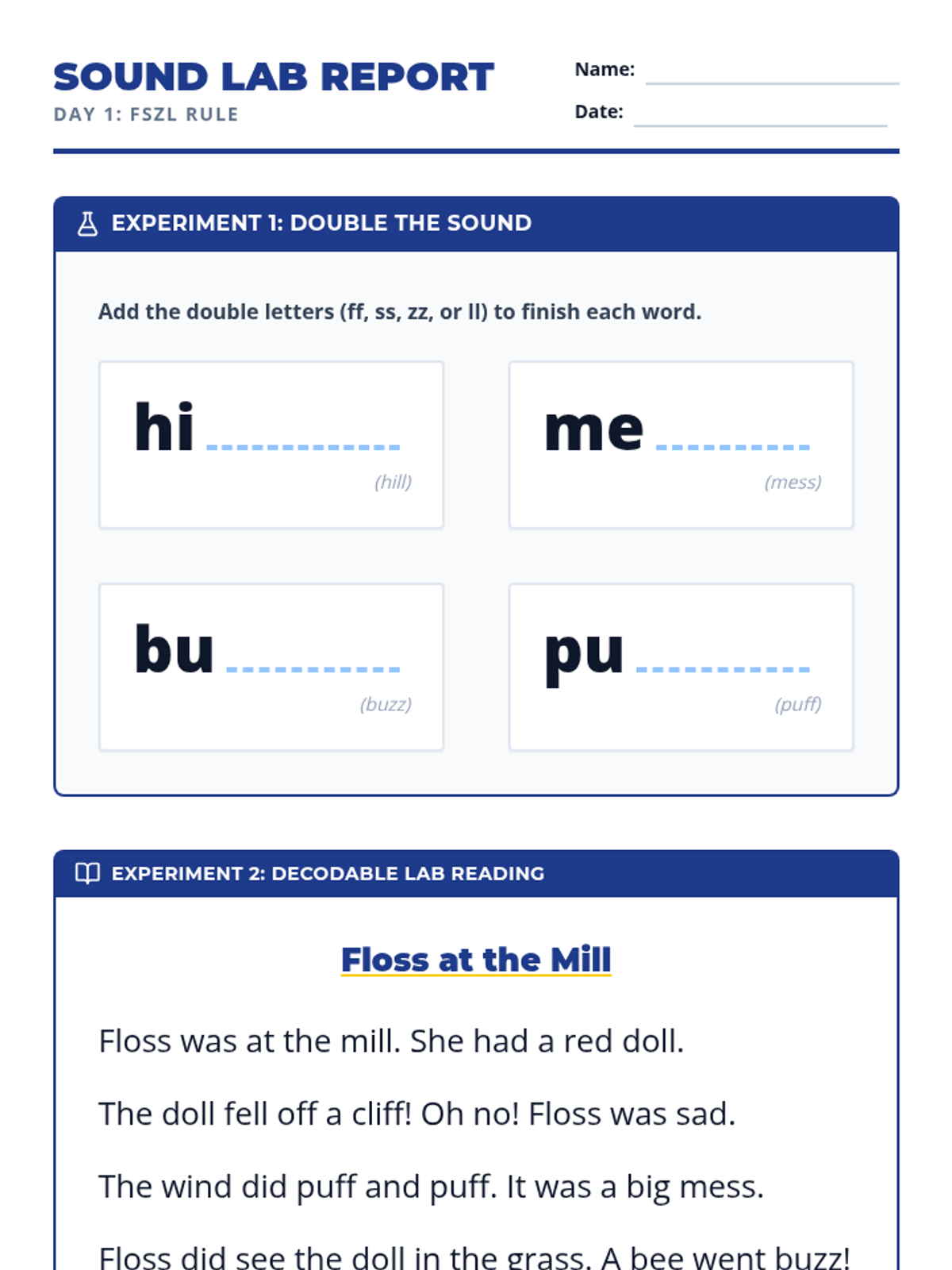
Students review the FSZL (Floss) rule: doubling f, s, z, or l after a single short vowel at the end of a one-syllable word. Includes explicit modeling and word-building activities.
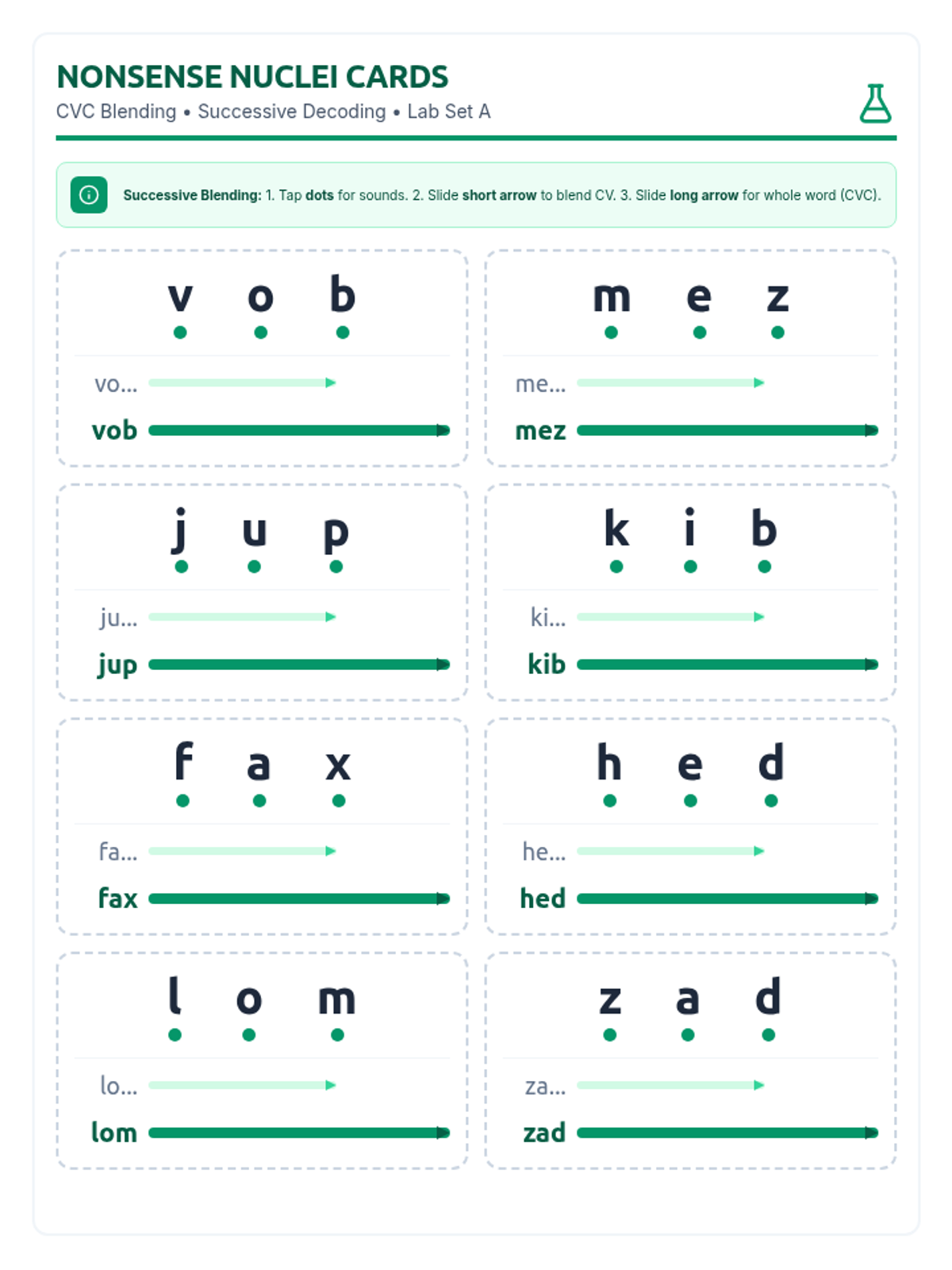
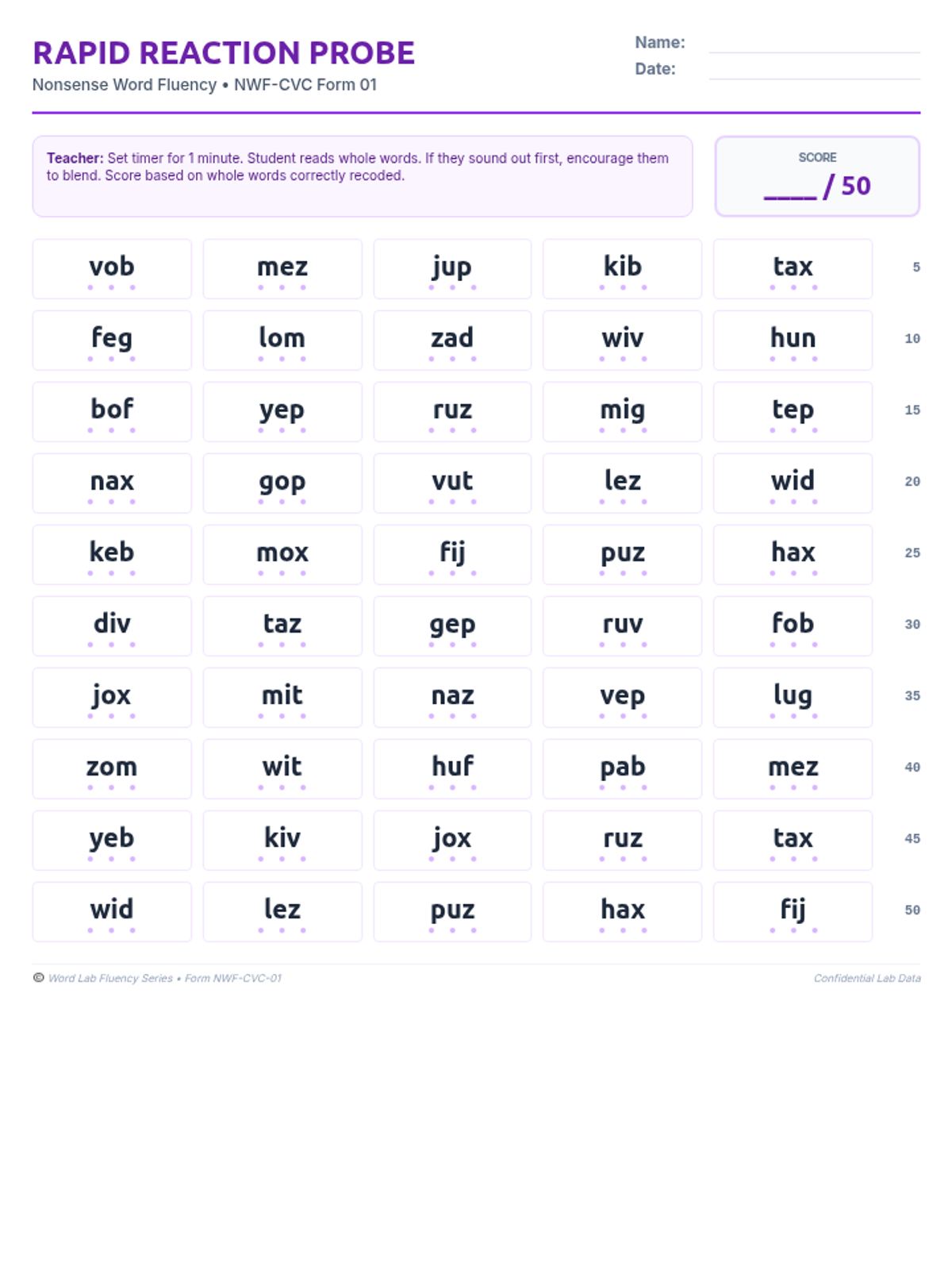
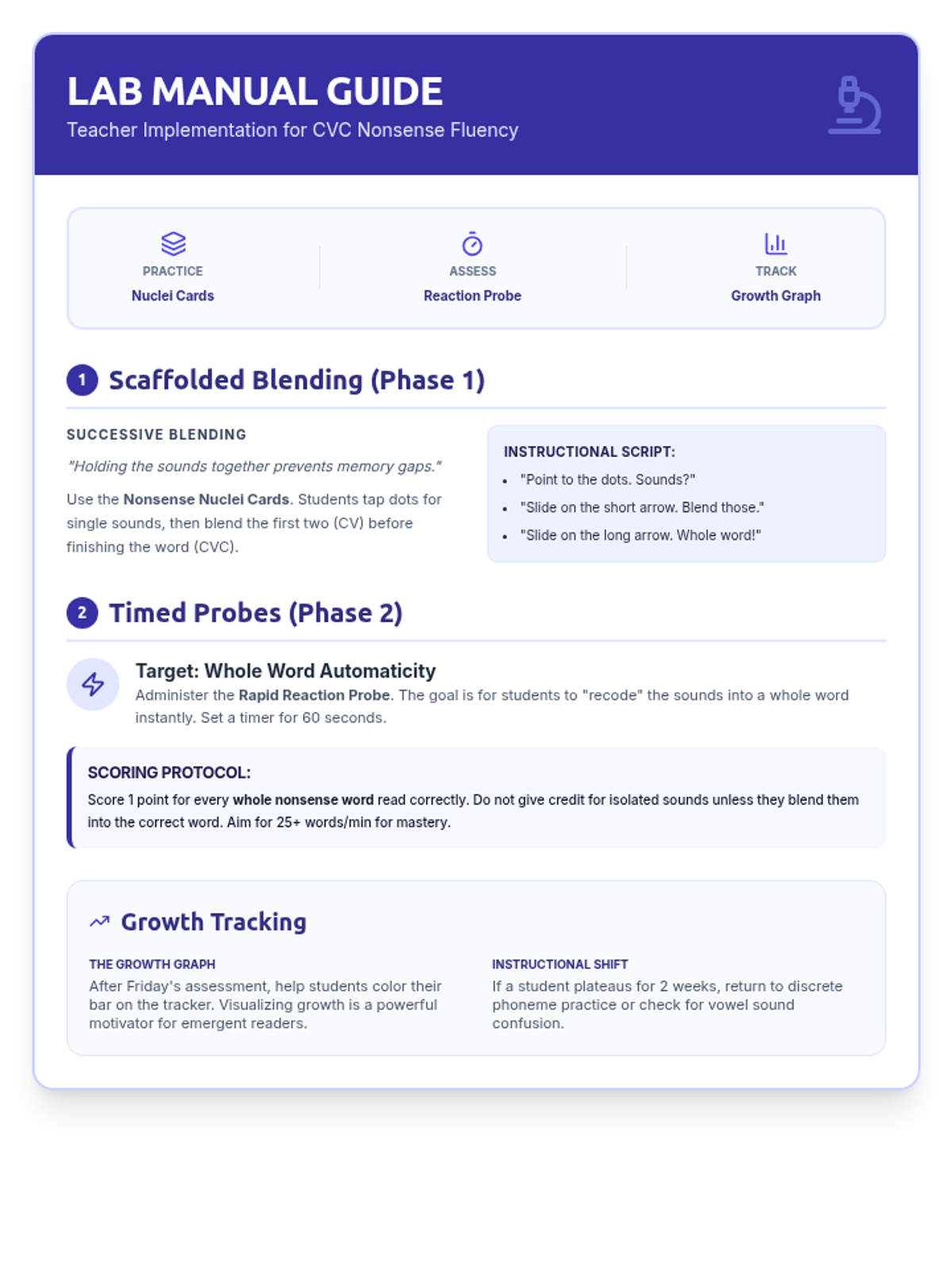
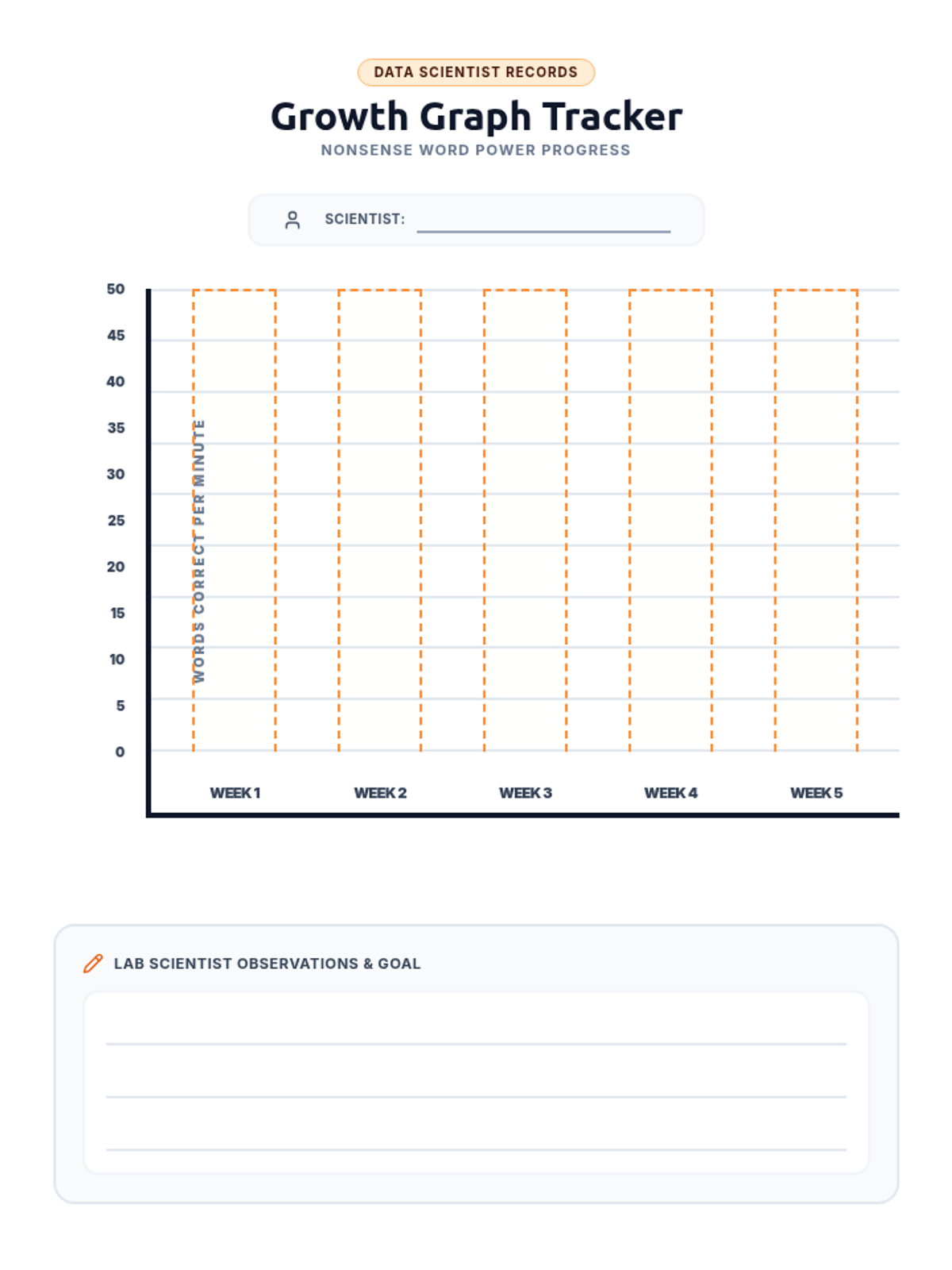
A focused set of resources designed to boost CVC nonsense word fluency through scaffolded blending and timed repeated readings. Students use 'Word Lab' themed materials to decode unfamiliar letter combinations and track their progress.
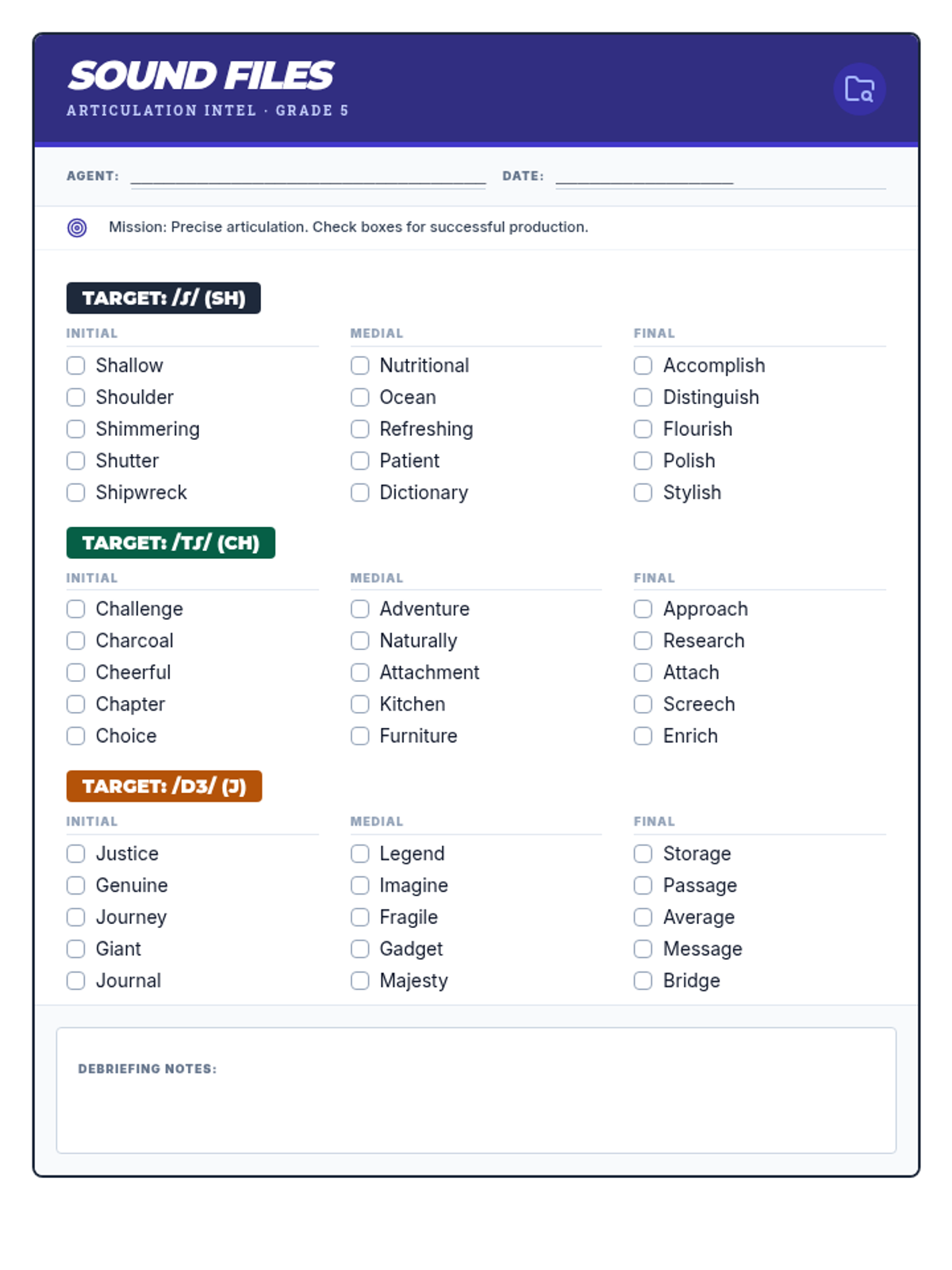
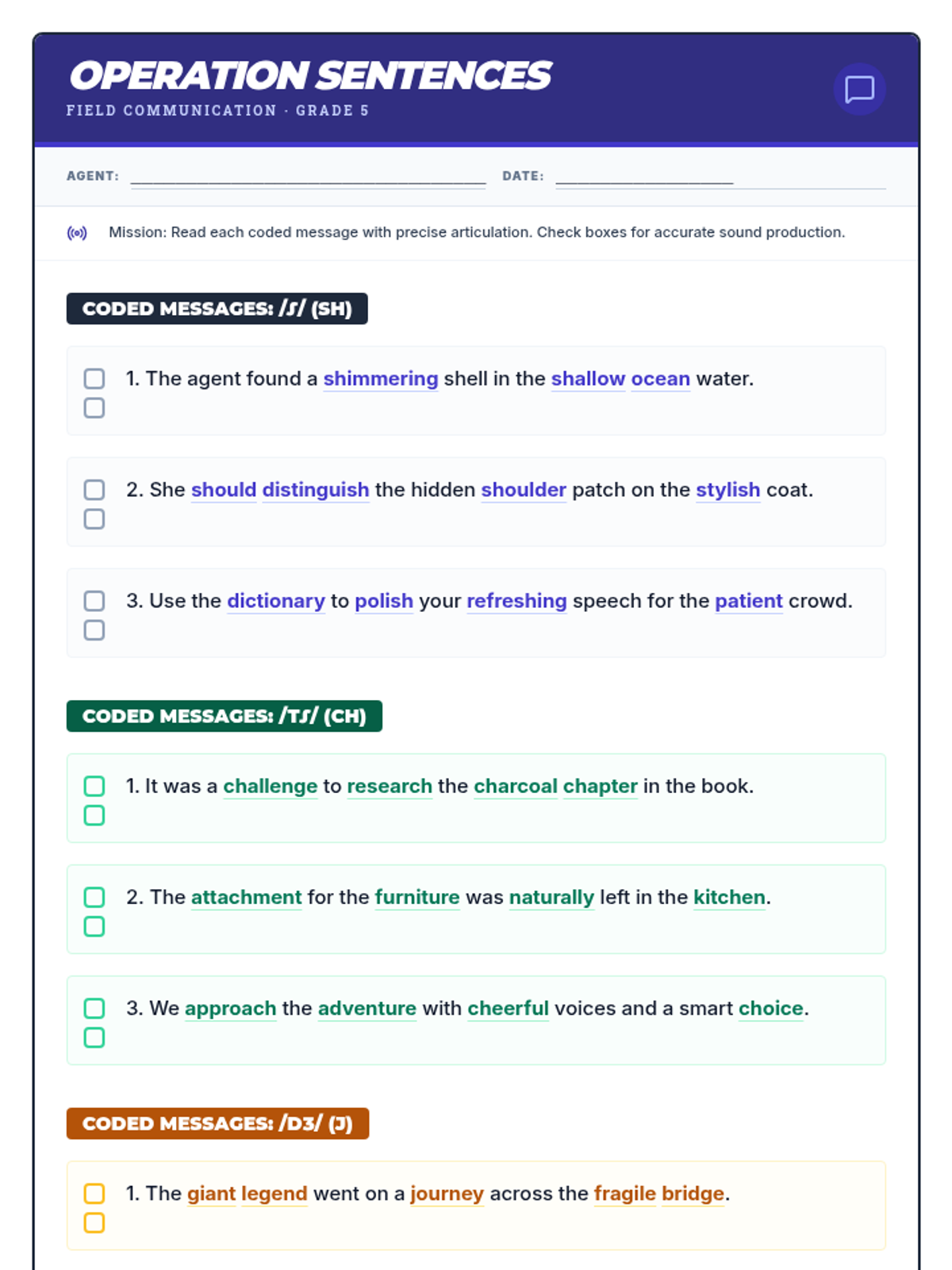
A high-stakes, secret agent-themed lesson for 5th-grade students focusing on the articulation of /sh/, /ch/, and /j/ sounds in words and sentences.
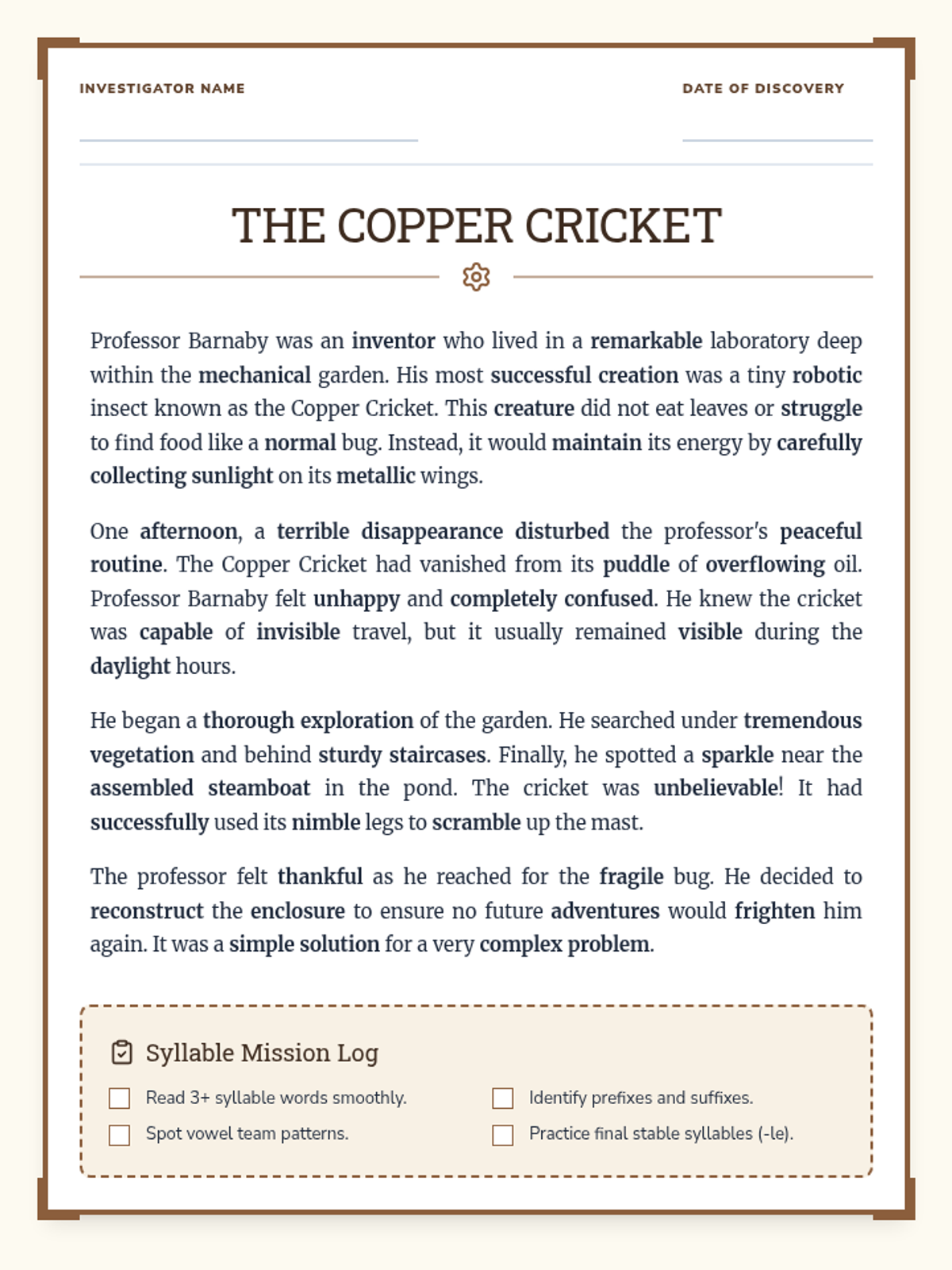
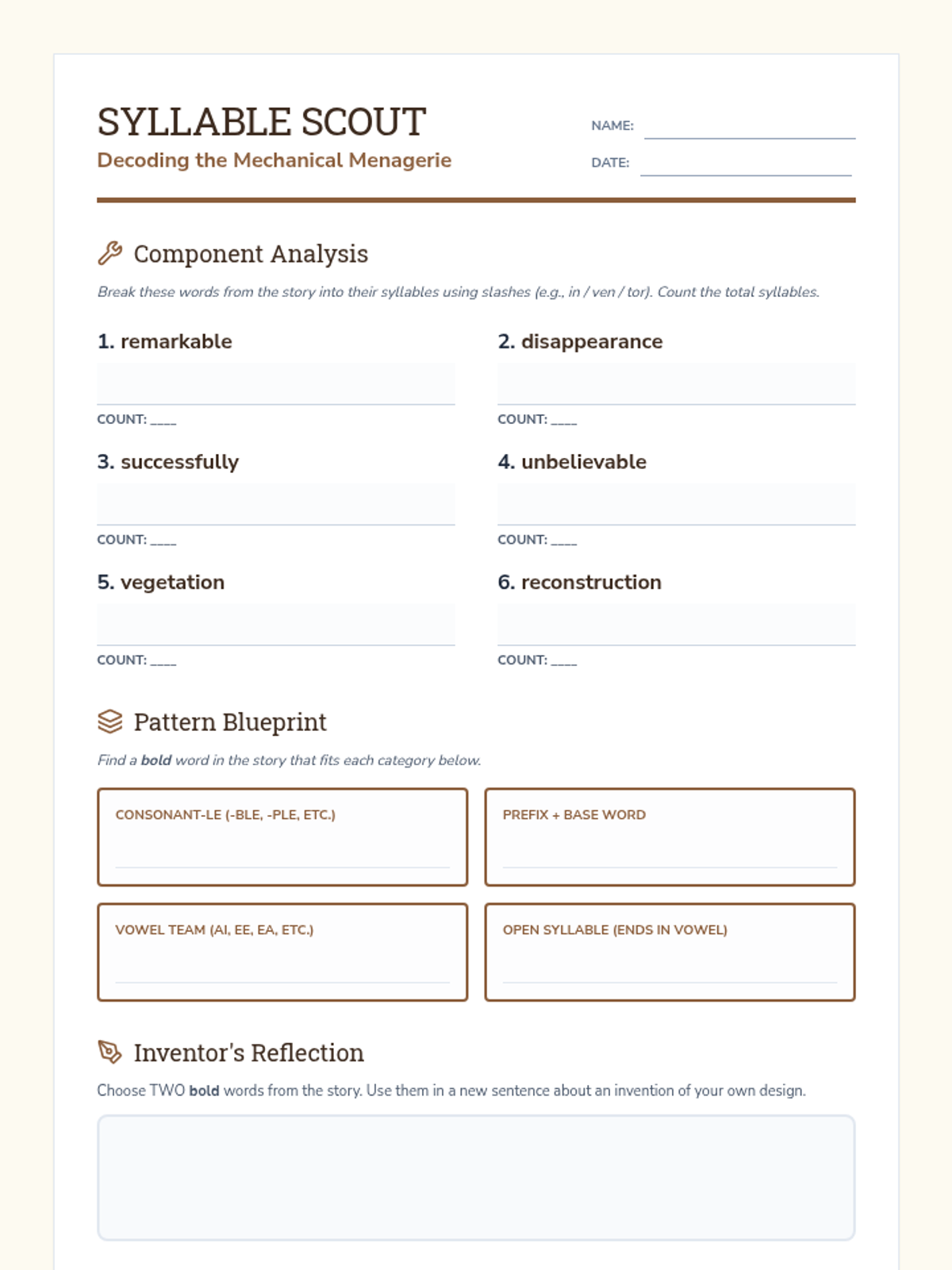
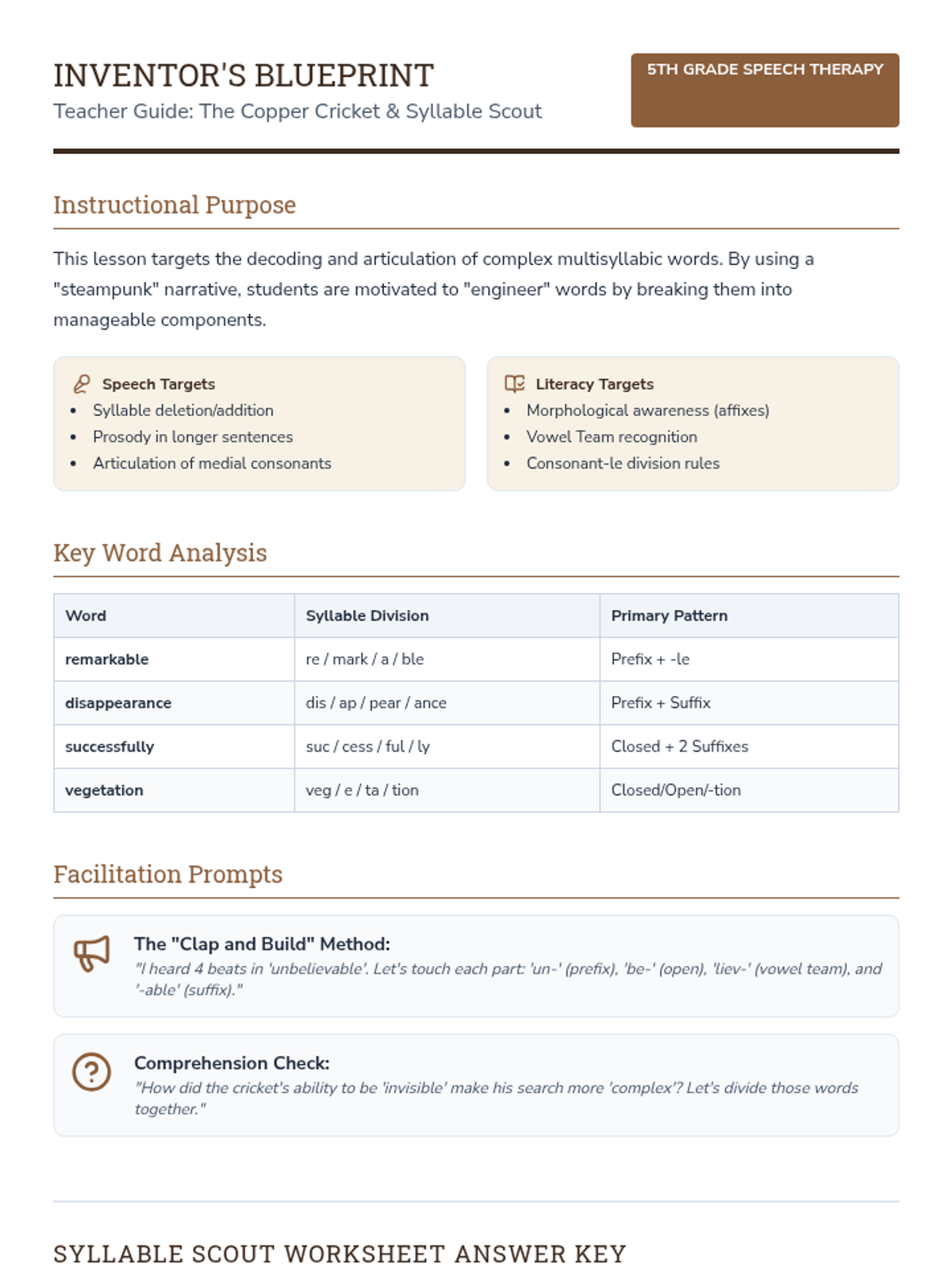
A 5th-grade speech therapy lesson focusing on decoding and articulating multisyllabic words through an engaging steampunk-themed story. Students will explore open/closed syllables, prefixes, suffixes, vowel teams, and consonant-le patterns.
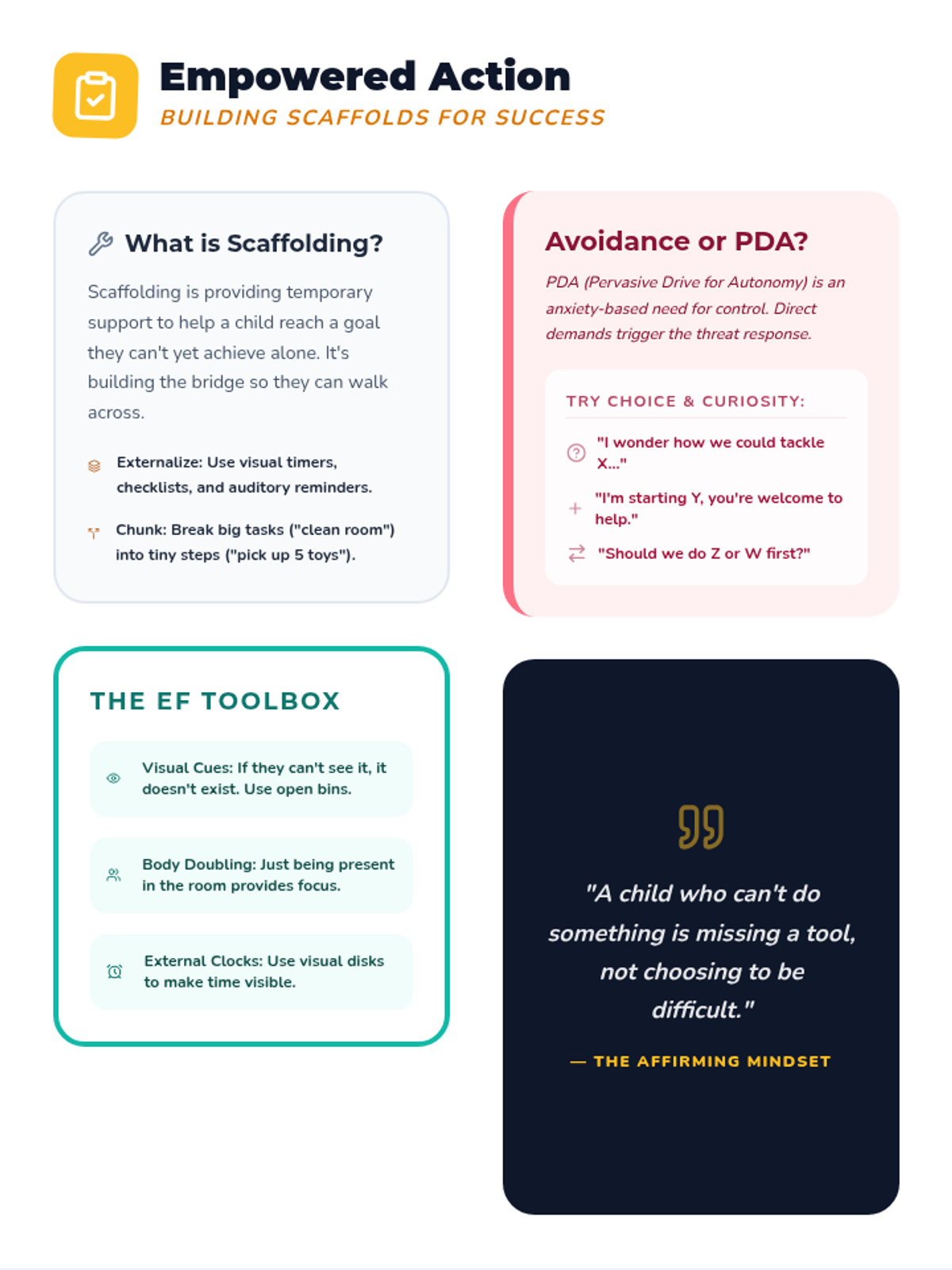
Provides practical tools for self-advocacy and executive functioning. Parents learn how to scaffold tasks without over-functioning, and children practice communicating their needs in different environments.
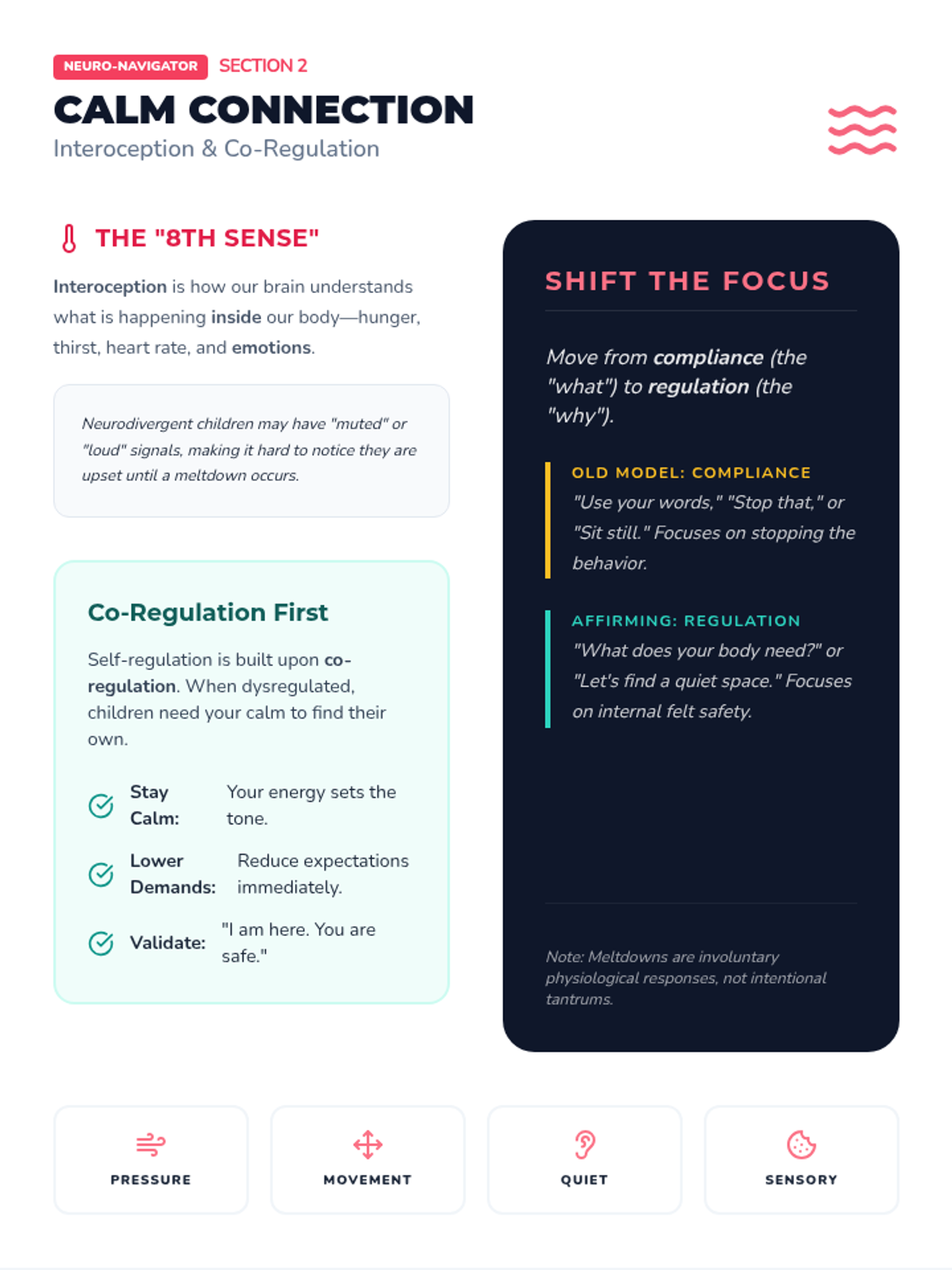
Focuses on interoception and emotional regulation through a neuroaffirming lens. Parents learn about co-regulation while children build awareness of their body's unique signals and sensory needs.
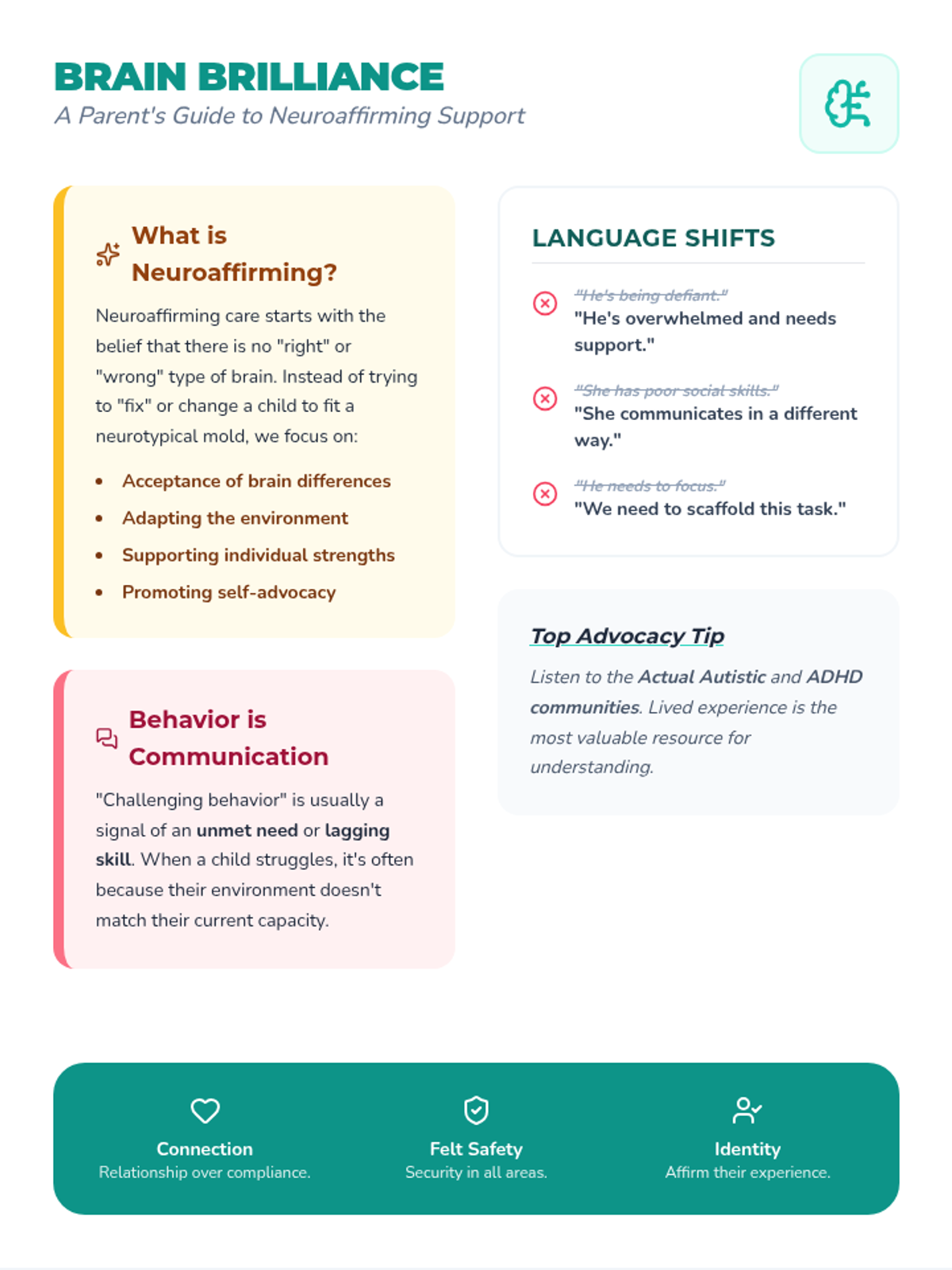
Introduces the neurodiversity-affirming paradigm to parents and helps children identify their unique strengths and support needs. Focuses on reframing "behaviors" as communication and celebrating brain differences.
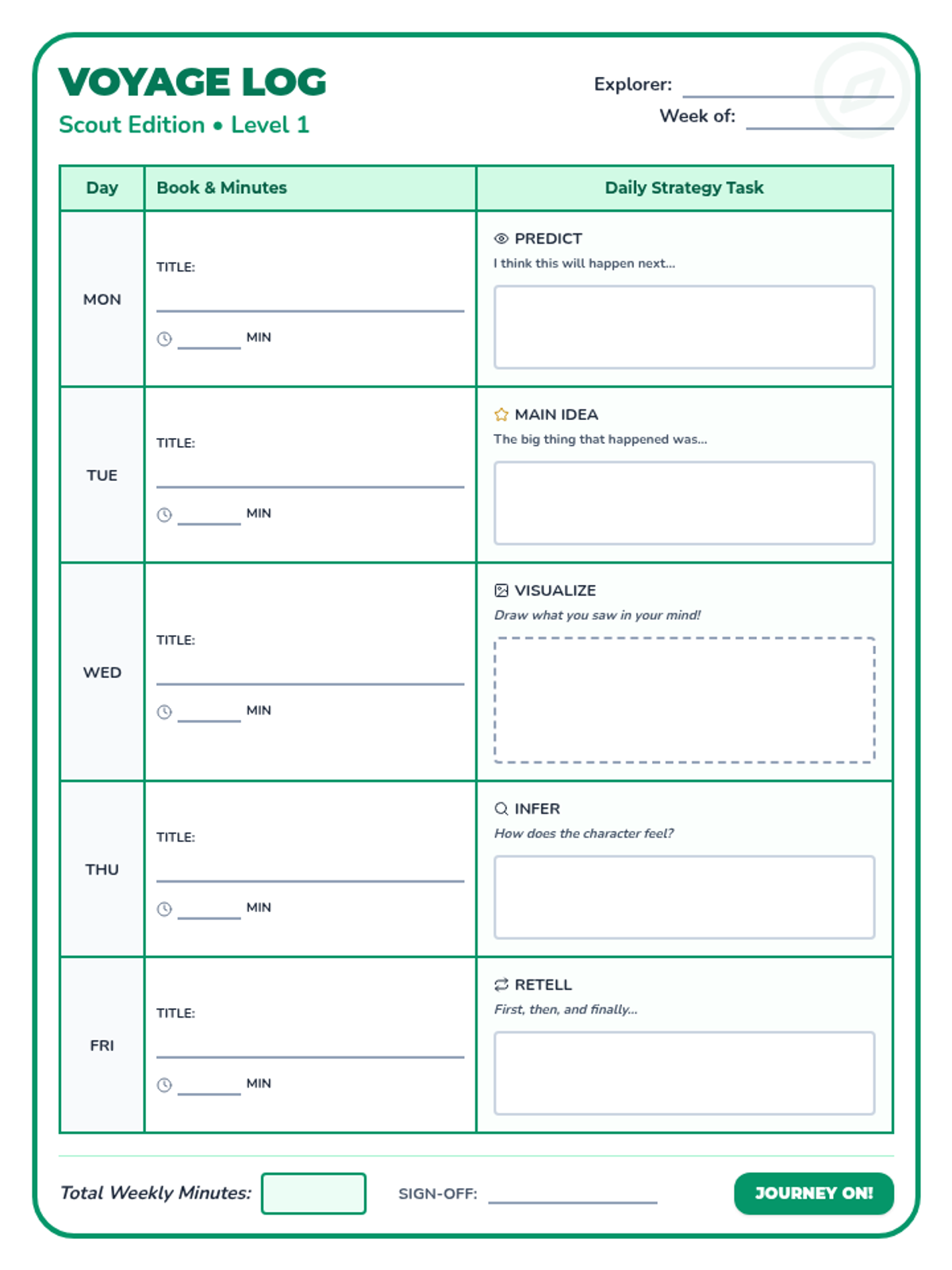
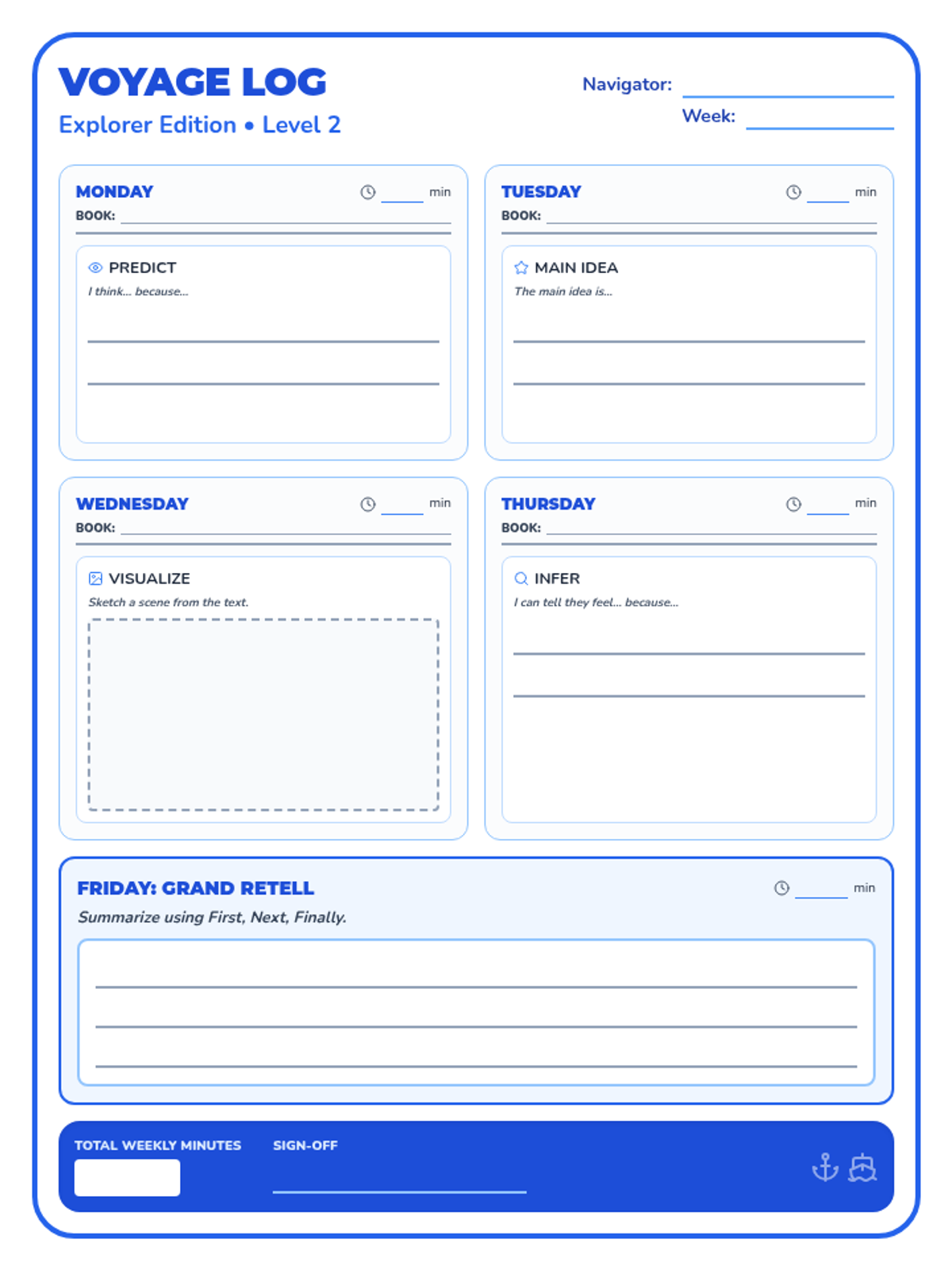
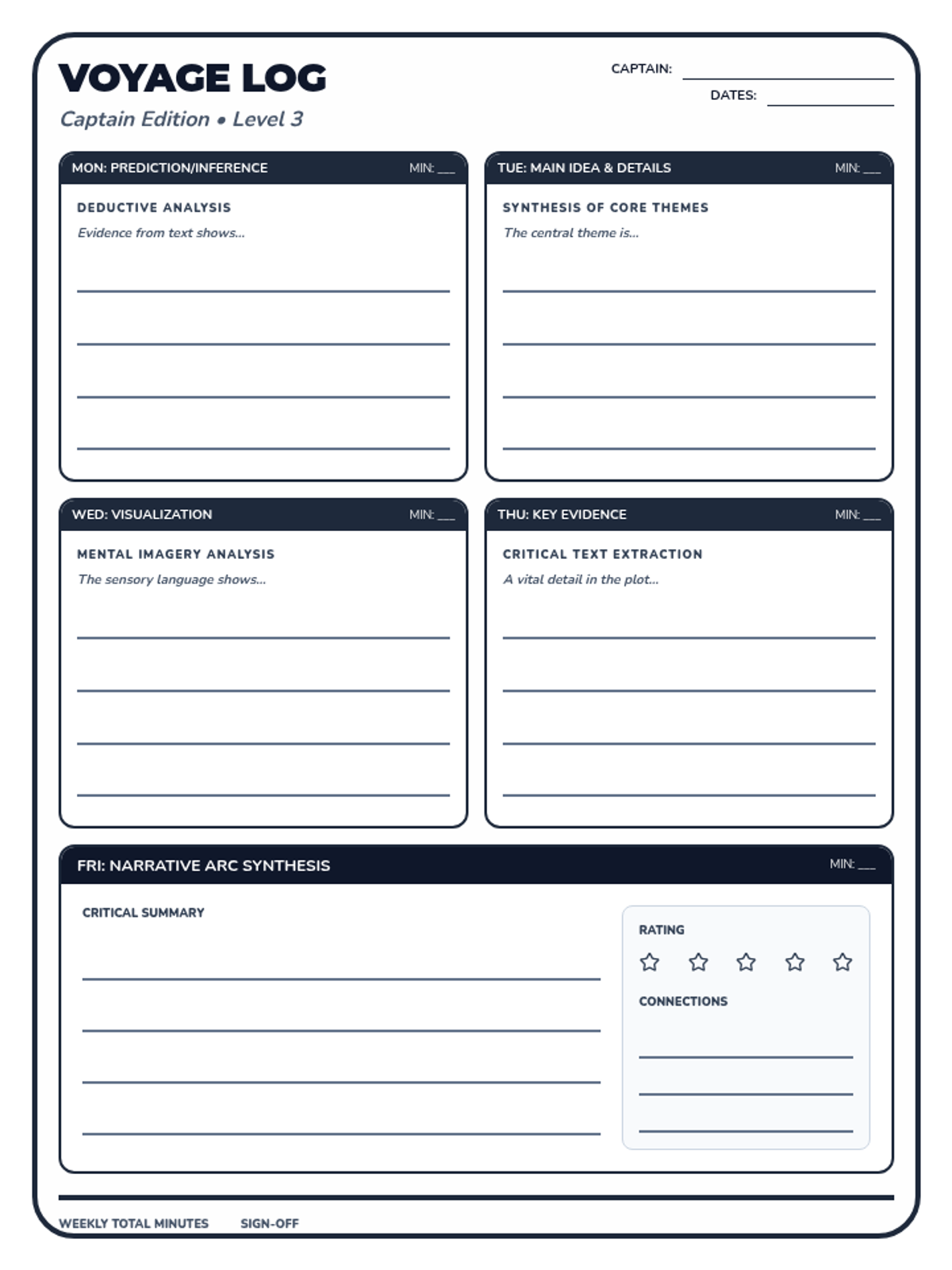
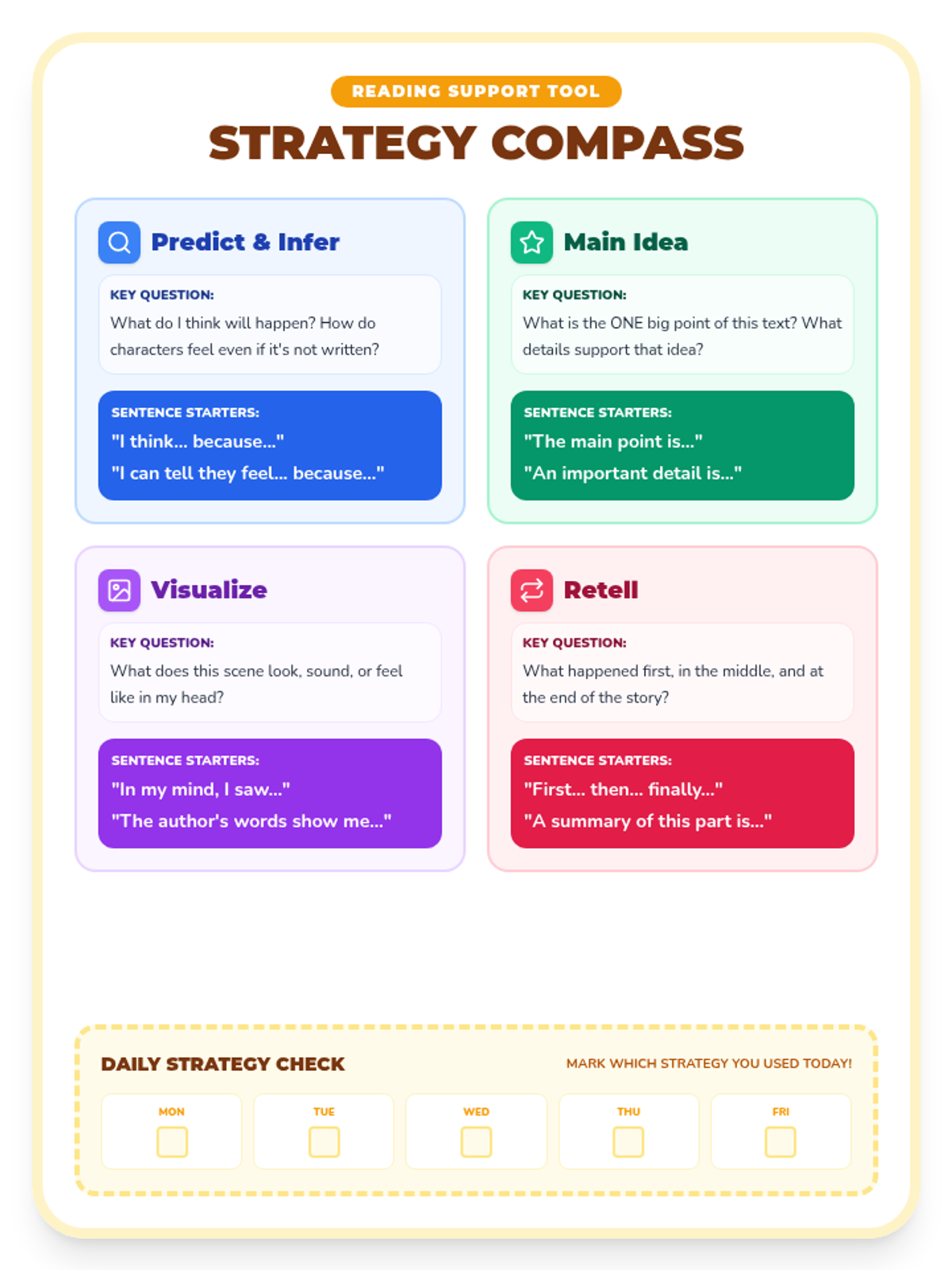
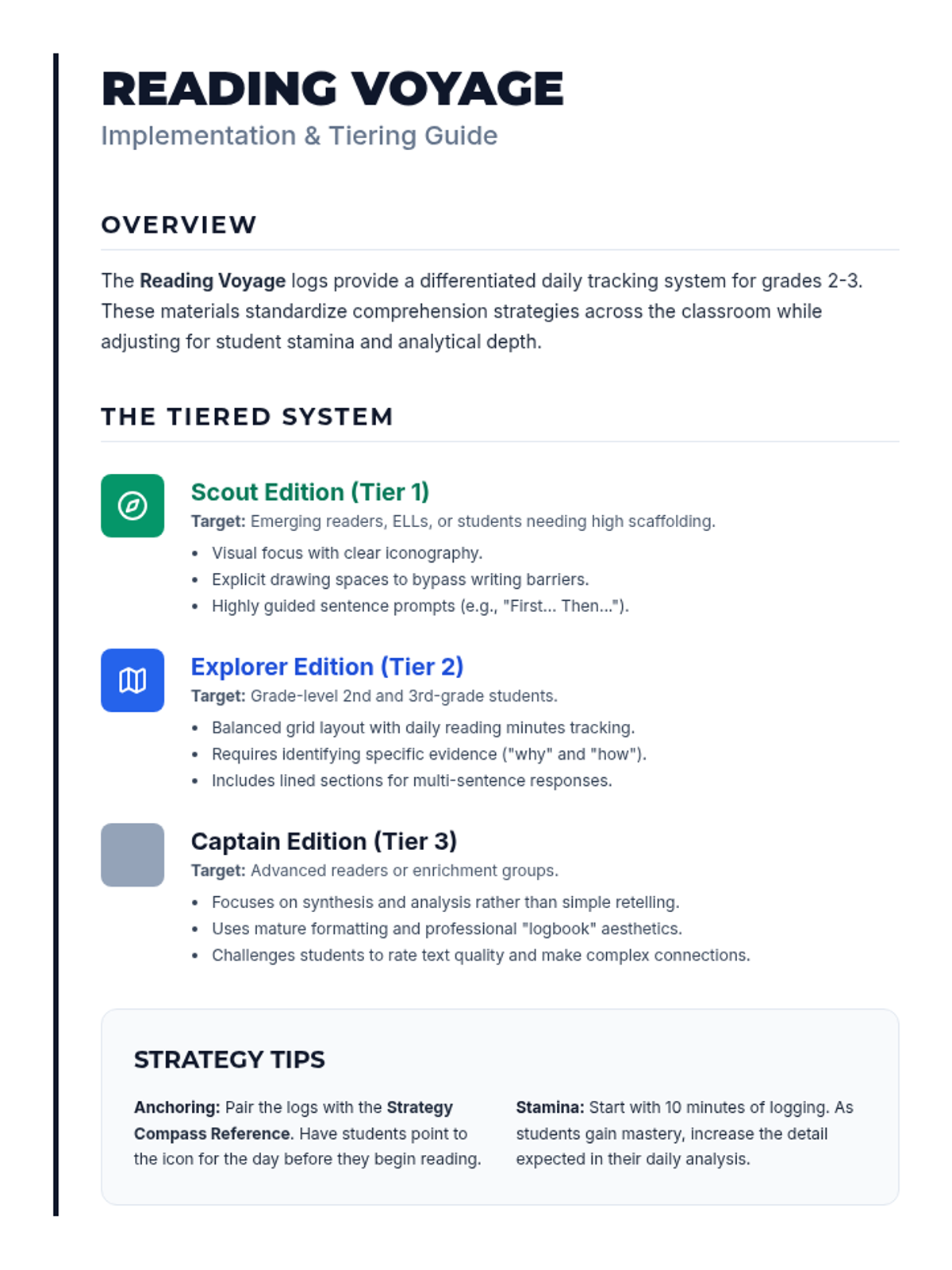
A set of tiered daily reading trackers for 2nd-3rd grade students, focusing on predicting, inferring, main idea, and visualizing. These logs provide differentiated support for various reading levels within a single classroom.
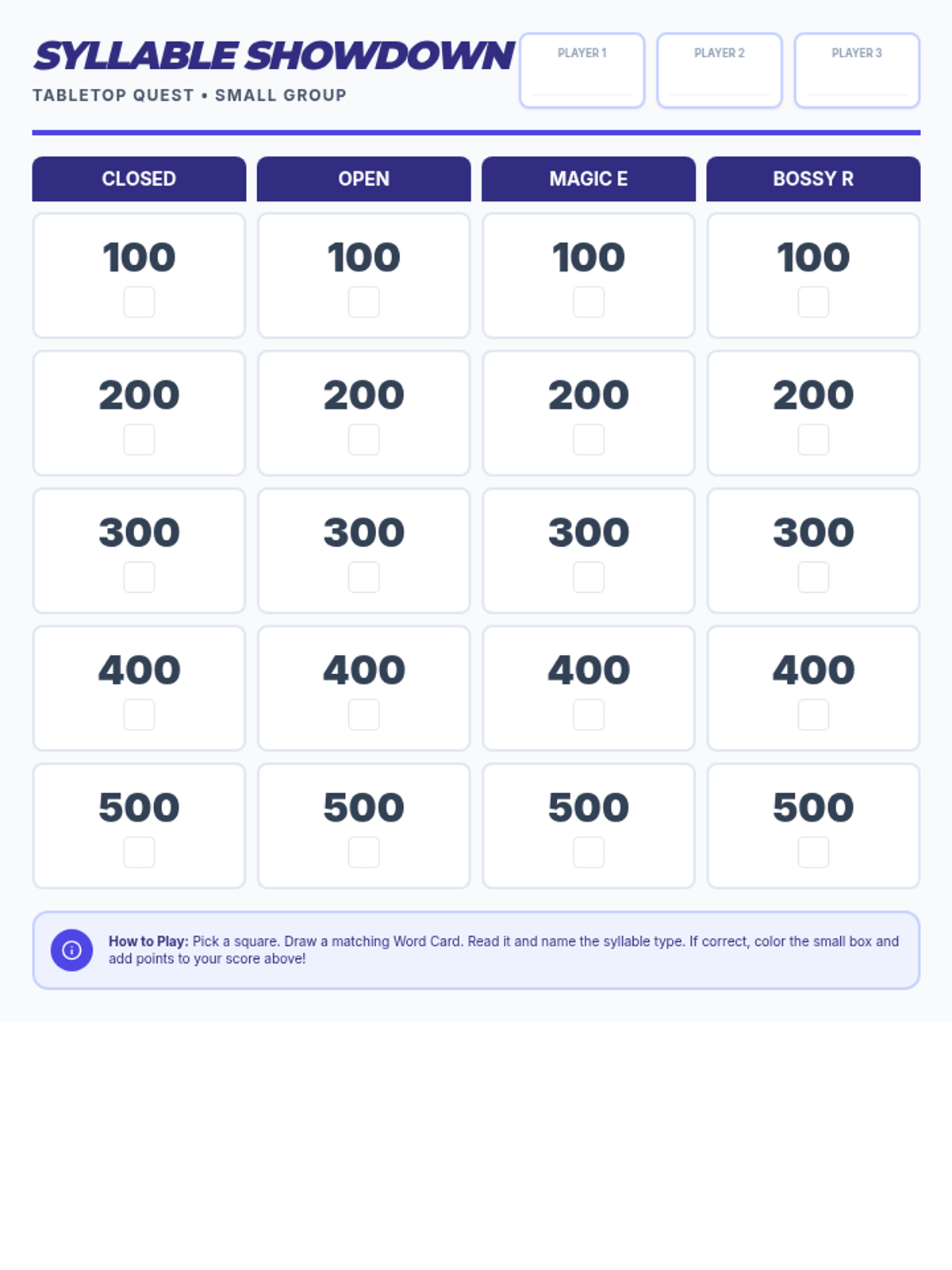
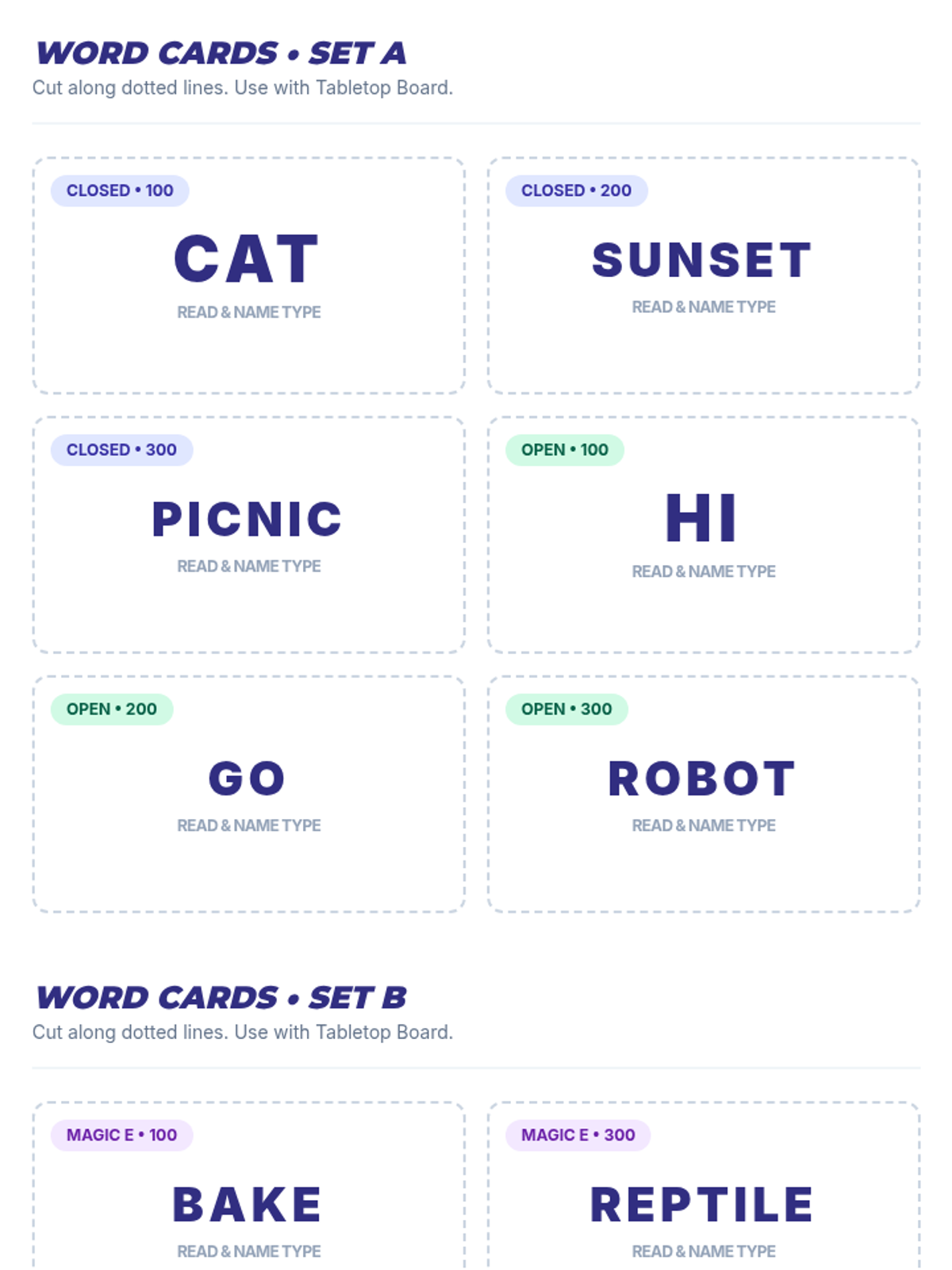
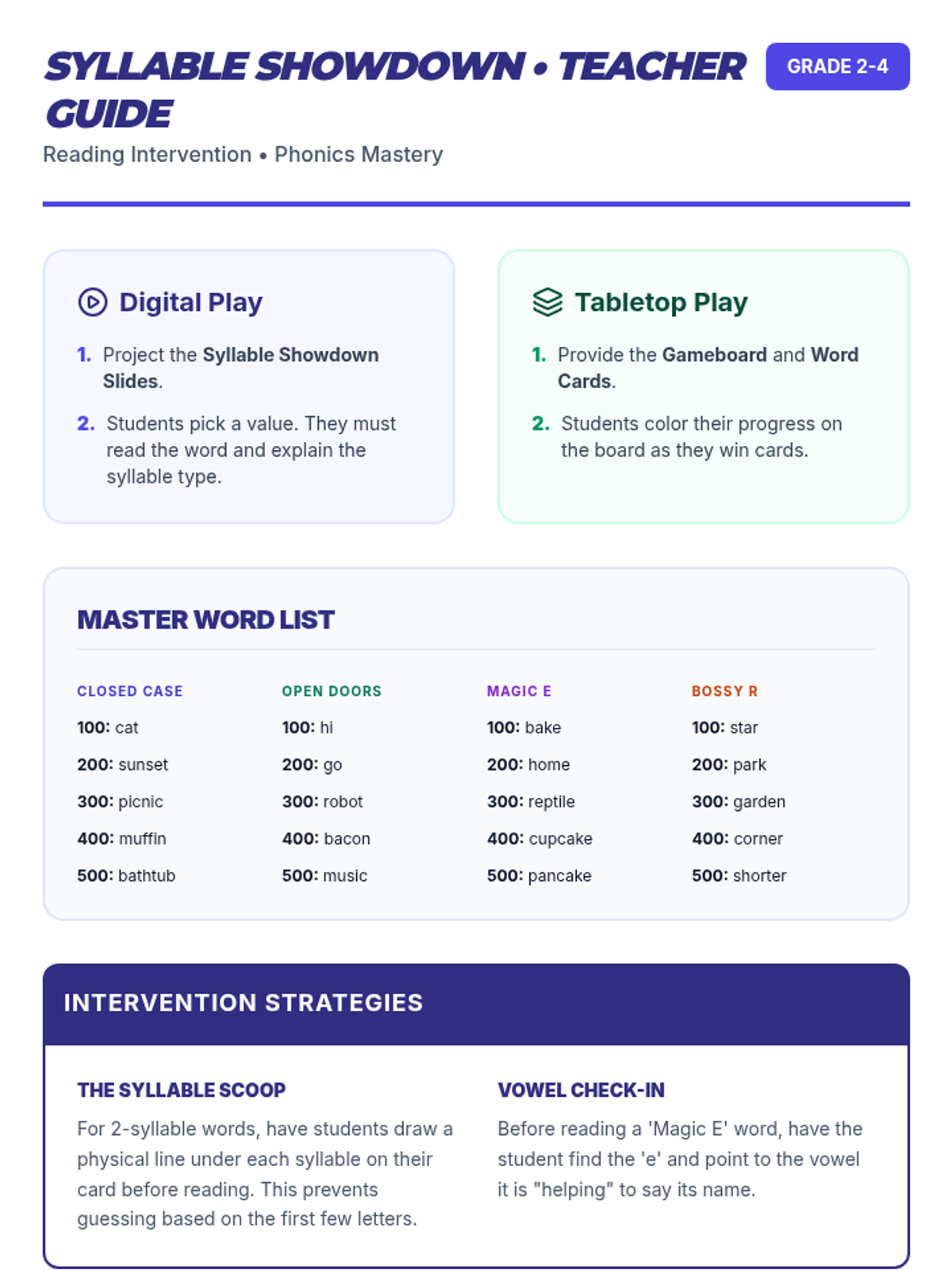
An interactive and printable phonics game focusing on closed, open, VCE, and r-controlled syllable types designed for small group reading intervention.
Exploring the "Orange" sector, focusing on nuances like Anxiety, Insecurity, and Panic.
Exploring the "Red" sector, focusing on nuances like Frustration, Jealousy, and Agitation.
Exploring the "Purple" sector, focusing on nuances like Loneliness, Guilt, and Disappointment.
Exploring the "Yellow" sector, focusing on nuances like Calm, Trust, and Being Valued.
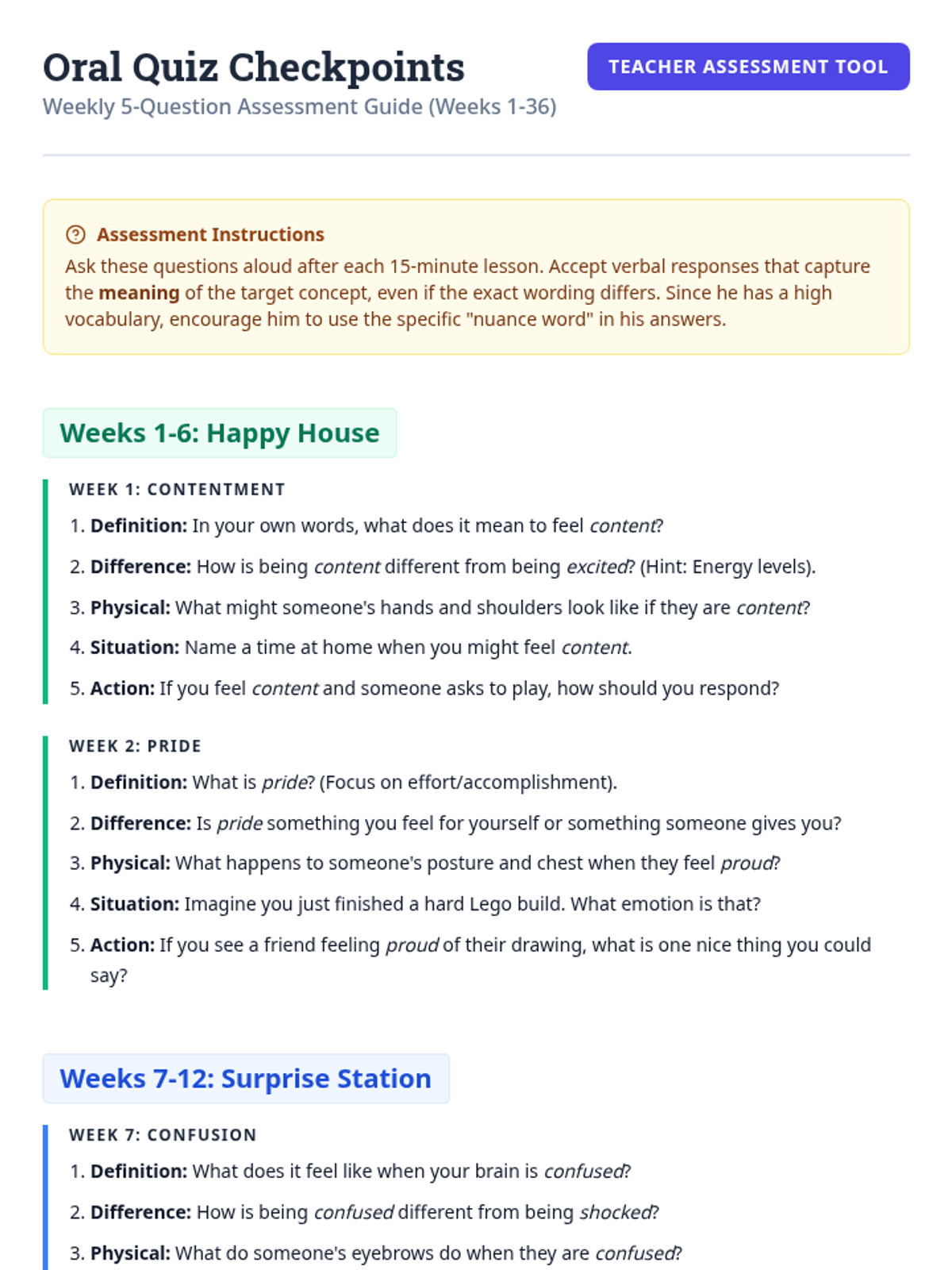
Exploring the "Blue" sector, focusing on nuances like Shock, Curiosity, and Confusion.
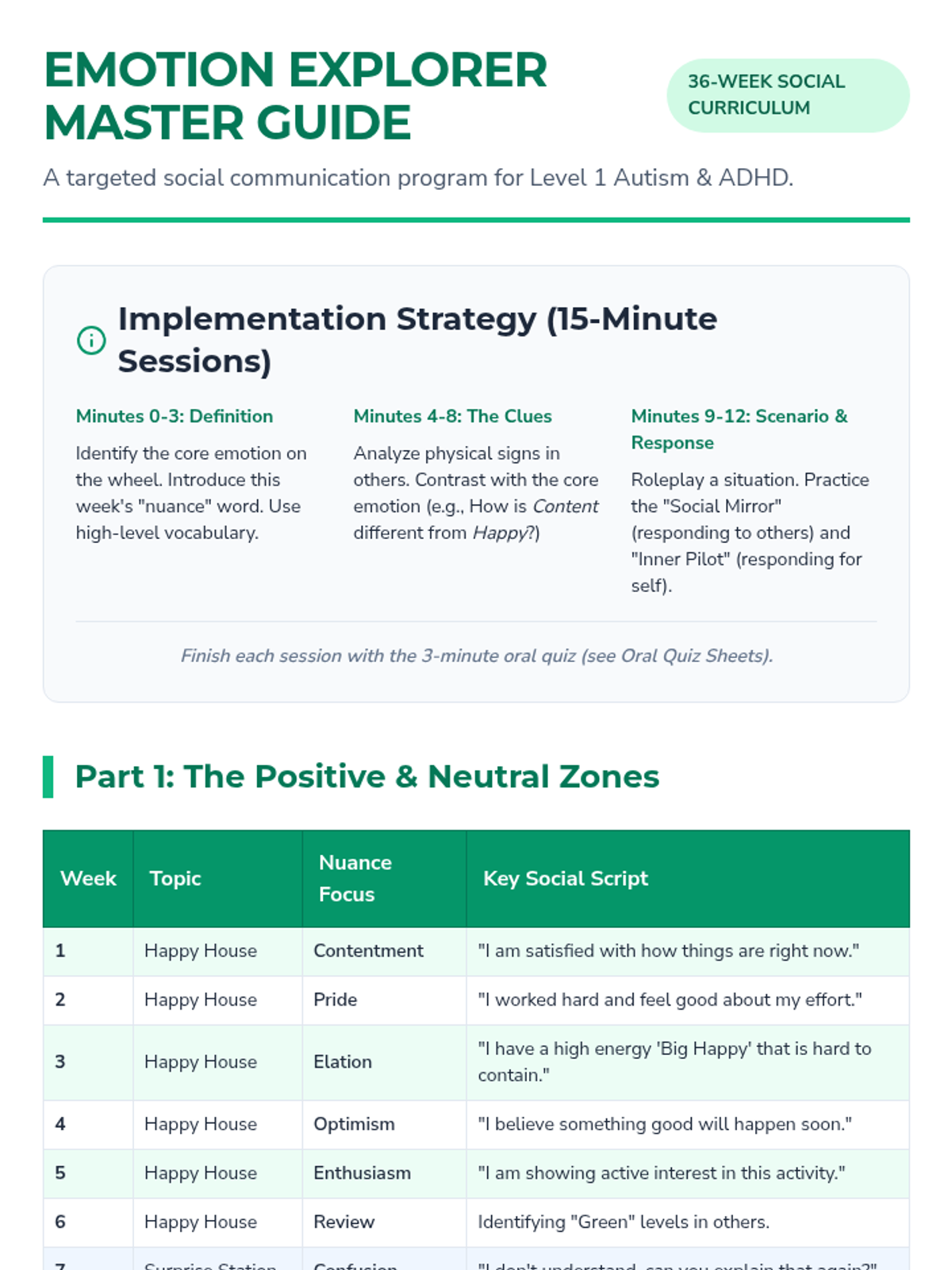
Exploring the "Green" sector of the wheel, focusing on nuances like Contentment, Pride, and Elation.
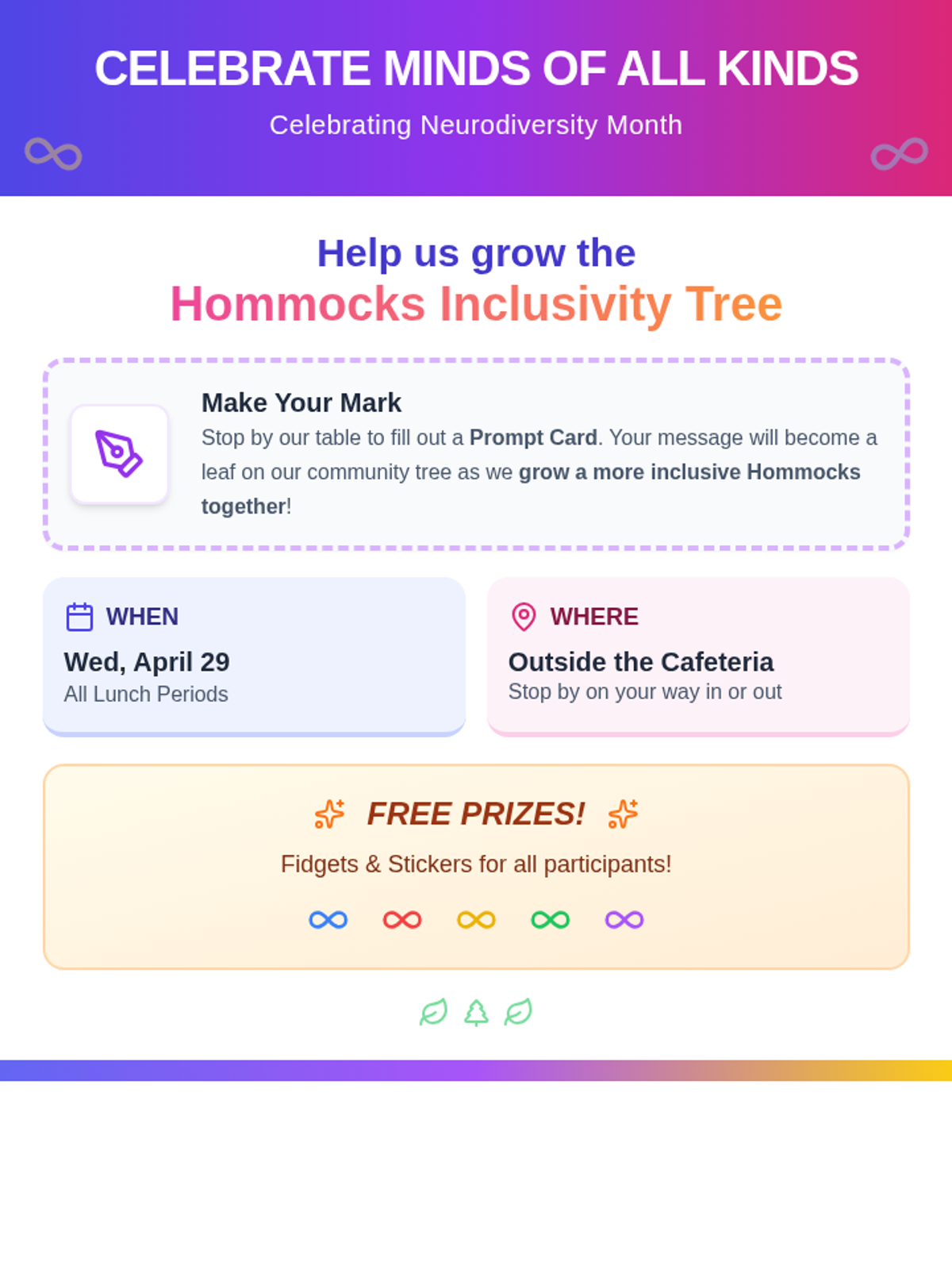
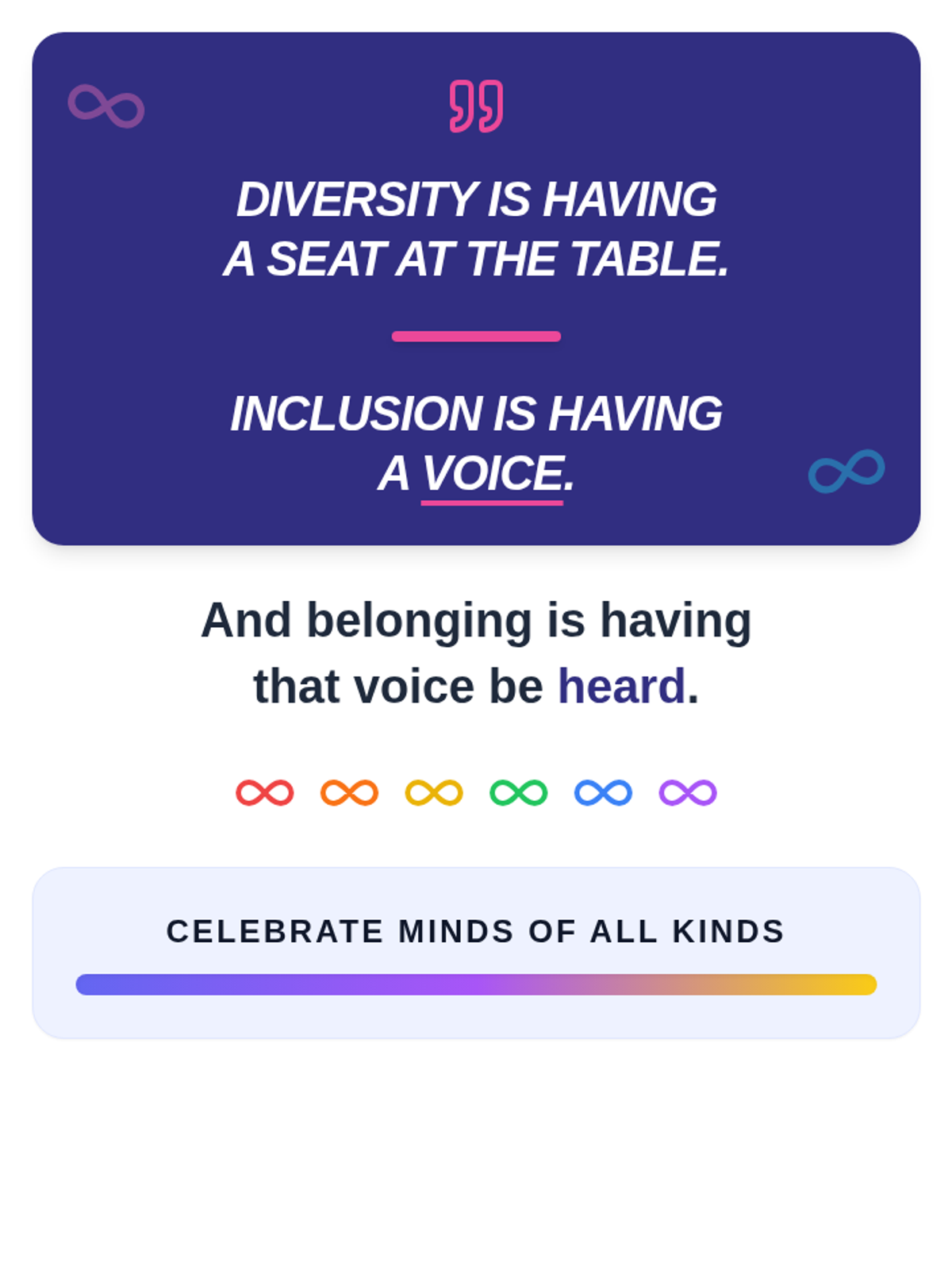
A collection of materials for a school-wide neurodiversity month celebration, including event flyers and inspirational posters.
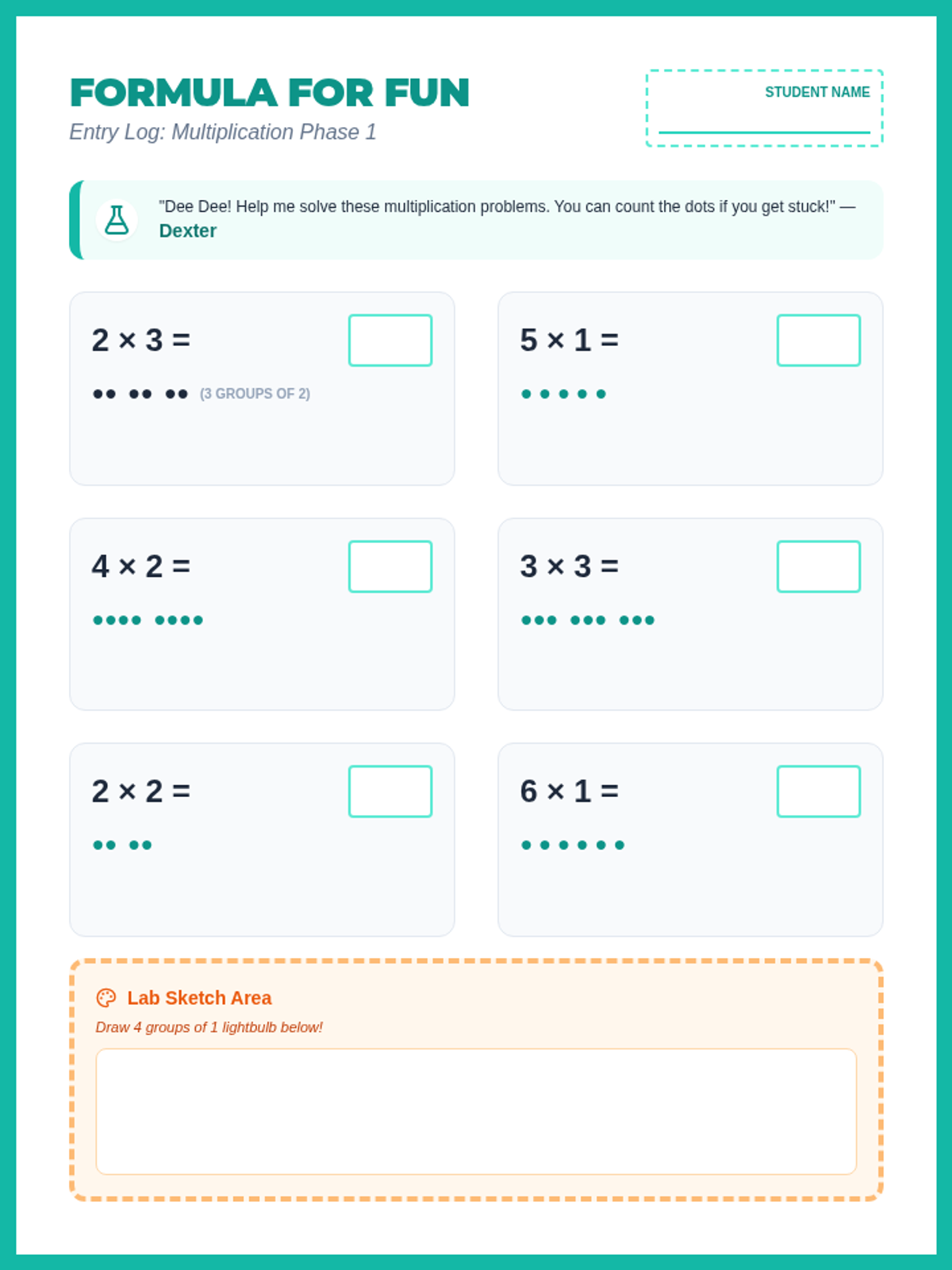
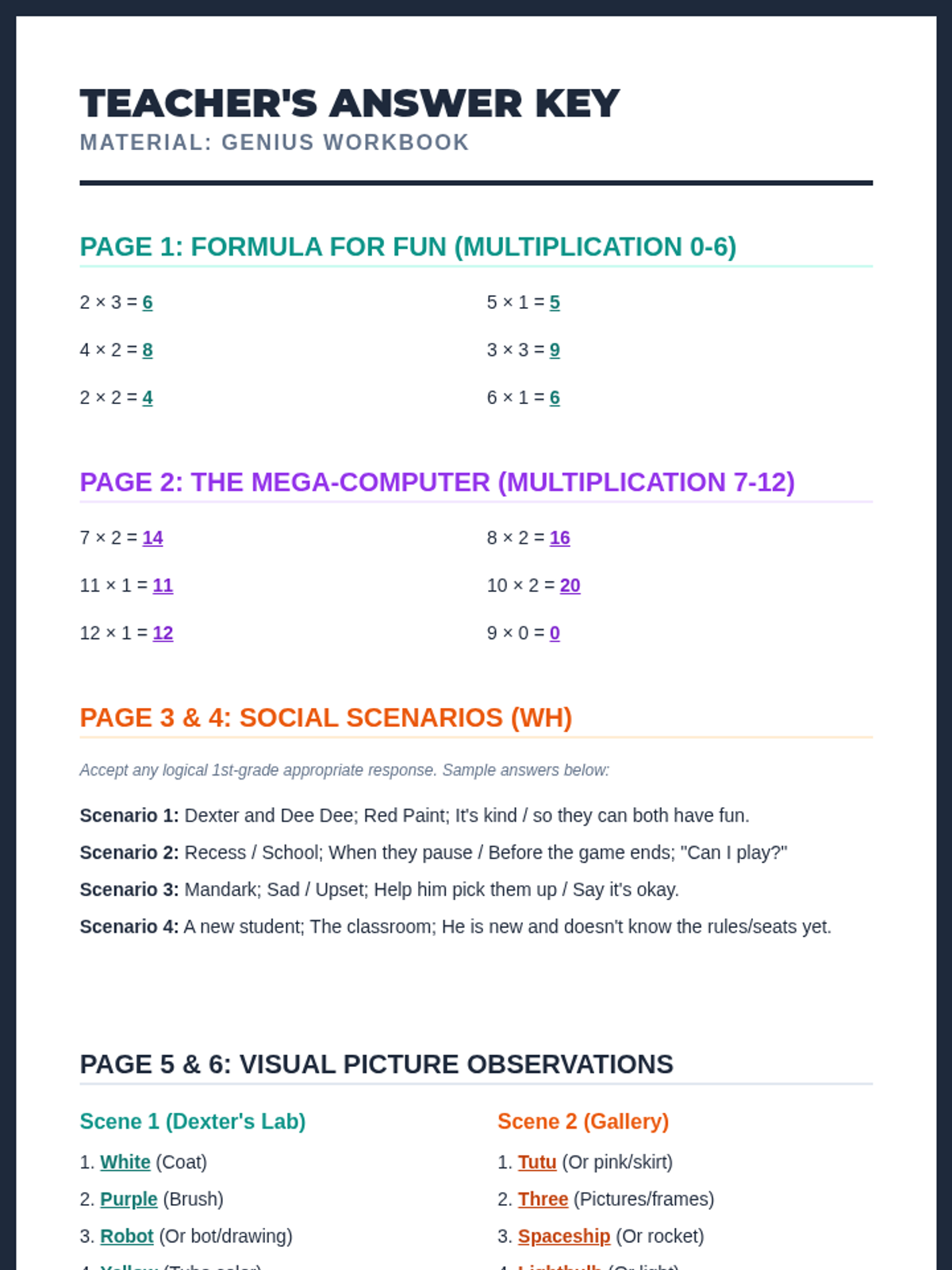
A 6-page comprehensive workbook themed around Dexter's Laboratory, focusing on multiplication, social WH questions, and artistic observation for a first-grade student.
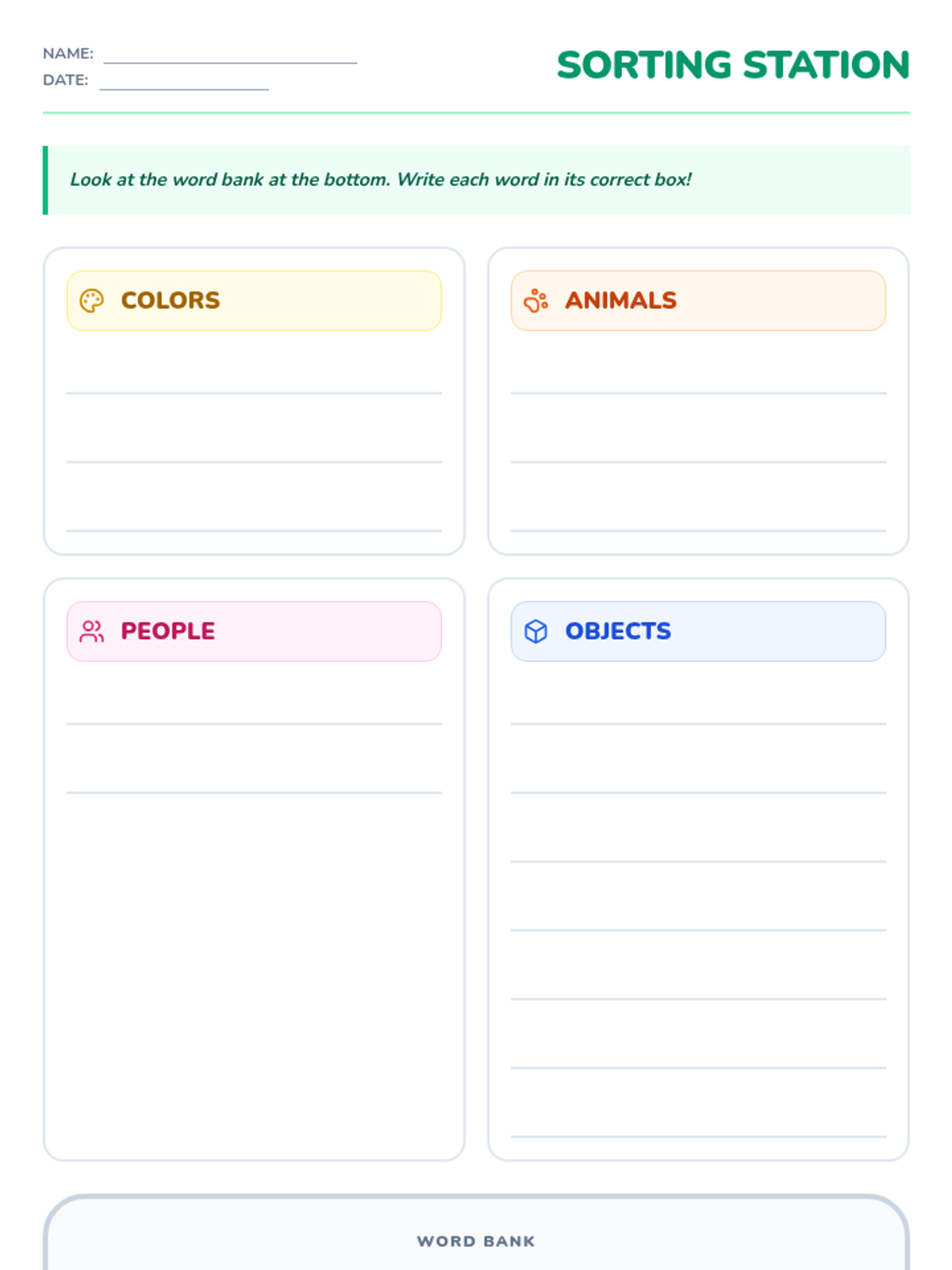
Reinforces word meaning through categorization and creative expression. Students sort words into logical groups and explore a word-themed coloring book.
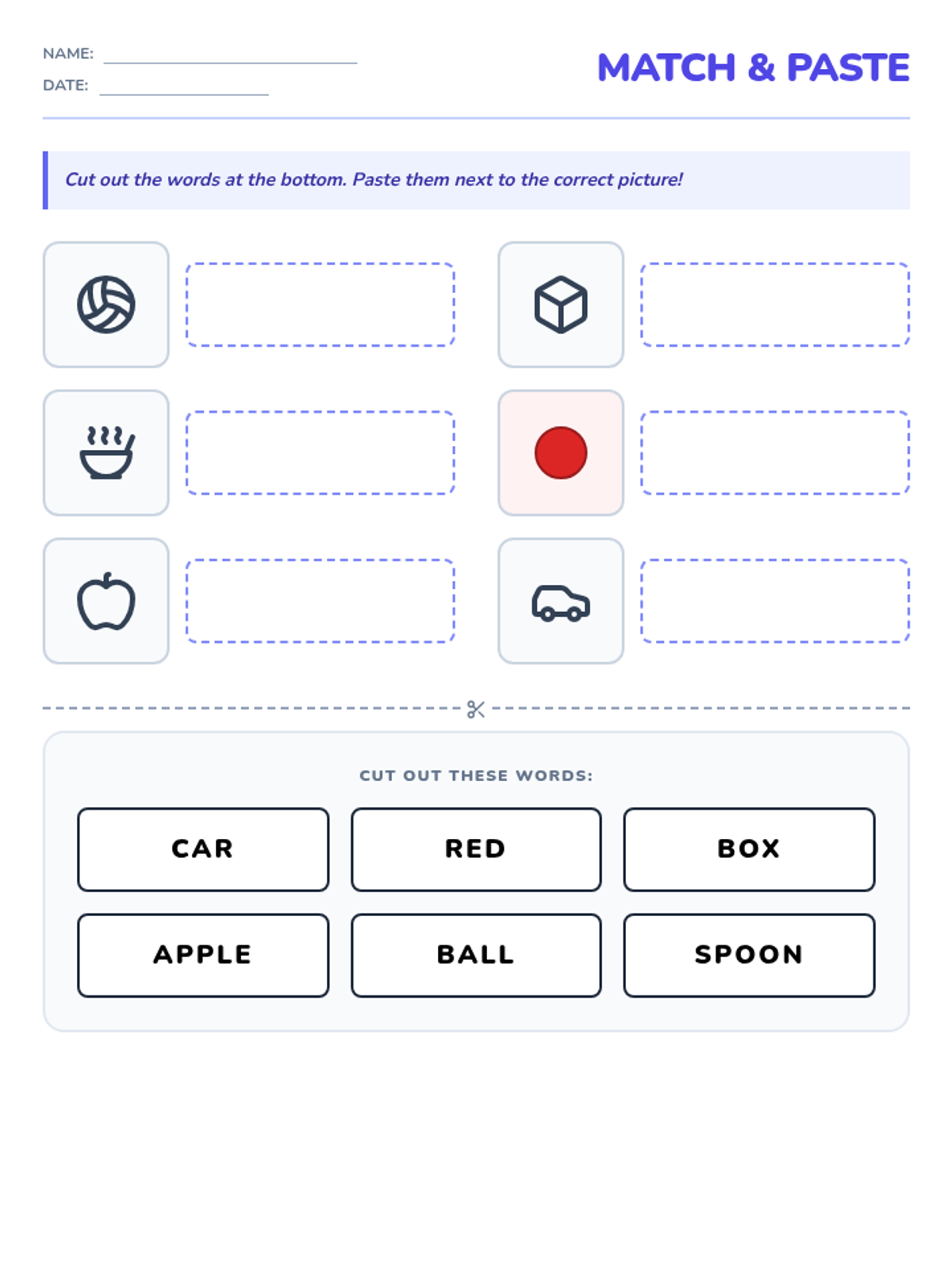
Transitions from individual words to meaningful structures. Students use matching activities and visual supports to build their first sentences.