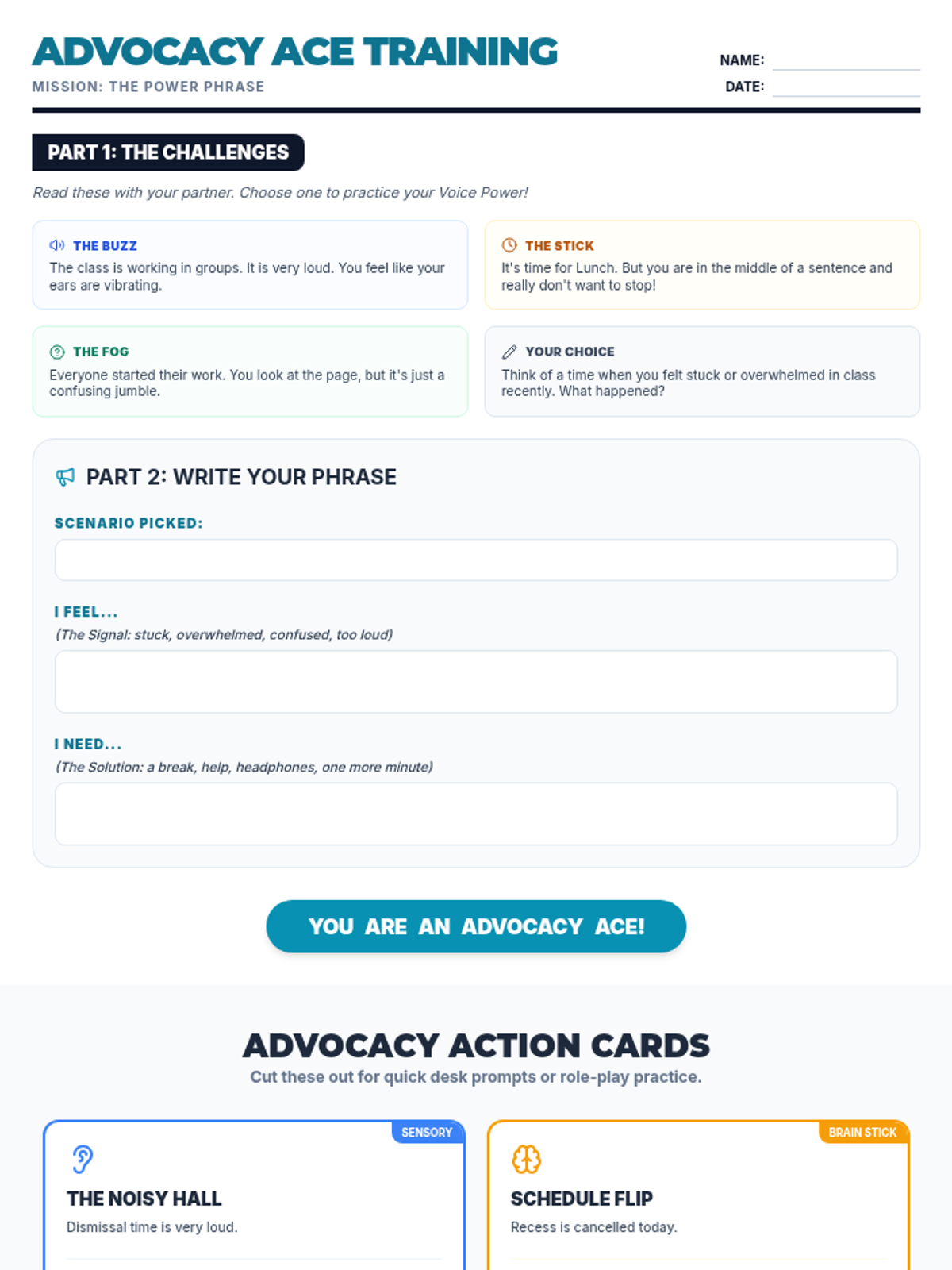
A fast-paced, interactive lesson where 6th-grade students use role-play scenarios to practice respectful communication and empathy in real-world school situations.
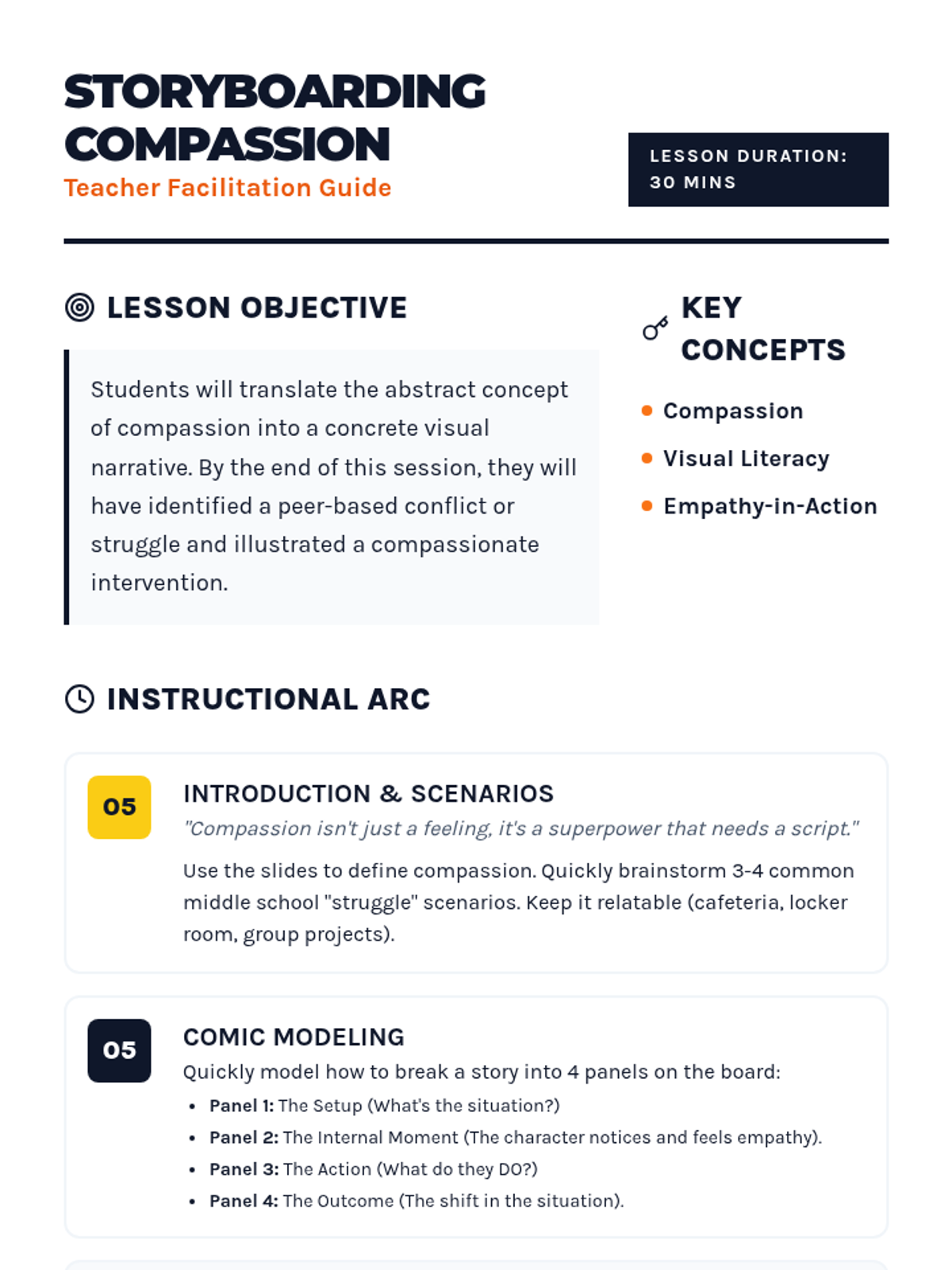
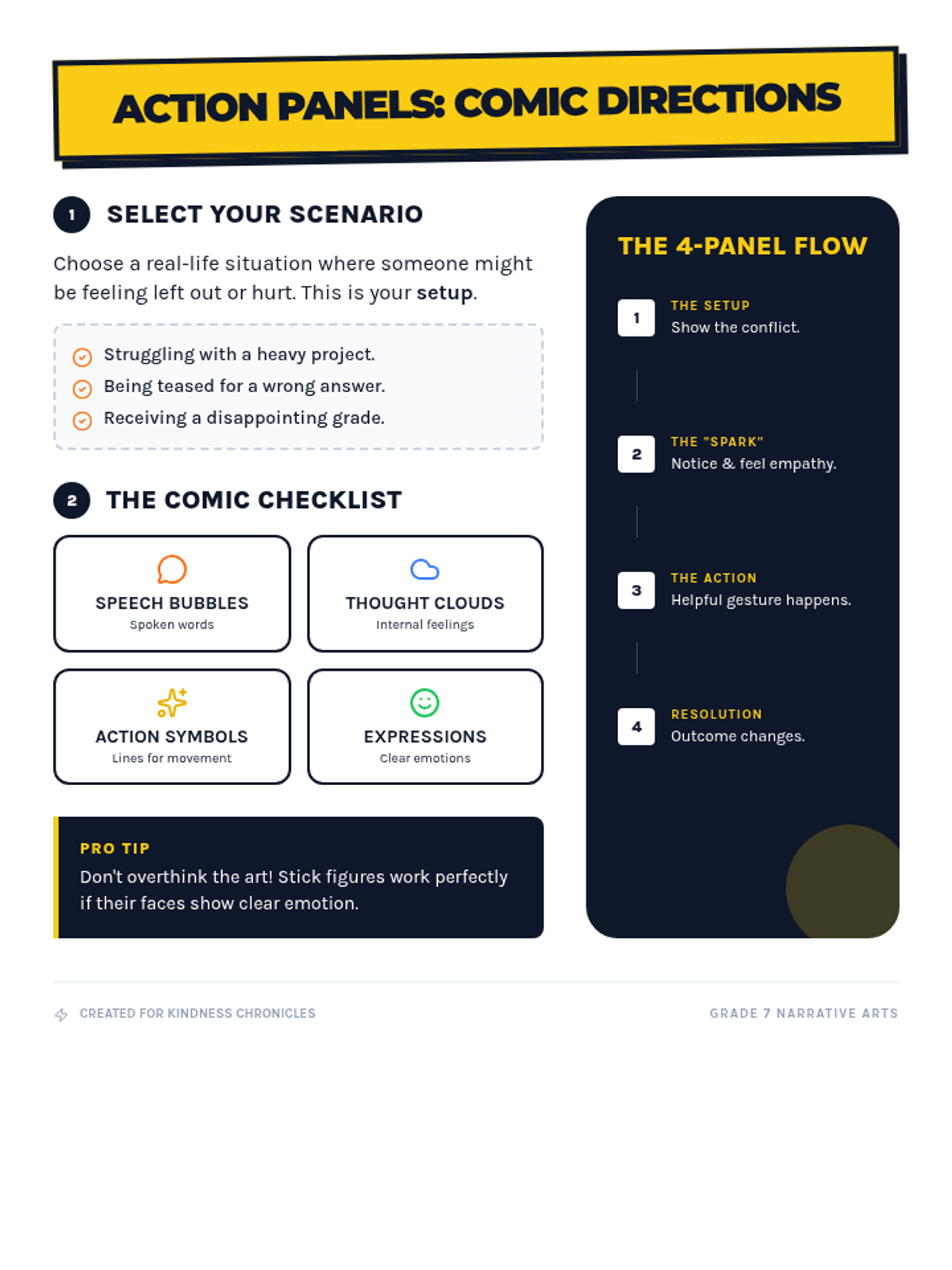
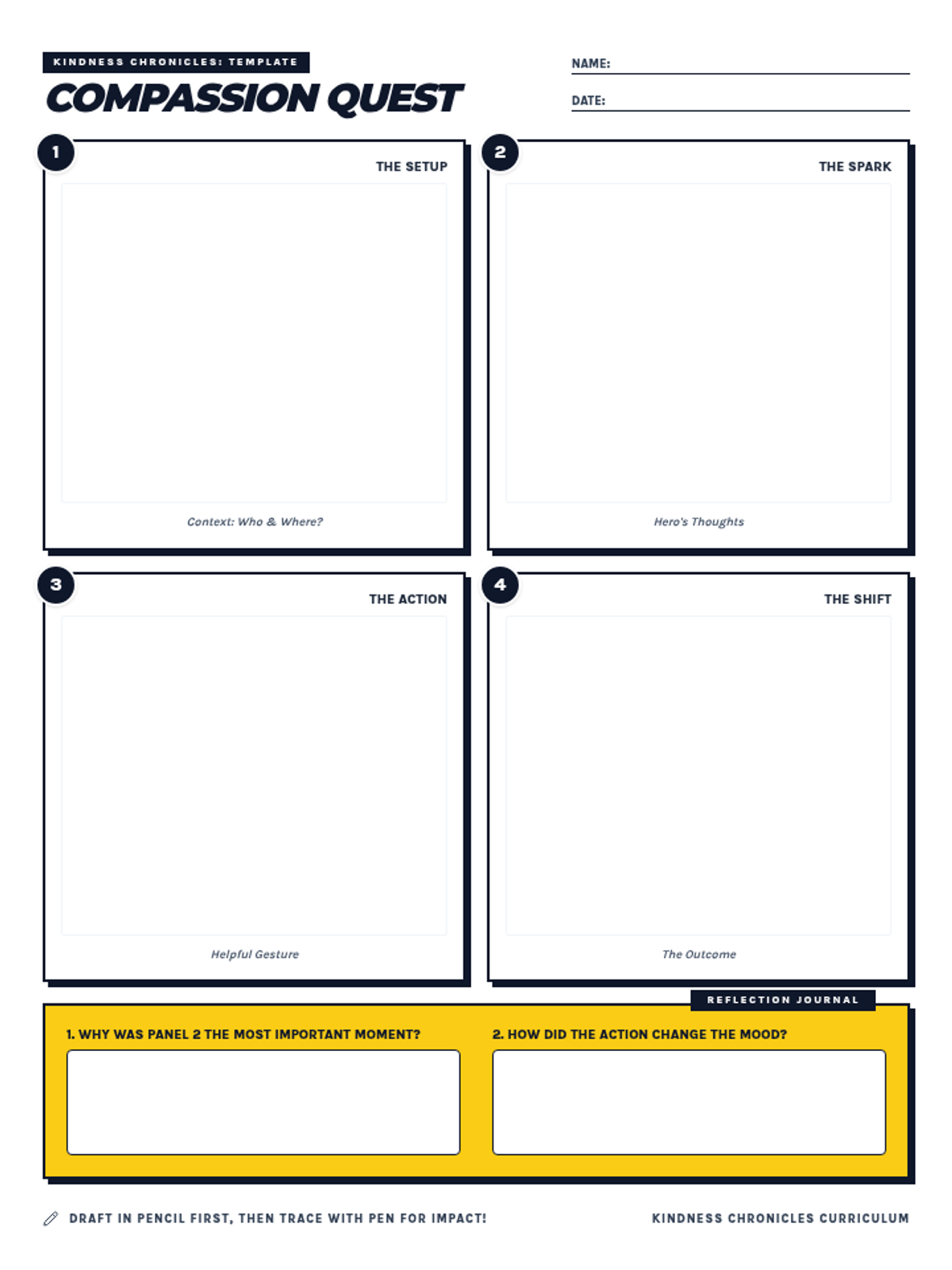
A creative arts-integrated lesson where 7th graders explore the concept of compassion by illustrating a peer-focused scenario through sequential visual storytelling. Students practice perspective-taking and identify concrete ways to show empathy in their daily lives.
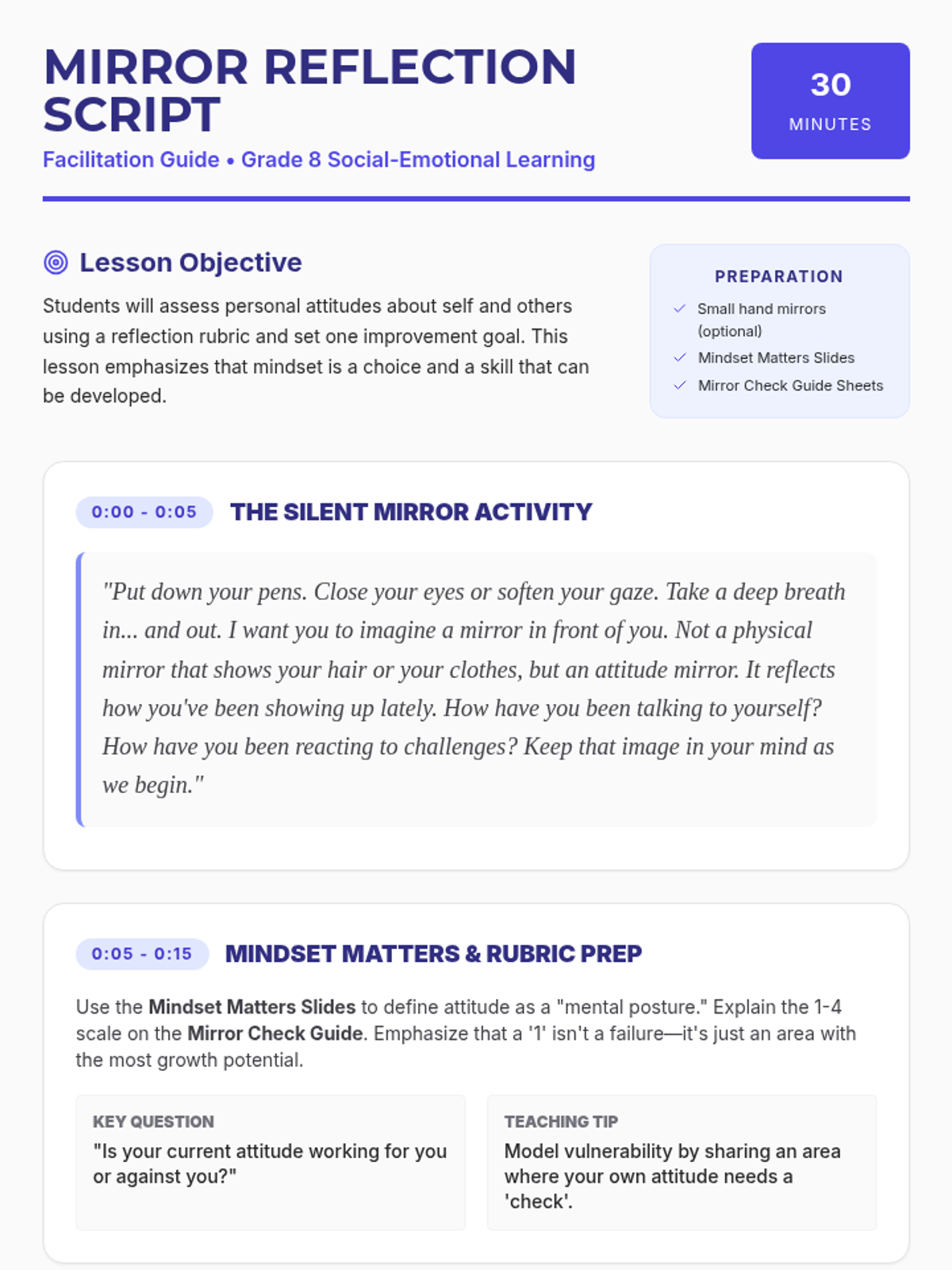
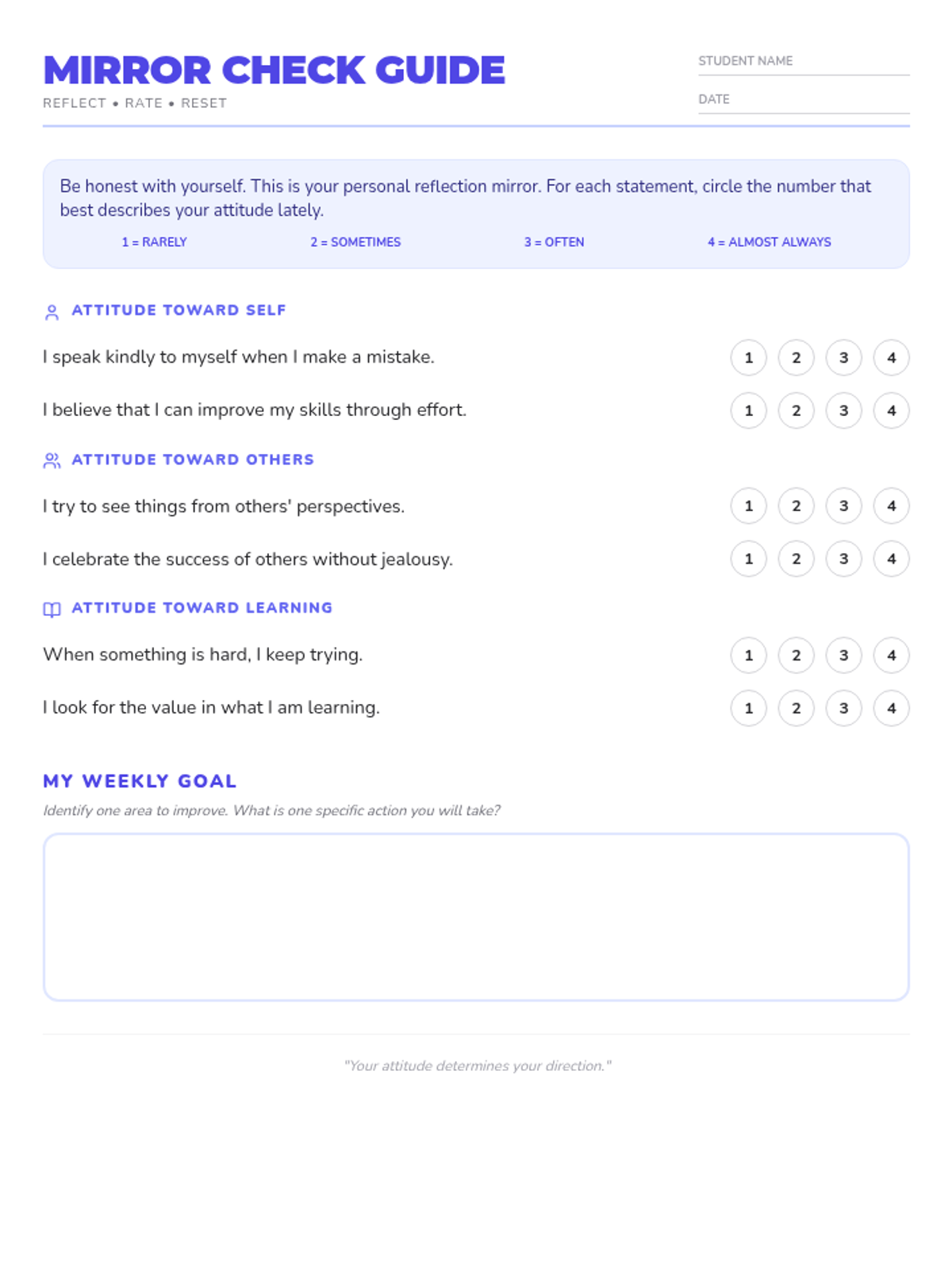
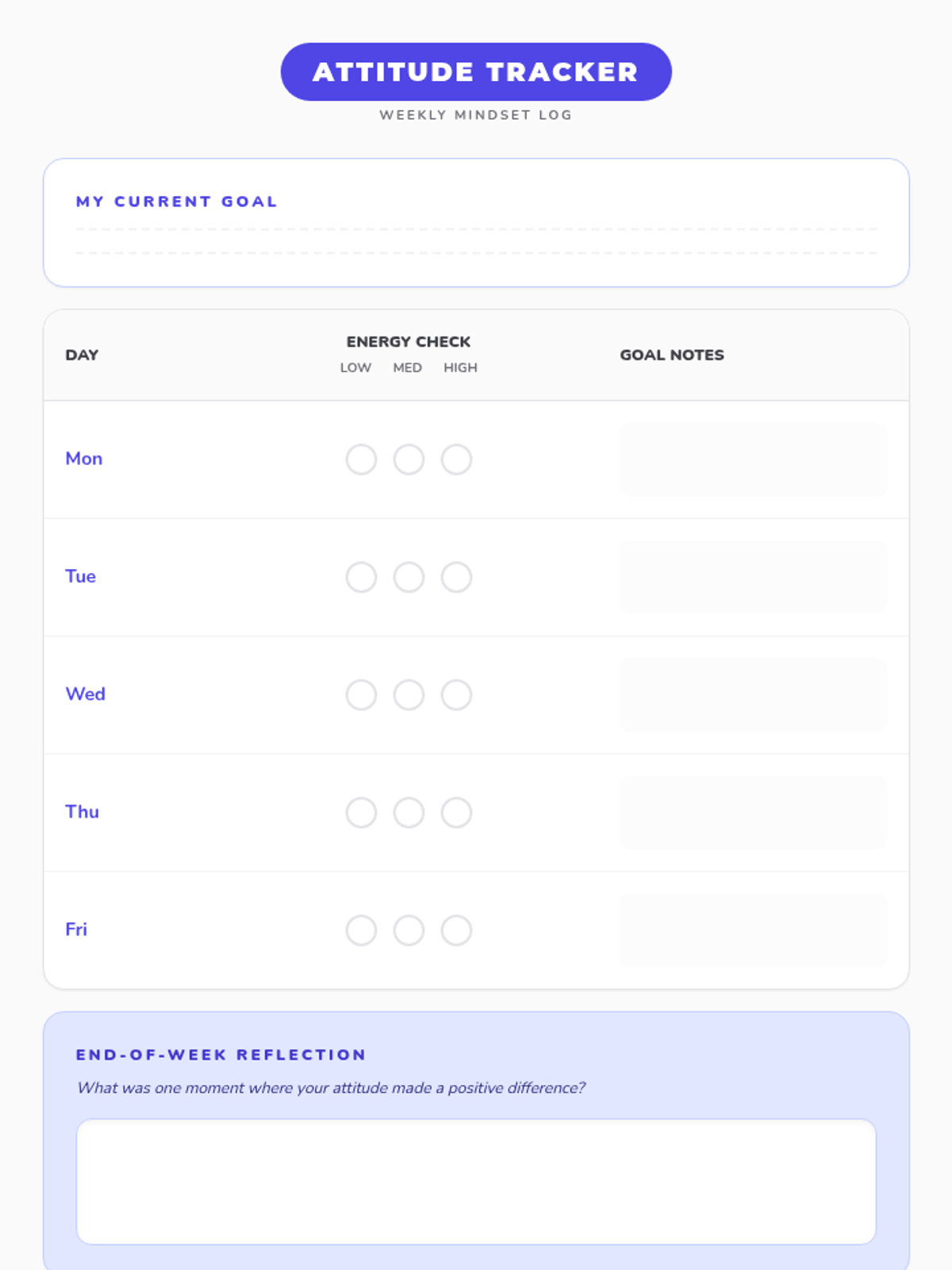
A 30-minute social-emotional learning lesson for 8th graders focused on self-reflection and personal growth. Students use a structured rubric to assess their current mindsets and set a concrete goal for attitude improvement.
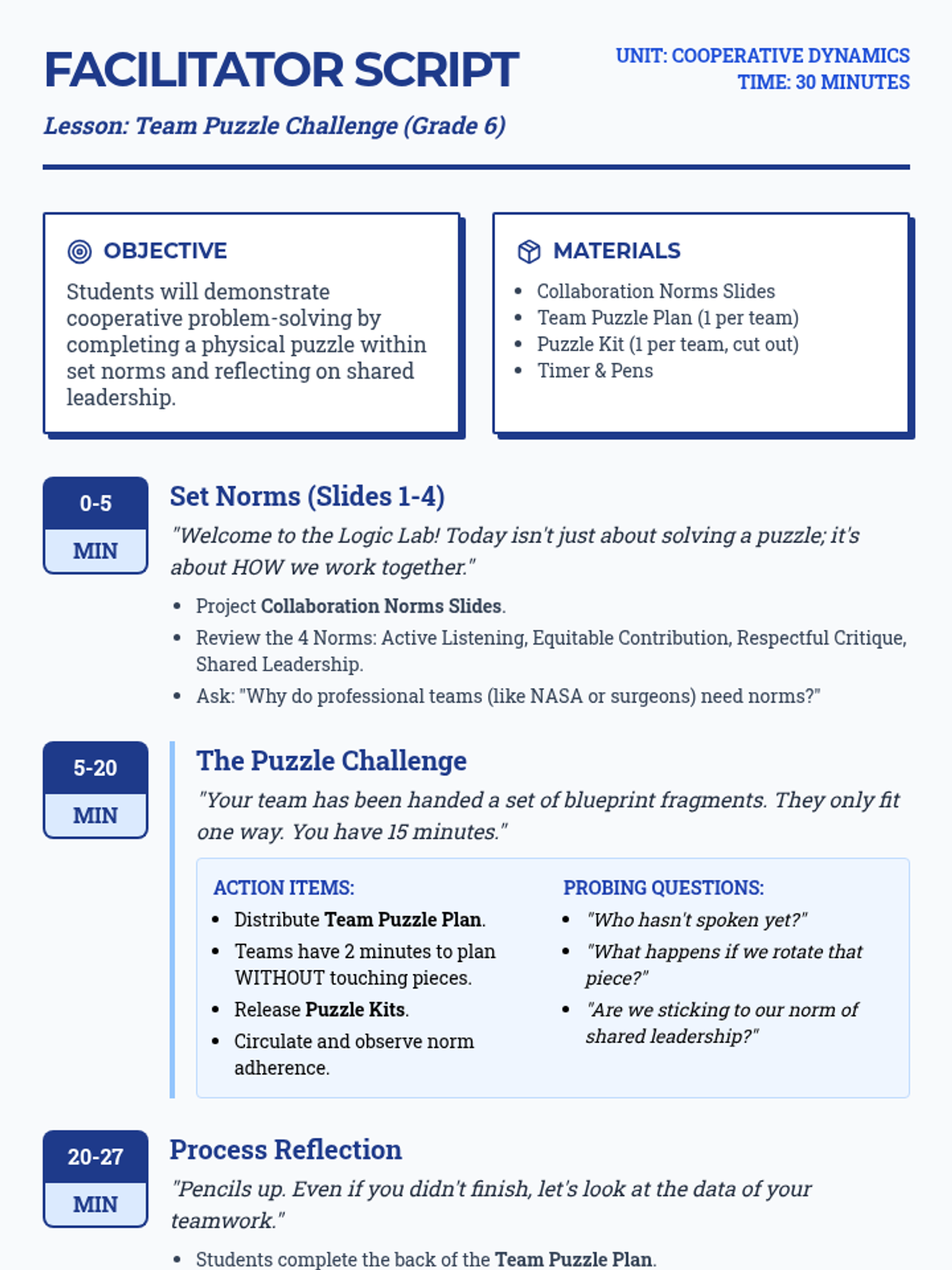
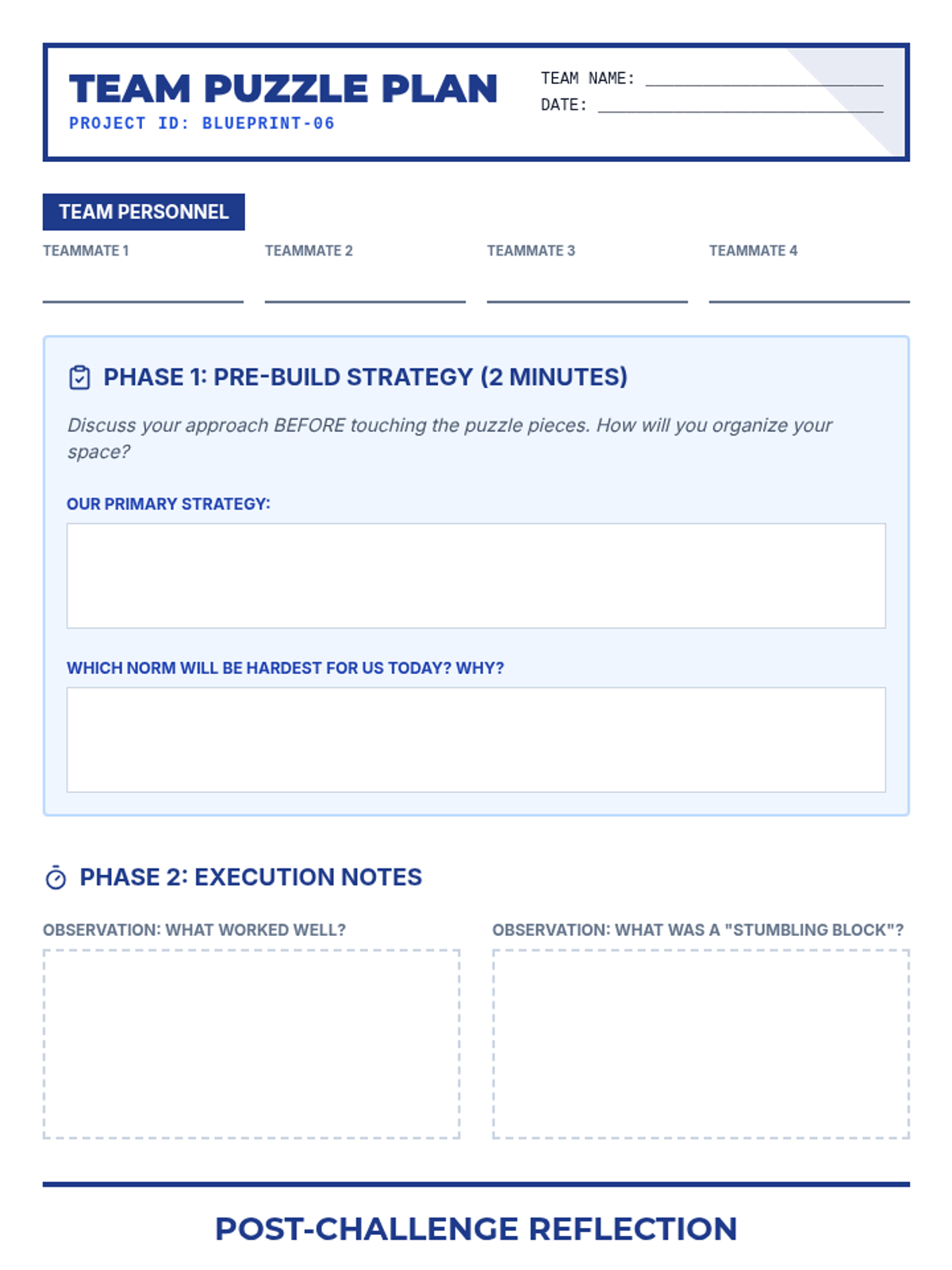
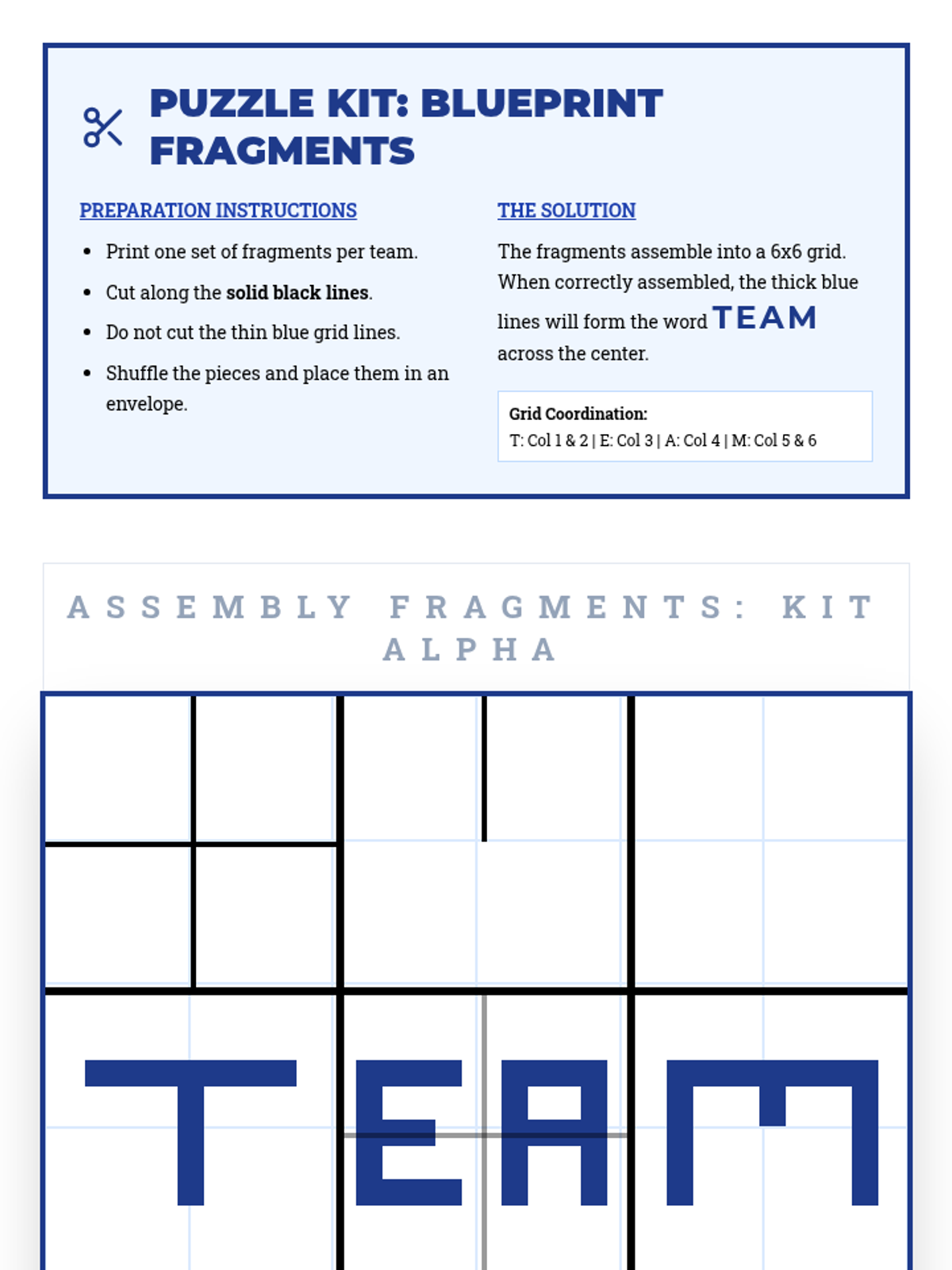
A high-energy, 30-minute workshop where students practice collaborative problem-solving through a structured puzzle challenge. Students establish team norms, work through a shared task, and reflect on the dynamics of effective leadership.
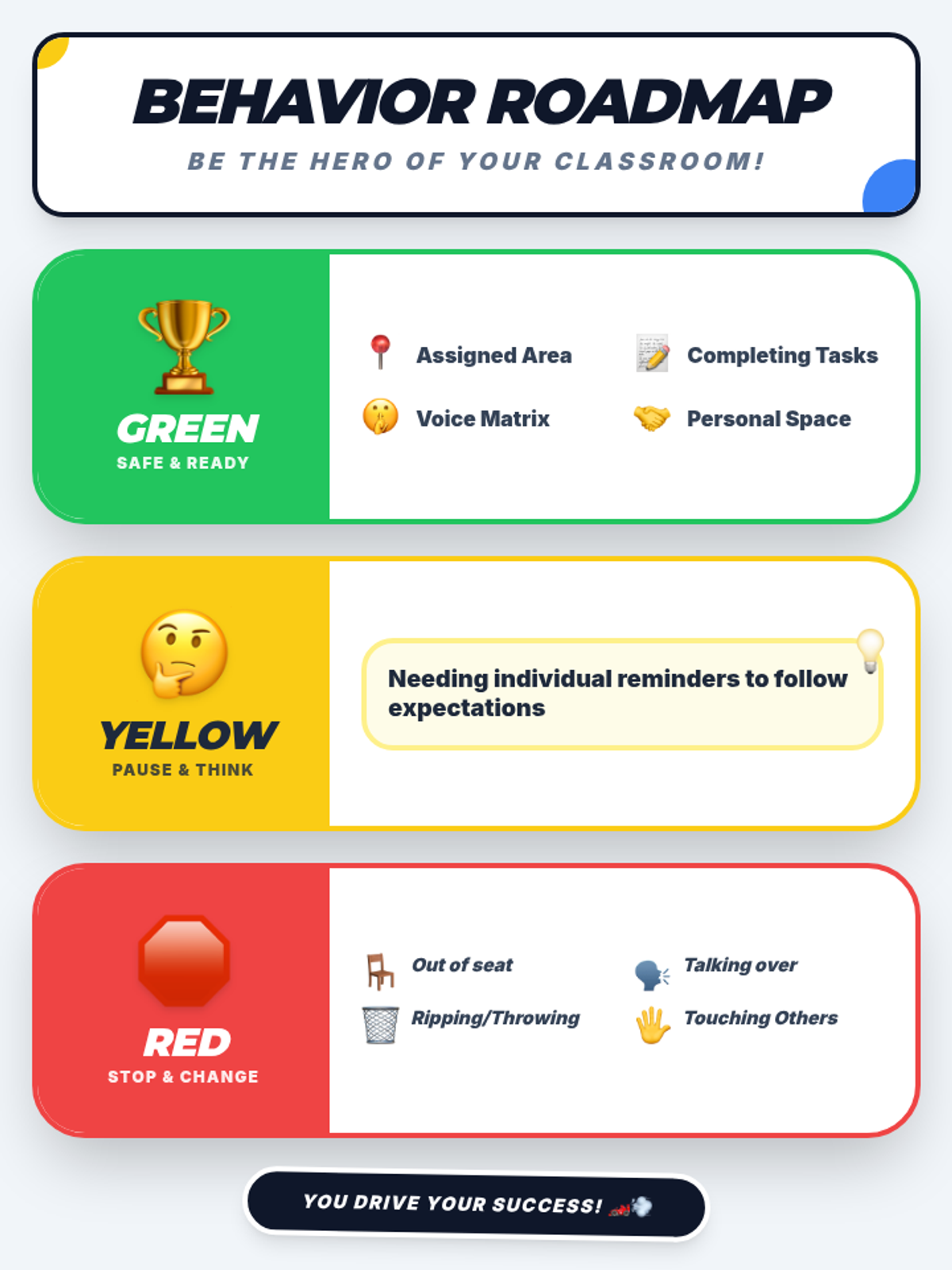
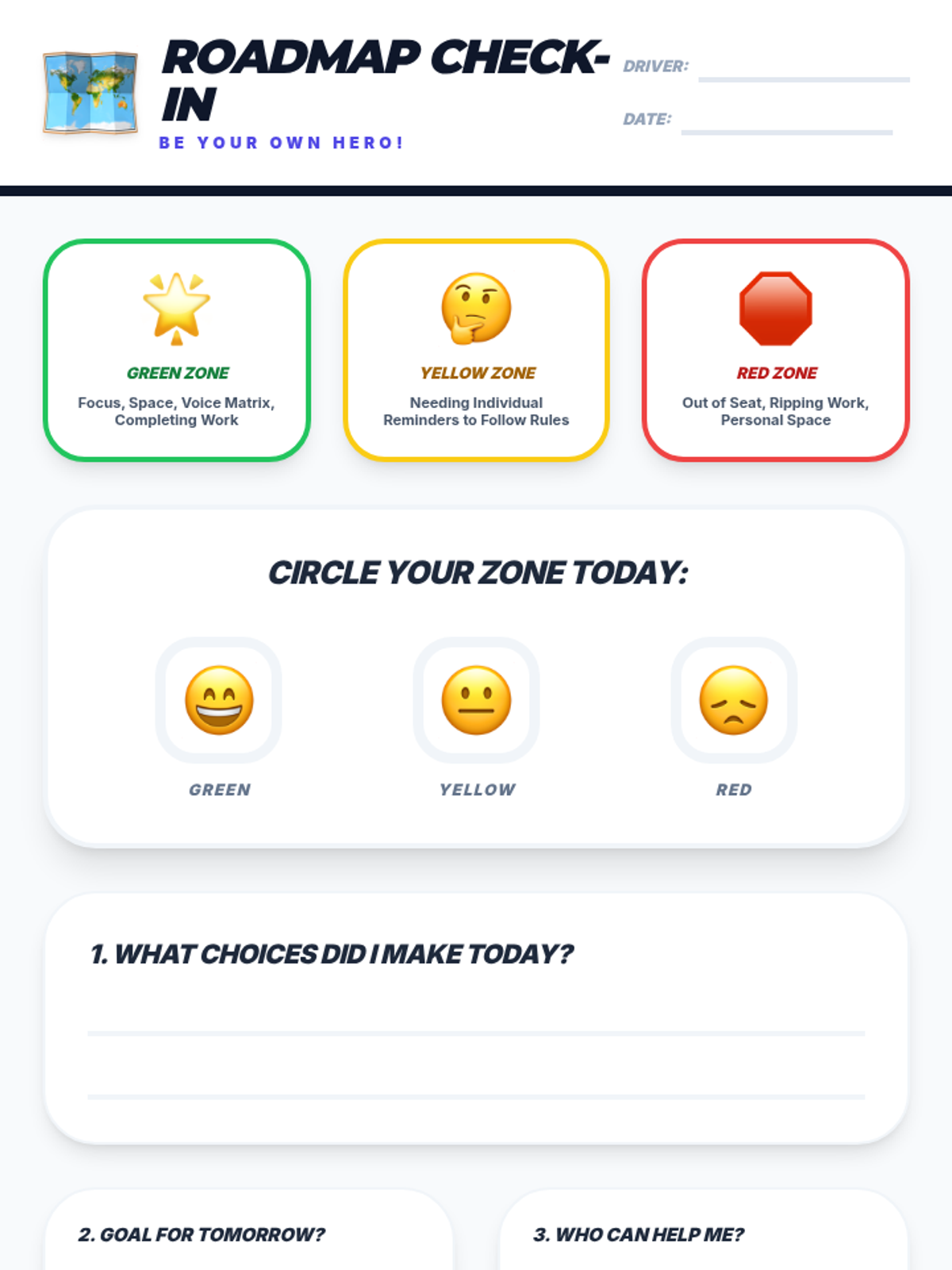
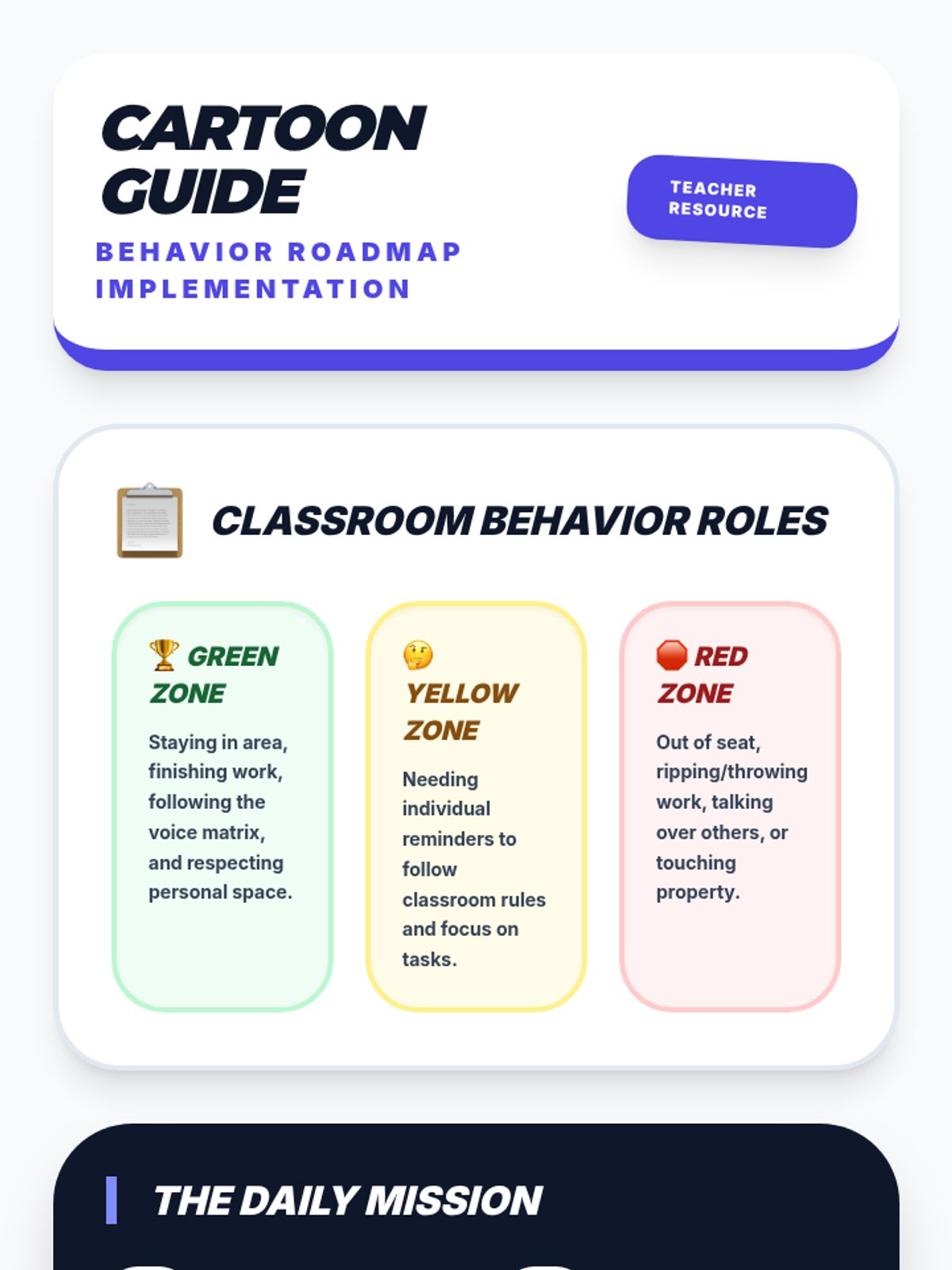
A comprehensive system for defining and maintaining a positive learning environment through a color-coded behavior framework. This lesson introduces students to green, yellow, and red behaviors with clear expectations and reflection tools.
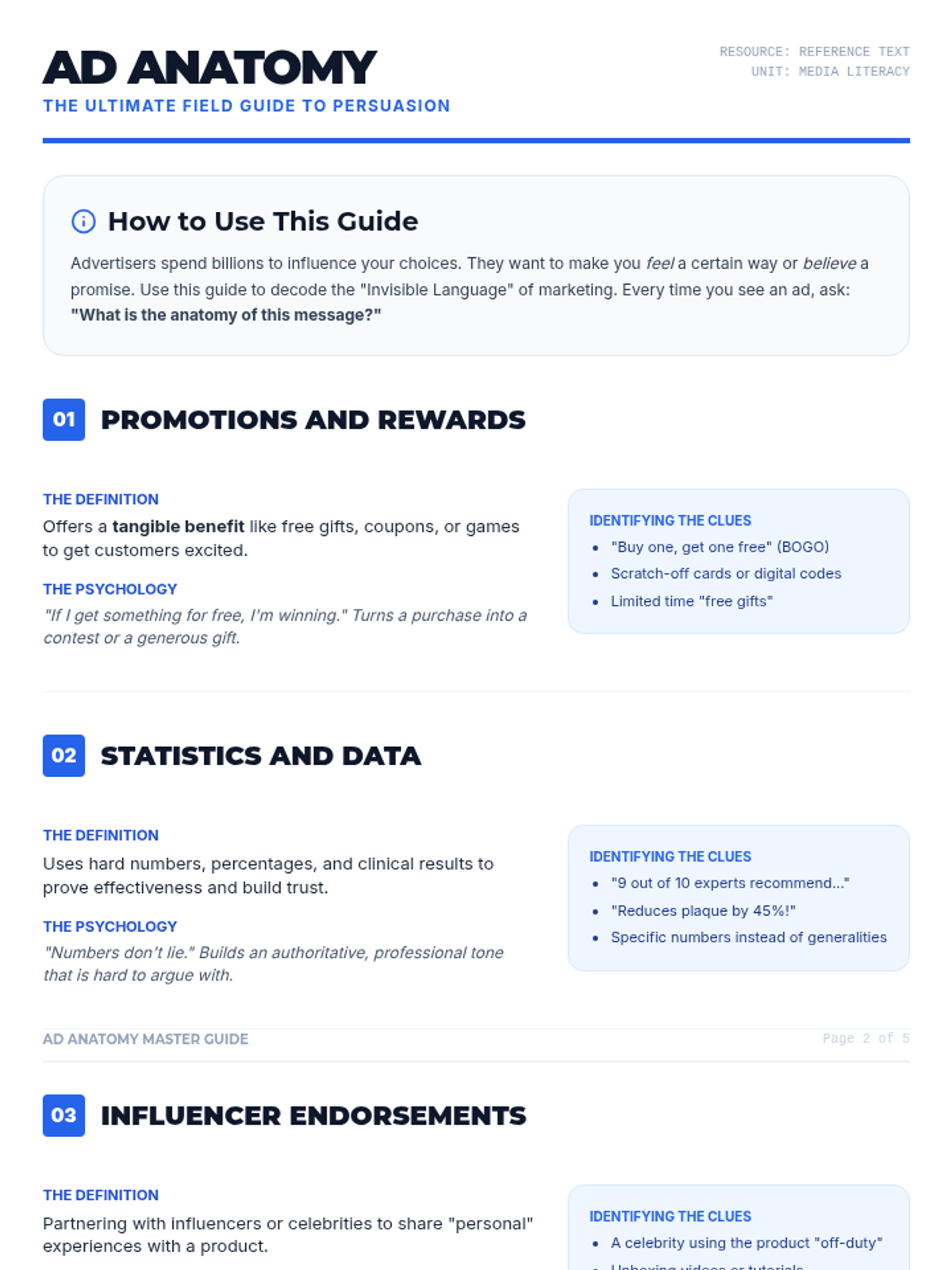
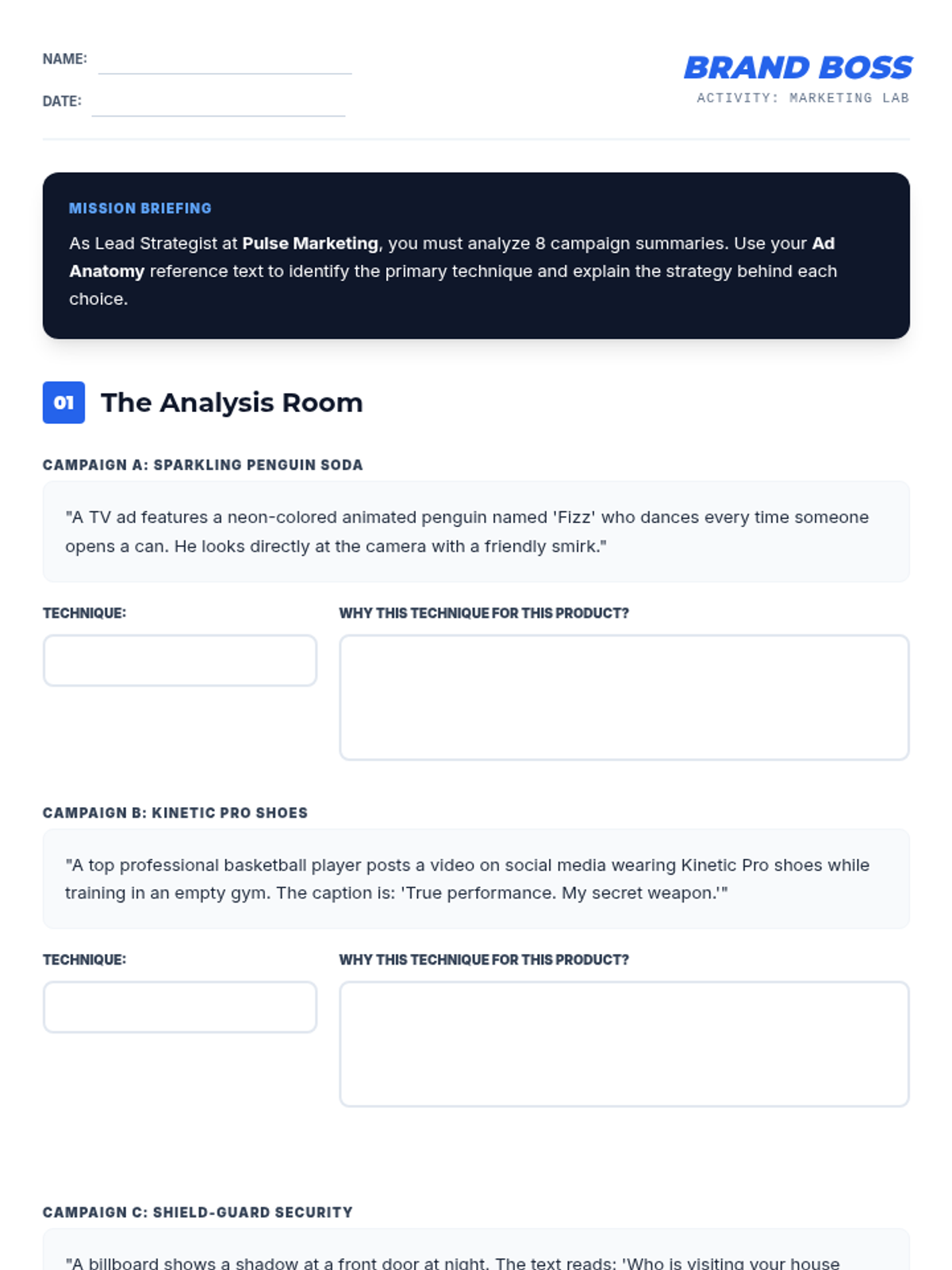
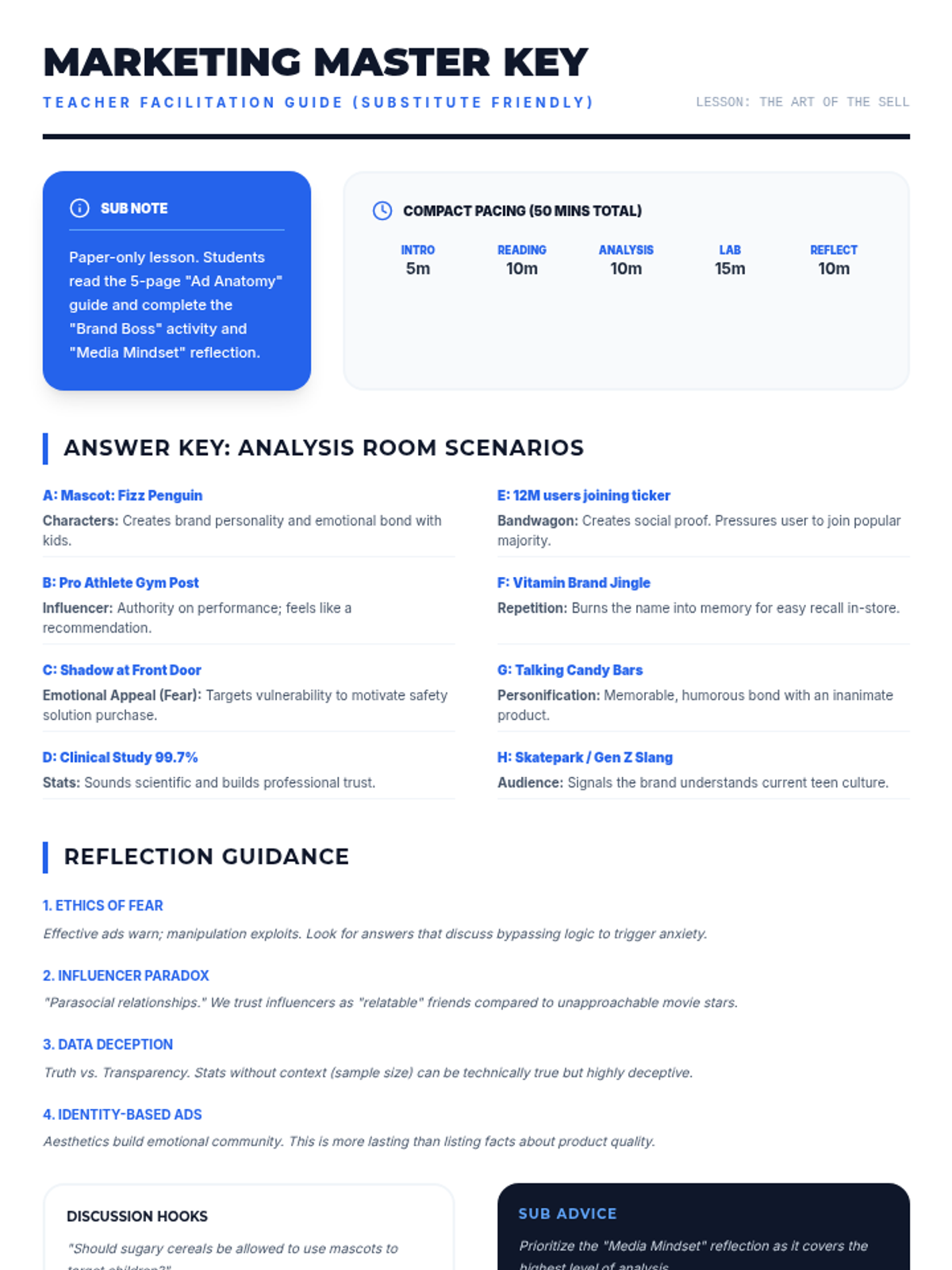
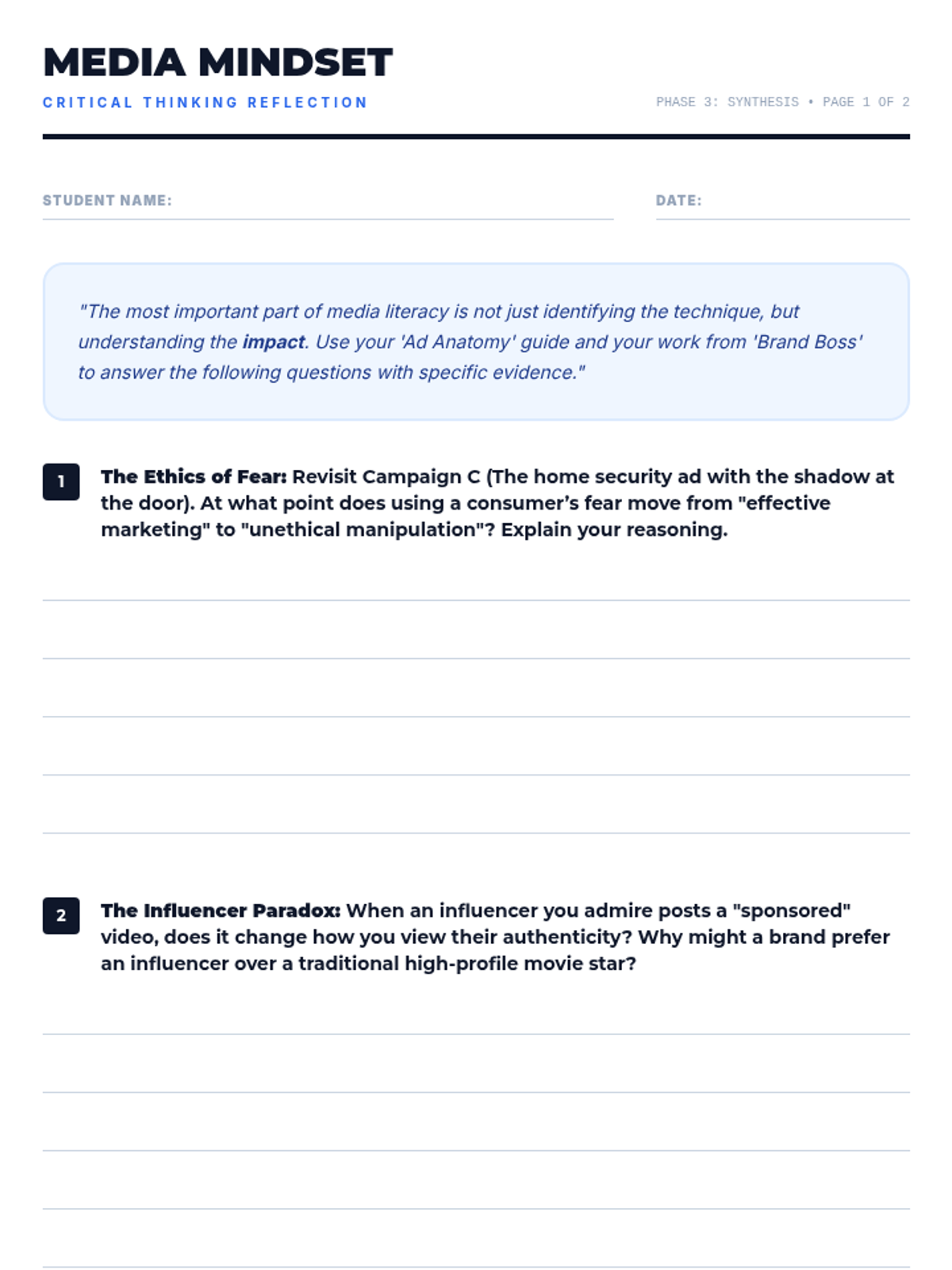
A comprehensive lesson on media literacy and advertising strategies, teaching students to identify and apply ten key persuasive techniques used in modern marketing.
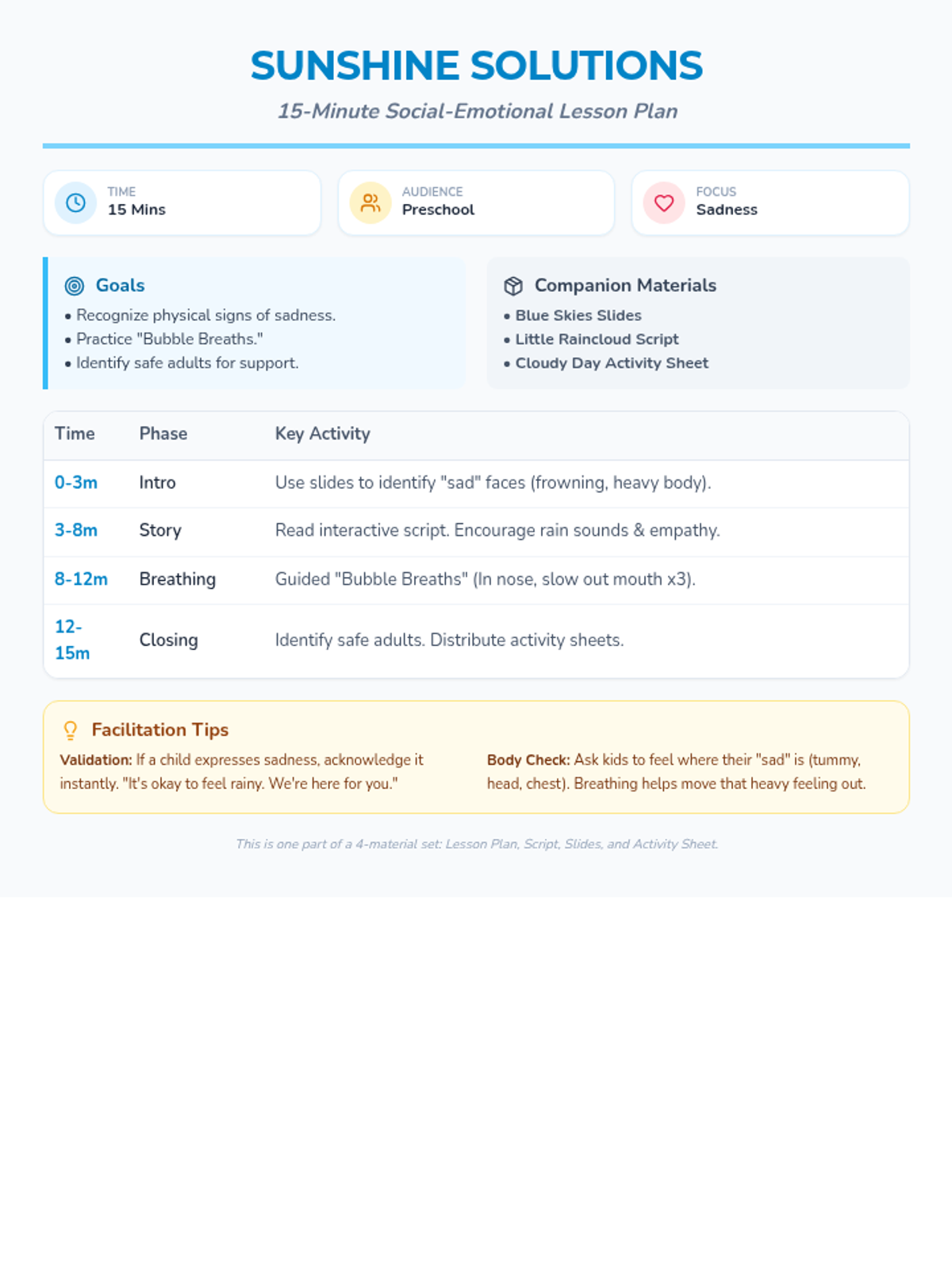
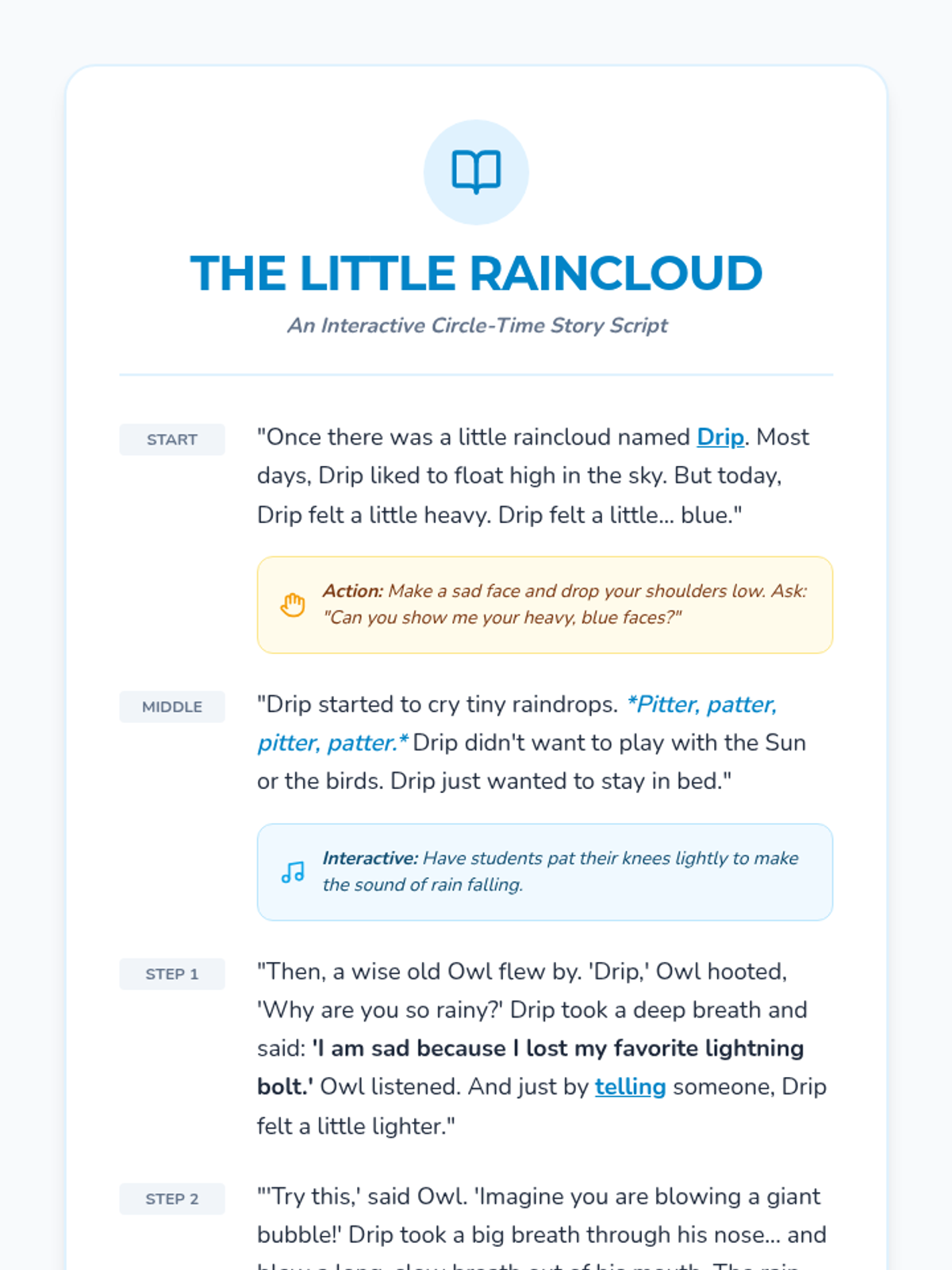
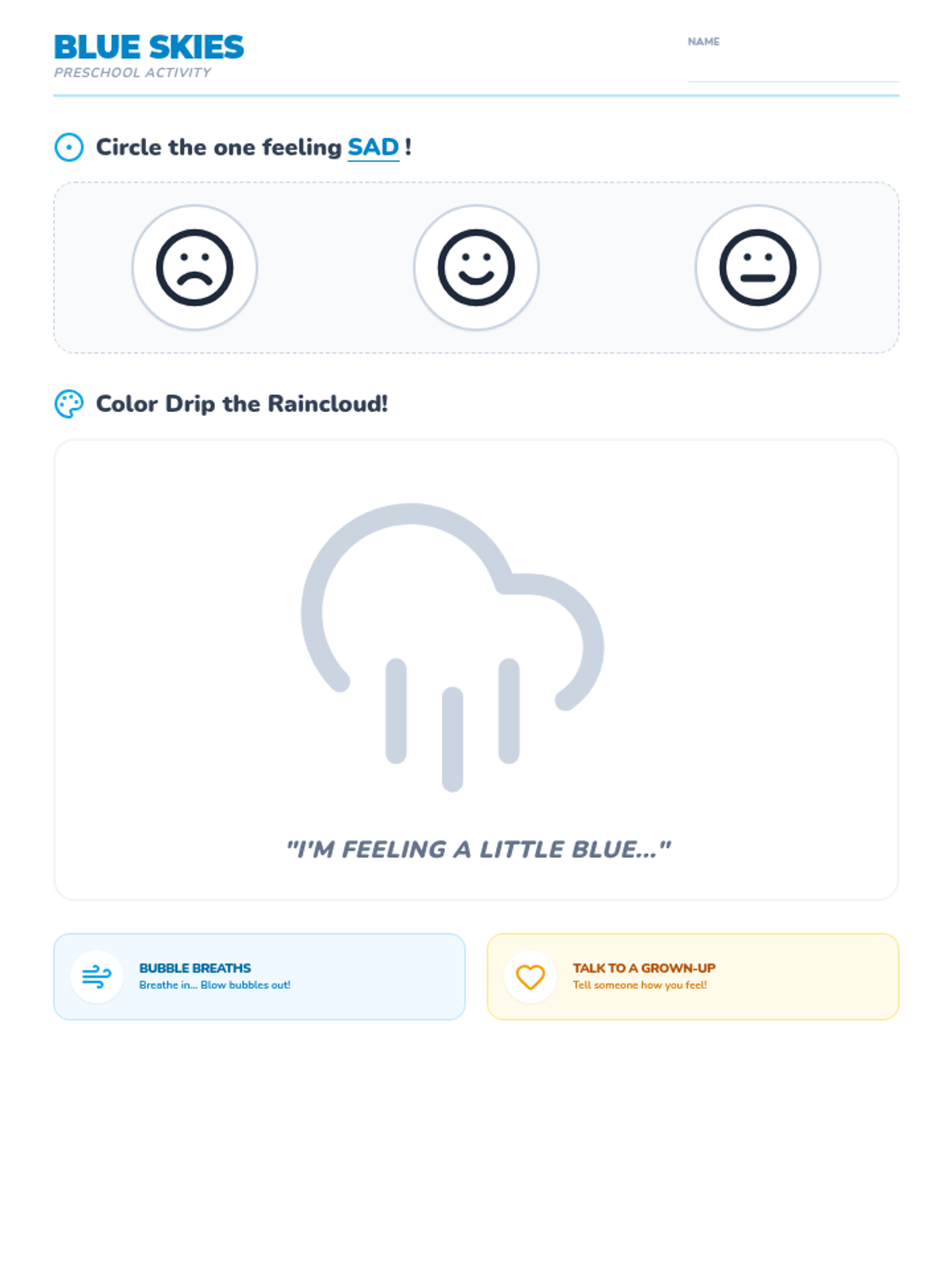
A gentle, 15-minute social-emotional learning lesson for preschoolers focused on identifying sadness and practicing two simple coping strategies: talking to a trusted adult and 'Bubble Breaths'.
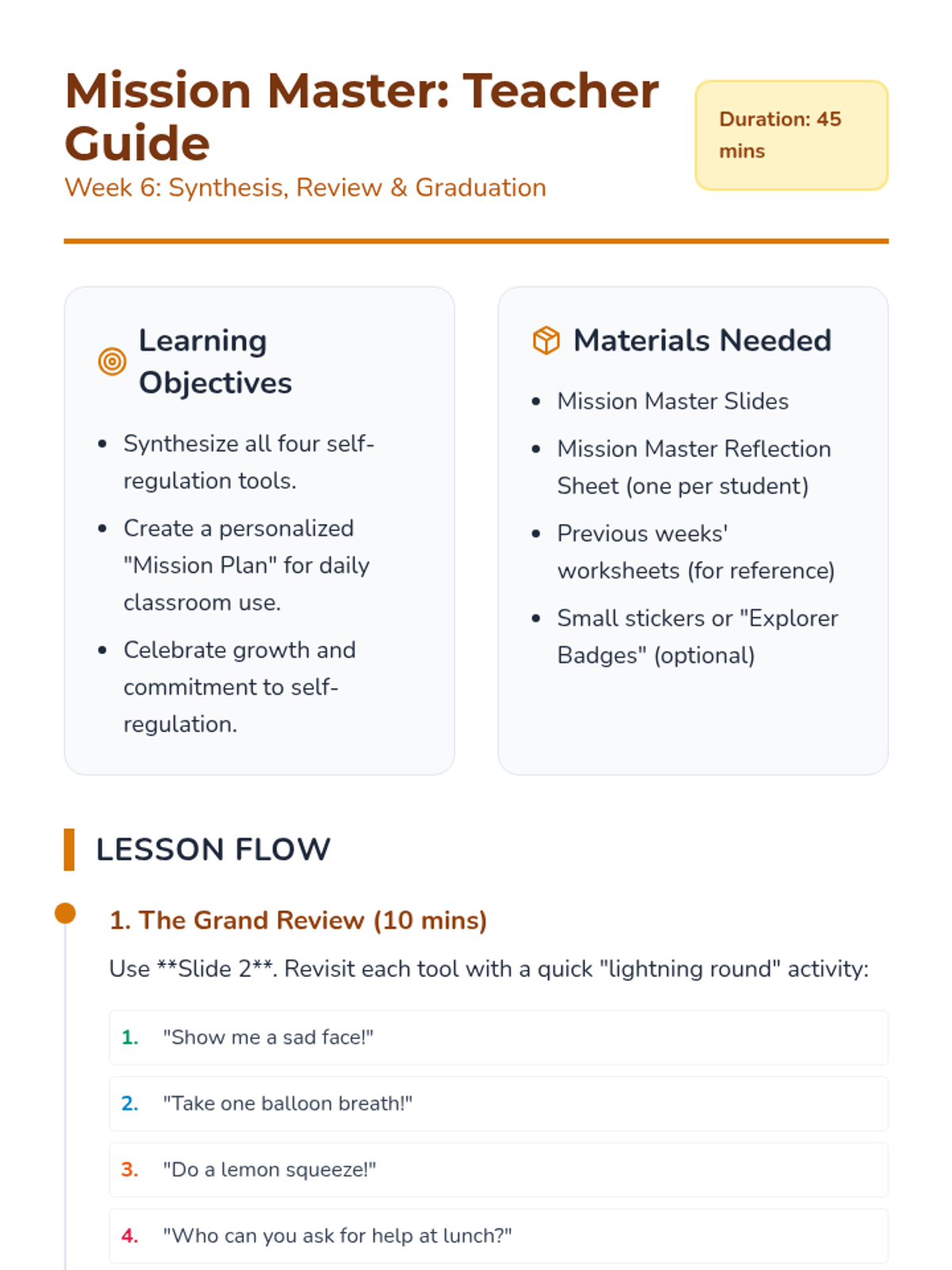
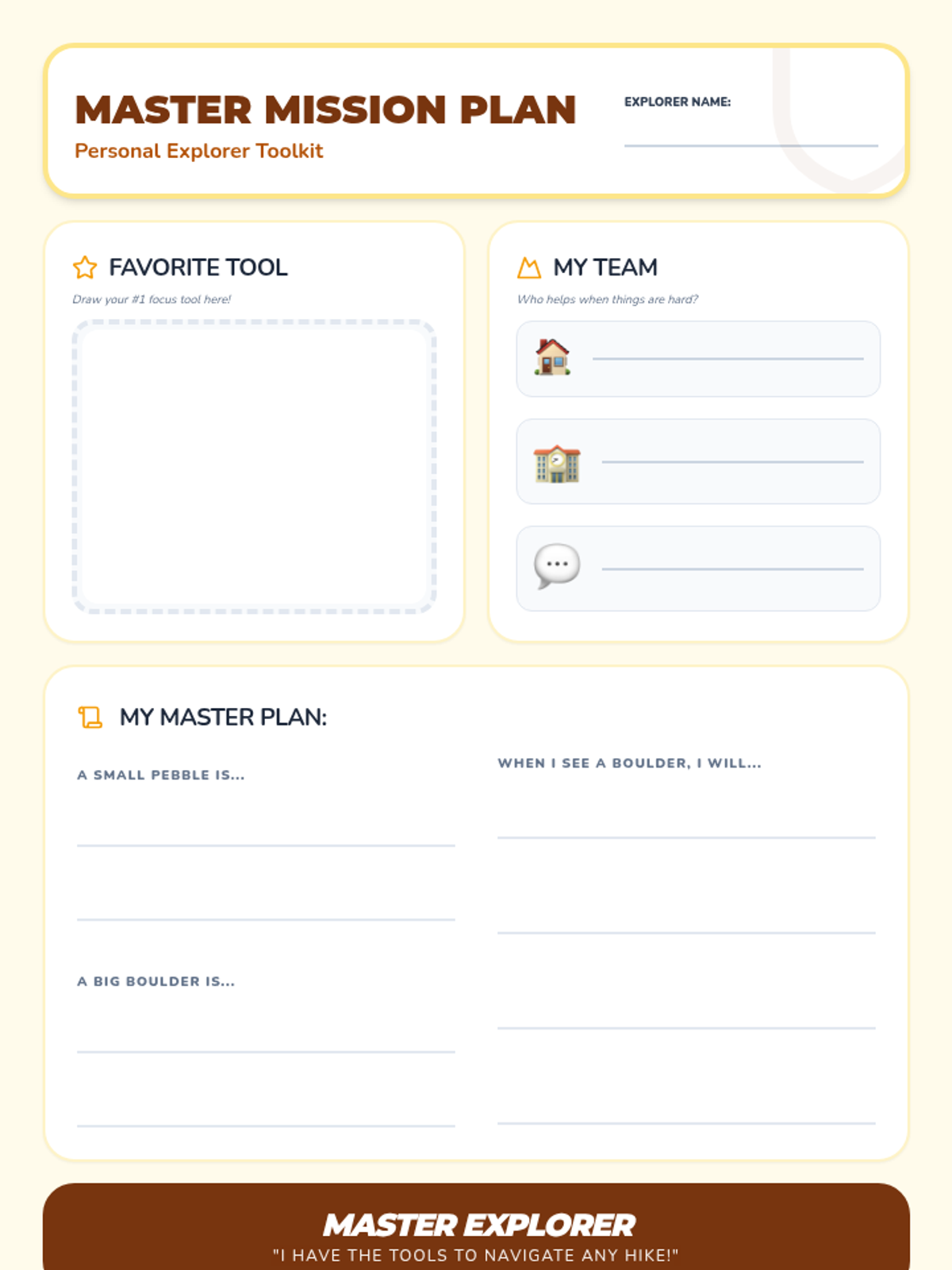
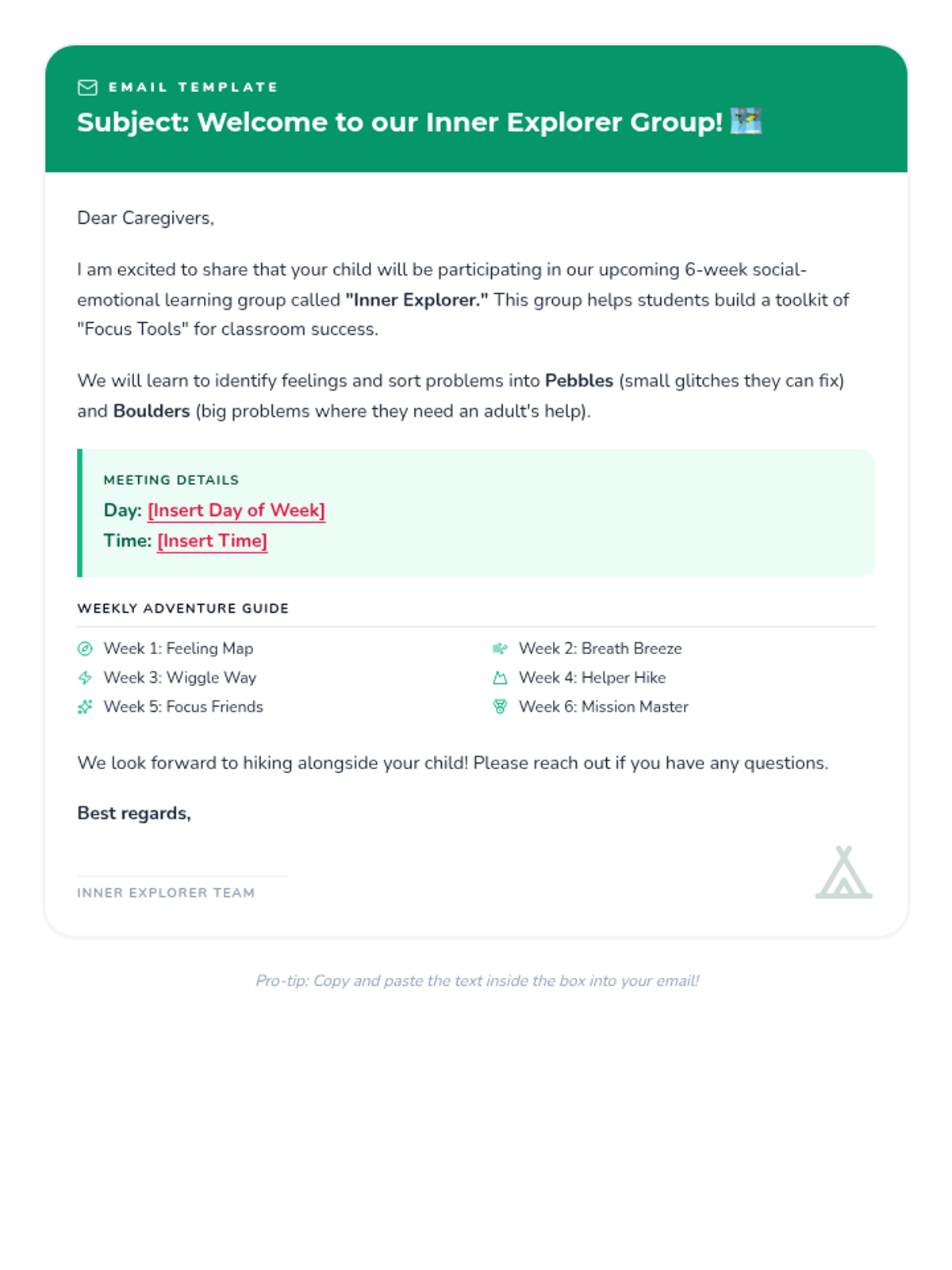
Reviewing all tools and creating a personalized 'Mission Plan' for classroom success.
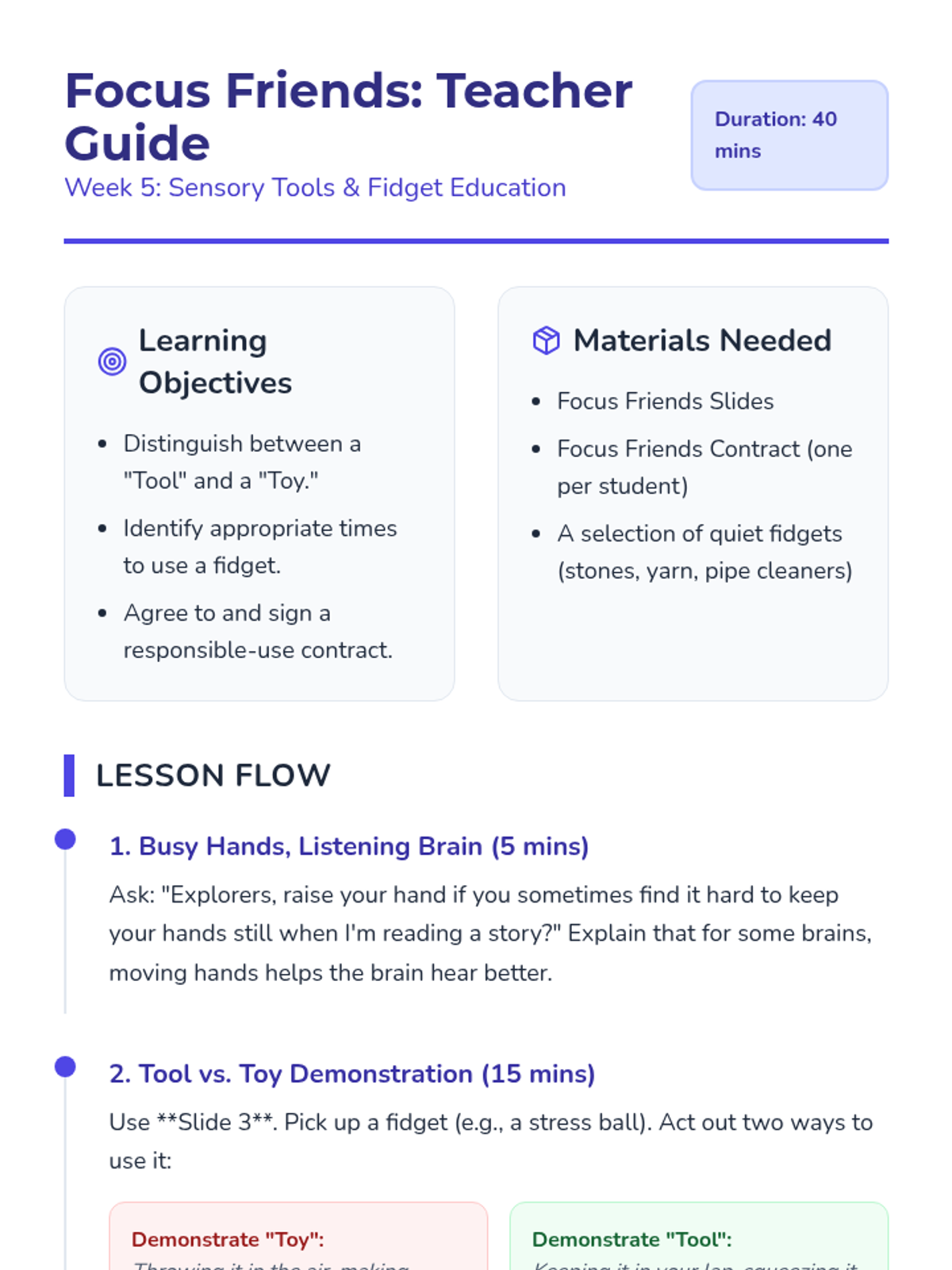
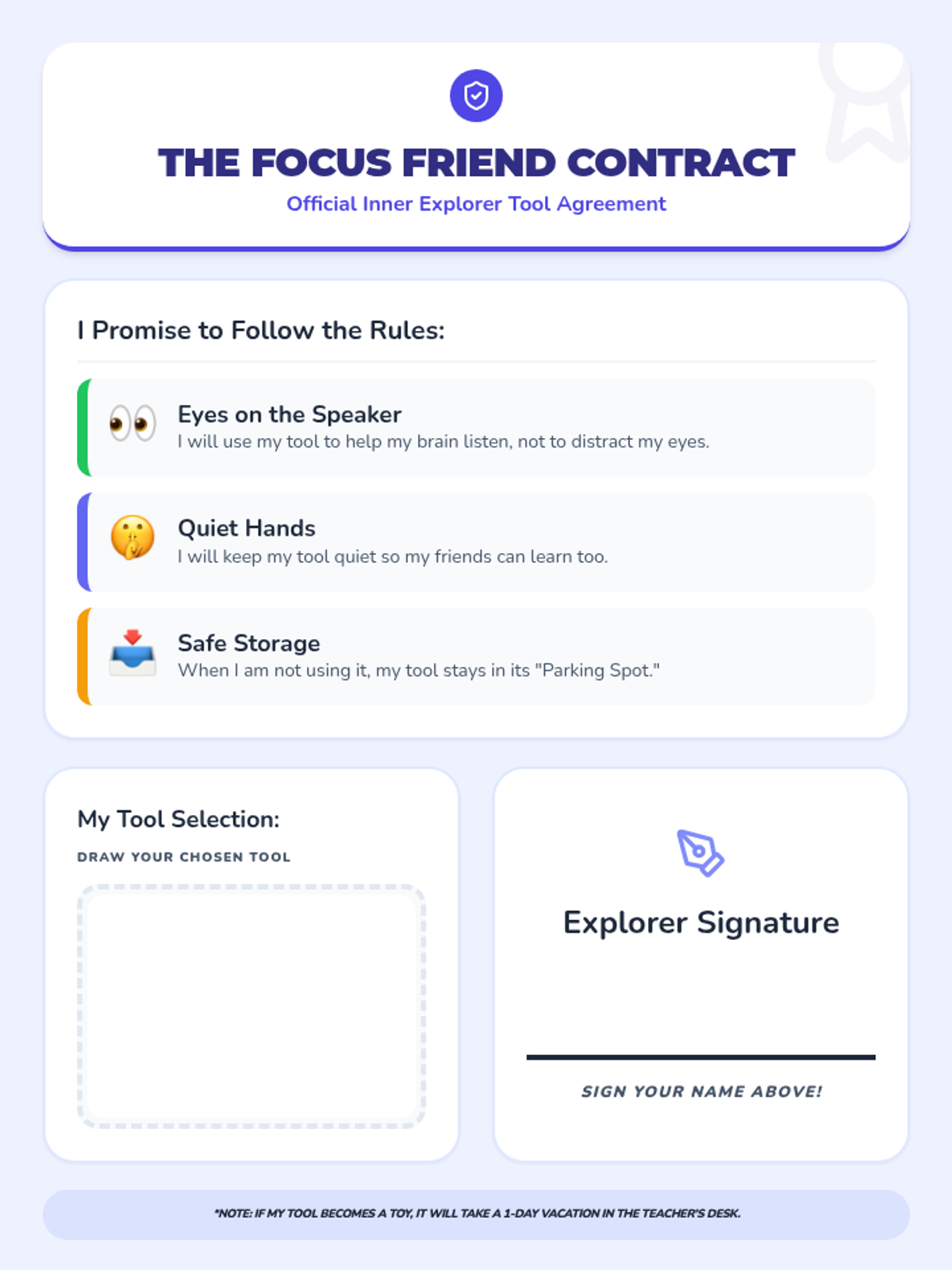
Learning how to use fidgets and sensory tools appropriately for focus.
Developing the skill of asking for help and talking through emotions with a trusted adult.
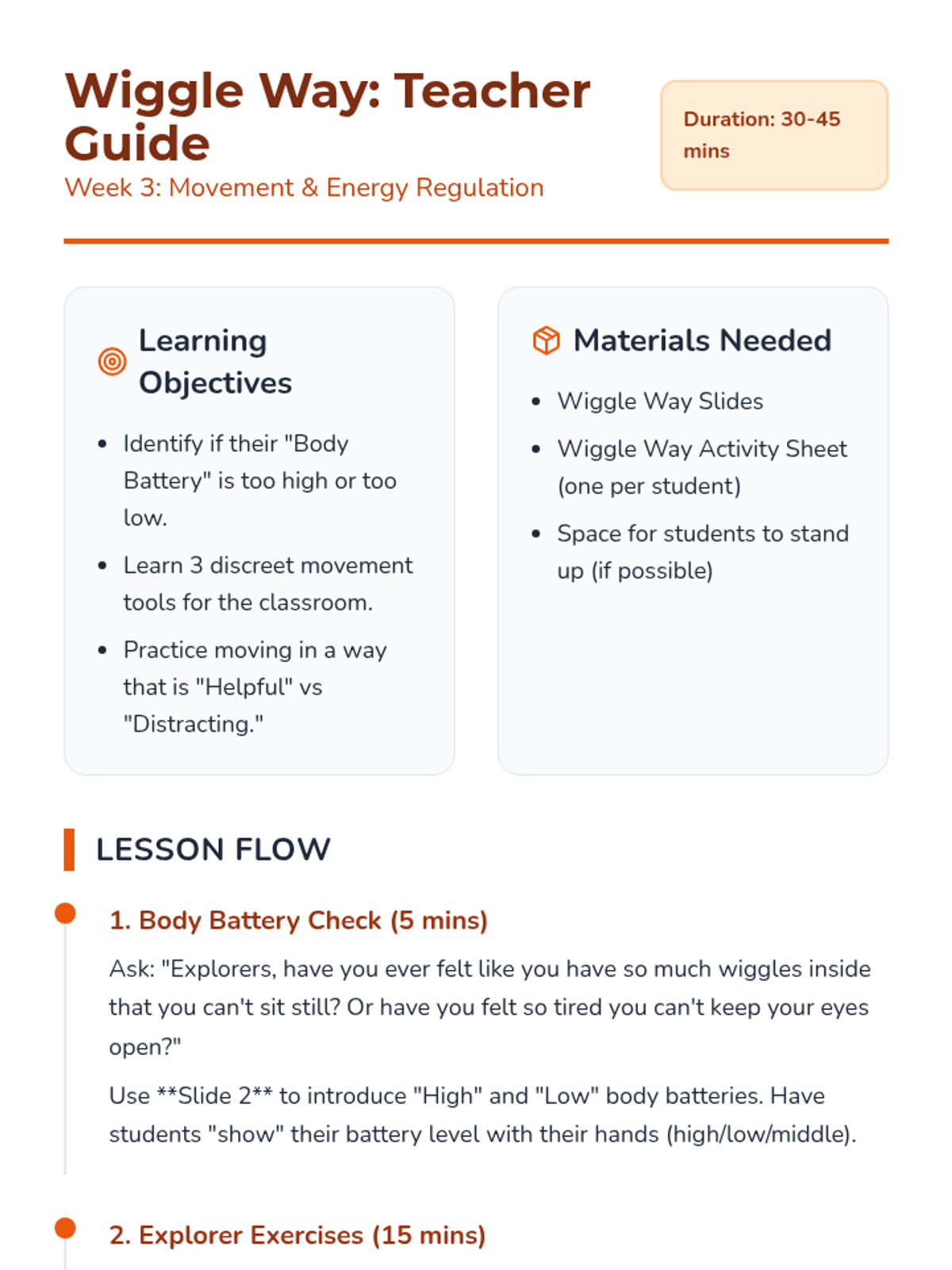
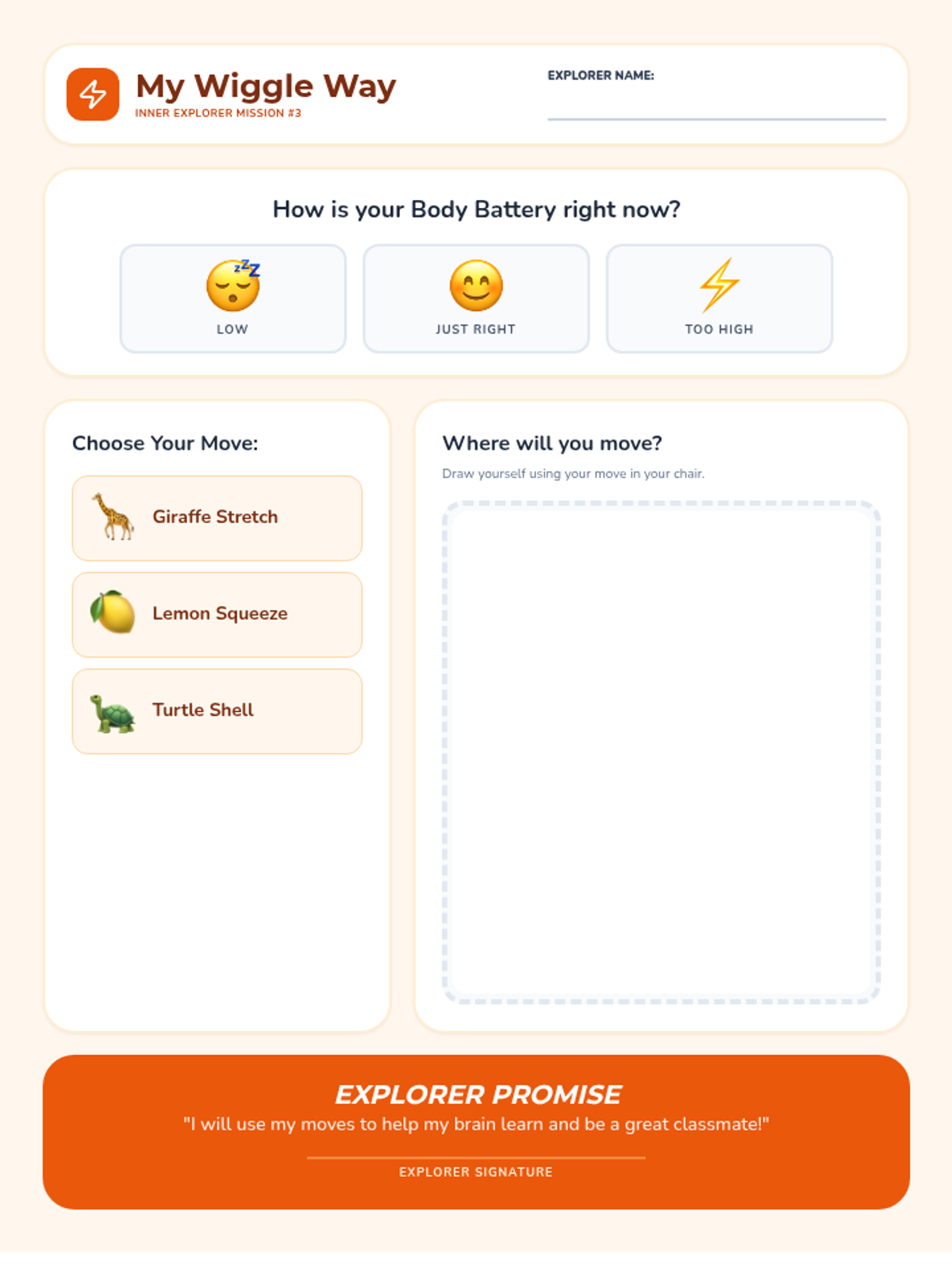
Understanding how movement can help refocus energy and stay on task.
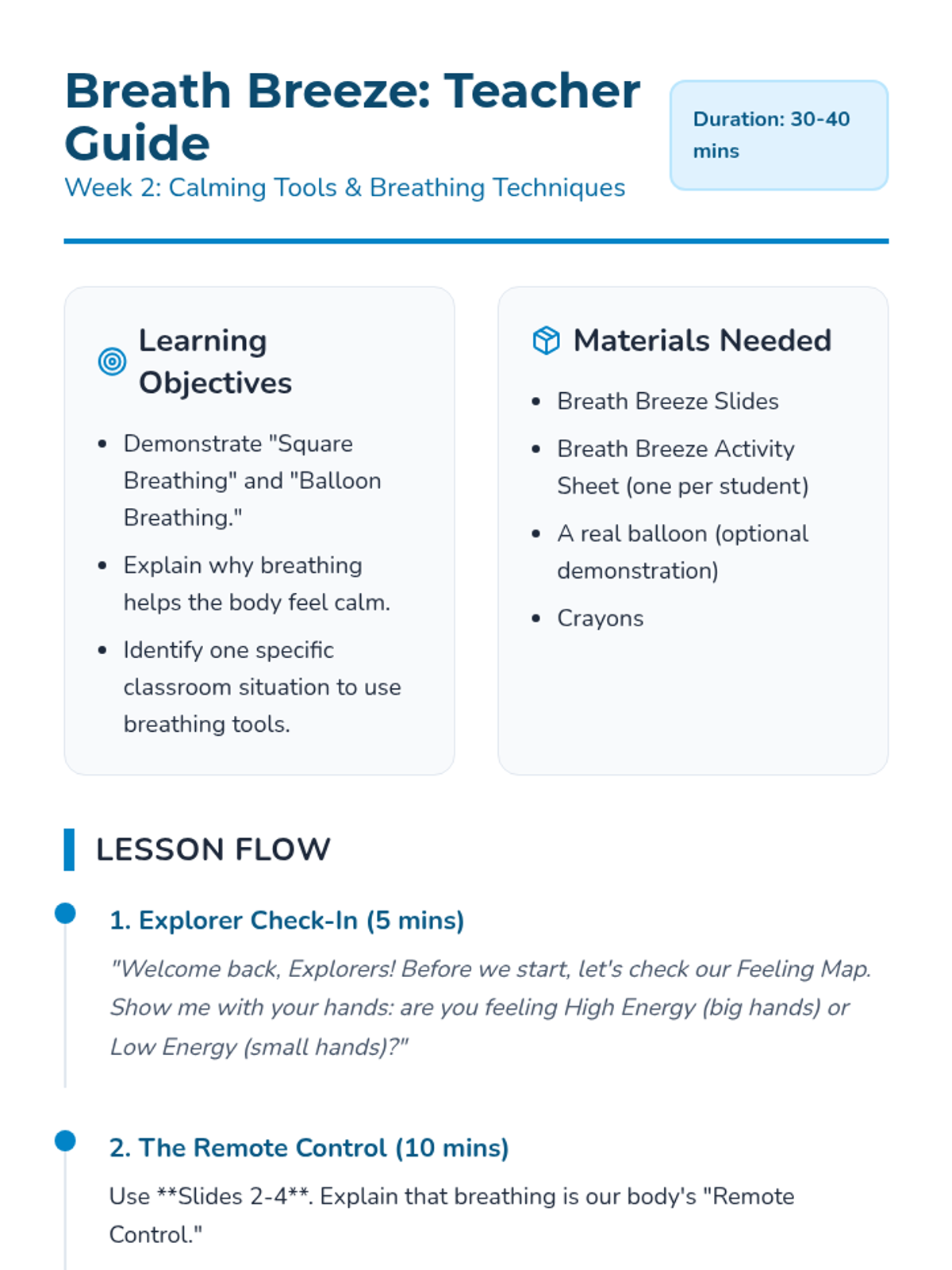
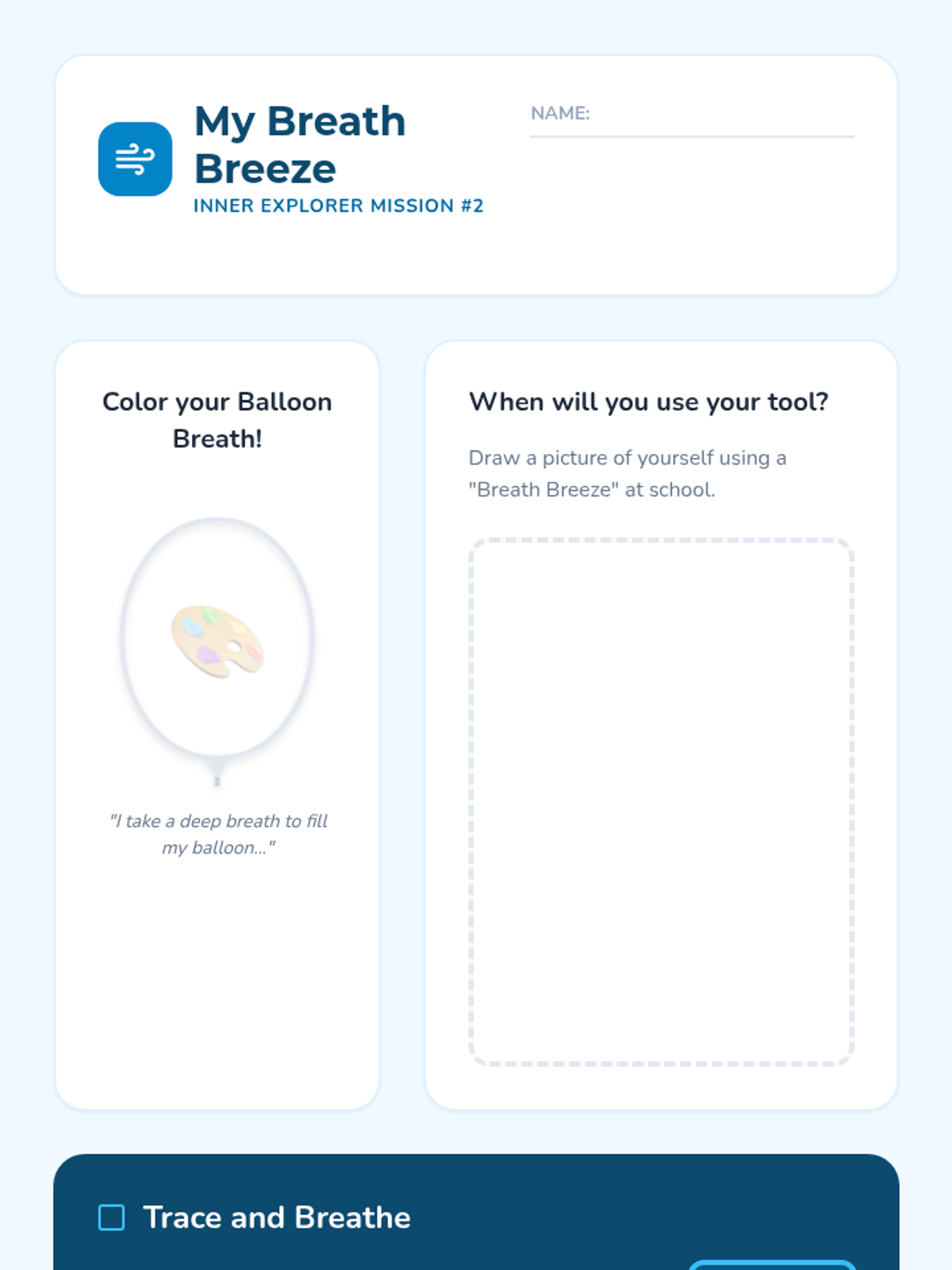
Learning different breathing techniques to calm the mind and body.
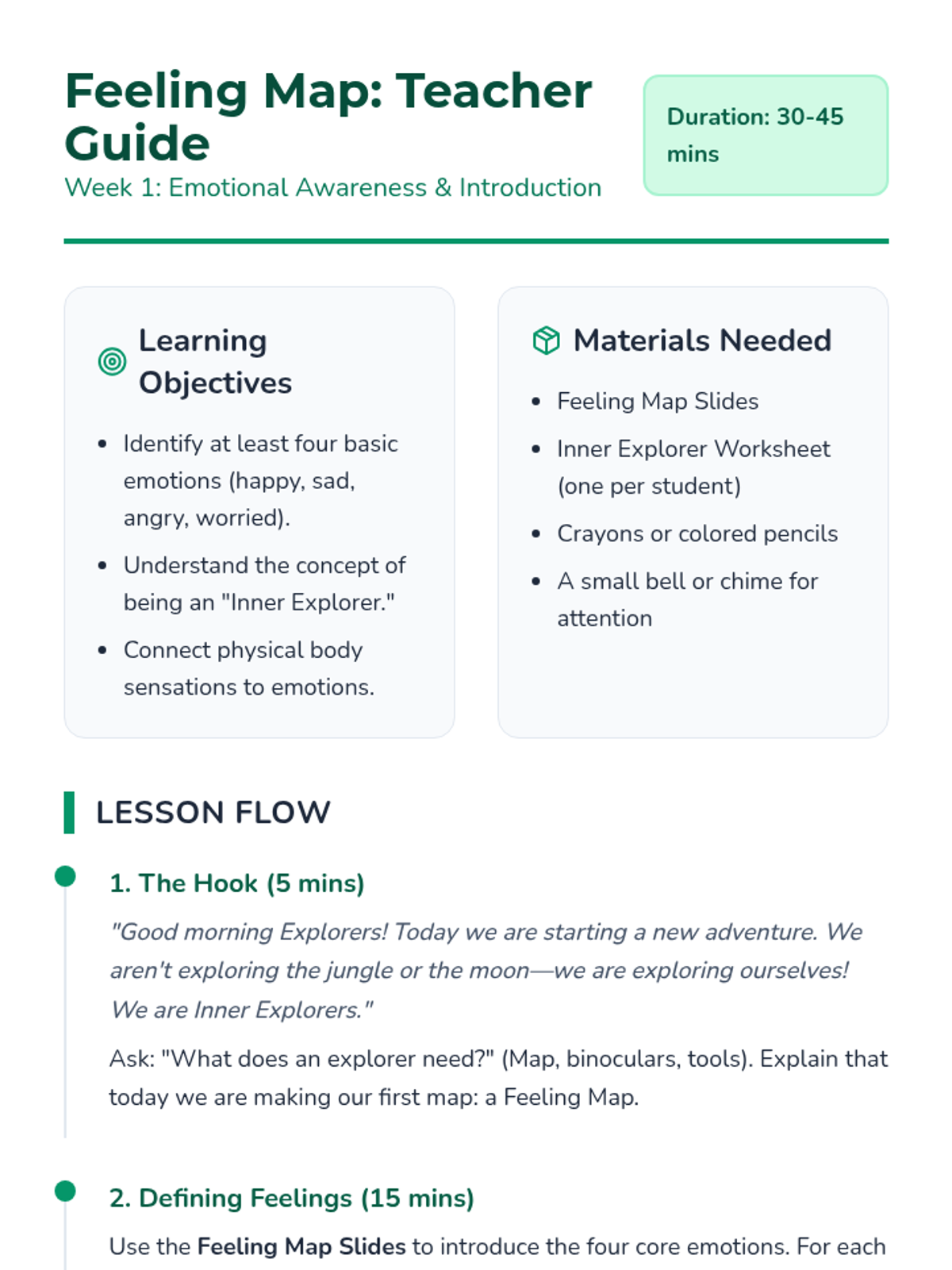
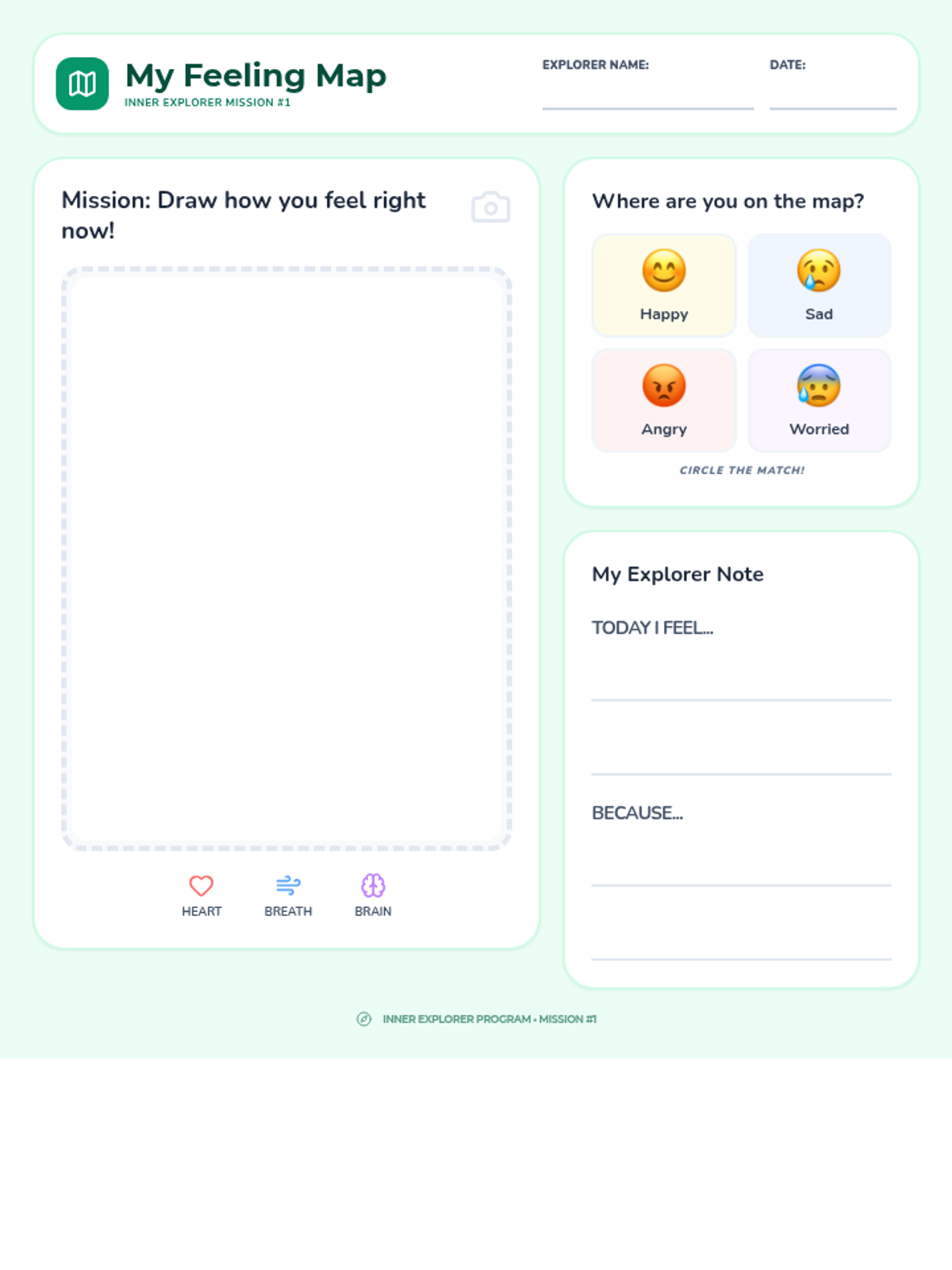
Introduction to the concept of feelings as a 'map' and identifying common emotions.
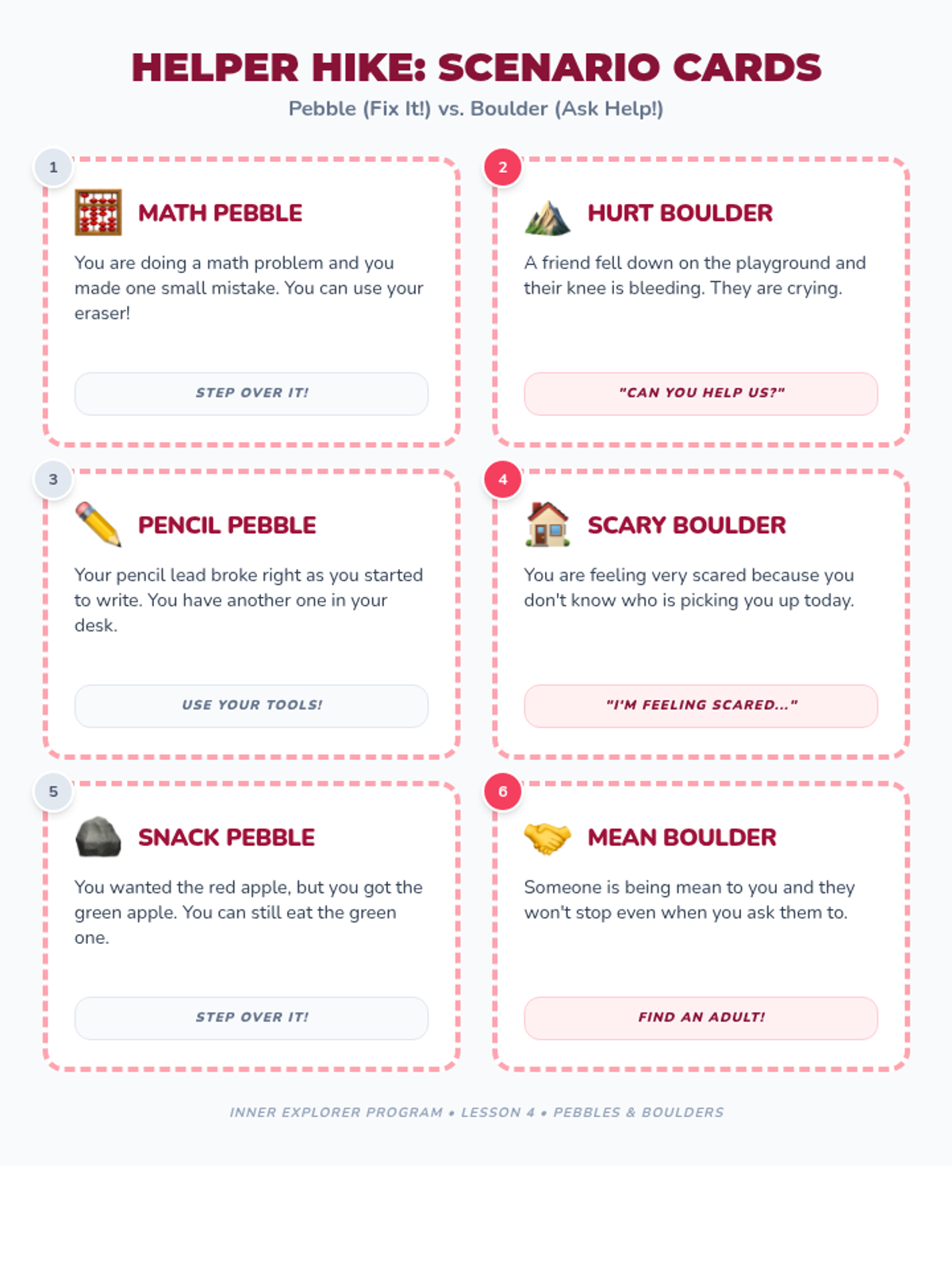
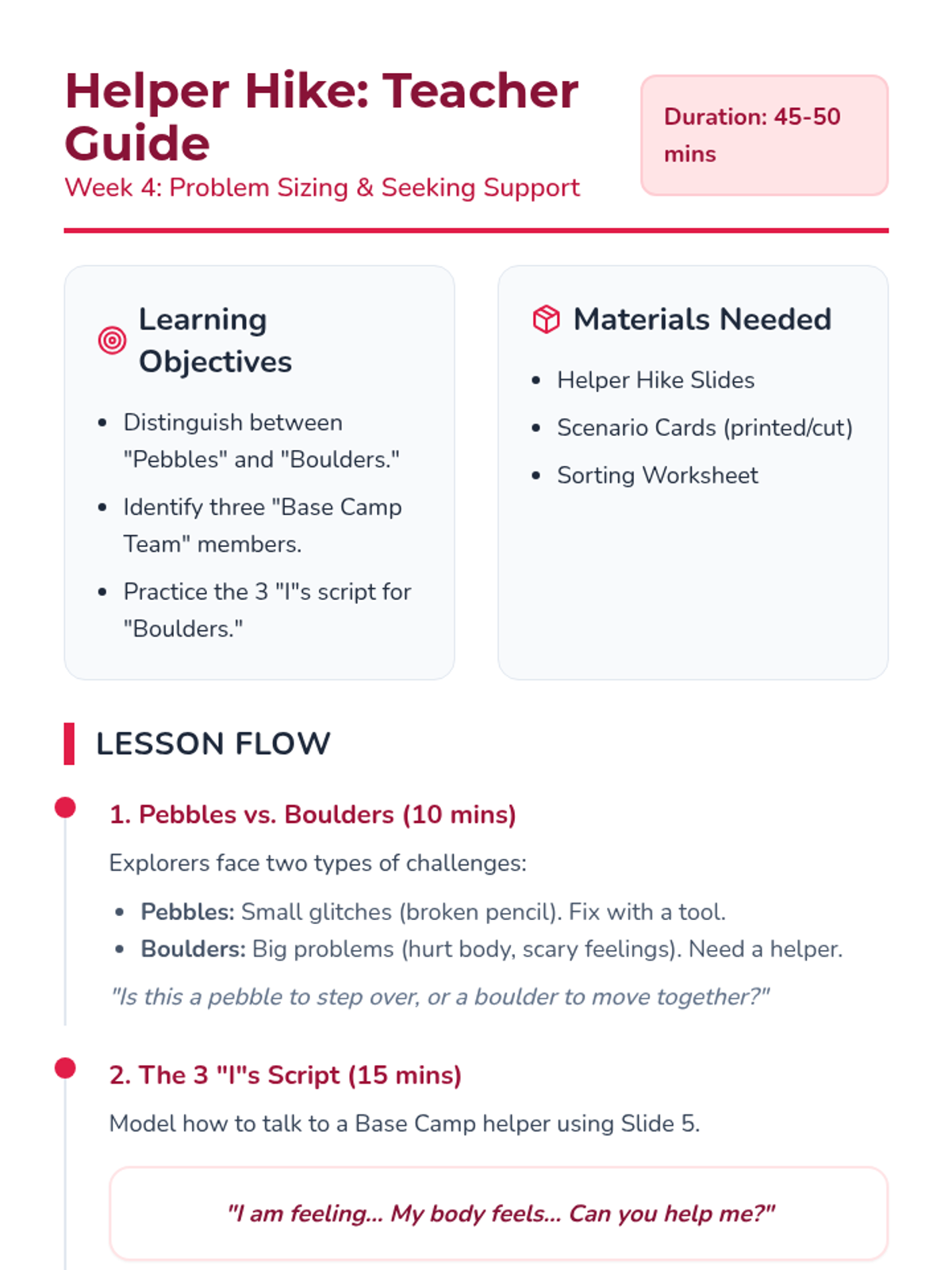
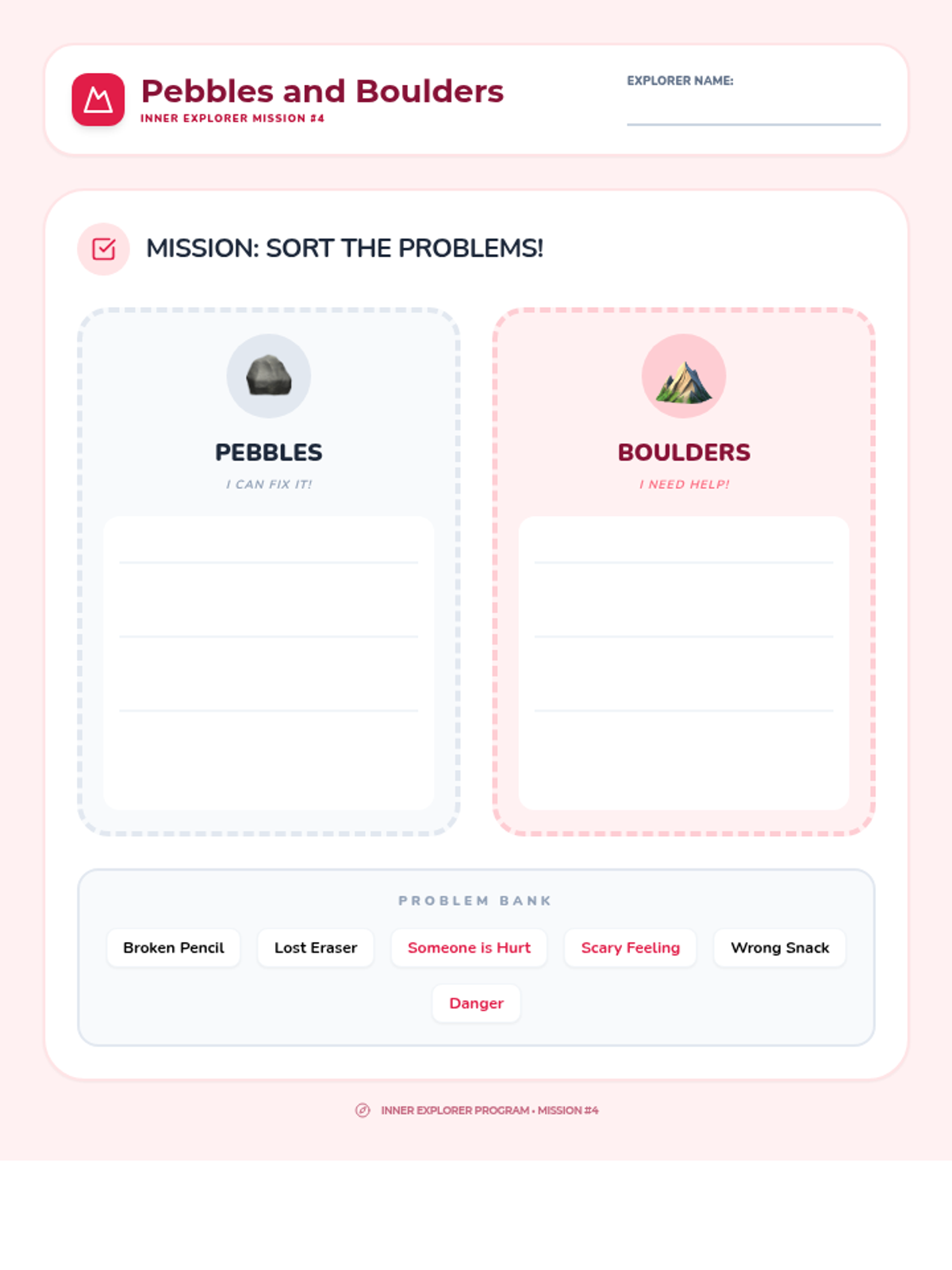
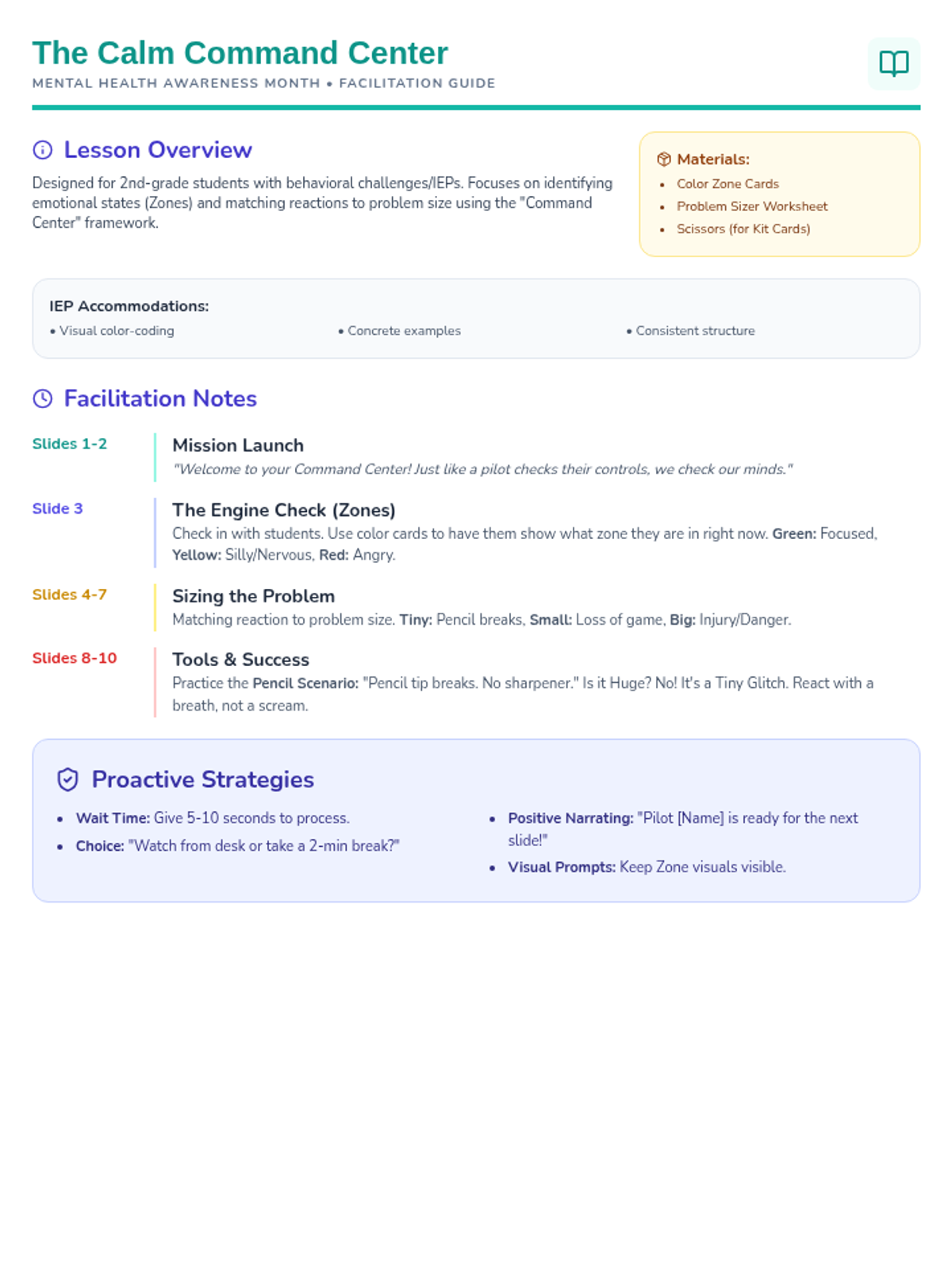
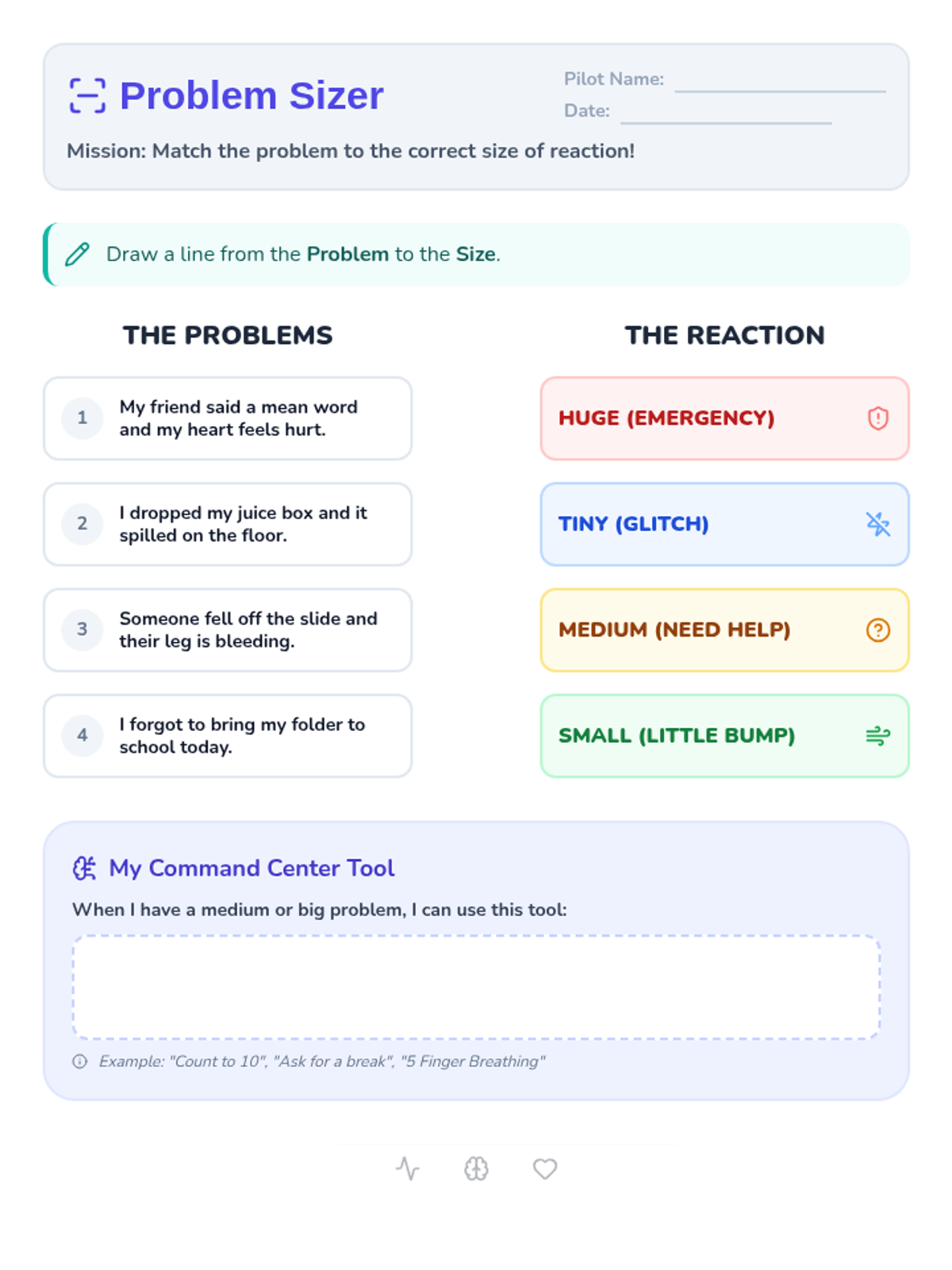
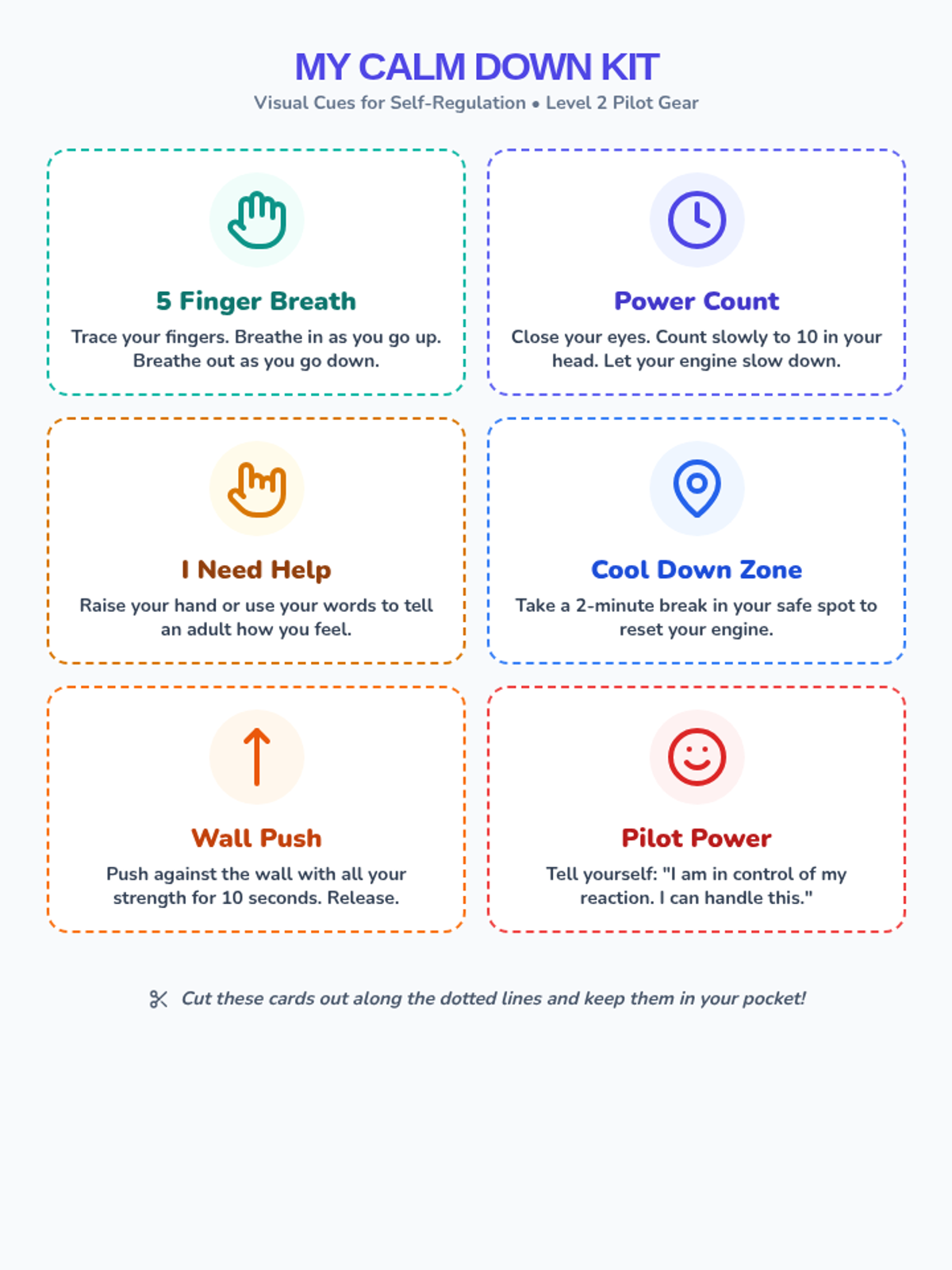
An introductory lesson focusing on identifying the size of problems and selecting appropriate self-regulation tools to manage emotions effectively in a virtual or classroom setting.
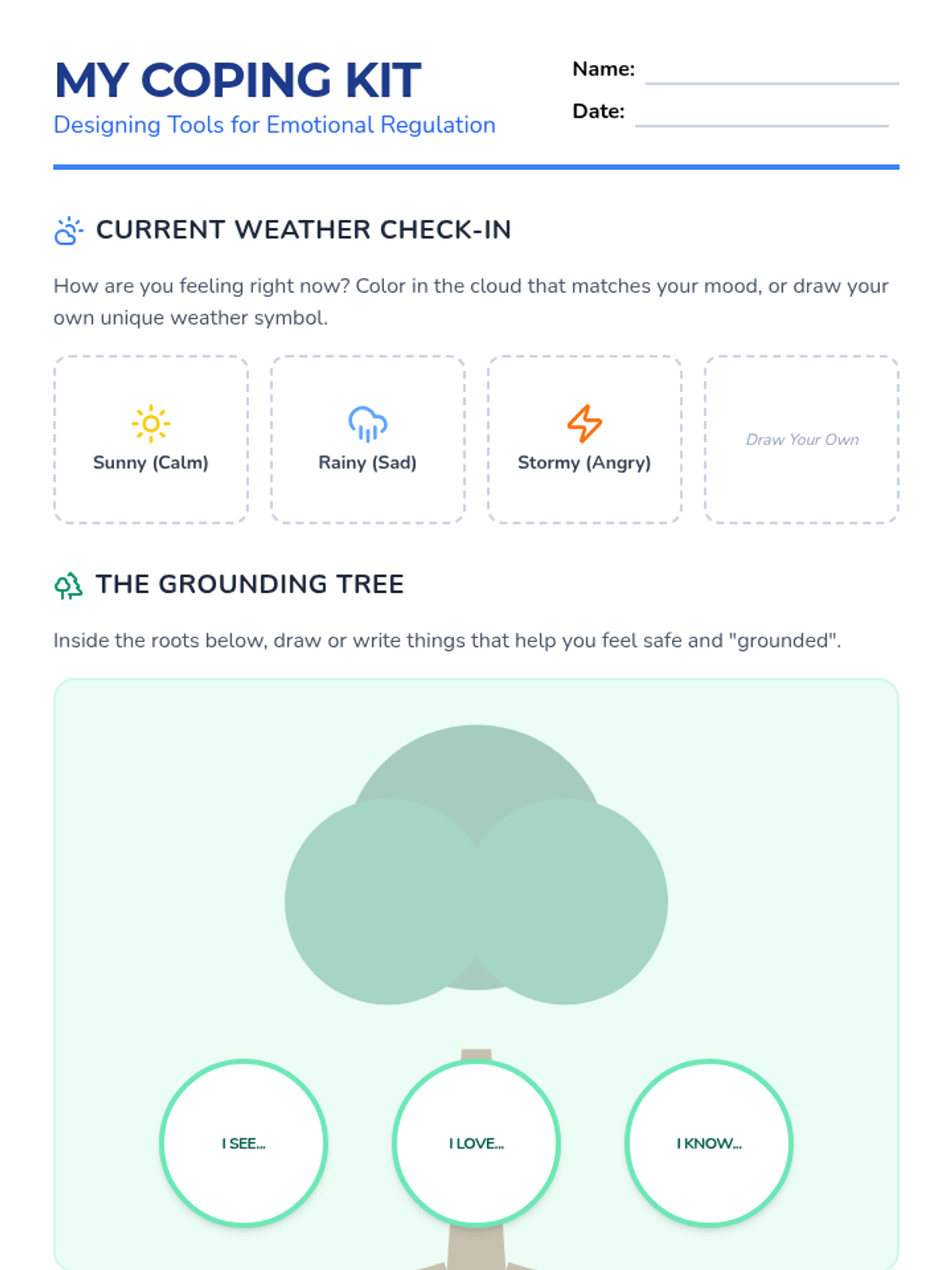
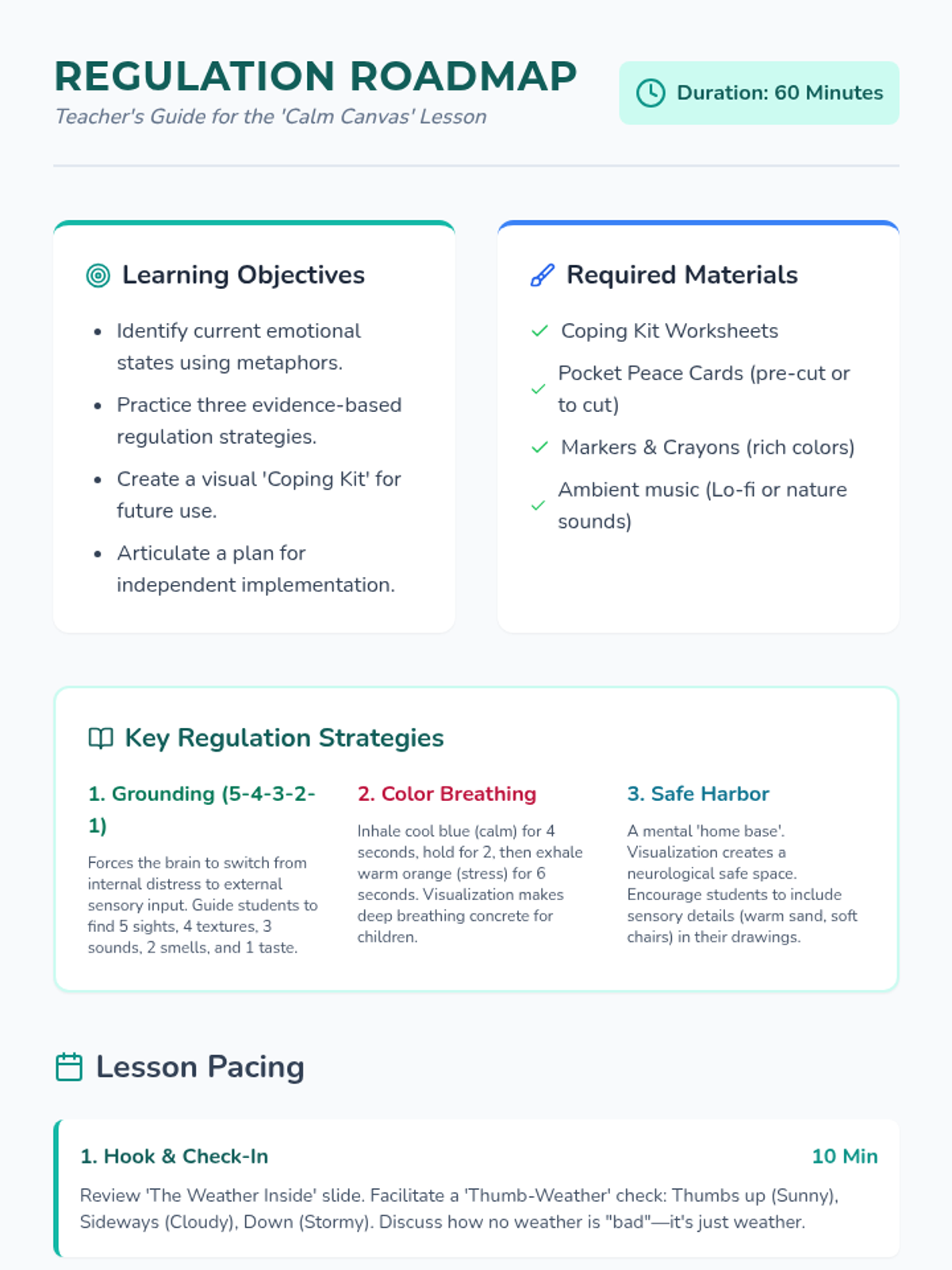
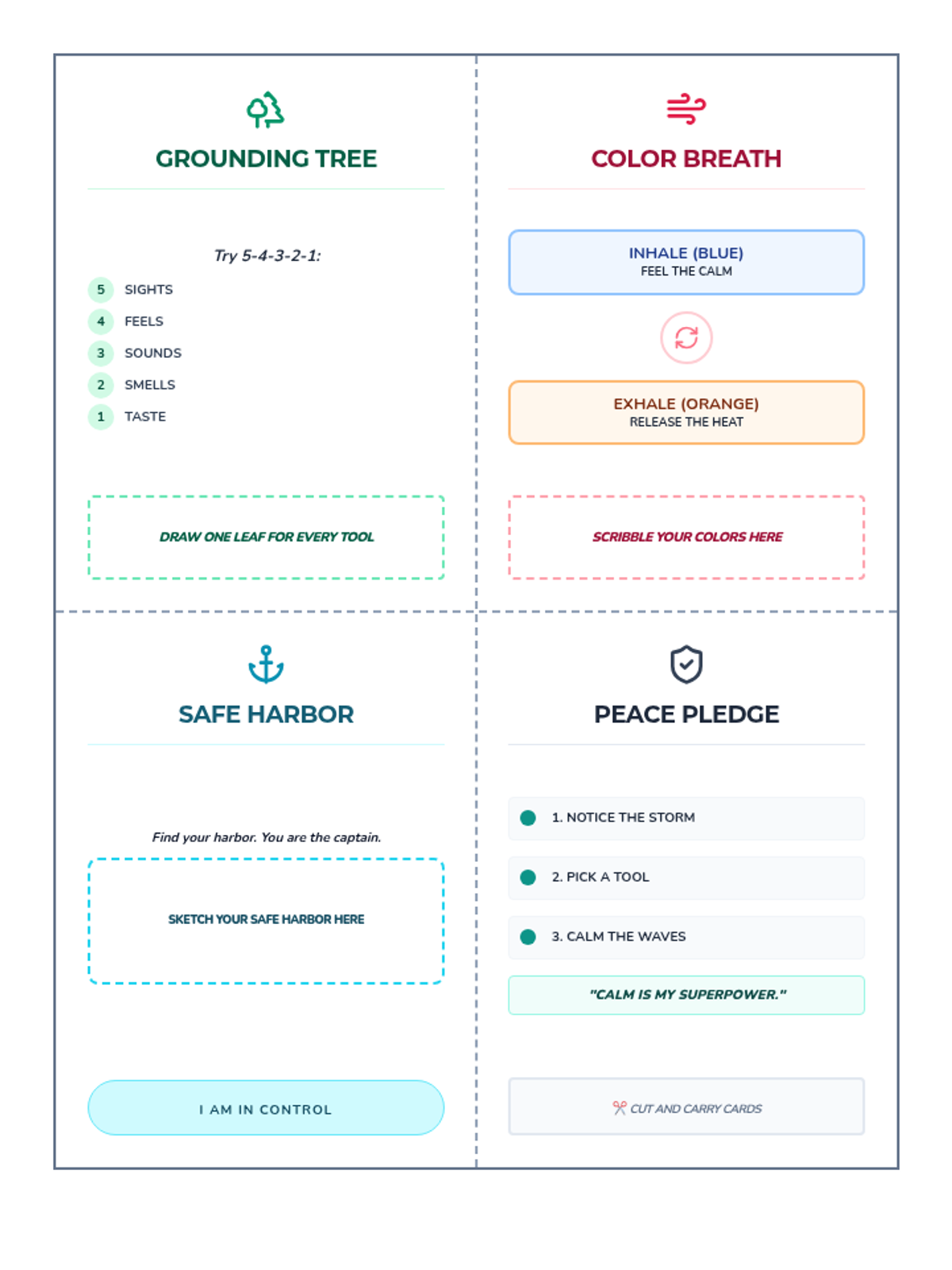
A creative art-based lesson where students learn to identify their emotional states and build a personalized 'coping kit' of regulation strategies using markers and crayons.
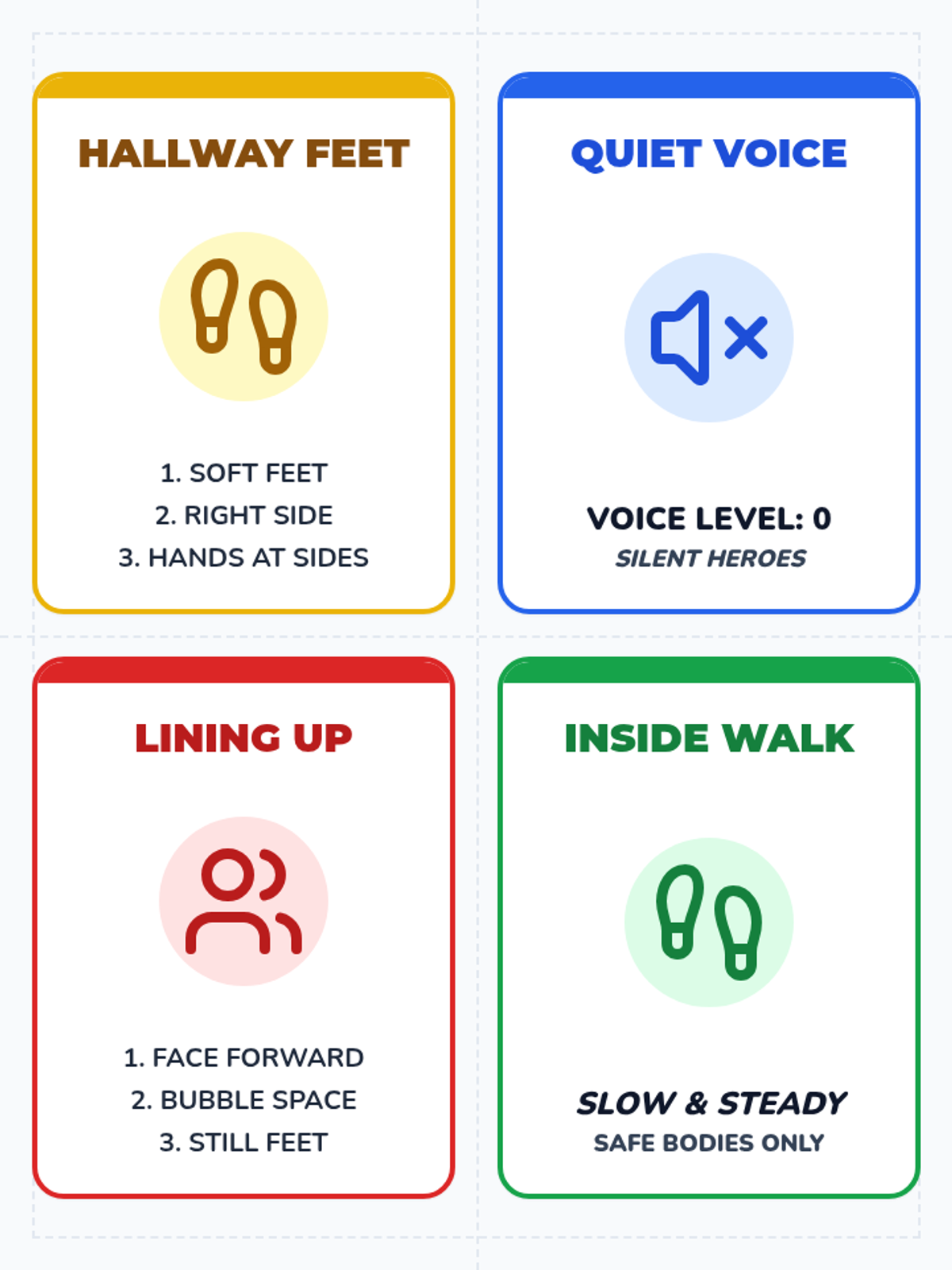
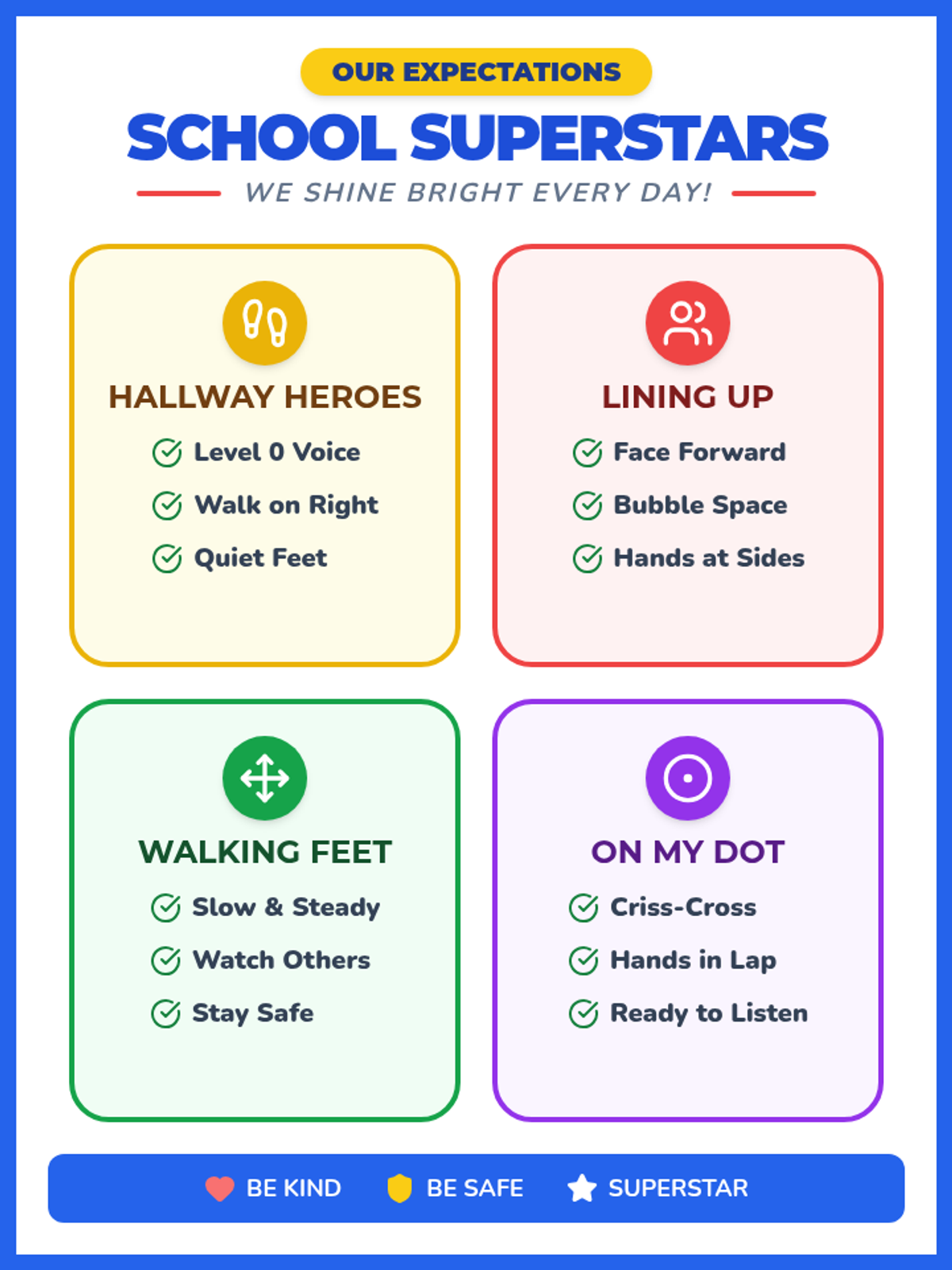
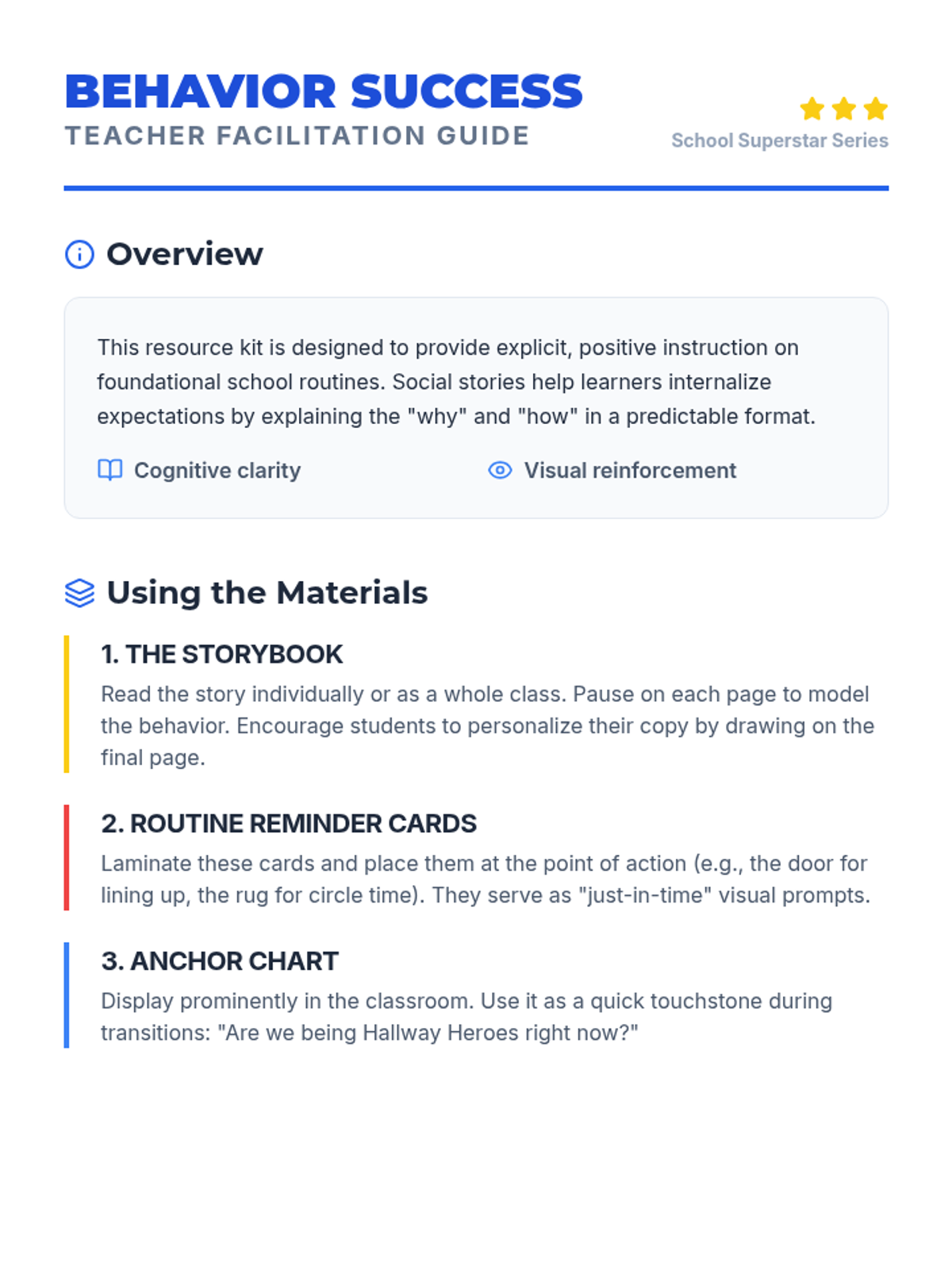
A comprehensive set of social story materials designed to teach and reinforce expected behaviors for walking in hallways, standing in lines, moving through the classroom, and participating in circle time.
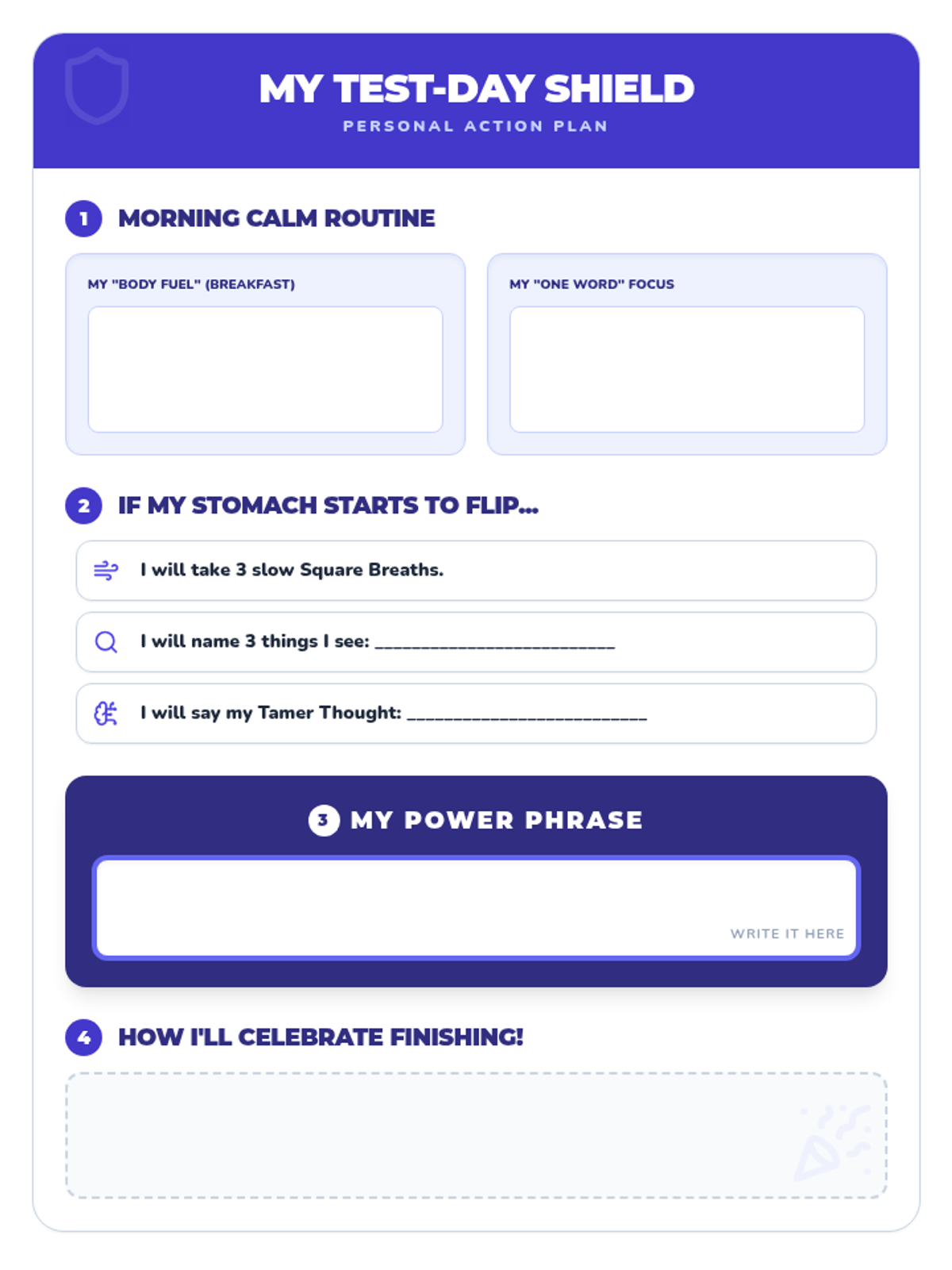
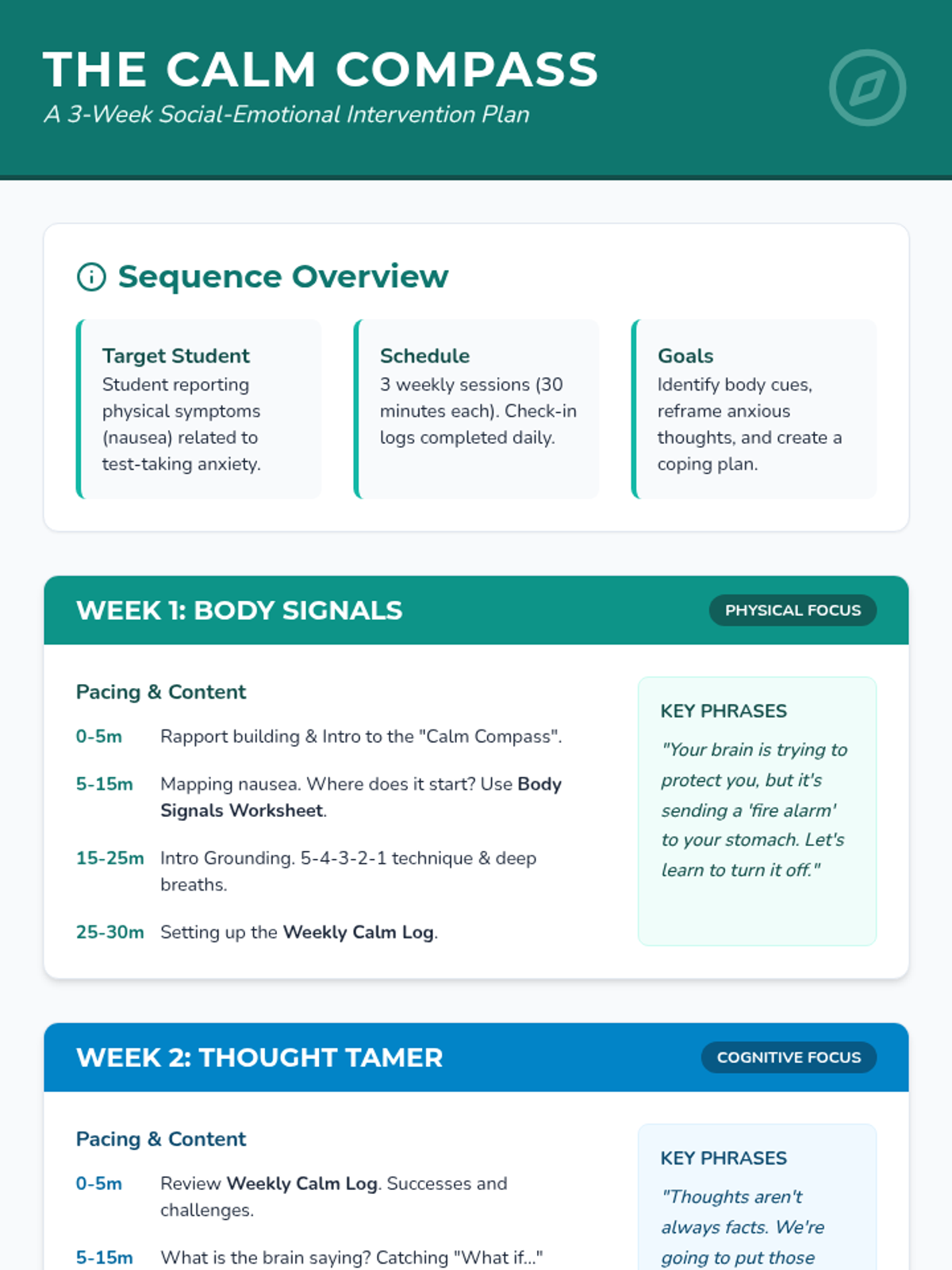
Integrates physical and cognitive strategies into a concrete, visual game plan for upcoming tests.
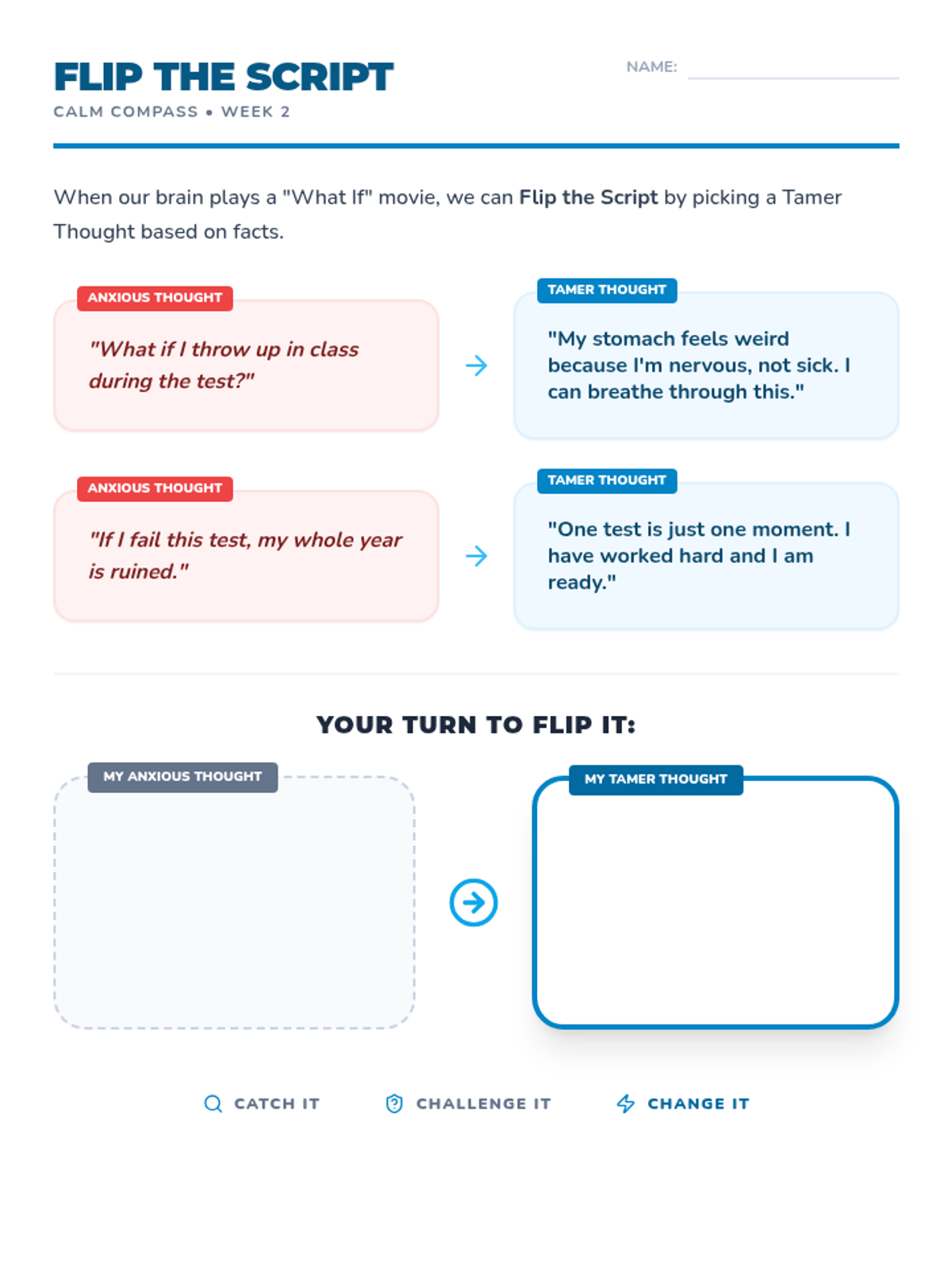
Explores the thoughts behind the physical feelings, teaching the student how to catch and reframe anxious 'what if' thinking.
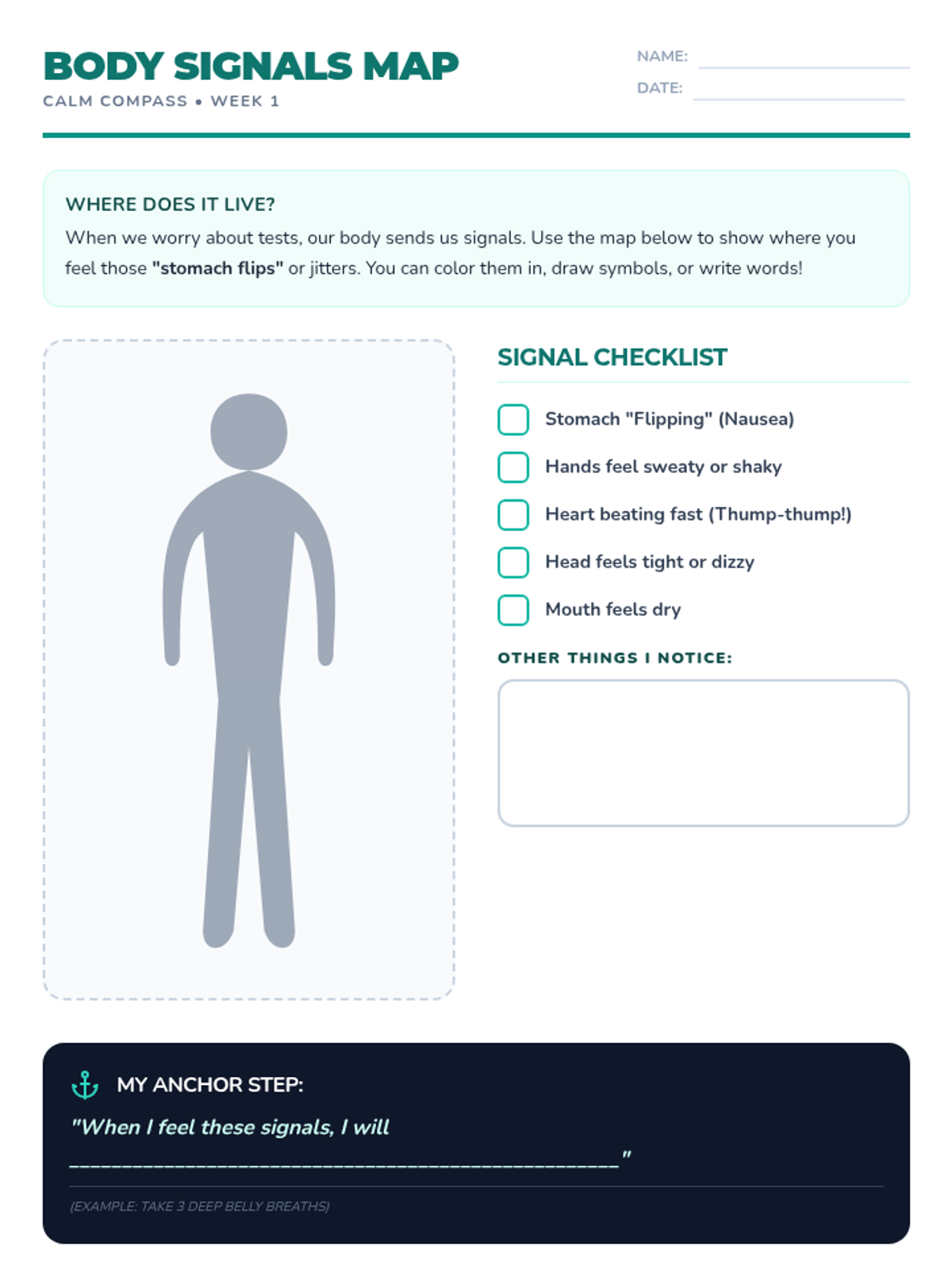
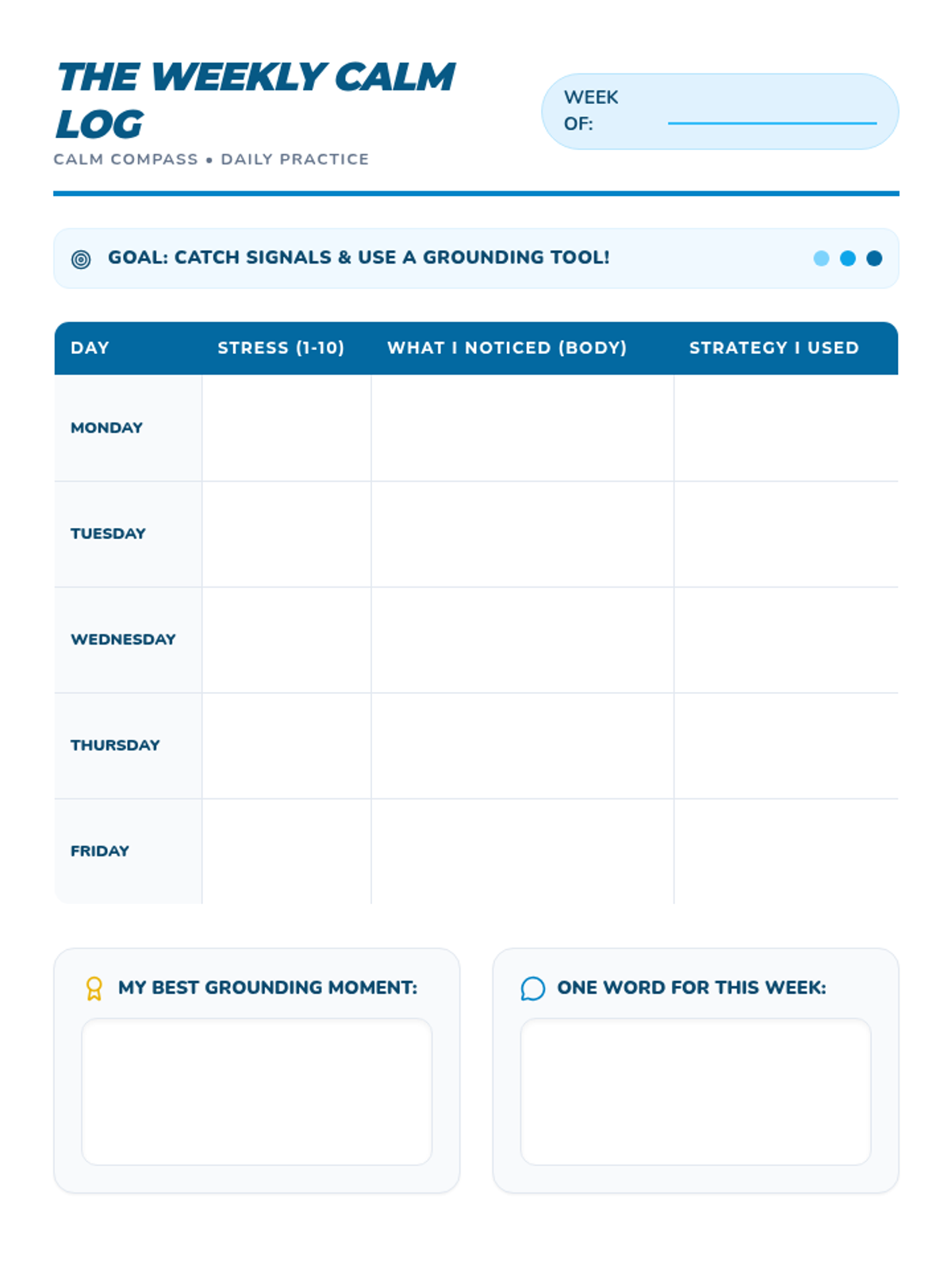
Focuses on identifying the physical manifestations of anxiety, particularly the 'stomach flip' sensation, and introduces grounding techniques.
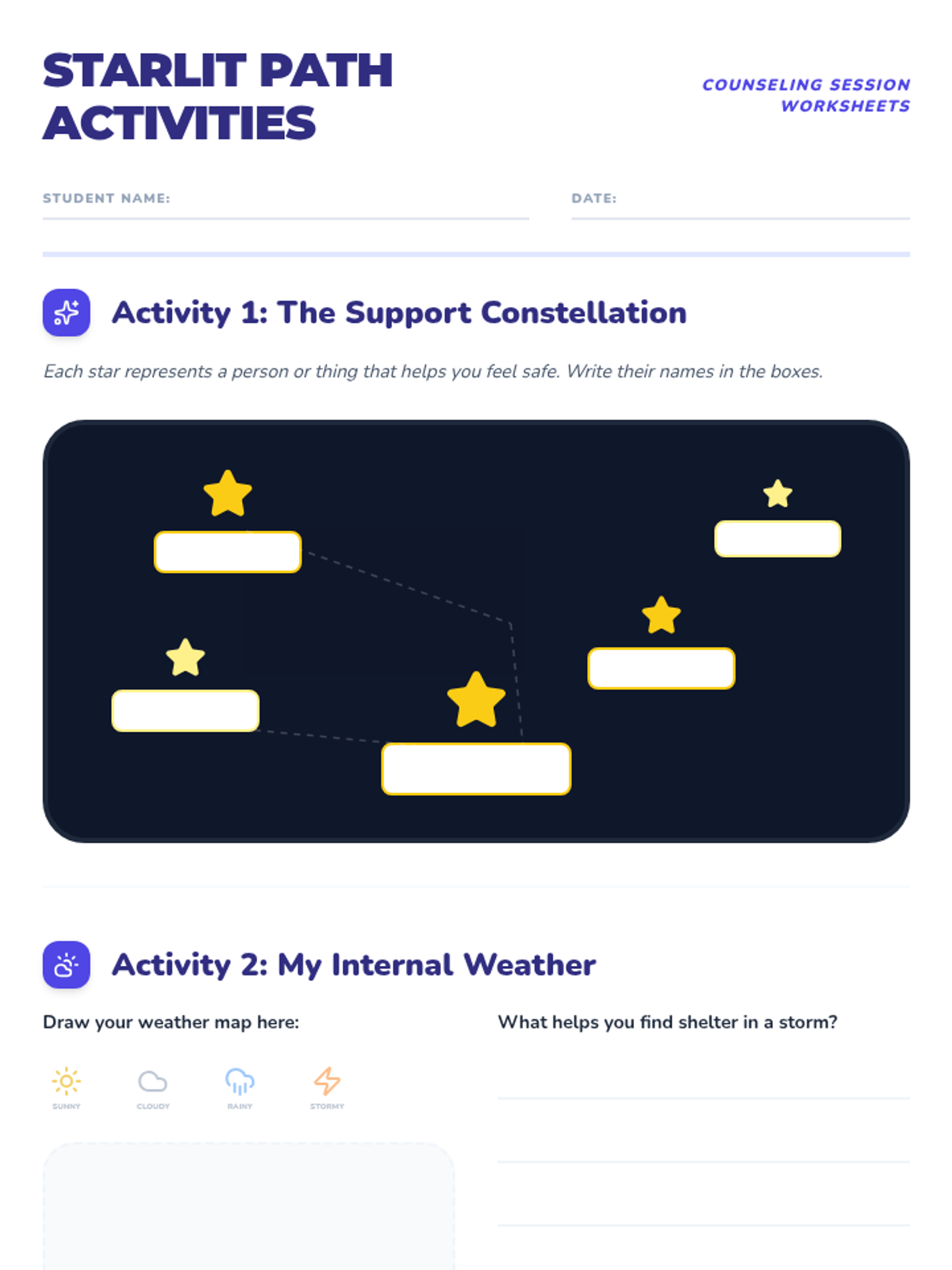
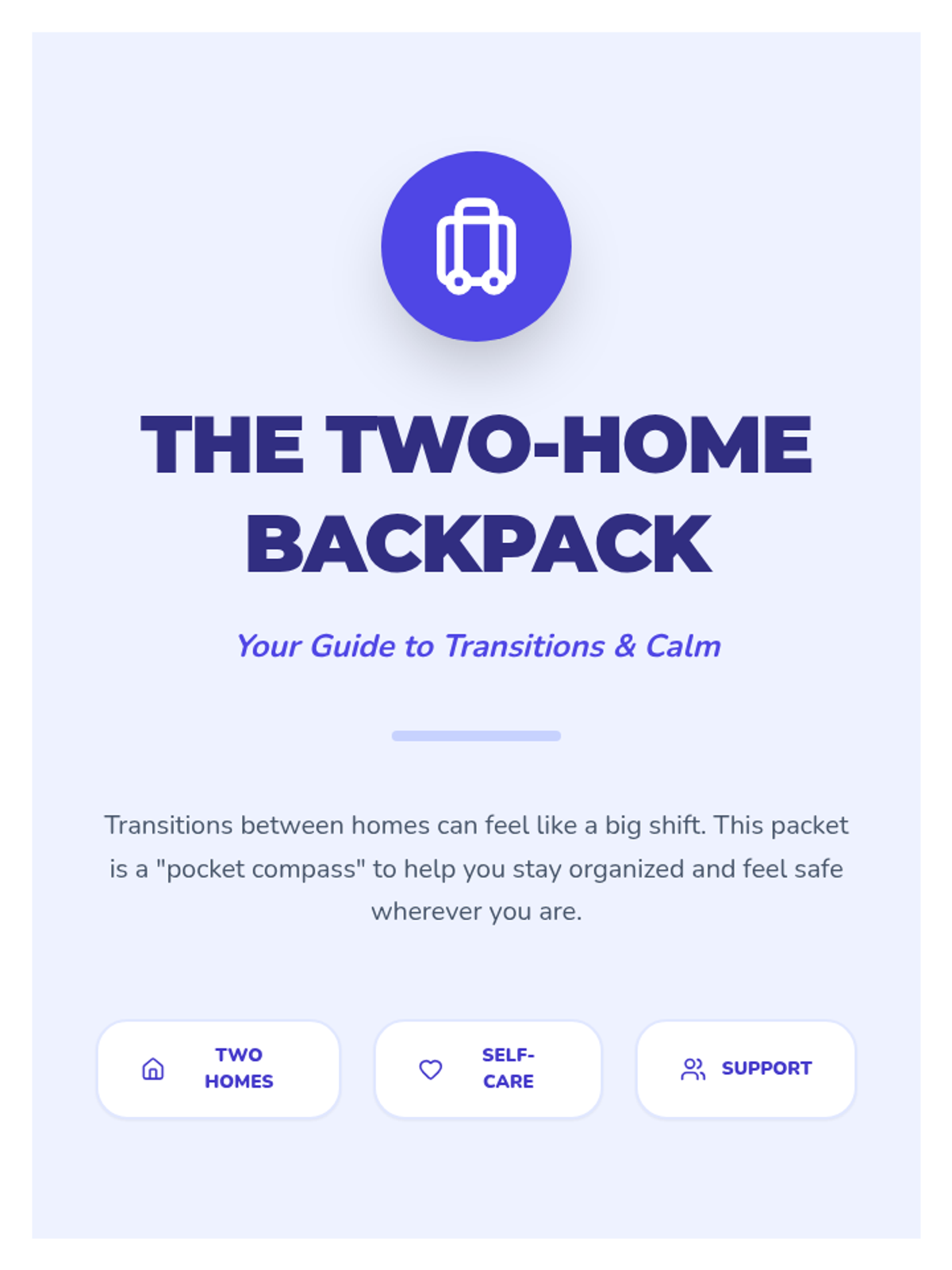
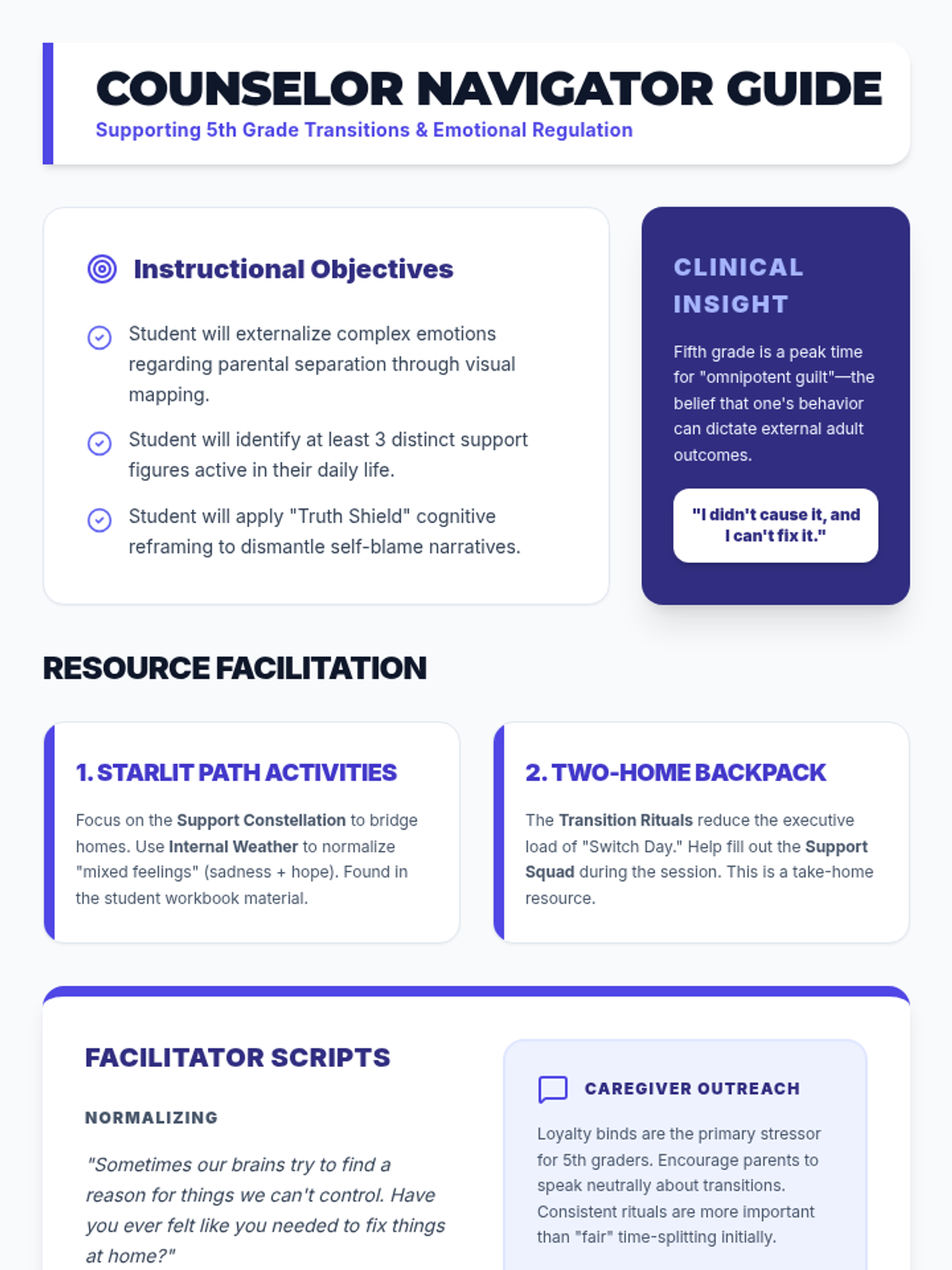
A comprehensive counseling framework designed for a 5th-grade student navigating parental separation. This lesson focuses on emotional regulation, identifying support networks, managing transitions between homes, and reinforcing that the separation is not the child's fault.
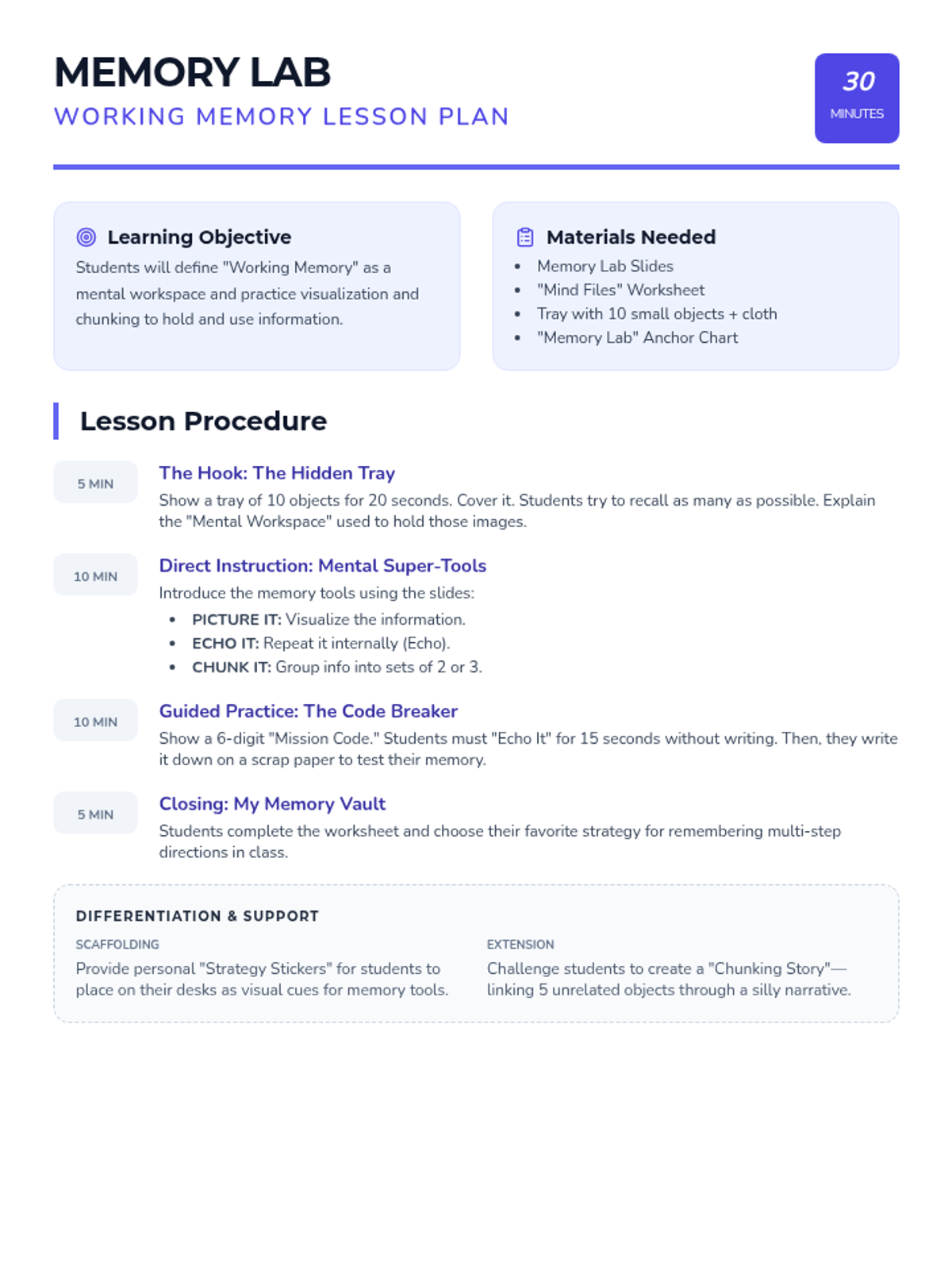
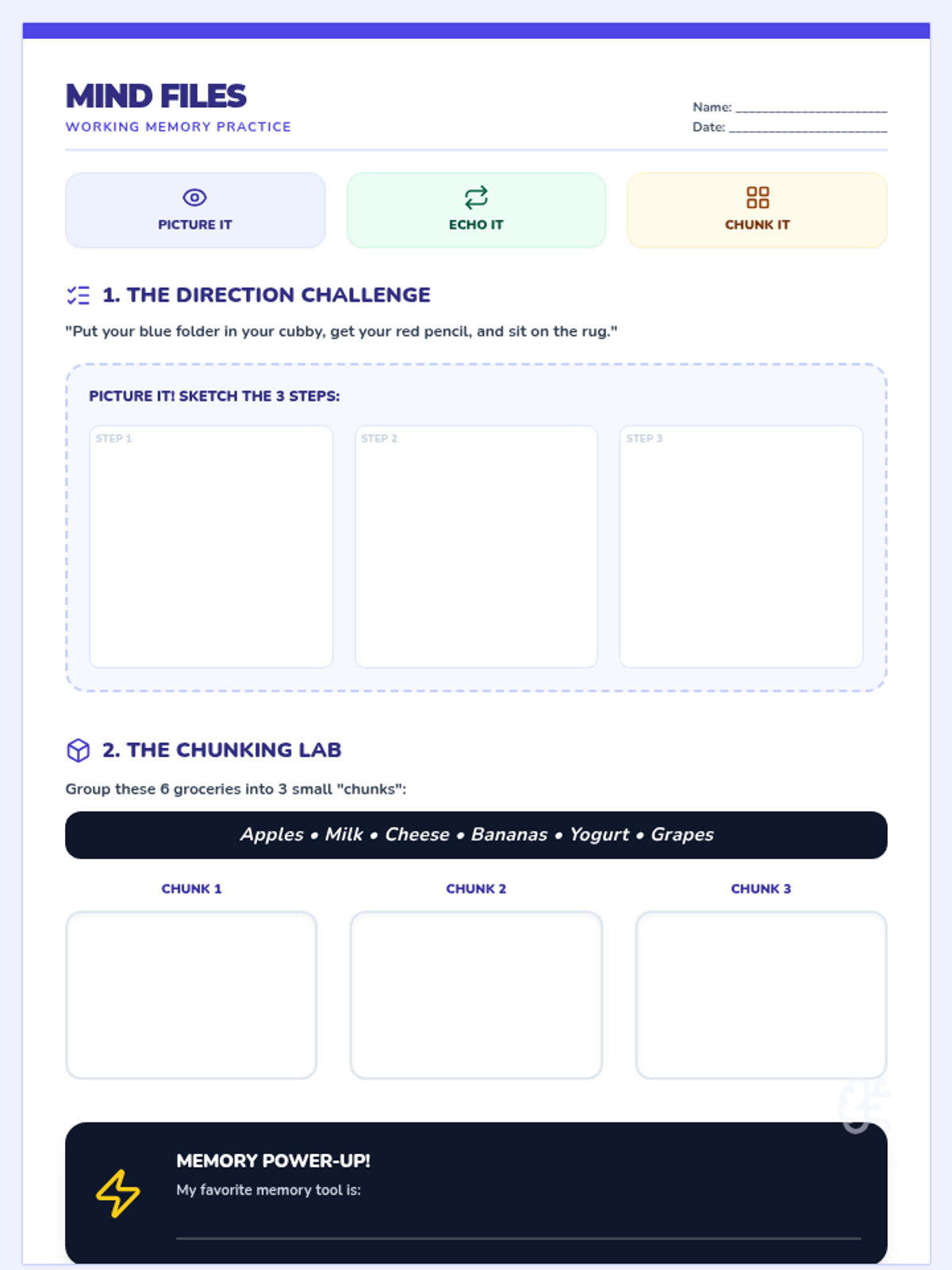
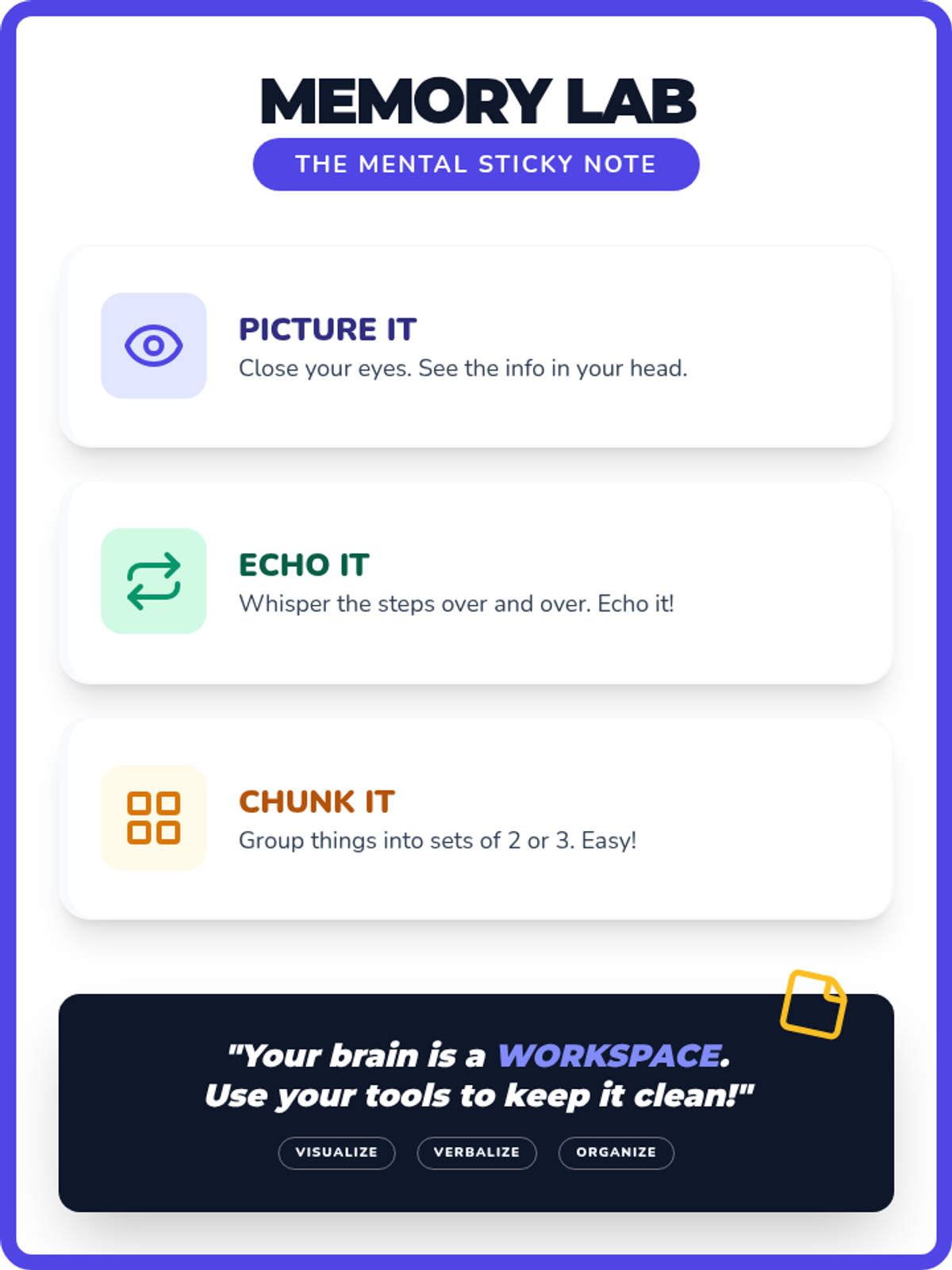
Students discover techniques like visualization and chunking to hold and manipulate information in their 'Memory Lab'.
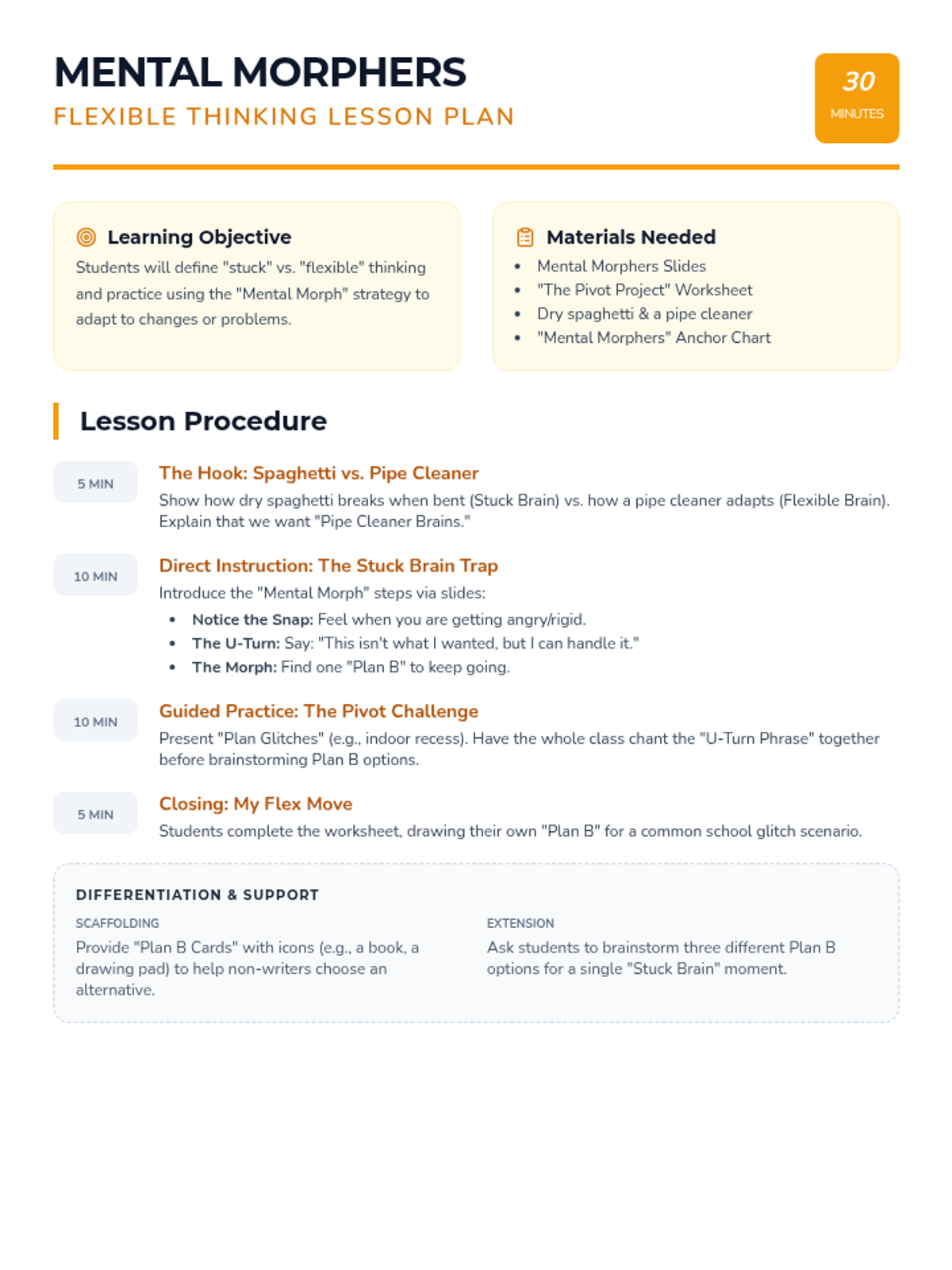
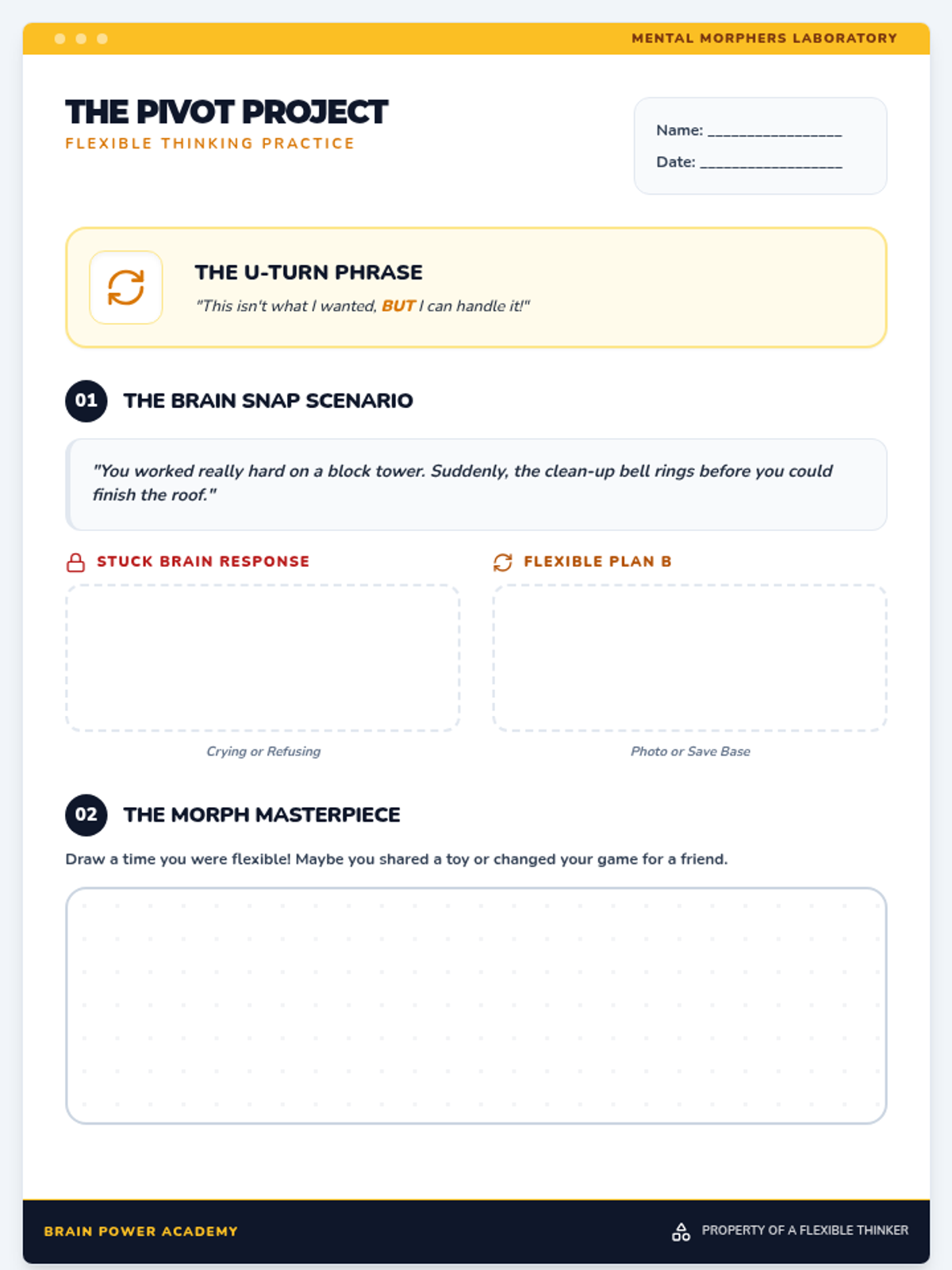
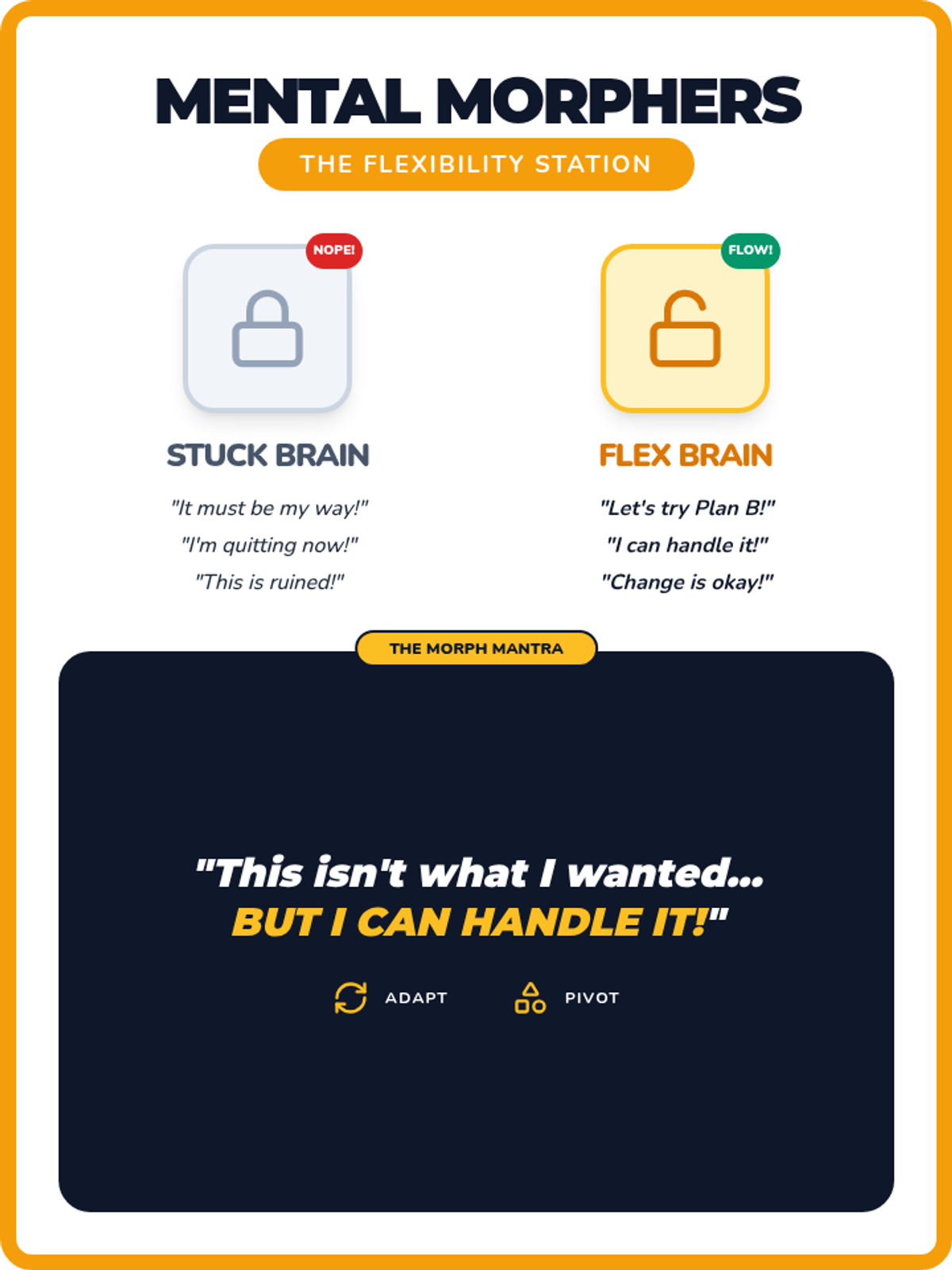
Students practice adapting to changes and seeing things from different perspectives using 'Mental Morphers' strategies.
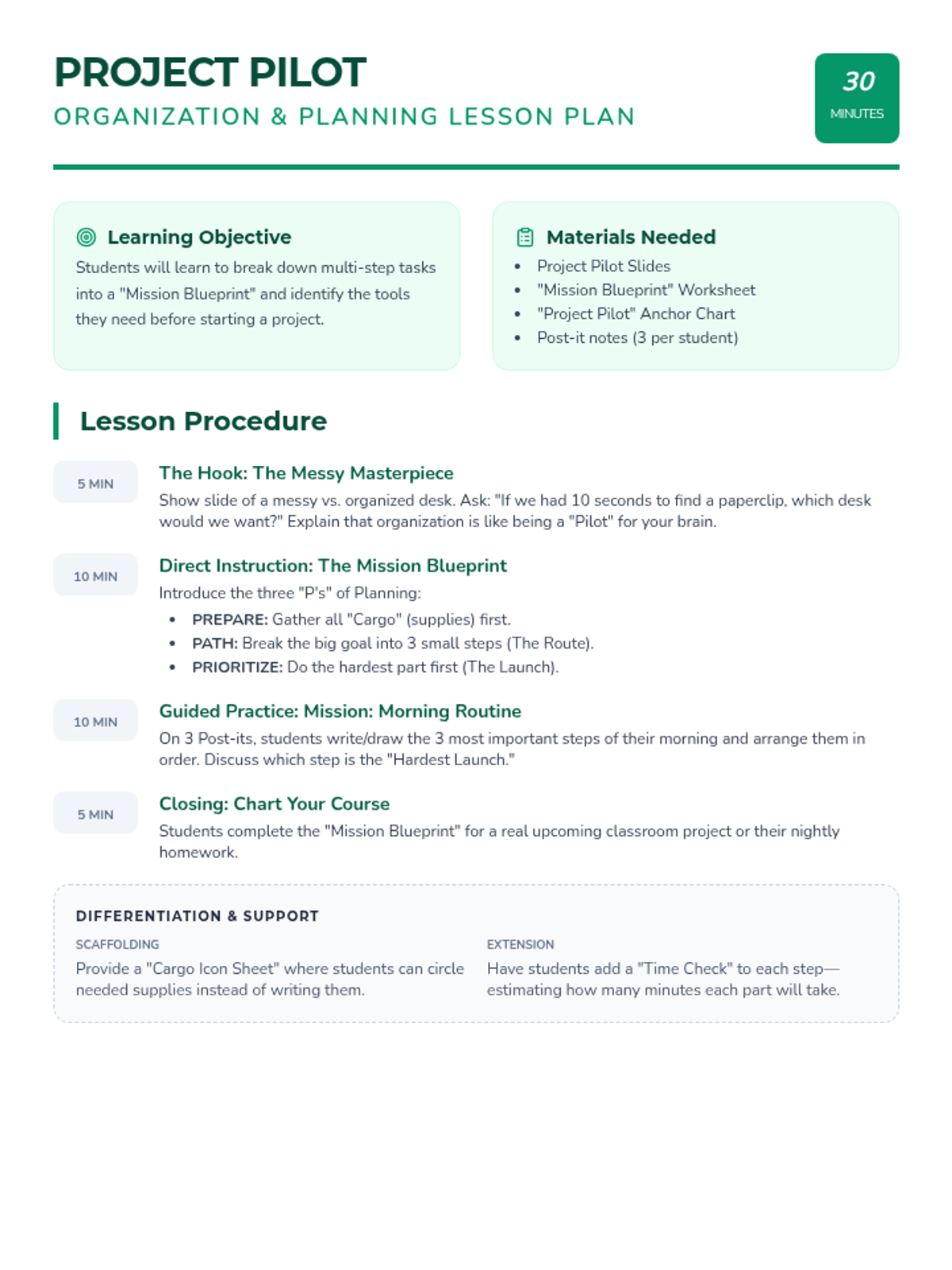
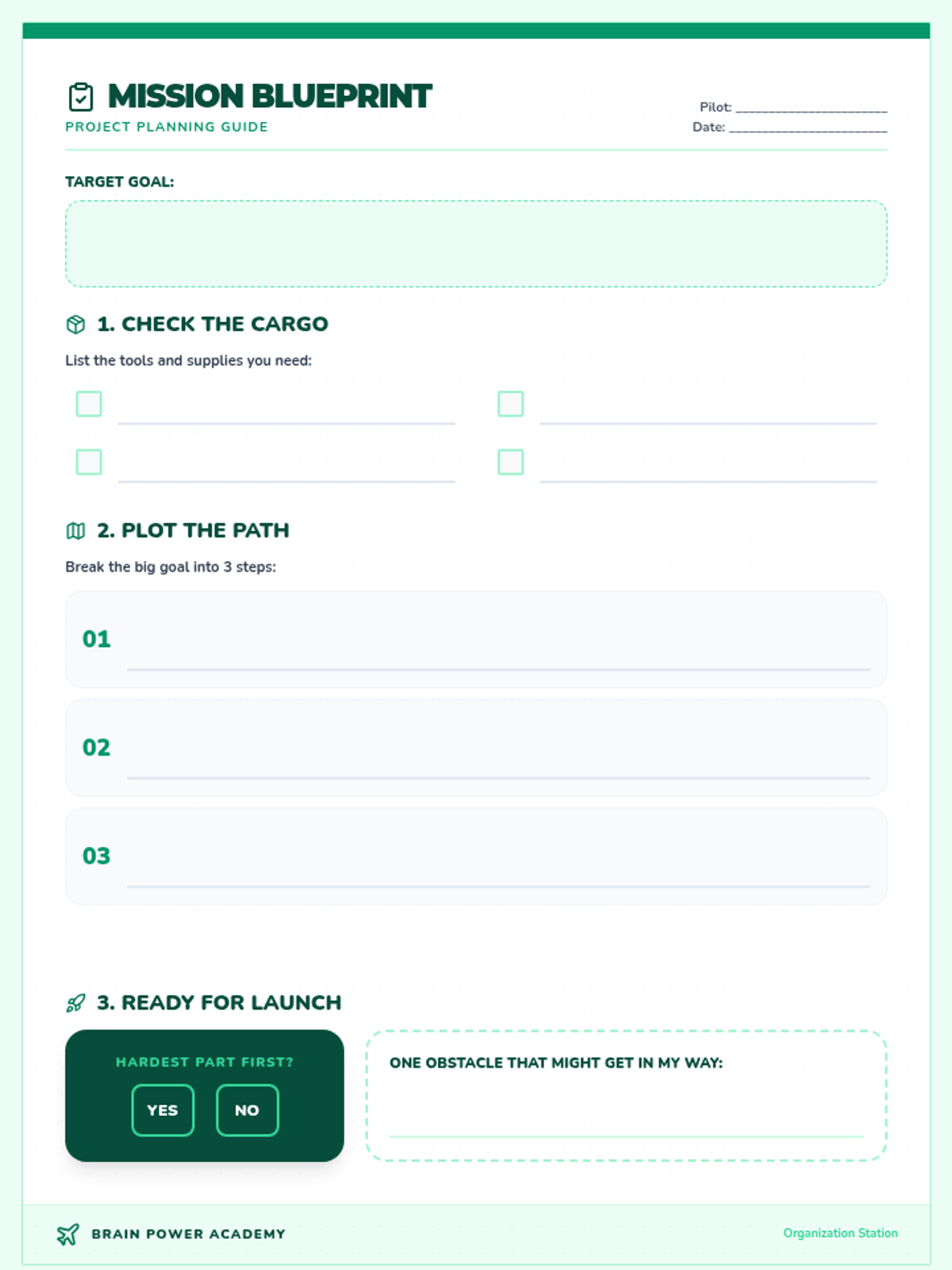
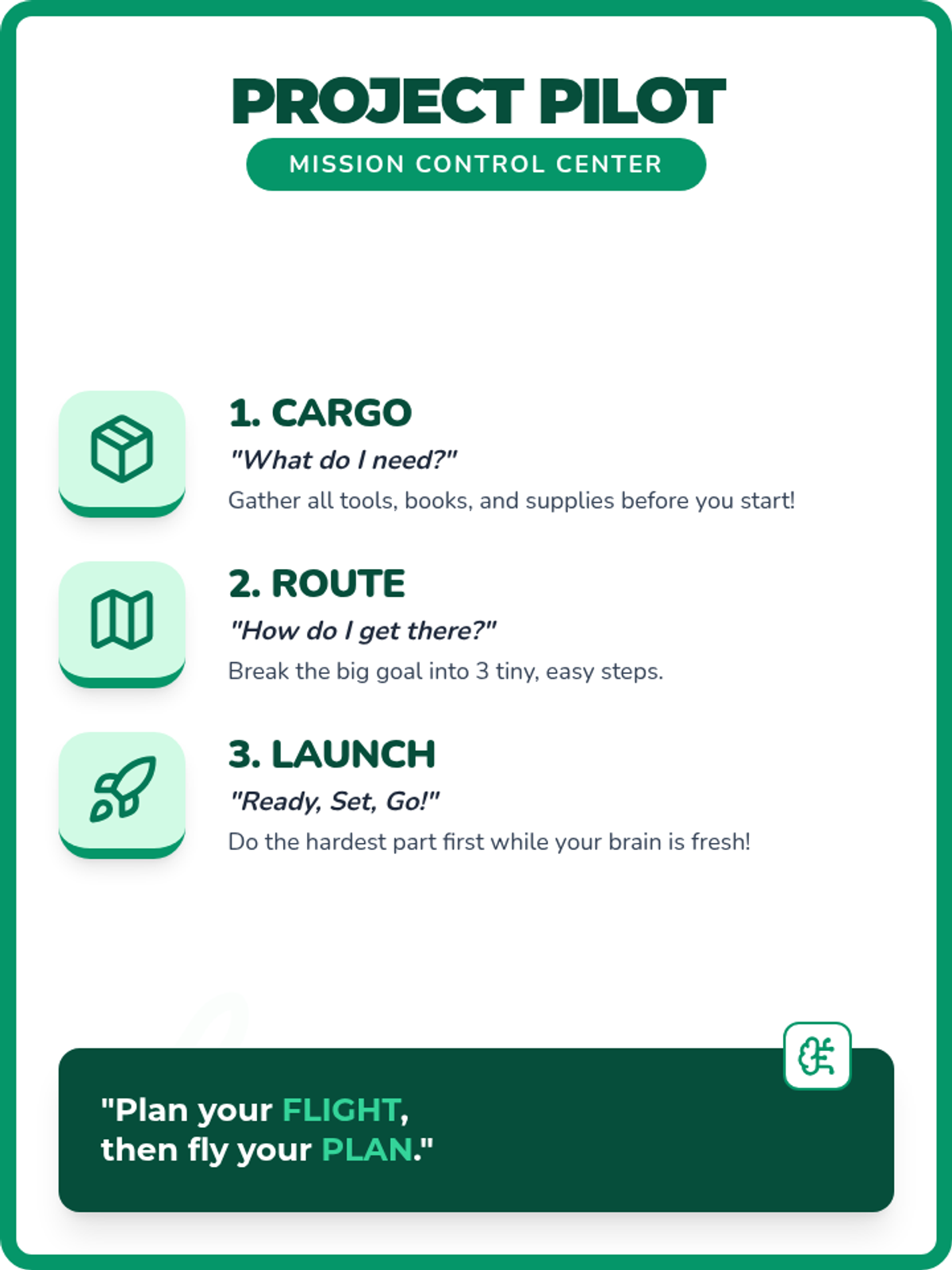
Students explore how to break big tasks into small steps and organize their tools for success using the 'Mission Blueprint' method.
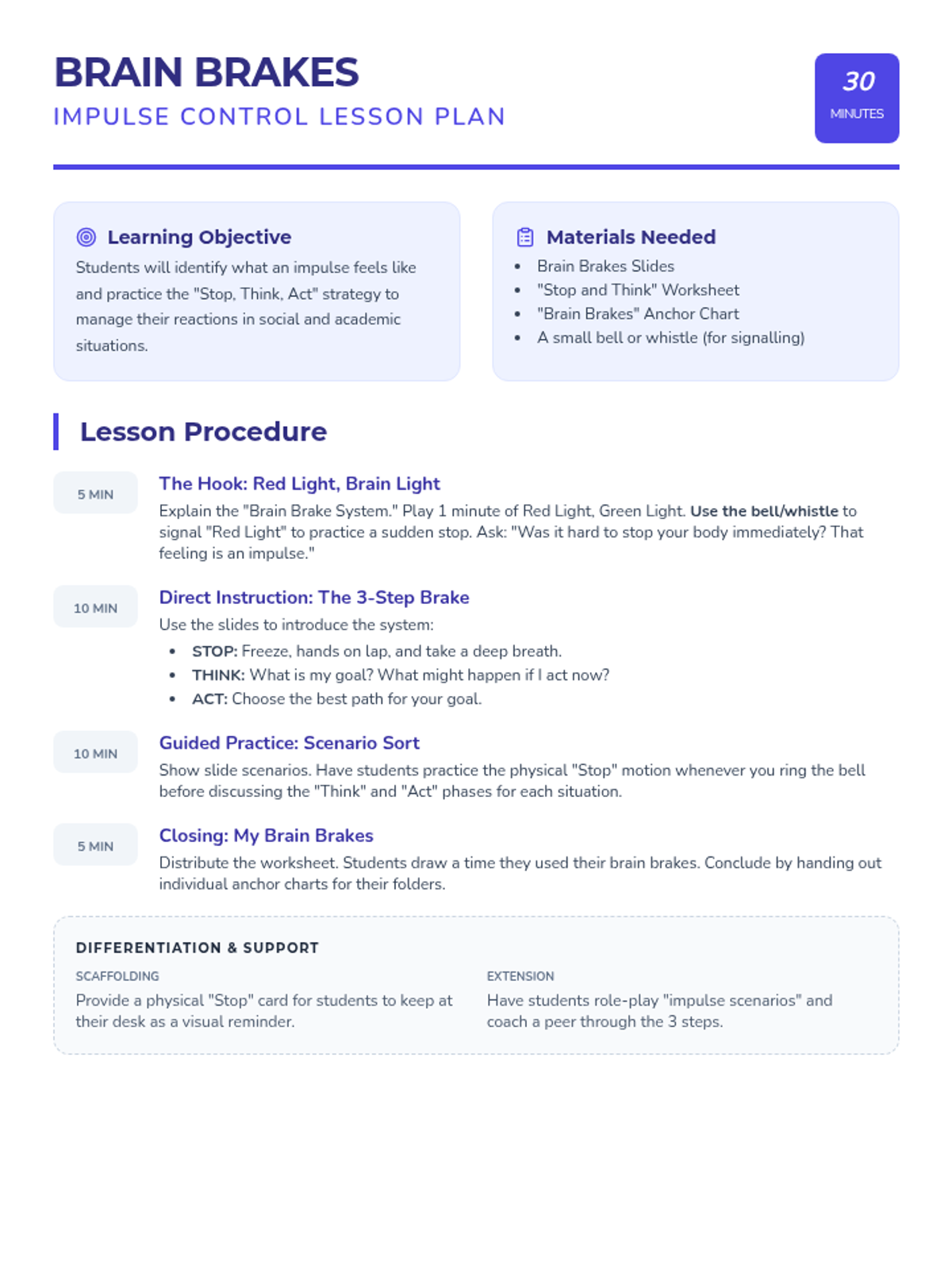
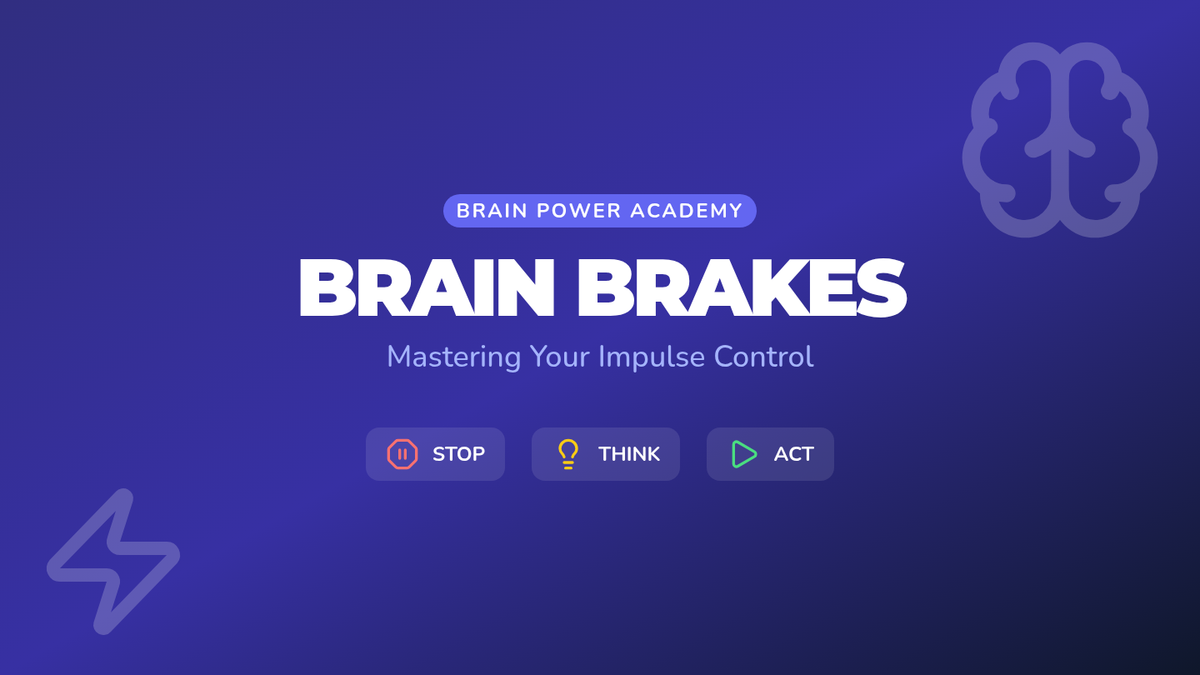
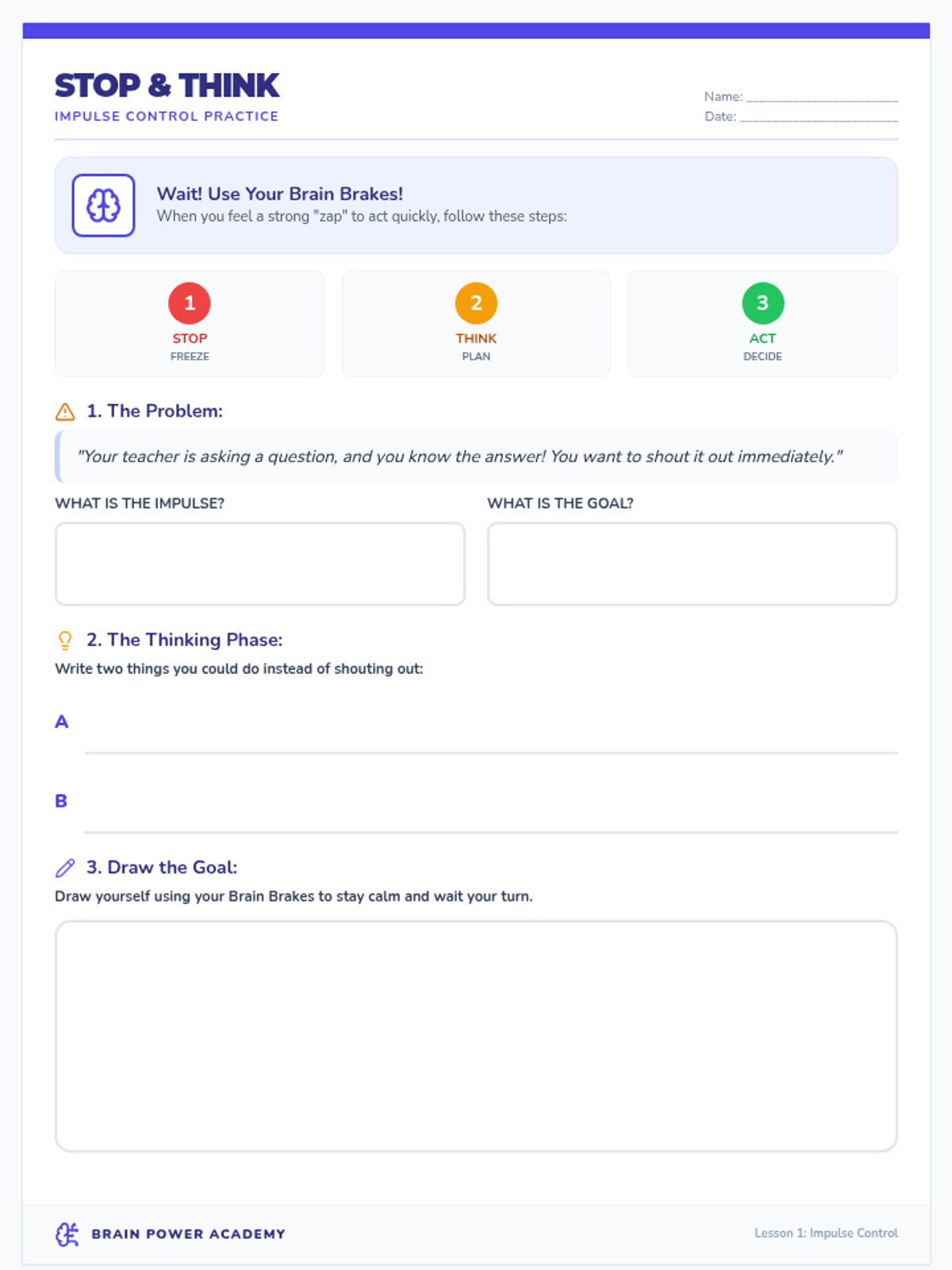
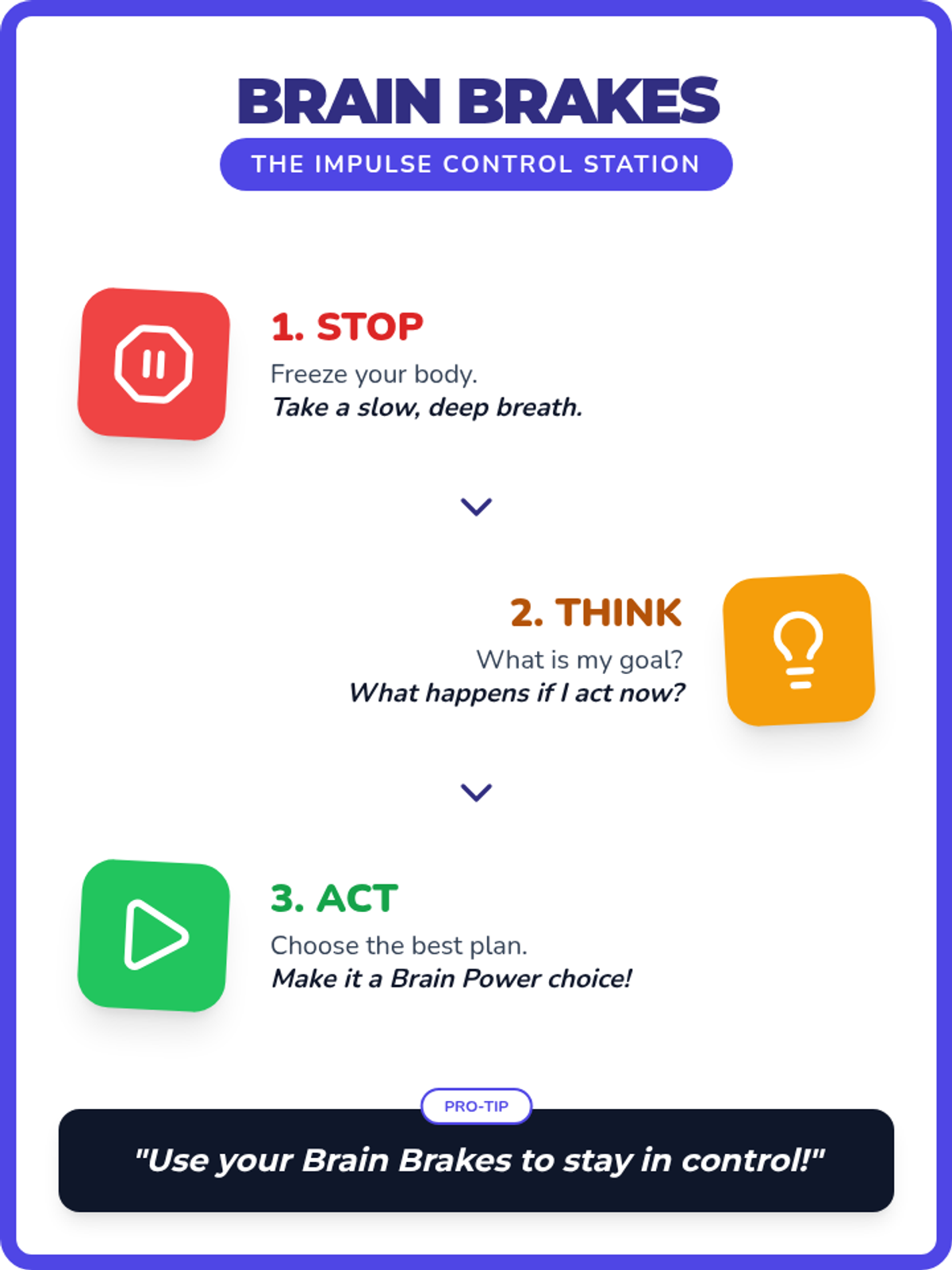
Students learn to identify impulsive urges and practice the 'Stop, Think, Act' strategy using the metaphor of 'Brain Brakes'.
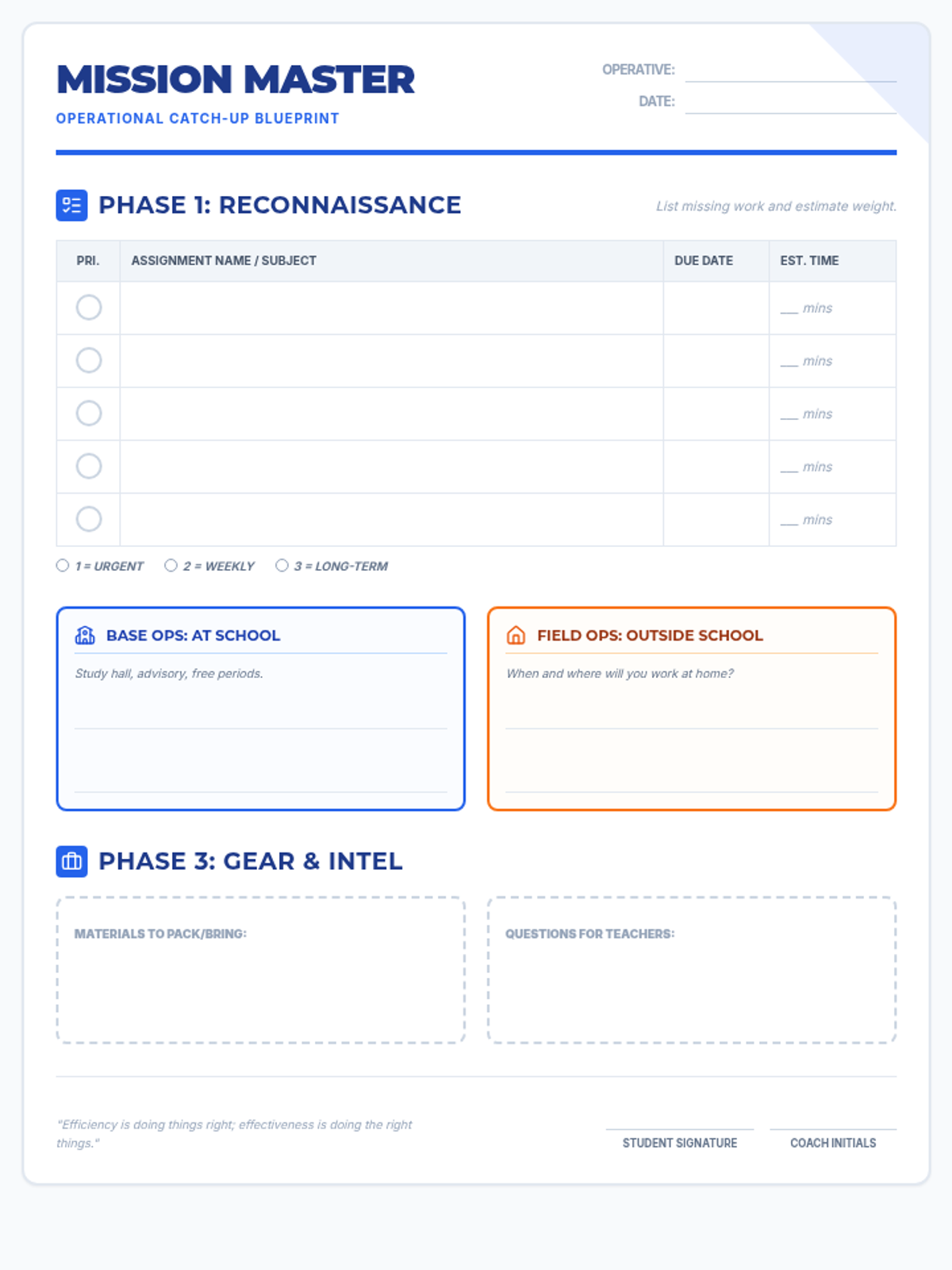
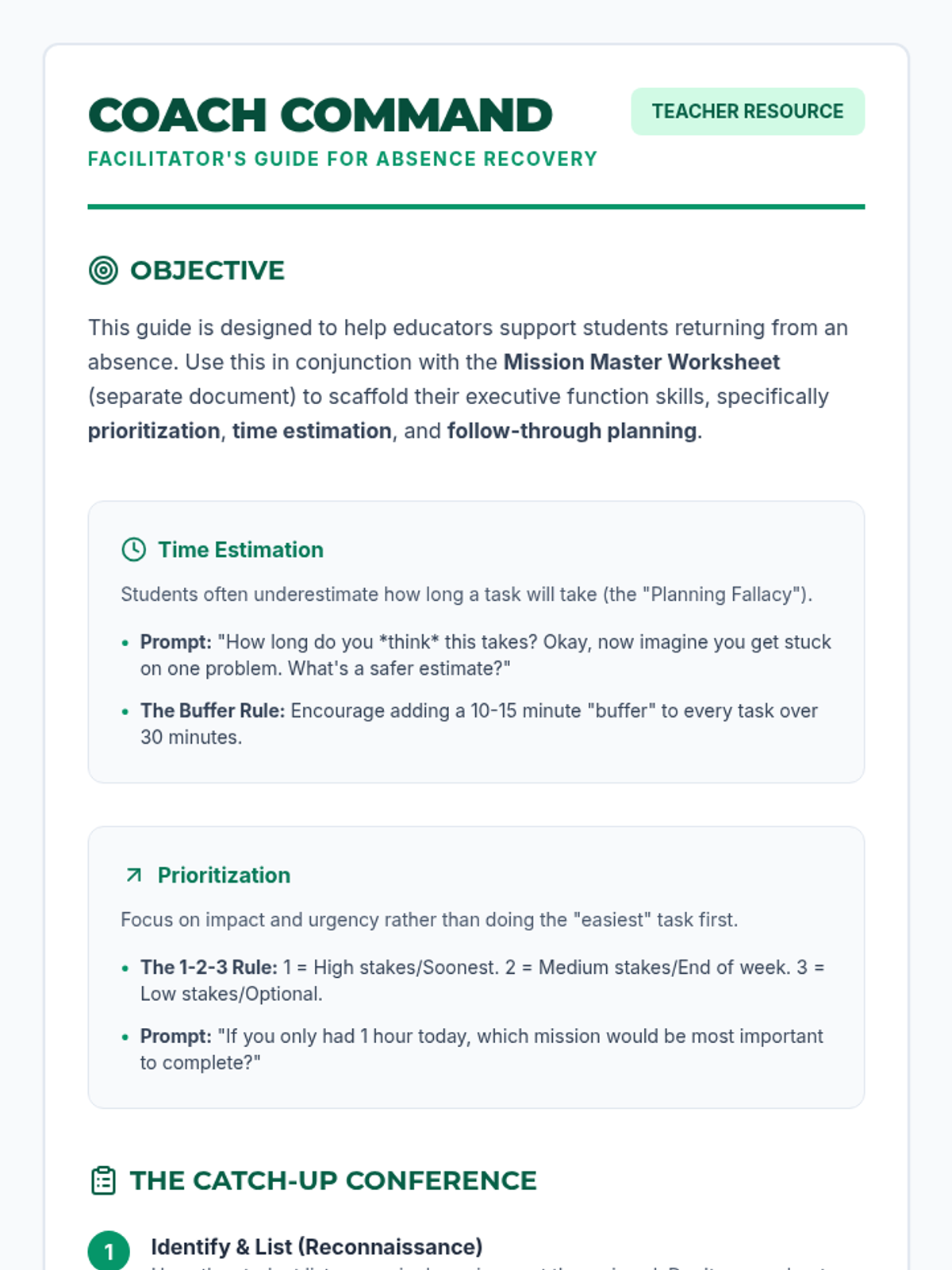
A toolkit designed to help students recover from absences by developing executive function skills like prioritization, time estimation, and resource management.
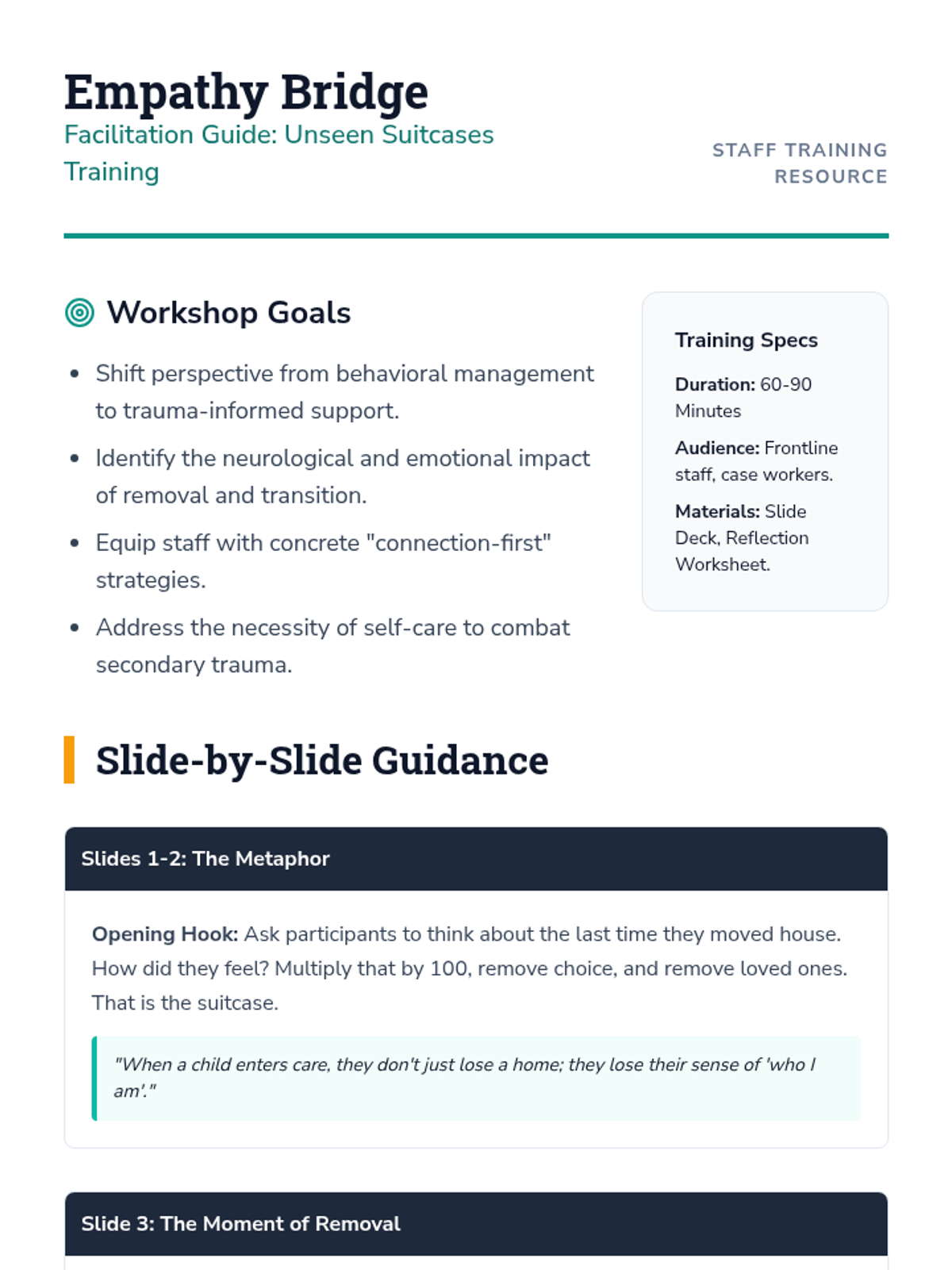
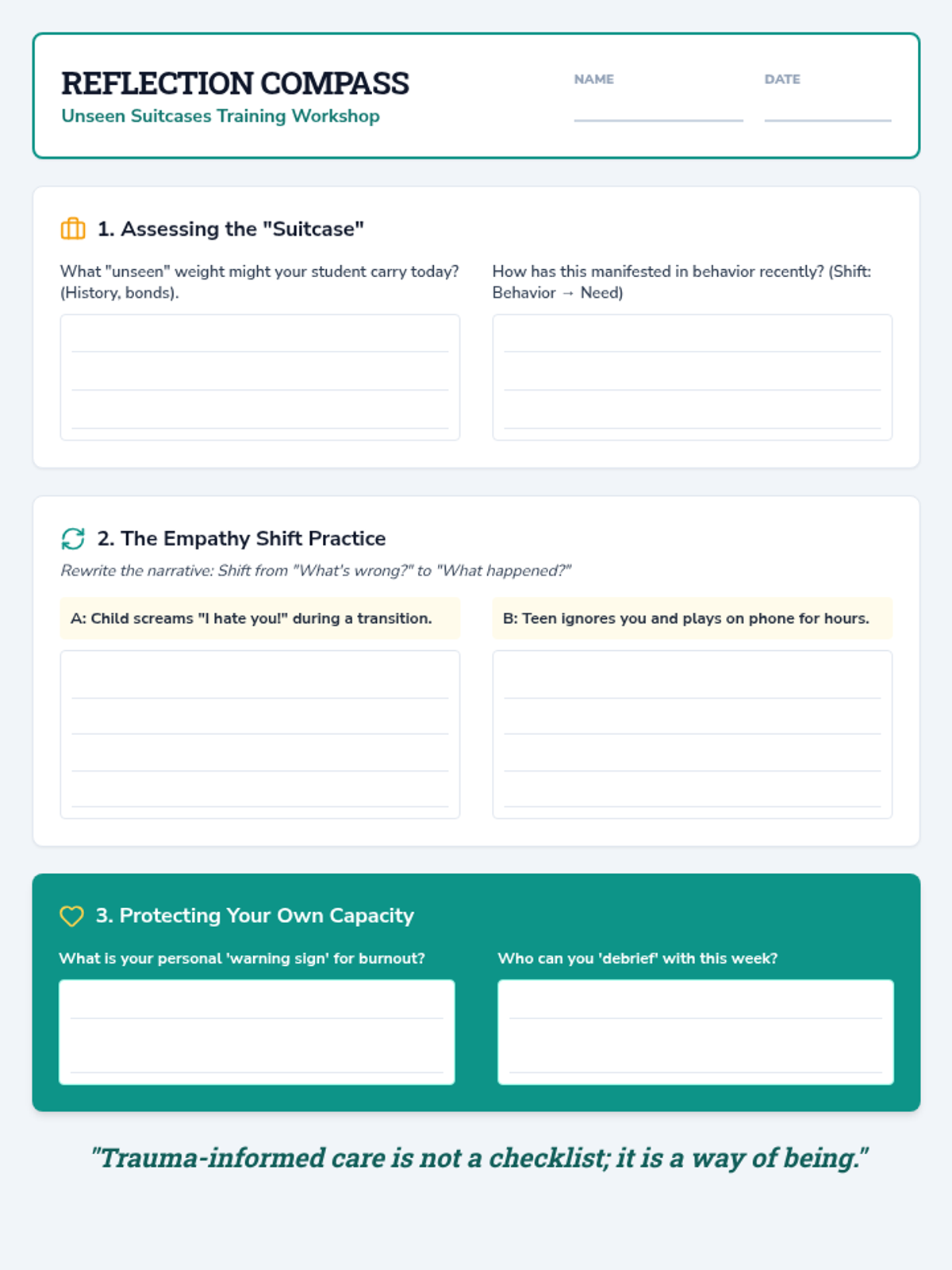
A trauma-informed training module for staff to build deep empathy for children in the foster care system by understanding the neurological and emotional impact of removal and placement.
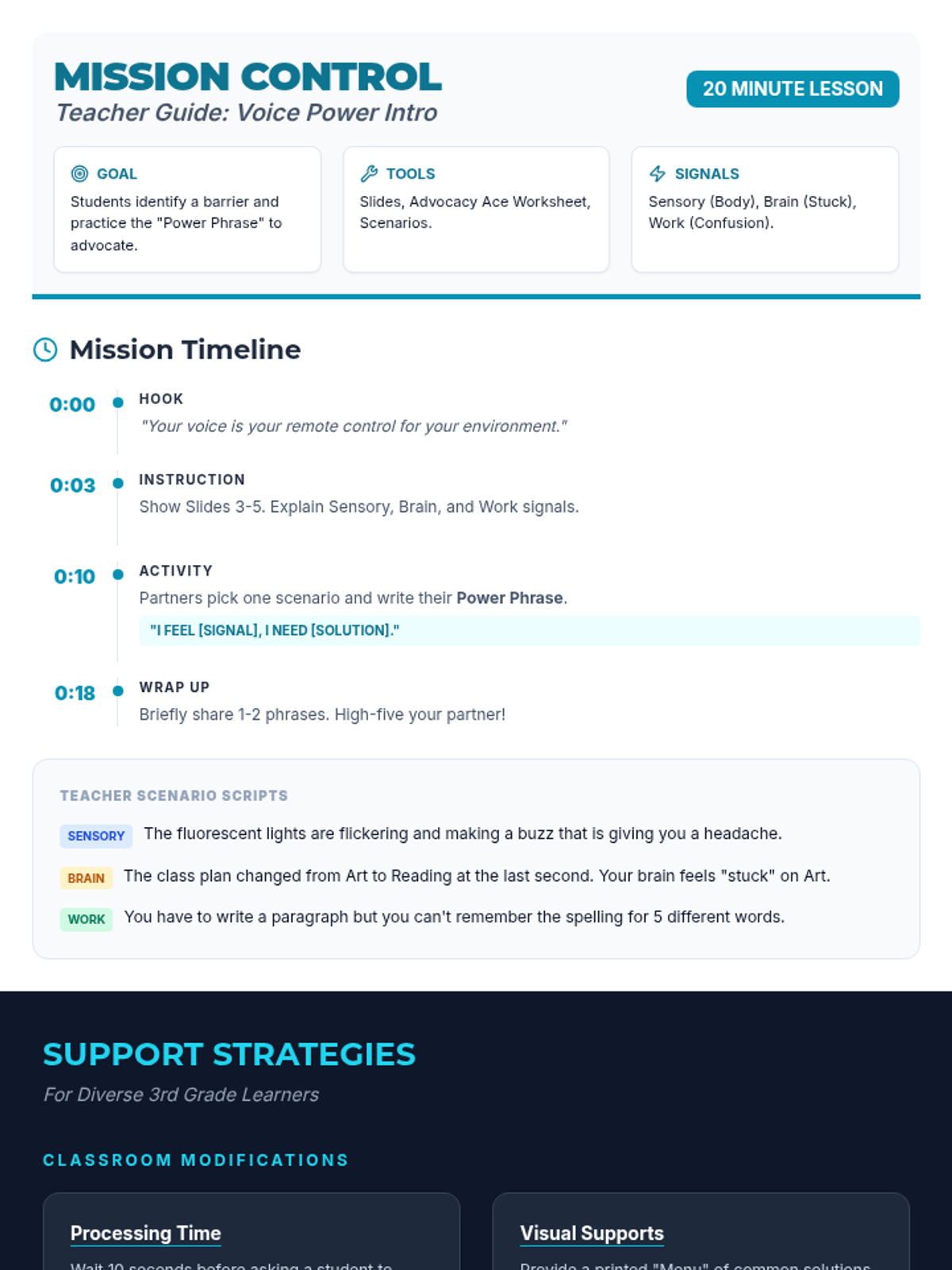
A high-energy, 20-minute introduction to self-advocacy focusing on sensory needs, inflexible thinking, and academic help-seeking for 3rd graders.