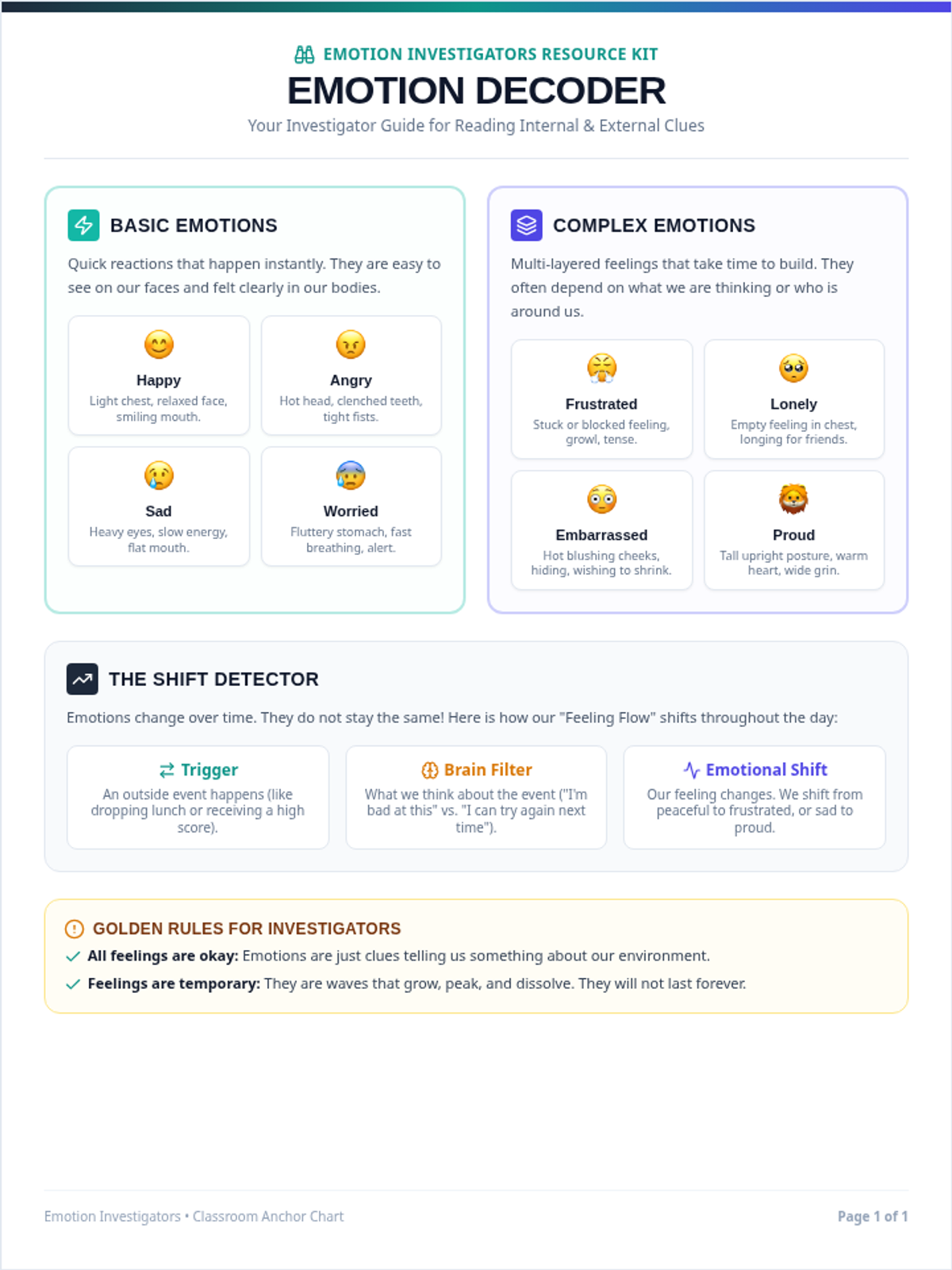
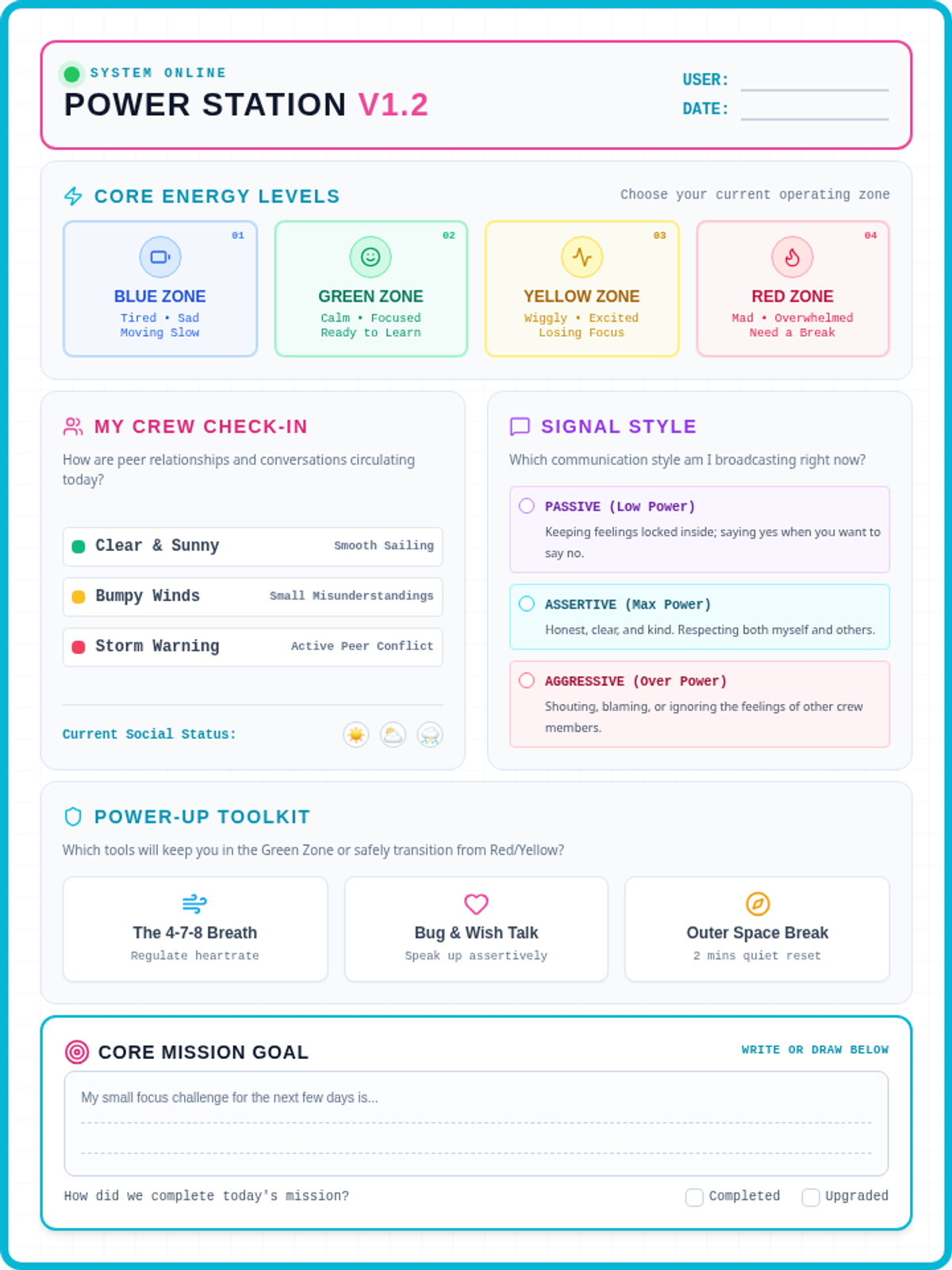
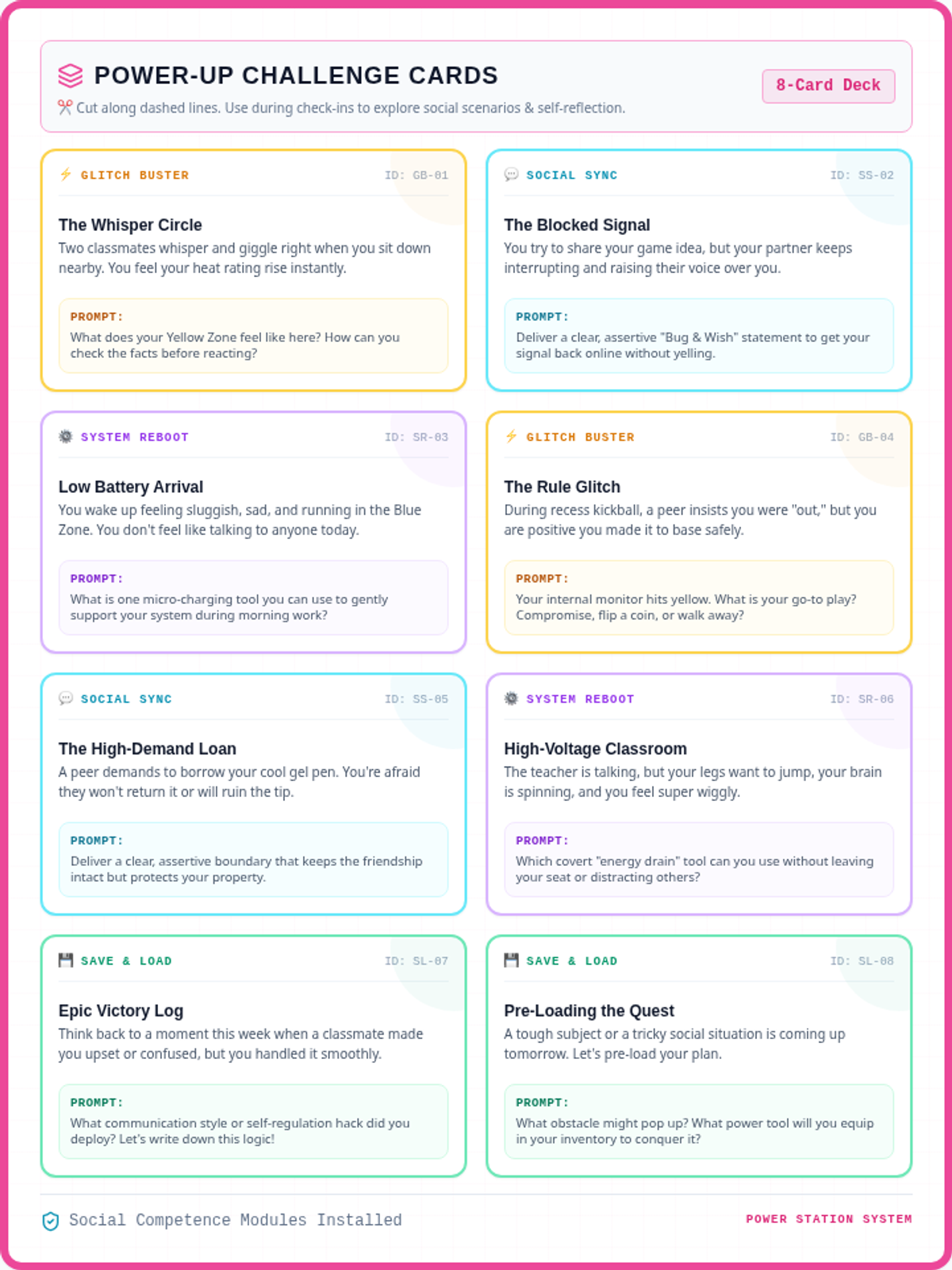
A lesson focusing on self-regulation, interoceptive awareness, and coping strategy mastery. It provides third-grade students with visual, child-friendly tools to connect physical body clues to emotional zones and identify calming strategies.
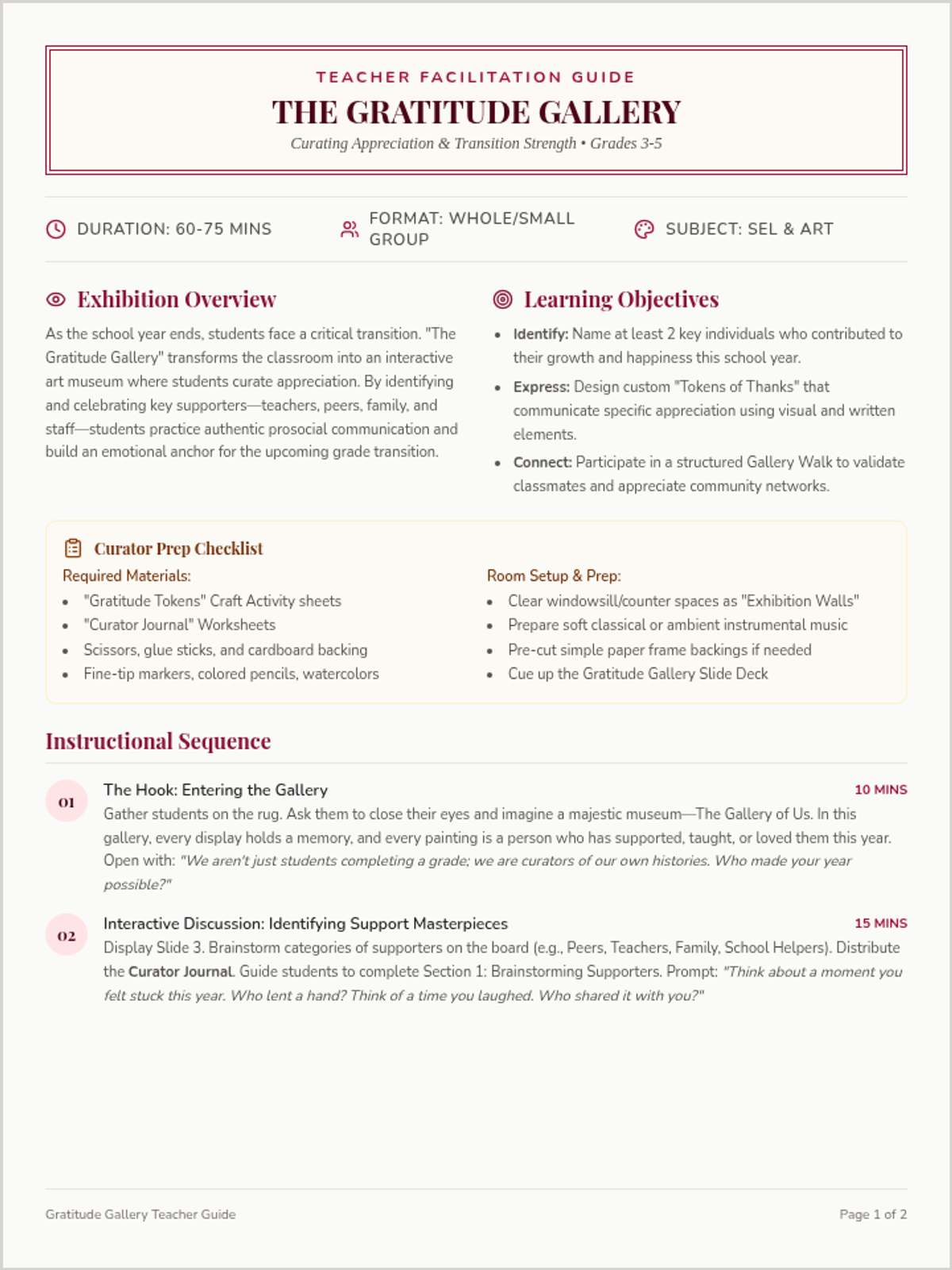
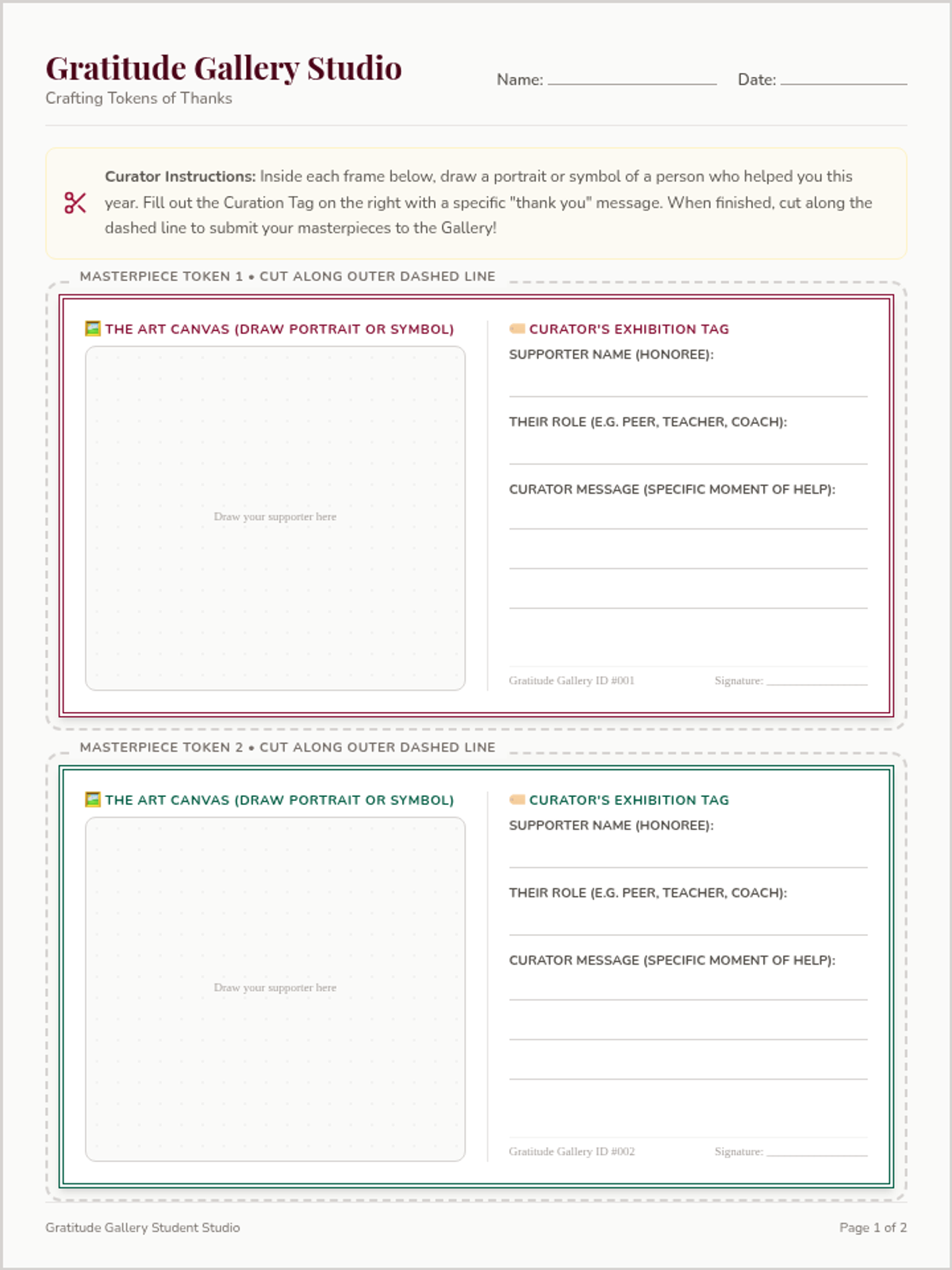
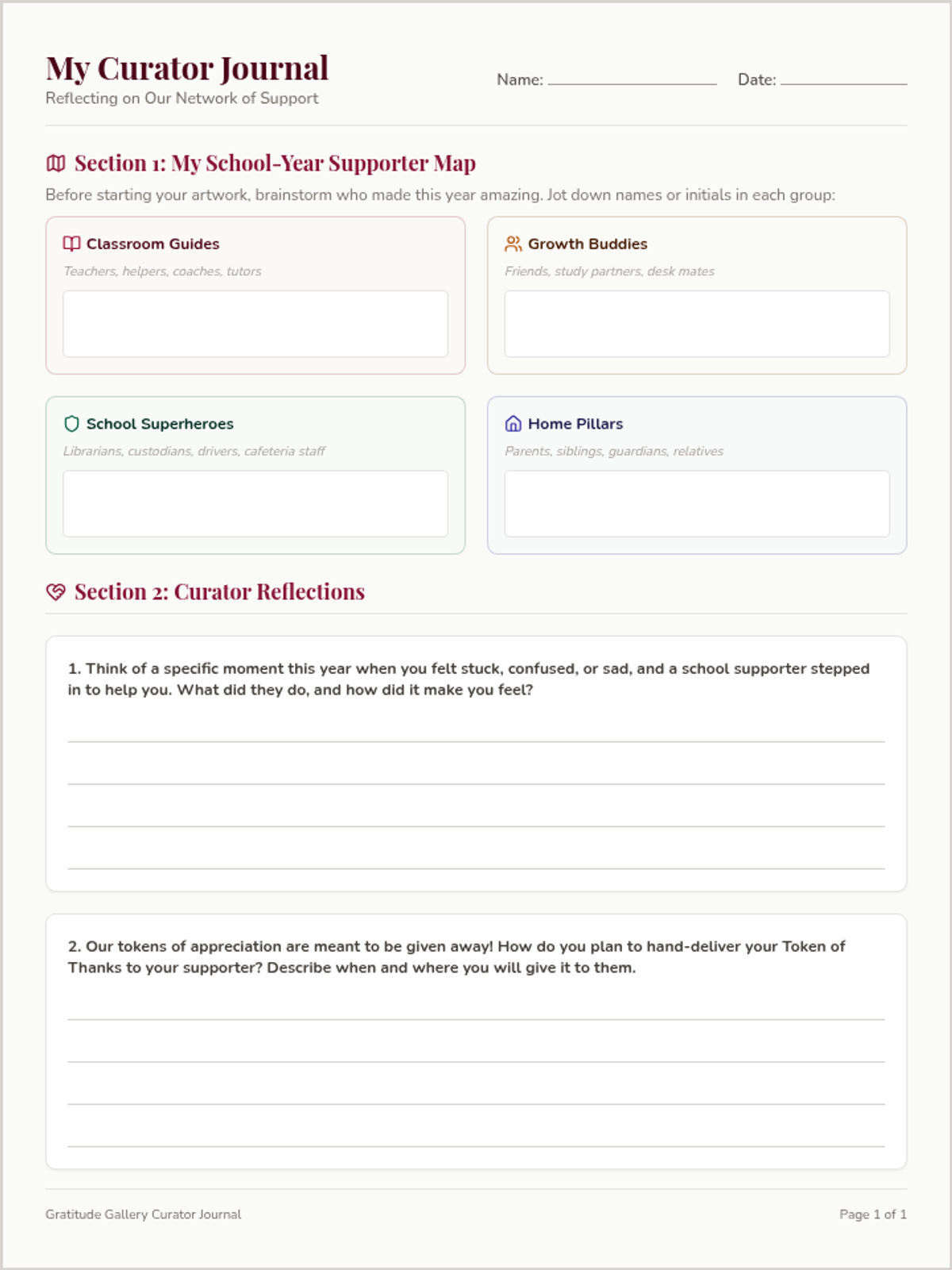
A lesson focusing on the power of expressing appreciation to build a positive community. 3rd-5th grade students reflect on school-year supporters and create physical 'tokens of thanks' to display in a classroom gallery walk, facilitating a positive transition to the next grade.
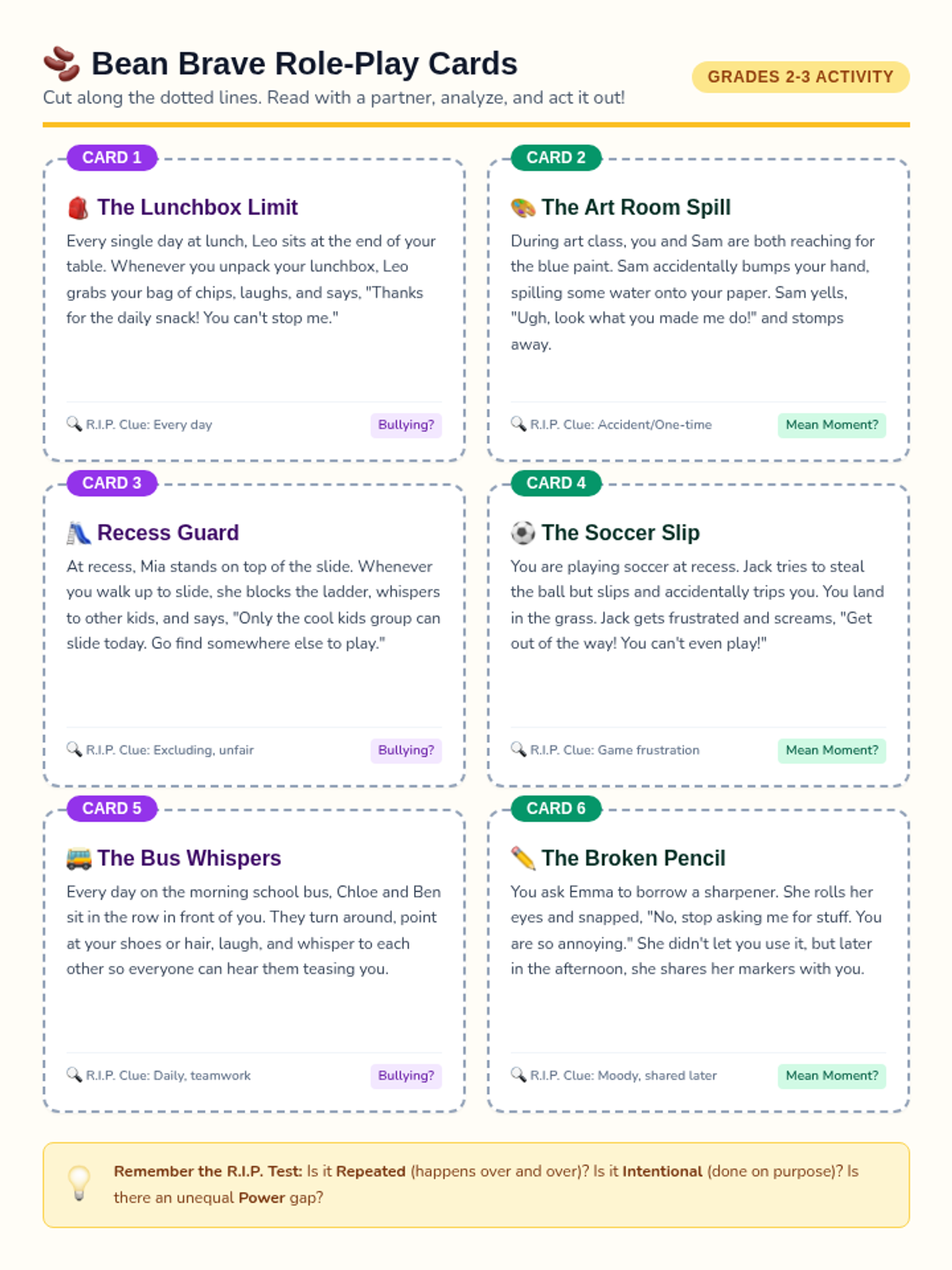
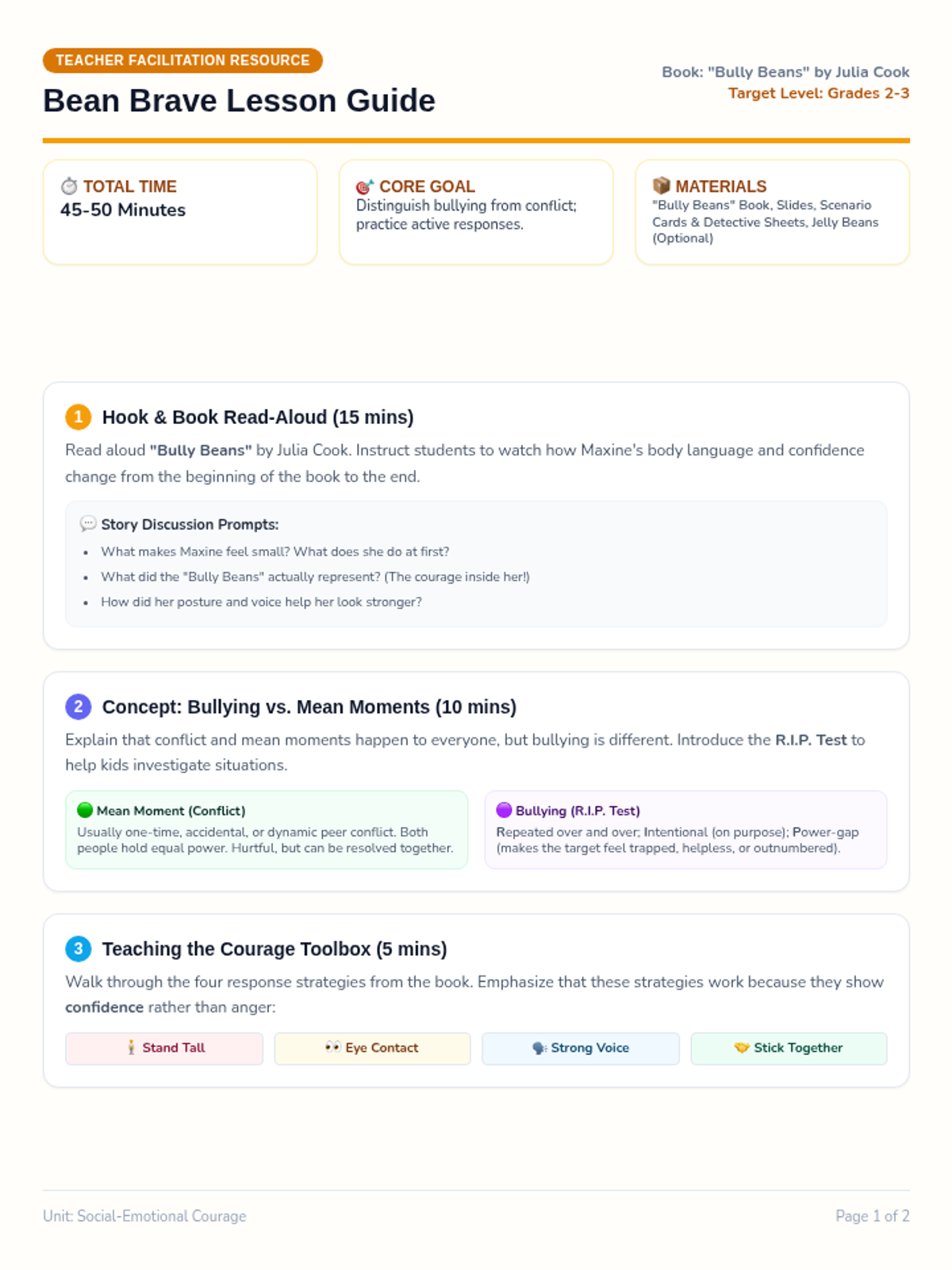
A social-emotional learning lesson for 2nd and 3rd graders based on the book 'Bully Beans' by Julia Cook. Students learn to distinguish between 'mean moments' and 'bullying' and practice active strategies to stand up for themselves and others.
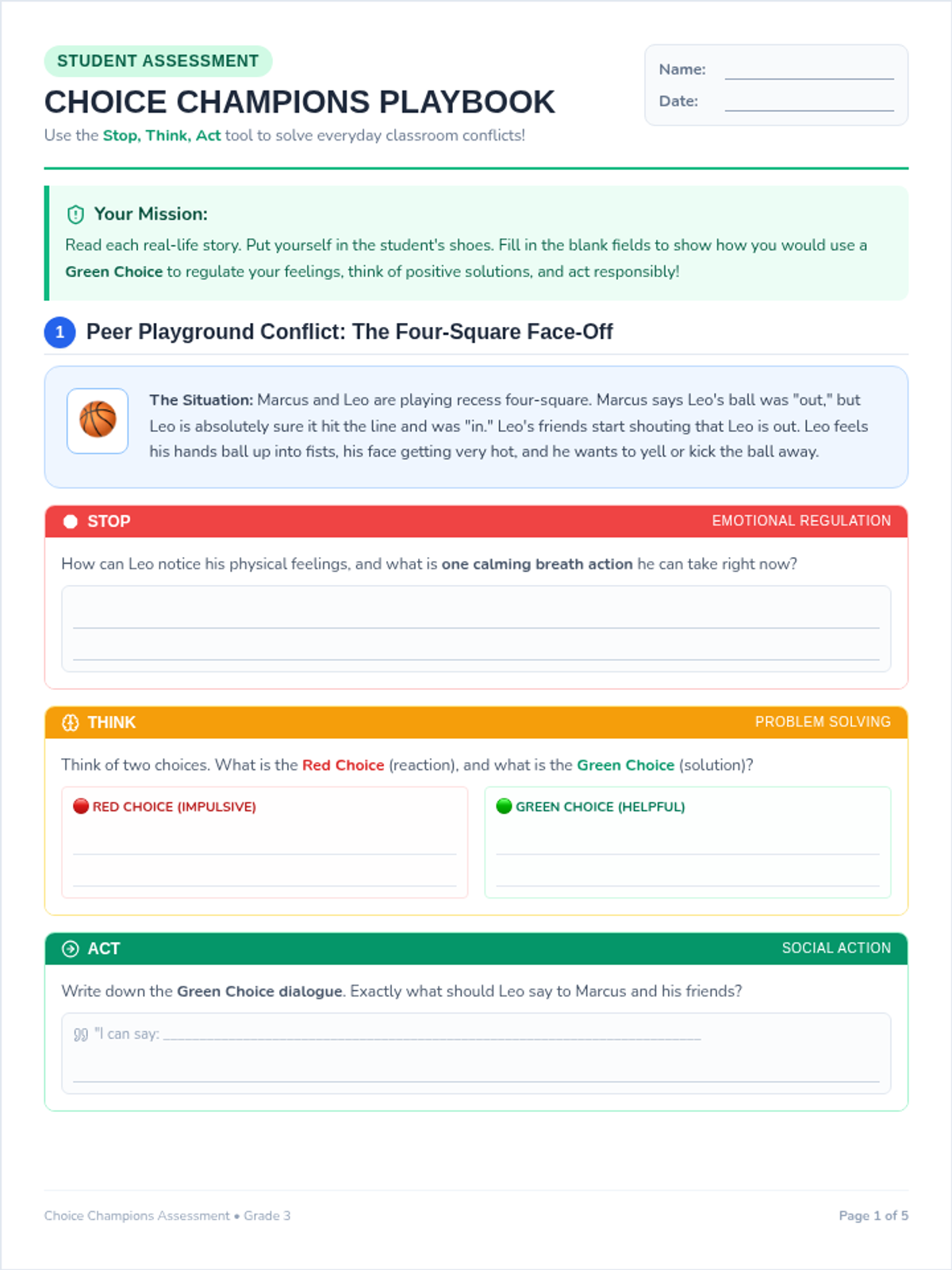
An assessment-focused lesson that evaluates third-grade students' ability to apply the 'Stop, Think, Act' framework to common social conflicts. Students complete a scenario-based workbook, and teachers score their responses using a clinical rubric focusing on emotional regulation and green choice actions.
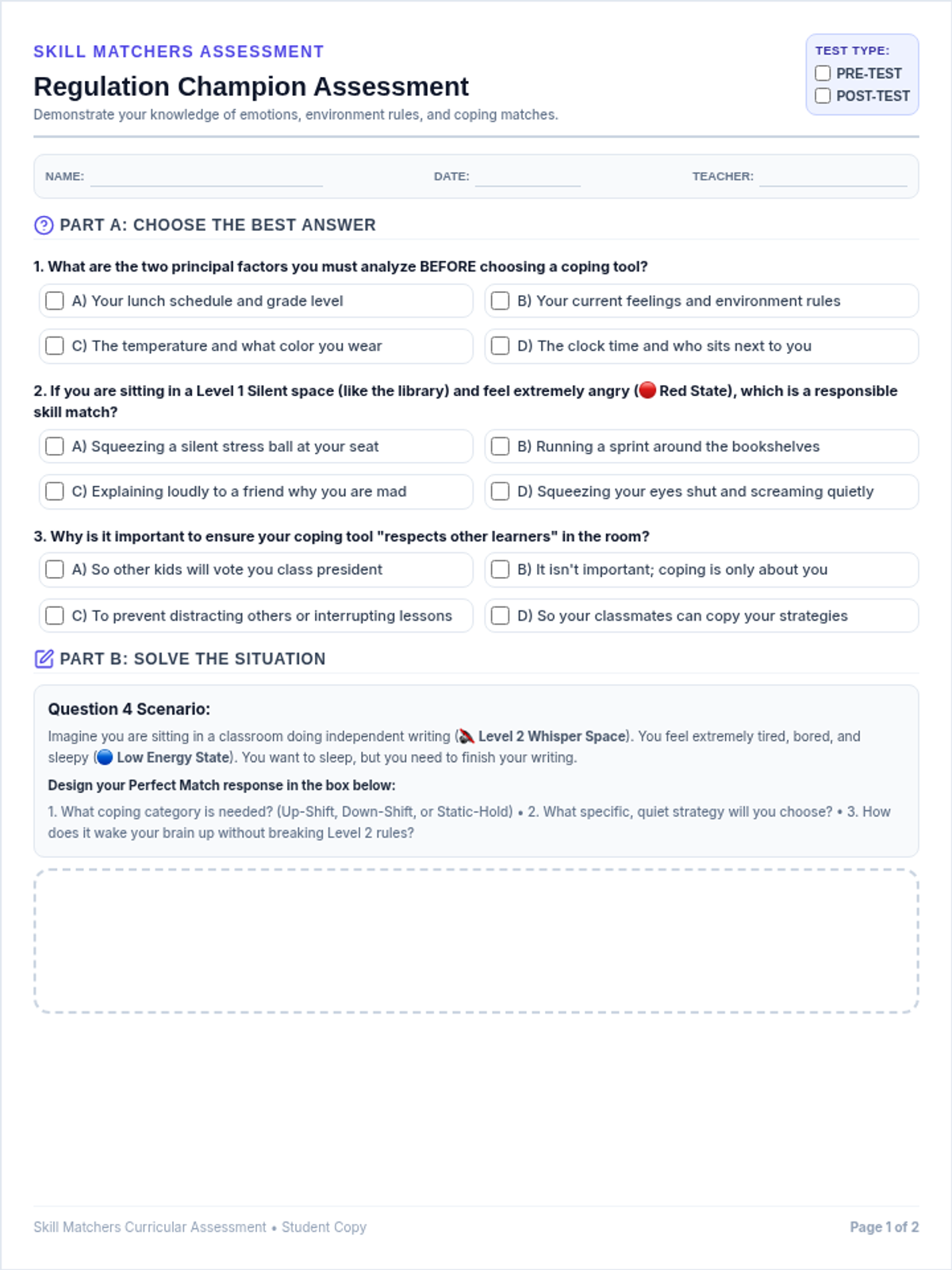
Day 4 of the Skill Matchers unit. Students demonstrate mastery of emotional self-regulation in various situations through scenario roleplay and complete the post-unit assessment.
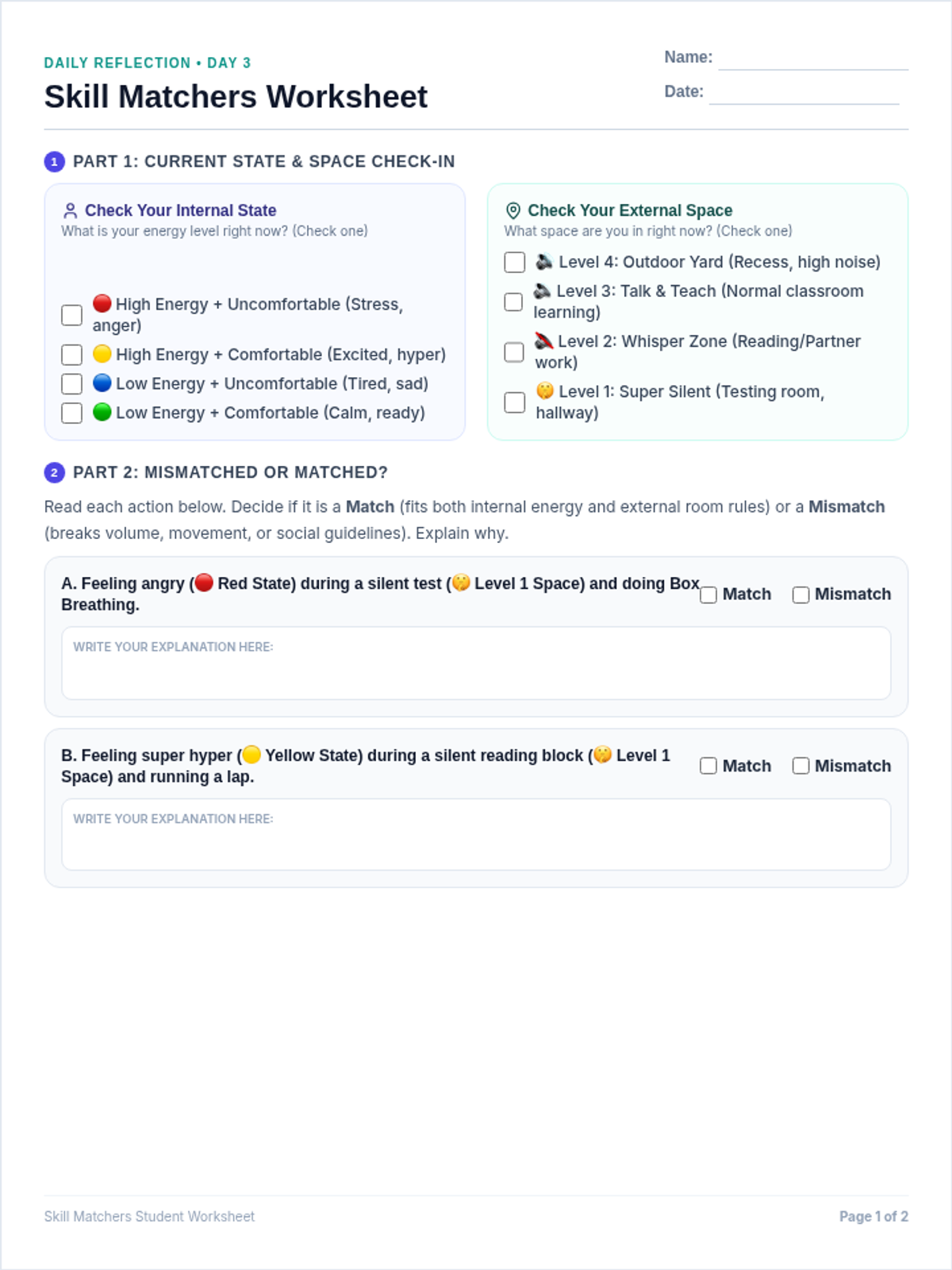
Day 3 of the Skill Matchers unit. Students match specific coping tools to different physical environments (such as quiet libraries or active recess) to understand situational appropriateness.
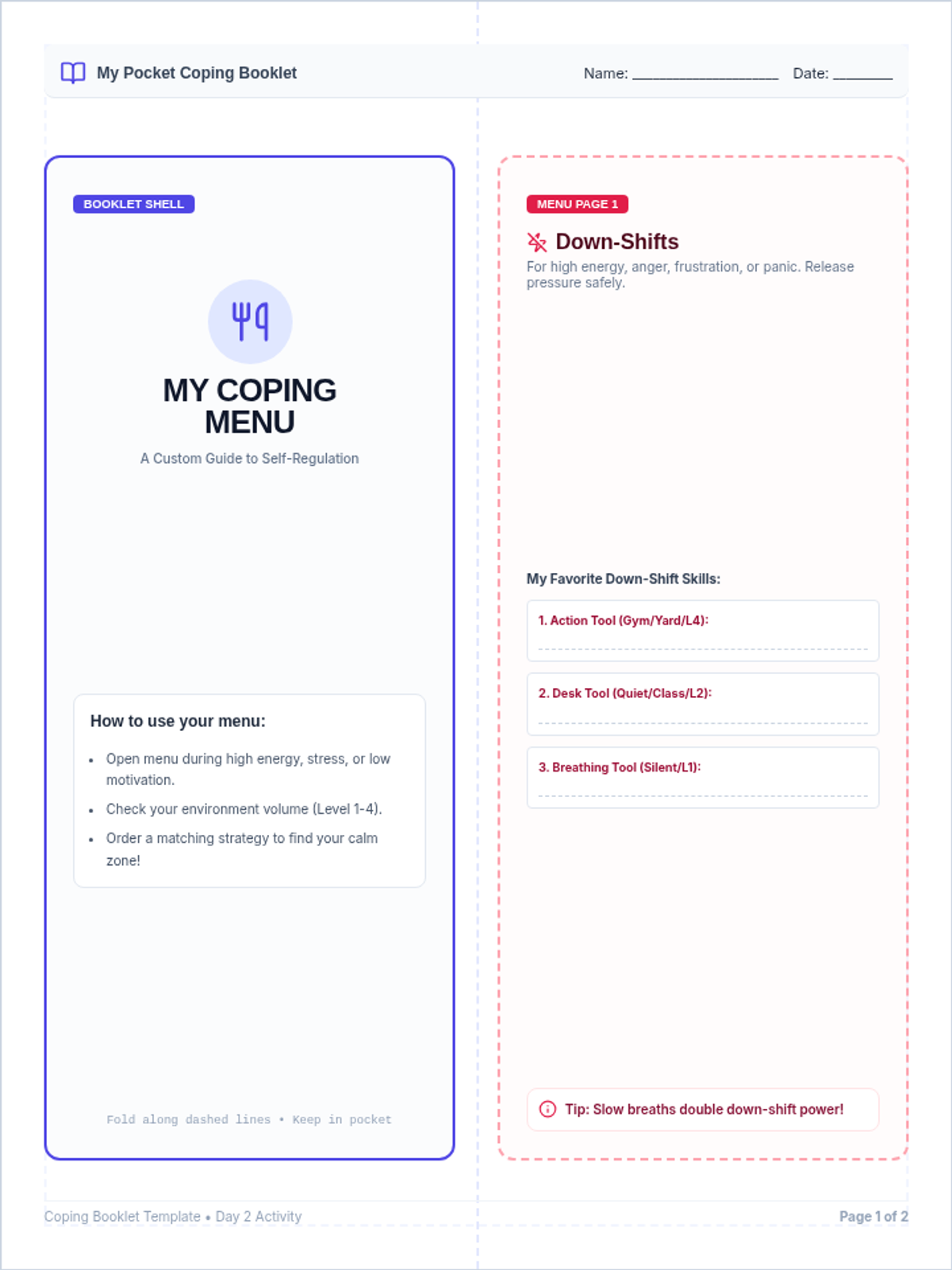
Day 2 of the Skill Matchers unit. Students explore personal coping strategies and design a personalized, multi-sensory booklet of tools mapped to different energy levels.
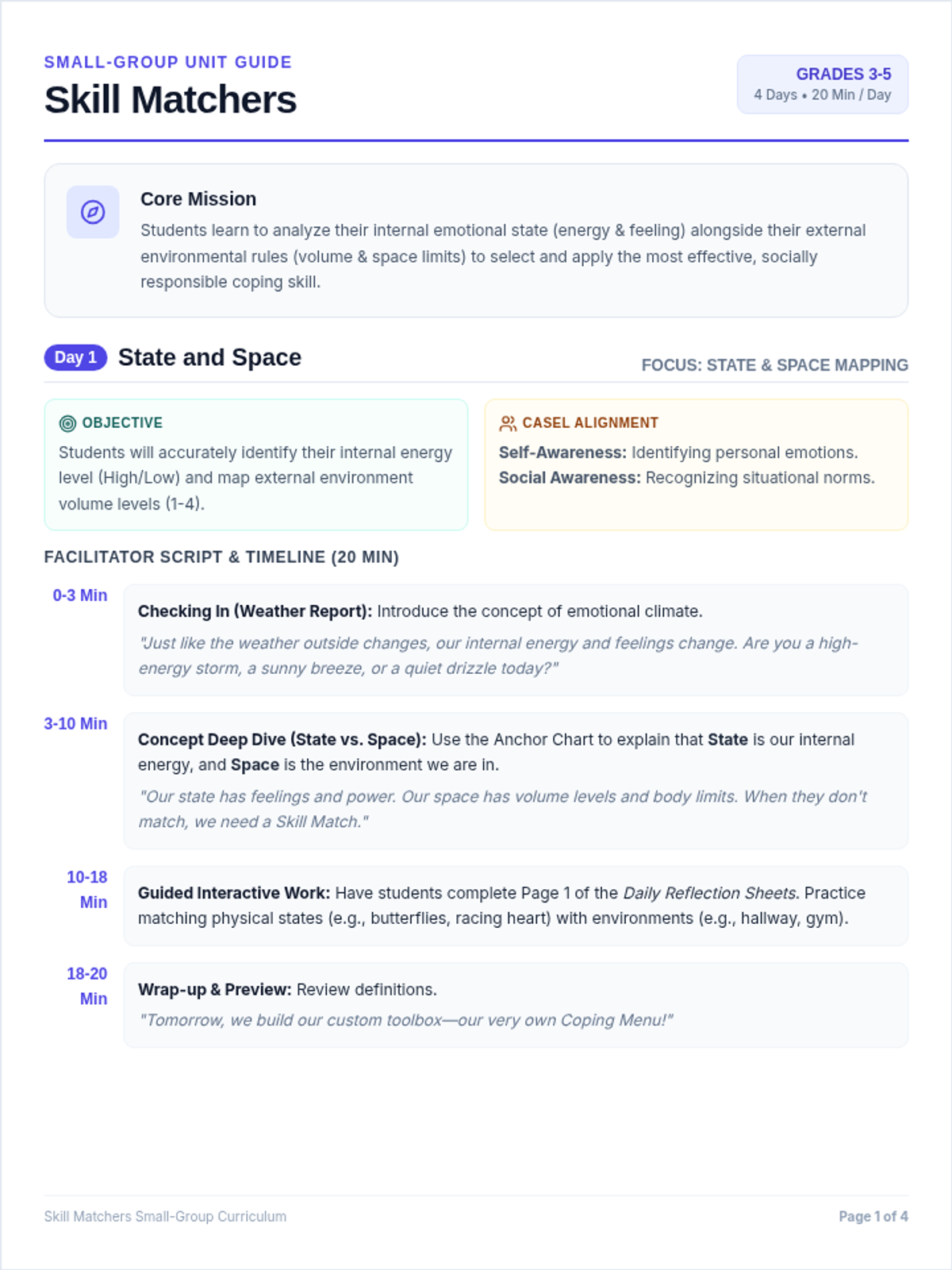
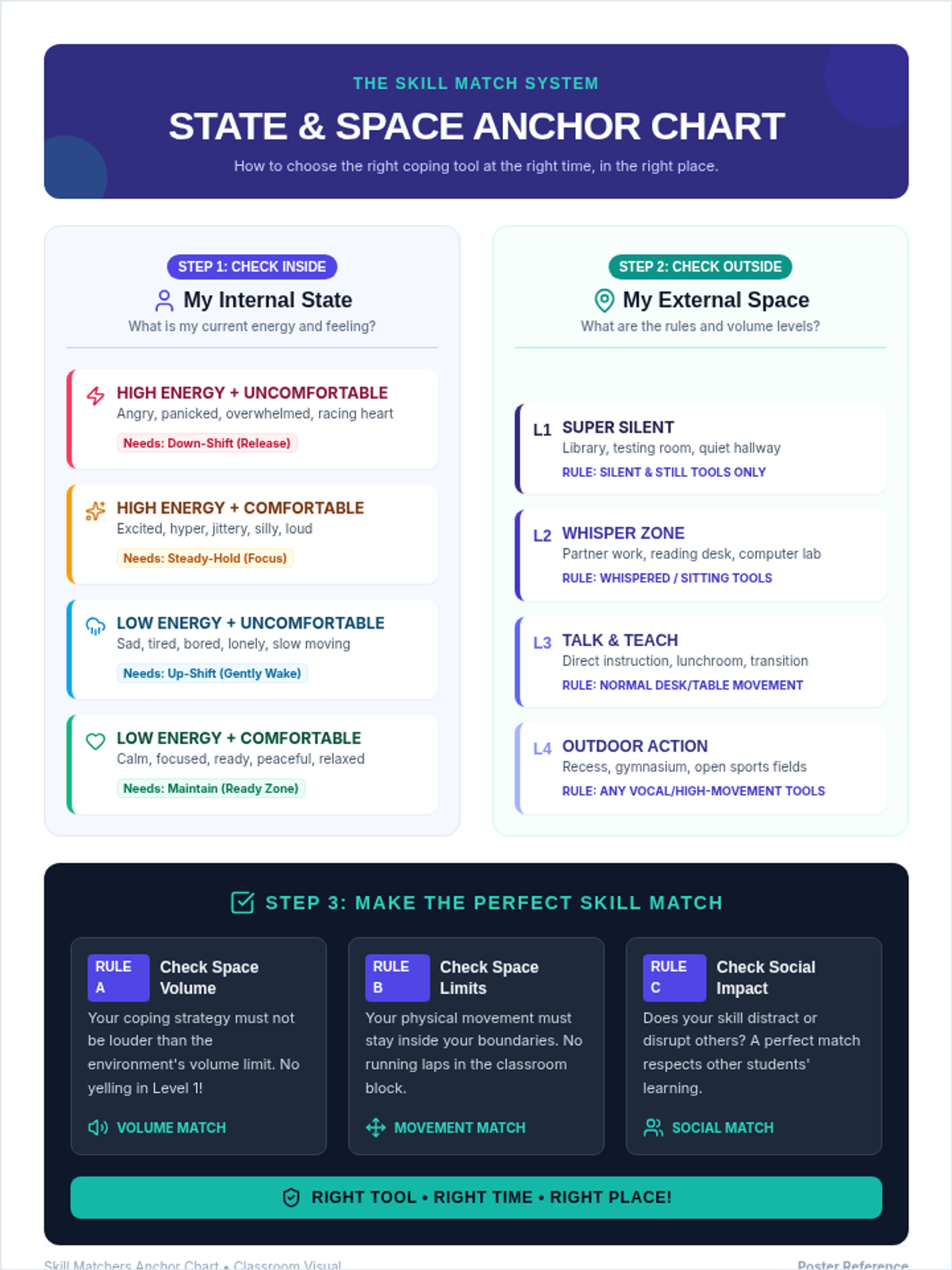
Day 1 of the Skill Matchers unit. Students learn to identify their internal emotional state (energy and feeling) and analyze their external environment's rules and volume levels.
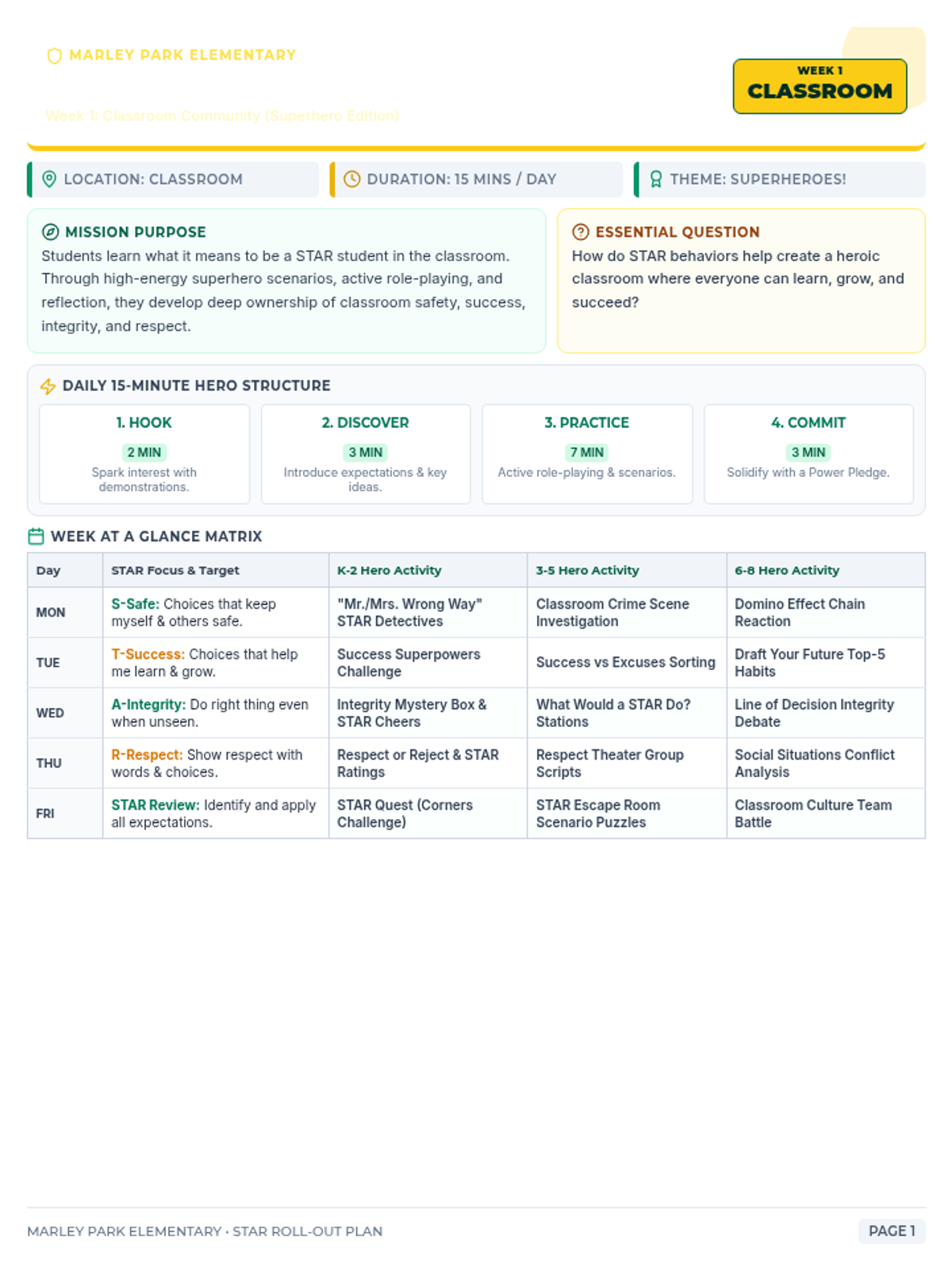
A comprehensive classroom expectations rollout for Week 1 of the school year. Includes a teacher guide and three separate grade-band slide decks (K-2, 3-5, 6-8) designed with a Marley Park green and yellow superhero theme.
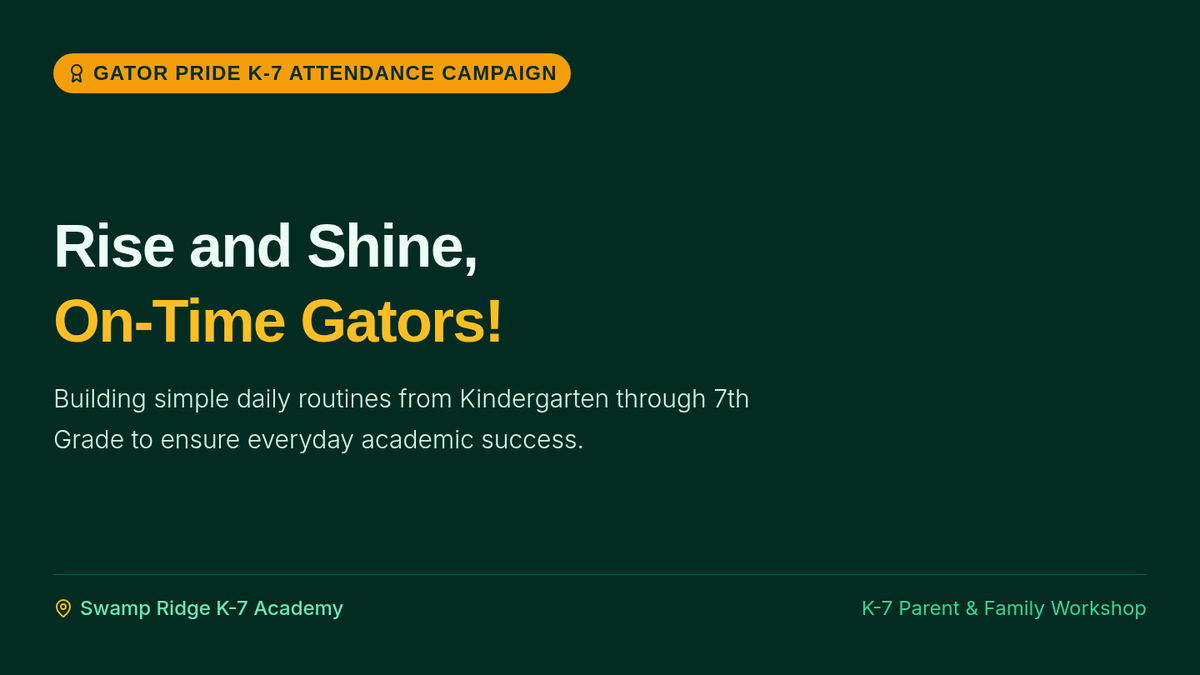
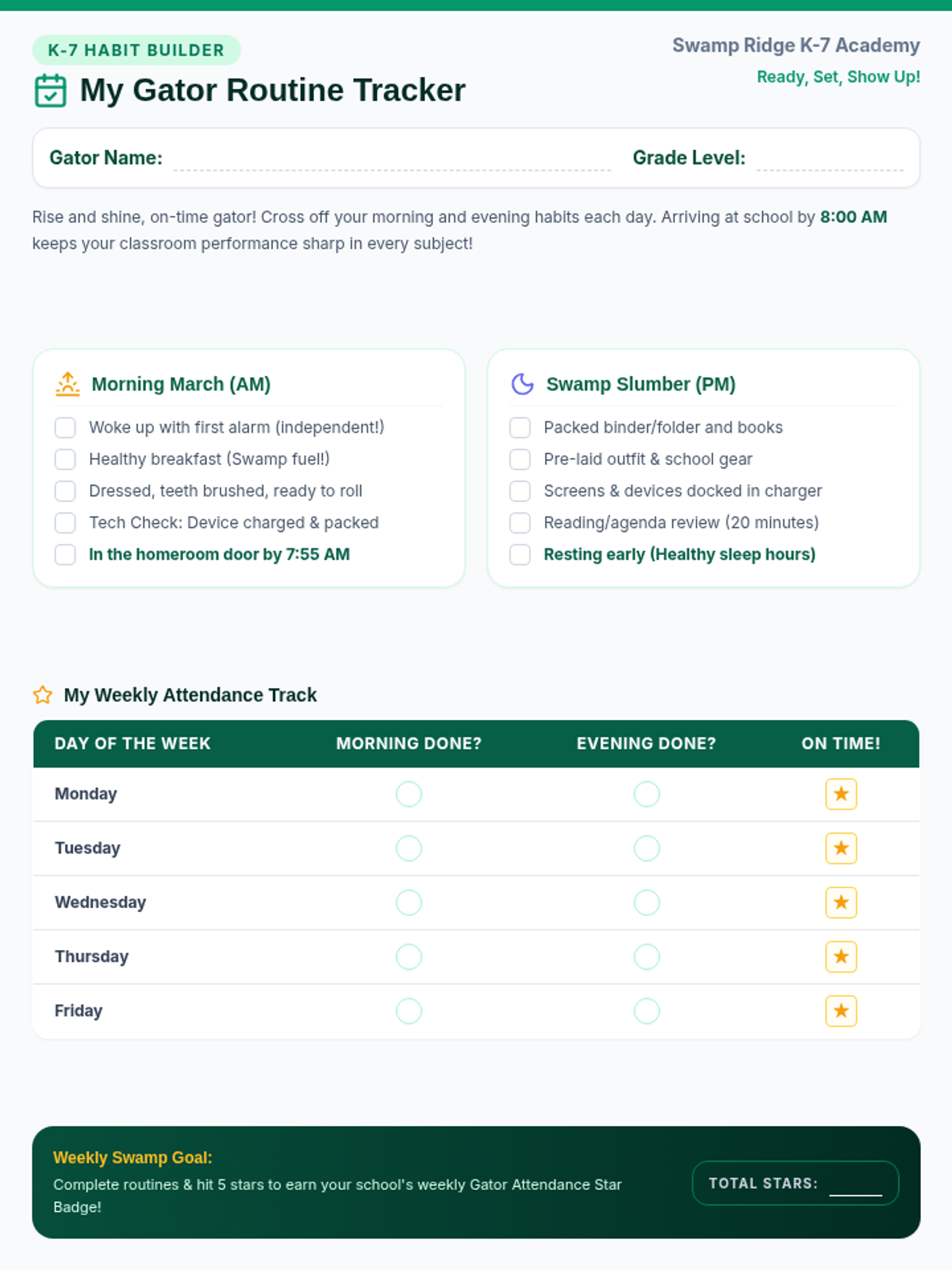
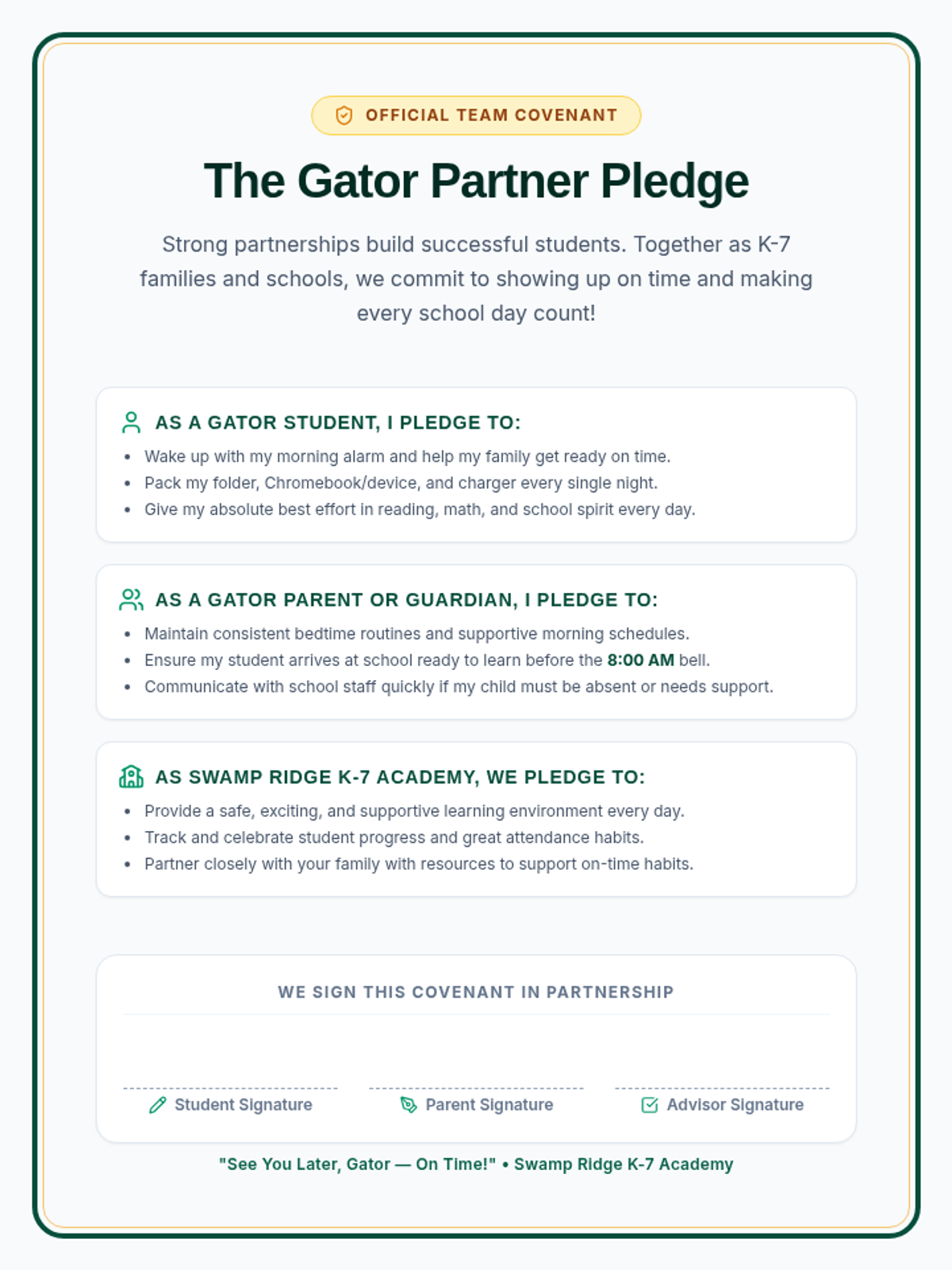
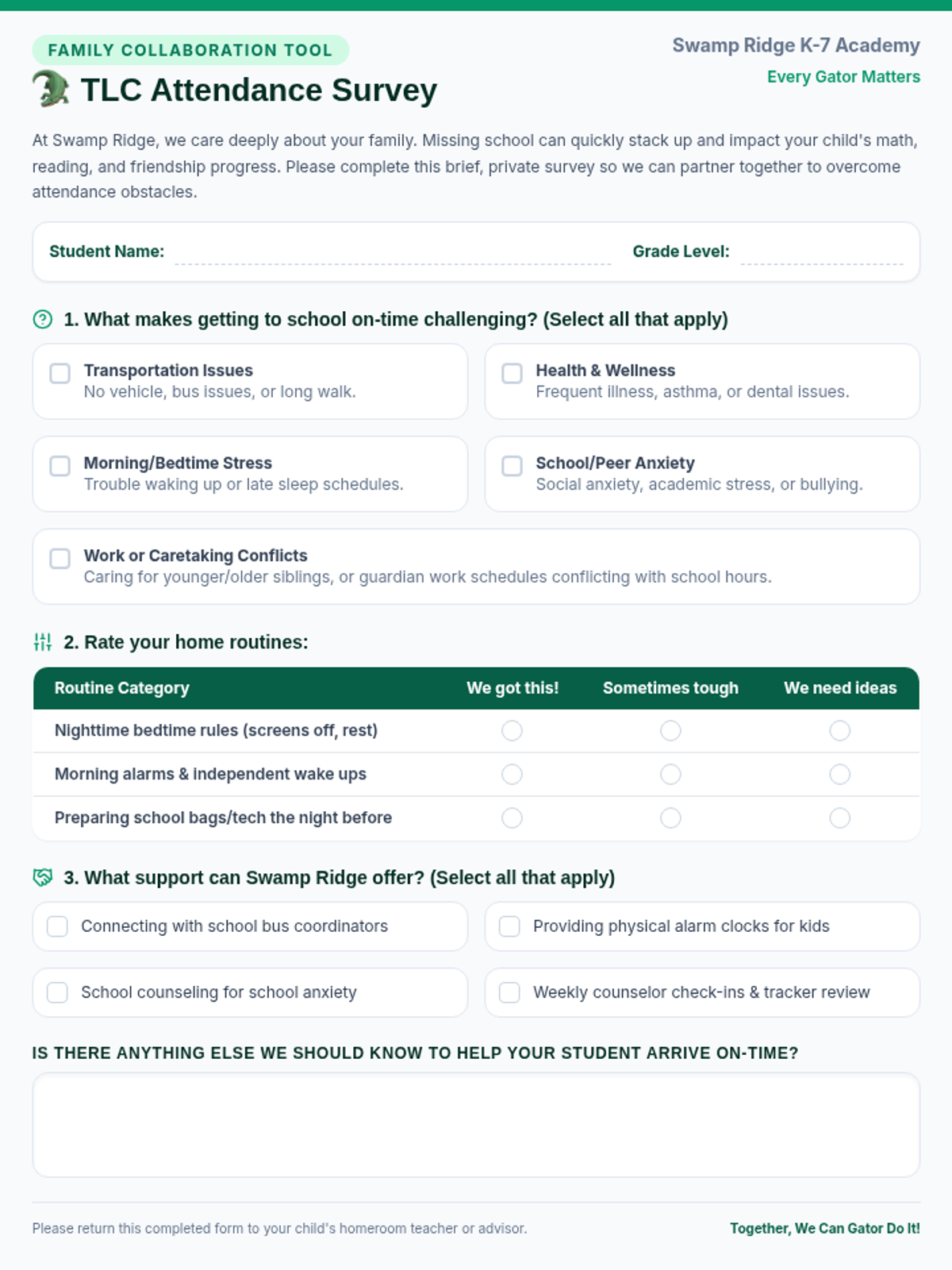
A family-focused guide to building daily routines and understanding the academic impact of school attendance. Includes a presentation for parent meetings, a student-friendly routine tracker, and a family partnership pledge.
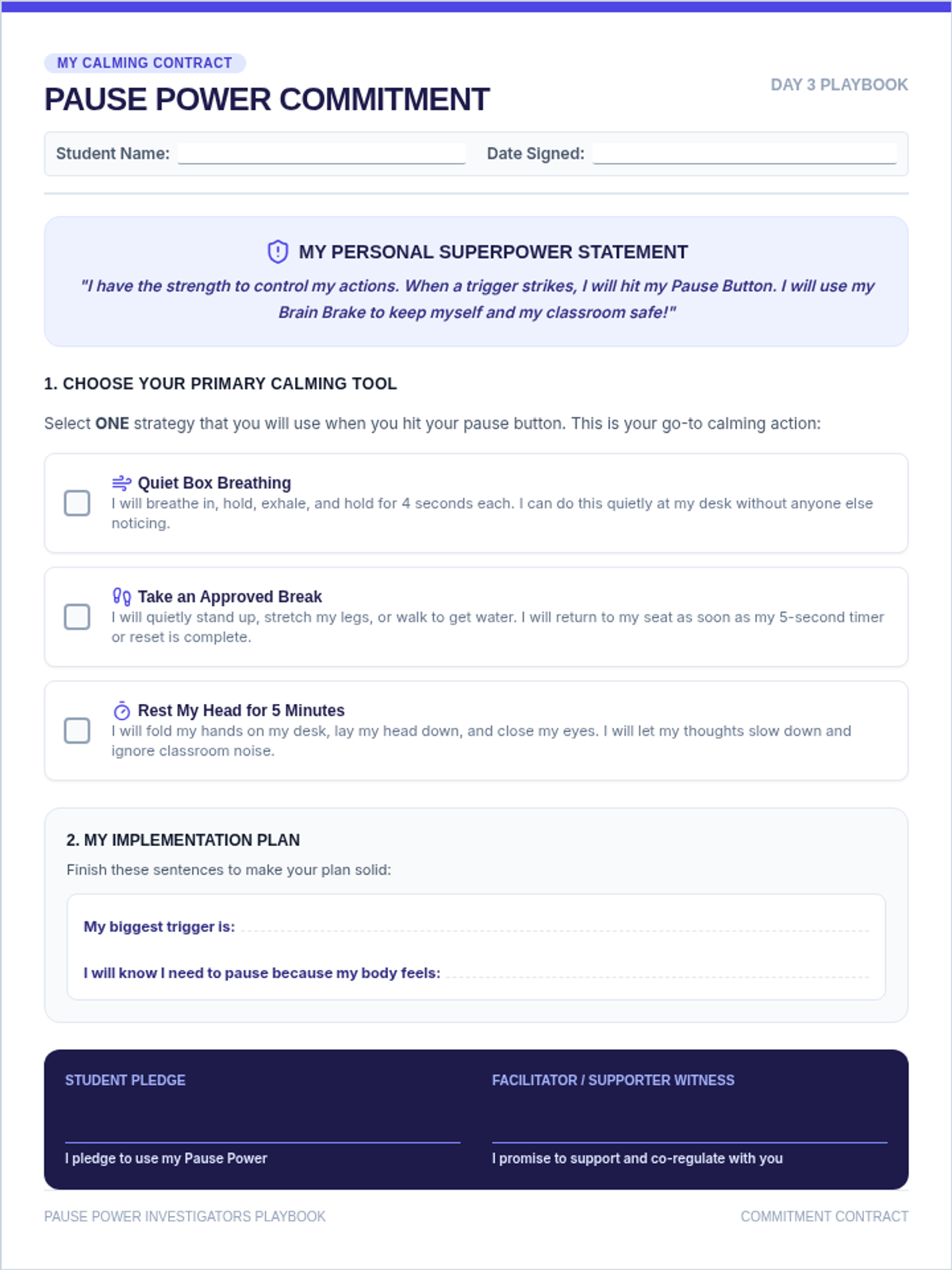
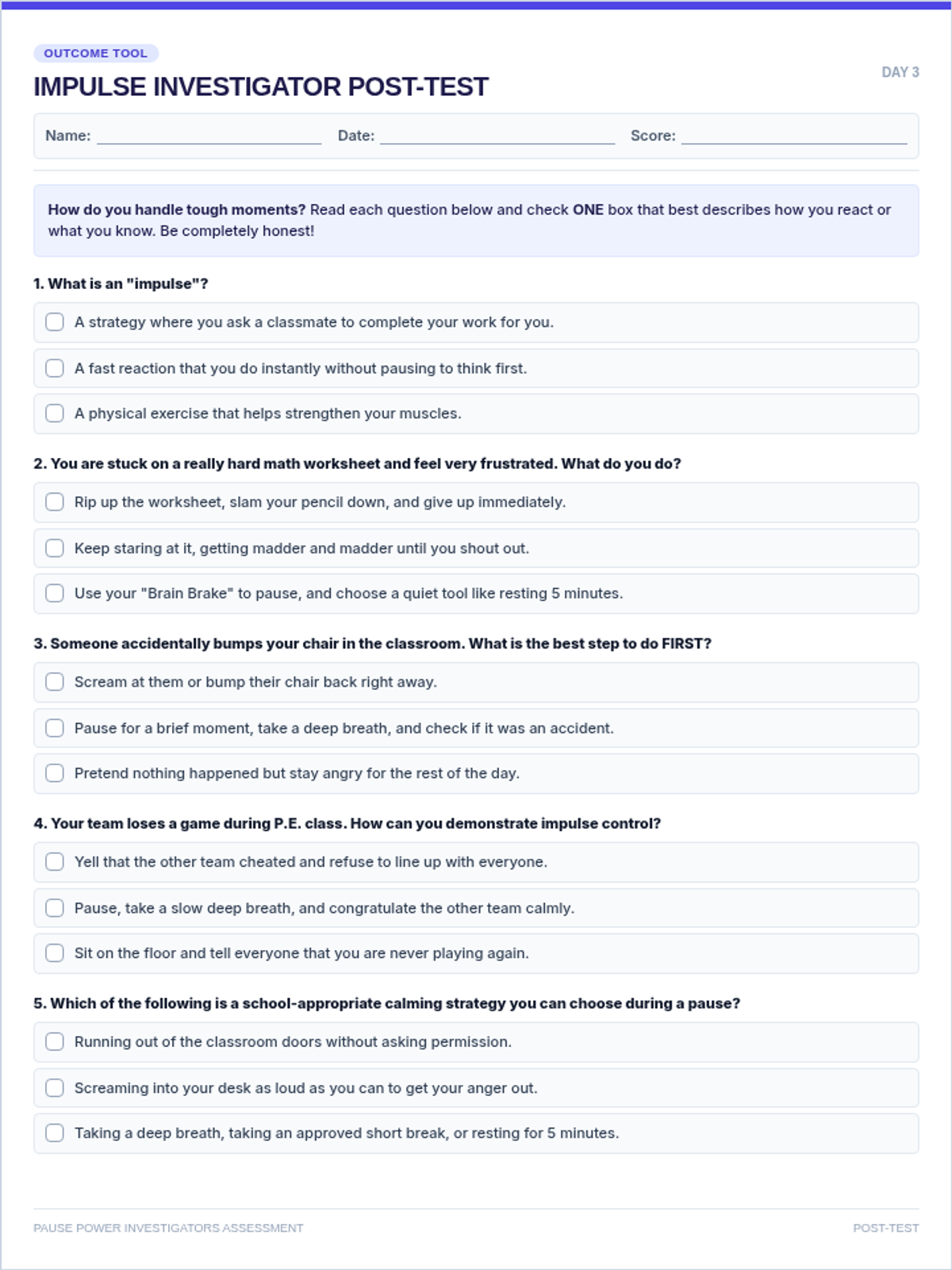
Students apply calming strategies to real-school scenarios, sign their personal Pause Power Calming Contract, and complete the post-test.
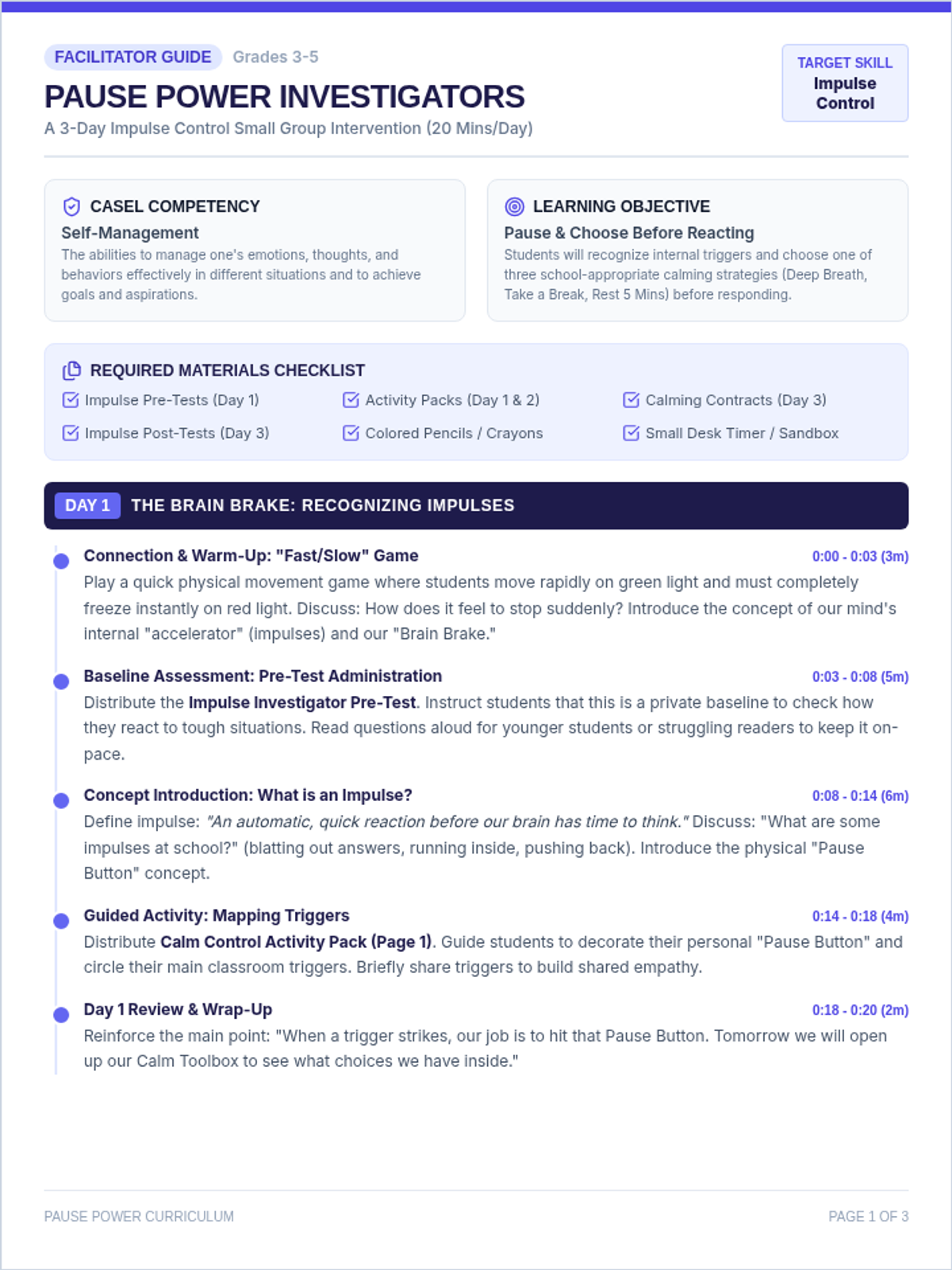
Students learn and practice three concrete, school-appropriate calming strategies: taking a deep breath, taking a break, and resting for 5 minutes.
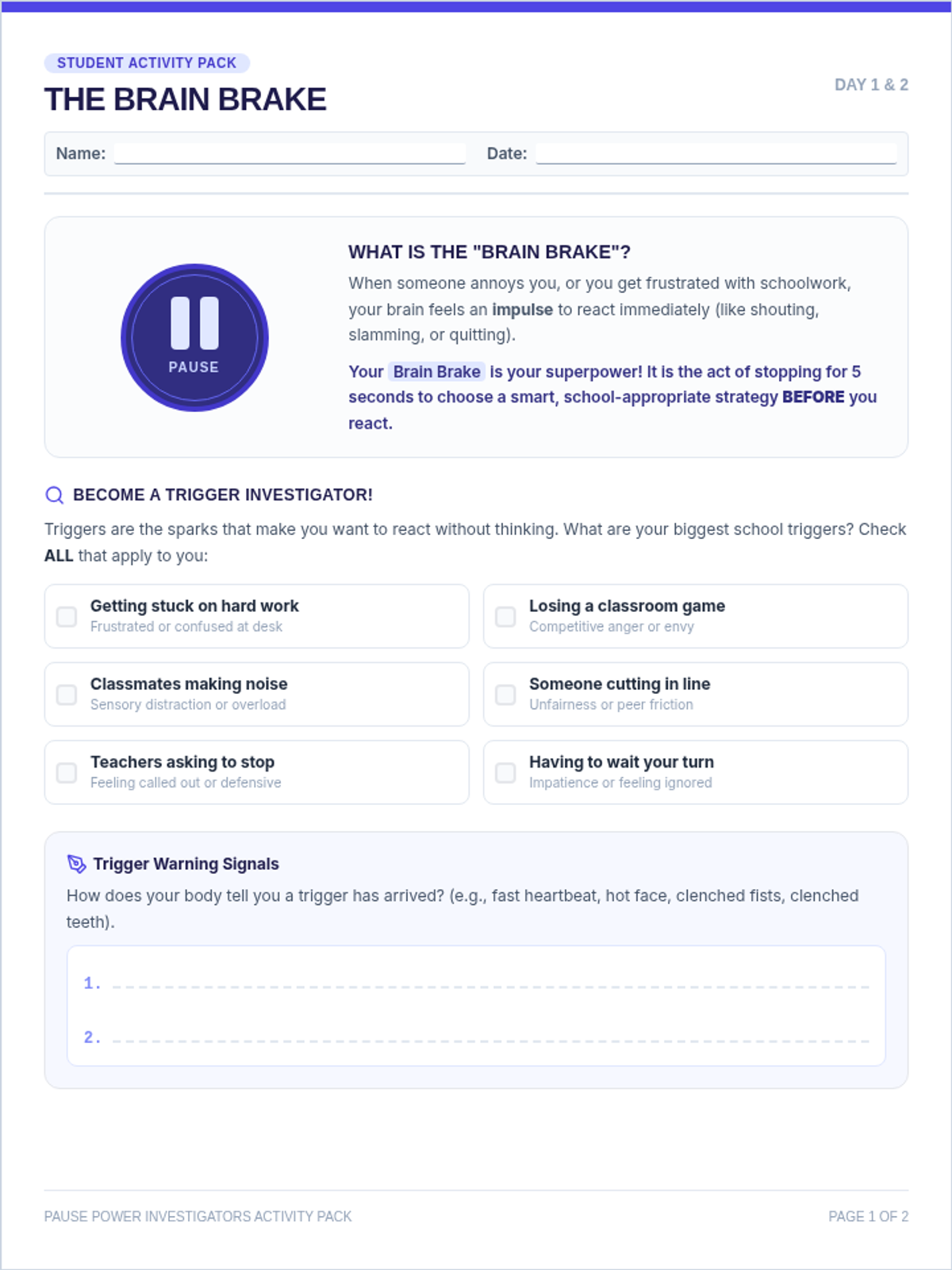
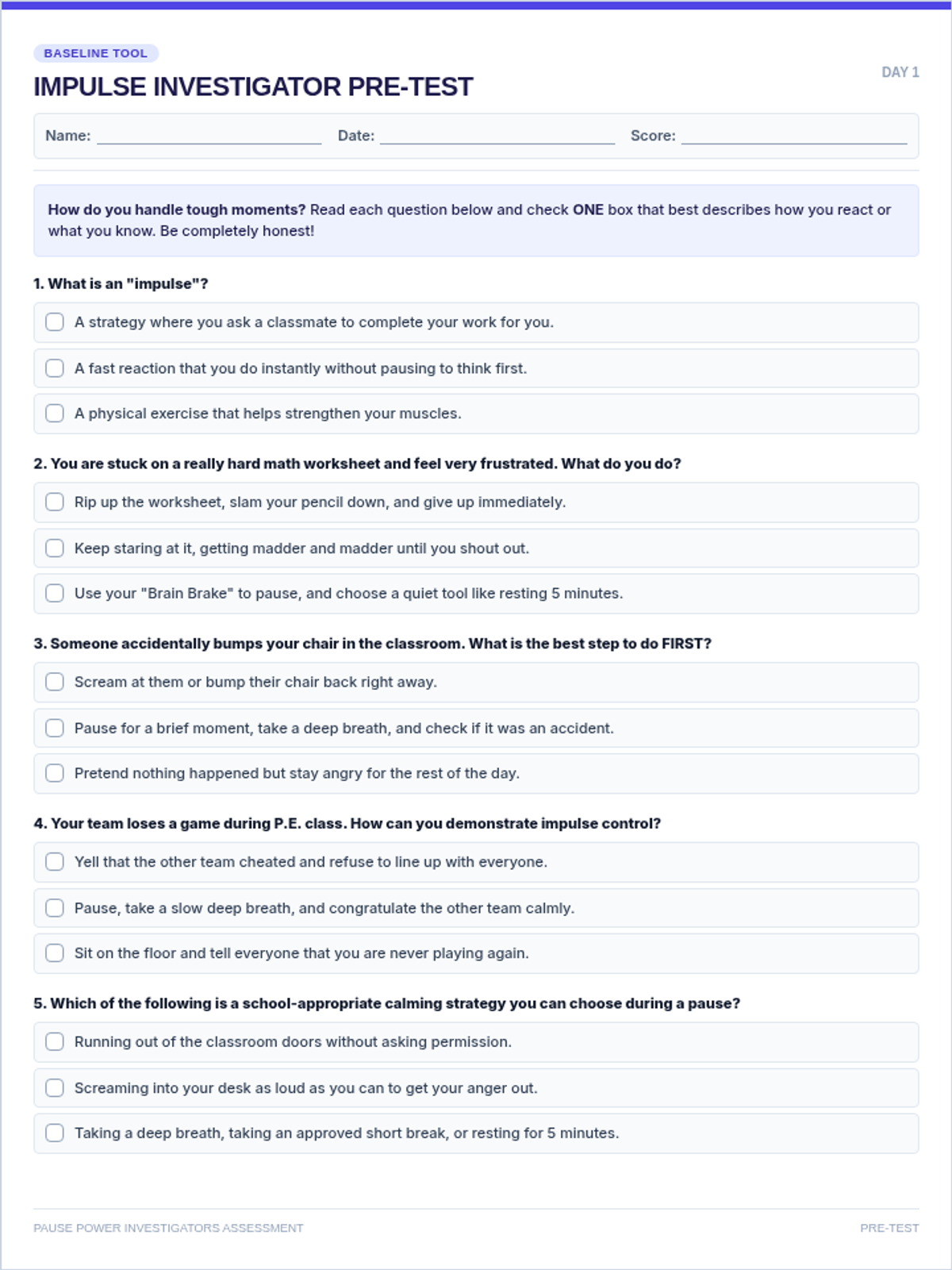
Students take their pre-test, explore what an 'impulse' is, and learn the concept of the 'Brain Brake'—the physical act of pausing before reacting.
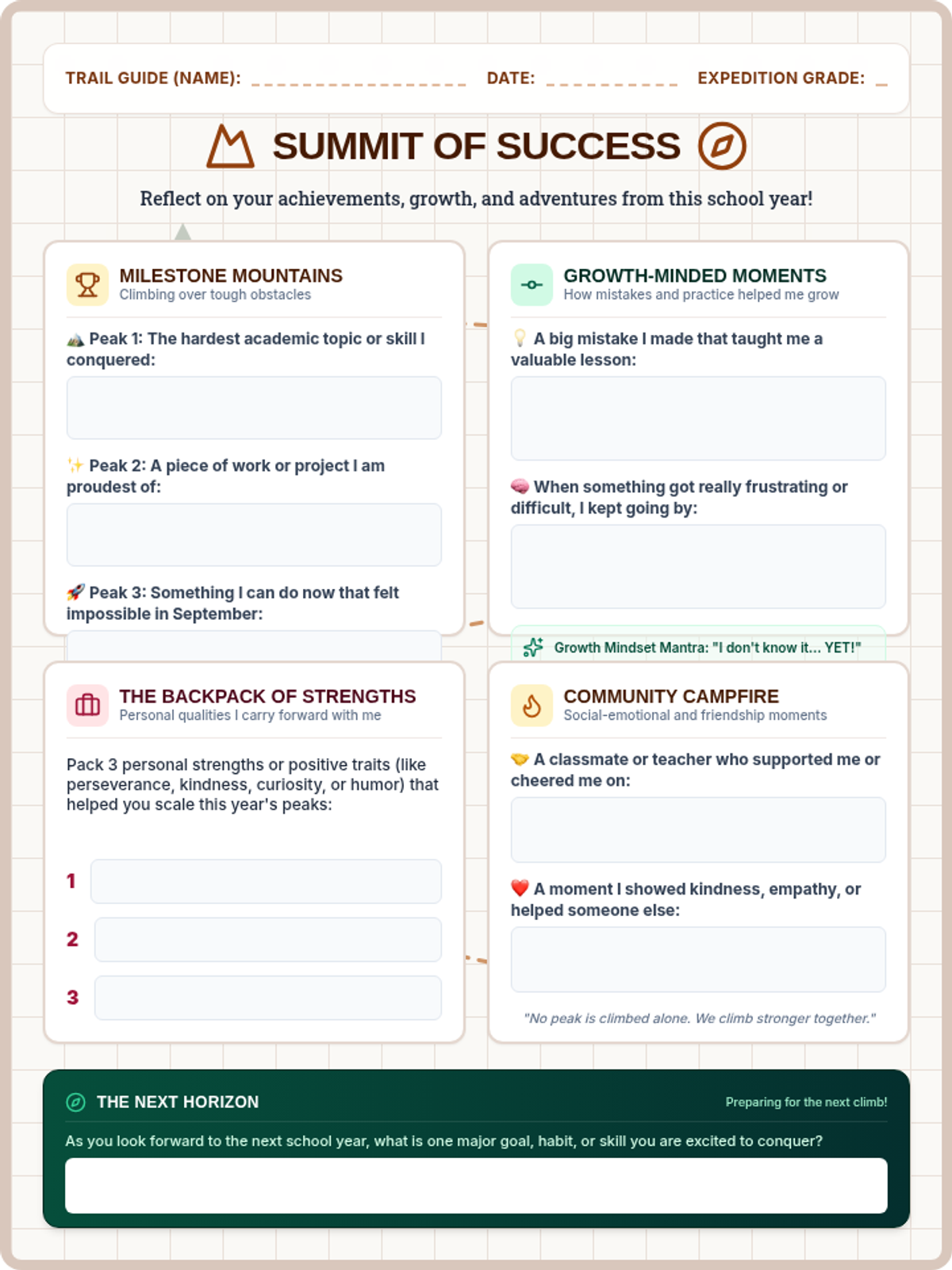
An end-of-year reflection lesson focused on growth mindset, overcoming challenges, social-emotional connections, and goal-setting. Students map their accomplishments onto a 'Summit of Success' adventure map.
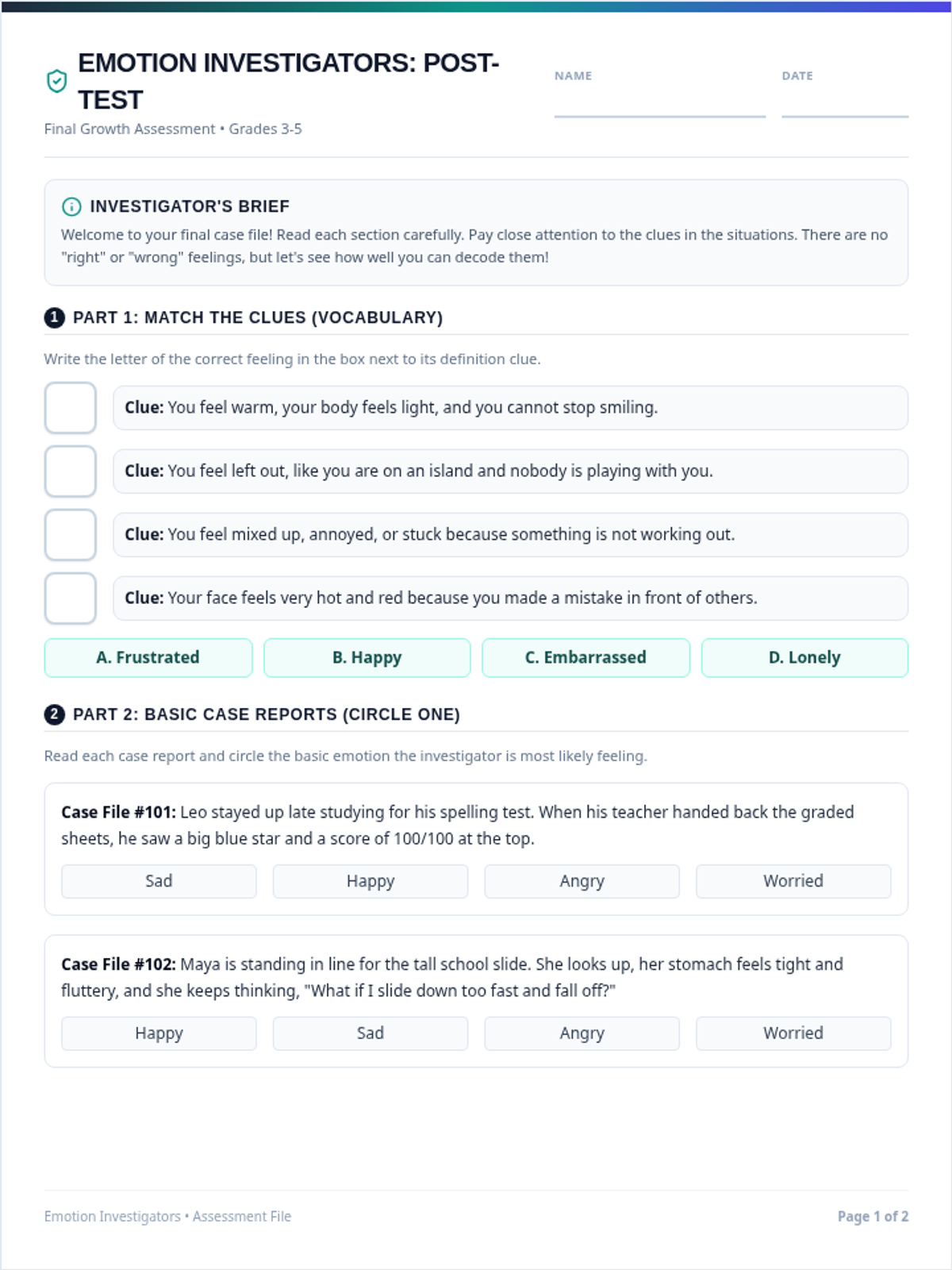
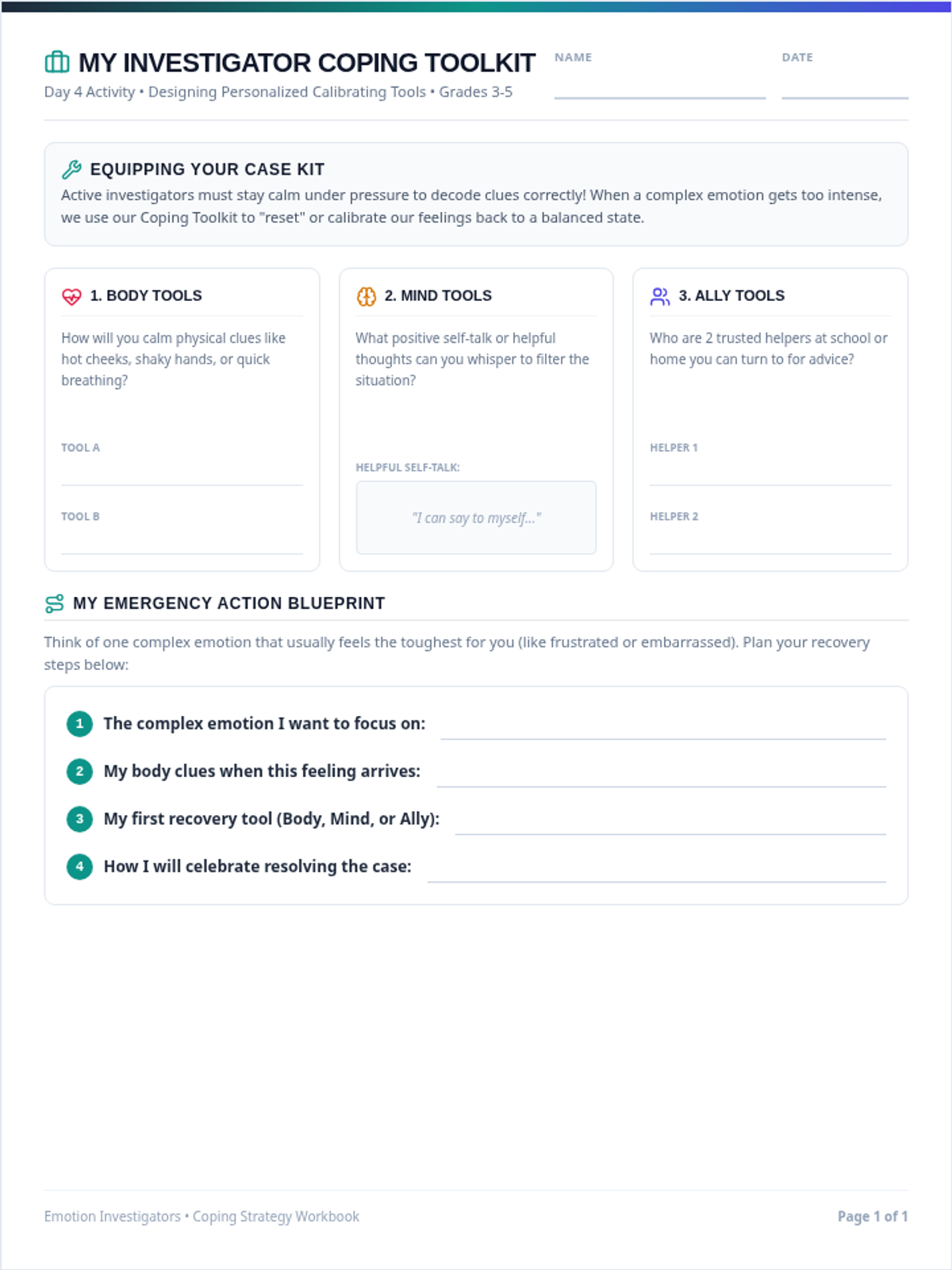
Focuses on identifying and planning coping strategies for intense emotions, reviewing progress, and conducting the post-test.
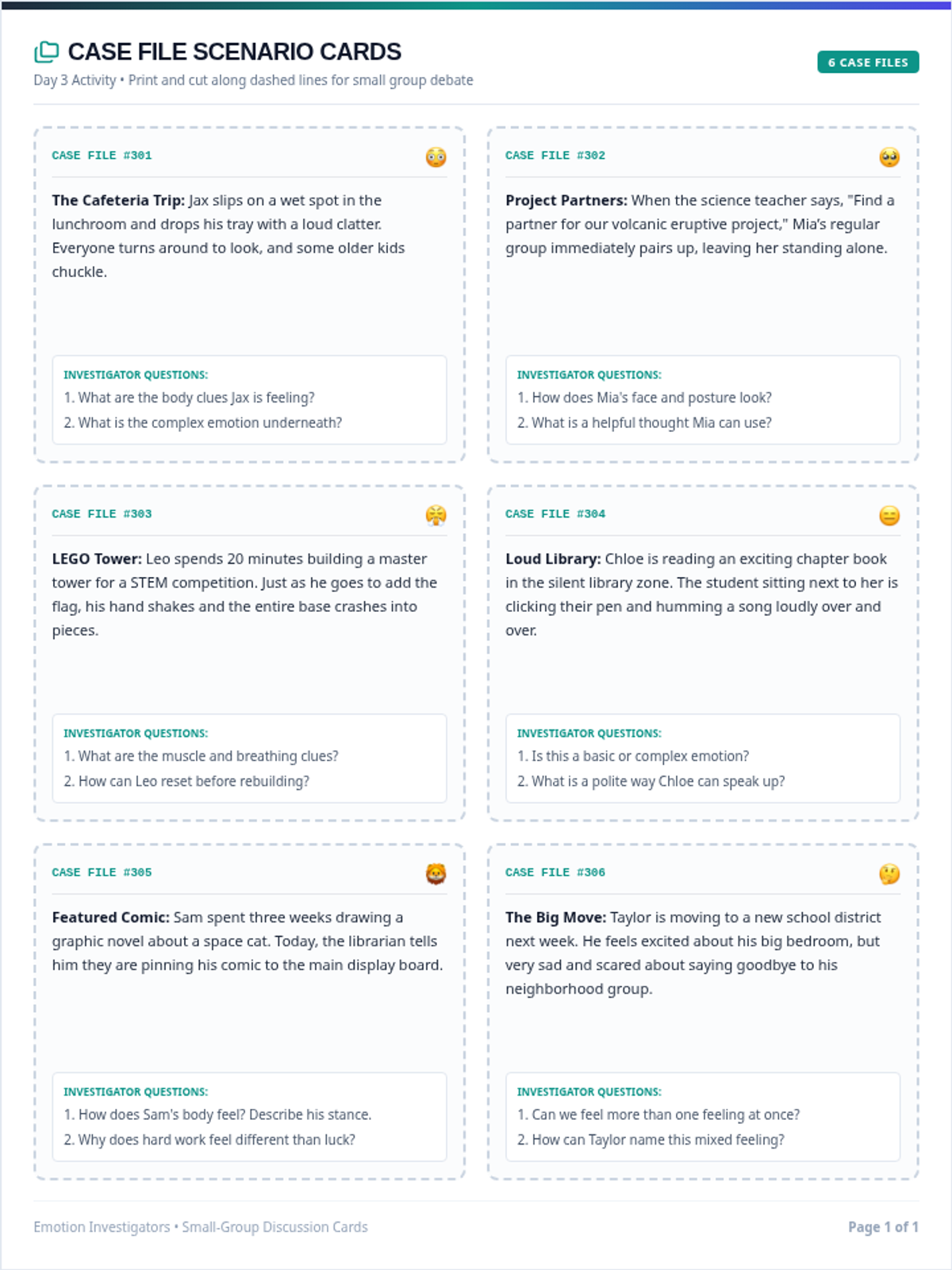
Focuses on decoding complex emotions (frustrated, embarrassed, lonely, proud) through reading and discussing scenario cards.
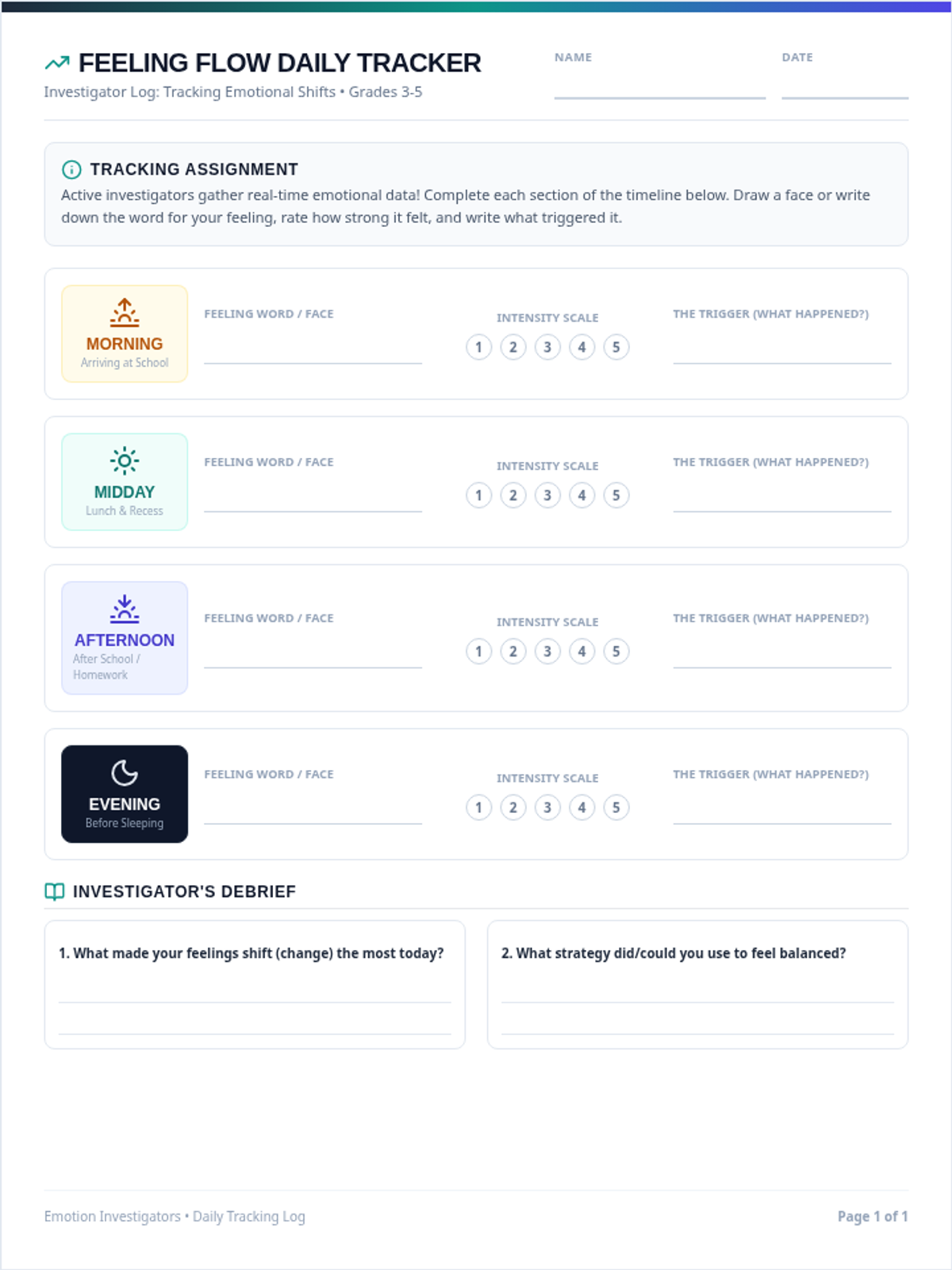
Explores how emotions shift throughout the day due to external events and internal thoughts, introducing the daily tracking log.
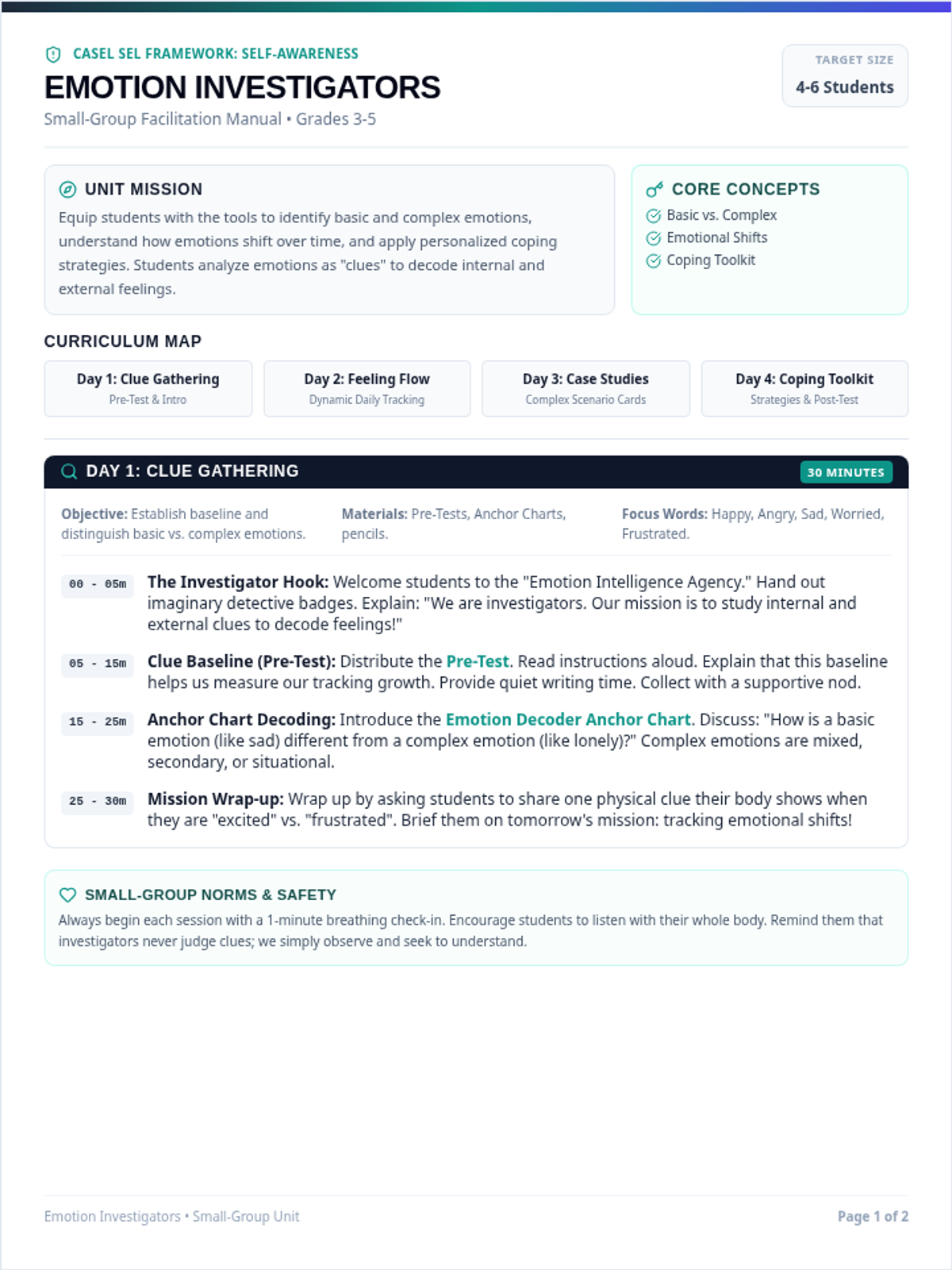
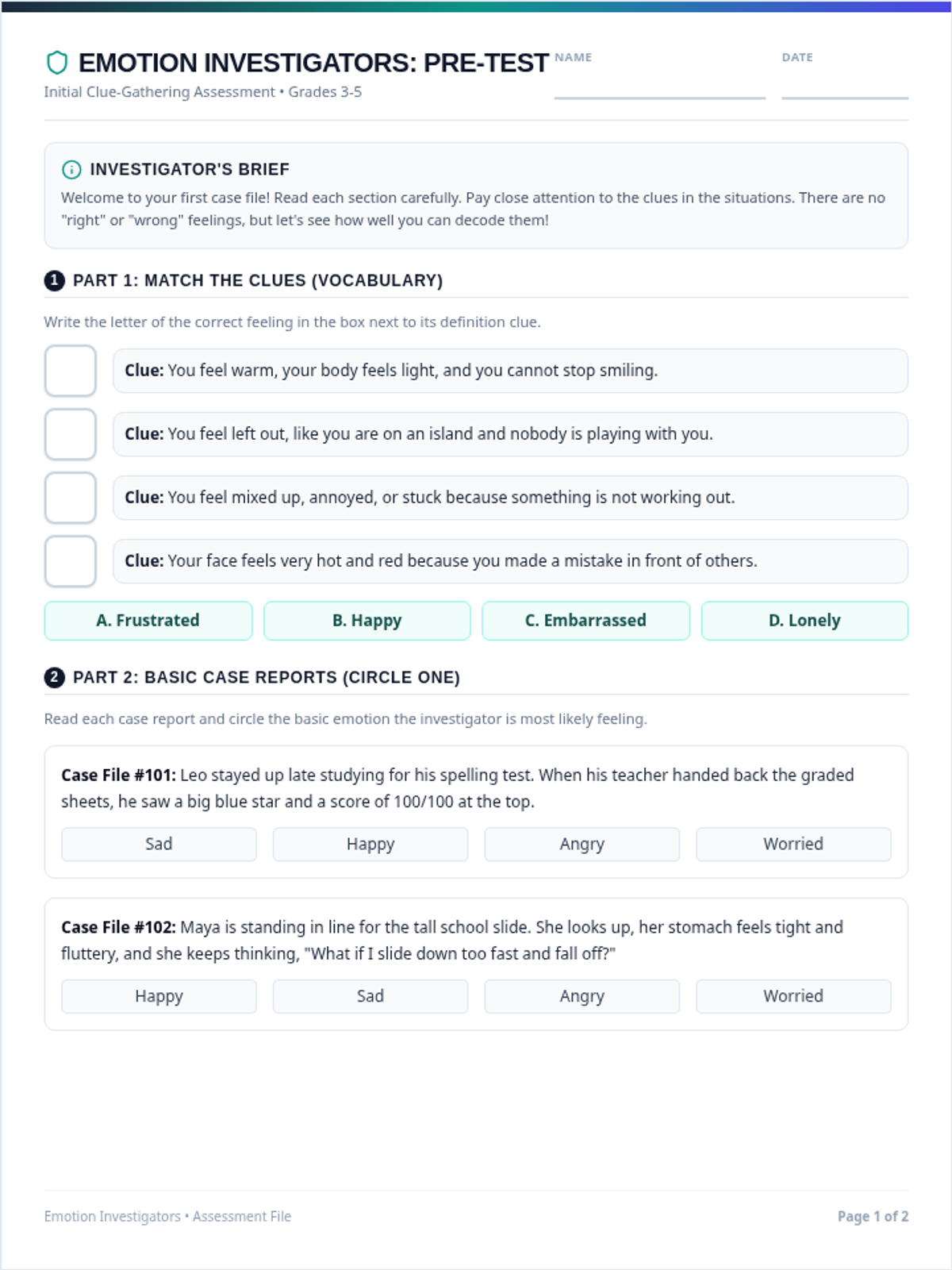
Focuses on baseline assessment with the Pre-Test and introduces the difference between basic and complex emotions using visual anchor charts.
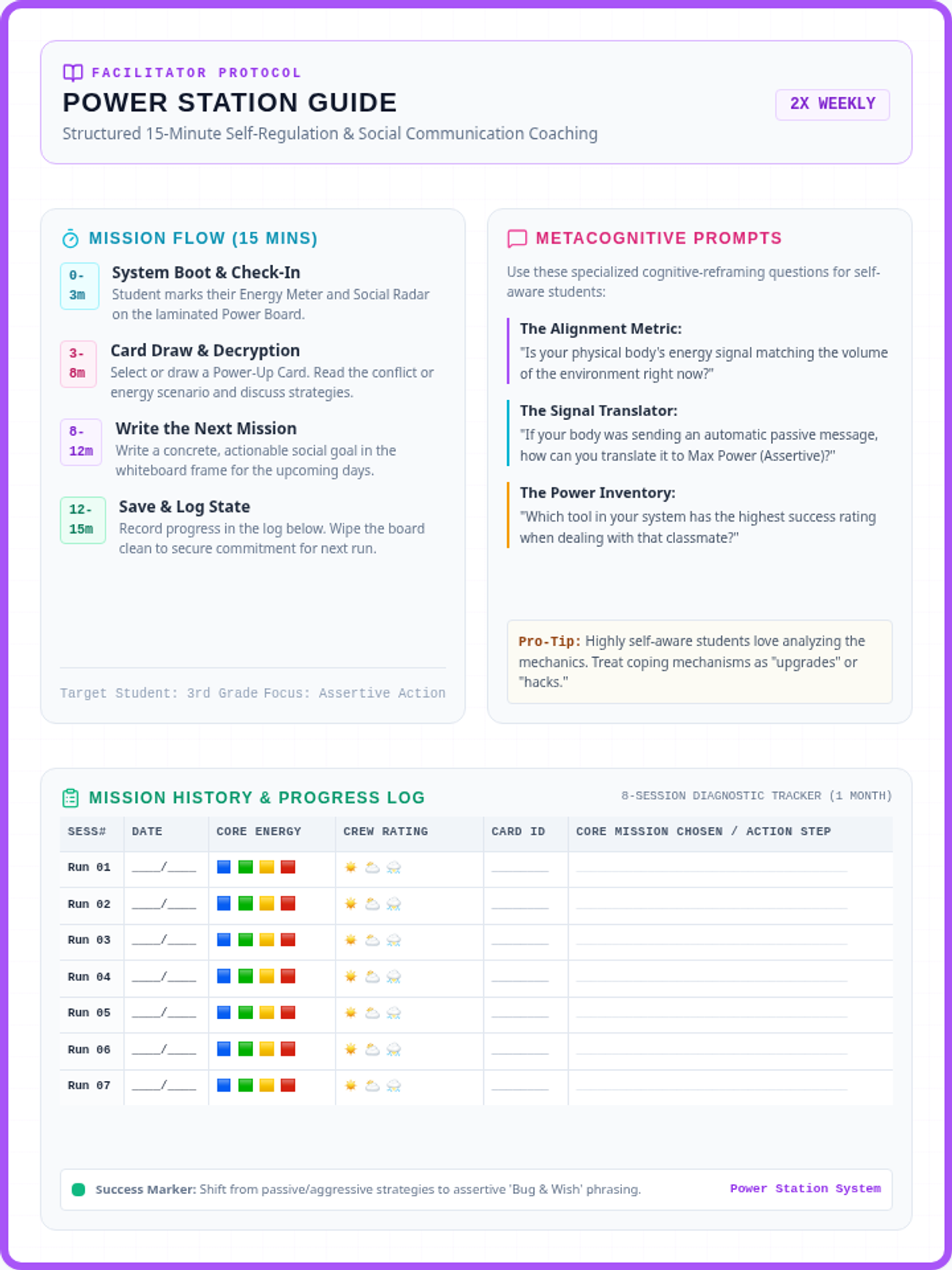
A self-regulation and social problem-solving system designed for rapid, highly-focused 1-on-1 sessions. Includes a reusable visual check-in board, target scenario discussion cards, and a structured pacing guide for 15-minute check-ins twice a week.