A lesson focused on analyzing witness testimony through a simple mystery, modified for 2nd-grade reading levels and IEP accommodations. Students practice identifying key details, sequencing events, and citing evidence.
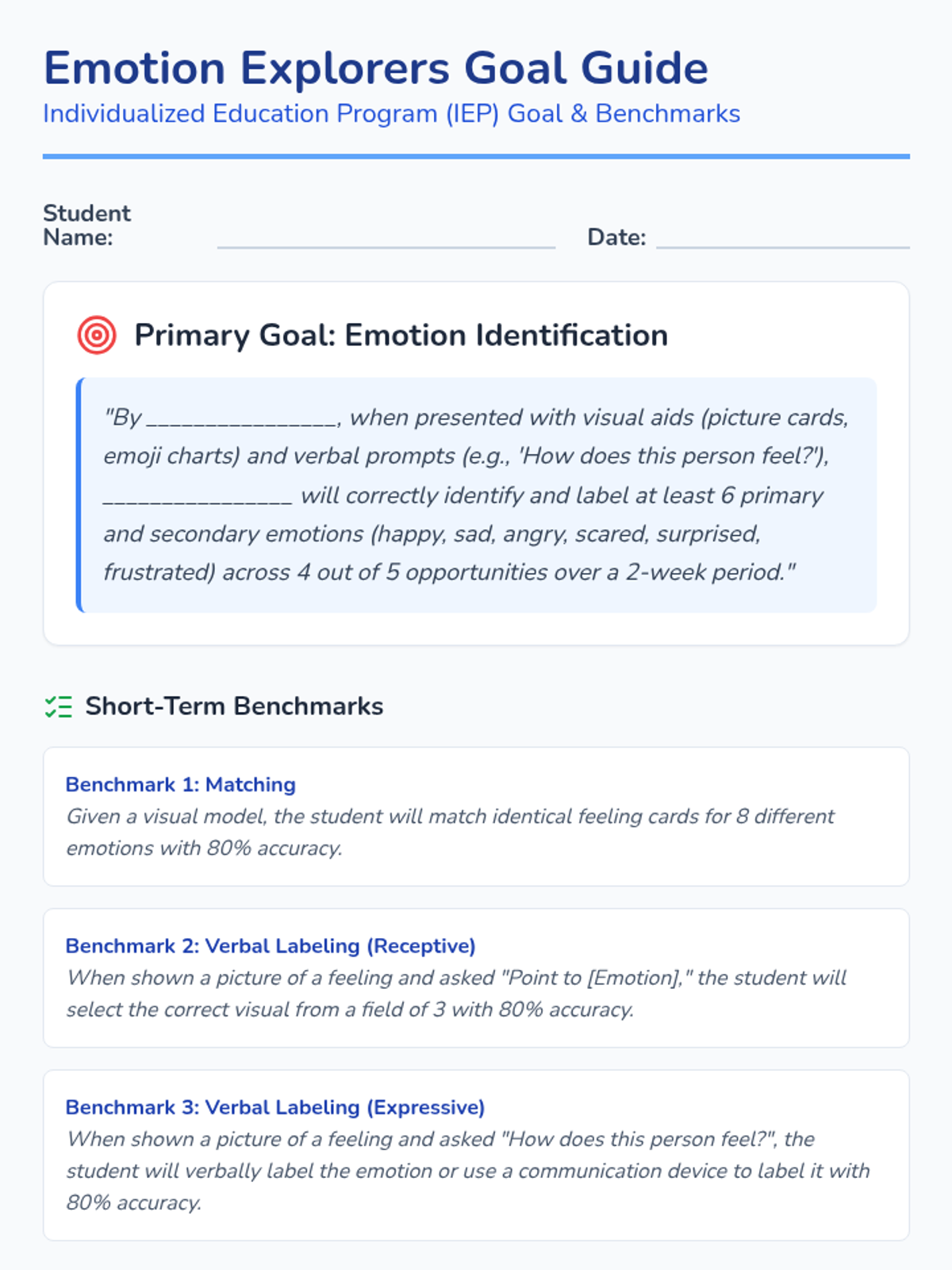
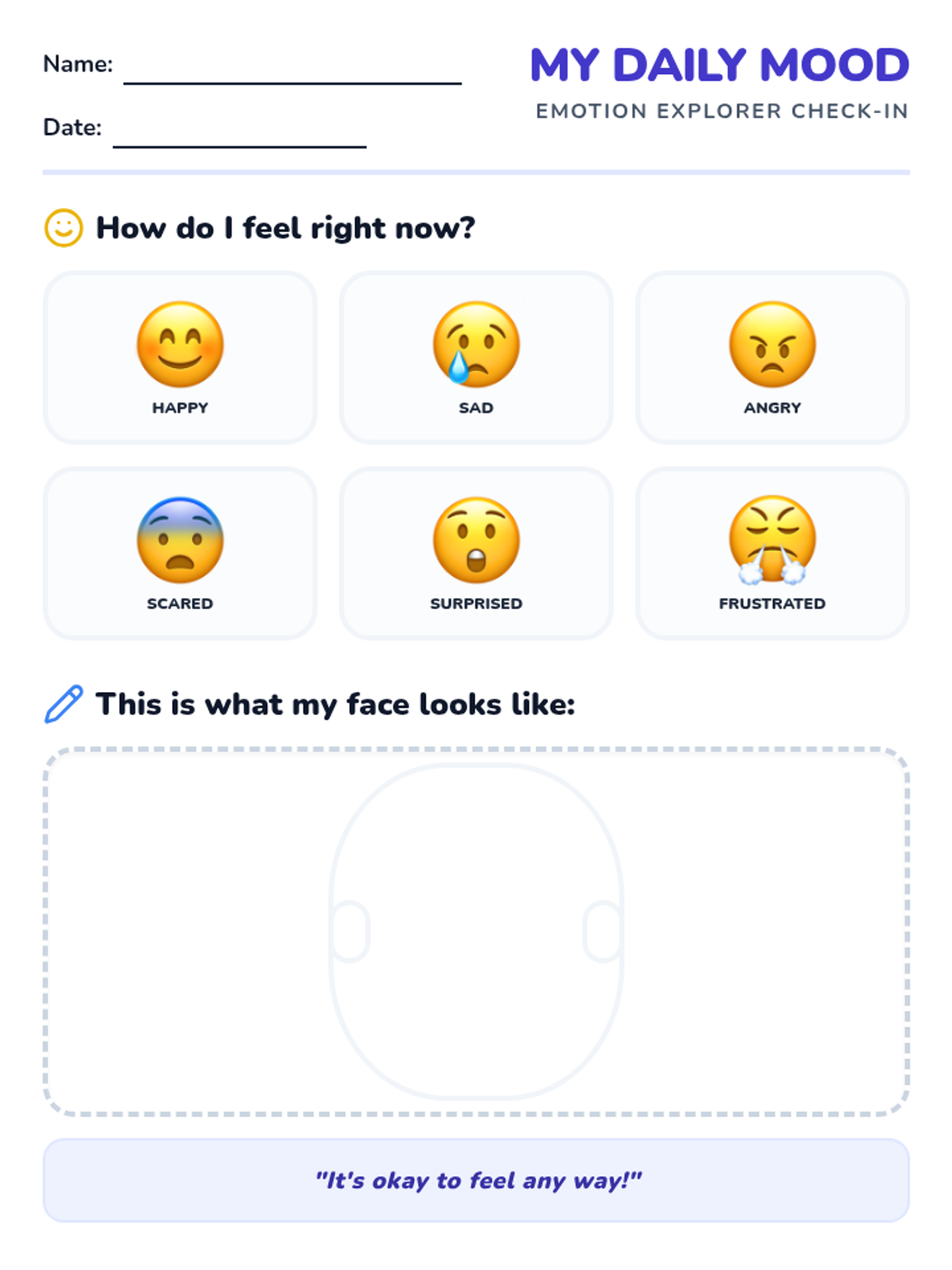
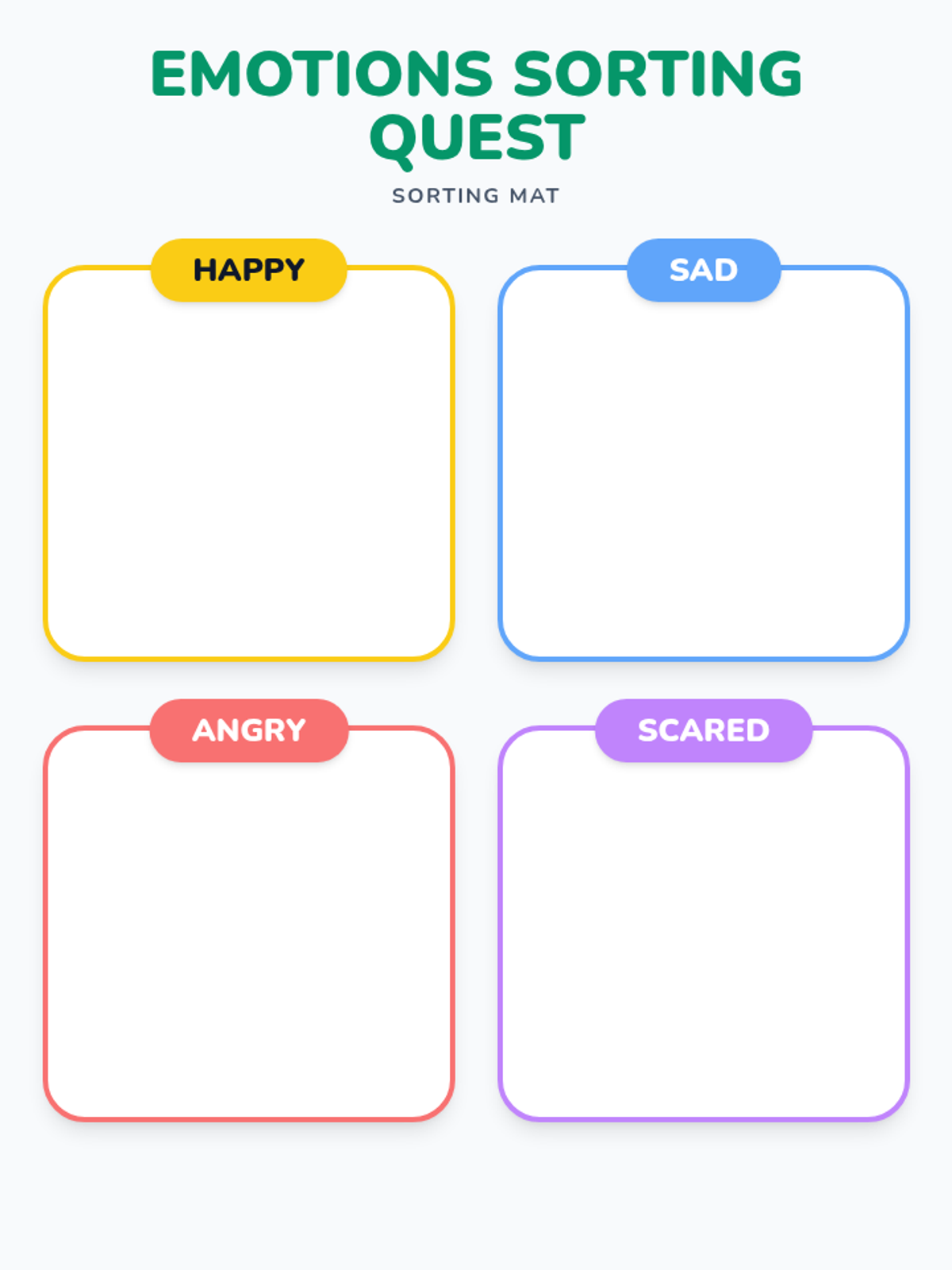
A comprehensive set of resources to help an incoming Kindergarten student identify and label a wide range of emotions using visual and verbal supports. Includes an IEP goal guide, instructional slides, and daily practice materials.
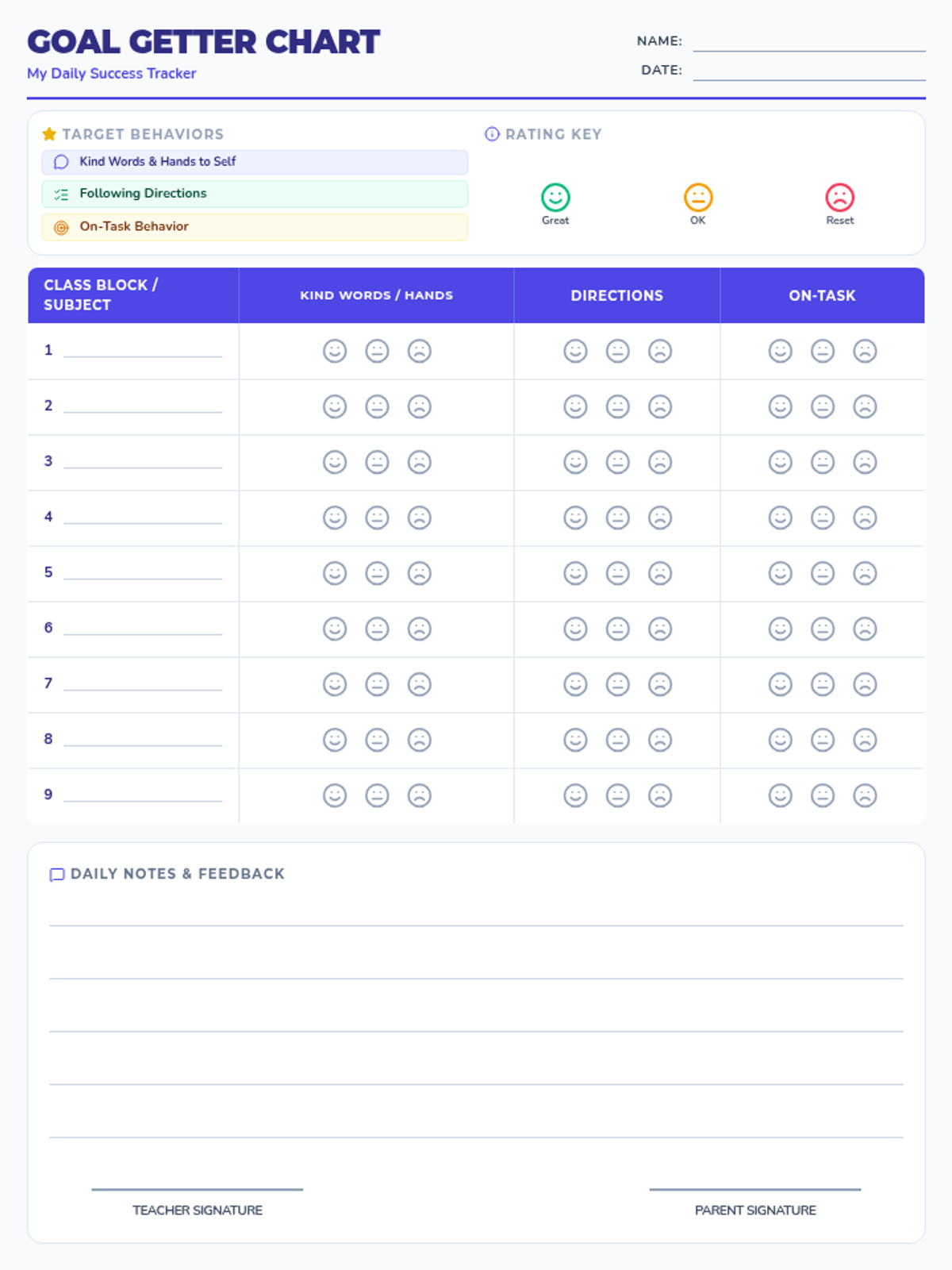
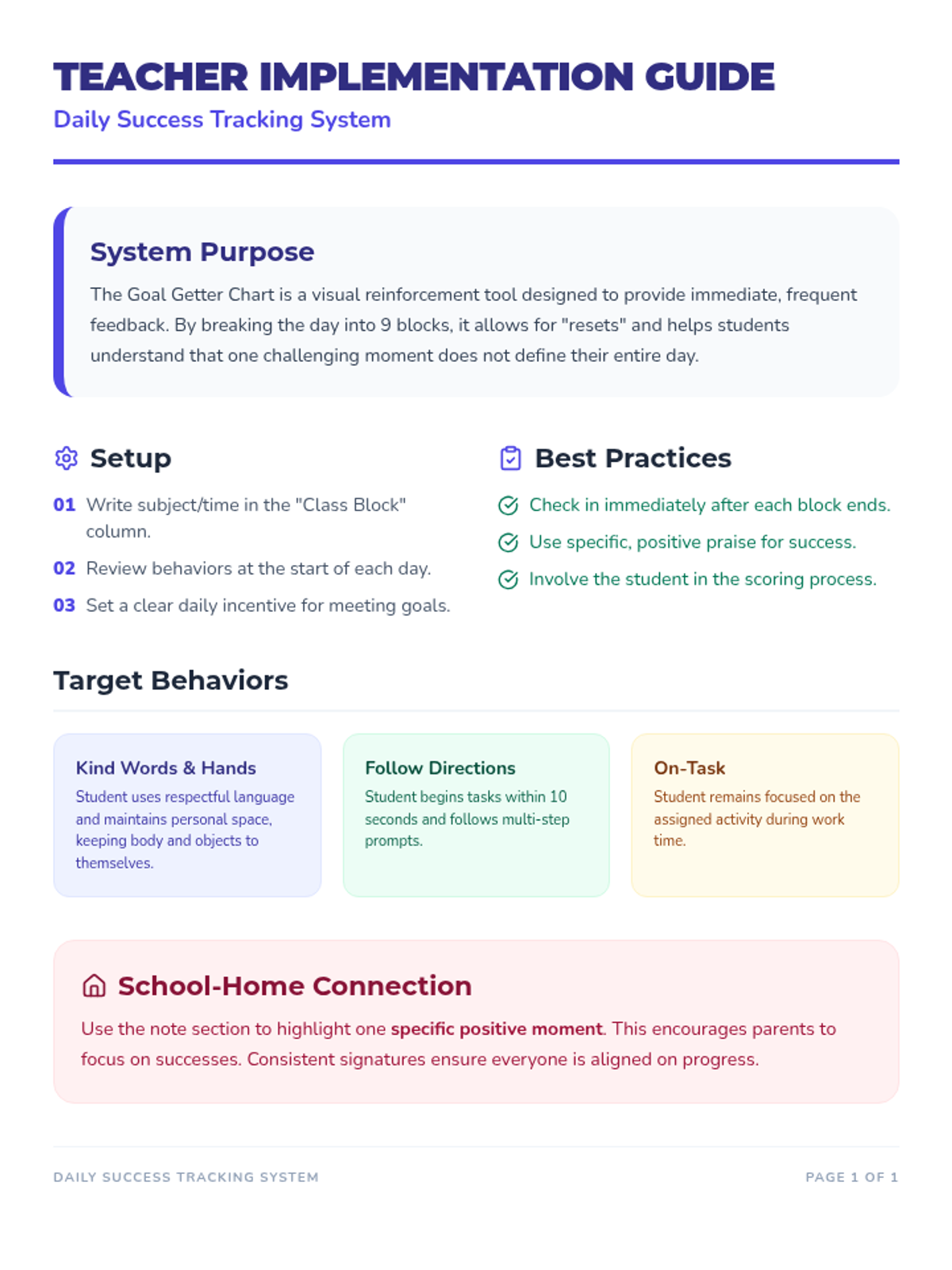
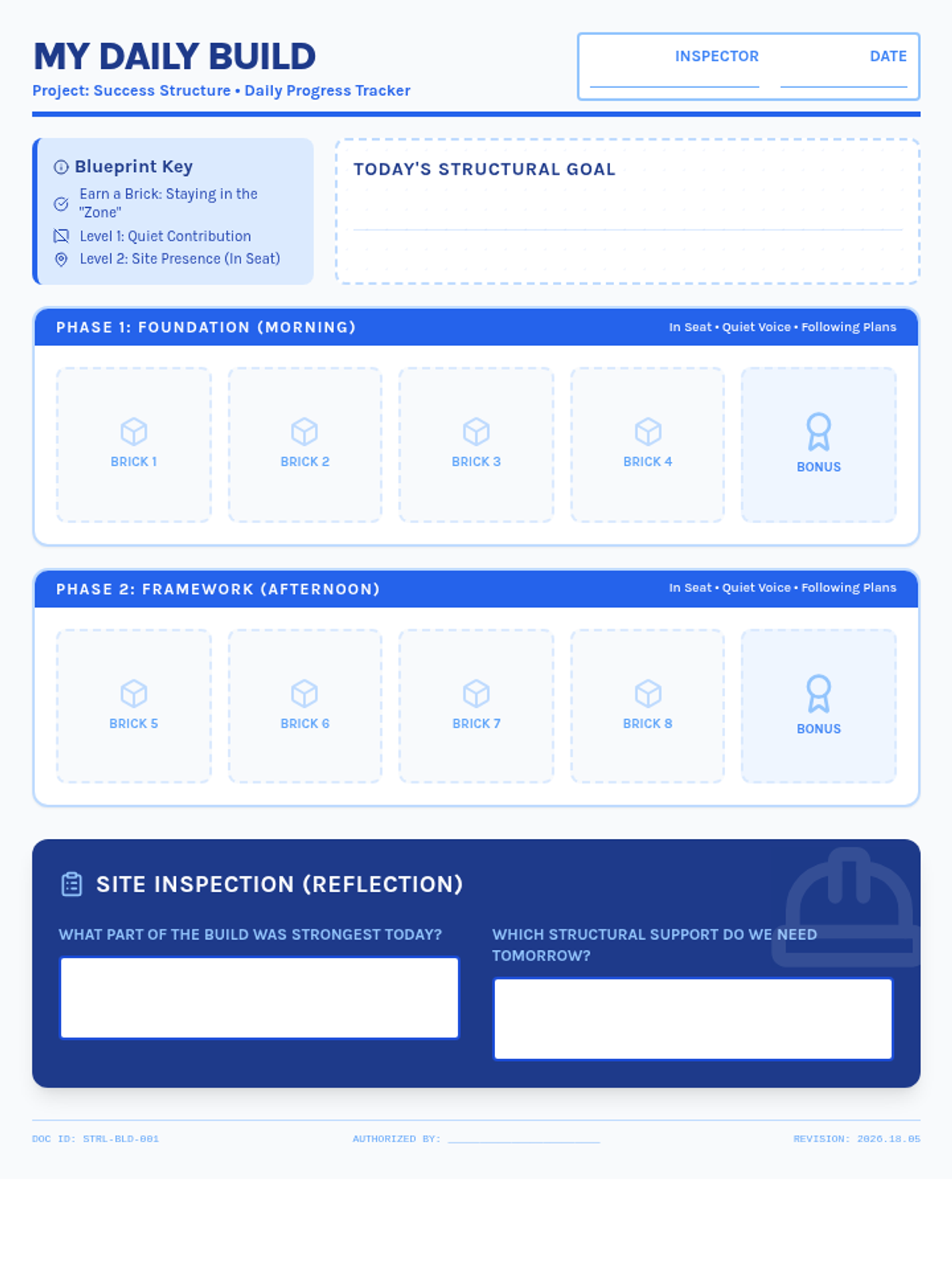
A daily behavior tracking system designed to help students visualize and monitor their social and academic goals through a 9-block school day.
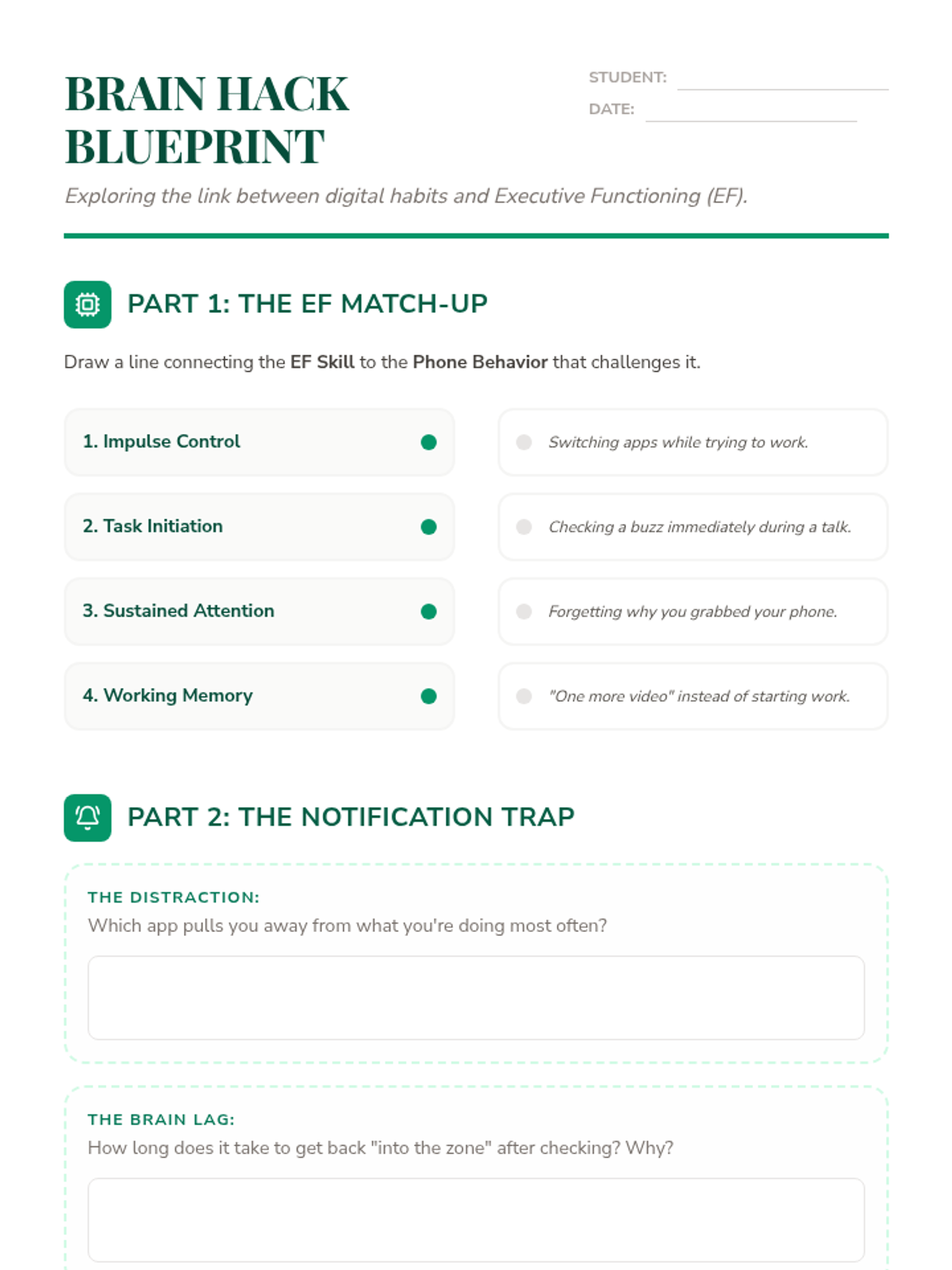
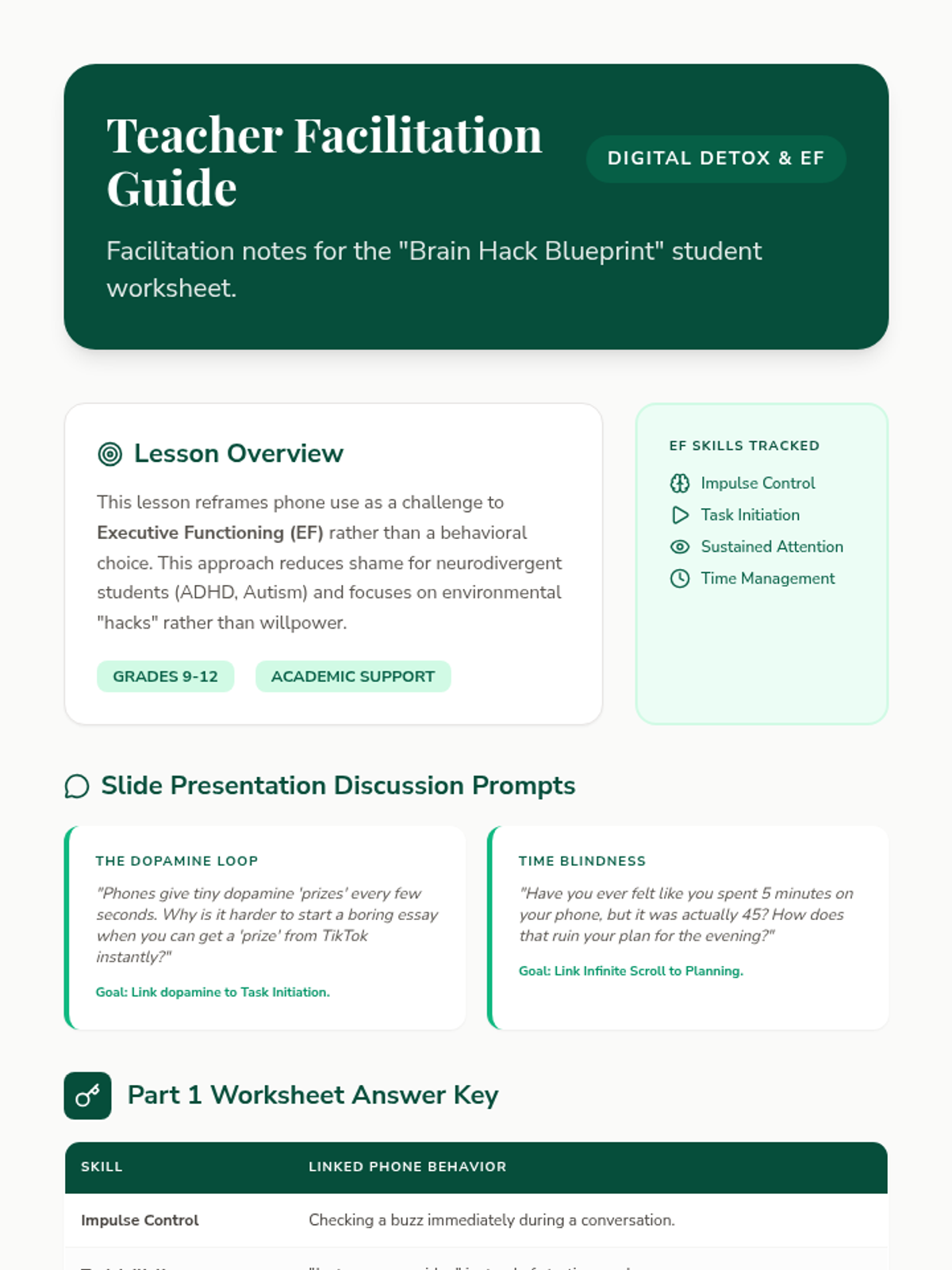
A lesson exploring the neurological impact of screen time and how digital habits interact with executive functioning skills, providing students with practical tools to manage their digital lives.
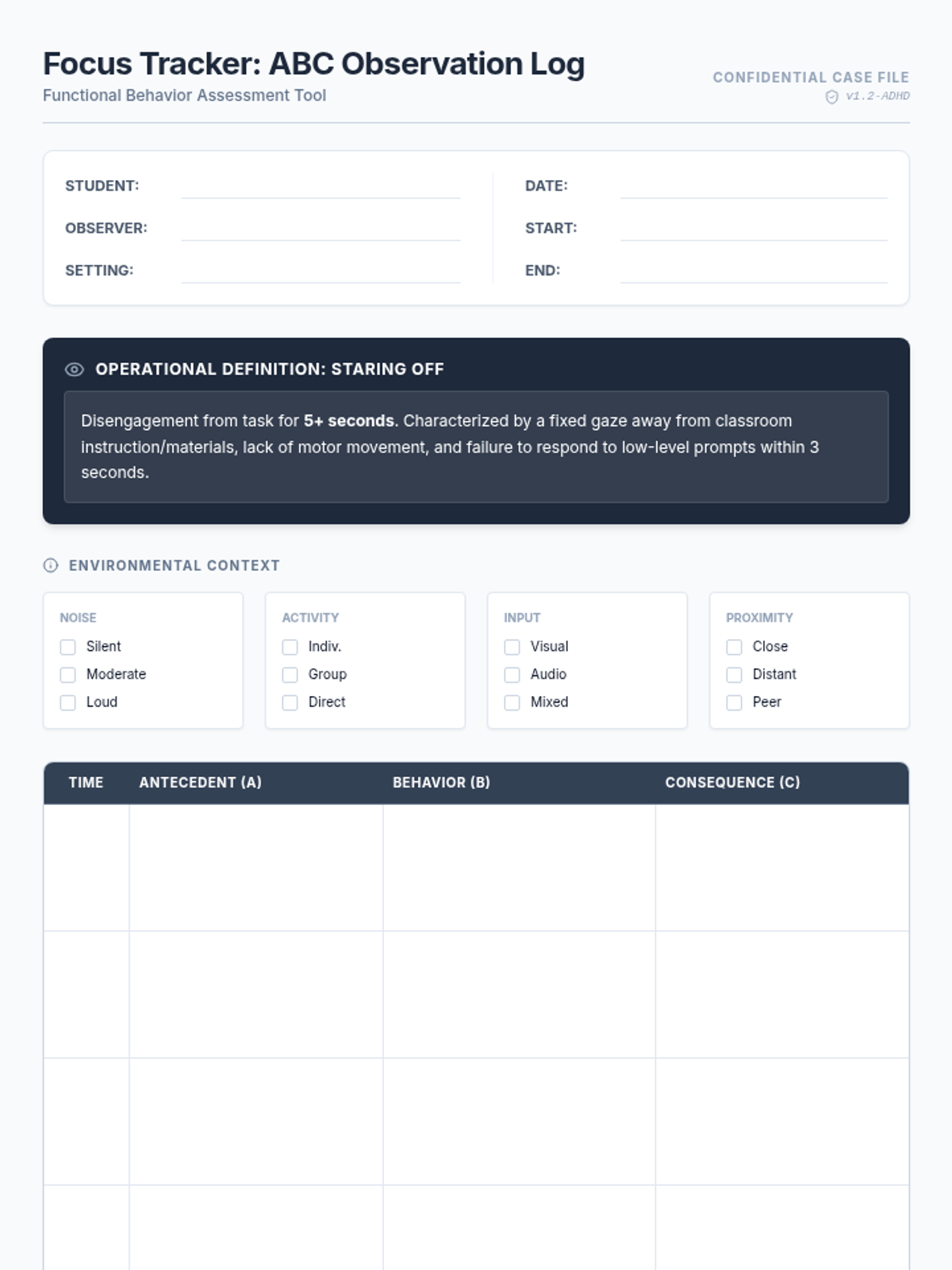
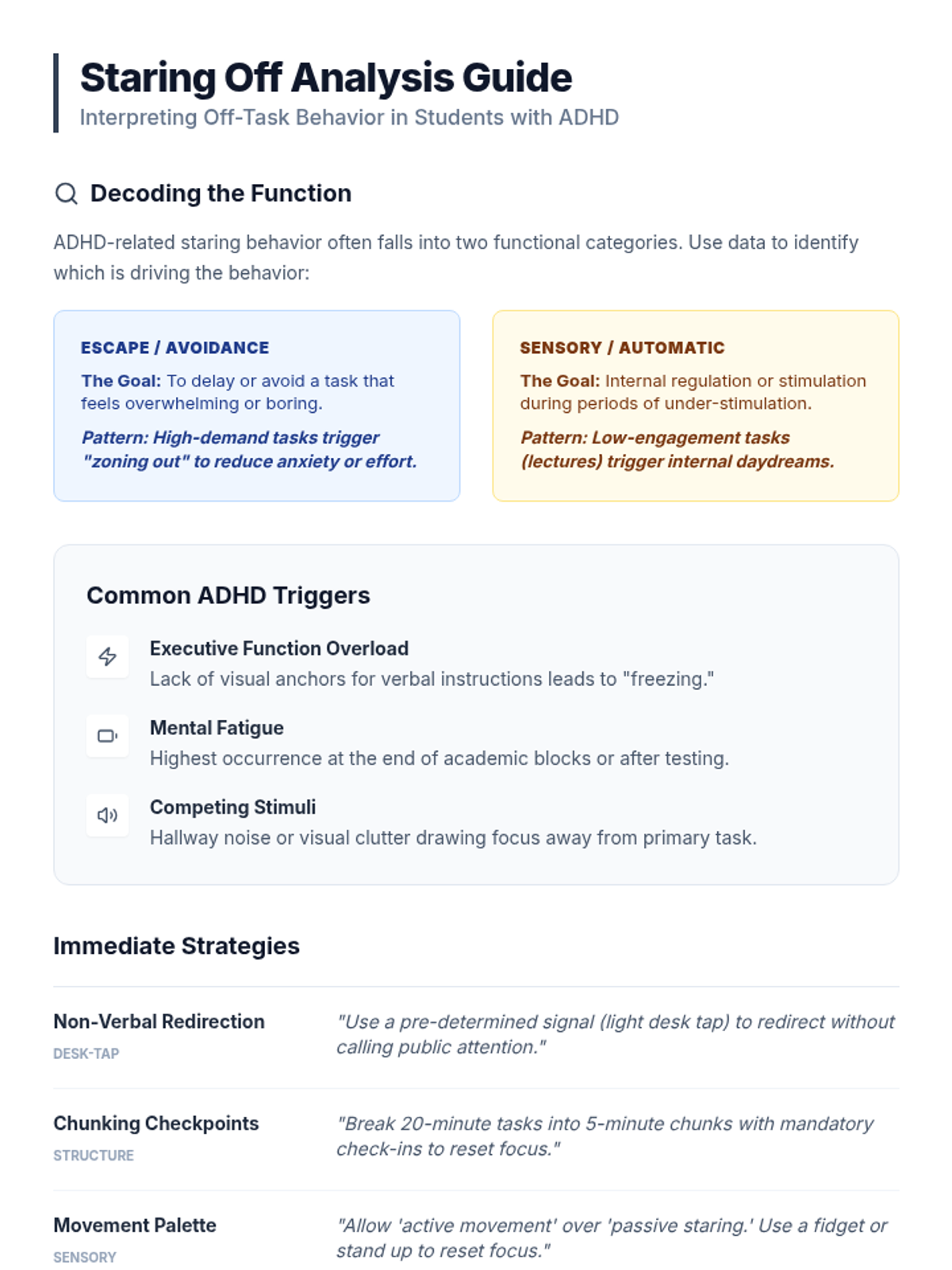
Tools and guides for accurately tracking and analyzing specific off-task behaviors in a classroom setting, focusing on functional behavior assessment.
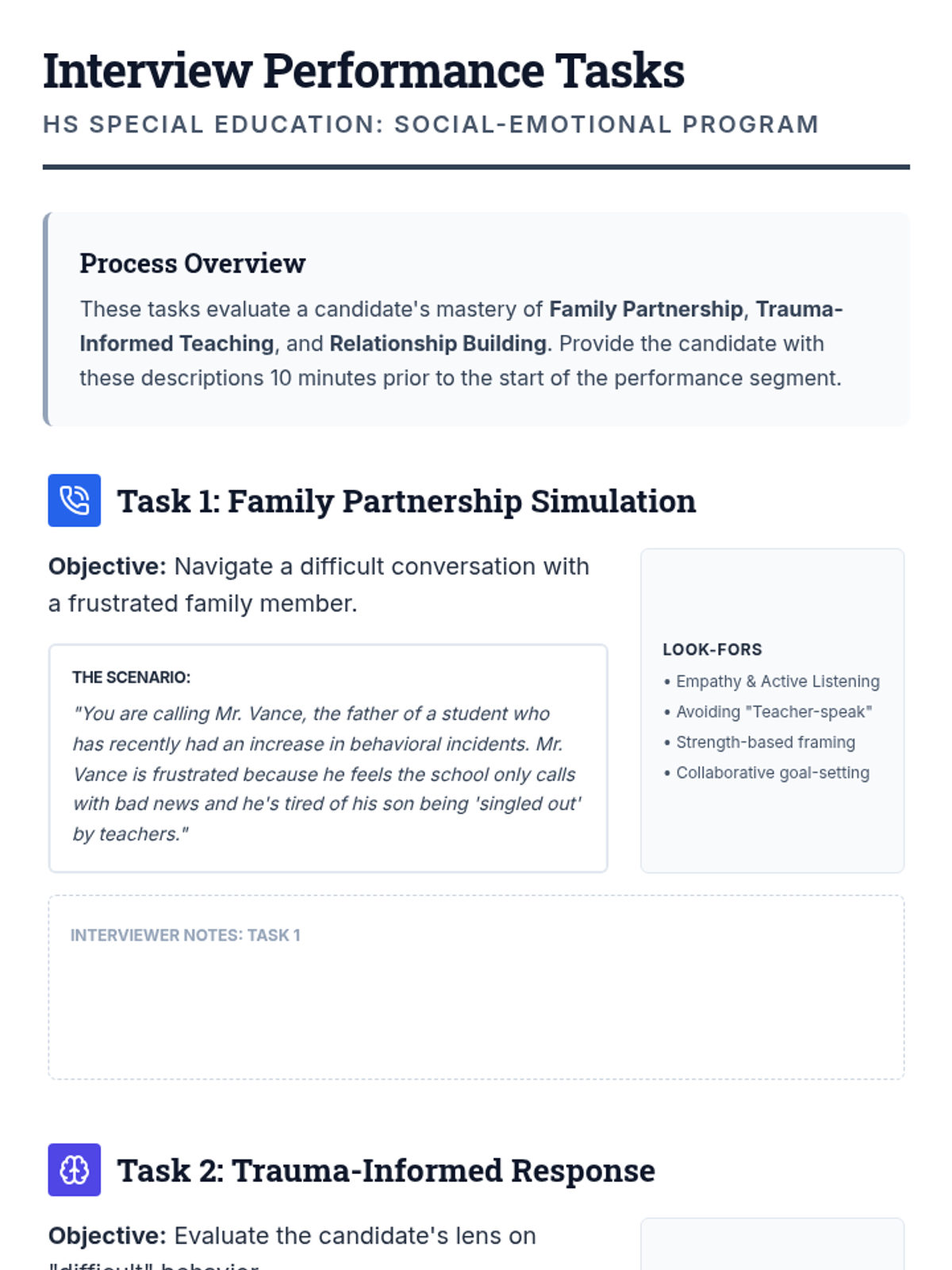
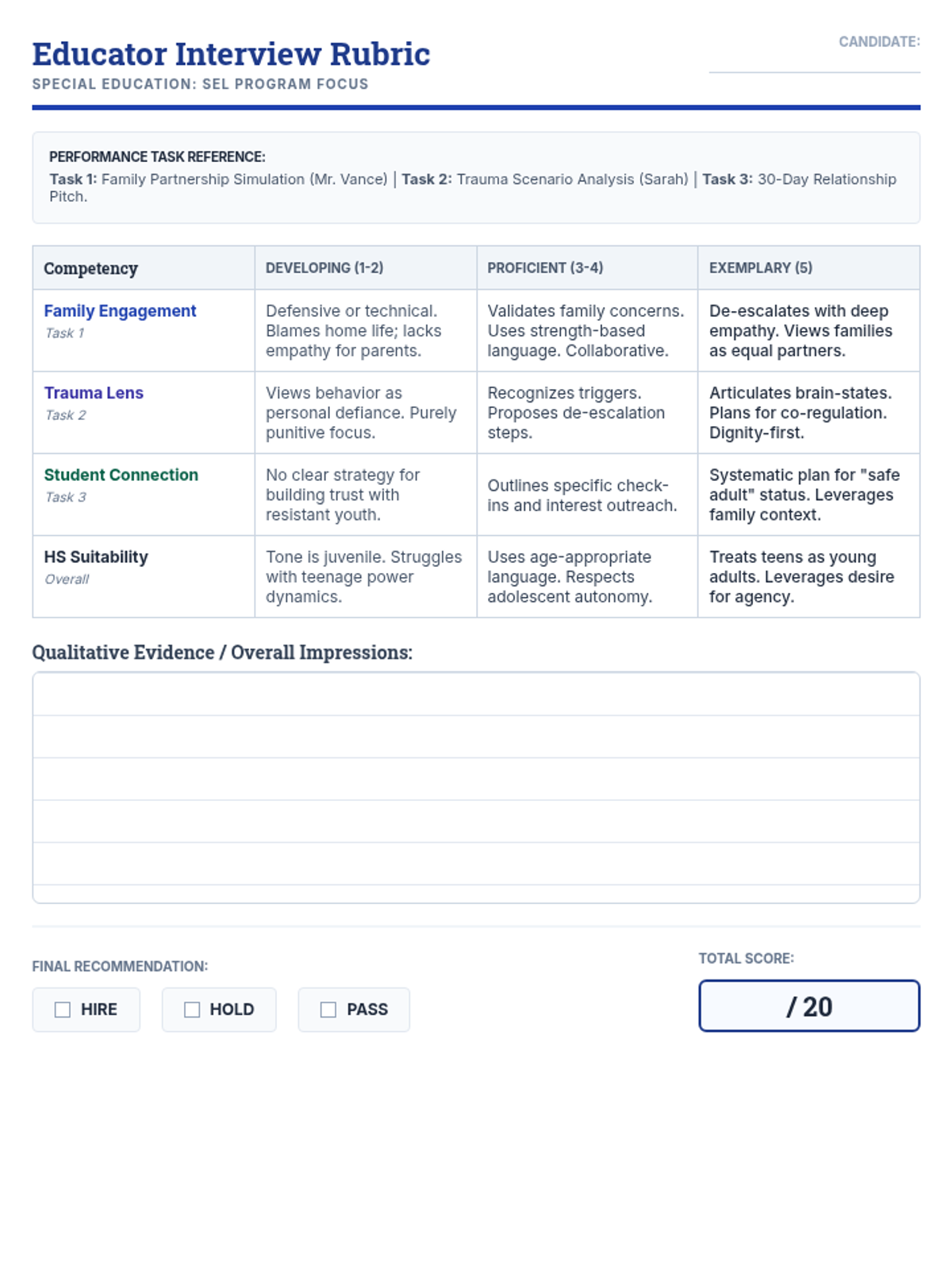
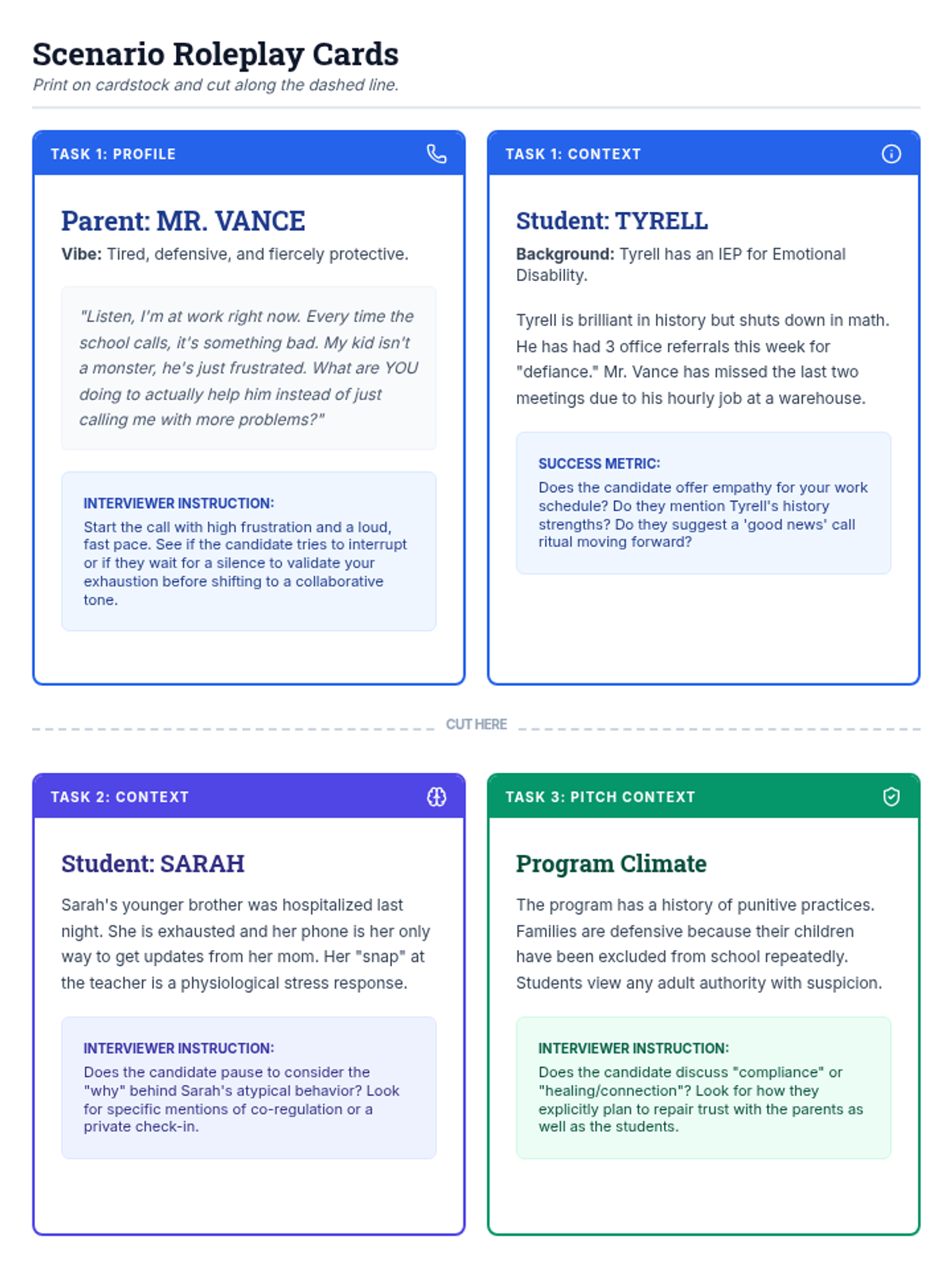
A comprehensive set of performance tasks and assessment rubrics for interviewing high school special education teachers for SEL-focused programs, prioritizing restorative justice and trauma-informed practices.
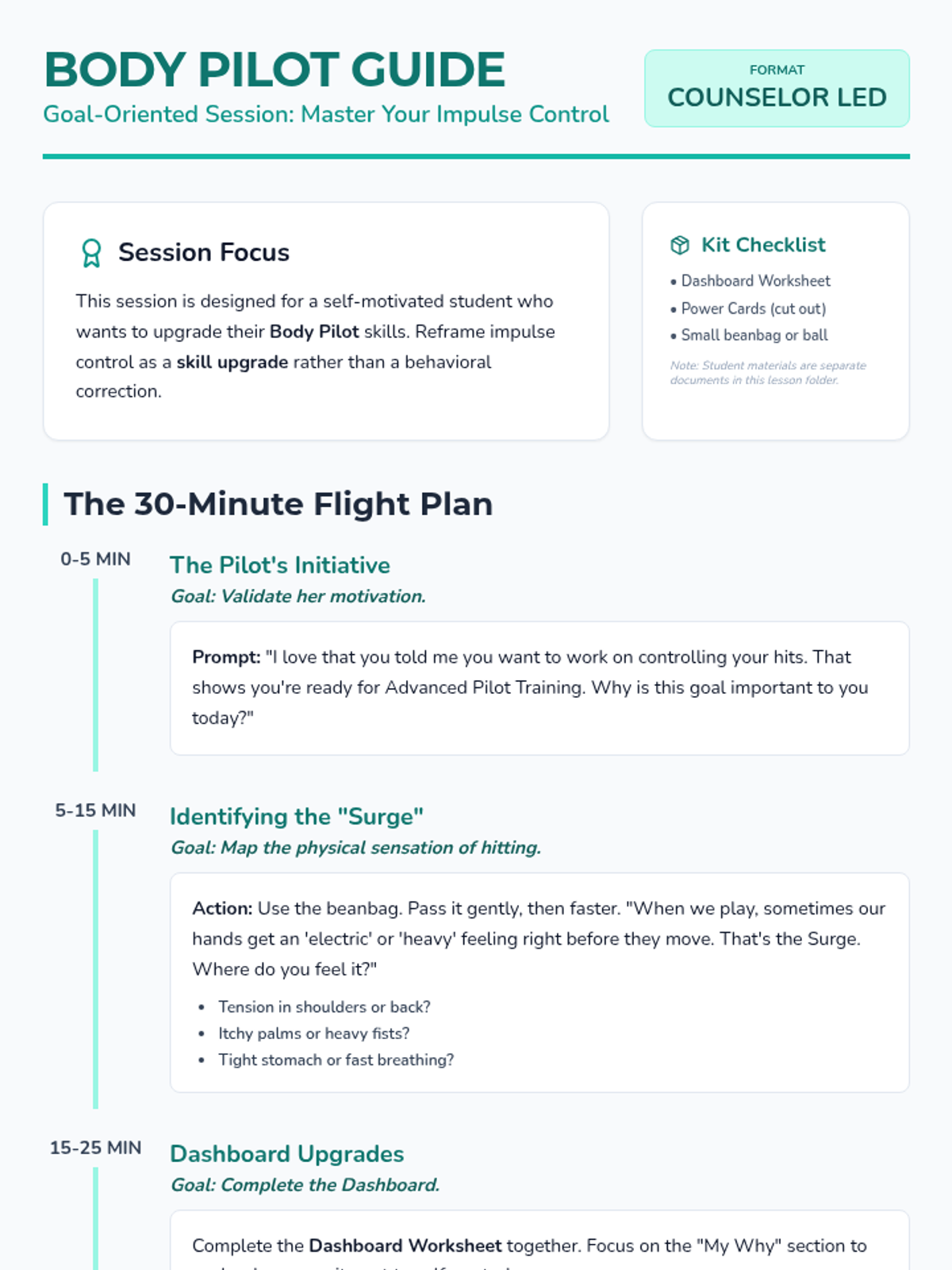
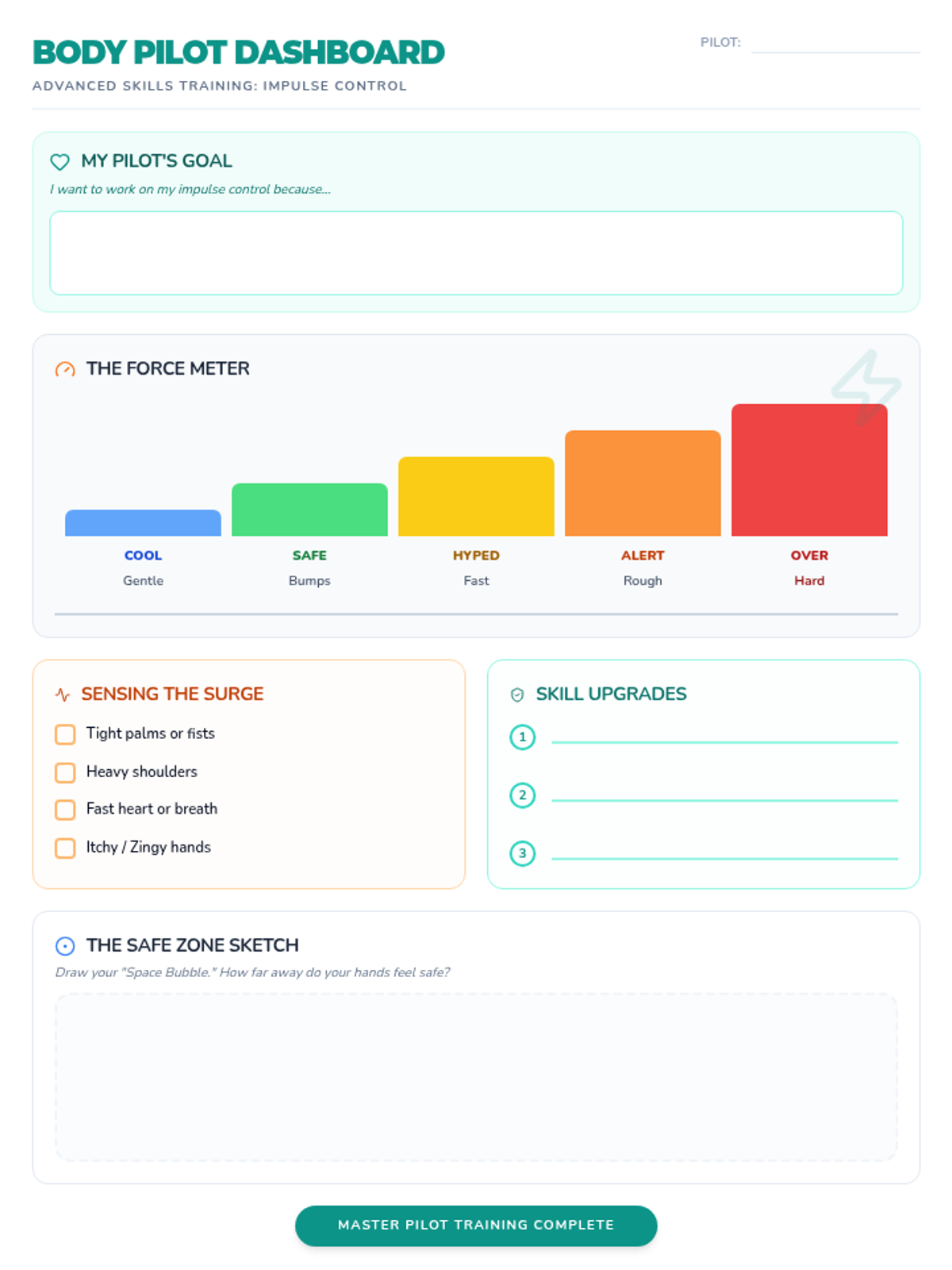
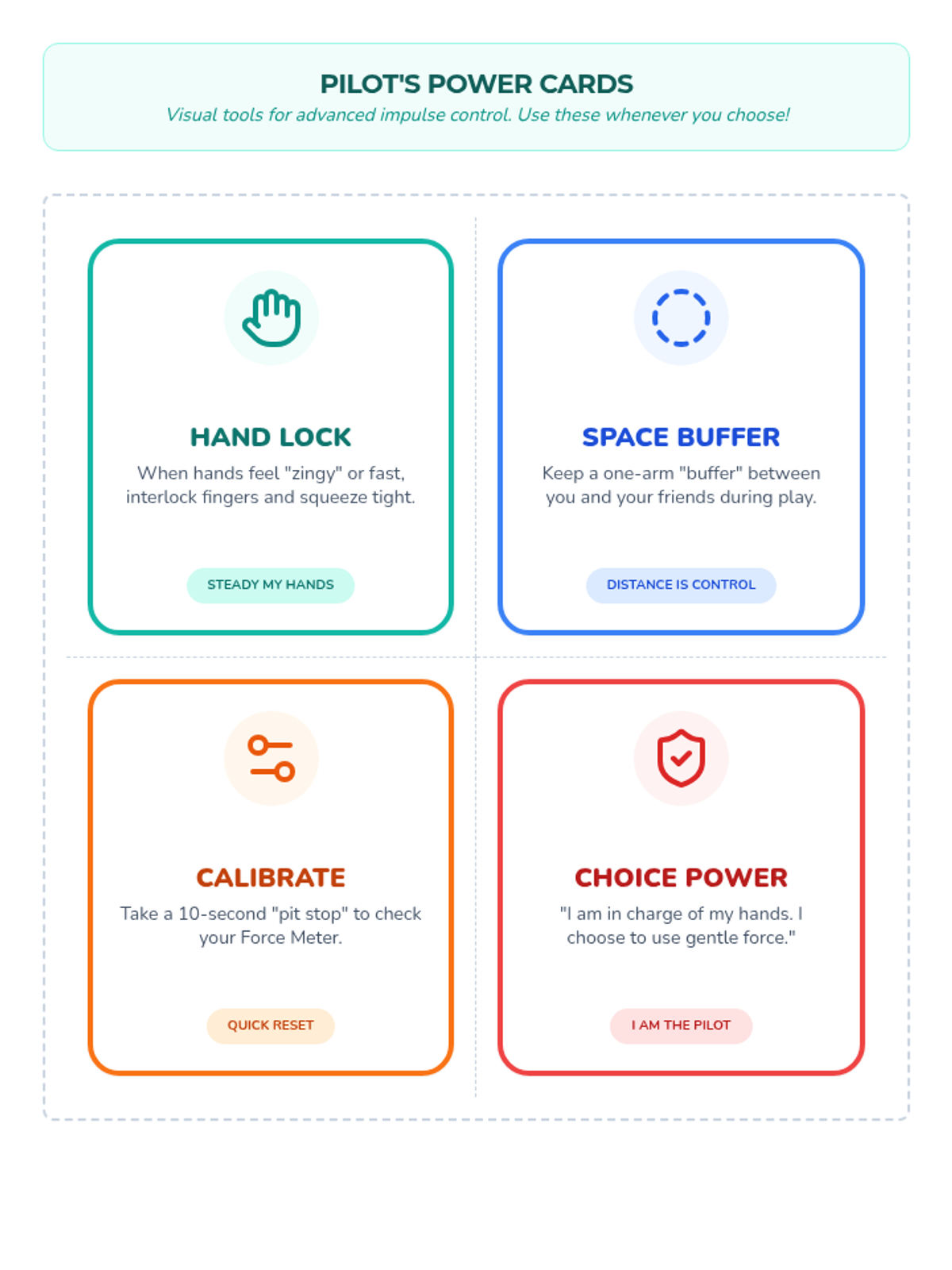
A 30-minute counseling session focused on helping students with autism understand and control physical impulses, specifically addressing 'play fighting' and personal space boundaries using the 'Body Pilot' metaphor.
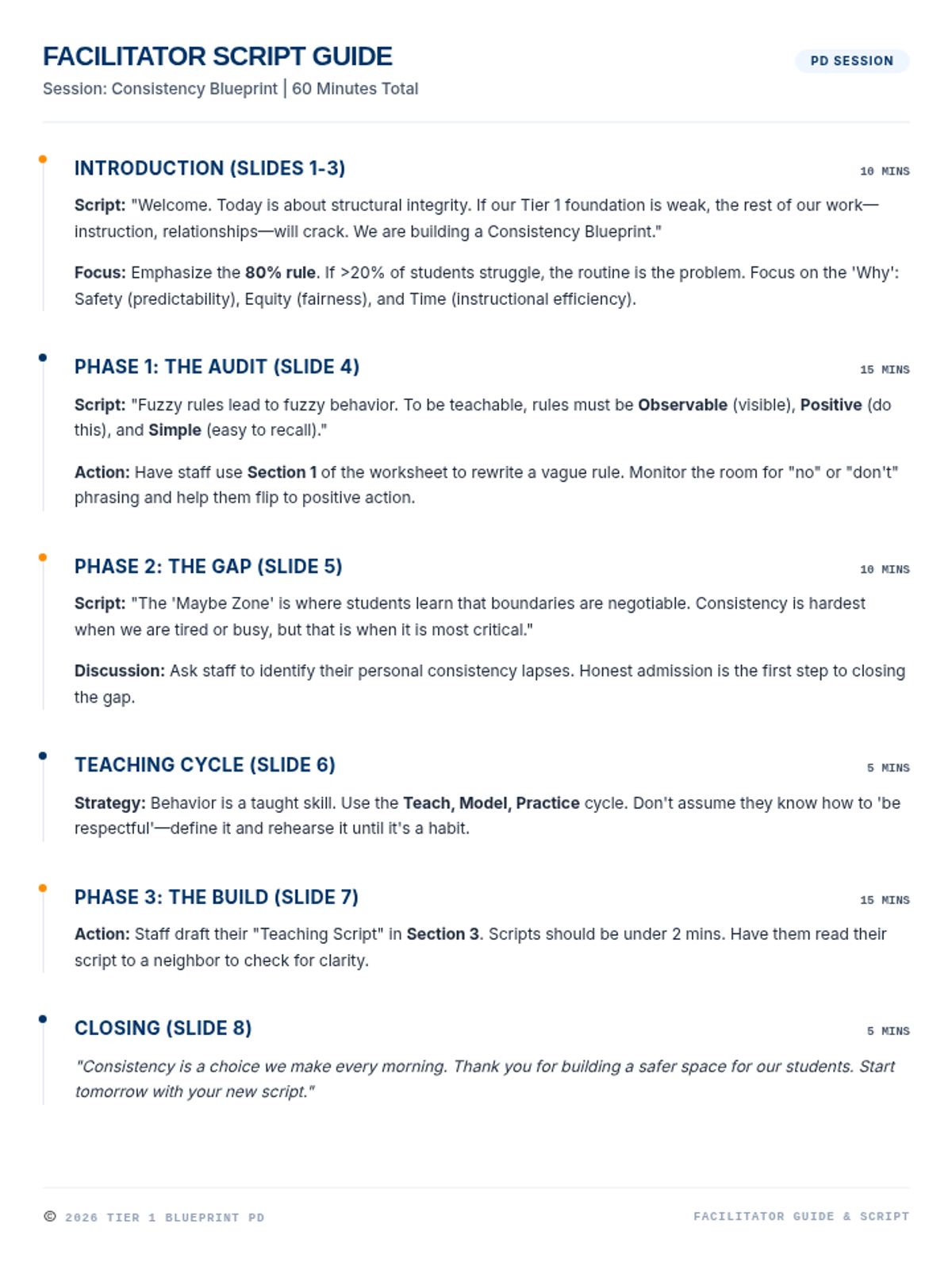
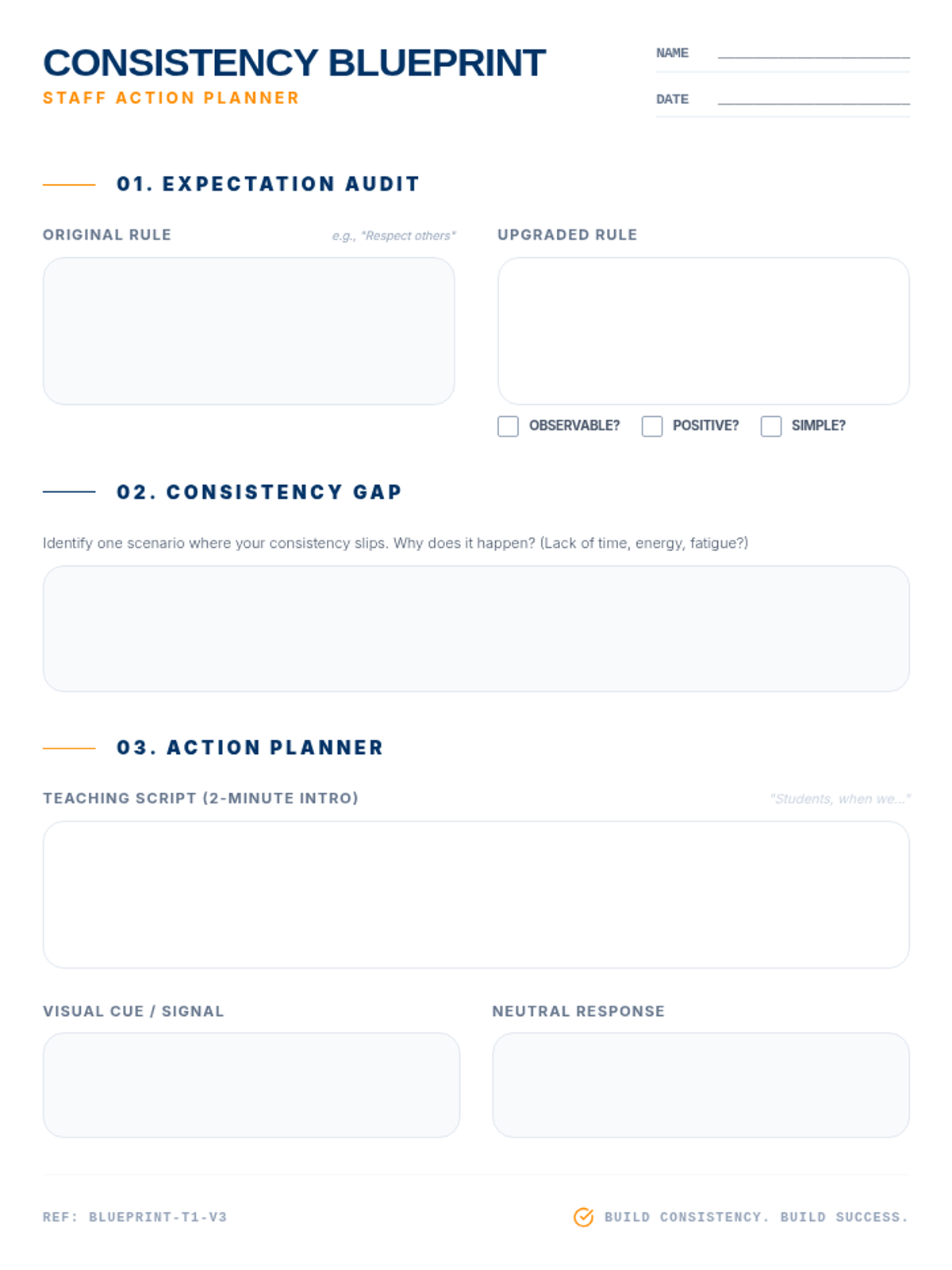
A 60-minute interactive professional development workshop designed to help school staff define, teach, and reinforce Tier 1 classroom expectations with high consistency.
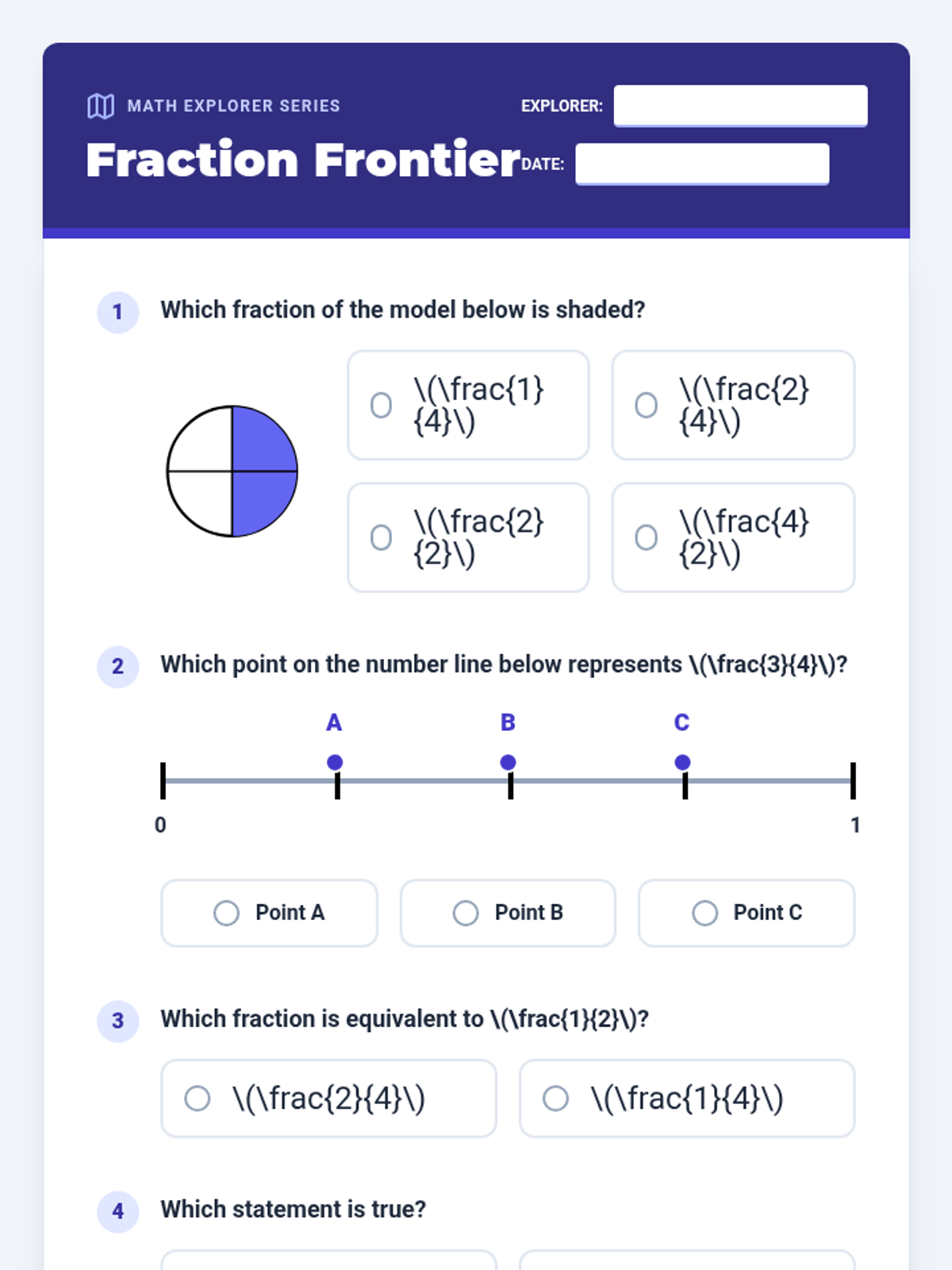
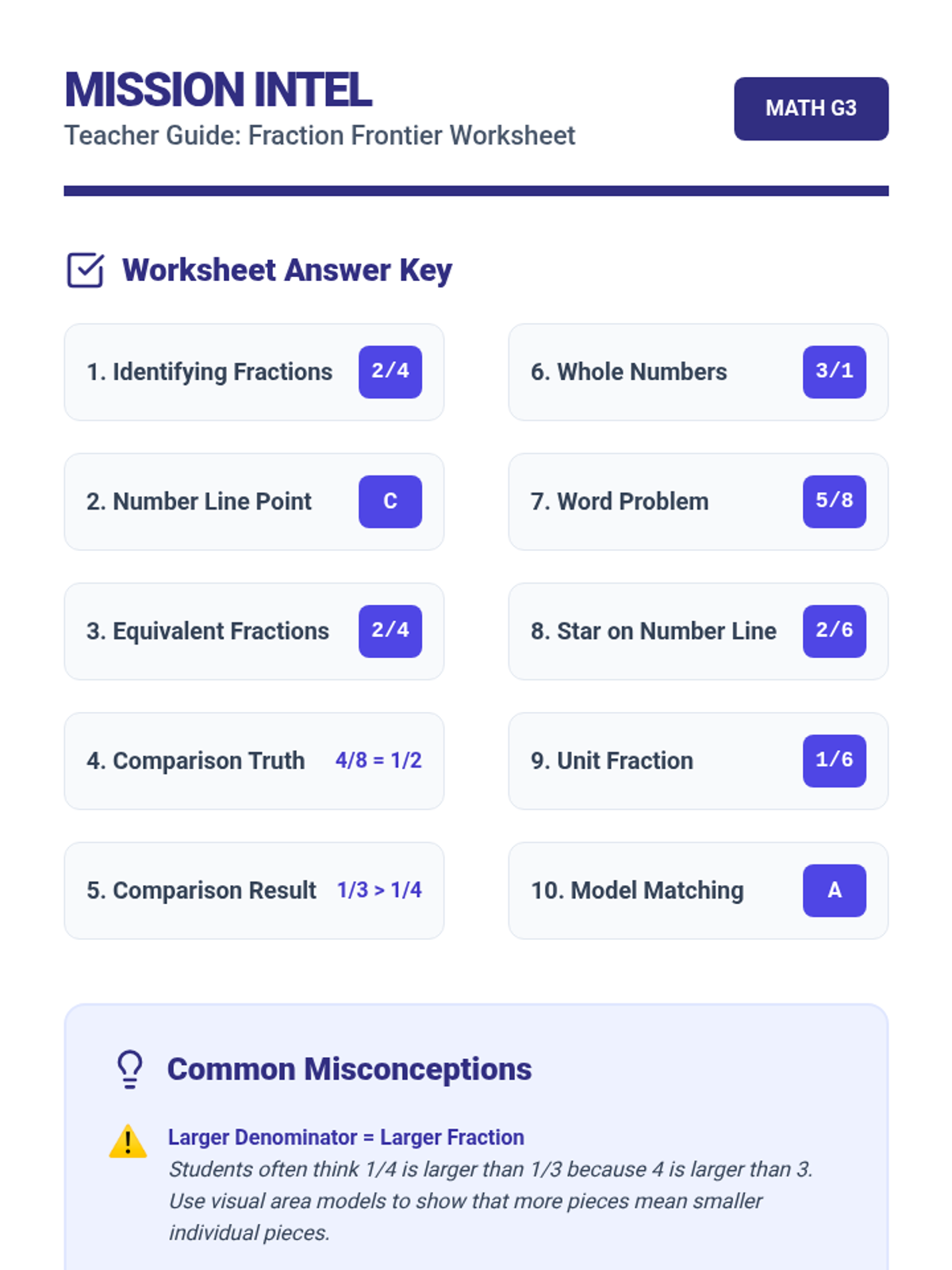
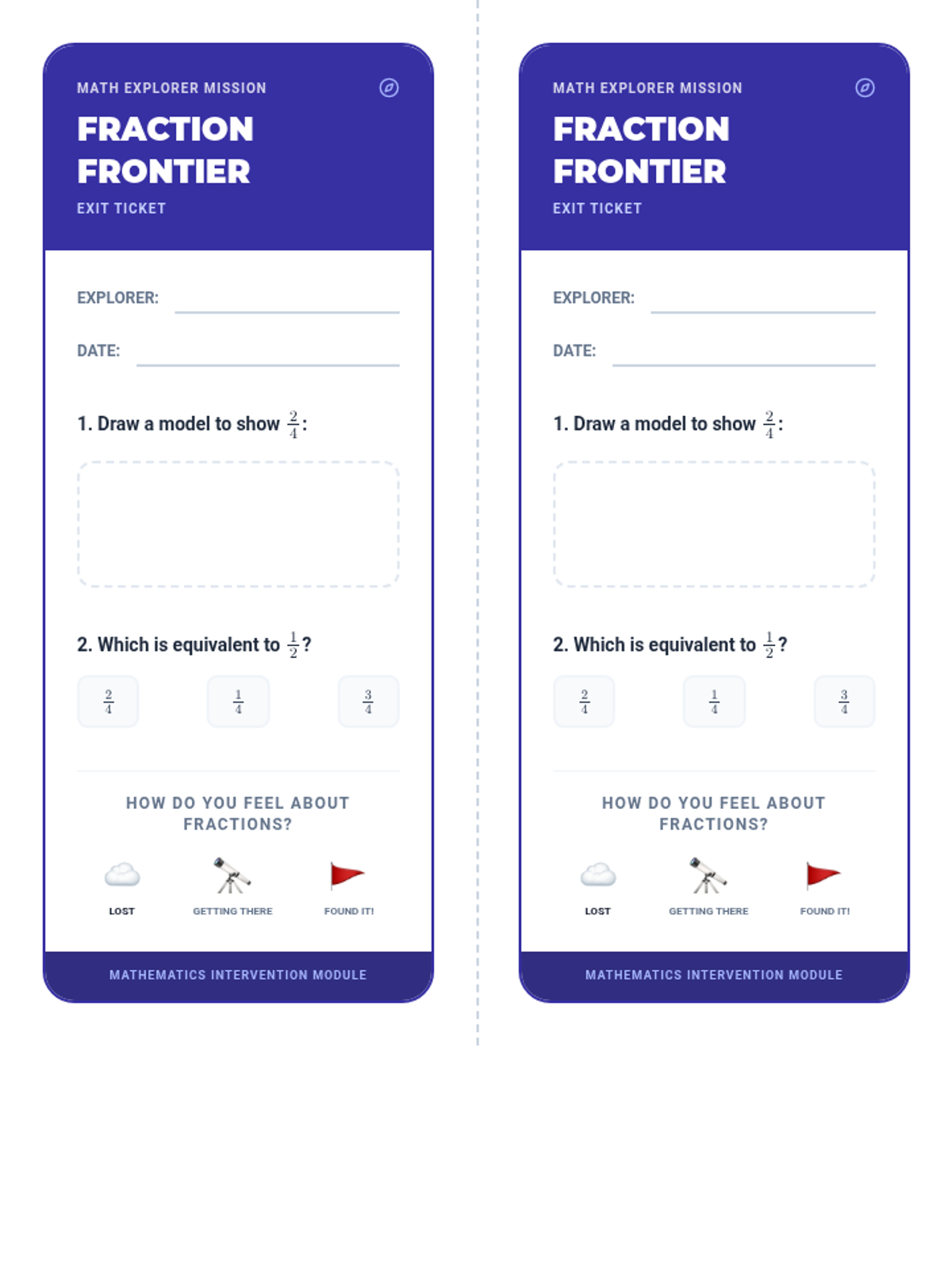
A targeted intervention lesson focused on 3rd-grade fraction standards. Students will practice identifying, comparing, and finding equivalent fractions through EOG-style word problems and visual models.
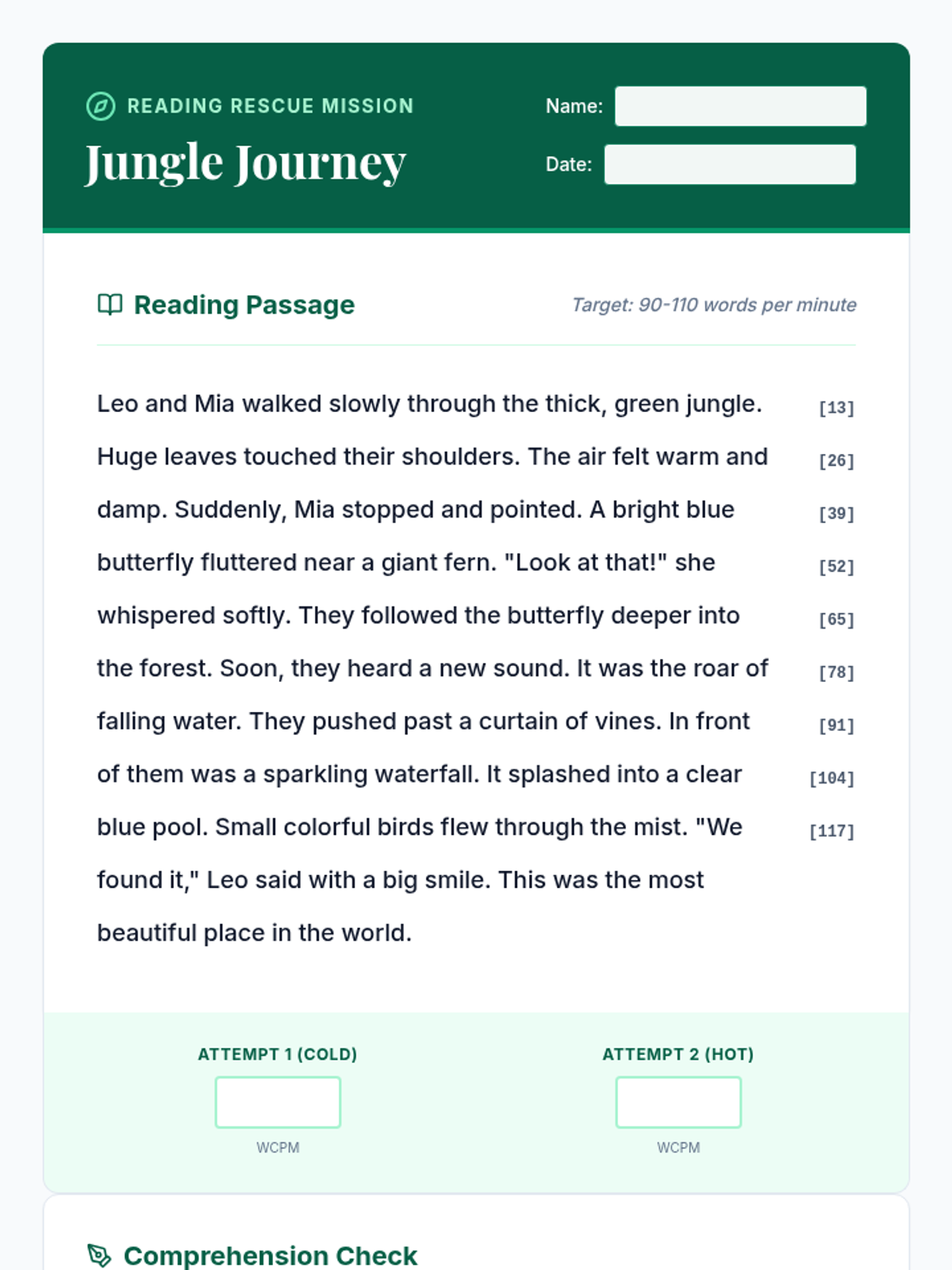
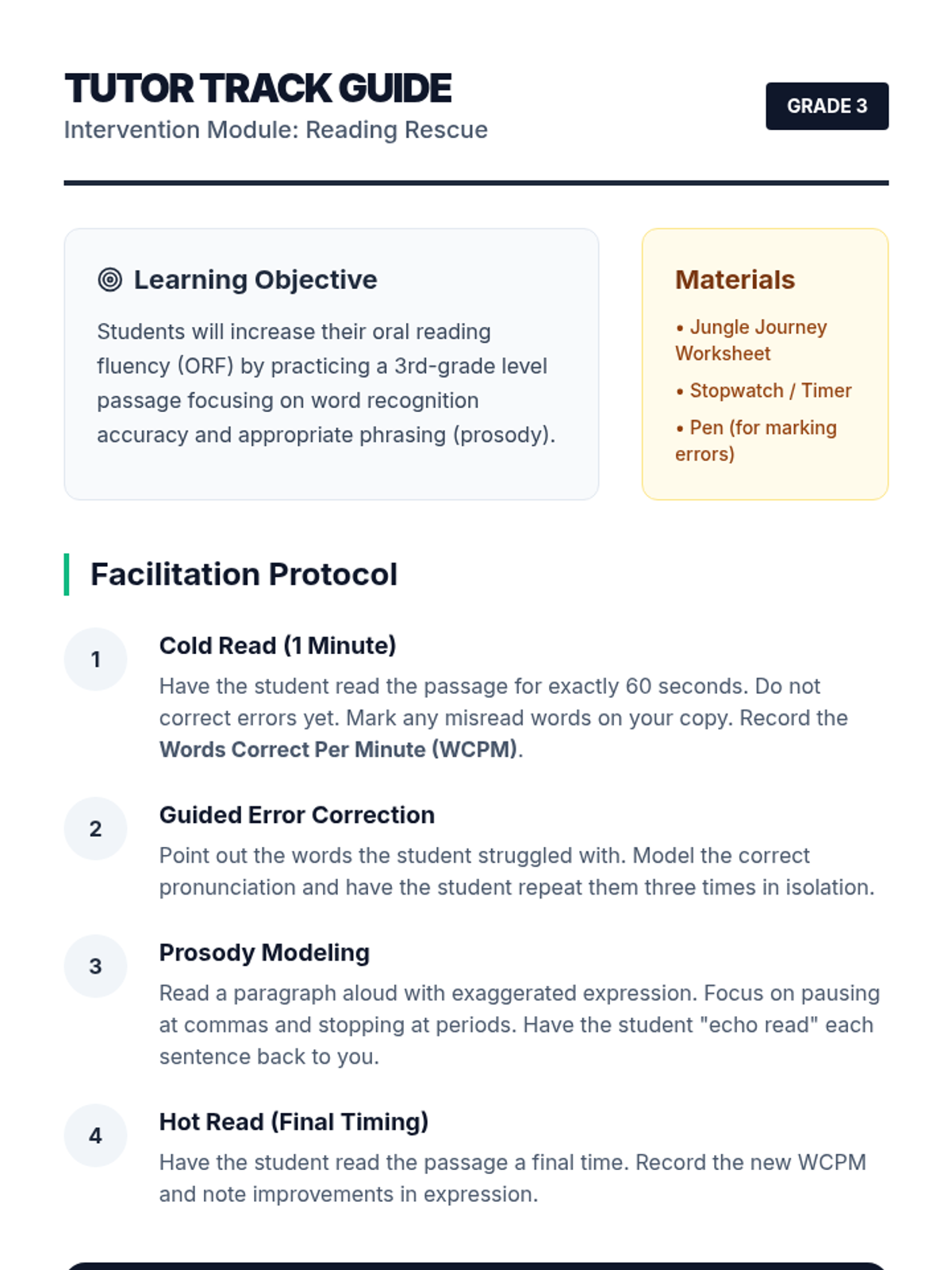
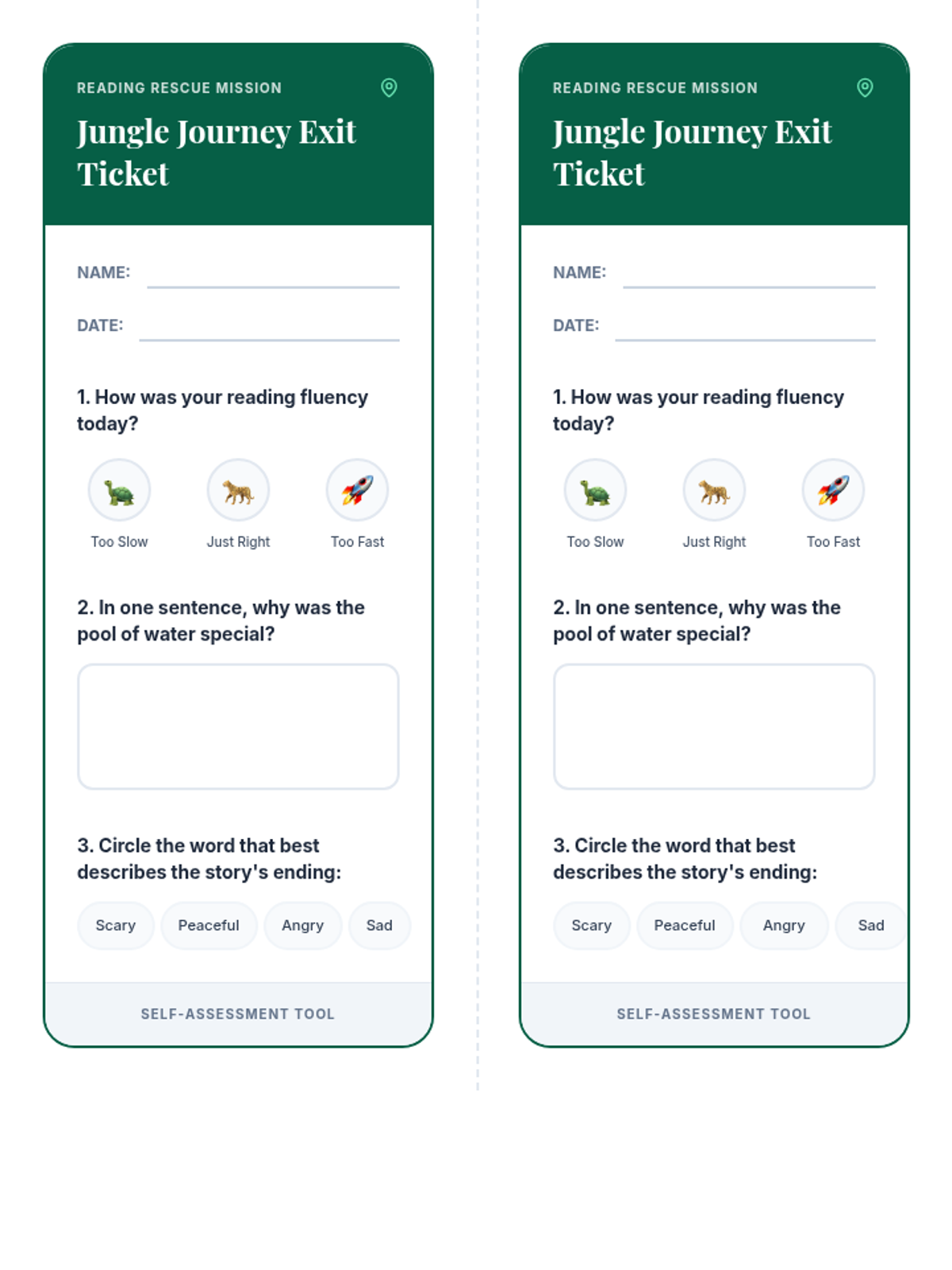
A targeted intervention lesson designed to improve 3rd-grade reading fluency and comprehension through guided practice and timed reading. Students will explore a nature-themed passage while developing strategies for expression and accuracy.
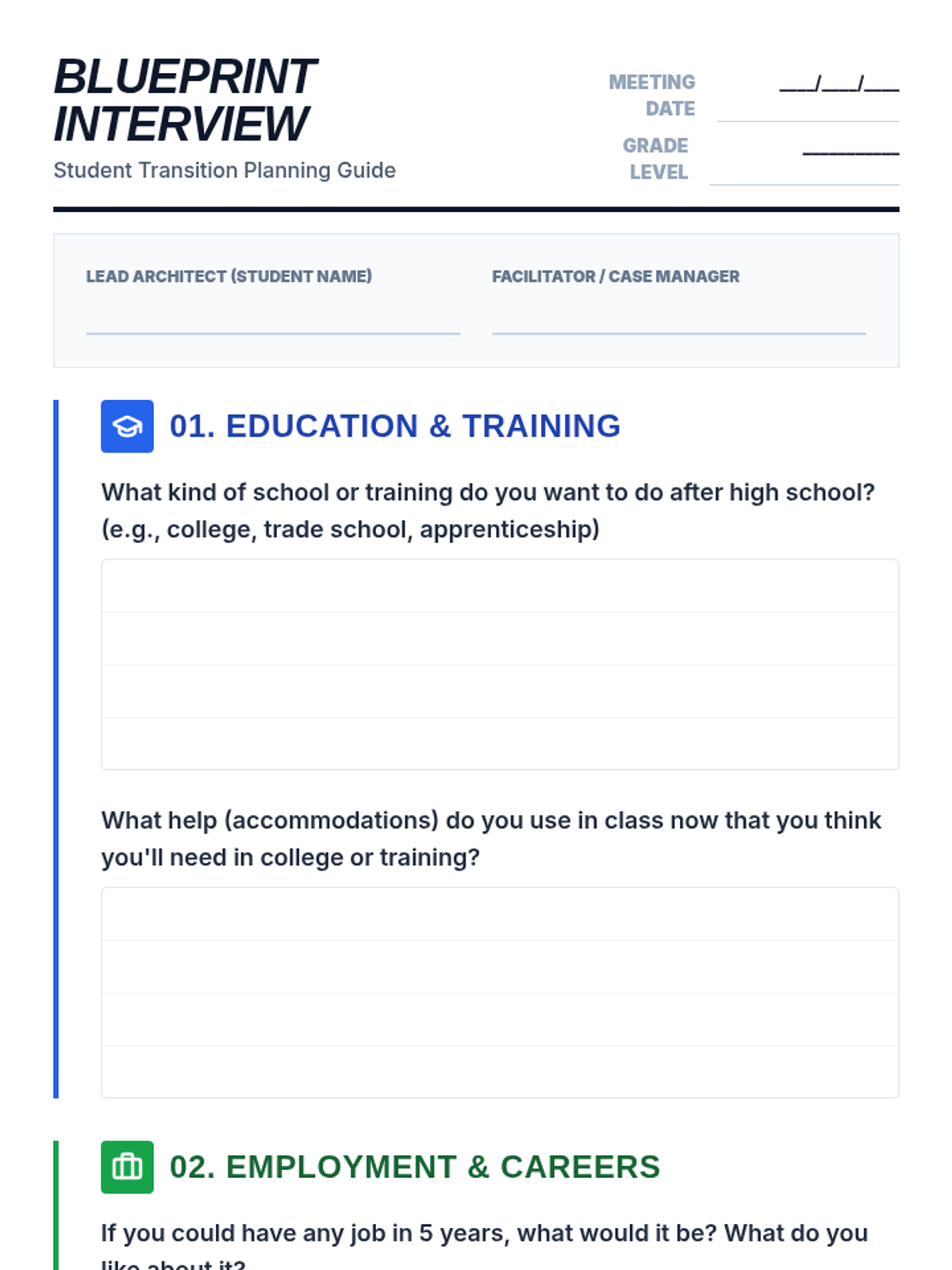
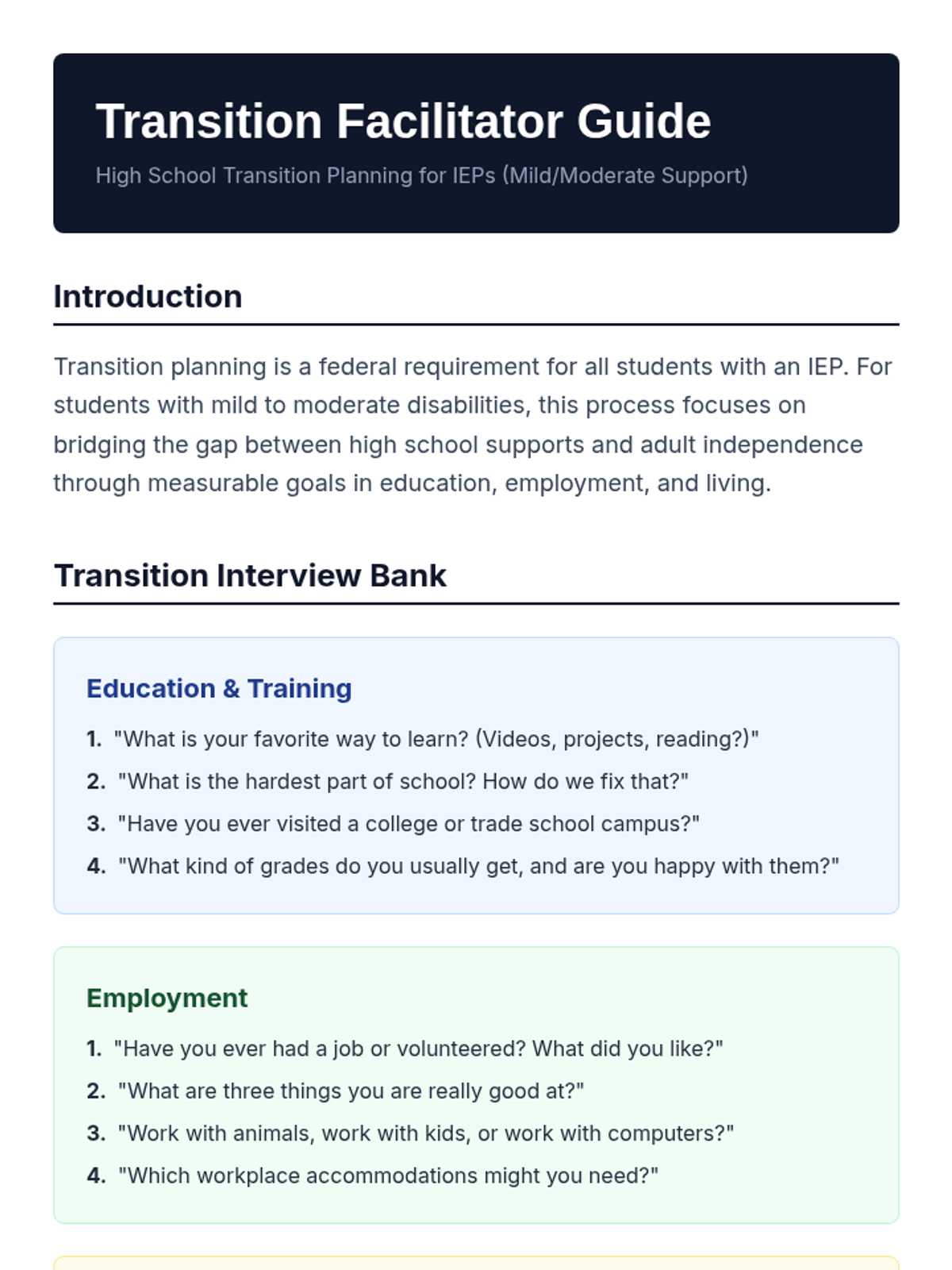
A comprehensive transition planning lesson designed for high school students with mild to moderate disabilities, focusing on education, employment, and independent living goals for IEP development.
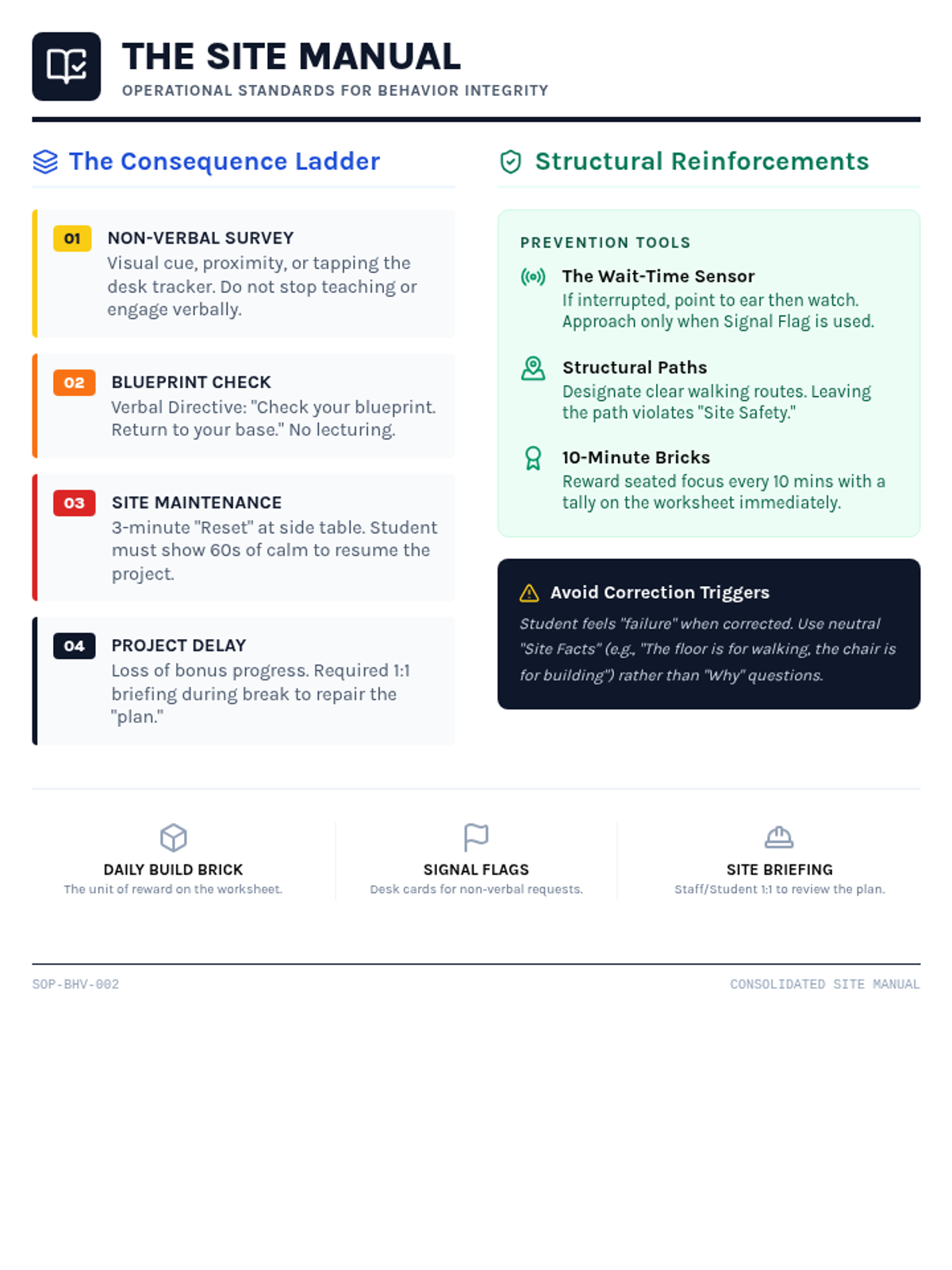
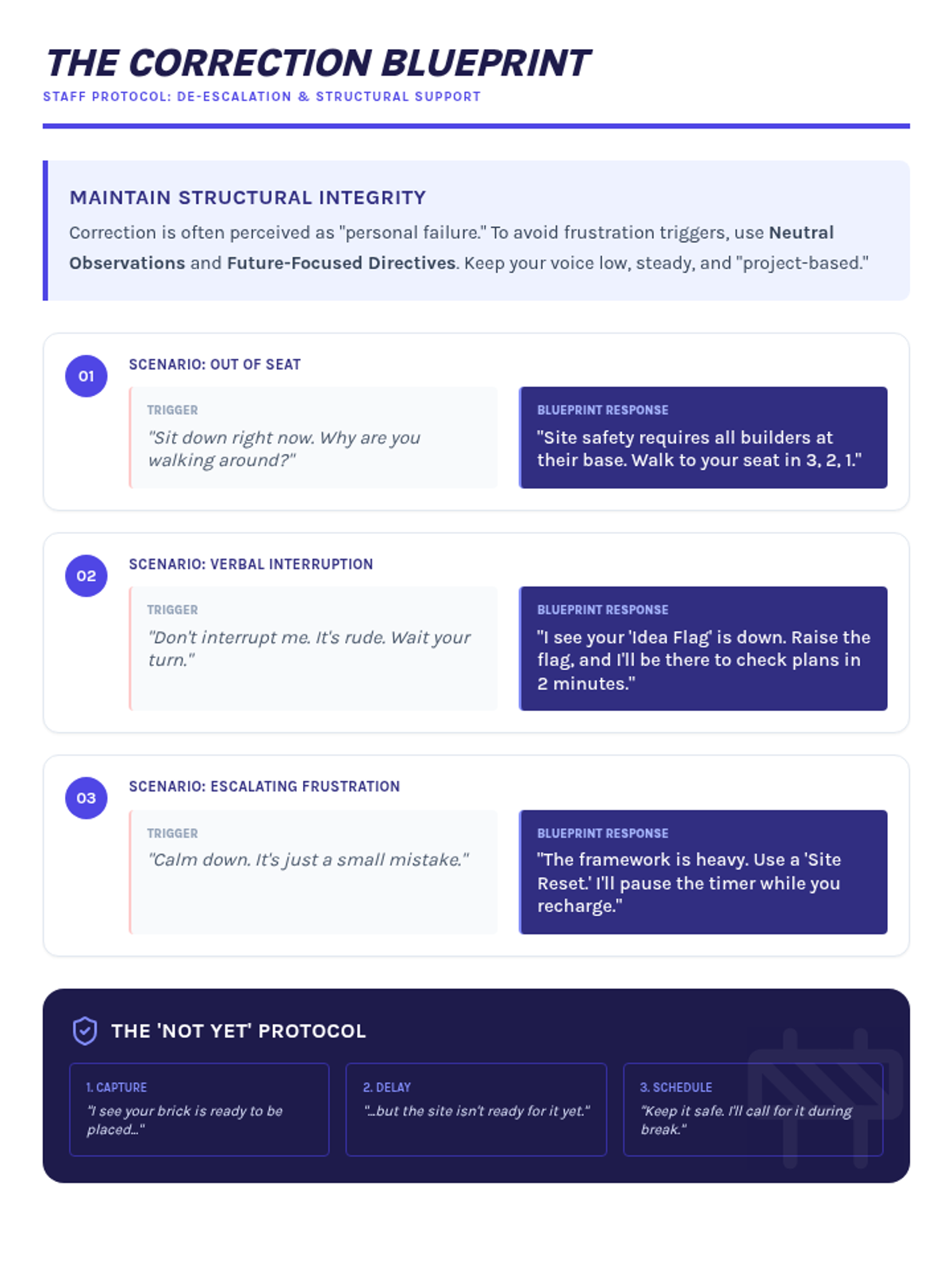
Focuses on the immediate implementation of behavioral structures to reduce interruptions and manage seat-staying through visual mapping and clear staff protocols.
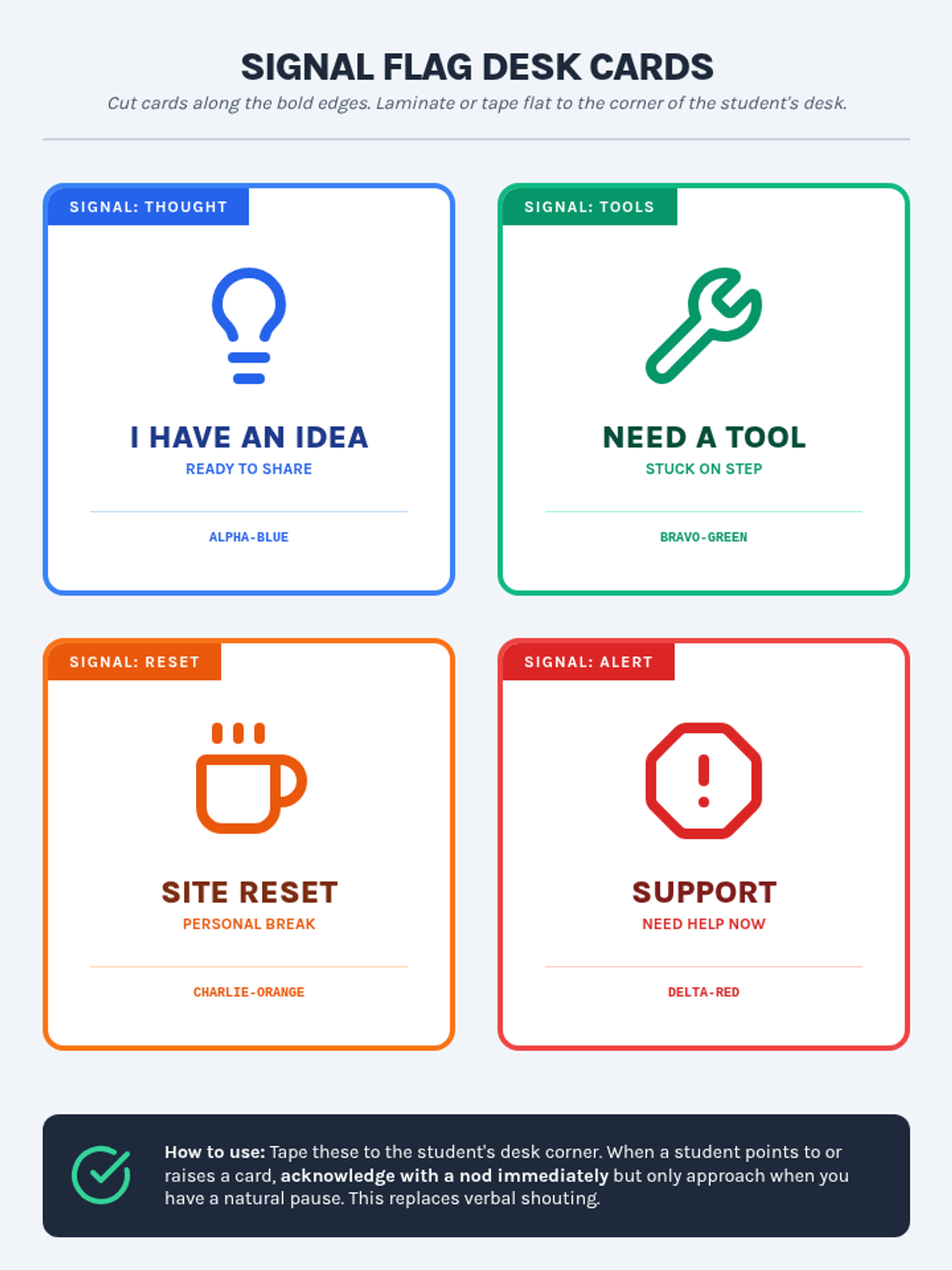
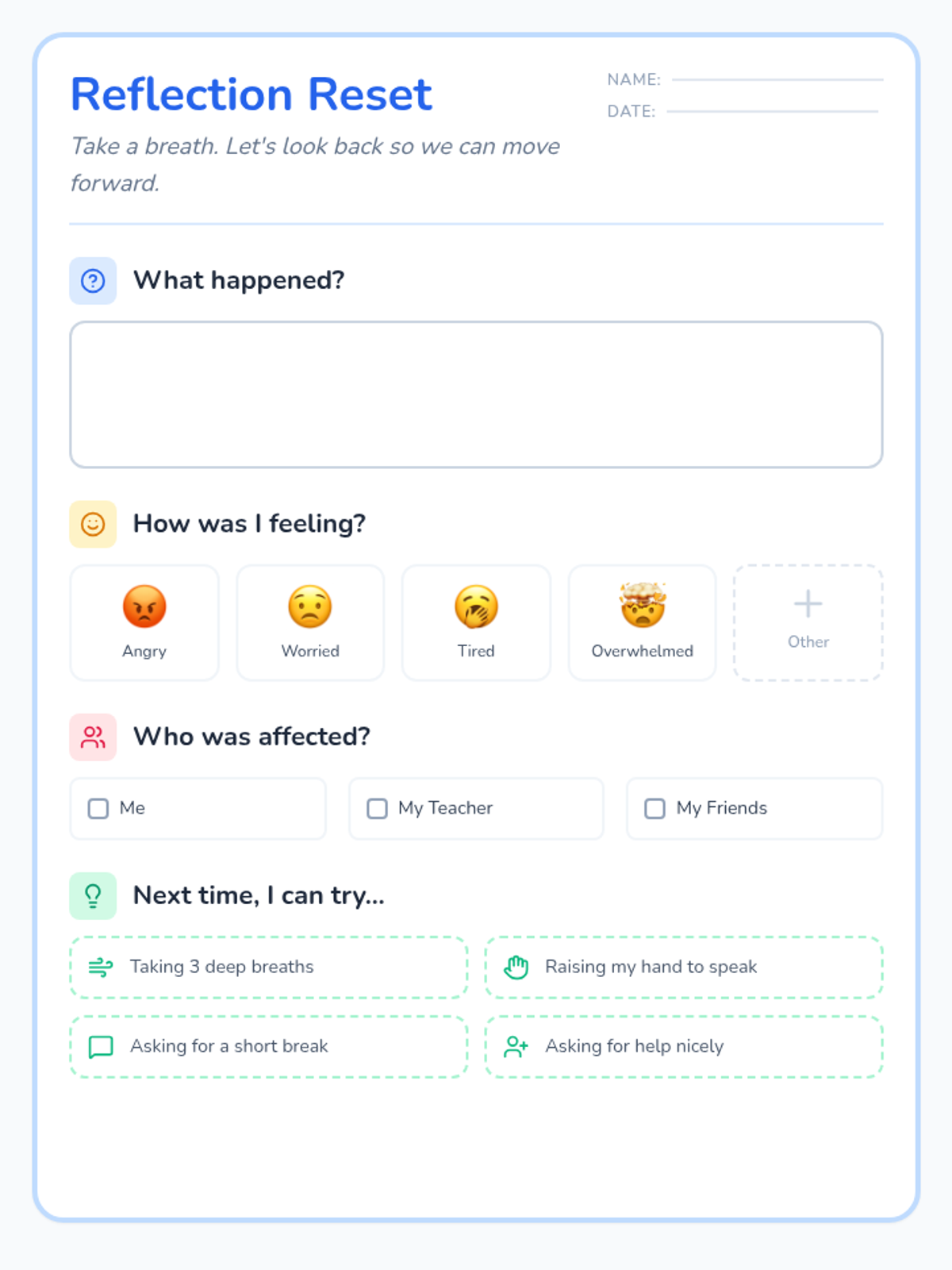
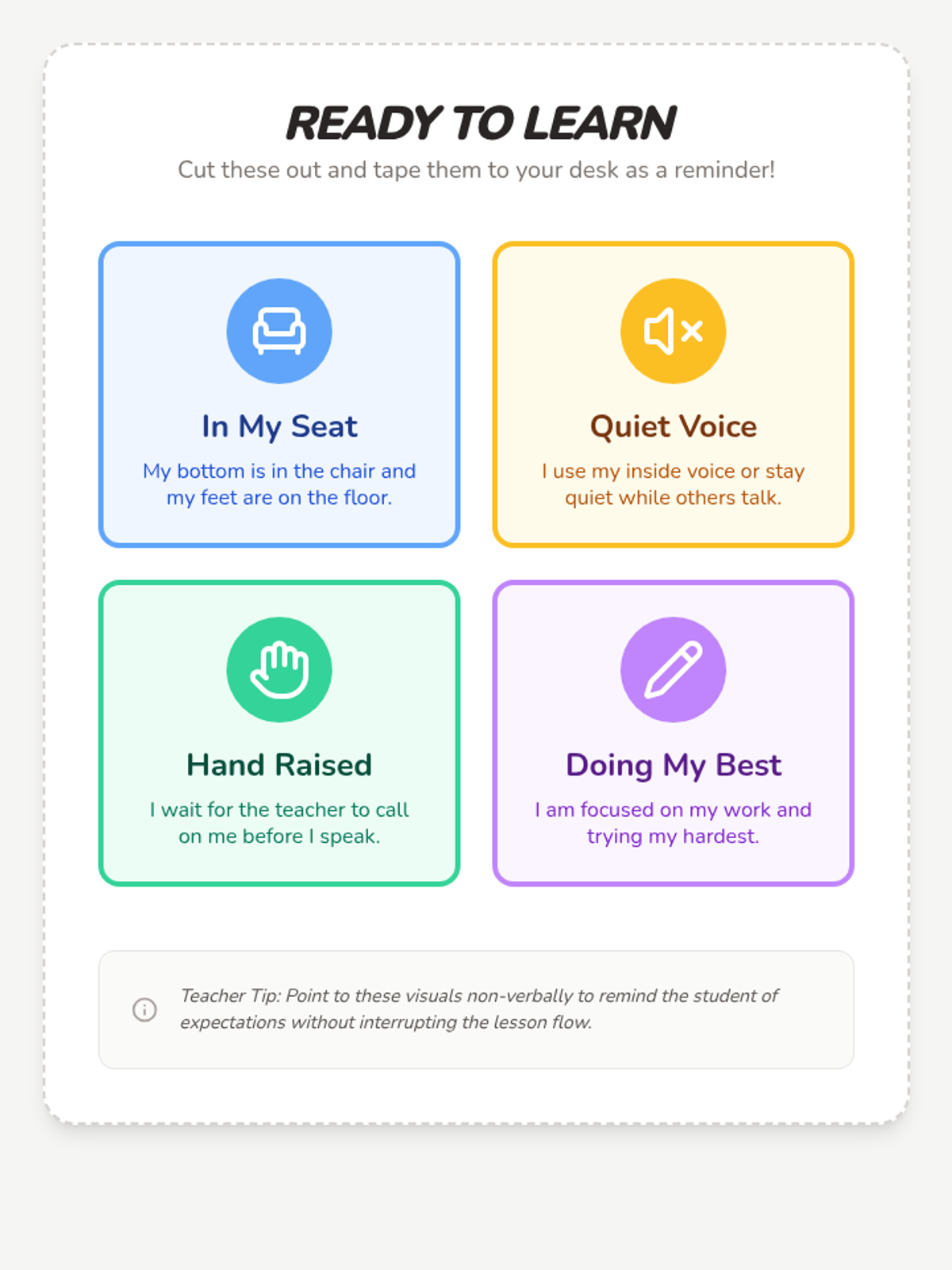
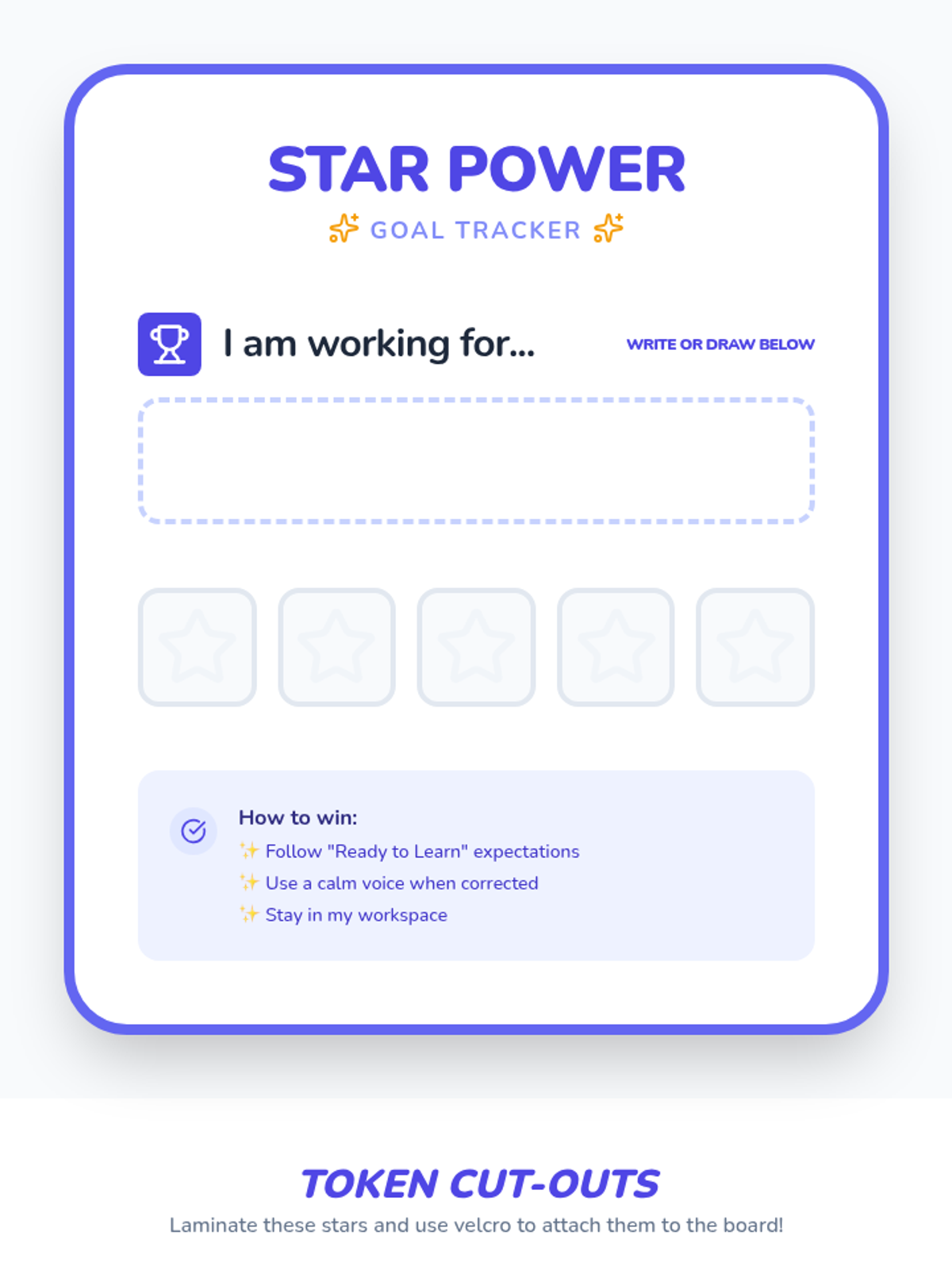
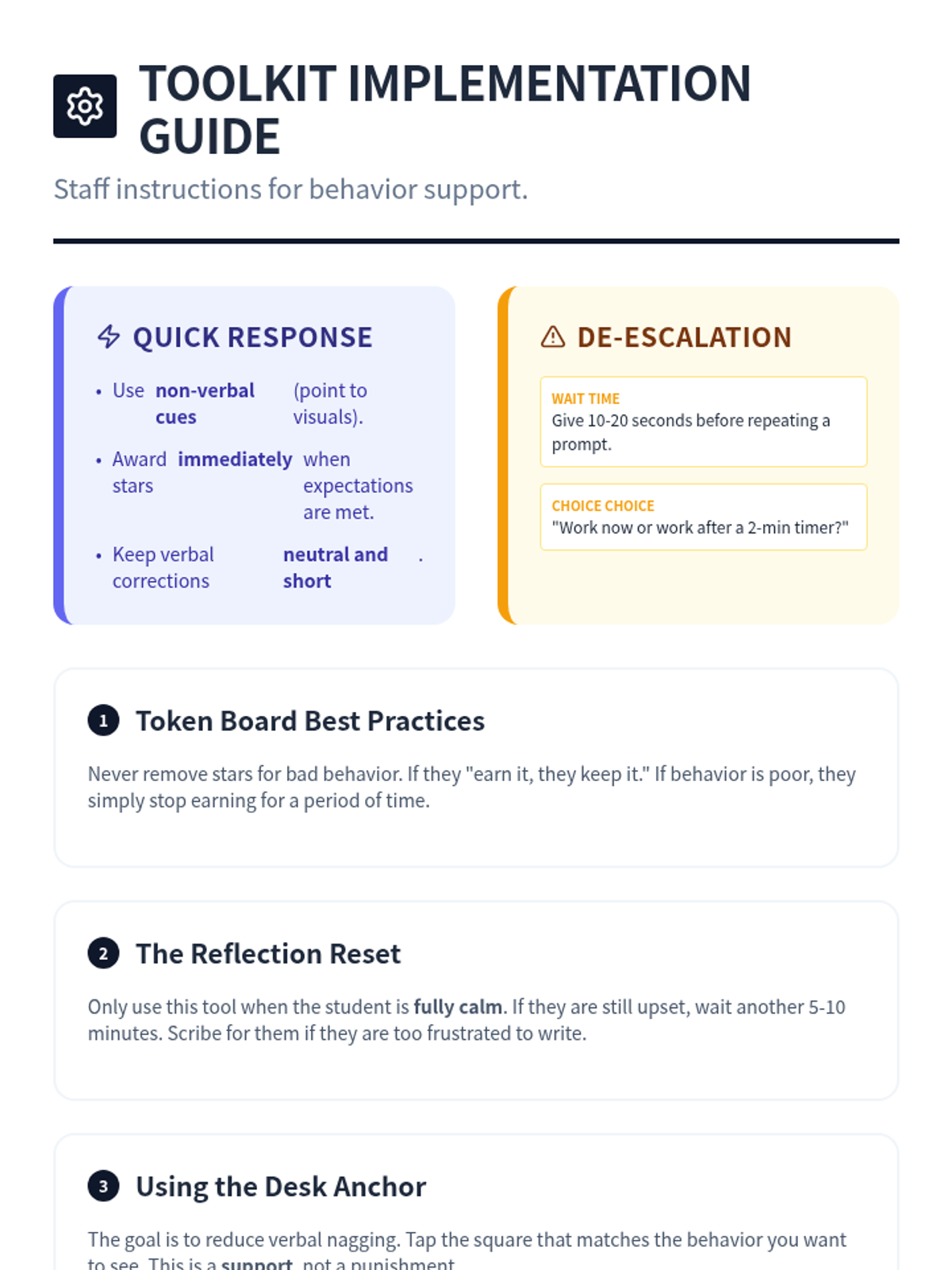
A practical toolkit of behavioral supports designed to help students stay focused, manage frustration, and track progress toward positive choices.
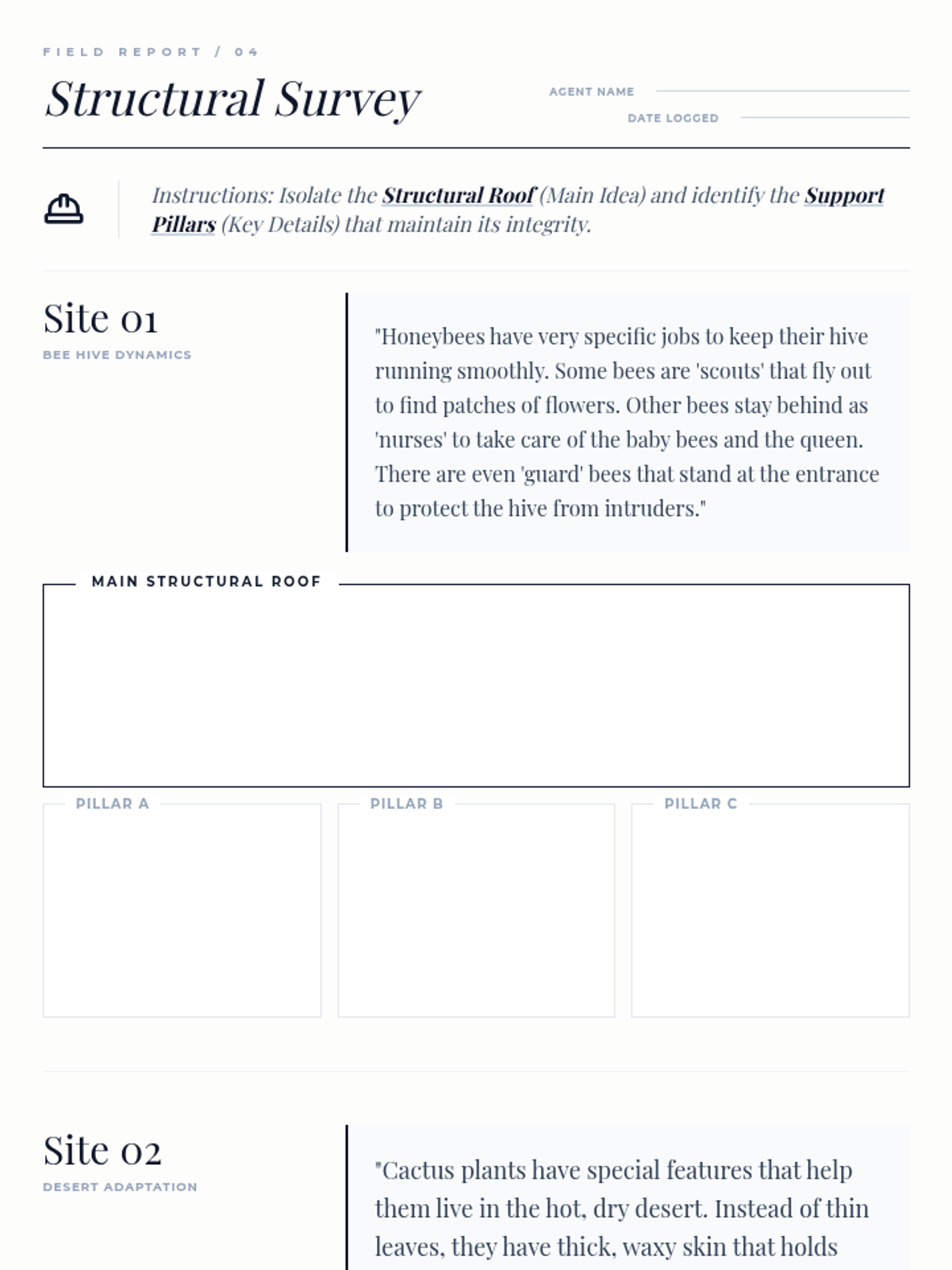
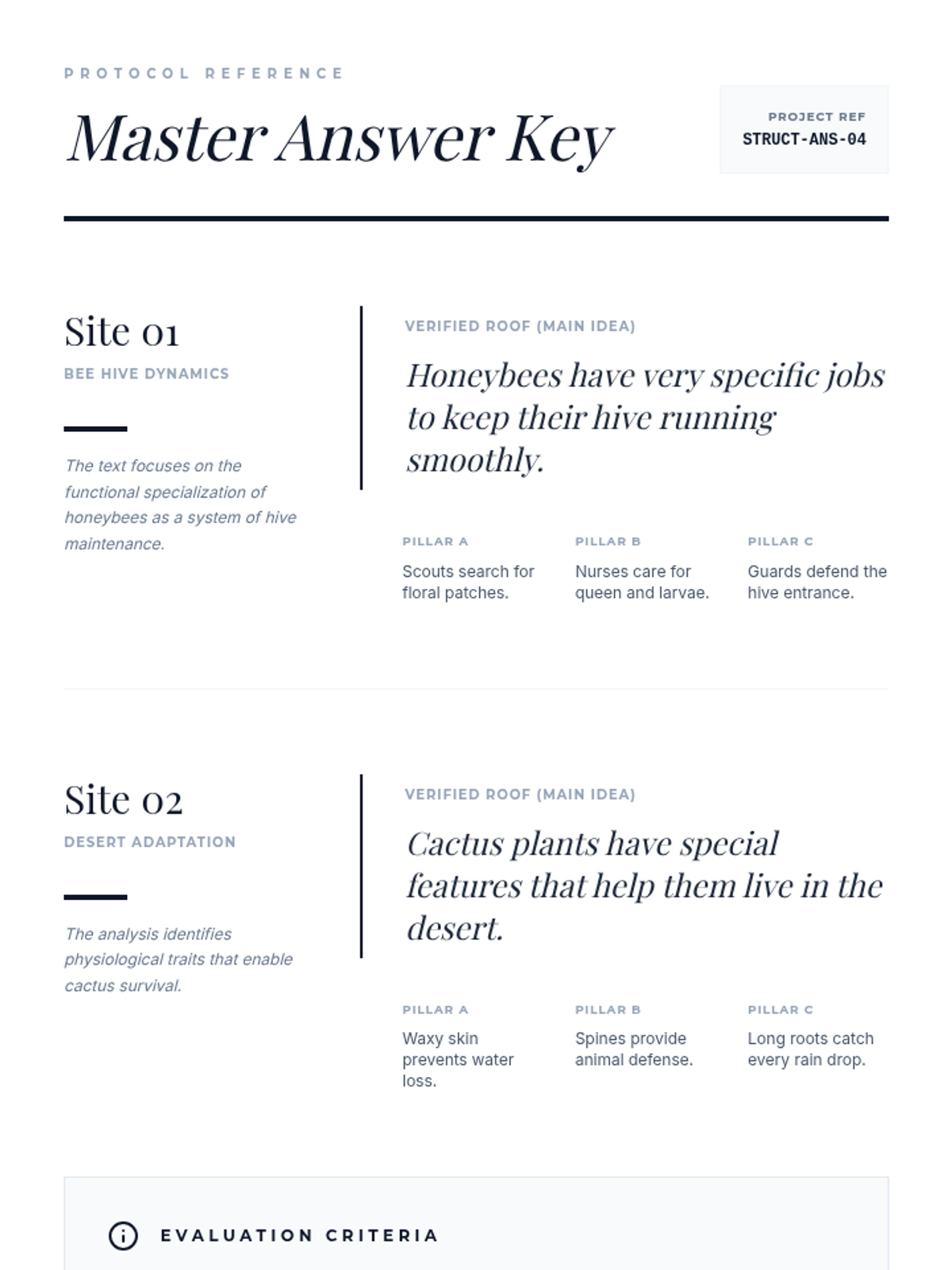
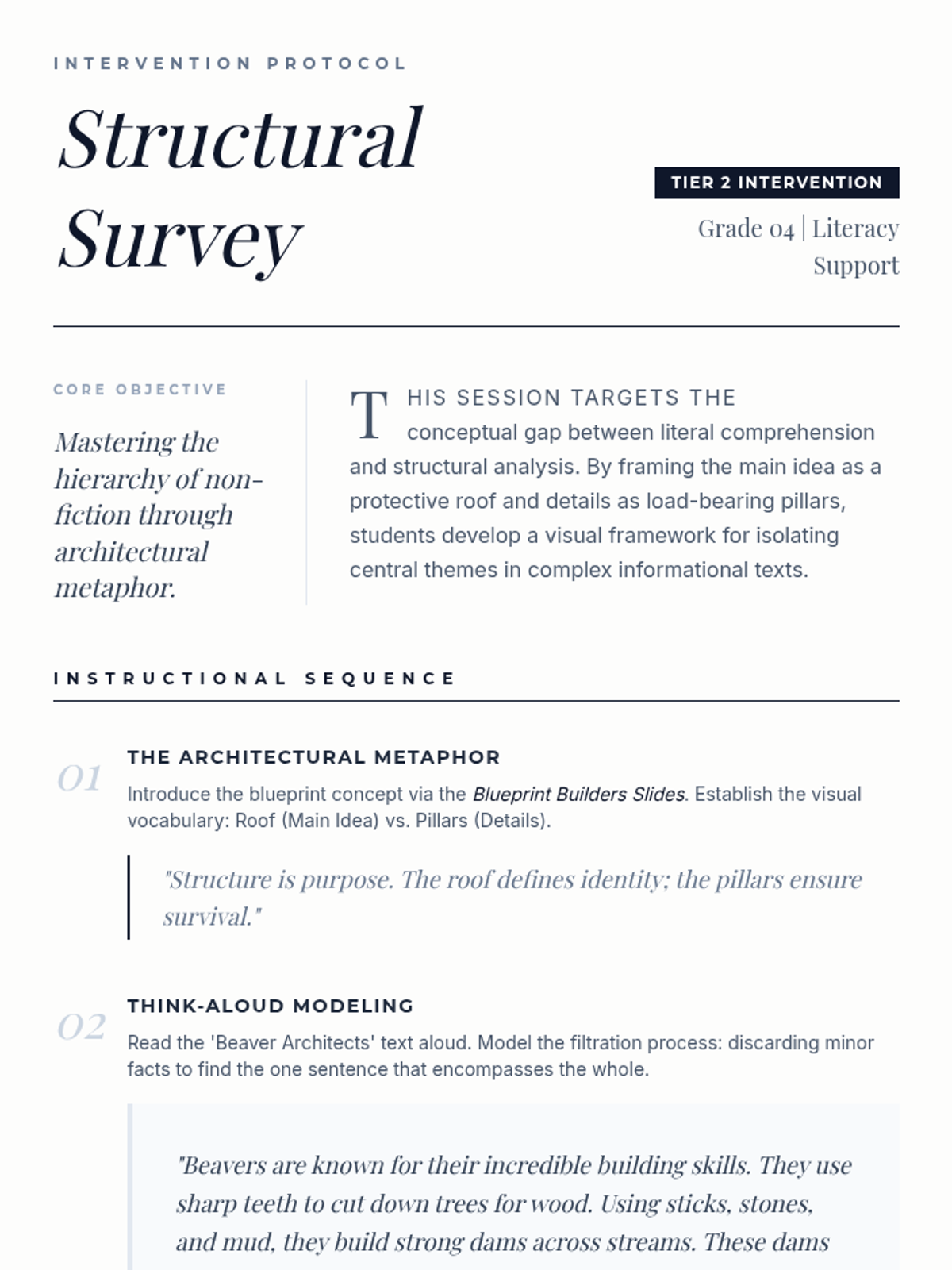
A Tier 2 intervention lesson focused on identifying the main idea and supporting details using a construction and blueprint theme. Students learn to distinguish the 'big structure' from the 'supporting pillars' in non-fiction texts.
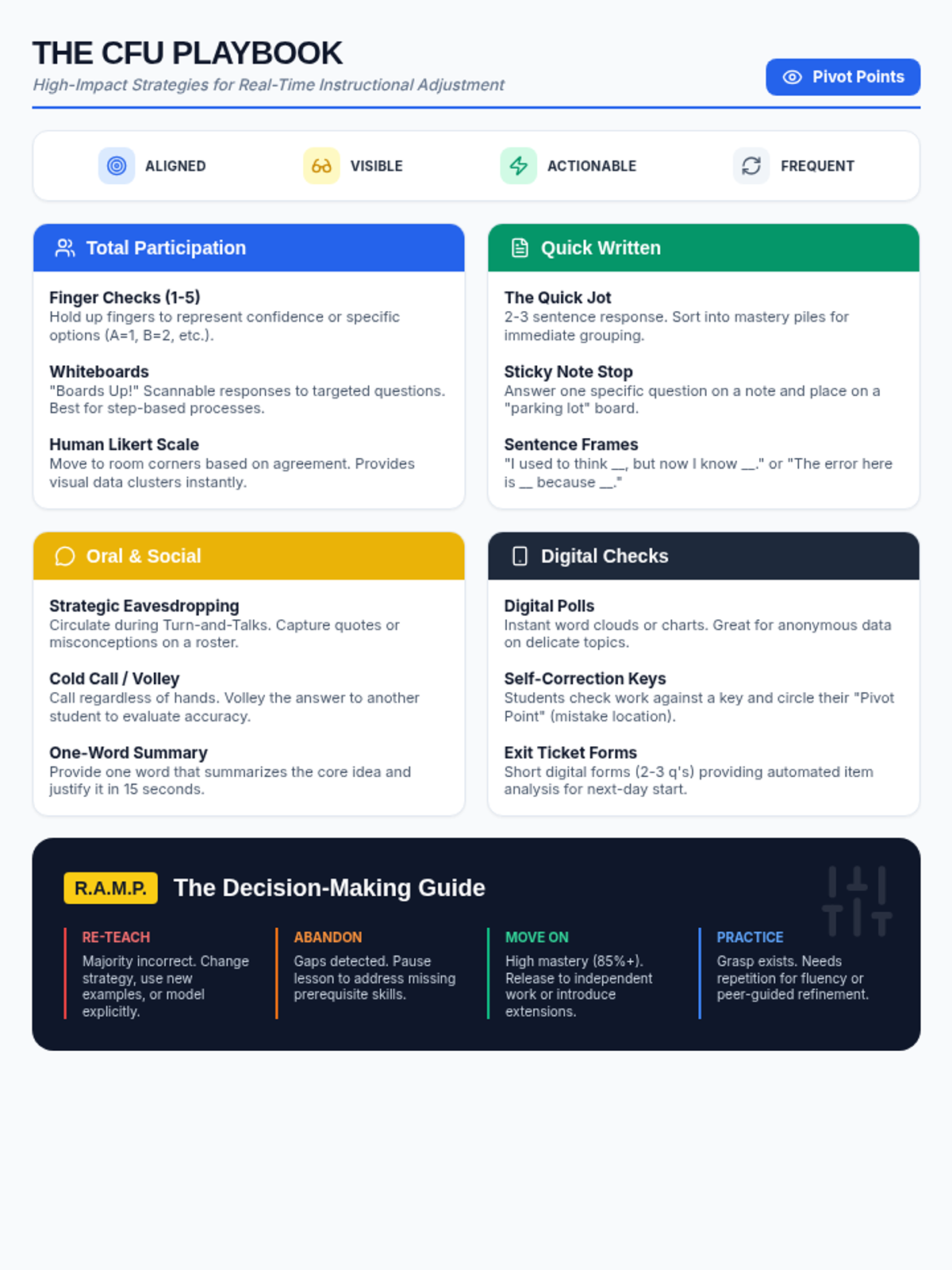
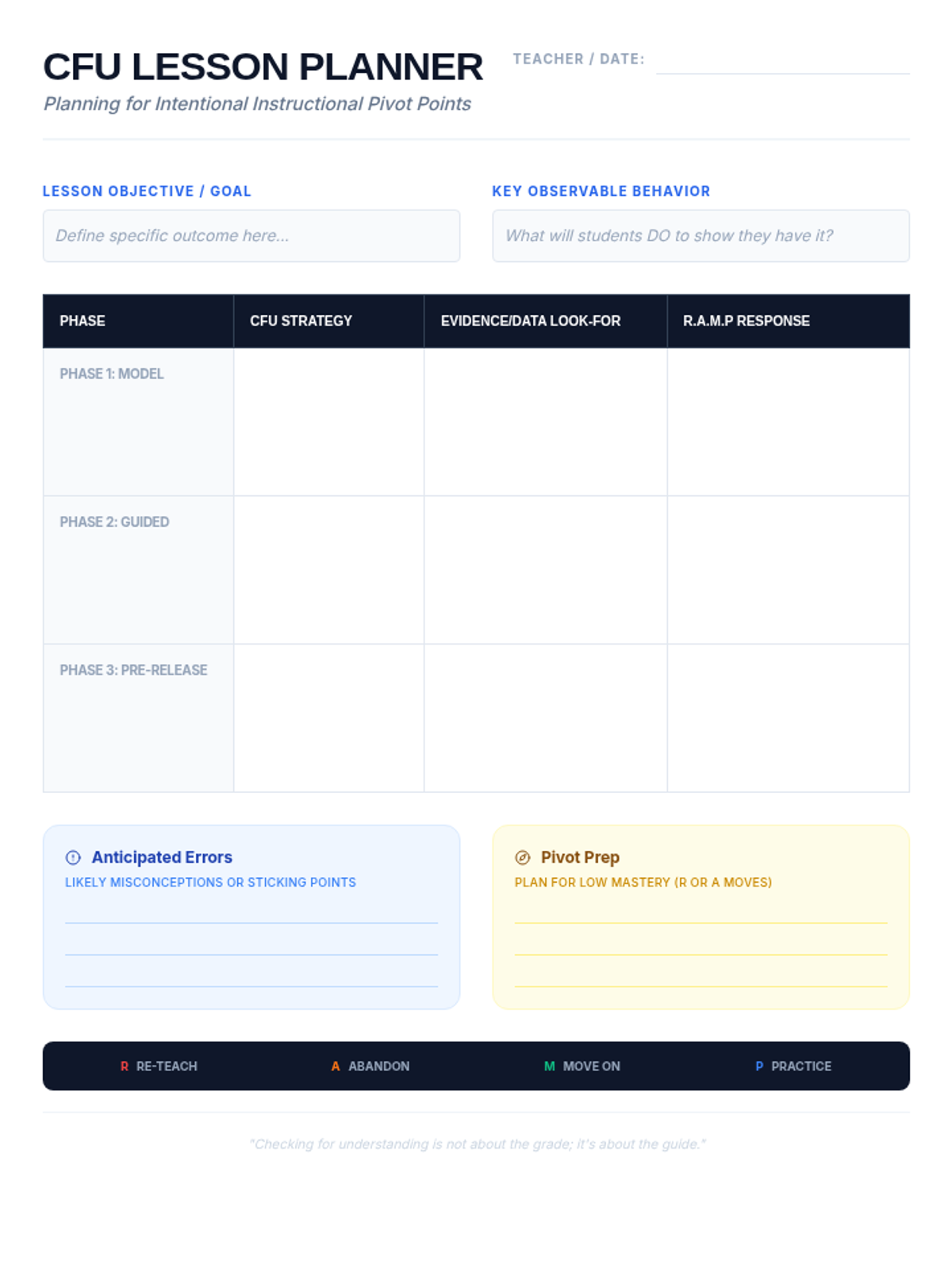
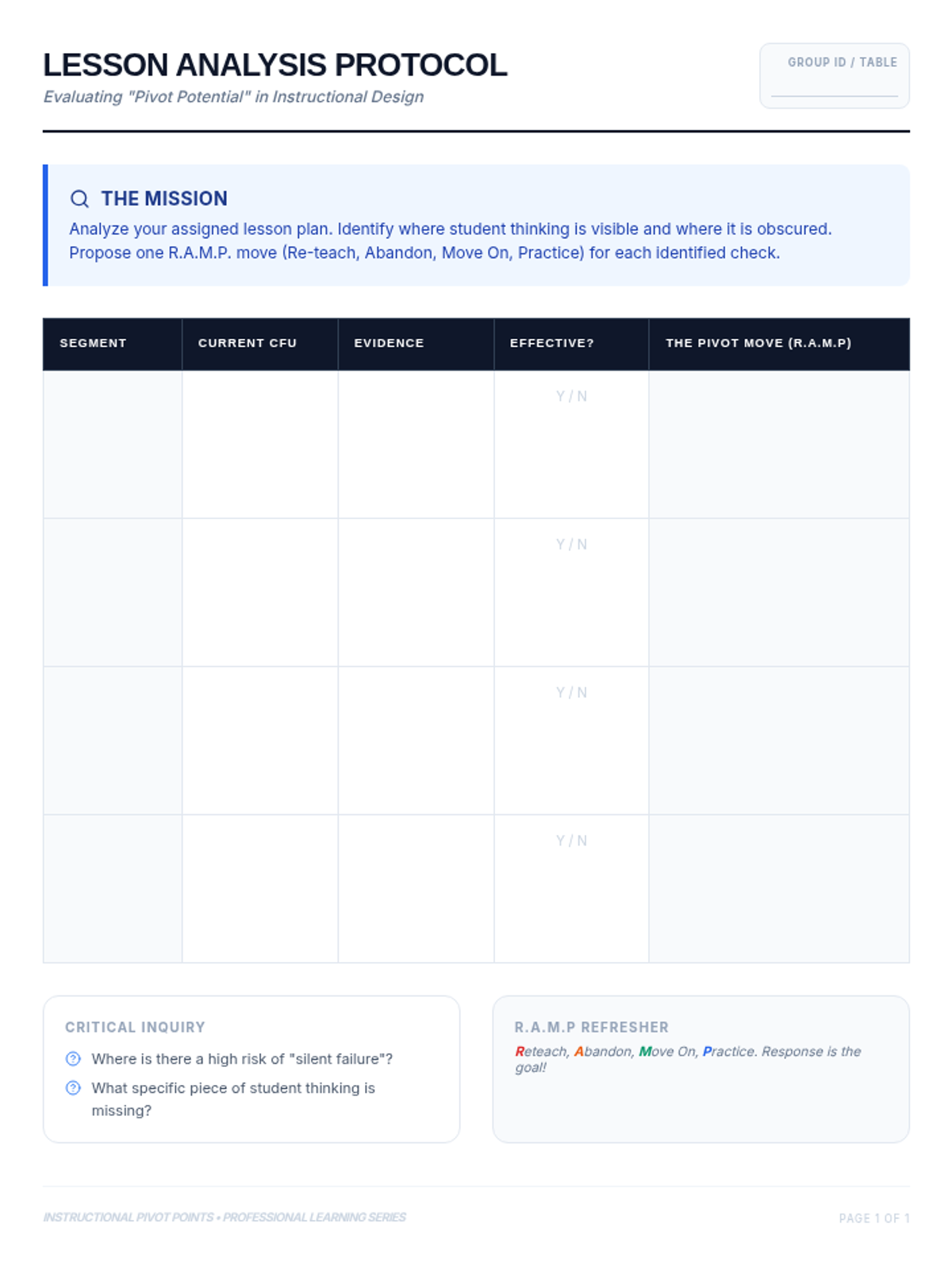
A professional development workshop for K-8 teachers focused on utilizing checks for understanding (CFUs) to drive real-time instructional adjustments and responsive teaching.
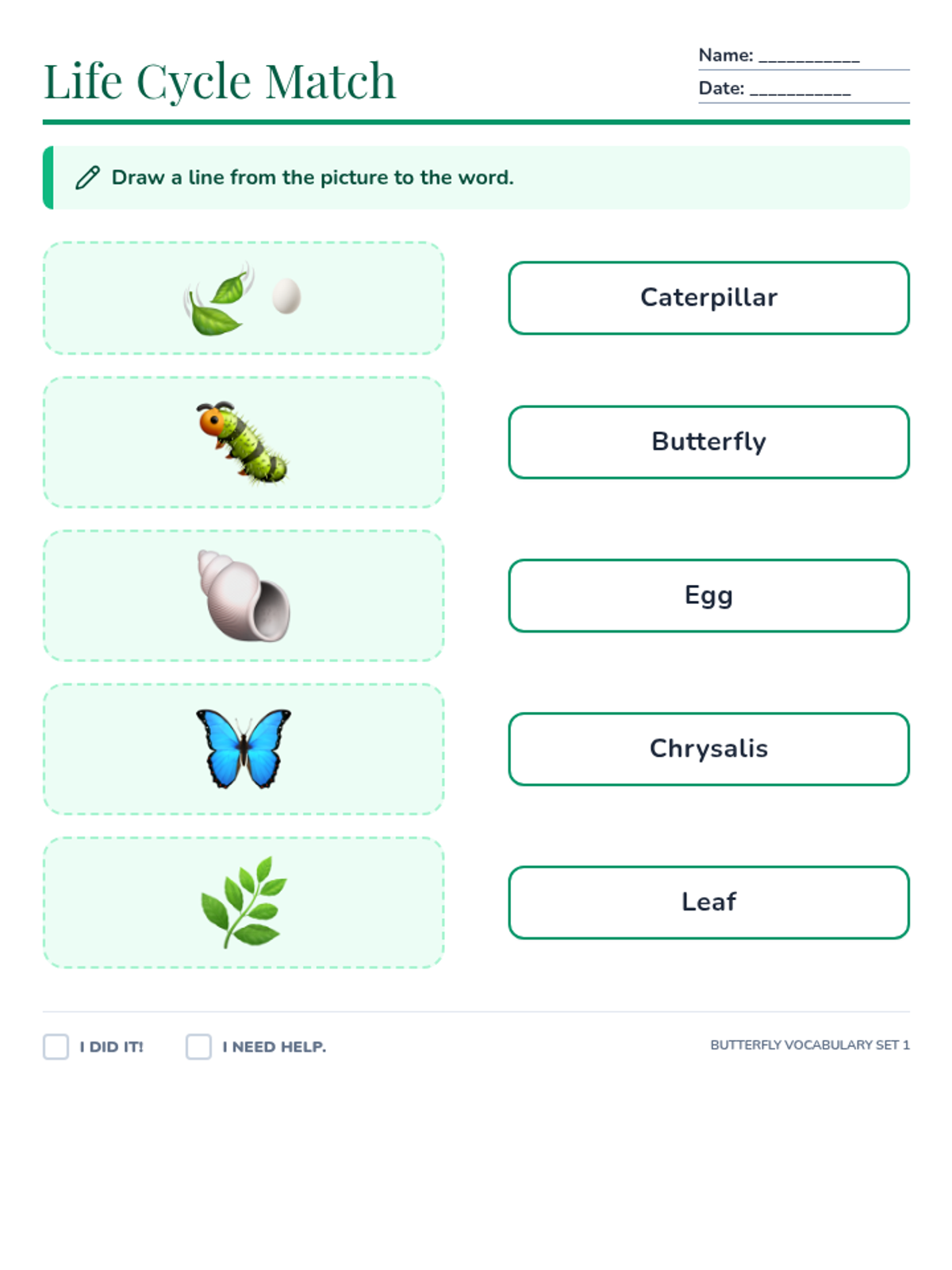
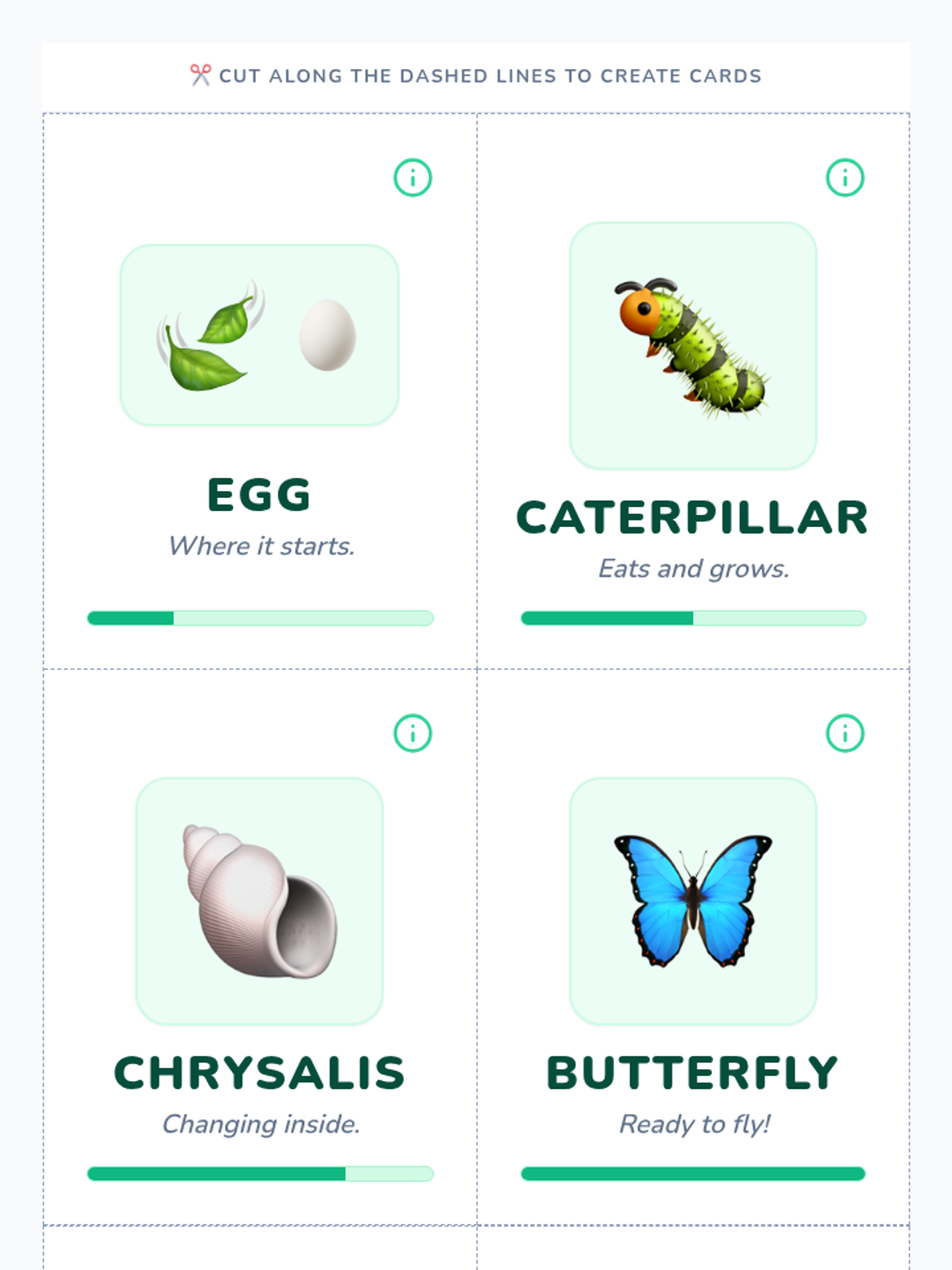
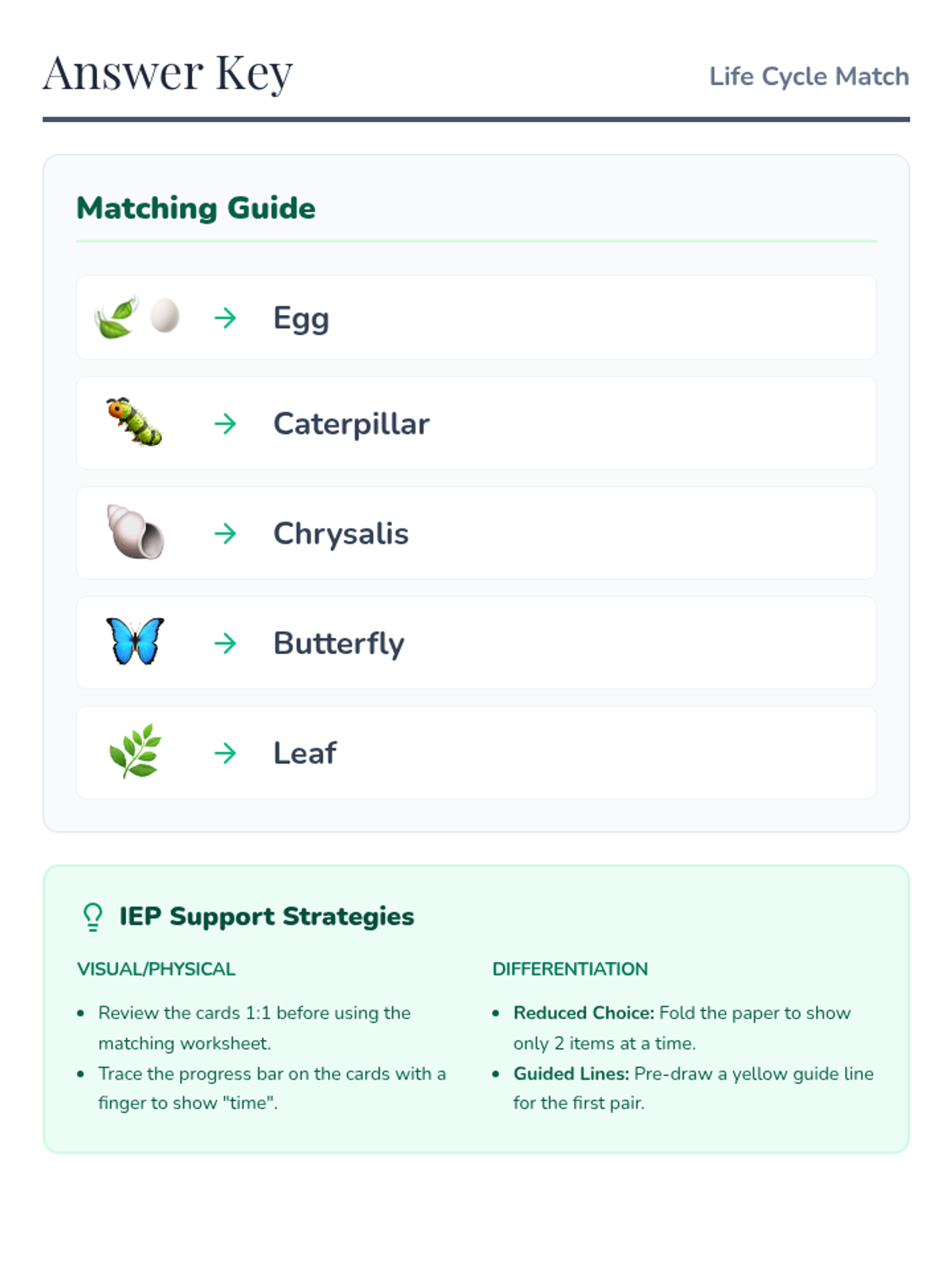
A focused vocabulary lesson on the life cycle of a butterfly, designed with visual supports and simplified language for students with IEPs.
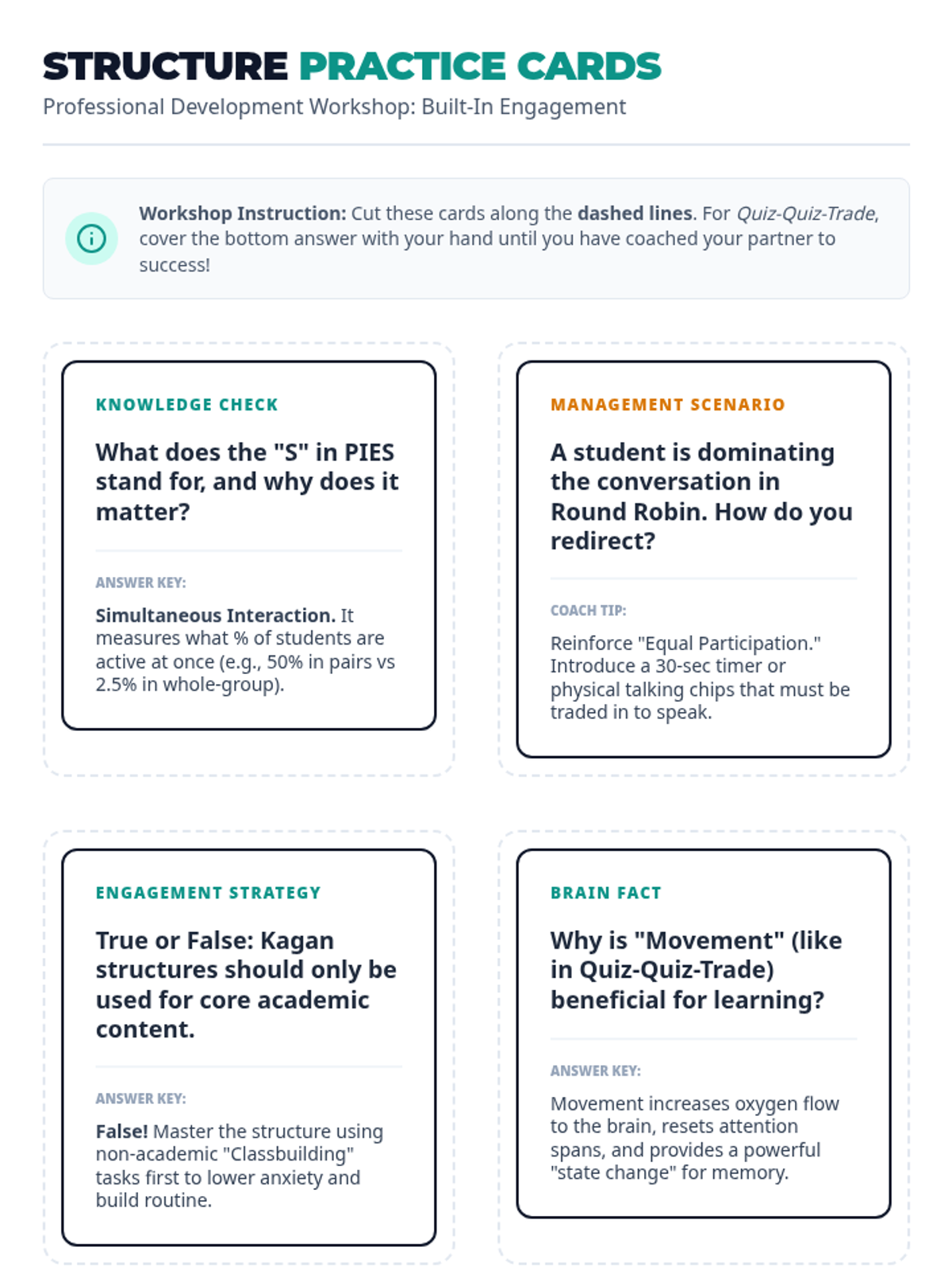
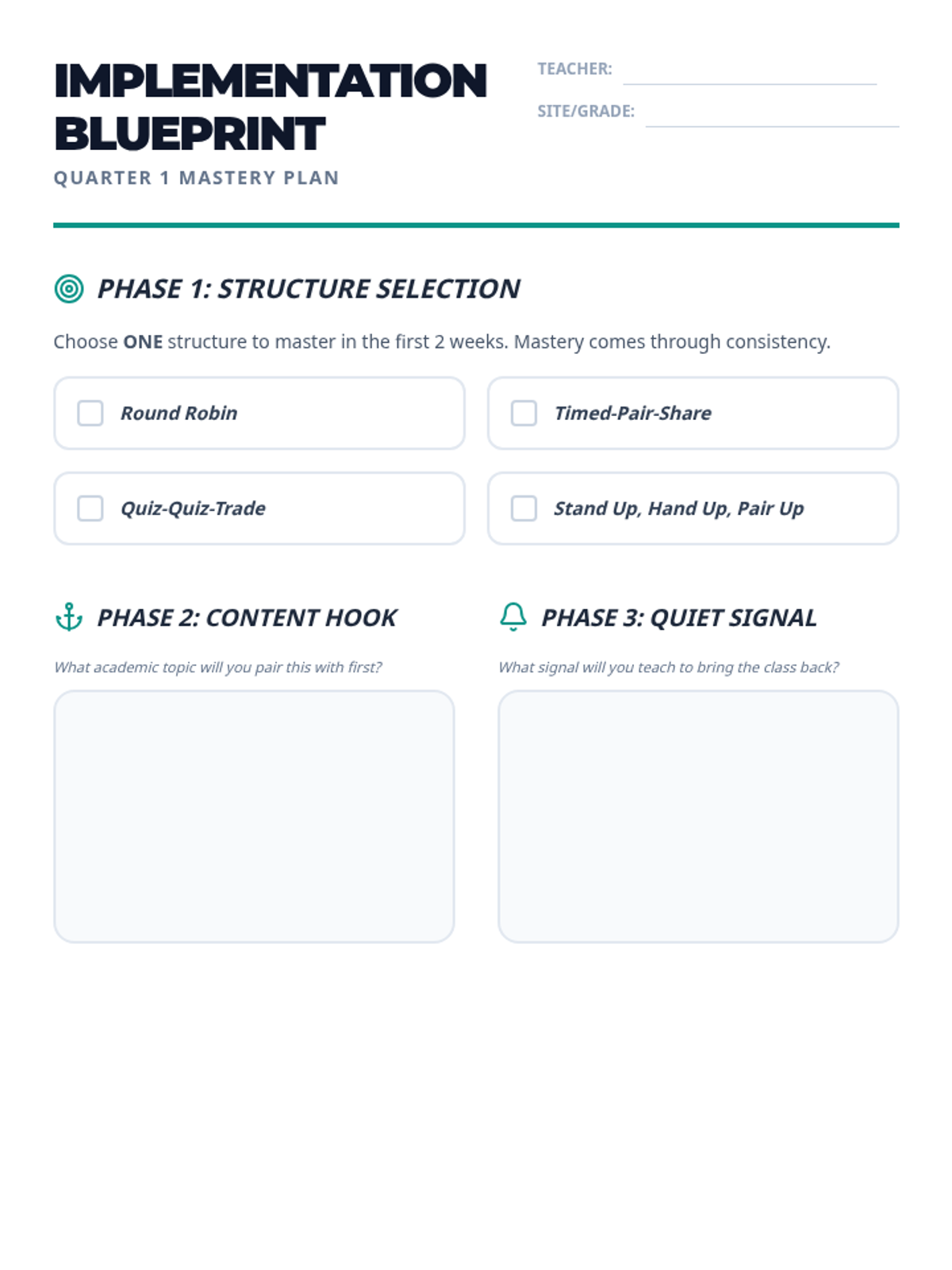
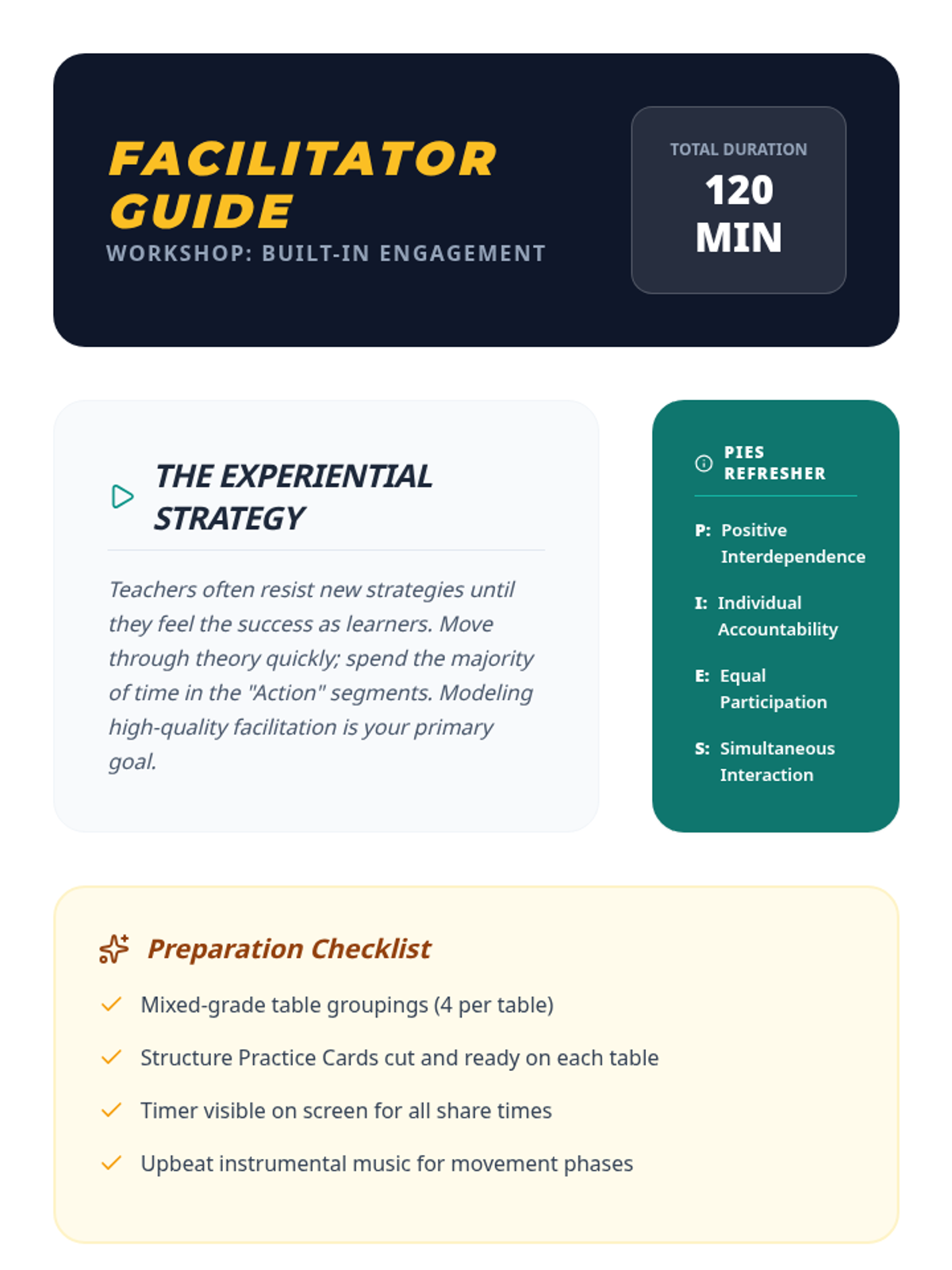
A professional development workshop for K-8 teachers focused on implementing Kagan Cooperative Learning Structures to boost student engagement and improve classroom management.
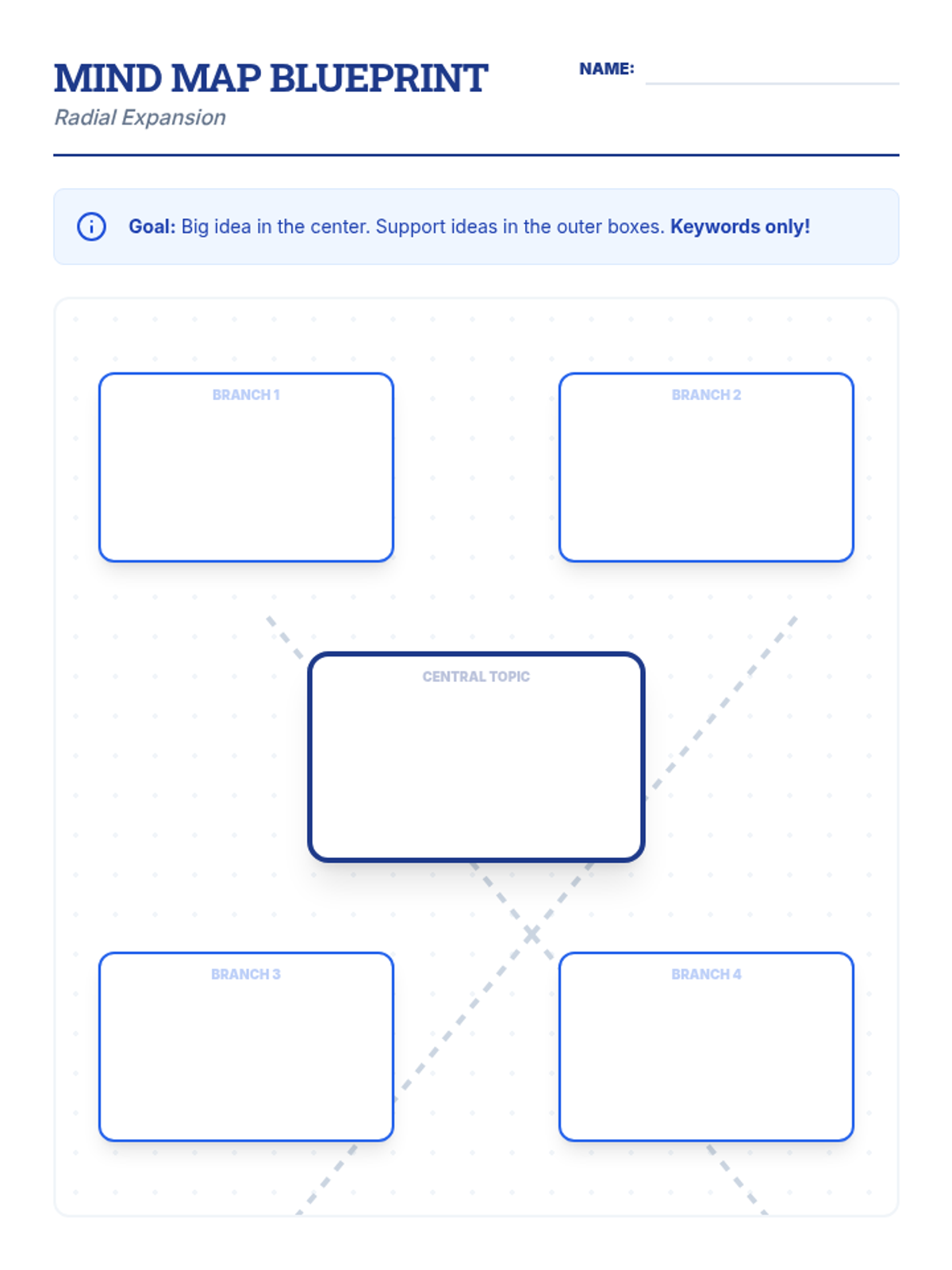
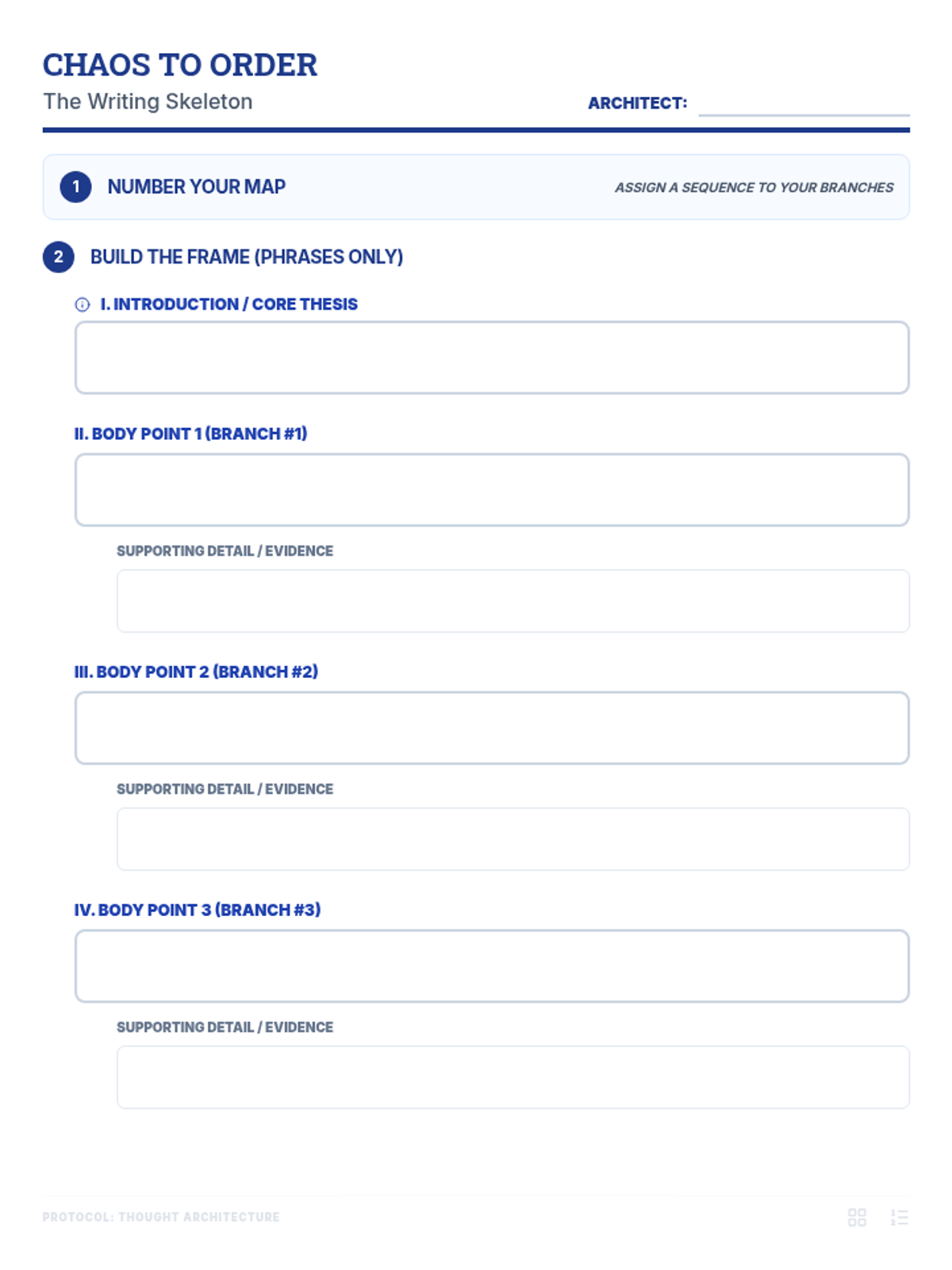
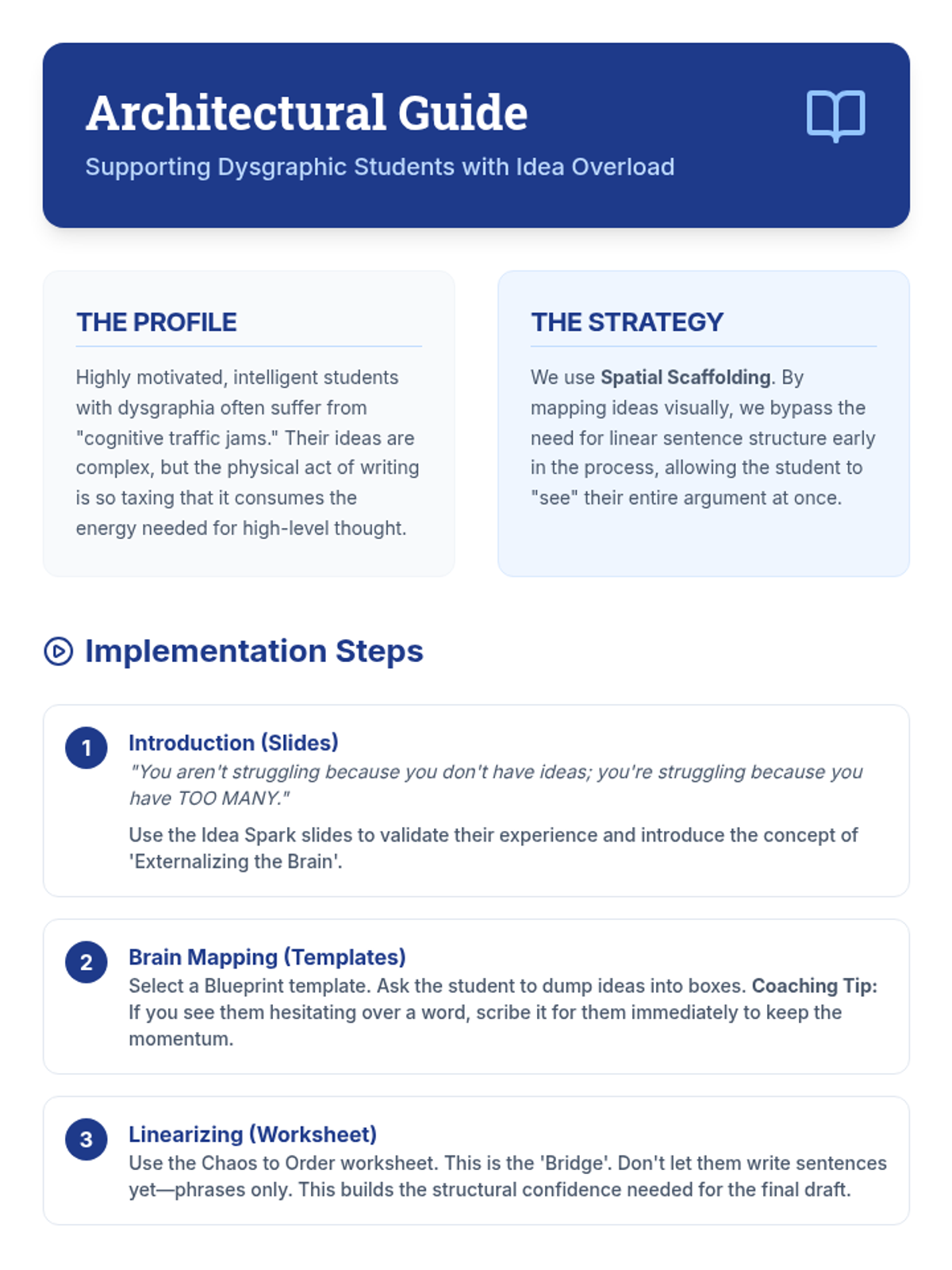
This lesson helps 8th-grade students with dysgraphia manage 'idea overload' by using visual mind-mapping as a bridge between brainstorming and writing. It focuses on externalizing complex thoughts into a structured blueprint before any linear writing begins.
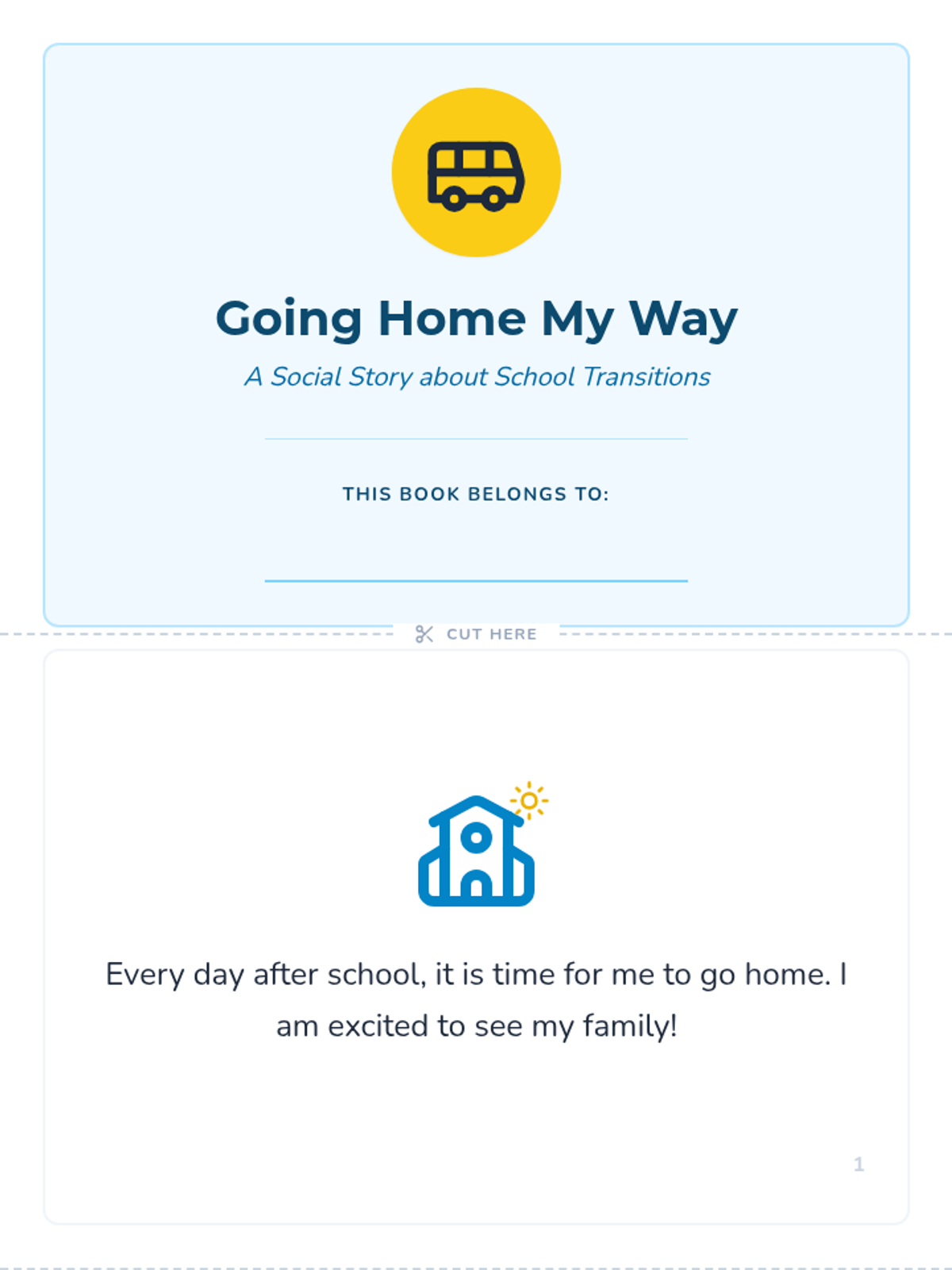
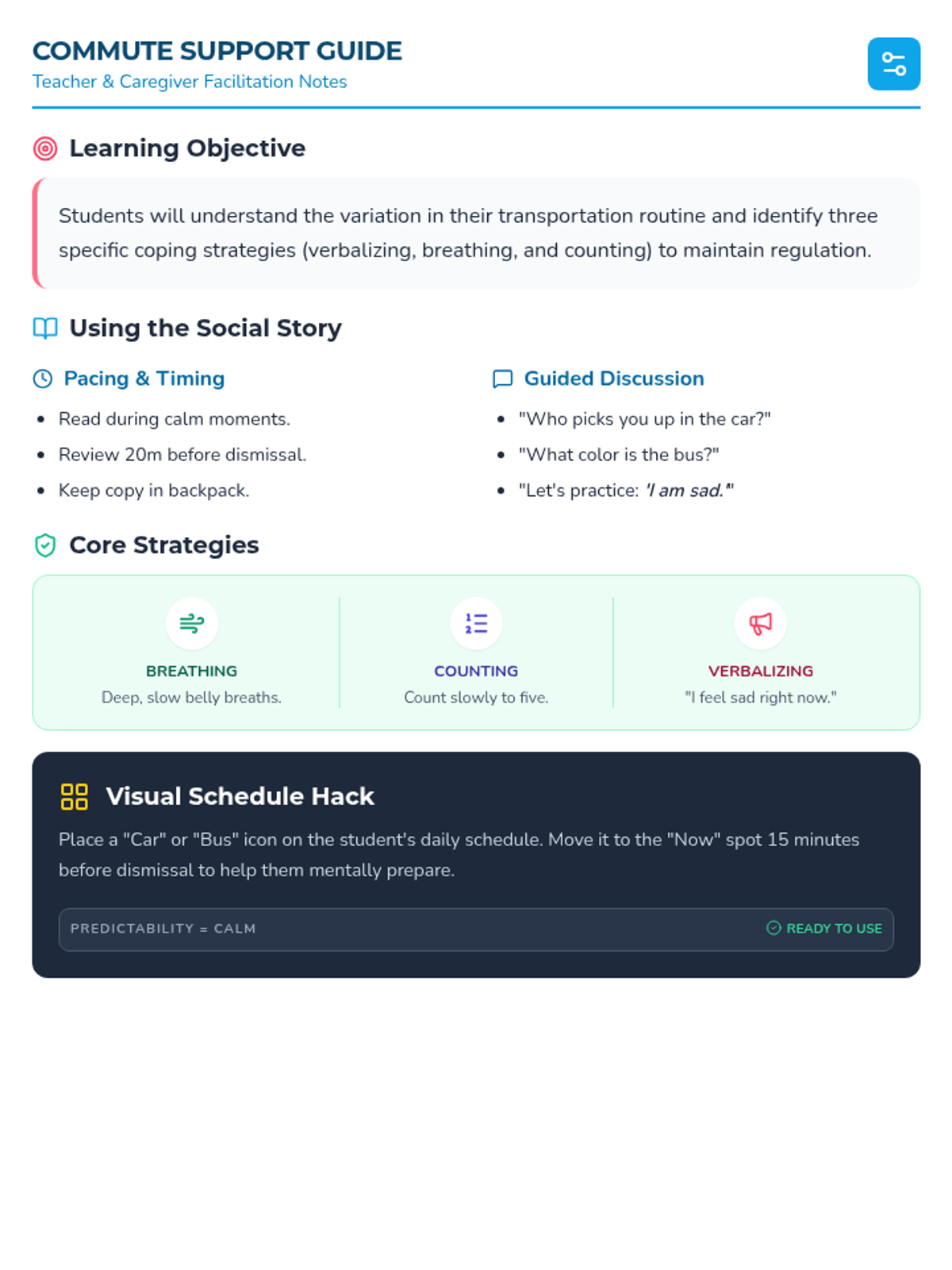
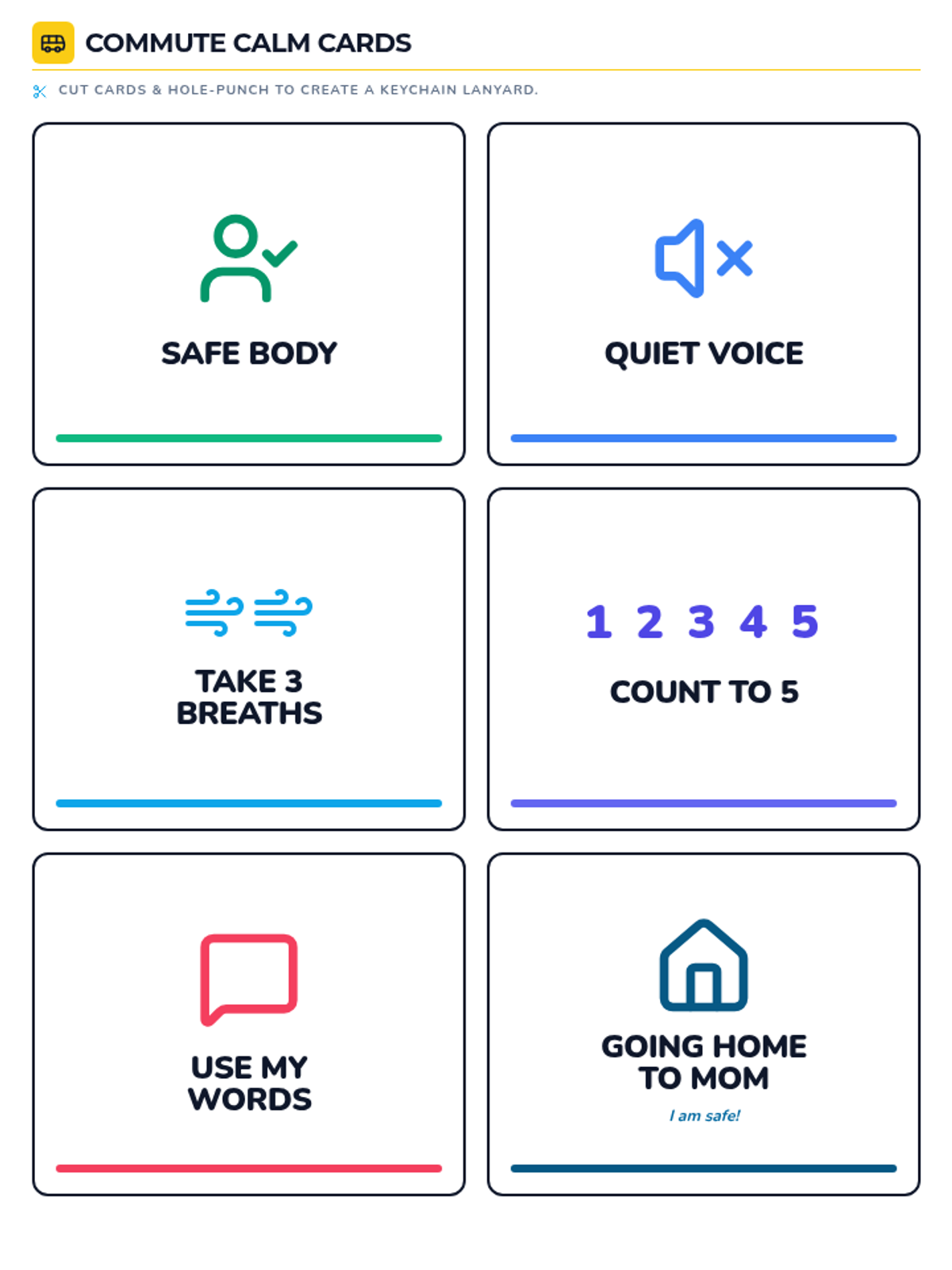
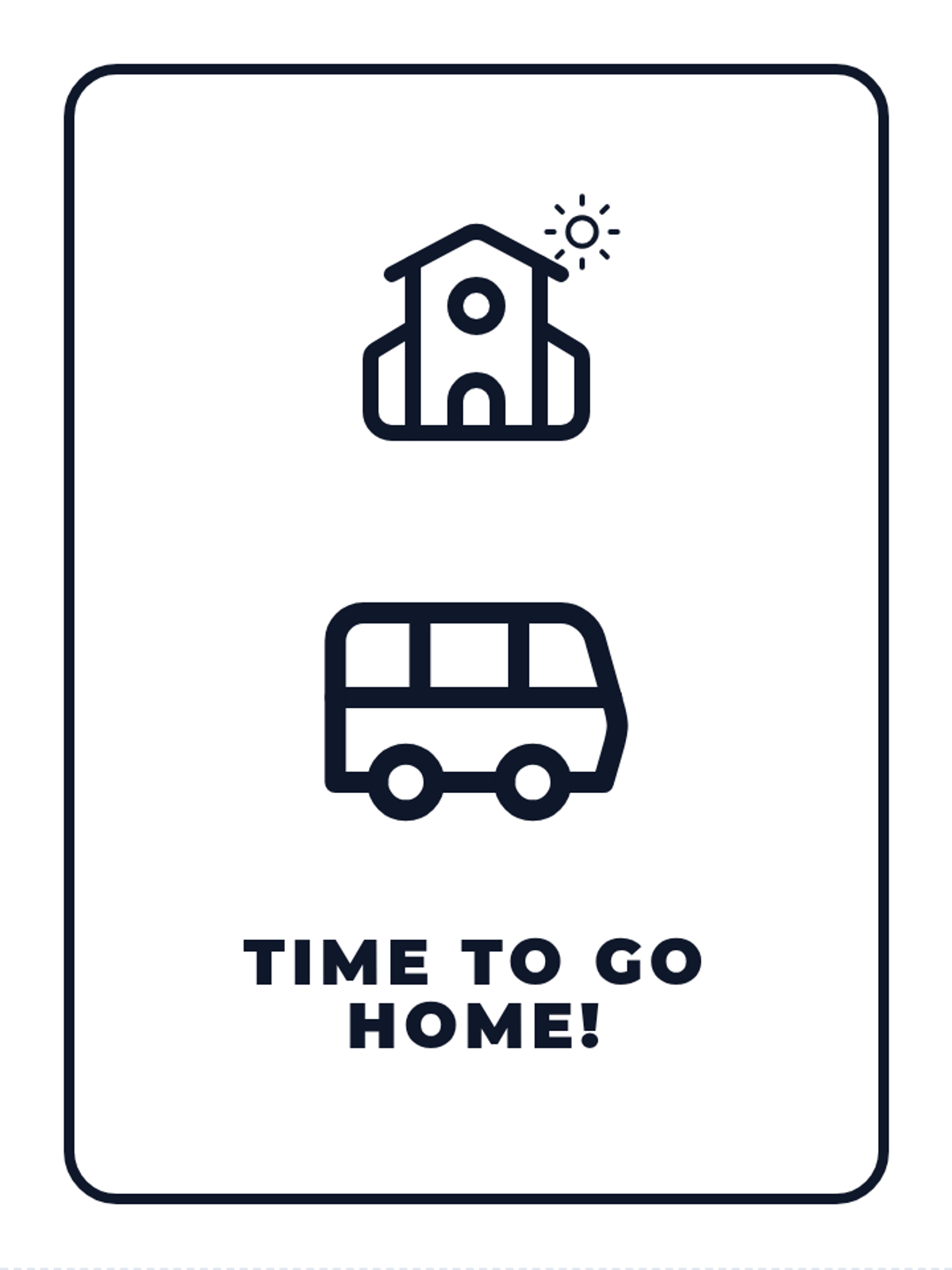
A supportive lesson designed to help students navigate changes in their after-school routine, focusing on the transition between being picked up by a parent and taking the bus. Includes a personalized social story and coping strategies for emotional regulation during transit.
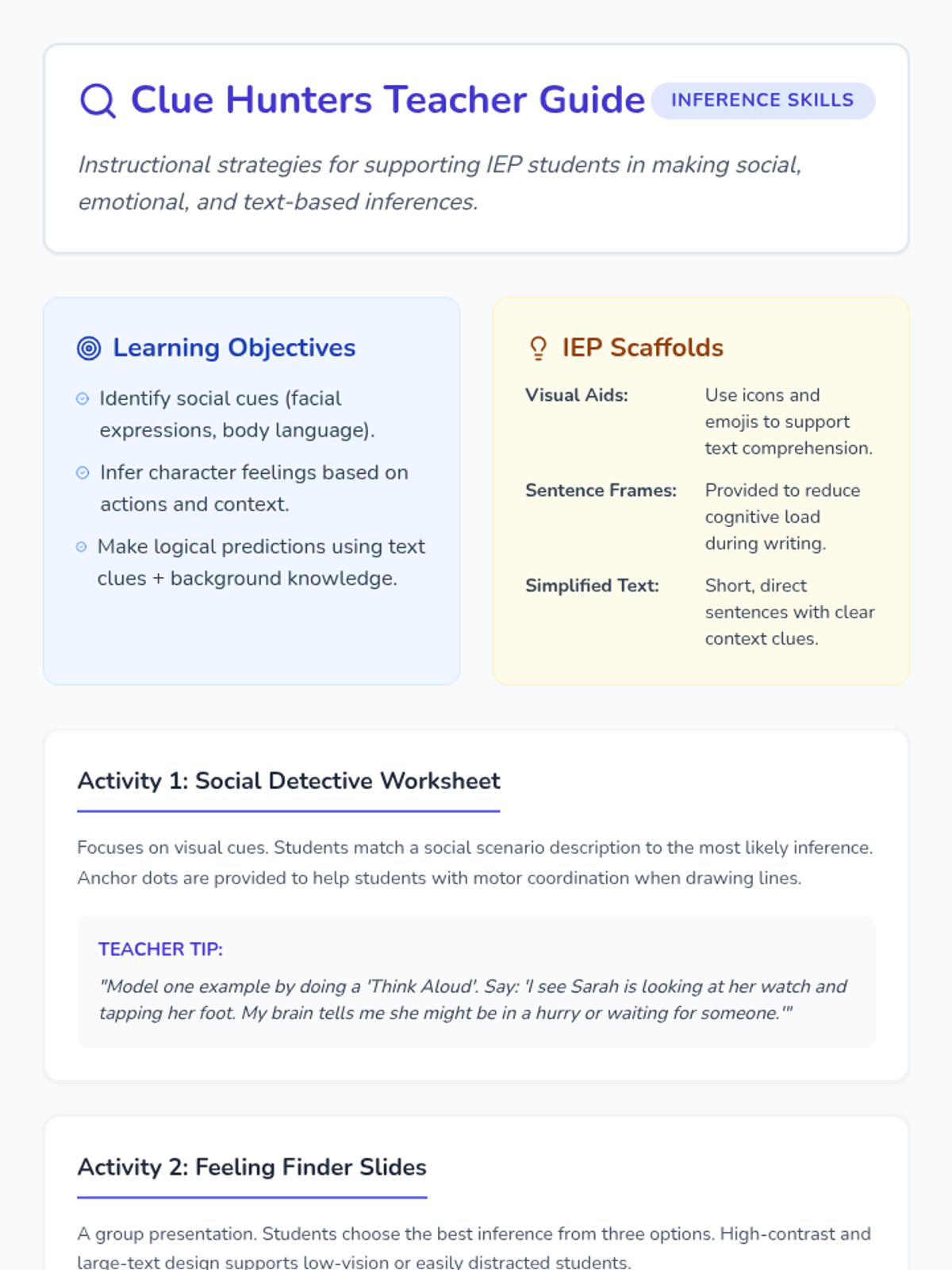
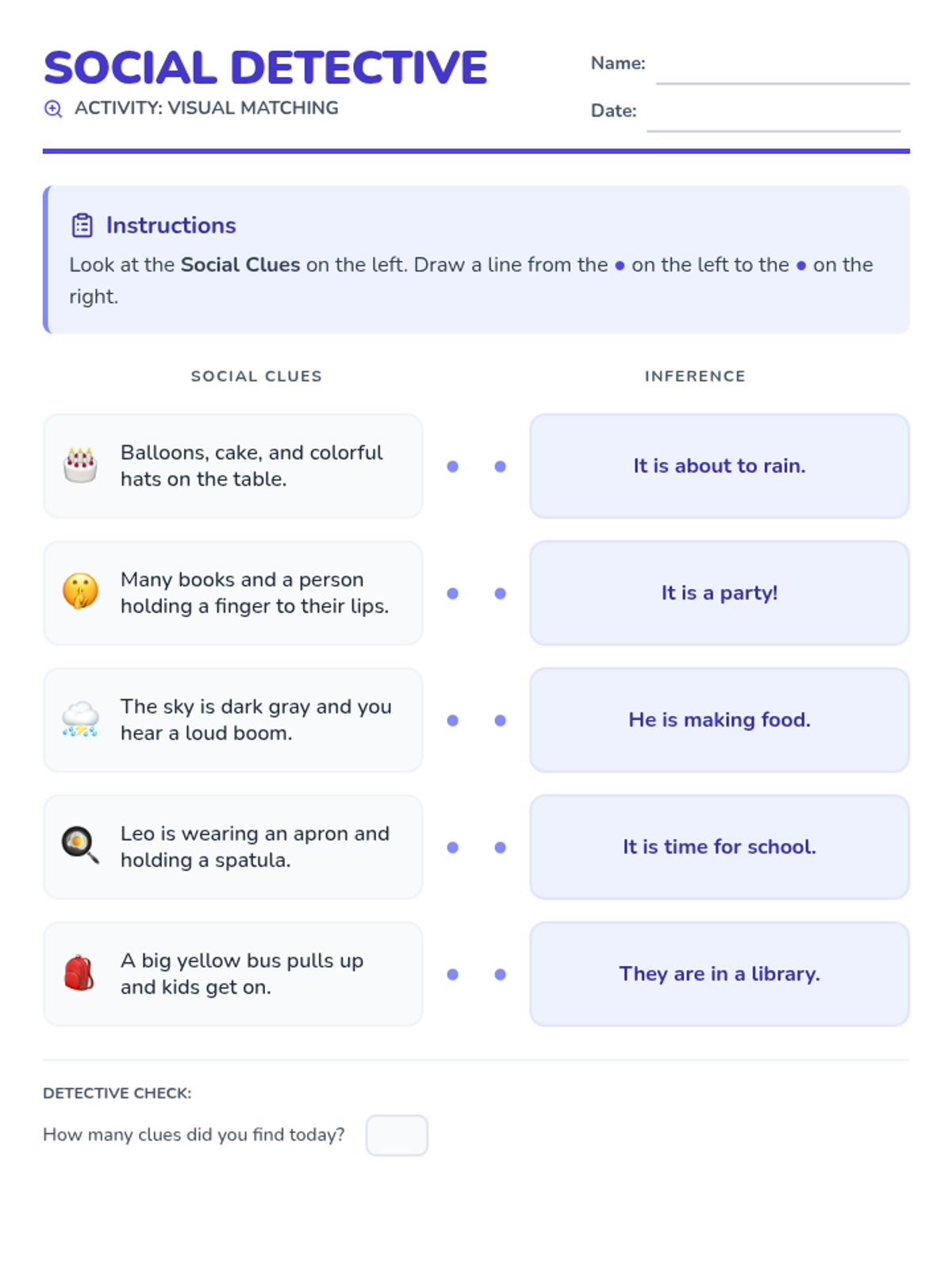
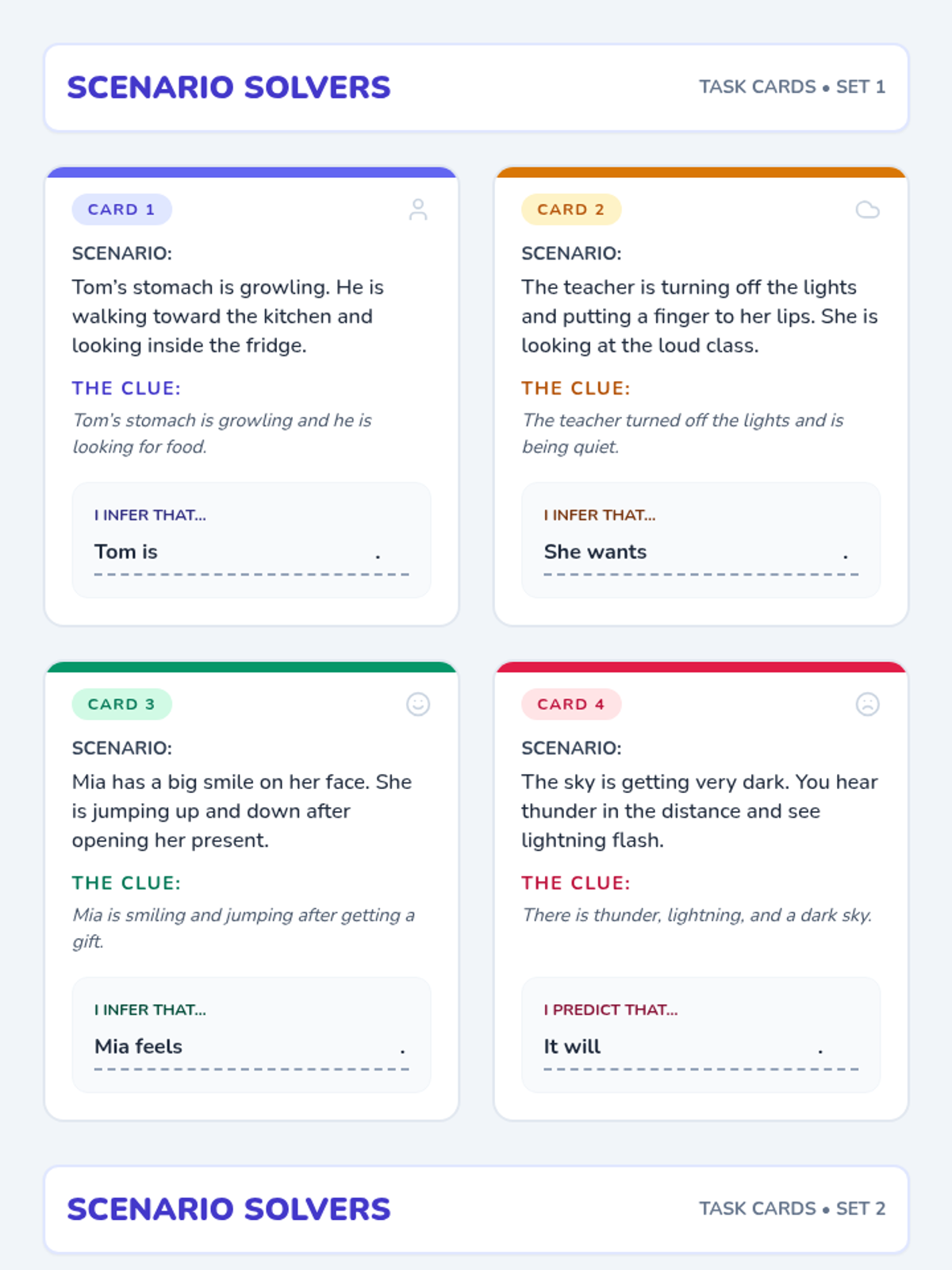
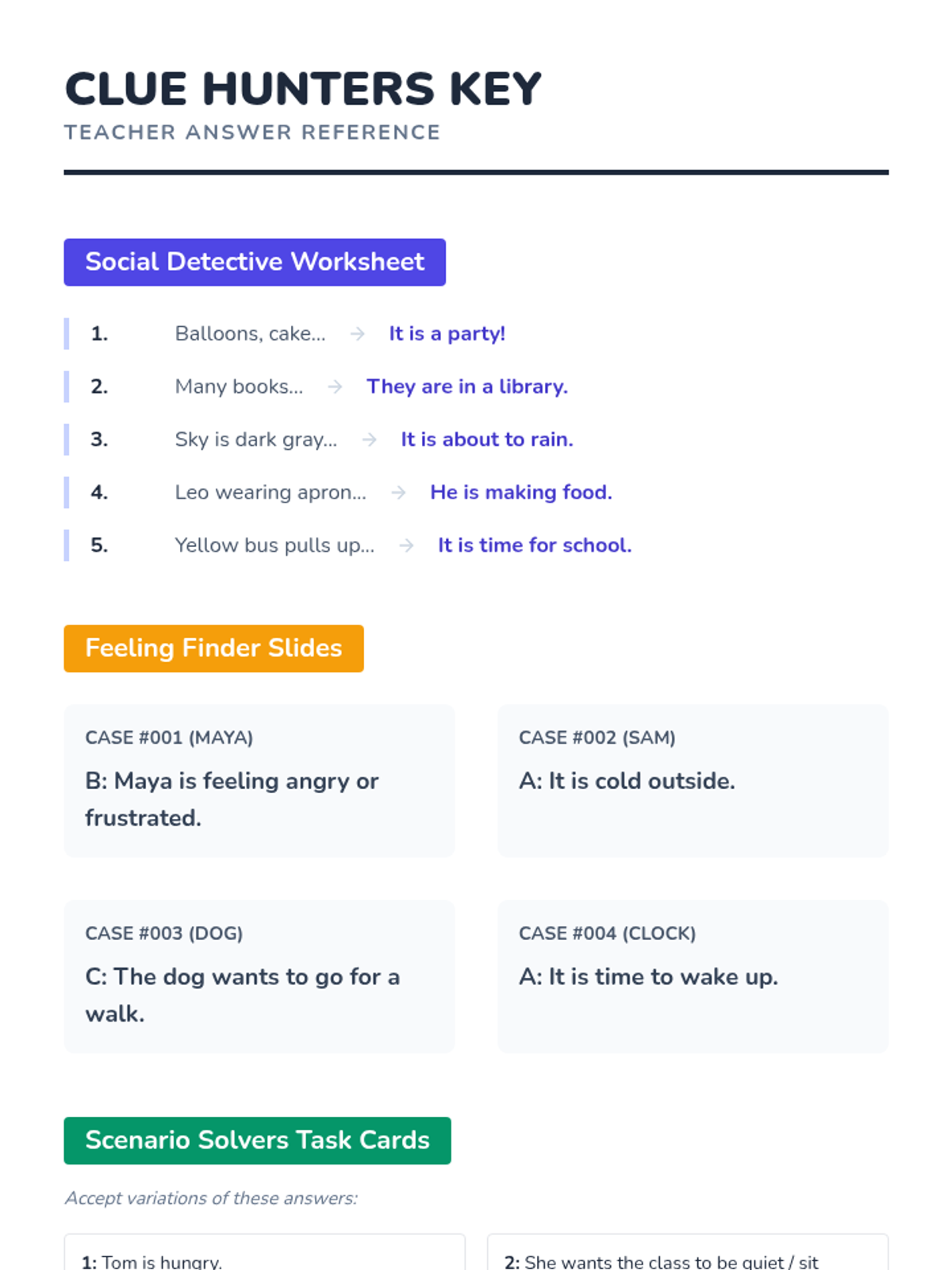
A lesson focused on teaching inference skills through social cues, character feelings, and text-based predictions, specifically designed with scaffolds for IEP students.
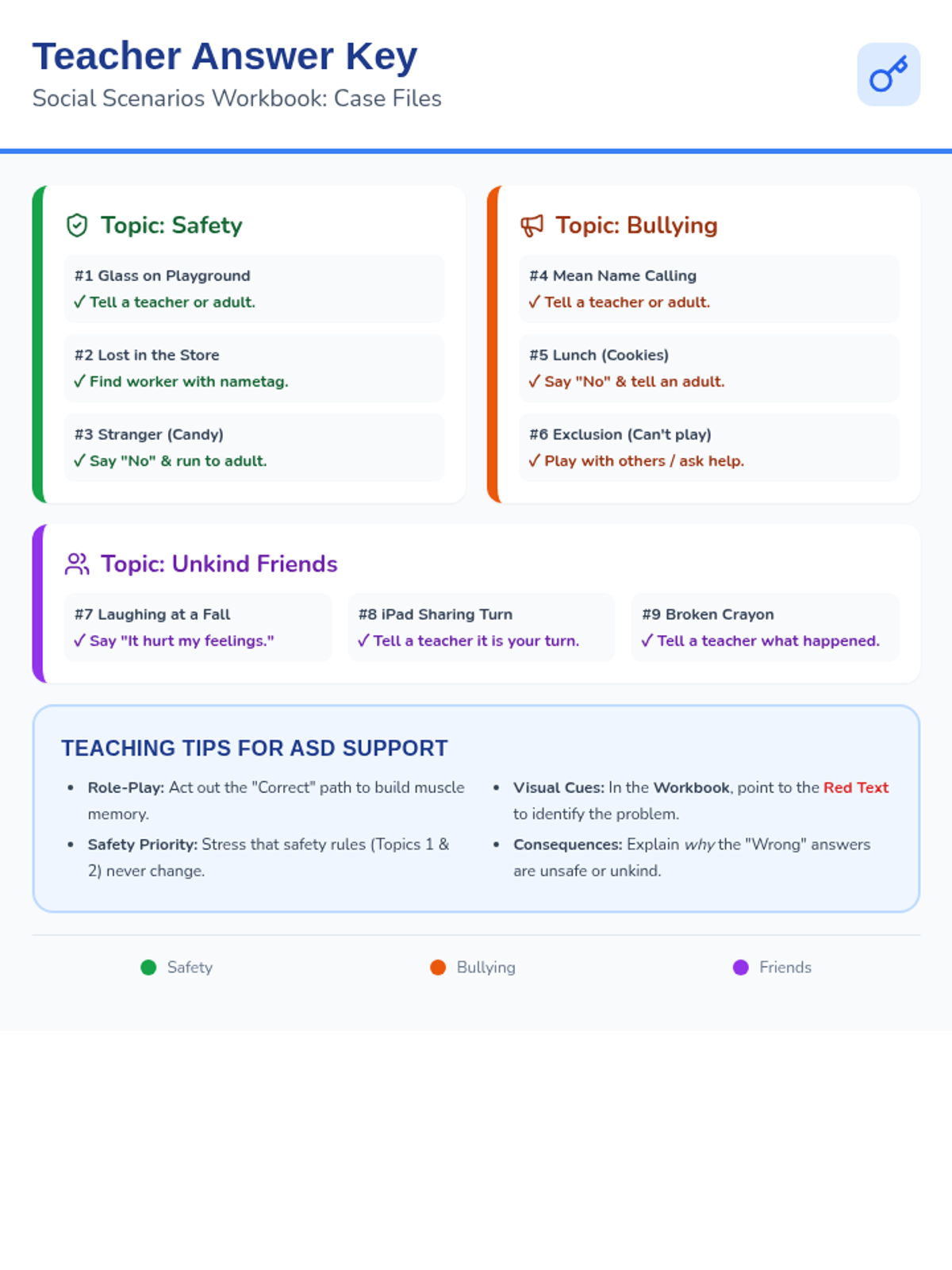
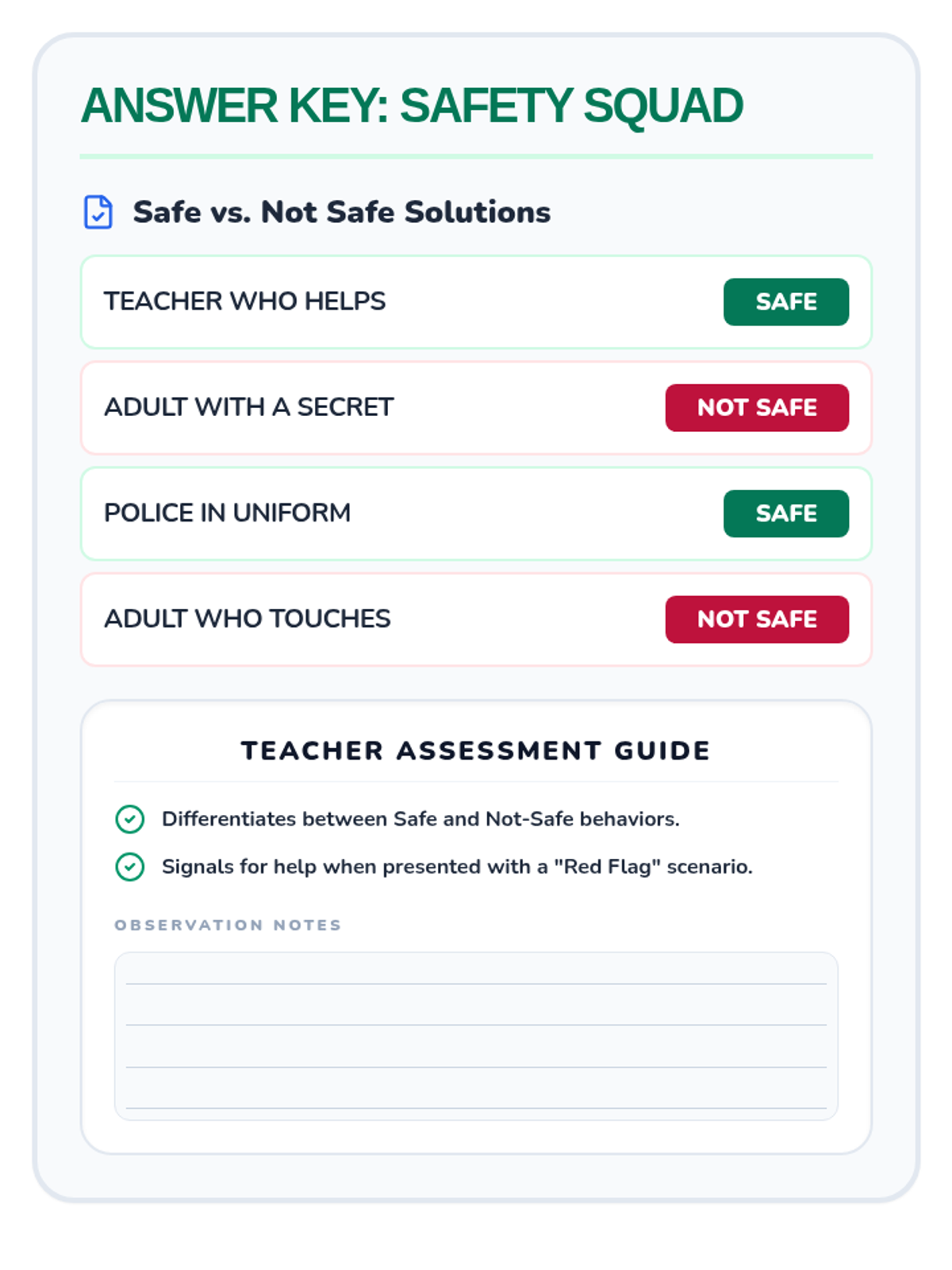
A social skills lesson focused on identifying appropriate responses to safety concerns, bullying, and unkind behavior from friends. Designed specifically for 3rd-grade students with ASD using clear, predictable scenarios and multiple-choice options.
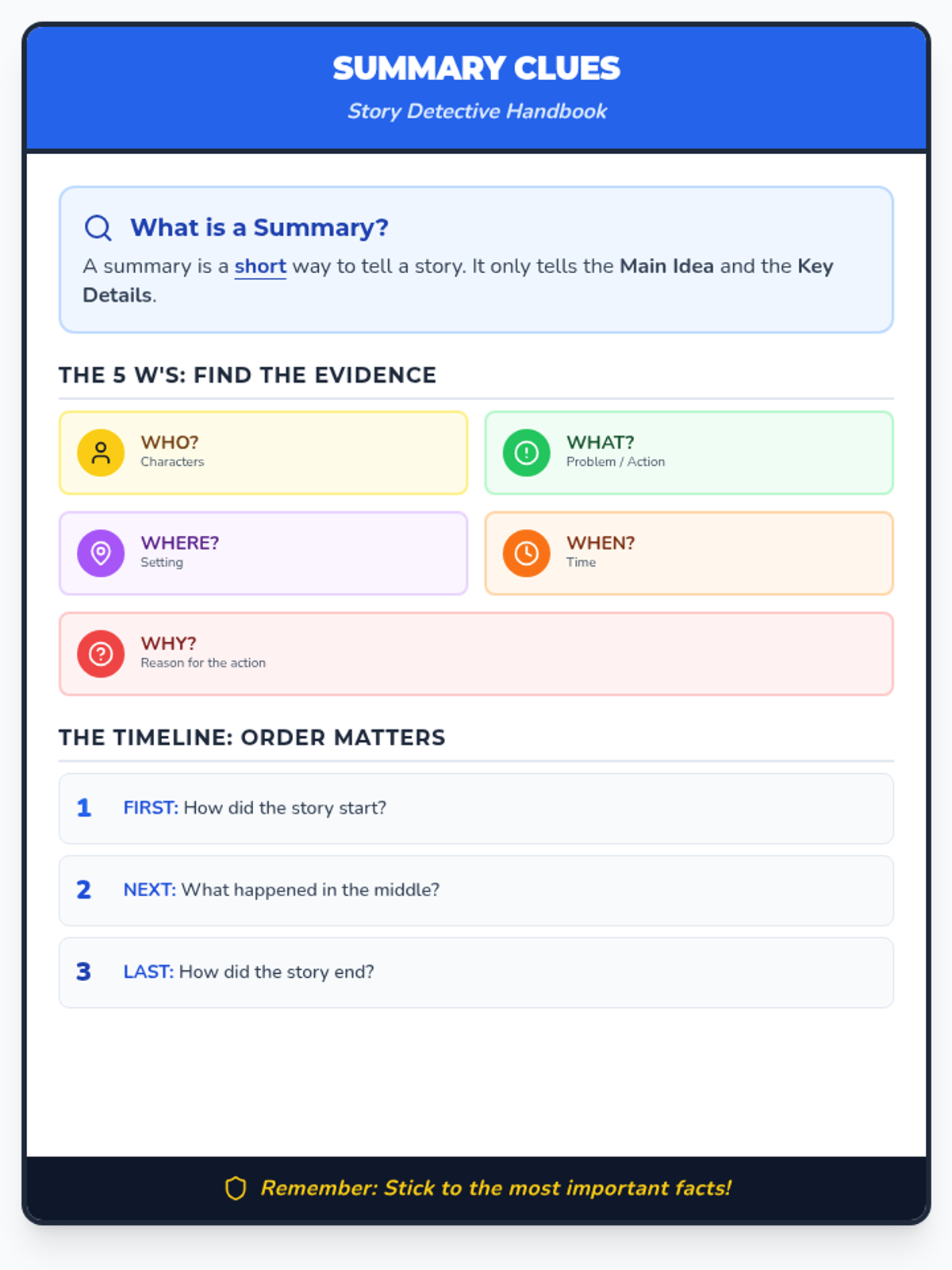
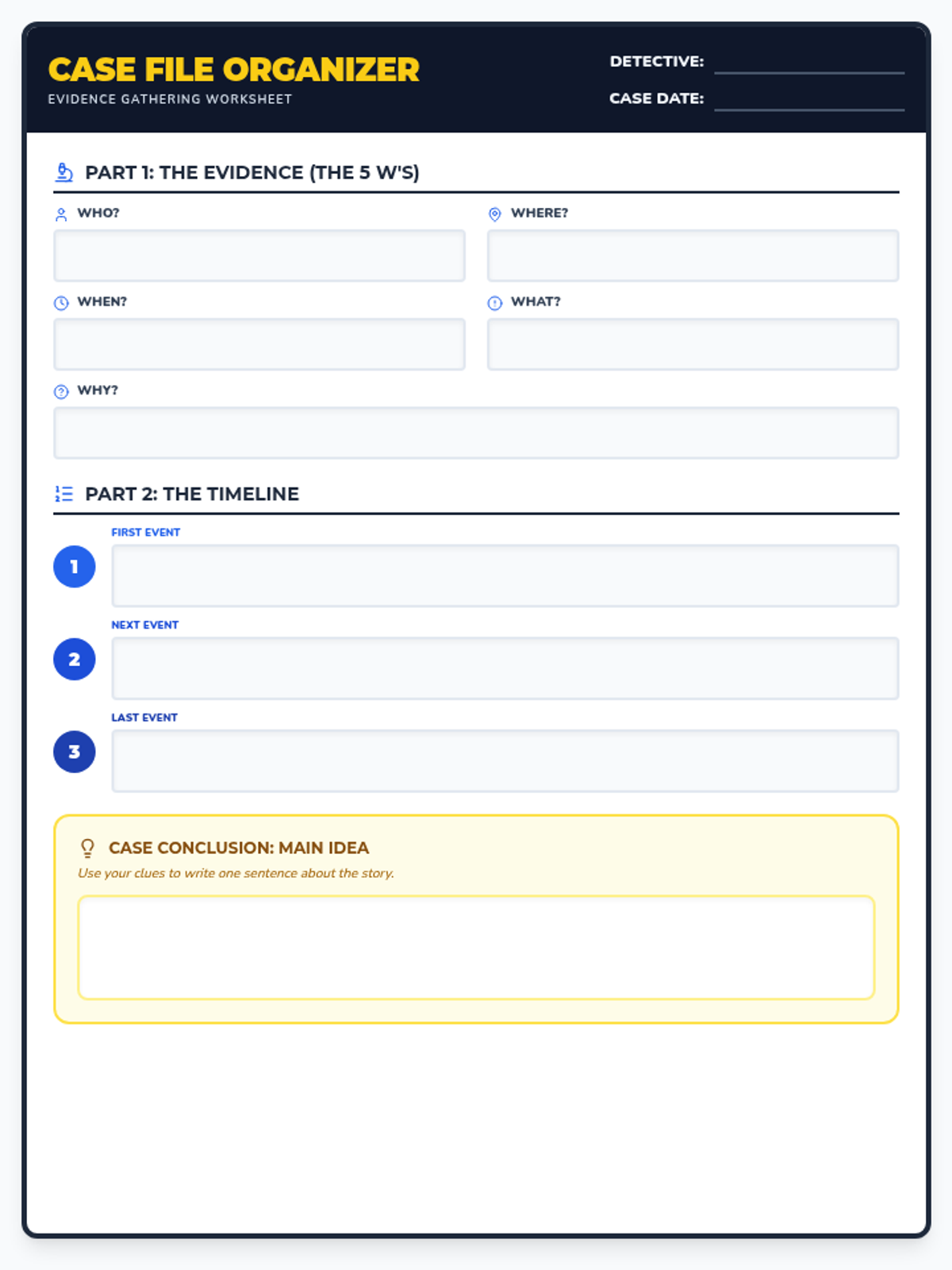
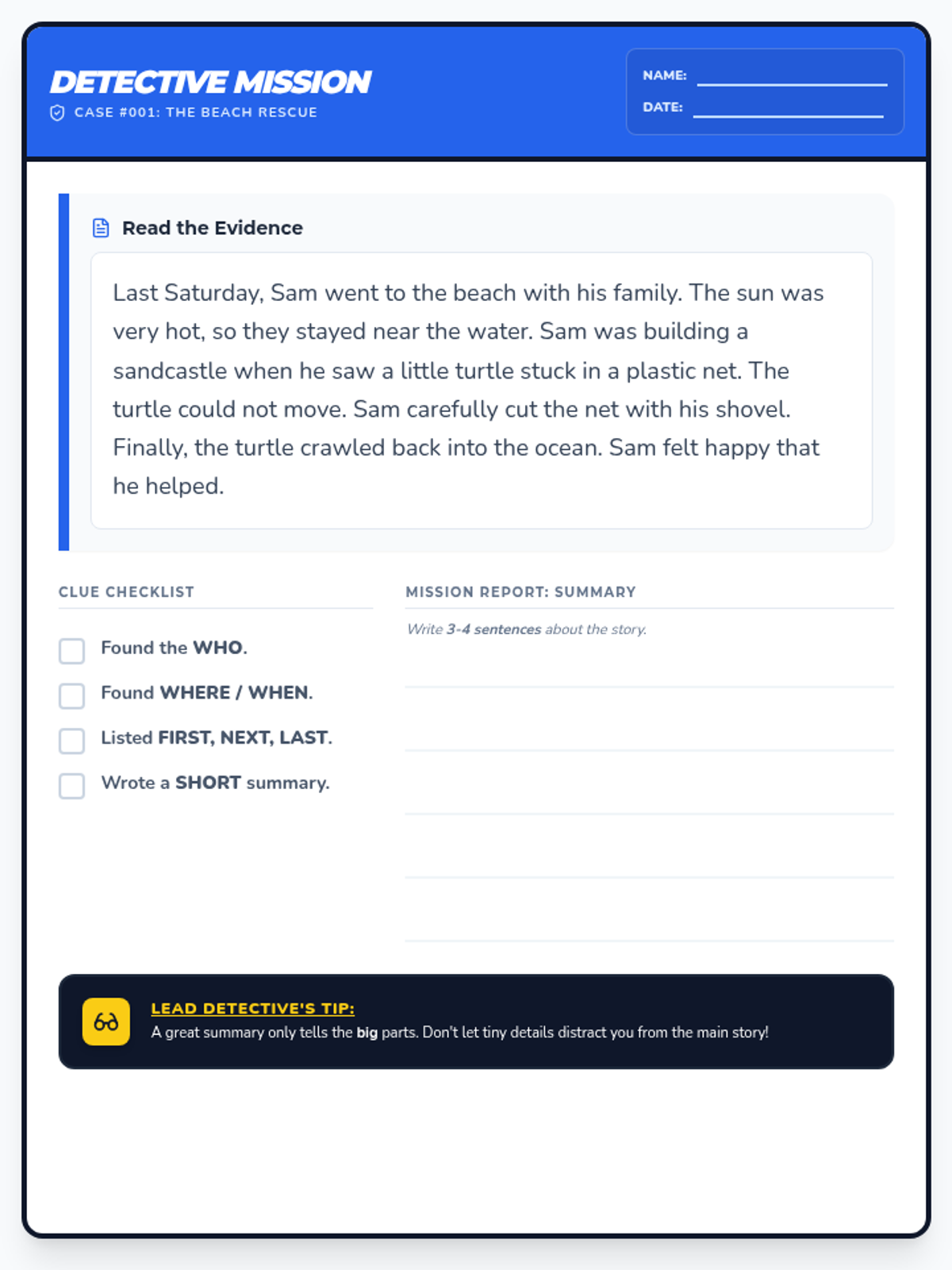
Students learn to identify the main idea, key details, and sequence of events in a story using 'The 5 Ws' as a detective-themed framework.
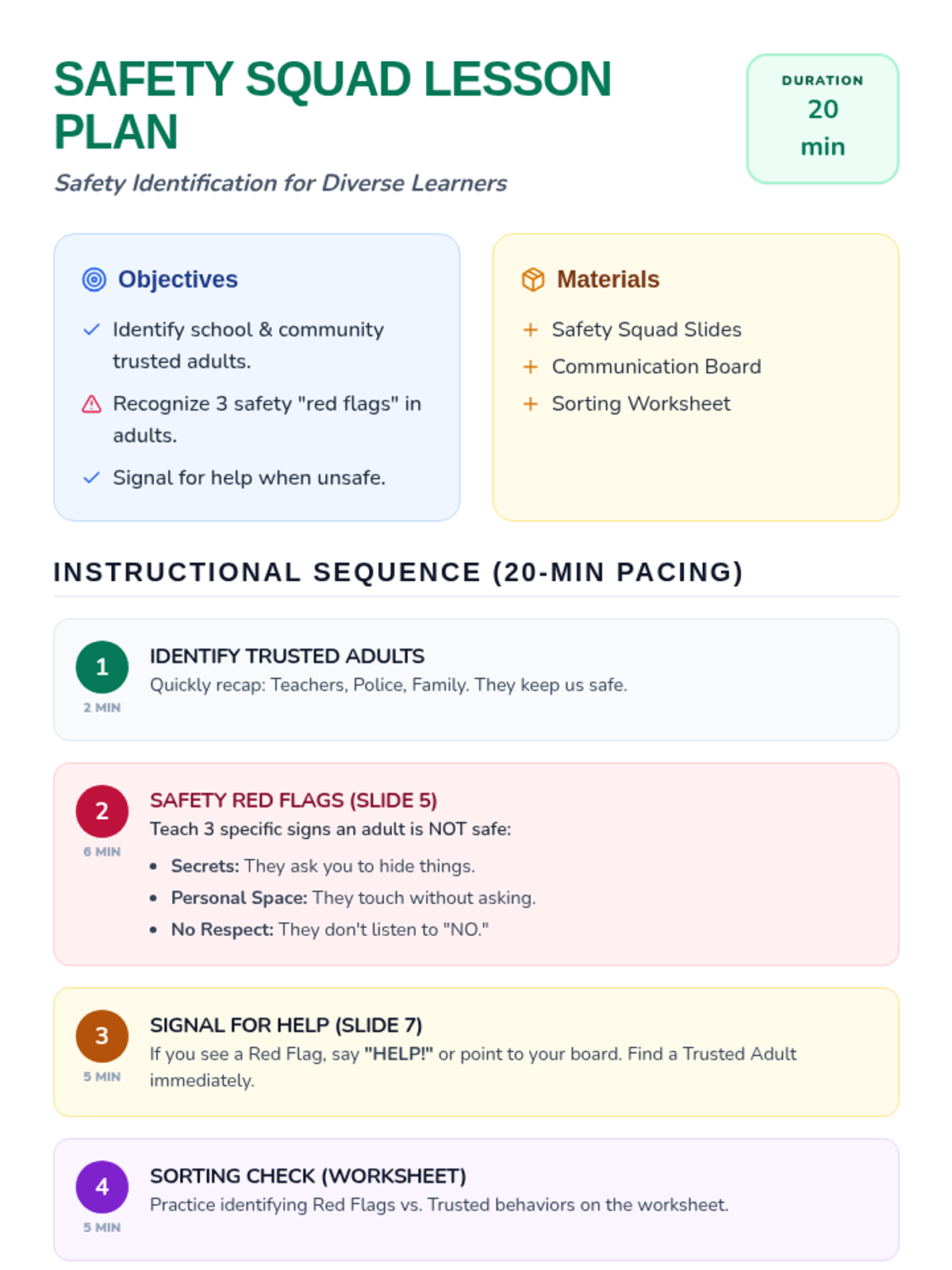
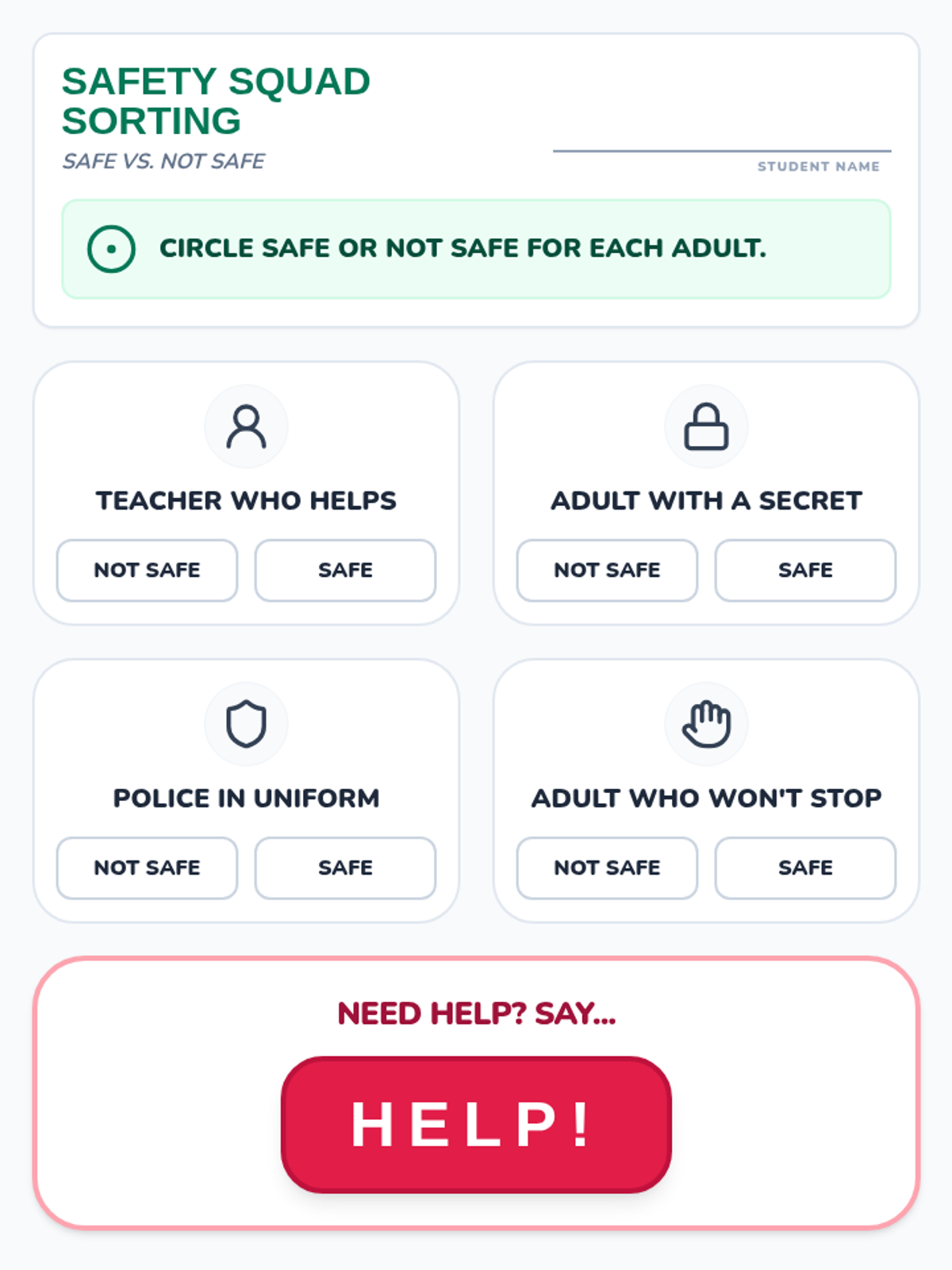
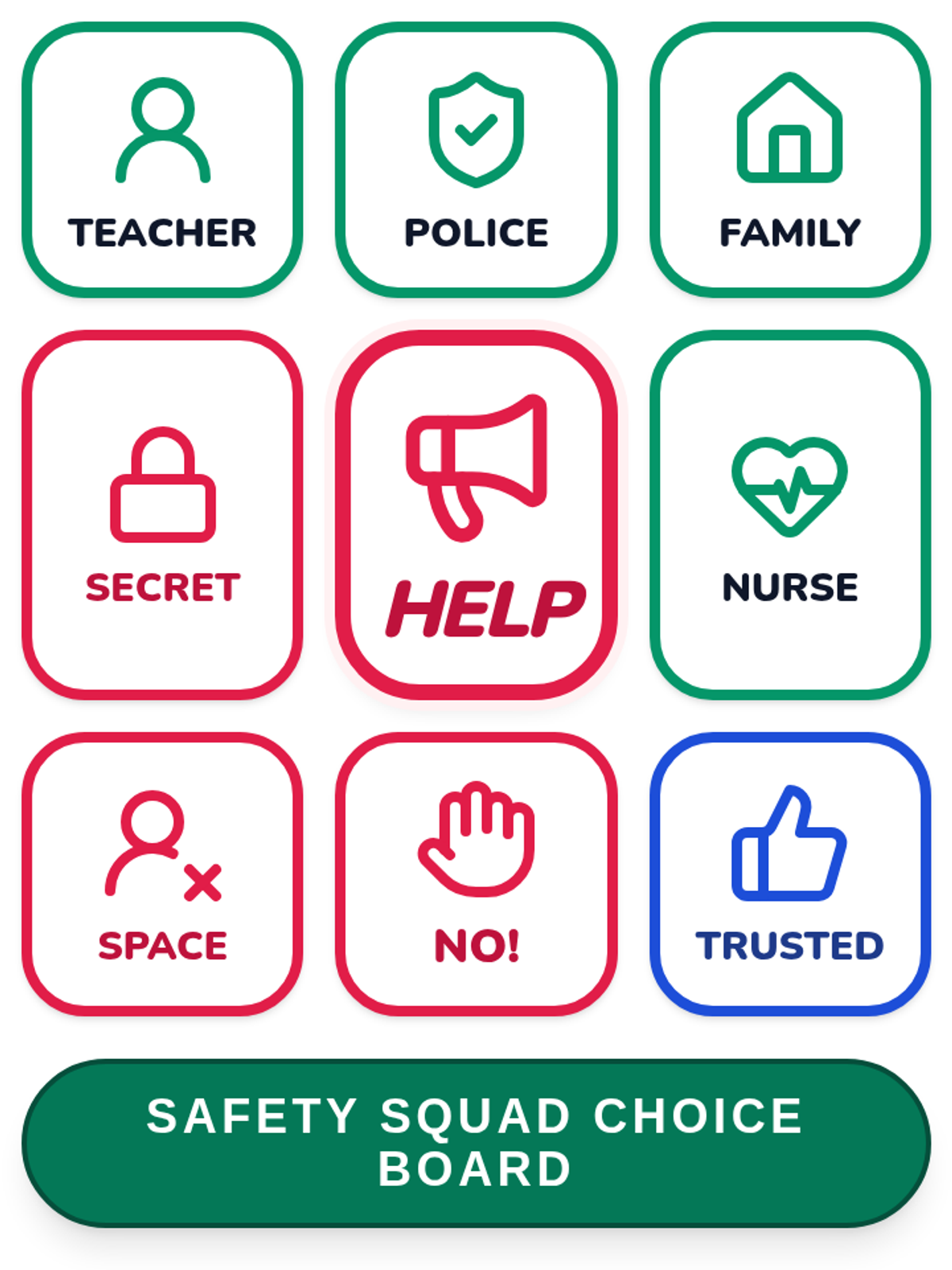
A highly visual lesson designed for students with severe disabilities to identify trusted adults at school, at home, and in the community. Includes multi-sensory prompts and clear visual supports.
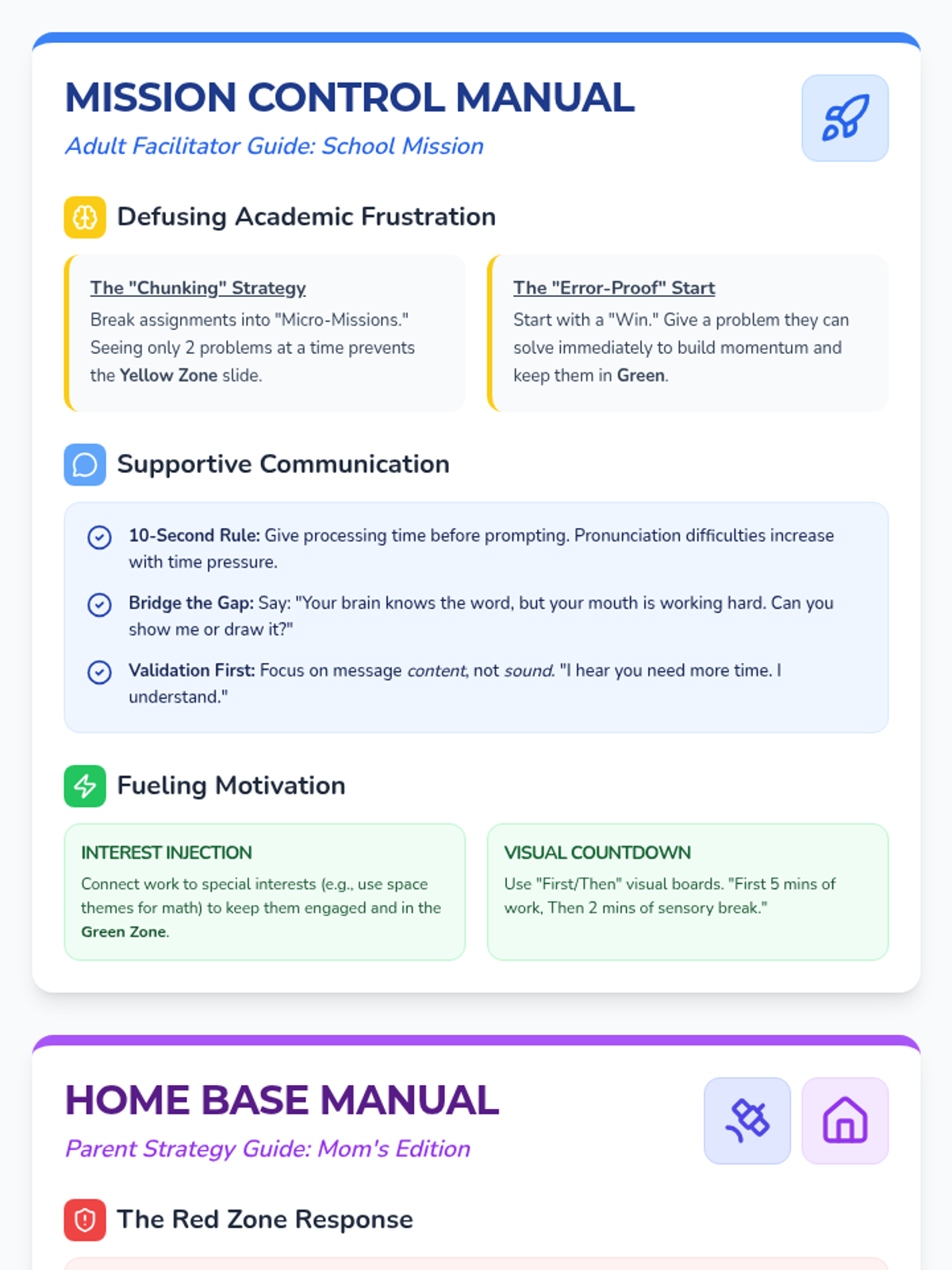
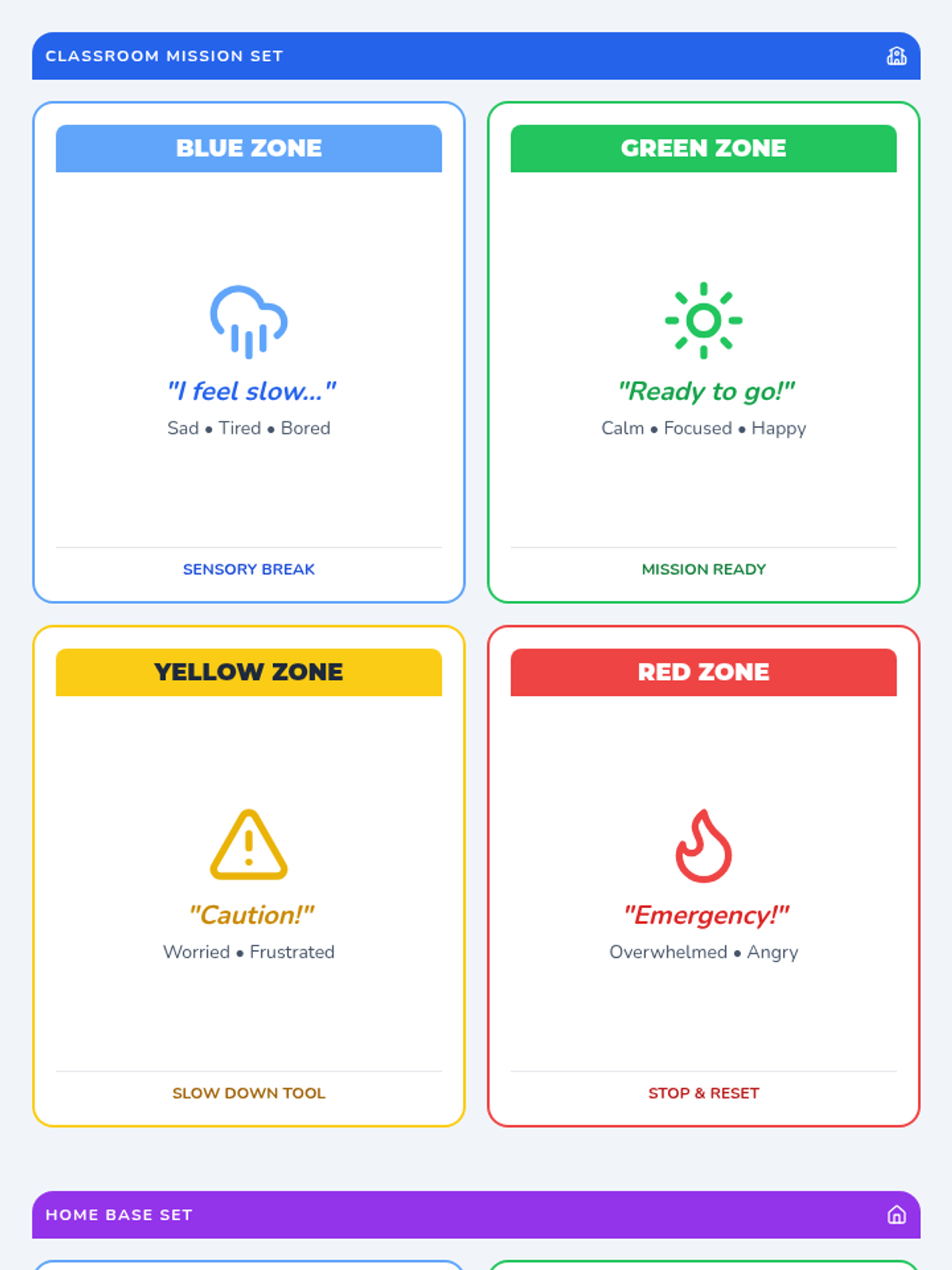
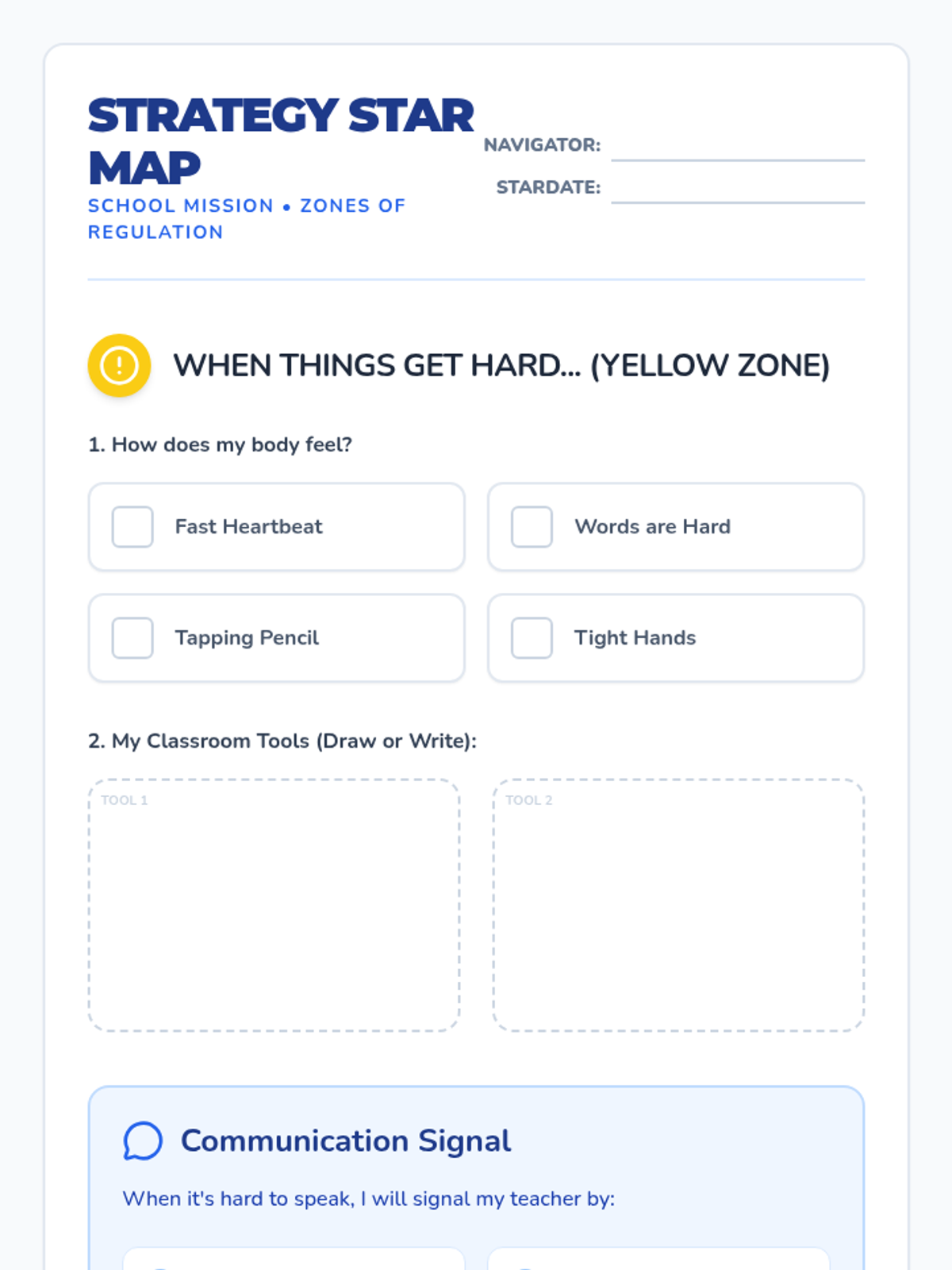
A set of resources designed to bridge regulation strategies between school and home, providing consistent language and visual supports for a student facing academic and communication challenges.
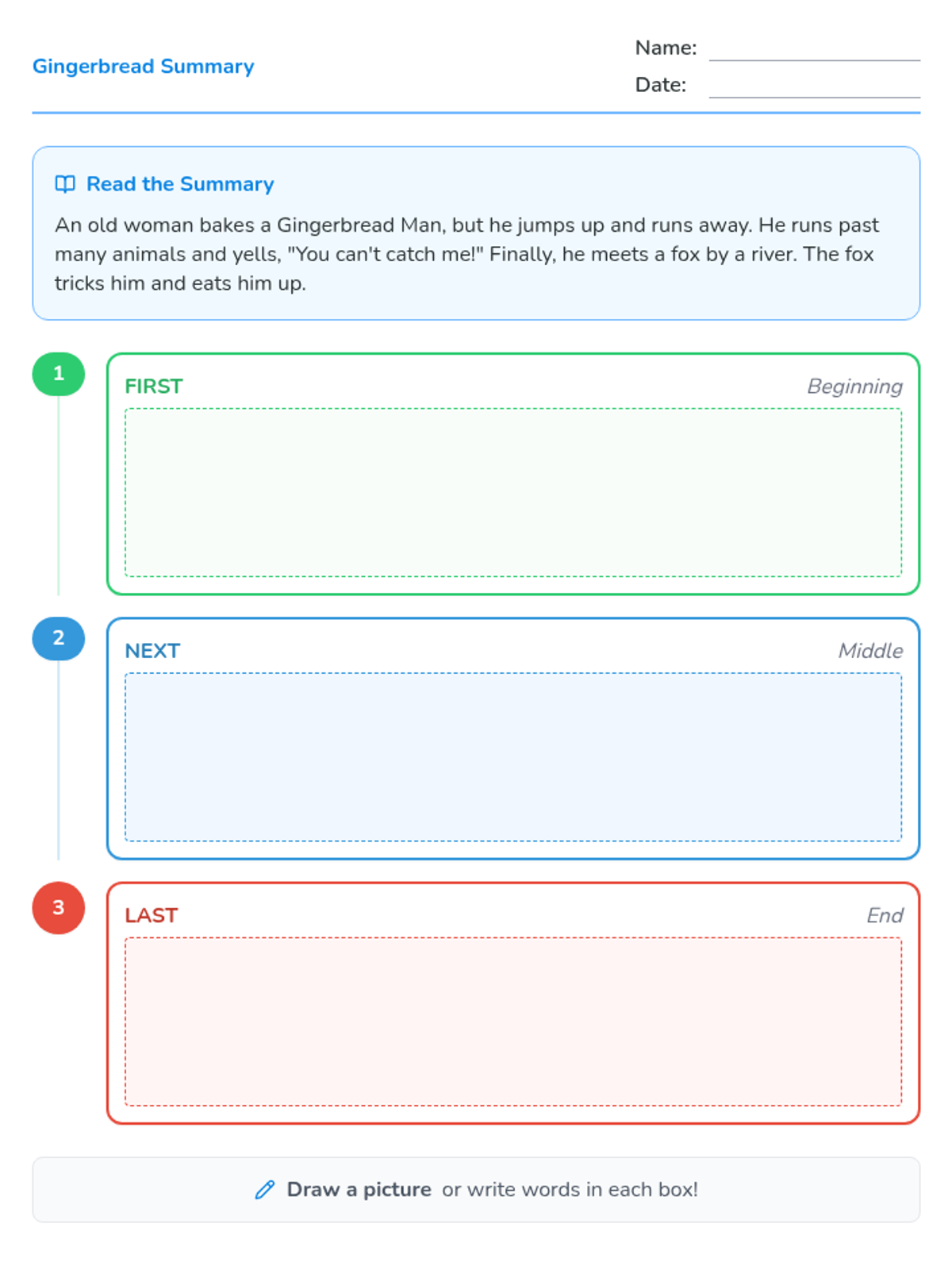
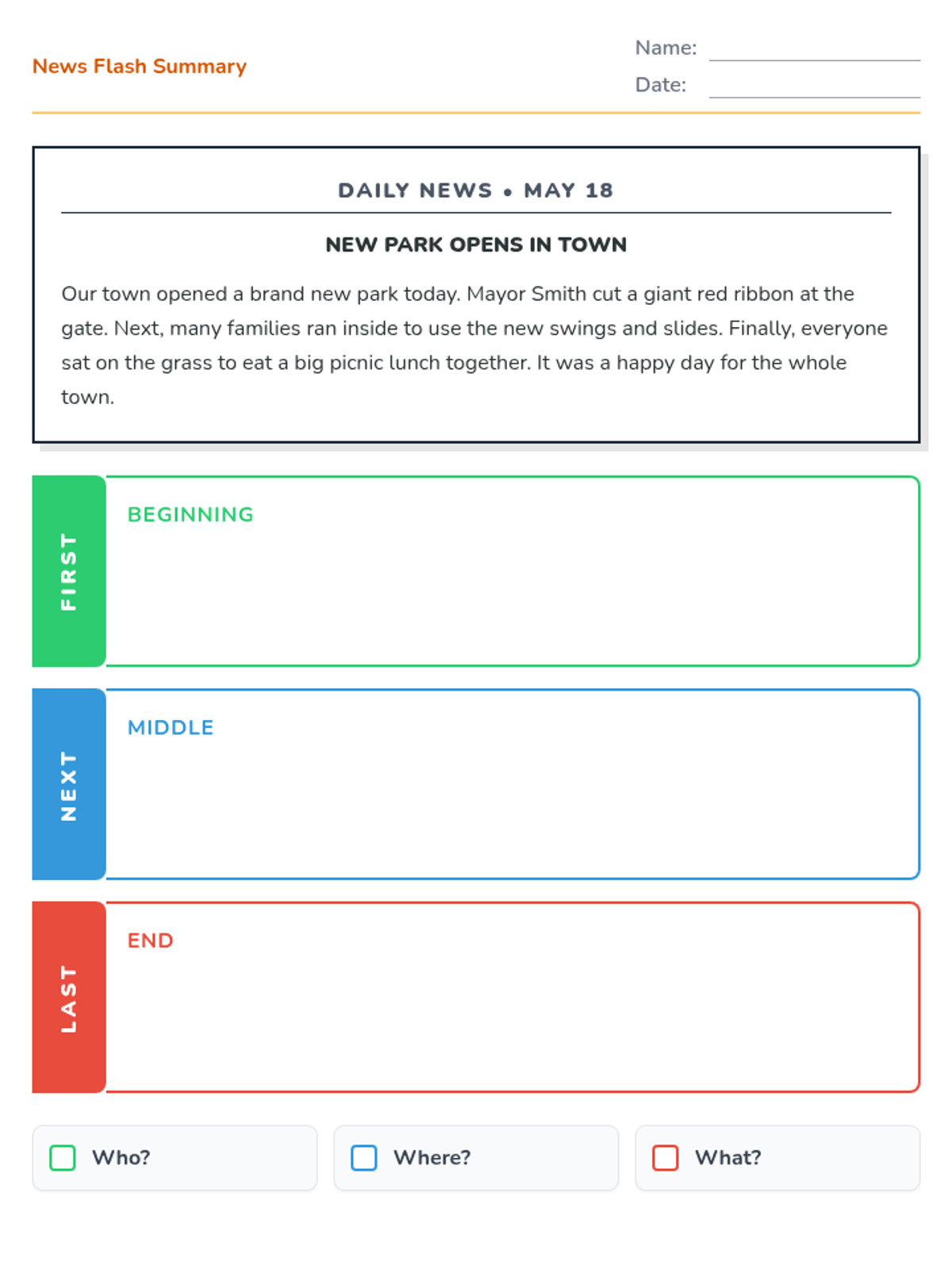
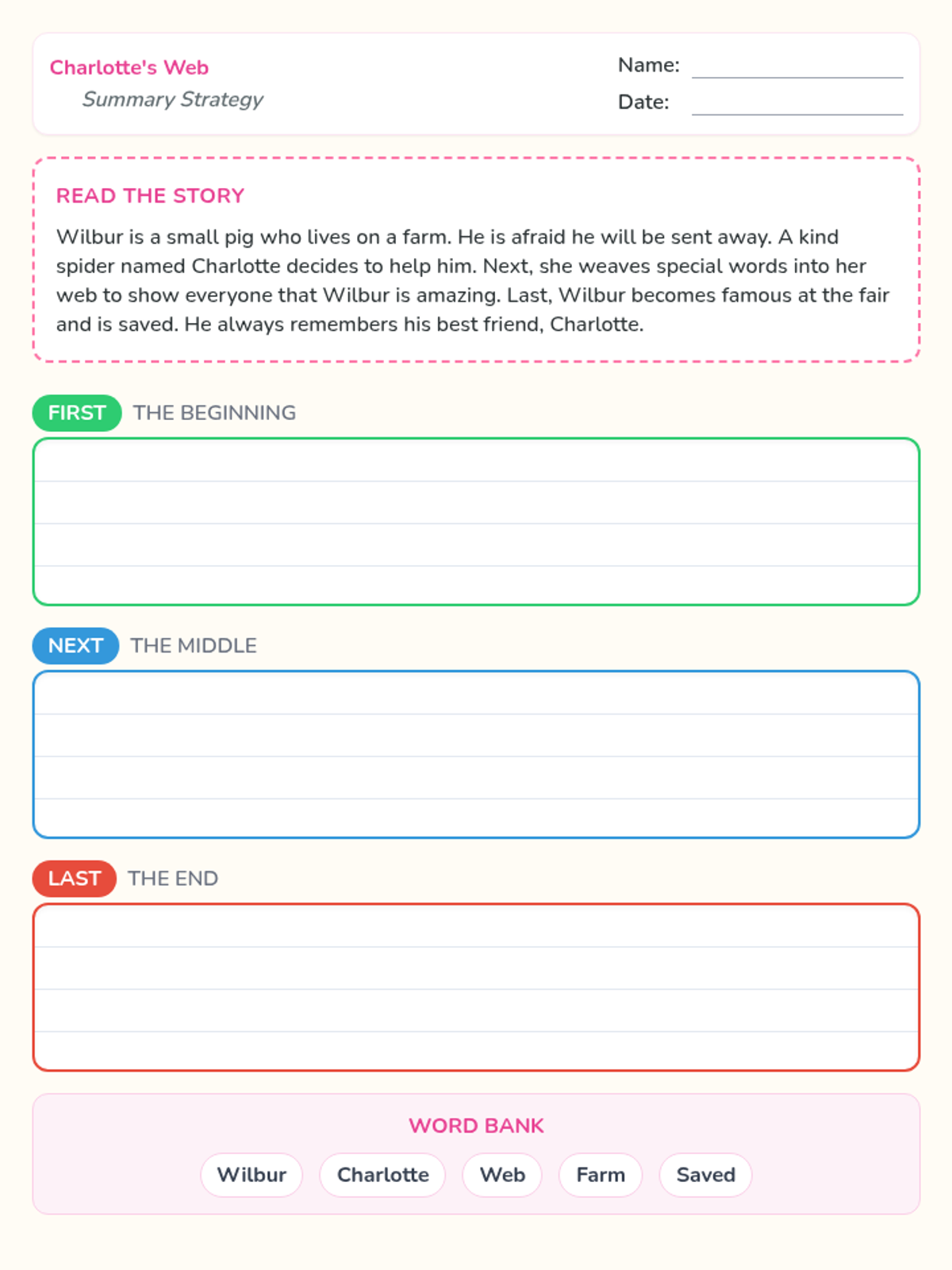
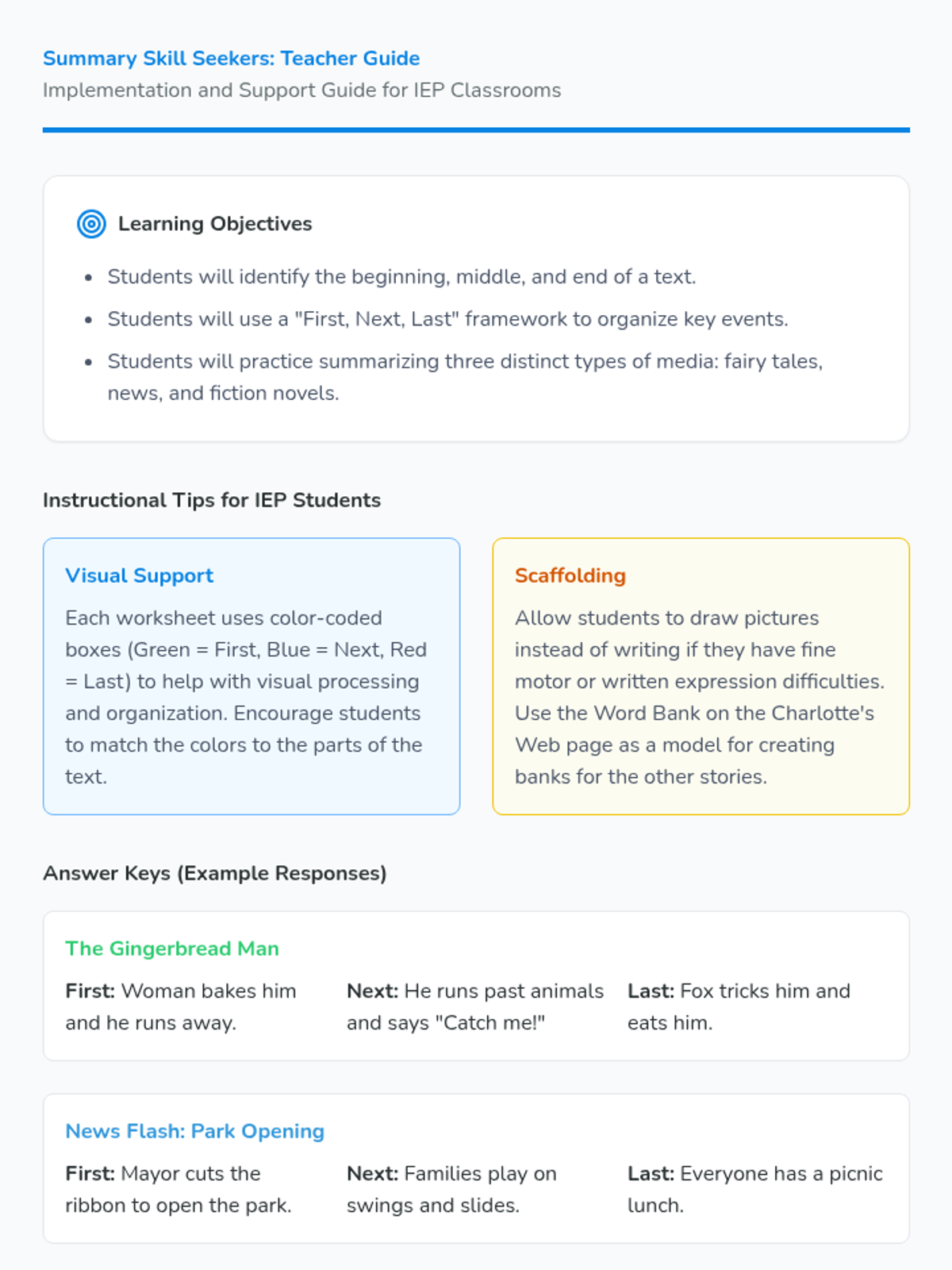
A specialized lesson designed for IEP students to master the art of summarizing using a simplified First, Next, Last framework. This lesson covers a classic fairy tale, a contemporary news story, and a beloved novel.
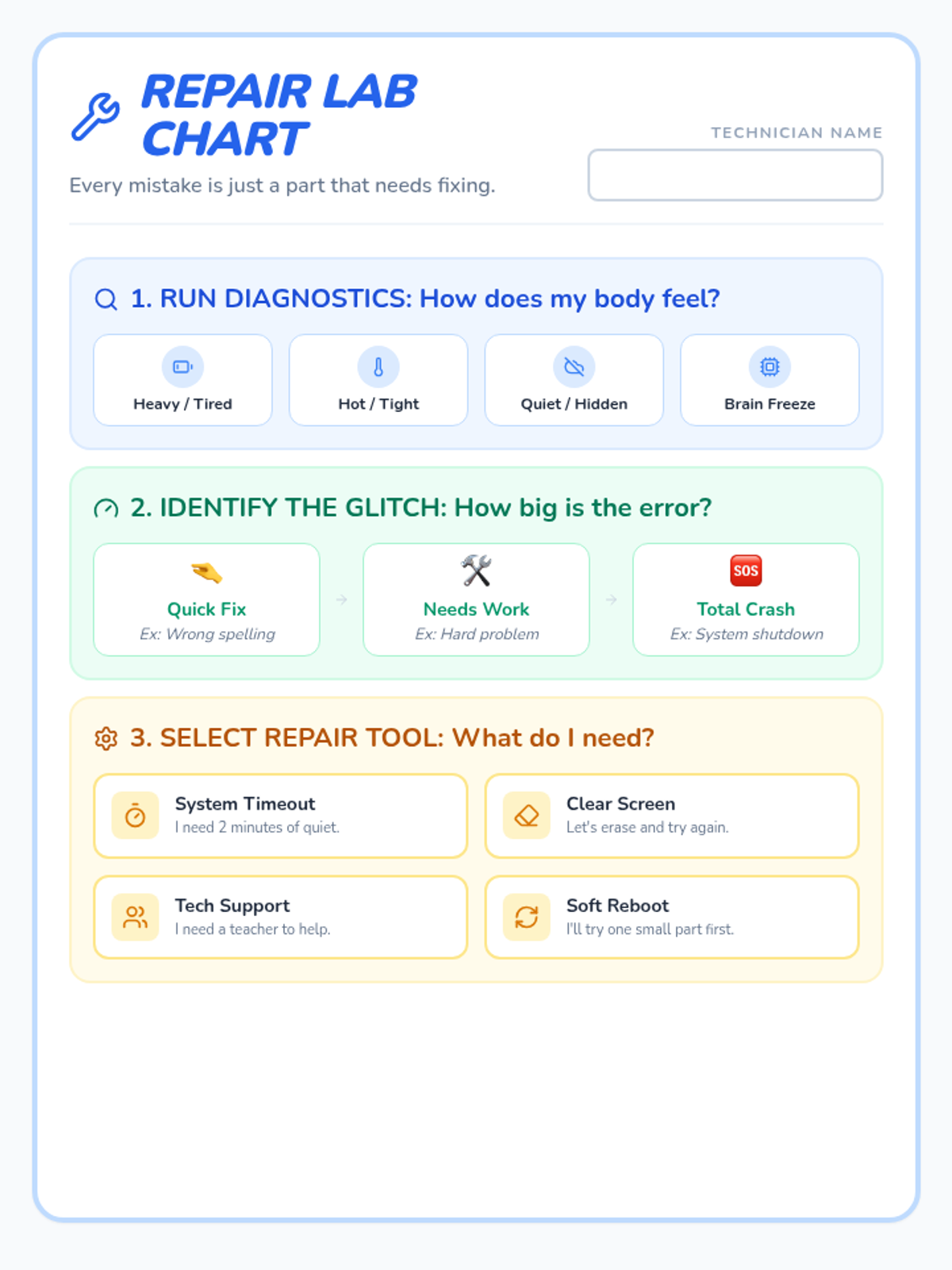
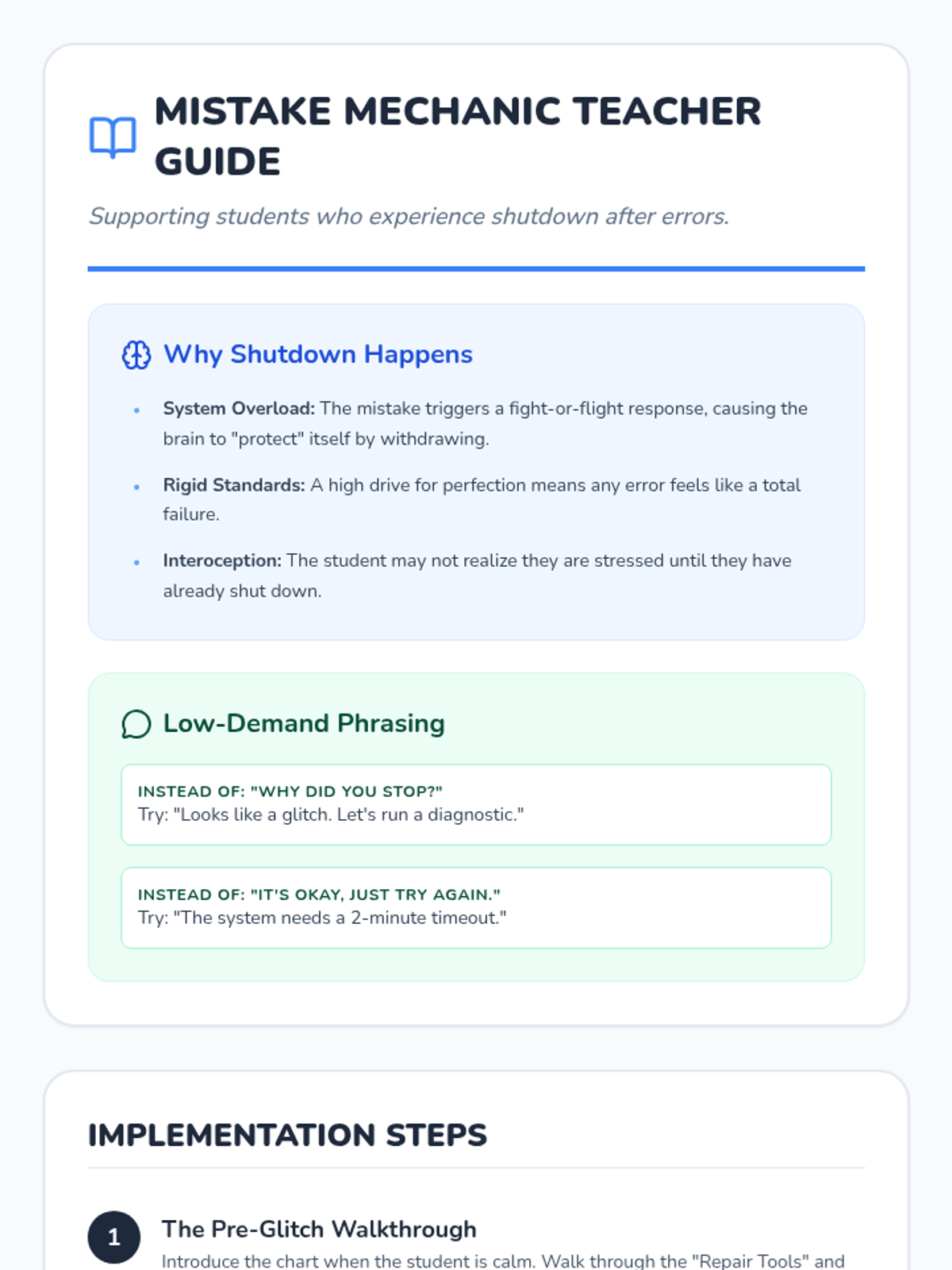
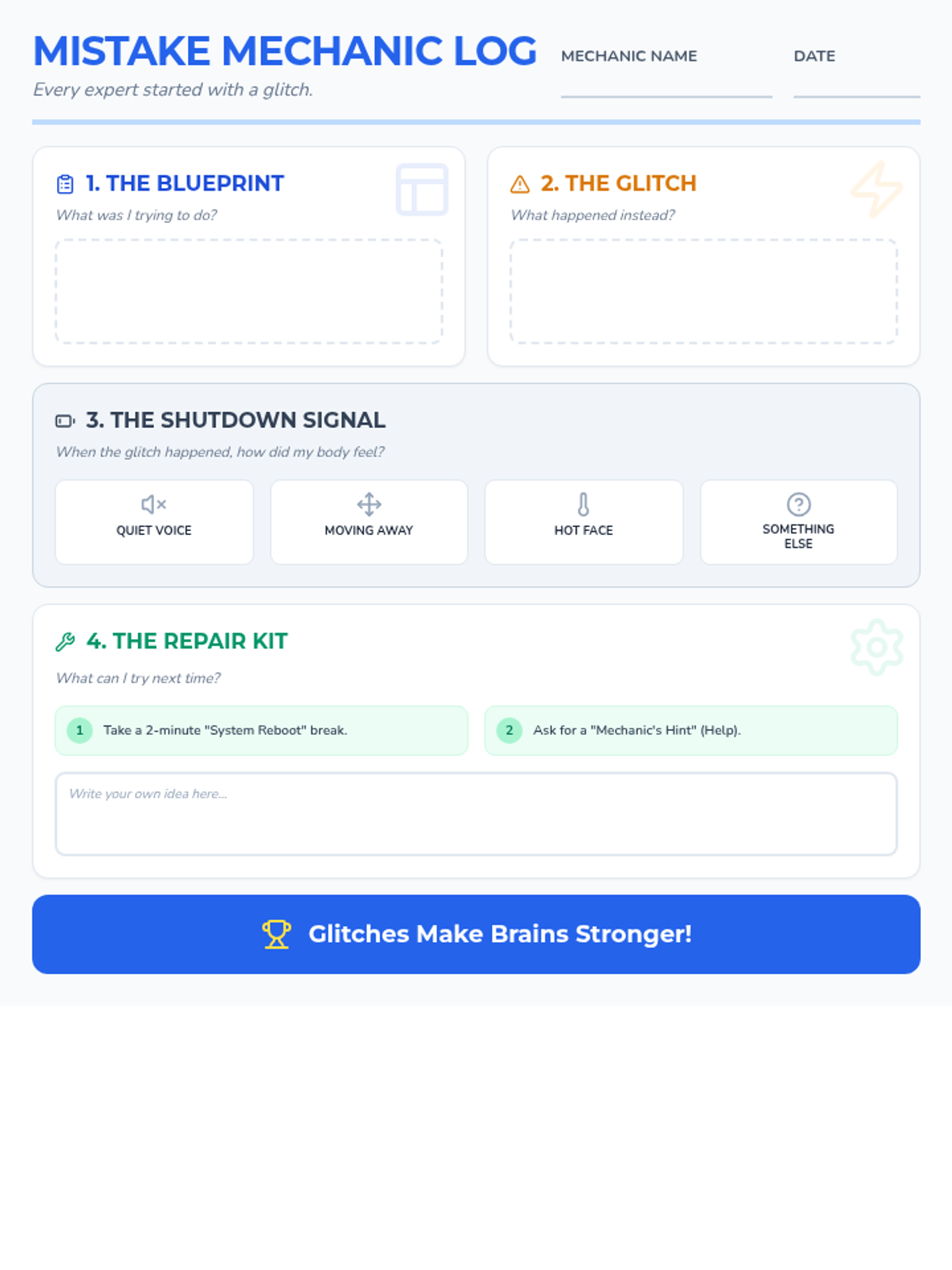
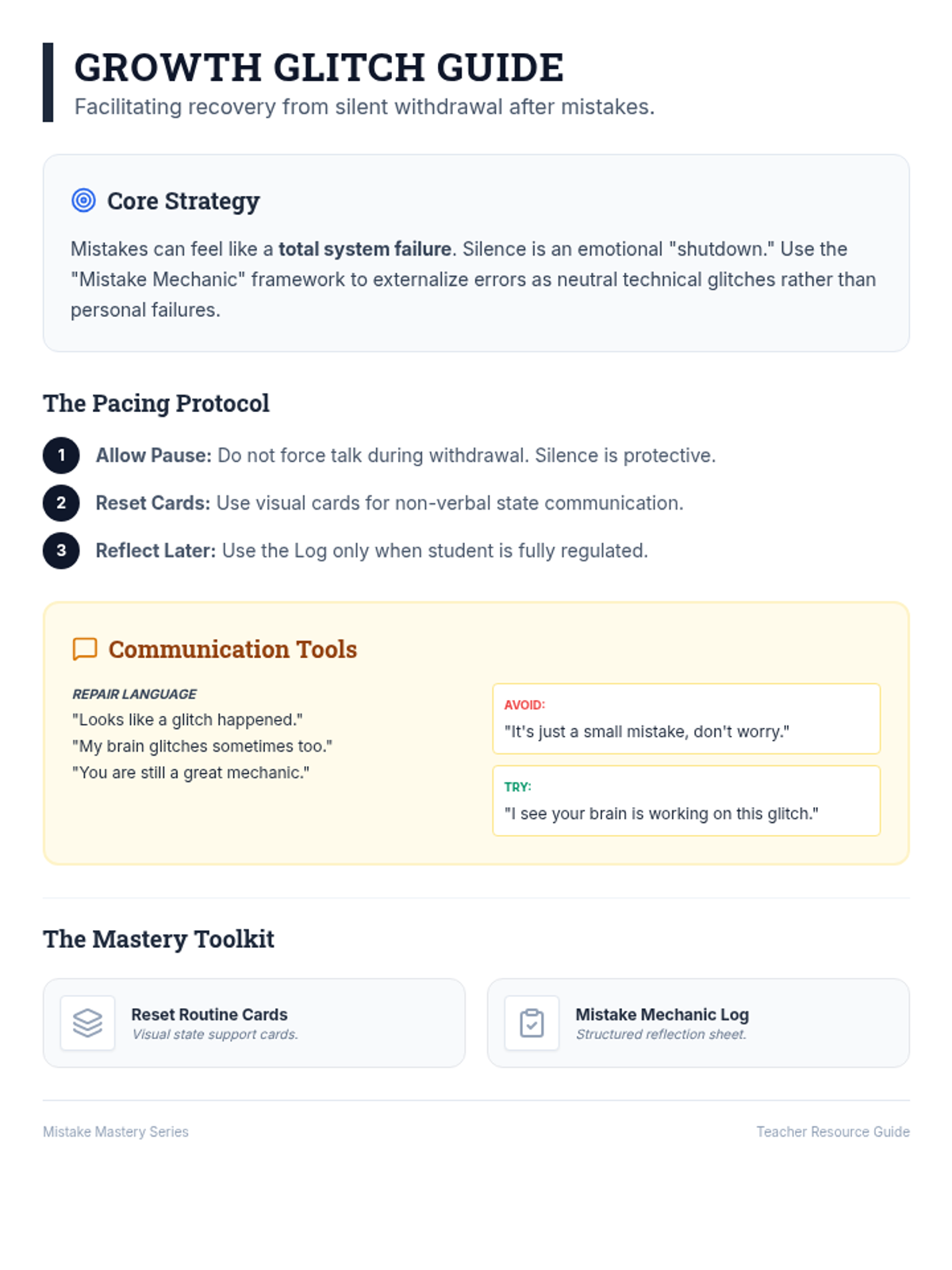
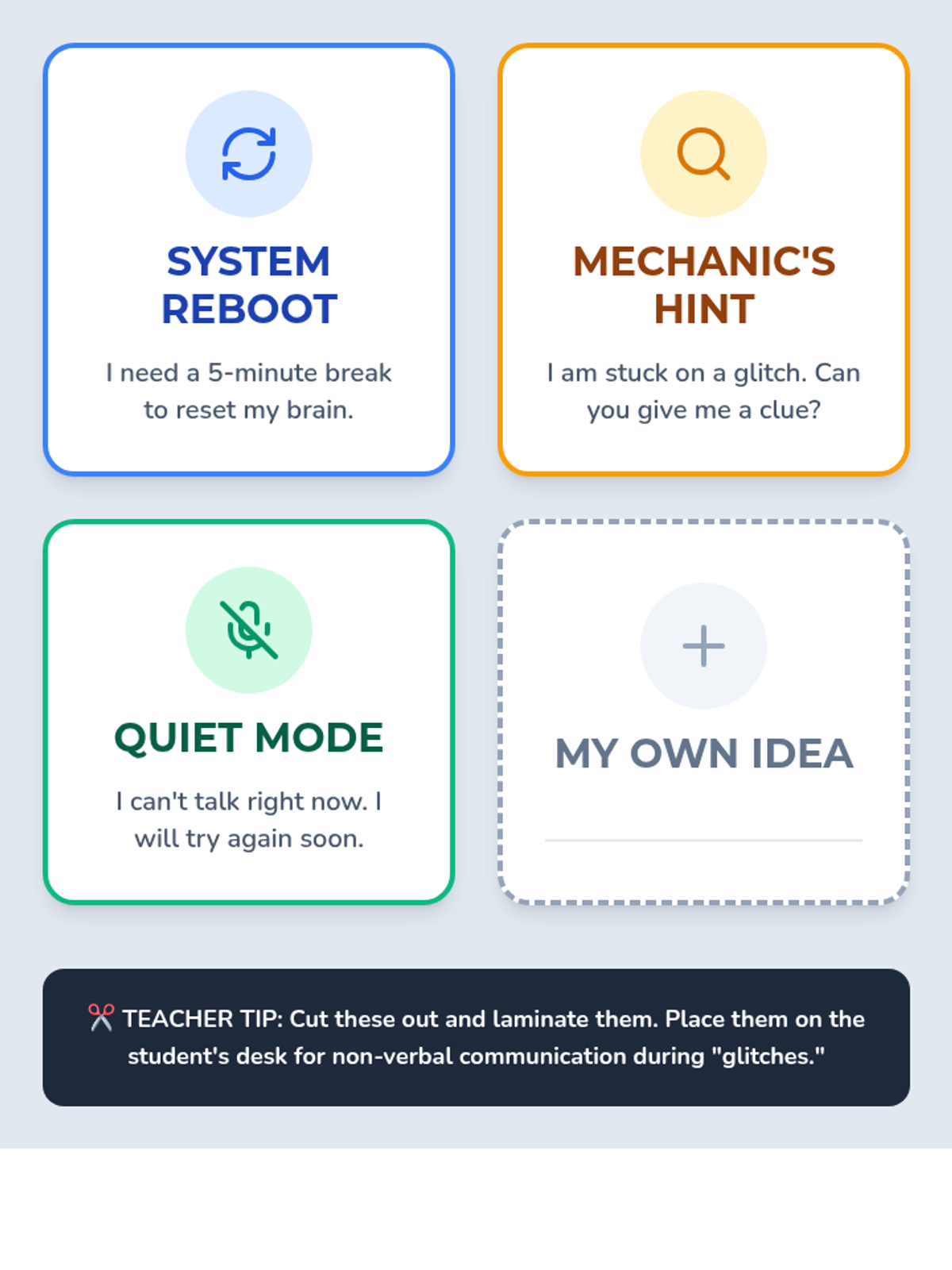
A set of visual tools and strategies designed to help students who experience shutdown or withdrawal after making mistakes, reframing errors as manageable 'glitches' that can be repaired.
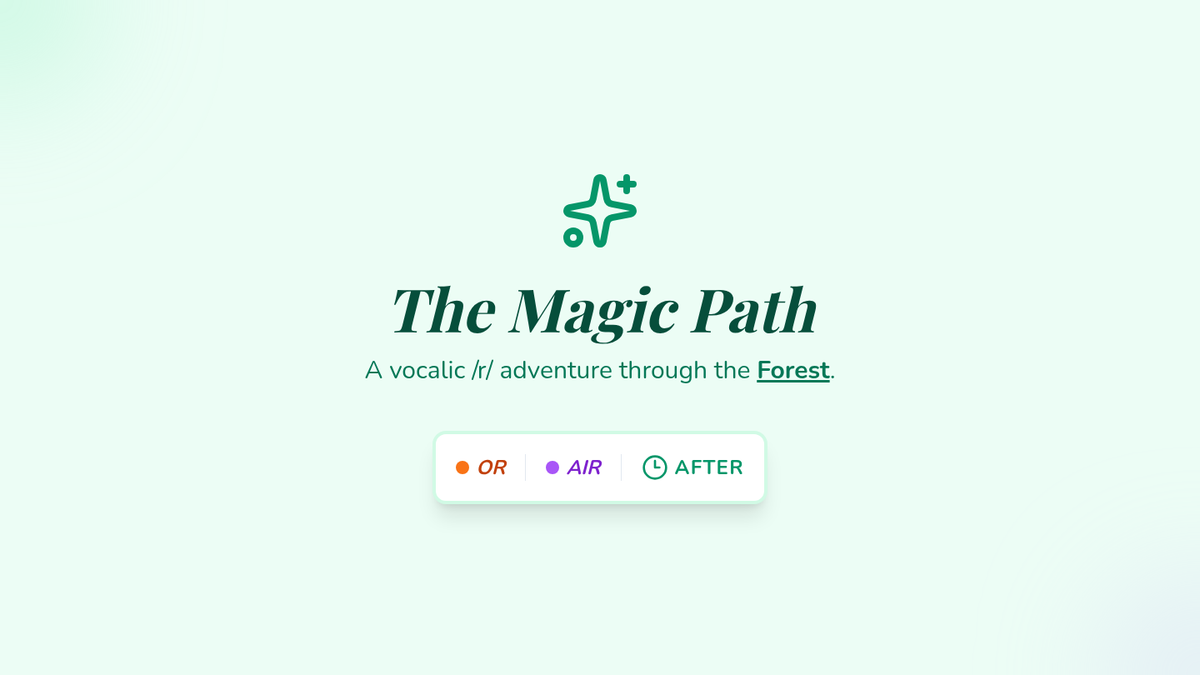
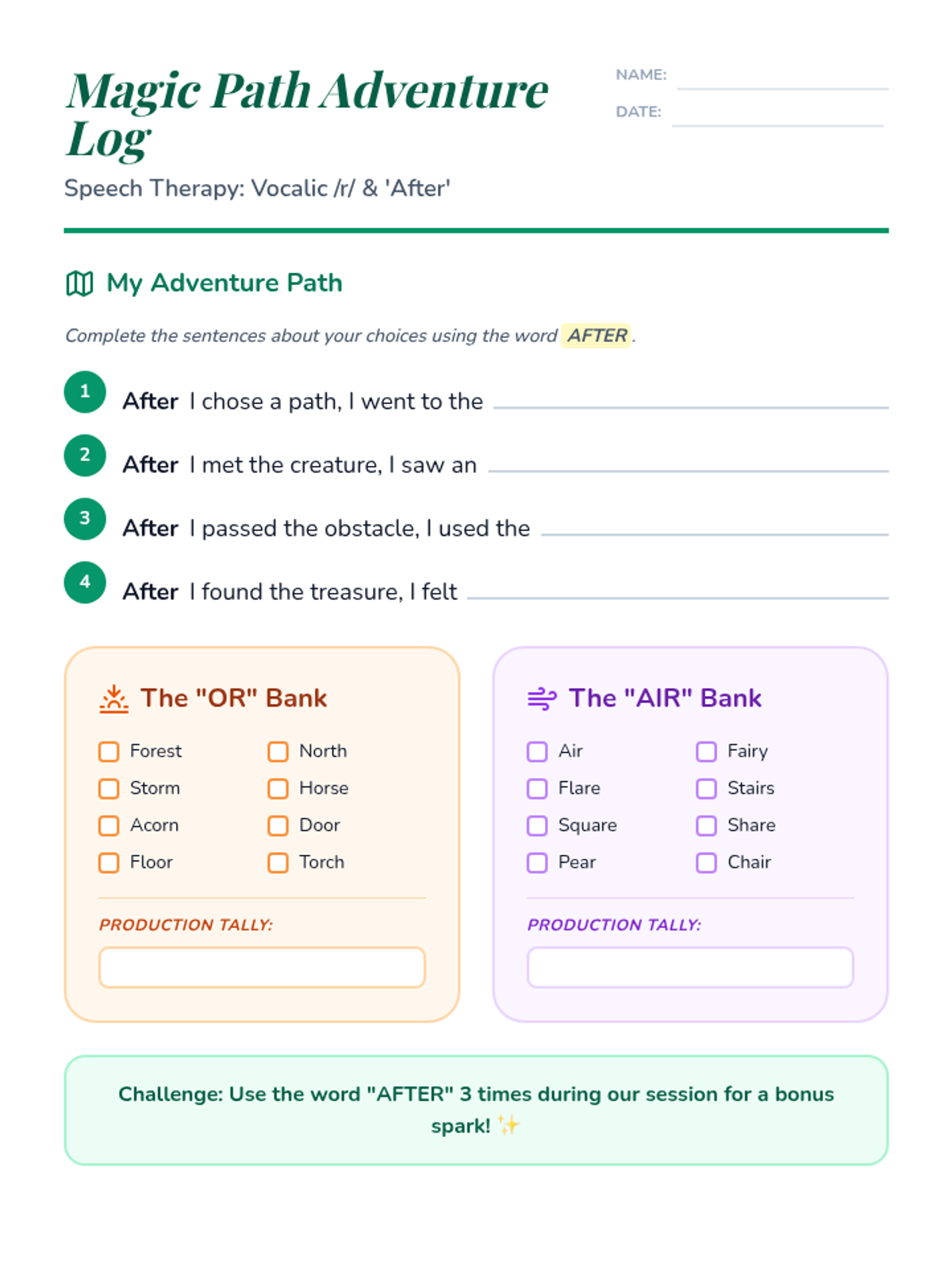
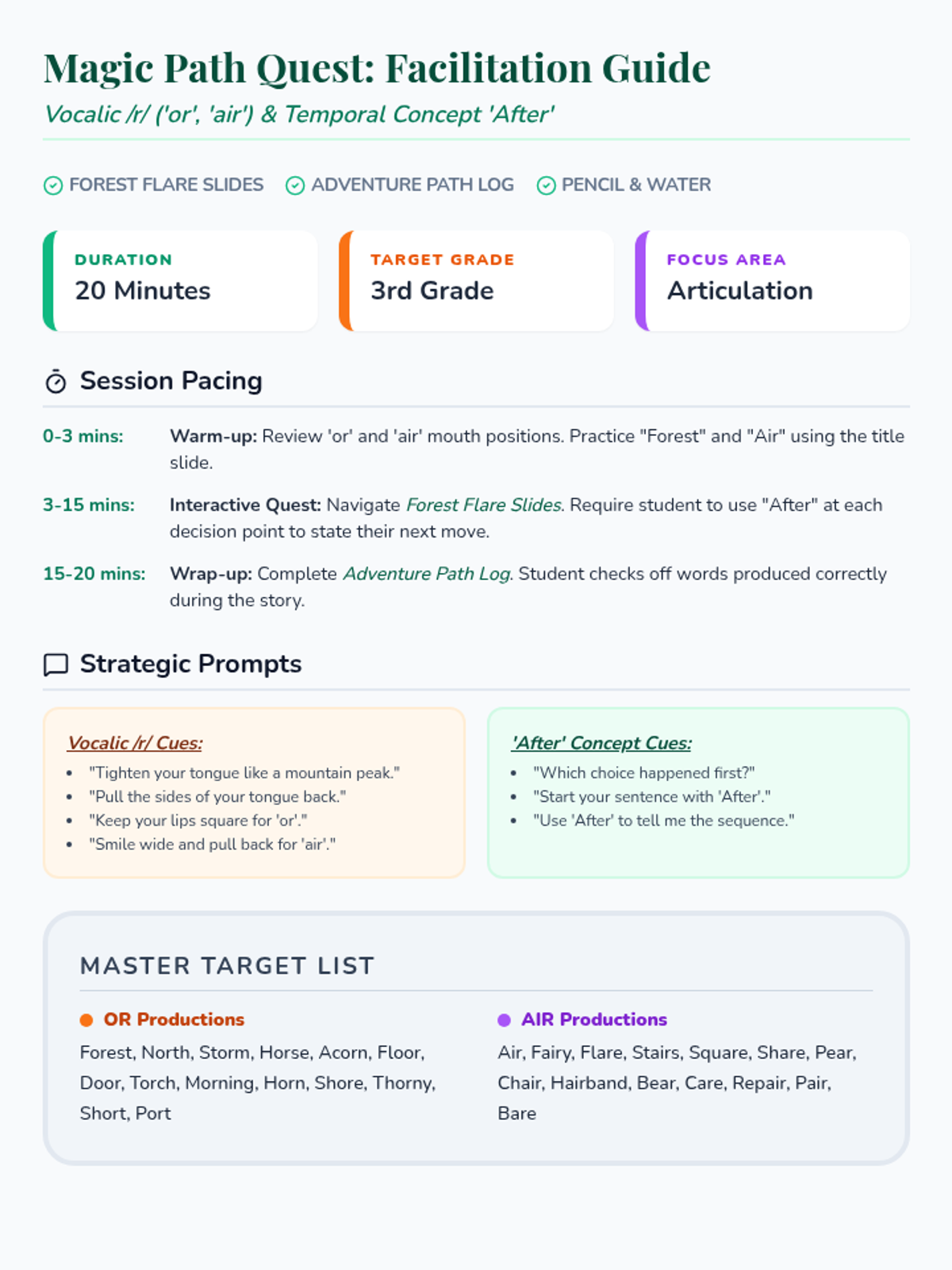
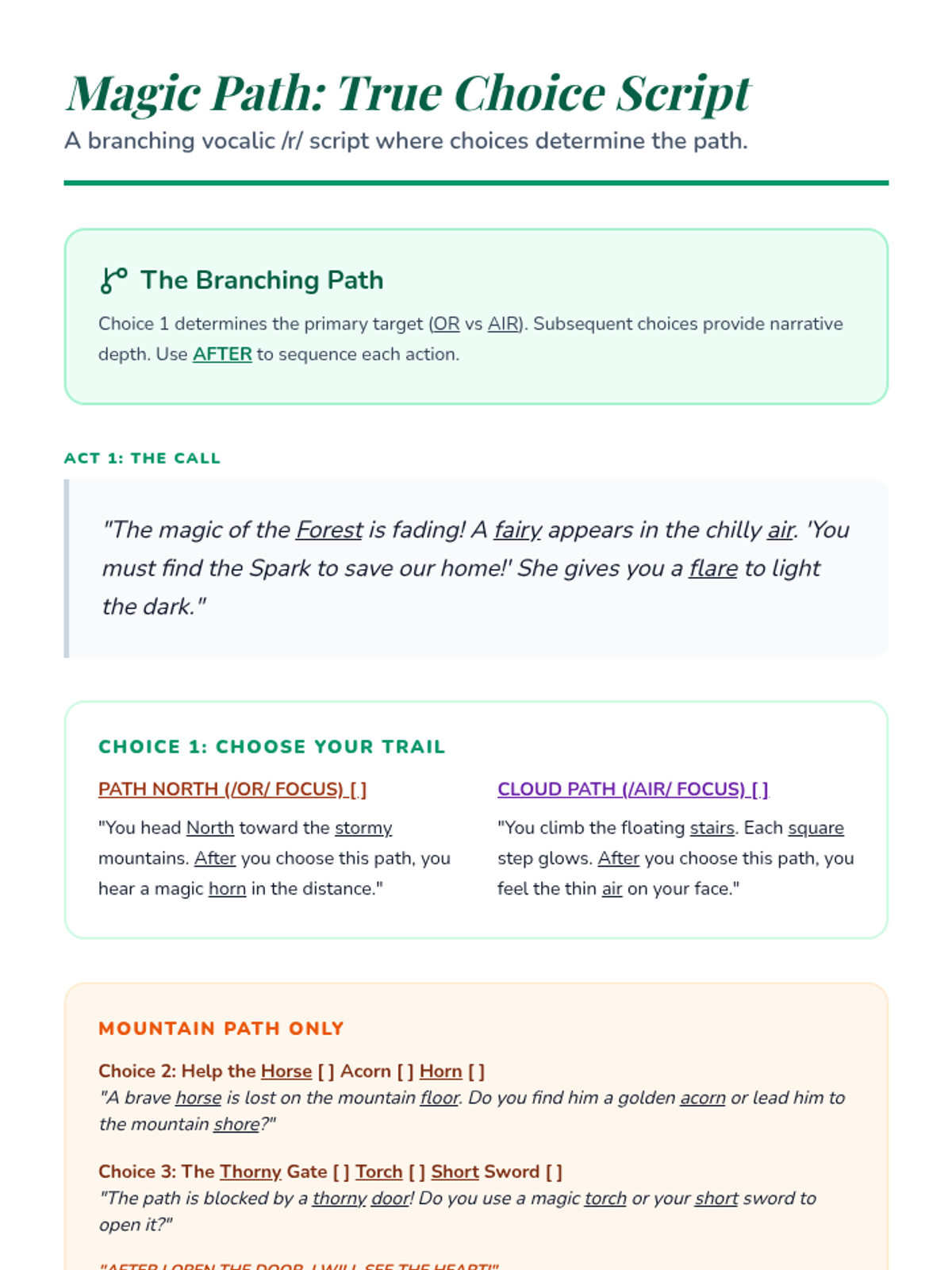
A speech therapy lesson targeting vocalic /r/ ('or' and 'air') and the temporal term 'after' through a magical branching adventure.
A supportive lesson designed to help autistic children move from silent withdrawal to a growth mindset by framing mistakes as technical 'glitches' that can be fixed.
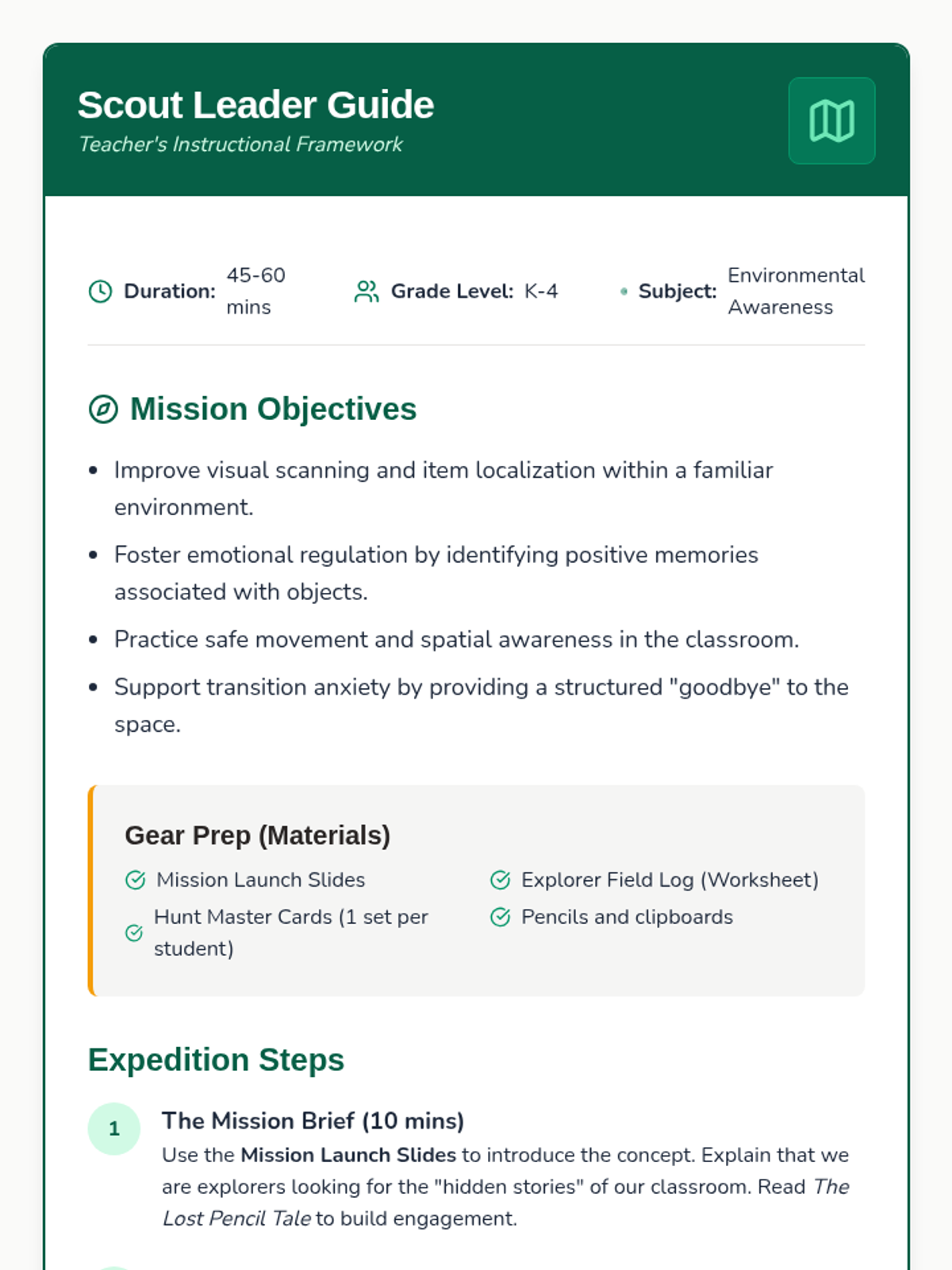
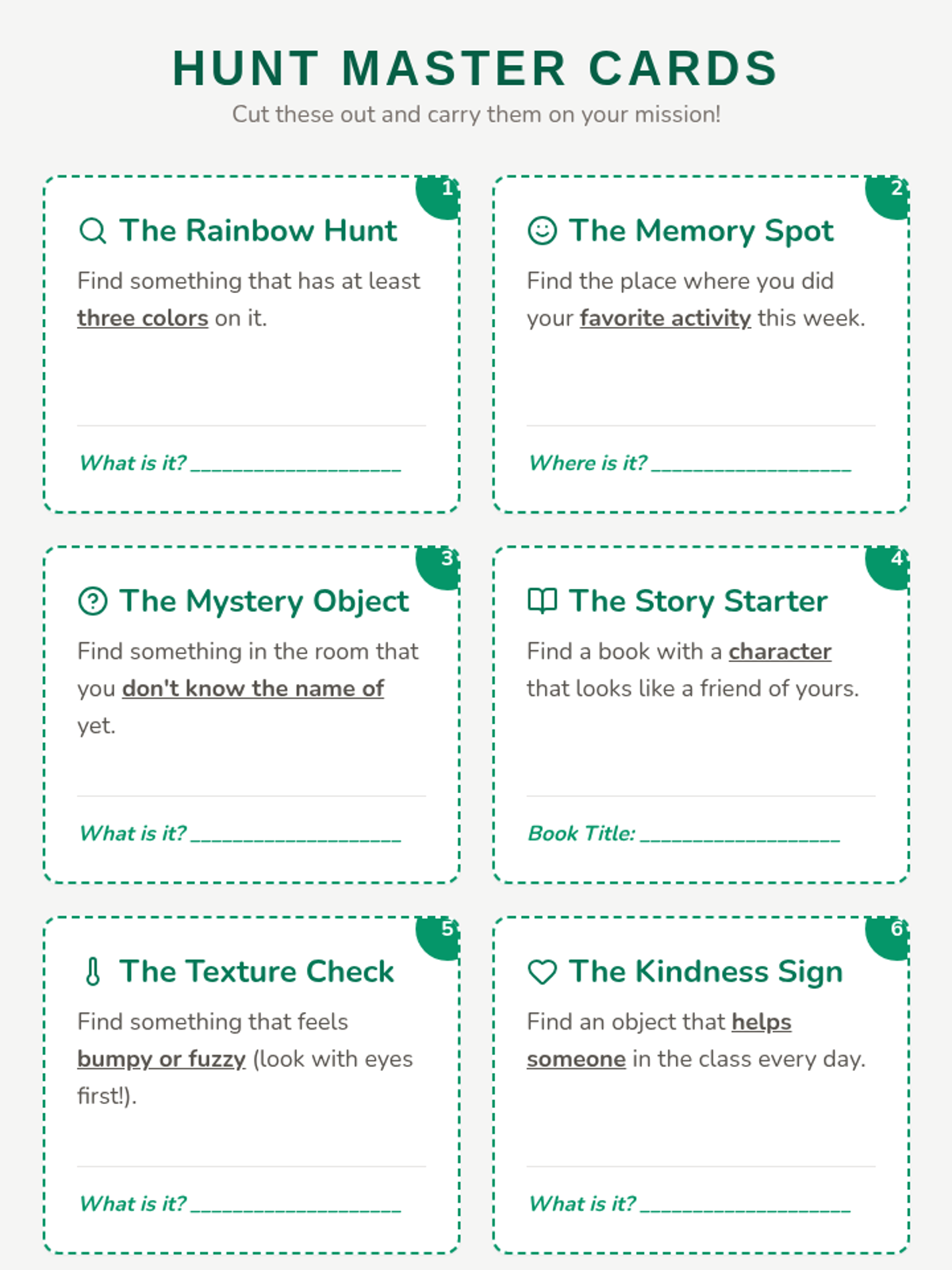
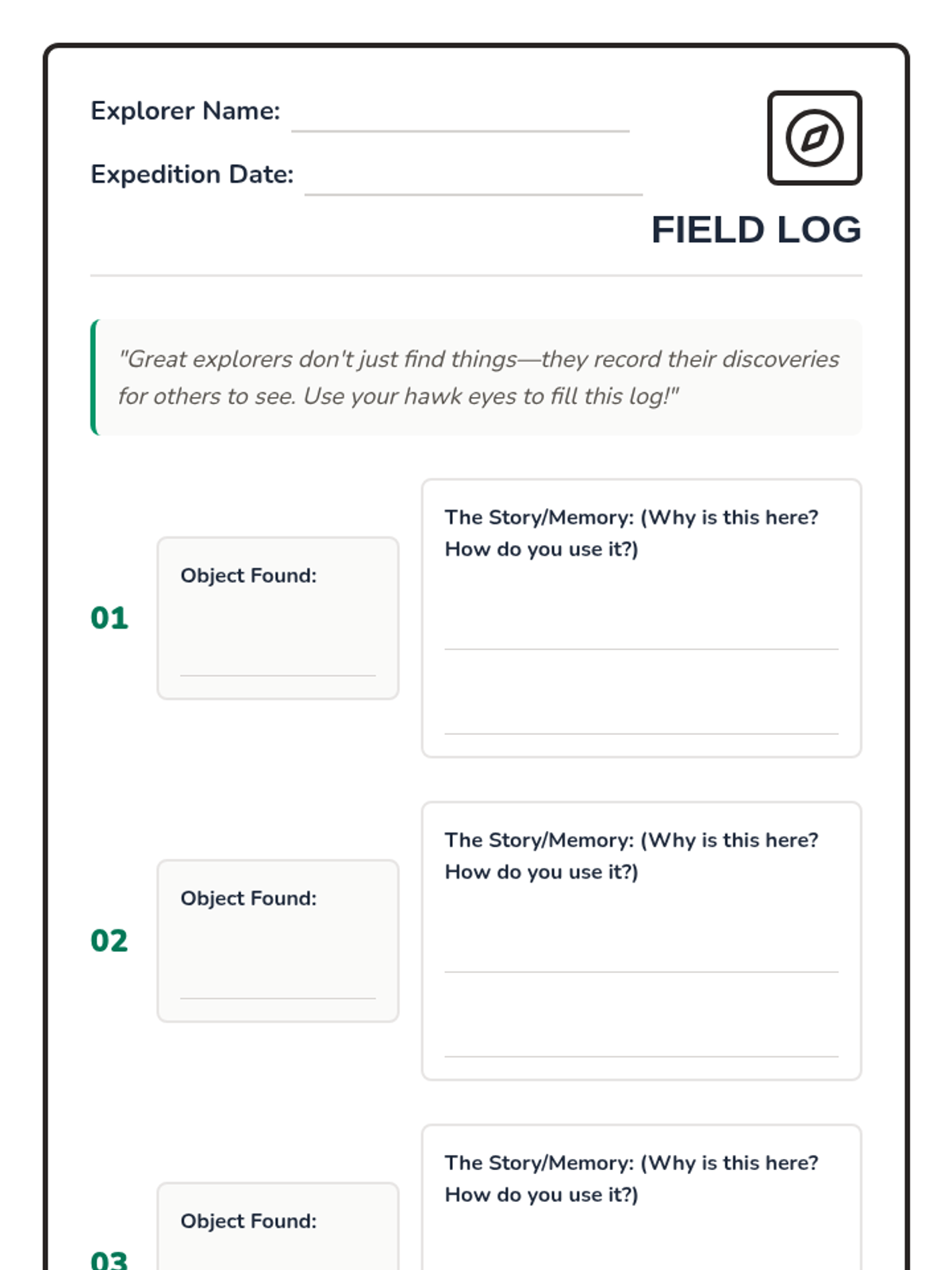
A movement-based lesson designed to help K-4 students develop visual scanning skills and environmental awareness through a classroom scavenger hunt. This lesson particularly supports students with ADHD or sensory needs by providing closure and structured exploration of their physical environment.
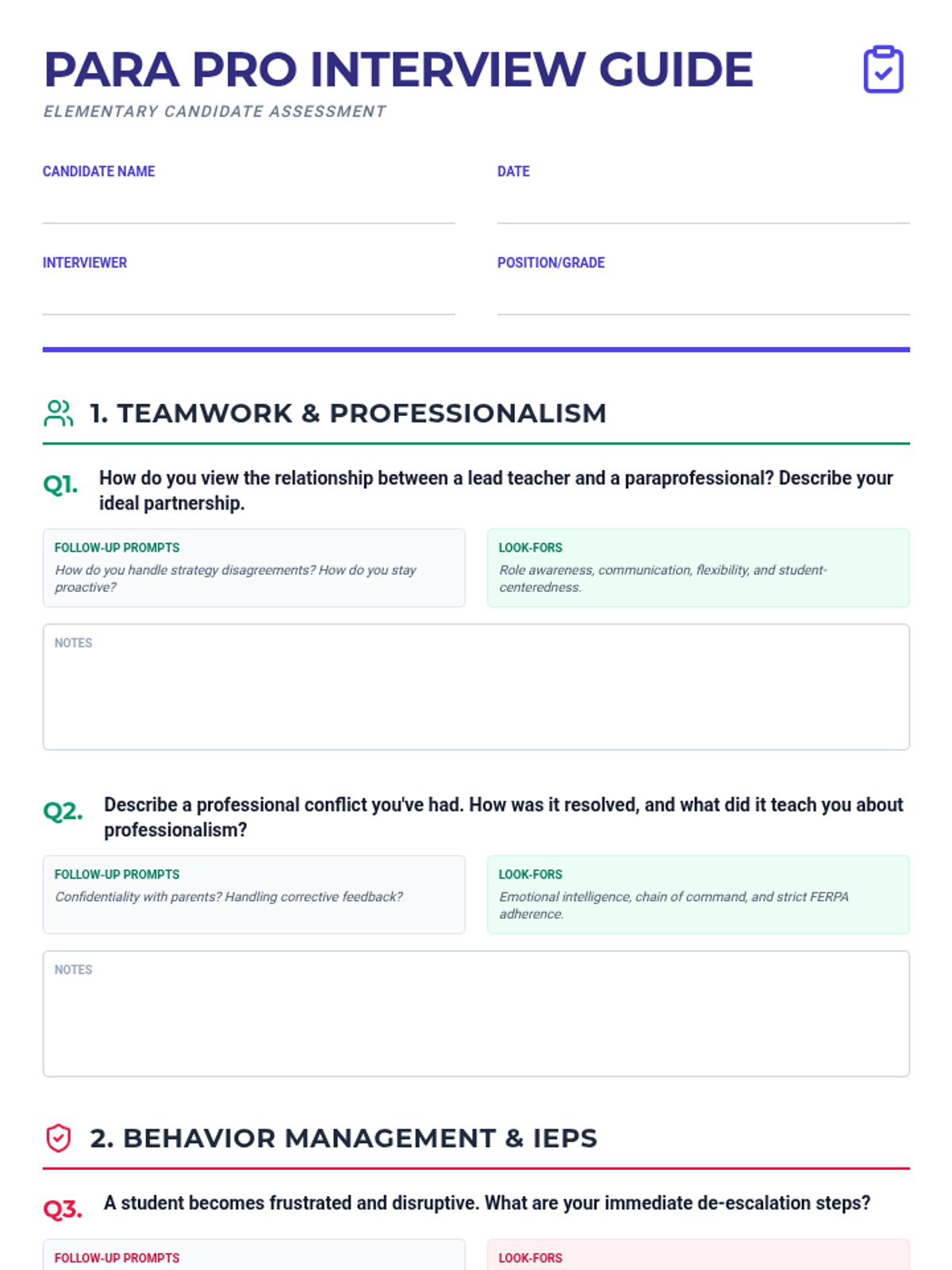
A structured interview guide for hiring elementary school paraprofessionals, focusing on core competencies like behavior management and instructional support.
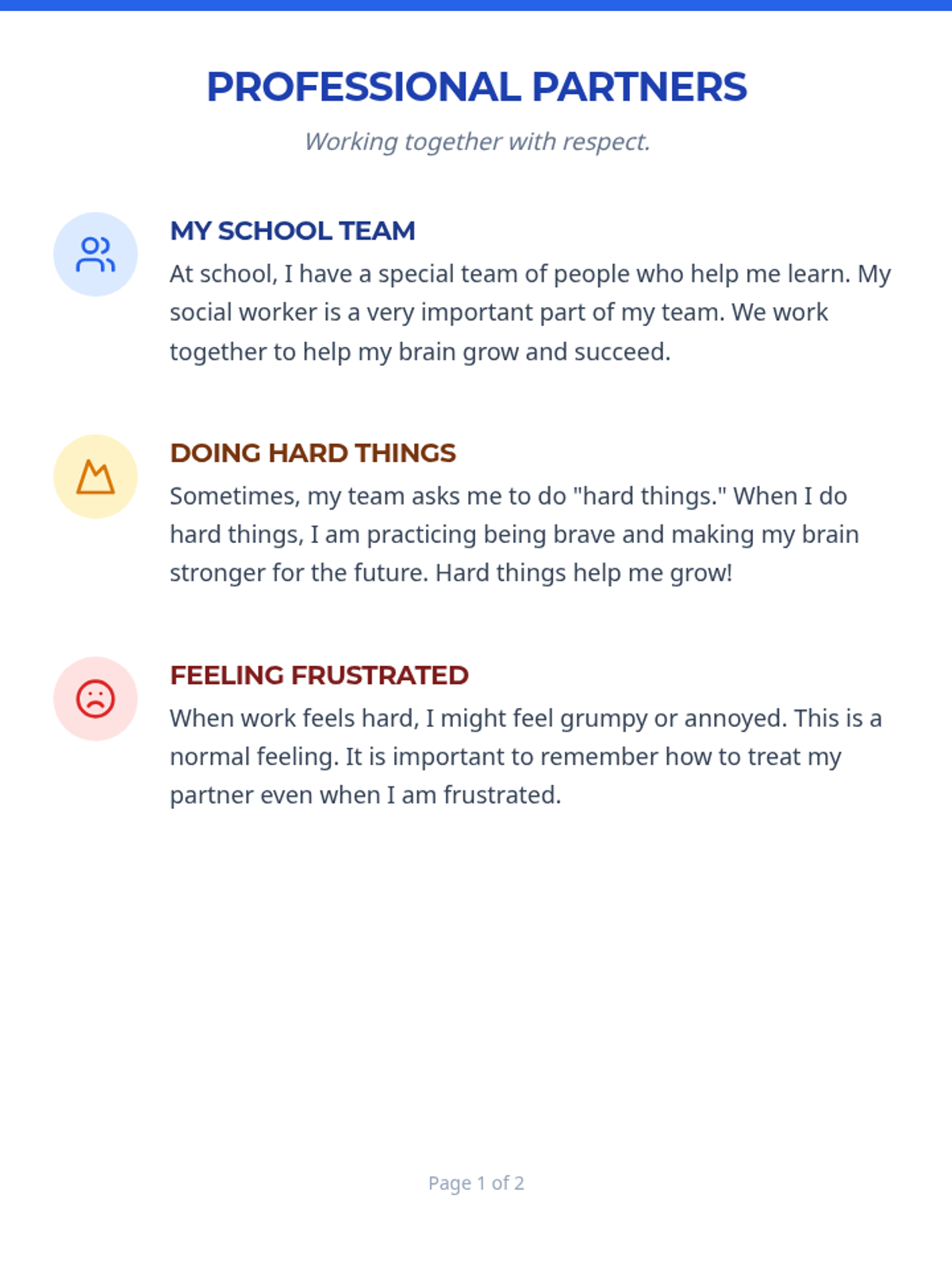
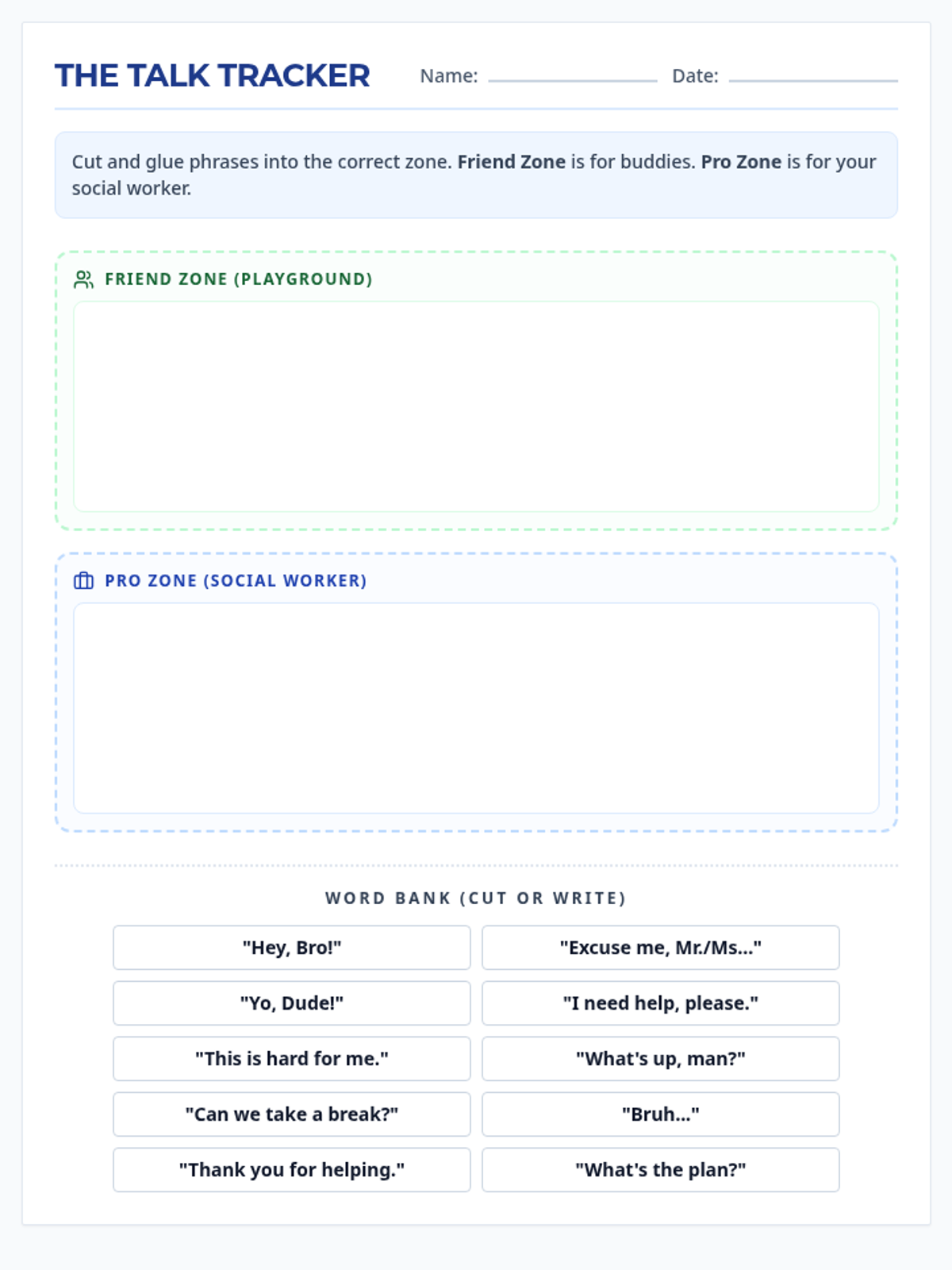
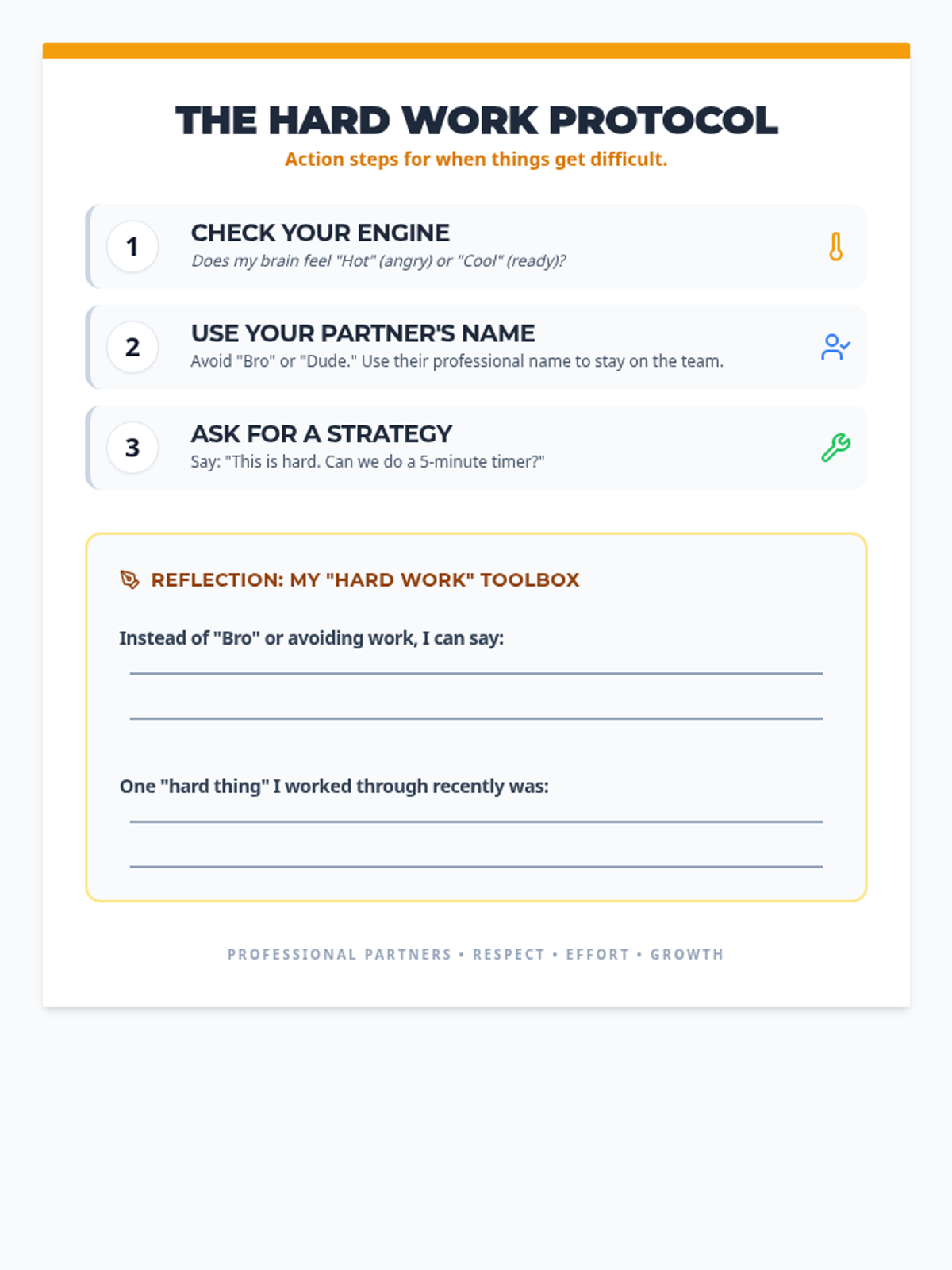
This lesson helps students with ASD and anxiety understand the professional boundaries between themselves and their support staff, focusing on respectful language and navigating frustration during difficult tasks.
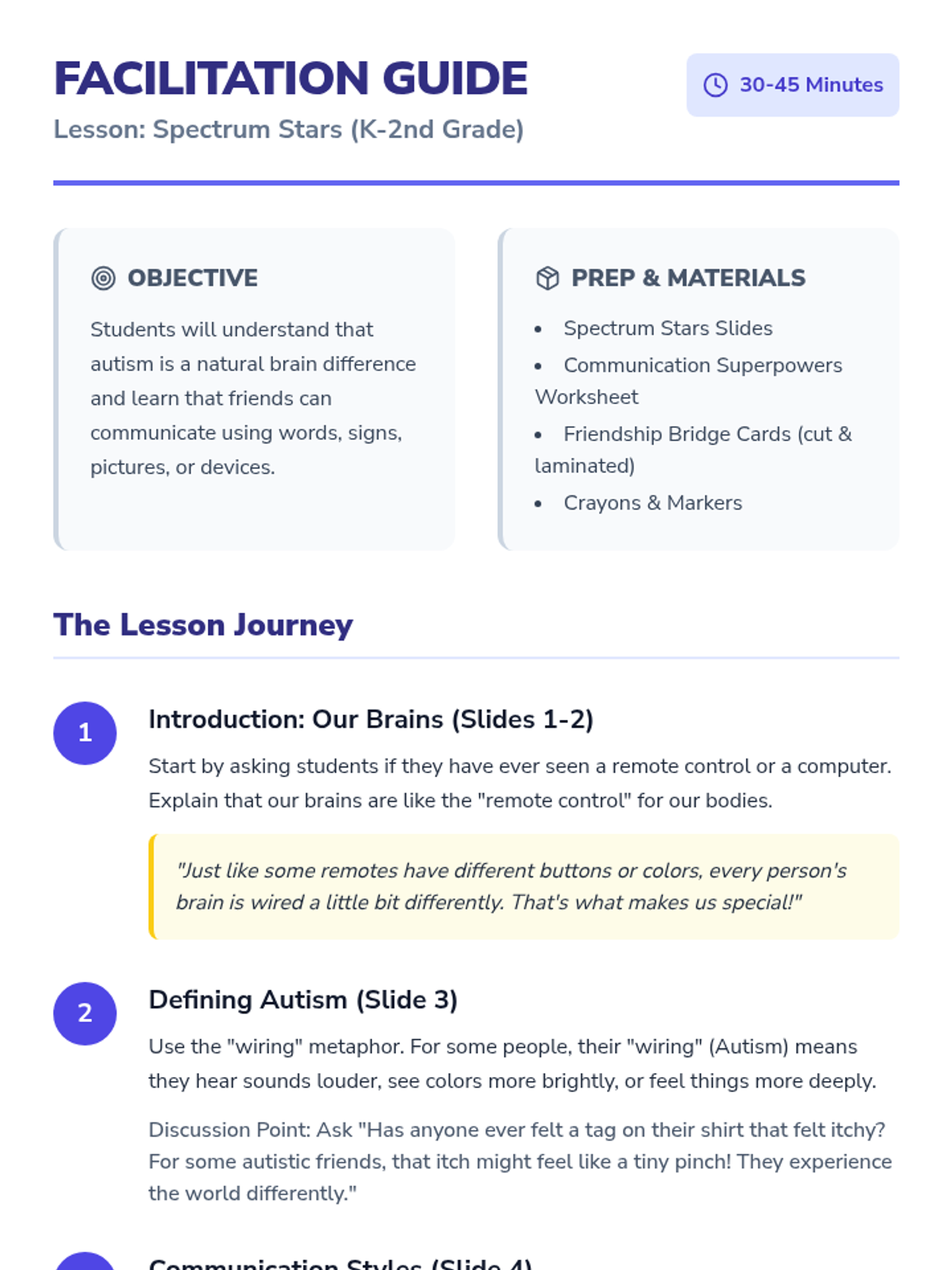
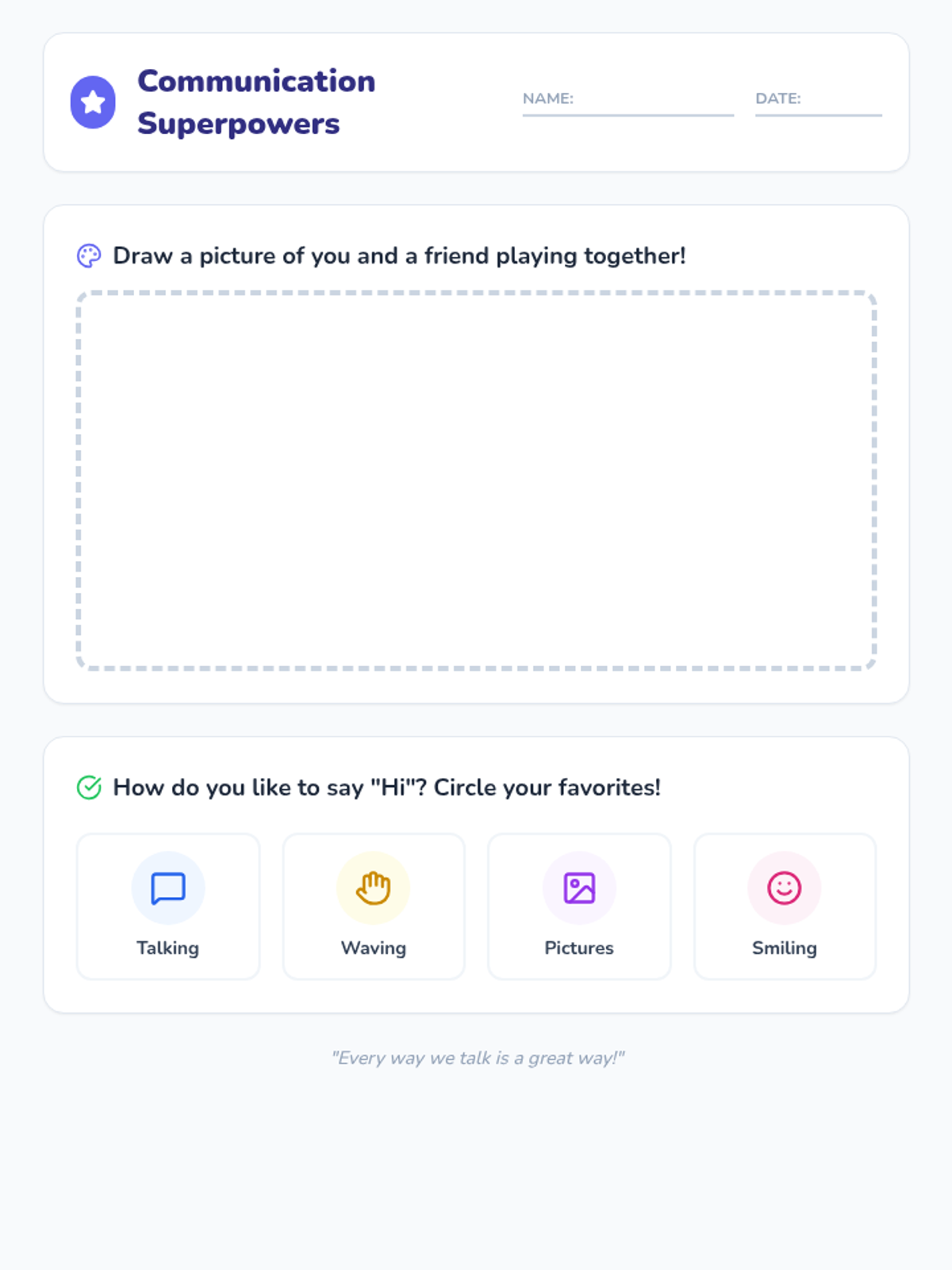
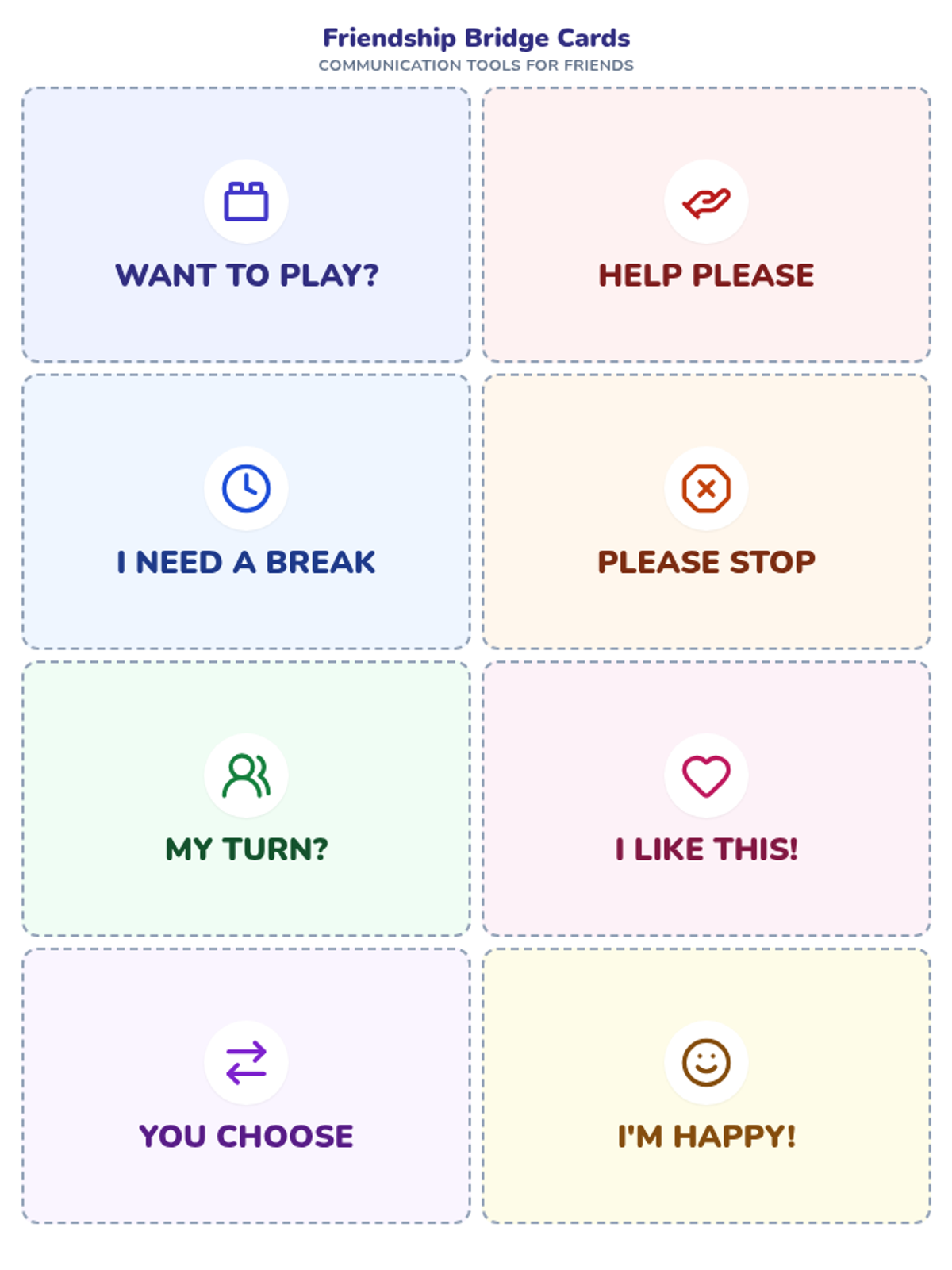
A gentle and engaging lesson for K-2 students that explains autism as a different way of processing the world, with a specific focus on celebrating different ways of communicating and building inclusive friendships.
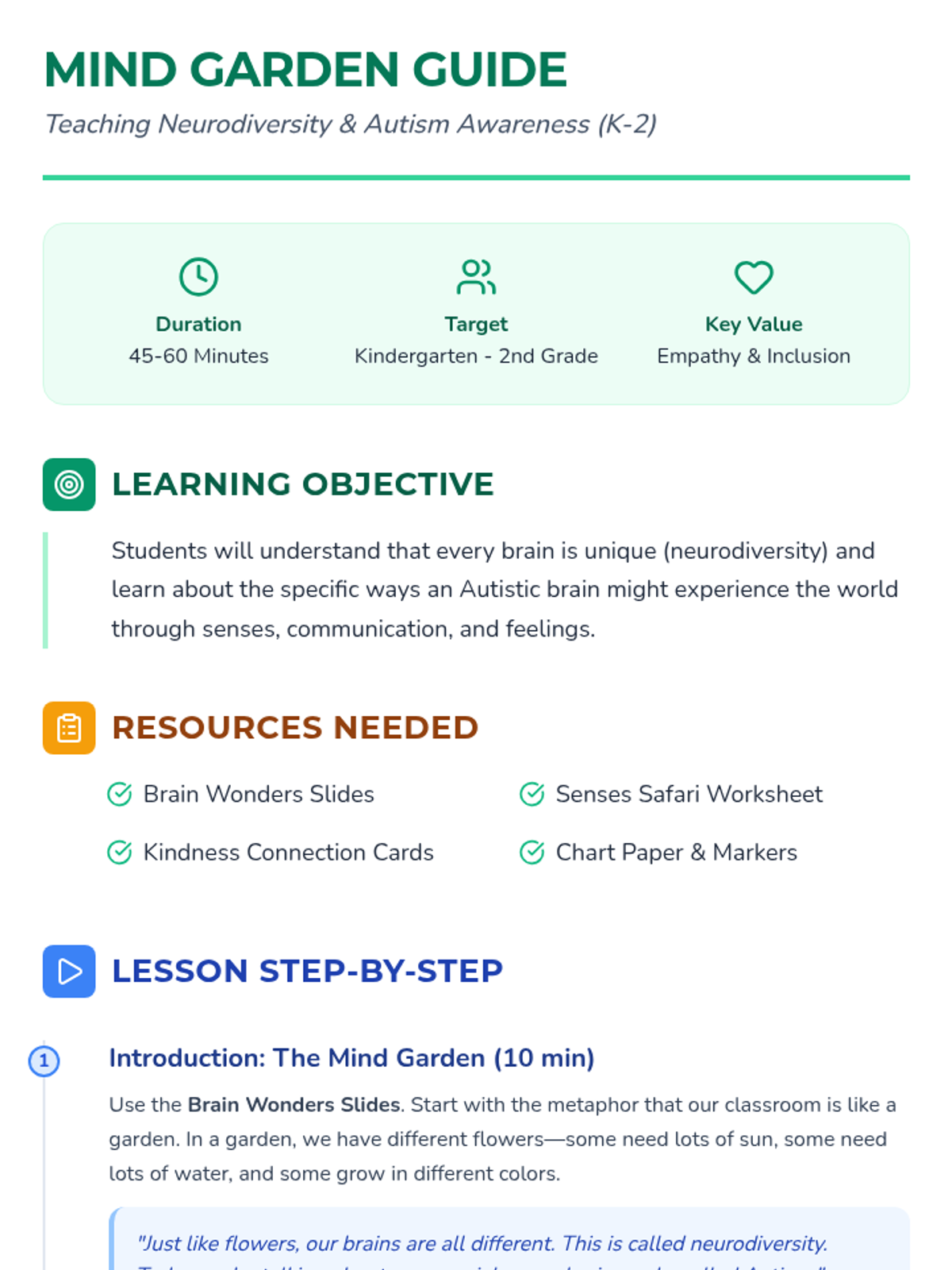
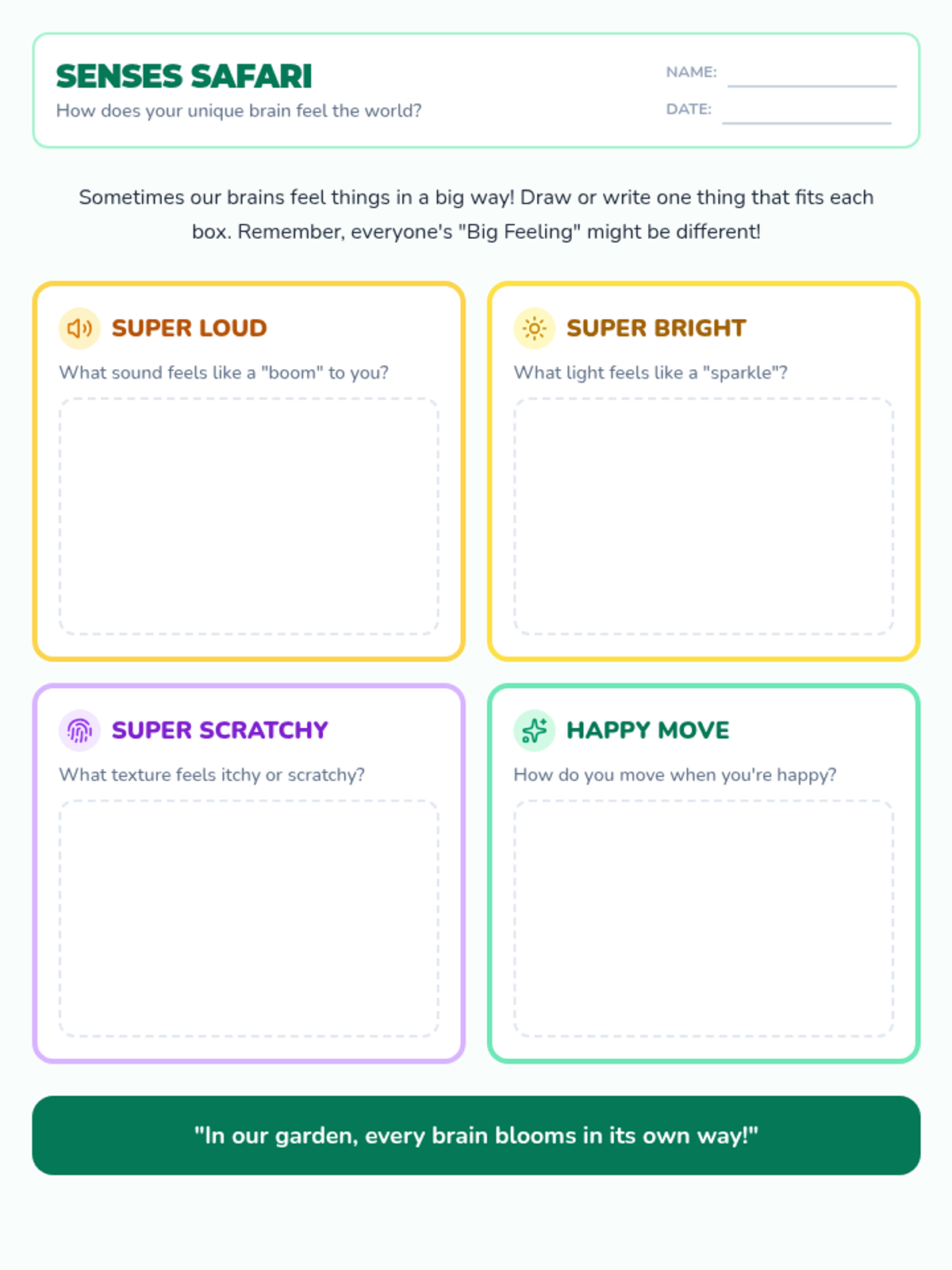
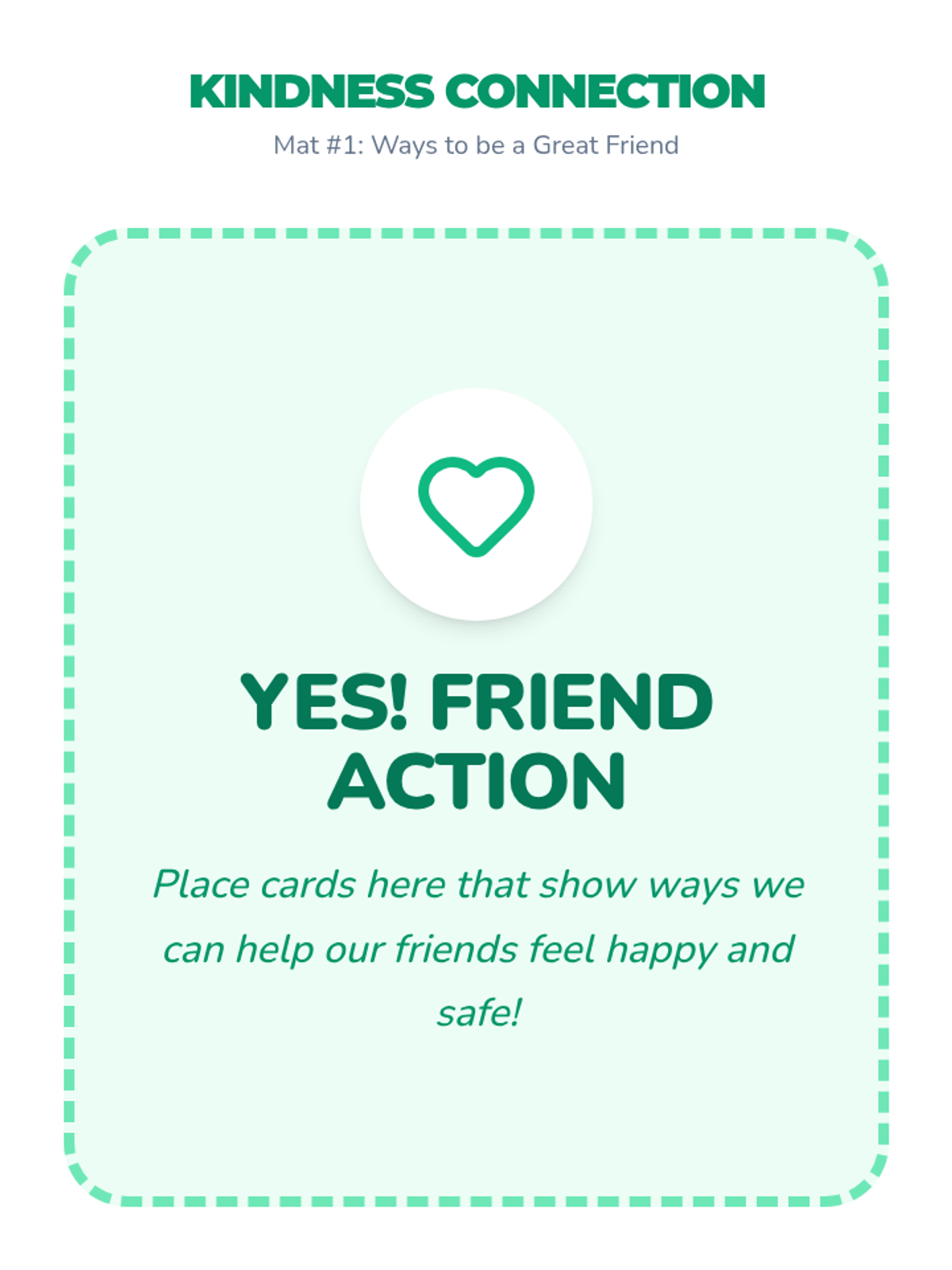
A gentle, age-appropriate lesson for K-2 students to understand neurodiversity and Autism through the metaphor of a 'Mind Garden'. Students explore how different brains process the world and learn practical ways to be inclusive friends.