This lesson helps students with ASD and anxiety understand the professional boundaries between themselves and their support staff, focusing on respectful language and navigating frustration during difficult tasks.
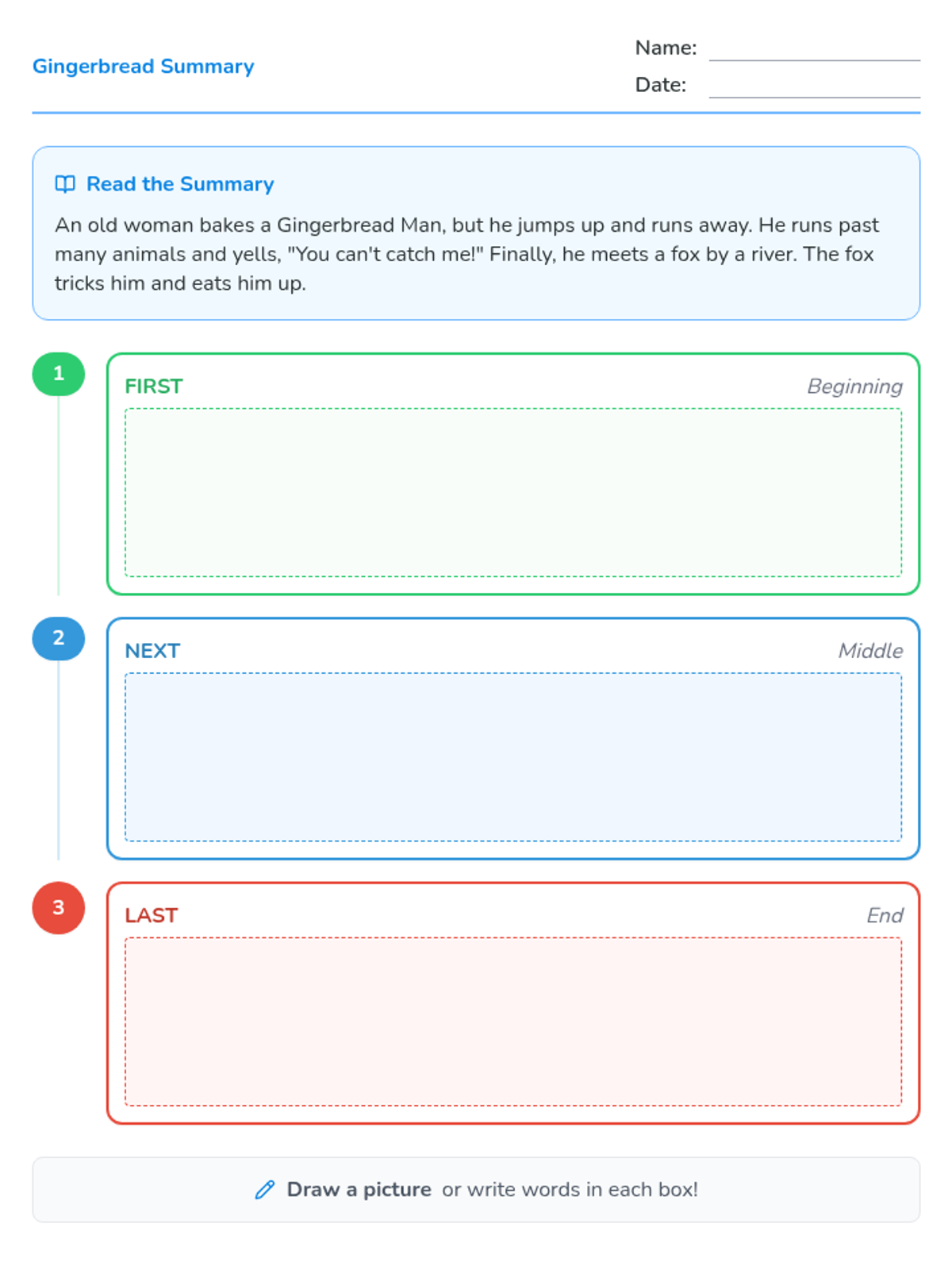
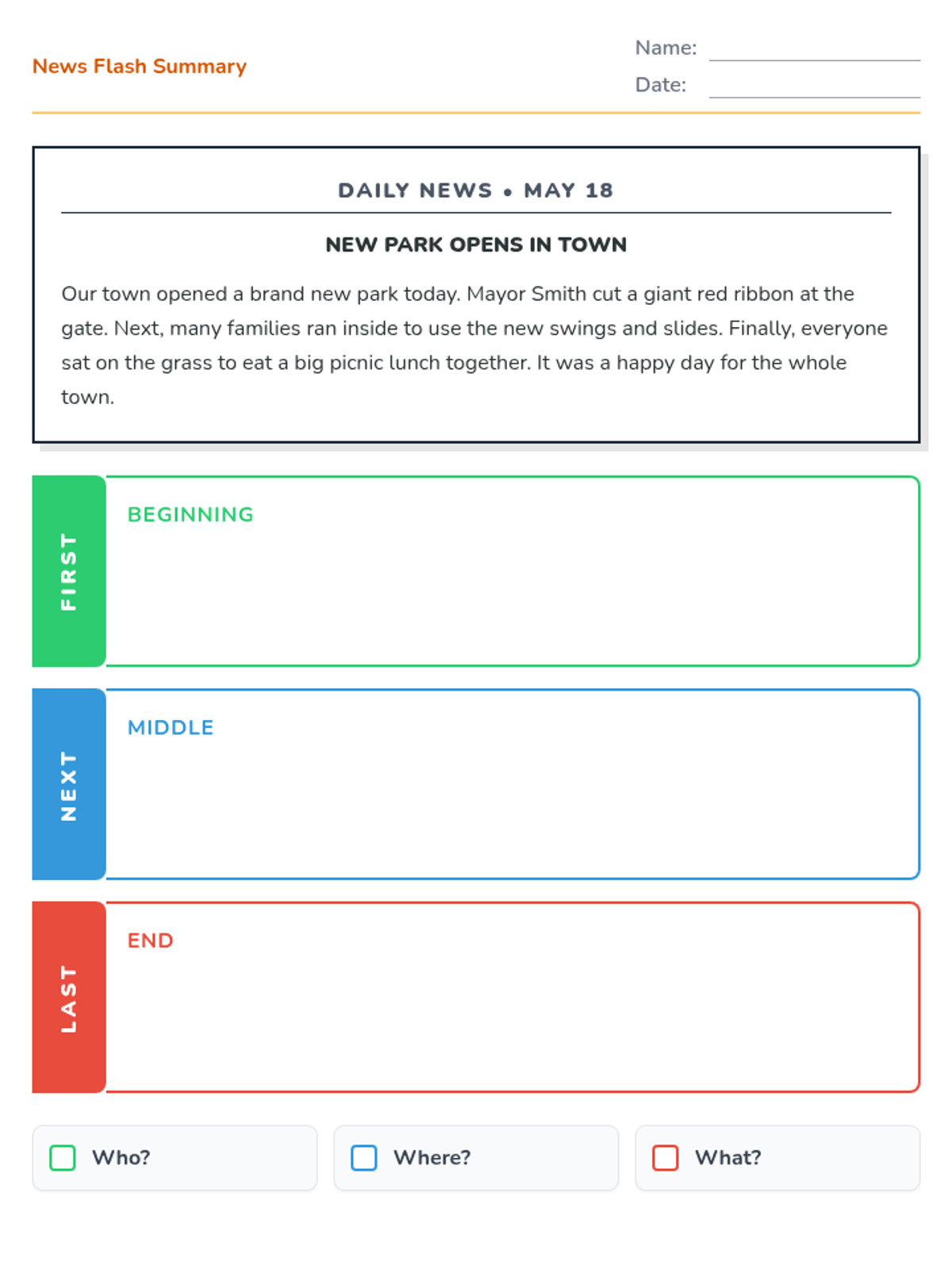
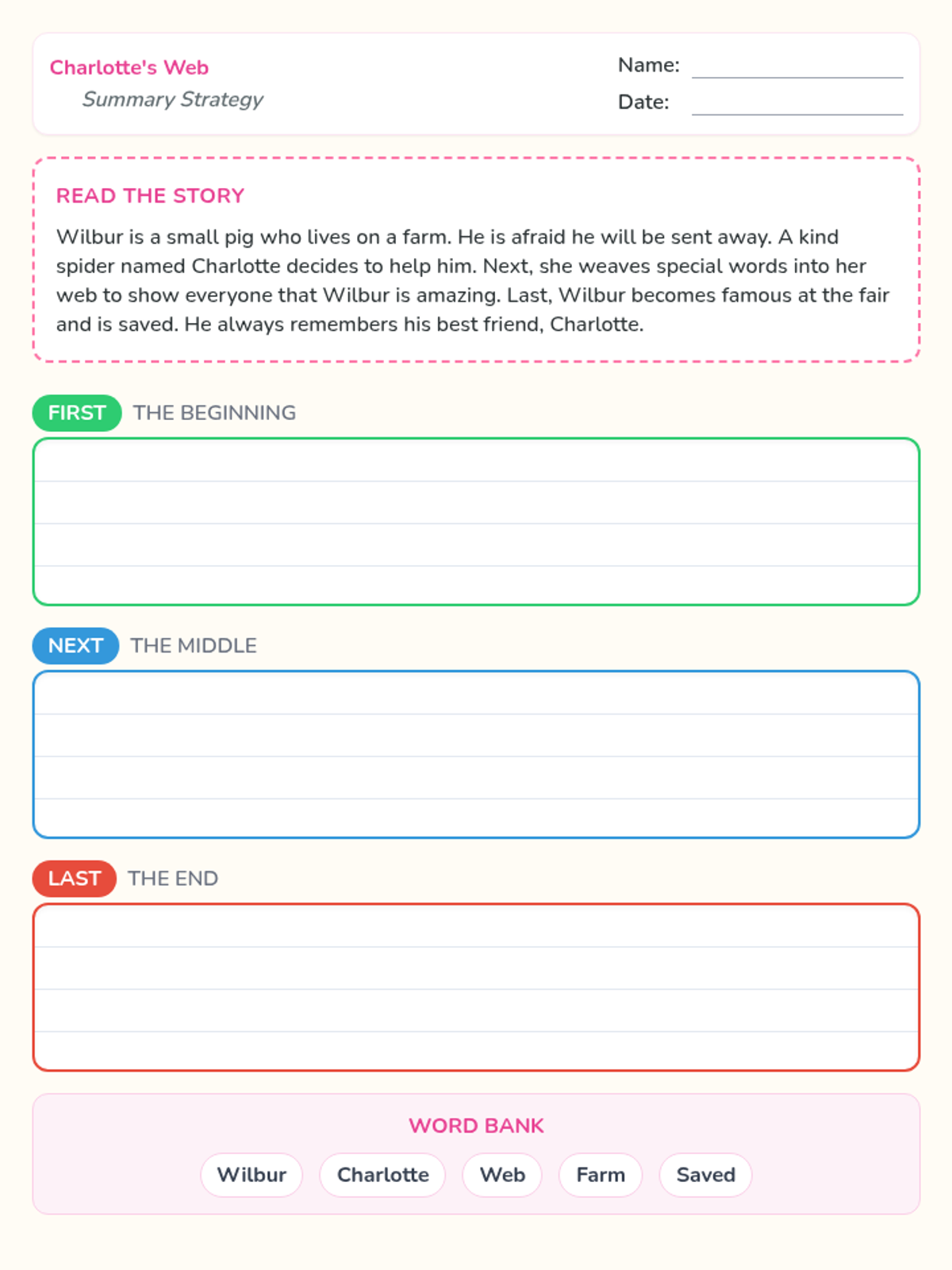
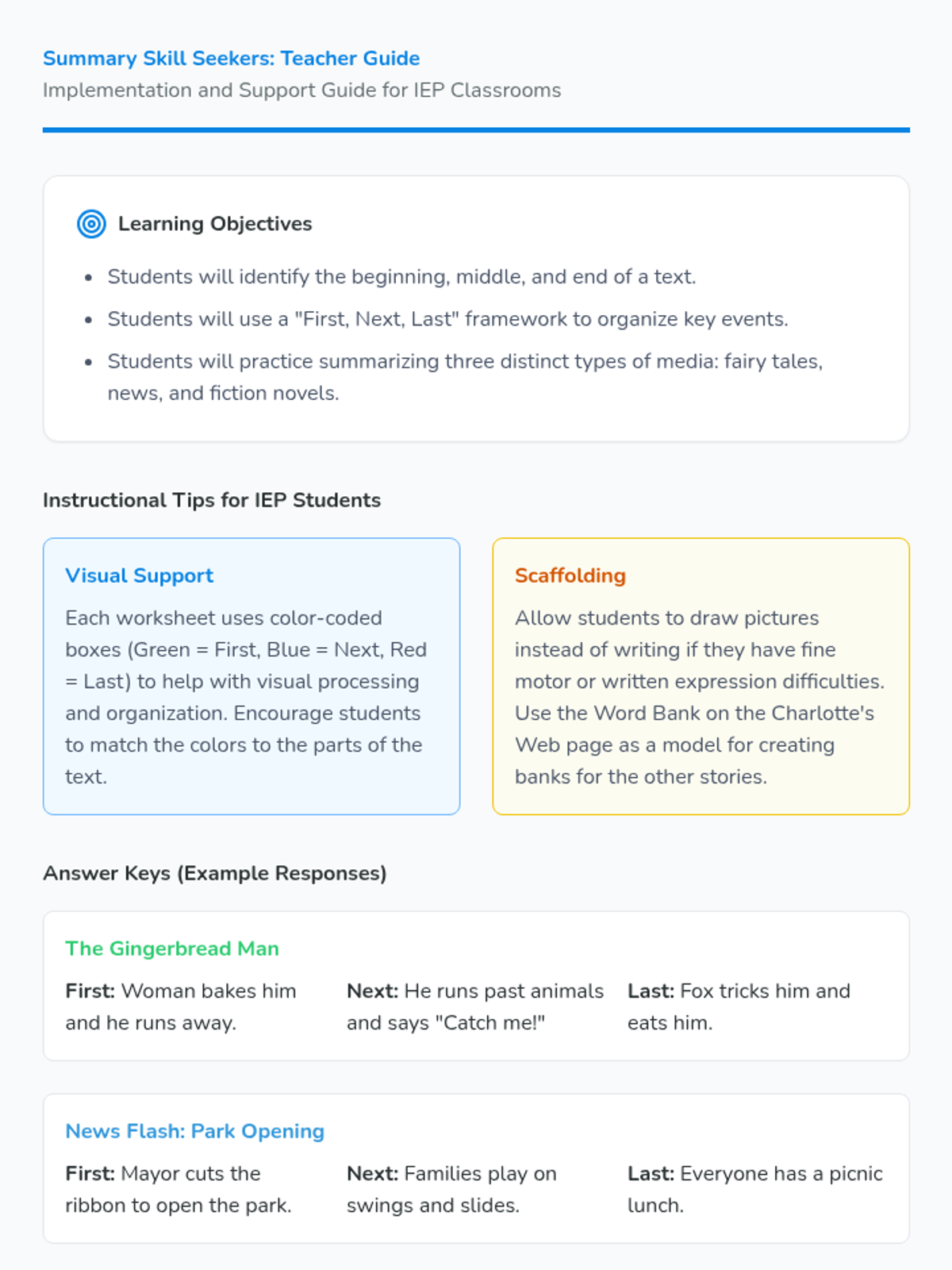
A specialized lesson designed for IEP students to master the art of summarizing using a simplified First, Next, Last framework. This lesson covers a classic fairy tale, a contemporary news story, and a beloved novel.
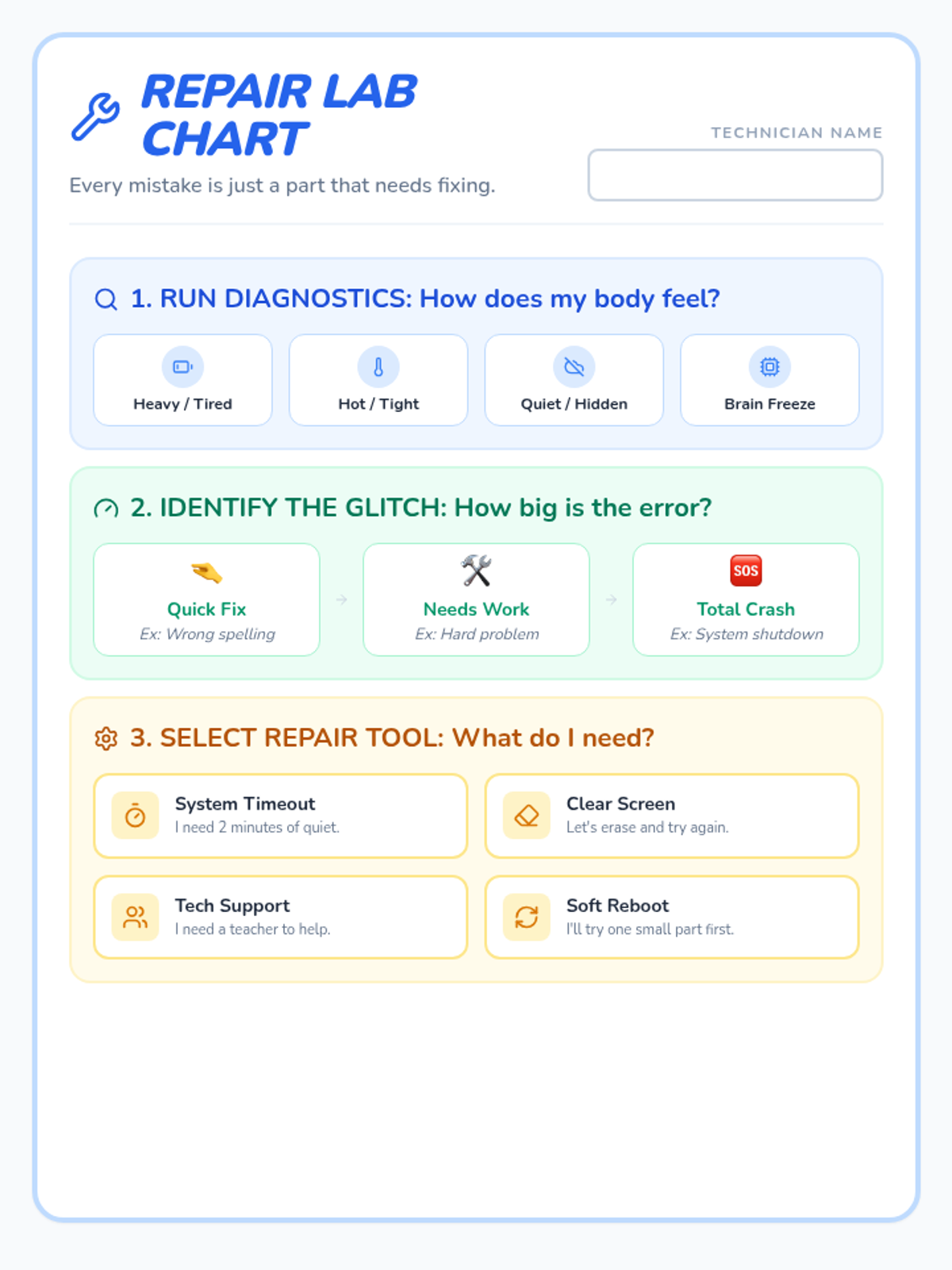
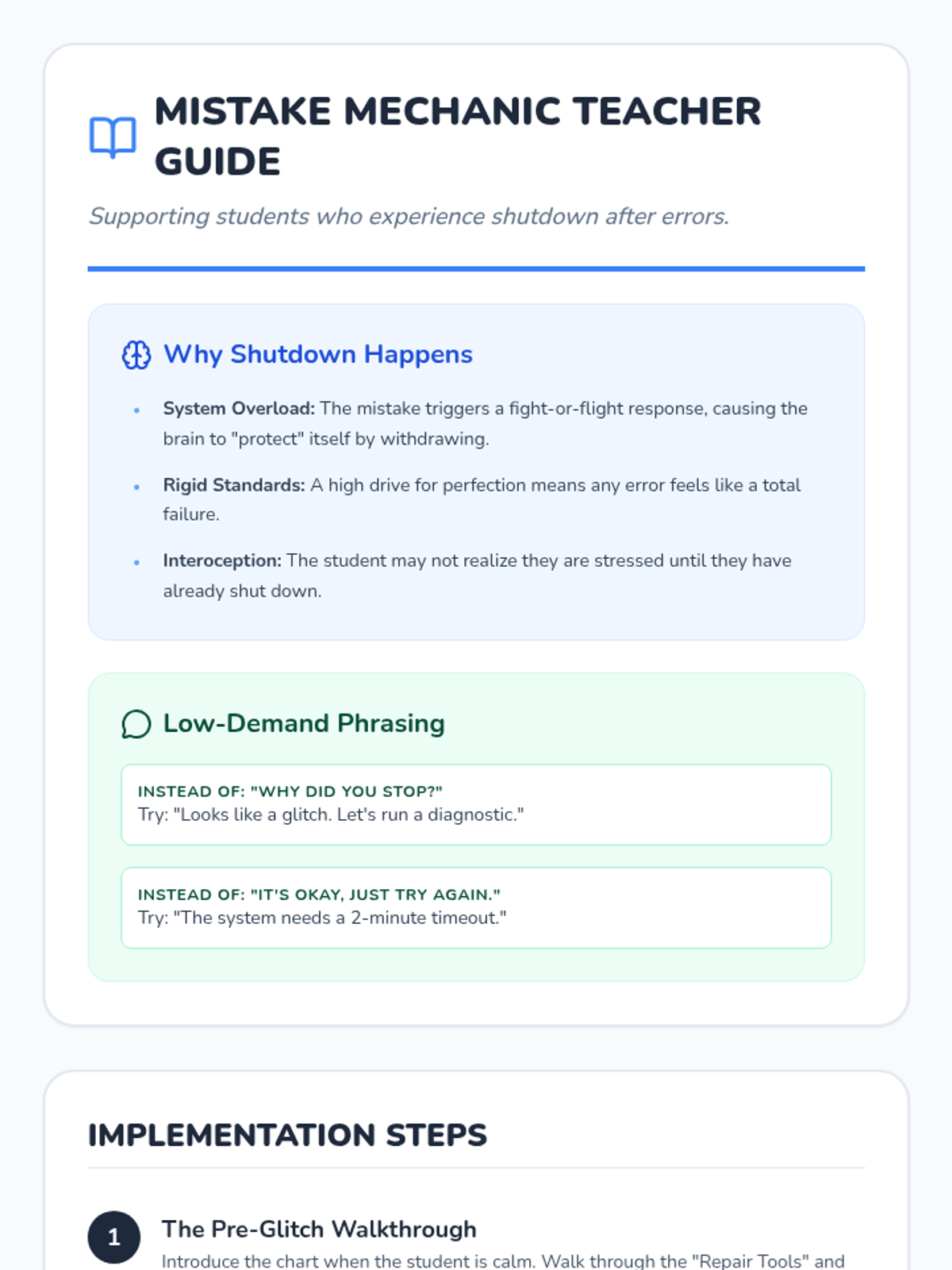
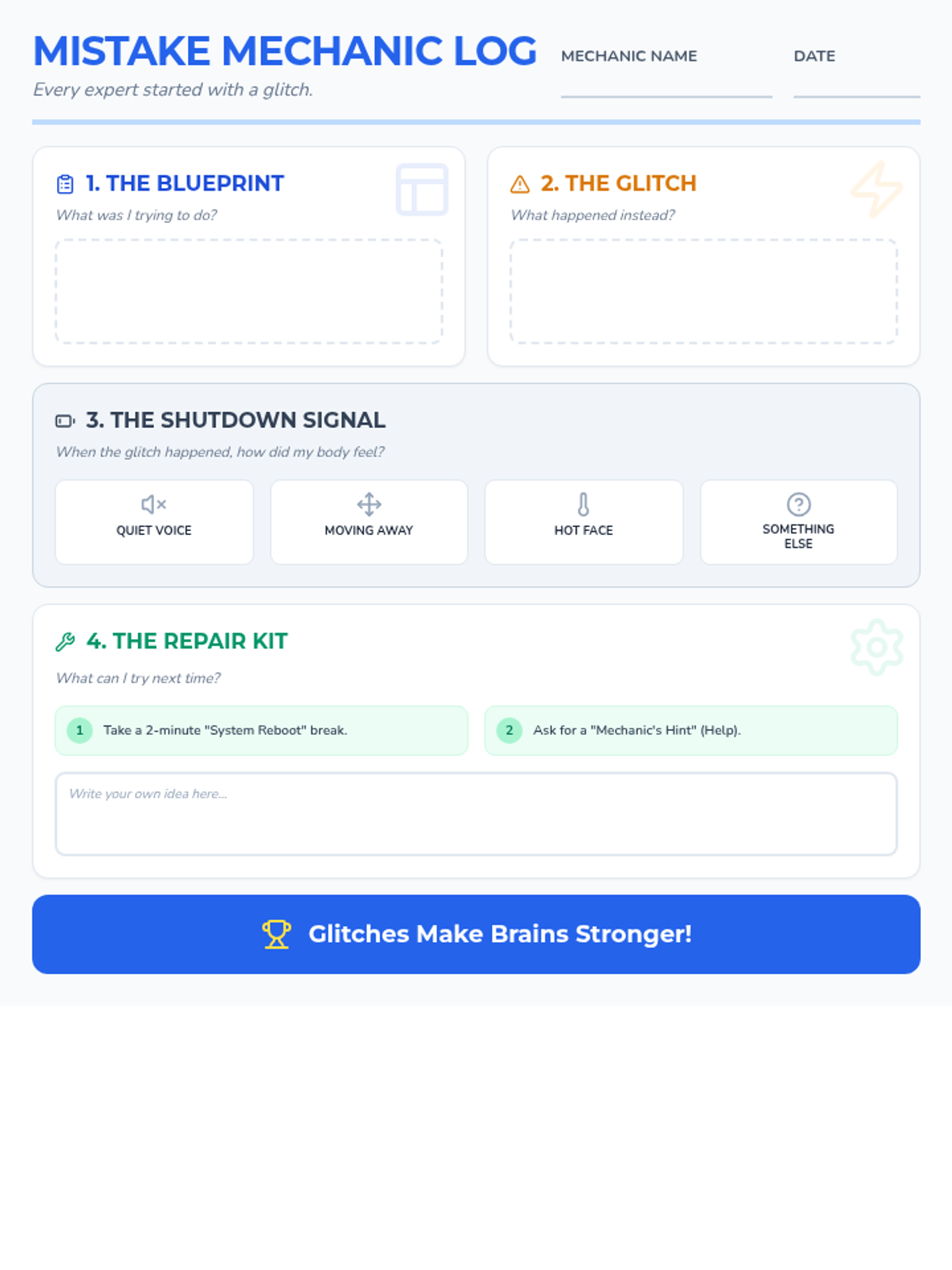
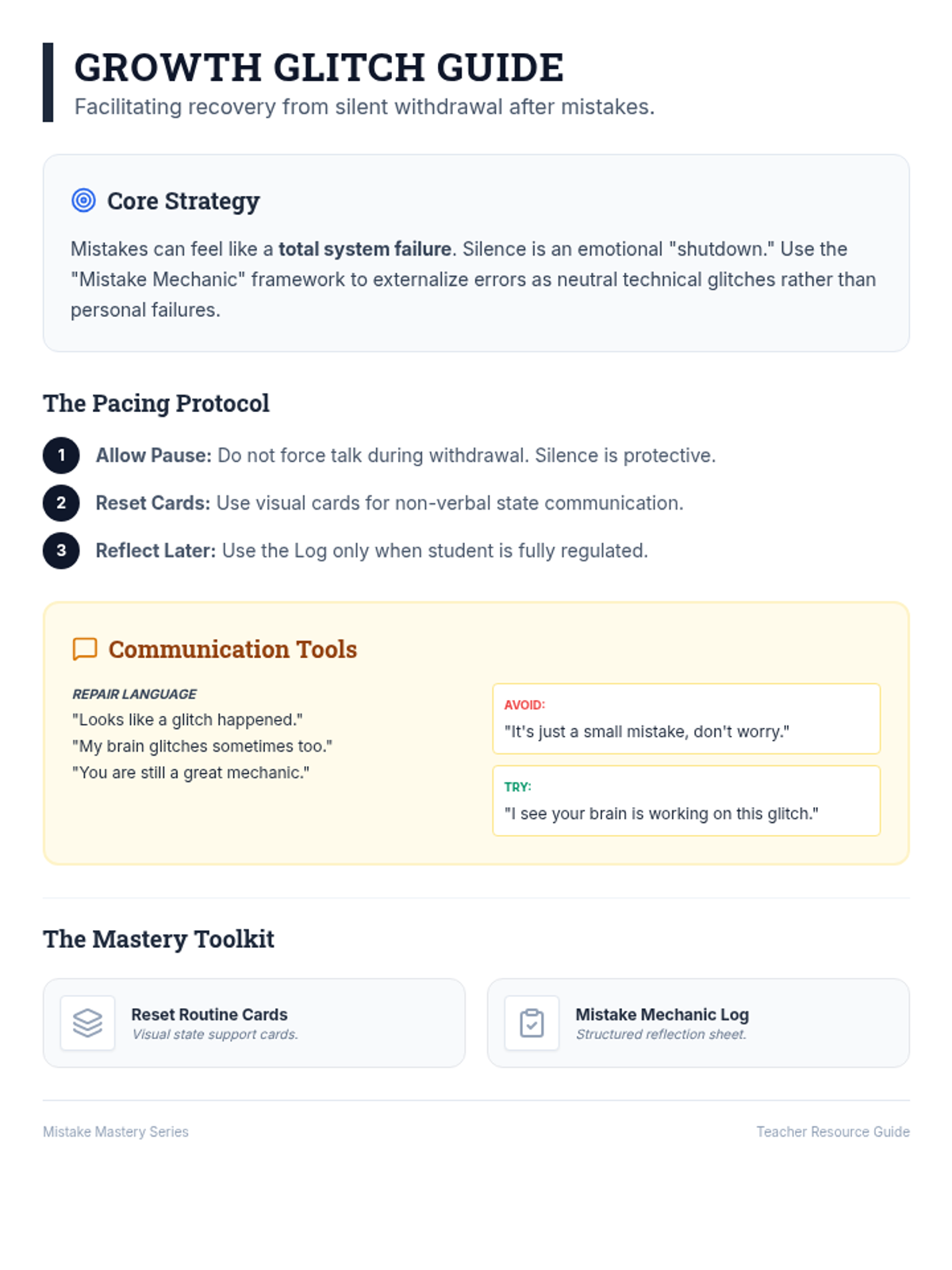
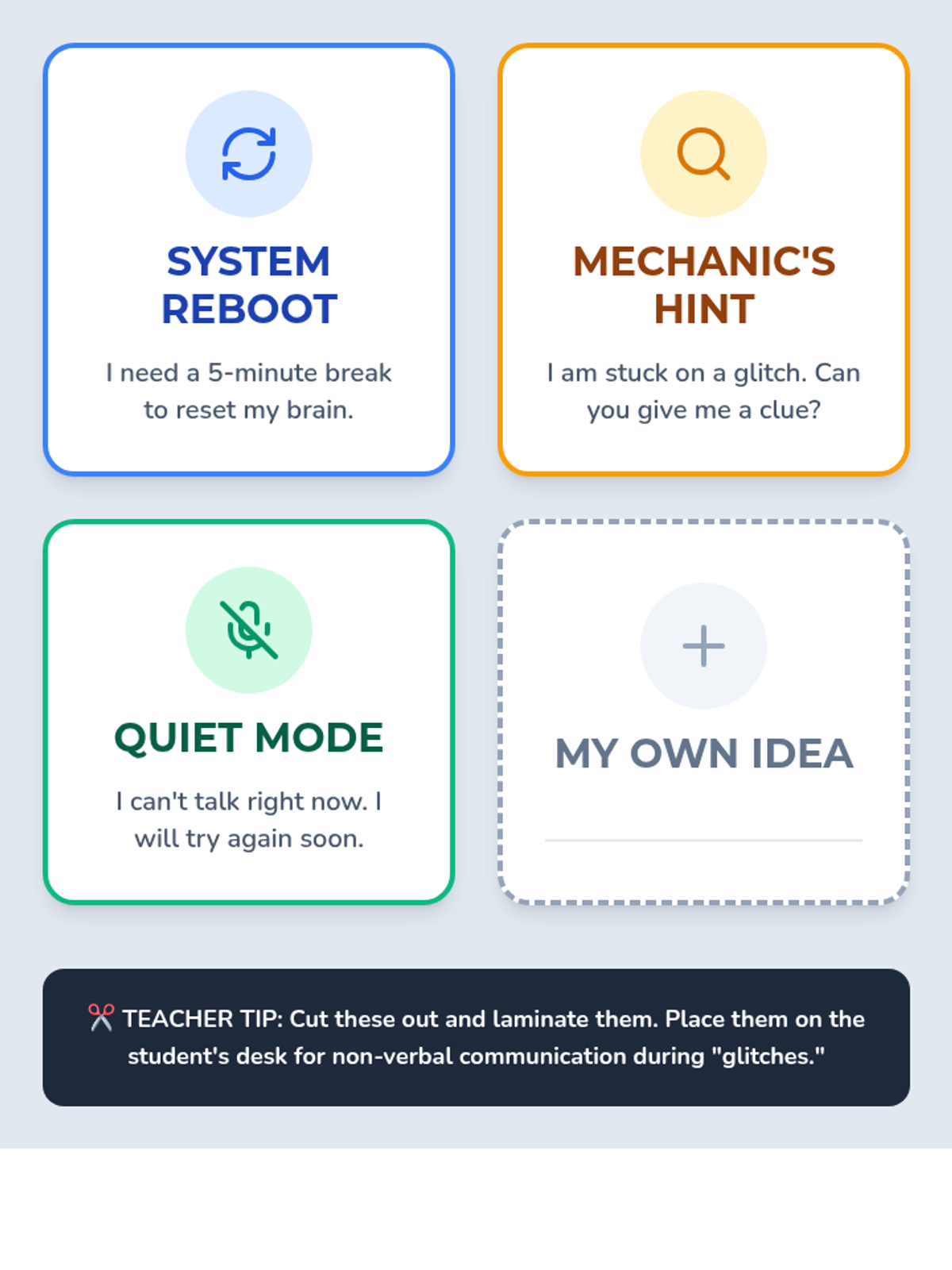
A set of visual tools and strategies designed to help students who experience shutdown or withdrawal after making mistakes, reframing errors as manageable 'glitches' that can be repaired.
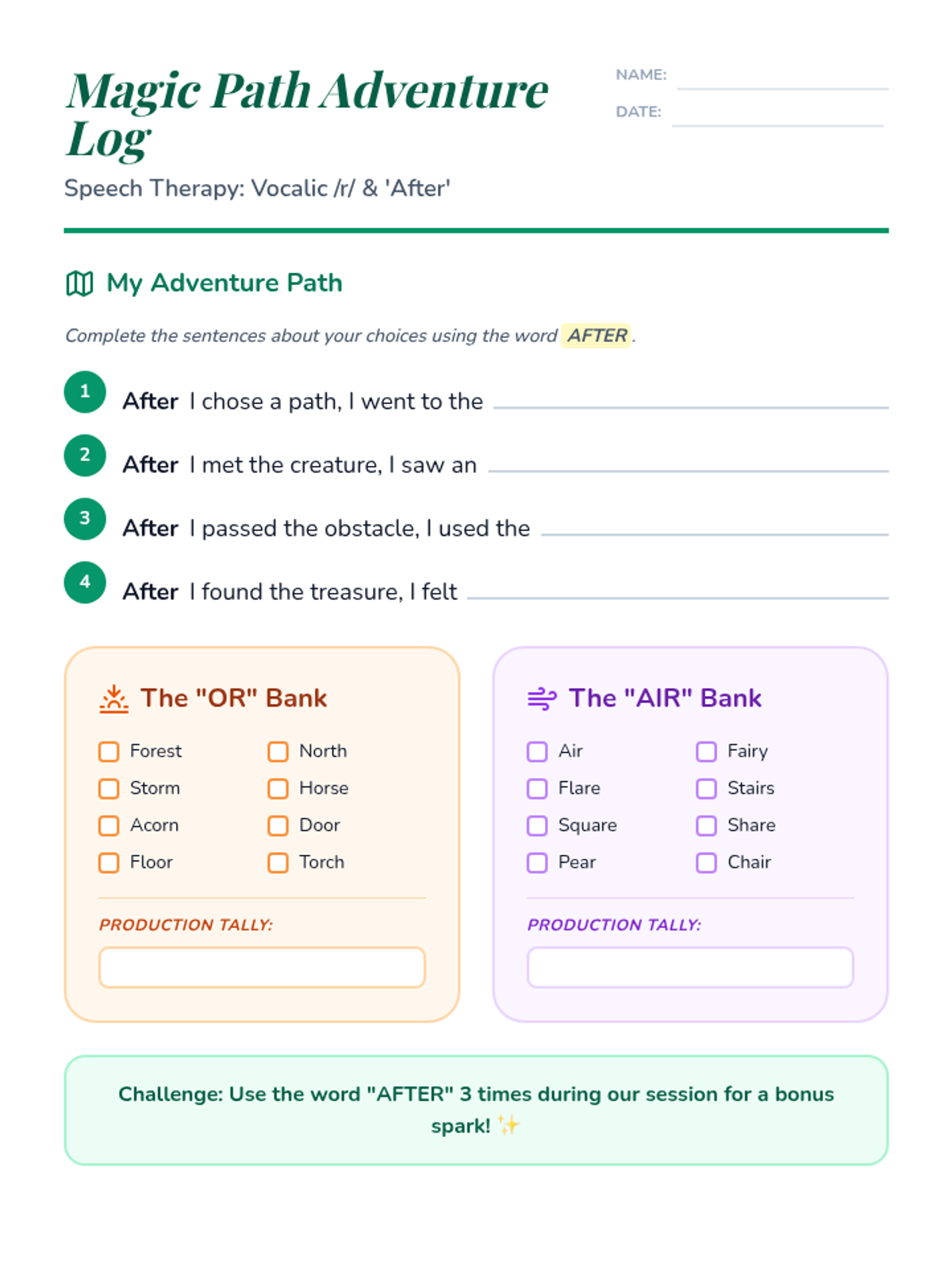
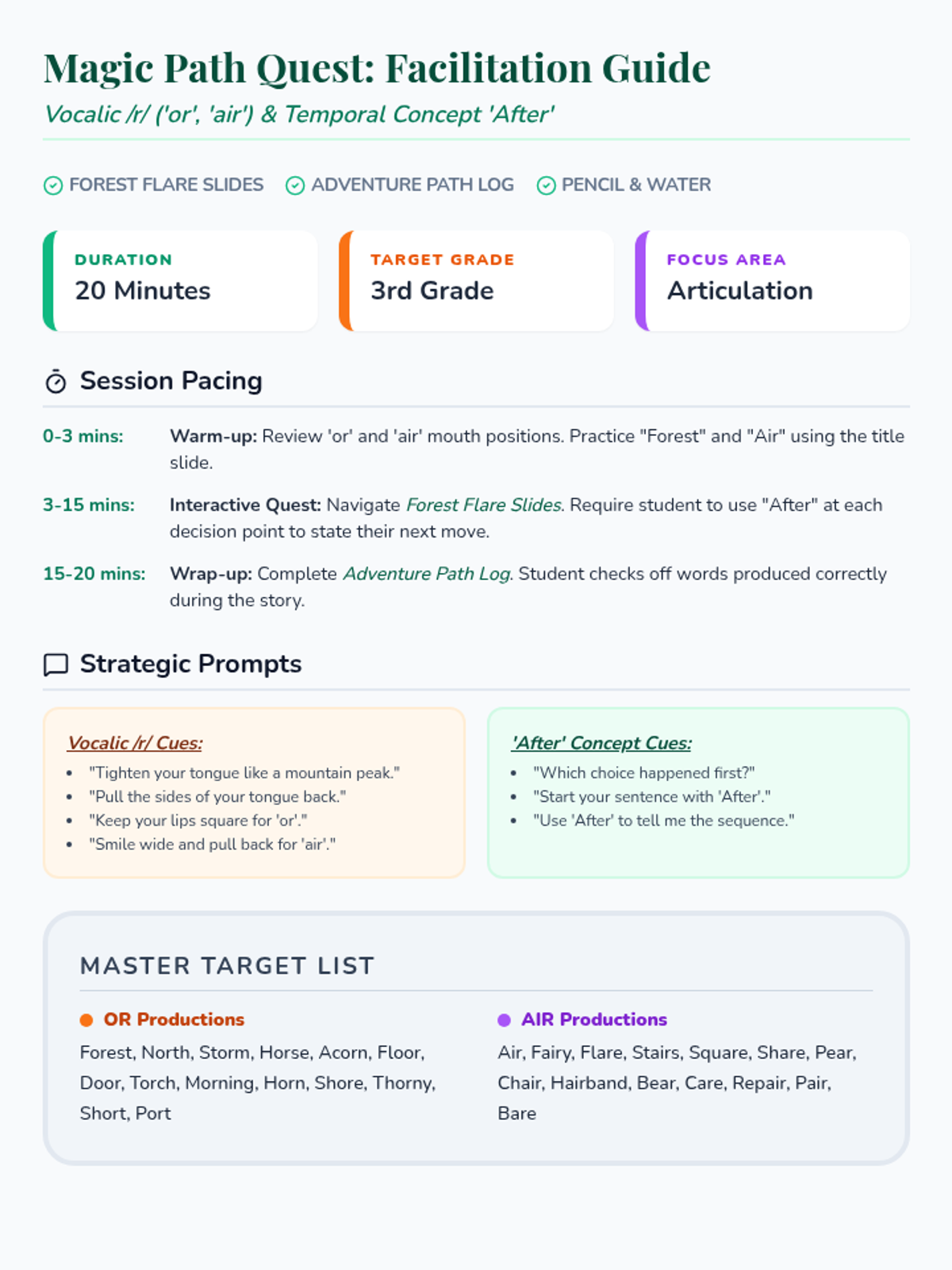
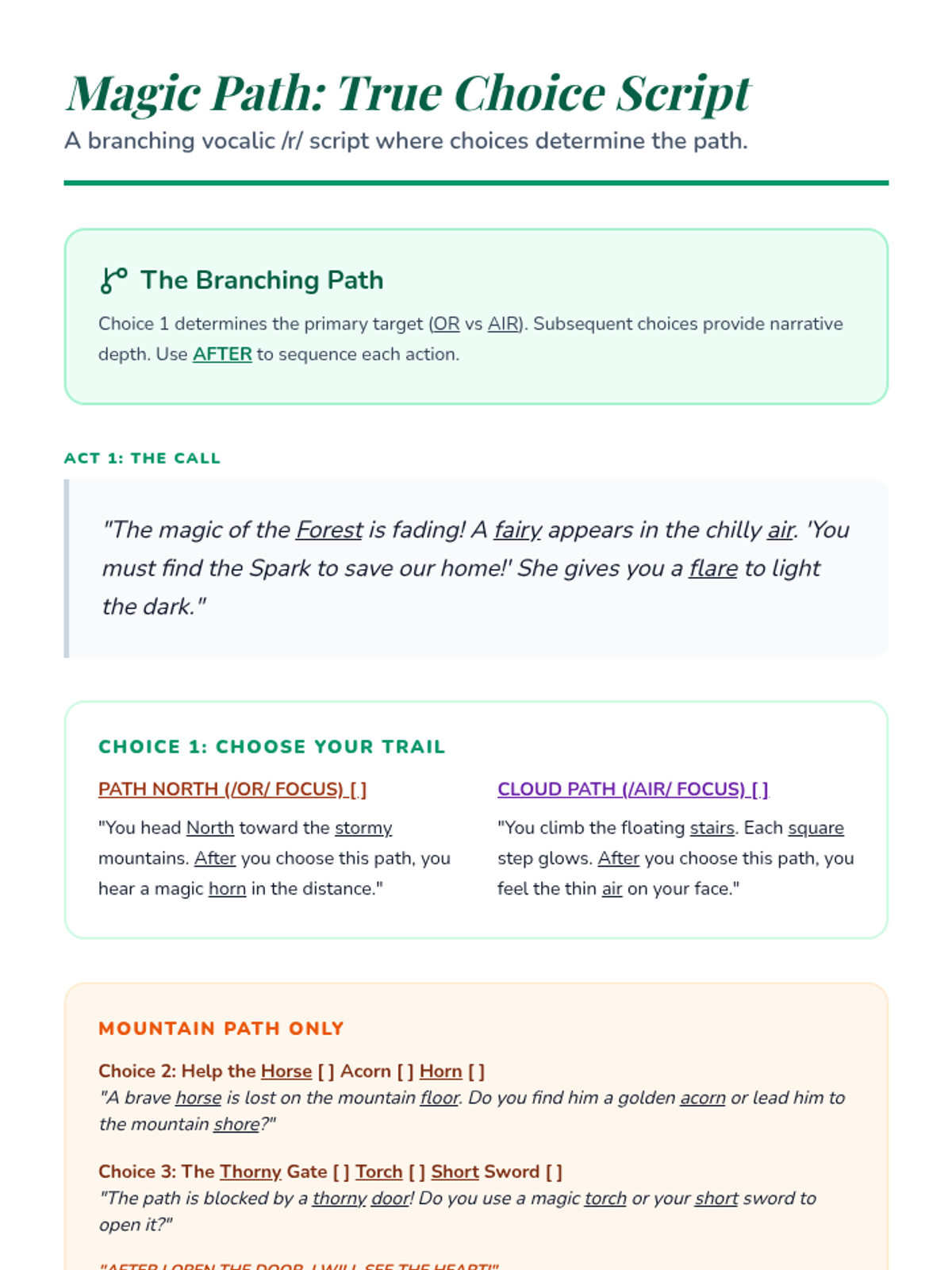
A speech therapy lesson targeting vocalic /r/ ('or' and 'air') and the temporal term 'after' through a magical branching adventure.
A supportive lesson designed to help autistic children move from silent withdrawal to a growth mindset by framing mistakes as technical 'glitches' that can be fixed.
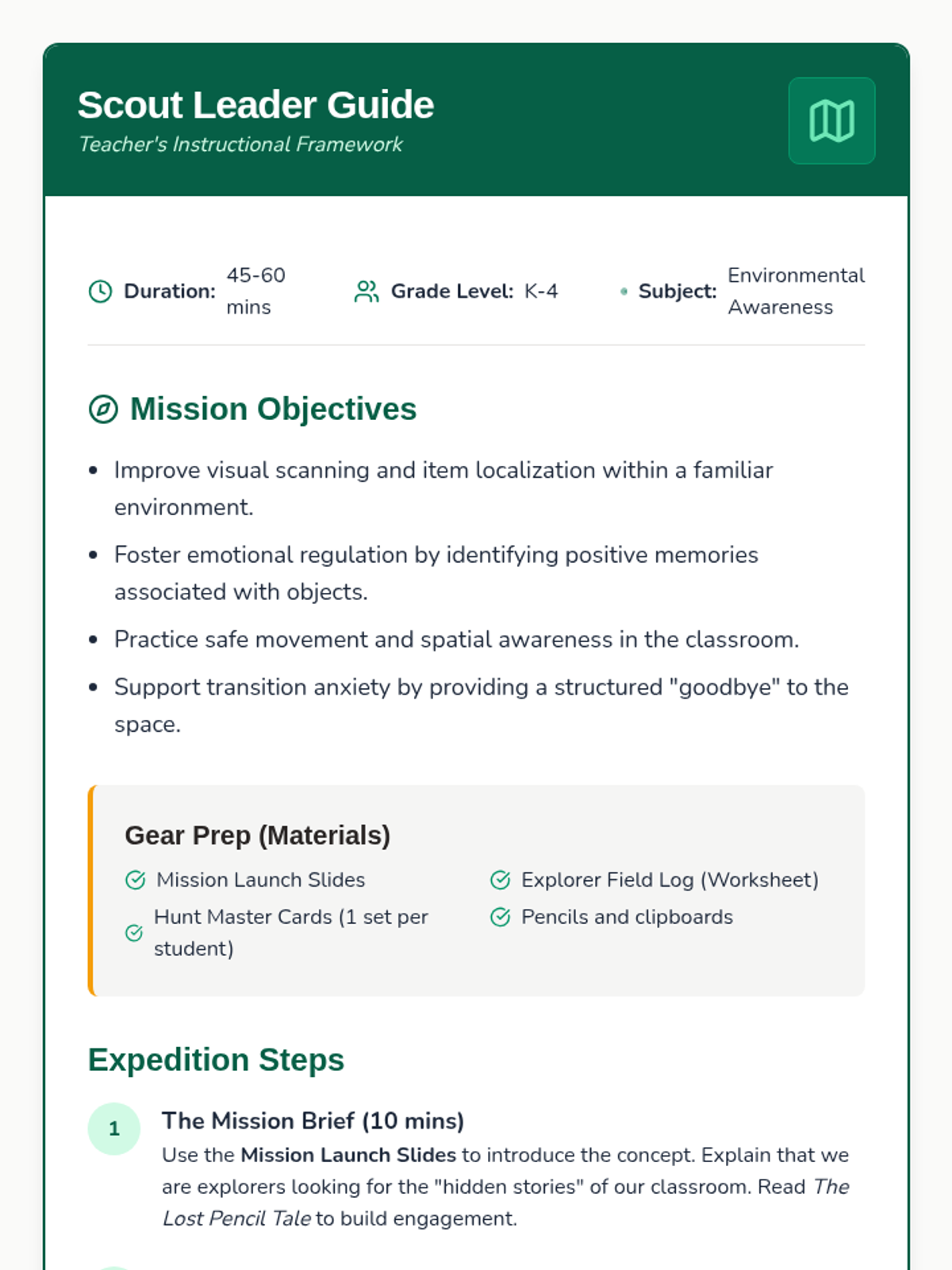
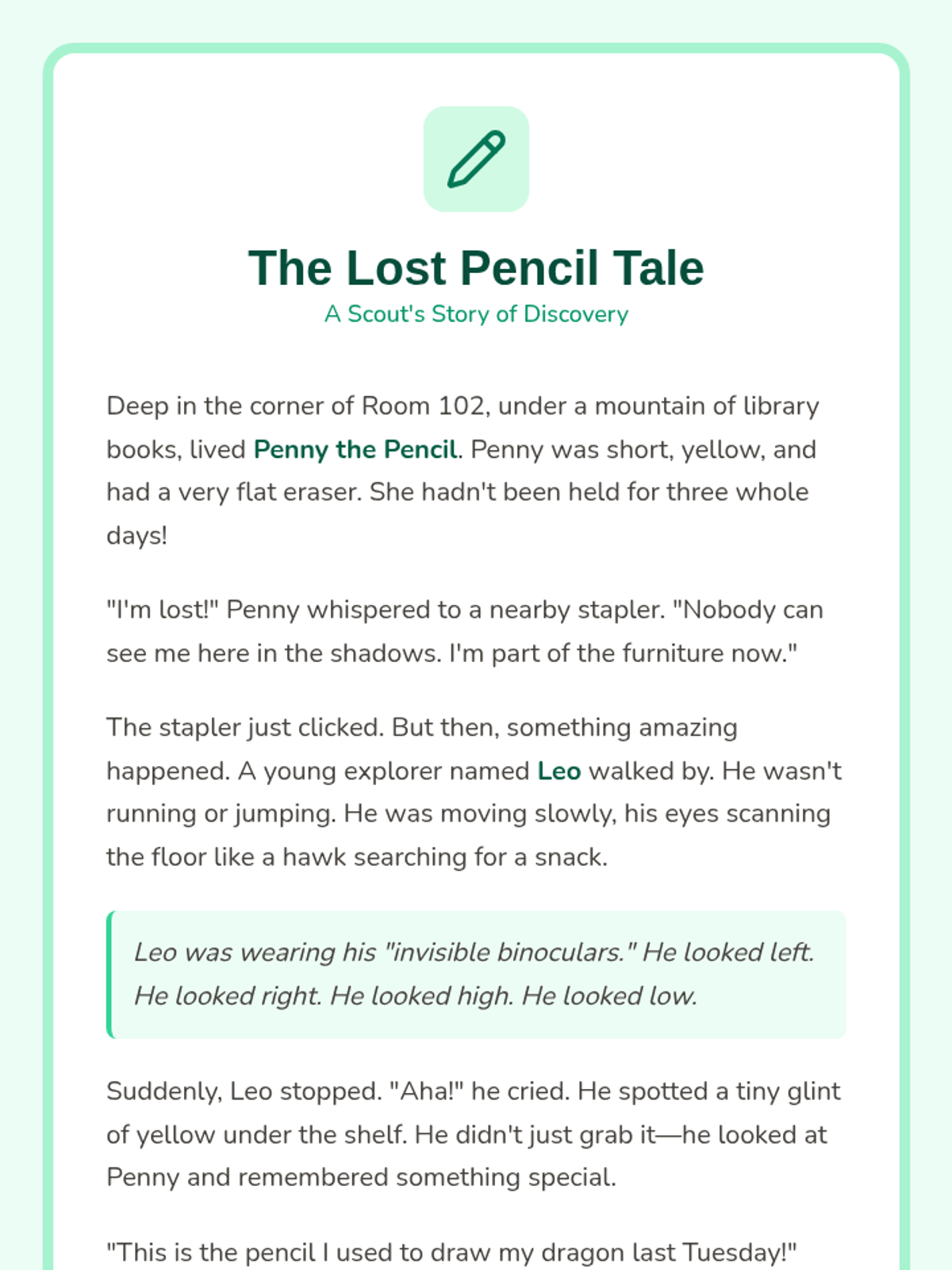
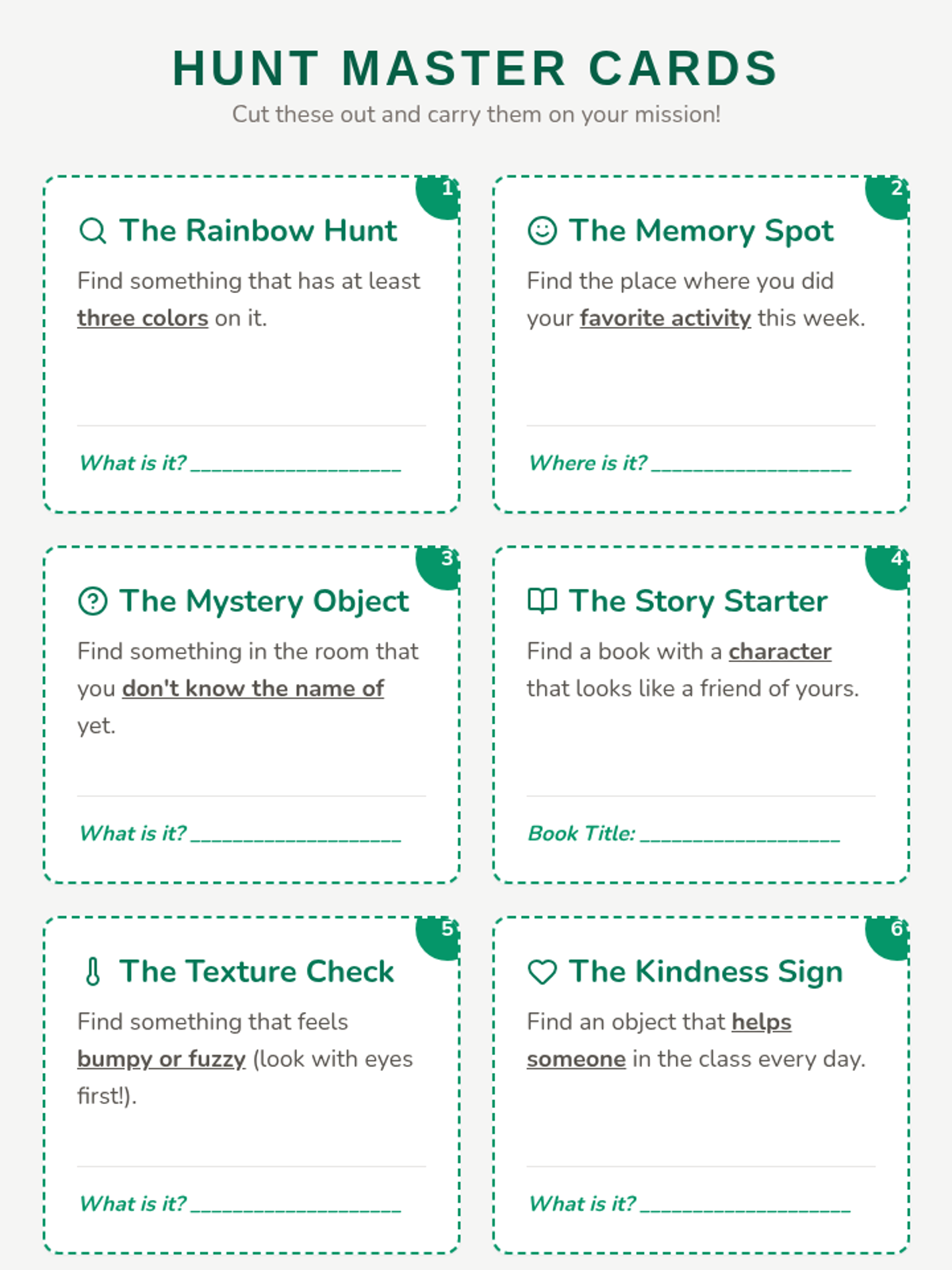
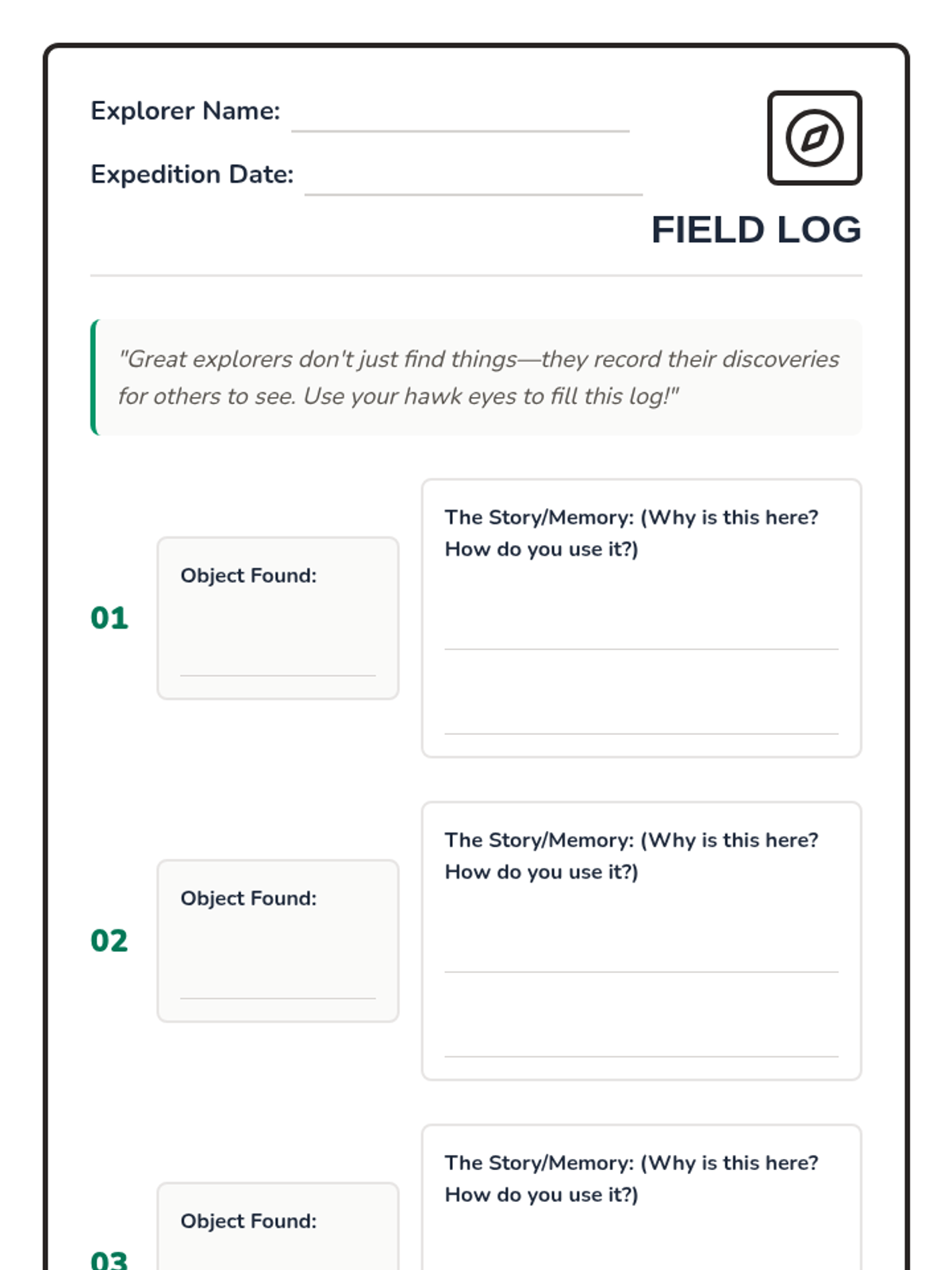
A movement-based lesson designed to help K-4 students develop visual scanning skills and environmental awareness through a classroom scavenger hunt. This lesson particularly supports students with ADHD or sensory needs by providing closure and structured exploration of their physical environment.
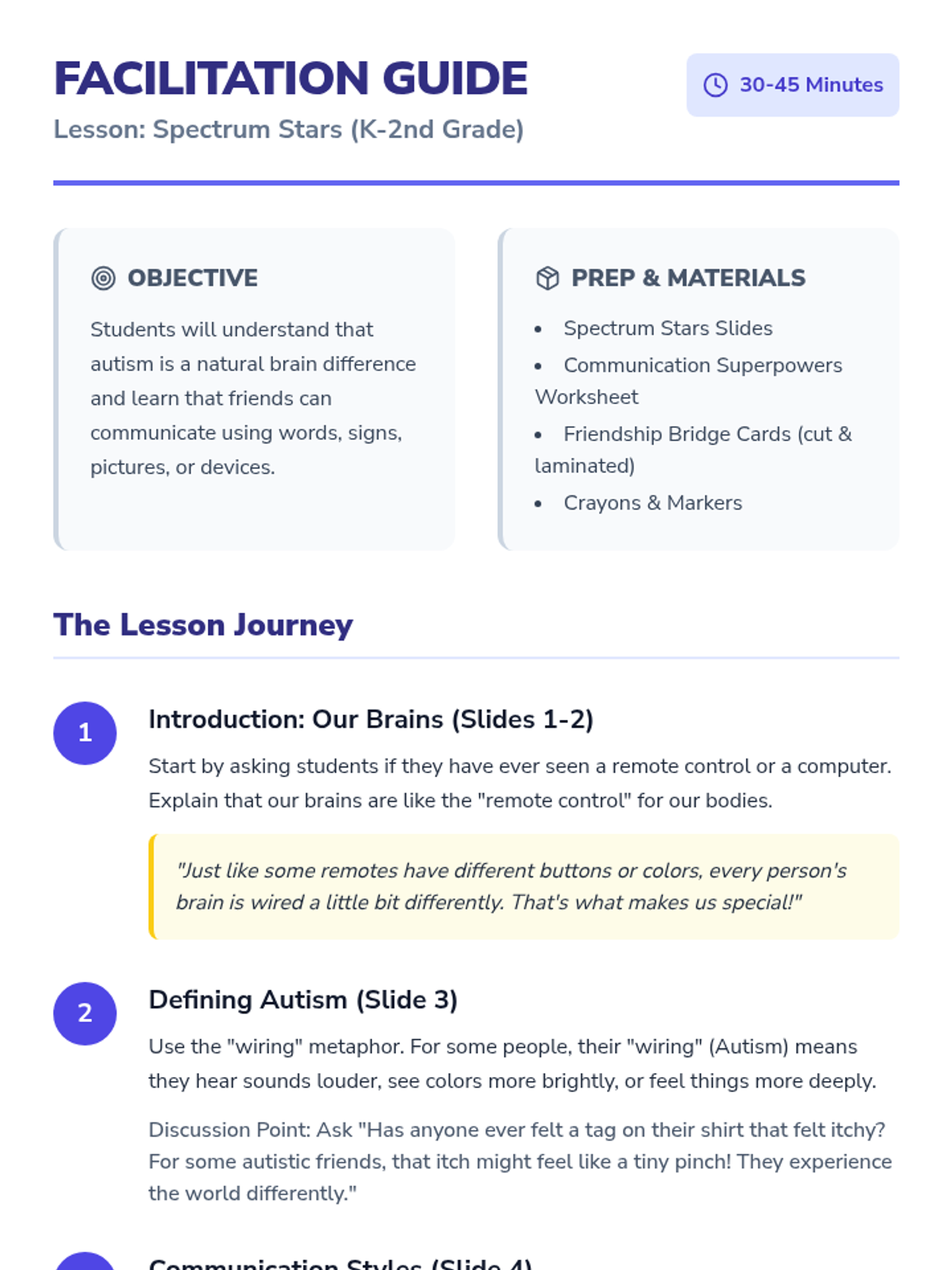
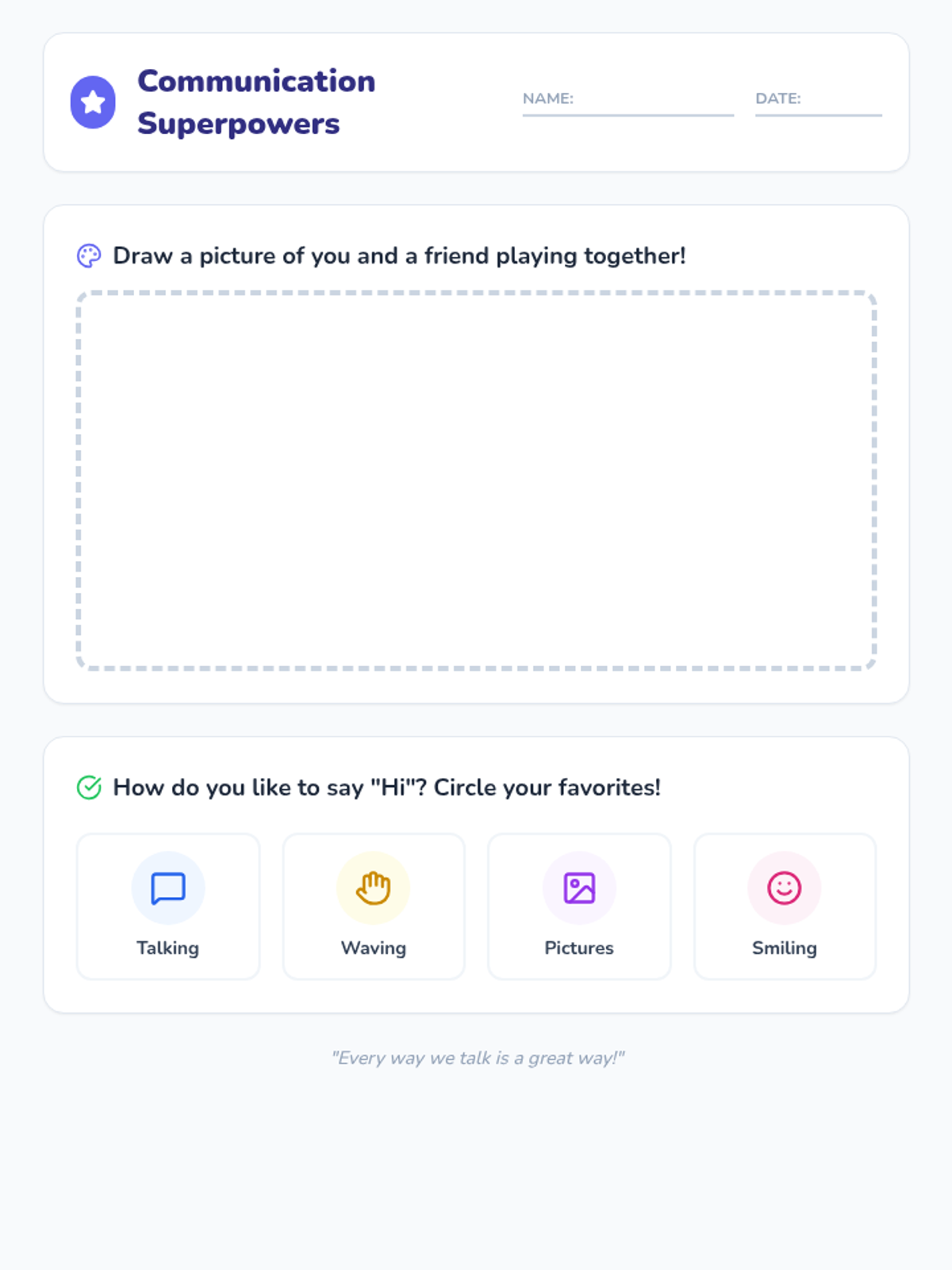
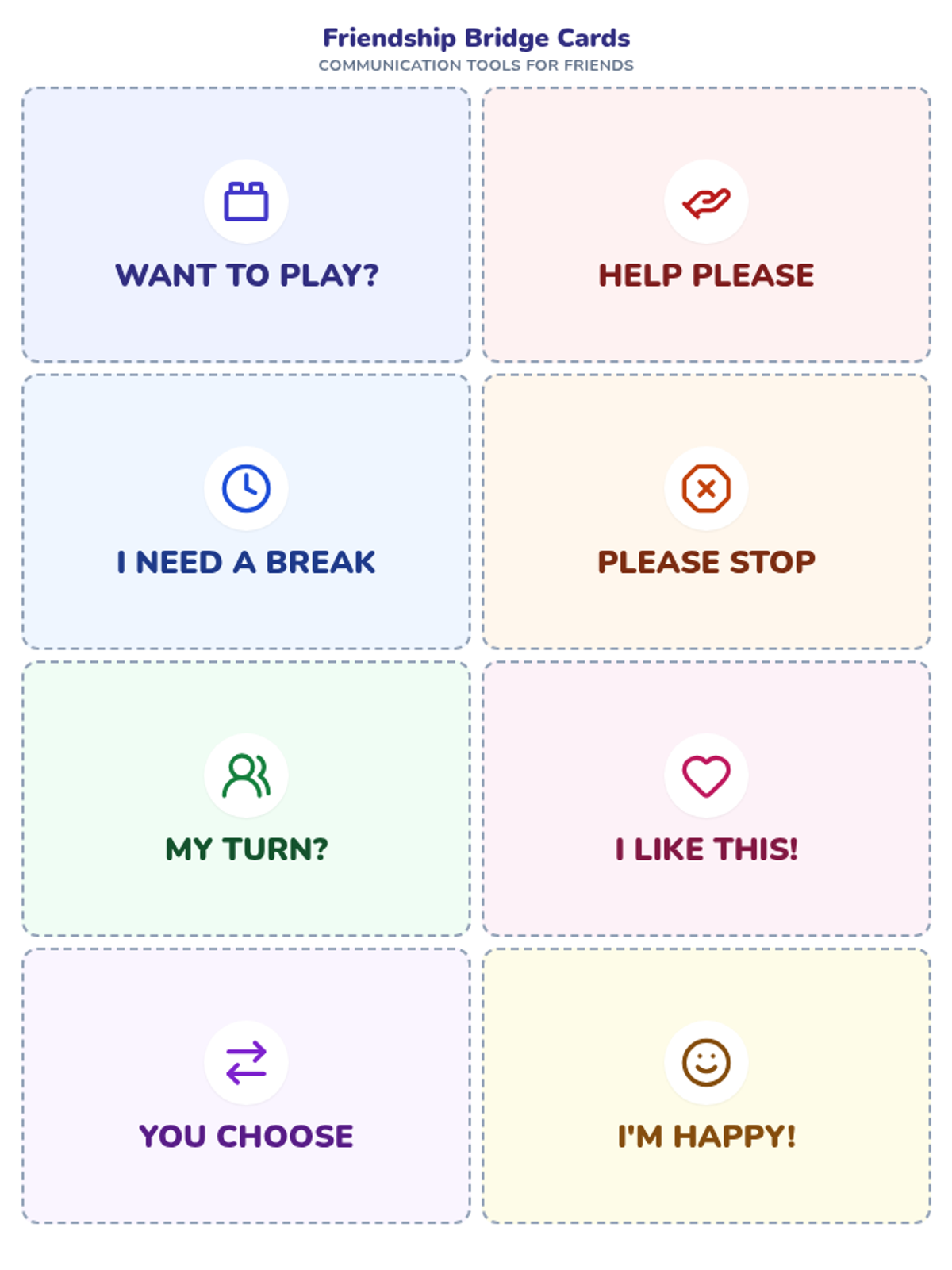
A gentle and engaging lesson for K-2 students that explains autism as a different way of processing the world, with a specific focus on celebrating different ways of communicating and building inclusive friendships.
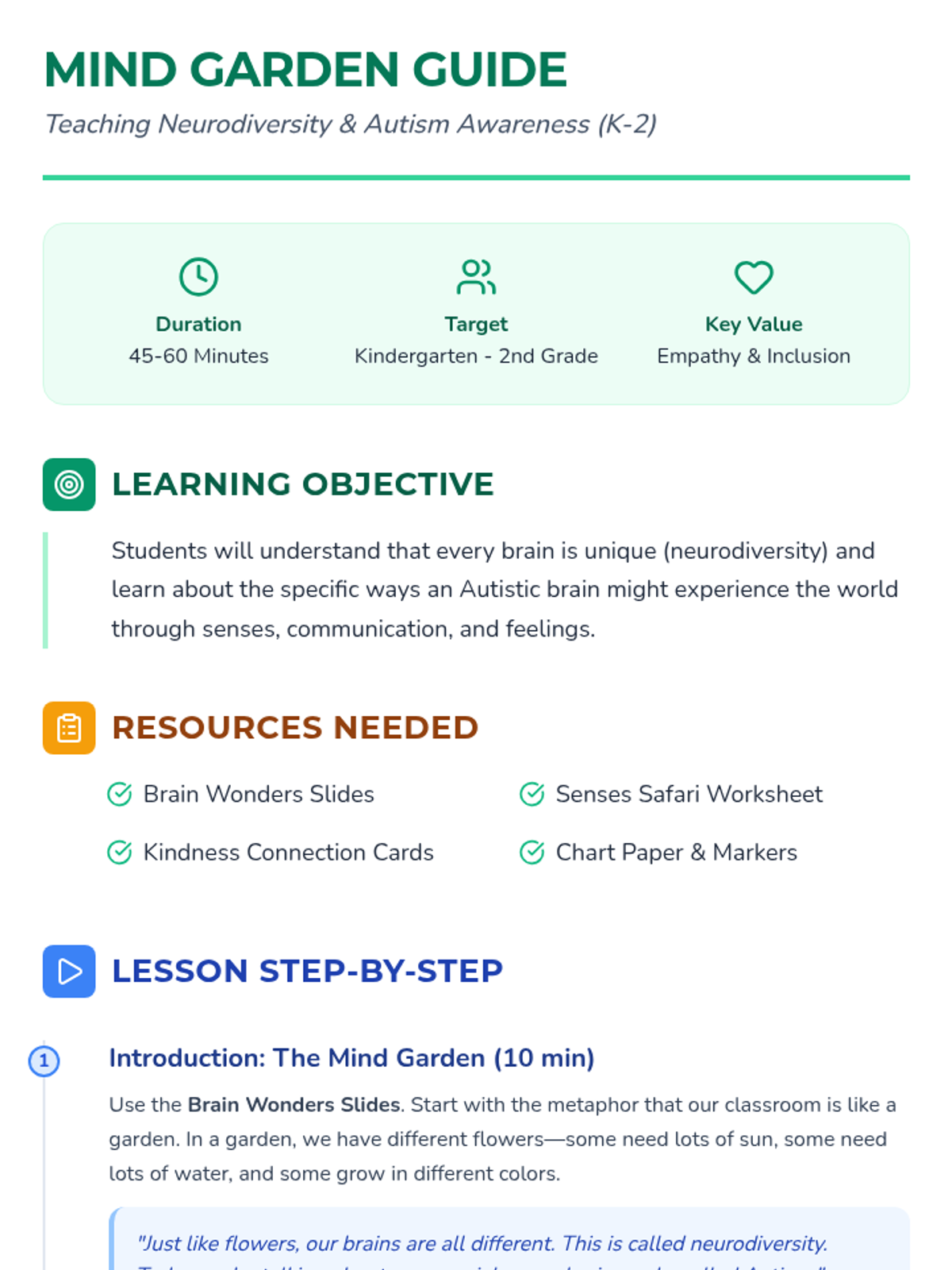
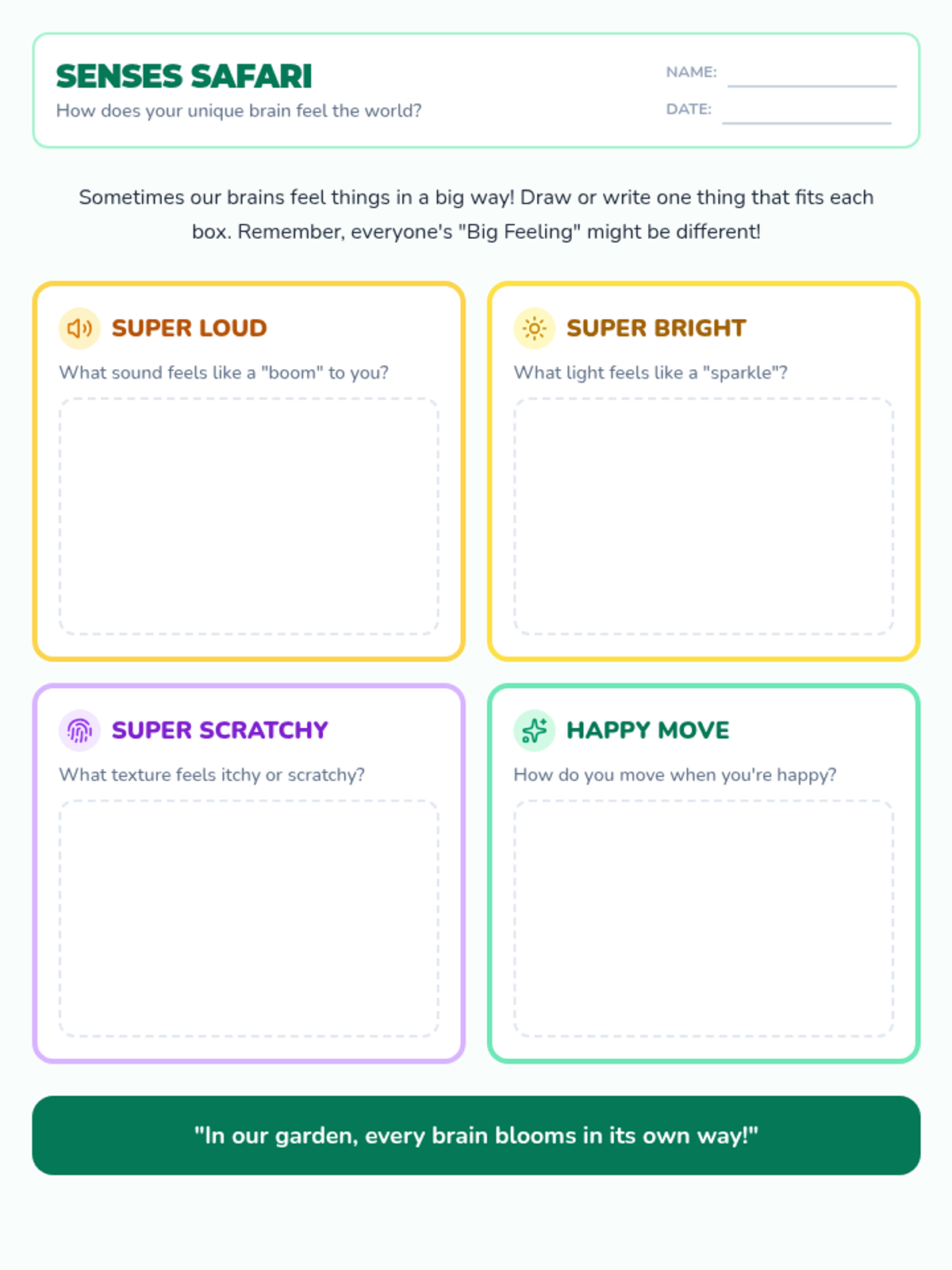
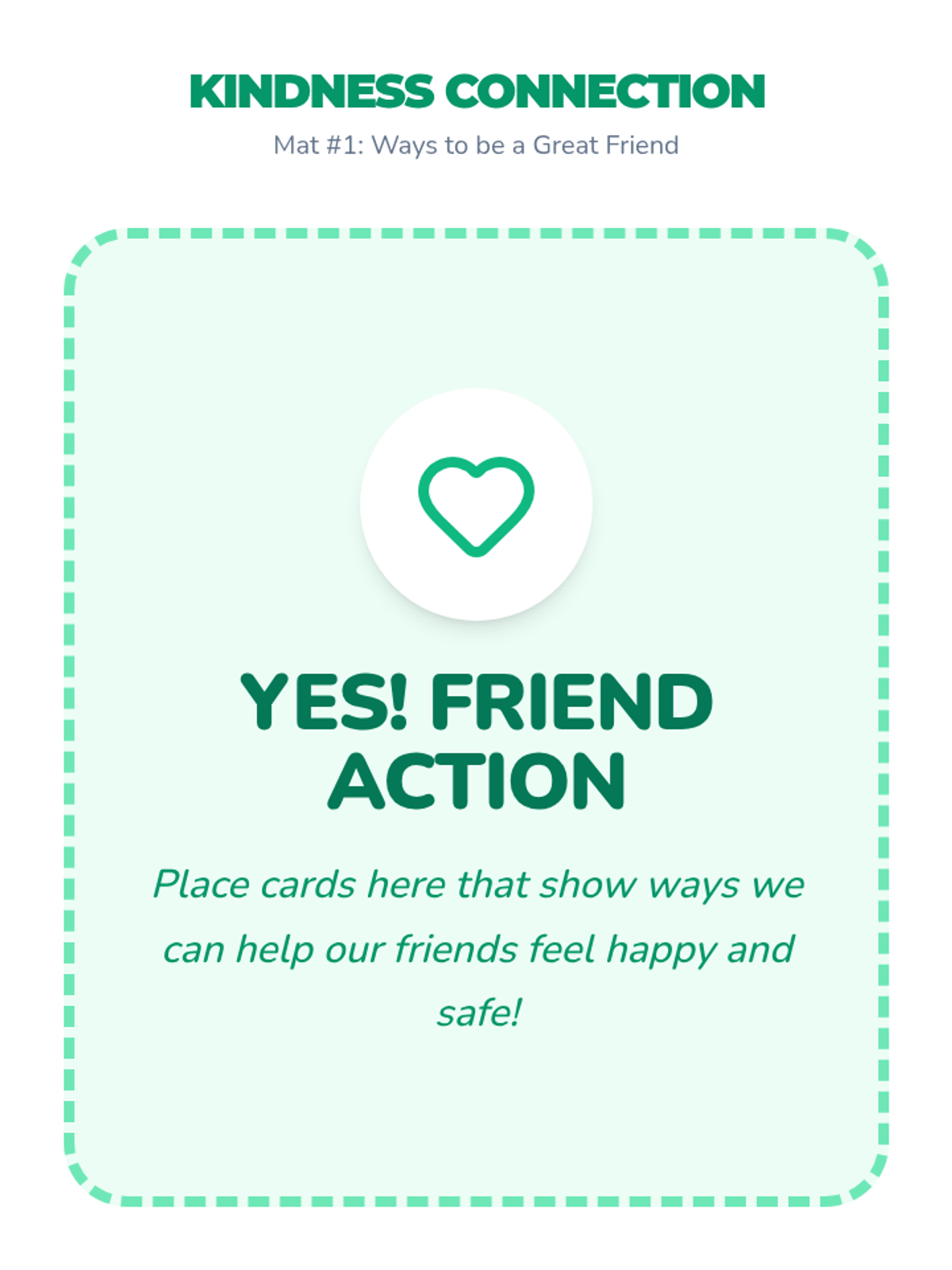
A gentle, age-appropriate lesson for K-2 students to understand neurodiversity and Autism through the metaphor of a 'Mind Garden'. Students explore how different brains process the world and learn practical ways to be inclusive friends.
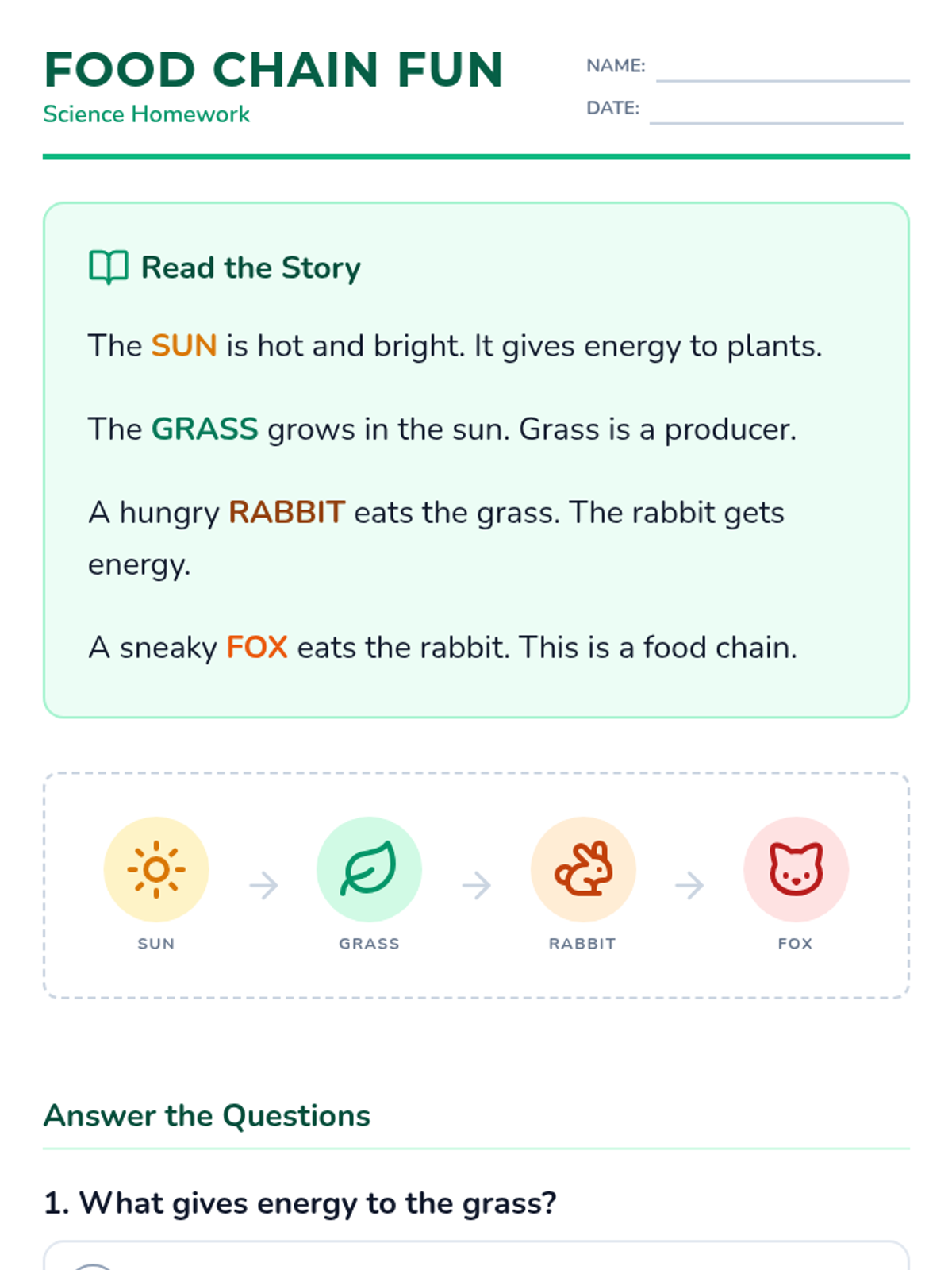
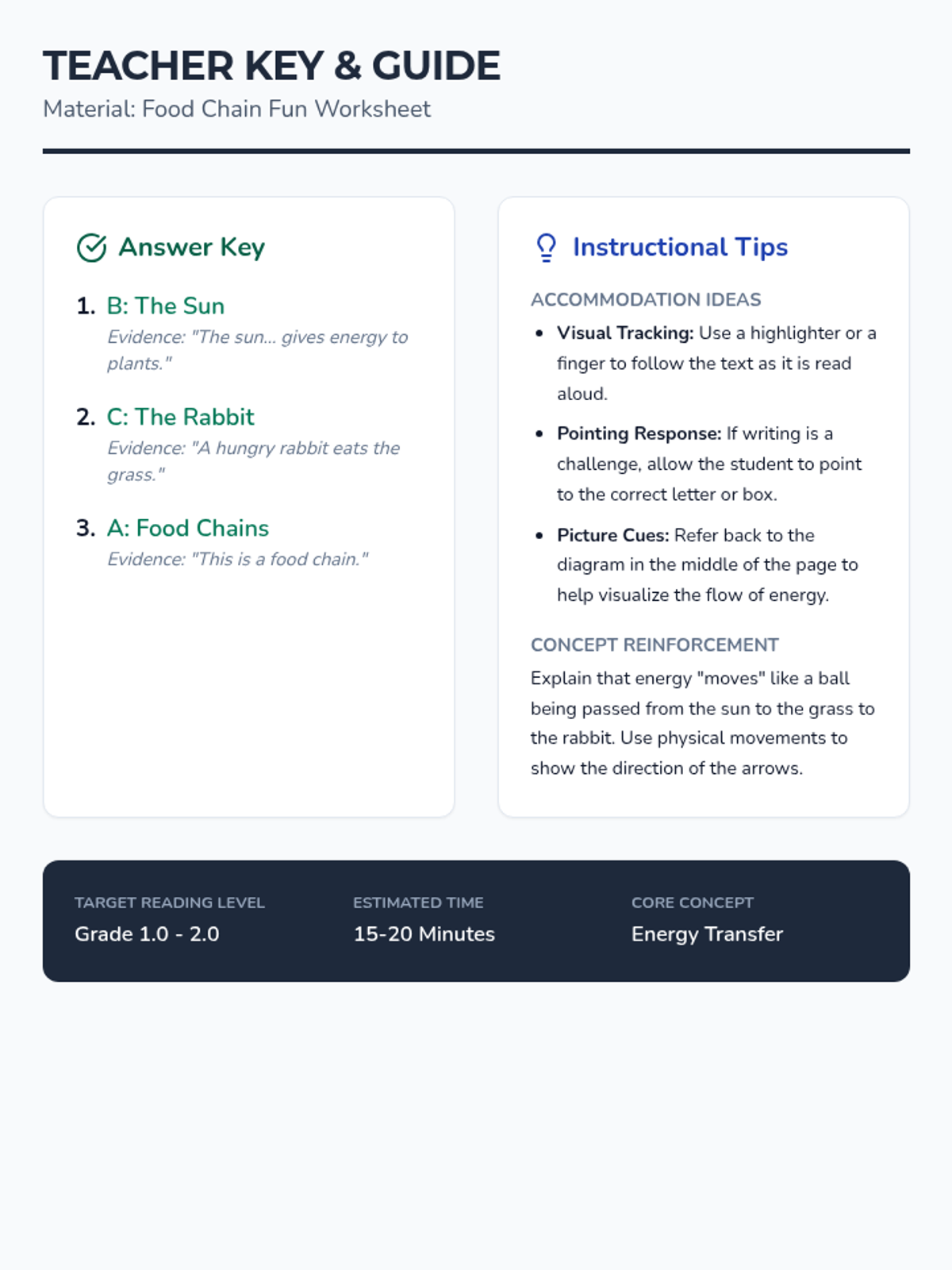
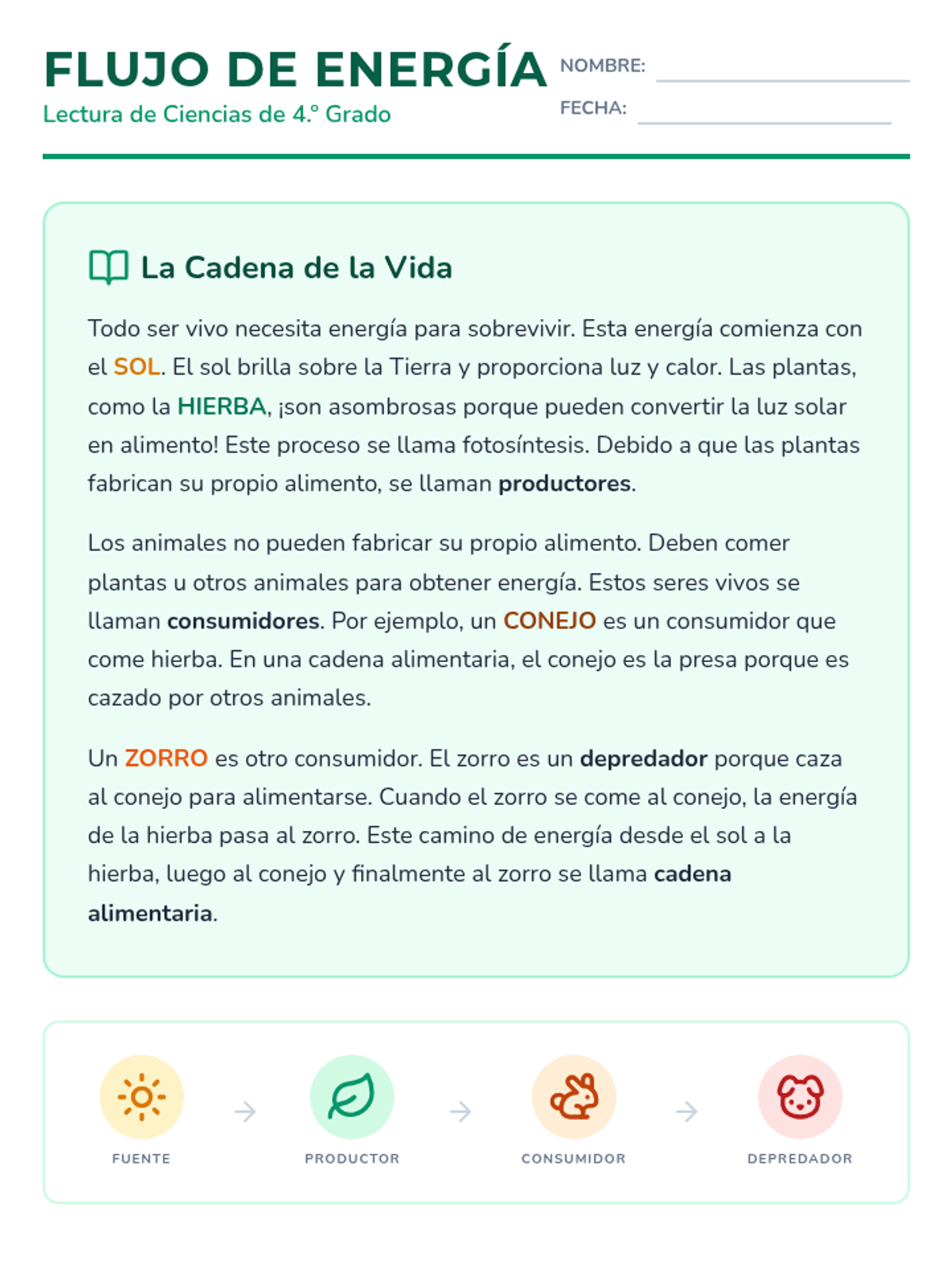
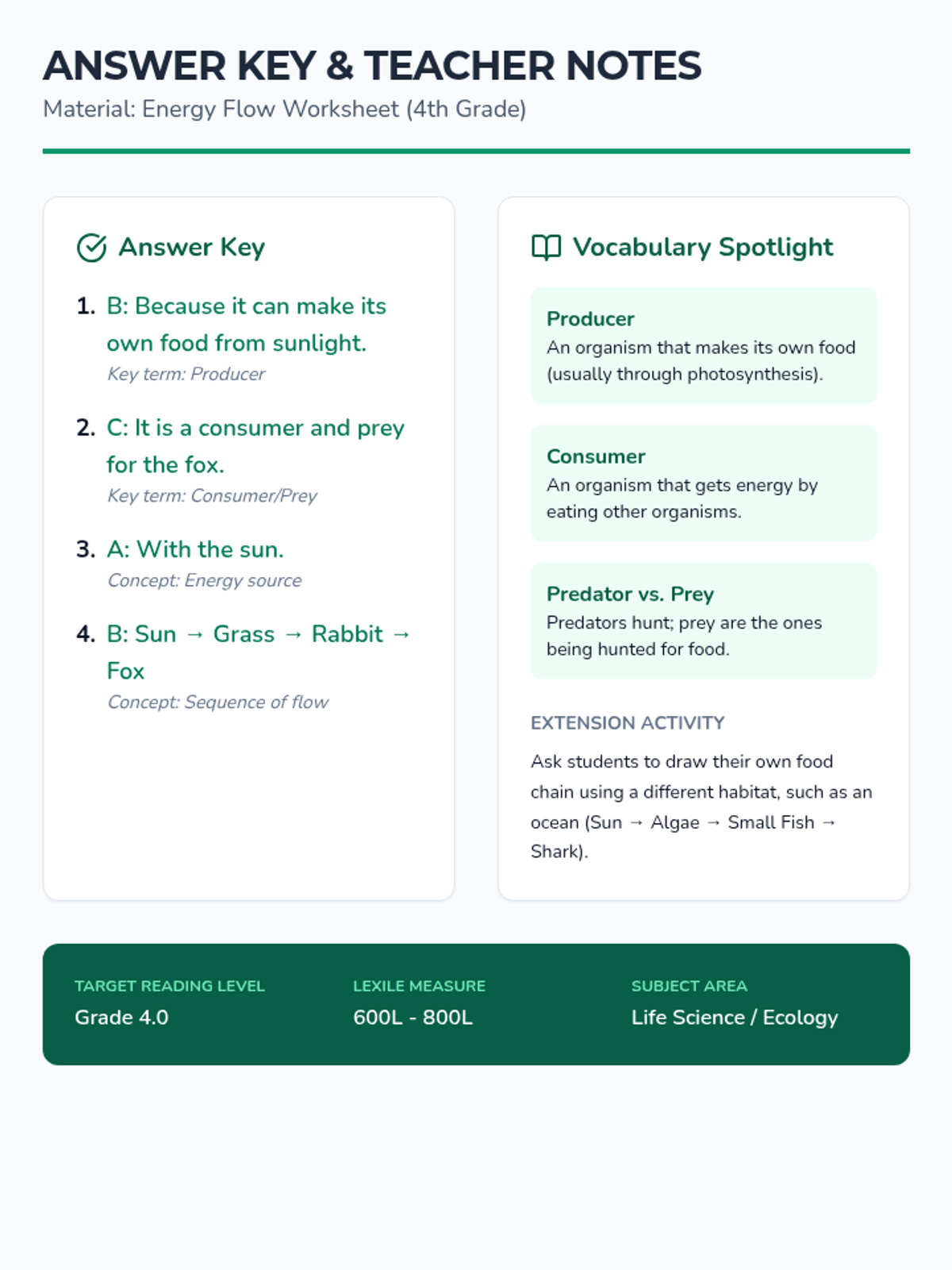
A simplified science lesson on food chains designed for 8th-grade students with severe disabilities, focusing on basic energy flow from sun to predator.
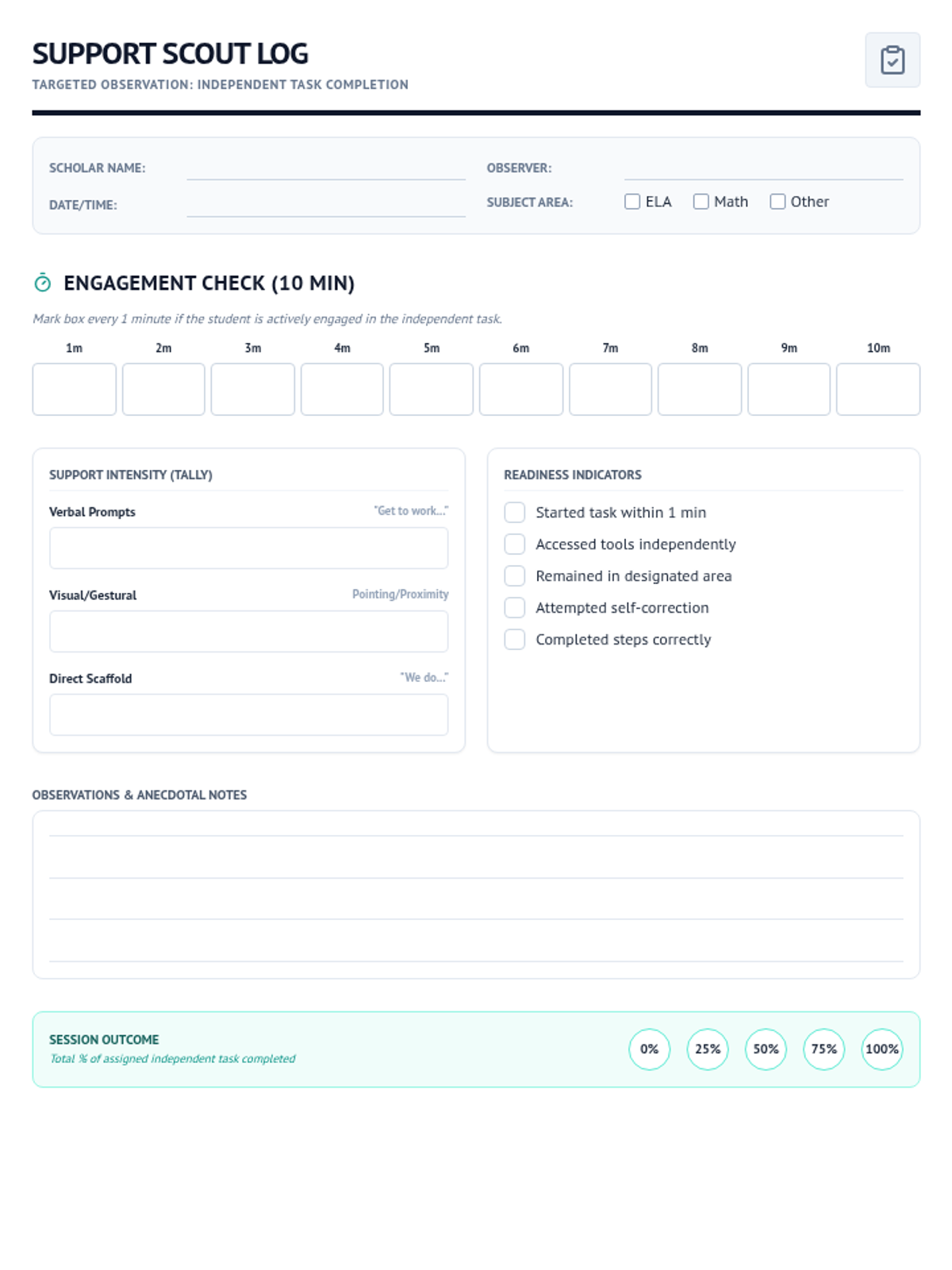
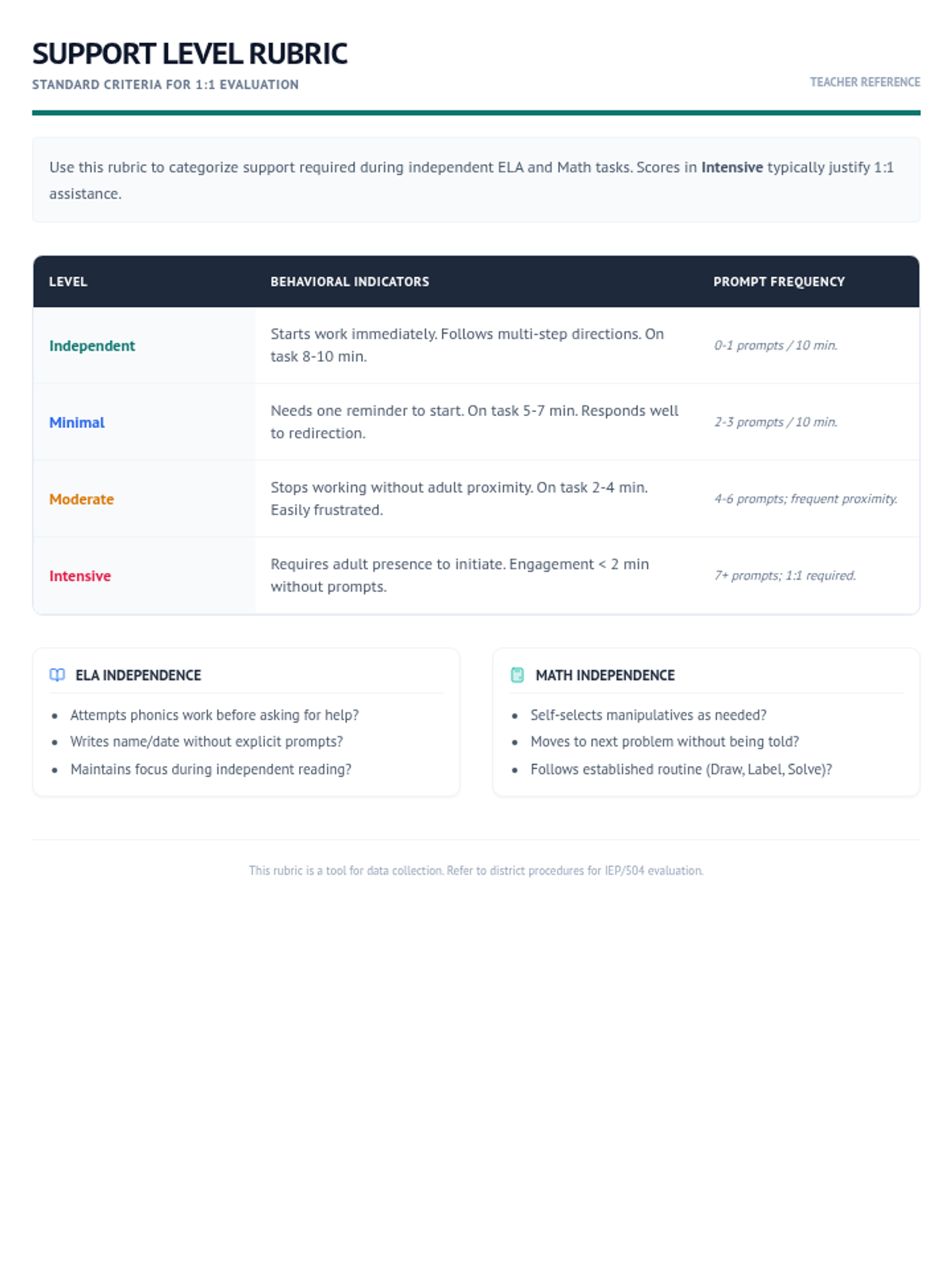
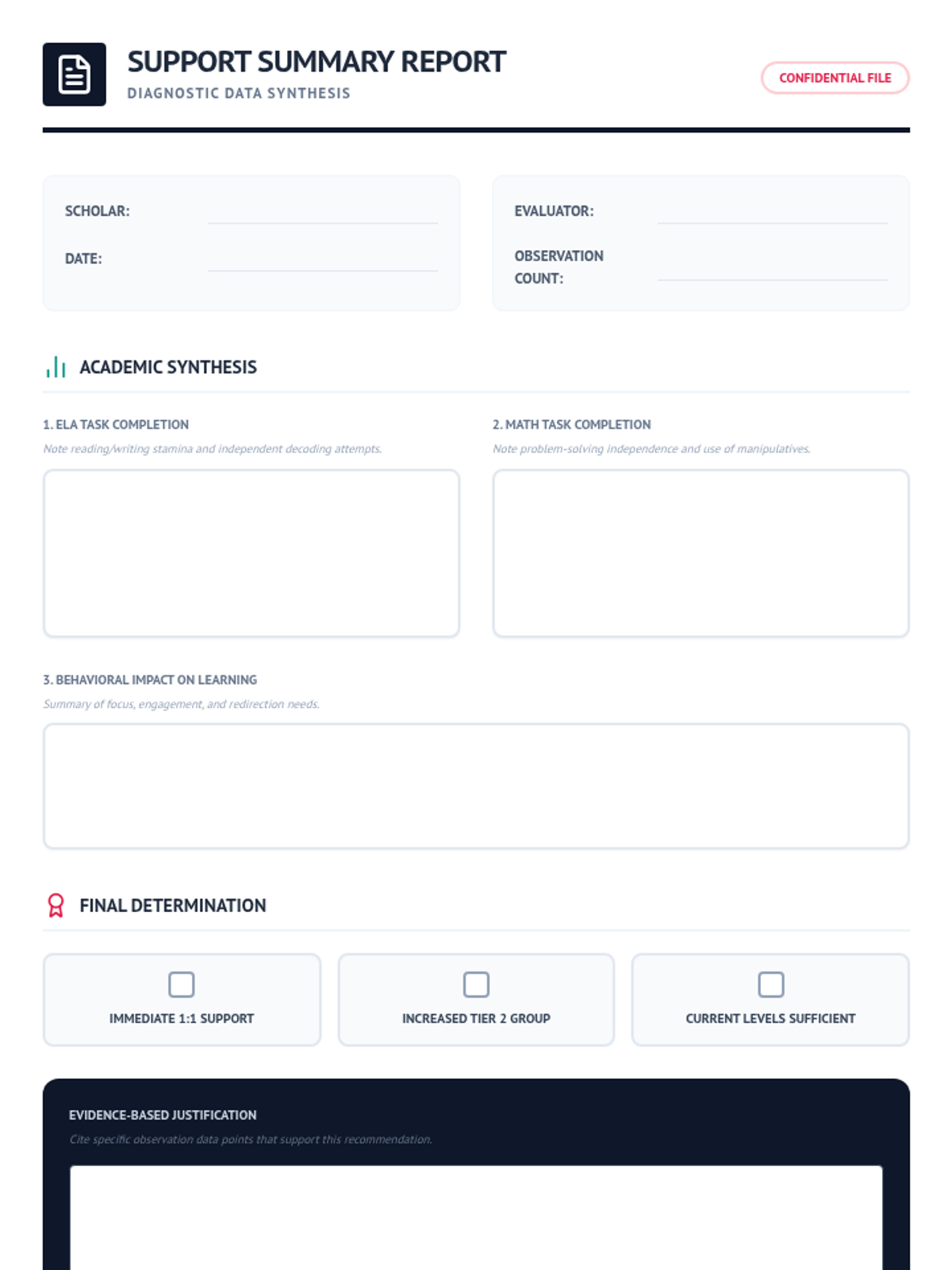
A comprehensive set of tools designed to track, analyze, and justify the need for 1:1 support for a student, focusing on independent task completion in ELA and Math.
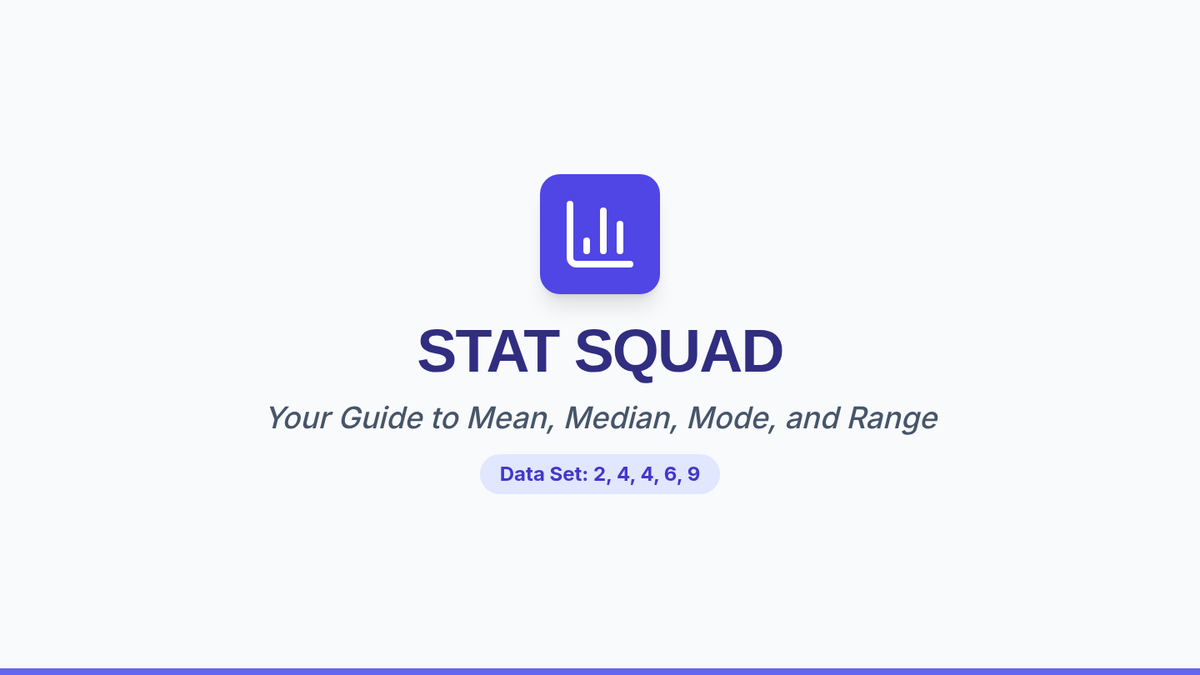
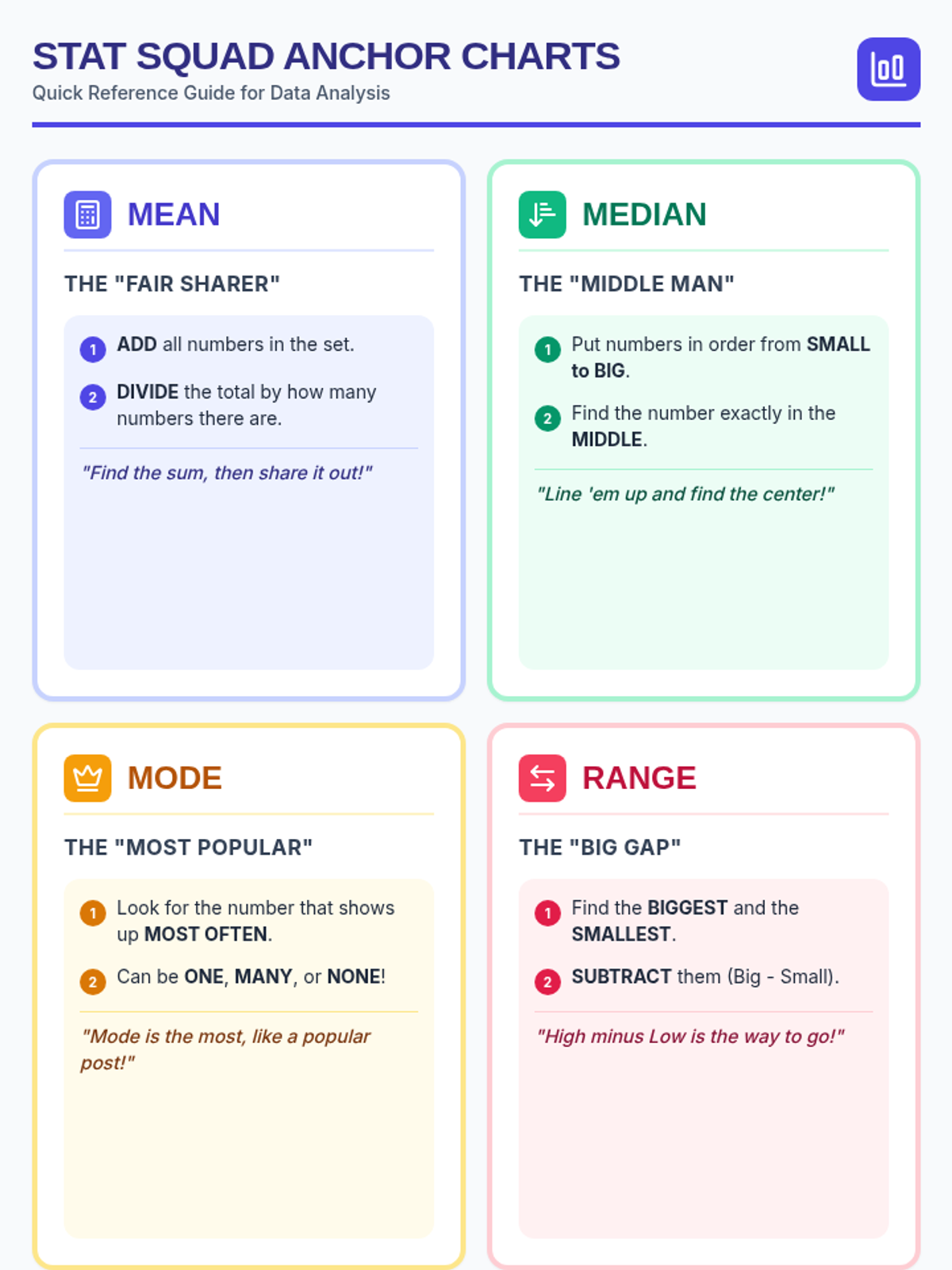
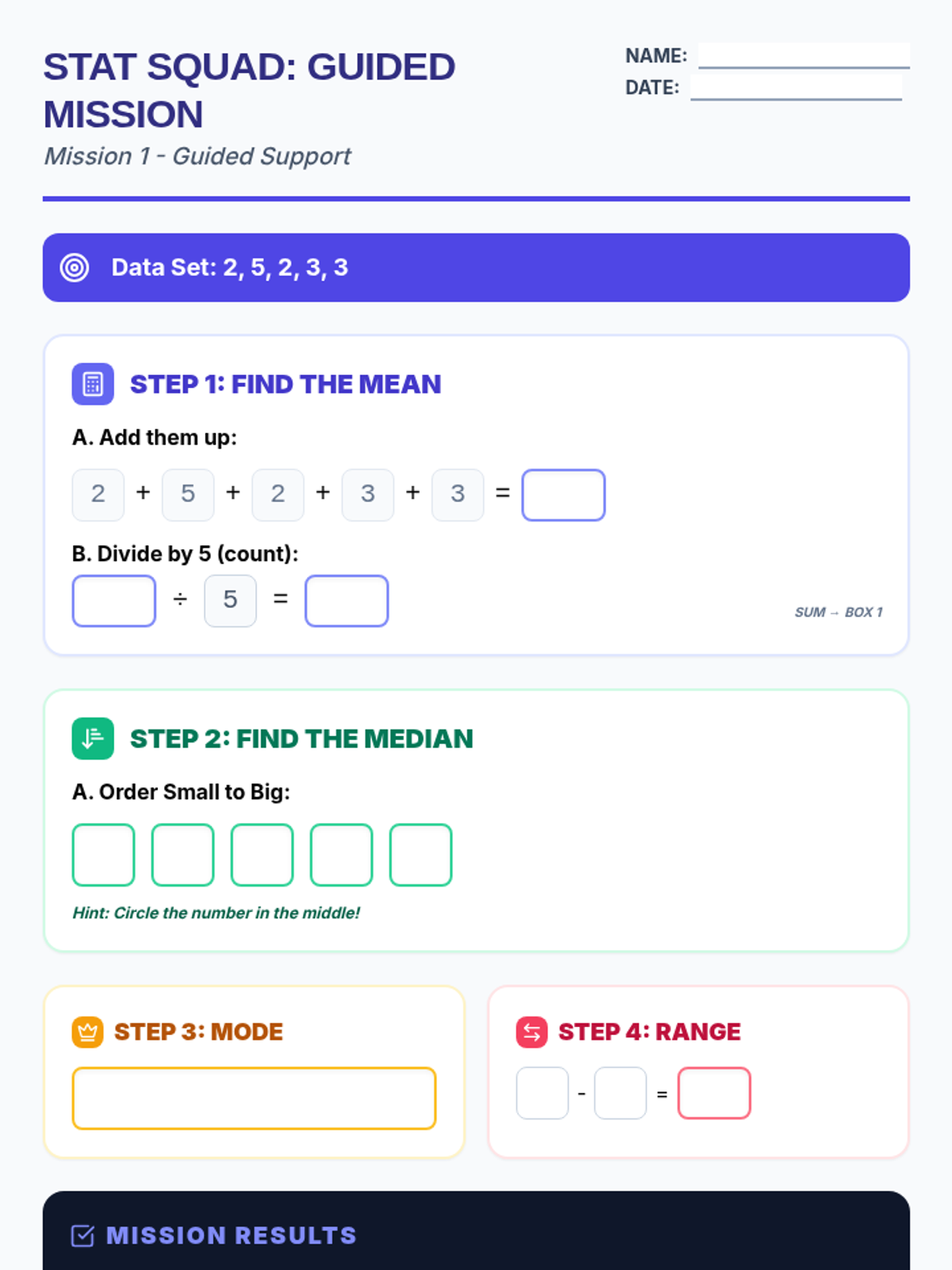
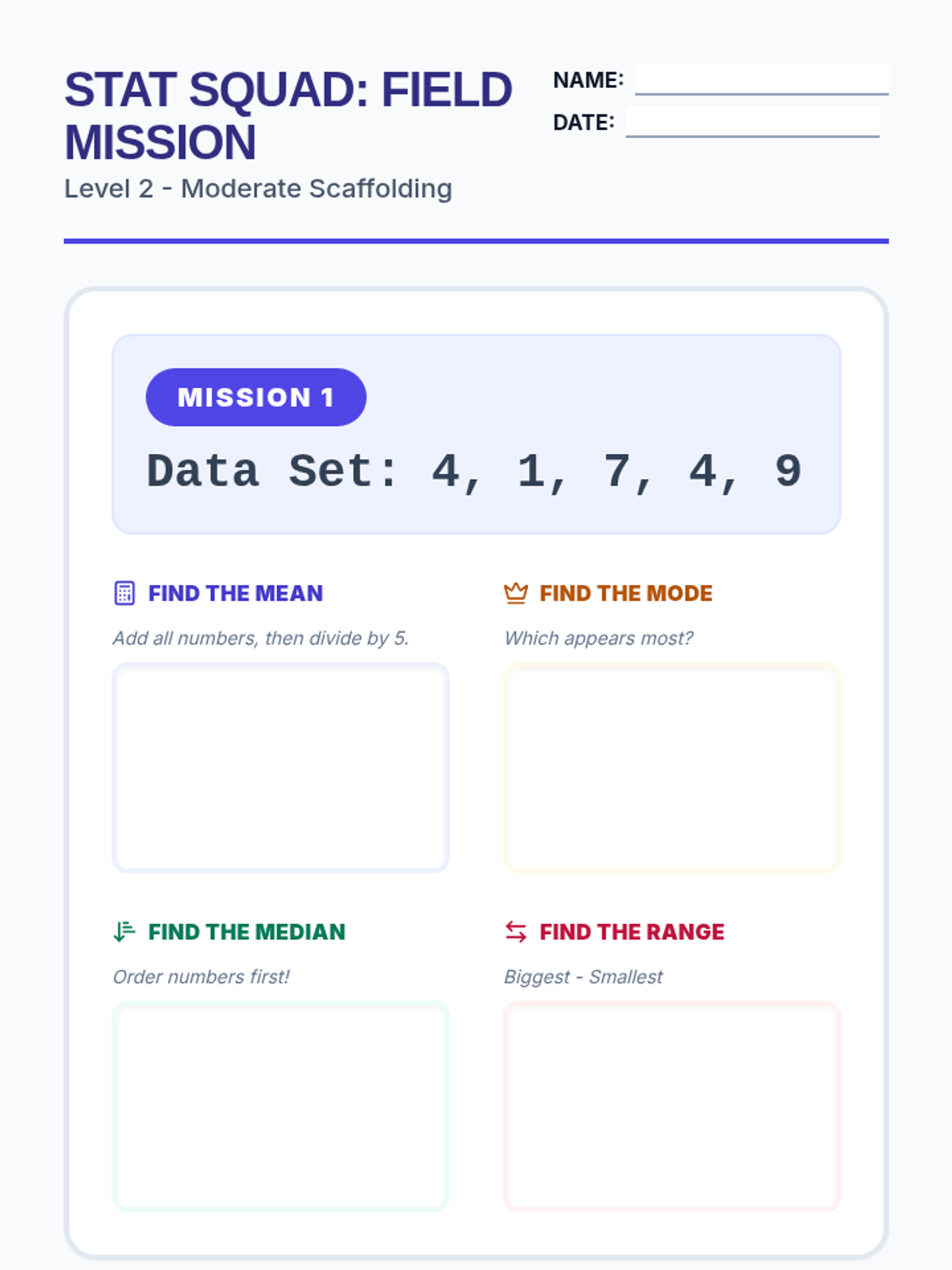
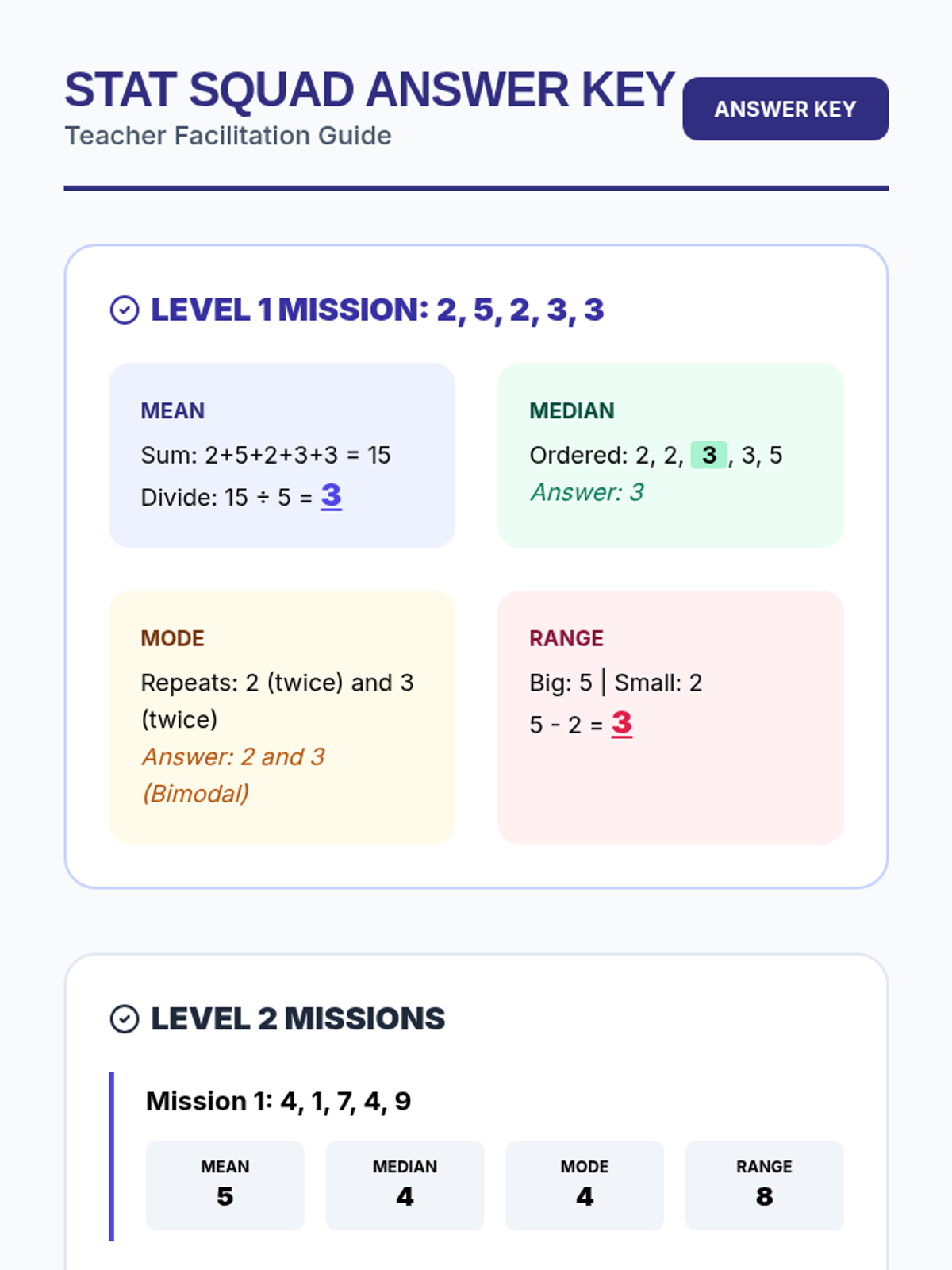
A foundational lesson on mean, median, mode, and range designed for students requiring modified curriculum. It features single-digit data sets and step-by-step guided templates to support various learning needs.
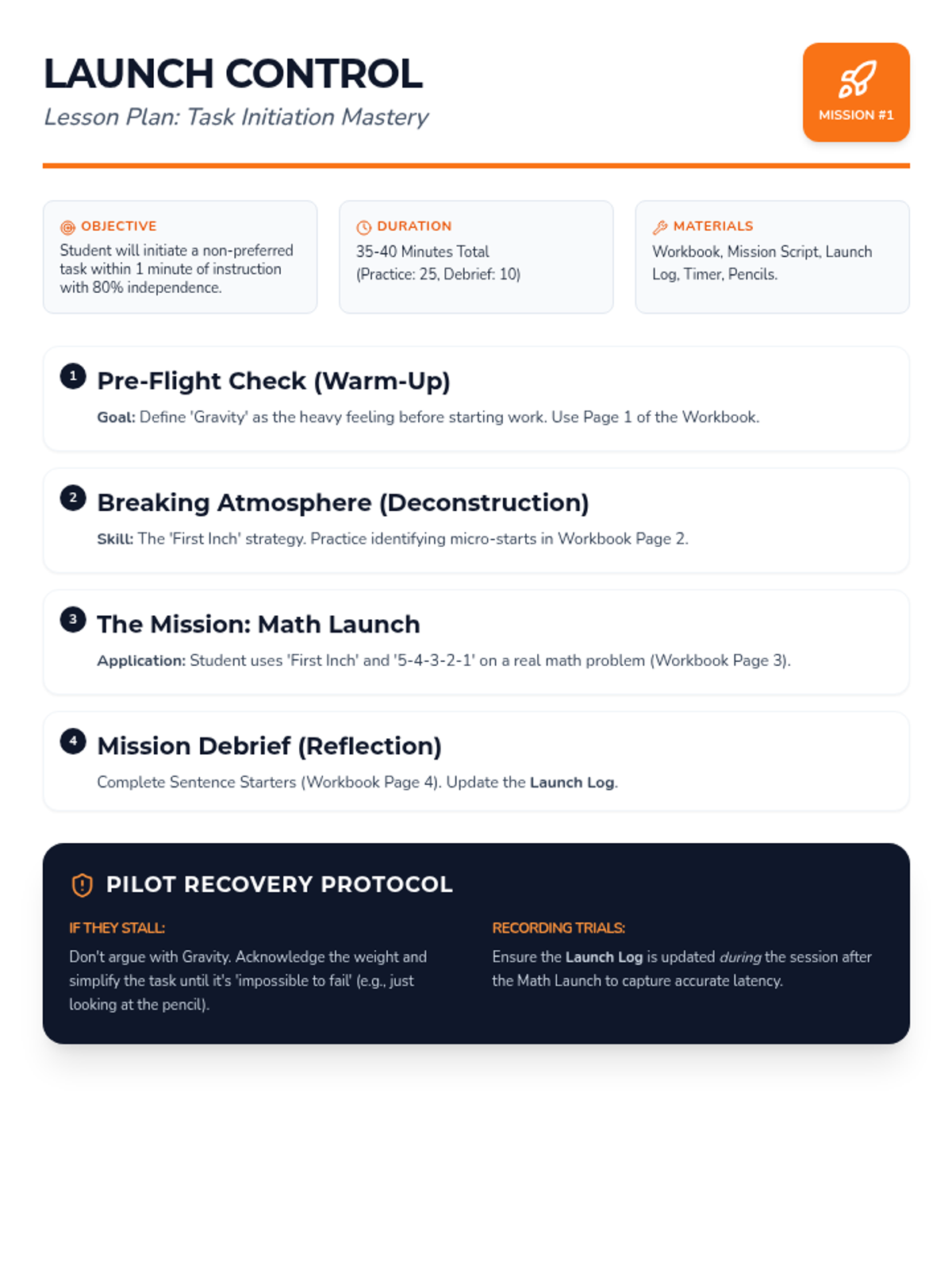
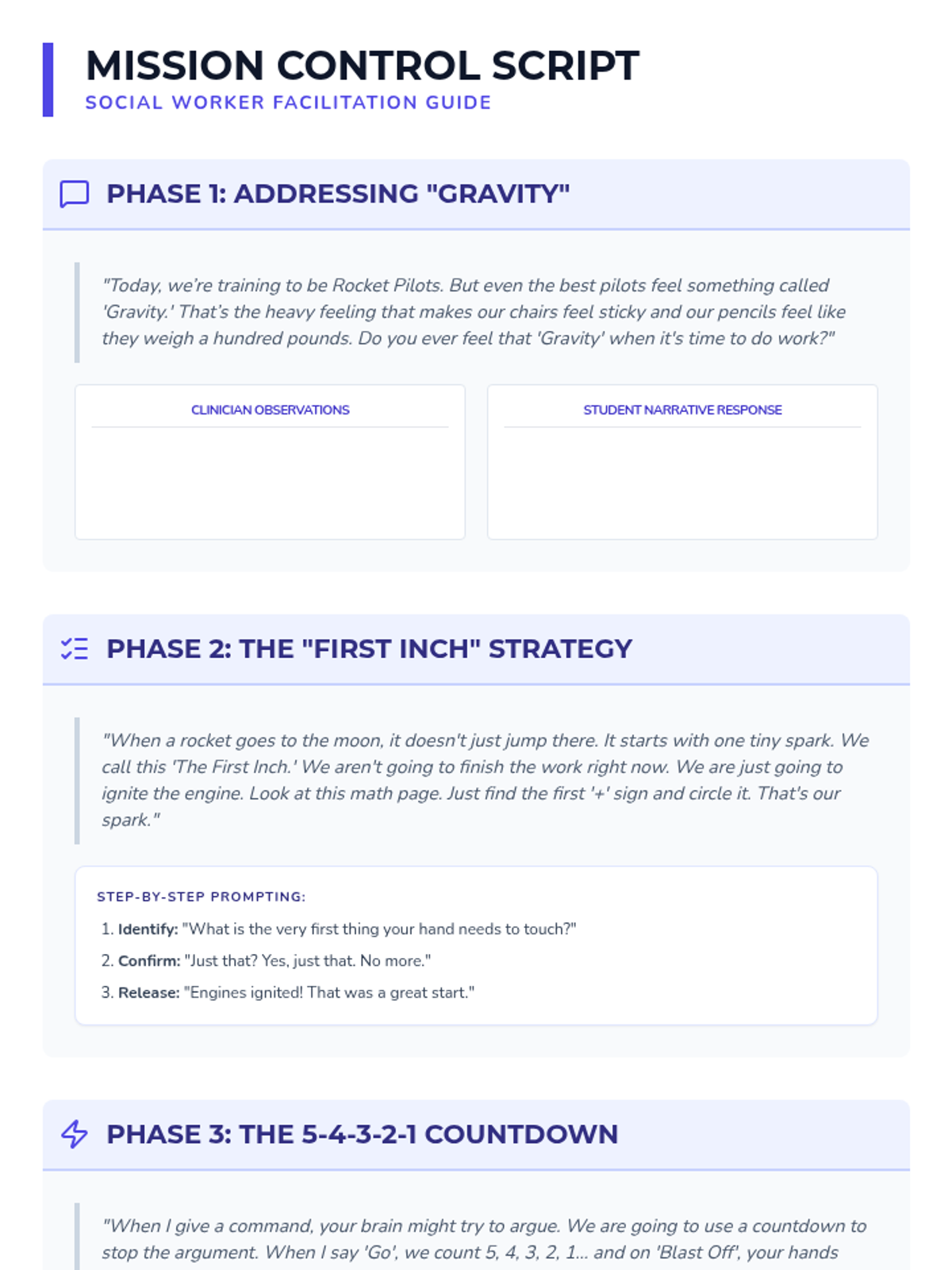
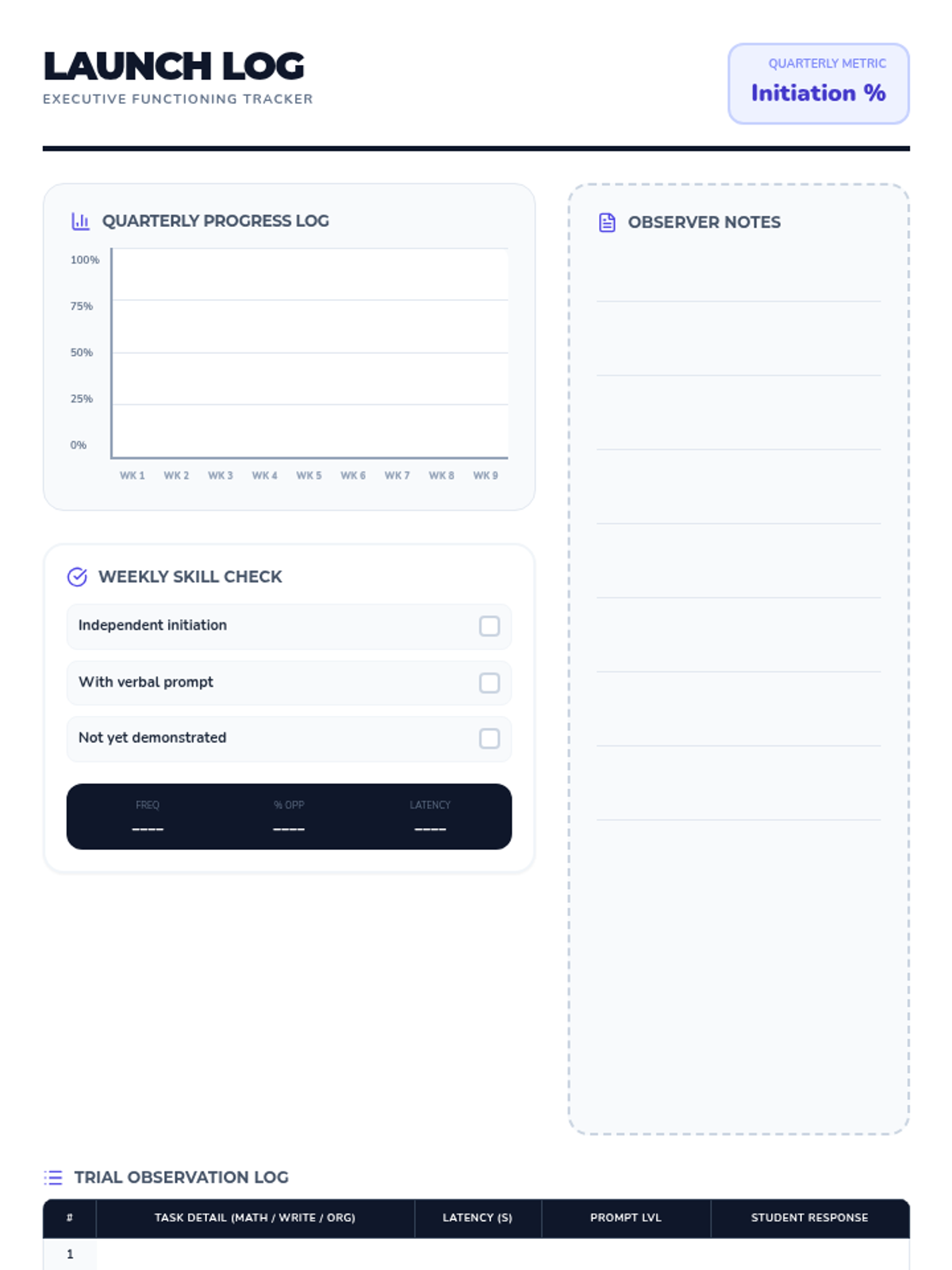
A comprehensive lesson designed for a 2nd-grade student to build task initiation skills through a 'Rocket Launch' theme. This lesson includes a structured plan, clinical script, student workbook, and a data-tracking log to measure independence and prompt-dependency.
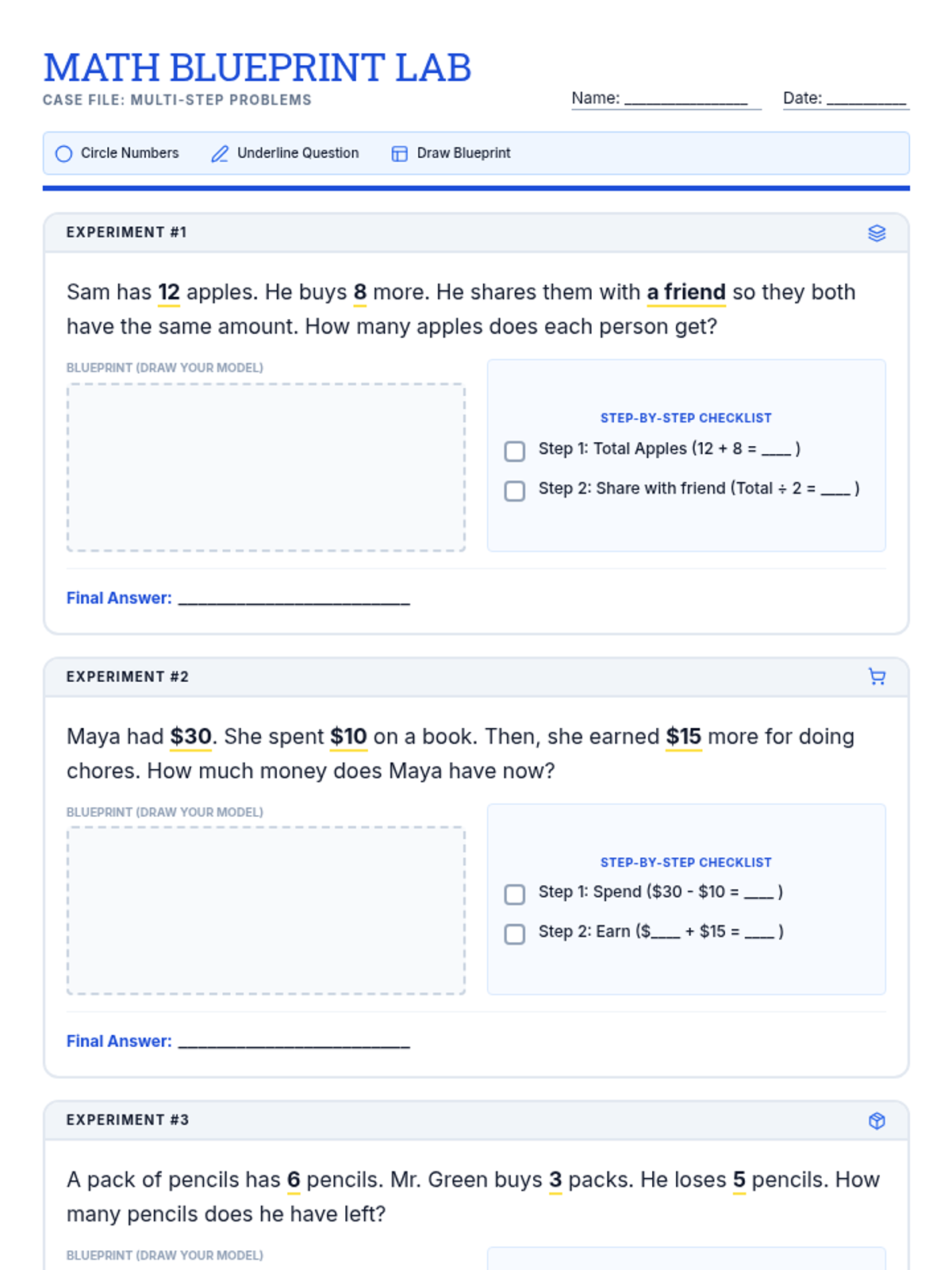
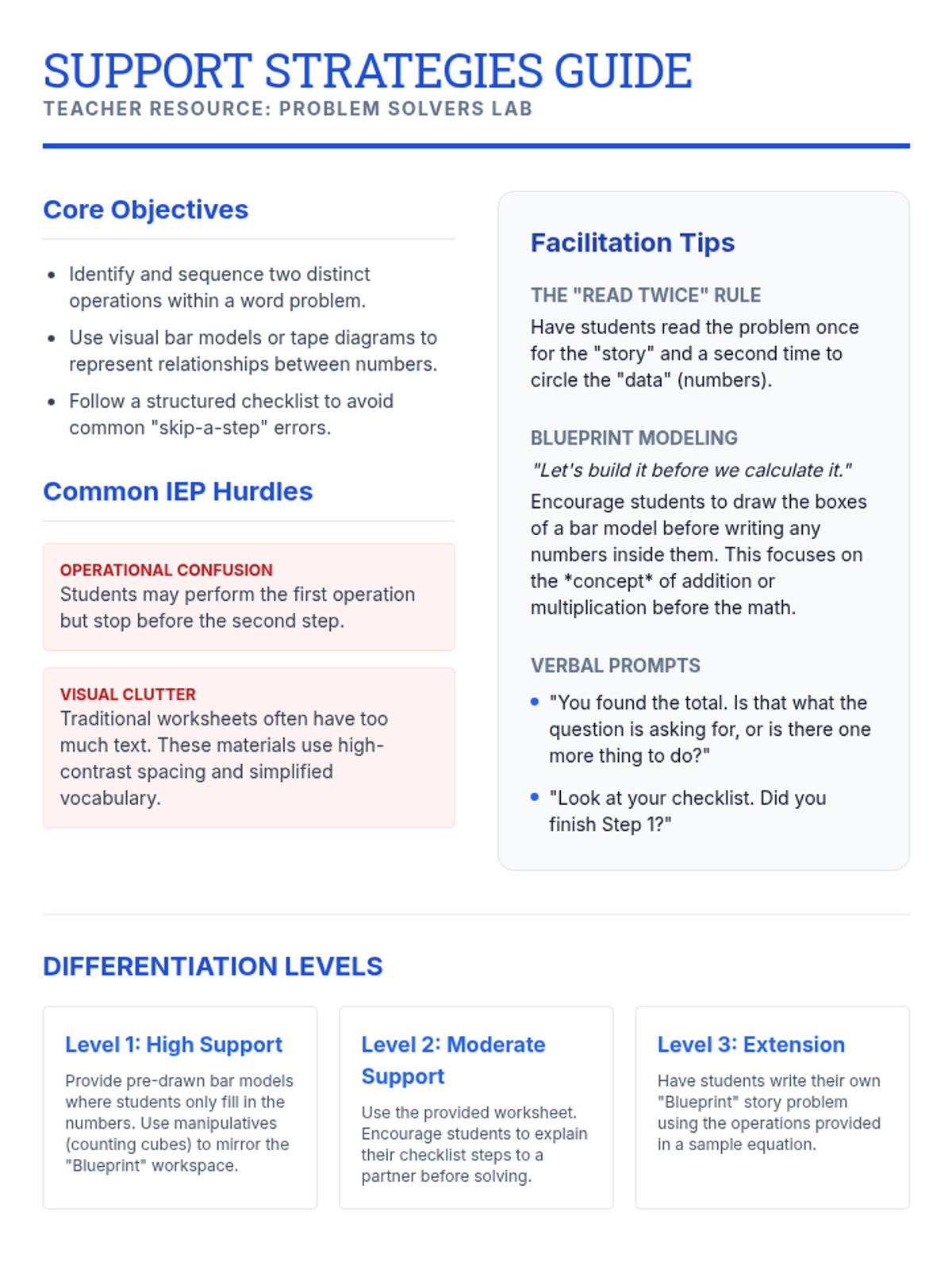
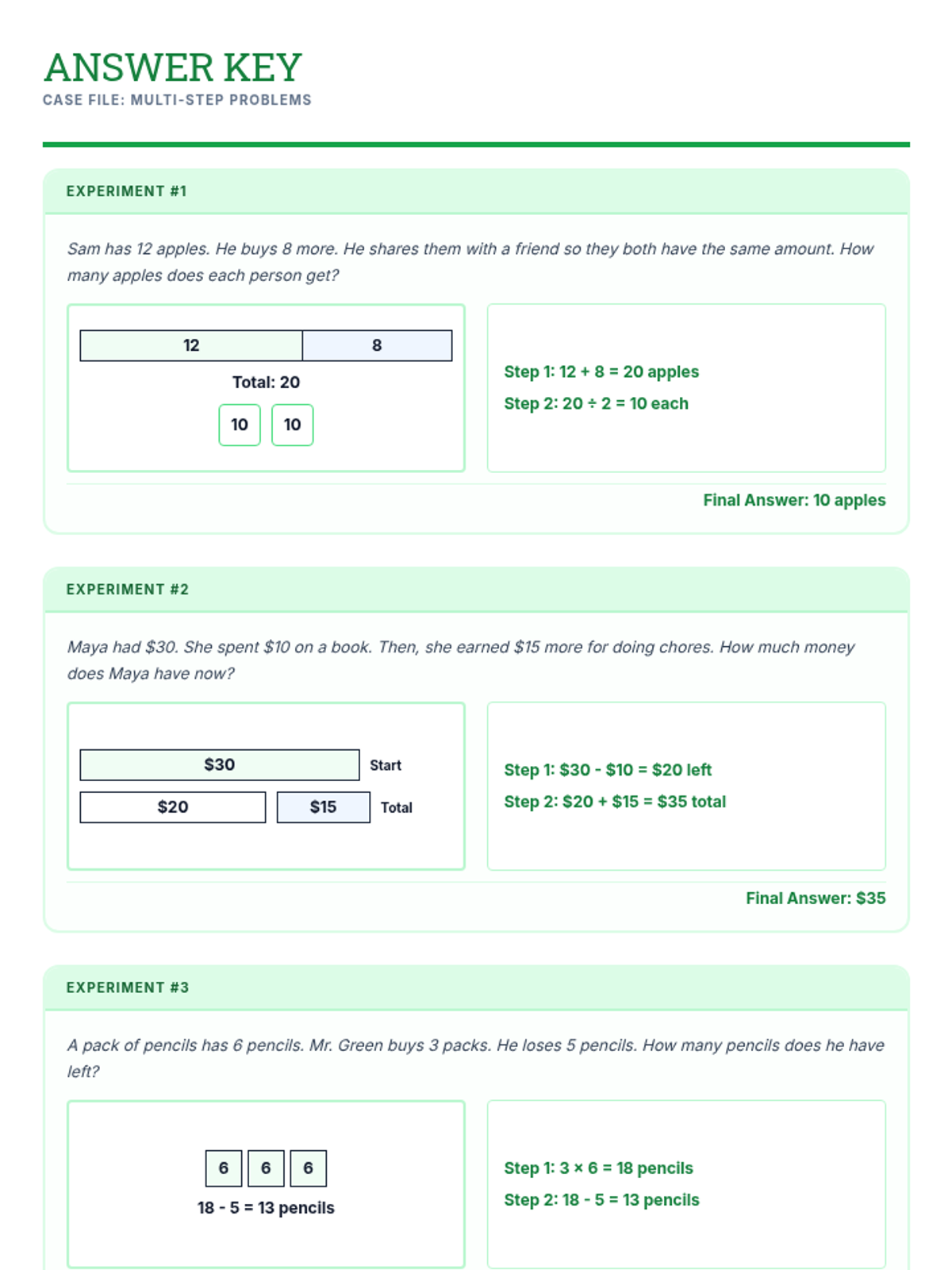
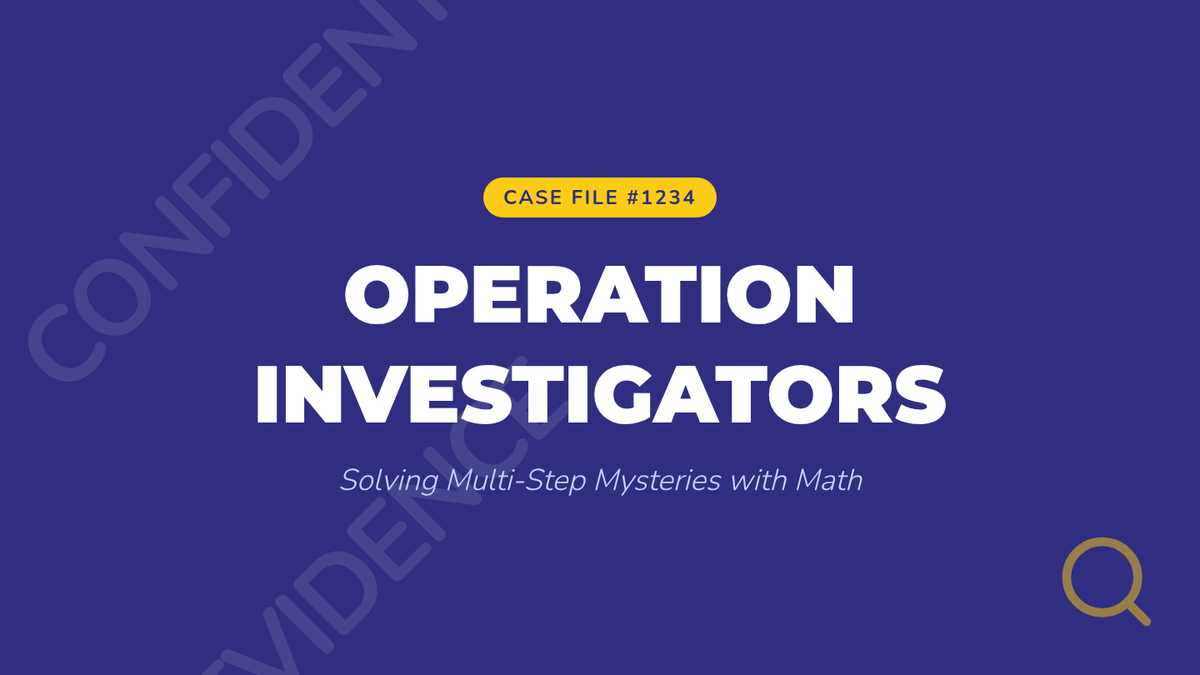
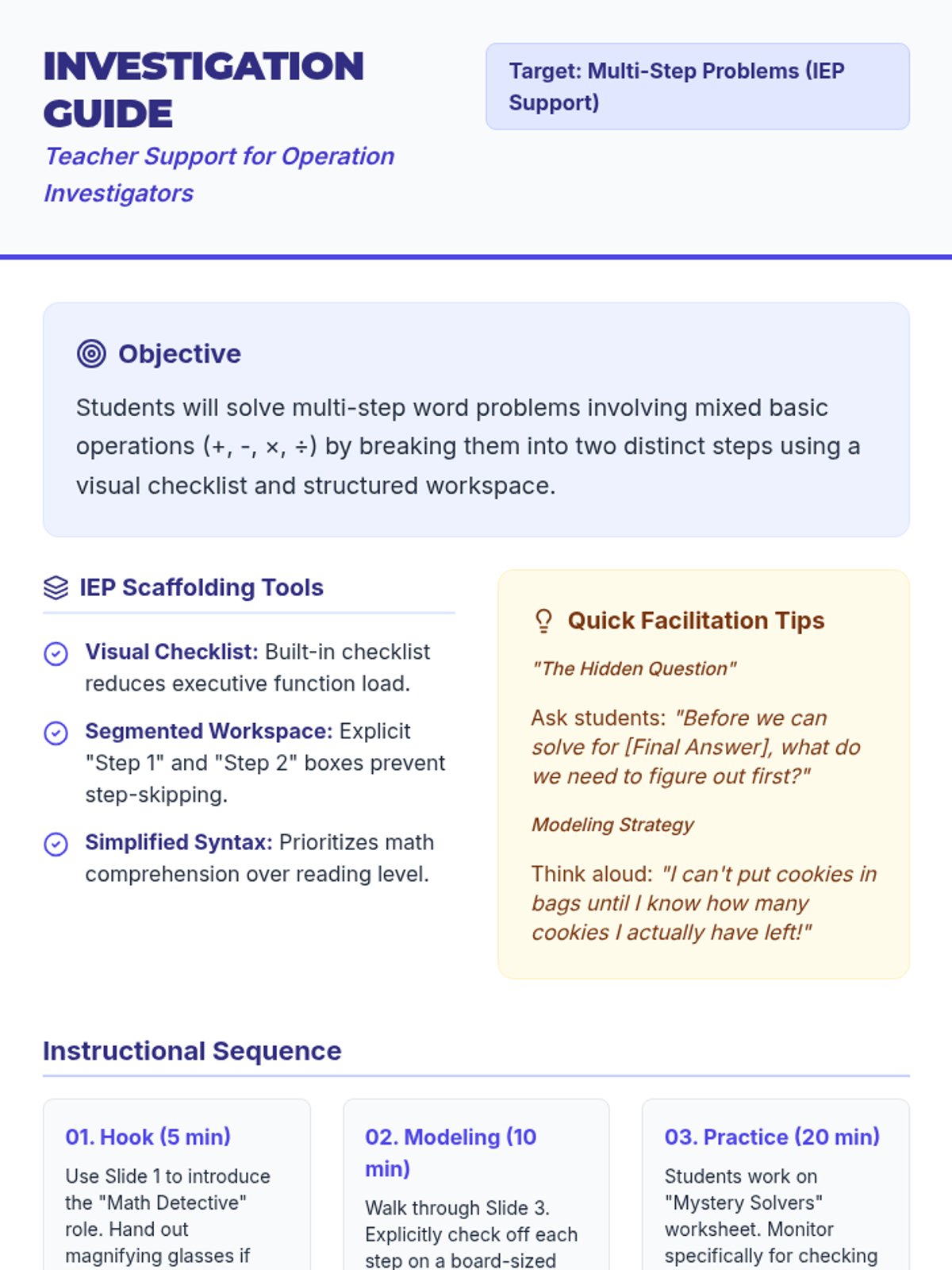
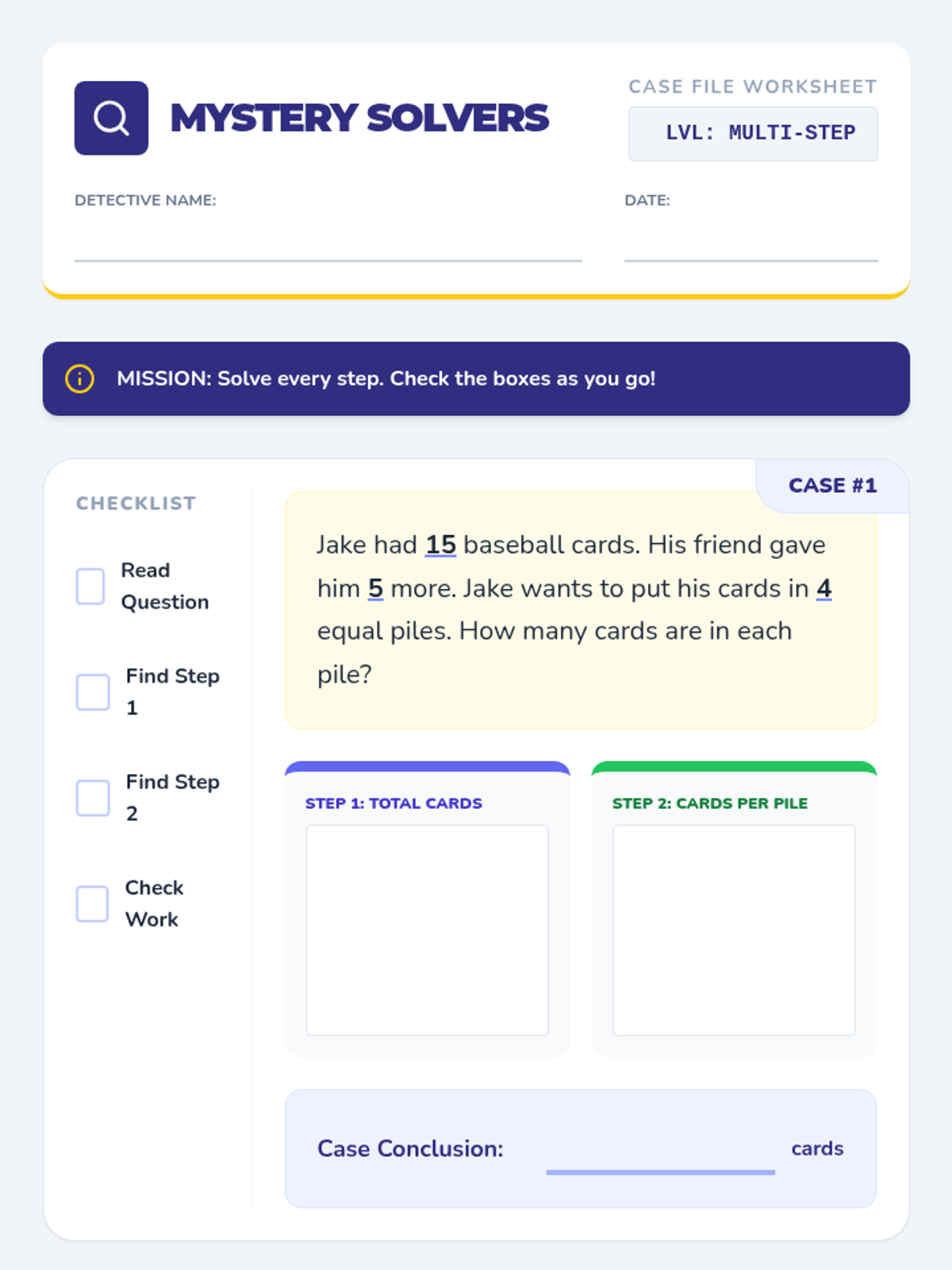
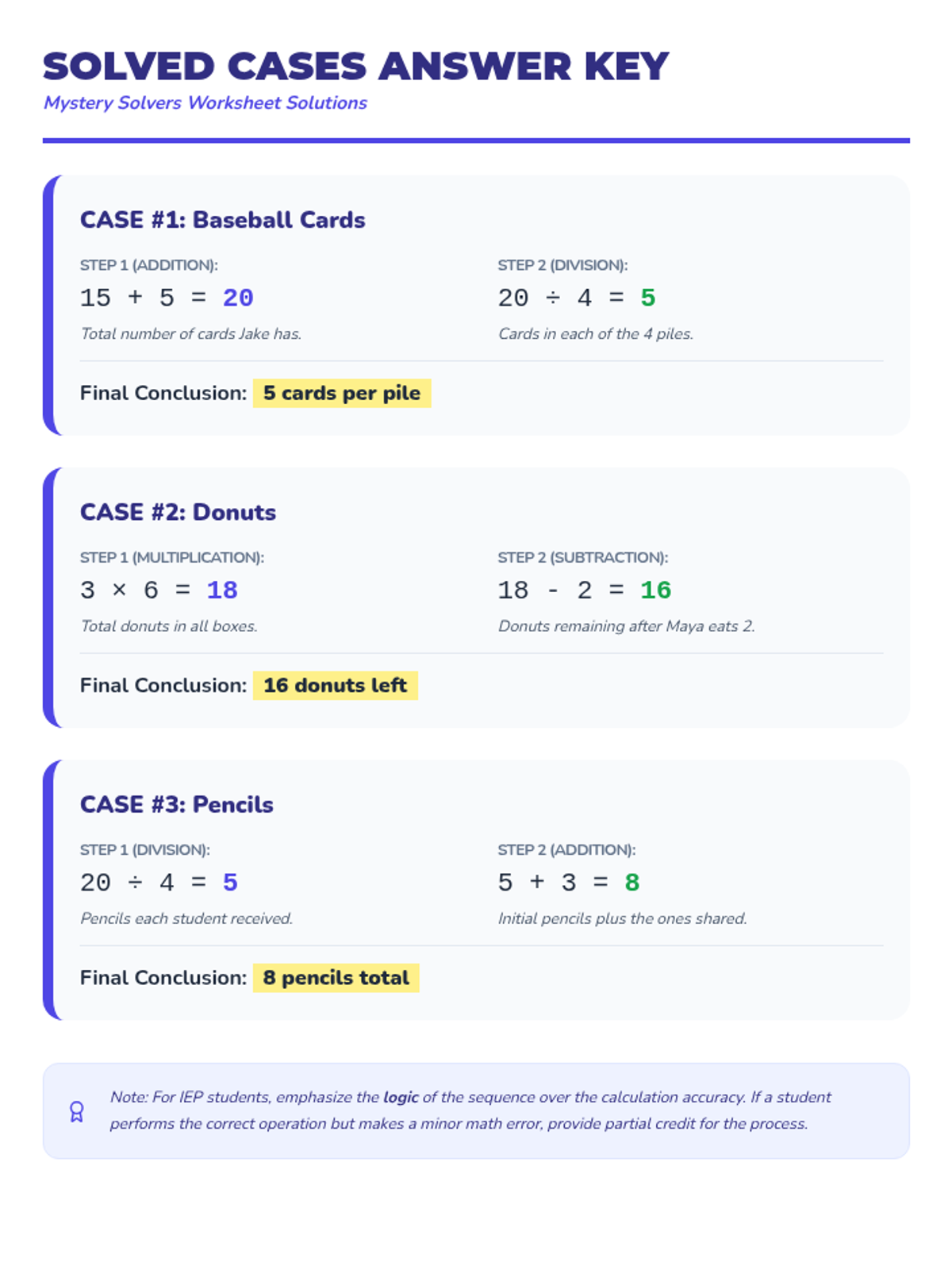
A lesson focused on solving multi-step word problems using all four operations, specifically designed with scaffolds like visual models and checklists for IEP students.
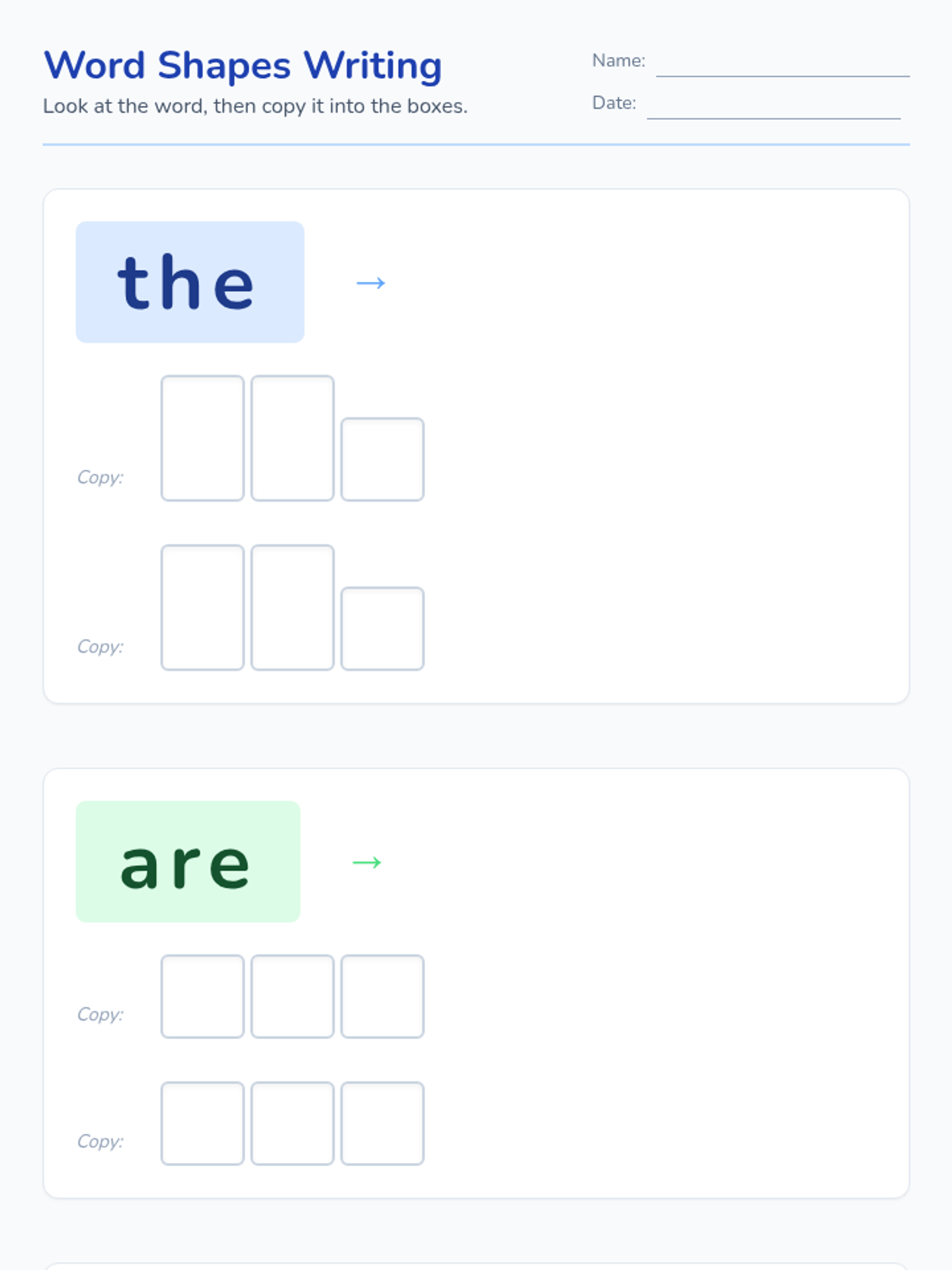
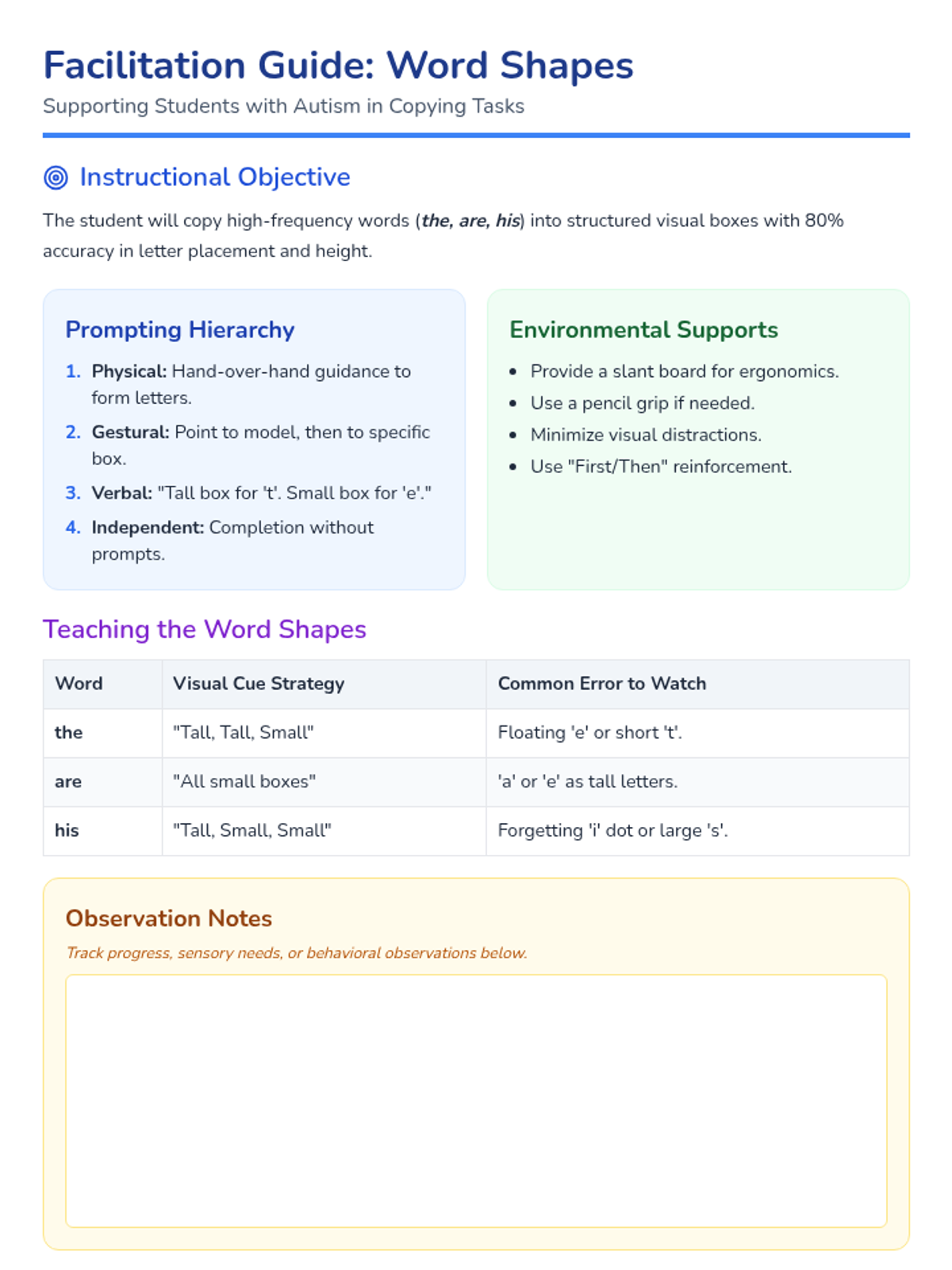
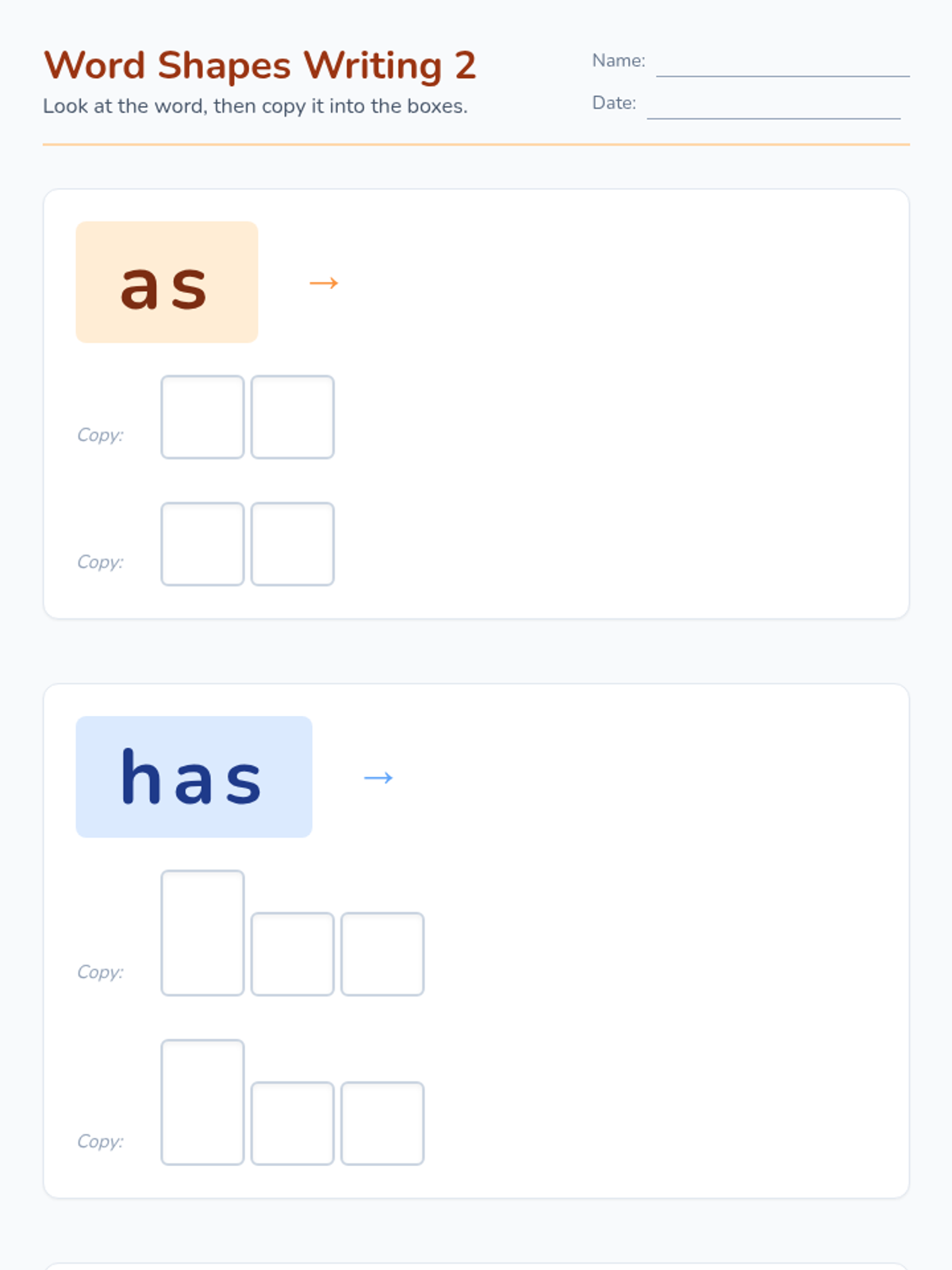
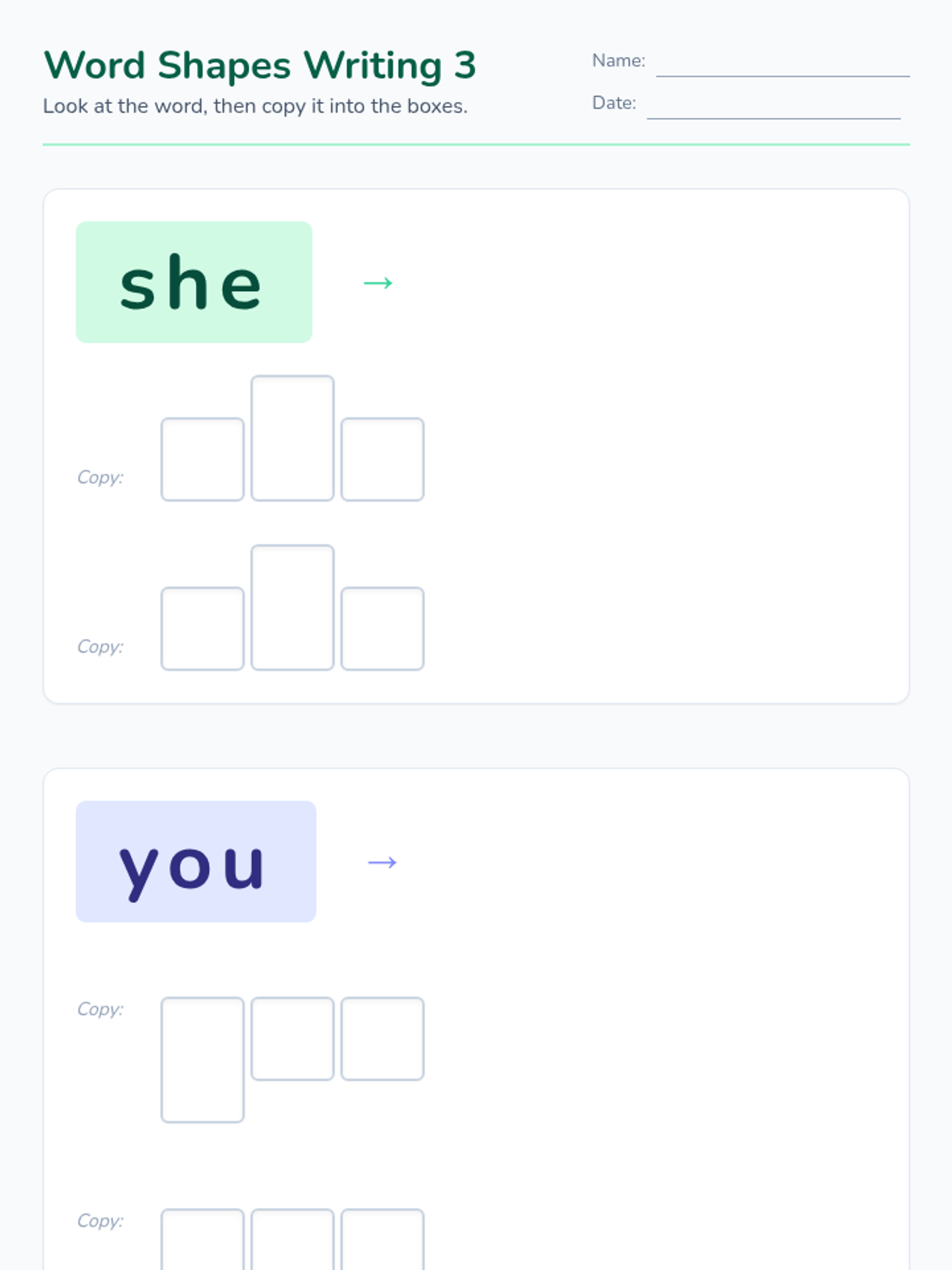
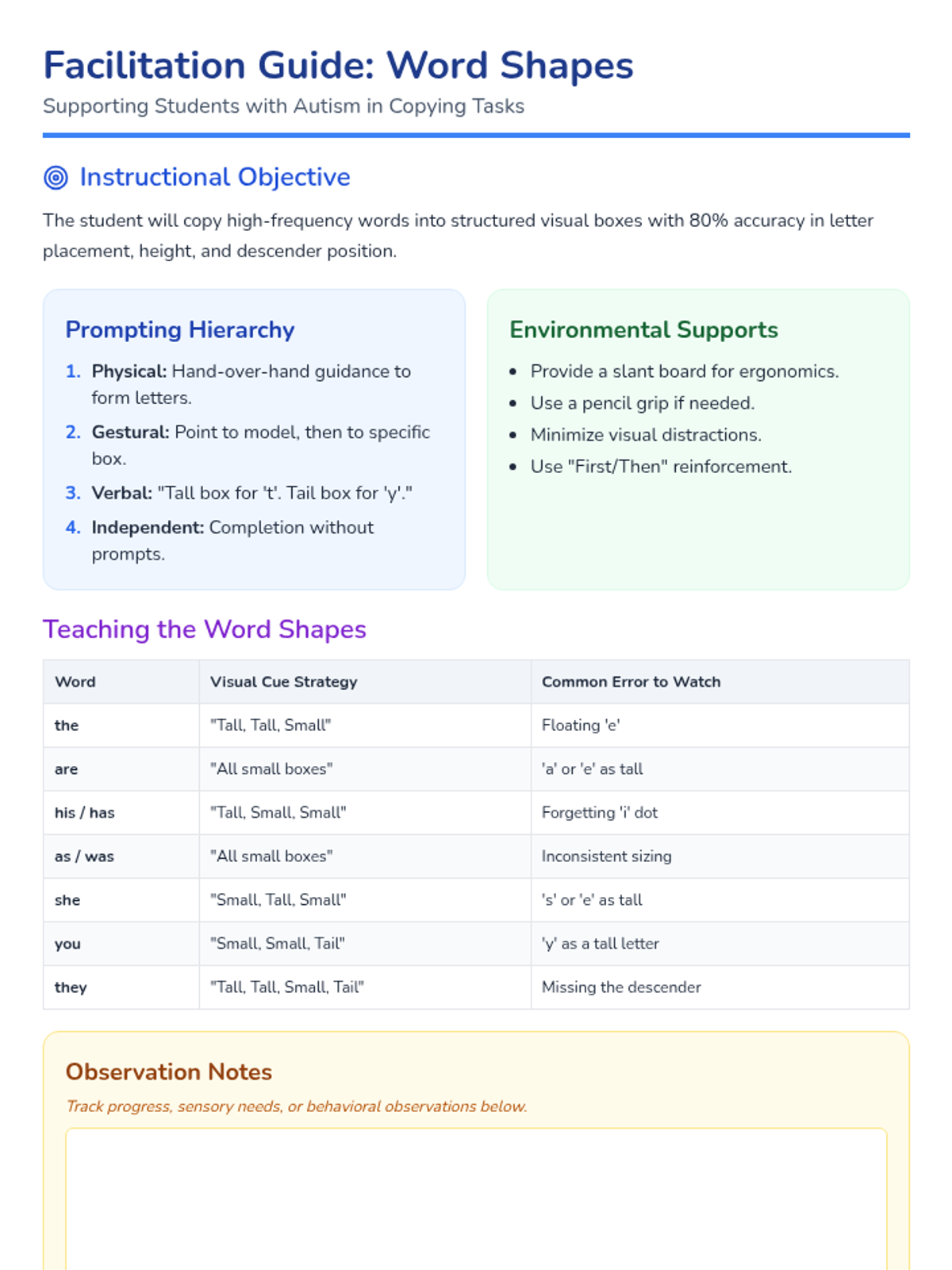
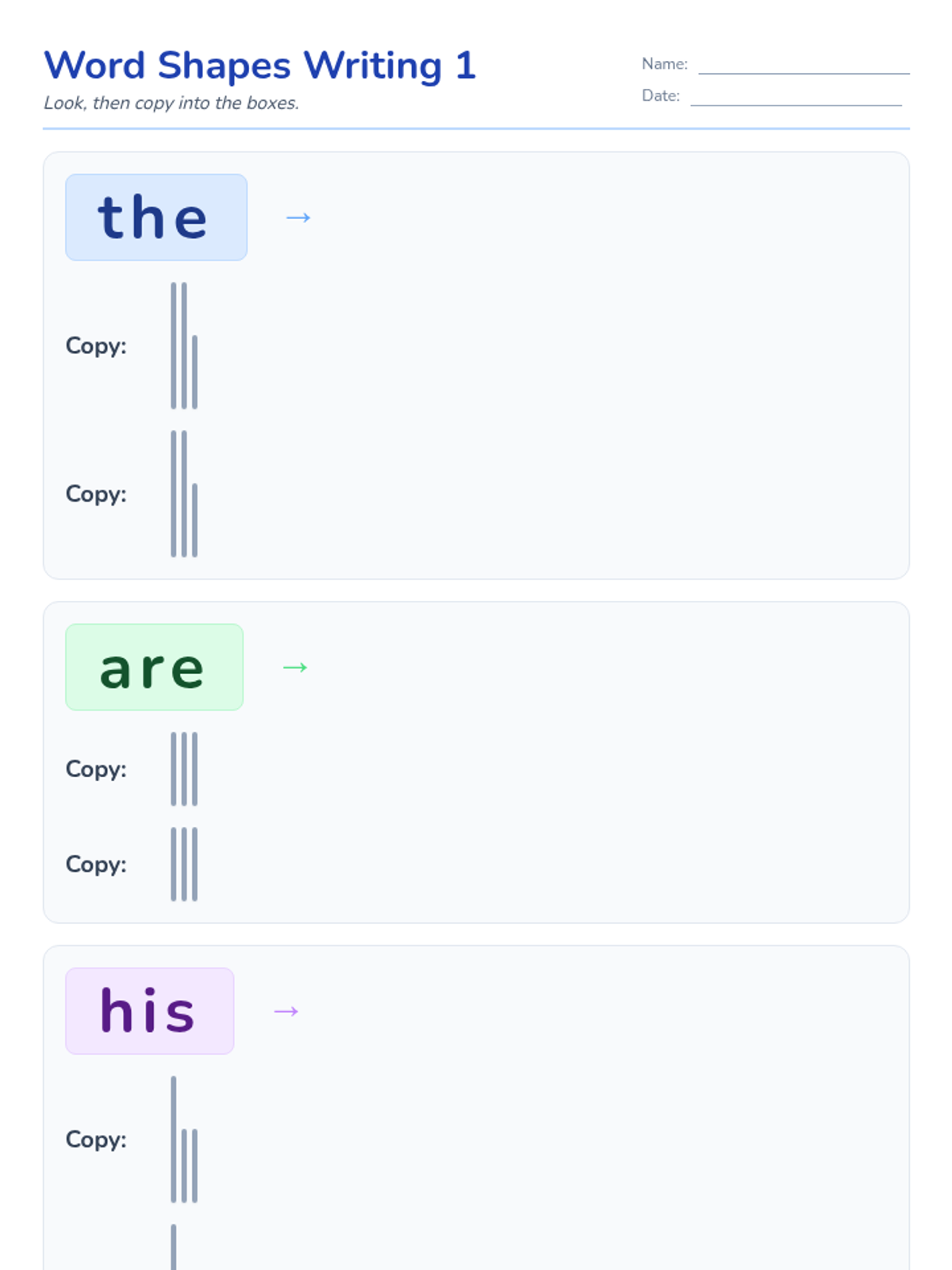
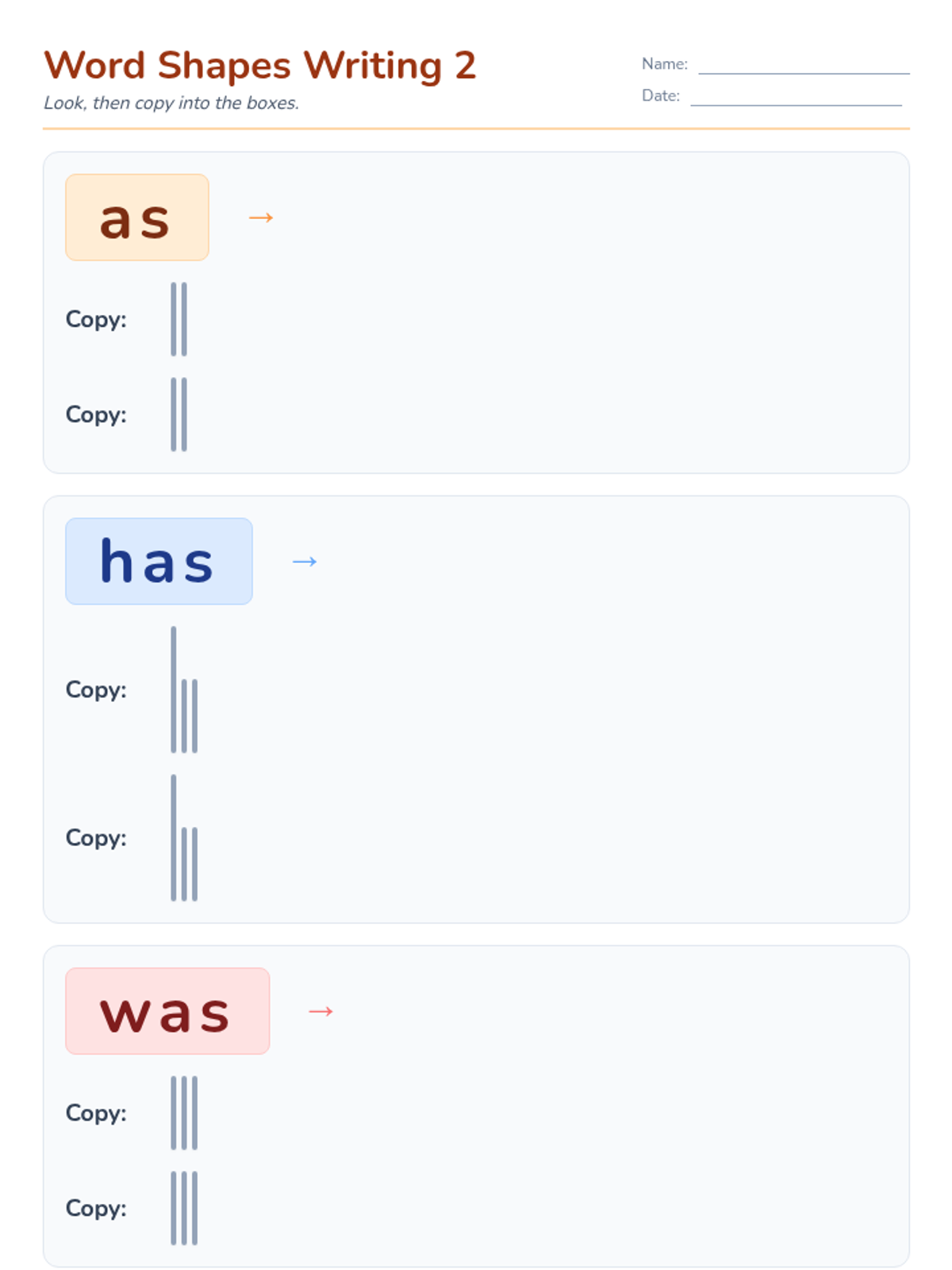
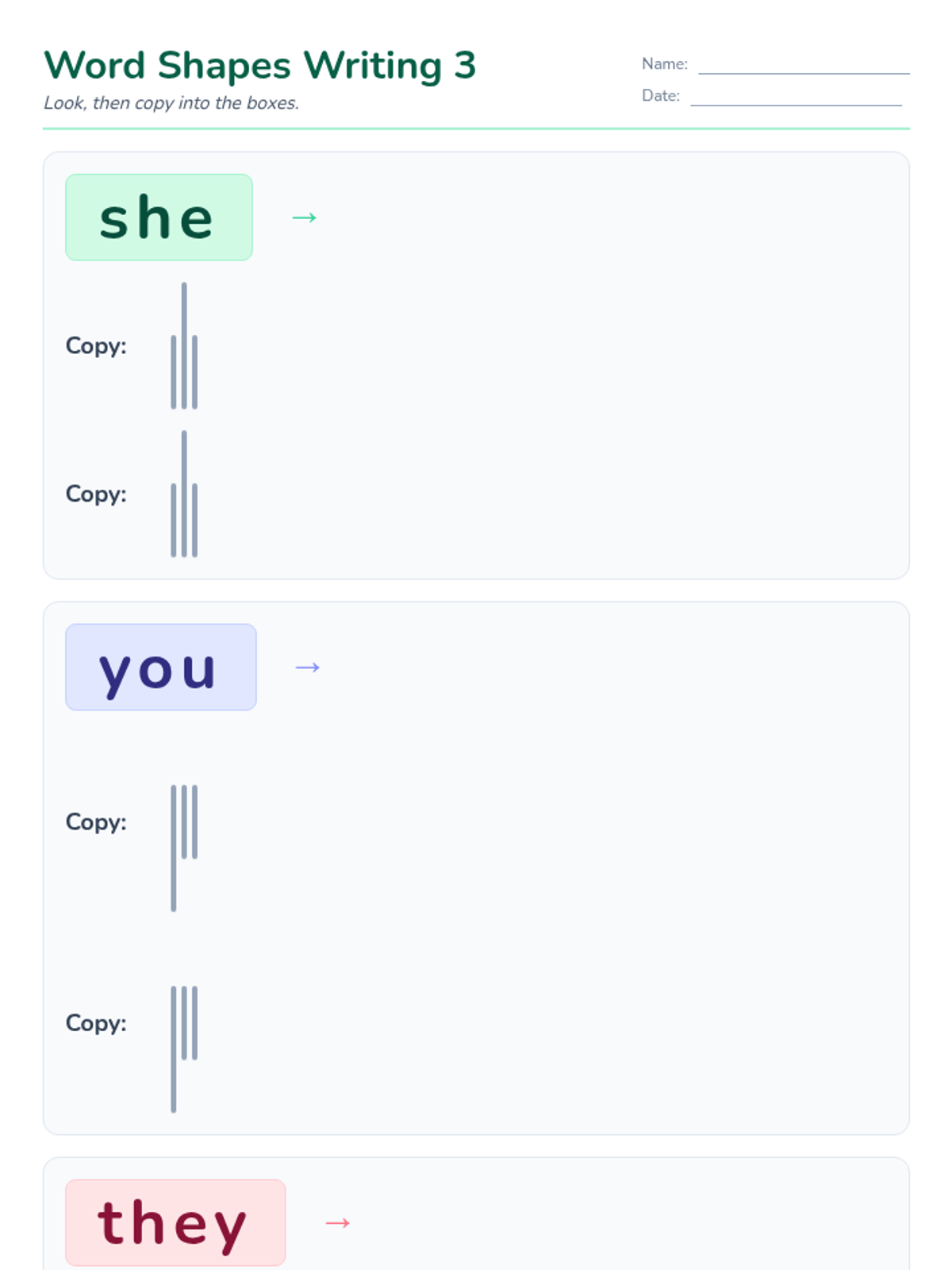
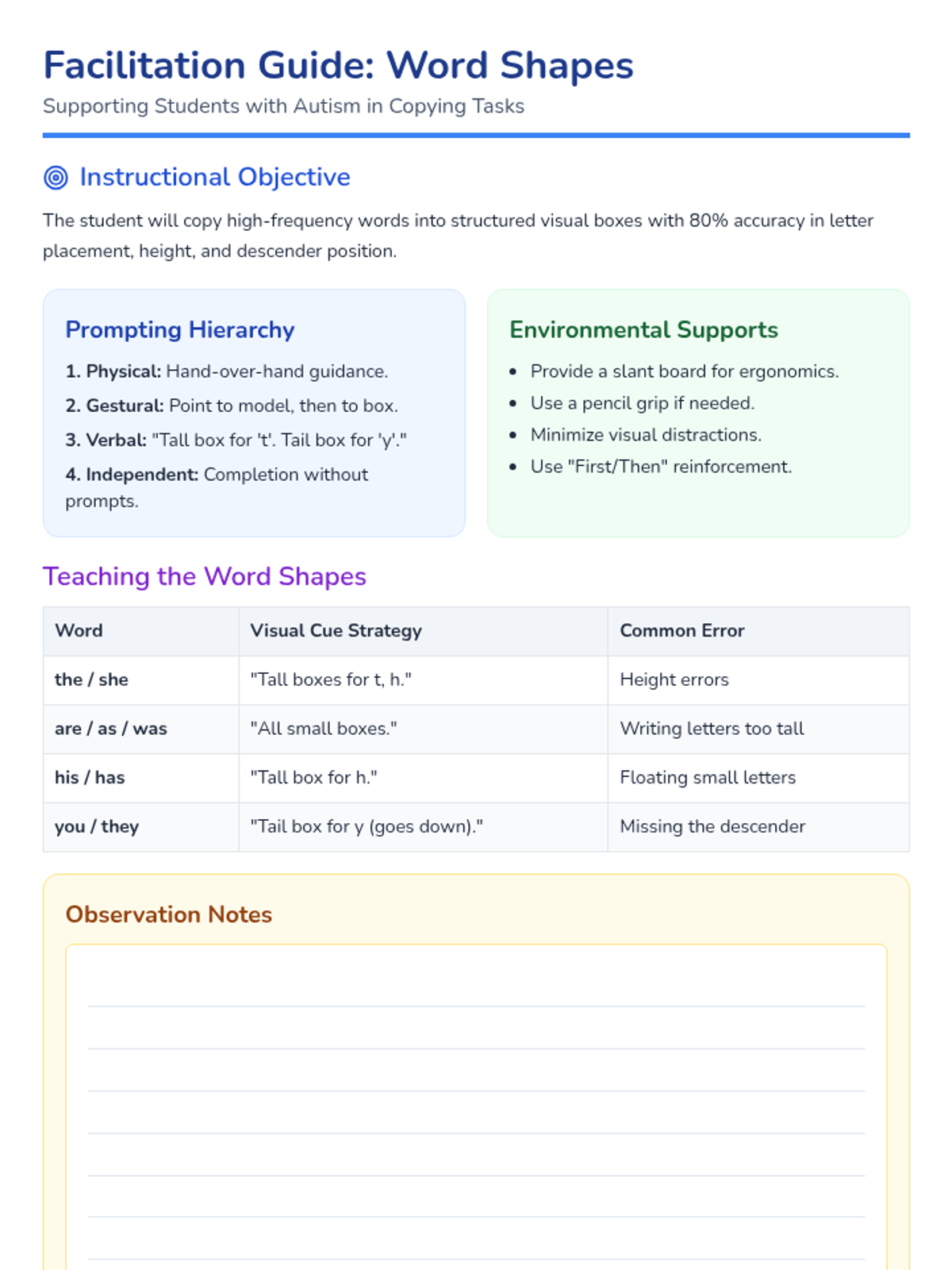
A structured writing lesson focusing on copying high-frequency words using visual letter shapes to support students with diverse learning needs.
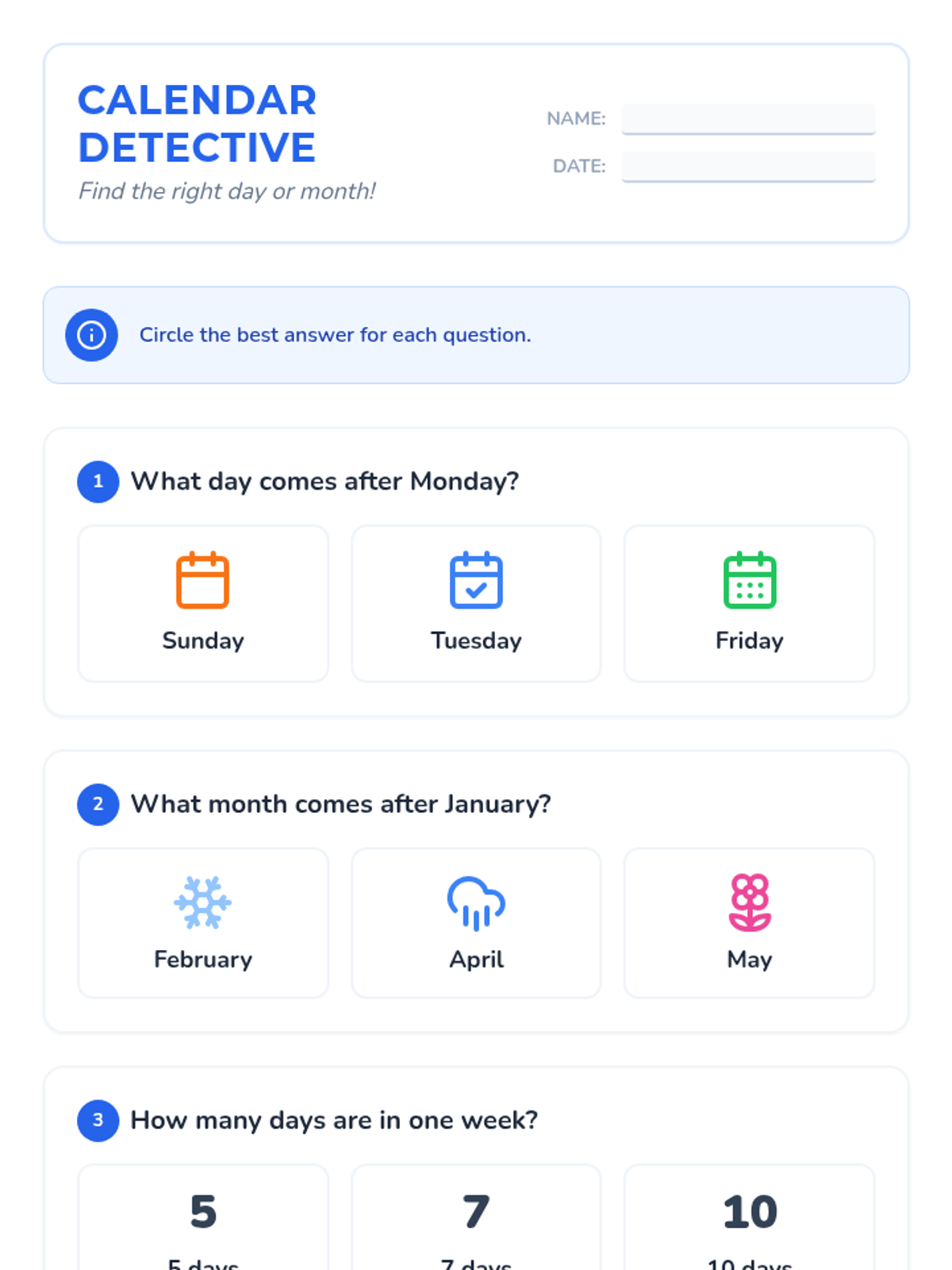
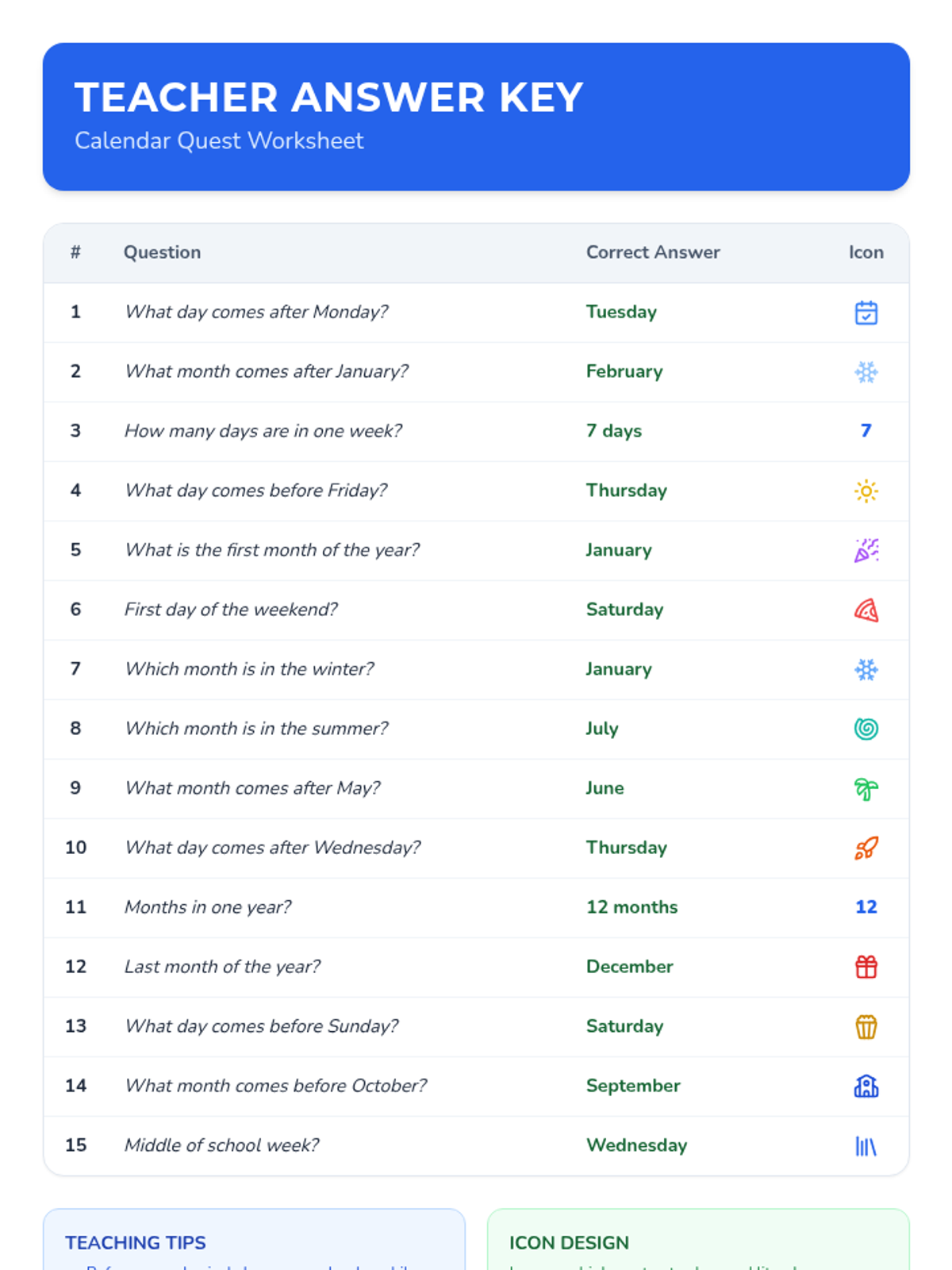
A foundational lesson on navigating the calendar, specifically designed for 3rd-grade students with Autism. It focuses on identifying the sequence of days and months through visual supports and structured practice.
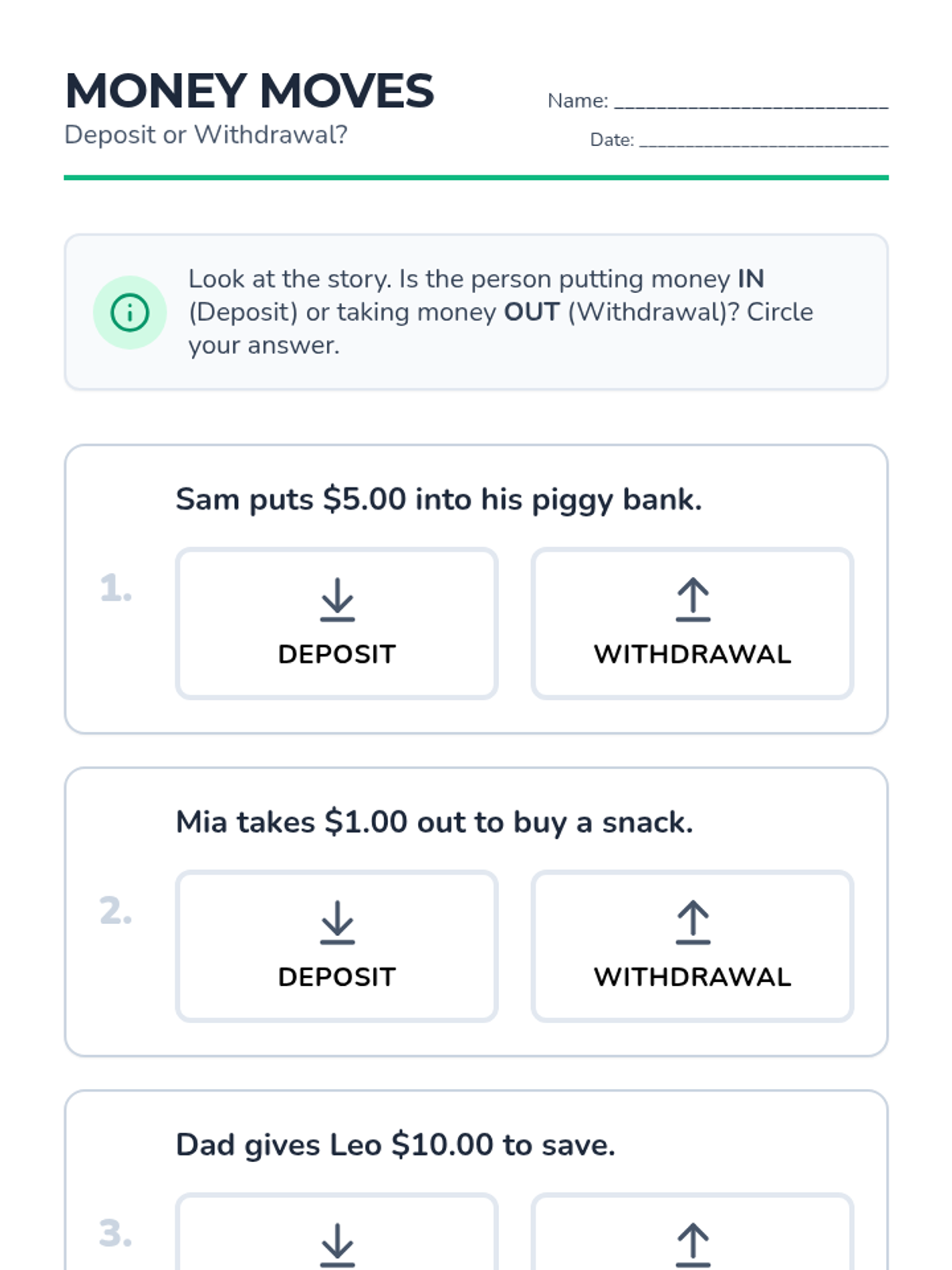
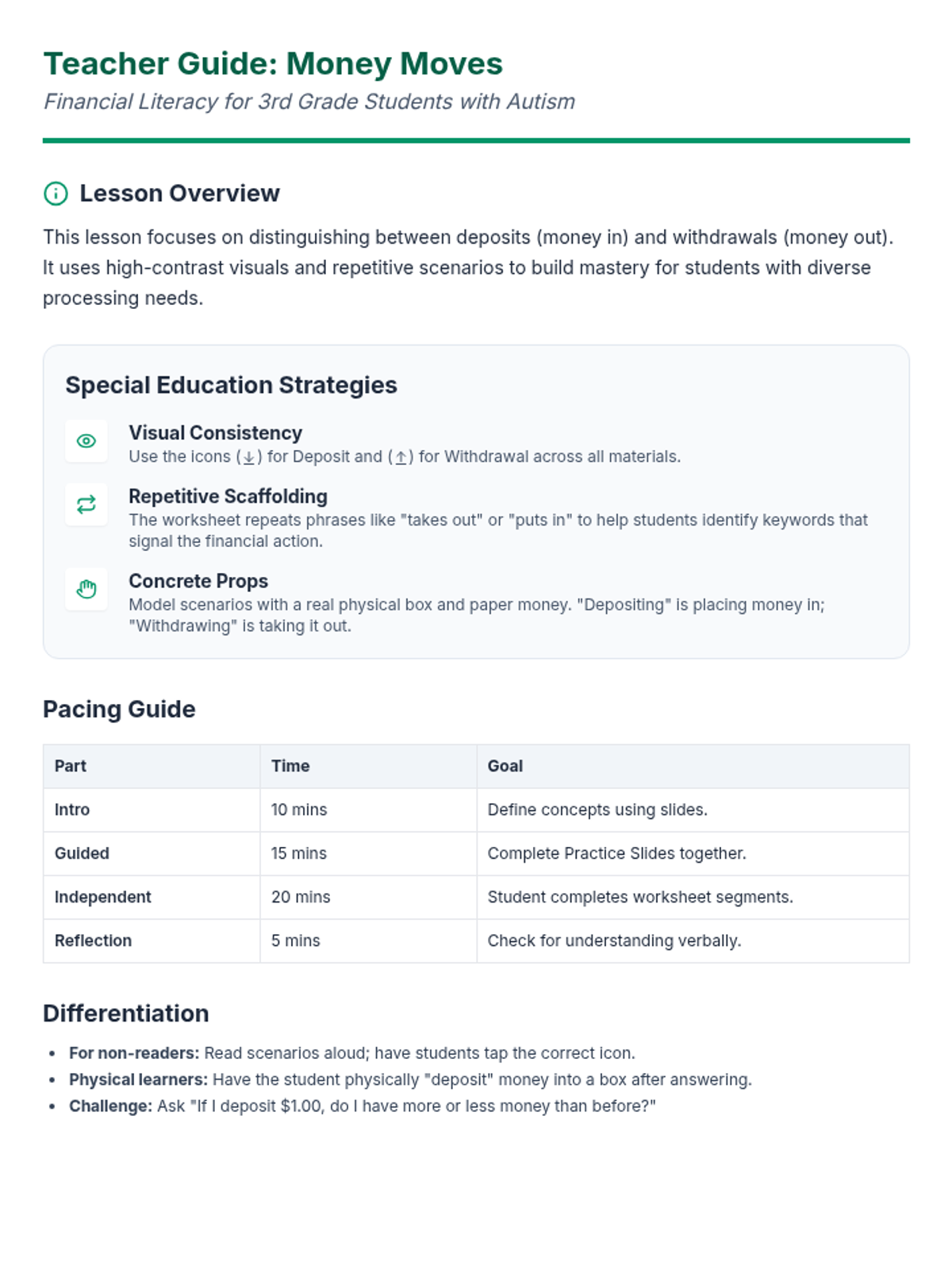
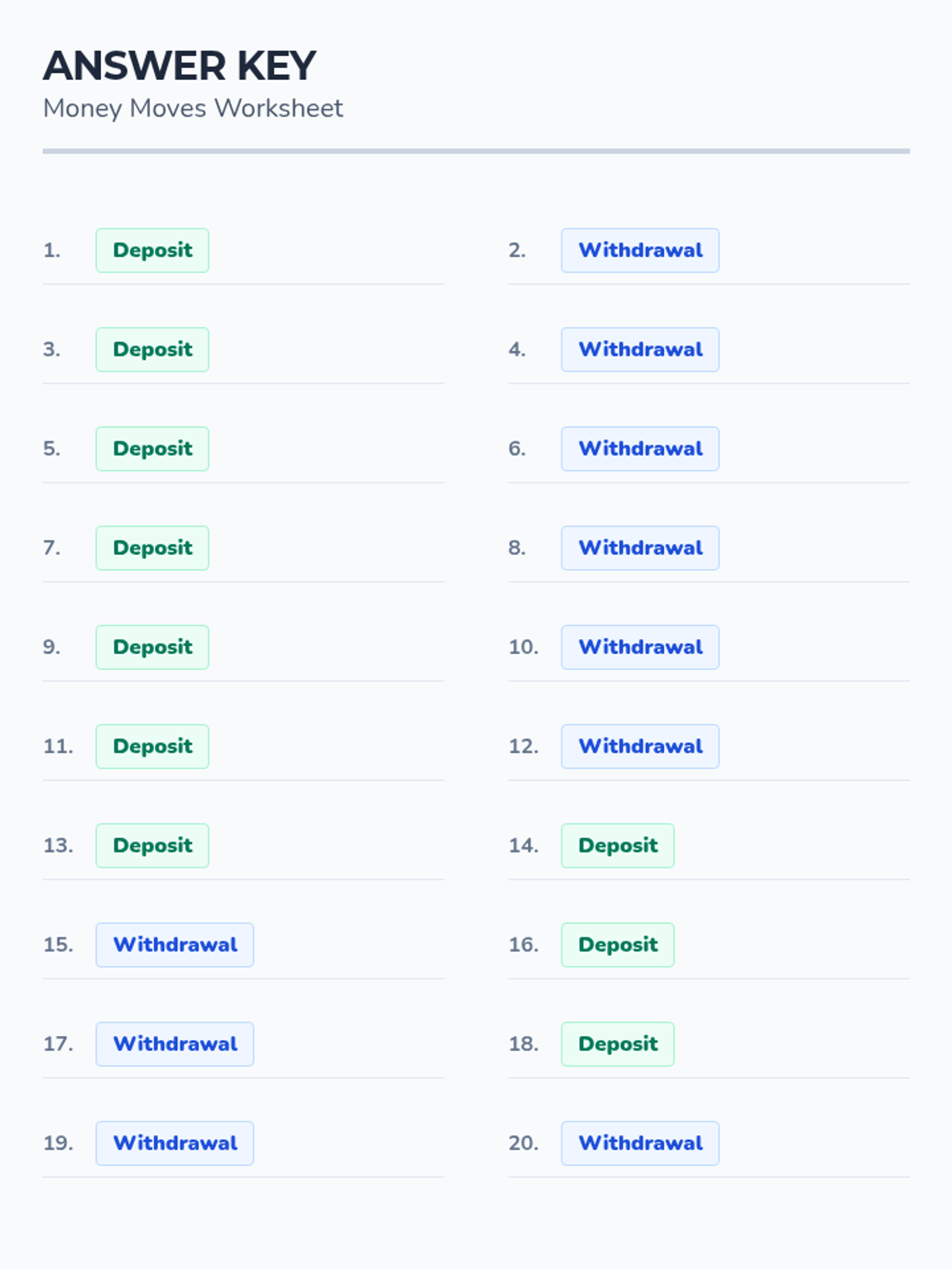
A foundational financial literacy lesson for 3rd-grade students with Autism focusing on identifying deposits and withdrawals using visual supports and concrete scenarios.
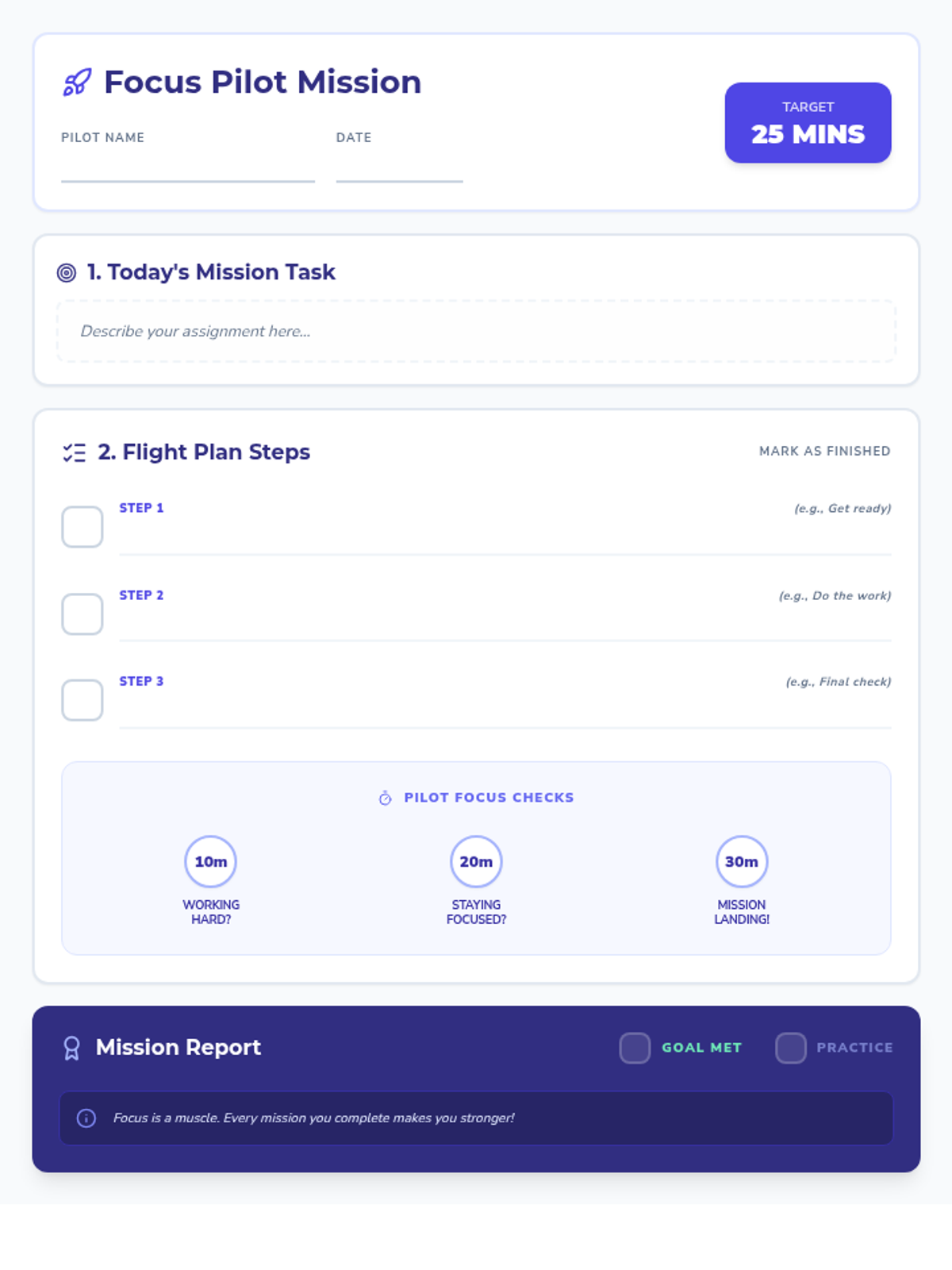
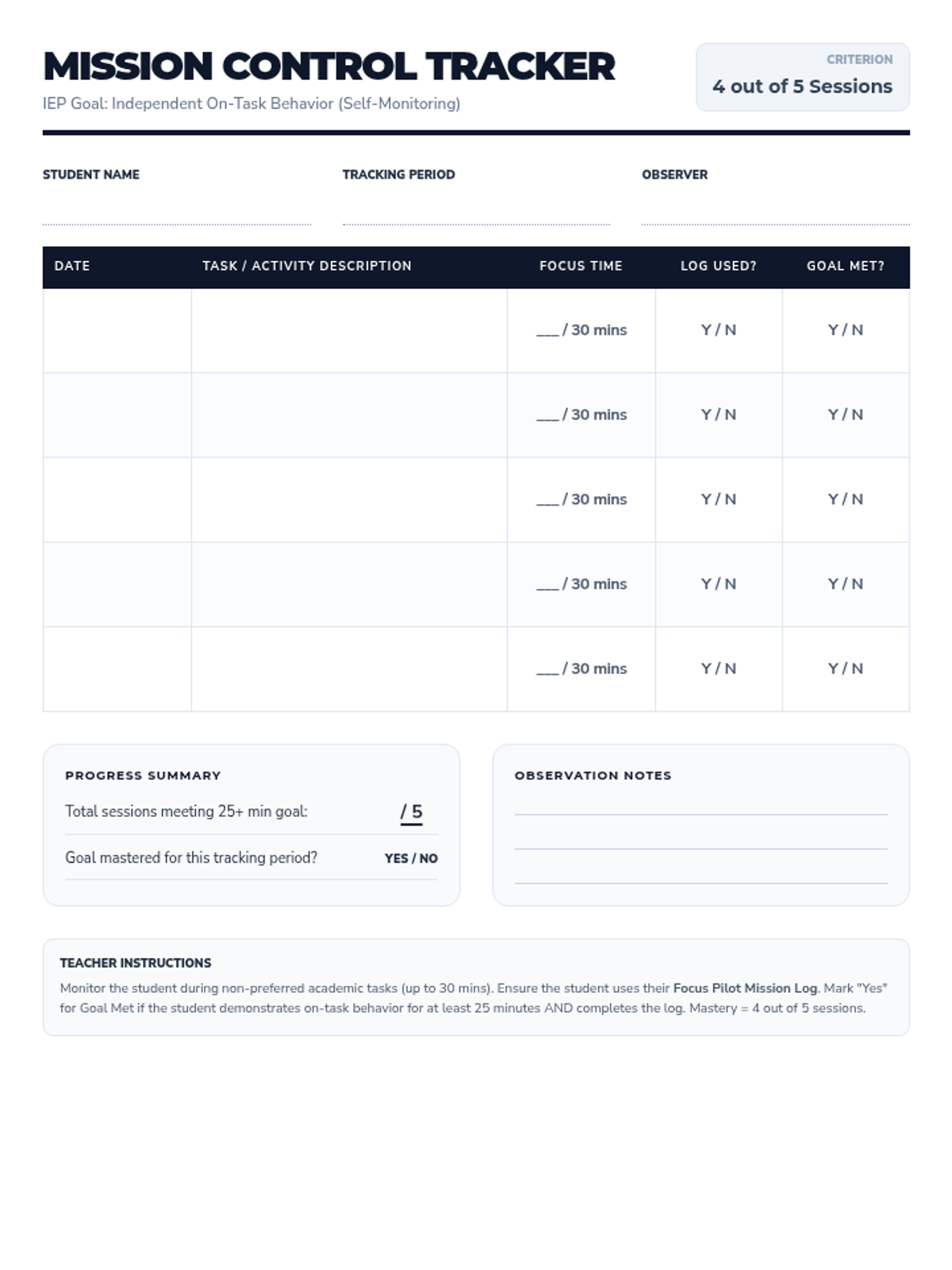
A set of tools designed to help 5th-grade students self-monitor their focus and independence during academic tasks, specifically targeting IEP goals for on-task behavior.
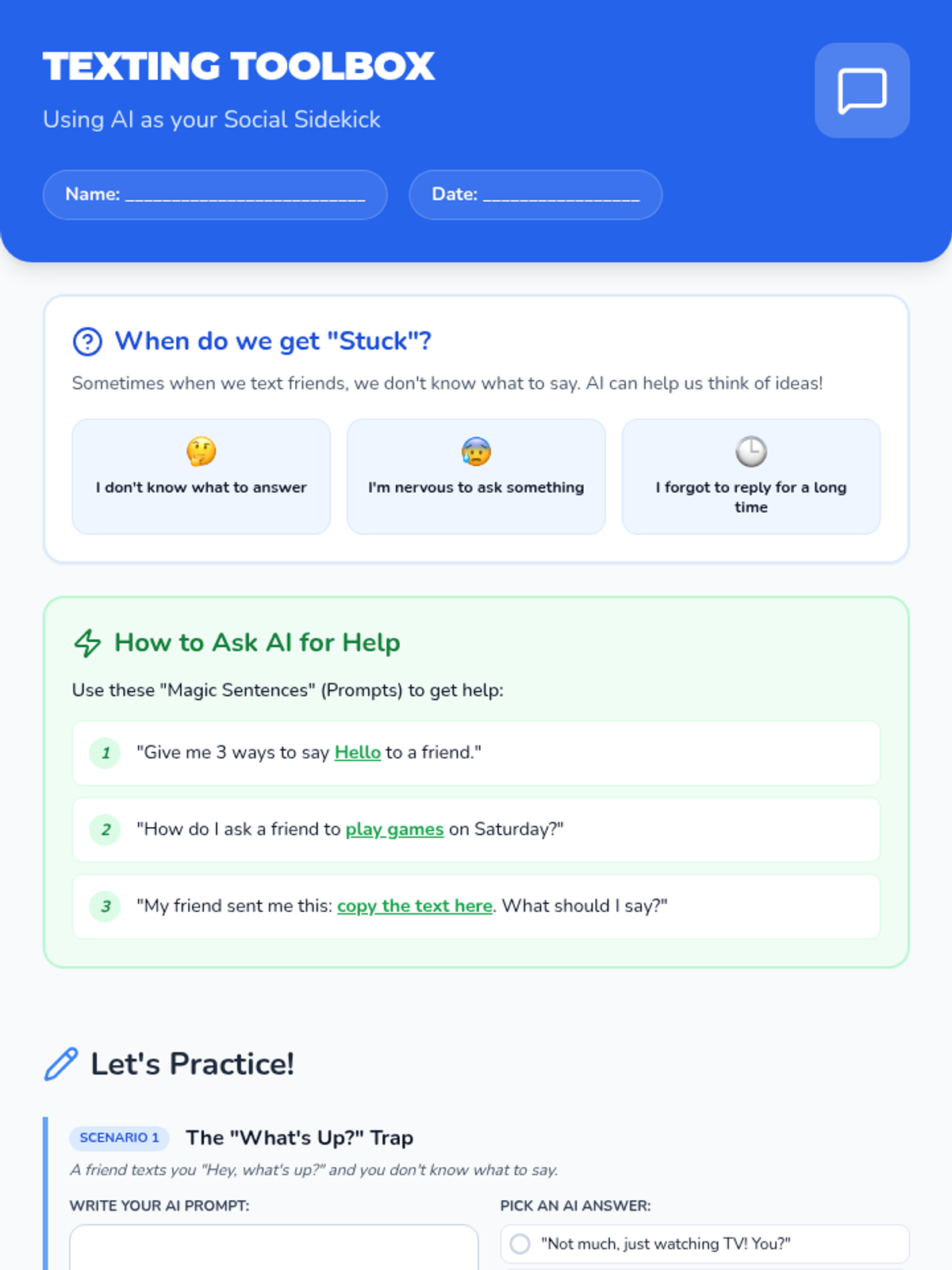
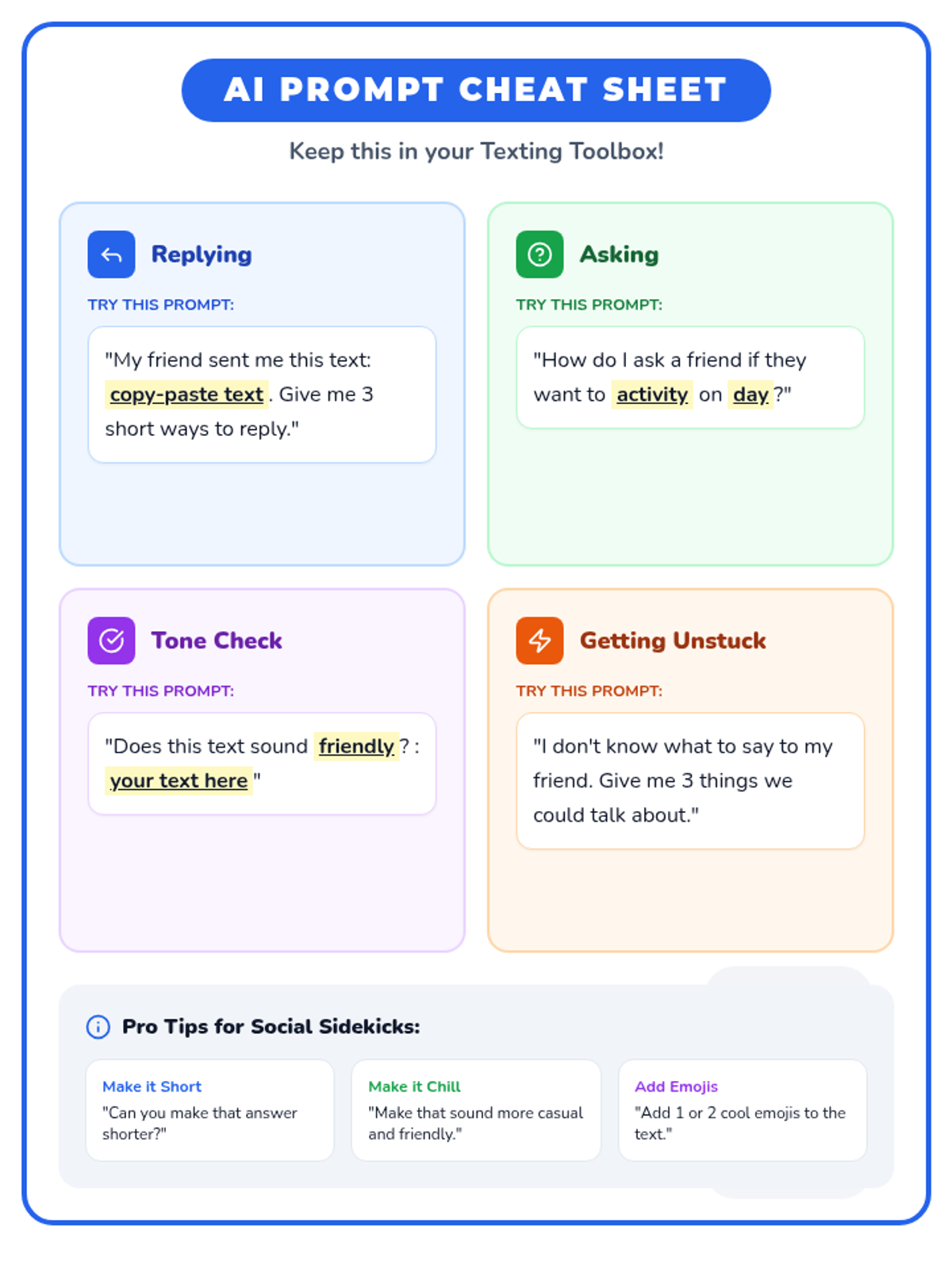
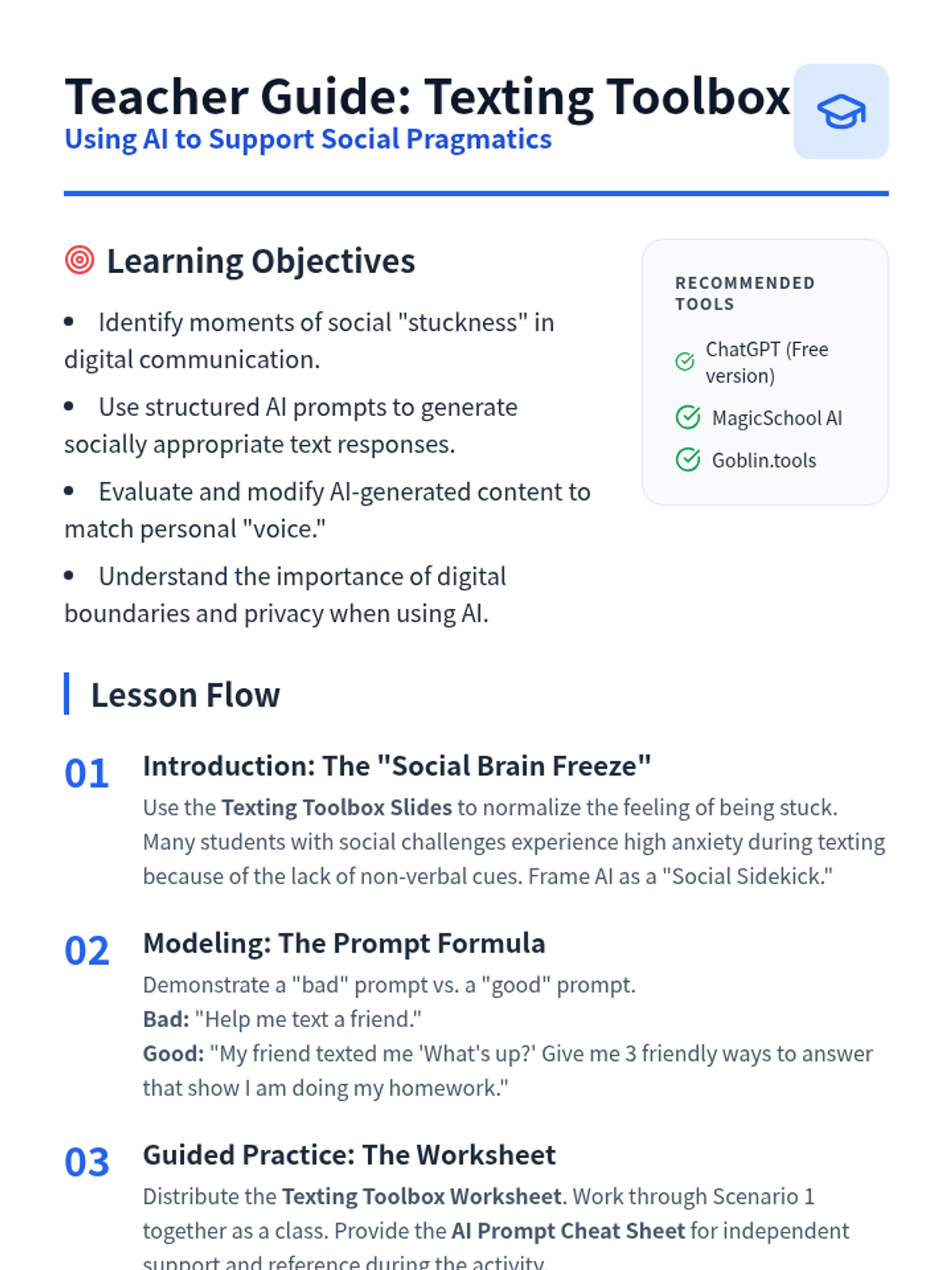
A lesson designed for students with moderate intellectual disabilities and social/pragmatic challenges to learn how to use AI as a 'social sidekick' when they feel stuck or overwhelmed while texting friends.
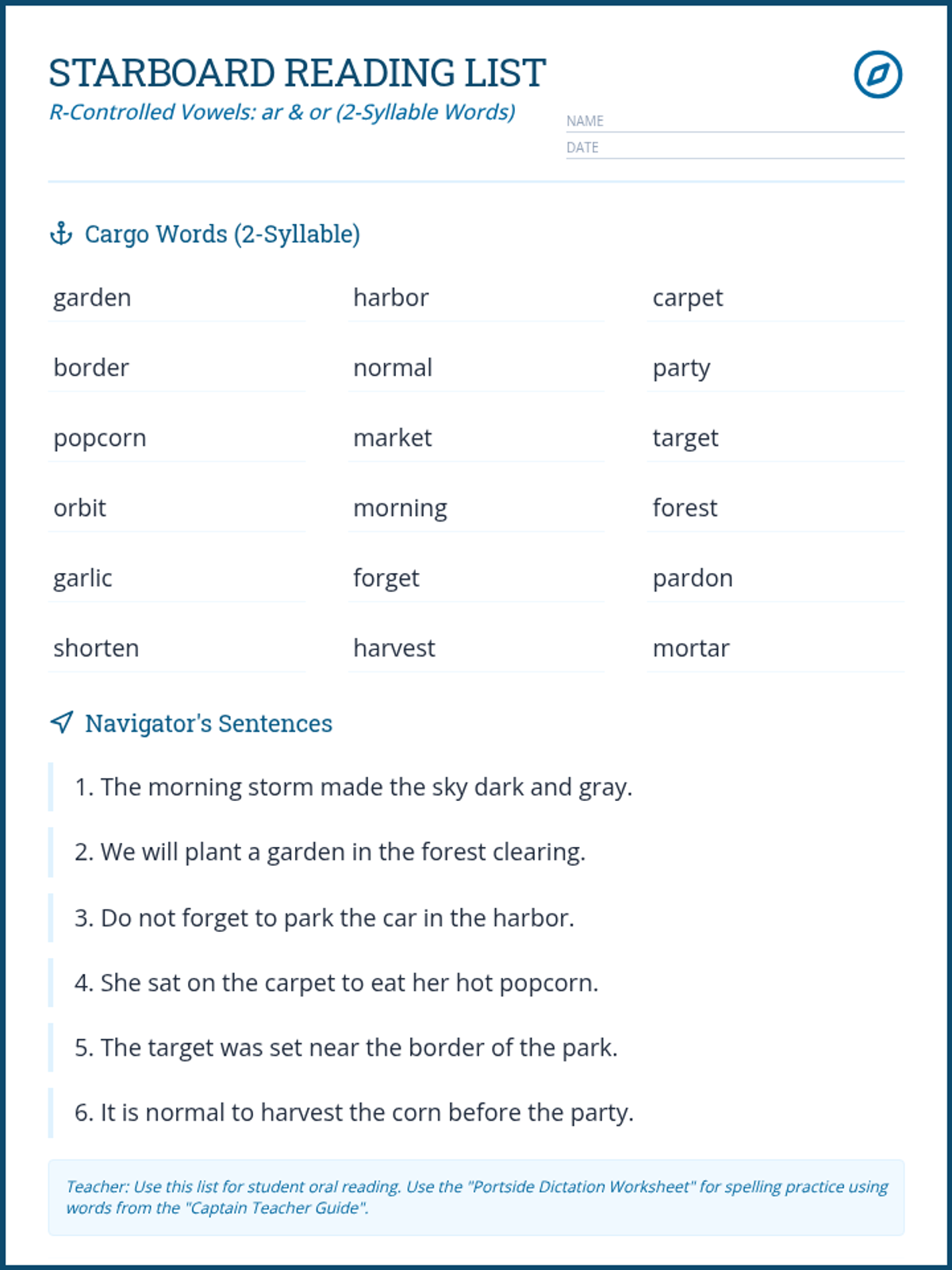
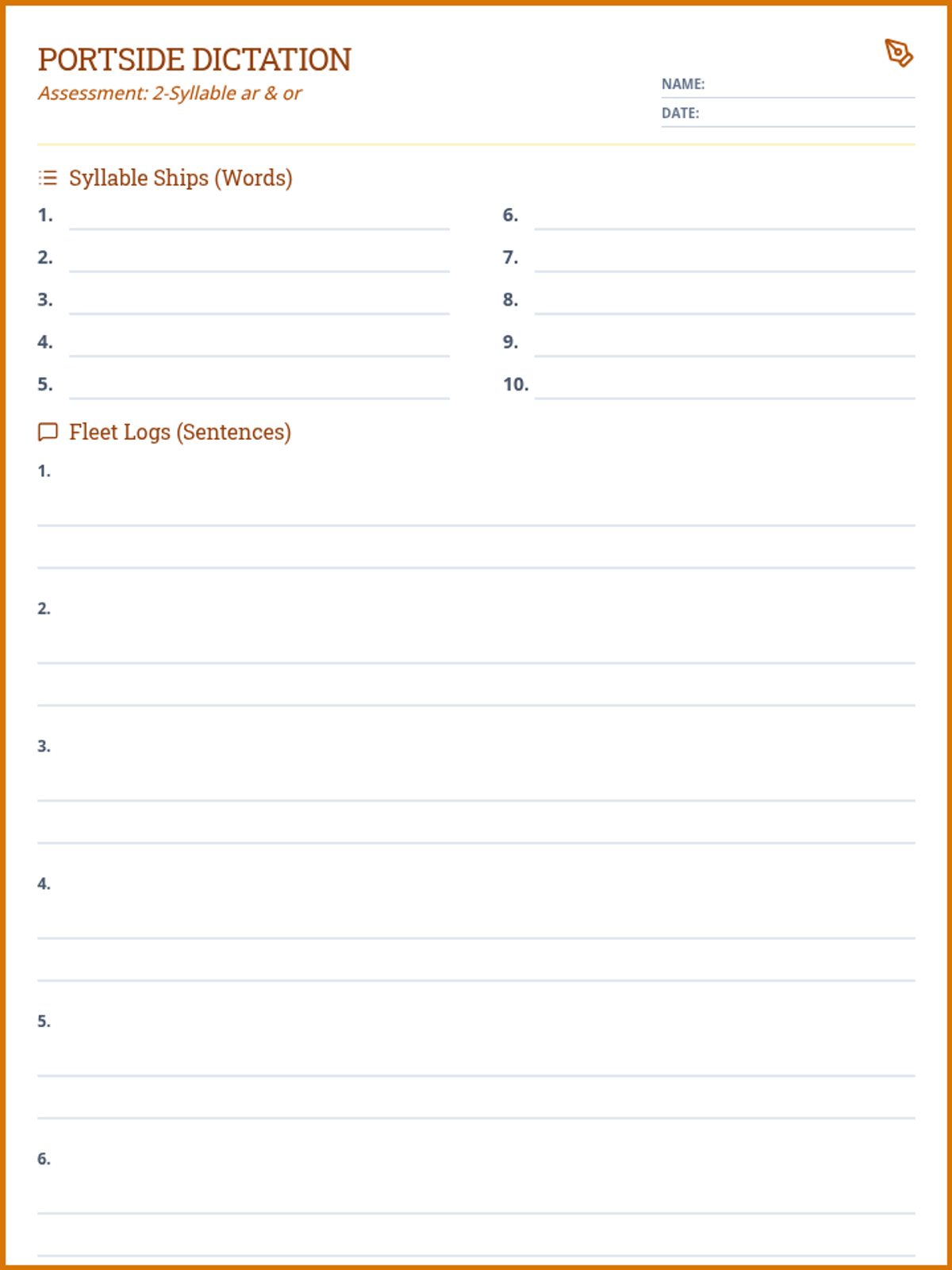
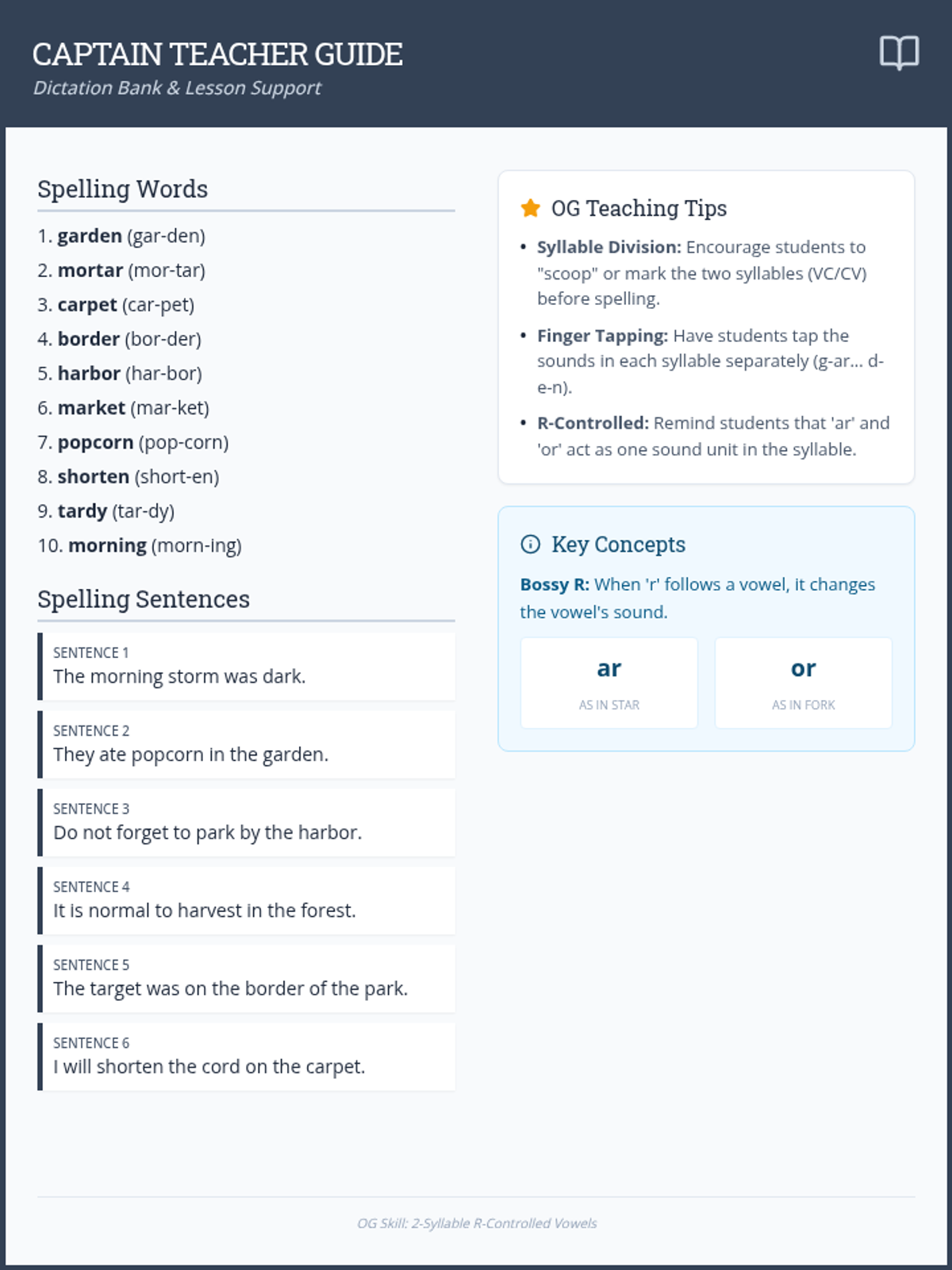
A focused Orton-Gillingham lesson on reading and spelling two-syllable words containing the 'ar' and 'or' r-controlled vowels, themed around maritime exploration.
A lesson designed for students with IEPs to master multi-step word problems using a structured 'Detective' theme and visual checklists. Students learn to break down complex problems into manageable steps using mixed basic operations.
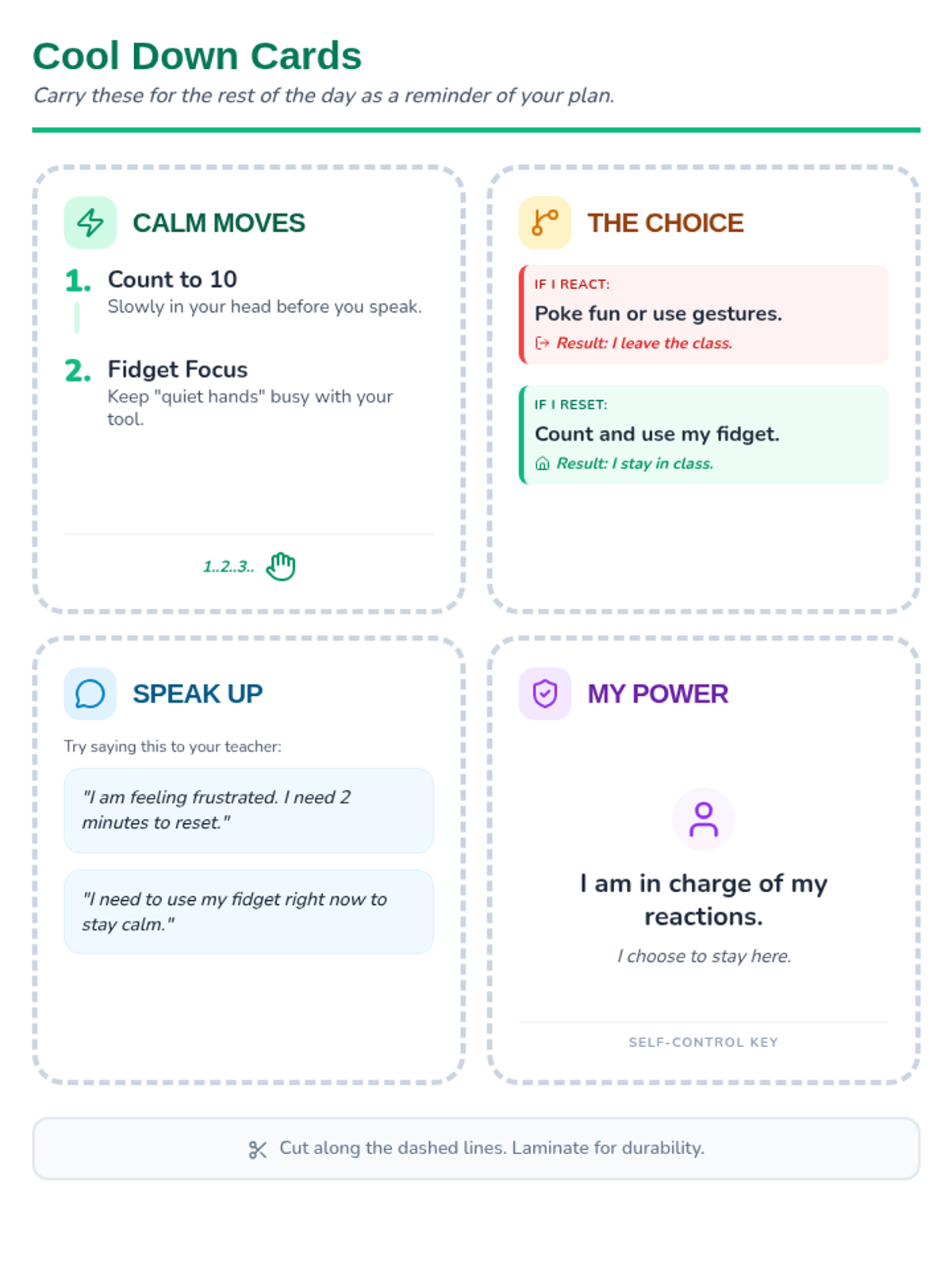
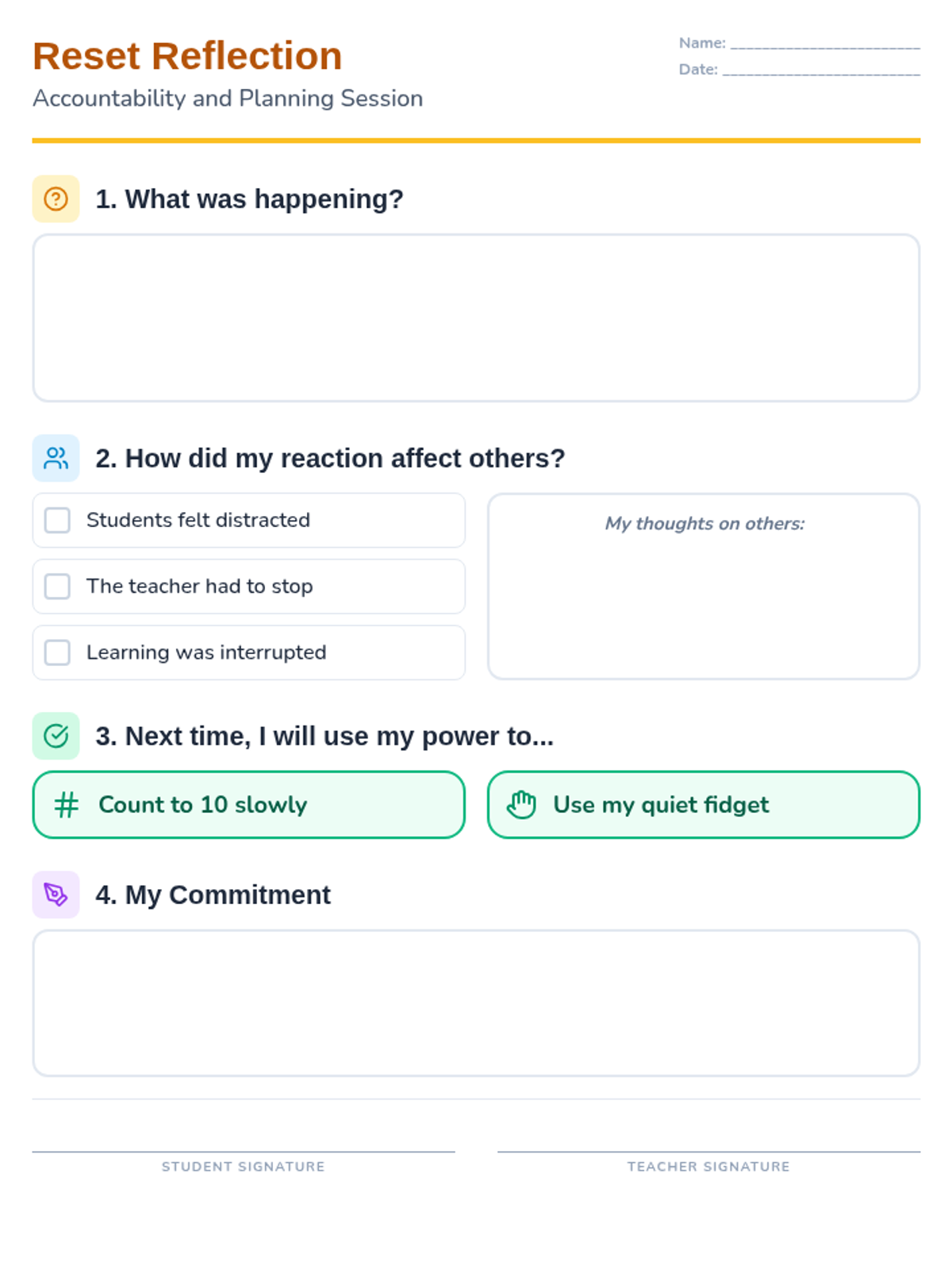
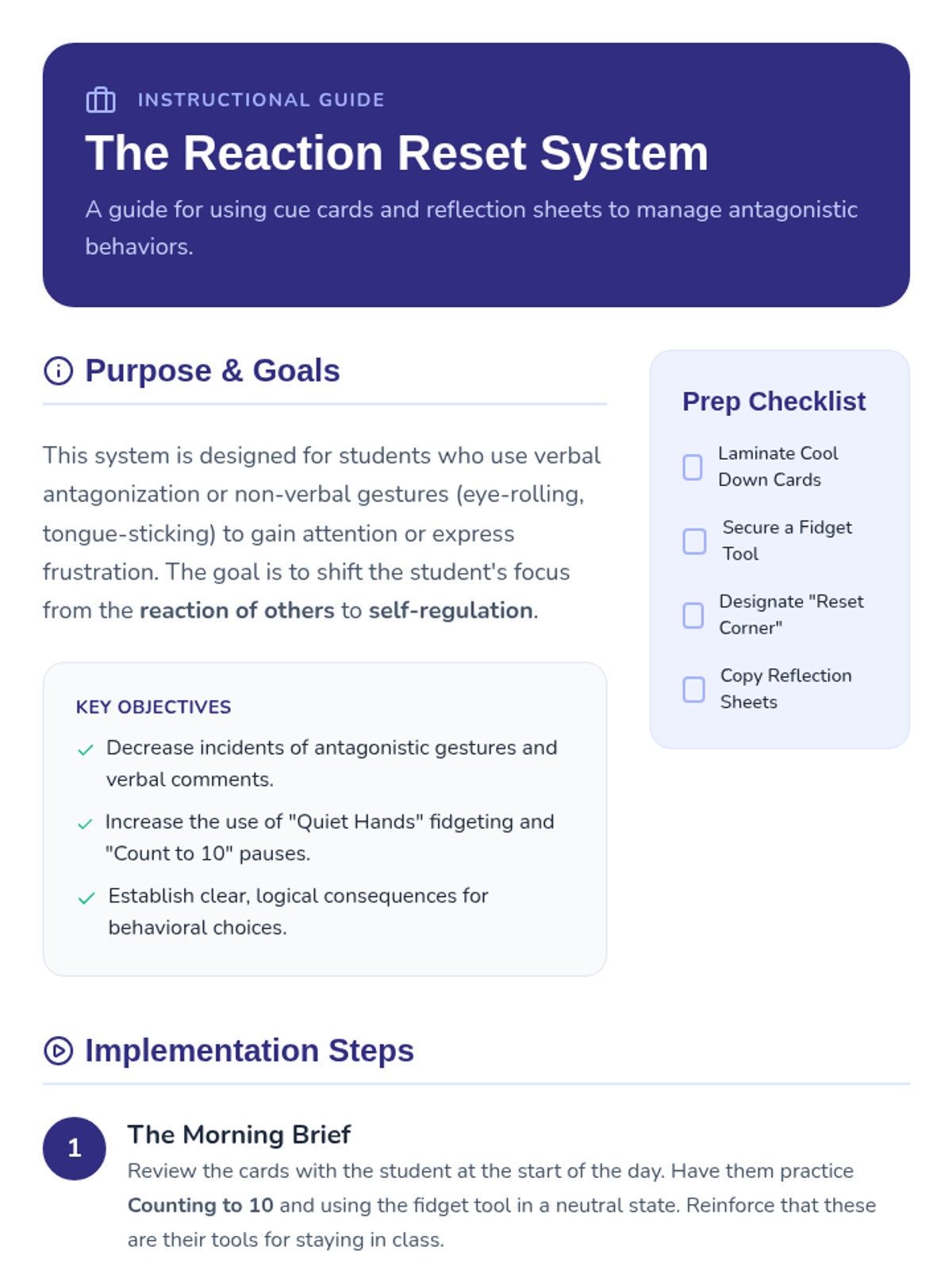
A behavioral intervention lesson designed to provide a student with immediate, portable visual cues for self-regulation and a framework for accountability after conflict.
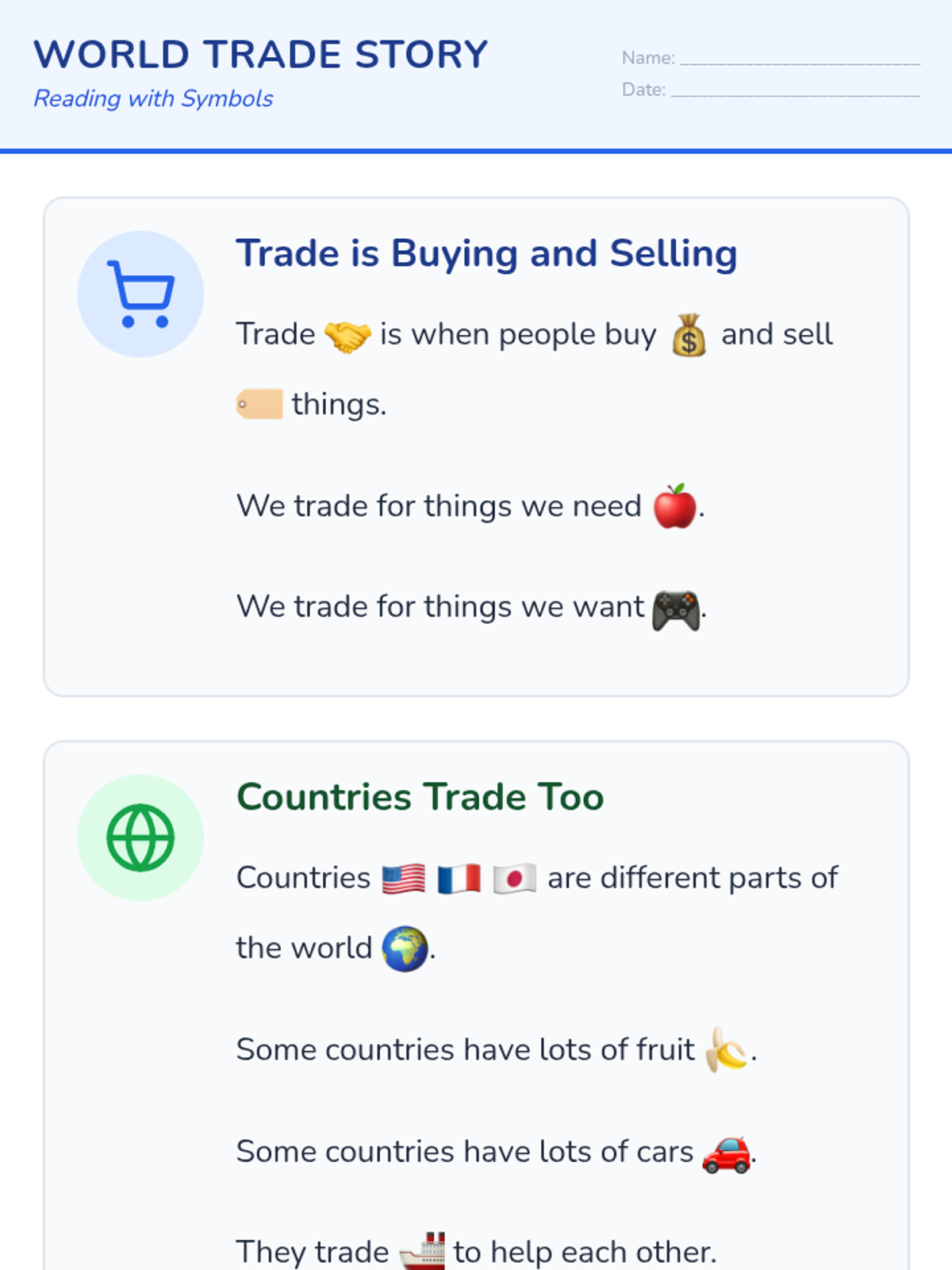
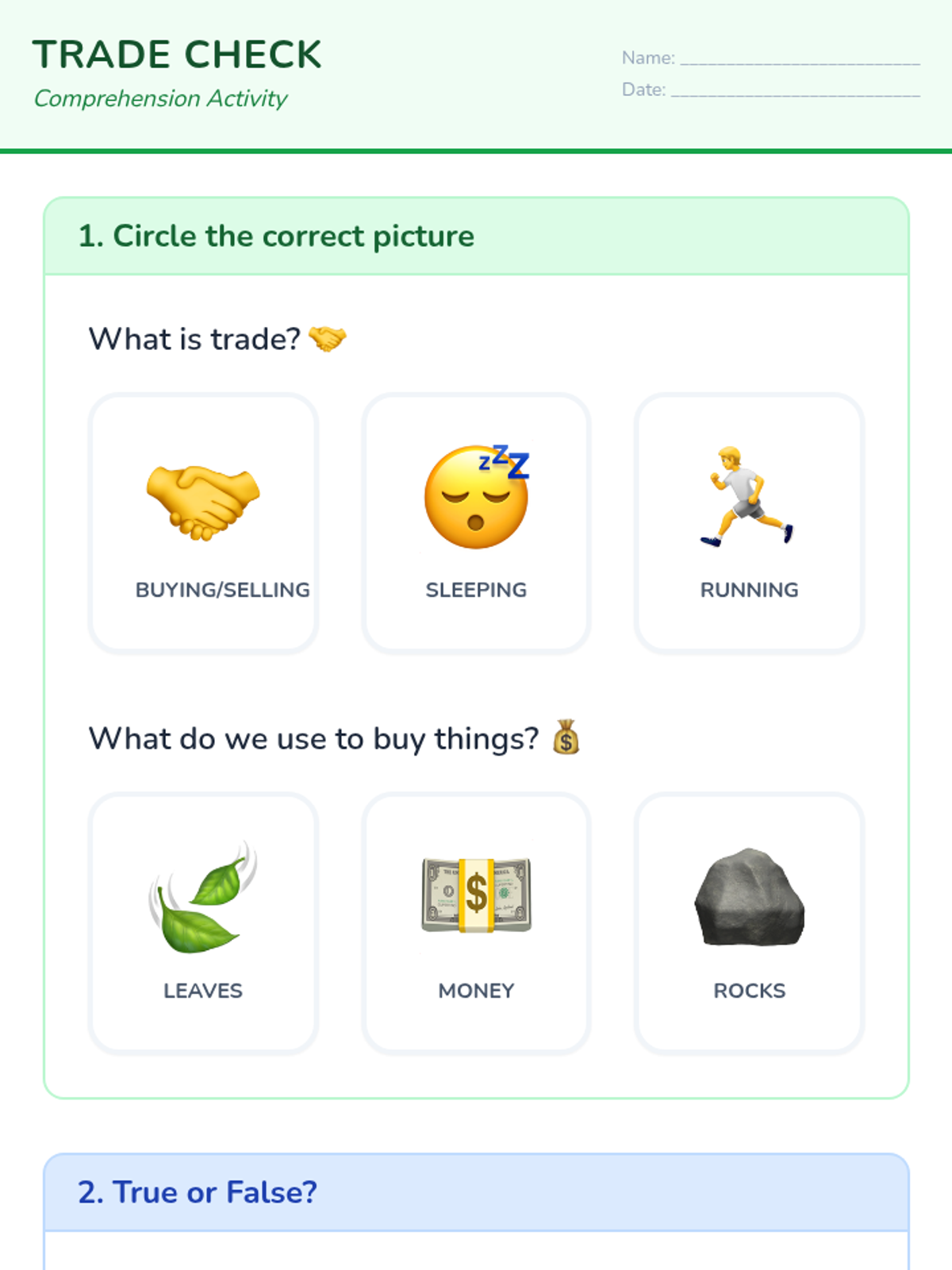
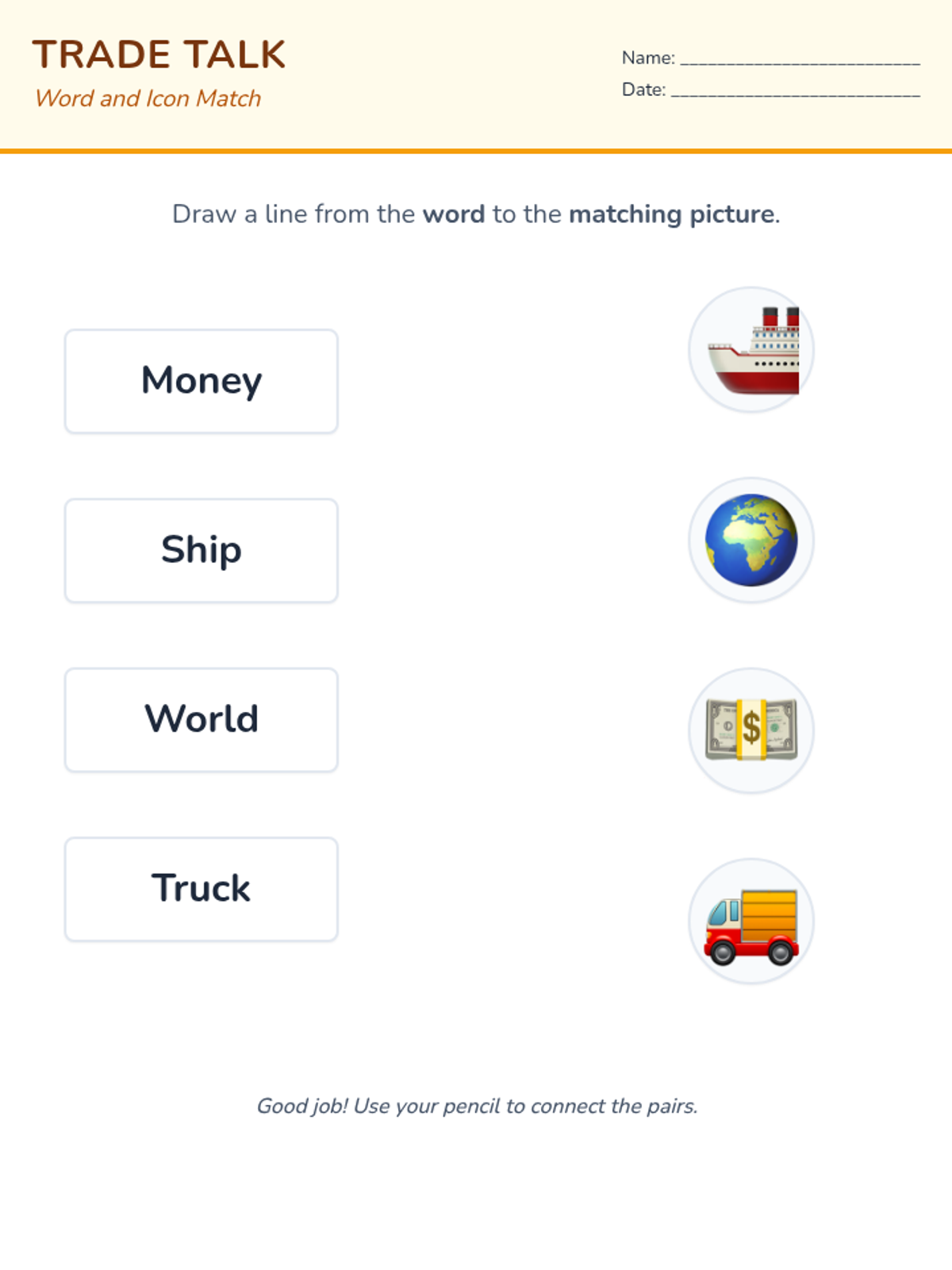
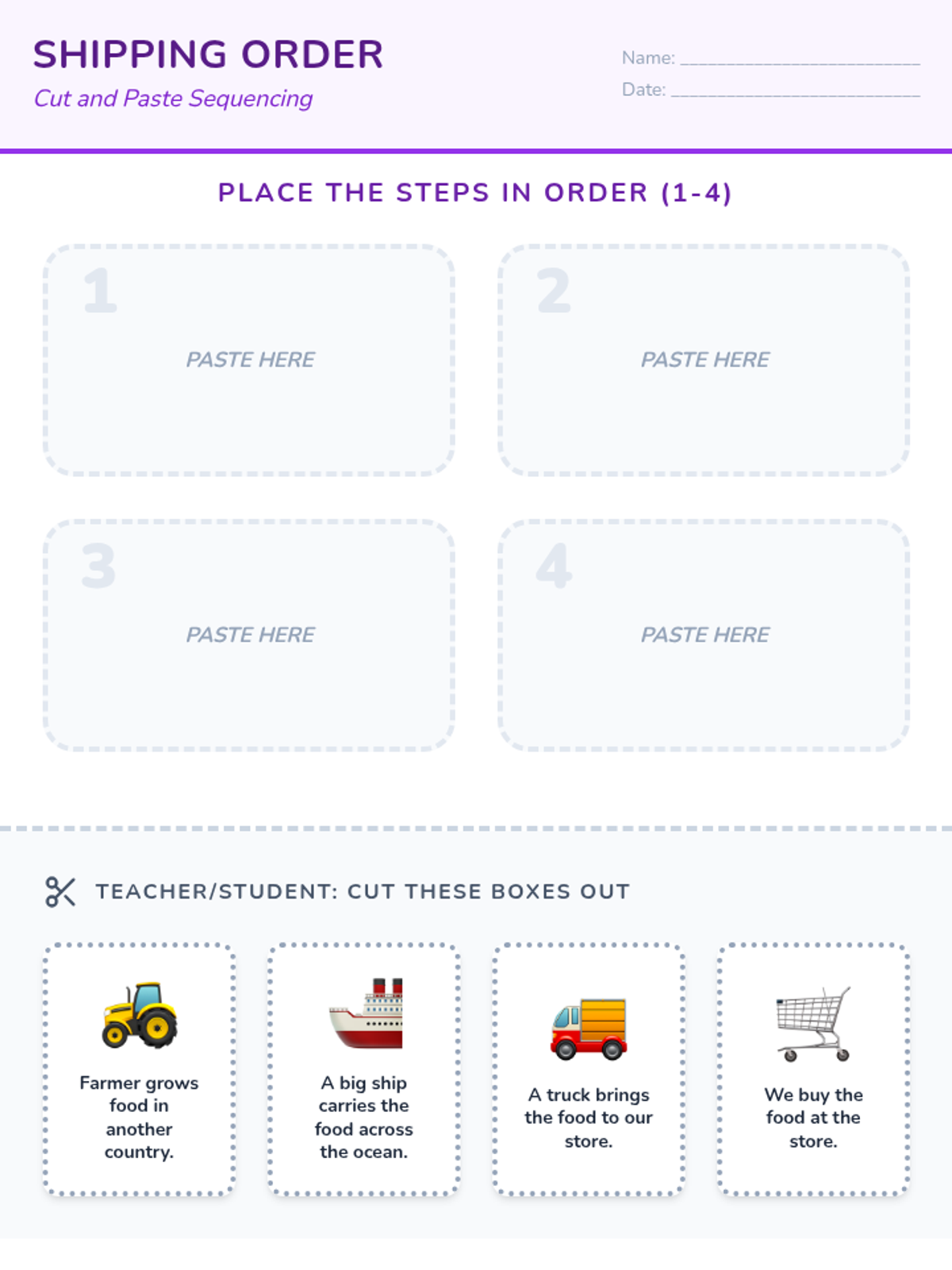
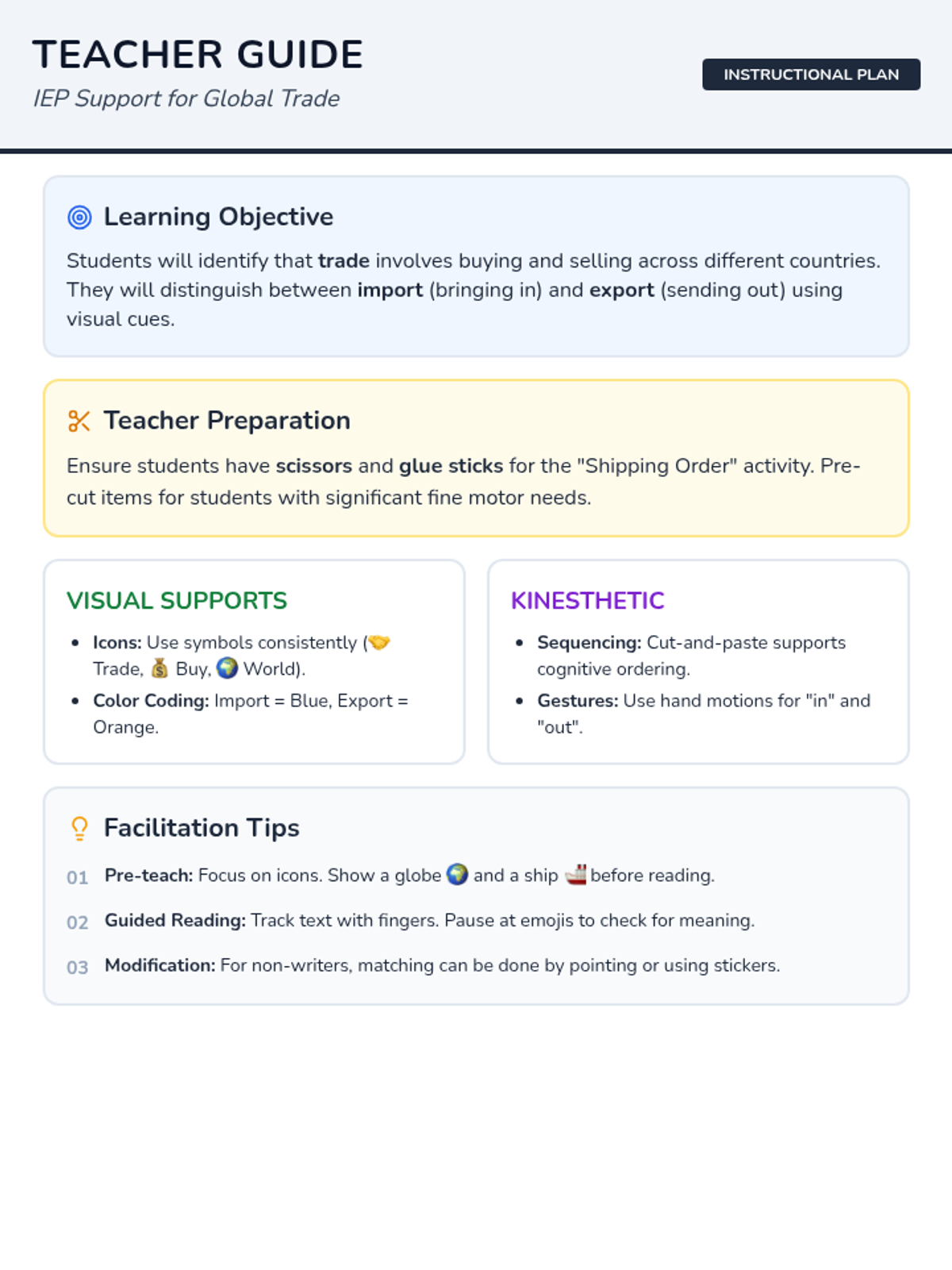
A modified unit on international trade designed specifically for students with IEPs, focusing on foundational concepts of buying, selling, and global exchange using symbol-supported text and visual activities.
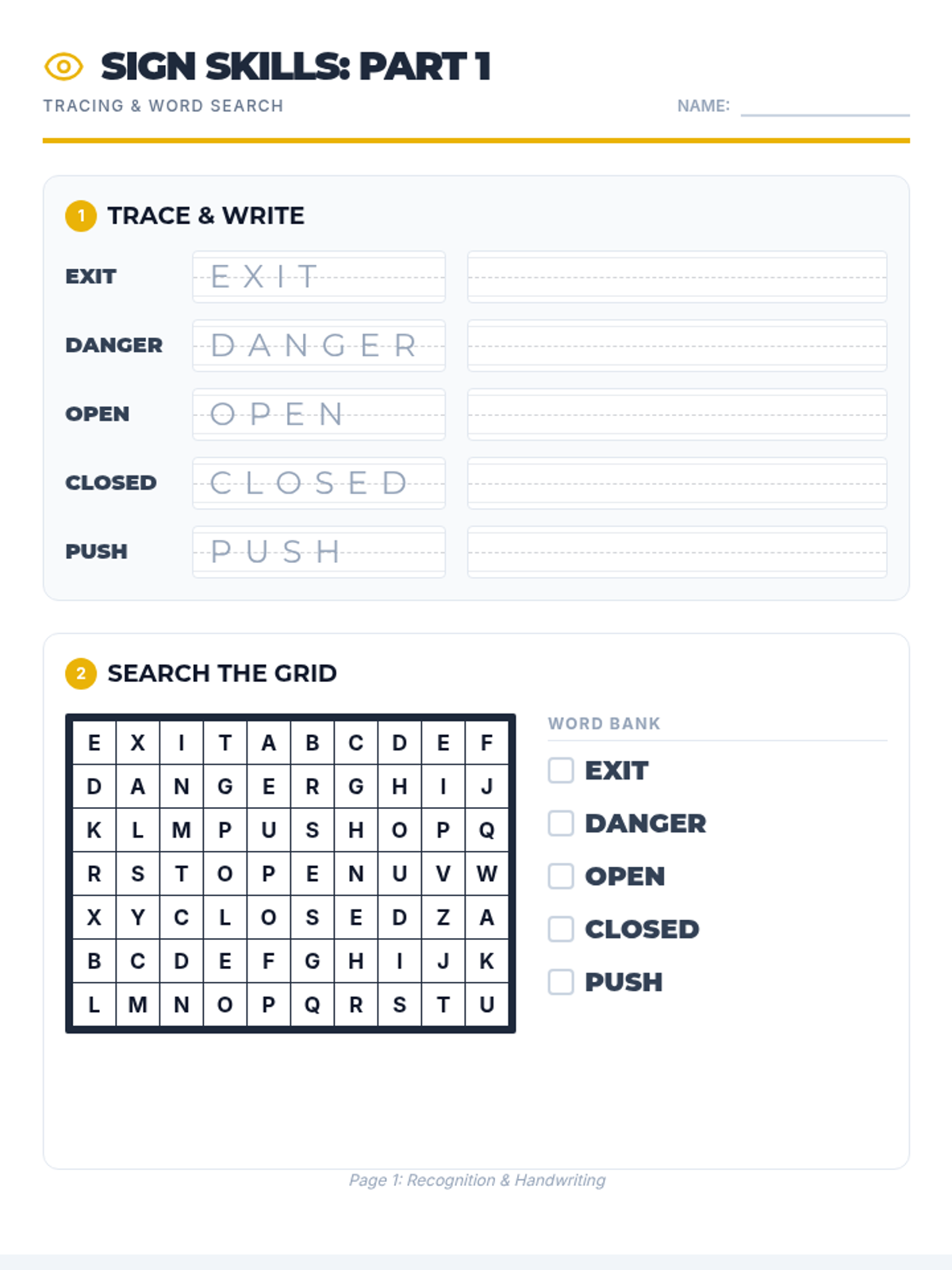
Focuses on identifying and recognizing five essential public signs encountered in daily life: Exit, Danger, Open, Closed, and Push.