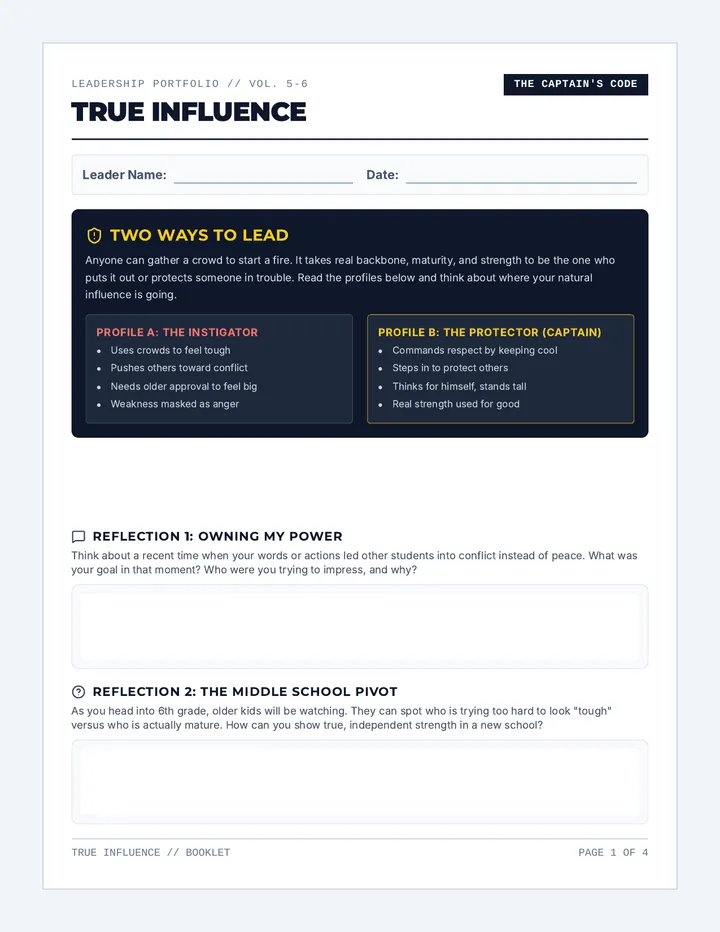
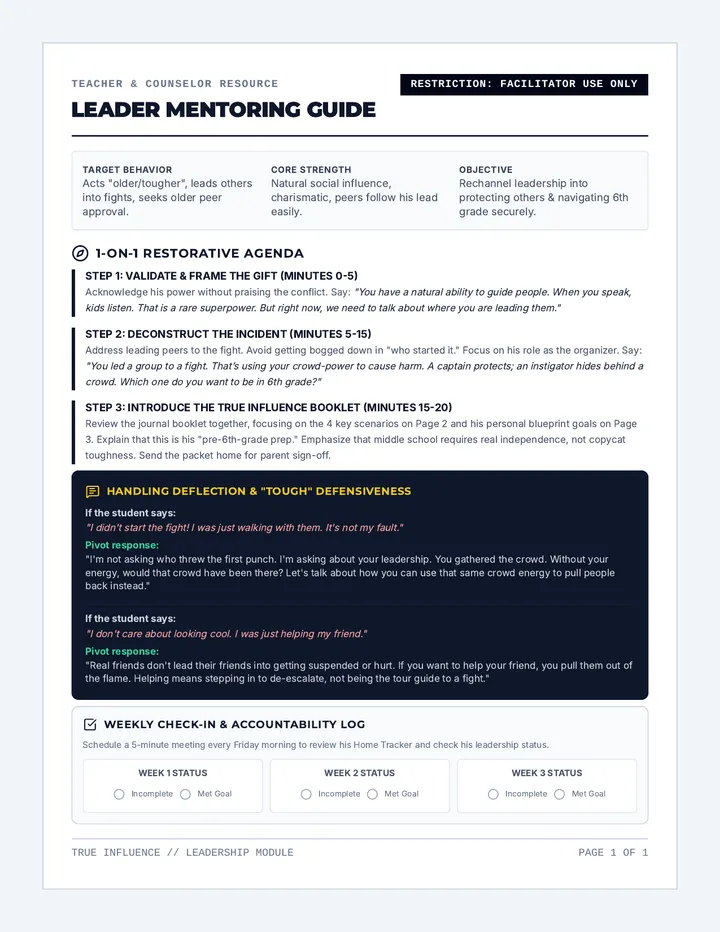
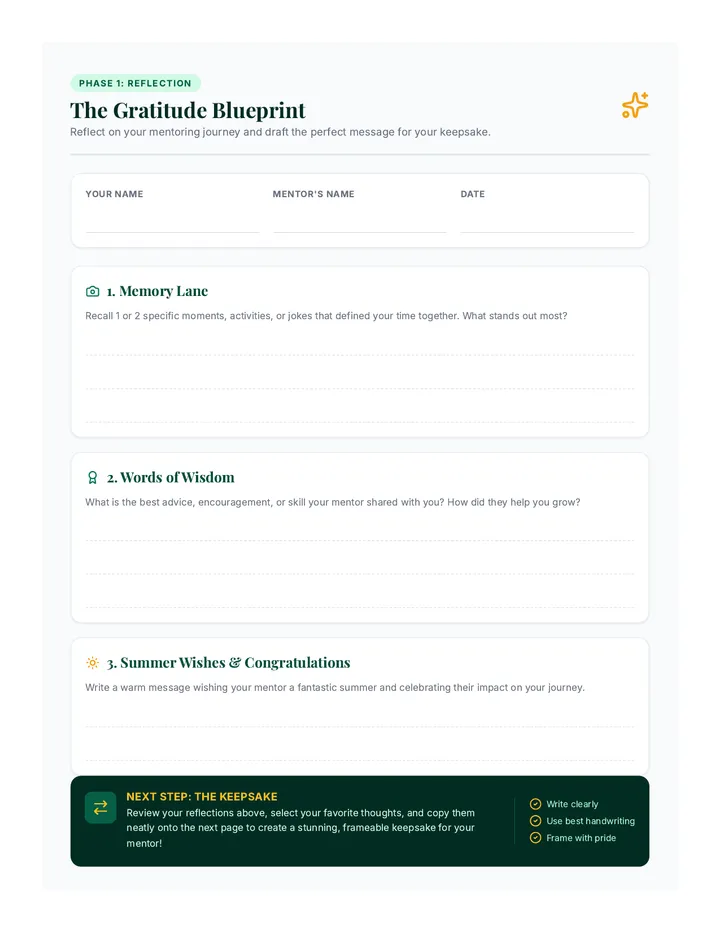
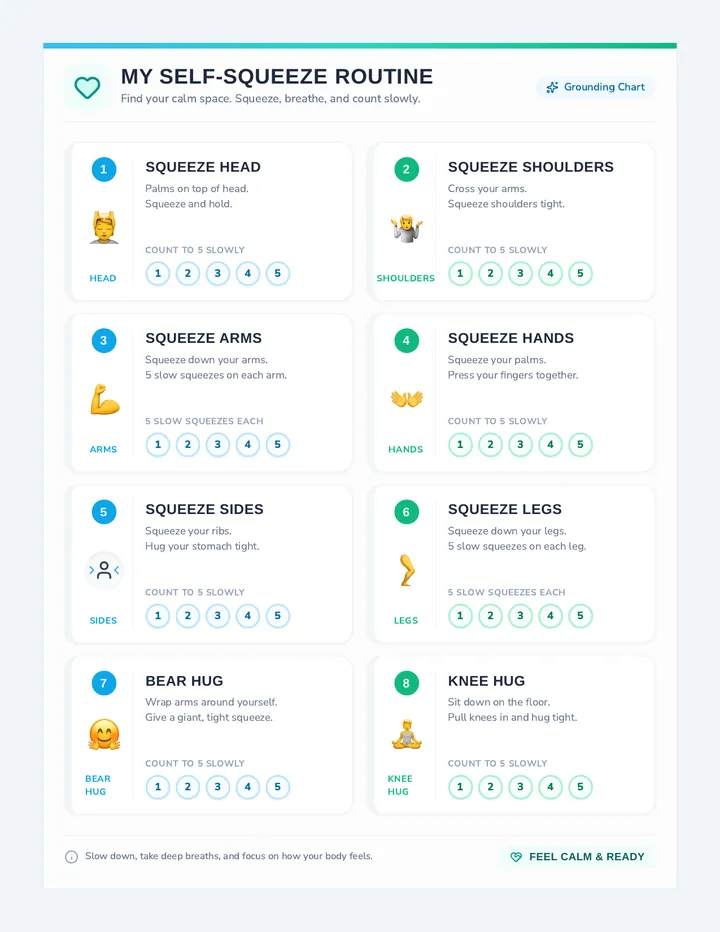
A foundational lesson introducing elementary students to mindfulness through breathing exercises and simple meditation to improve focus and emotional regulation.
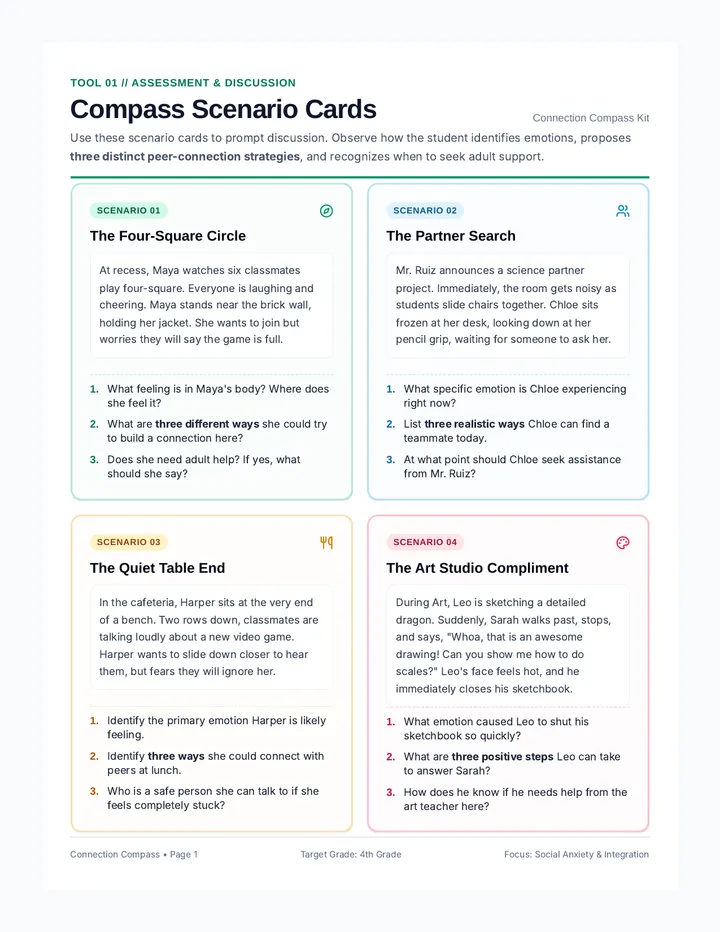
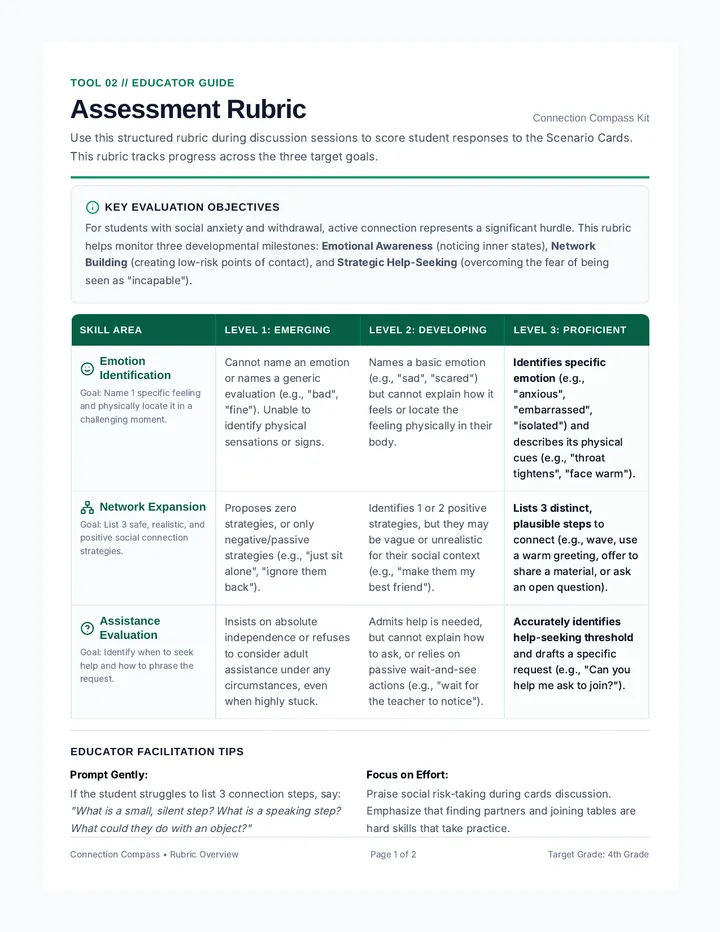
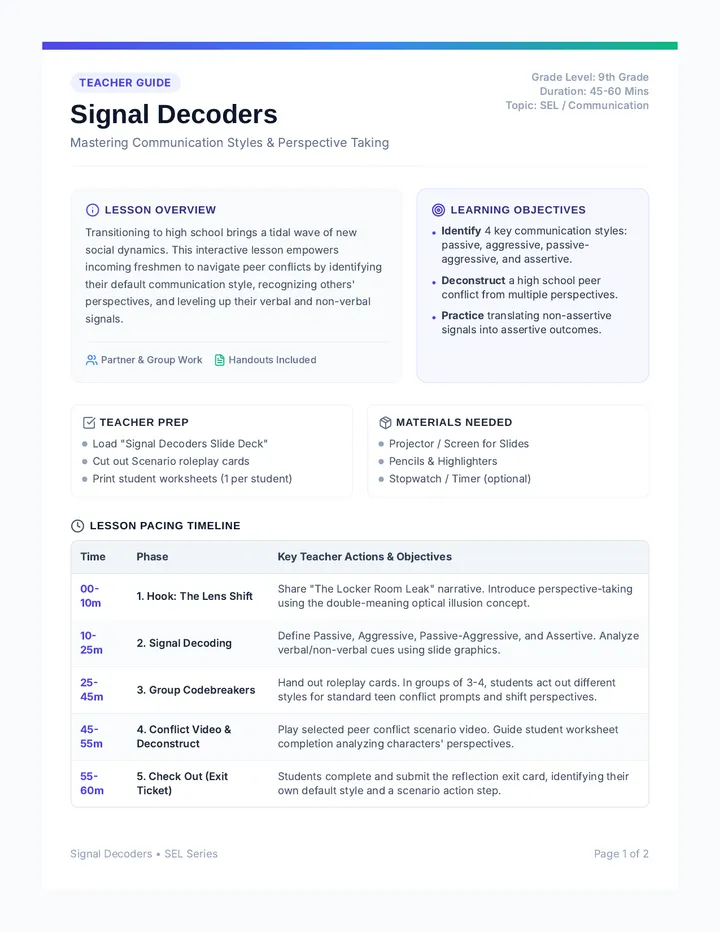
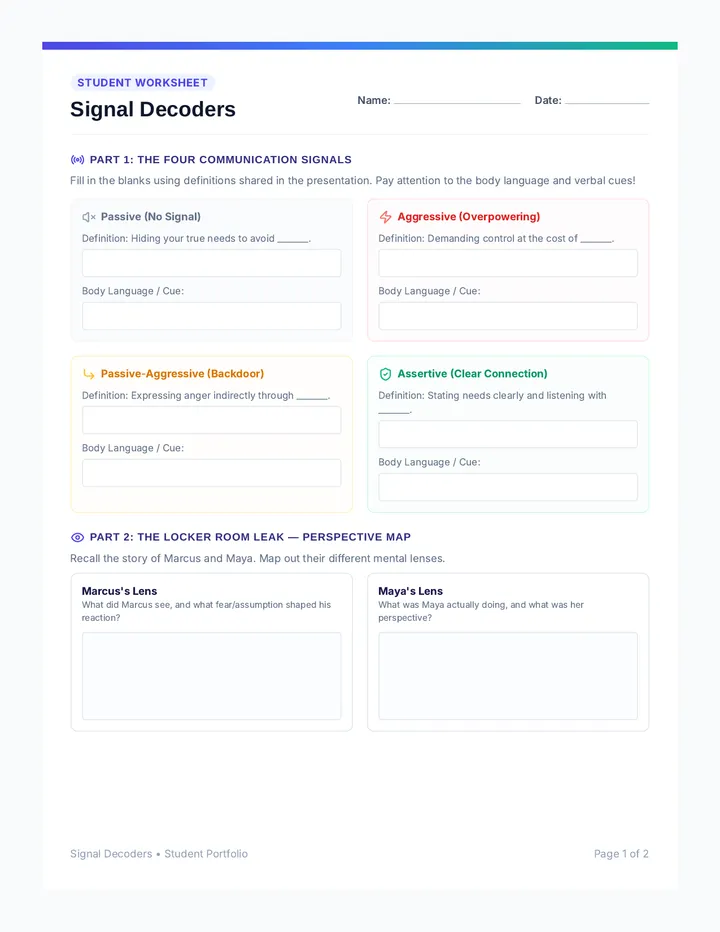
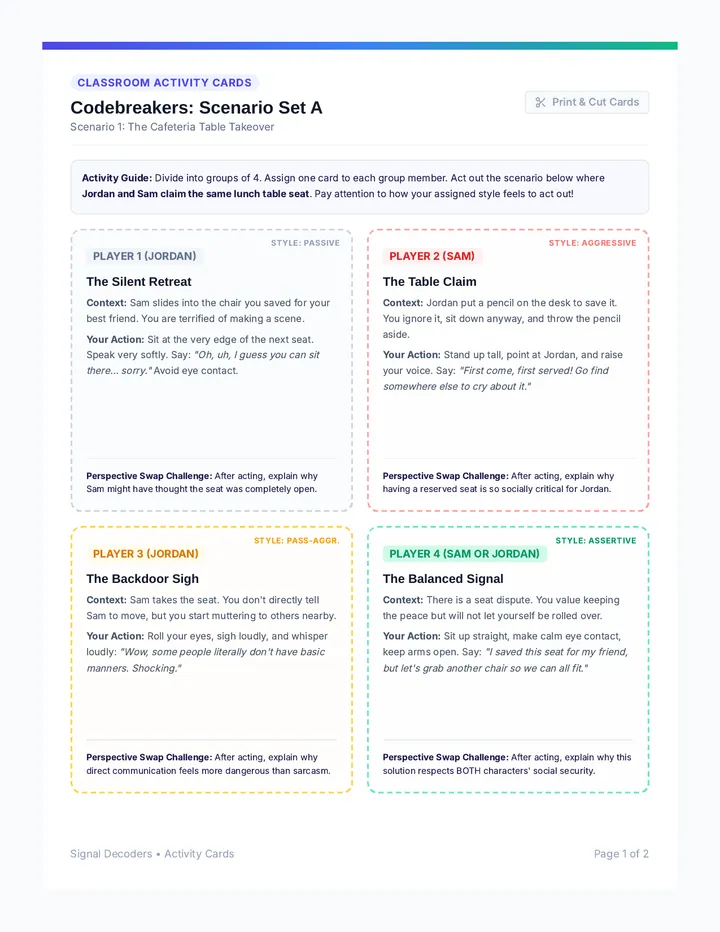
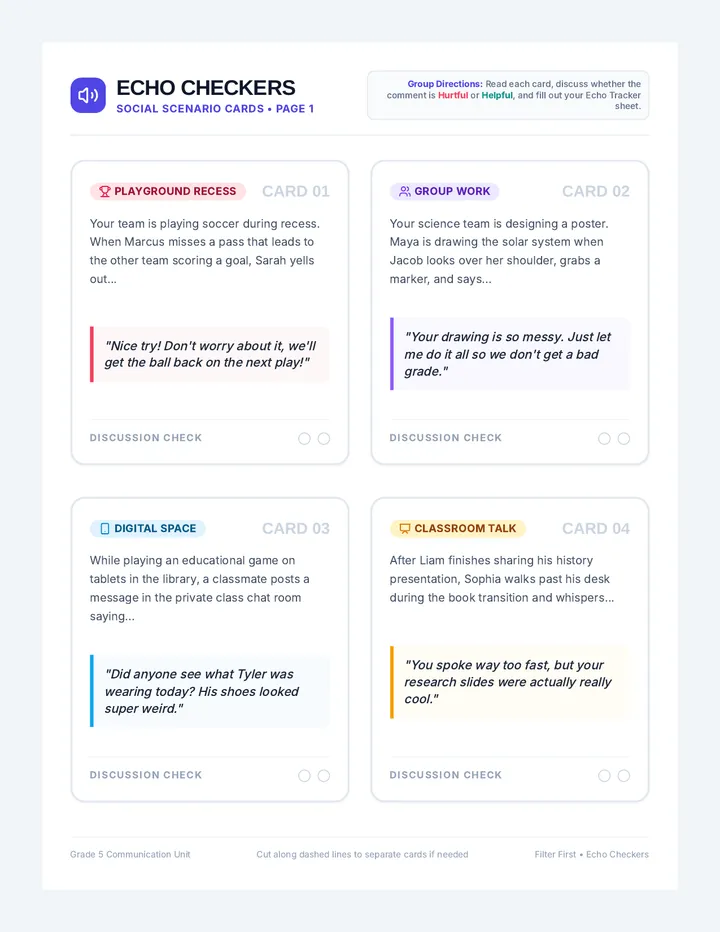
Develops social communication skills, conflict resolution strategies, and stress management techniques.
Teaches practical strategies for time management, prioritization, and effective study habits.
Focuses on developing a growth mindset and building emotional resilience to handle setbacks effectively.
Explores self-awareness and self-esteem to help students understand their strengths and build a positive self-image.
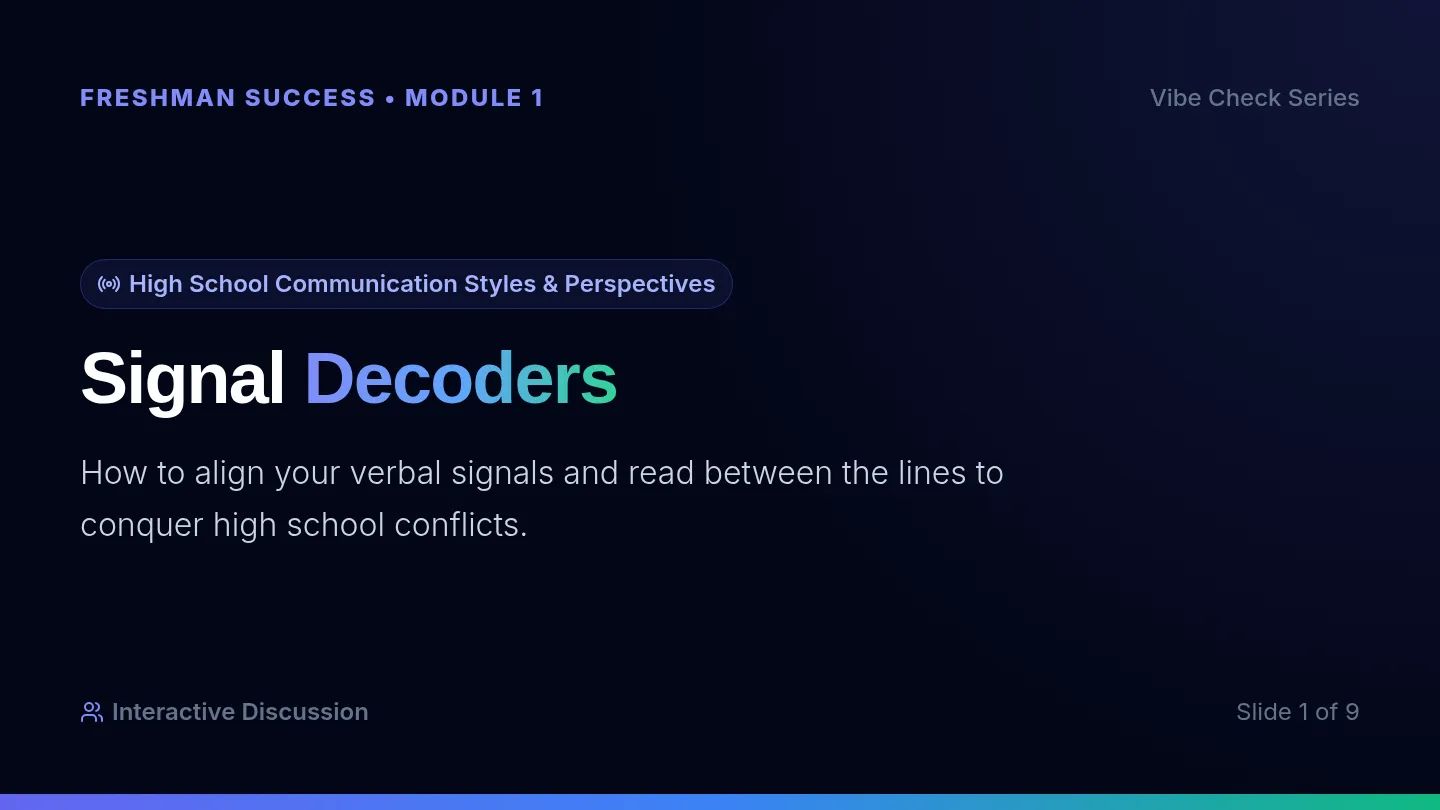
High schoolers align their device habits with professional workplace standards, focusing on agency and self-regulation.
Eighth graders develop peer accountability allies and set community standards for focused digital collaborative work.
Seventh graders explore the difference between compliance and agency, evaluating how their digital navigation builds their personal brand.
Sixth graders analyze the attention economy and map out personal accountability safe-zones for any classroom environment.
Fifth graders model digital leadership by sharing navigation strategies and mentoring peers in responsible device use.
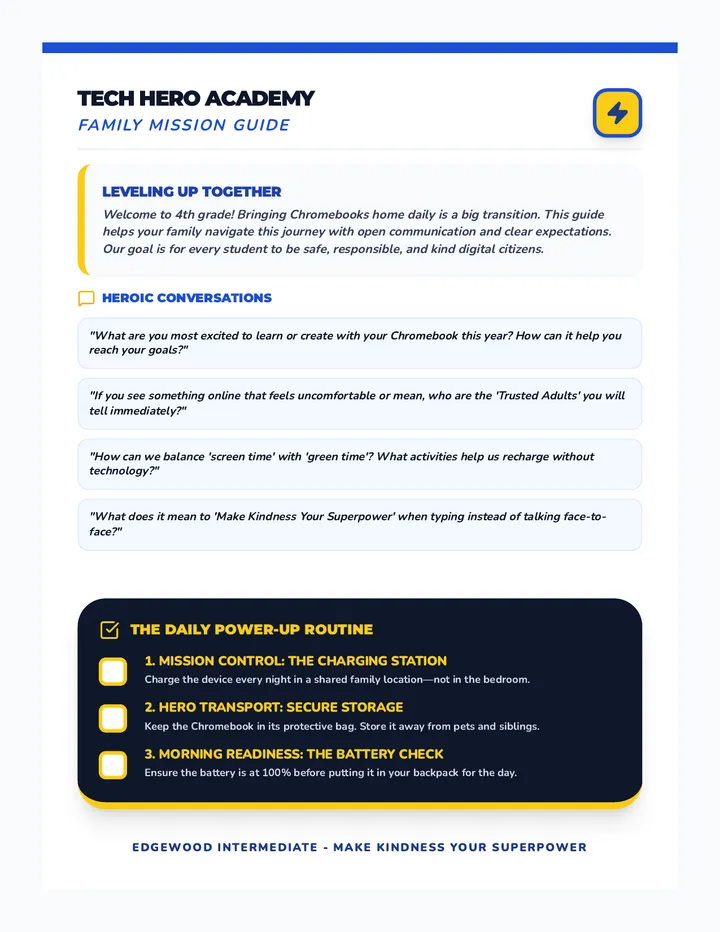
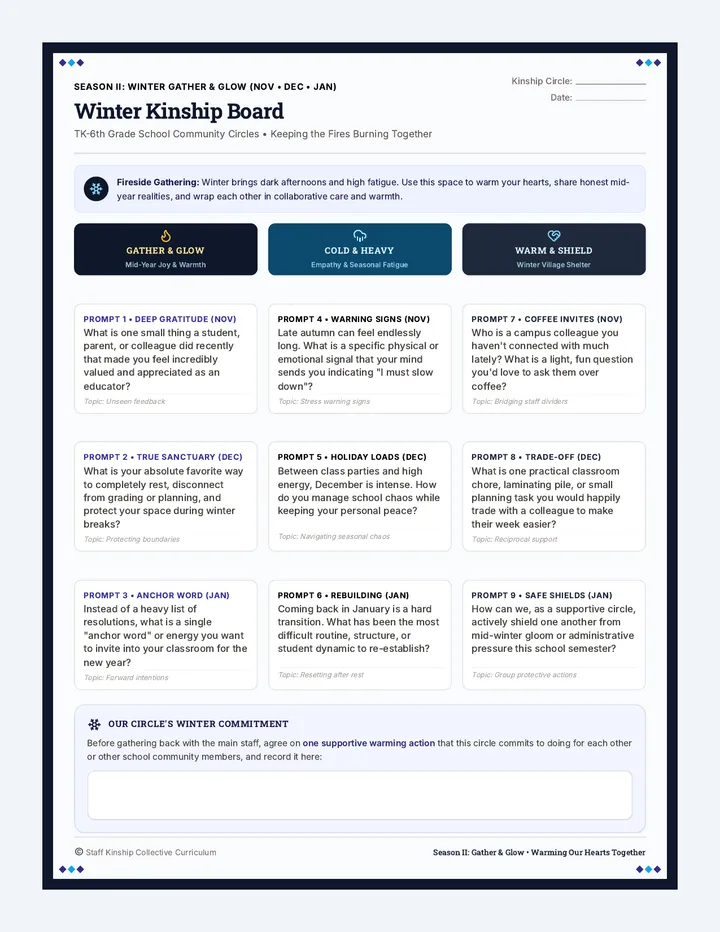
Fourth graders master the art of switching between digital tasks efficiently using the '3-2-1 Switch' protocol.
Third graders identify 'navigation hazards' and use a collaborative 'Focus Shield' to stay on their learning path.
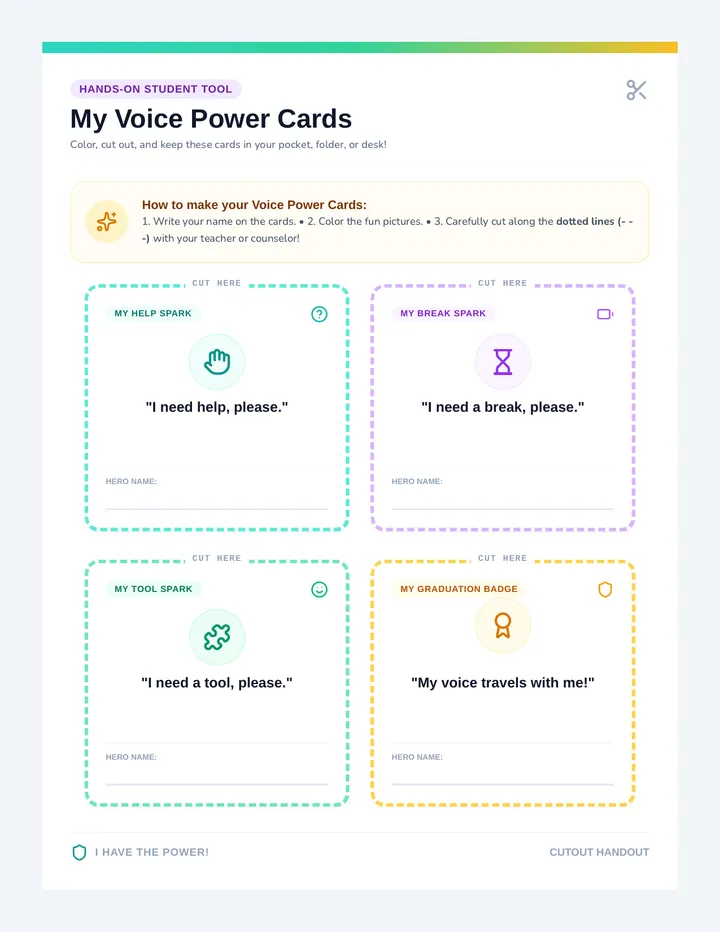
Second graders practice communicating their focus through physical 'Readiness Signals' to show they are prepared for the digital landscape.
First graders distinguish between 'Learning Tools' and 'Toys' and practice navigating only to the path shown by the teacher.
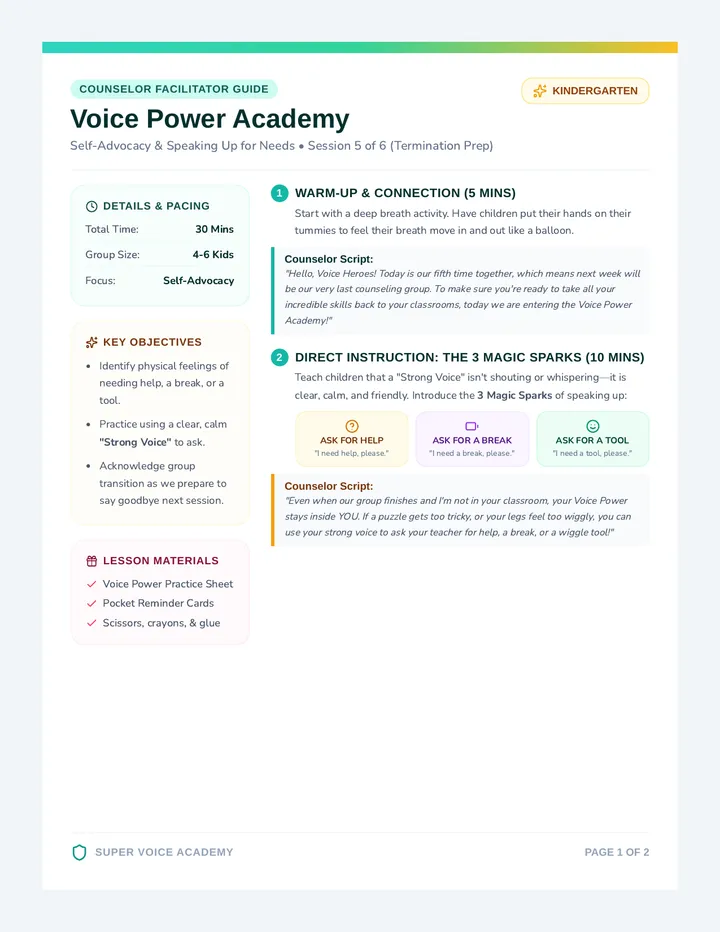
Kindergarten students learn that their device is a special tool for learning and practice listening for 'Red Light/Green Light' signals to know when to navigate.
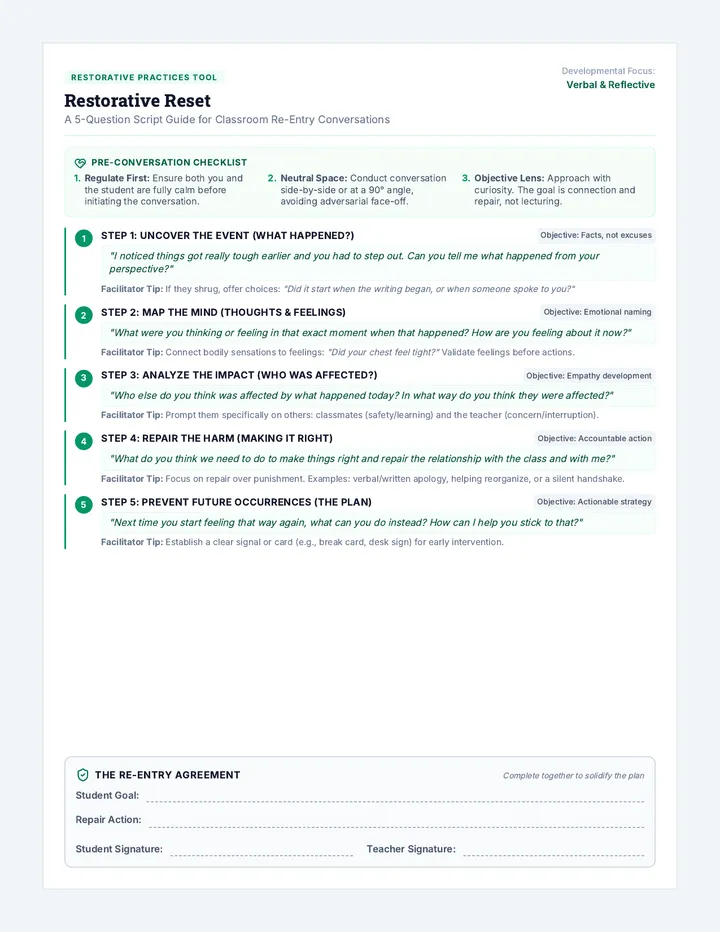
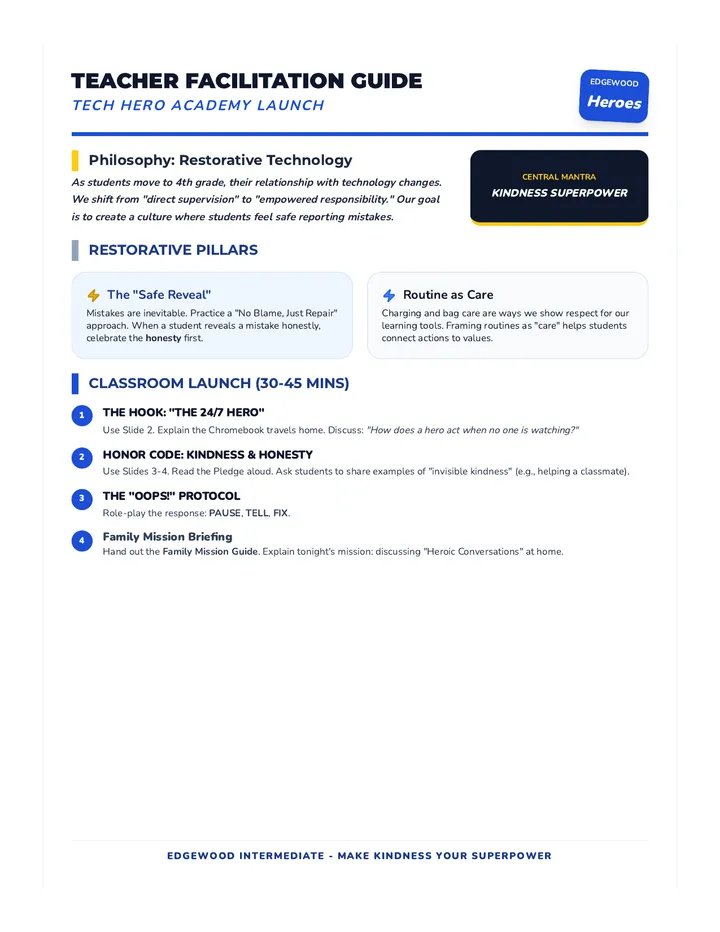
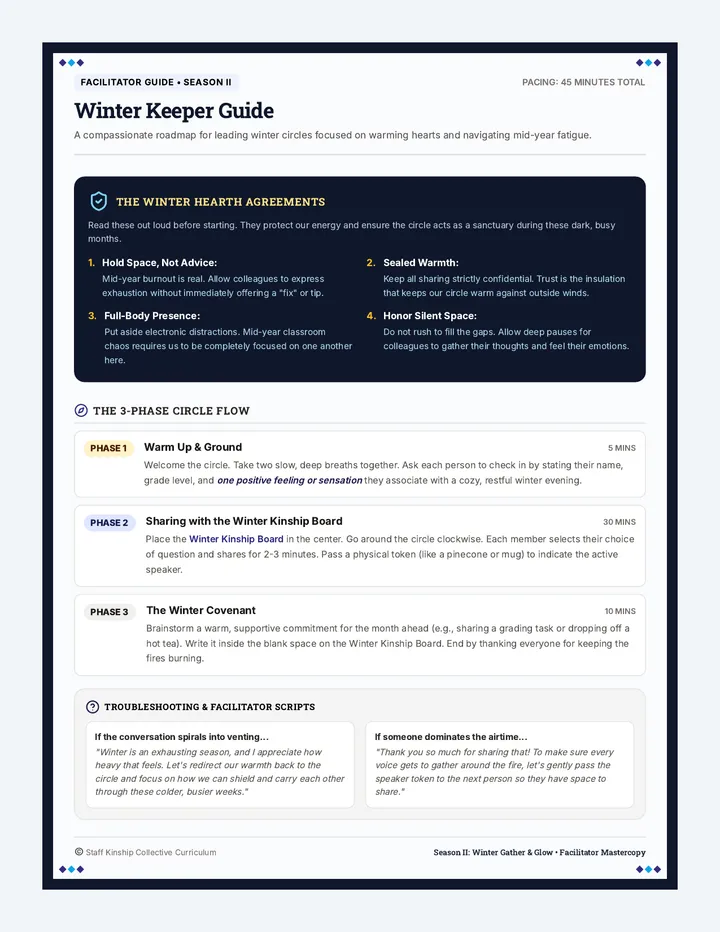
A 30-minute professional development session for preschool and K-8 staff focusing on restorative circles, affective statements, and re-entry reflection tools.
High school students develop agency and professional digital habits, demonstrating Accountability by aligning their device use with academic goals and professional communication.
Middle school students focus on the JHawk Way value of Accountability by managing their digital attention and communicating respect through focused device use.
Elementary students explore how to be Responsible JHawks by navigating to the right learning tools at the right time and communicating their readiness to learn.
A lesson introducing 3rd graders to the Stop-Think-Act strategy for resolving conflicts peacefully. Students will learn calm-down techniques and practice brainstorming win-win solutions.
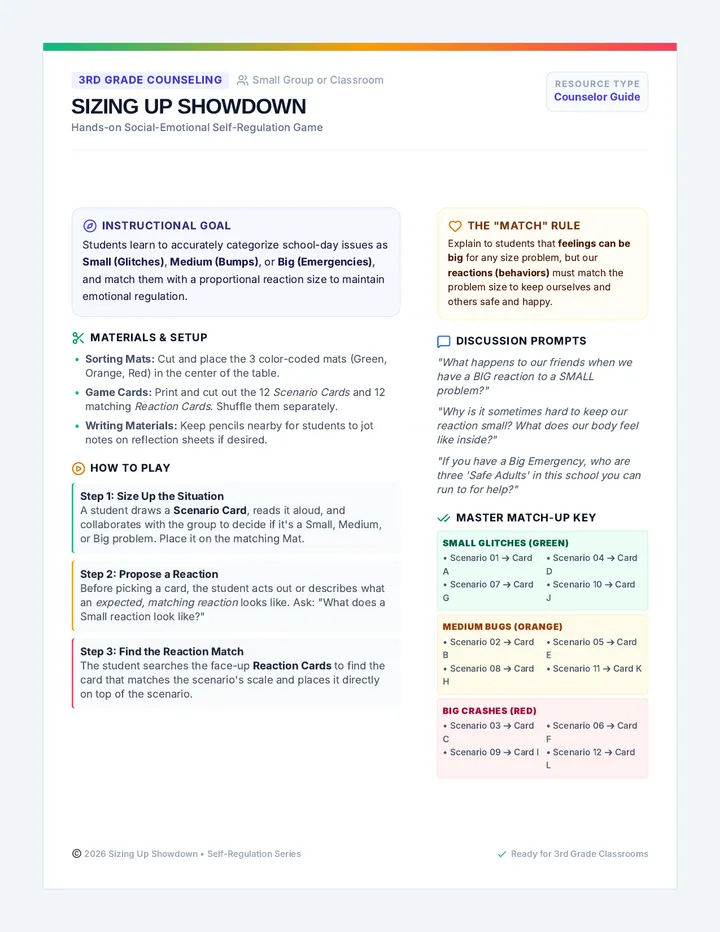
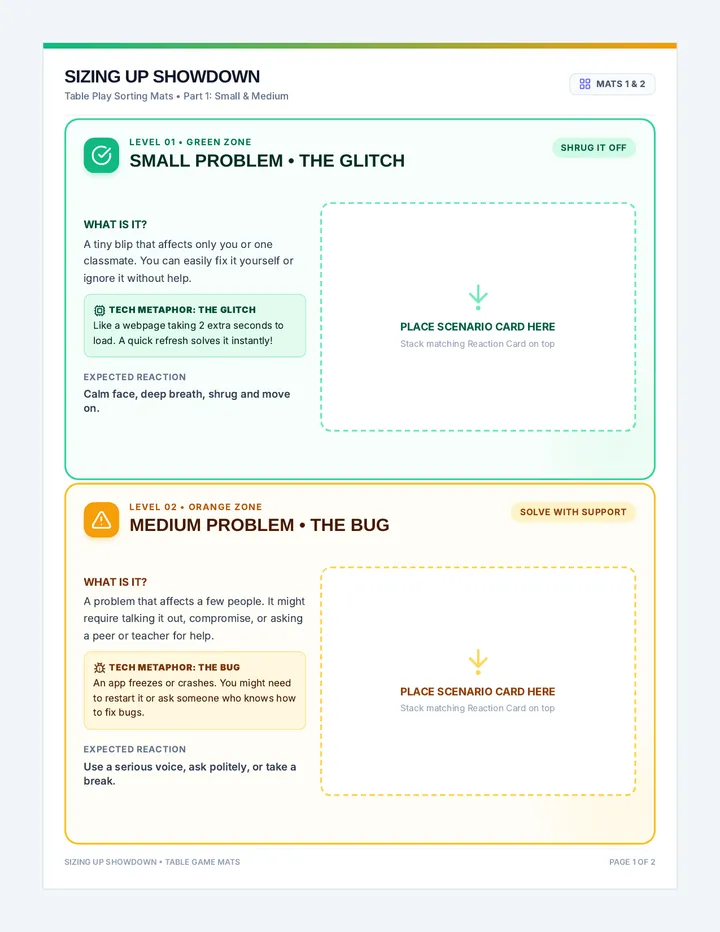
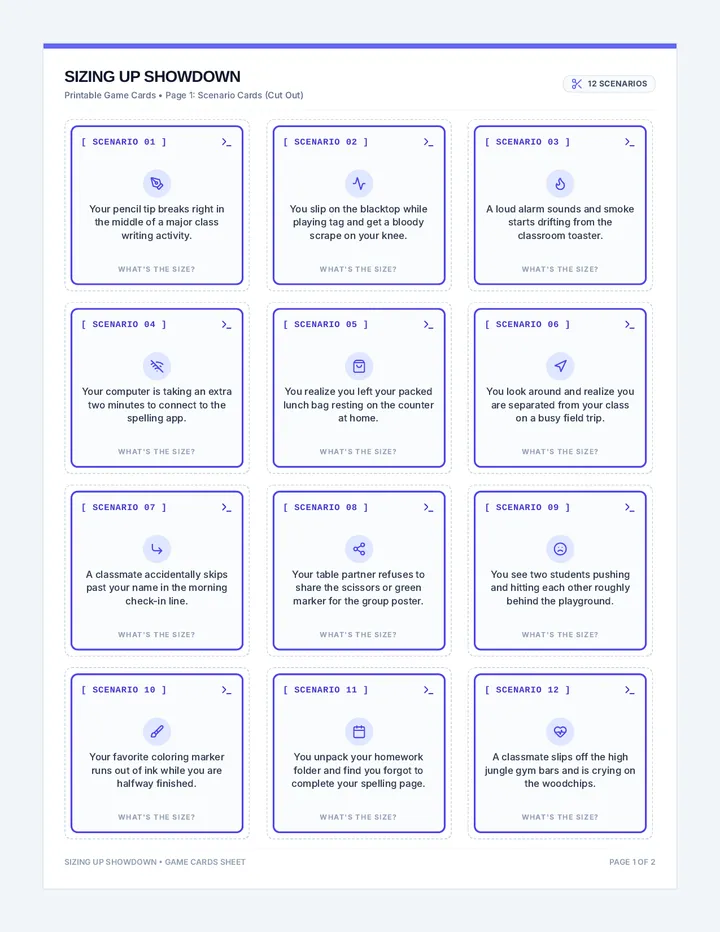
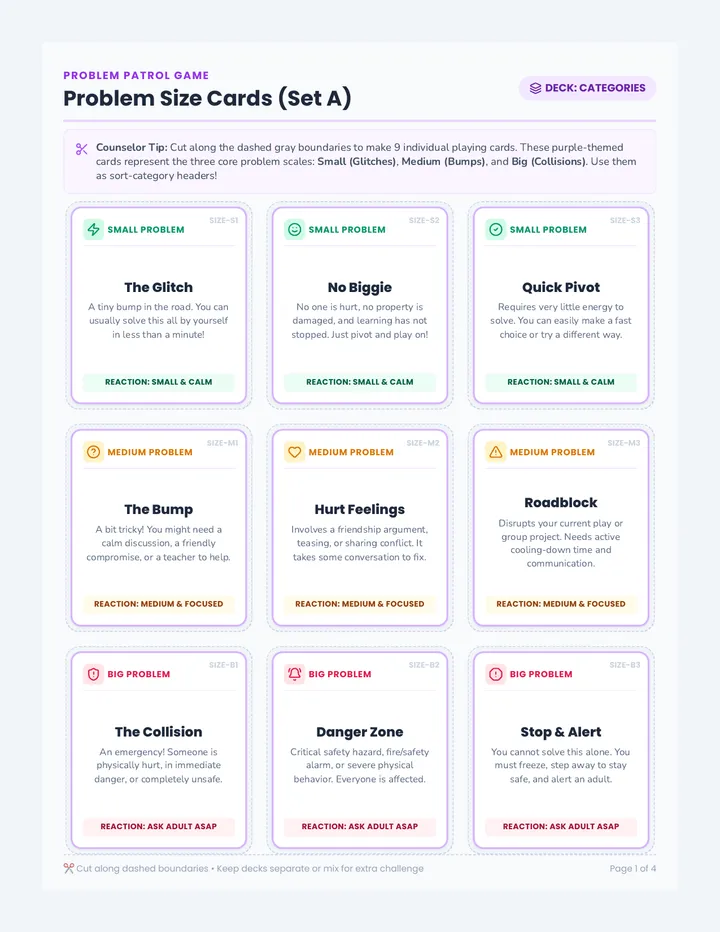
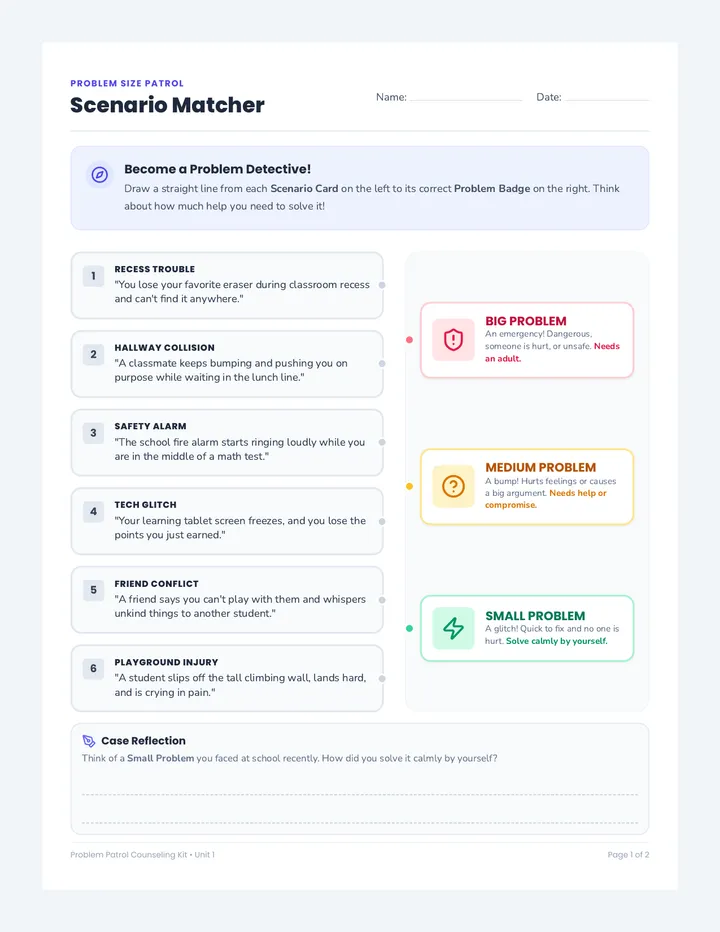
A cognitive coping strategy lesson for 4th graders focusing on sizing up problems using a stress gauge to prevent overreacting to small school-based stressors. Designed for an express 20-minute small group session.
A collection of Stranger Things themed encouragement letters for students facing state testing, each featuring a unique calming breathing technique.