Students investigate the difference between short-term and long-term memory through interactive experiments and explore the 'forgetting curve' to understand why active encoding is superior to rote repetition.
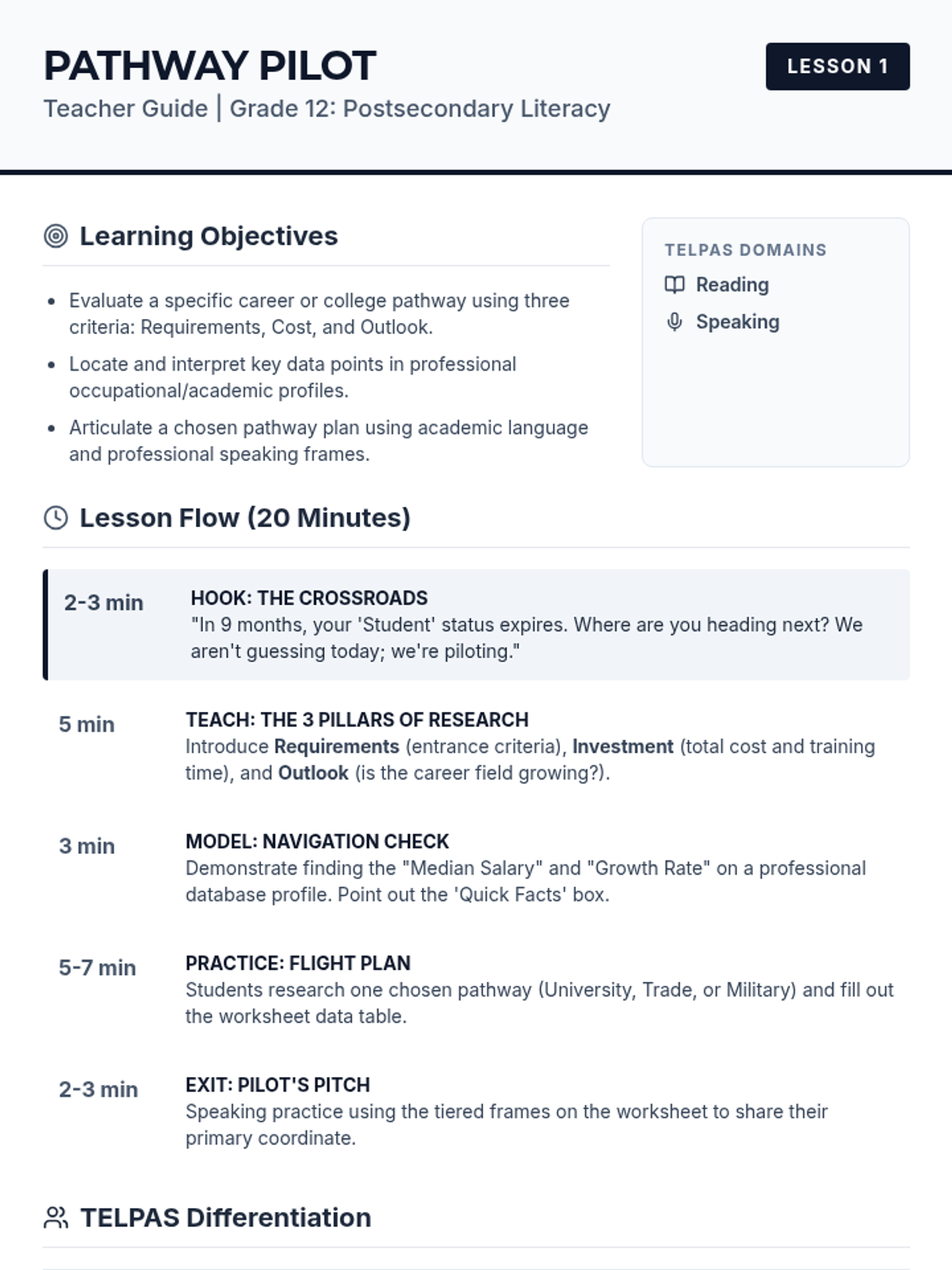
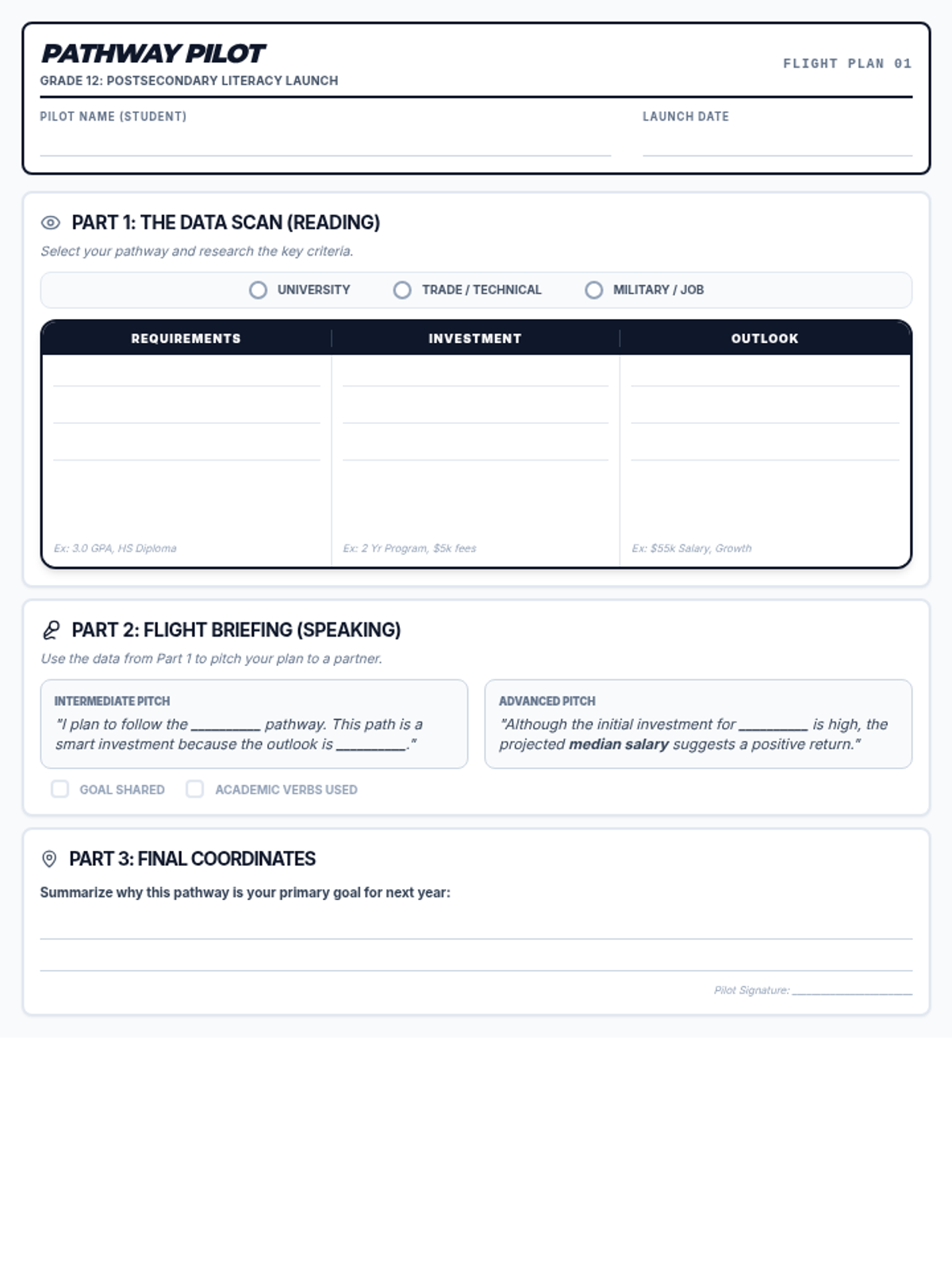
In this lesson, Grade 12 students explore and evaluate a specific postsecondary pathway (College, Trade, or Career). It focuses on the TELPAS Reading and Speaking domains through pathway research and structured professional pitches.
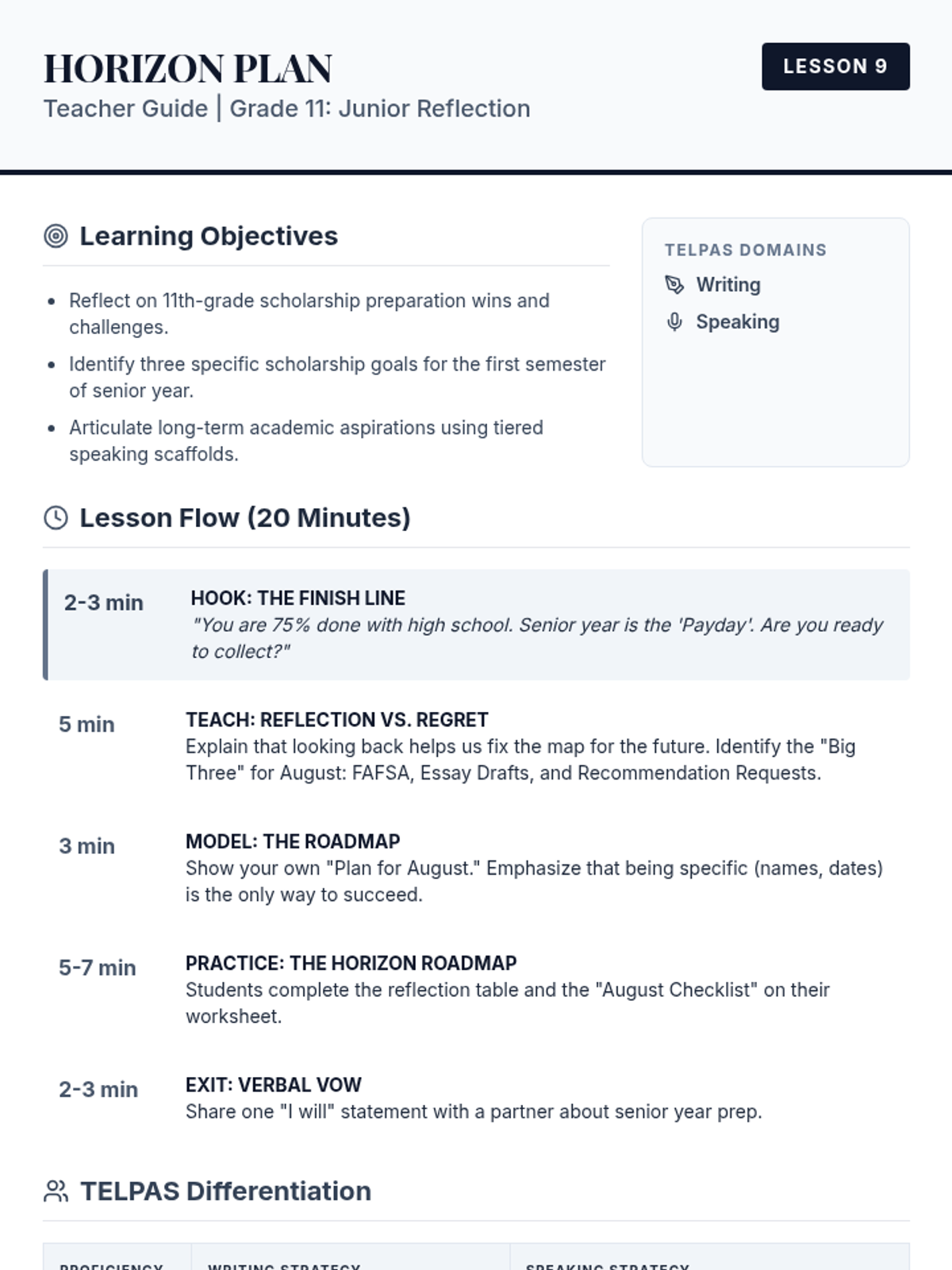
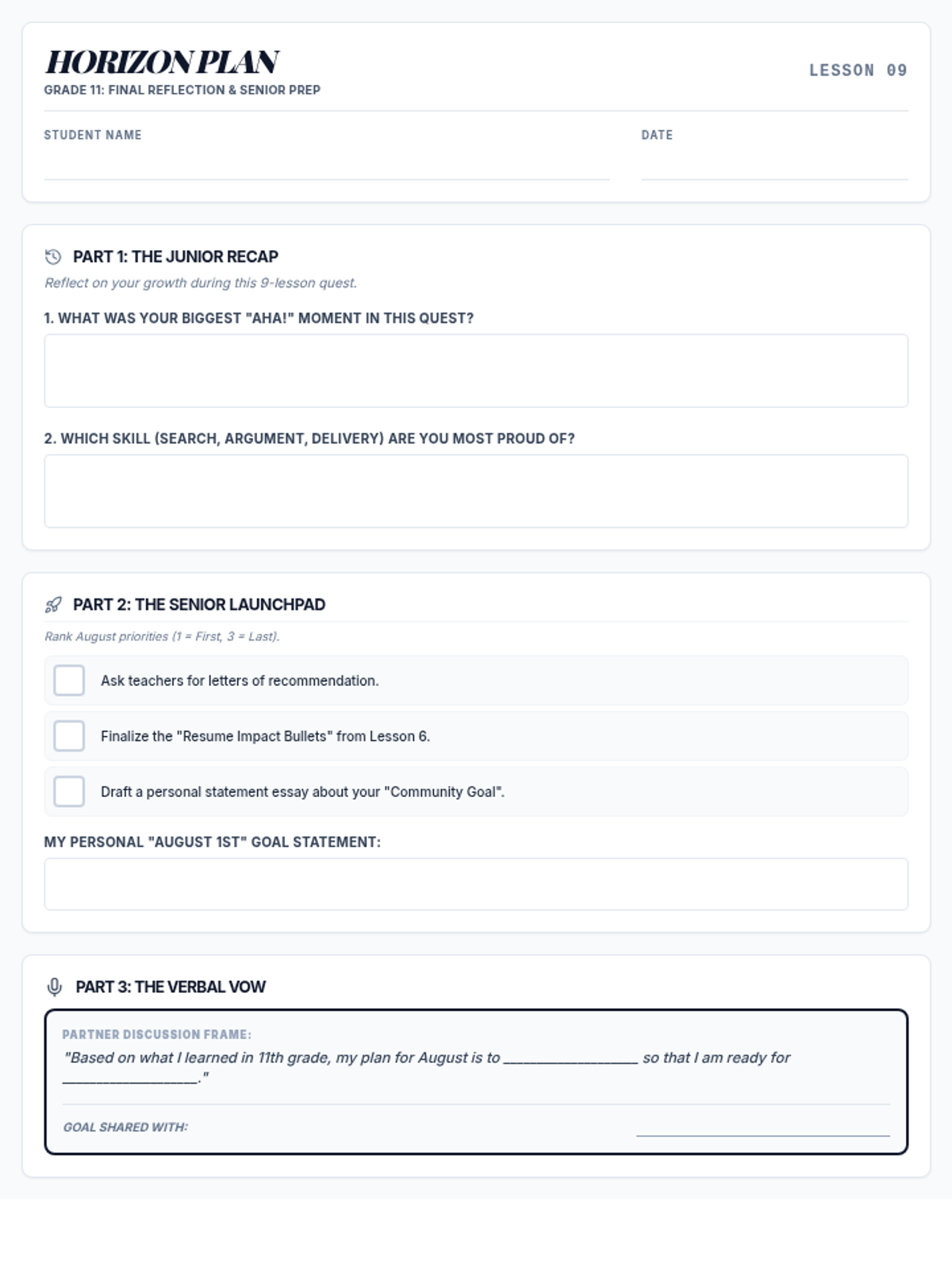
In this lesson, Grade 11 students reflect on their academic scholarship progress and create a concrete action plan for their senior year. It focuses on the TELPAS Writing and Speaking domains through personal narrative drafting and goal-setting discussions.
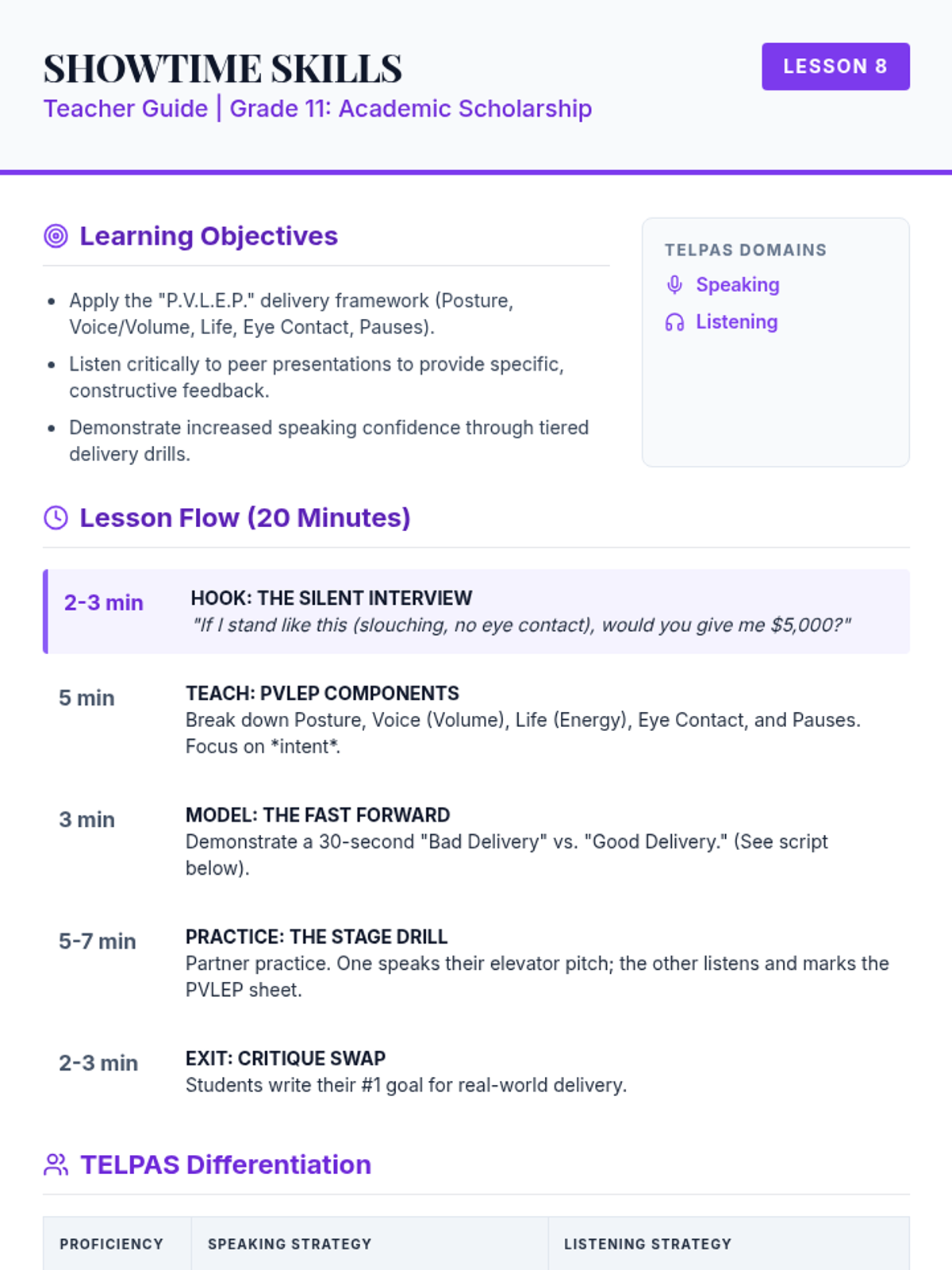
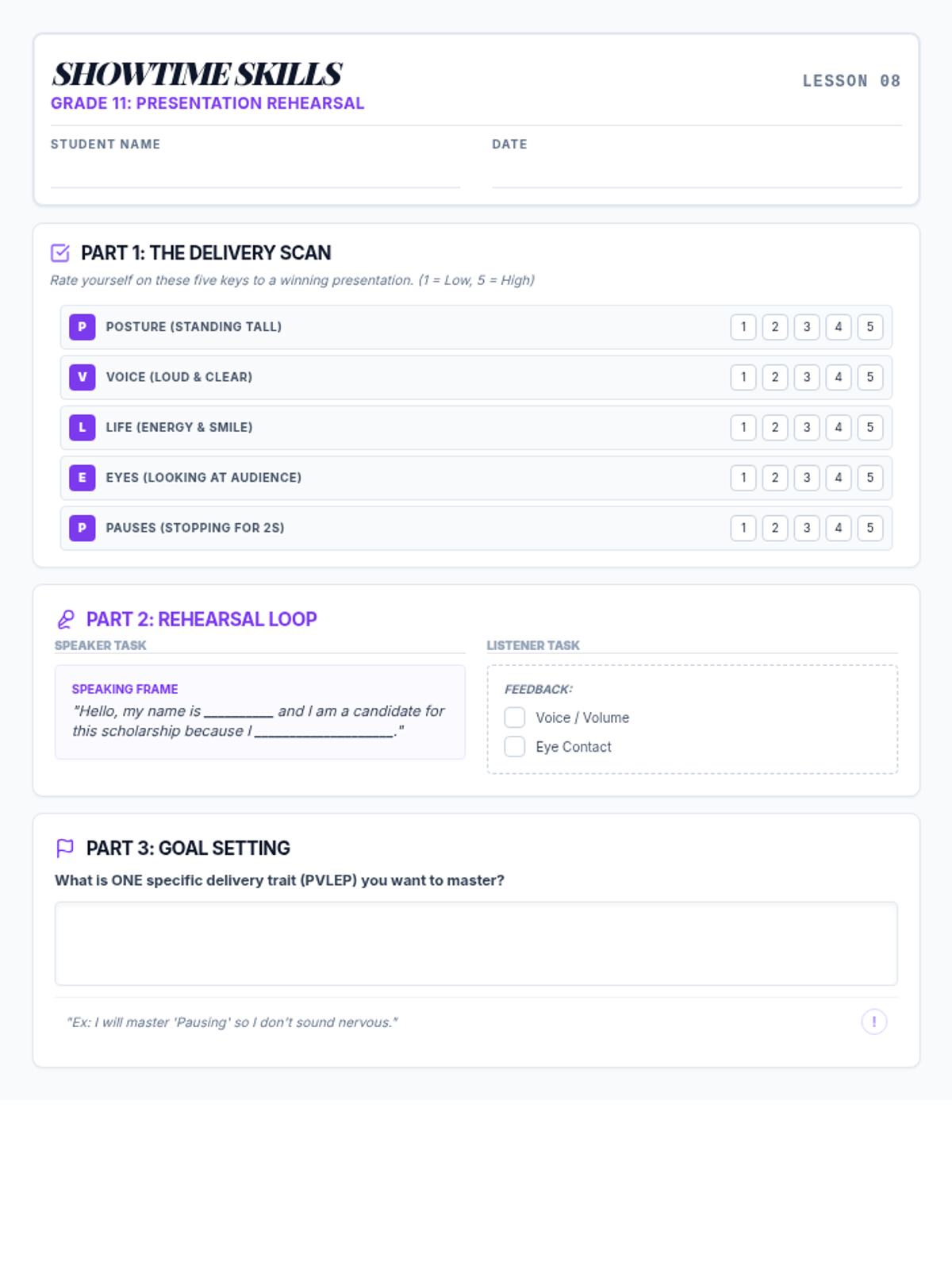
In this lesson, Grade 11 students master the non-verbal and verbal components of effective scholarship presentations. It focuses on the TELPAS Speaking and Listening domains through delivery drills and structured peer feedback.
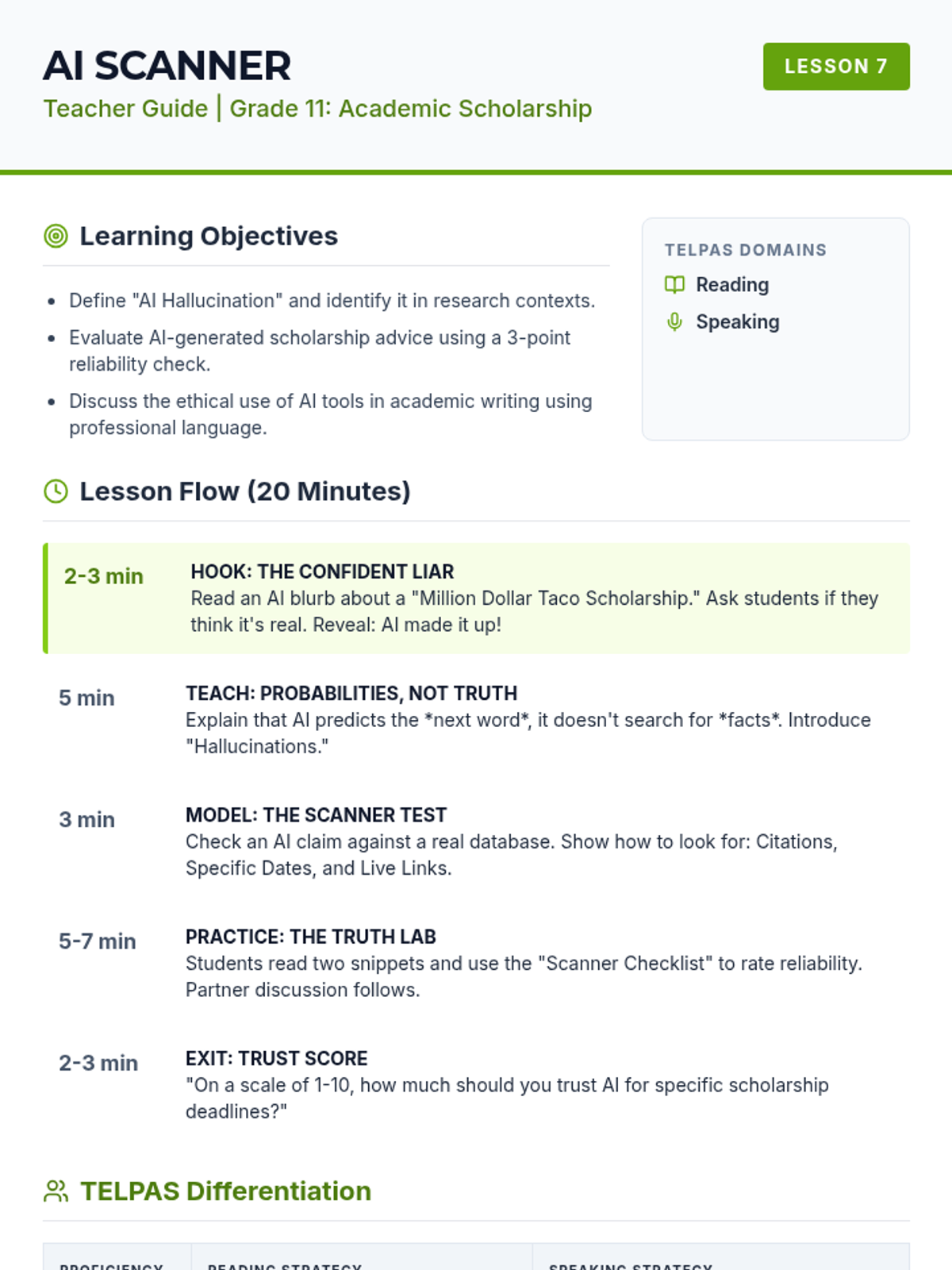
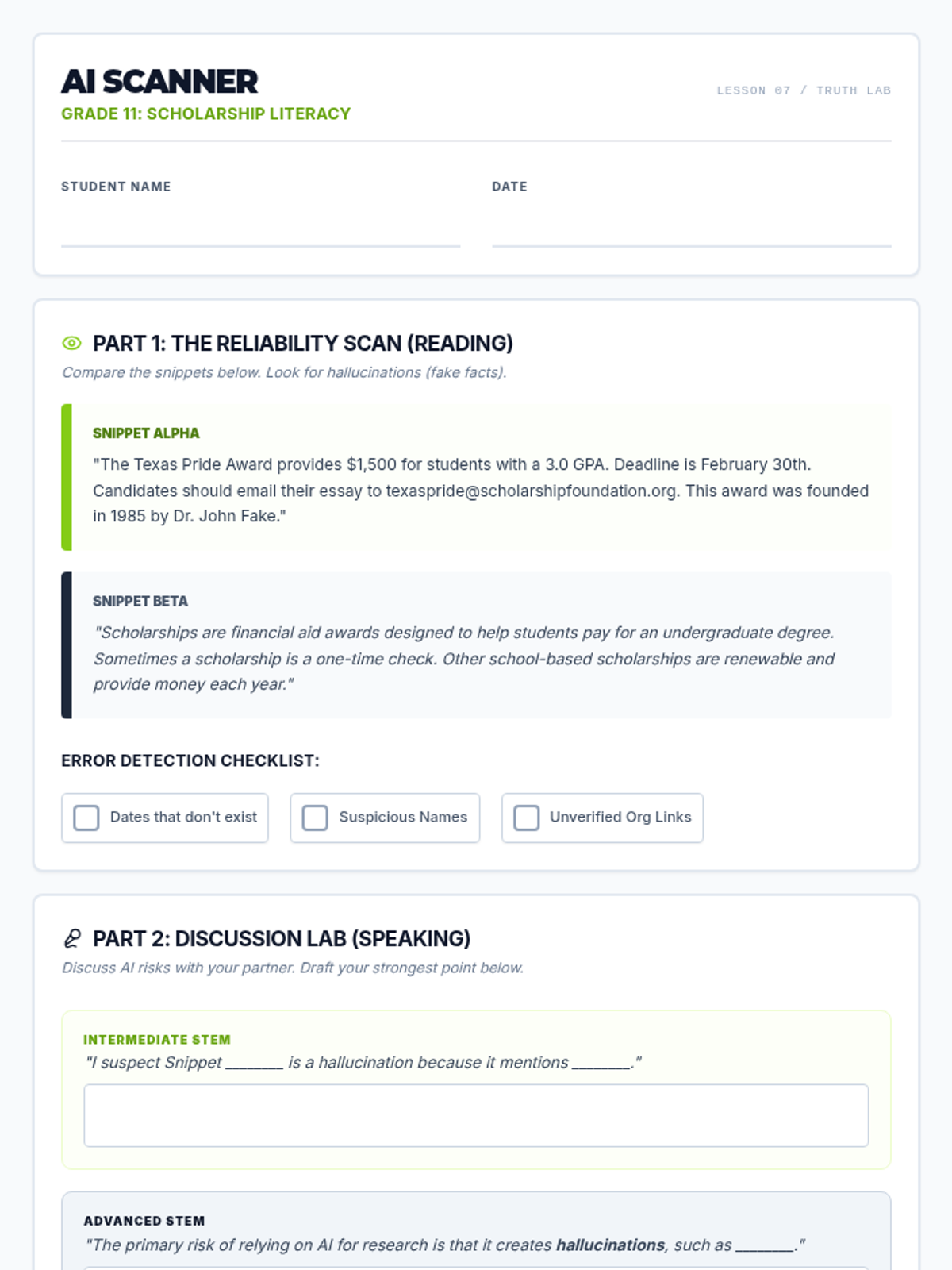
In this lesson, Grade 11 students learn to critically evaluate the reliability of AI-generated information for scholarship research. It focuses on the TELPAS Speaking and Reading domains through comparative analysis and structured group discussions.
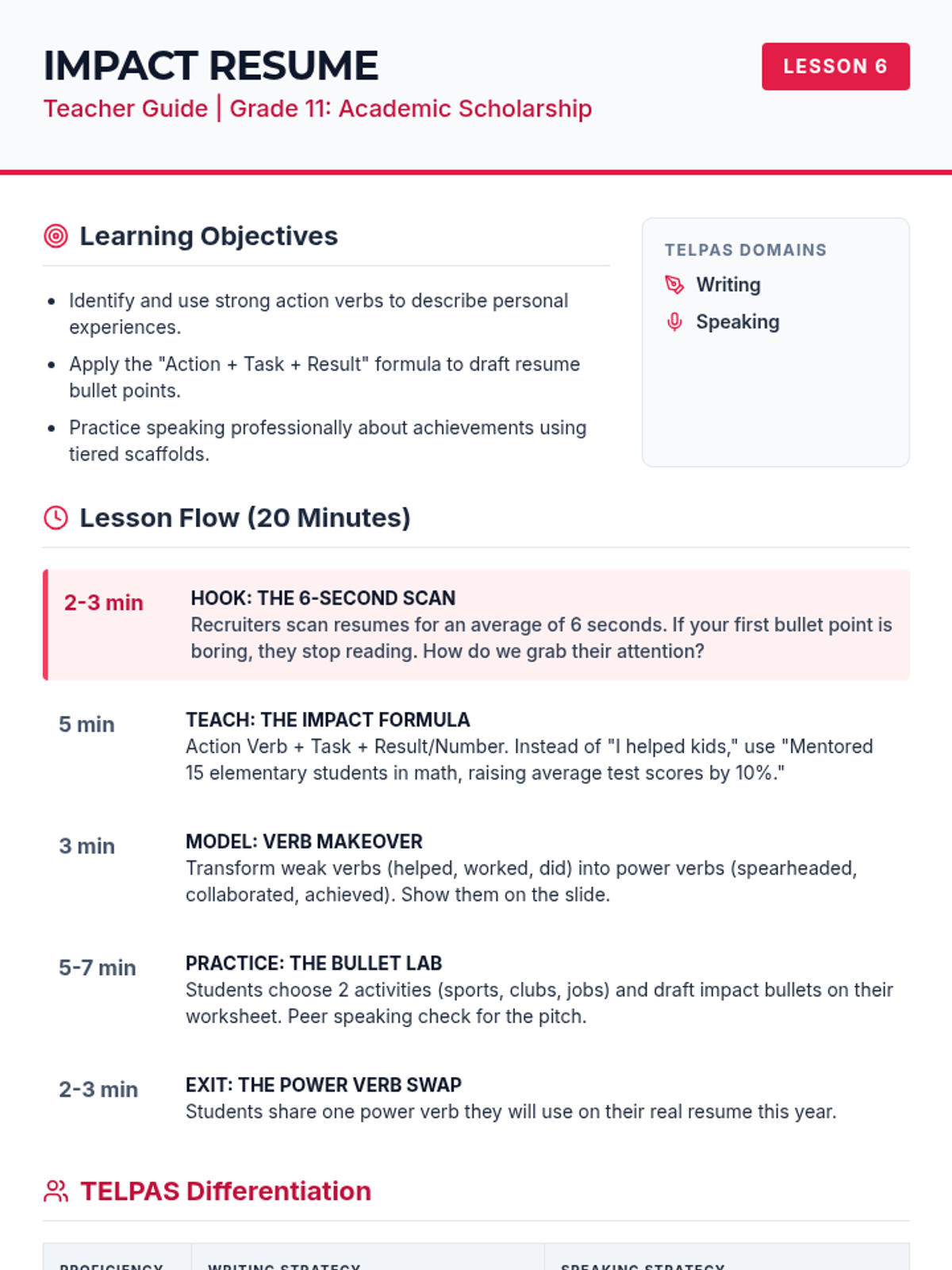
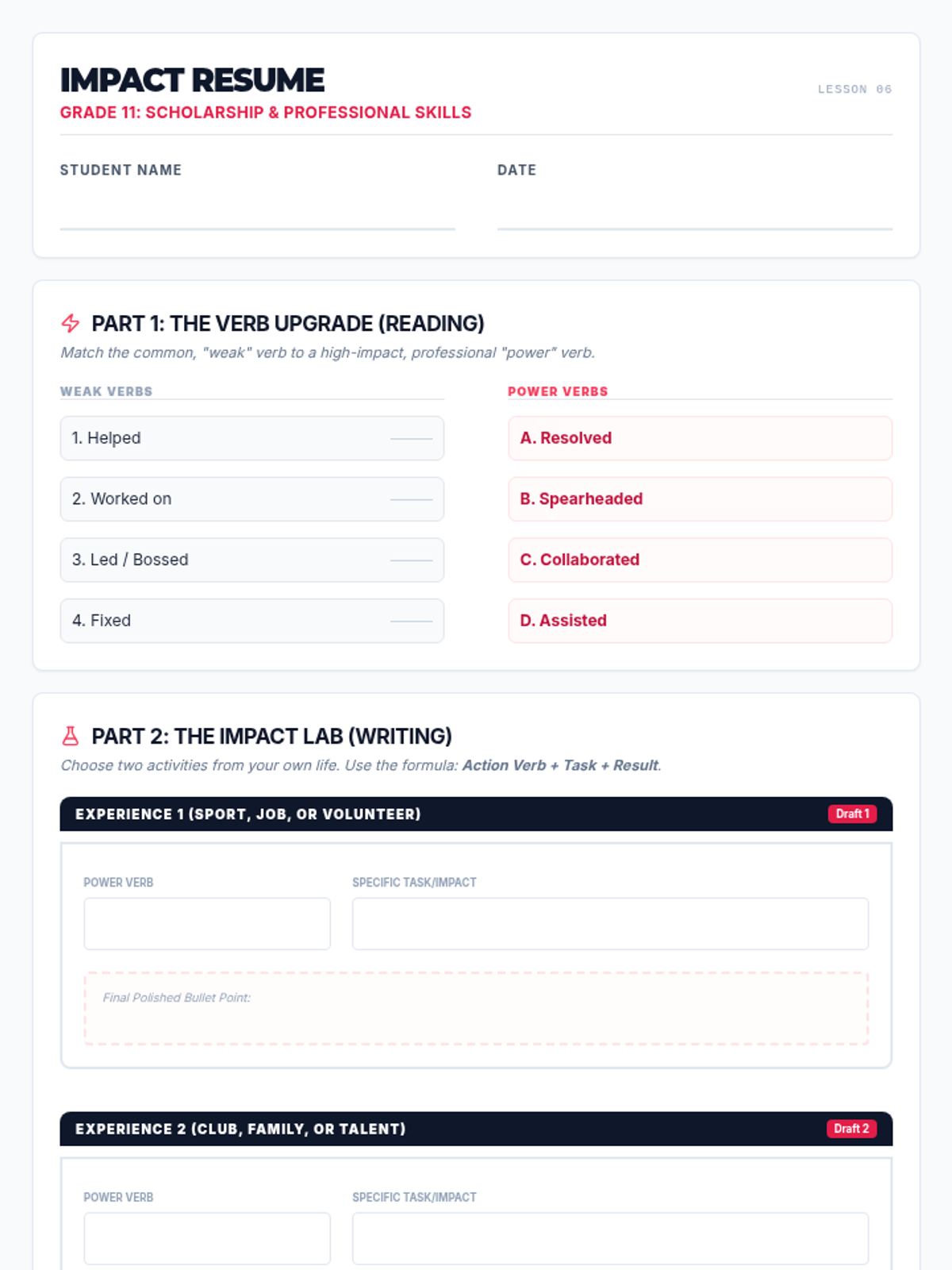
In this lesson, Grade 11 students learn to transform standard activity descriptions into high-impact resume bullet points using action verbs and quantifiable results. It focuses on the TELPAS Writing and Speaking domains through bullet-point drafting and peer-to-peer experience pitches.
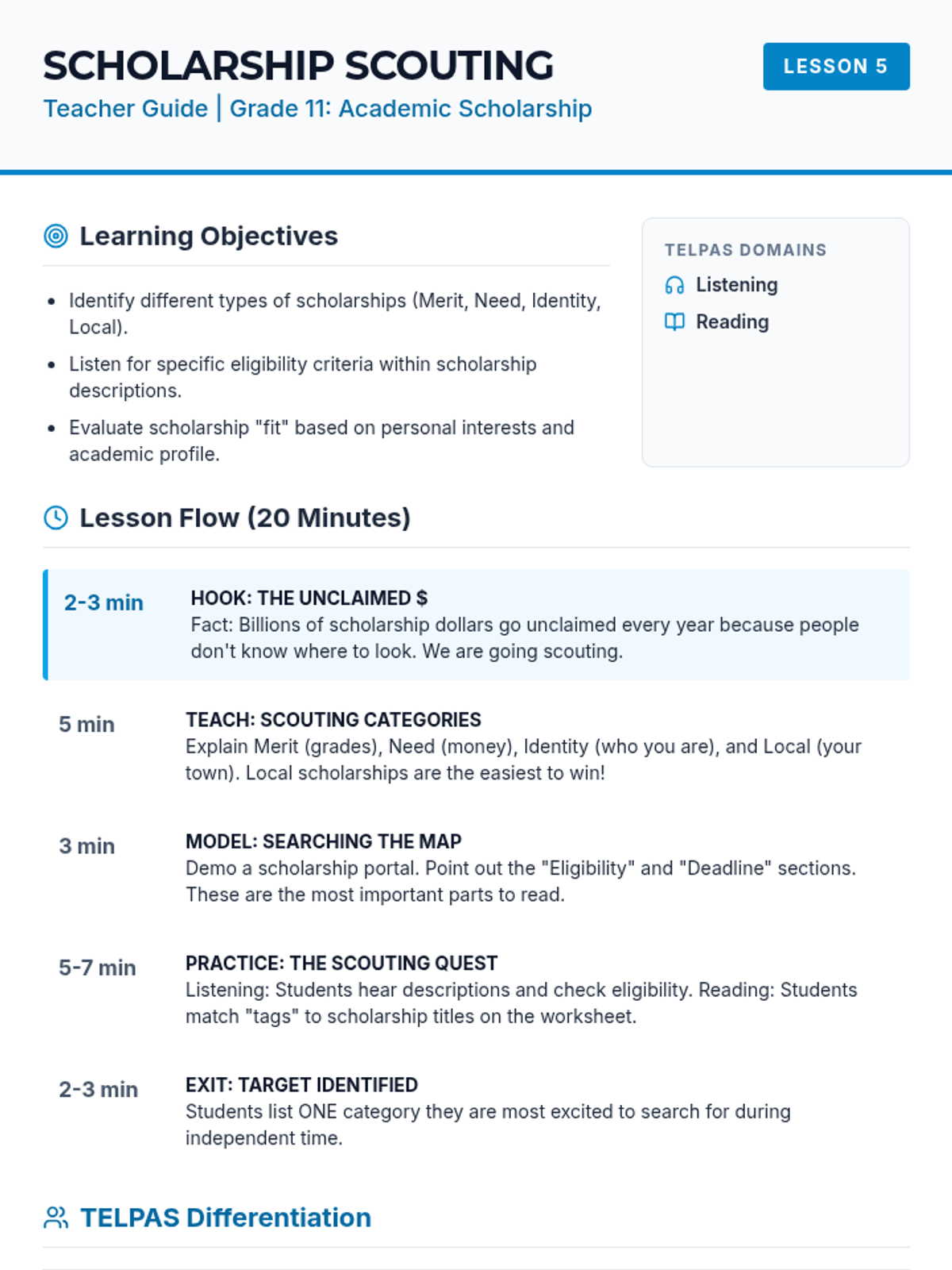
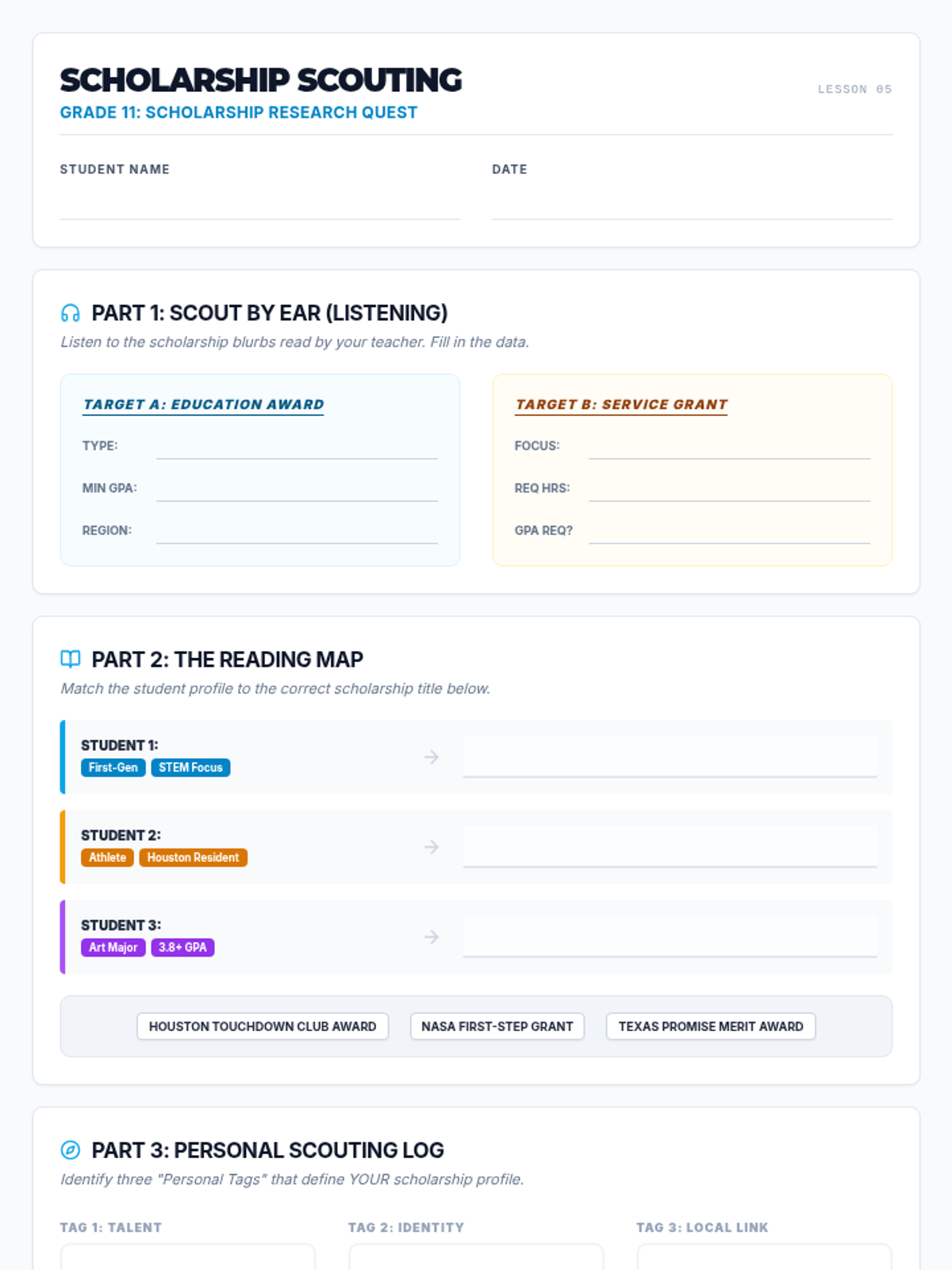
In this lesson, Grade 11 students learn to navigate and evaluate scholarship opportunities using specific search criteria. It focuses on the TELPAS Listening and Reading domains through criteria-matching activities and a scholarship scouting quest.
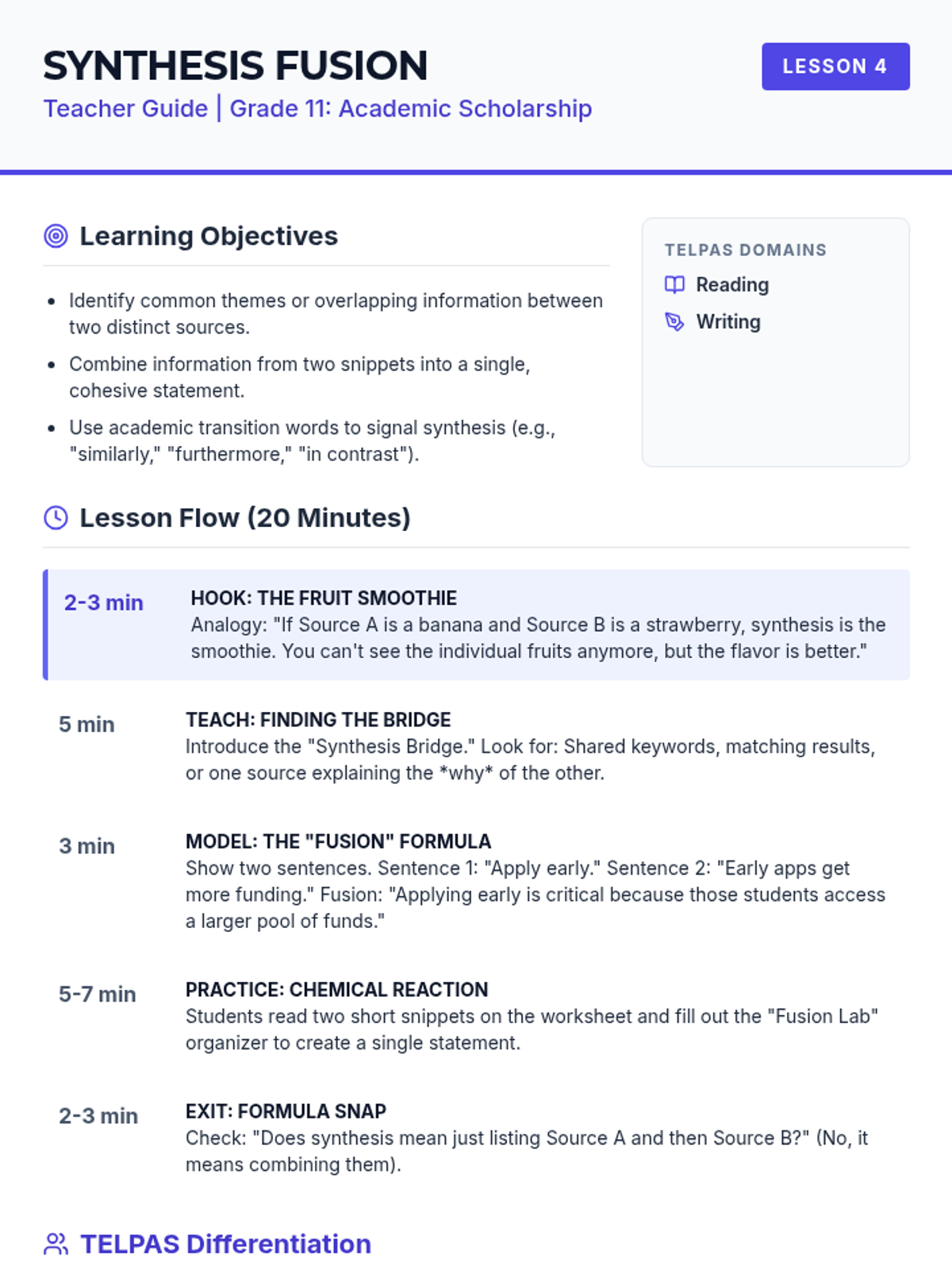
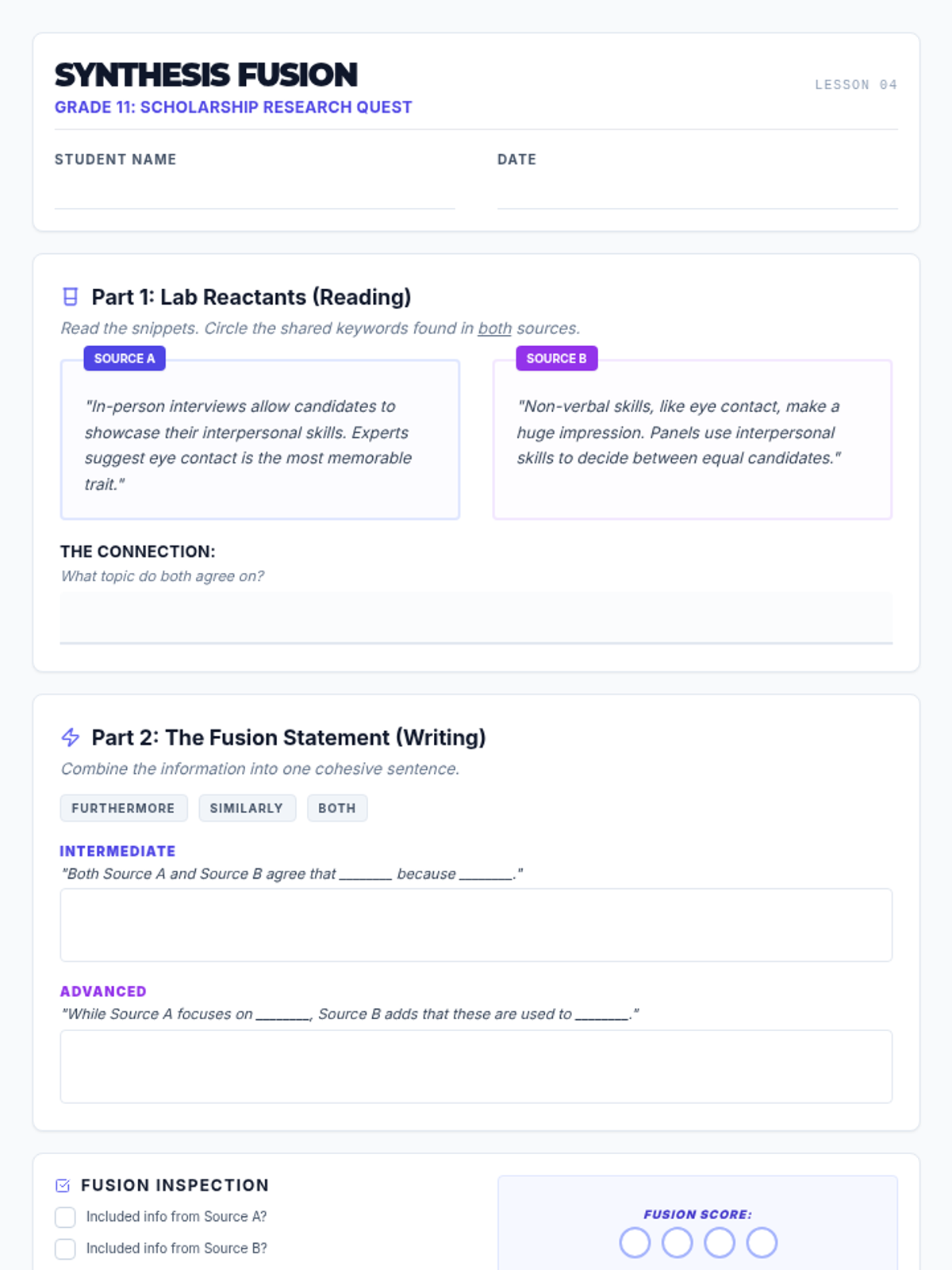
This lesson teaches 11th-grade students how to synthesize information from multiple scholarly sources. It focuses on the TELPAS Reading and Writing domains through tiered scaffolds for identifying common themes and drafting unified research statements.
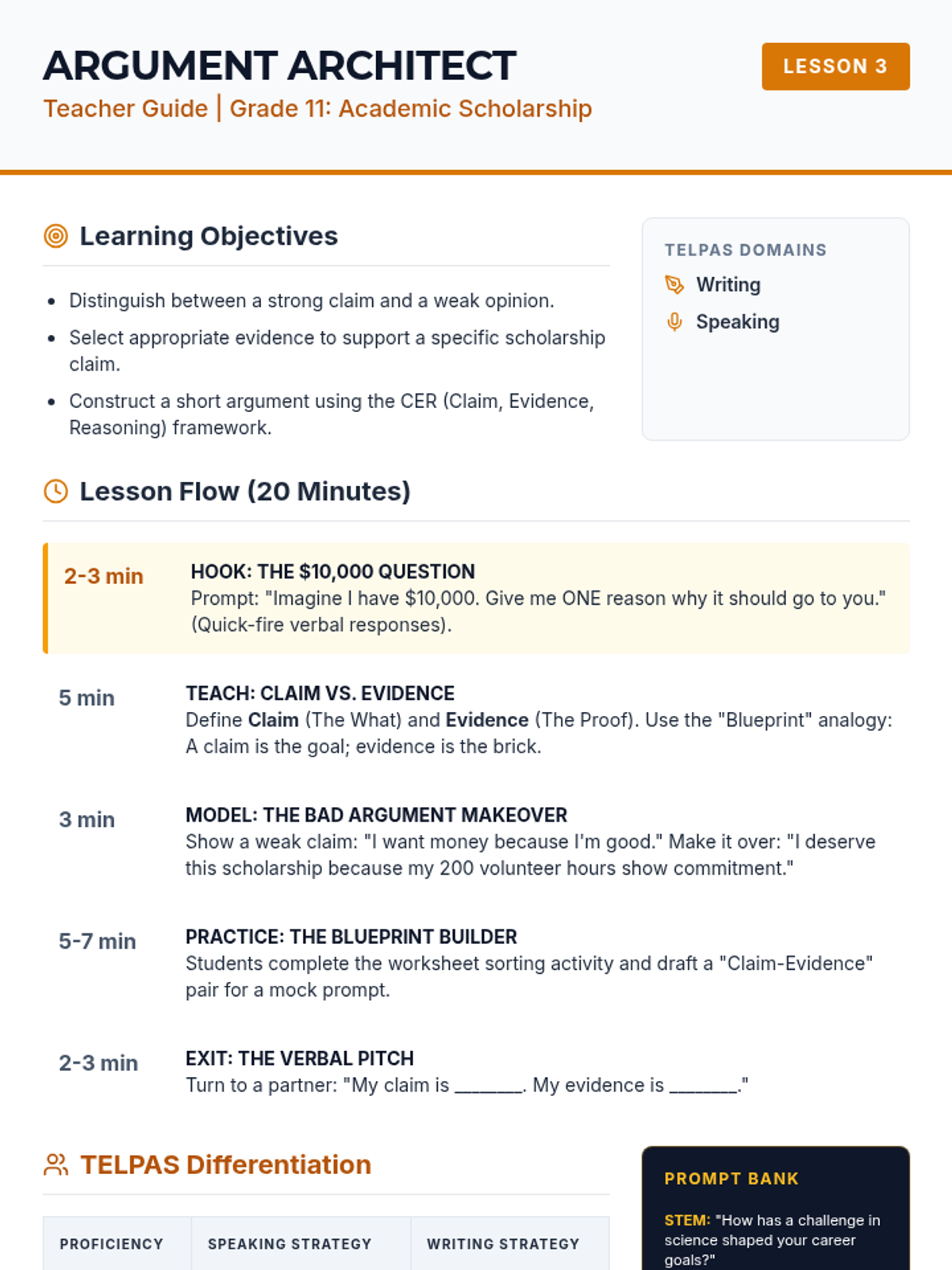
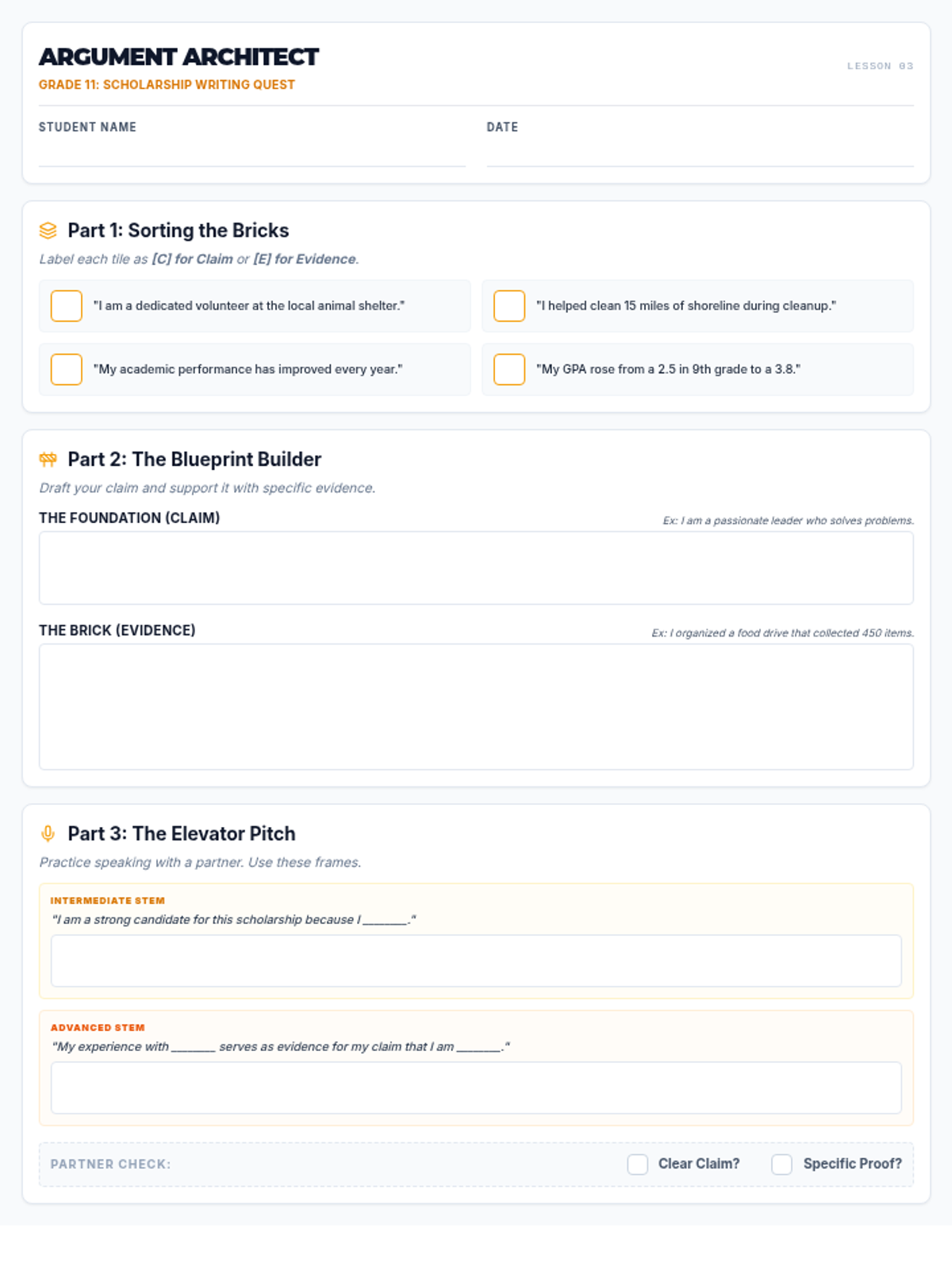
In this lesson, Grade 11 students learn to construct strong academic arguments for scholarship applications. It focuses on the TELPAS Writing and Speaking domains through tiered scaffolds for claims, evidence, and reasoning.
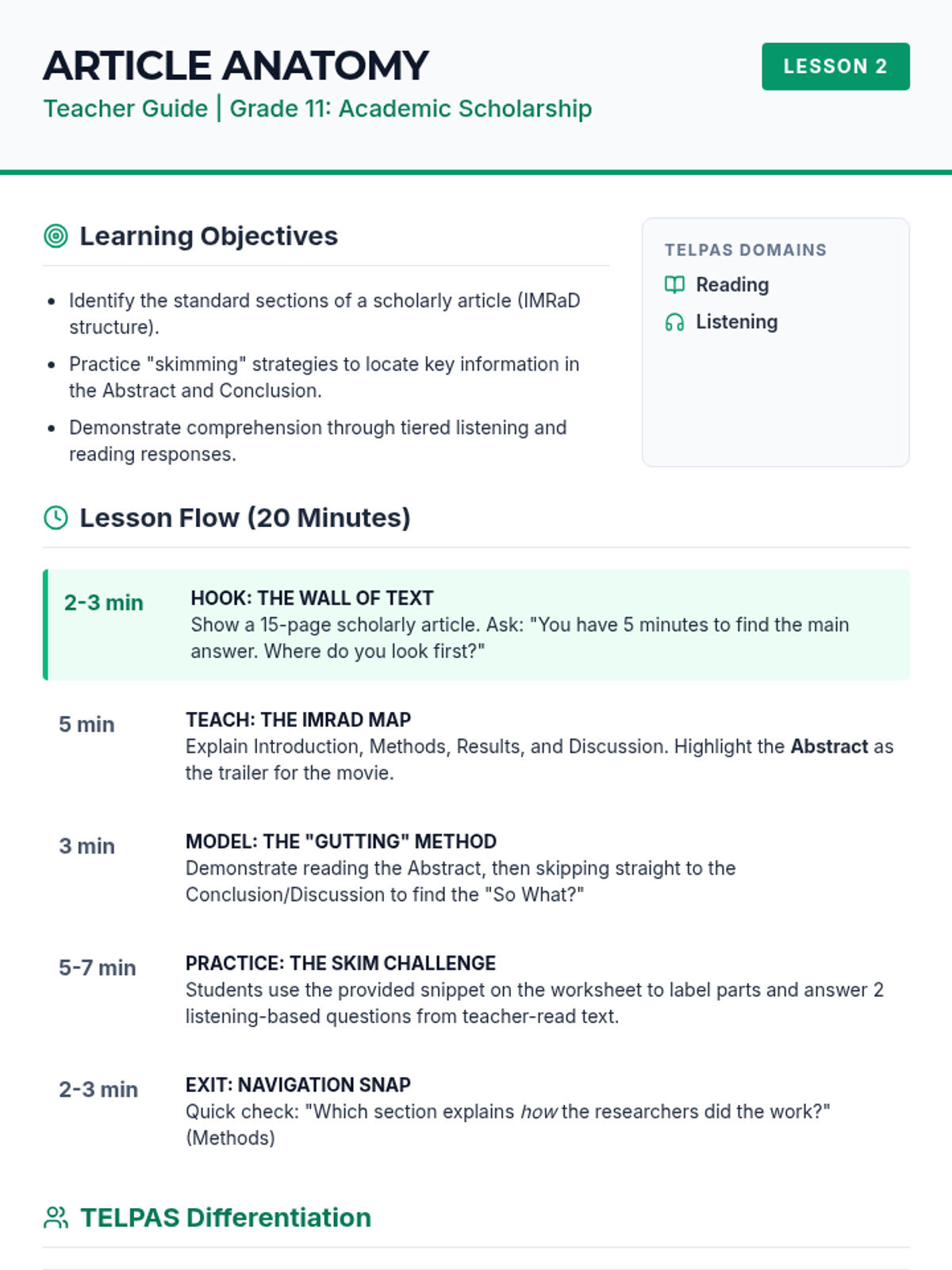
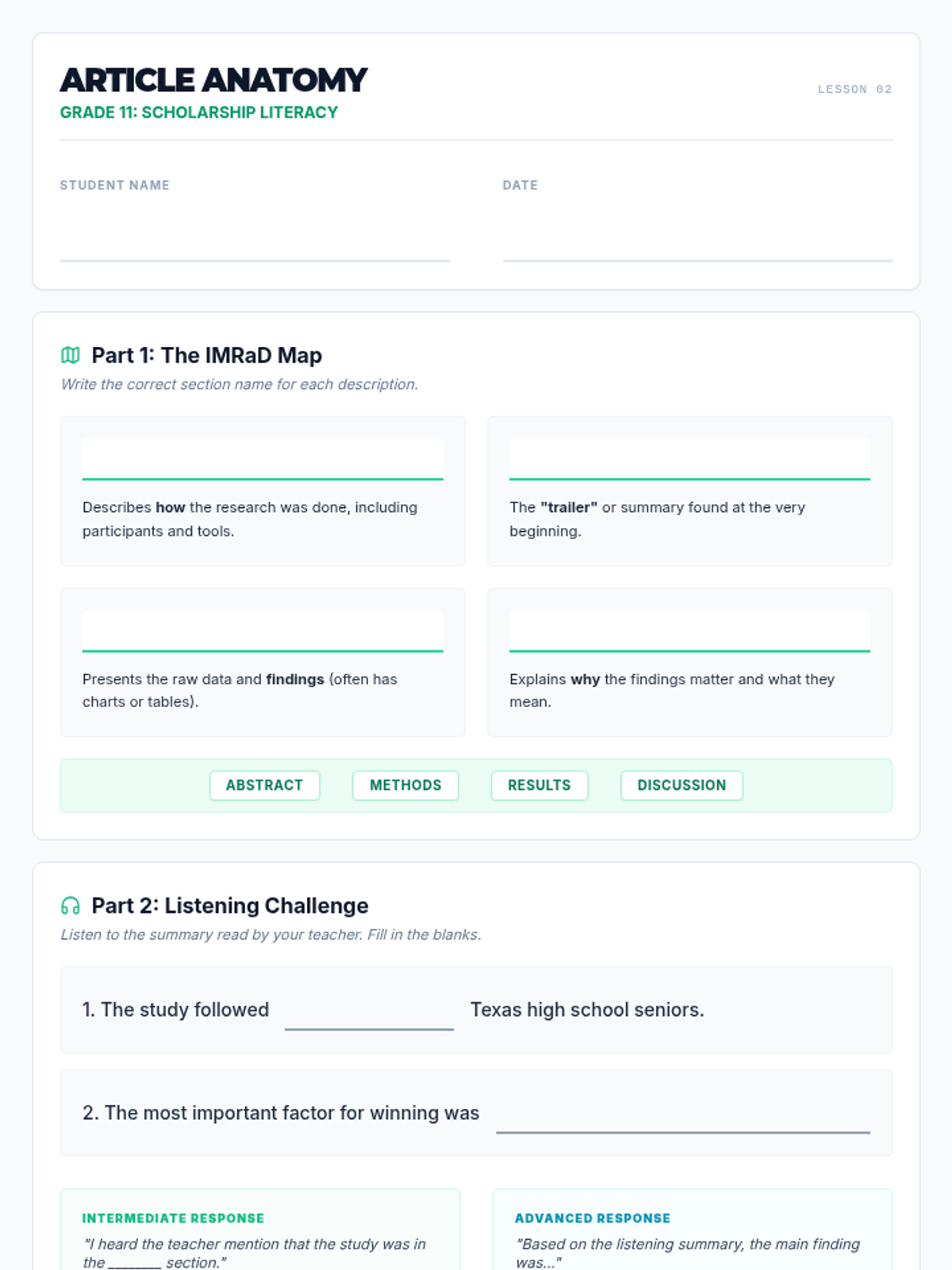
This lesson teaches 11th-grade students how to efficiently read and navigate scholarly articles by understanding their structure. It focuses on the TELPAS Reading and Listening domains through tiered support and skimming strategies.
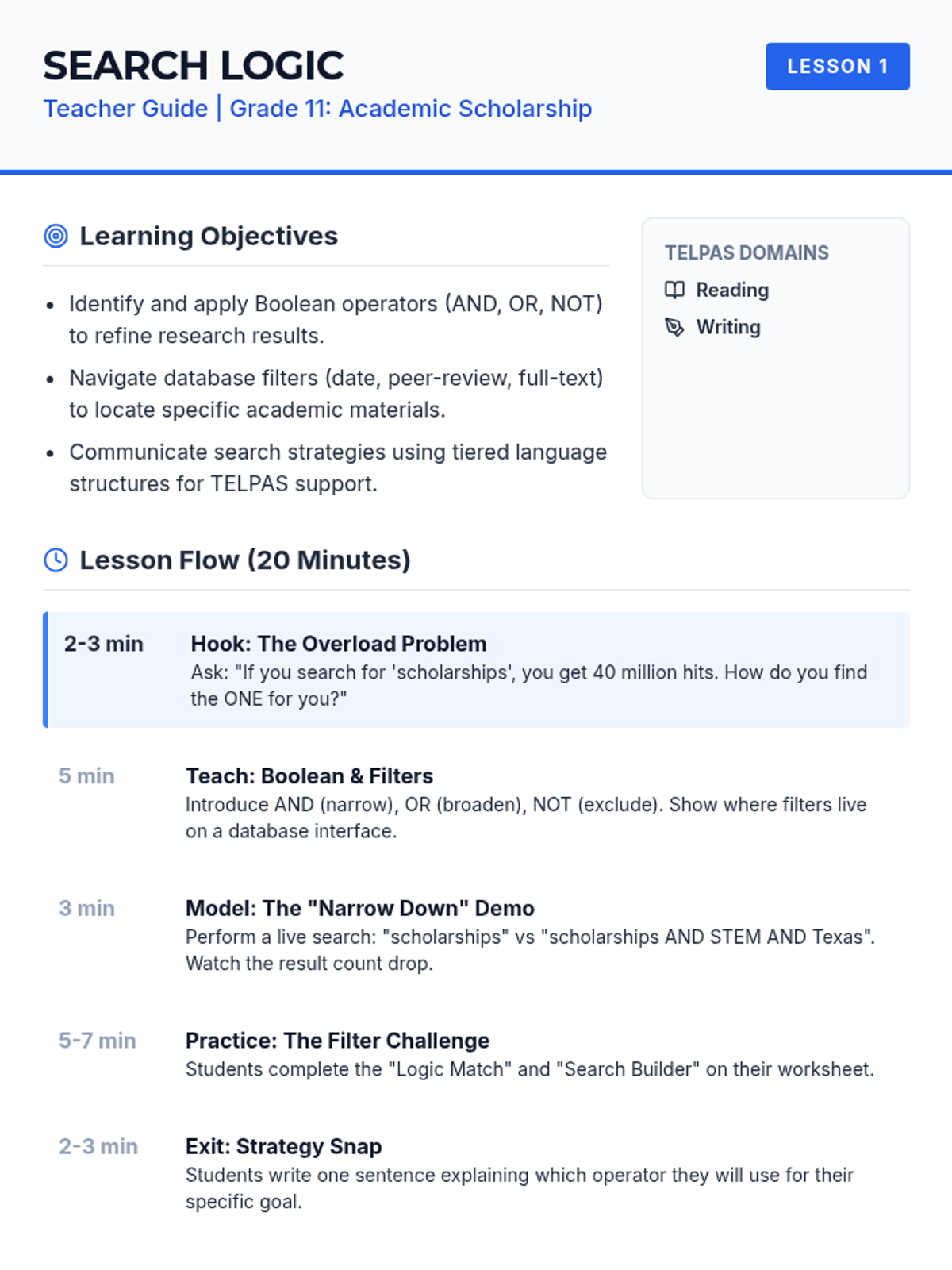
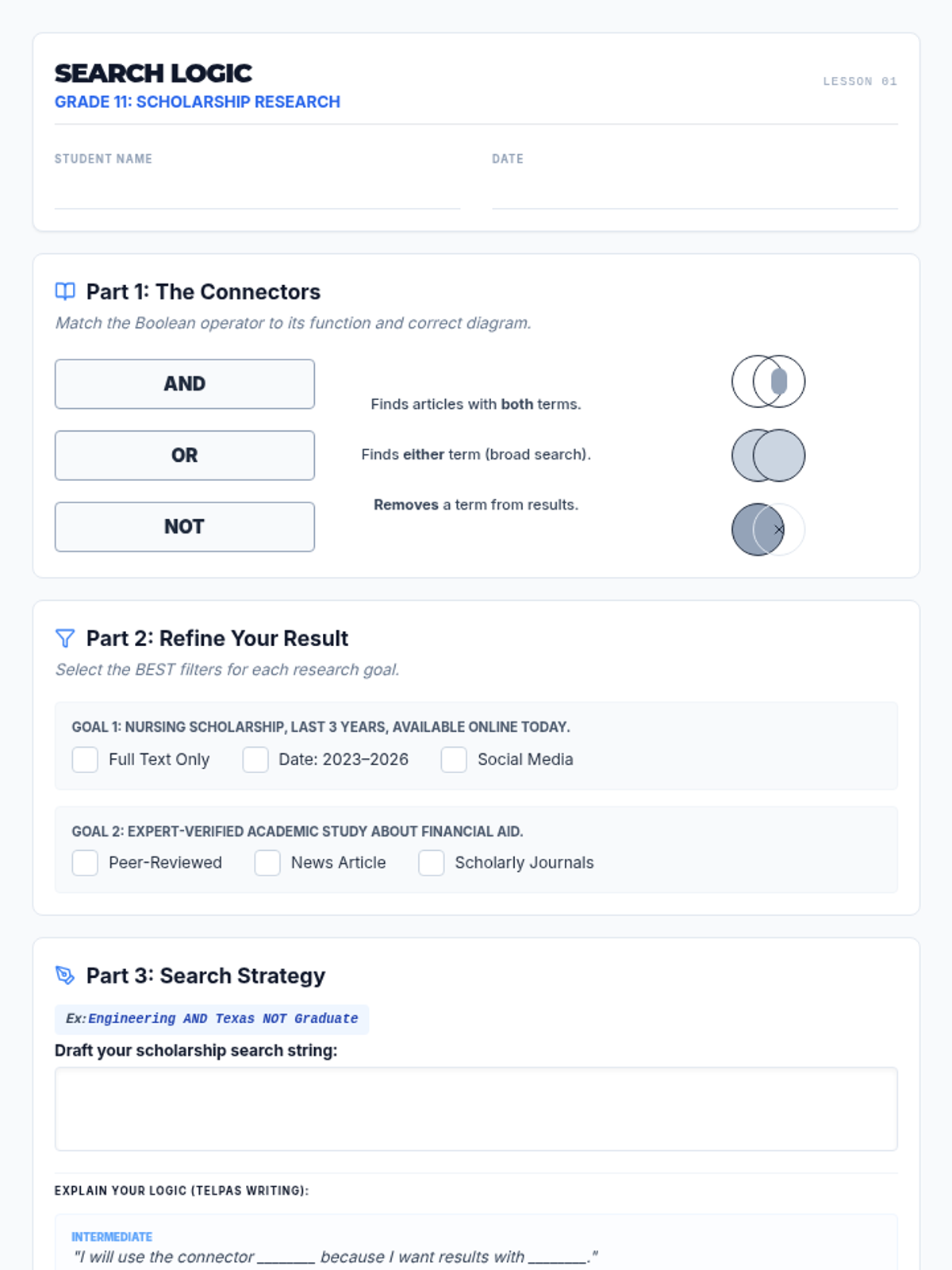
This lesson teaches 11th-grade students how to use Boolean operators and database filters to find scholarly sources for academic scholarships. It integrates TELPAS Reading and Writing domains through tiered language supports for all proficiency levels.
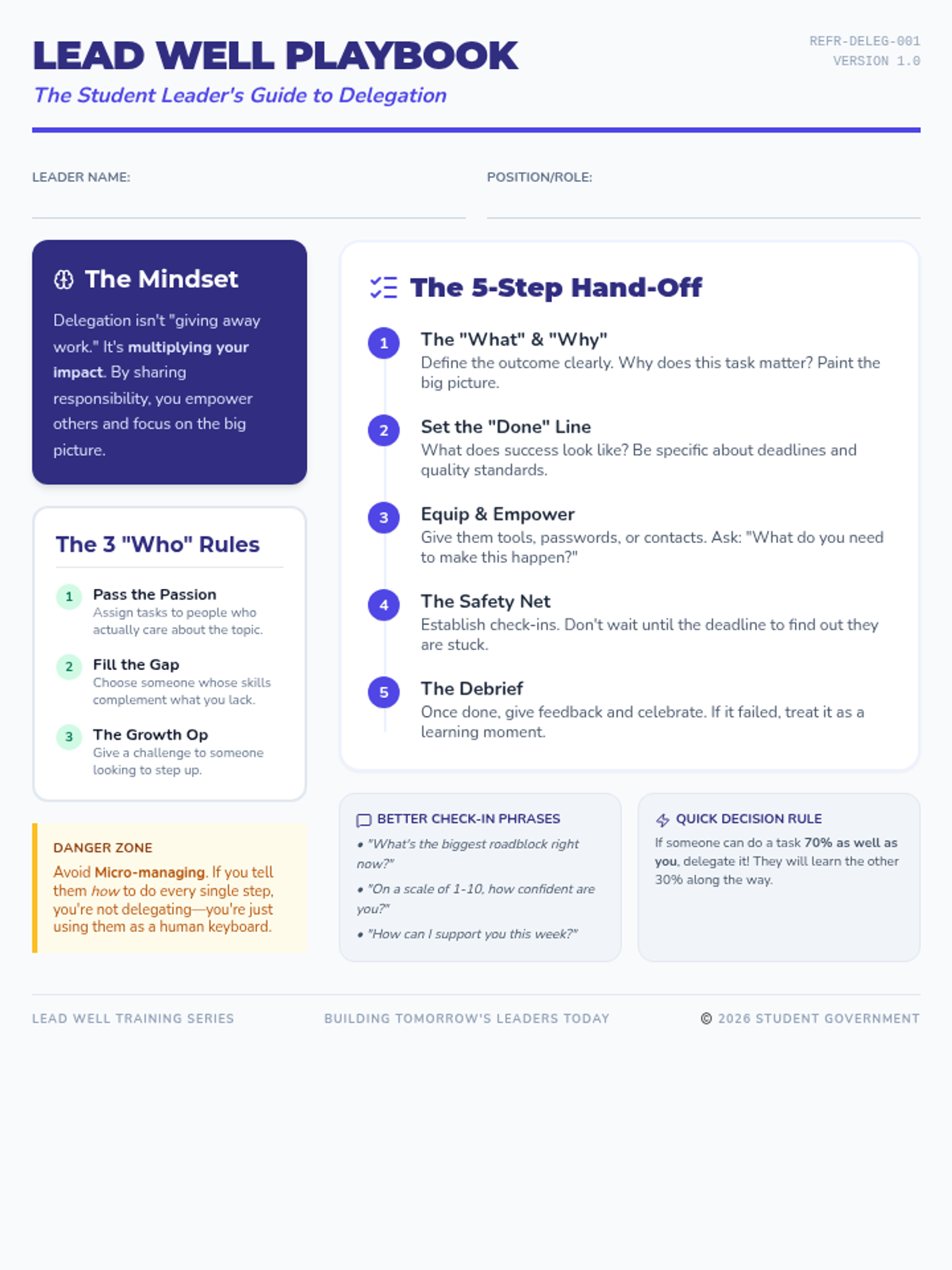
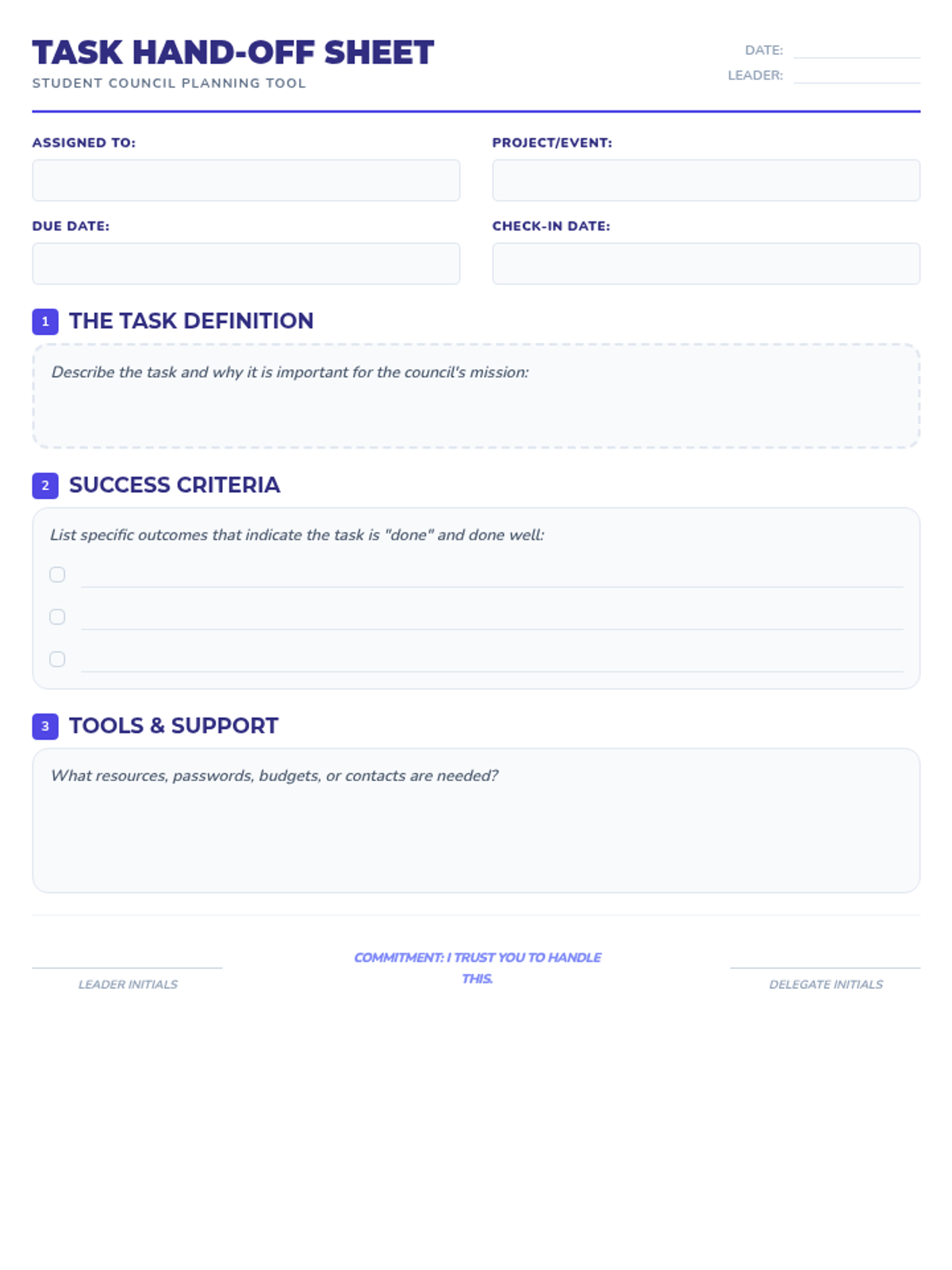
A comprehensive lesson for high school student leaders on the art of delegation, focusing on building trust, matching strengths, and clear communication.
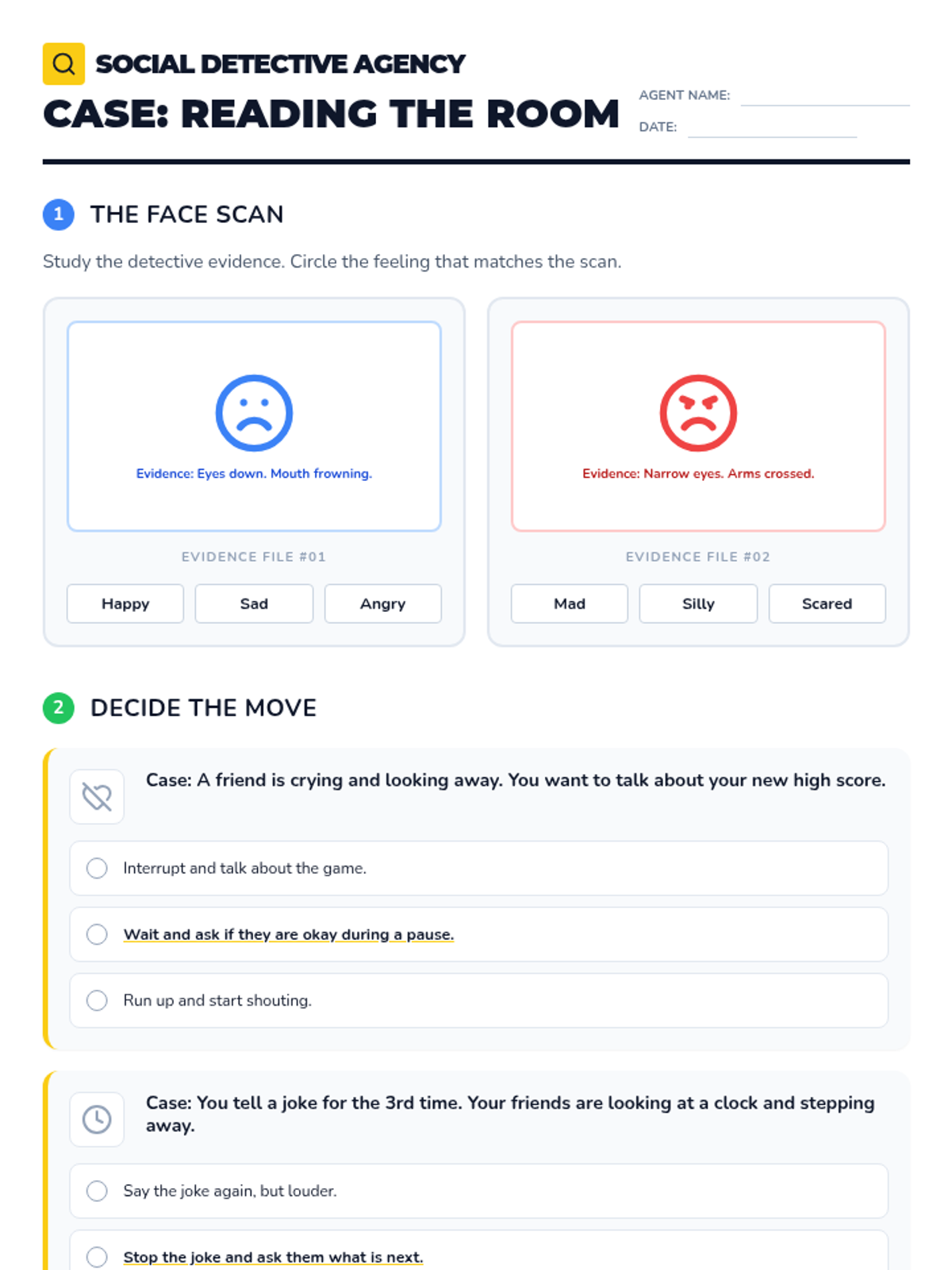
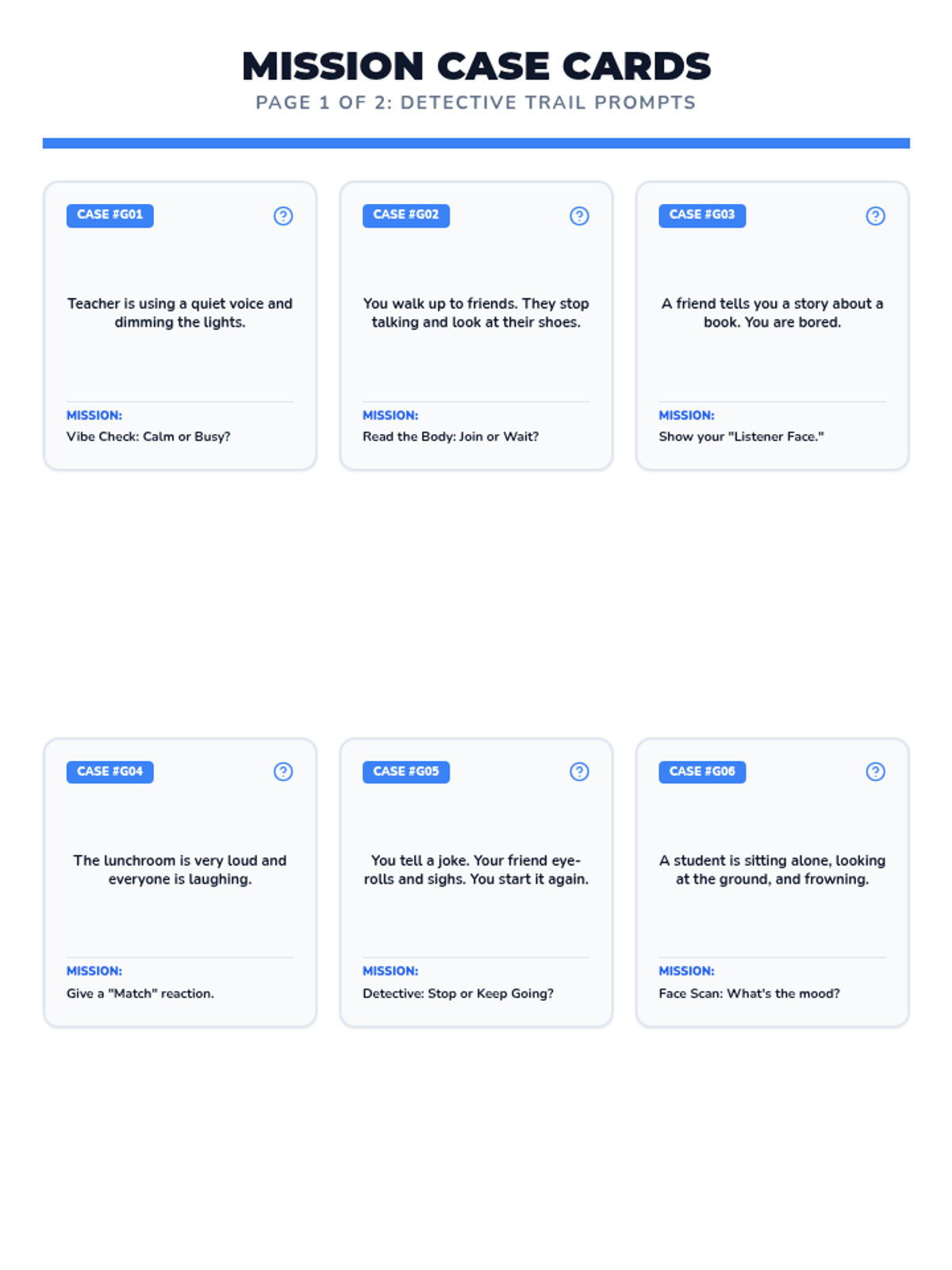
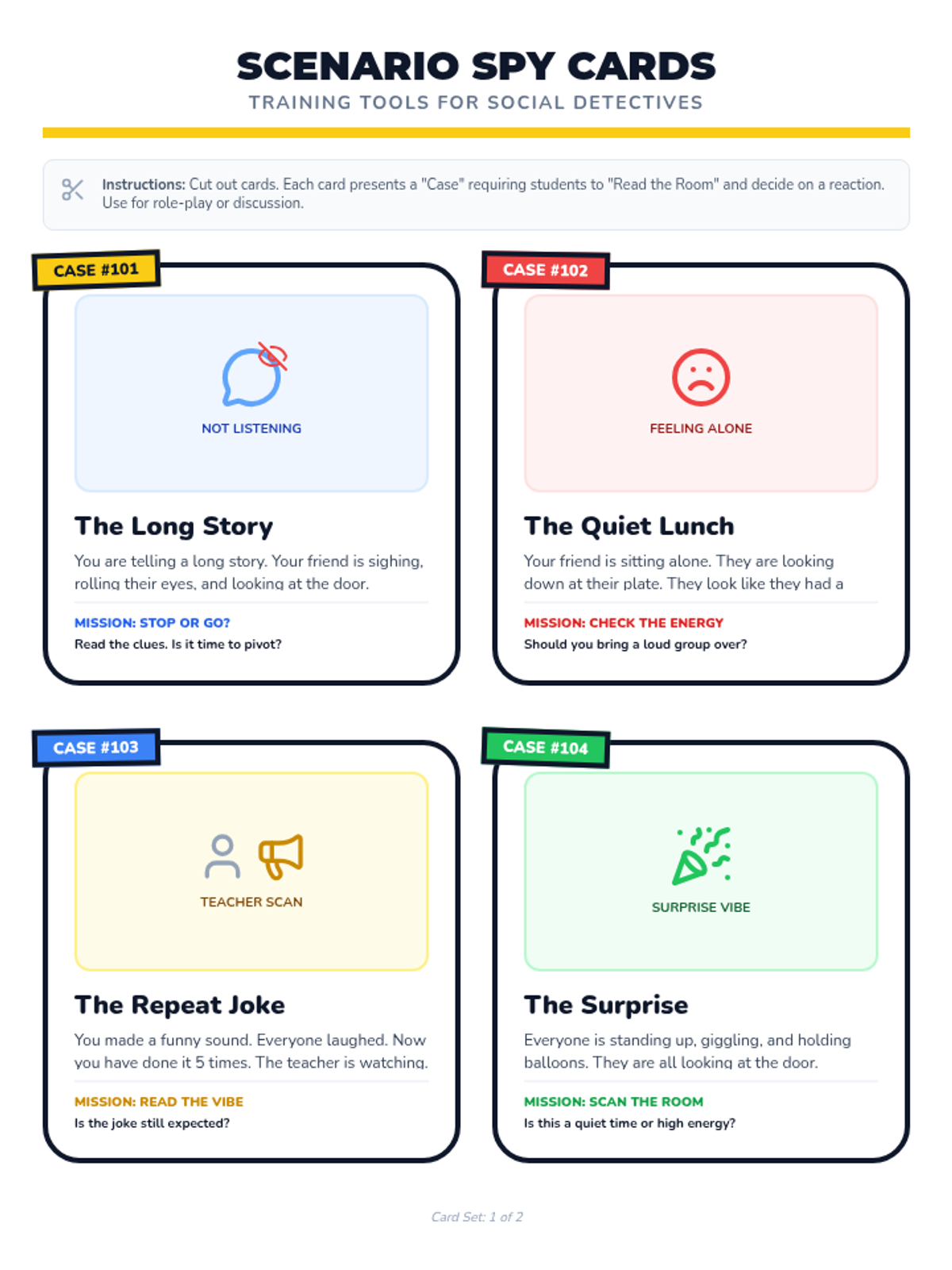
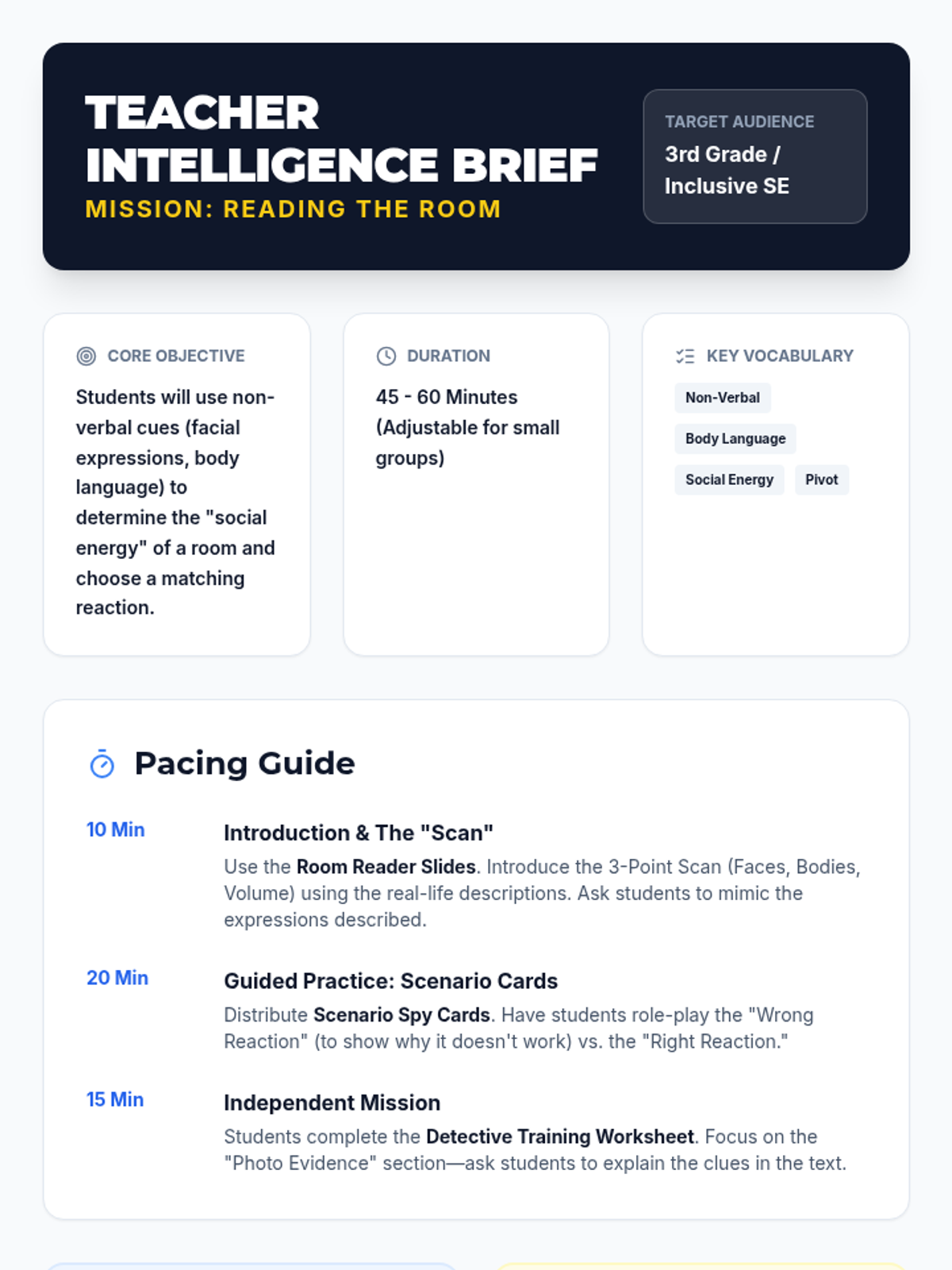
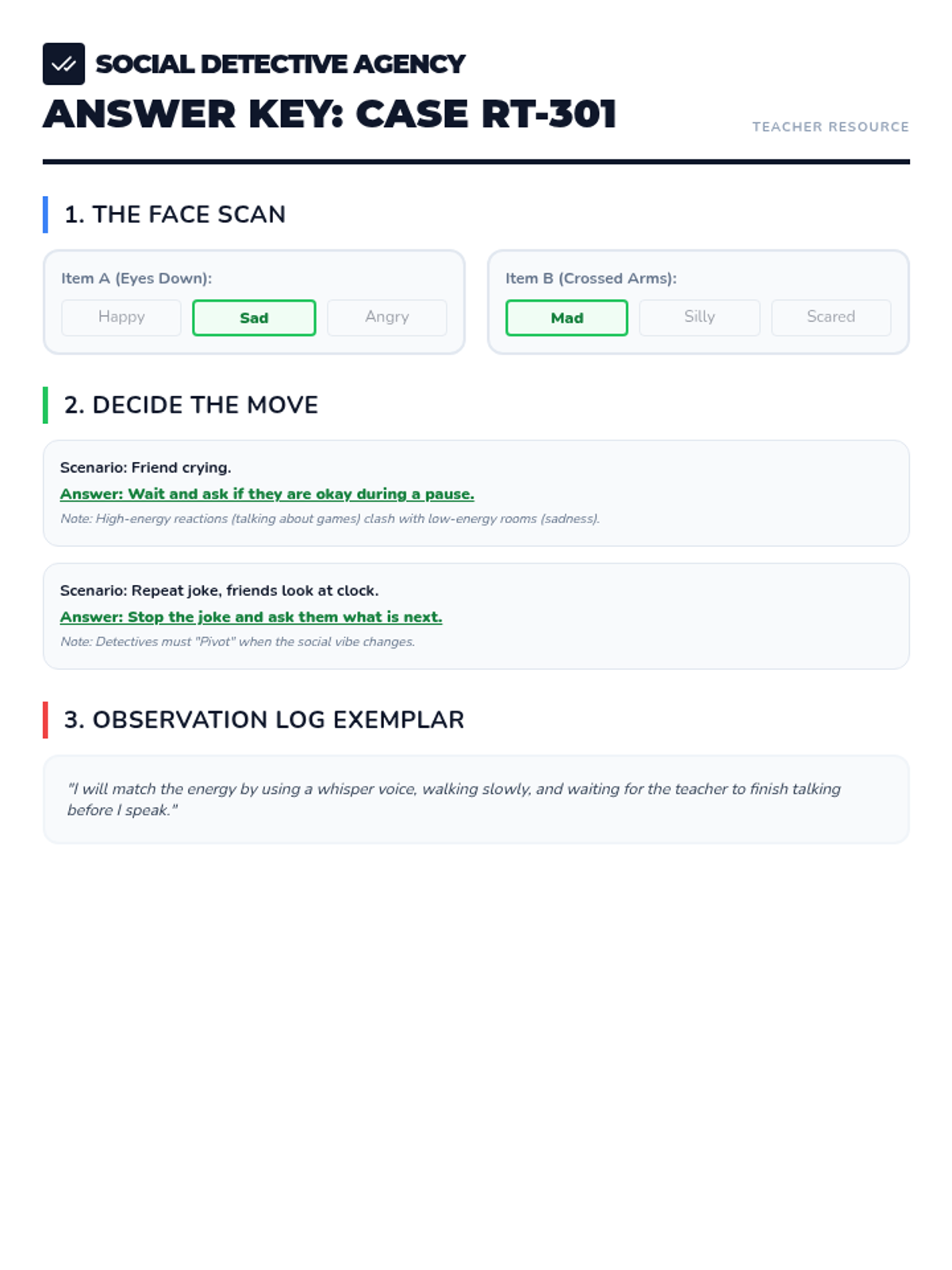
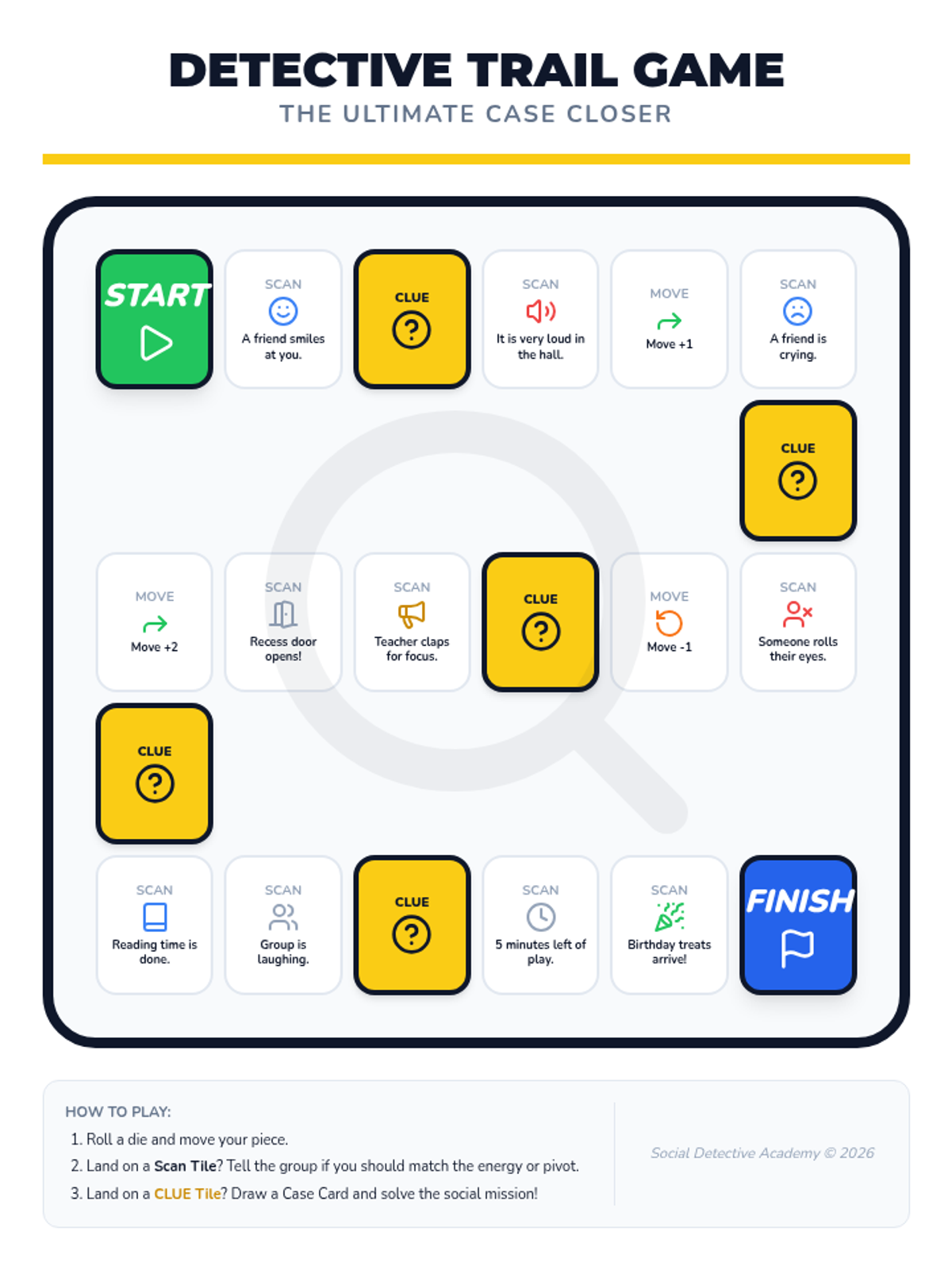
A comprehensive lesson designed for 3rd grade students in inclusive social/emotional programs, focusing on decoding non-verbal cues and matching social reactions to specific environmental contexts. Students will learn to 'scan' for facial expressions, body language, and group energy to navigate transitions and interactions successfully.
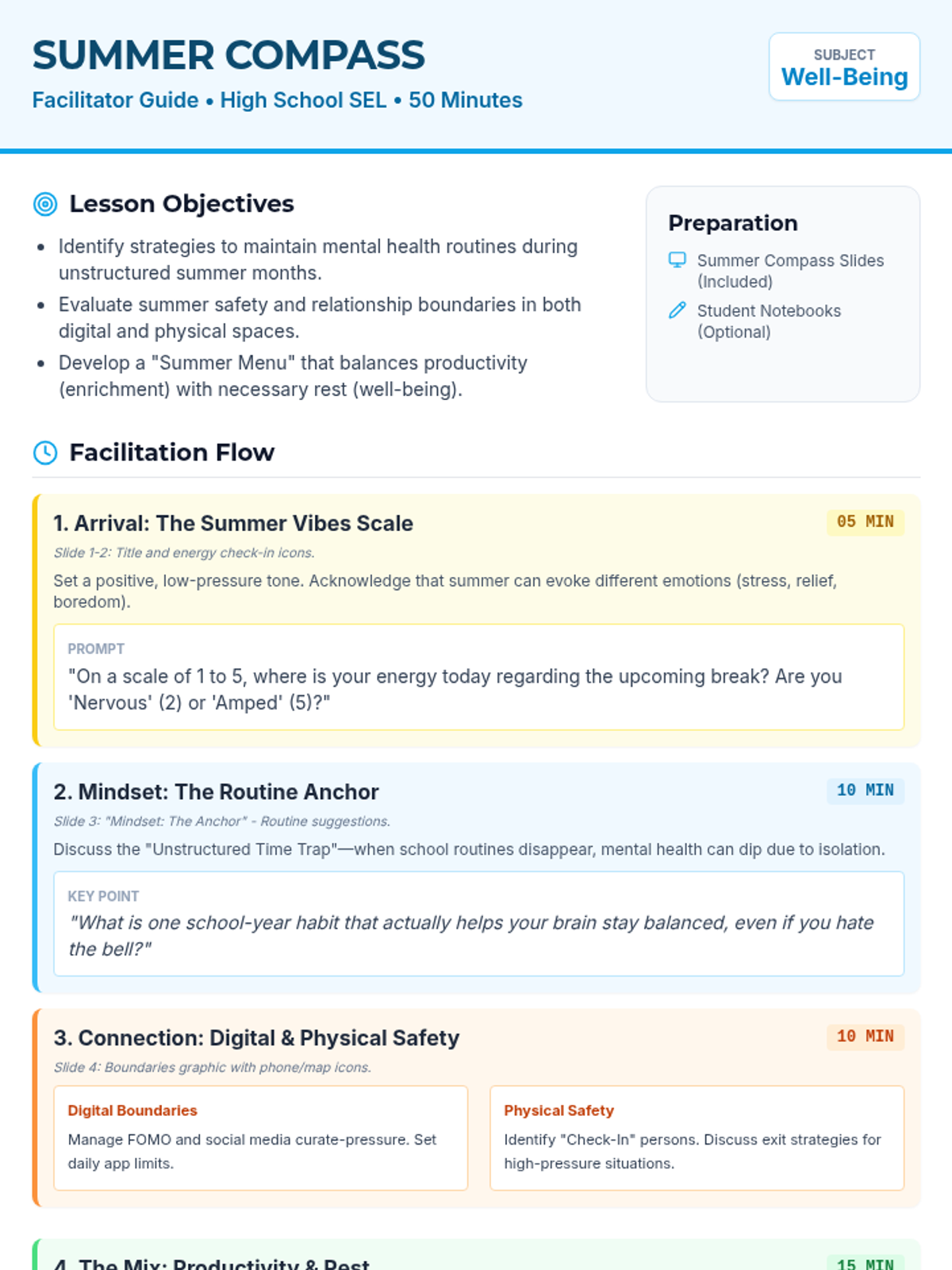
A 50-minute small group SEL lesson for high schoolers focused on navigating summer break with a focus on mental health, safety, and a healthy balance of productivity and rest.
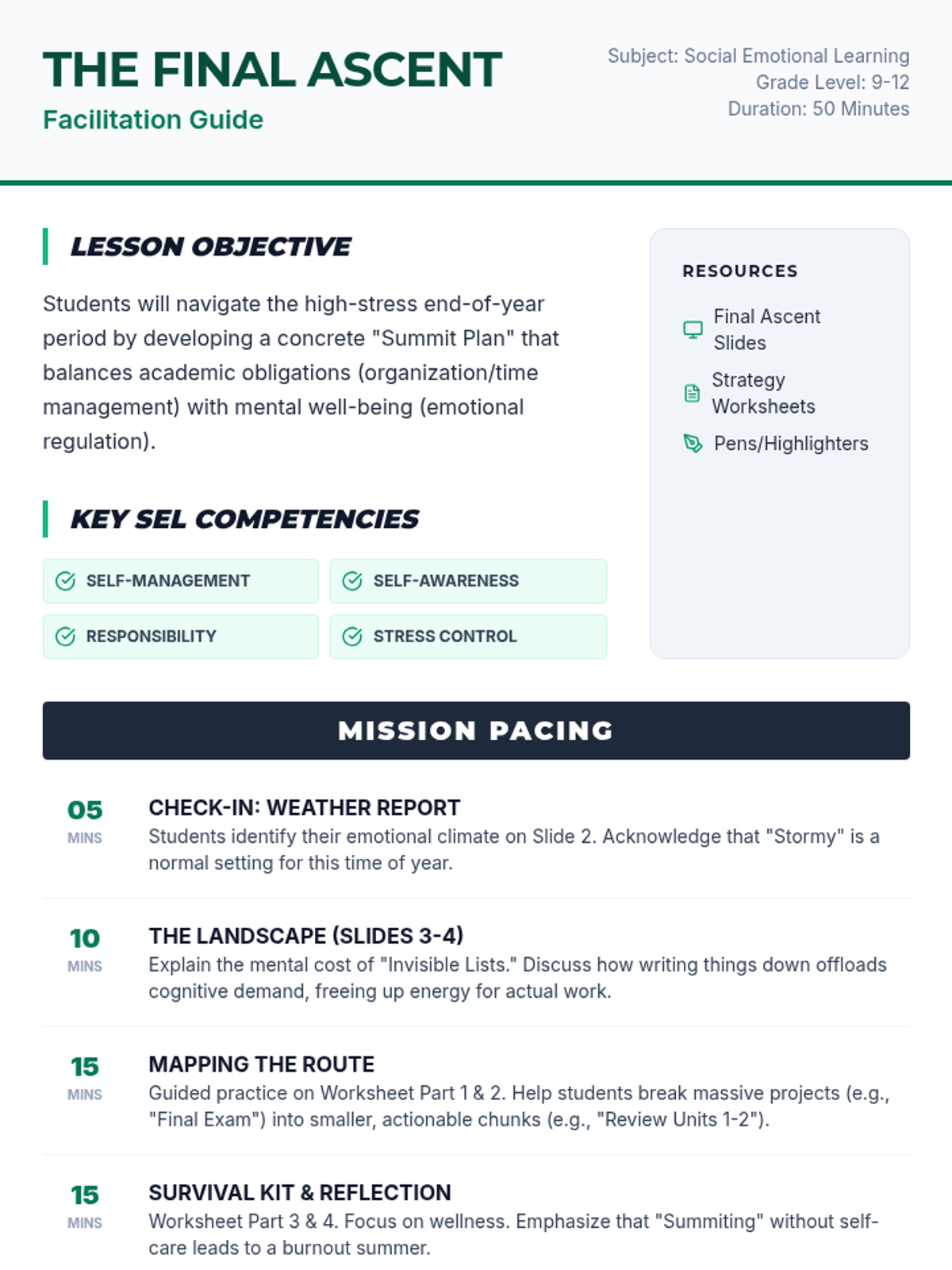
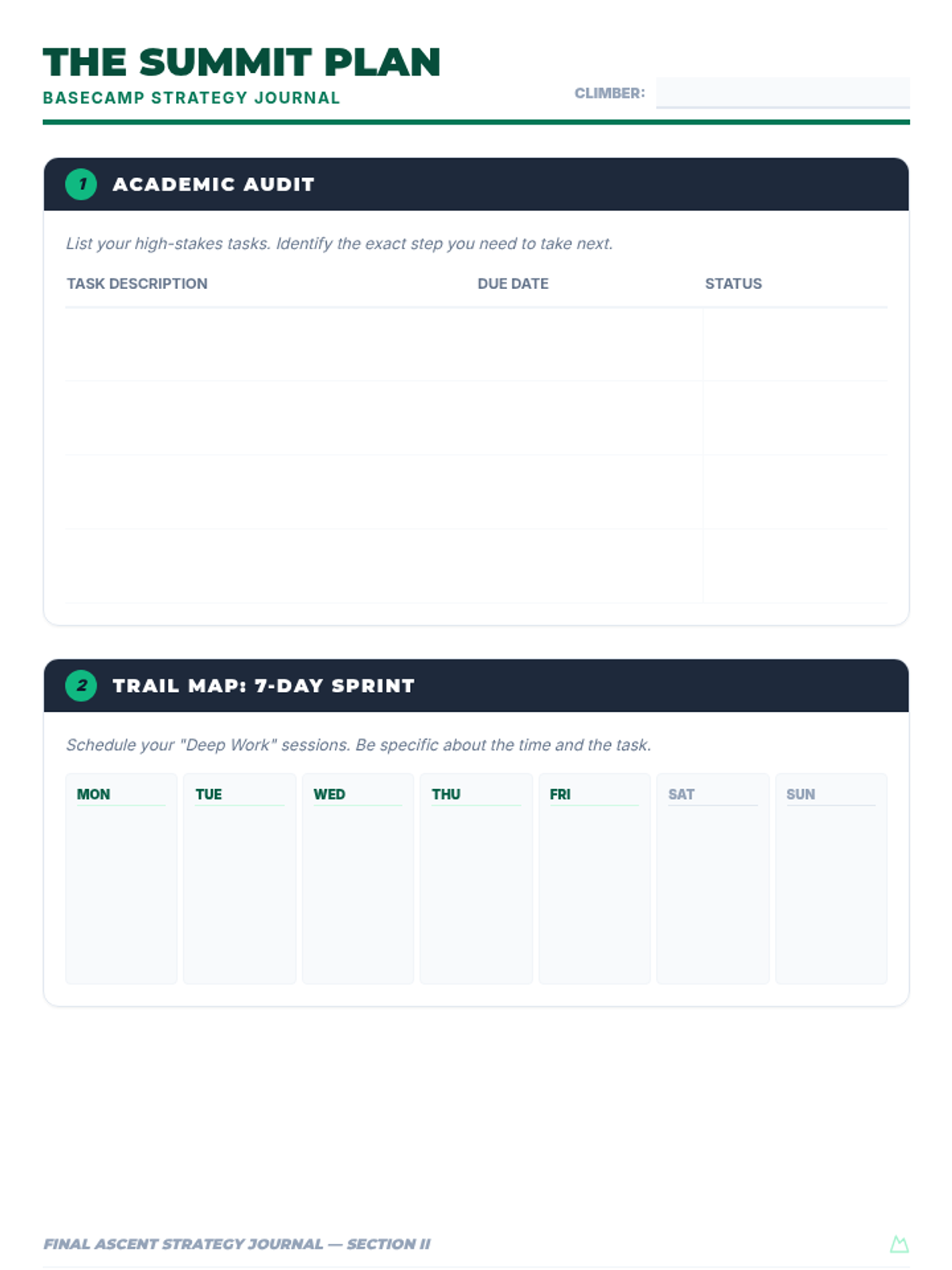
A 50-minute SEL lesson for high schoolers focused on finishing the school year with resilience, organization, and wellness. Students will create a tactical plan for their remaining academics while prioritizing mental health and reflection.
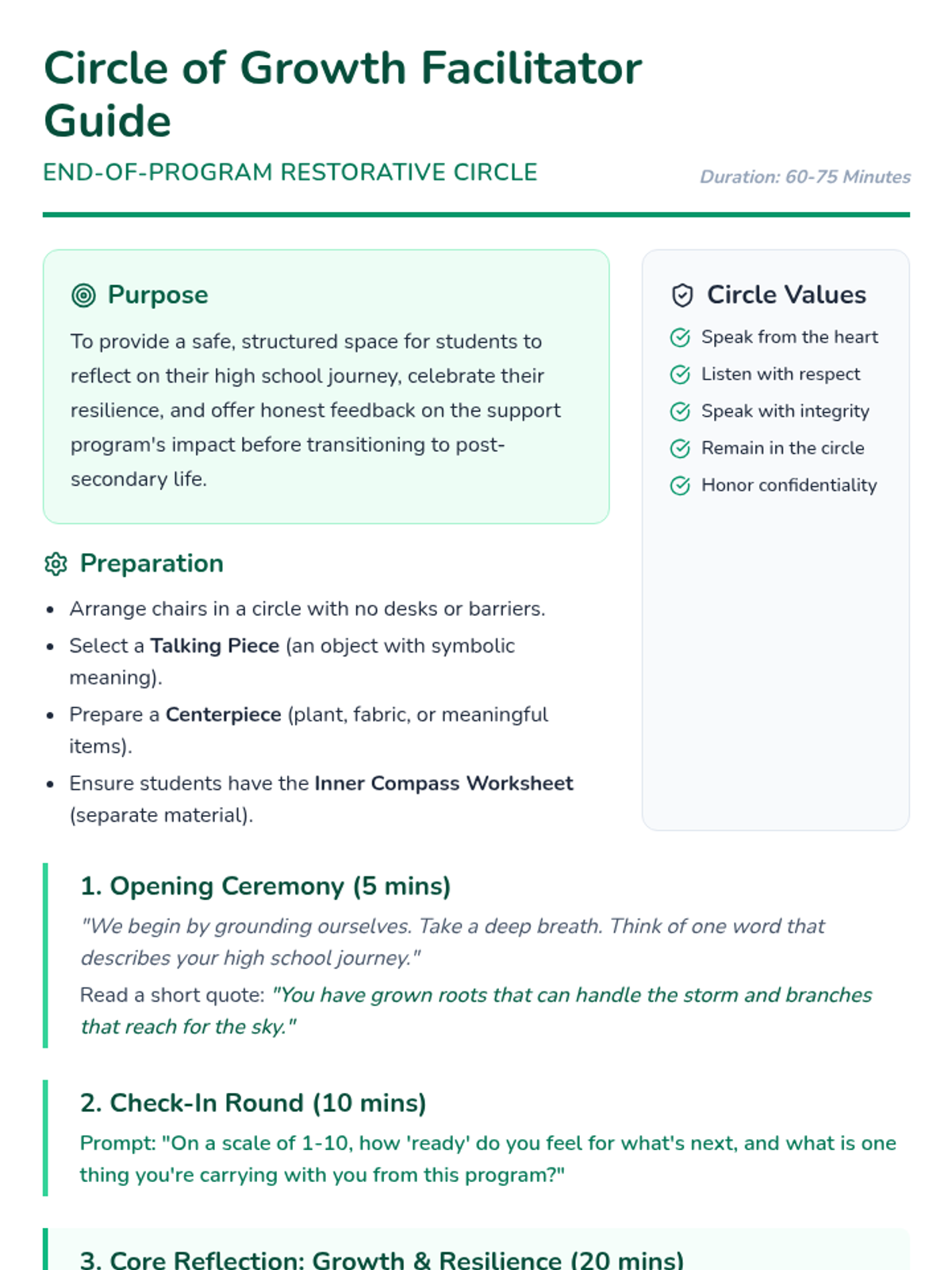
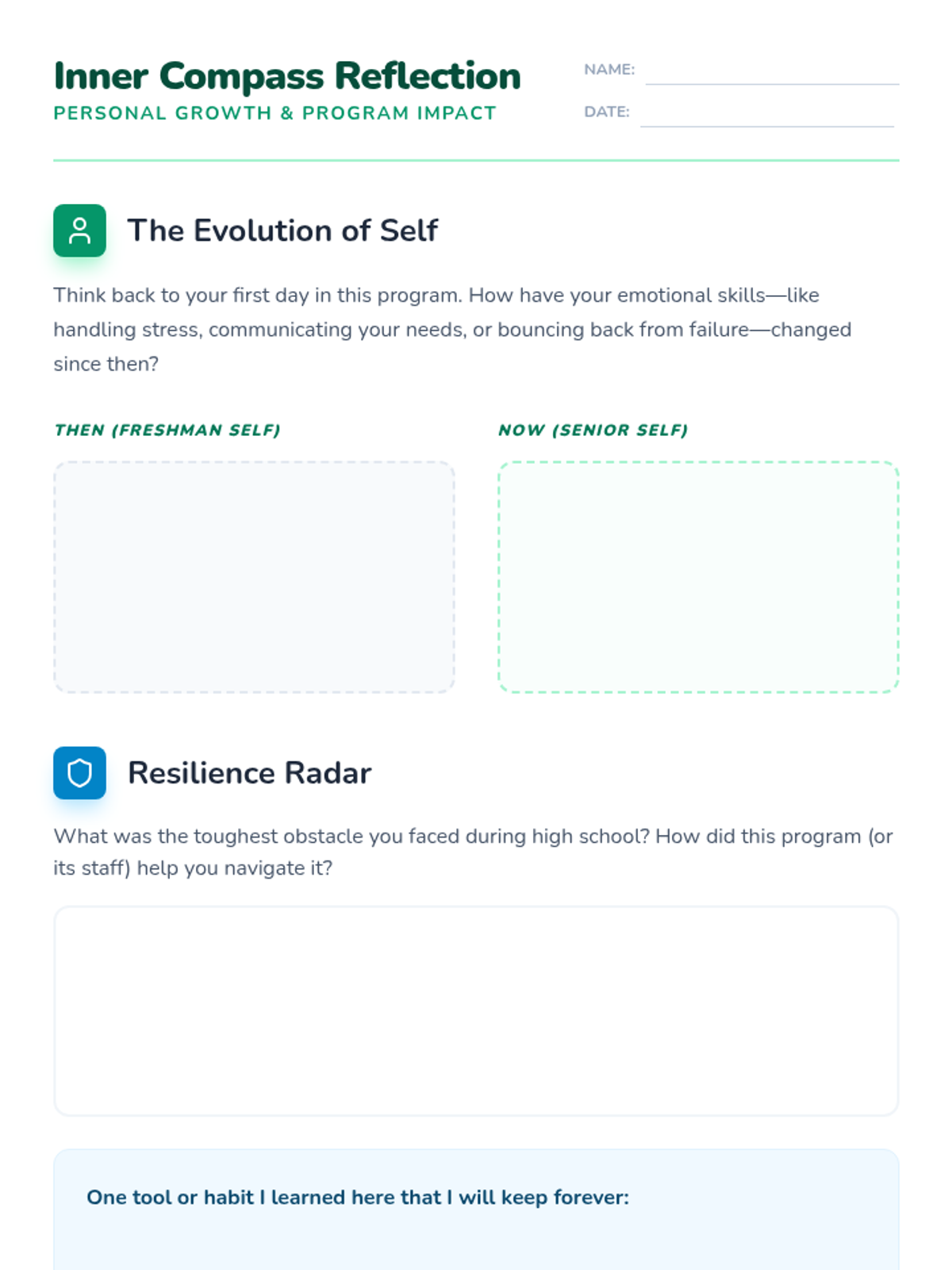
A structured restorative circle and individual reflection session focused on identifying social-emotional growth, resilience, and program effectiveness.
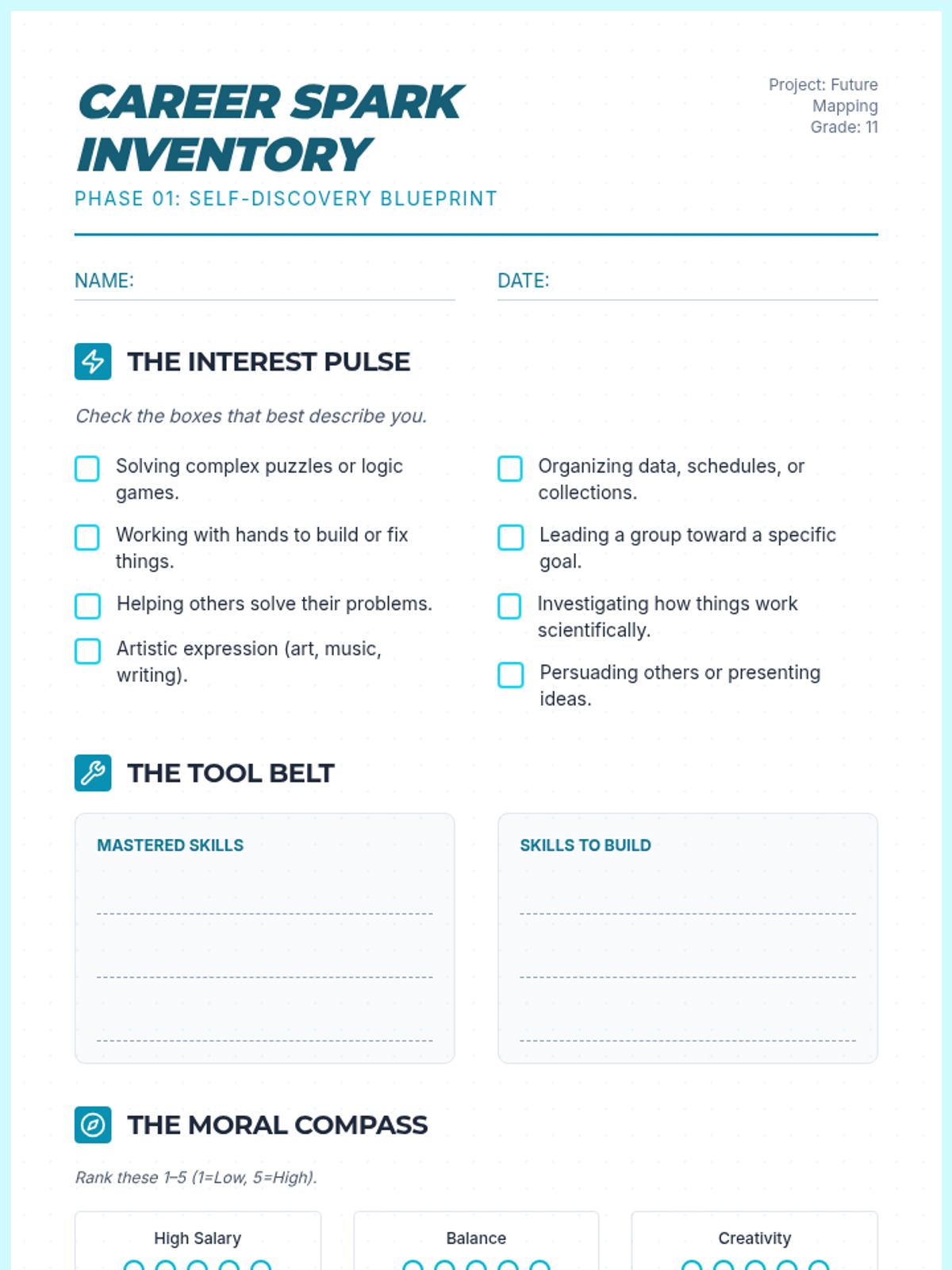
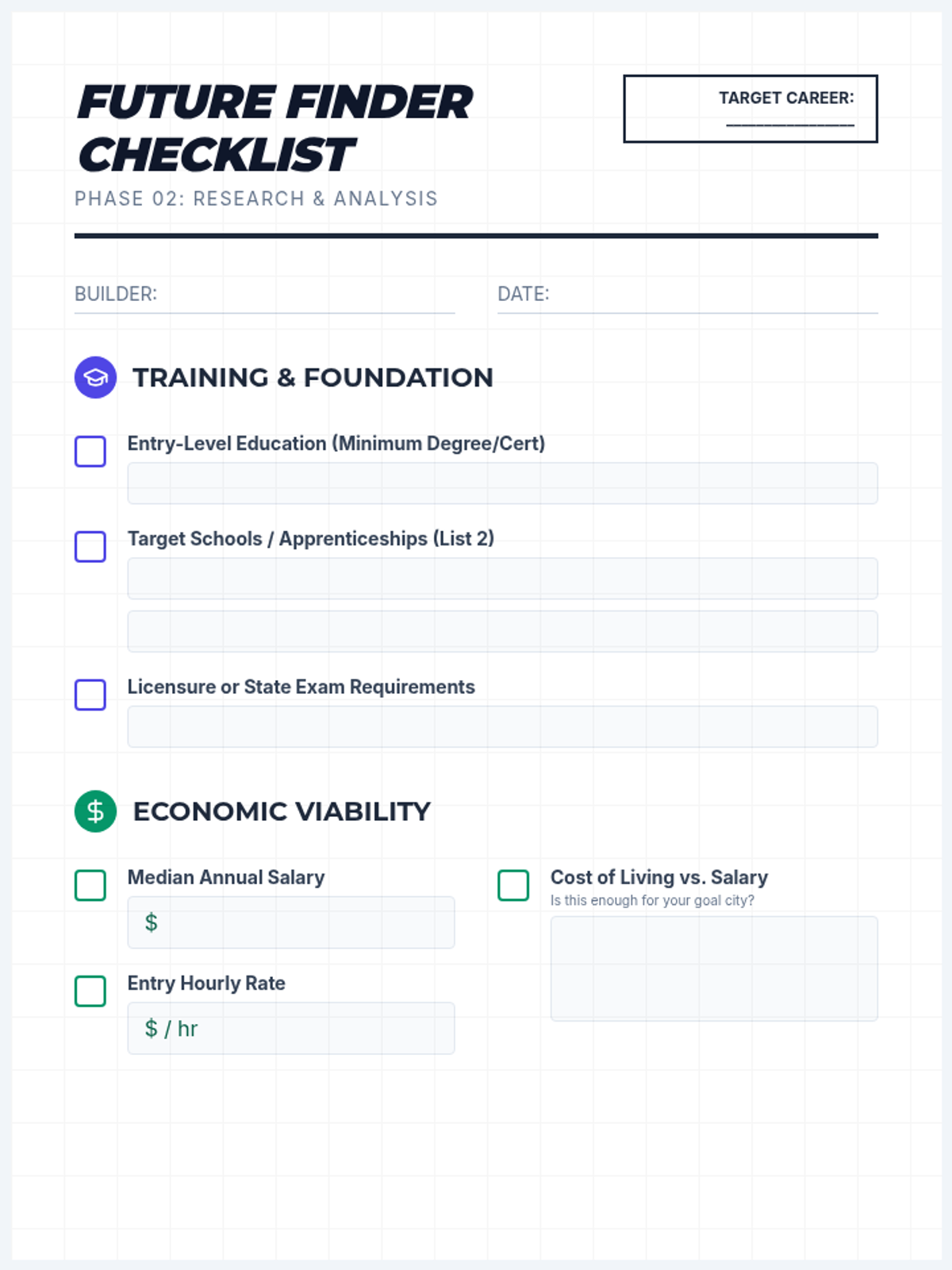
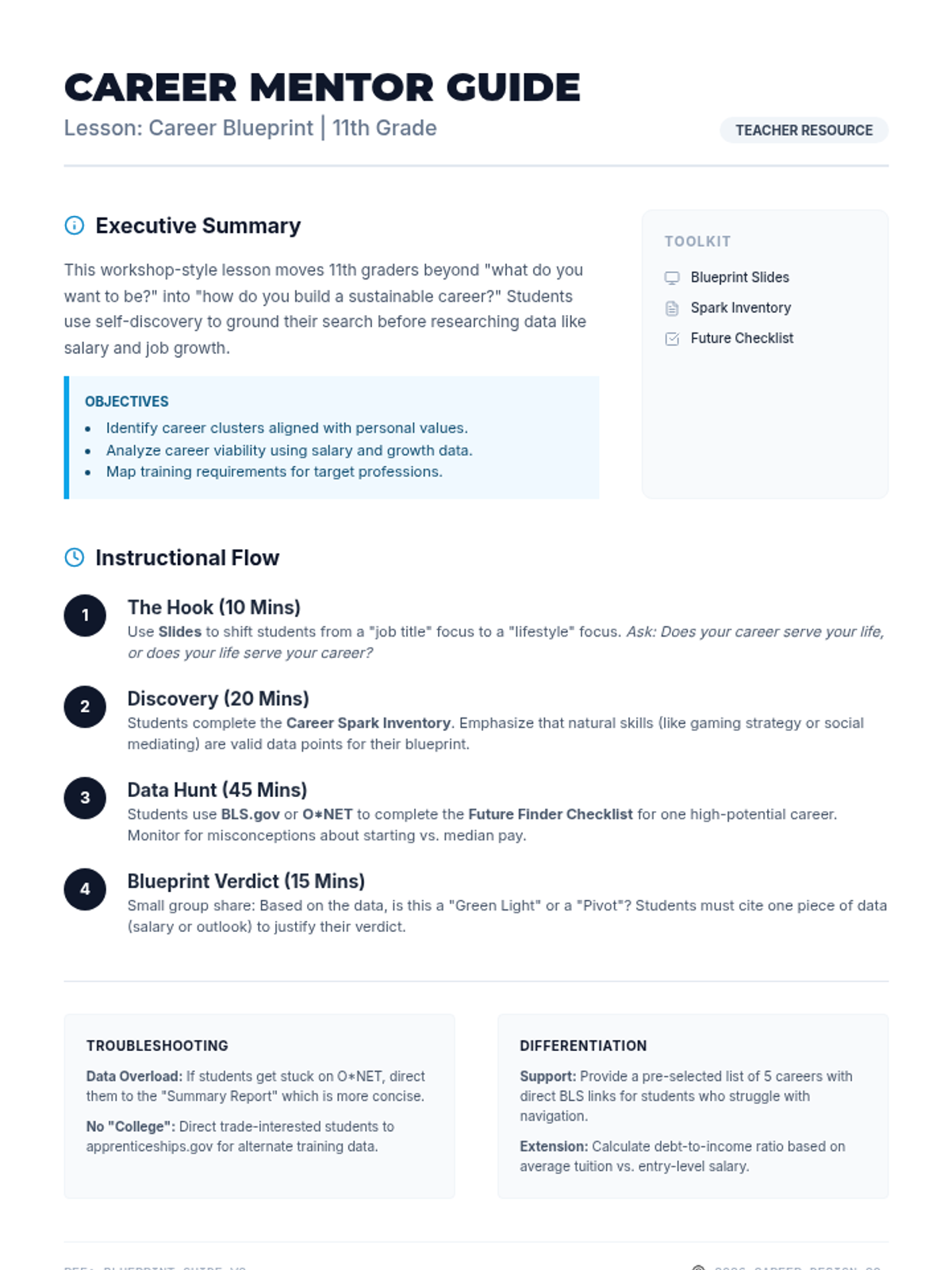
A comprehensive career exploration lesson for 11th graders, focusing on self-discovery through an interest inventory and detailed career research using a structured checklist.
A collaborative "Pairs Compare" activity where students work in teams of four to share keywords, locate evidence, and synthesize final answers on index cards.
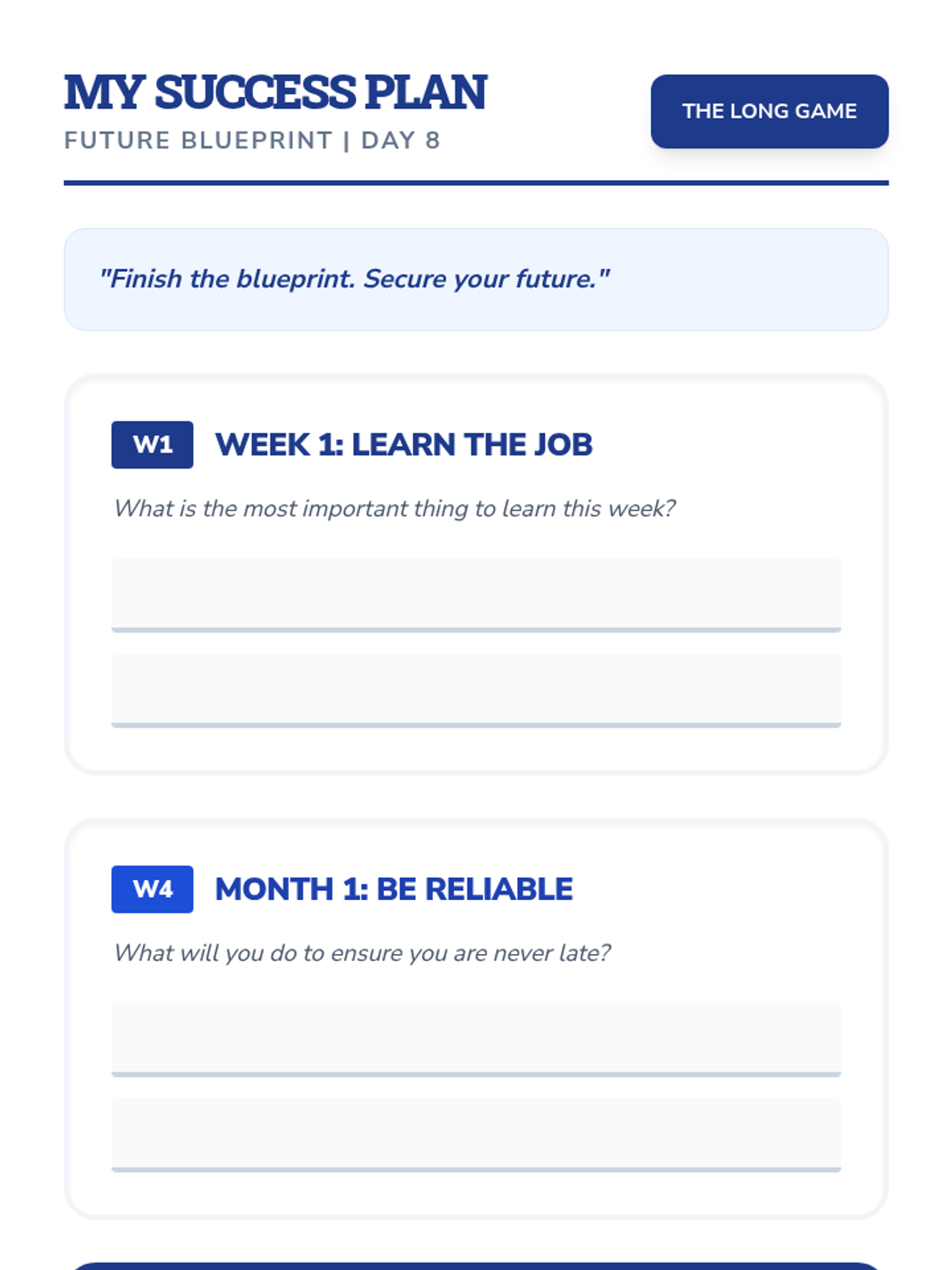
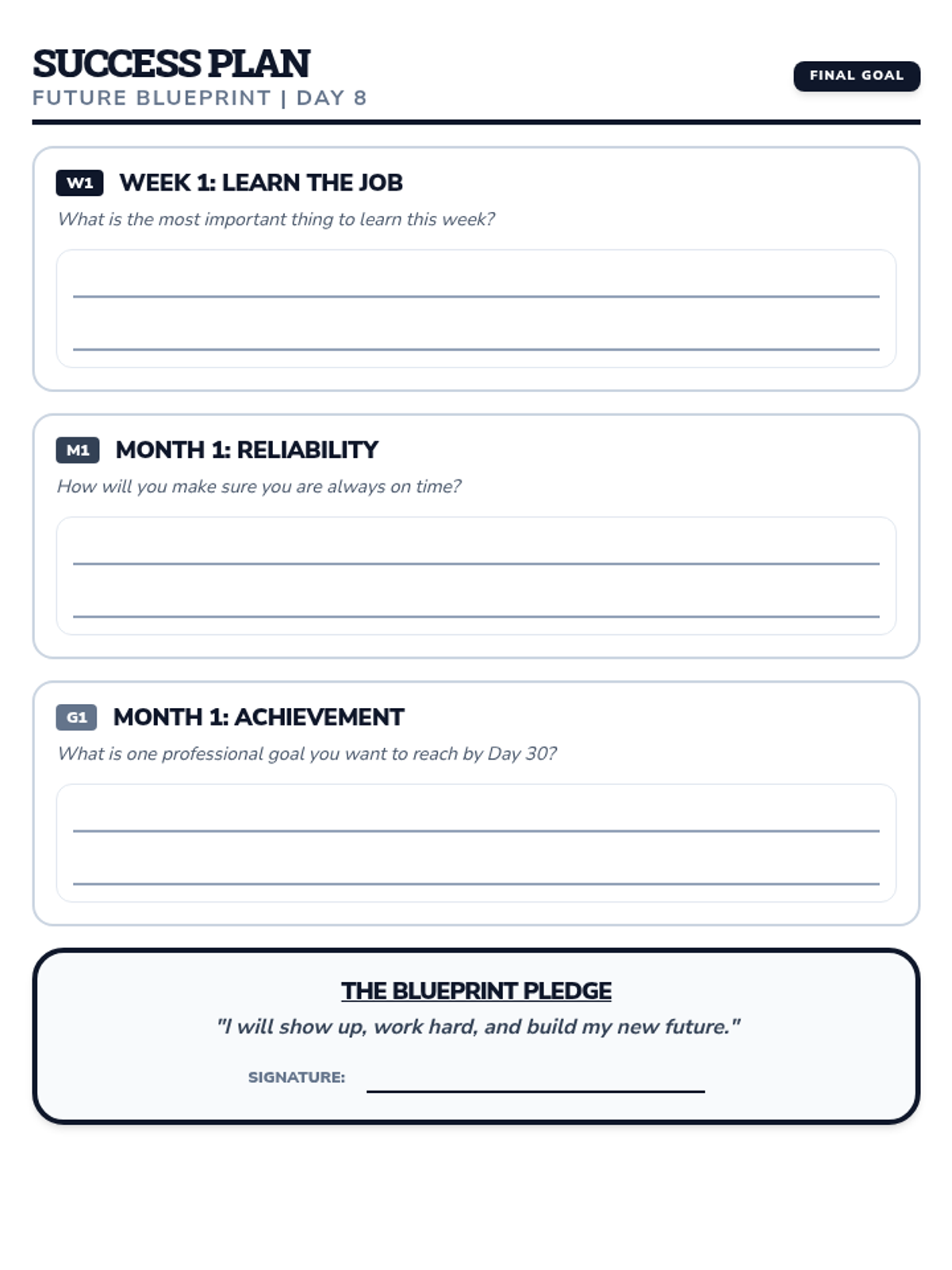
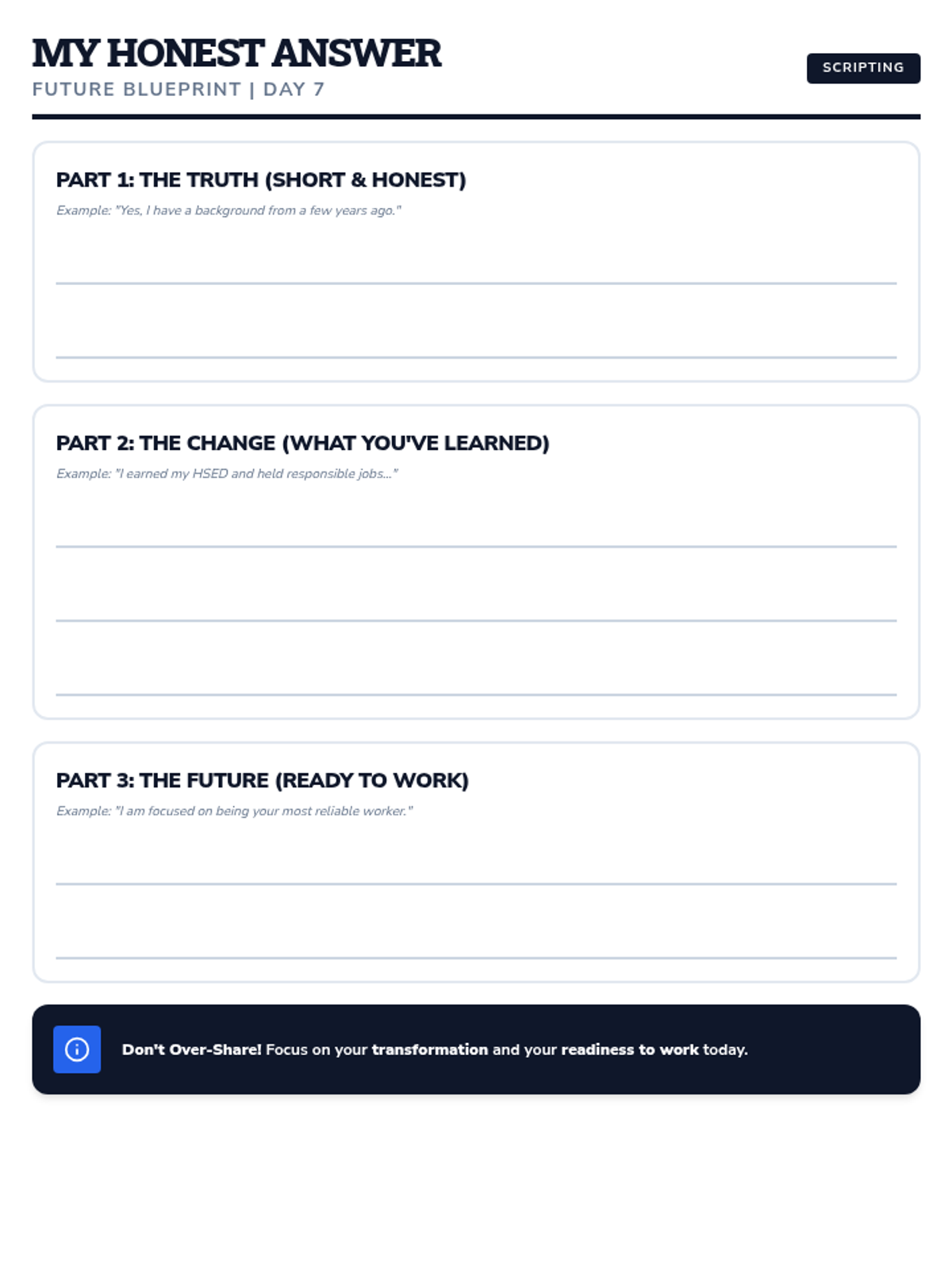
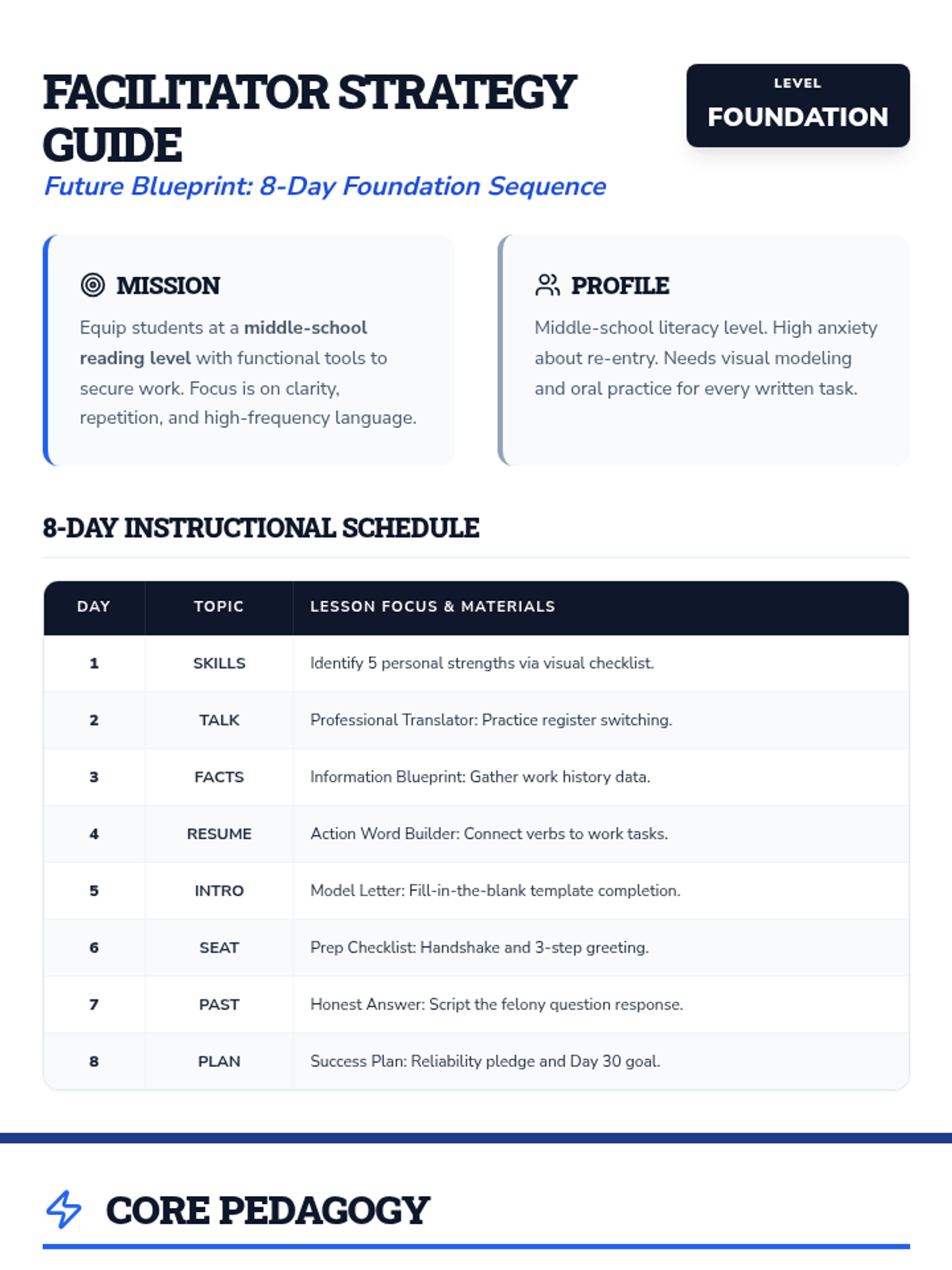
Job search strategies, staying employed, and long-term career planning. Final review and preparation for the 'working world'.
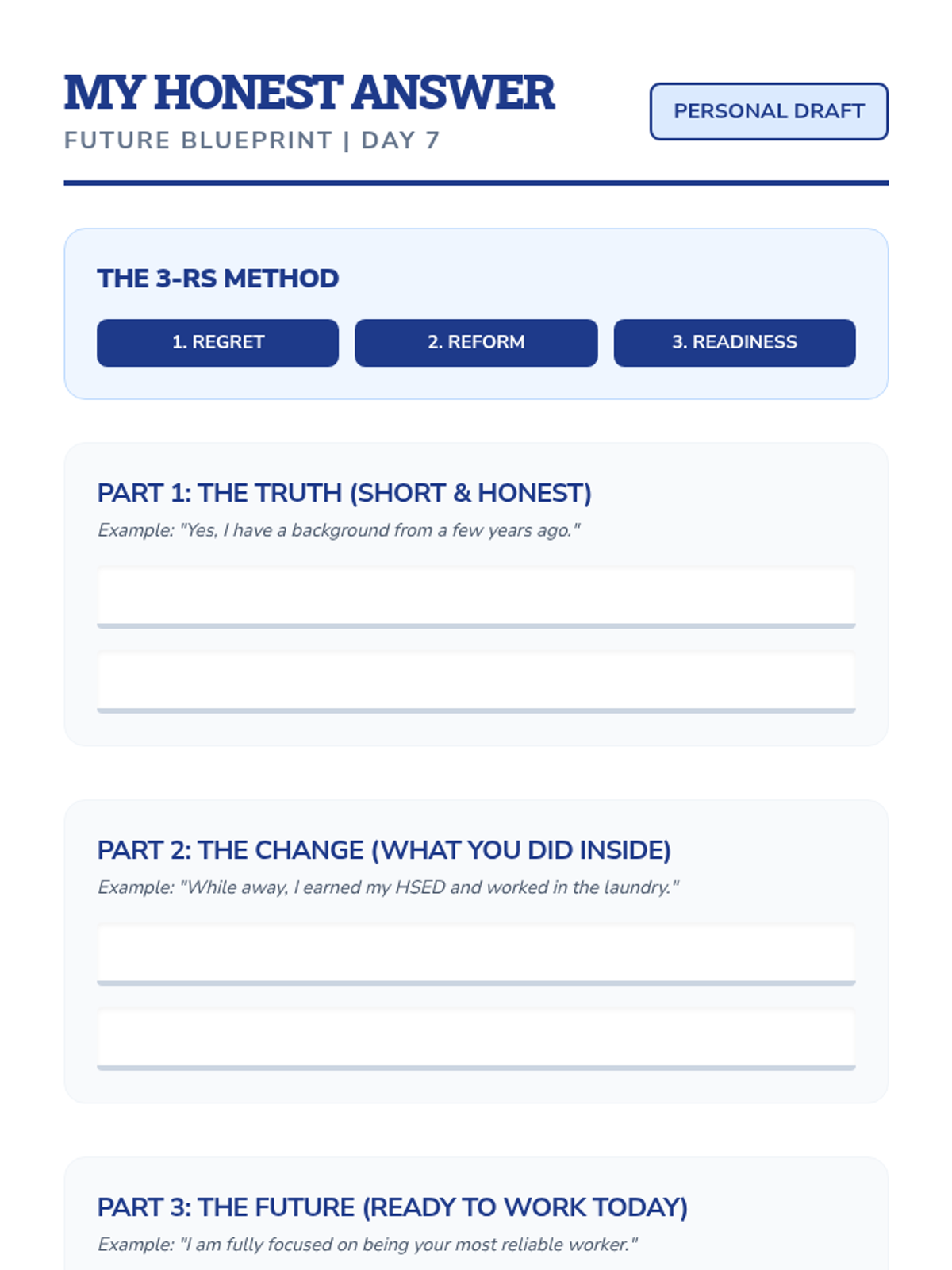
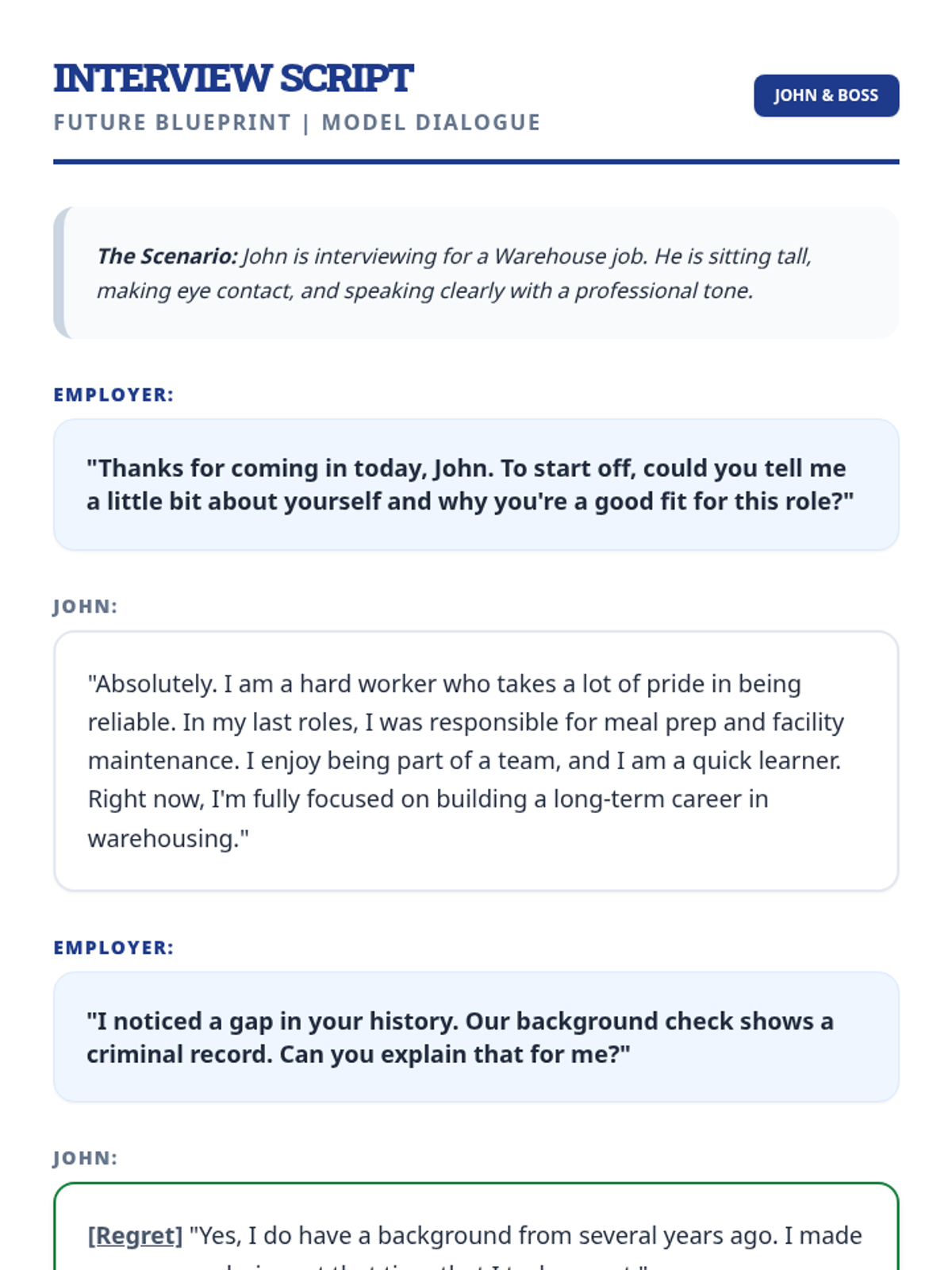
Specific strategies for addressing incarceration and background checks. Uses the 'Regret, Reform, Readiness' framework.
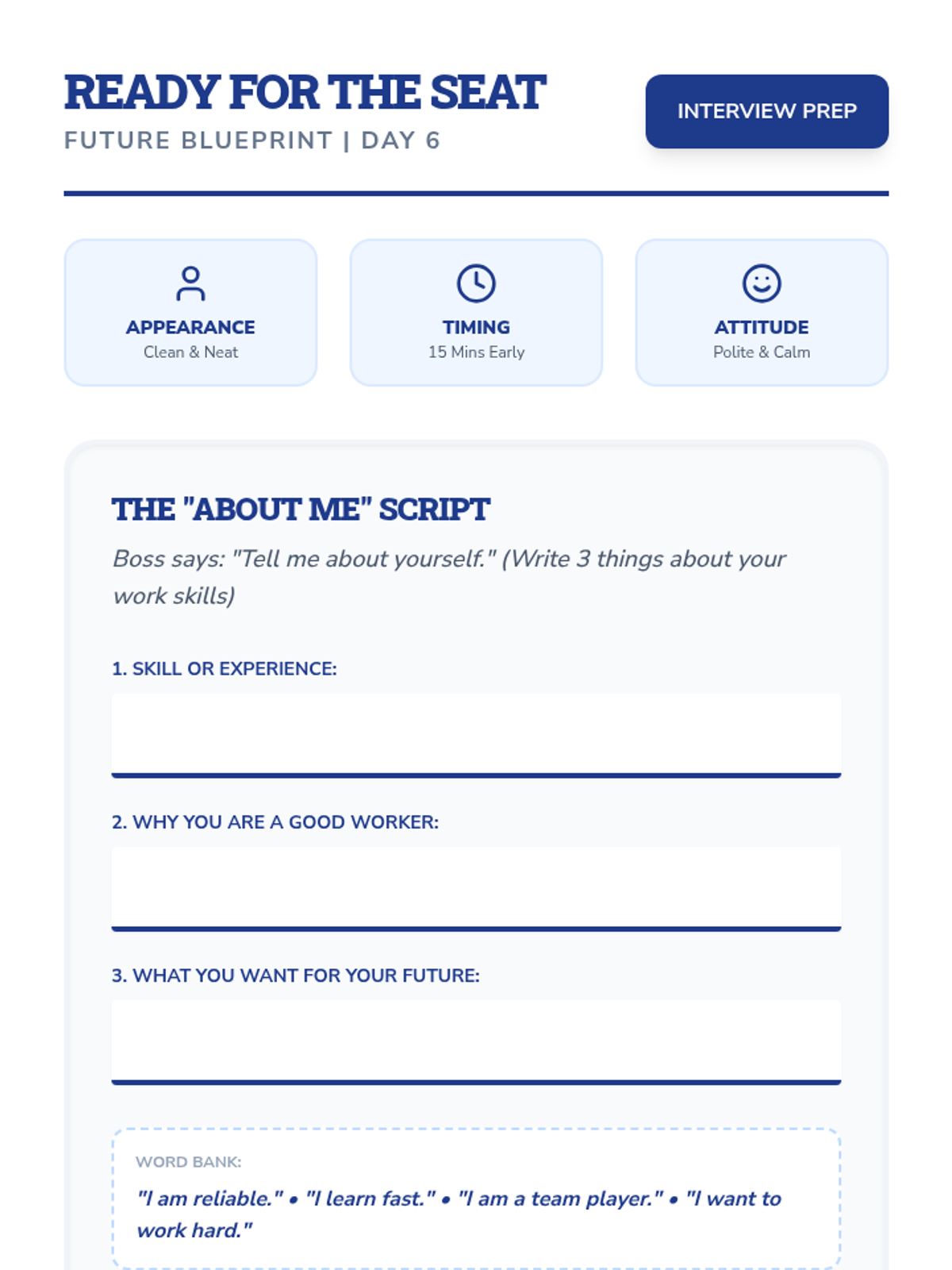
Preparation for the interview process. Focuses on preparation, appearance, and the first five minutes of the encounter.
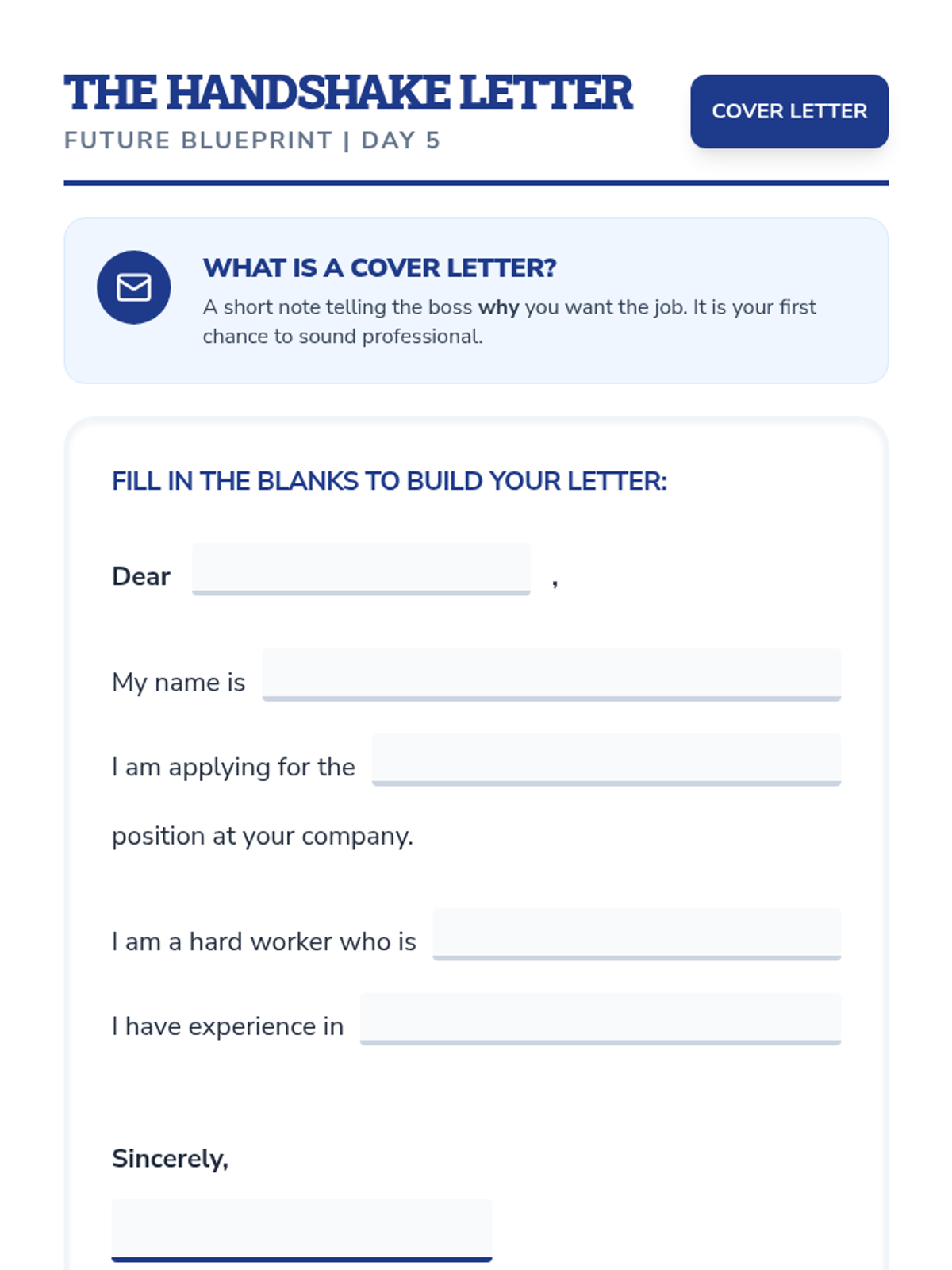
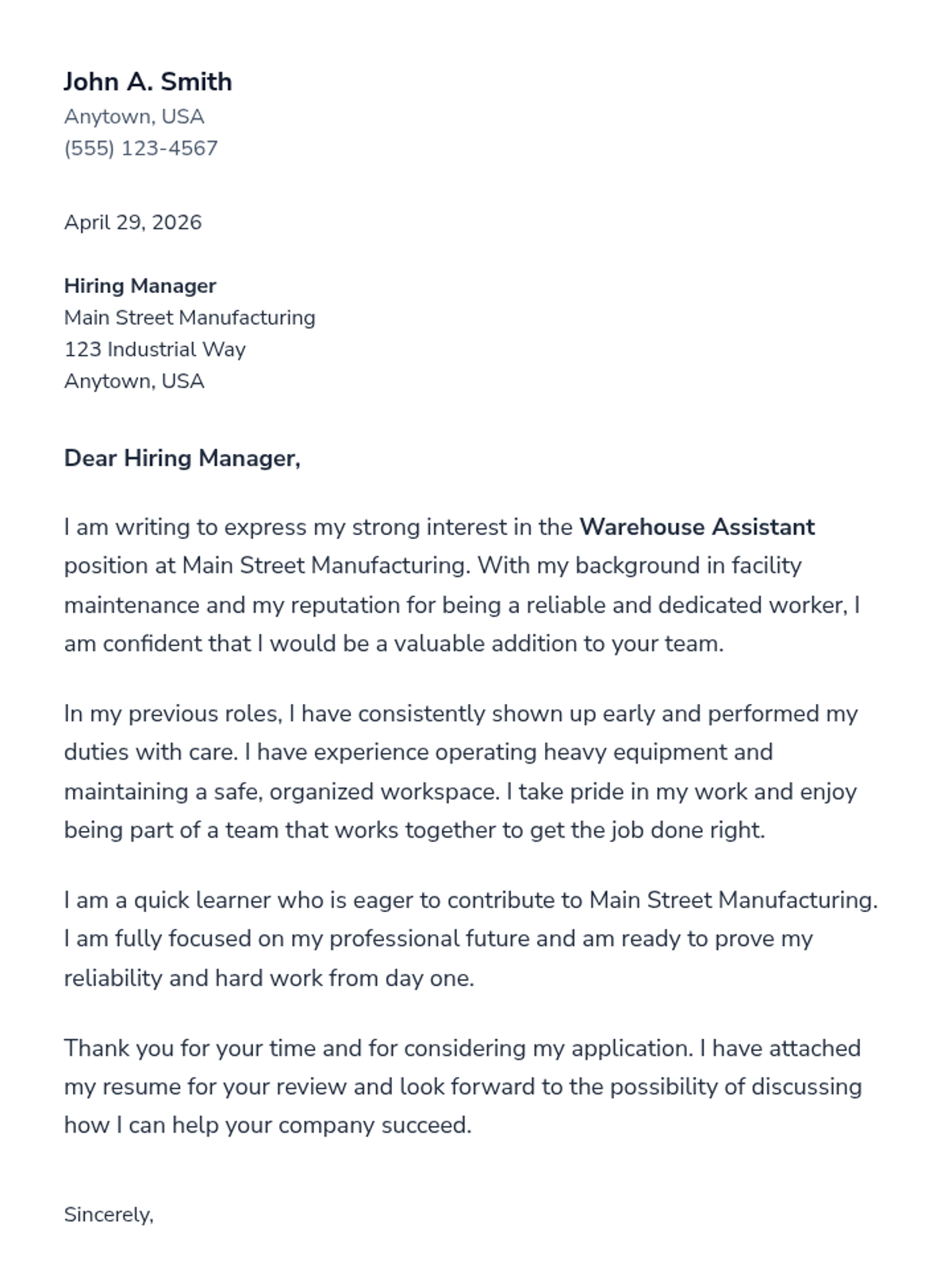
Demystifying the cover letter. Students learn how to introduce themselves to an employer and explain their interest in a role.
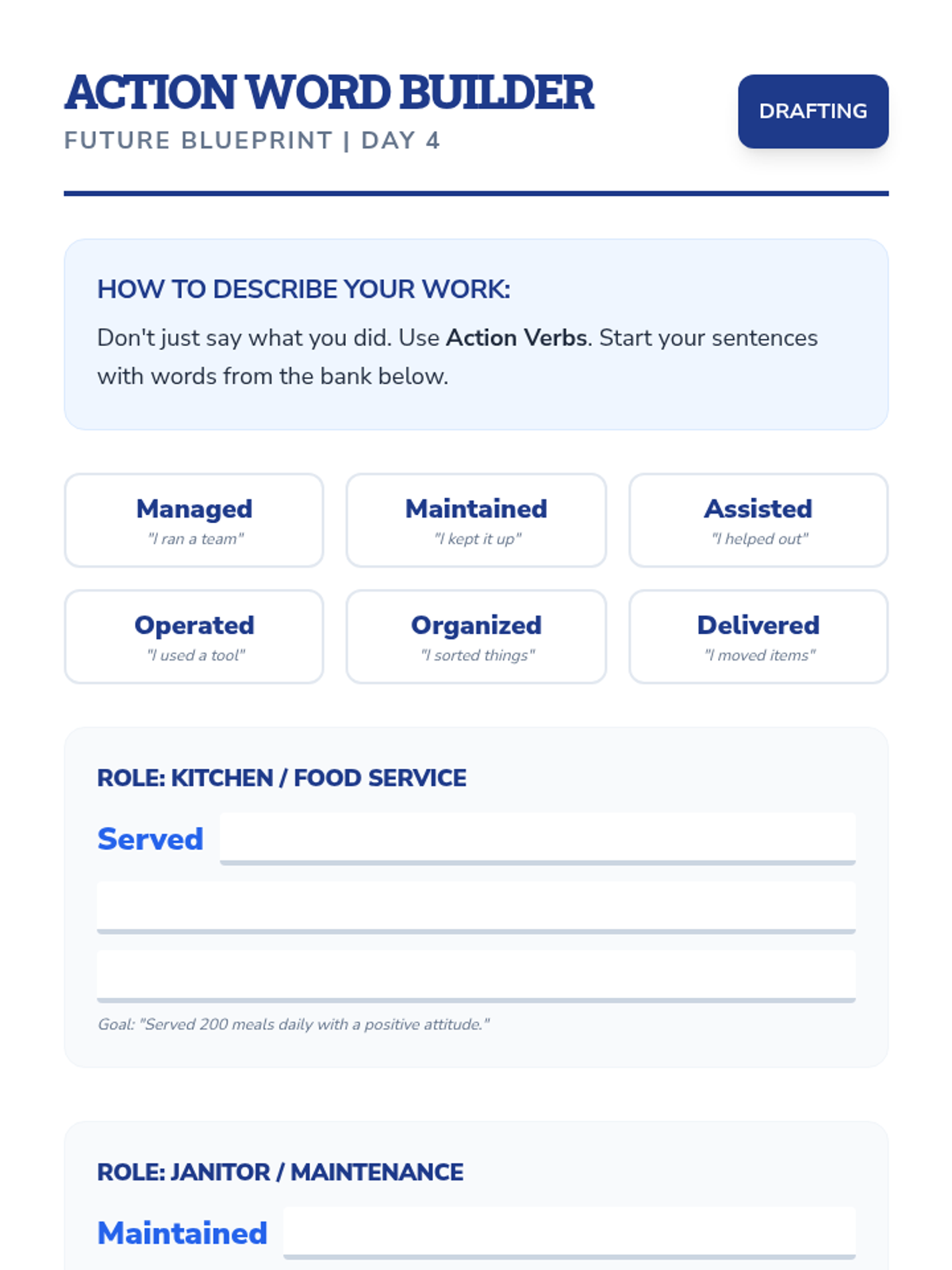
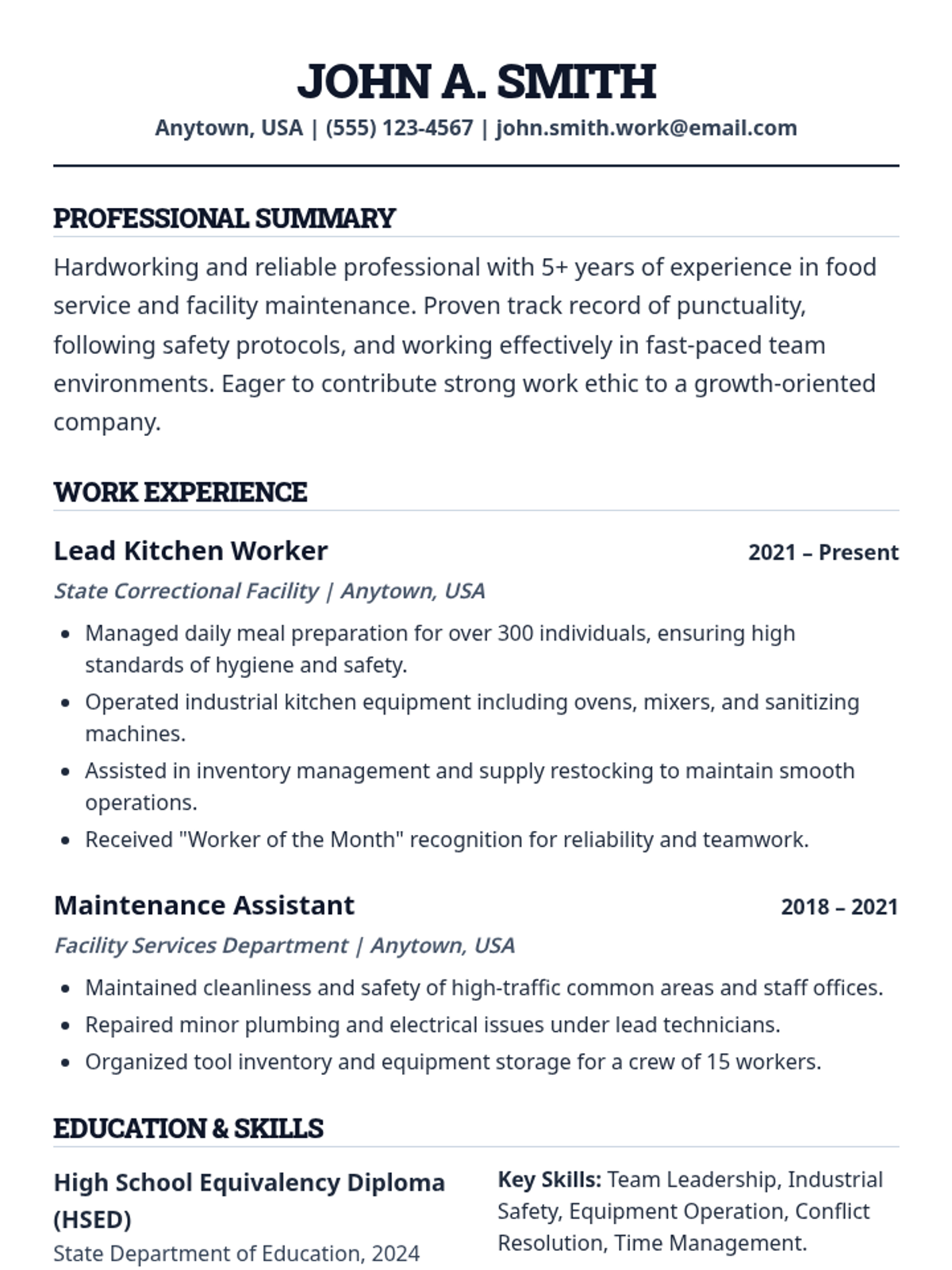
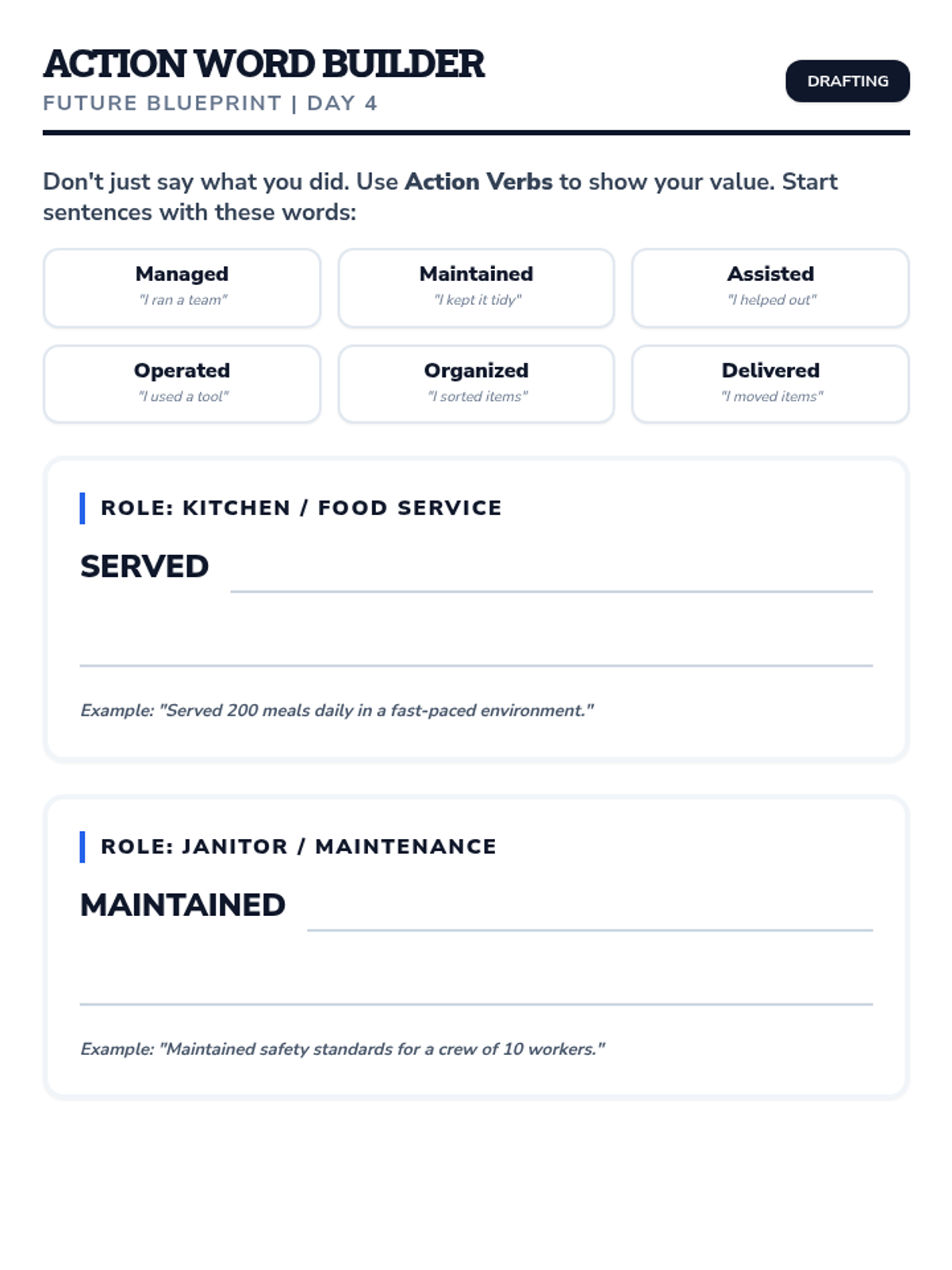
Guided drafting of the resume. Focuses on using action verbs and structuring work history to highlight strengths.
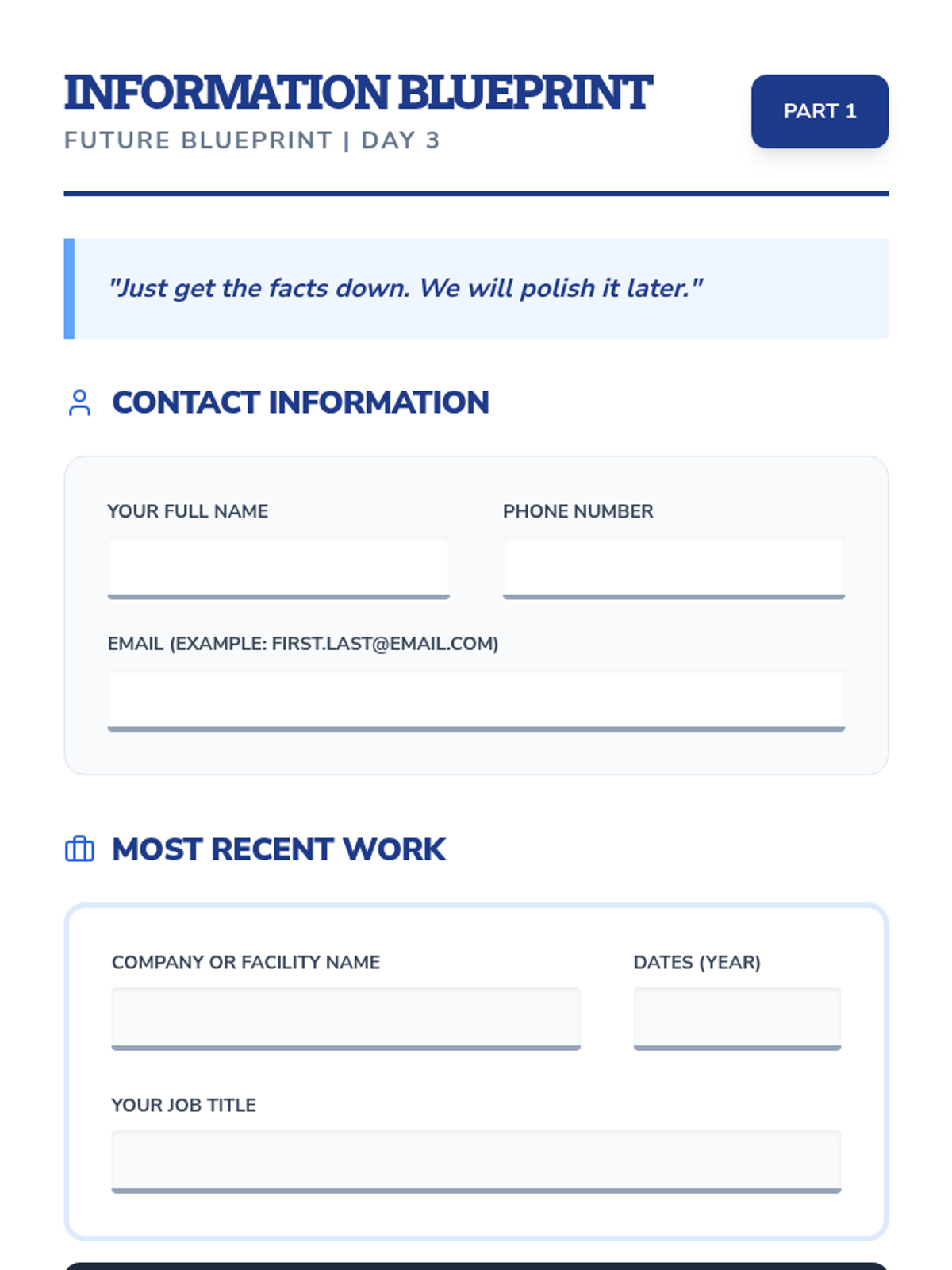
Introduction to resume components. Students begin gathering the necessary information for their professional documents in a simplified format.
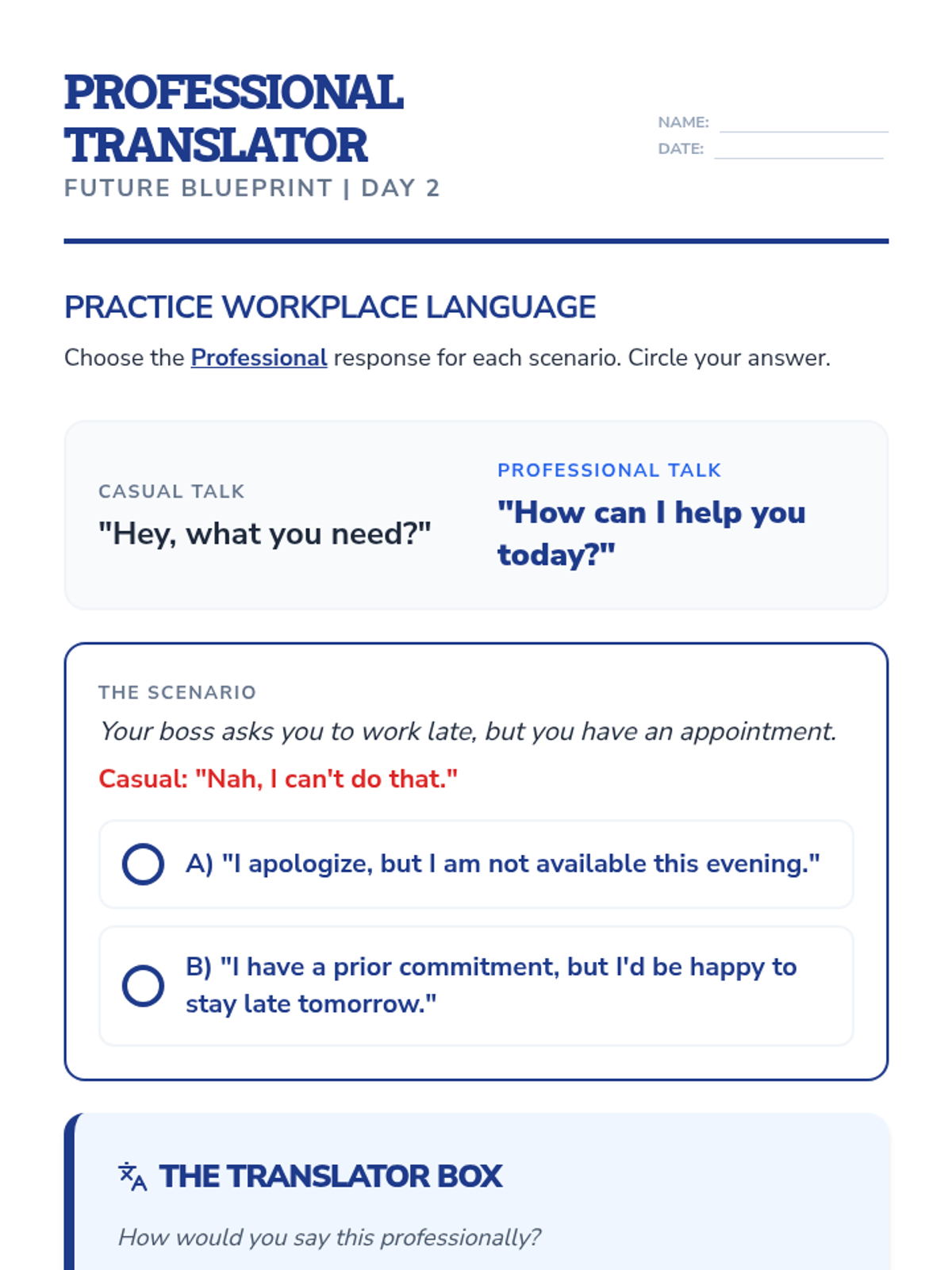
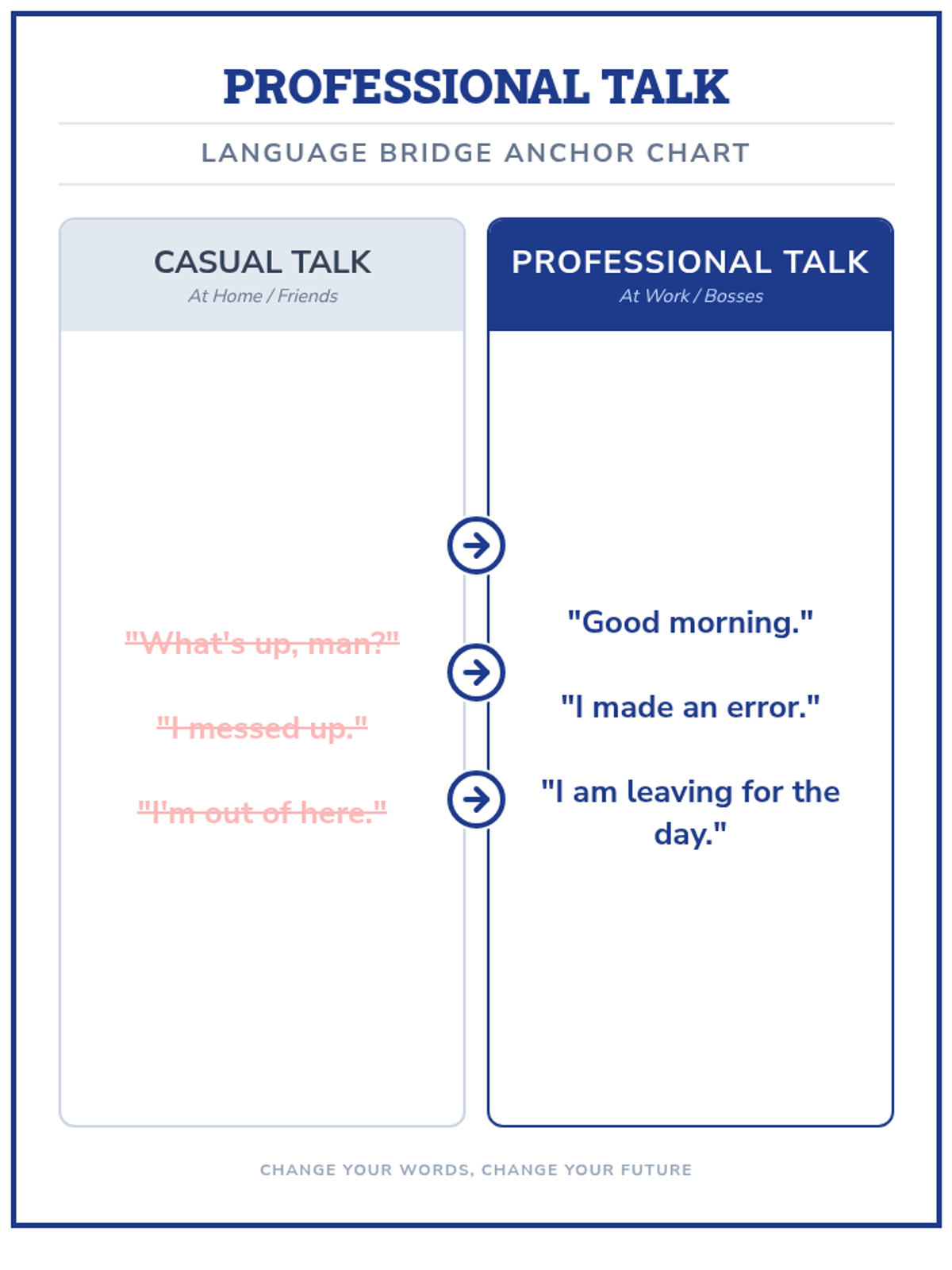
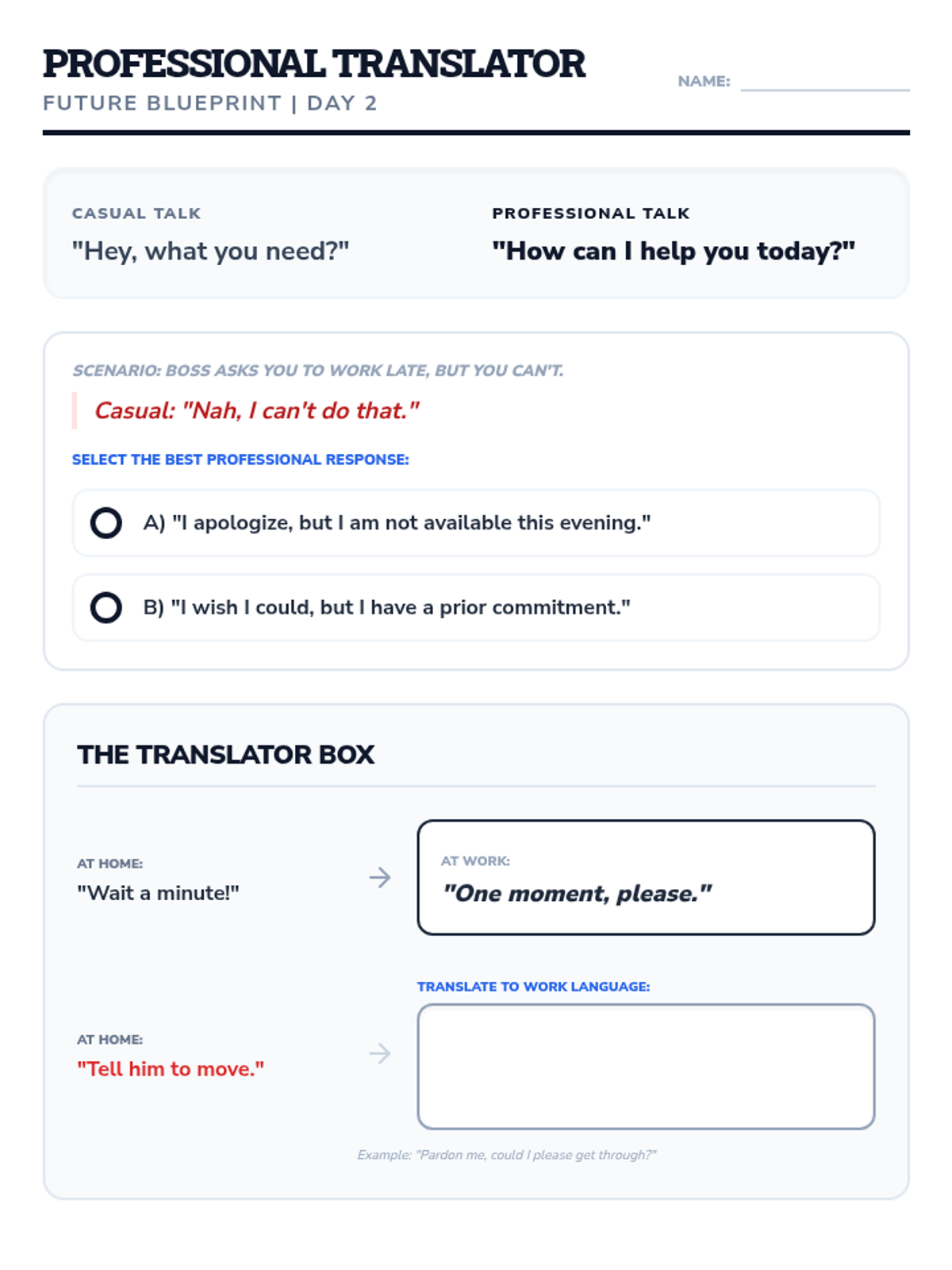
Covers soft skills, professional vocabulary, and non-verbal communication. Practice shifting from casual to professional language.
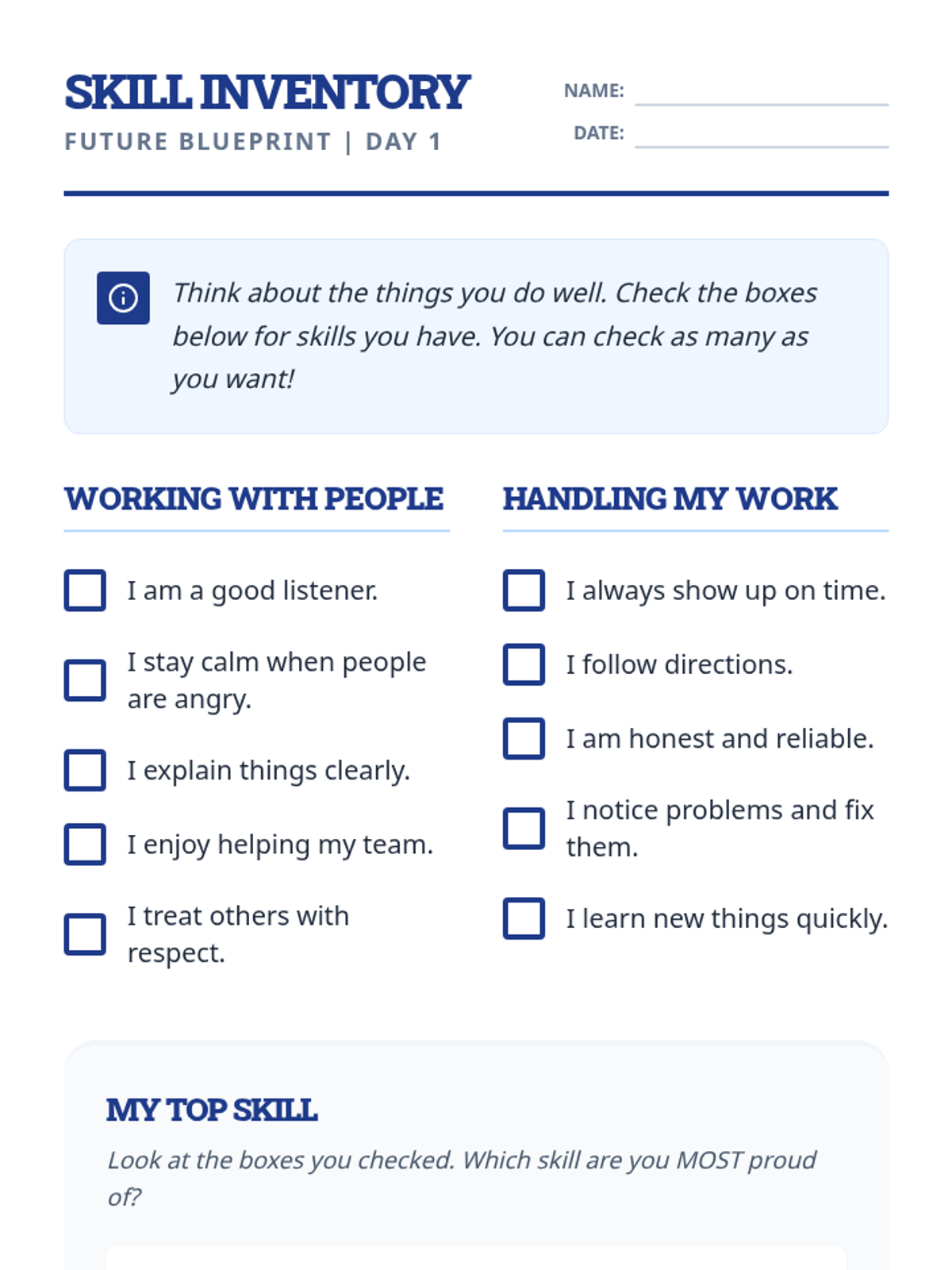
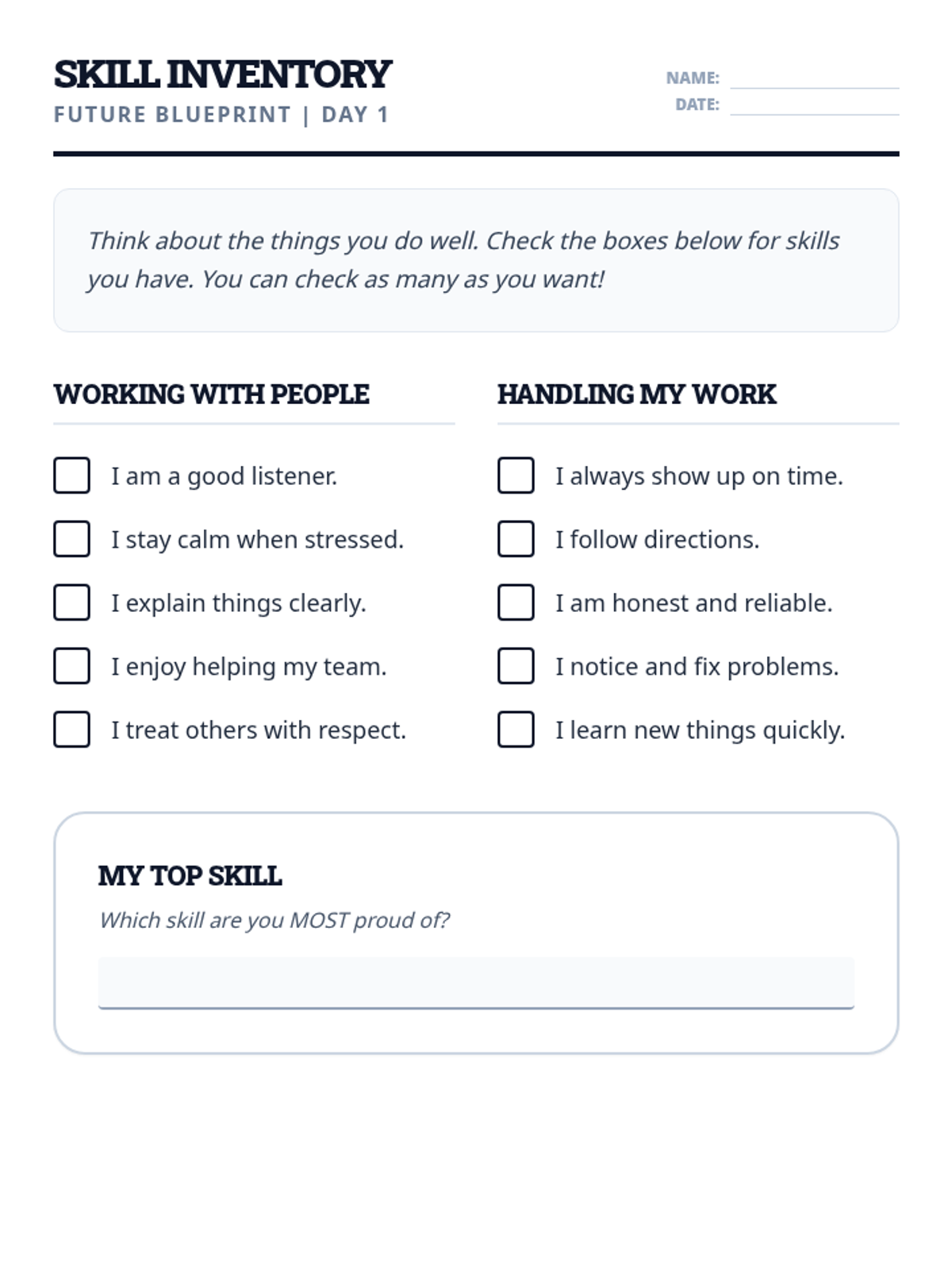
Focuses on identifying transferable skills and setting professional goals. Helps students recognize the value of their experiences in a professional context.
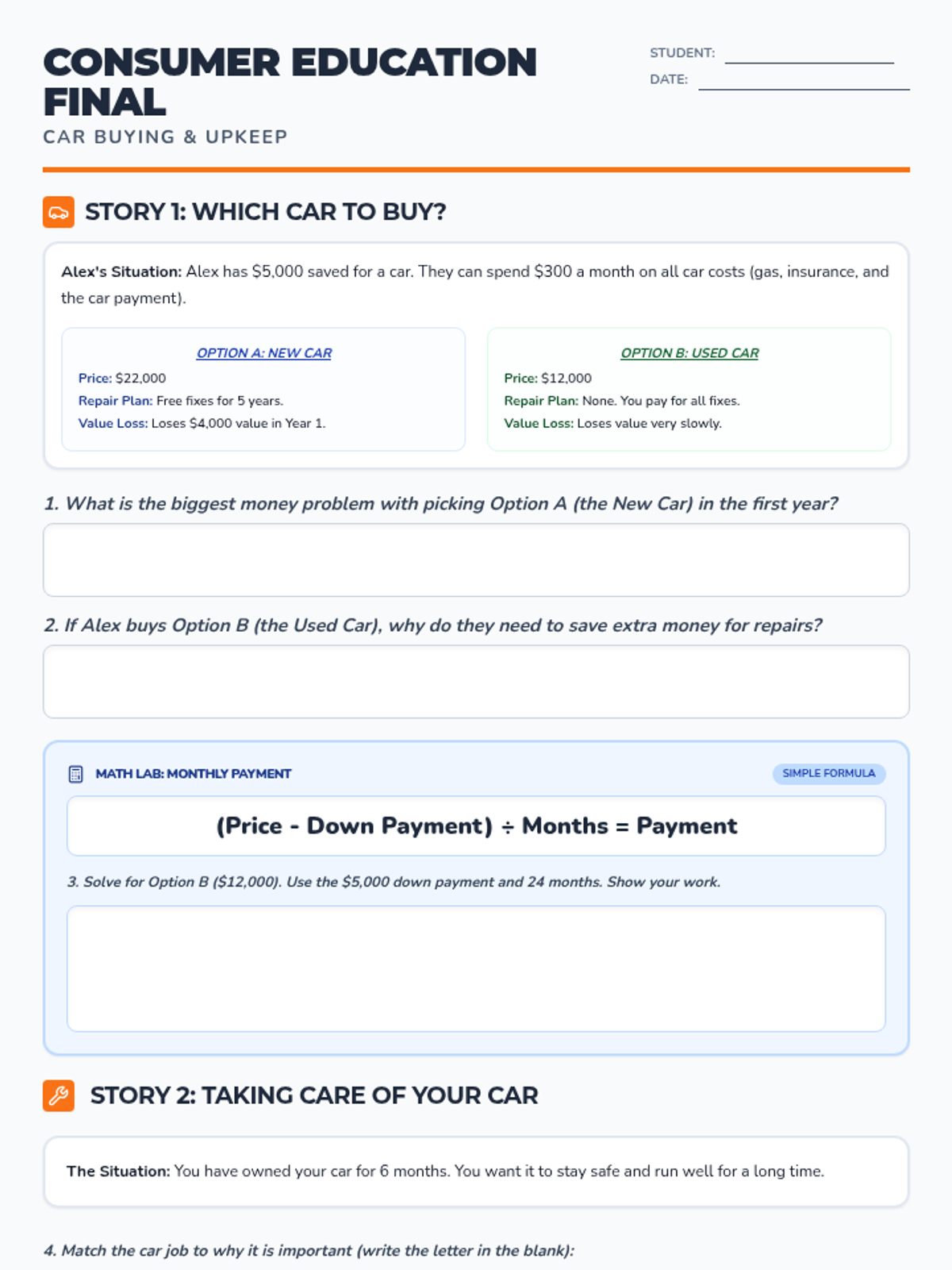
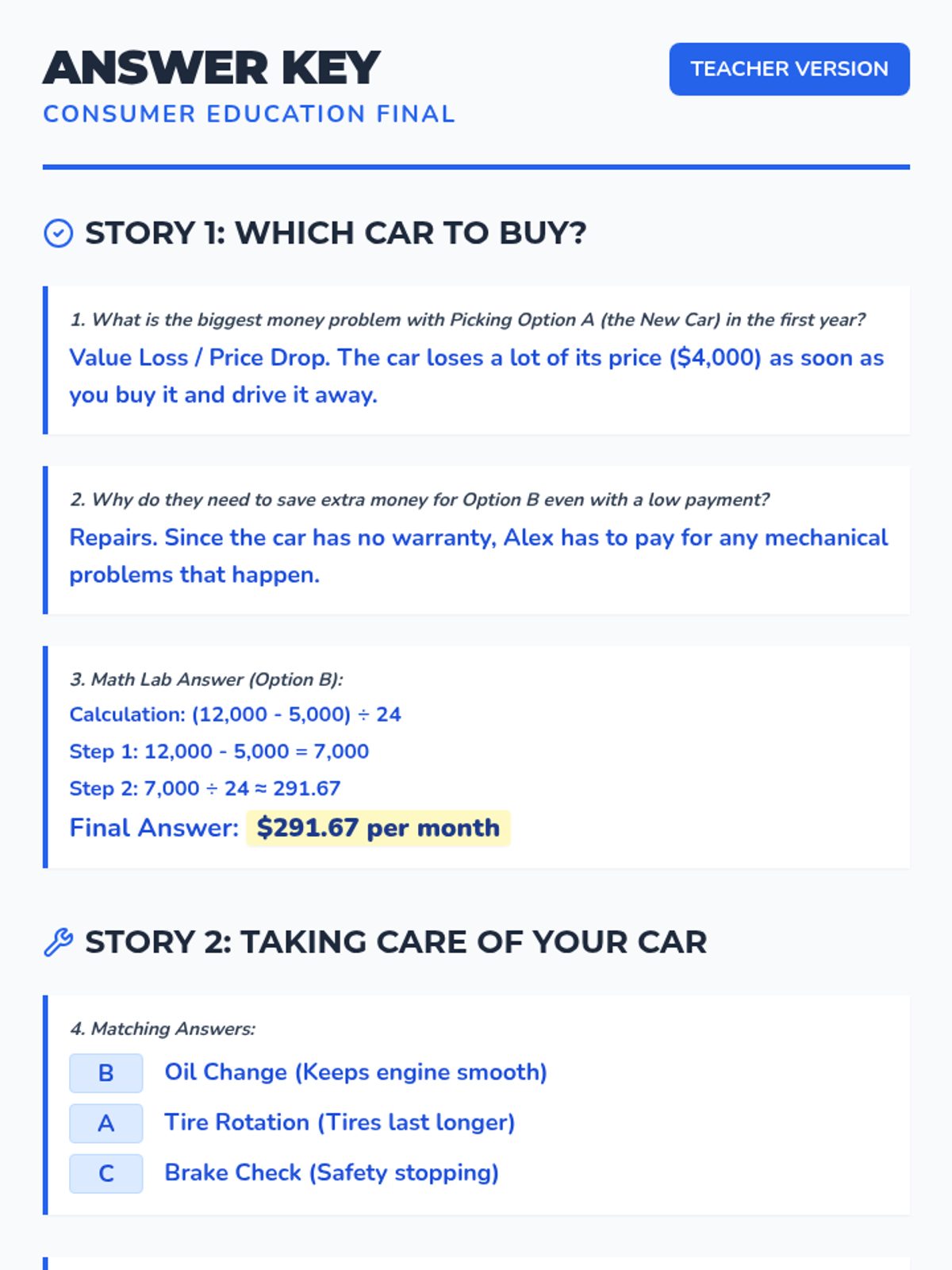
A scenario-based final assessment focusing on the practical decisions involved in purchasing and maintaining a vehicle, designed for a life skills consumer education course.
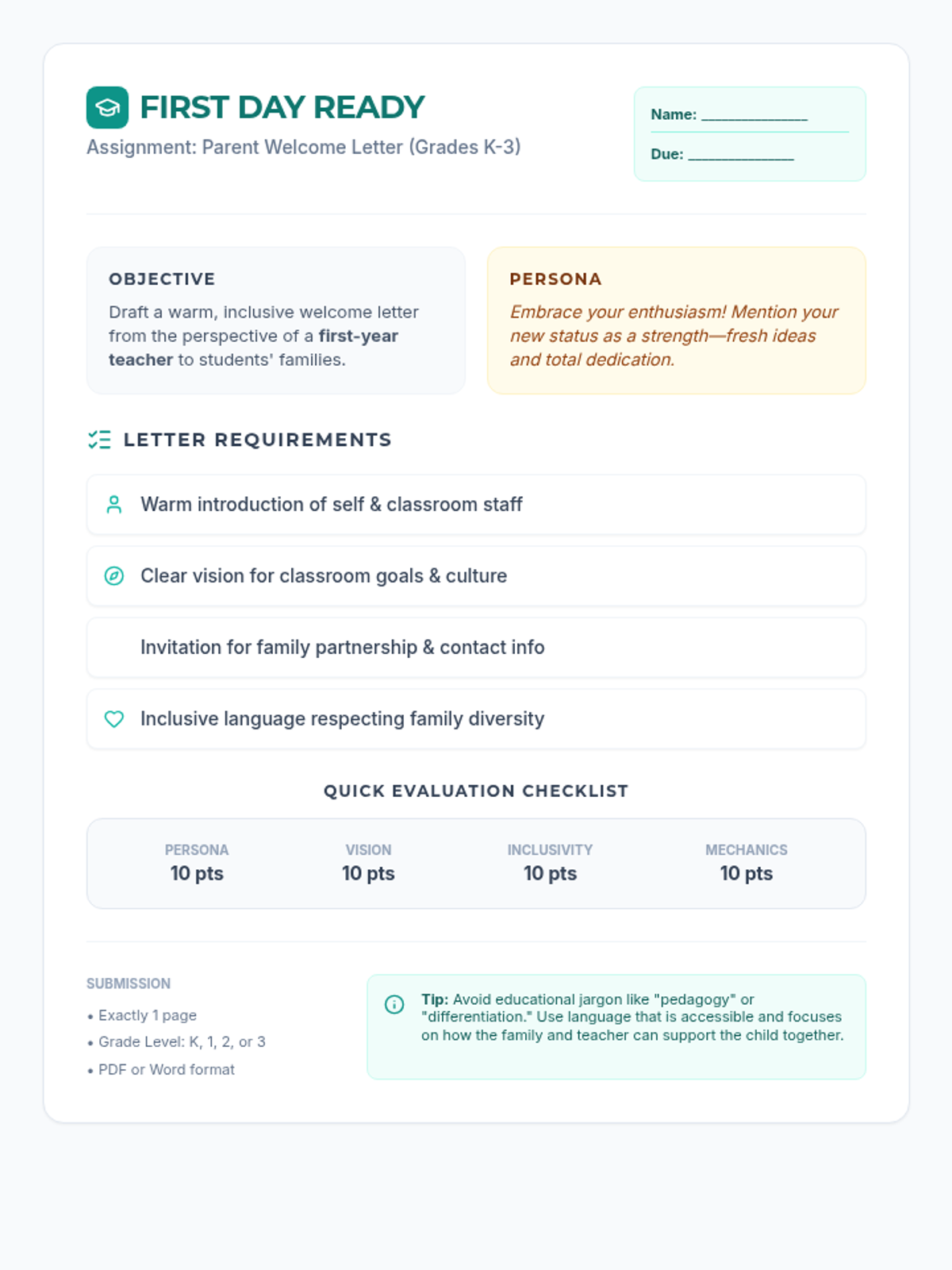
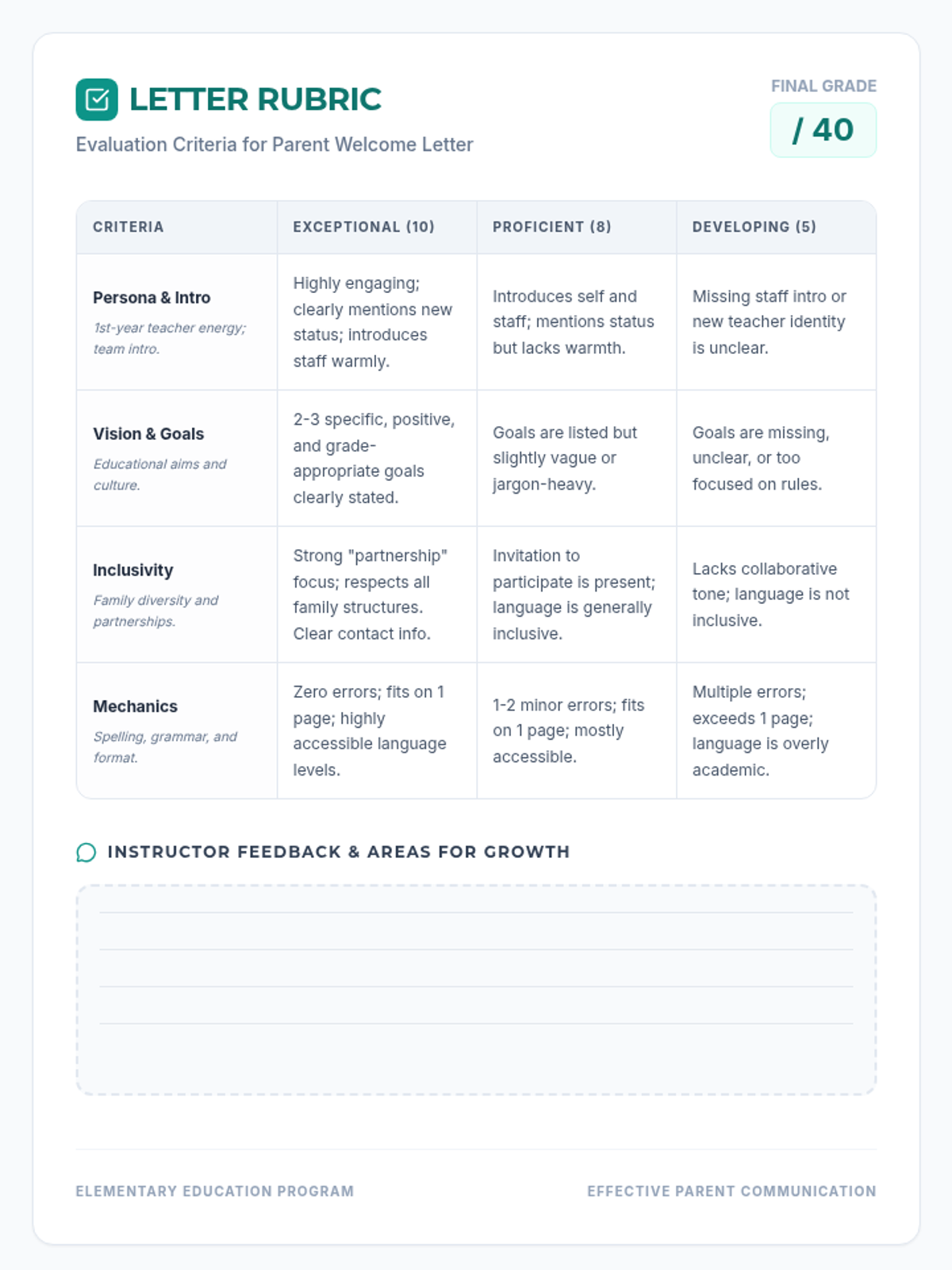
A lesson focused on crafting professional, inclusive welcome letters to families for first-year elementary school teachers (Grades K-3).
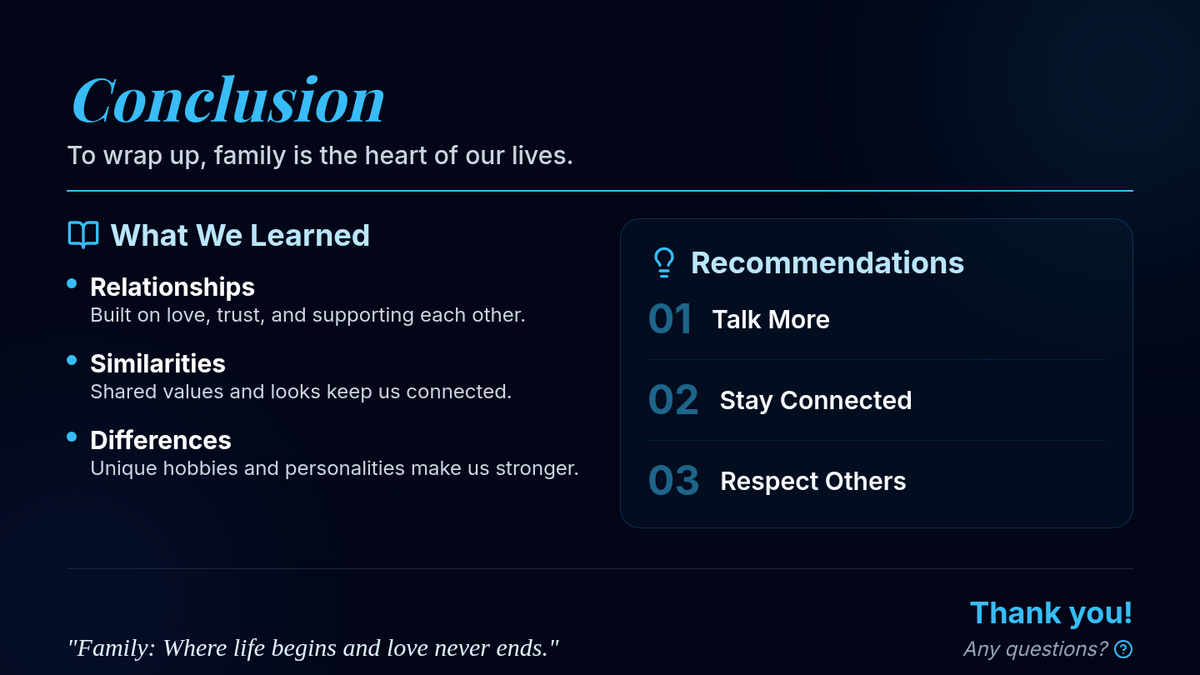
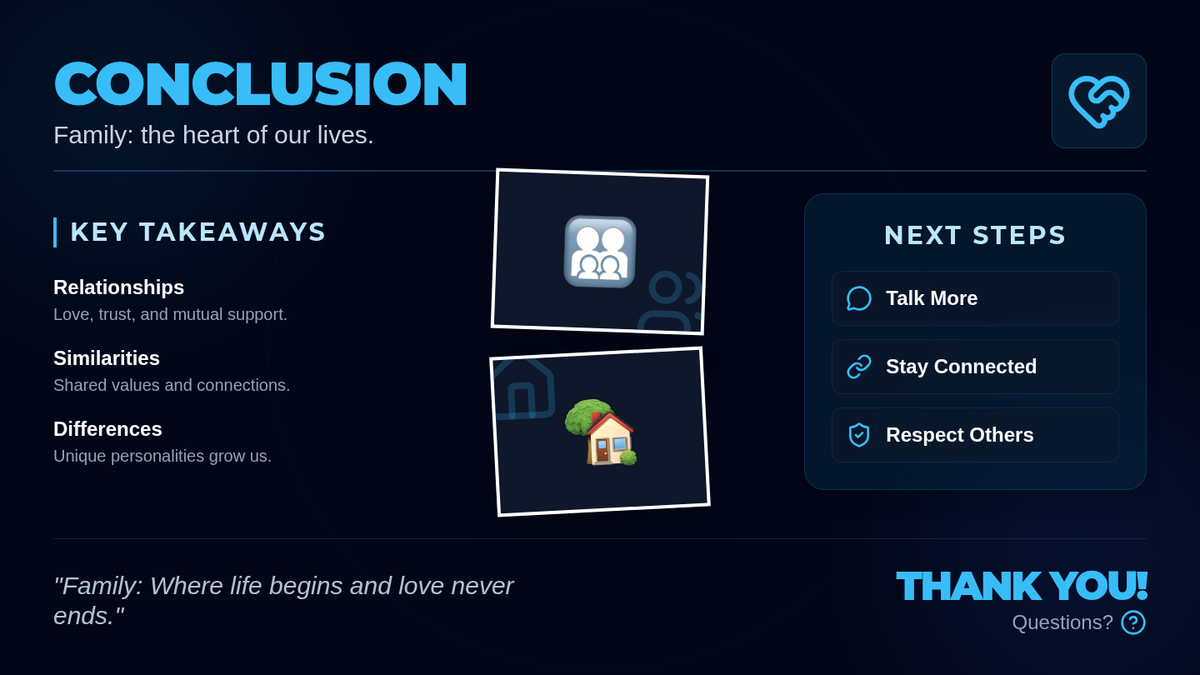
A concluding lesson on the importance of family, focusing on relationships, similarities, and differences.
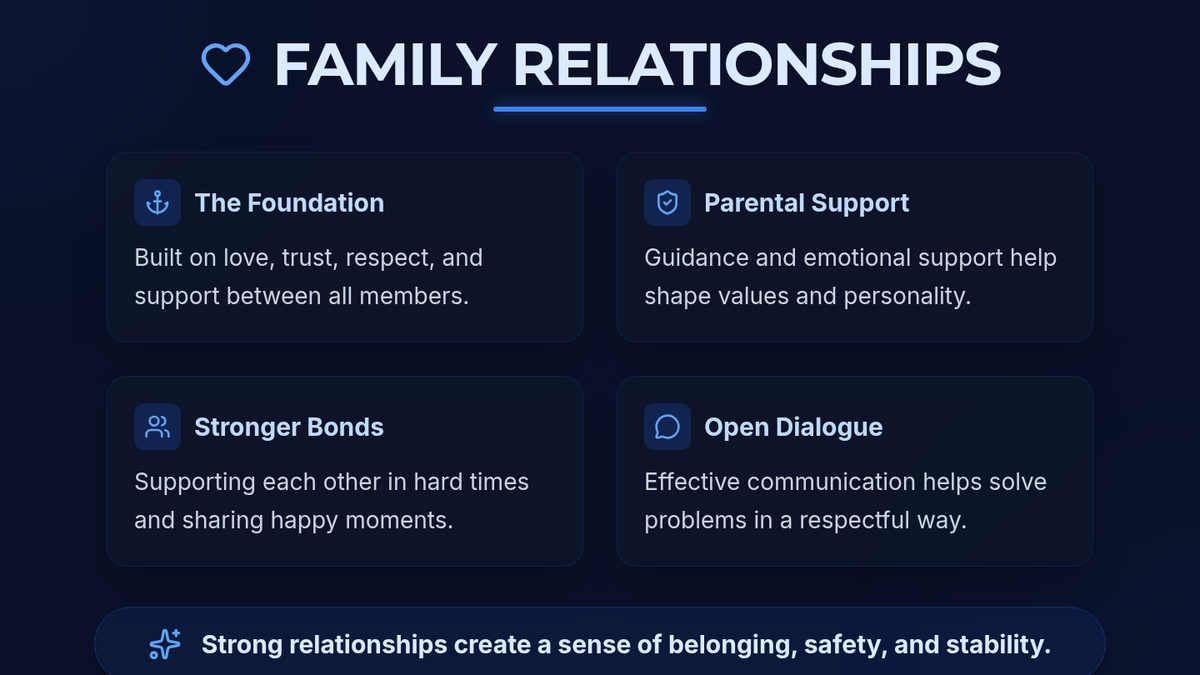
A lesson exploring the importance of family relationships, the roles of parents, and how communication strengthens bonds.
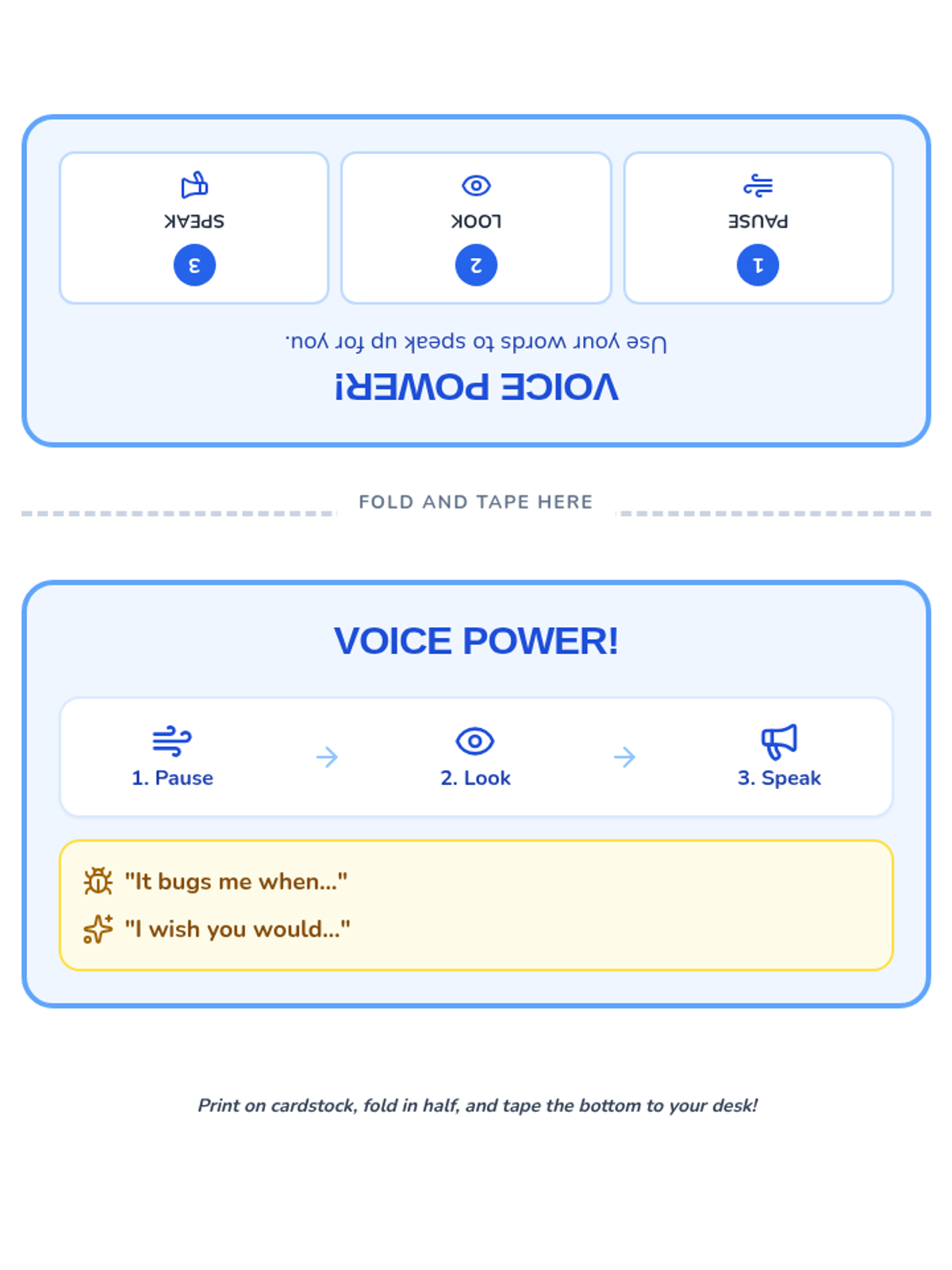
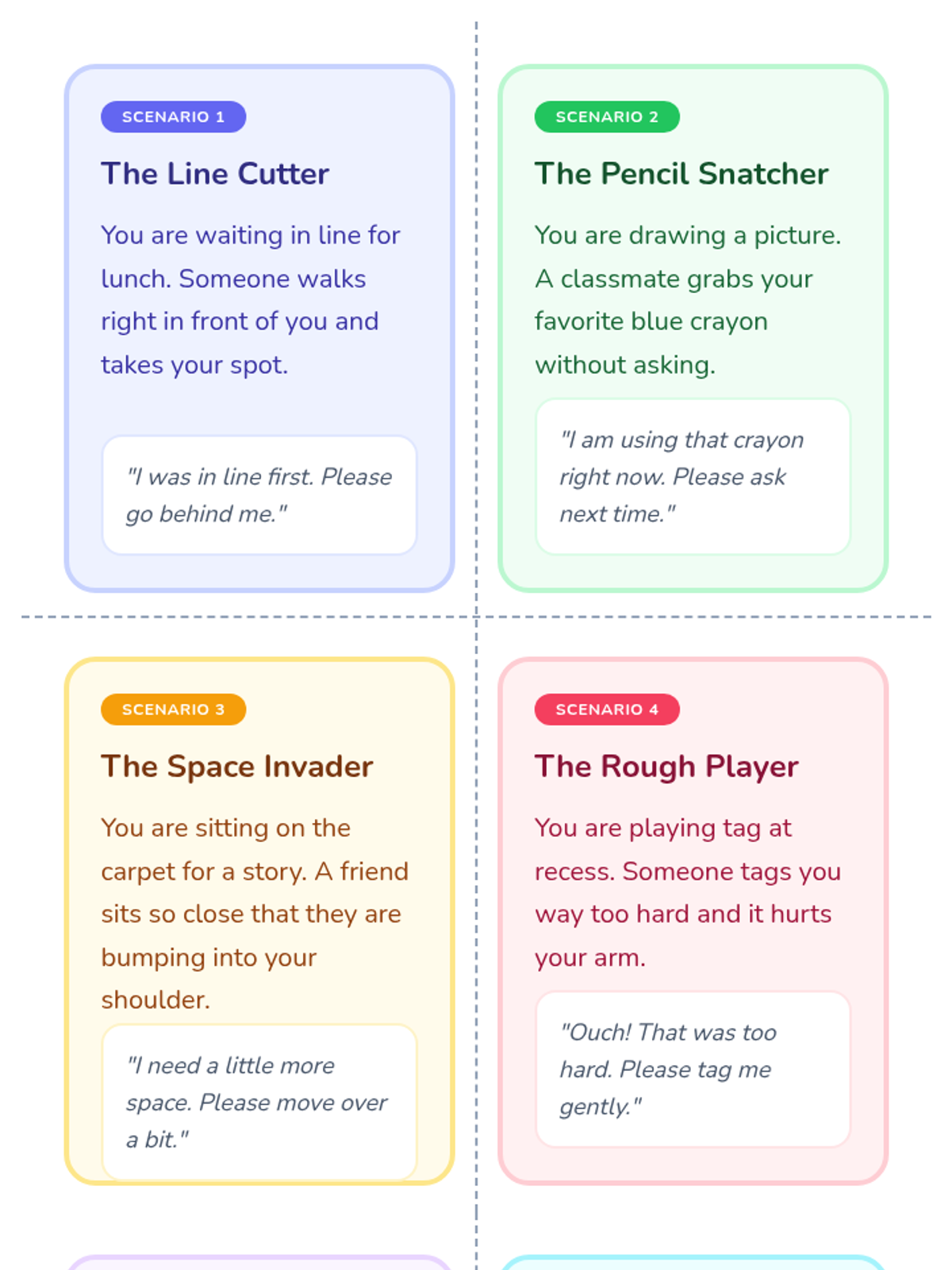
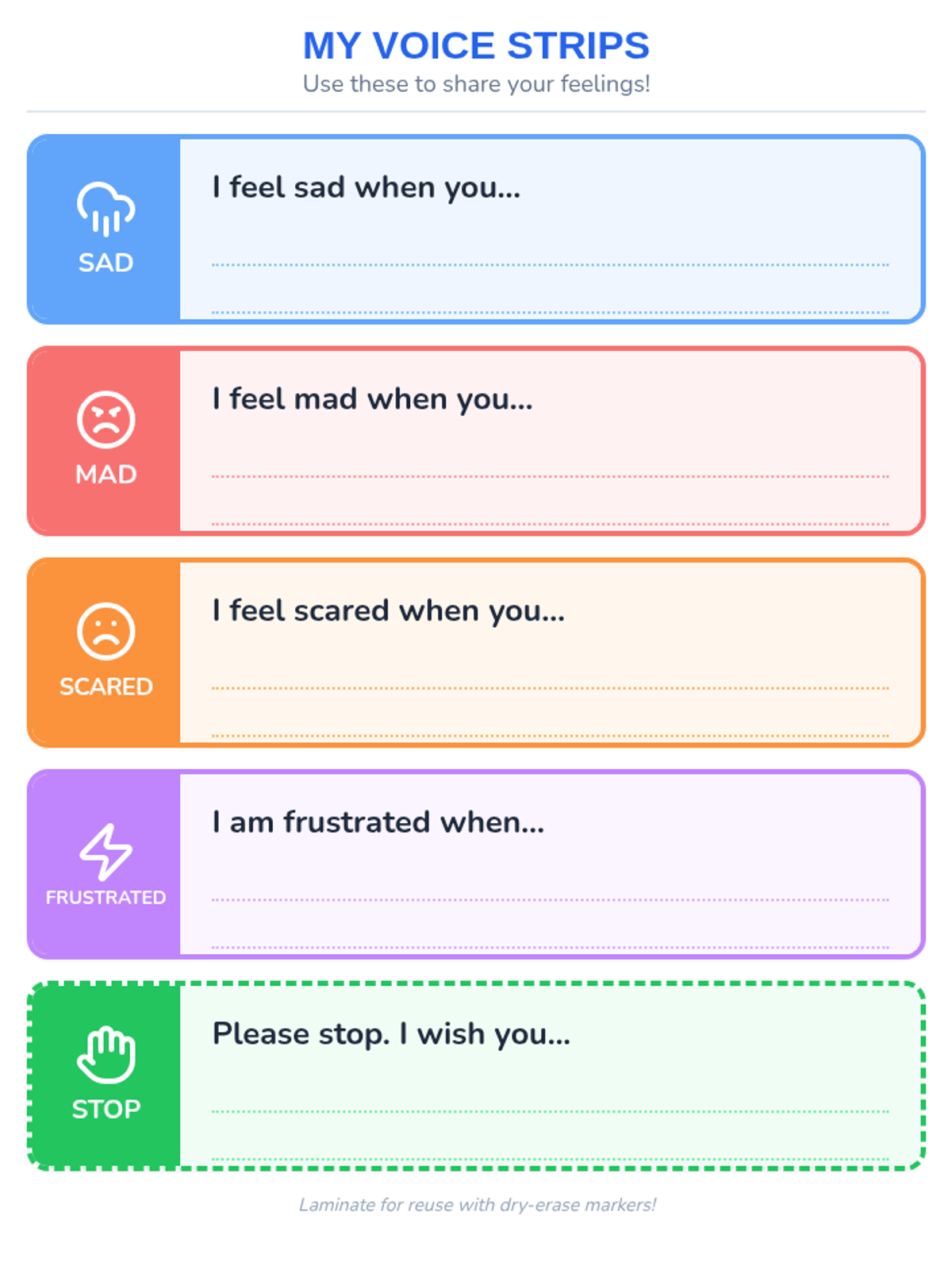
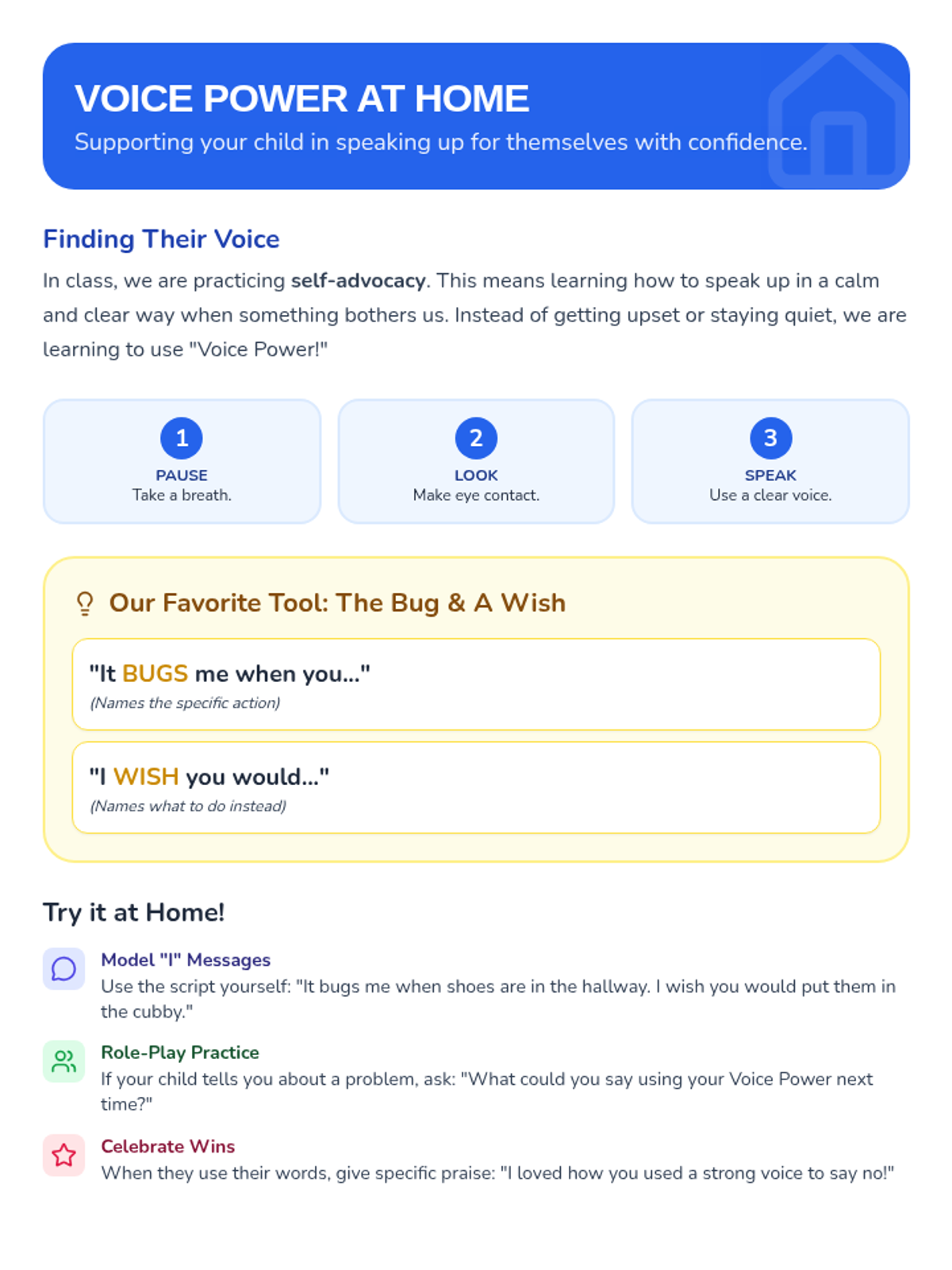
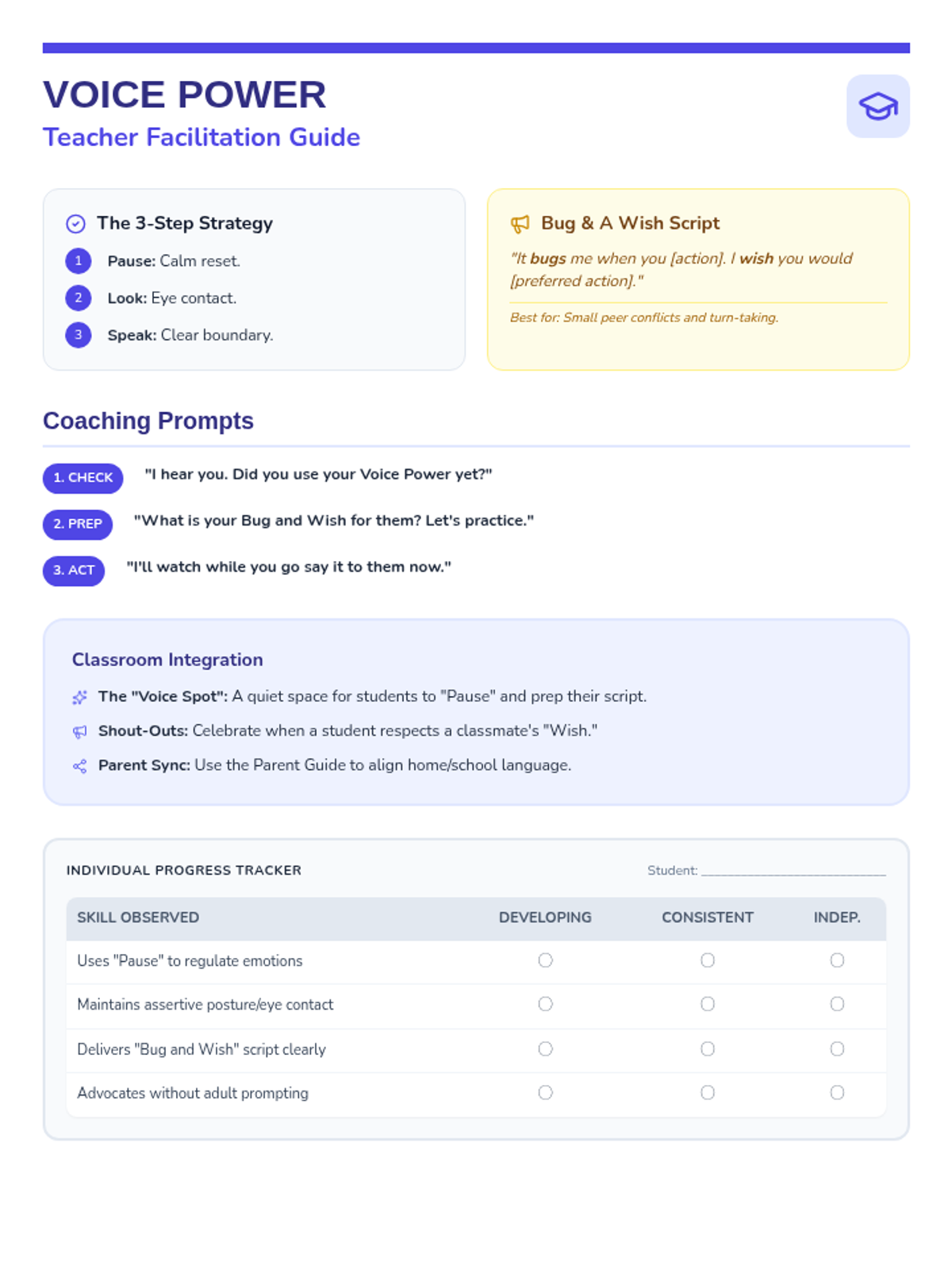
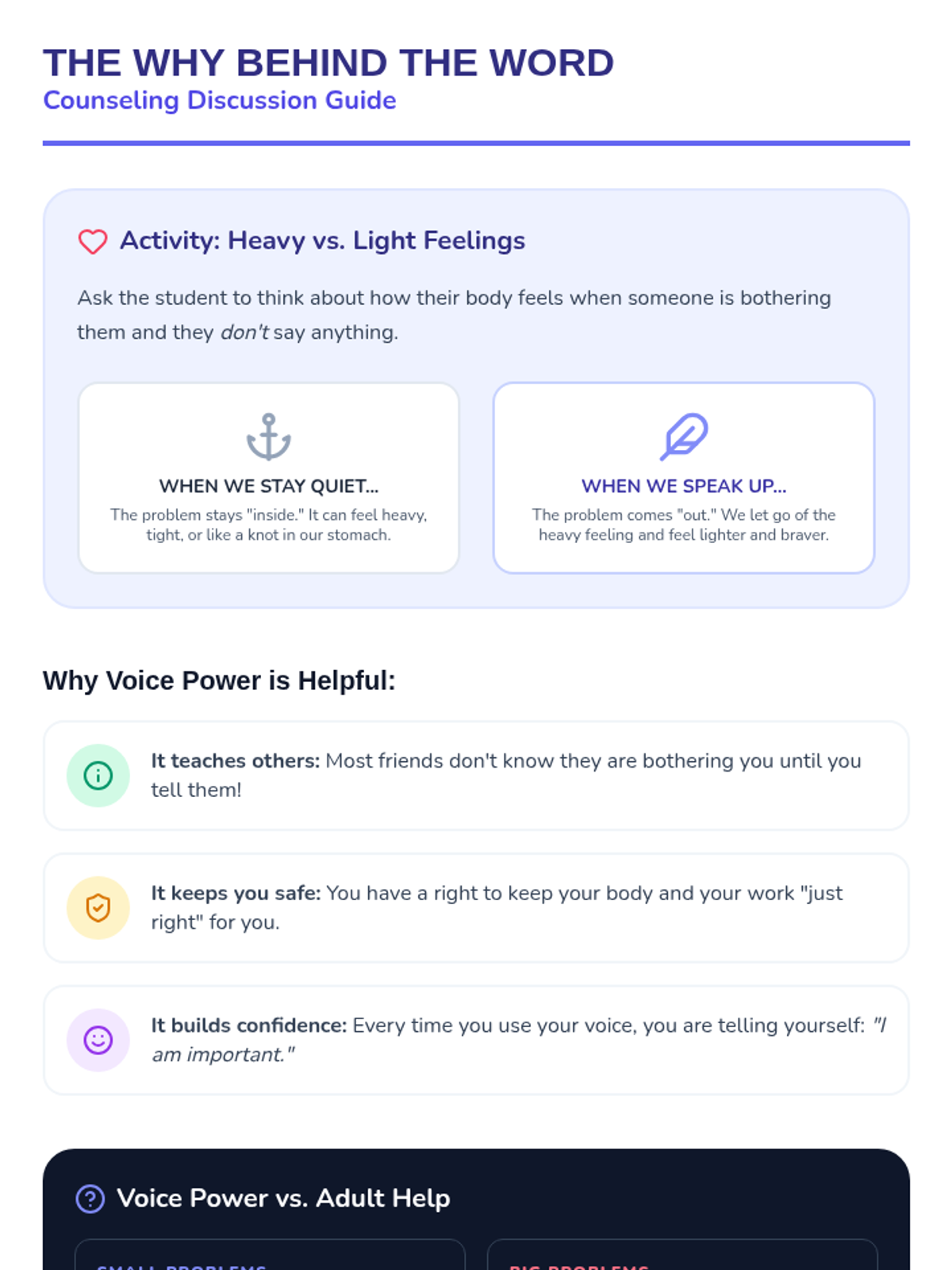
A lesson focused on empowering young students to speak up for themselves using clear communication strategies and role-play practice.
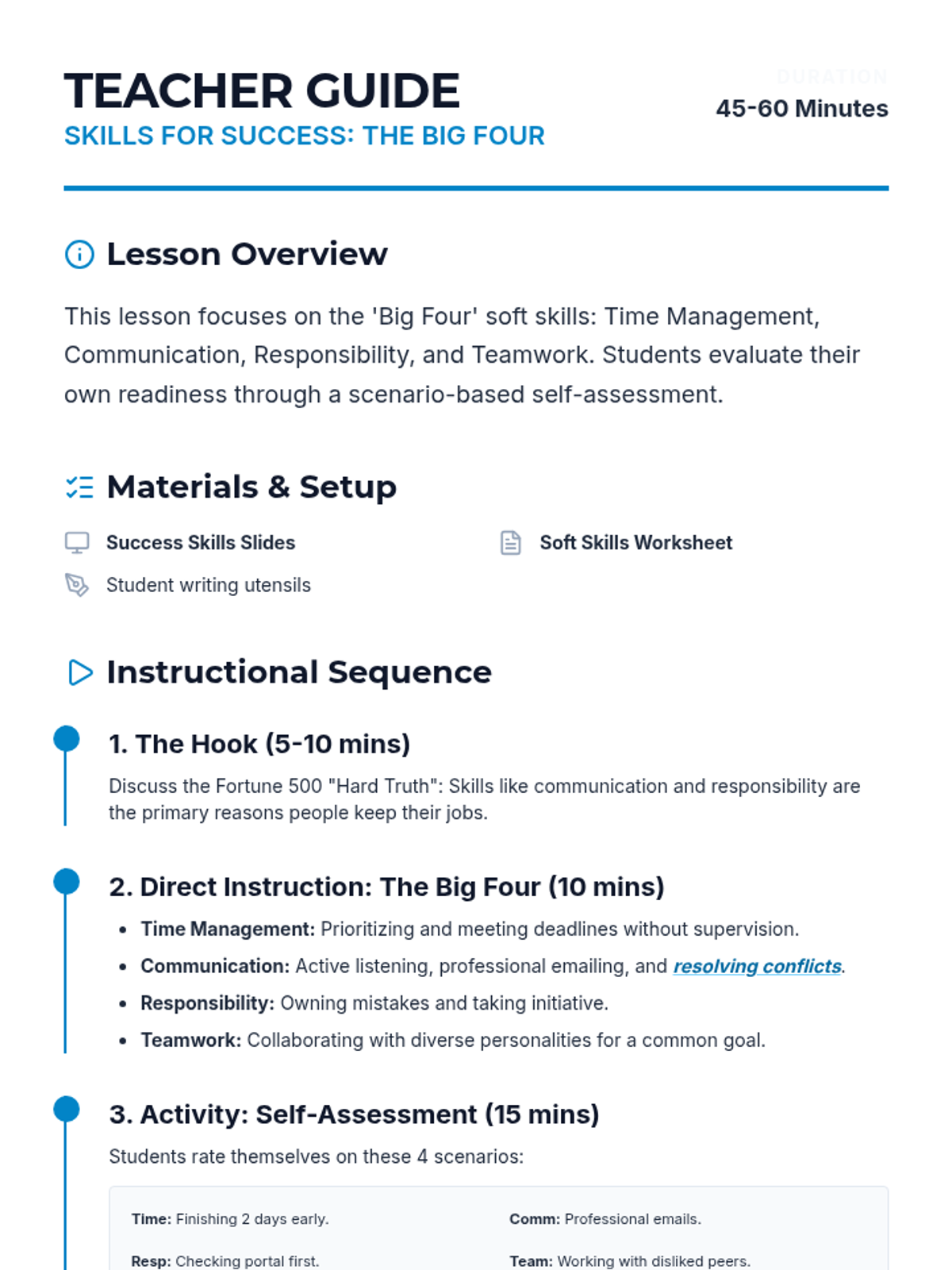
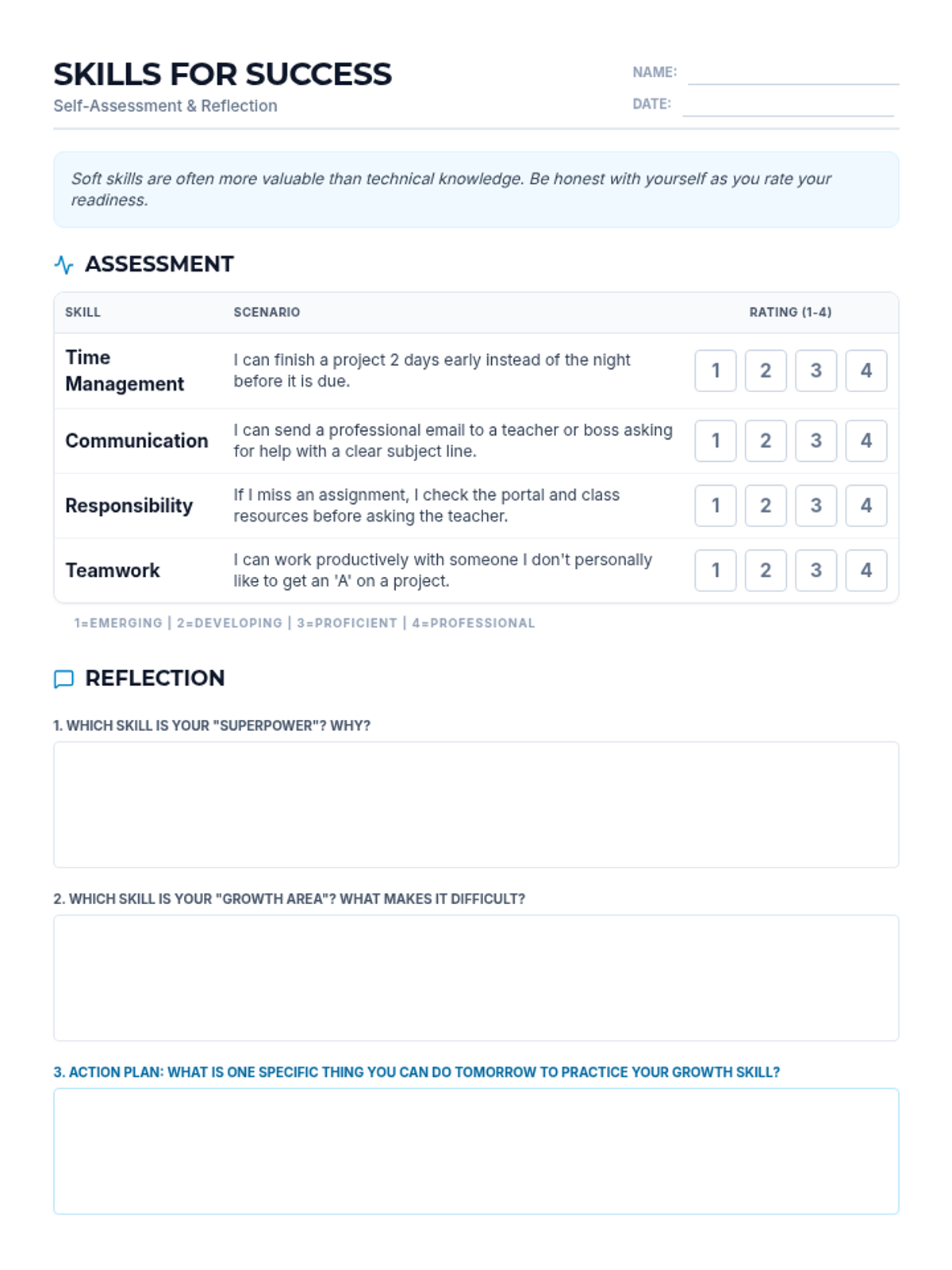
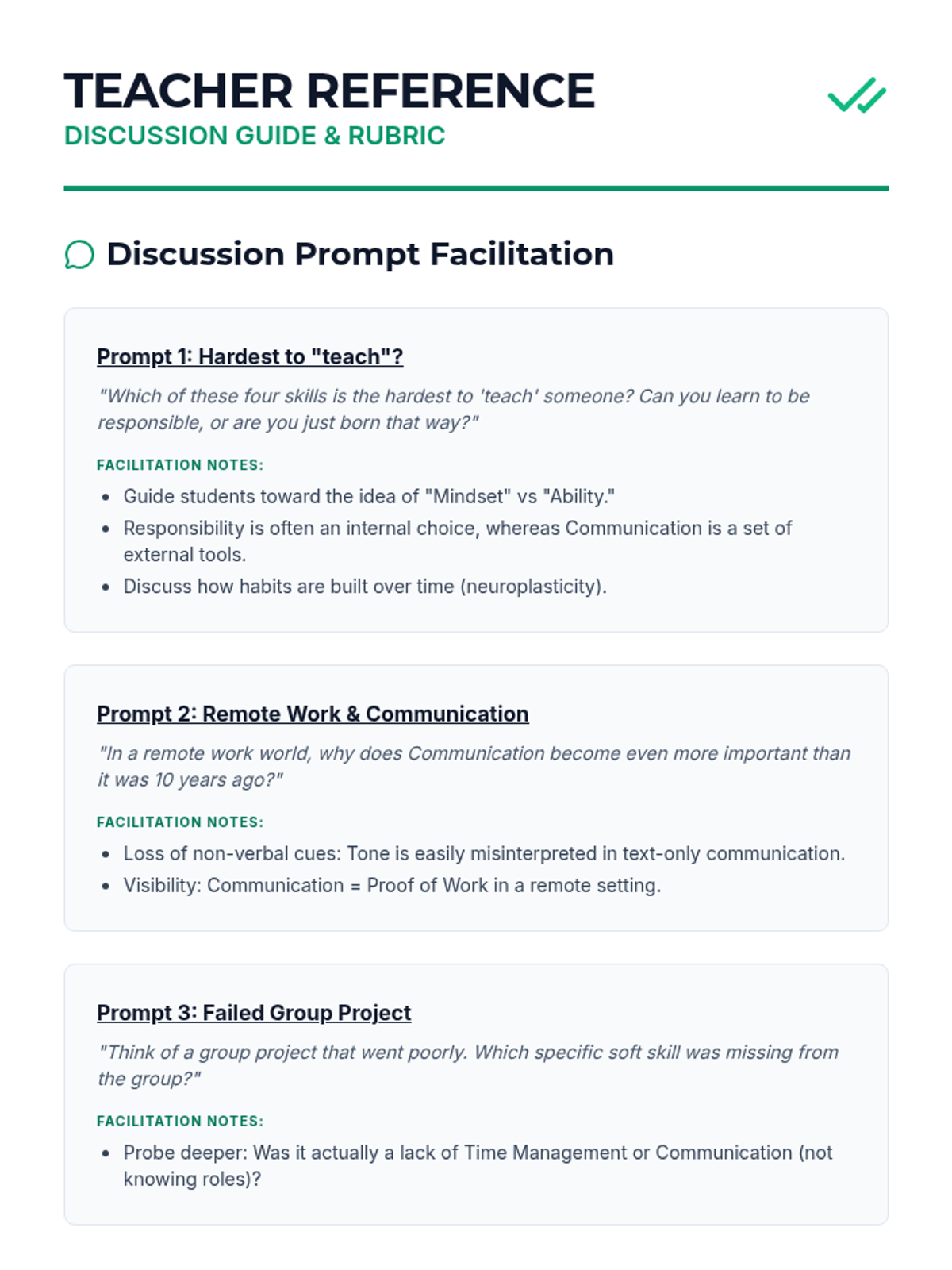
A lesson focused on the 'Big Four' soft skills: Time Management, Communication, Responsibility, and Teamwork. Students evaluate their own readiness through a scenario-based self-assessment and reflective discussion.
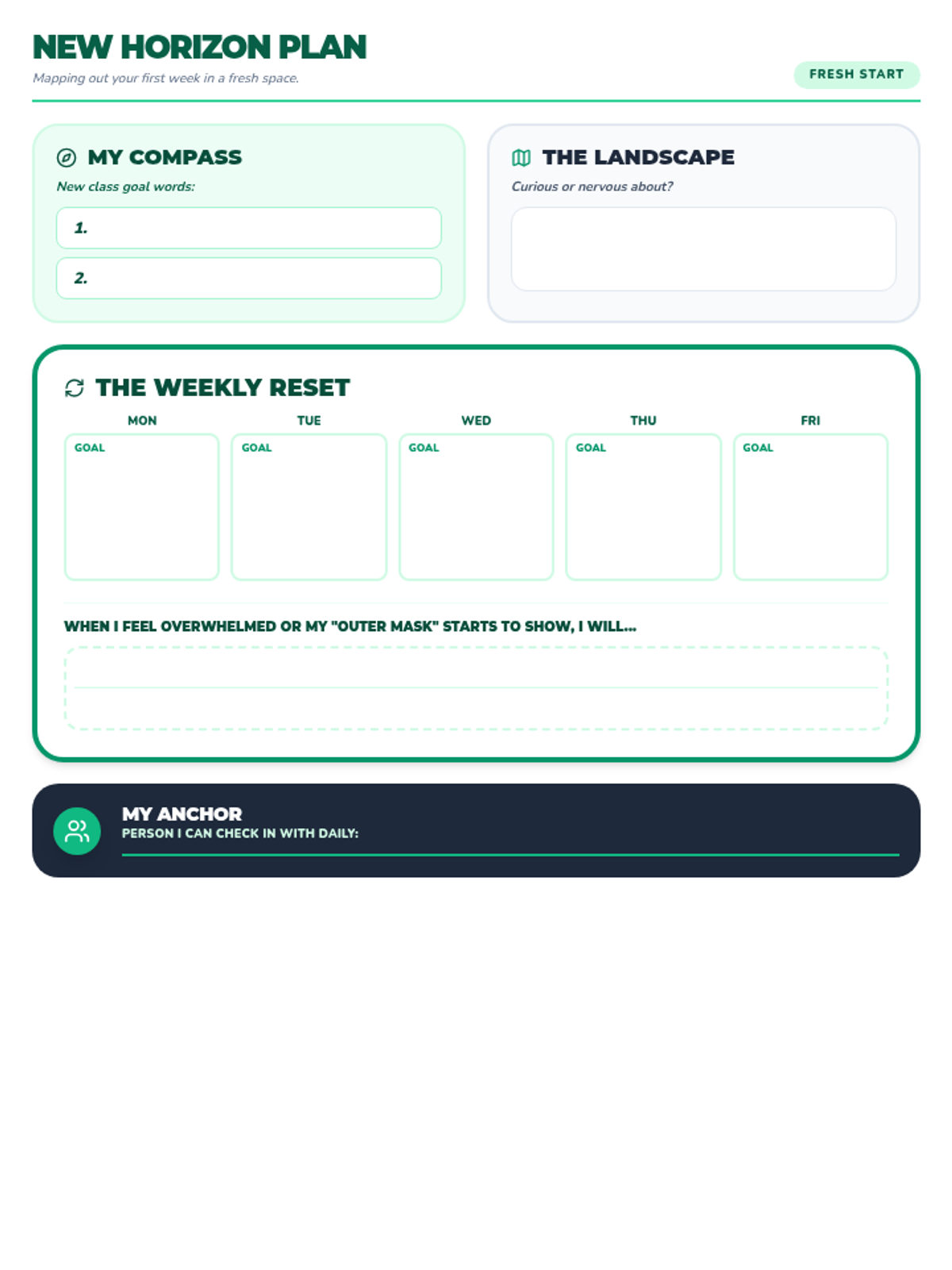
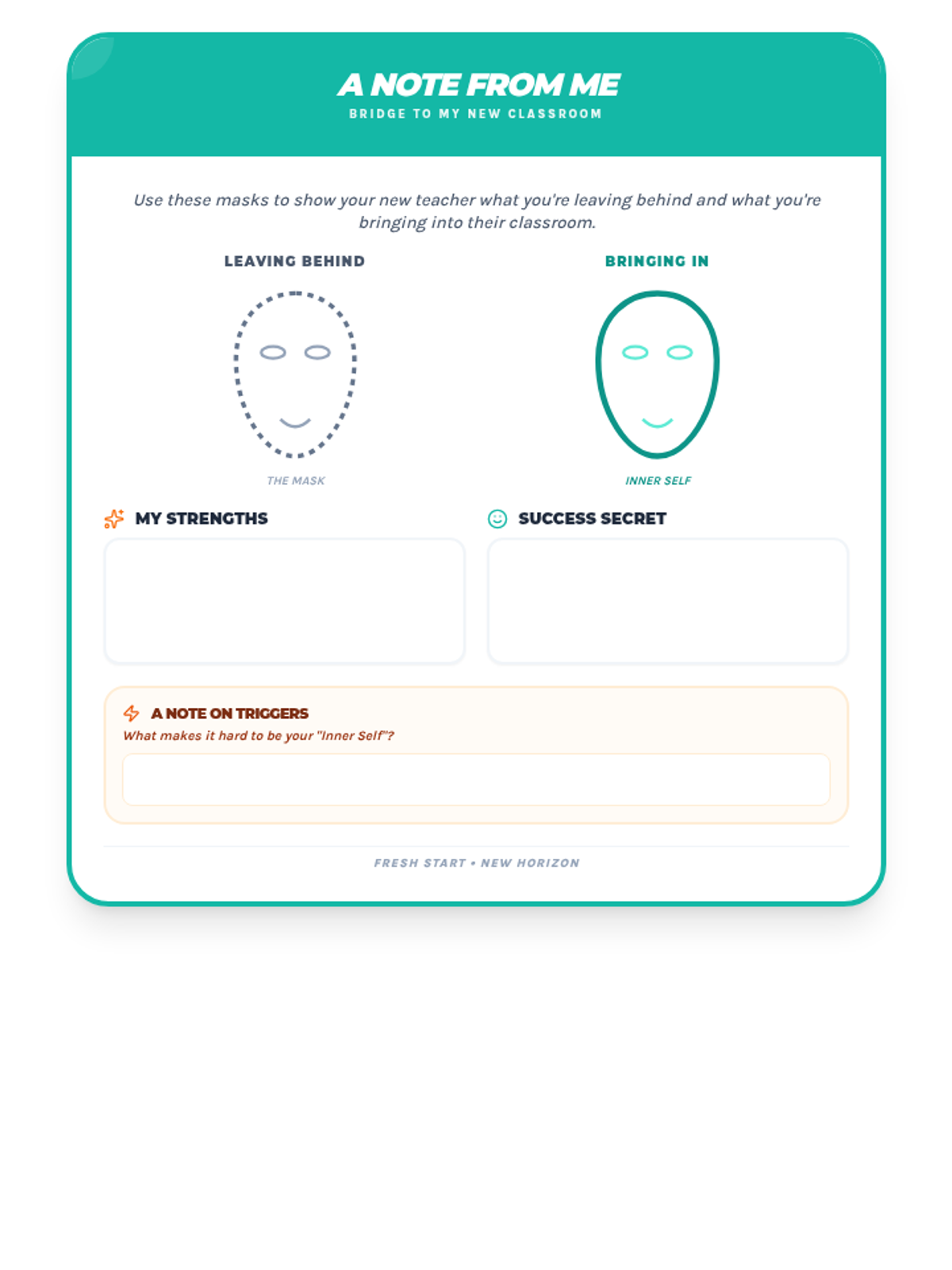
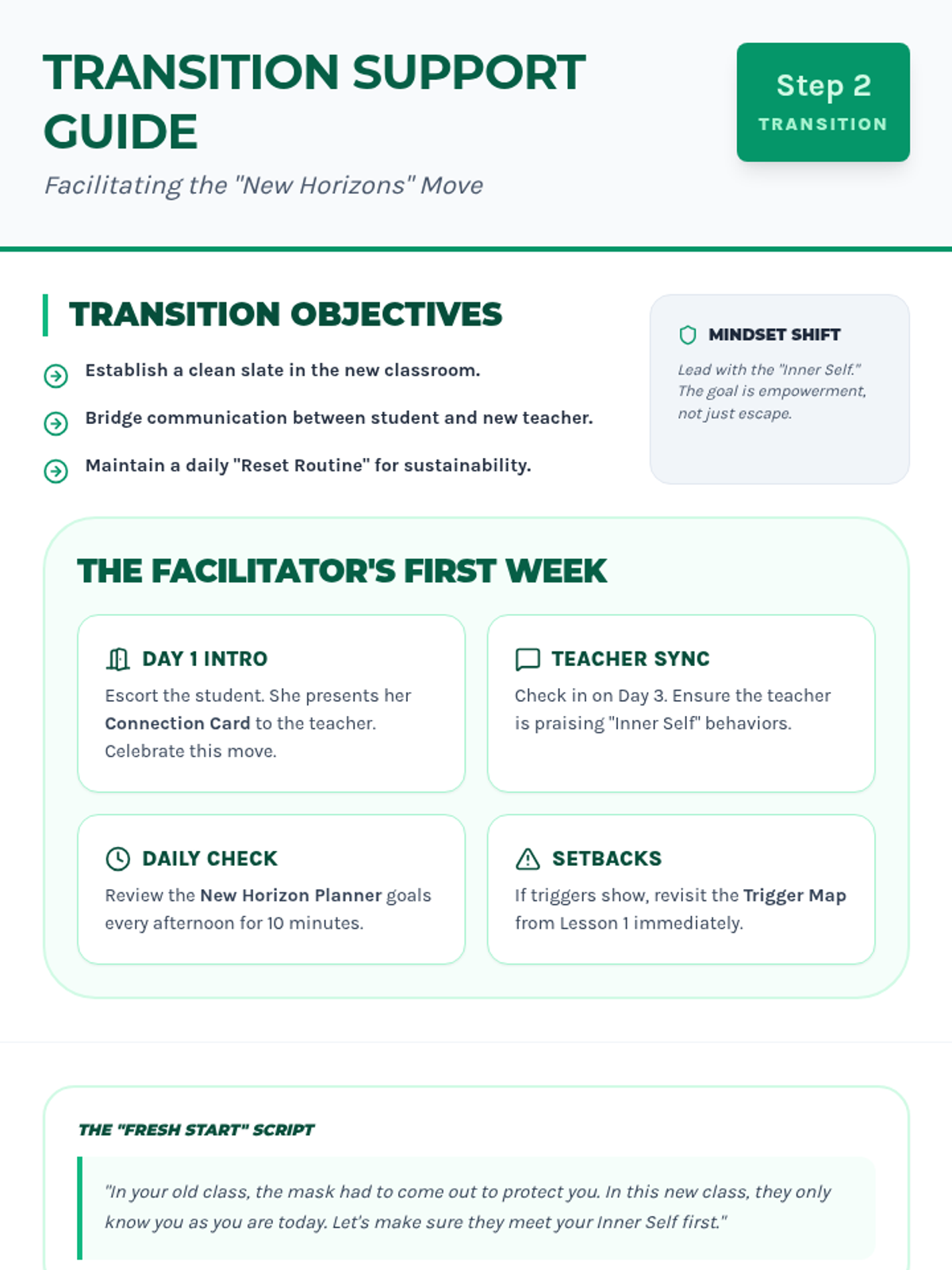
The final phase of the intervention, focusing on the practical and emotional transition to a new classroom environment and establishing a sustainable 'reset' routine.
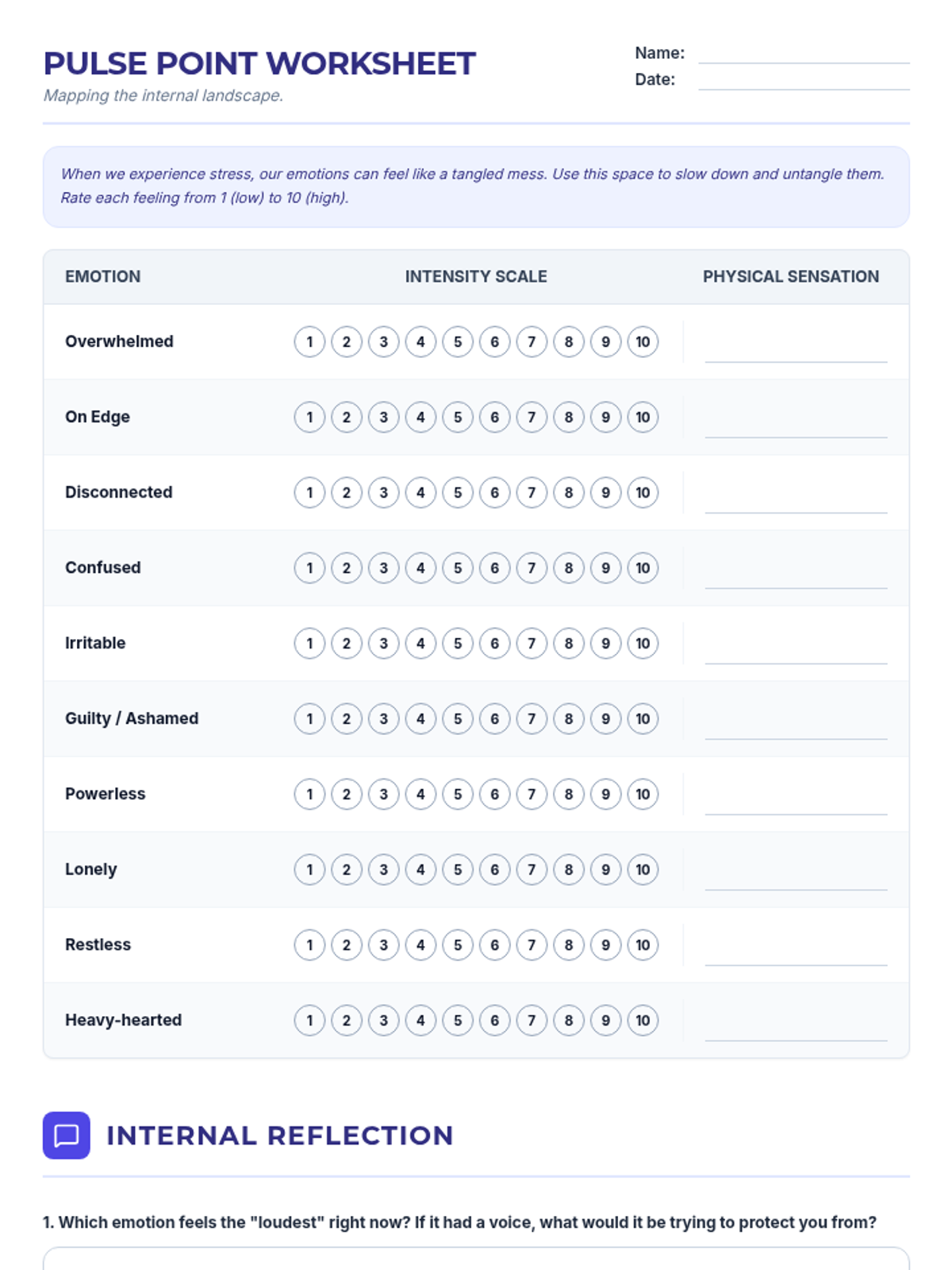
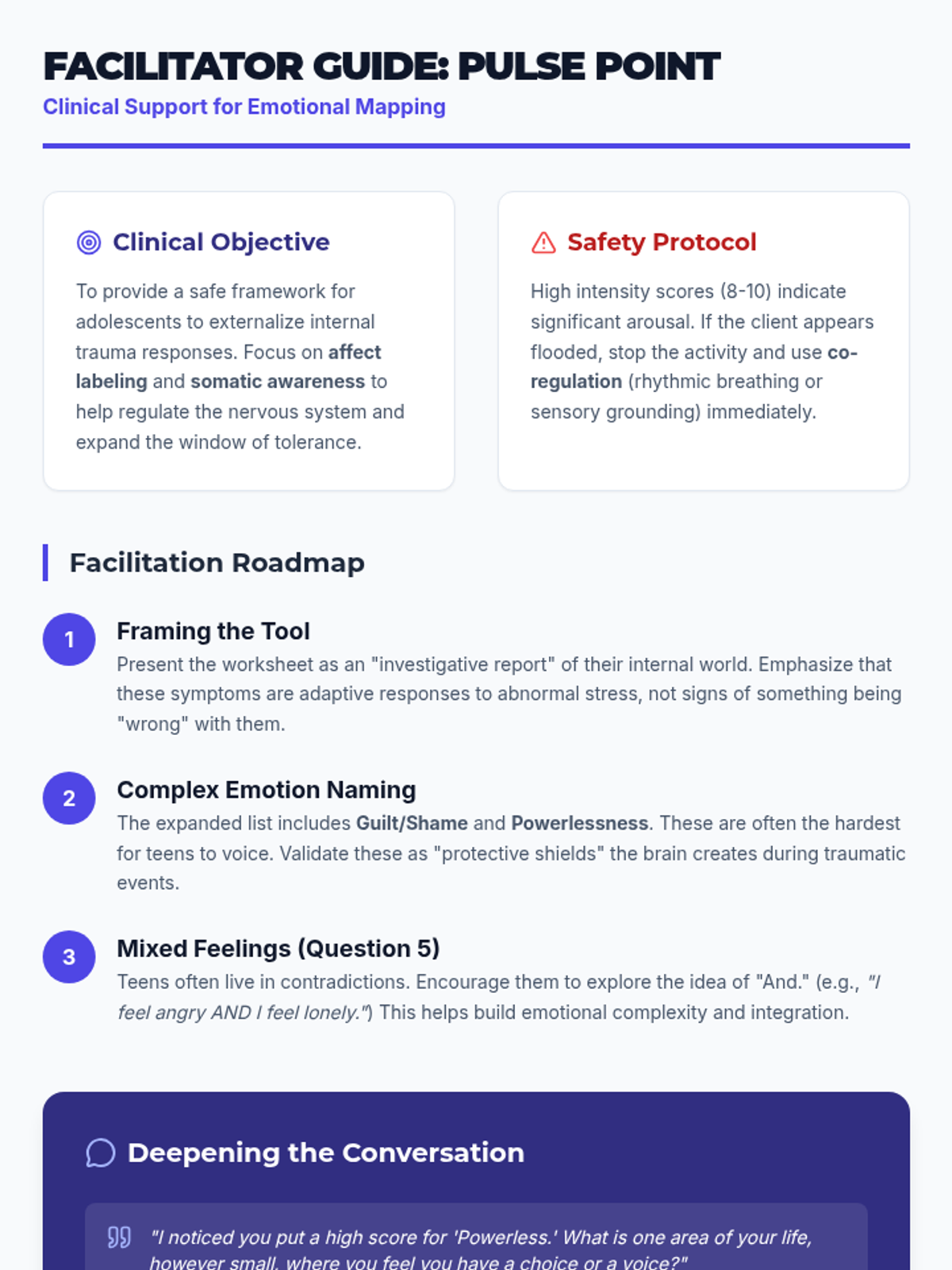
A supportive toolkit designed for teenagers to identify and scale complex emotions following stressful or traumatic events, focusing on the mind-body connection and emotional literacy.
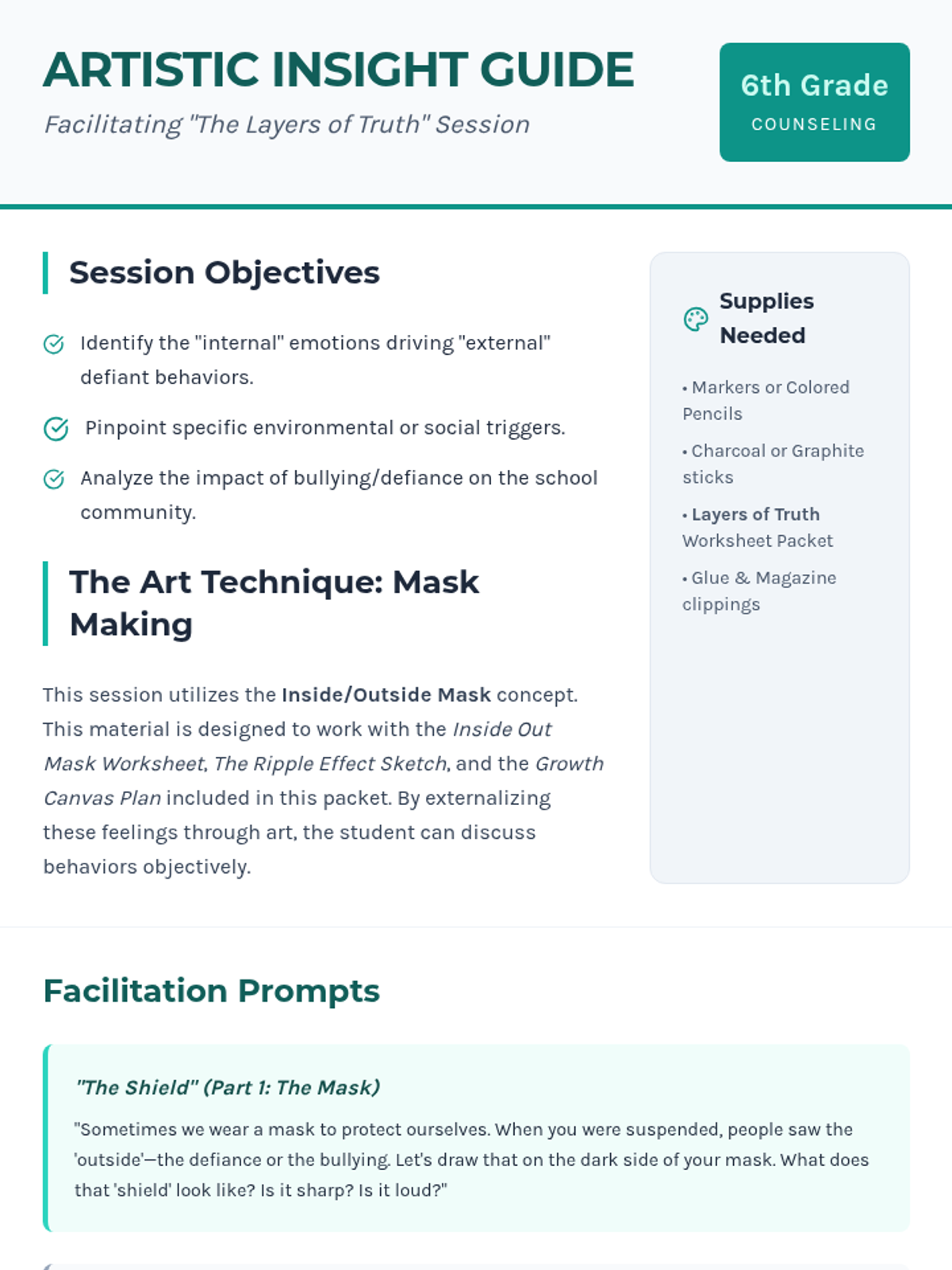
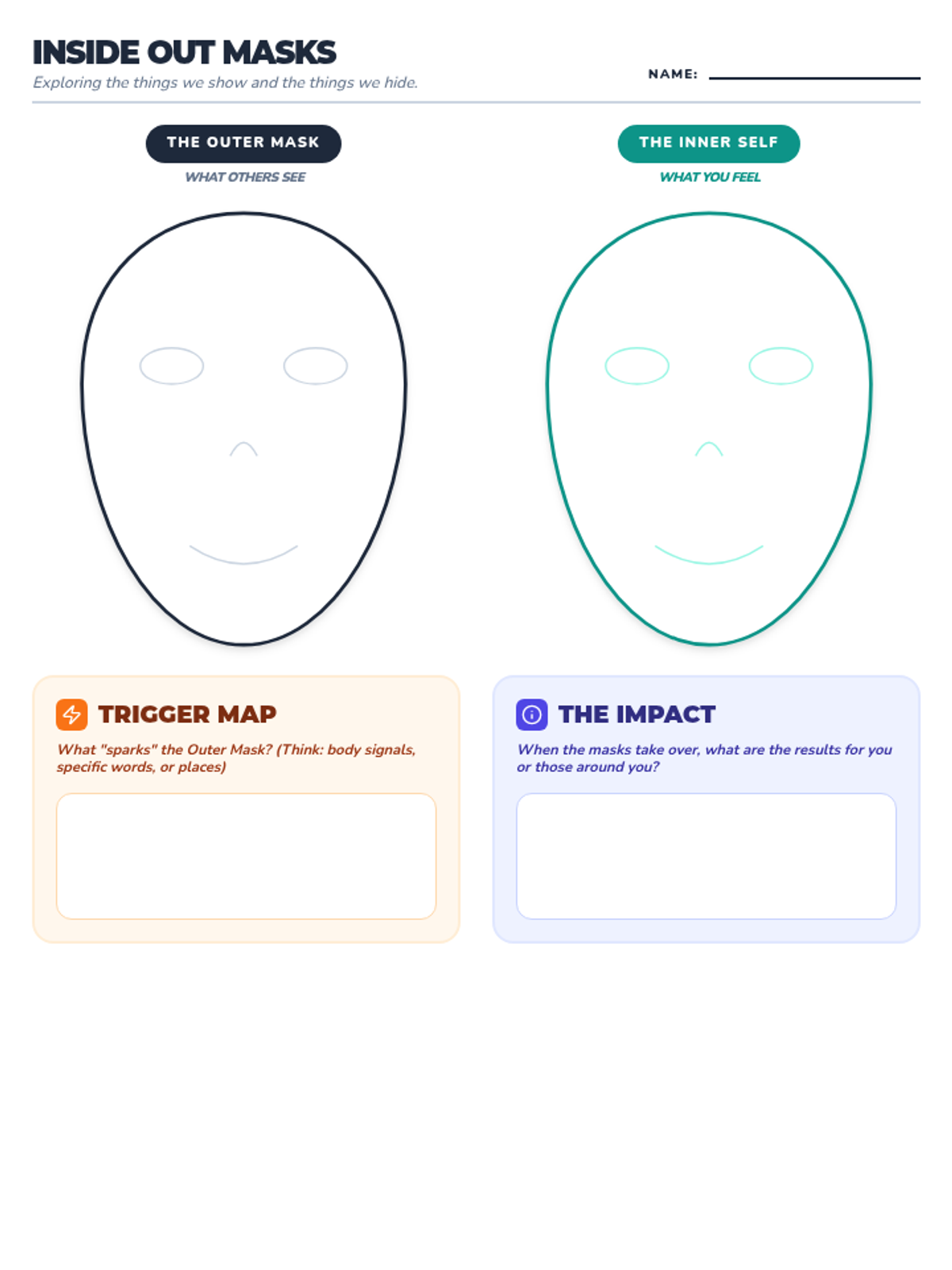
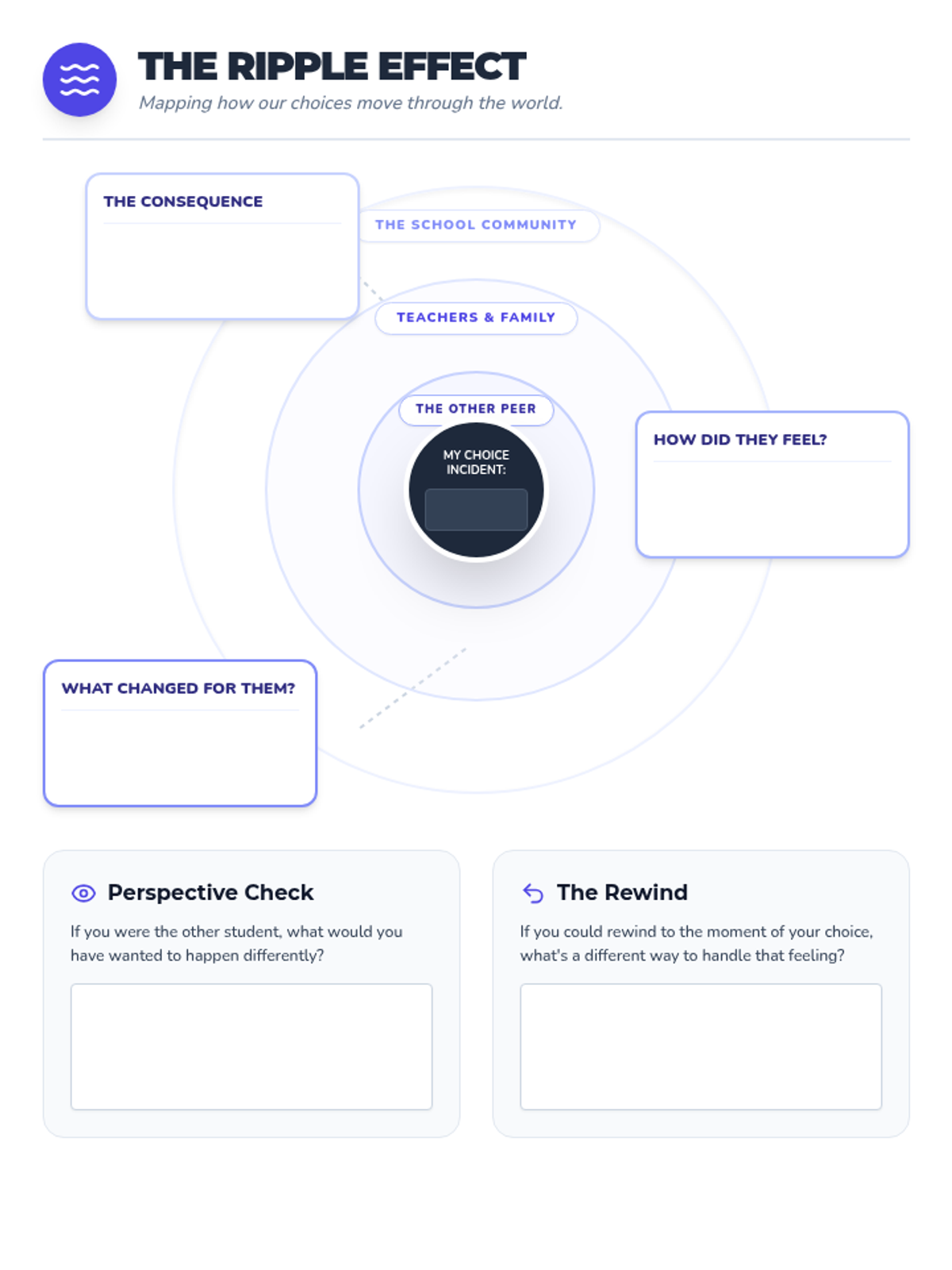
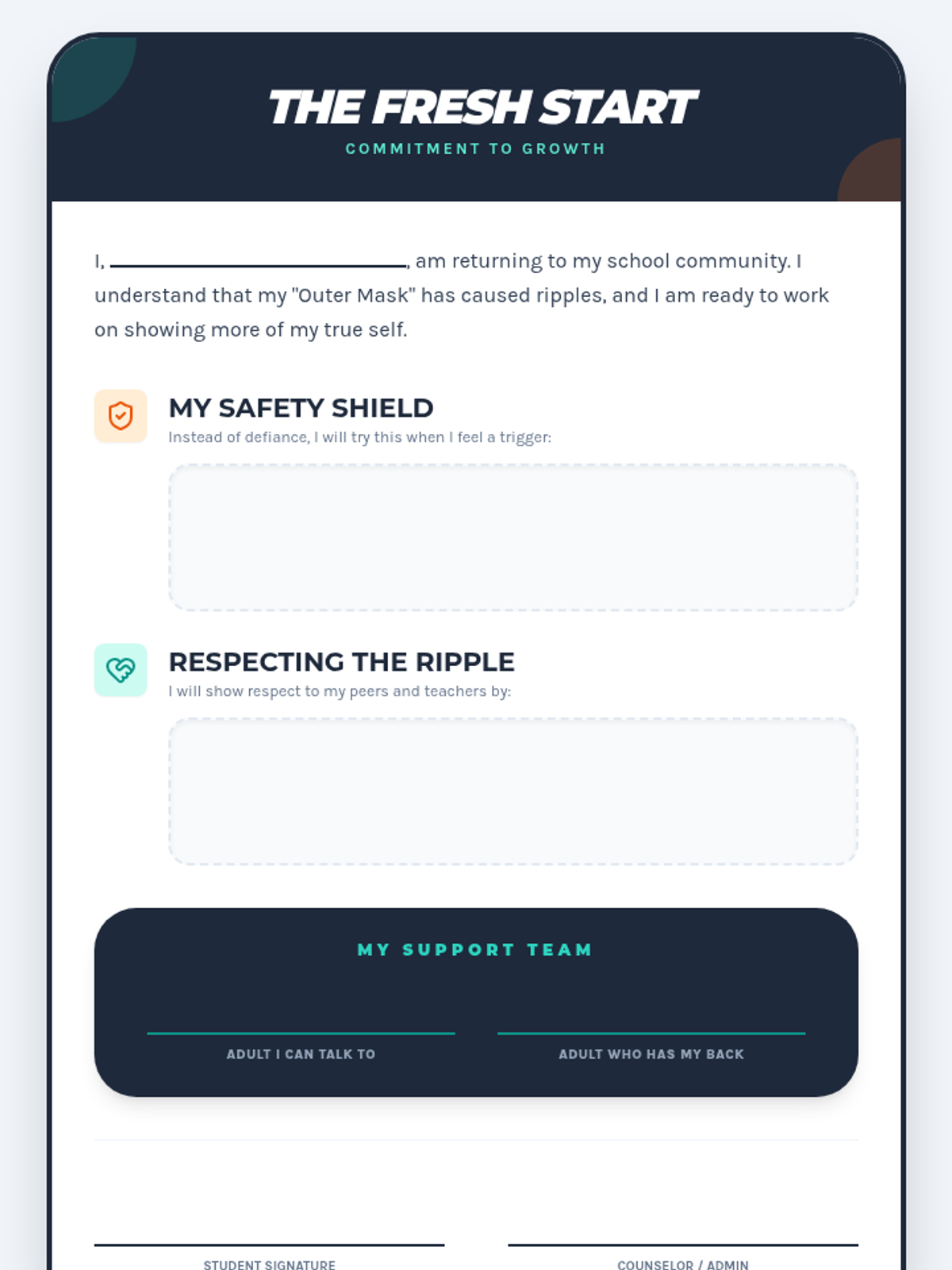
A therapeutic intervention lesson designed for a 6th-grade student returning from suspension, focusing on emotional identification and perspective-taking through art.
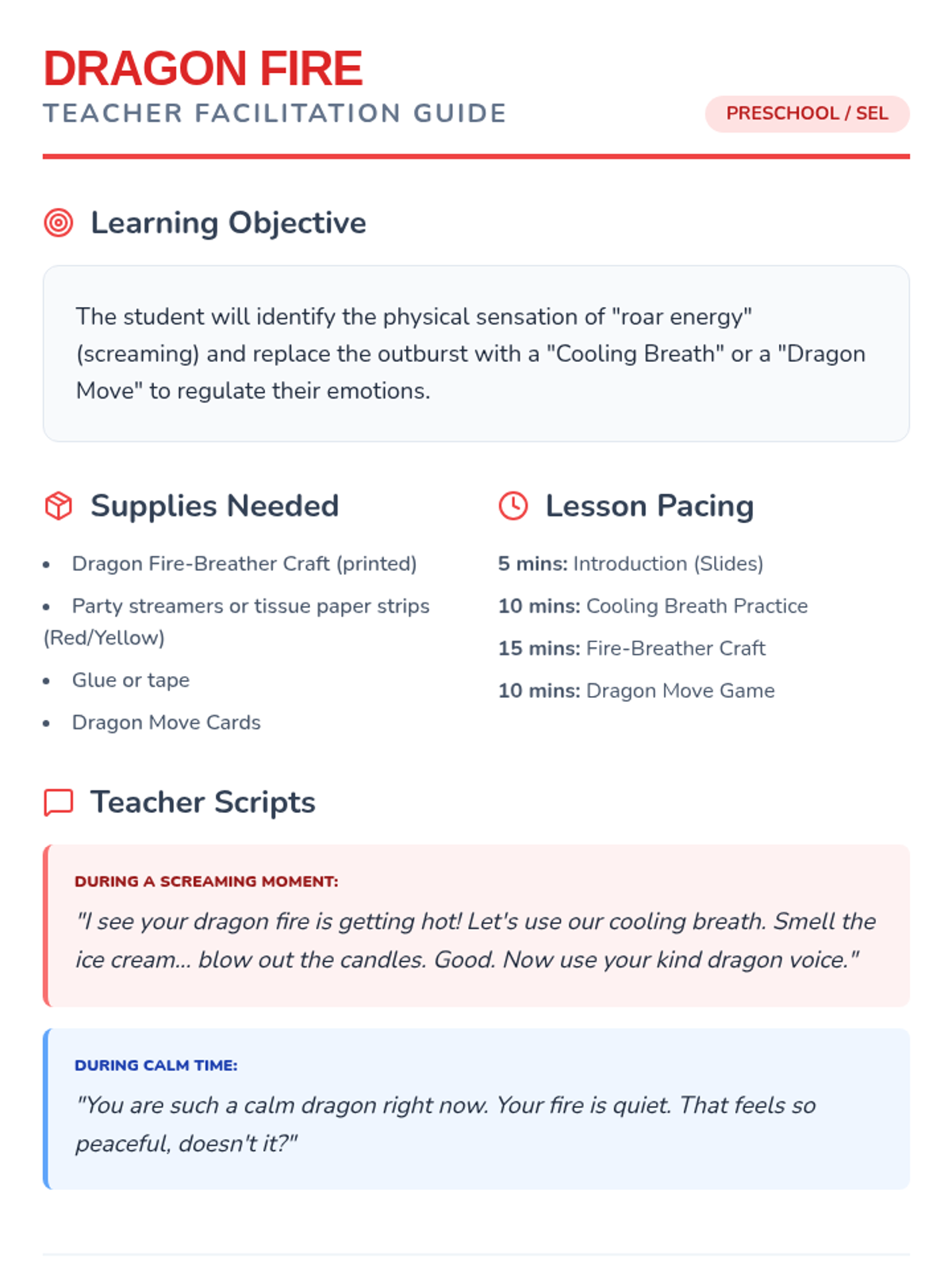
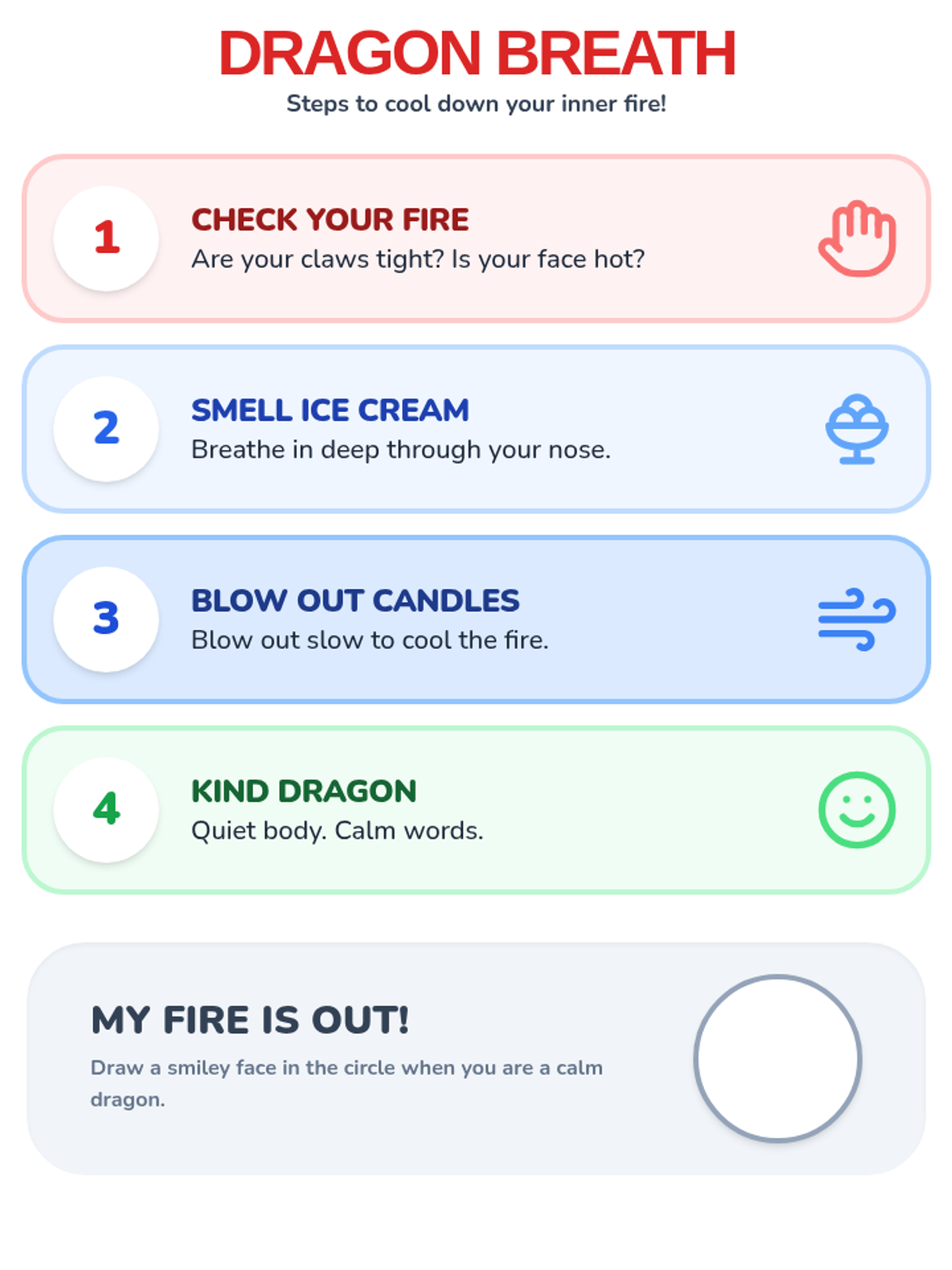
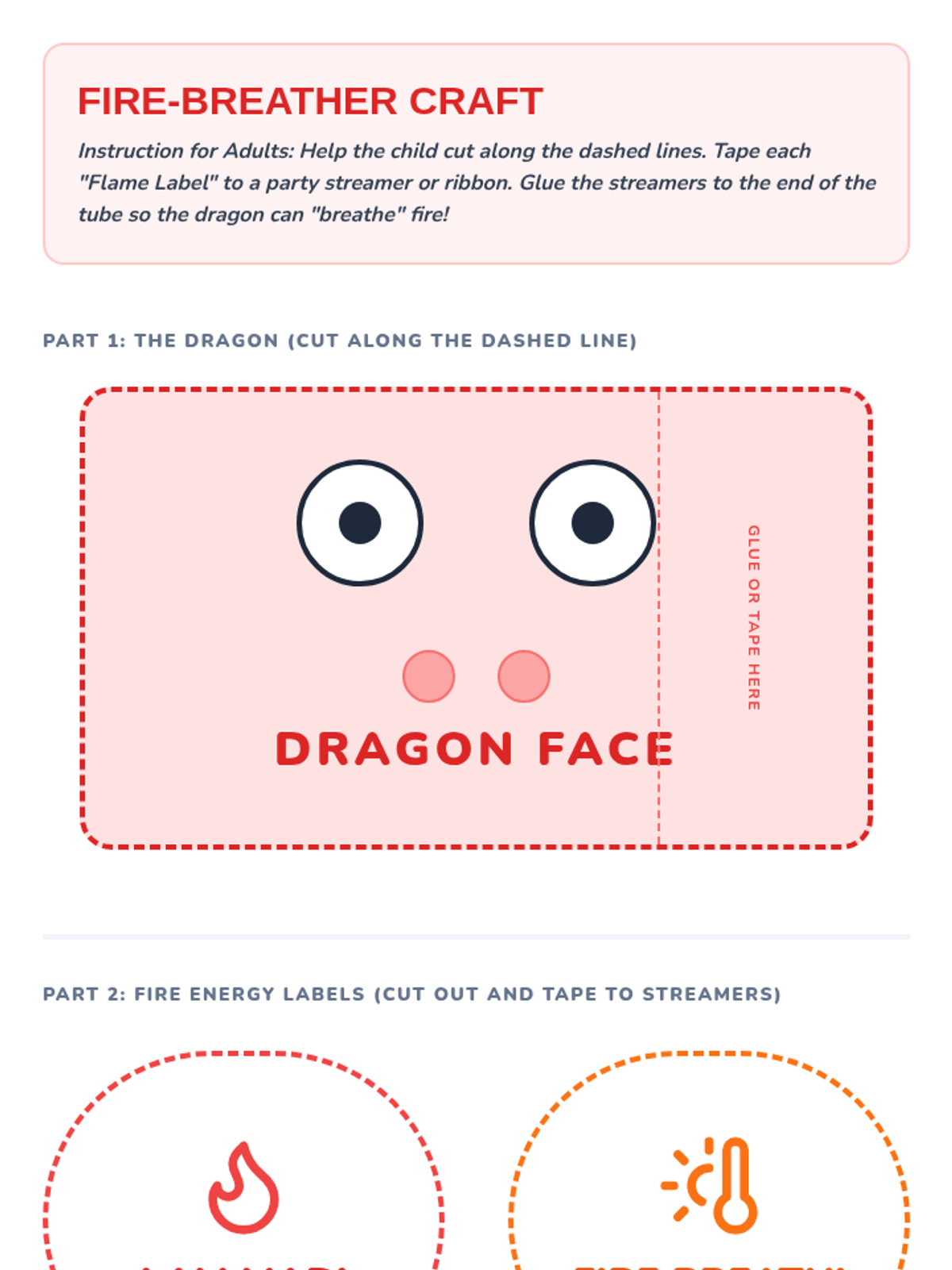
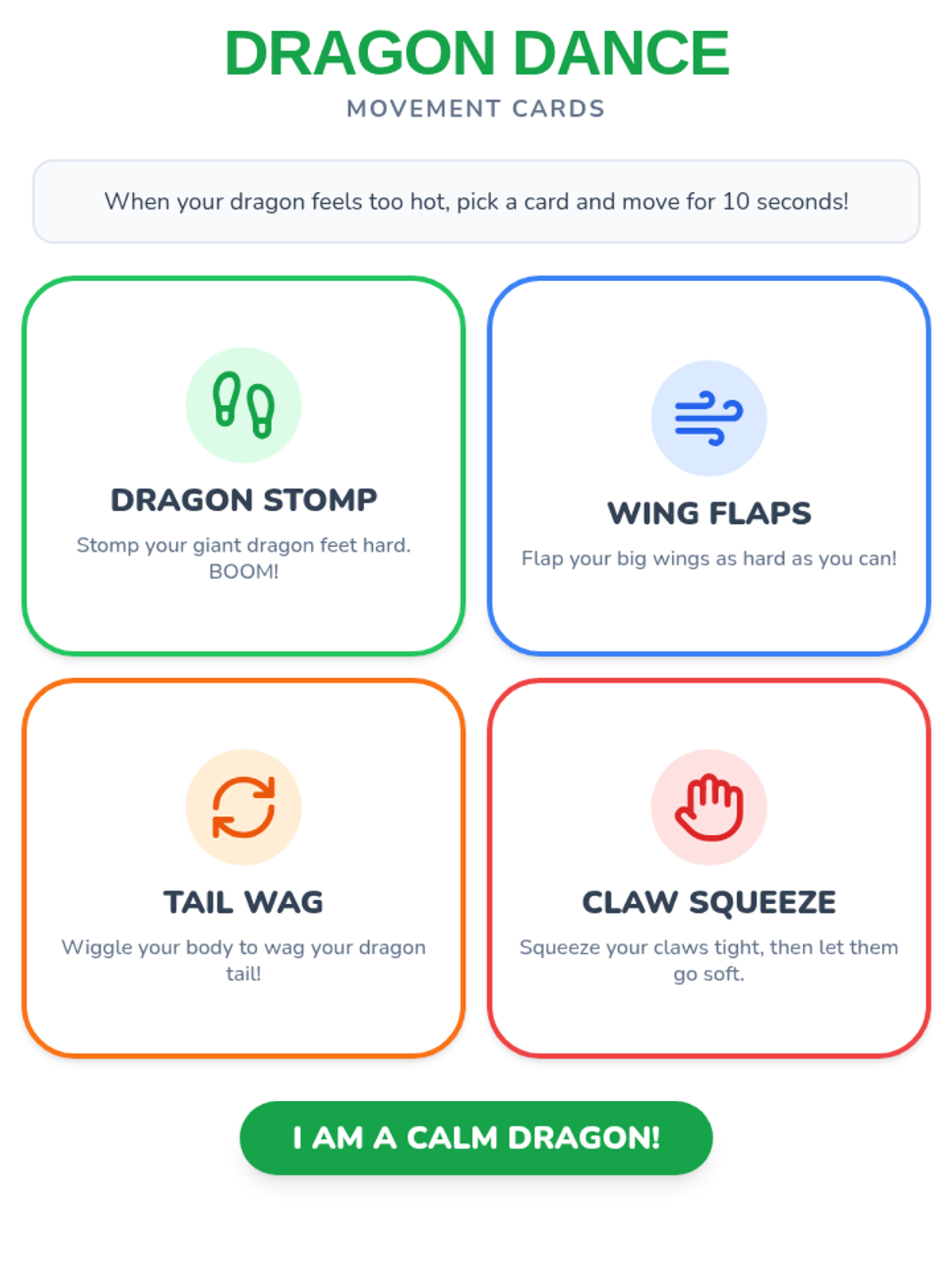
A preschool-level lesson focused on emotional regulation for children who react to anger with immediate screaming. It uses a dragon metaphor to teach body awareness and calming strategies through 'Dragon Breaths' and physical movement.
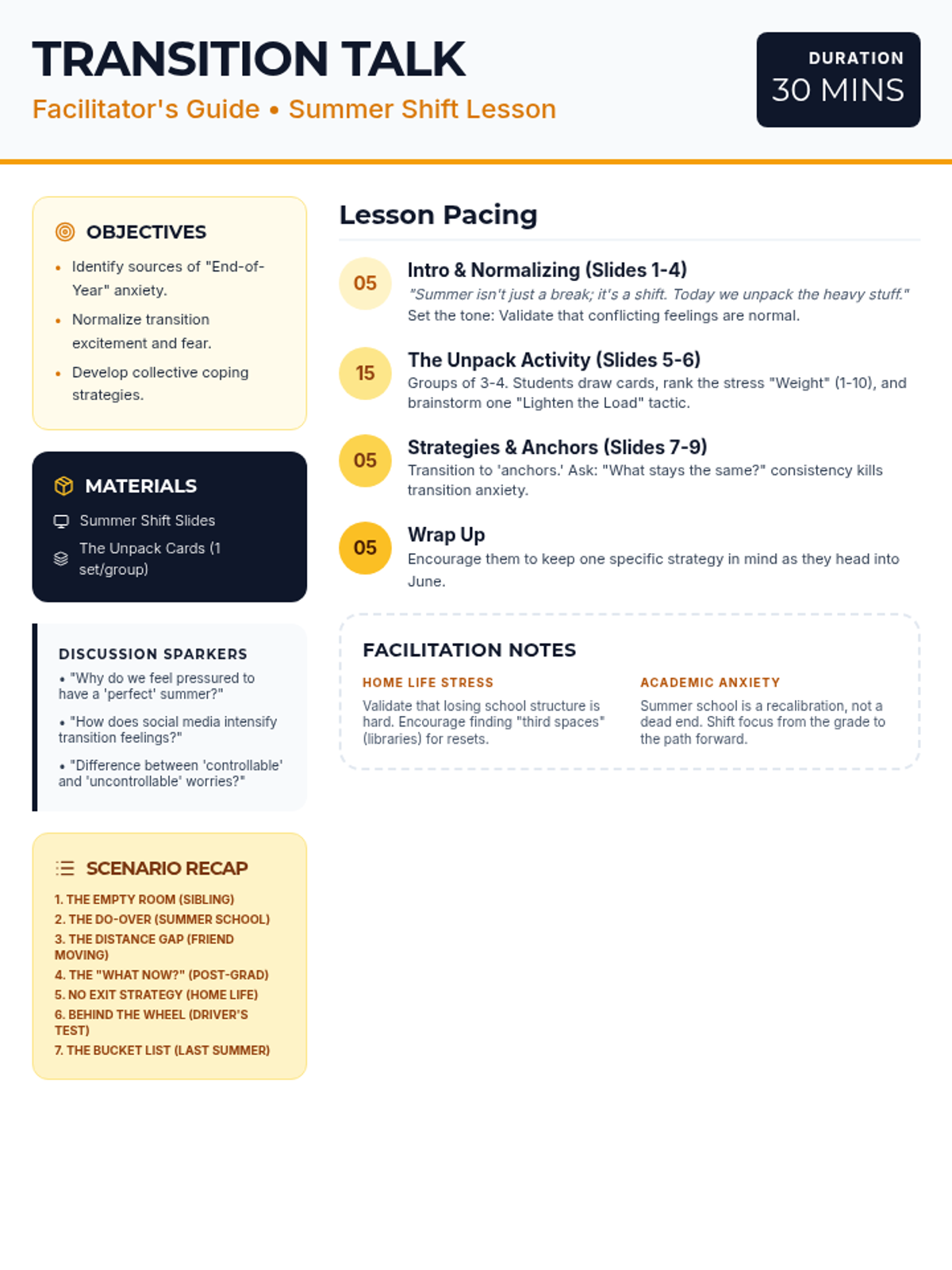
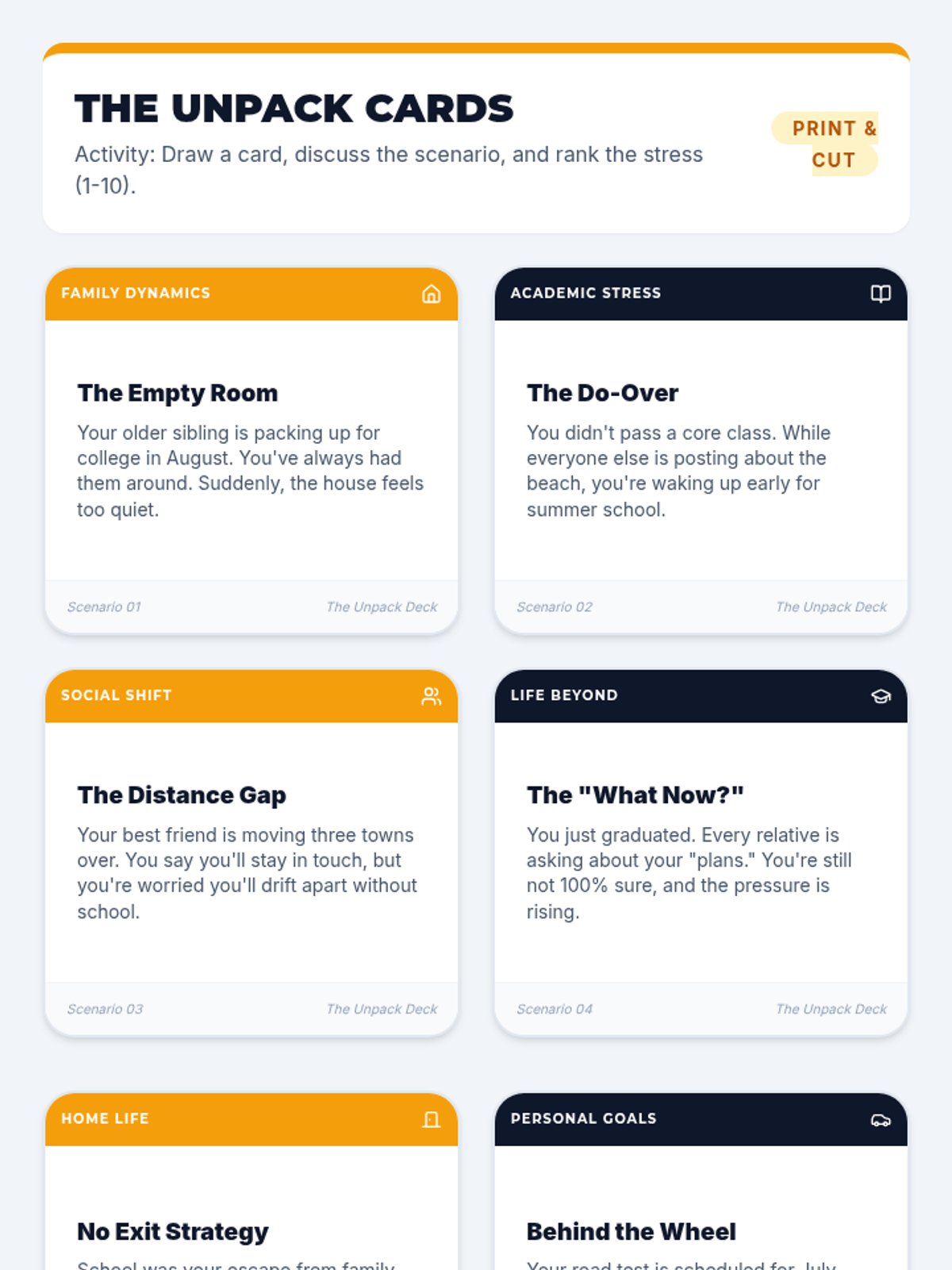
A 30-minute social-emotional learning session designed to help high schoolers navigate the complex transitions of summer, from academic stress to shifting friendships and family dynamics.
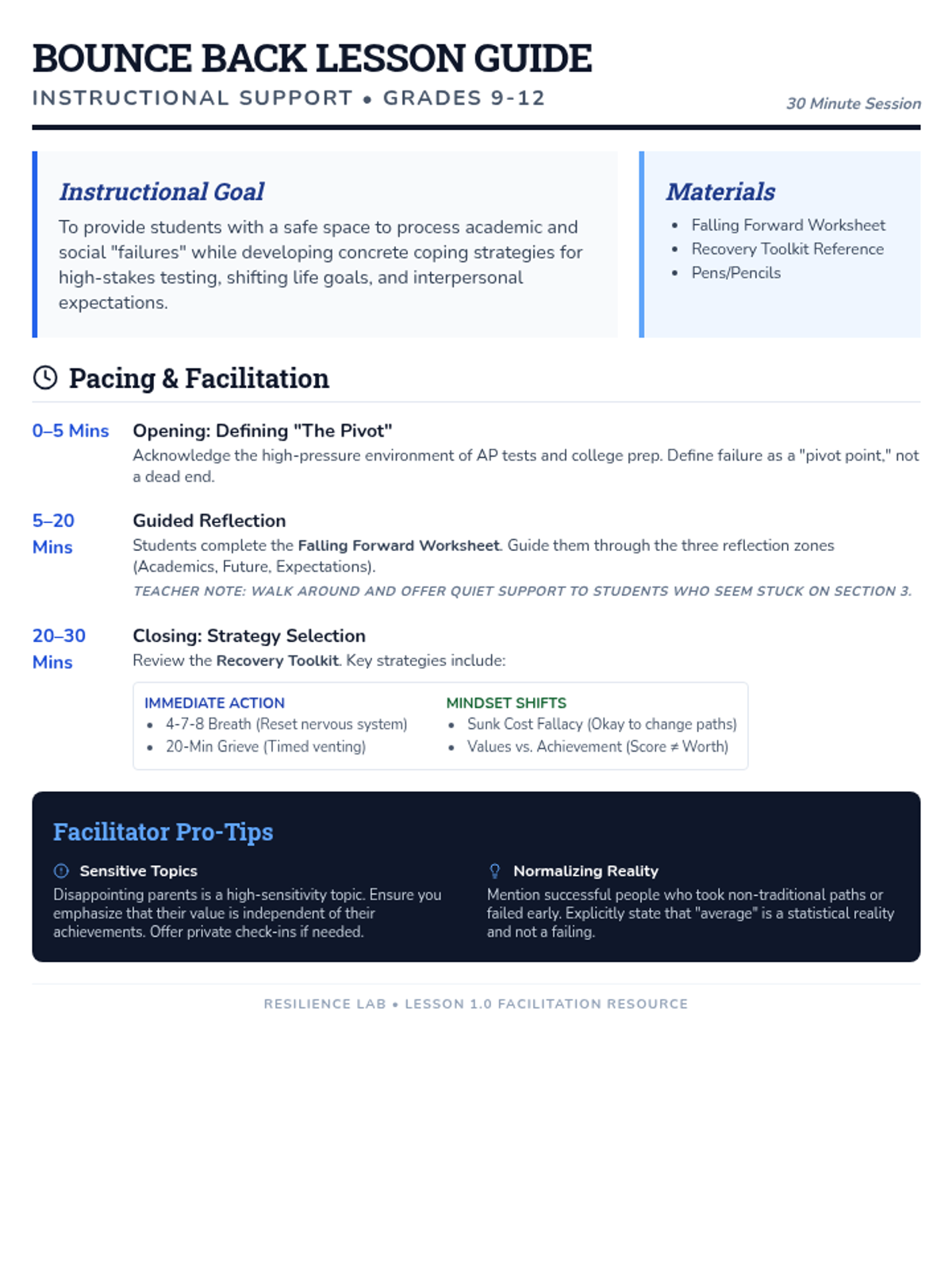
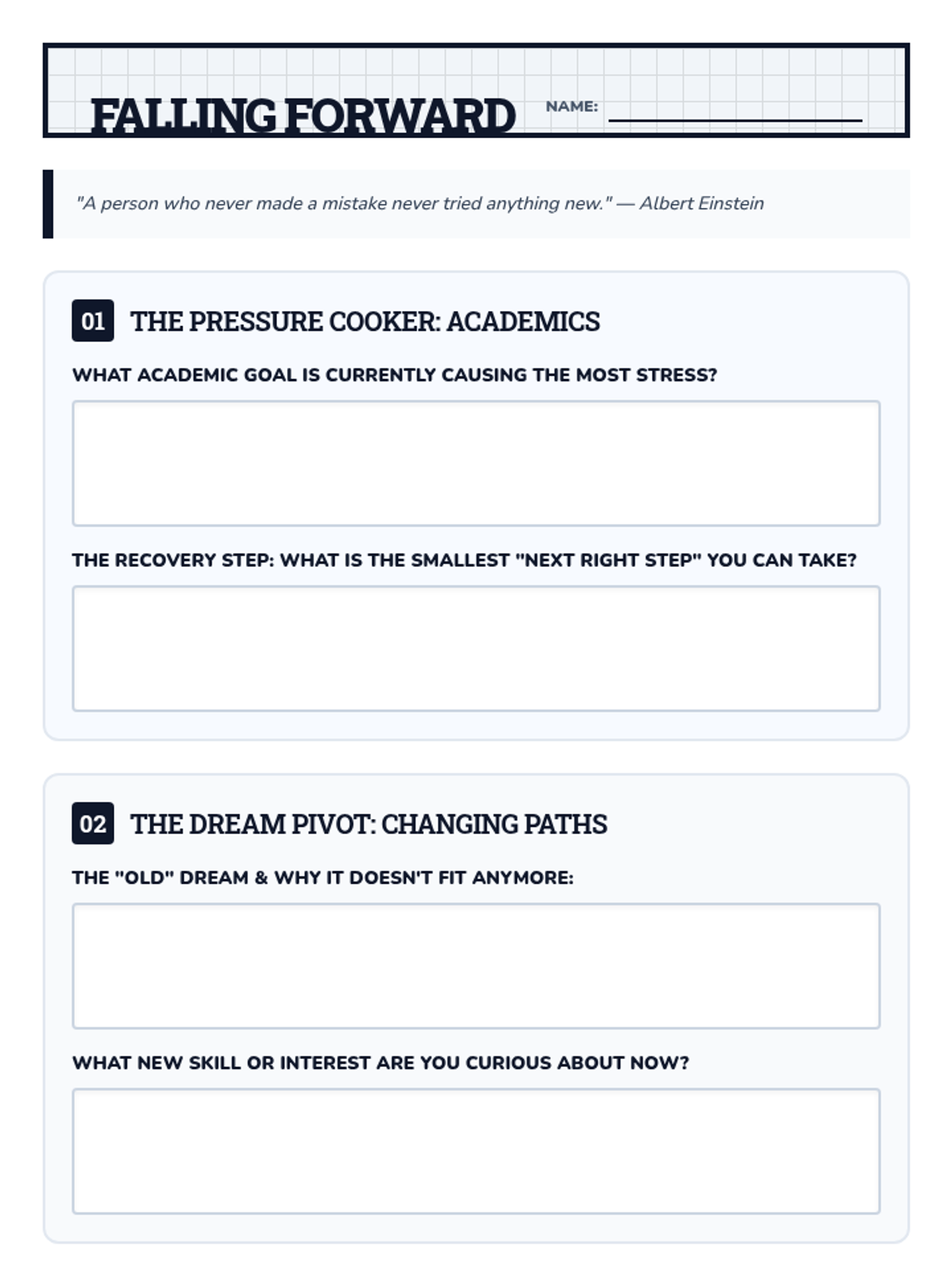
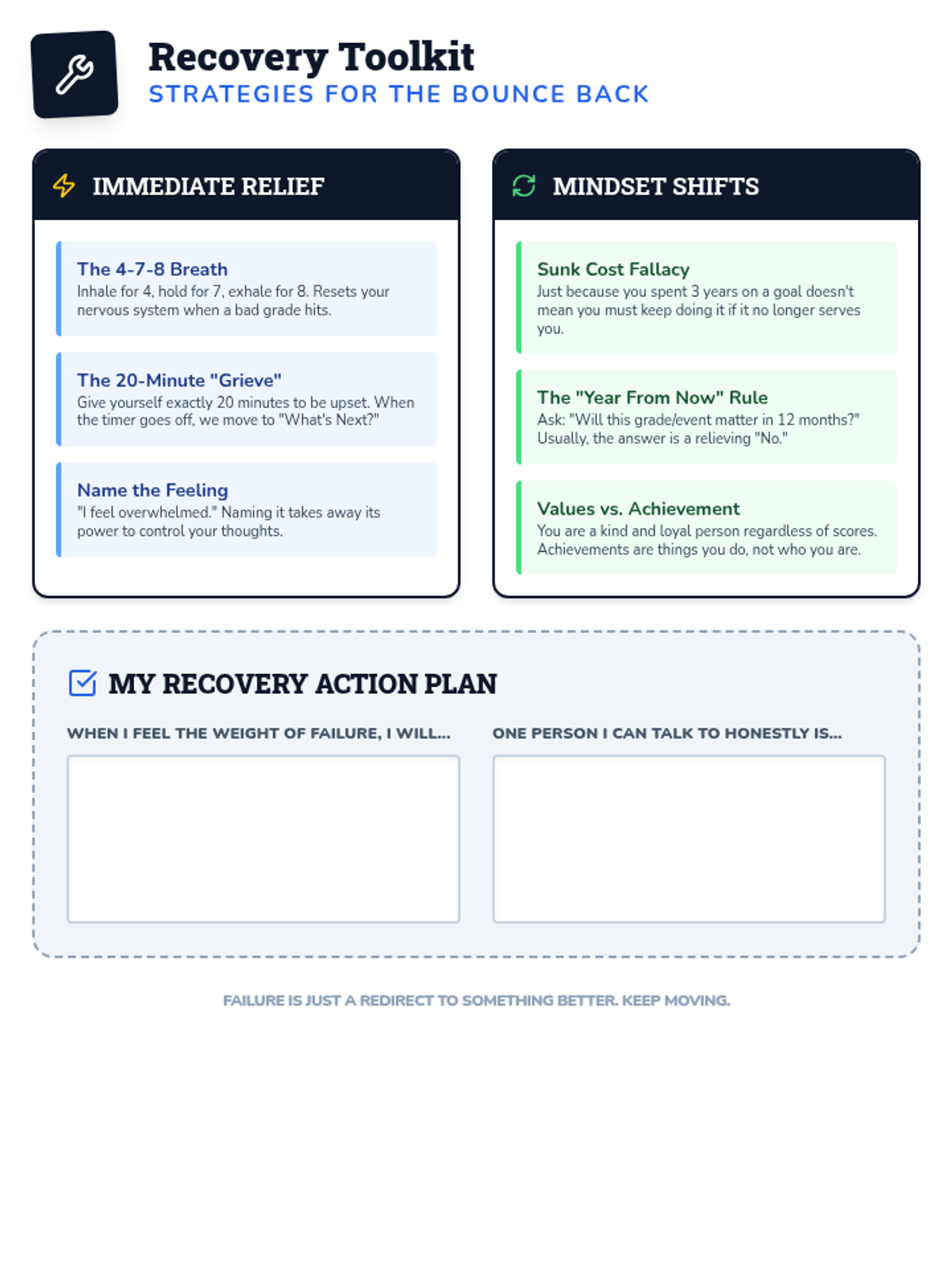
A 30-minute social-emotional learning lesson focused on building resilience and healthy coping strategies when facing academic pressure, changing life goals, and the fear of disappointing others.
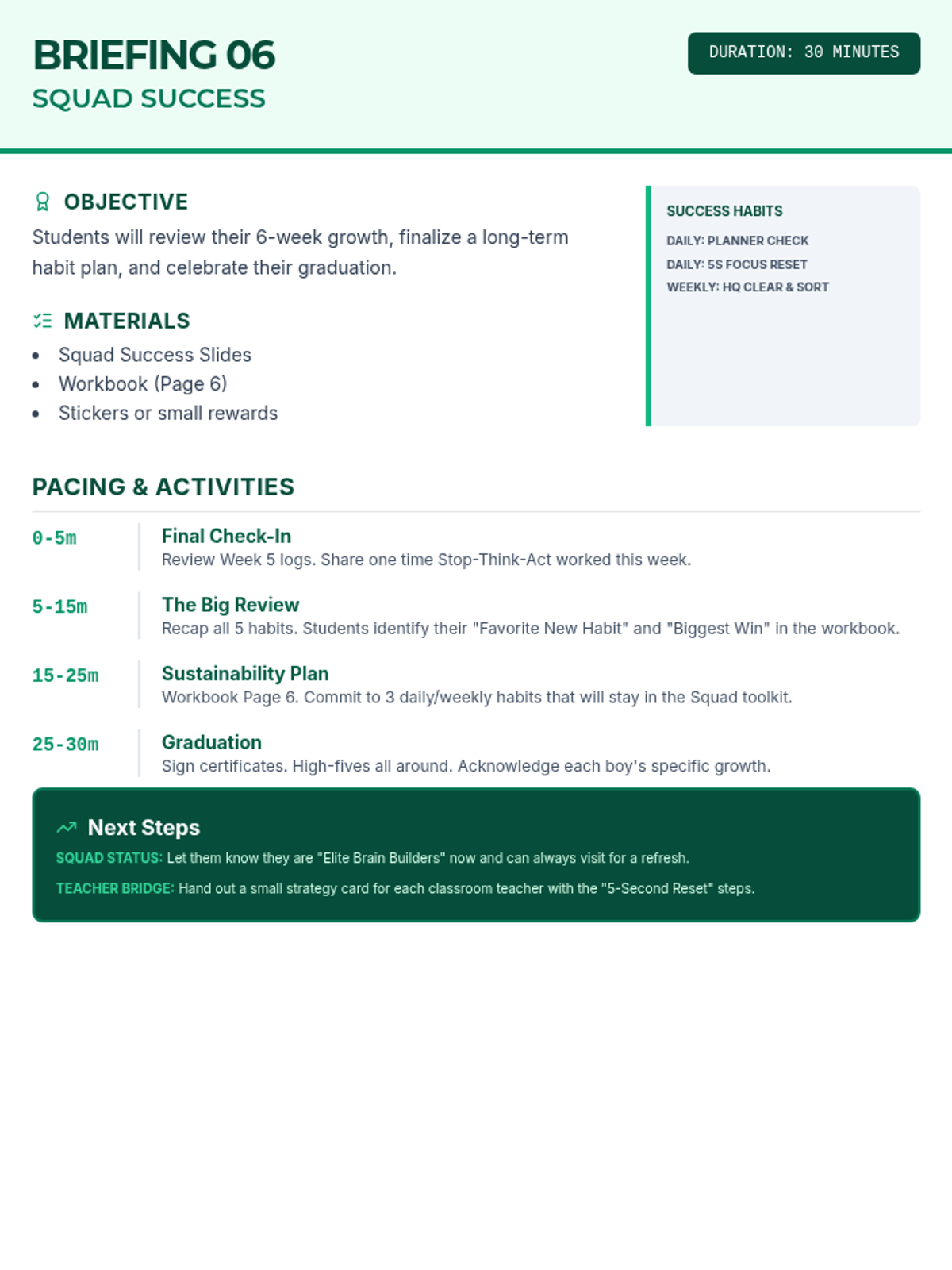
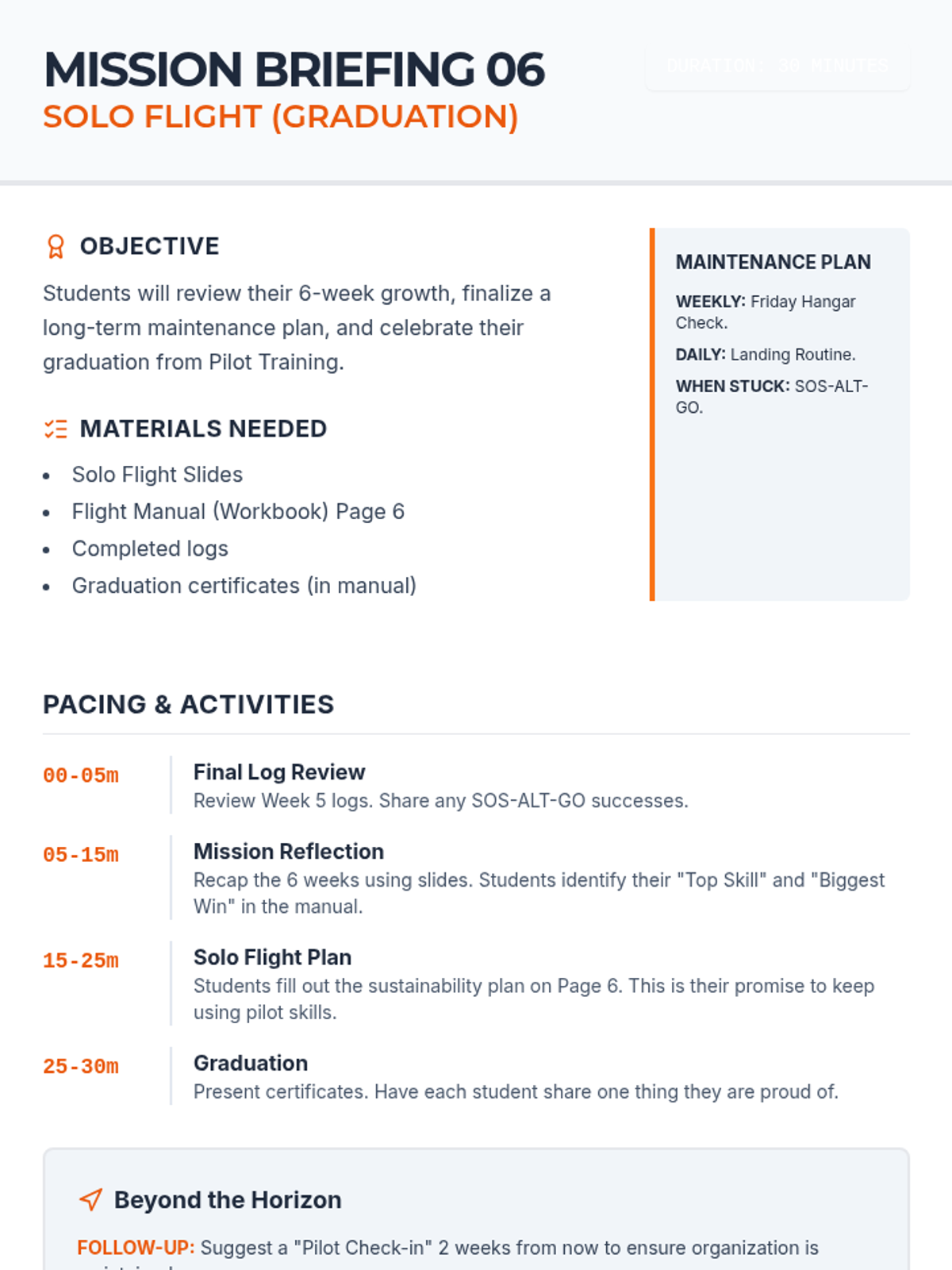
Reviewing all skills and creating a maintenance plan for long-term success.
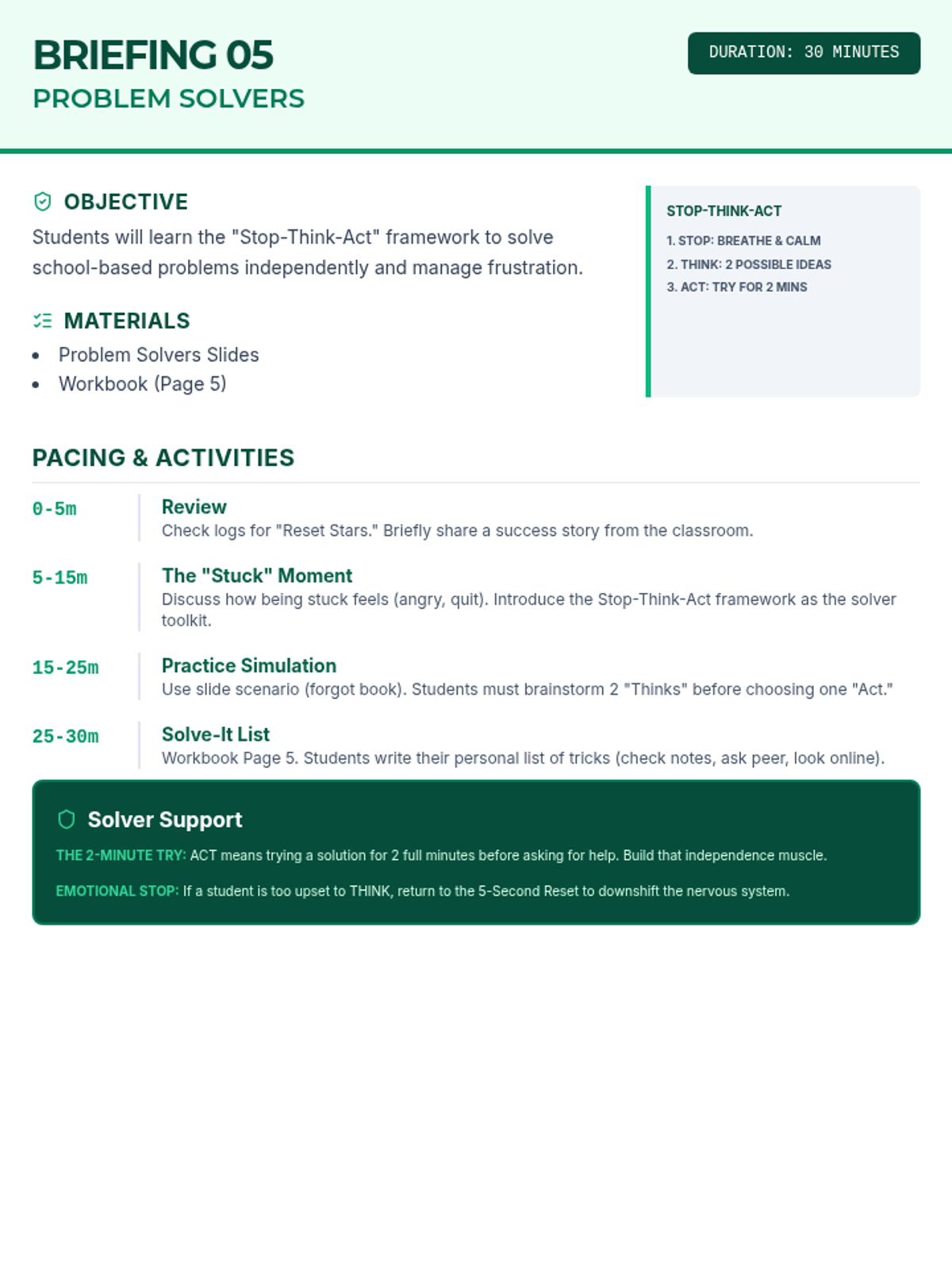
Using a simple 'Stop-Think-Act' framework to solve school-based problems independently.
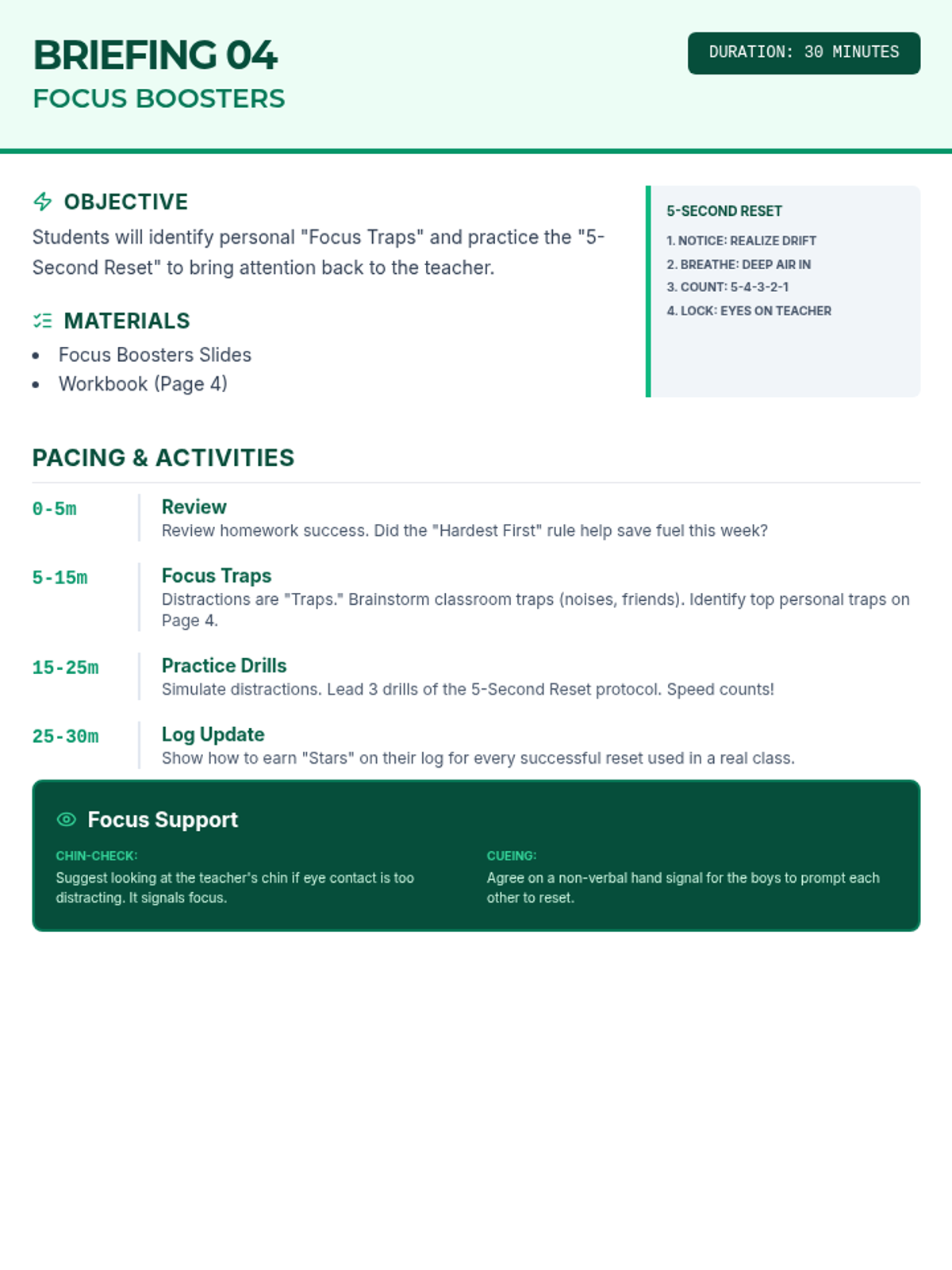
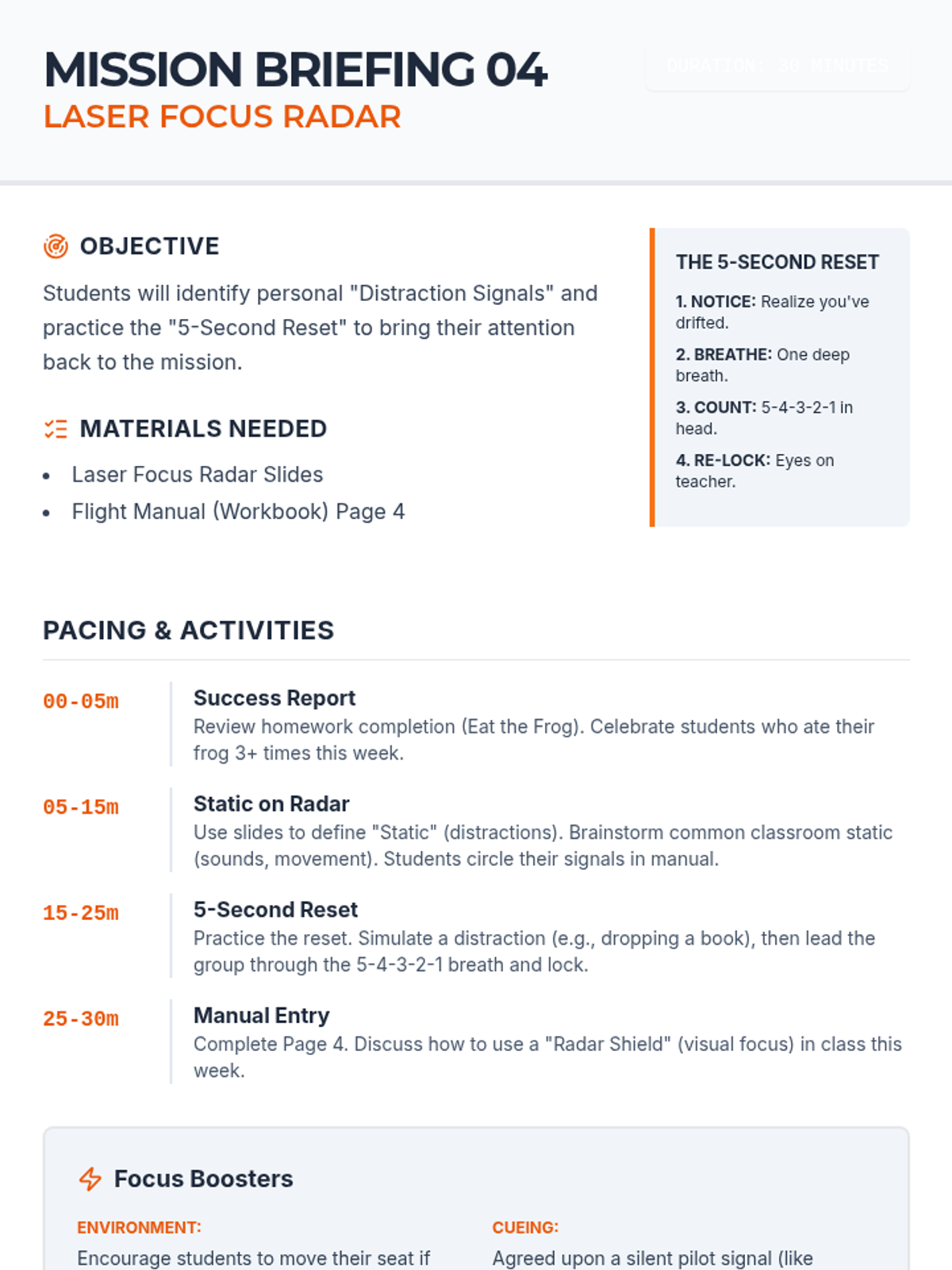
Learning to identify distractions and use focus-boosting strategies to stay on task in class.
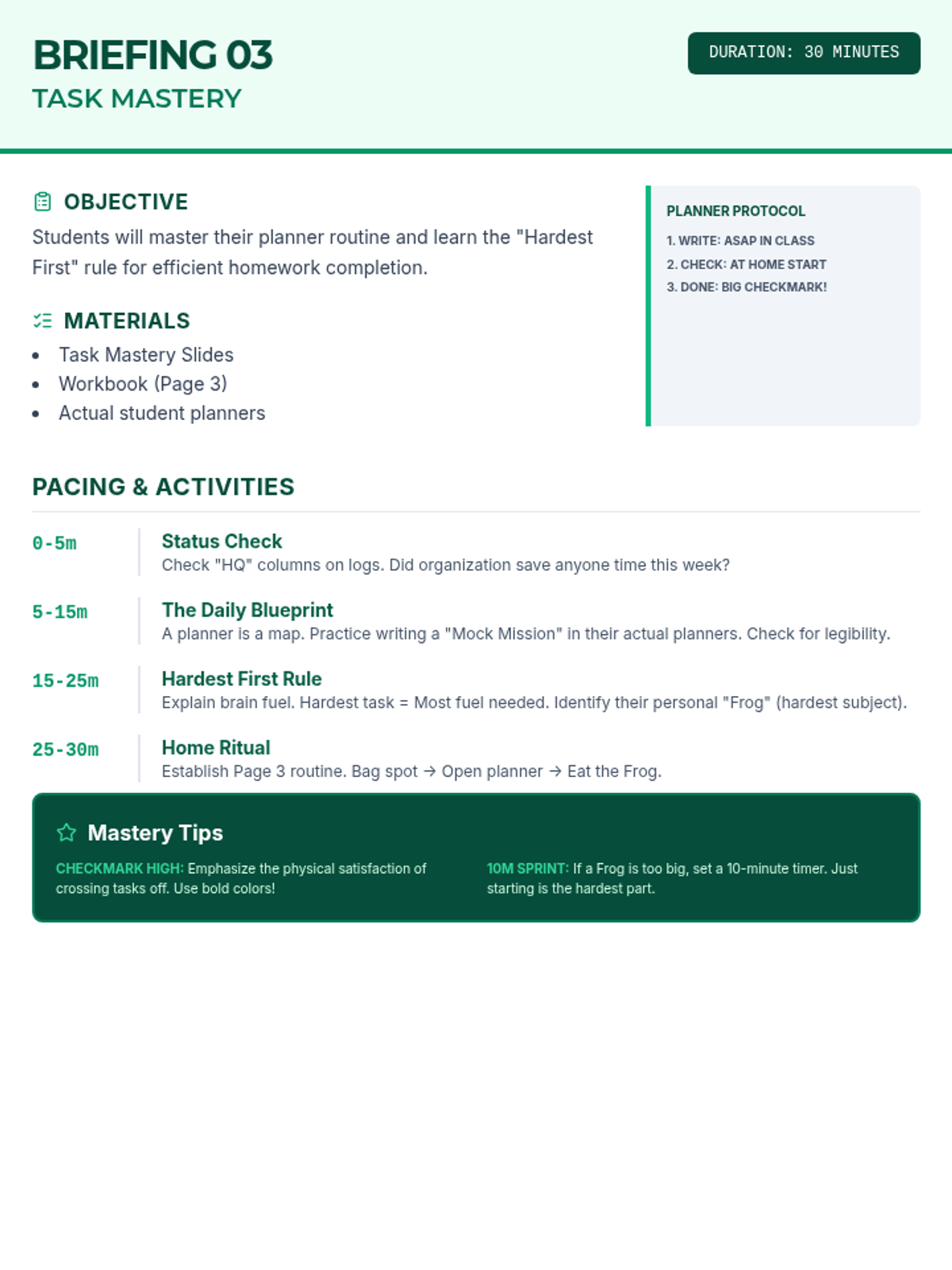
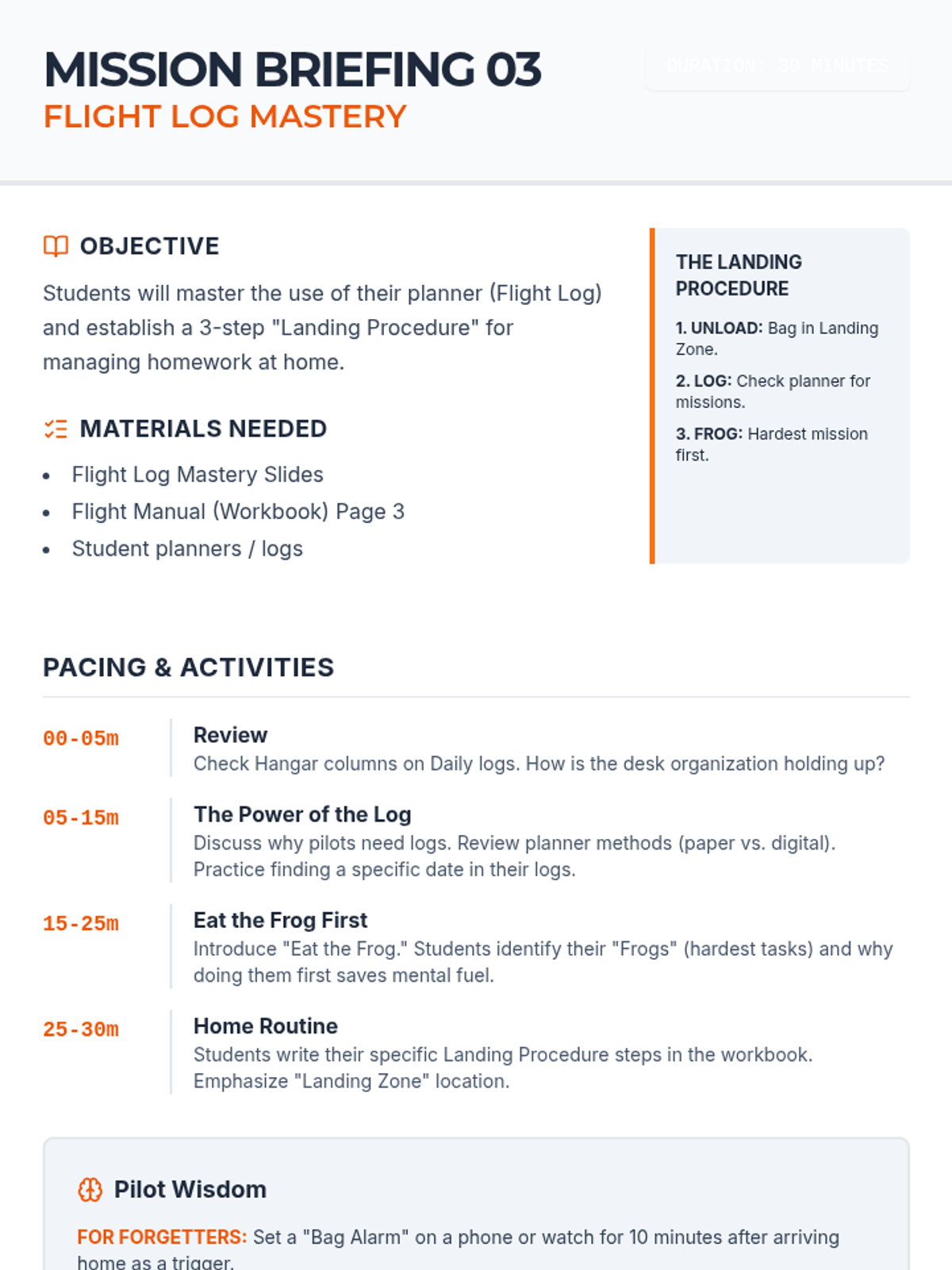
Establishing routines for using planners and checklists to ensure homework completion.
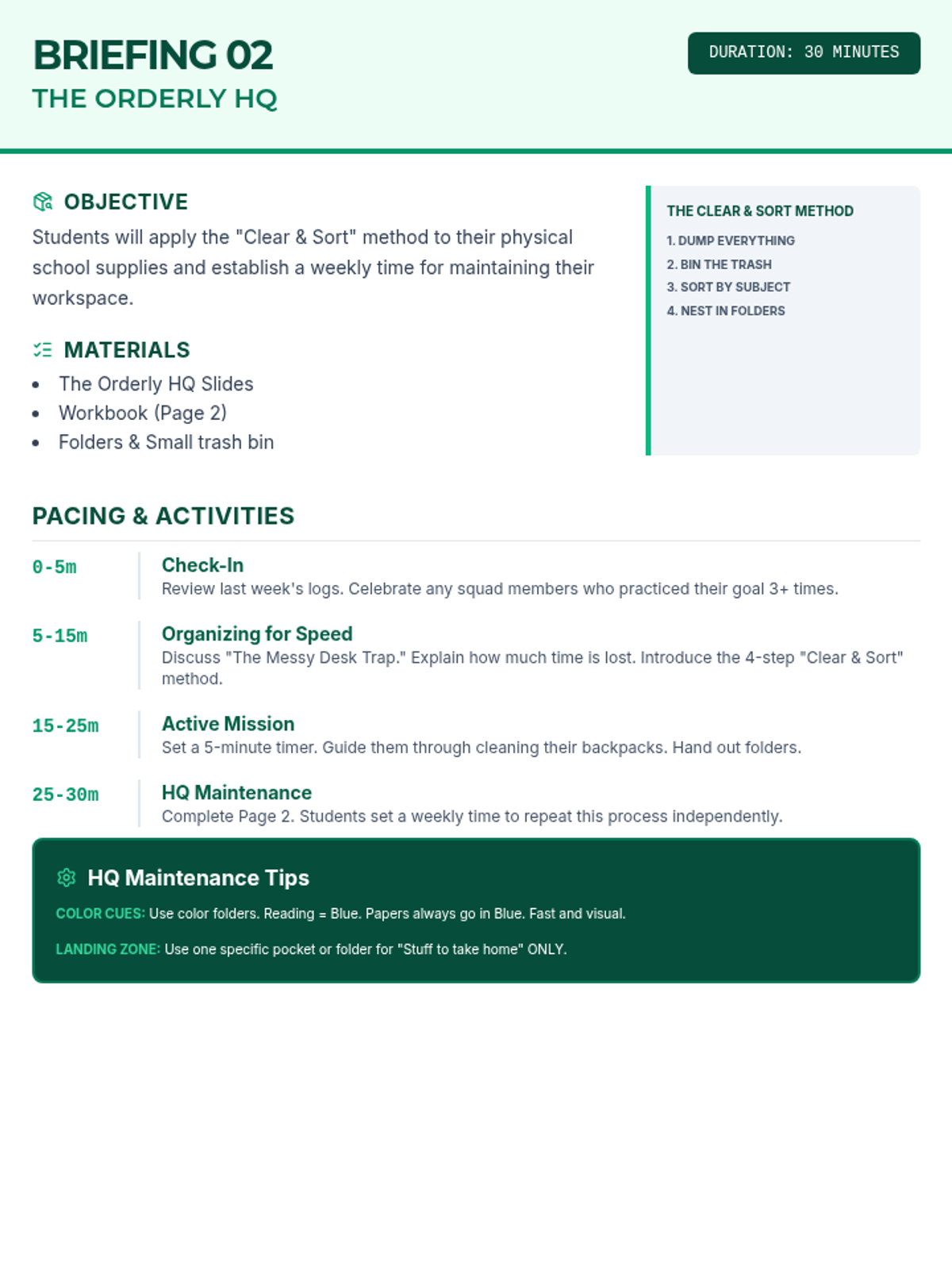
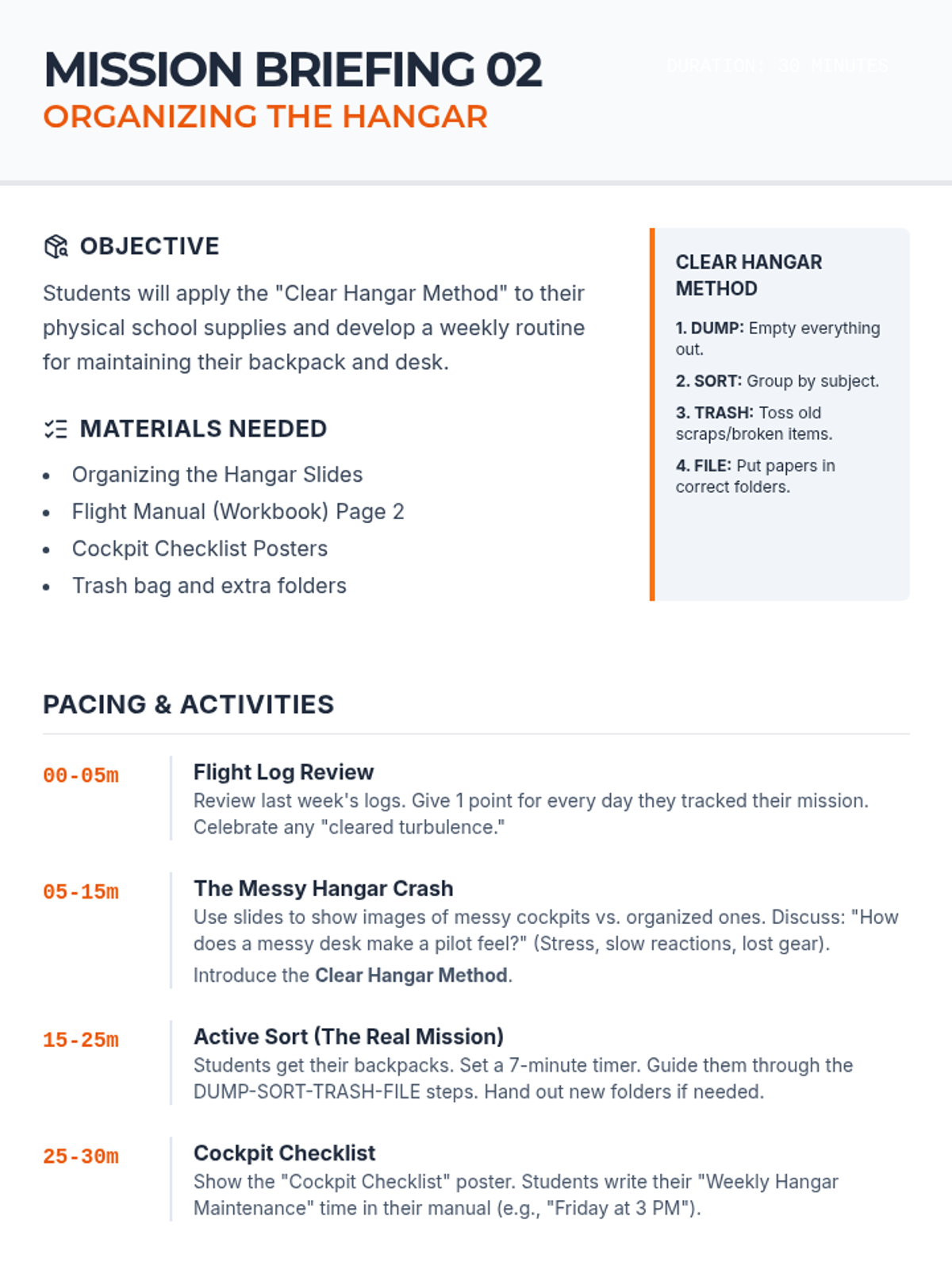
Developing physical organization strategies for desks and backpacks using the 'Clear & Sort' method.
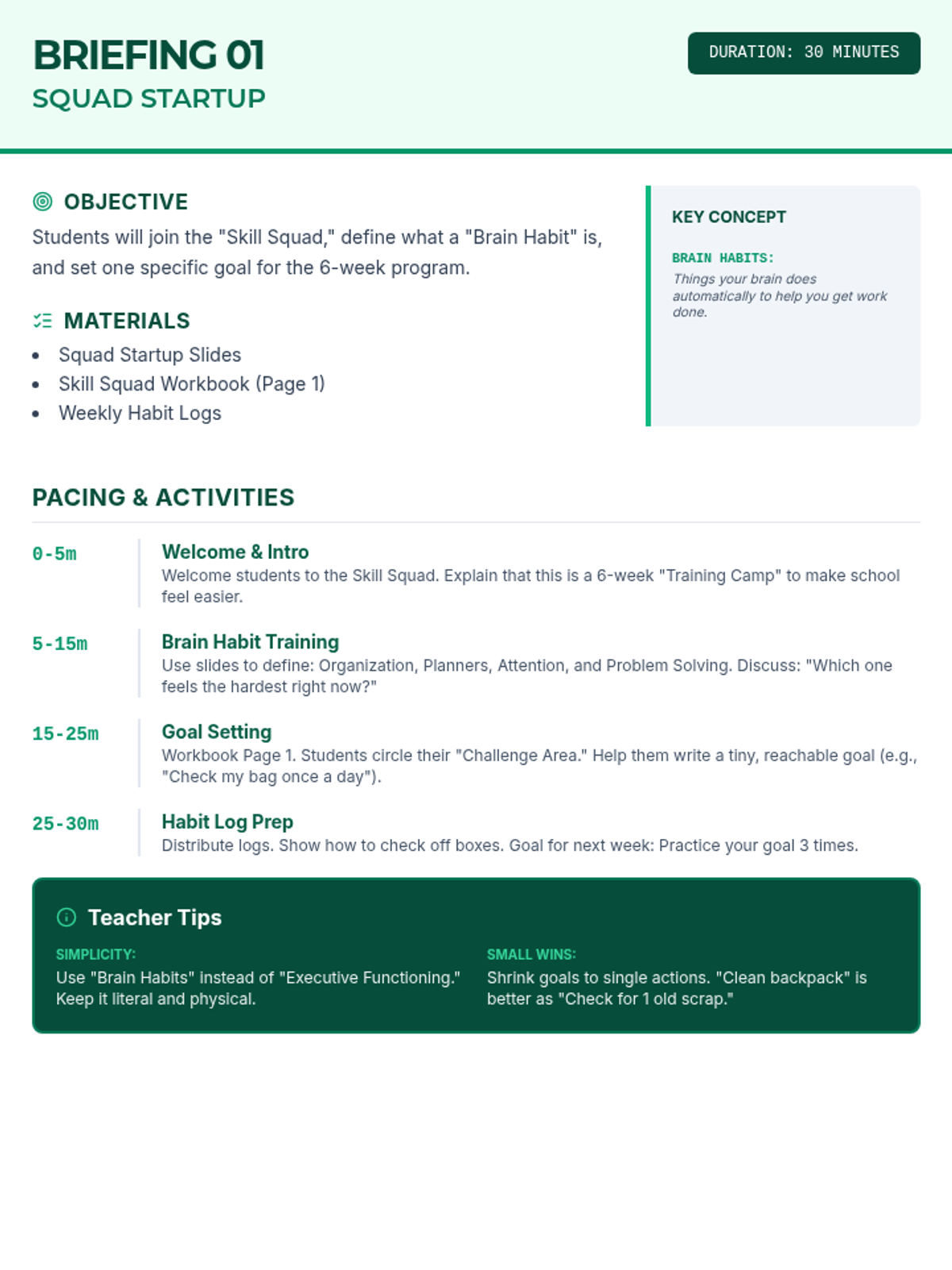
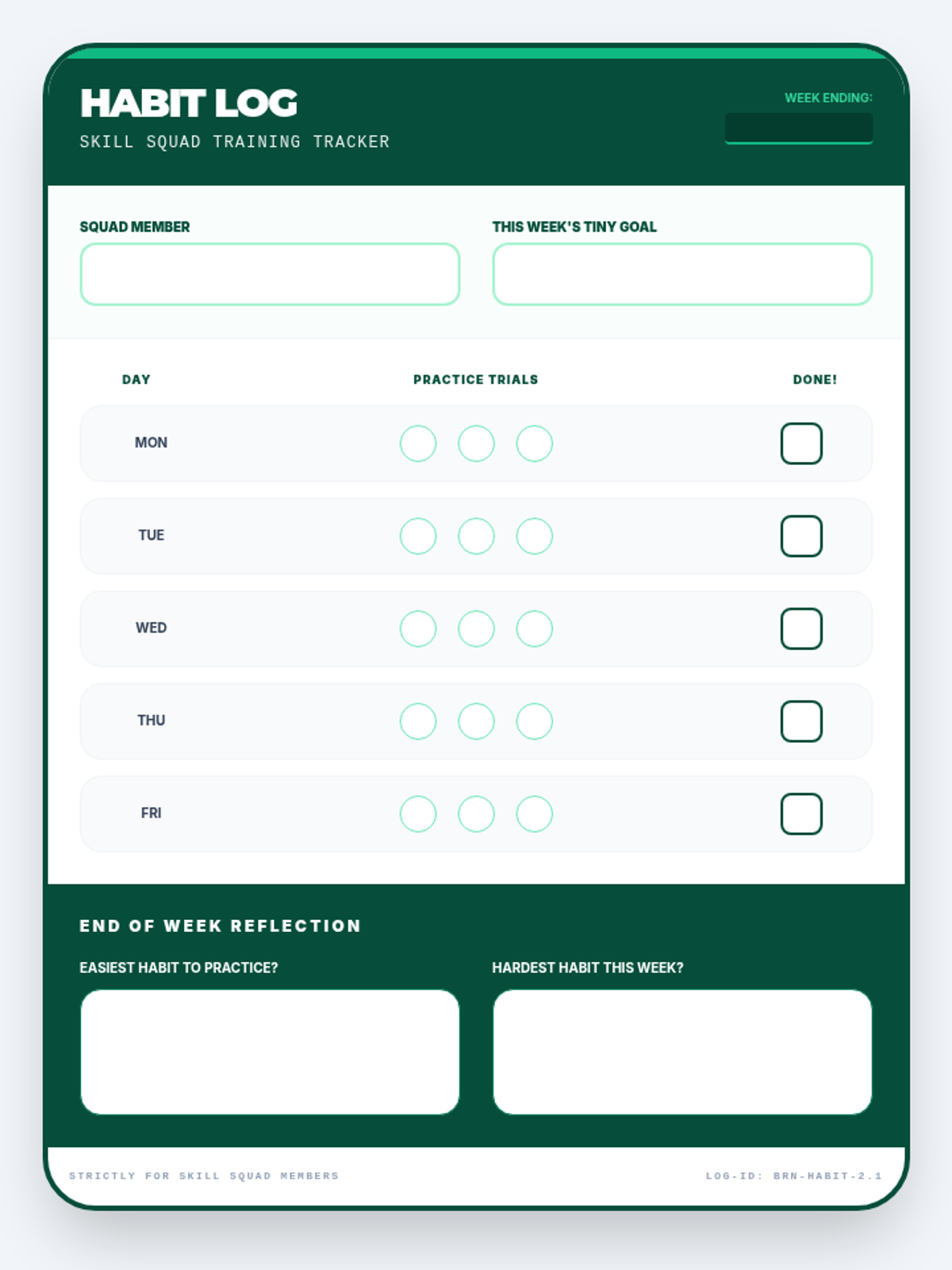
Introduction to the Skill Squad, defining brain habits, and setting personal improvement goals for the 6-week program.
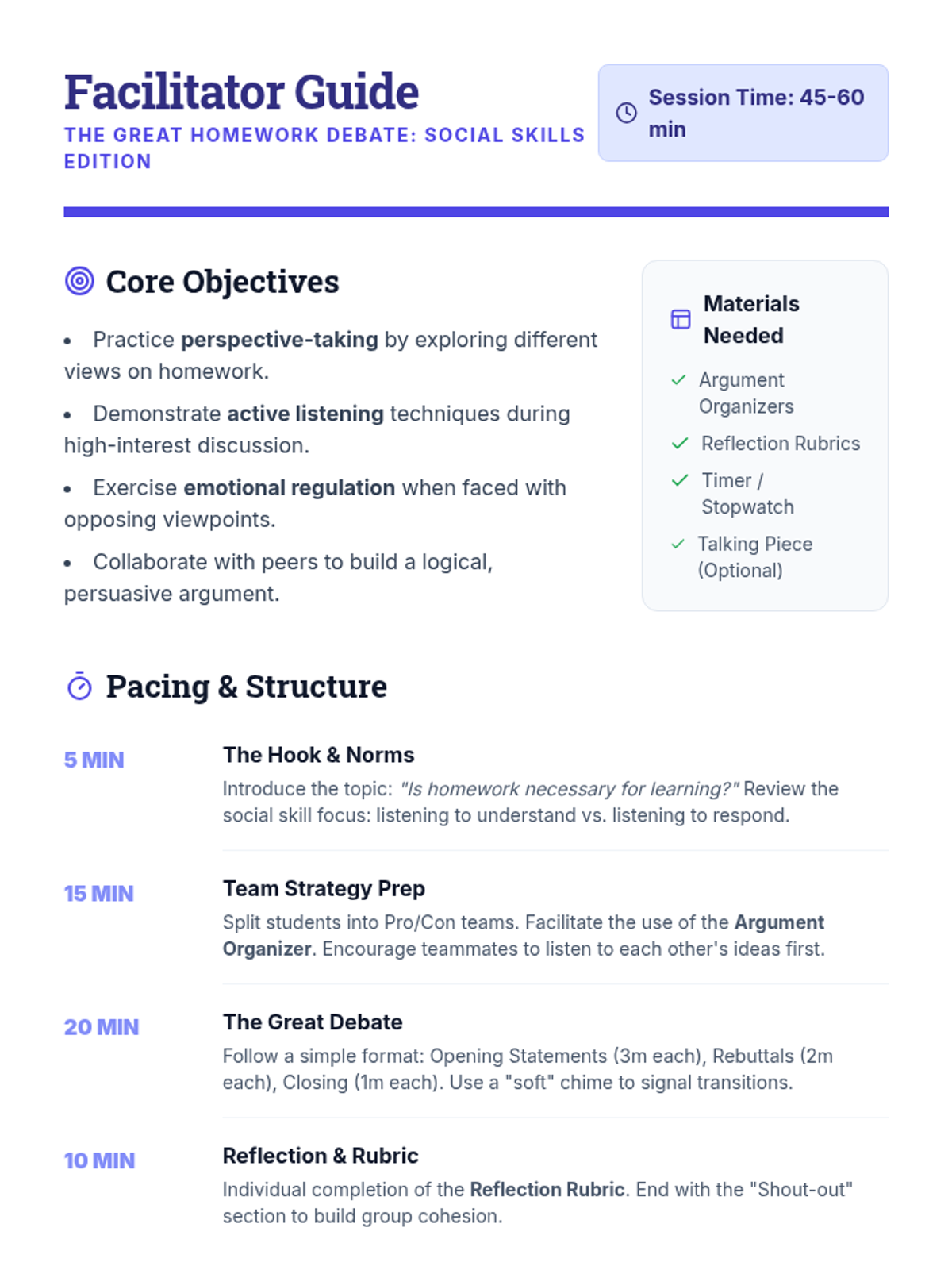
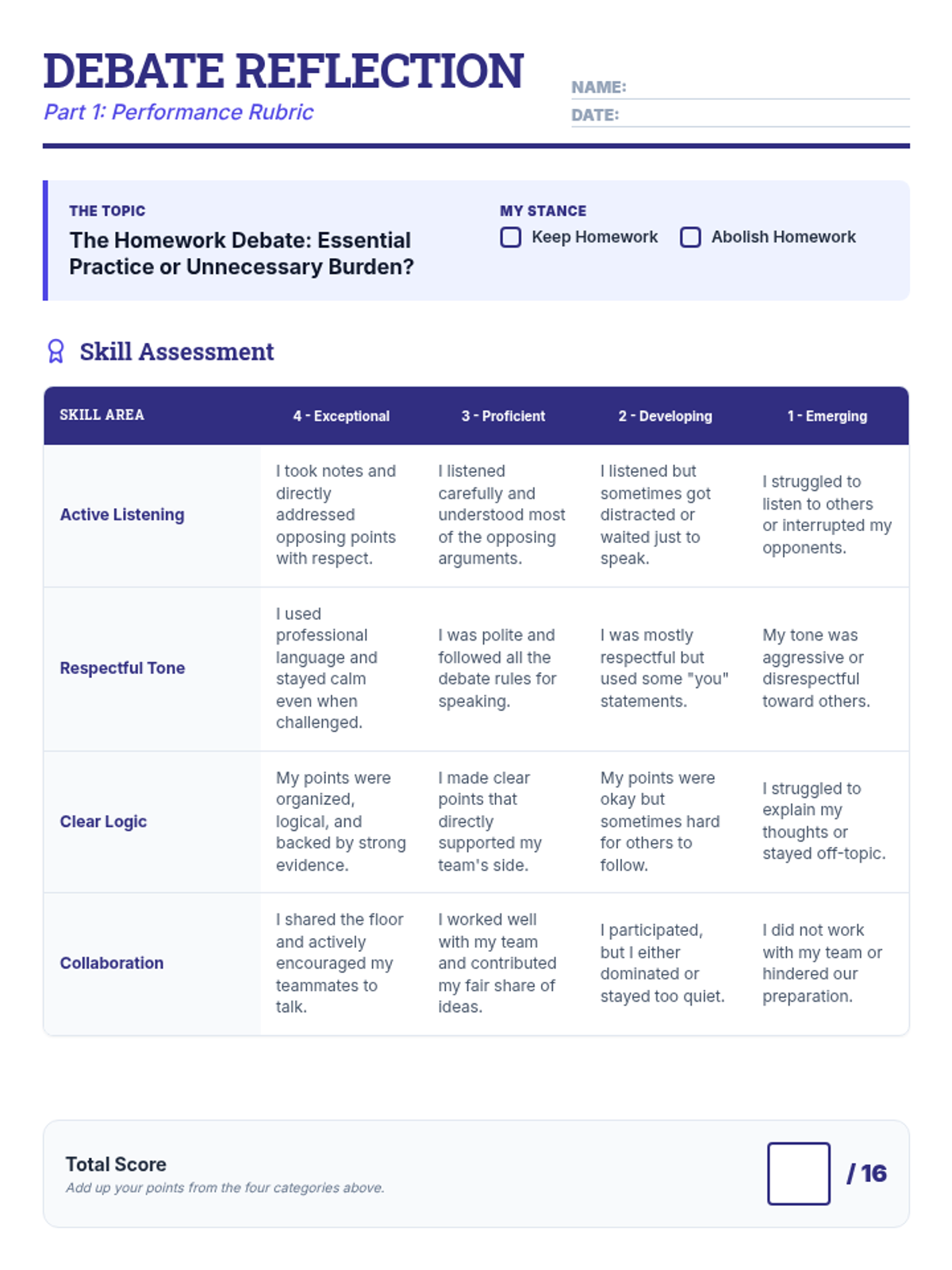
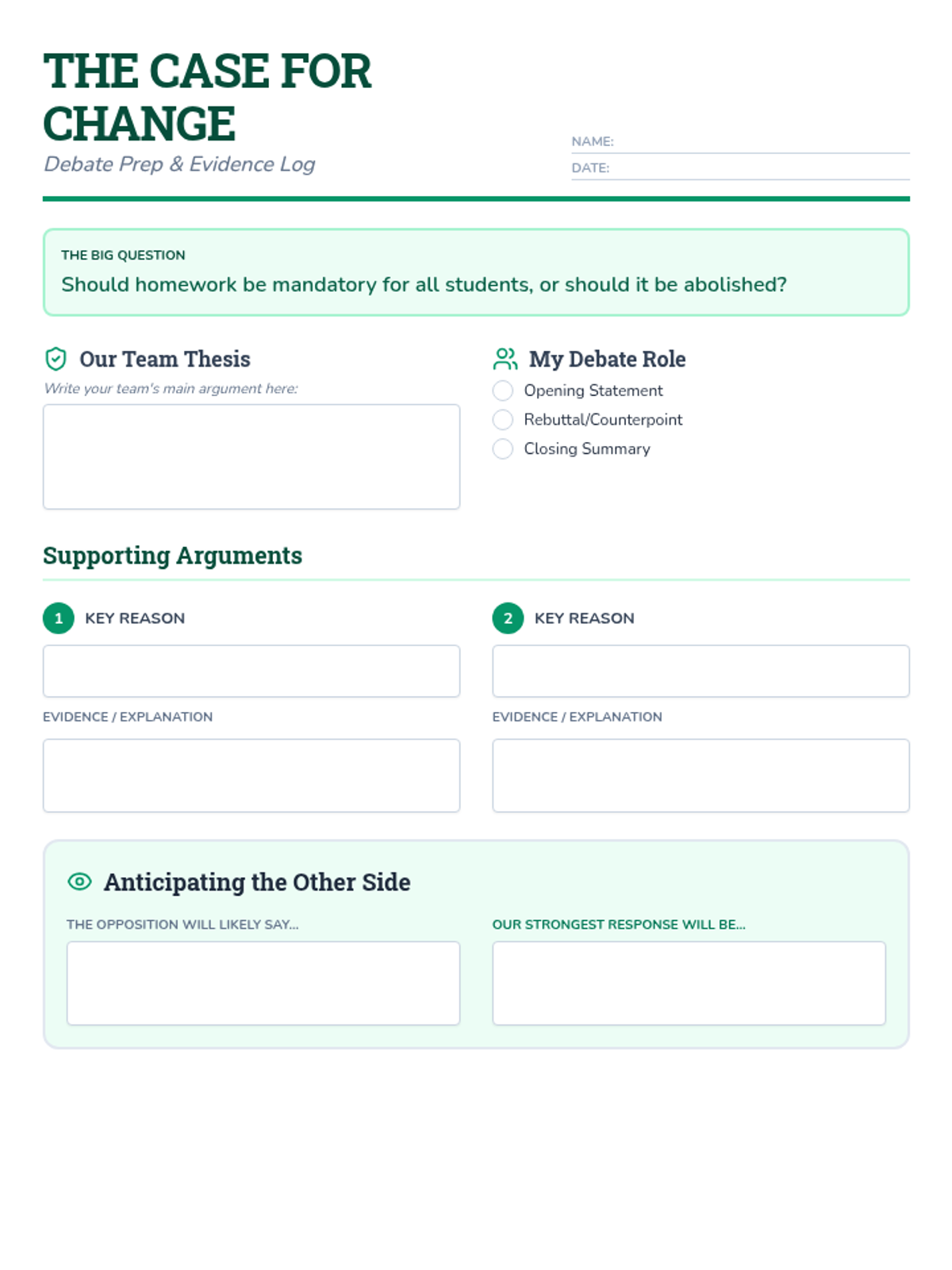
Students participate in a structured debate about the necessity of homework to develop social-emotional skills like active listening, perspective-taking, and respectful disagreement. The lesson provides a comprehensive framework including prep organizers, self-reflection tools, and teacher facilitation strategies.
Reviewing all skills and creating a sustainable long-term maintenance plan for continued success.
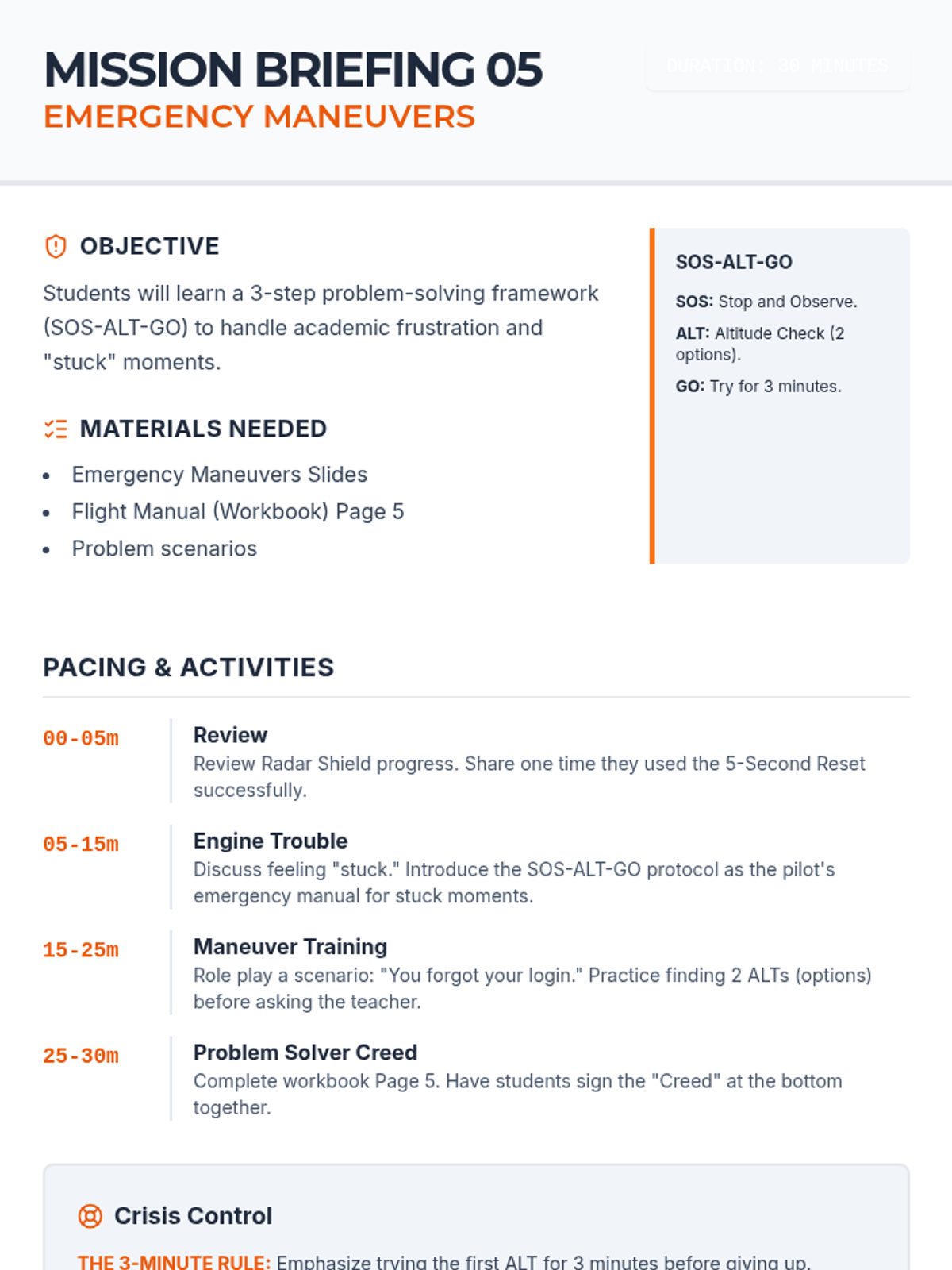
Developing a step-by-step framework for solving school-based problems and managing frustration.
Learning strategies to improve sustained attention and ignore distractions in the classroom environment.
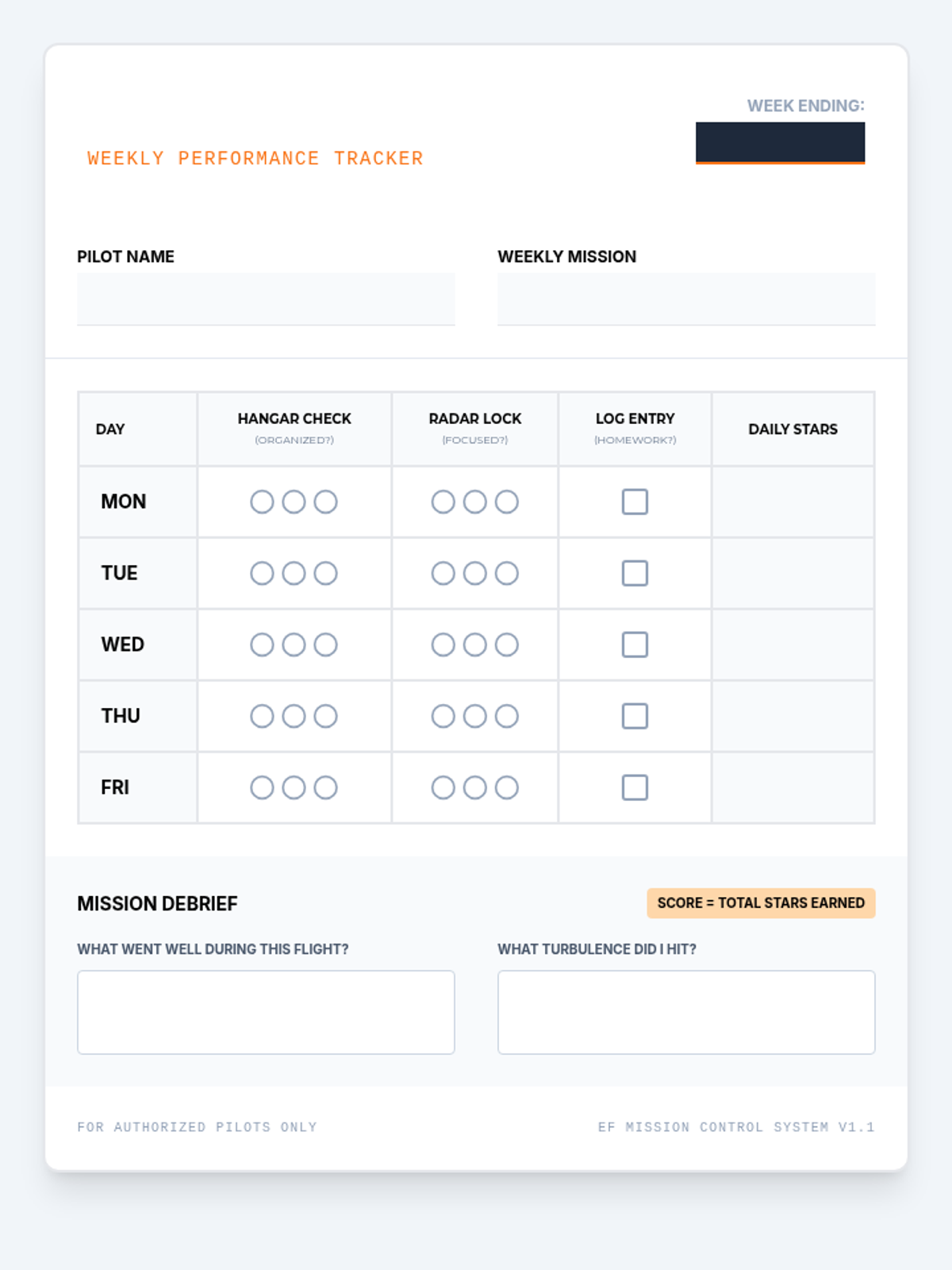
Mastering the use of planners and logs to ensure homework completion and efficient time management.
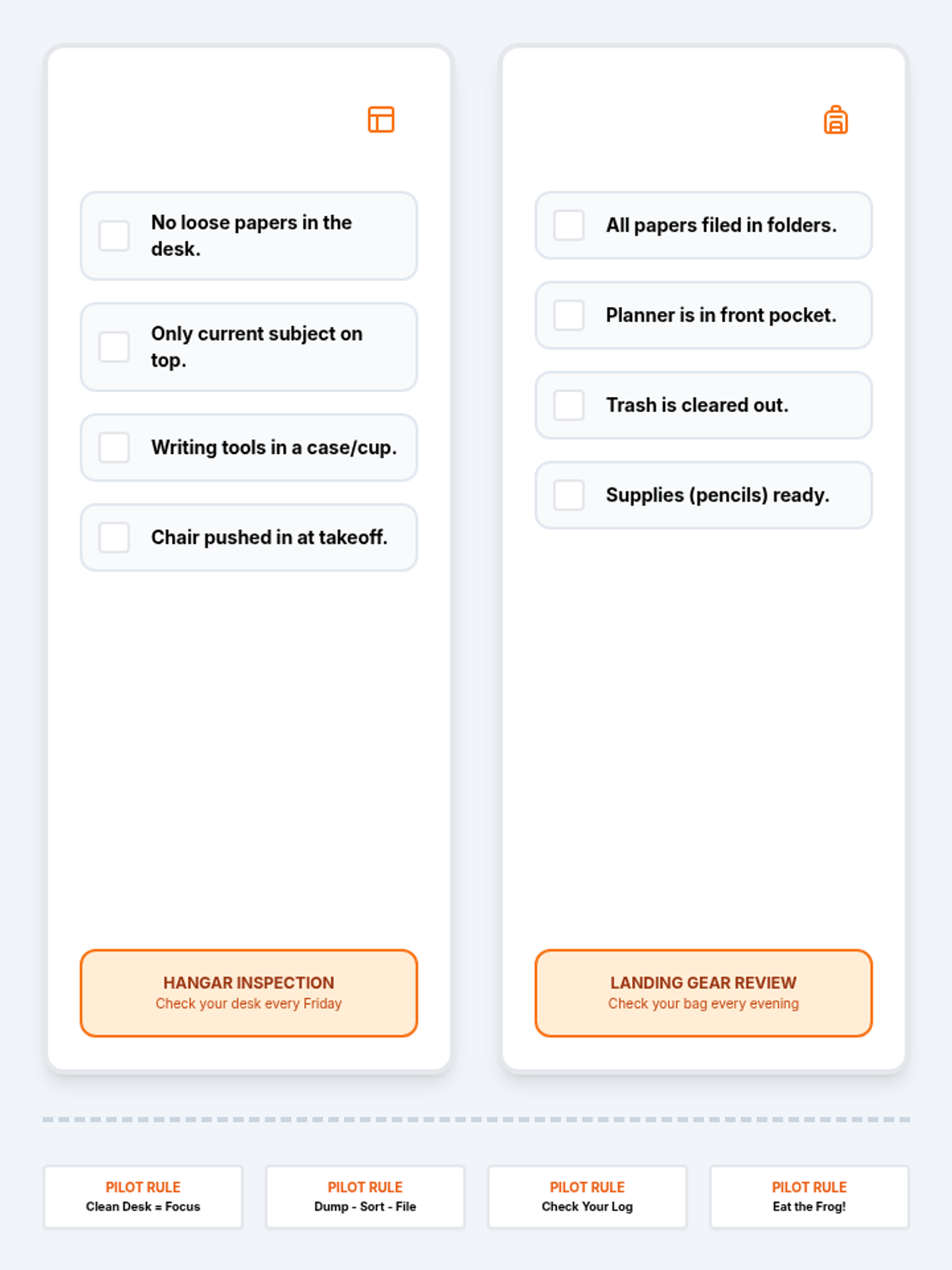
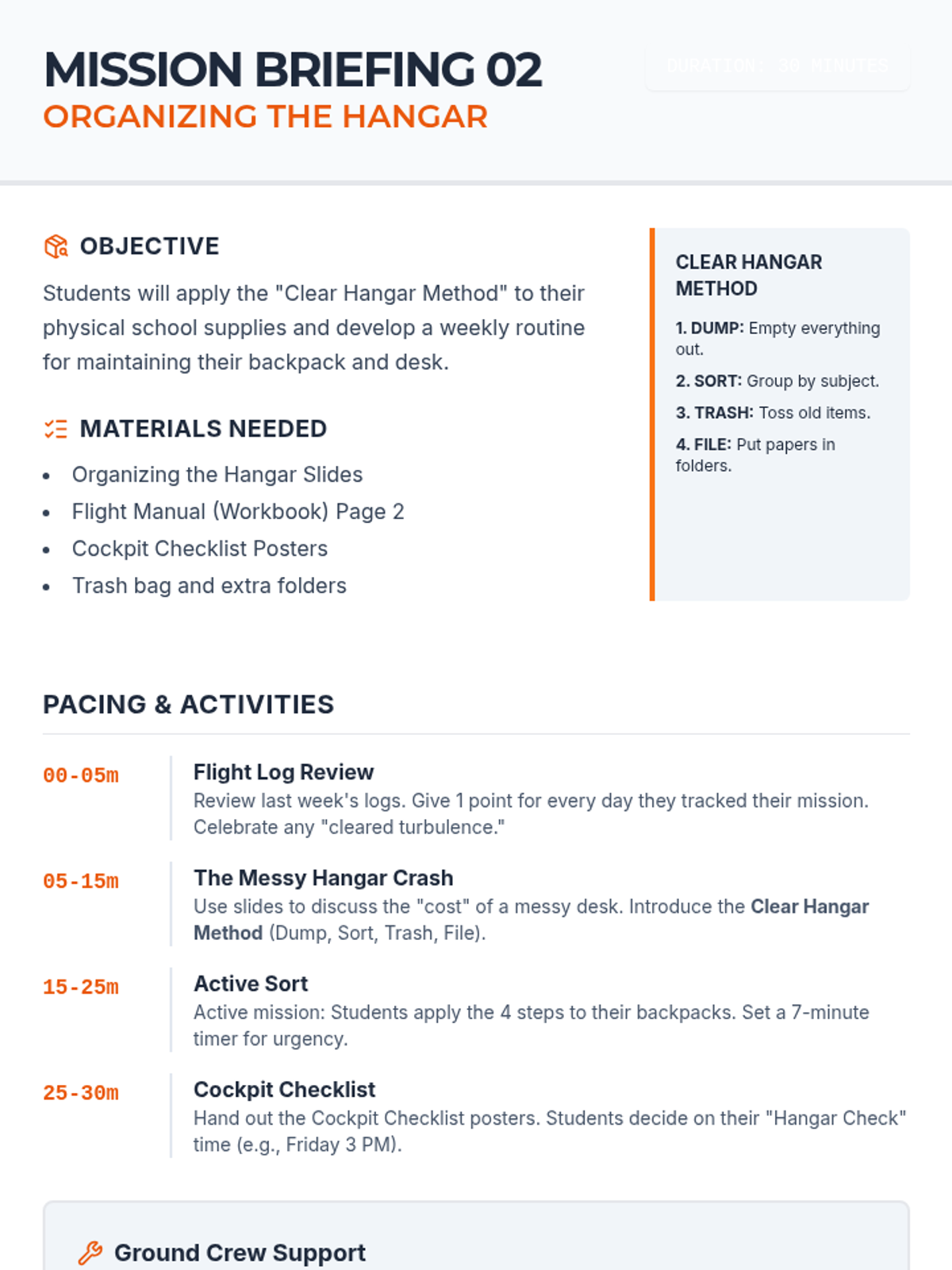
Focusing on physical organization strategies for desks, backpacks, and personal spaces using the 'Clear Hangar' method.
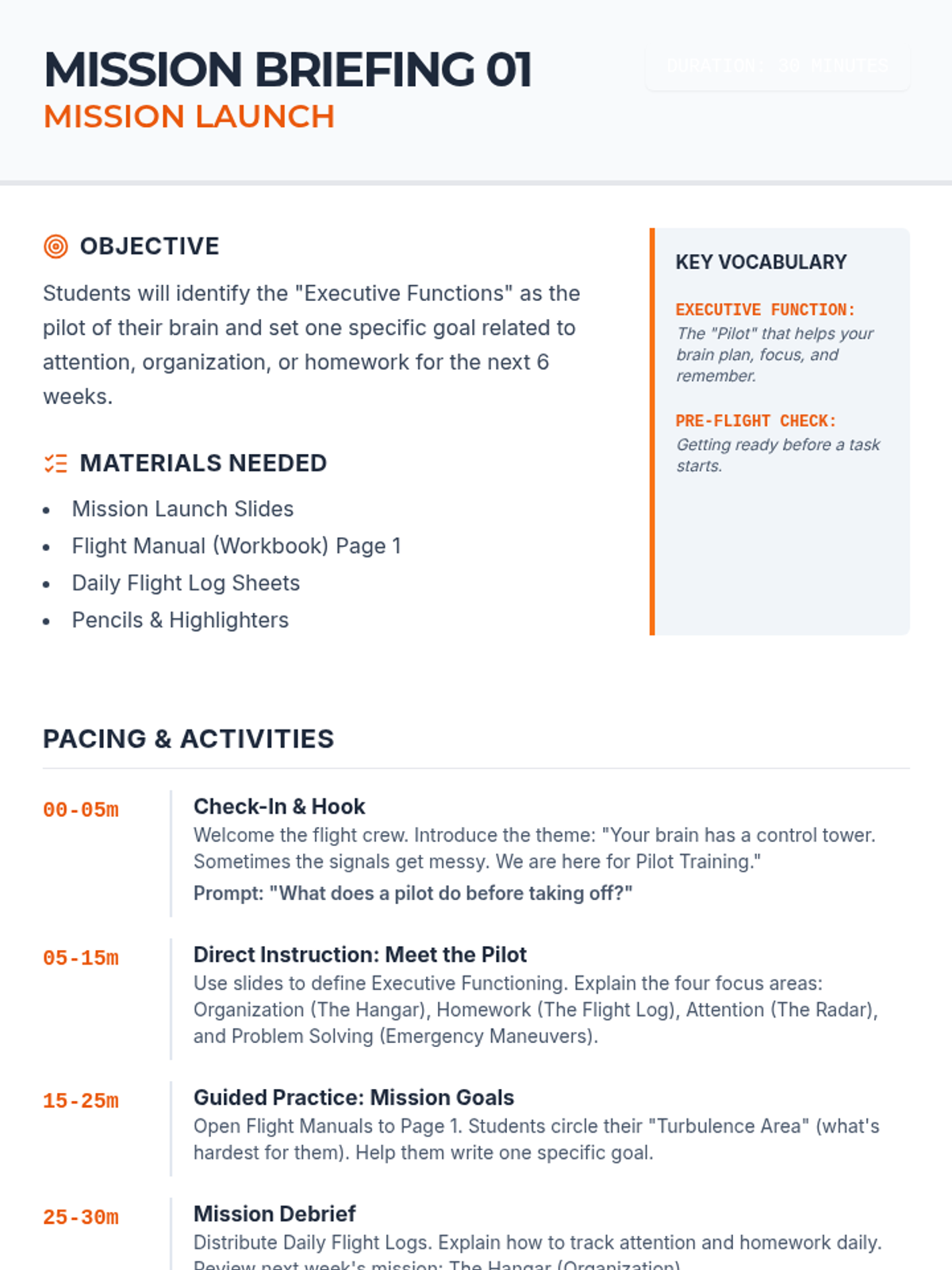
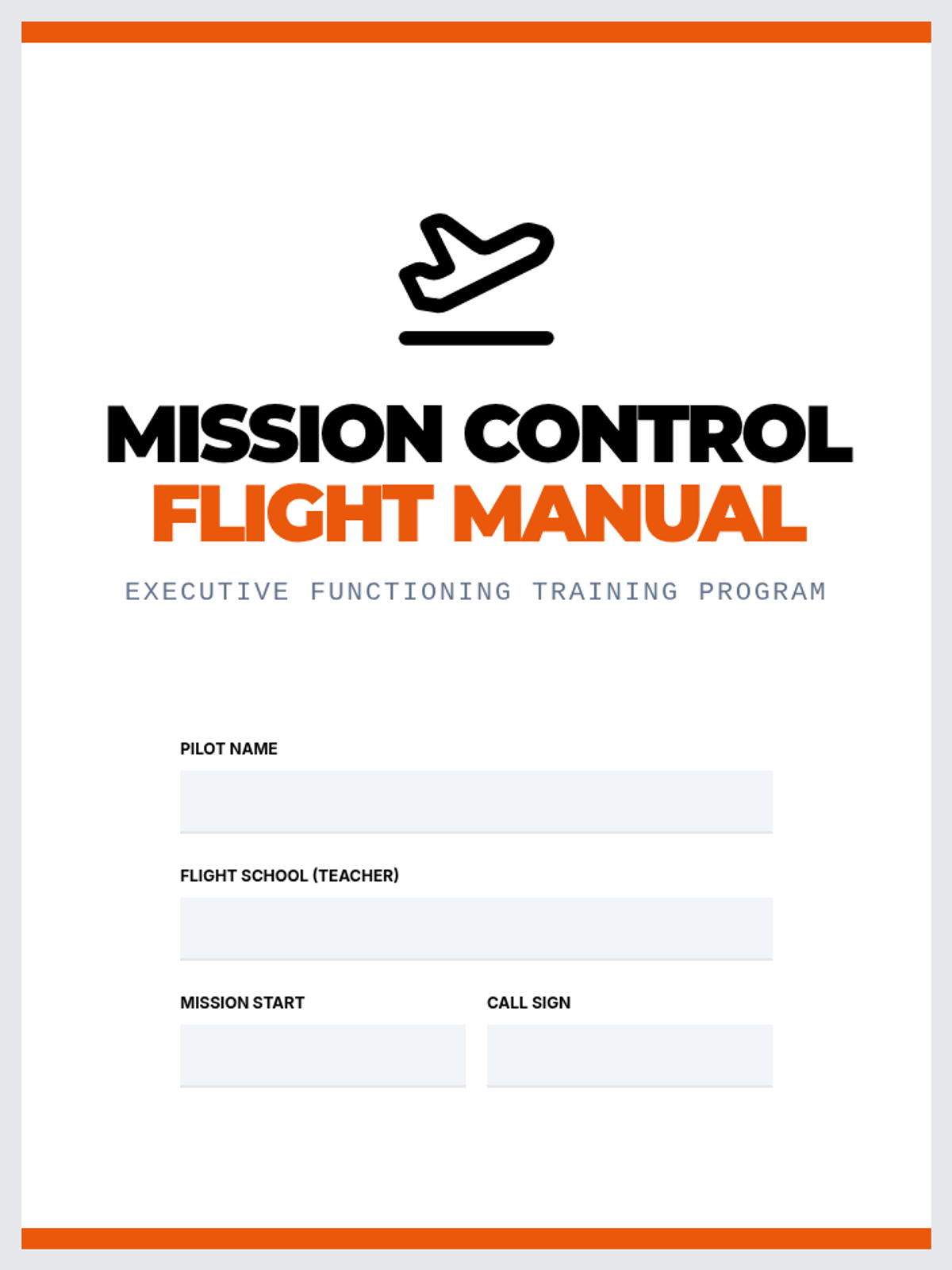
Introduction to executive functioning as the 'brain's pilot' and setting personal mission goals for the 6-week program.