A hands-on dramatic play lesson for preschoolers (ages 2-4) focused on exploring home mealtime routines and comparing them to school meals. Kids will engage in role-play using a play kitchen and dining area to build social and language skills.
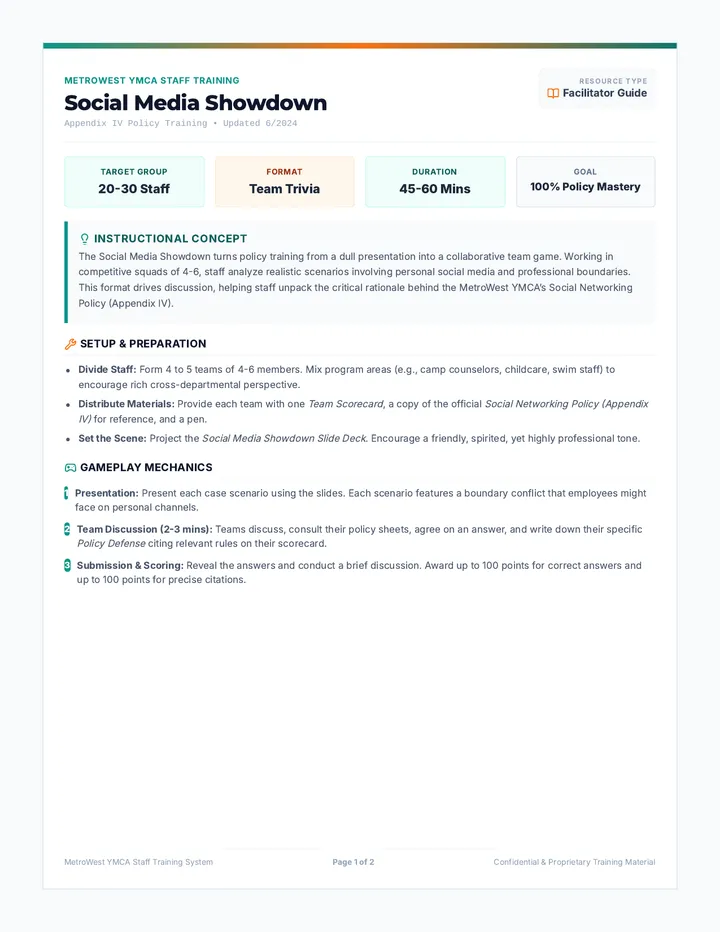
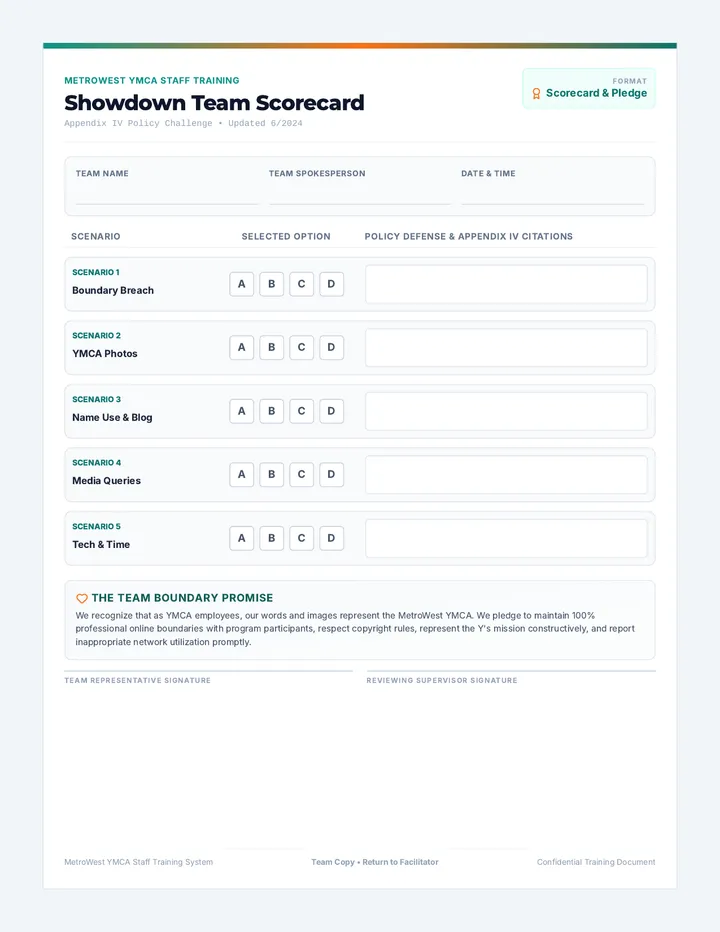
A high-energy, collaborative staff training session built around a competitive trivia game. Staff work in teams to analyze realistic scenarios and master MetroWest YMCA's Social Networking Policy (Appendix IV, Updated 6/2024), emphasizing child safety, professional boundaries, and brand protection.
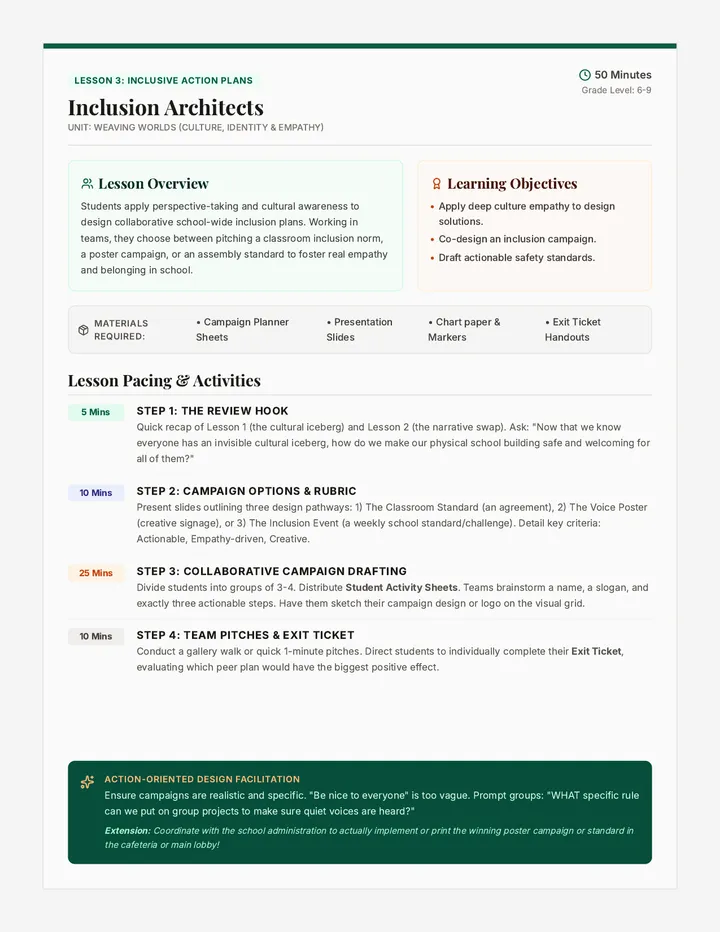
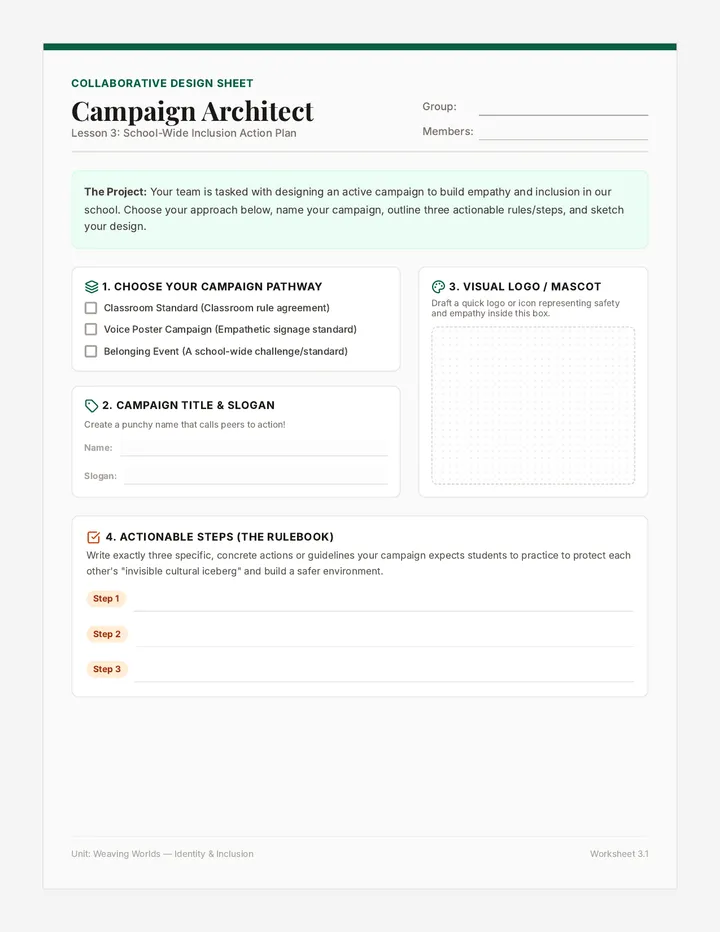
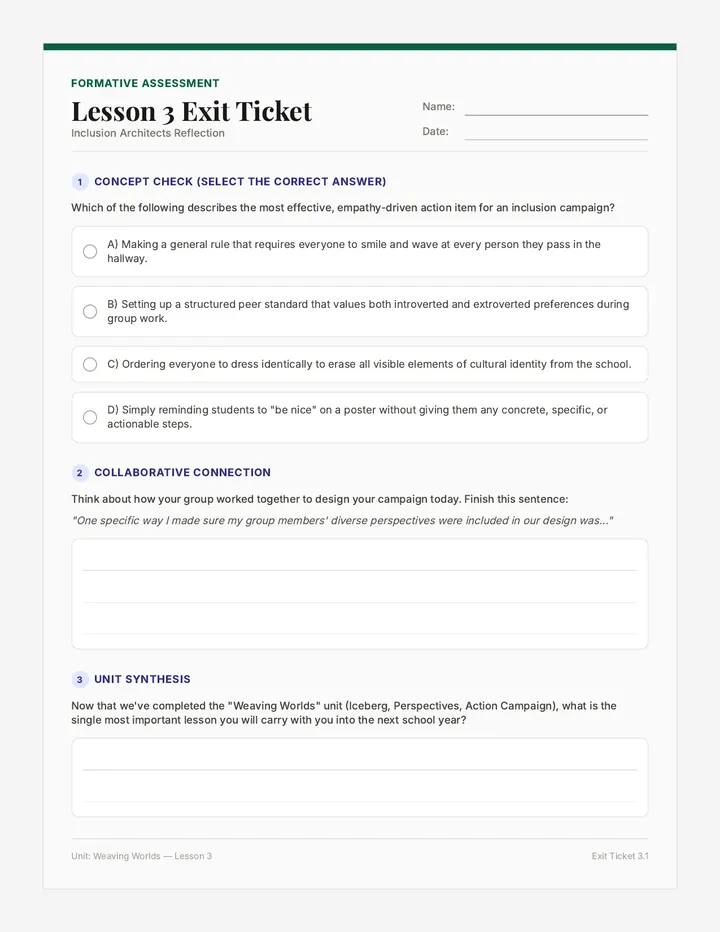
Students apply their deep listening and empathy skills to design a school-wide inclusion campaign or classroom standard, designing collaborative action items.
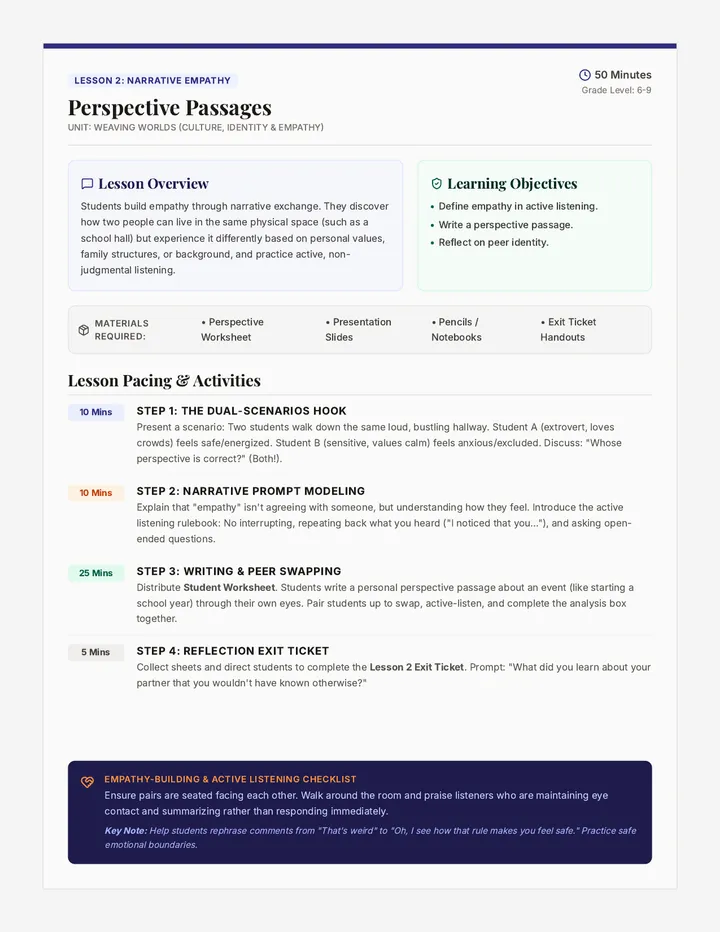
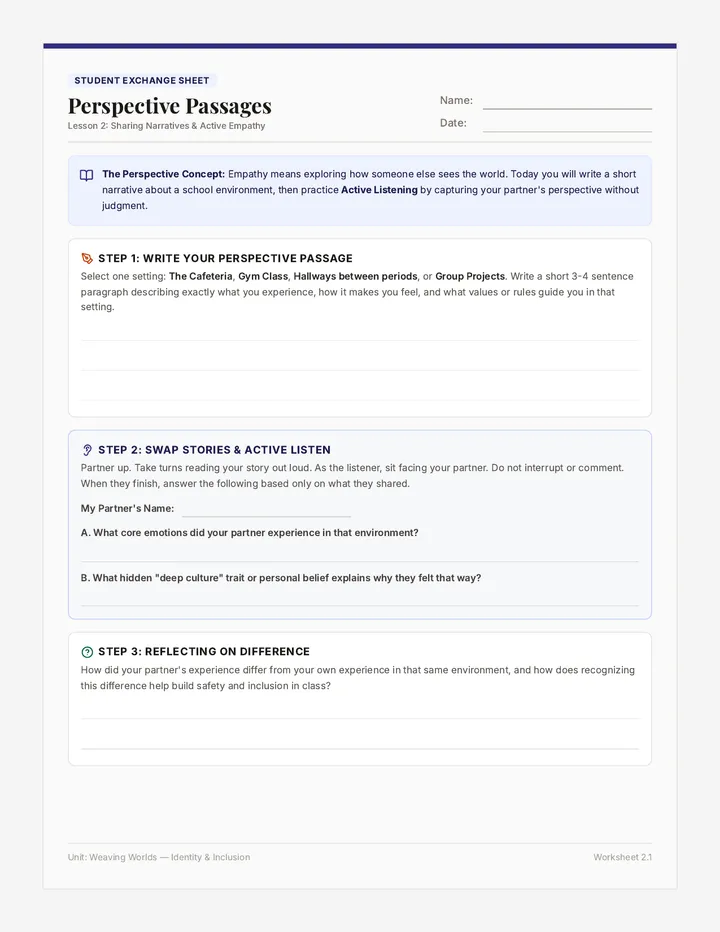
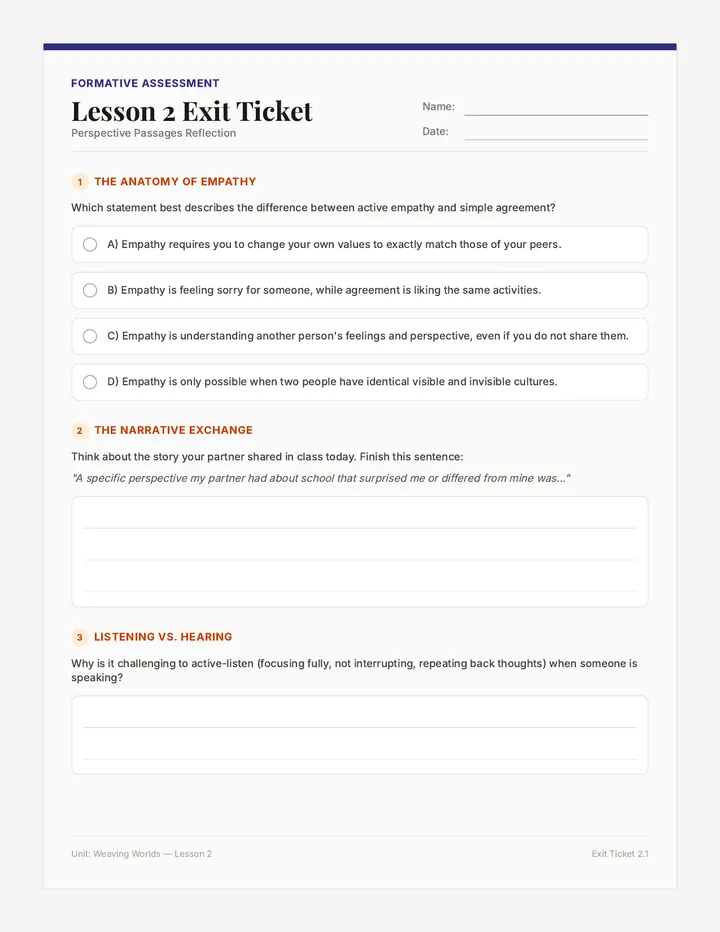
Students engage in active empathy and narrative exchange, analyzing how personal experiences and cultural backgrounds shape our perspectives of shared environments.
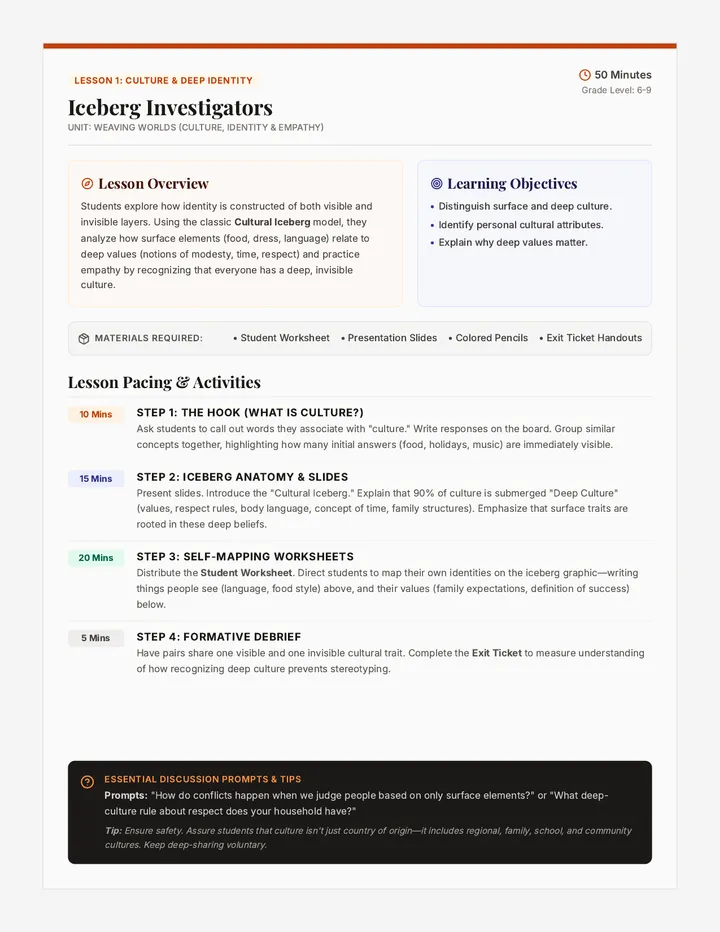
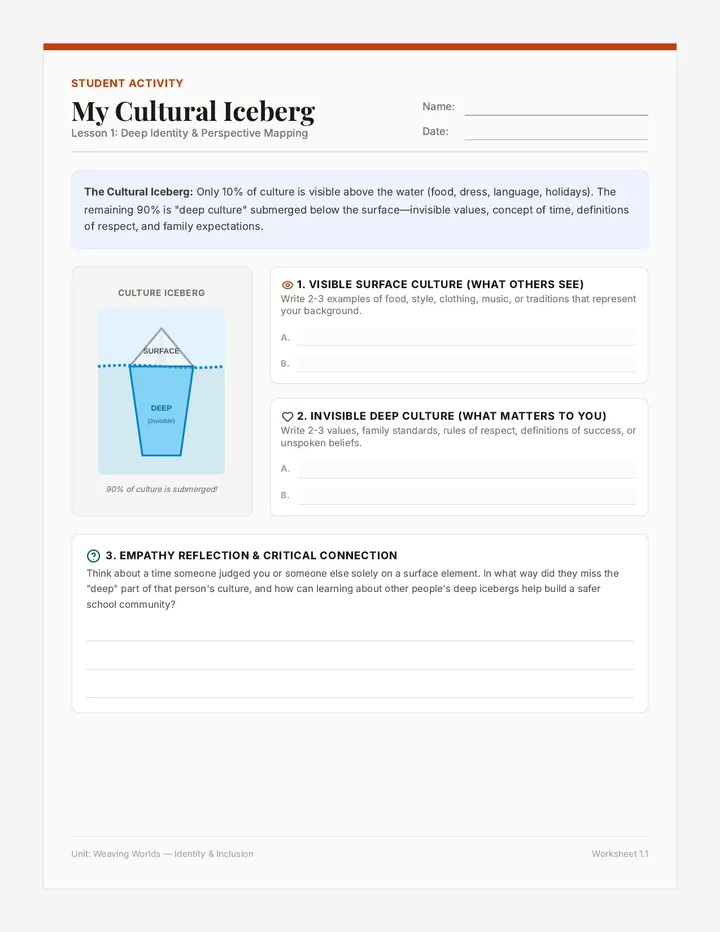
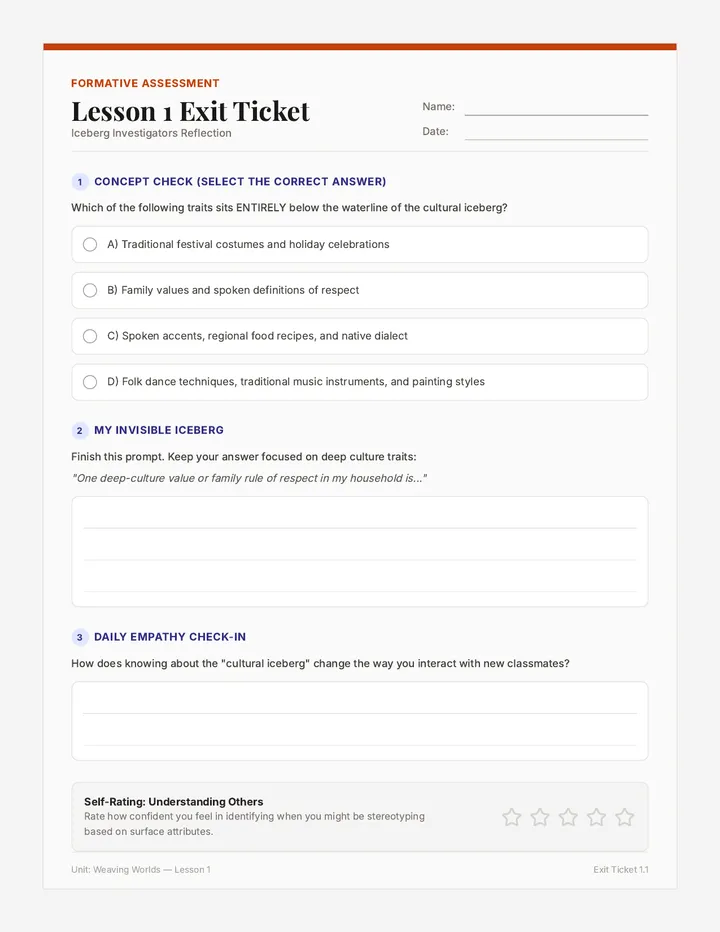
Students explore the concept of the cultural iceberg, distinguishing between visible elements of culture and deep, invisible values, to recognize the richness of identity.
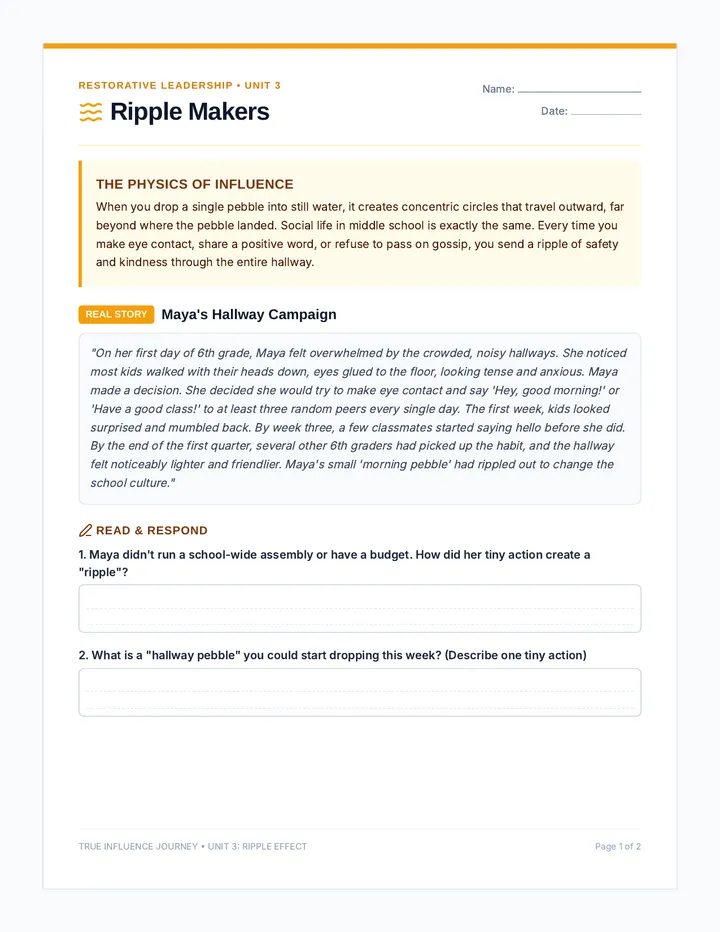
Focuses on creating a sustainable positive culture through daily small actions, prompting students to track their leadership and reflect on how positive behavior spreads. Features read-and-respond profiles of real student leaders.
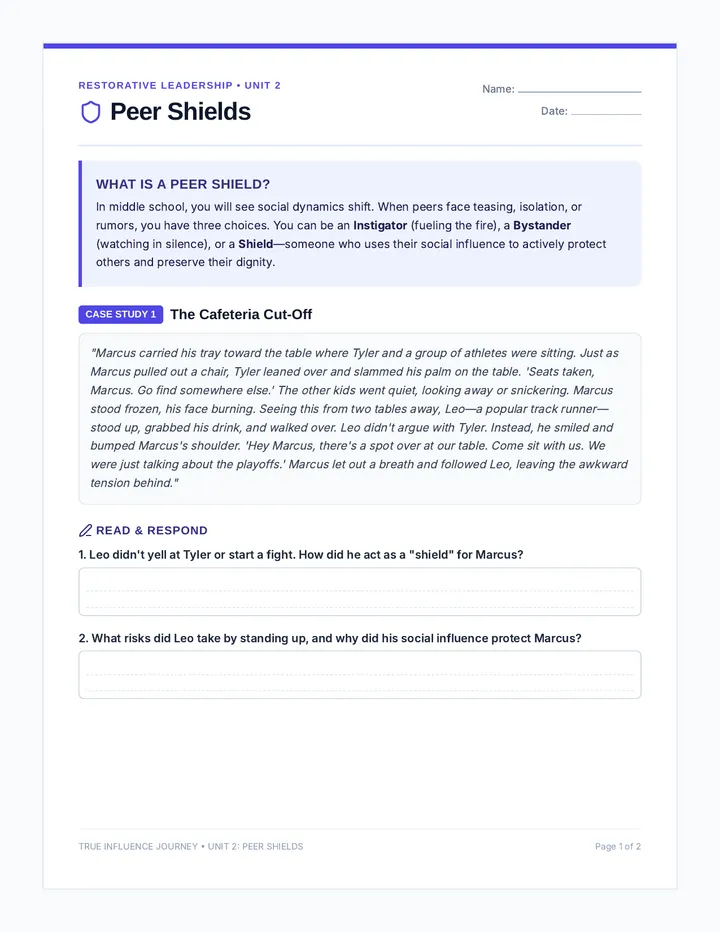
Students explore what it means to be a 'shield' for peers in middle school rather than a passive bystander or an instigator. Features narrative read-and-respond case studies on standing up to social exclusion and rumors.
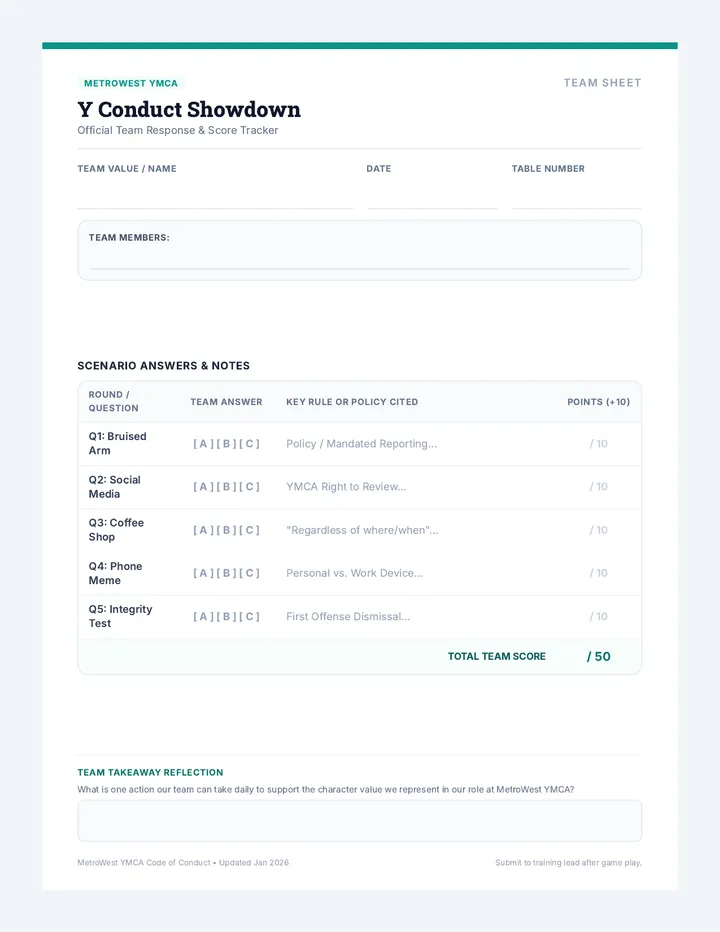
A interactive, high-energy staff training lesson designed to review the MetroWest YMCA Code of Conduct (Appendix I) through active team play and situational analysis.
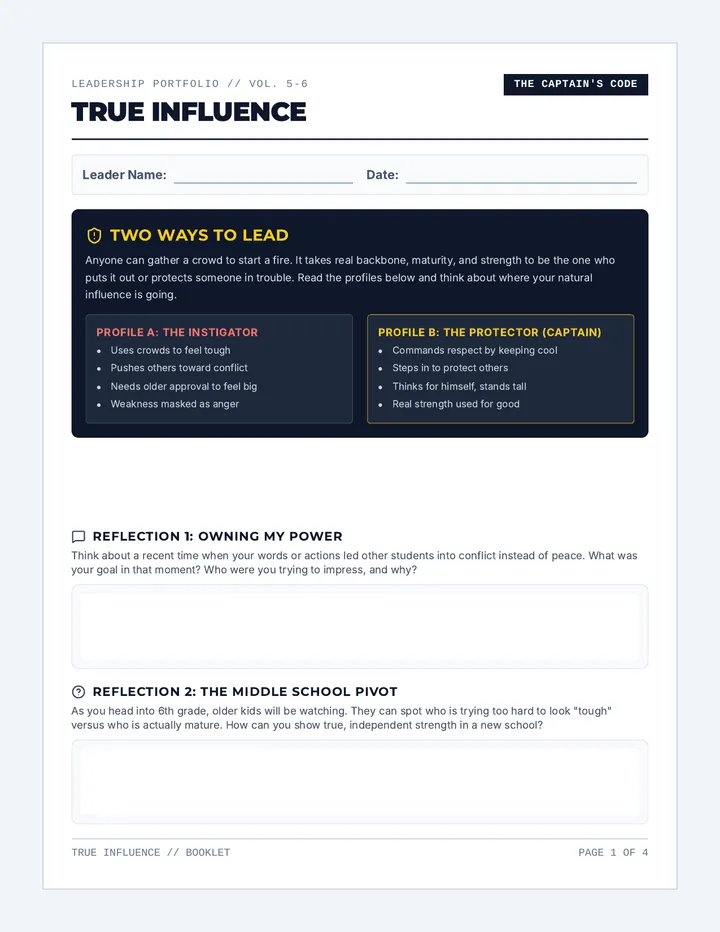
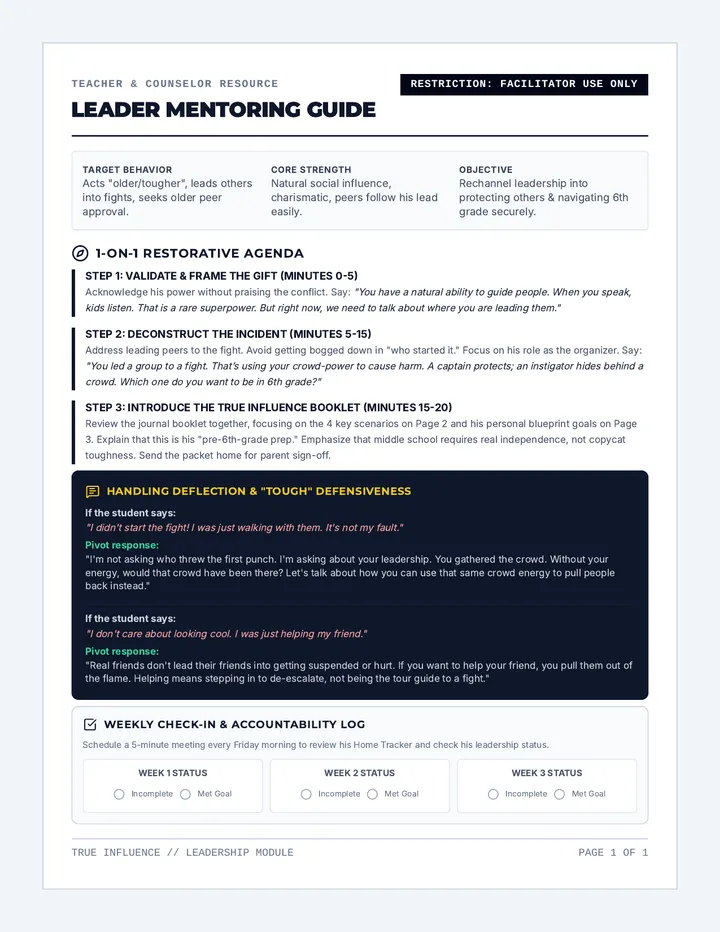
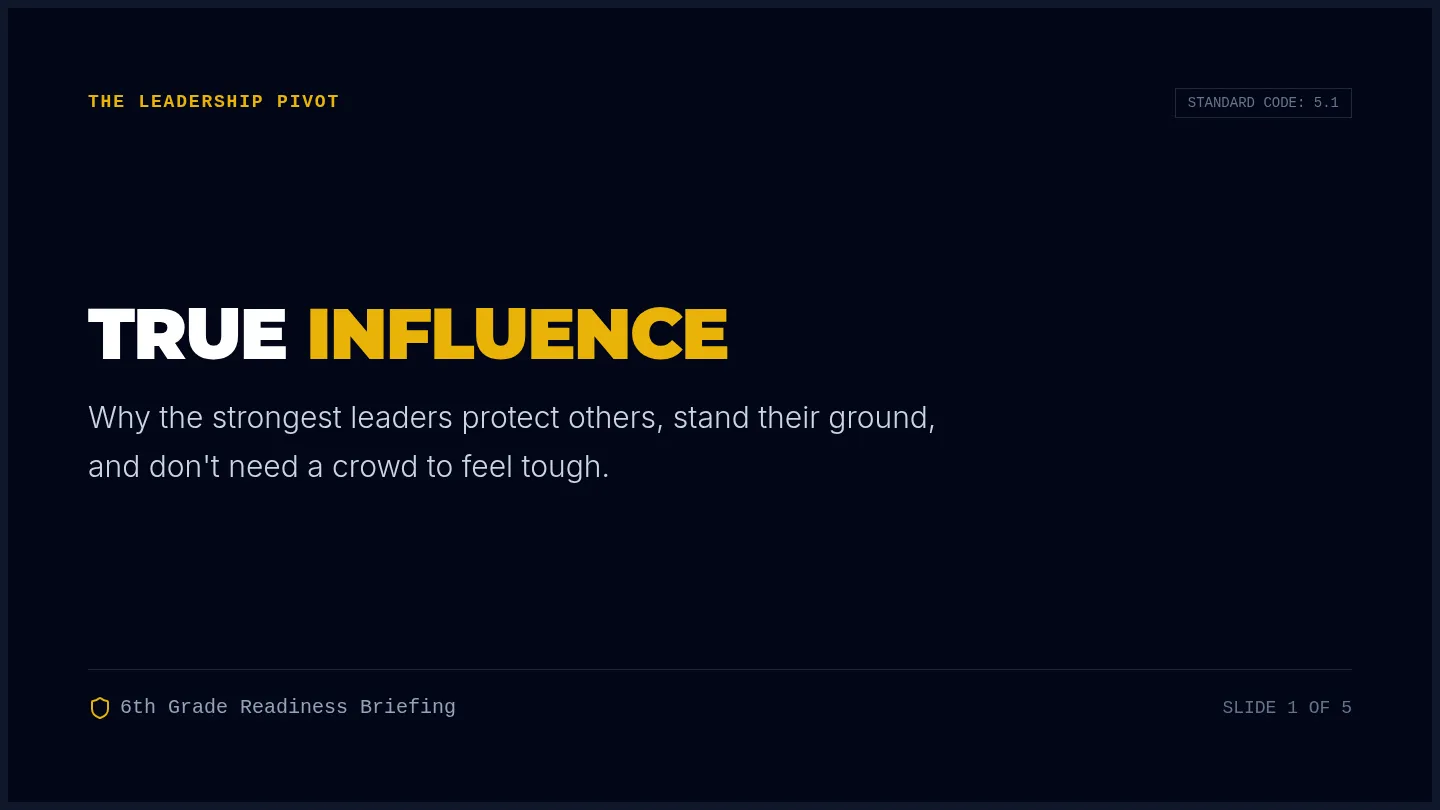
A restorative leadership module designed for a 5th-grade student transitioning to middle school. Focuses on channeling natural social influence into positive leadership, specifically protecting and looking out for others, rather than leading peers into conflict.
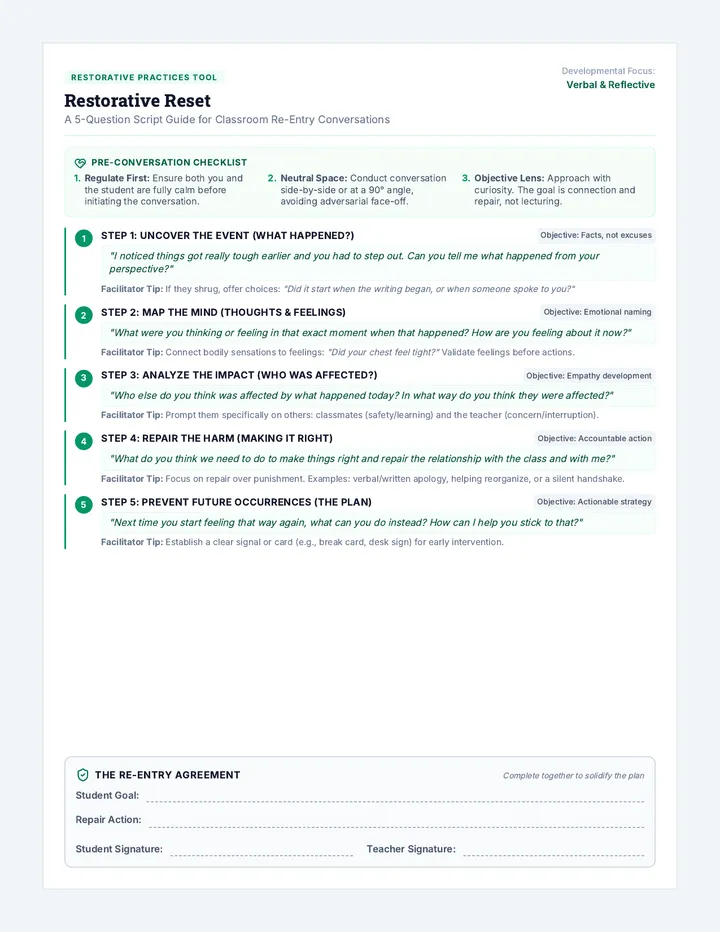
A structured framework for conducting supportive, restorative conversations with students following an emotional outburst or classroom removal.
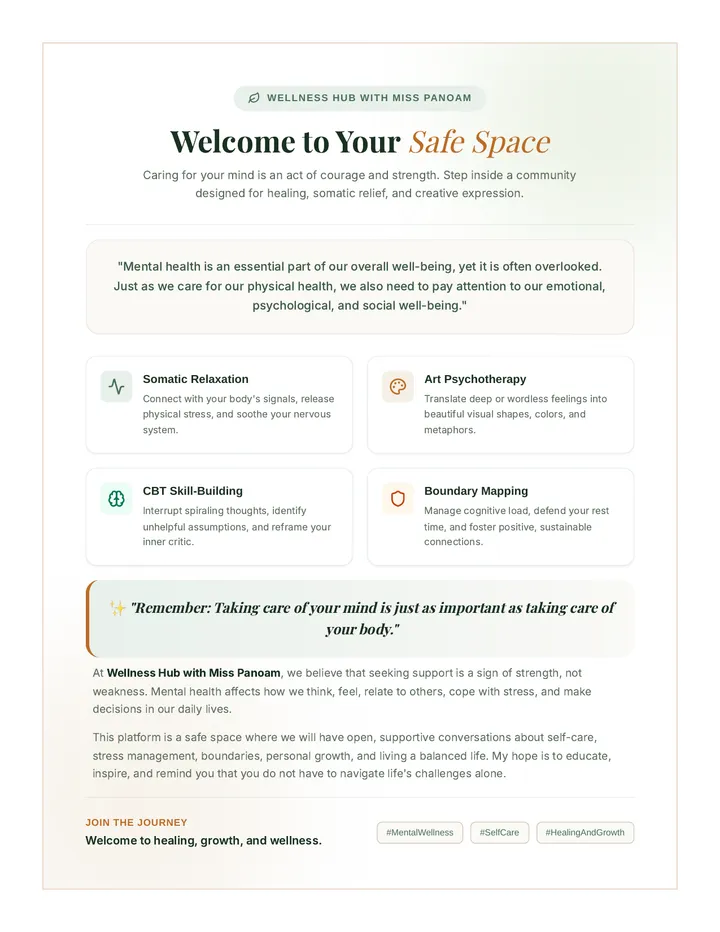
An elegant, welcoming visual announcement page introducing the Wellness Hub with Miss Panoam, designed for counseling psychology, art therapy, and somatic mindfulness support.
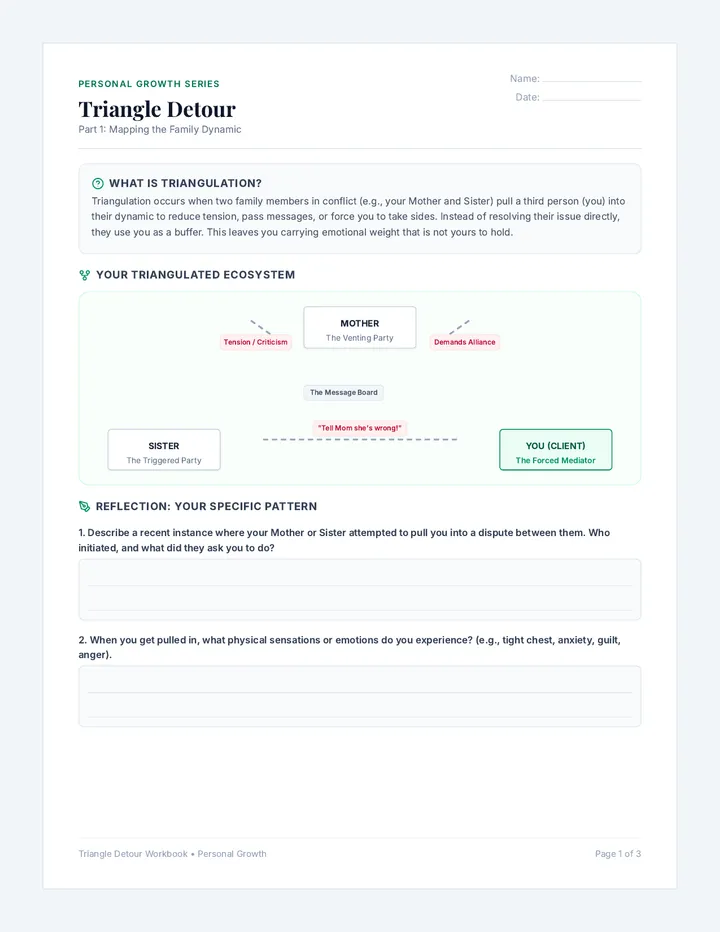
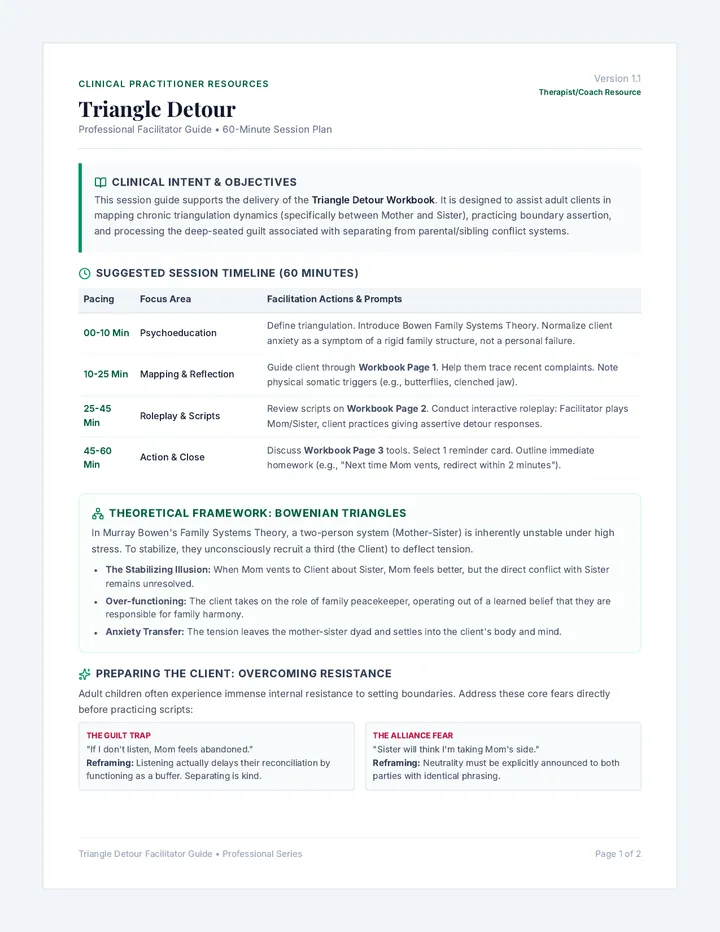
A therapeutic lesson designed for adult children caught in long-standing triangulation dynamics between their mother and sister. This lesson teaches assertive communication, boundary-setting strategies, and detouring family arguments.
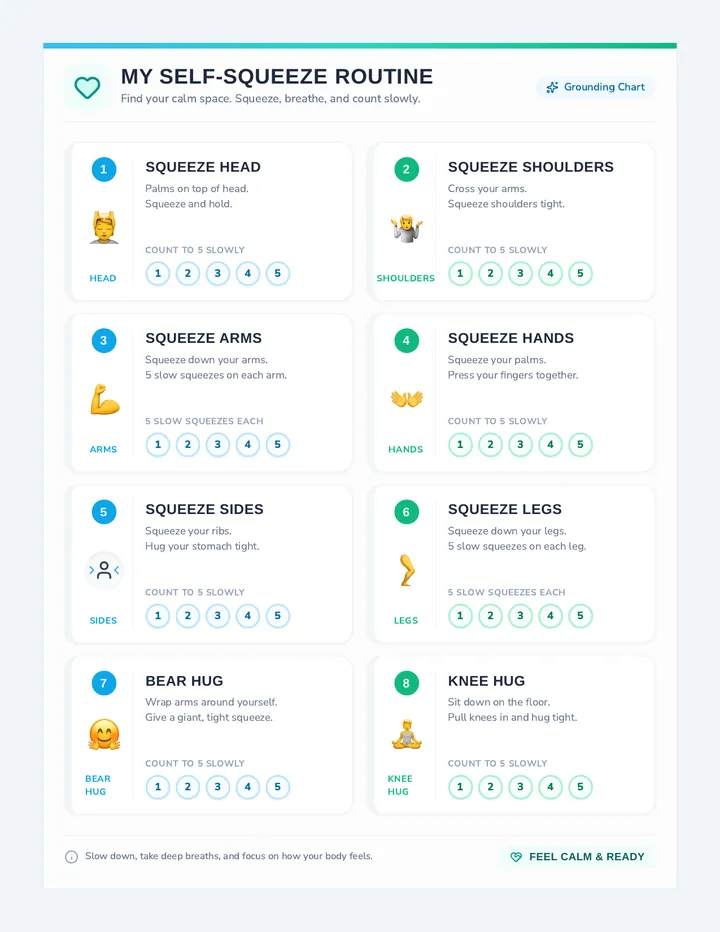
A pediatric grounding and sensory regulation lesson featuring a self-squeeze physical therapy routine to help students self-soothe and calm down.
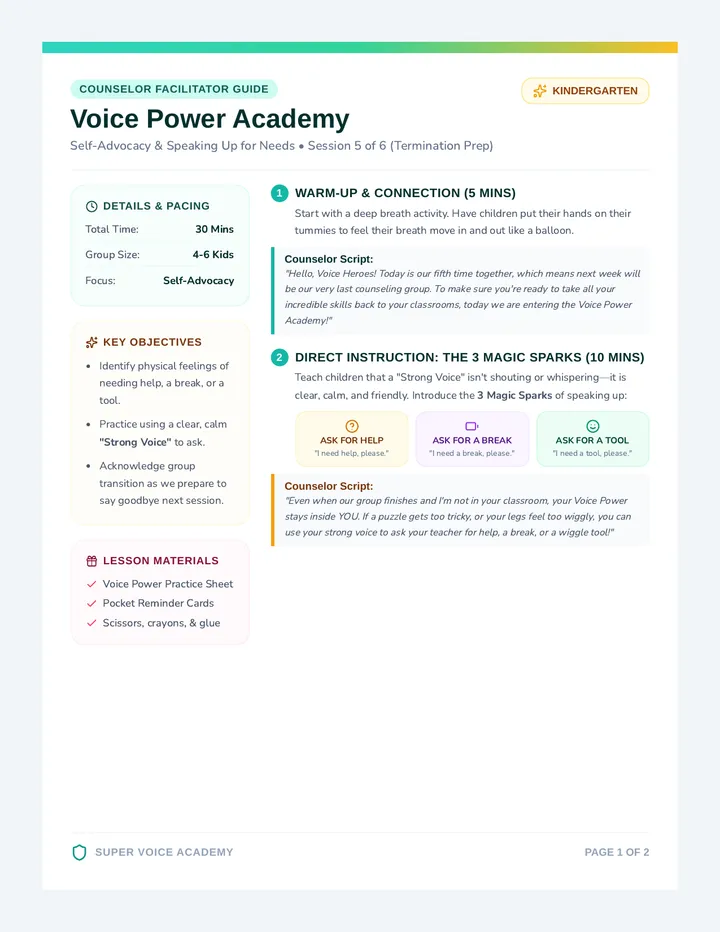
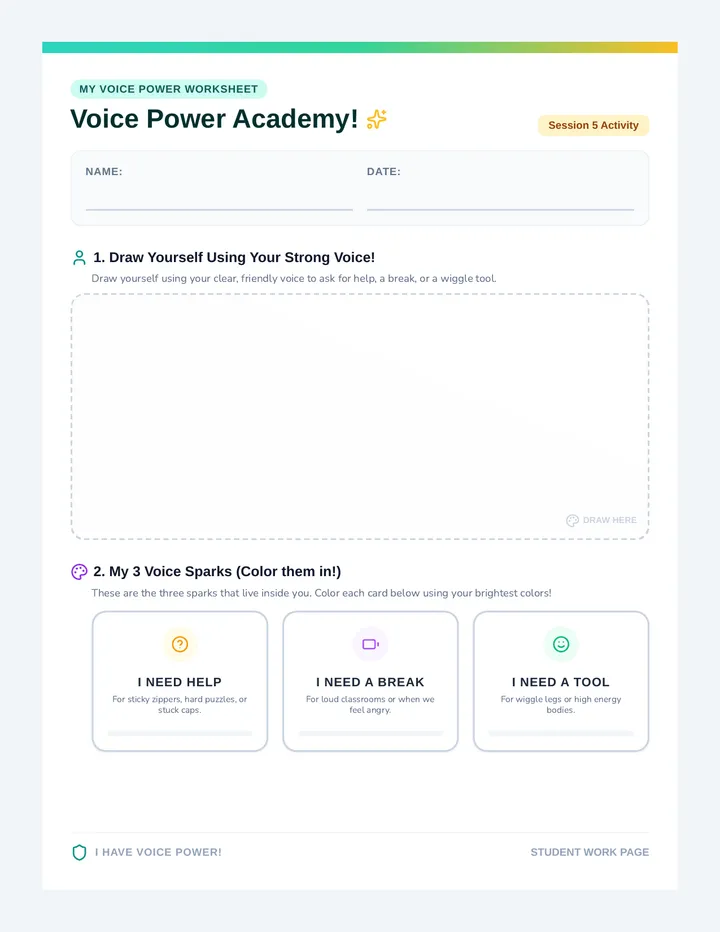
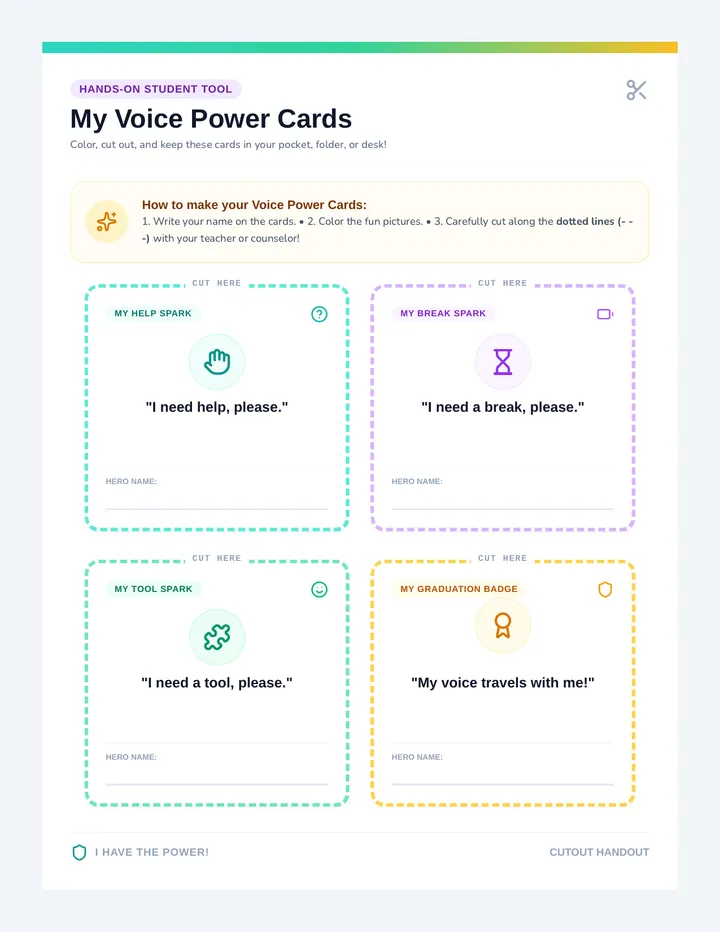
A kindergarten counseling lesson focused on self-advocacy and speaking up for needs. Students learn to use their strong voice to ask for help, breaks, or sensory tools as they prepare for the counseling group's transition/termination.
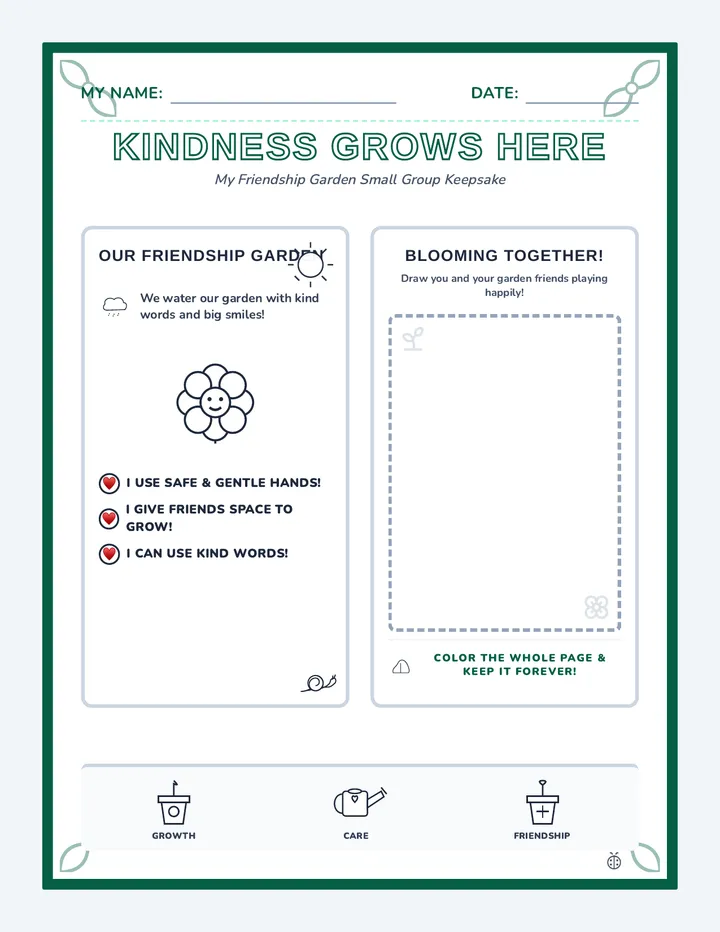
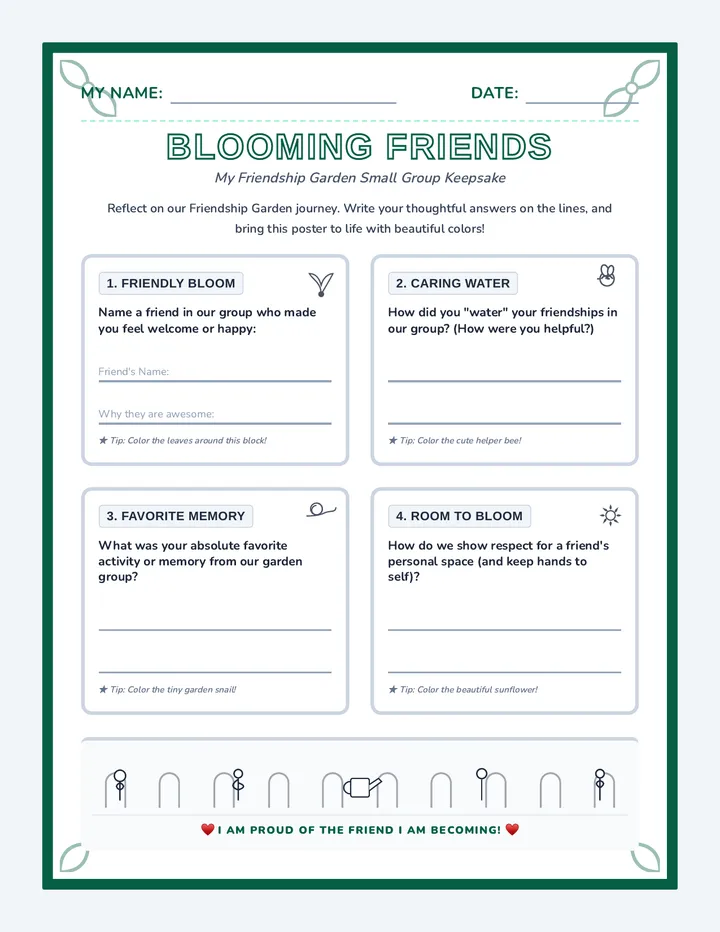
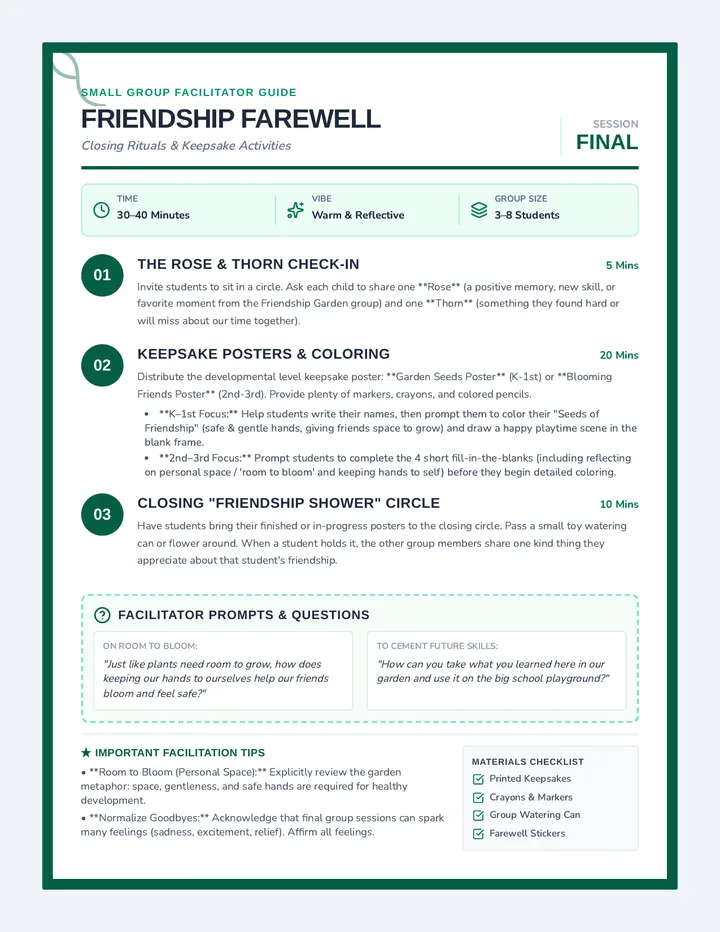
A warm, reflective closing lesson for the Friendship Garden small group. It provides students with creative keepsake coloring posters tailored to their grade levels to celebrate their growth and positive relationships.
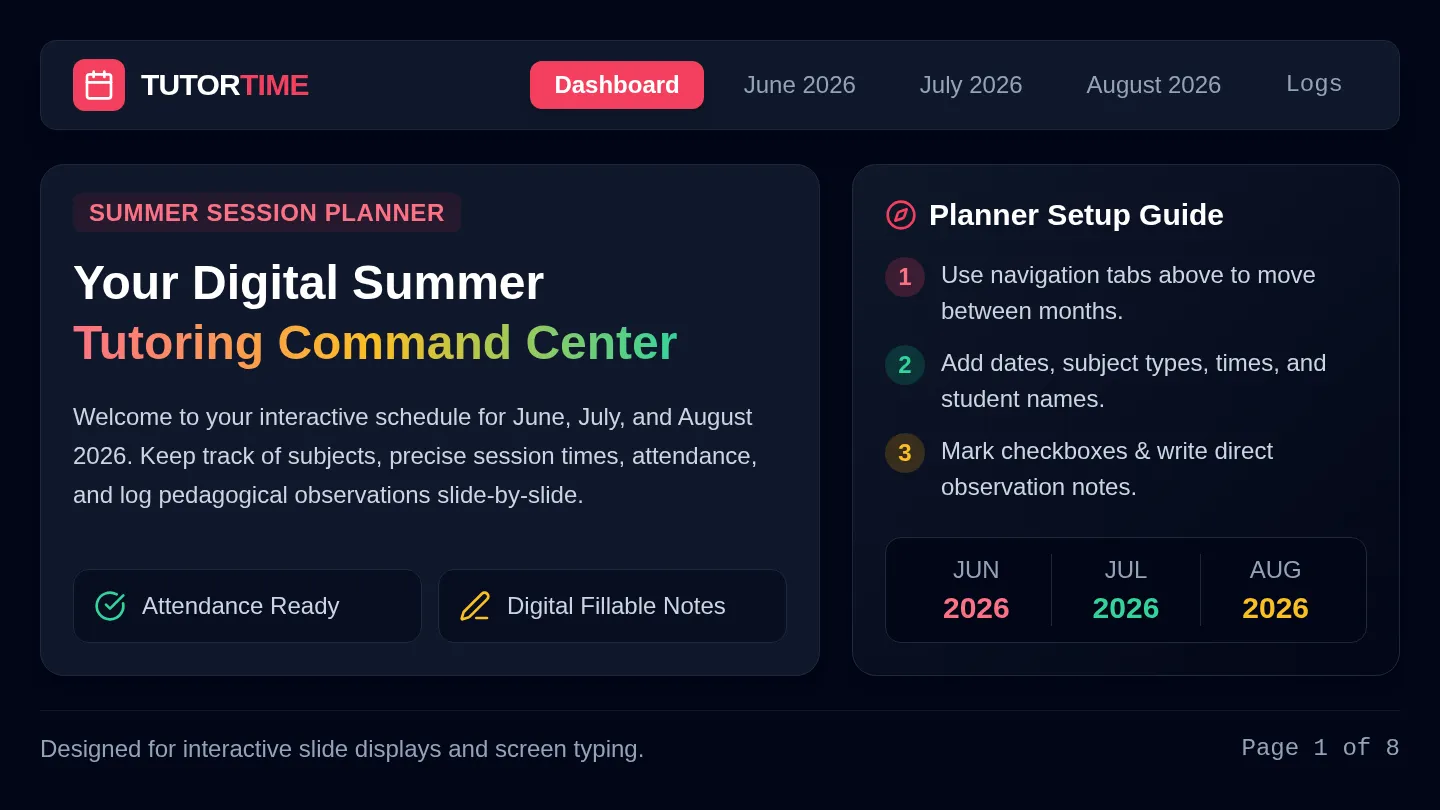
A lesson designed to help tutors manage, plan, and log their summer tutoring sessions with high-quality digital scheduling slides.
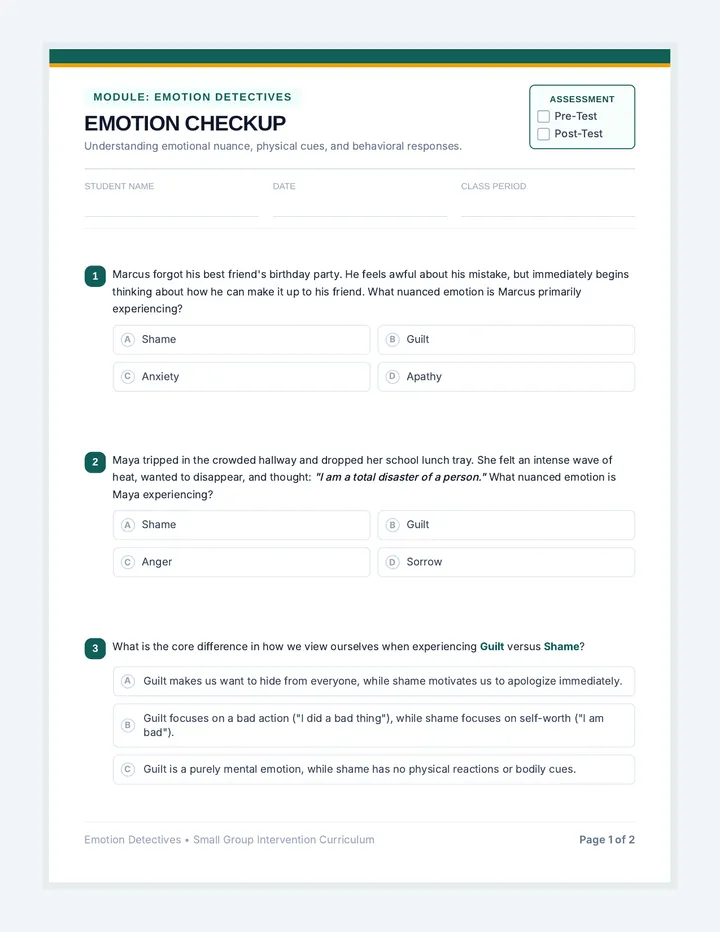
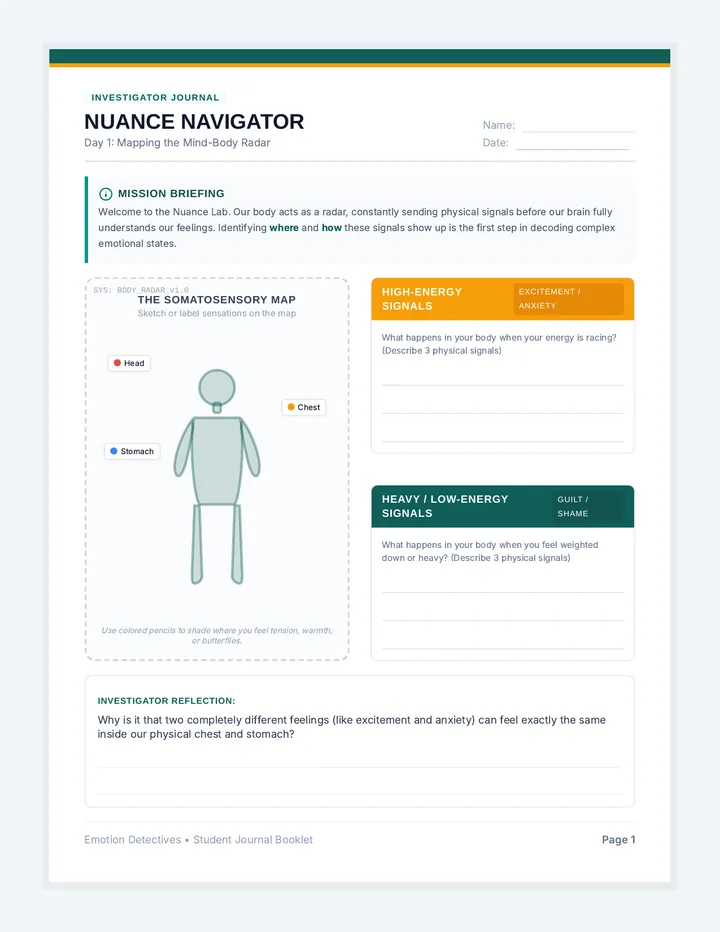
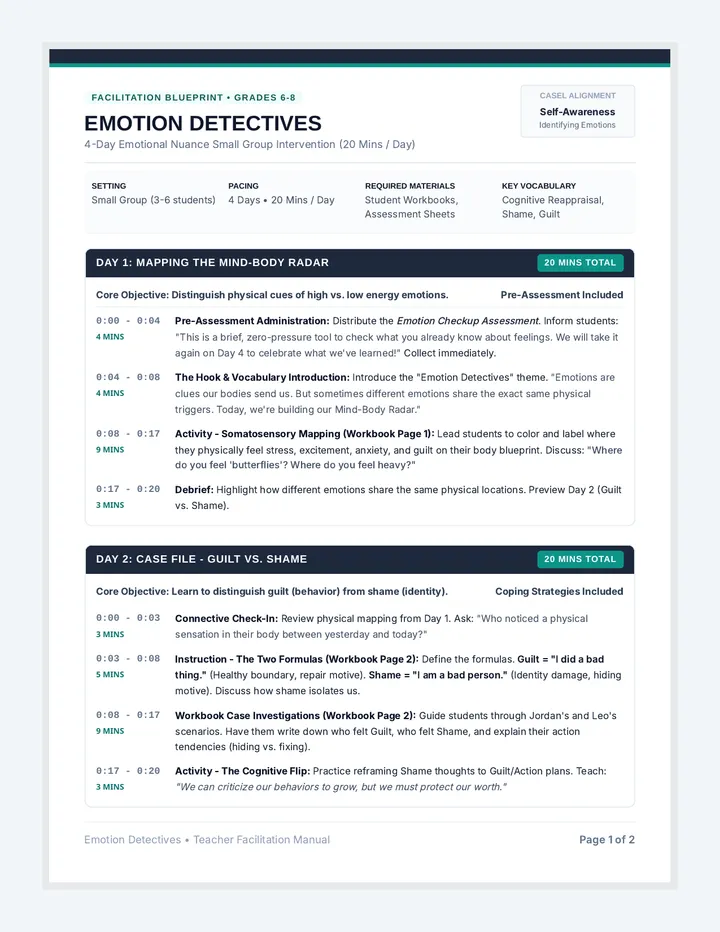
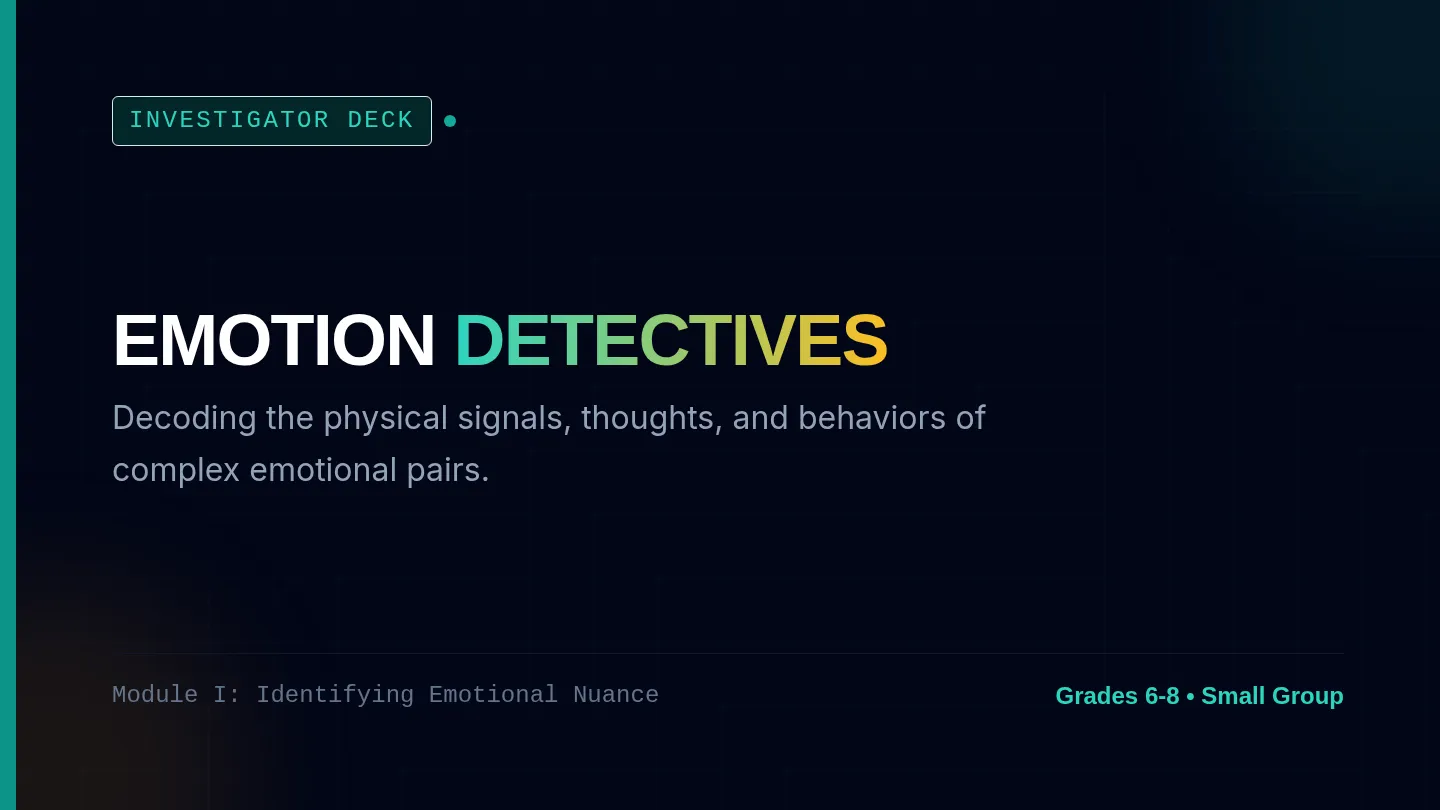
A 4-day small group intervention for grades 6-8 focusing on self-awareness and emotional nuance. Students explore the physical, cognitive, and behavioral distinctions between complex emotional pairs like guilt versus shame and excitement versus anxiety.
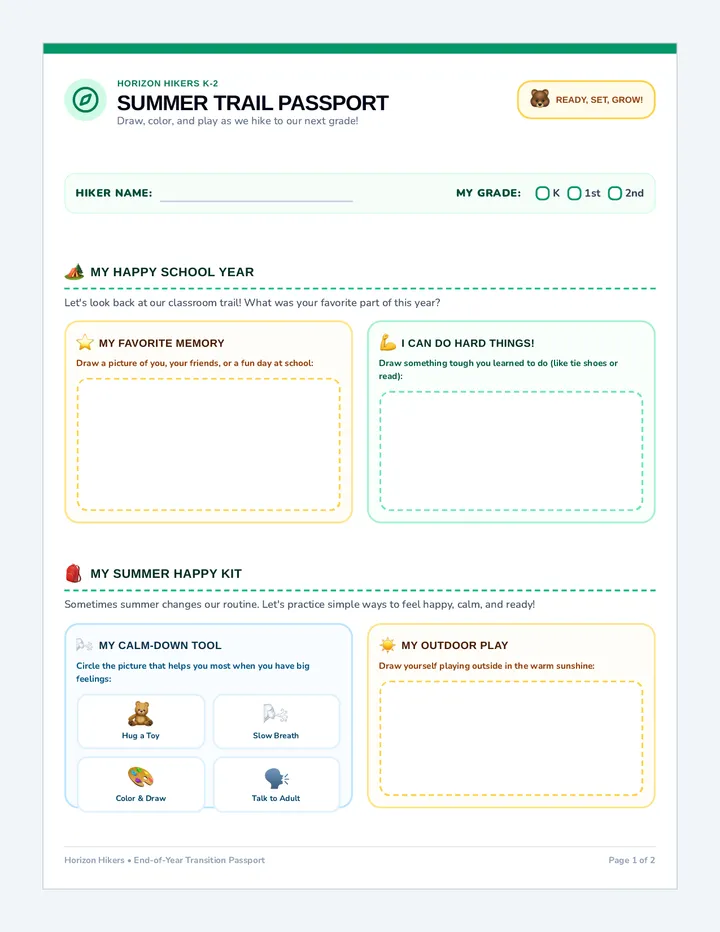
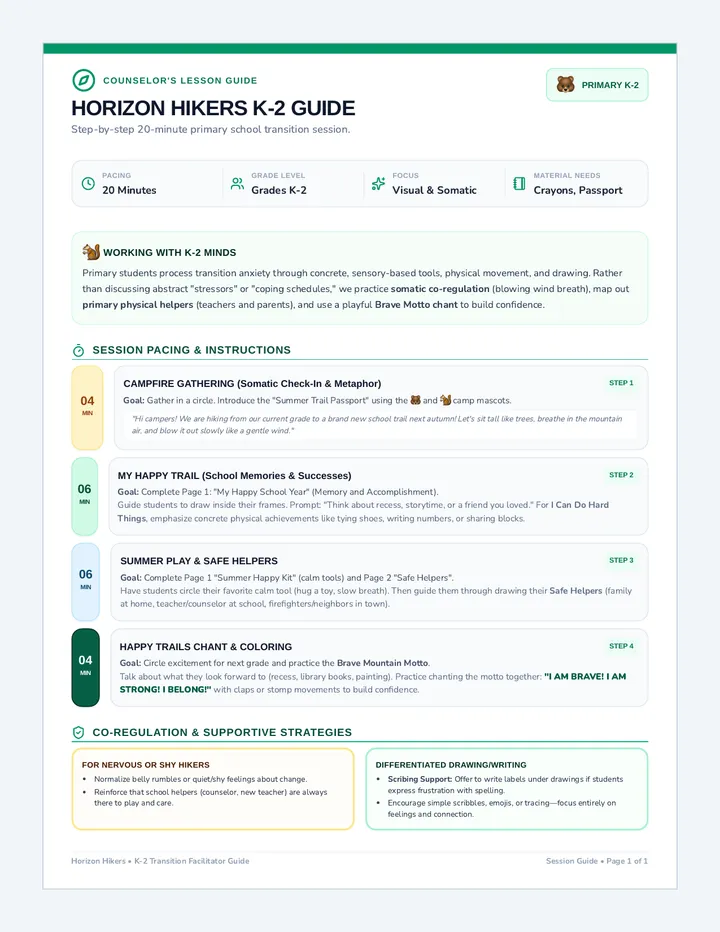
A supportive, highly visual transition lesson for primary students (grades K-2) to reflect on classroom successes, map out summer coping tools and trusted helpers, and build confidence through sensory-friendly drawing prompts and a somatic brave chant.
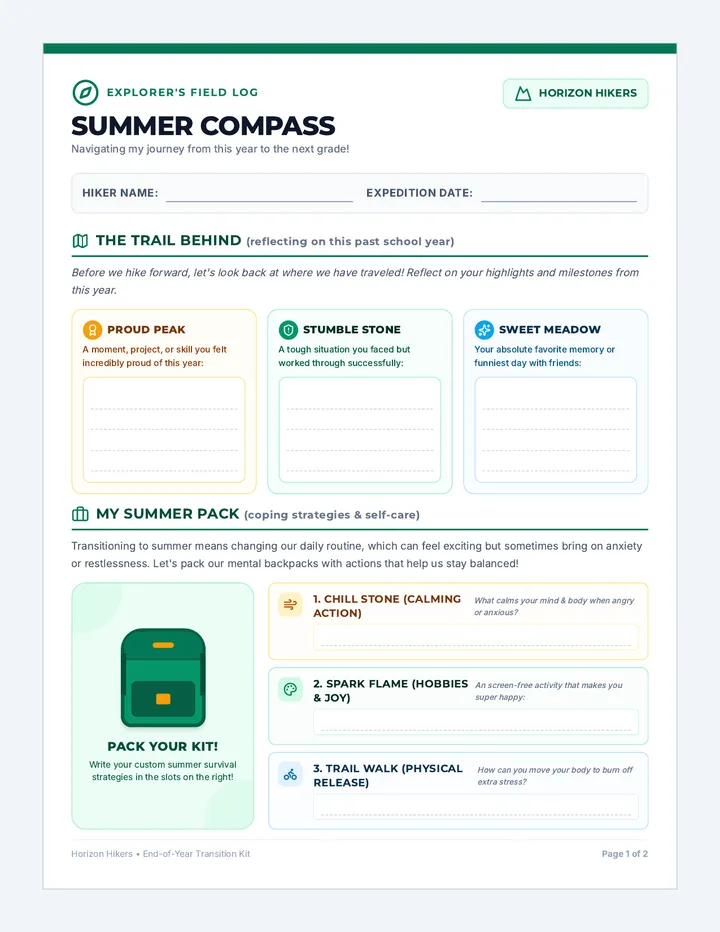
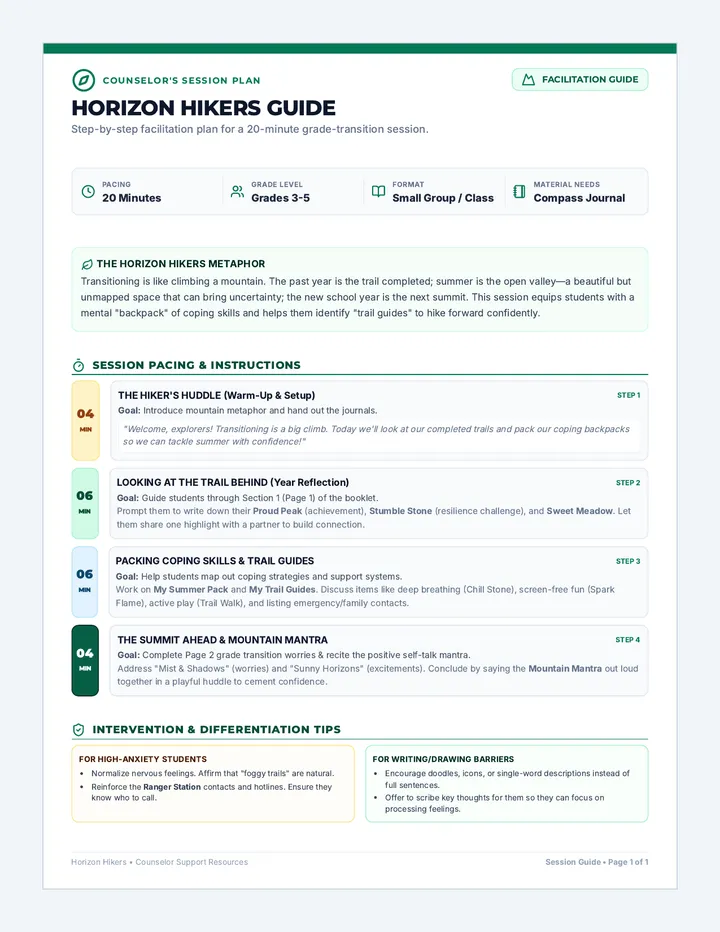
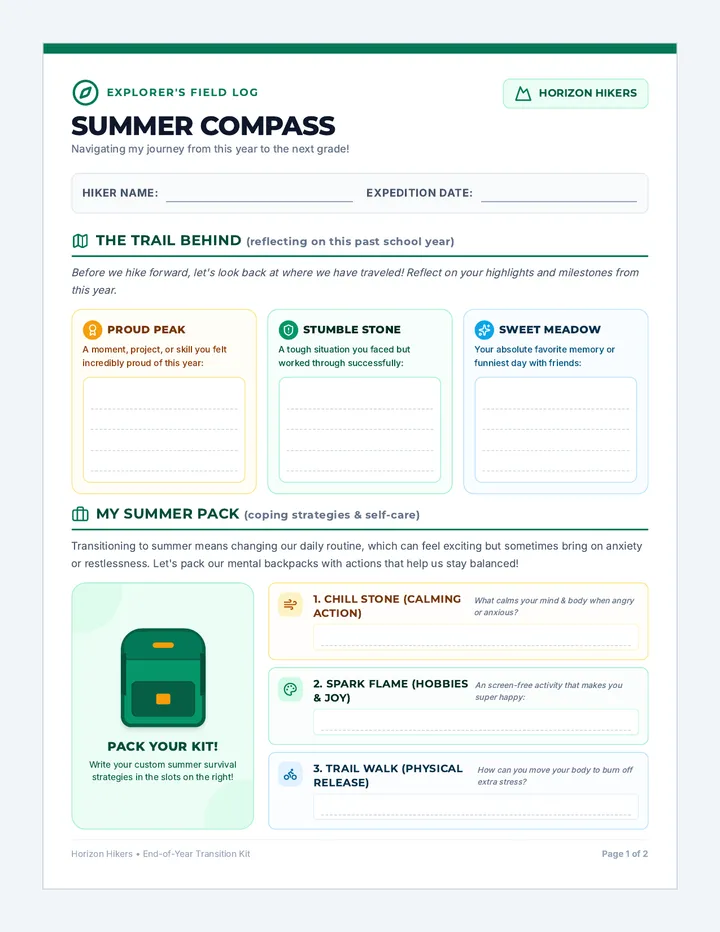
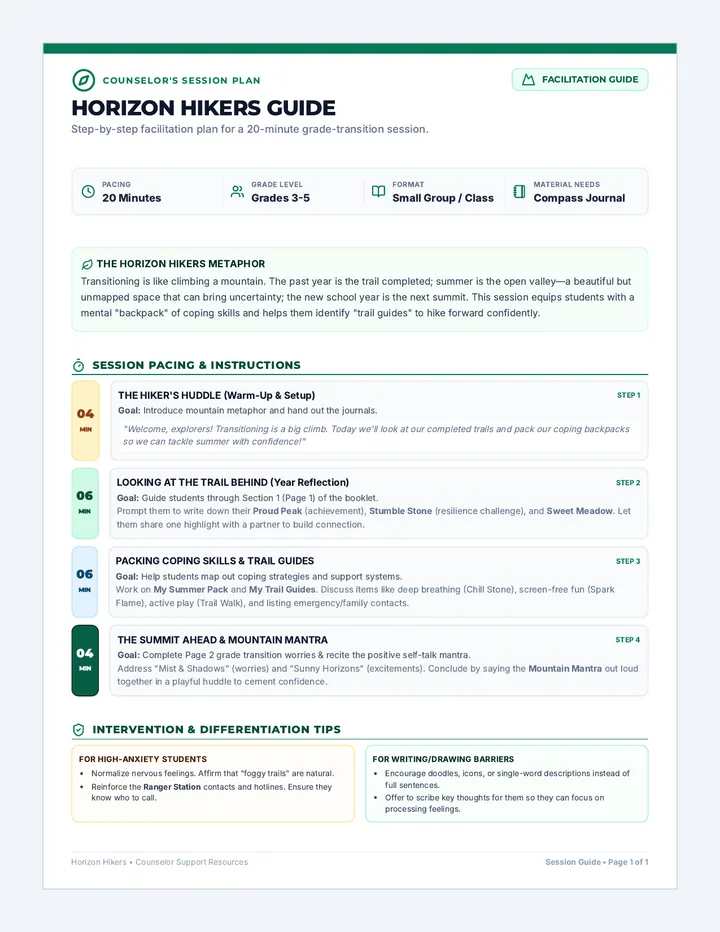
A supportive transition lesson for upper elementary students to reflect on the past year, create a visual coping plan for summer, and build confidence for entering the next grade.
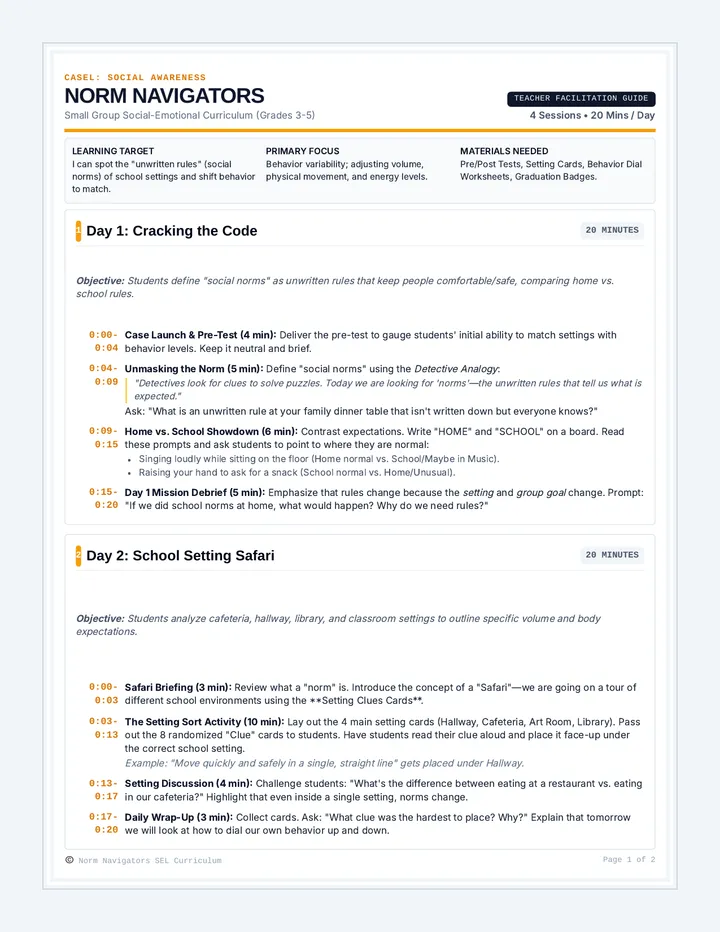
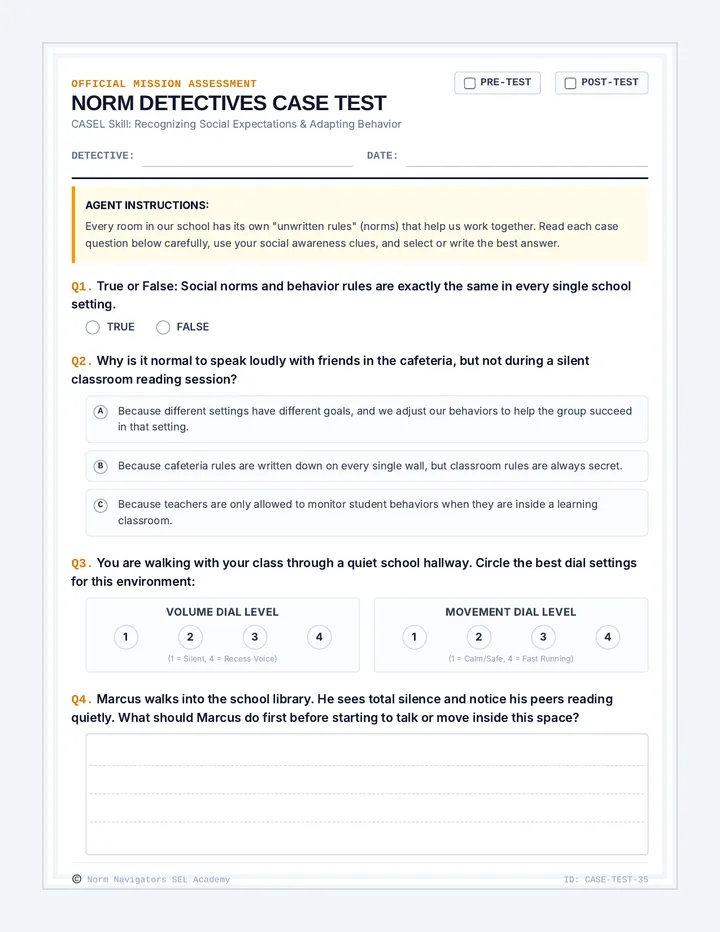
Students complete their post-test, demonstrate behavior-shifting skills in a scenario-based card challenge, and celebrate their growth with a graduation badge.
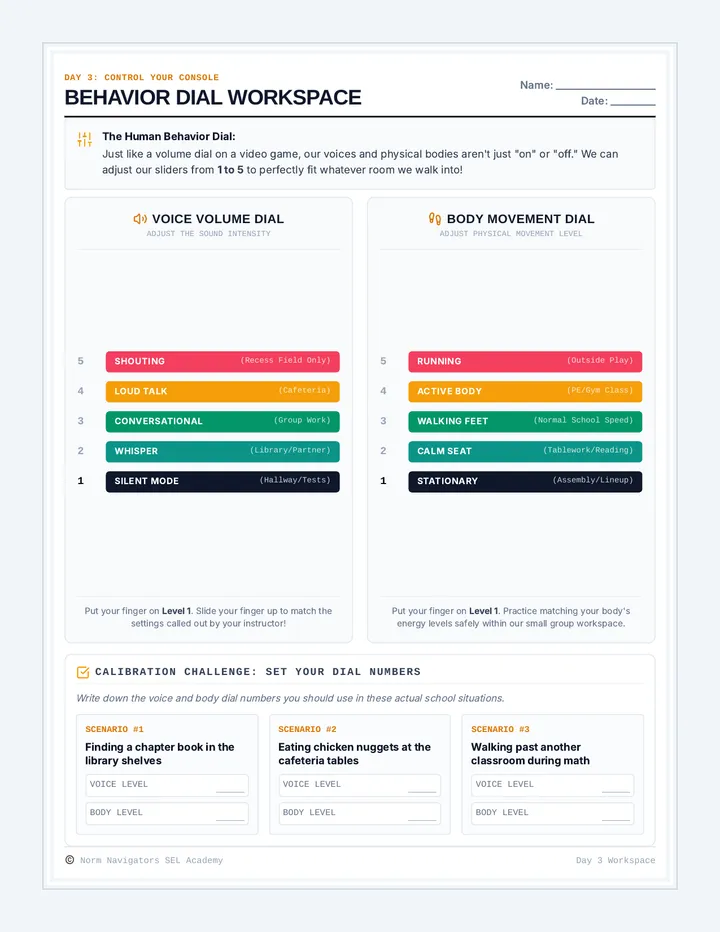
Students practice using a "Behavior Dial" to physically and vocally adjust their volume, movement, and energy levels to match different school environments.
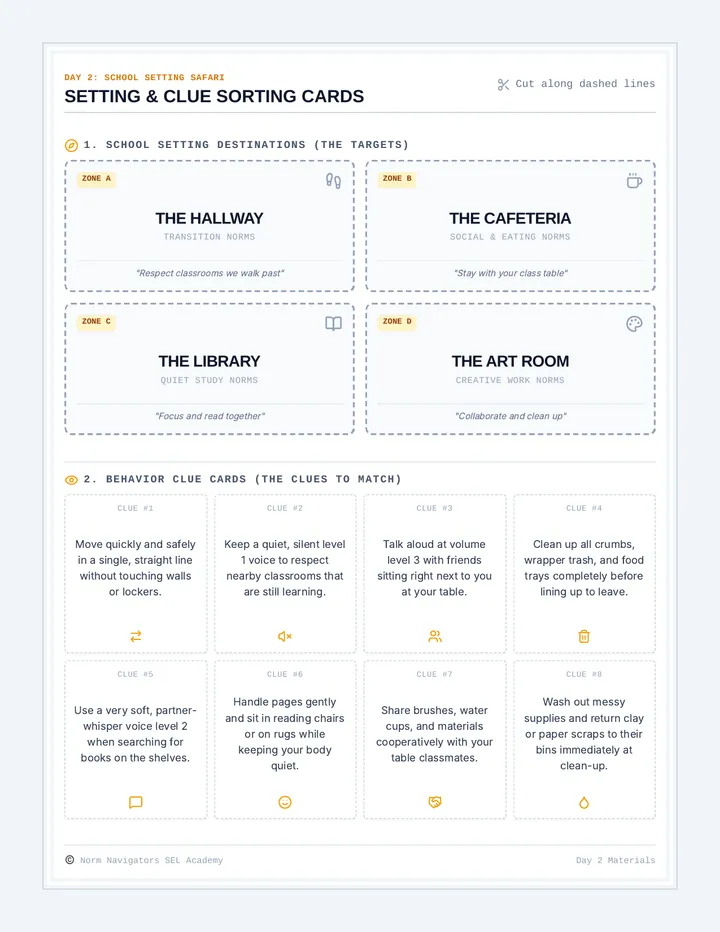
Students examine specific school settings like the hallway, cafeteria, and specials classes to map out their unique expectations and unwritten rules.
Students are introduced to the concept of social norms as unwritten rules that help groups work together, comparing how norms change between home and school.
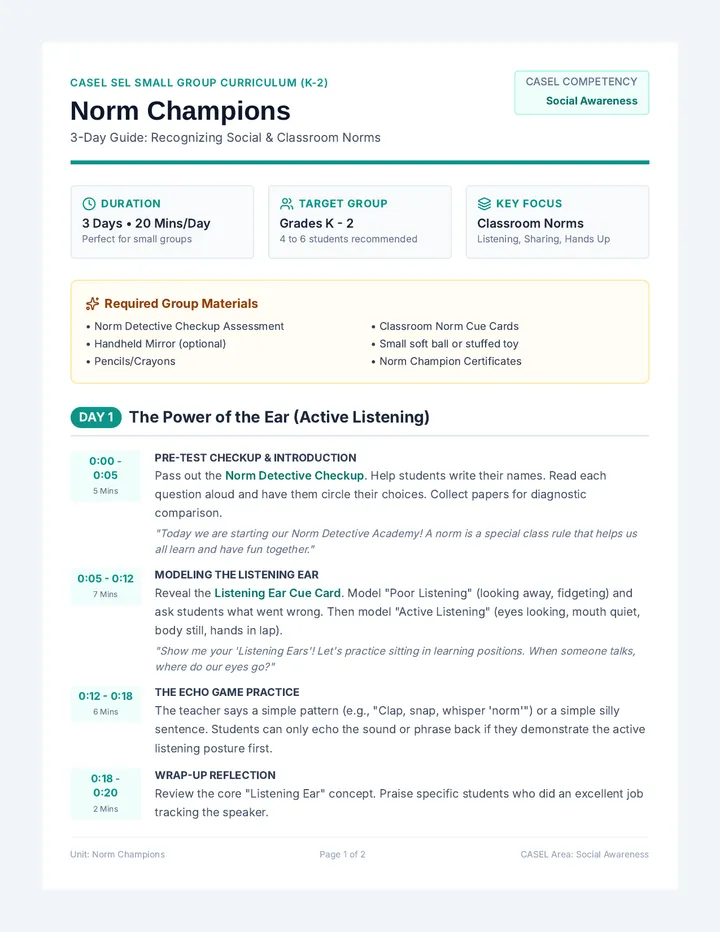
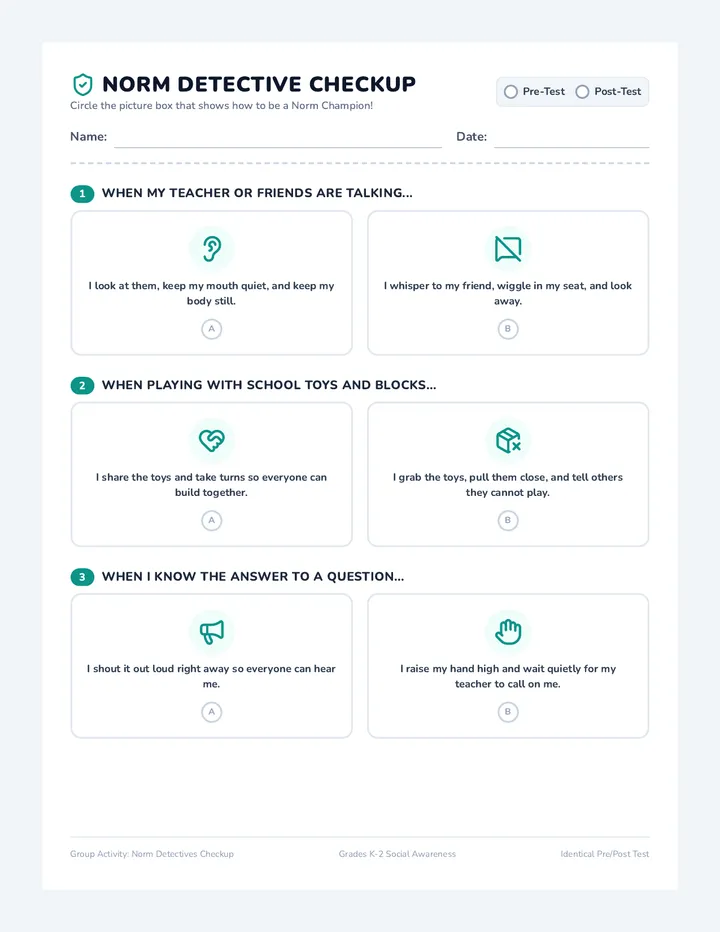
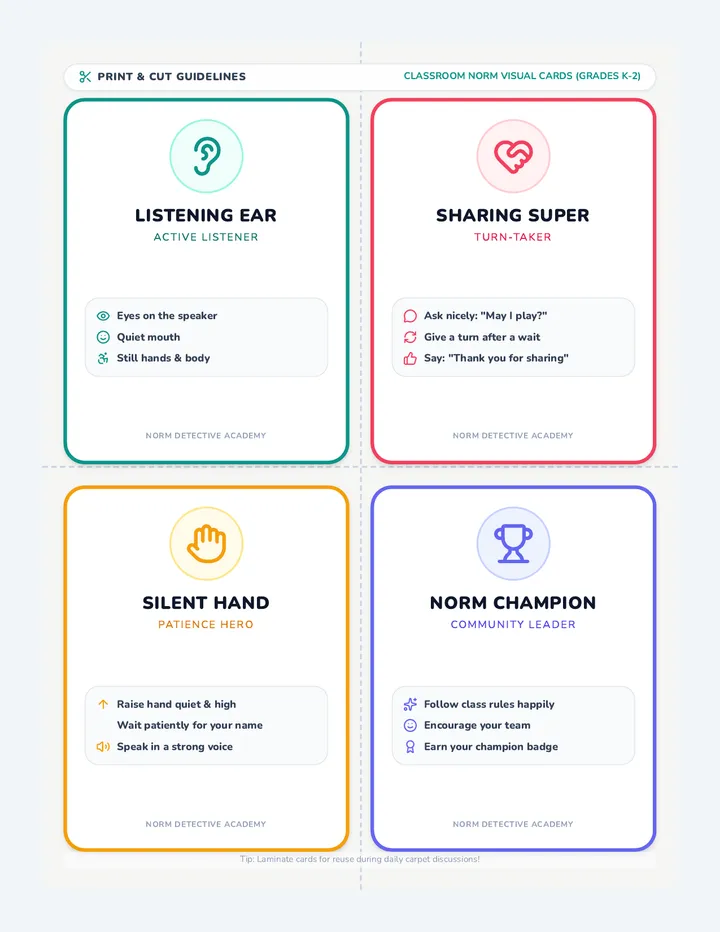
A 3-day small group social-emotional learning lesson focusing on CASEL's 'Social Awareness: Recognizing Social Norms' framework for grades K-2. Students learn, practice, and celebrate classroom norms including active listening, sharing, and raising hands through interactive games, roleplay, and structured feedback.
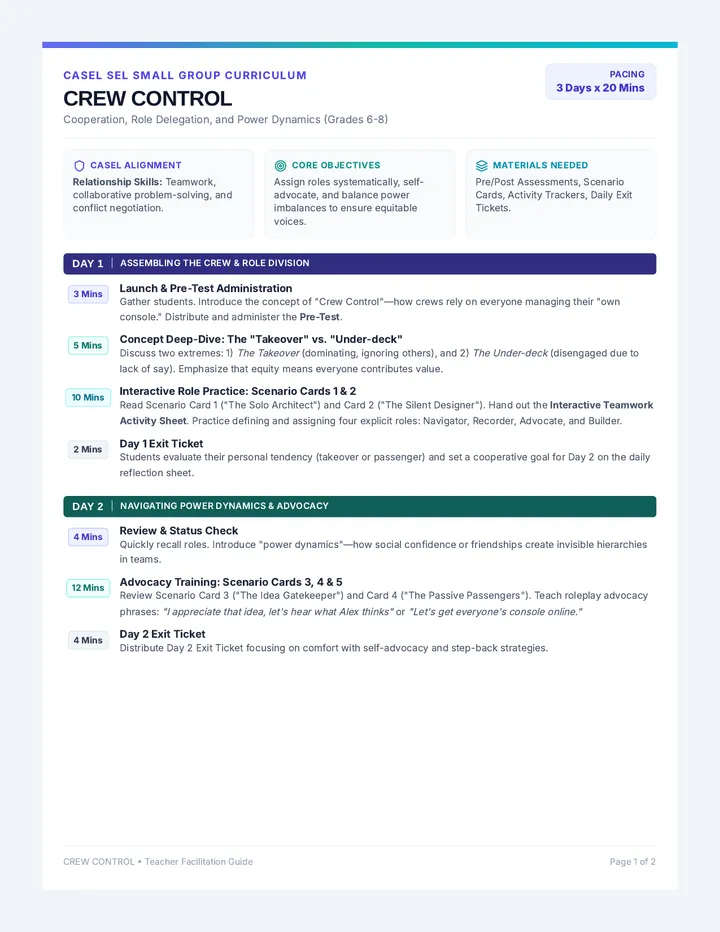
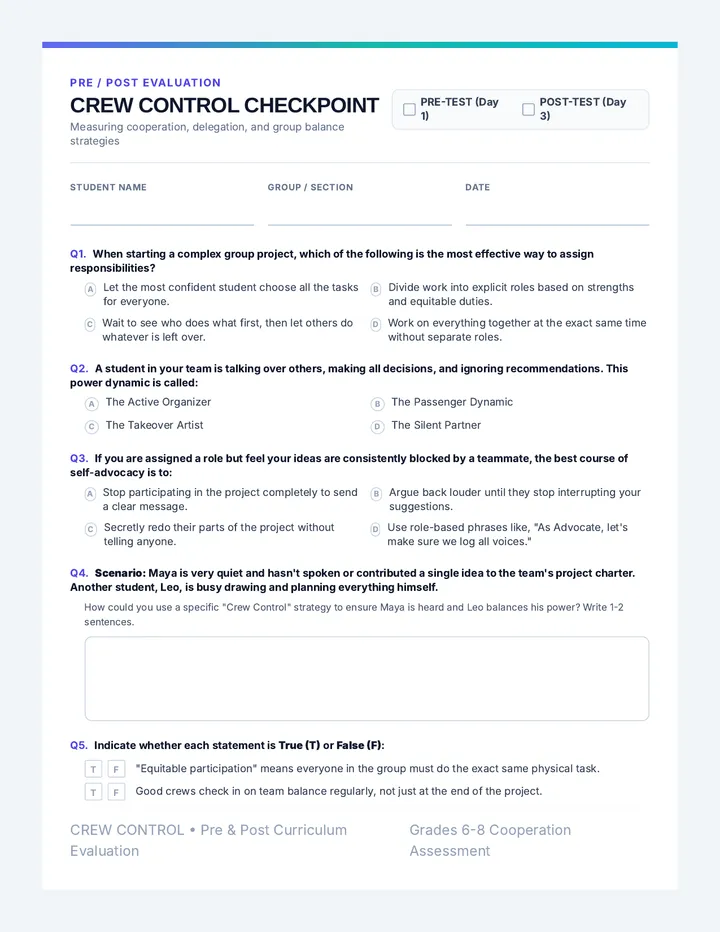
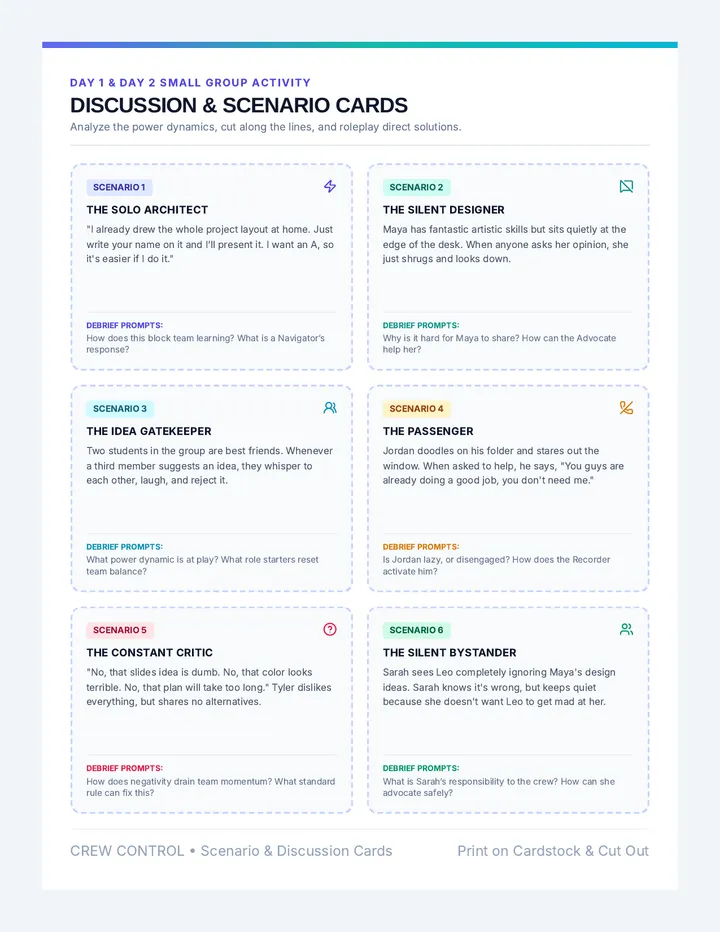
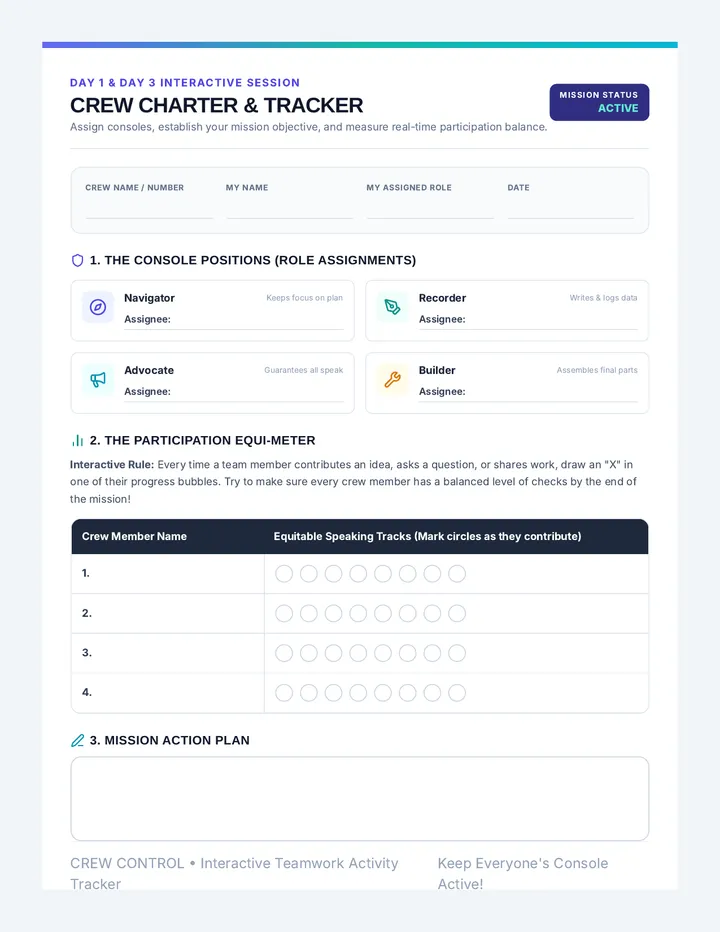
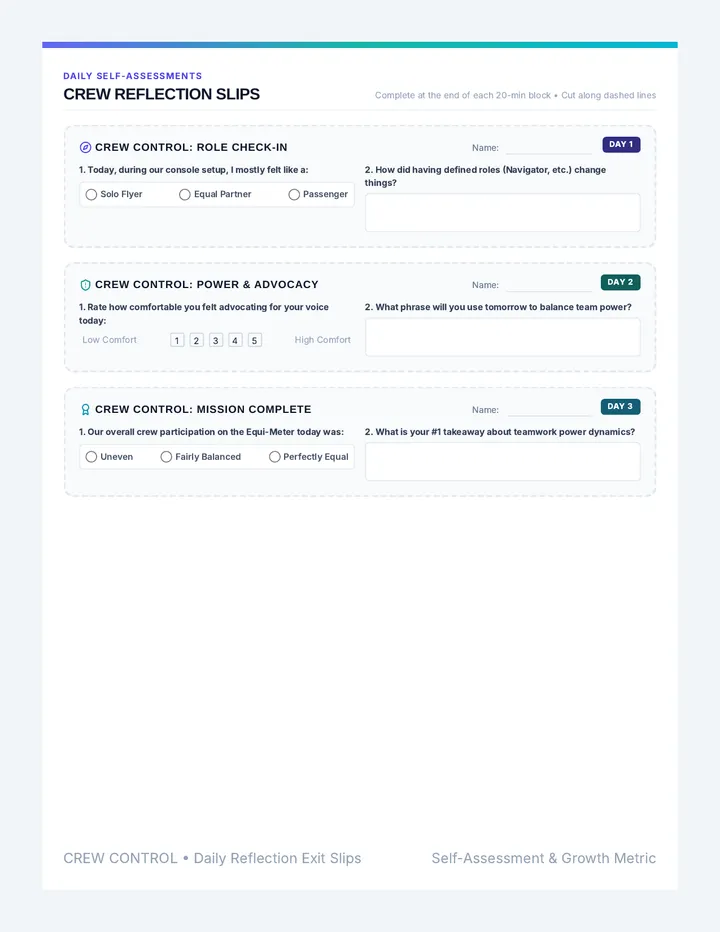
A cohesive 3-day small group curriculum that teaches middle school students how to coordinate project responsibilities, self-advocate, and address dominance or passivity to ensure equitable participation.
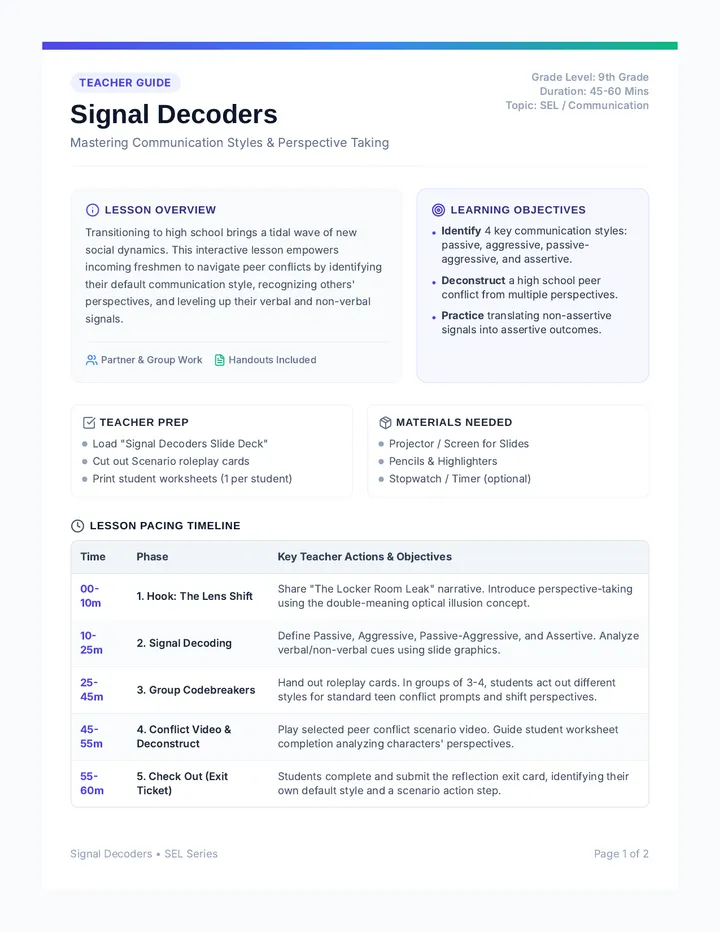
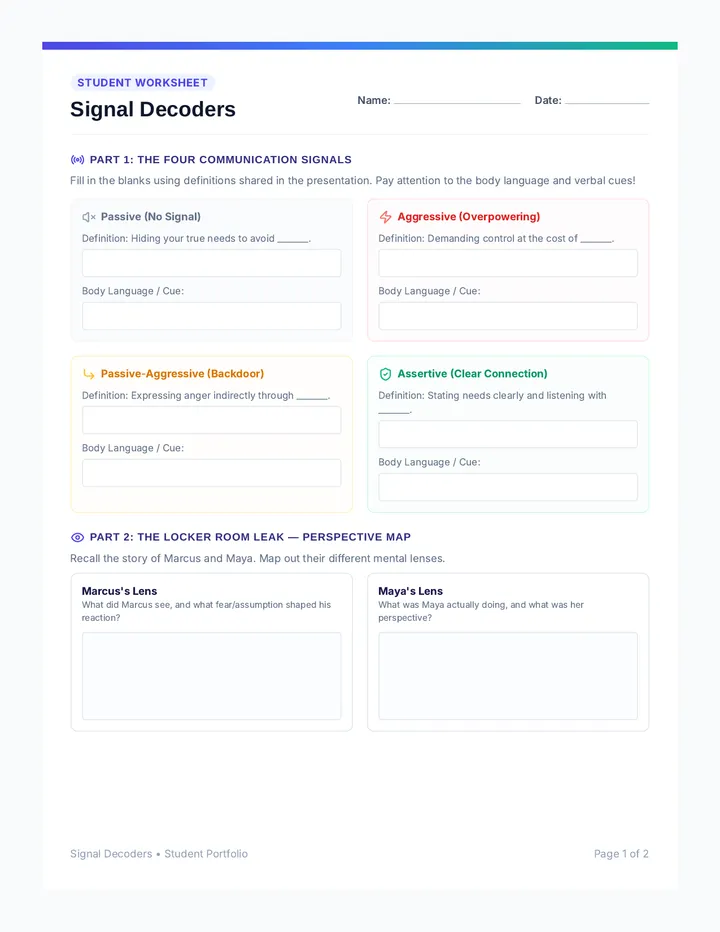
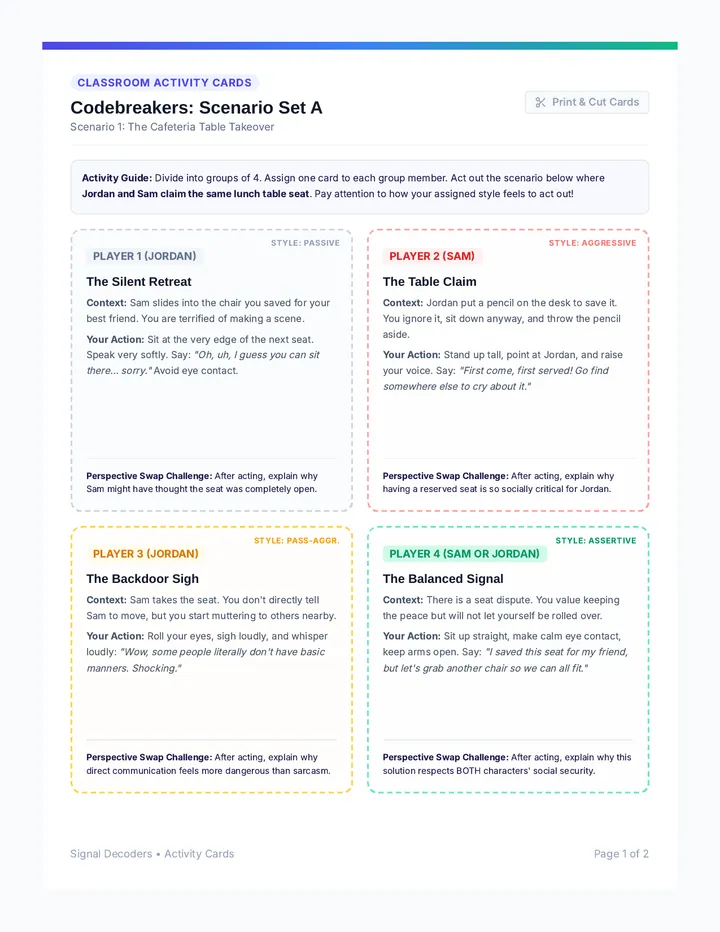
A high-energy, interactive lesson introducing incoming freshmen to the four communication styles (Passive, Aggressive, Passive-Aggressive, Assertive) and perspective-taking. Students analyze scenarios, roleplay reactions, and learn to align their signals for clear communication in high school.
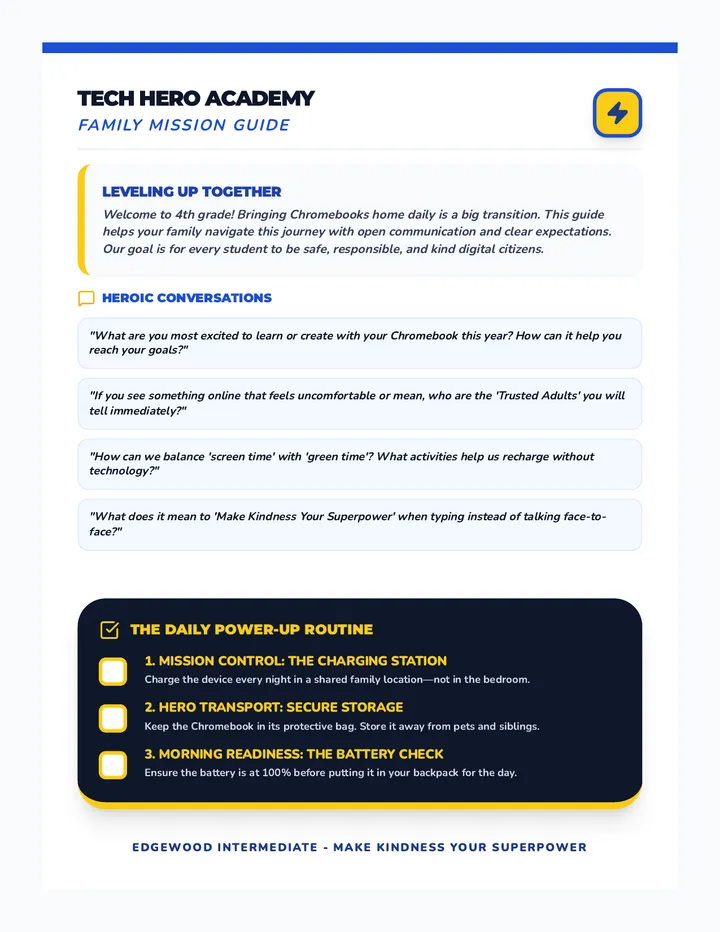
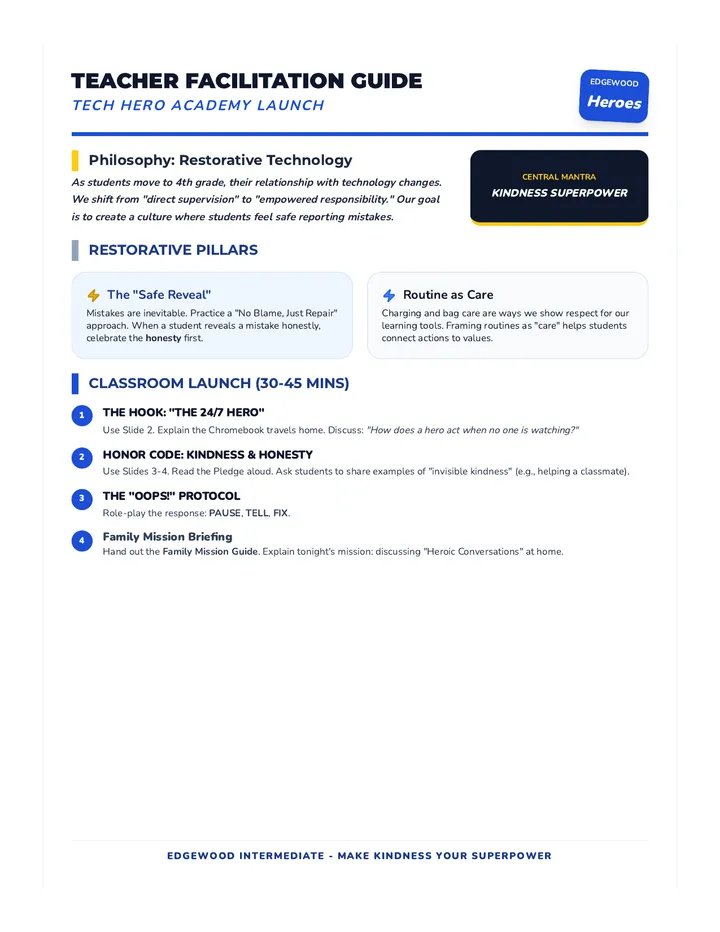
A lesson designed to transition 3rd grade students to 4th grade technology responsibilities, focusing on restorative practices, digital citizenship, and the 'Make Kindness Your Superpower' initiative.
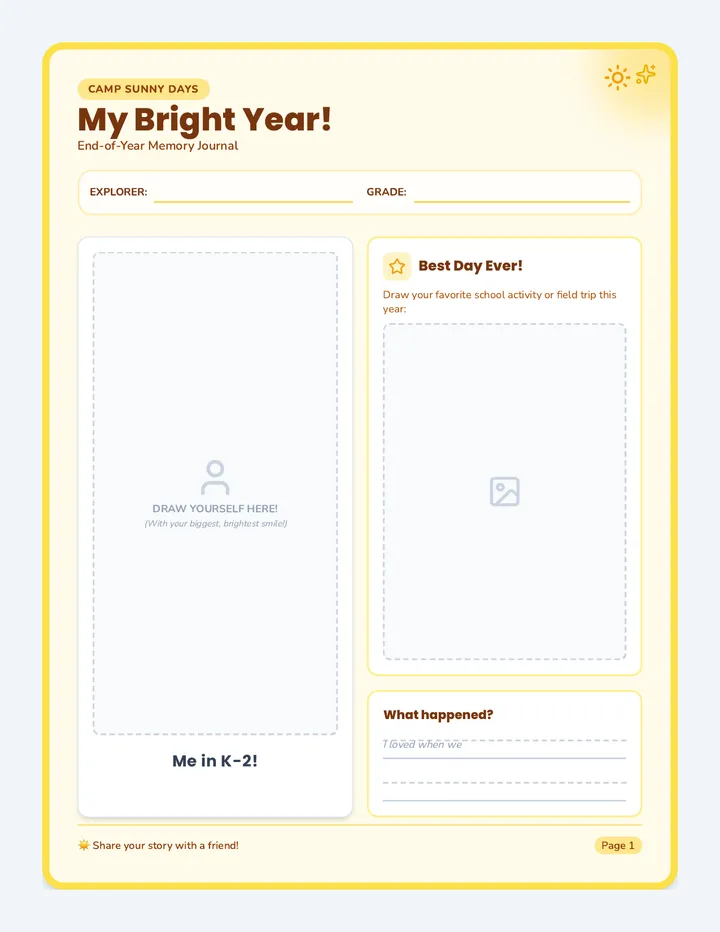
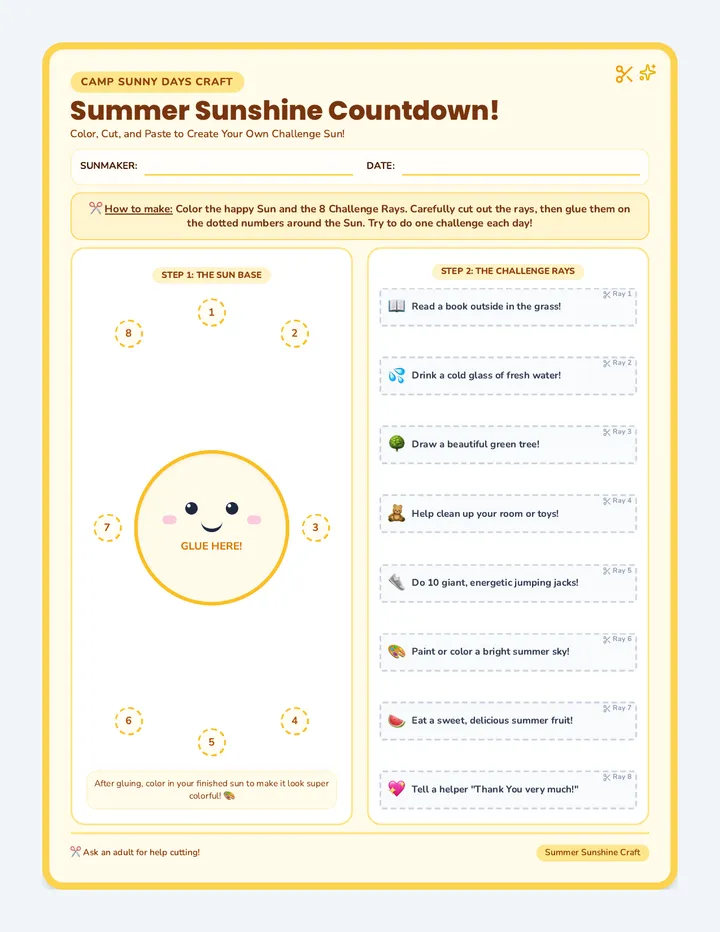
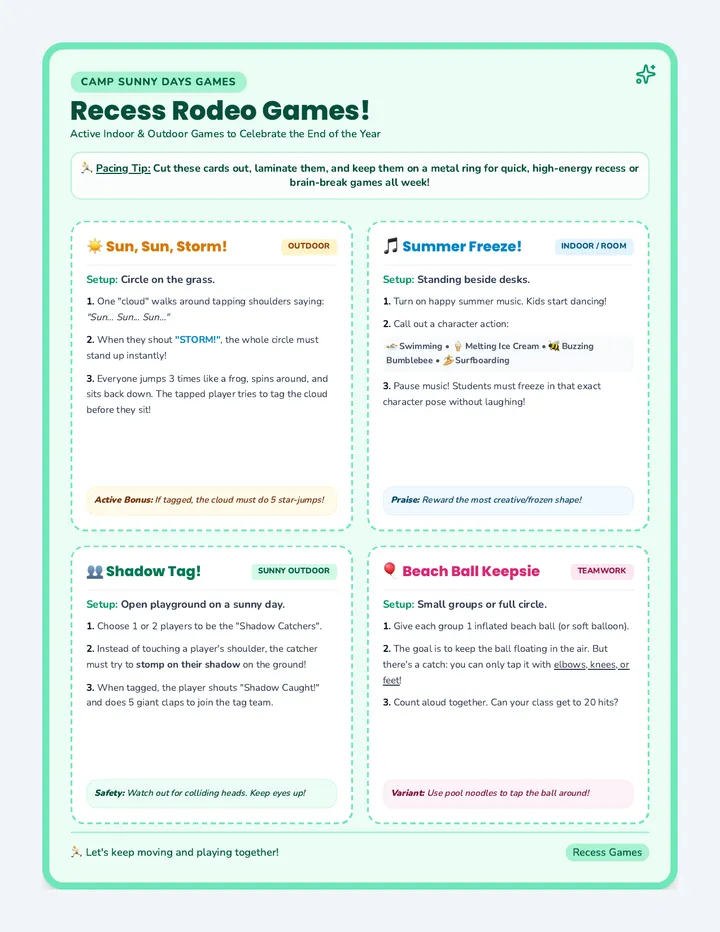
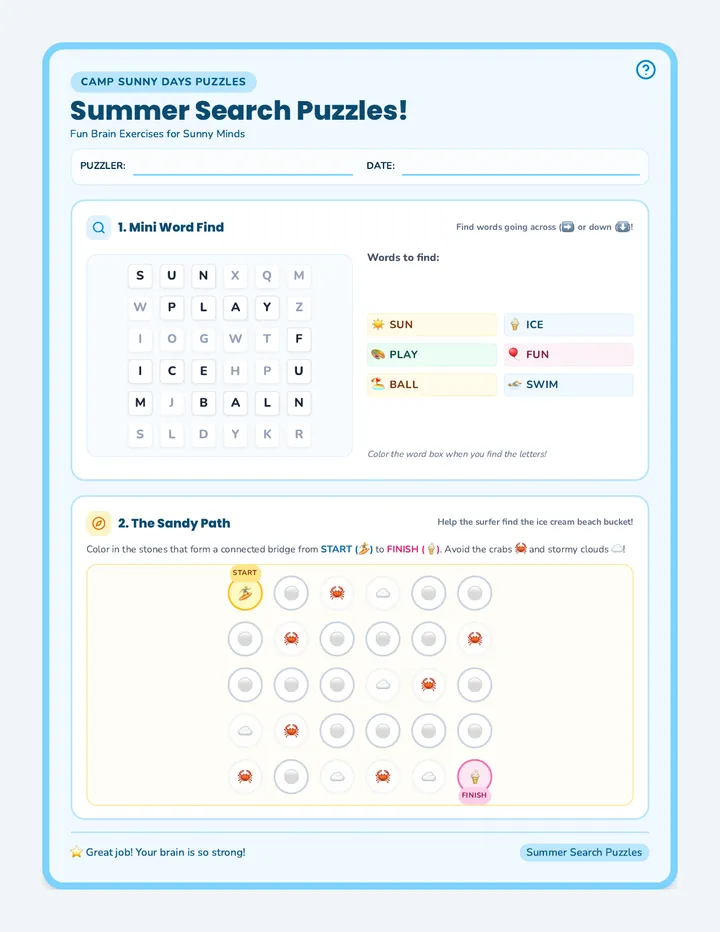
A lively and heartwarming collection of K-2 end-of-year resources featuring a drawing-heavy memory book, a cut-and-paste summer countdown craft, active outdoor and indoor games, and simple thematic puzzles.
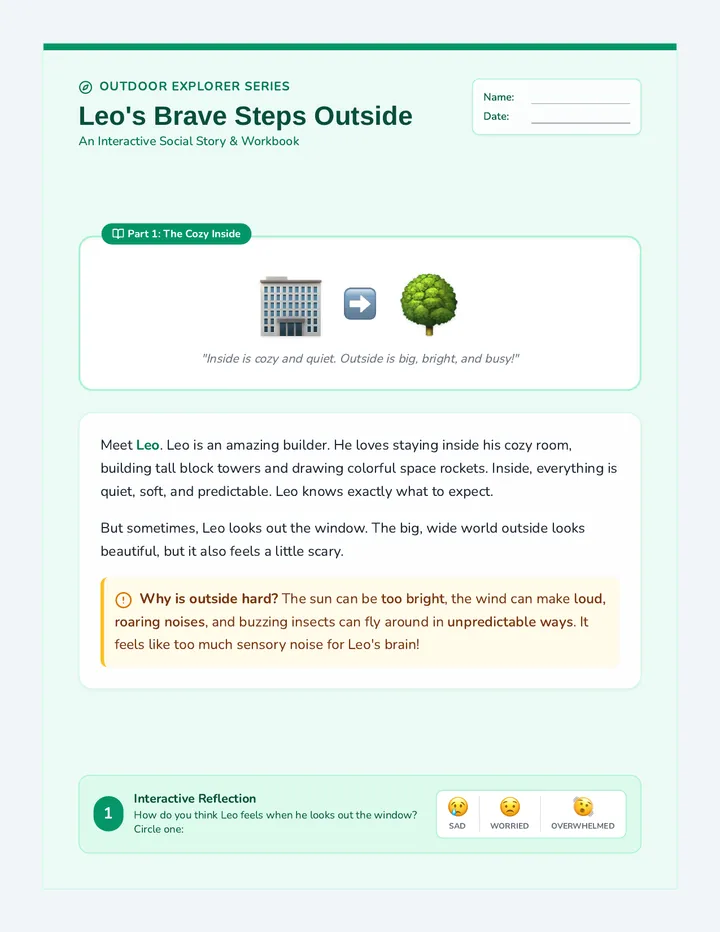
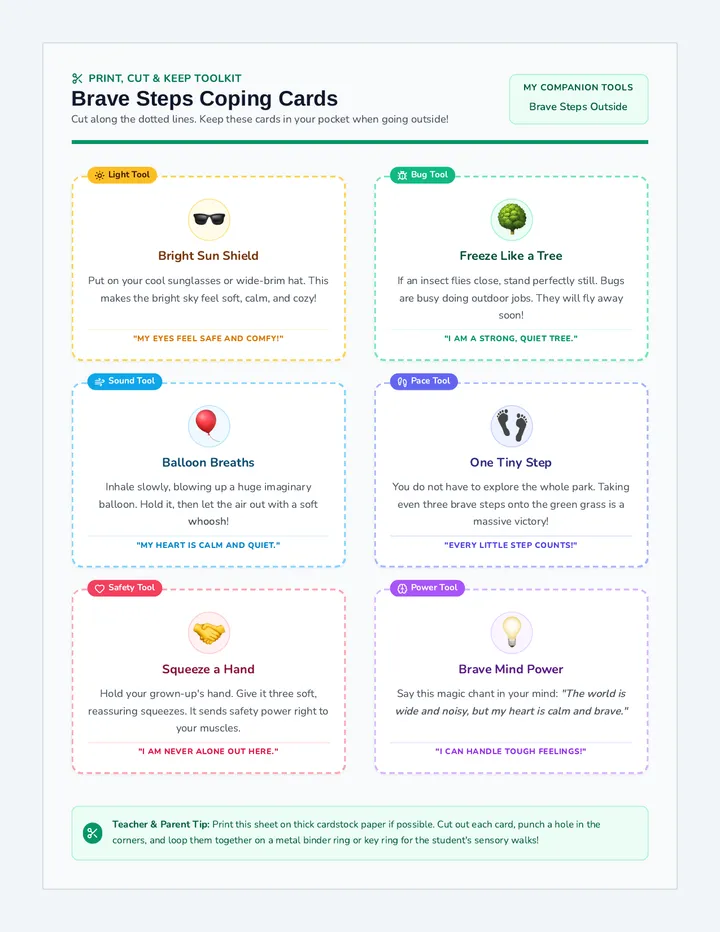
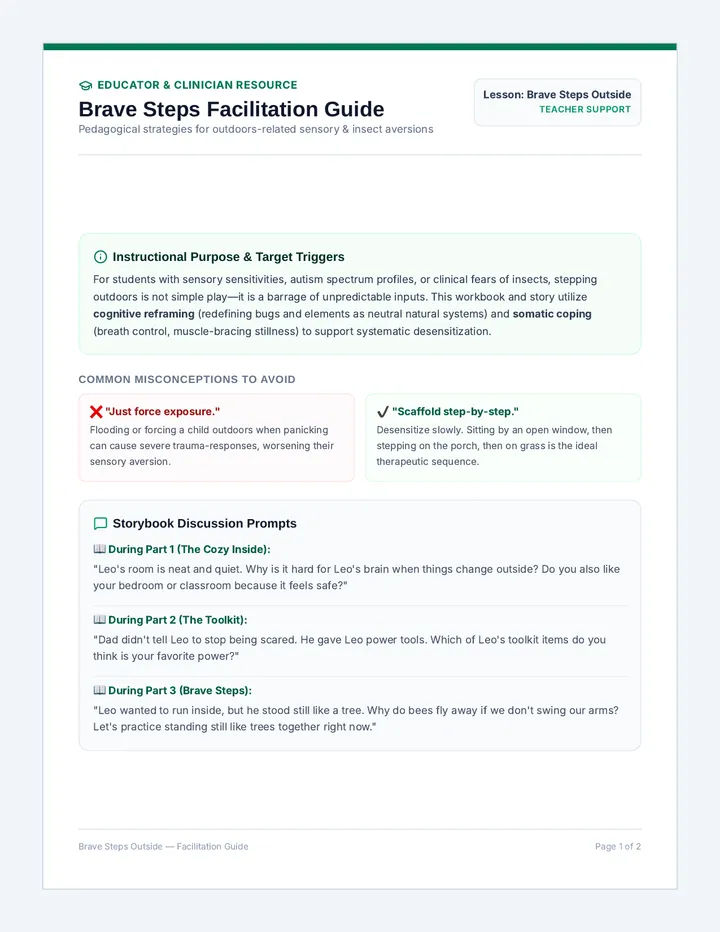
A comprehensive social emotional learning lesson designed to help children navigate fears of the outdoors, specifically focusing on sensory overload (loud noises, bright lights, weather) and unpredictable insects. Includes an interactive social story workbook, visual coping cards, and a teacher support guide.
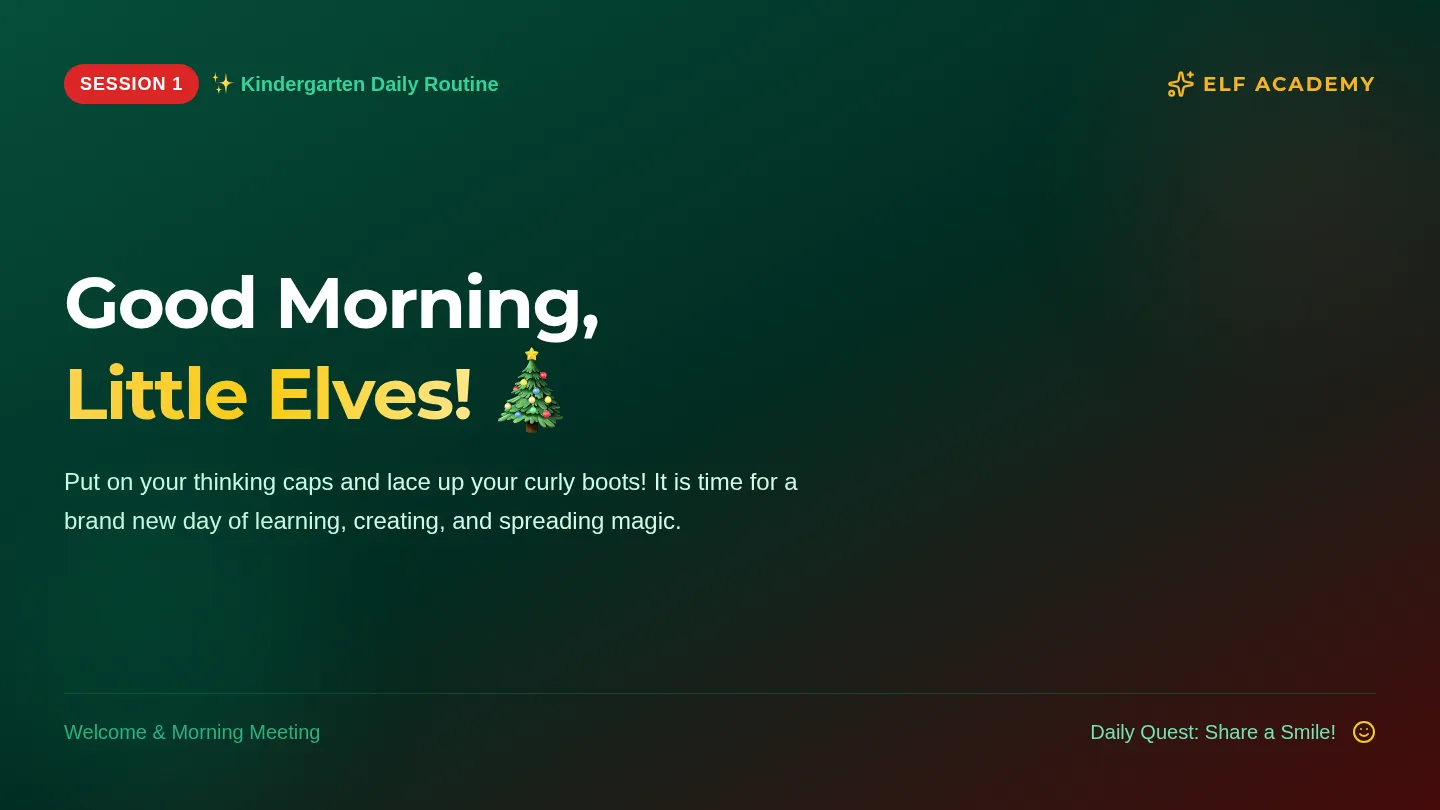
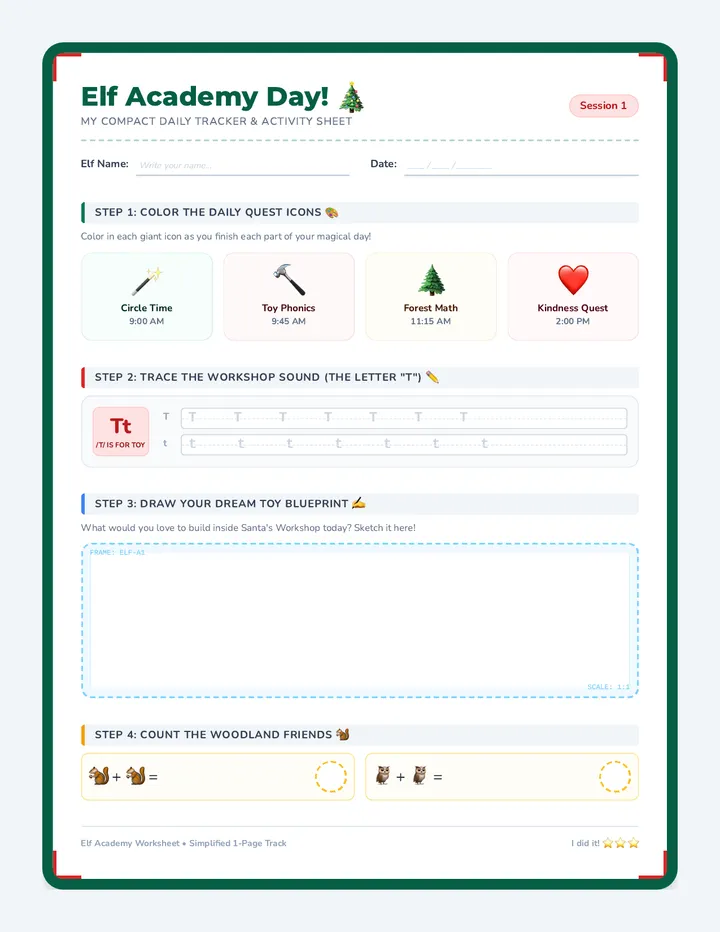
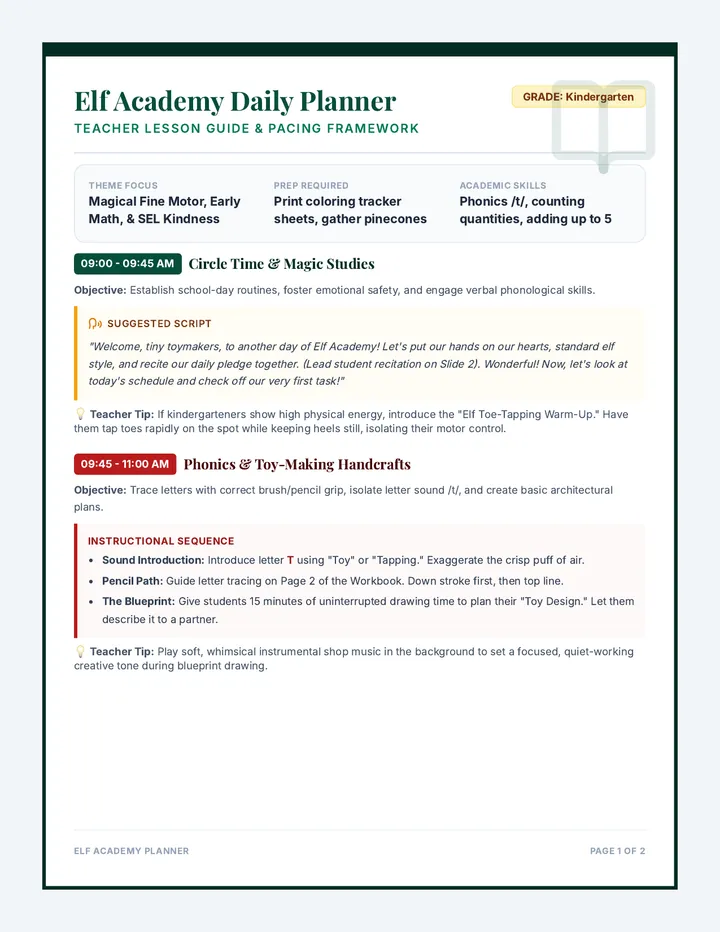
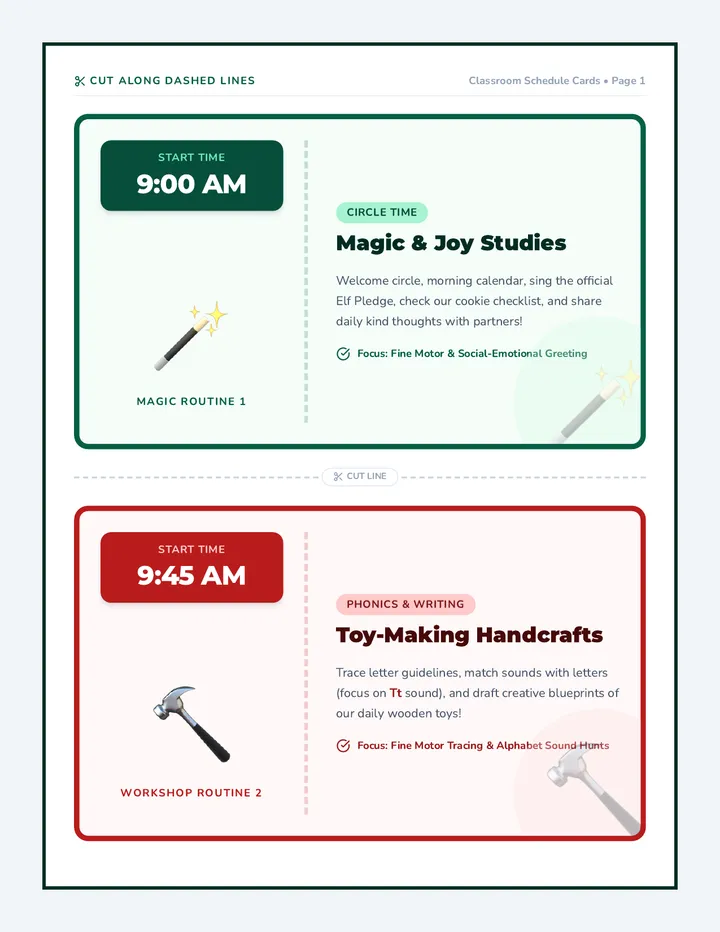
A whimsical daily schedule and routine planning guide designed for a kindergarten classroom themed around an elf training academy. Includes an interactive morning slideshow, a hands-on coloring tracker for students, printable schedule cards for classroom display, and a detailed teacher lesson planner.
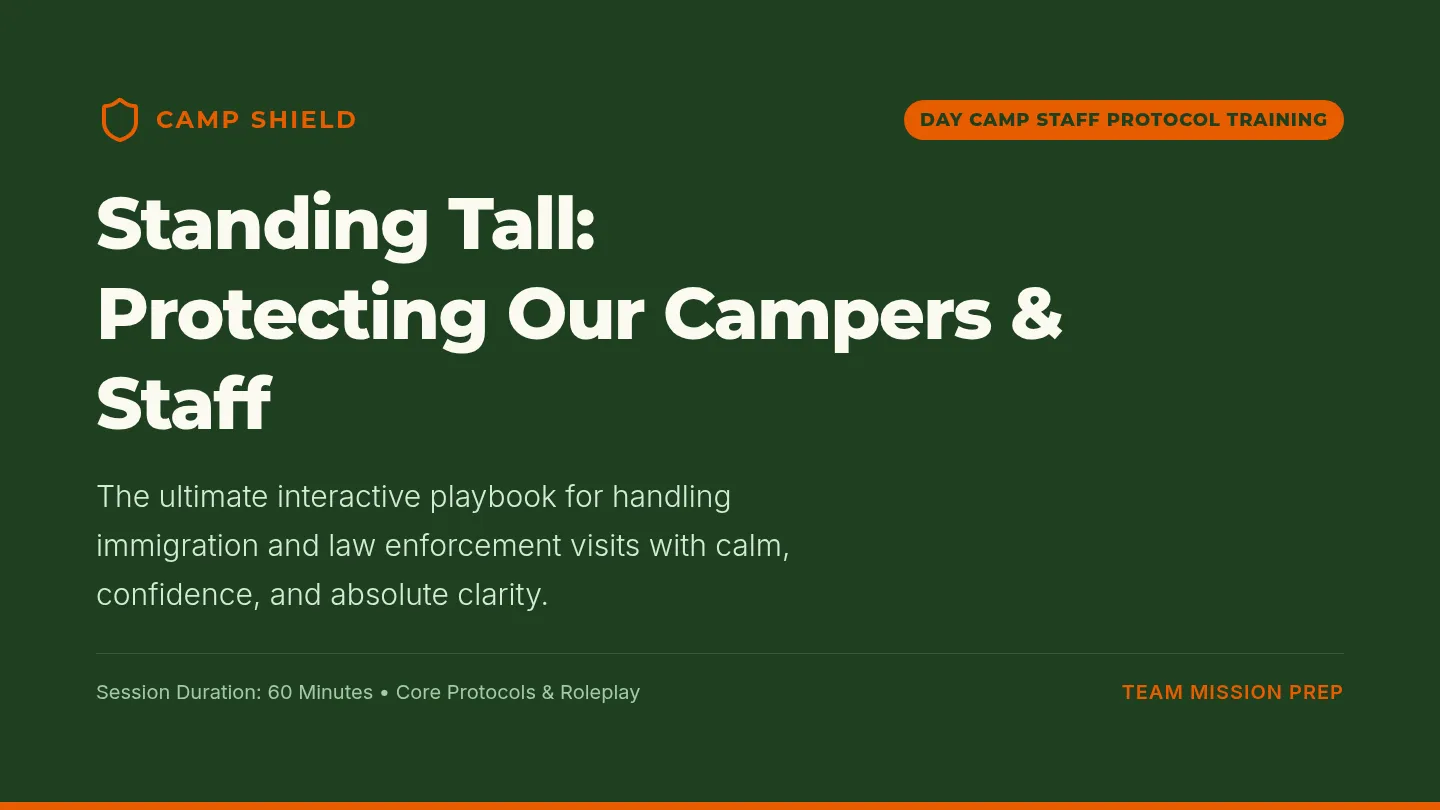
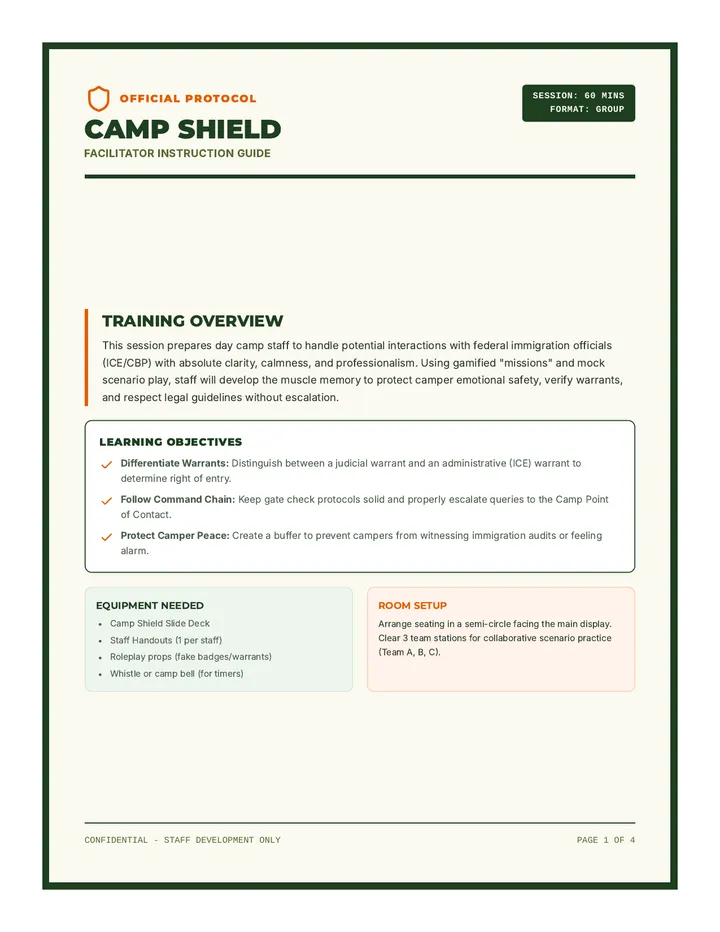
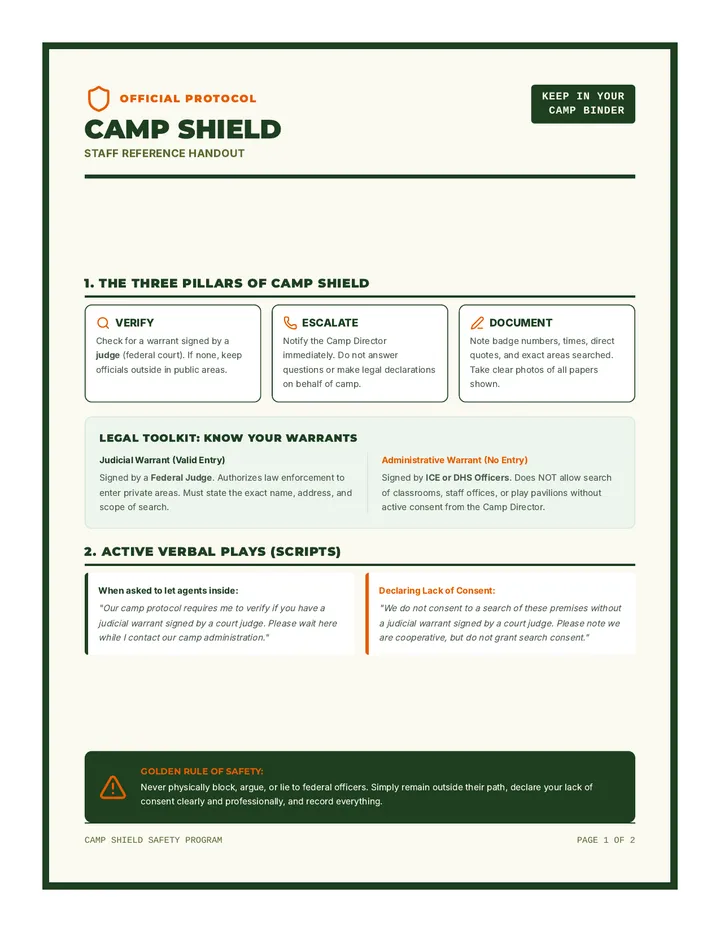
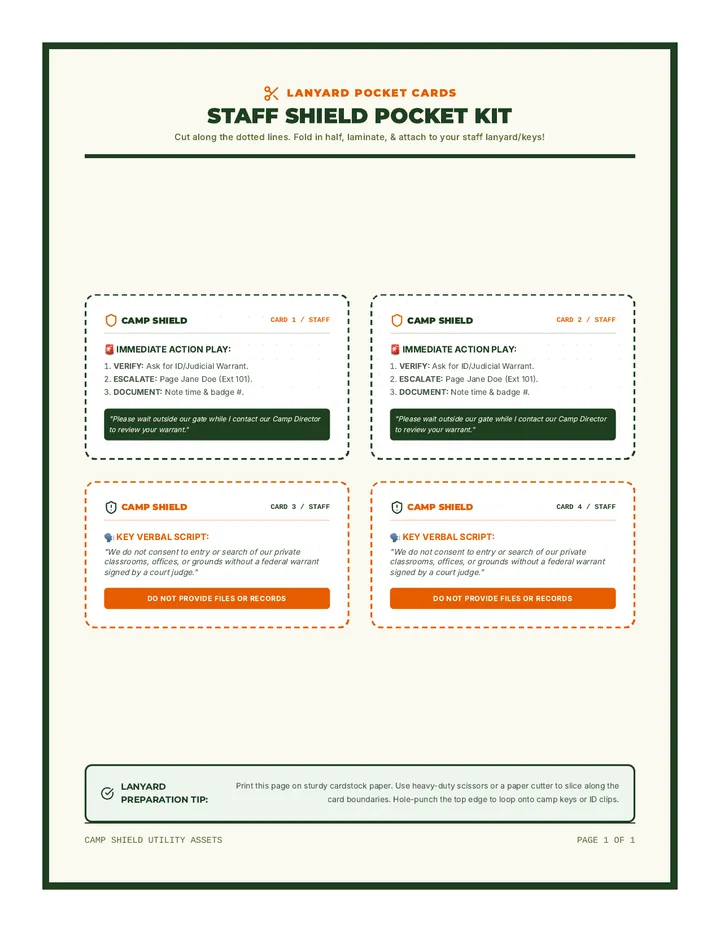
A comprehensive, scenario-based training lesson to prepare camp staff on safety, communication, and legal protocols if ICE or immigration officials arrive at camp. Equips staff with actionable toolkits, step-by-step guides, and interactive roleplay scenarios.
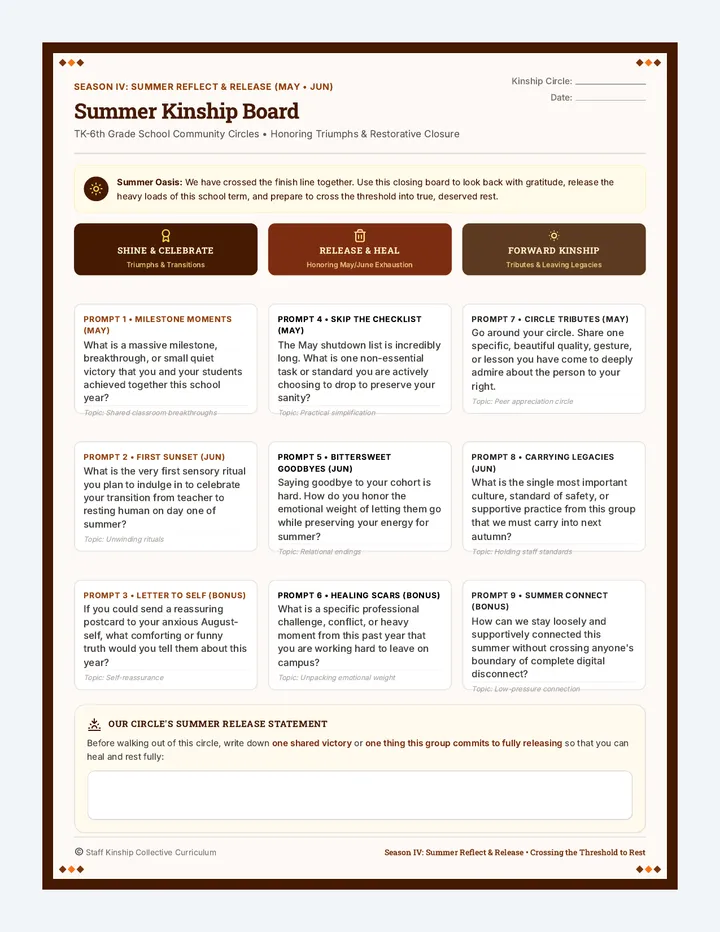
Celebrates collective triumphs, reflective learning, and restorative closure as the school year draws to an end (May, June).