A 30-minute social-emotional learning lesson where students define and differentiate between gratitude, respect, and courtesy through a triple Venn diagram activity.
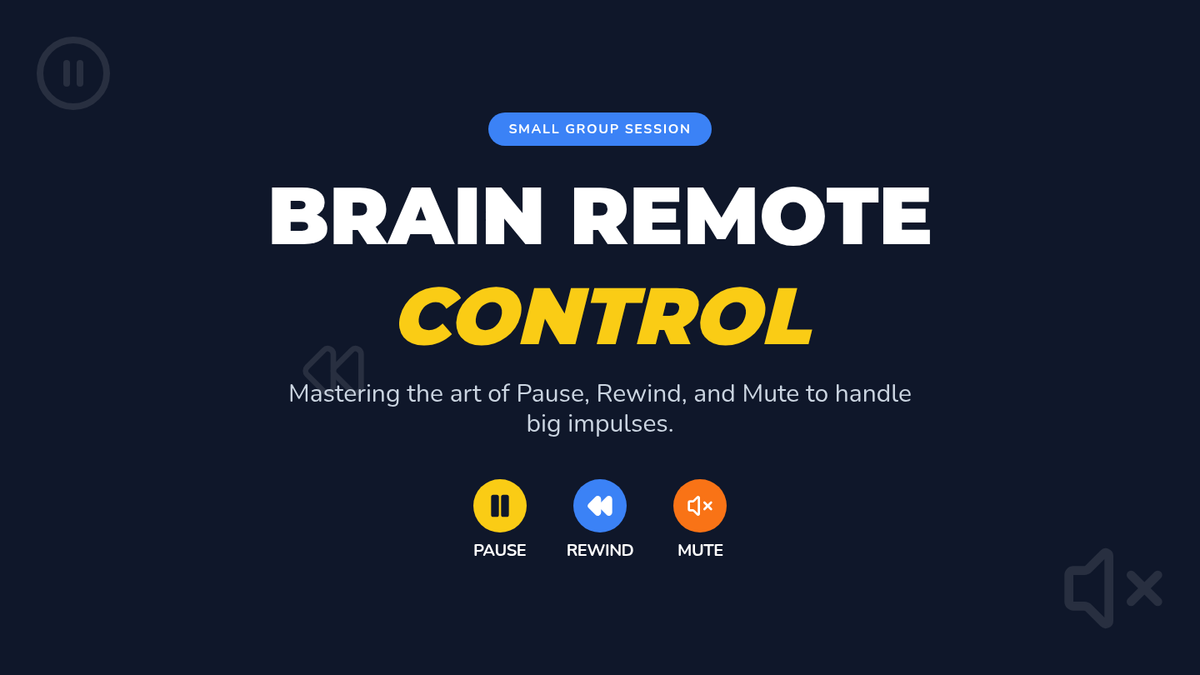
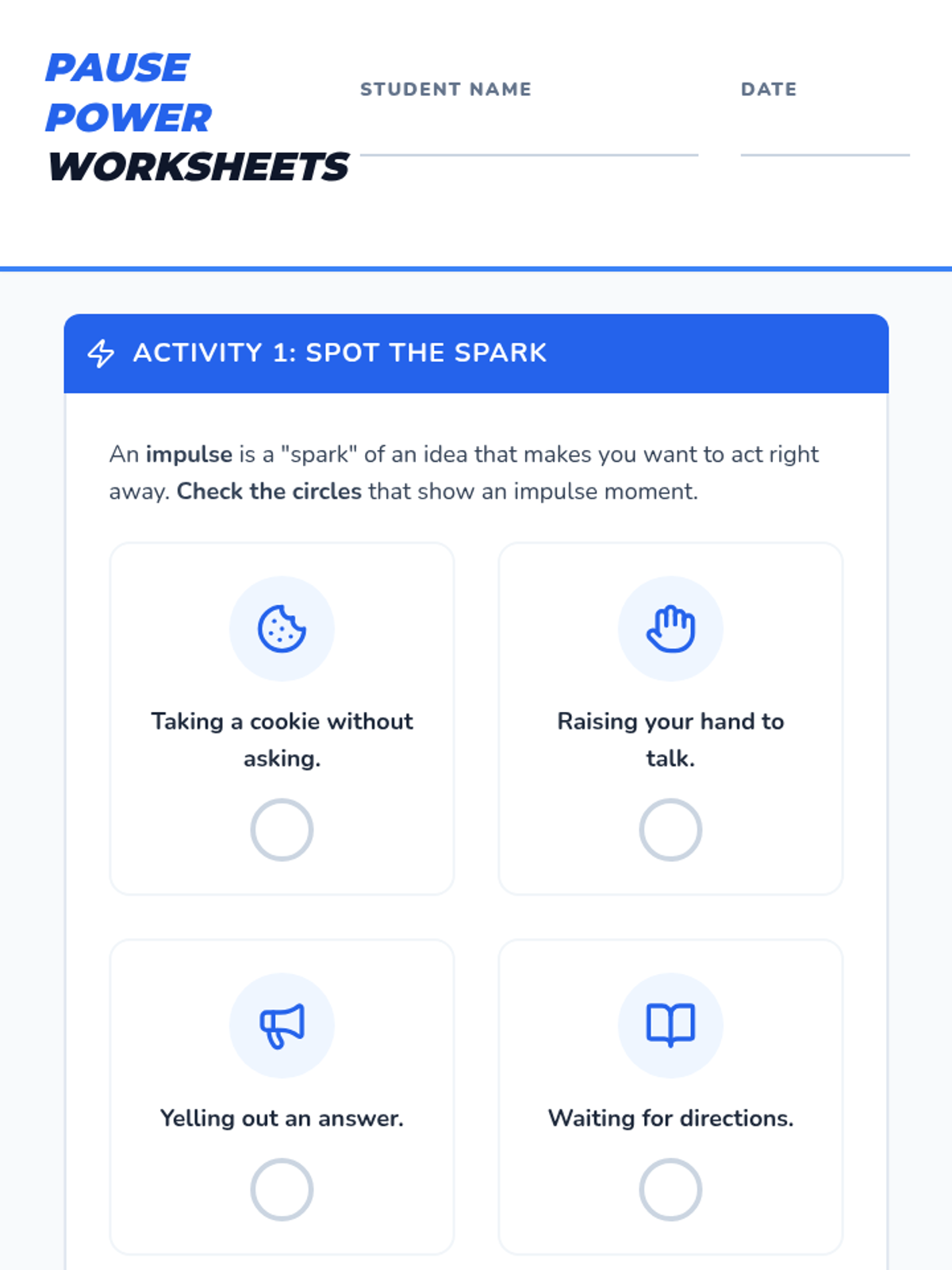
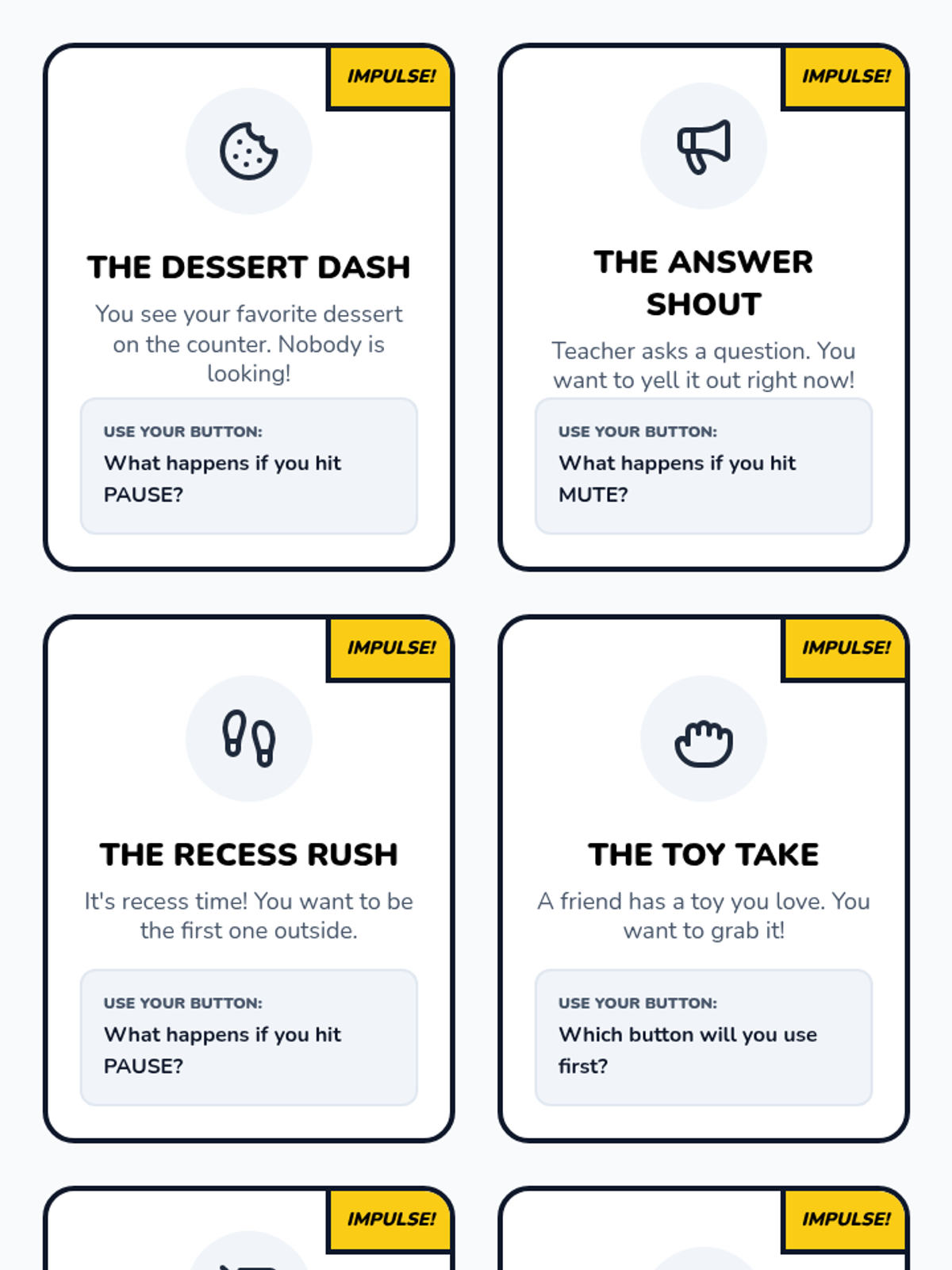
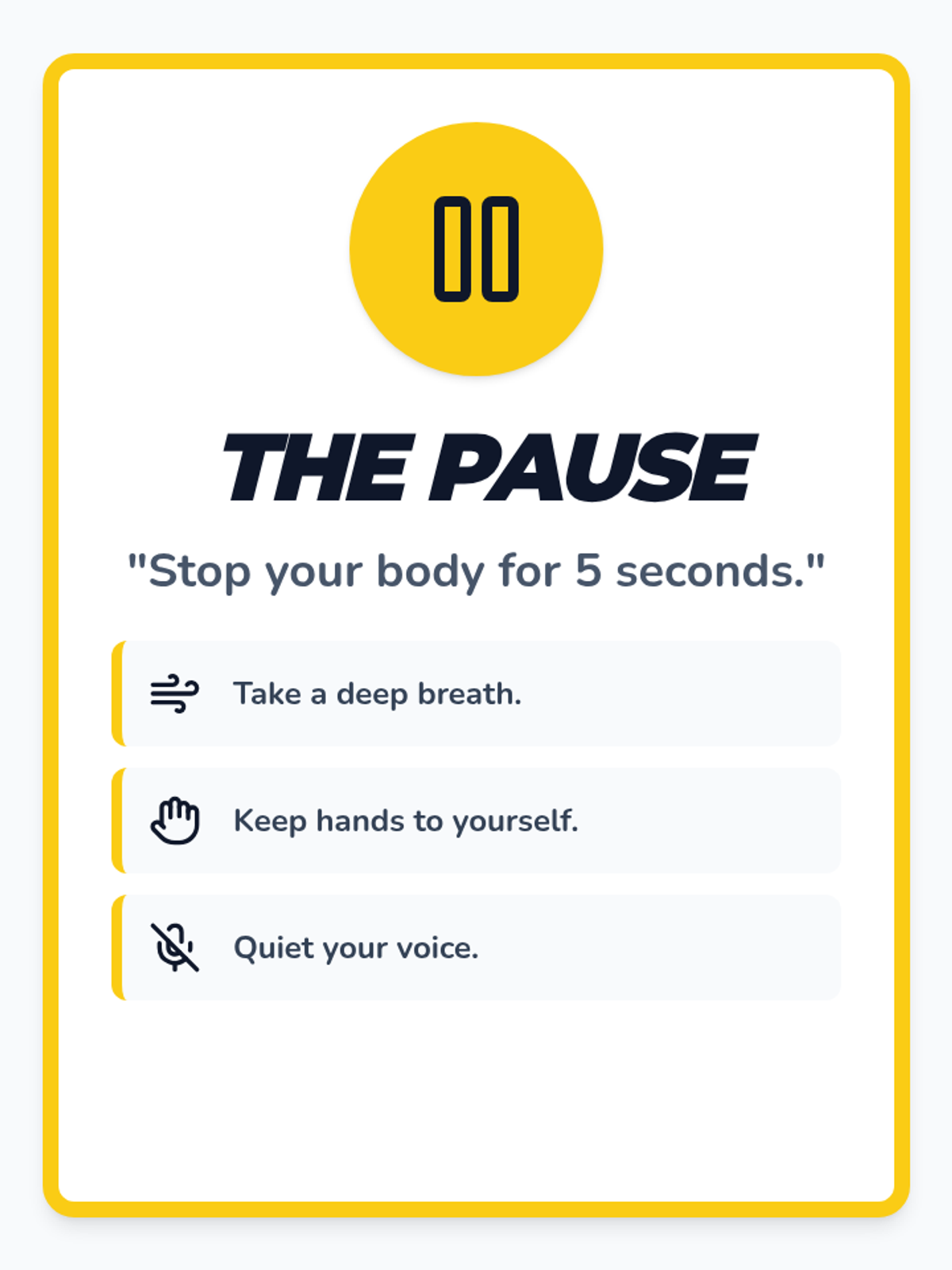
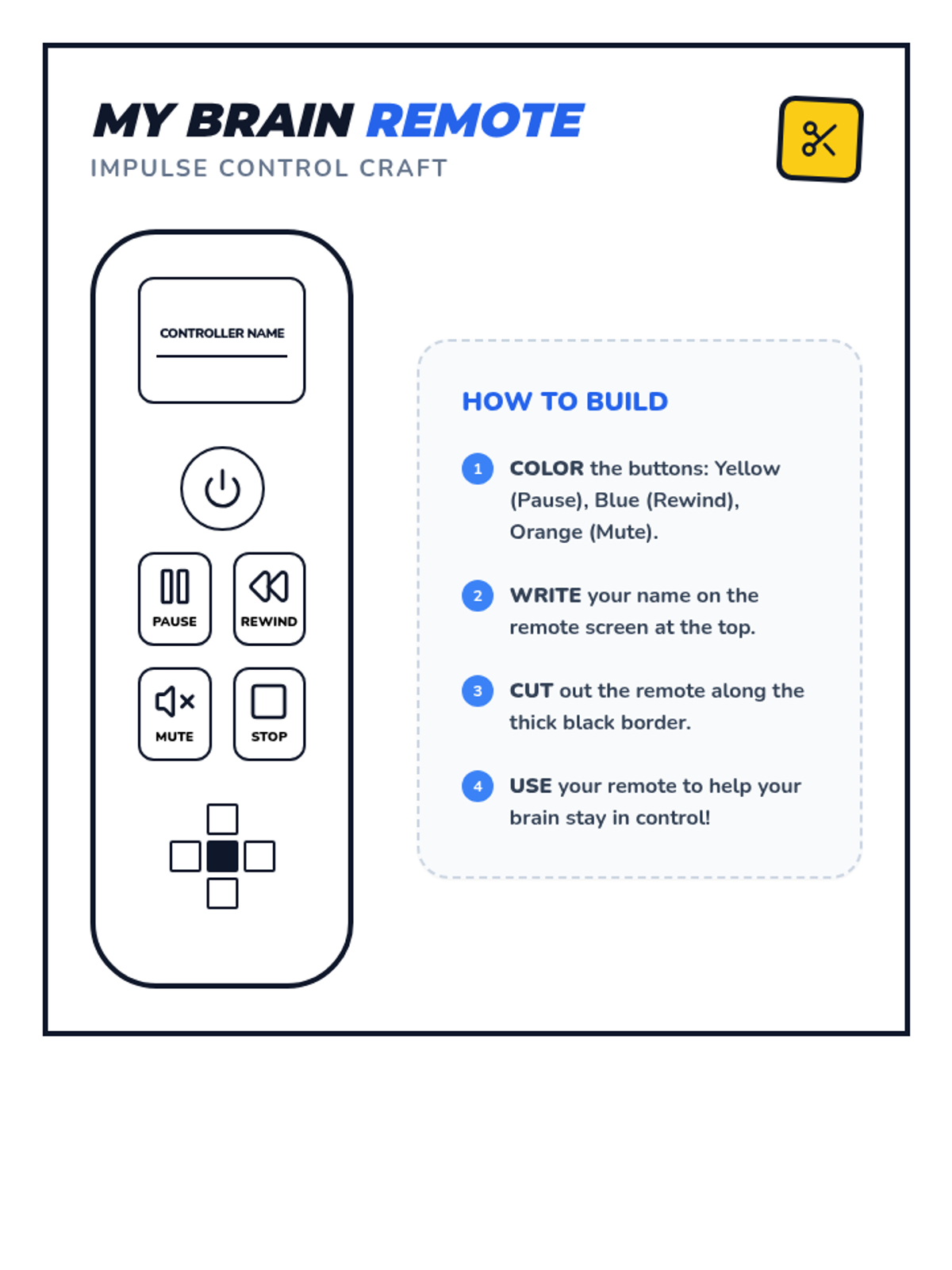
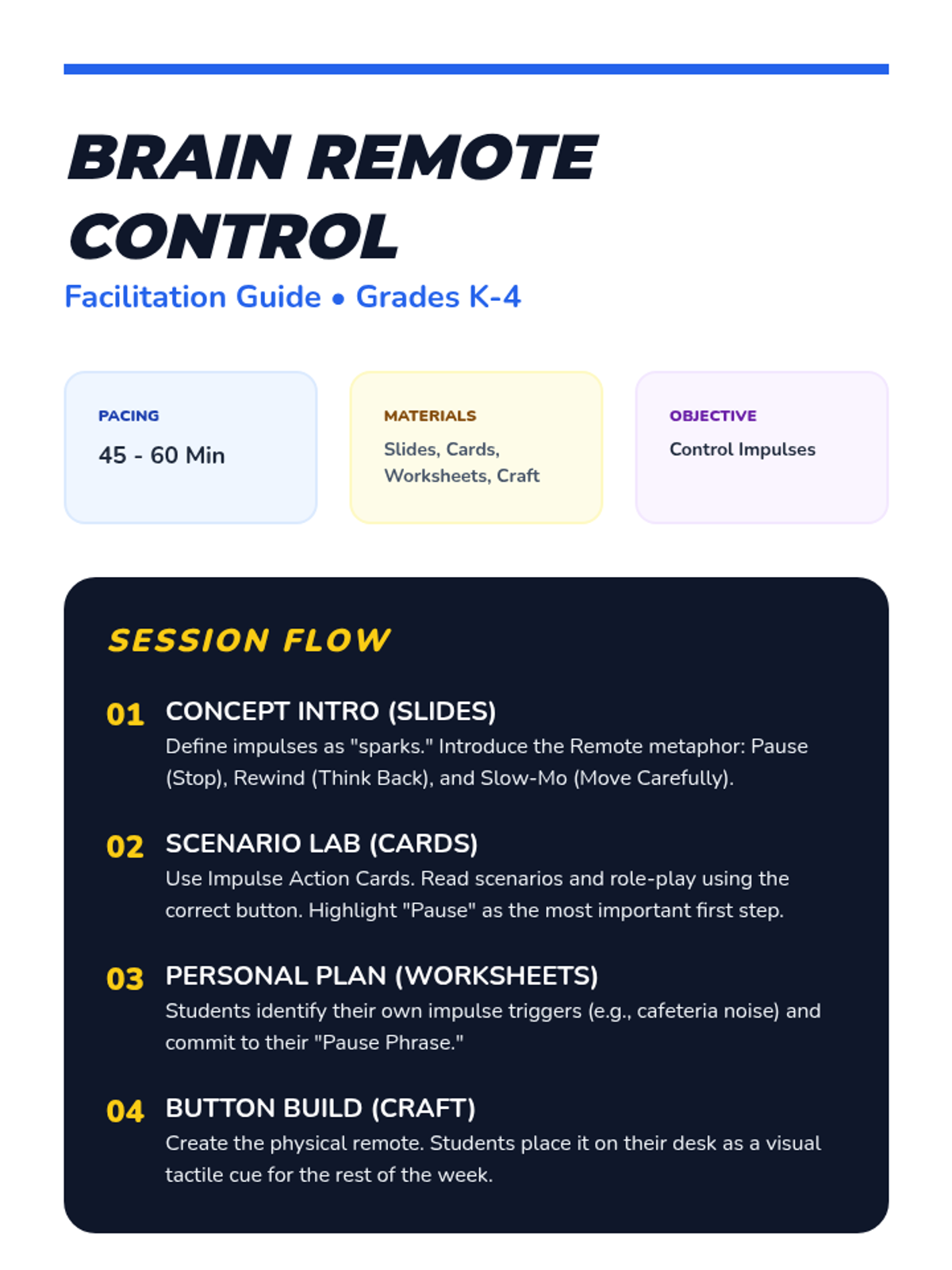
A social-emotional learning lesson for K-4 students focused on impulse control techniques using a remote control metaphor. Students learn to 'pause', 'rewind', and 'slow down' their reactions through interactive activities and a creative craft.
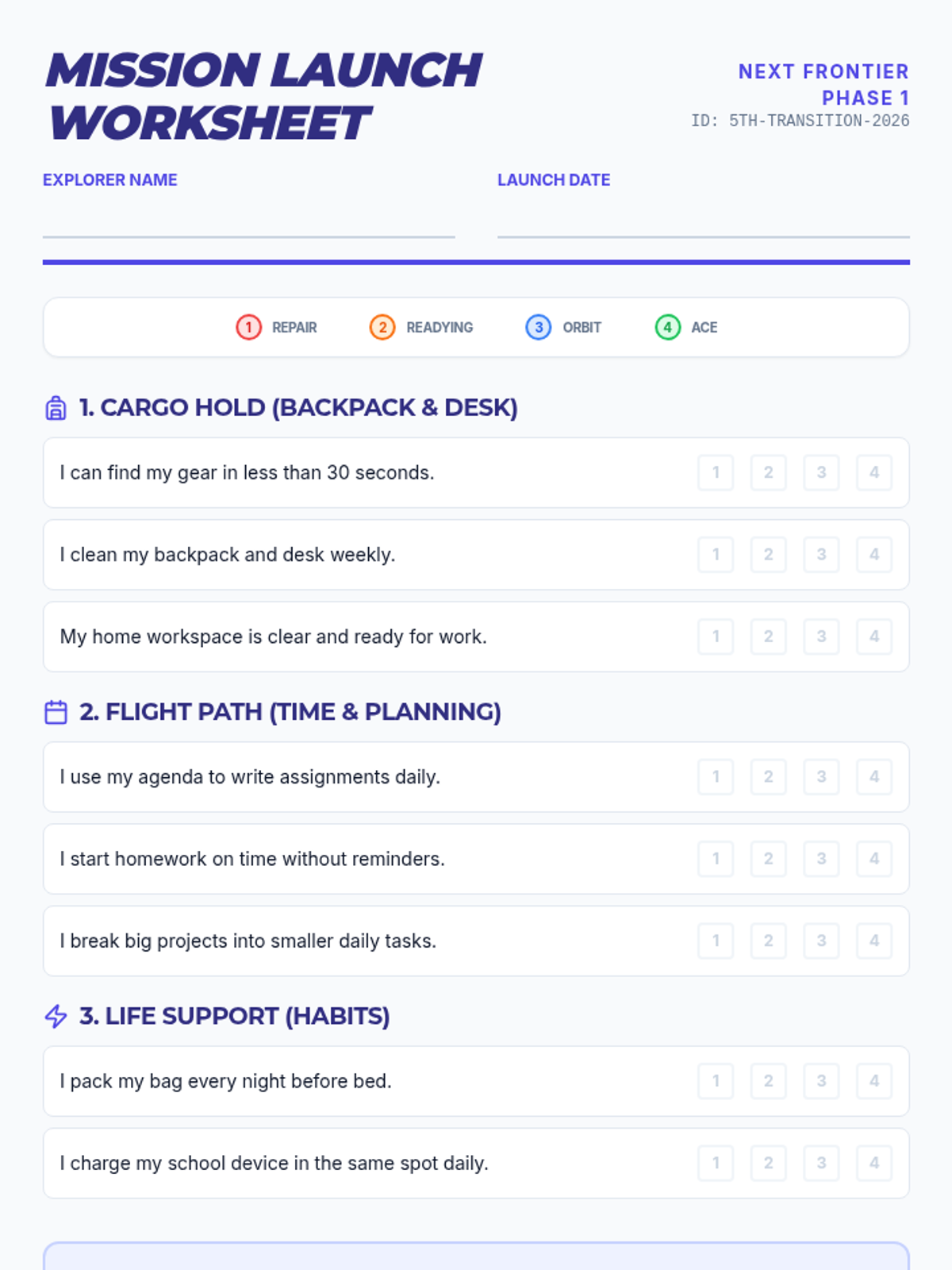
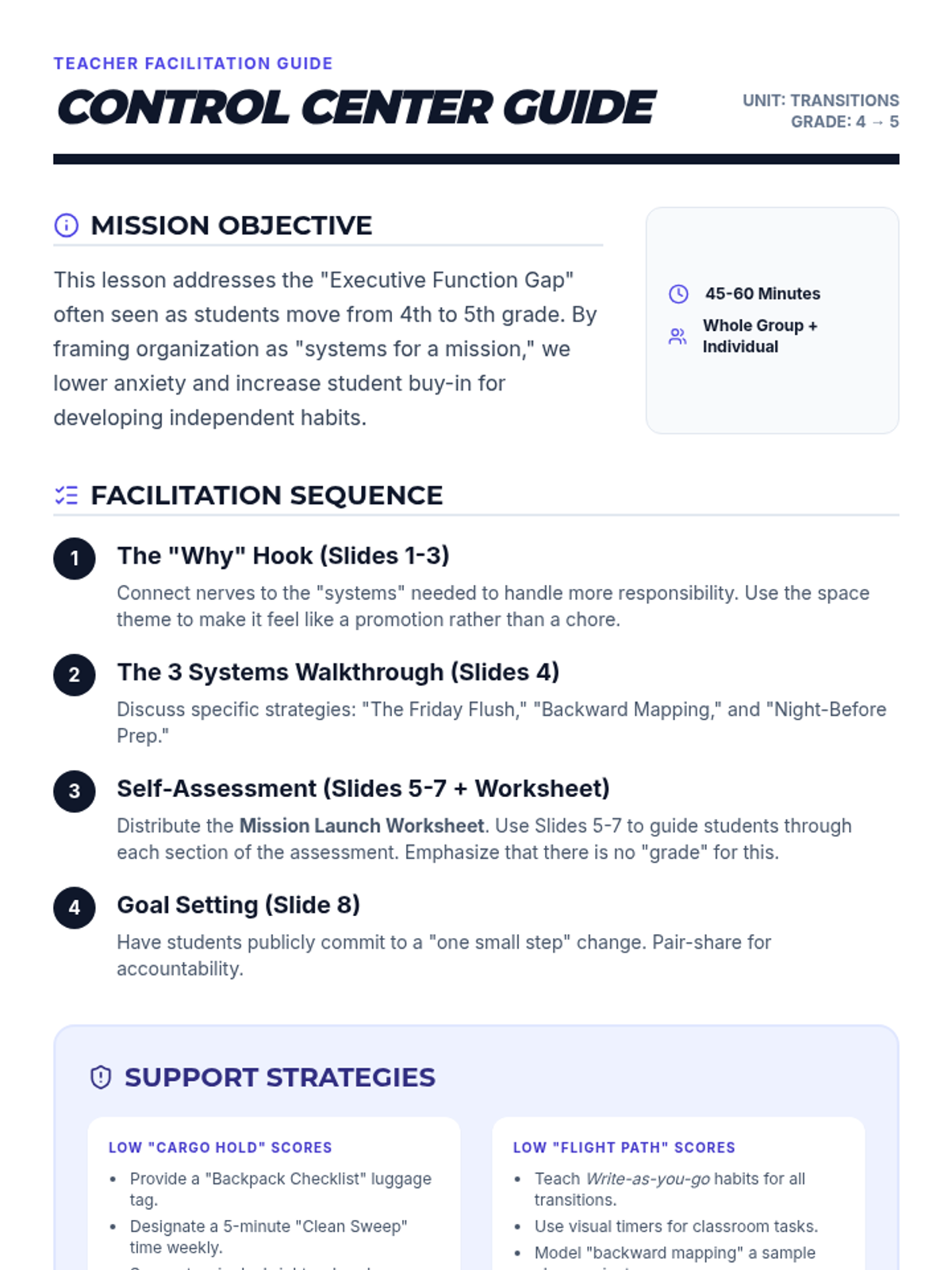
A transition-focused lesson designed to help 4th graders assess and improve their organizational habits before entering 5th grade. Students reflect on their current systems and set goals for the increased independence of the next grade level.
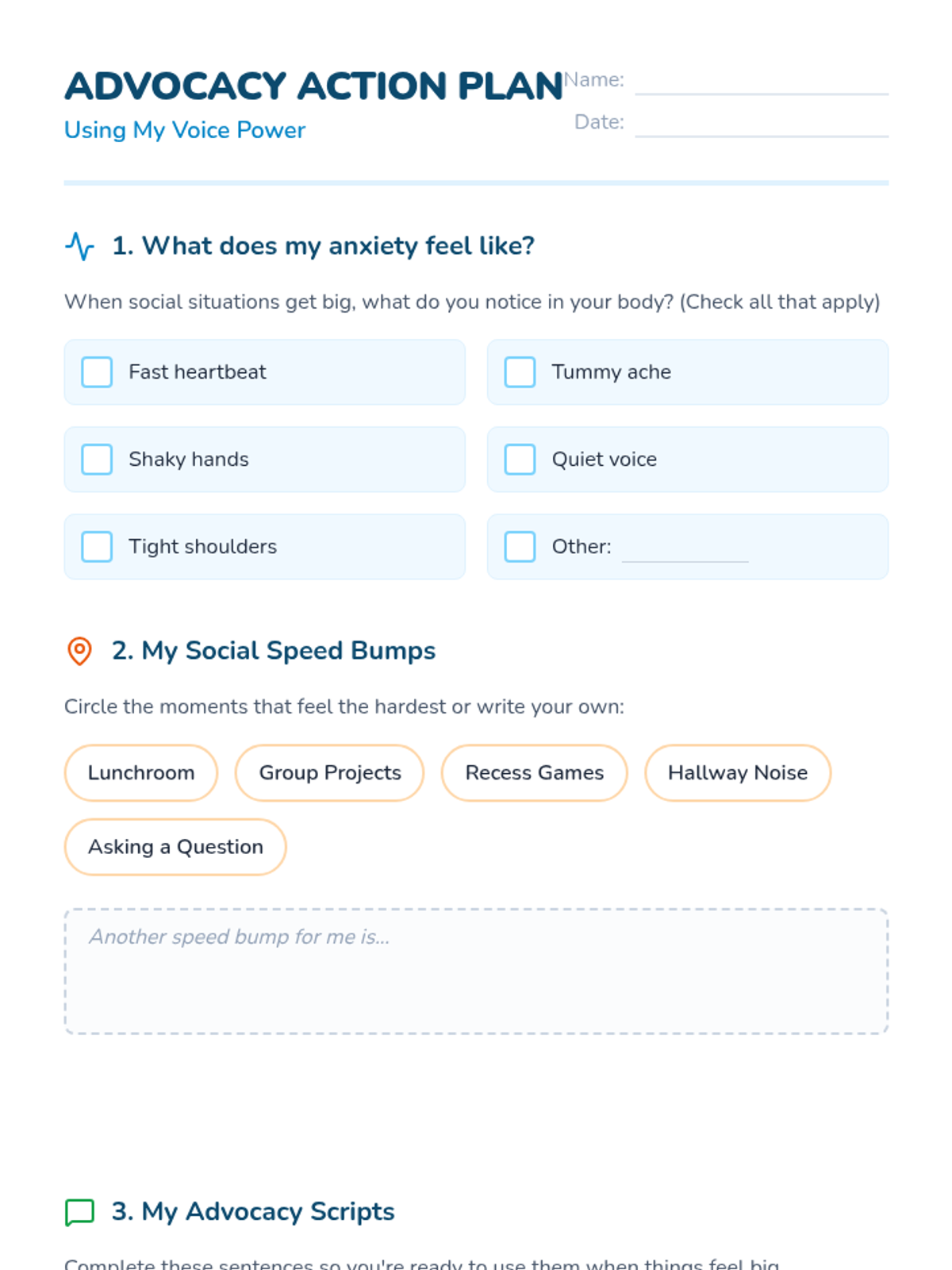
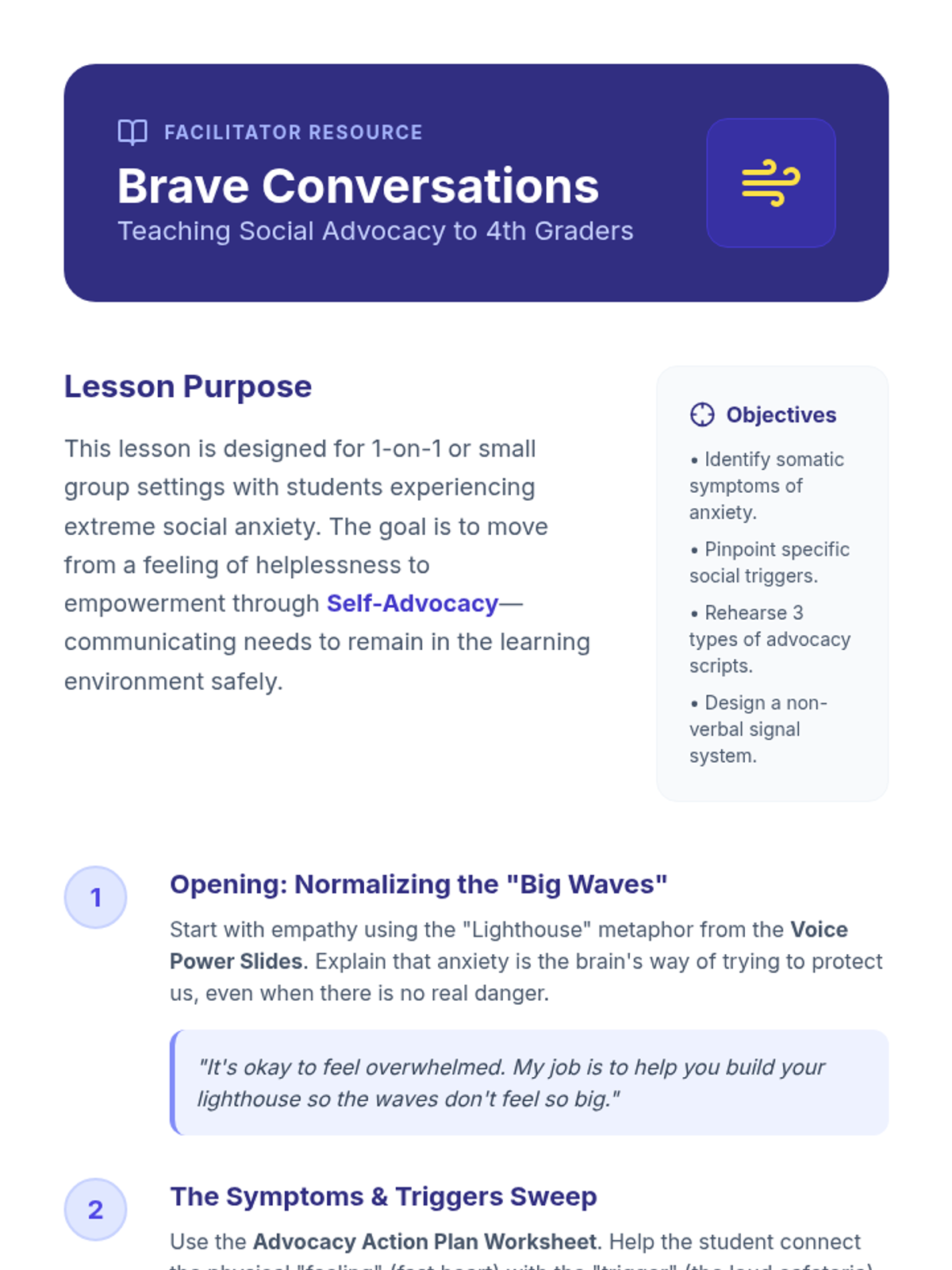
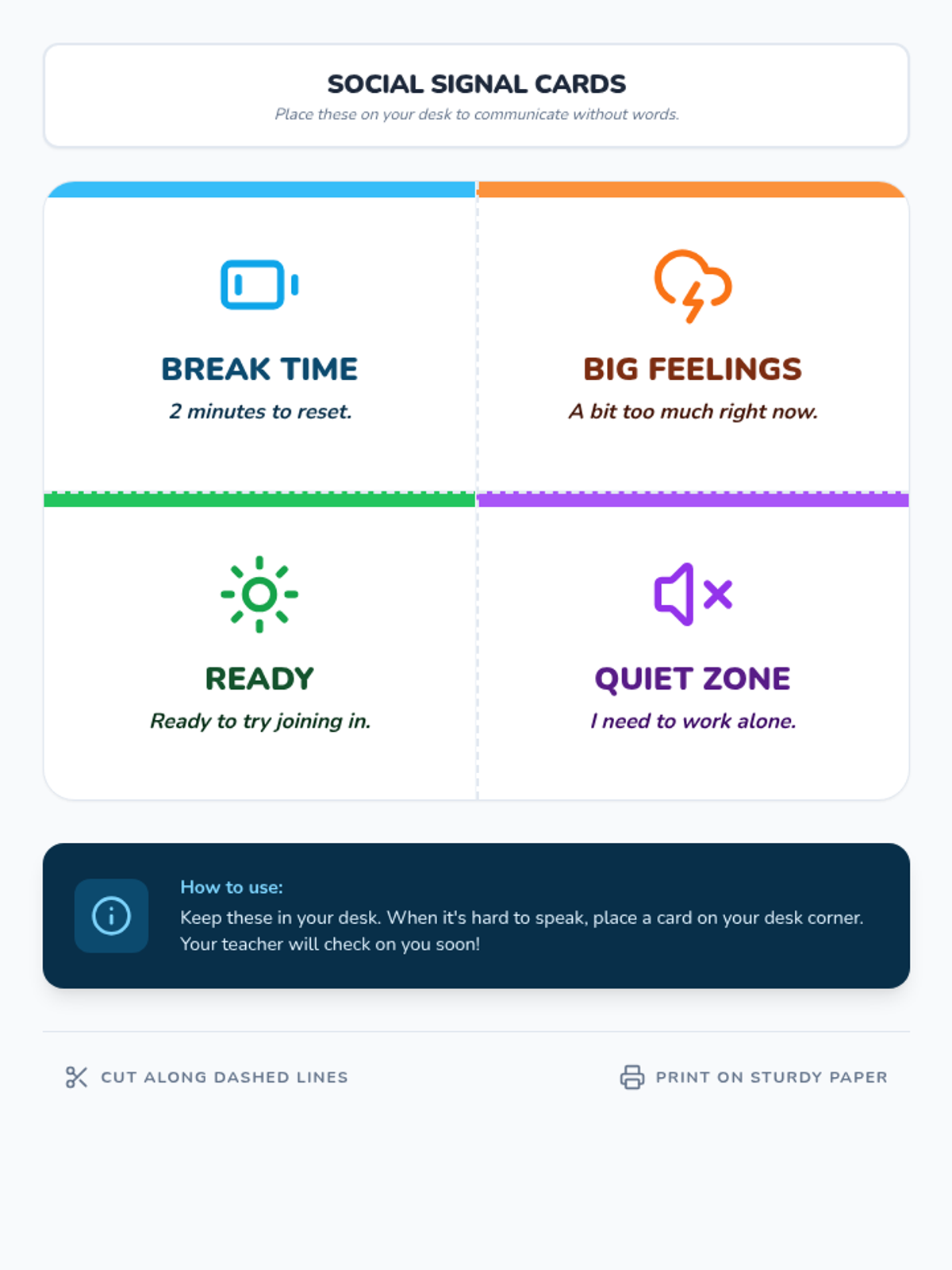
A supportive lesson designed to help 4th graders identify social anxiety triggers and learn practical self-advocacy scripts to communicate their needs to teachers and peers.
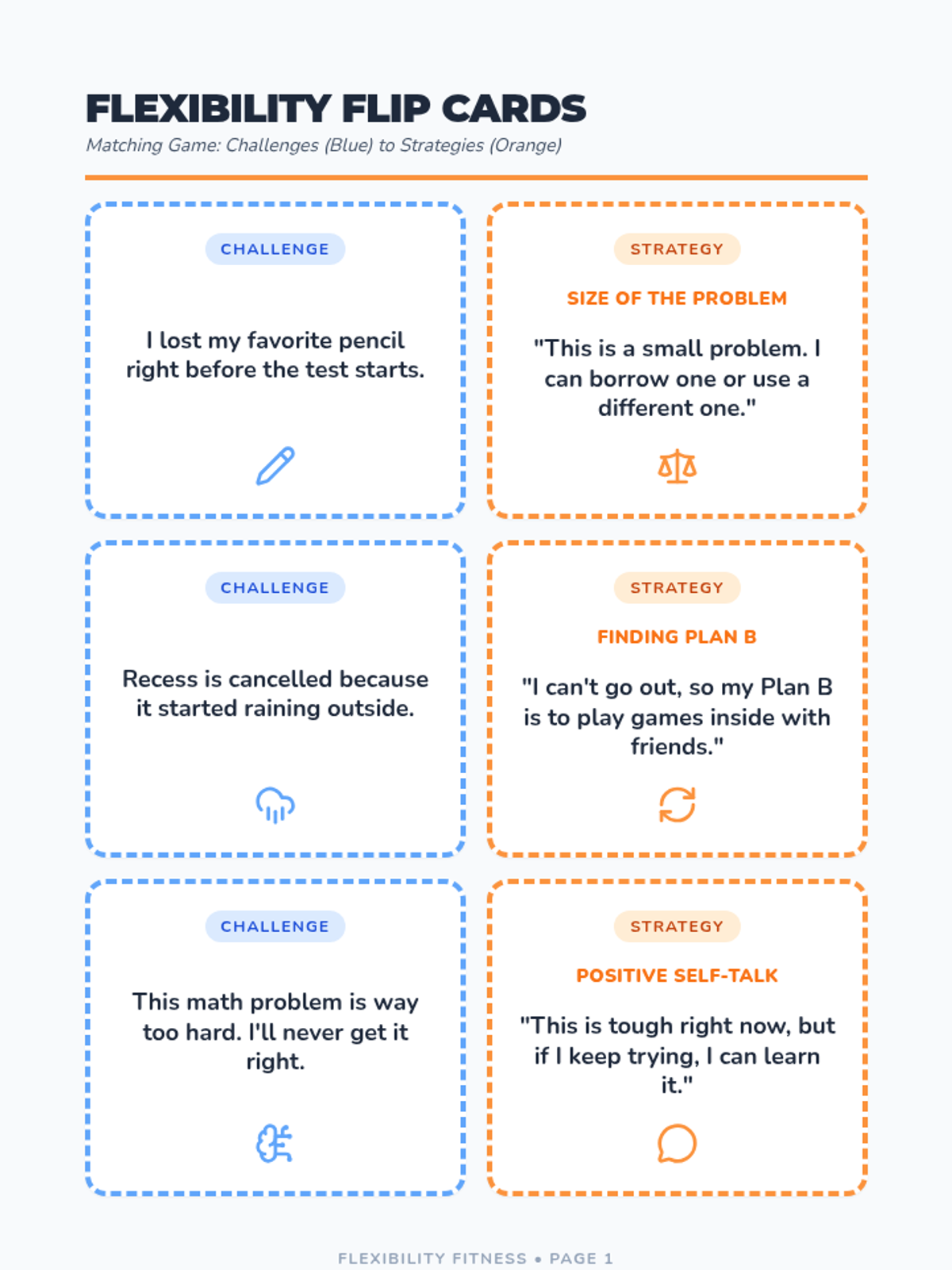
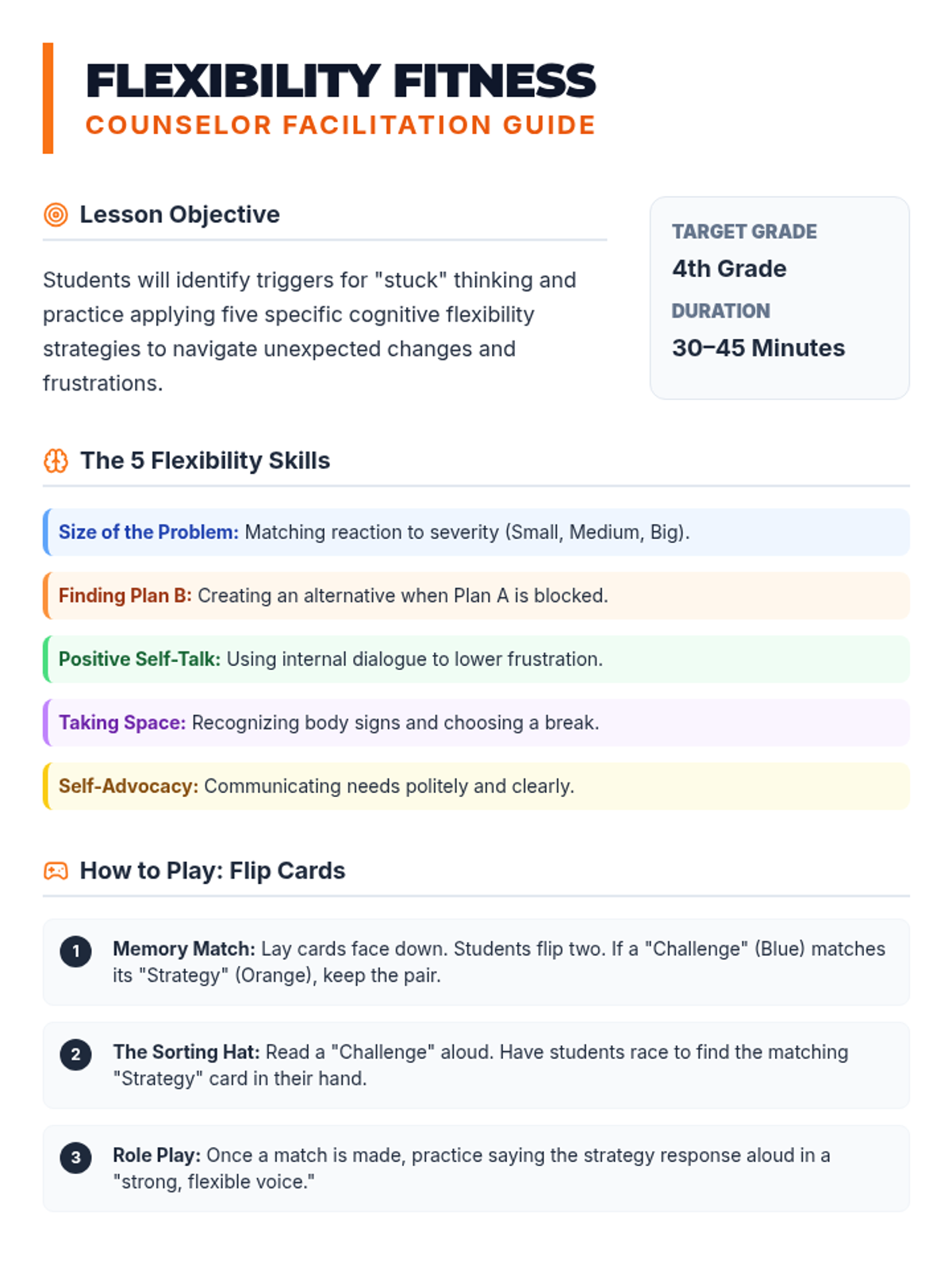
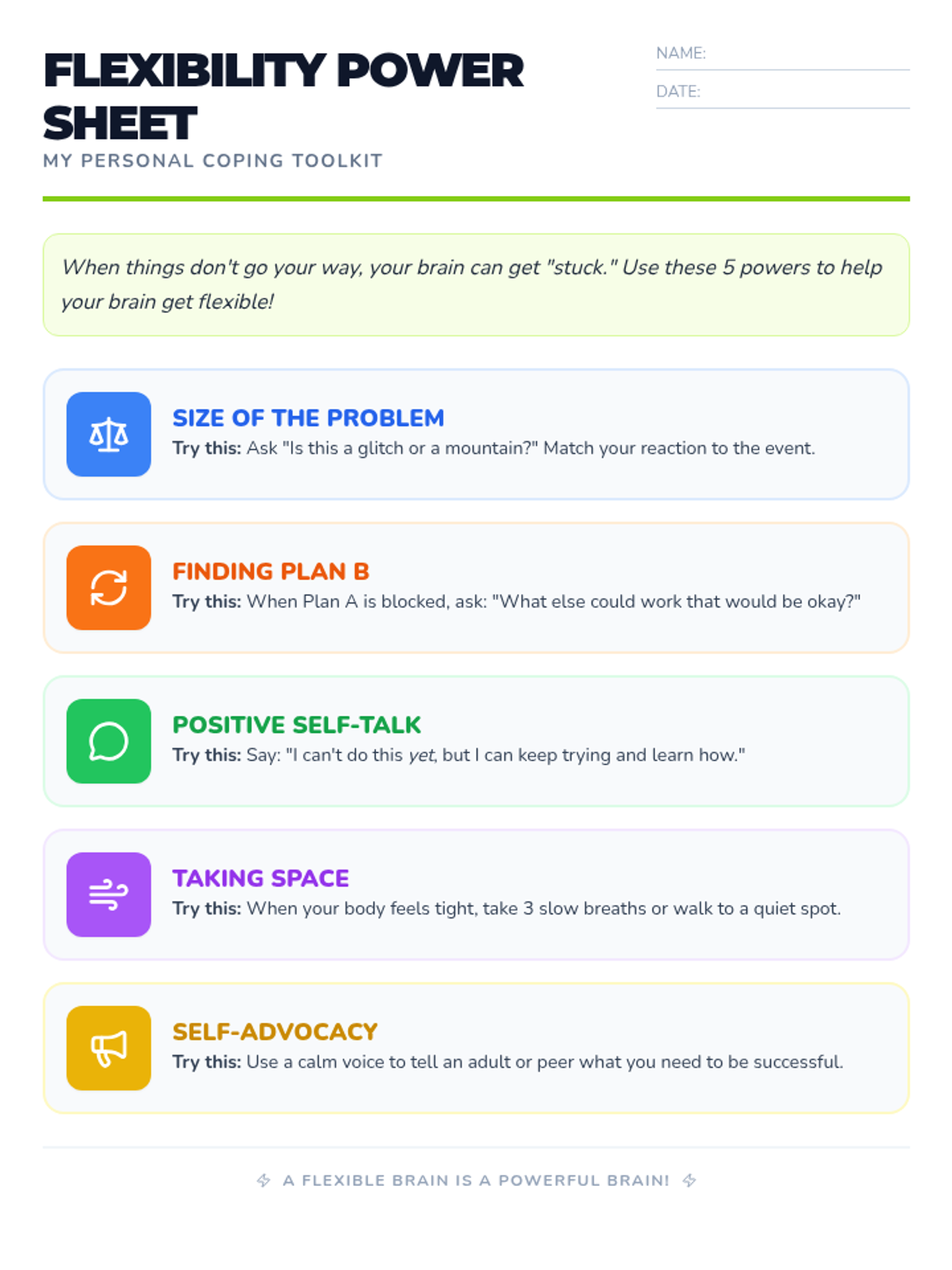
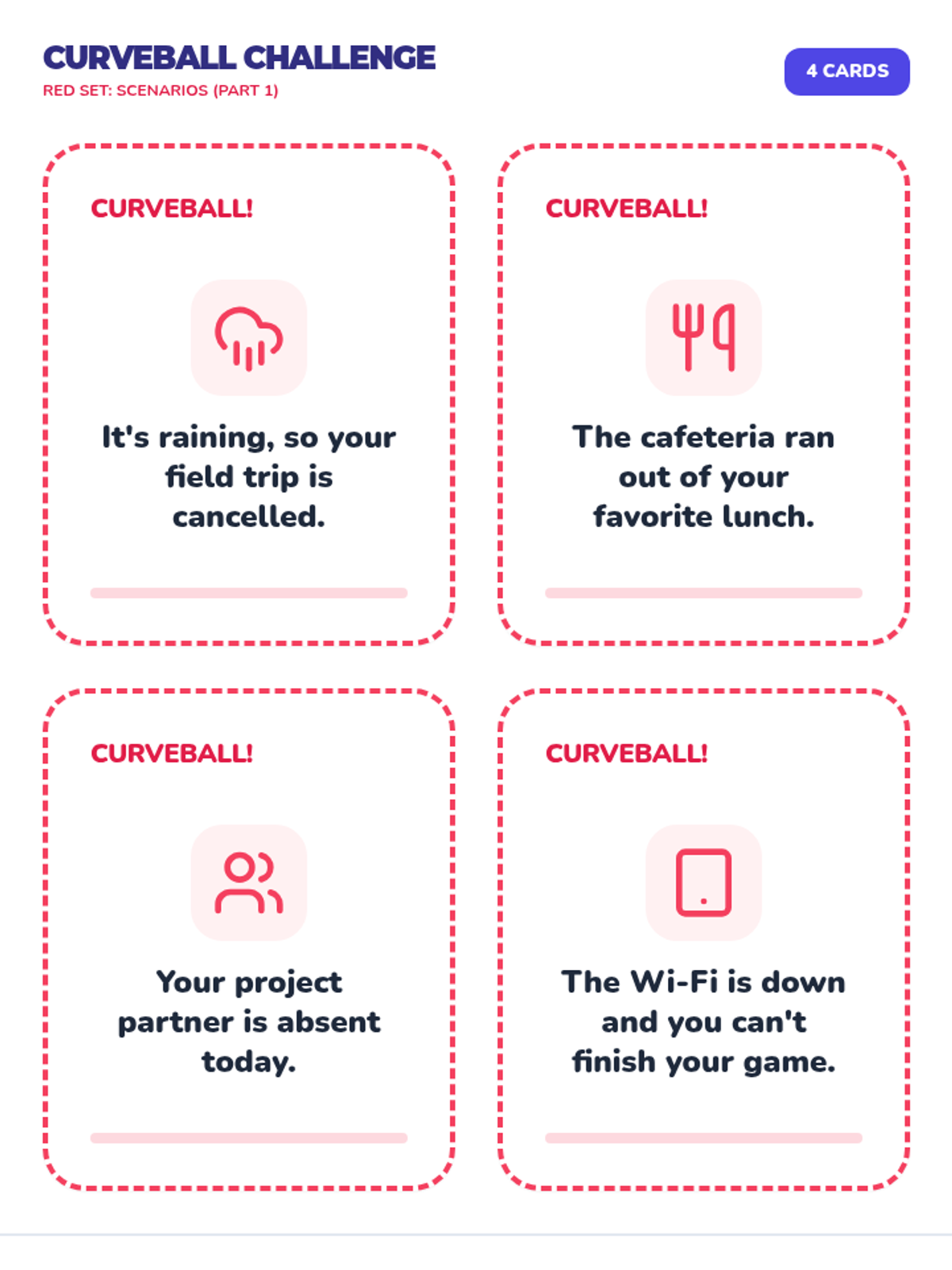
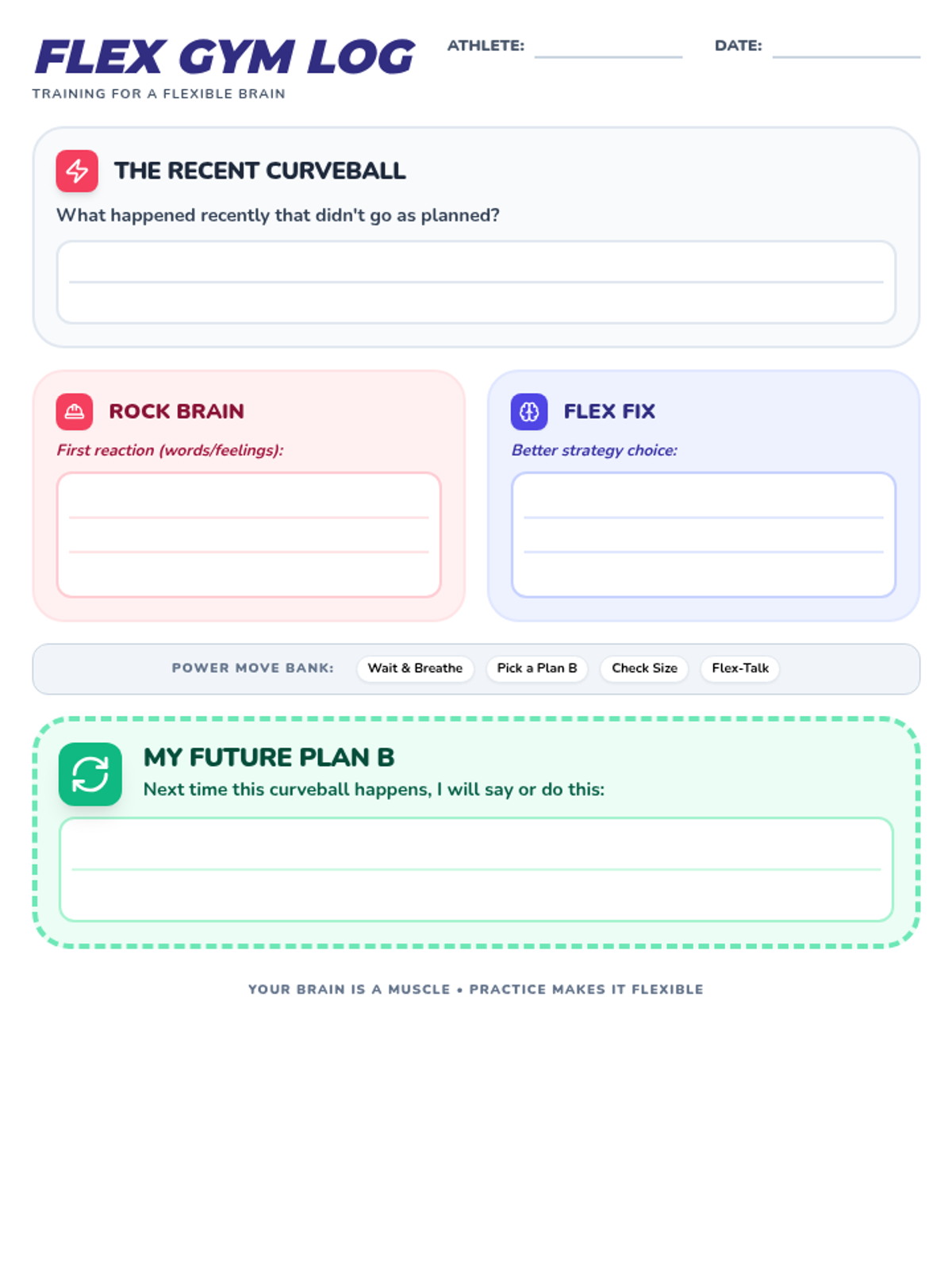
A counseling lesson focused on teaching 4th-grade students how to handle unexpected changes and frustrations using coping strategies like Plan B, positive self-talk, and self-advocacy.
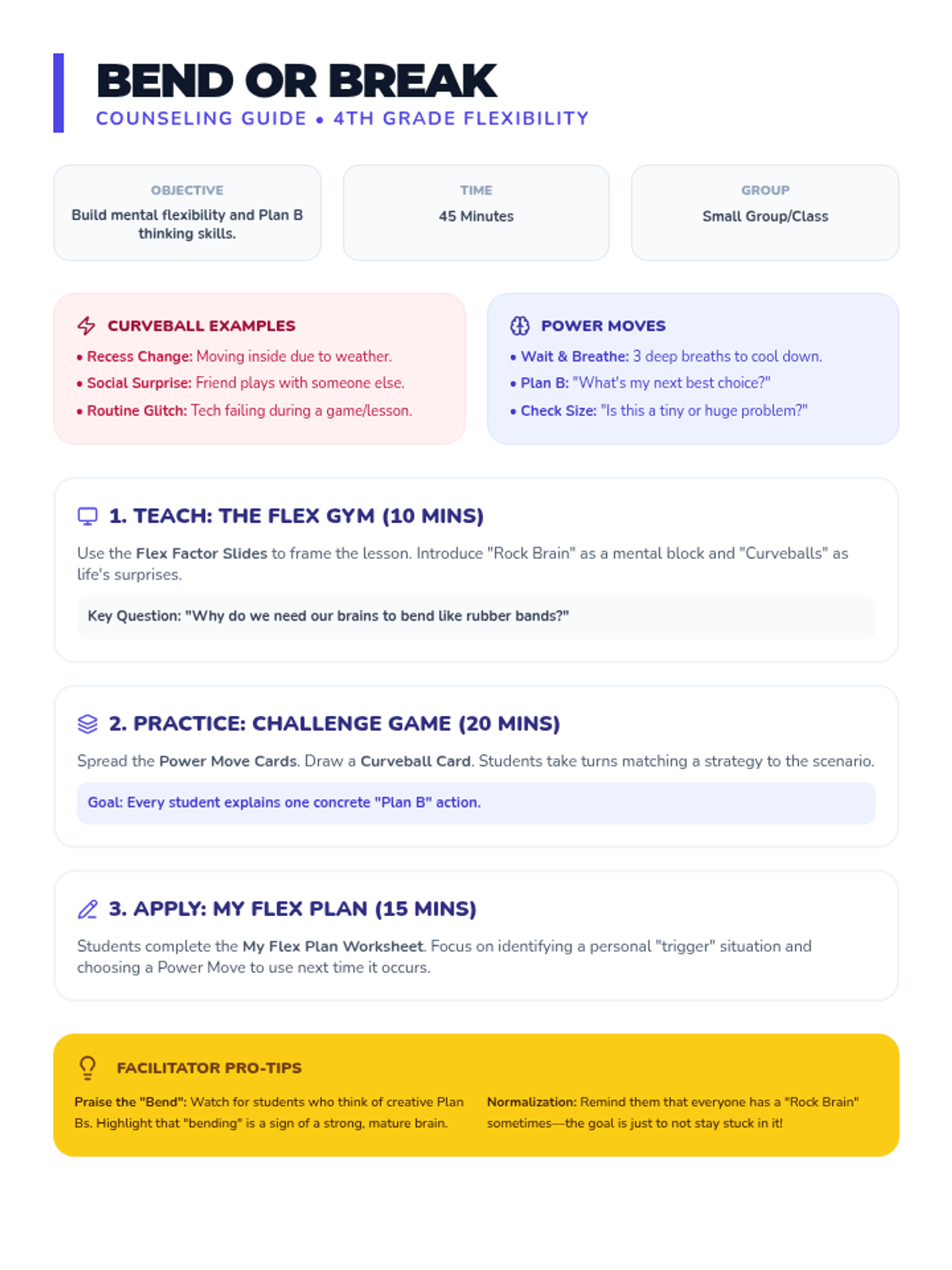
A counseling lesson designed for 4th graders to develop flexible thinking skills and learn how to adjust to unexpected changes using a 'brain gymnastics' theme.
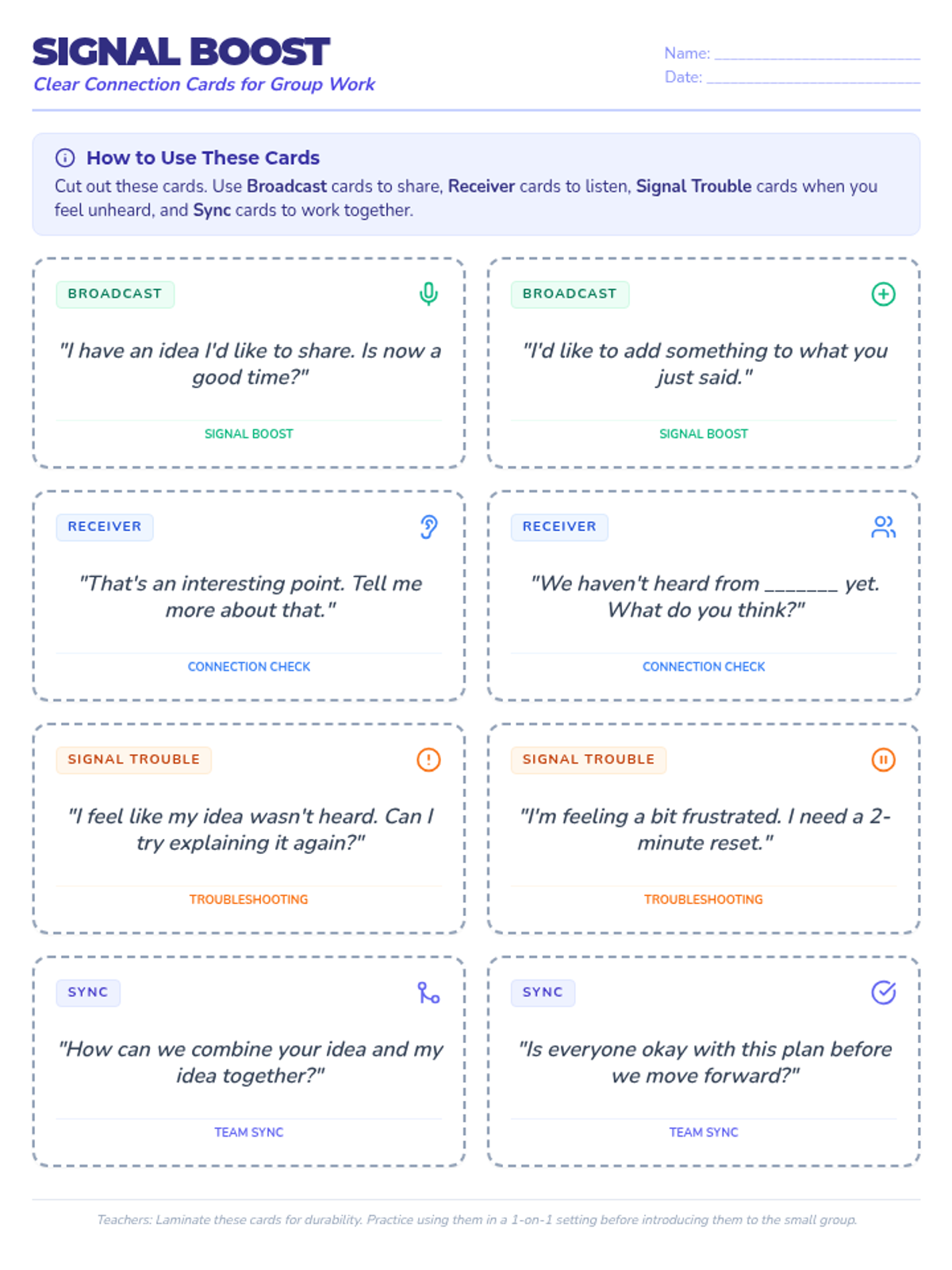
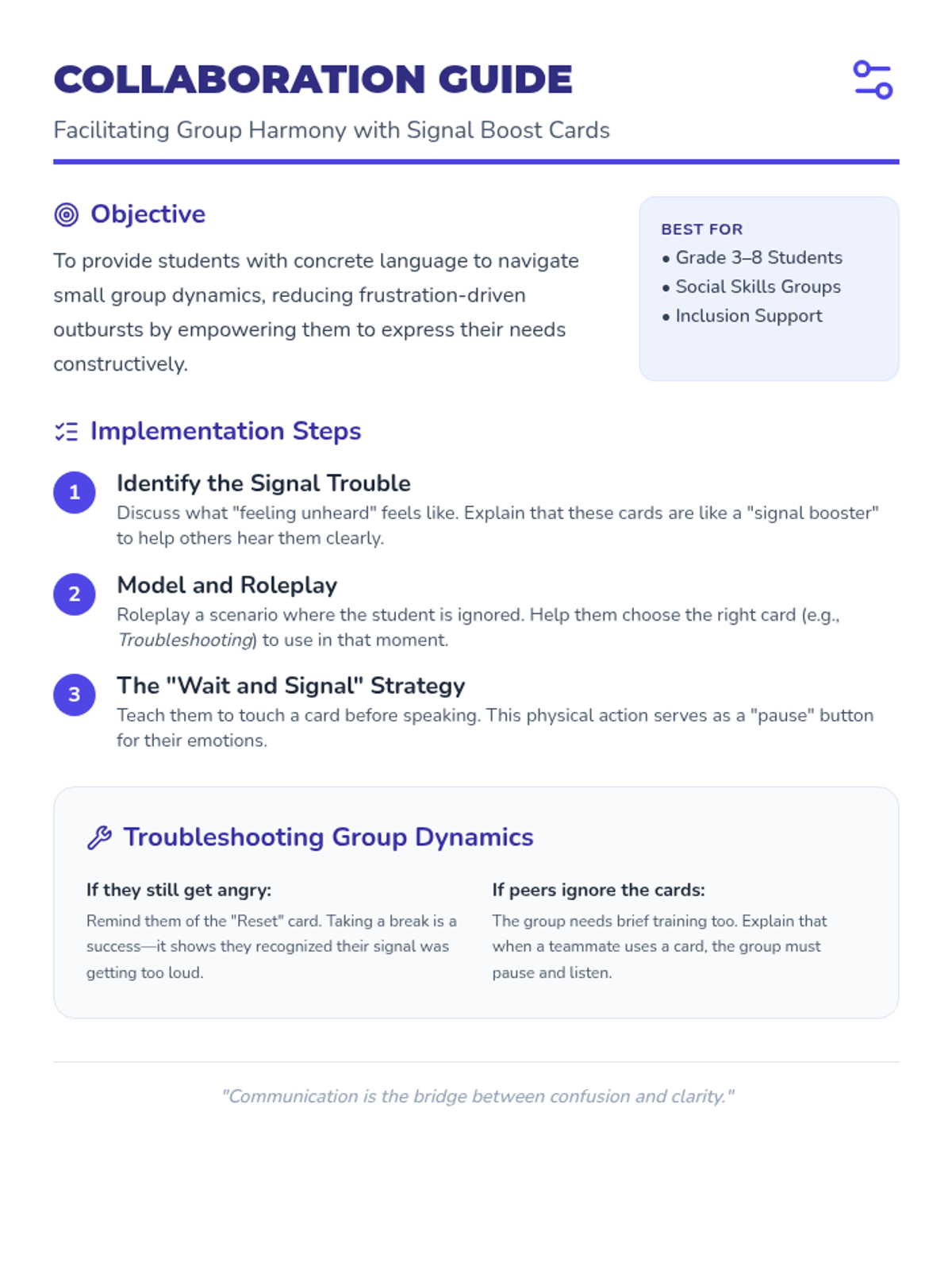
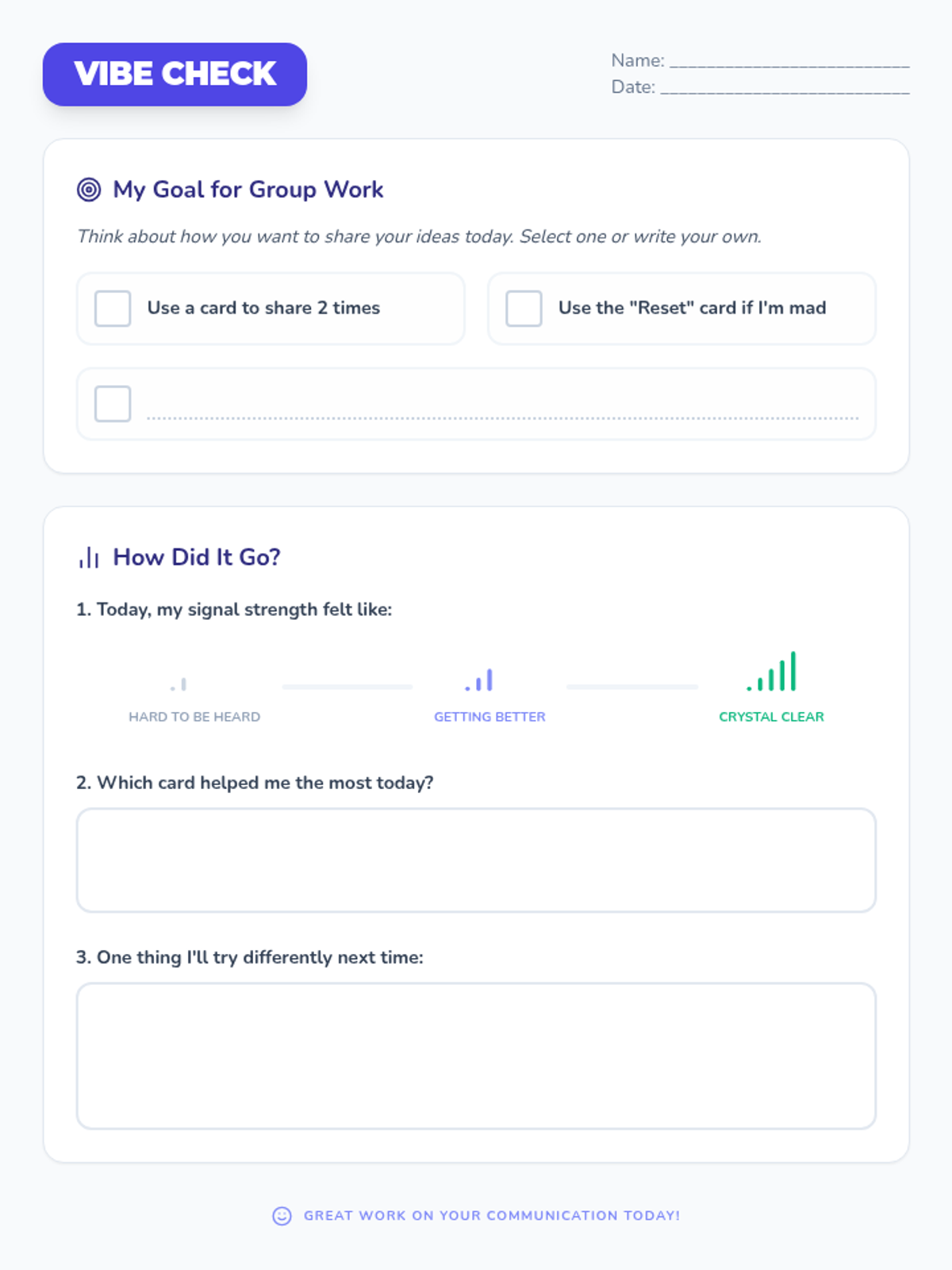
This lesson provides tools for students who struggle with collaborative group work, focusing on clear communication and managing frustration when feeling unheard.
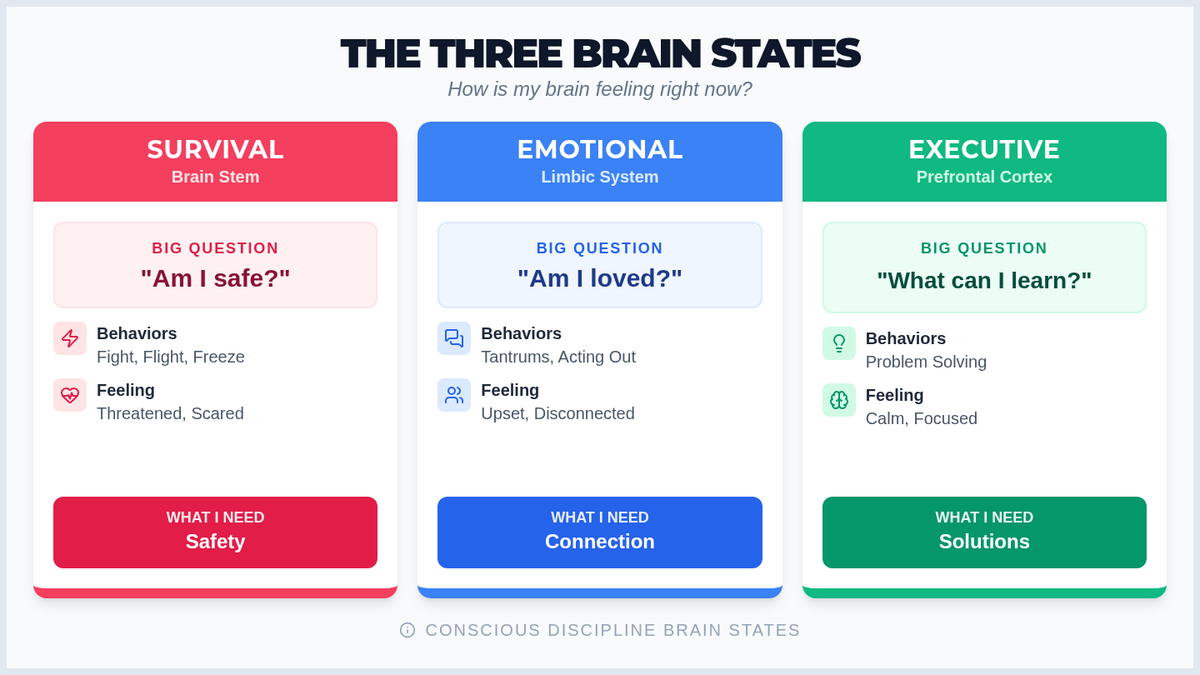
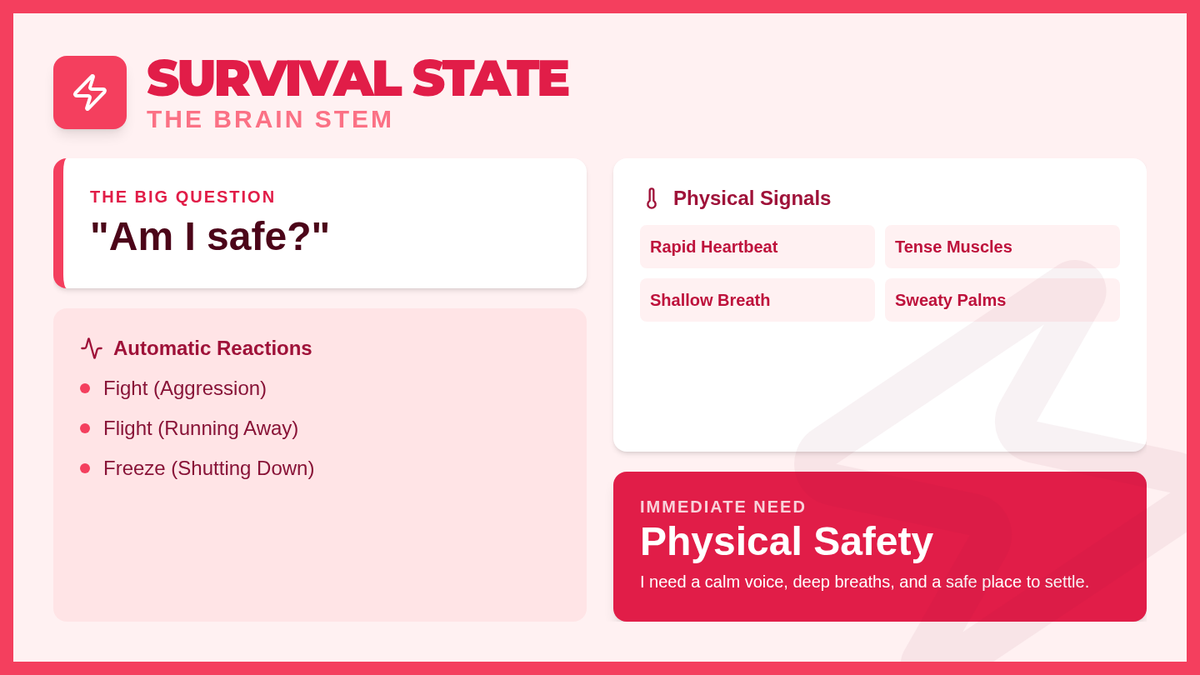
A lesson introducing the three brain states of Conscious Discipline to help students understand their emotions and behaviors.
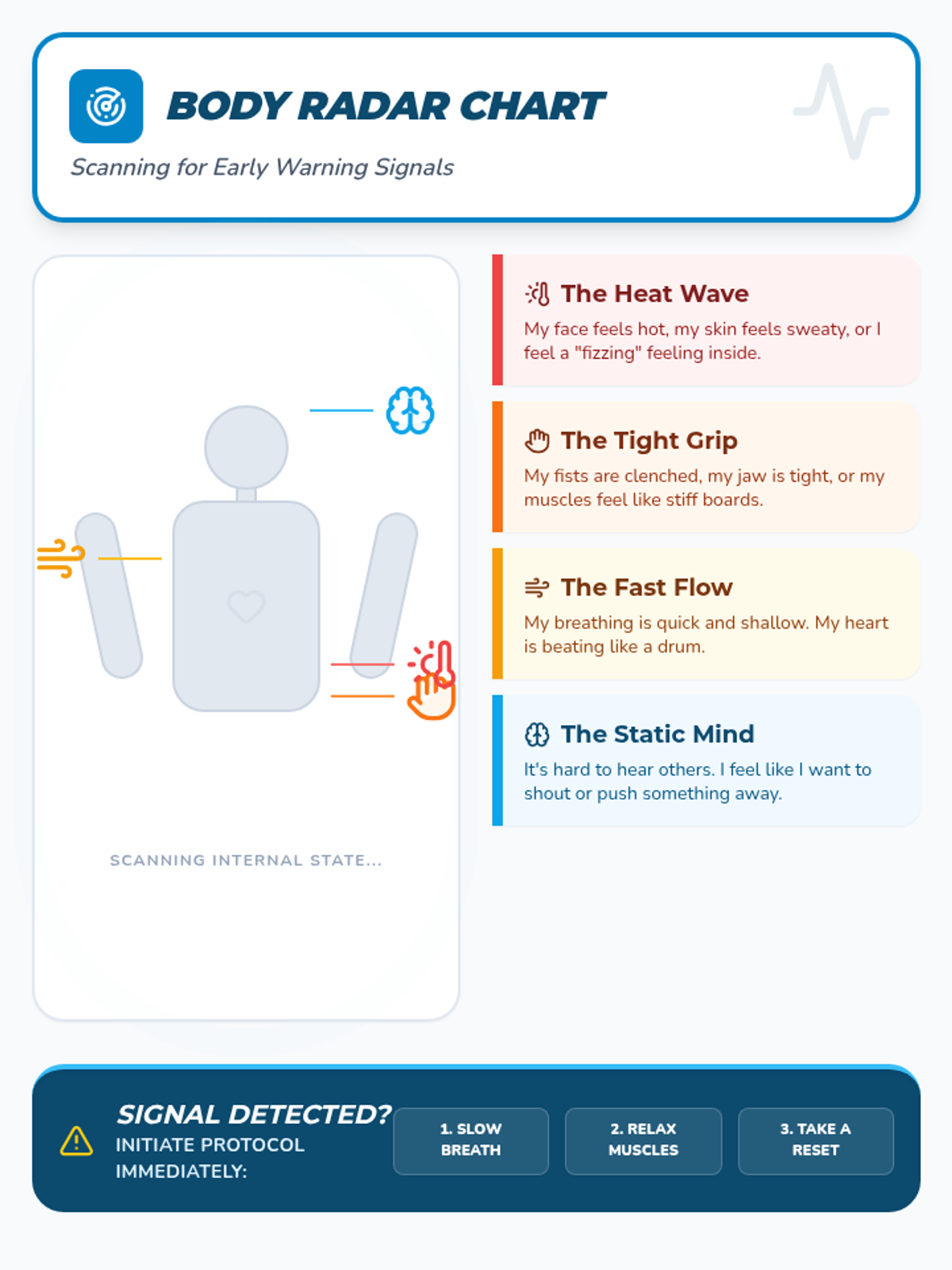
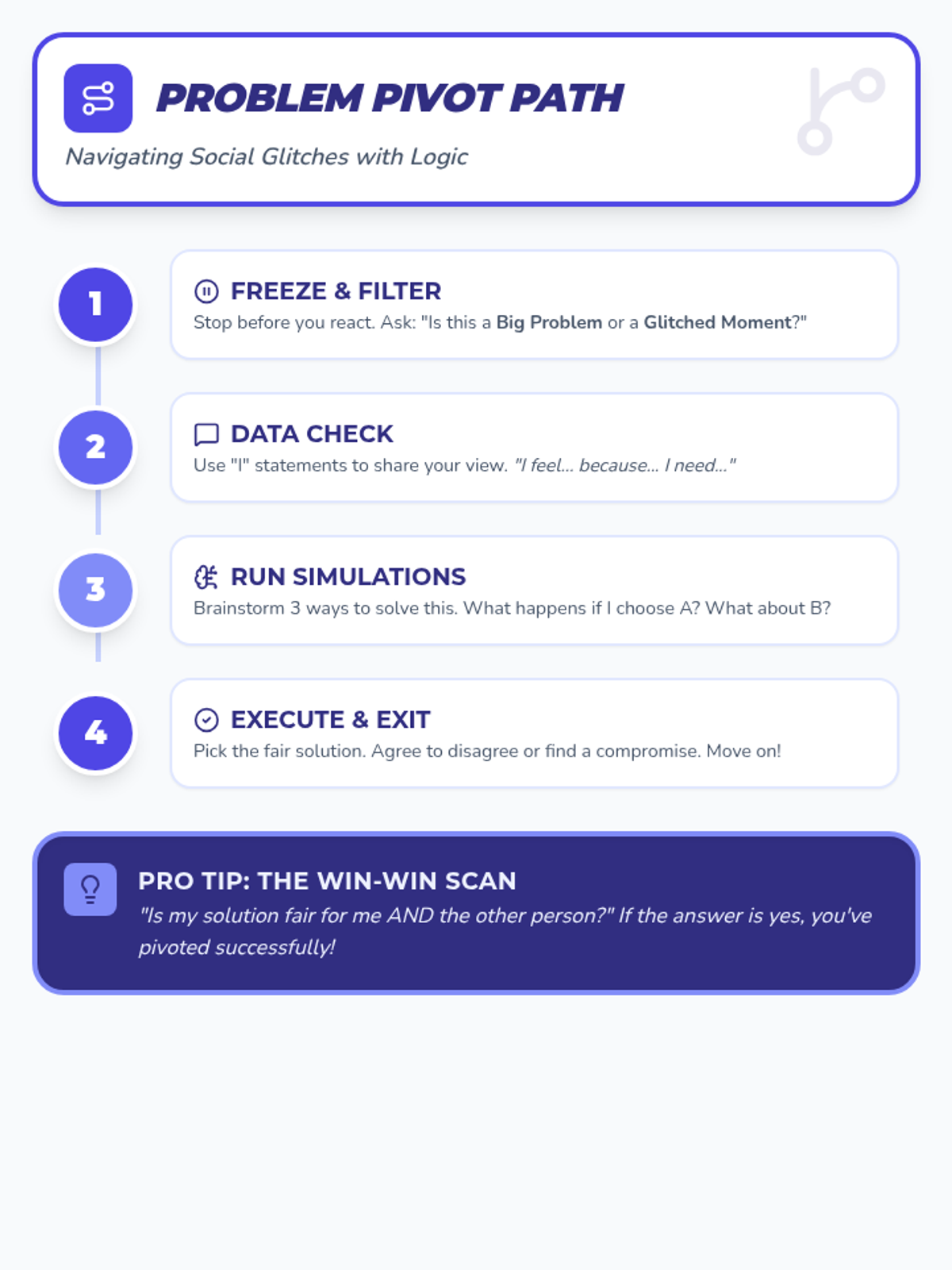
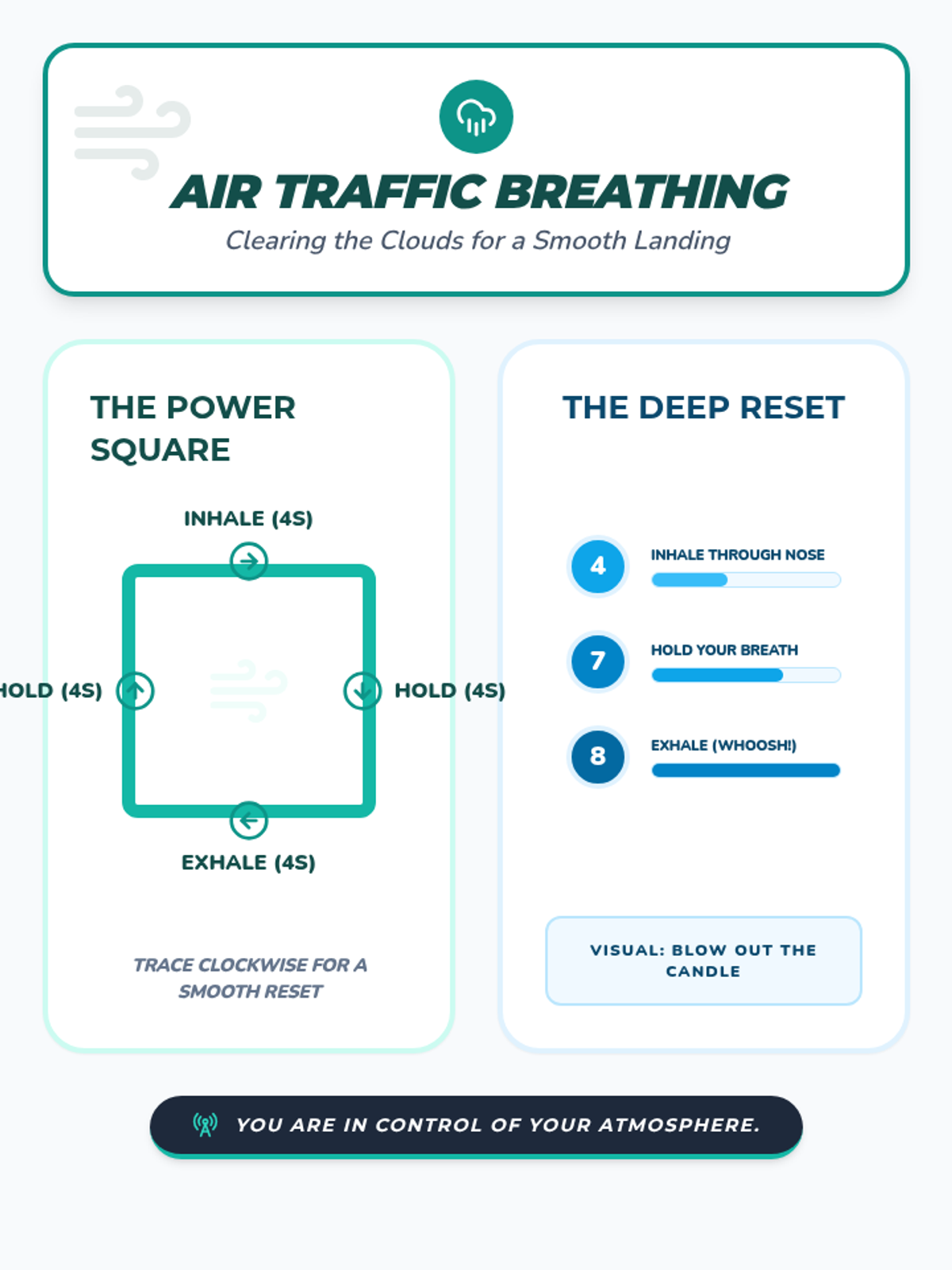
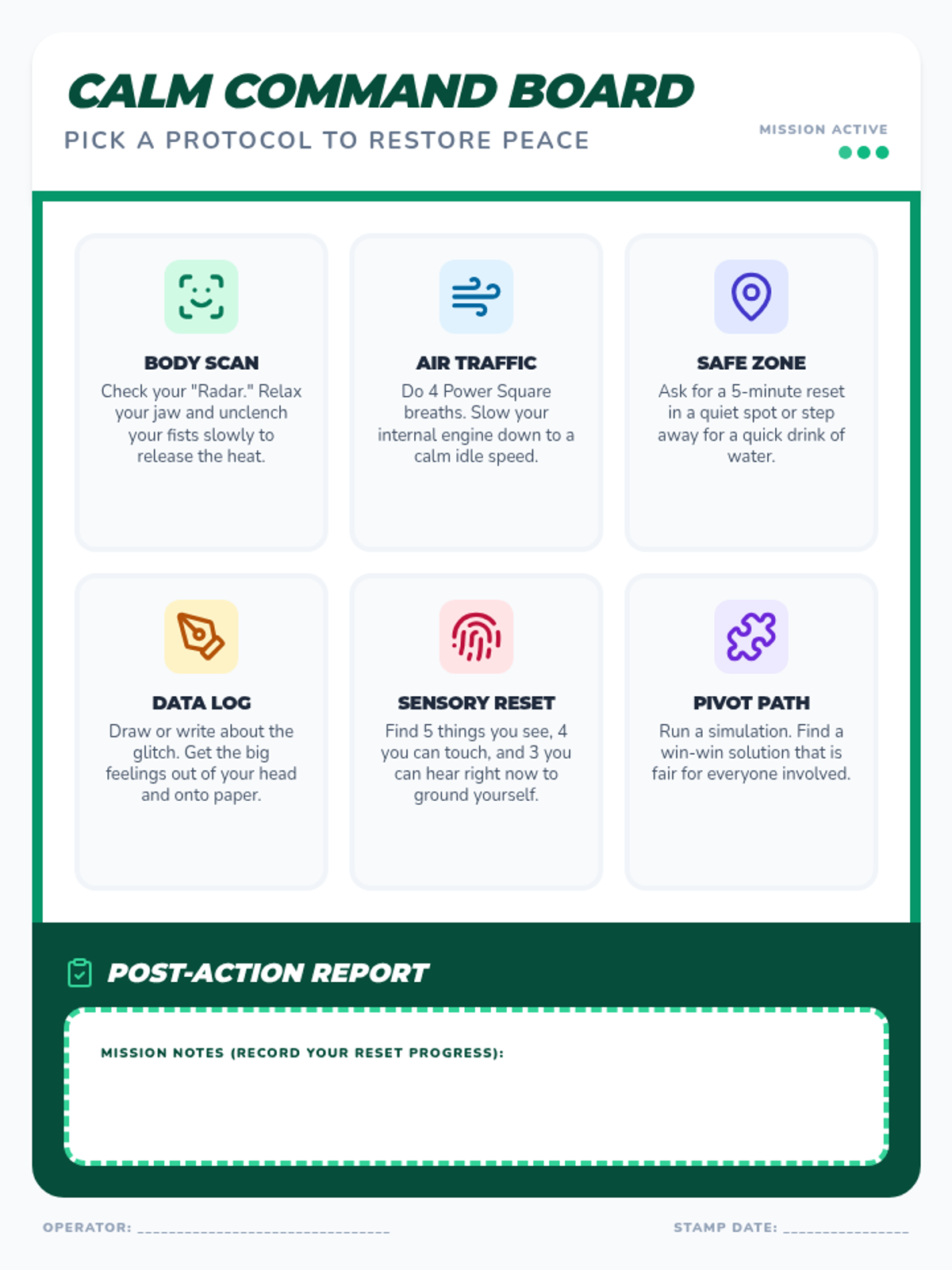
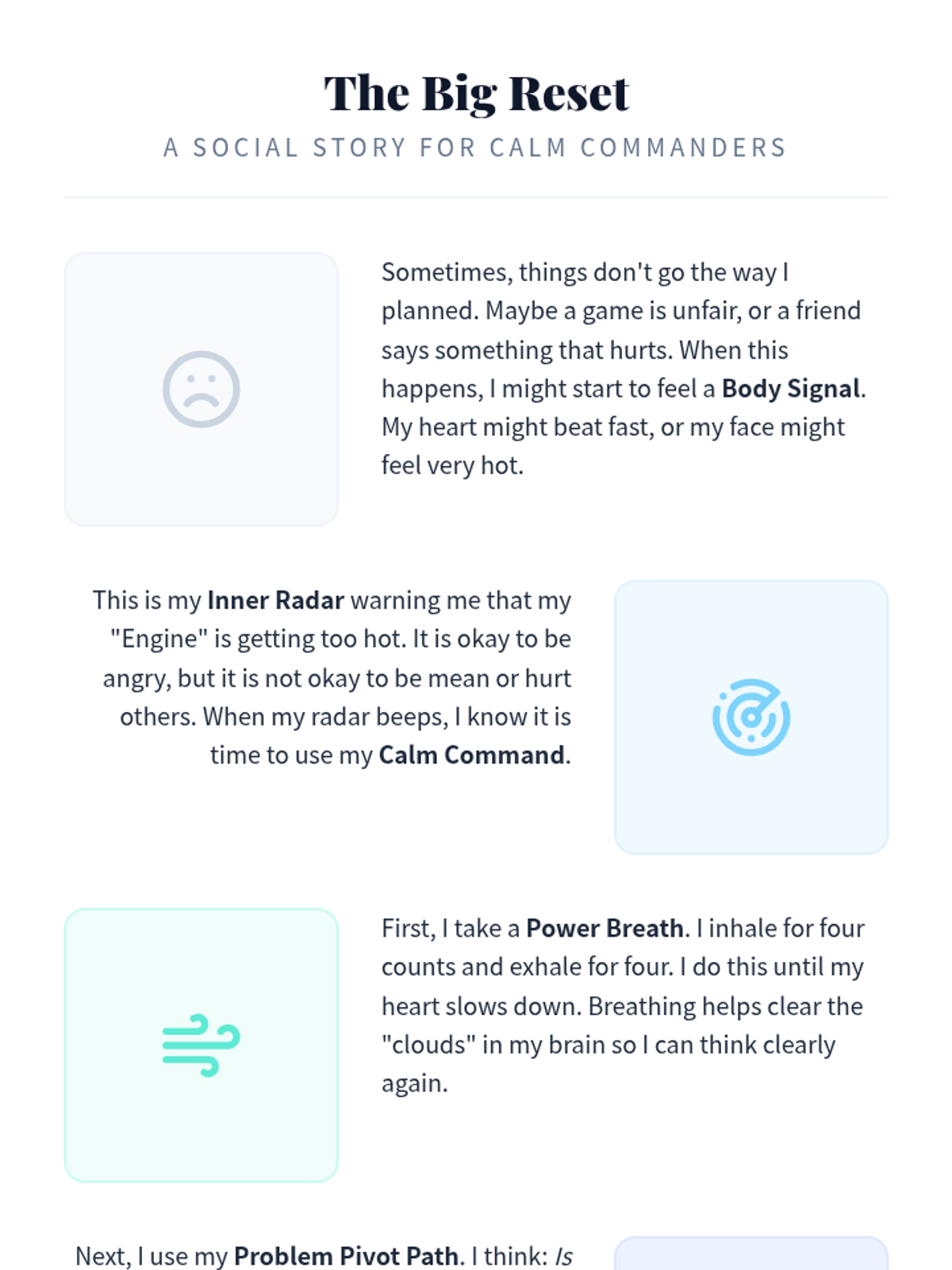
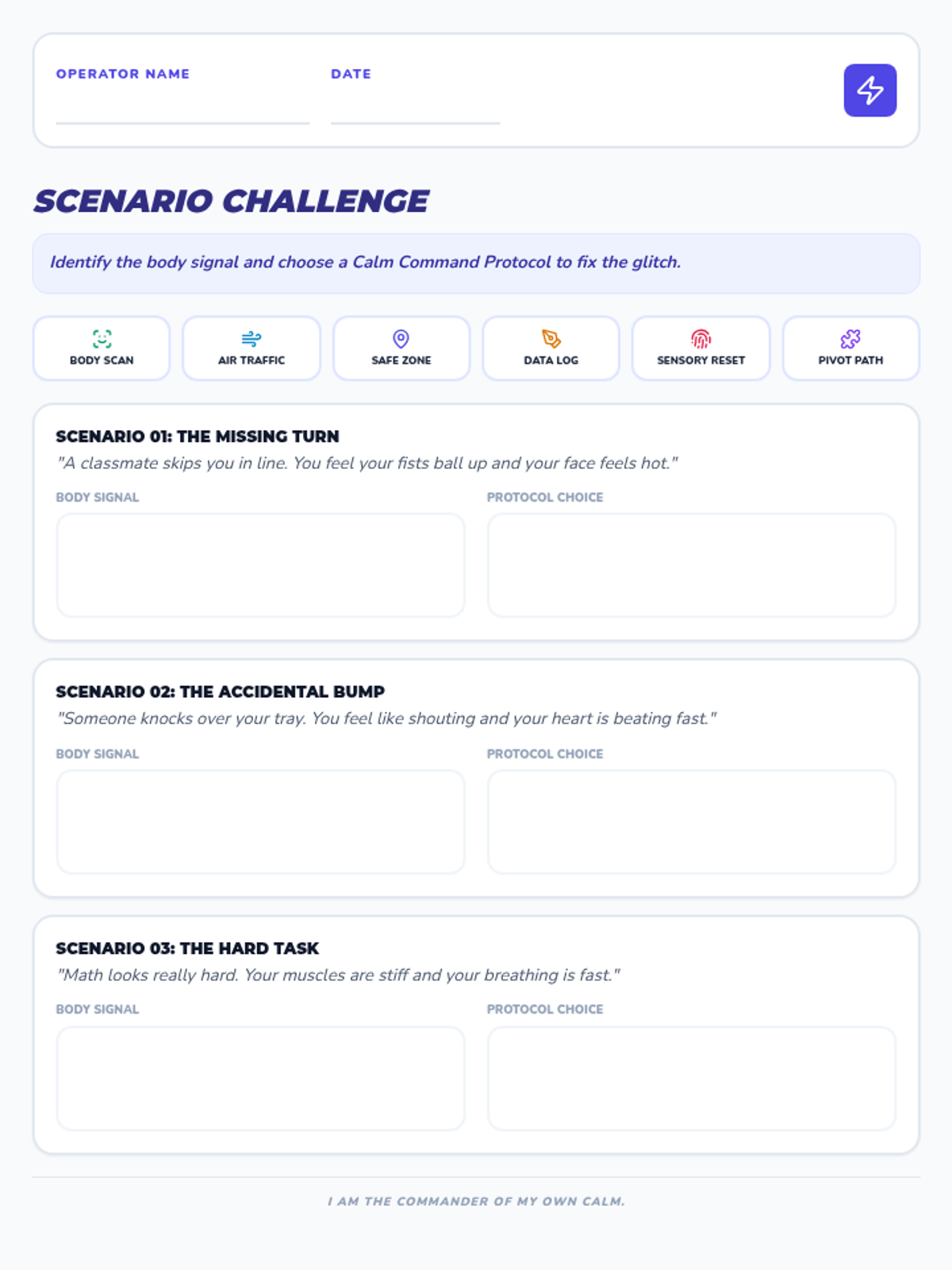
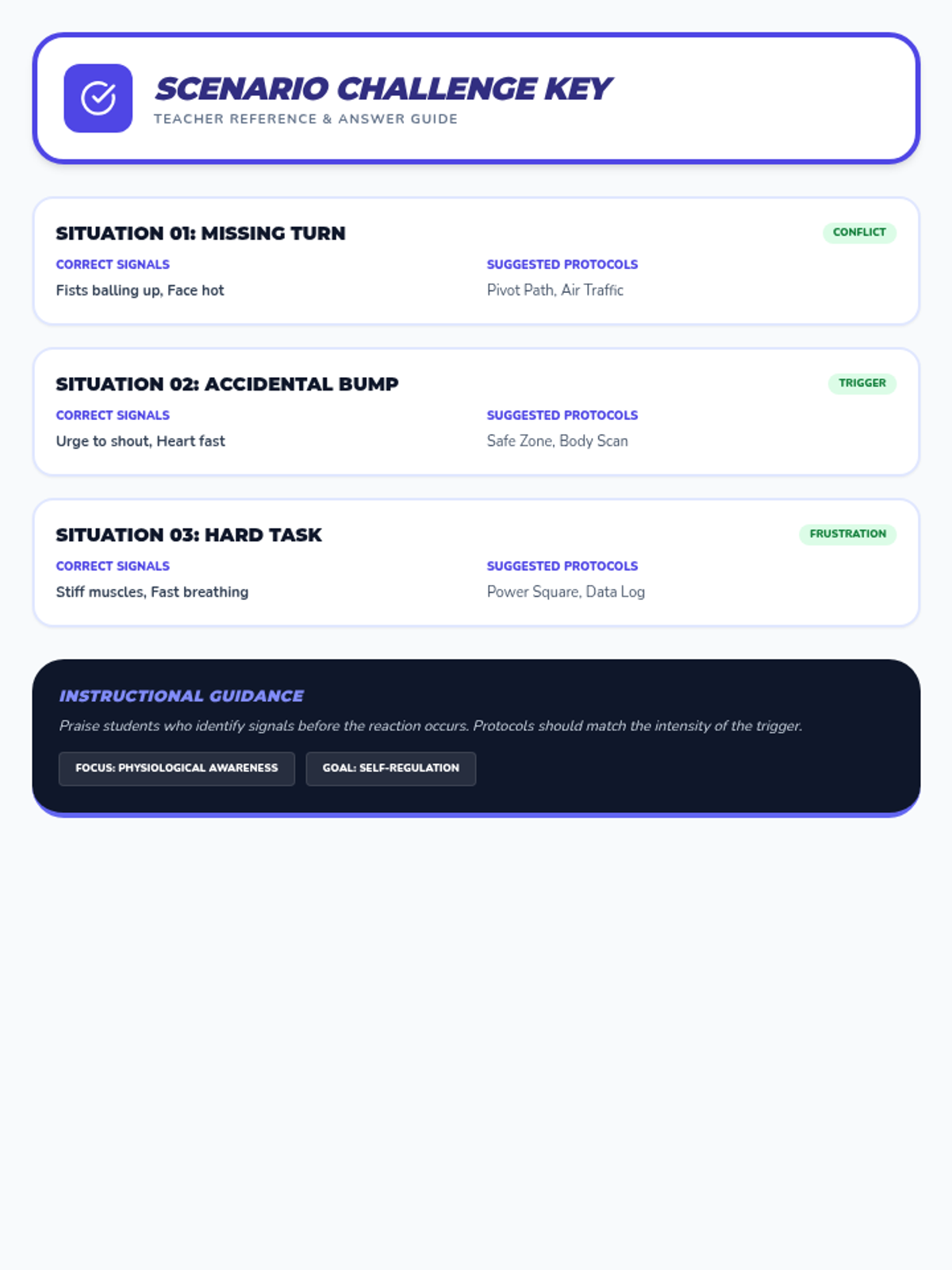
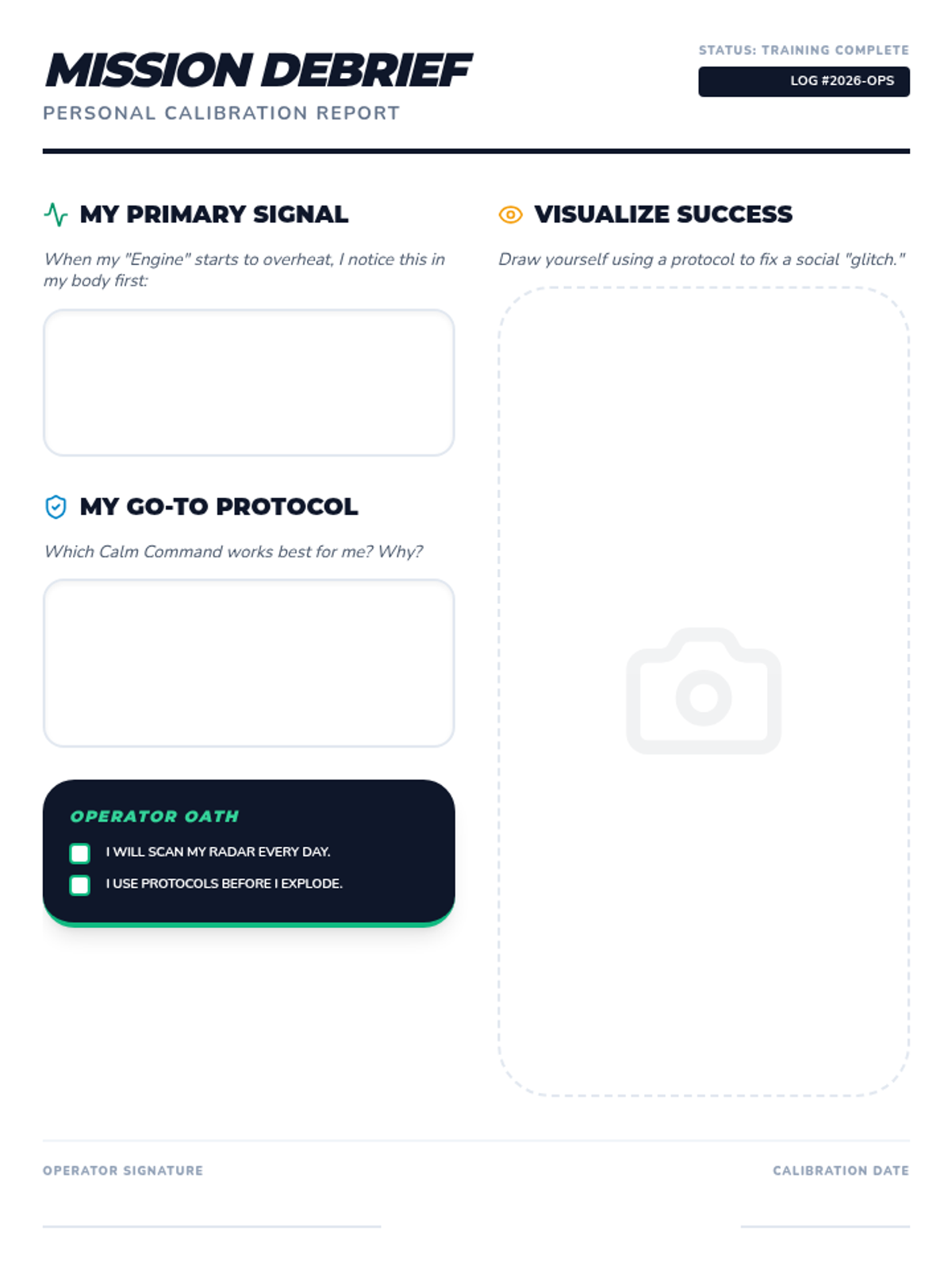
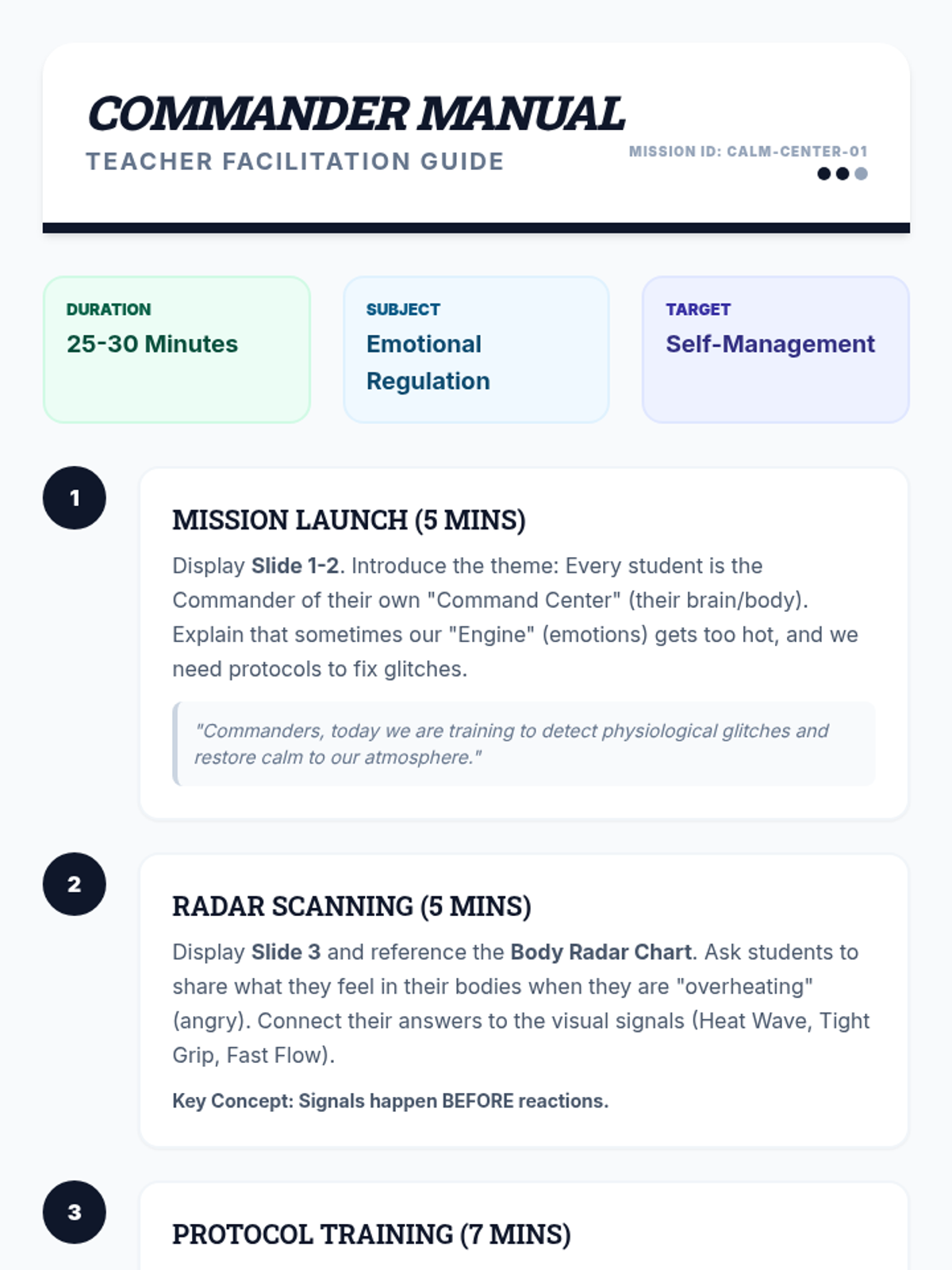
A comprehensive set of resources designed to help students recognize physiological anger triggers, navigate social conflicts, and utilize breathing techniques to regain emotional regulation. The materials use a 'Command Center' theme to empower students as the masters of their own emotional dashboards.
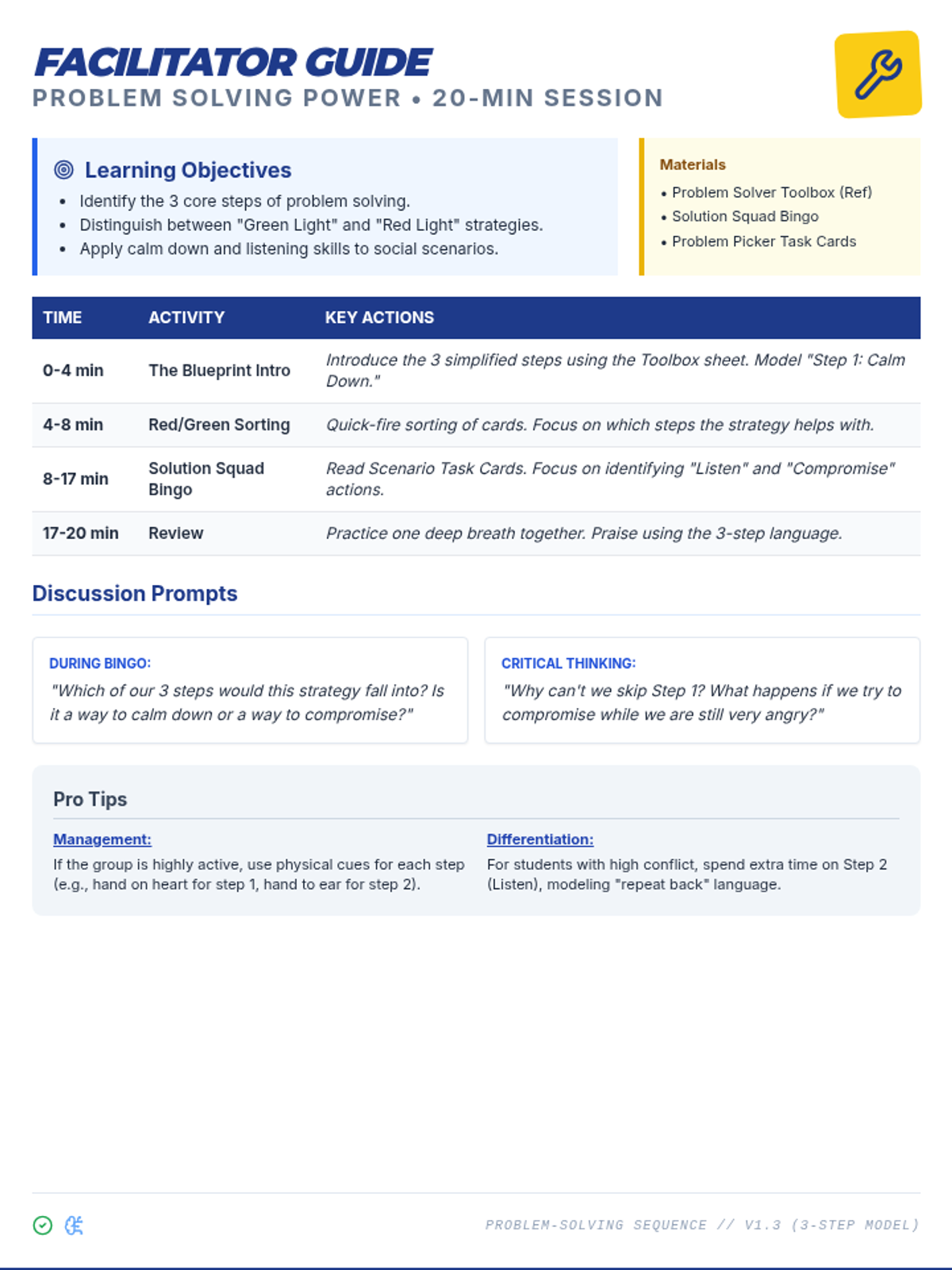
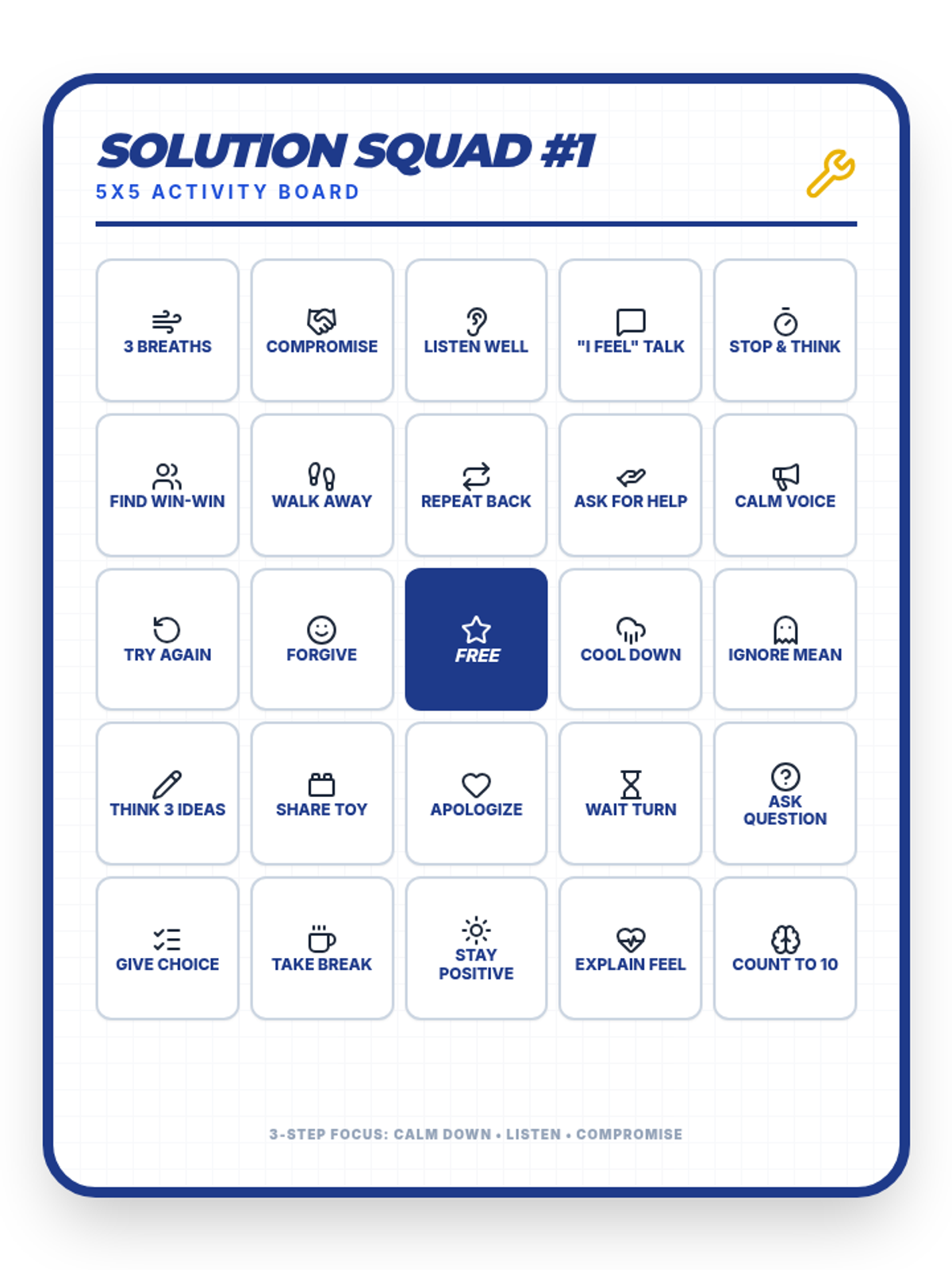
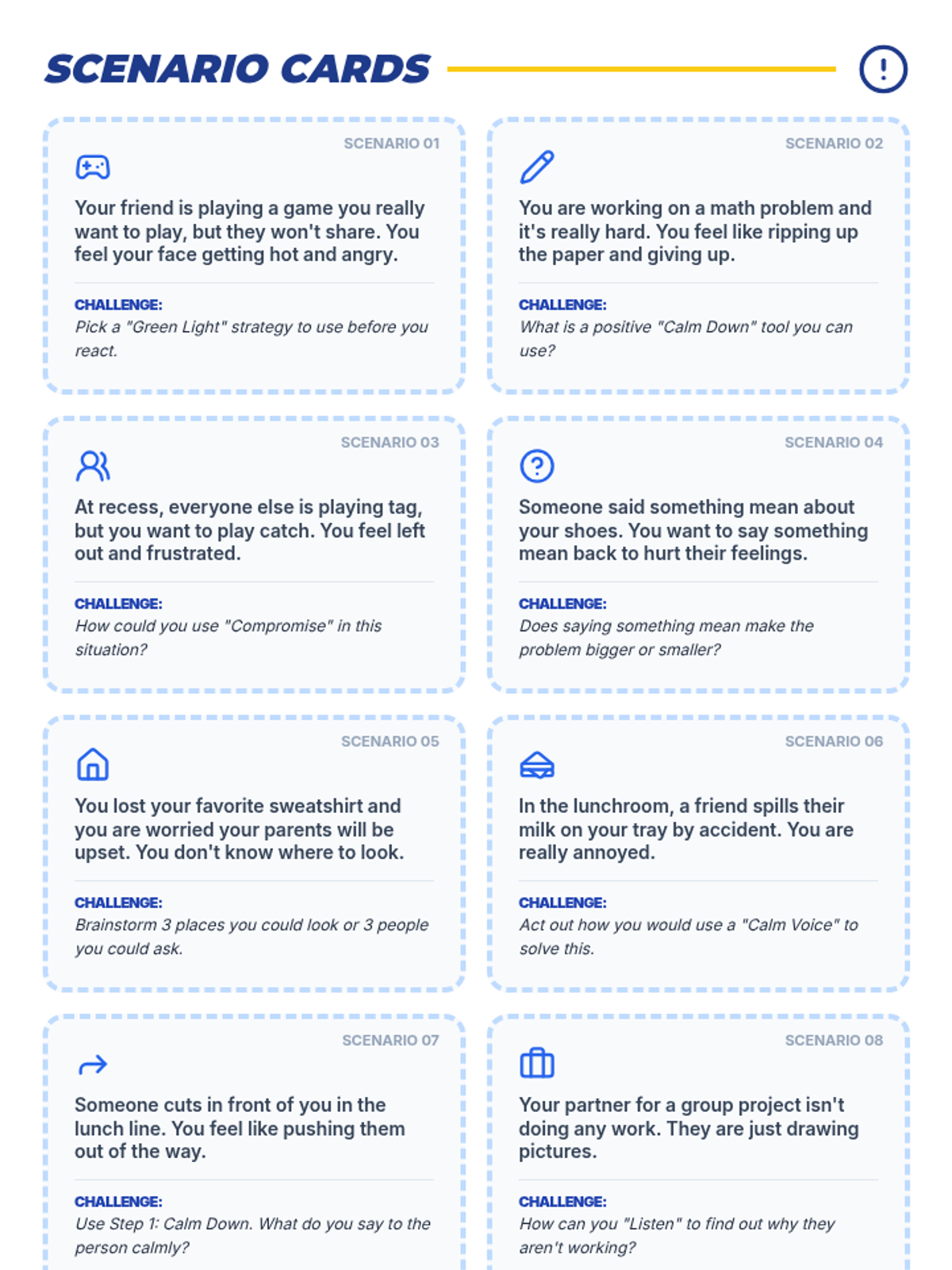
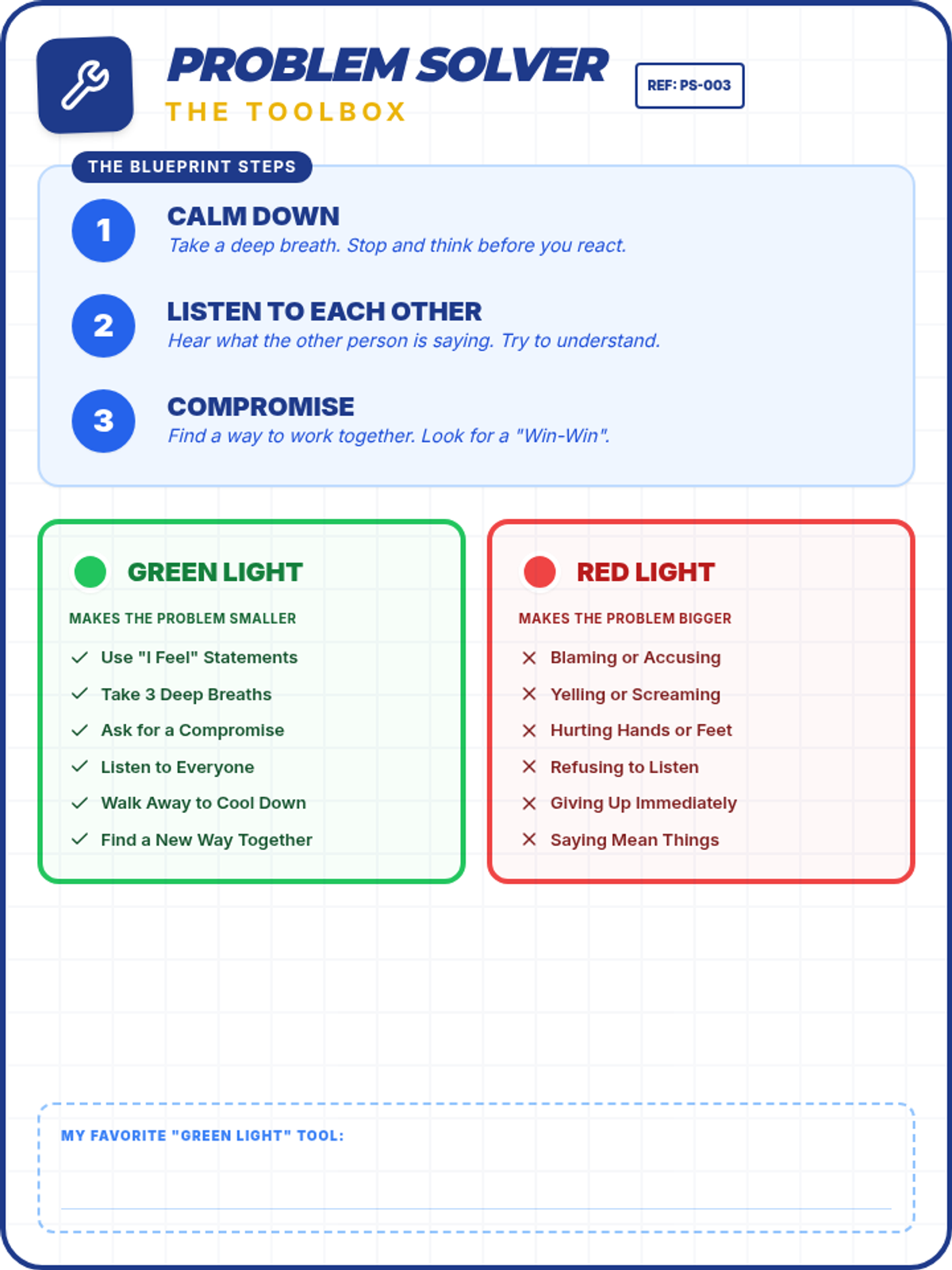
A 20-minute small group session focused on identifying problem-solving steps and distinguishing between effective and ineffective strategies through interactive scenarios and bingo.
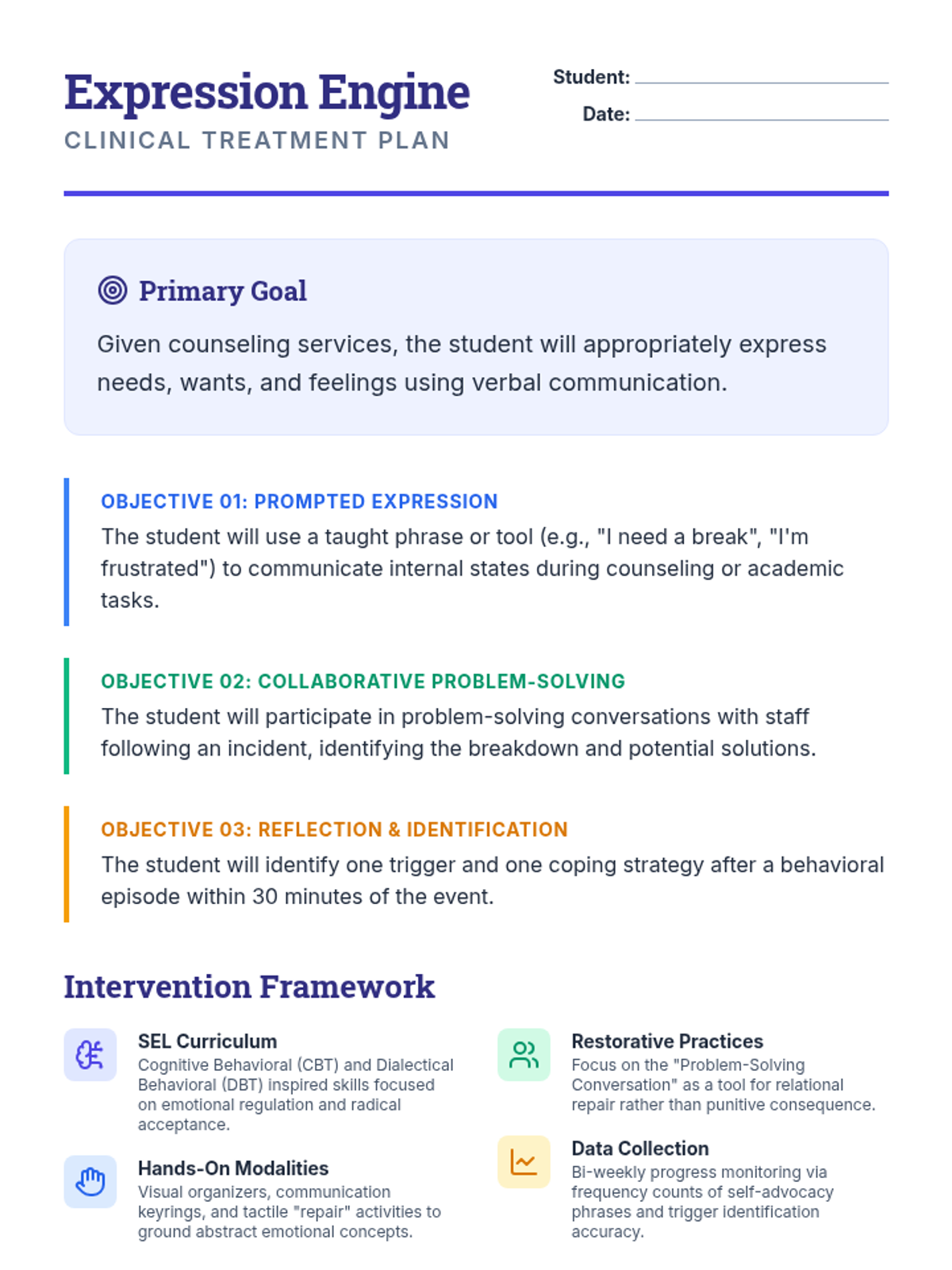
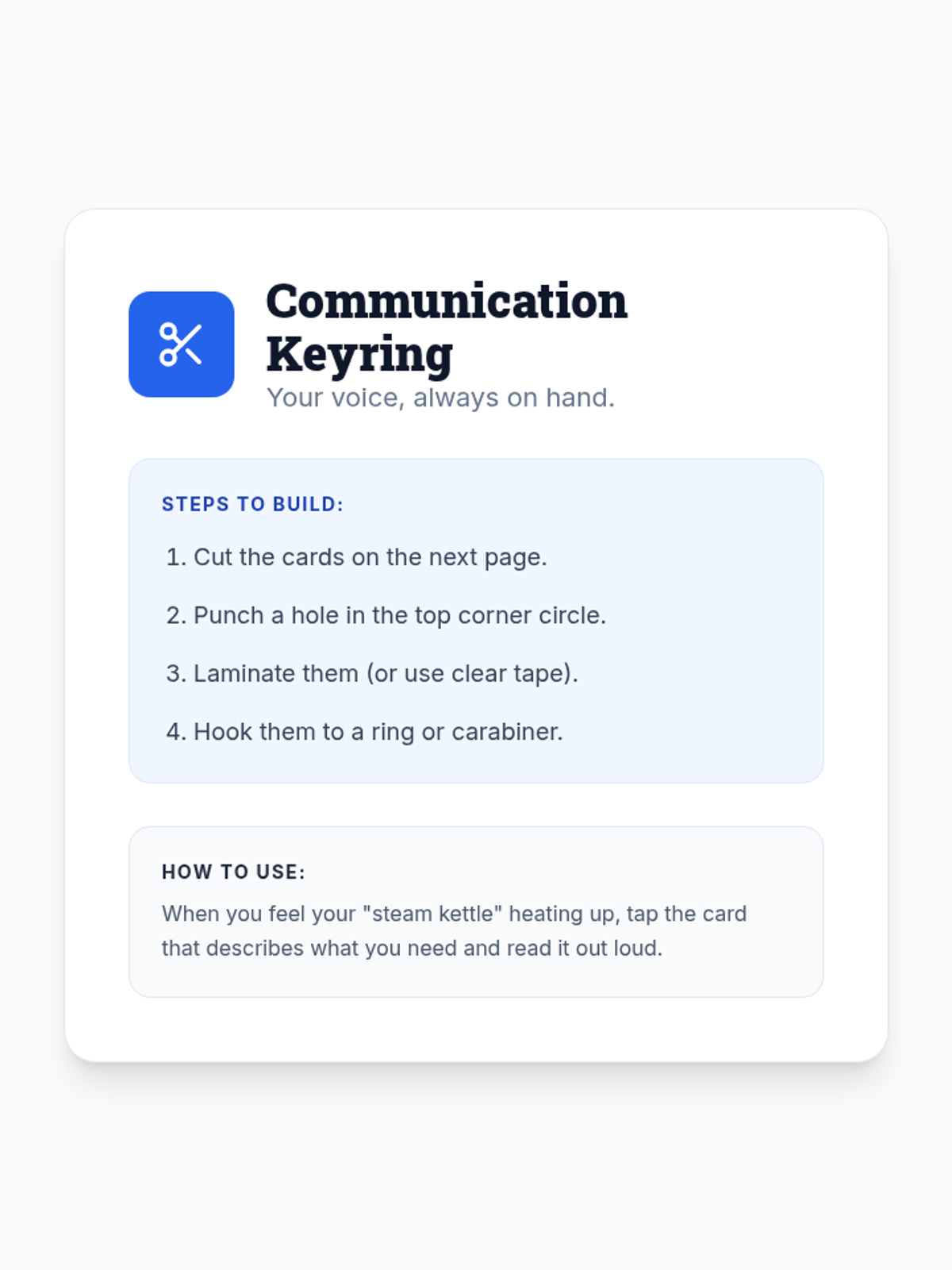
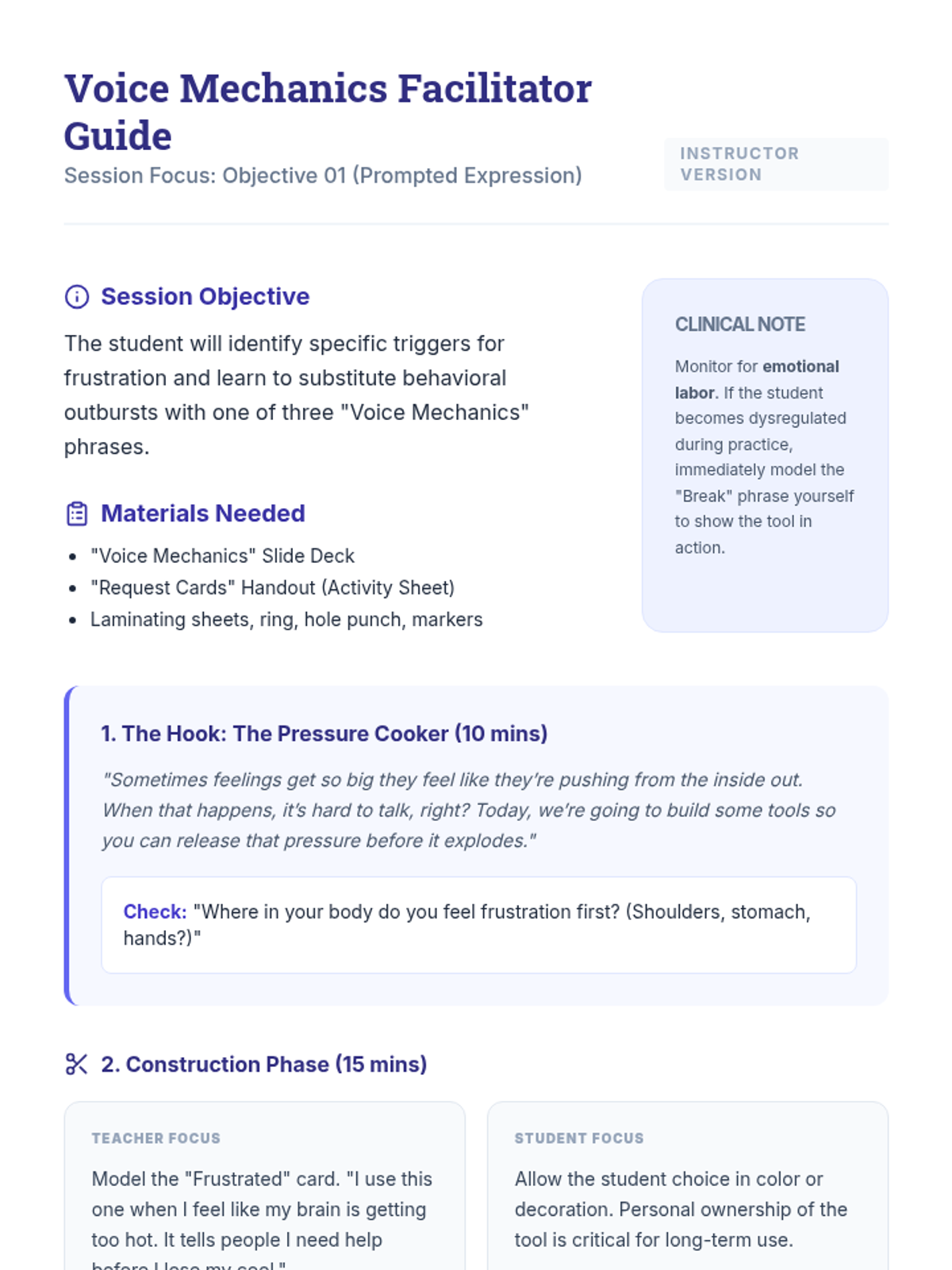
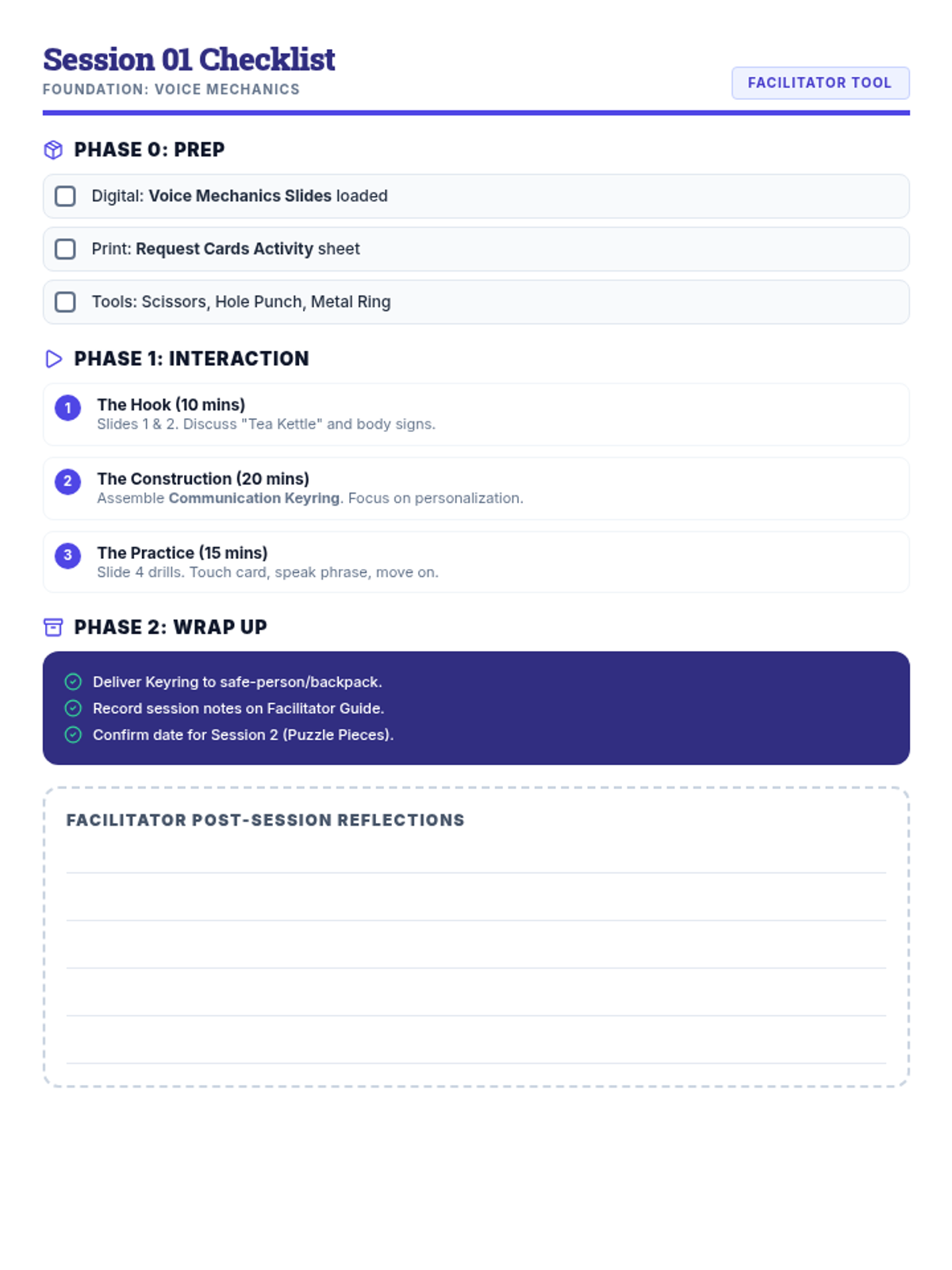
This lesson focuses on teaching the student specific phrases and tools to communicate needs and feelings in the moment, reducing reliance on non-verbal or behavioral outbursts.