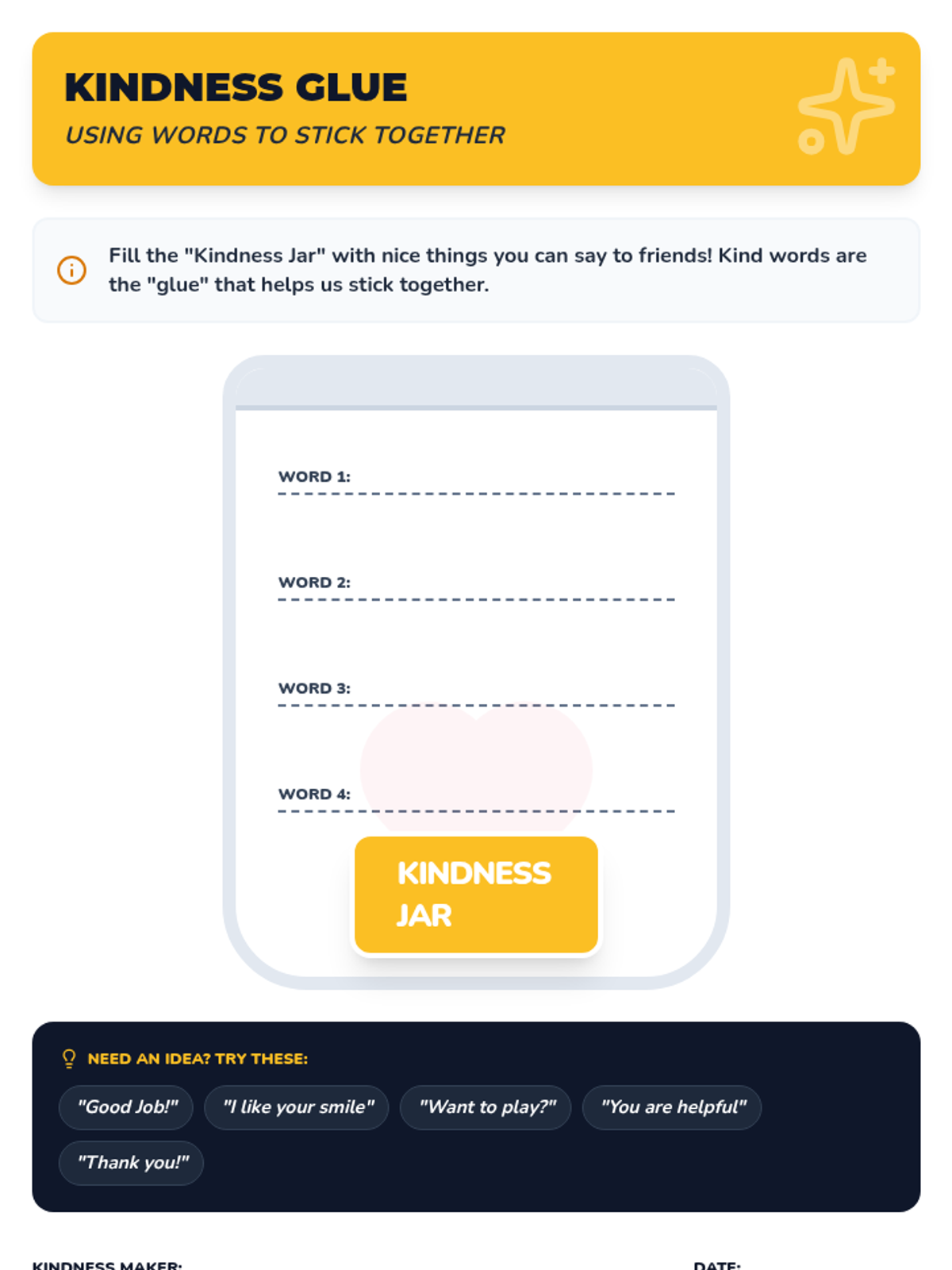
A short, high-energy lesson for 2nd graders to define kindness and collaboratively create a set of classroom promises using a garden metaphor.
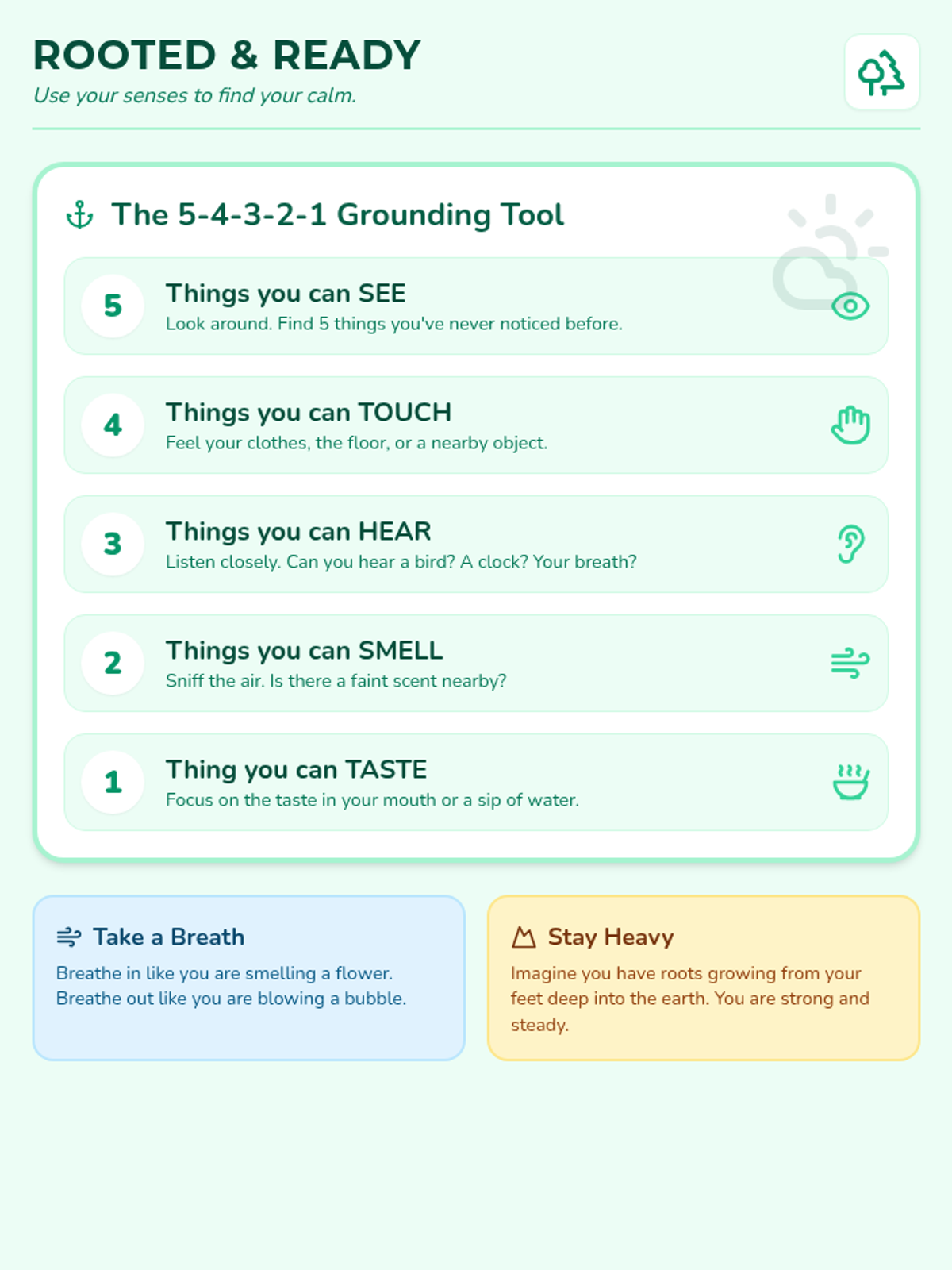
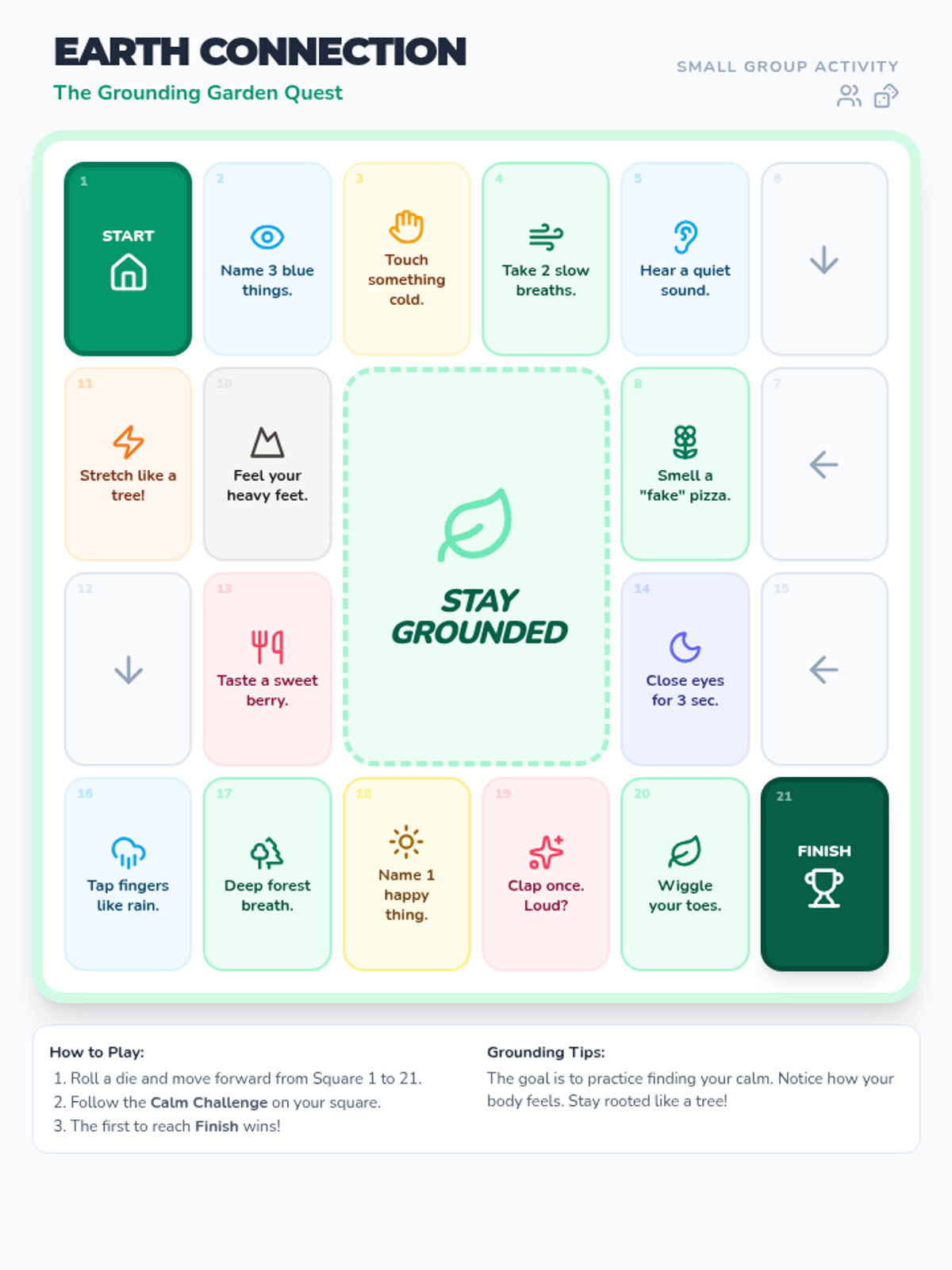
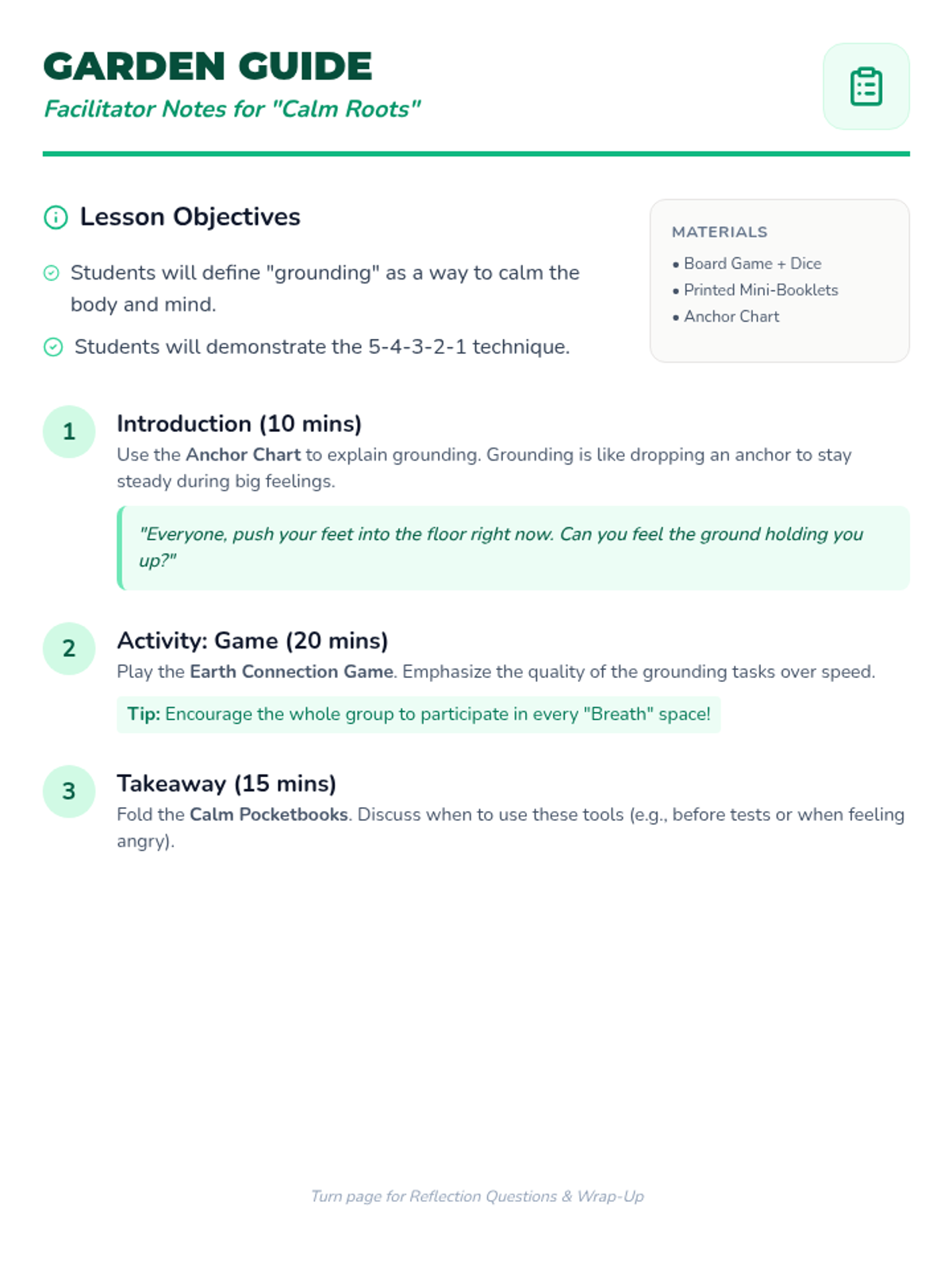
This lesson introduces students to grounding exercises through a nature-themed board game, a take-home booklet, and a classroom anchor chart. Students will learn the 5-4-3-2-1 technique and other sensory strategies to manage stress.
Using a regulated brain to communicate needs and solve social or academic problems effectively.
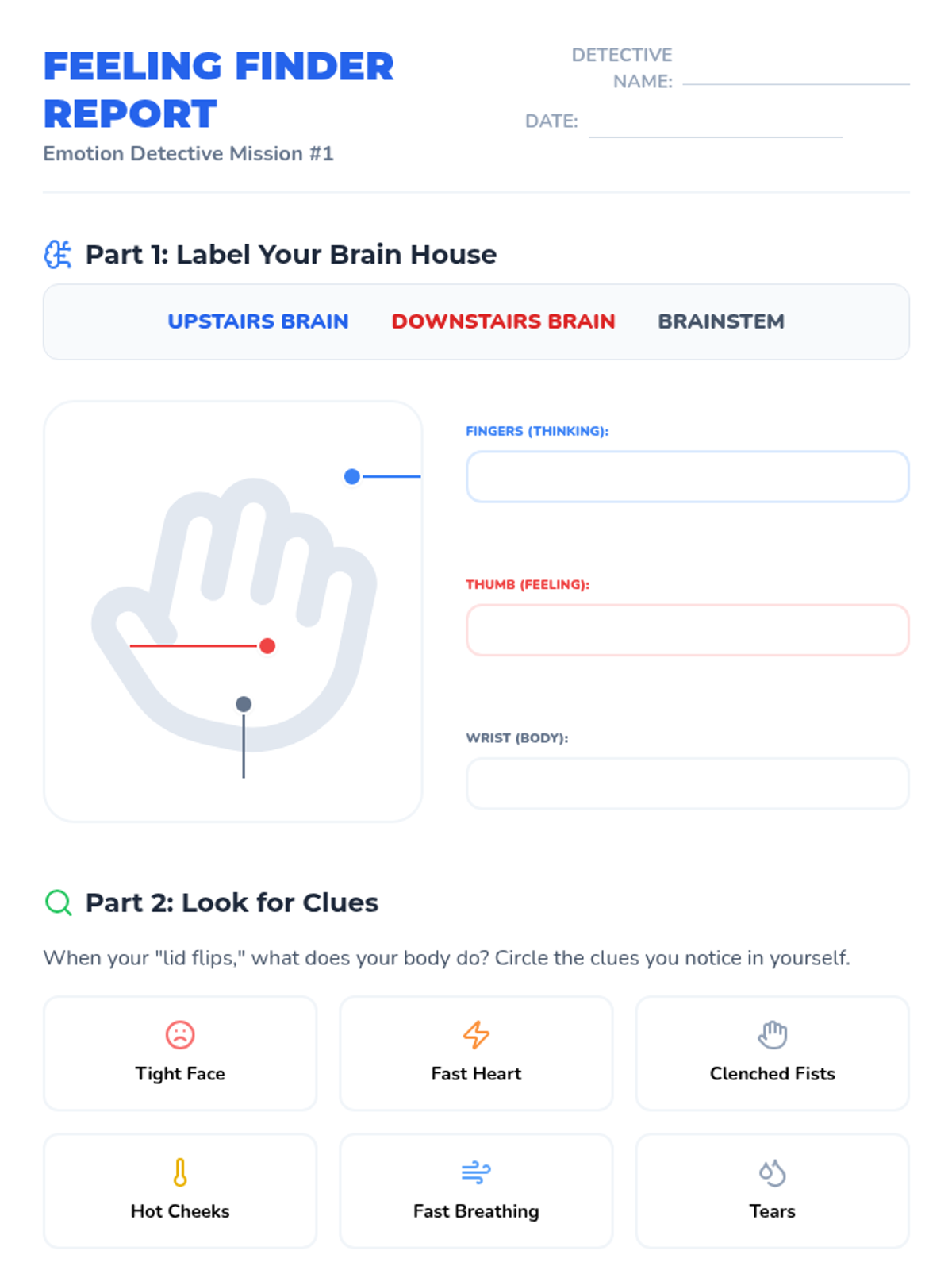
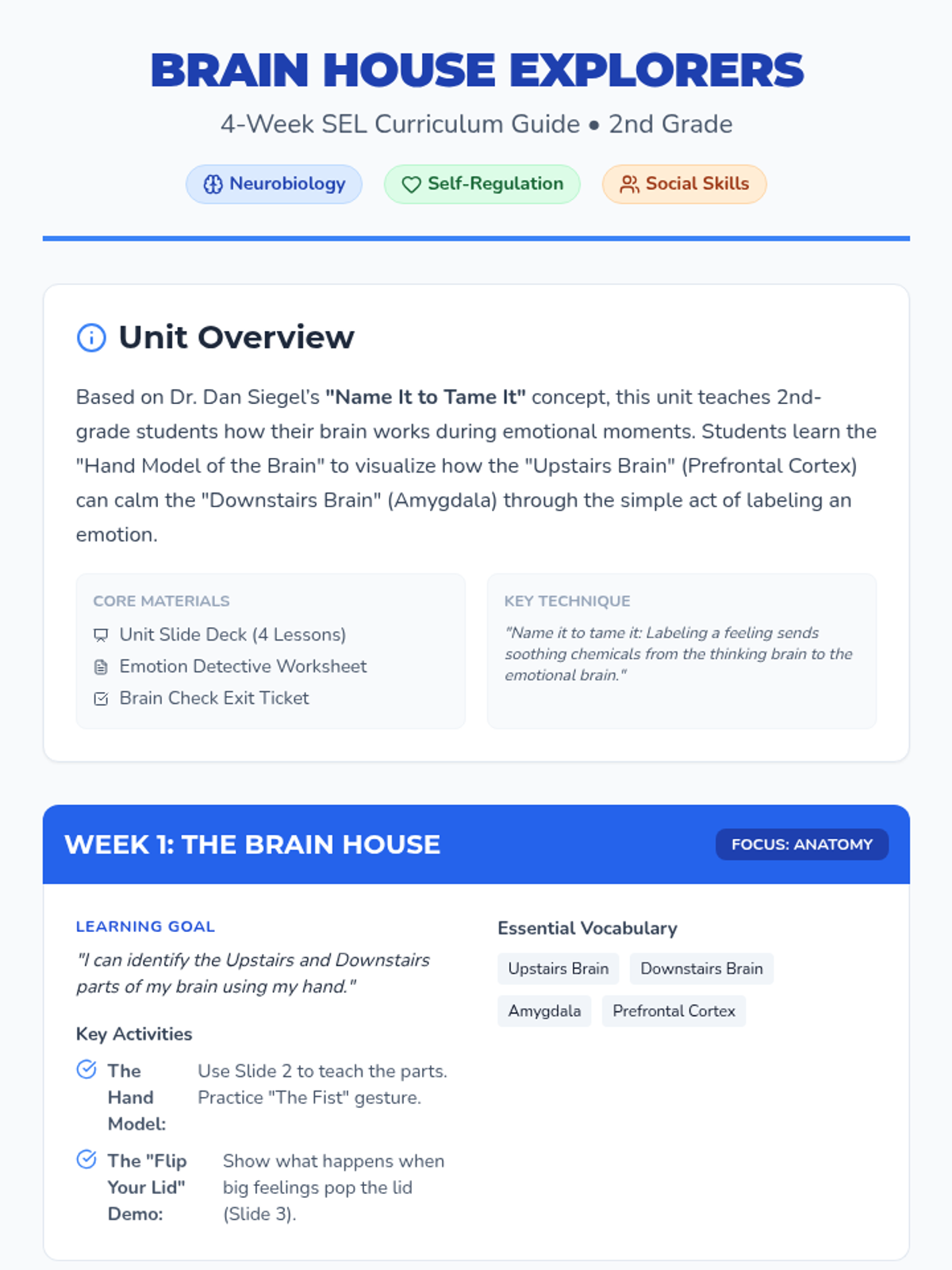
Connecting naming feelings to the brain's calming response, practicing the 'Name It to Tame It' technique.
Focused on expanding emotional vocabulary and learning how to identify physical signals in the body that match big feelings.
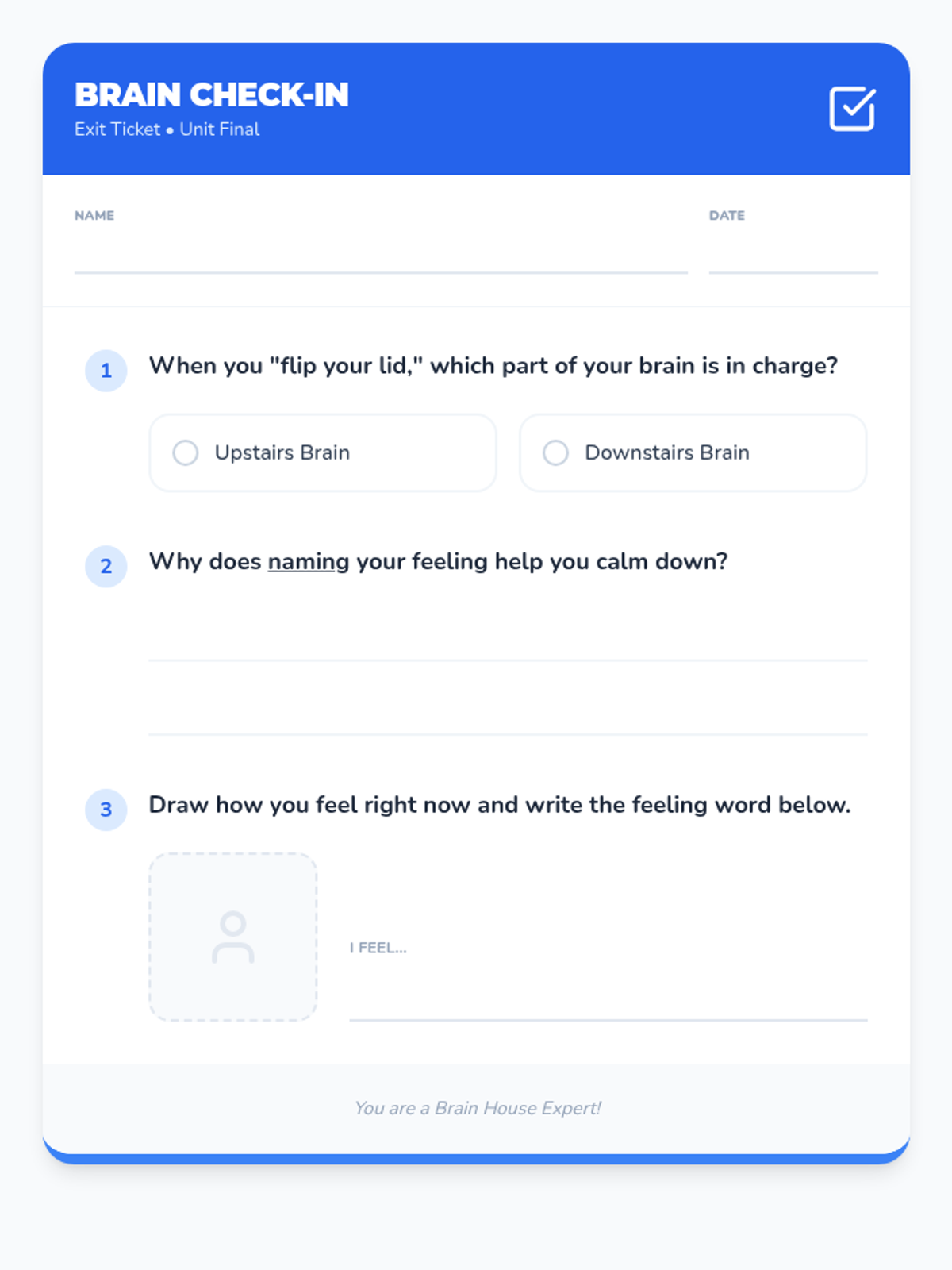
Introduce the hand model of the brain, identifying the 'Upstairs' (thinking) and 'Downstairs' (feeling) parts of the brain house.
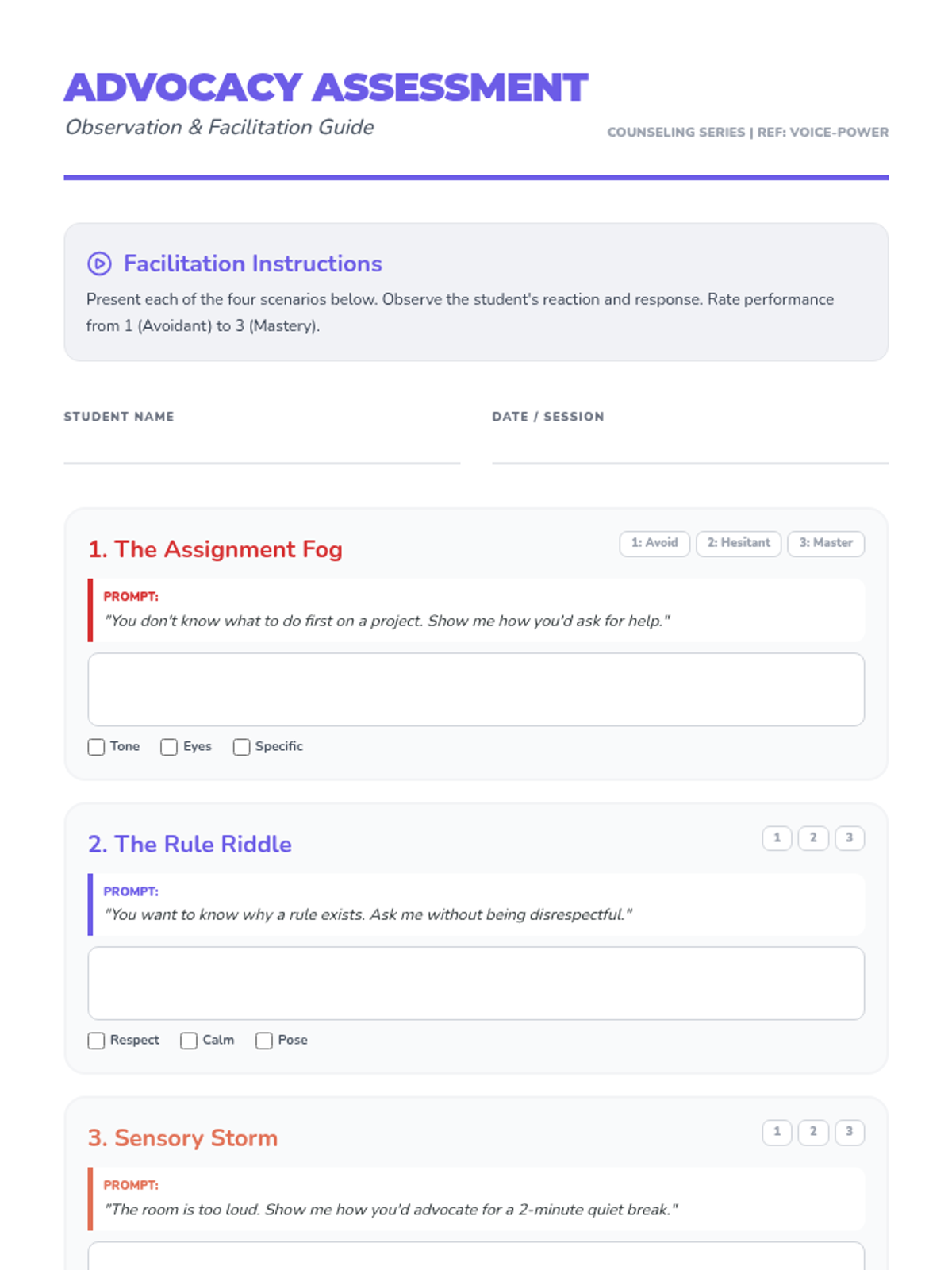
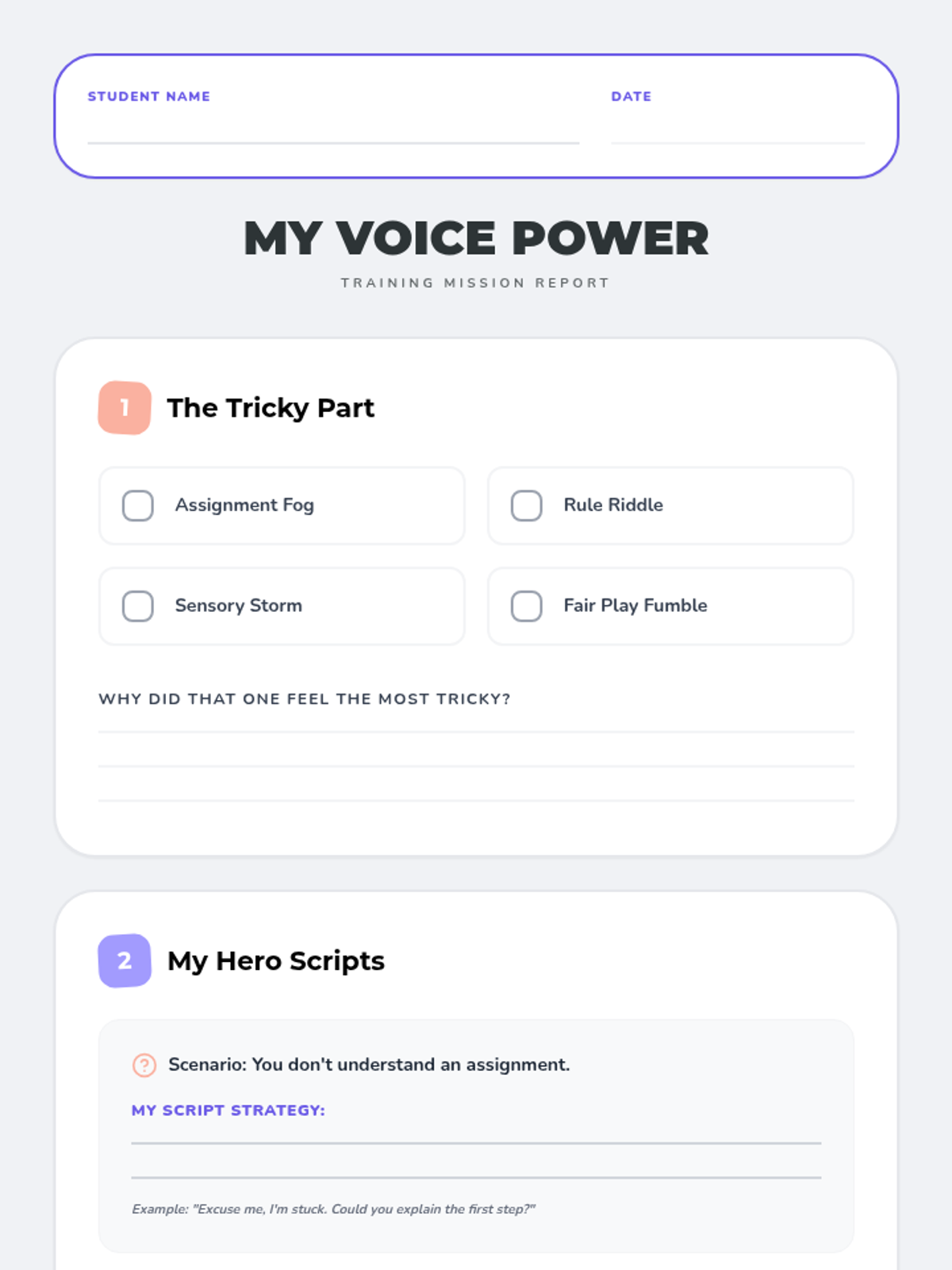
A quick, interactive lesson designed to assess and practice self-advocacy skills in challenging classroom scenarios. Students learn to identify when they need help and practice speaking up clearly and confidently.
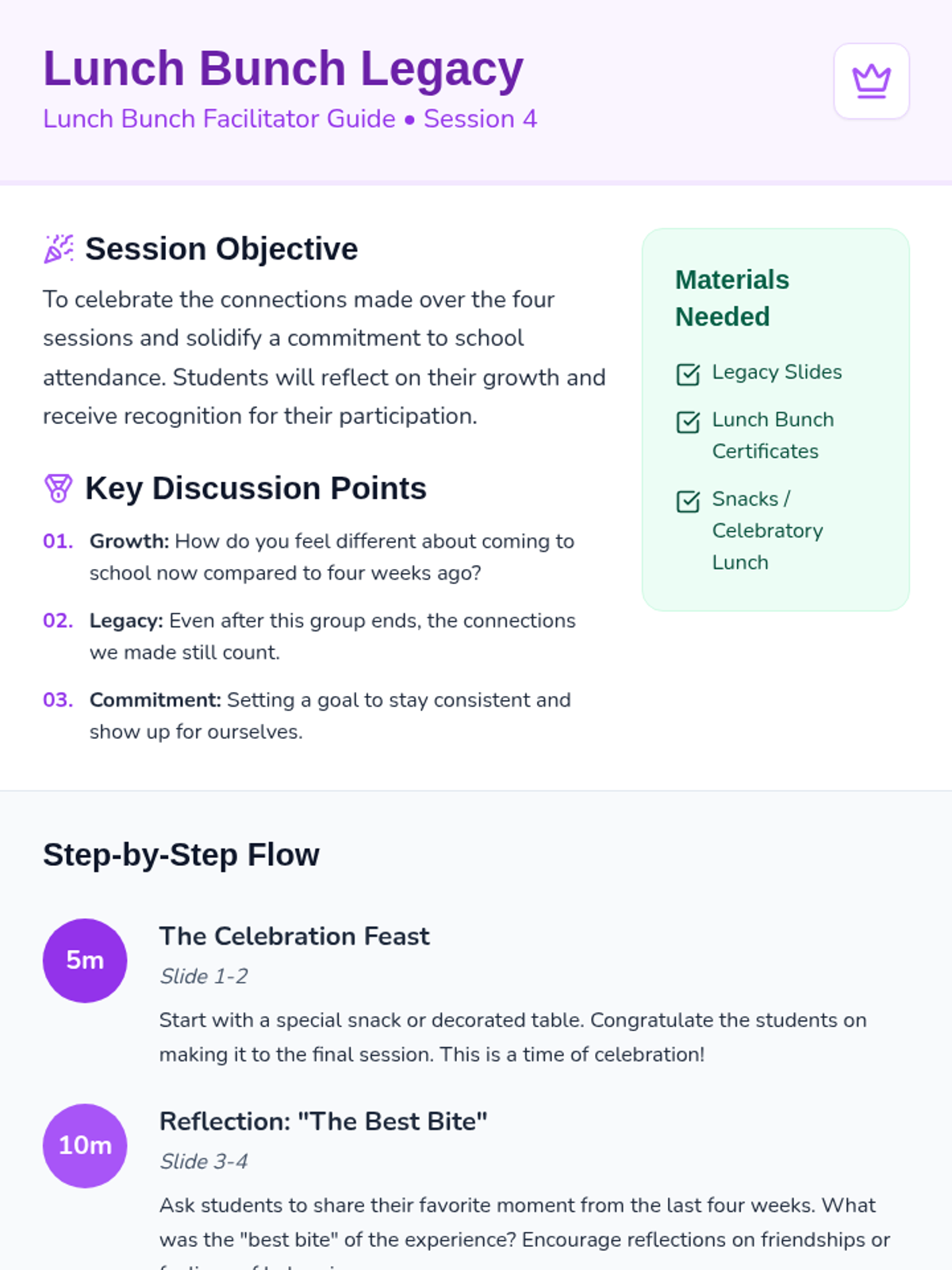
A final celebration of the community built, where students reflect on their growth and commit to showing up for themselves and each other.
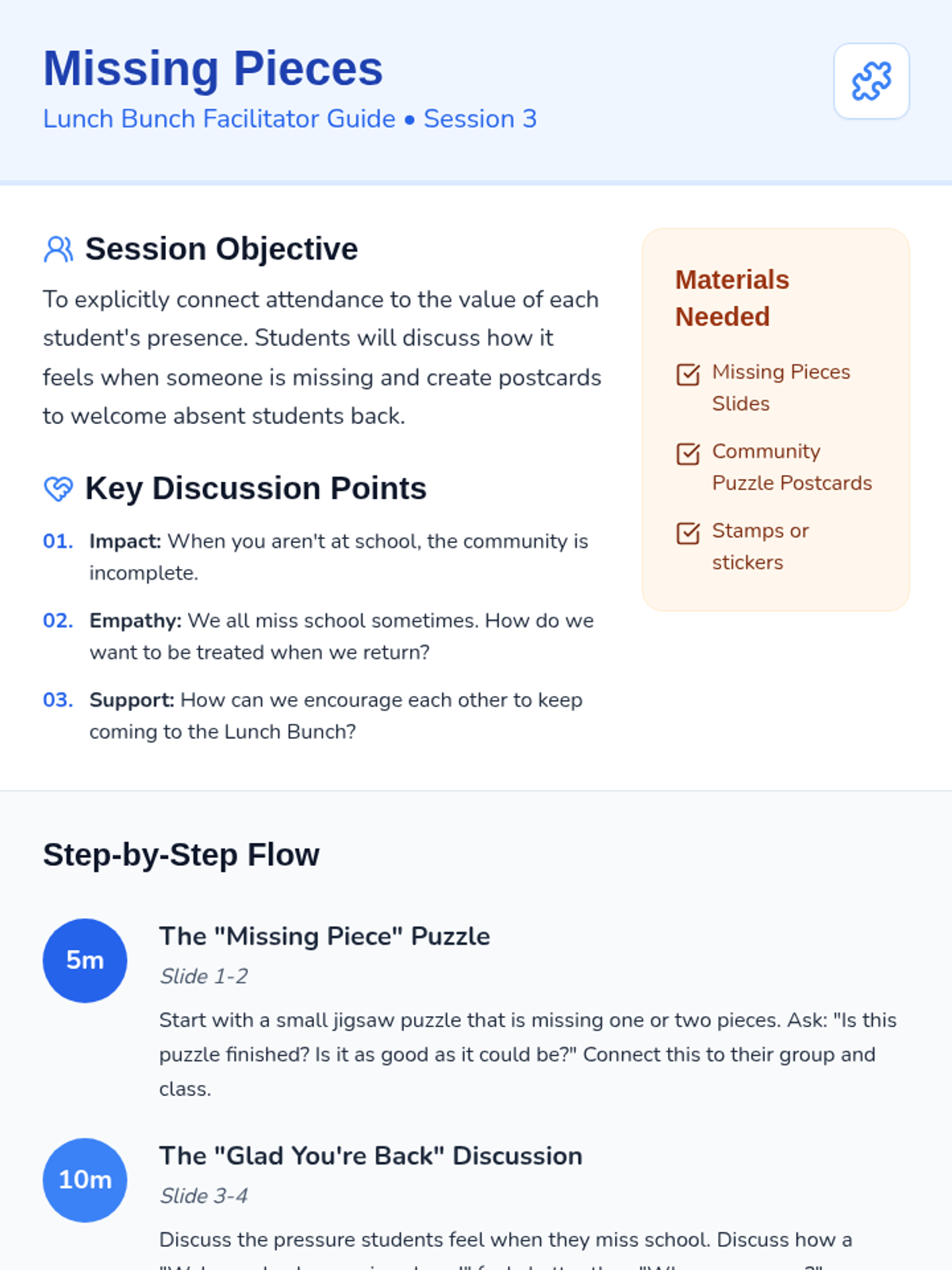
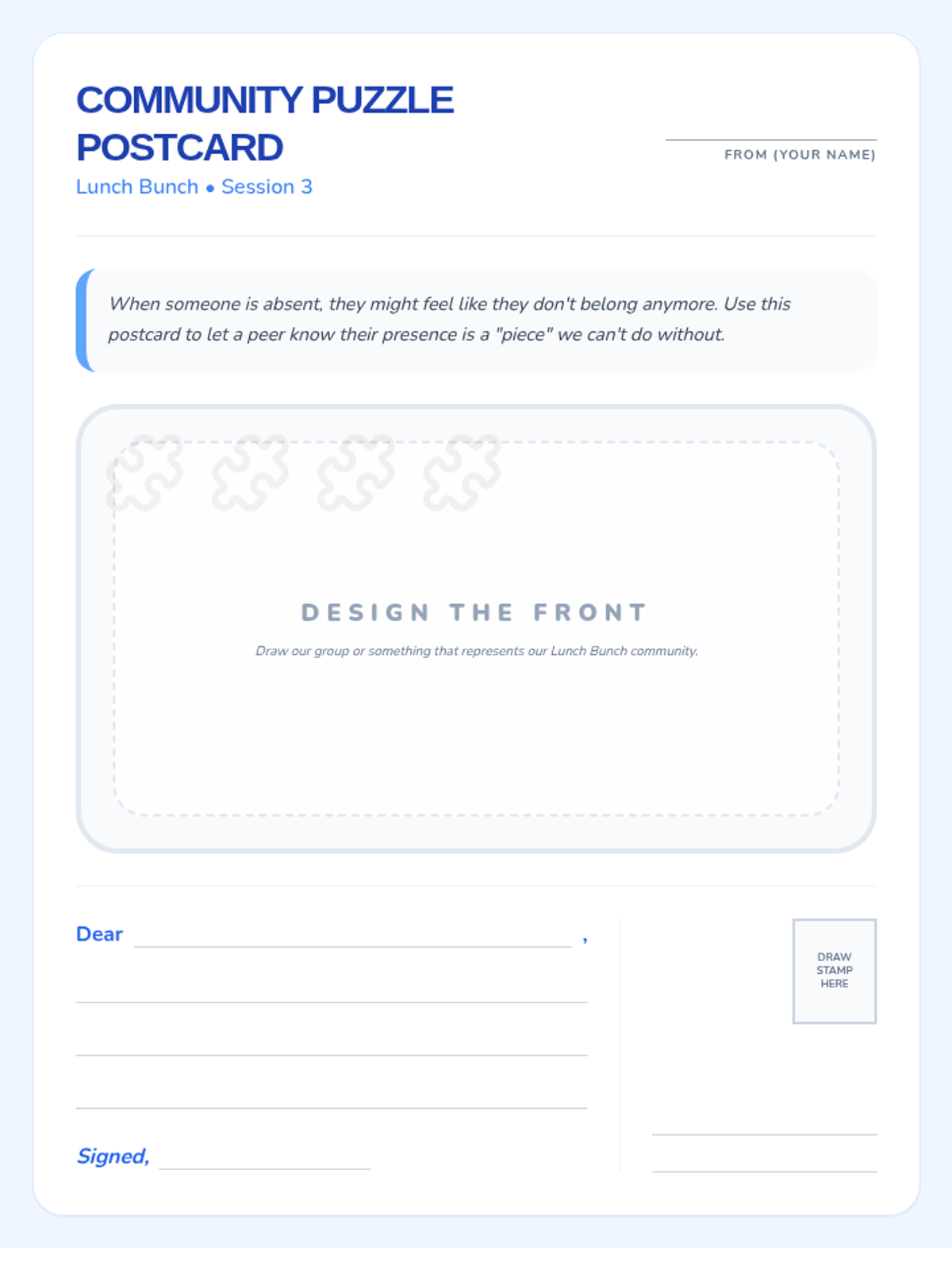
This lesson addresses attendance directly by discussing why every person matters to the group and how their absence is felt by others.
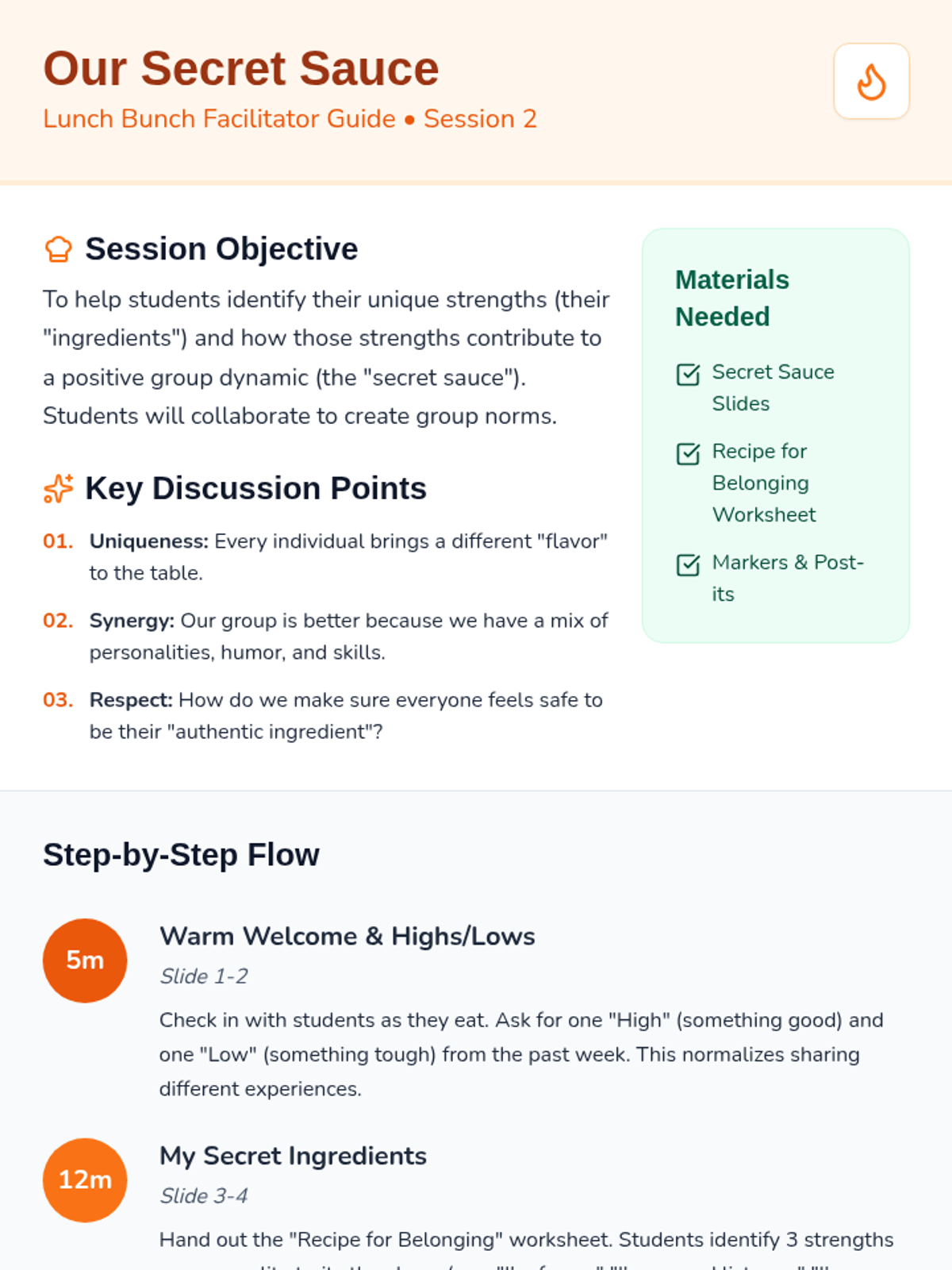
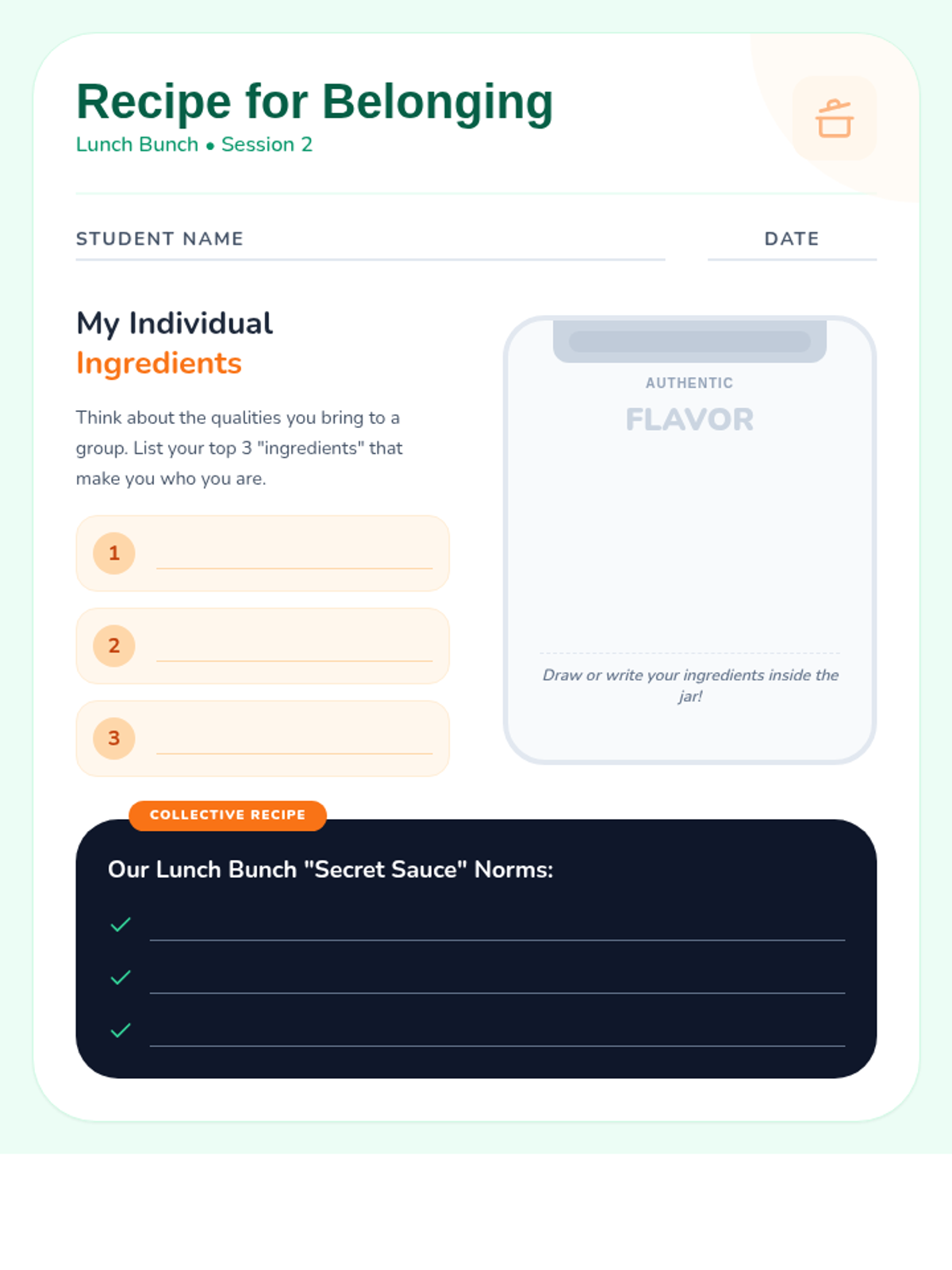
Students explore the unique qualities they bring to the group and collaboratively define what makes their lunch bunch community special.
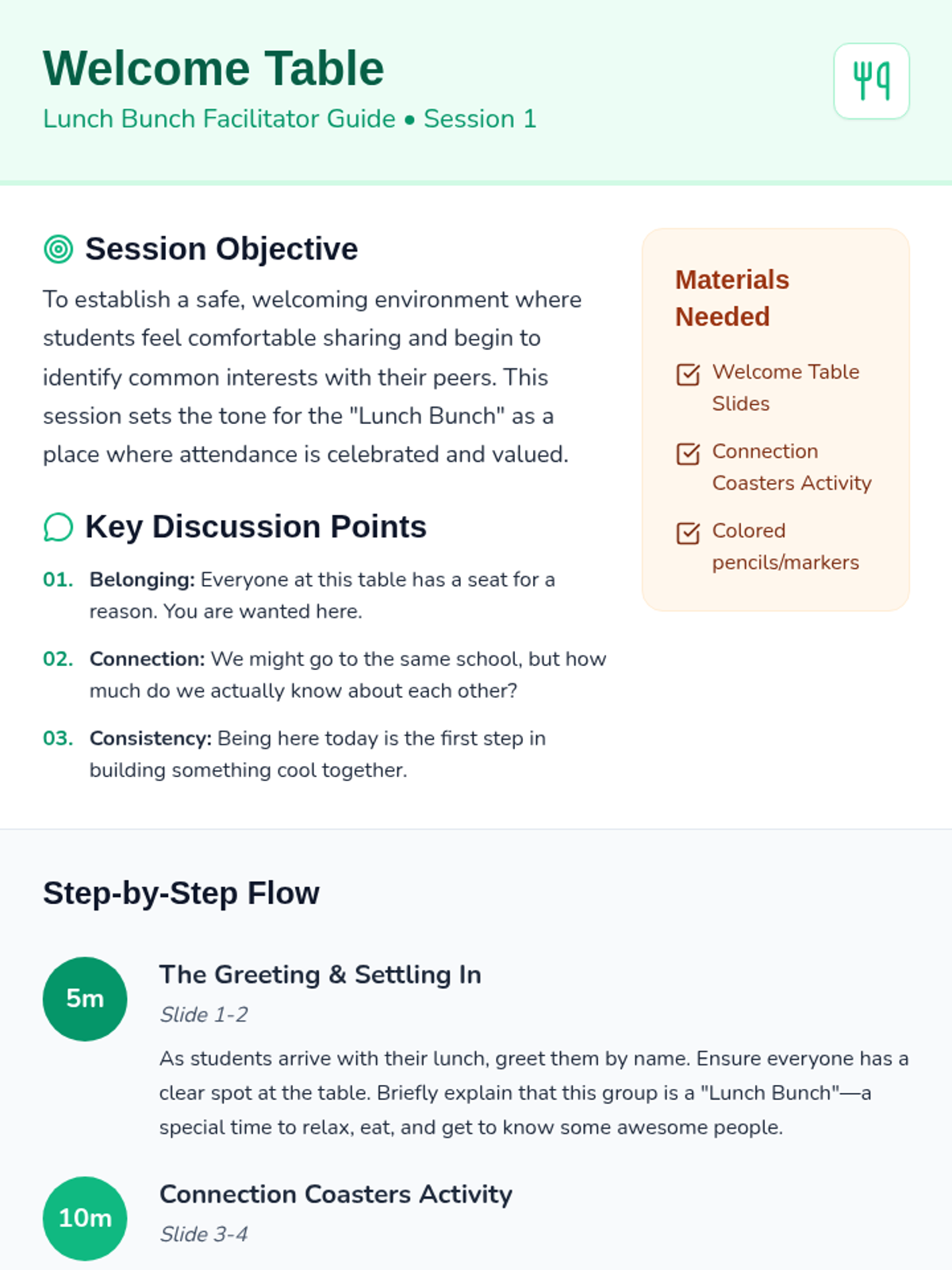
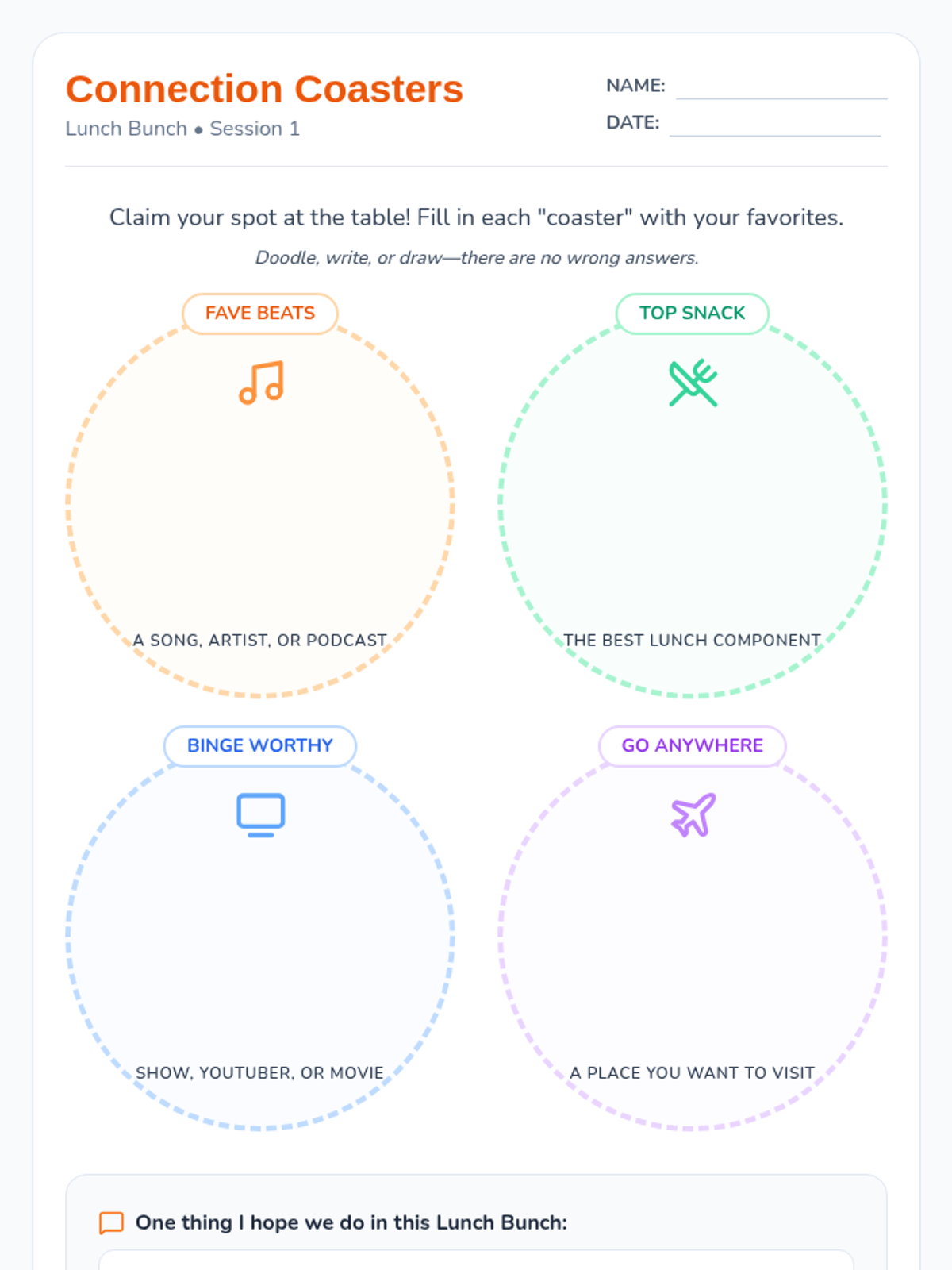
The opening session focuses on breaking the ice, establishing a safe lunch environment, and helping students find common ground with their peers.
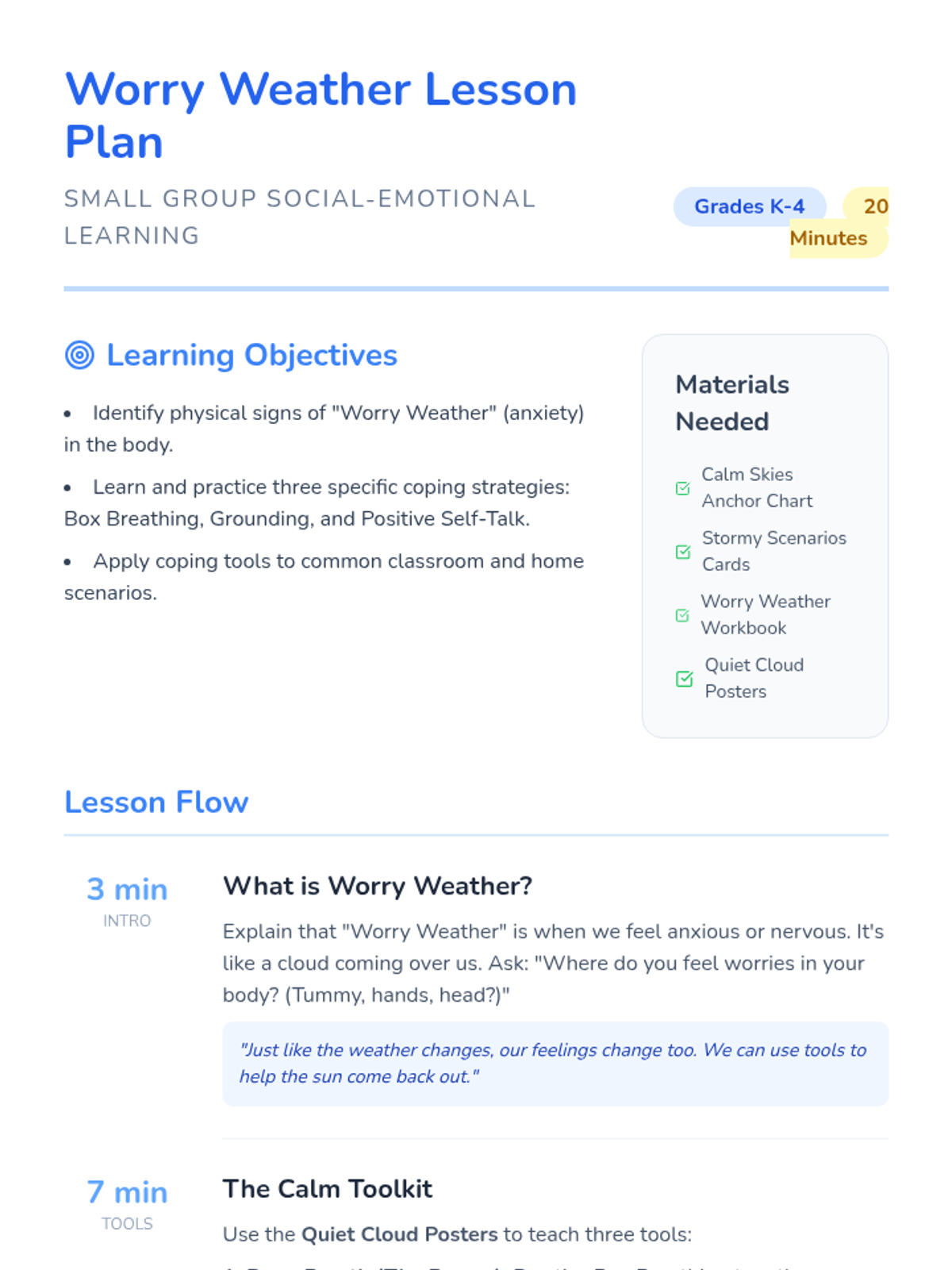
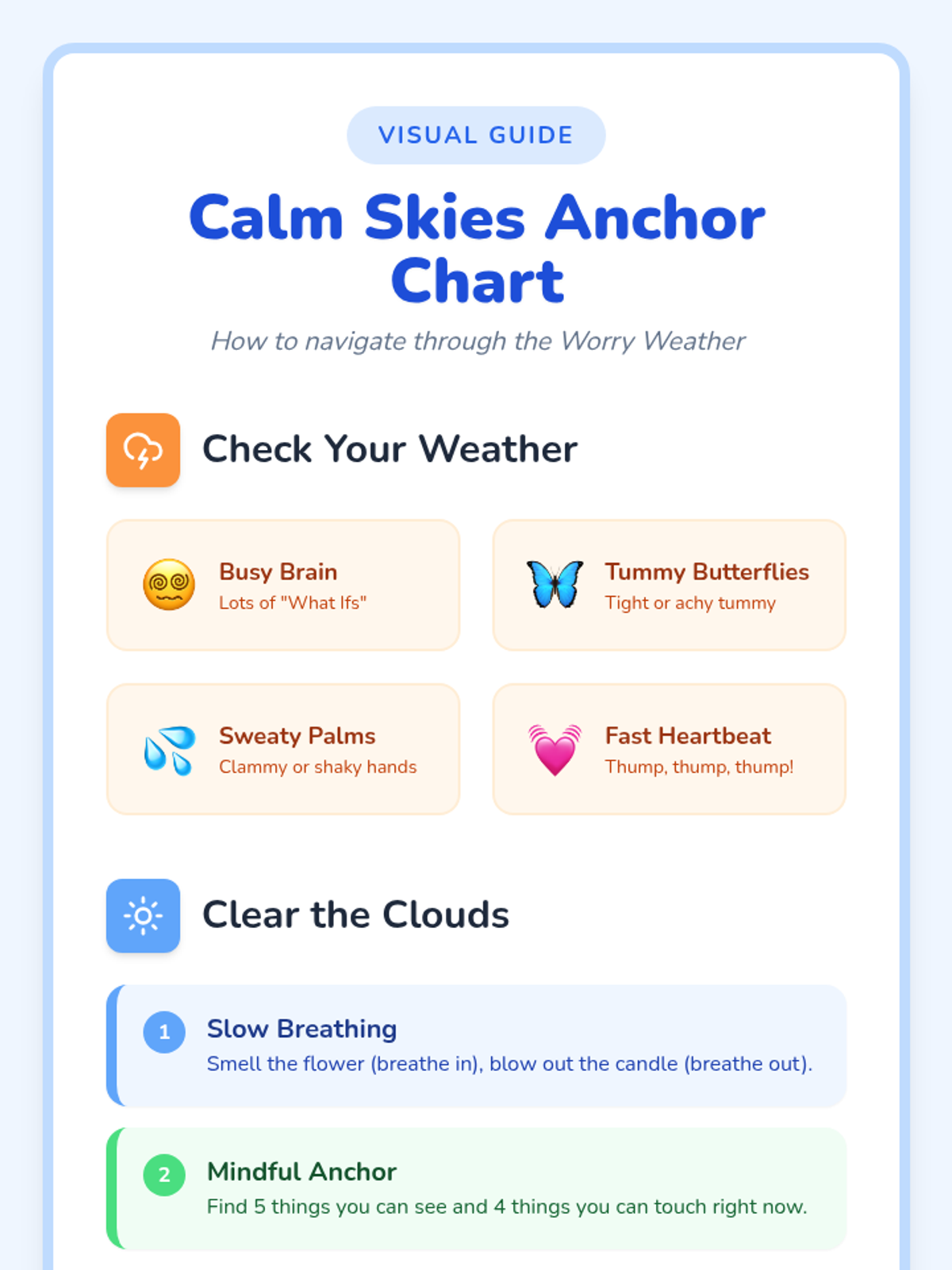
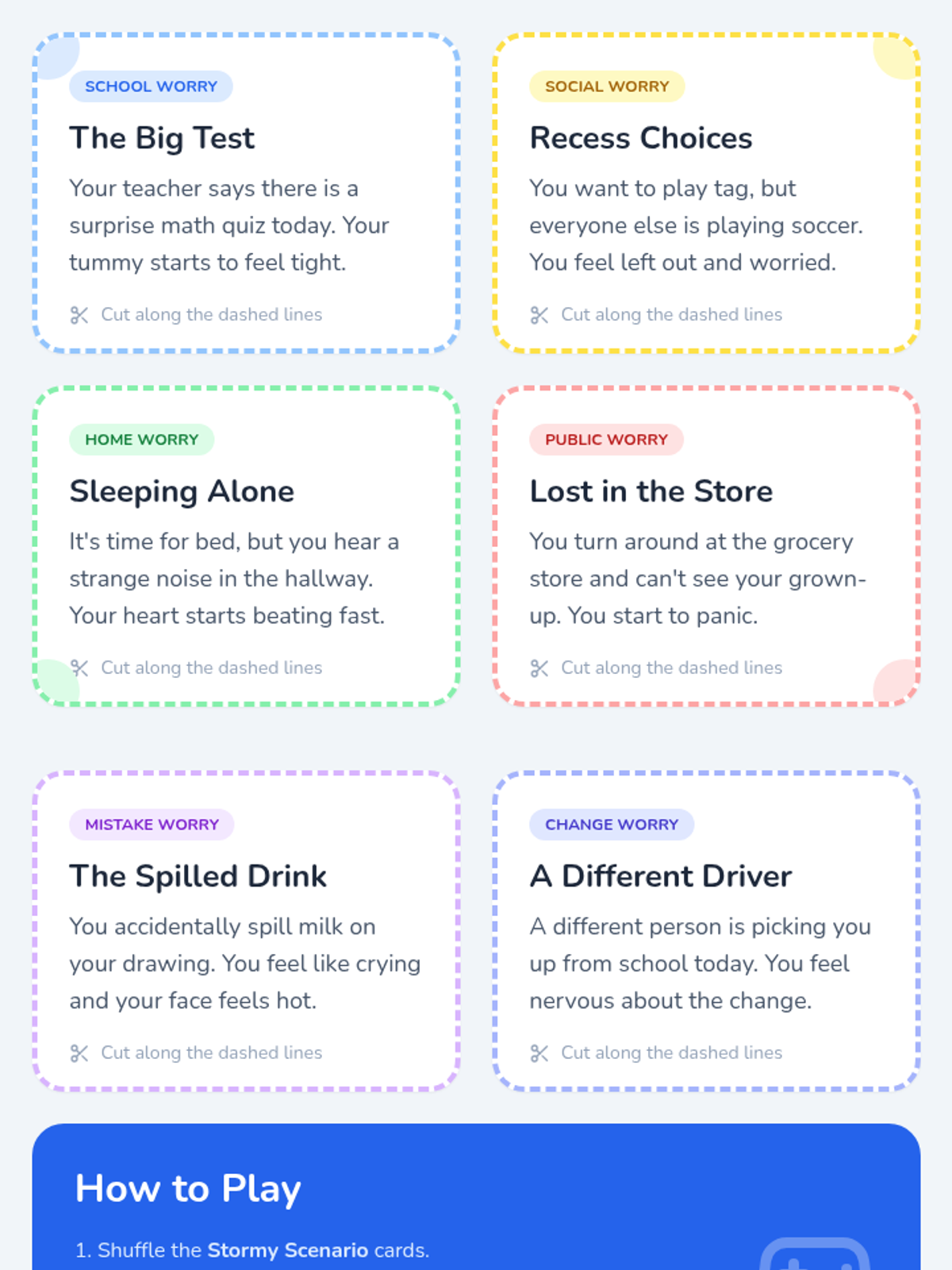
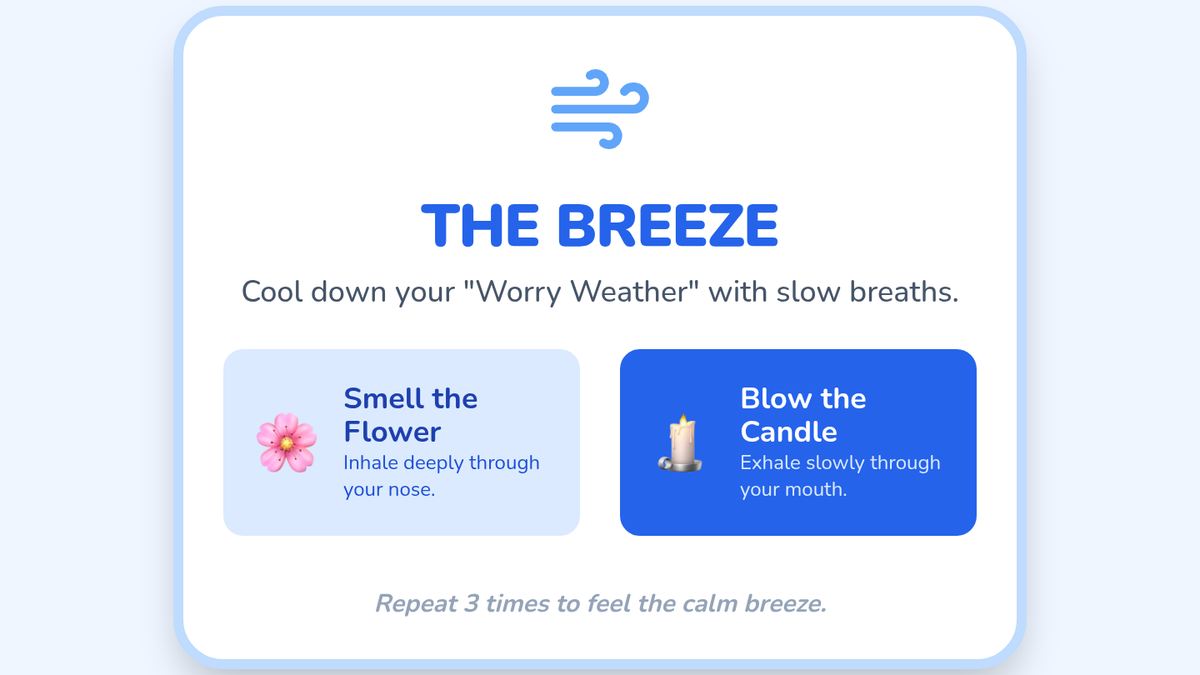
A small group social-emotional learning lesson for K-4 students focused on identifying anxiety triggers and practicing coping strategies using a weather-based metaphor.
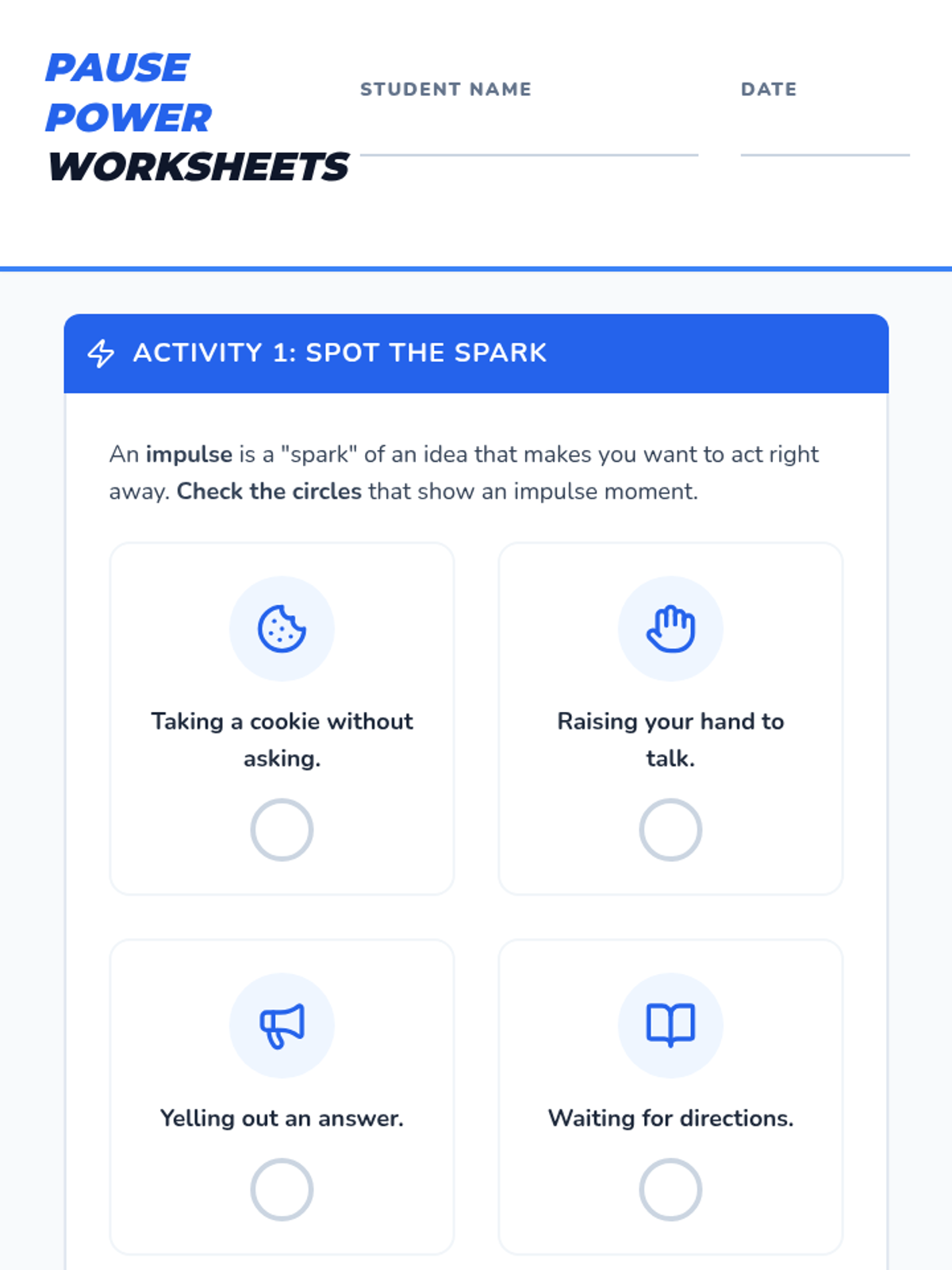
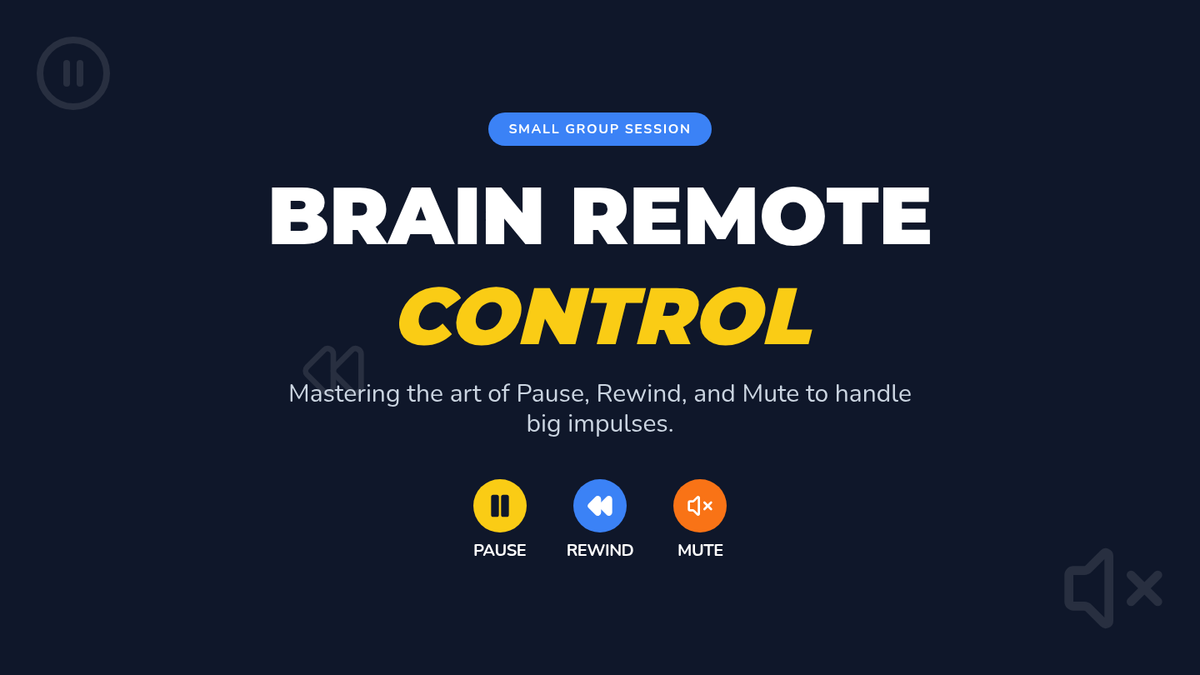
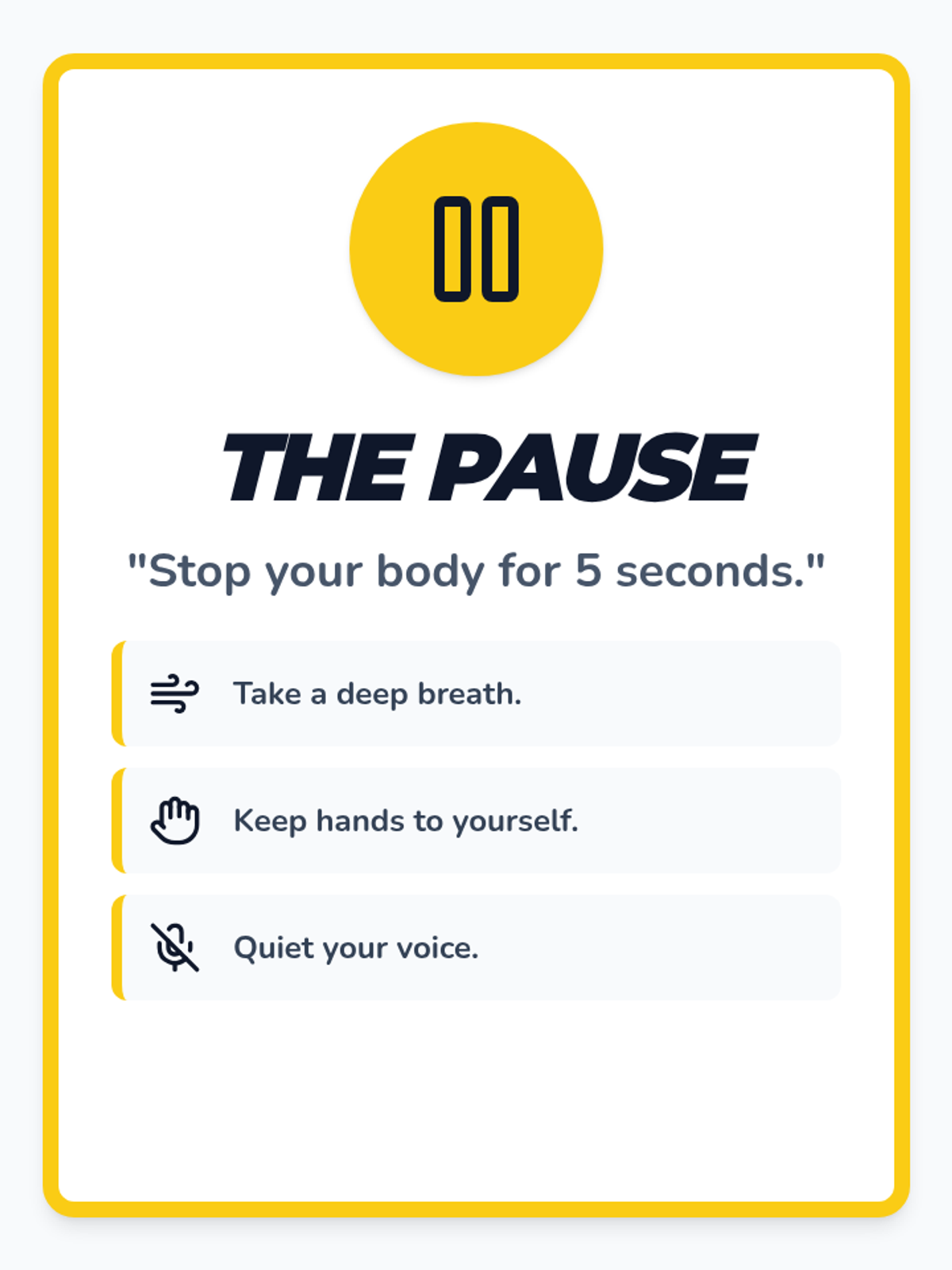
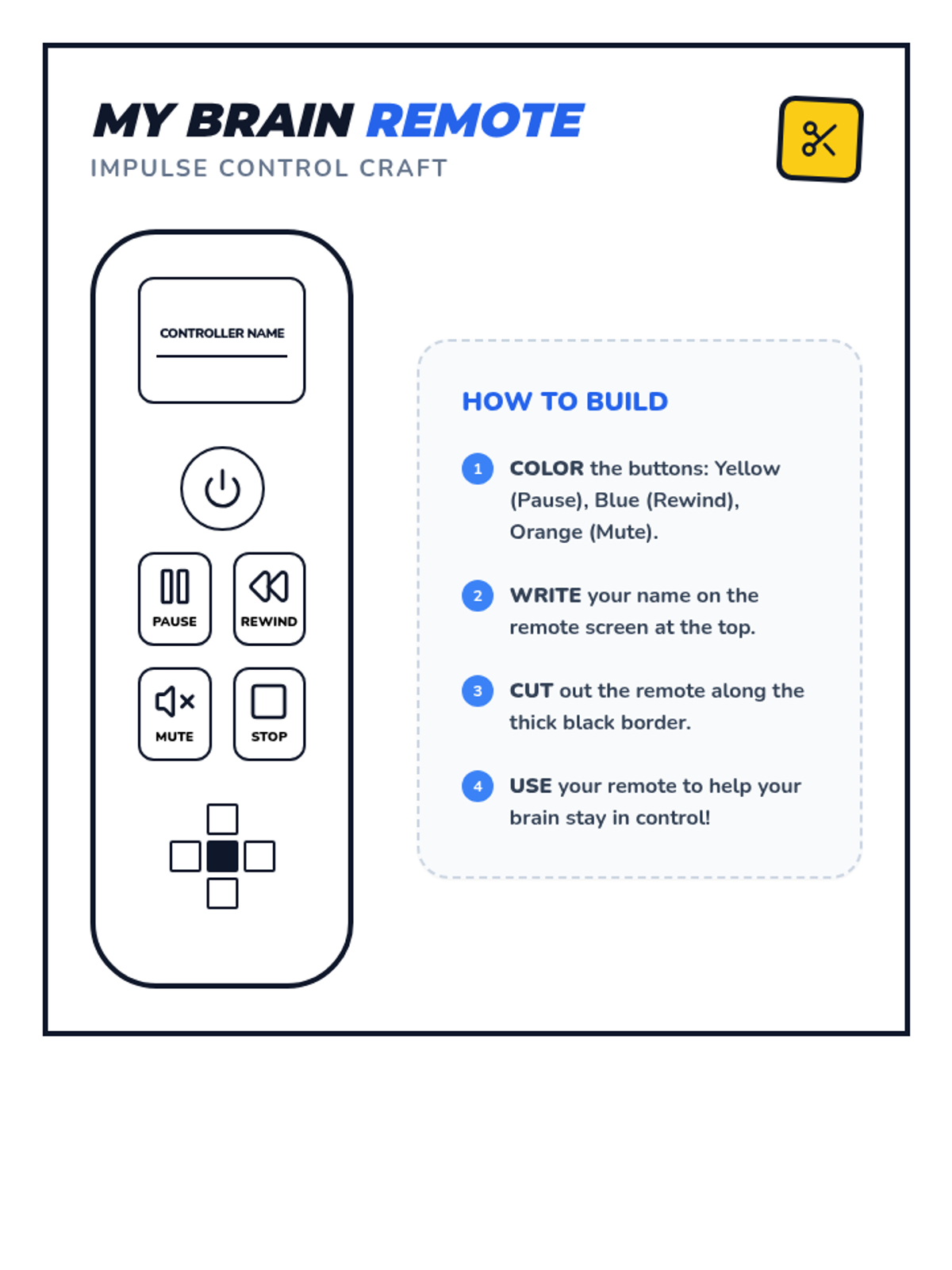
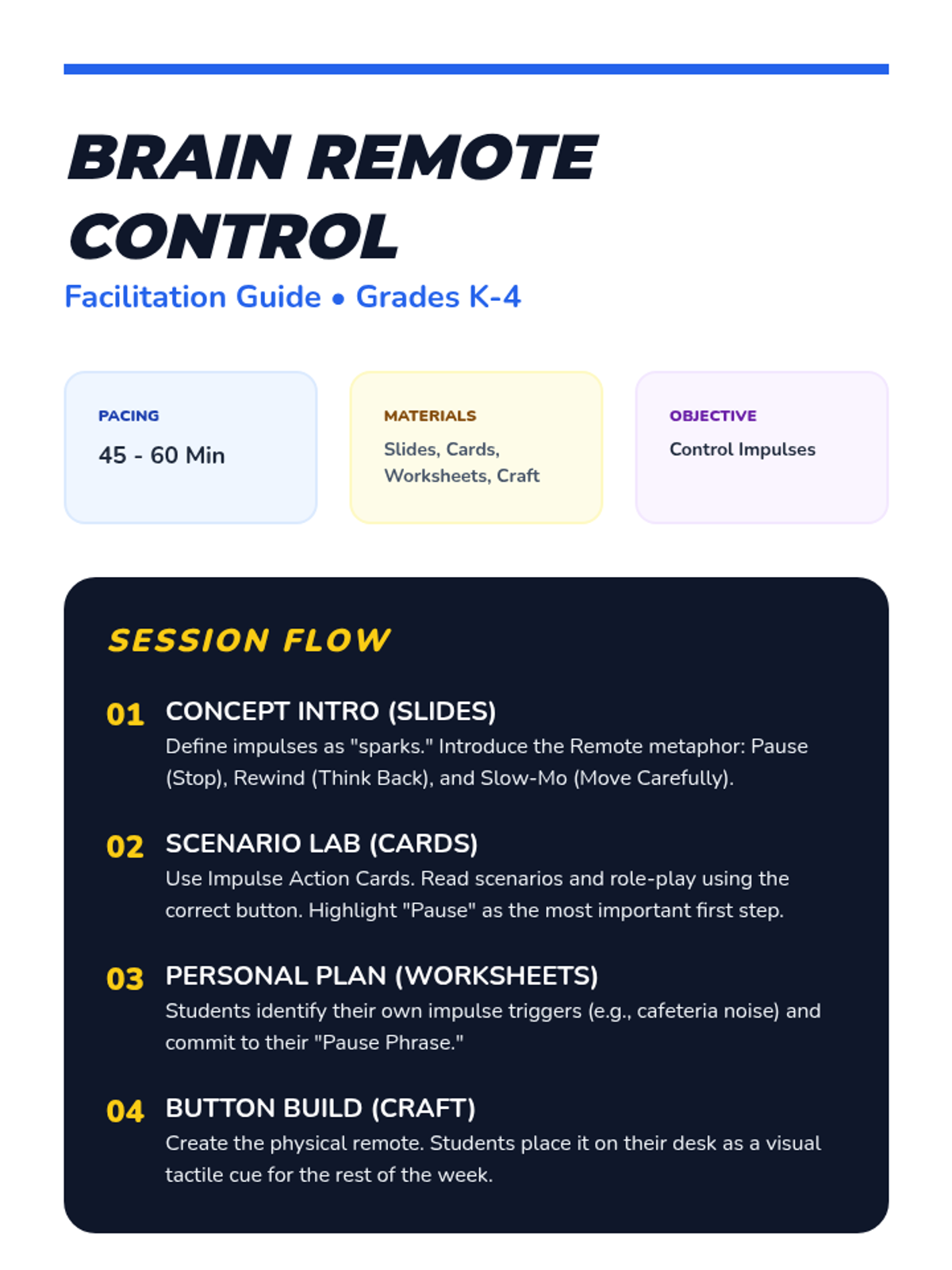
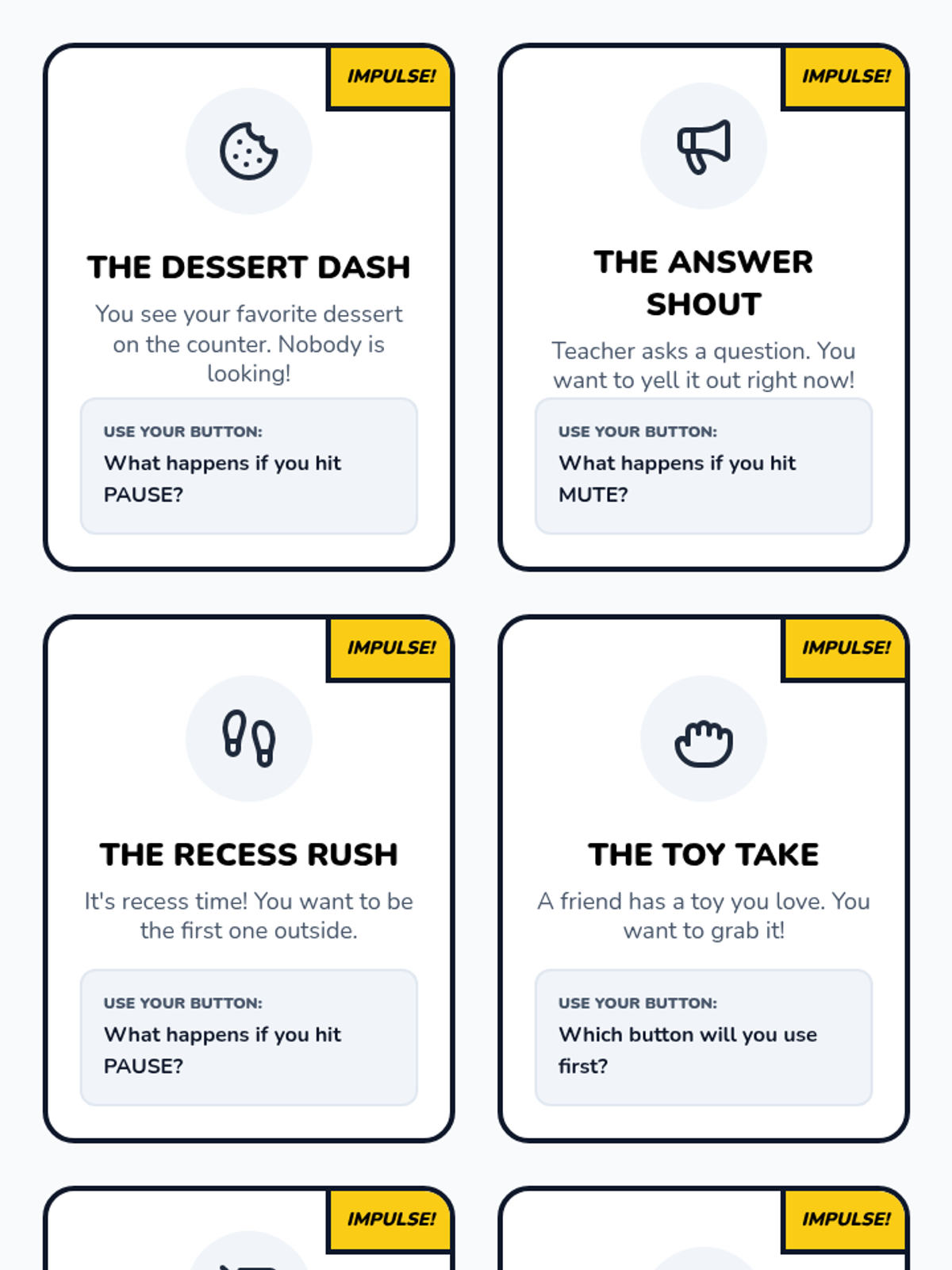
A social-emotional learning lesson for K-4 students focused on impulse control techniques using a remote control metaphor. Students learn to 'pause', 'rewind', and 'slow down' their reactions through interactive activities and a creative craft.
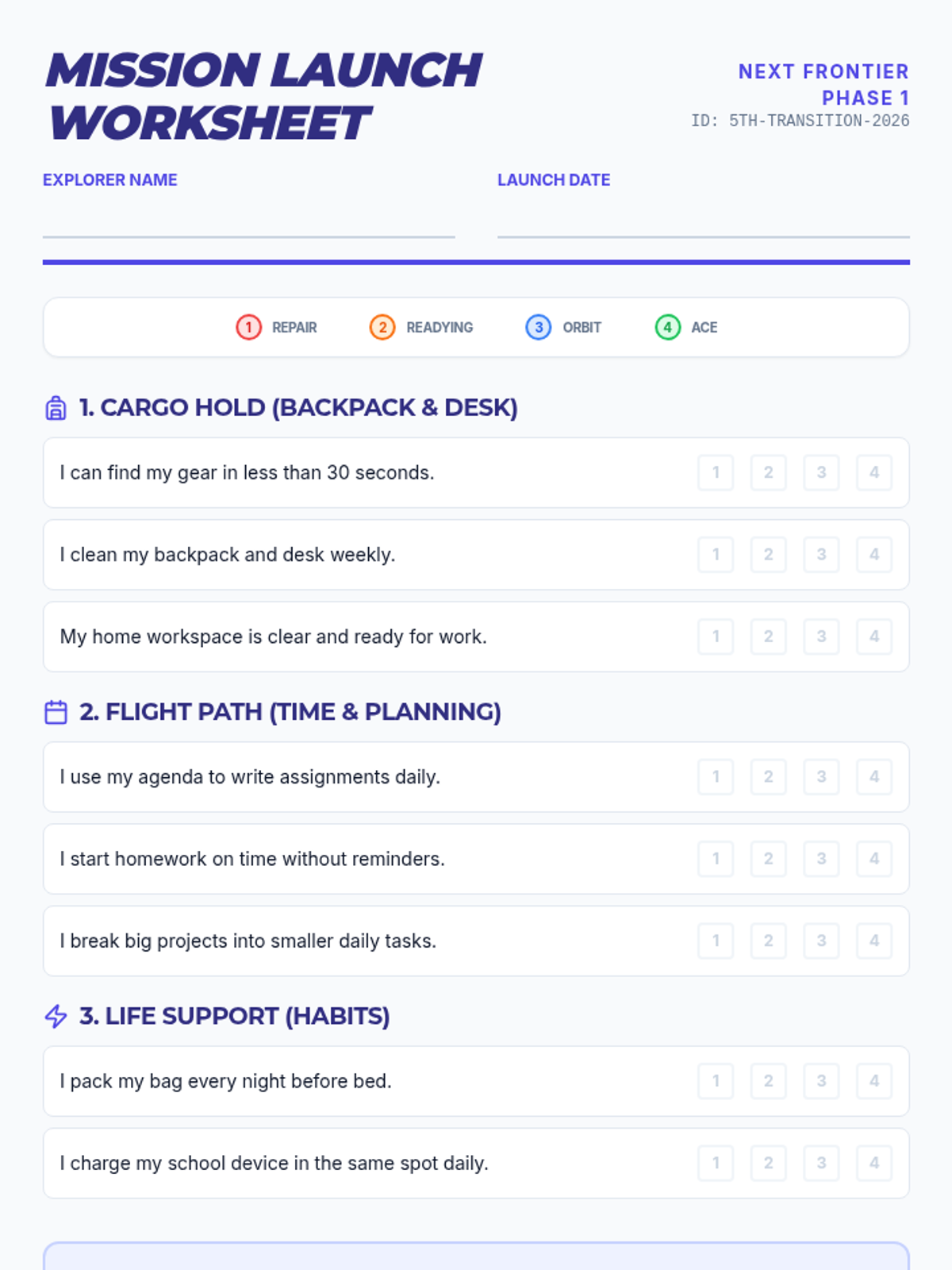
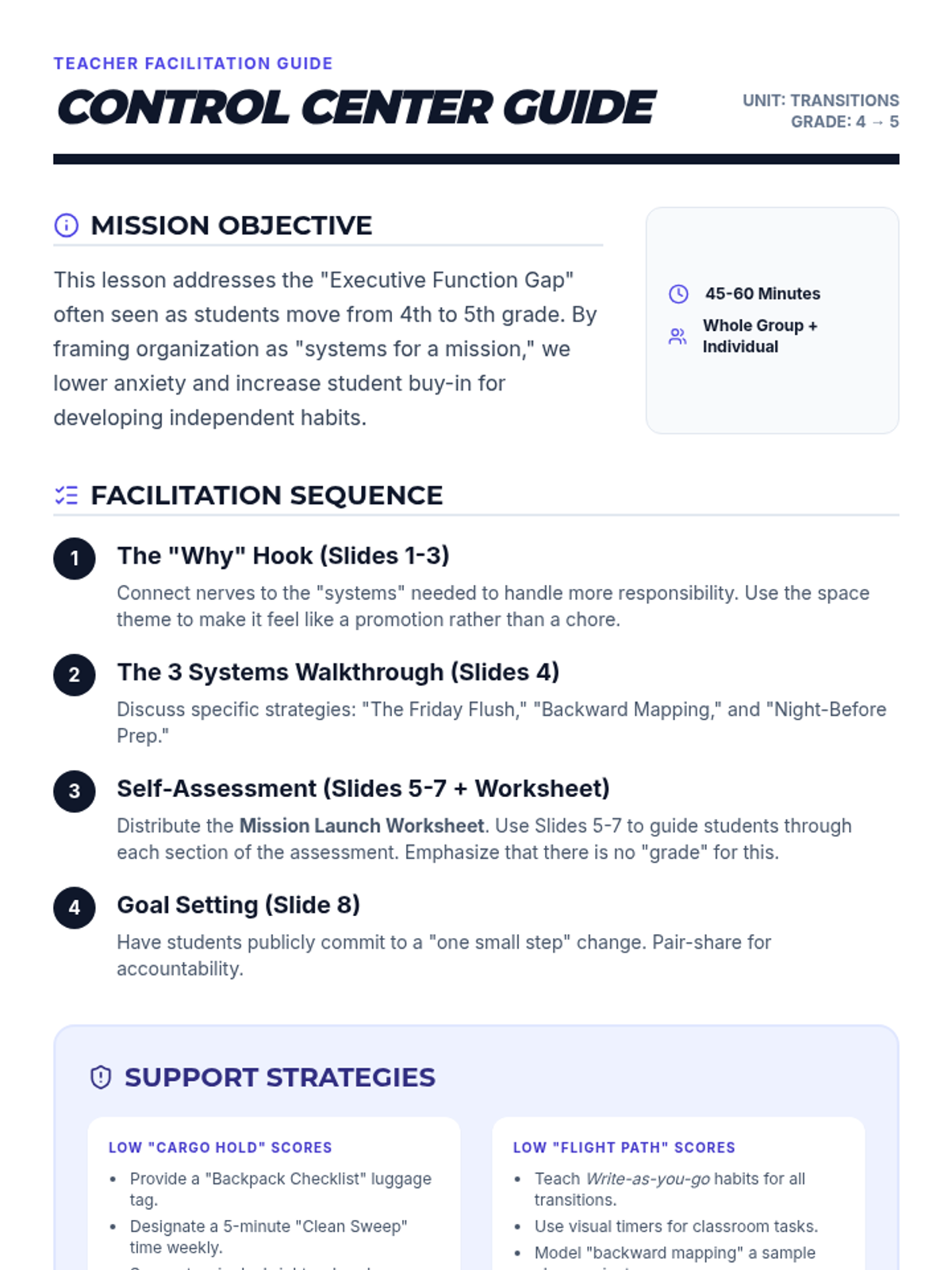
A transition-focused lesson designed to help 4th graders assess and improve their organizational habits before entering 5th grade. Students reflect on their current systems and set goals for the increased independence of the next grade level.
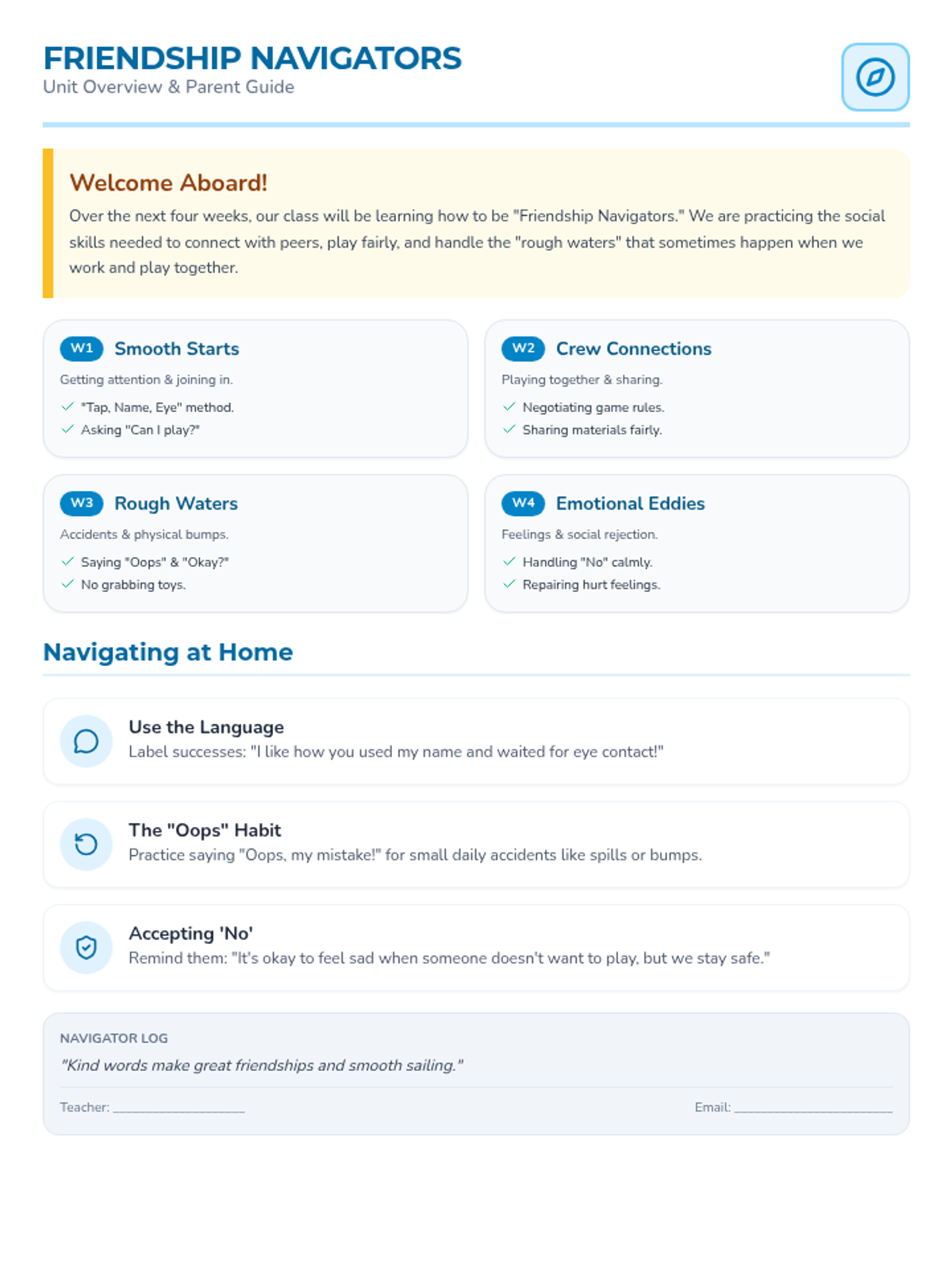
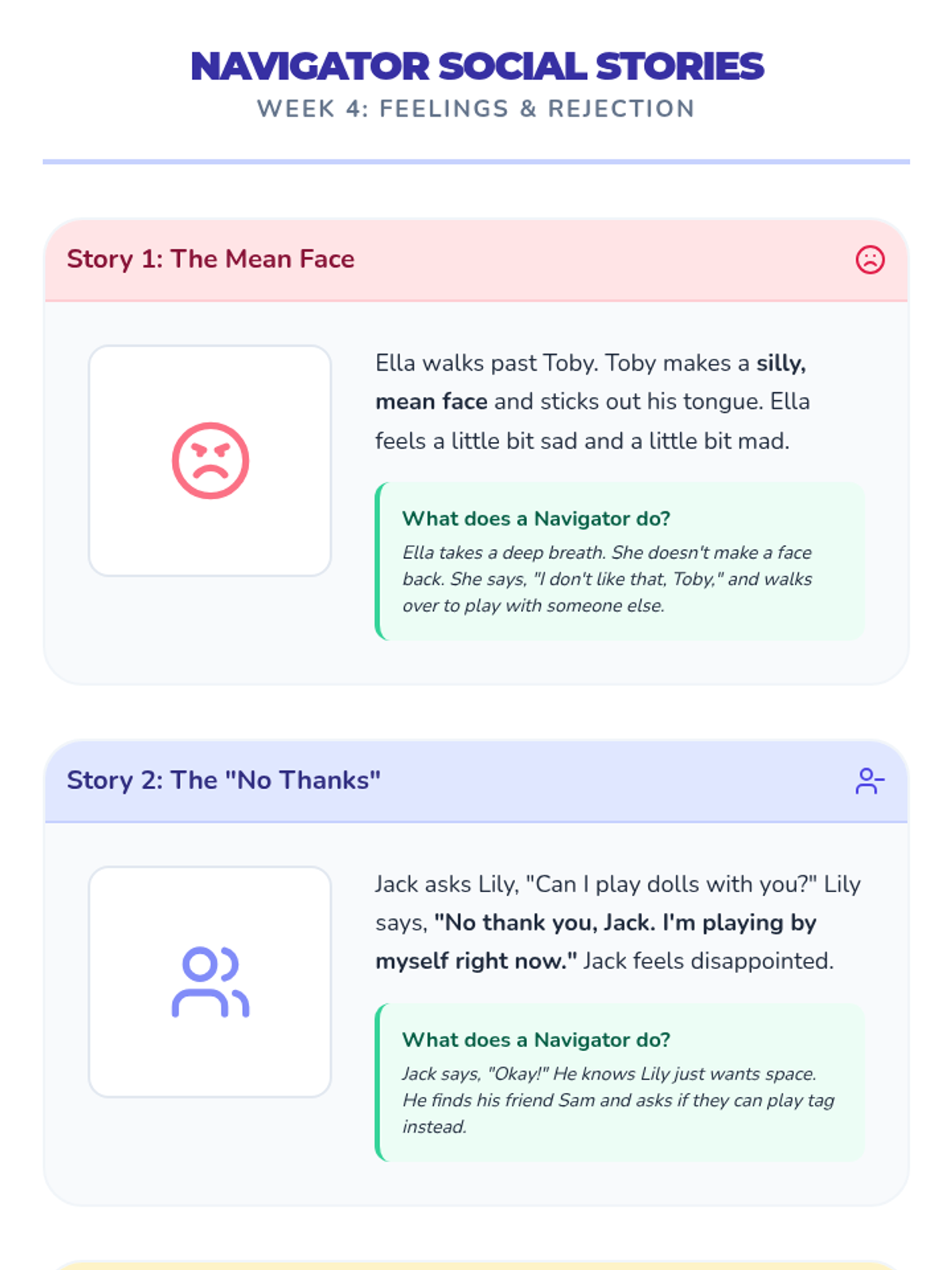
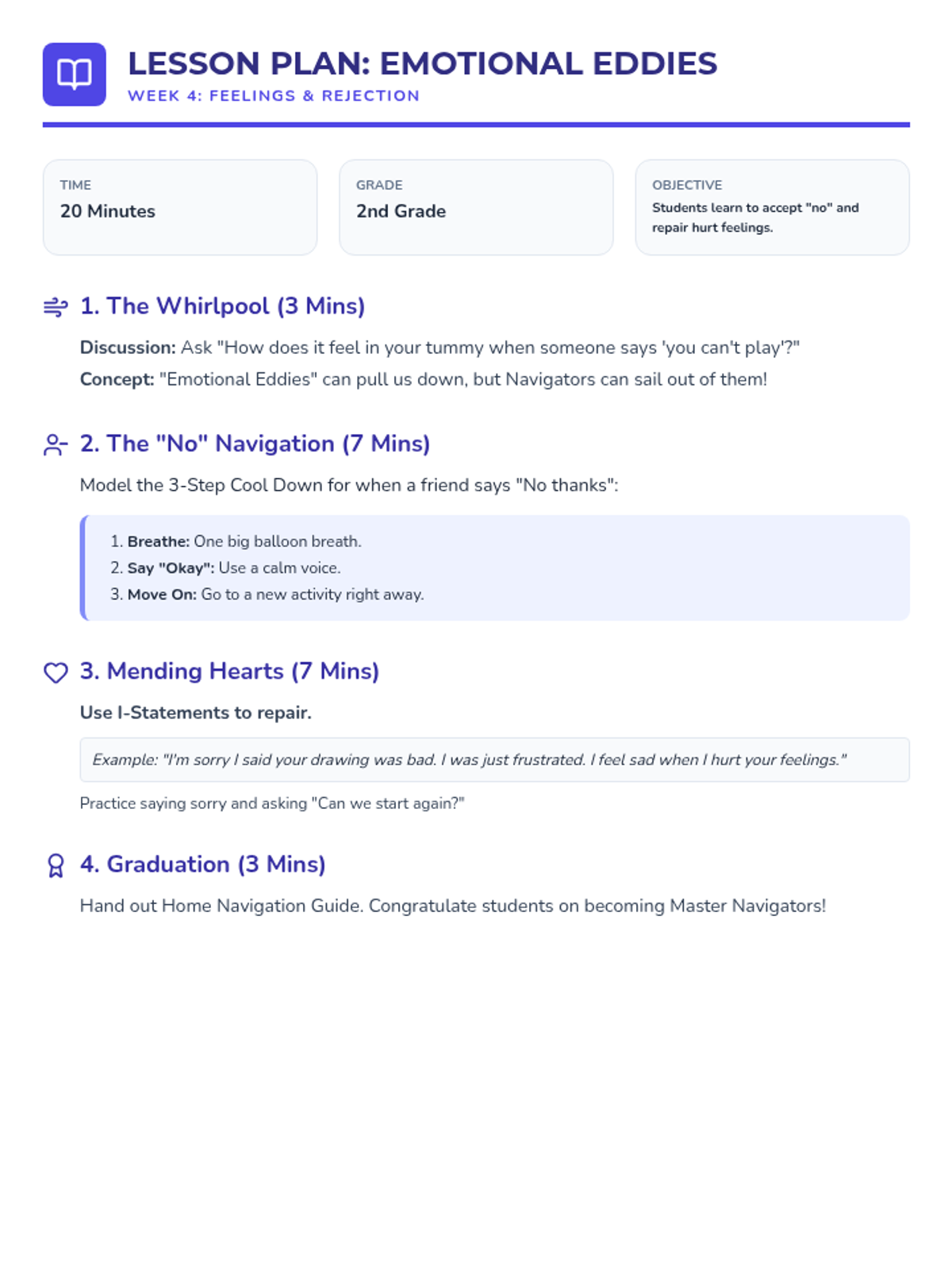
Week 4 addresses social rejection and hurt feelings, providing scripts for when someone doesn't want to play or when a peer is unkind.
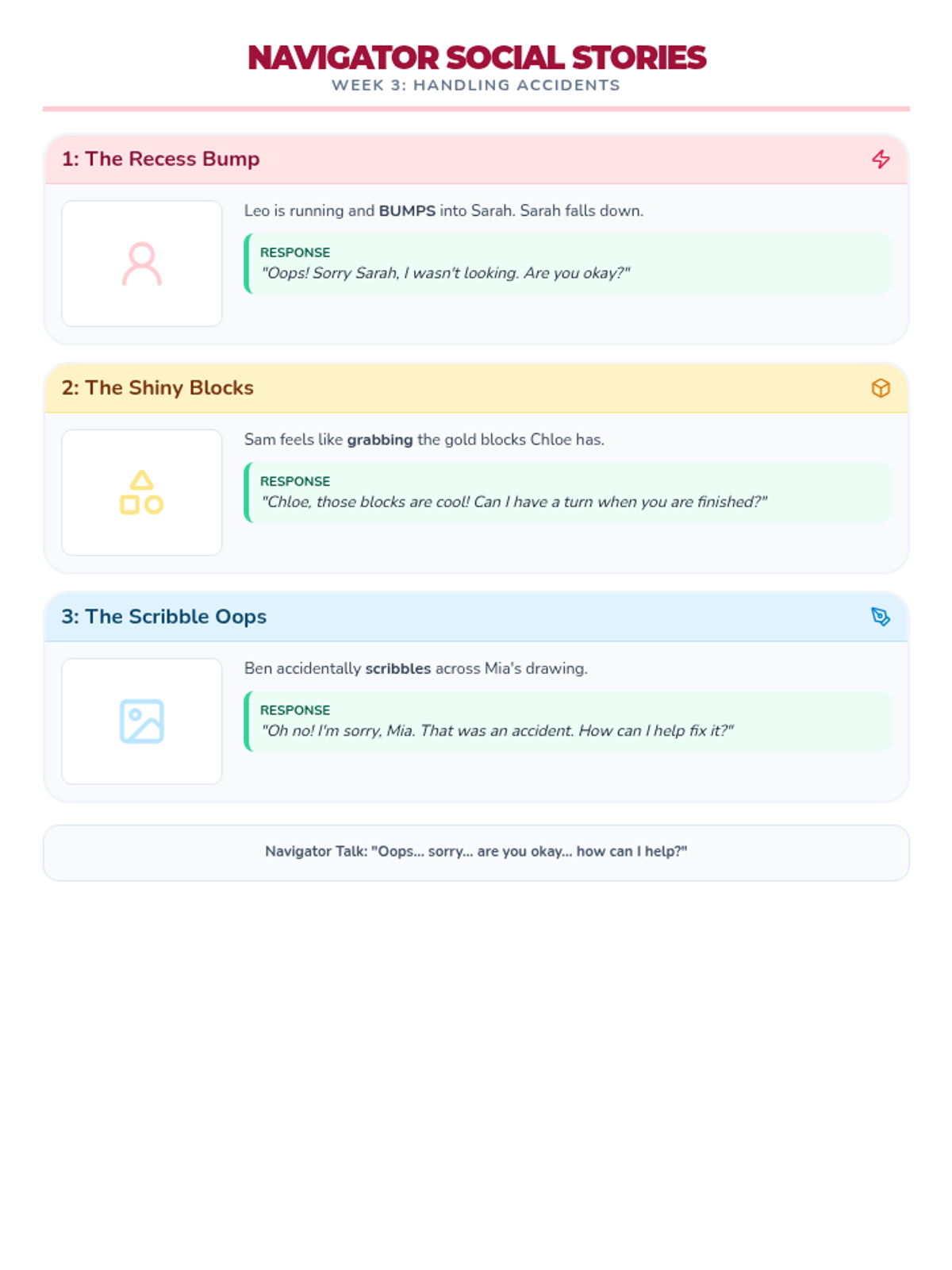
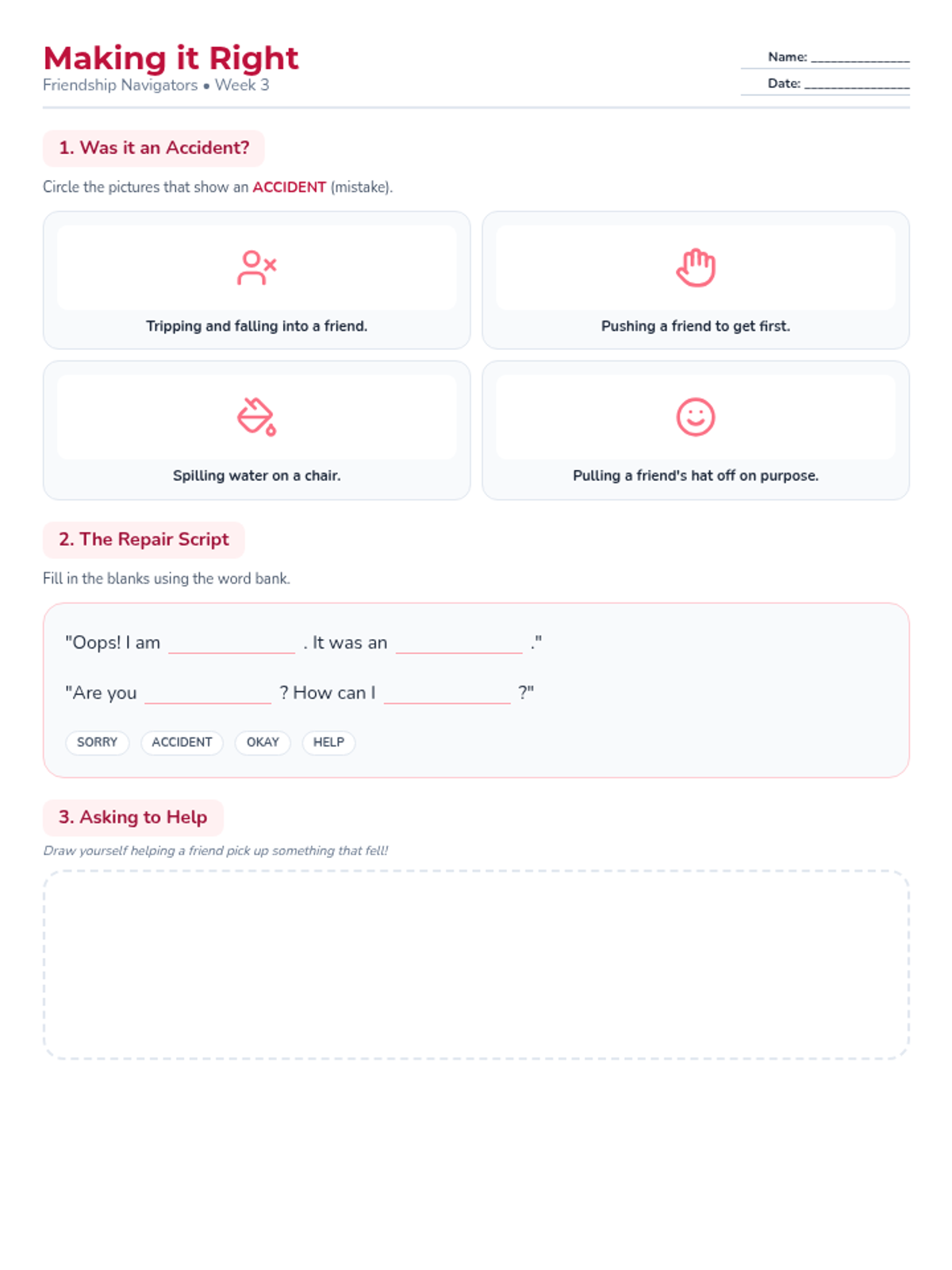
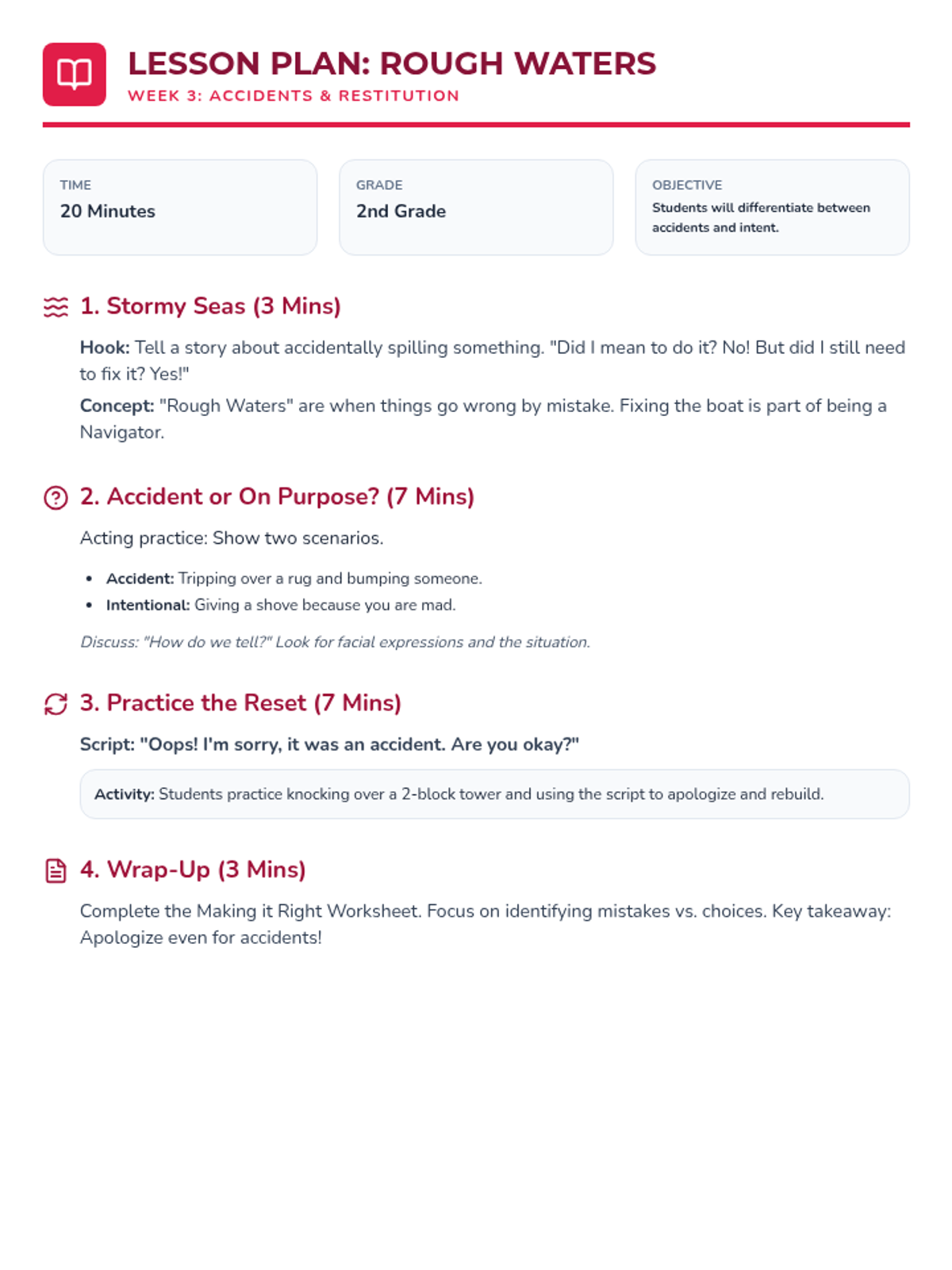
Week 3 teaches students how to handle physical accidents (bumping) and material conflicts (wanting what others have) using 'oops' and 'reset' strategies.
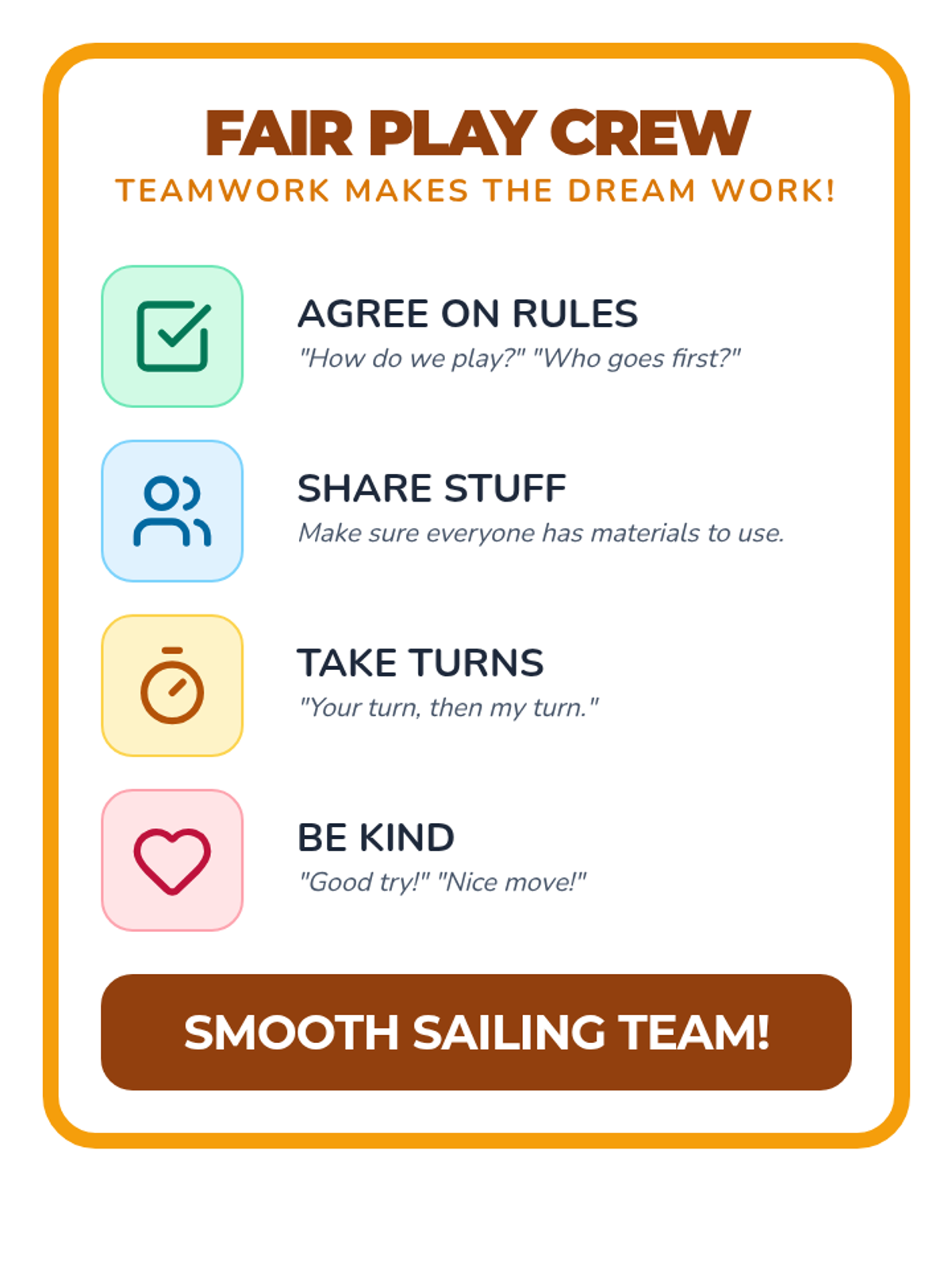
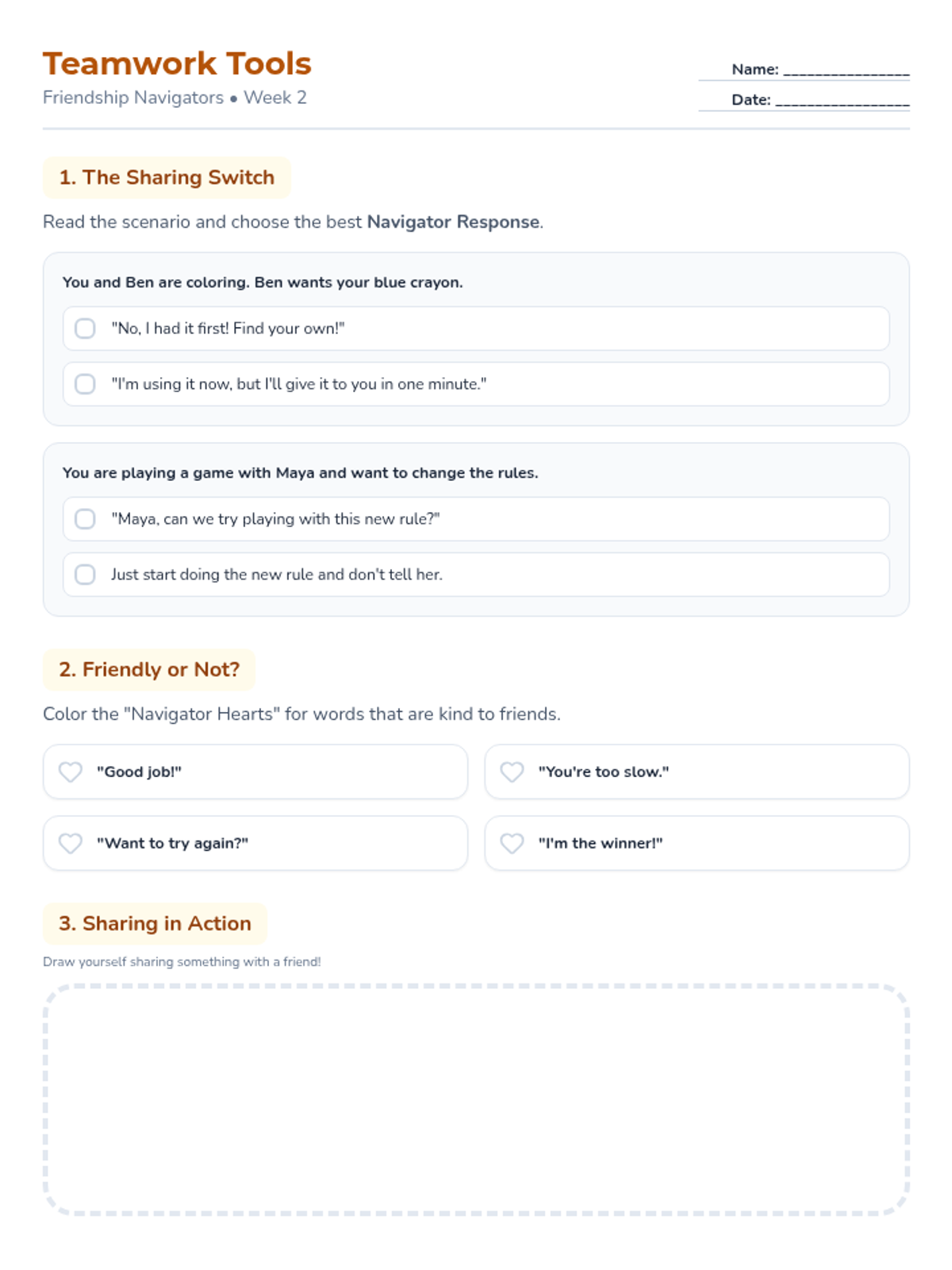
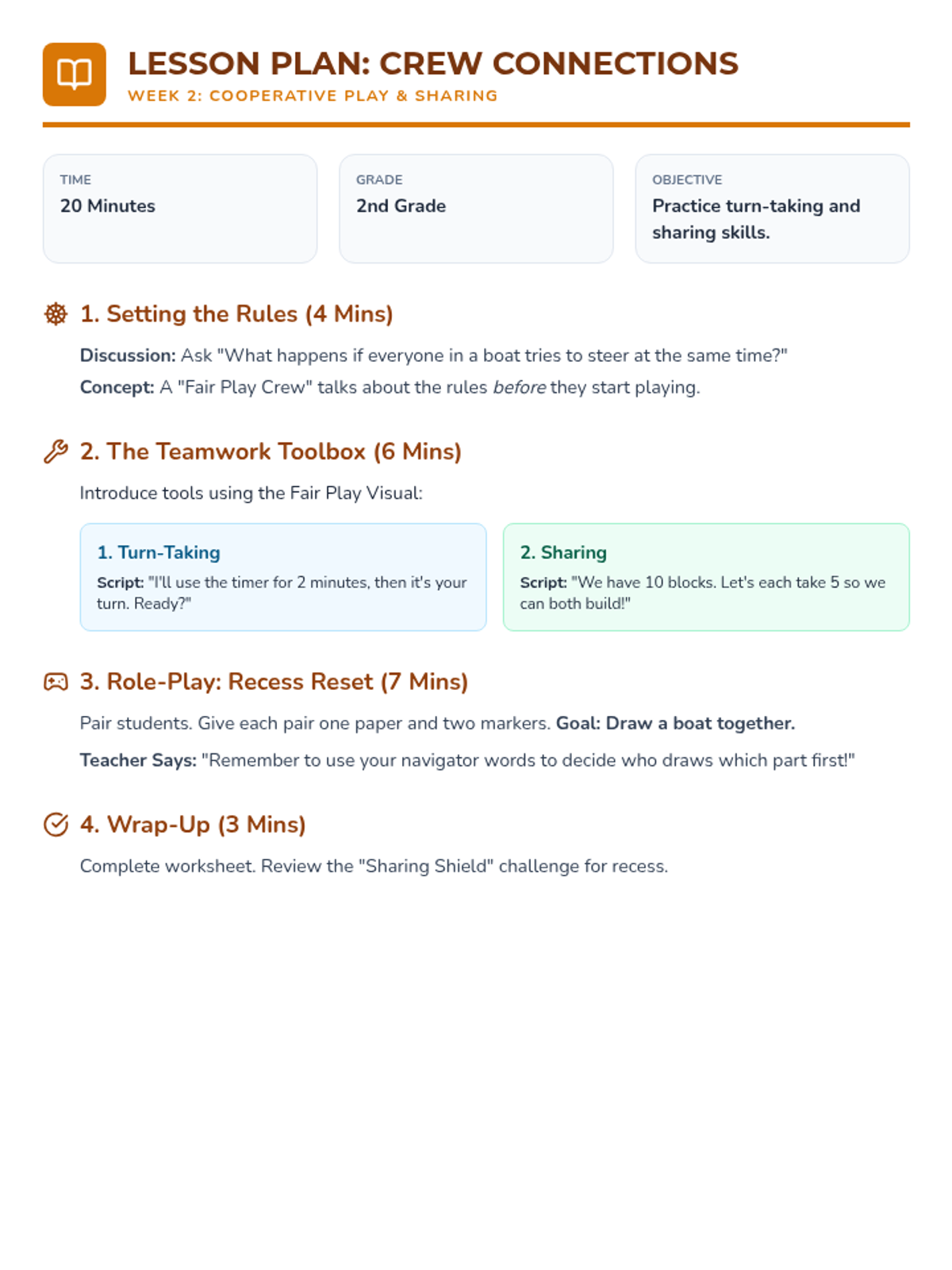
Week 2 covers the mechanics of cooperative play, including turn-taking, sharing materials, and communicating clearly during games.
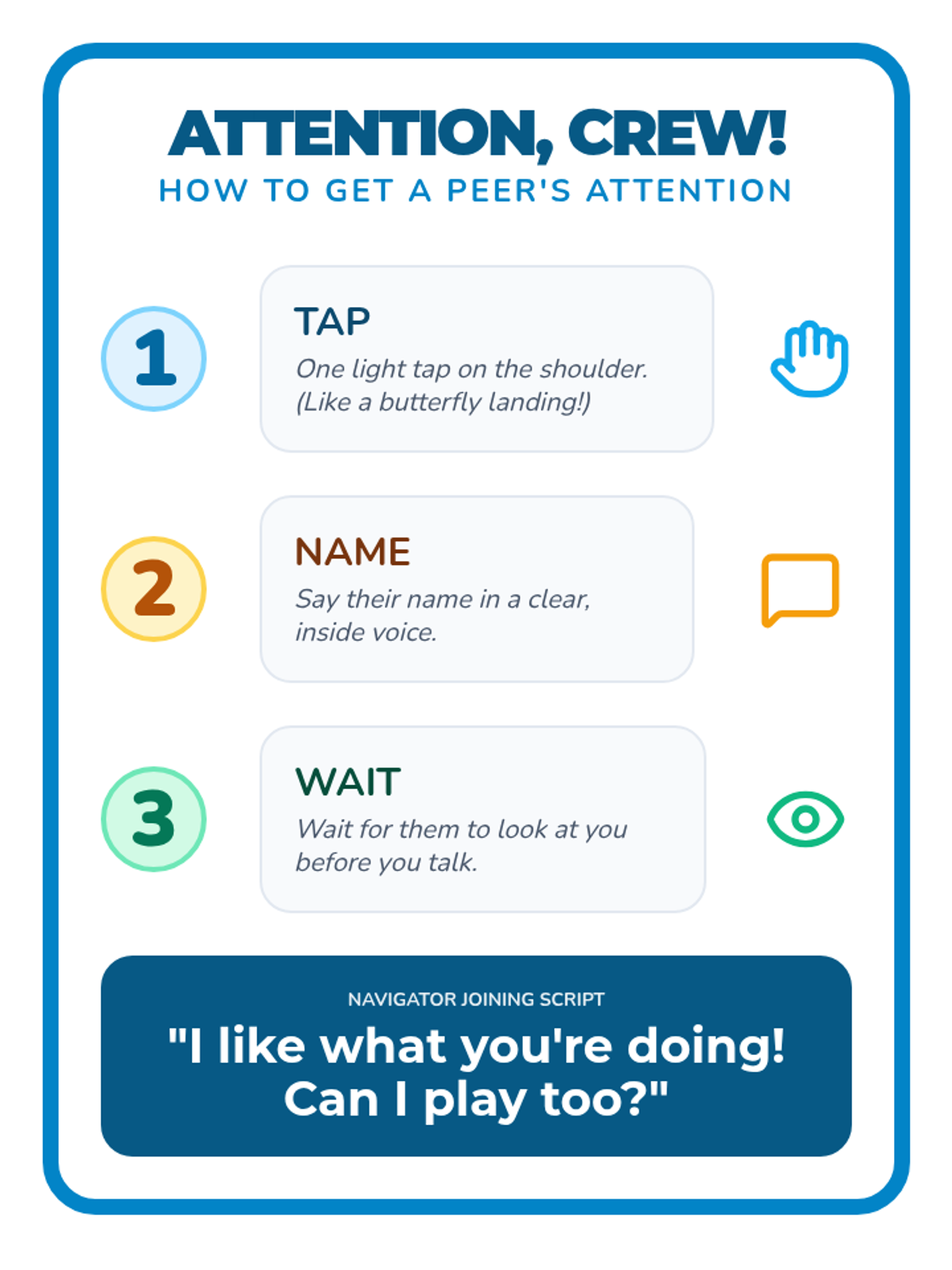
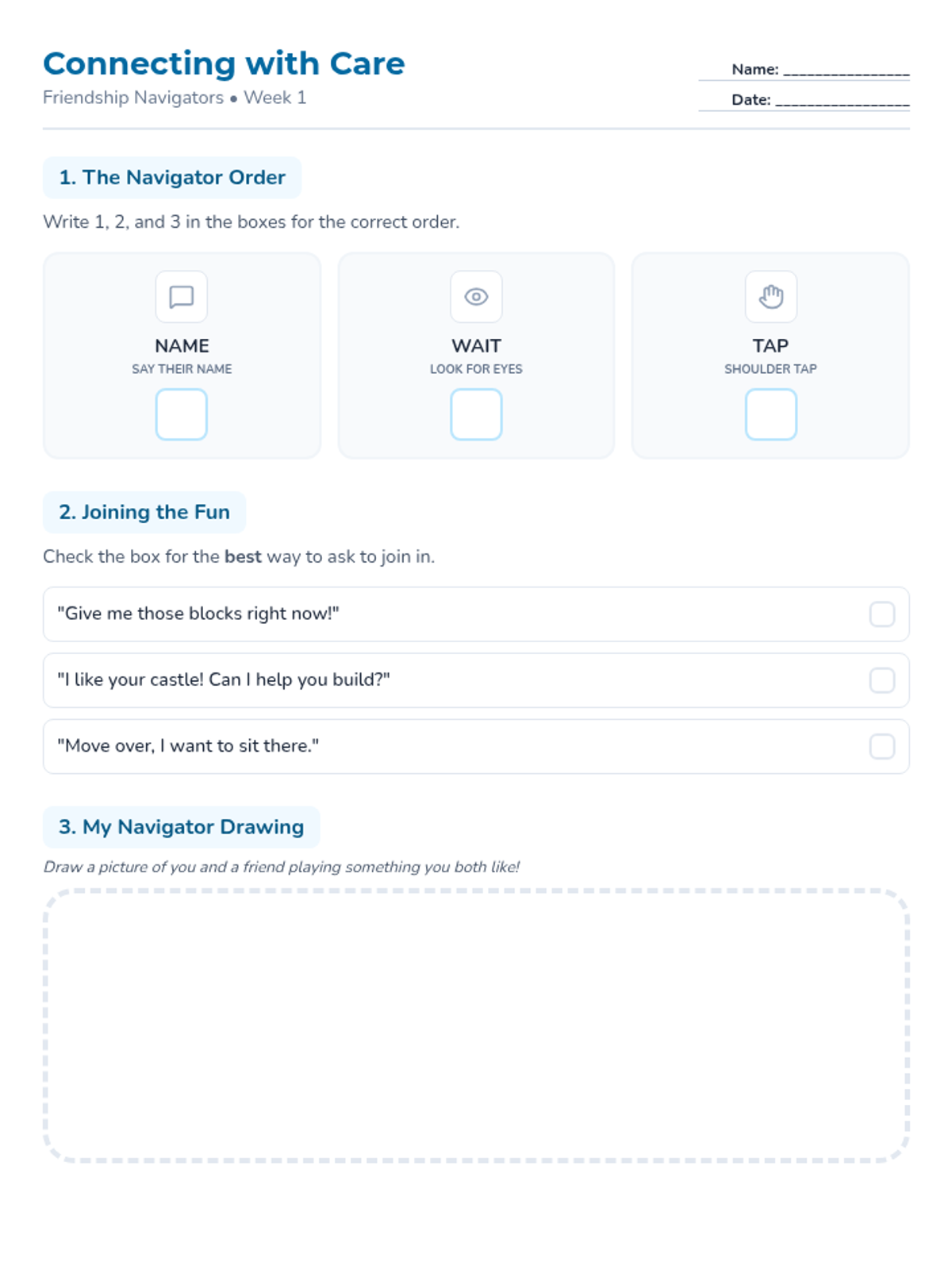
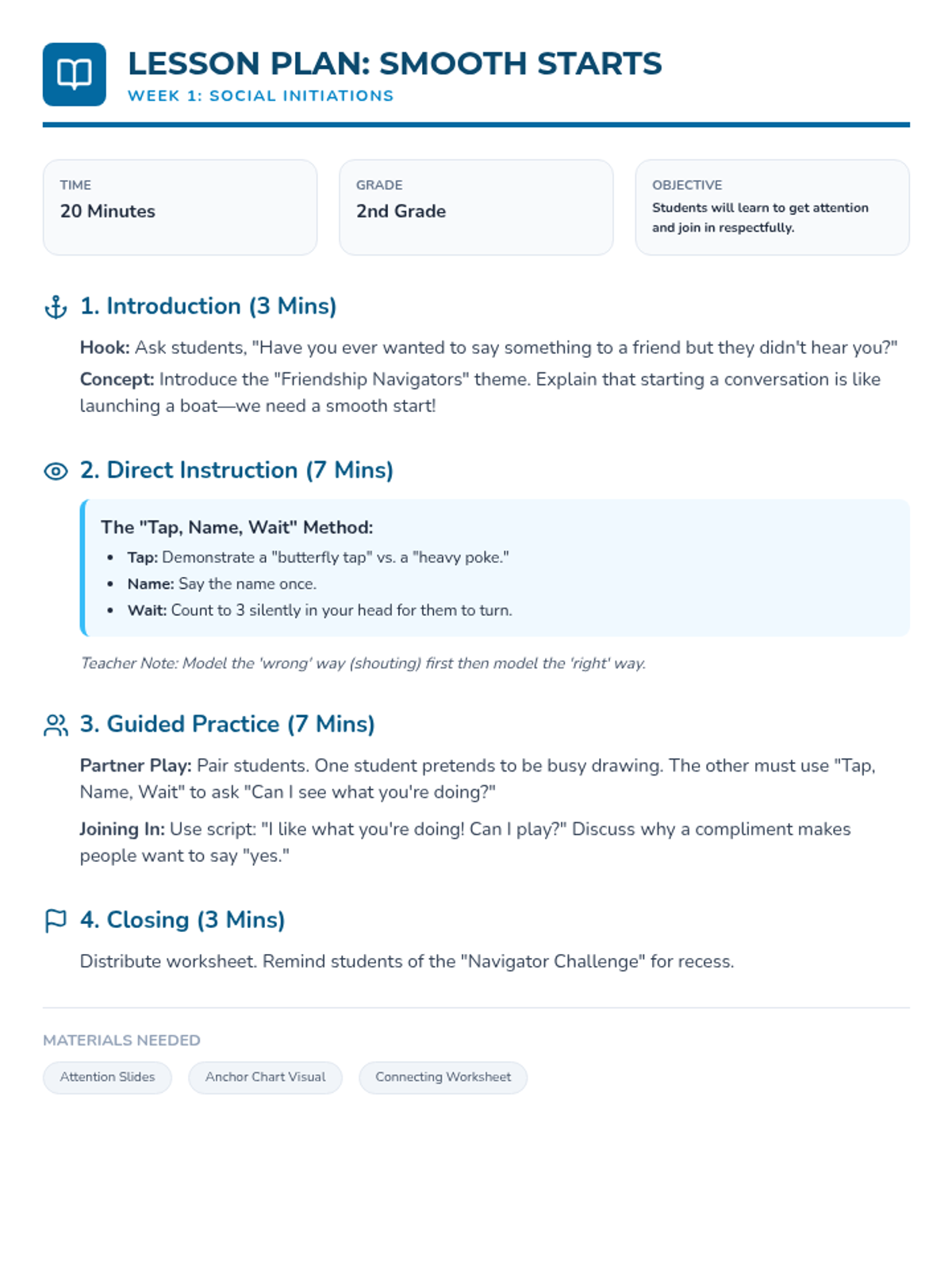
Week 1 focuses on the basics of initiating interaction: how to get a peer's attention respectfully and how to join in when they like what someone else is doing.
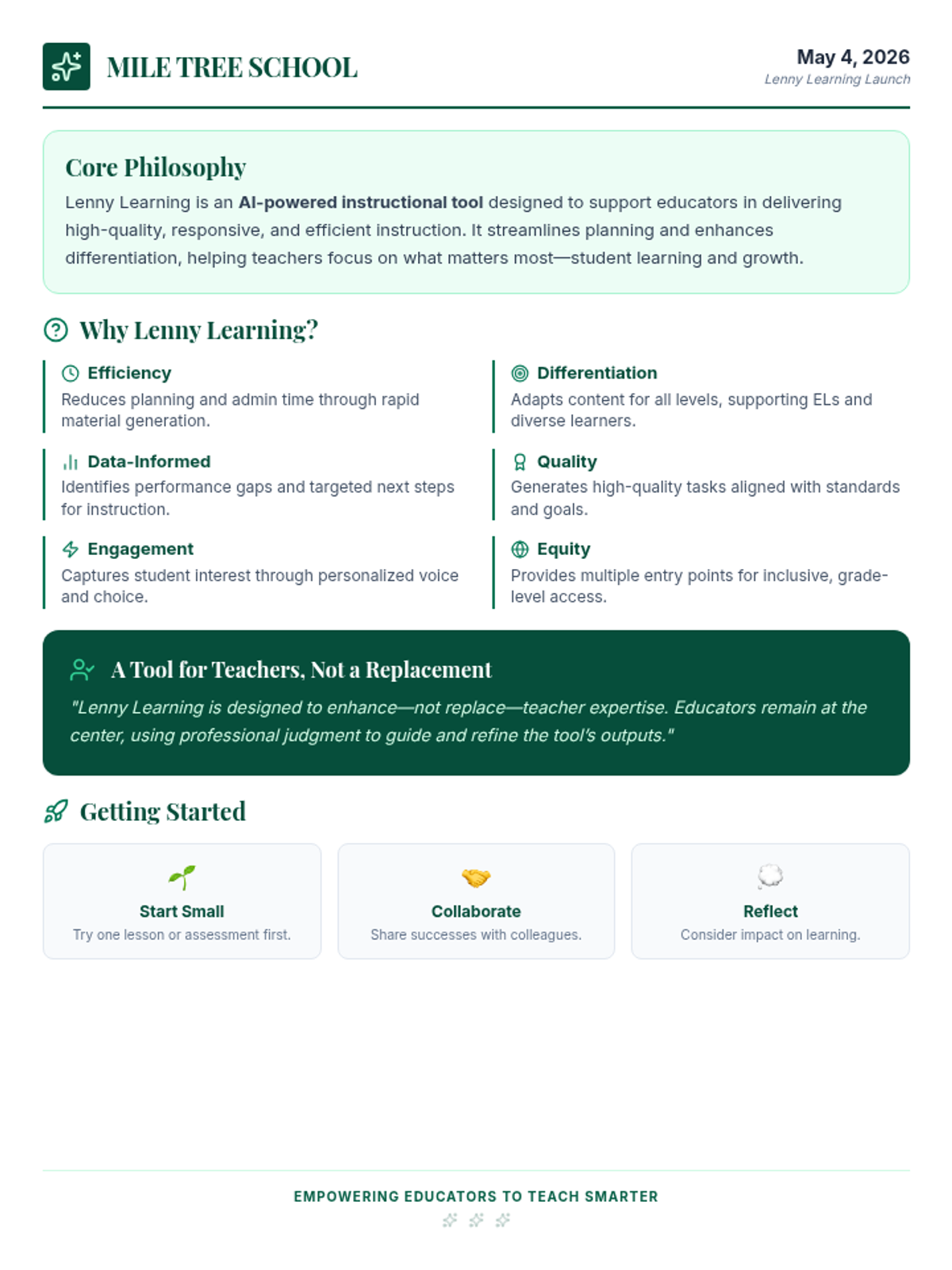
A professional staff presentation introducing Lenny Learning to educators at Mile Tree School, highlighting efficiency, differentiation, and student engagement.
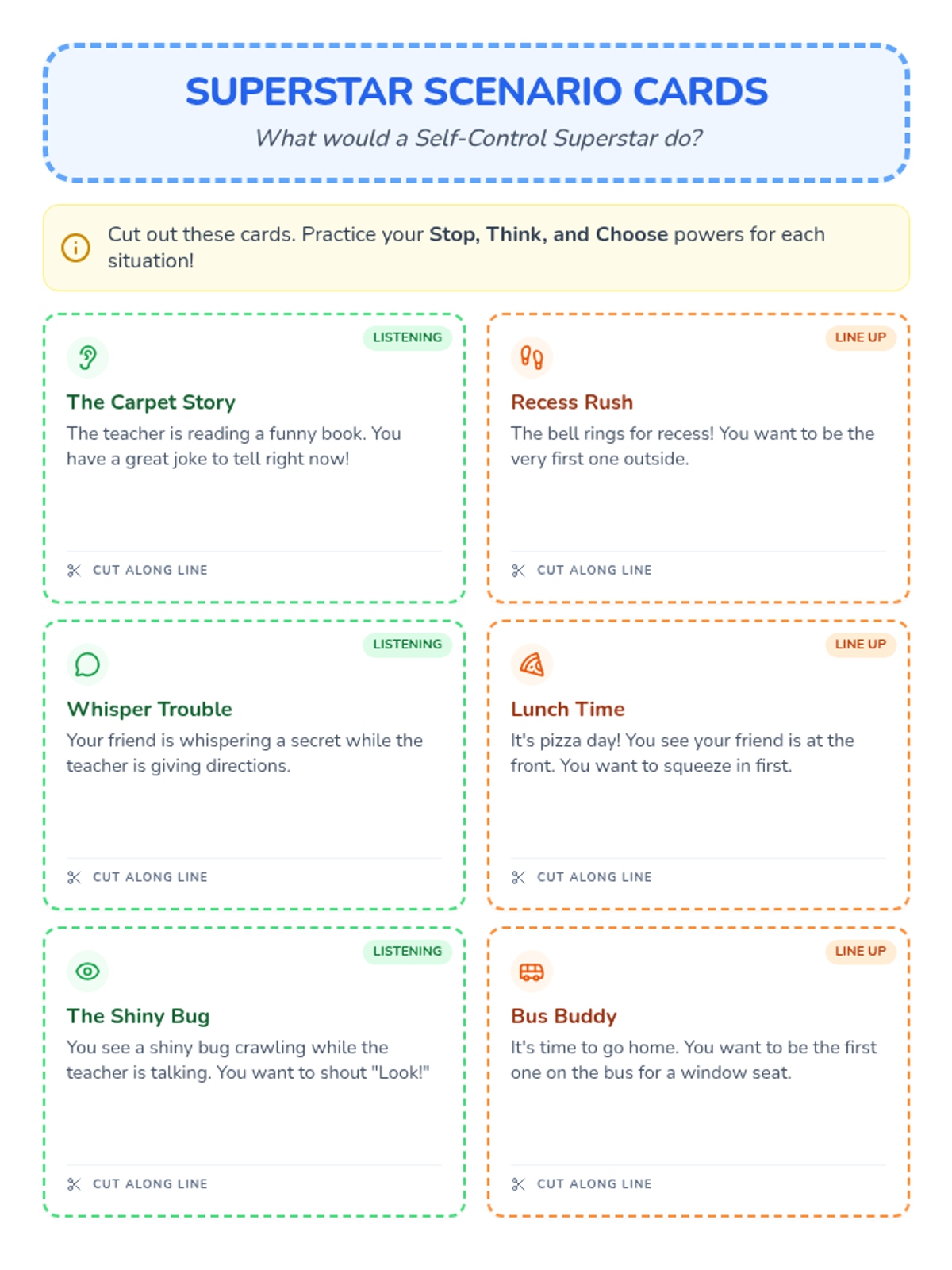
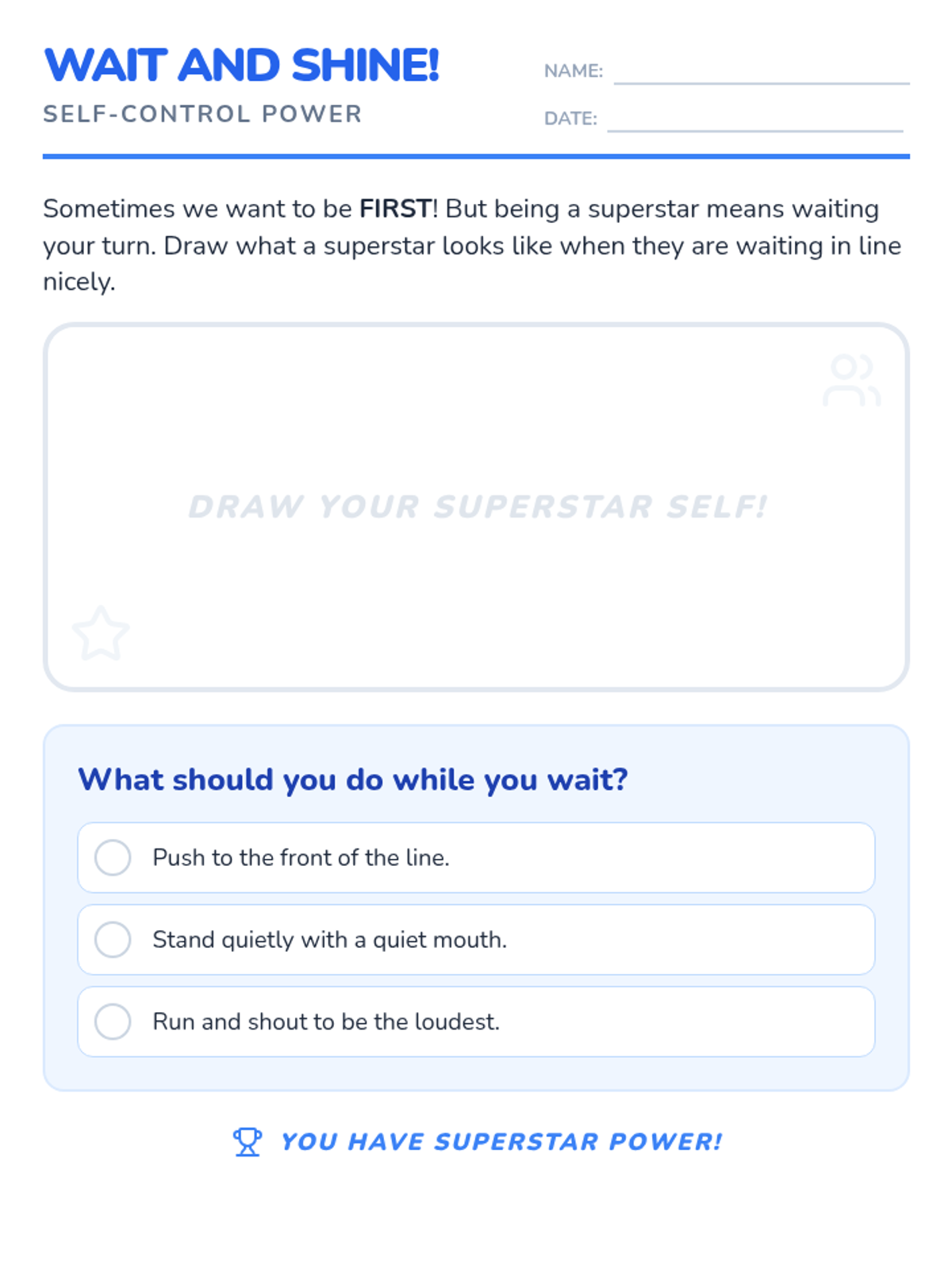
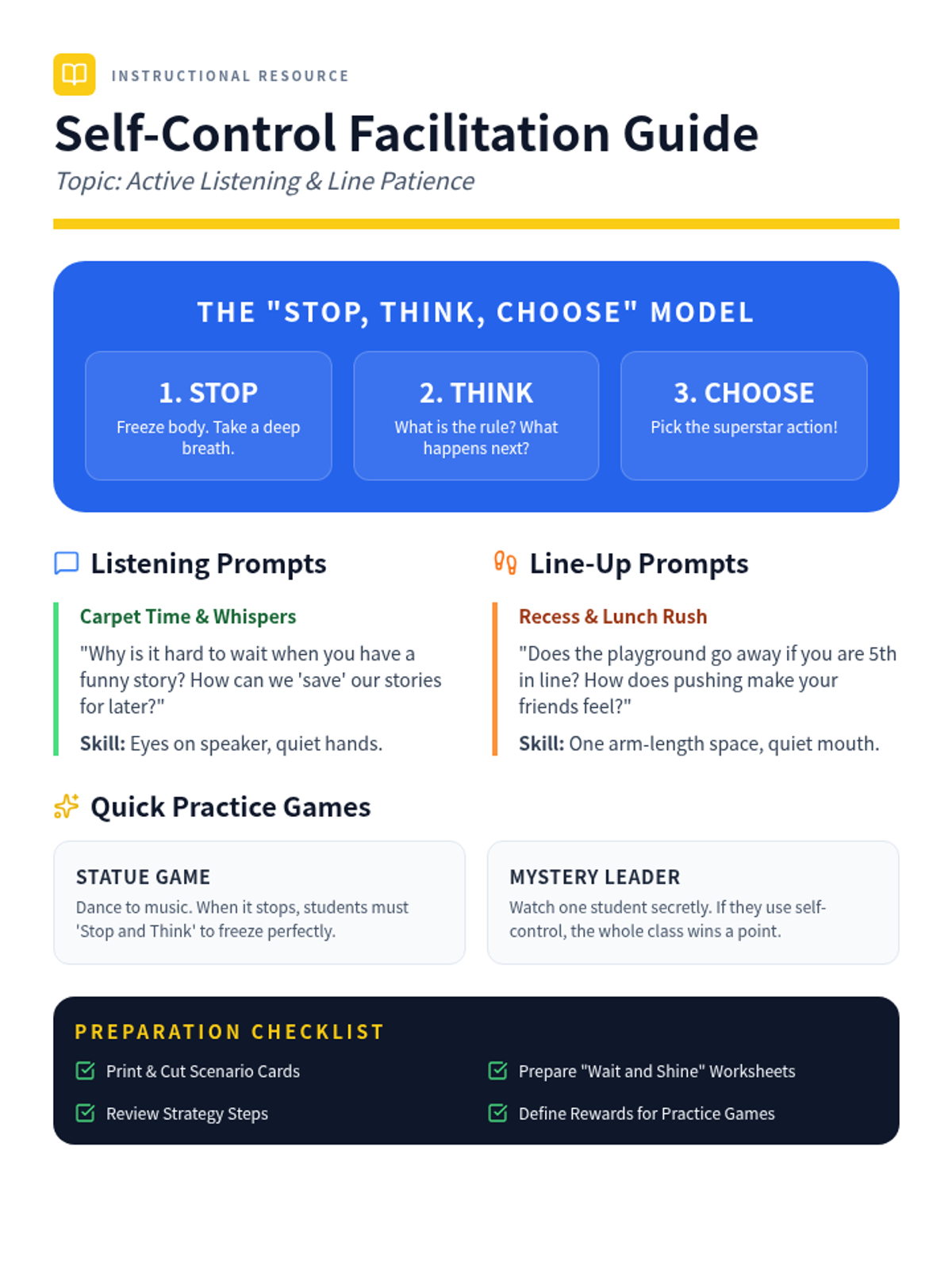
A lesson designed to help kindergarteners develop self-control skills specifically focused on active listening and managing the urge to be first in line. through role-play and reflection.
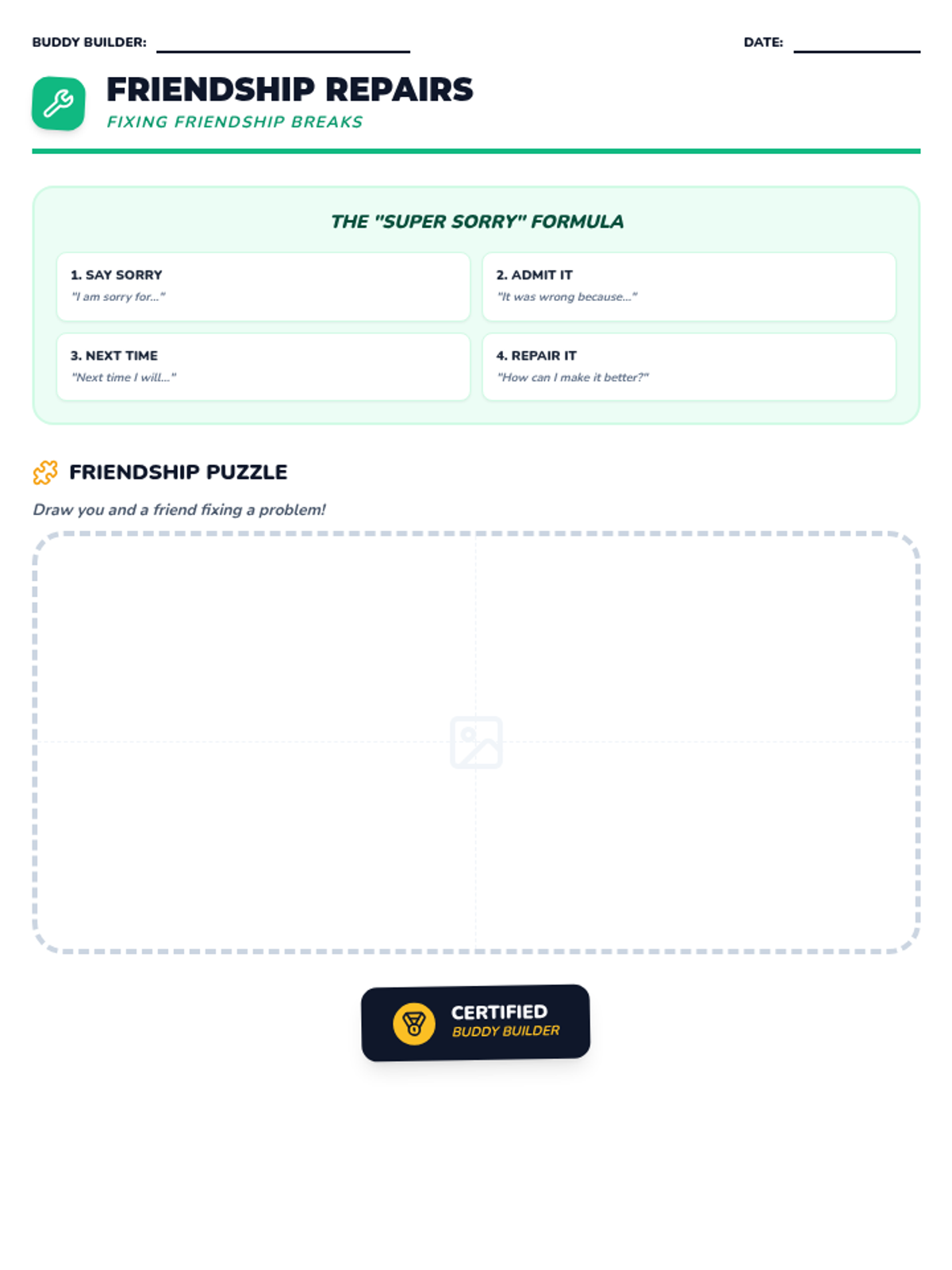
How to maintain friendships through apologies and showing appreciation.
Conflict resolution strategies using 'The Recess Queen' to navigate playground disagreements.
Focusing on verbal kindness and the impact of our words on friendships.