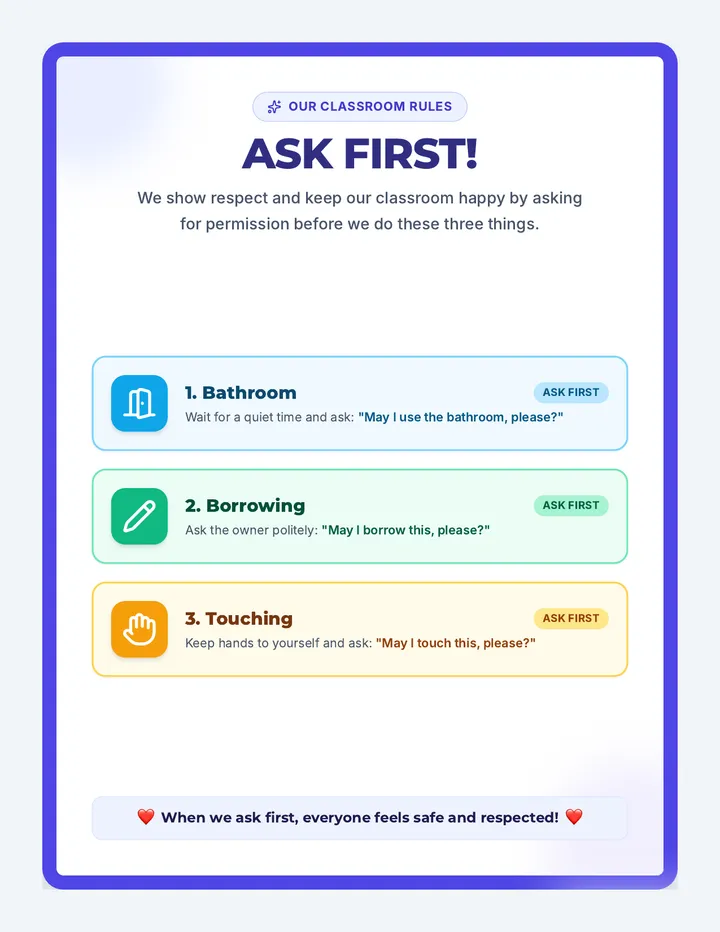
A foundation-level digital citizenship lesson for K-3 students focusing on basic internet safety rules: asking permission, staying on approved sites, and keeping personal information private.
This lesson teaches students how to calculate total costs of multiple items and make spending decisions based on a fixed budget.
This lesson focuses on identifying US coins (penny, nickel, dime, quarter) and their respective values through visual recognition and matching.
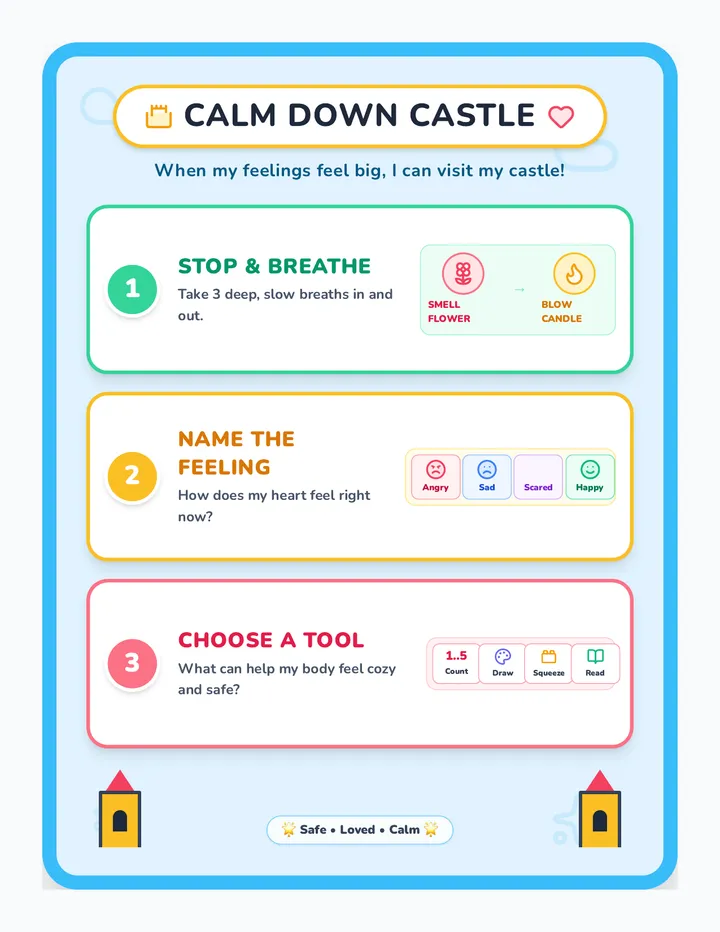
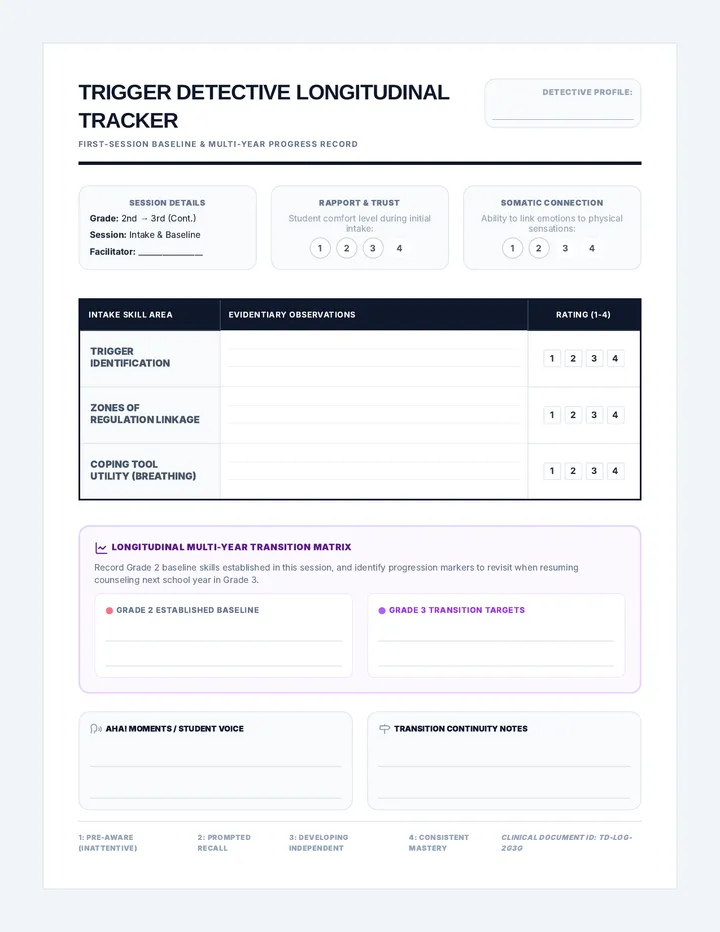
A foundational lesson for Transitional Kindergarten students focused on identifying basic emotions and the physical sensation of being 'wiggly' (stressed) vs. 'still' (calm). Introduces 'Turtle Breathing' as a primary regulation tool.
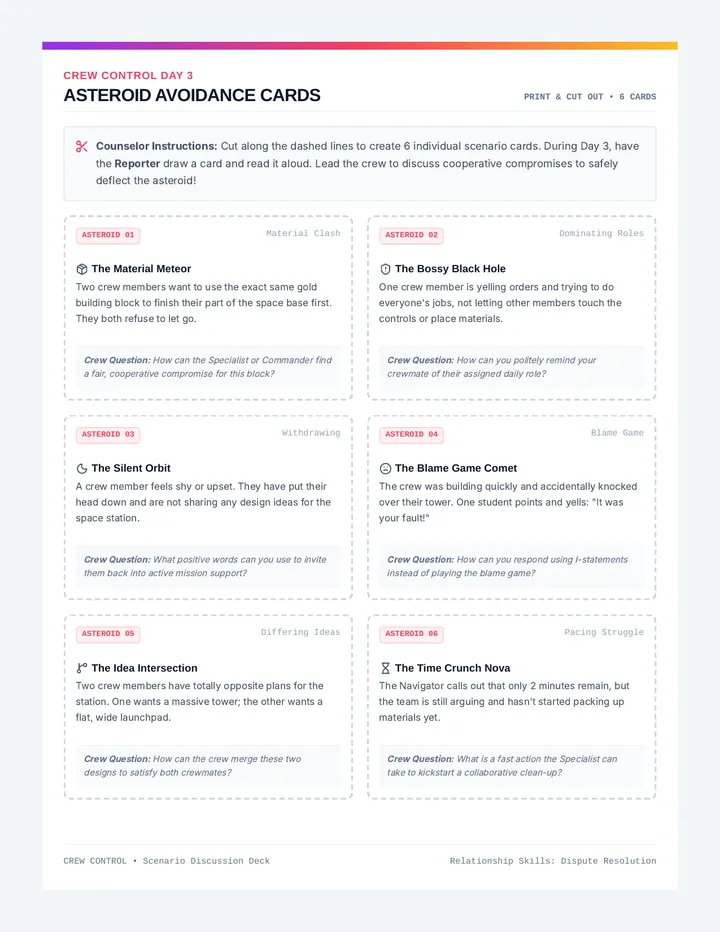
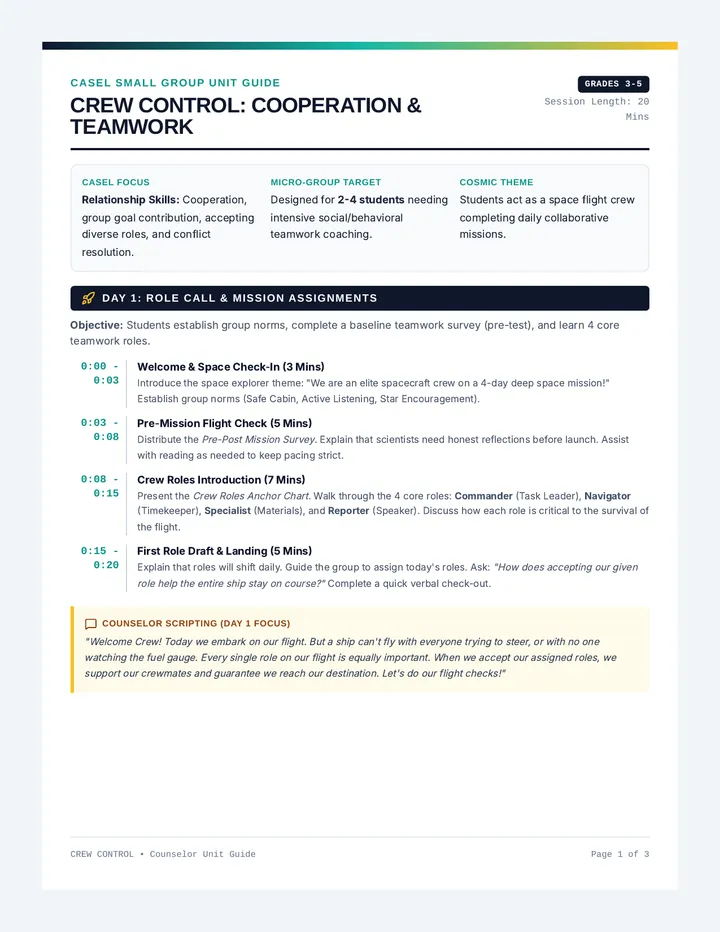
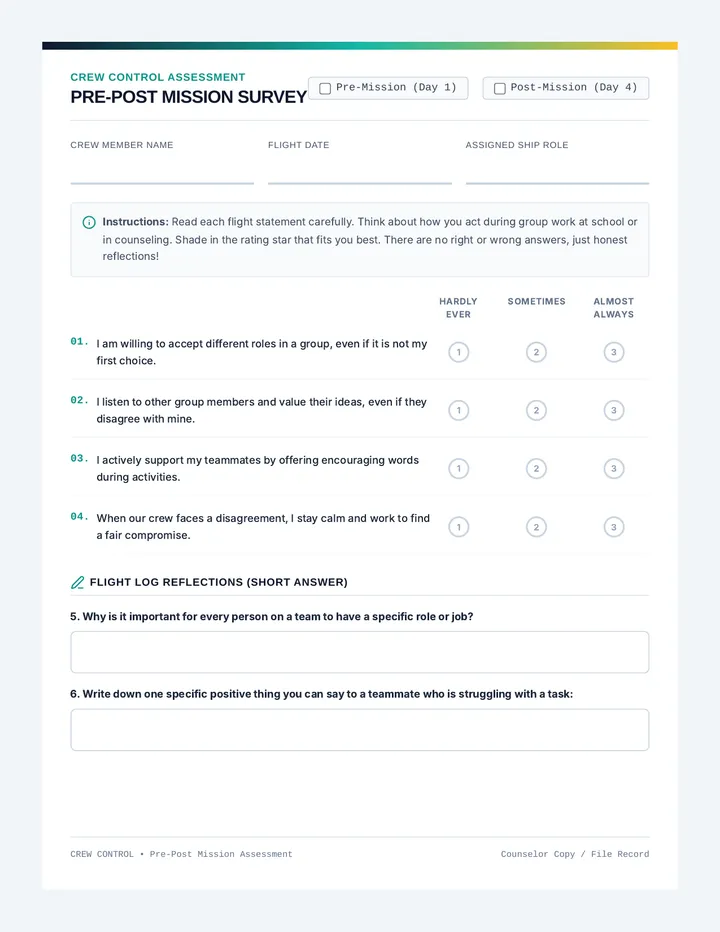
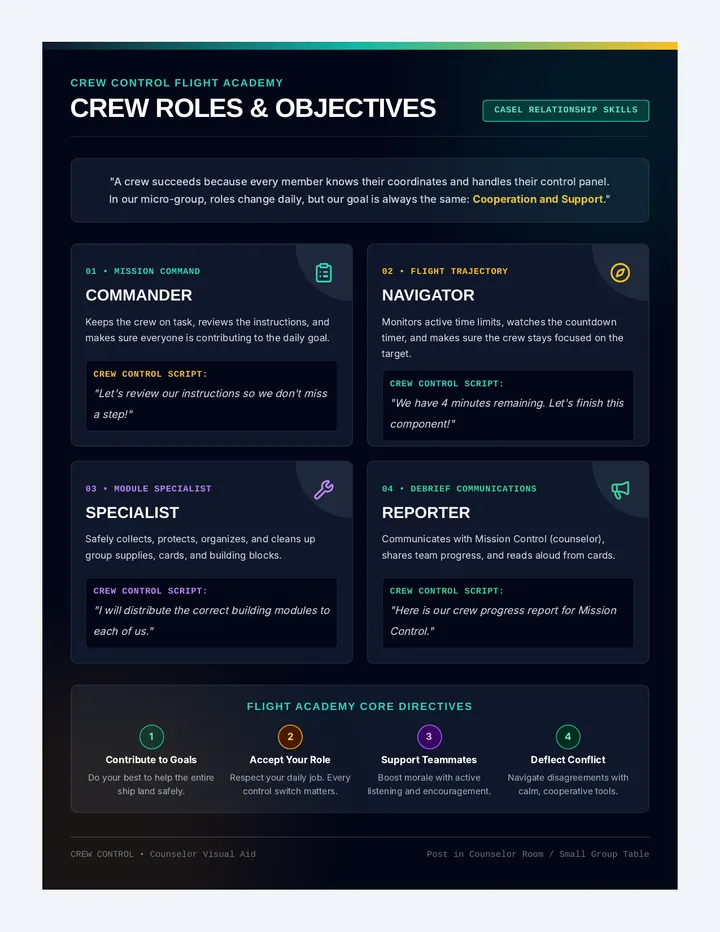
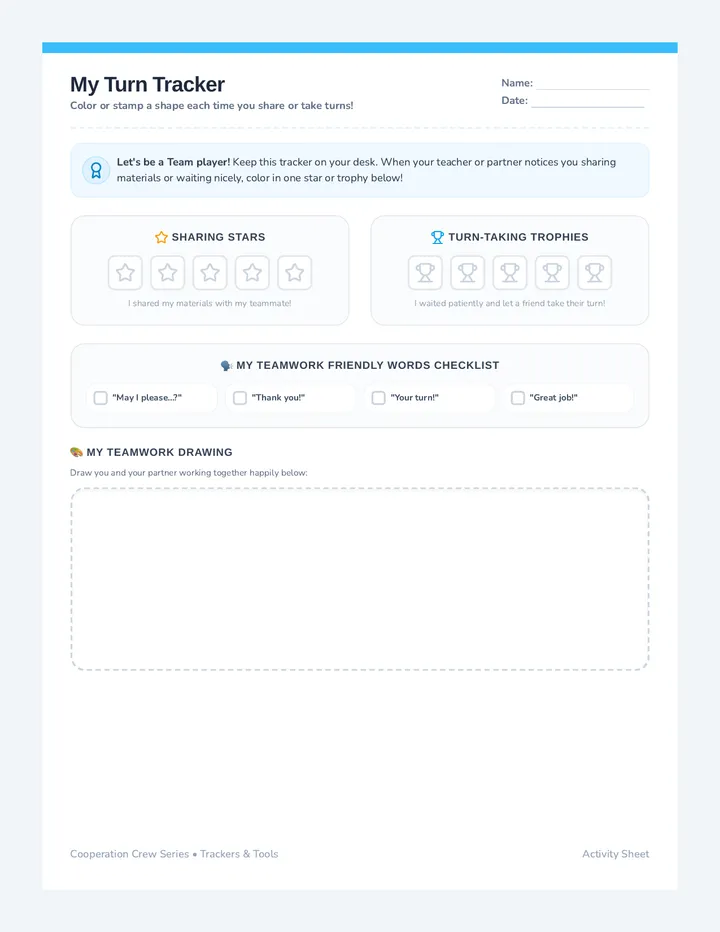
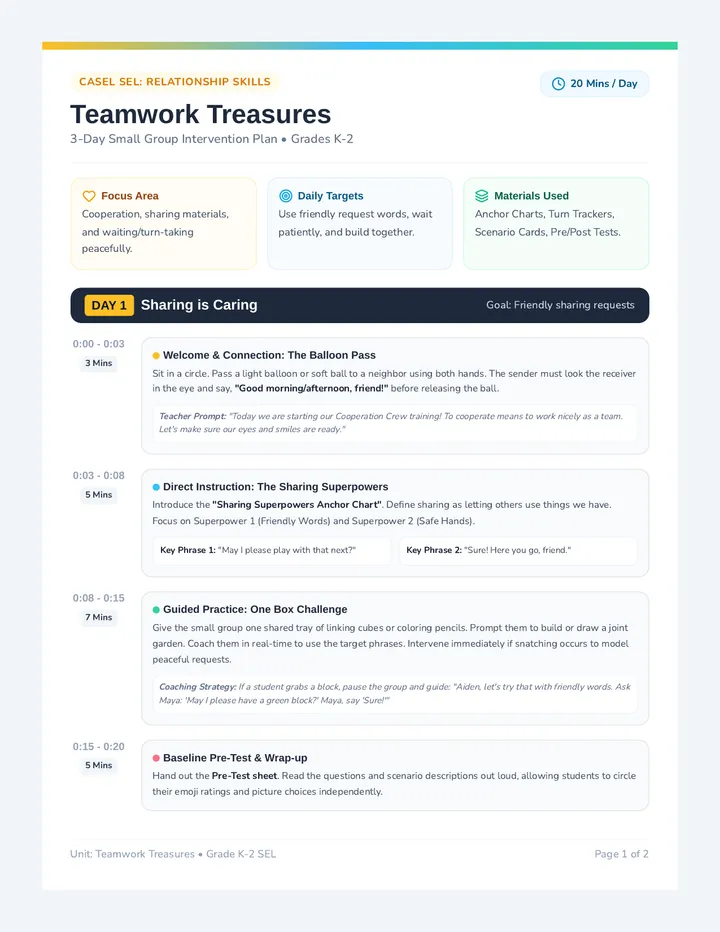
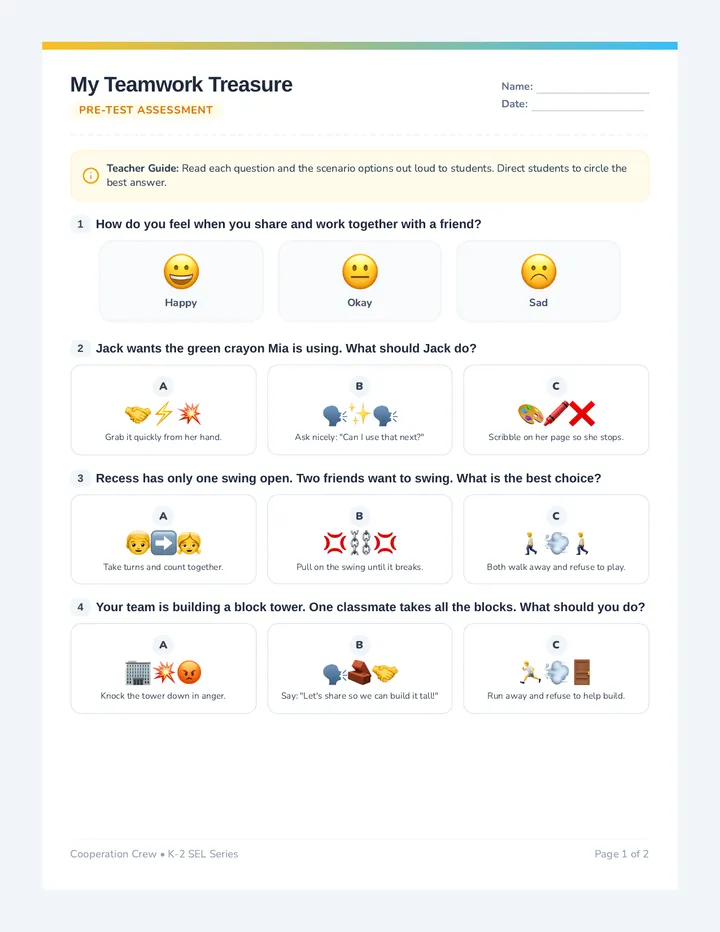
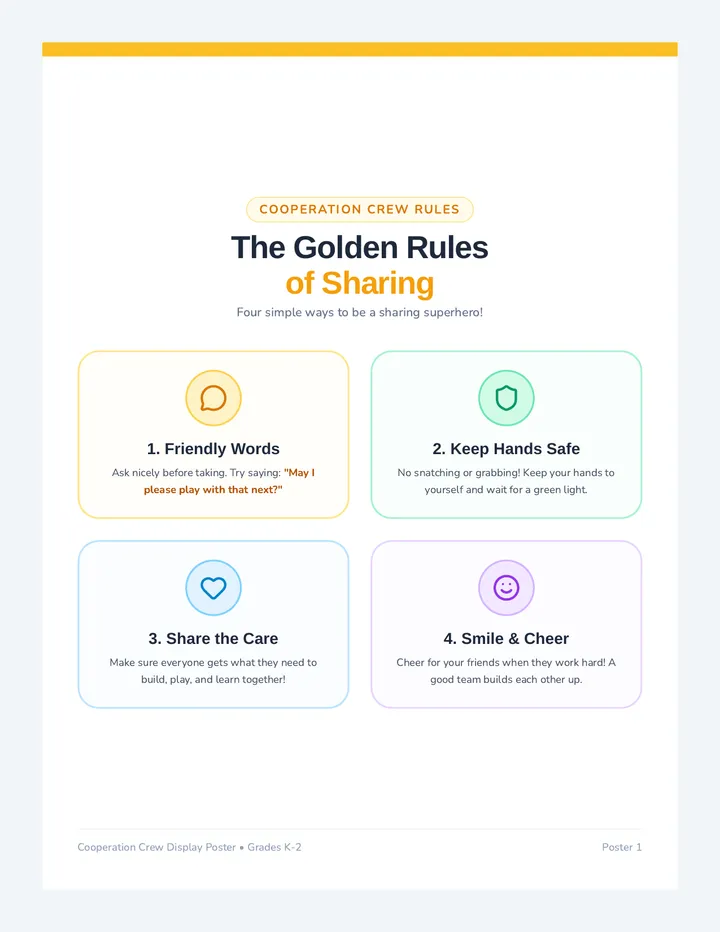
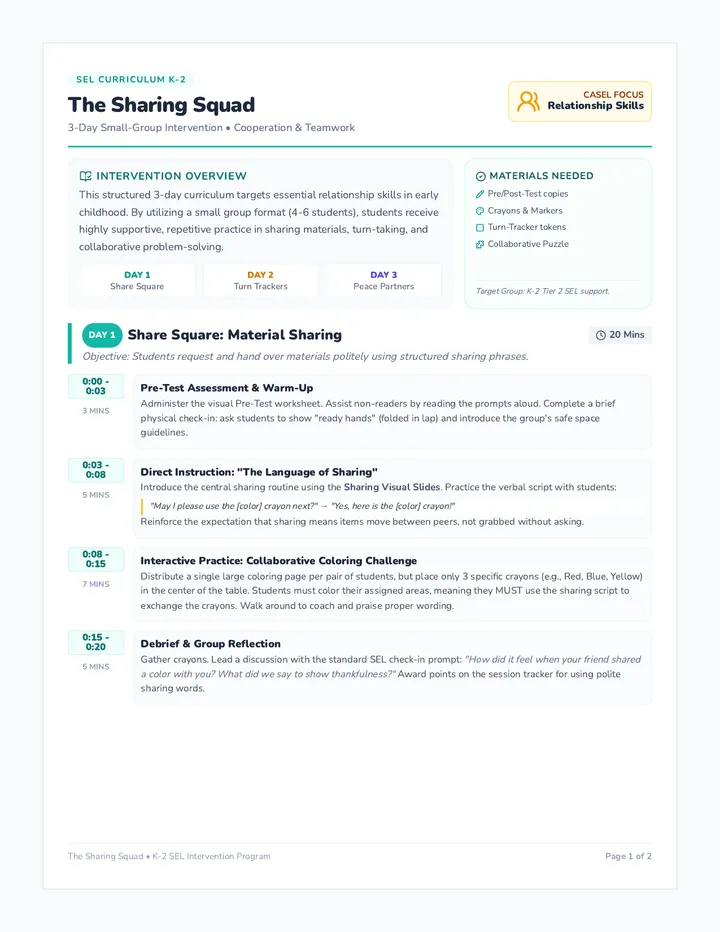
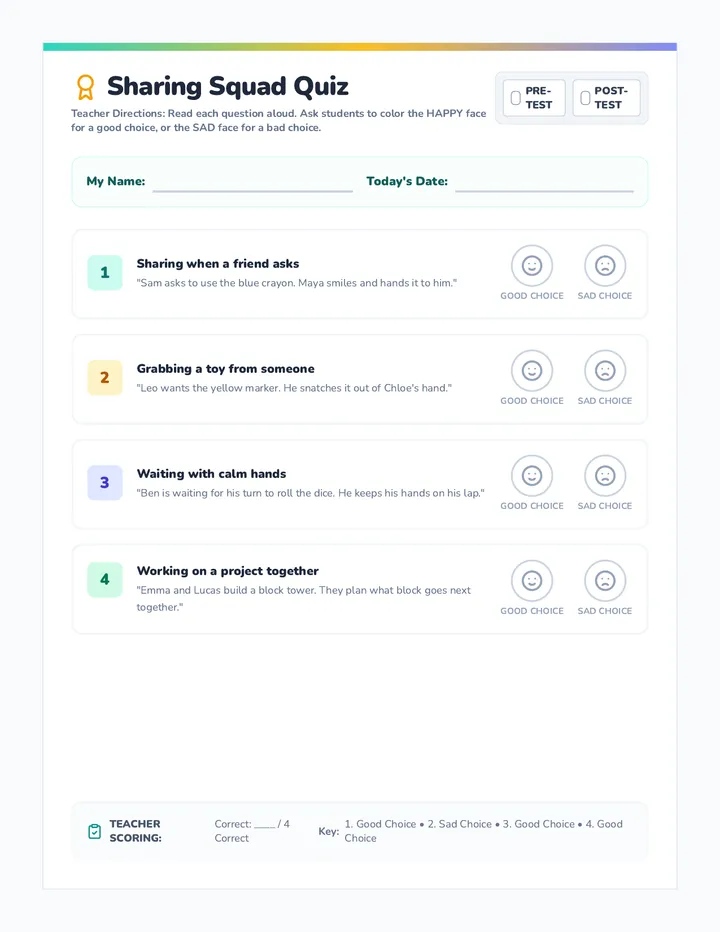
A hands-on collaborative project where students must work together, ensuring every person has a specific and valued role in the group.
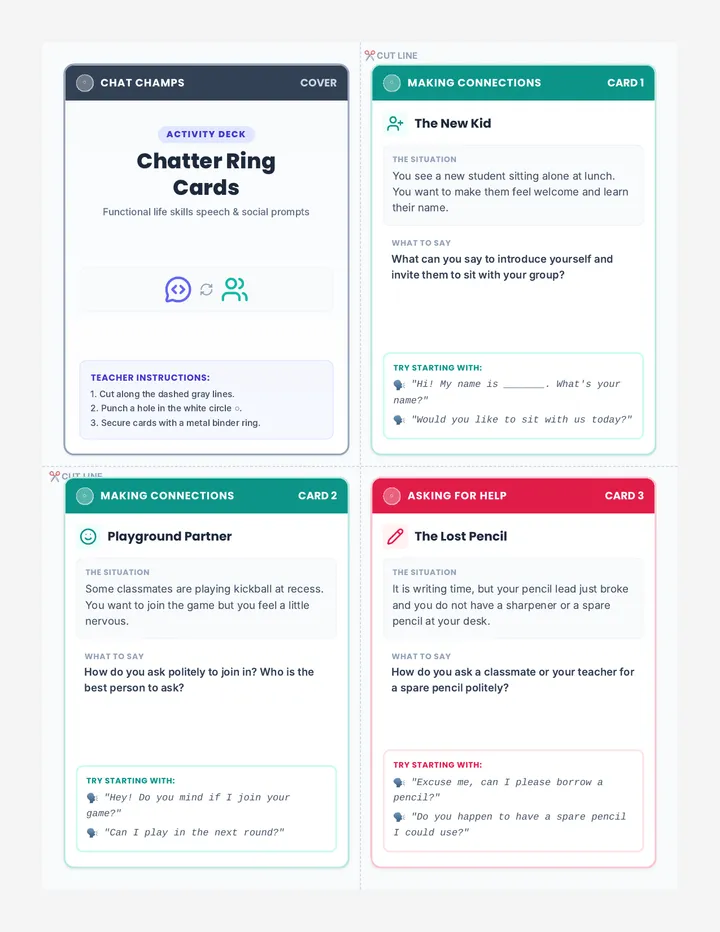
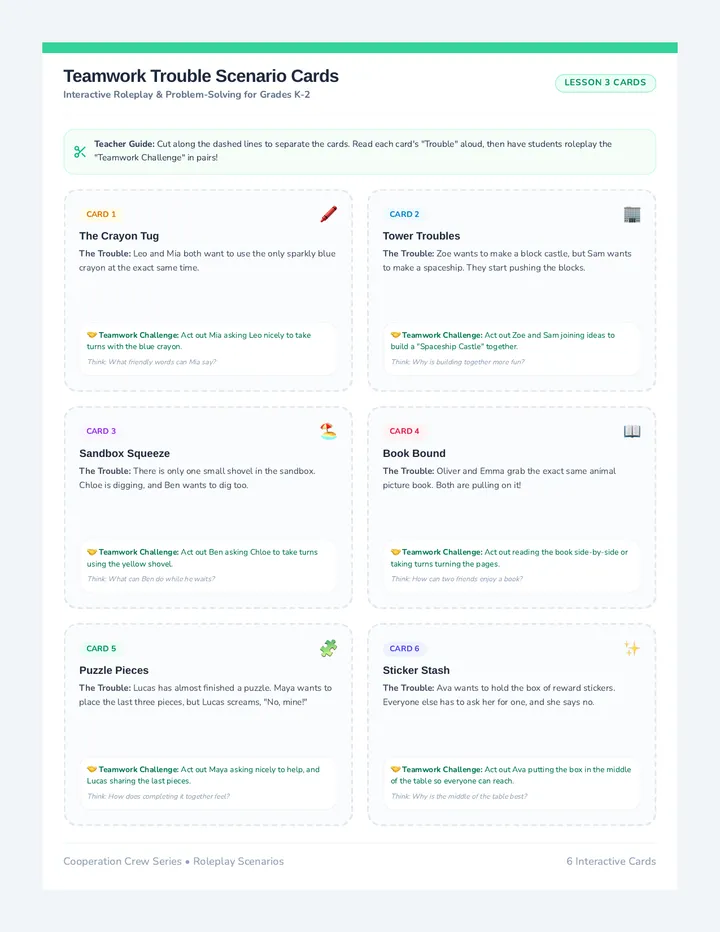
Students learn simple phrases and gestures to invite others into their activities, practicing through guided roleplay and social scripting.
A foundational lesson focused on recognizing when a peer is playing alone and might want to join in, using visual cues and social stories.
A lesson designed for two first-graders to learn how to replace screaming and eloping with verbal communication using a feelings chart. Through role-play and visual aids, students practice identifying their emotions and stating their needs.
A social-emotional learning lesson for Kindergarteners focusing on the 'Circle of Control' using a nautical theme. Students learn to distinguish between things they can control (their words, actions, and effort) and things they cannot (the weather, others' behavior, or the past).
Celebrating progress and reviewing all strategies learned over the 8 weeks.
Learning how to apologize and reset after an accidental blurt occurs.
Using detective skills to analyze complex scenarios and determine the best 'Thought Tamer' move.
Applying the filter to specific classroom routines like raising hands and group discussions.
Learning the '5-Second Braking' technique to pause before a thought leaves the mouth.
Exploring how blurting affects friends and teachers, focusing on the social consequences of the 'Outside' thought.
Active practice sorting various thoughts into 'stay inside' and 'can come out' categories through interactive games.
Introduction to the concept of Inside vs. Outside thoughts and the 'Thought Filter' mechanism.