Students explore major career clusters through a fun, costumed video and identify how their personal interests align with different professional fields.
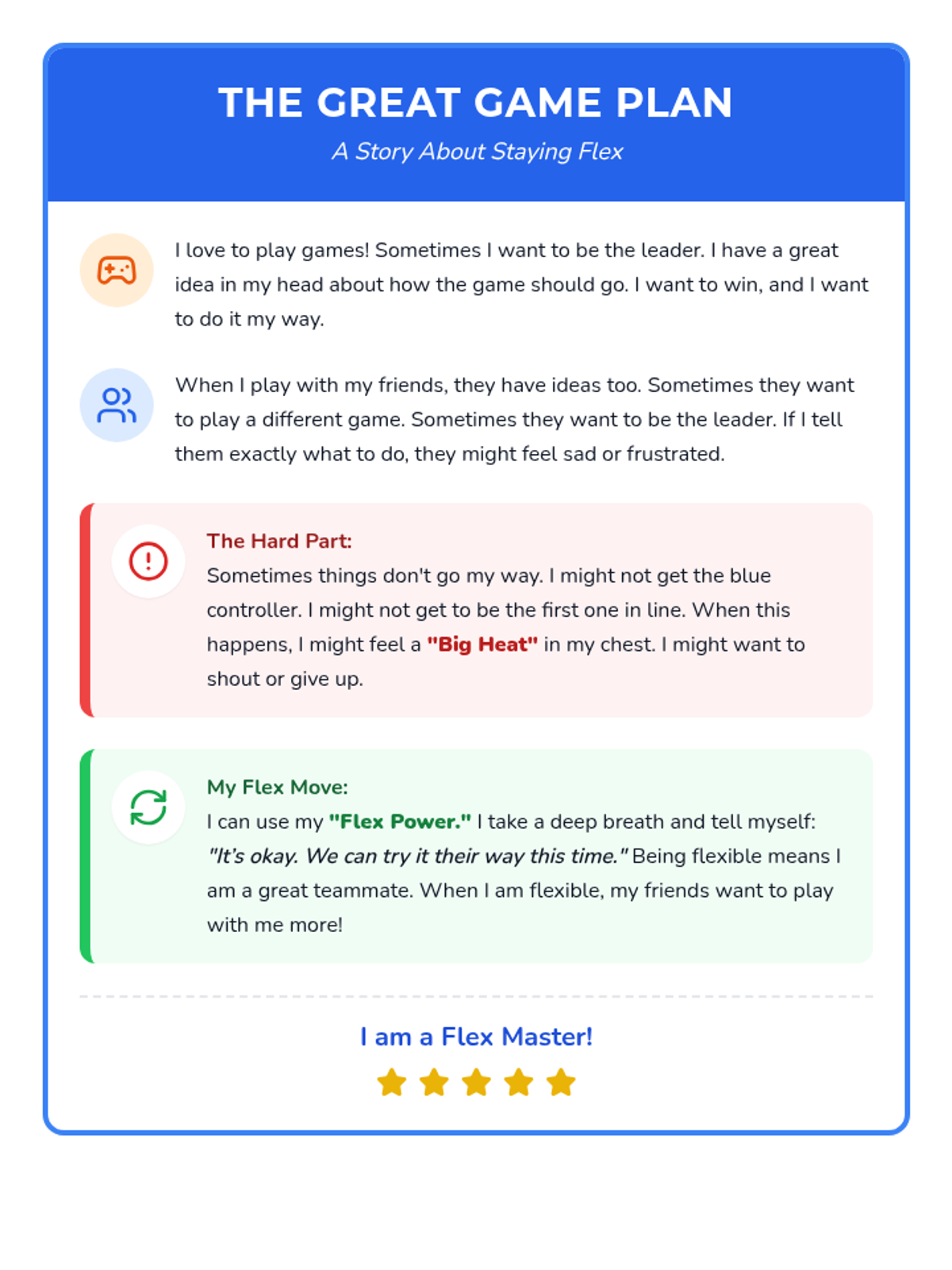
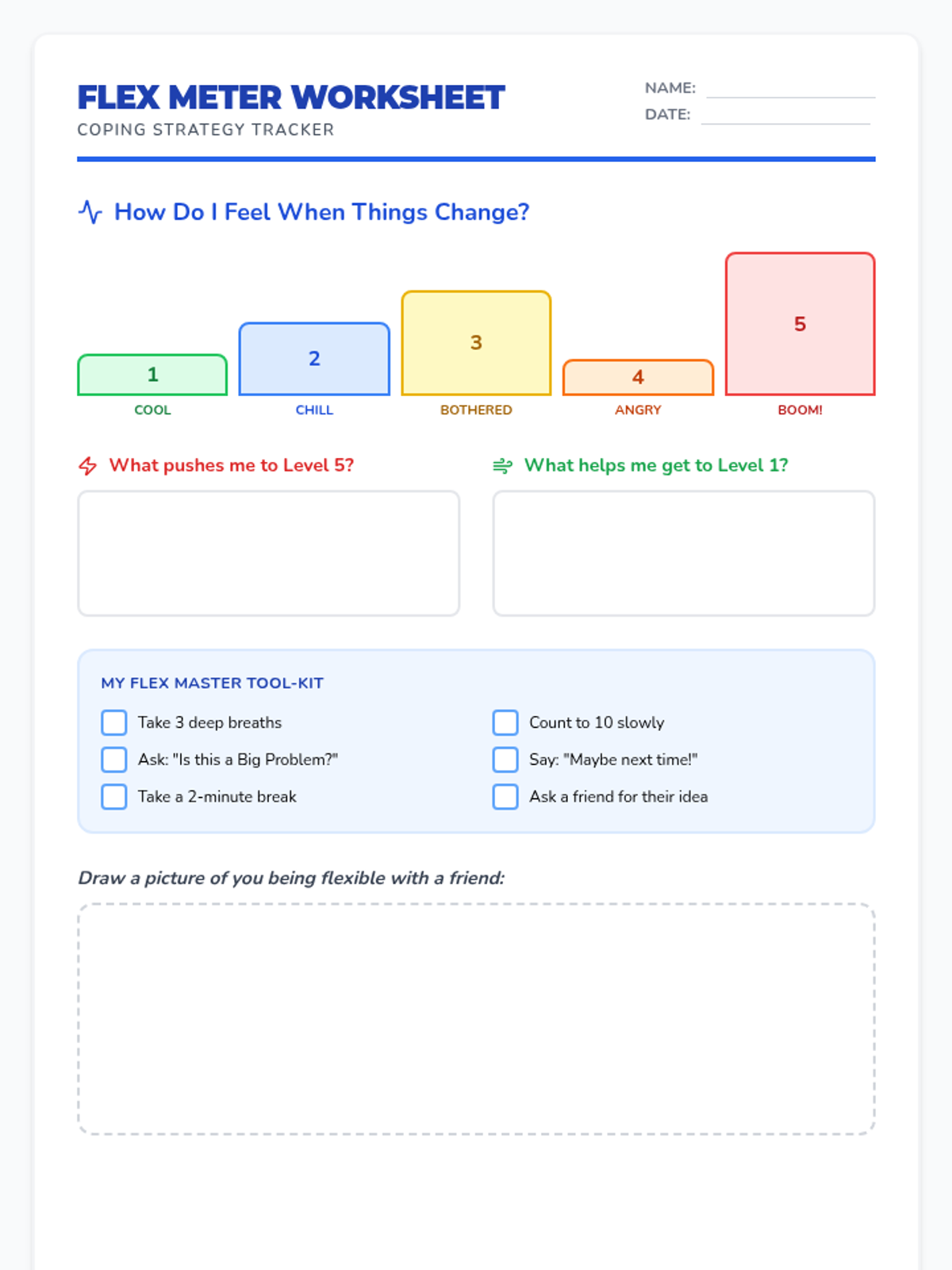
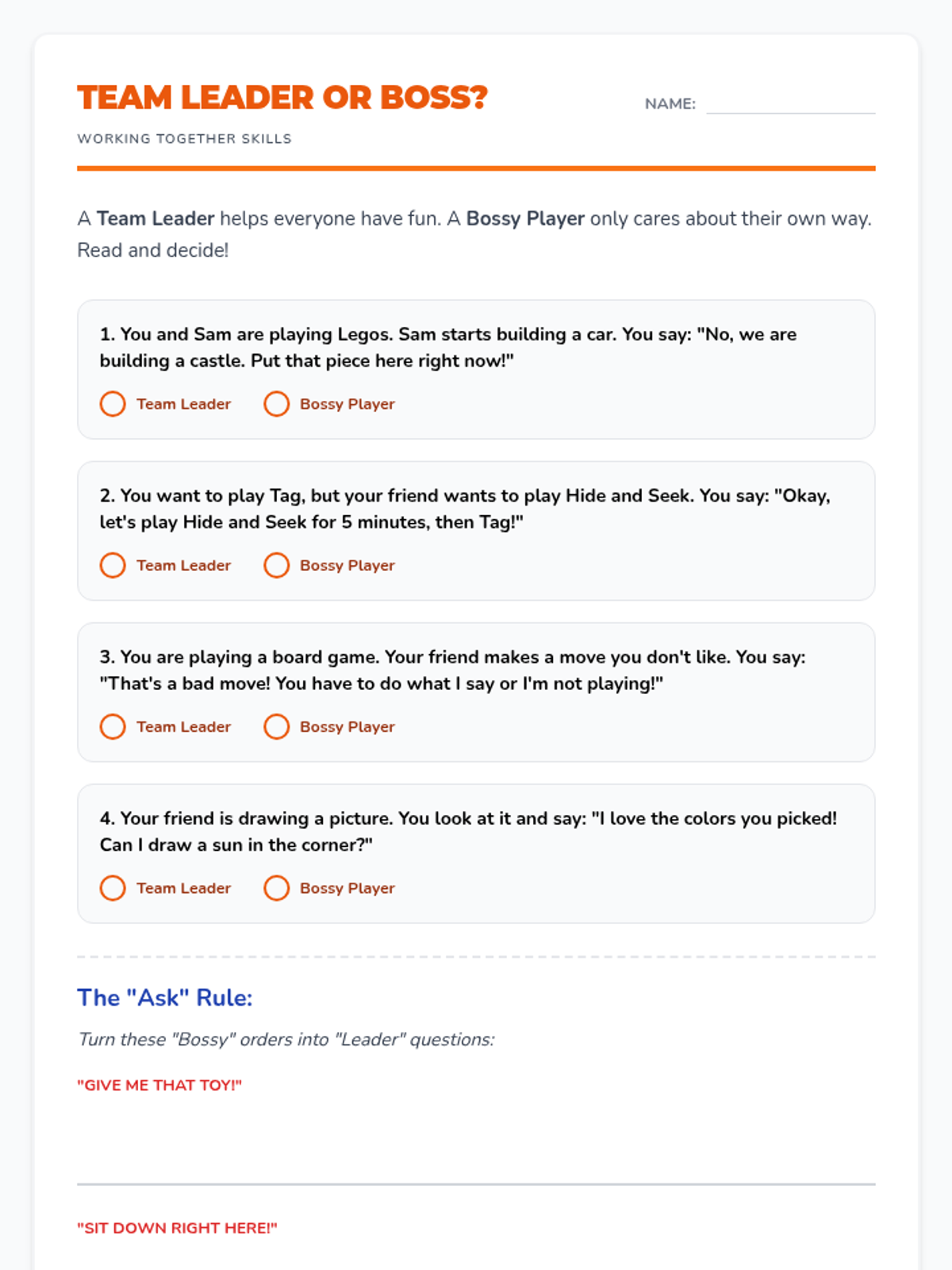
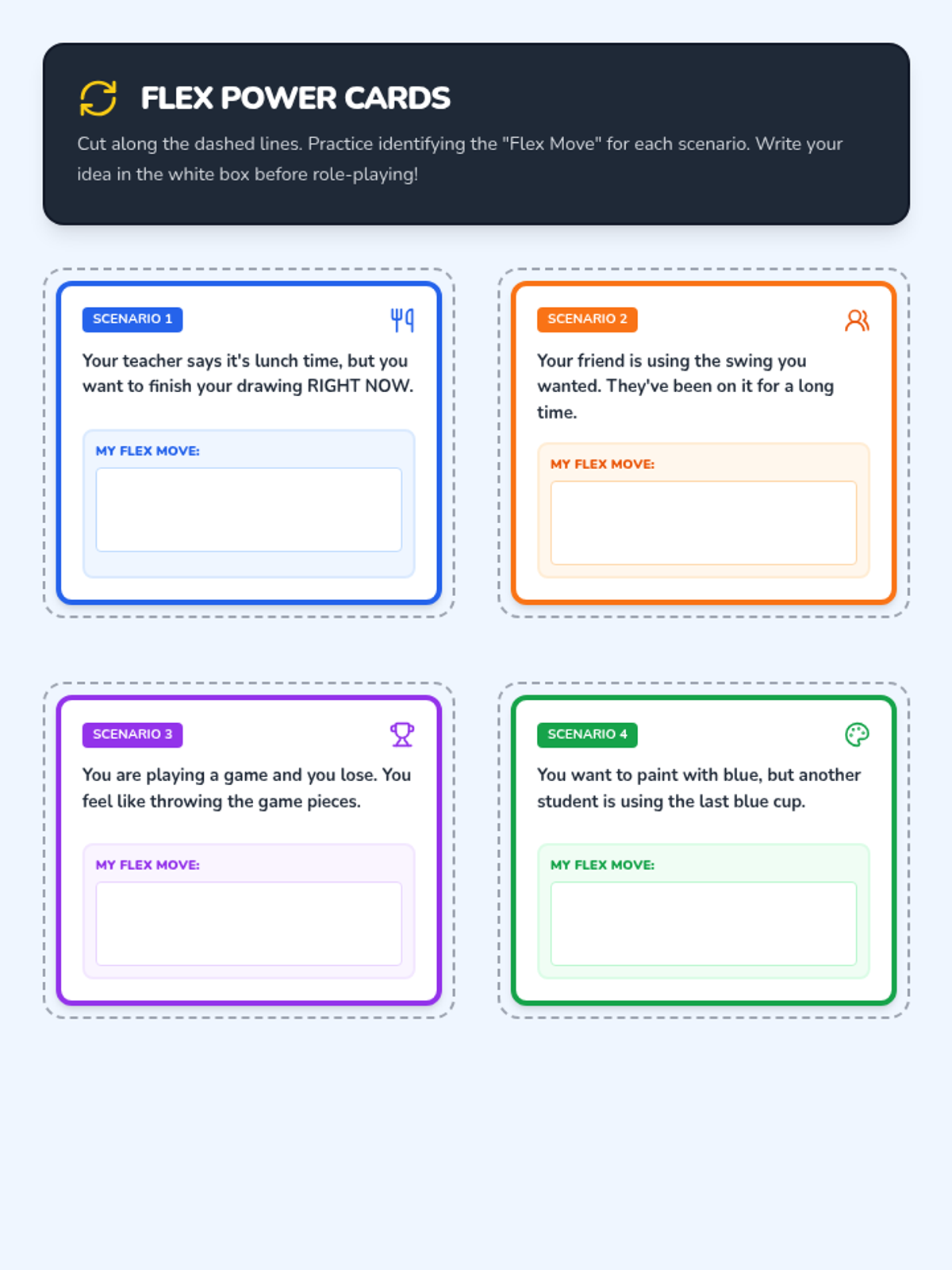
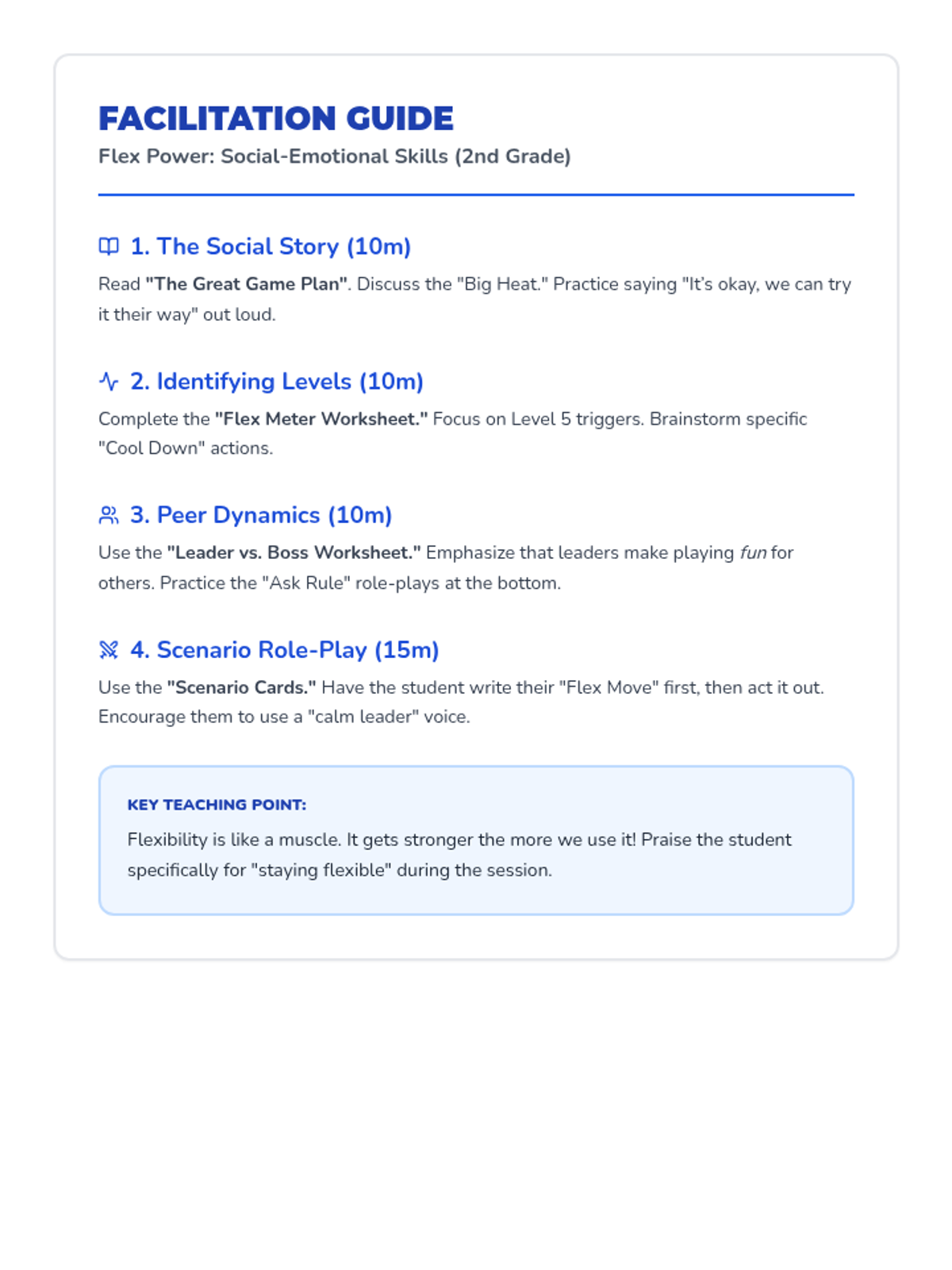
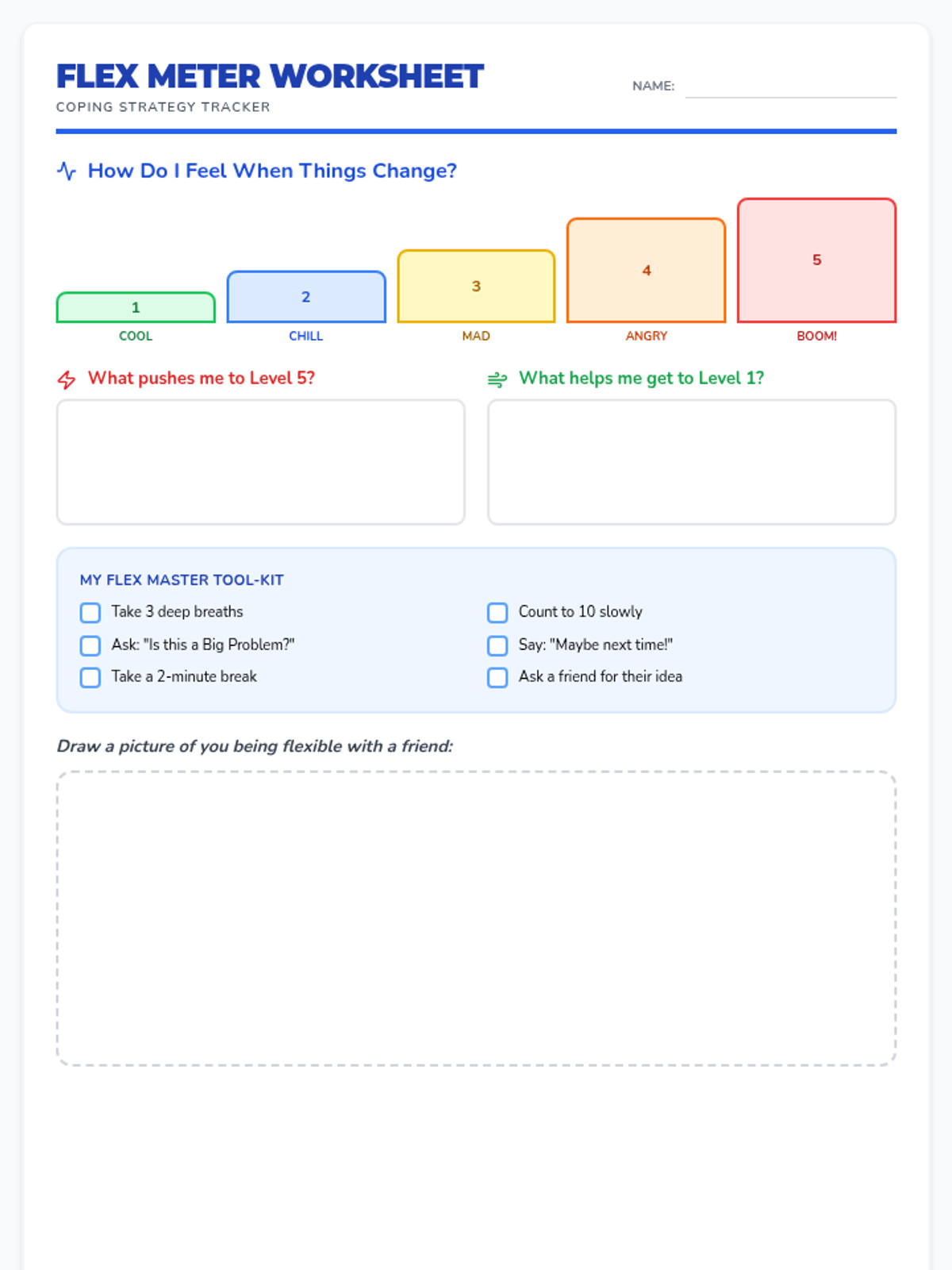
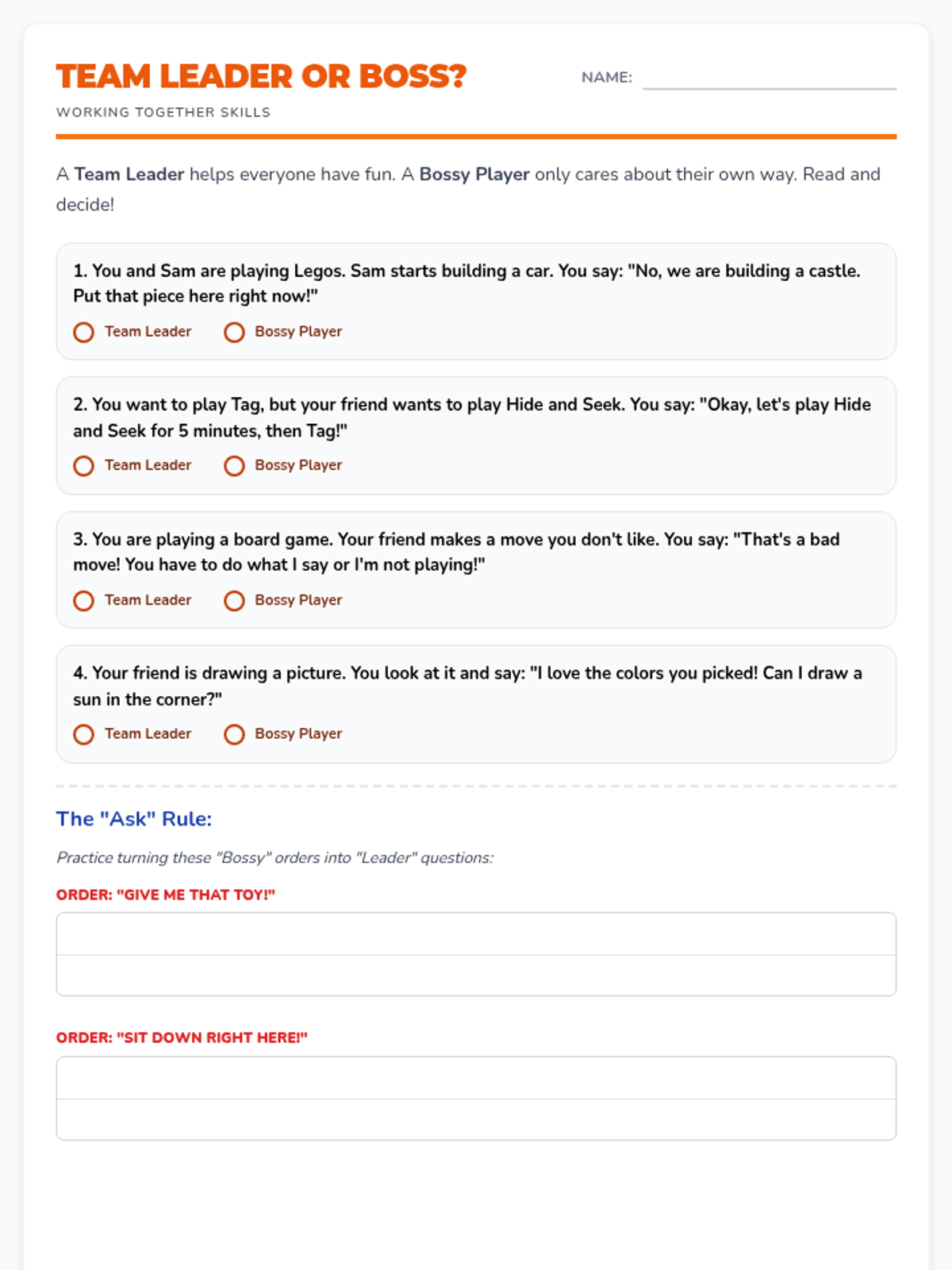
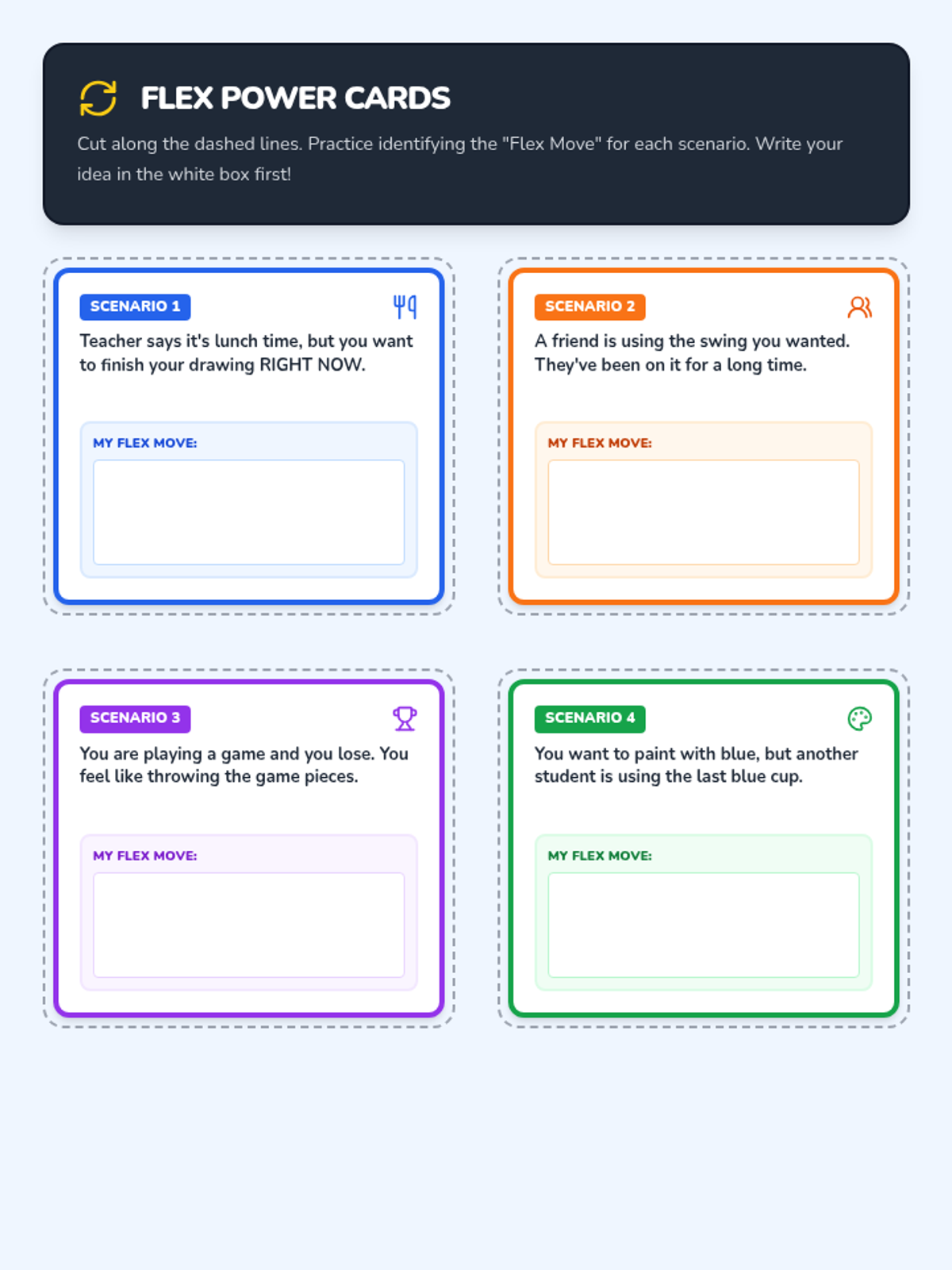
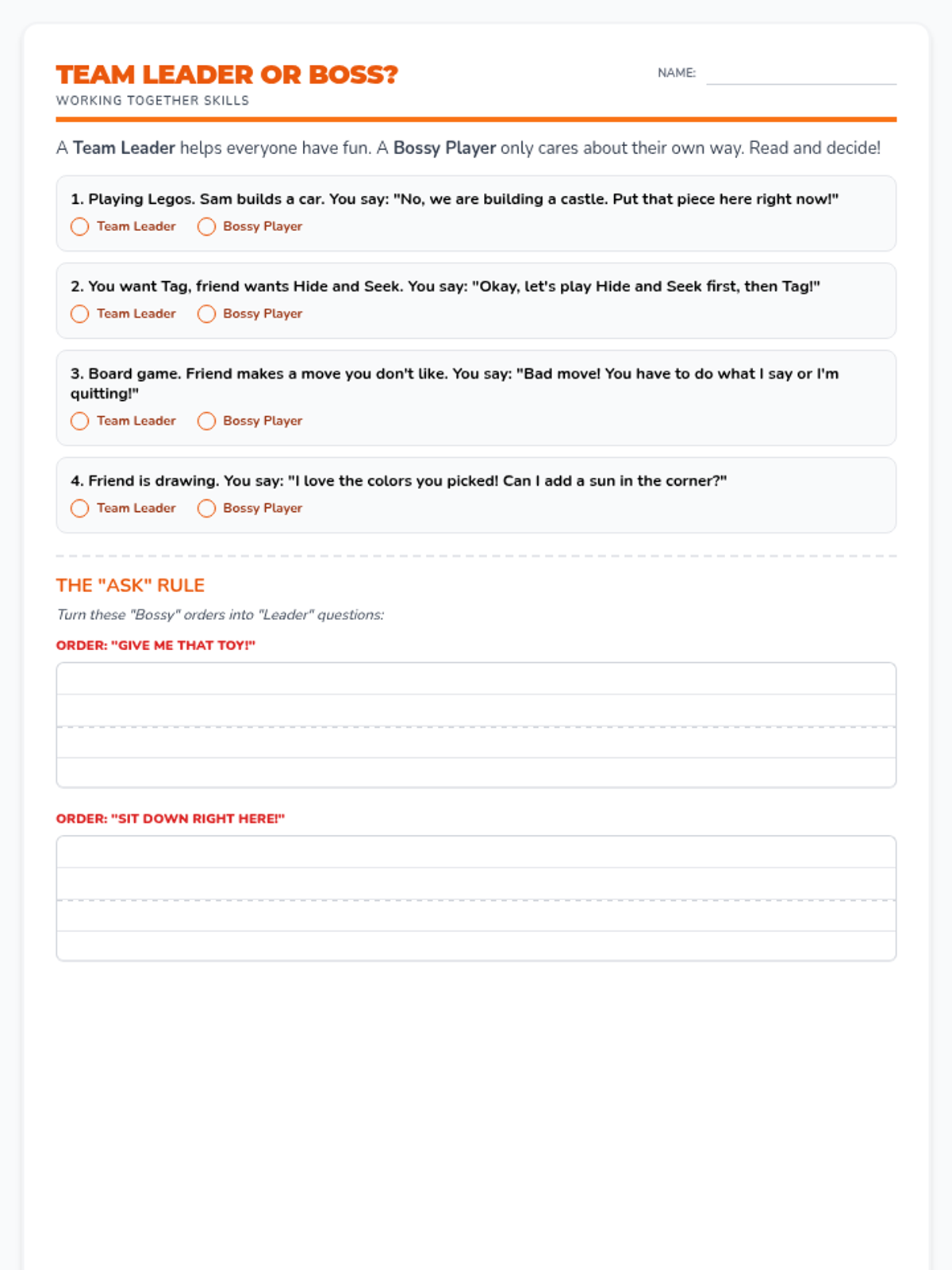
A lesson designed for one-on-one SEL sessions focusing on flexibility, managing disappointment, and cooperative play with peers.
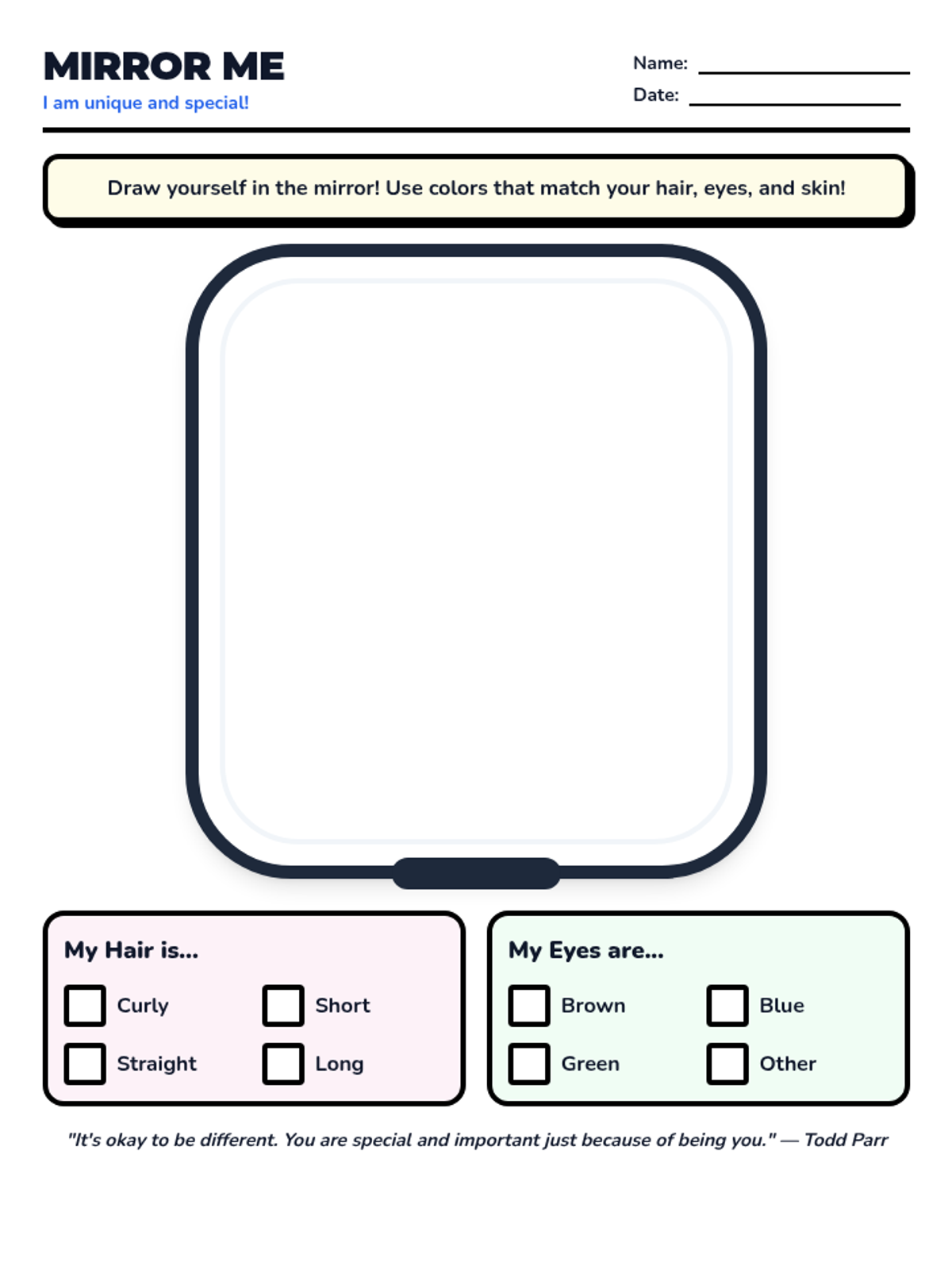
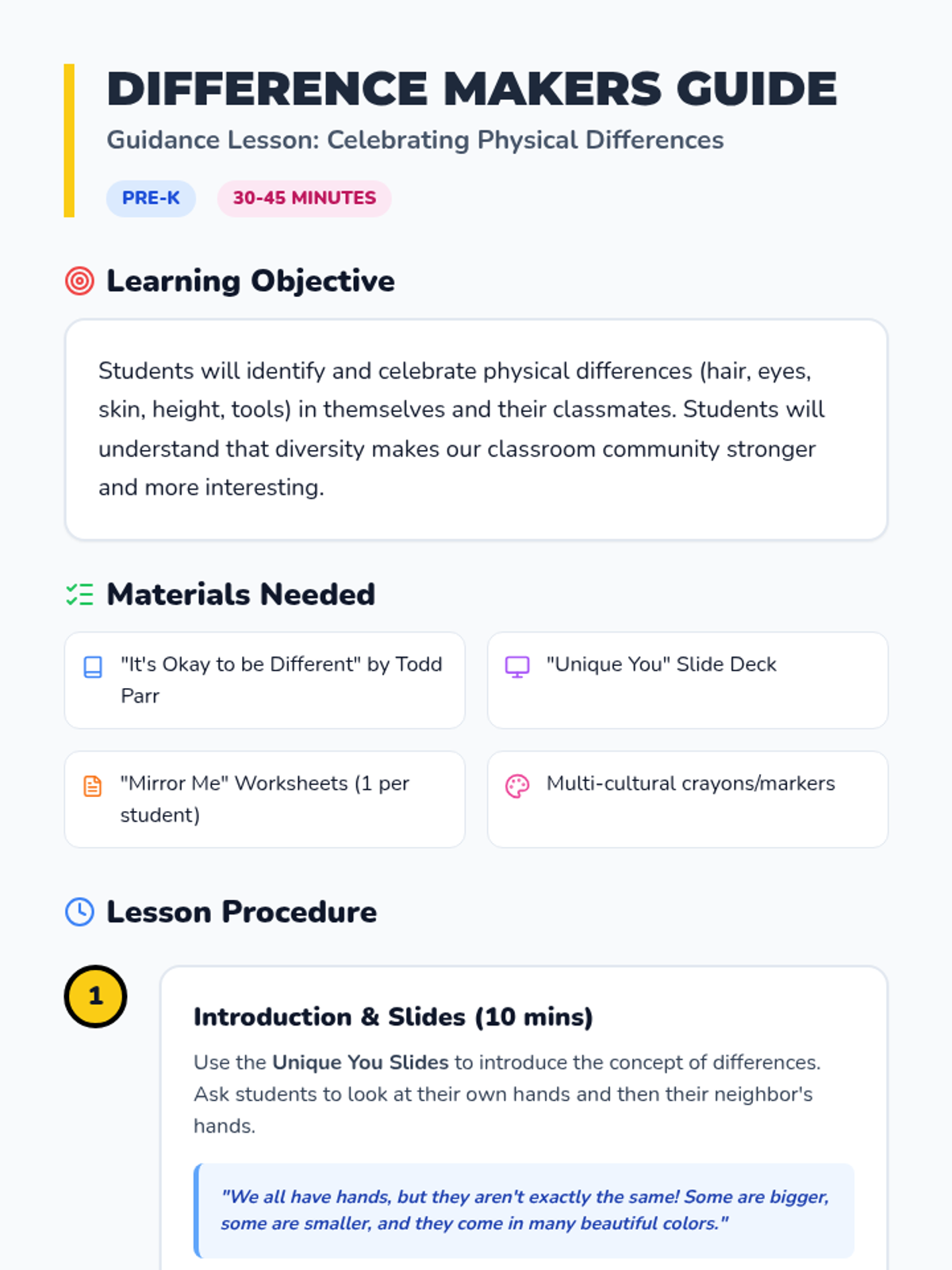
A Pre-K guidance lesson focused on celebrating physical differences, inspired by Todd Parr's book 'It's Okay to be Different'. Students explore what makes them unique and learn to appreciate the diversity in their classroom.
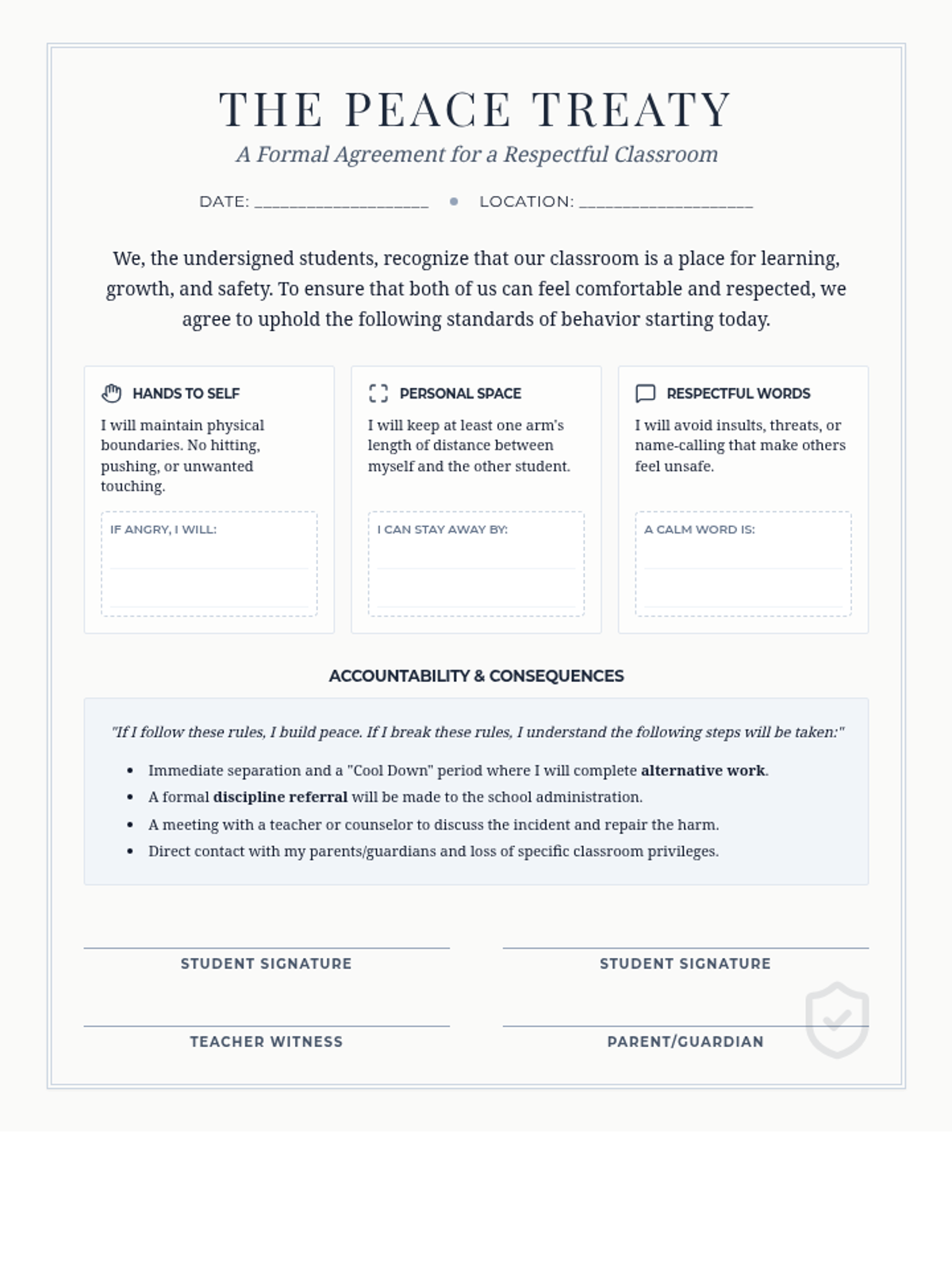
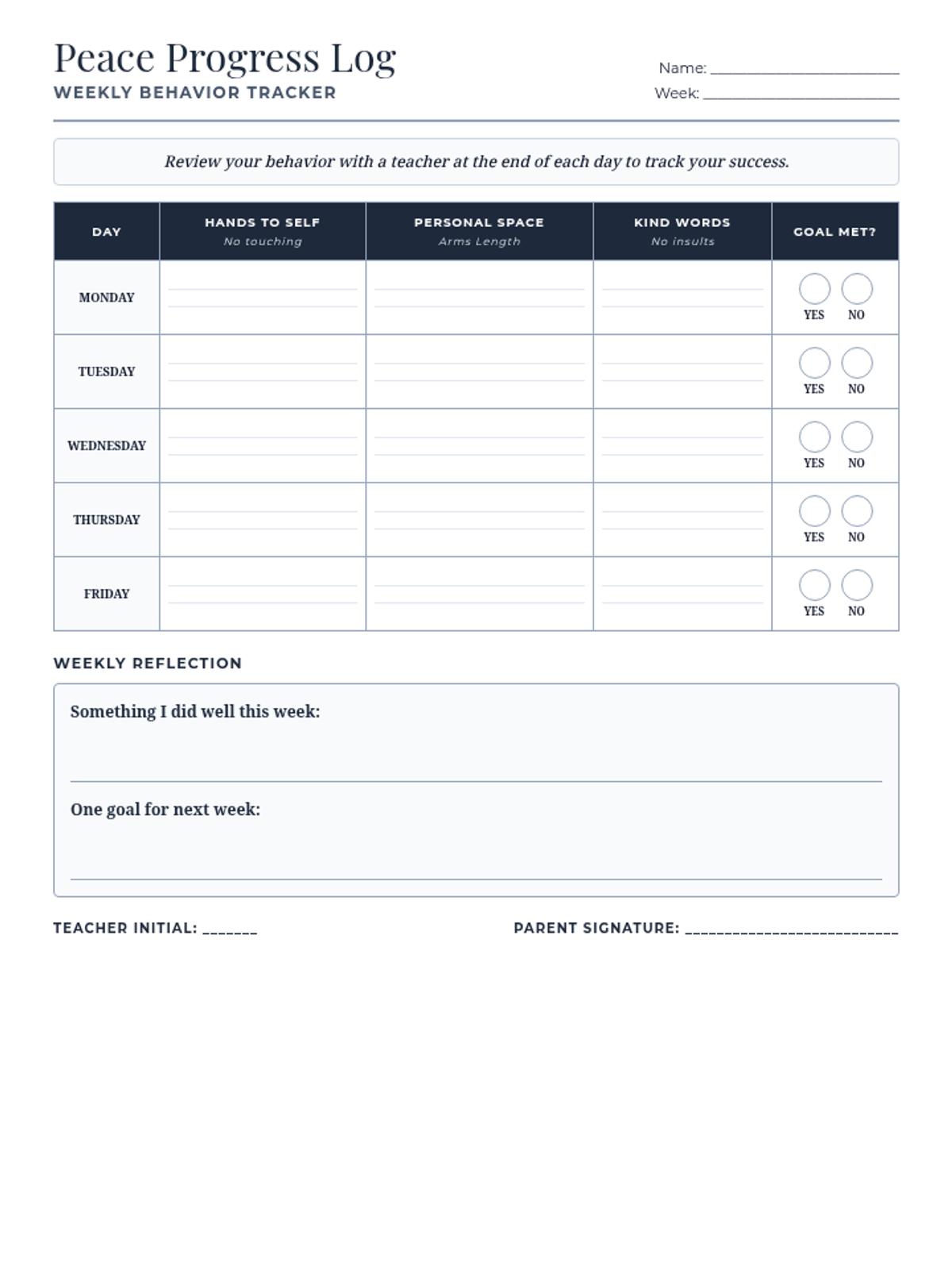
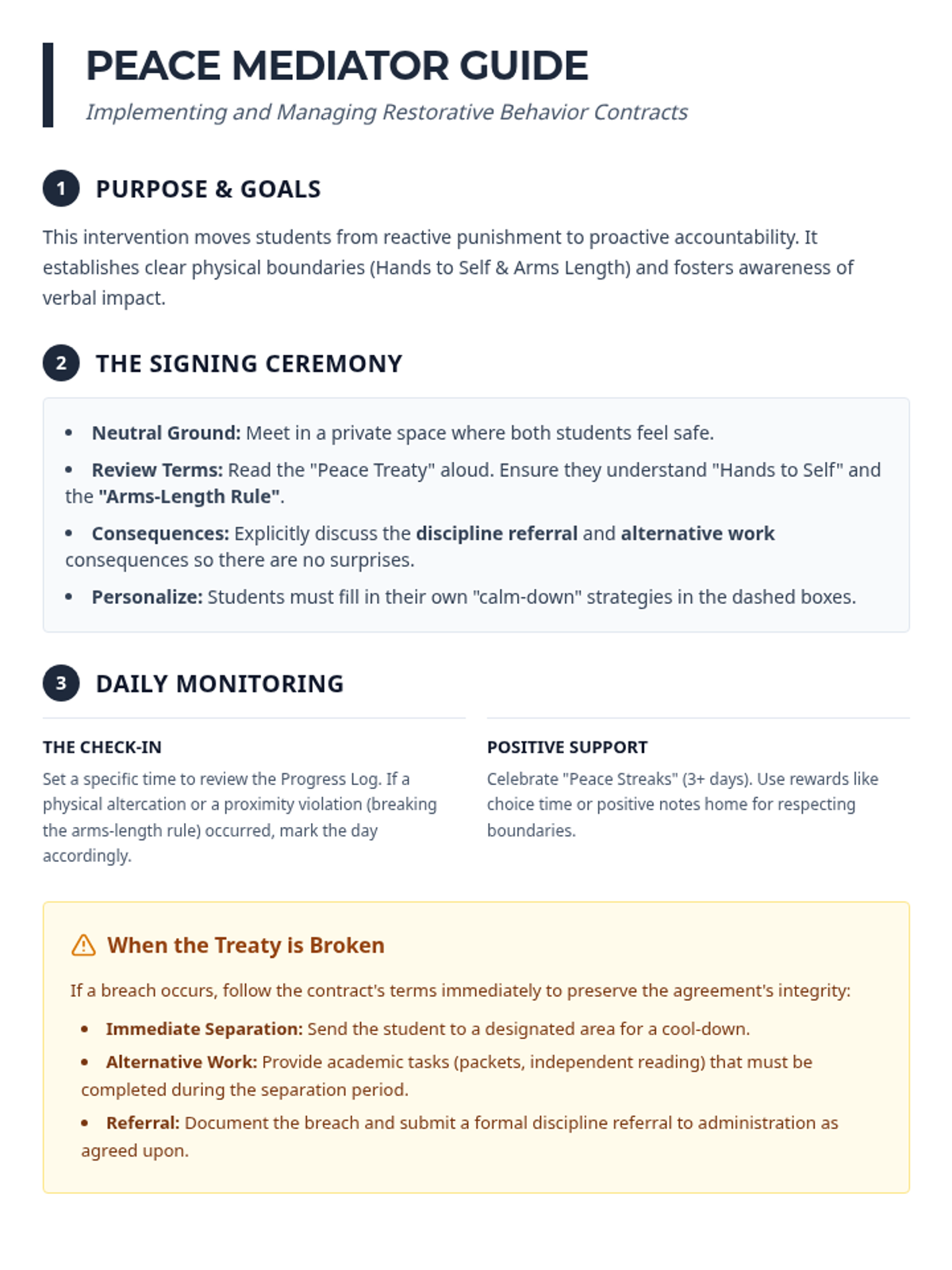
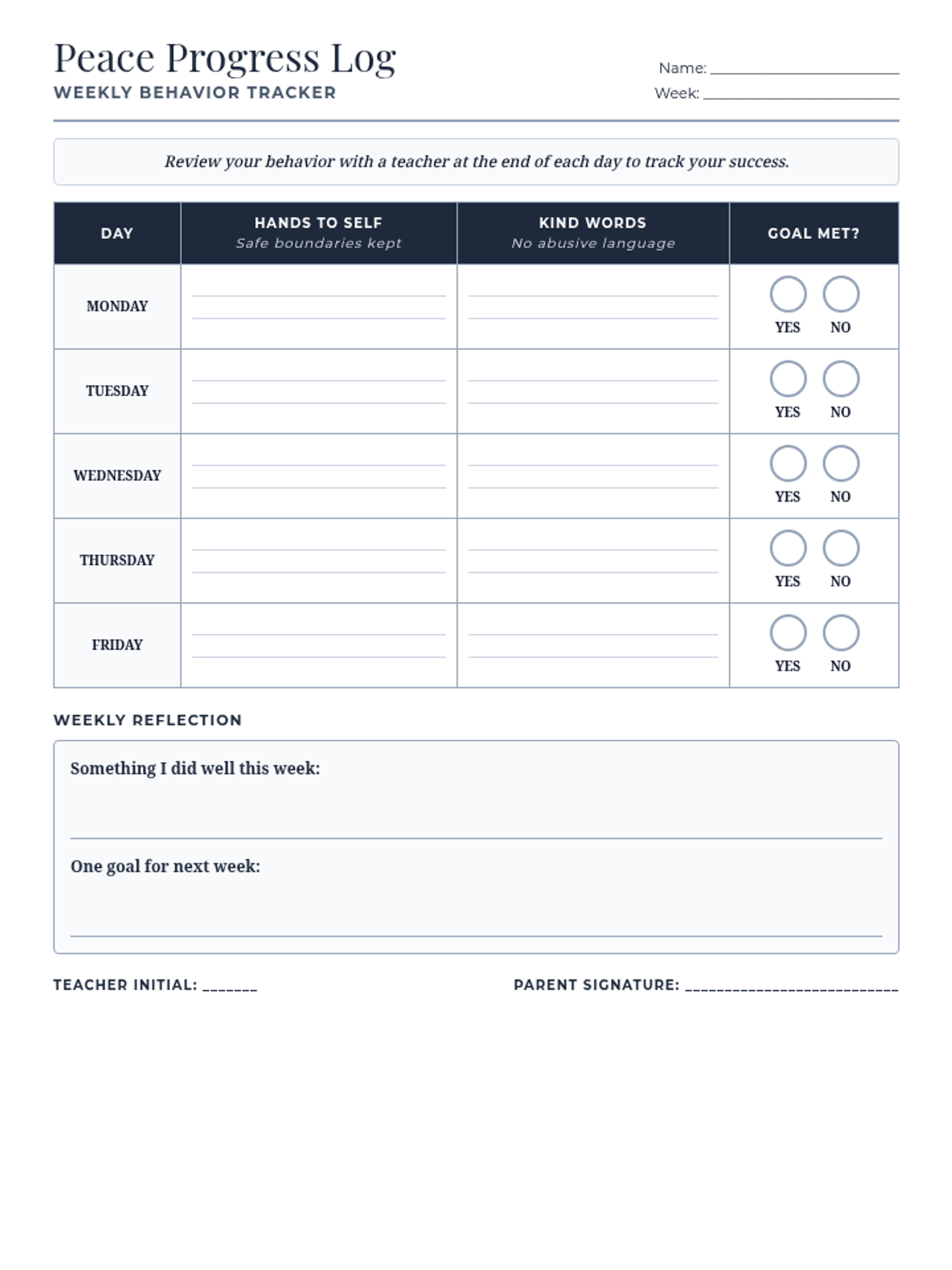
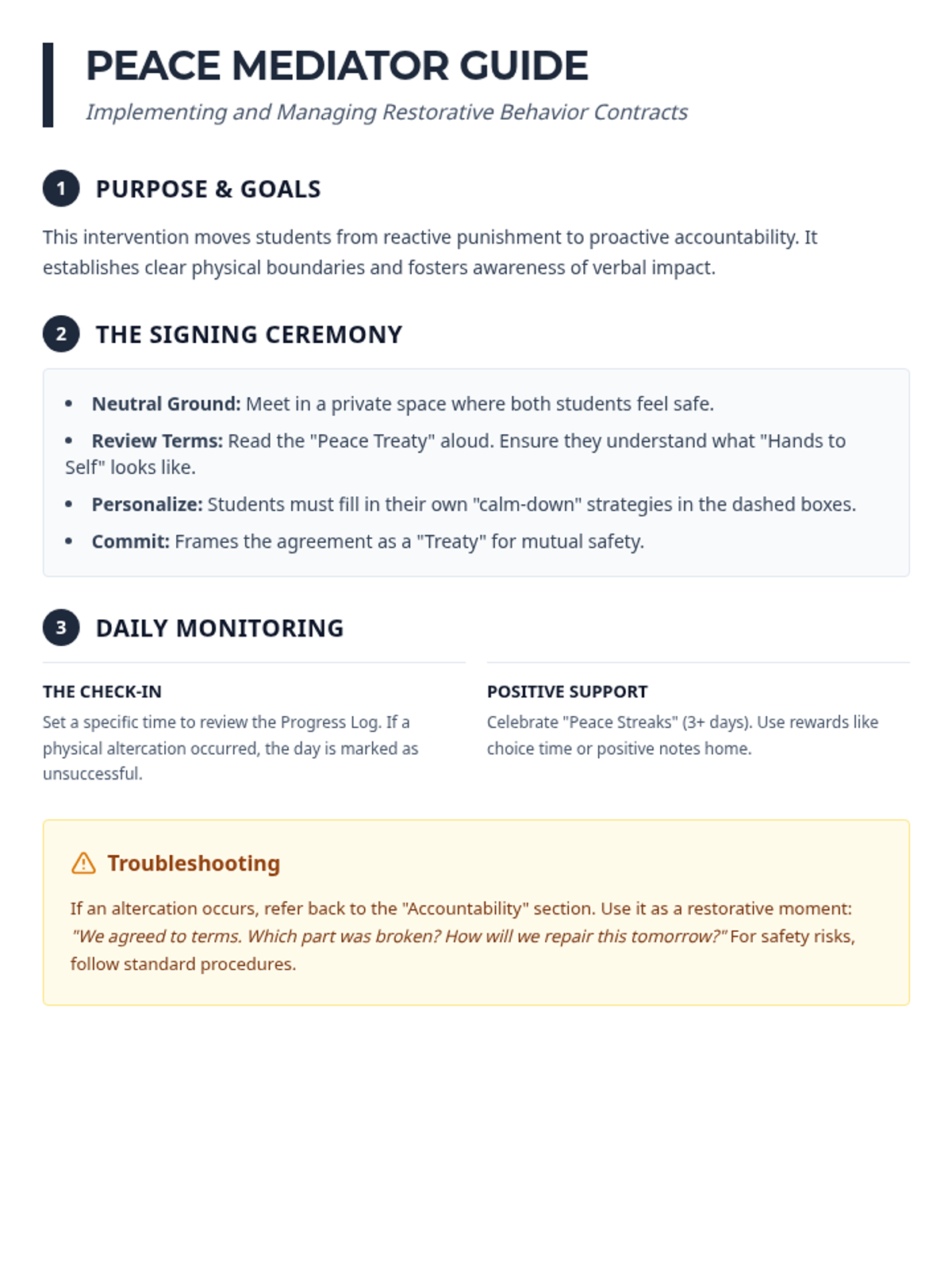
A restorative behavioral intervention focused on resolving physical conflict and verbal aggression through a formal behavior contract and daily progress tracking.
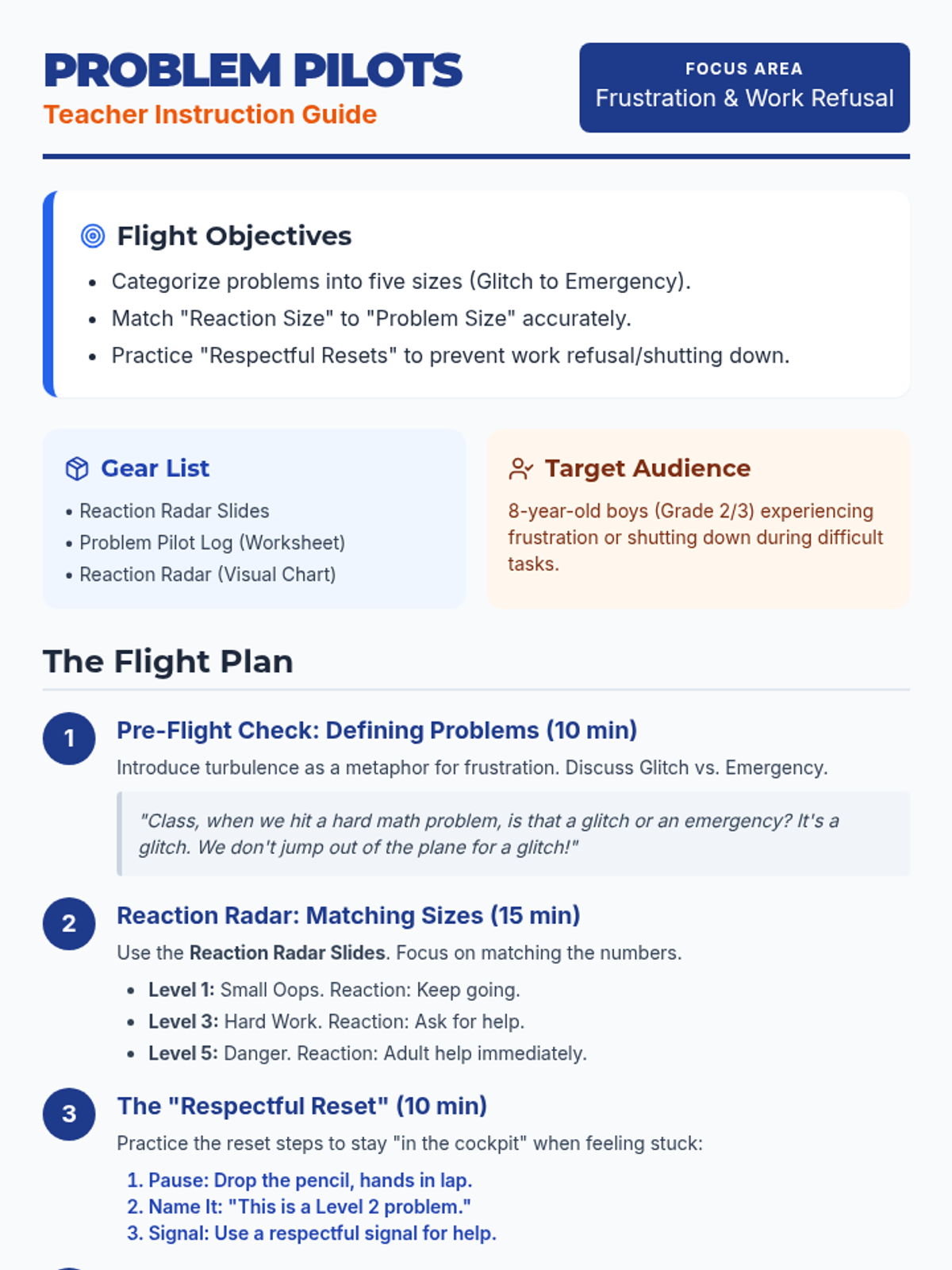
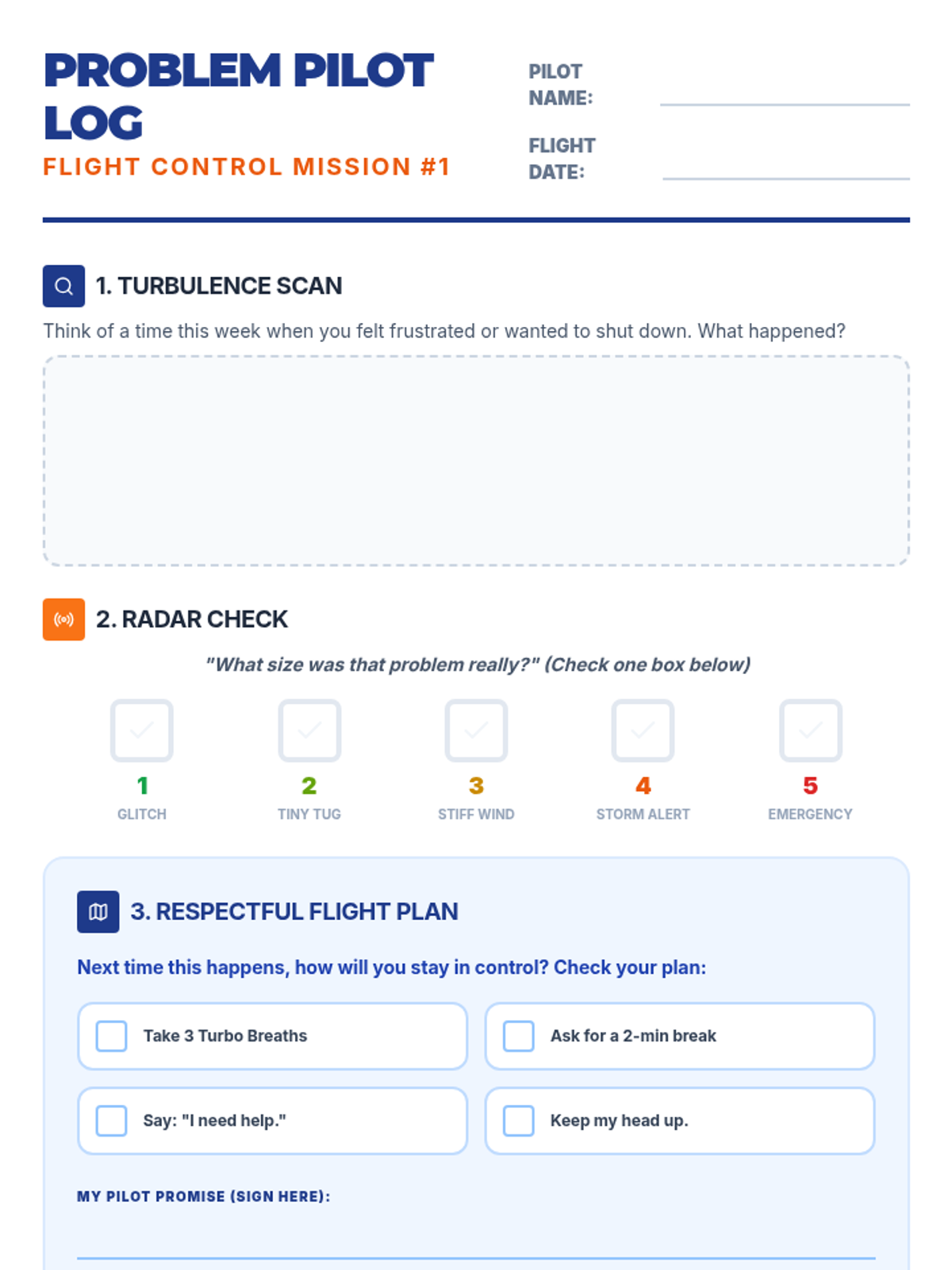
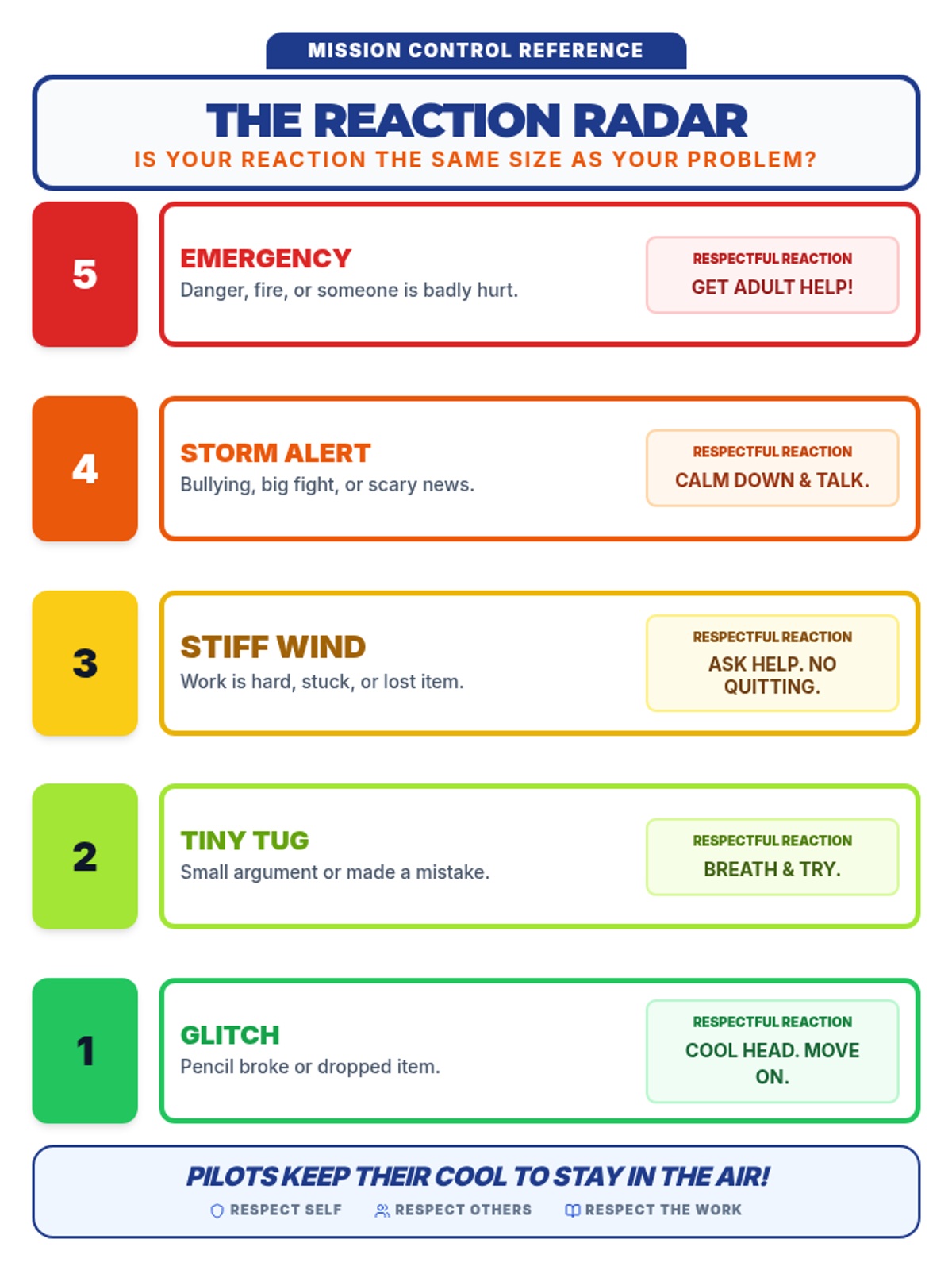
A social-emotional learning lesson for 8-year-old boys focused on matching reaction size to problem size, specifically targeting frustration and work refusal through a 'Problem Pilot' aviation theme.
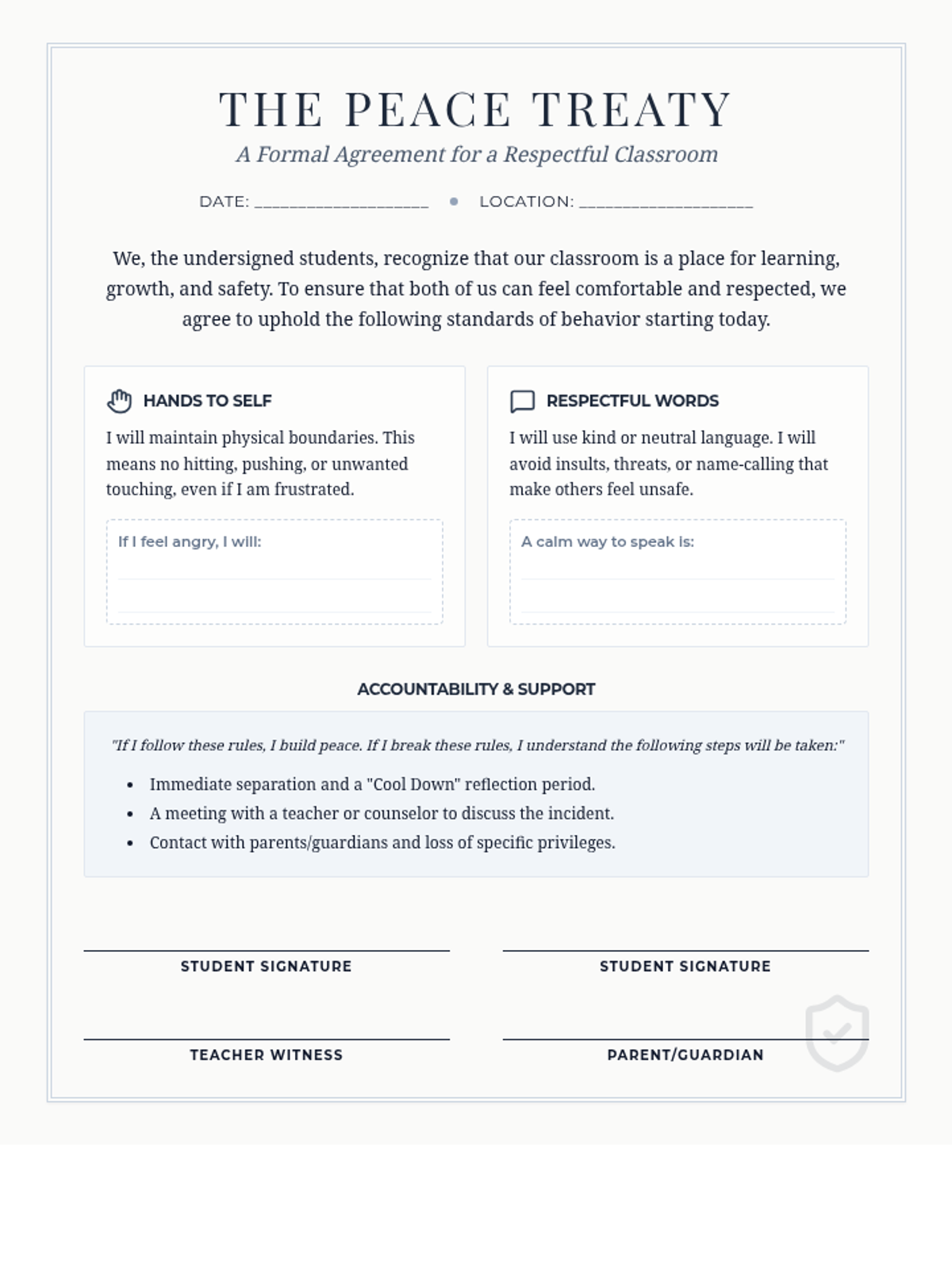
A restorative behavioral intervention focused on resolving physical conflict and verbal aggression between two students through a formal agreement and daily tracking.
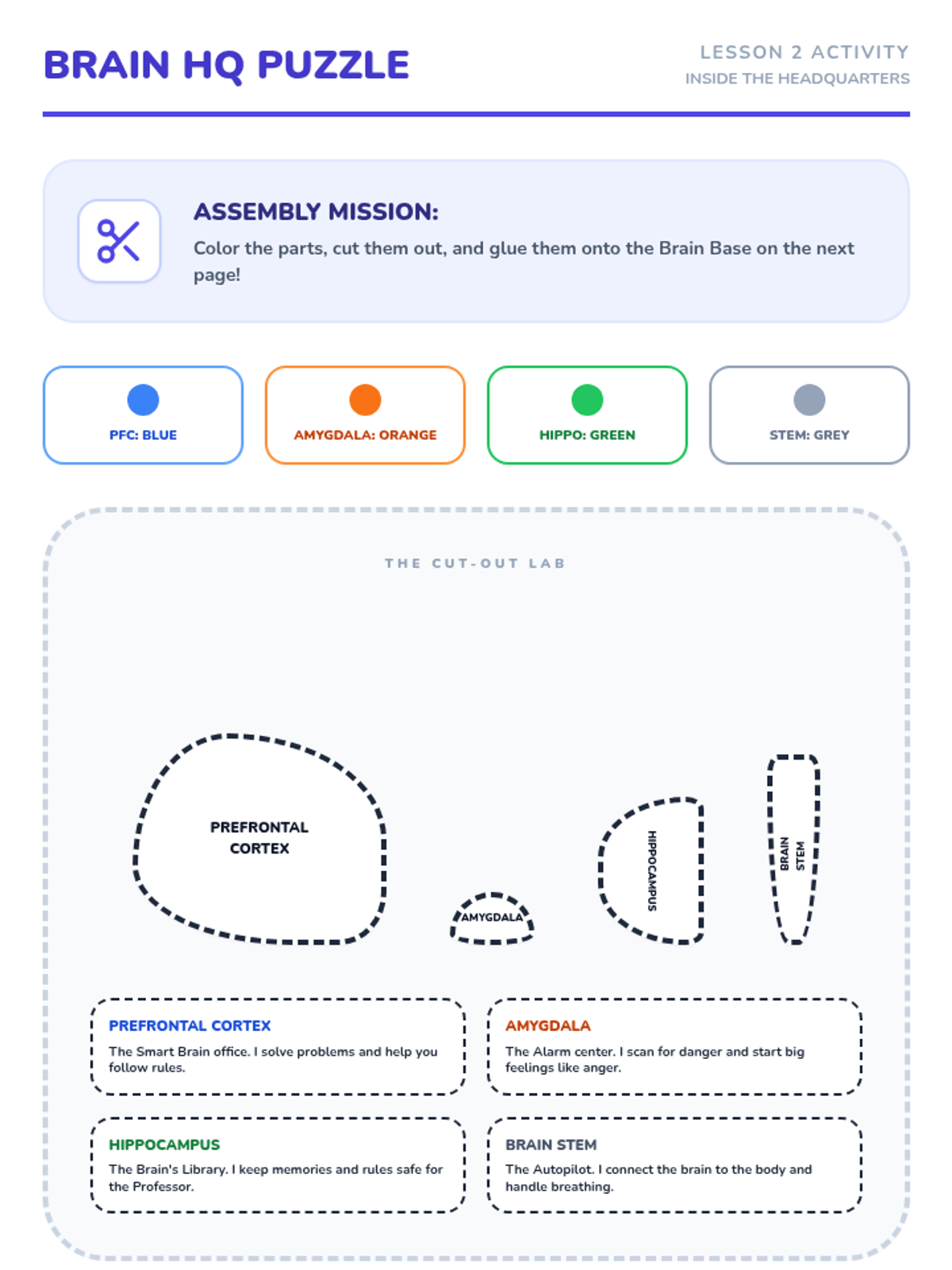
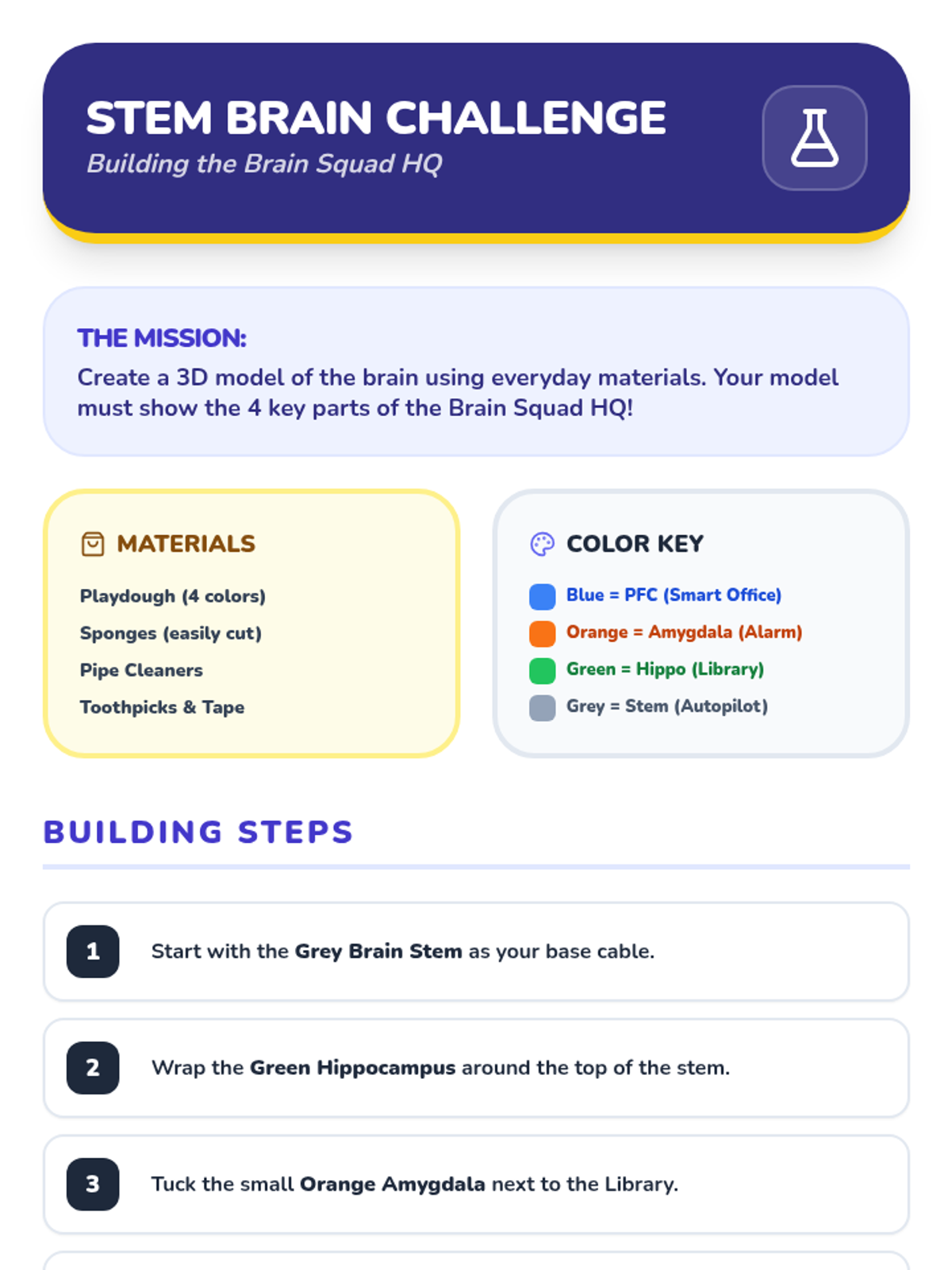
A deep dive into the biological parts of the brain (Amygdala, Prefrontal Cortex, Hippocampus, and Brain Stem) and how they function as the home for Sparky and Professor PFC.
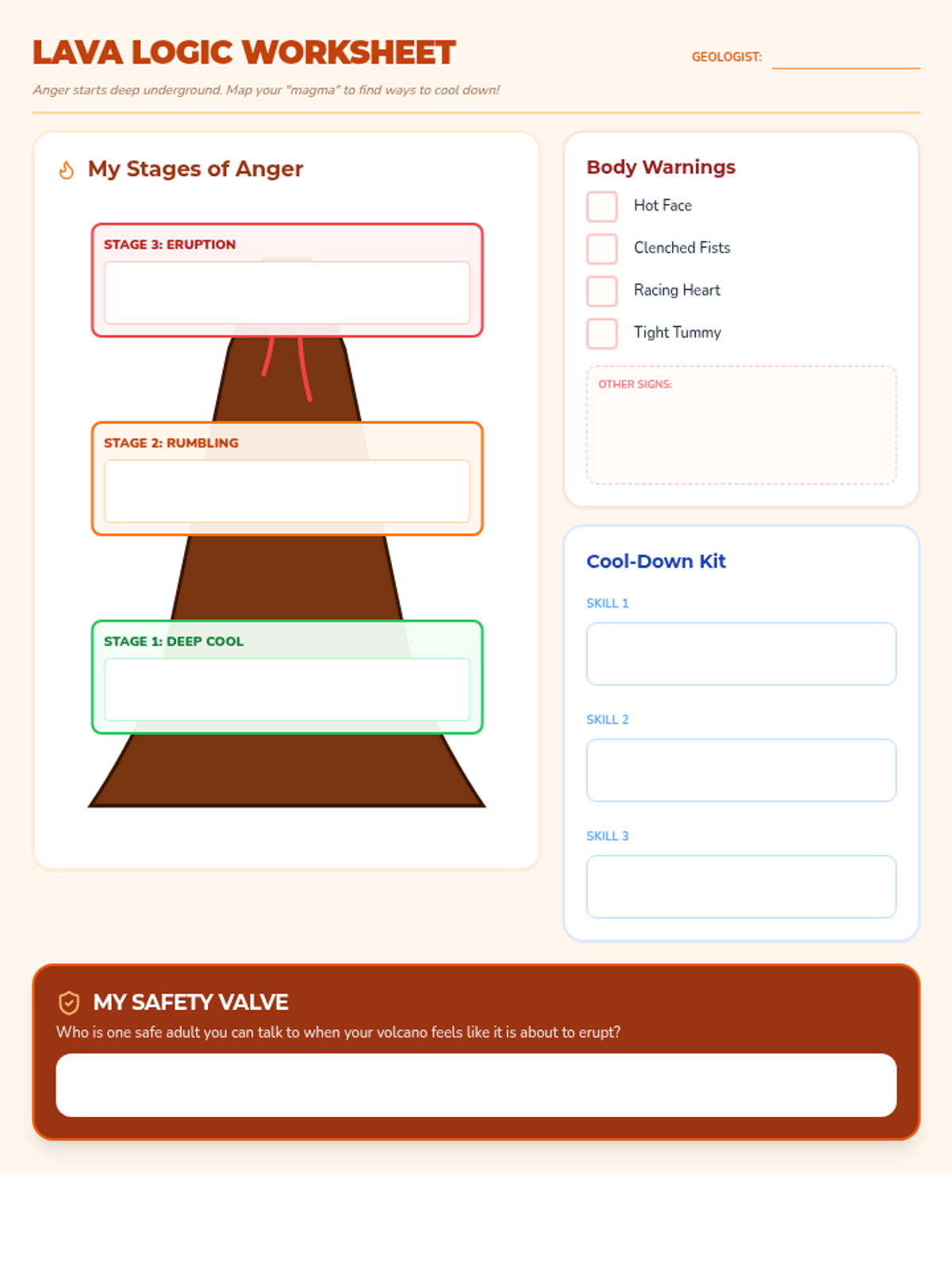
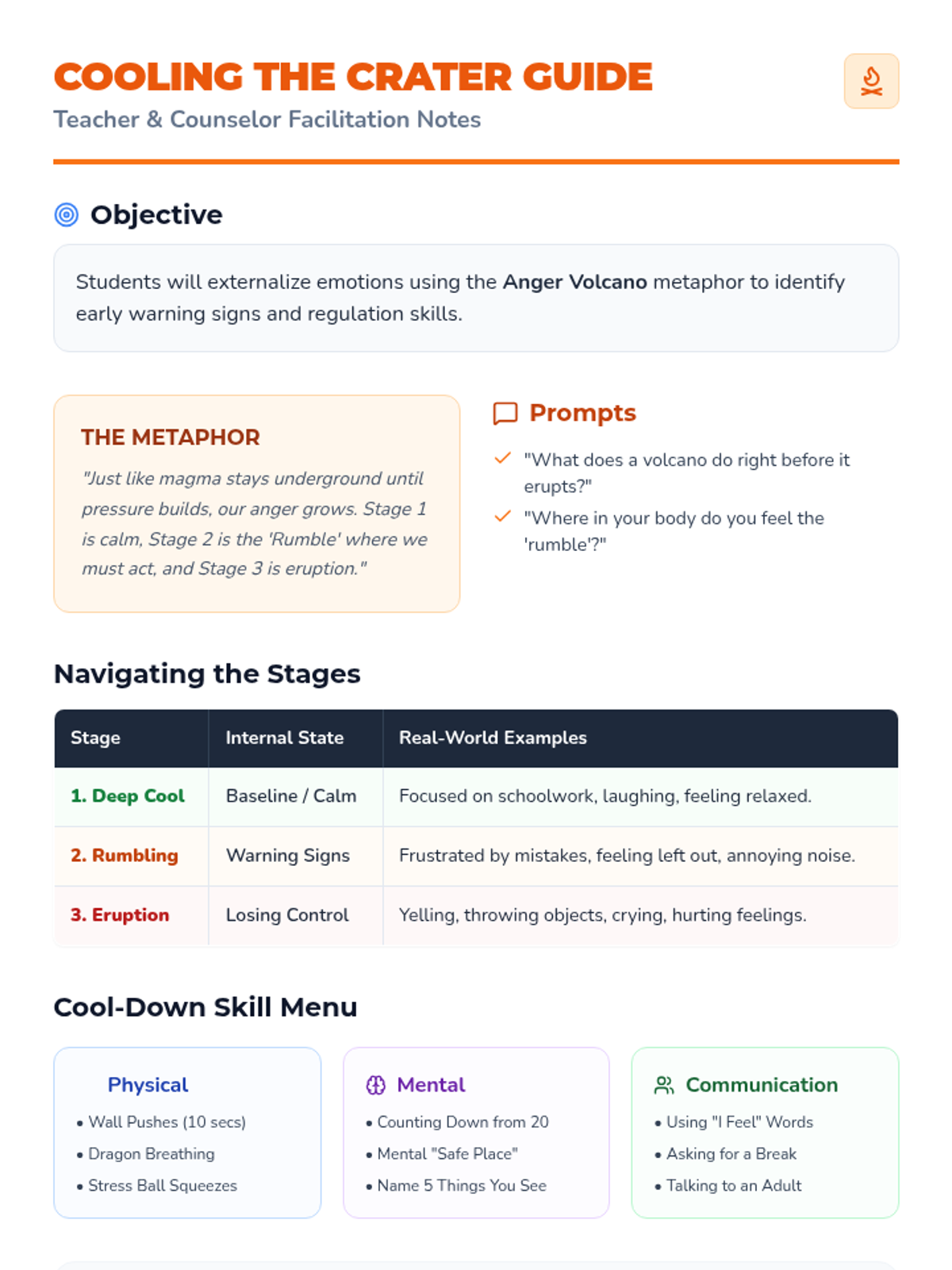
This lesson helps 3rd and 4th grade students identify their personal anger triggers, physical warning signs, and coping strategies using the metaphor of a volcano. Students will map out their 'stages of eruption' to better understand and regulate their emotions.
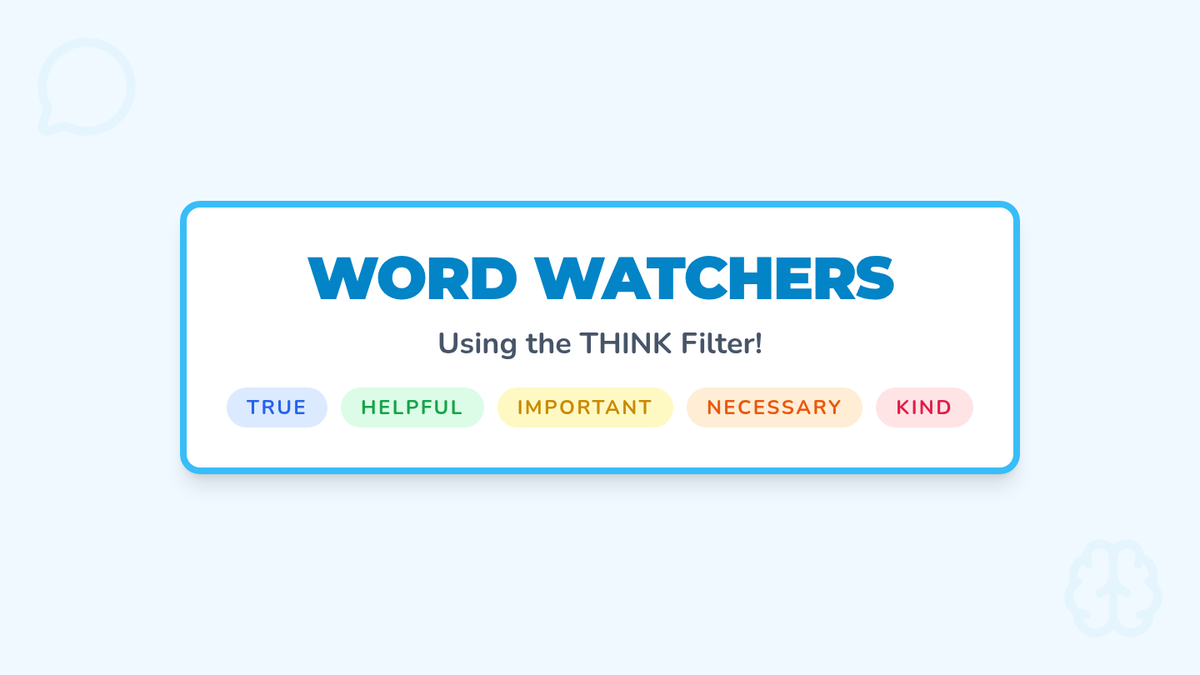
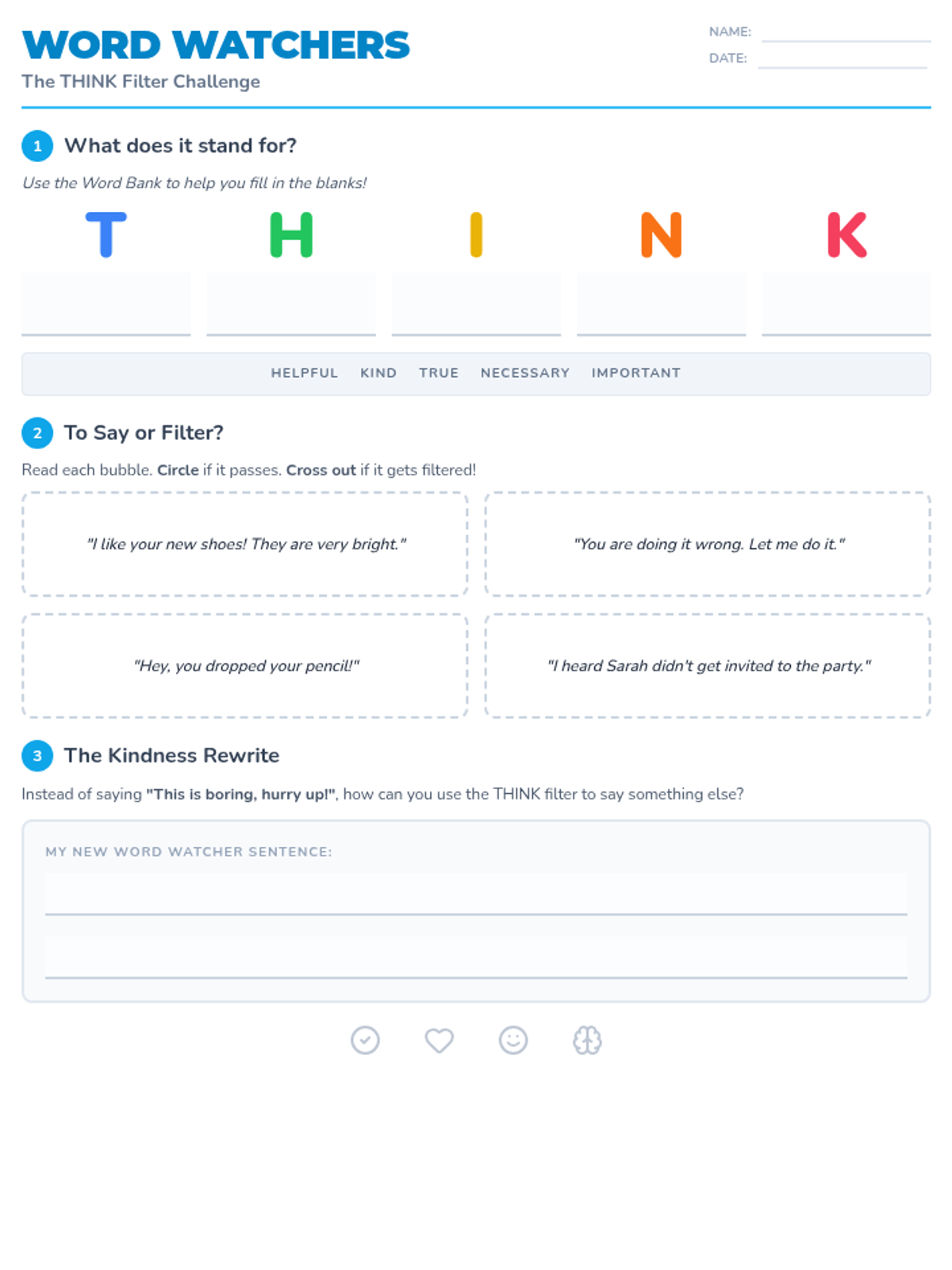
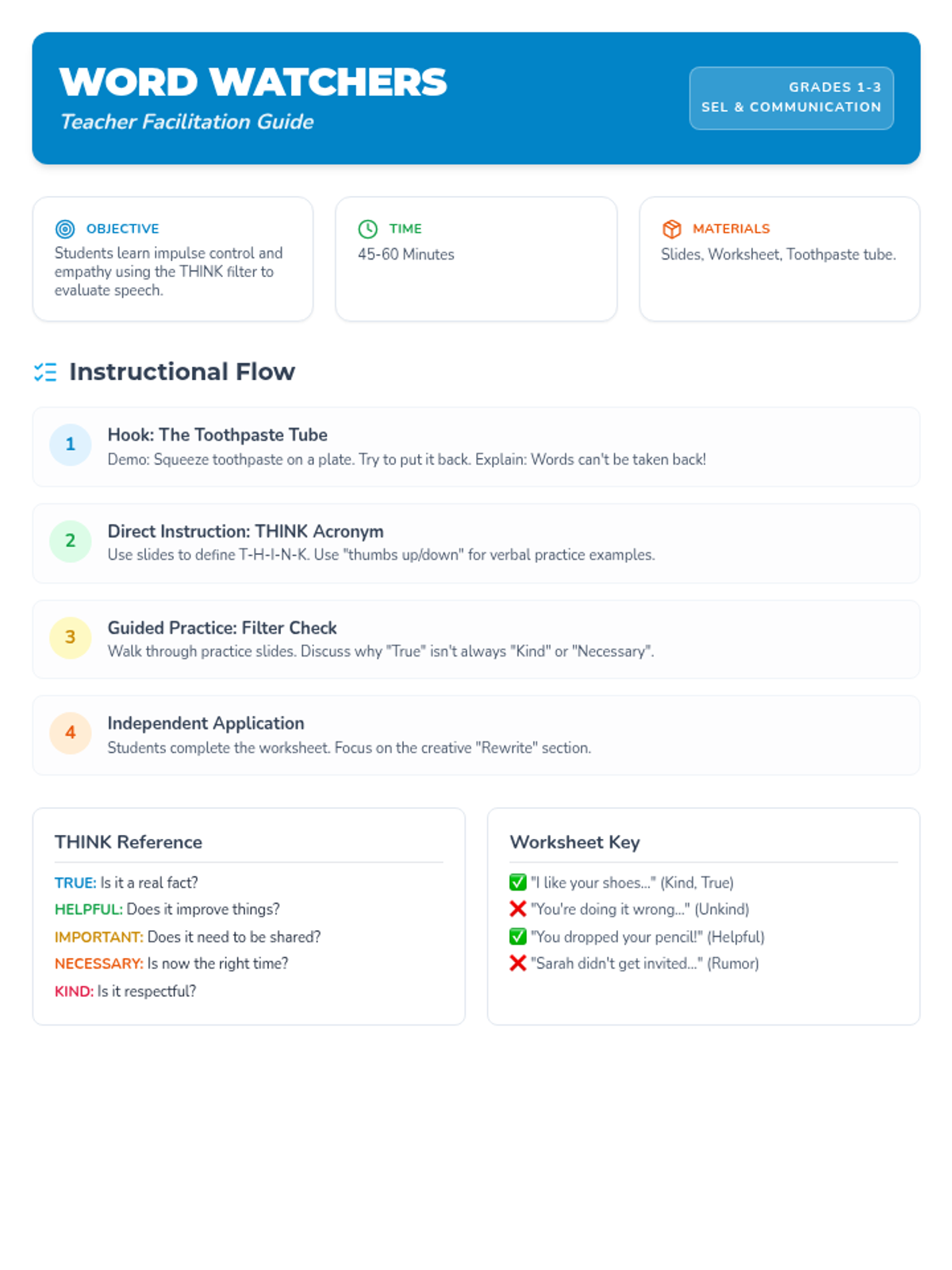
A lesson for 1st-3rd graders on the THINK acronym (True, Helpful, Important, Necessary, Kind) to promote mindful communication and social-emotional learning.
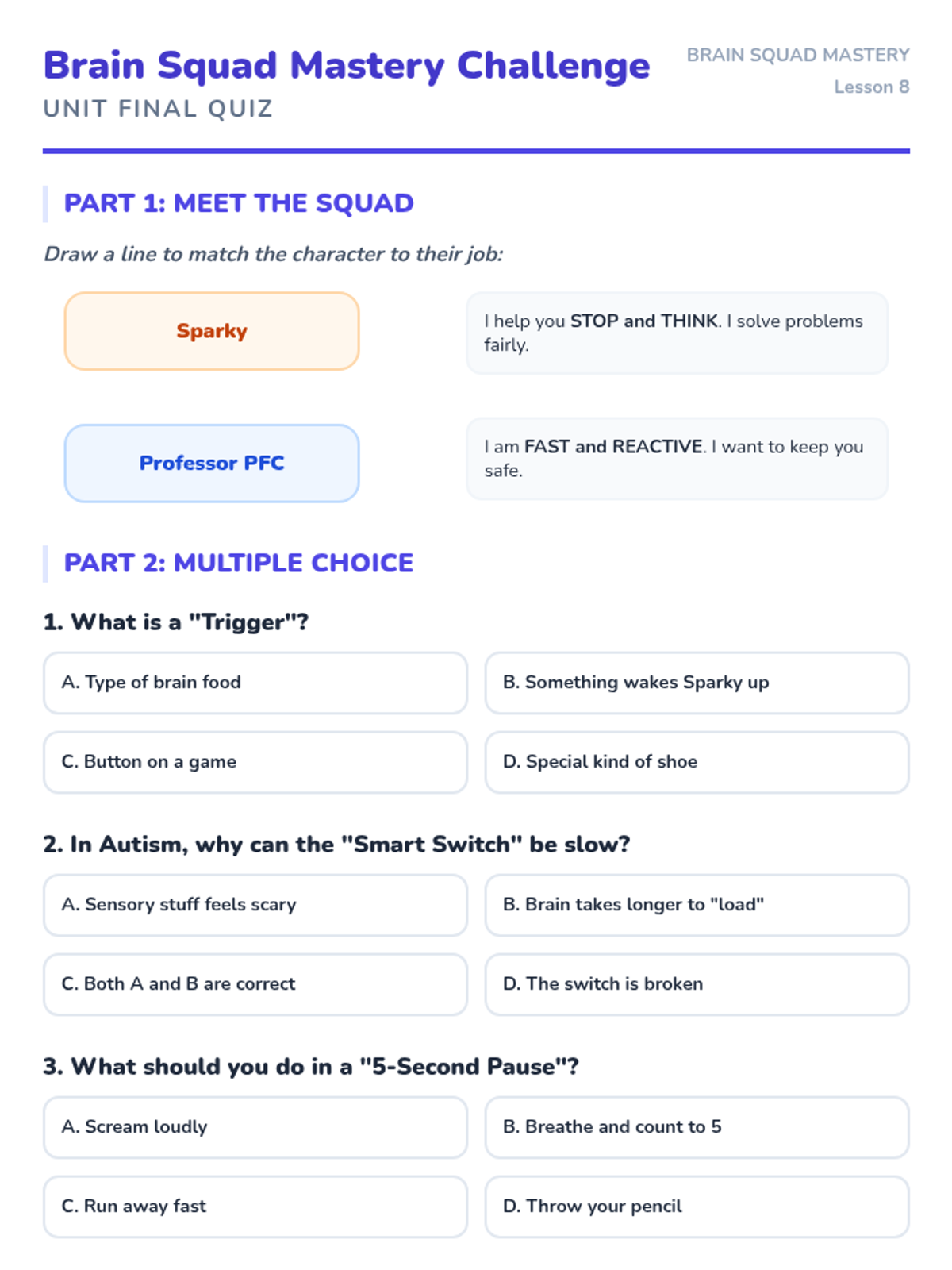
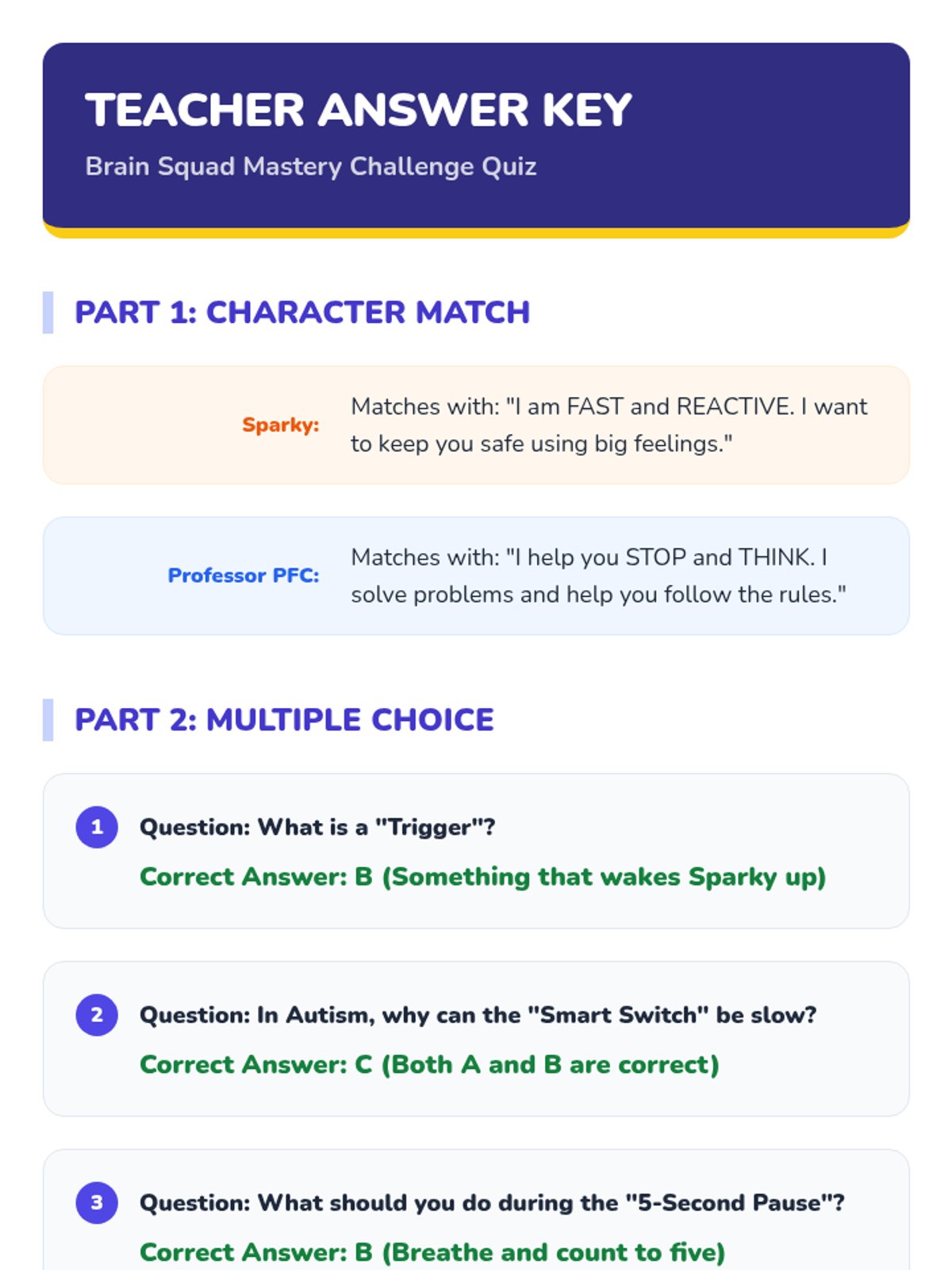
Reviewing unit concepts through a final quiz and celebrating mastery of brain squad strategies.
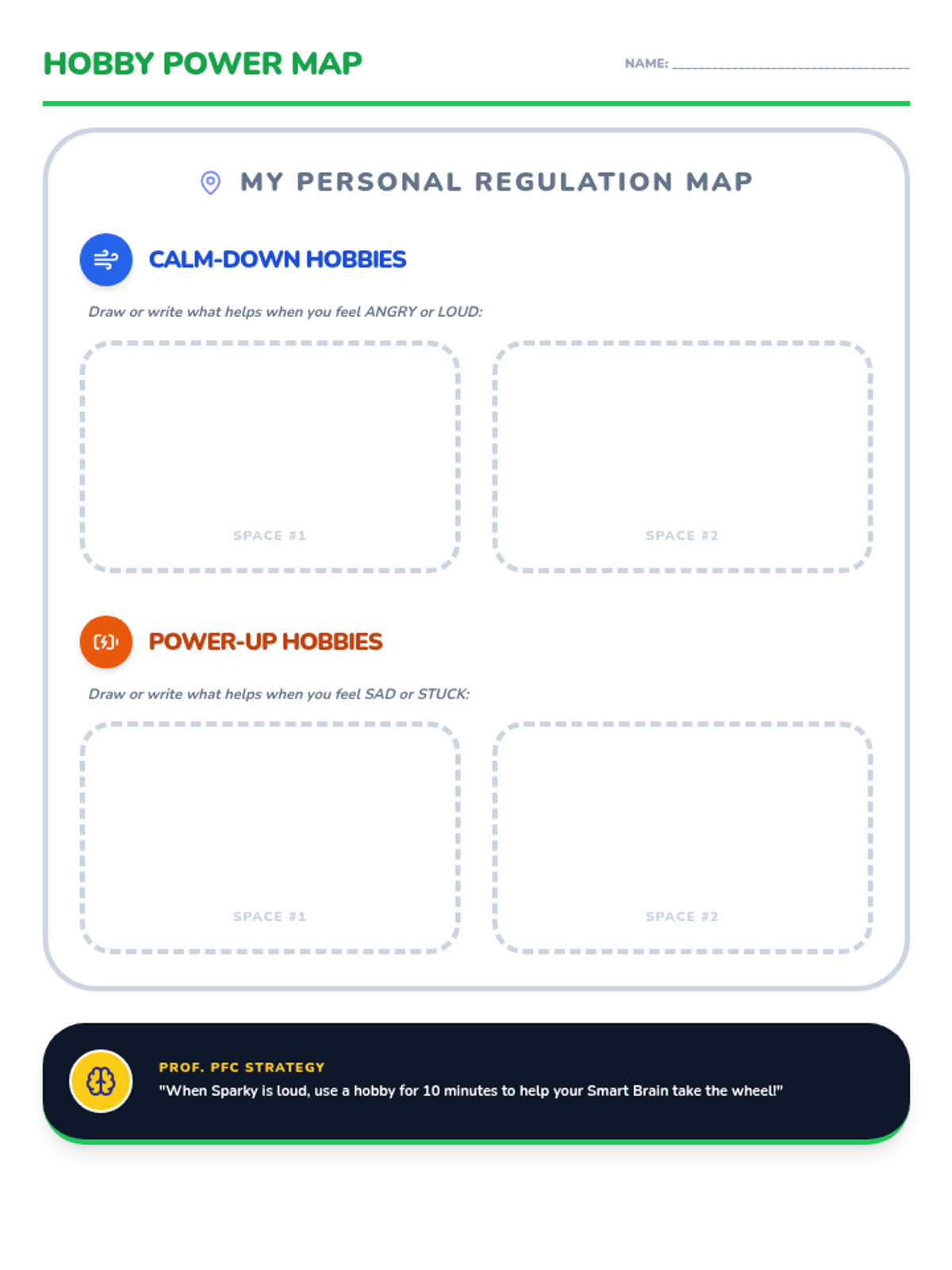
Discovering personal hobbies and interests that act as tools for emotional regulation and positive expression.
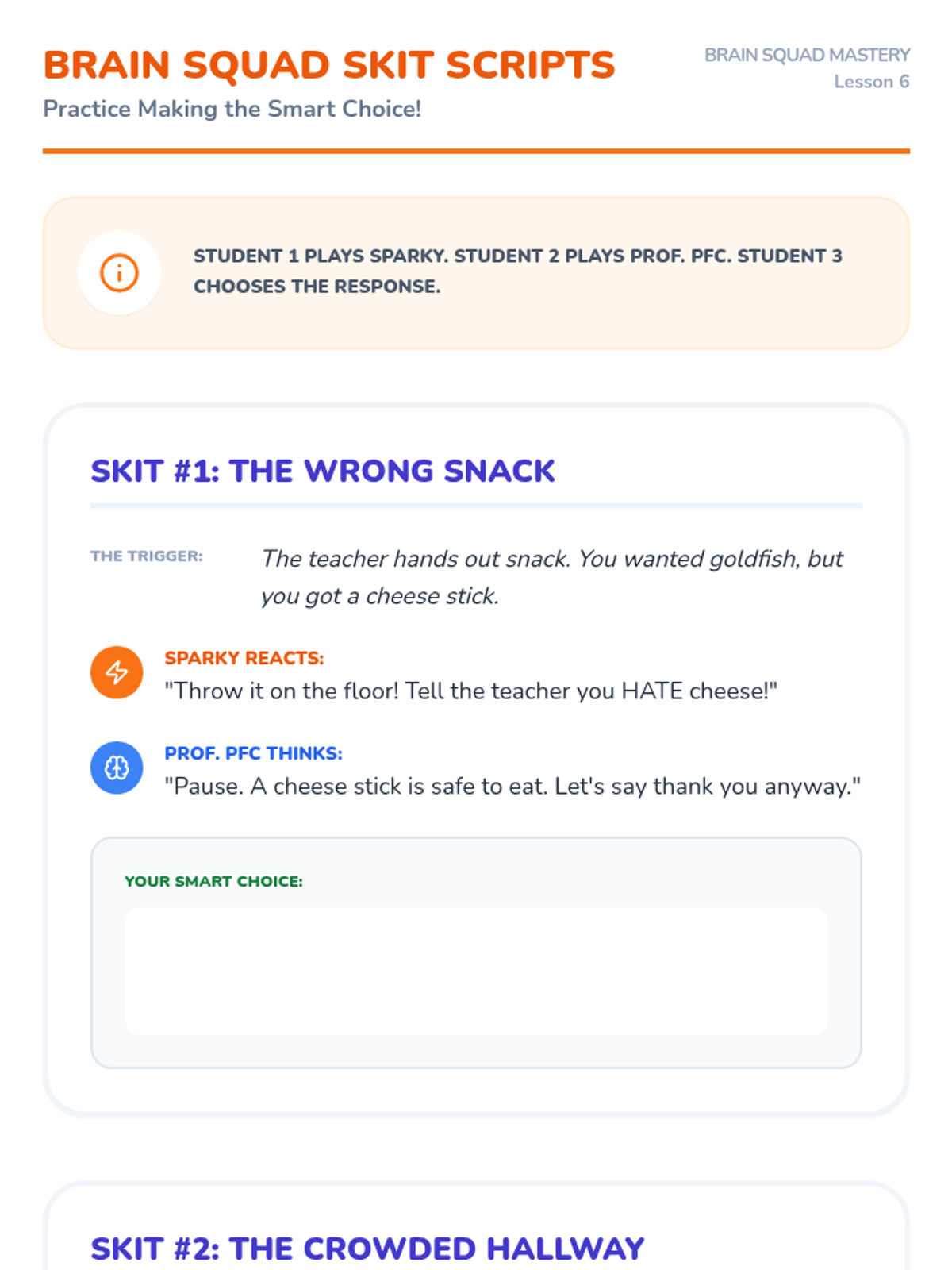
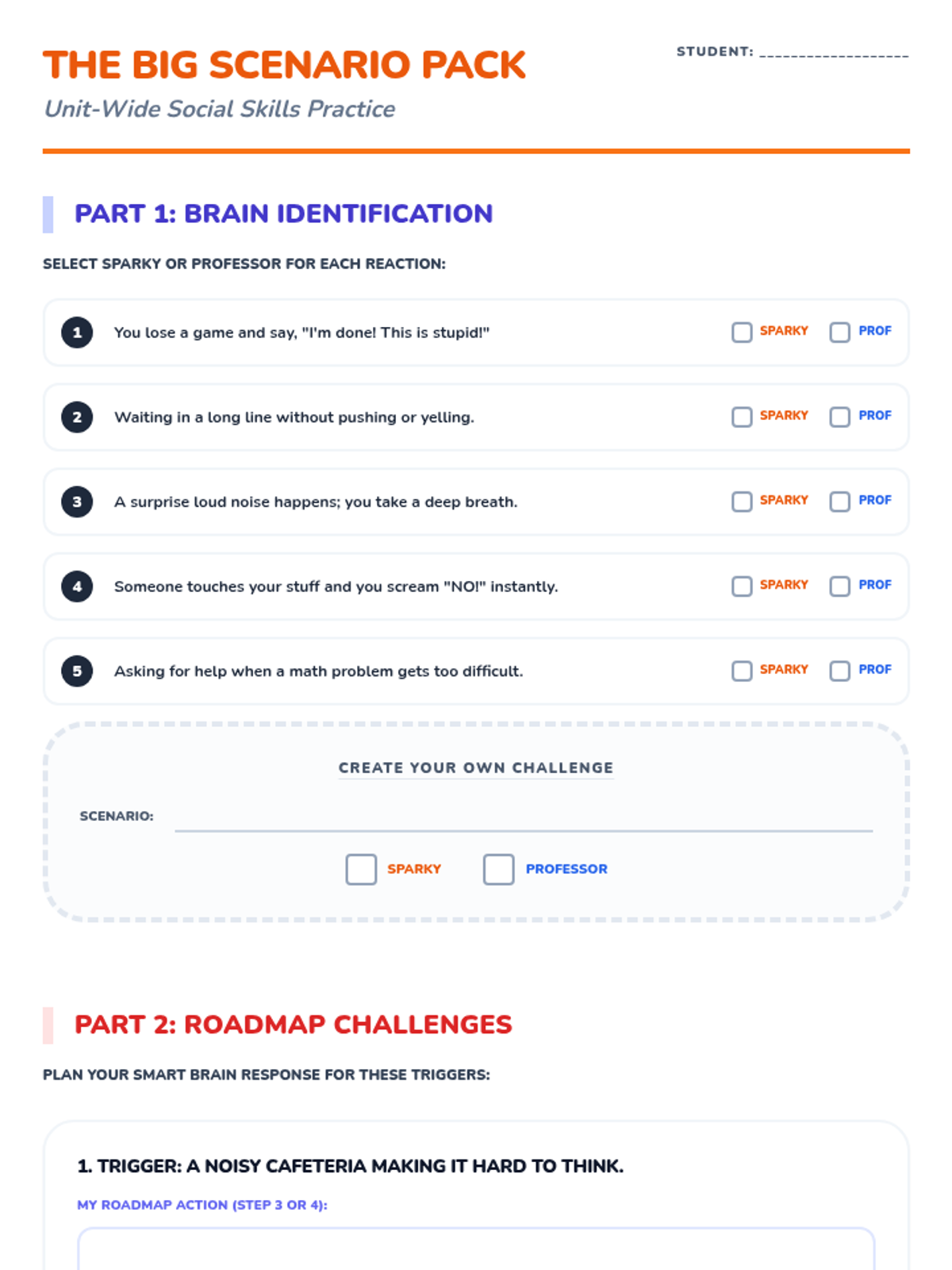
Applying brain squad concepts to real-world scenarios through skits and 'What Would You Do?' games.
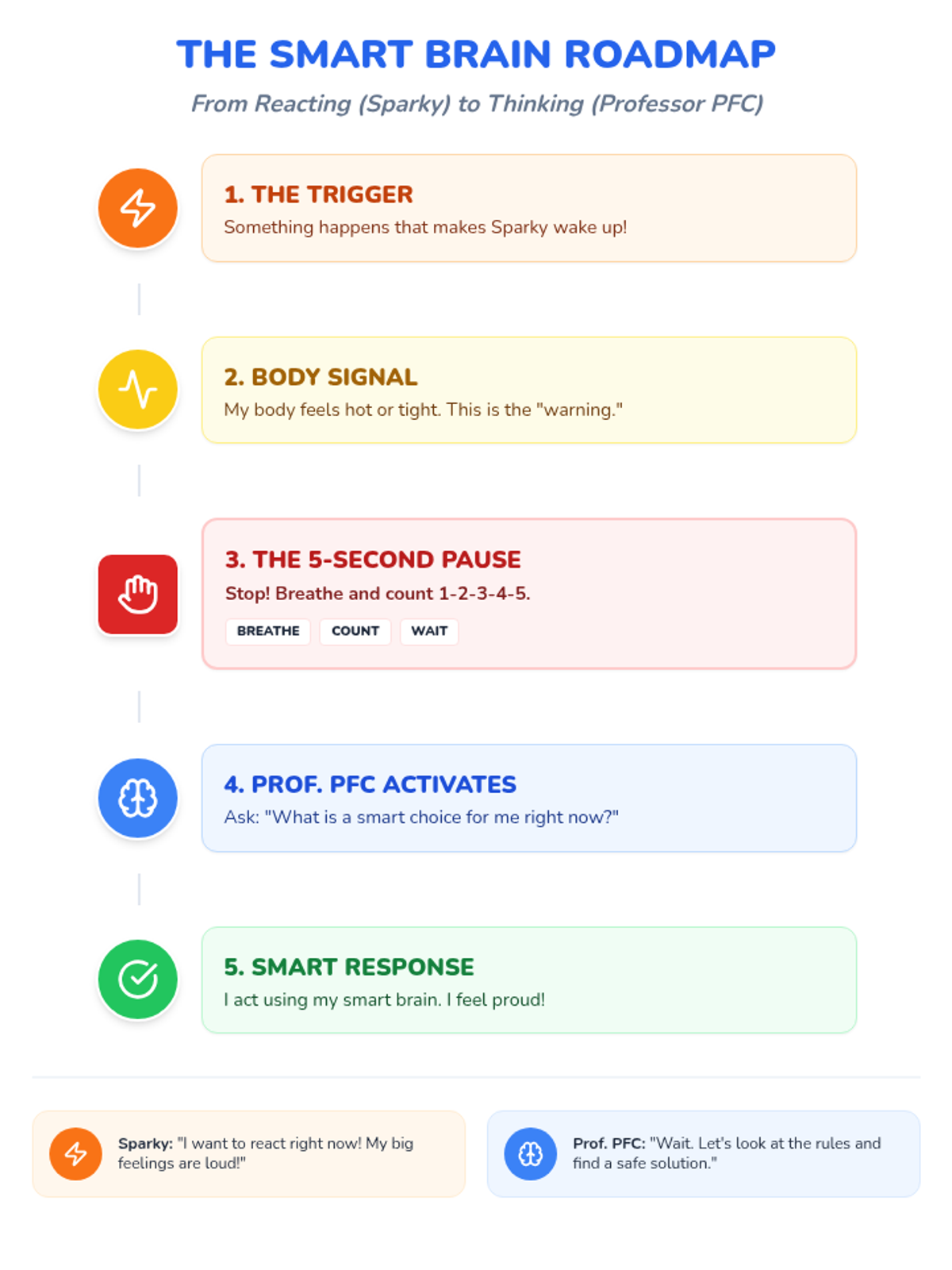
Using a visual flowchart to guide students through the process of moving from a trigger to a smart brain response.
Understanding the 'flipped lid' concept and the difference between immediate reactions and thoughtful responses.
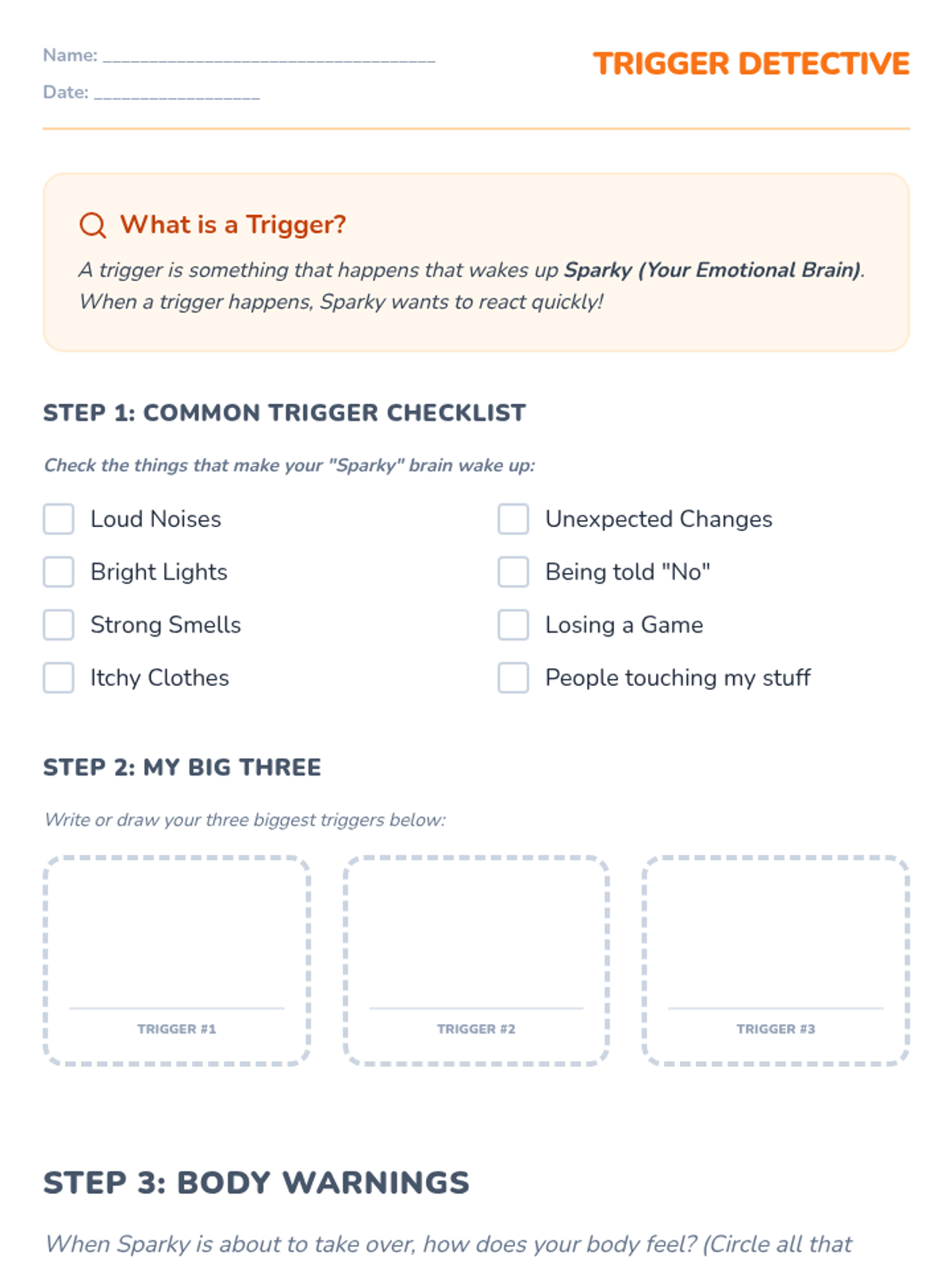
Identifying personal and environmental triggers that activate the emotional brain.
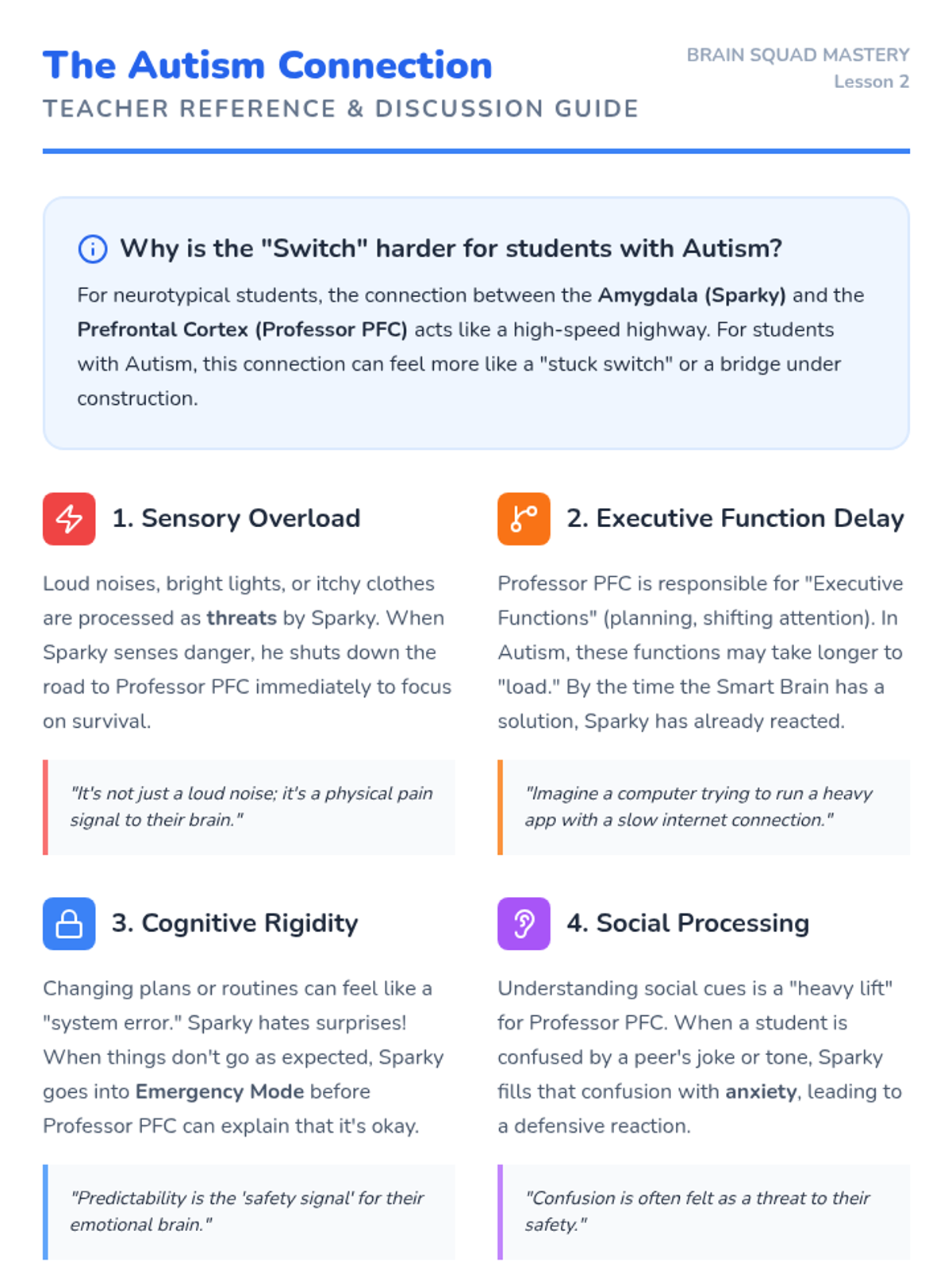
Exploring how Autism impacts the connection between the emotional and smart brain, focusing on sensory processing and executive function.
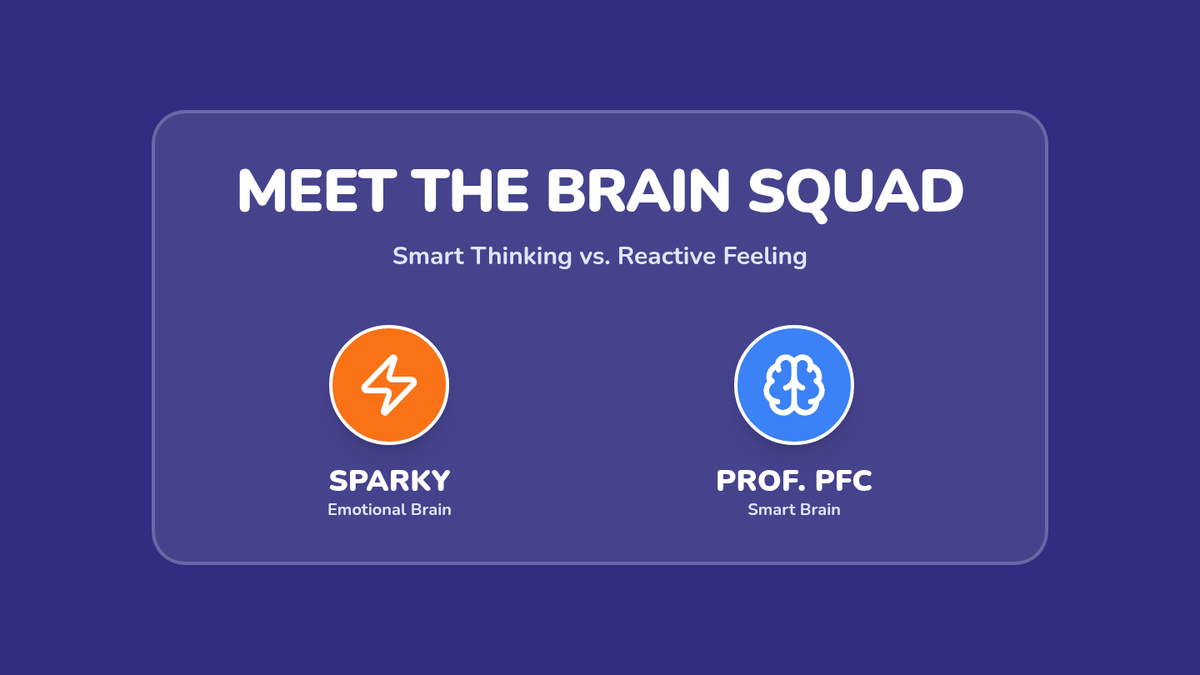
Introduction to the two parts of the brain: the emotional/reactive brain (Sparky) and the smart/thinking brain (Professor PFC).
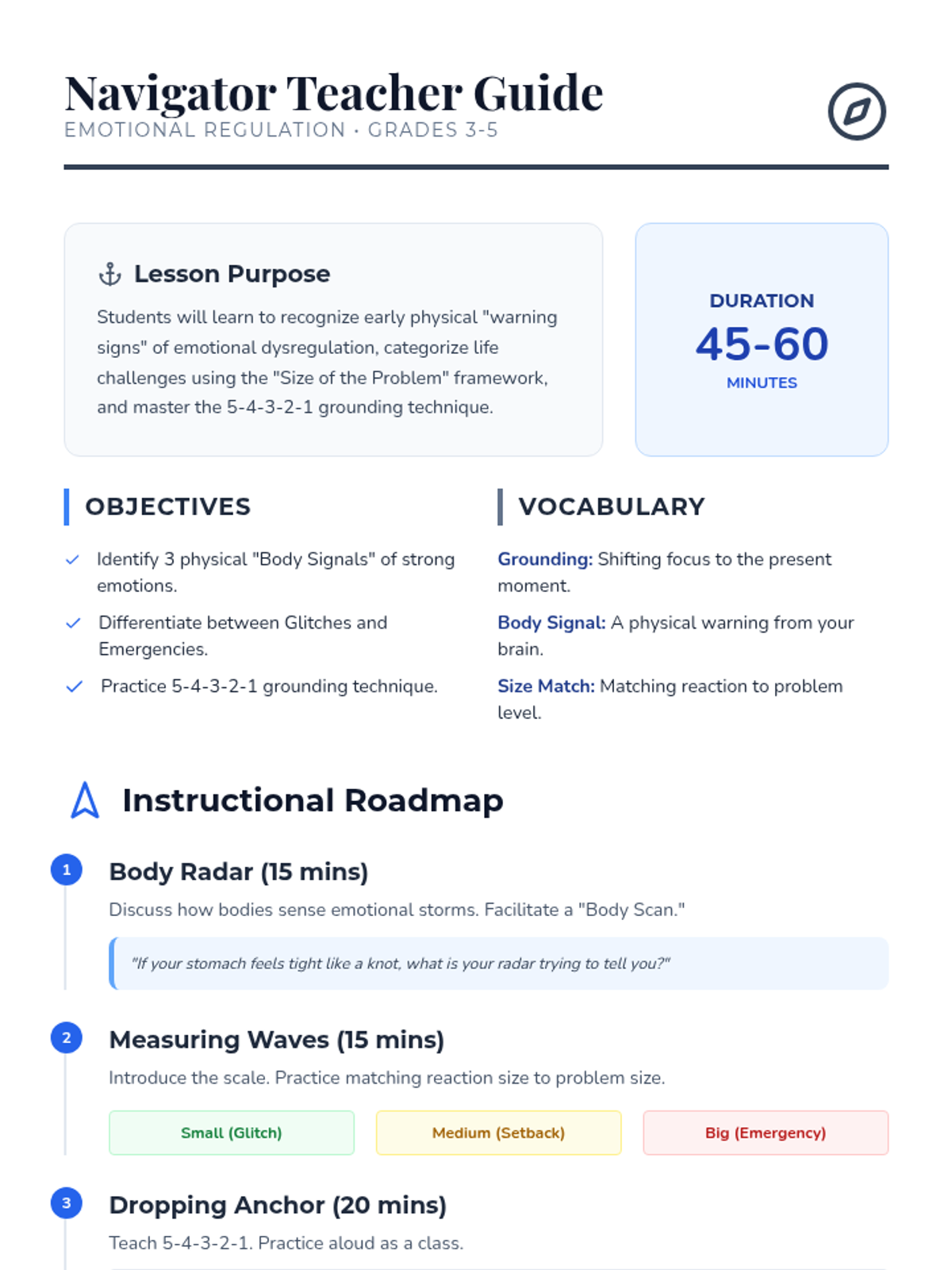
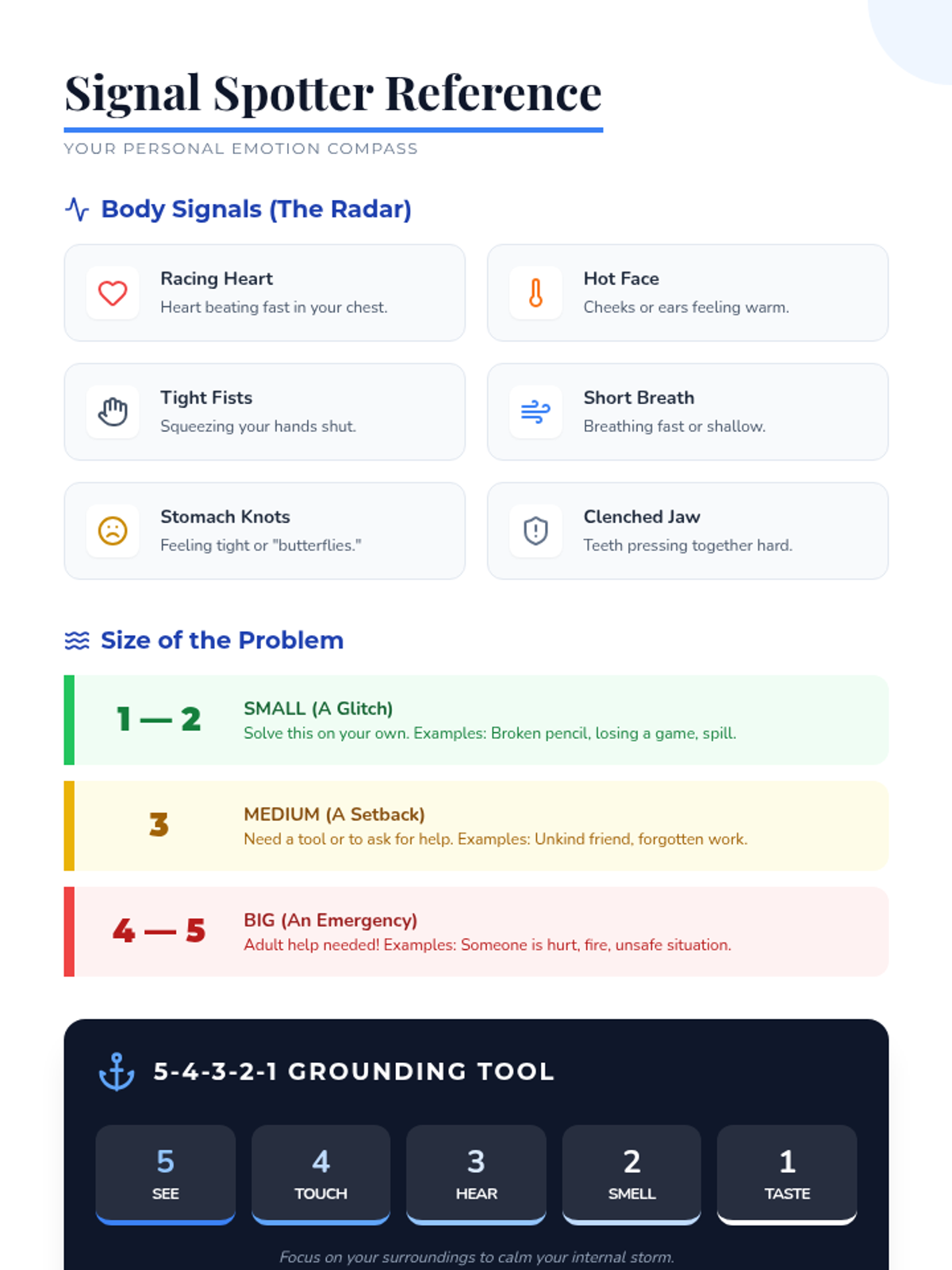
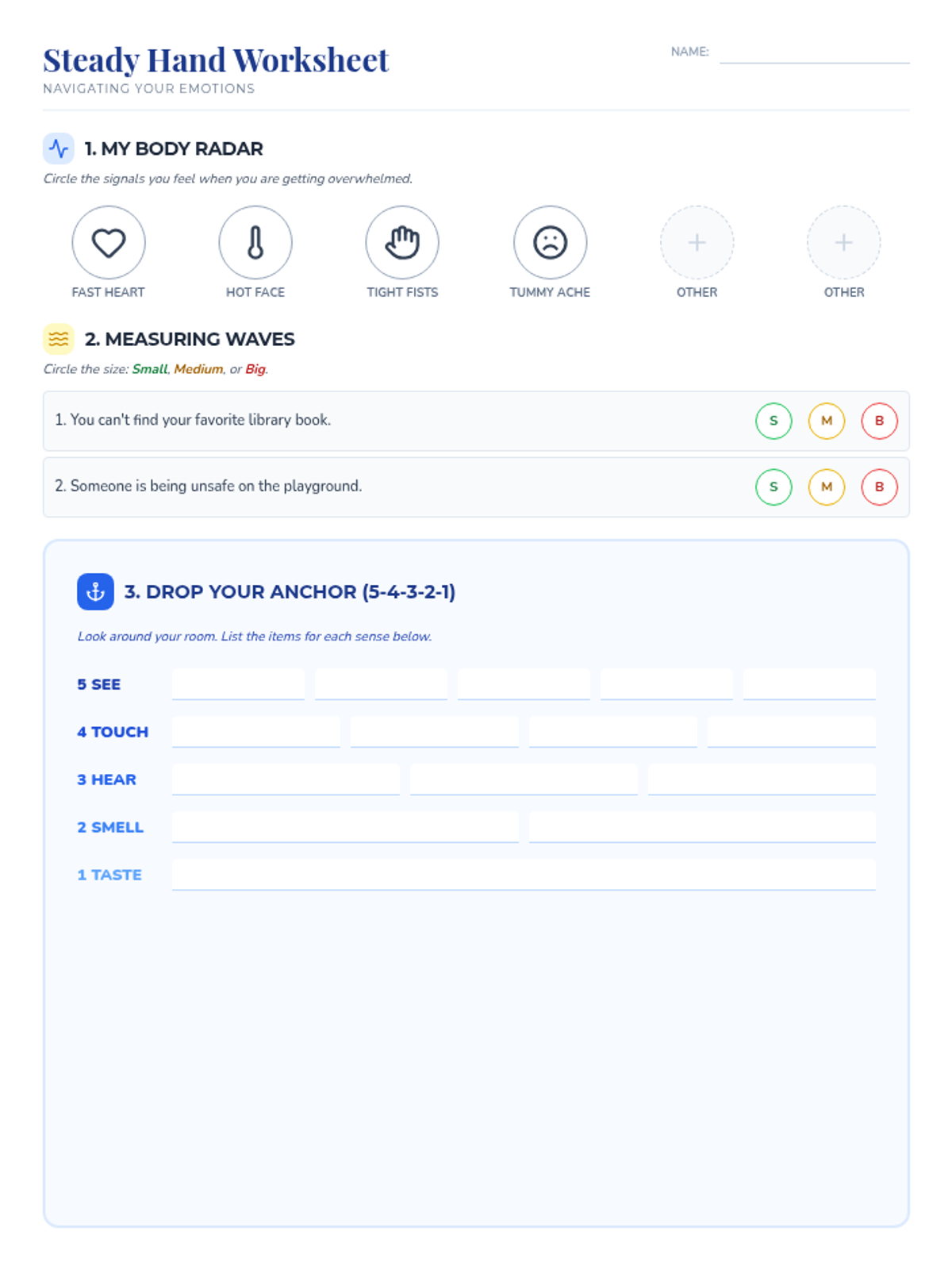
A comprehensive lesson on emotional regulation focusing on physical body signals, categorizing the 'size' of problems, and practicing the 5-4-3-2-1 grounding technique.
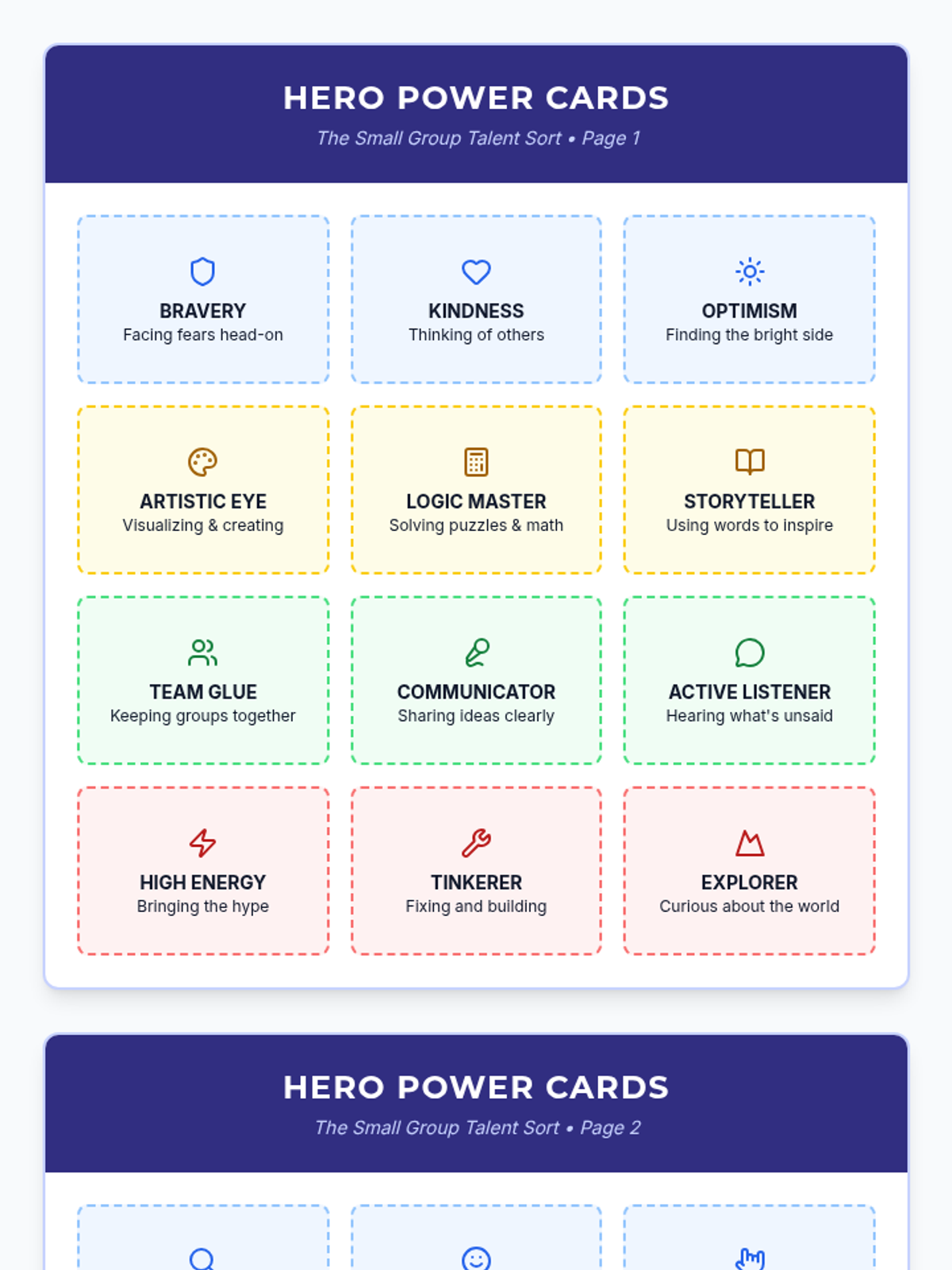
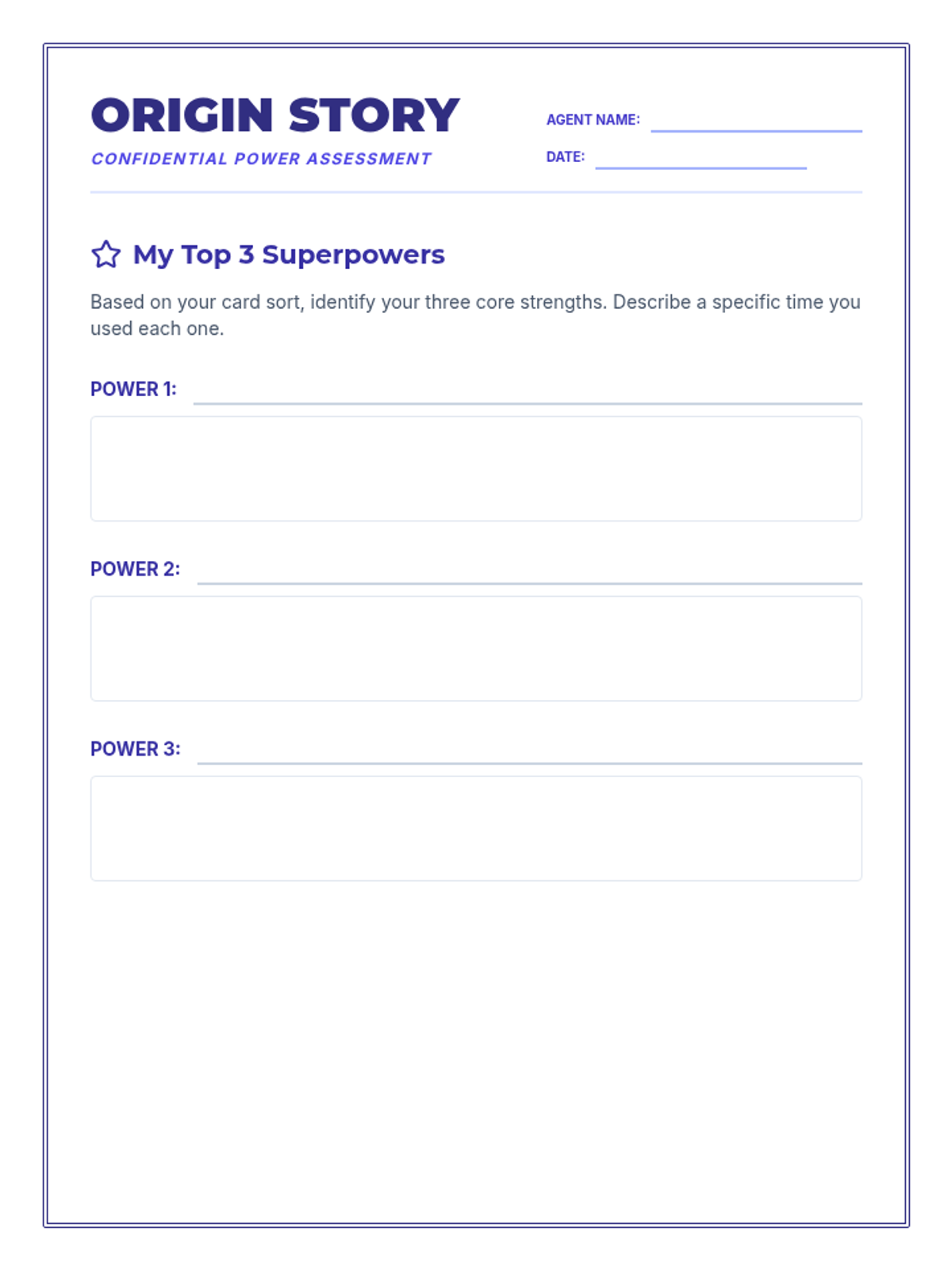
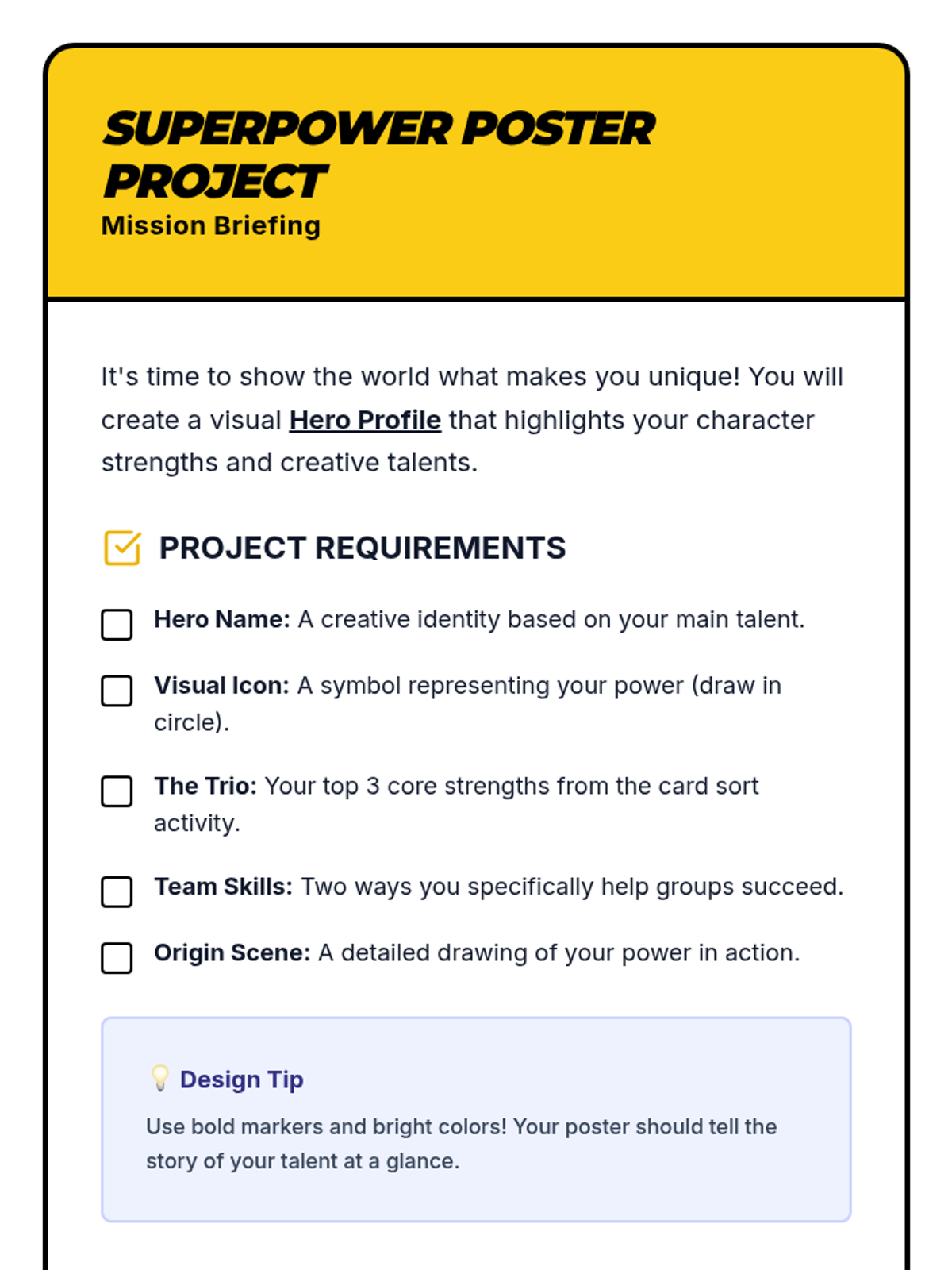
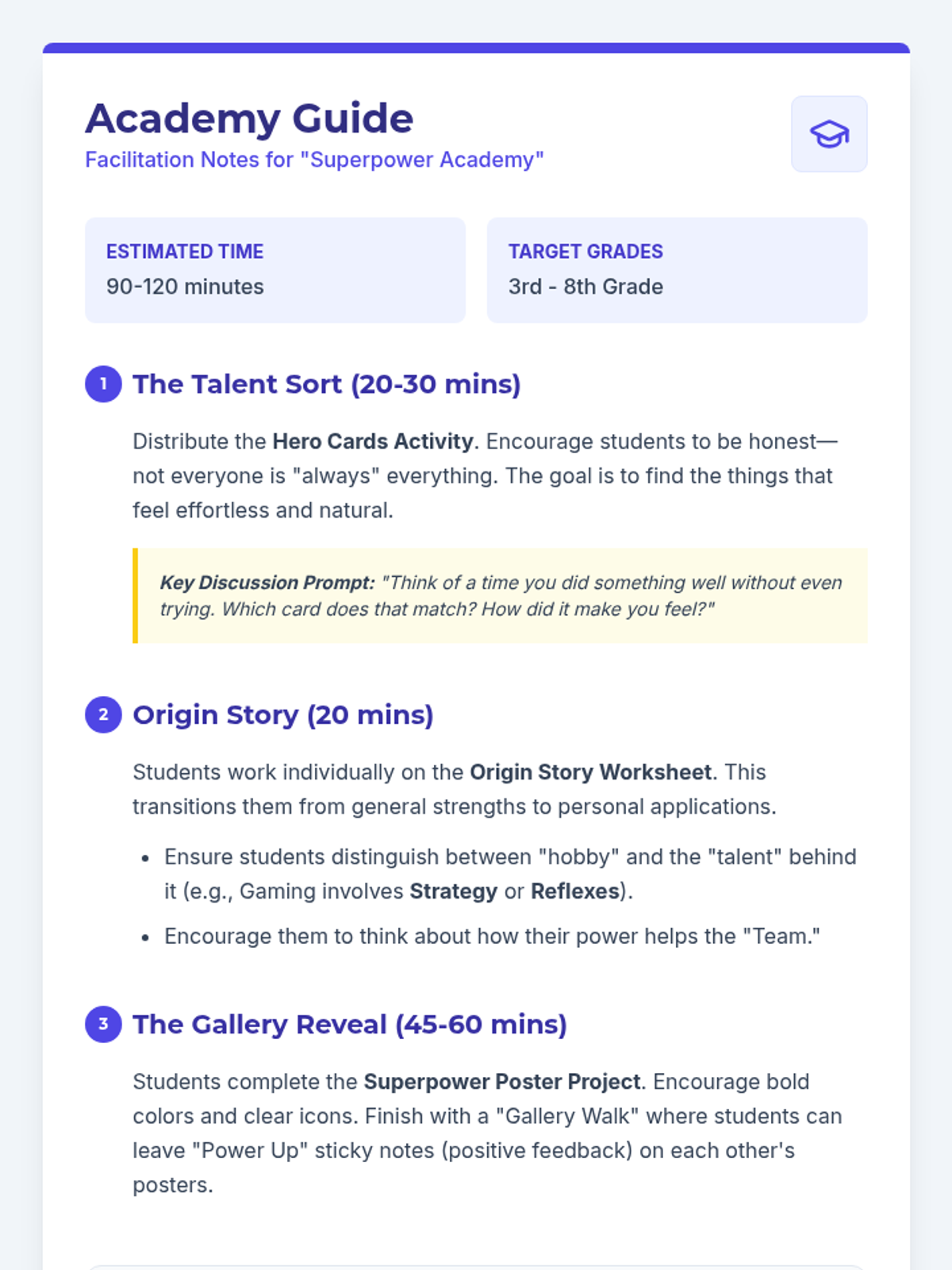
A high-energy lesson where students identify their unique character strengths, academic talents, and social skills through a collaborative card sort, self-reflection, and a creative poster project.
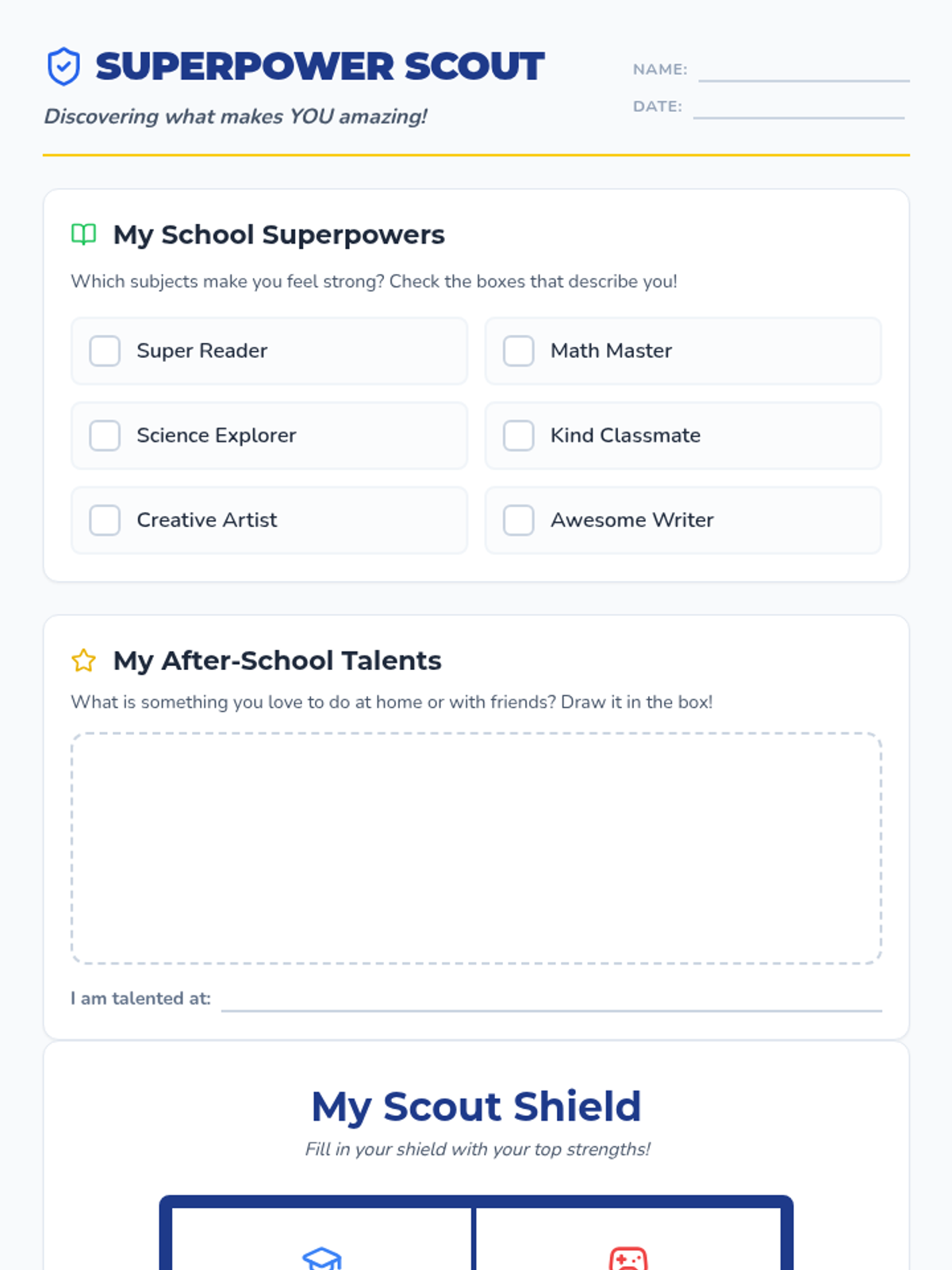
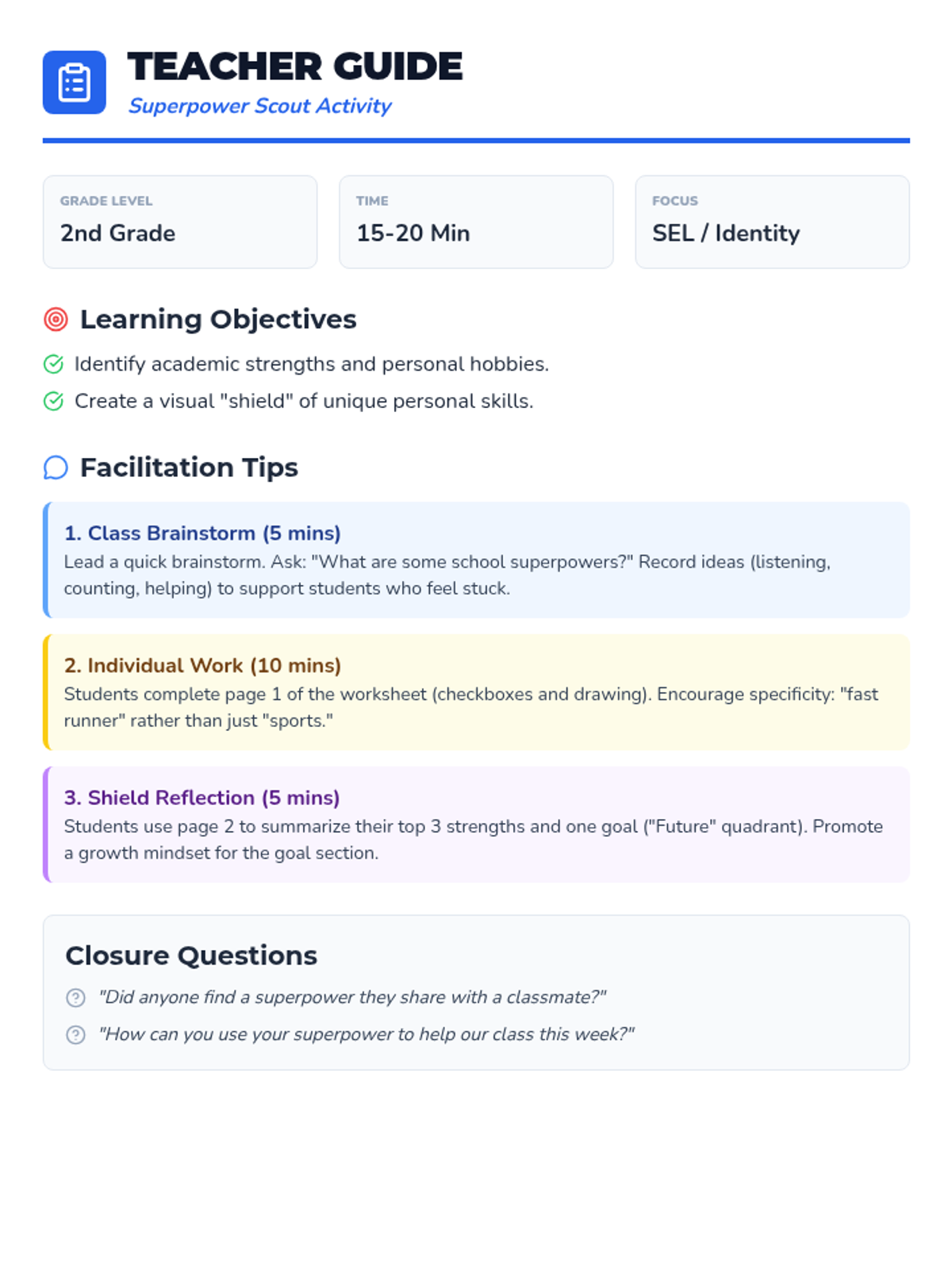
A quick individual activity for 2nd graders to explore and celebrate their unique academic strengths and personal hobbies through a creative "Superpower" theme.