A career exploration sequence for K-3 students focusing on how interests and abilities lead to different career clusters. Students will watch a teacher-created video and reflect on their own potential paths.
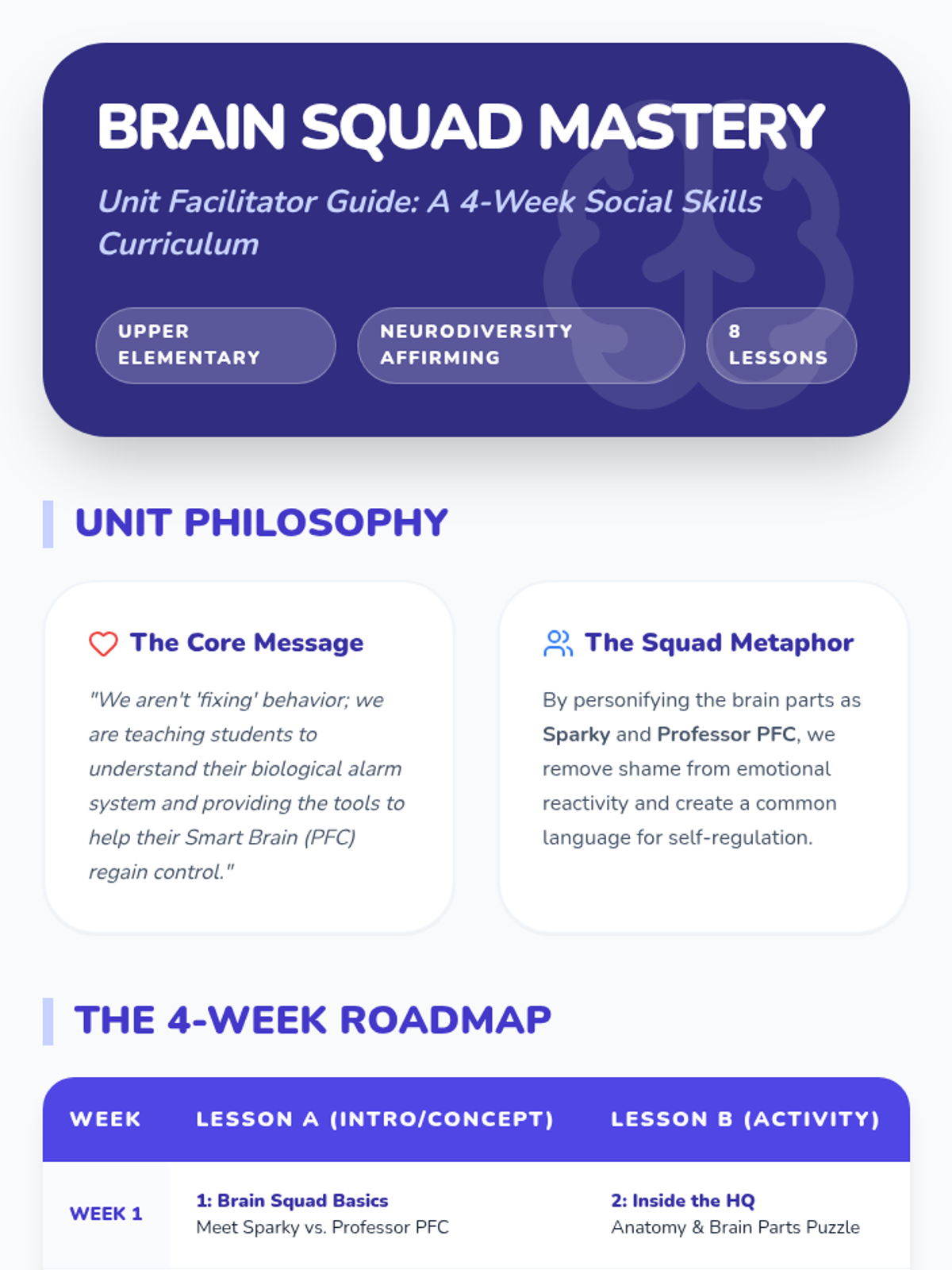
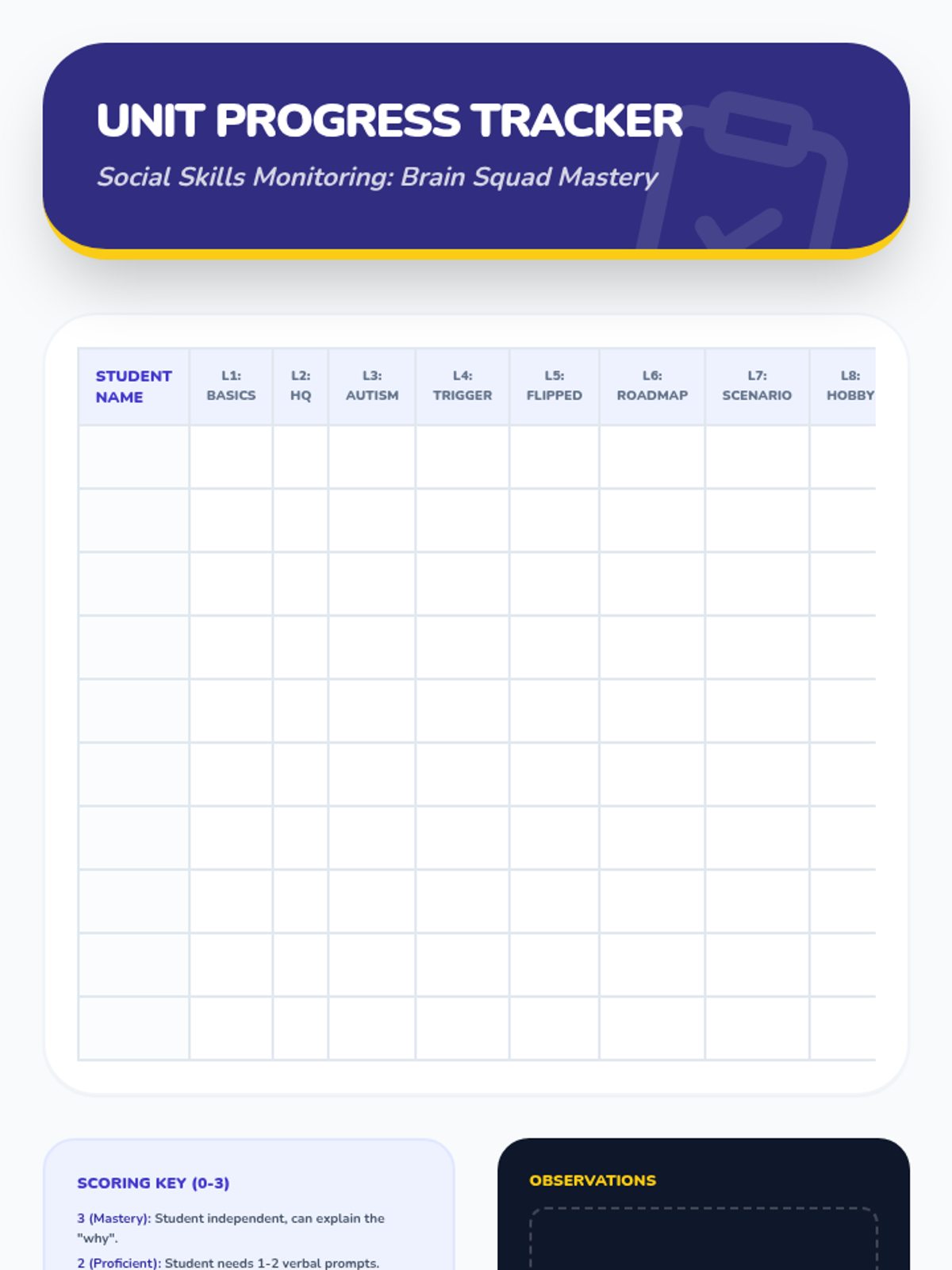
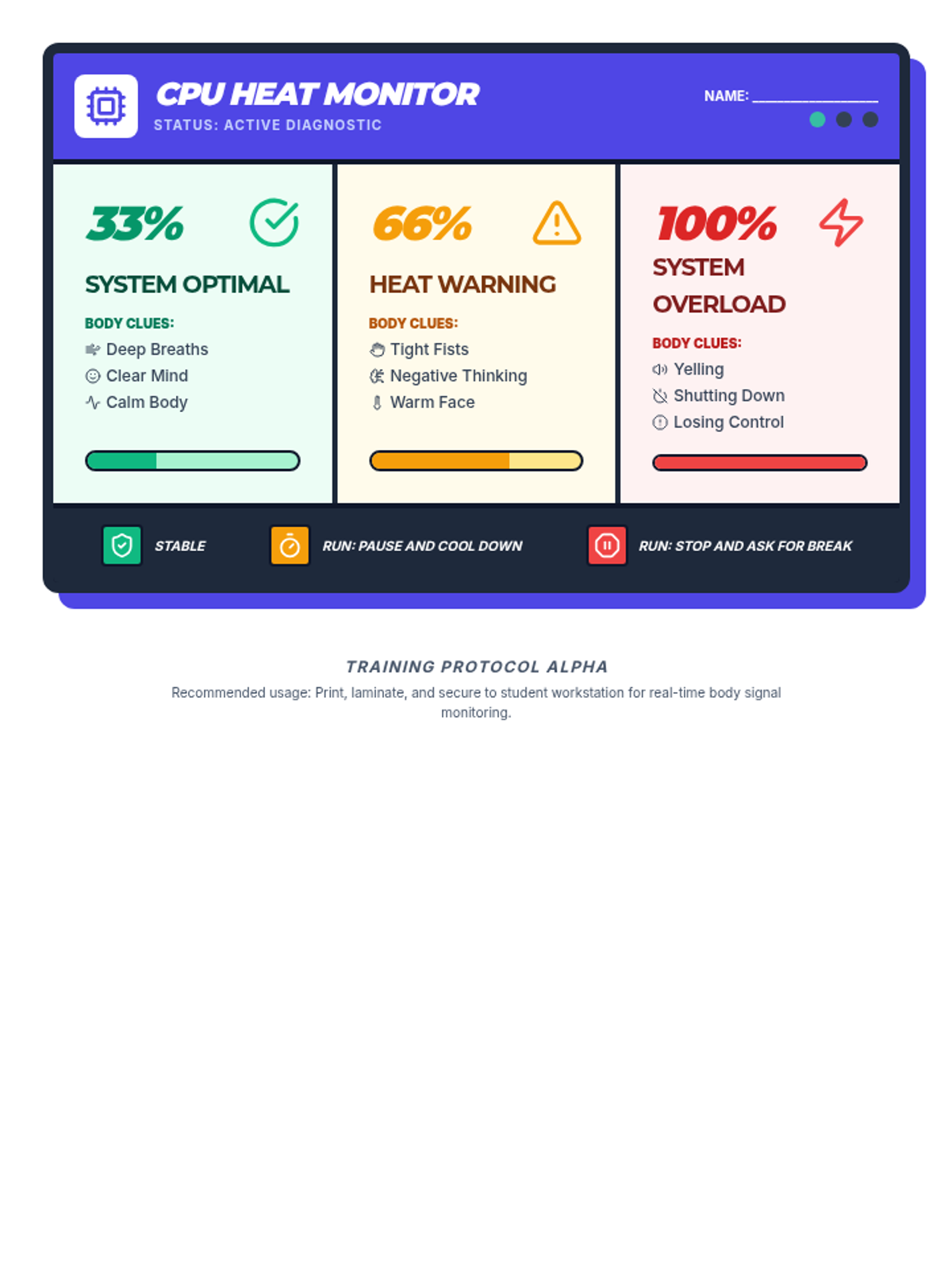
A 4-week social skills unit (8 lessons) teaching students to distinguish between their emotional brain and smart brain, focusing on regulation strategies, autism-specific challenges, and positive outlets.
A 10-week Tier 3 individualized intervention for a 2nd-grade student, focusing on social-emotional skills like empathy, self-regulation, and honesty through a 'Quest Master' gaming theme.
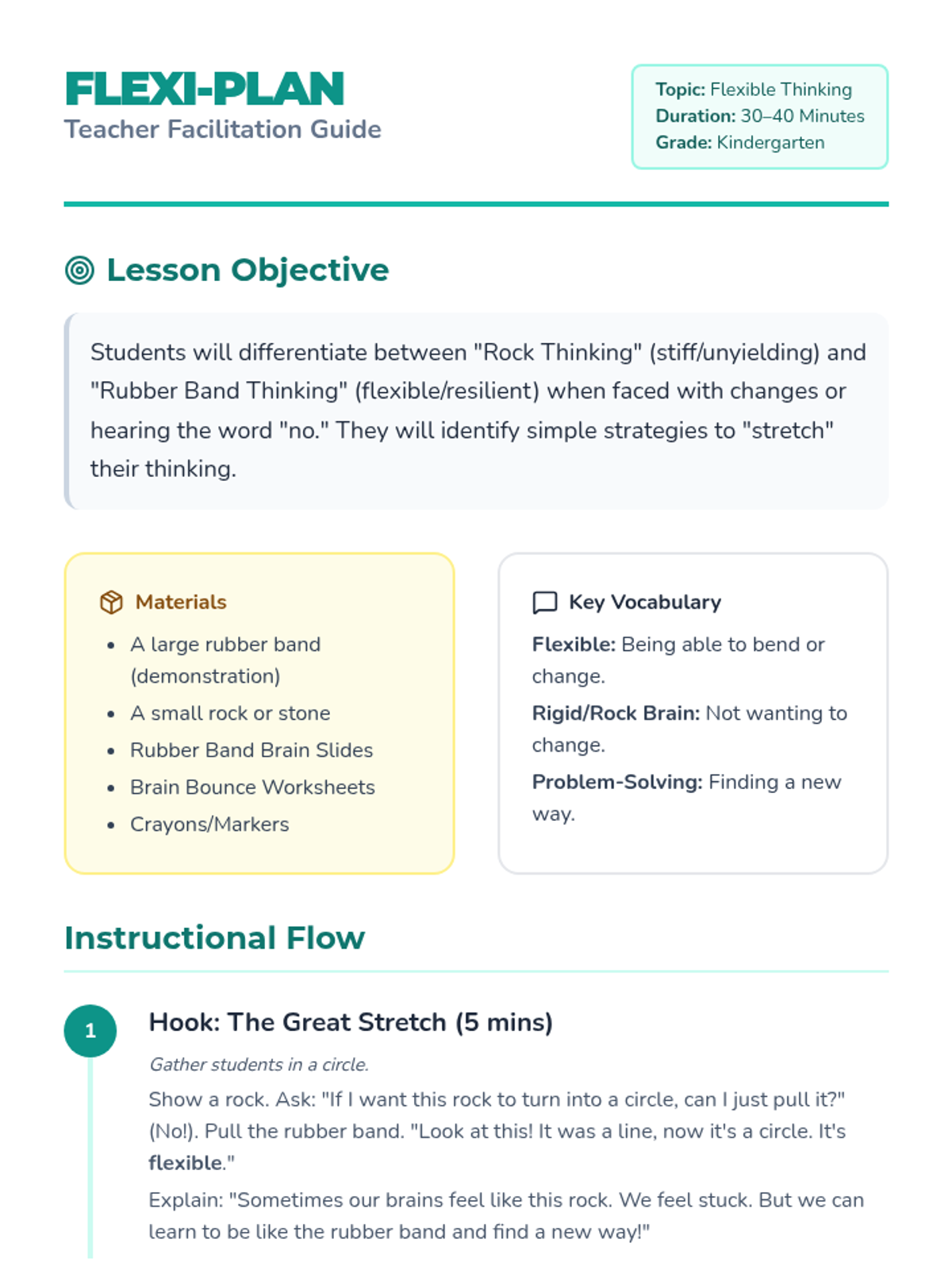
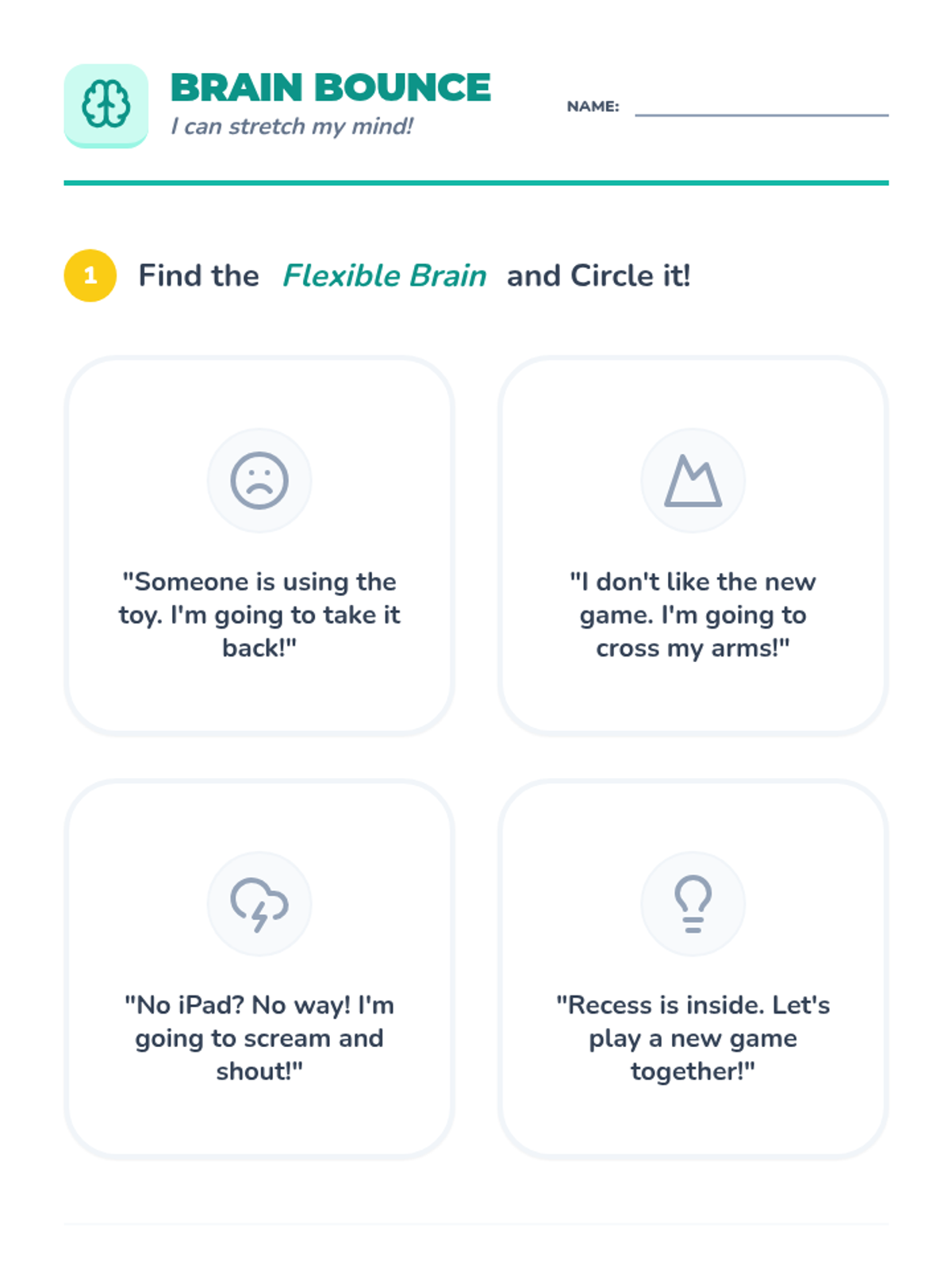
A social-emotional learning sequence focused on developing flexible thinking and resilience in young learners. This sequence helps students transition from "rock thinking" to "rubber band thinking" when facing changes or hearing "no".
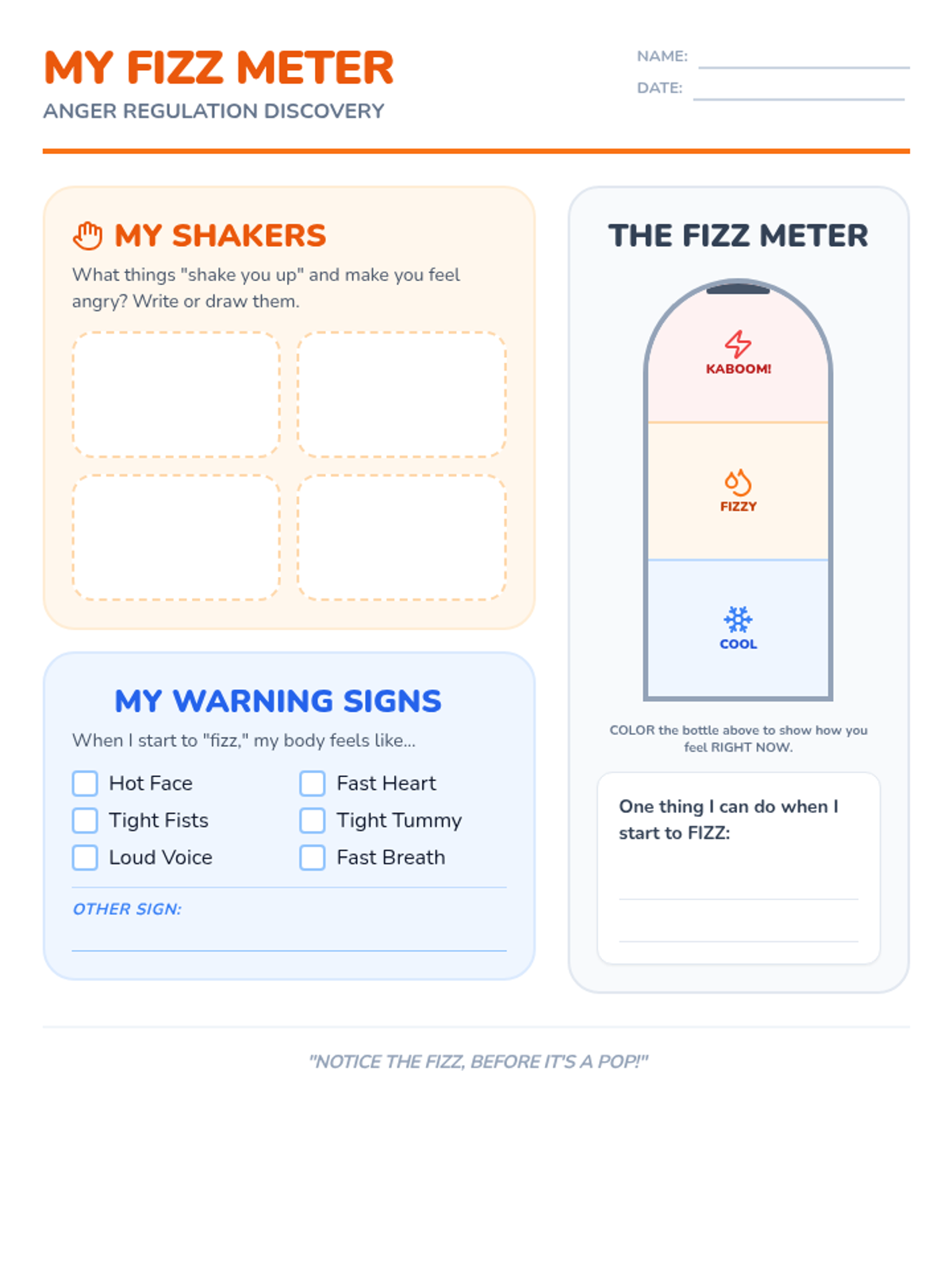
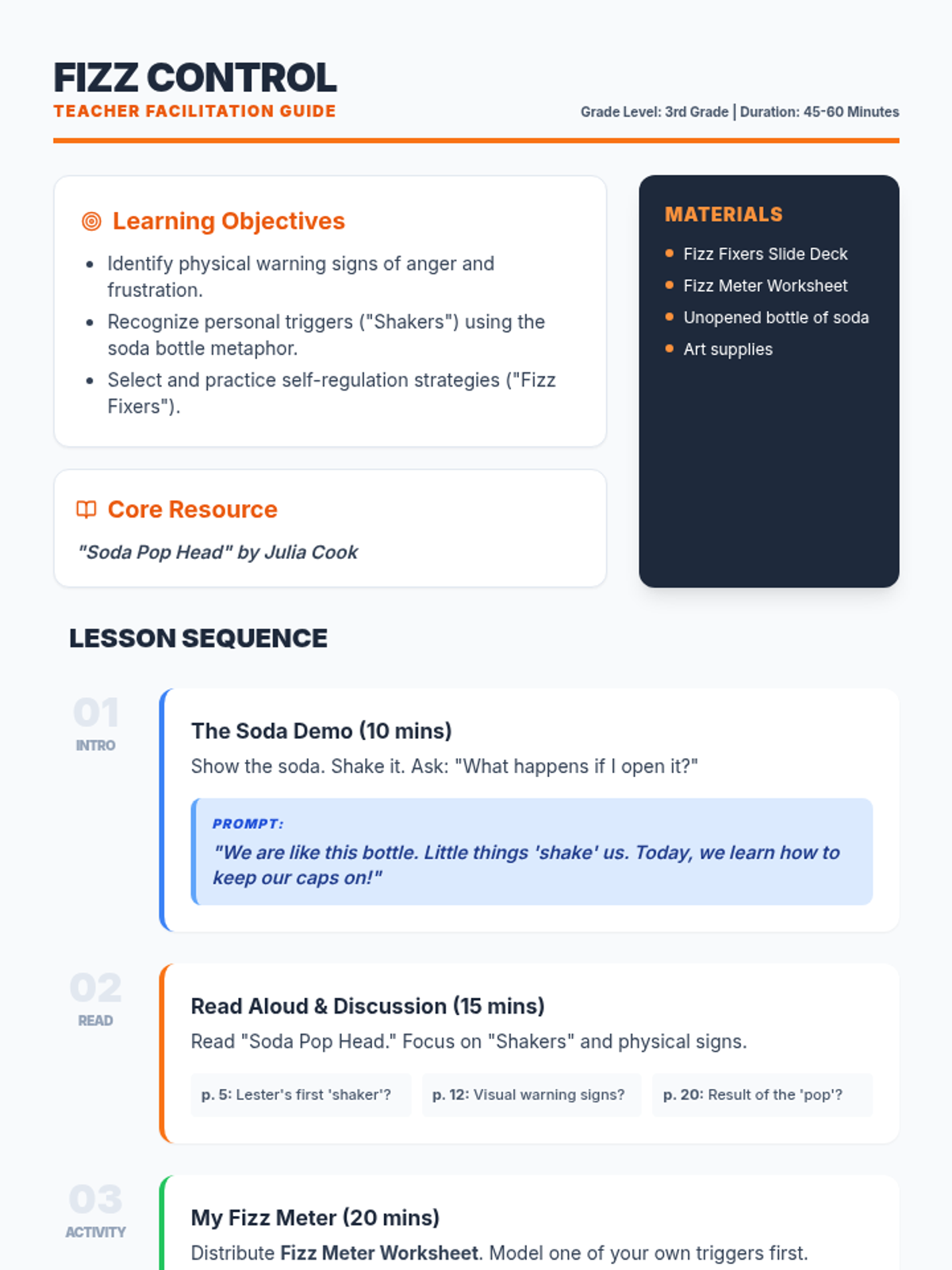
A series of lessons designed to help elementary students understand and manage their emotions, focusing on self-awareness and self-regulation techniques.
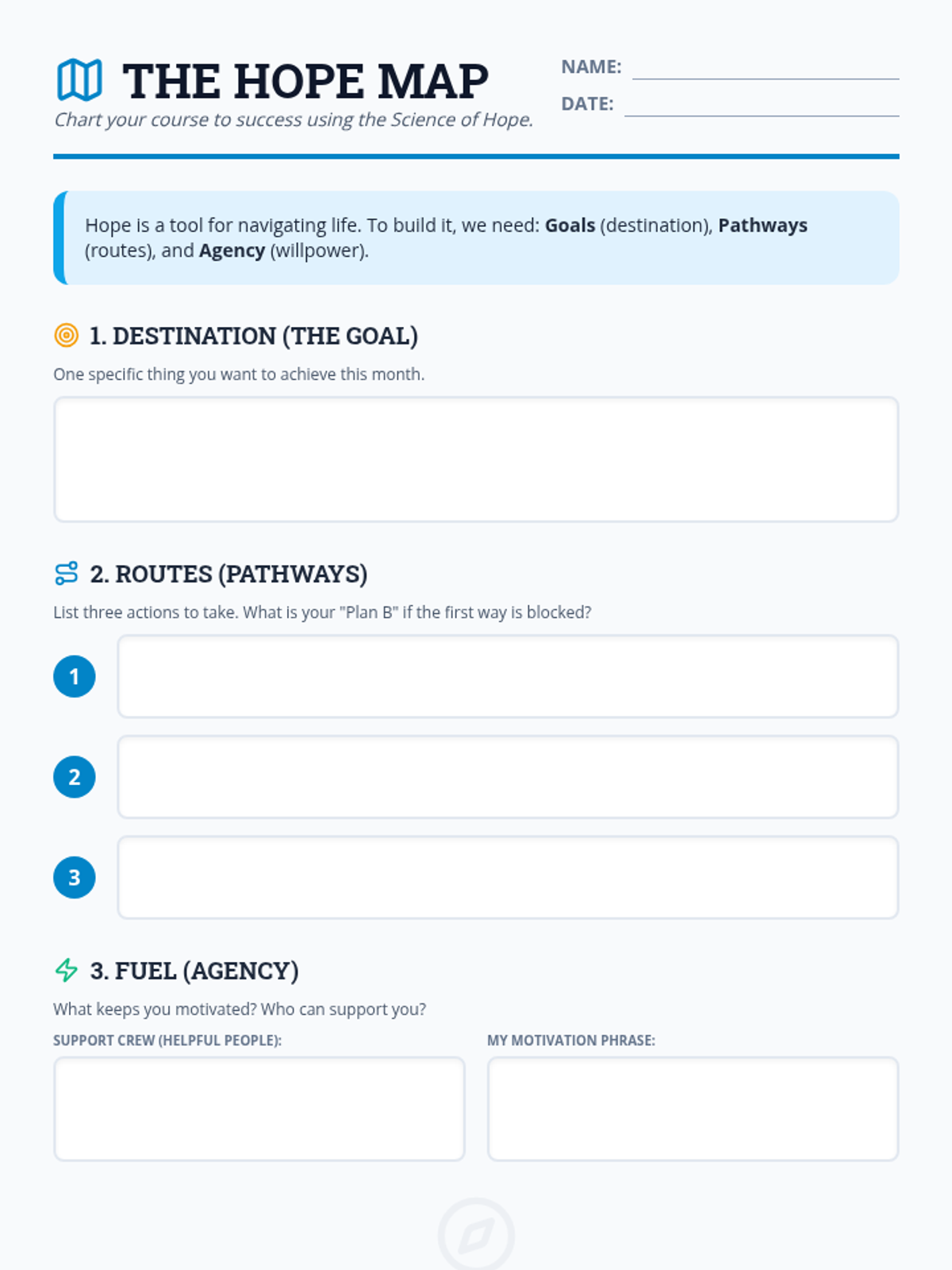
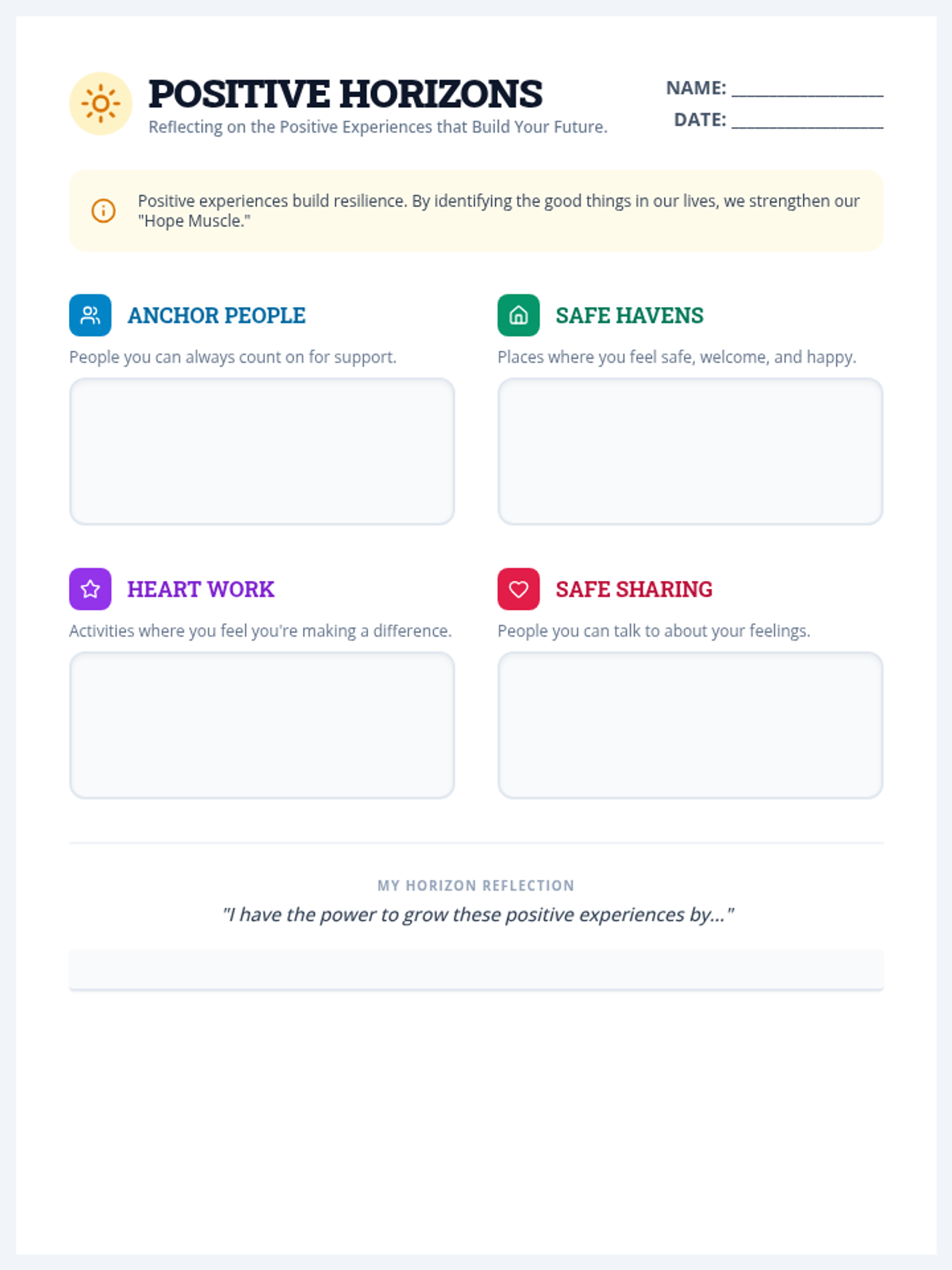
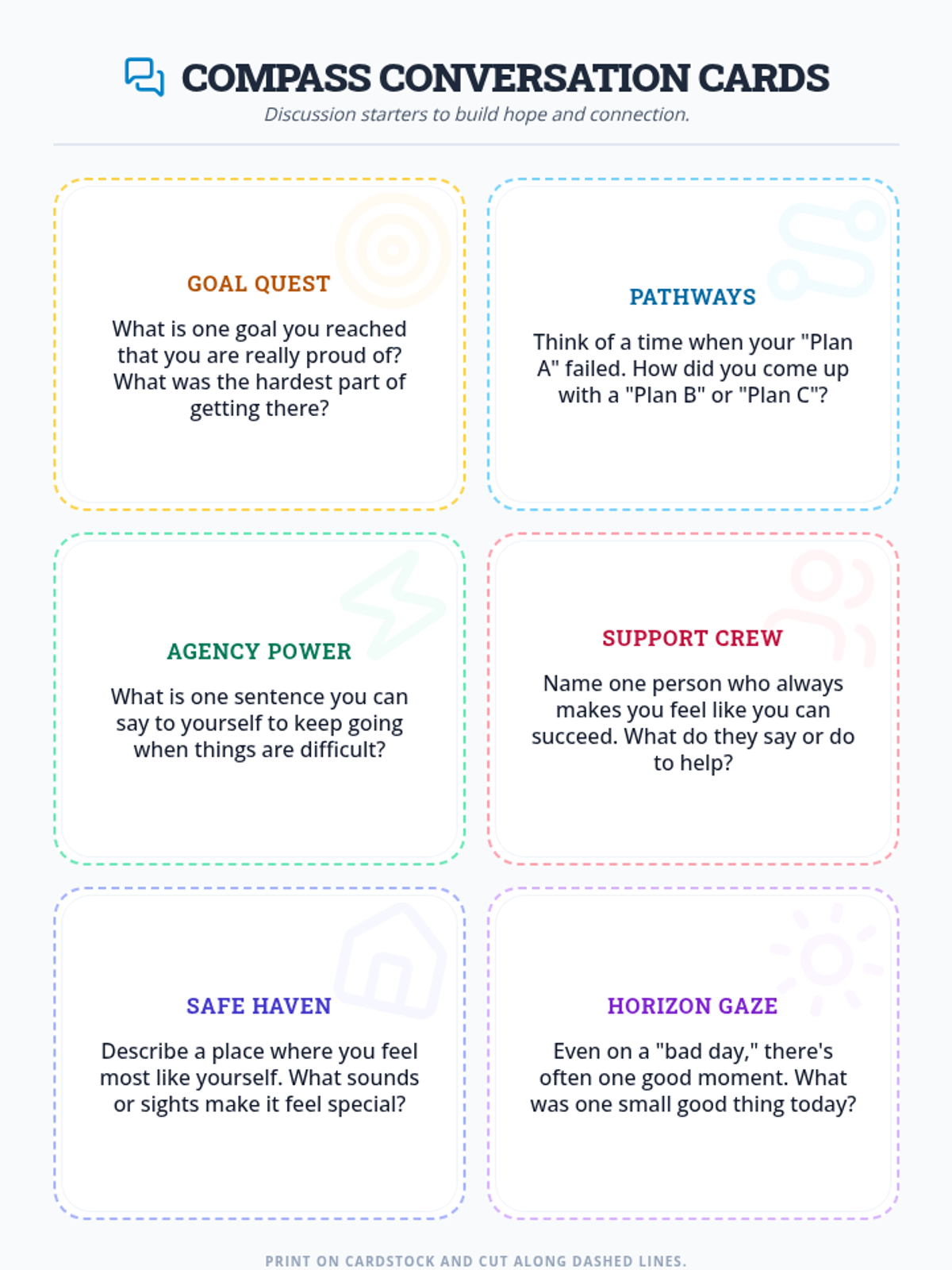
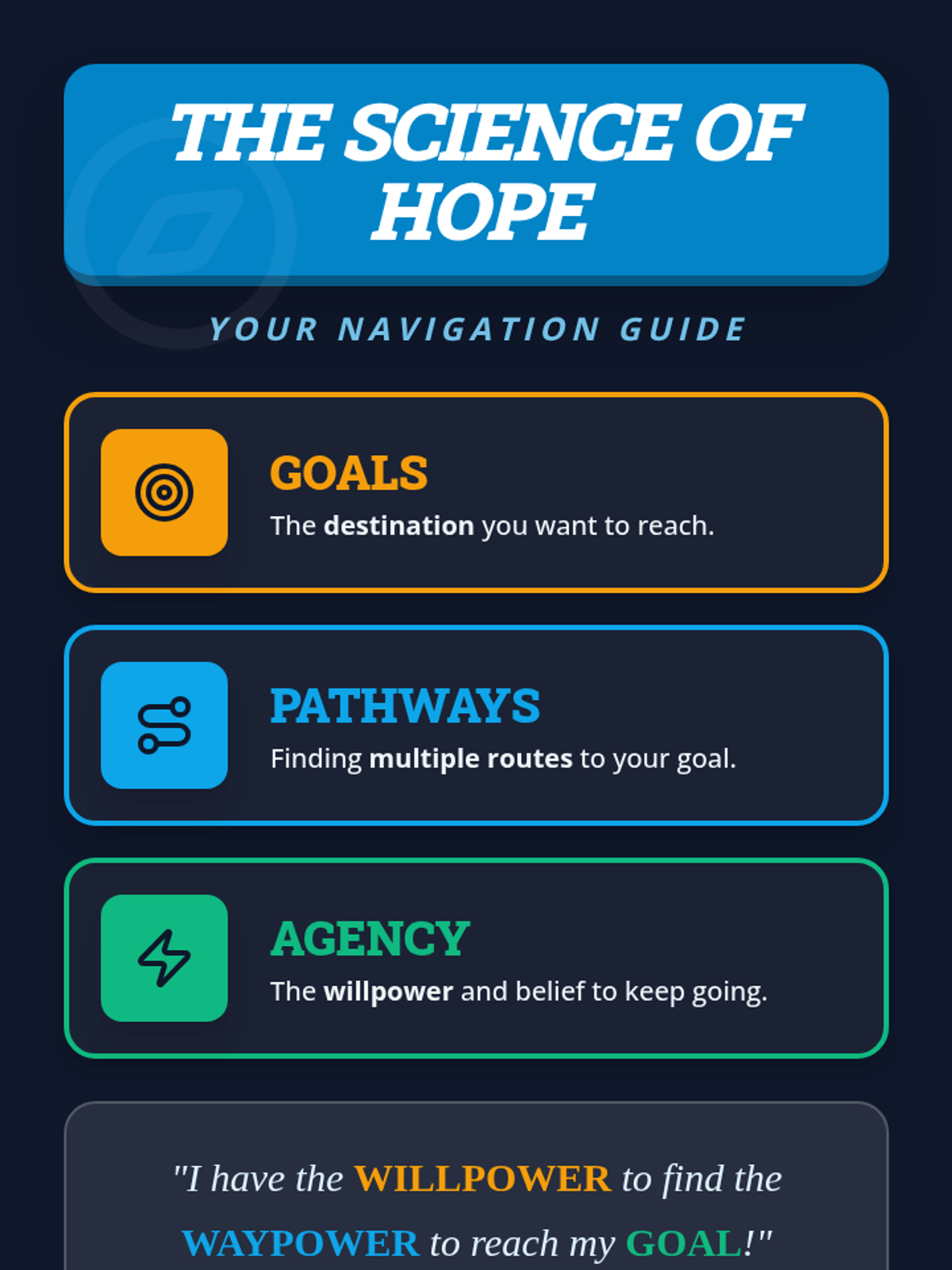
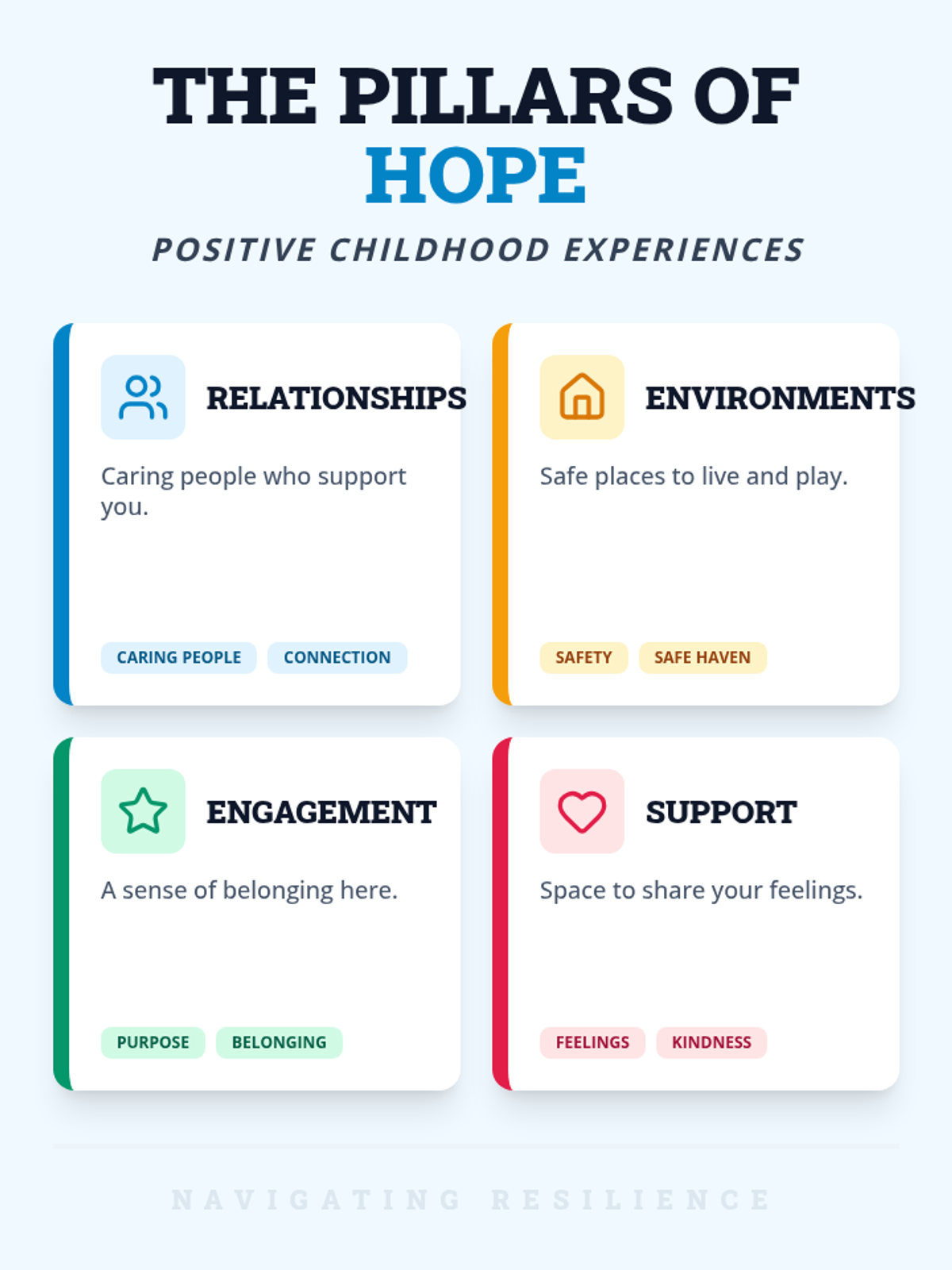
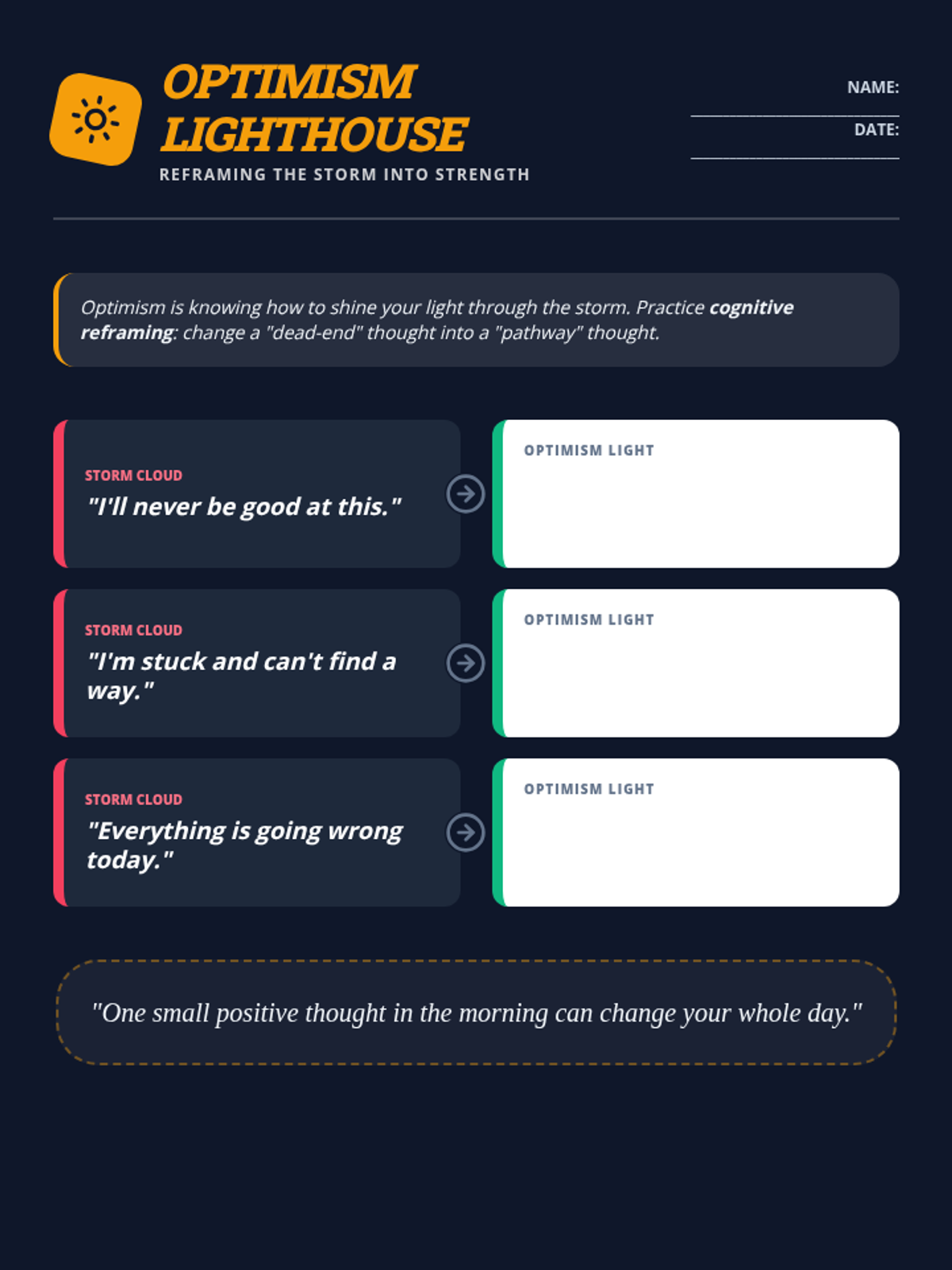
A comprehensive unit focused on building psychological hope through the Science of Hope (Goals, Pathways, Agency) and the HOPE framework (Healthy Outcomes from Positive Experiences). This sequence empowers students to set meaningful goals, identify ways to achieve them, and recognize the positive resources in their lives.
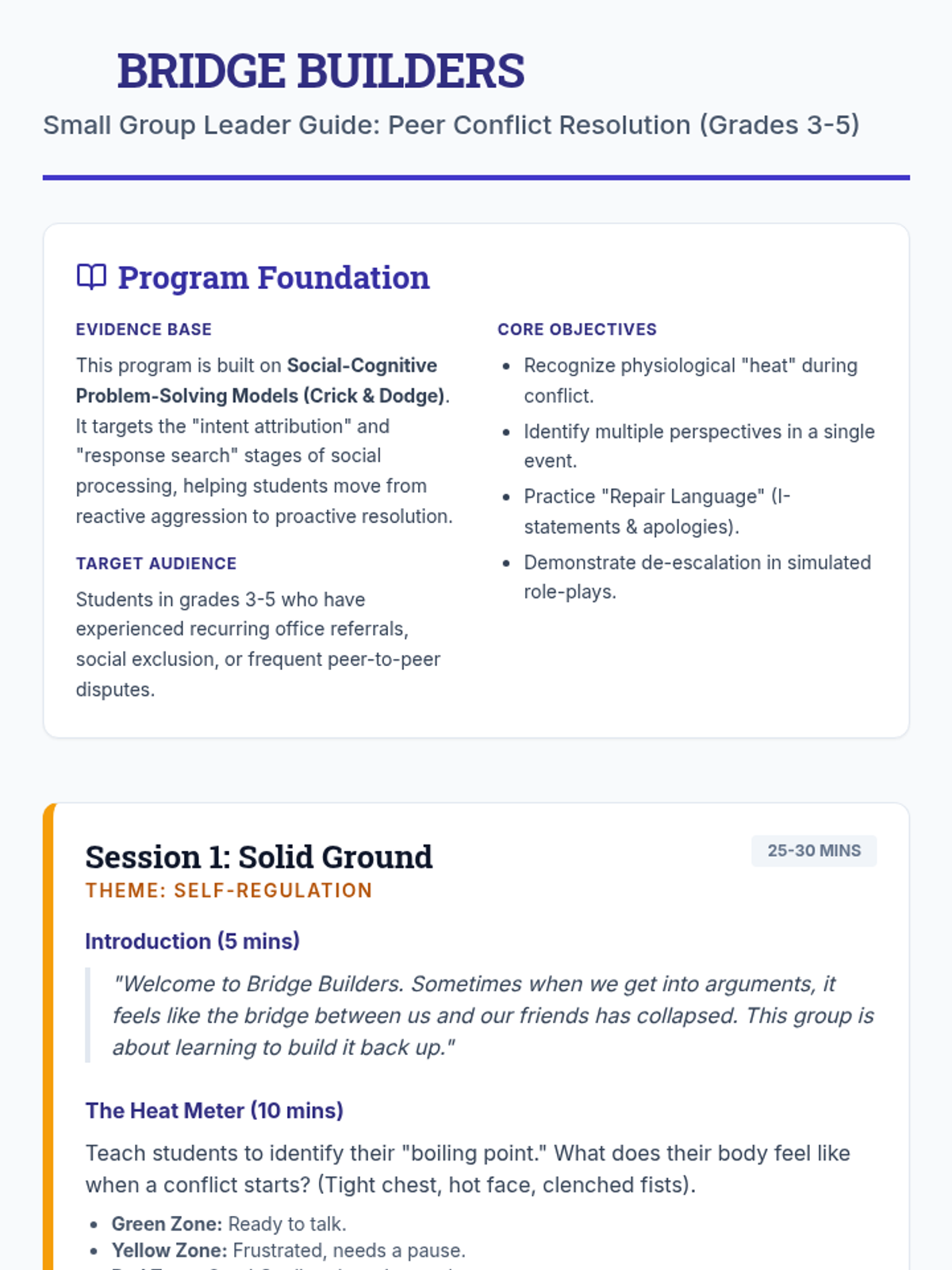
A 4-session small-group counseling program for grades 3-5 focusing on self-regulation, perspective-taking, and repair language for students with recurring social challenges.
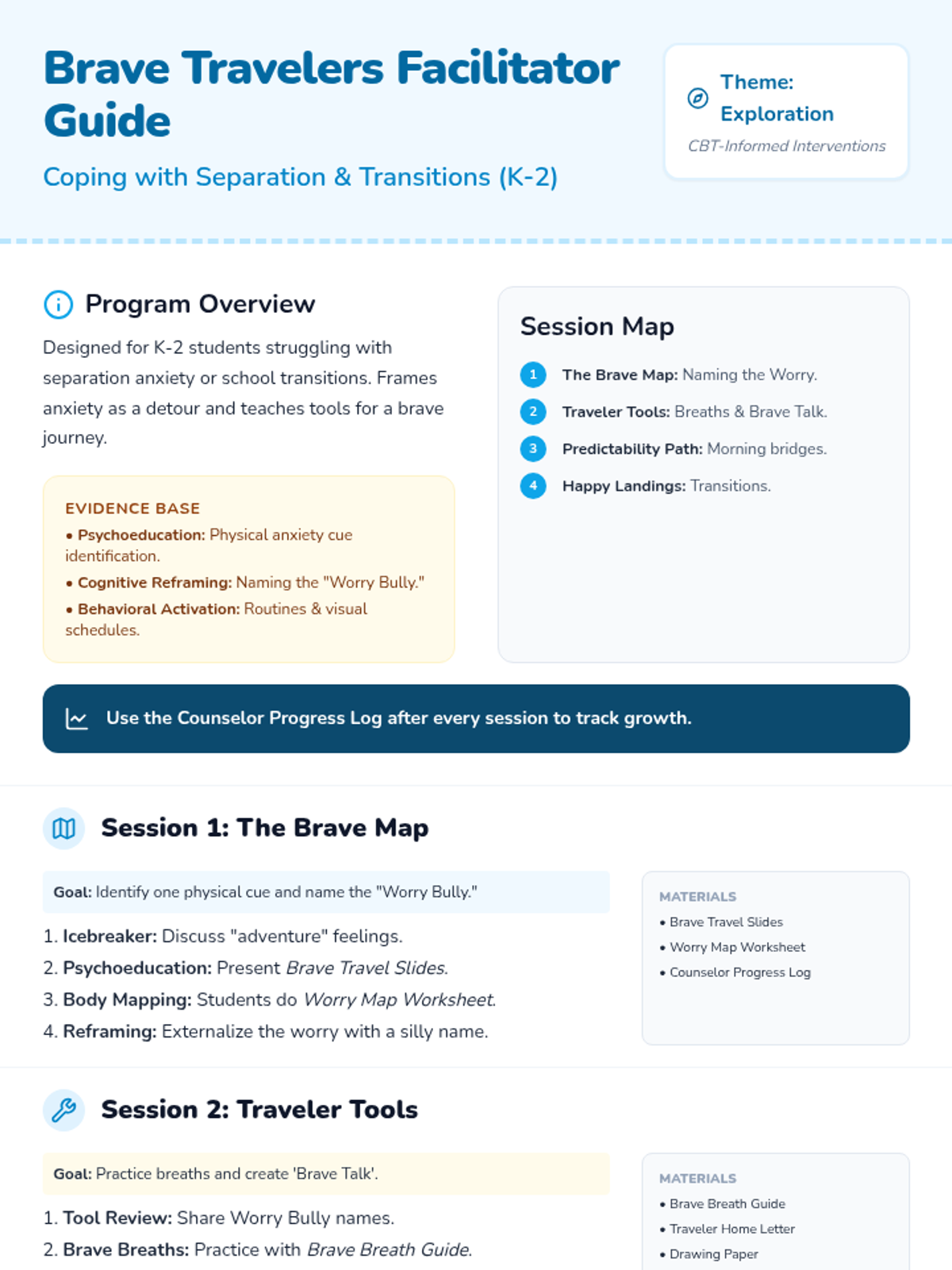
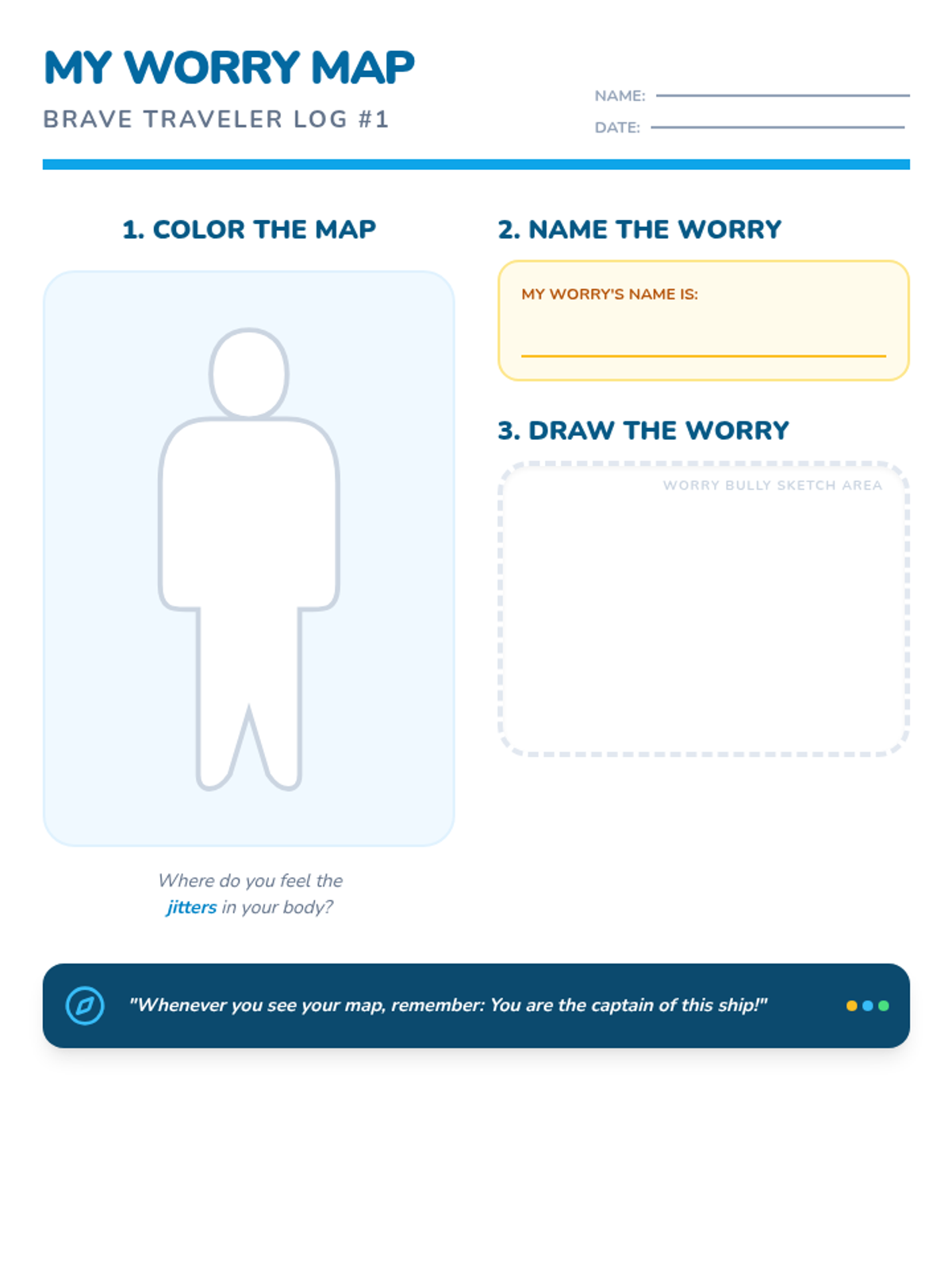
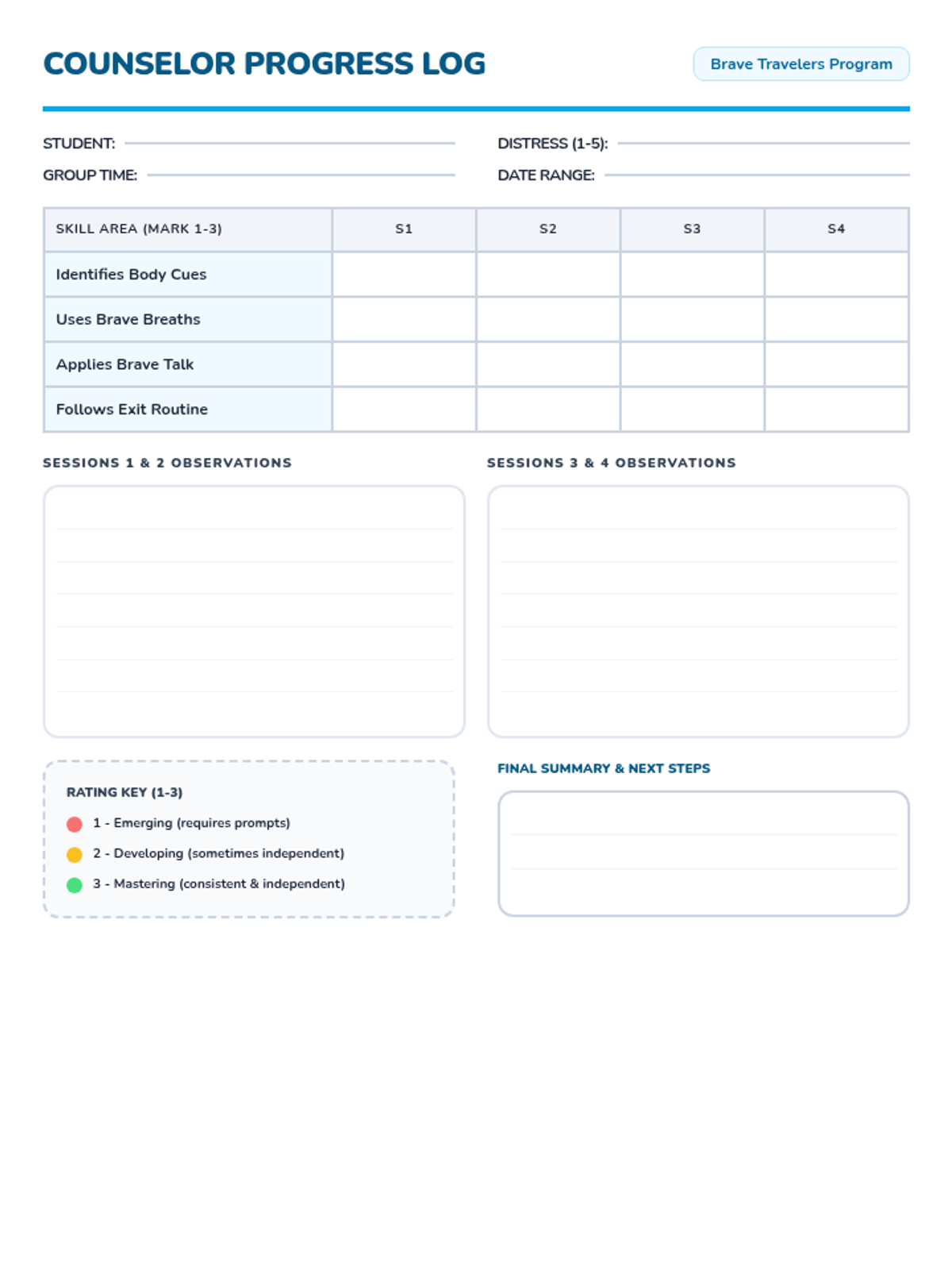
A 4-session CBT-informed small group counseling plan designed for K-2 students experiencing separation anxiety and transition-related distress. The sequence uses a 'Brave Travelers' theme to teach psychoeducation, coping skills, predictability routines, and celebration of growth.
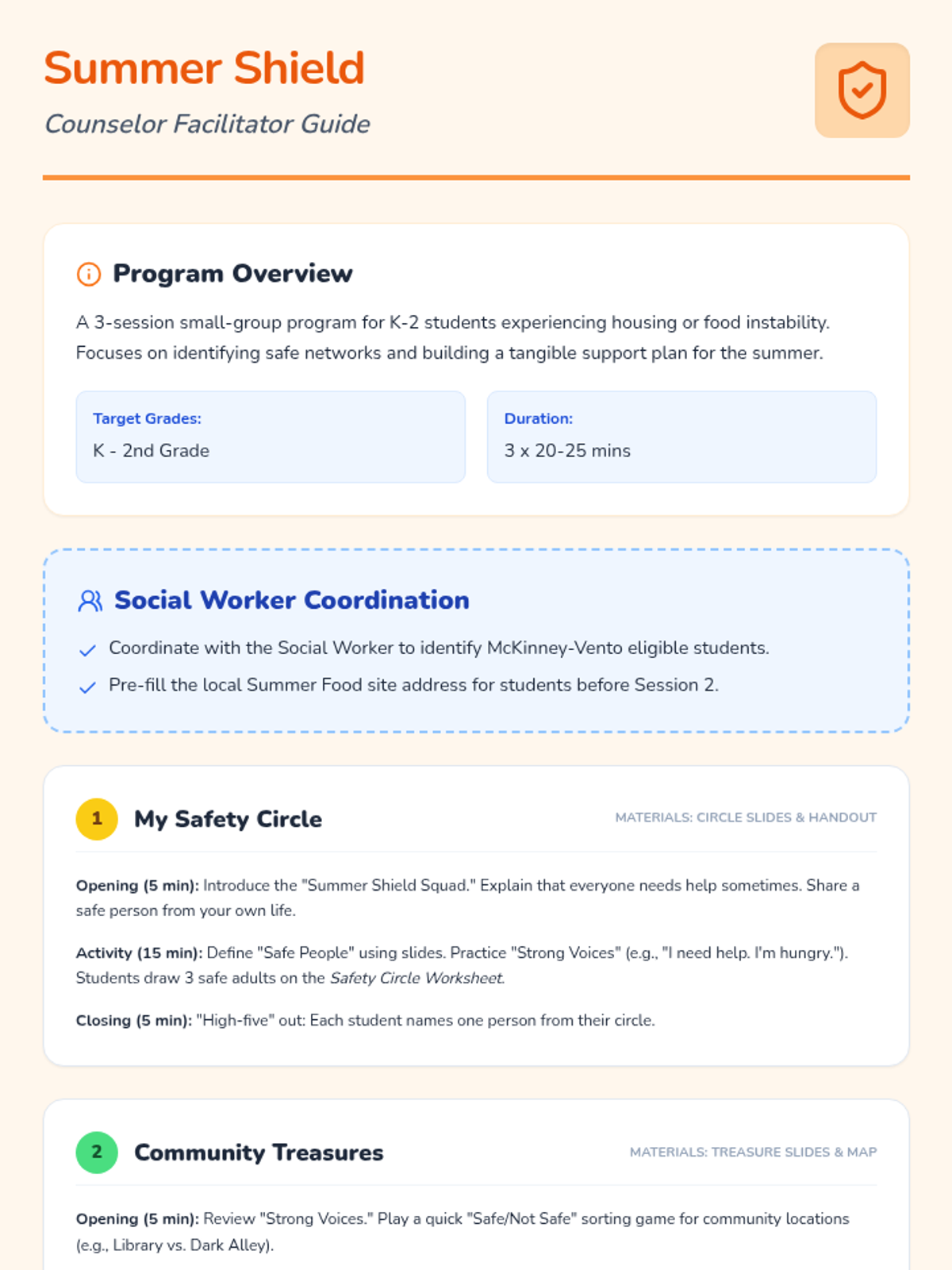
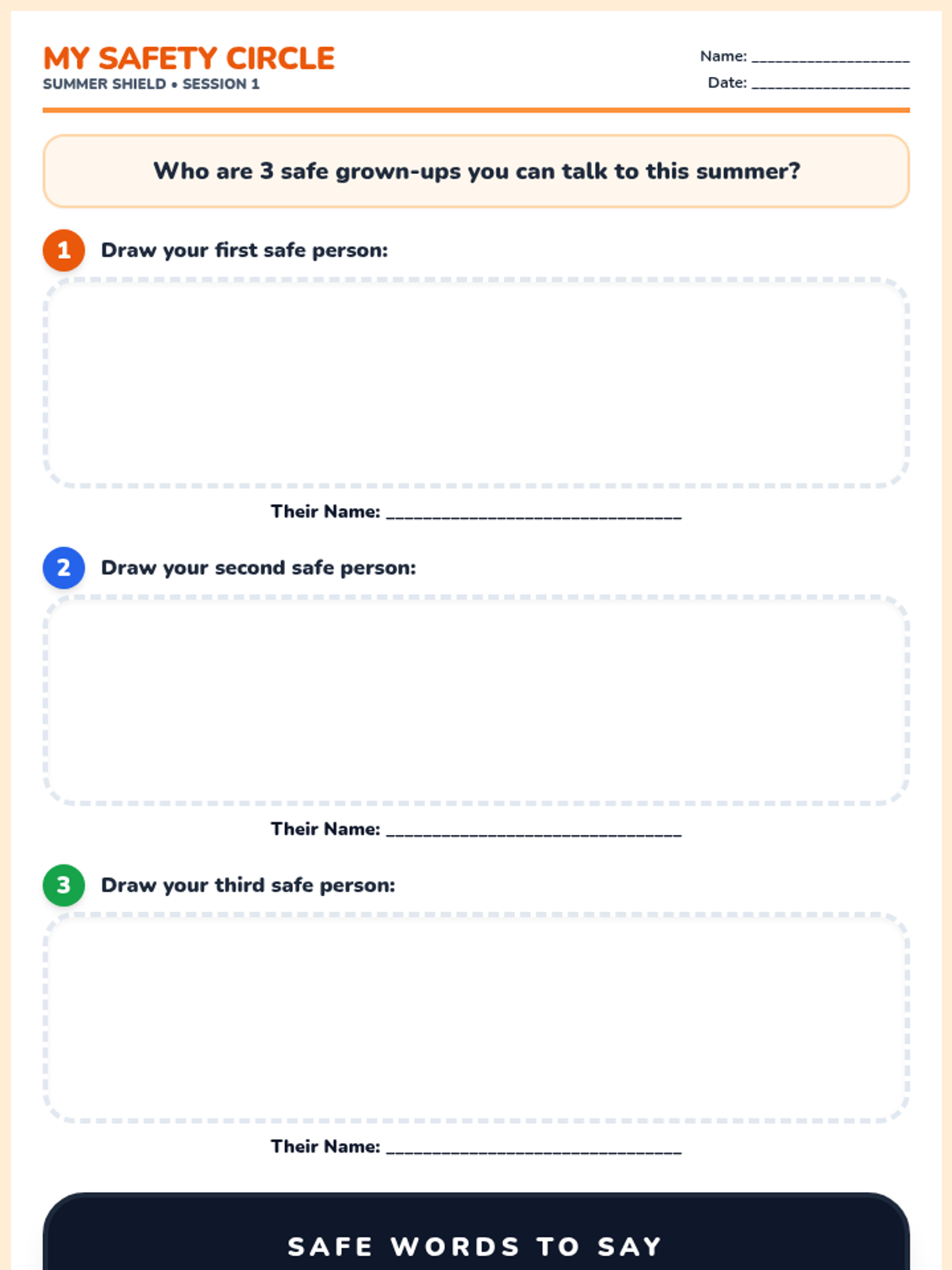
A 3-session small-group counseling program for K-2 students experiencing housing or food instability, focusing on building a tangible summer safety plan with Massachusetts-specific resources.
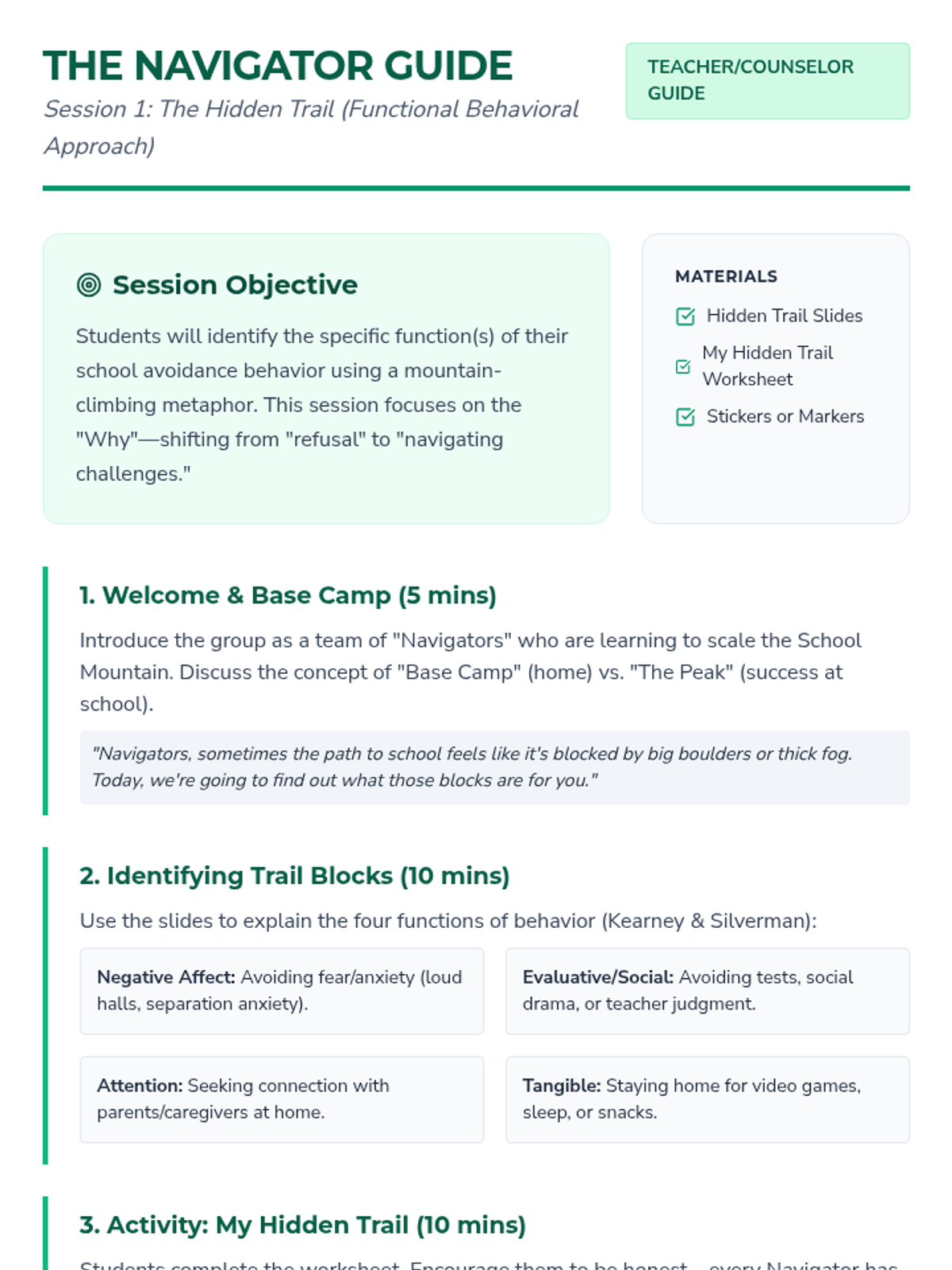
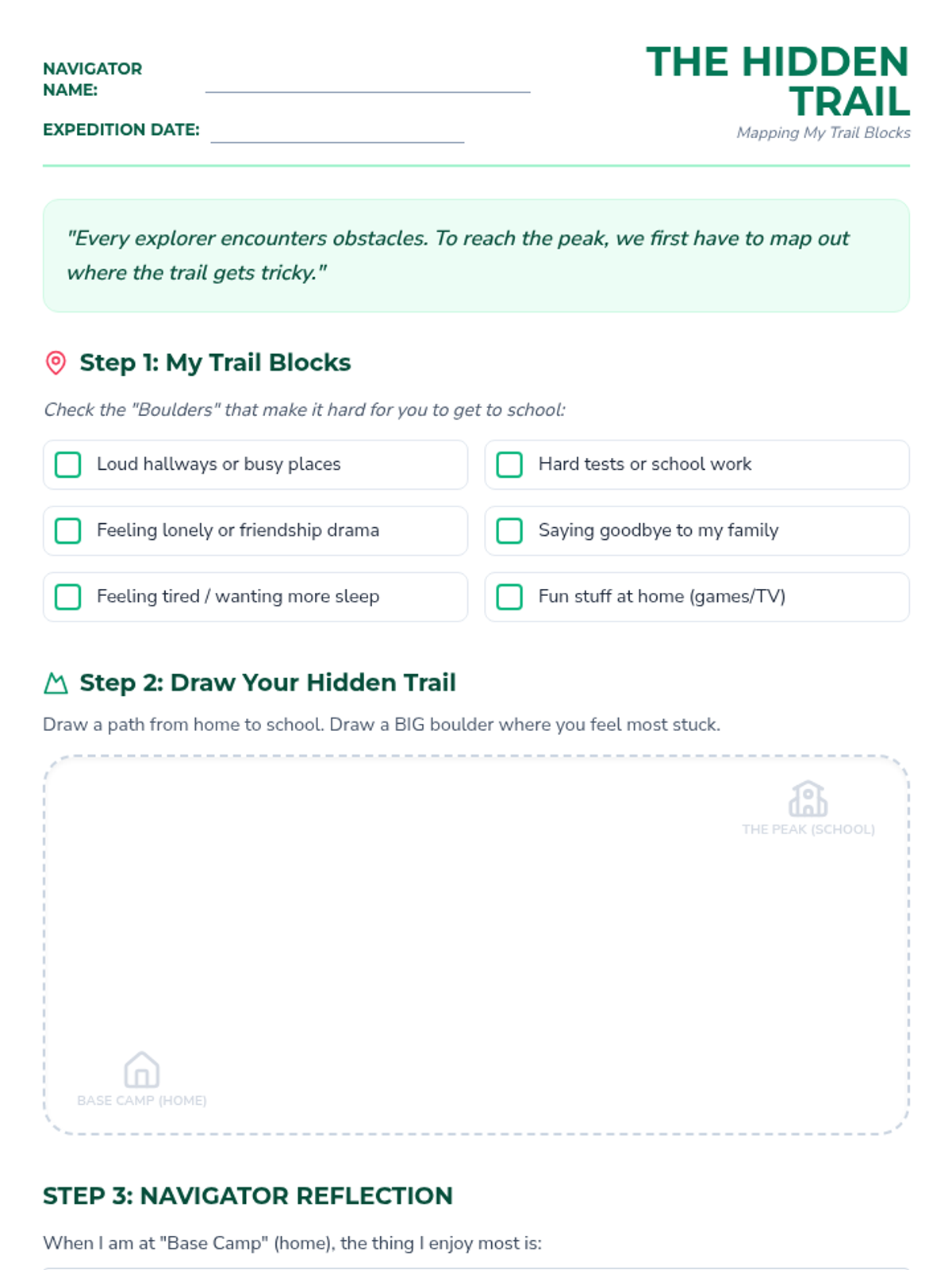
A 4-session small-group counseling program for grades 3-5 focused on identifying functional triggers for school avoidance, building coping strategies, and preparing for a successful fall transition. The program utilizes a mountain-climbing theme to empower students as 'navigators' of their own school journey.
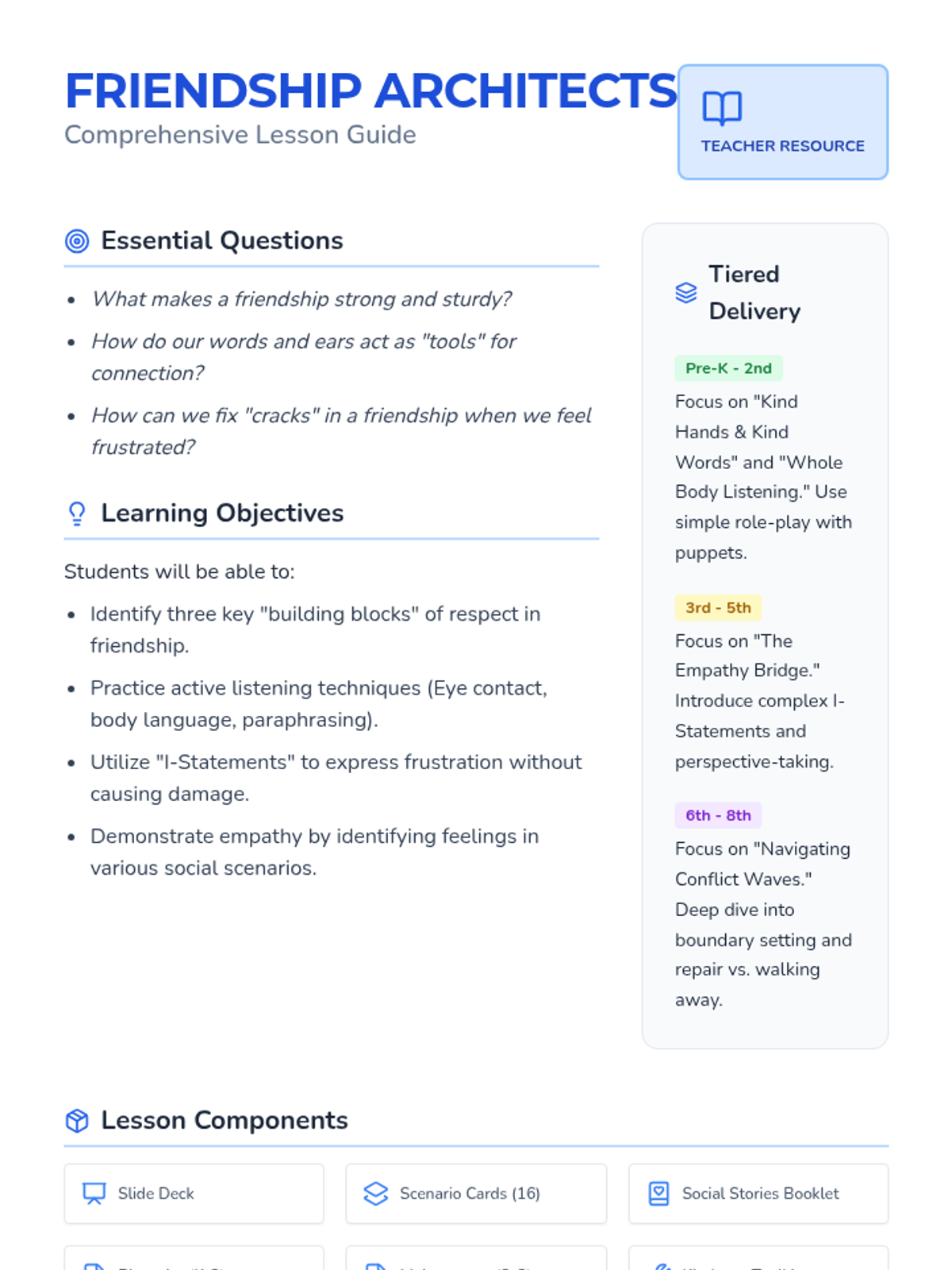
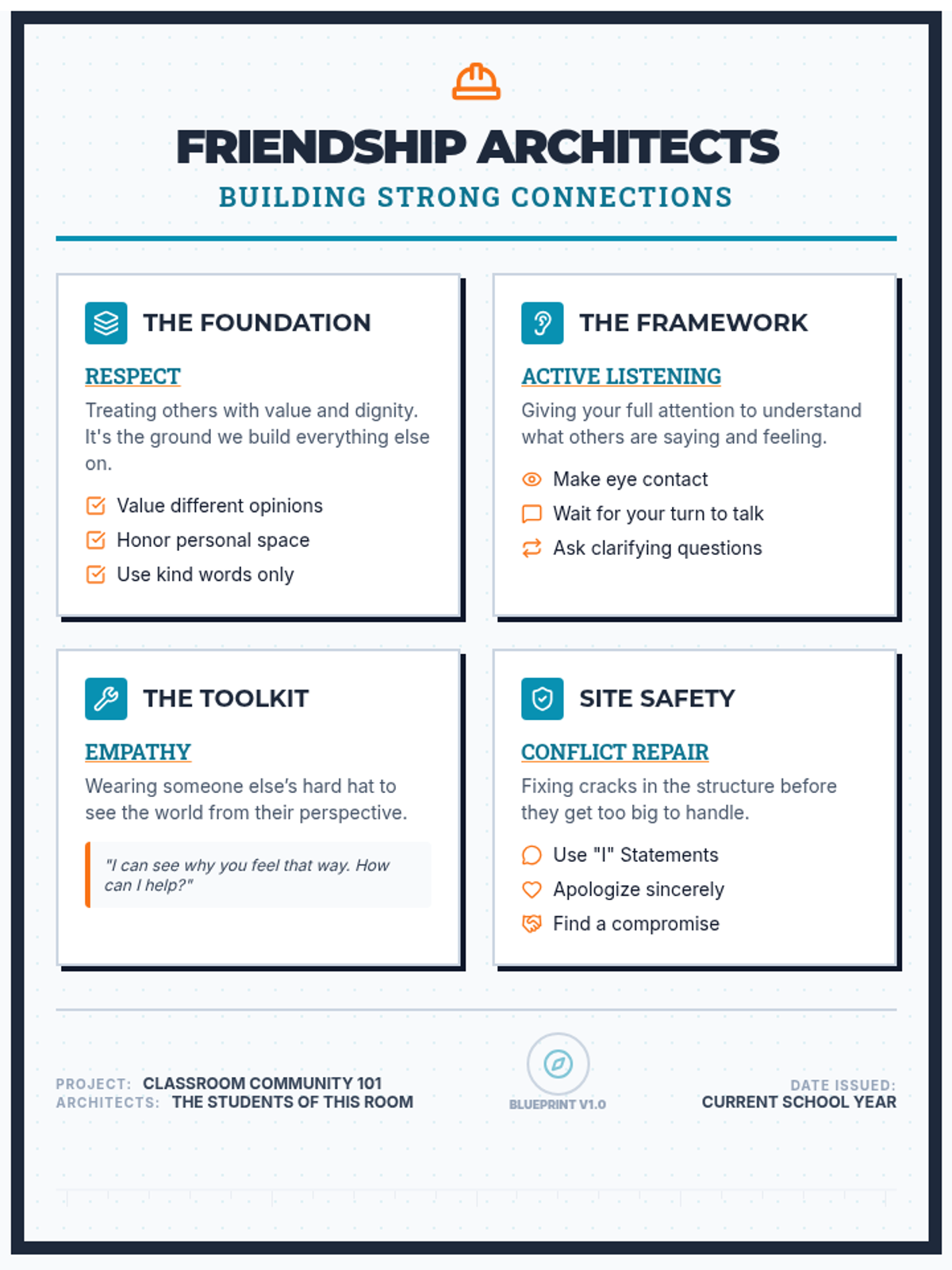
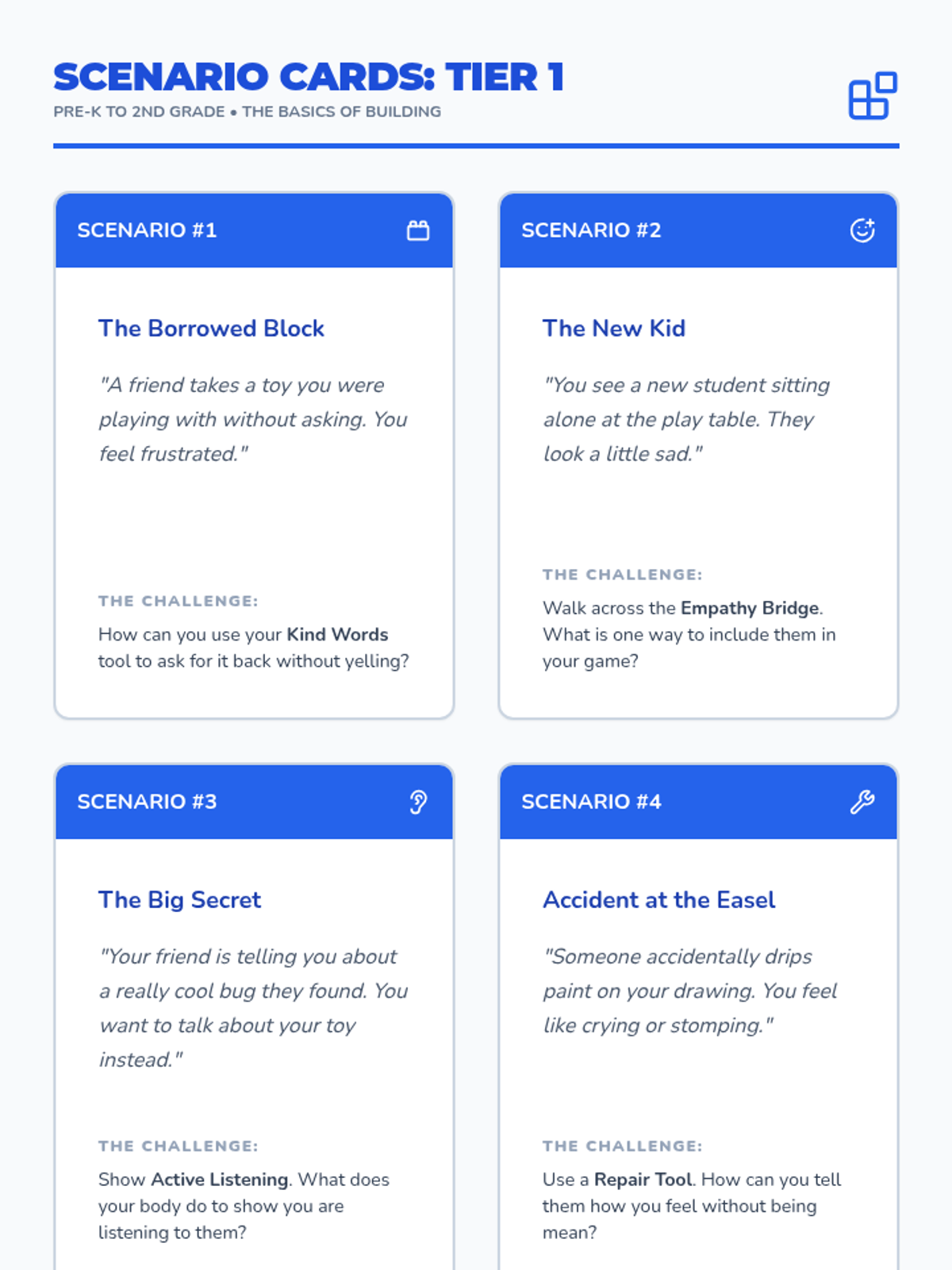
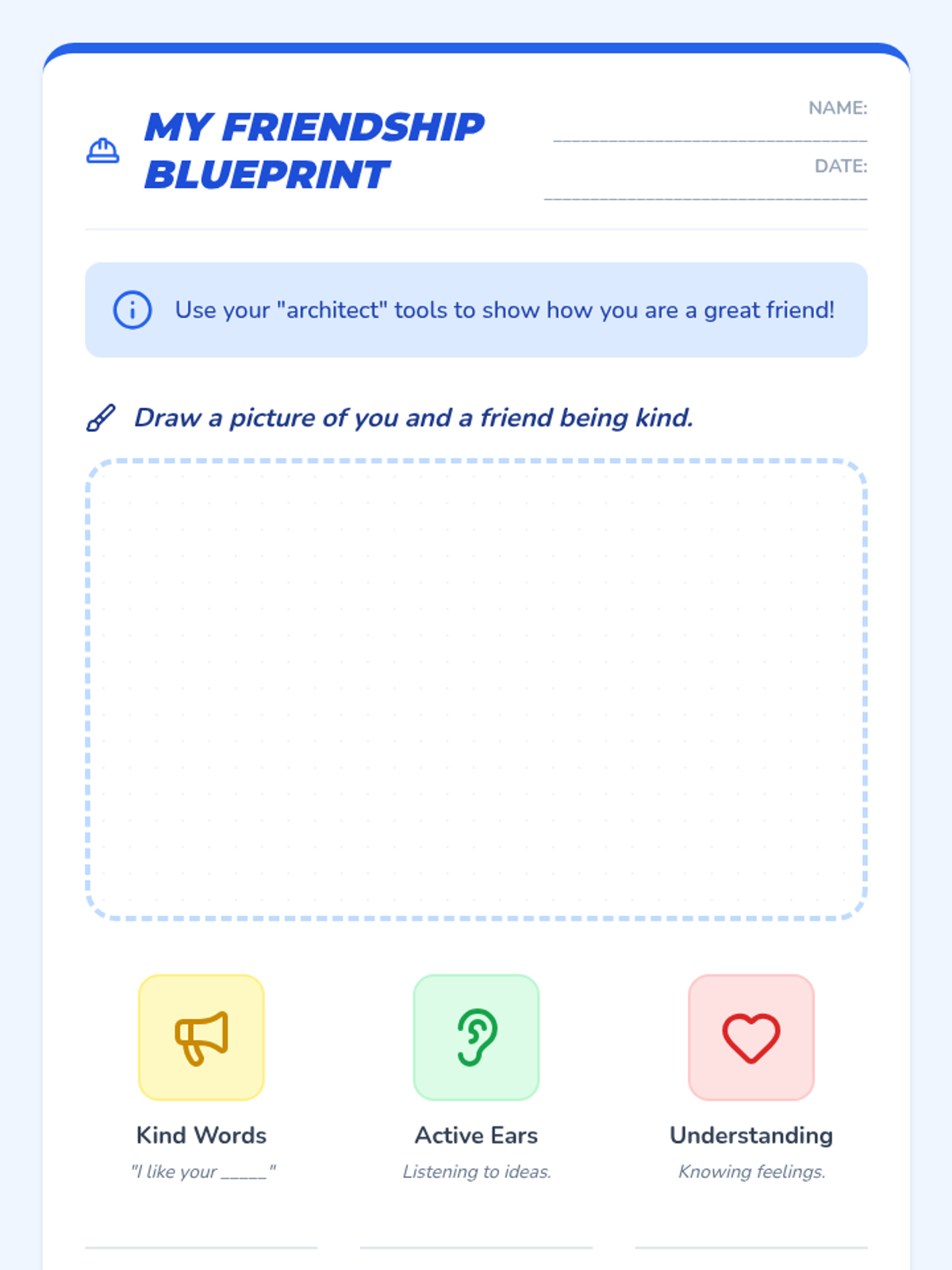
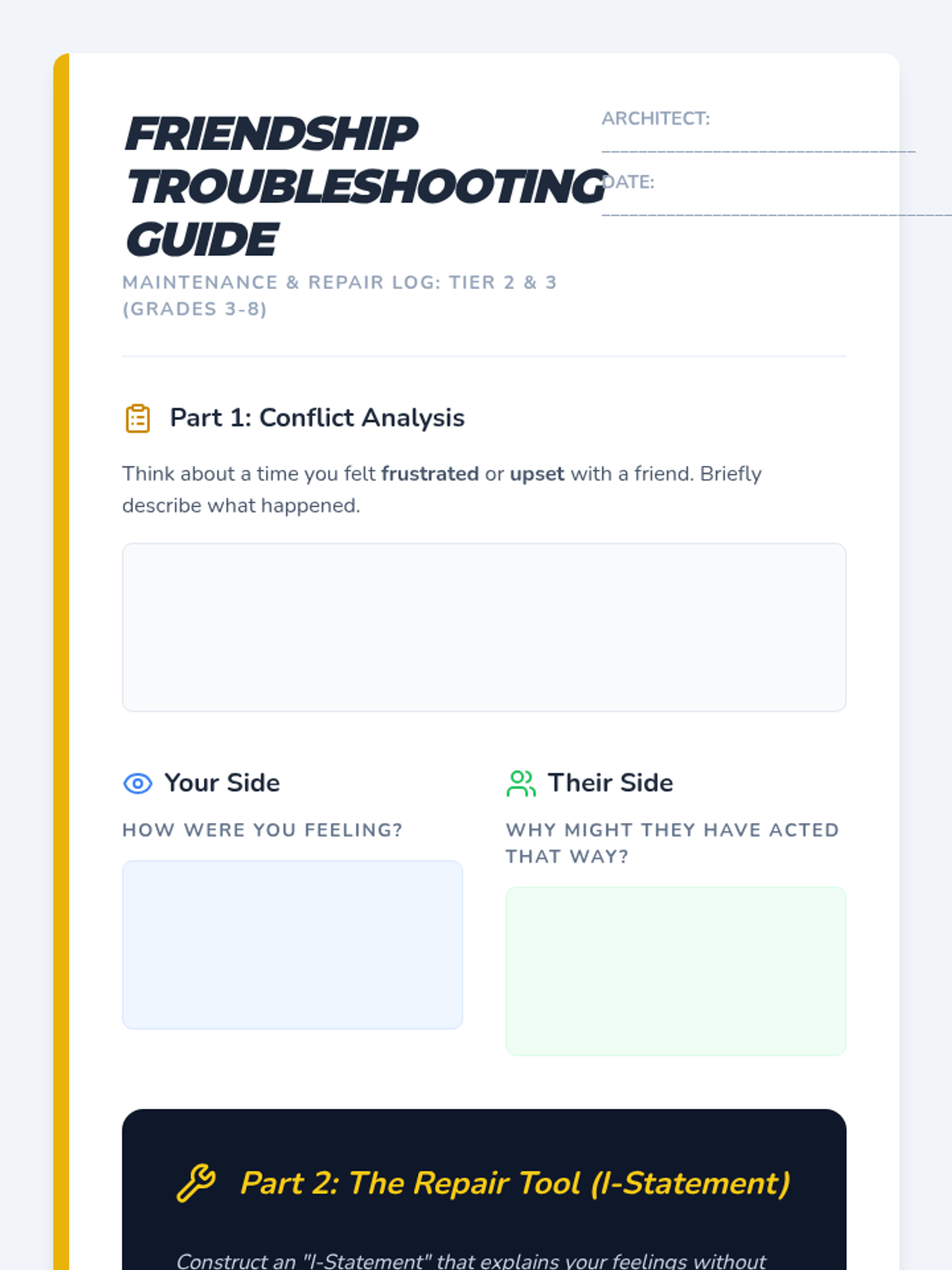
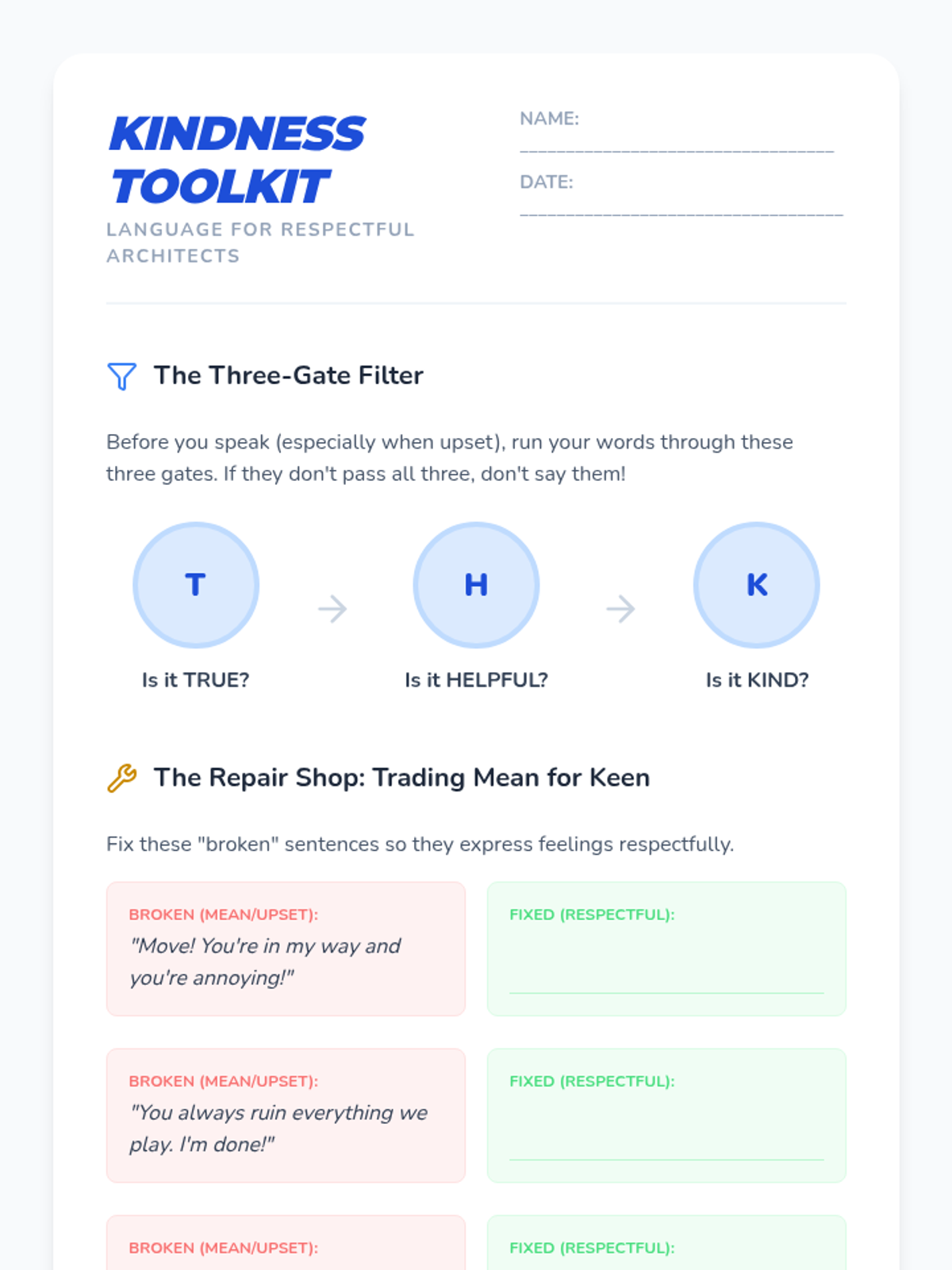
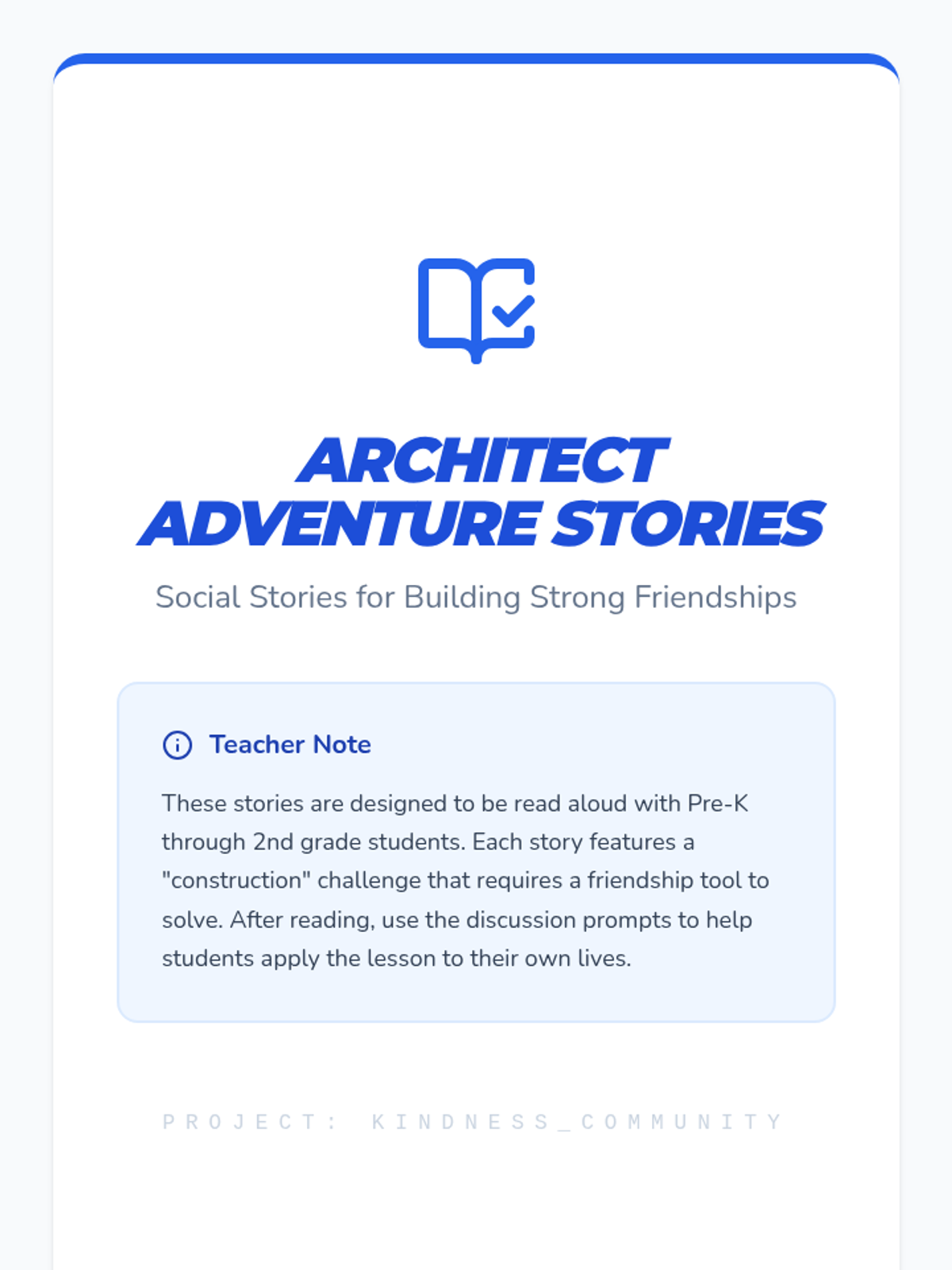
A social-emotional learning series focused on developing core interpersonal skills, moving from individual friendship building to collaborative teamwork and community responsibility.
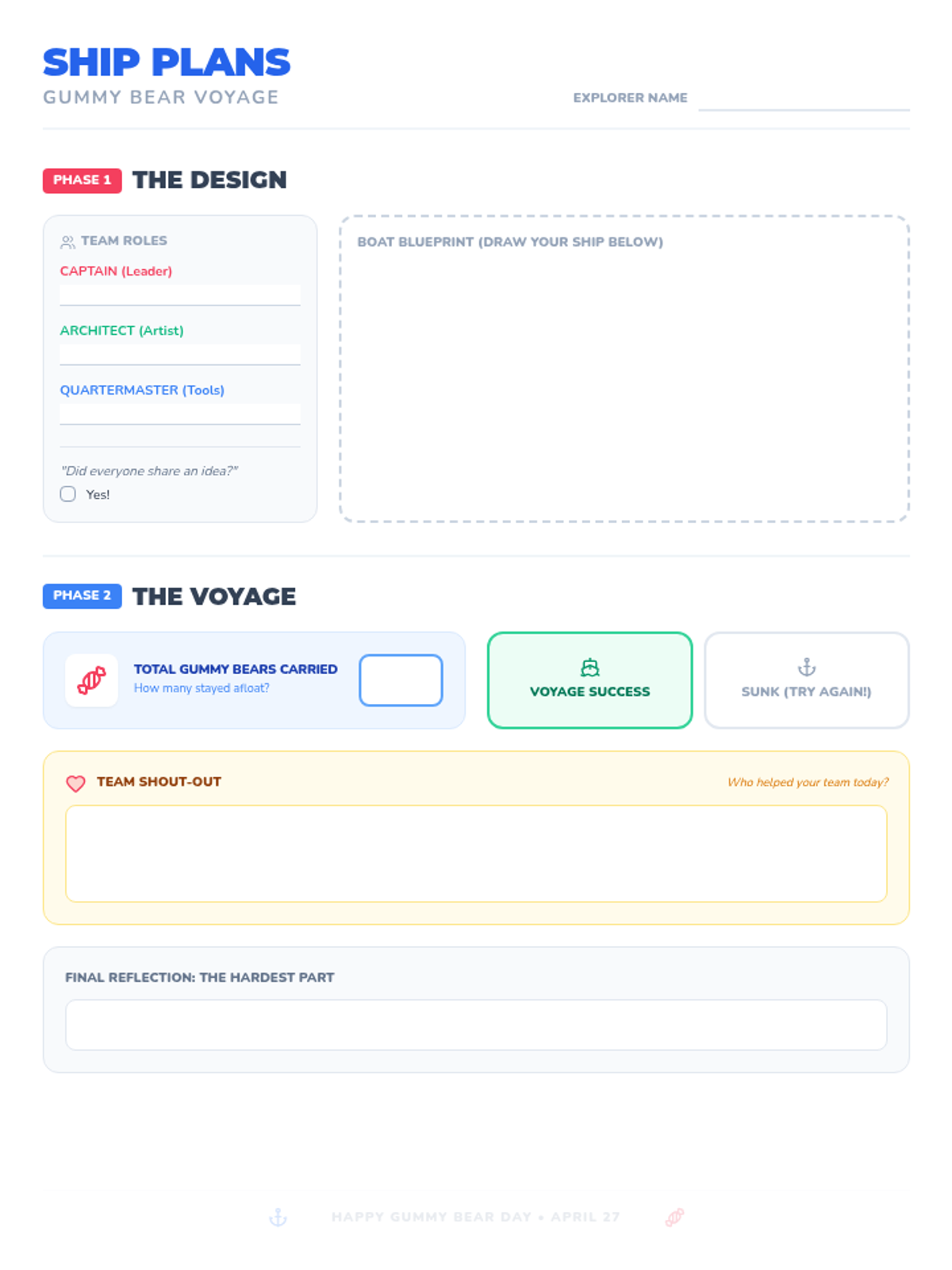
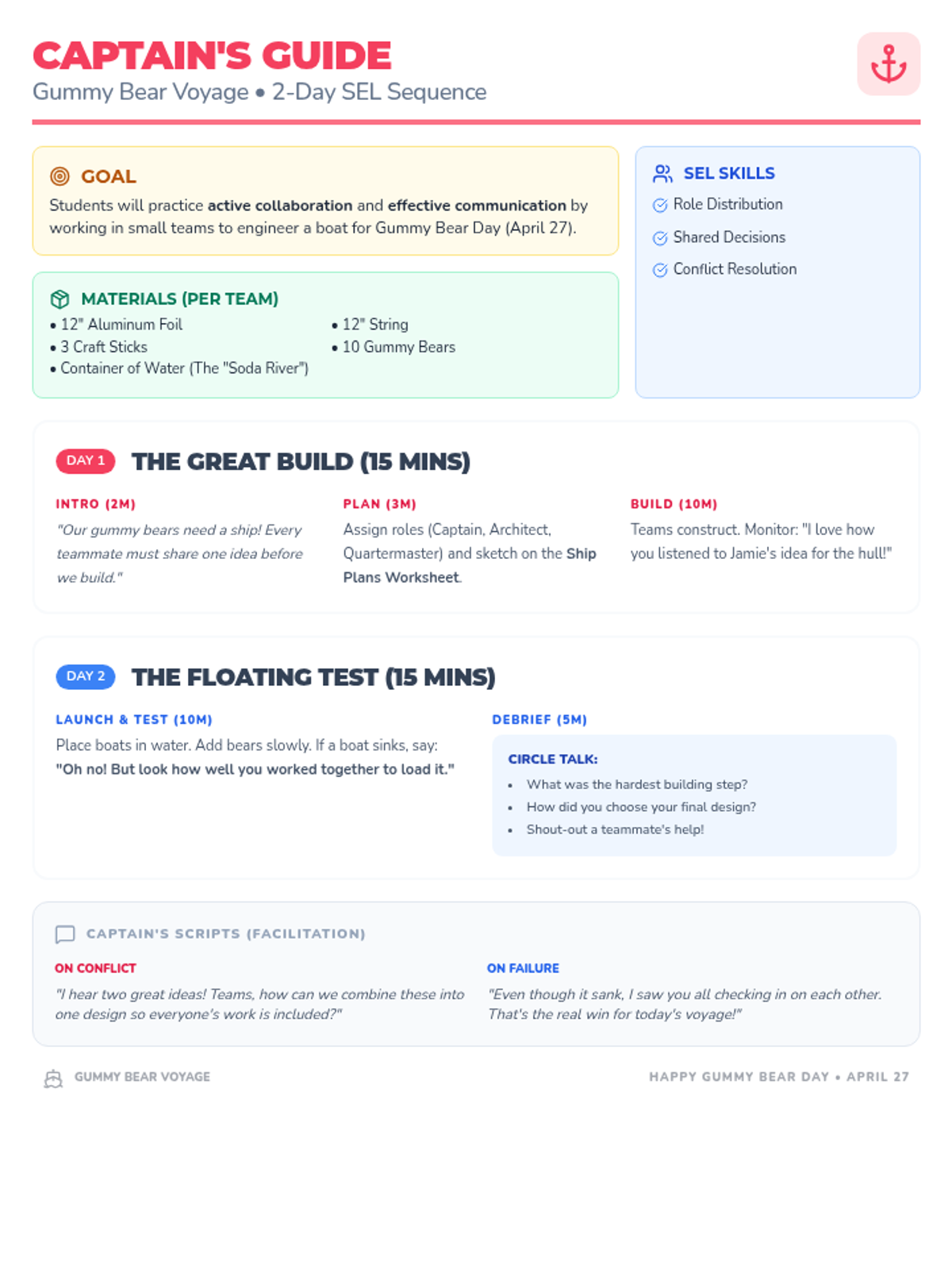
A two-day SEL sequence celebrating Gummy Bear Day through a collaborative engineering challenge. Students work in teams to design, build, and test foil boats to transport their gummy bear passengers safely across the water.
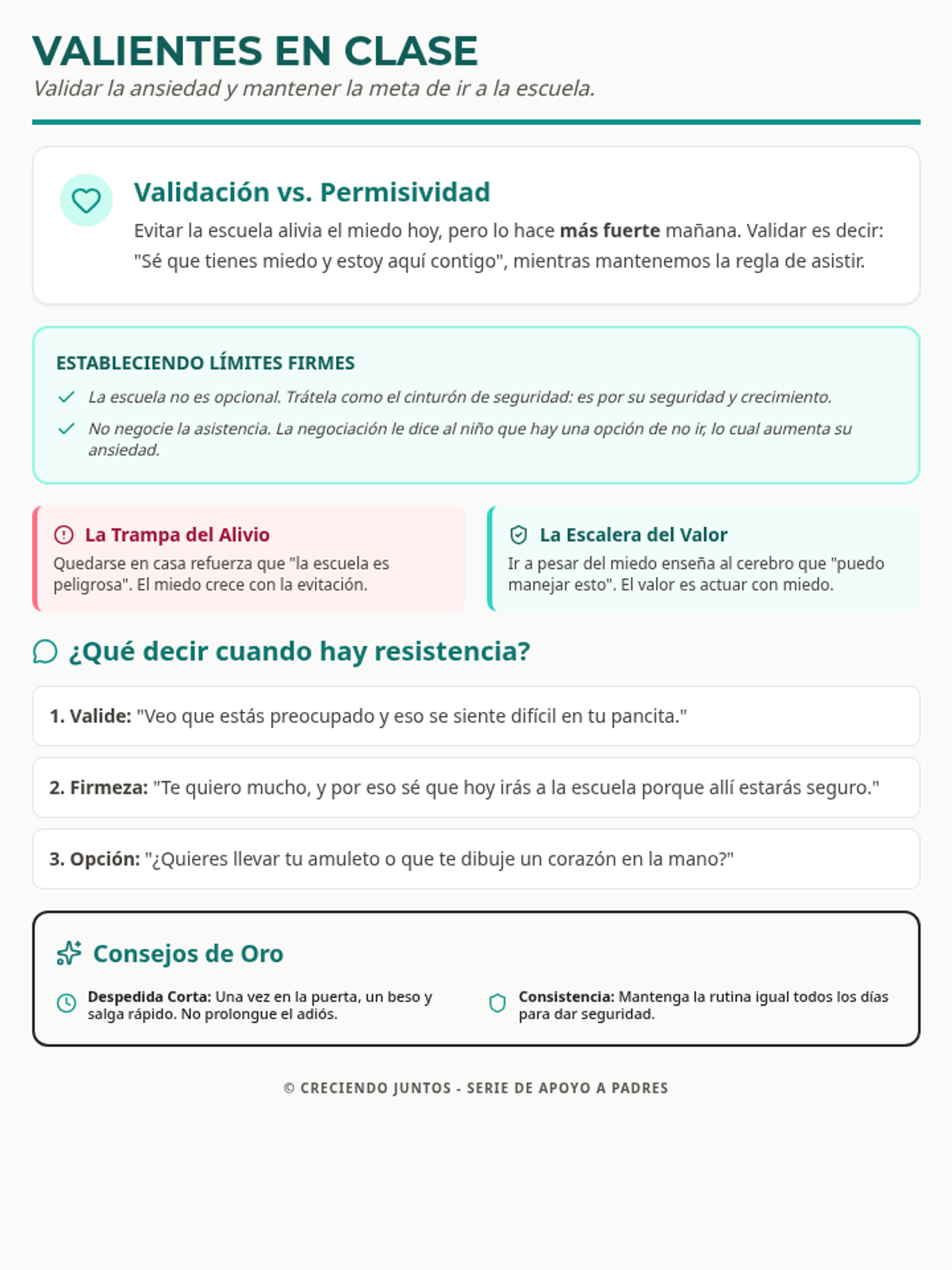
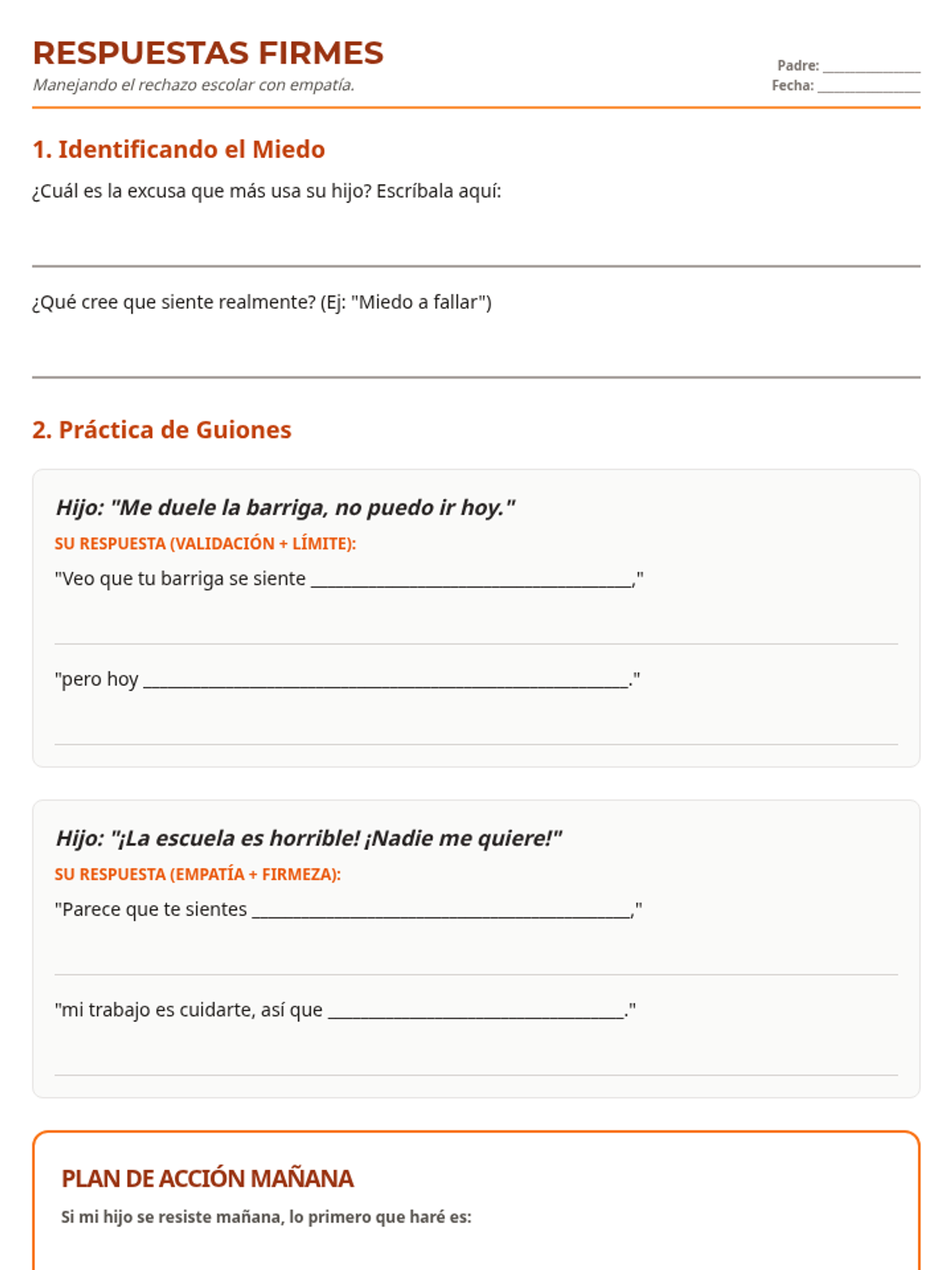
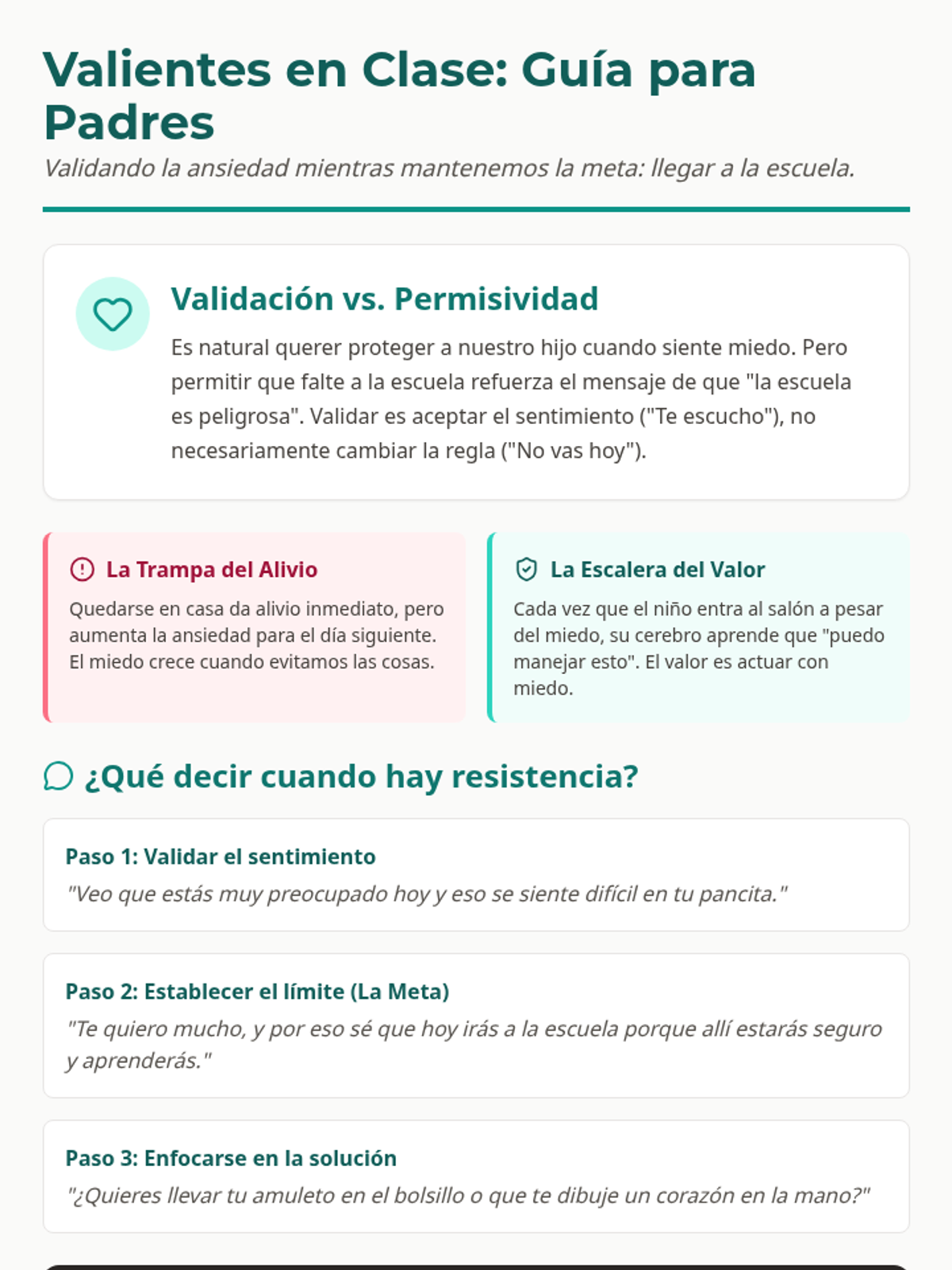
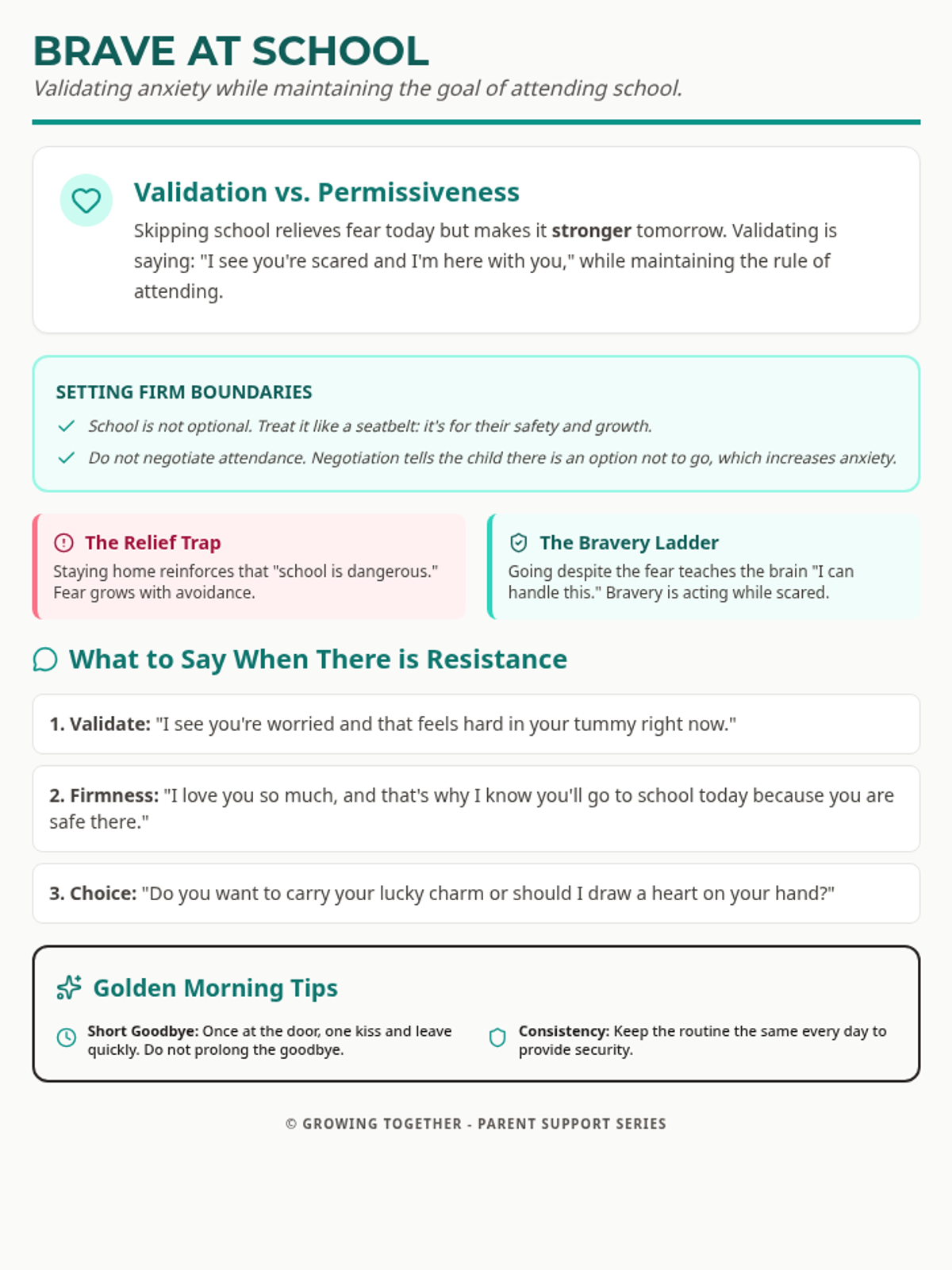
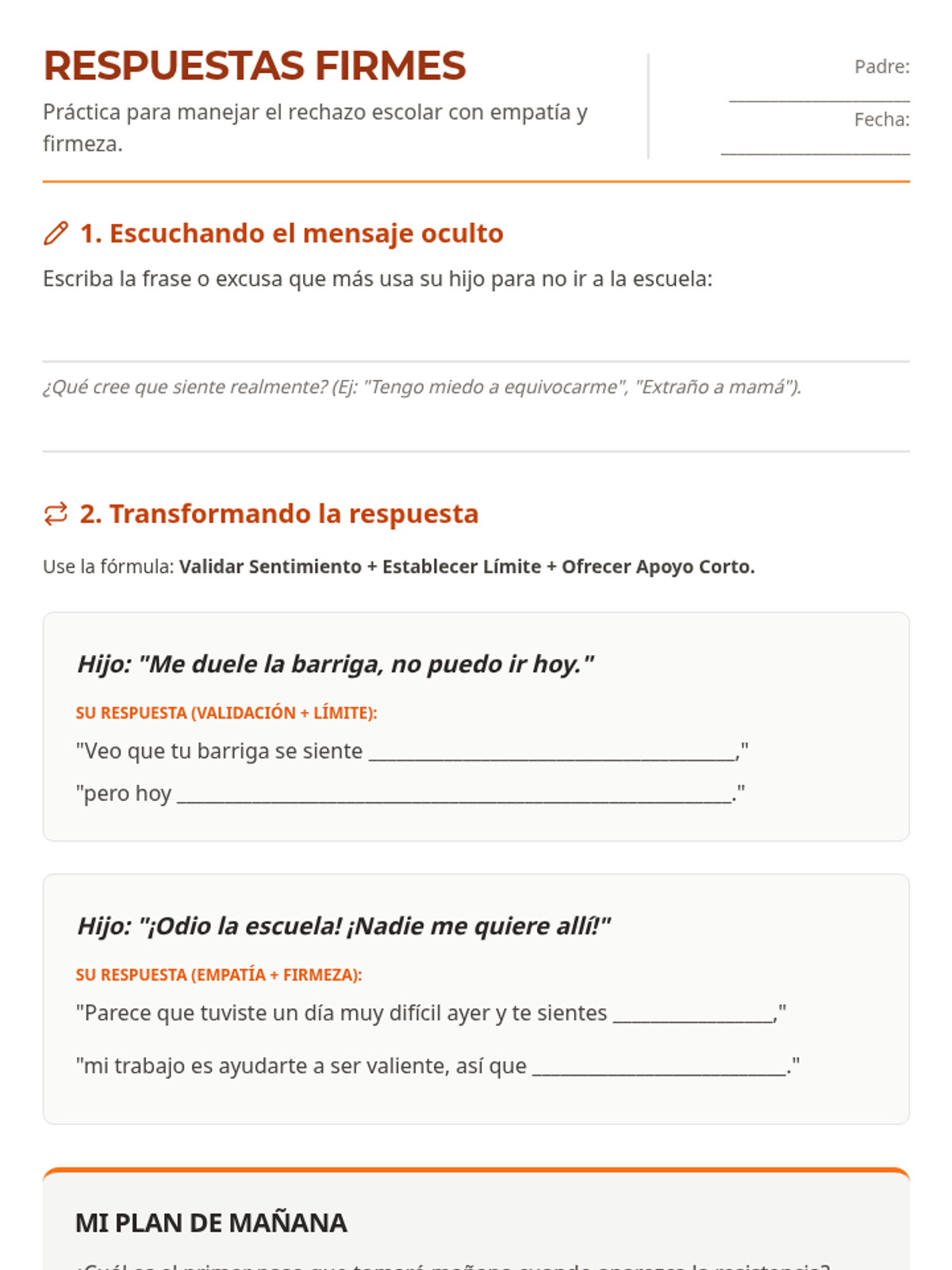
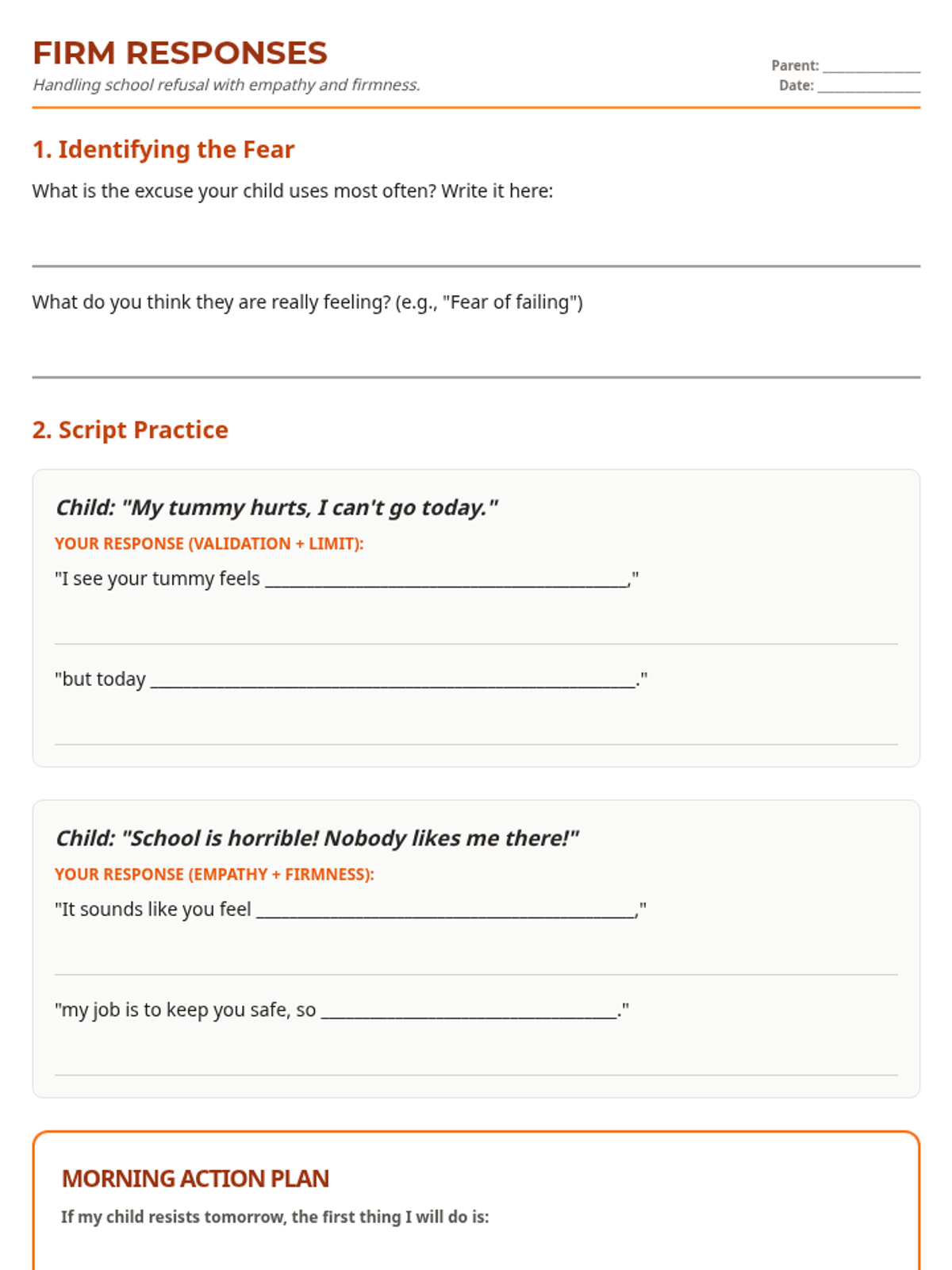
A parent training series focused on school attendance, managing childhood anxiety with boundaries, and implementing positive reinforcement systems like sticker charts.
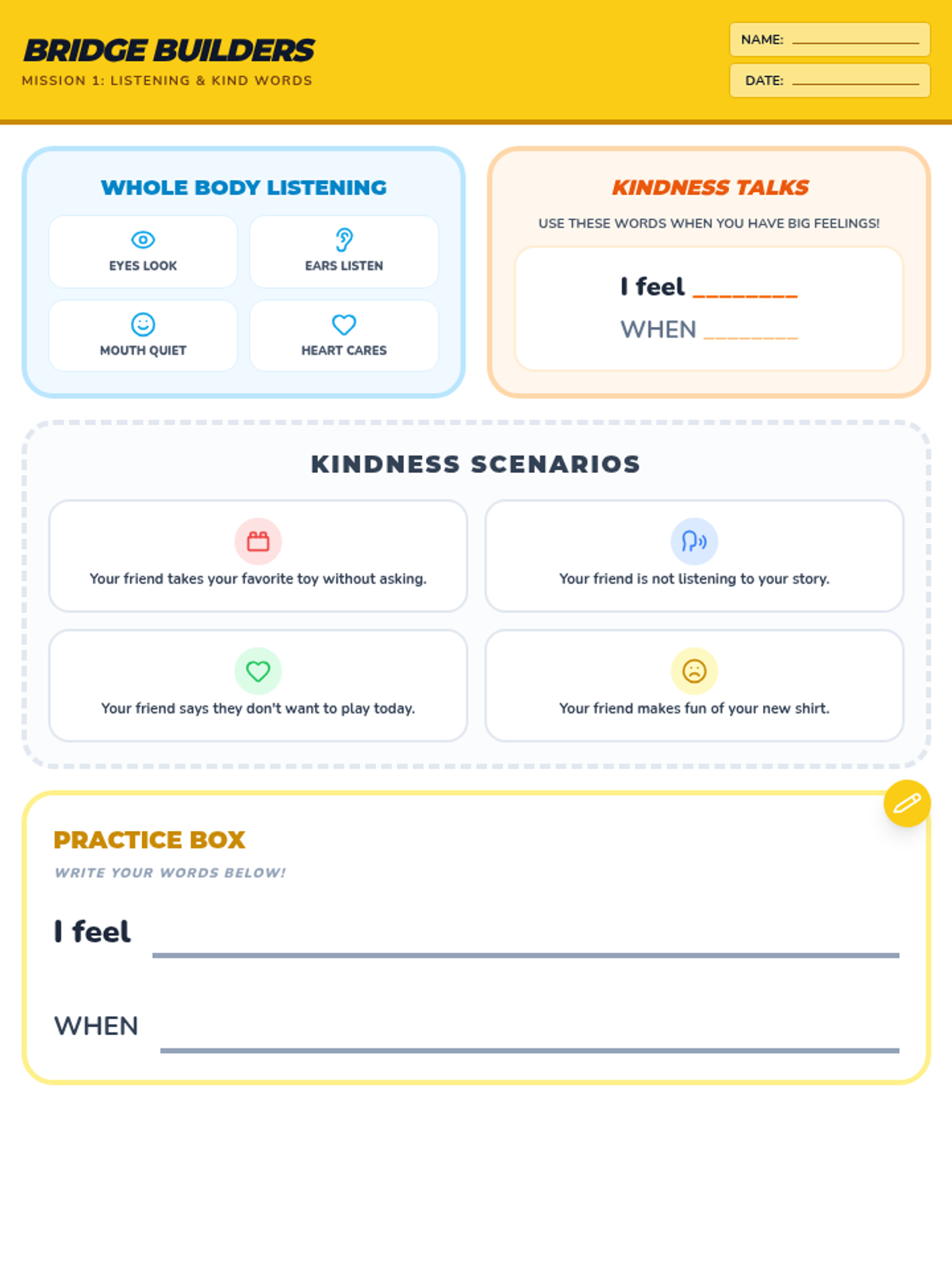
A 4-lesson social-emotional learning curriculum for grades 1-3, teaching foundational friendship skills like whole-body listening, simple apologies, and identifying kind behaviors.
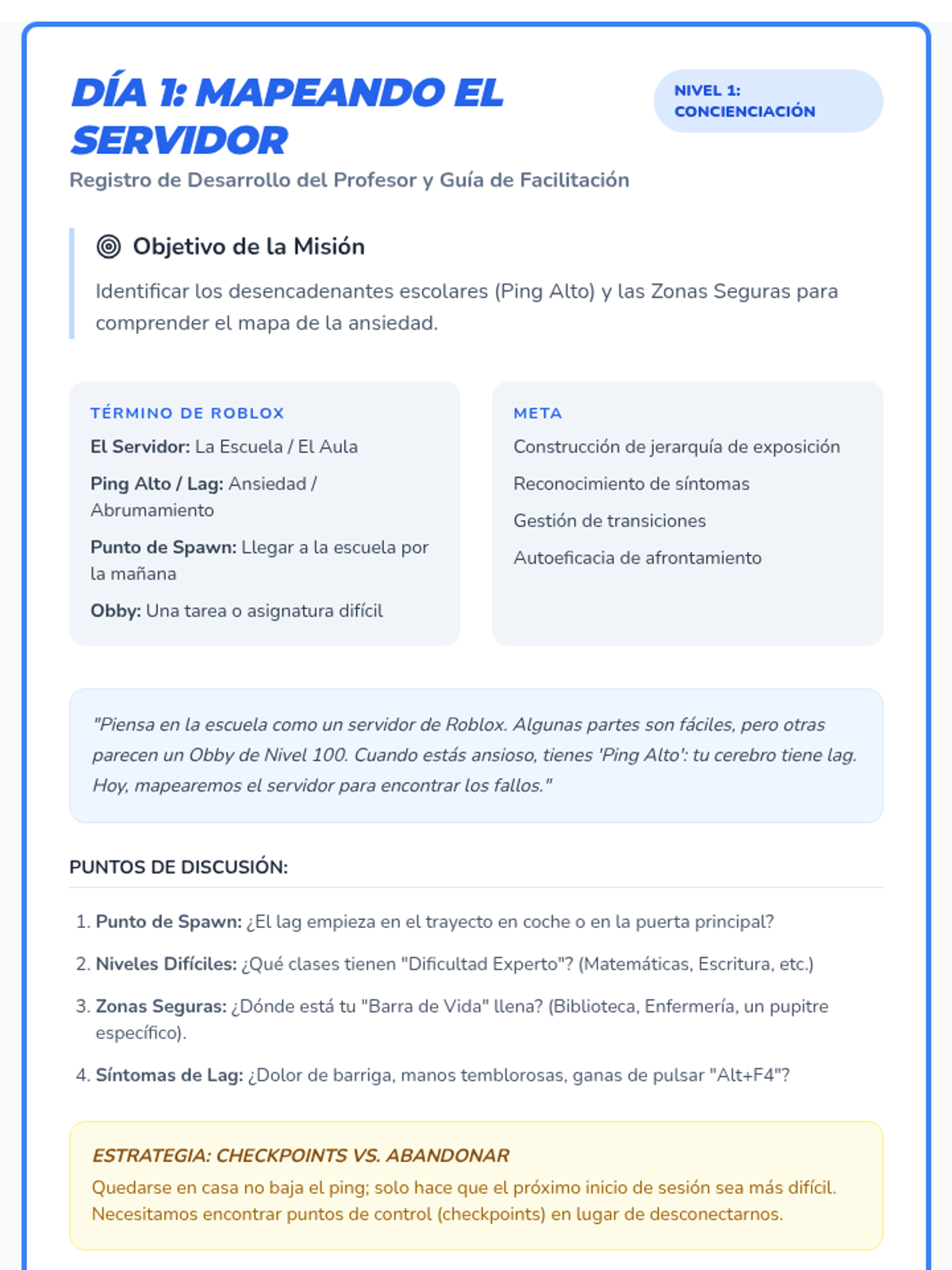
A 5-day intervention program for school-avoidant students, using Roblox-inspired mechanics to address anxiety, perfectionism, and teacher engagement.
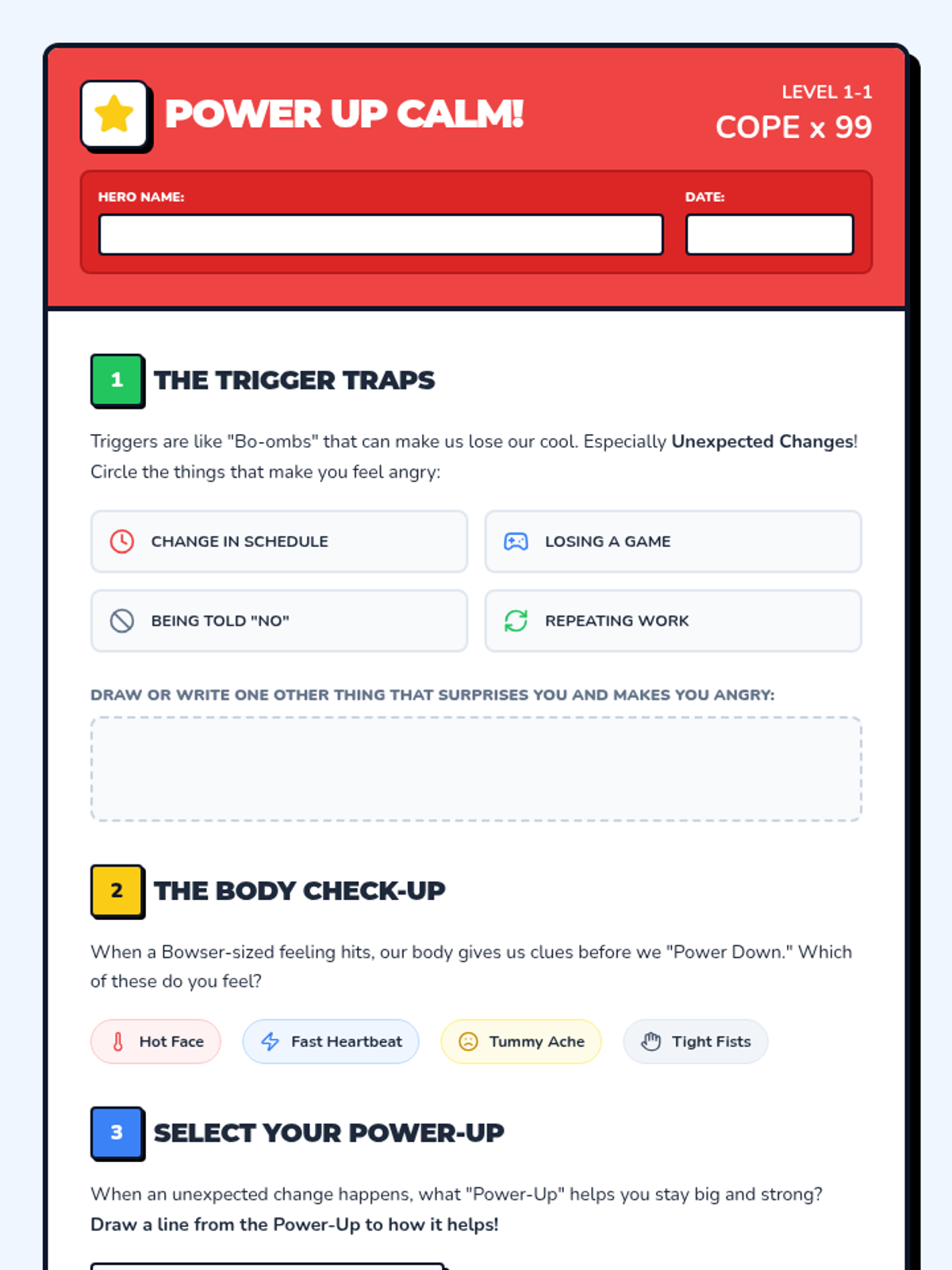
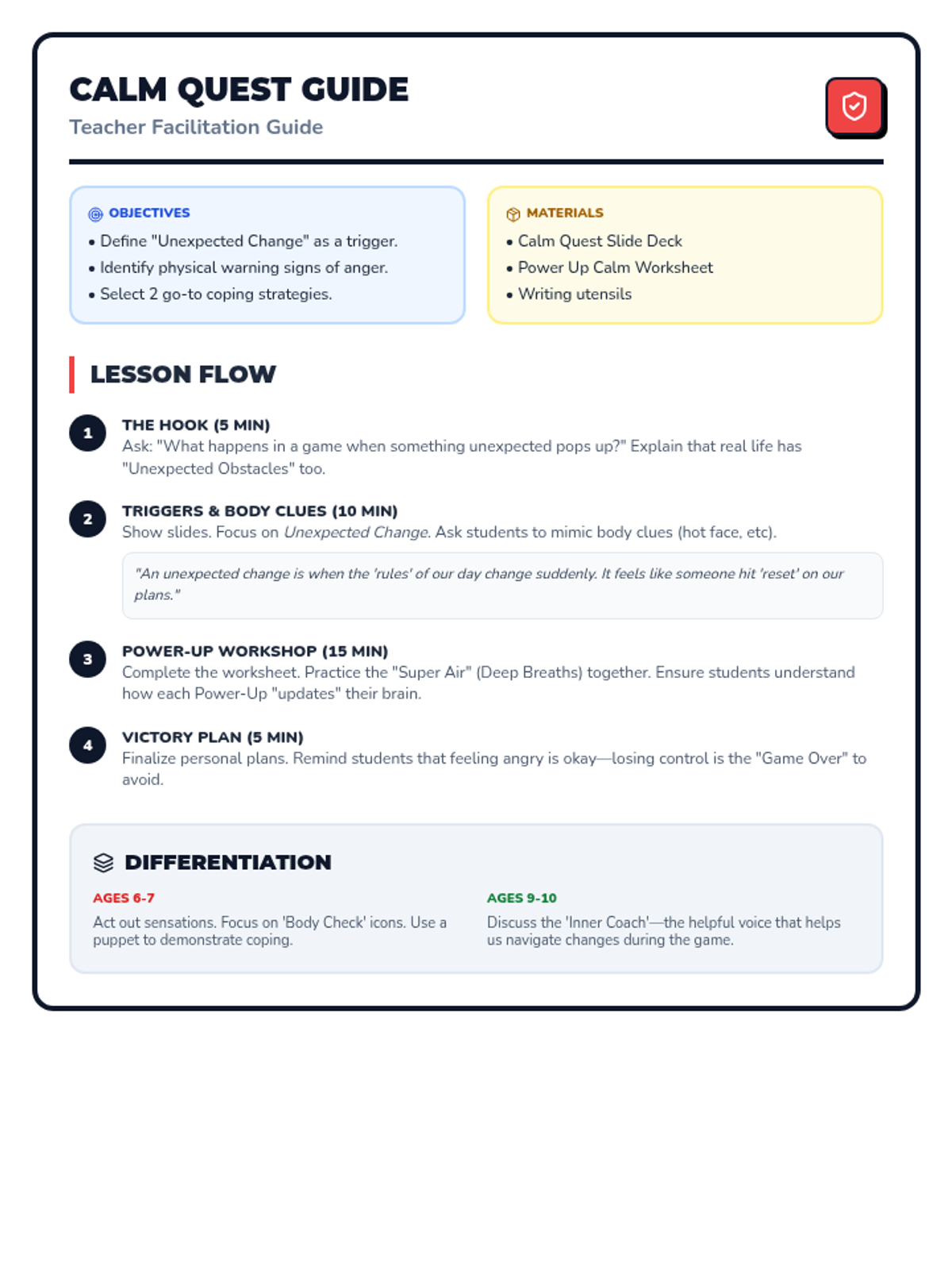
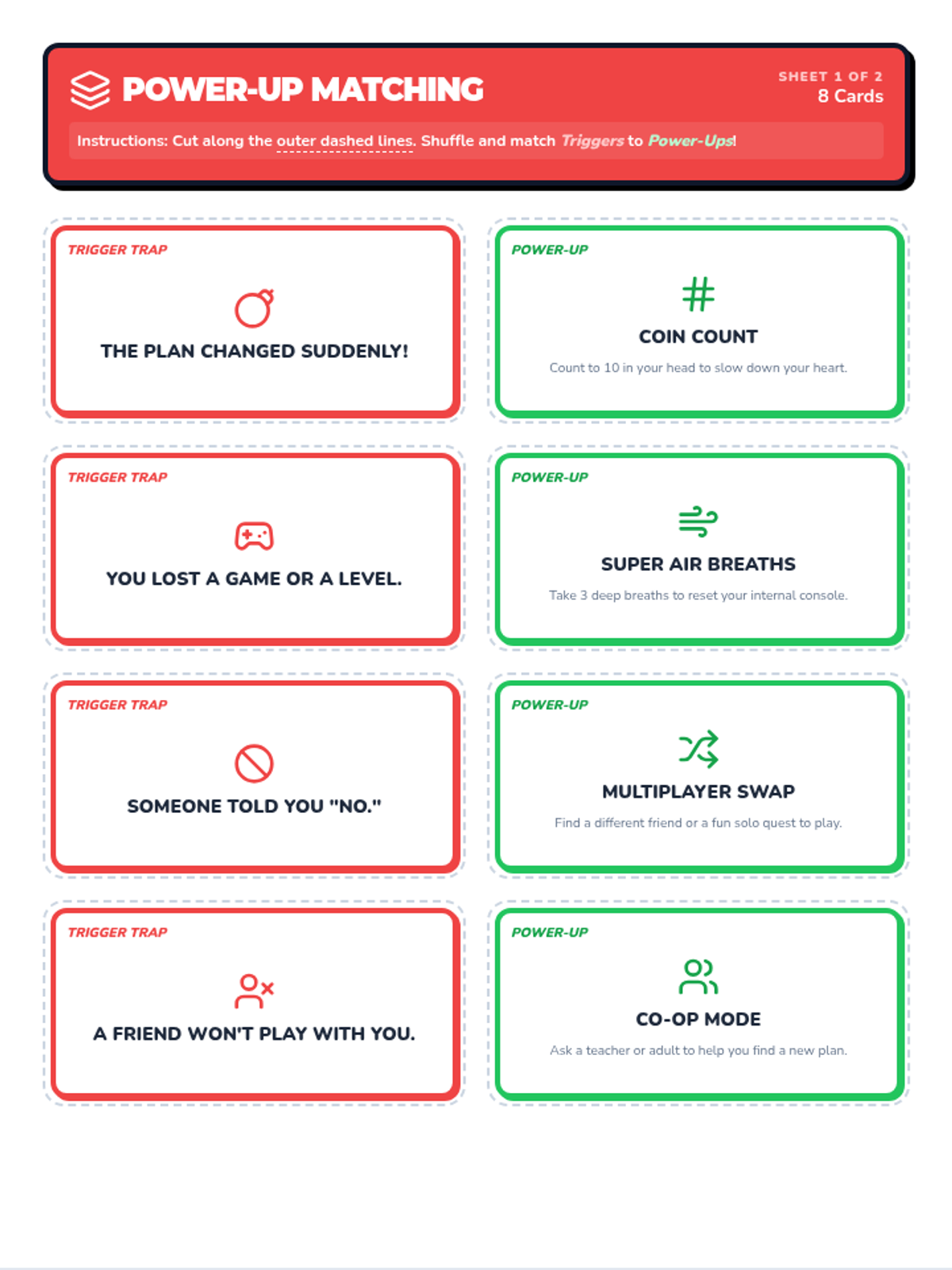
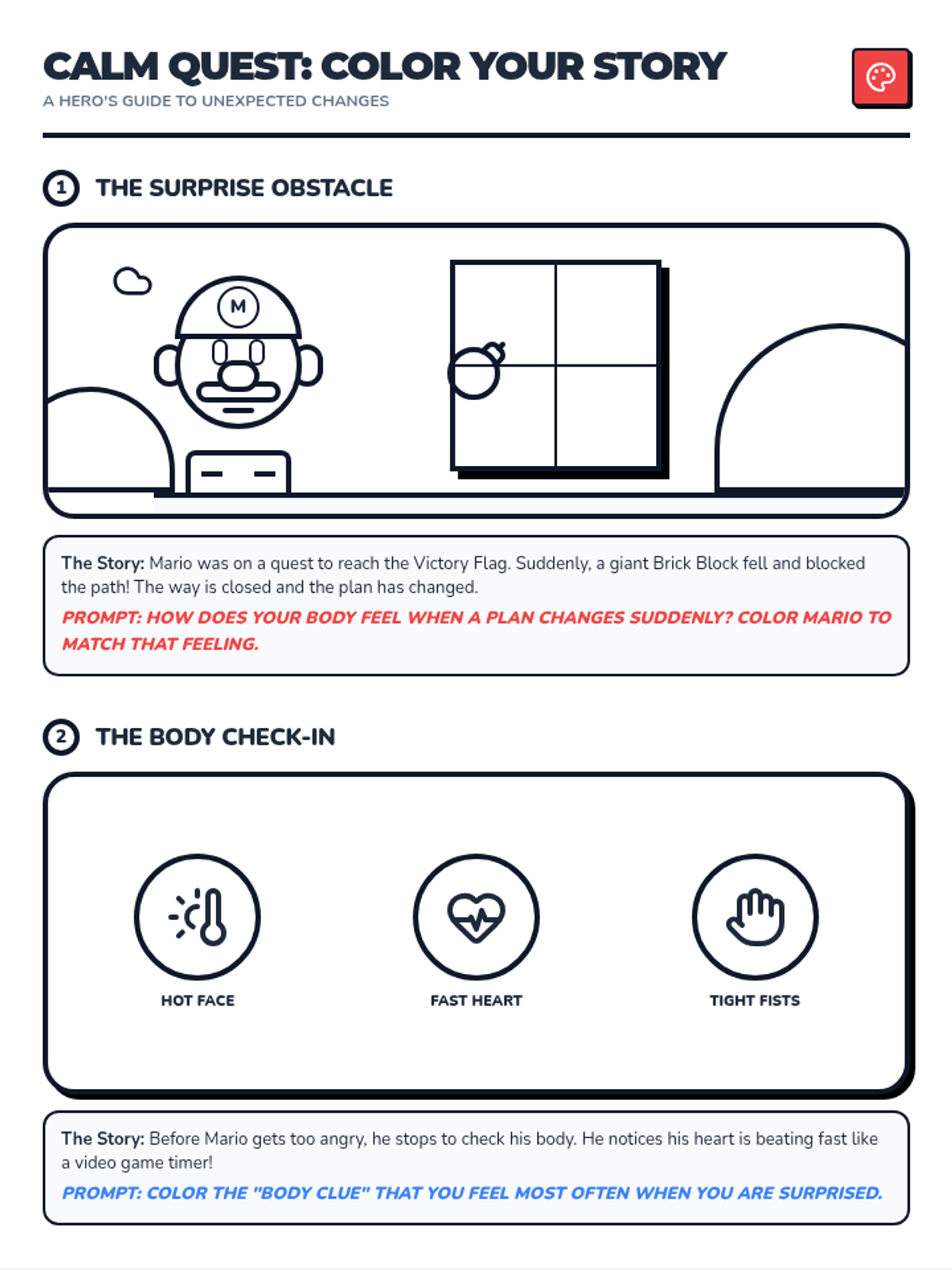
A comprehensive social-emotional learning sequence themed around 'Quests' to help students navigate big emotions like anger and anxiety. Each lesson provides gamified strategies for self-regulation, courage, and flexible thinking.
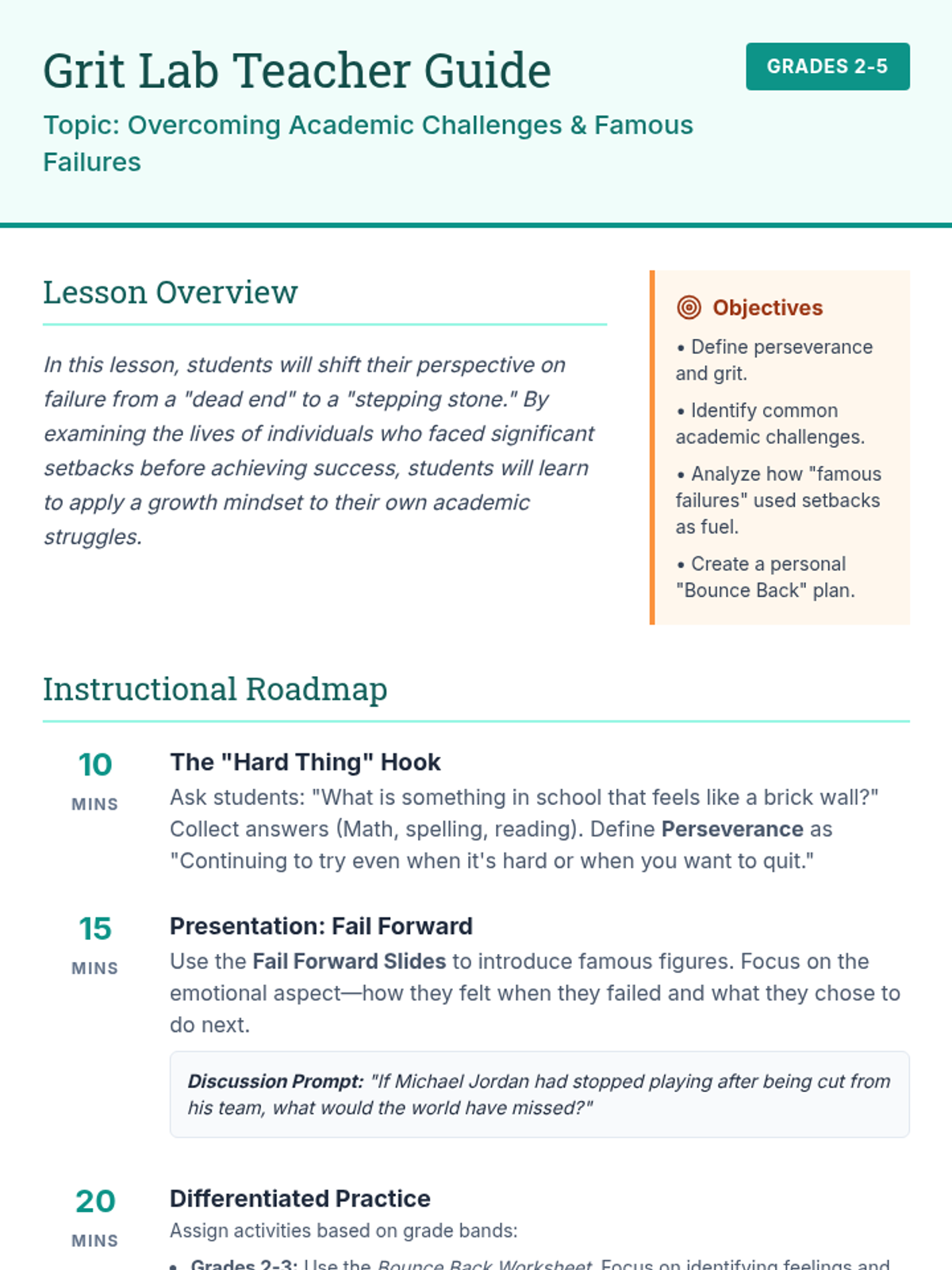
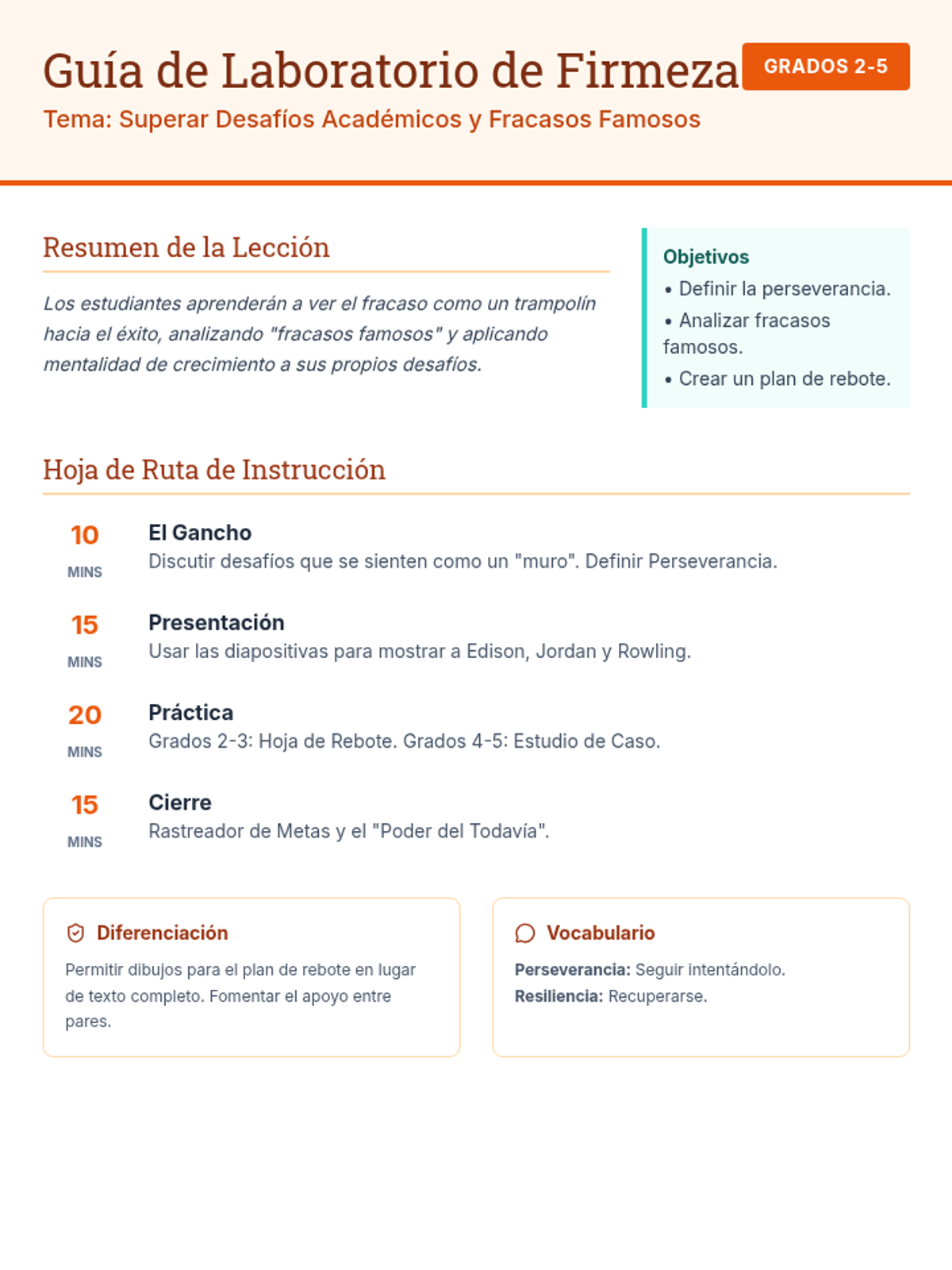
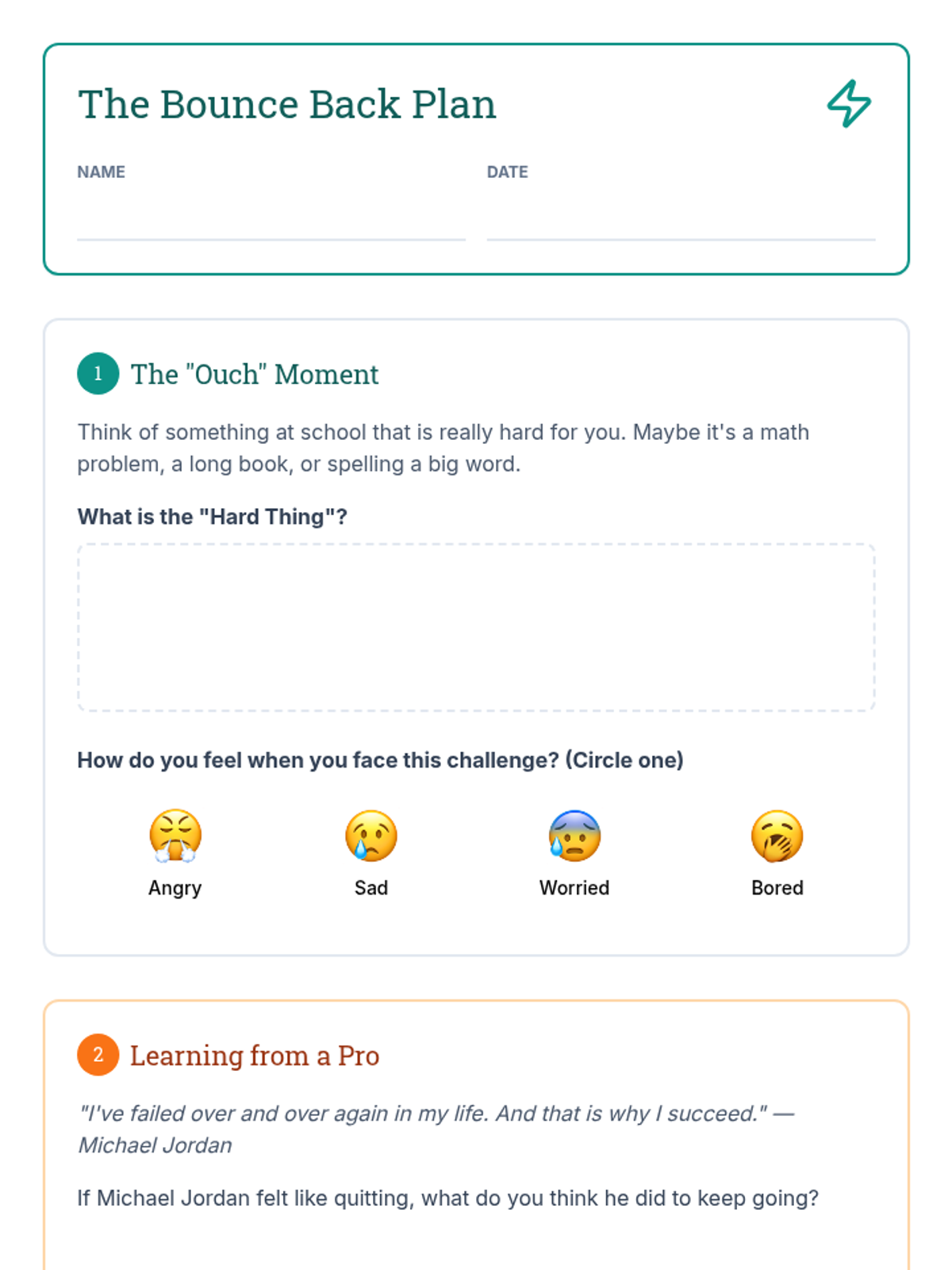
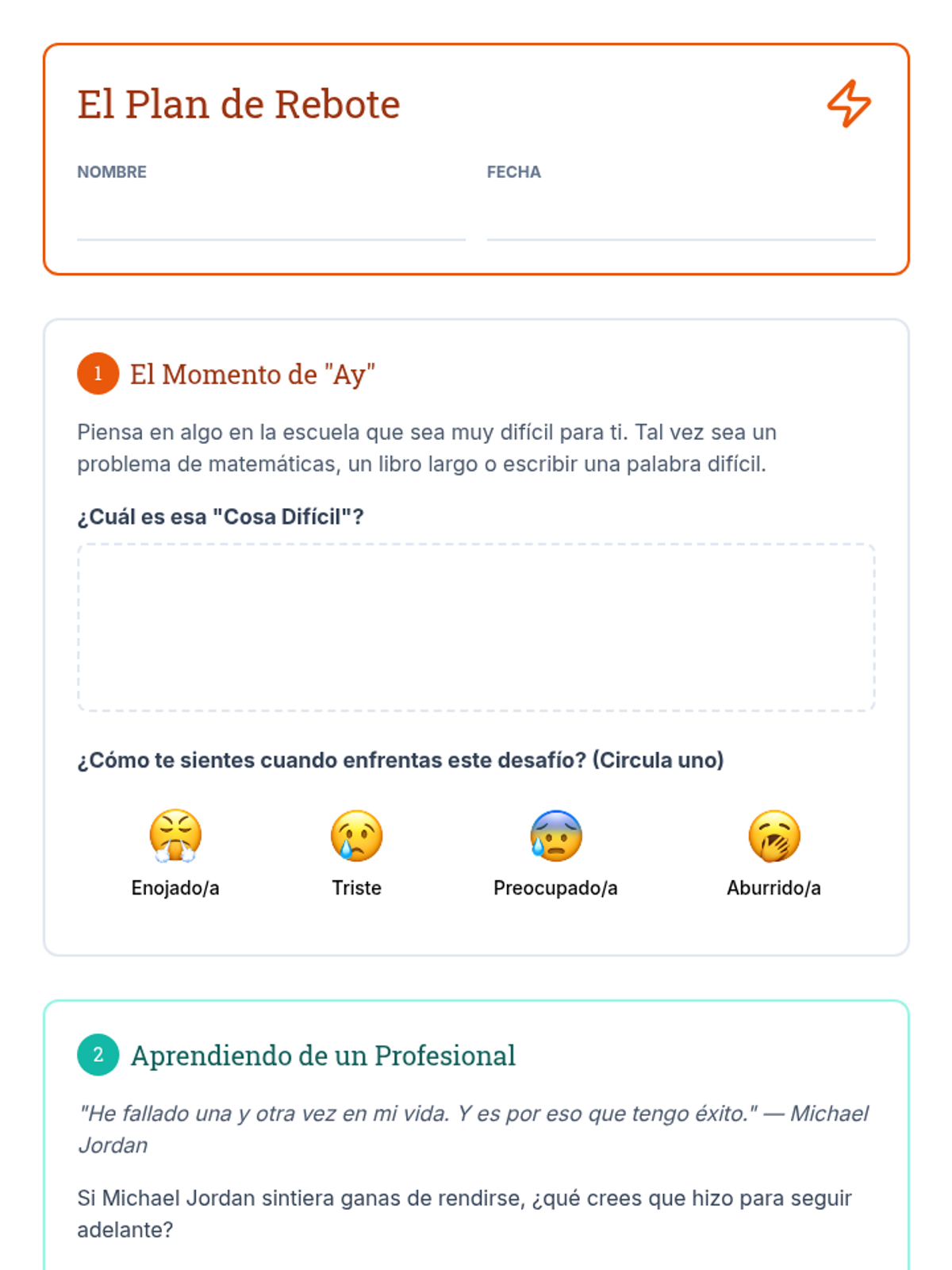
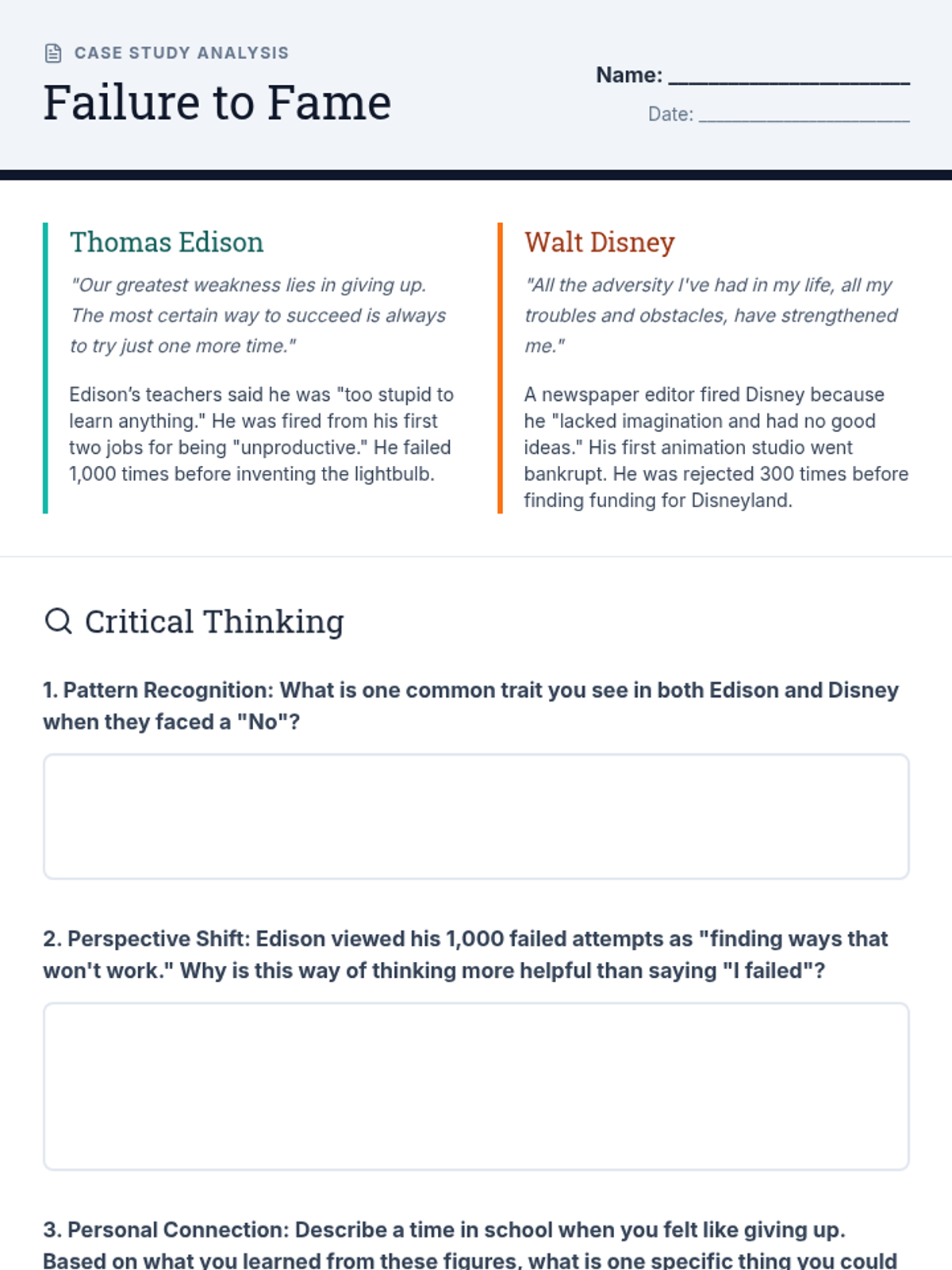
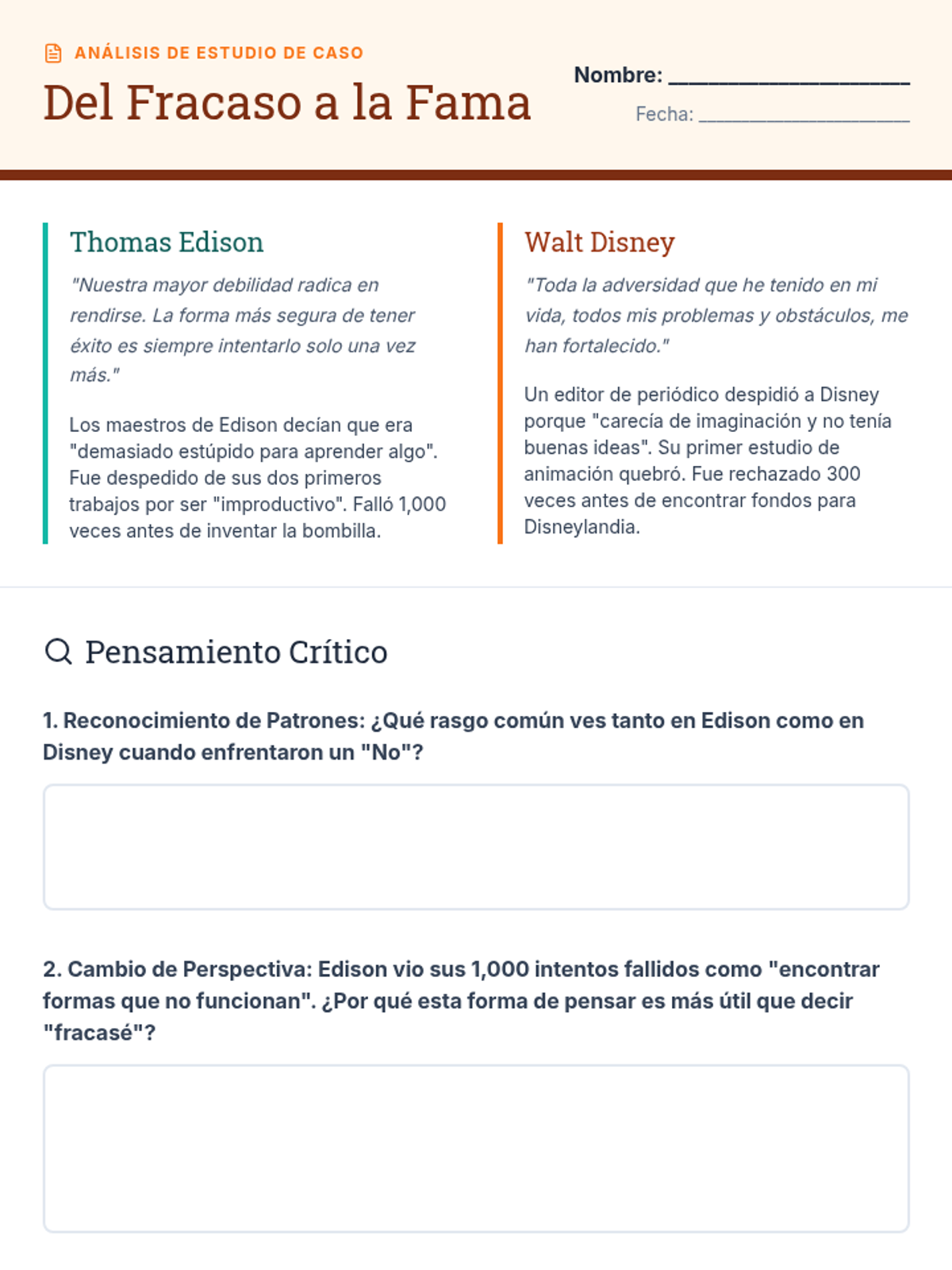
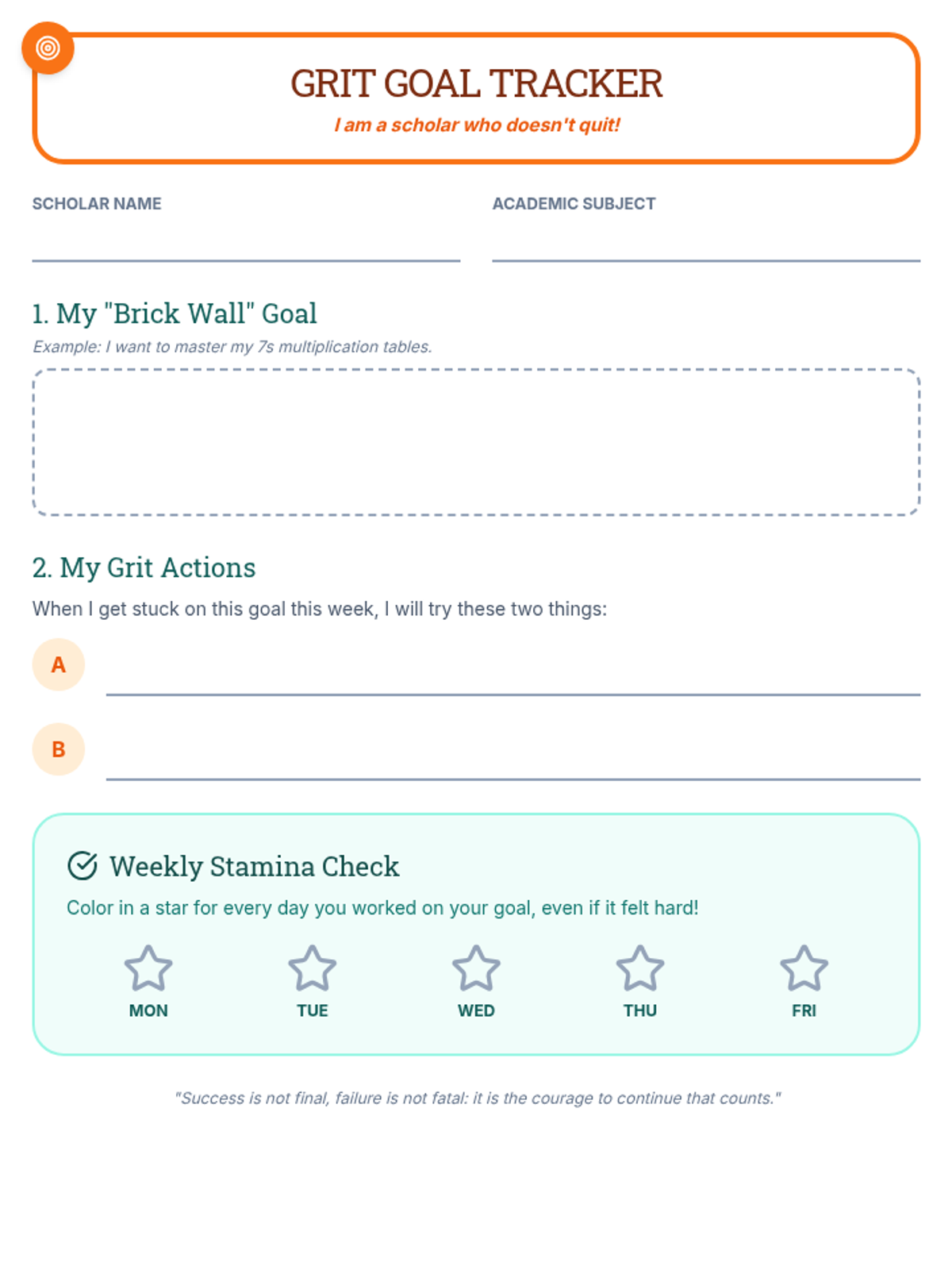
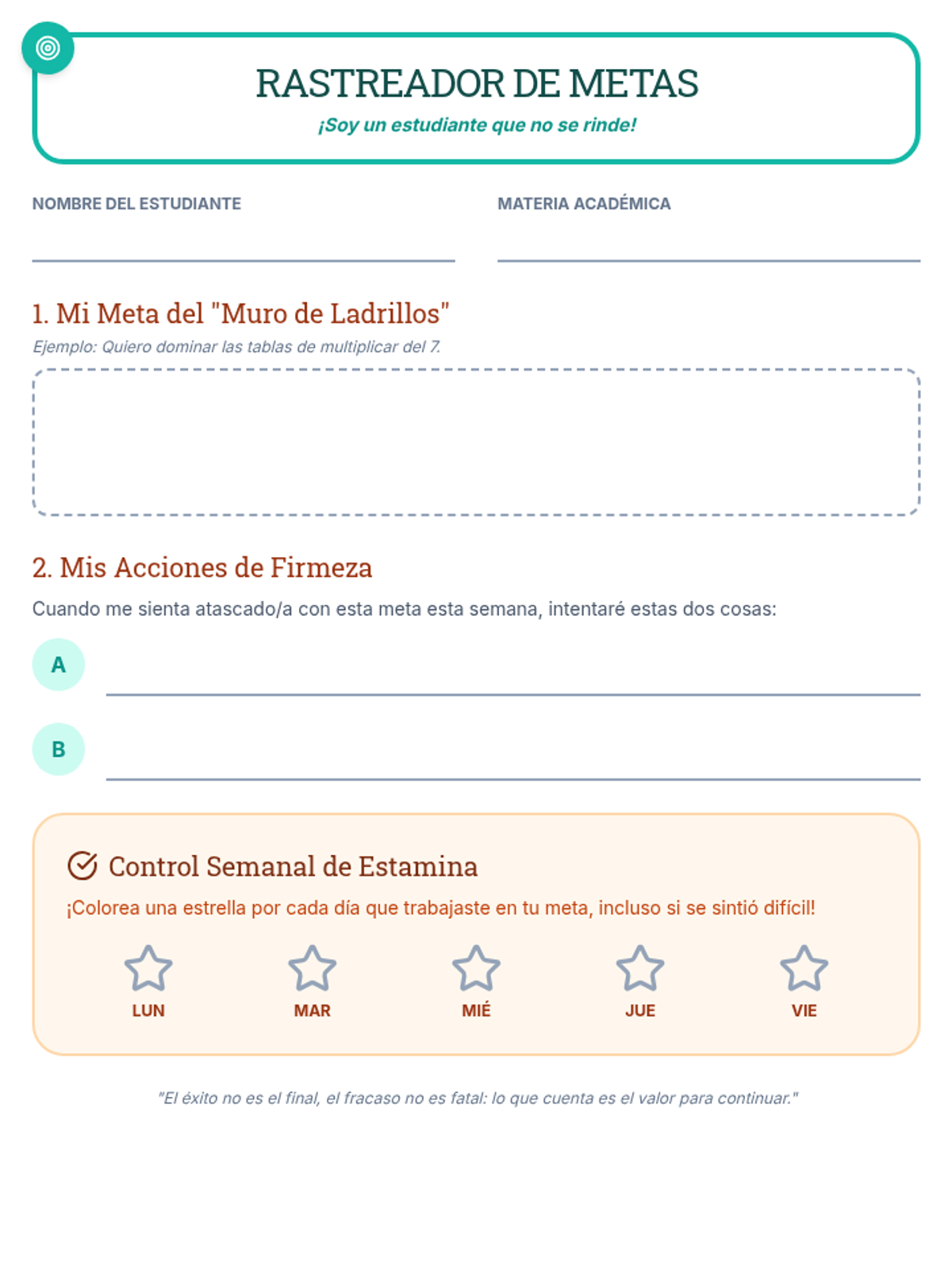
A comprehensive one-day lesson focused on building perseverance through the lens of 'Famous Failures' and overcoming academic challenges, designed for Grades 2-5 in both English and Spanish.
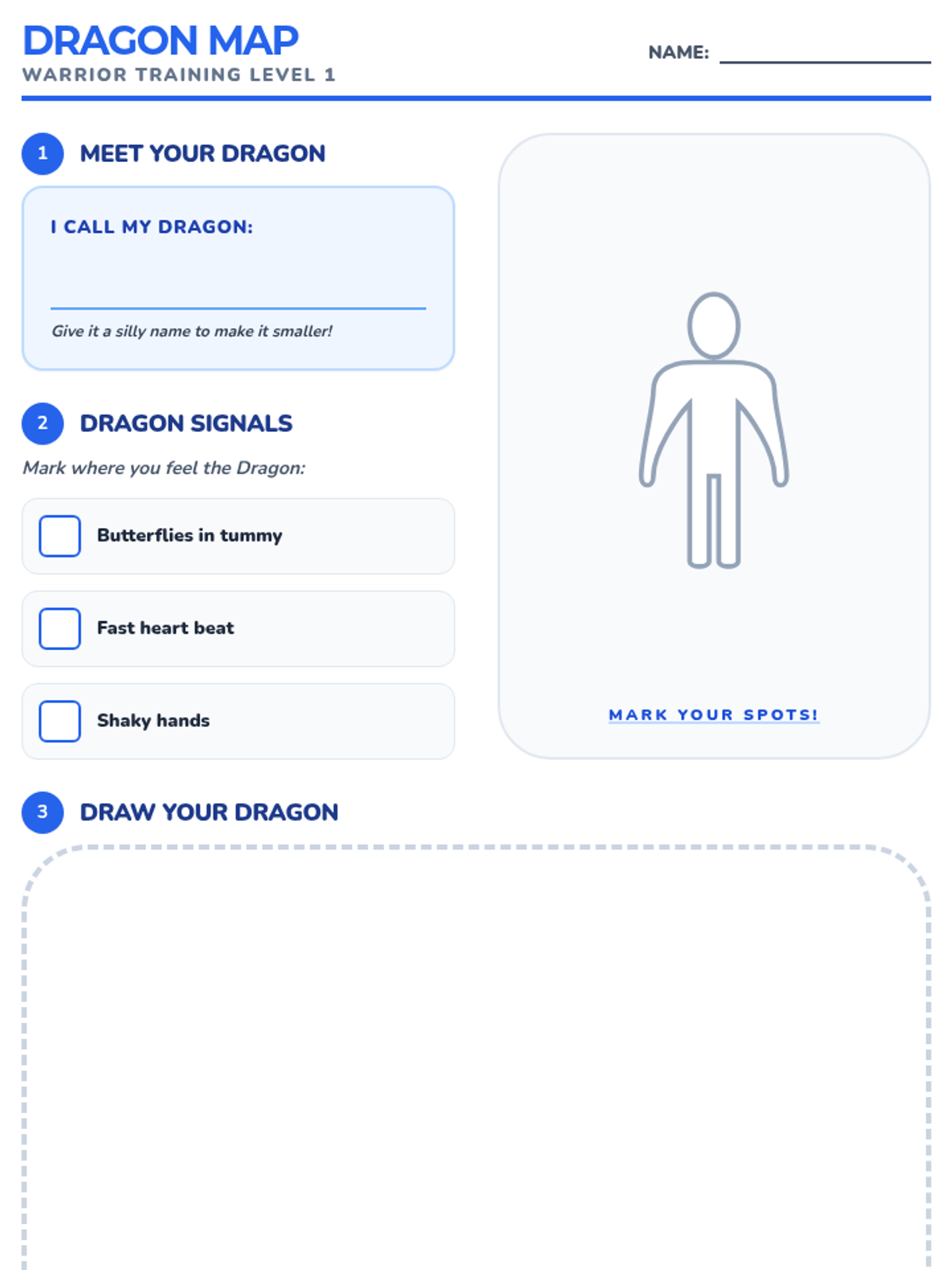
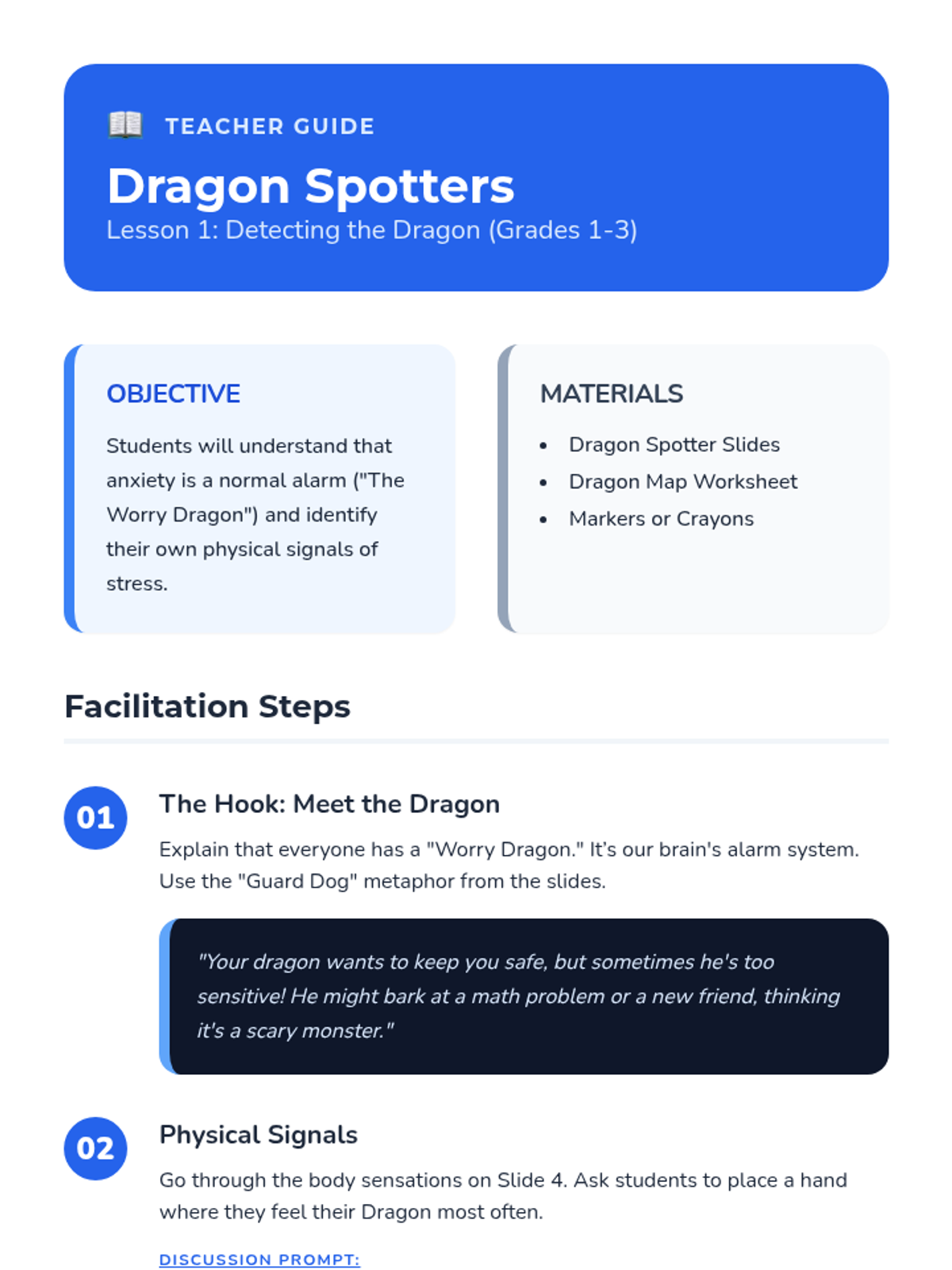
A 4-lesson sequence for grades 1-3 that uses a friendly medieval warrior theme to teach students how to identify physical signs of anxiety and use calming strategies.
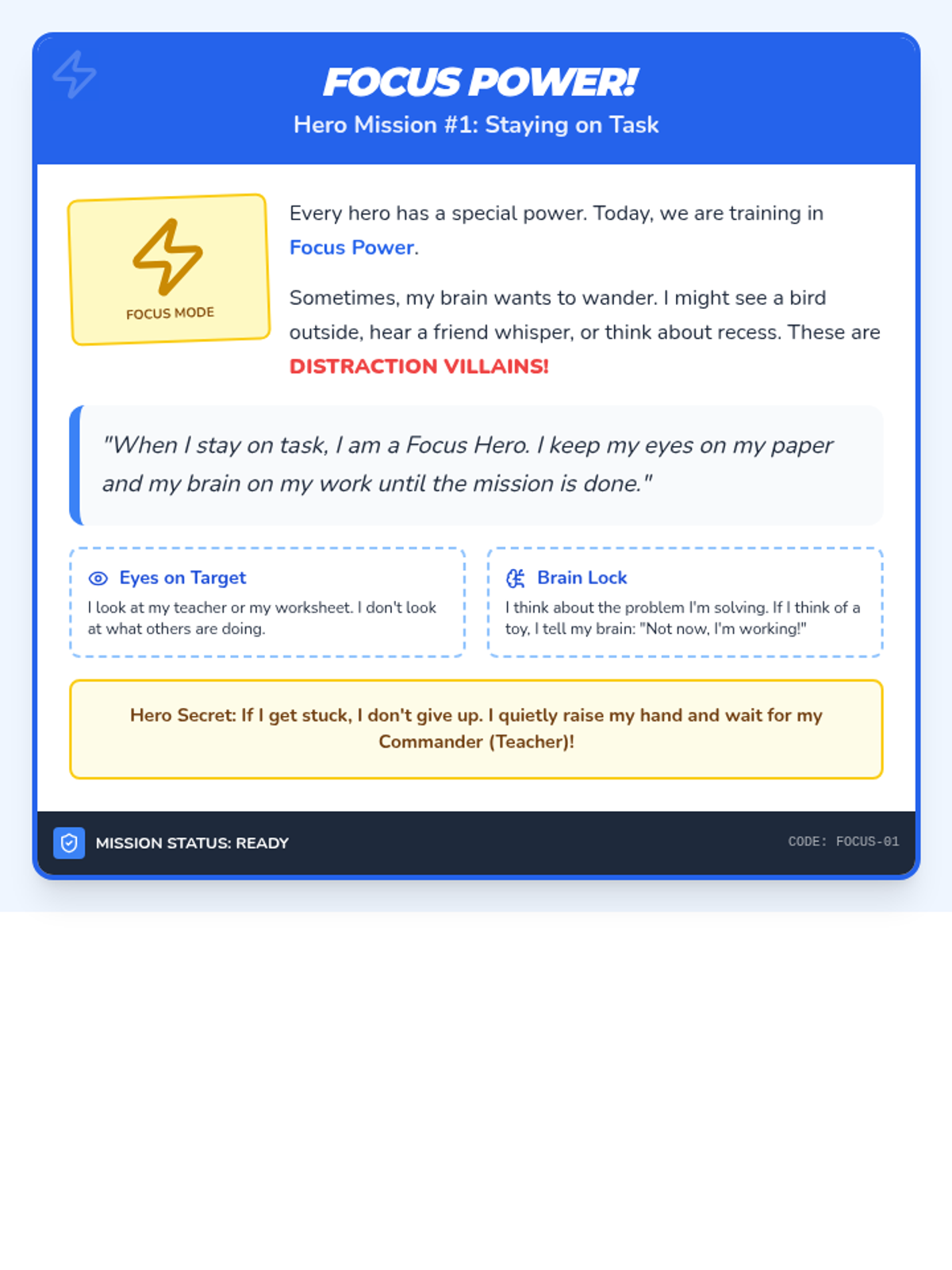
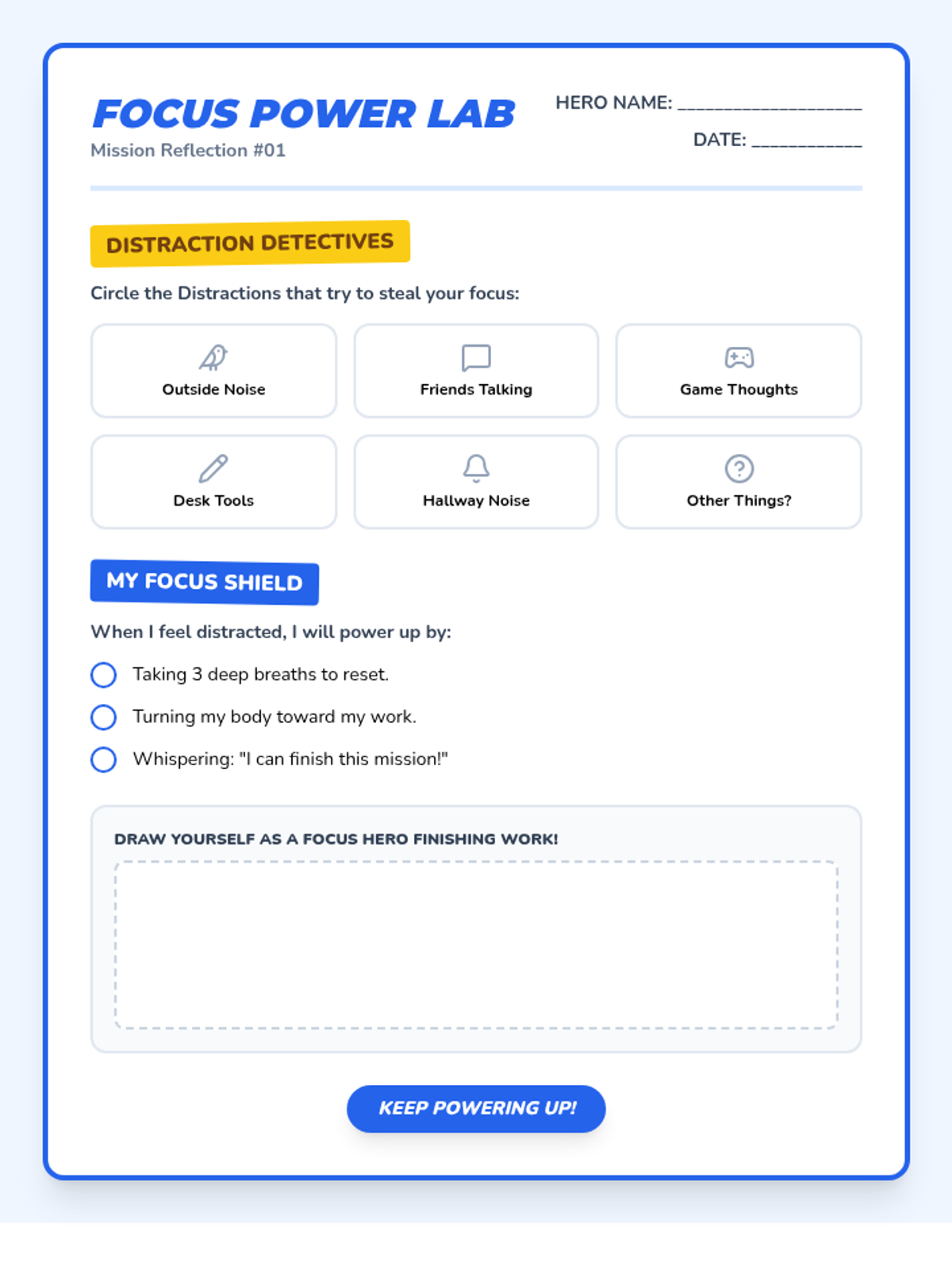
A 10-lesson curriculum designed for 2nd-grade boys to develop focus, personal space awareness, and kind communication through a superhero-themed 'Hero Habits' program. Students learn to 'Power Up' their social skills using comic-book-inspired visual aids and reflective activities.
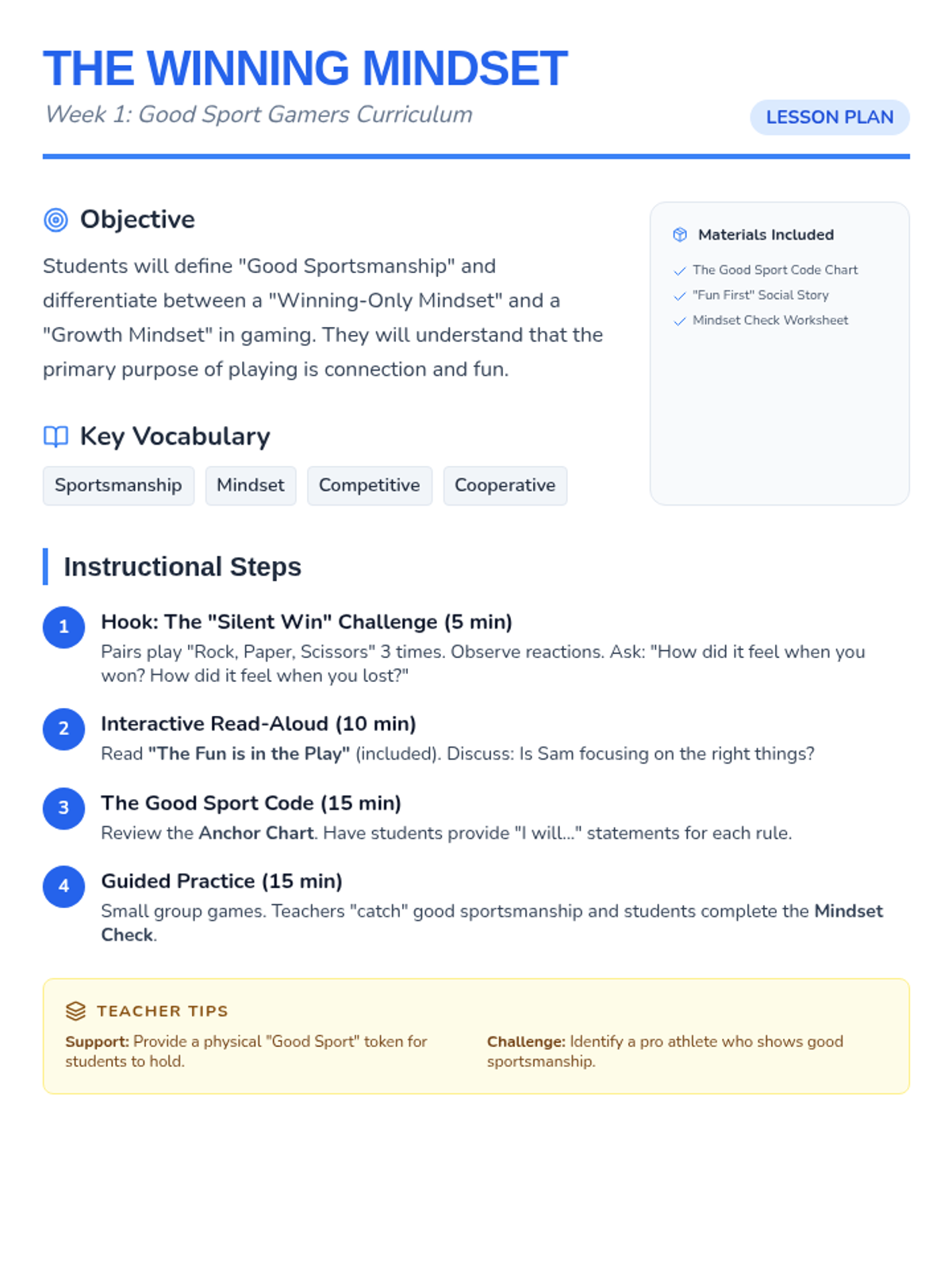
A comprehensive 6-week curriculum designed to help elementary-aged children develop sportsmanship, positive self-talk, and perspective-taking skills to handle losing games with grace and emotional regulation.