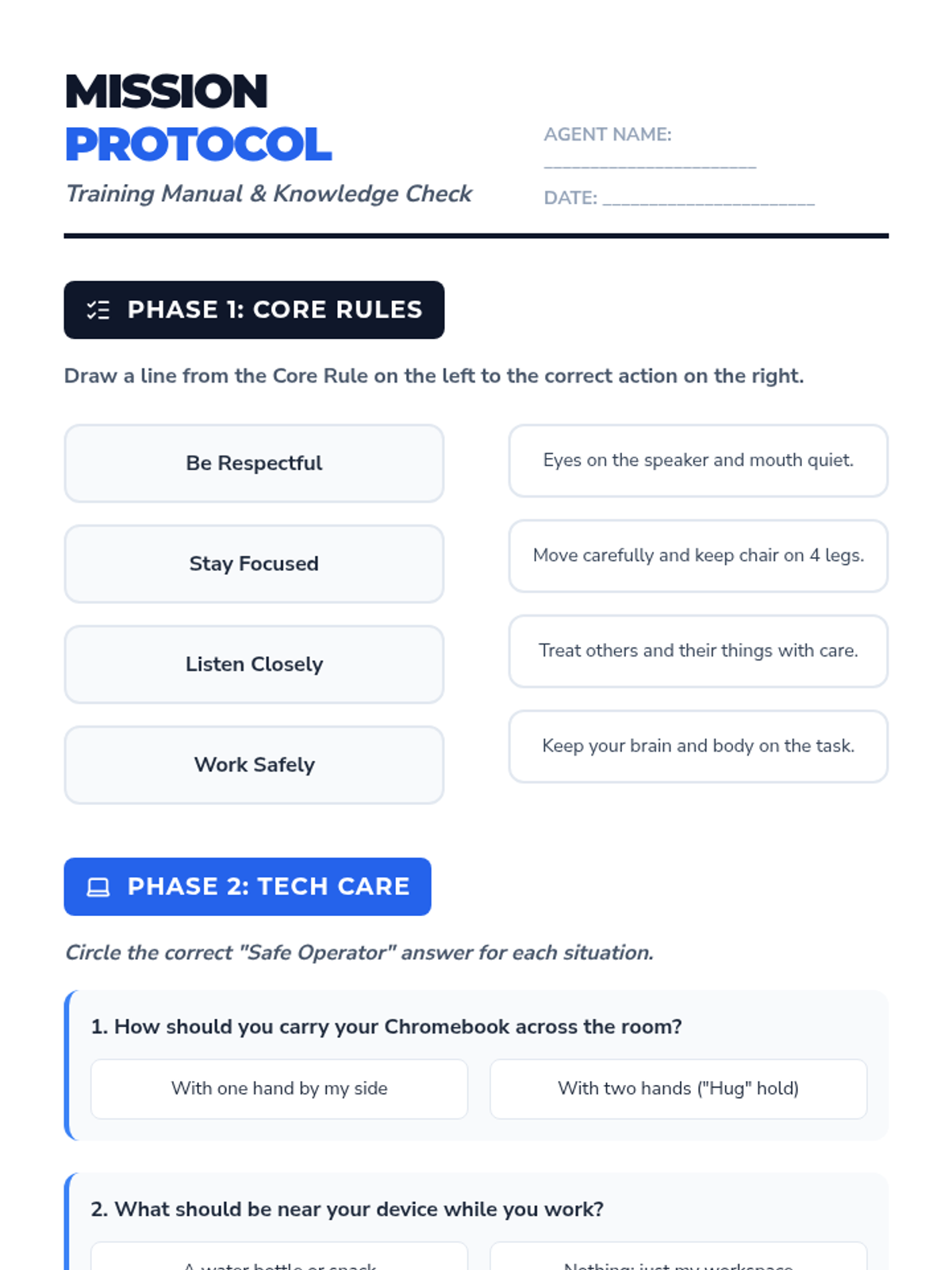
A specialized career exploration lesson designed for students with IEPs (Grades 6-12), focusing on researching profession requirements and developing presentation skills through a 'Career Blueprint' framework.
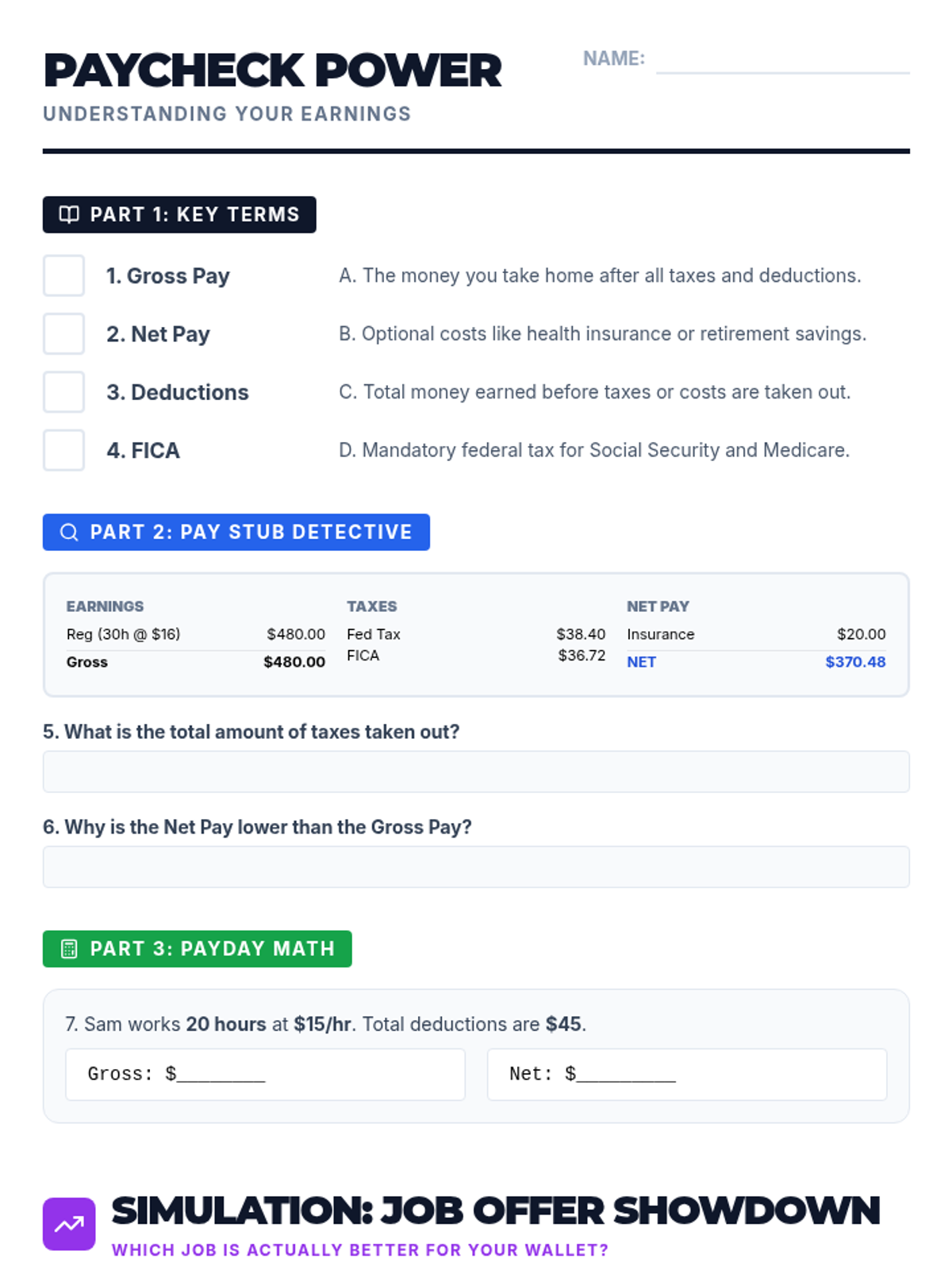
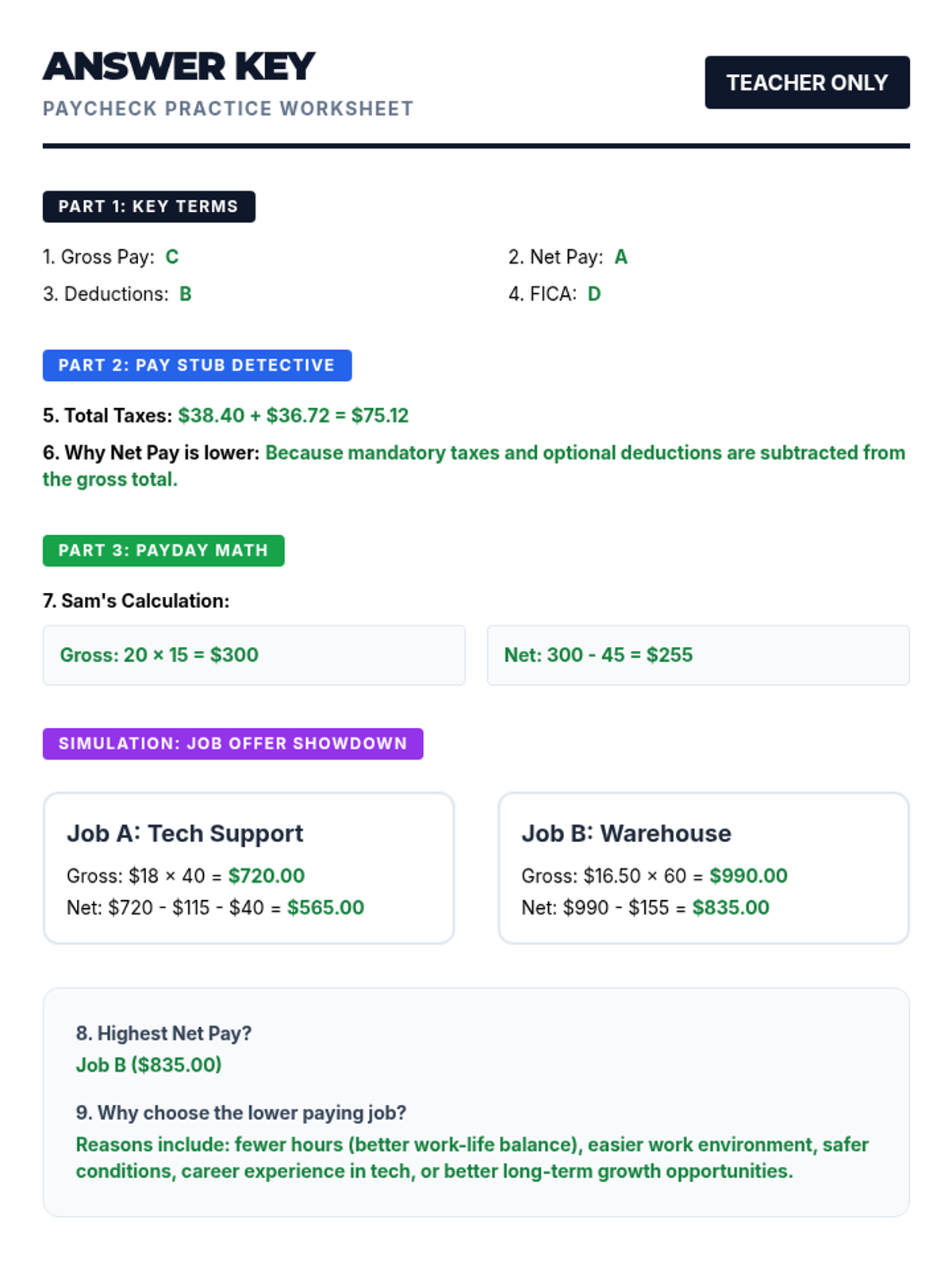
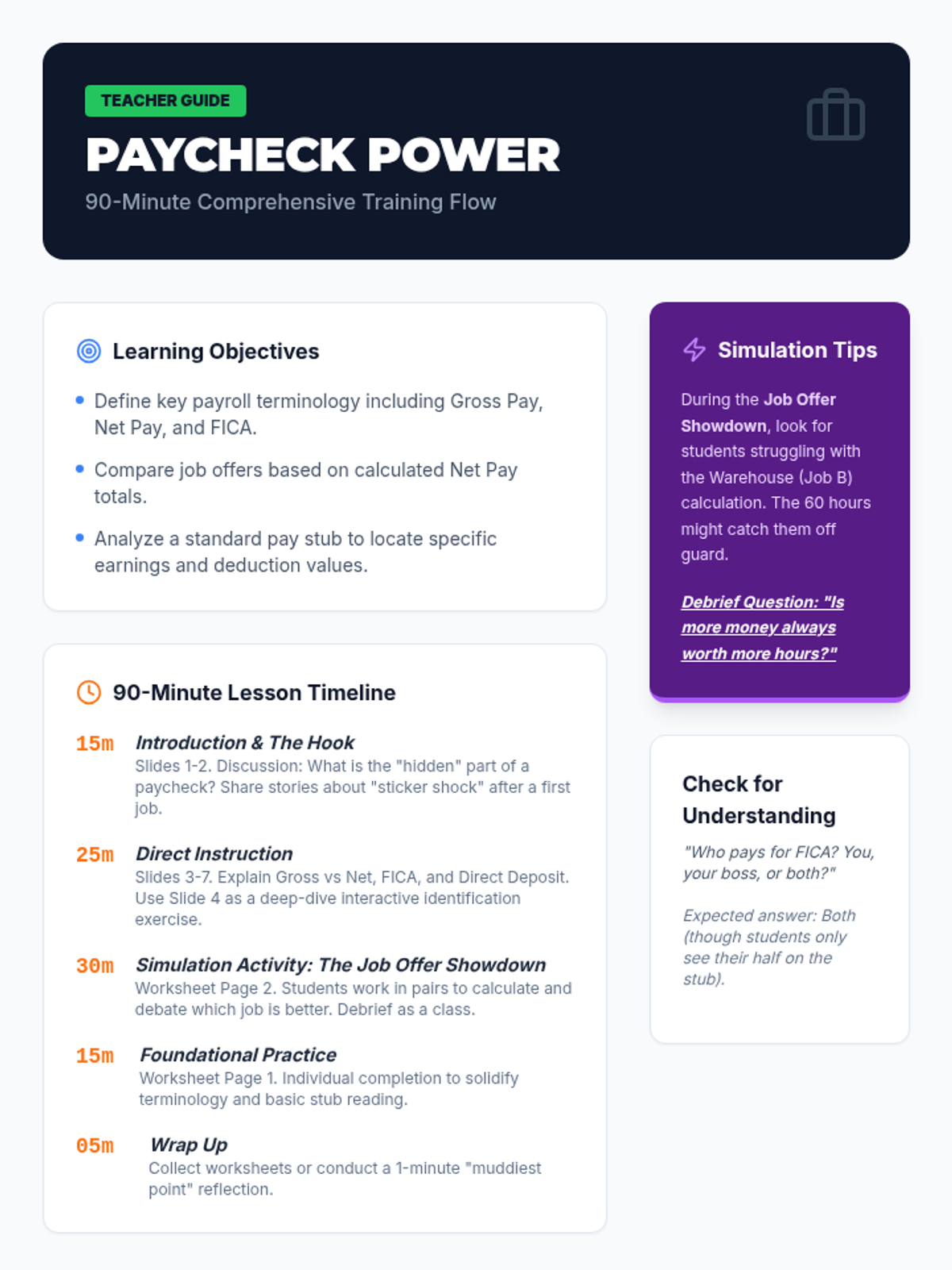
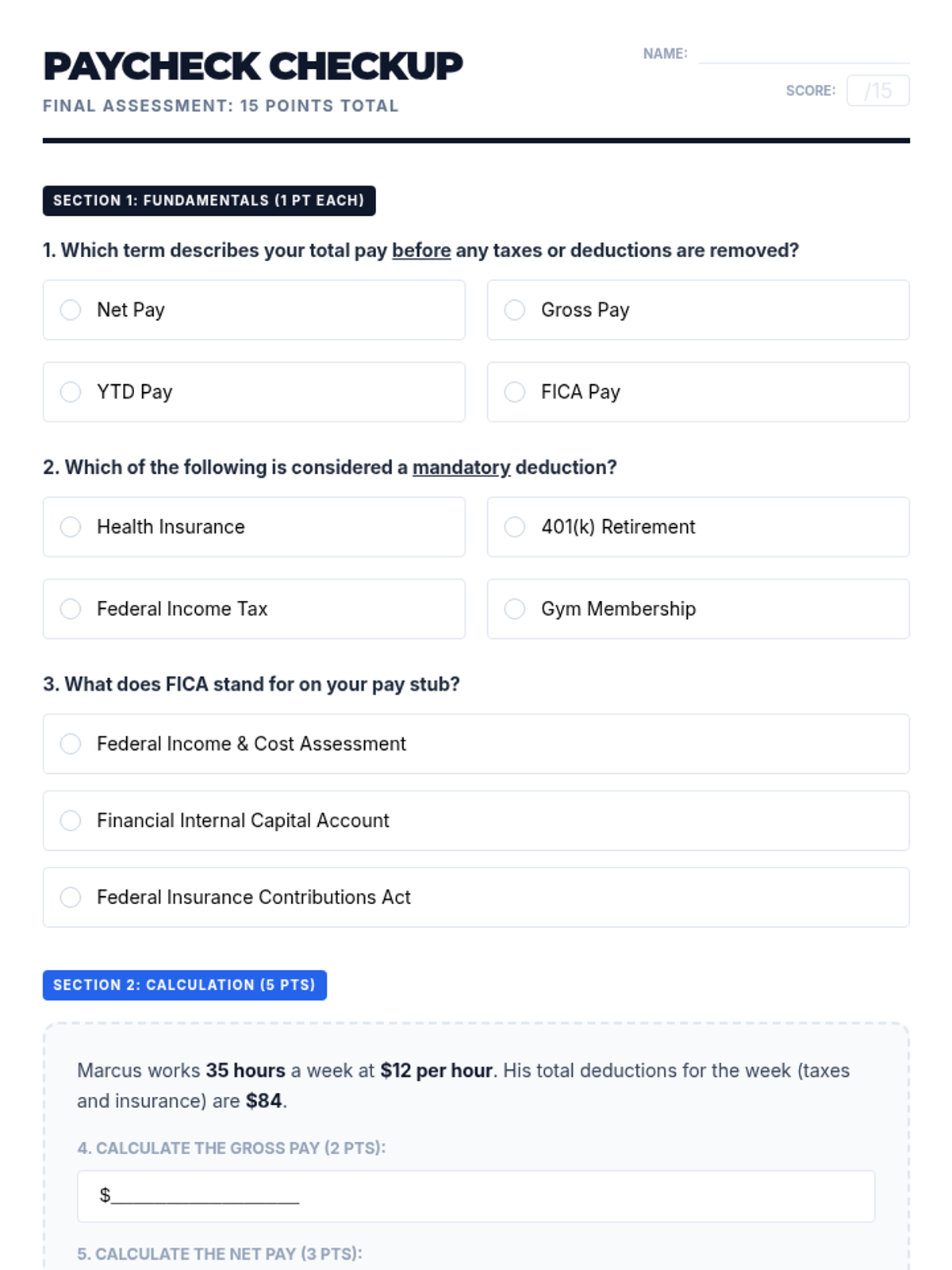
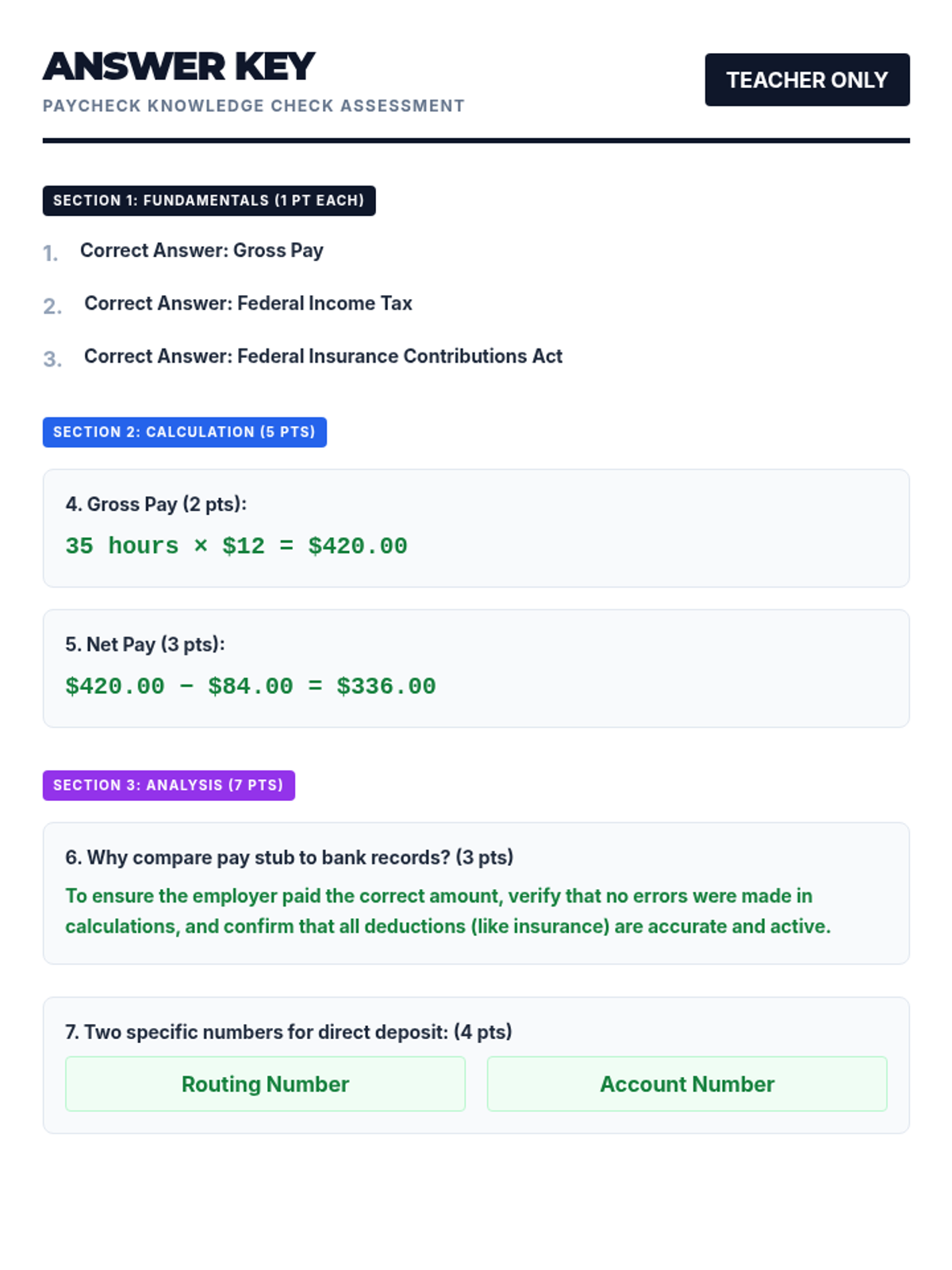
A comprehensive guide to understanding paychecks, including gross vs. net pay, tax deductions, and the anatomy of a pay stub. Students will learn how to read their earnings statements and manage their direct deposit information.
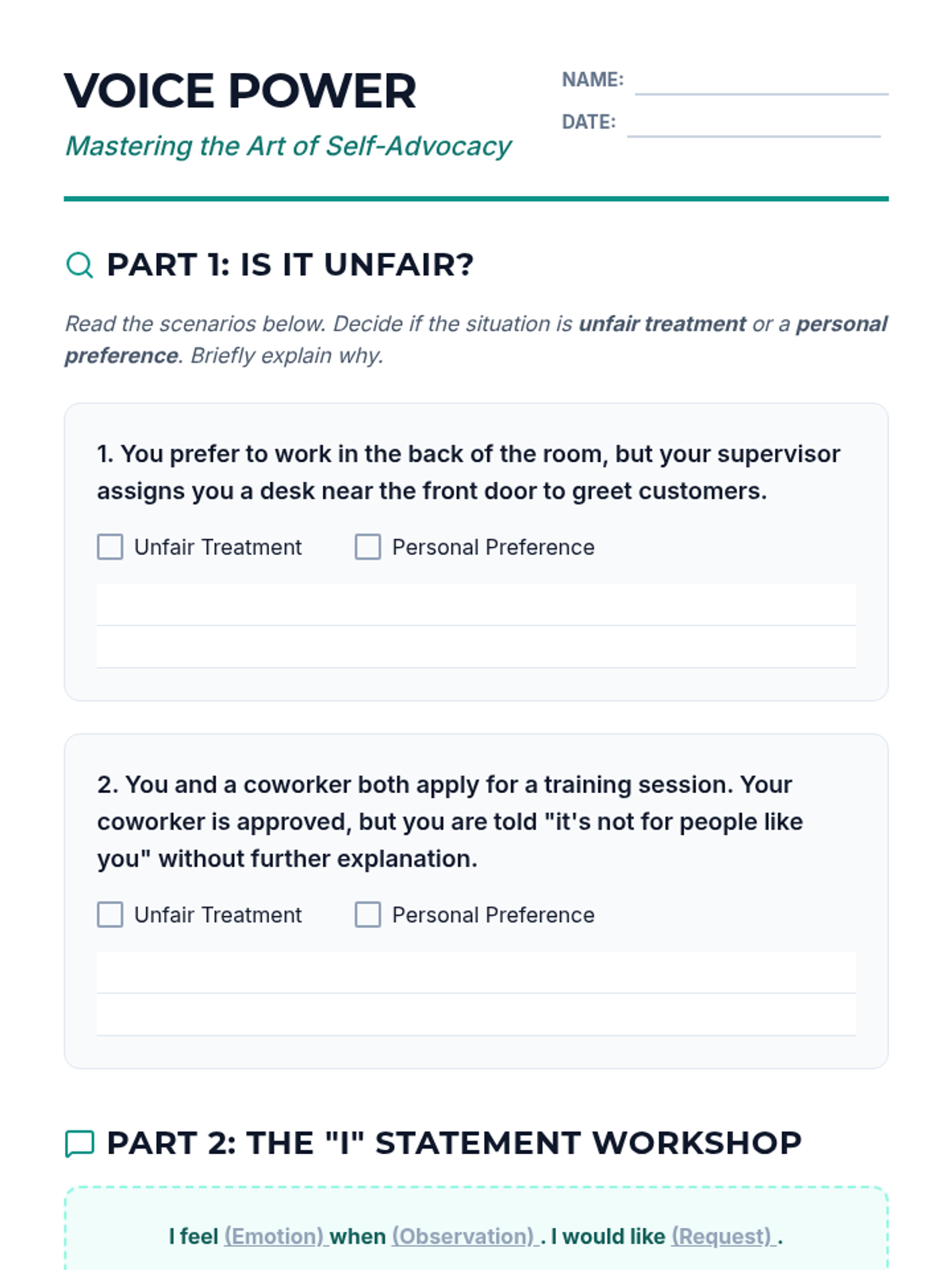
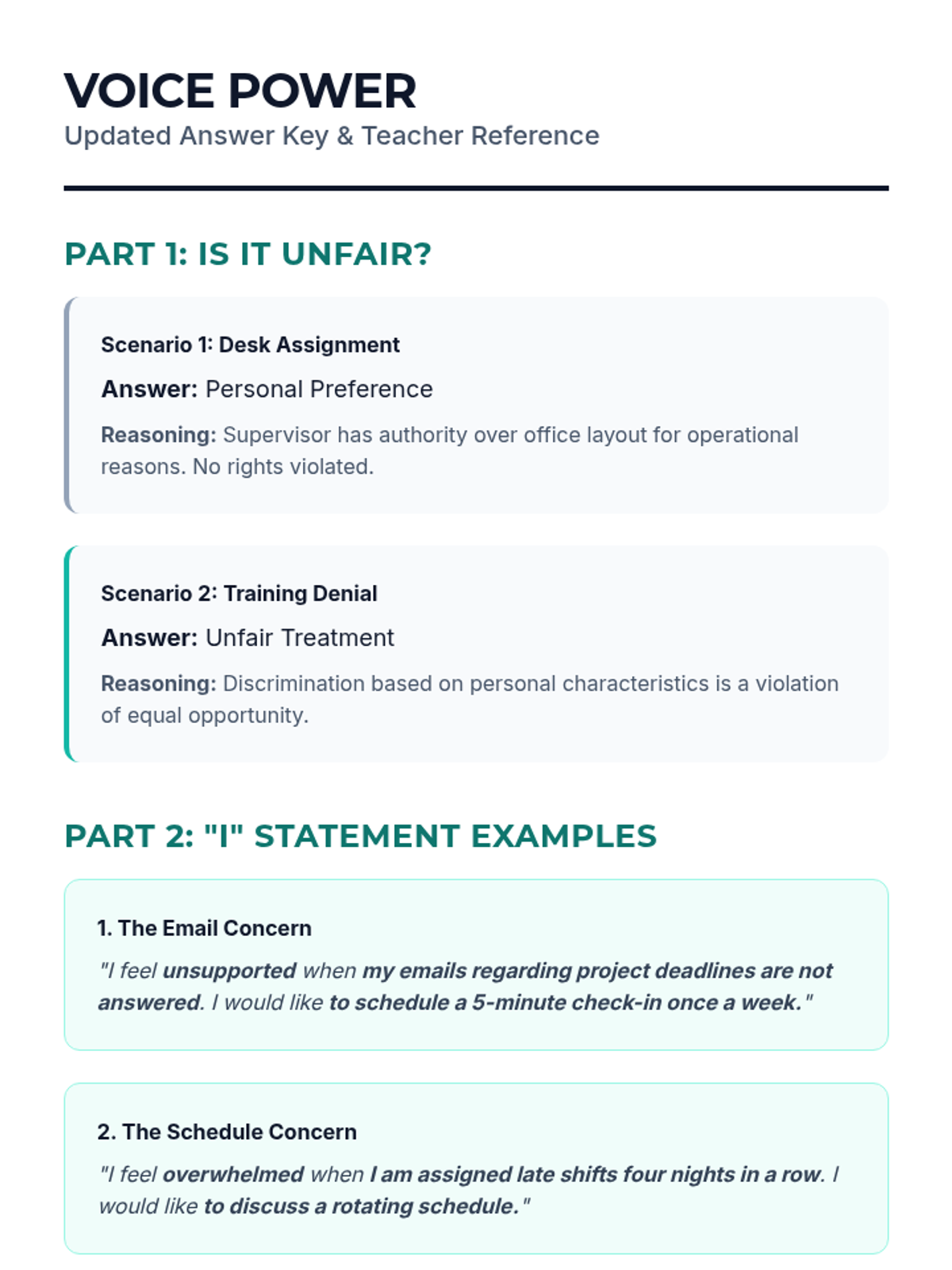
This lesson empowers students to identify unfair treatment and provides a step-by-step framework for self-advocacy, including 'I' statements and formal complaint procedures.
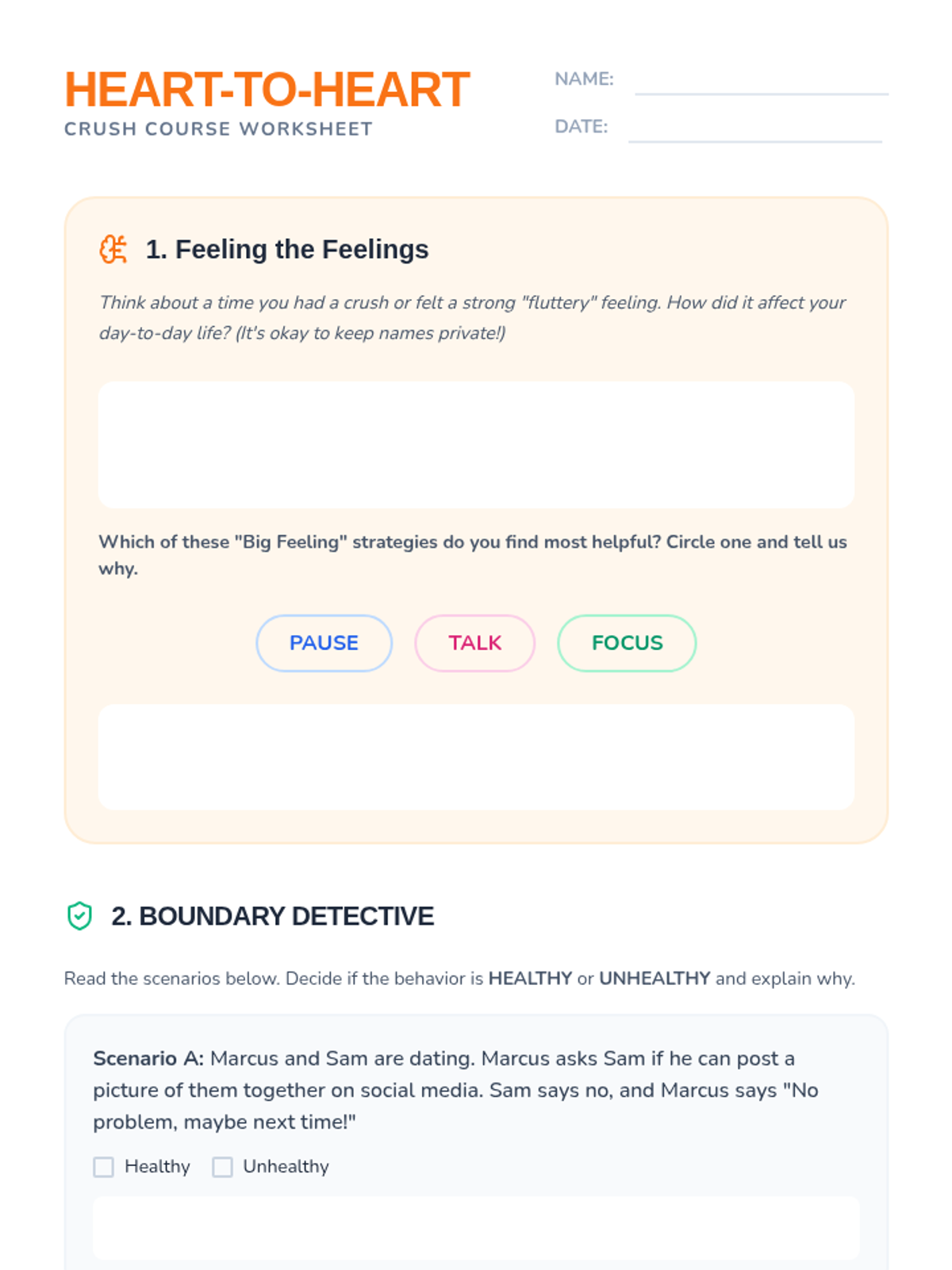
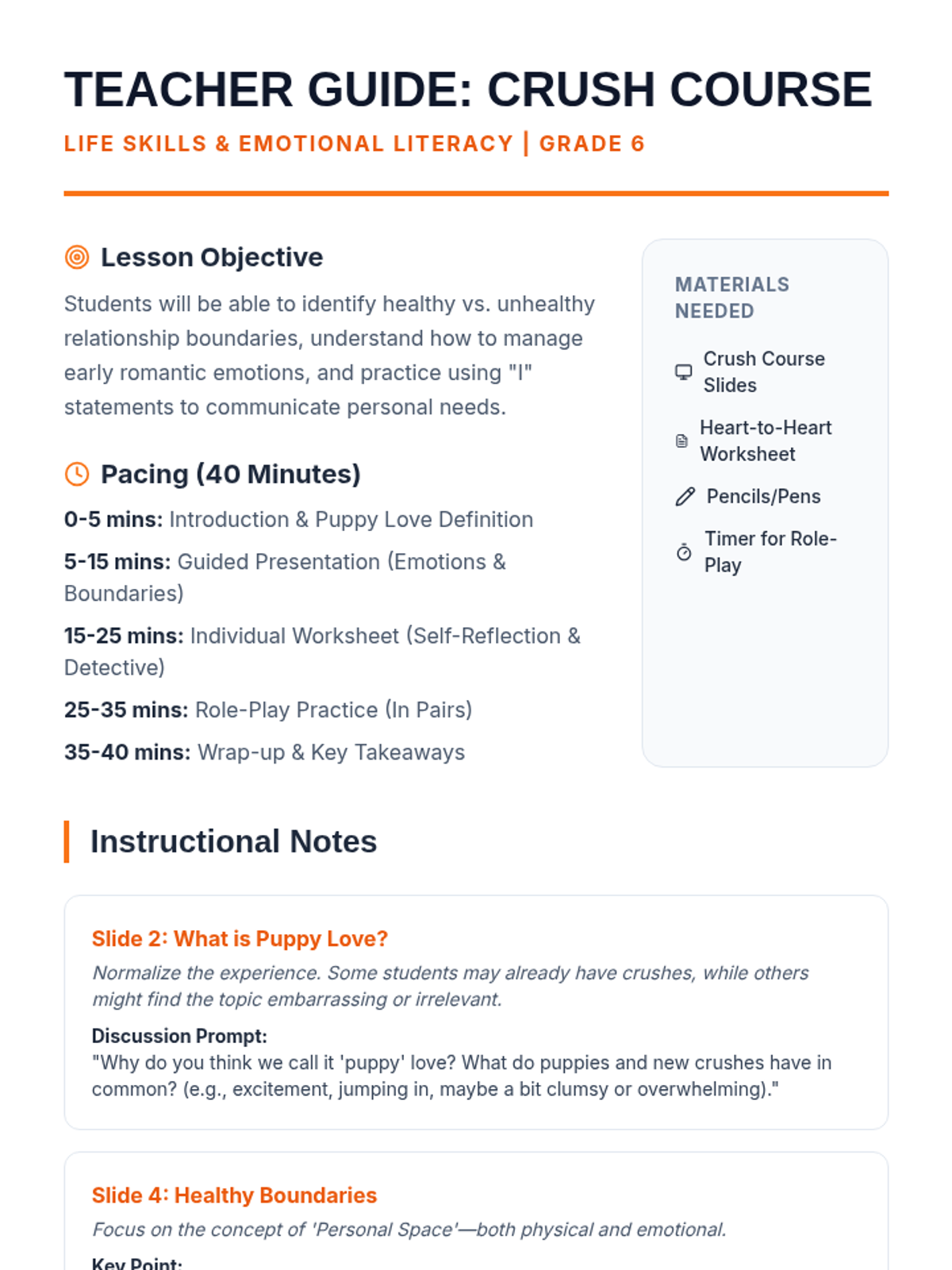
This lesson helps 6th graders navigate the complex world of early romantic feelings by focusing on identifying emotions, setting healthy boundaries, and practicing clear communication. Students will learn to distinguish between healthy and unhealthy relationship behaviors through interactive slides and role-play scenarios.
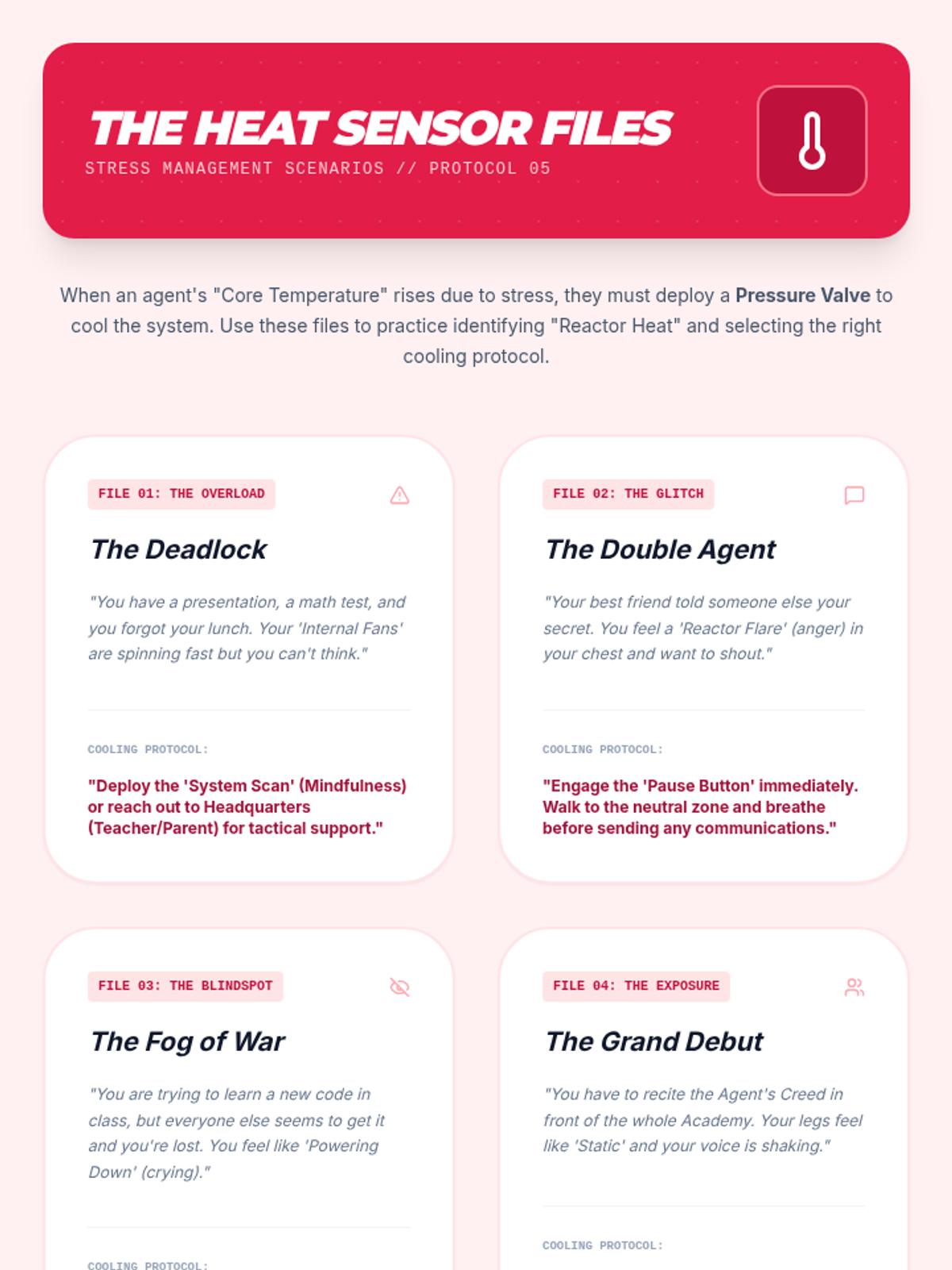
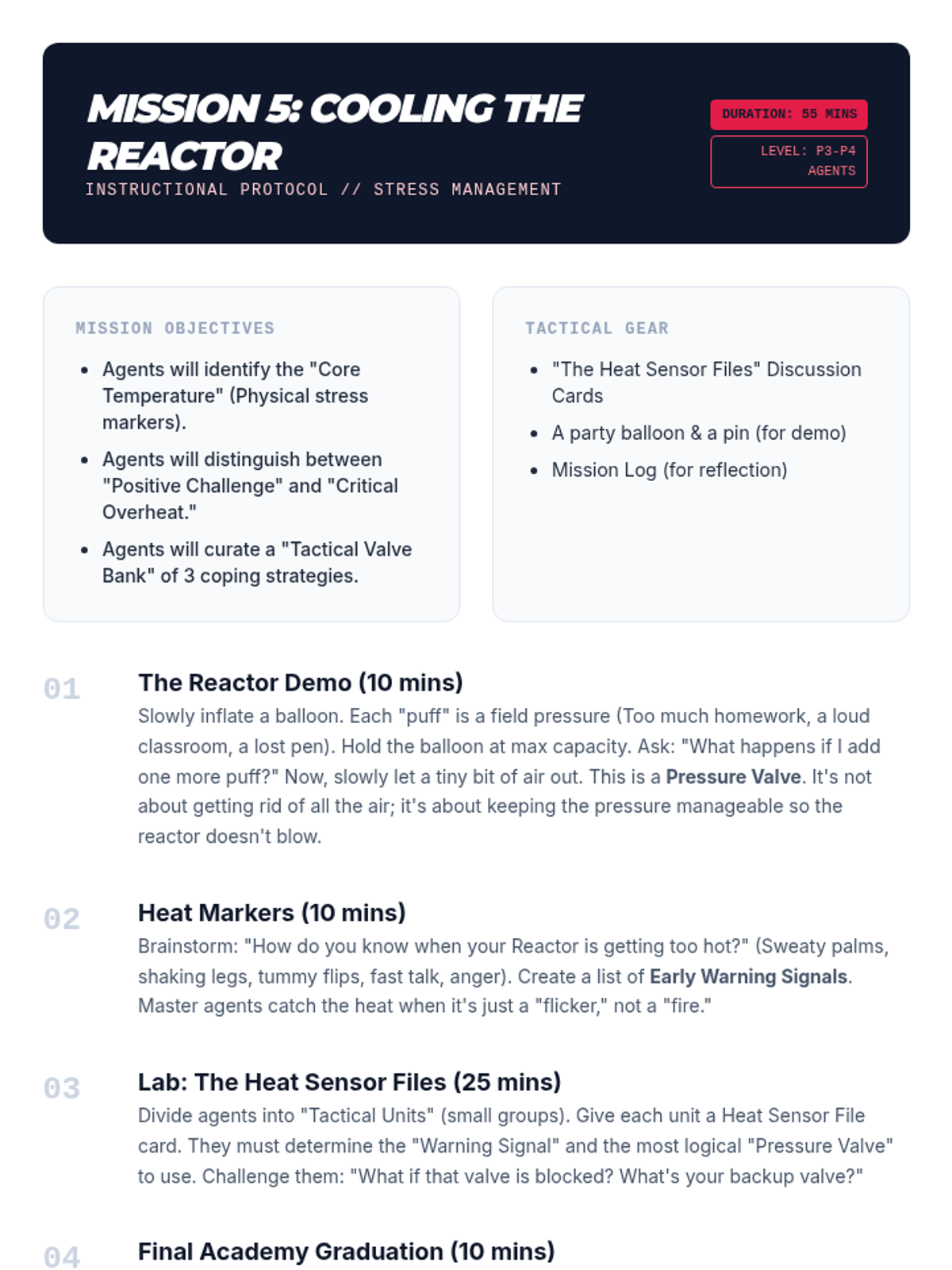
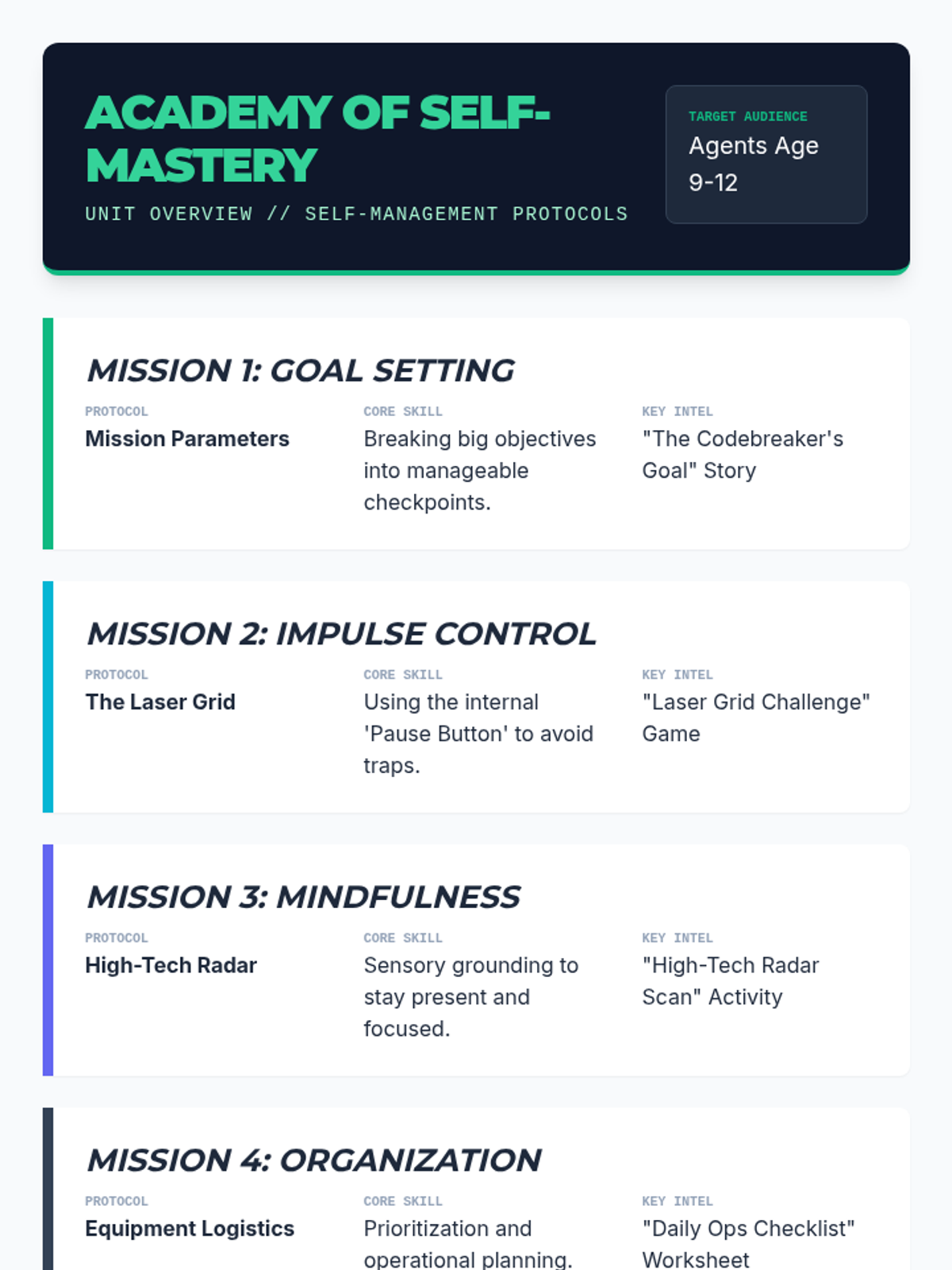
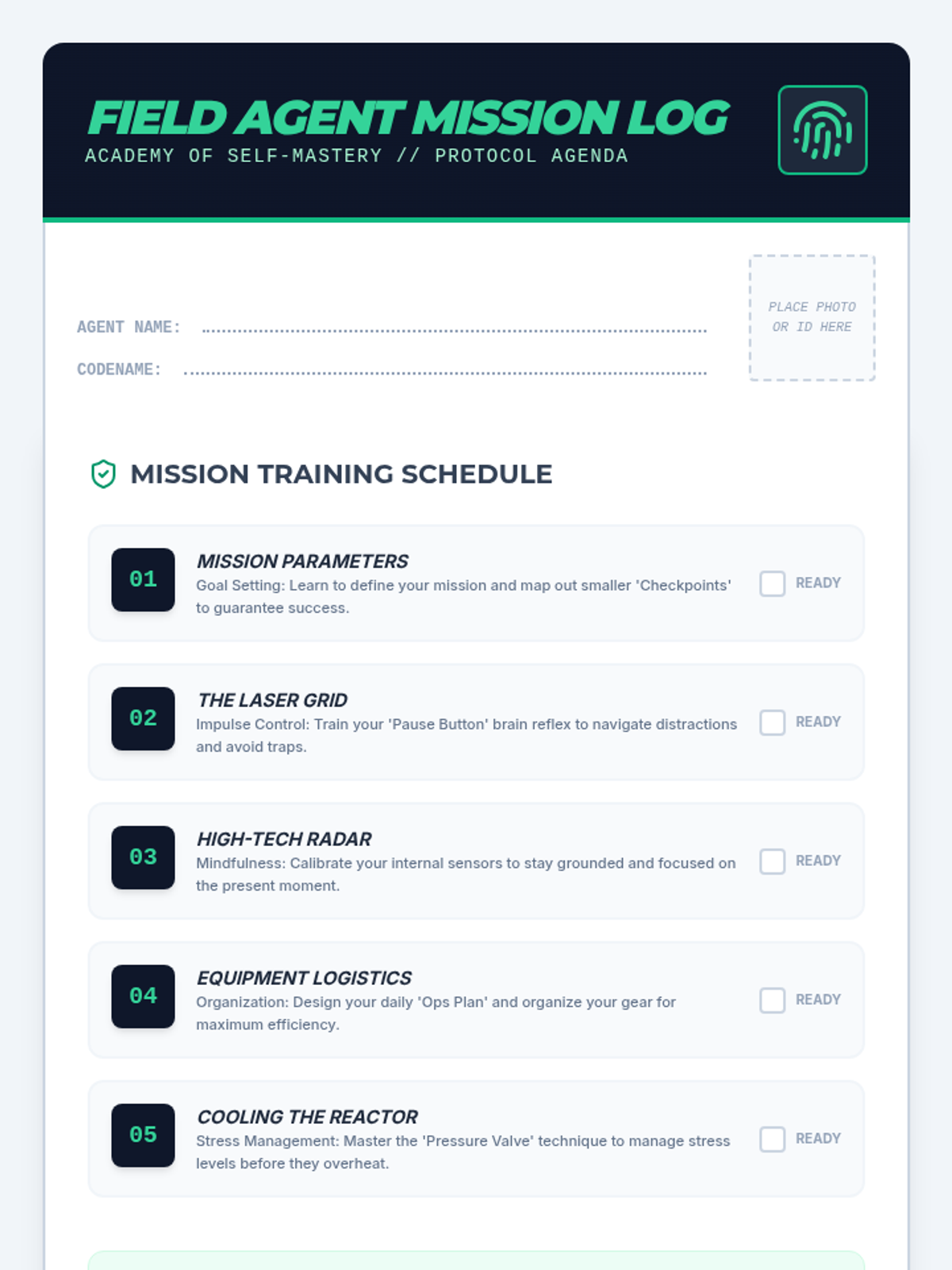
Agents learn to identify 'reactor heat' (stress) and use cooling valves to maintain operational status.
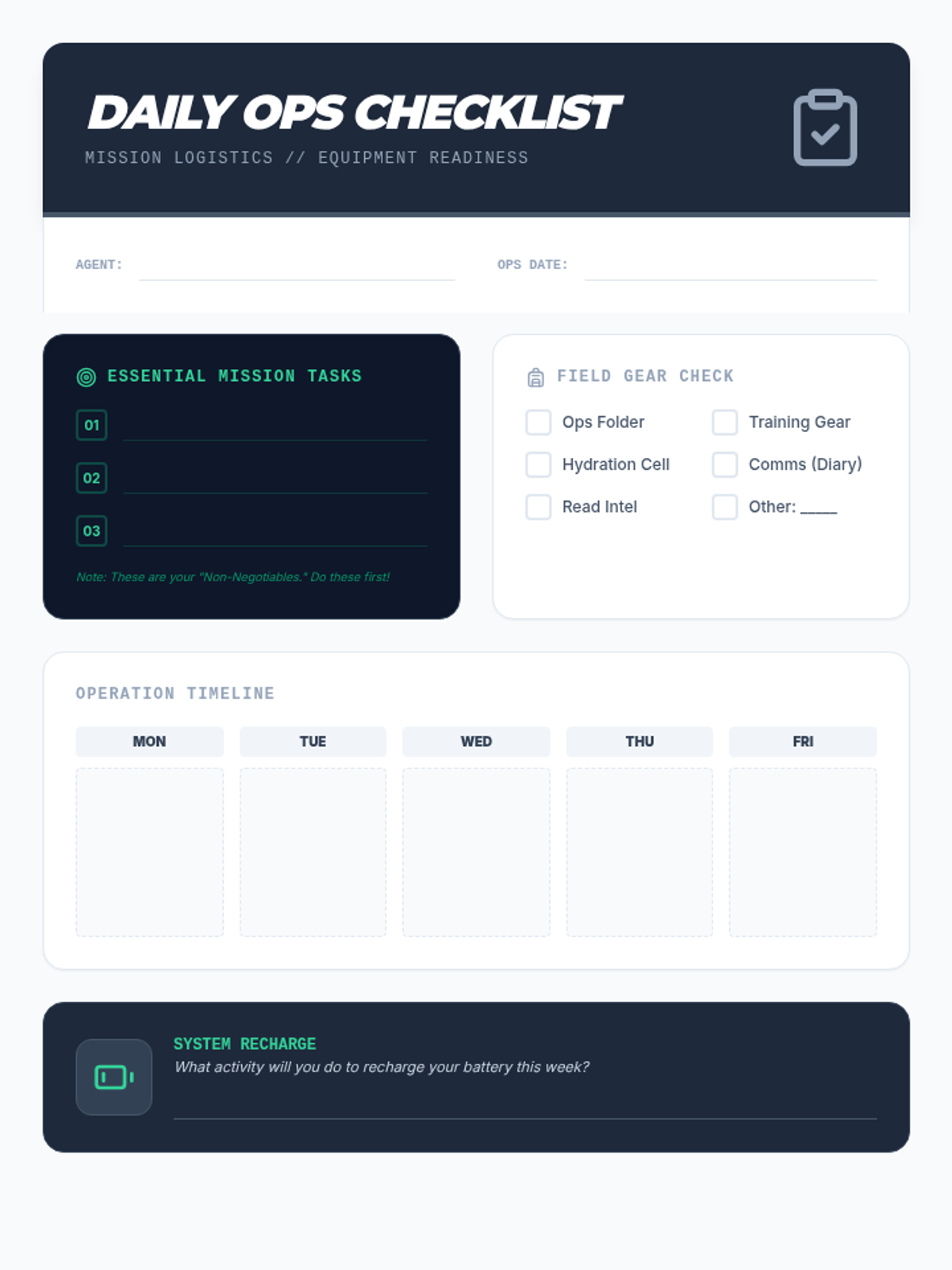
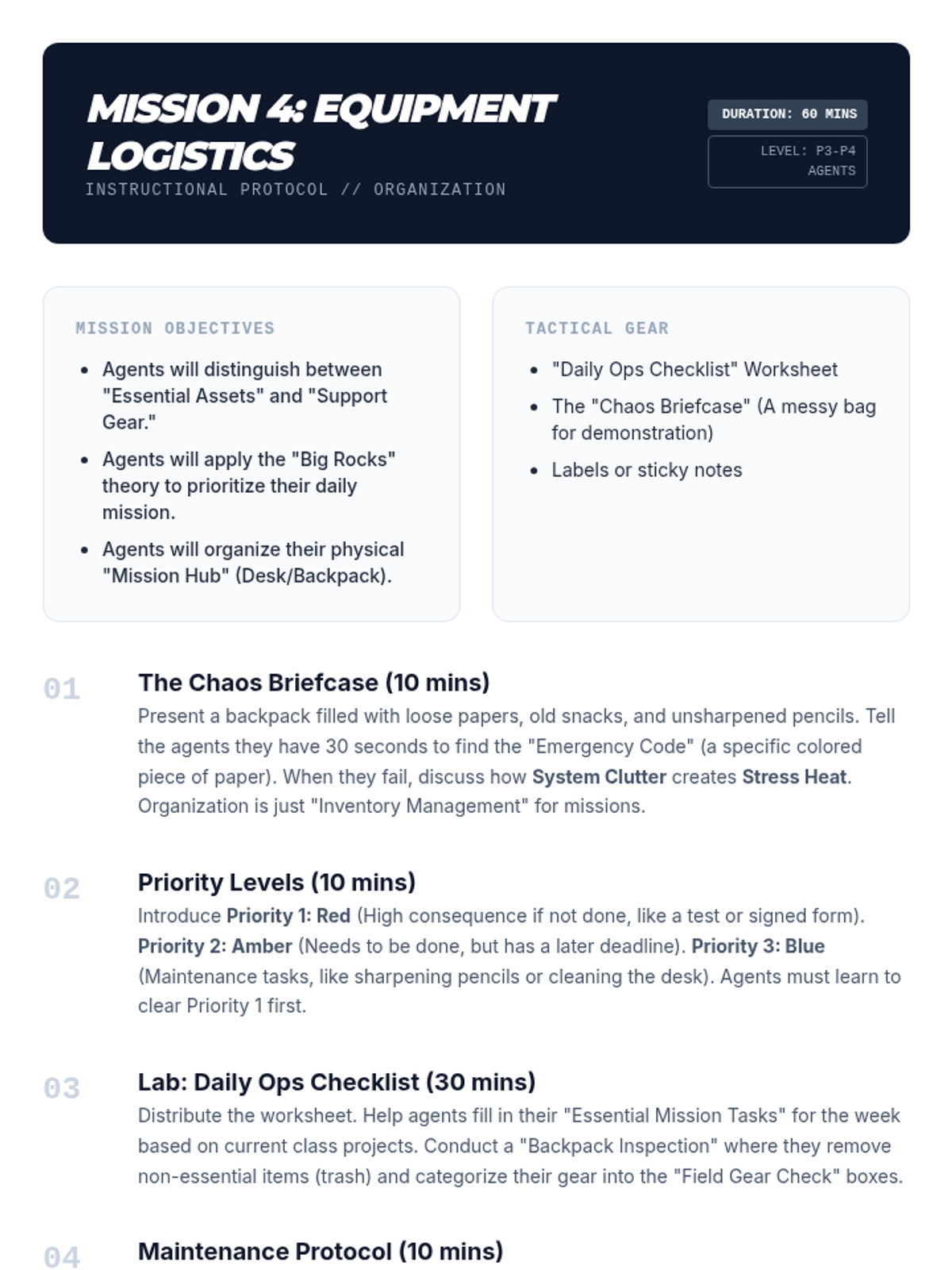
Agents master the logistics of their daily operations through effective planning and organization.
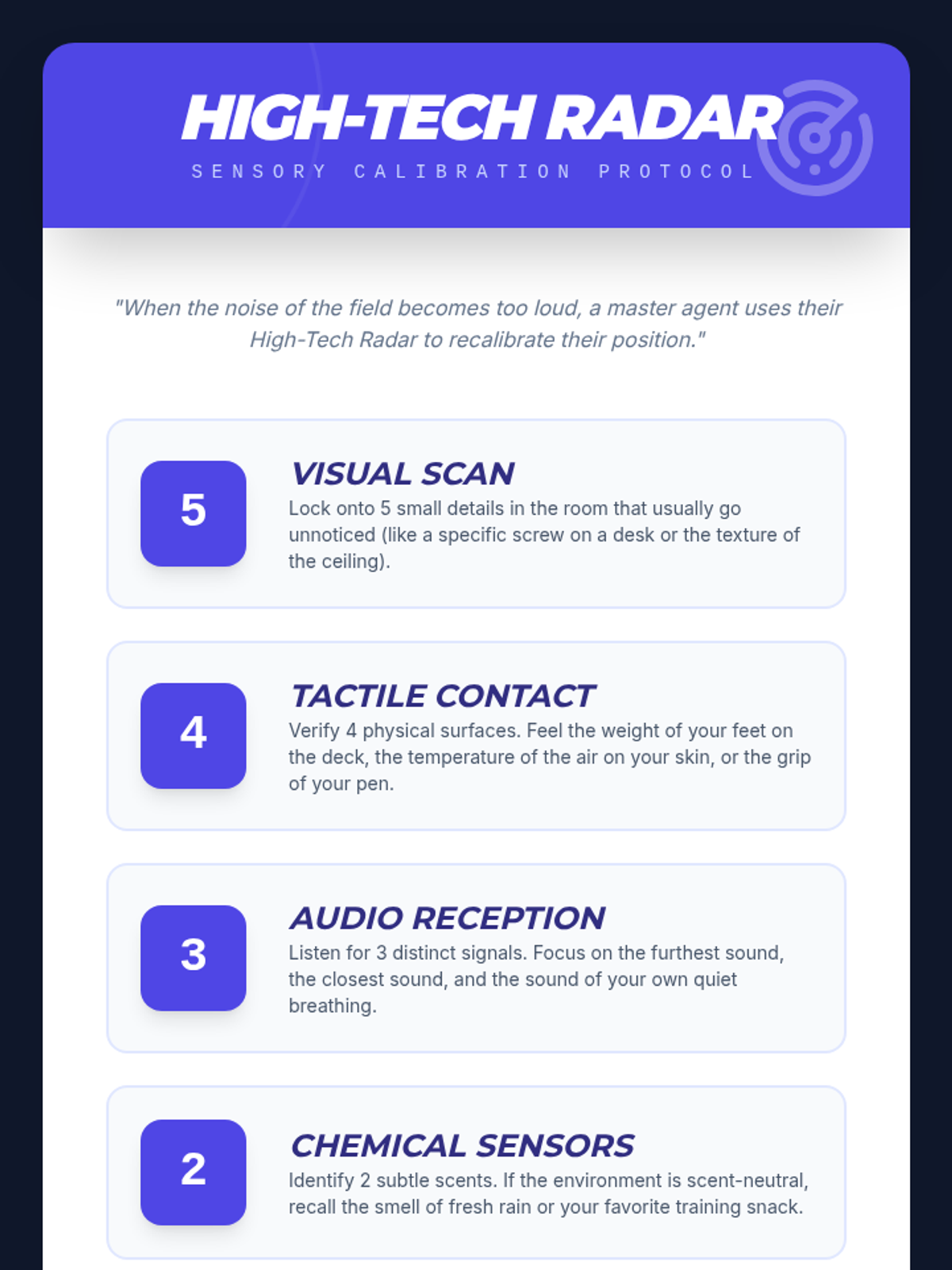
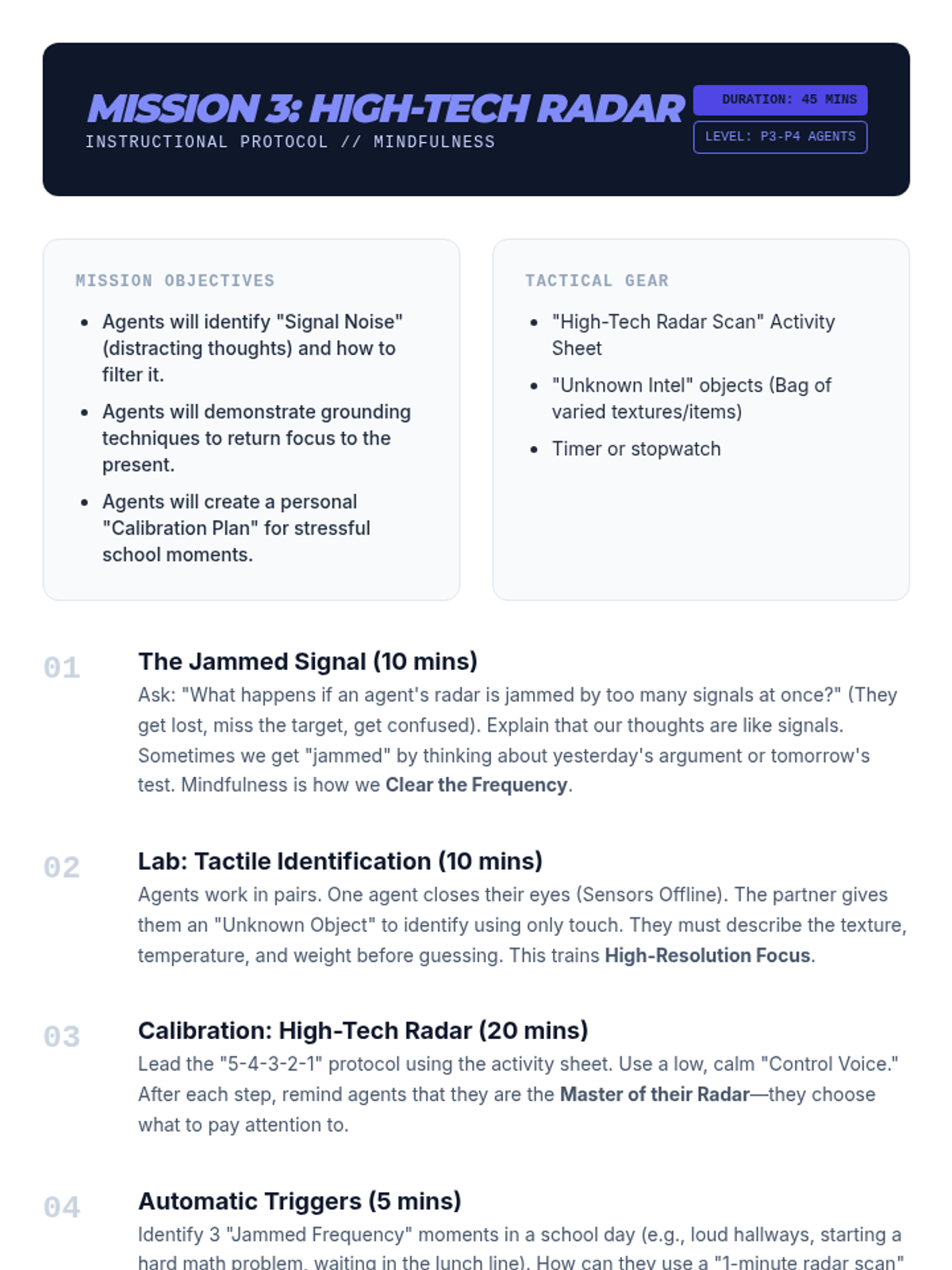
Agents calibrate their internal radar using sensory grounding techniques to stay focused.
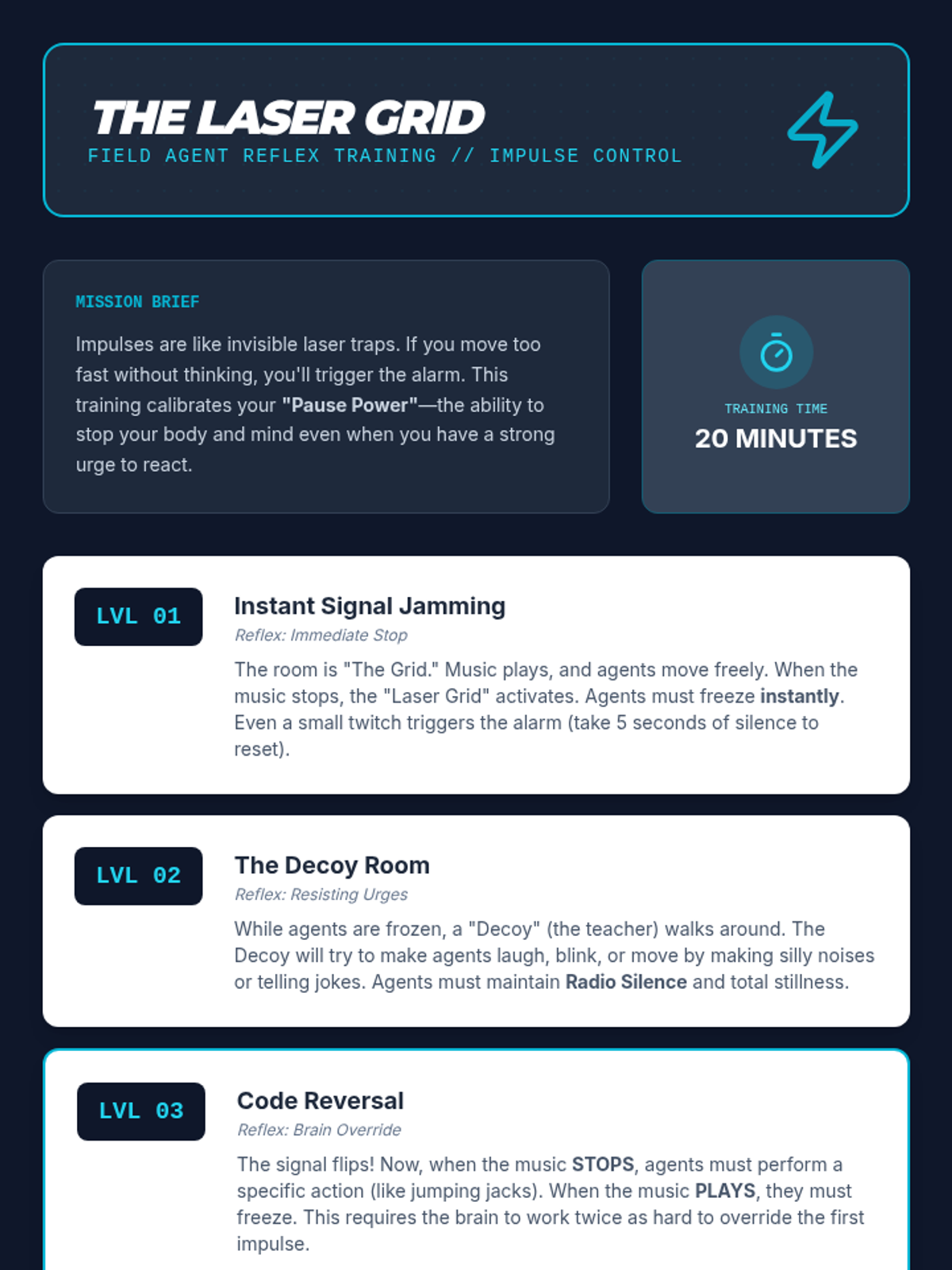
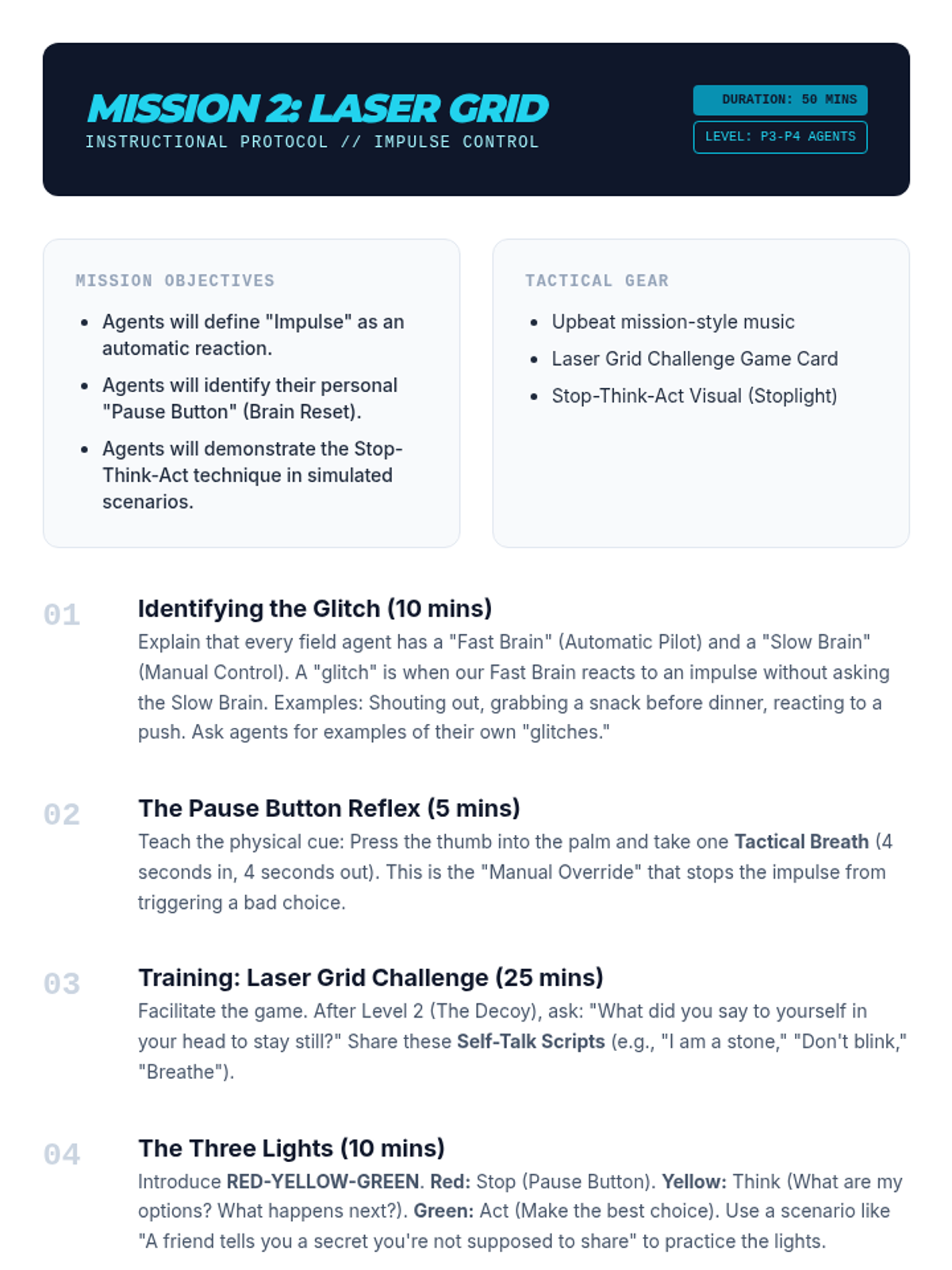
Agents practice navigating the 'Laser Grid' of impulses by using their internal pause button.
Agents learn to define their mission and break down big objectives into manageable checkpoints.
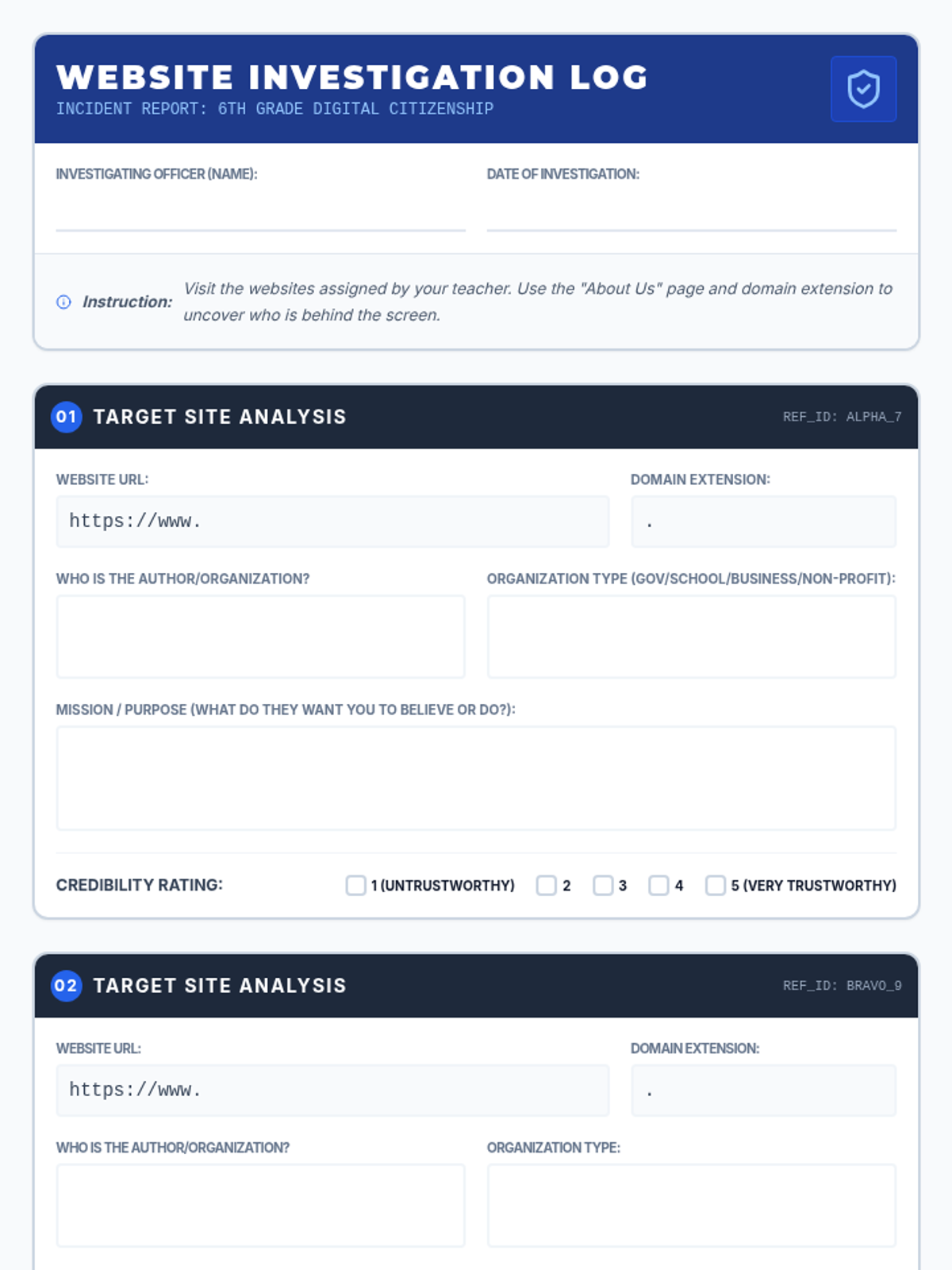
Students become digital detectives as they learn to peel back the layers of websites, analyzing domain extensions and "About Us" pages to determine who is providing information and whether they can be trusted.
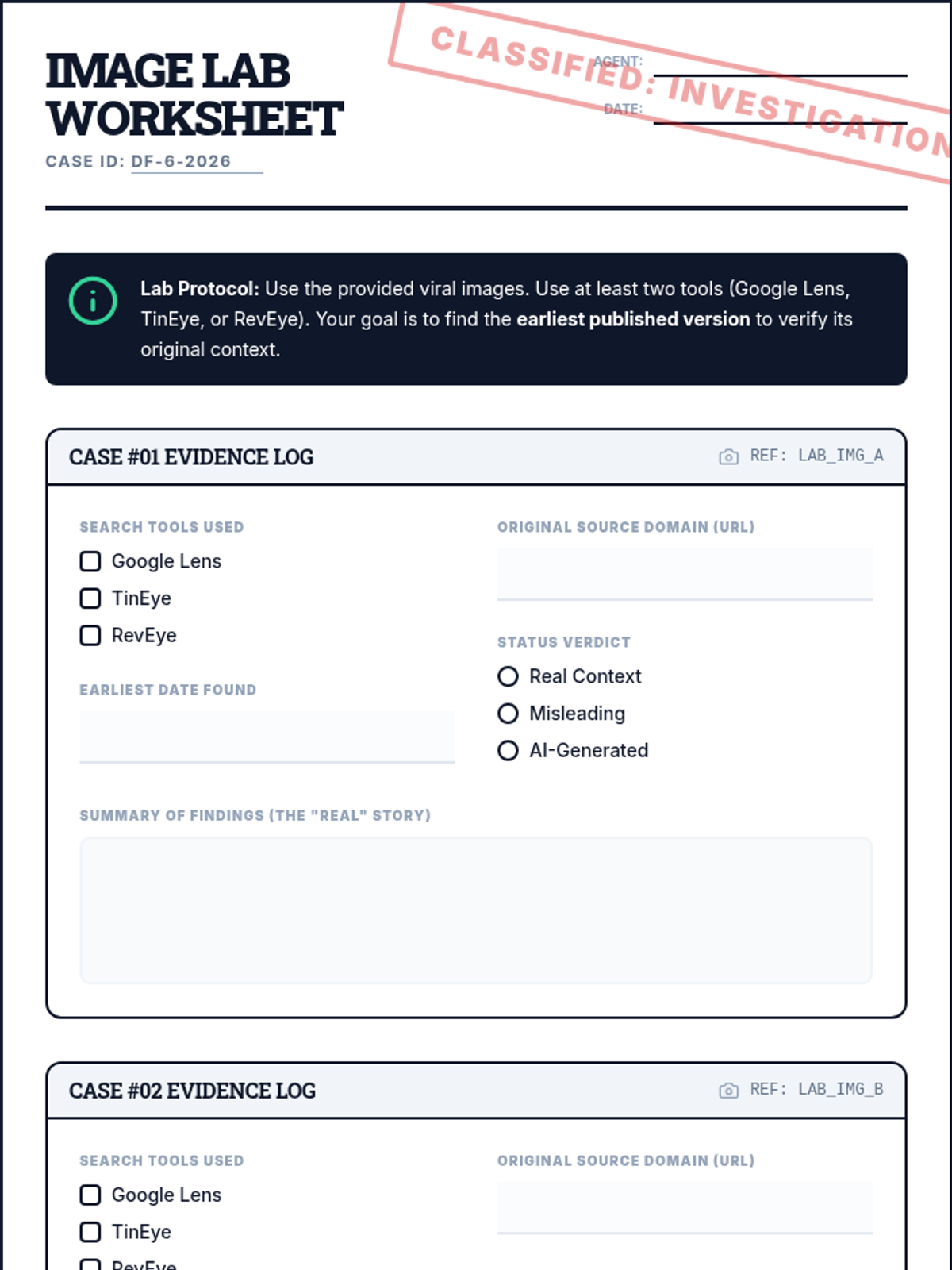
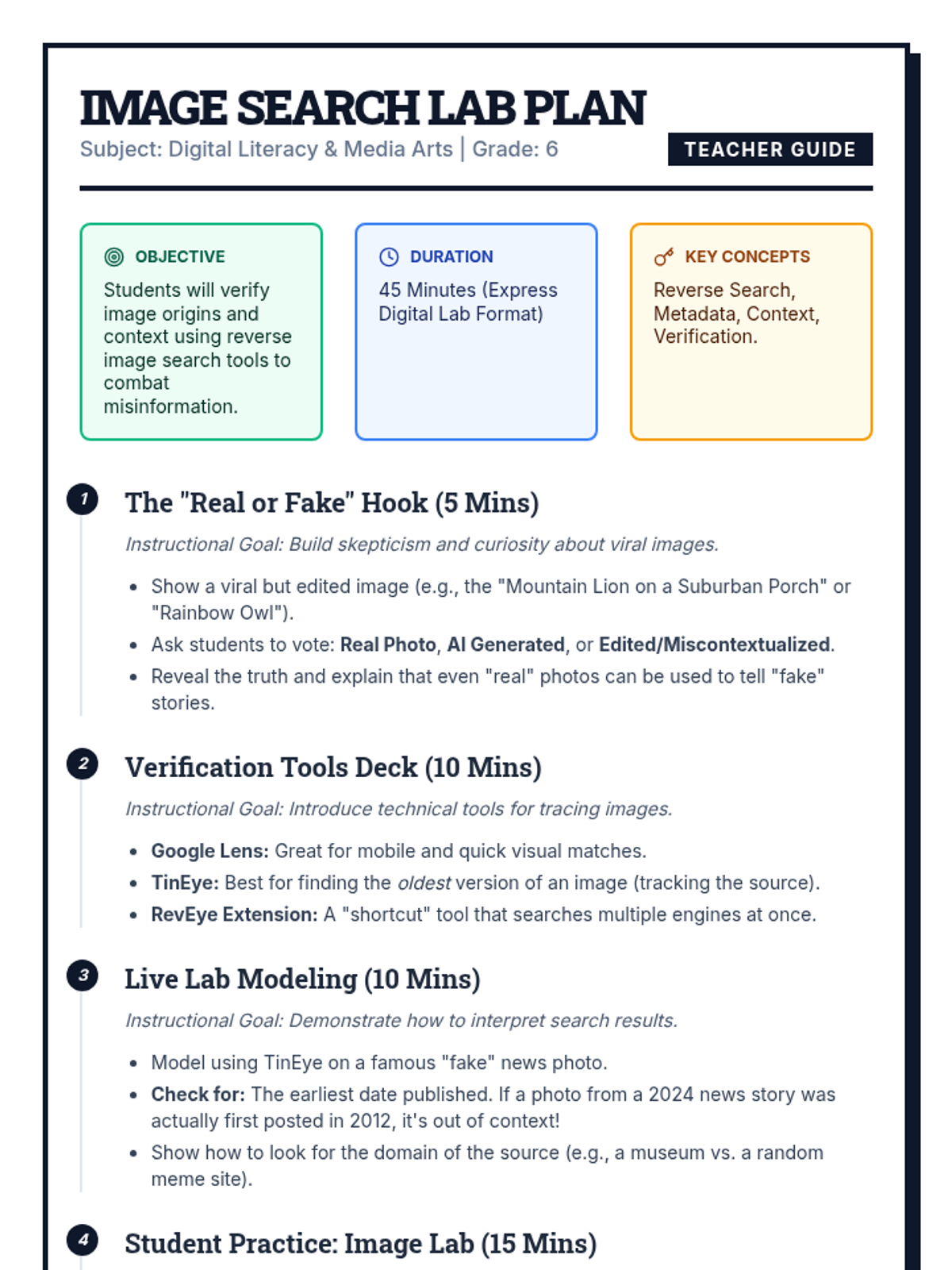
A 45-minute digital forensics lesson where 6th-grade students learn to use reverse image search tools to verify the authenticity and context of viral images. Students act as 'Image Detectives' to uncover the true origins of misleading digital media.
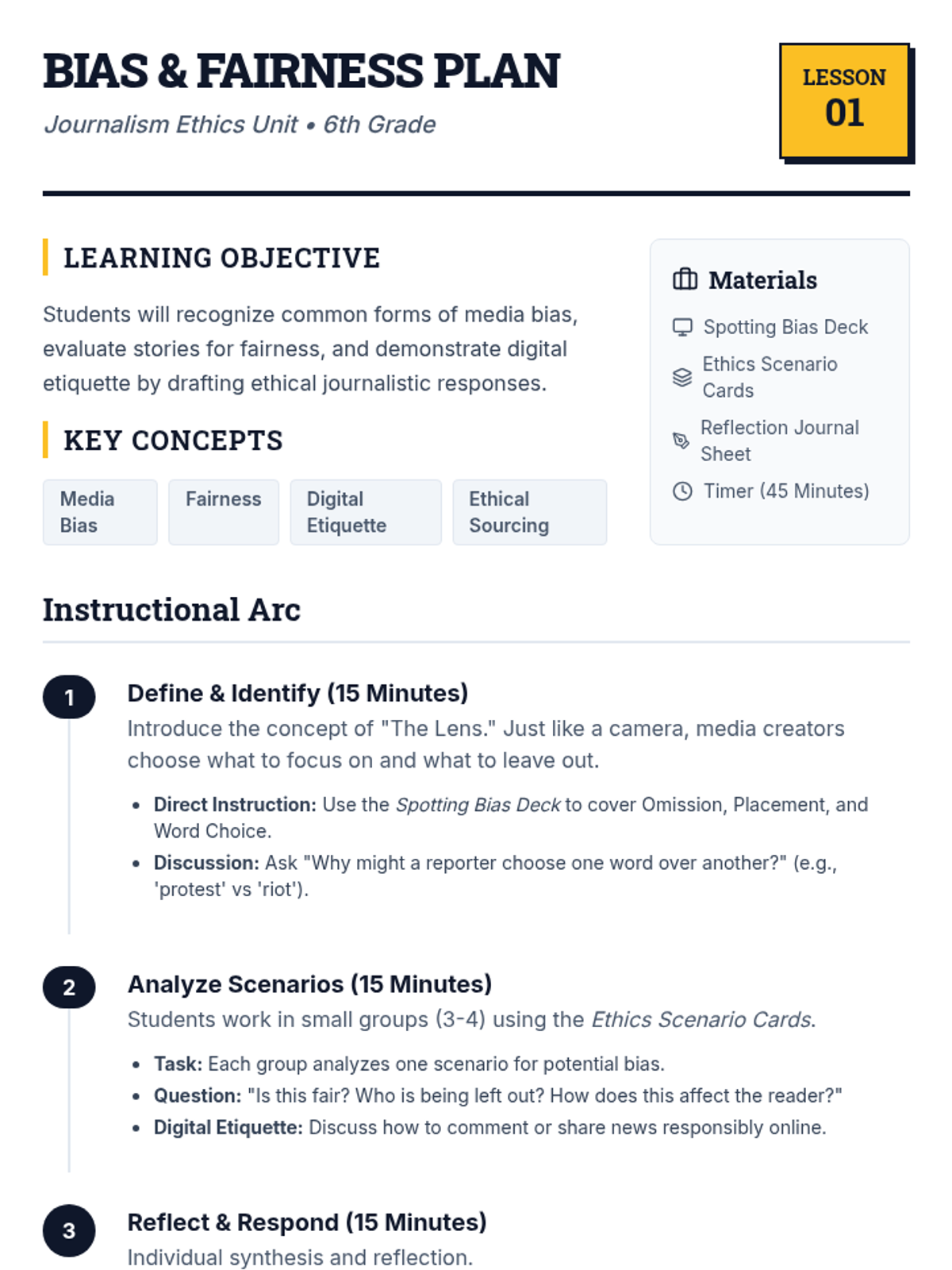
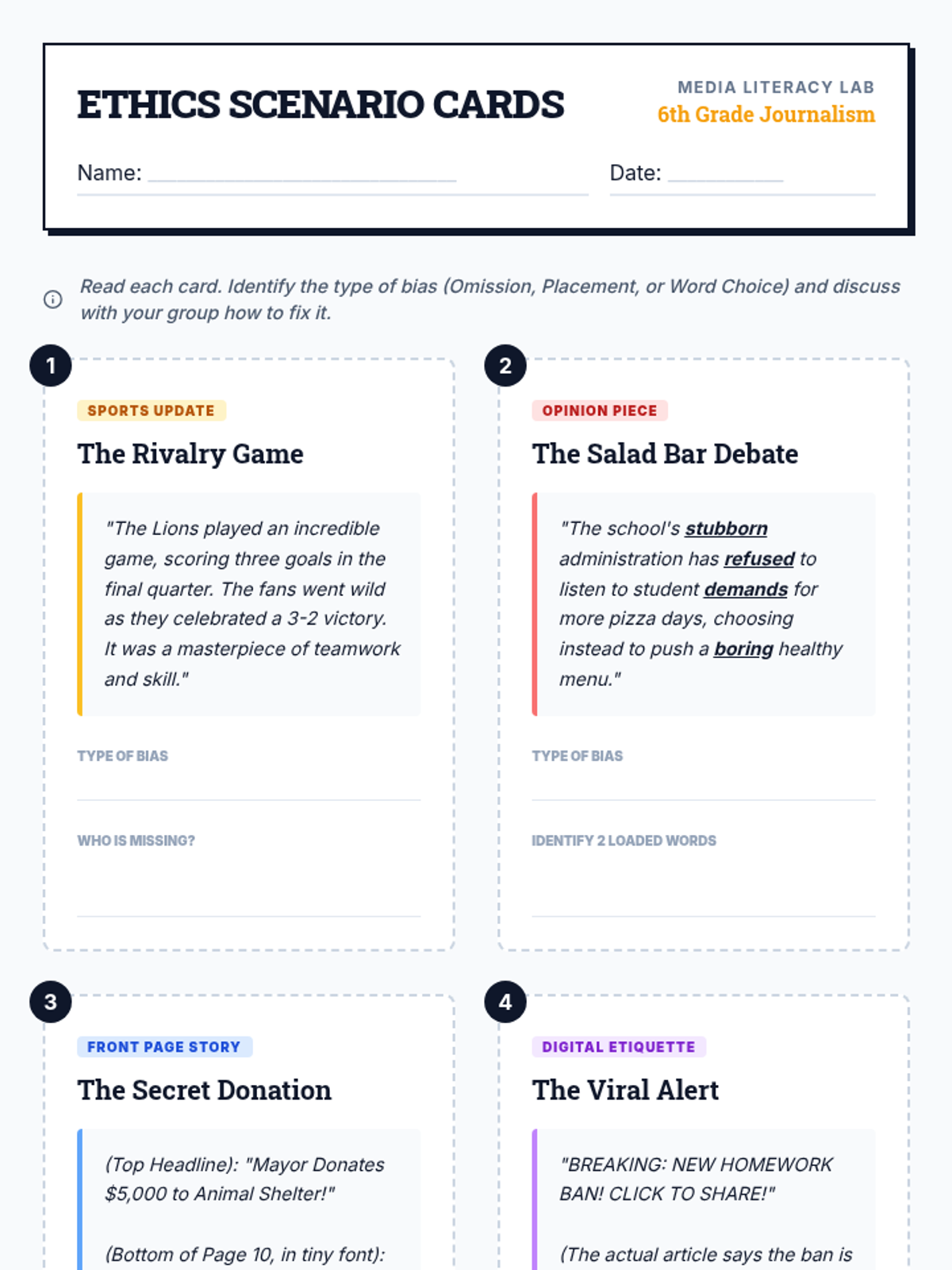
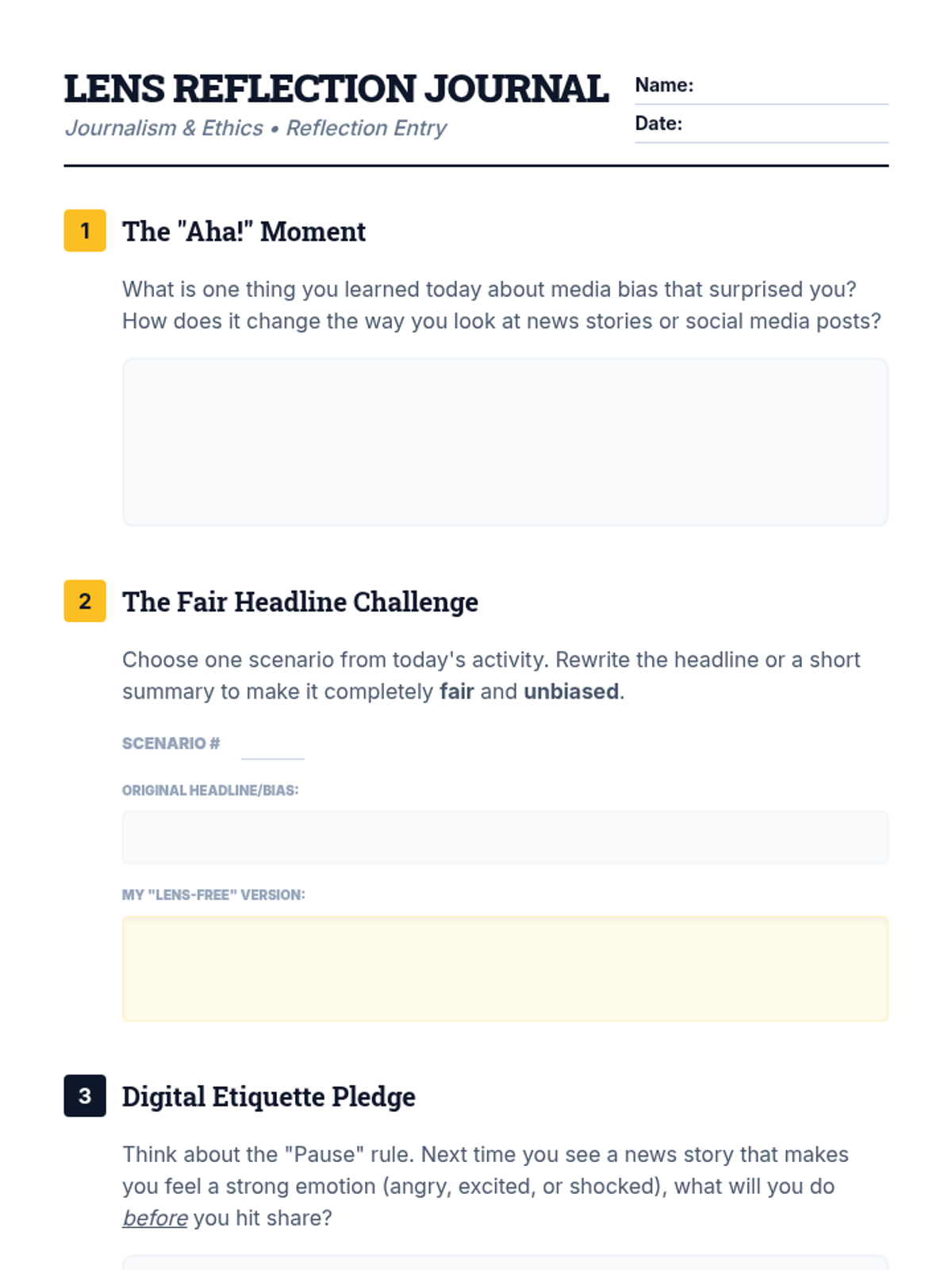
A 45-minute lesson for 6th graders to identify media bias, understand fairness, and practice digital etiquette in journalism. students analyze real-world scenarios and reflect on ethical communication.
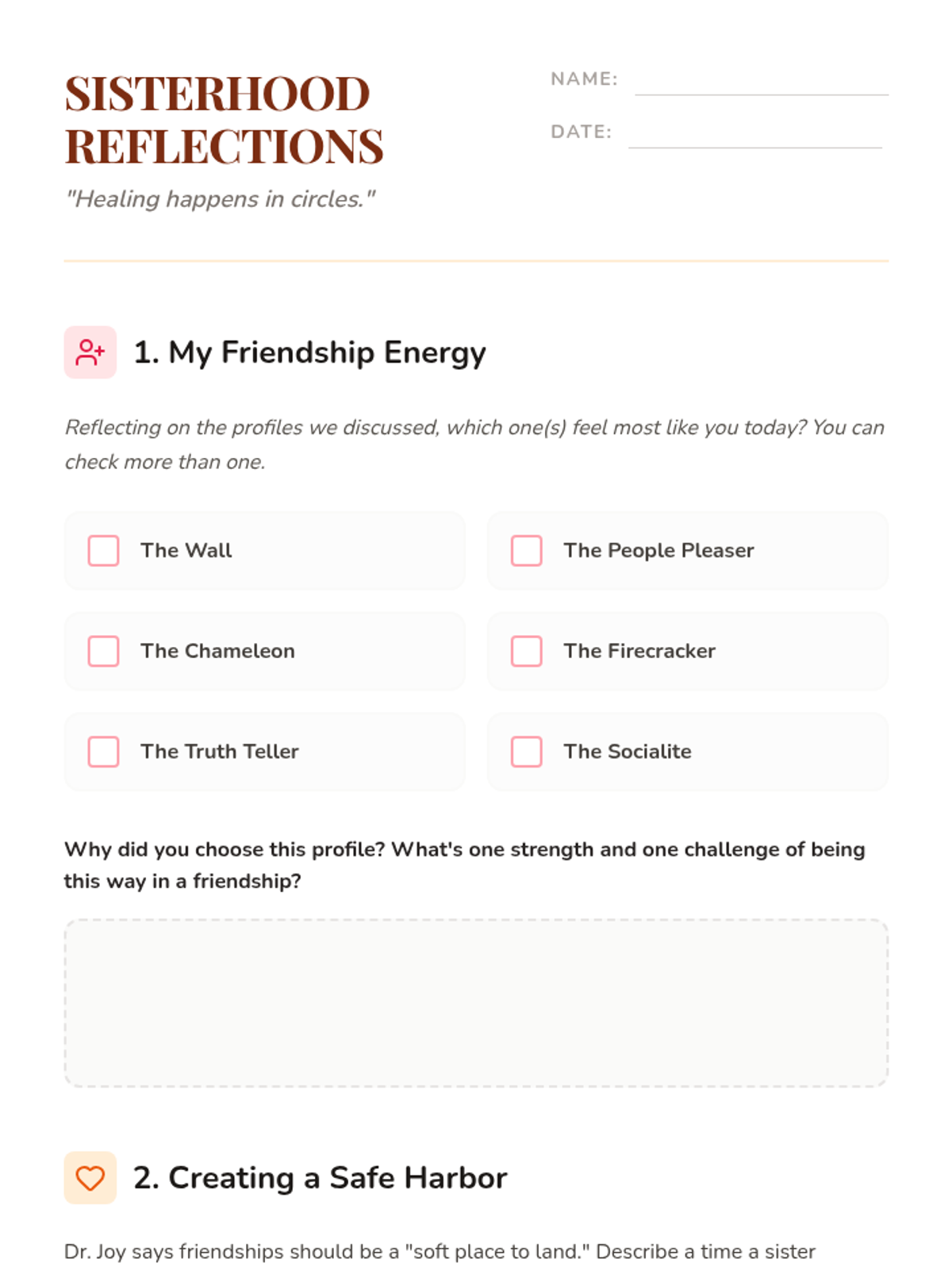
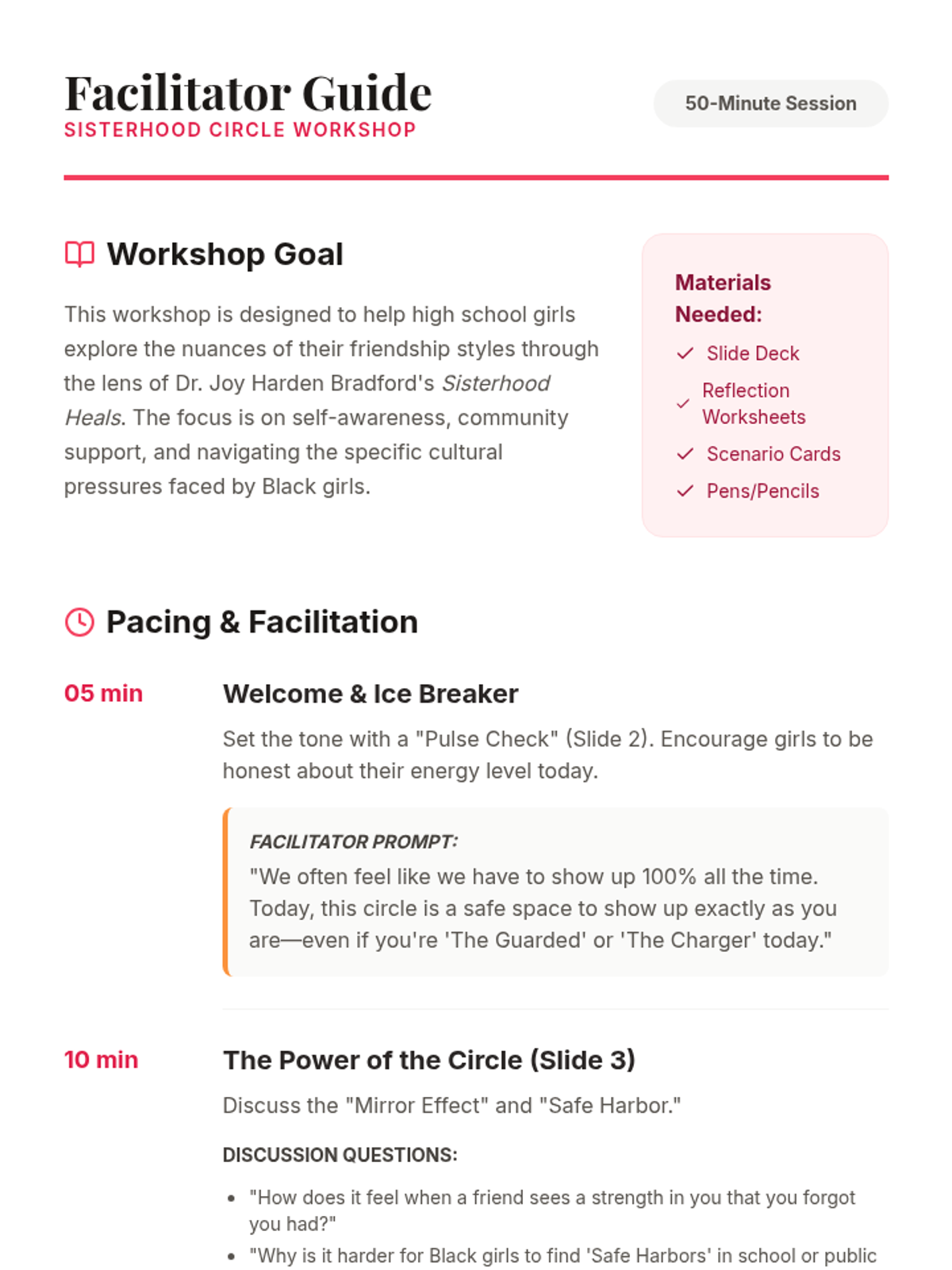
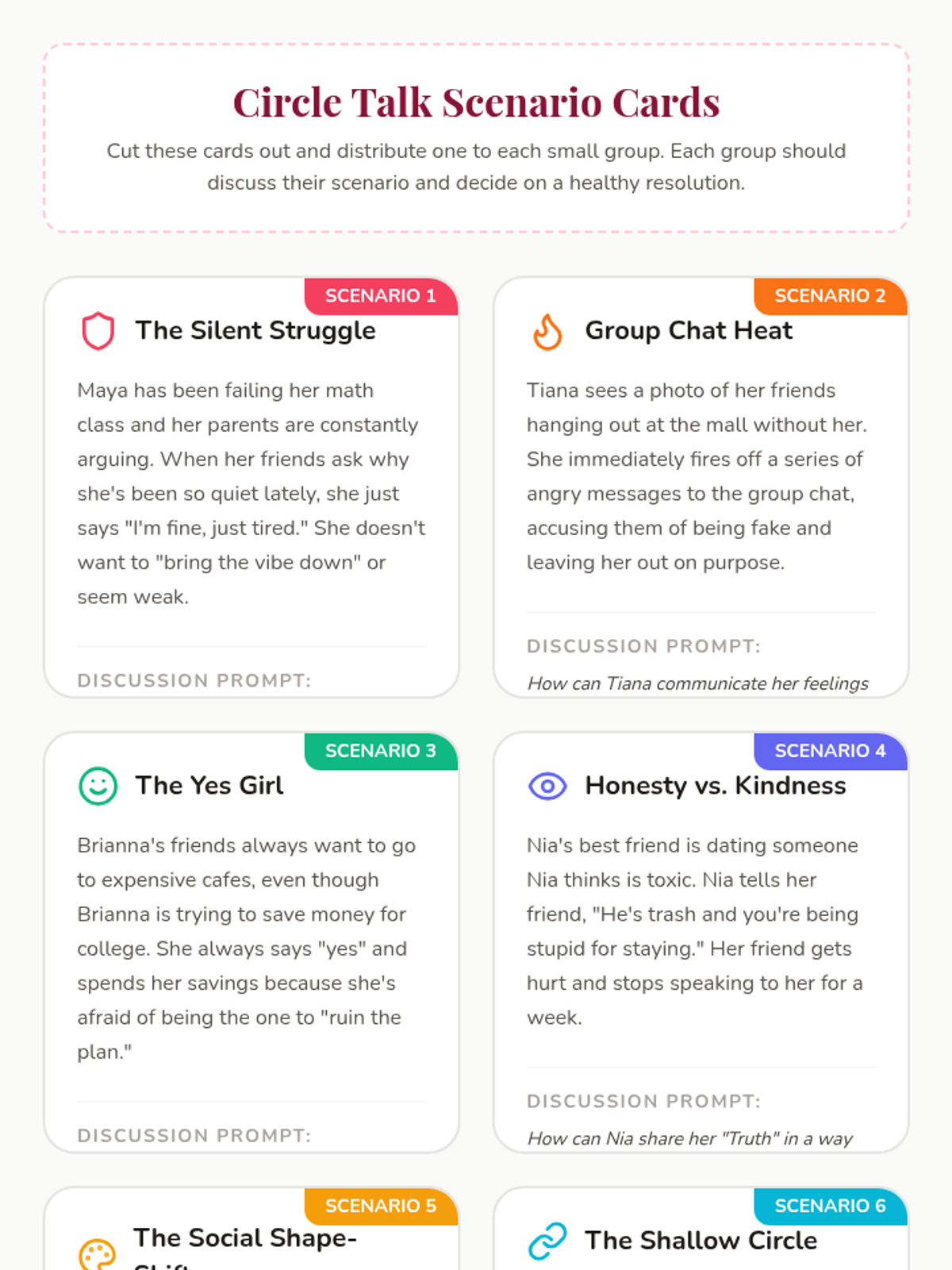
A 50-minute interactive workshop for high school girls focused on the power of sisterhood, navigating the nuances of Black girlhood, and understanding personal friendship styles inspired by Dr. Joy Harden Bradford's 'Sisterhood Heals'.
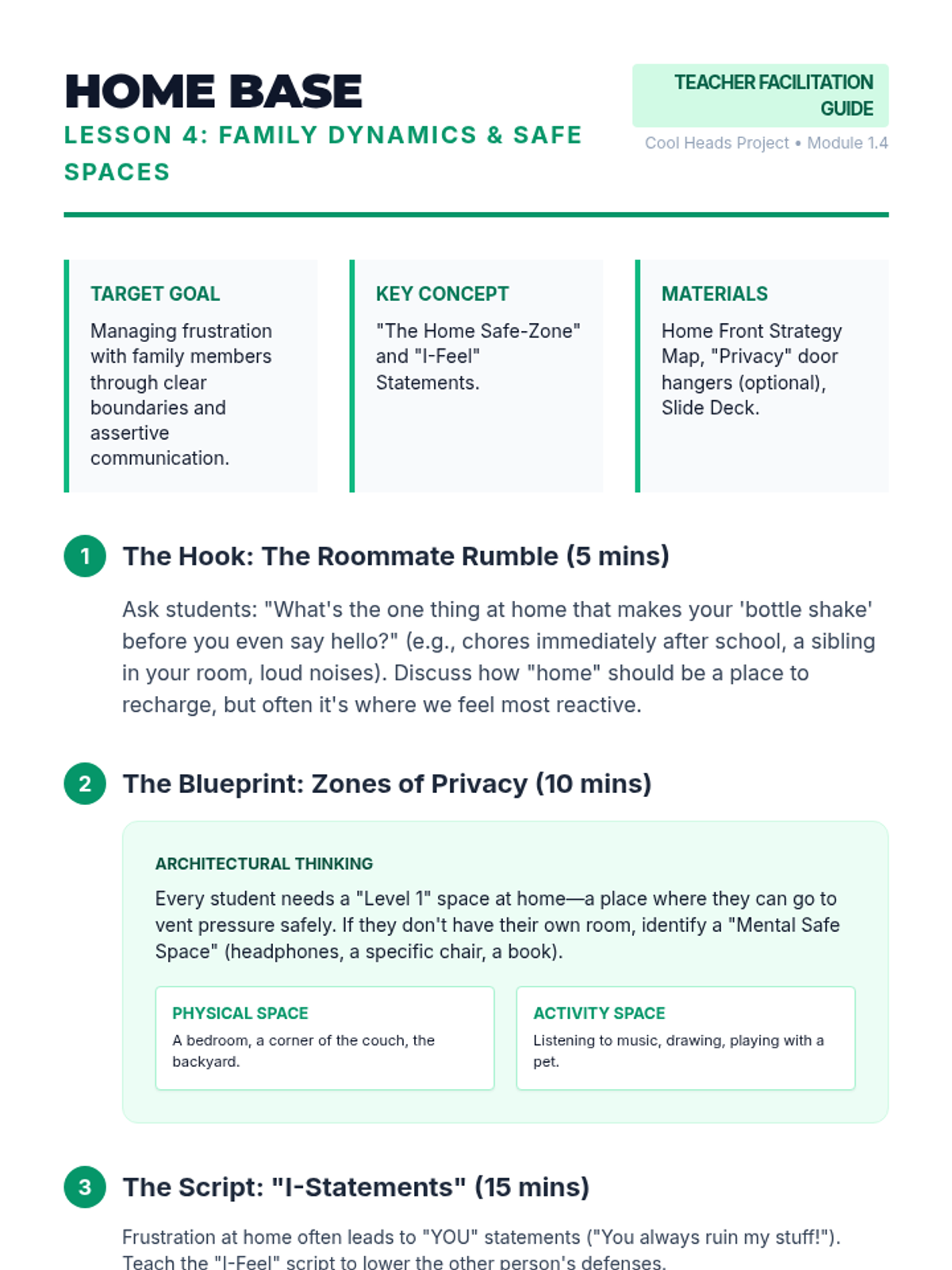
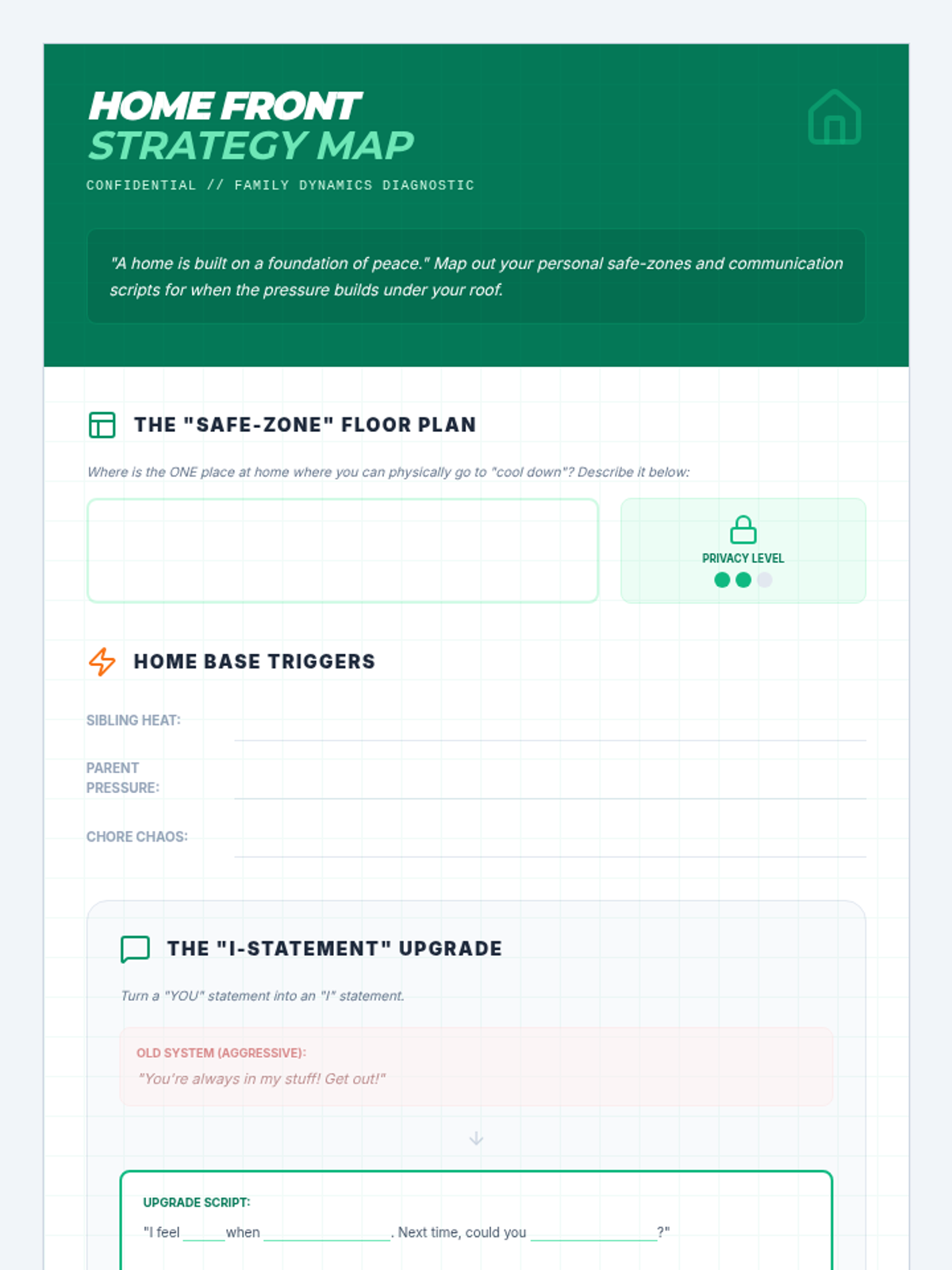
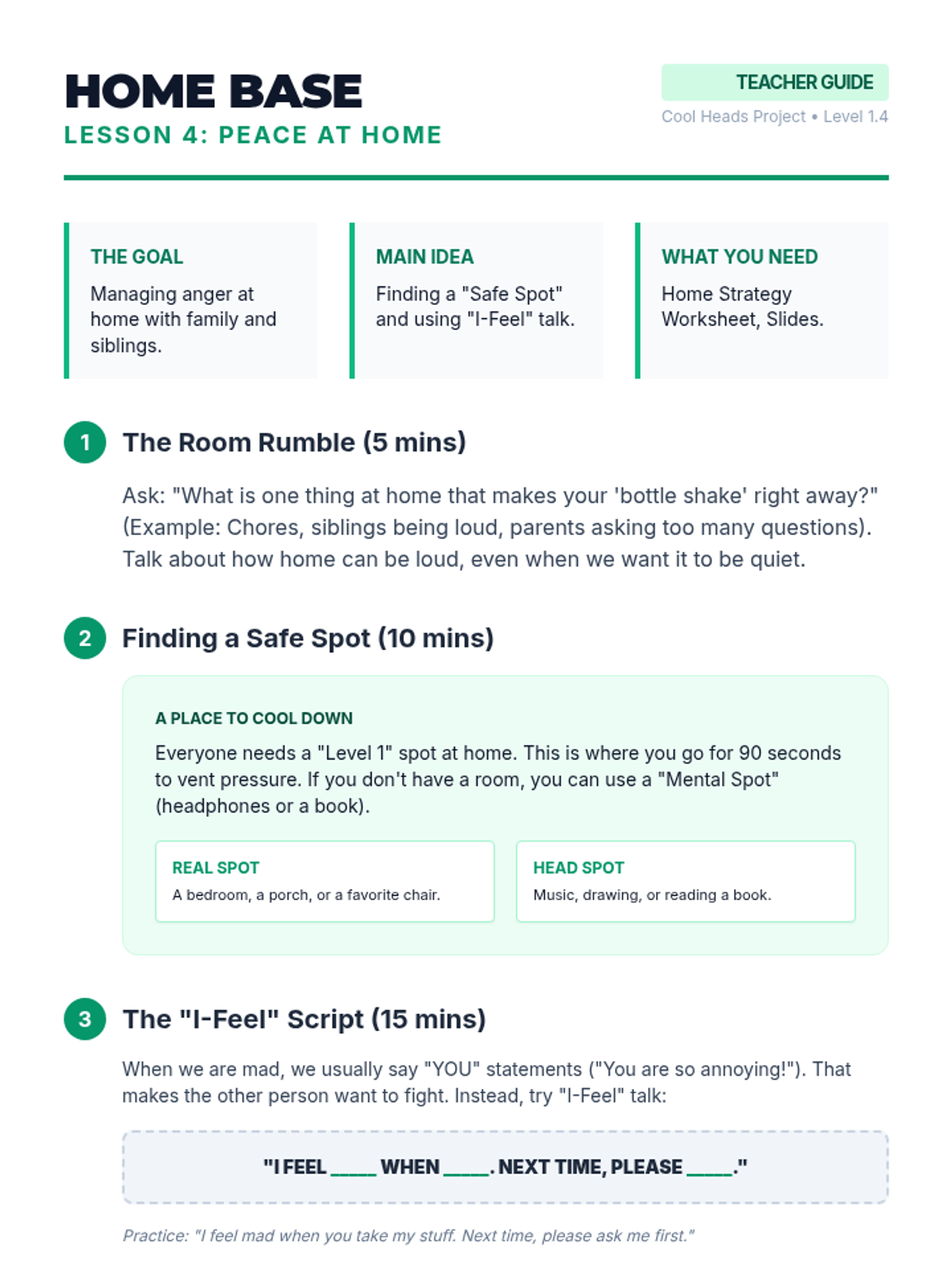
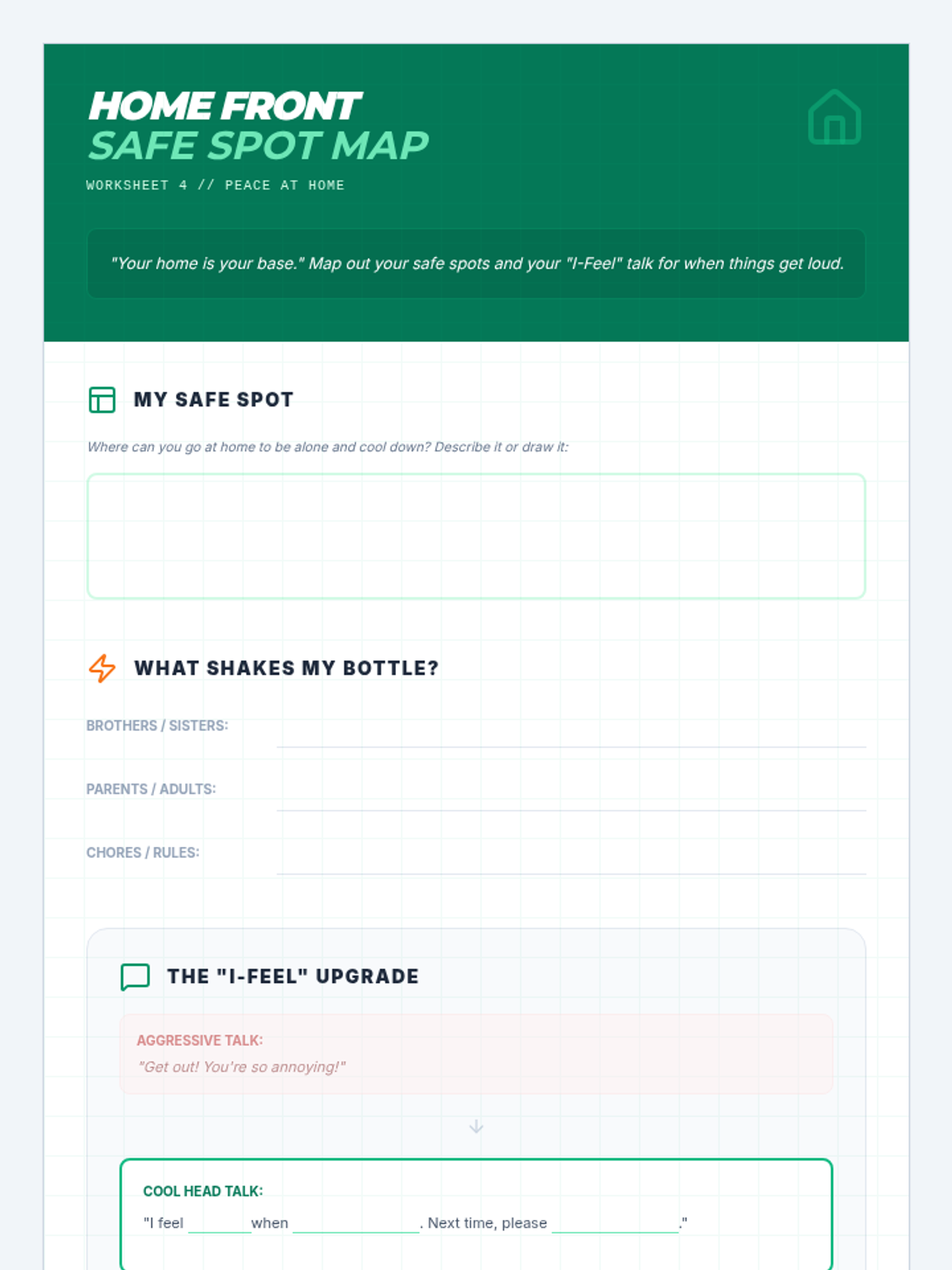
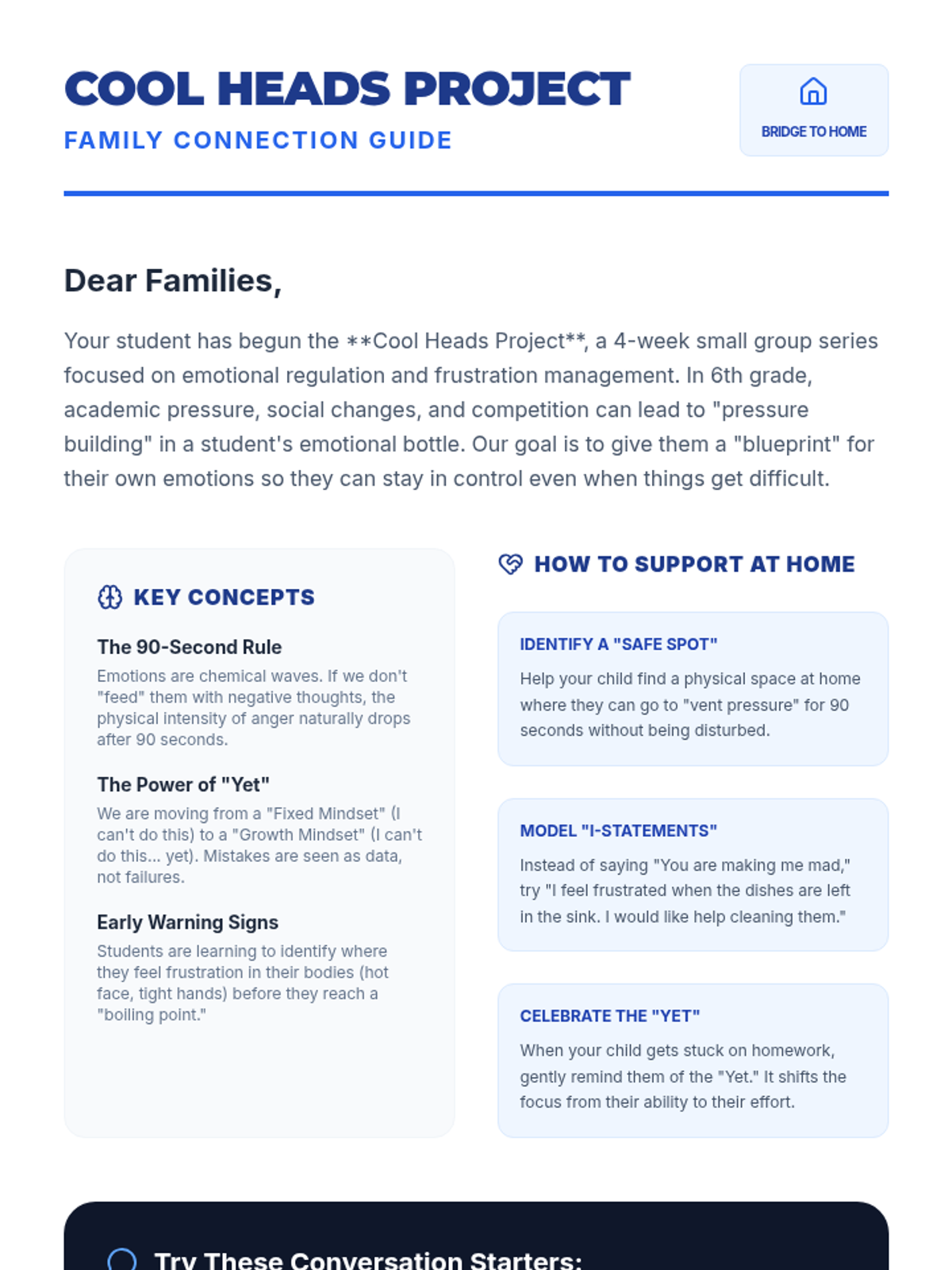
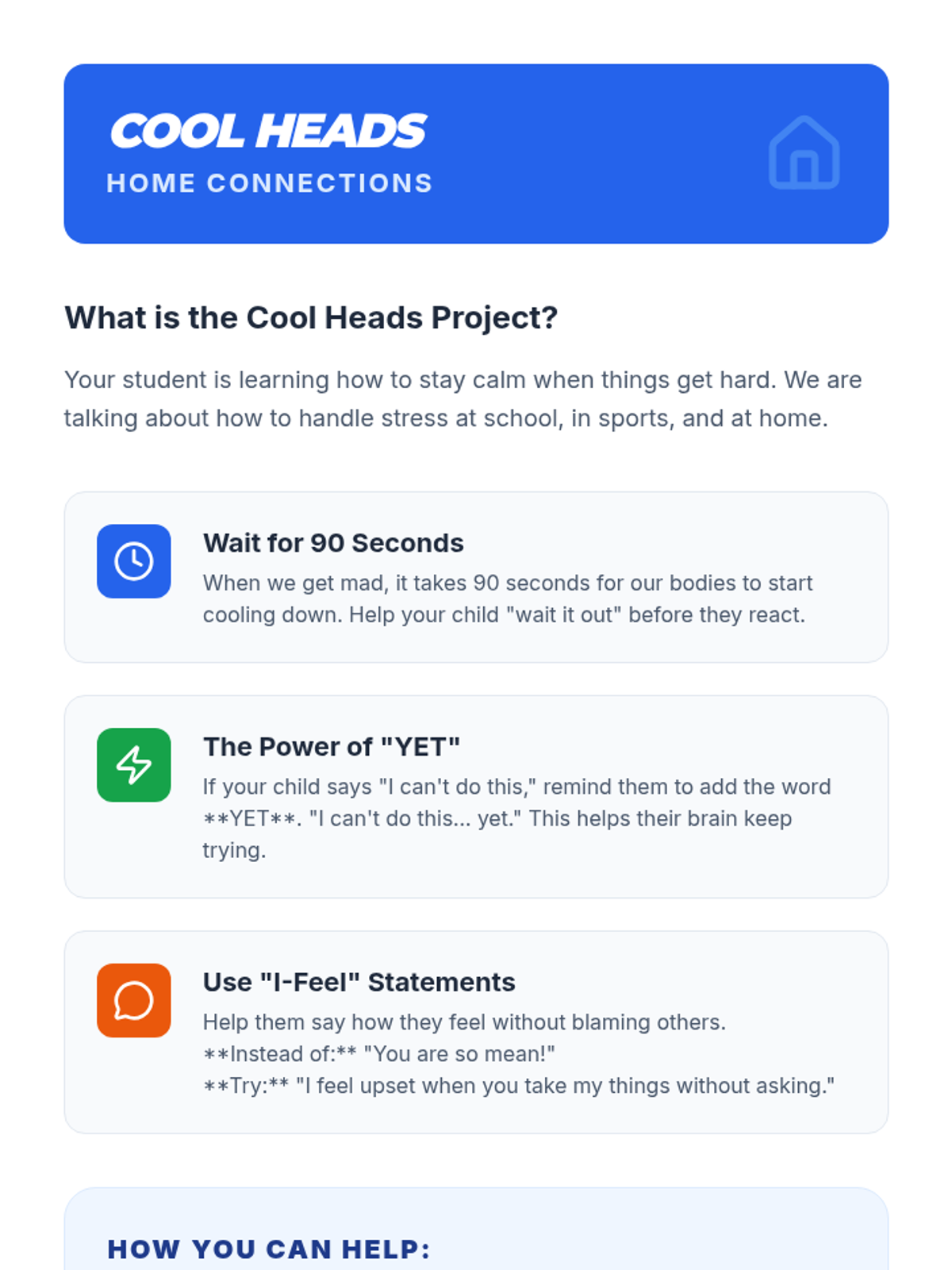
Strategies for navigating family dynamics, sibling conflicts, and home-based stressors through clear communication and personal space.
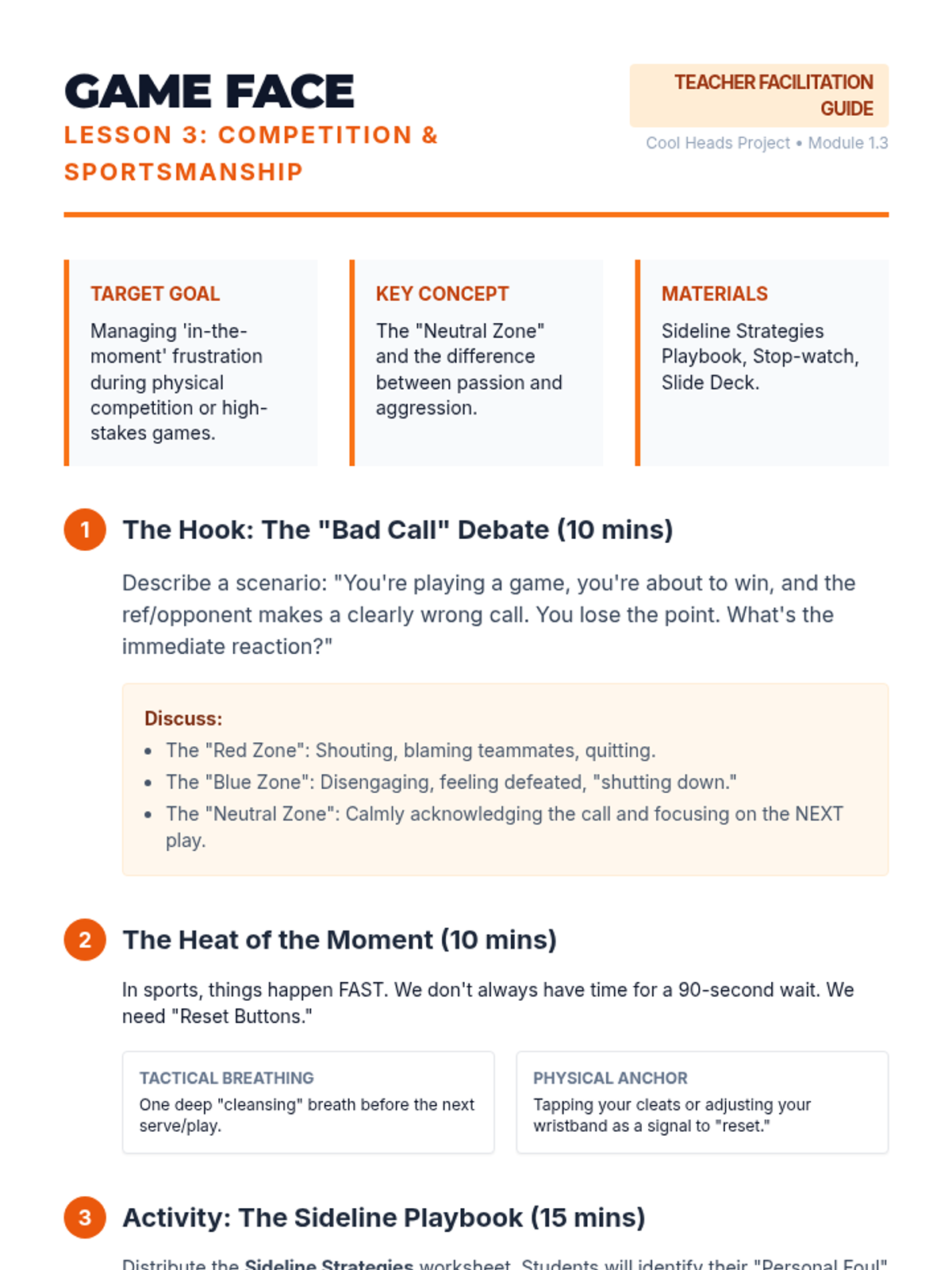
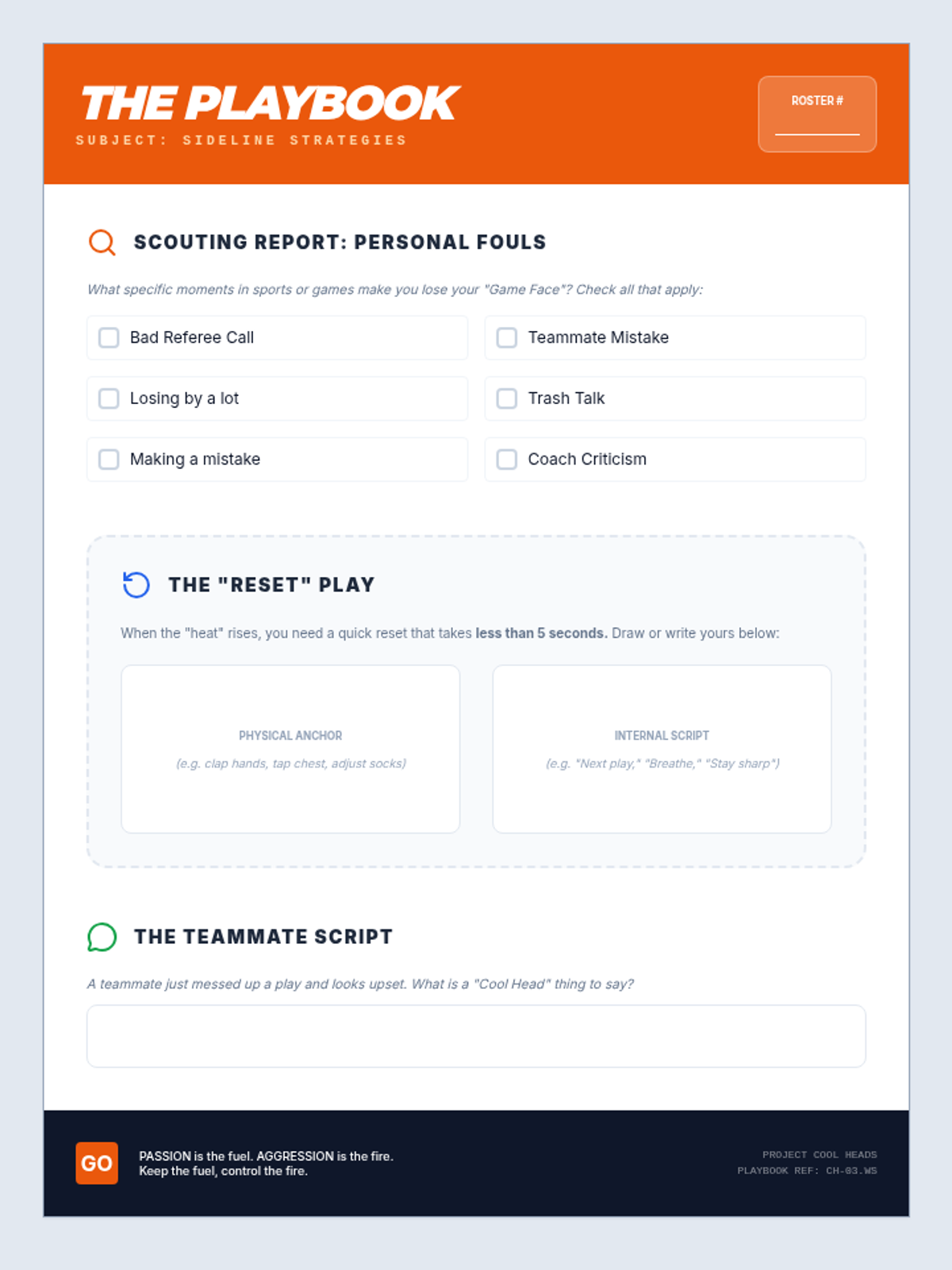
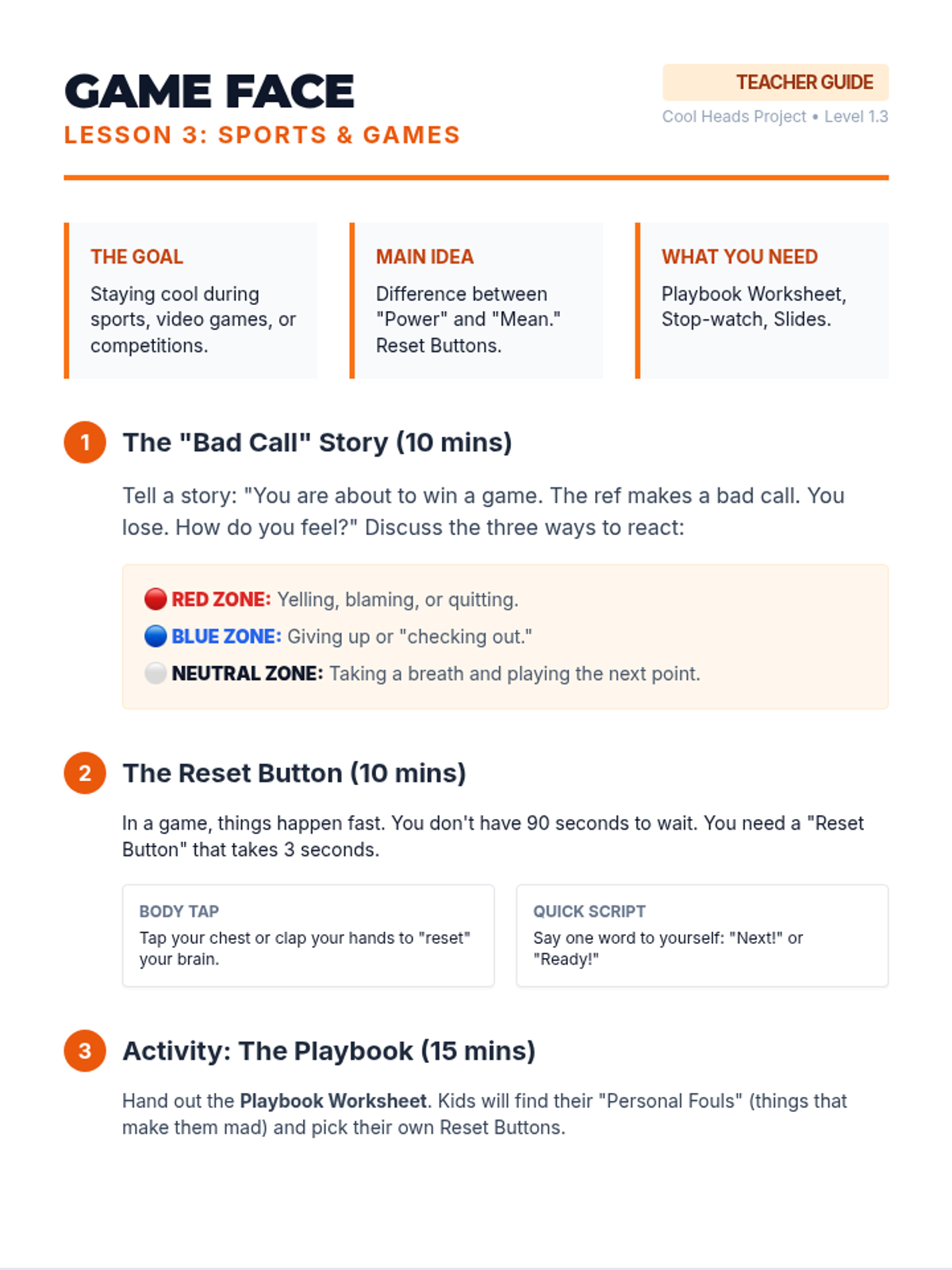
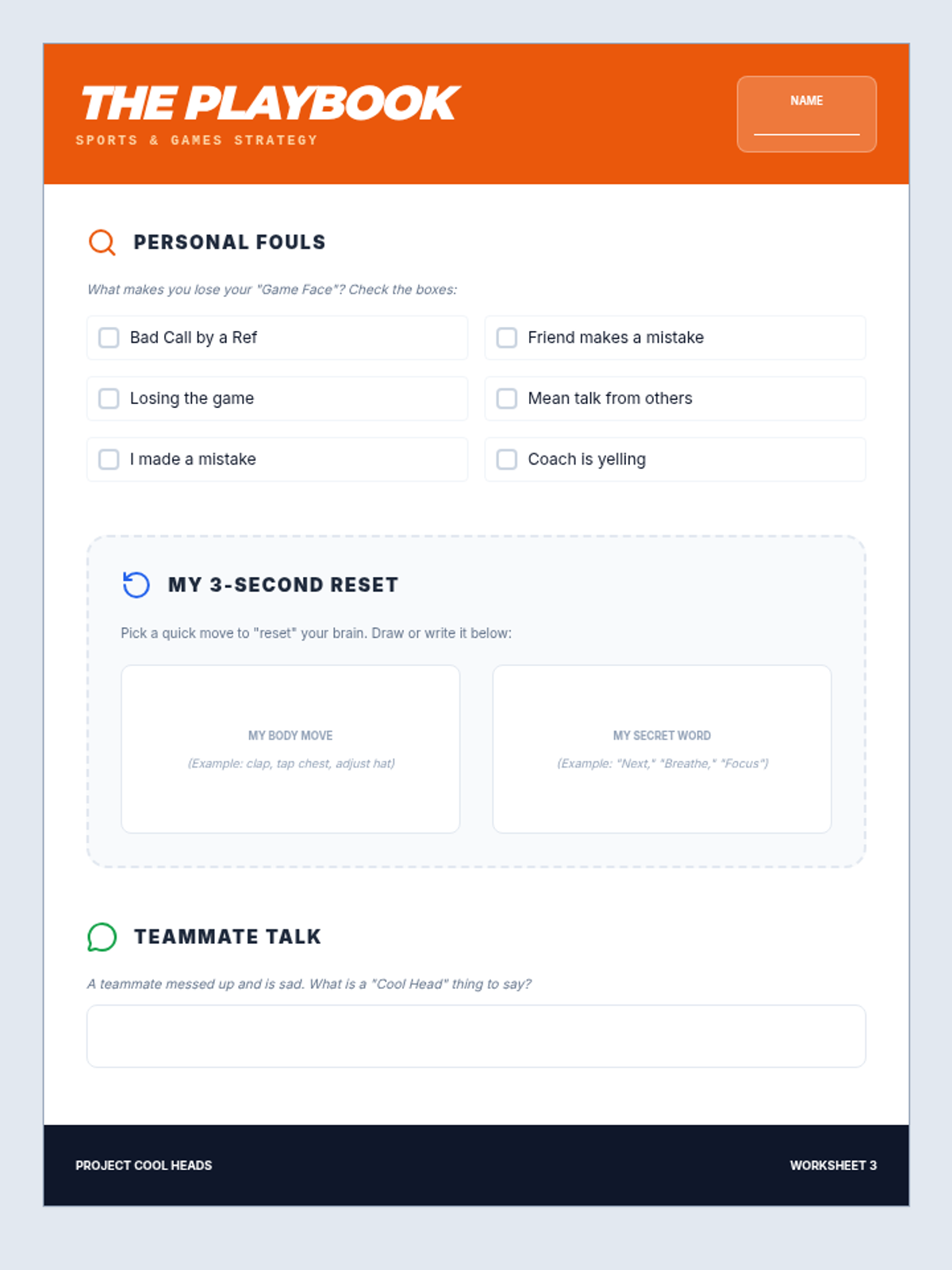
Explores the emotional ups and downs of sports and competition, teaching students how to keep their cool during wins and losses.
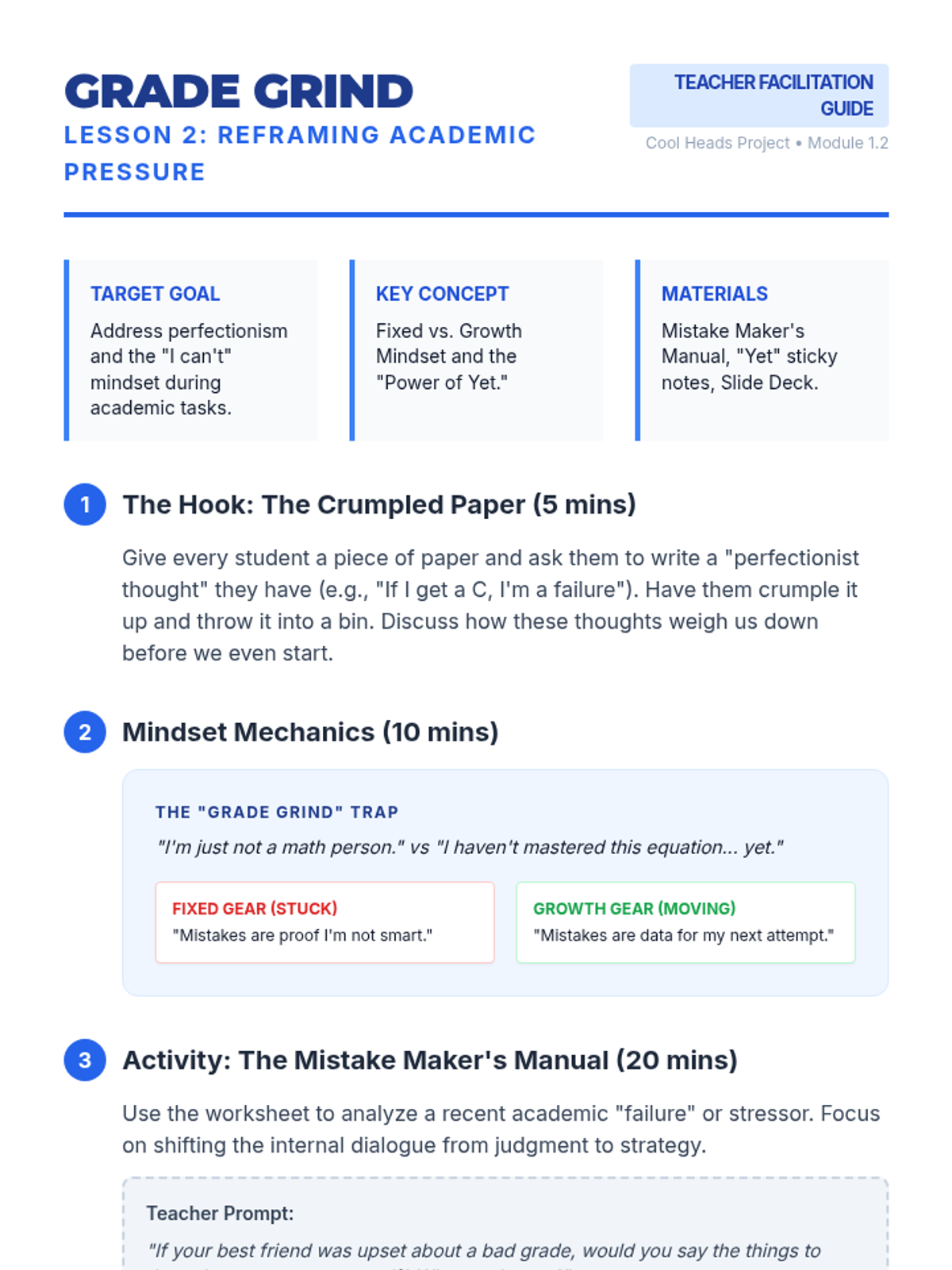
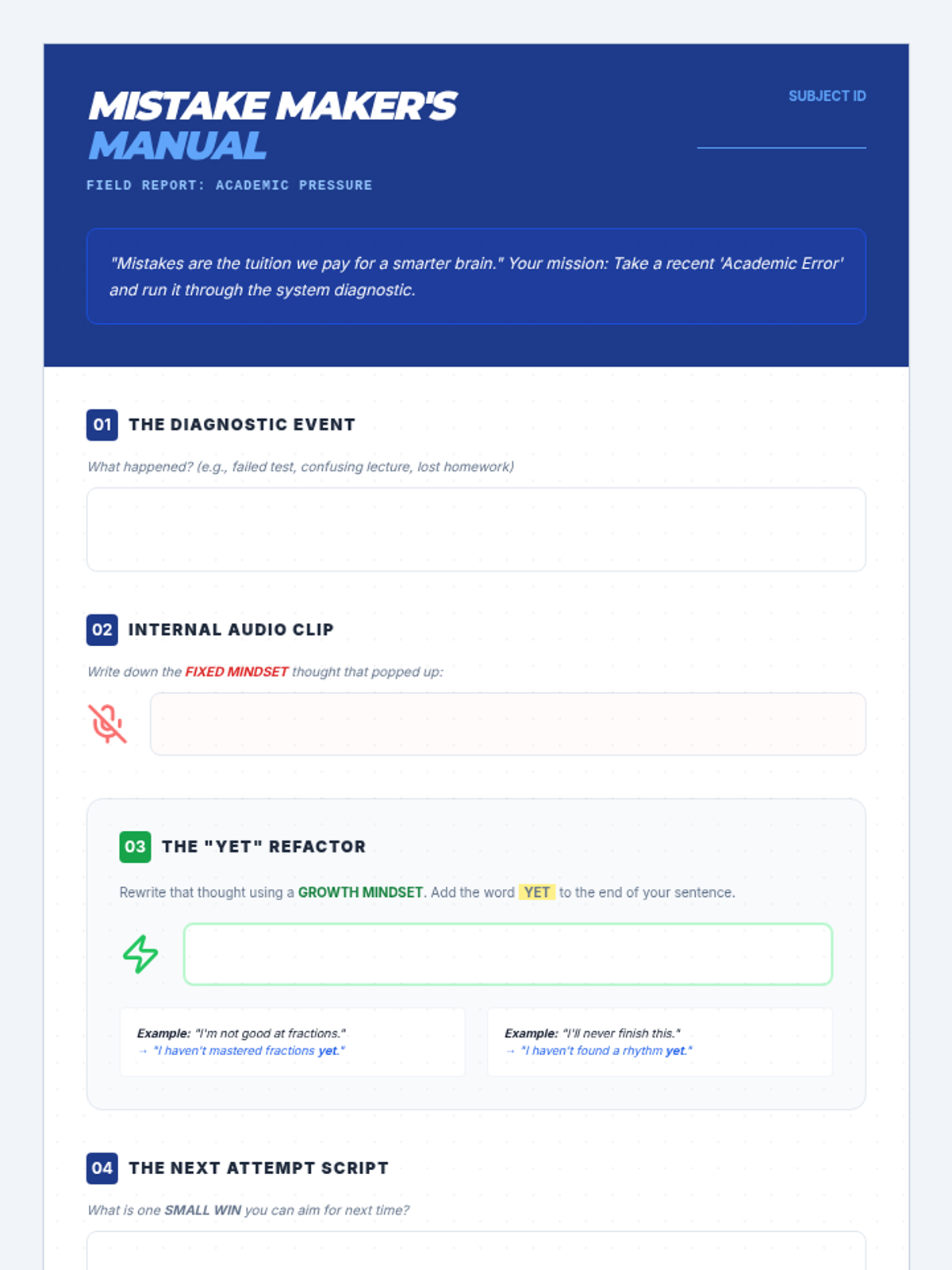
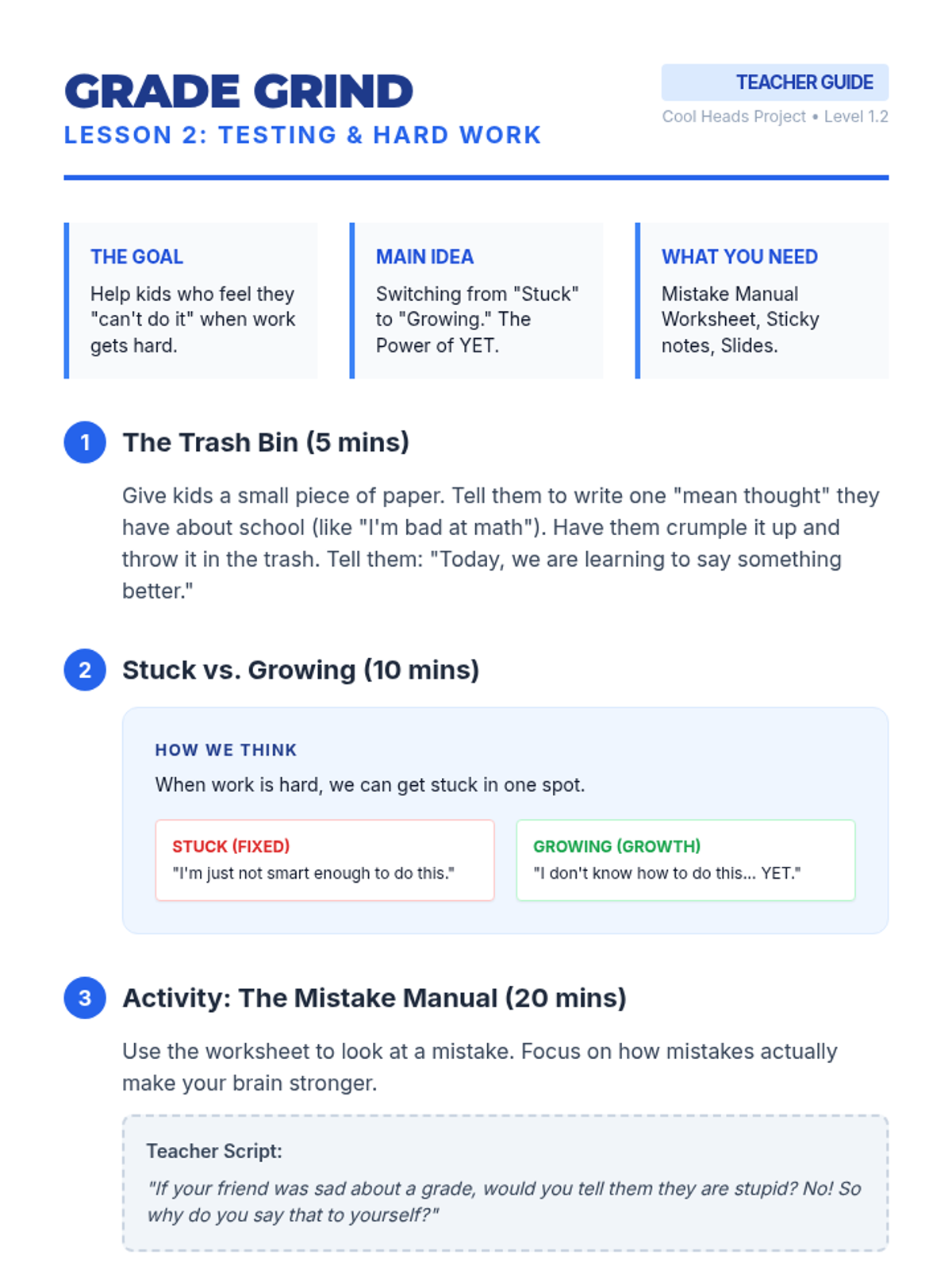
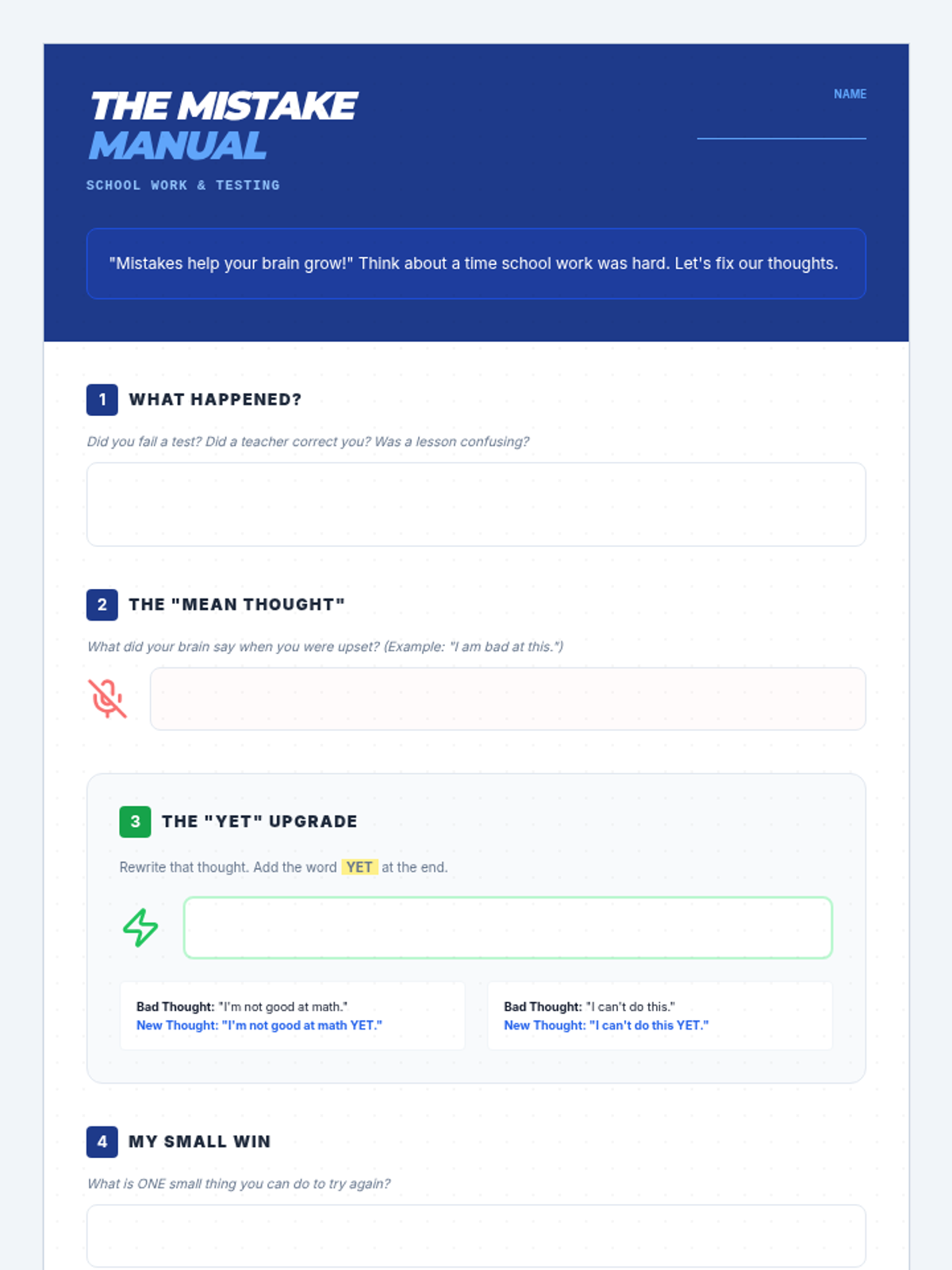
Focuses on managing the pressure of grades, tests, and academic expectations through reframing and realistic goal-setting.
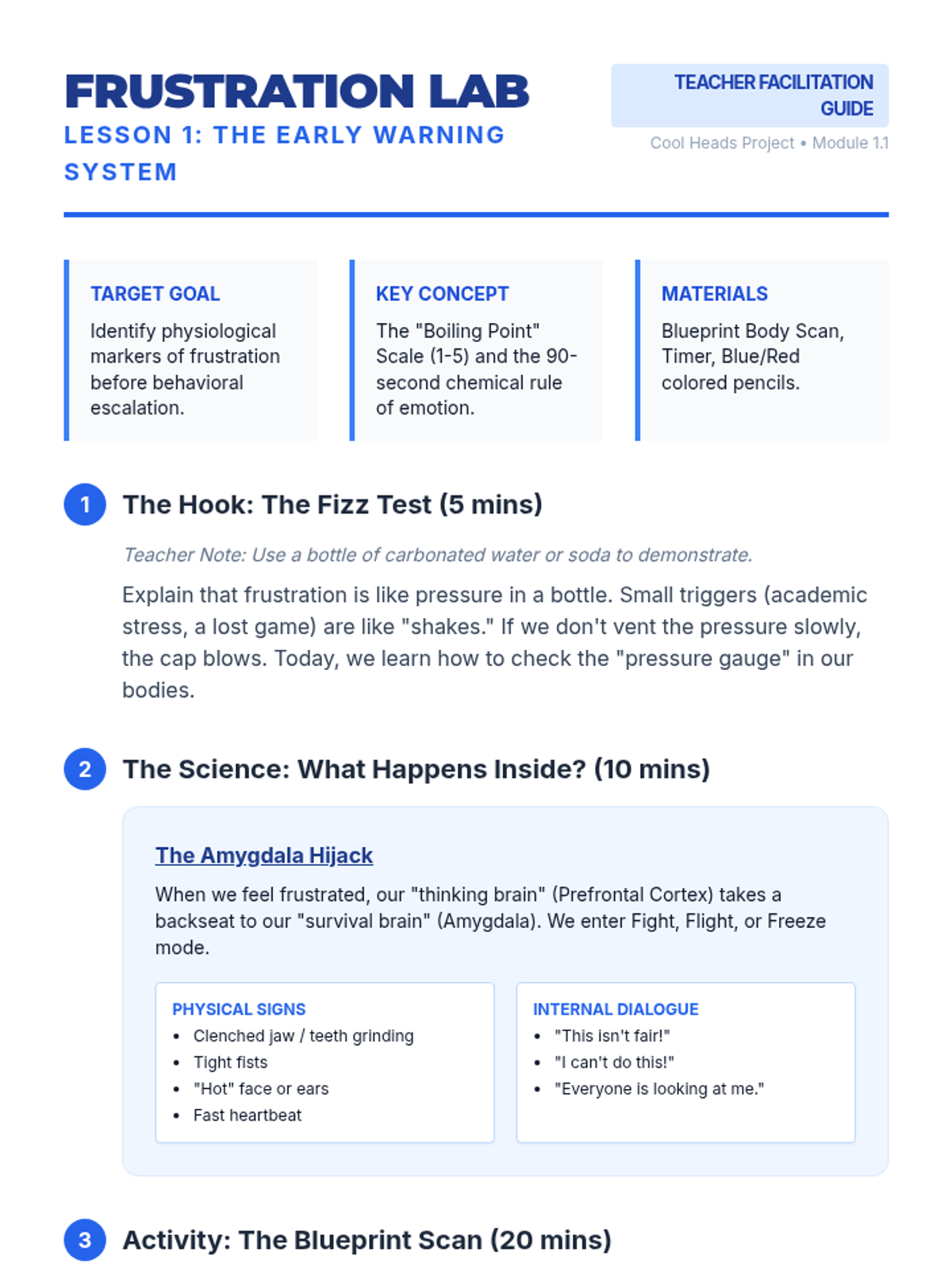
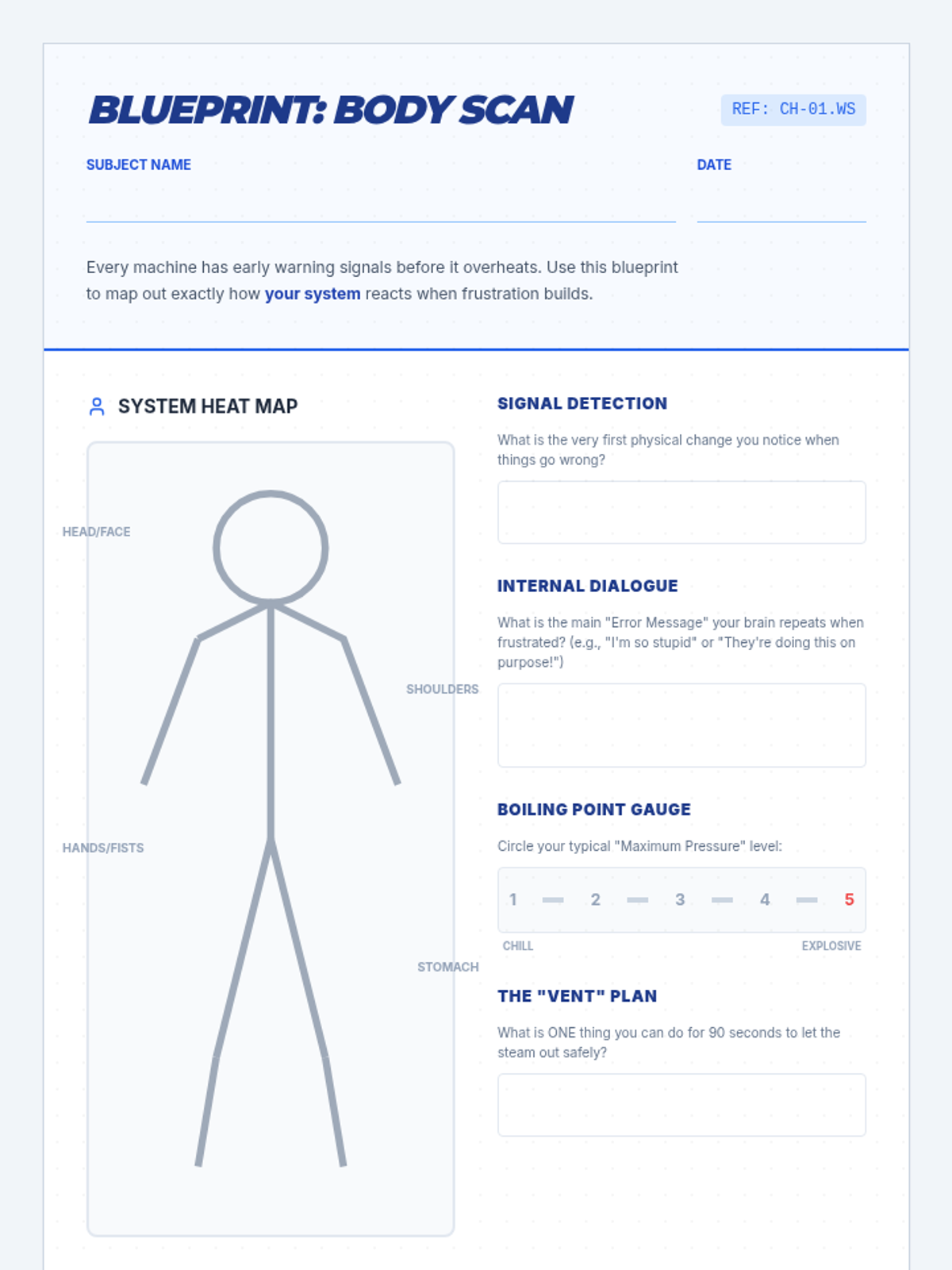
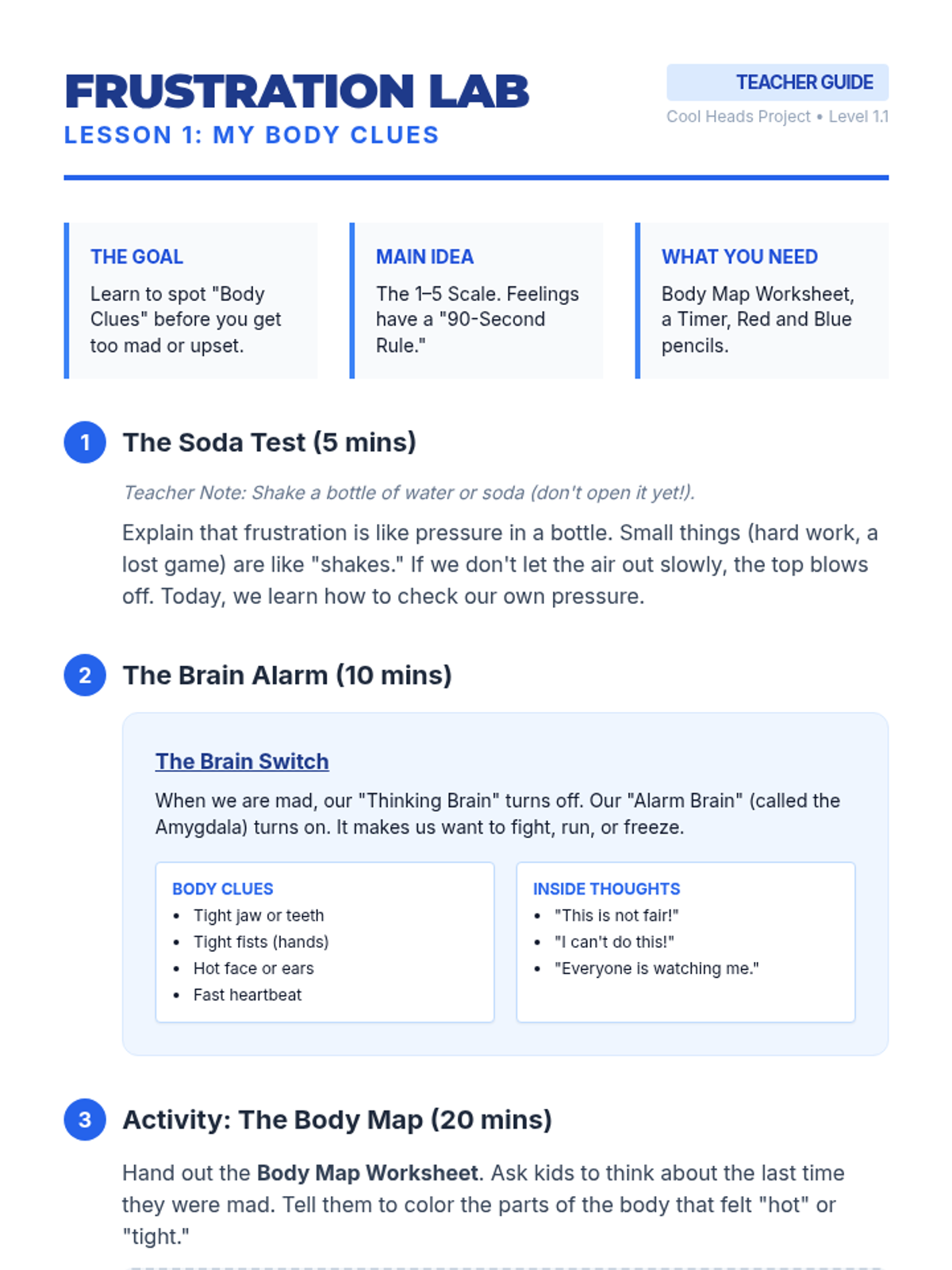
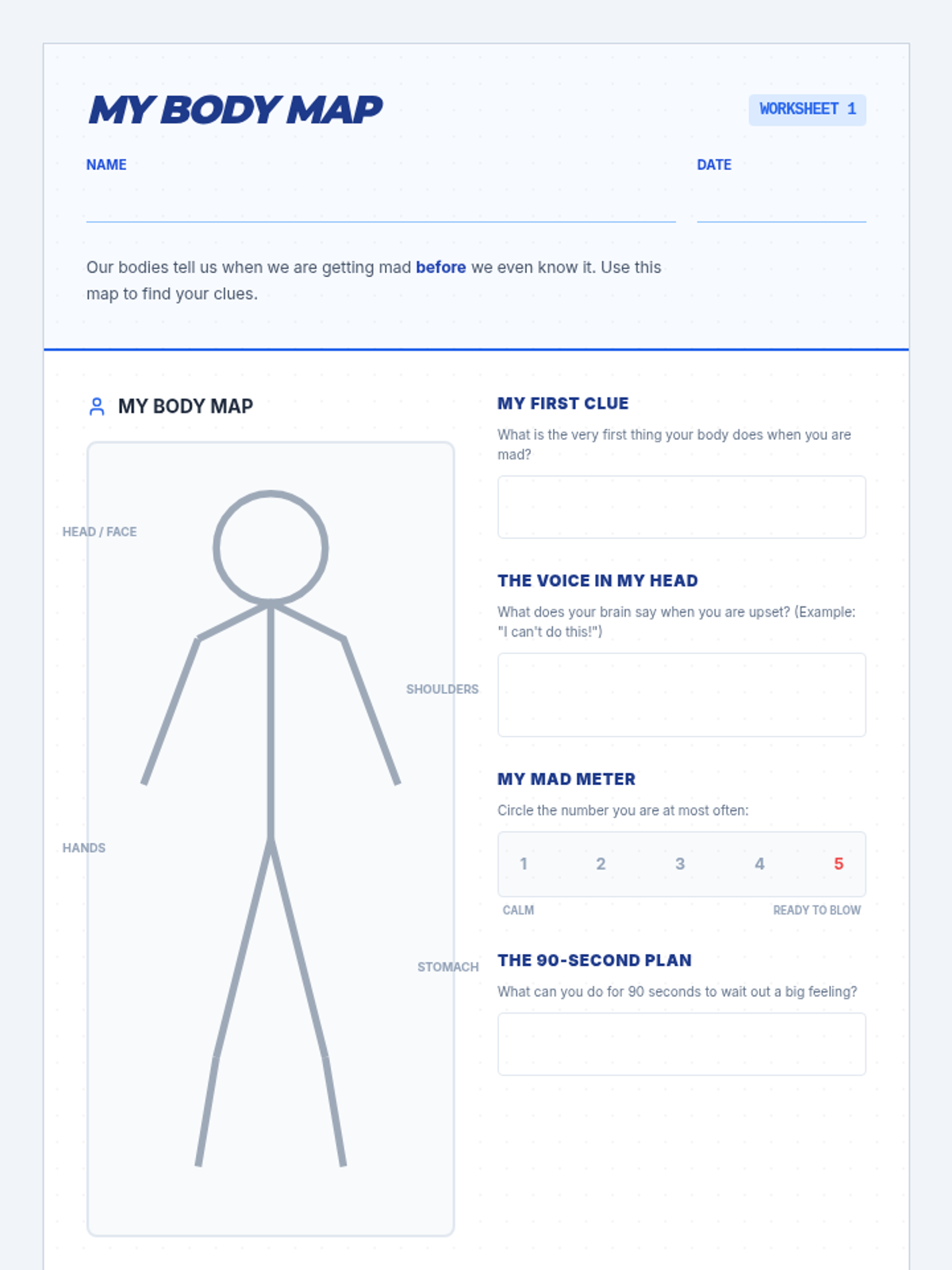
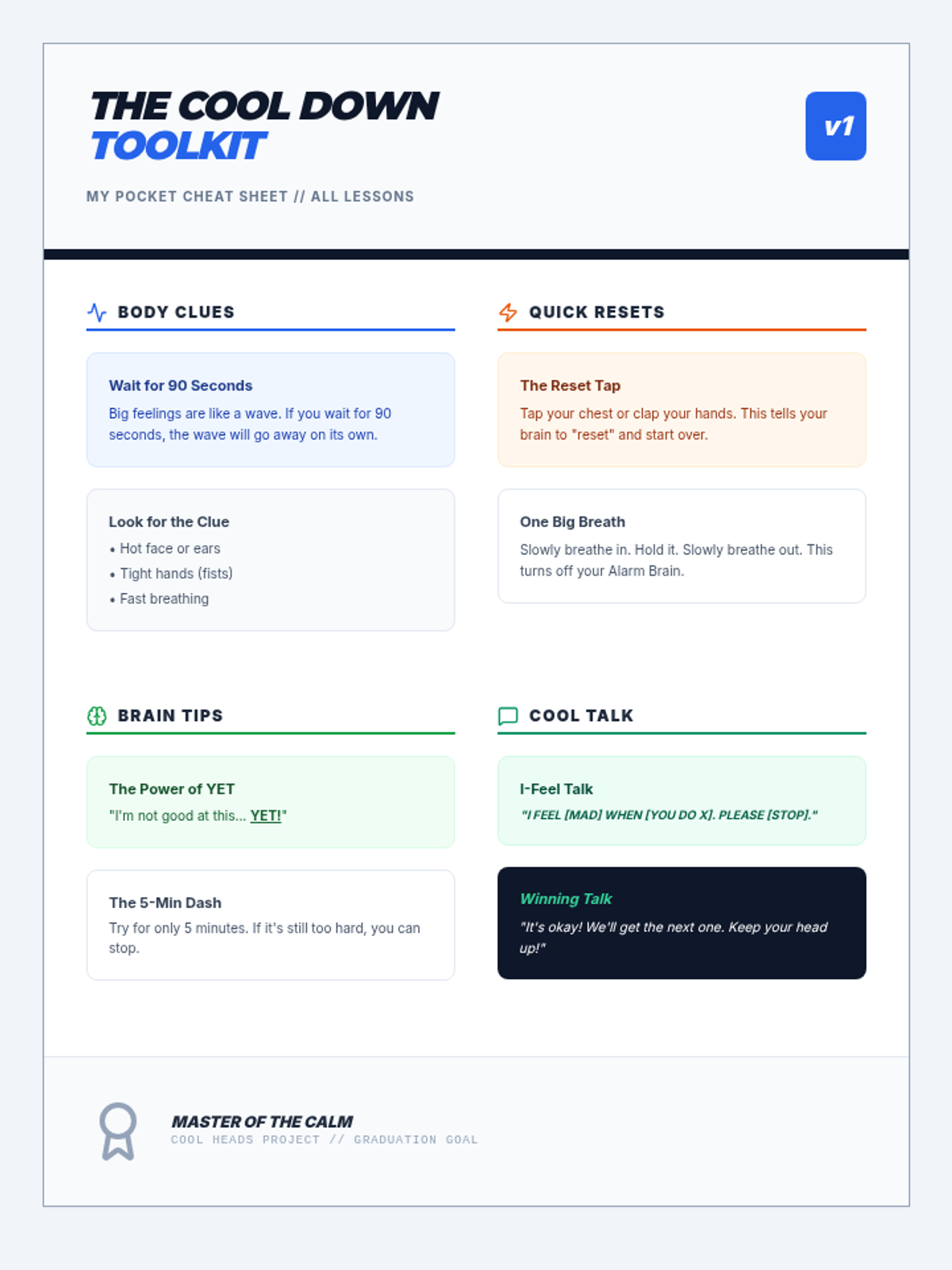
Students identify the physical sensations of frustration and learn to recognize their personal 'early warning signs' before they reach a boiling point.
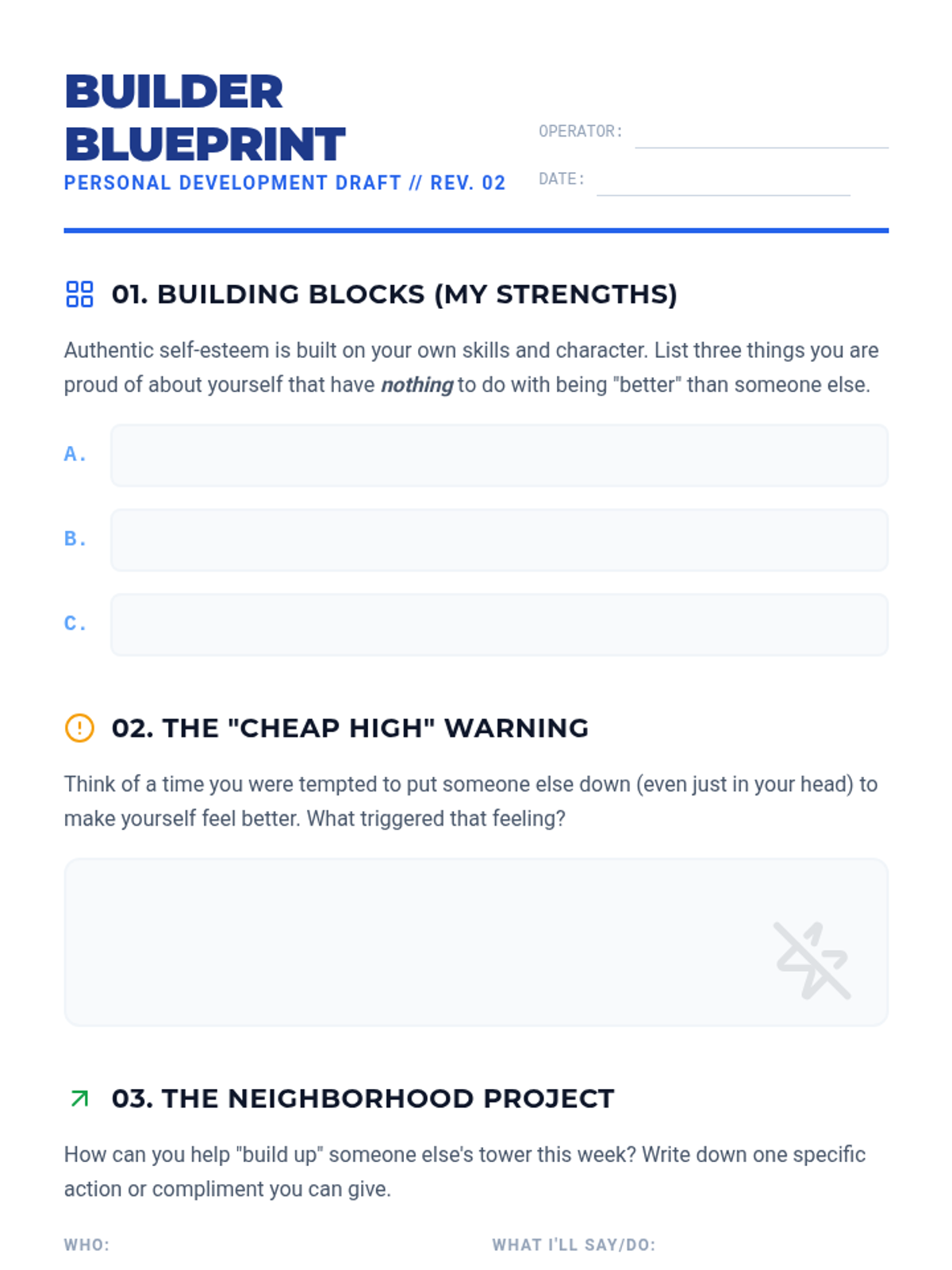
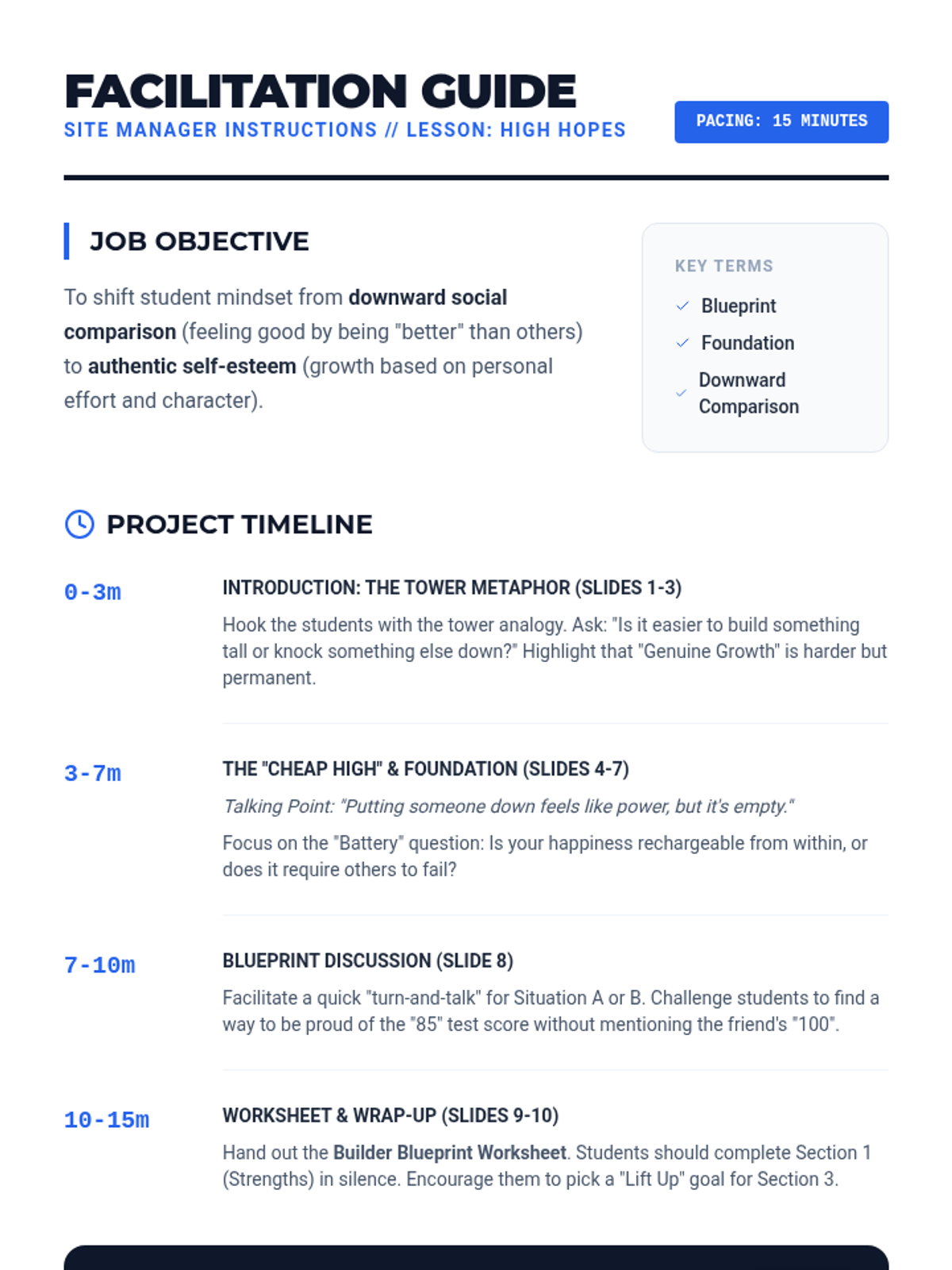
A 15-minute lesson exploring the pitfalls of 'downward social comparison' and how to build authentic self-esteem without diminishing others. Students will learn that true confidence comes from personal growth rather than putting others down.
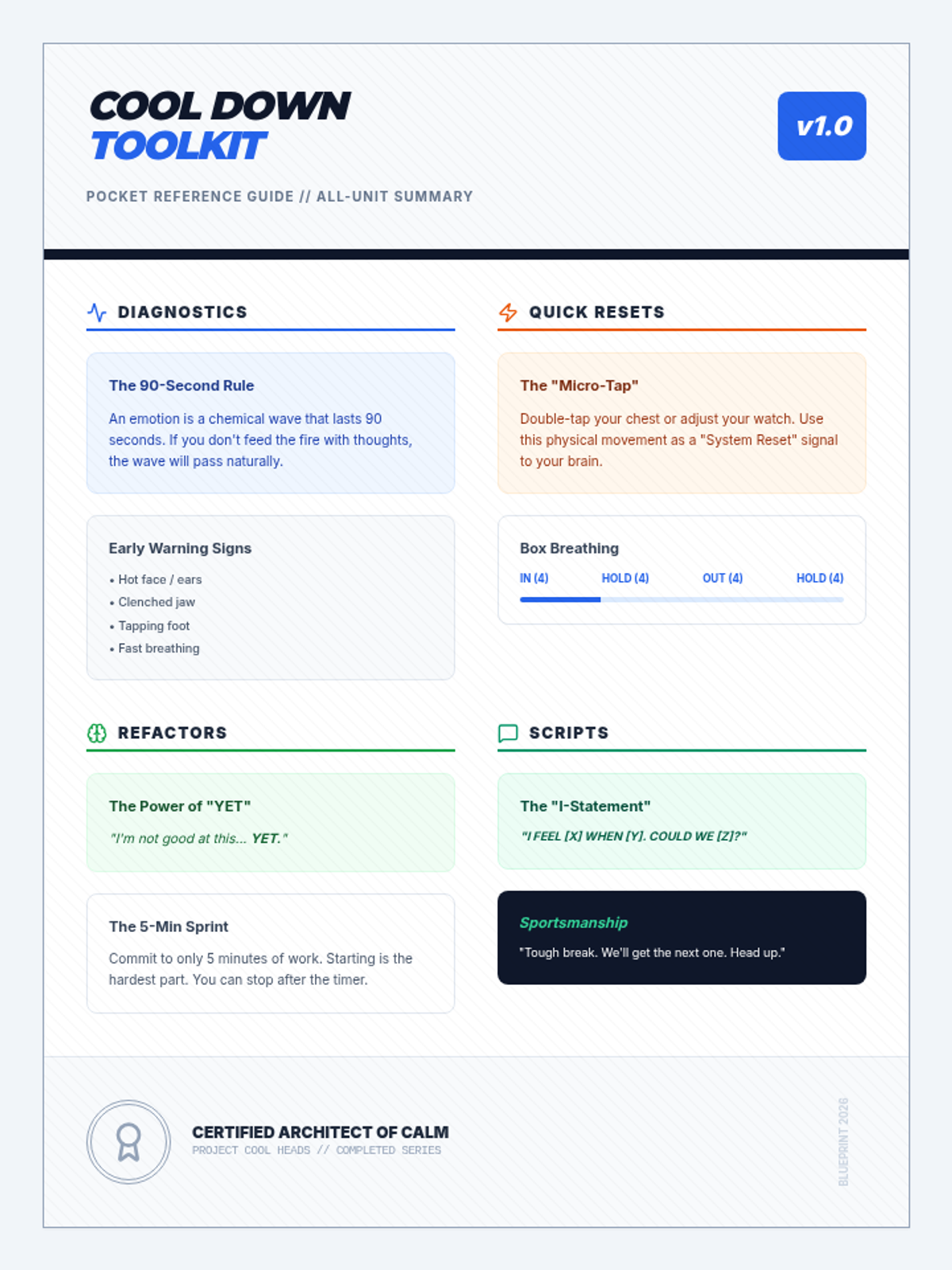
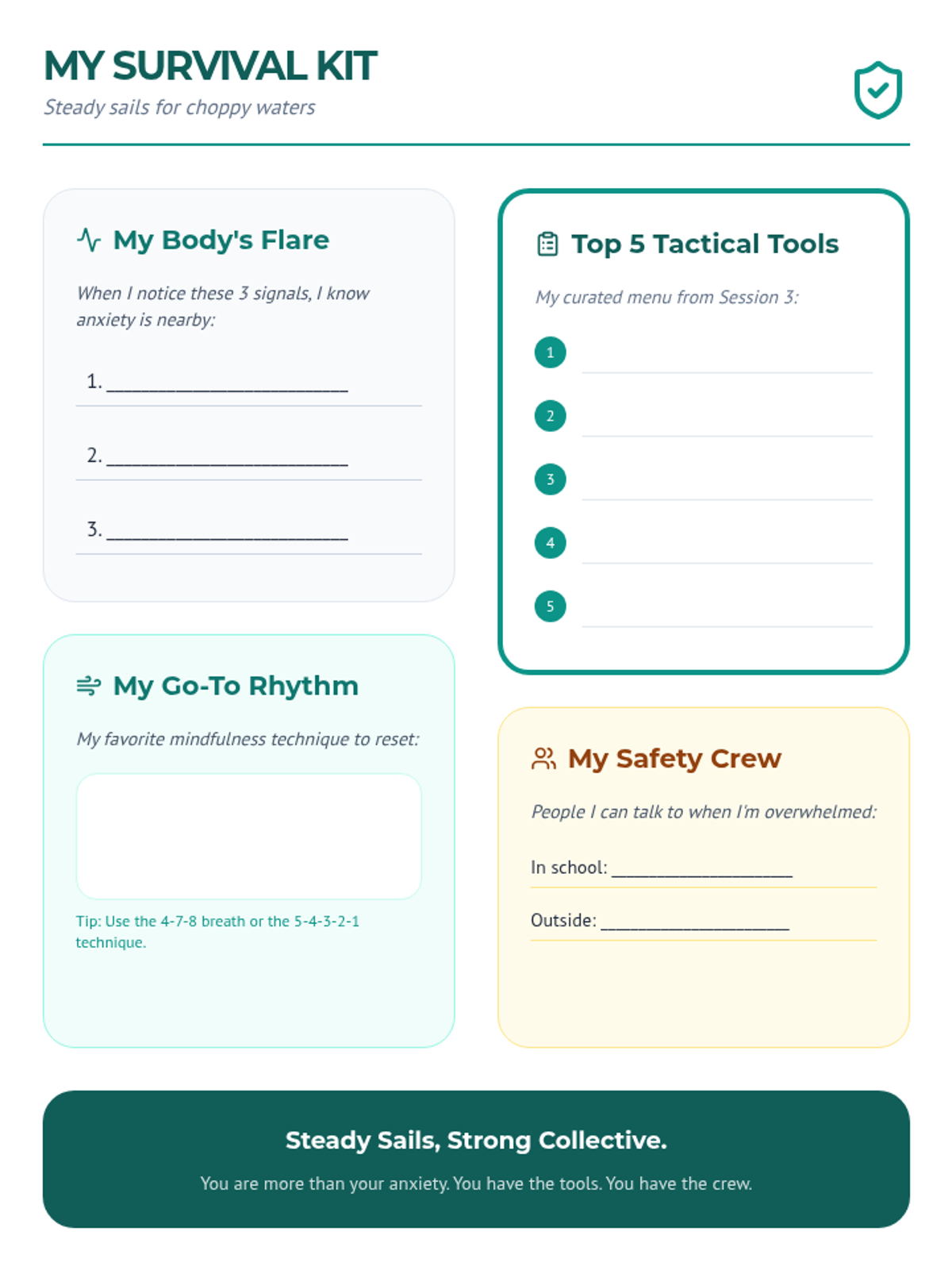
The final session focuses on long-term maintenance and 'relapse prevention.' Students will create a take-home survival kit and celebrate their growth within the collective.
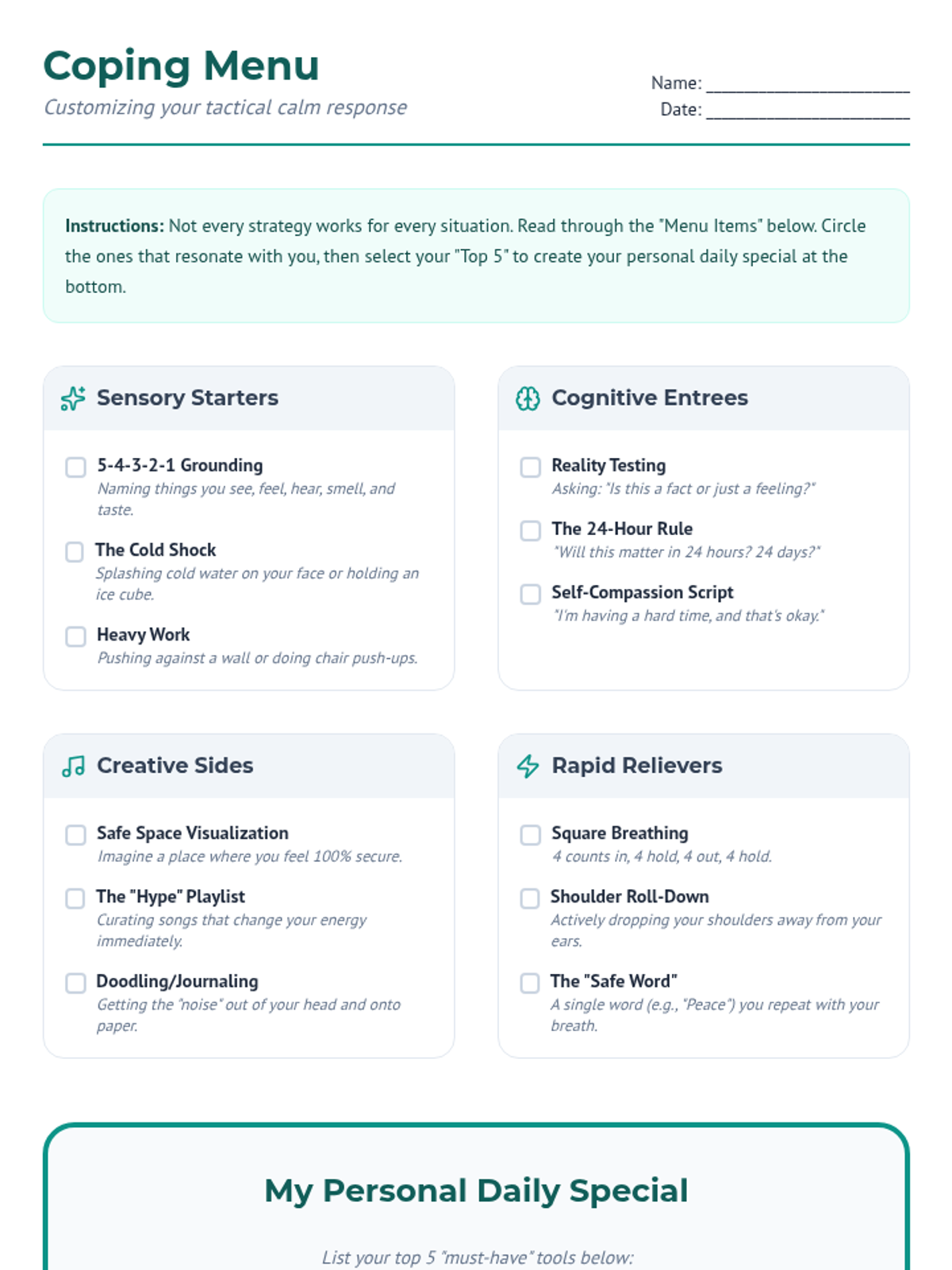
Students will explore a variety of sensory and cognitive coping strategies. They will evaluate which techniques work best for them and begin building their personal 'Coping Menu'.
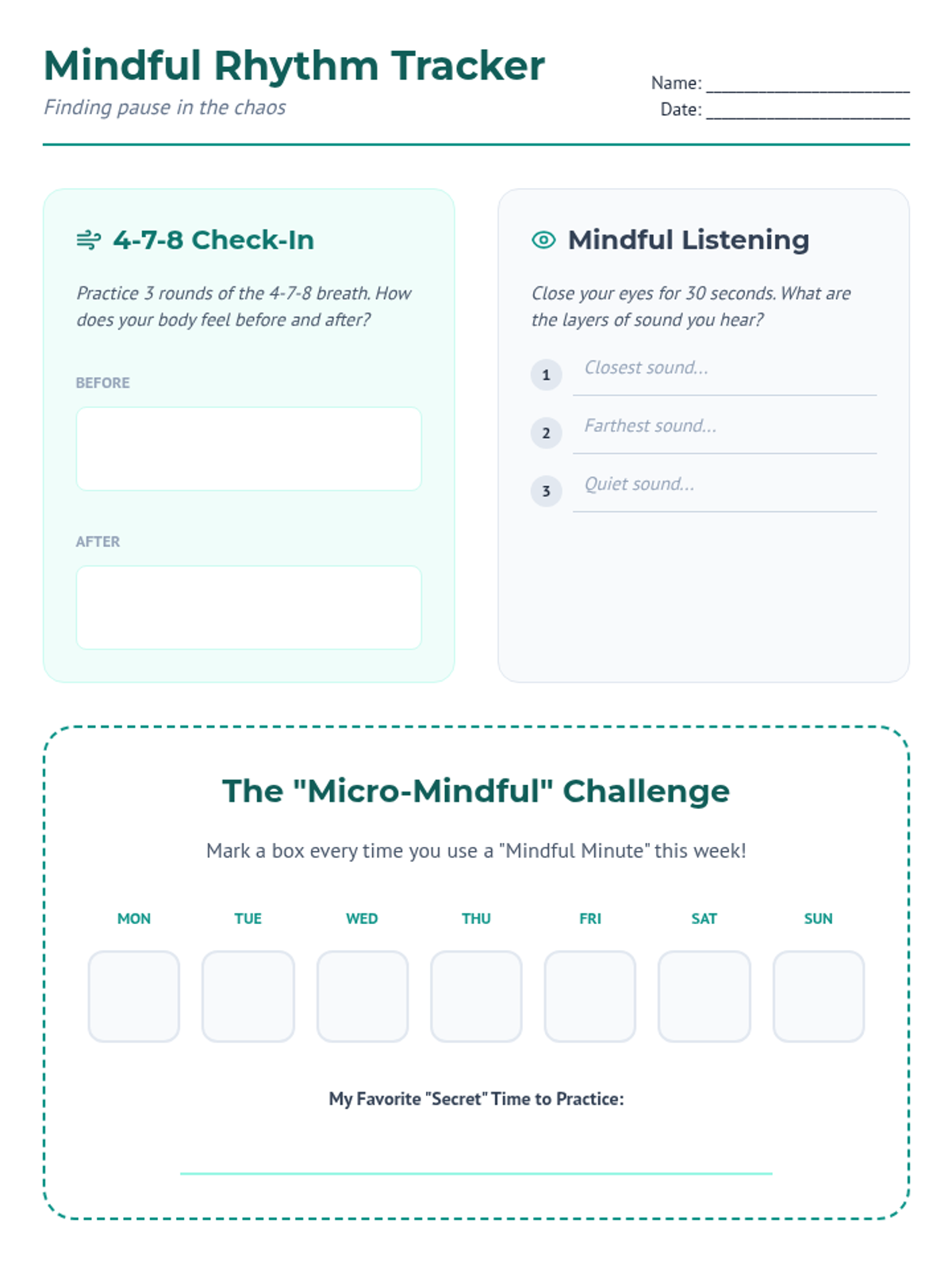
This session introduces mindfulness as a tool for presence. Students will practice breathwork and a body scan, discussing how to integrate these small moments into a busy high school schedule.
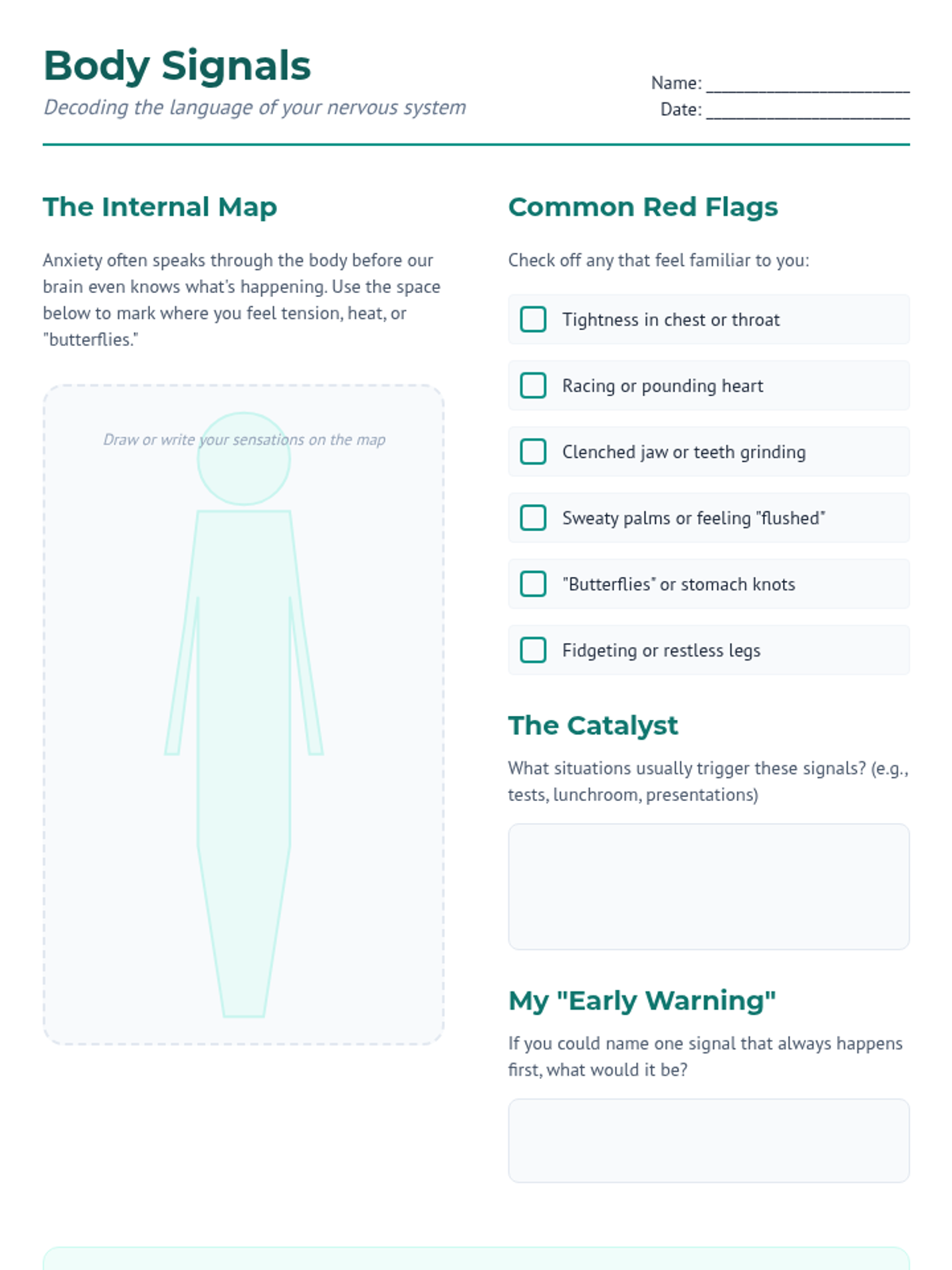
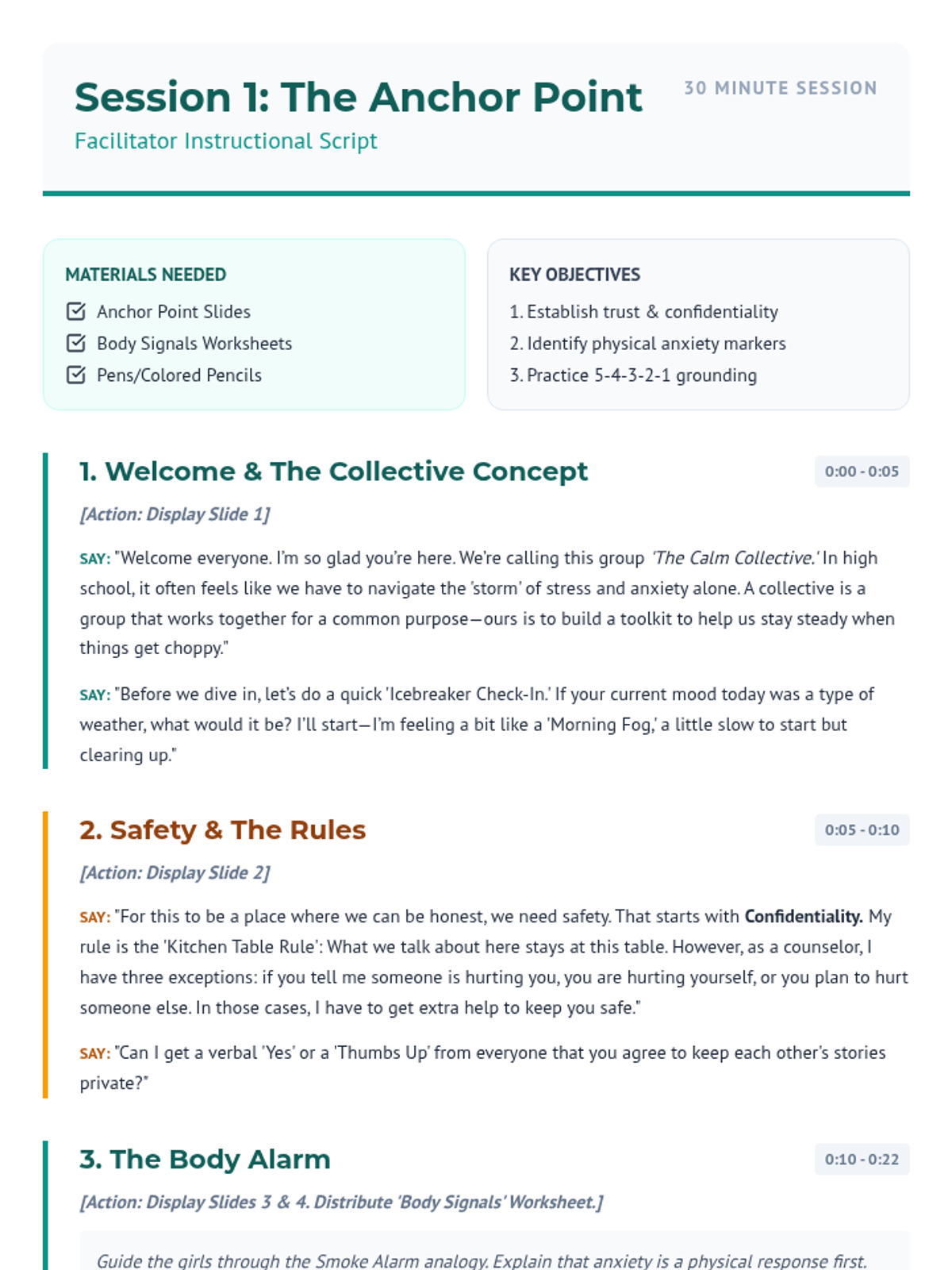
The first session focuses on establishing the group's foundation, including ethical guidelines, confidentiality, and the basic 'Anchor' grounding technique. Students will identify how anxiety physically manifests in their bodies.
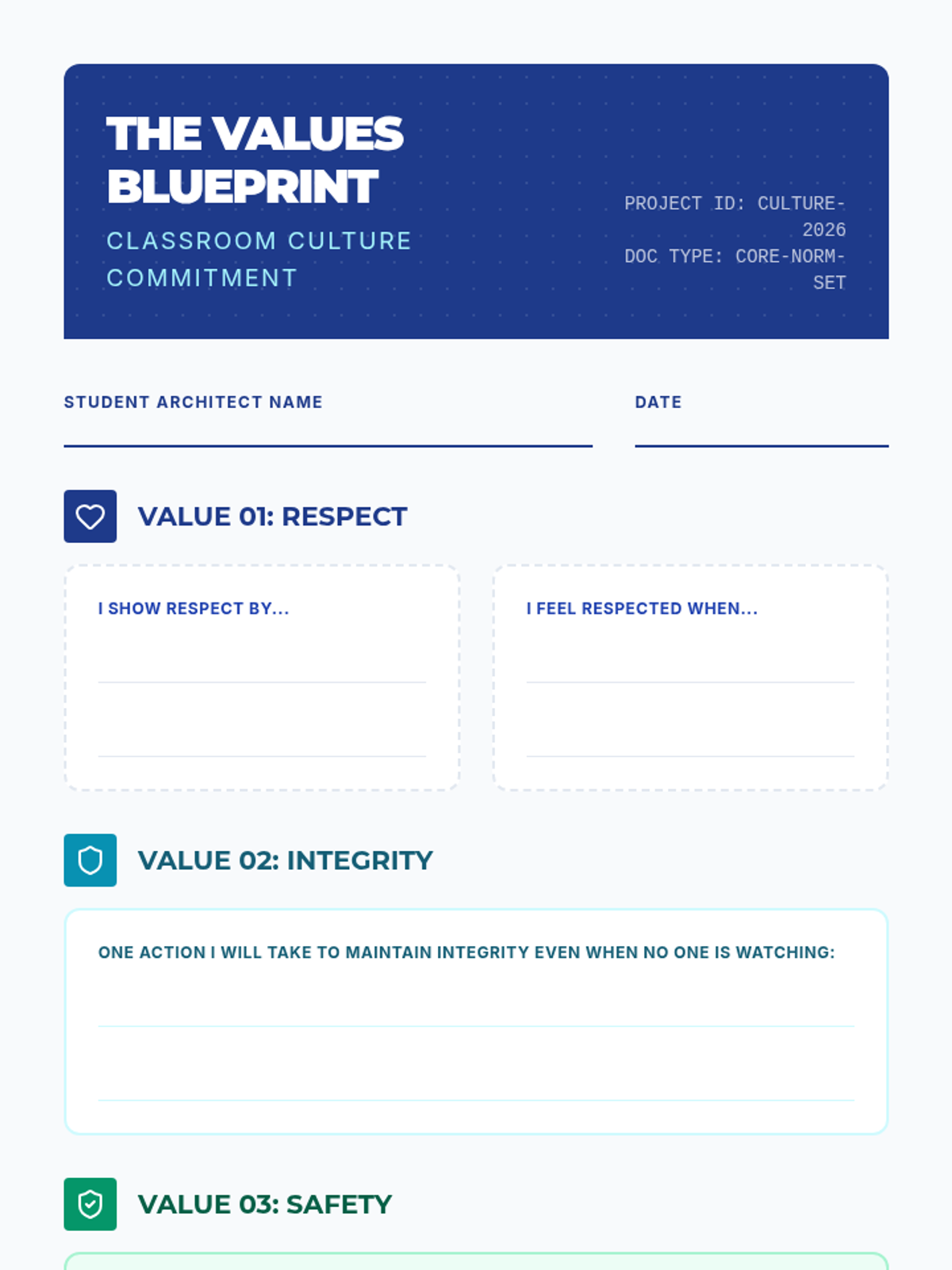
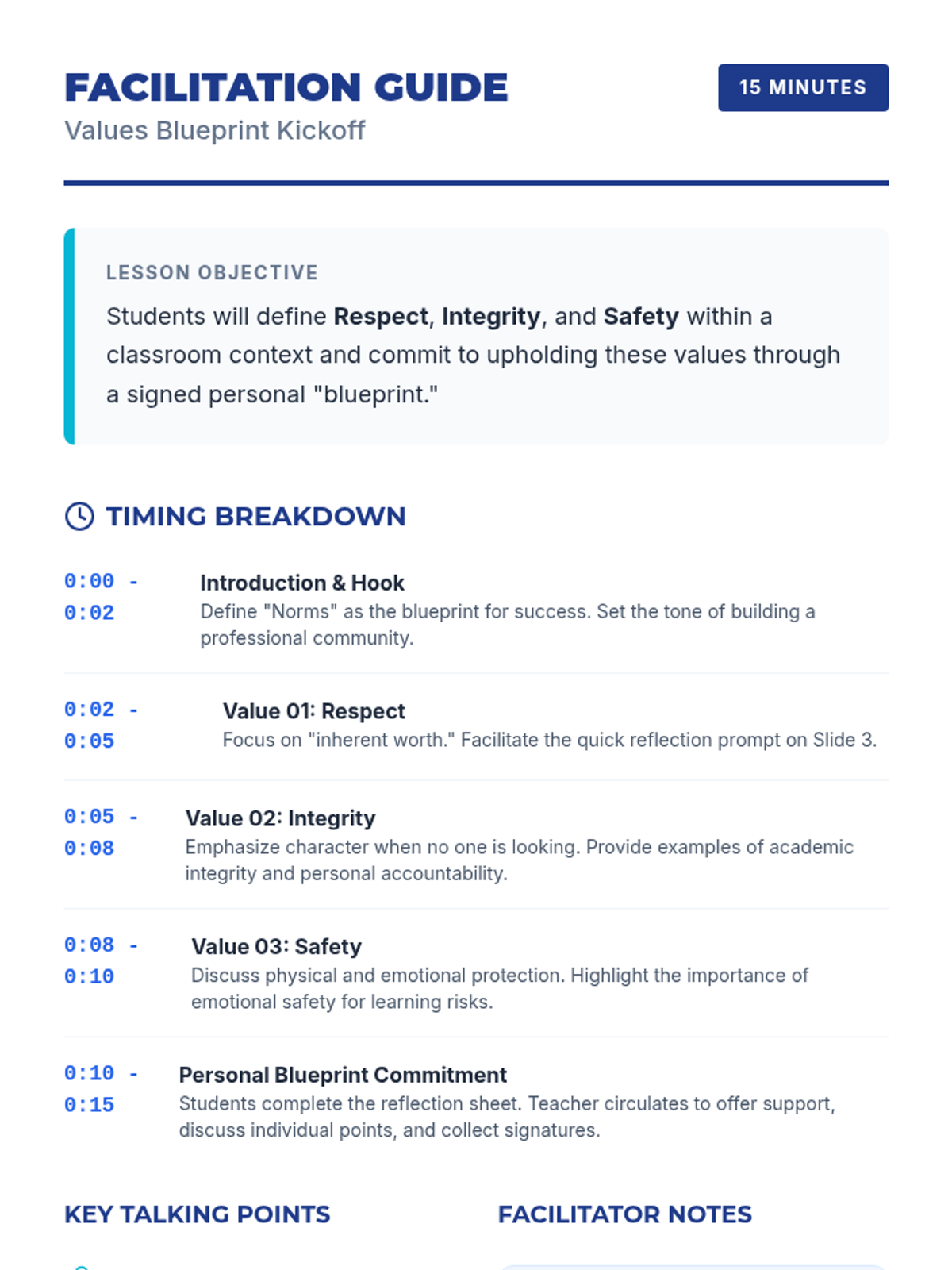
A concise 15-minute introduction to classroom norms centered on the core values of Respect, Integrity, and Safety. Students will define these values and commit to a shared culture of success.
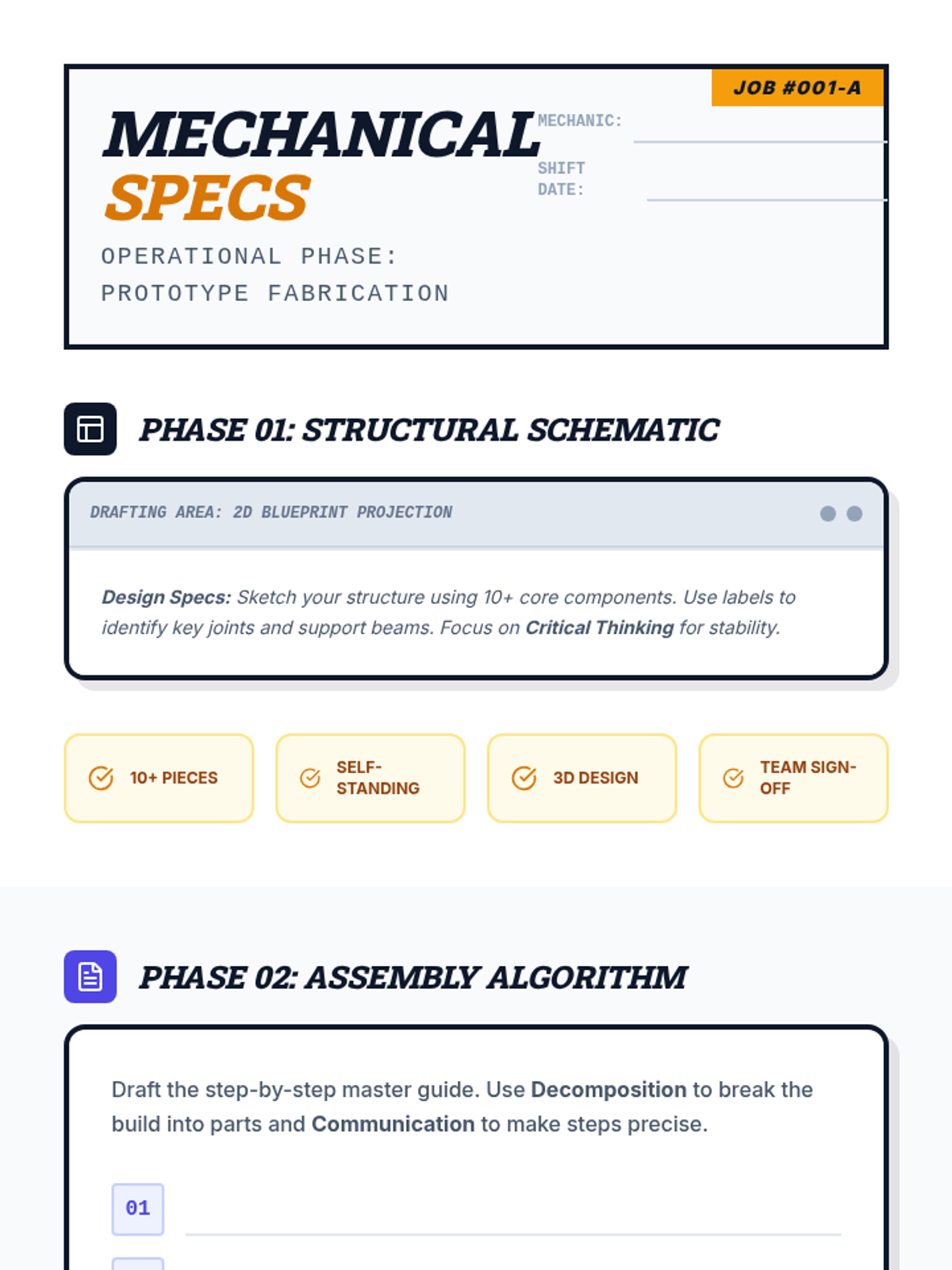
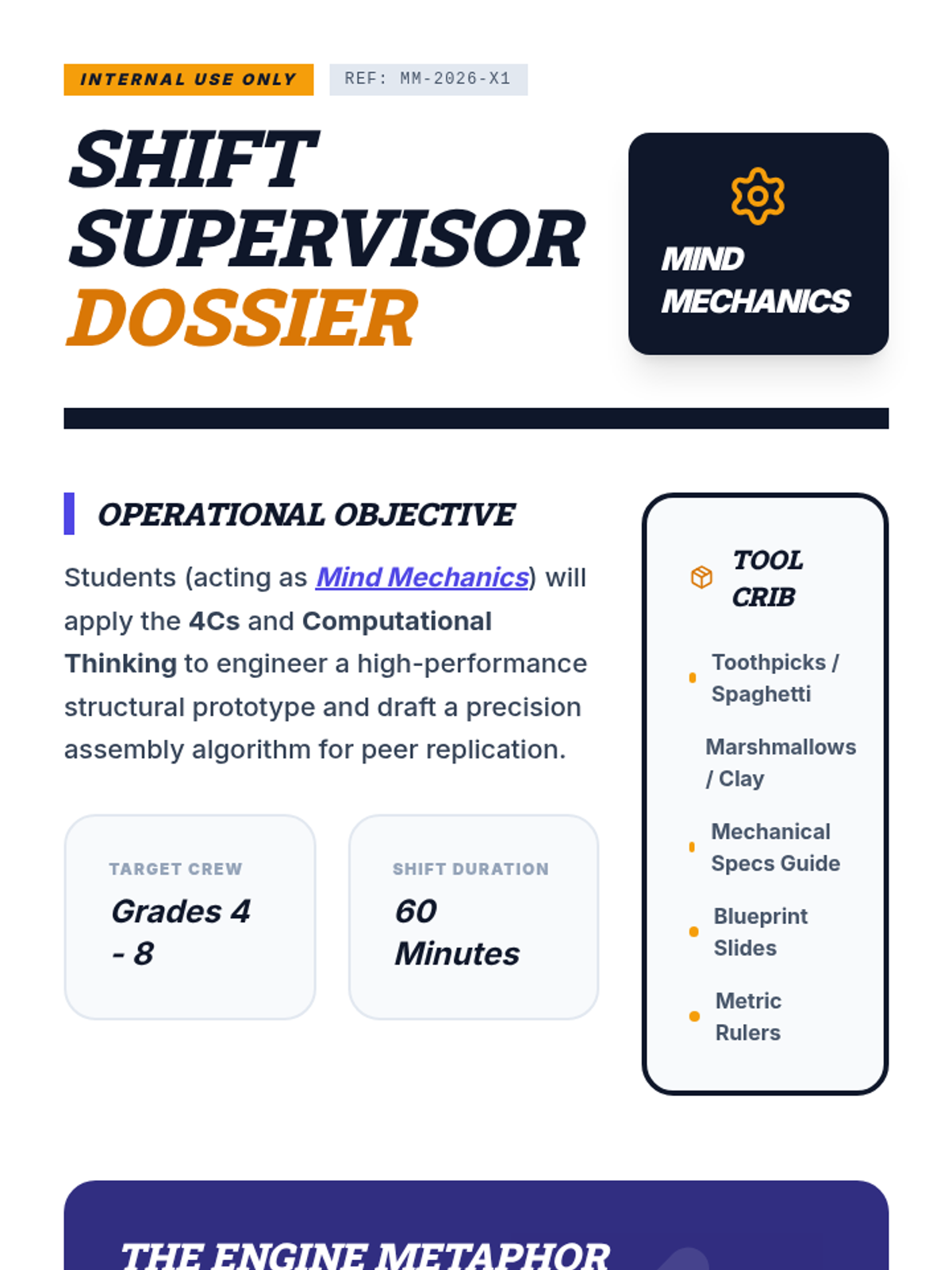
An industrial-themed teamwork lesson where students act as "Mind Mechanics" to apply the 4Cs and Computational Thinking to a complex engineering challenge.
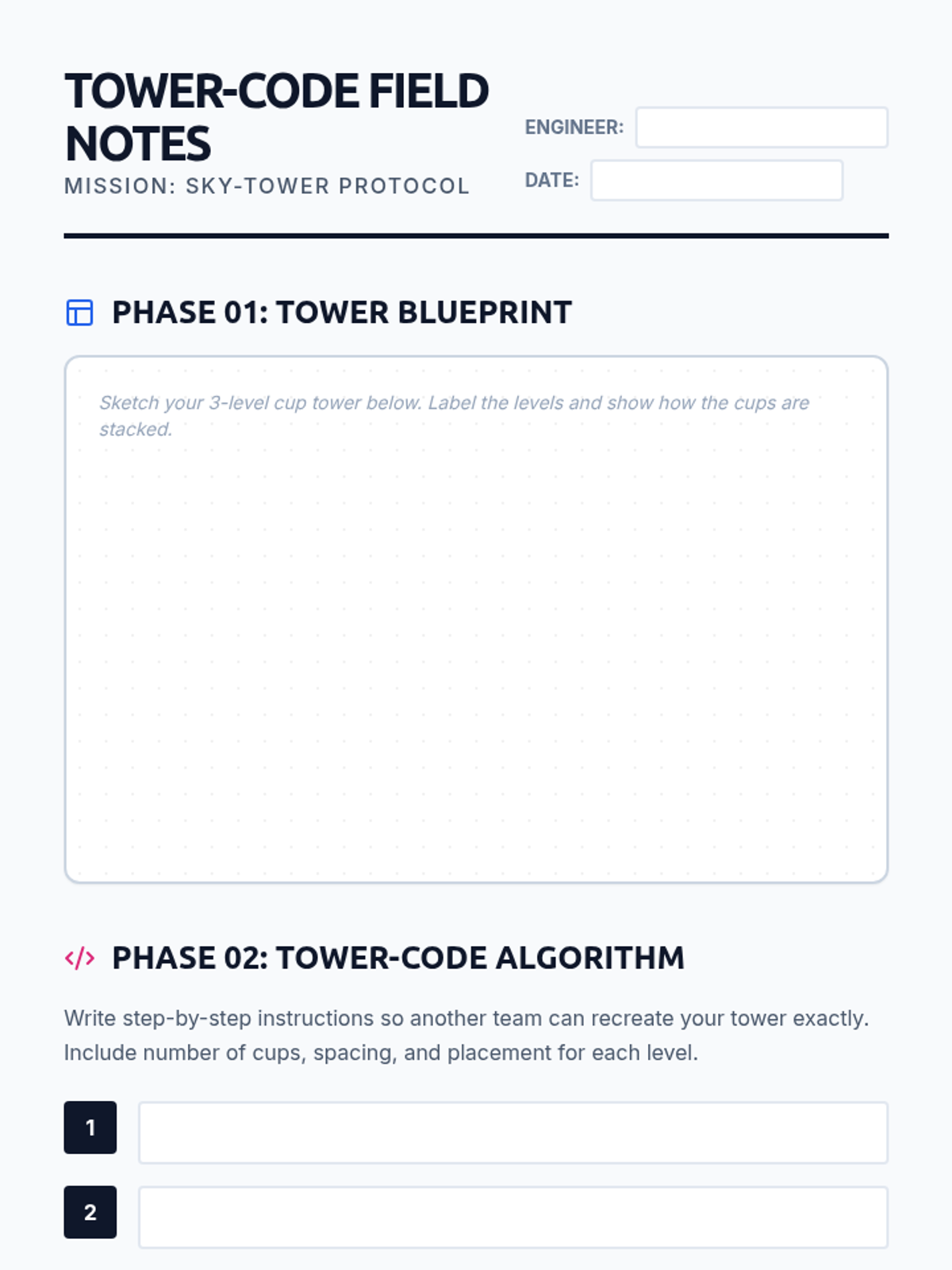
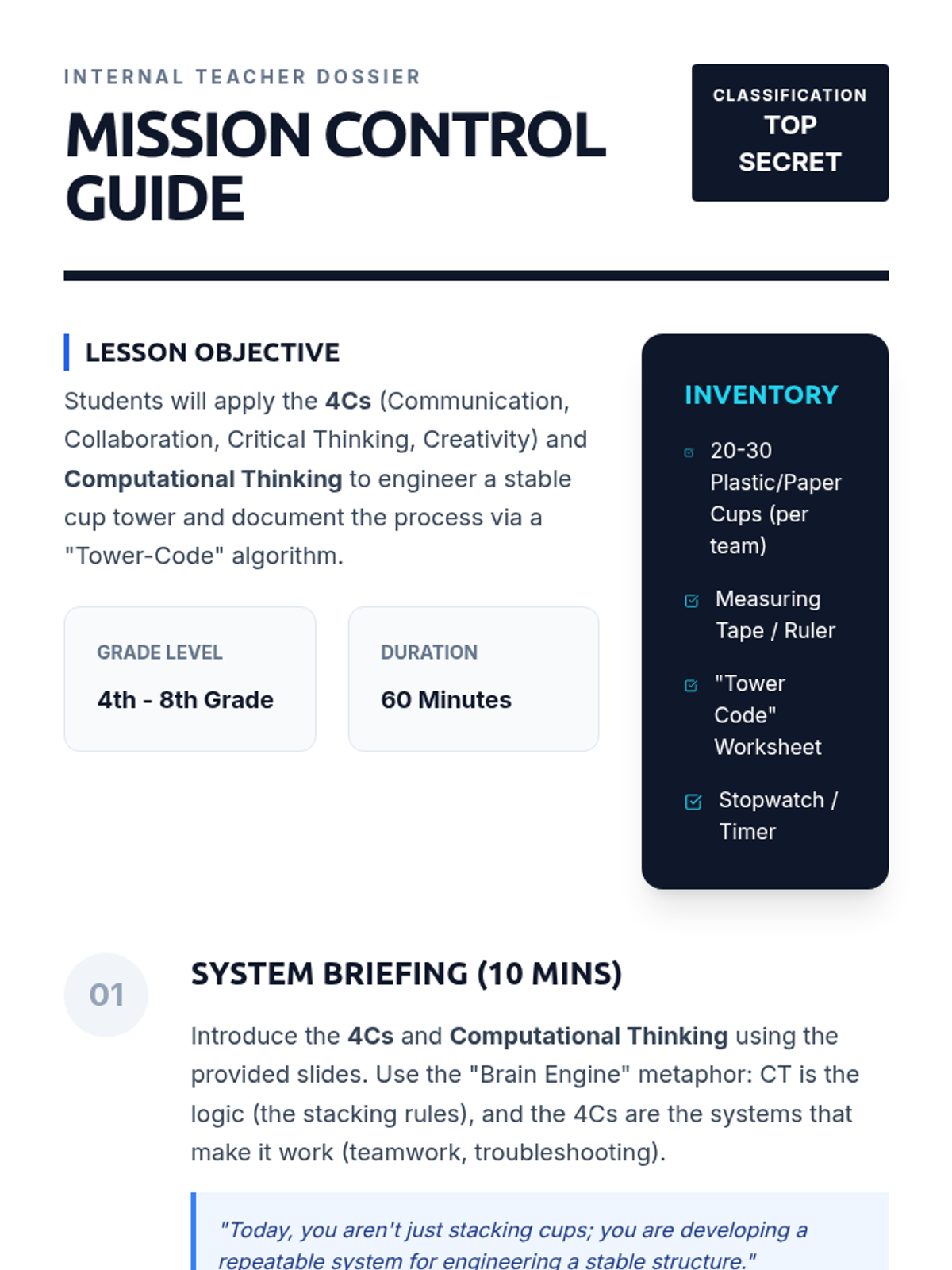
A high-stakes engineering challenge where students use the 4Cs and Computational Thinking to design, build, and document the ultimate cup tower structure.
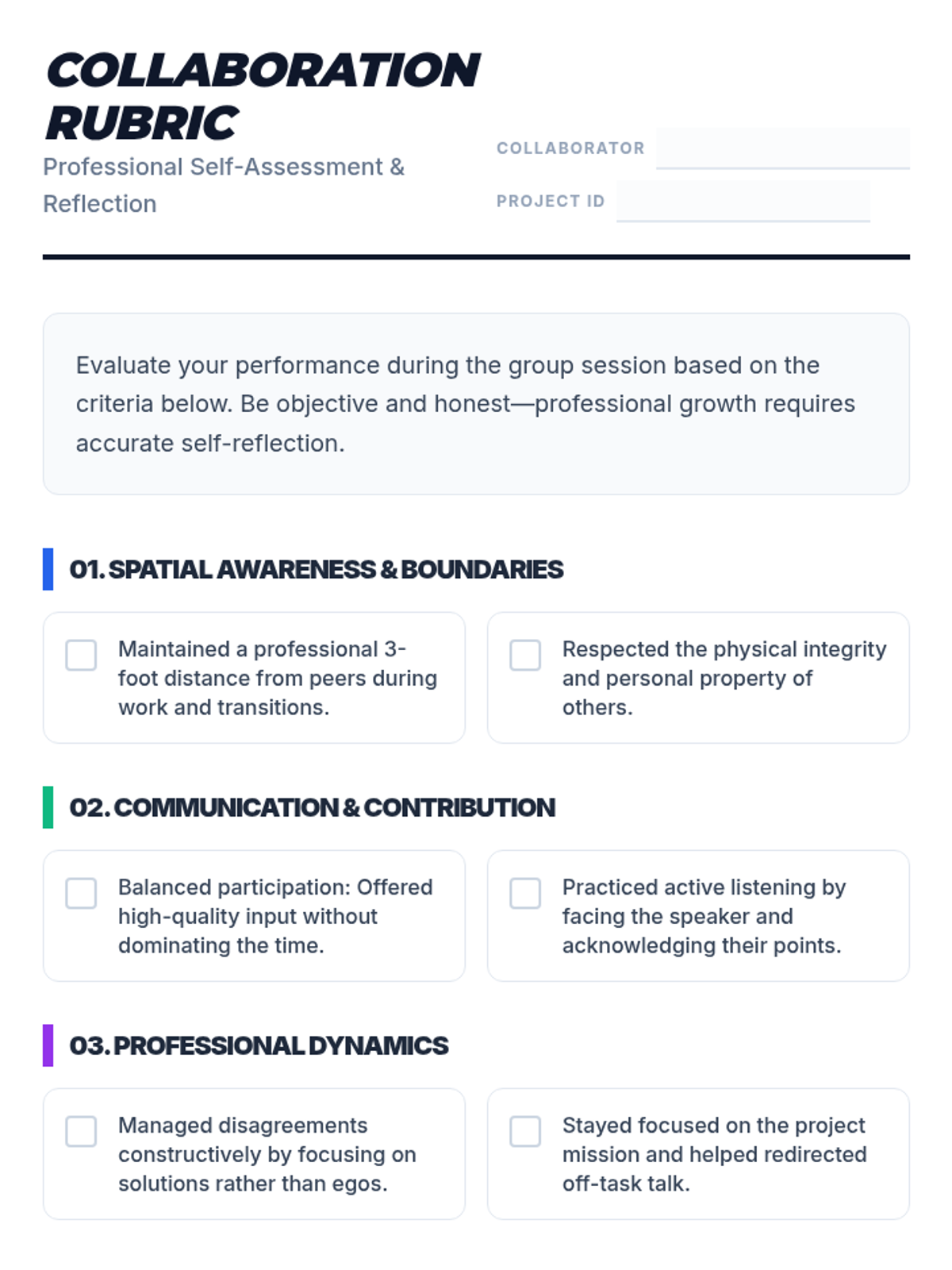
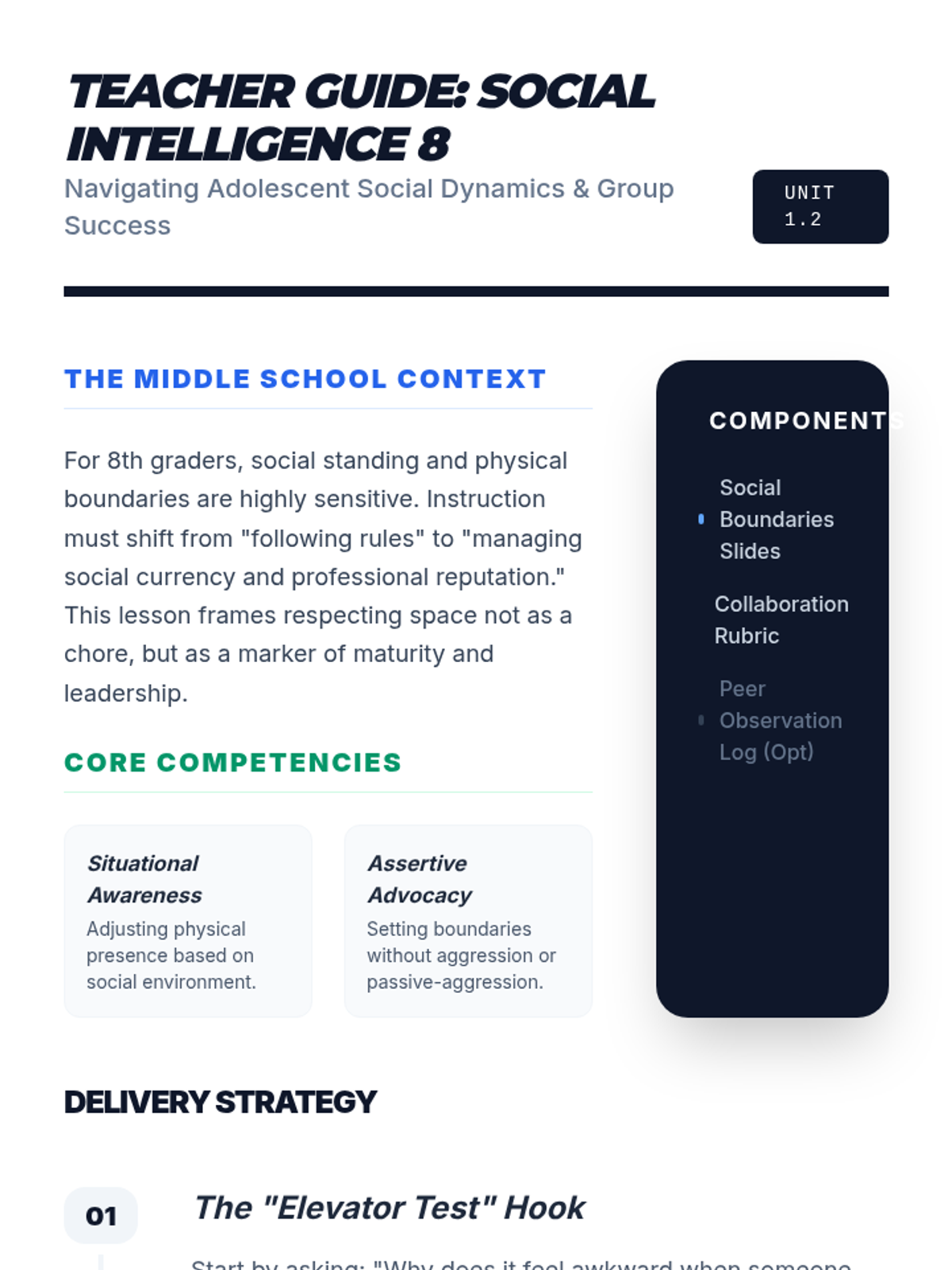
This lesson teaches students the importance of respecting personal space and how to contribute positively to group work. It uses social story modeling to show clear examples of 'expected' behaviors in various classroom scenarios.
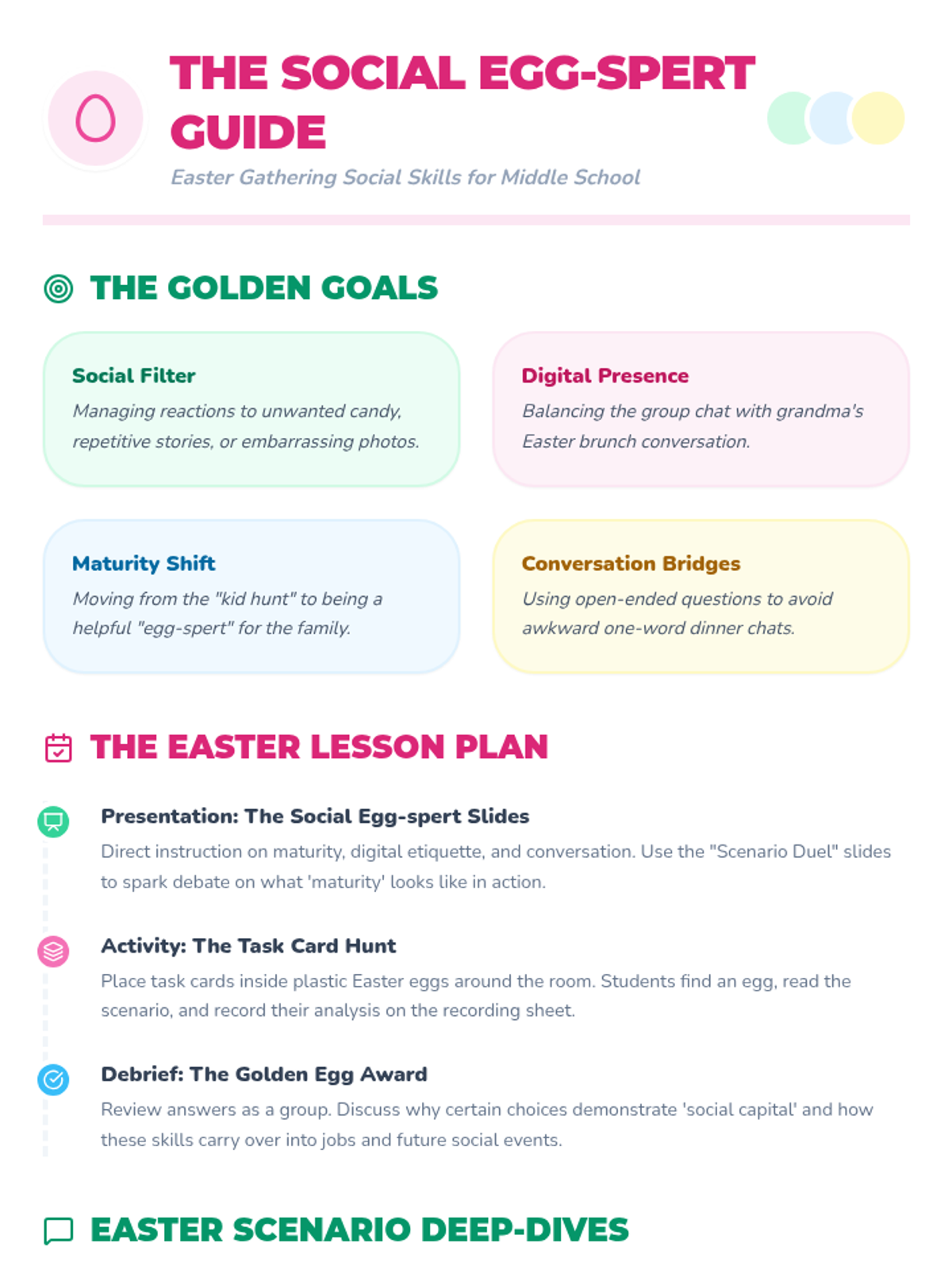
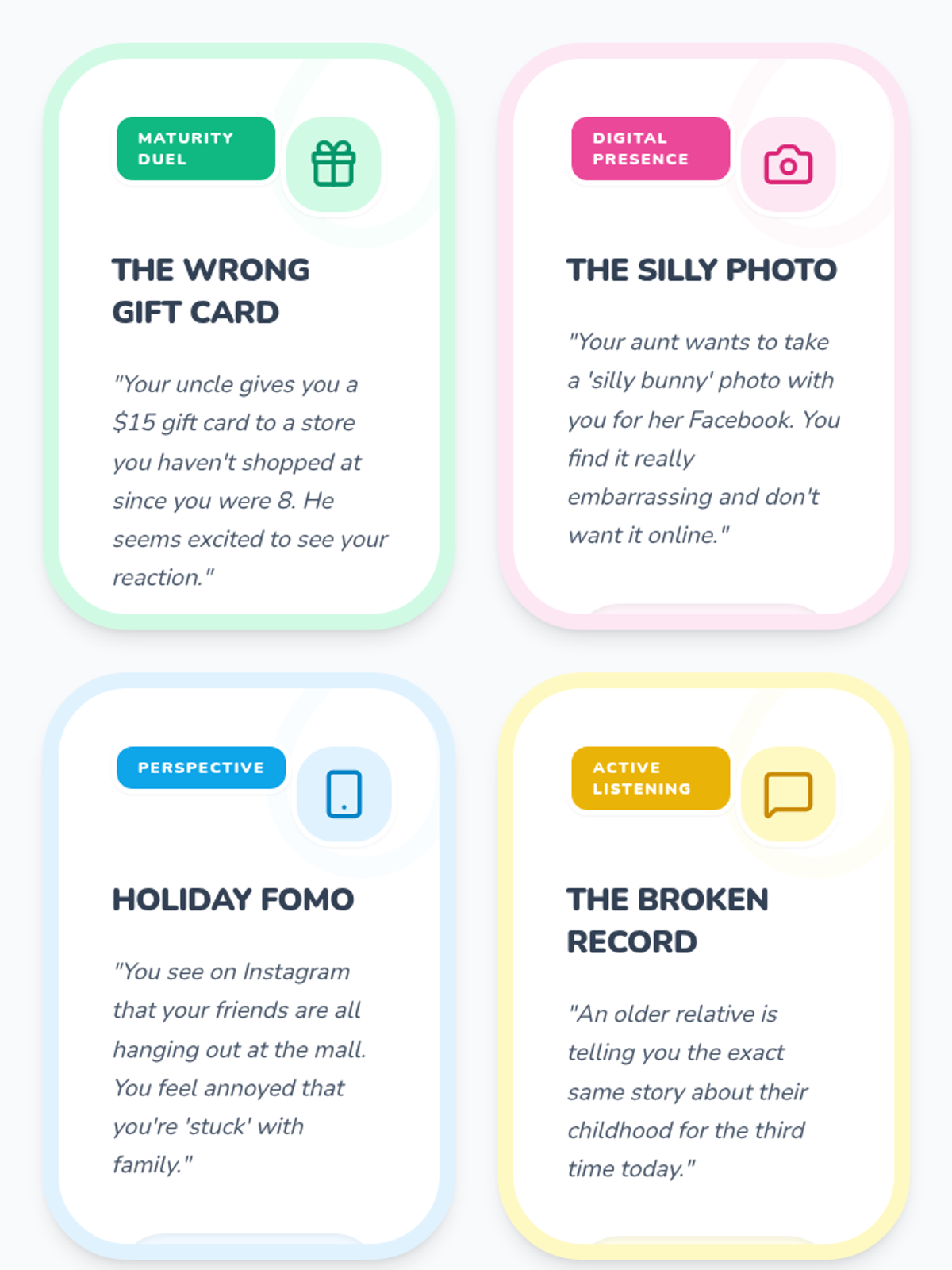
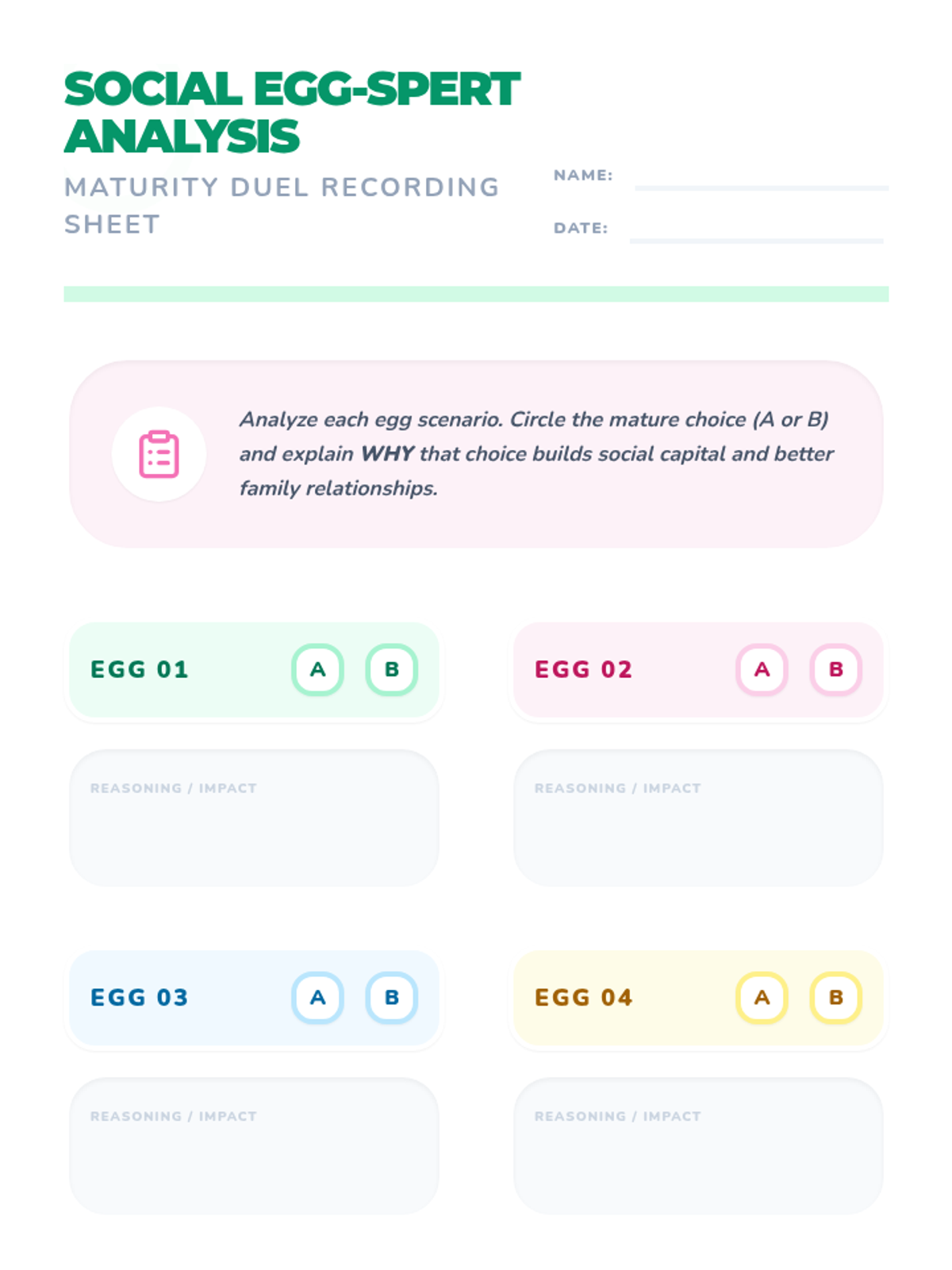
A social skills lesson focused on navigating common holiday situations like family gatherings, egg hunts, and conversations using an Easter theme. Includes interactive slides for group discussion and printable task cards for practice.
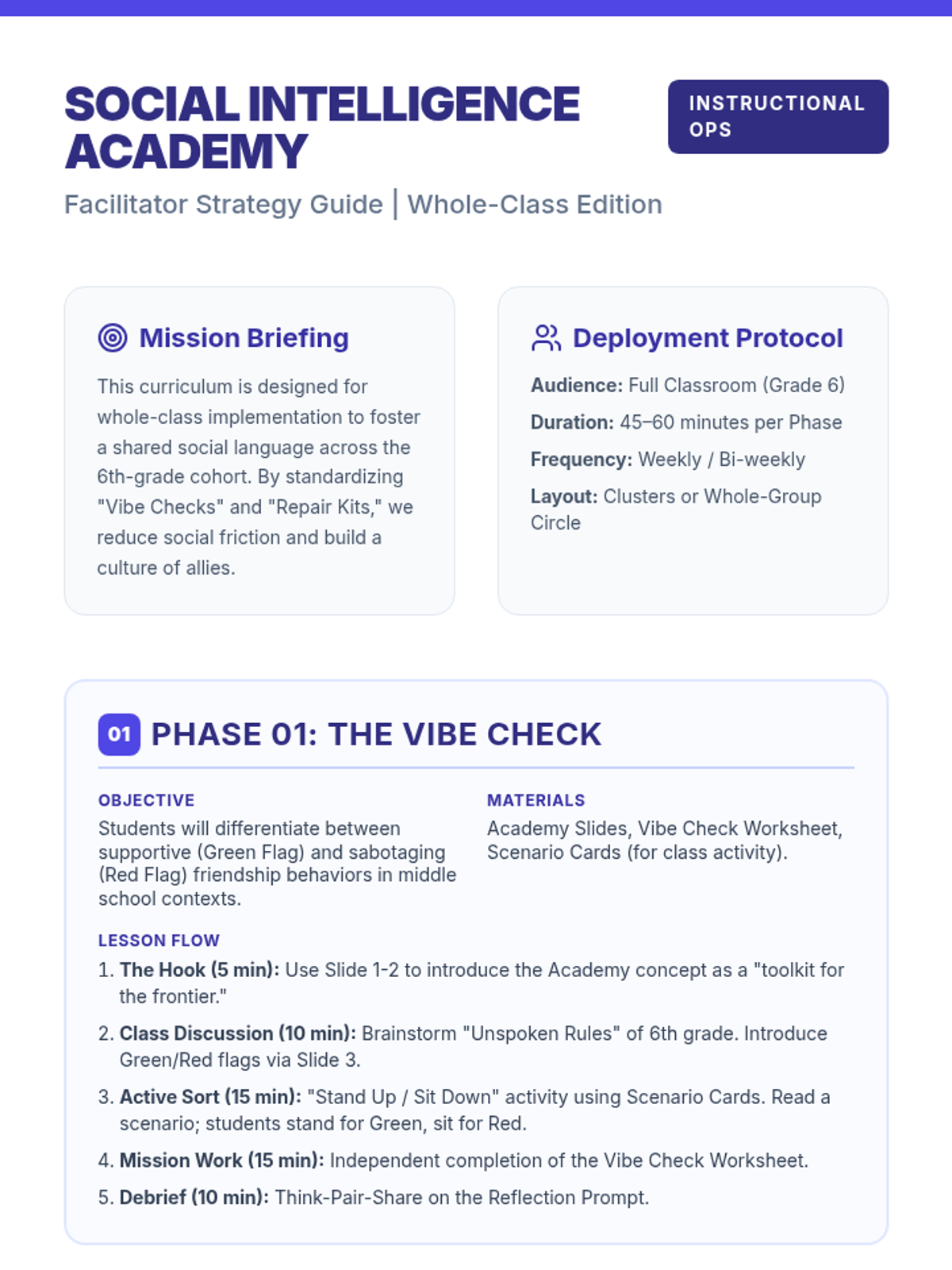
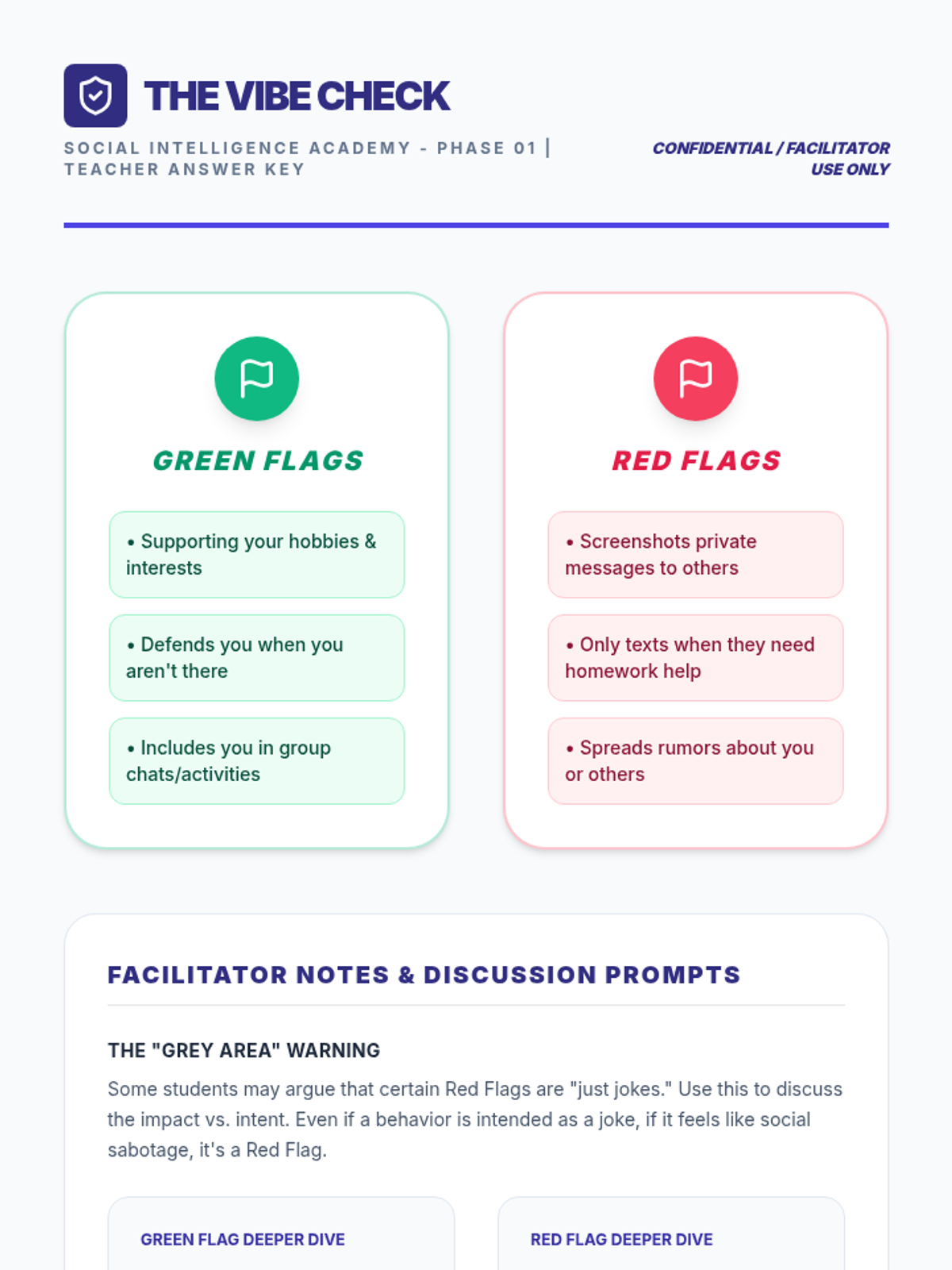
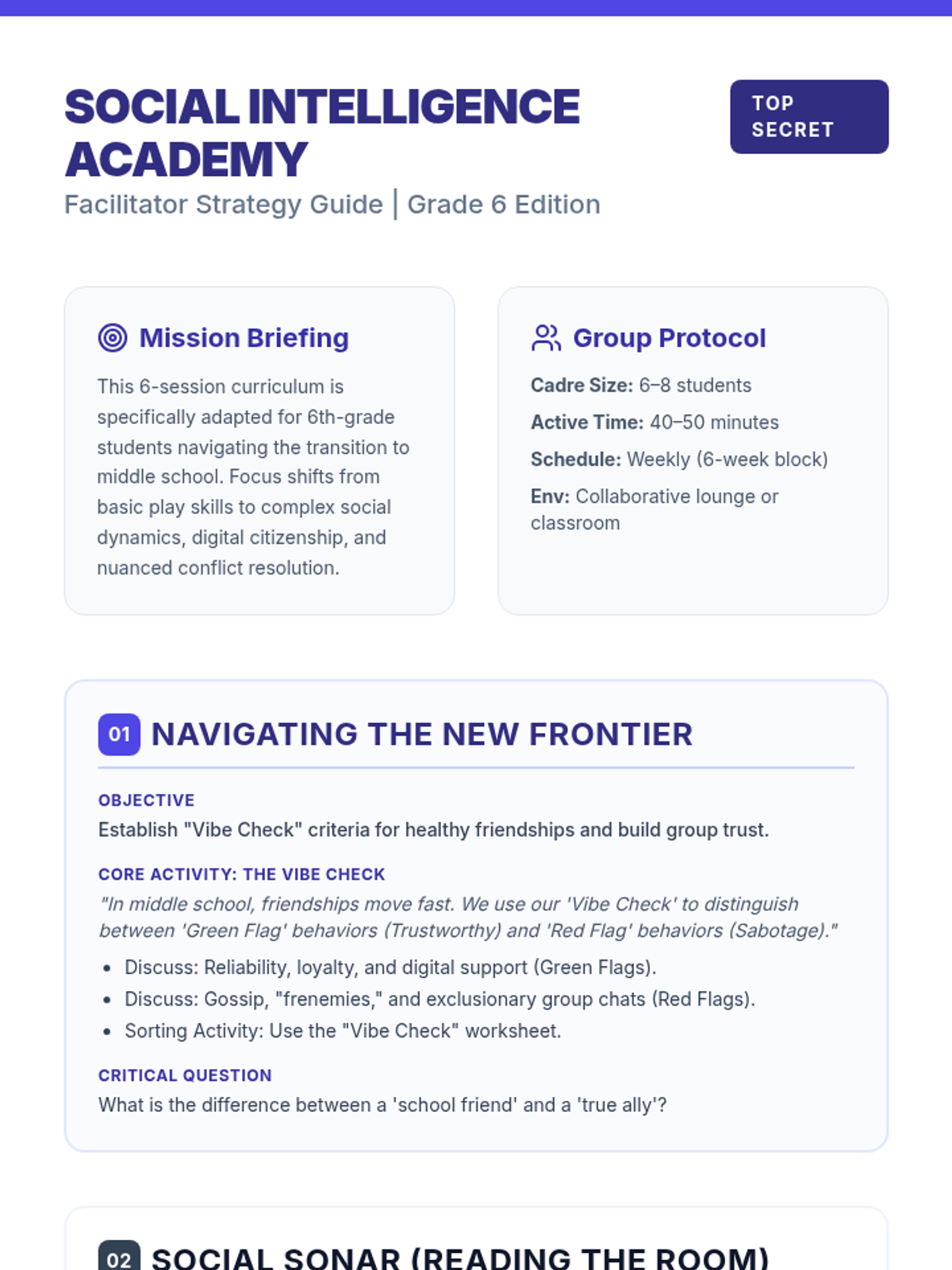
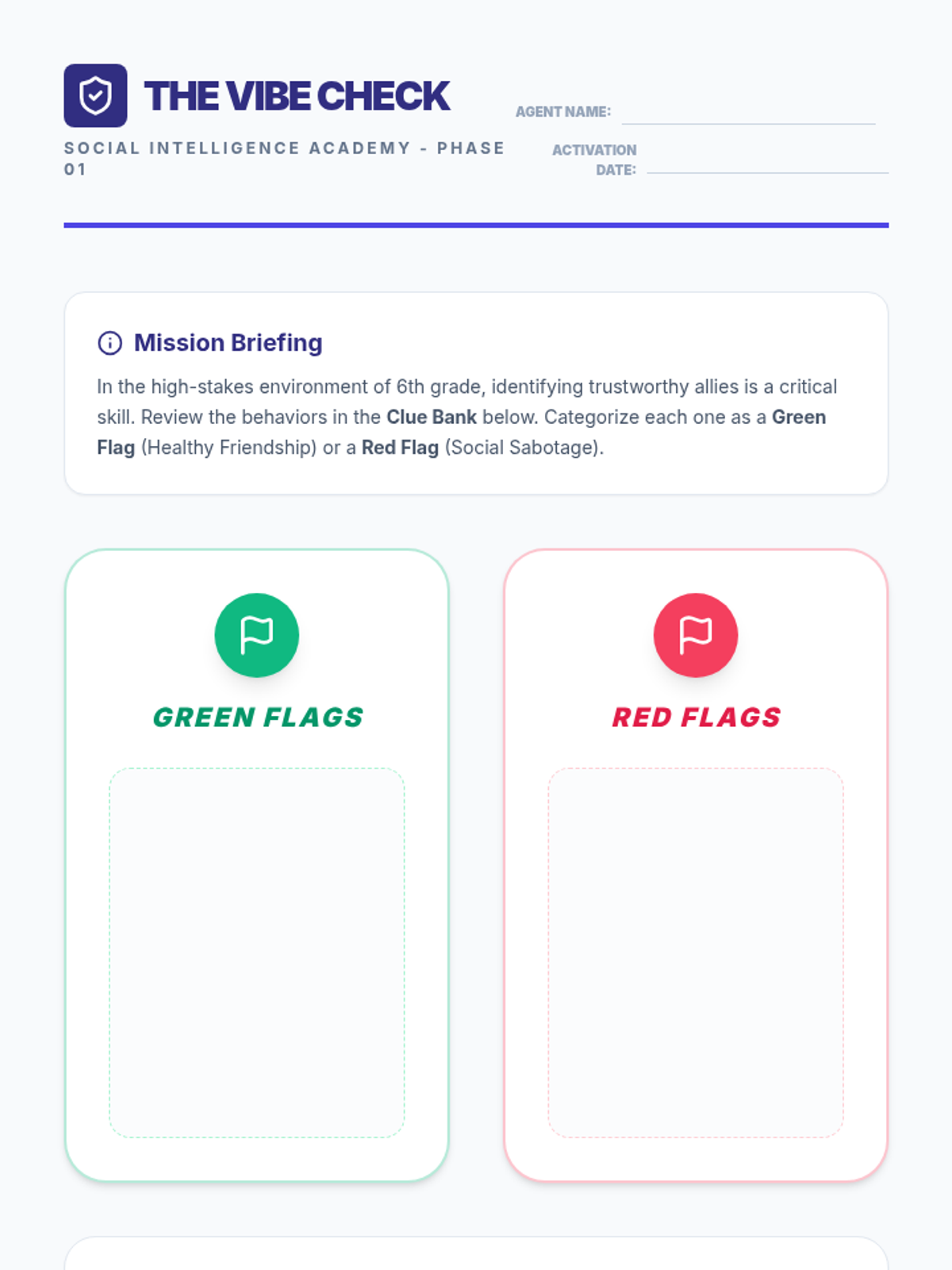
Introduces the Social Intelligence Academy and explores "Vibe Checks"—the criteria for healthy, high-functioning middle school friendships.
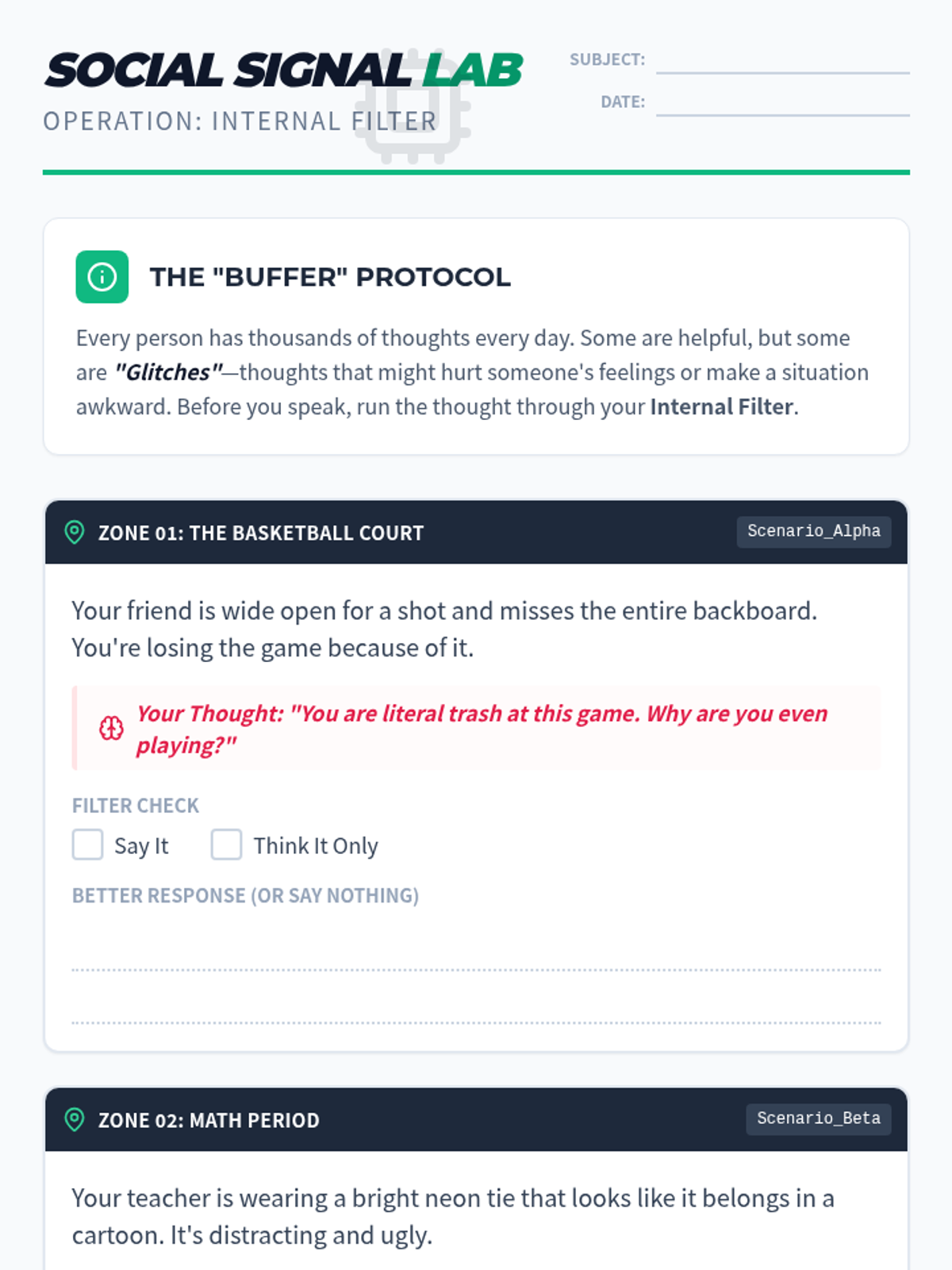
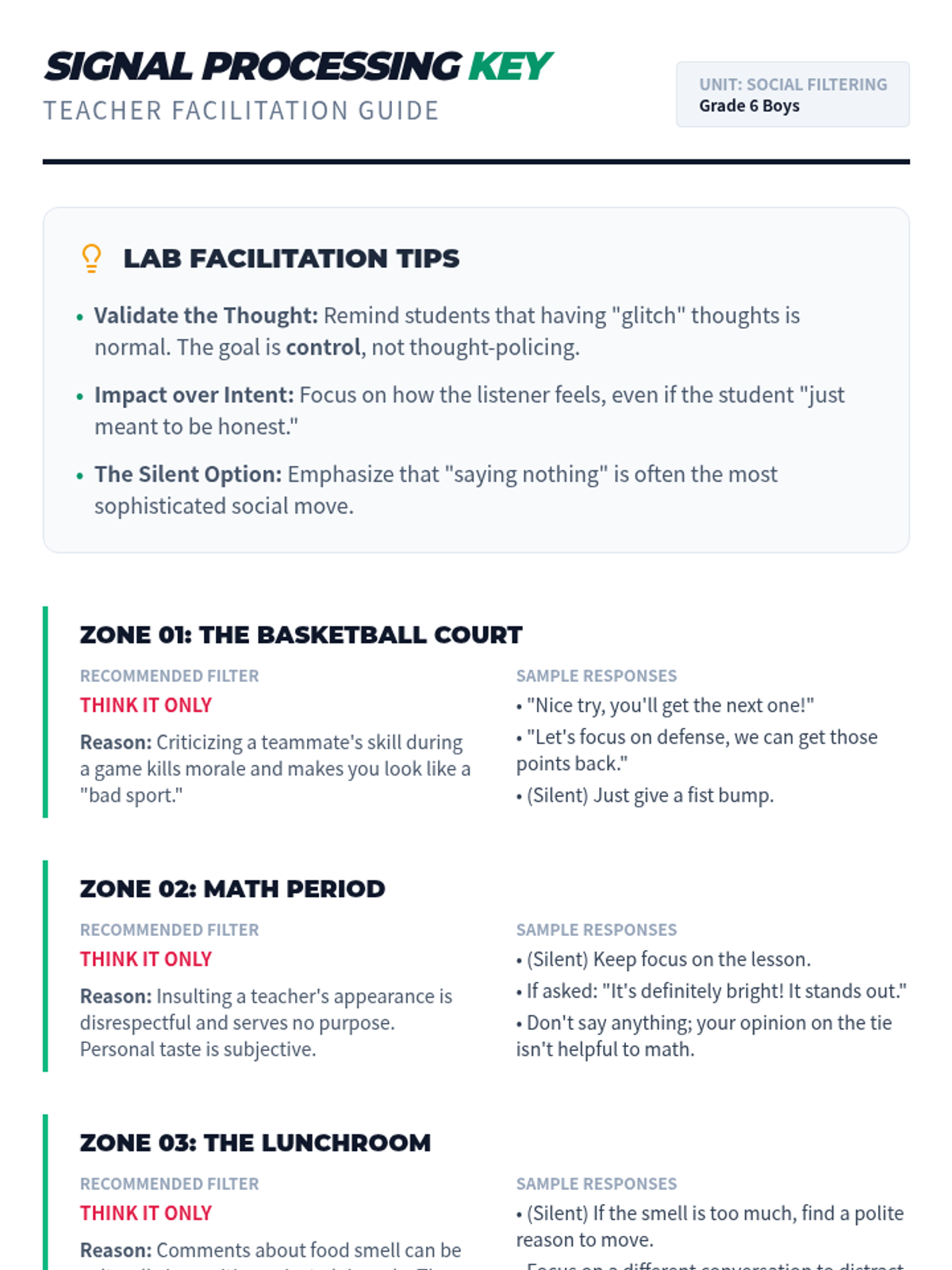
This lesson focuses on helping 6th-grade students develop a "social filter" by analyzing internal thoughts and determining their appropriateness for public expression across various school settings.
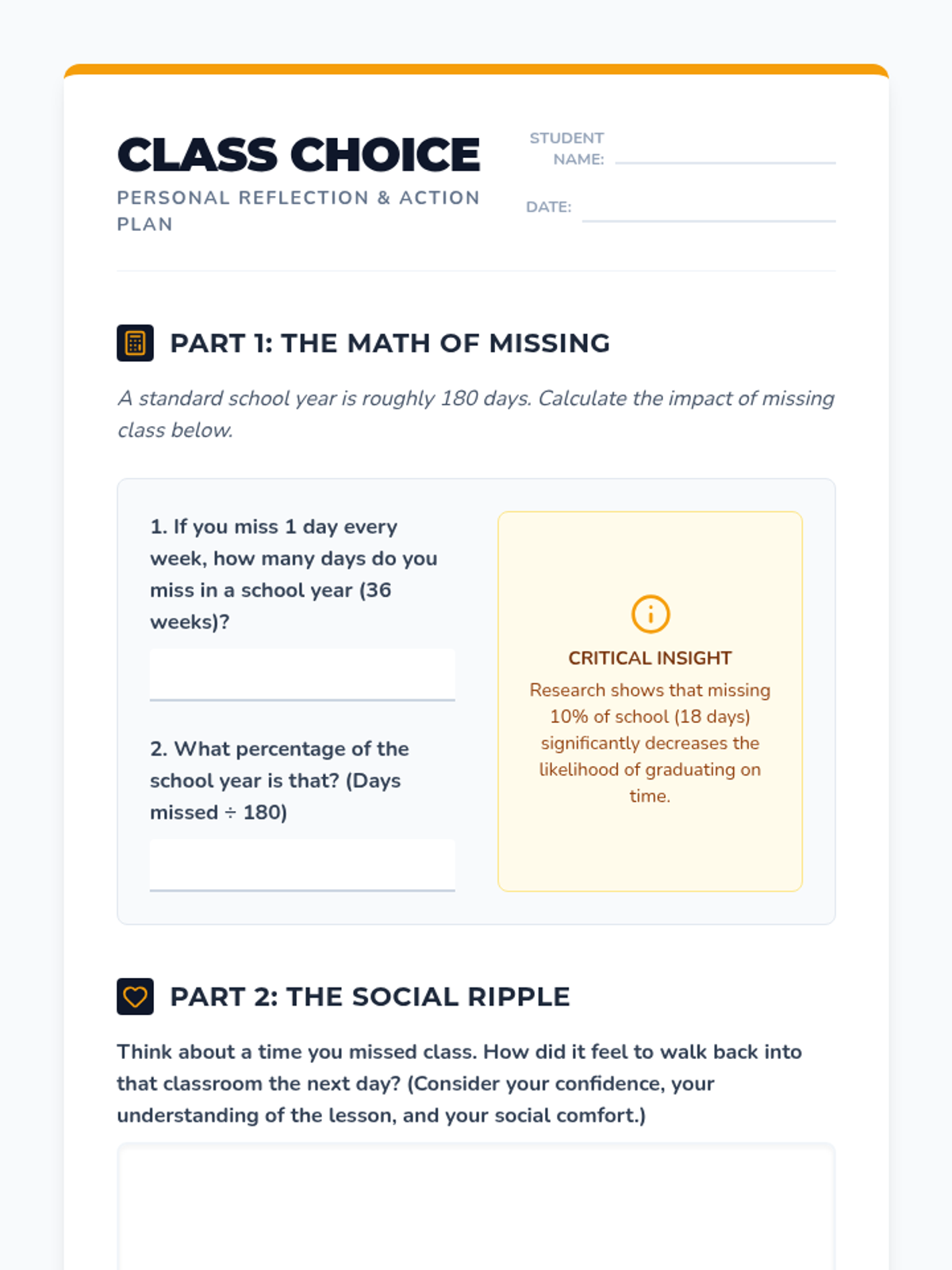
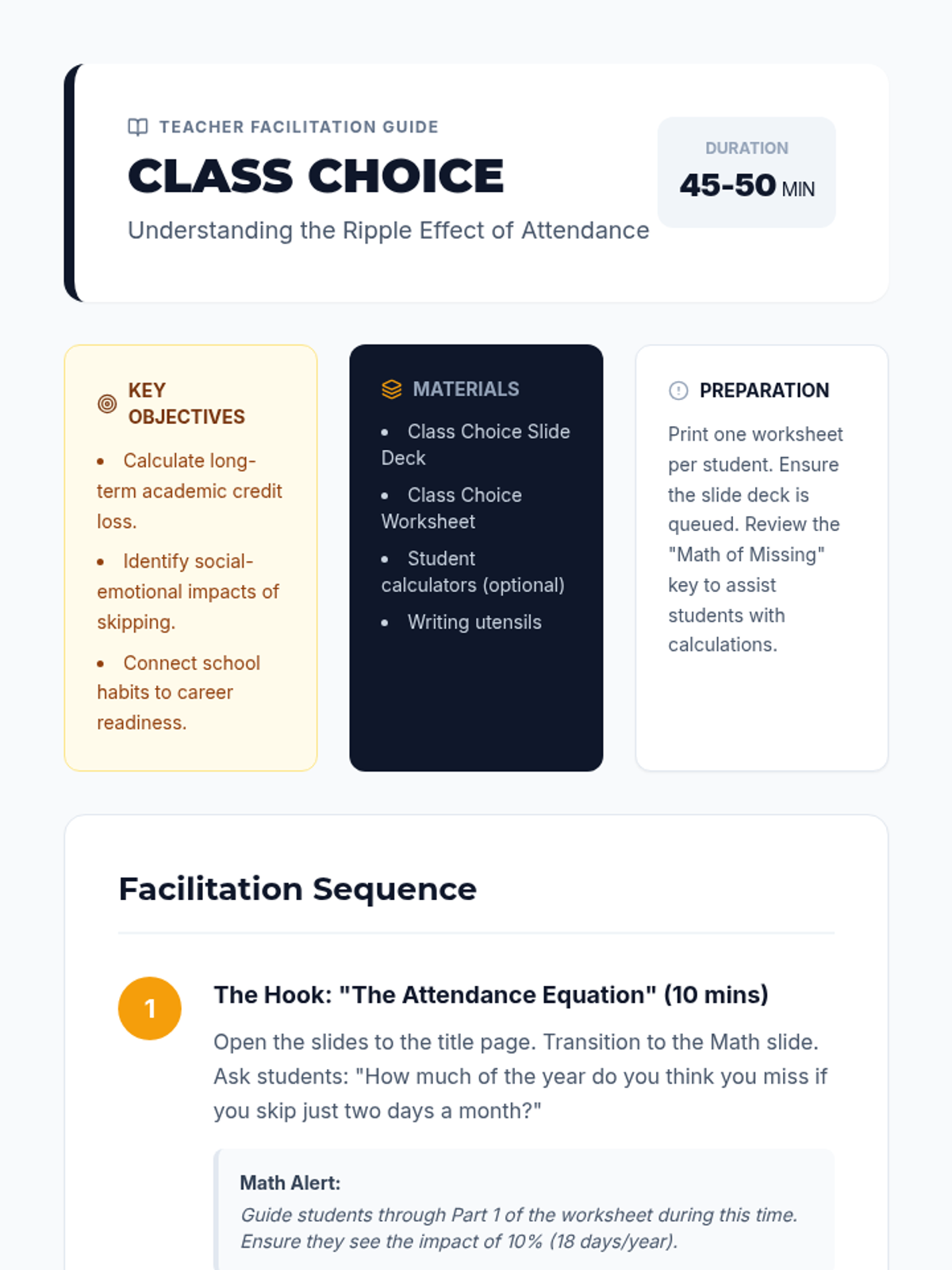
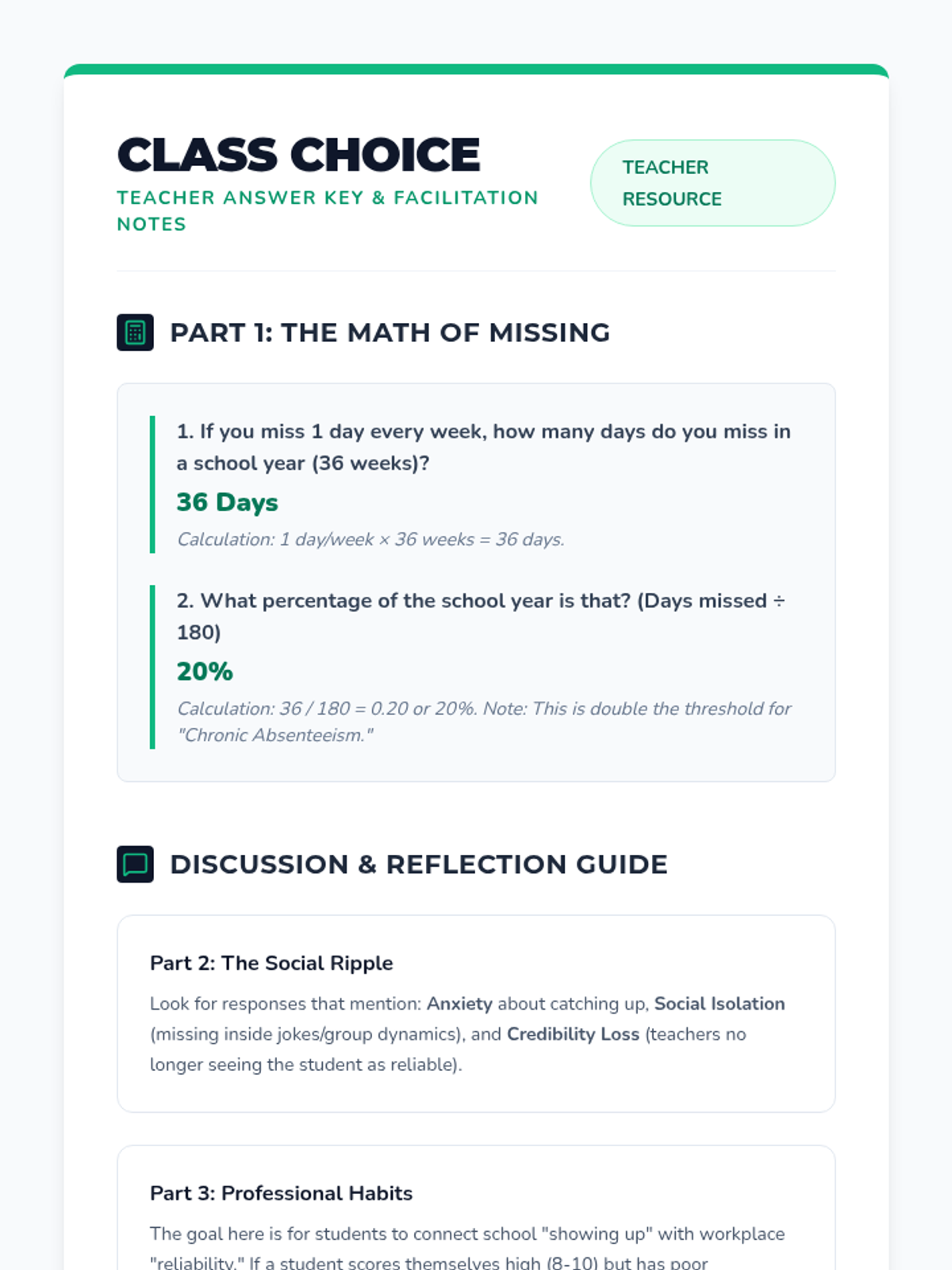
This lesson explores the multi-faceted consequences of skipping class, including academic setbacks, social-emotional impacts, and long-term career implications. Students will reflect on their choices and the weight of their decisions through interactive slides and personal reflection.
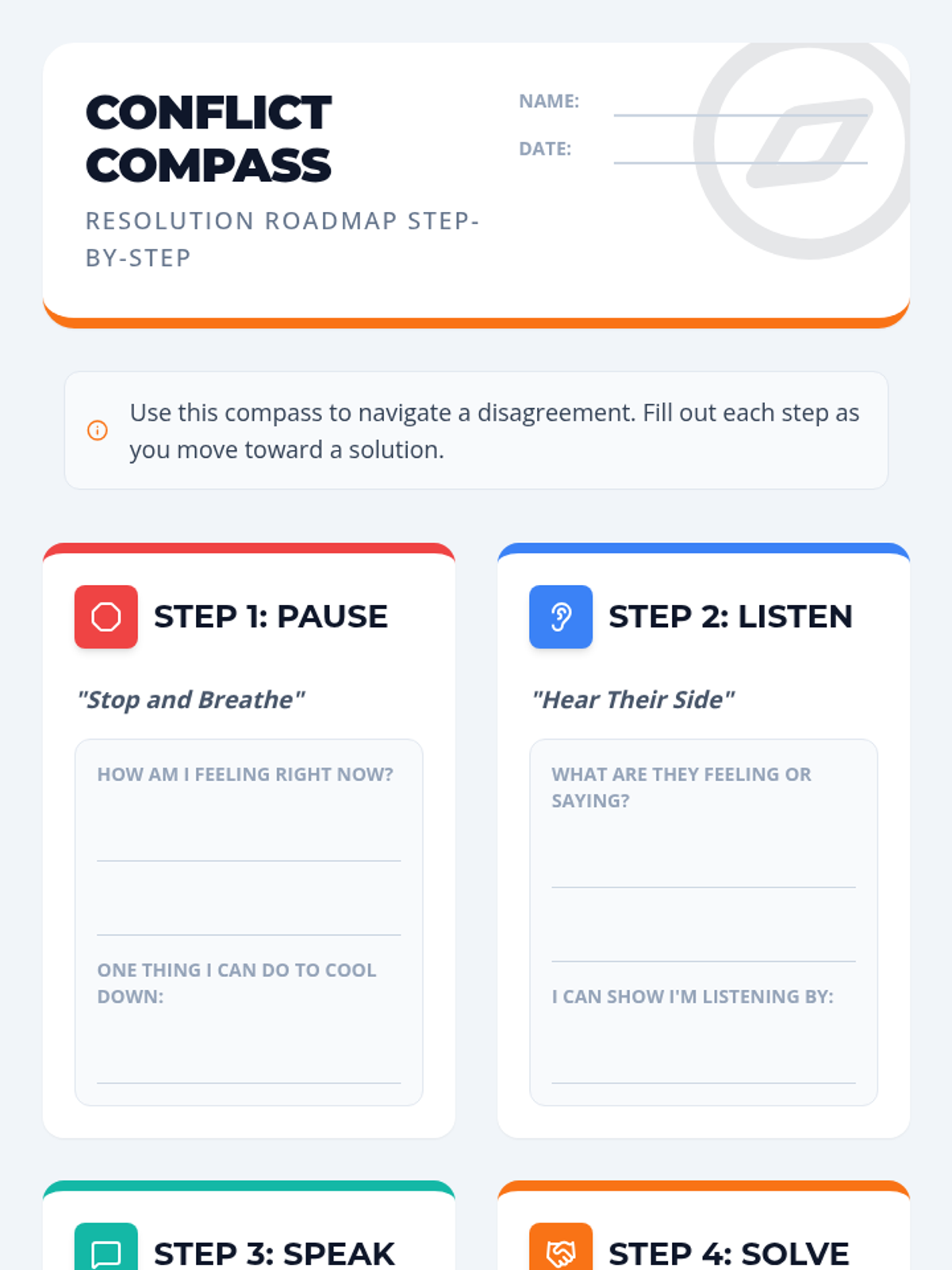
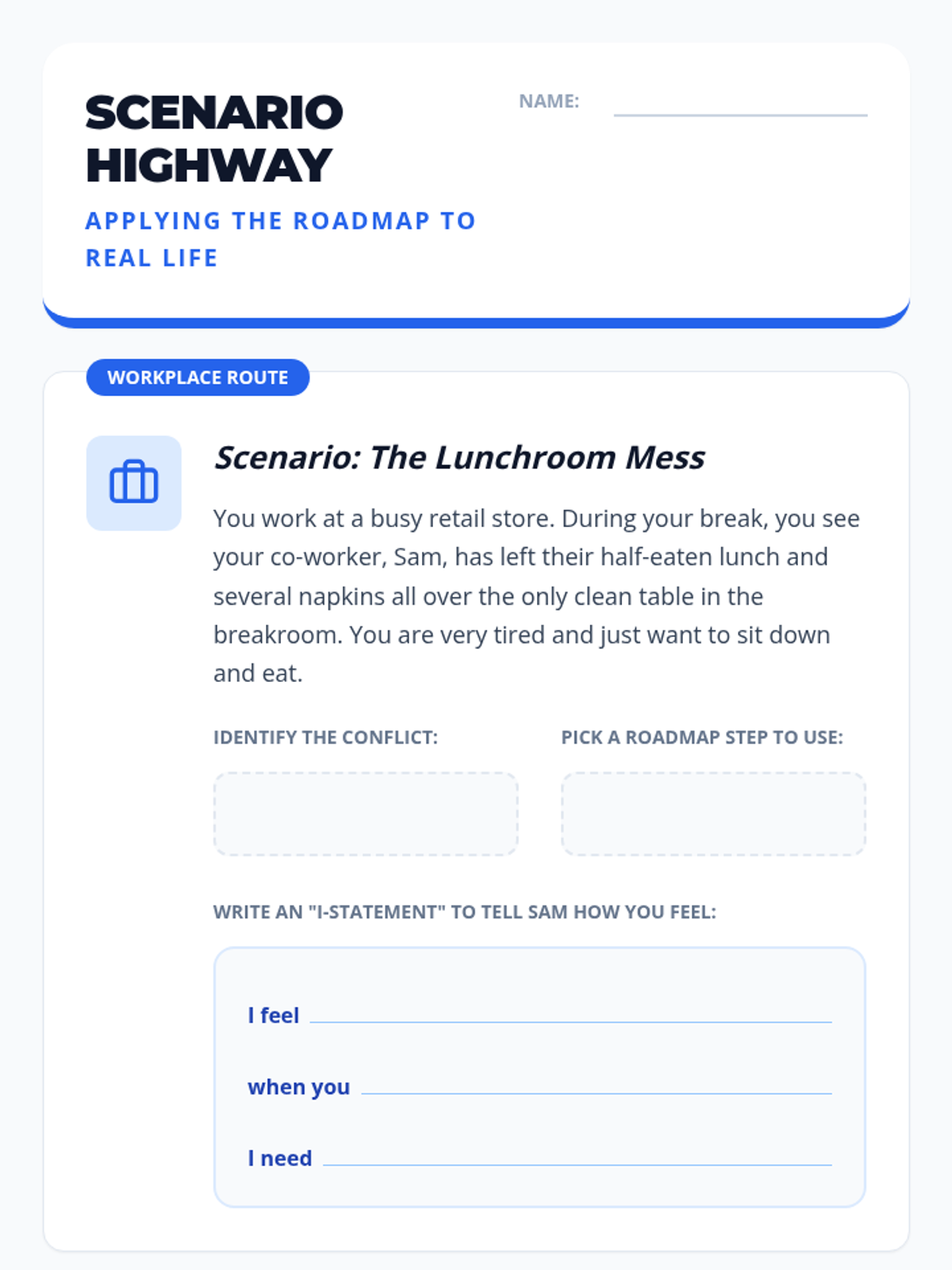
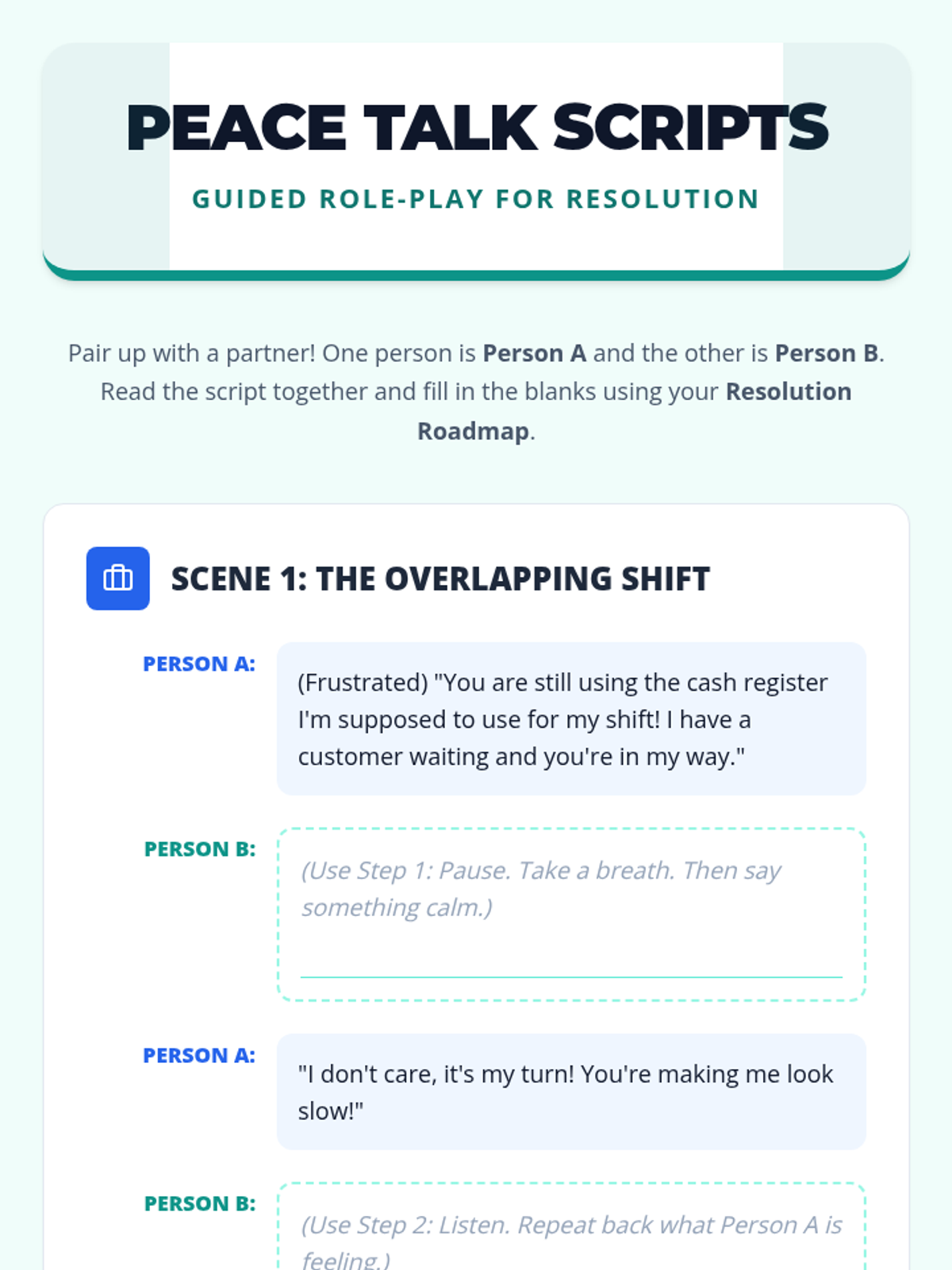
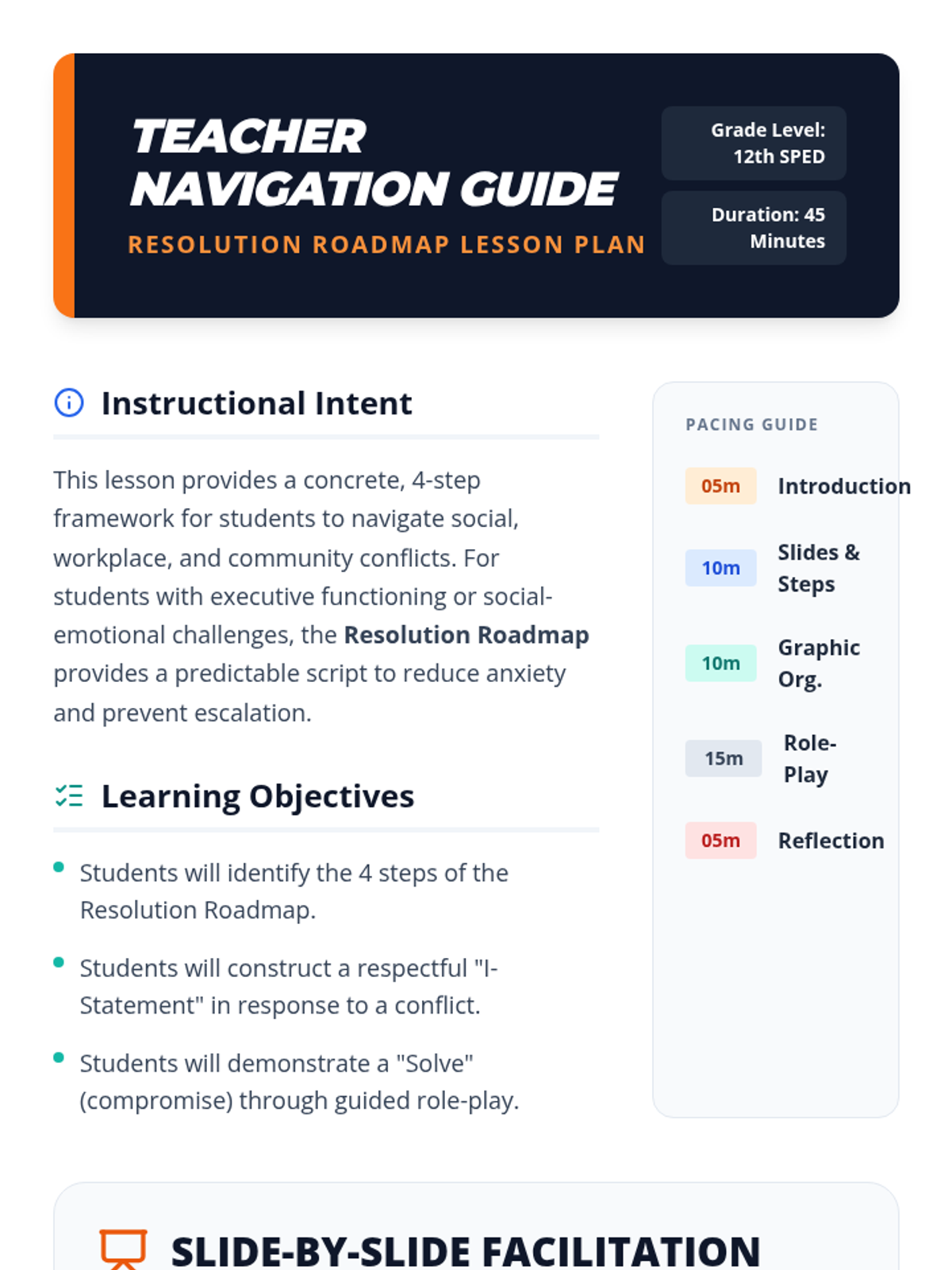
A comprehensive lesson designed for 12th-grade special education students to master conflict resolution across workplace, school, and community settings using a structured 'Resolution Roadmap' framework.
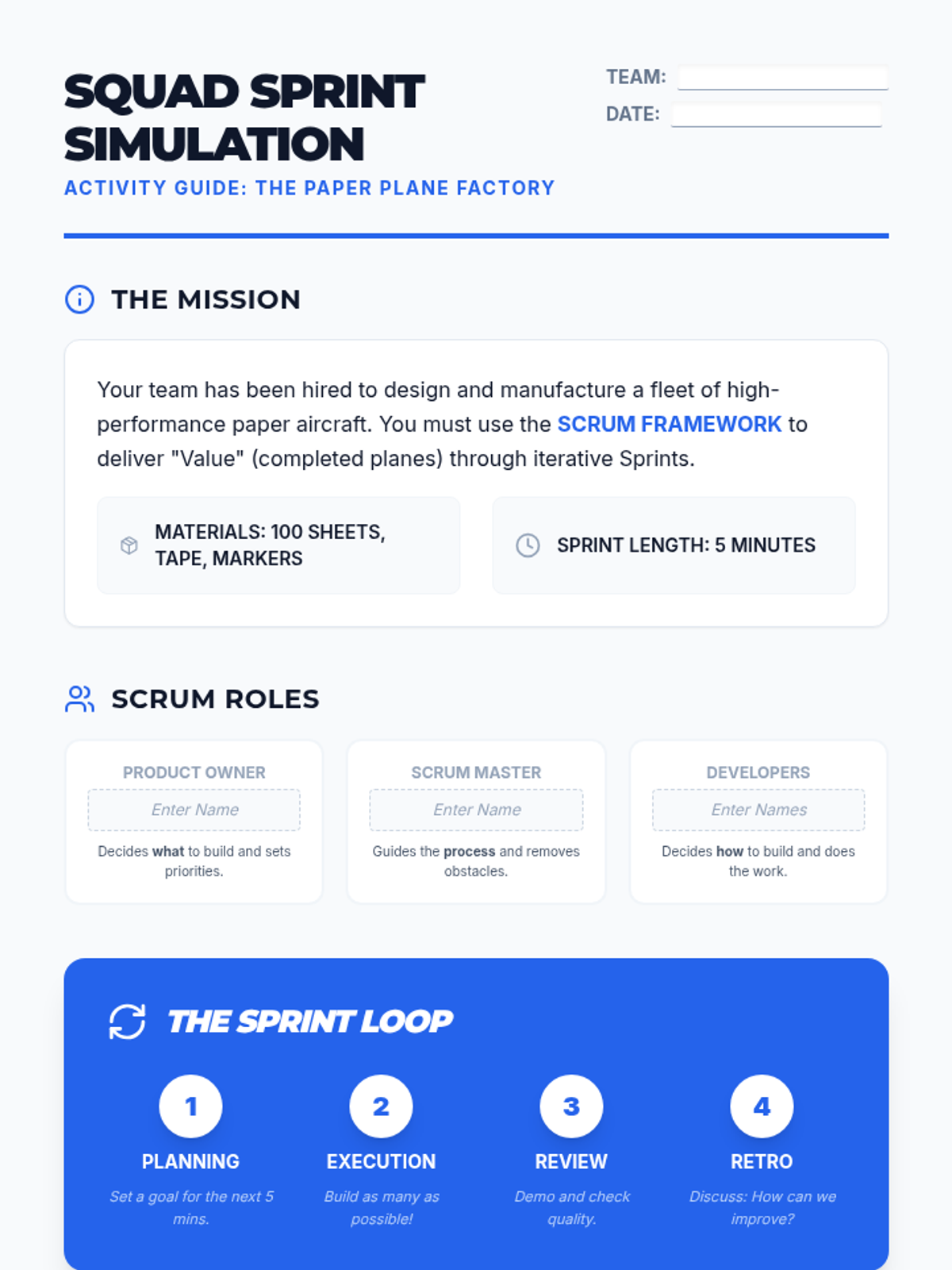
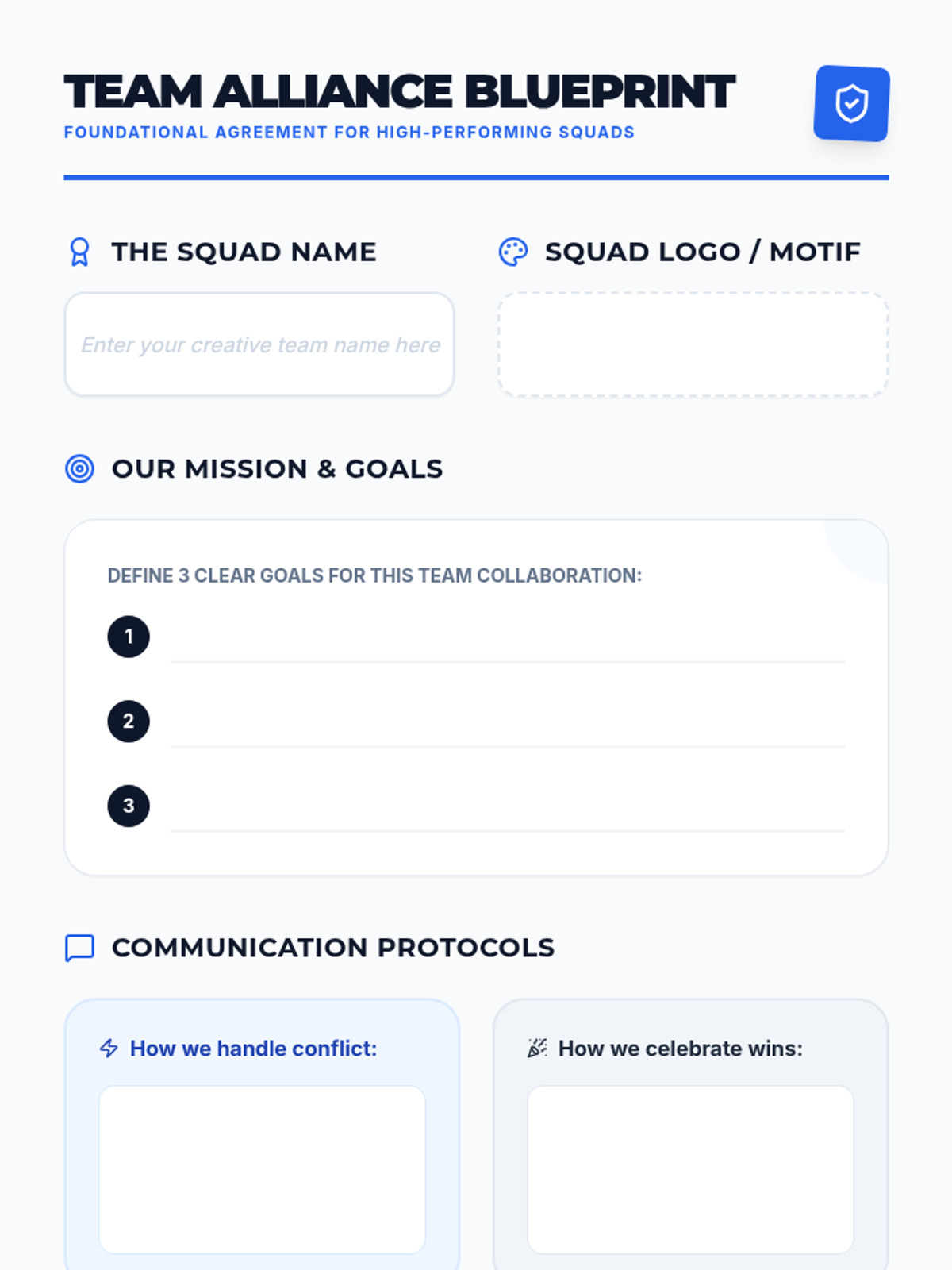
This lesson introduces students to the core concepts of Agile and Scrum through the lens of team dynamics. Students will explore roles, ceremonies, and the critical importance of communication in high-performing teams.
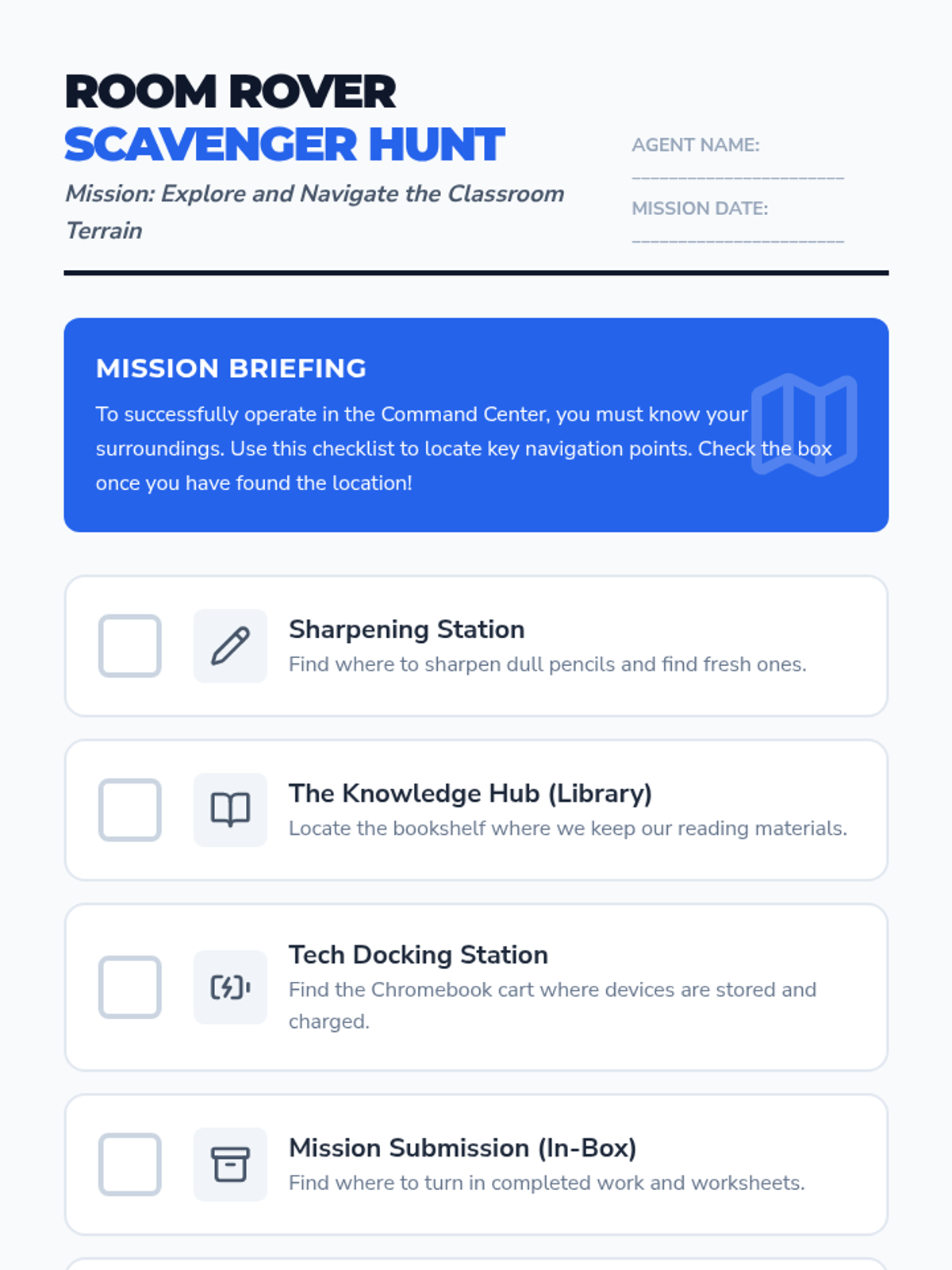
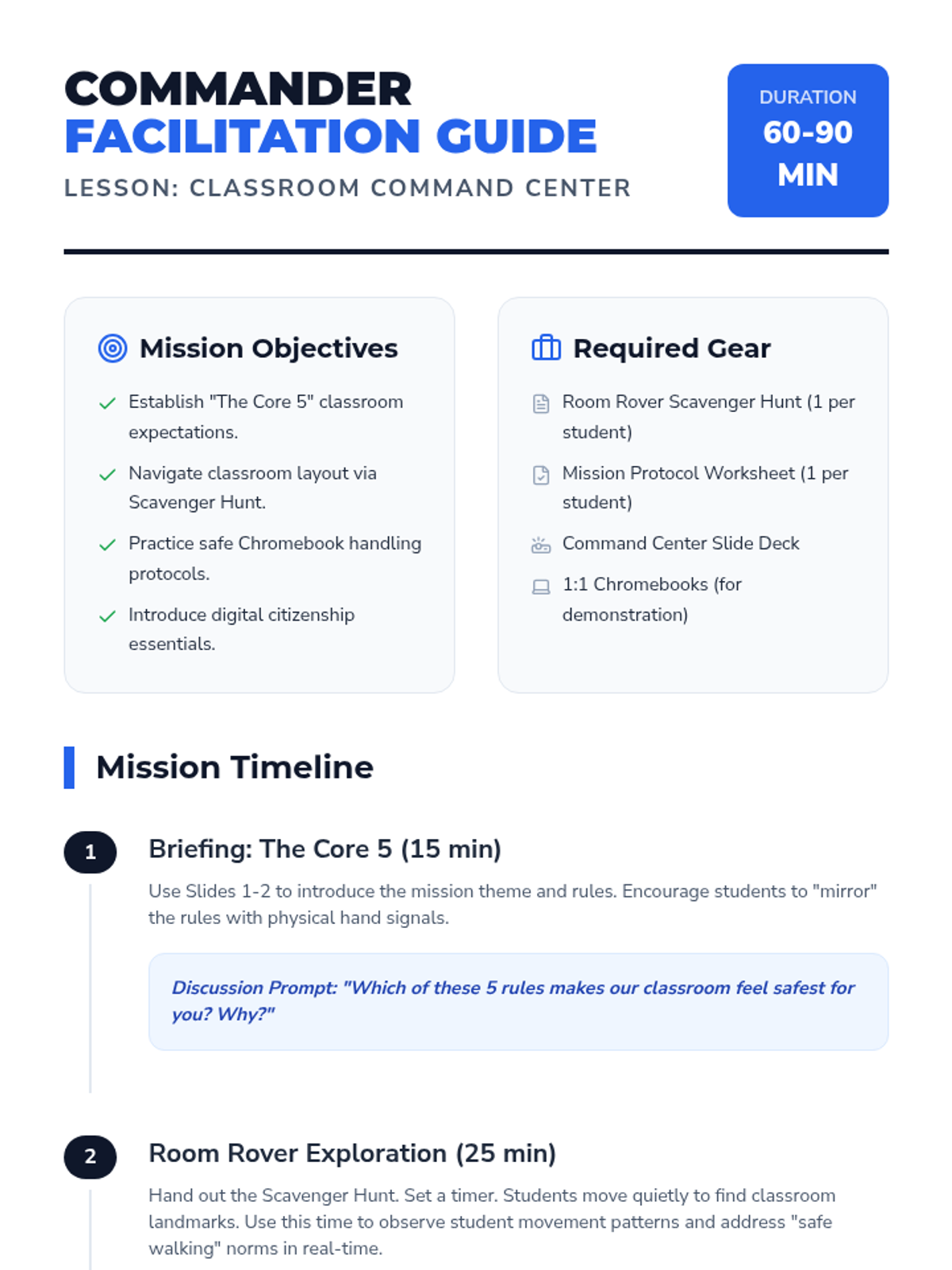
A comprehensive first-day lesson to establish classroom norms, physical space navigation, and digital responsibility. Includes instruction on Chromebook care and digital citizenship.