A 30-minute lesson for 2nd graders to understand and practice empathy through role-playing and community discussion. Students learn that empathy is 'feeling with' others and practice specific ways to show they care.
A social-emotional learning lesson using a compass metaphor to help K-5 students re-establish empathy, kindness, and community after time away from school. Students explore the four 'cardinal points' of connection: Notice Needs, Speak Kindness, Everyone's Invited, and Work Together.
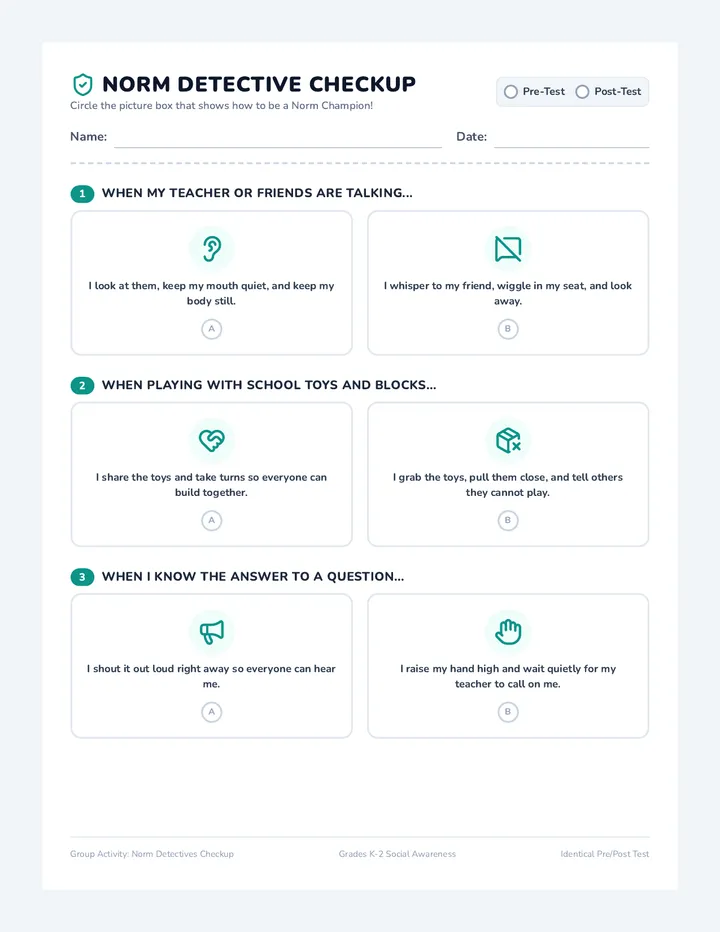
A lesson for K-2 students on interpreting non-verbal social cues using a traffic light metaphor. Students learn to recognize 'Green' (open/ready), 'Yellow' (cautious/check-in), and 'Red' (stop/need space) signals in their peers, especially during high-energy transitions.
Course synthesis and graduation. Reflecting on the journey from impulsive to intentional Pathfinder.
Mastering boundaries. Learning when and how to say 'No' or 'Yes' to family, friends, and strangers.
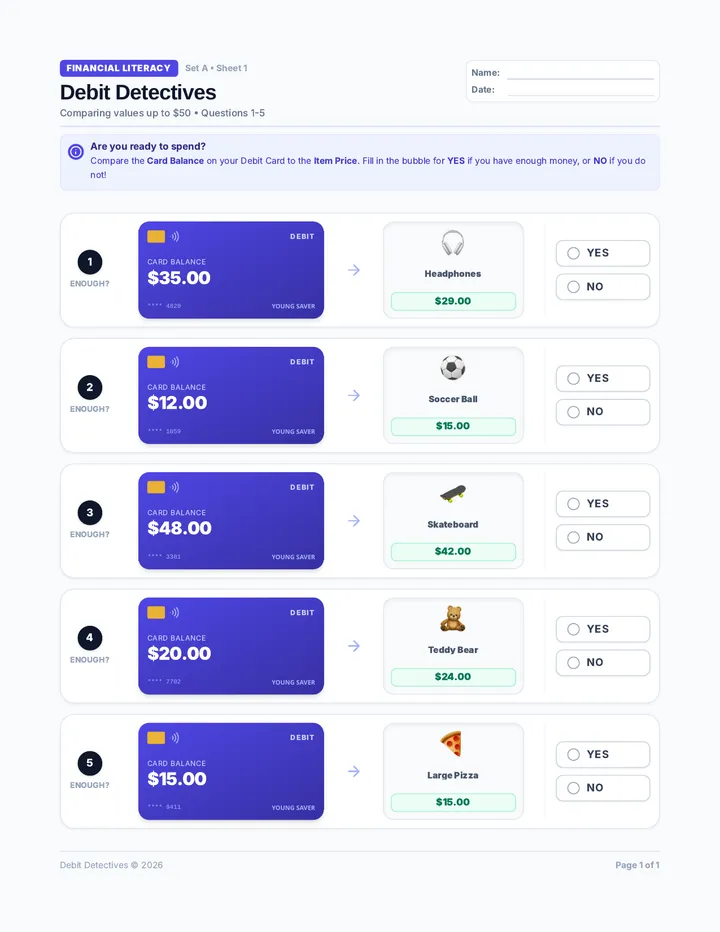
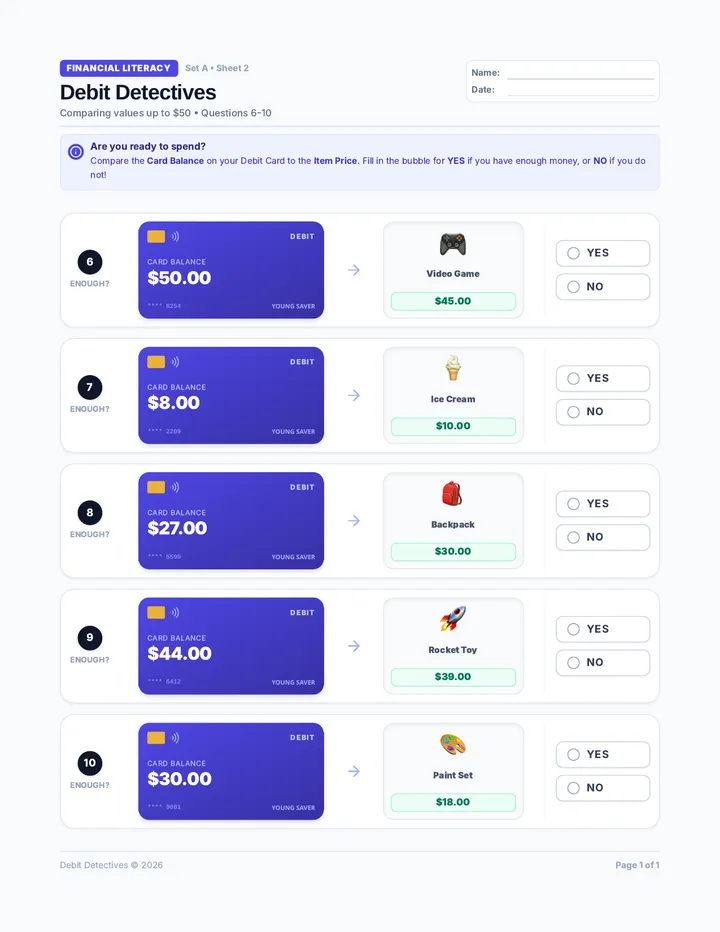
Financial literacy basics. Categorizing needs vs. wants to build long-term planning skills.
Learning to see failure as data. Celebrating 'Beautiful Oops' moments and messy progress.
Applying logic to everyday challenges. The 'Pathfinder Step System' for making thoughtful choices.
Practical tools for managing exam stress and academic pressure. Transitioning from panic to self-awareness.
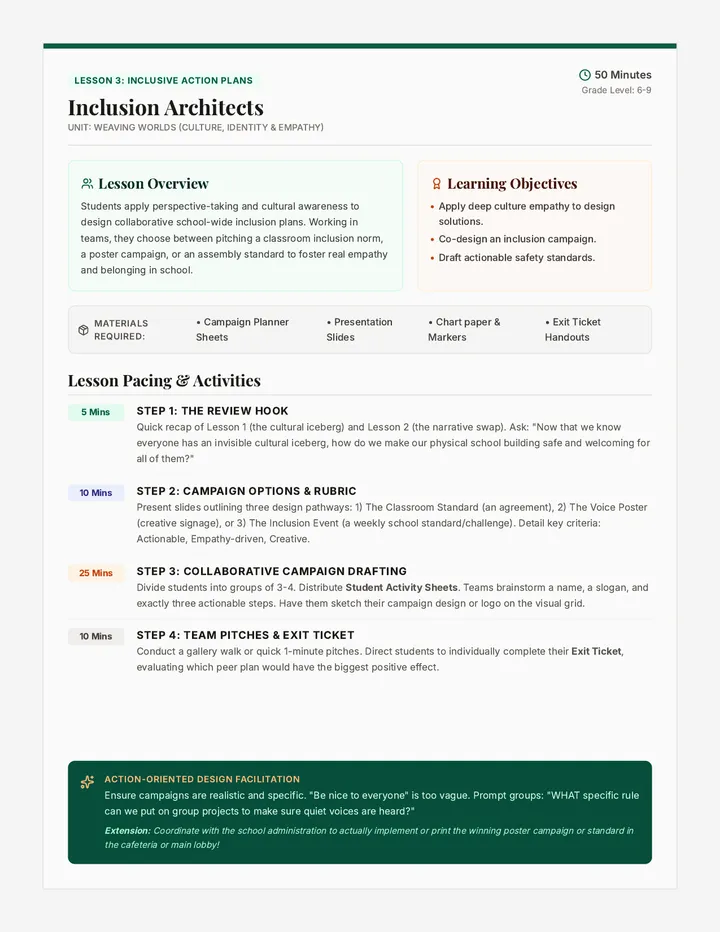
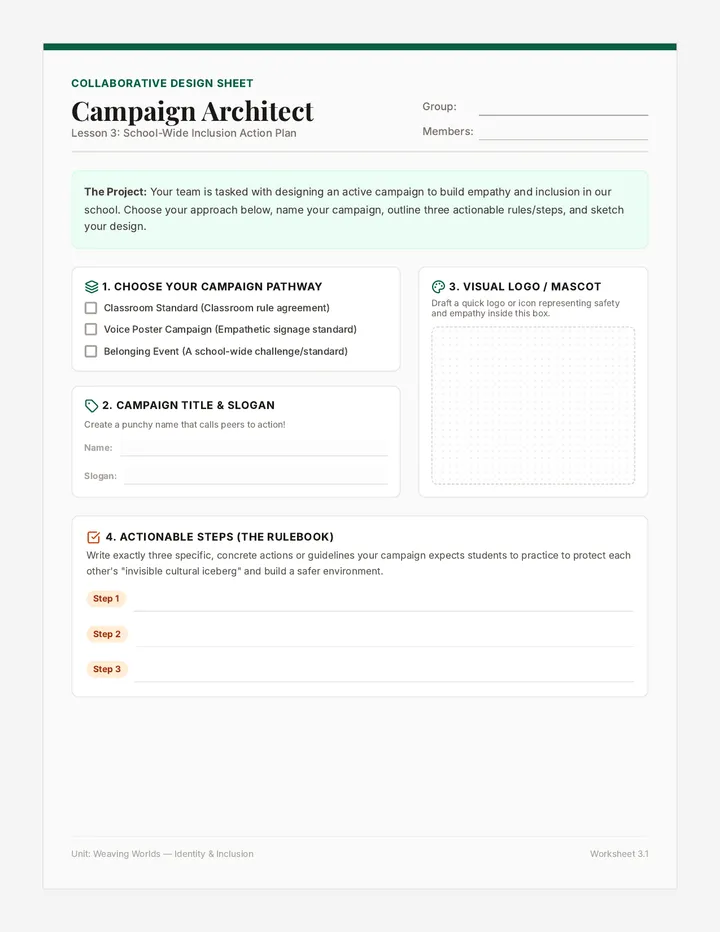
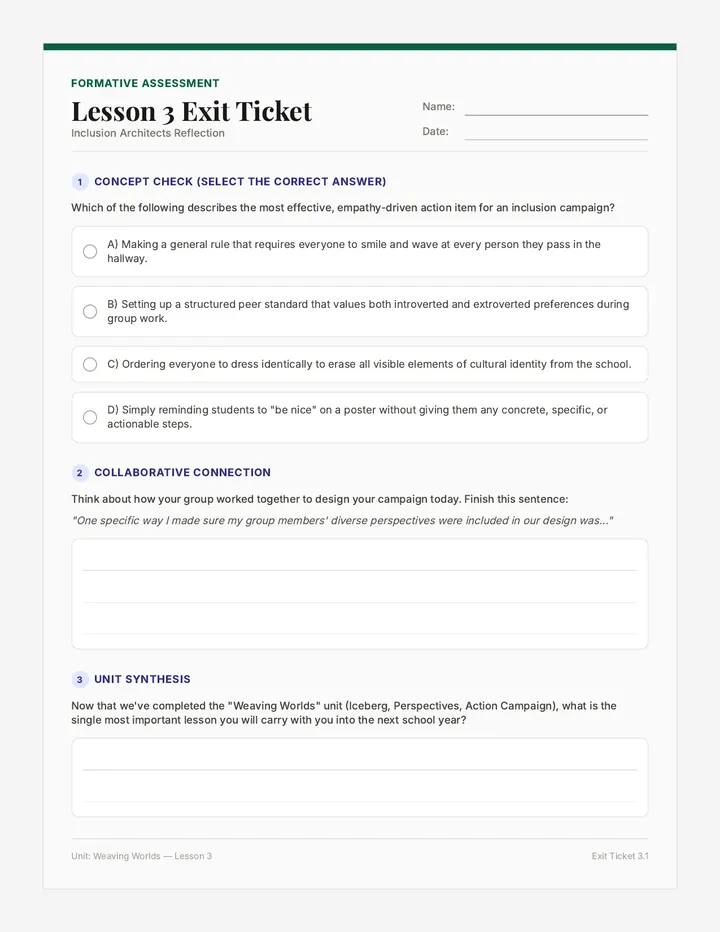
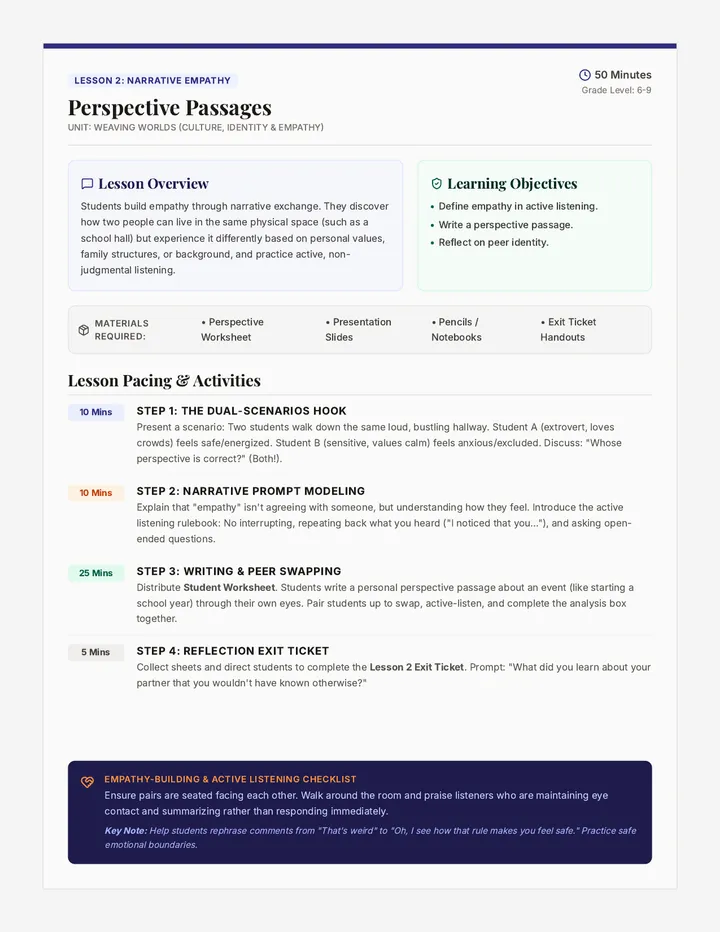
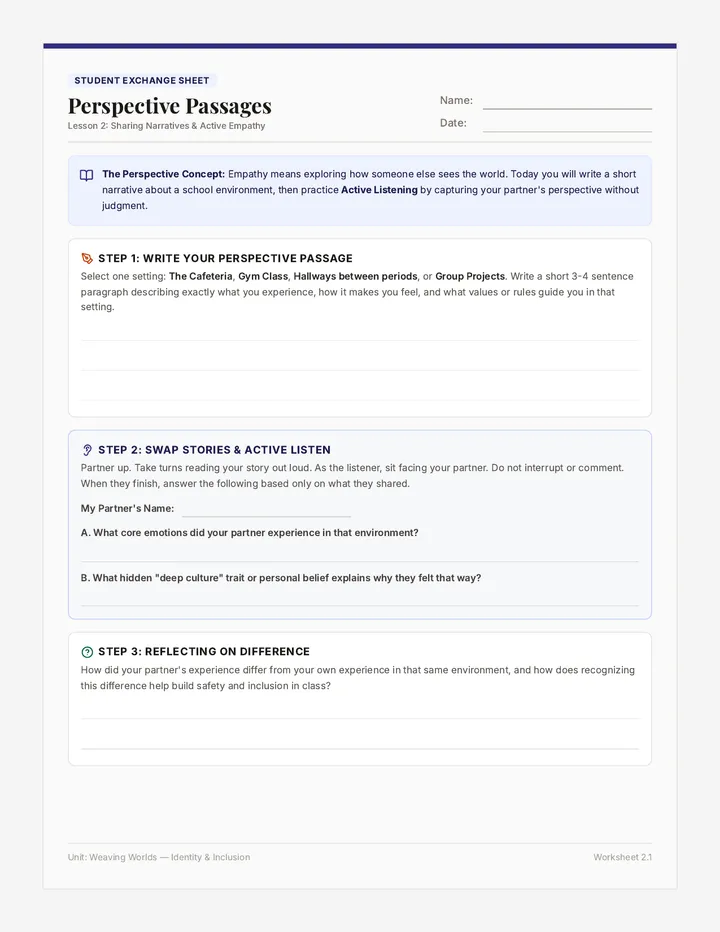
Developing empathy and social awareness to build an inclusive community.
Training the brain for better focus and memory retention. Strategies for mindful attention.
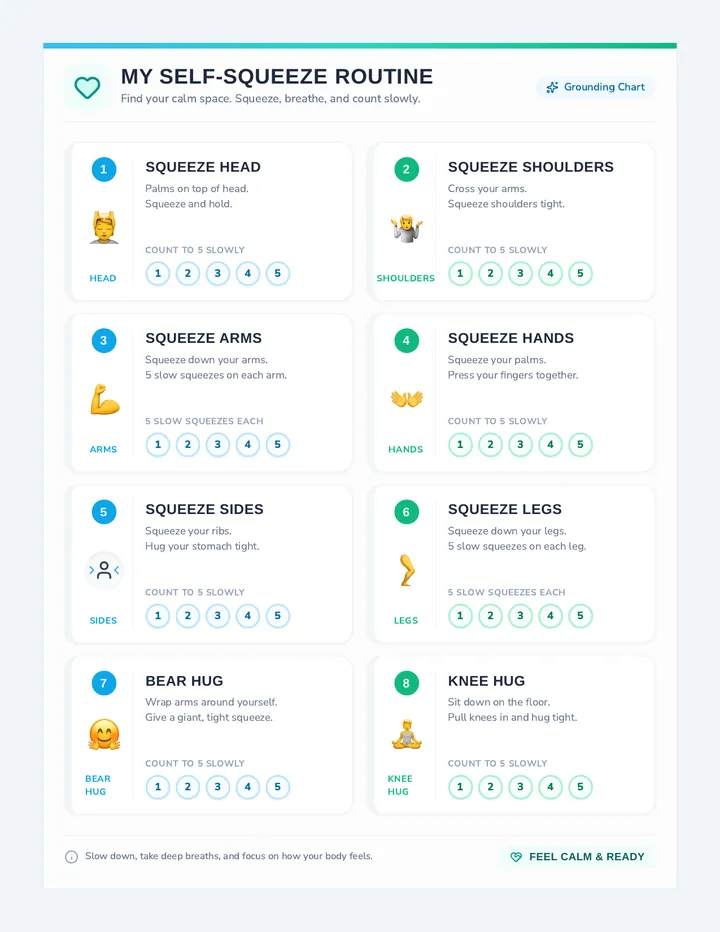
Recognizing physical signs of fear and panic. Grounding strategies for high-stress situations.
Exploring self-acceptance and building self-confidence by celebrating individual strengths.
Managing big emotions and stopping impulsive reactions. Techniques for cooling down when feeling fear or anger.
Introduction to the growth mindset. Focus on the 'Power of Yet' and building resilience when facing initial failure.
Achieving inner peace and summarizing the EQ journey for graduation.
The importance of honesty and taking responsibility for one's actions.
Basic financial literacy: needs vs. wants and the value of saving.
Viewing failure as a bridge to success and building resilience.
Managing the stress of exams and performance pressure through relaxation and planning.
Developing self-awareness and self-acceptance through identifying personal strengths.
Learning boundaries and when to say Yes or No to parents, friends, and strangers.
Boosting focus and memory skills for better learning and organizational habits.
Overcoming fear, panic, and anxiety using grounding techniques and sensory awareness.
Developing problem-solving and decision-making skills to make thoughtful choices.
Managing impulsive behavior and big emotions like anger through self-regulation techniques.