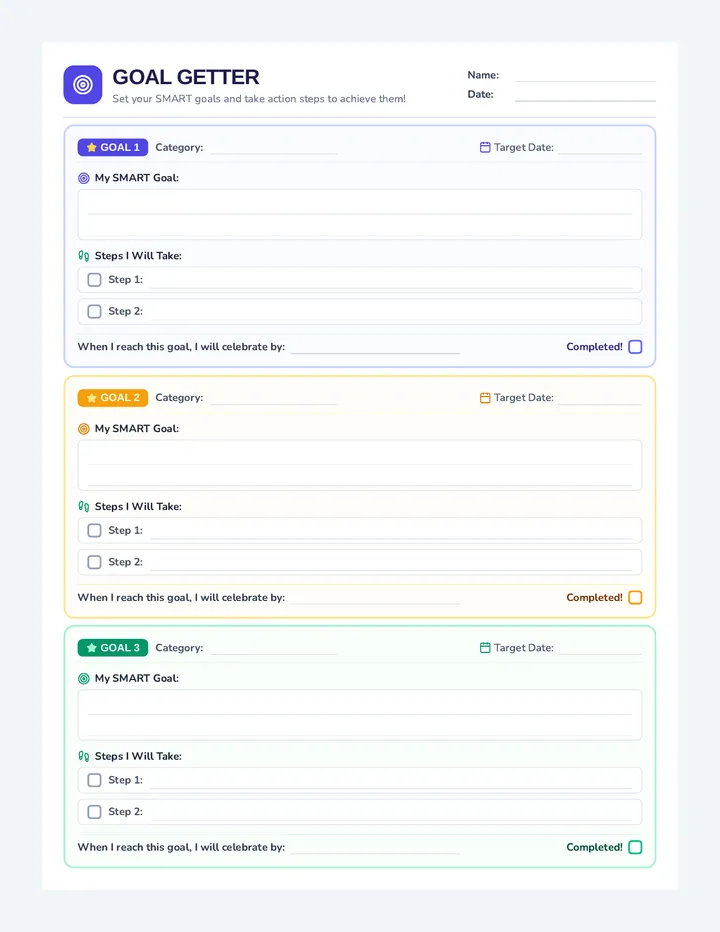
A whimsical lesson for young children (ages 5-6) that teaches the power of setting small, manageable goals to reach big dreams through storytelling and creative drawing.
A Social-Emotional Learning lesson for K-1 students focused on perseverance, introducing 'The Power of Yet' and strategies for overcoming challenges.
A fun and interactive lesson for kindergarteners focused on the 'Big Three' of kindness: sharing, taking turns, and using kind words. Through a 'Kindness Garden' theme, students learn how these actions help friendships grow.
A comprehensive lesson designed to help Kindergarten students navigate the emotional and academic transition to 1st grade, focusing on growth mindset and anxiety management.
A hands-on lesson for Pre-K students to distinguish between rule-following behaviors and poor choices through a cut-and-paste sorting activity and interactive discussion.
A 25-minute Pre-K guidance lesson focused on the transition to Kindergarten, maintaining friendships, and emotional regulation using 'The Invisible String'. Students explore how they remain connected to their school community even during summer break.
A fast-paced, interactive lesson for grades K-4 focused on the dual skills of active listening and respectful turn-taking in conversations. Students learn through visual 'Traffic Light' cues and role-playing scenarios.
A social-emotional learning lesson focused on identifying negative 'Red' thoughts and reframing them into positive 'Green' thoughts using scenarios and visual self-talk strategies.
A social intervention lesson designed for two kindergarten students to practice sharing, using kind words, and building a positive friendship through guided storytelling and creative activities.
A fast-paced social-emotional learning lesson focused on identifying social cues and building stronger friendships through active observation and empathy. Students learn to read 'social clues' like body language and tone of voice to better understand their peers.
A comprehensive lesson on navigating the termination phase of the student-counselor relationship, focusing on celebrating growth, managing emotions, and planning for the future.
A quick-fire 20-minute lesson teaching students how to use their 'social filter' to distinguish between thoughts that should stay inside and words that are okay to say aloud.
This lesson helps students with ADHD master self-control using the 'Inner Remote' metaphor. It focuses on filtering thoughts through the THINK acronym and provides practical tools for managing impulses during difficult transitions and social interactions.
A lesson for 1st graders exploring self-discipline through the mentor text 'The Paperboy', featuring scenario sorting and role-play activities.
A high-energy teamwork activity where participants must coordinate movements using strings to control a single marker and trace complex paths.
A lesson focused on self-reflection and emotional awareness, helping students process their daily experiences through visual metaphors.
Explores personal history and resilience by identifying personal strengths and role models to navigate future challenges.
Focuses on citizenship and interpersonal skills by using the metaphor of building bridges to resolve conflicts and connect with others in their community.
Students use geographical concepts to map their emotions and identify "safe places," building self-awareness and emotional regulation.
Celebrating growth from the past year and setting fun goals for the summer break.
Reflecting on friendships made and practicing how to say goodbye and stay connected.
Preparing for the transition to 2nd grade by identifying strengths and addressing "new grade jitters."
A practical guide to staying safe in the sun and water during summer break.
Students will explore and name their mixed emotions about the school year ending through a garden-themed reflection.
A 7th-grade lesson focused on evaluating everyday decisions using a structured 5-step decision-making model. Students will analyze scenarios and apply the model to their own lives.
Reflecting on progress and celebrating the mission's success. Students create a 'Stay-in-Orbit' plan for long-term consistency.
Identifying the ground crew. Students learn how to communicate when they are struggling and who at home and school can help them 'launch' on tough days.
Building practical morning routines. Students create a 'Pre-Flight Checklist' to ensure a successful launch from home to school every morning.
Focuses on the social benefits of school and building a sense of belonging. Students identify their 'Satellite Team'—friends and staff who make school a place they want to be.
Officers investigate the 'Gravity' pulling them away from school. Students identify specific barriers (sleep, anxiety, morning chaos) and scale them from Mouse to Elephant glitches.
The initial meeting of the Launchpad League attendance group. Students establish group norms, identify the 'Gravity' (reasons) that keeps them from school, and understand the mission of being present.
A social skills assessment and introductory lesson for 4th and 5th graders to identify needs in self-esteem, friendship, and impulse control.
A quick 20-minute introductory lesson for primary students (K-4) to define social skills and explore their importance through the lens of 'Social Superpowers'. Includes direct instruction, a roleplay activity, and visual aids.
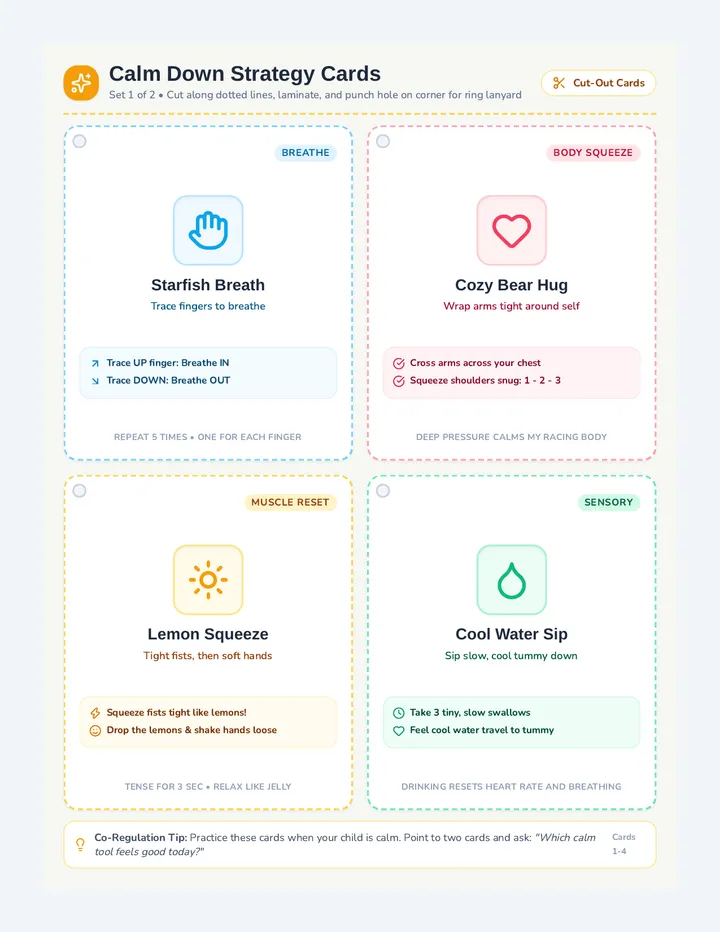
A collection of resources to help kindergarteners develop emotional regulation skills, specifically targeting academic frustration and jealousy. Includes parent guidance and child-friendly visual aids.
Students will learn to identify common financial scams, protect their personal information online, and understand the steps to take if they become a victim of identity theft.
An introduction to the world of credit, covering how credit scores work in Canada, the difference between credit and debit, and the true cost of borrowing money.
Students will explore the power of compound interest, understand the difference between simple and compound growth, and set SMART financial goals using Canadian savings tools like TFSAs.
A 20-minute lesson teaching K-4 students conflict resolution strategies through a 'Peace Patch' garden theme, focusing on breathing, I-statements, and finding solutions.
Students will master the daily operations of a bank account, including using debit cards, avoiding common fees, using mobile banking apps safely, and tracking their spending.
Students will learn the difference between checking and savings accounts, compare different banking institutions, and identify the specific documents required to open an account as a minor.
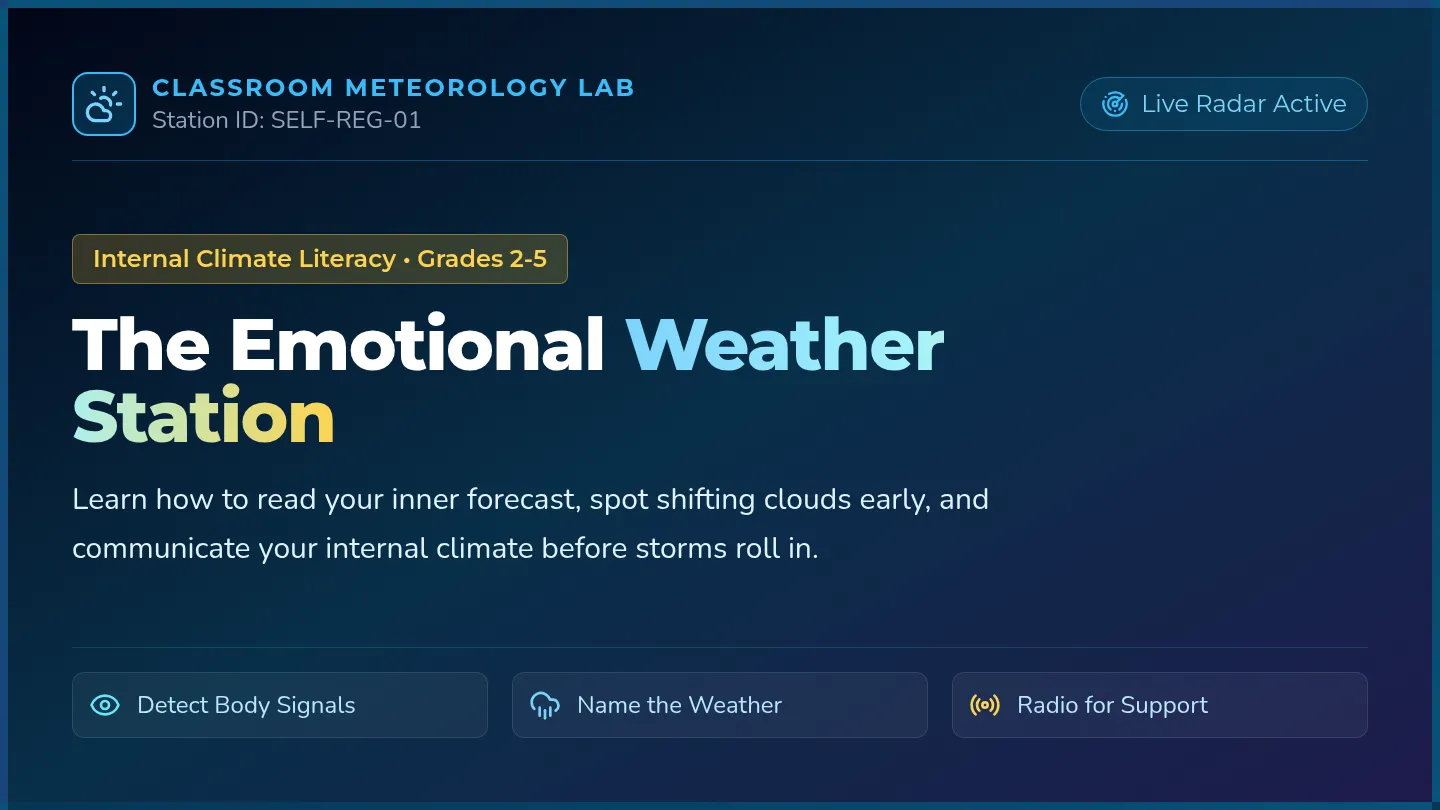
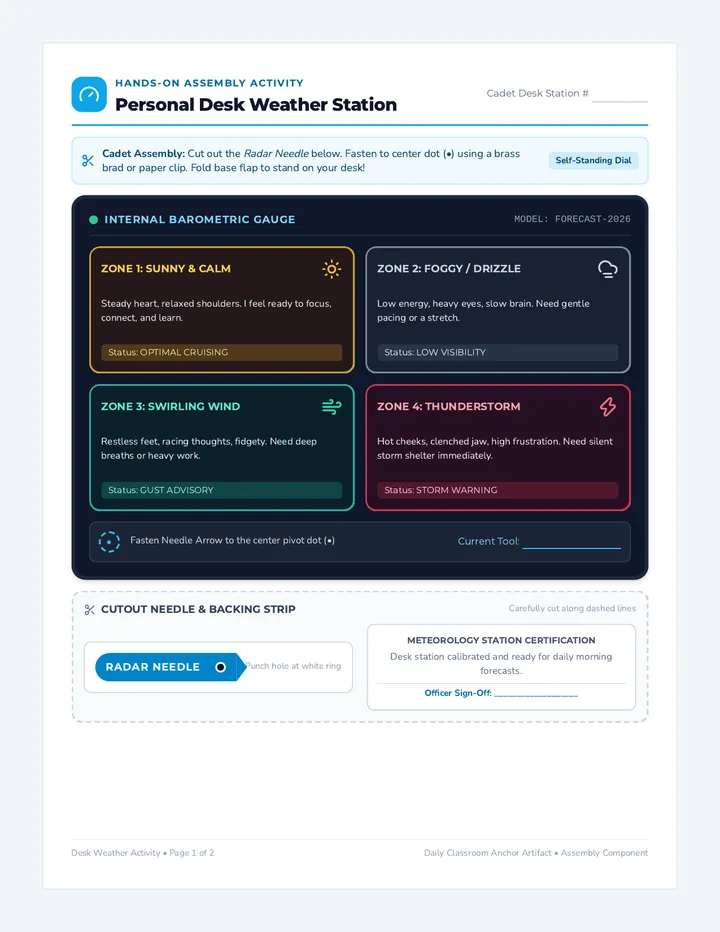
A 20-minute lesson for grades K-4 focused on identifying and managing "big" emotions using a weather-themed framework. Students learn to recognize emotional 'storms' and use specific tools to find their way back to 'sunny' skies.
A gentle, 20-minute introduction to personal space and trusted adults for kindergarteners, featuring a movement game and a sorting activity to identify their 'Safety Team'.
A 20-minute introductory lesson for grades 1-5 where students become 'Kindness Detectives'. The lesson uses a spy/investigation theme to define bullying, distinguish it from teasing, and provide 'mission intel' on becoming an upstander.
A quick, celebratory check-in for 8th graders as they prepare for high school. Includes a student flyer for goal-setting and a teacher guide for facilitating the transition discussion.
A celebratory end-of-year counseling lesson for first graders focused on reflecting on personal growth and setting goals for the future.
A comprehensive bulletin board kit and teacher guide focused on a successful 'Sensational Summer' for PreK-6 students and families in Fostoria, OH. The materials combine practical summer tips for academics and wellbeing with essential local community resources.
A quick, high-energy lesson for K-2 students to understand and practice personal space using the 'Space Bubble' metaphor. Includes a slide presentation, interactive role-play, and a reflective worksheet.
A fast-paced, interactive review session for early elementary students to reinforce concepts of kindness, conflict resolution, and social skills using a game-show format.
A social skills lesson designed to help students handle peer rejection gracefully during playtime by using 'Cool Responses' and finding alternative activities.
A comprehensive tool for the scholarship committee to evaluate and rank applicants based on Booster Club involvement, athletics, academics, and personal essays.