A lesson focused on identifying the root causes of procrastination and the specific distractions that hinder productivity. Students will learn to assess their own habits and develop a personalized plan for focused work.
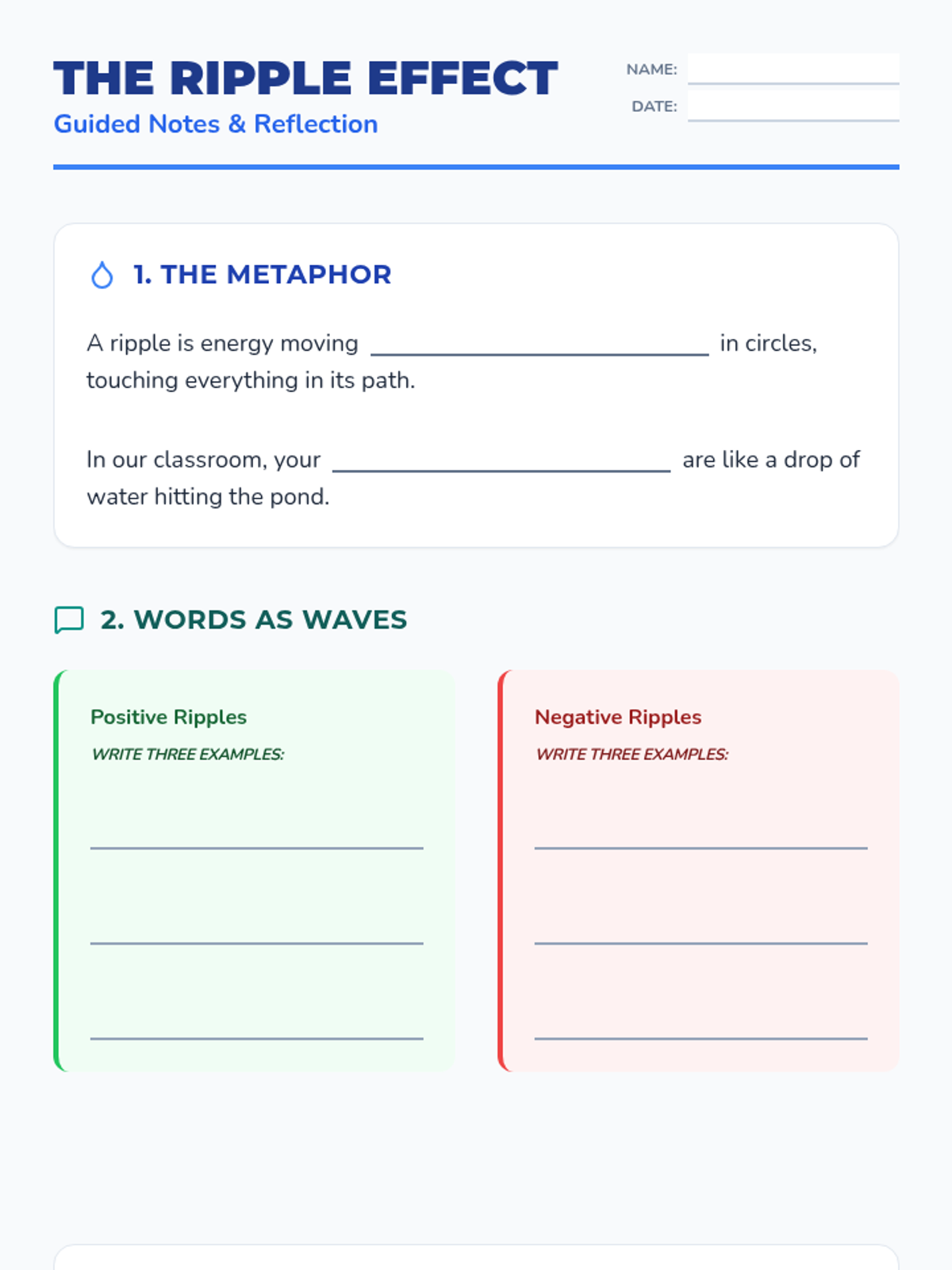
A Social Emotional Learning lesson exploring the concept of the ripple effect, helping students understand how their individual choices and behaviors impact their peers and the overall classroom environment.
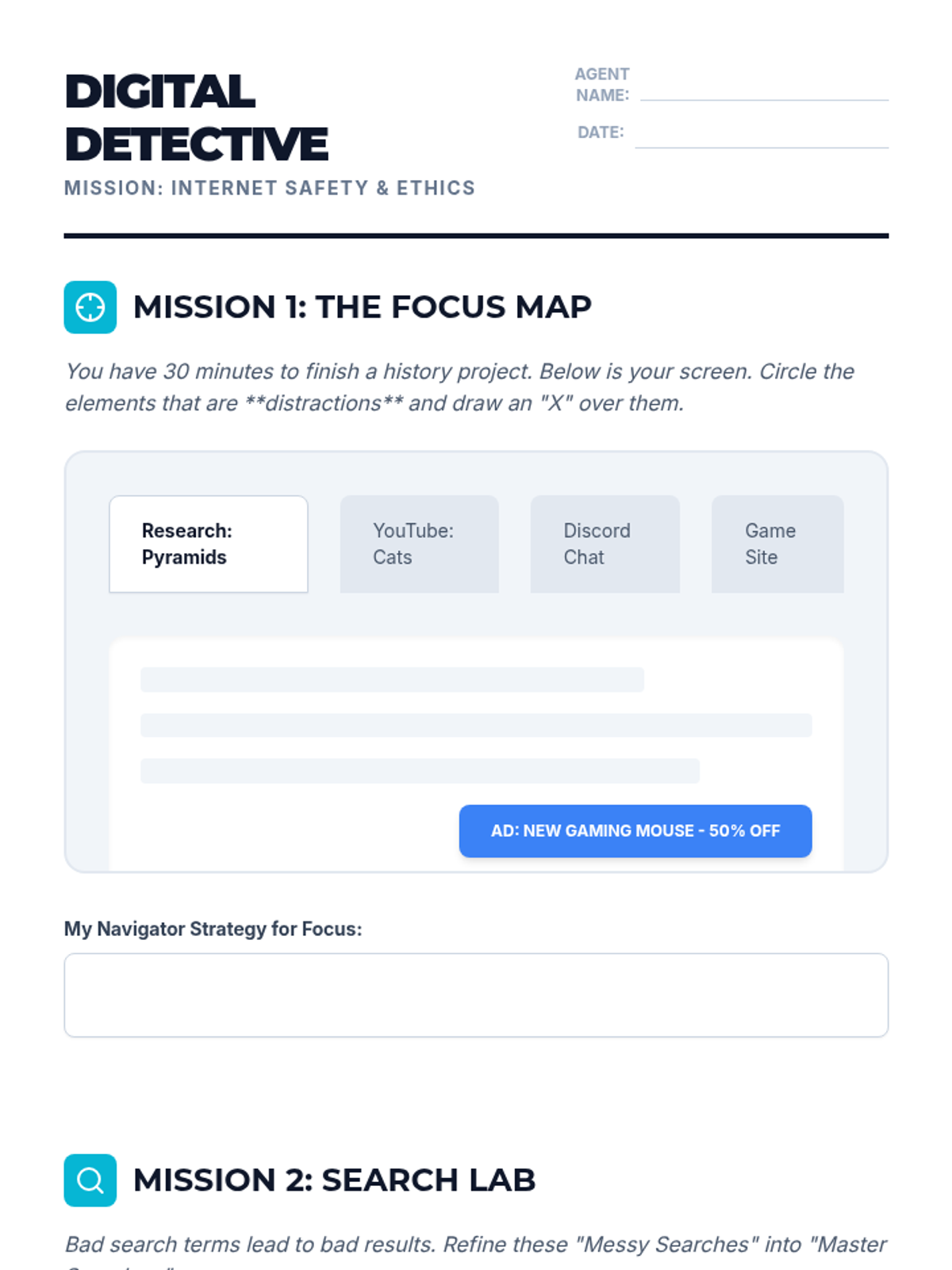
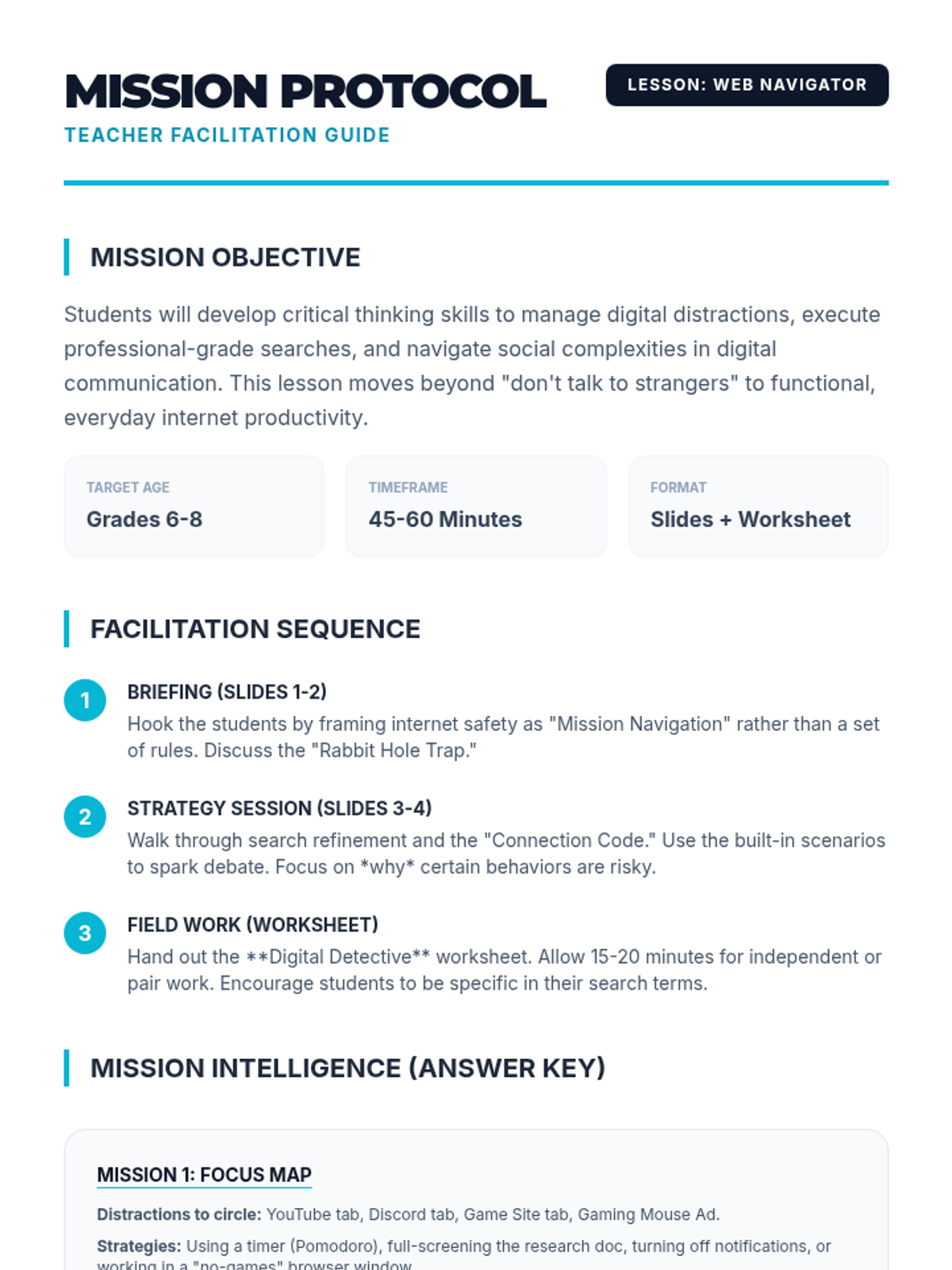
A lesson designed to teach middle schoolers the core pillars of internet safety: staying on task, conducting appropriate searches, and communicating responsibly online.
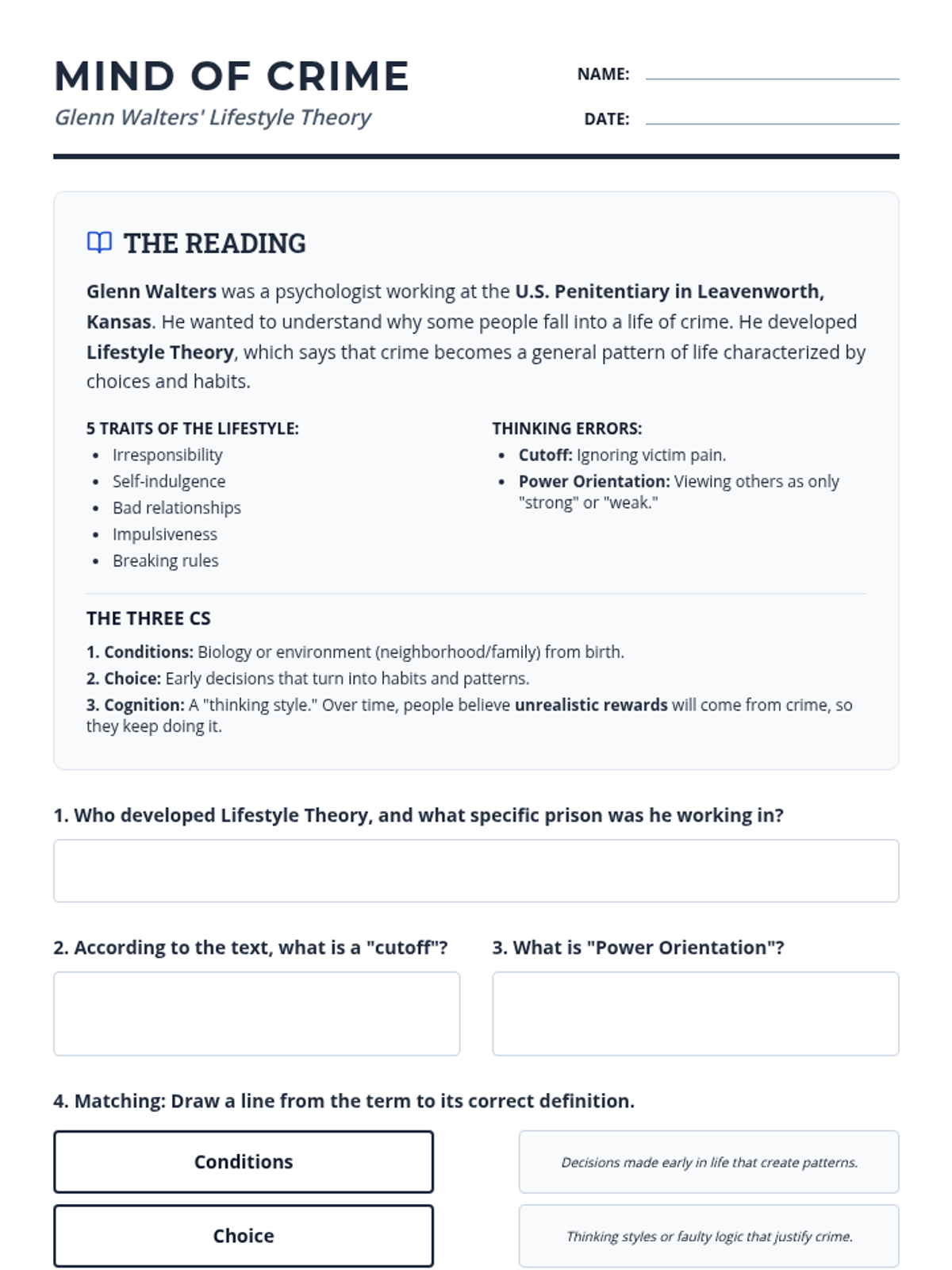
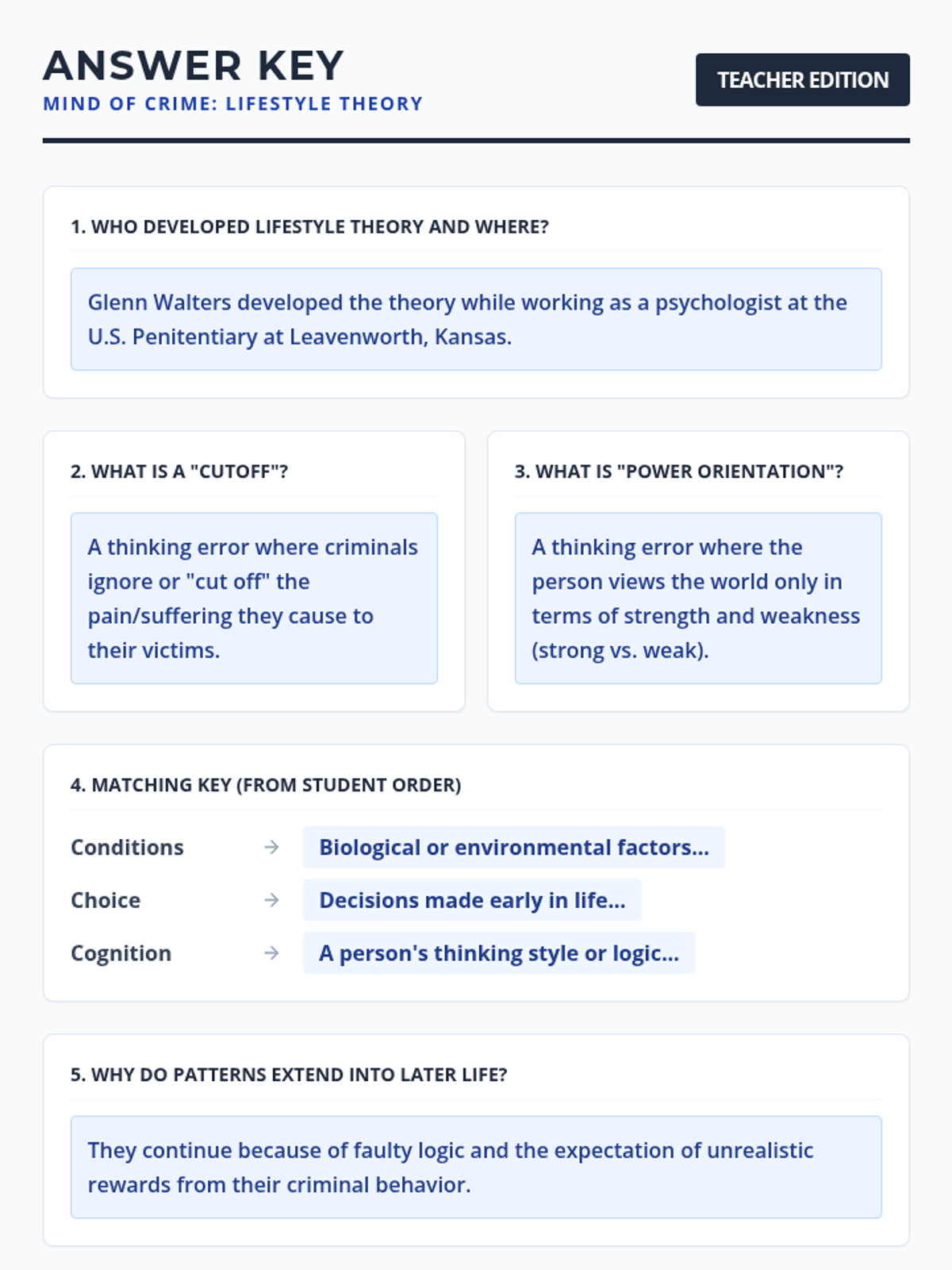
A lesson exploring Glenn Walters' Lifestyle Theory, focusing on how environmental conditions and personal choices lead to criminal thinking patterns. Students will analyze the 'Three Cs' of the theory and identify common thinking errors.
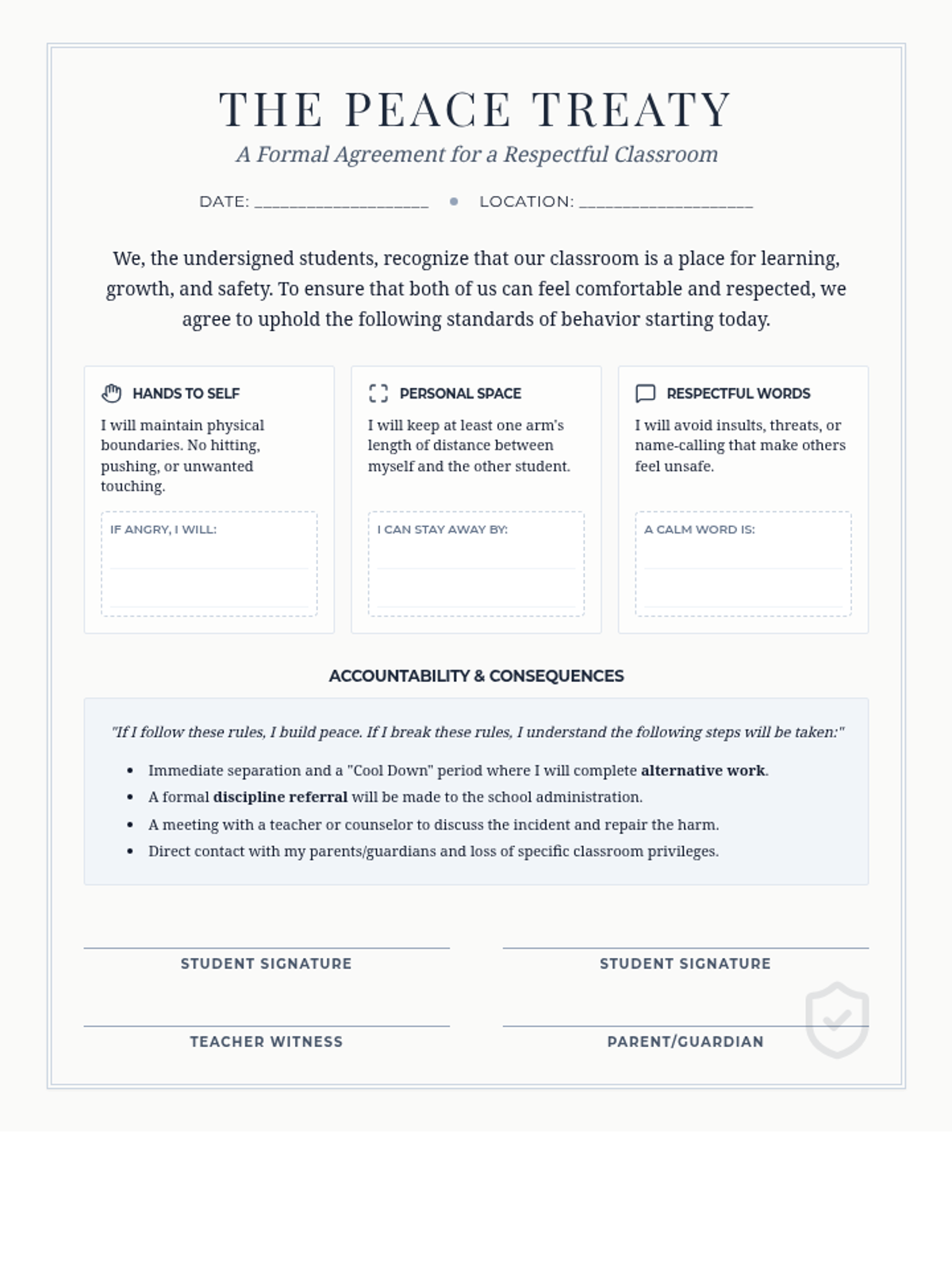
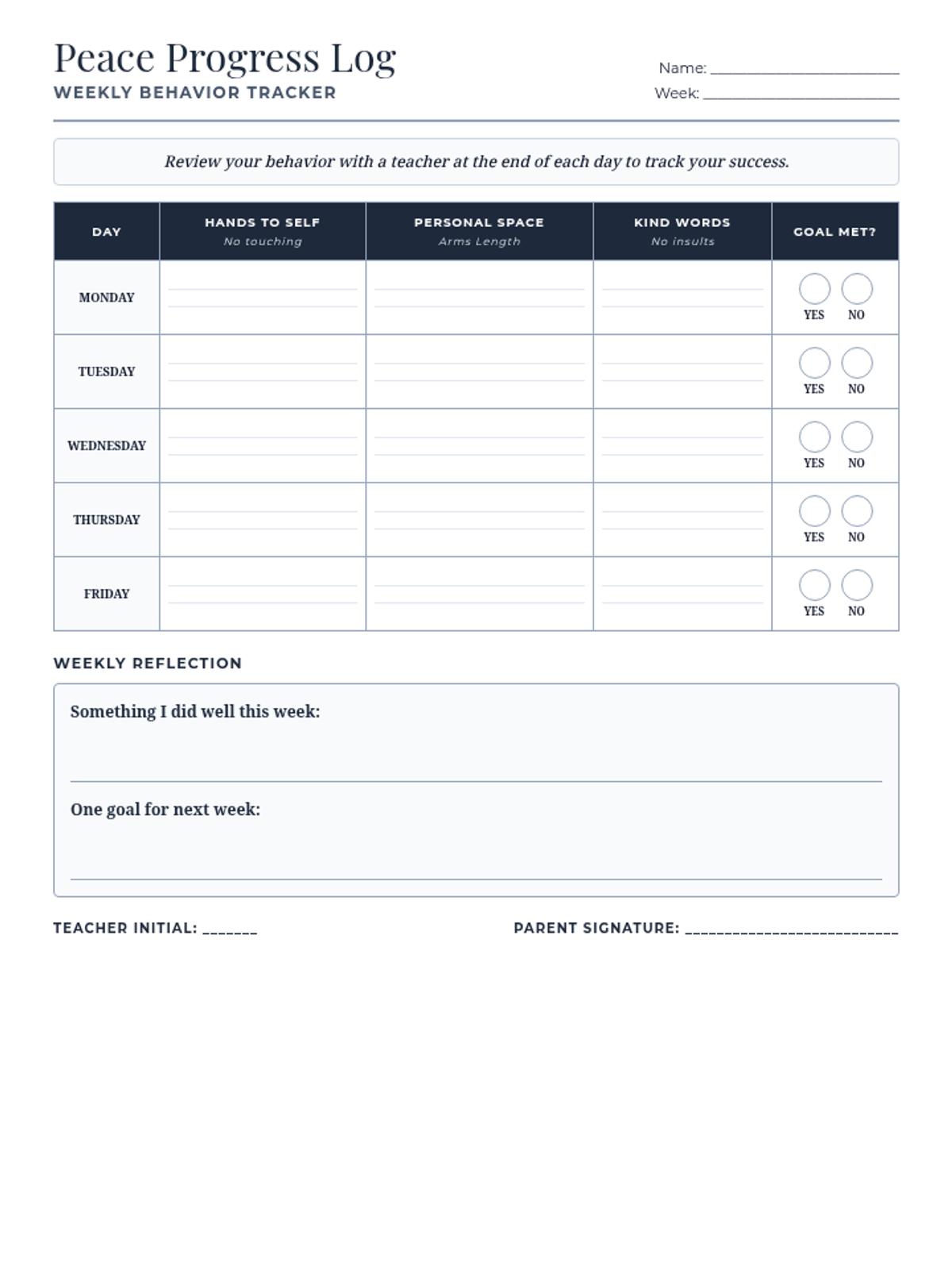
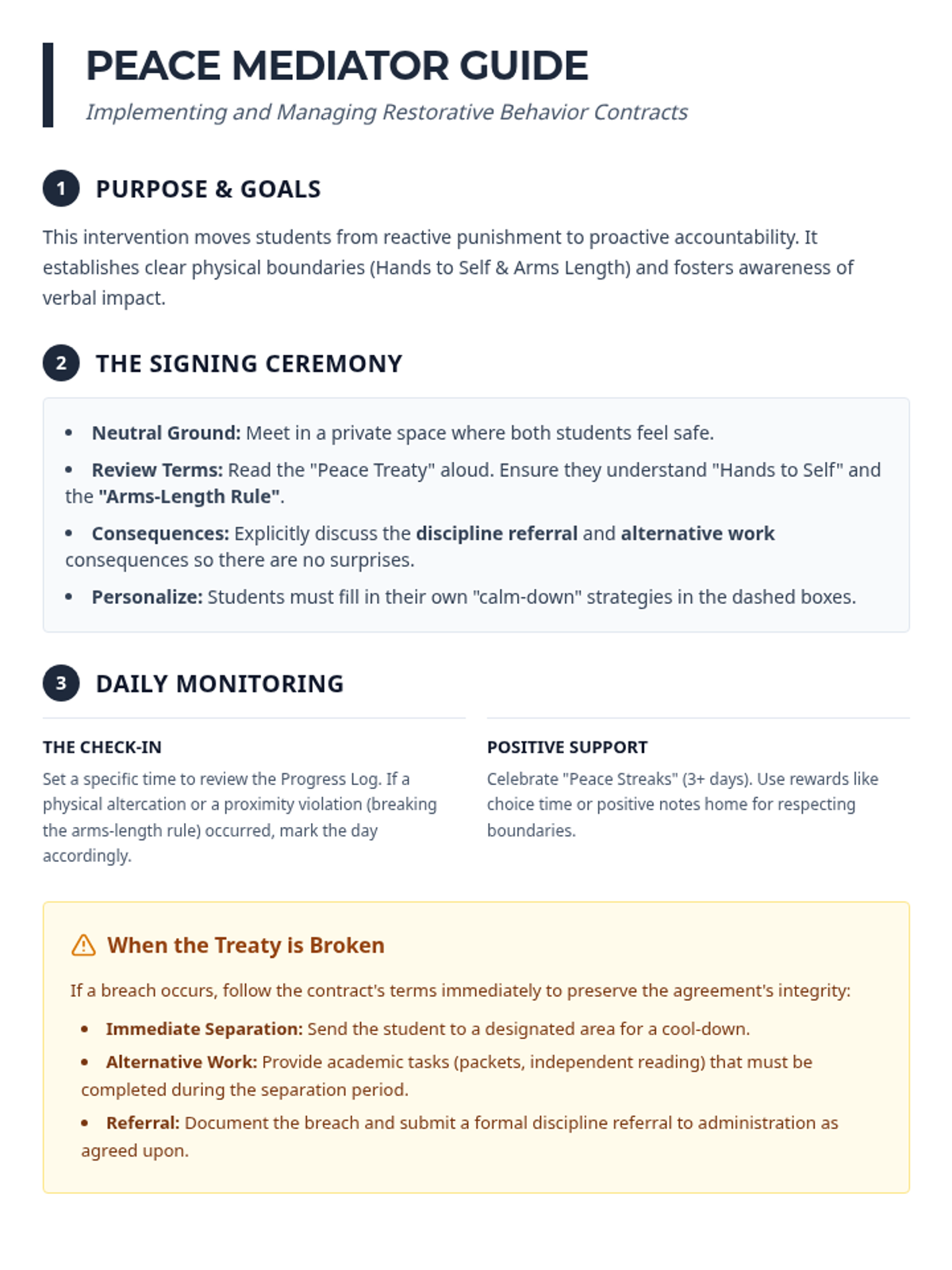
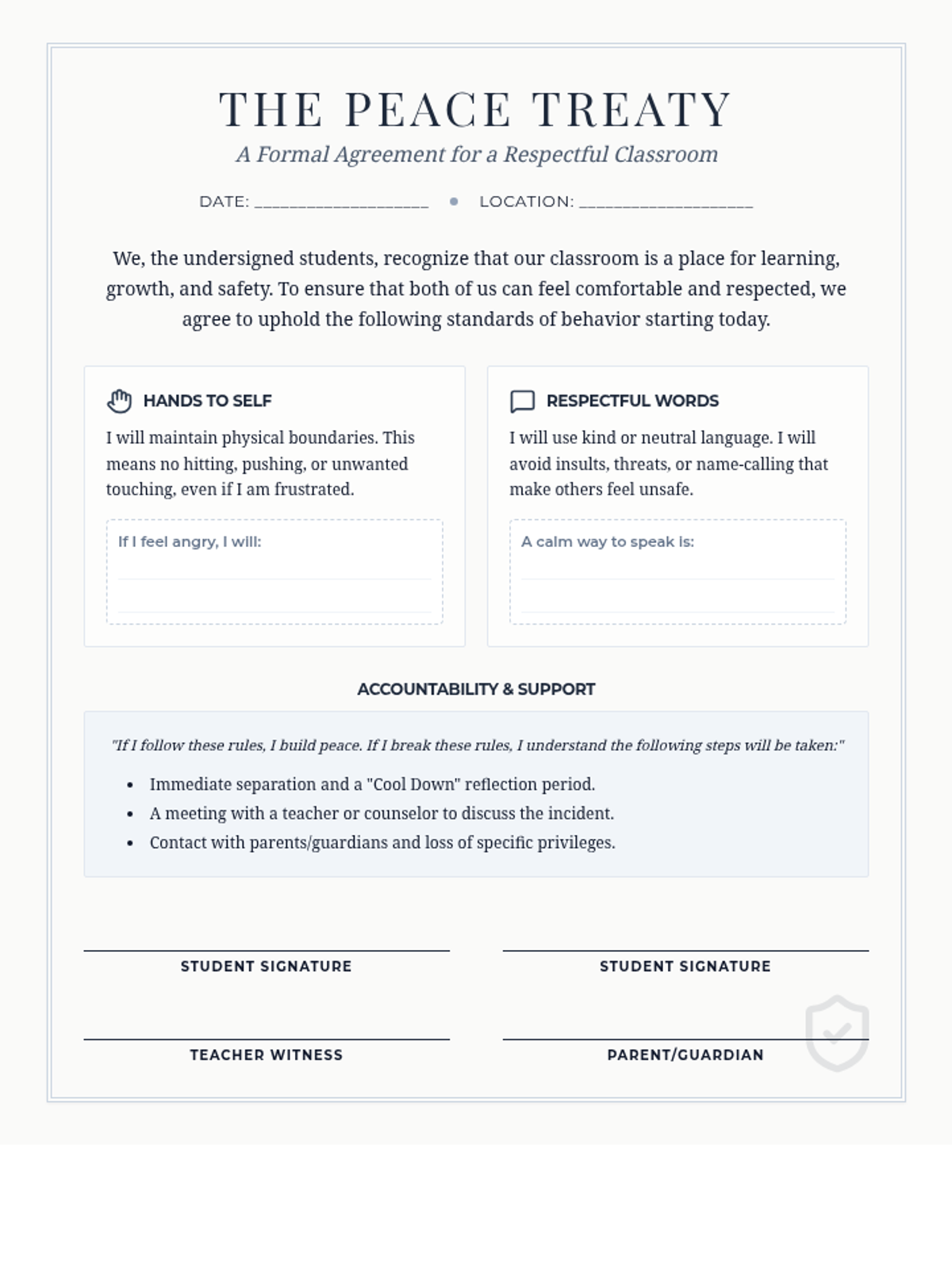
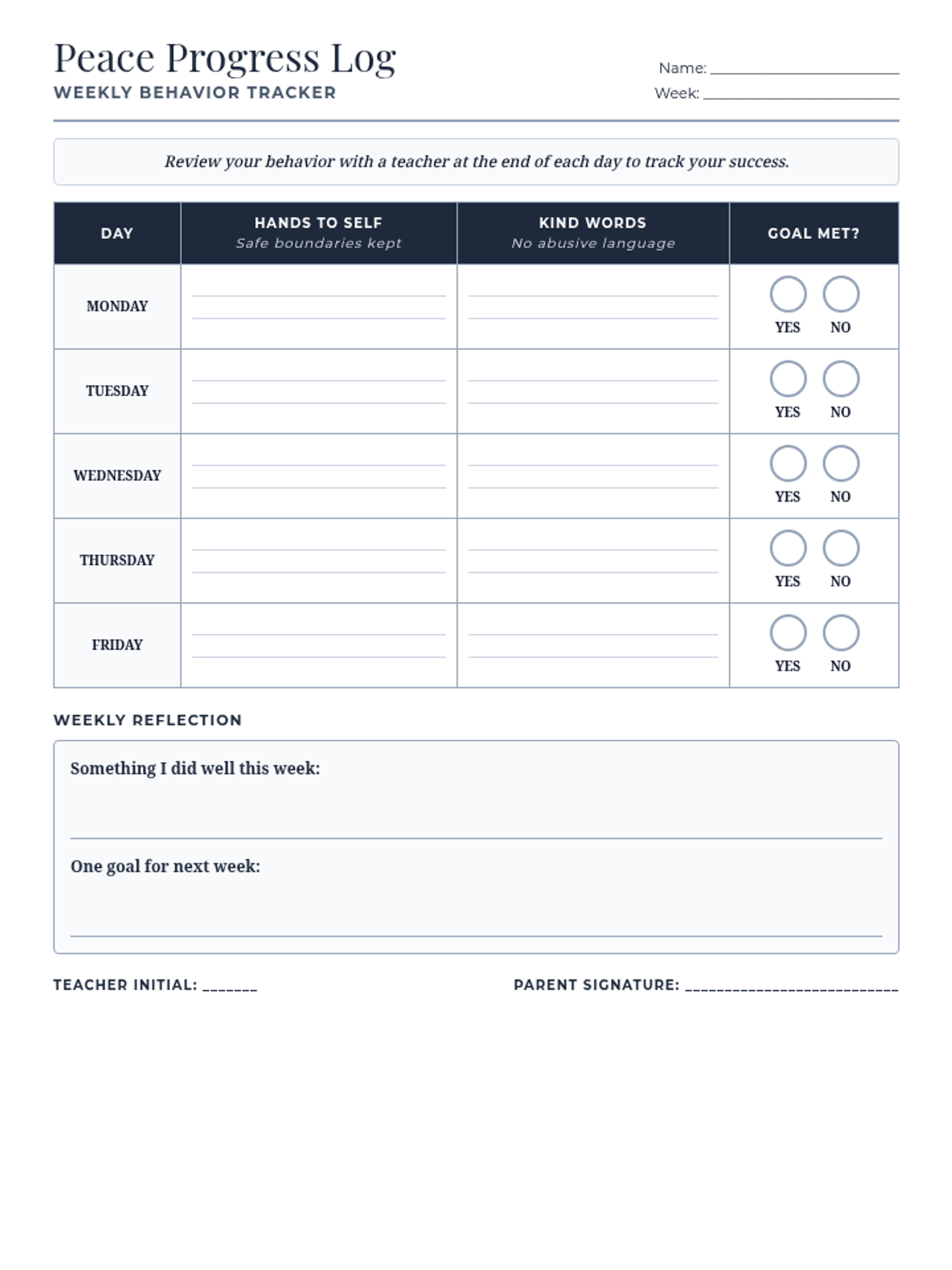
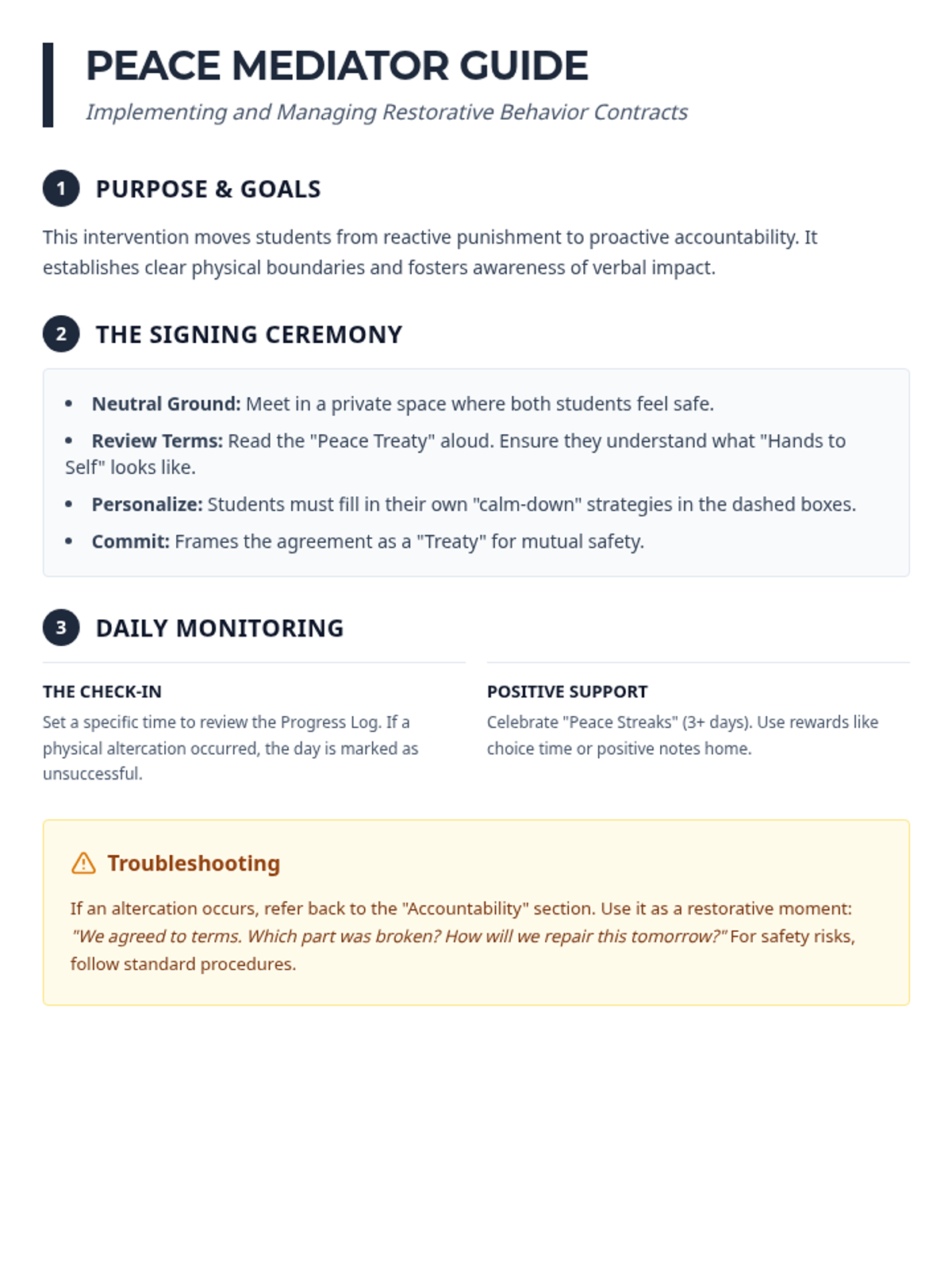
A restorative behavioral intervention focused on resolving physical conflict and verbal aggression through a formal behavior contract and daily progress tracking.
A restorative behavioral intervention focused on resolving physical conflict and verbal aggression between two students through a formal agreement and daily tracking.
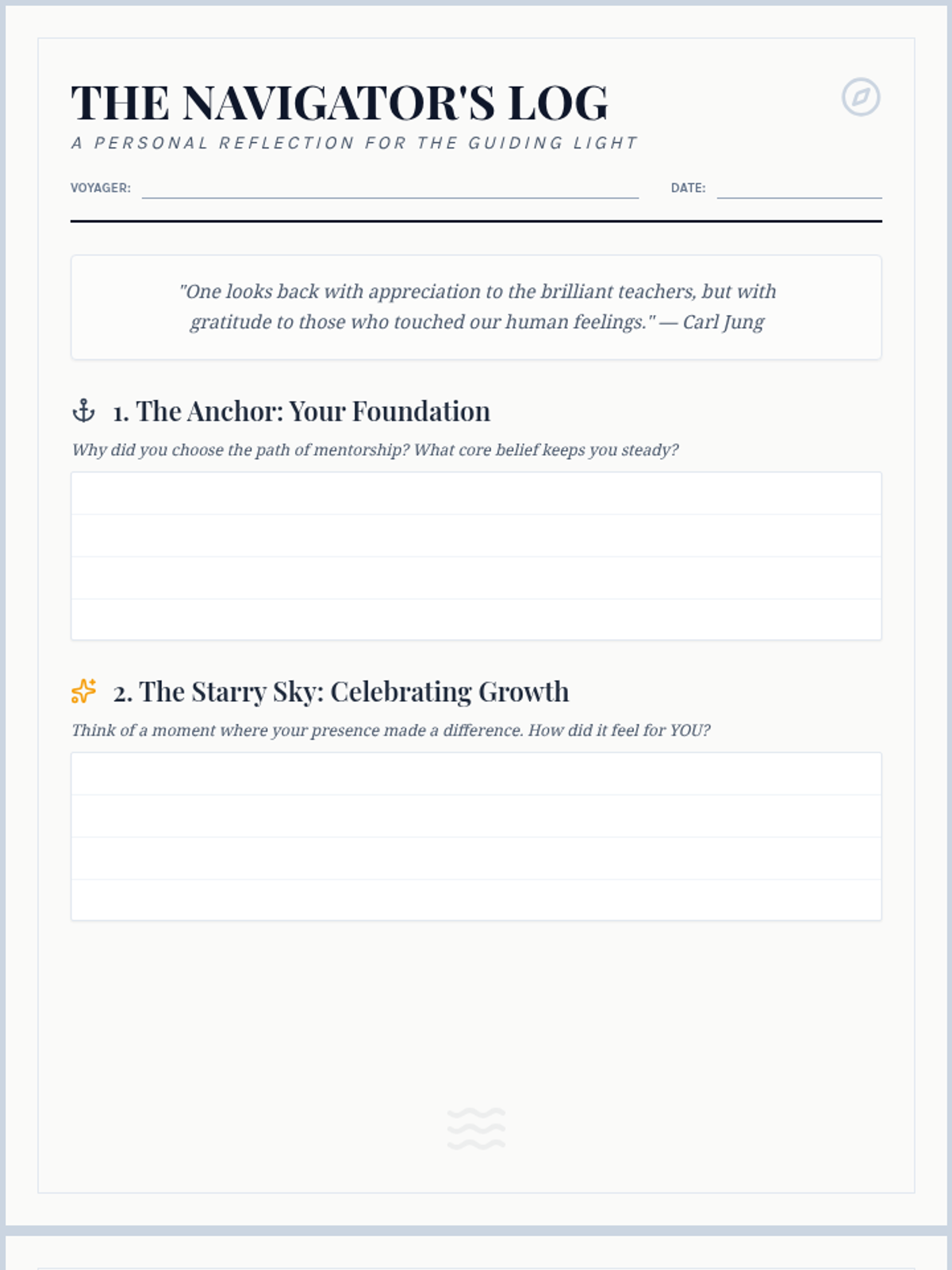
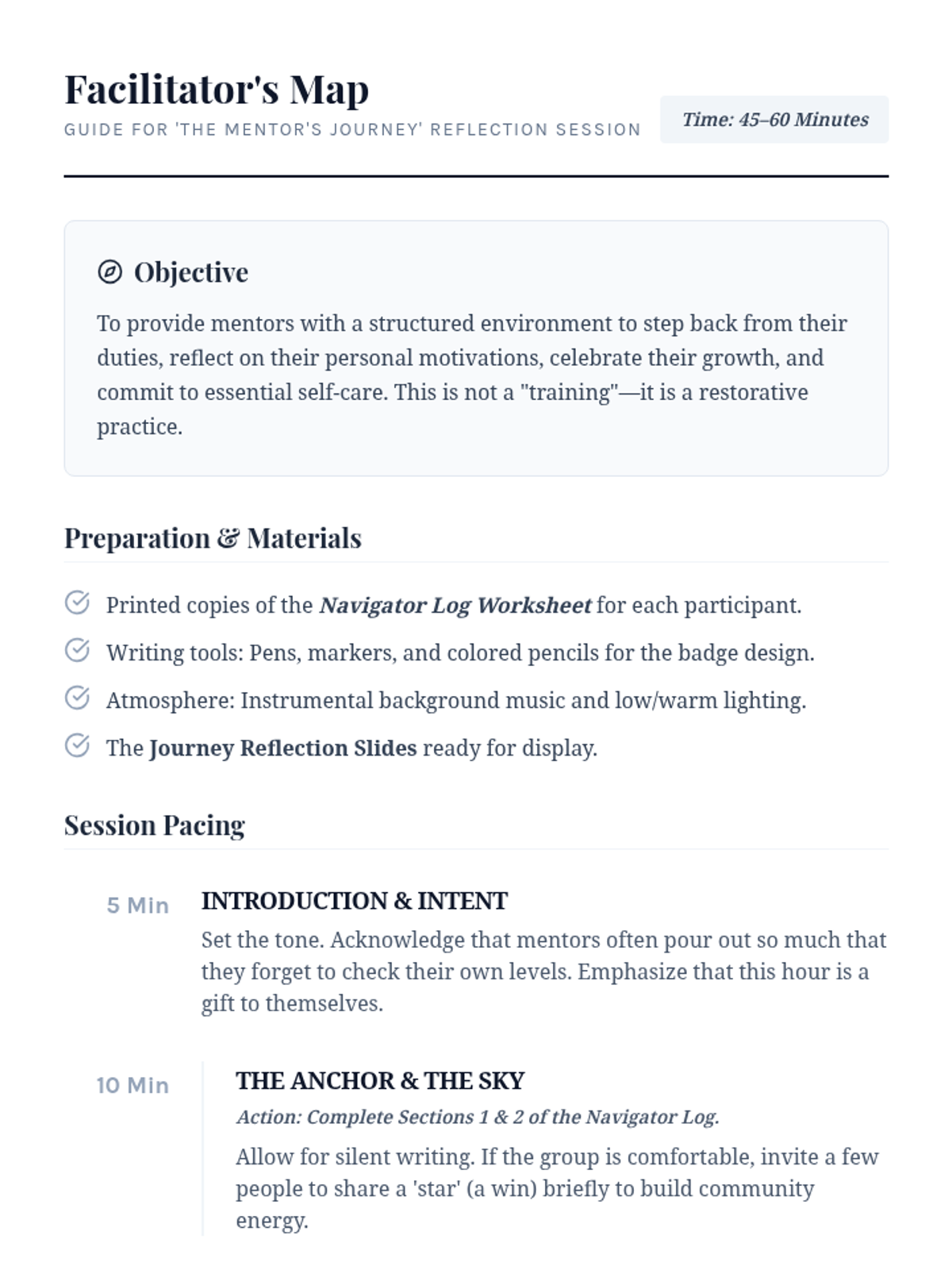
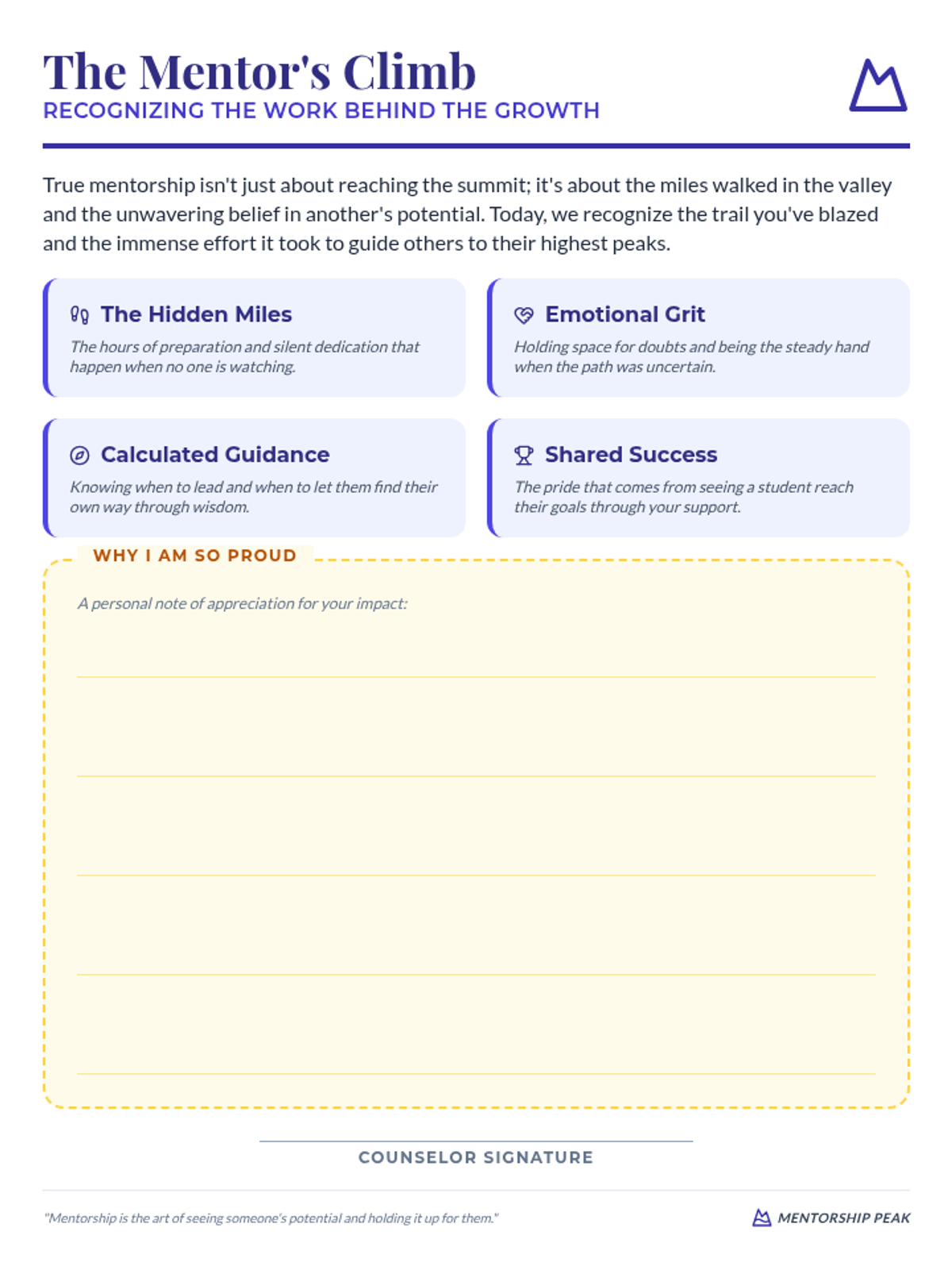
A restorative and celebratory workshop for mentors to reflect on their impact, honor their personal growth, and recharge their own batteries through guided creative exercises.
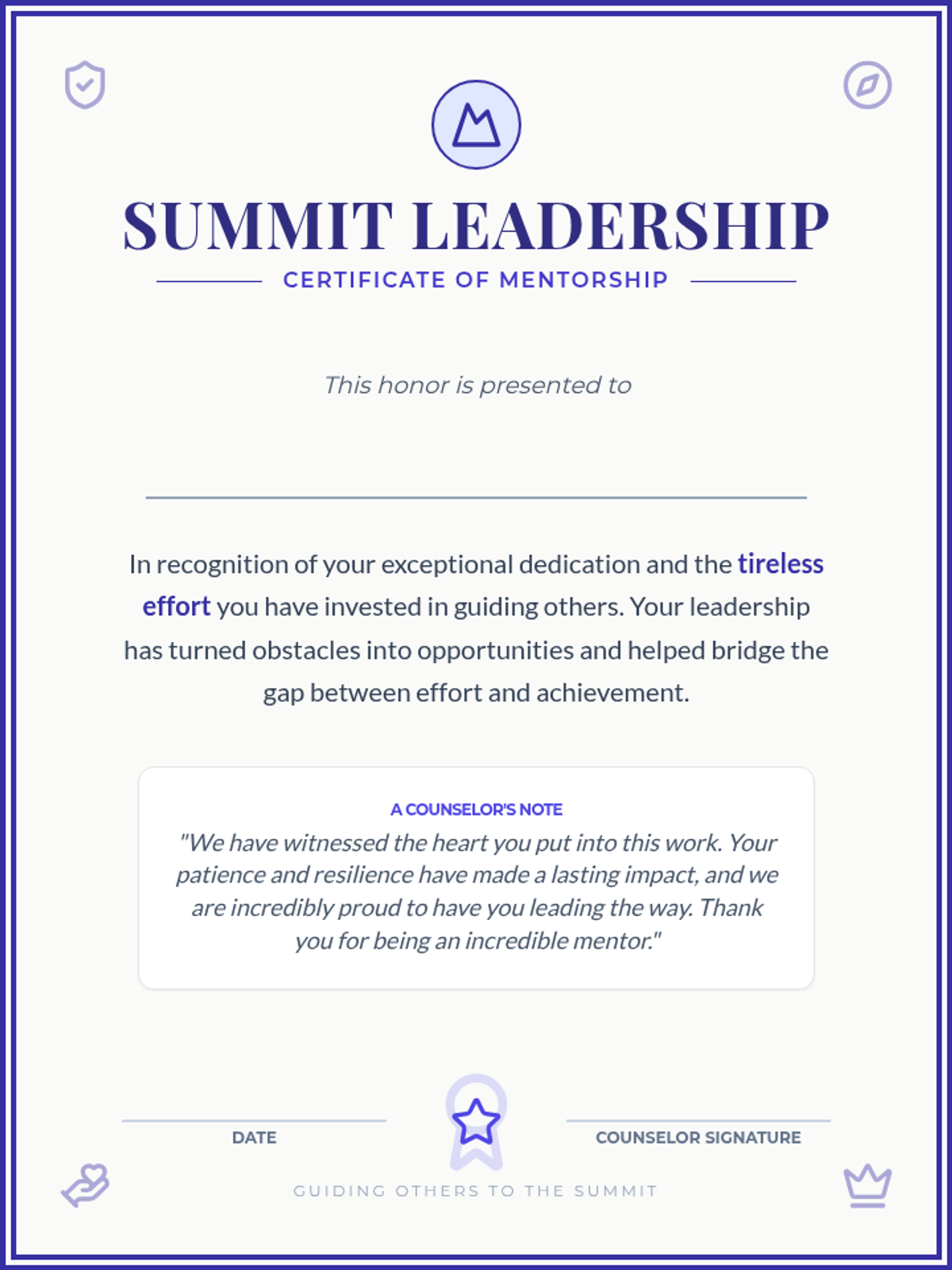
A collection of materials to celebrate and recognize the hard work and dedication of mentors, focusing on their growth and impact.
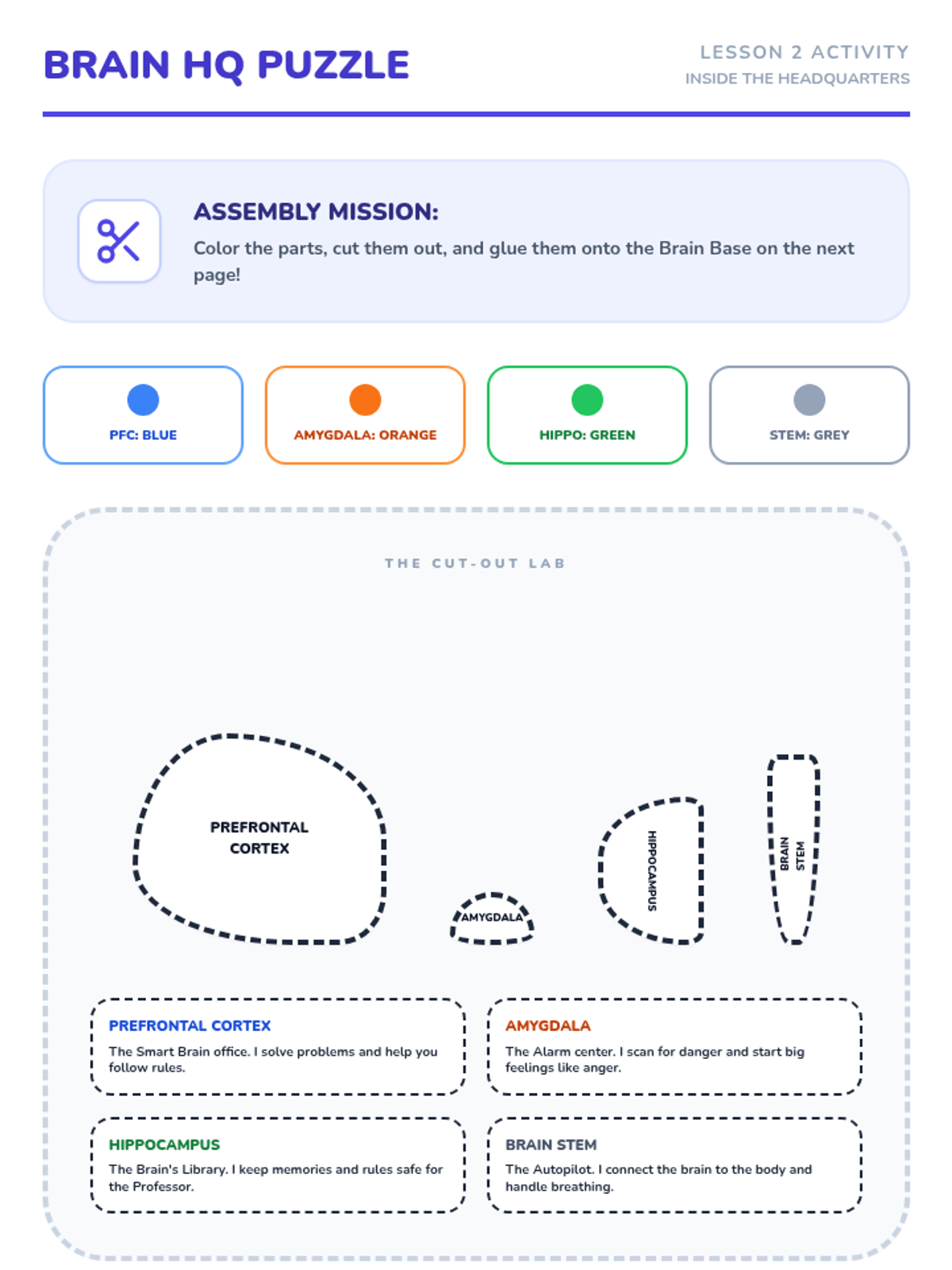
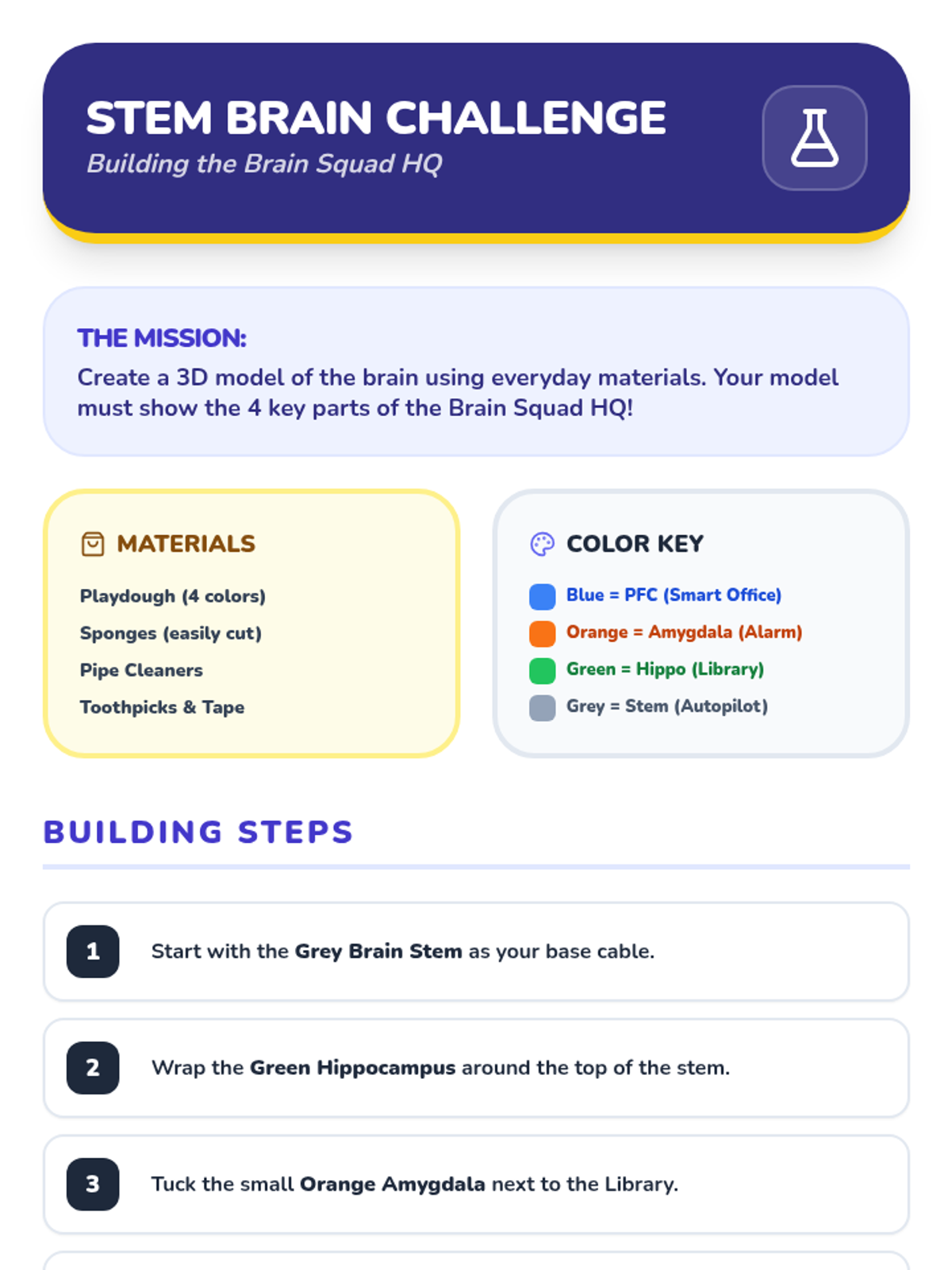
A deep dive into the biological parts of the brain (Amygdala, Prefrontal Cortex, Hippocampus, and Brain Stem) and how they function as the home for Sparky and Professor PFC.
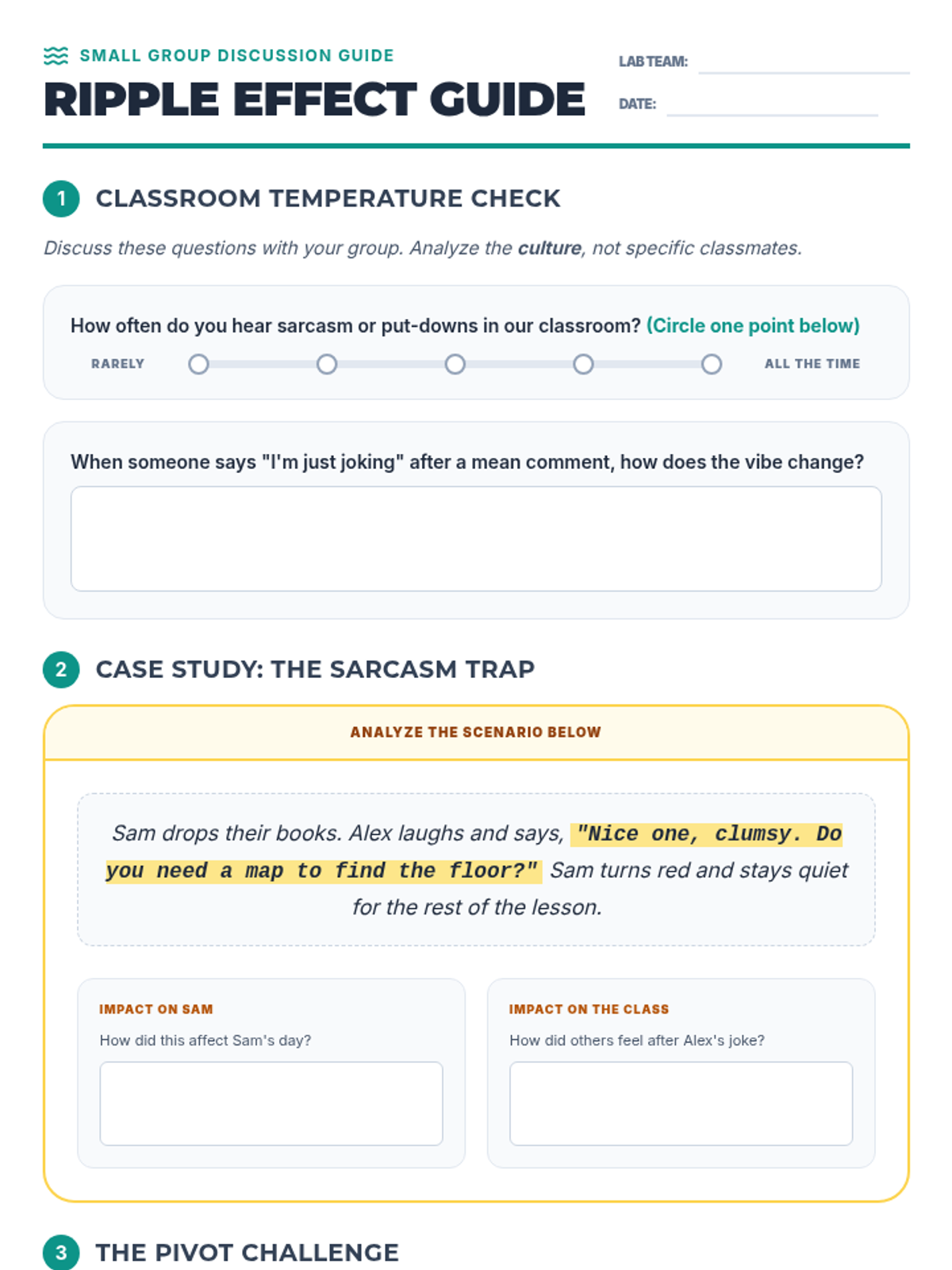
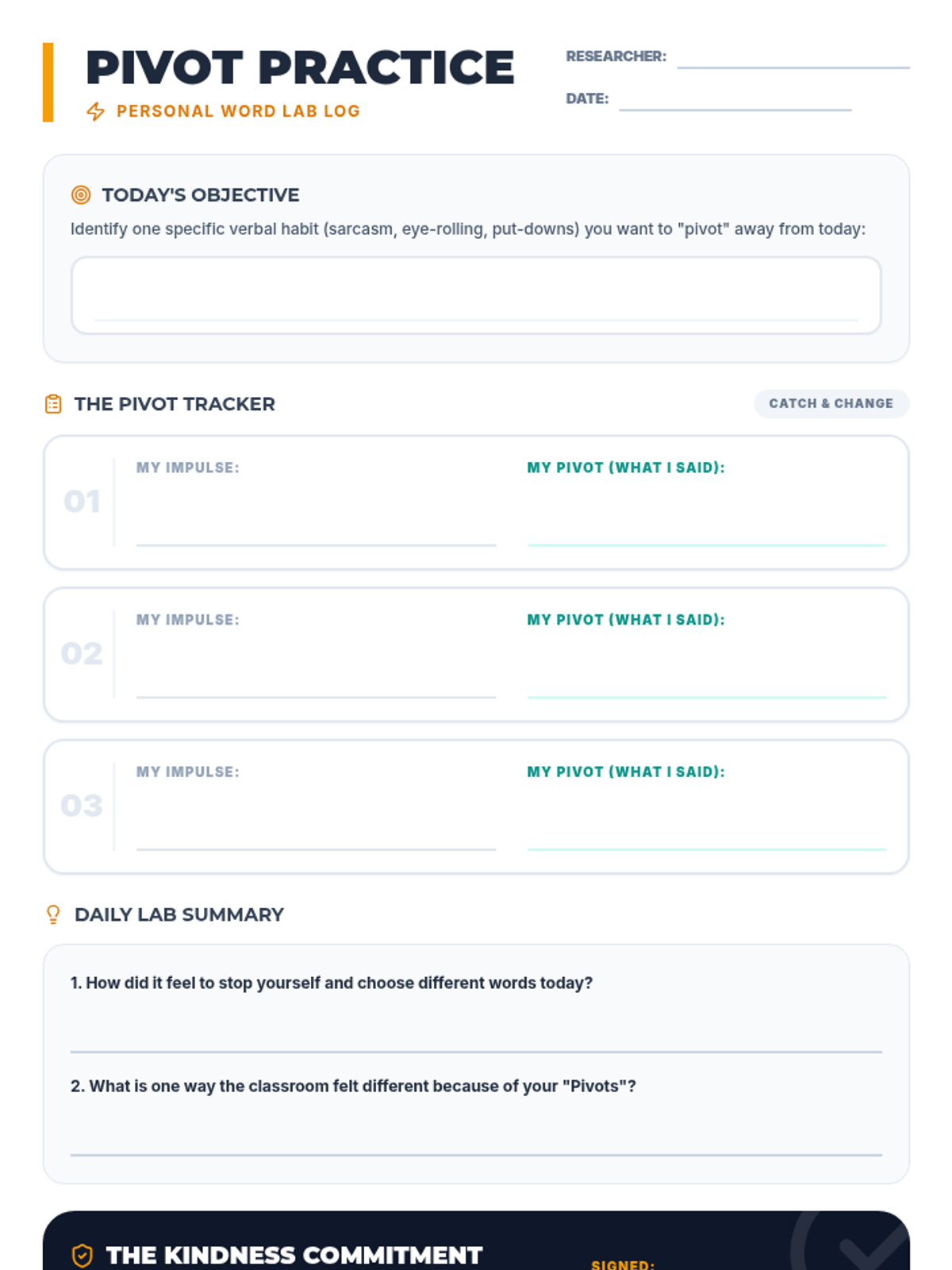
This lesson focuses on identifying and reducing verbal put-downs and sarcasm in the classroom. It helps students understand the impact of their words and provides strategies for building a supportive peer culture through small group discussions and self-reflection.
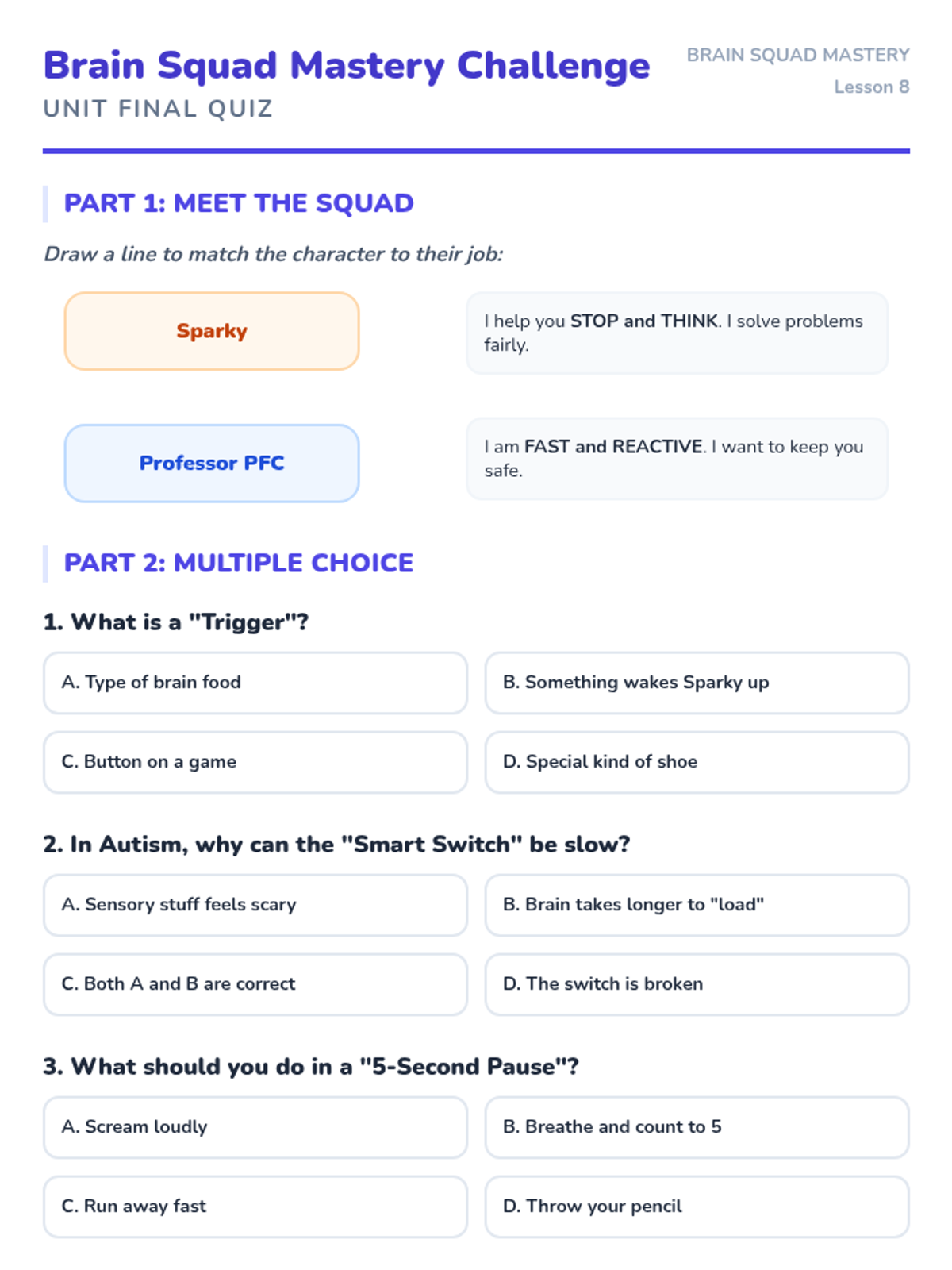
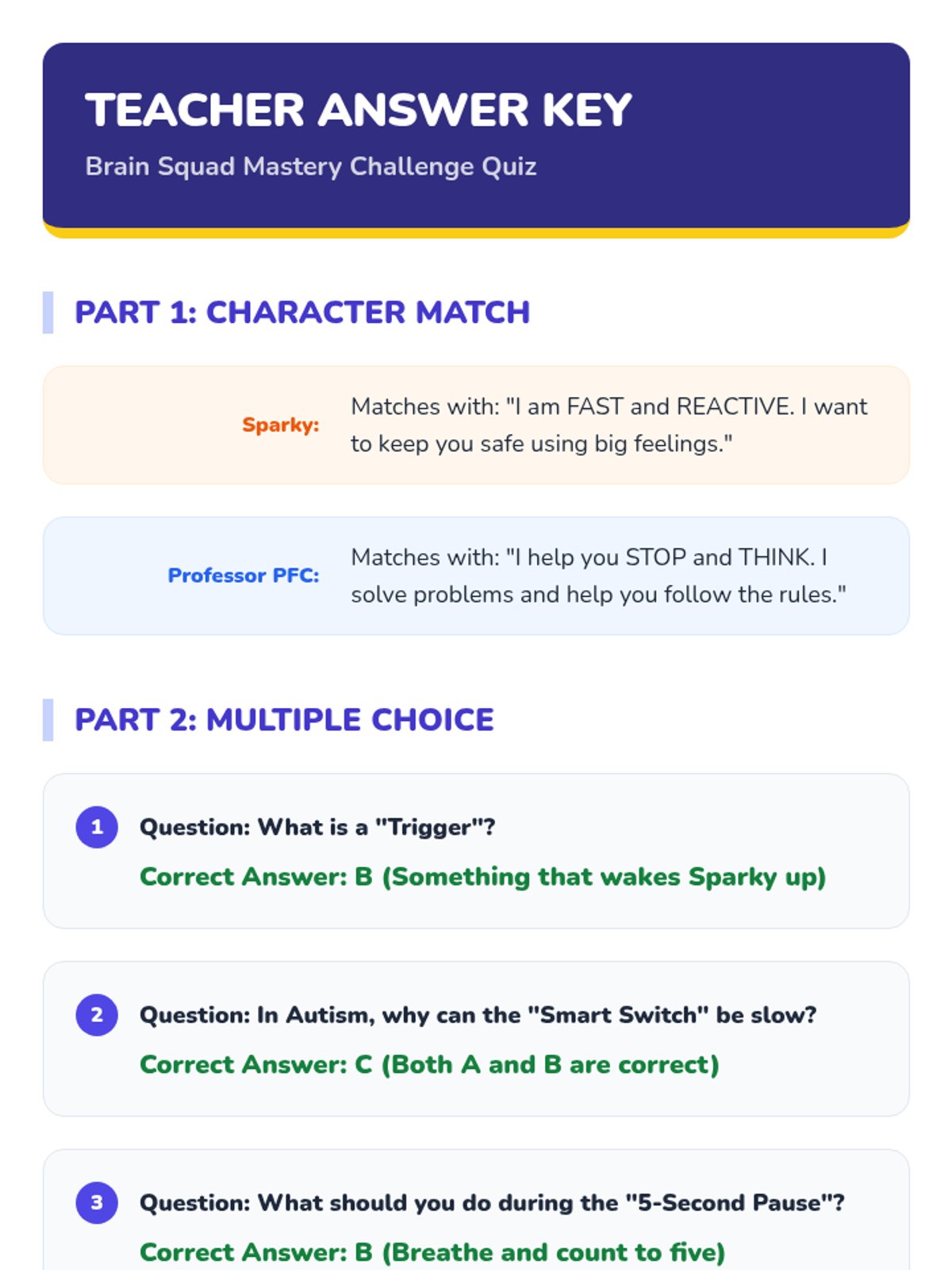
Reviewing unit concepts through a final quiz and celebrating mastery of brain squad strategies.
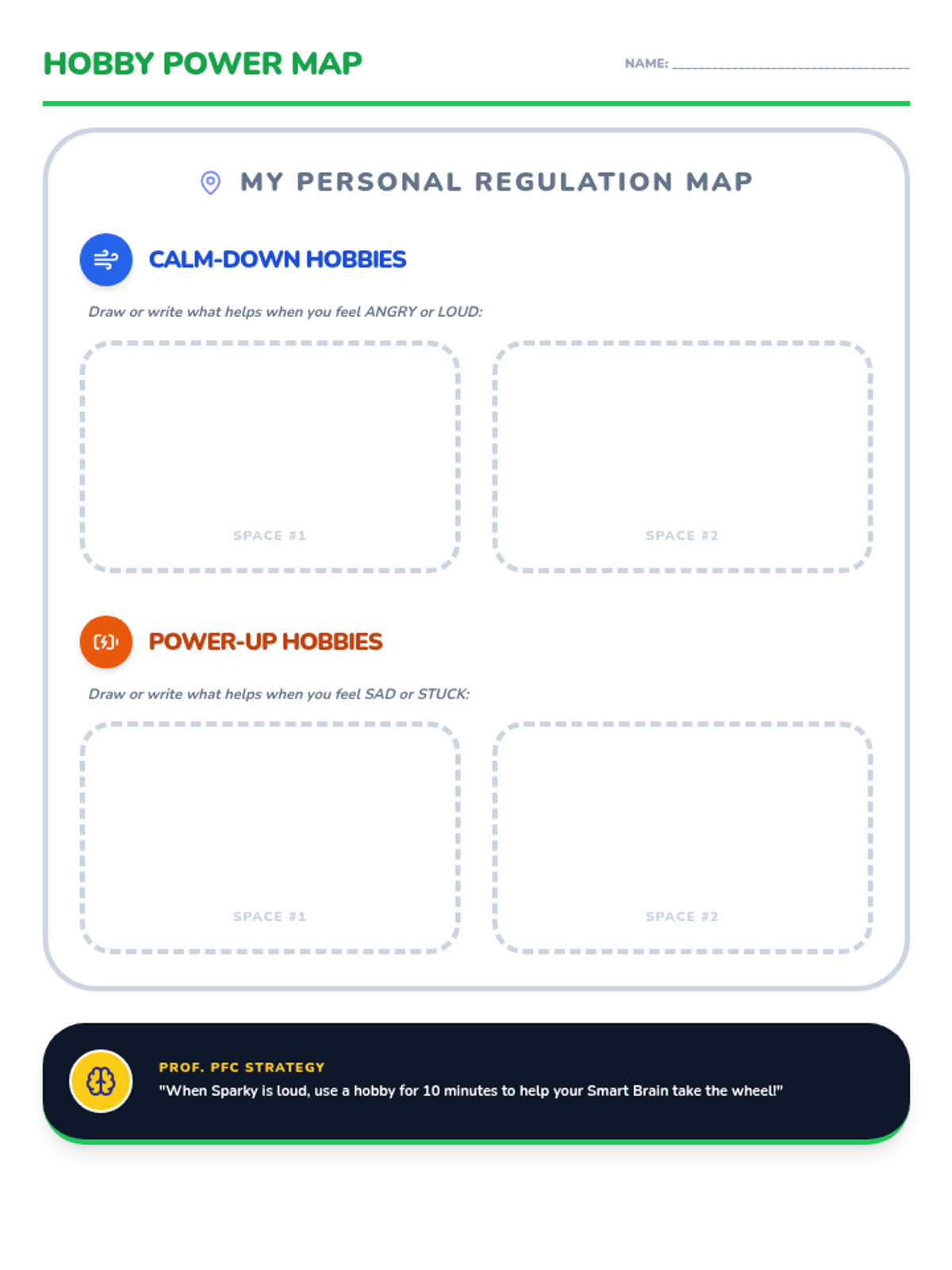
Discovering personal hobbies and interests that act as tools for emotional regulation and positive expression.
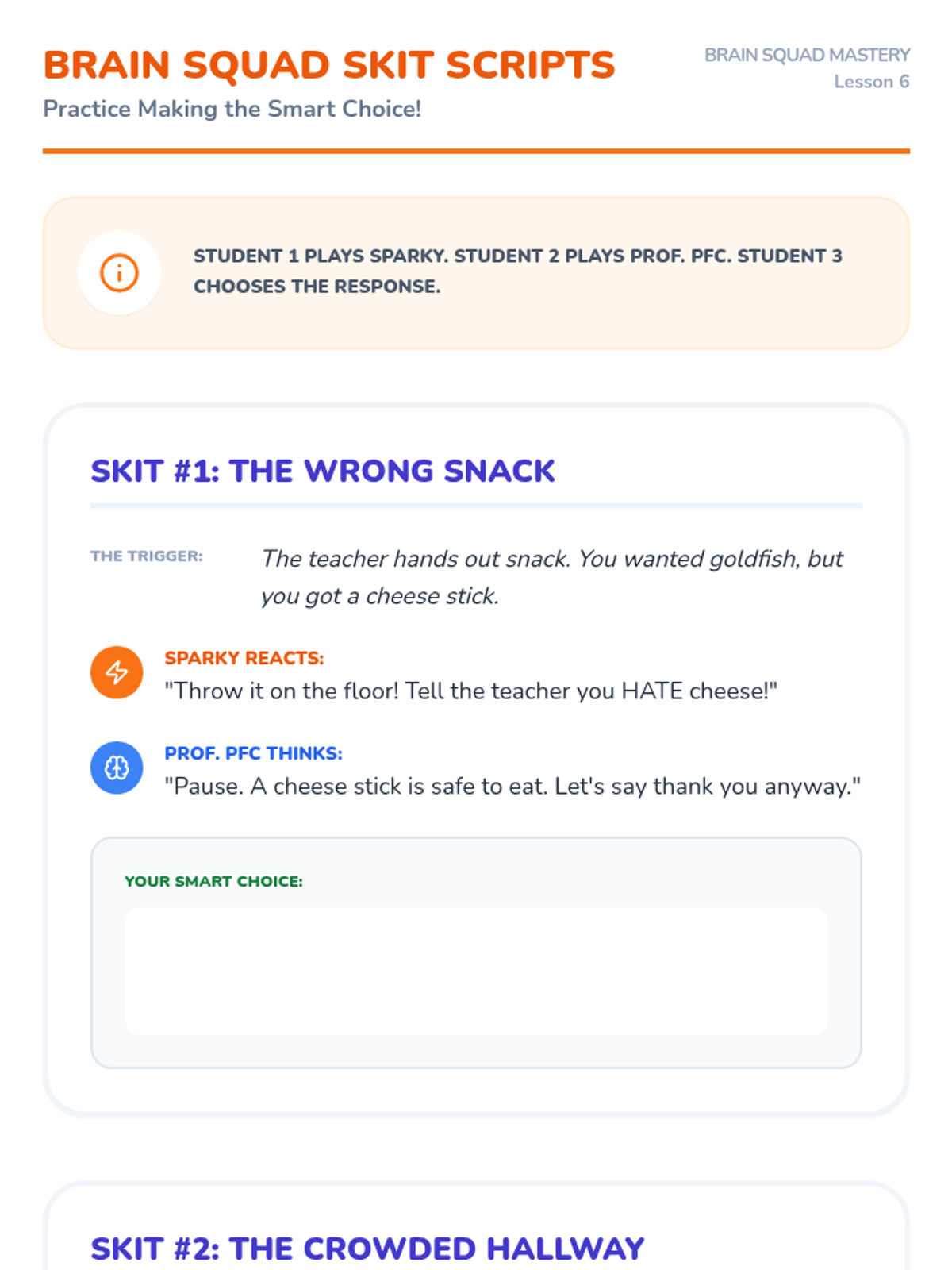
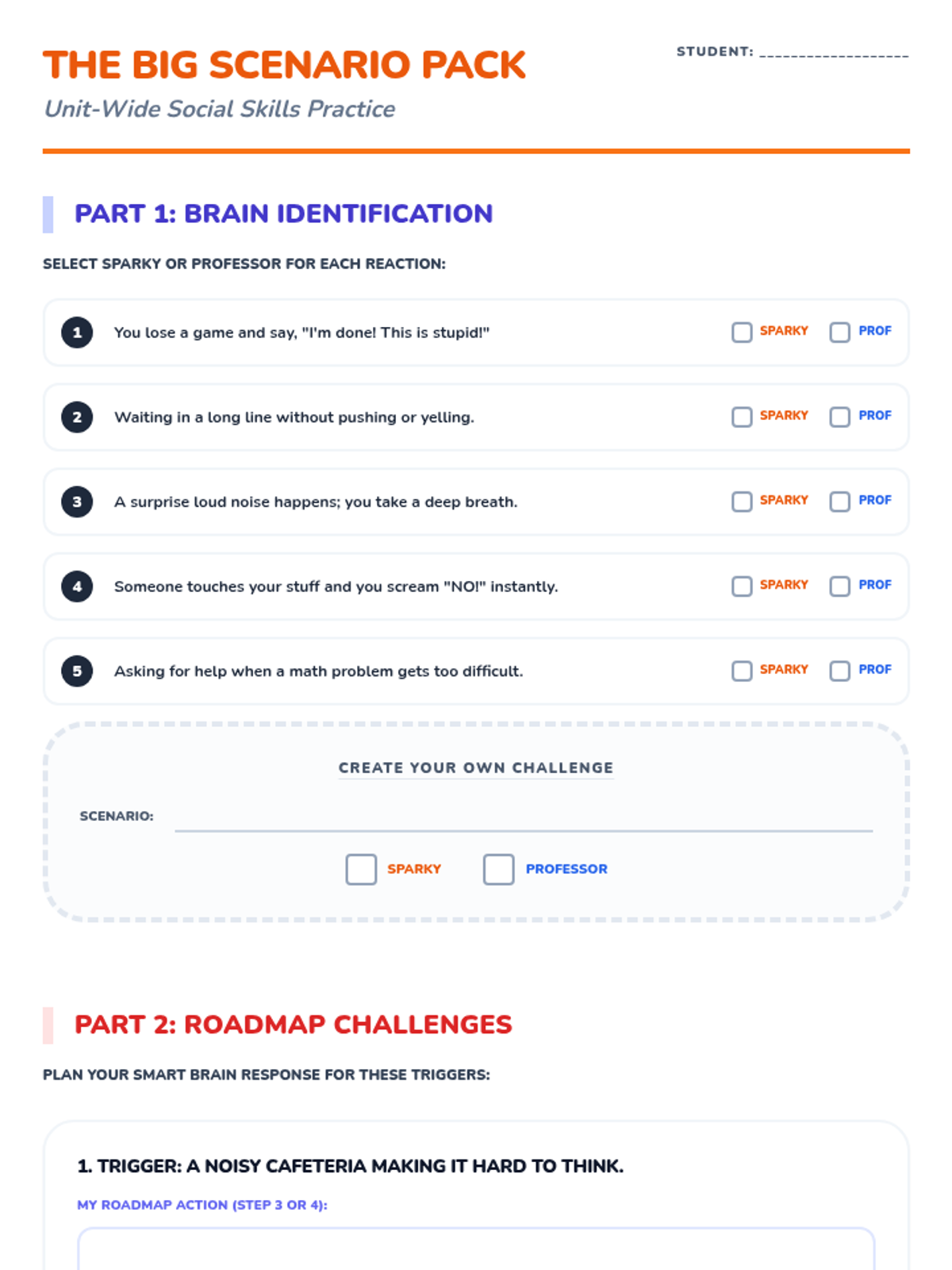
Applying brain squad concepts to real-world scenarios through skits and 'What Would You Do?' games.