A fast-paced 4th-grade lesson on decision-making where students learn to map out consequences using a decision tree. They explore how one choice triggers multiple pathways, moving beyond simple 'yes/no' thinking to forecast multiple outcomes.
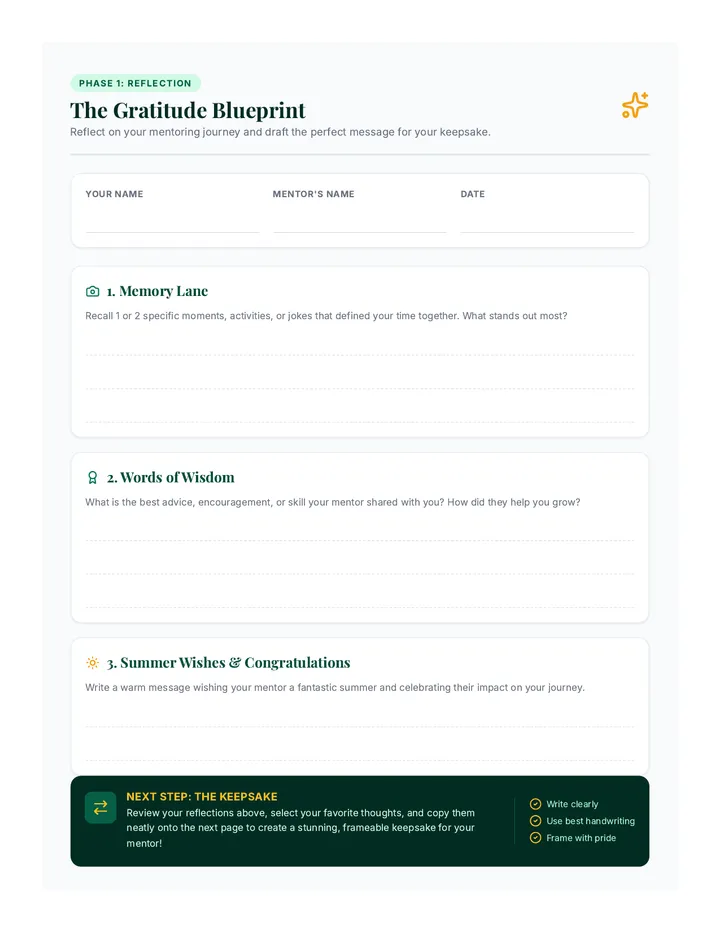
A heartfelt lesson designed to guide mentees through reflecting on their journey with their mentors, writing meaningful thank-you messages, and creating a beautiful framed keepsake.
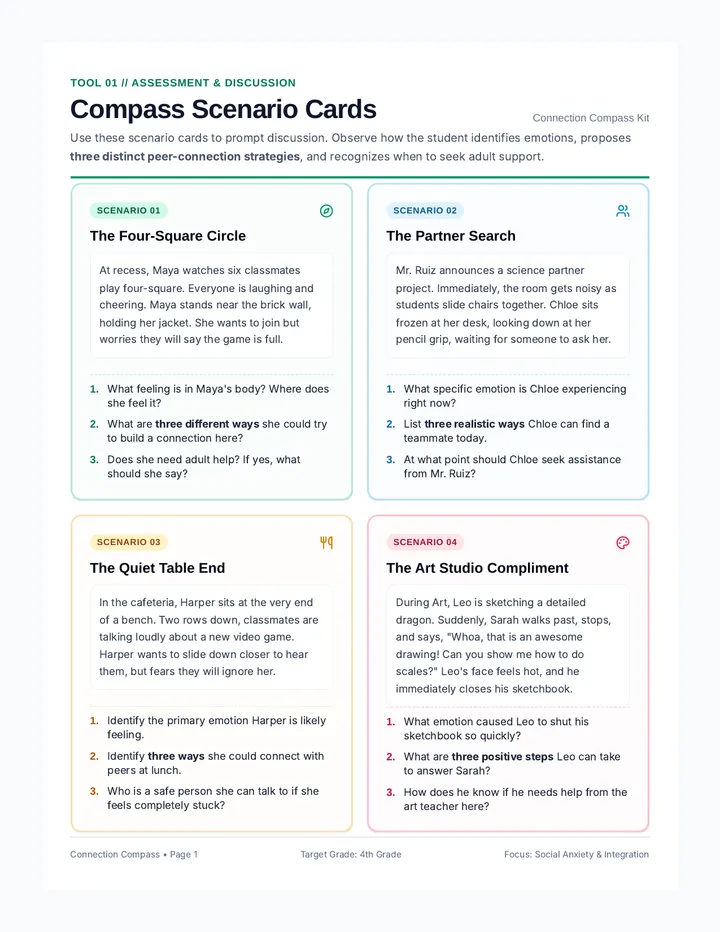
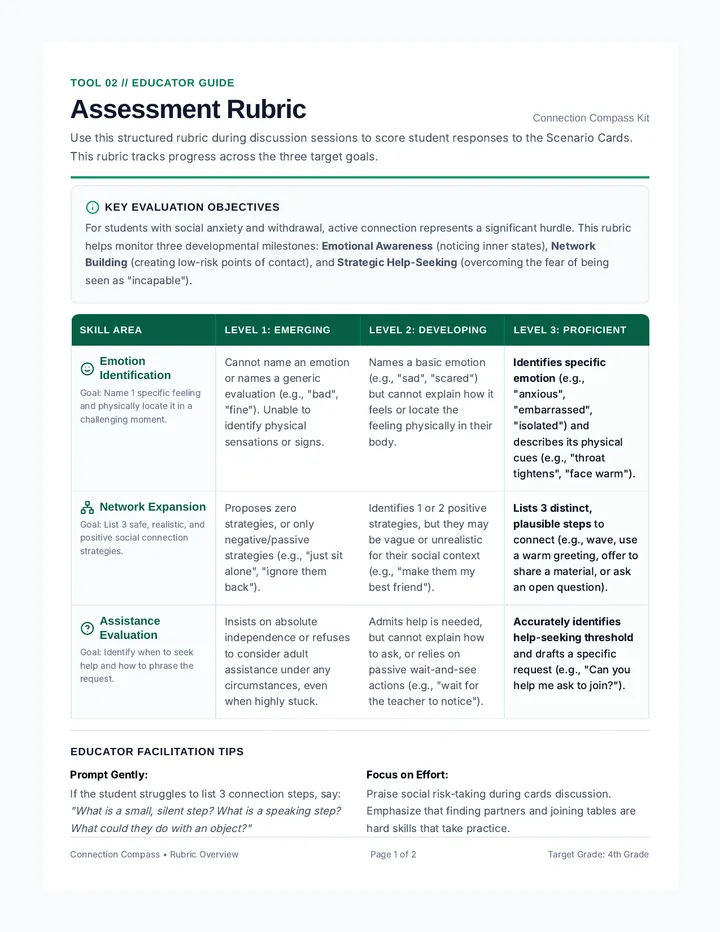
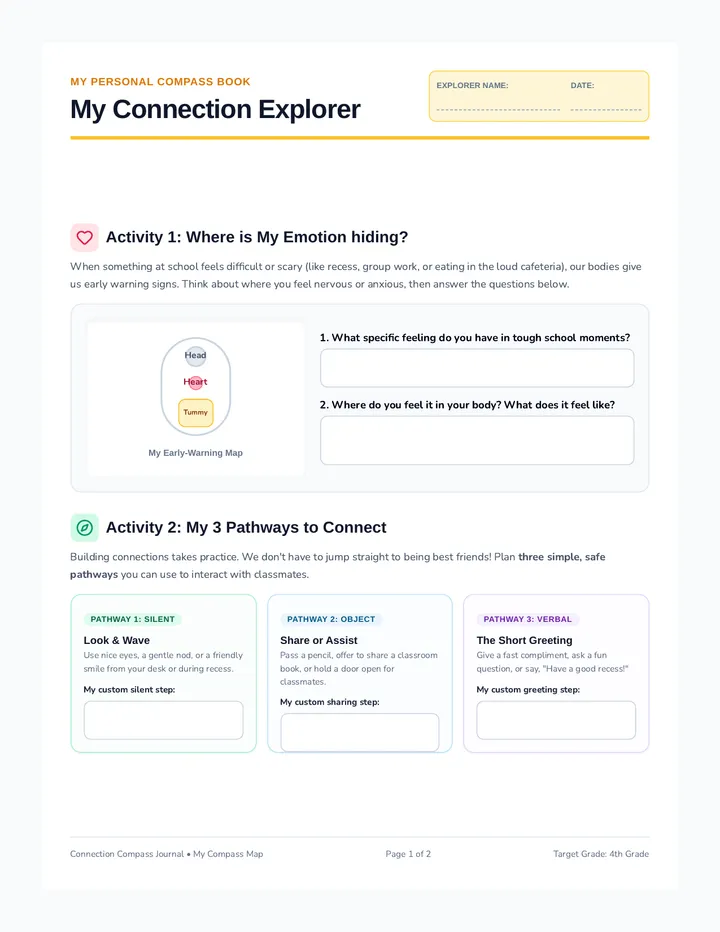
A comprehensive progress monitoring and intervention kit designed to help 4th-grade students experiencing social anxiety and withdrawal. The kit includes situational scenario cards, an educator assessment rubric, and a student self-reflection journal to build emotional awareness, expand peer connections, and develop help-seeking behaviors.
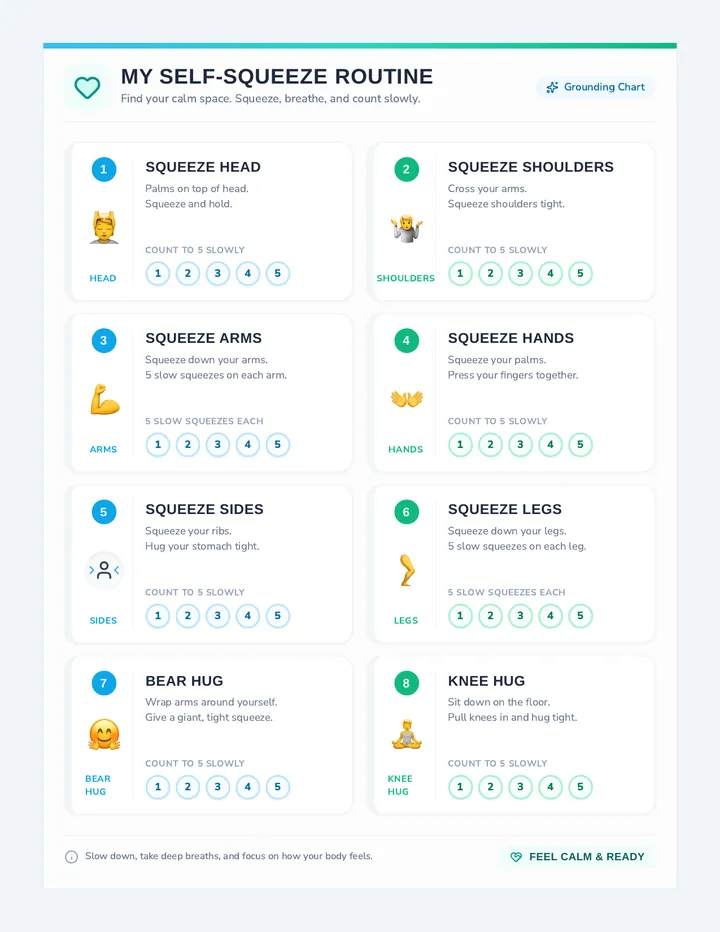
A pediatric grounding and sensory regulation lesson featuring a self-squeeze physical therapy routine to help students self-soothe and calm down.
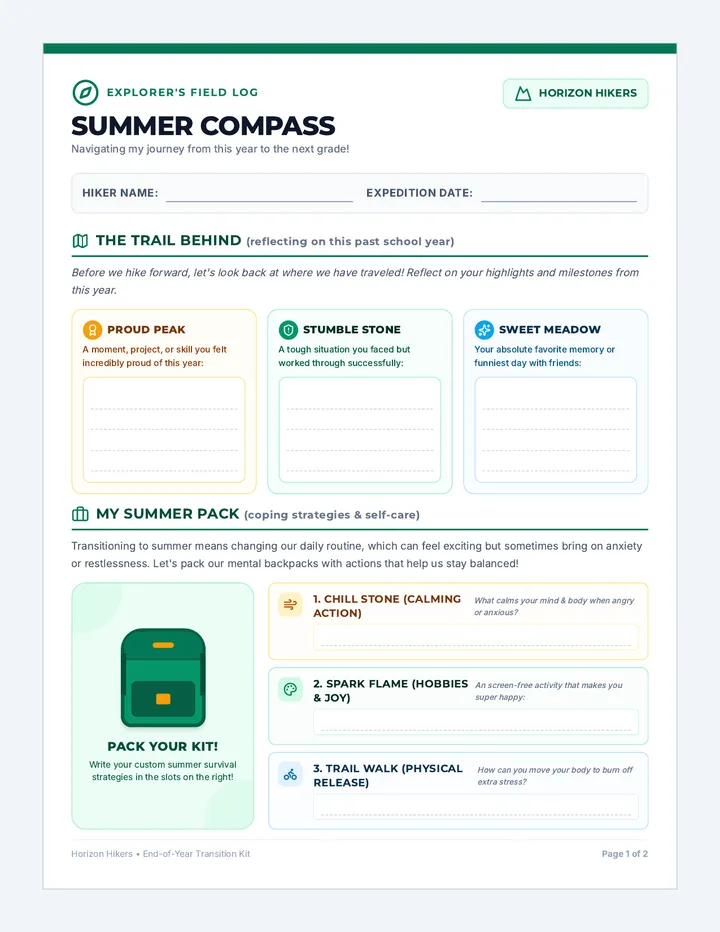
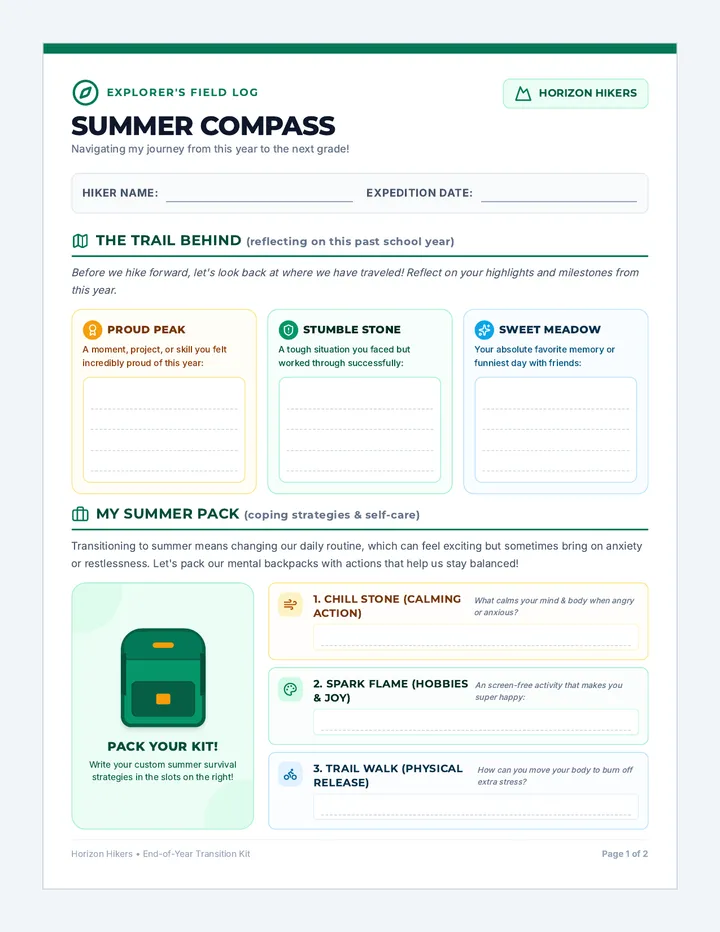
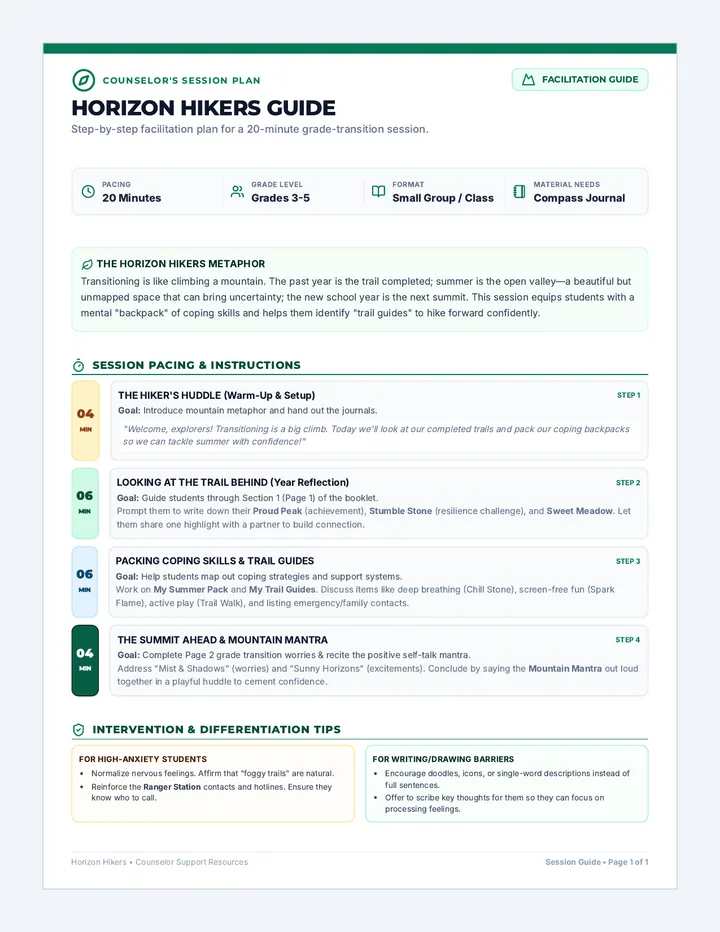
A supportive transition lesson for upper elementary students to reflect on the past year, create a visual coping plan for summer, and build confidence for entering the next grade.
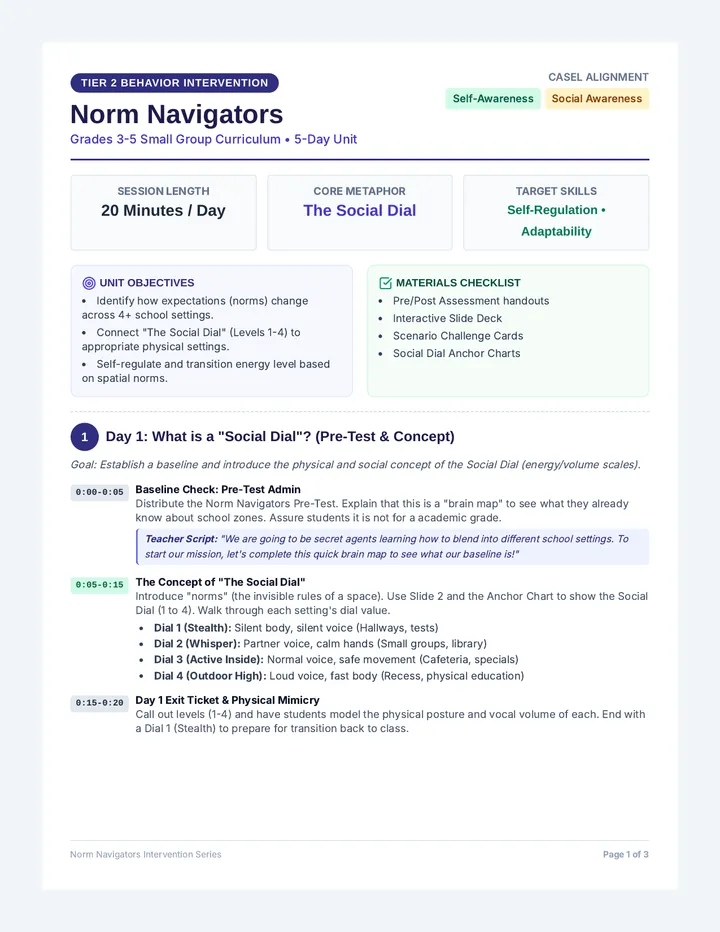
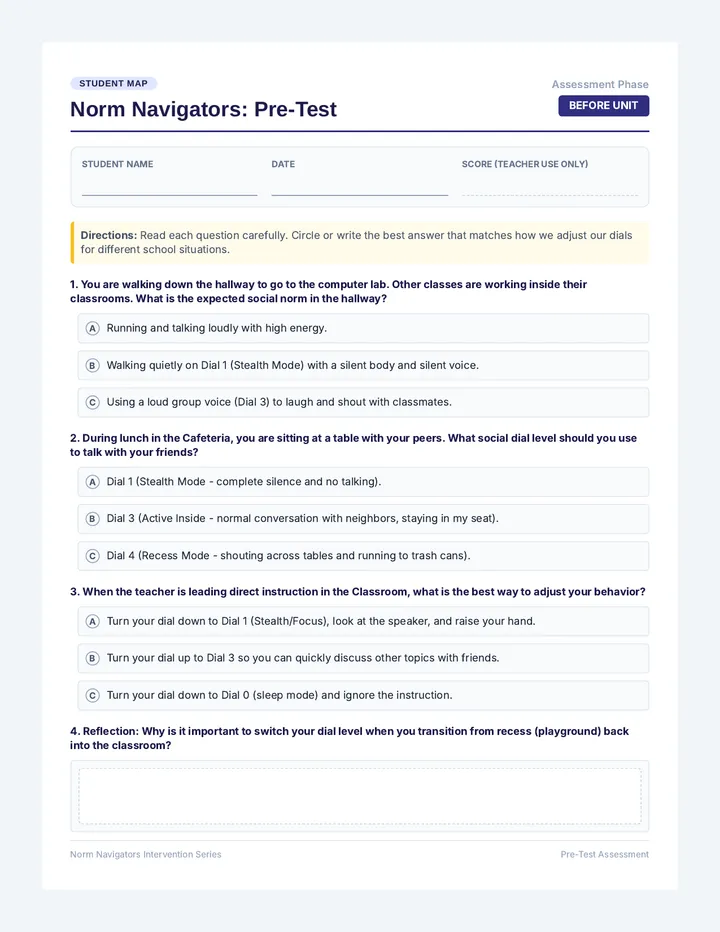
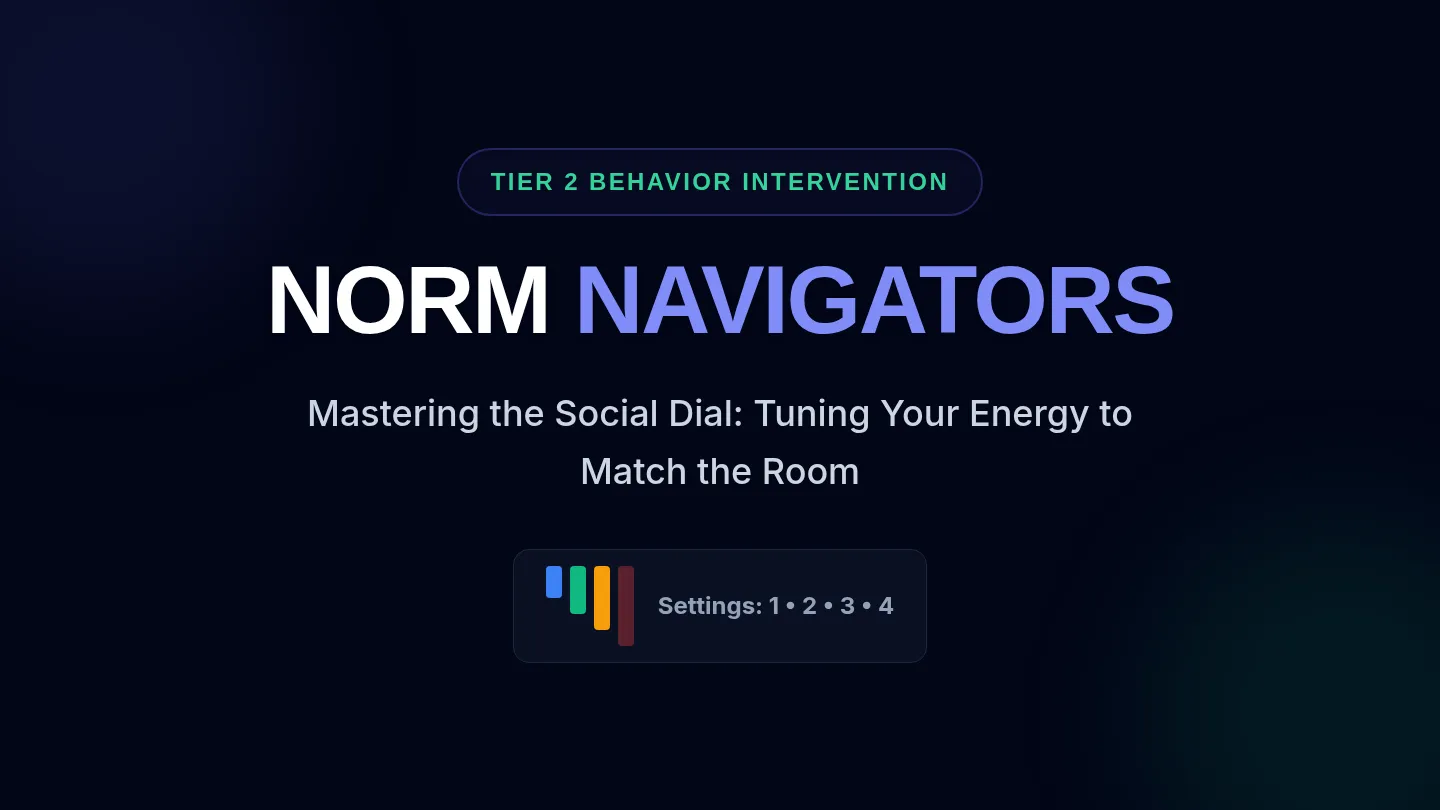
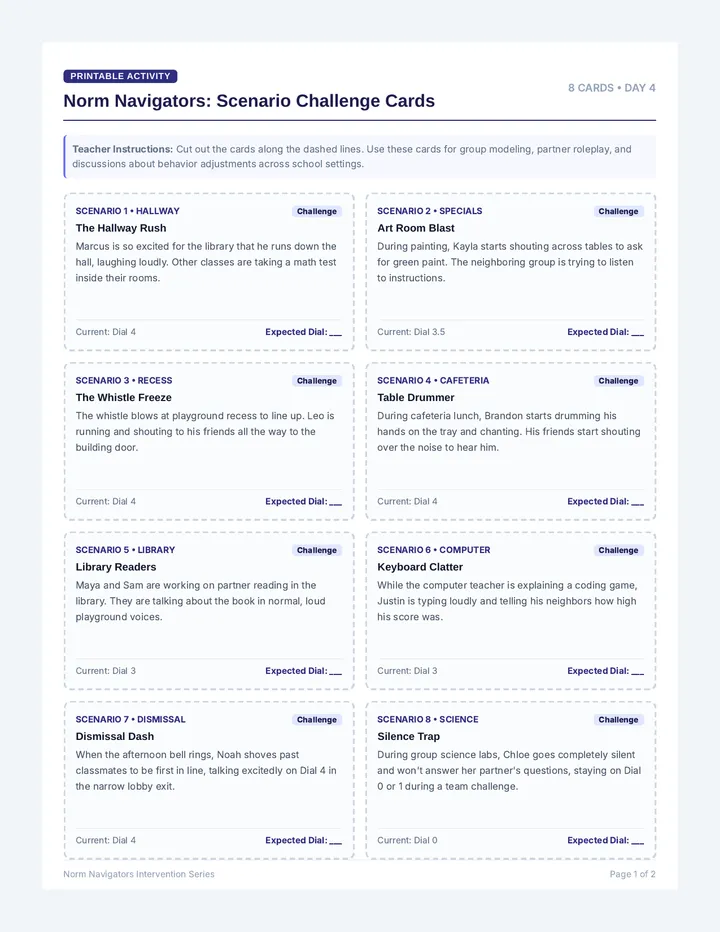
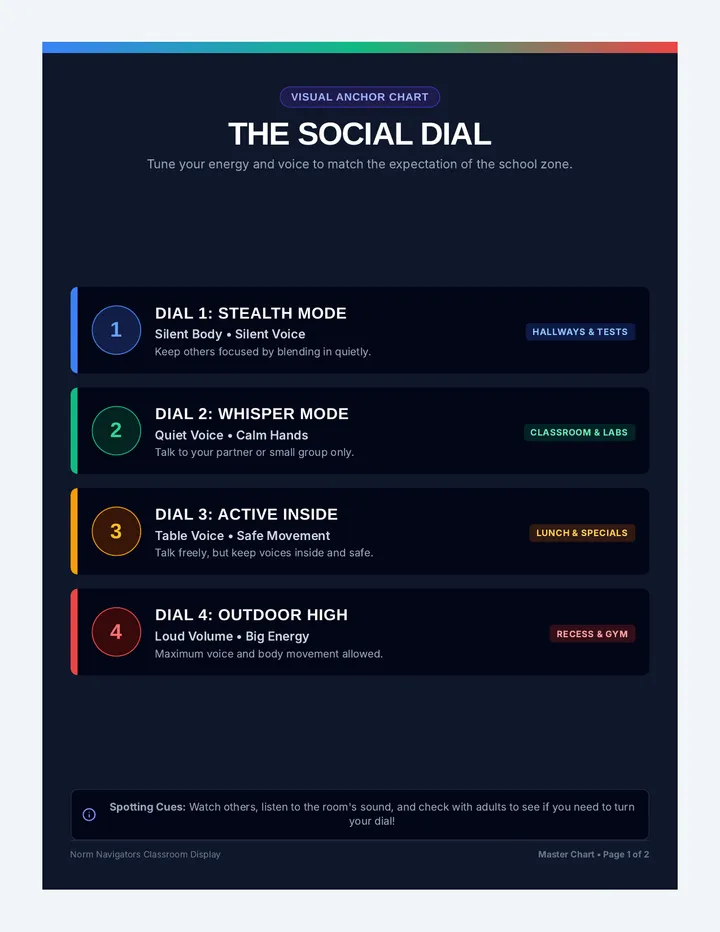
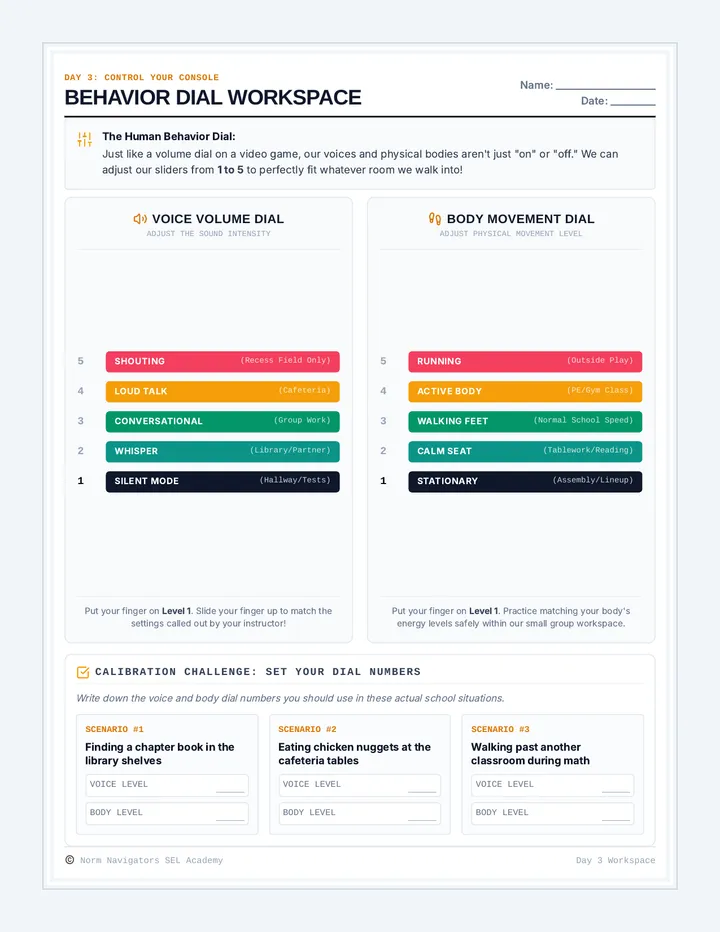
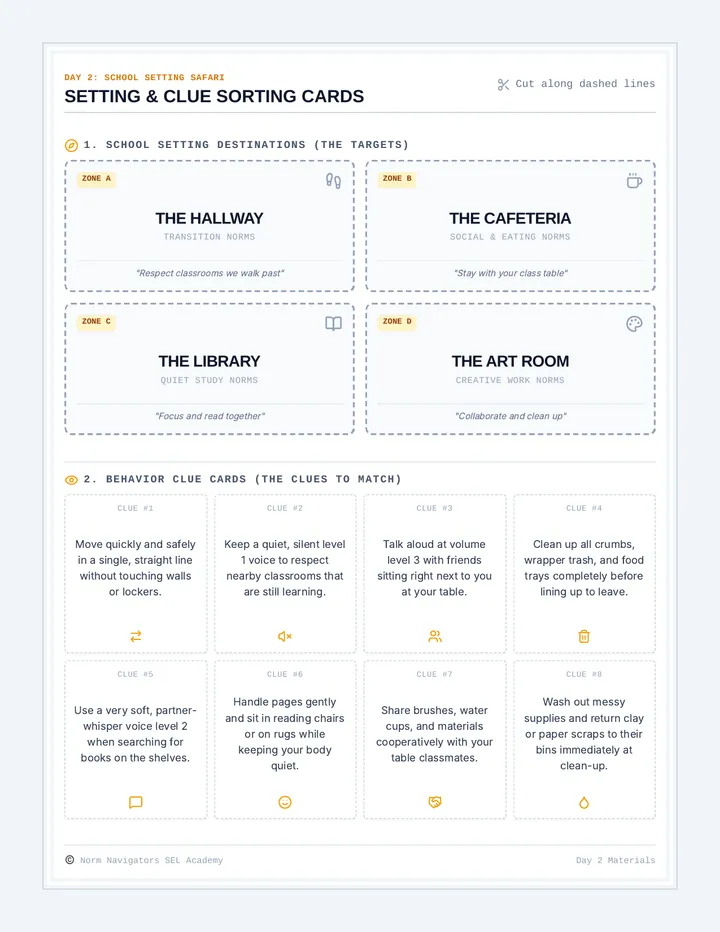
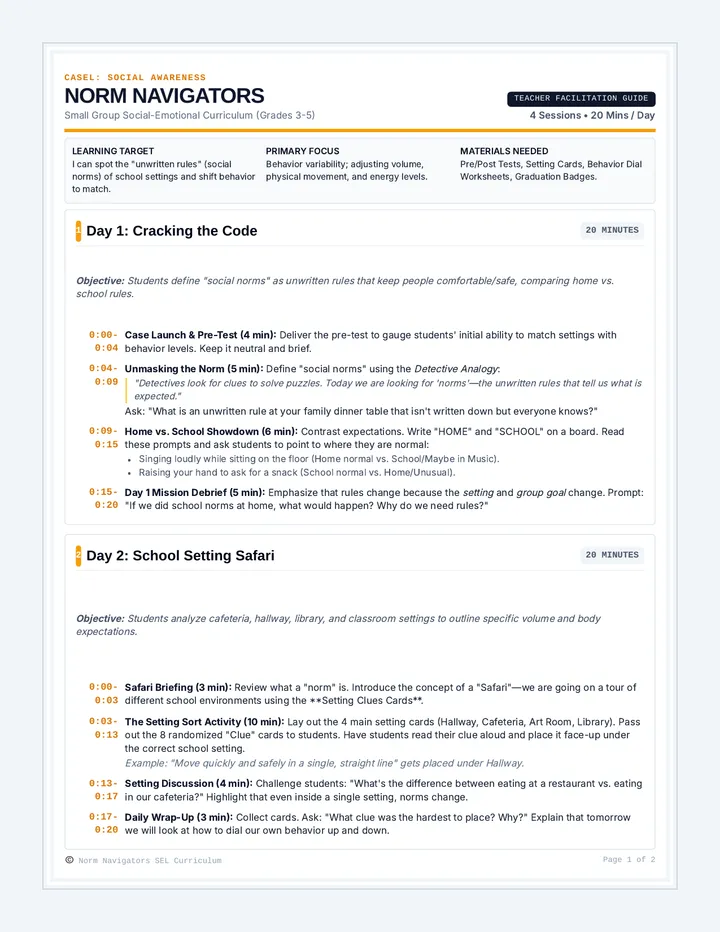
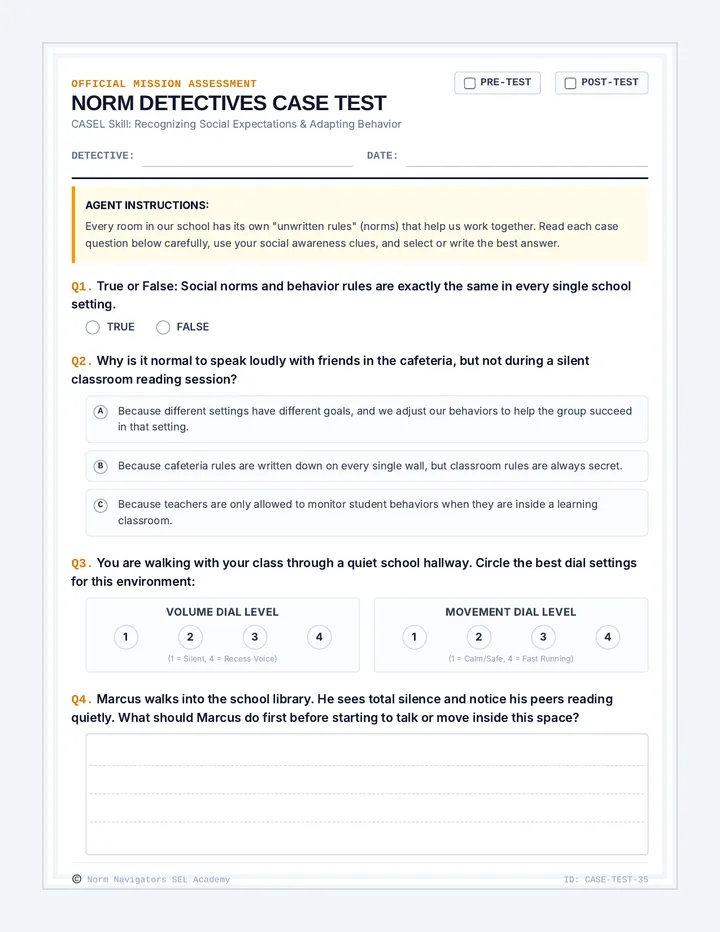
A 5-day small group Tier 2 intervention lesson designed to teach grades 3-5 students how to identify social norms across various school environments and regulate their behaviors accordingly. Includes structured daily facilitation guides, pre/post assessments, slide presentations, challenge cards, and anchor charts.
Students complete their post-test, demonstrate behavior-shifting skills in a scenario-based card challenge, and celebrate their growth with a graduation badge.
Students practice using a "Behavior Dial" to physically and vocally adjust their volume, movement, and energy levels to match different school environments.
Students examine specific school settings like the hallway, cafeteria, and specials classes to map out their unique expectations and unwritten rules.
Students are introduced to the concept of social norms as unwritten rules that help groups work together, comparing how norms change between home and school.
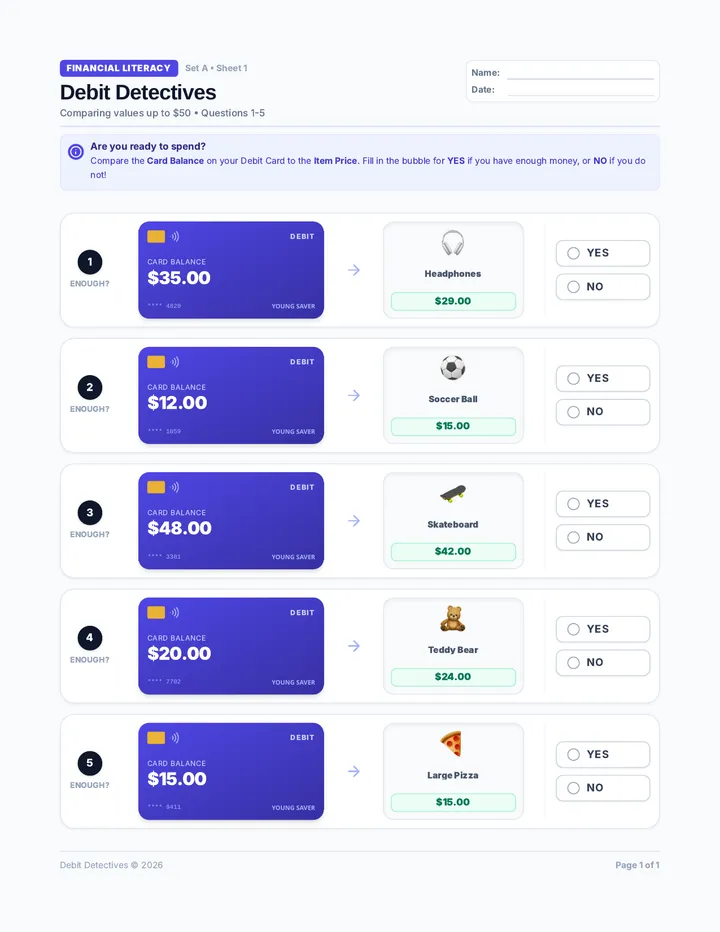
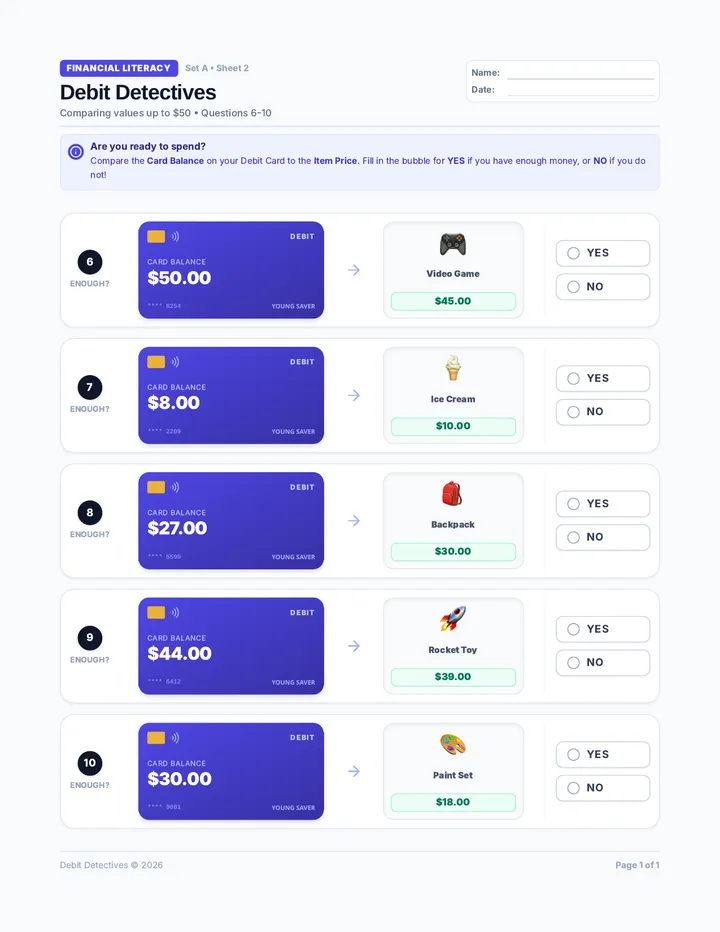
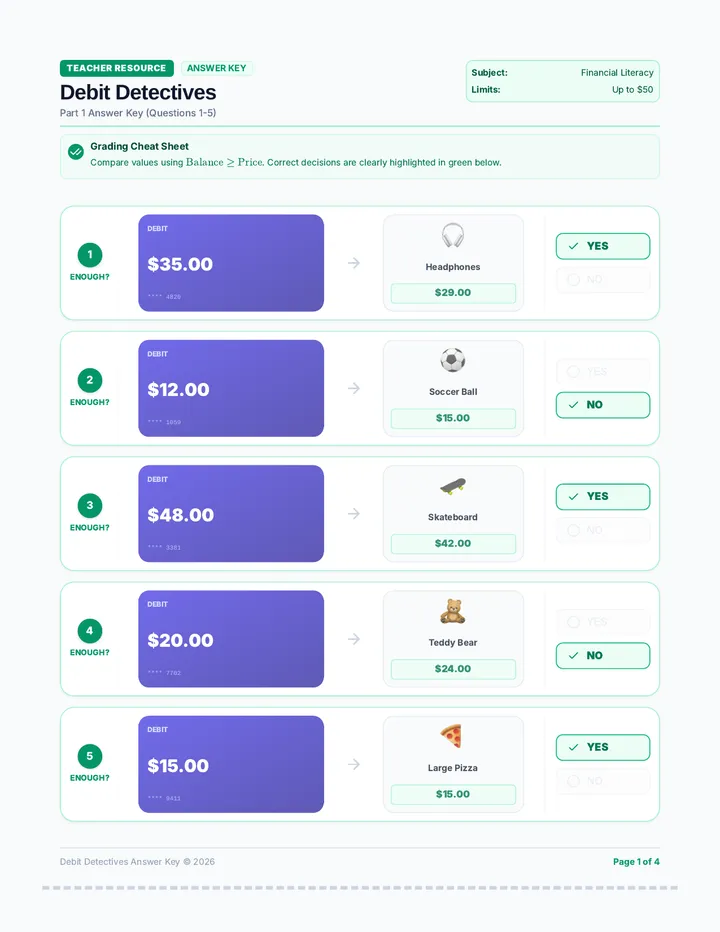
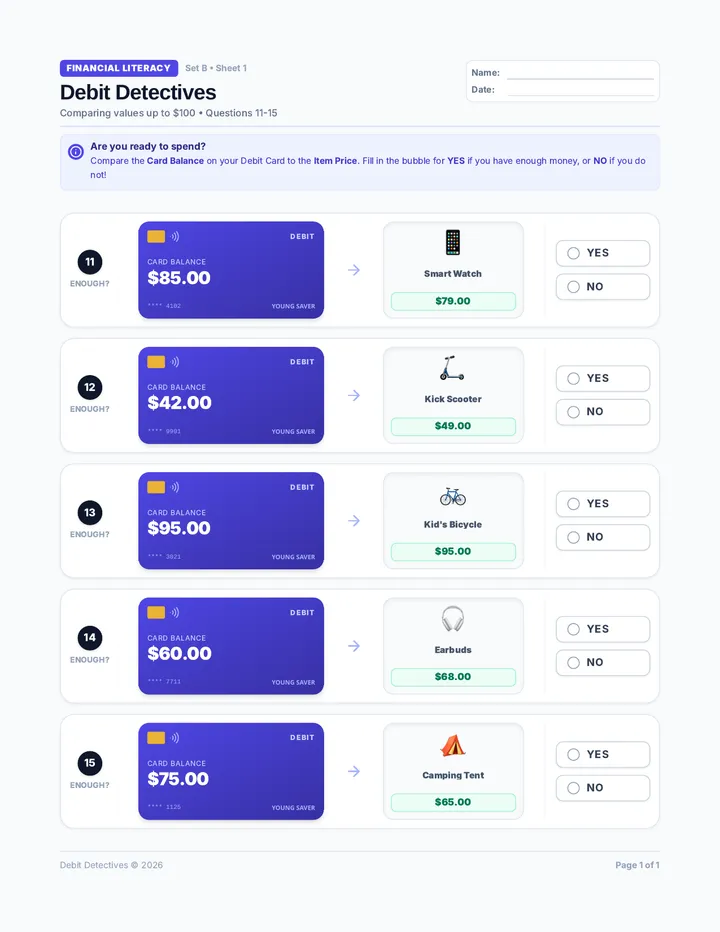
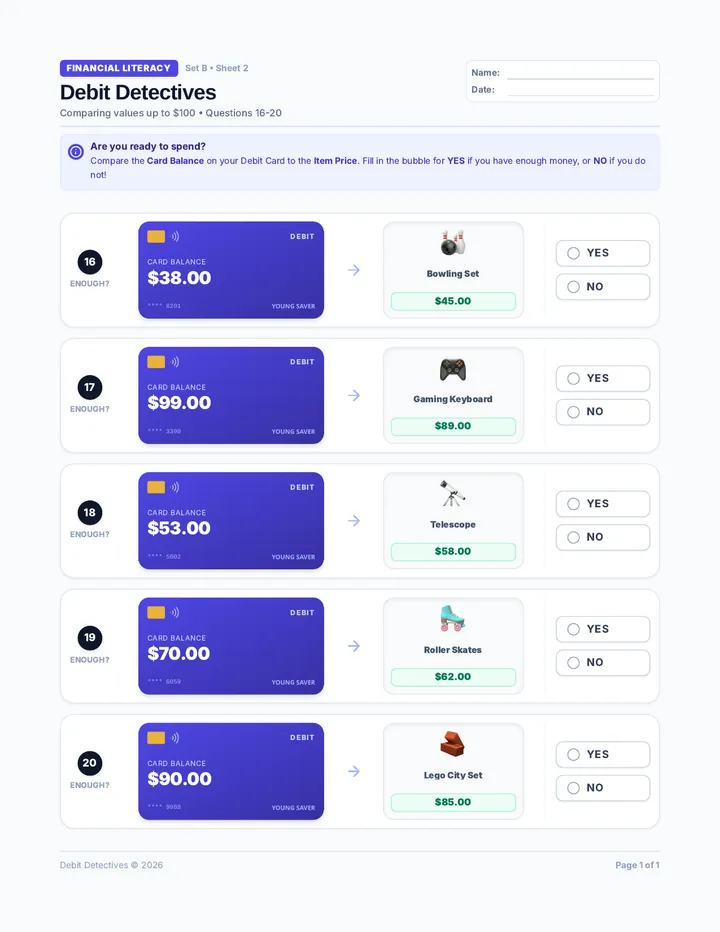
A double-digit financial literacy lesson where students compare debit card balances with item prices up to $50. Students practice decision-making by determining whether they have enough funds to complete various transactions.
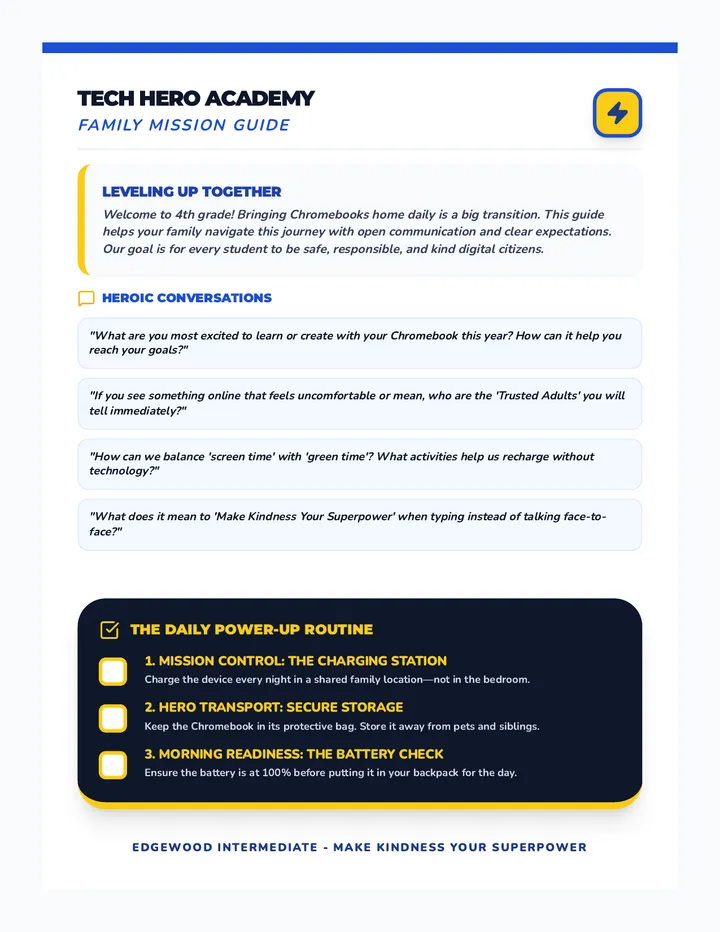
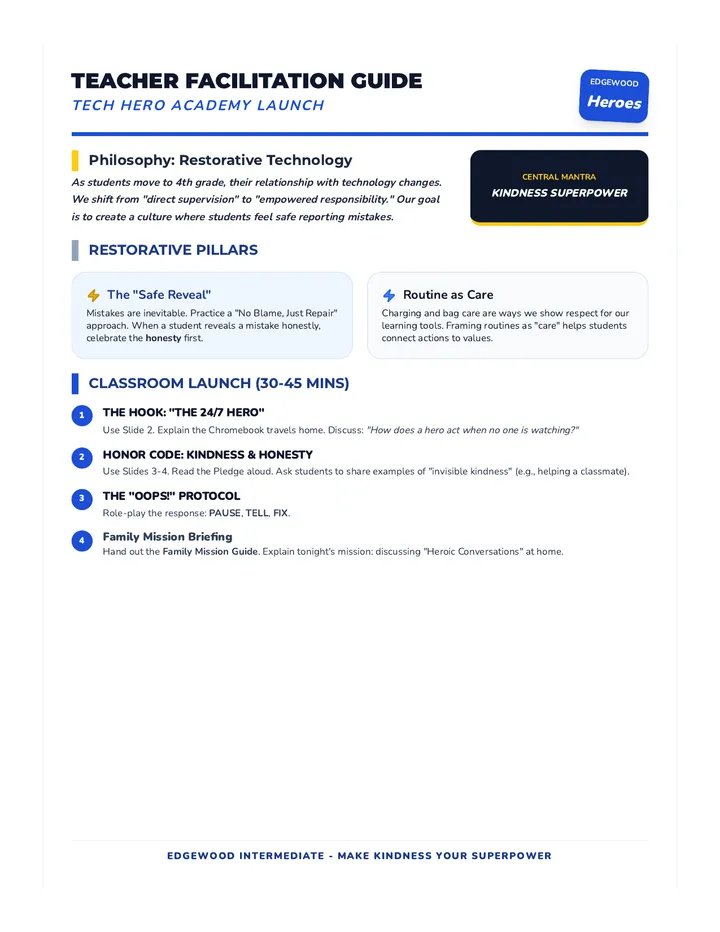
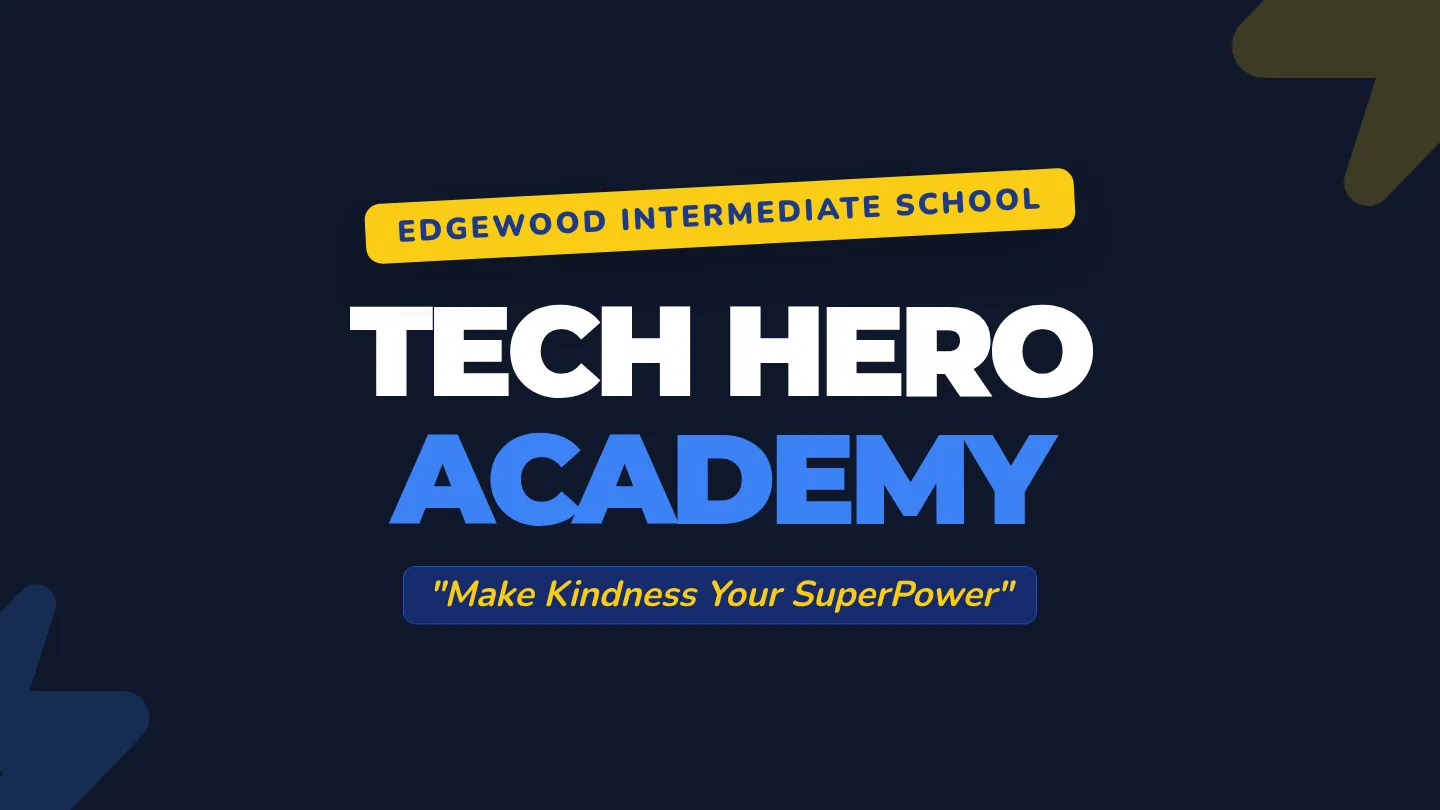
A lesson designed to transition 3rd grade students to 4th grade technology responsibilities, focusing on restorative practices, digital citizenship, and the 'Make Kindness Your Superpower' initiative.
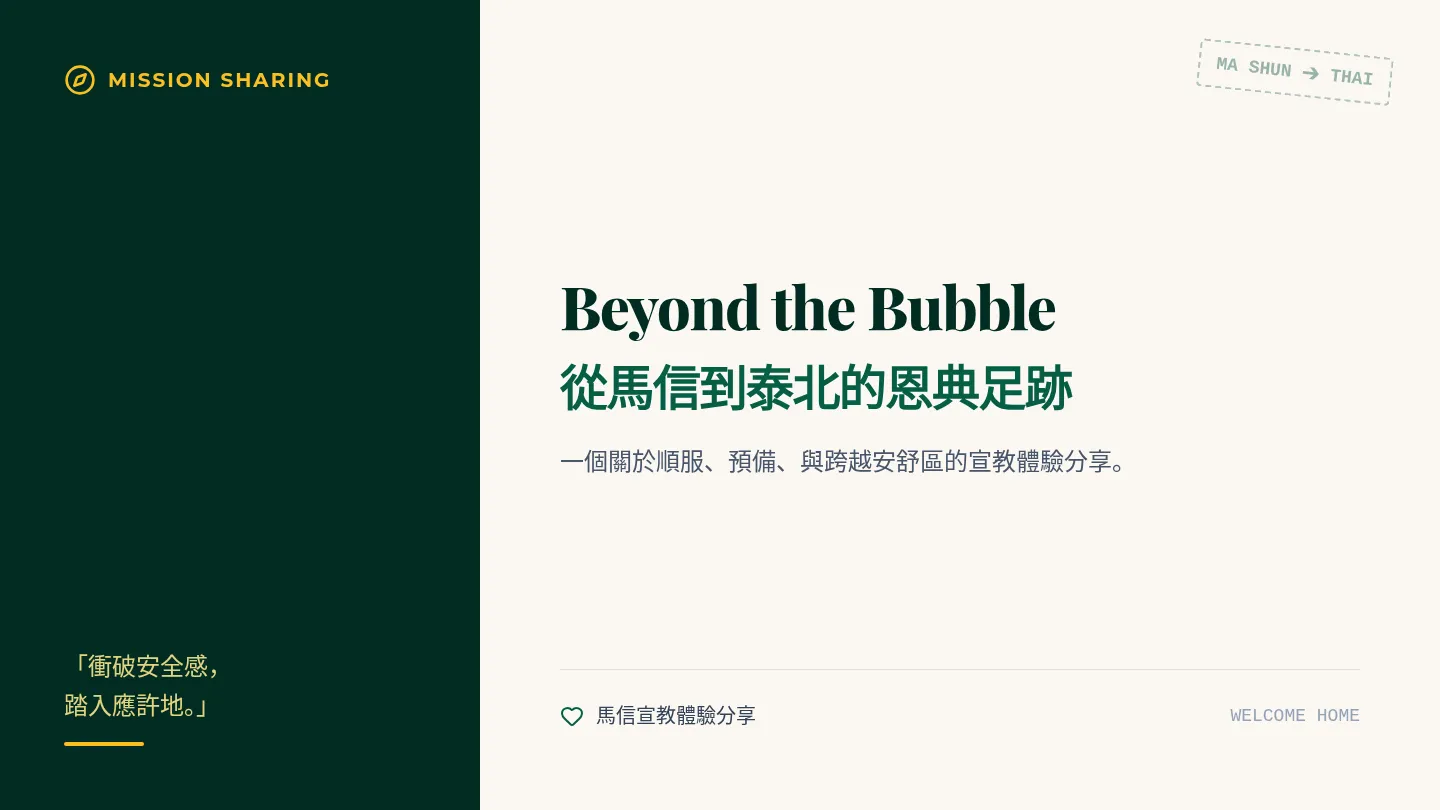
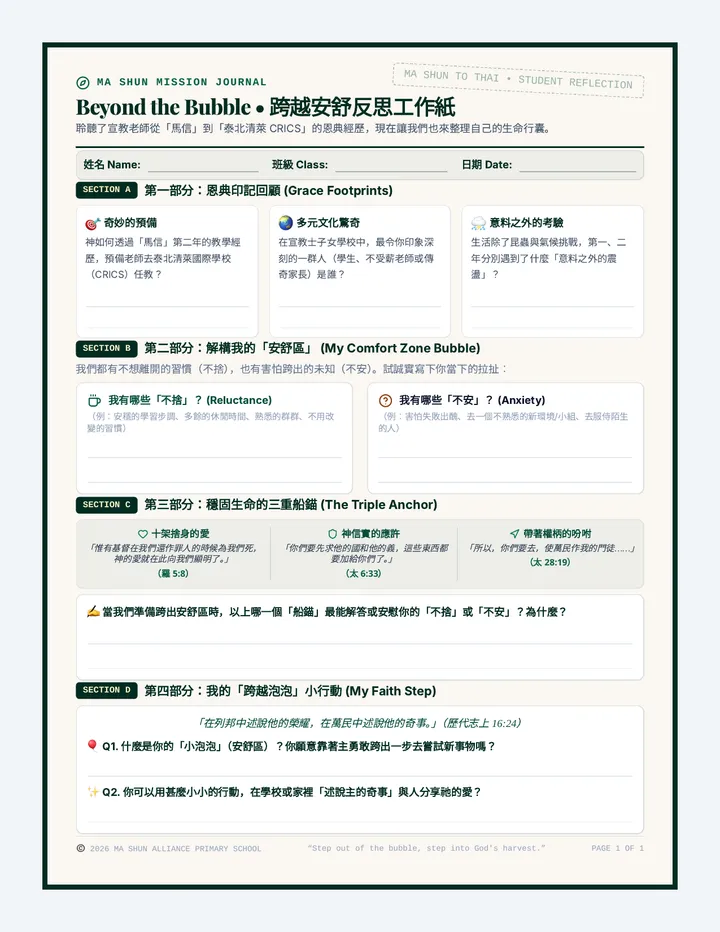
A testimony-based lesson exploring the journey of stepping out of one's comfort zone, overcoming fears through faith, and embracing God's mission in Thailand.
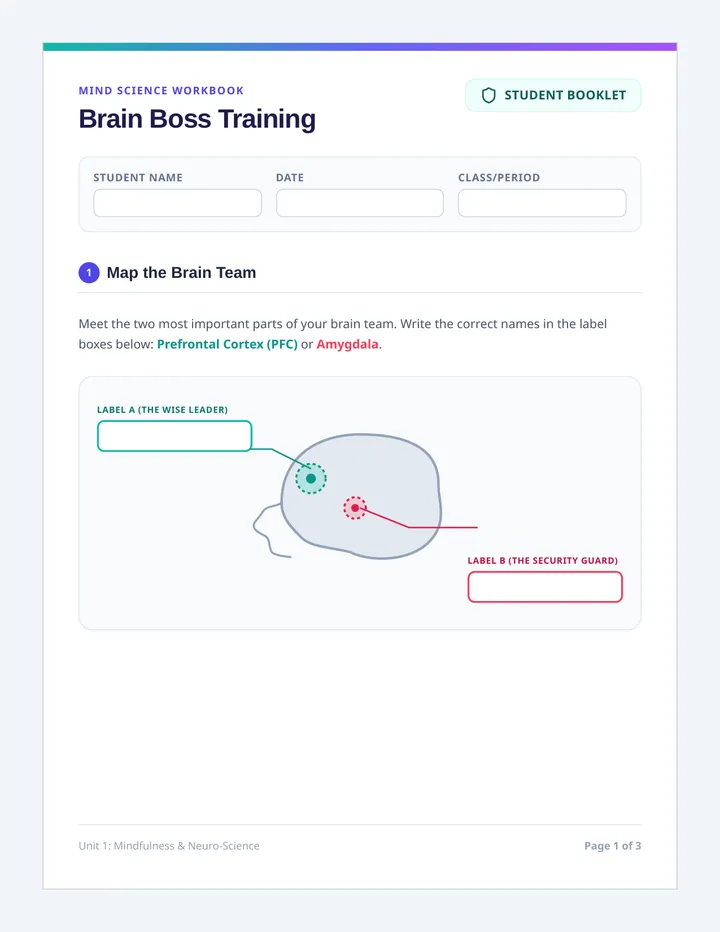
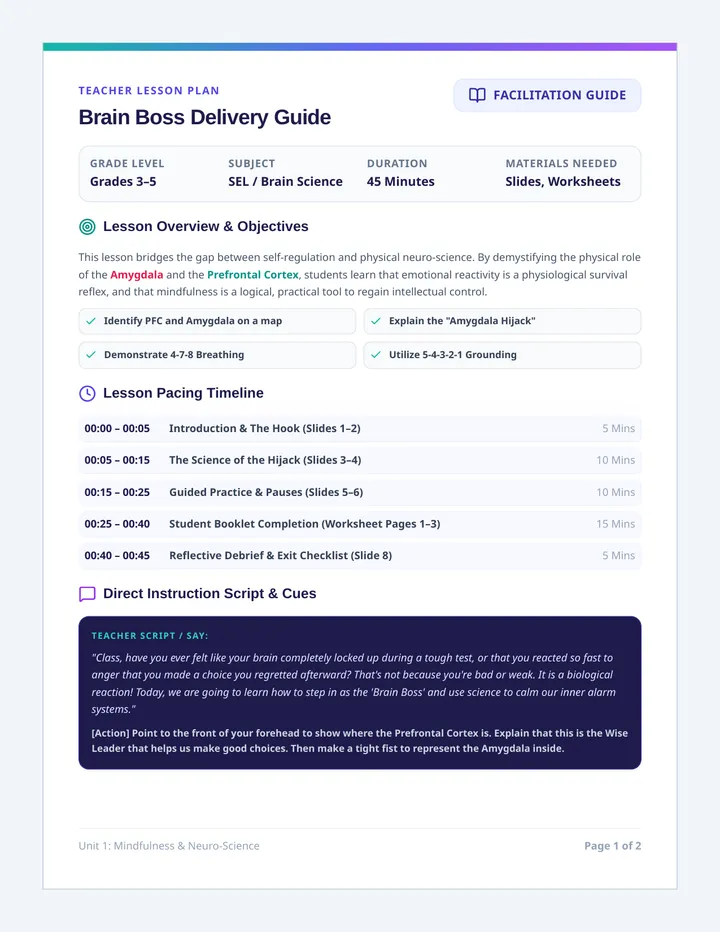
An explicit teaching lesson for Upper Elementary (grades 3-5) that introduces mindfulness through brain science, explaining the roles of the amygdala and prefrontal cortex, and provides concrete self-regulation strategies.
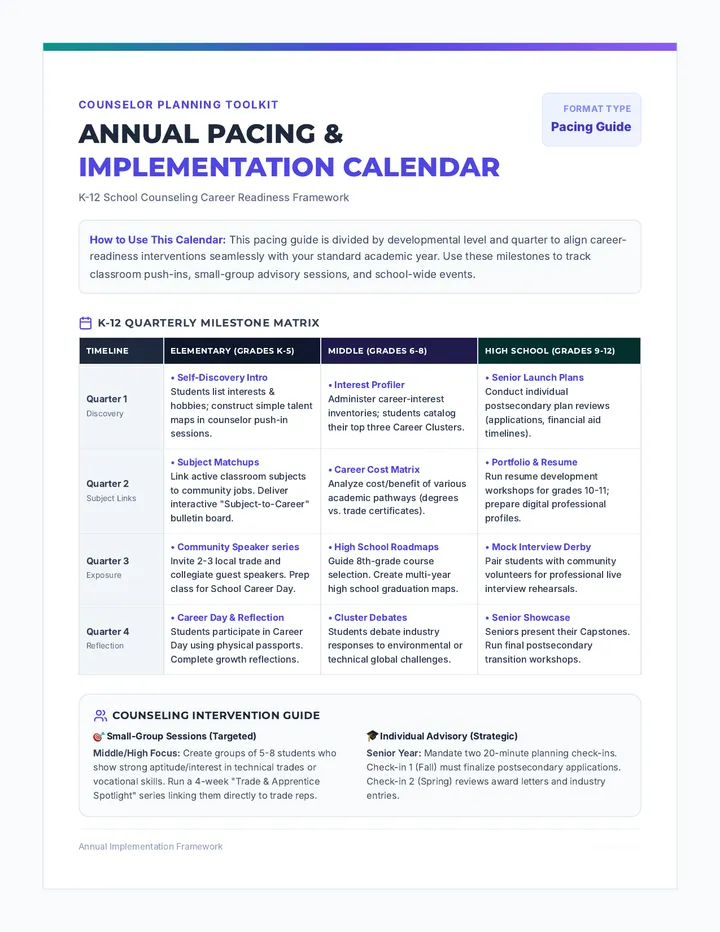
Actionable planning resources, school-wide career day guides, and implementation templates for school counselors to deploy career readiness curricula.
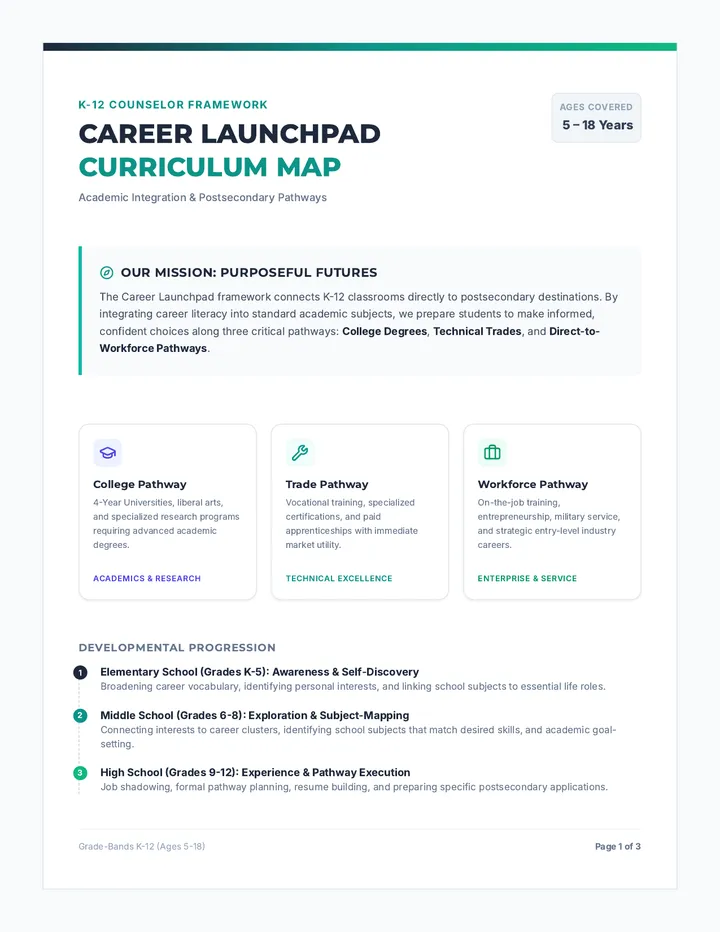
High-level scope, sequence, and developmental milestones for elementary, middle, and high school career exploration. This framework links classroom subjects to real-world college, trade, and workforce pathways.
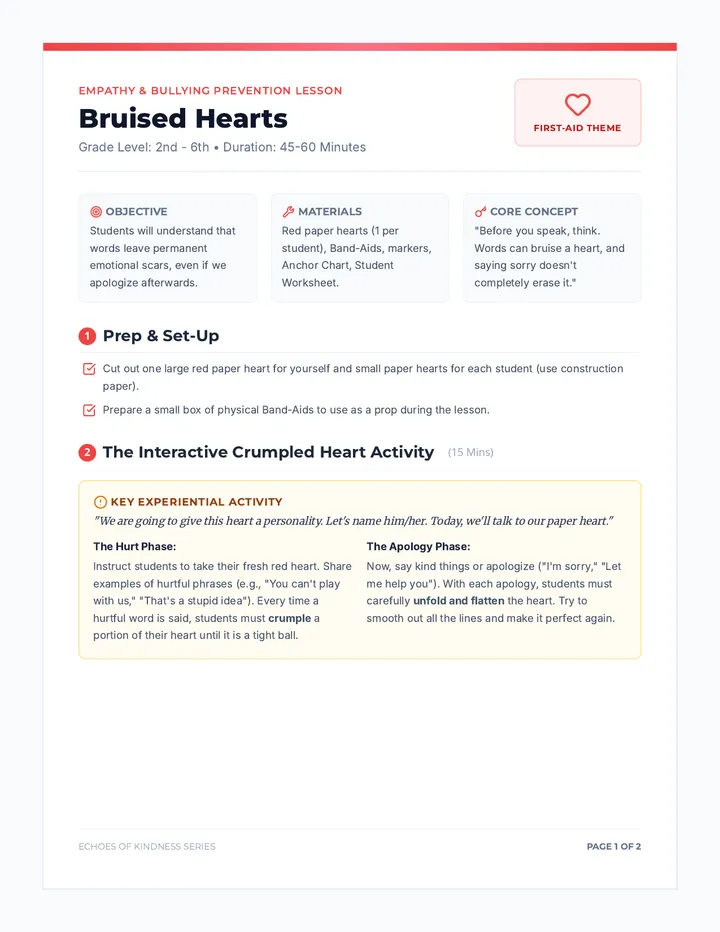
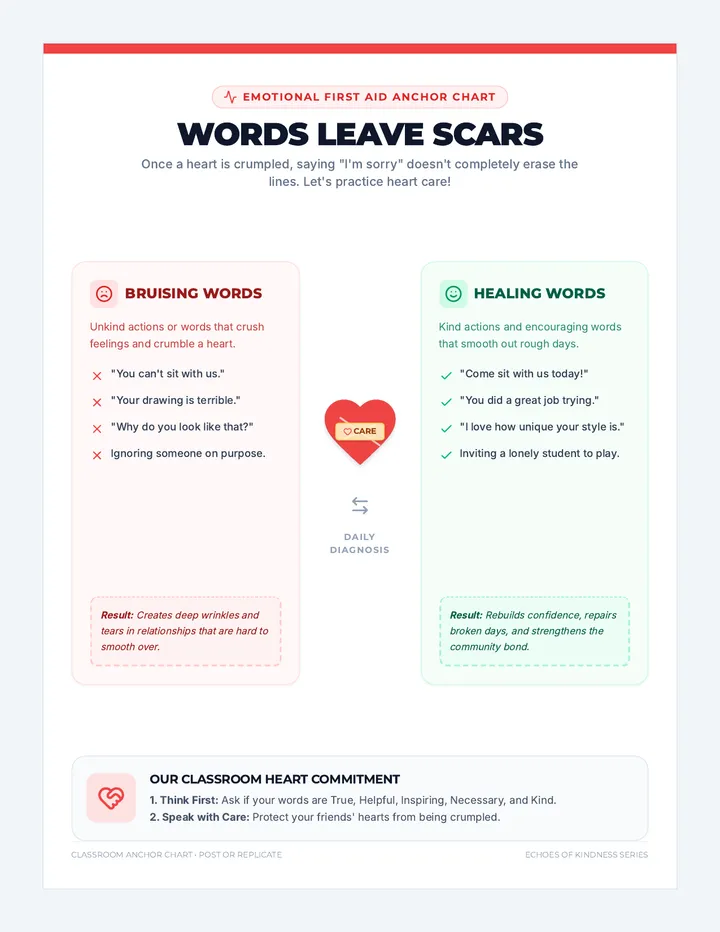
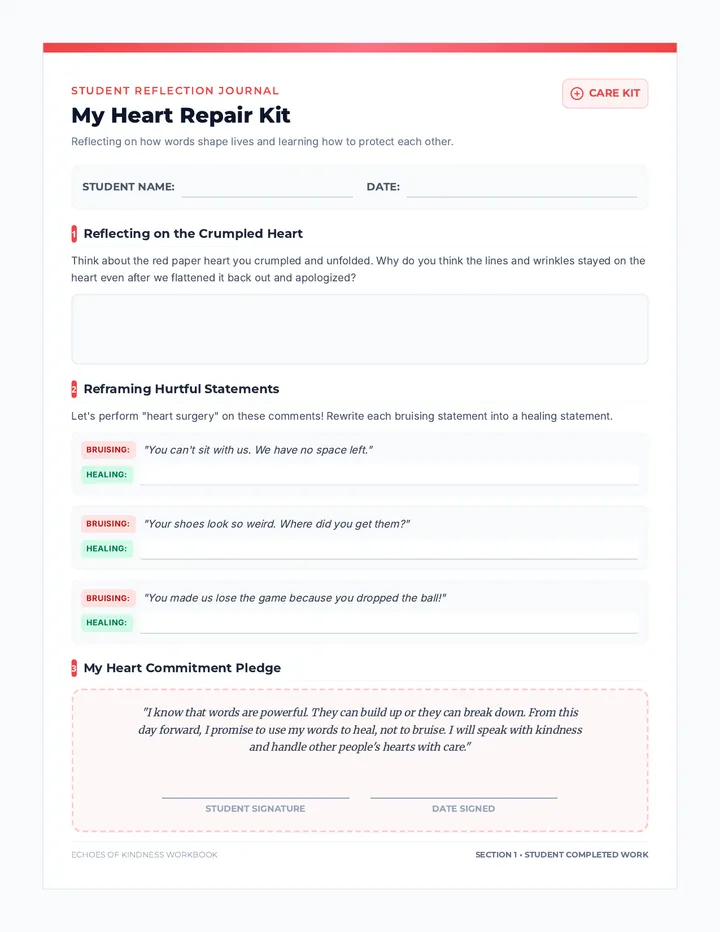
A powerful kindness and bullying prevention lesson exploring how hurtful words affect others and how we can repair hearts. Students engage in a paper-heart crumbling activity to visually understand the lasting impact of unkindness.
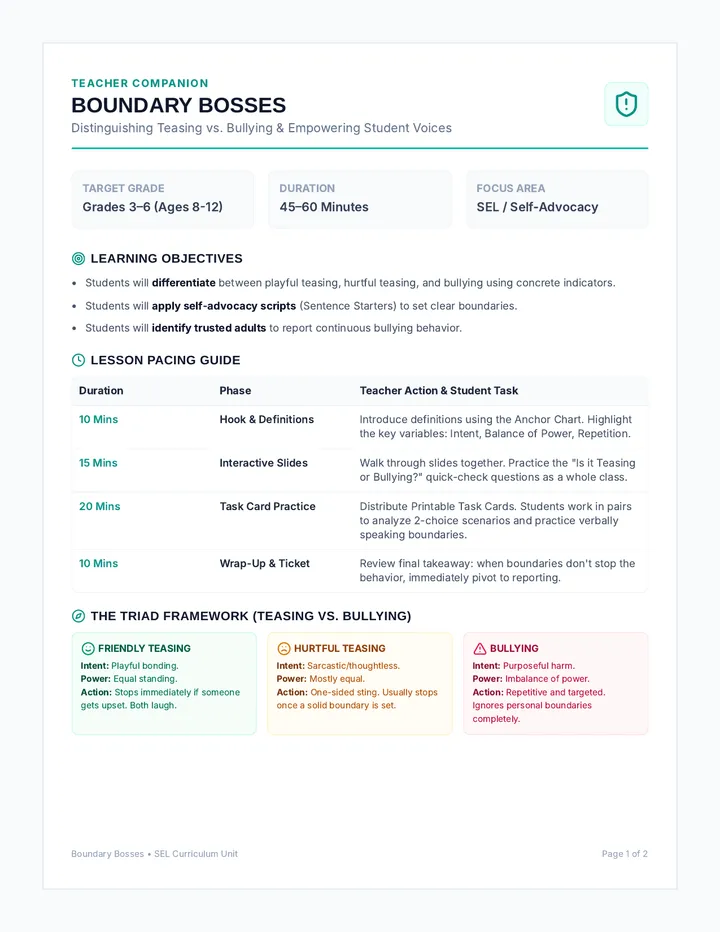
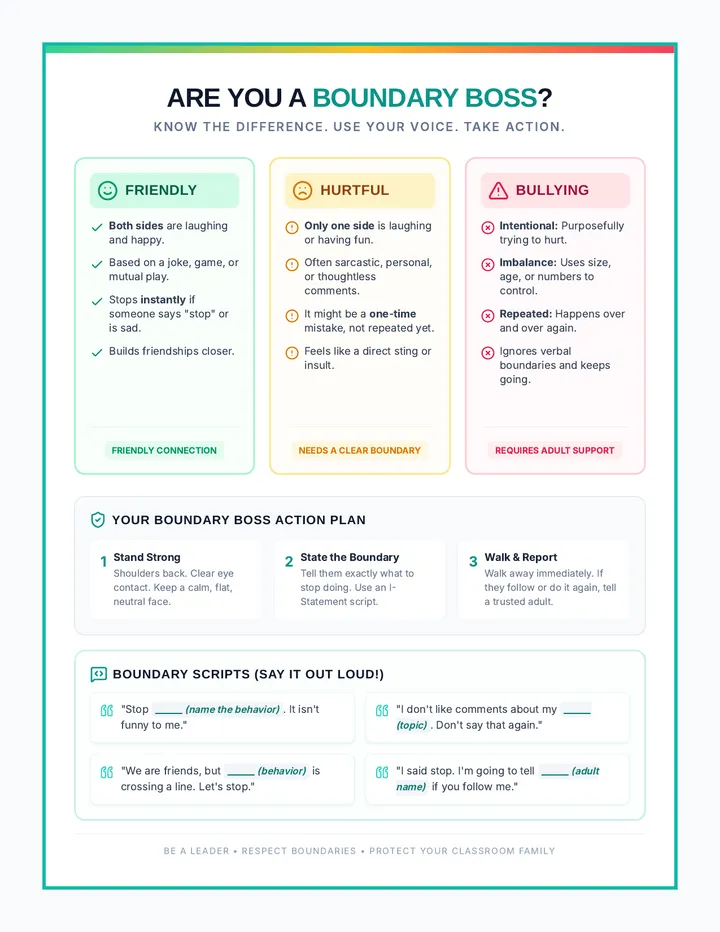
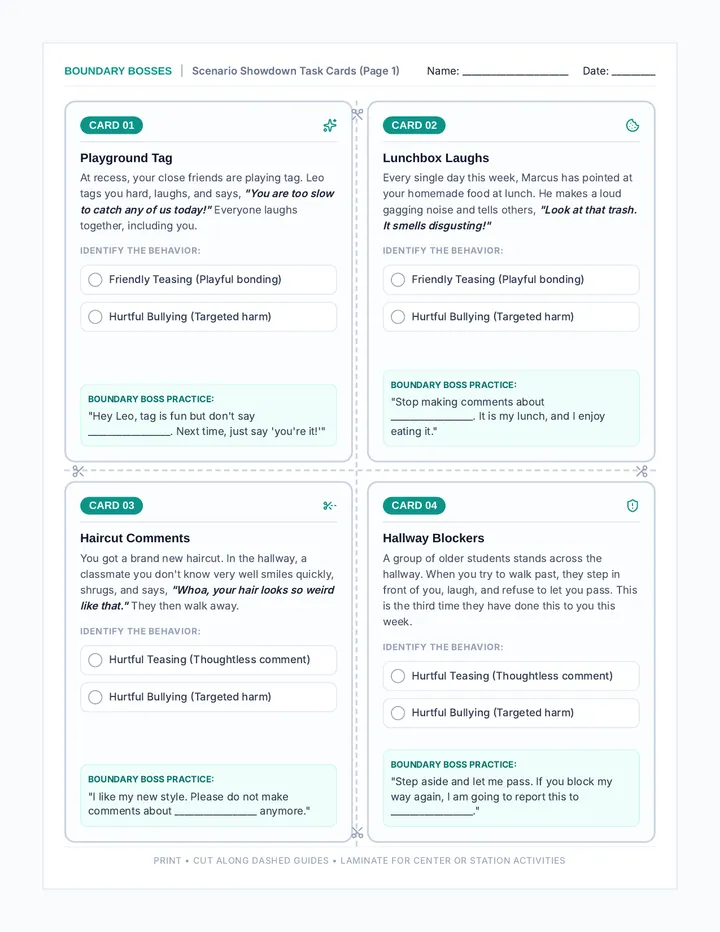
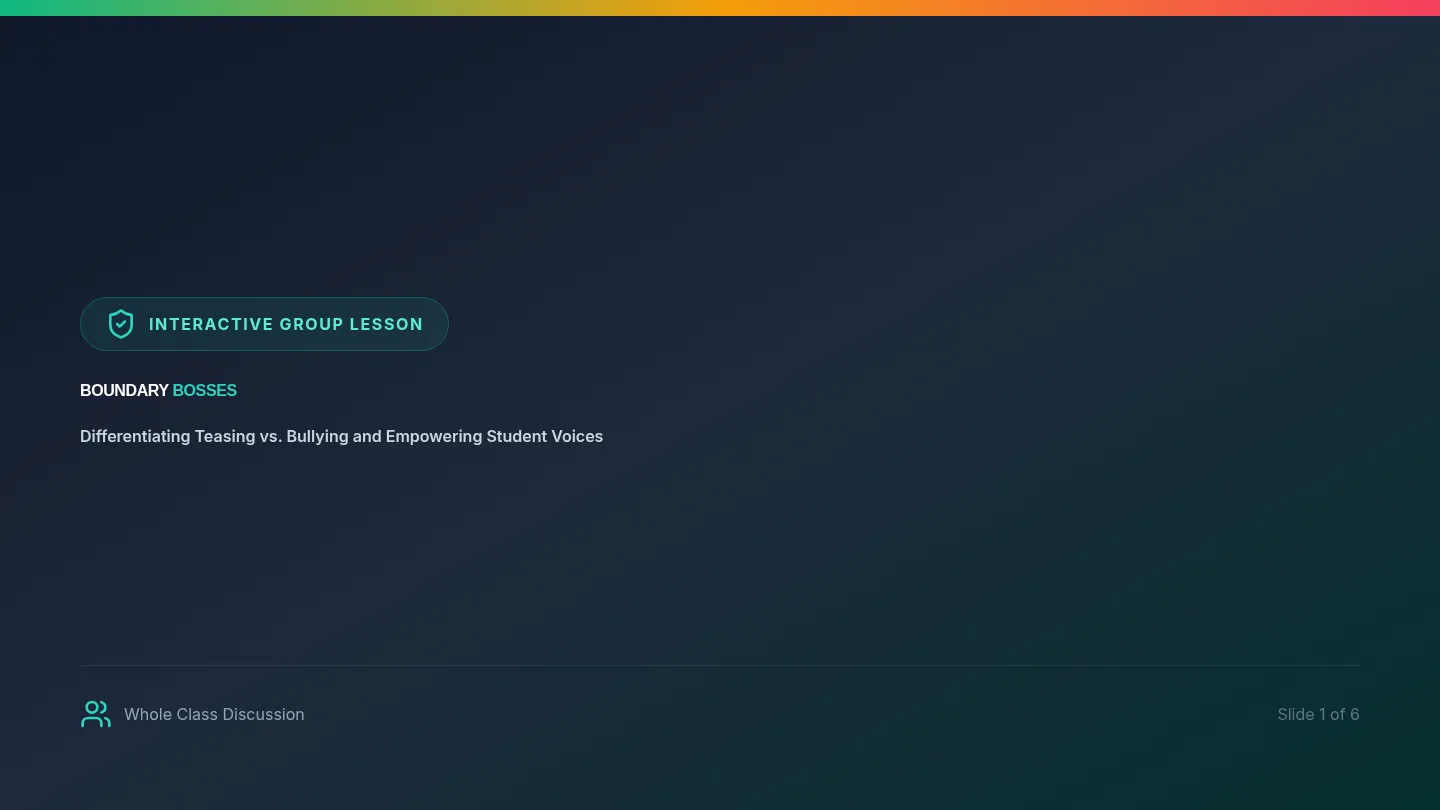
A comprehensive lesson helping students distinguish between friendly teasing, hurtful teasing, and bullying, while teaching concrete self-advocacy strategies and verbal boundary setting.
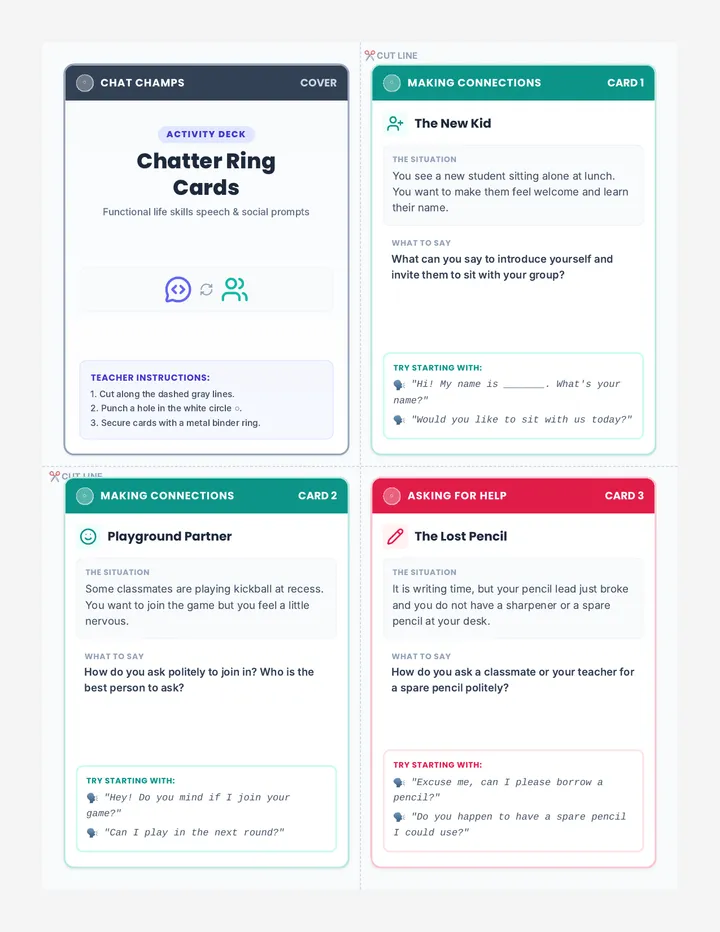
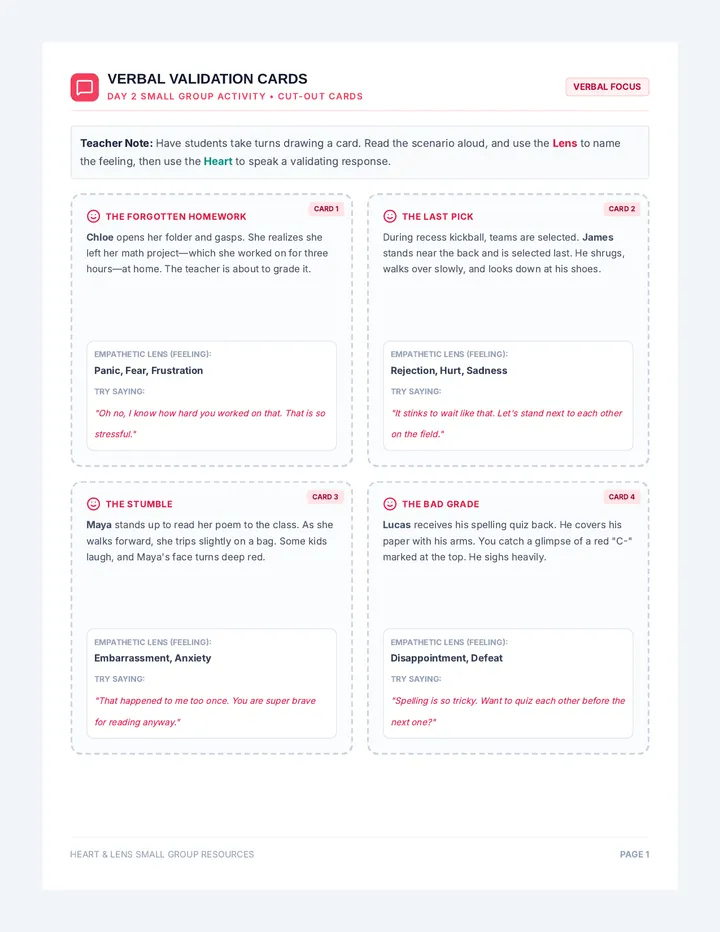
A lesson focused on equipping elementary students with functional verbal communication skills for everyday real-world interactions. Students practice through guided peer discussions, roleplays, and task cards.
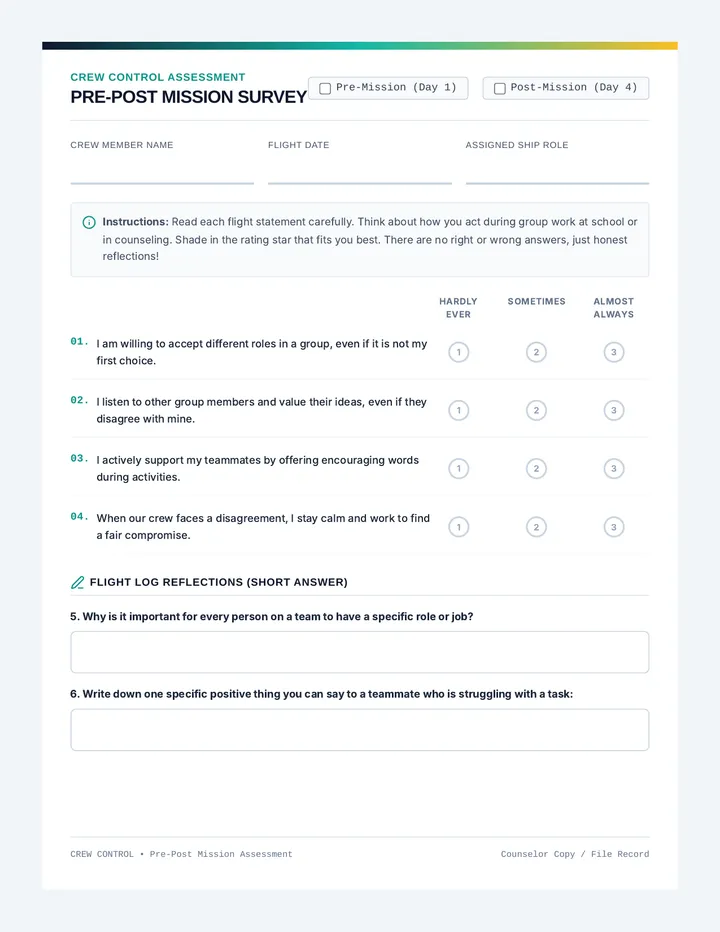
Consolidates learning with a collaborative micro-build challenge, group self-reflection, and administration of the identical post-test.
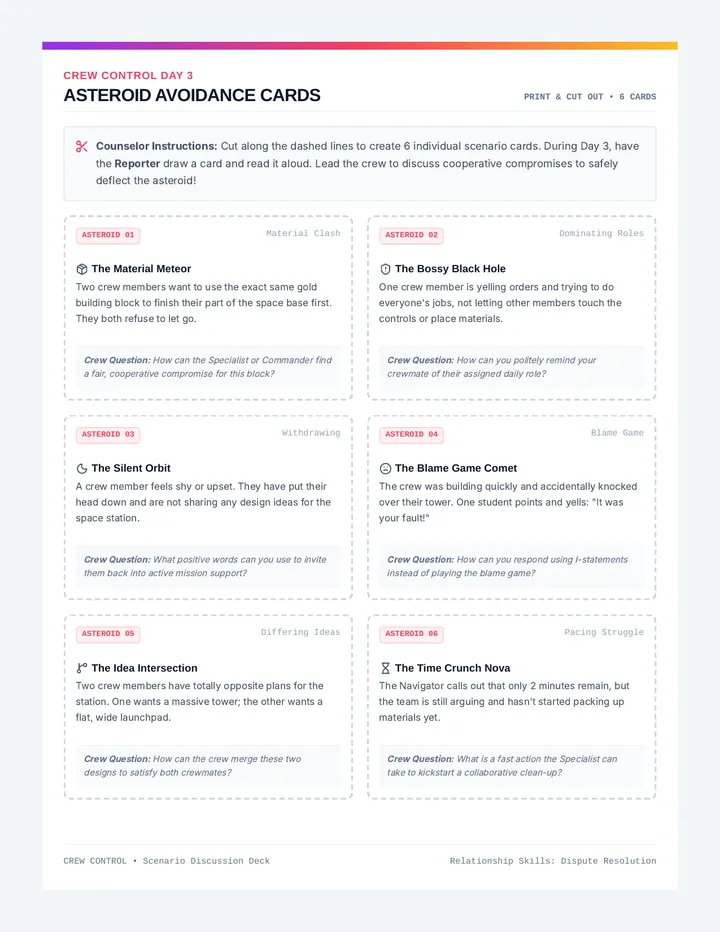
Focuses on identifying and navigating group conflicts (such as disagreements or resource sharing) using interactive discussion cards.
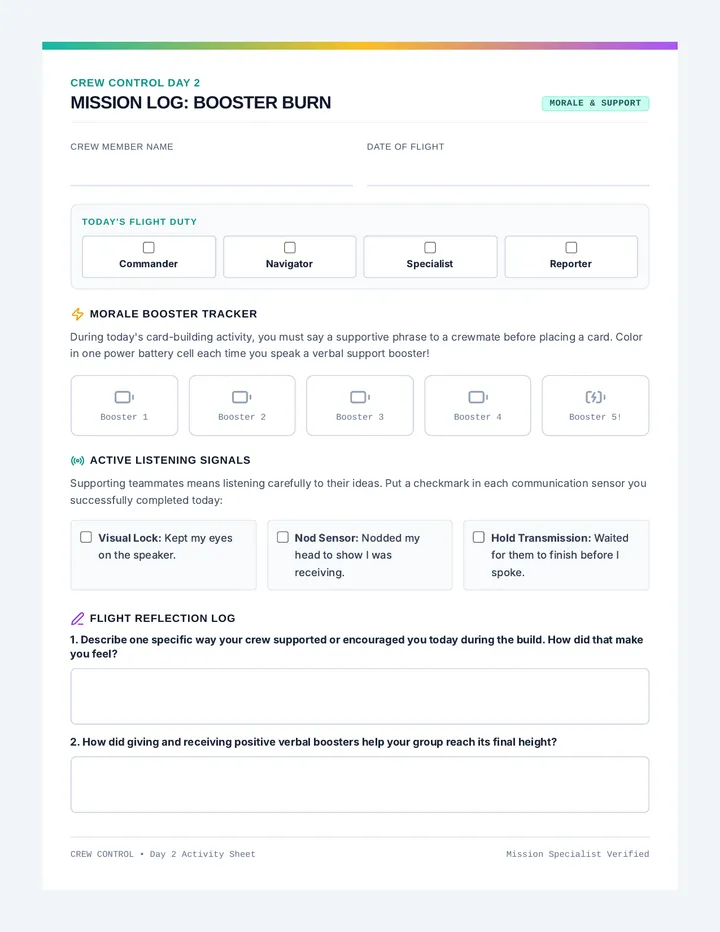
Focuses on positive peer reinforcement, active listening, and supporting teammates through verbal encouragement and collaborative challenge completion.
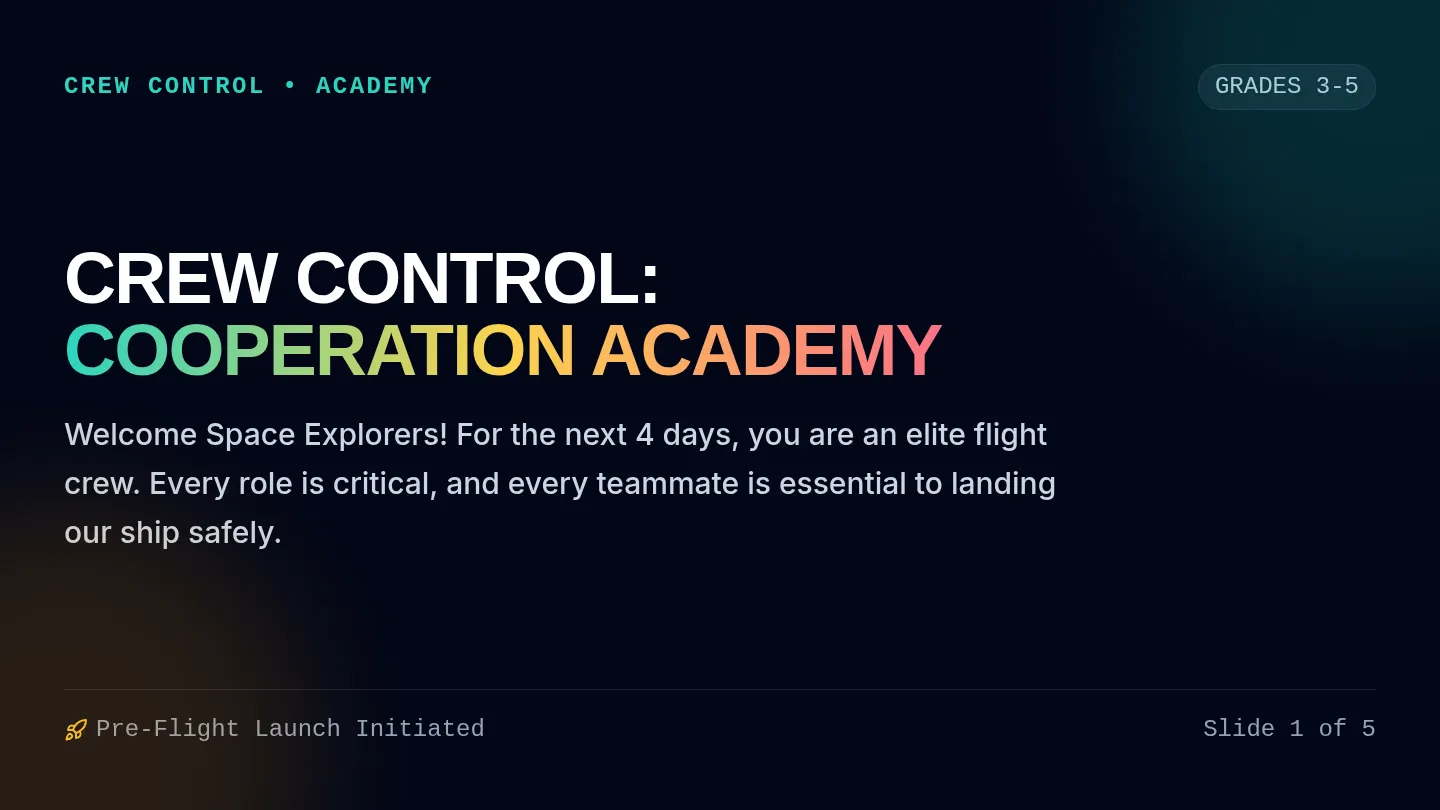
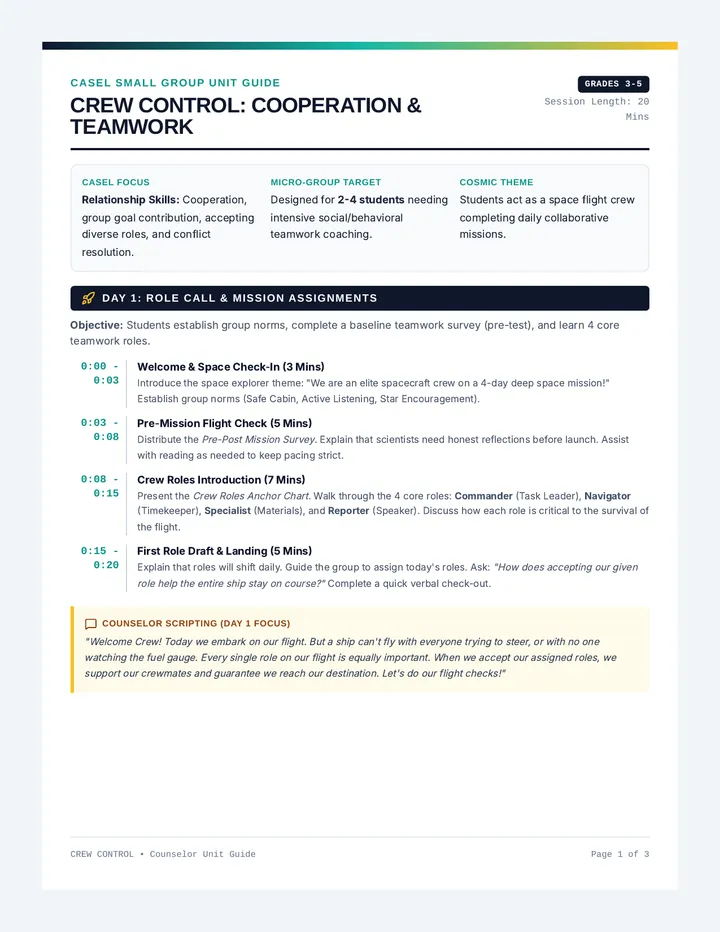
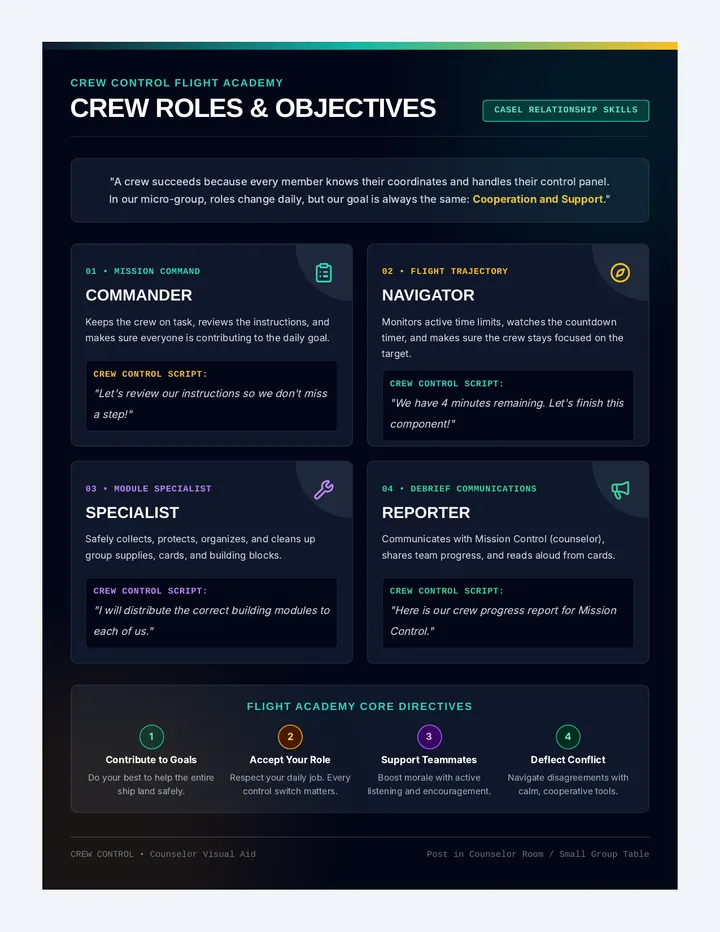
Focuses on setting group norms, administering the pre-test, and introducing the core teamwork roles (Commander, Navigator, Specialist, Reporter) using a retro space-explorer theme.
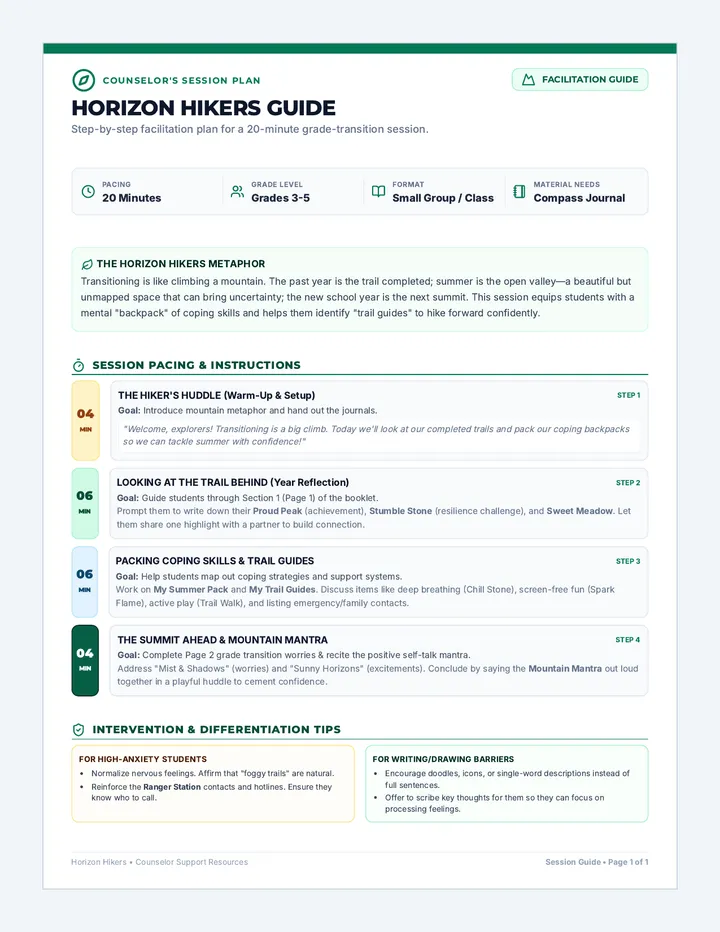
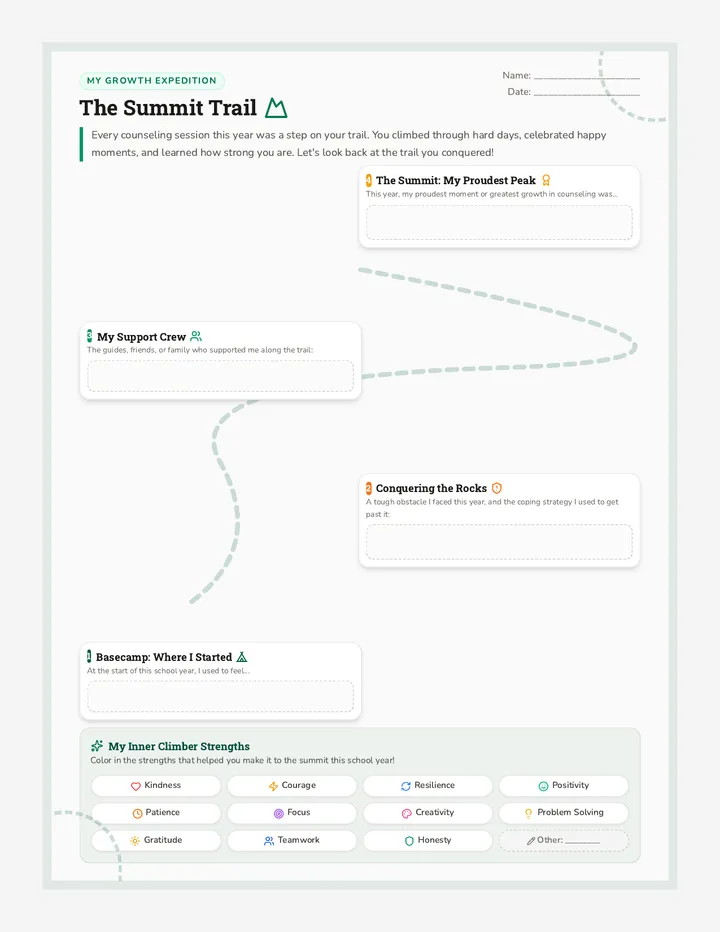
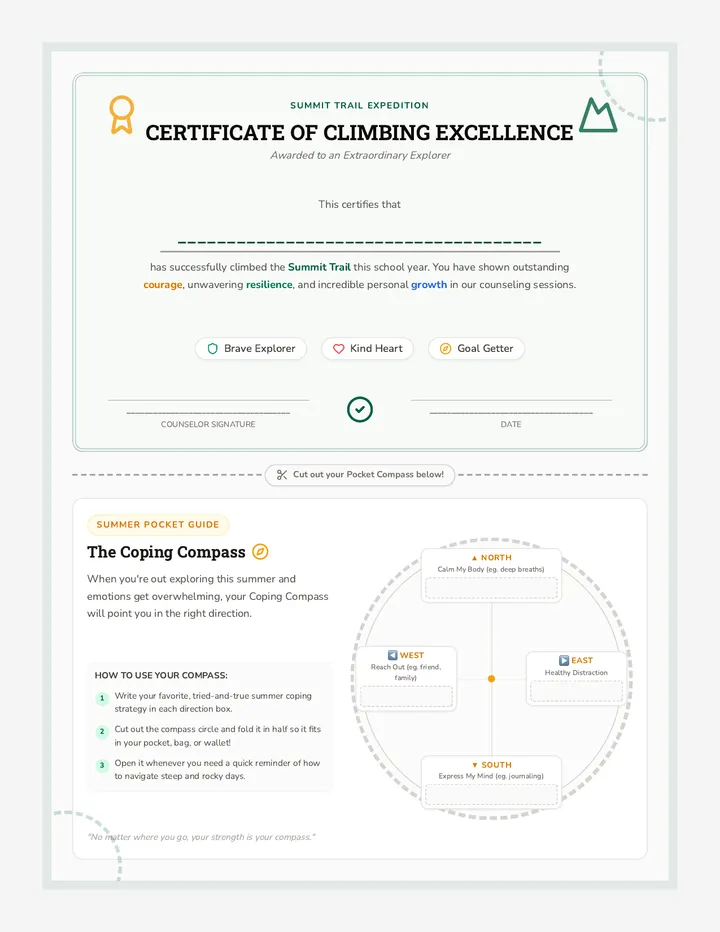
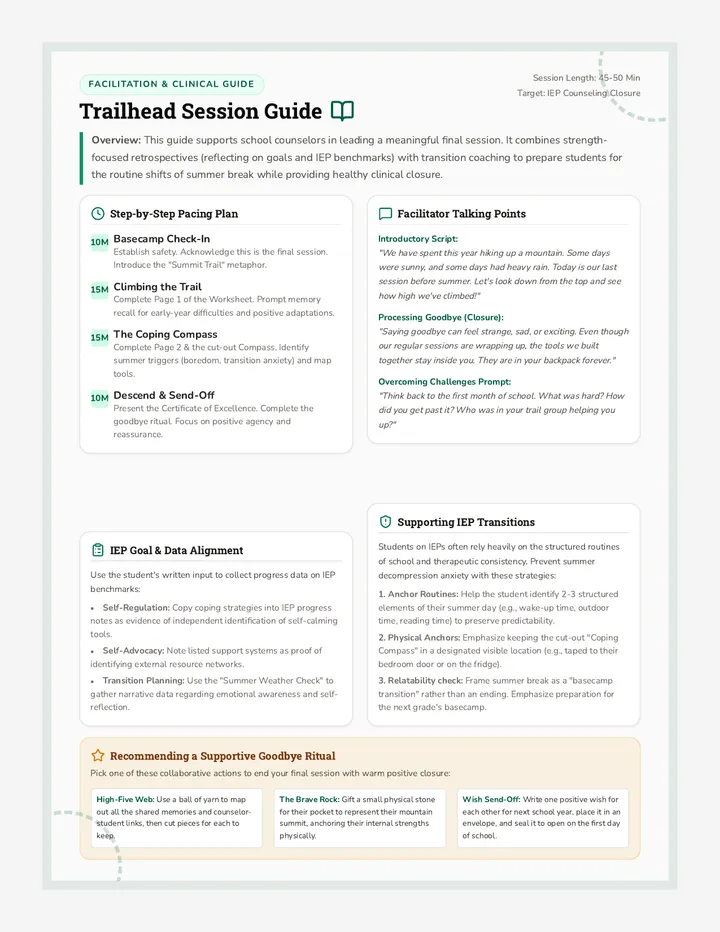
A supportive, mountain-trail-themed final counseling session designed for students on IEPs to celebrate their personal growth, develop summer coping strategies, set future goals, and process closure with their counselor.
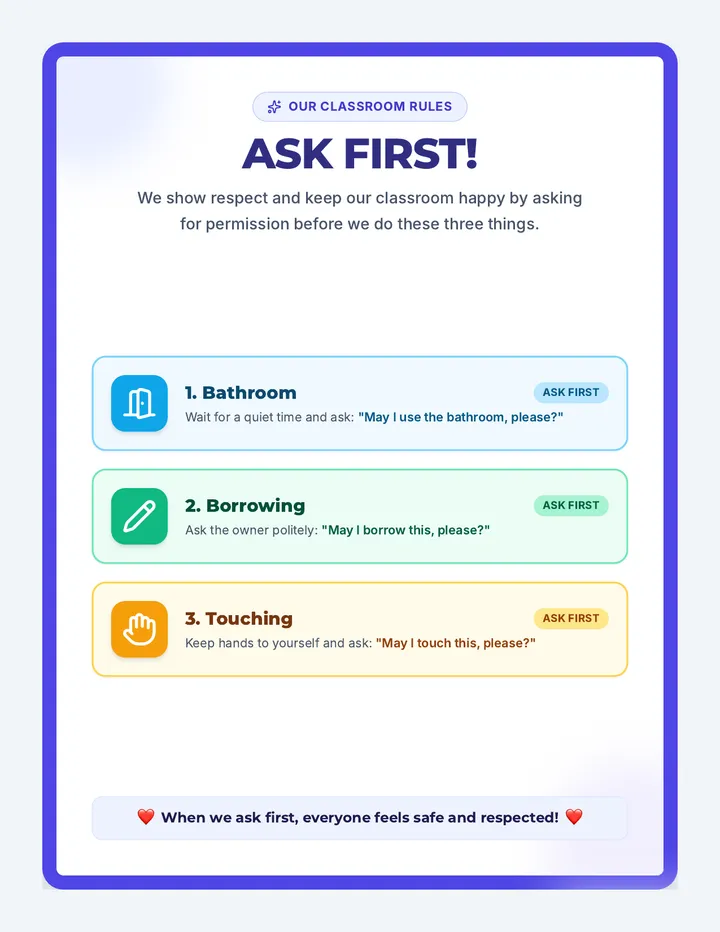
A collection of visual guides and posters to teach and remind elementary students how and when to ask for permission for daily routines.
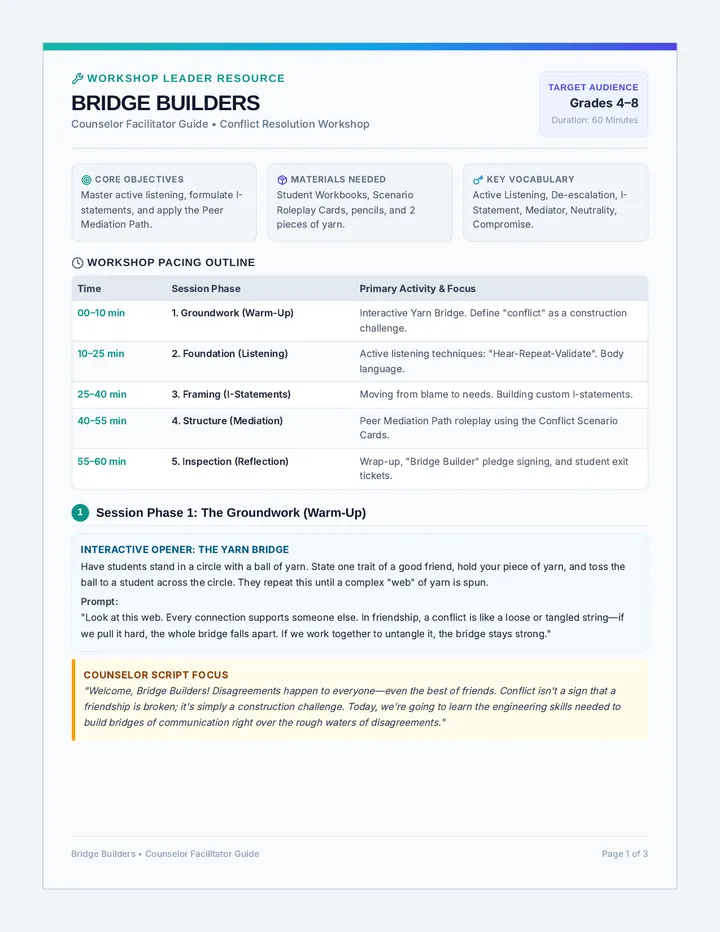
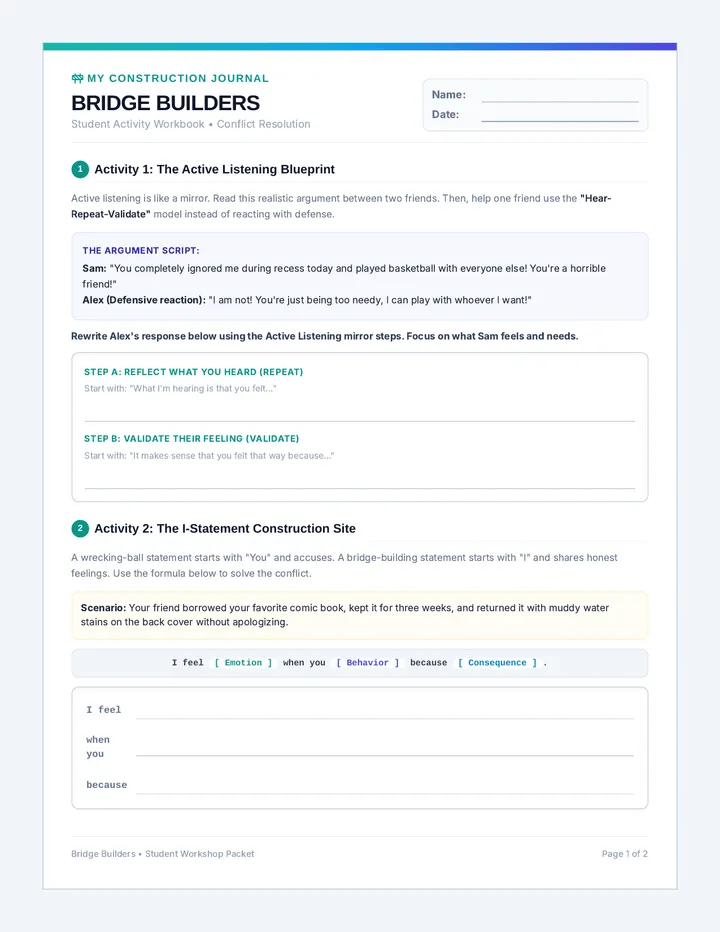
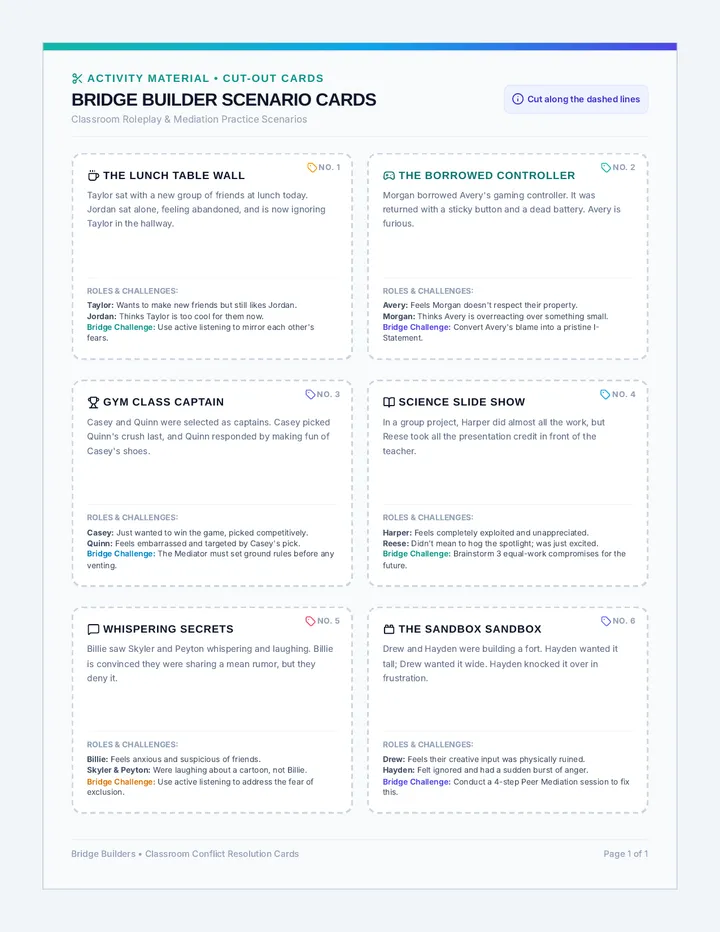
An interactive workshop teaching students essential conflict resolution skills, active listening techniques, and peer mediation frameworks to build stronger, more empathetic friendships.
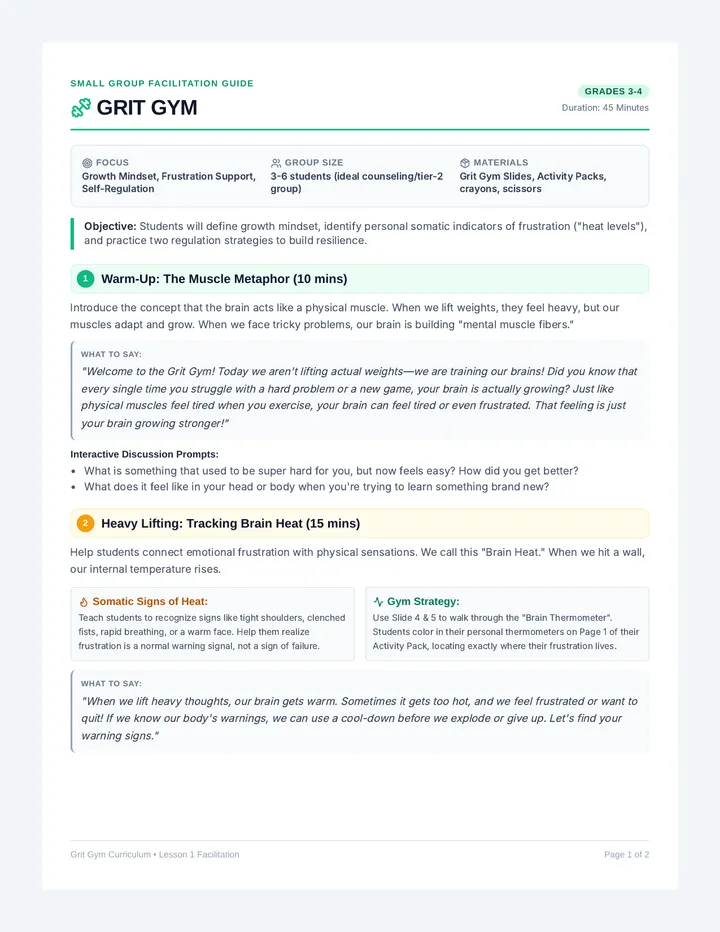
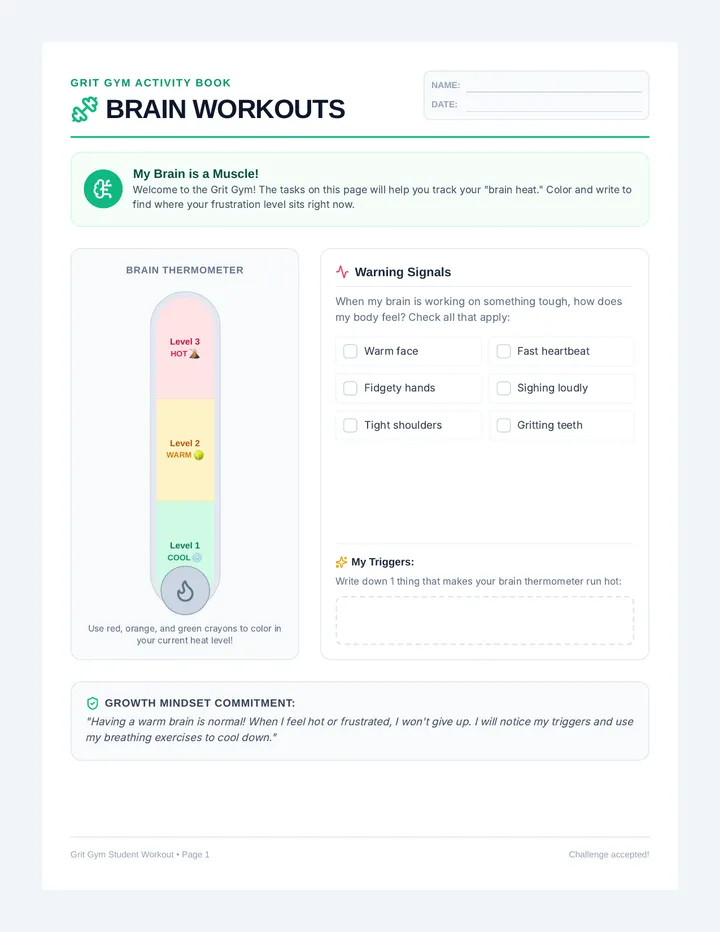
A growth mindset and emotional regulation lesson designed for 3rd and 4th-grade small groups. Students discover how the brain strengthens through challenge, identify their frustration 'heat level', and practice concrete self-regulation exercises like tactical breathing and constructive self-talk.
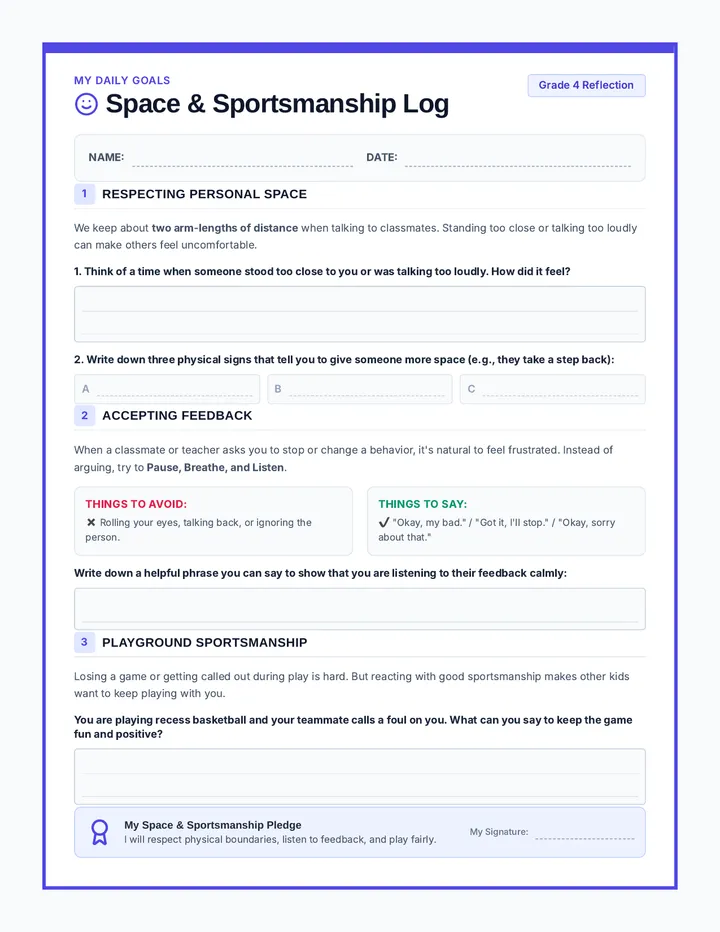
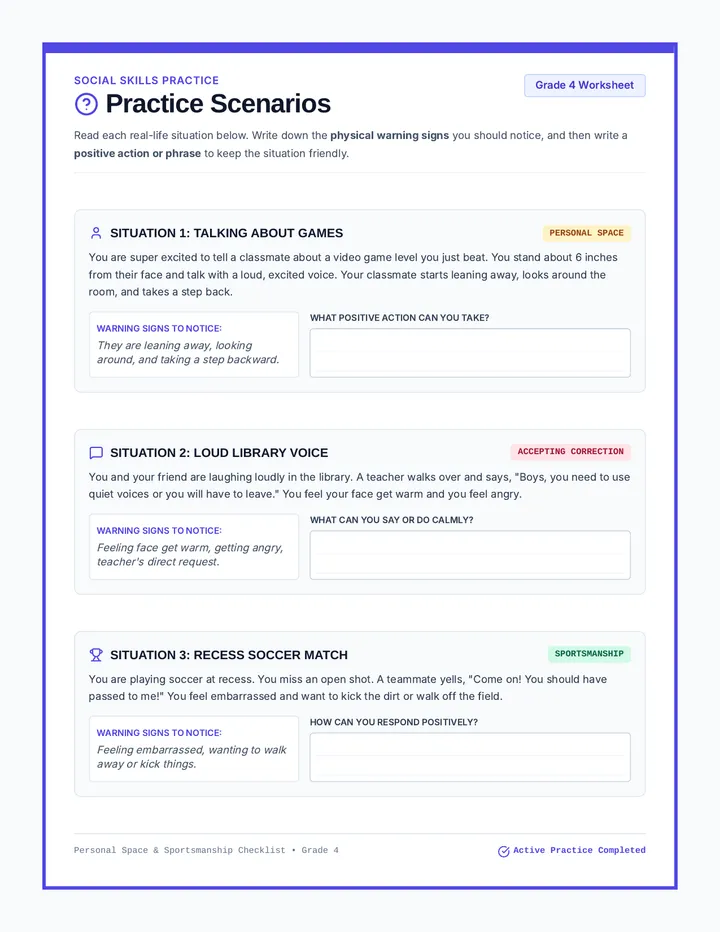
A game-themed social-emotional learning lesson for 4th-grade students to master conversational boundaries, accept feedback, and handle sportsmanship during play using the concept of a 'Social Radar'.
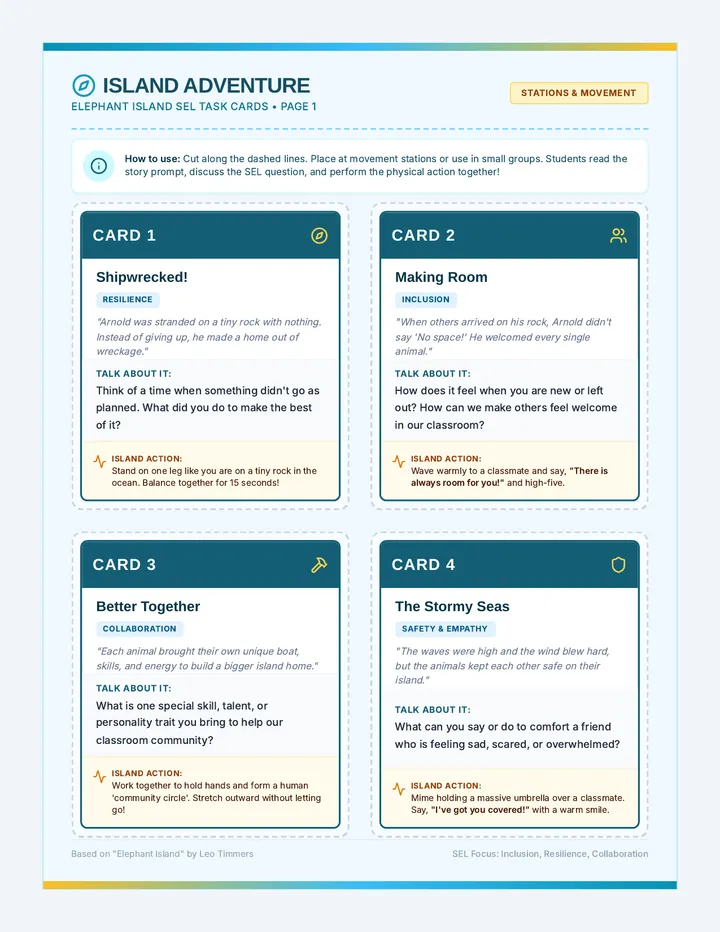
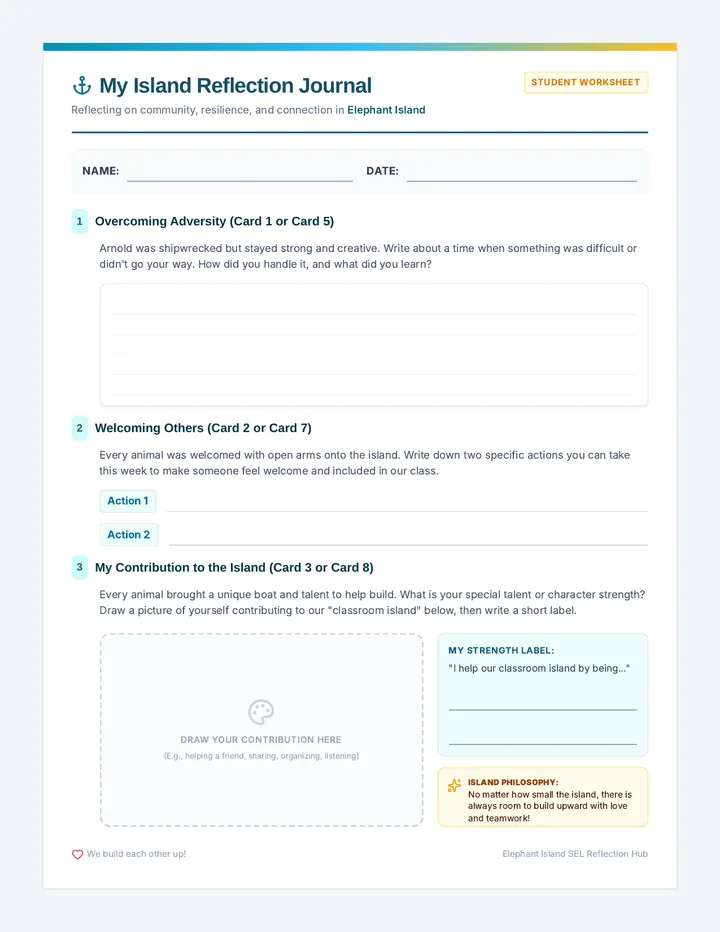
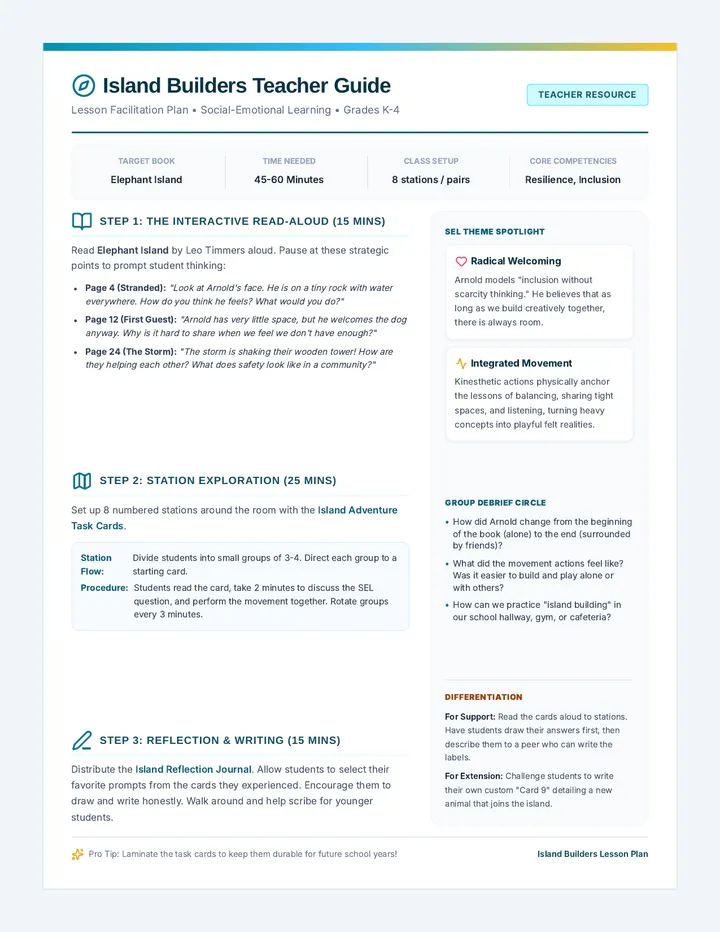
An SEL-focused lesson based on the book 'Elephant Island' by Leo Timmers, exploring community-building, resilience, and welcoming others through movement-based task cards and collaborative reflection.
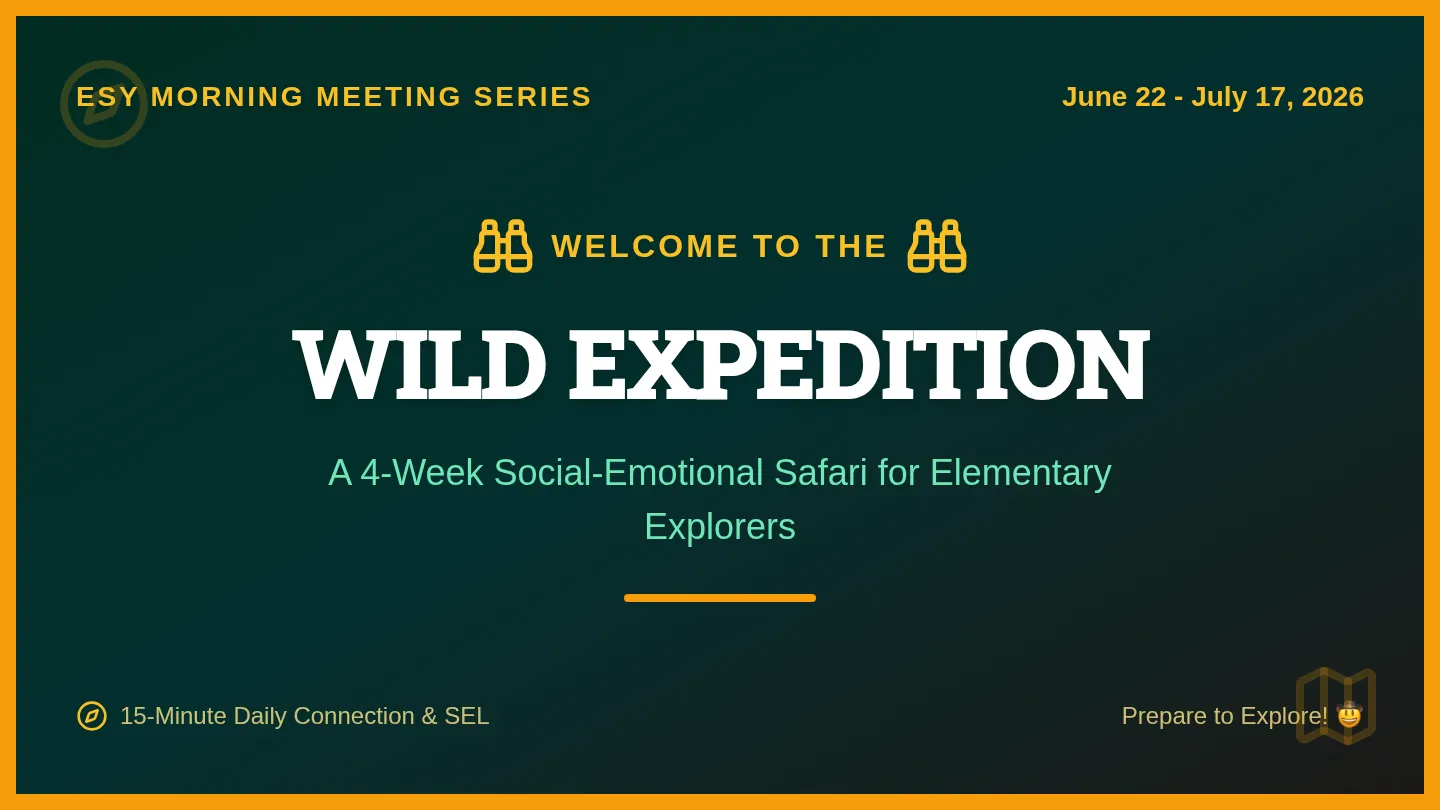
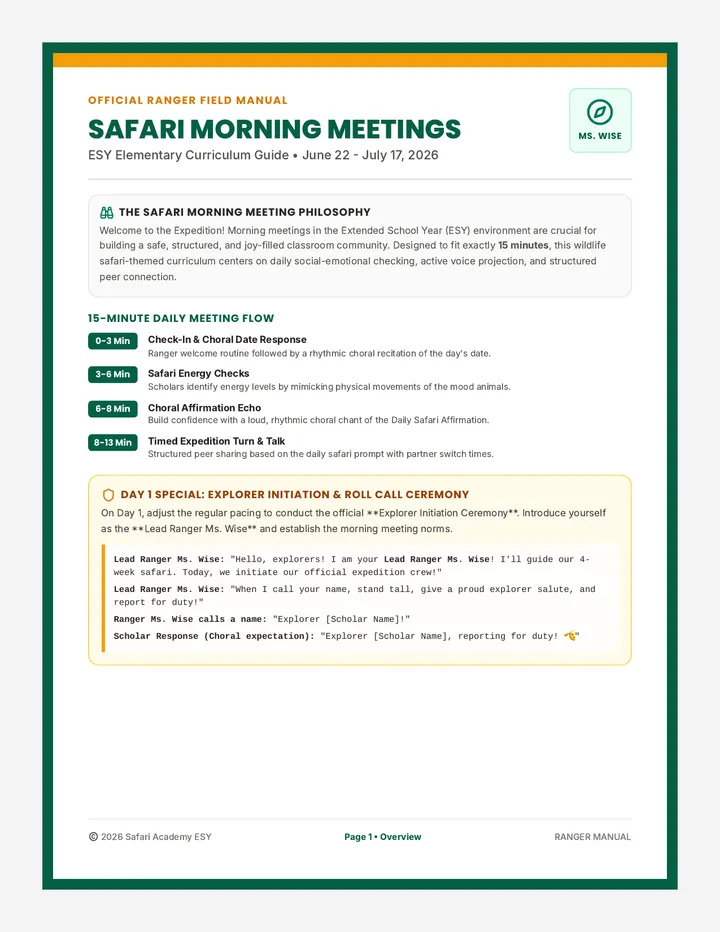
A 4-week wildlife safari themed morning meeting series for ESY elementary school scholars. Covers Savannah, Jungle, Desert, and Ocean habitats with daily welcomes, mood checks, date trackers, affirmations, and interactive social-emotional sharing prompts.
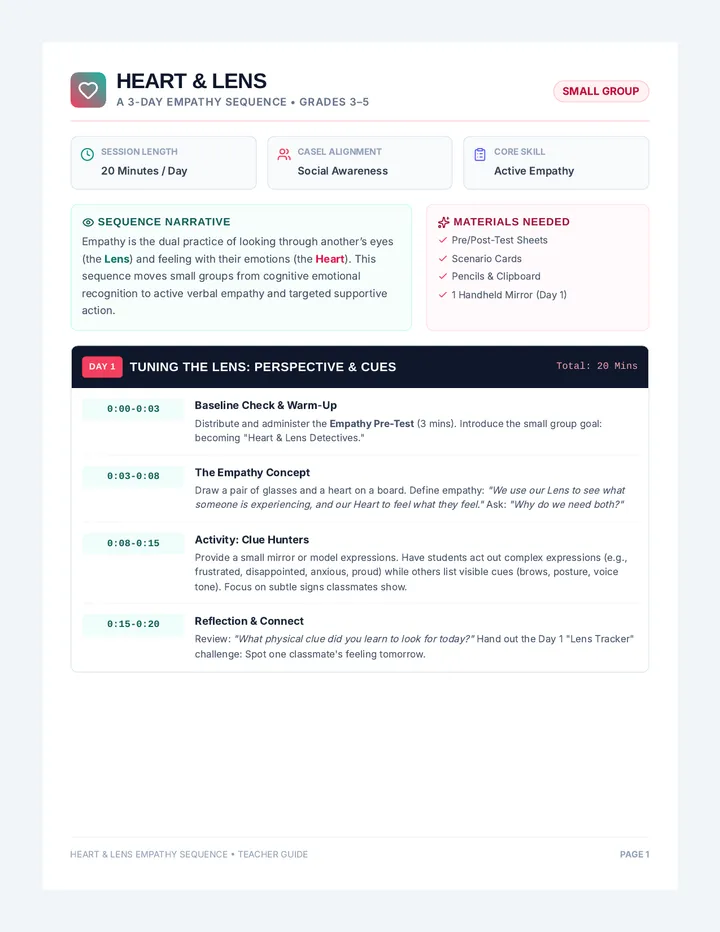
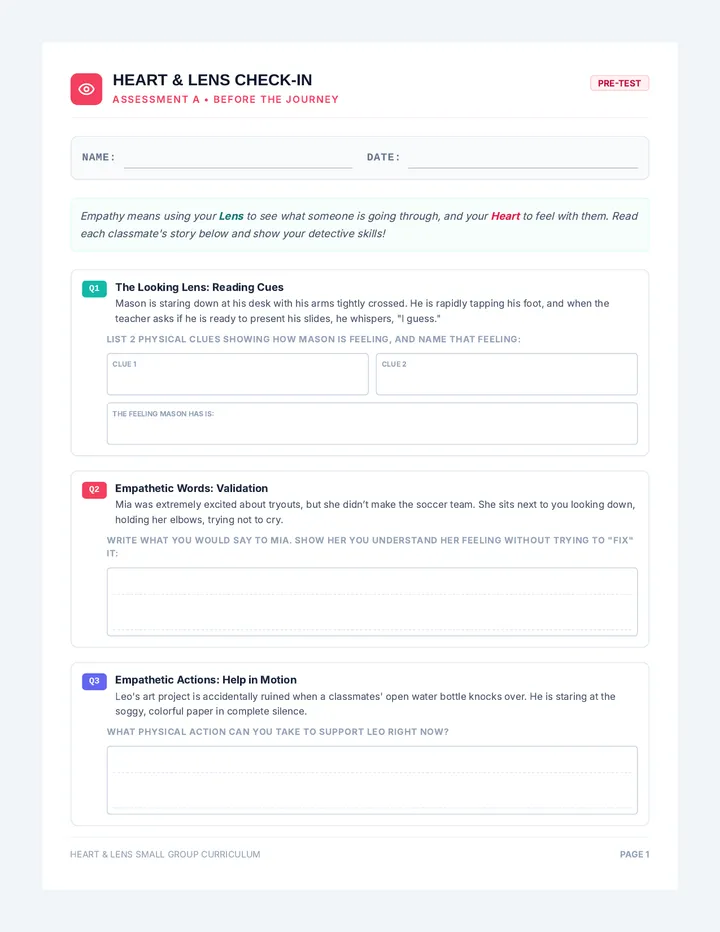
A 3-day SEL curriculum for small groups (grades 3-5) focused on active listening, perspective-taking, and compassionate communication. Each 20-minute daily session includes warm-ups, direct instruction, partner practice, and self-reflection.
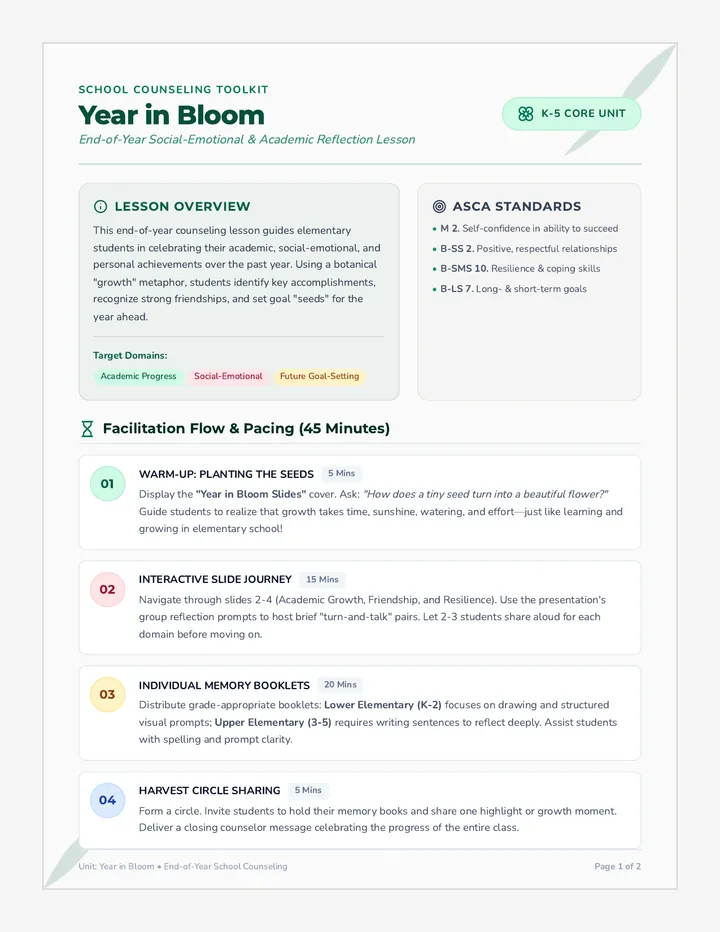
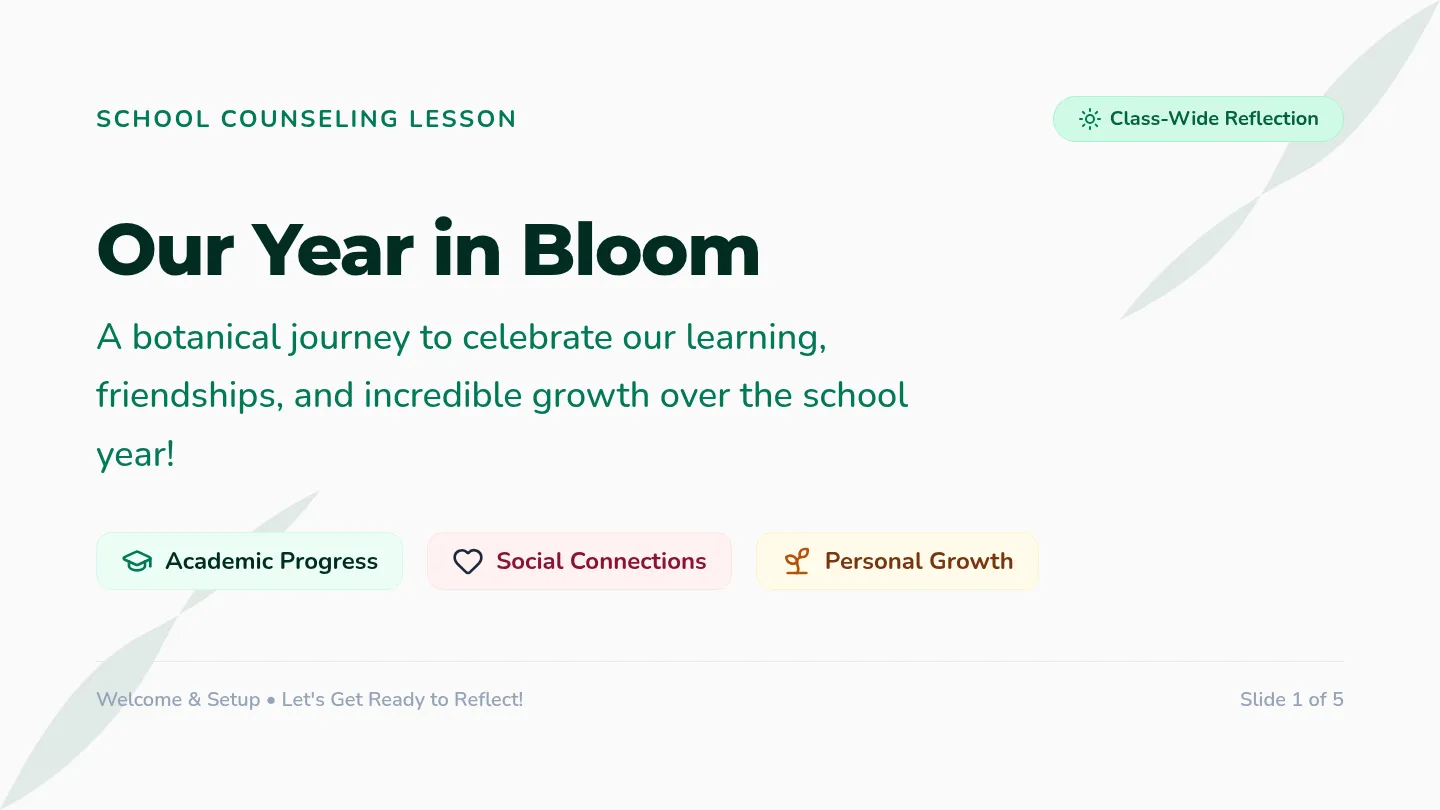
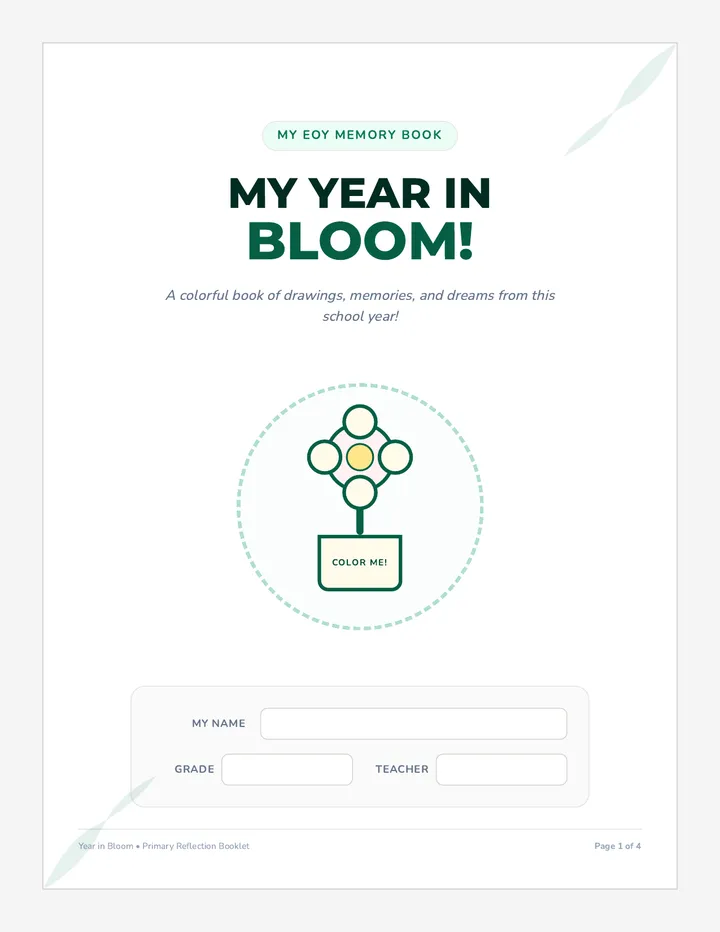
An end-of-year counseling unit and toolkit designed to guide elementary students through academic, social, and personal-emotional reflection. Contains a comprehensive Counselor Facilitation Guide, a class-wide interactive Slide Presentation, a drawing-focused memory booklet for lower elementary (K-2), and a writing-focused portfolio booklet for upper elementary (3-5).
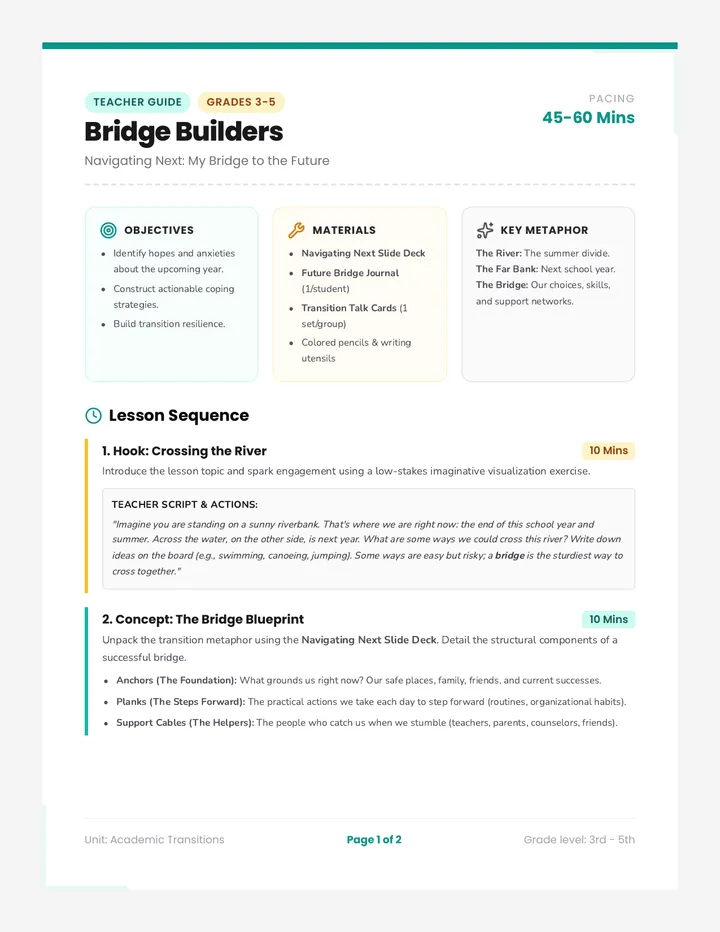
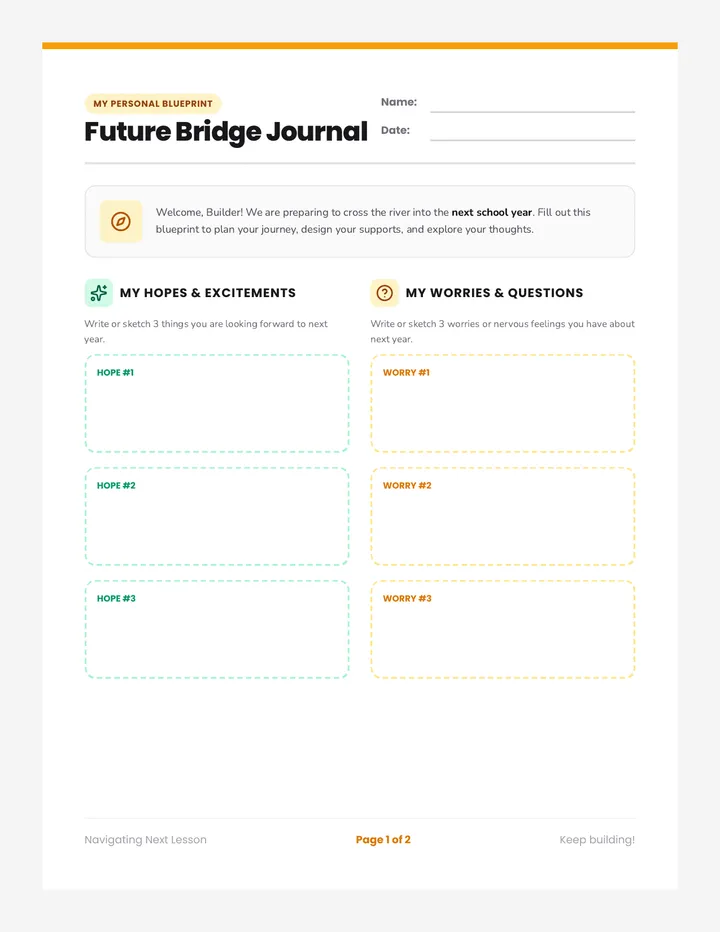
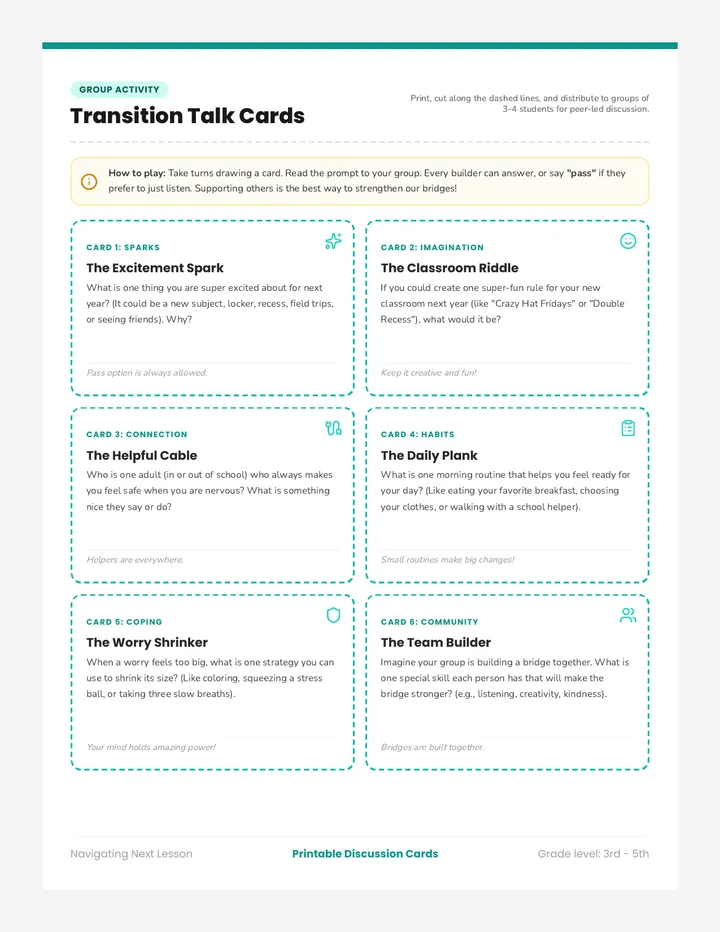
This transition lesson helps 3rd to 5th graders navigate the leap into the upcoming school year. Through the metaphor of designing and building a 'bridge to the future,' students explore their hopes, address their anxieties, and construct practical, resilience-boosting coping strategies for a successful academic transition.
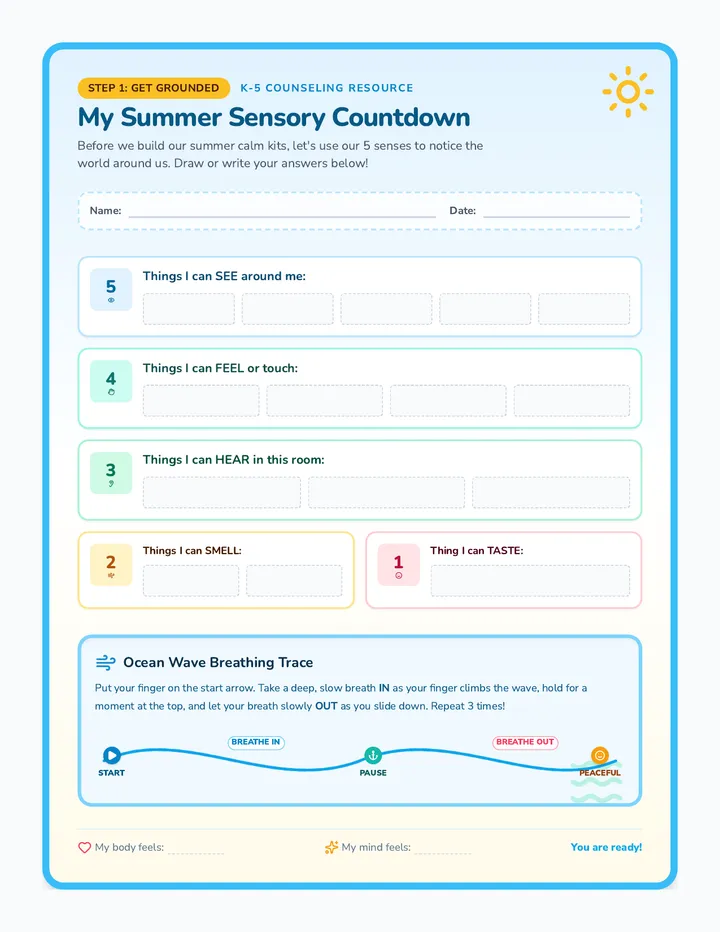
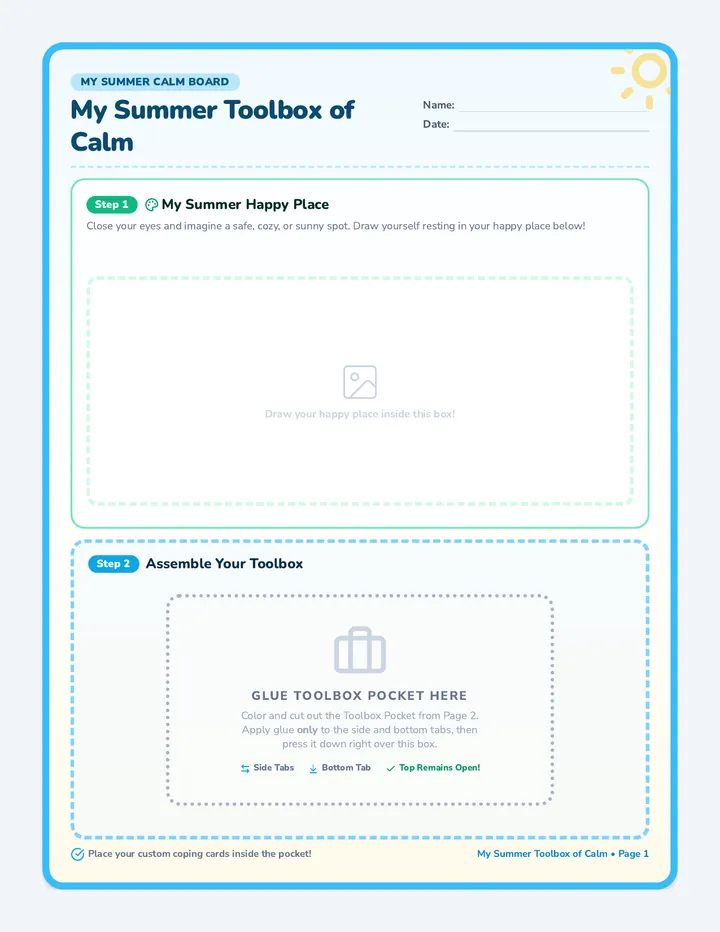
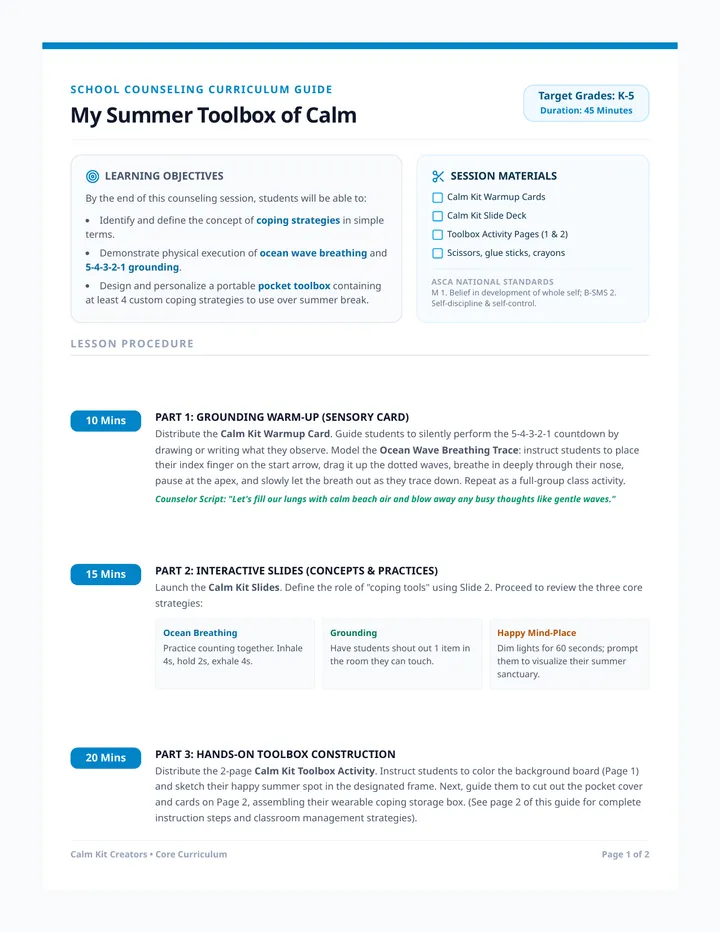
A school counseling lesson for K-5 students to identify positive coping strategies and mindfulness techniques to keep in their emotional toolbox for a peaceful, safe, and happy summer break. Includes a detailed lesson plan, instructional slides, a hands-on toolbox construction activity, and an interactive sensory warm-up.
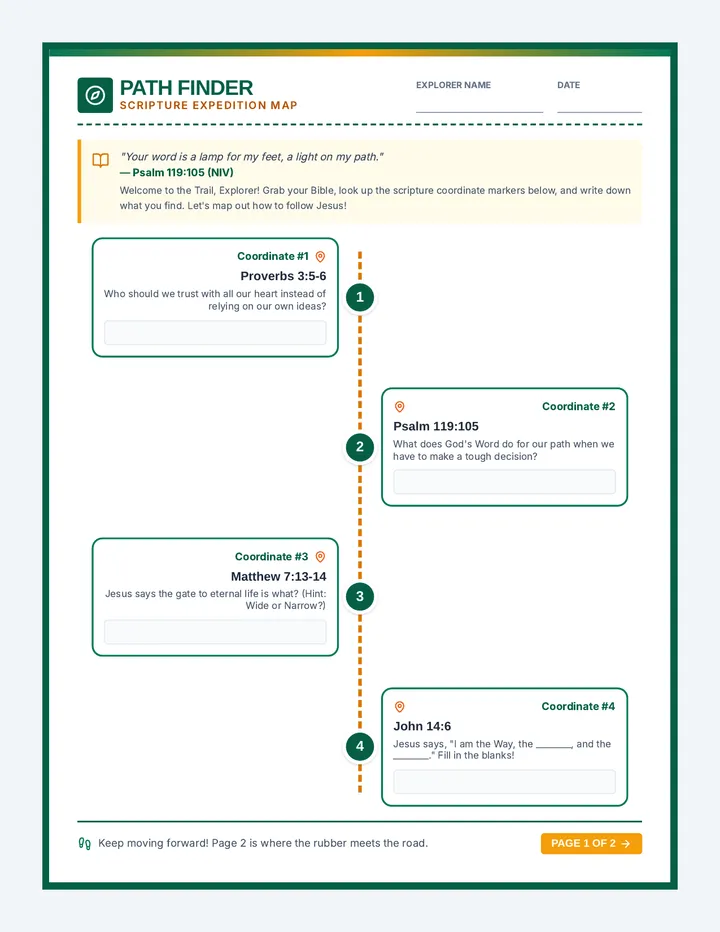
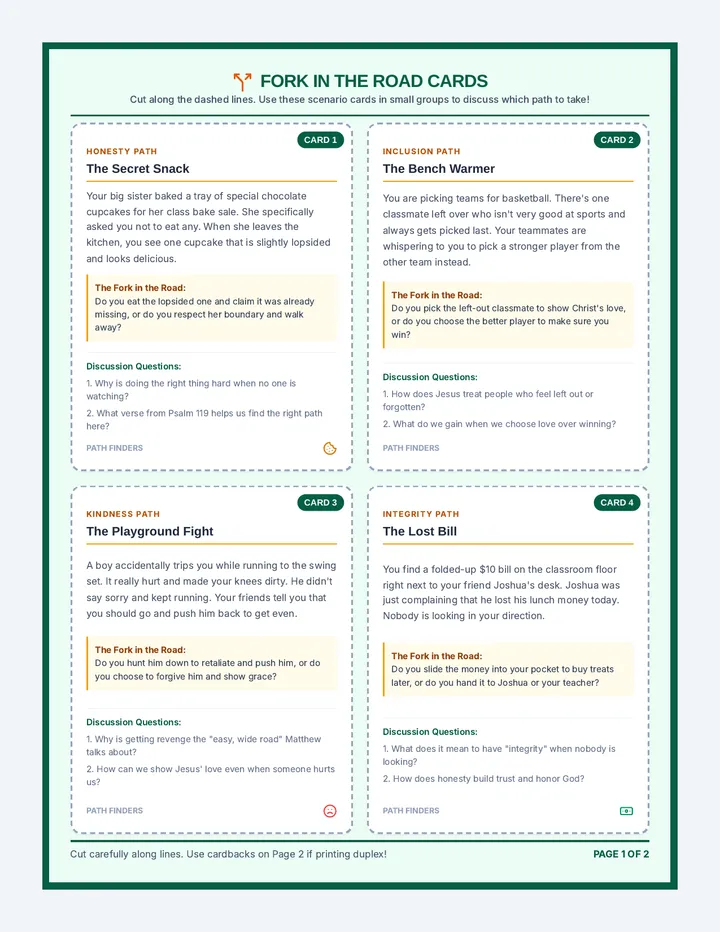
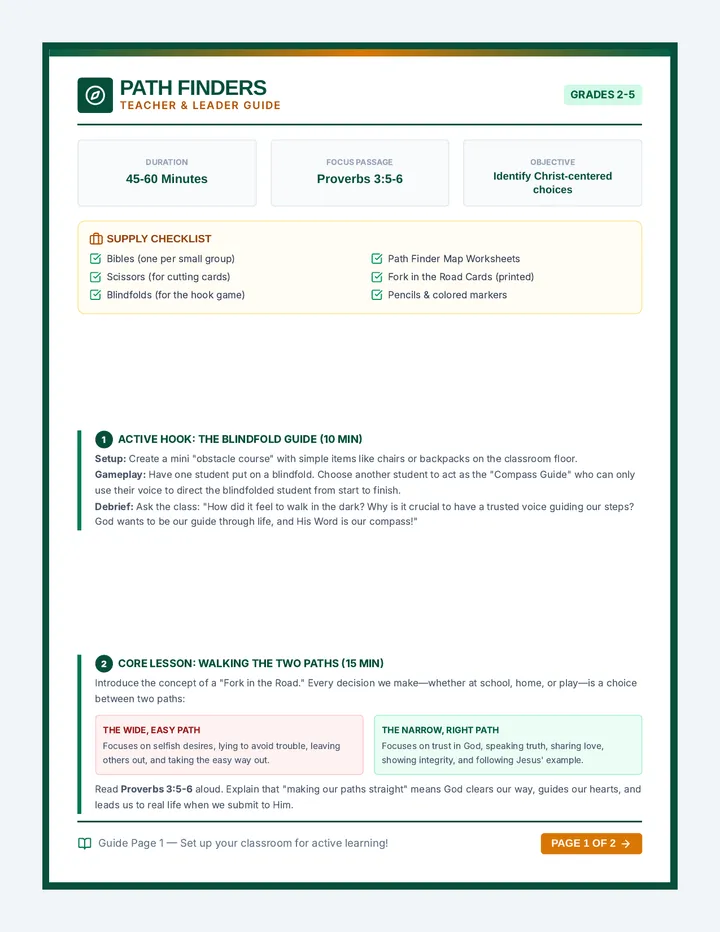
A hands-on, scripture-based exploration of making wise, Christ-centered choices in daily life. Students navigate real-world scenarios and map out what it looks like to follow Jesus' path.
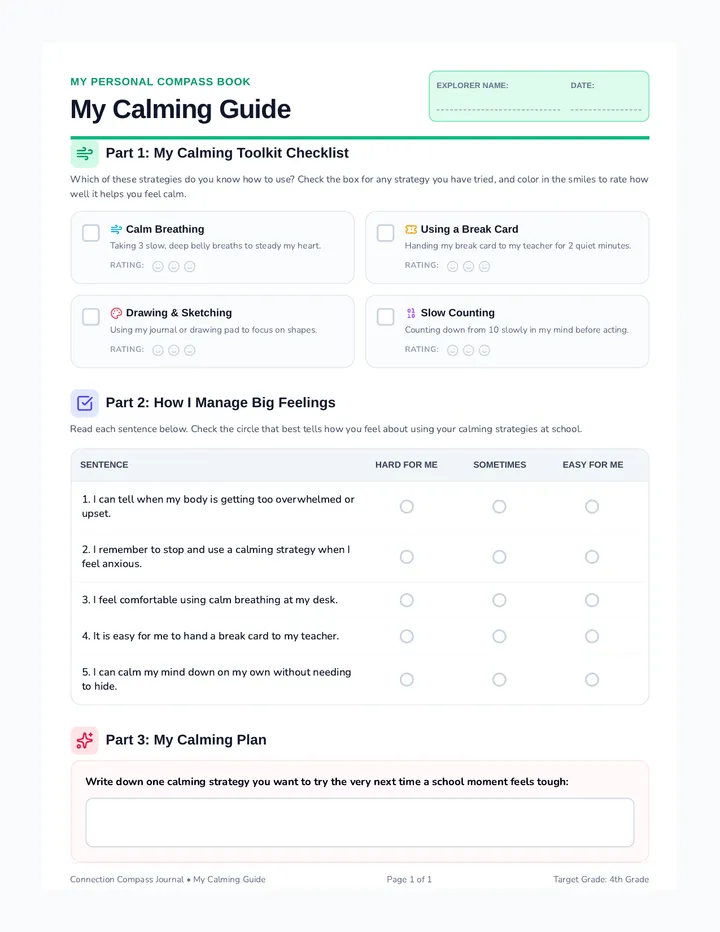
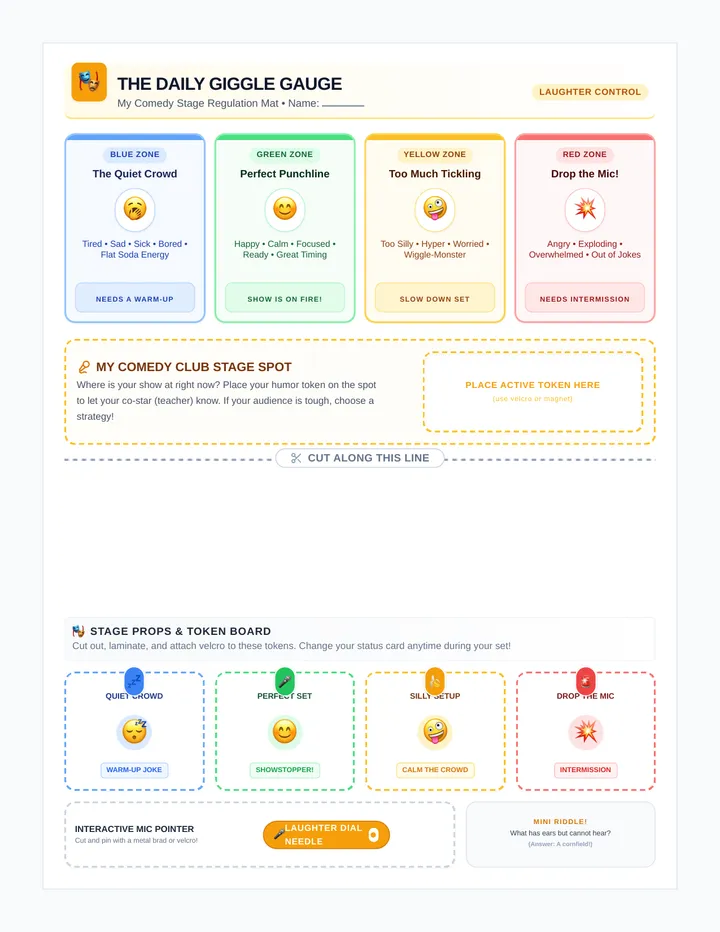
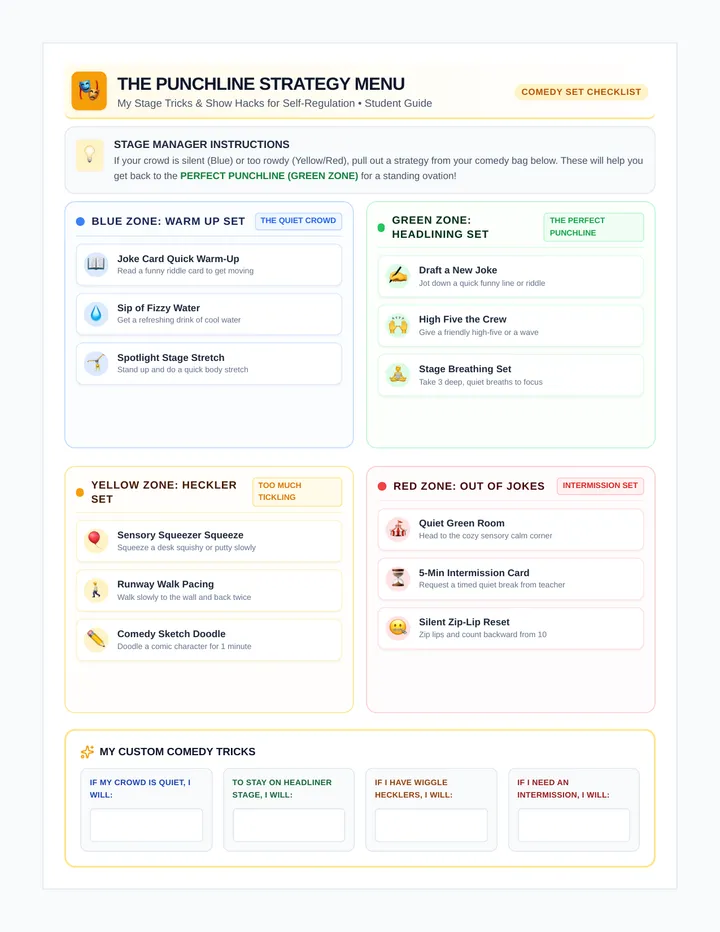
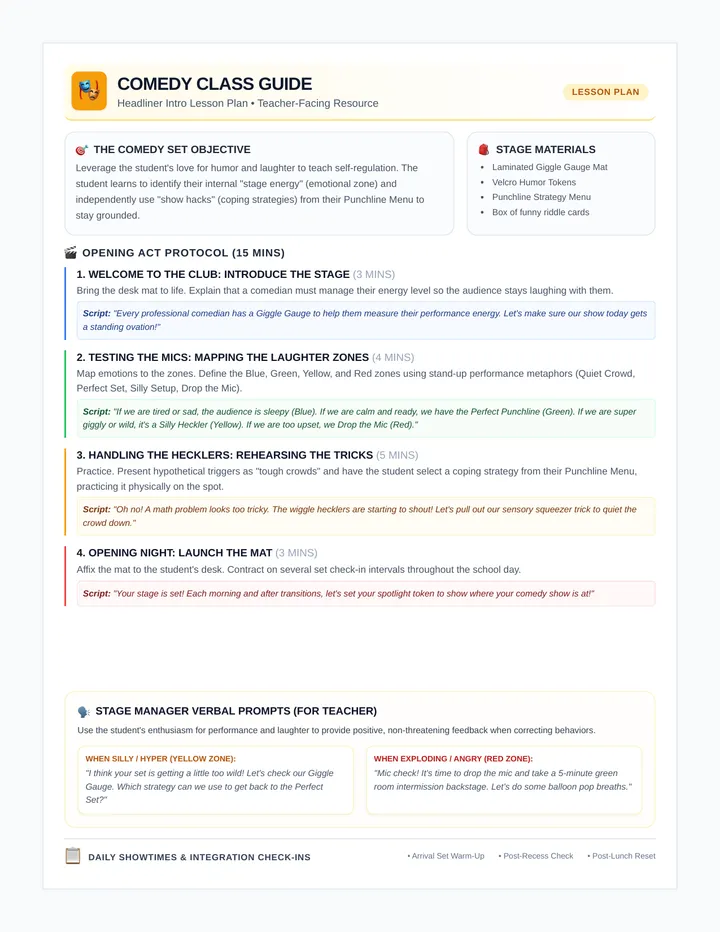
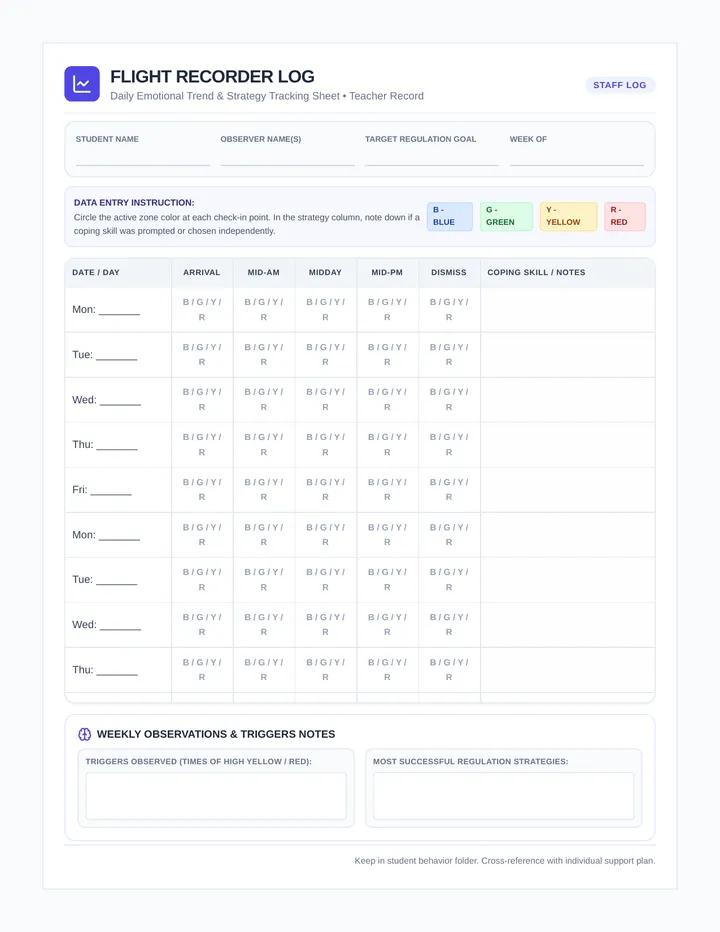
A simple, kid-friendly daily emotional regulation check-in system based on the Zones of Regulation model. Features a clean student desk mat, a coping strategy menu, a teacher instruction guide, and tracking logs.
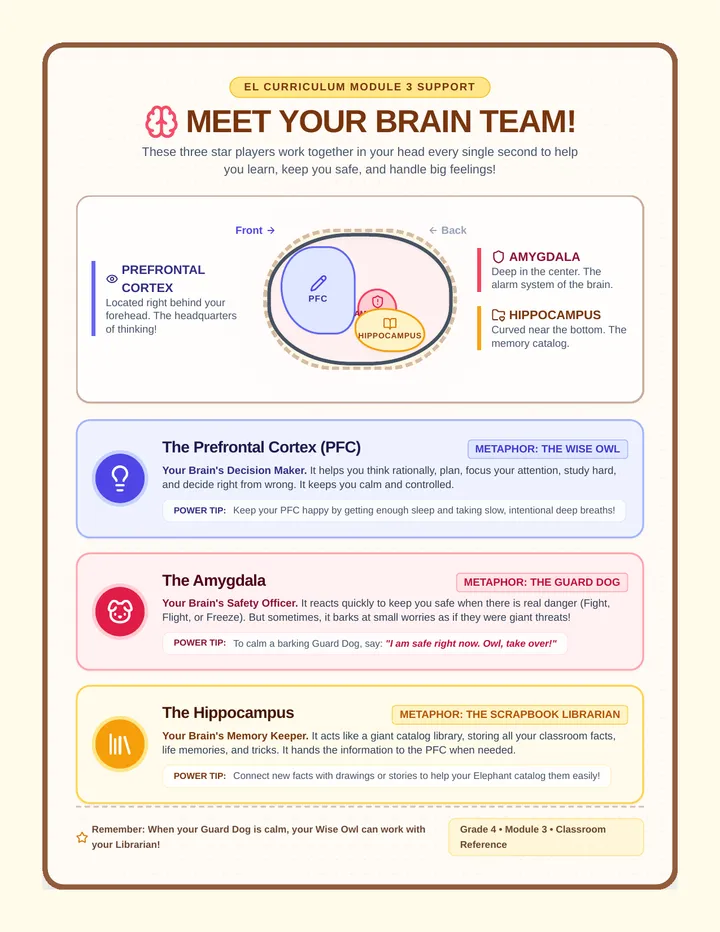
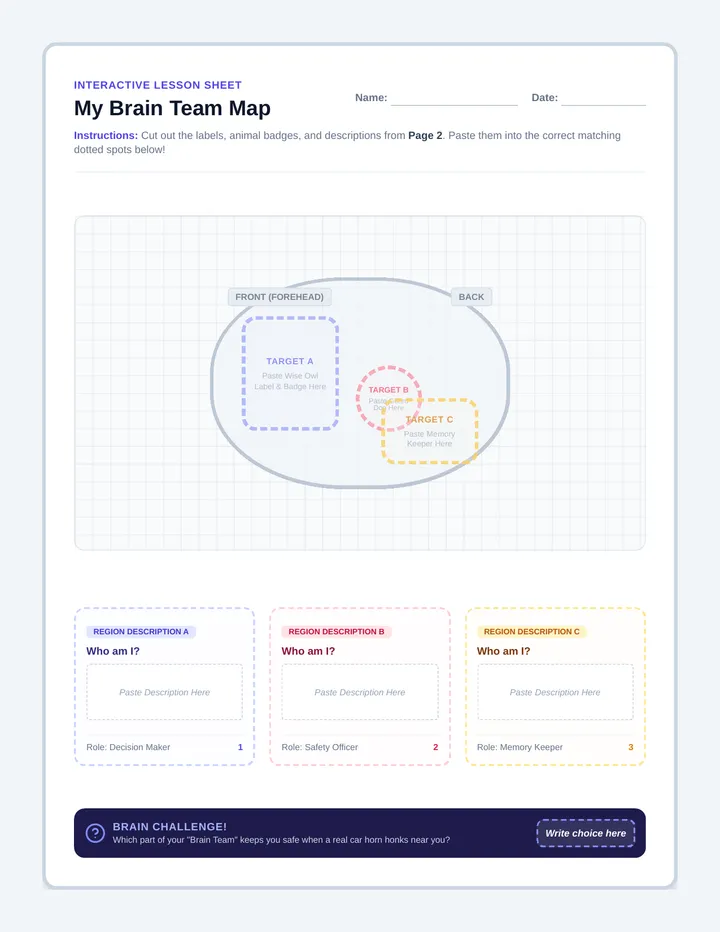
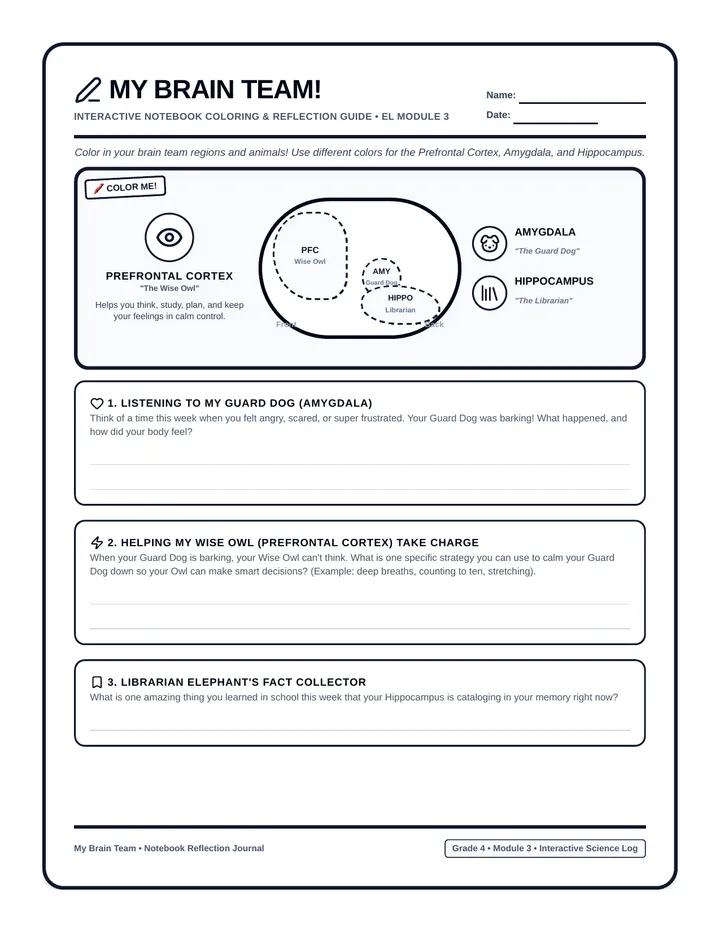
A fourth-grade lesson exploring the core parts of the brain (Amygdala, Hippocampus, and Prefrontal Cortex) using metaphors from the EL Education curriculum. Students learn how their 'Brain Team' works together to handle emotions, store memories, and make smart decisions.
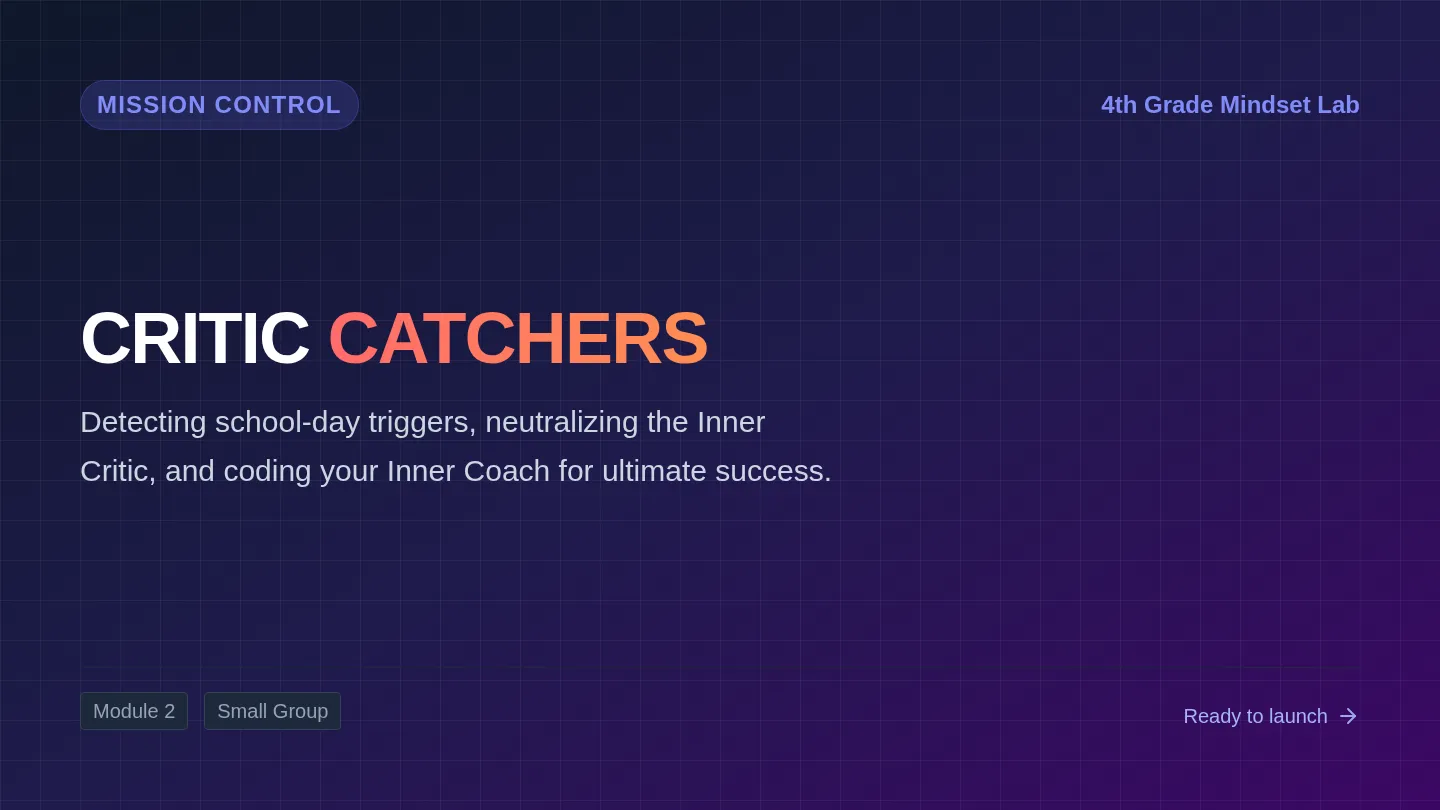
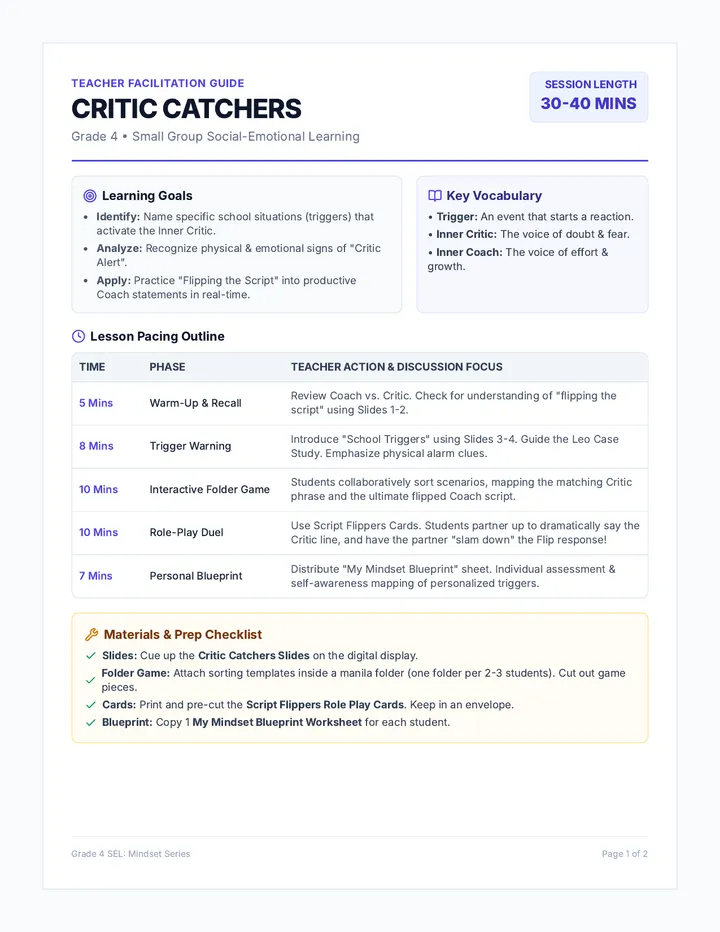
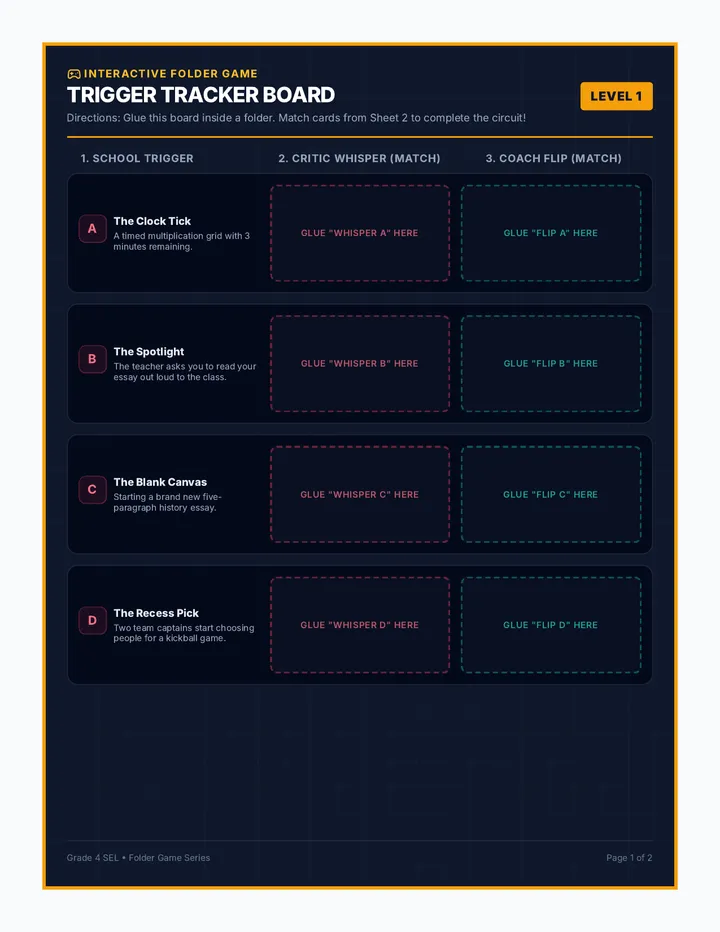
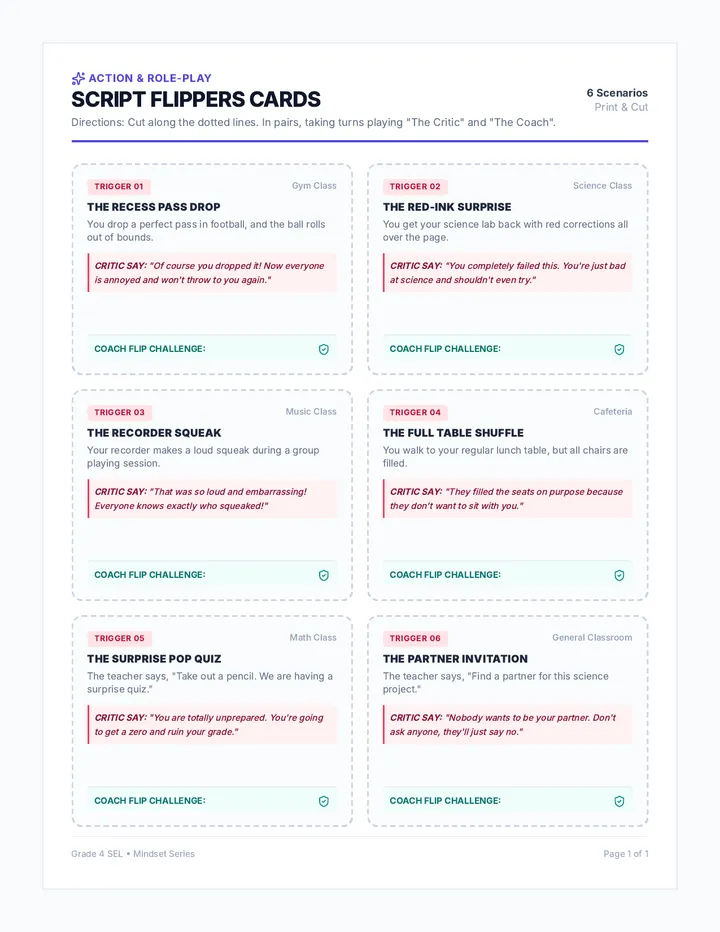
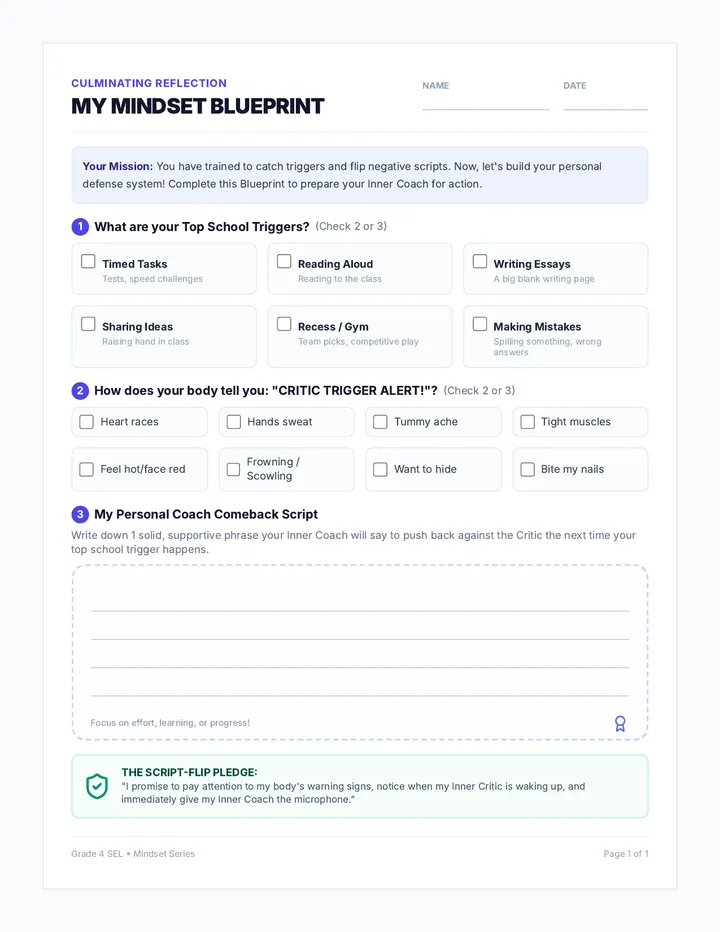
A high-engagement small group lesson for fourth graders focused on identifying school-based triggers that wake up the Inner Critic and using 'flipping the script' strategies to activate the Inner Coach.
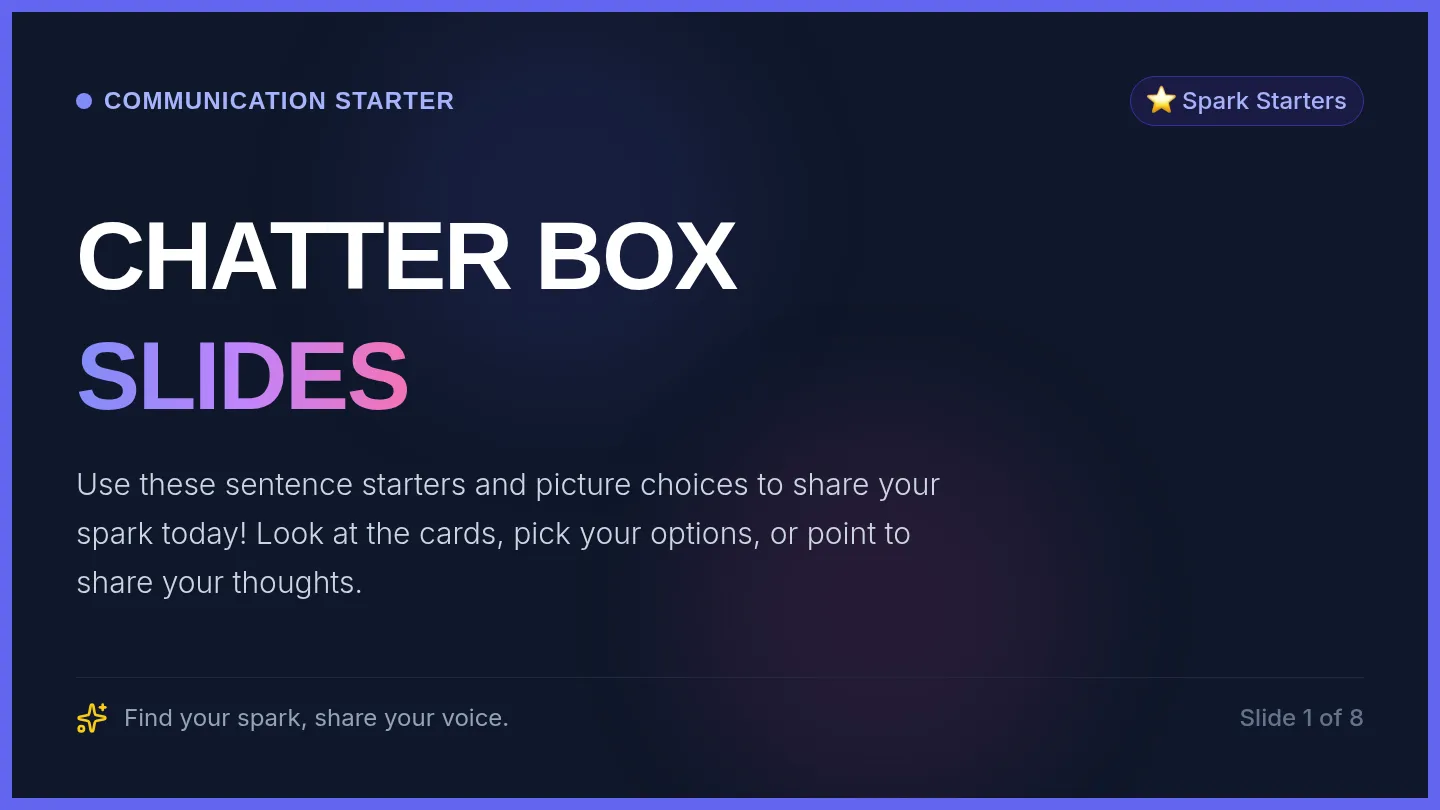
An introductory get-to-know-you lesson utilizing visual sentence starters and structured options to support students of all communication styles in sharing their preferences, feelings, and strengths.