This lesson covers the standard Cut, Copy, Paste, and Undo commands alongside text formatting shortcuts (Bold, Italic, Underline). Students practice restructuring a document by moving paragraphs and applying emphasis styles.
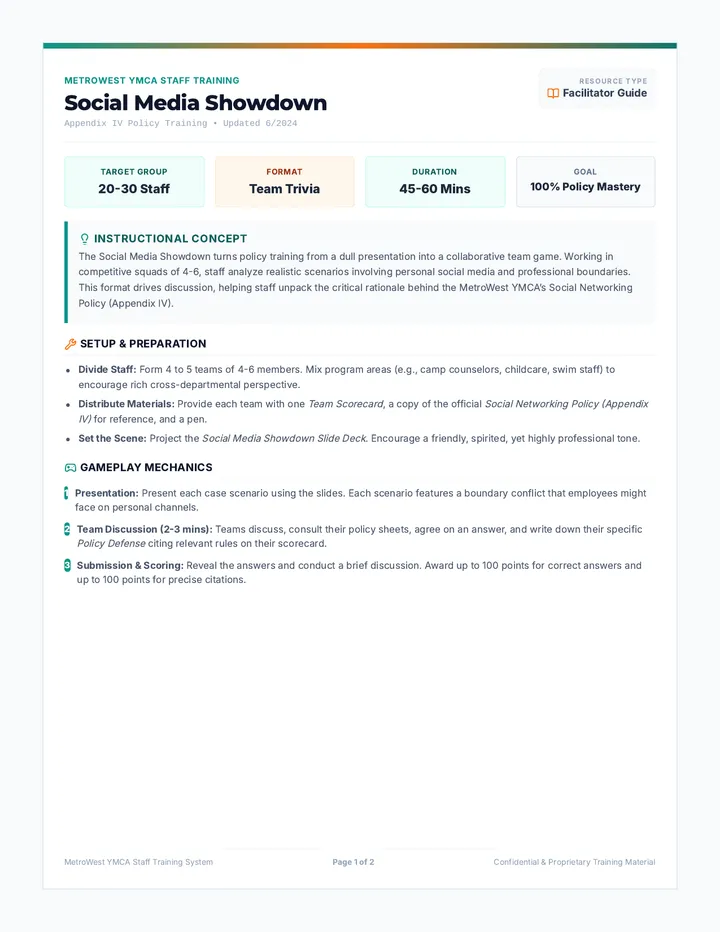
A comprehensive lesson on professional and academic email etiquette, featuring scenarios ranging from school help to job applications. Students learn the structure of a formal email and practice writing their own digital correspondence.
An introductory session for school and district administrators exploring how Lenny Learning streamlines instructional planning and enhances classroom consistency.
A sensitive and supportive lesson designed to help students navigate anxiety regarding the loss of loved ones through nature metaphors, expressive art, and identifying support systems.
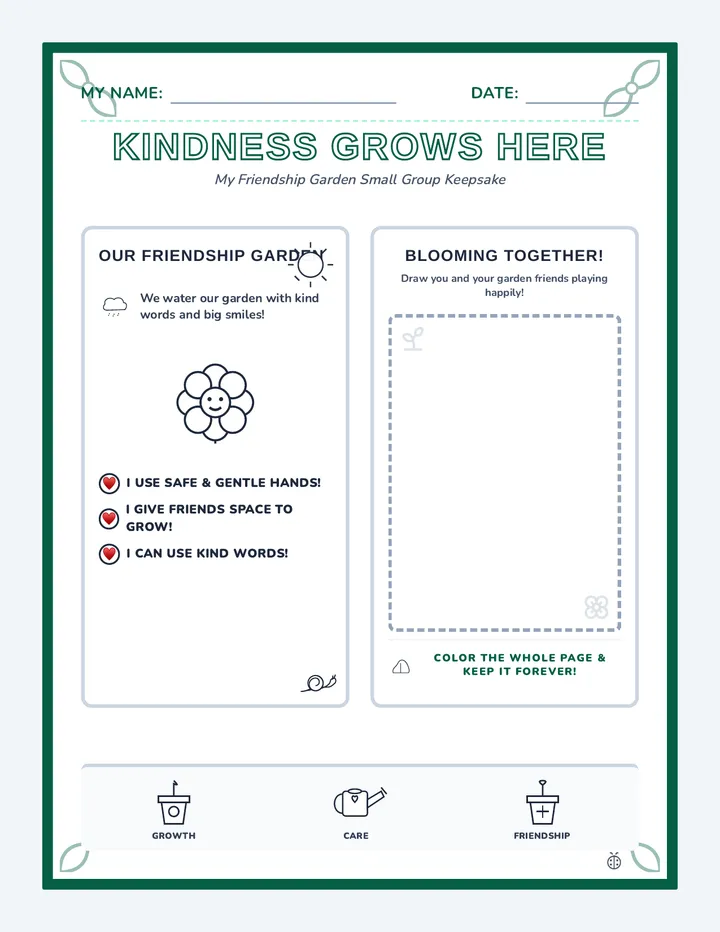
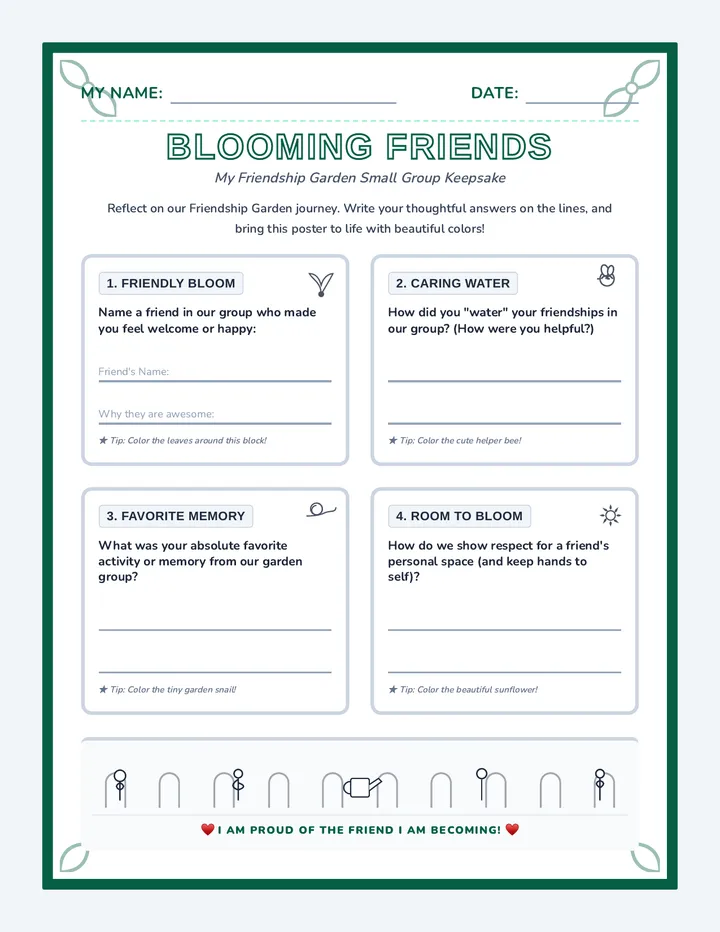
A project-based lesson for K-3 students that uses a garden analogy to teach the impact of kindness. Students learn how positive actions spread throughout a community like pollen in a garden.
A comprehensive guide for high school juniors to navigate the college application process, focusing on self-discovery through YouScience and research through Scoir.
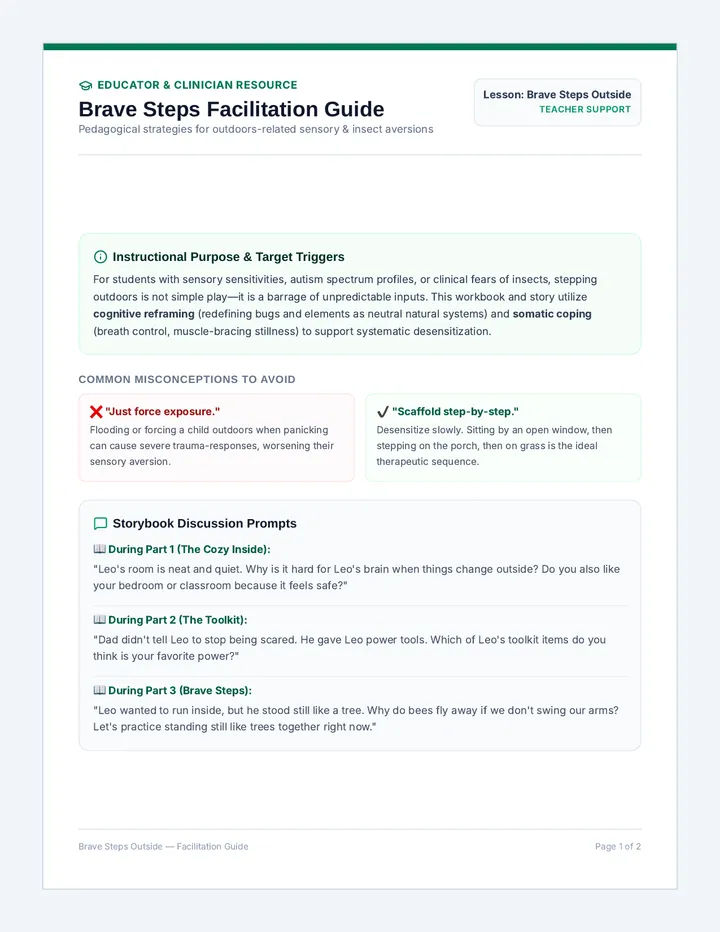
A supportive lesson for middle schoolers focused on developing self-compassion and the ability to forgive oneself after mistakes or difficult days. Students learn to identify their inner critic and cultivate a kind, supportive inner voice.
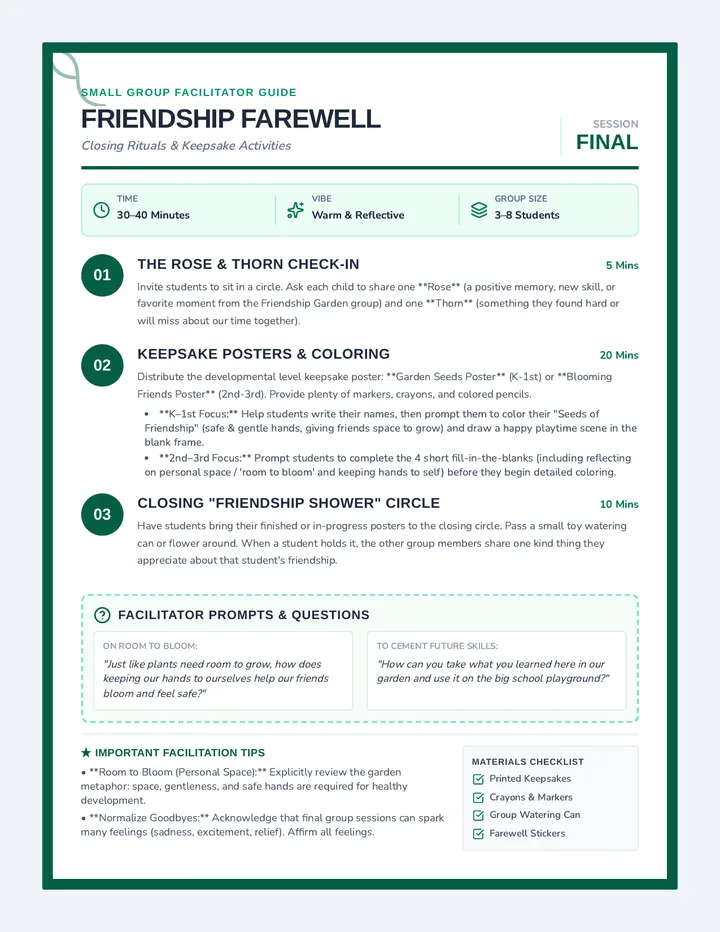
A comprehensive lesson focused on helping 2nd-grade students understand the concept of 'Size of the Problem' to build frustration tolerance and emotional regulation.
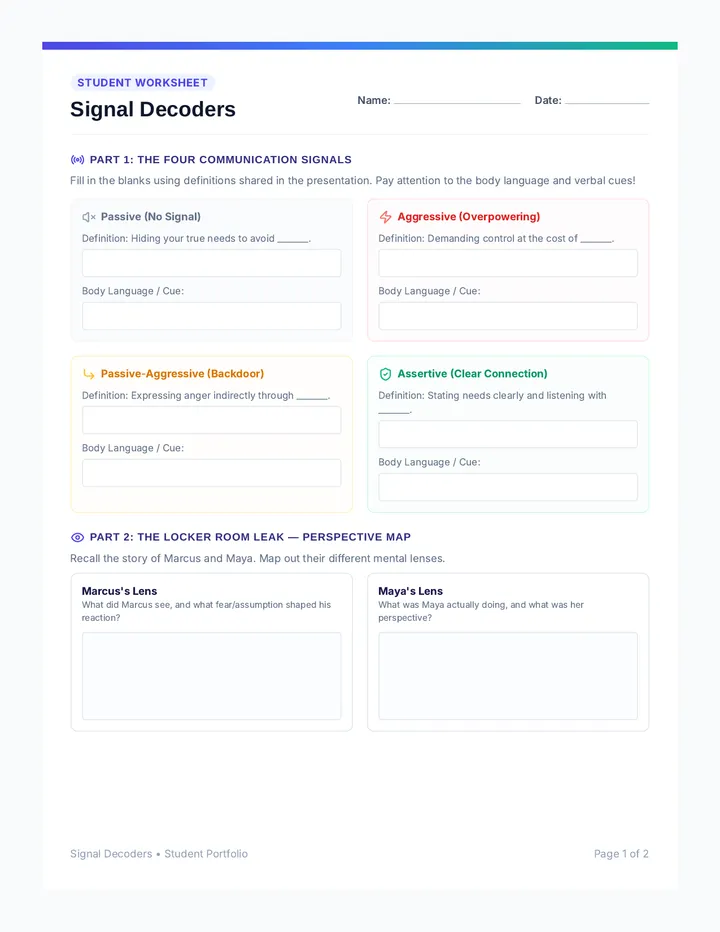
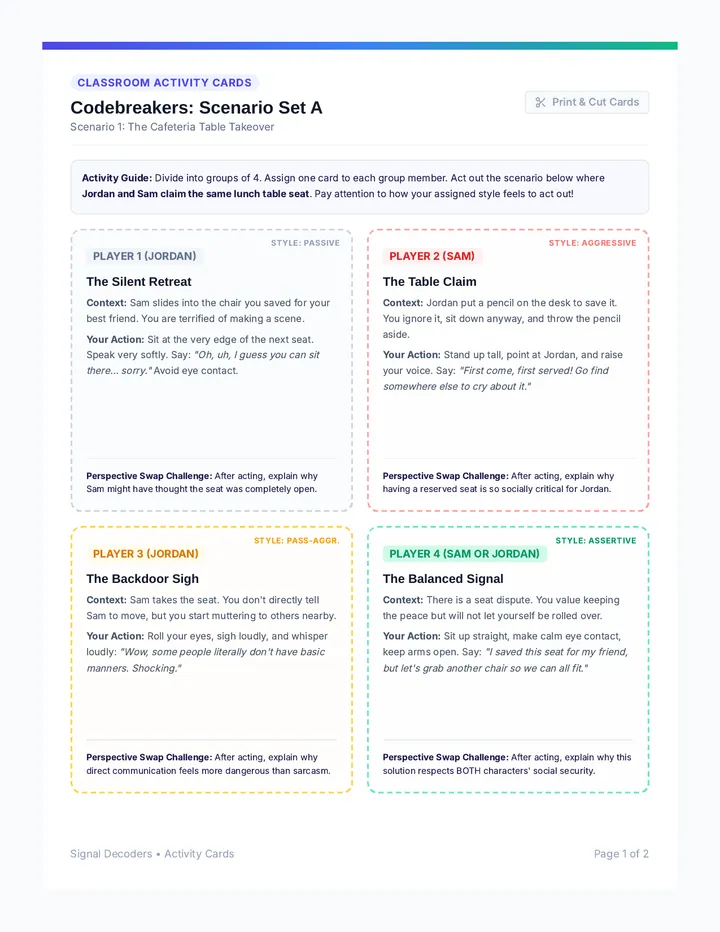
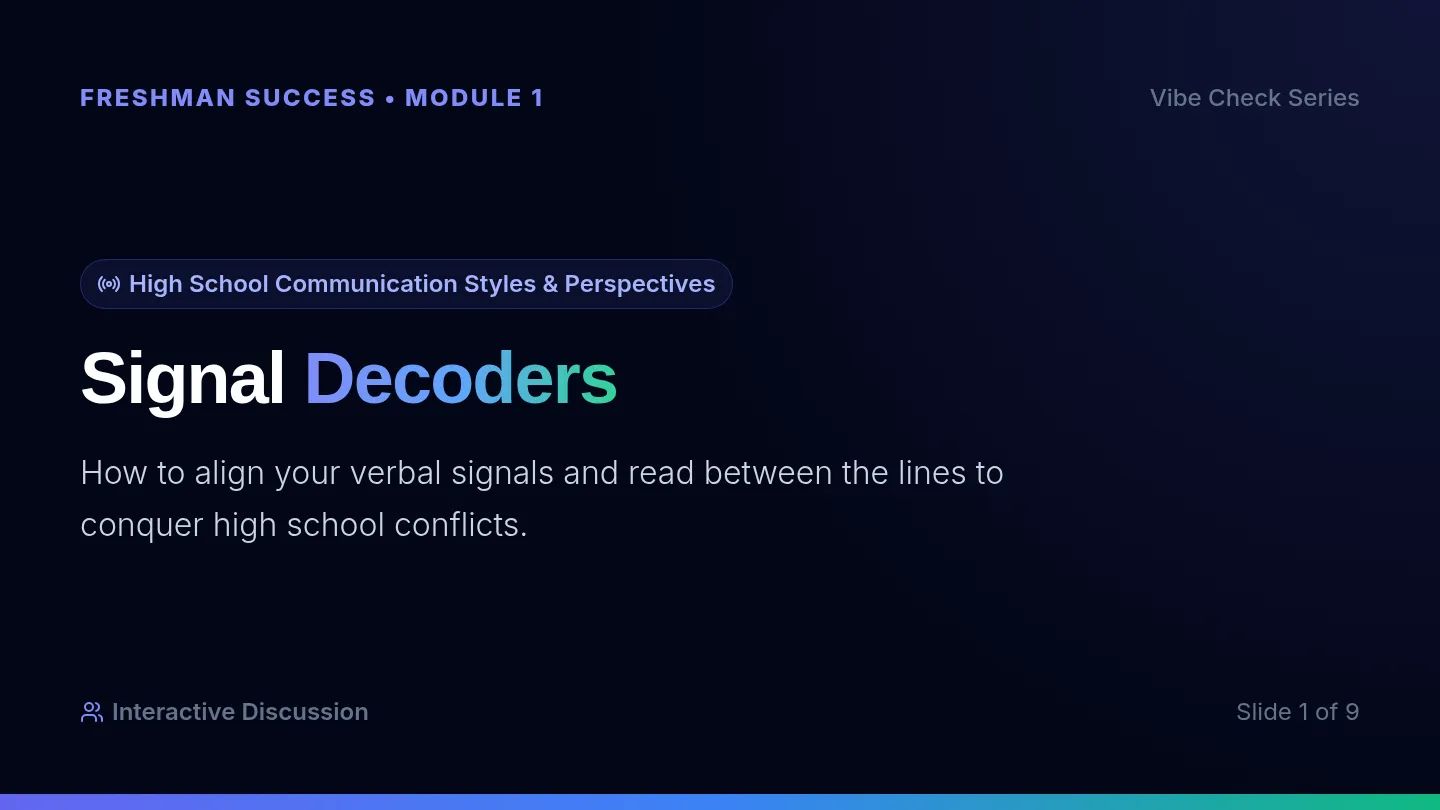
A dynamic conversation game where students practice active listening and non-verbal communication through 'Talker' prompts and 'Listener' challenges. Students learn to recognize and use body language to show they are truly engaged in a conversation.
A lesson for grades 3-5 on digital footprints, using a wilderness trail analogy to explore how online actions leave lasting marks and affect future opportunities.
A lesson designed for high school students to differentiate between appropriate apologies and over-apologizing, featuring social scripts and alternative communication strategies.
A collection of visual tools and worksheets designed to help students identify their emotional zones and practice cognitive restructuring through thought bubbles. Includes age-appropriate templates for K-2 and 3-5 students.
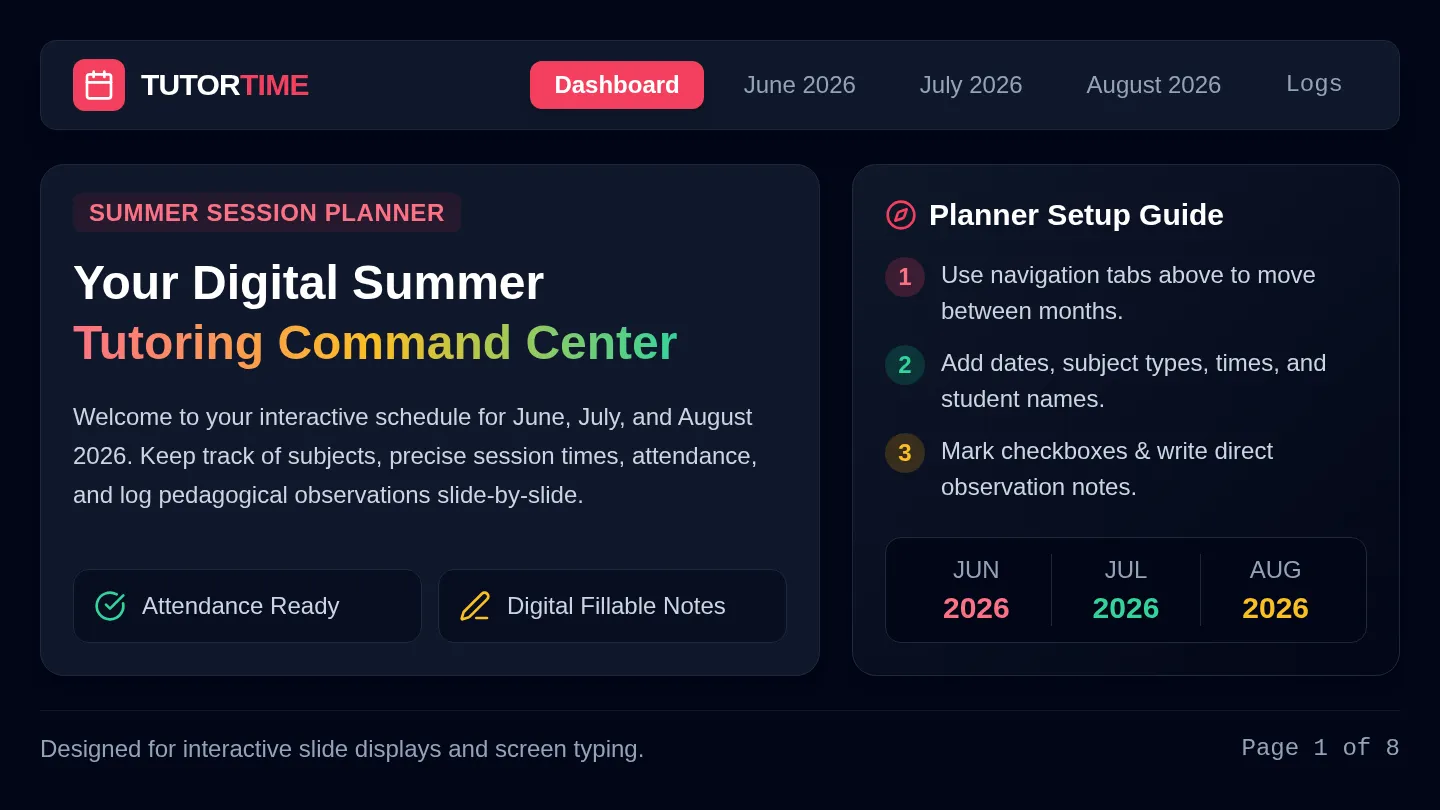
Finalizing the daily routine by creating a 'construction schedule' to keep the joy architecture maintained over time.
Exploring the importance of social connections and kindness as 'common areas' that make the building of joy stronger for everyone.
Introducing mindfulness techniques as 'ventilation' for the mind, helping students stay present and clear-headed.
Focusing on gratitude as the foundation of emotional resilience, students identify the people and things that support them.
Students learn to identify 'raw materials' of joy—small, positive moments in their daily lives—and begin their joy site inspection.
A comprehensive presentation package for school boards and parents detailing the elementary peer mediation program's mission, training, and measurable success.
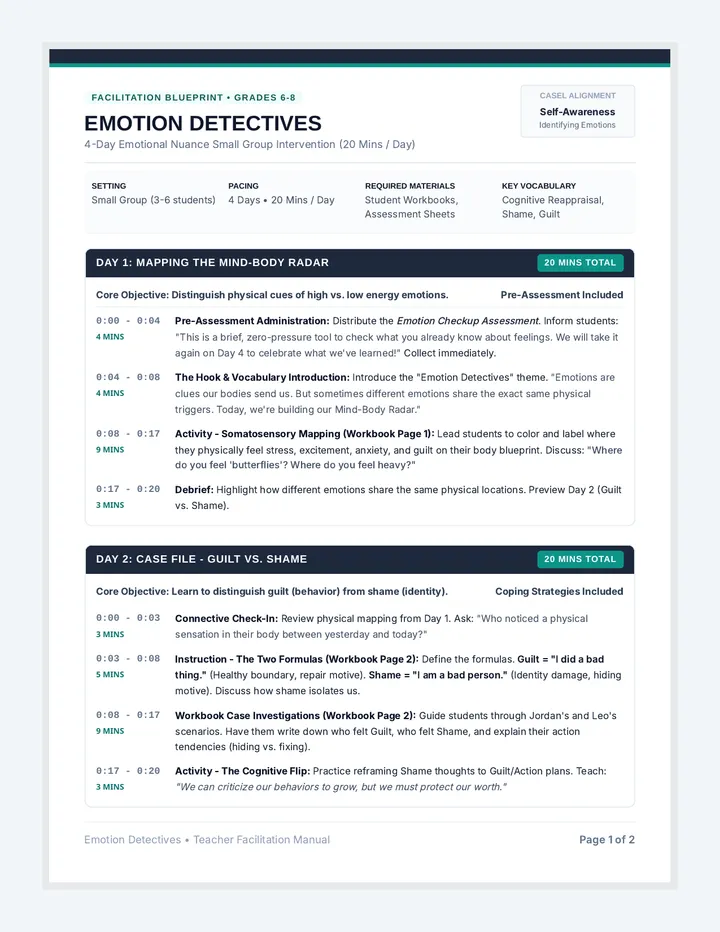
A self-reflection follow-up lesson focused on identifying emotional triggers and practicing coping strategies to manage stress and pressure.
This lesson prepares students for the social complexities of workplace feedback, focusing on active listening, de-escalation techniques, and professional growth.
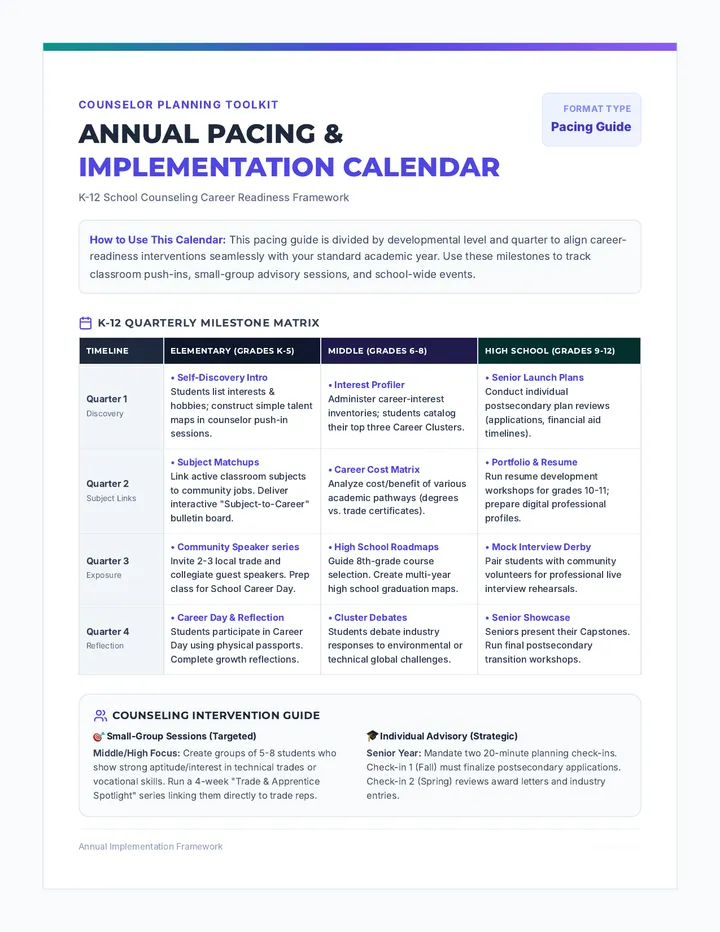
A career exploration workshop for middle schoolers to map natural curiosities to professional clusters using interest inventories. Students explore personality traits and vocational paths to foster hope and purpose.
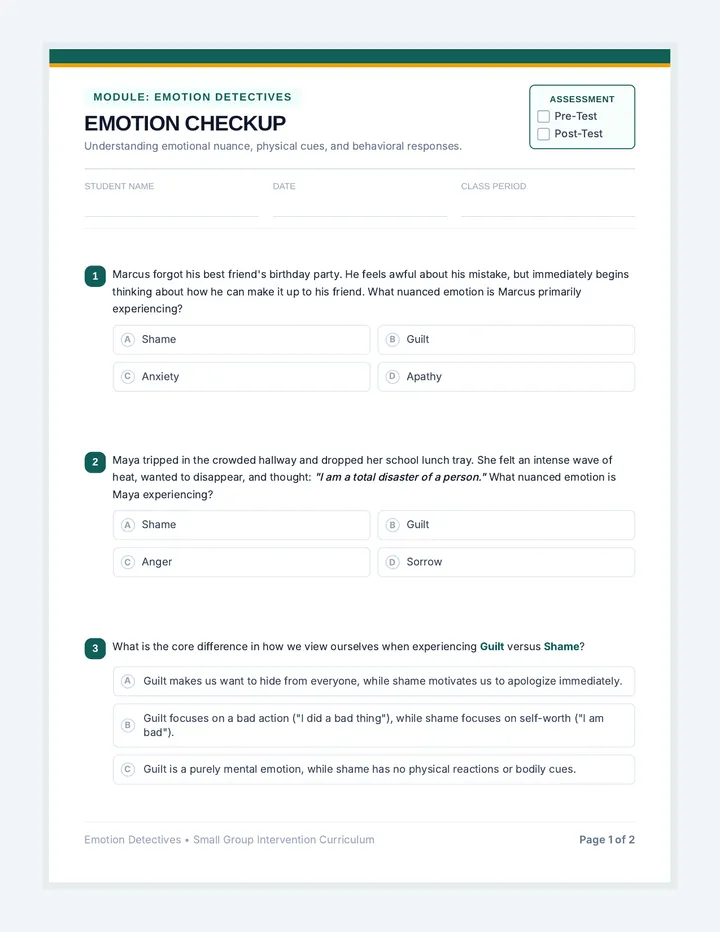
A comprehensive parent education session using a creative UNO card metaphor to help elementary families understand and manage childhood anxiety through school-home partnership.
A professional development game for school leaders designed to clarify staff roles, with a specific focus on protecting the clinical and instructional time of school counselors by aligning tasks with training and ASCA standards.
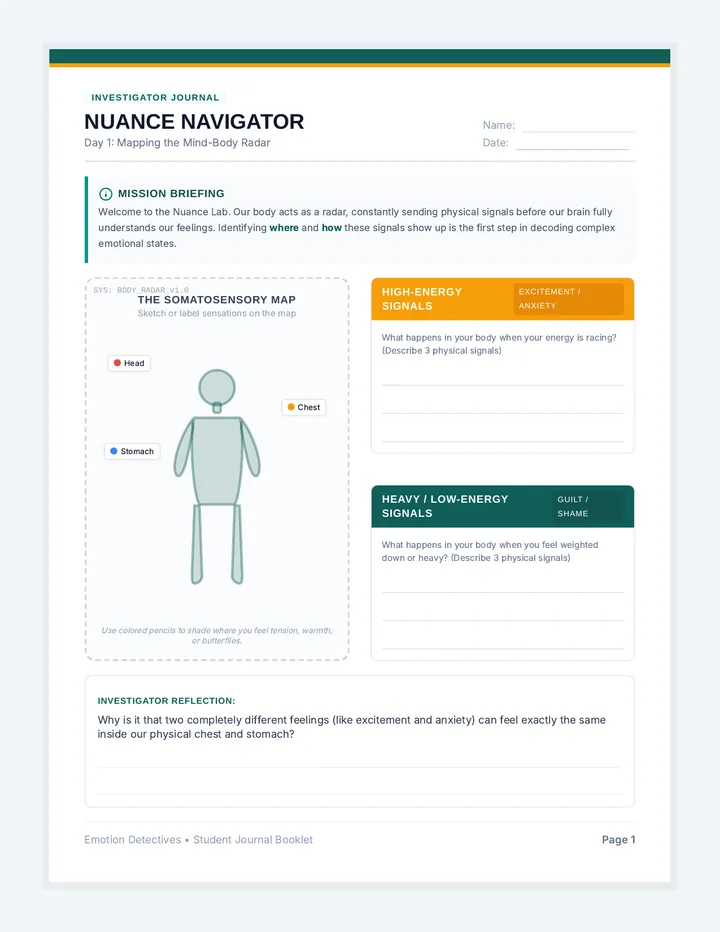
Creating a personalized wellness plan and celebrating the completion of the Mindset Medics training.
Mapping out professional and personal resources, and understanding when and how to involve a trusted adult.
Practicing the skills needed to approach a friend, express concern, and offer support through active listening.
Developing immediate response strategies for crises and understanding the 'ALGEE' action plan (Ask, Listen, Give, Encourage, Encourage).
Teaching students how to spot red flags and warning signs in their peers that might indicate a mental health struggle.
Exploring the difference between sadness and depression, and how to identify when 'the blues' become something more serious.
Identifying the physical and emotional signs of stress and anxiety, and learning basic grounding techniques.
Introduction to the group, establishing norms, and defining the role of a 'Mindset Medic' in recognizing mental health needs.
A comprehensive guide and workbook designed to help graduating high school seniors navigate the technical, financial, and social transitions of entering college. It covers everything from portal setup to roommate etiquette and financial literacy.
Students learn practical budgeting skills for college life and analyze the long-term financial implications of different educational and career choices.