Students participate in charades-style games to isolate and identify body language cues associated with being 'Interested' versus 'Bored' or 'Hostile,' creating a reference guide for open vs. closed body language.
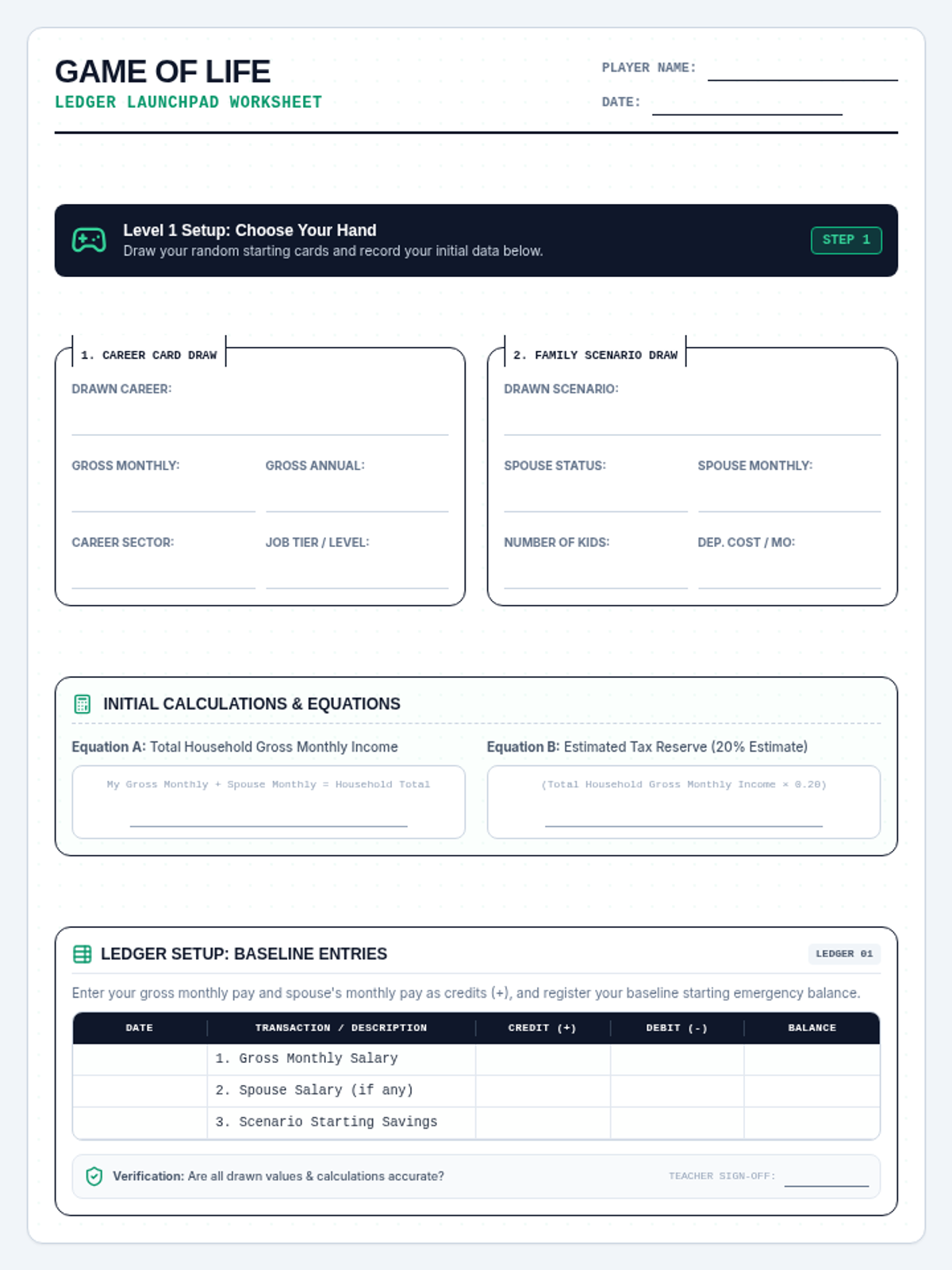
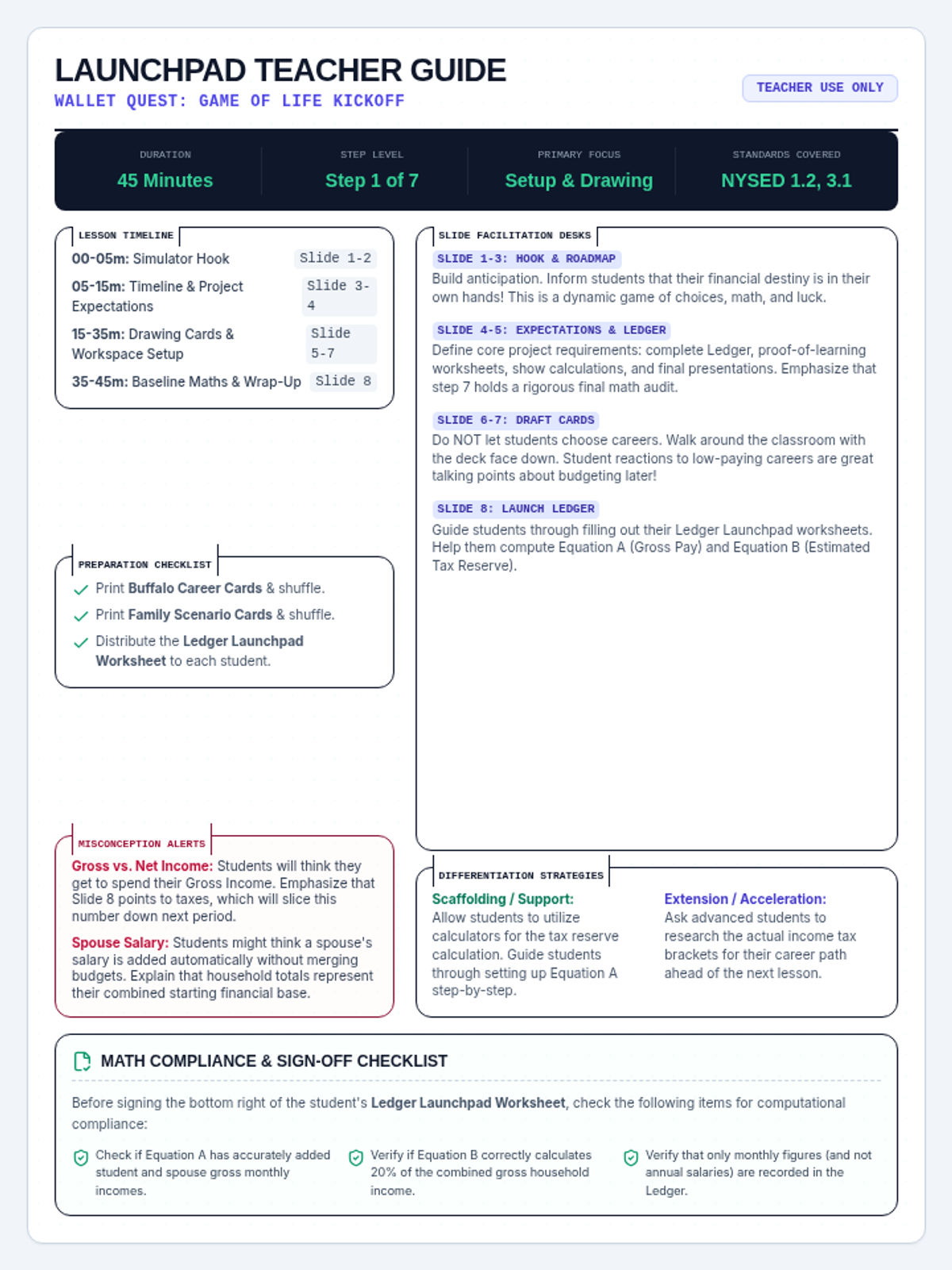
An introductory mini-lesson for the Game of Life personal finance project. Students learn about the project goals, requirements, timeline, and ledger system, before randomly drawing their starting career and family scenario cards.
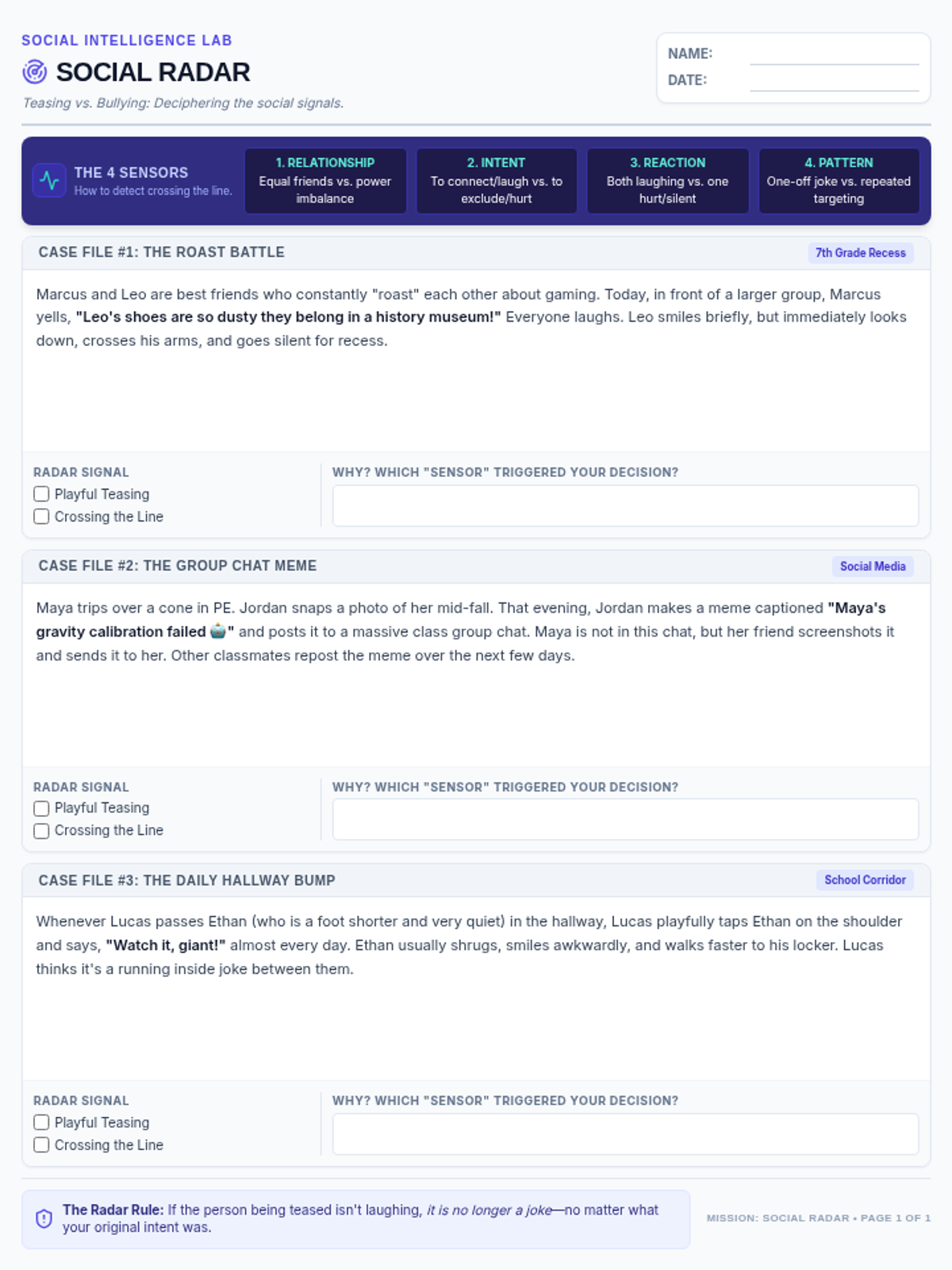
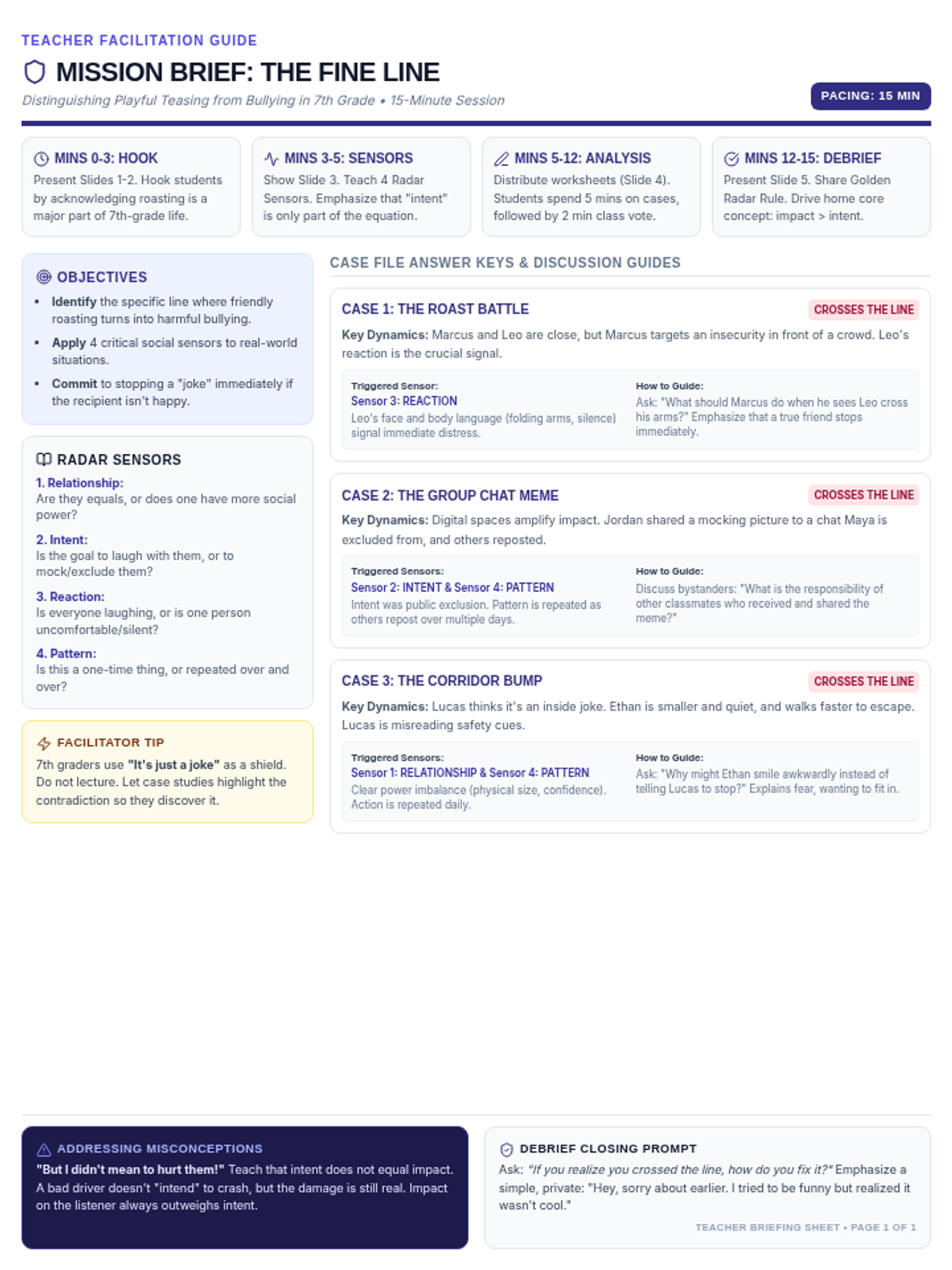
A high-impact 15-minute lesson for 7th graders on distinguishing playful teasing from bullying. Students analyze real-world social dynamics and learn to identify when joking crosses the line into harm.
A lesson designed for middle schoolers to explore and decode their emotions using Cognitive Behavioral Therapy (CBT) frameworks. It covers the adaptive and normative nature of emotions, includes daily journal prompts, creative sketching exercises, and scenario-based reflections.
A therapeutic framework to help young adults experiencing depression build functional daily routines through small, achievable actions. It guides the therapist and client through checking in, structuring a low-demand schedule, and planning hygiene, chores, and enjoyable activities.
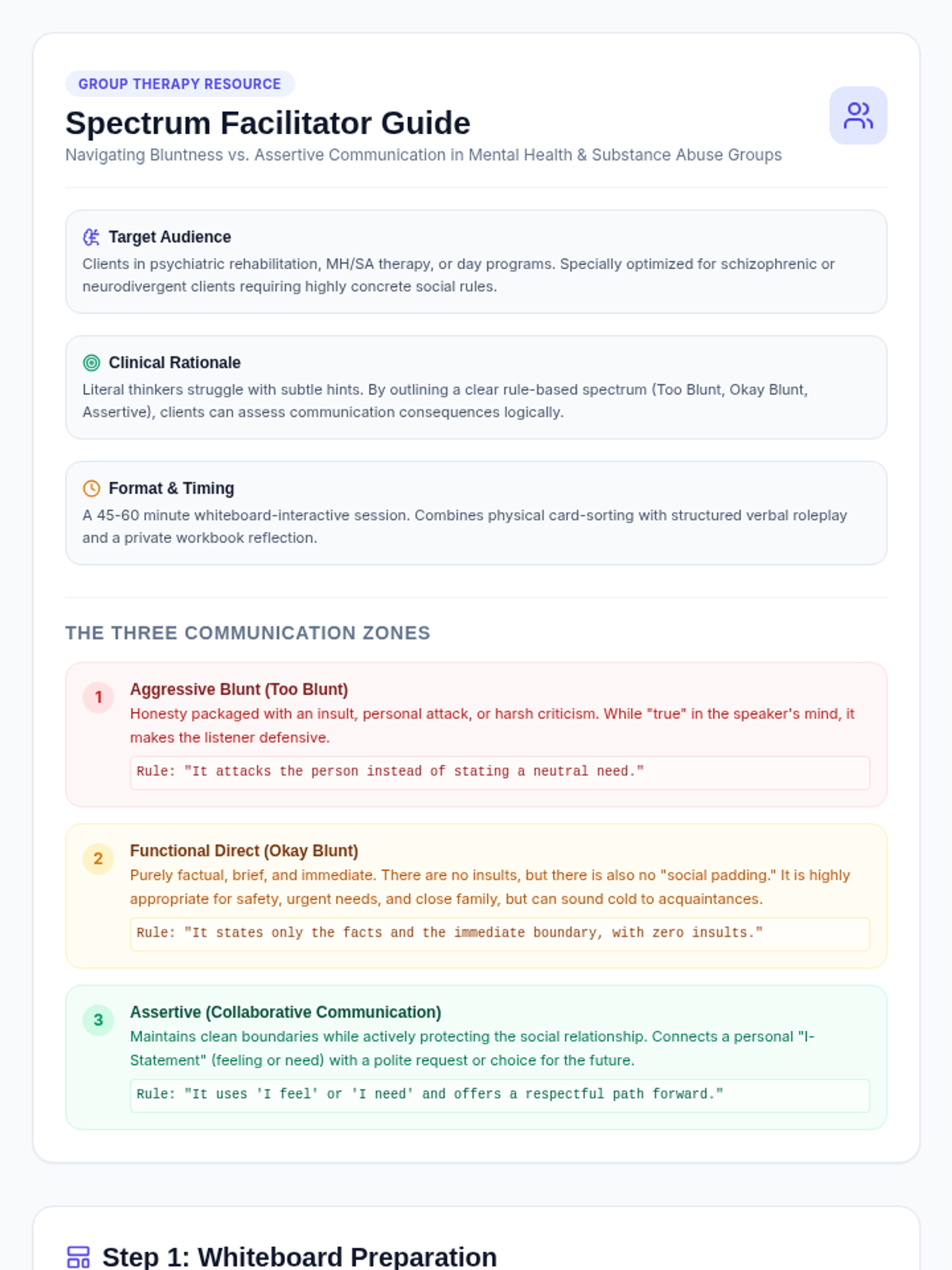
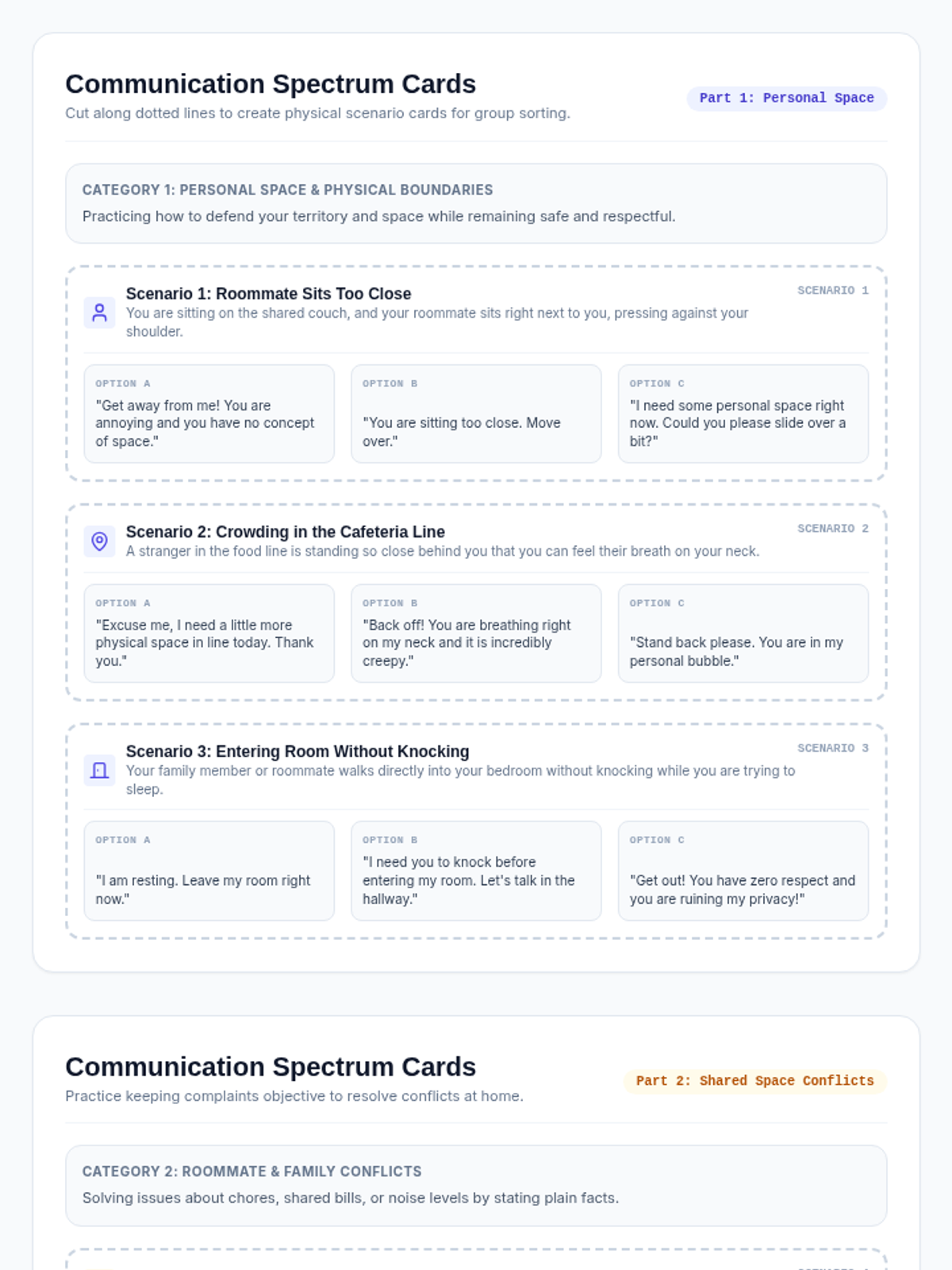
A group therapy session helping clients distinguish between aggressive bluntness, functional directness, and assertive communication across real-world social scenarios. Designed with concrete, specific examples for individuals with cognitive or psychiatric differences.
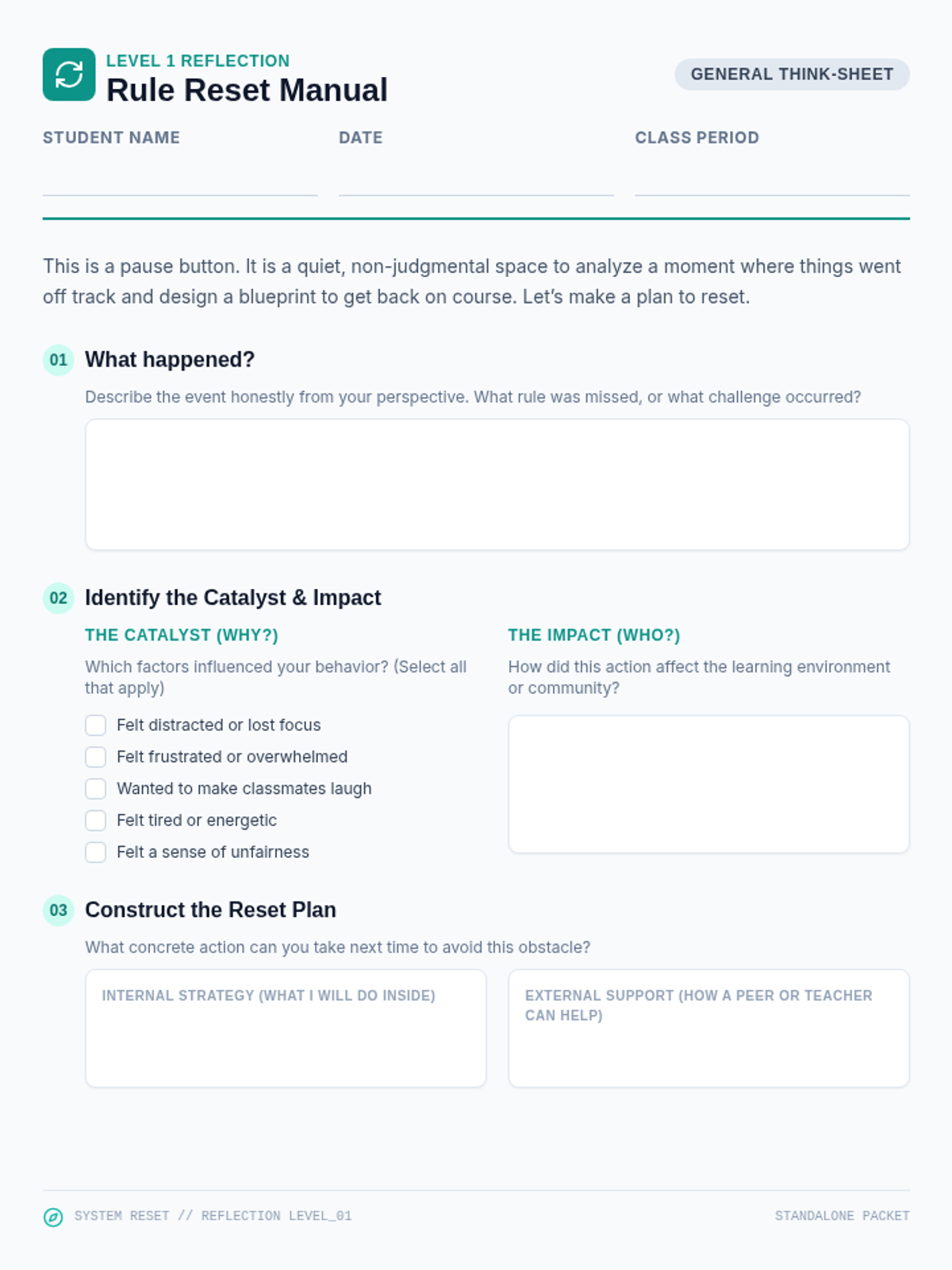
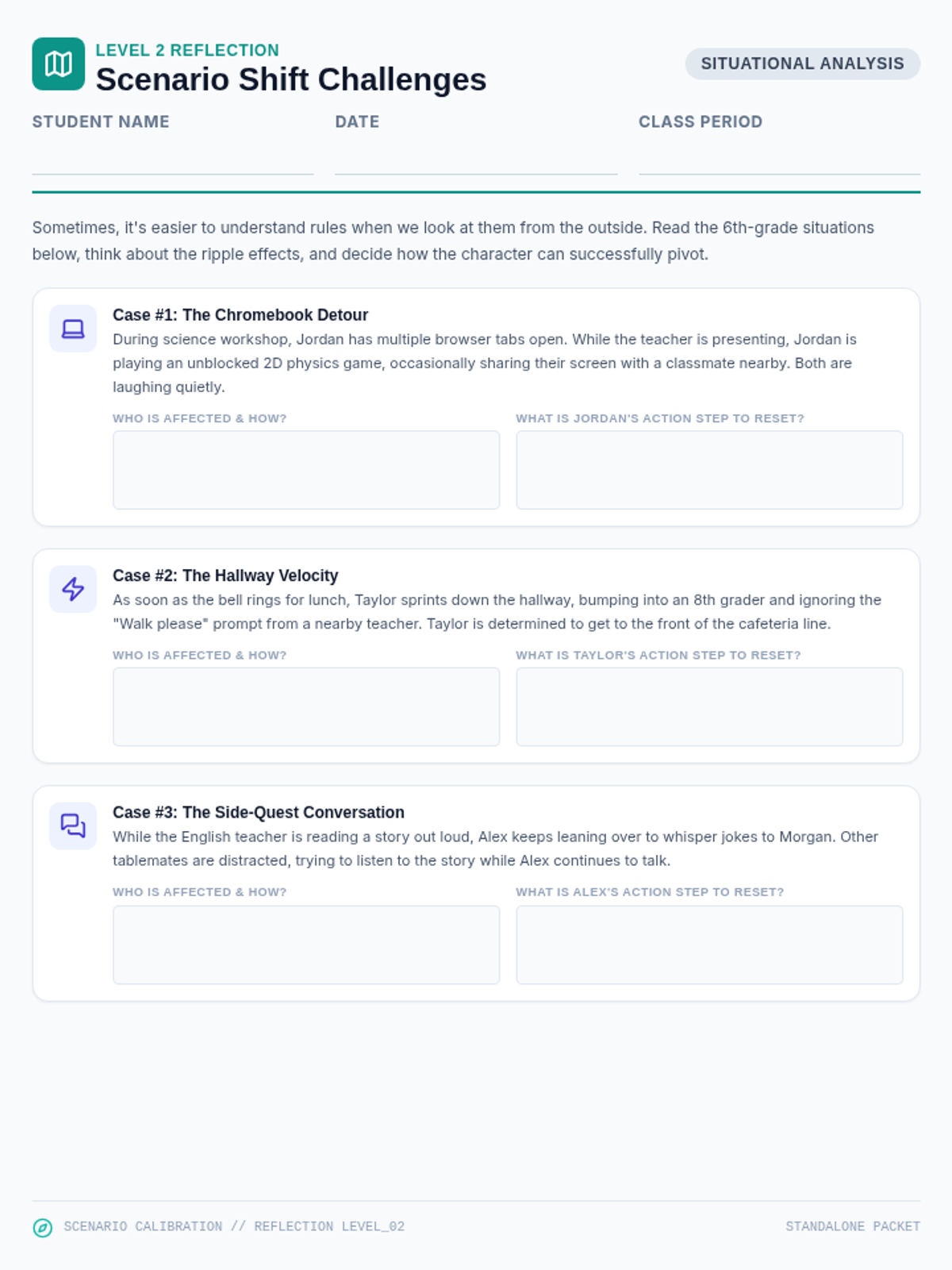
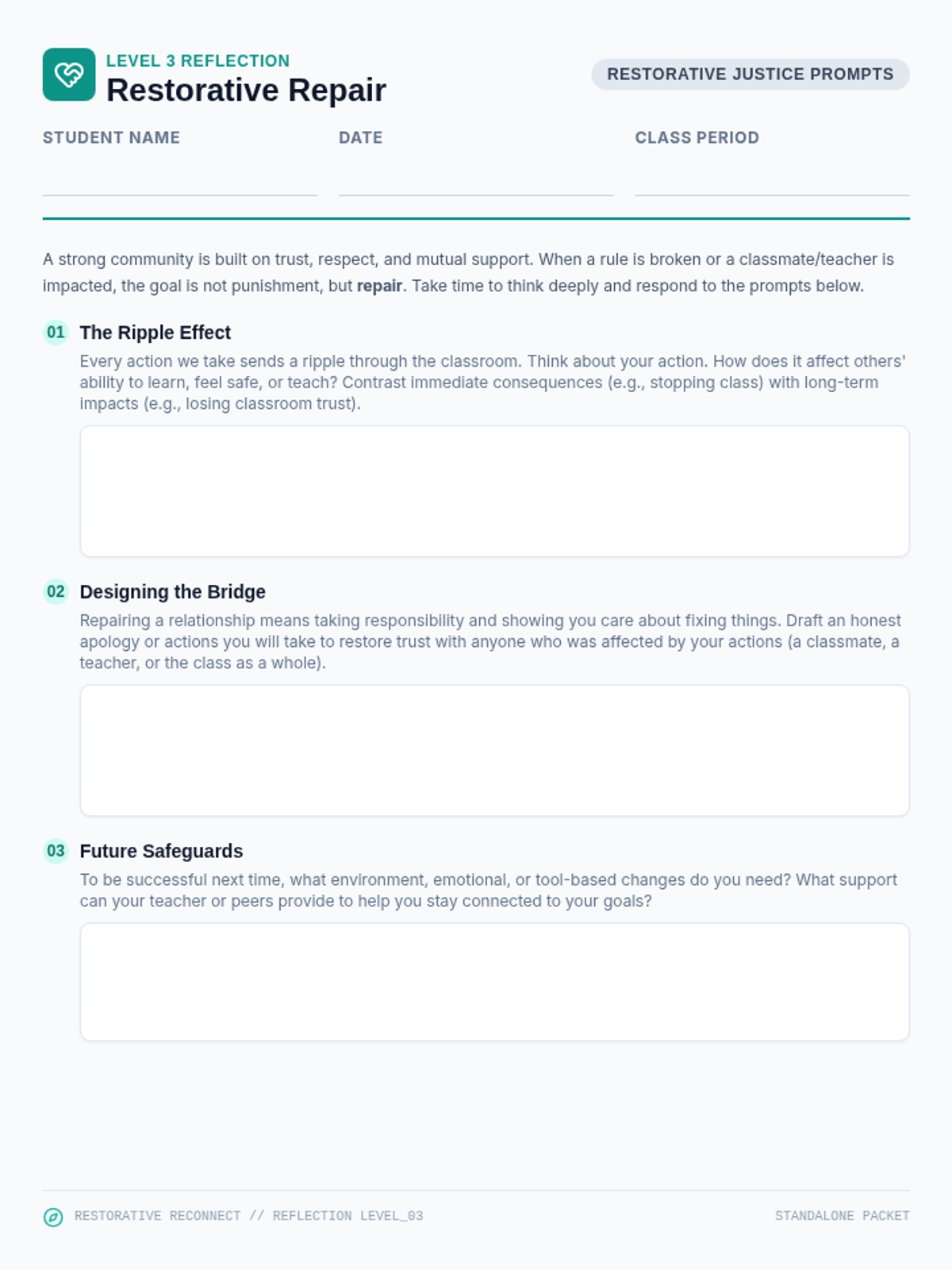
A comprehensive three-level behavior reflection toolkit tailored for 6th-grade students transitioning to middle school expectations. It includes a general rule reset sheet, scenario-based reflections, and restorative justice writing prompts to foster self-regulation and community repair.
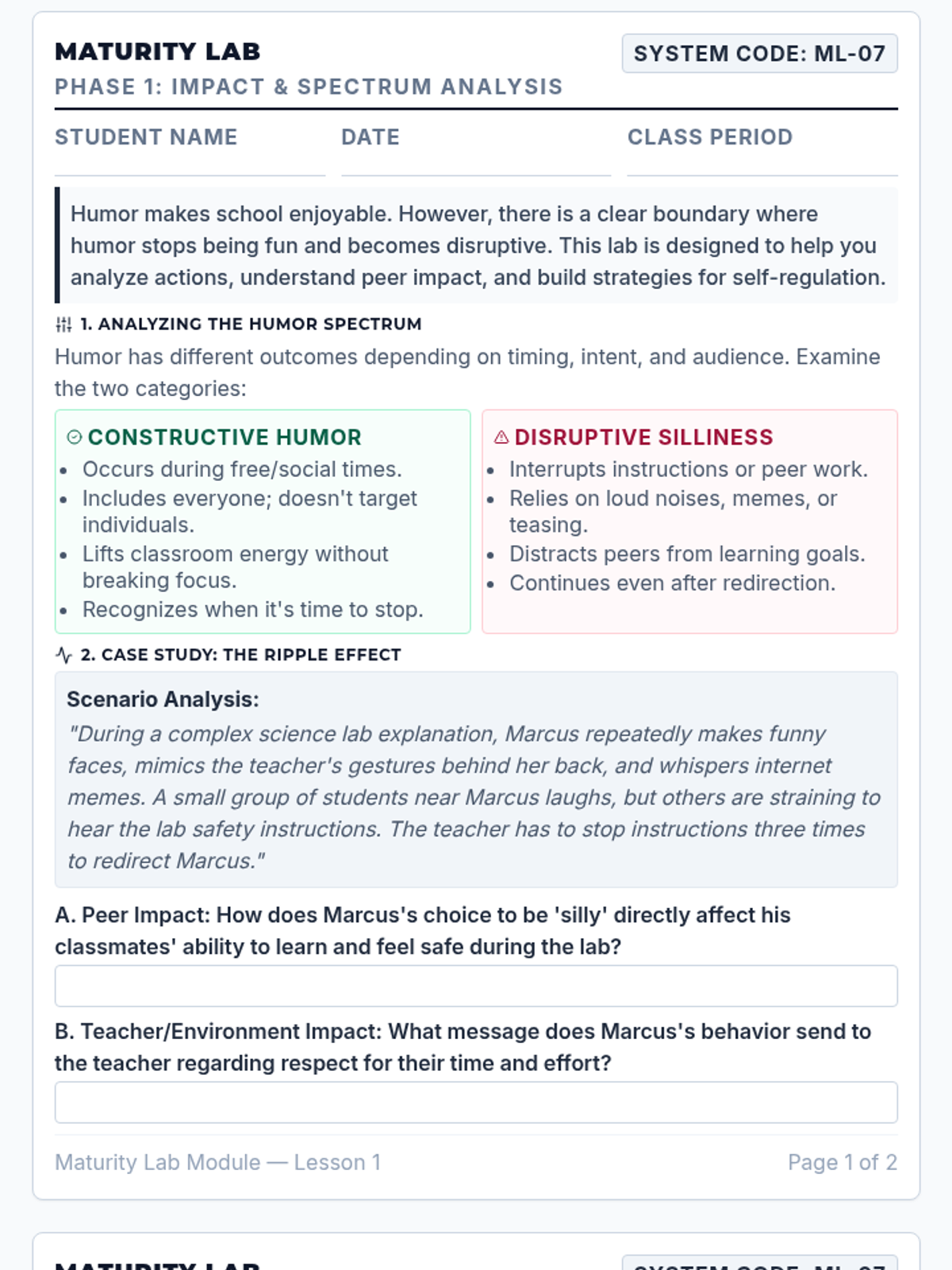
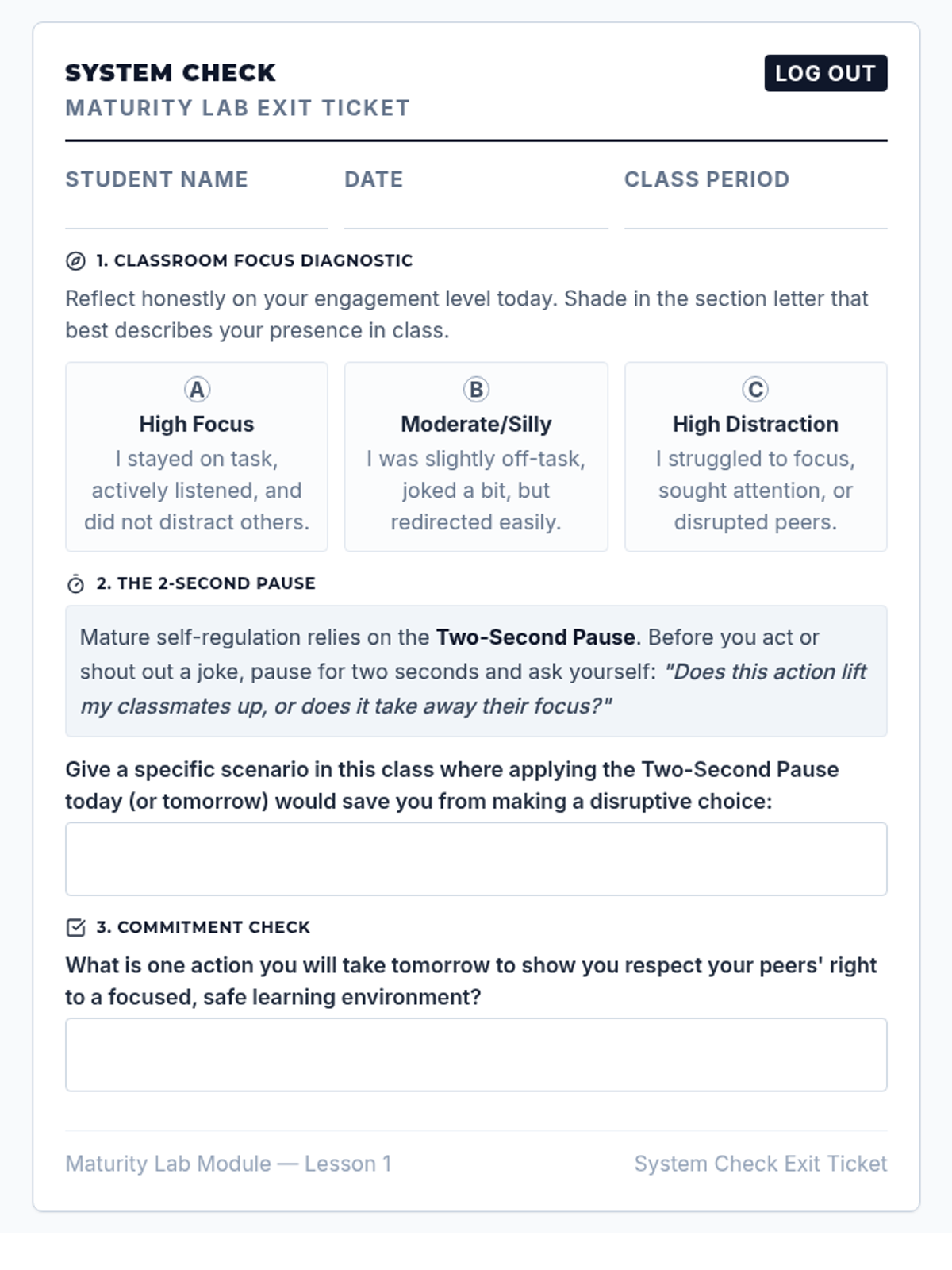
A reflective lesson exploring the boundary between harmless humor and disruptive silliness, helping 7th graders analyze peer impact and build self-regulation strategies.
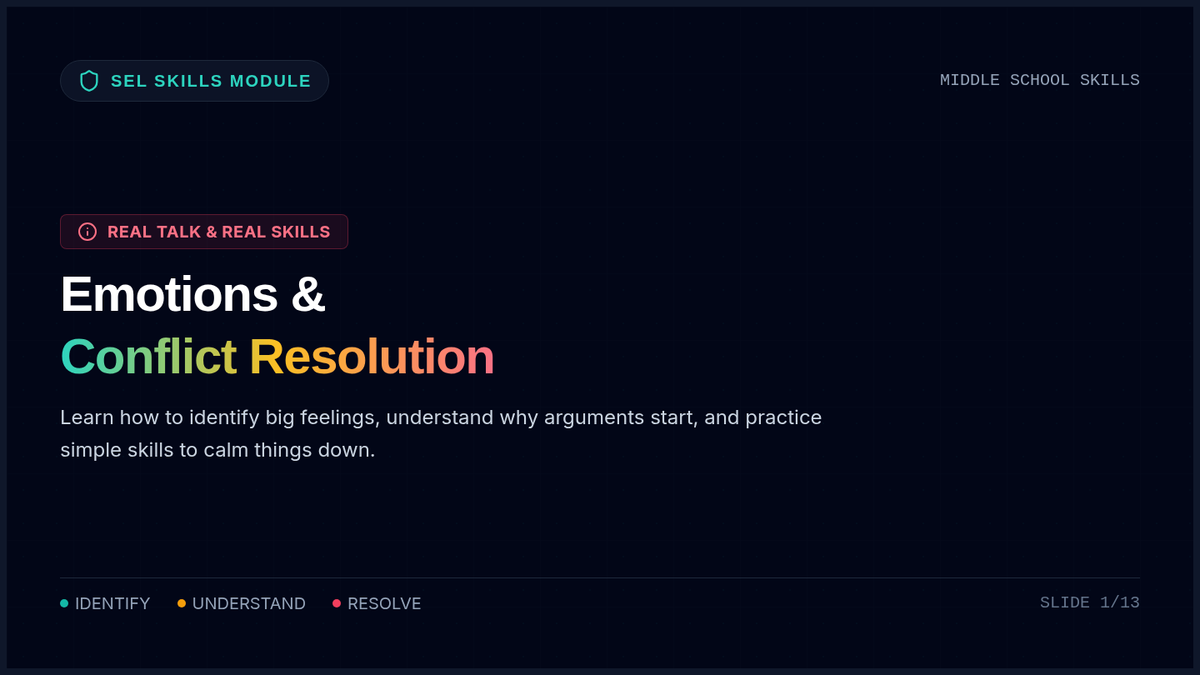
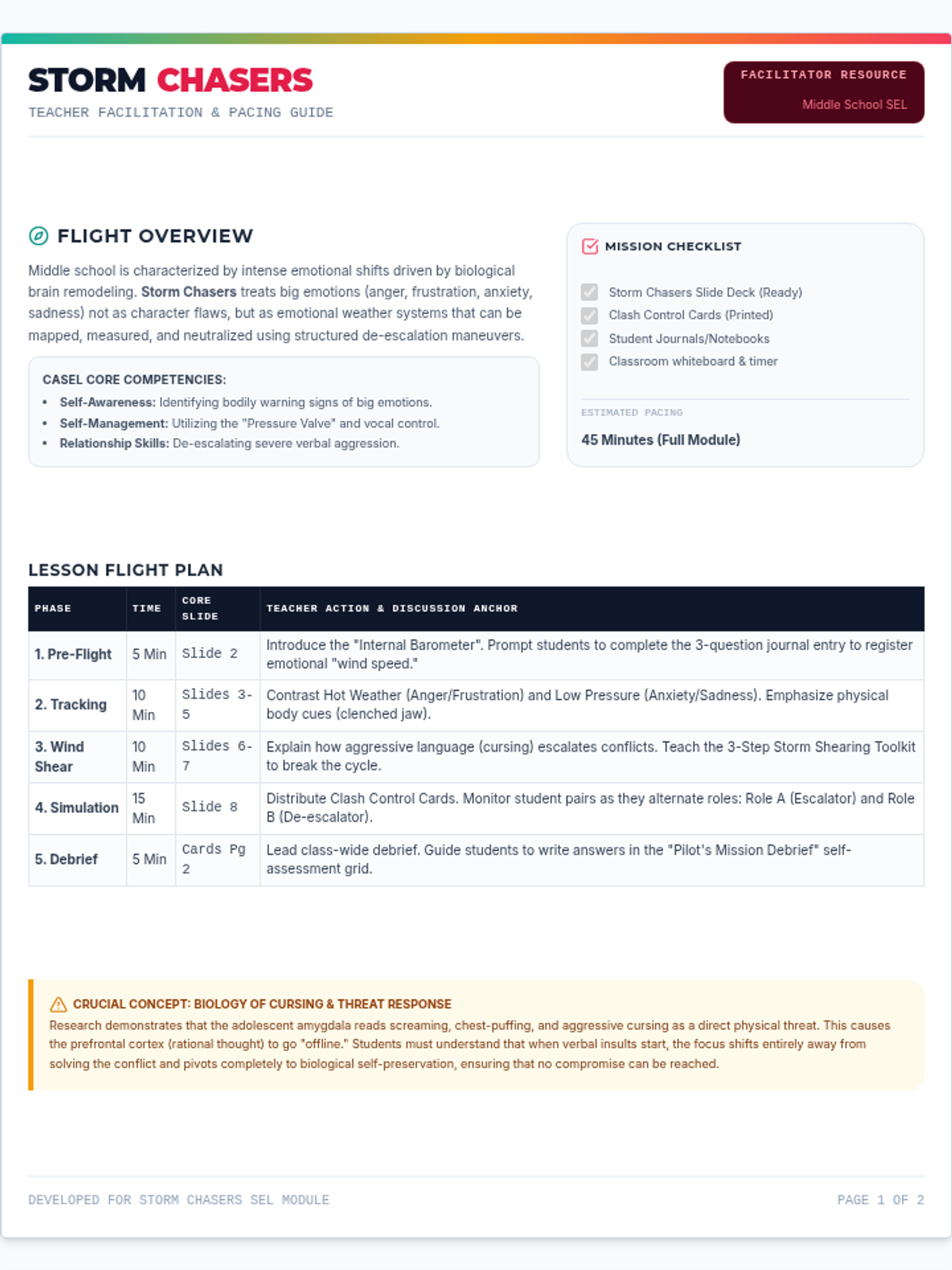
A middle school SEL lesson focused on identifying emotions and de-escalating conflicts. Students practice daily journal check-ins, learn about anger, frustration, anxiety, and sadness, and roleplay de-escalating real-world sibling, peer, and parent conflicts.
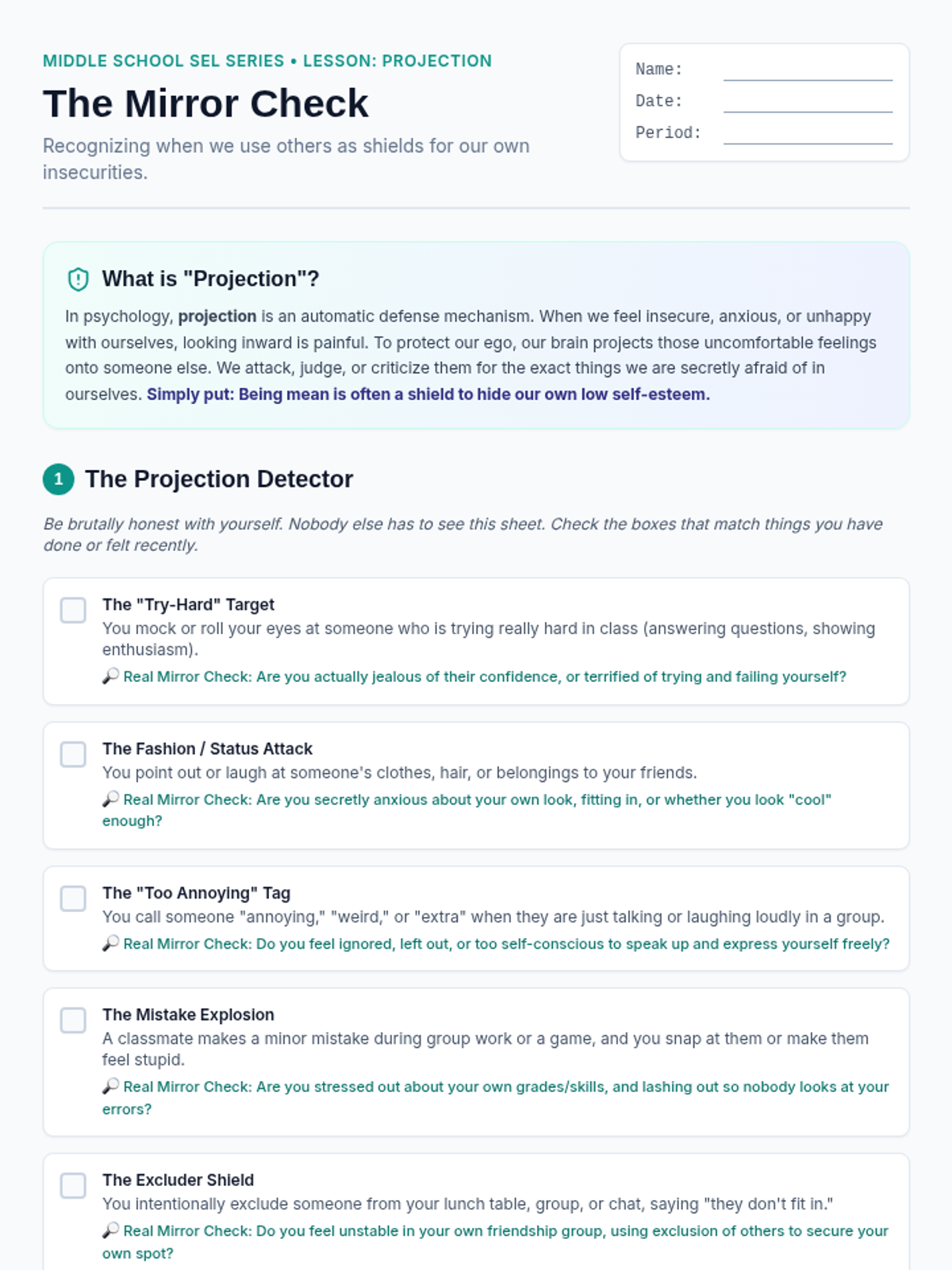
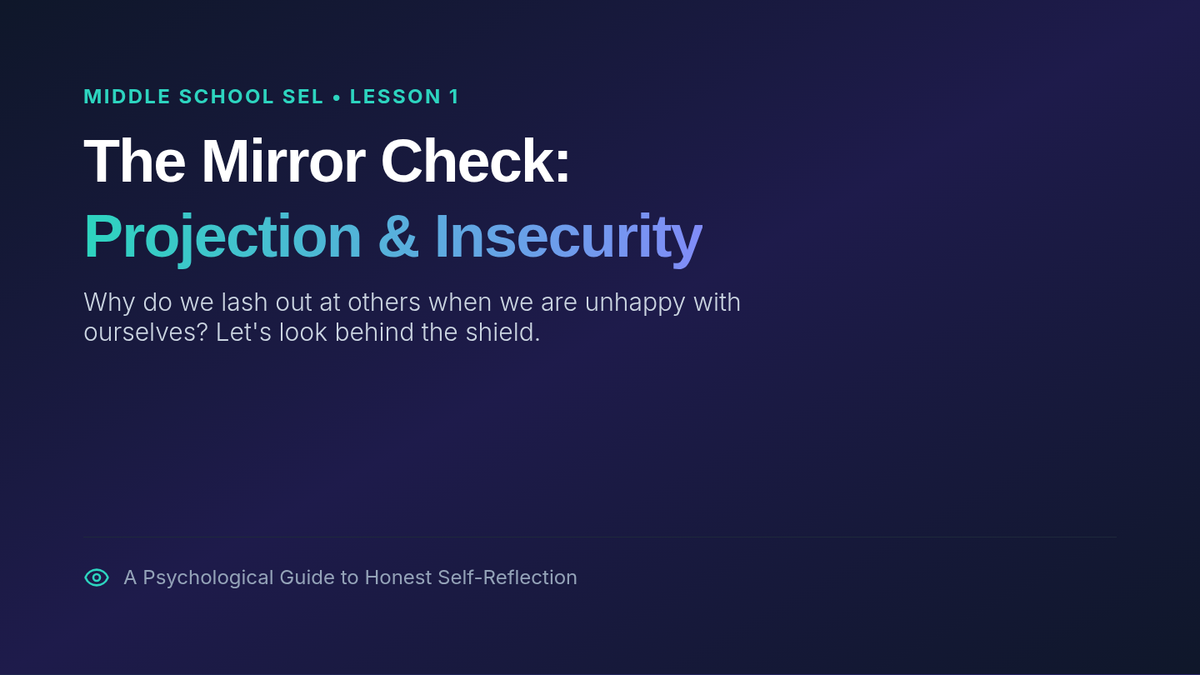
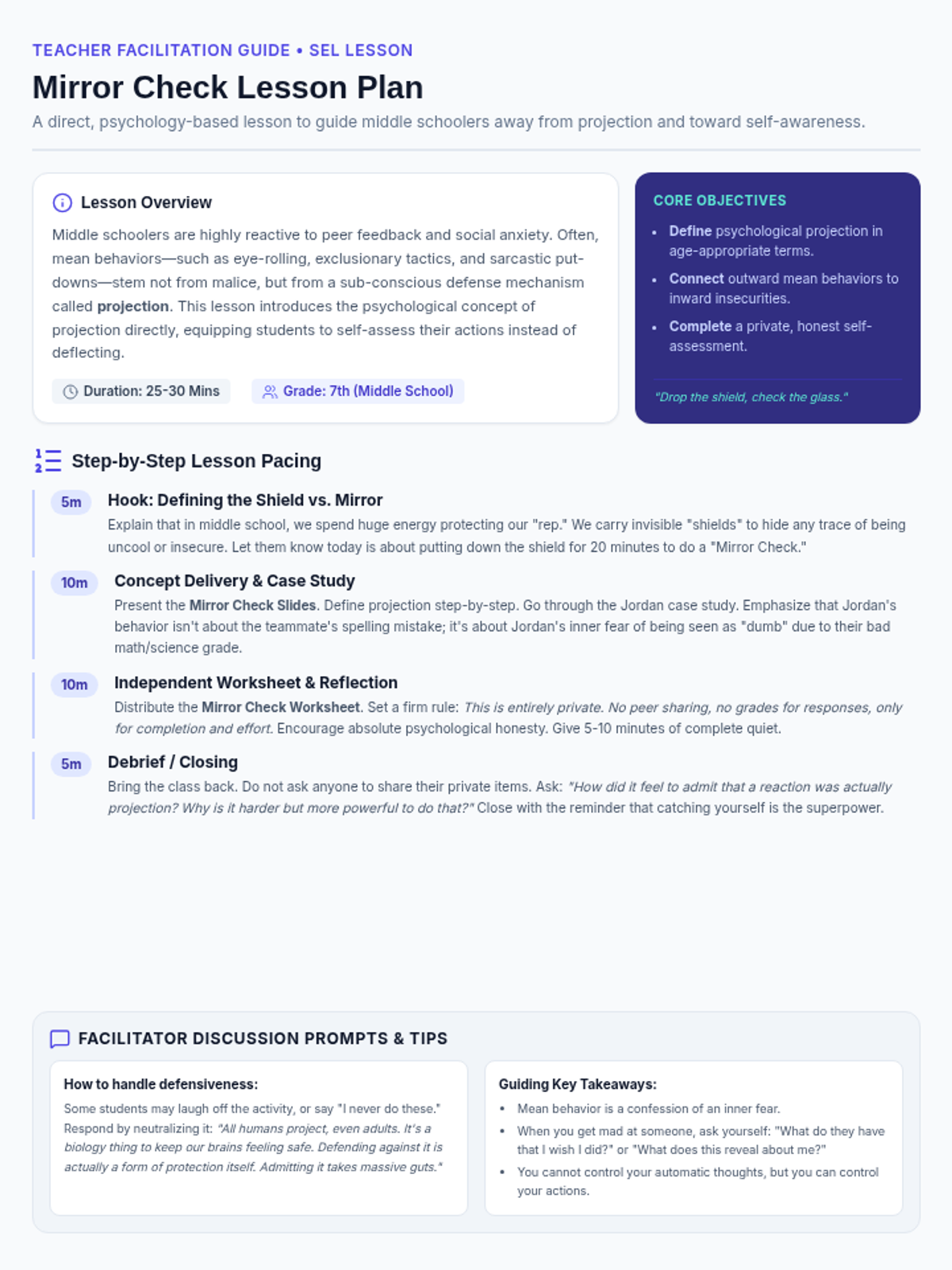
A direct, psychologically-grounded social-emotional learning lesson for 7th graders focusing on the mechanics of projection—how we lash out at others to shield our own insecurities—featuring a self-reflection checklist and discussion prompts.
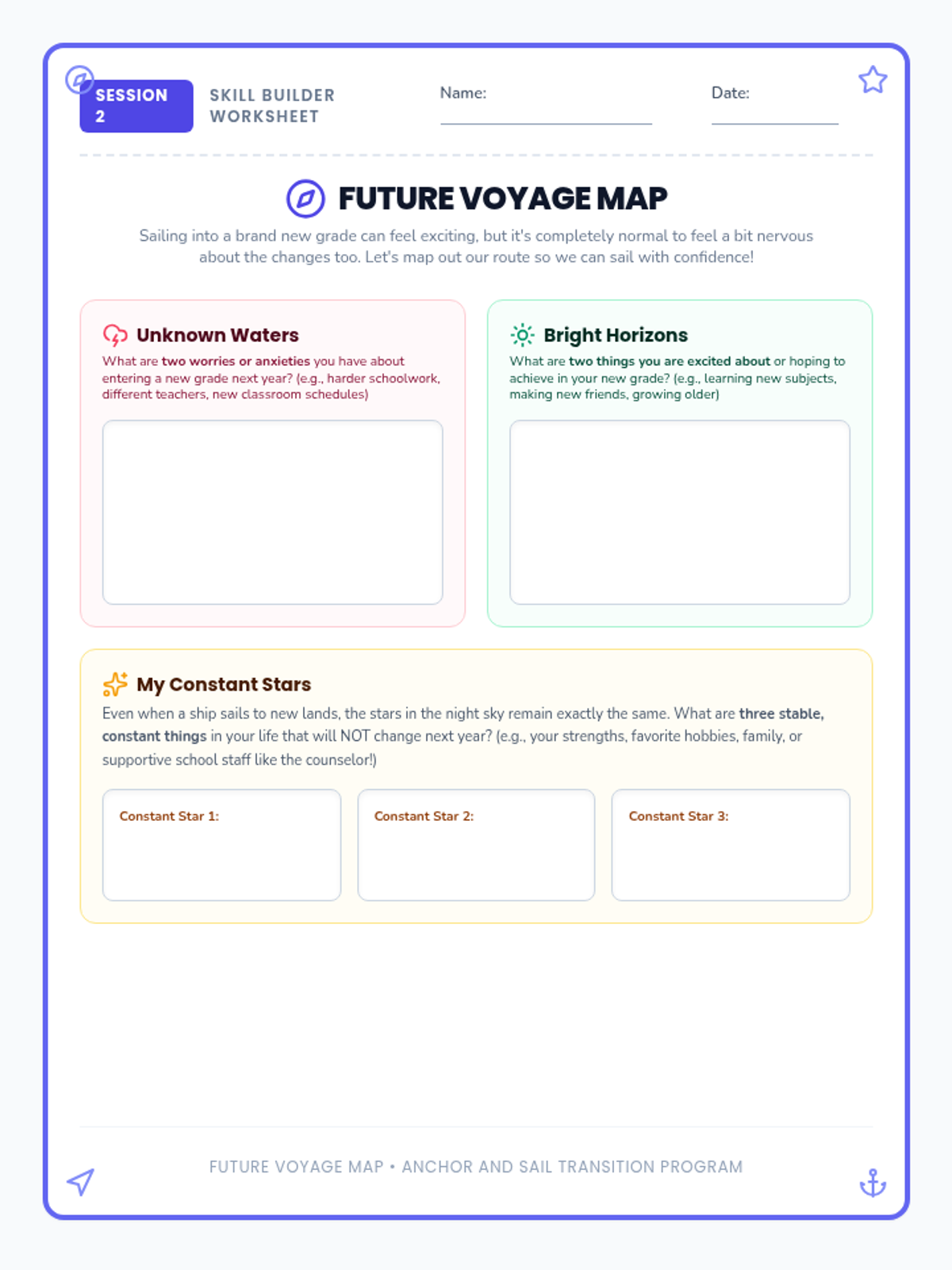
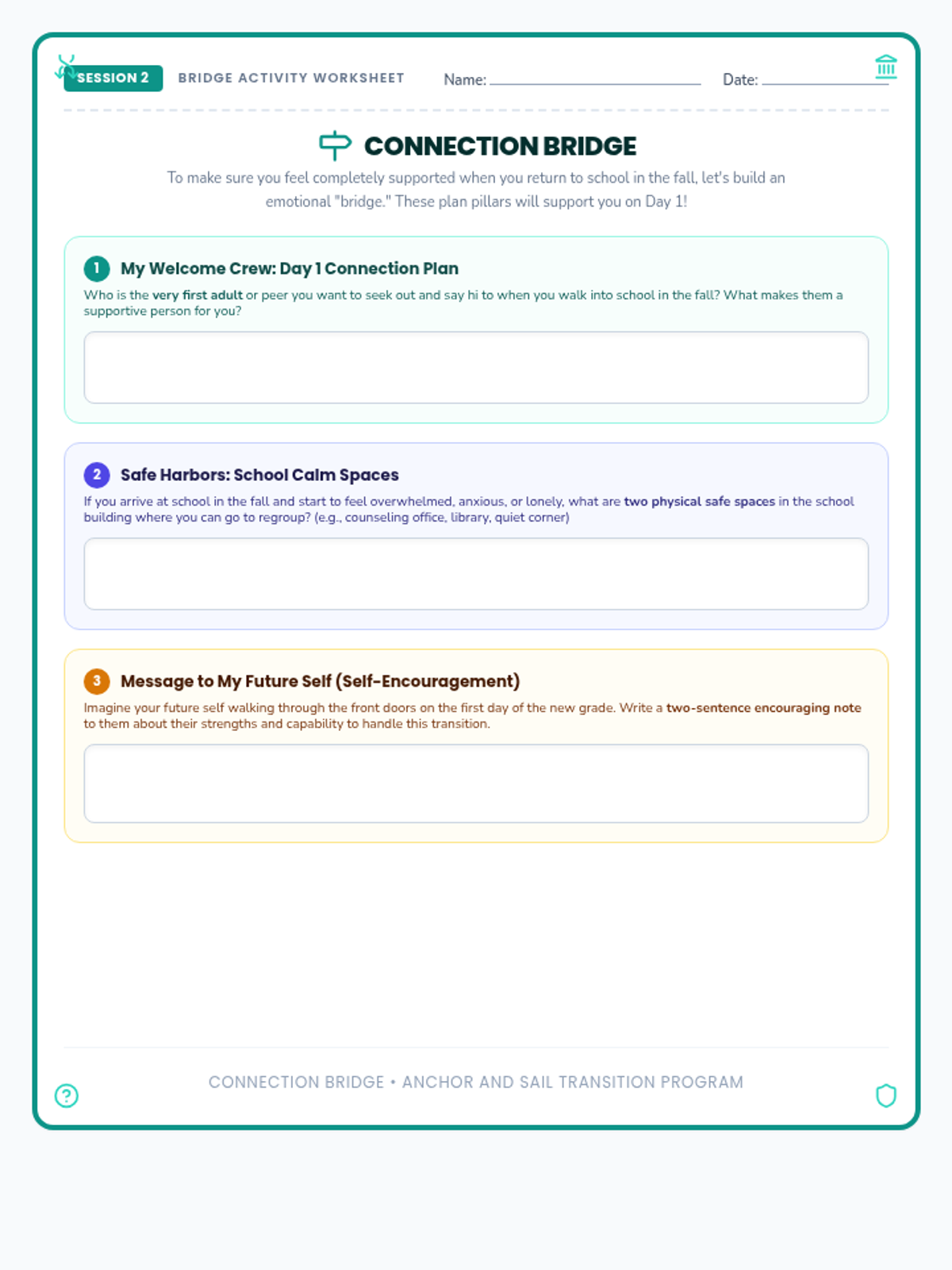
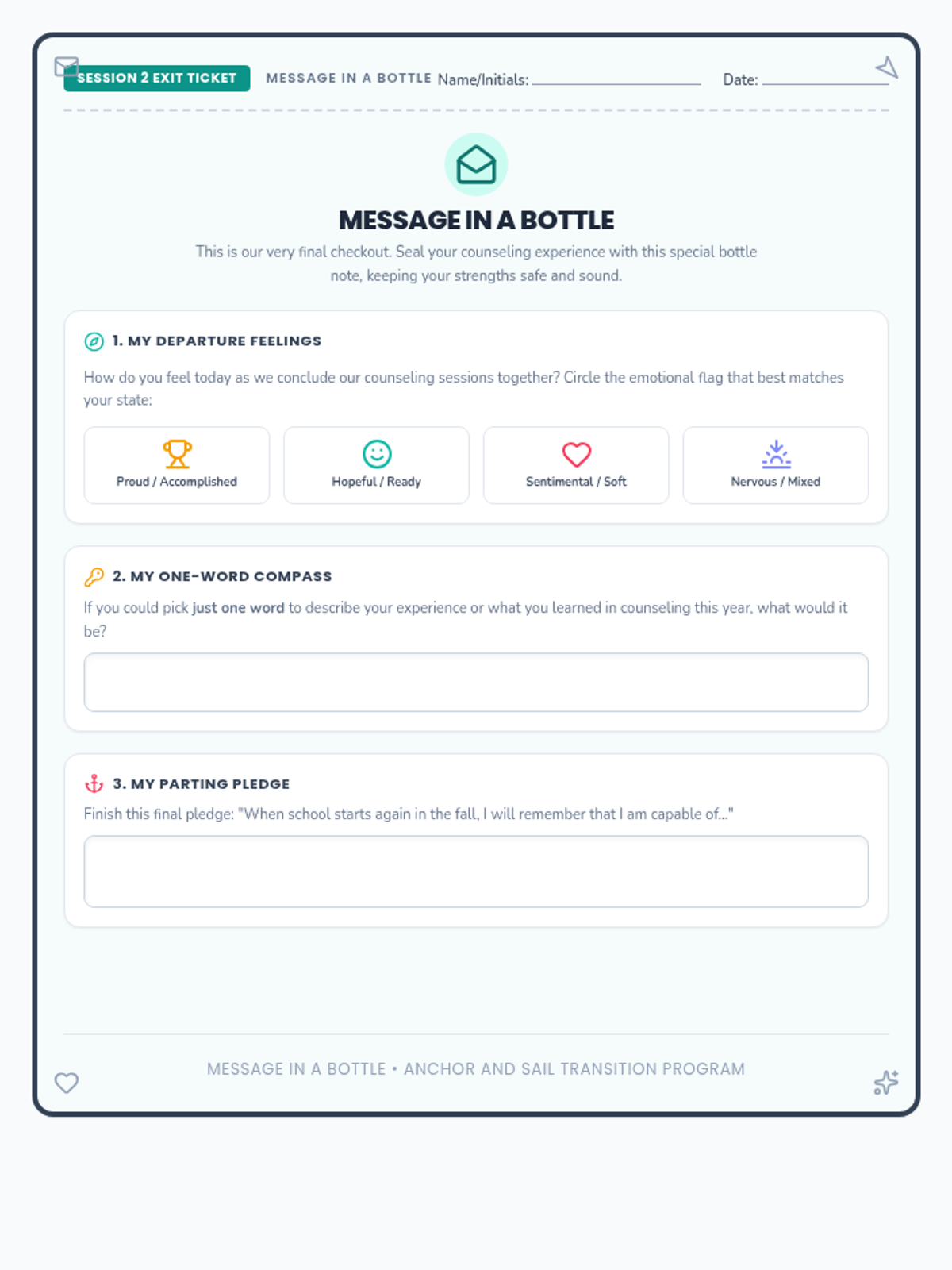
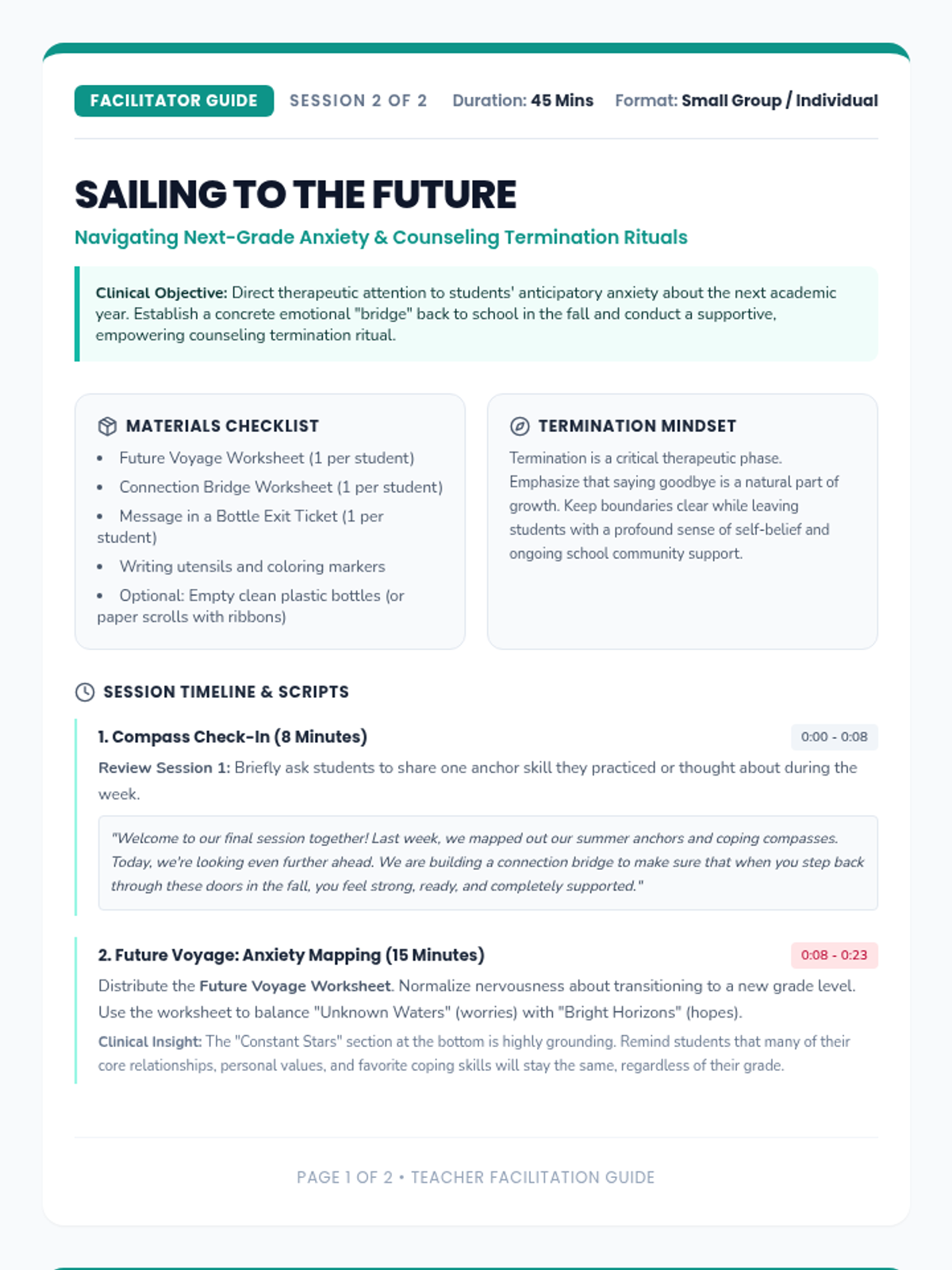
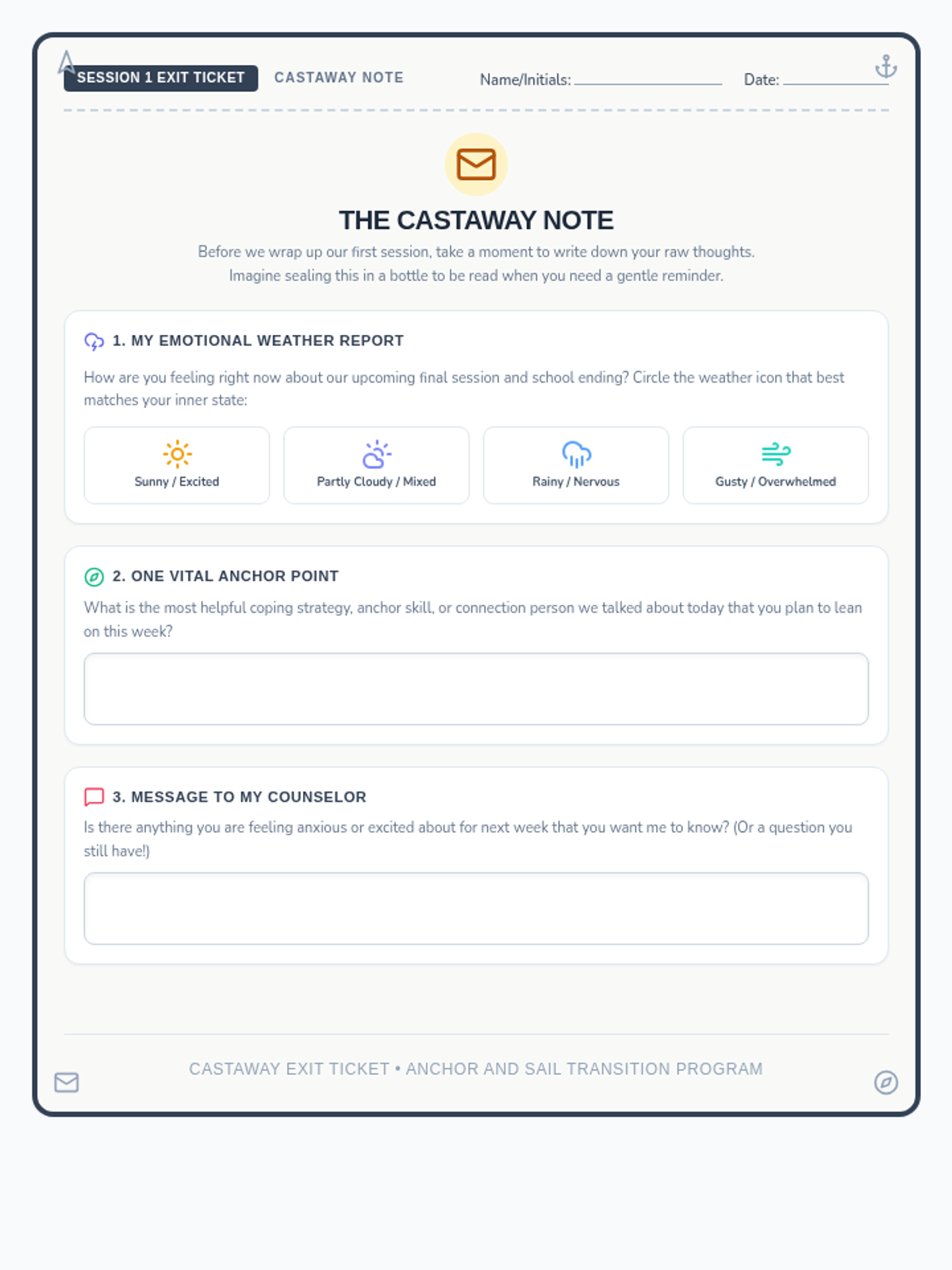
Session 2 focuses on addressing anxiety about entering a new grade, identifying what remains stable, building a concrete emotional "bridge" back to school in the fall, and conducting a meaningful counseling termination ritual.
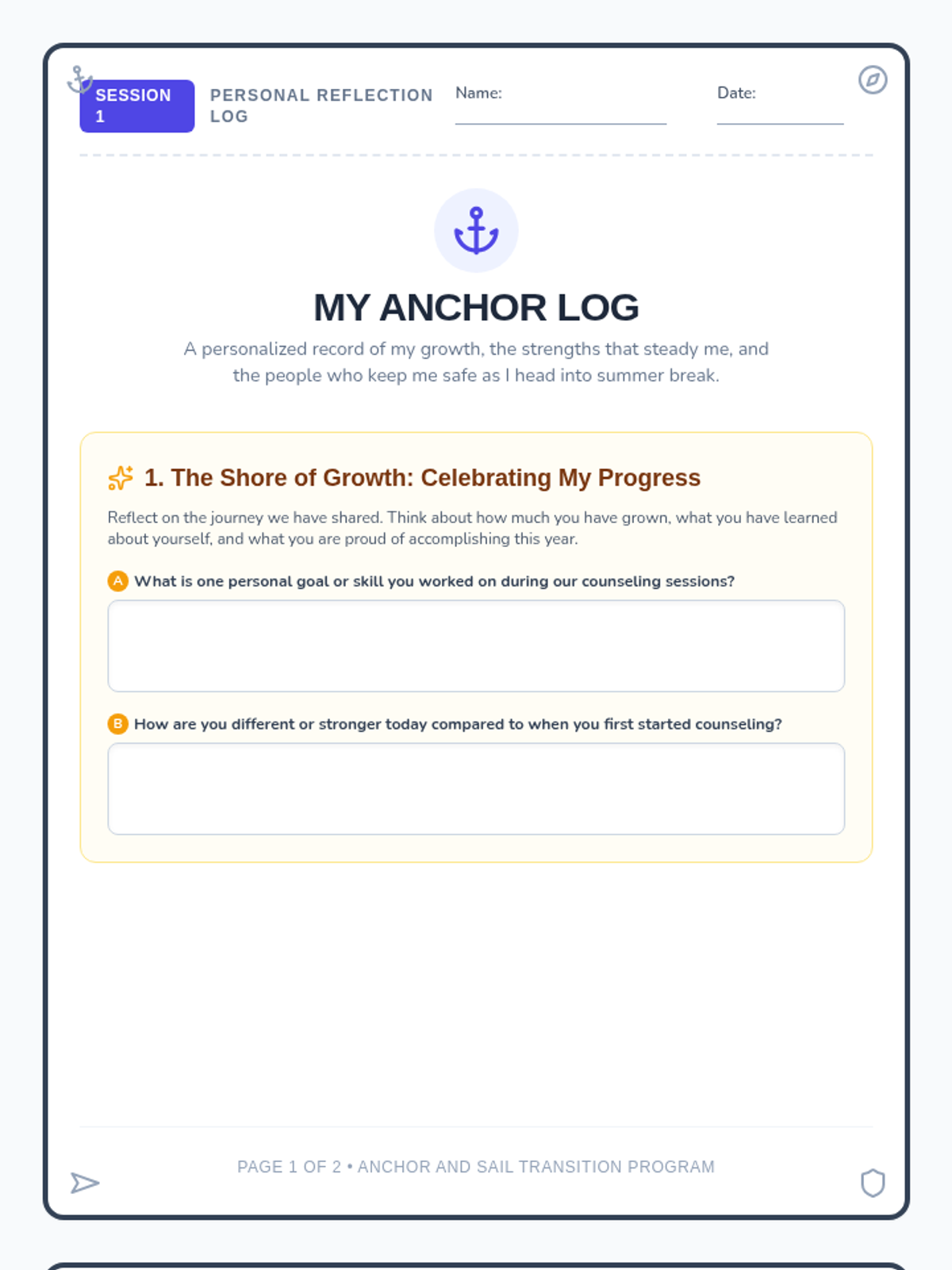
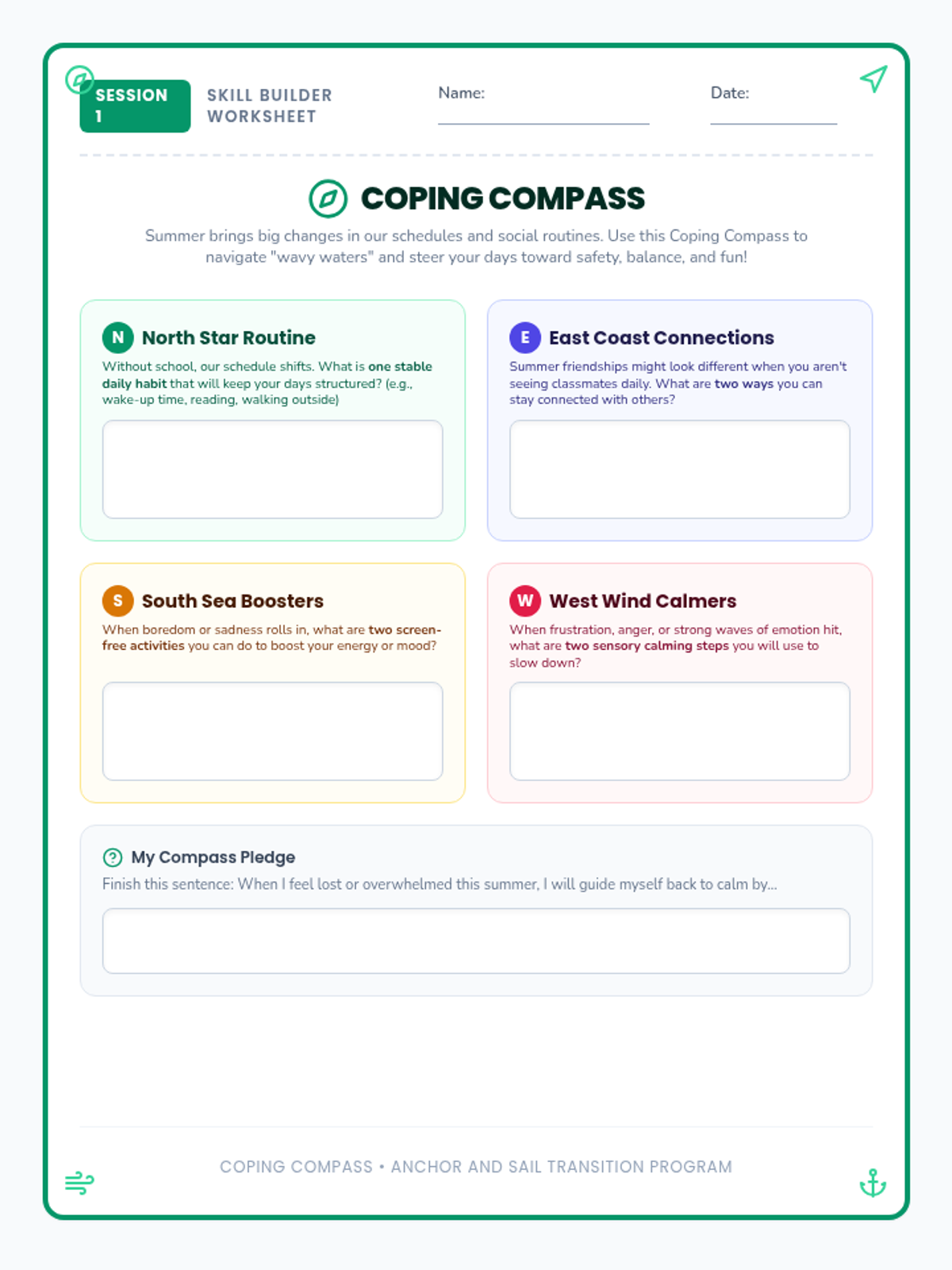
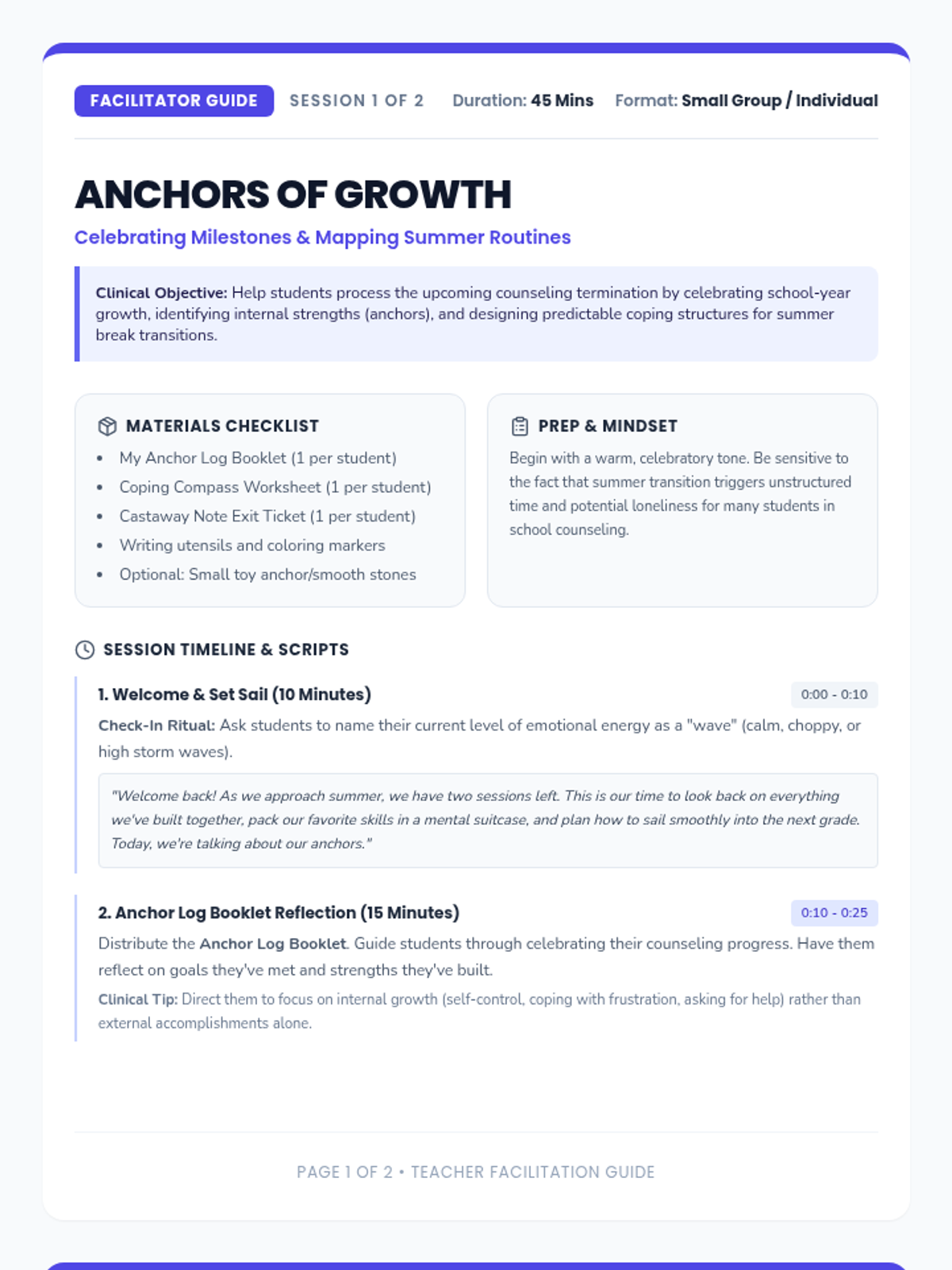
Session 1 focuses on reflecting on counseling progress, celebrating personal growth over the past year, identifying personal "anchors" (coping skills, support systems), and preparing for the changes in daily routines during summer break.
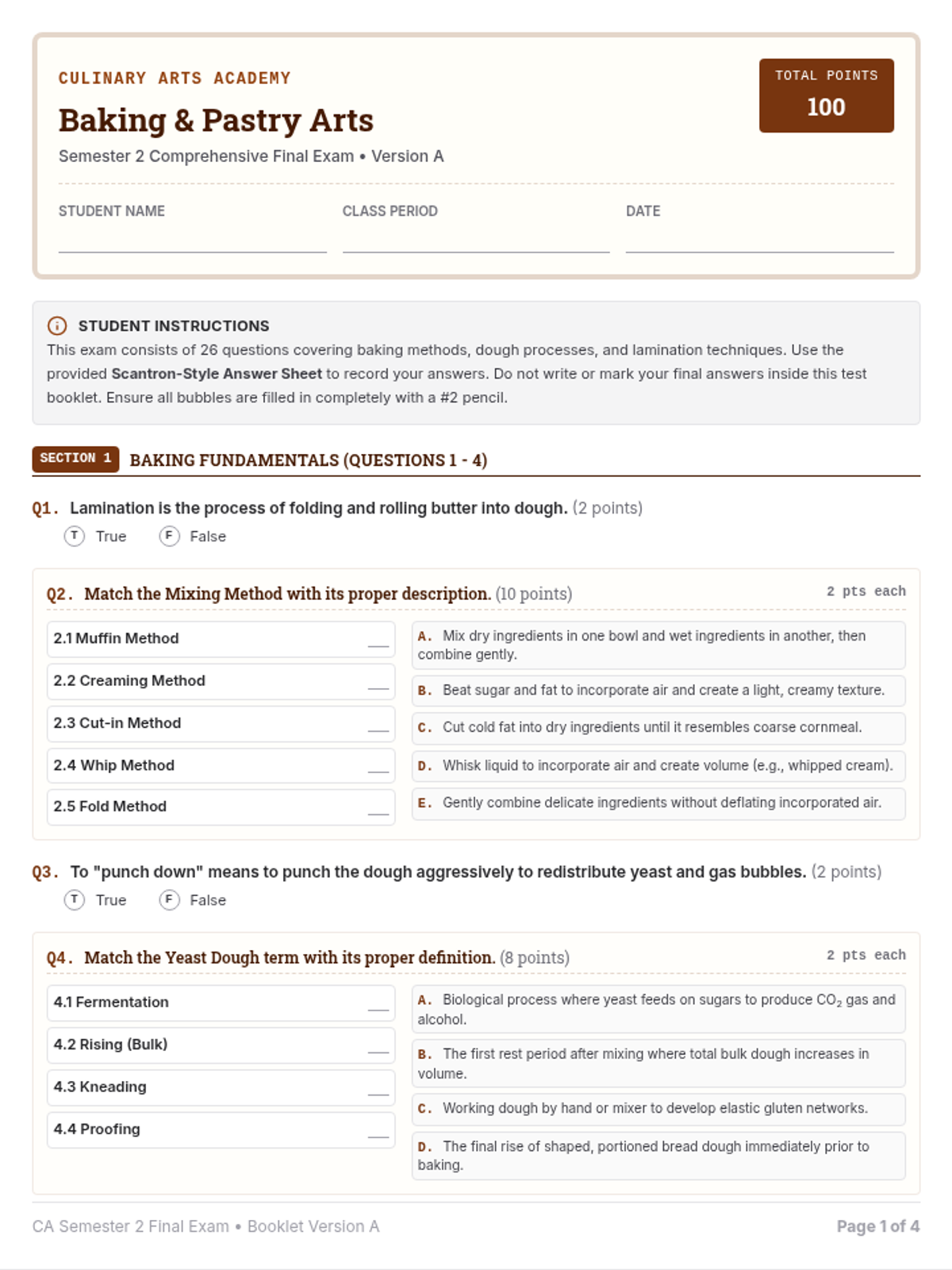
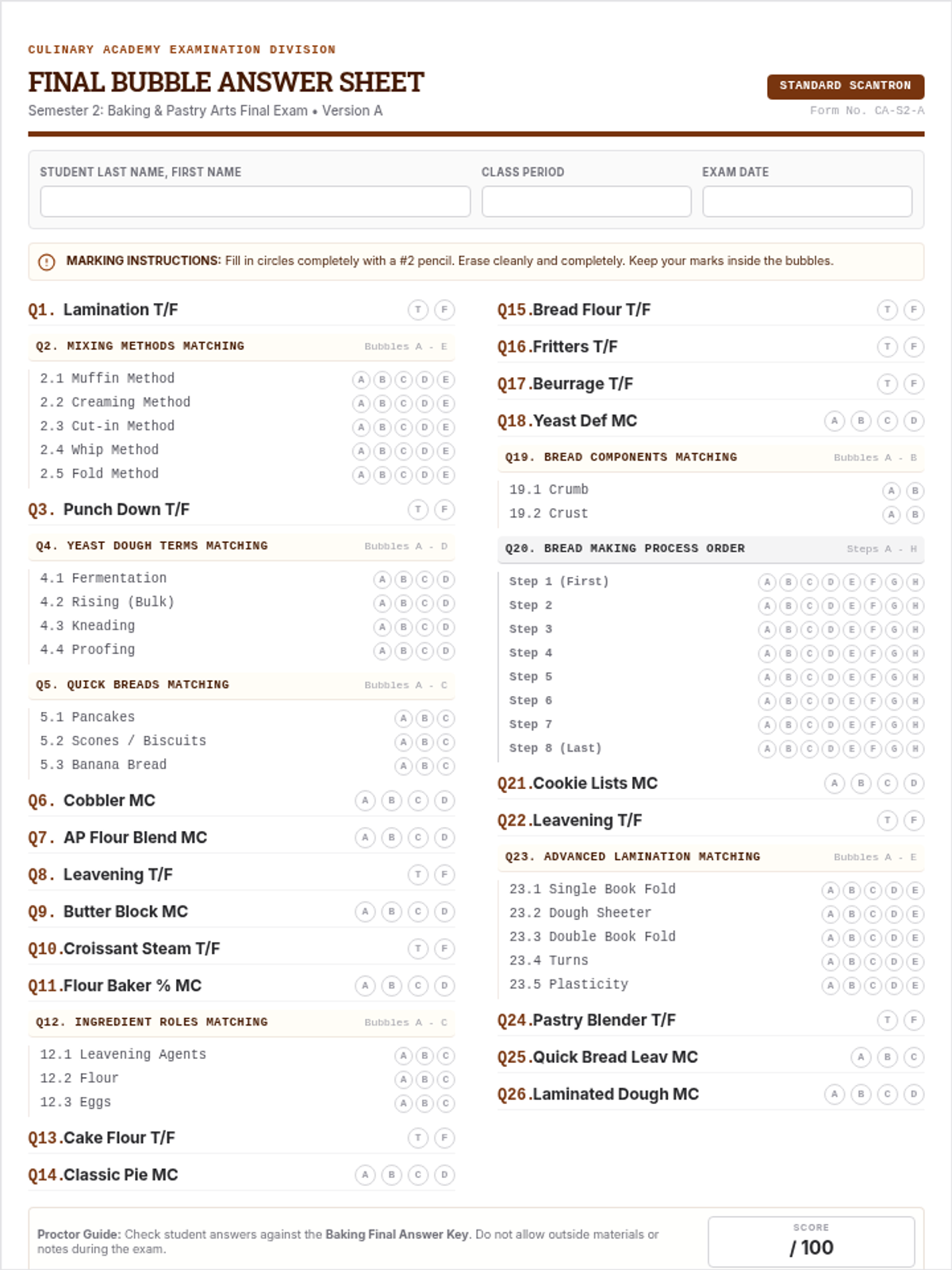
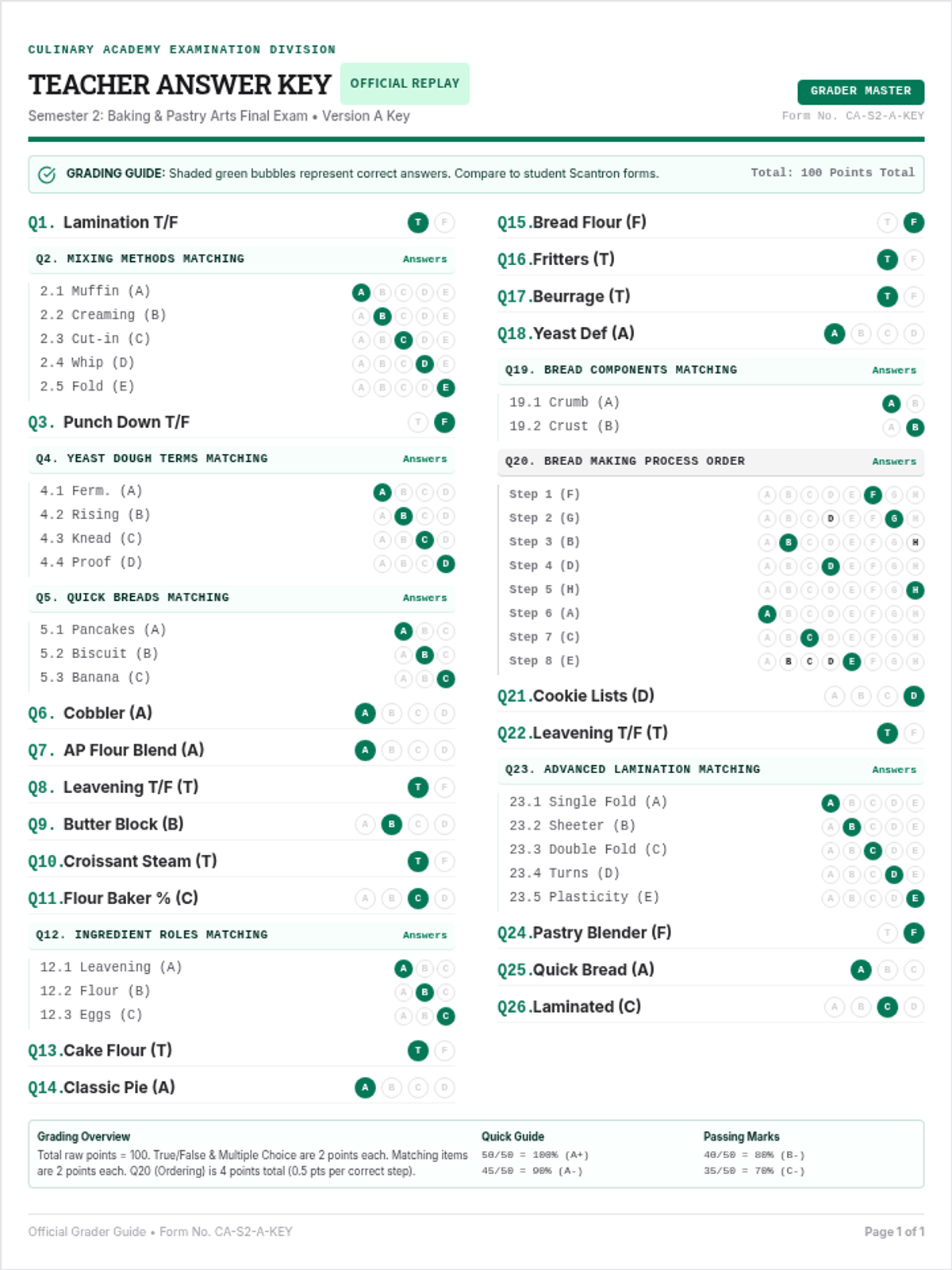
A comprehensive final exam assessment bundle for Culinary Arts Semester 2. Includes a highly polished, printable final exam test booklet, a student-facing scantron-style bubble answer sheet, and a complete teacher answer key and grading guide.
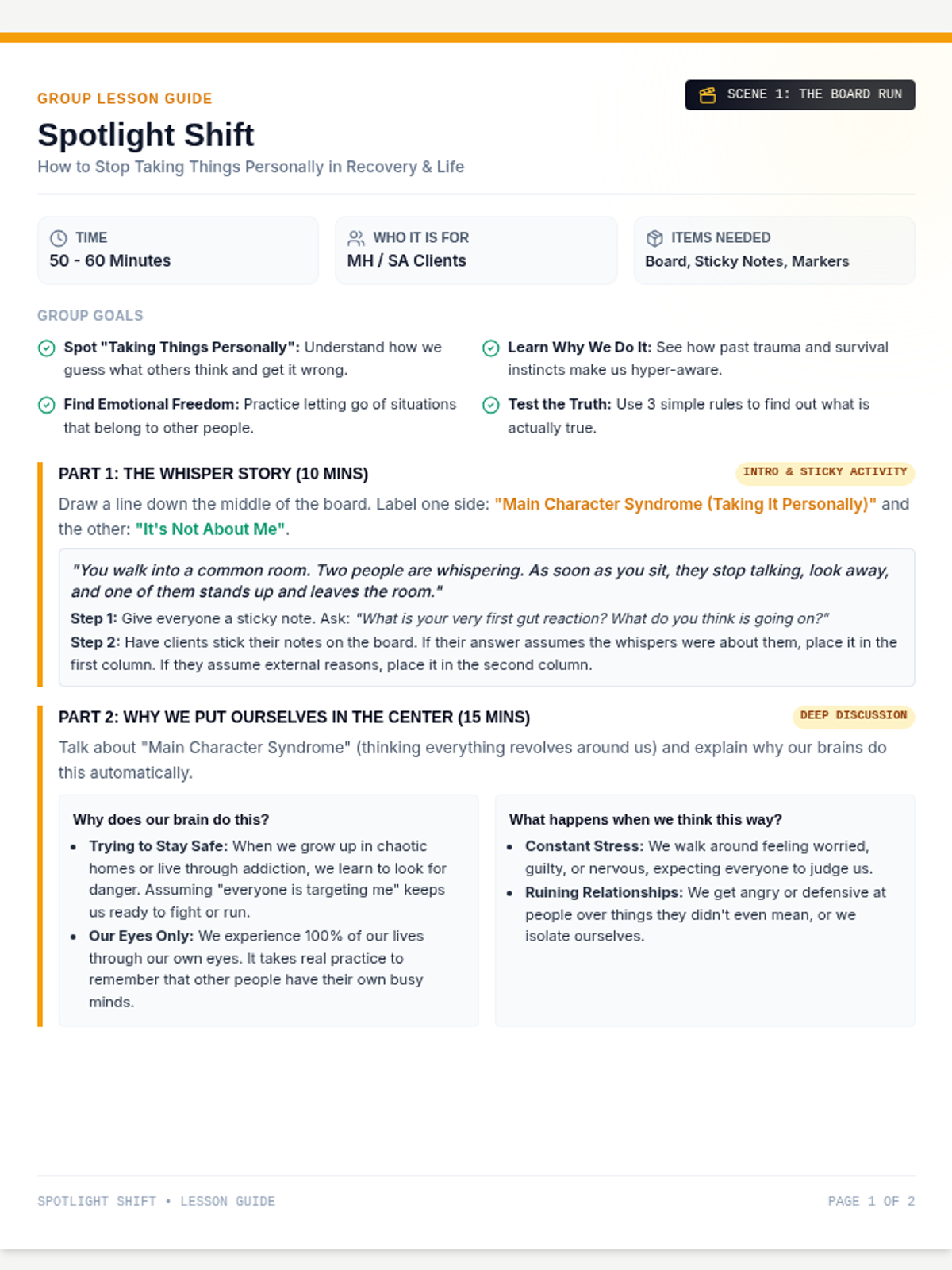
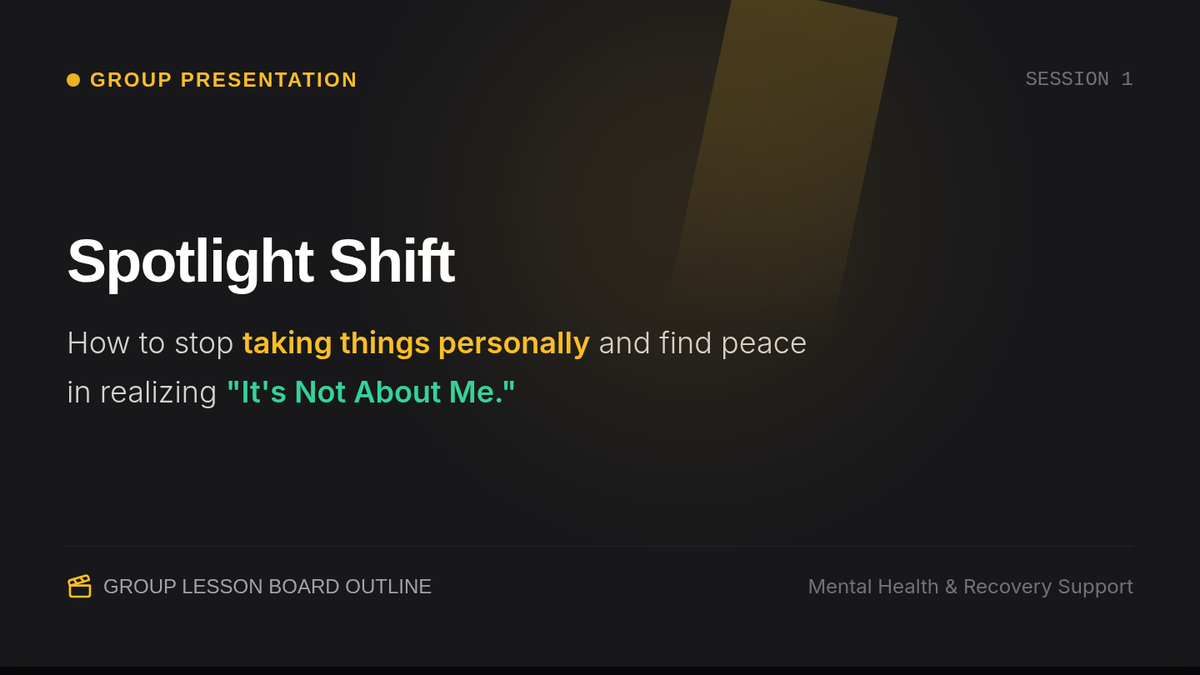
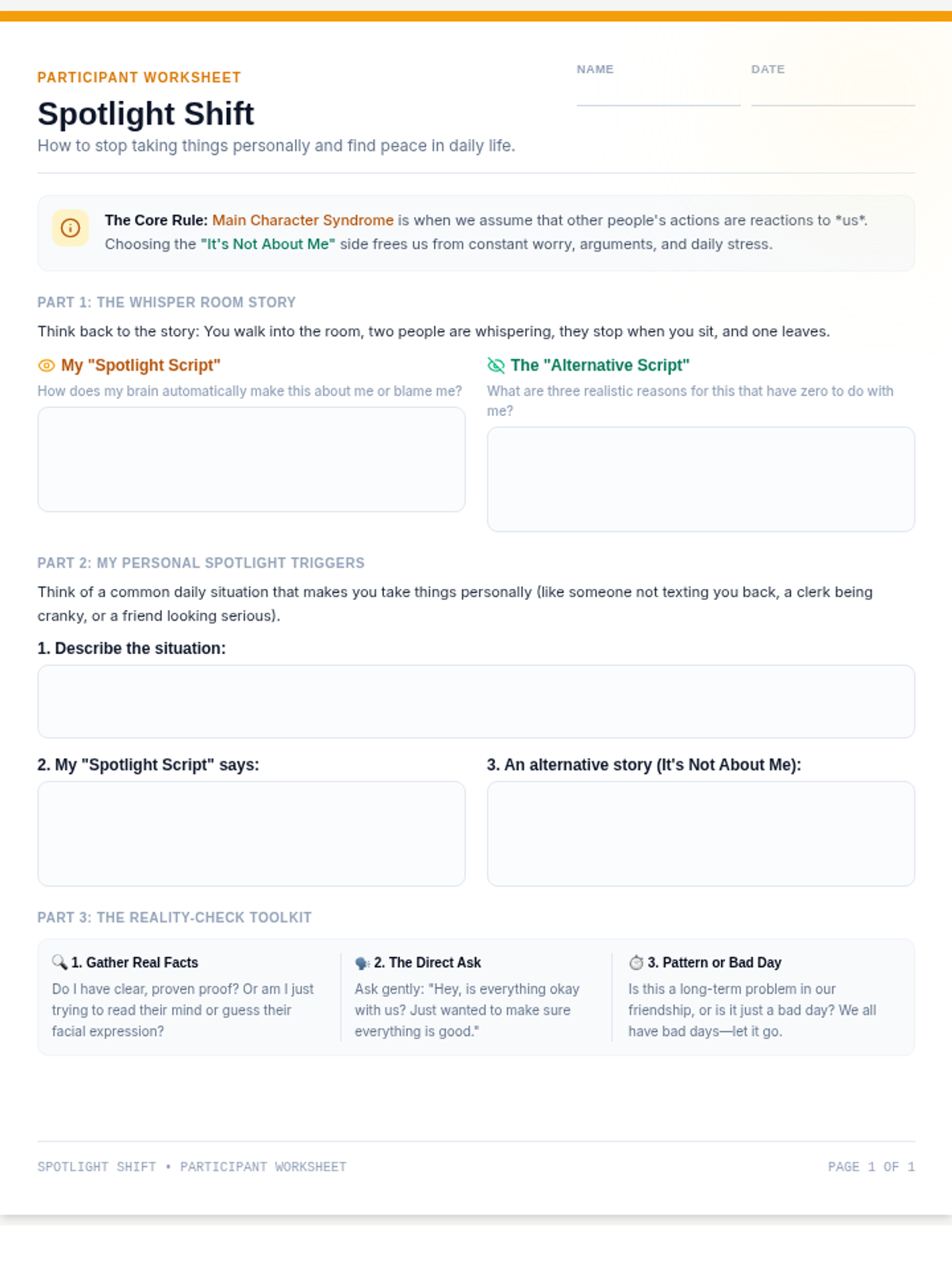
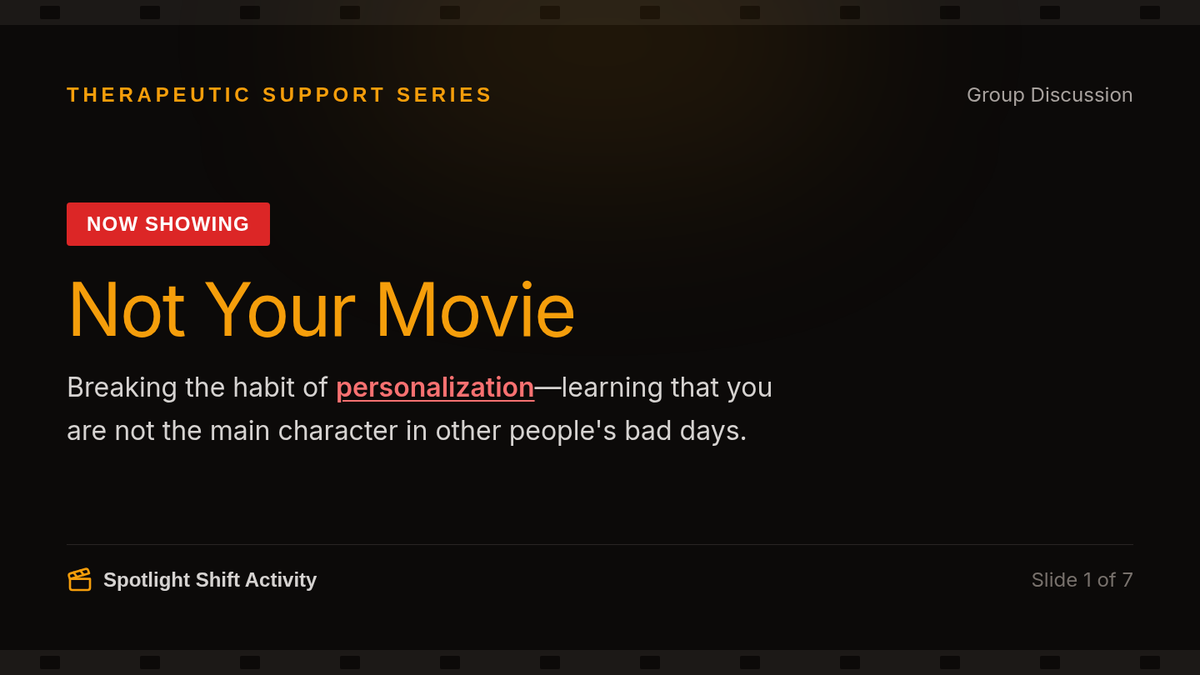
A psychoeducational group lesson designed for mental health and substance abuse clients. It explores 'Main Character Syndrome' (cognitive personalization) and the liberating perspective of 'It's Not About Me', offering clients practical reality-checking tools to navigate daily triggers without taking them personally.
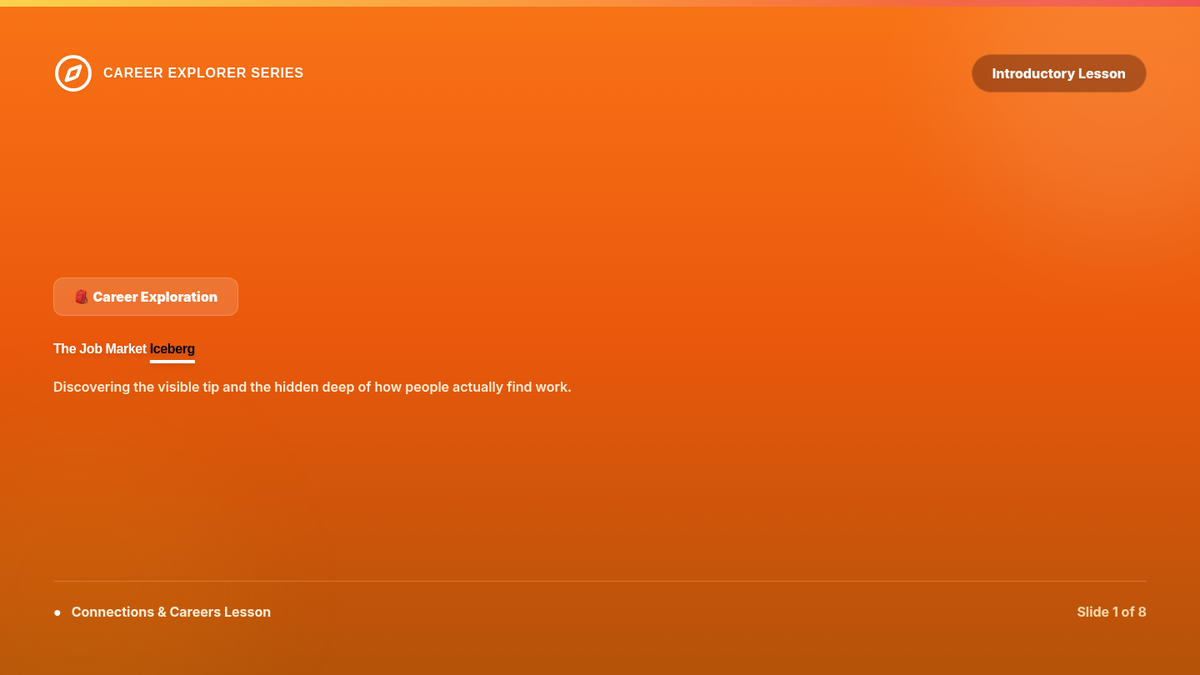
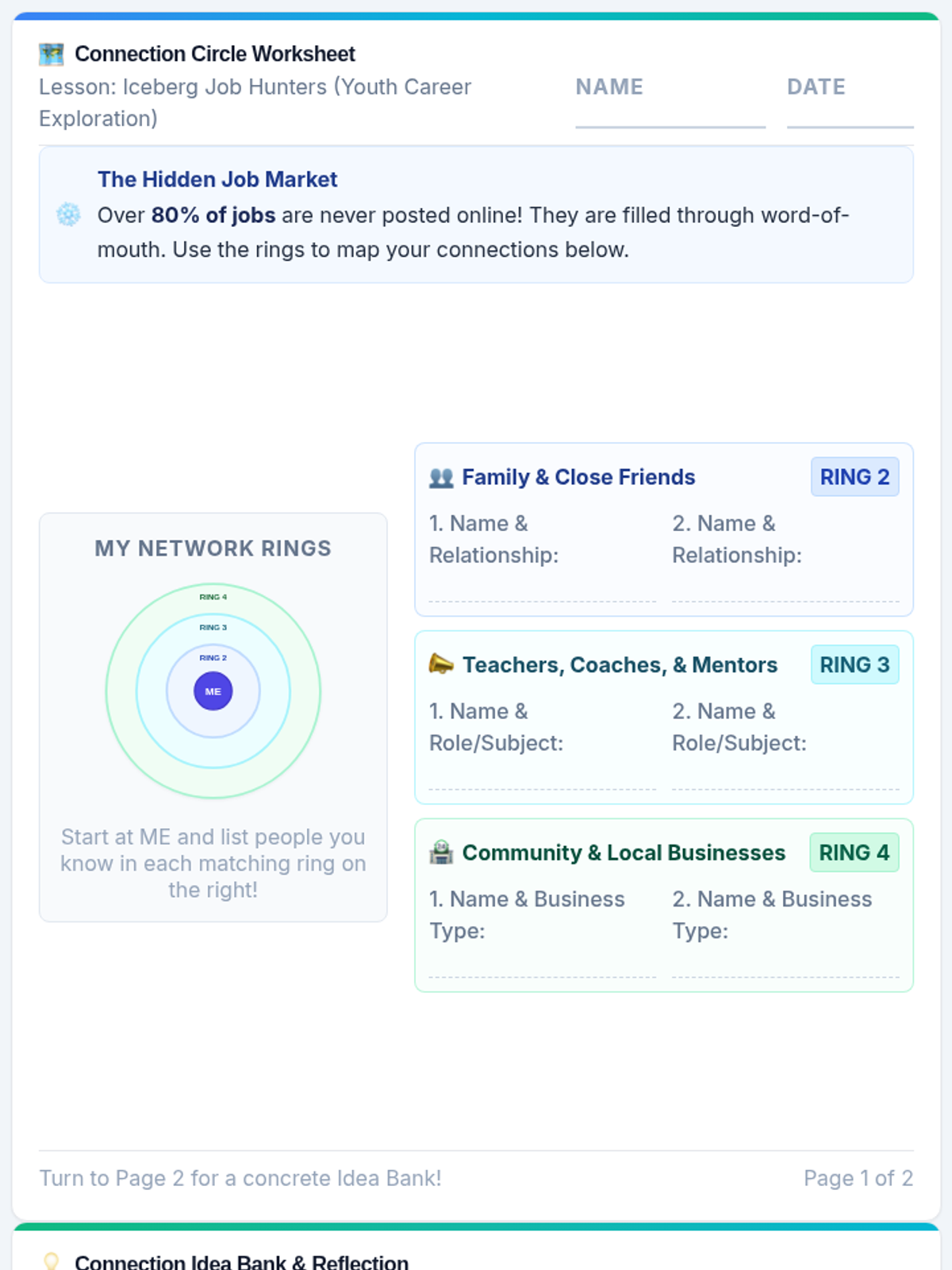
A highly visual career exploration lesson that introduces the Job Market Iceberg (Open vs. Hidden Job Market), guides students to map their network with concentric circles, and spotlights youth self-employment programs in Ontario. Includes visual symbols and concrete supports.
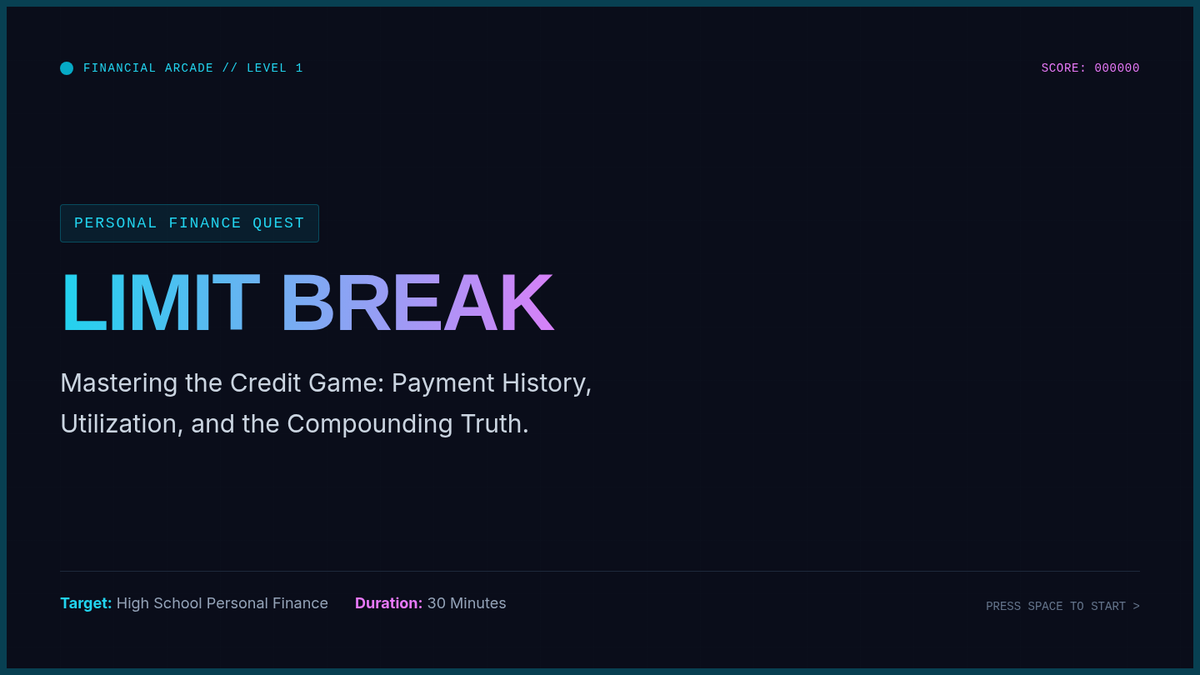
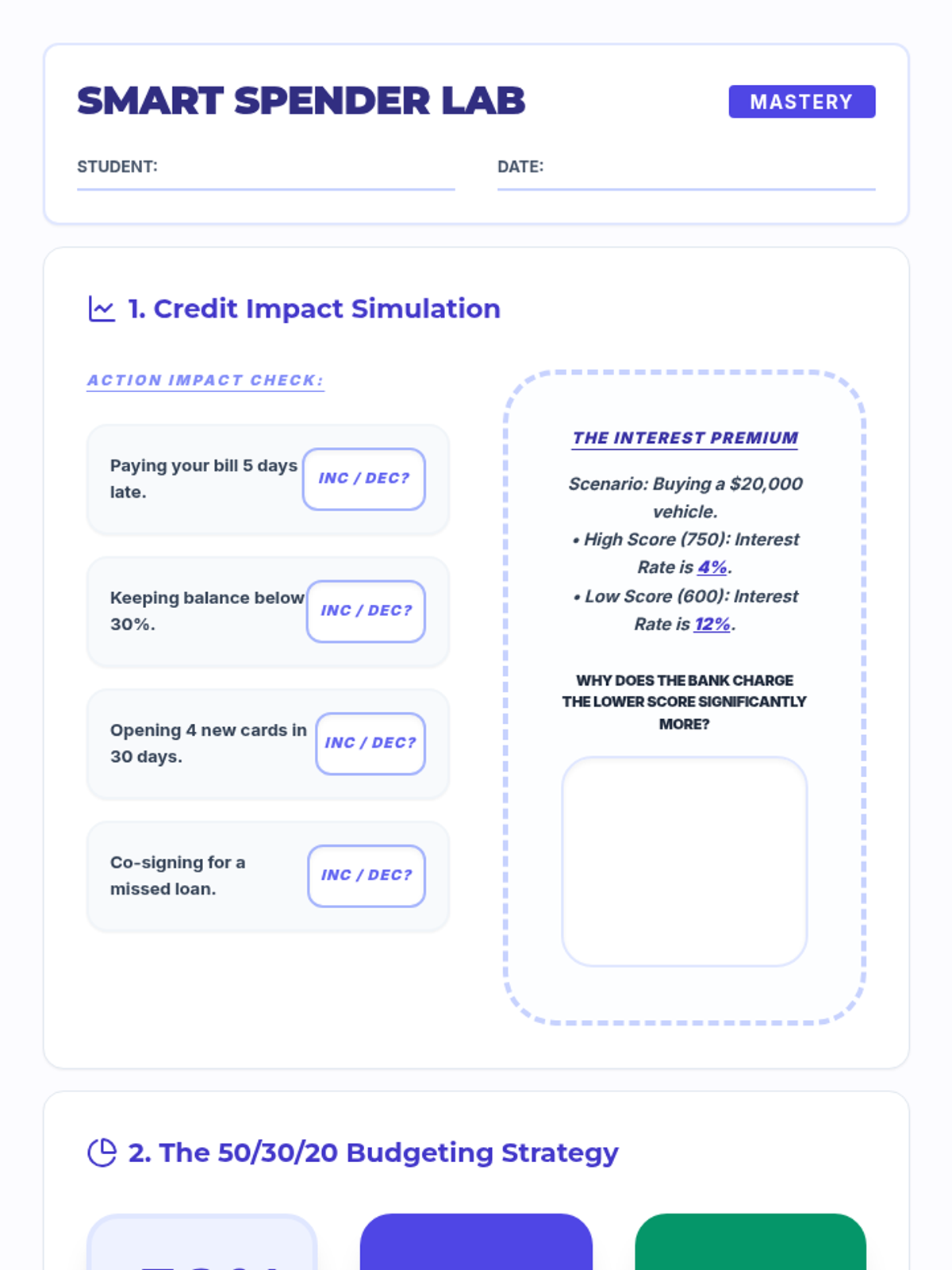
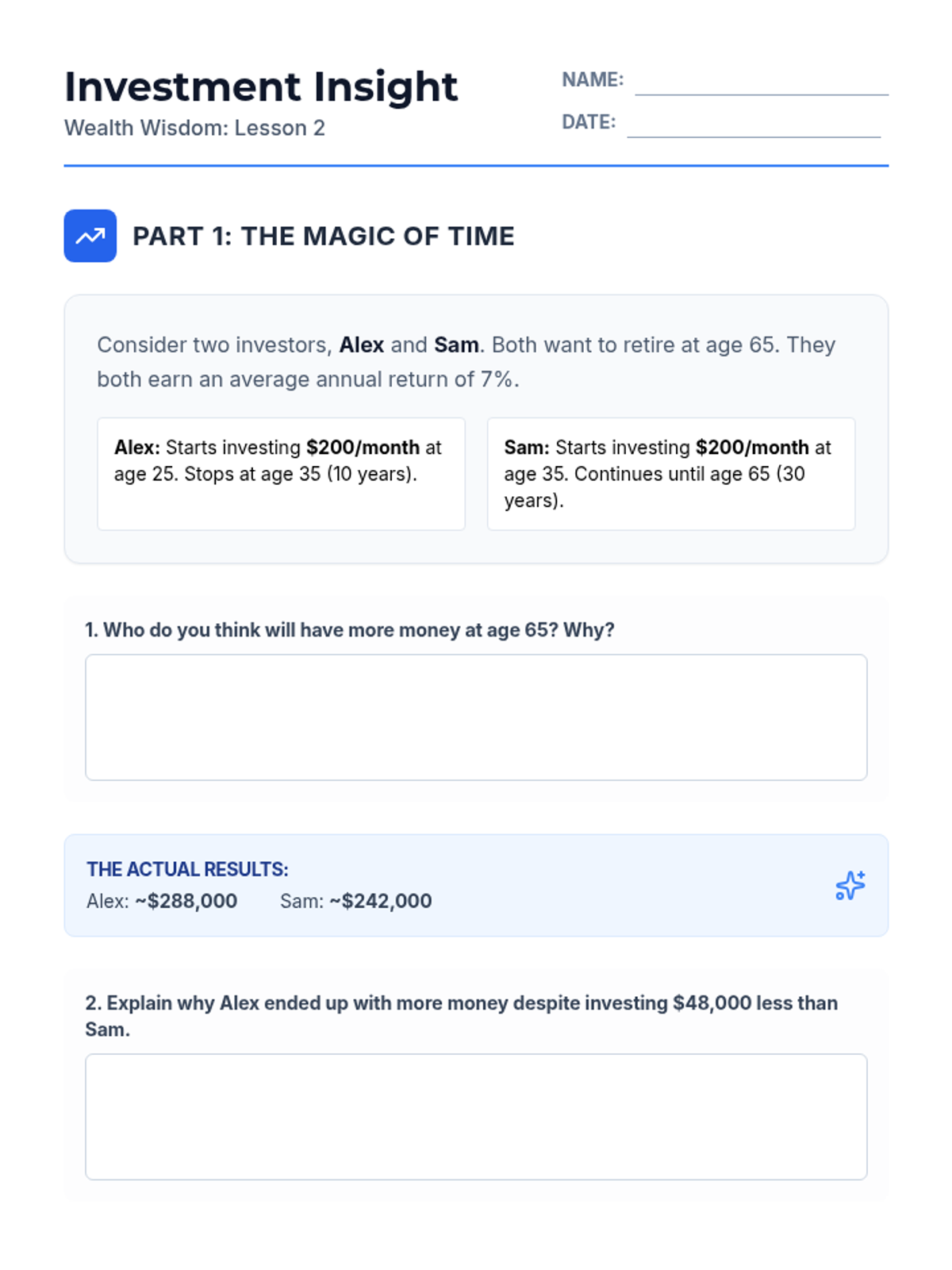
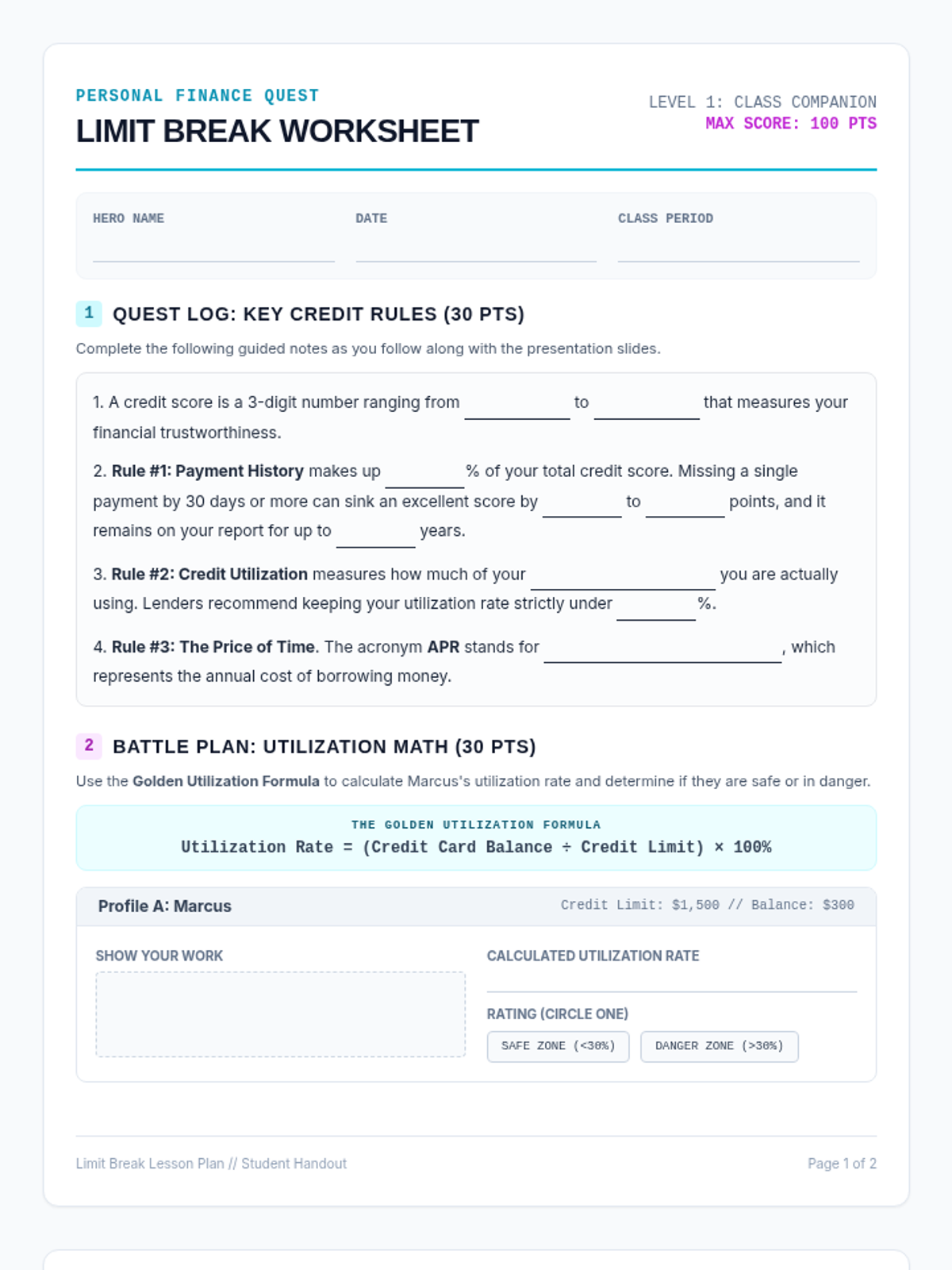
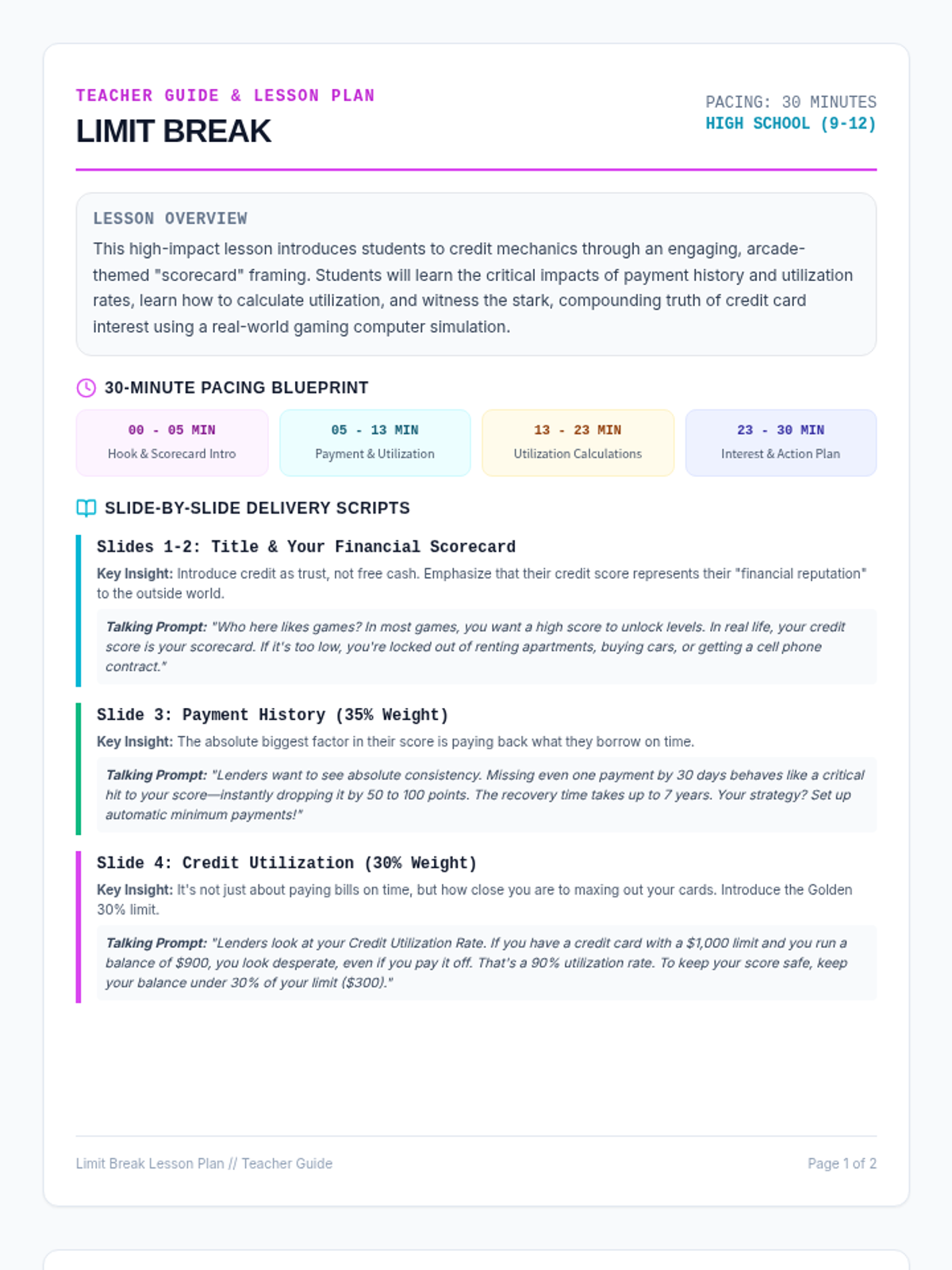
A high-impact personal finance lesson introducing high schoolers to the mechanics of credit, focusing on payment history, credit utilization, and the compounding reality of interest.
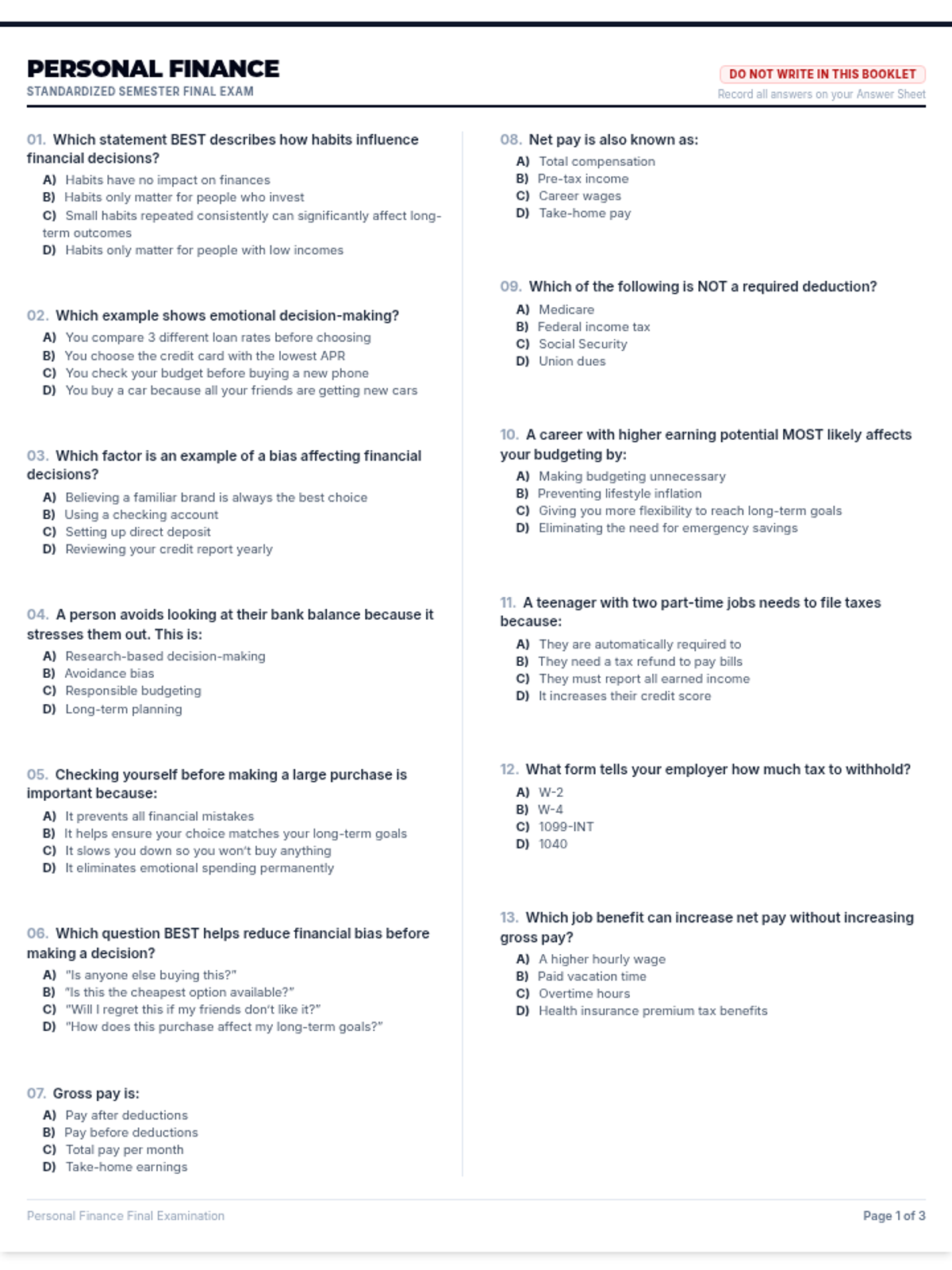
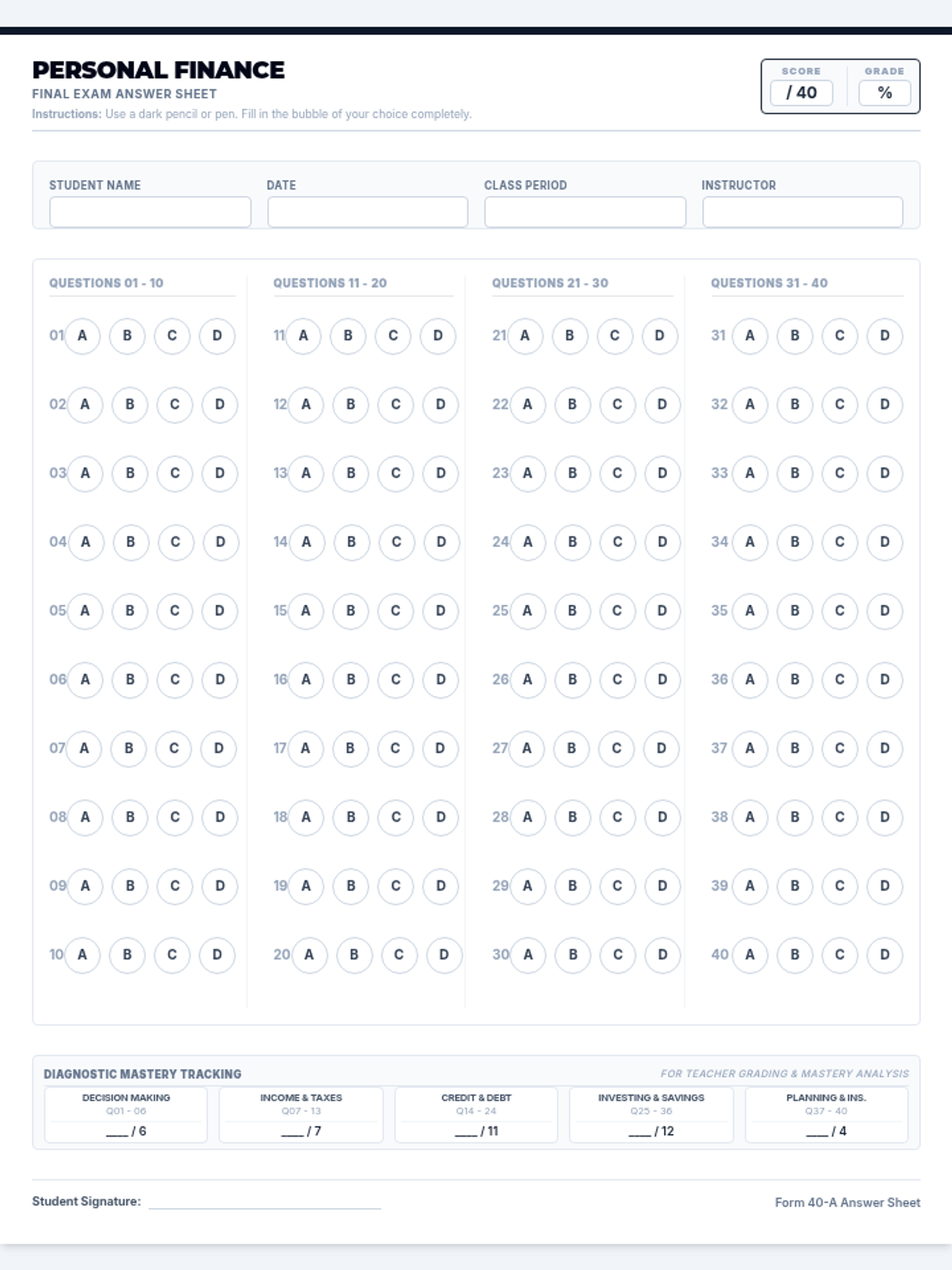
A complete Personal Finance final exam set, featuring a highly optimized, compact 3-page exam booklet and a separate 1-page scantron-style answer sheet. This setup dramatically reduces paper consumption, allows the booklets to be reused, and simplifies grading for testing centers or makeup exams.
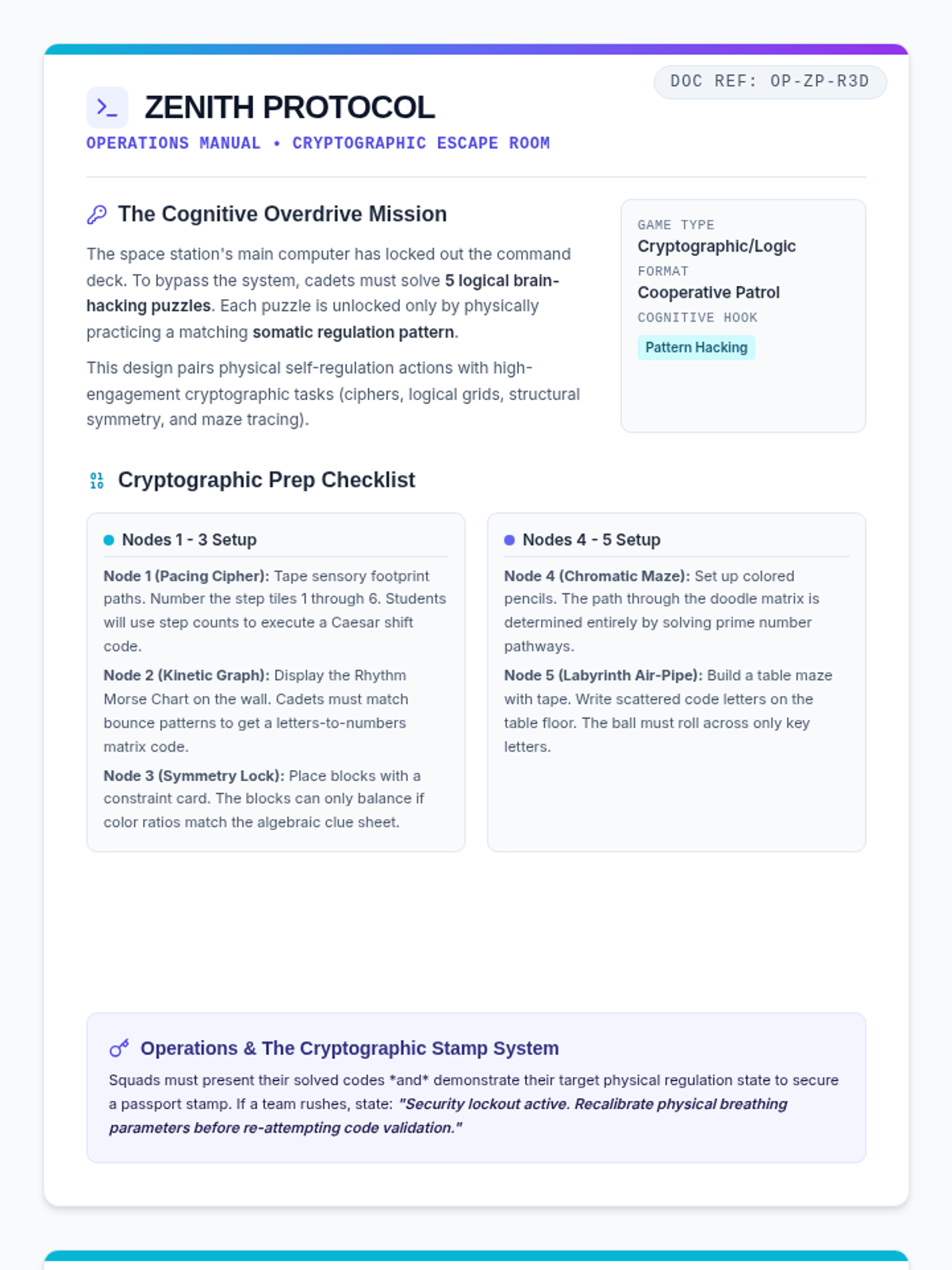
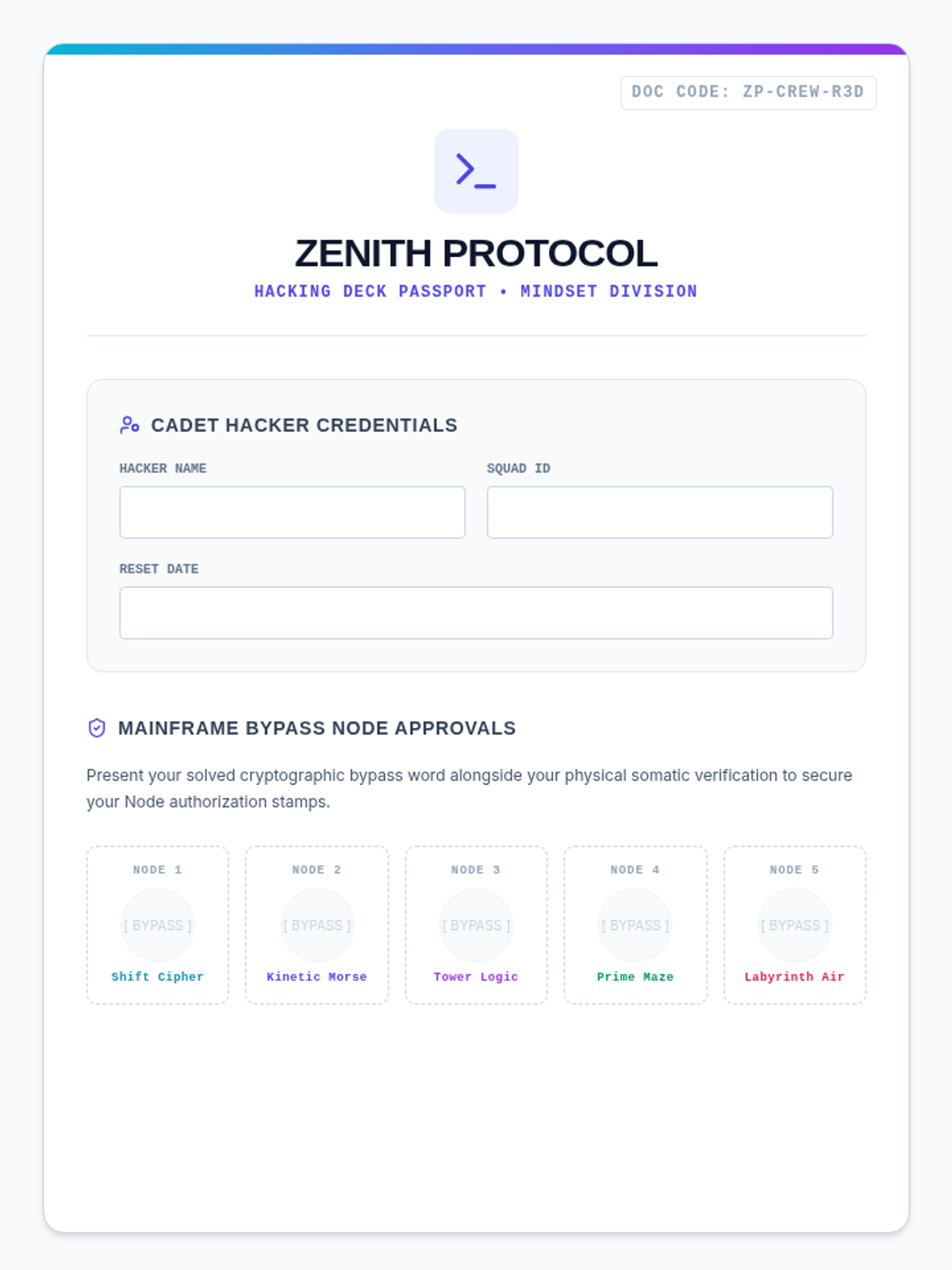
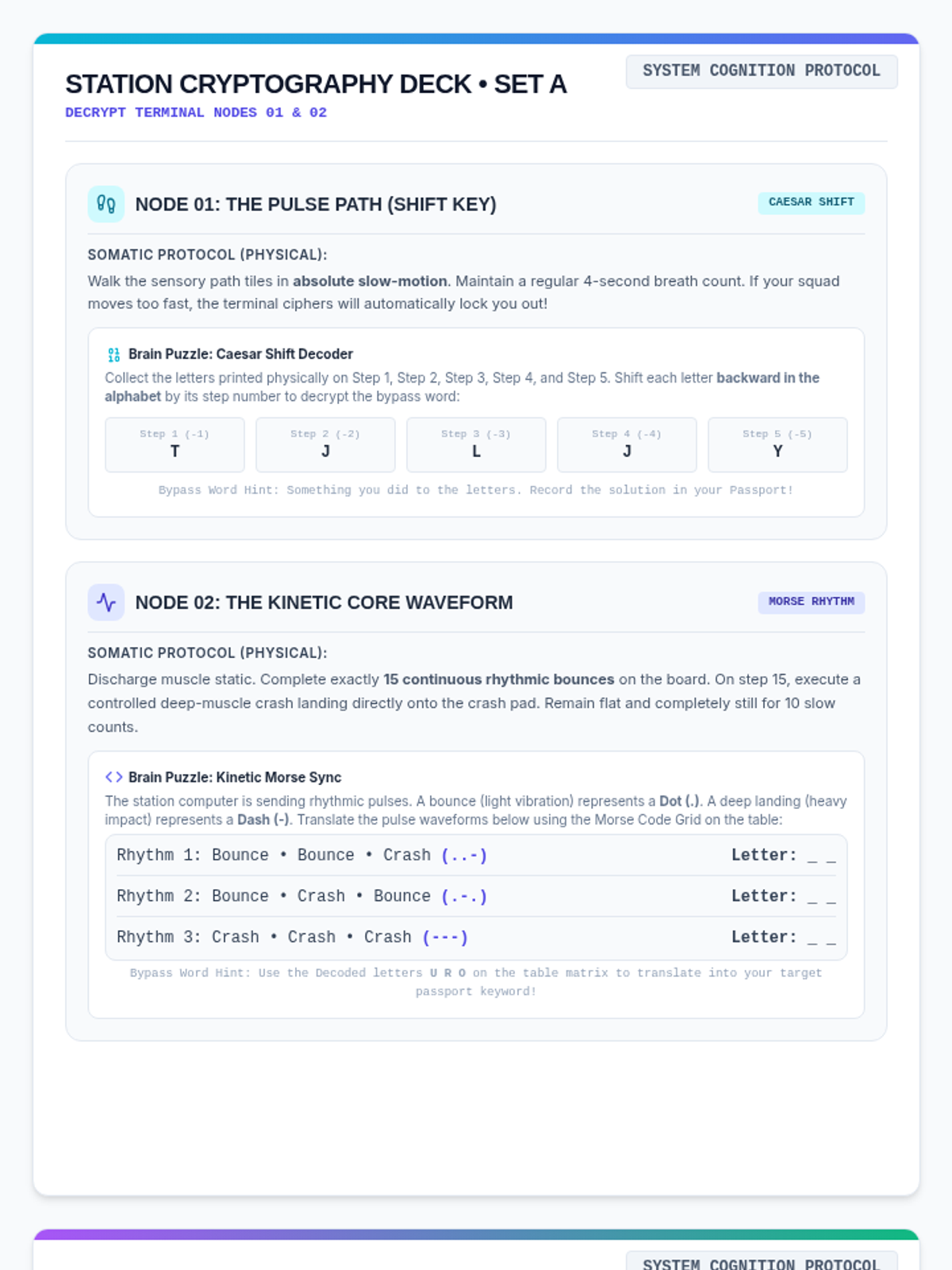
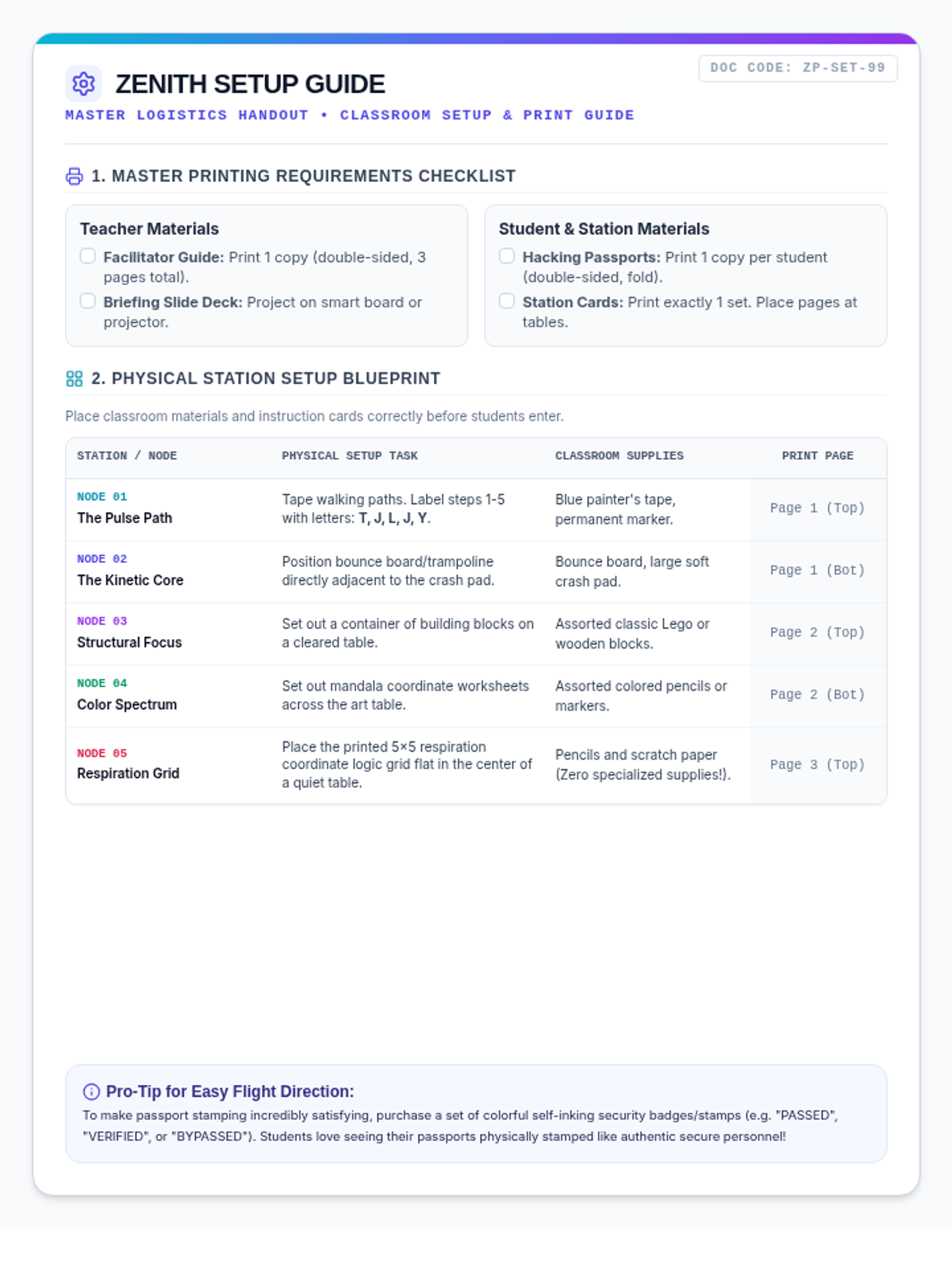
An immersive, hands-on self-regulation escape room for middle schoolers. Students activate 5 mental reset nodes (Sensory, Kinetic, Focus, Art, and Breath) to stabilize a simulated space station reactor, logging codes and reflections in a custom passport.
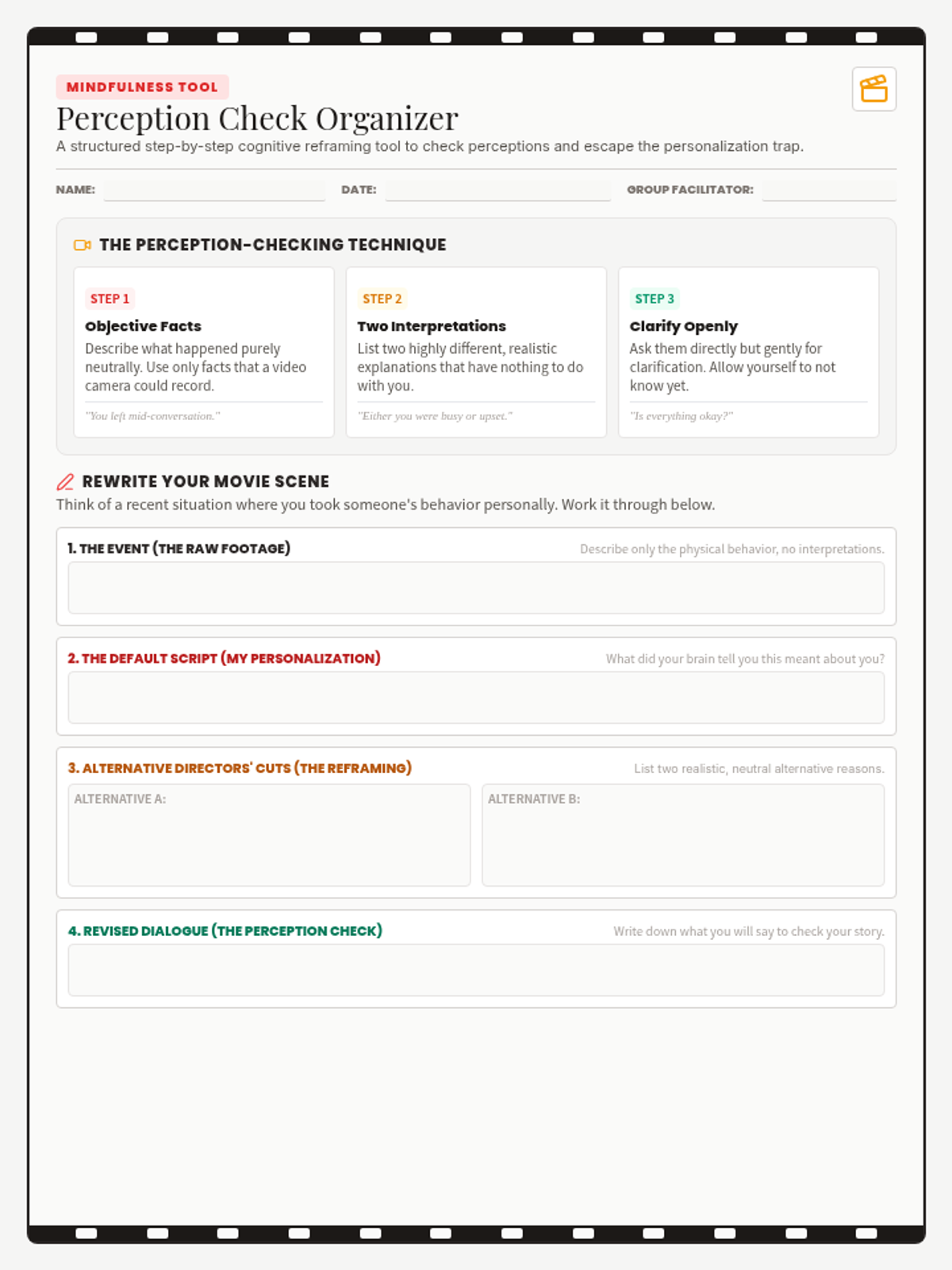
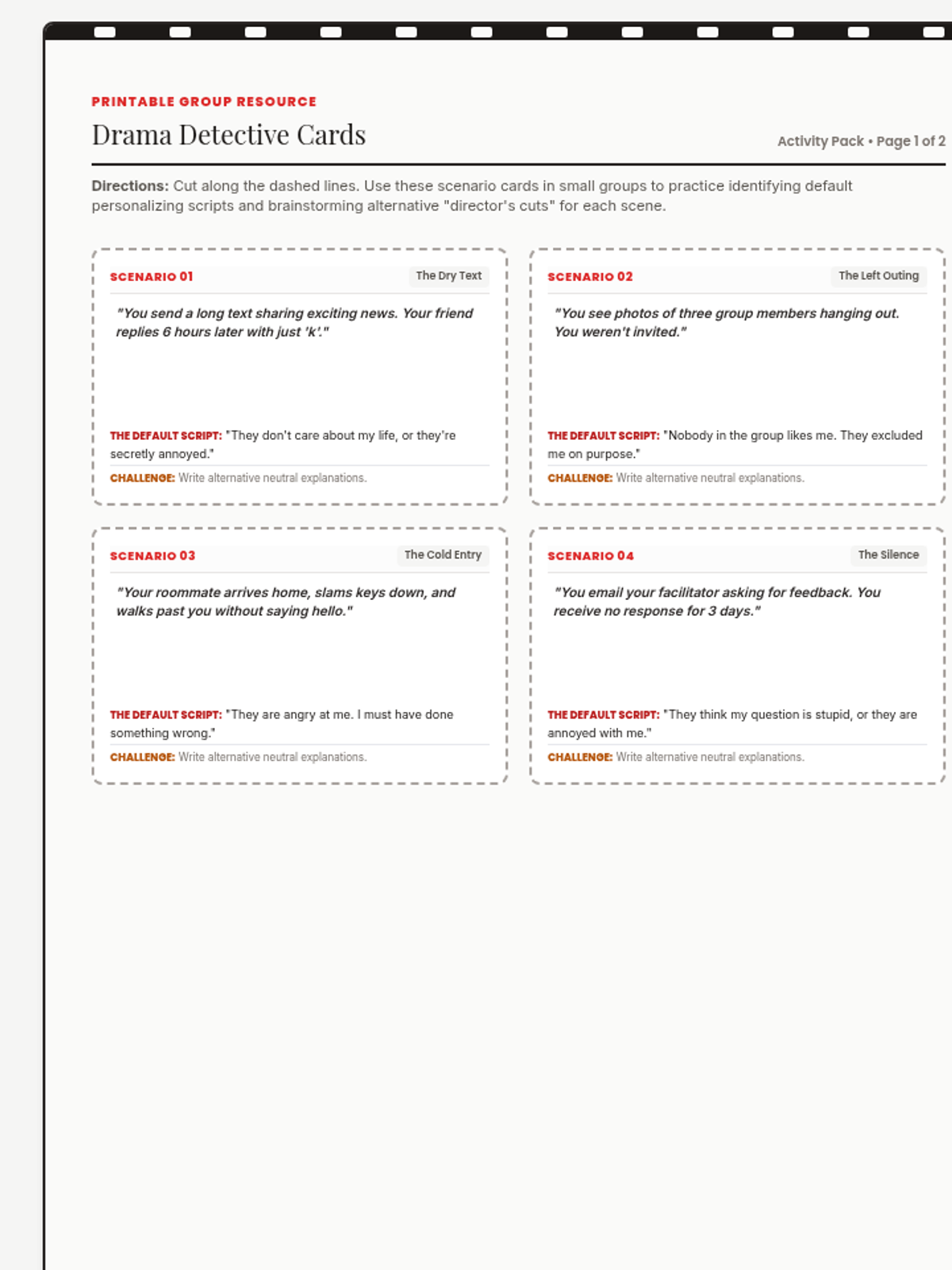
A therapeutic lesson for community mental health support groups focusing on overcoming the cognitive distortion of personalization. Clients learn to look beyond themselves by examining multiple interpretations of social events and practicing a structured, non-defensive perception-checking technique.
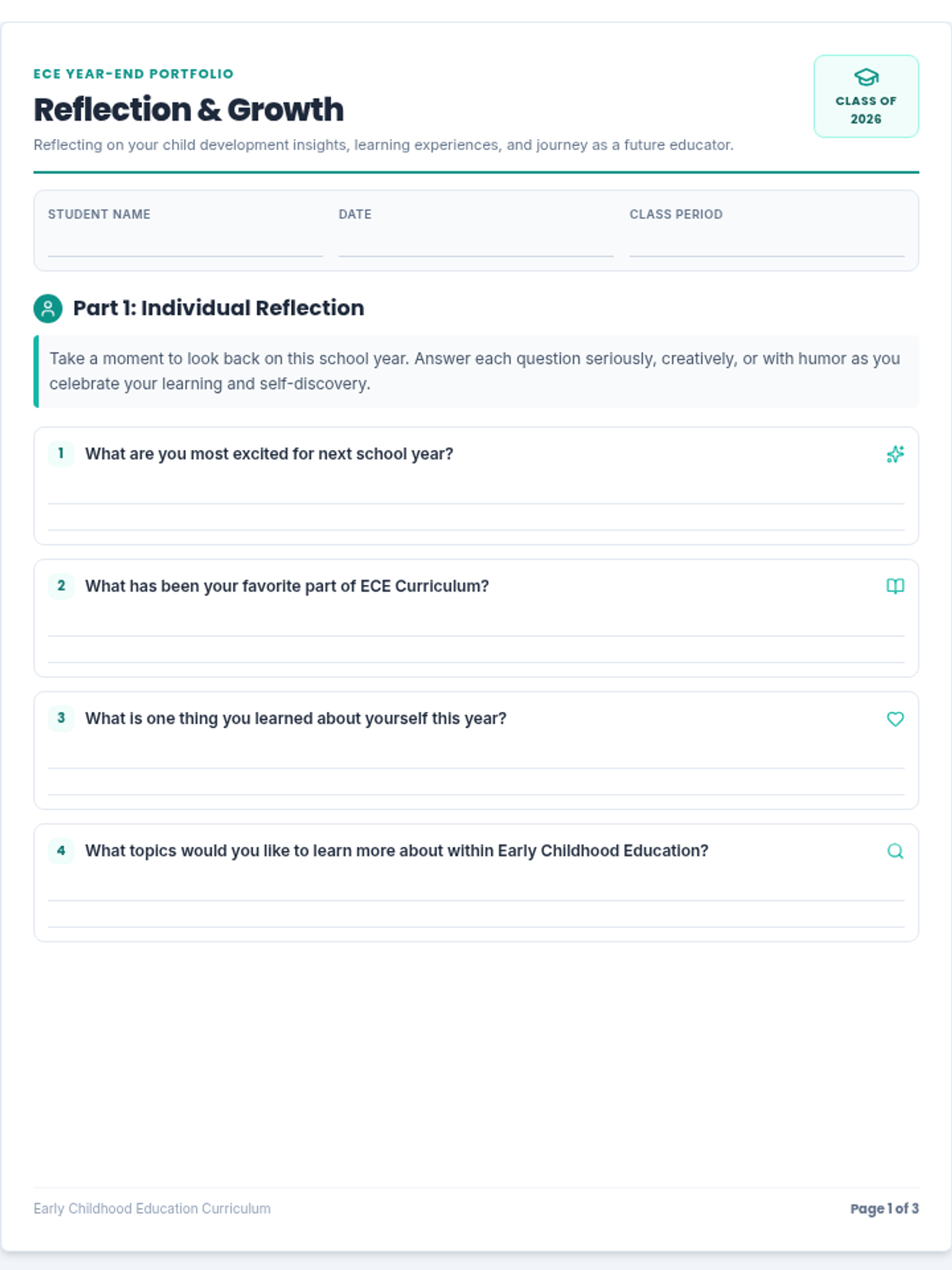
A reflective ECE lesson designed for students to document their academic growth, celebrate achievements, and collaboratively draft an unofficial class survival guide.
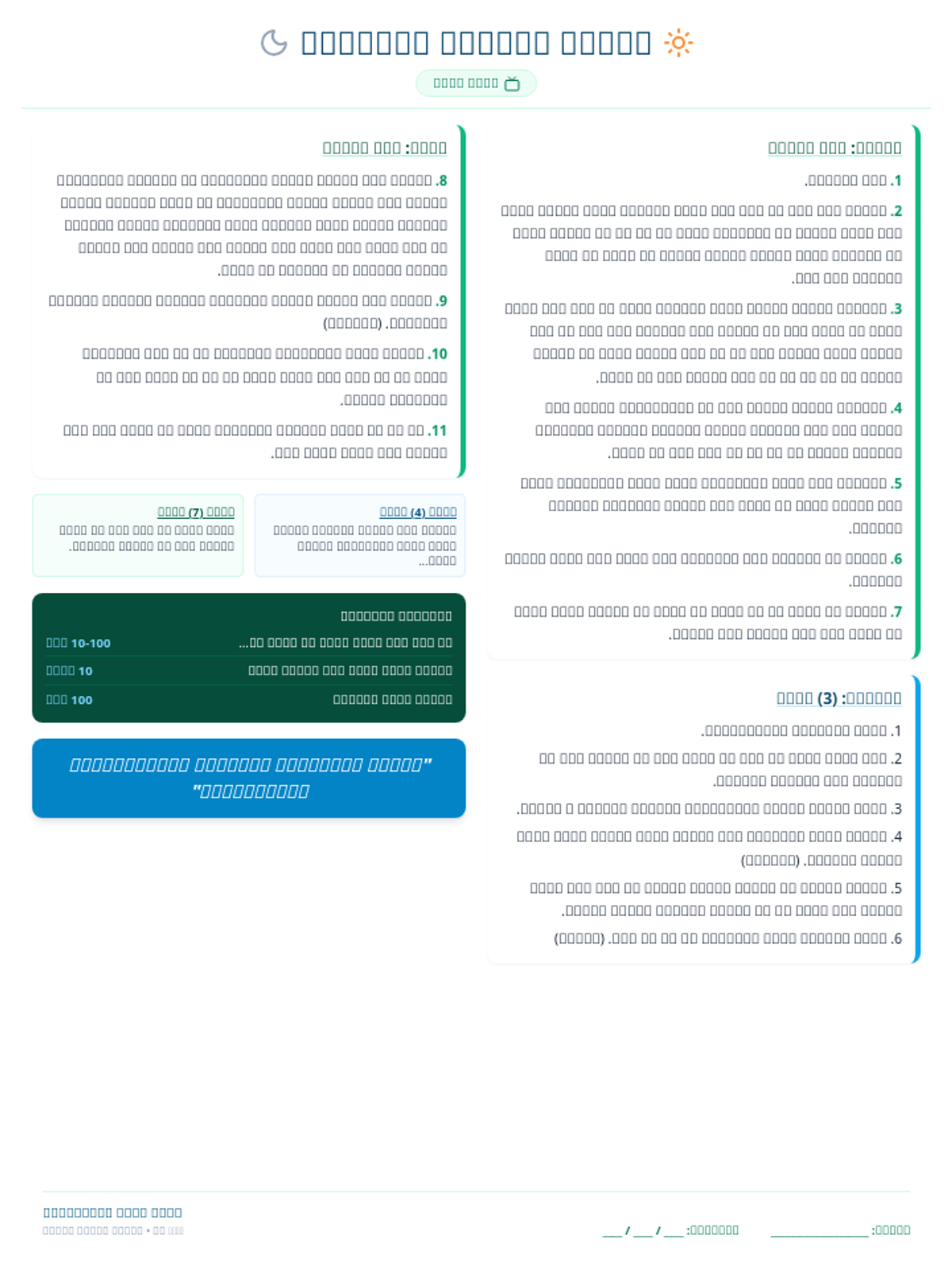
A lesson dedicated to learning and practicing the morning and evening remembrances (Athkar) for spiritual well-being.
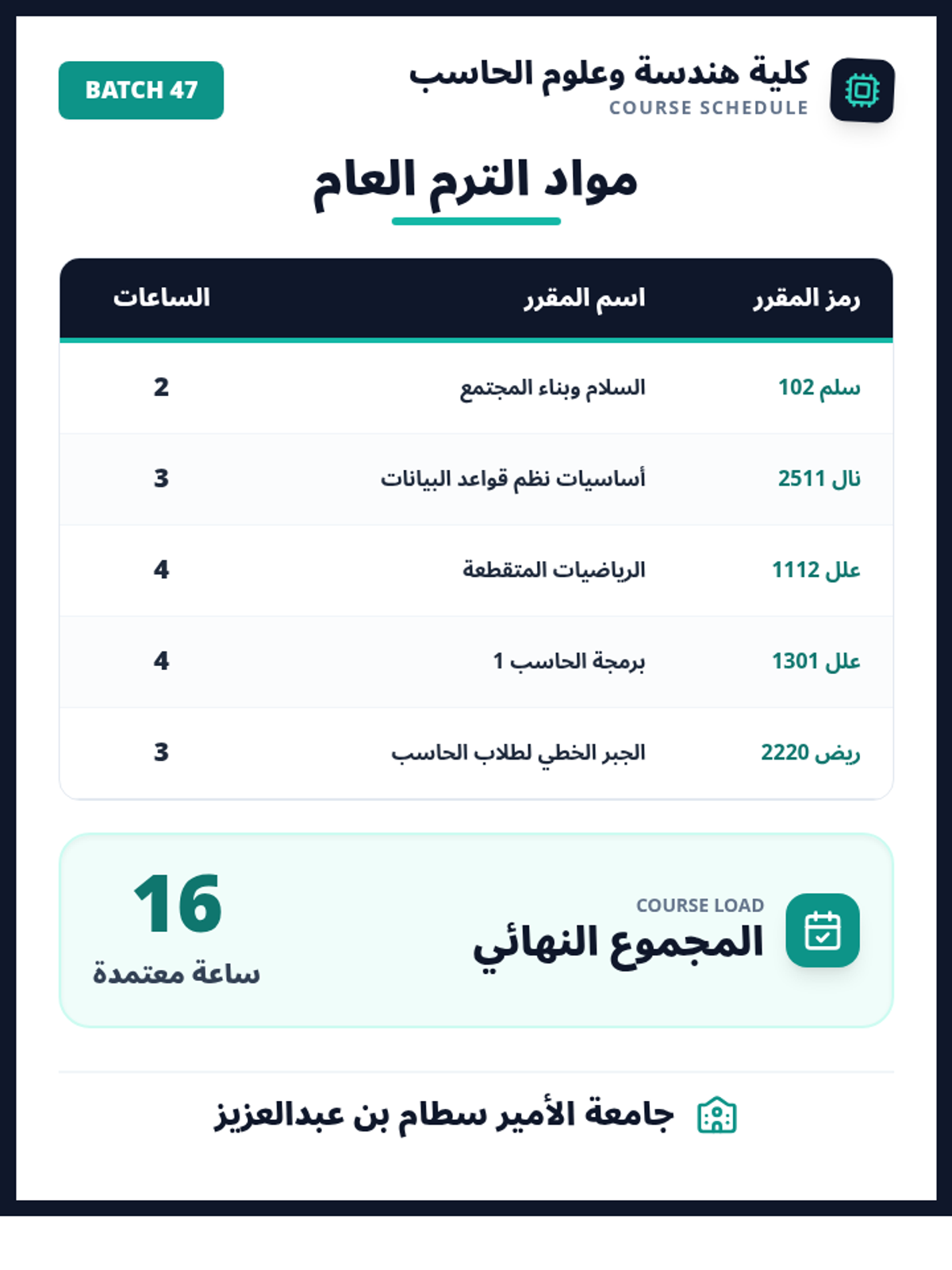
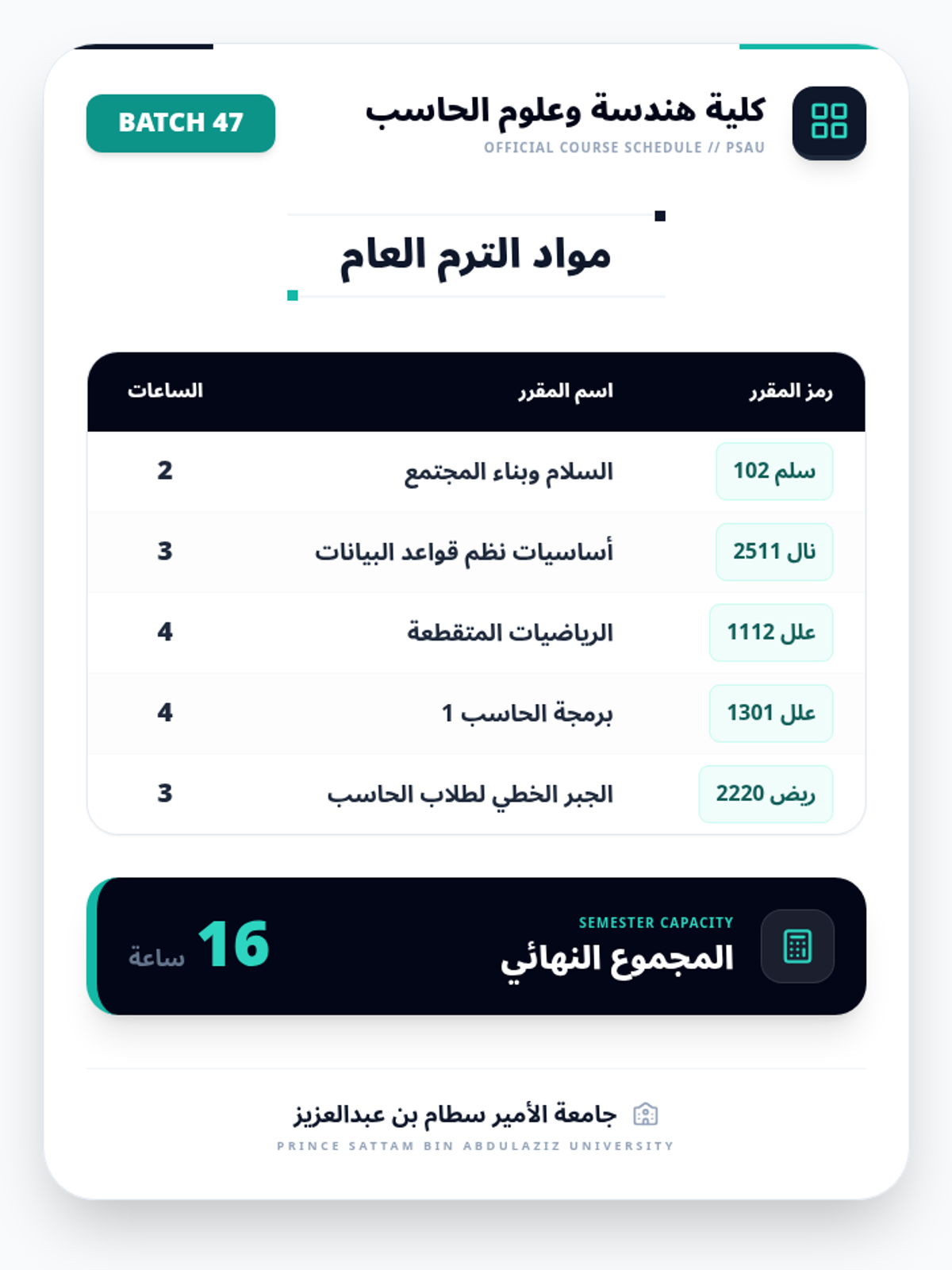
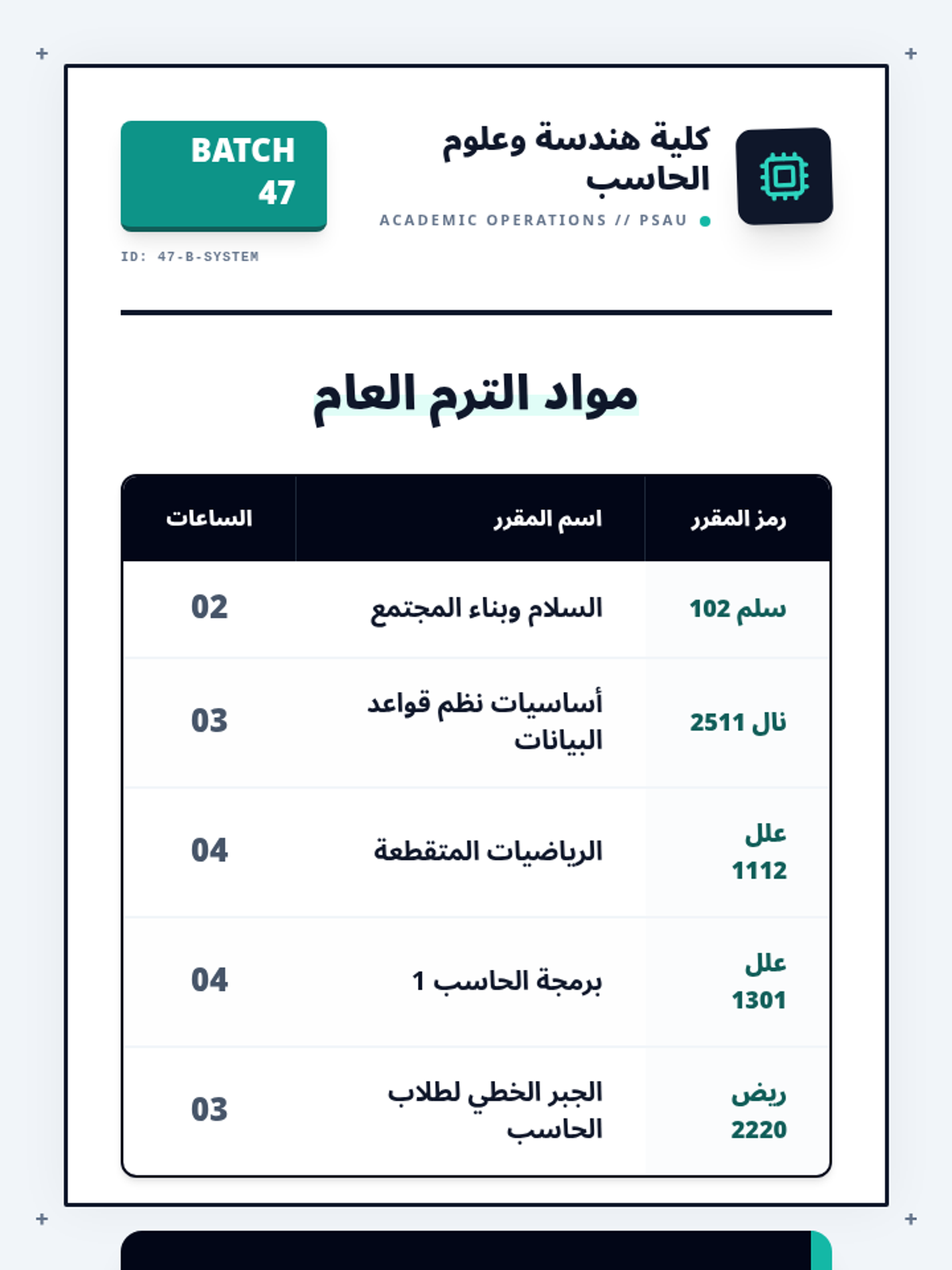
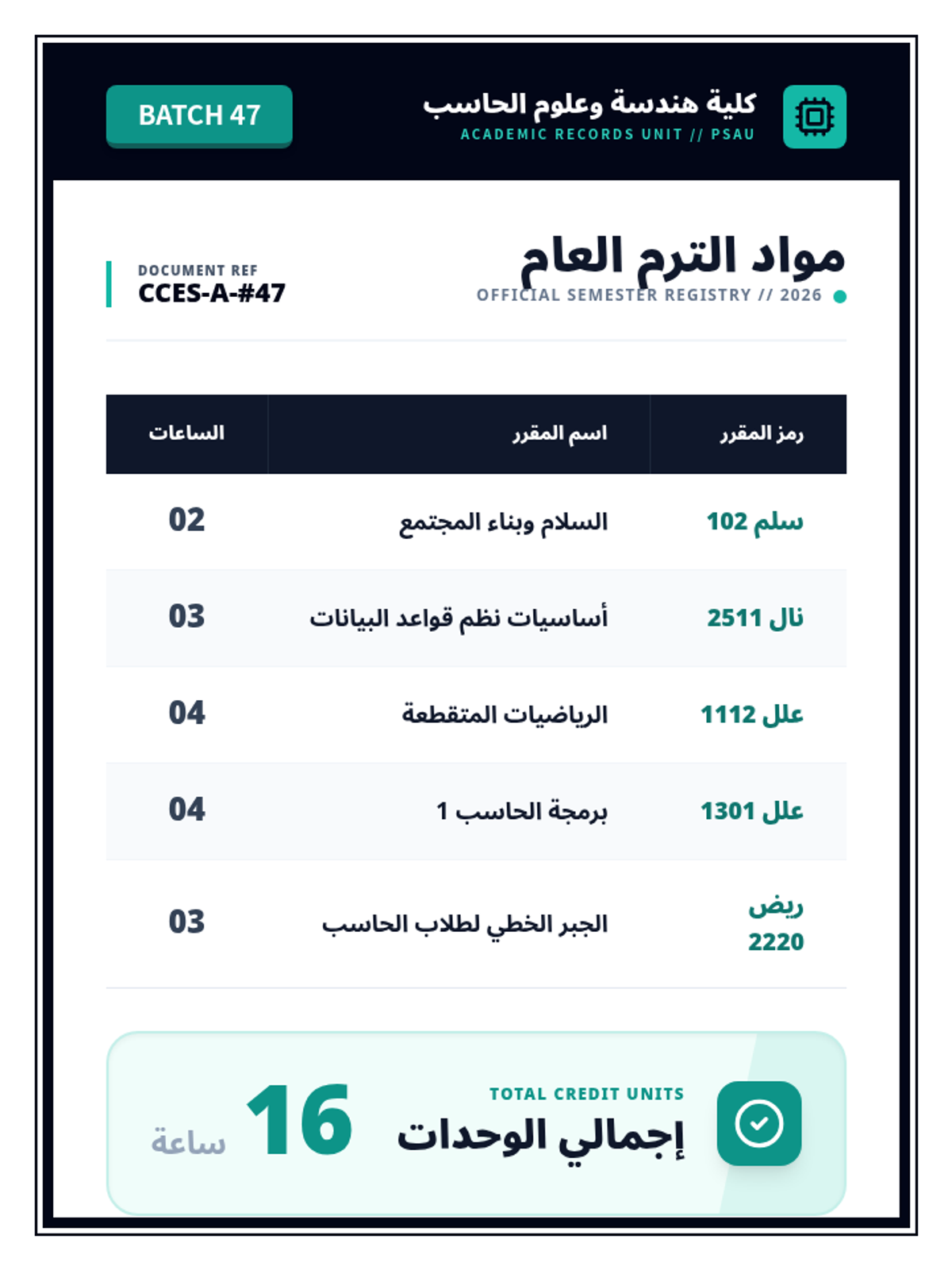
A collection of administrative and academic resources for the College of Computer Engineering and Sciences at Prince Sattam bin Abdulaziz University, tailored for Batch 47.
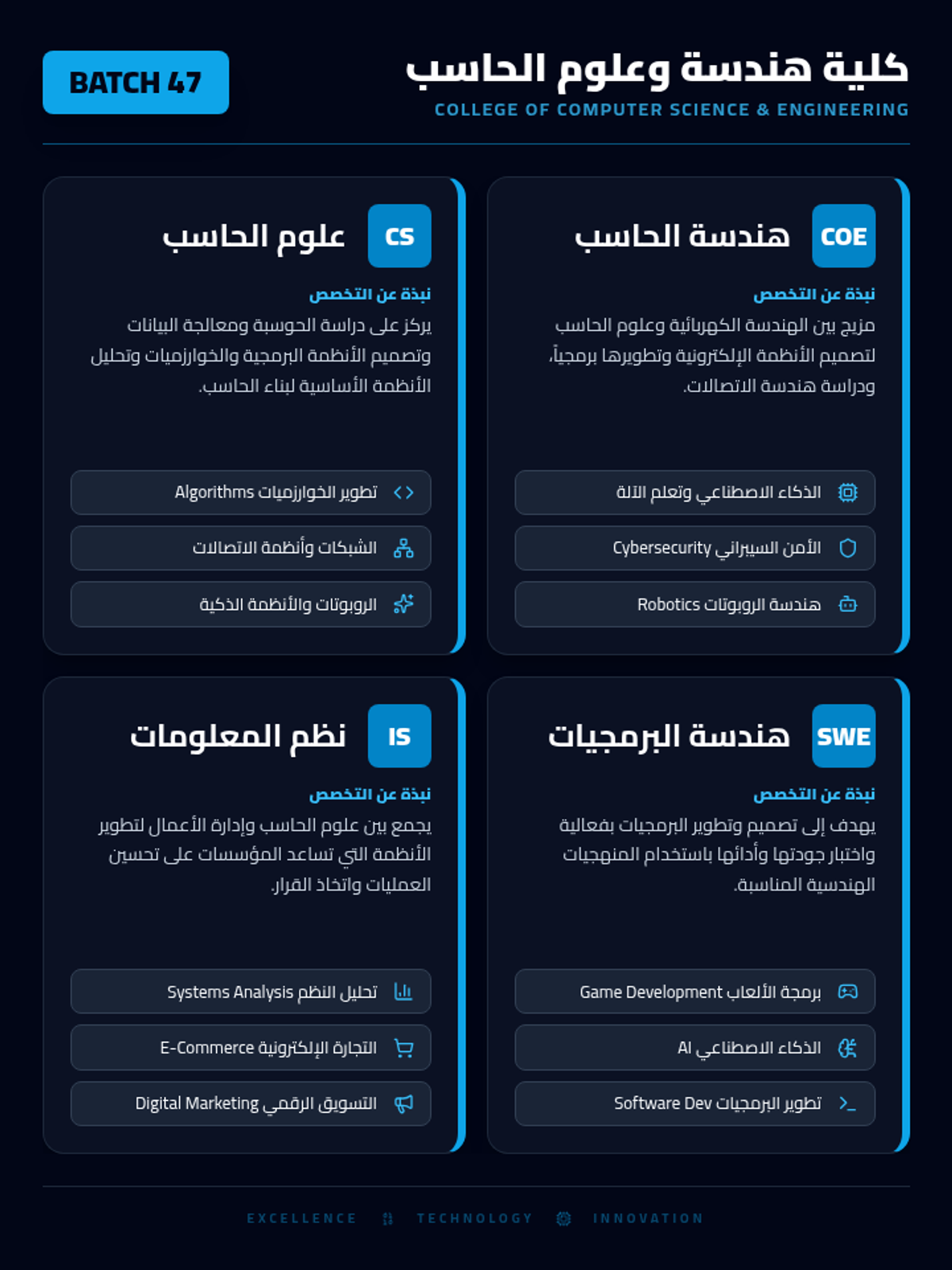
A comprehensive guide to the majors offered by the College of Computer Science and Engineering at Prince Sattam University for Batch 47. Includes detailed descriptions, career fields, and academic duration for COE, CS, SWE, and IS departments.
Focuses on credit management, consumer rights, and protection against fraud, covering NC standards EPF.MCM.1 through EPF.MCM.3 and EPF.CC.1 through EPF.CC.2.
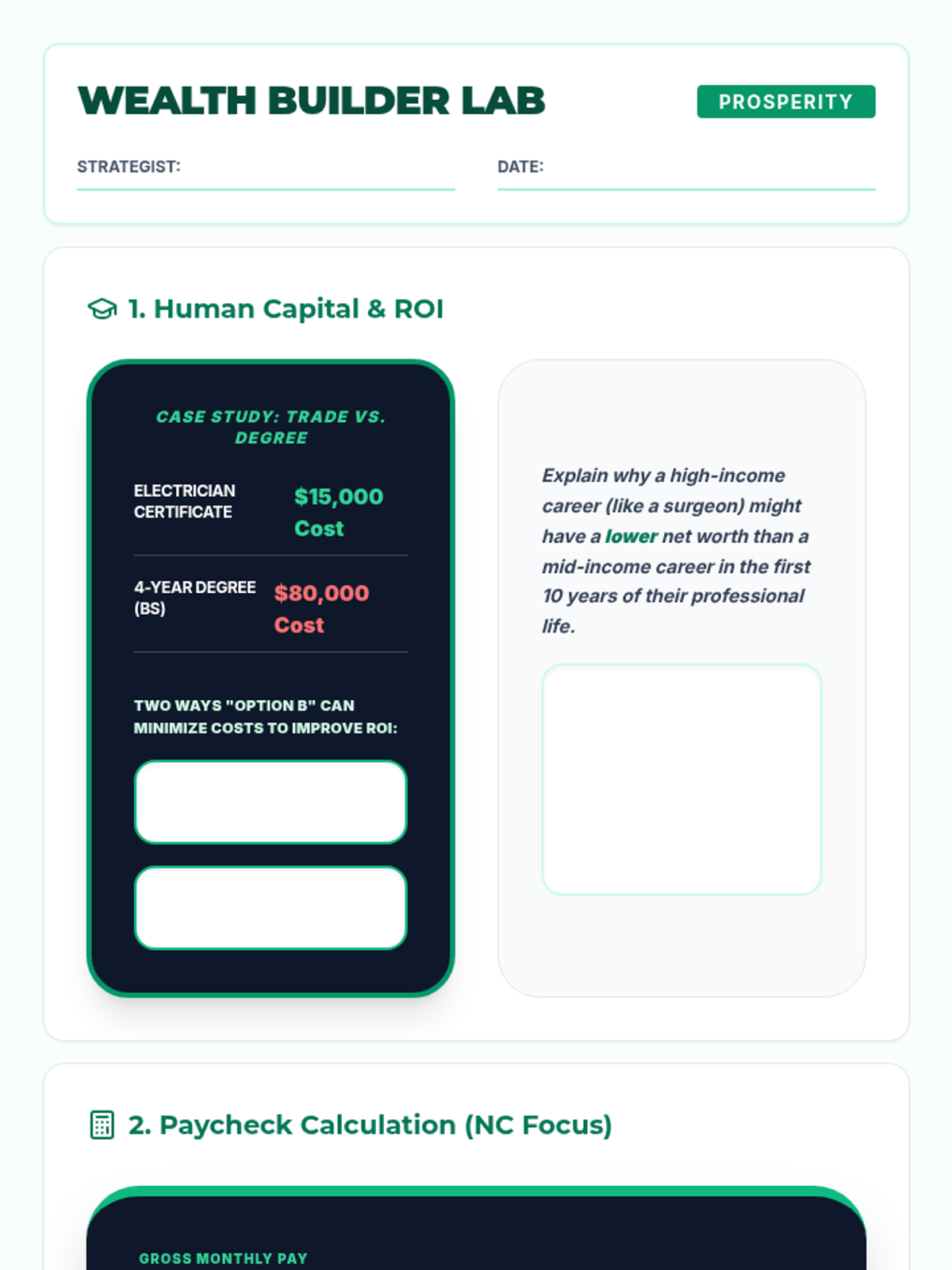
A deep dive into the relationship between education, career choice, taxes, and long-term wealth building, covering NC standards EPF.IE.1, EPF.IE.2, and EPF.FP.1.
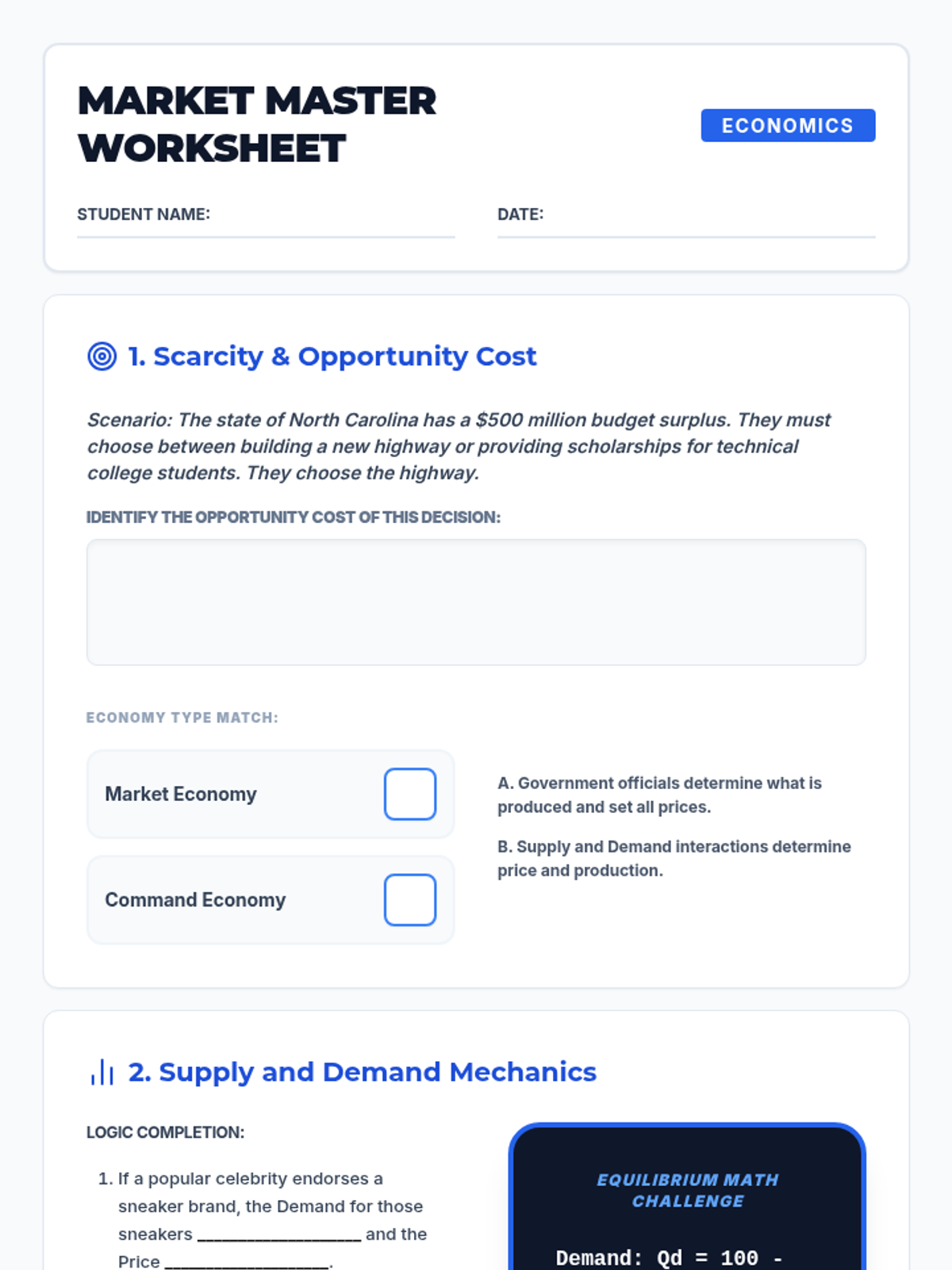
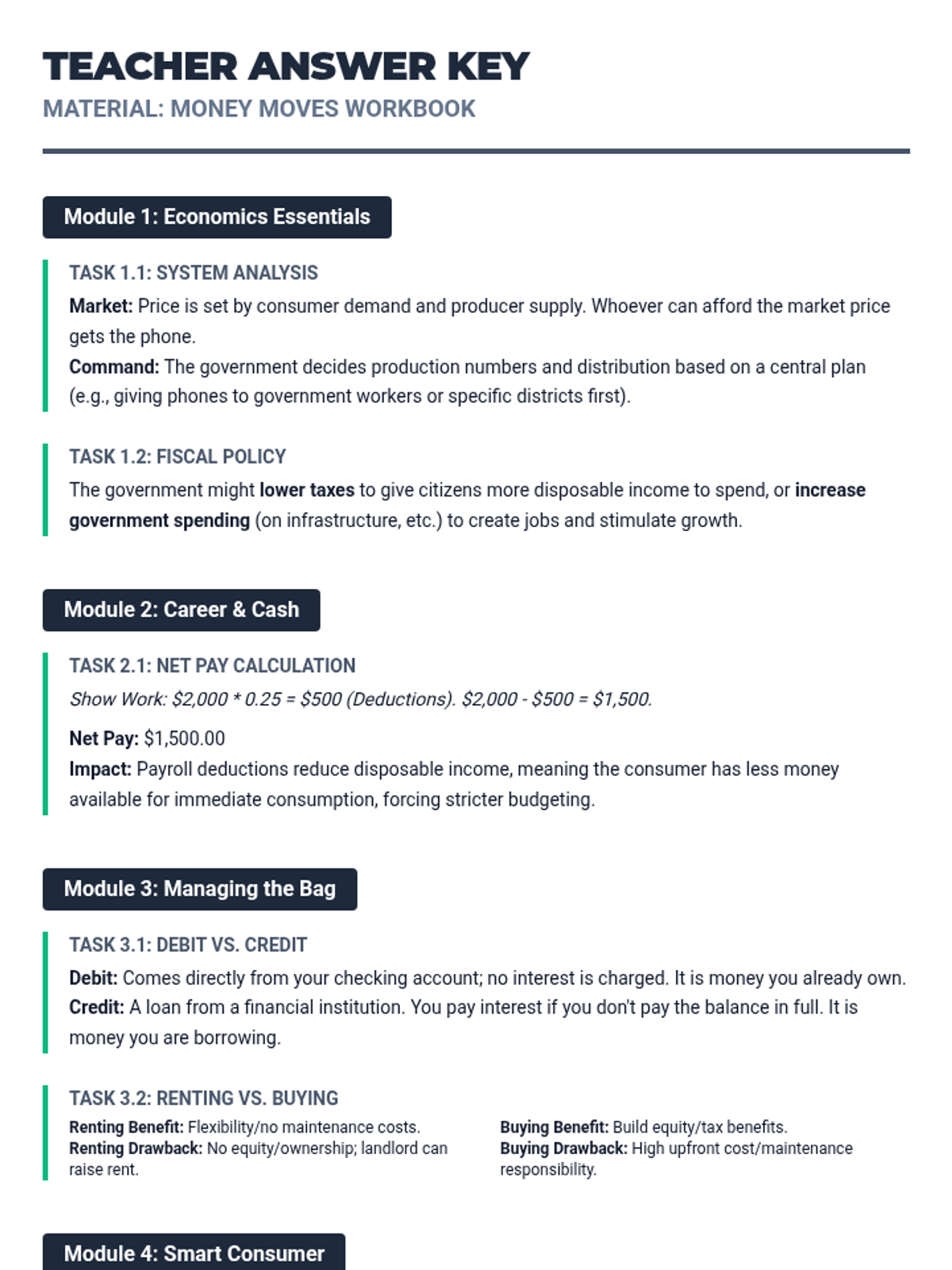
An intensive overview of market systems, supply and demand, and the government's role in the US economy, covering NC standards EPF.E.1 through EPF.E.4.
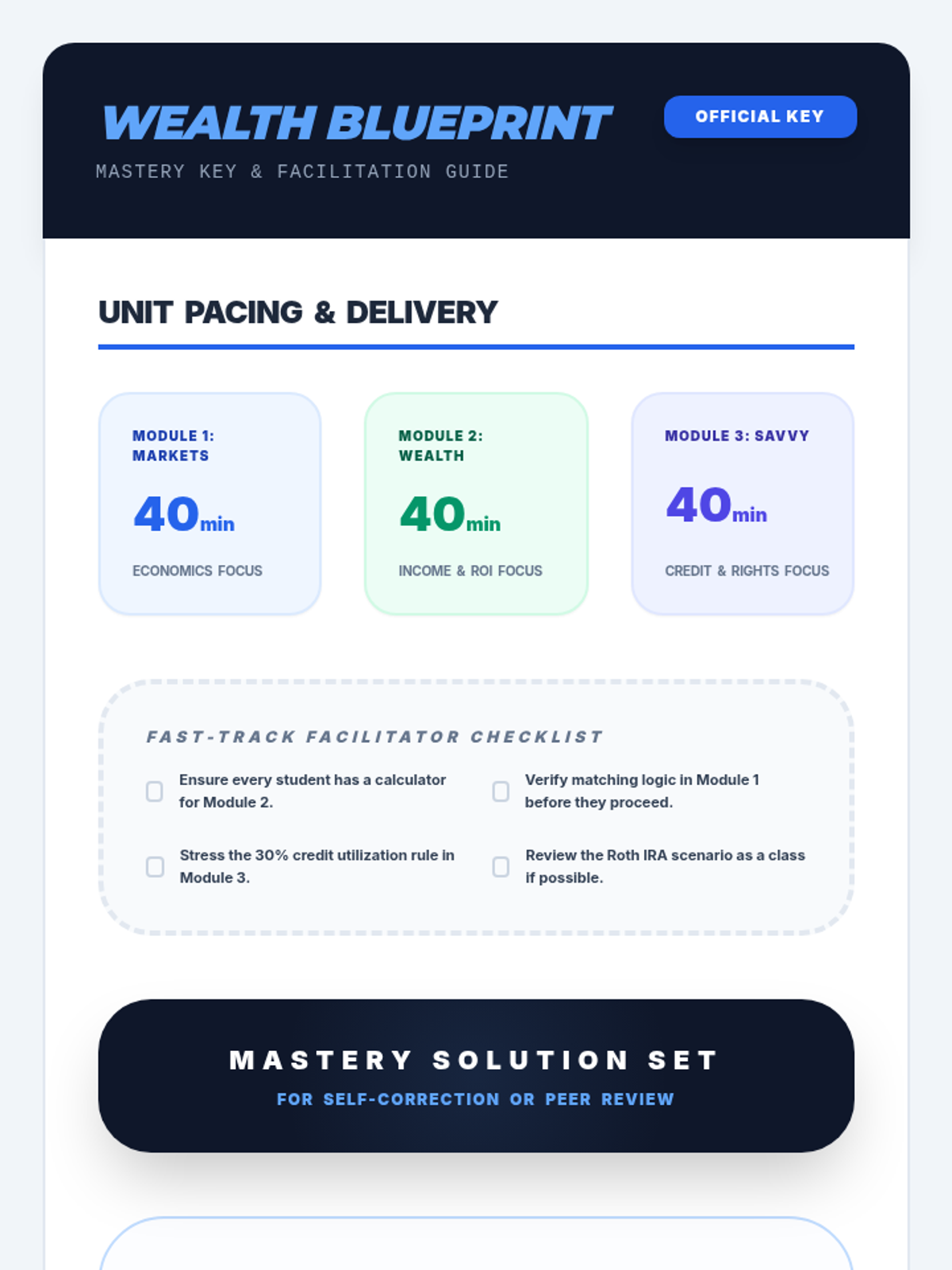
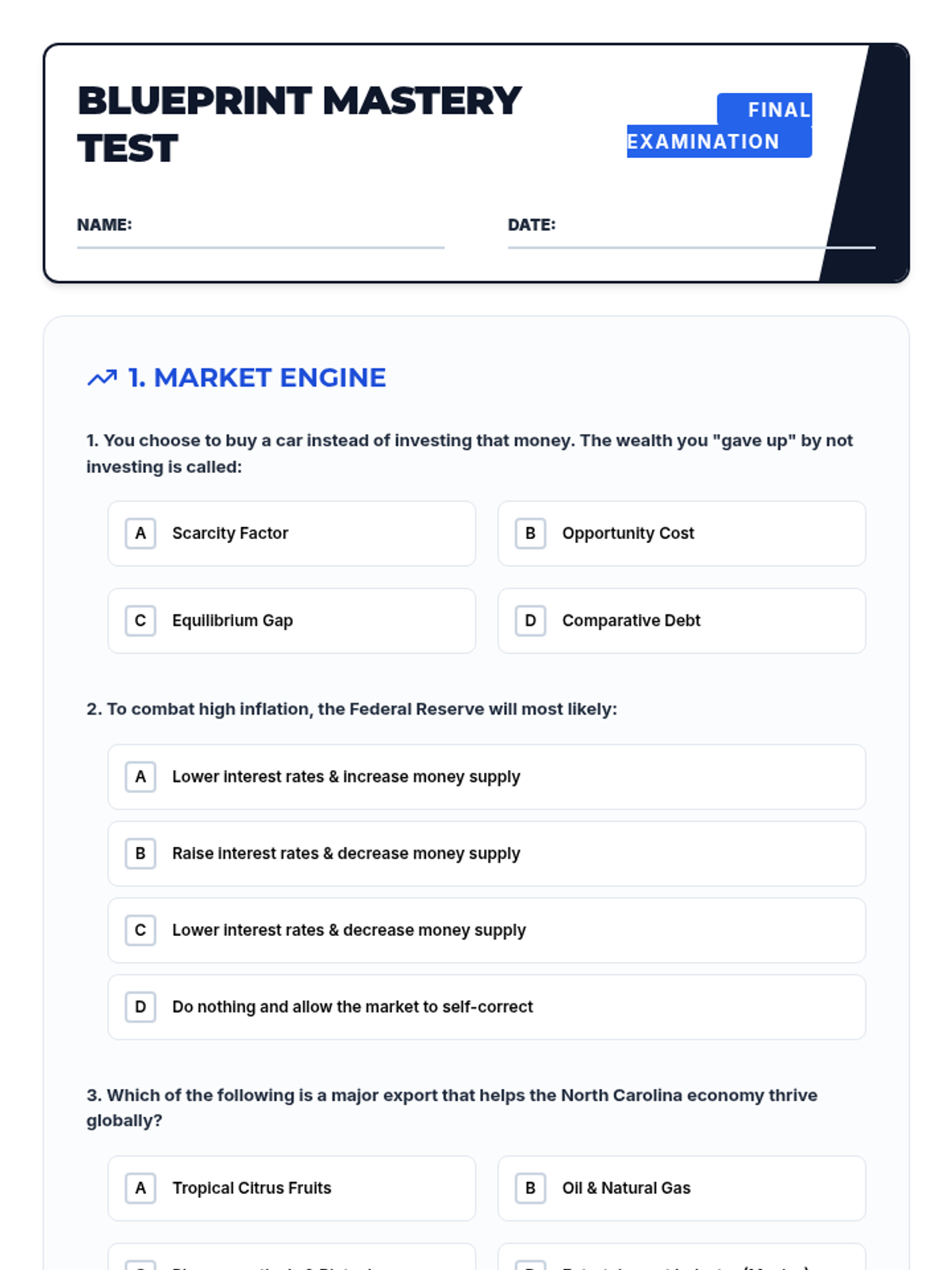
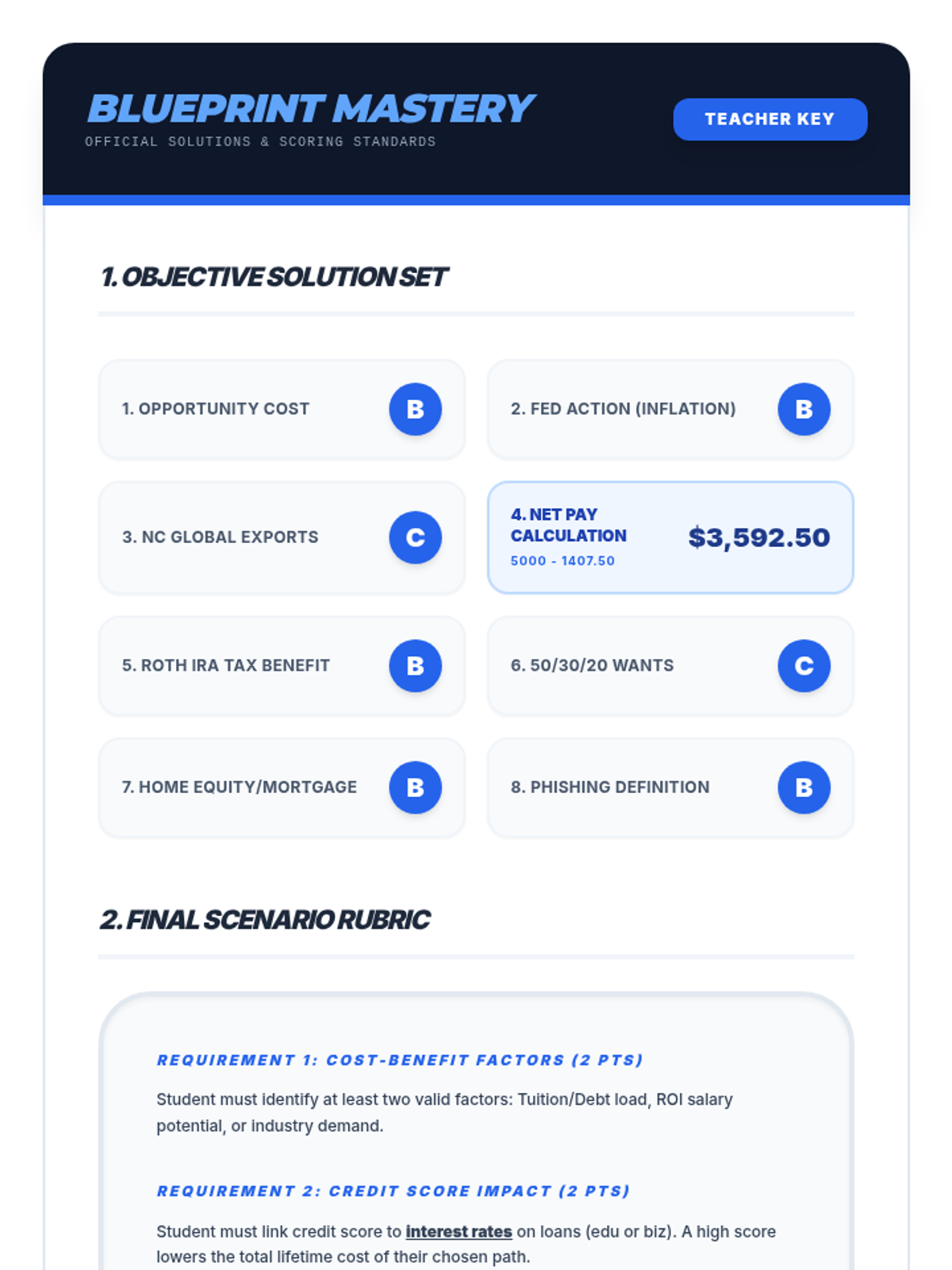
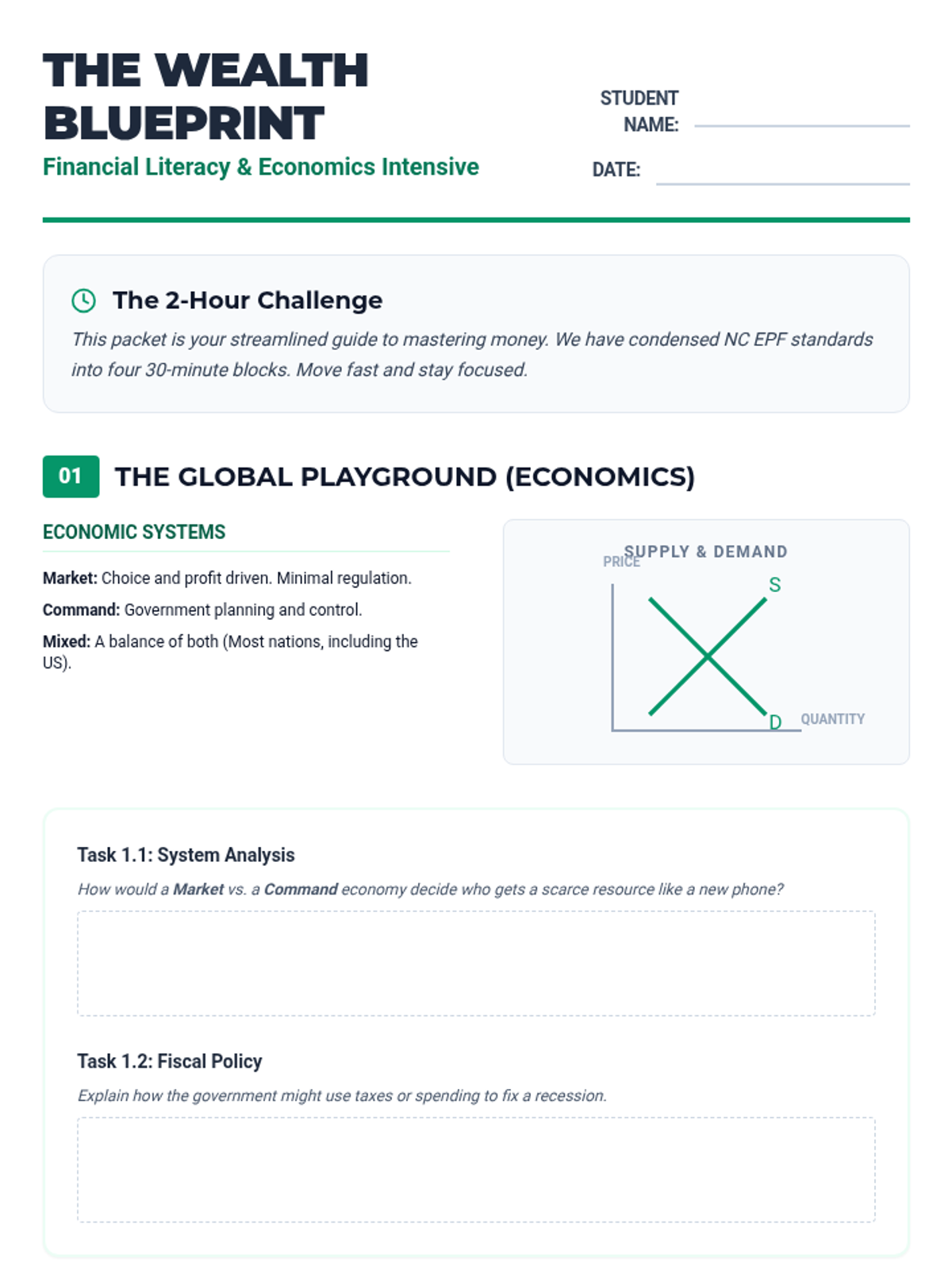
A streamlined, self-paced lesson covering economics, income, credit, and consumerism designed for high school students to complete independently.
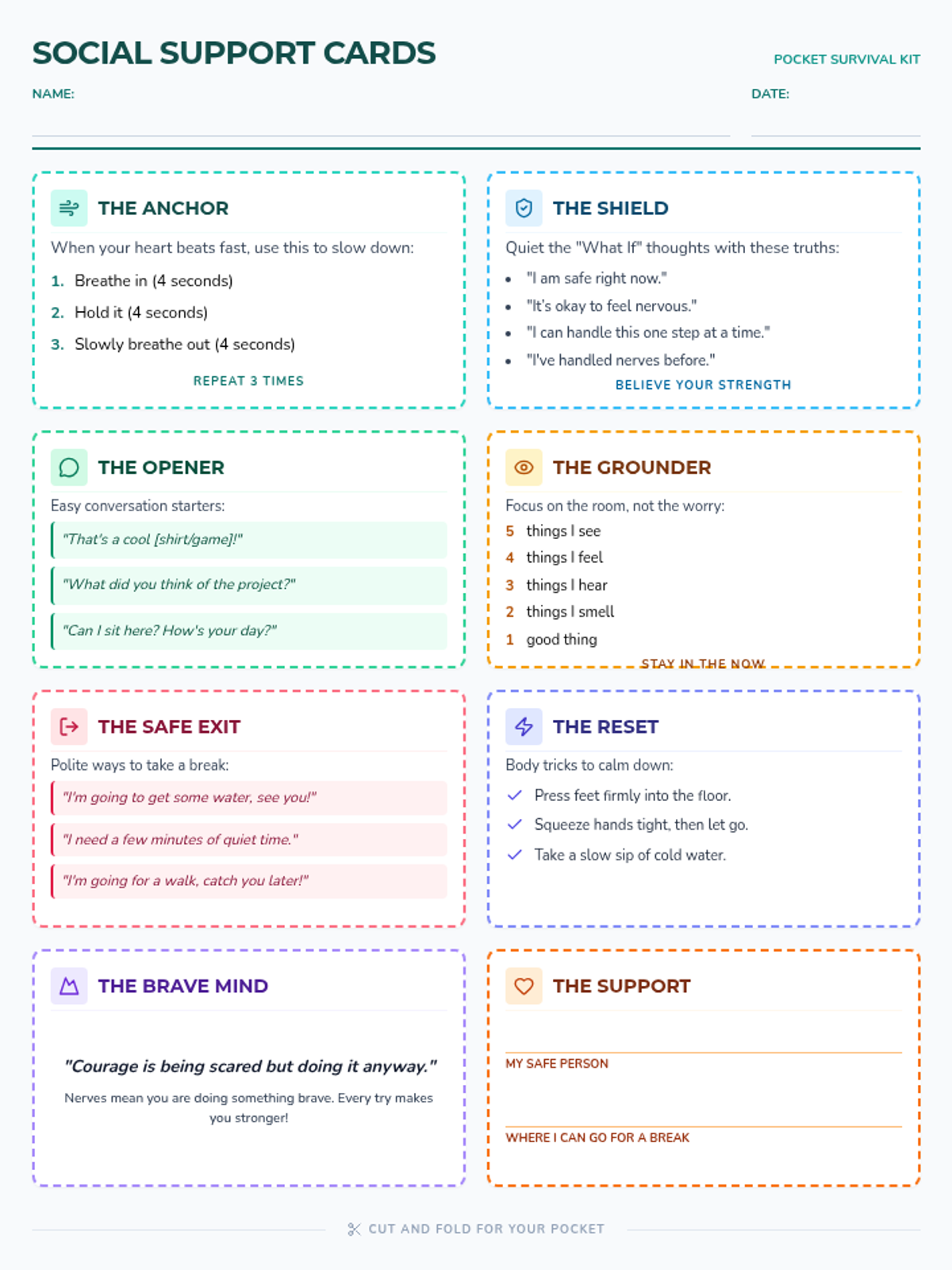
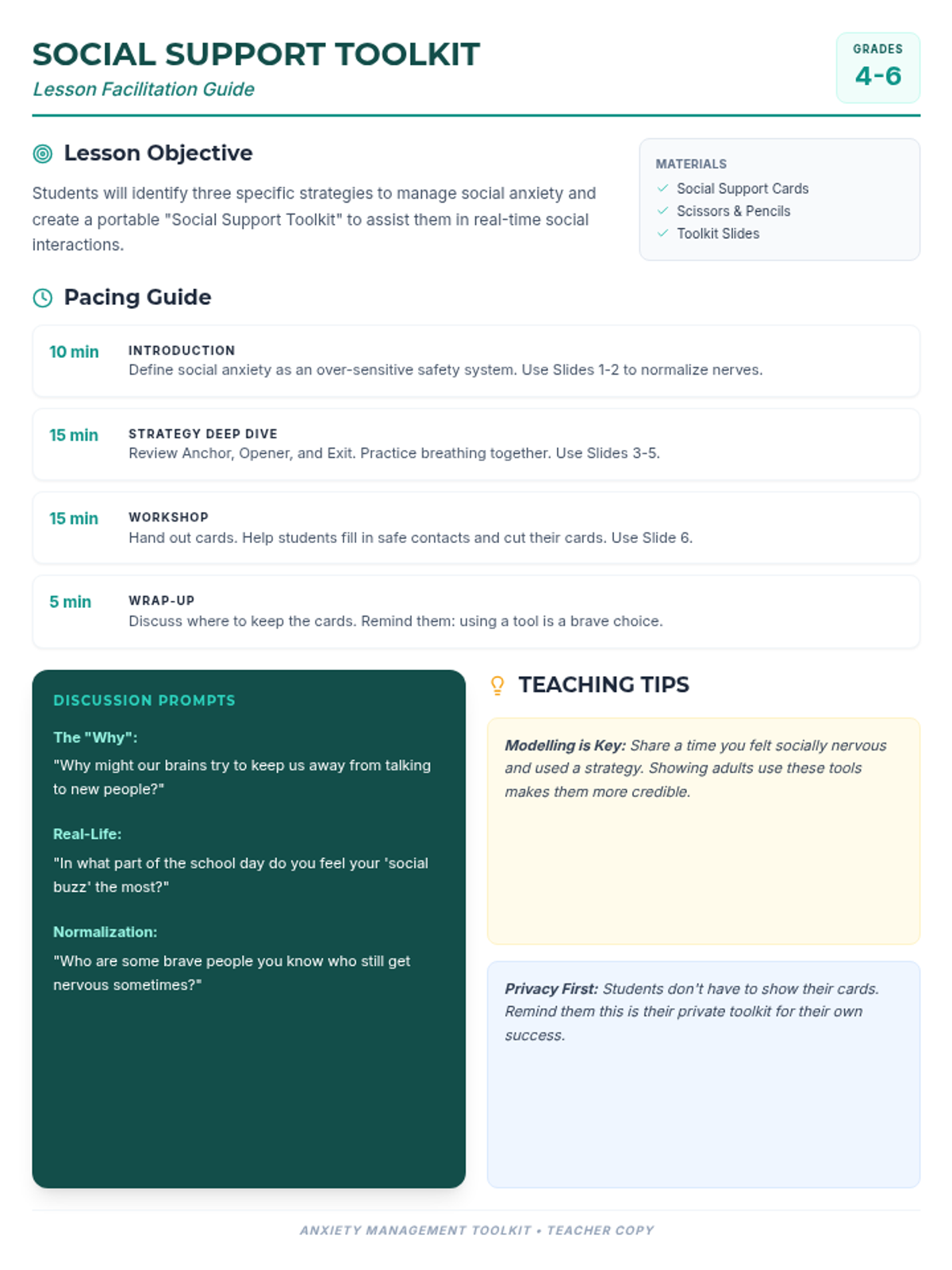
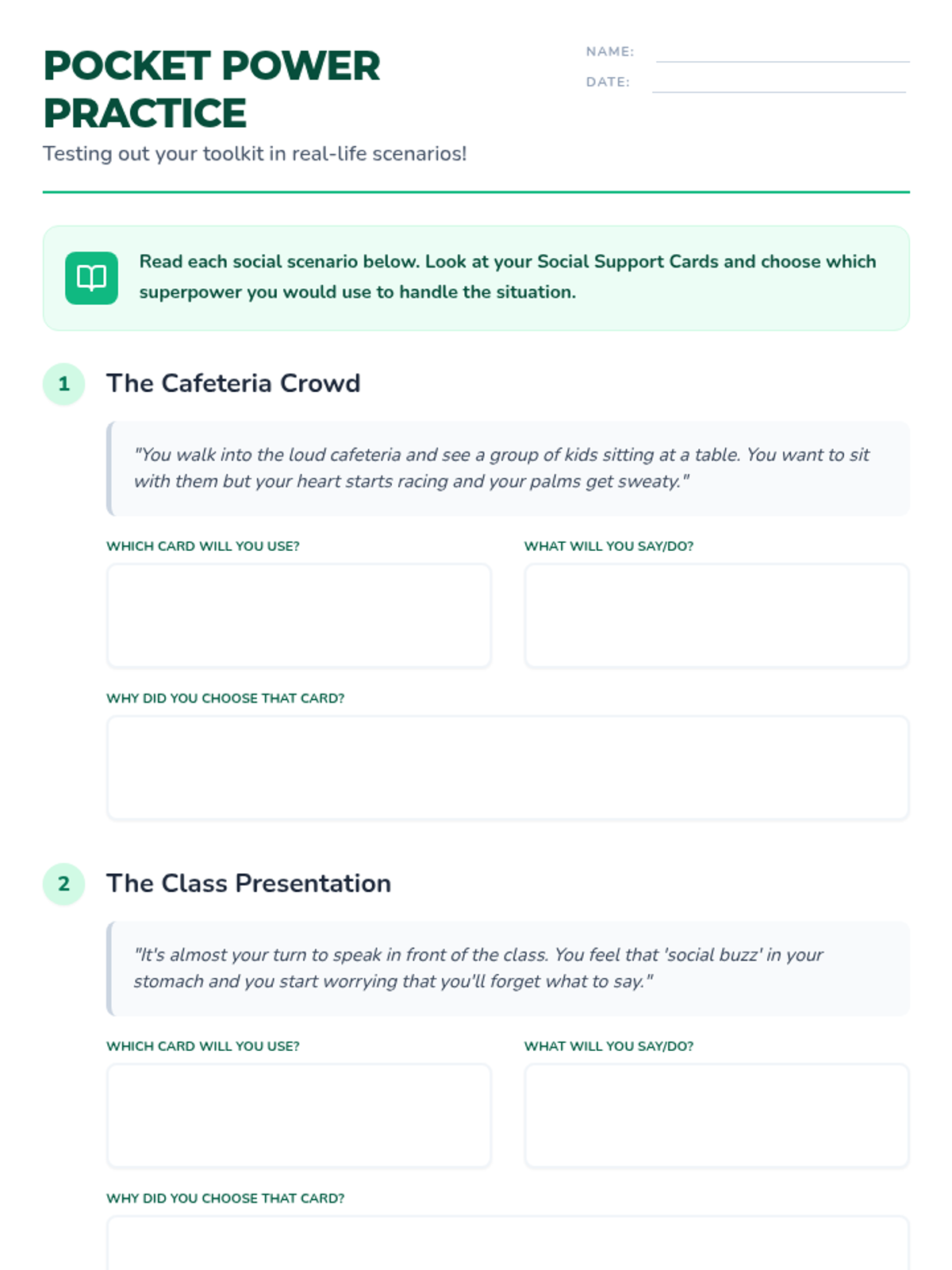
This lesson provides 5th-grade students with practical, portable tools to manage social anxiety in real-time. Through pocket-sized strategy cards, students learn grounding, breathing, and communication techniques to navigate social interactions with confidence.
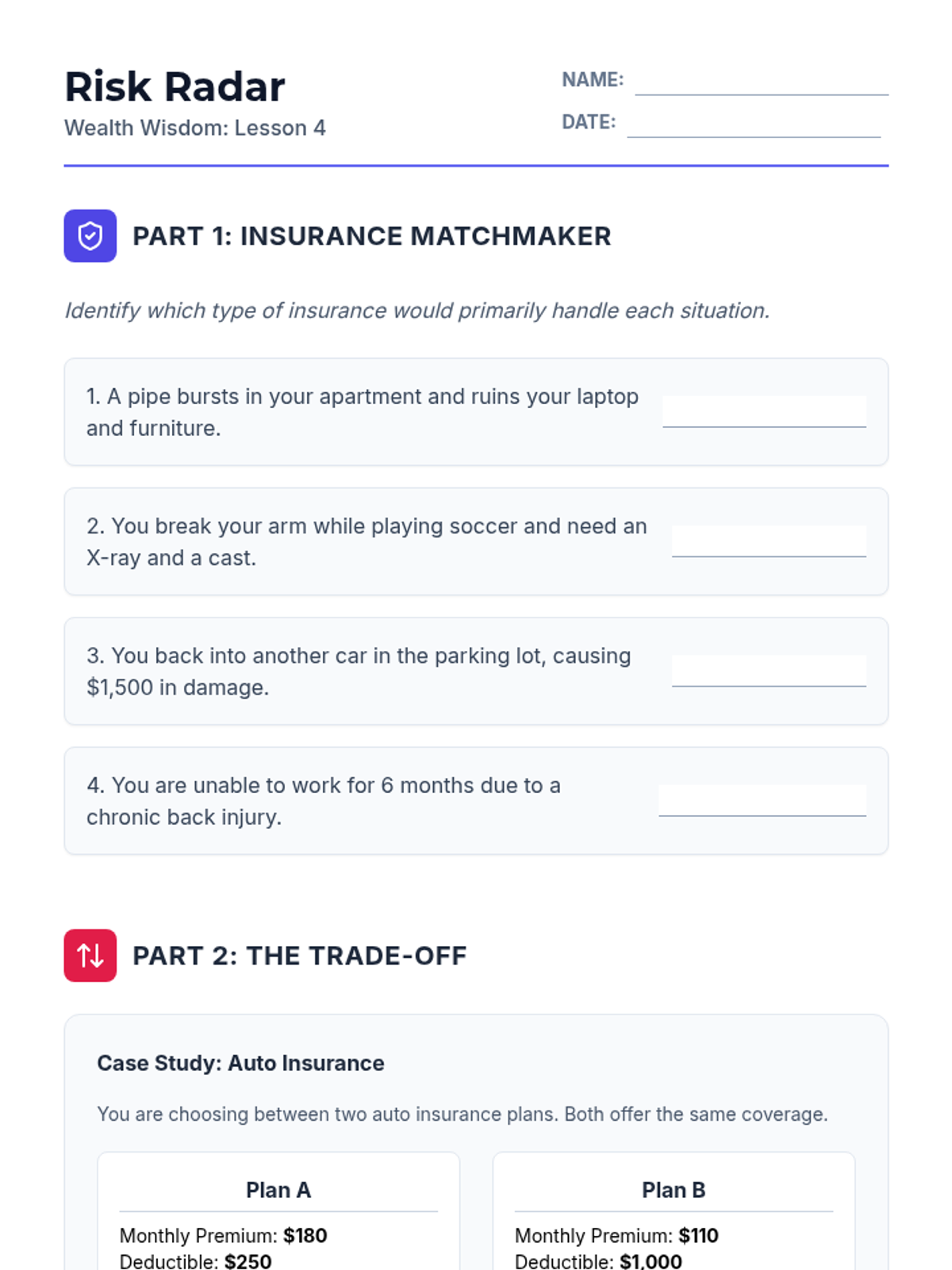
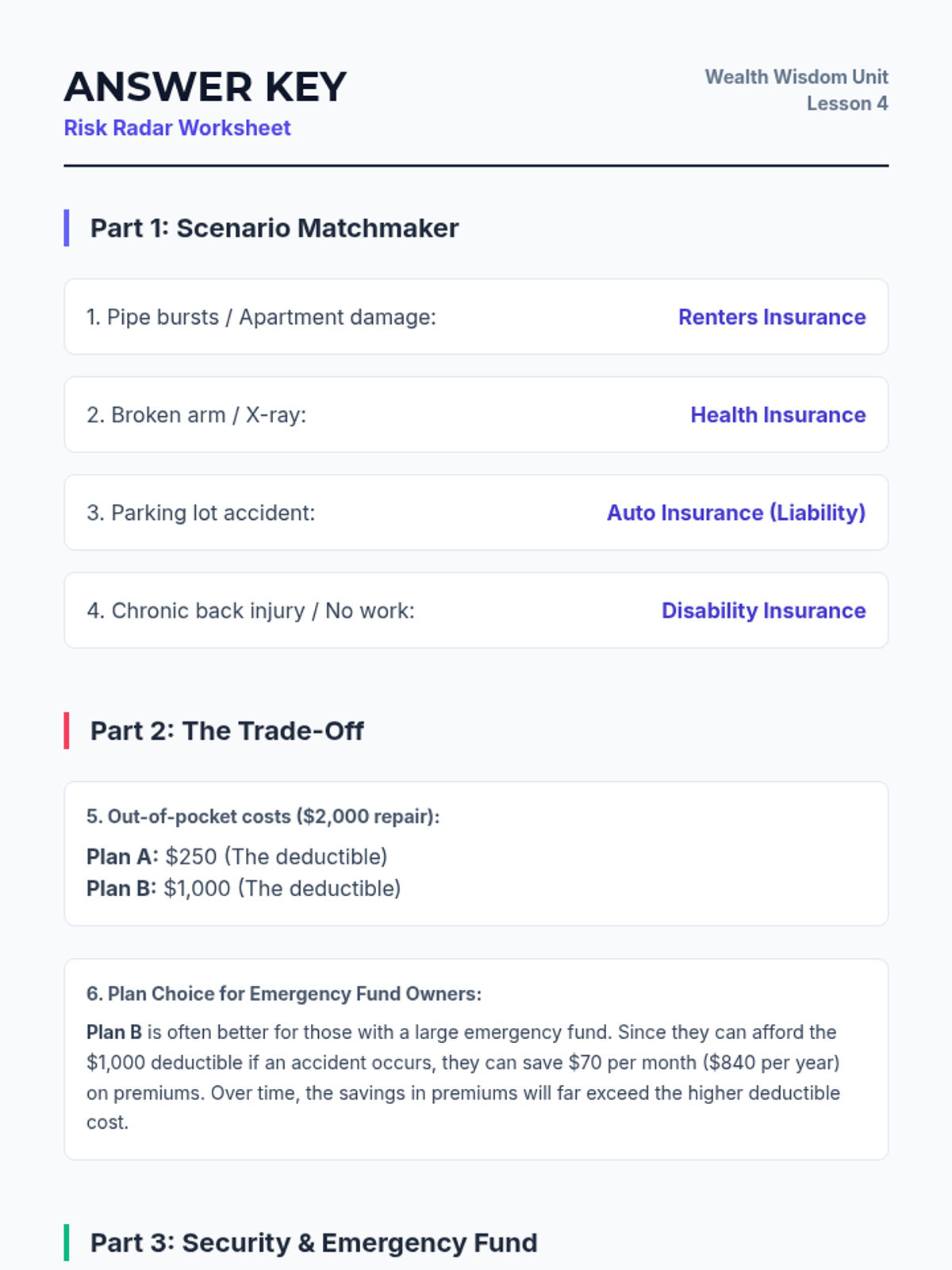
Focuses on risk management through various types of insurance and strategies for protecting personal identity and financial assets from fraud.
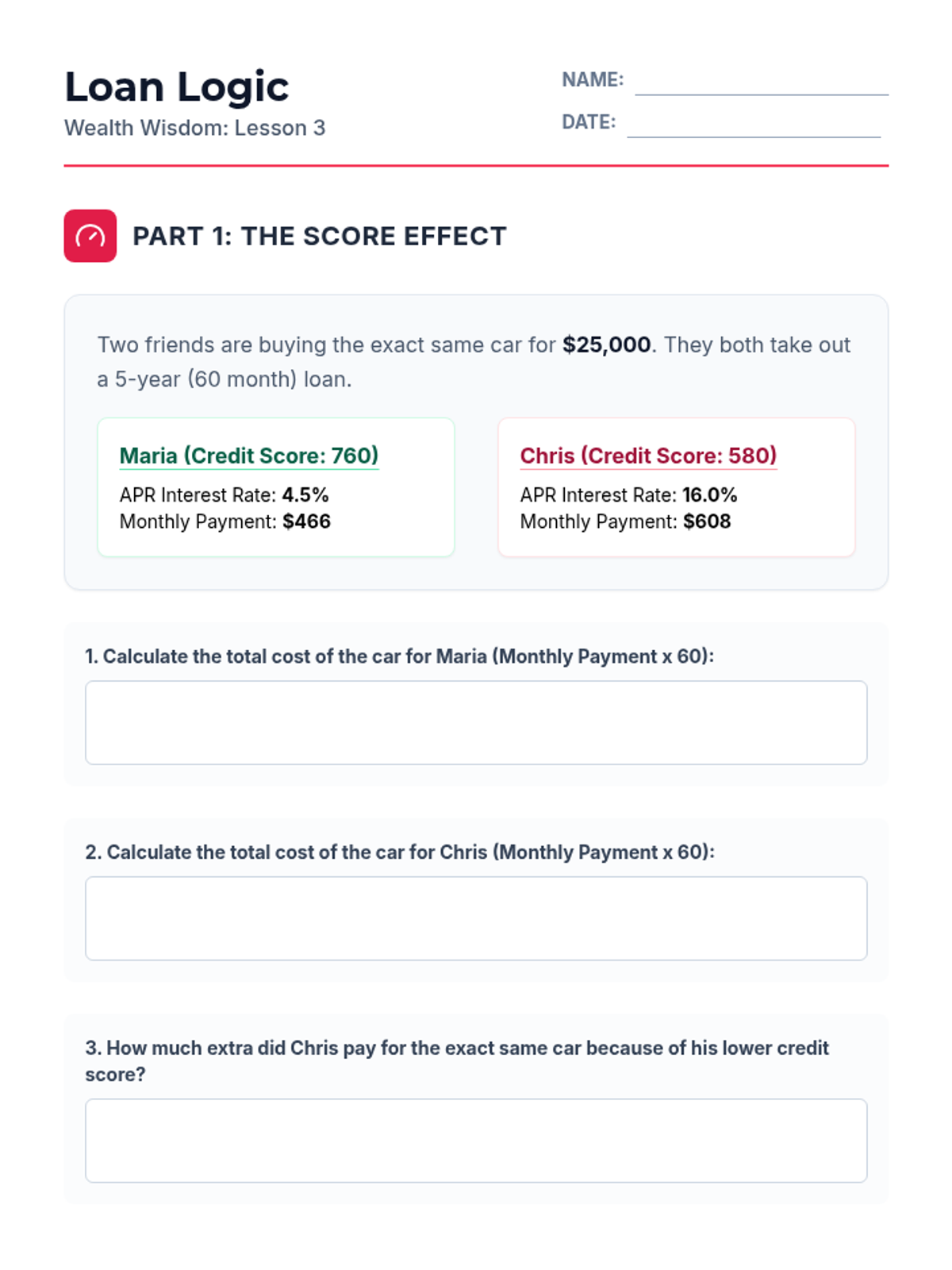
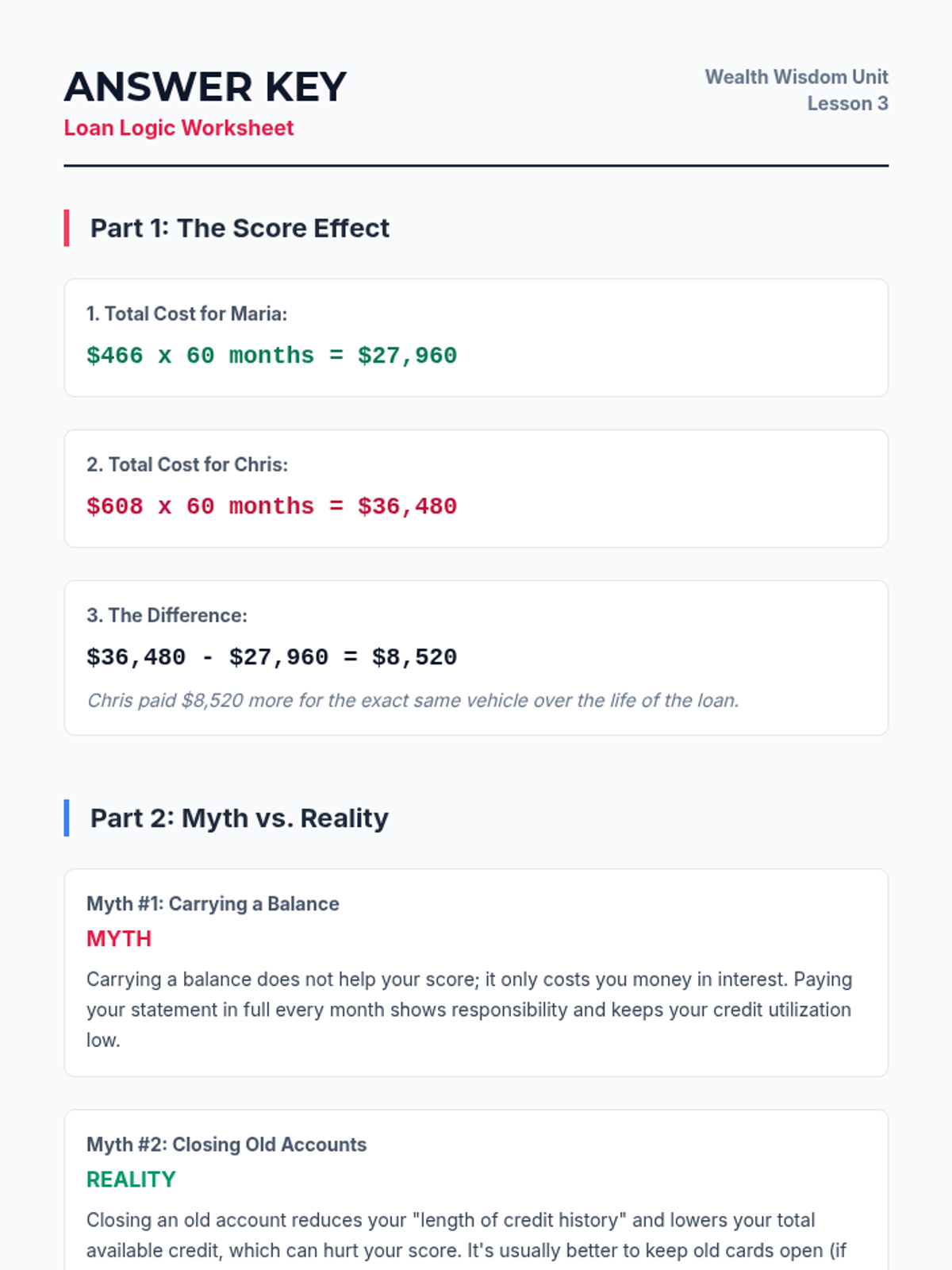
Demystifies credit scores, explains the cost of borrowing (interest rates), and teaches strategies for managing debt and avoiding financial pitfalls.
Covers the power of compound interest, different types of savings accounts, and investment vehicles such as stocks, bonds, and mutual funds.
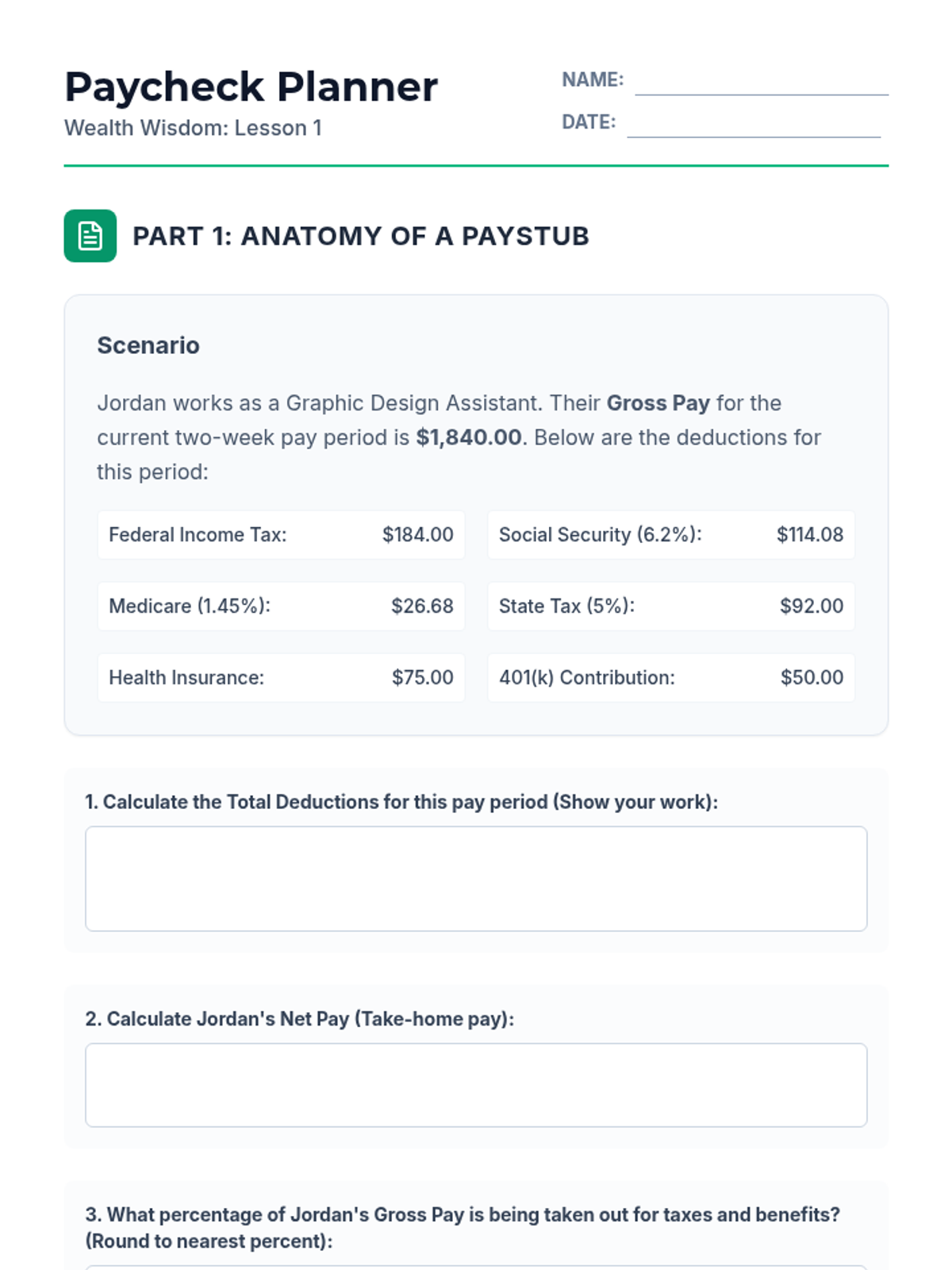
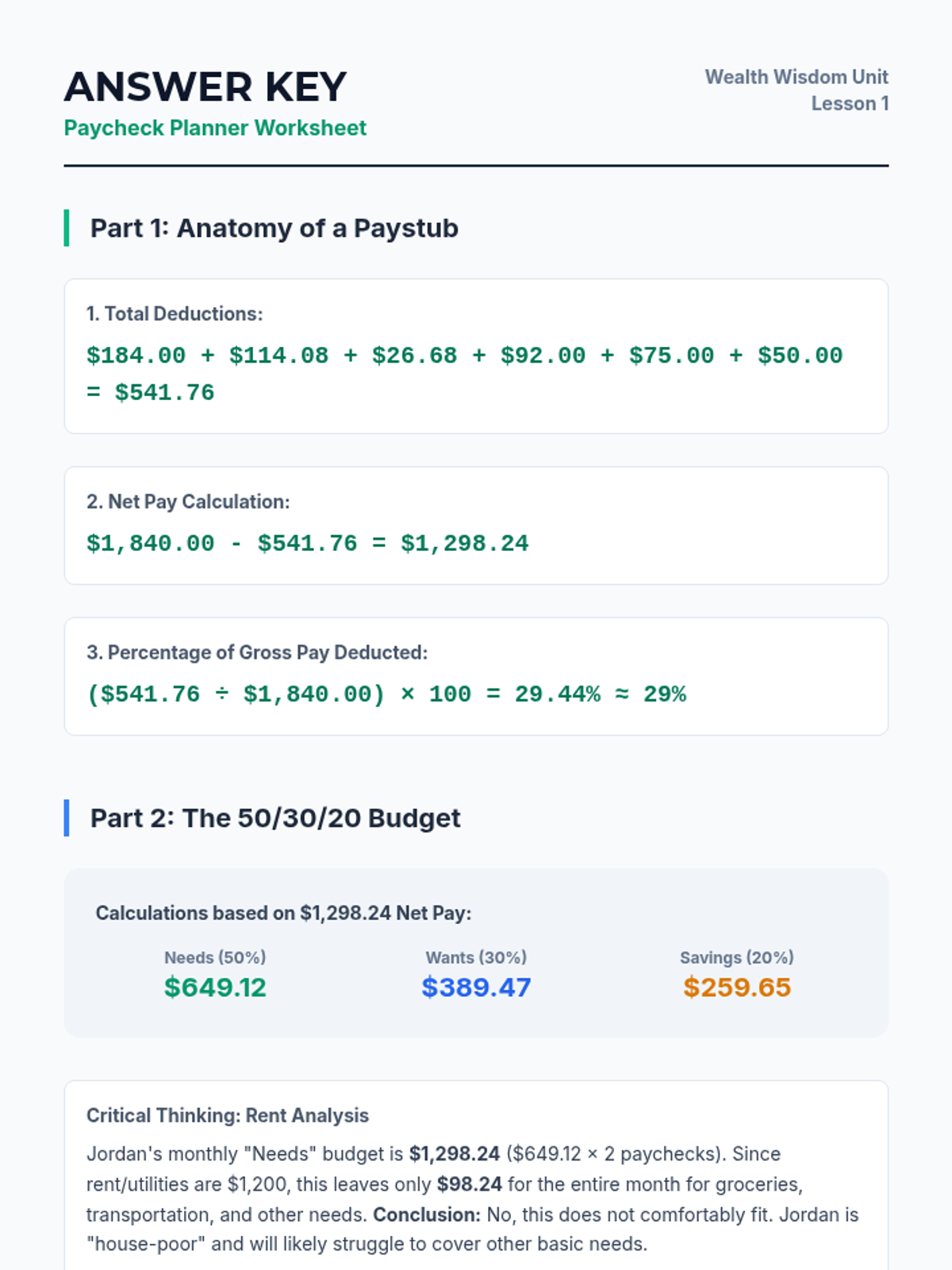
Explores sources of income, understanding pay stubs, taxes, and creating a functional budget using various methods like the 50/30/20 rule.
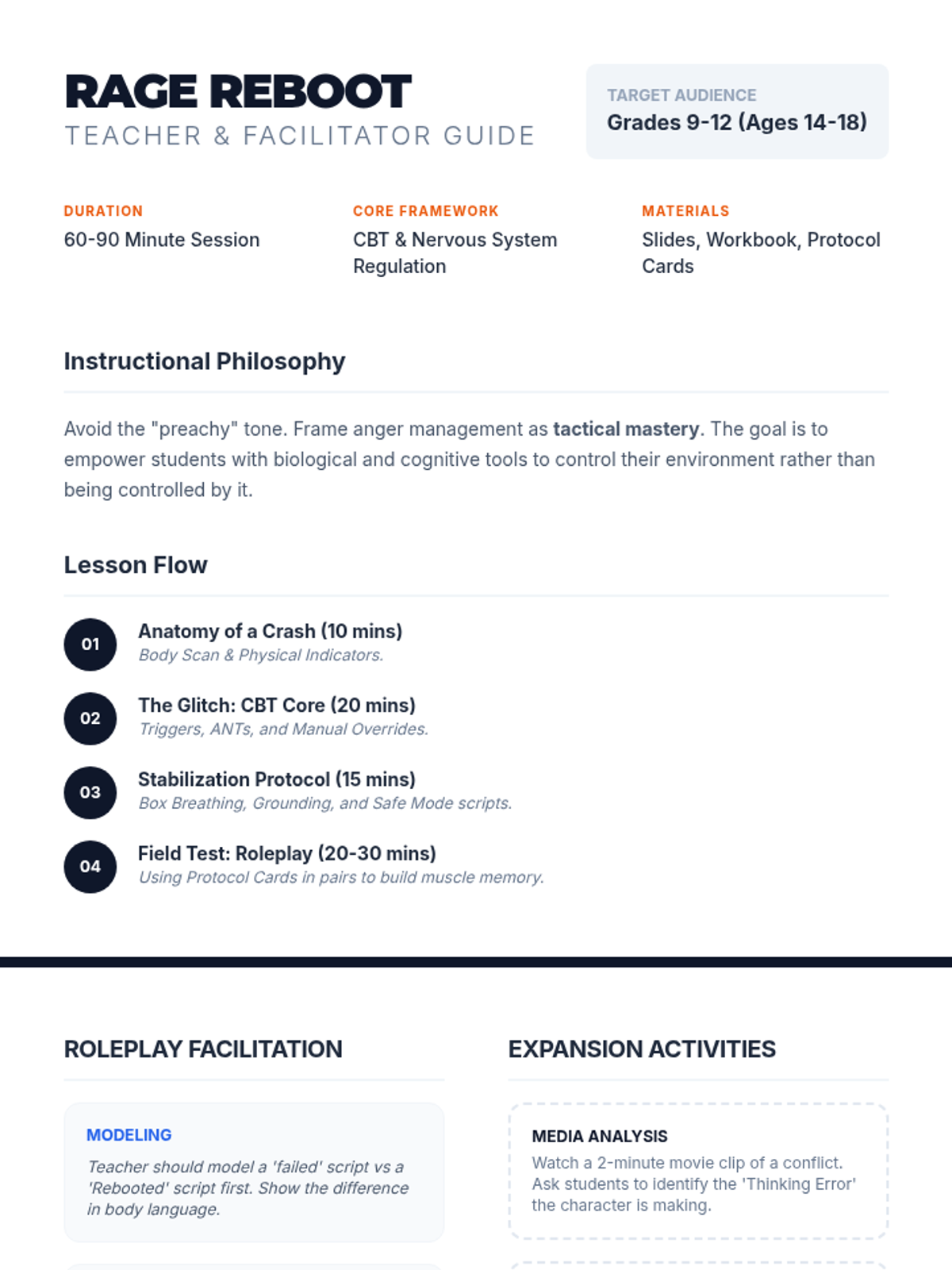
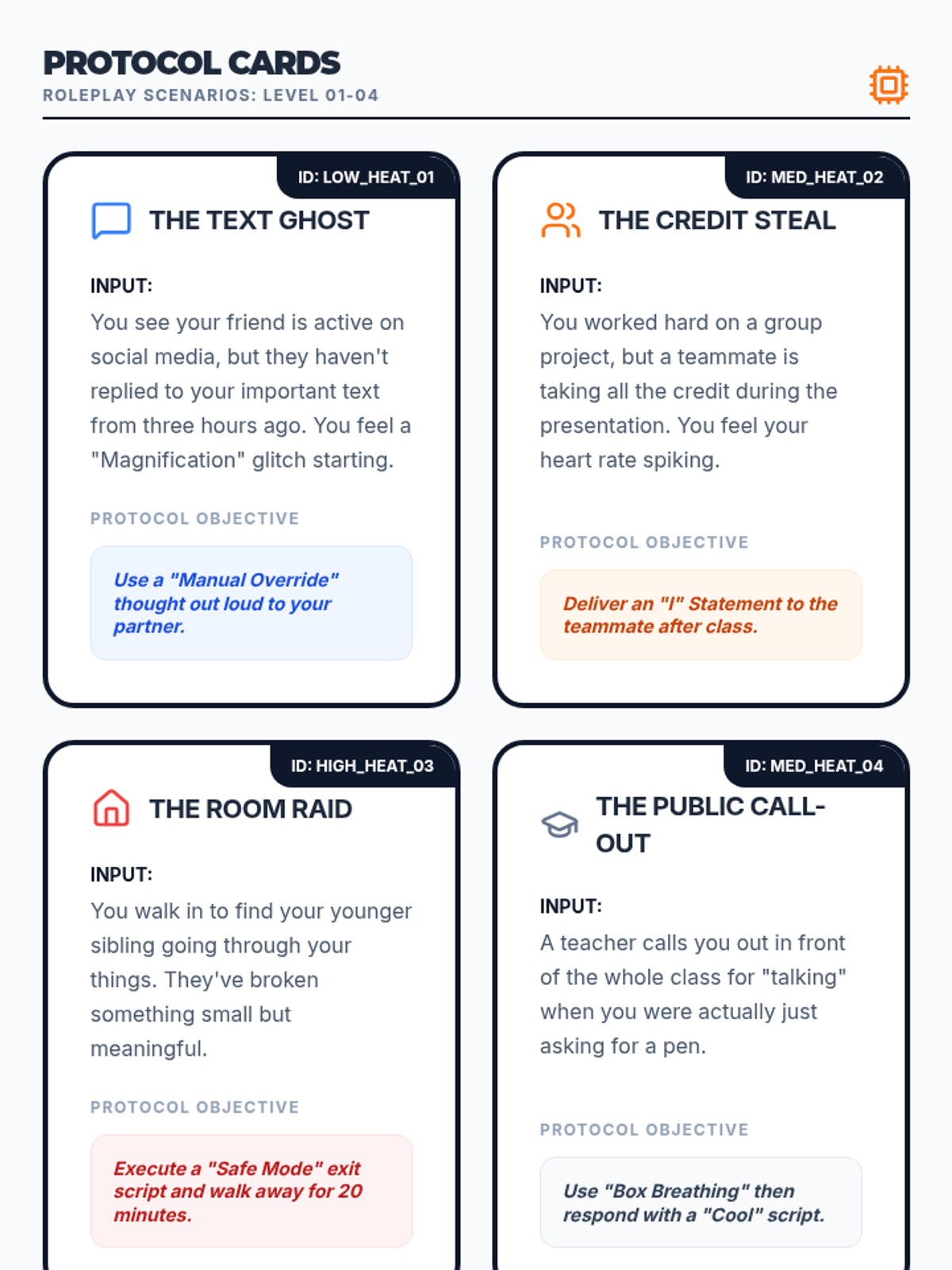
A comprehensive 10-page workbook designed for teenagers to master anger management through CBT techniques, physical grounding, and effective communication strategies.