A comprehensive 10-page workbook designed for teenagers to master anger management through CBT techniques, physical grounding, and effective communication strategies.
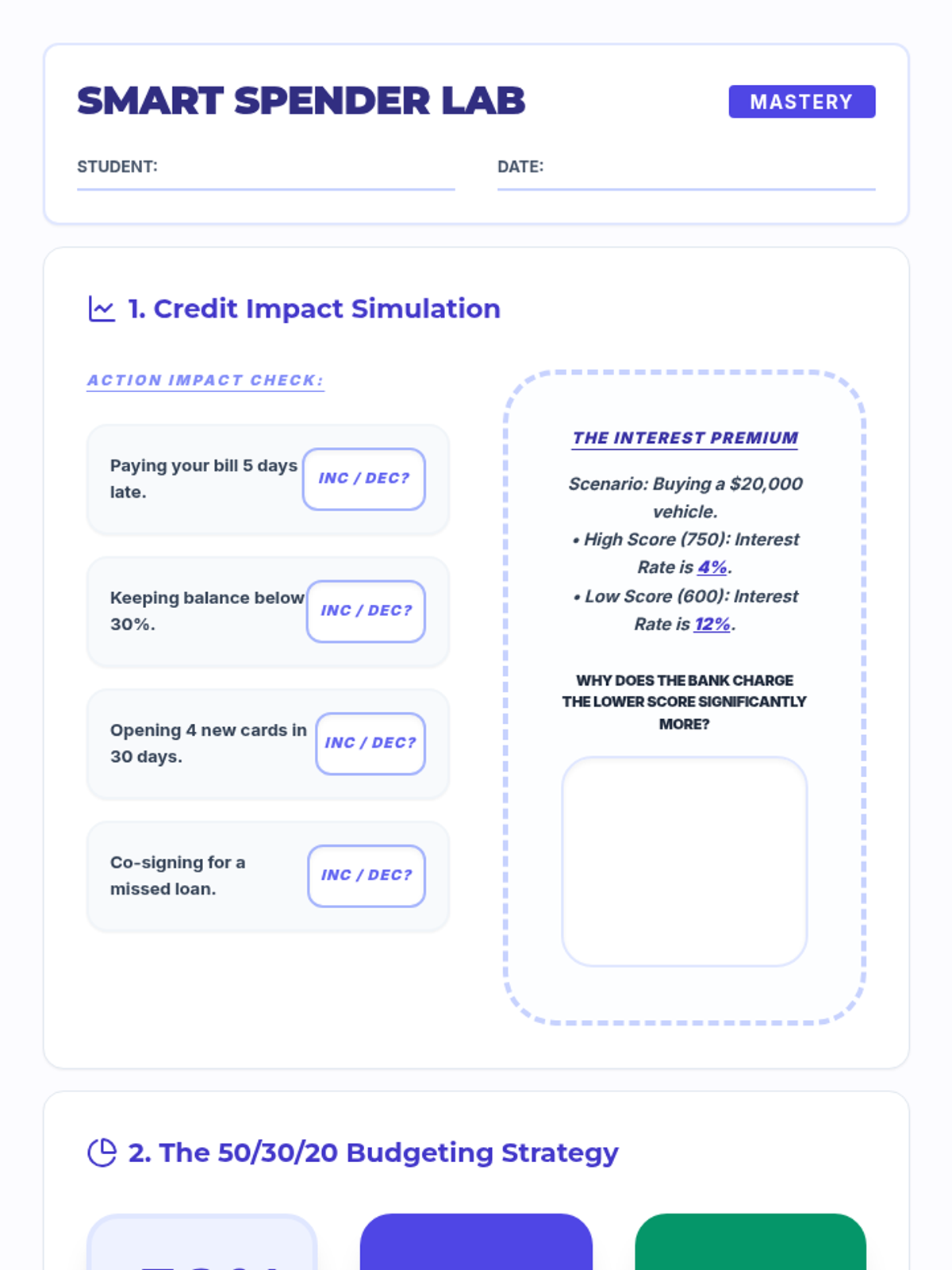
Focuses on credit management, consumer rights, and protection against fraud, covering NC standards EPF.MCM.1 through EPF.MCM.3 and EPF.CC.1 through EPF.CC.2.
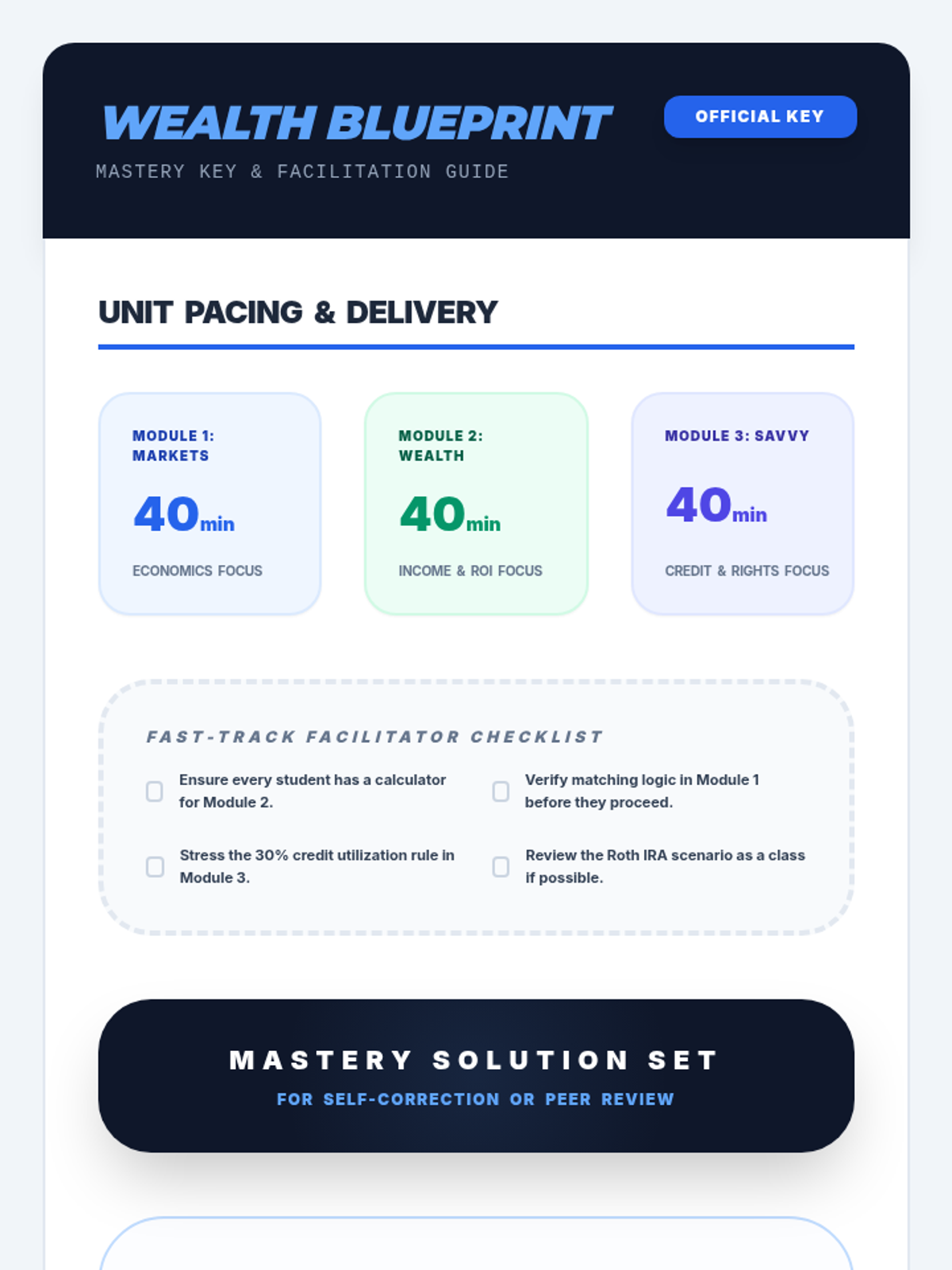
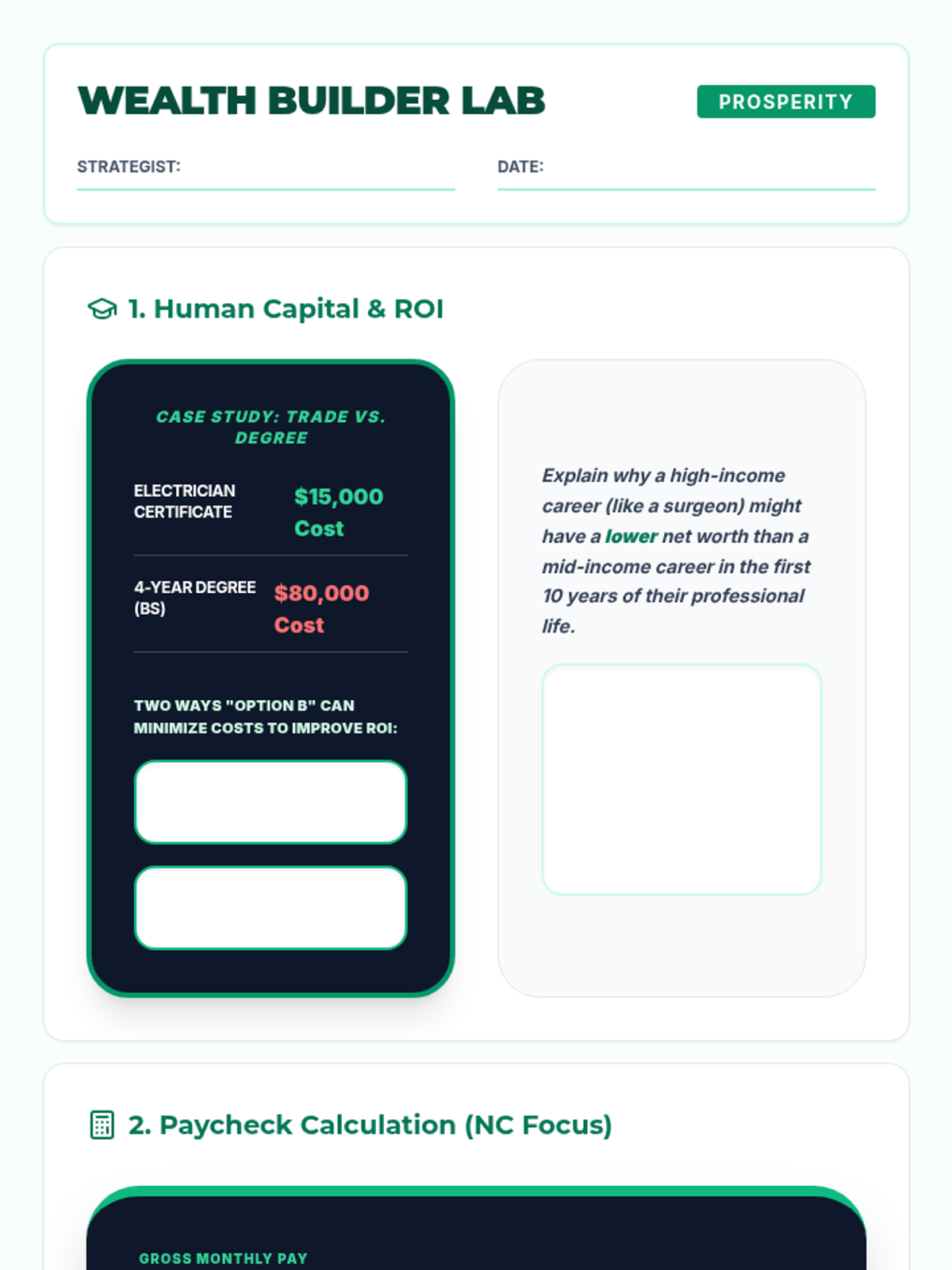
A deep dive into the relationship between education, career choice, taxes, and long-term wealth building, covering NC standards EPF.IE.1, EPF.IE.2, and EPF.FP.1.
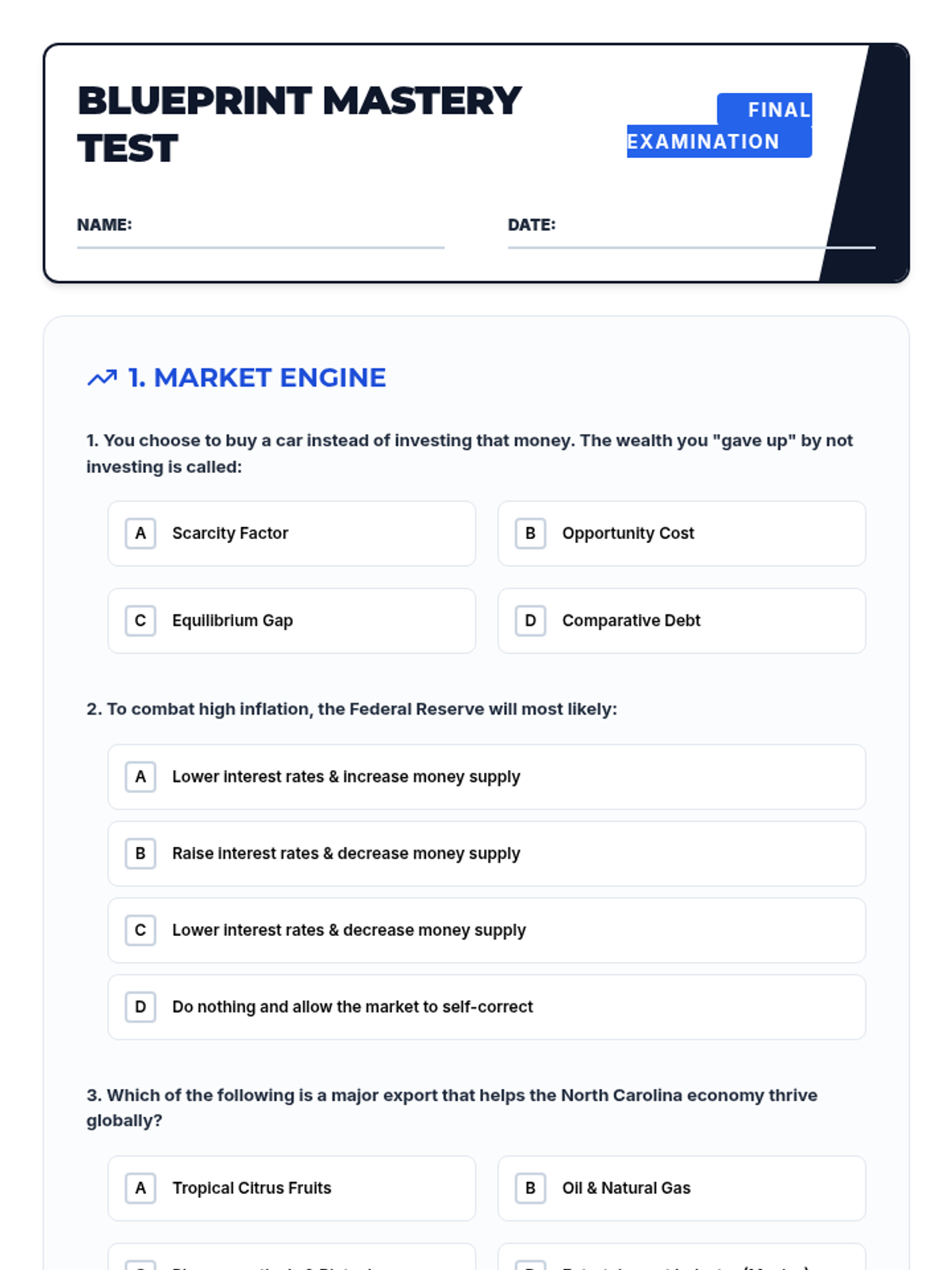
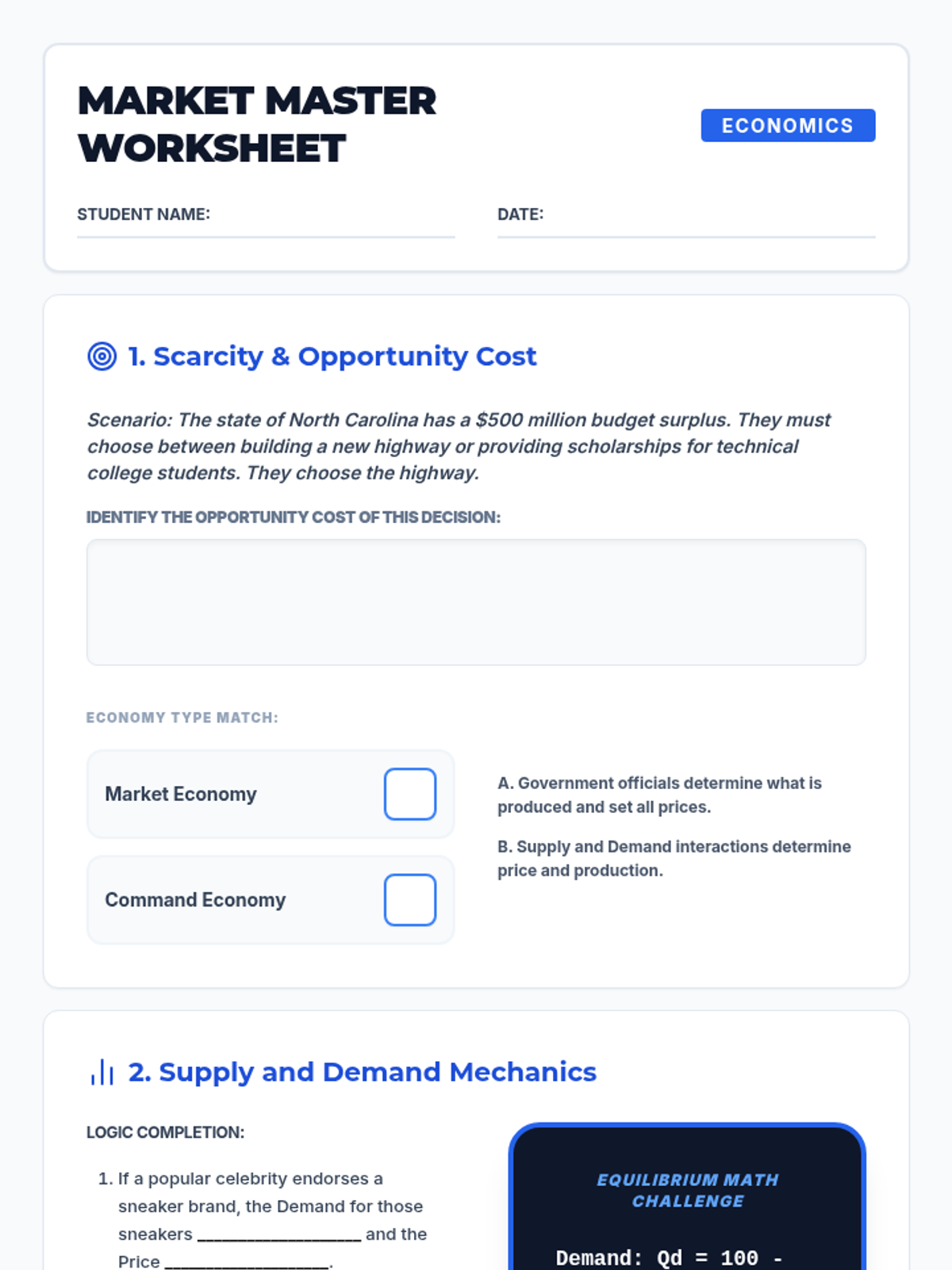
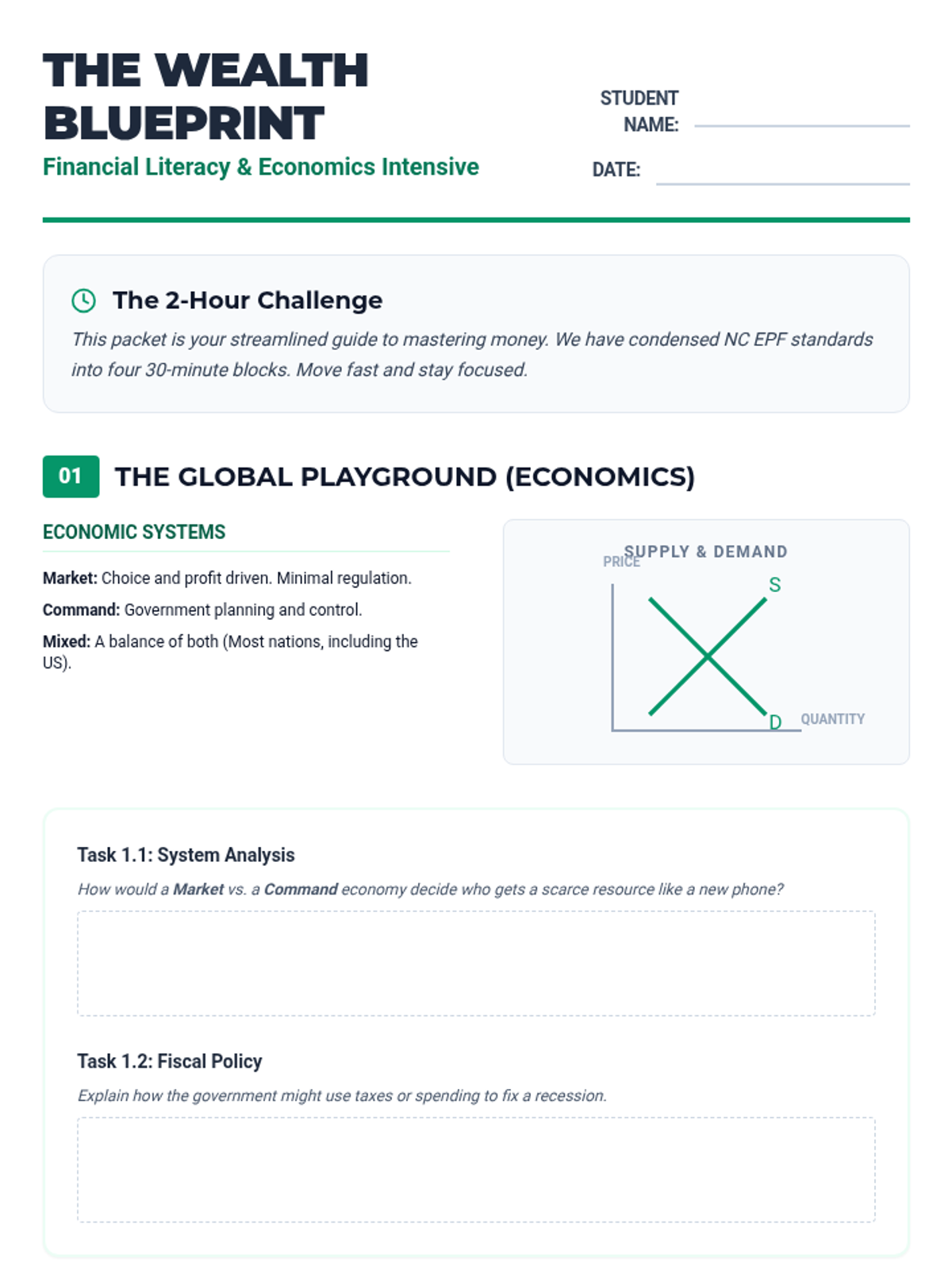
An intensive overview of market systems, supply and demand, and the government's role in the US economy, covering NC standards EPF.E.1 through EPF.E.4.
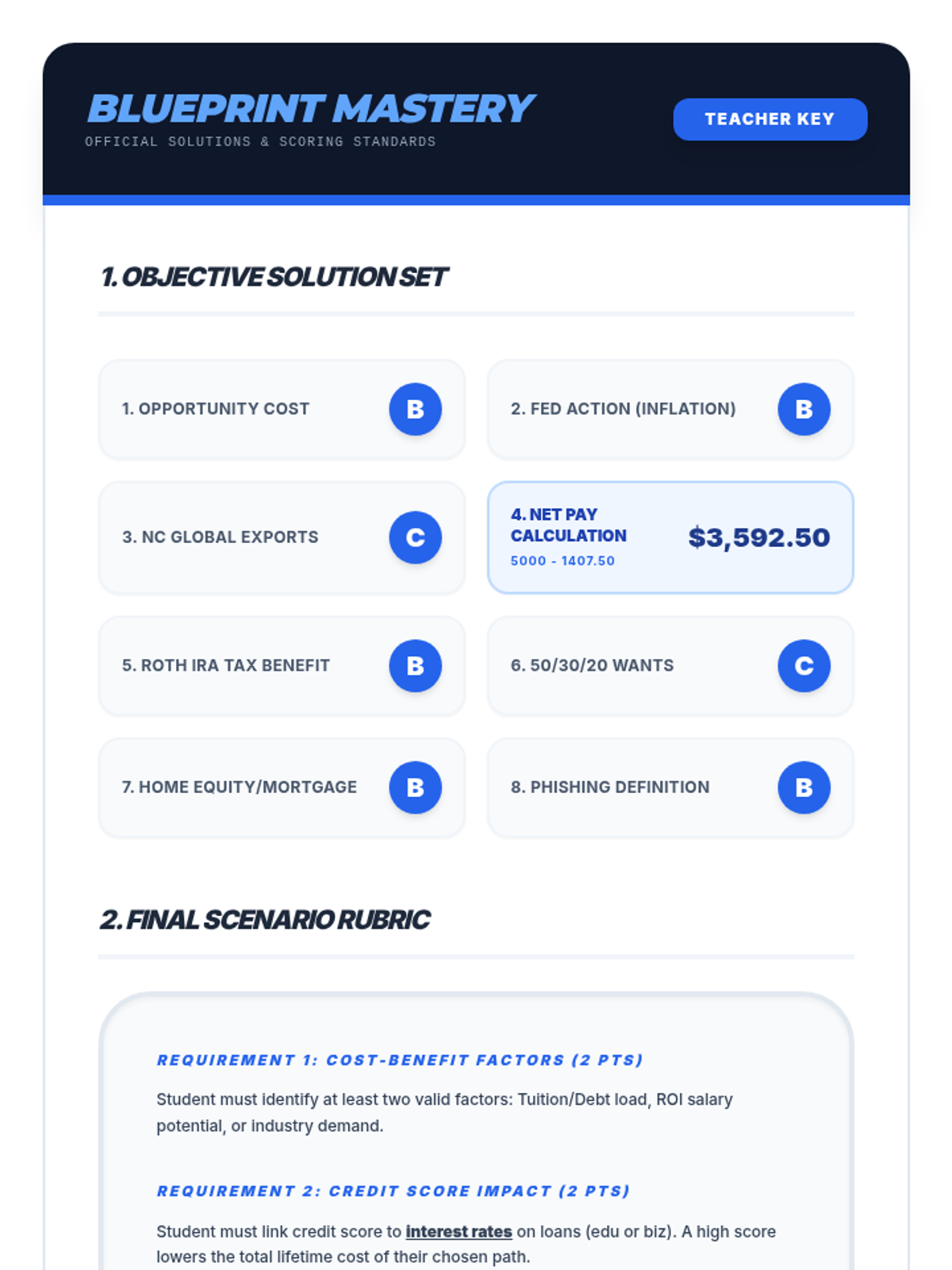
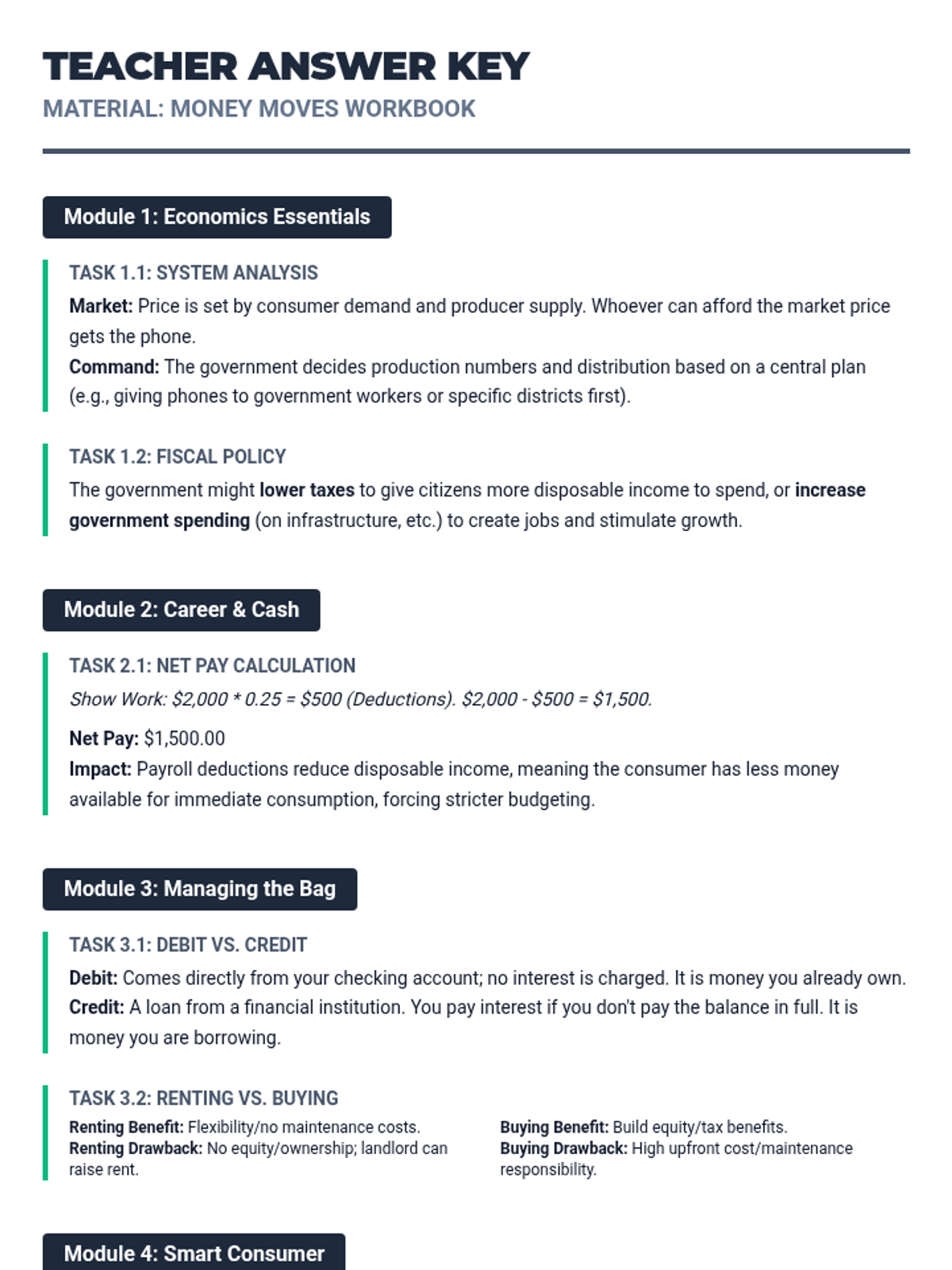
A streamlined, self-paced lesson covering economics, income, credit, and consumerism designed for high school students to complete independently.
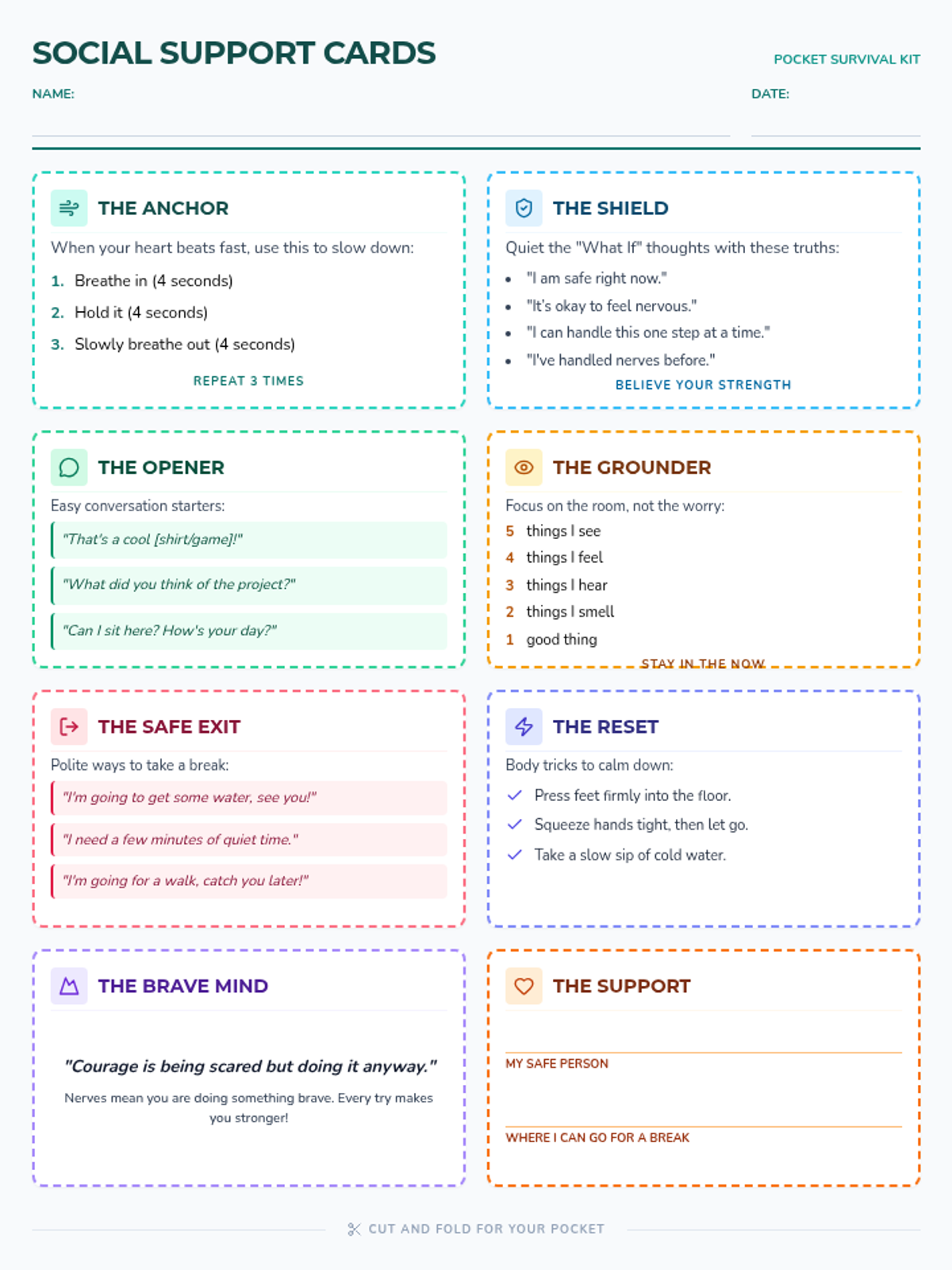
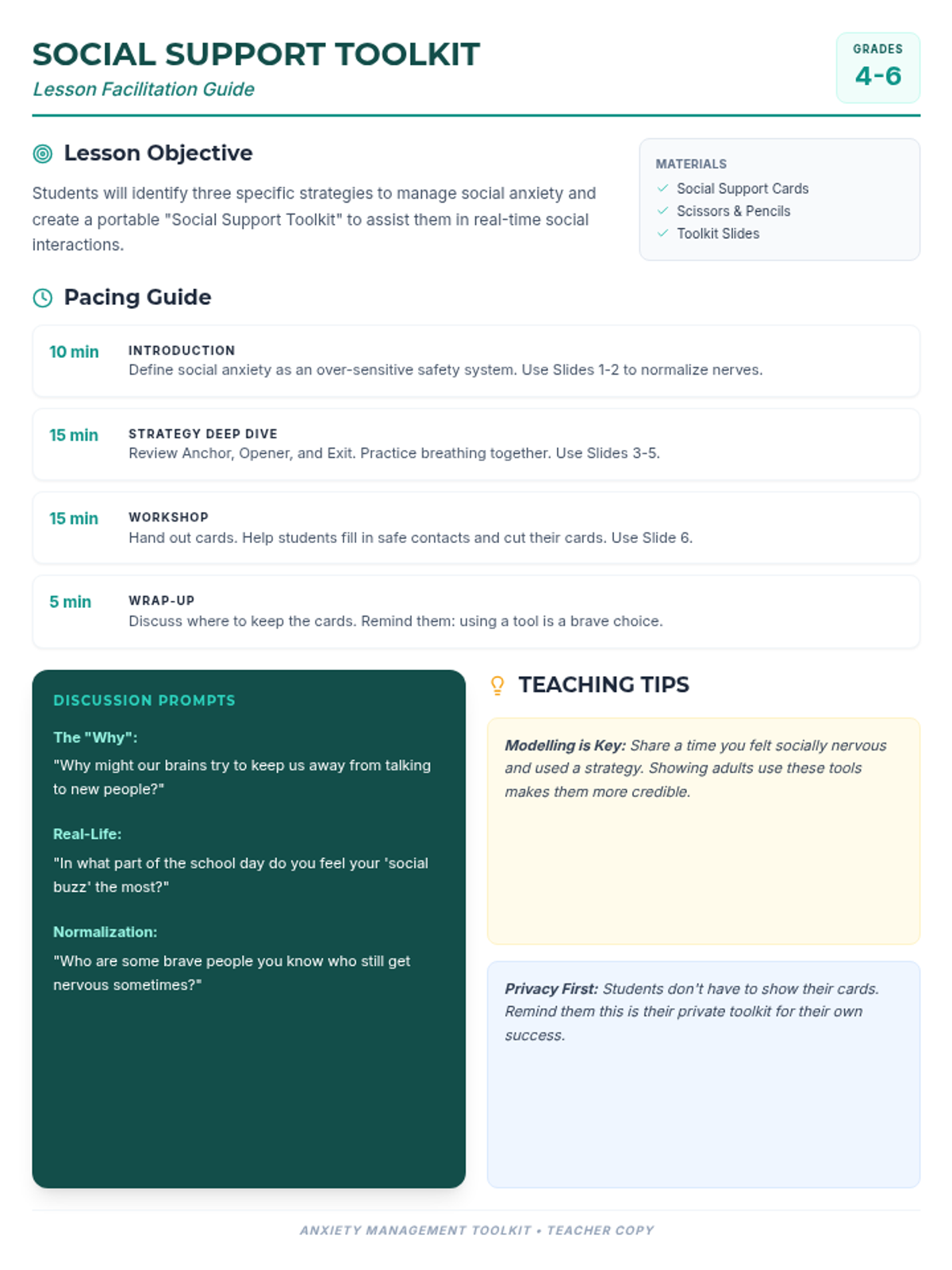
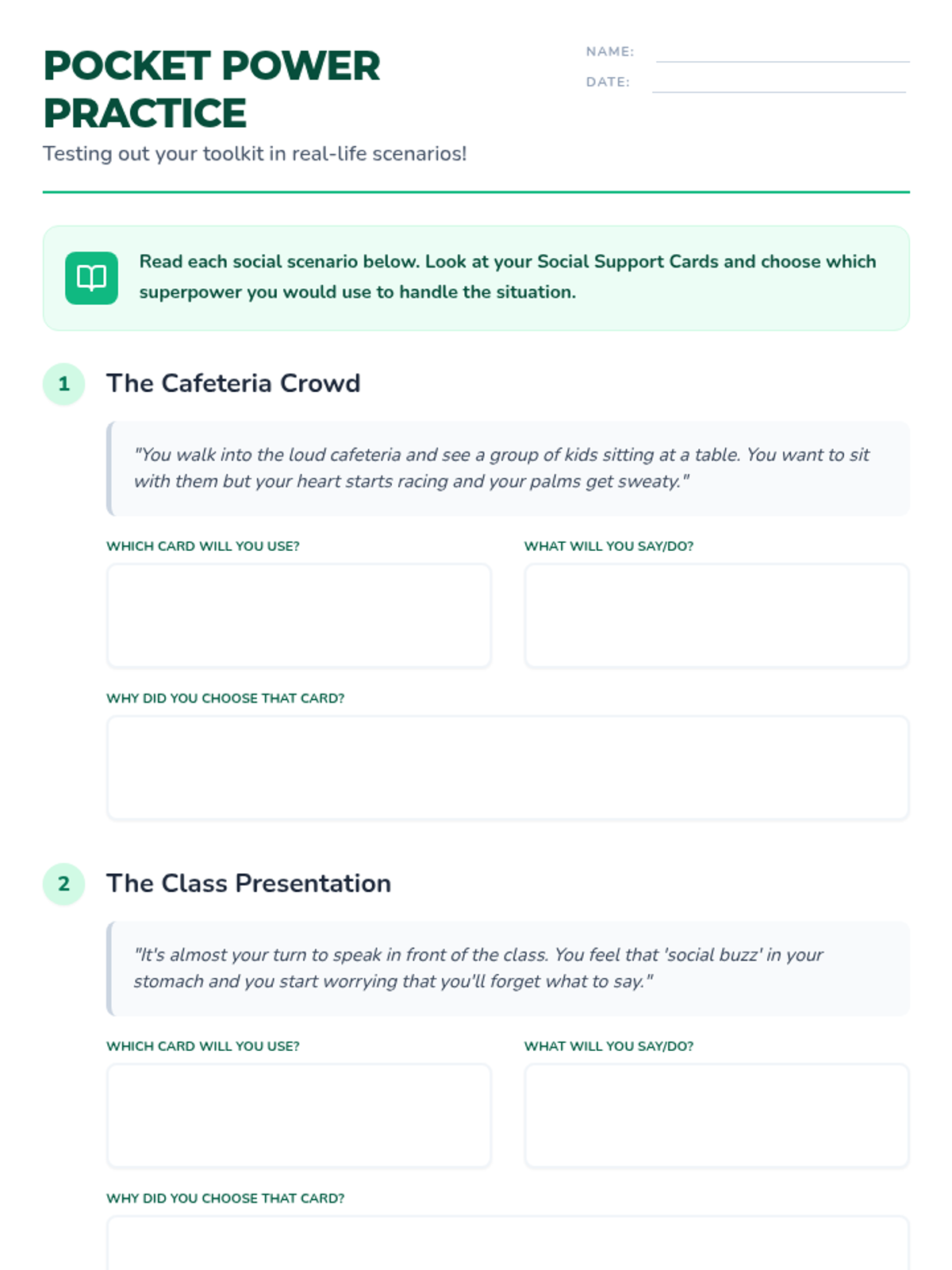
This lesson provides 5th-grade students with practical, portable tools to manage social anxiety in real-time. Through pocket-sized strategy cards, students learn grounding, breathing, and communication techniques to navigate social interactions with confidence.
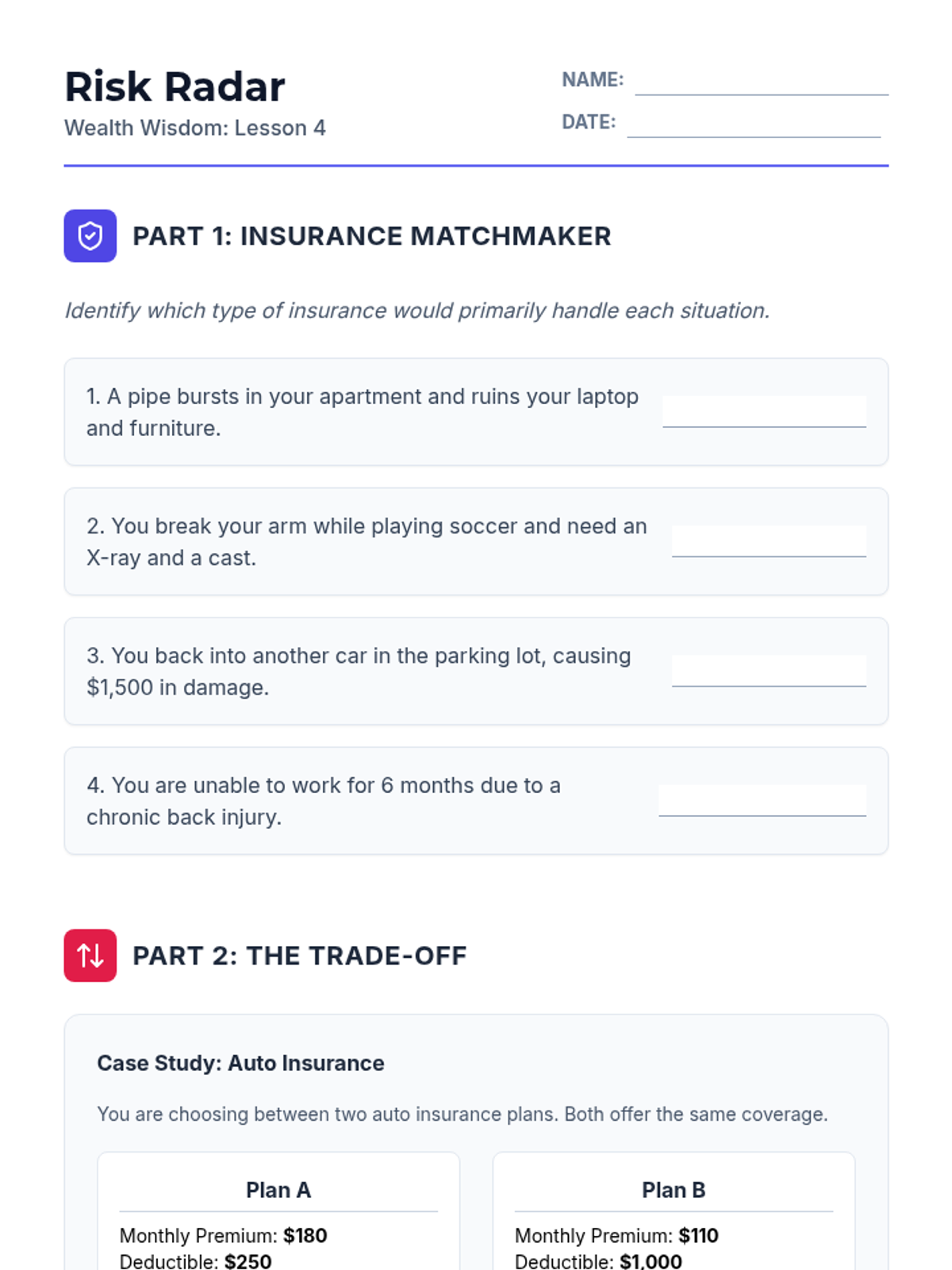
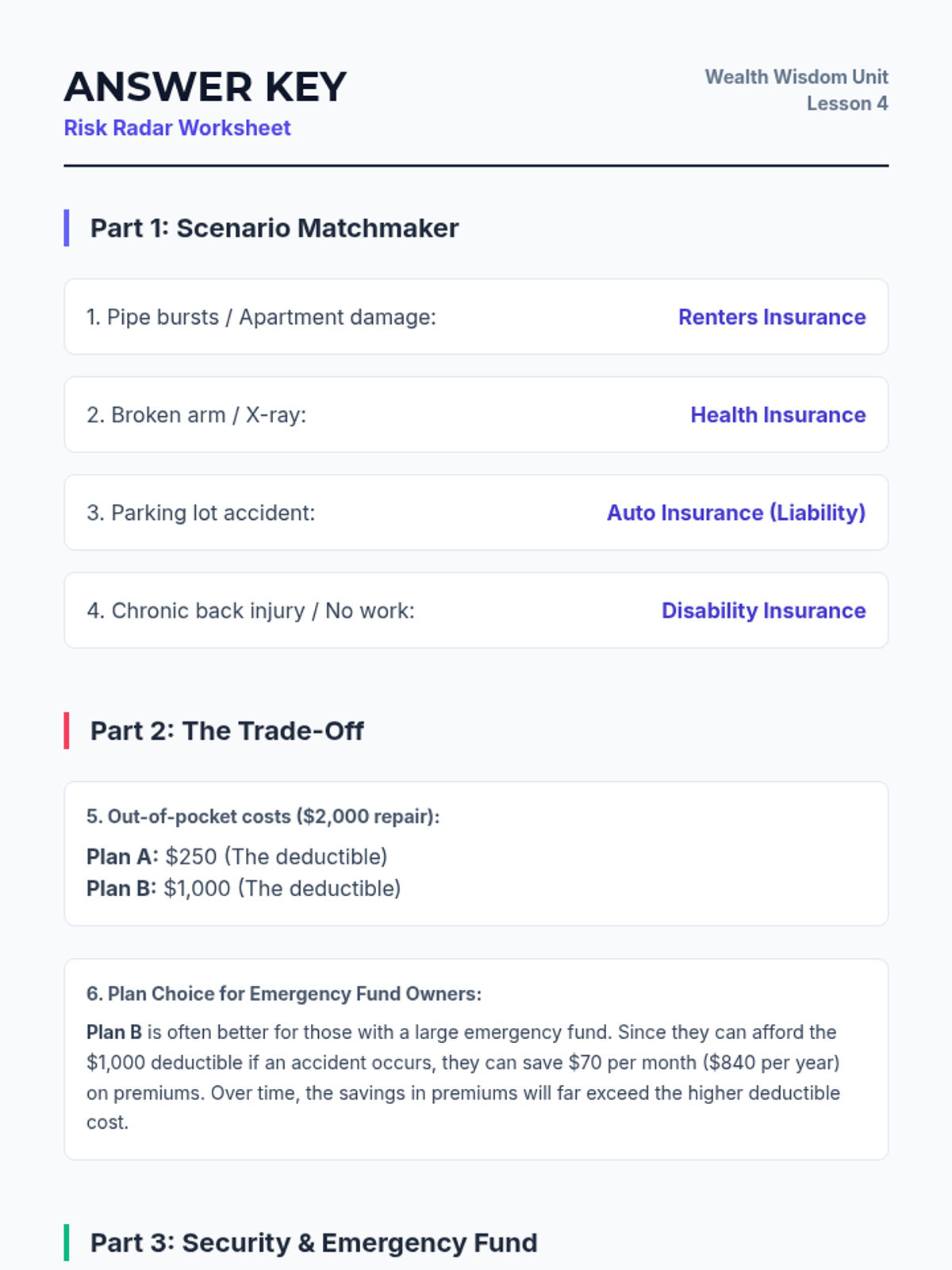
Focuses on risk management through various types of insurance and strategies for protecting personal identity and financial assets from fraud.
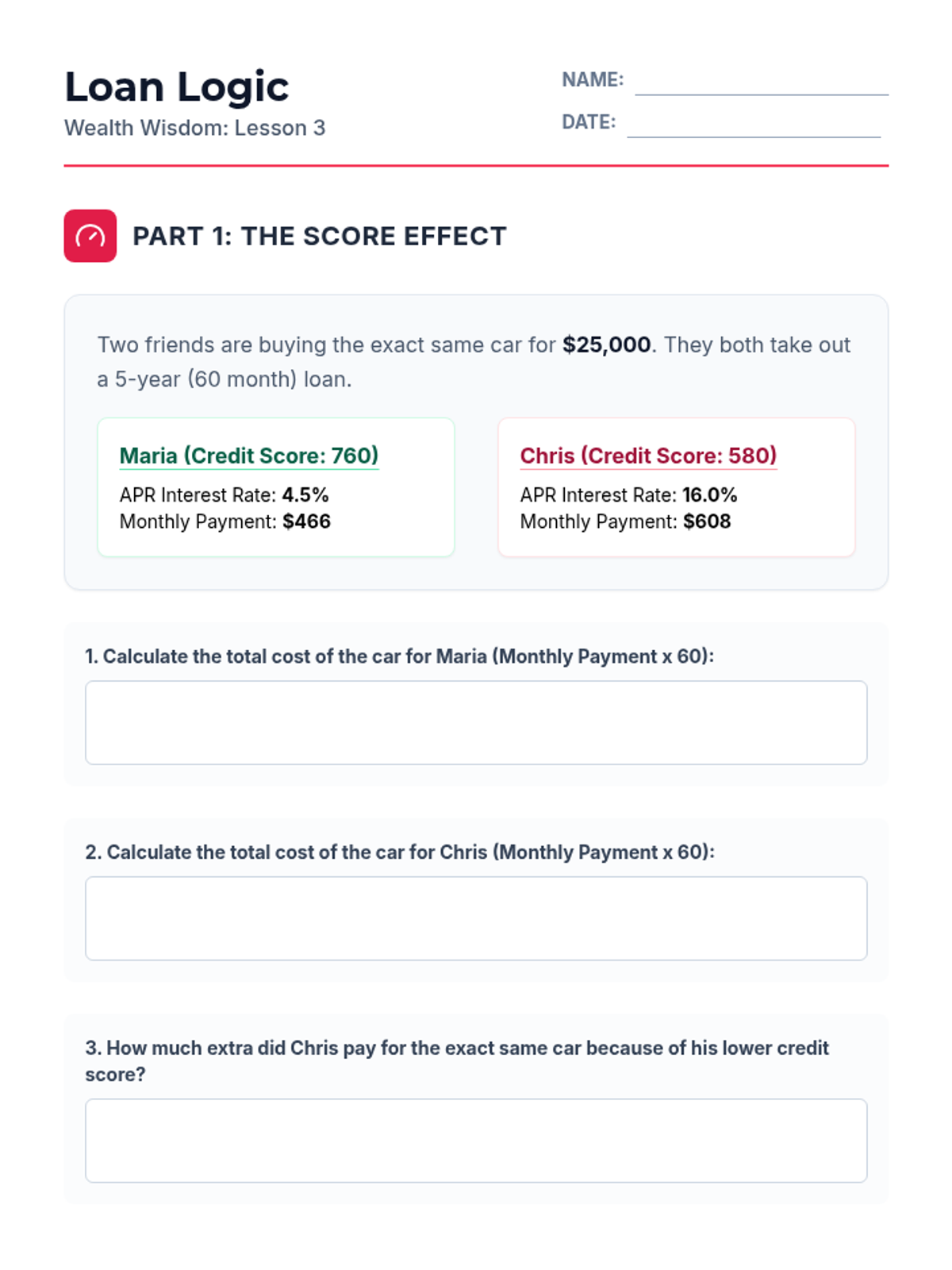
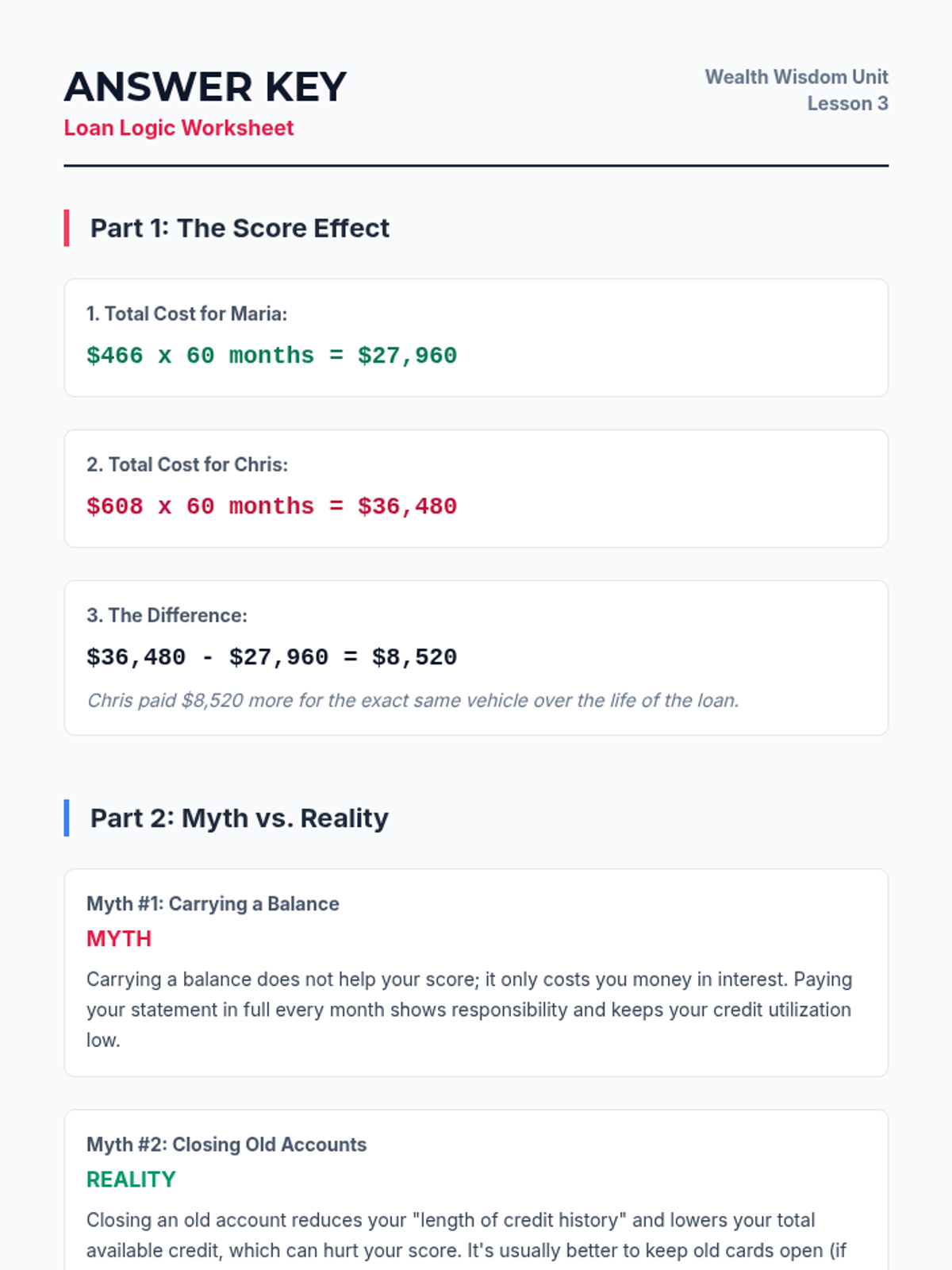
Demystifies credit scores, explains the cost of borrowing (interest rates), and teaches strategies for managing debt and avoiding financial pitfalls.
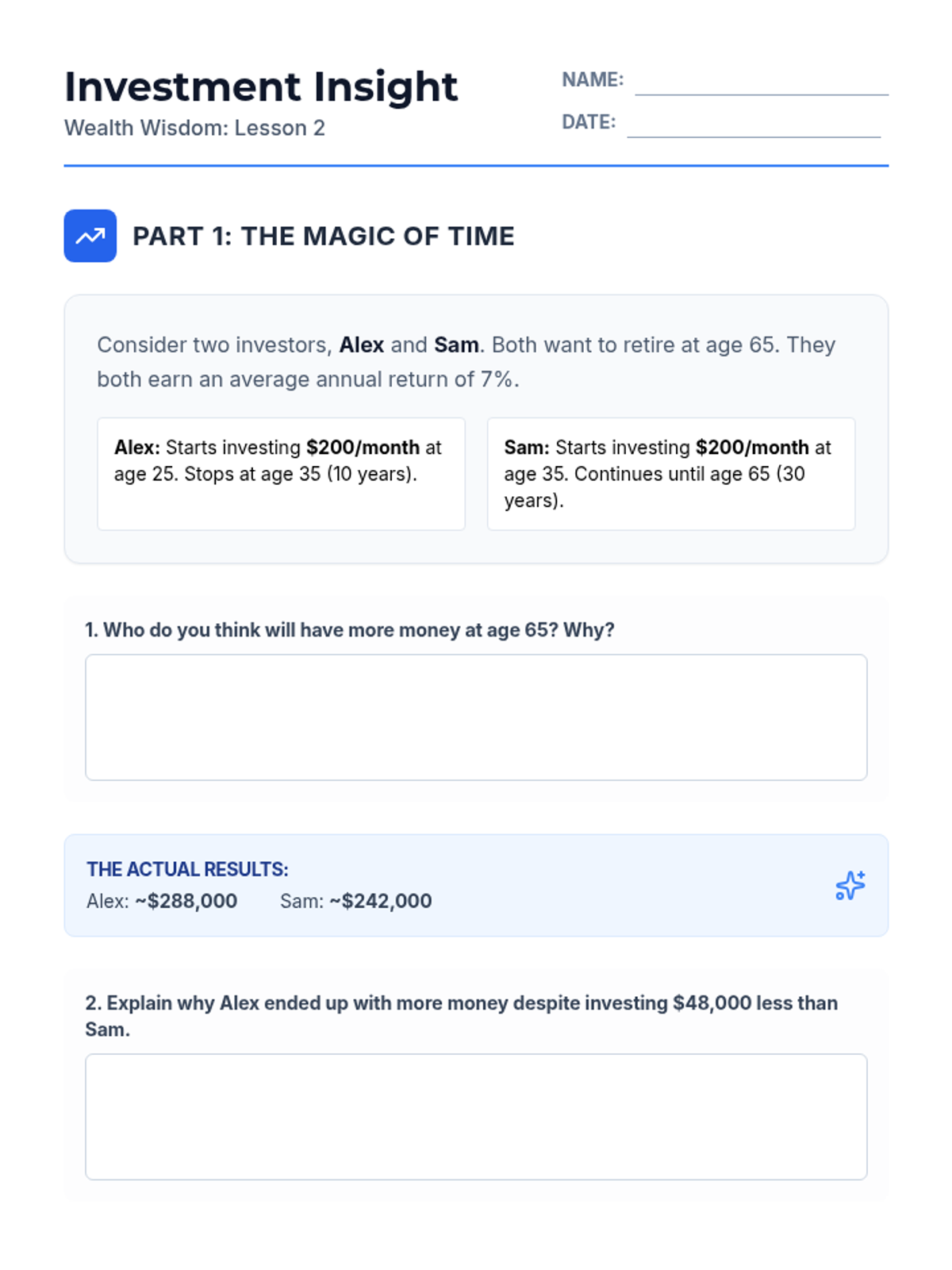
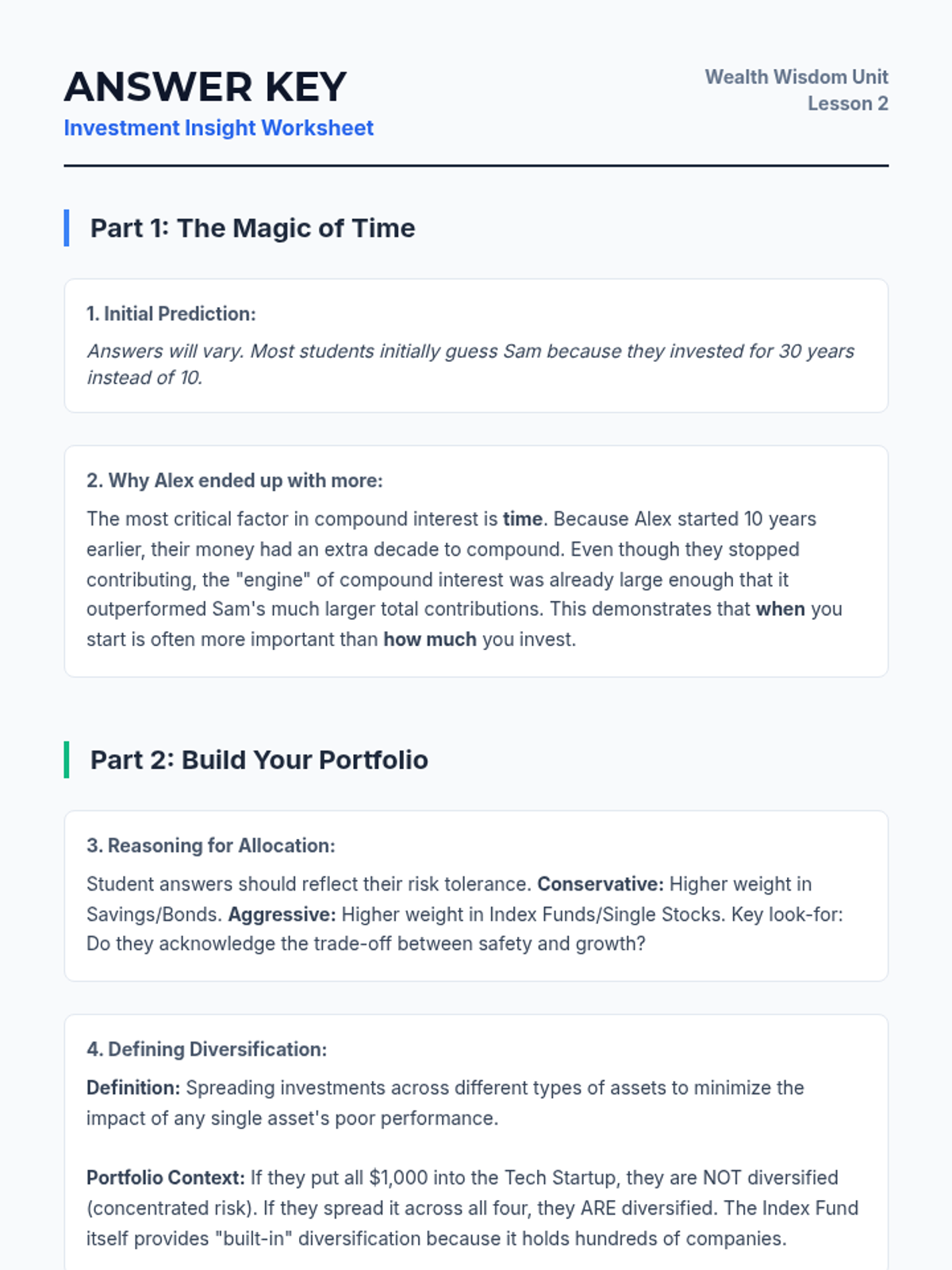
Covers the power of compound interest, different types of savings accounts, and investment vehicles such as stocks, bonds, and mutual funds.
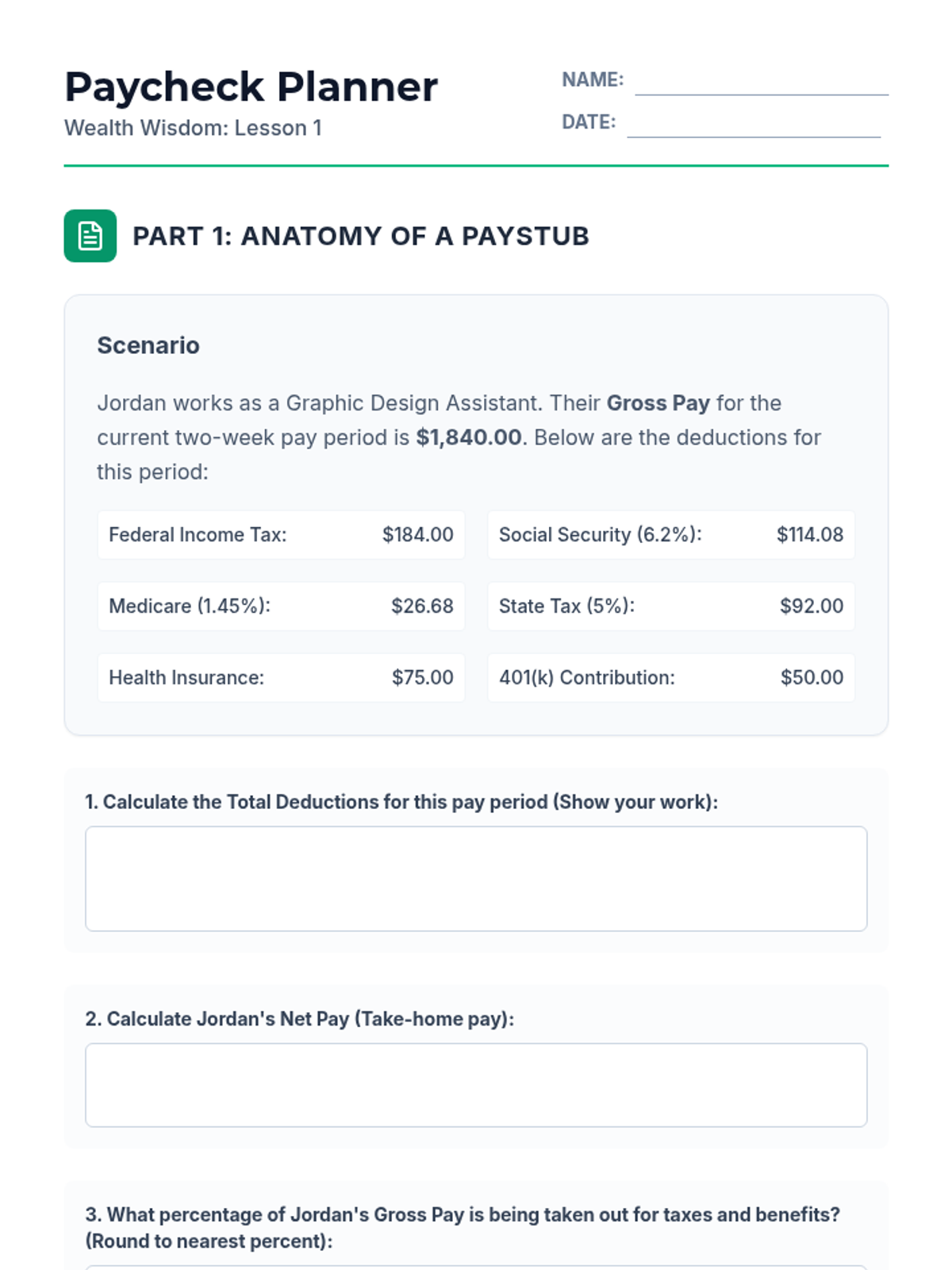
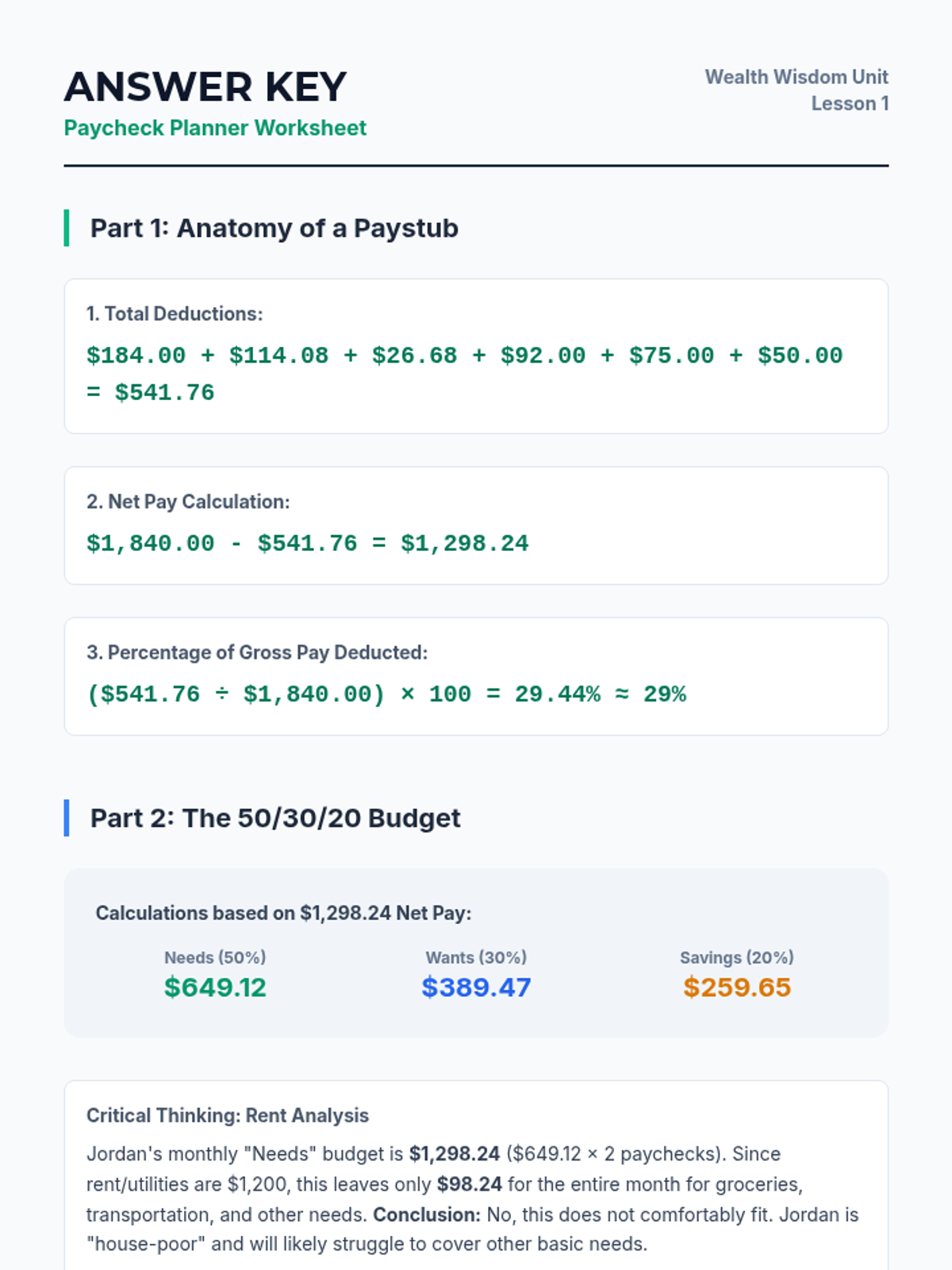
Explores sources of income, understanding pay stubs, taxes, and creating a functional budget using various methods like the 50/30/20 rule.
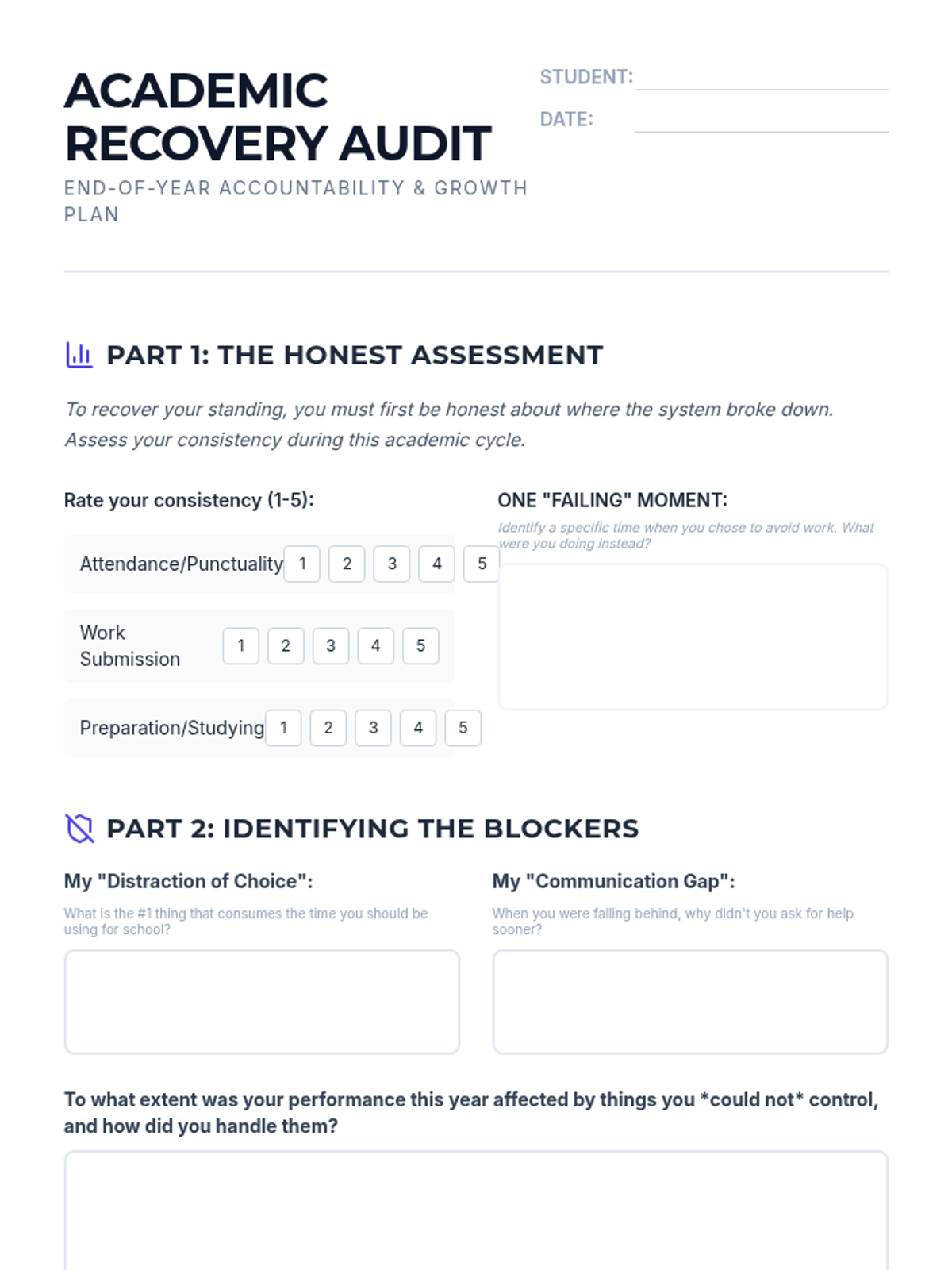
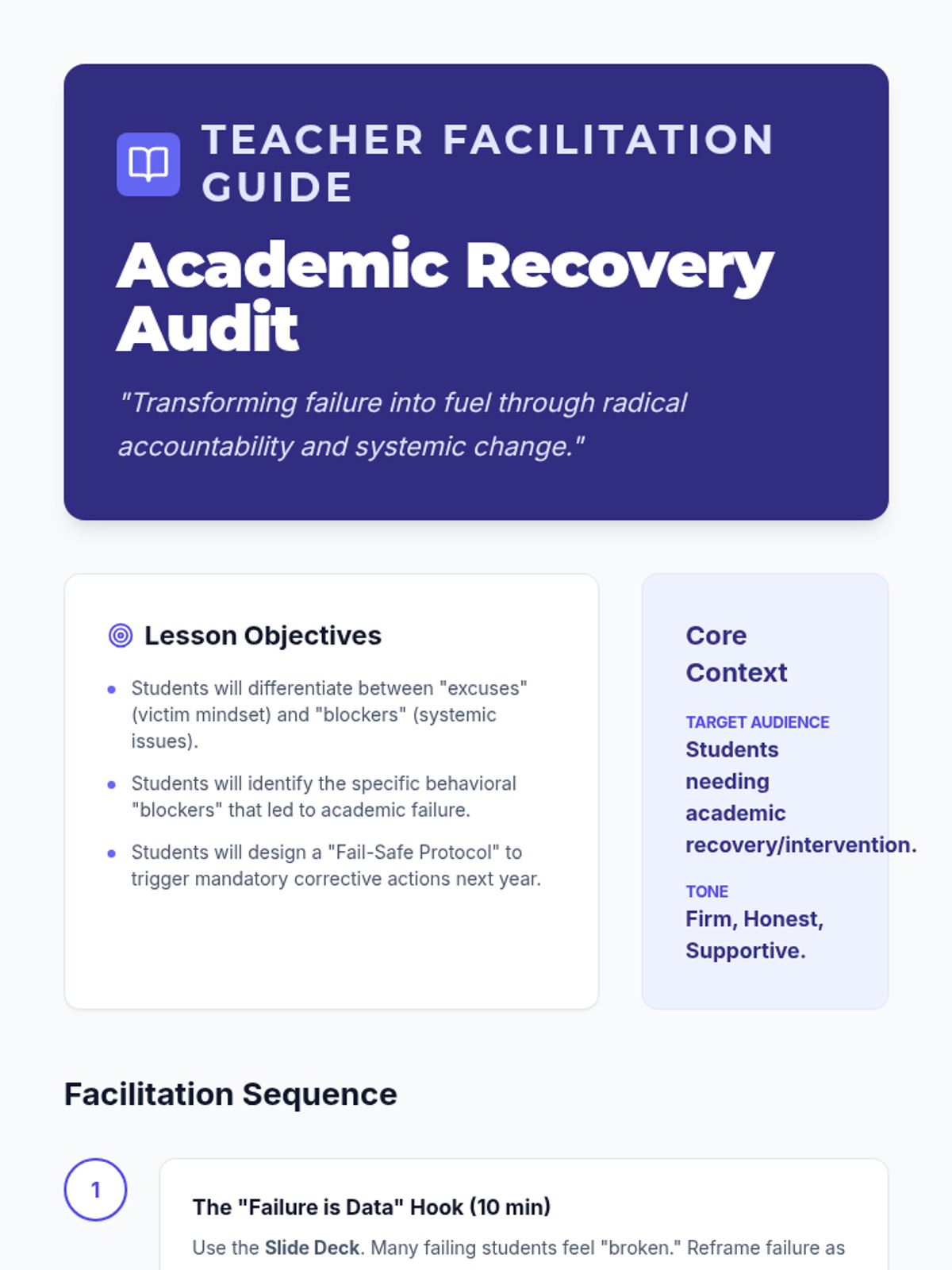
A reflective lesson for high school students to evaluate their academic accountability over the past year and plan for future growth.
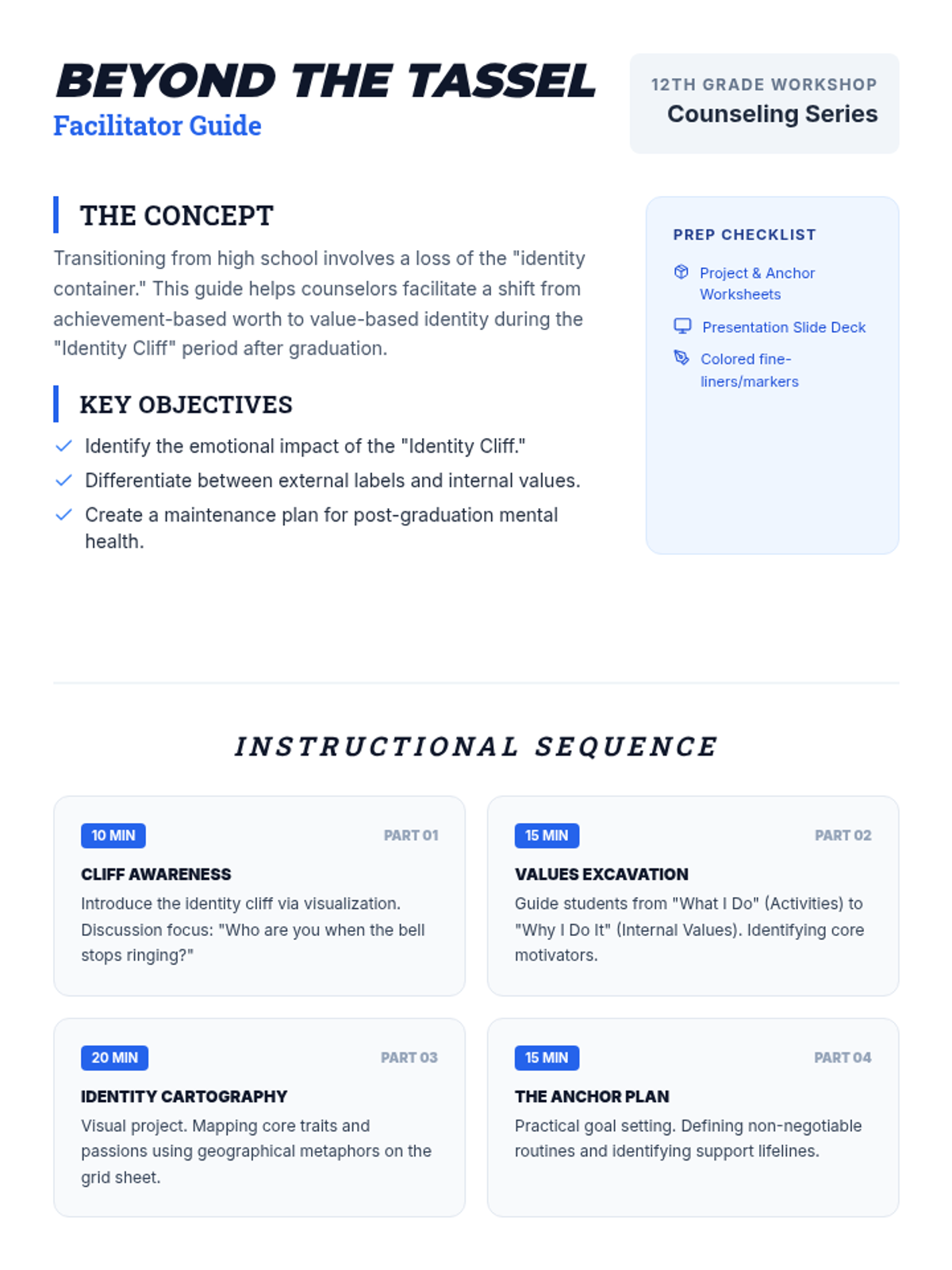
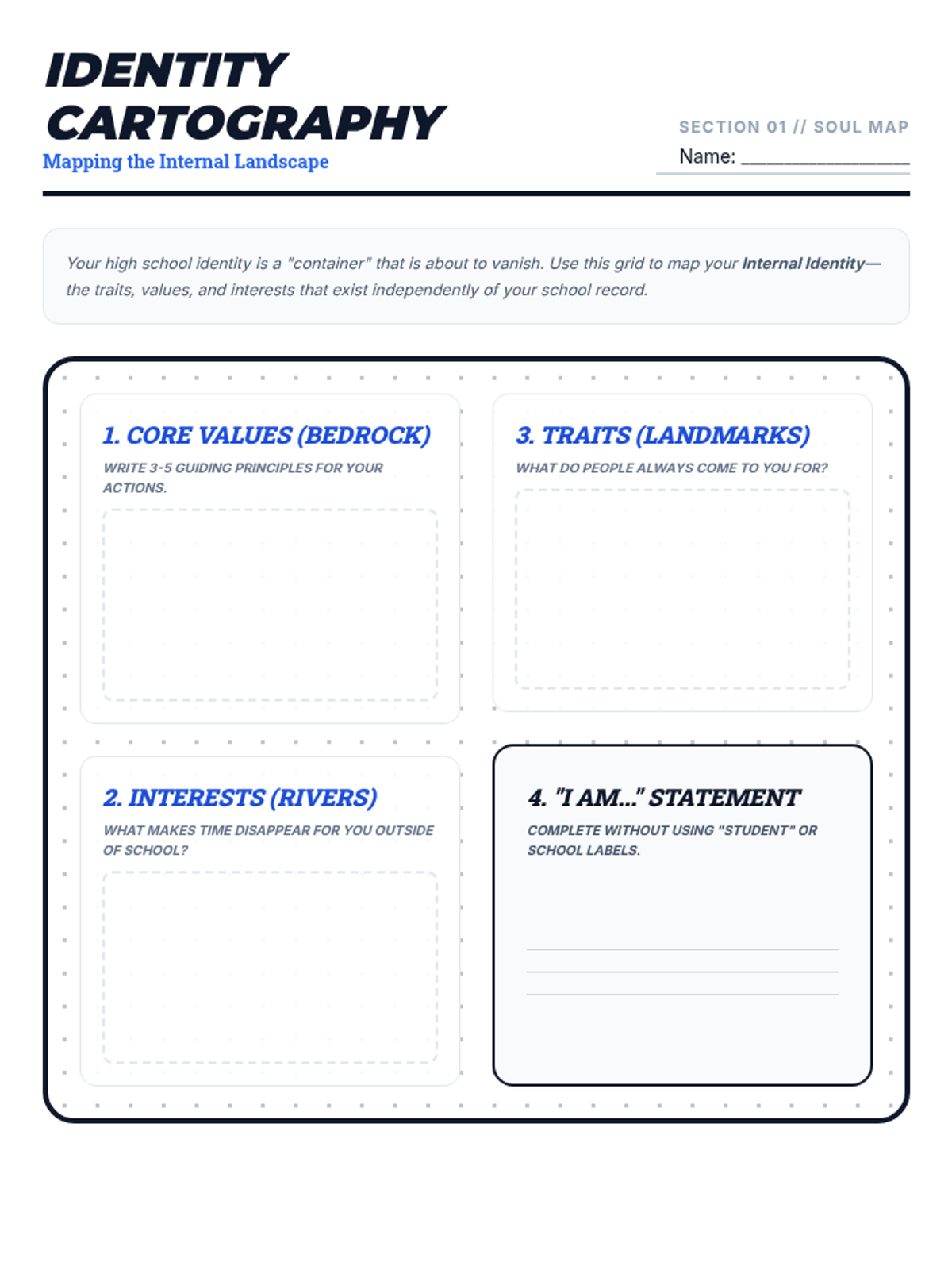
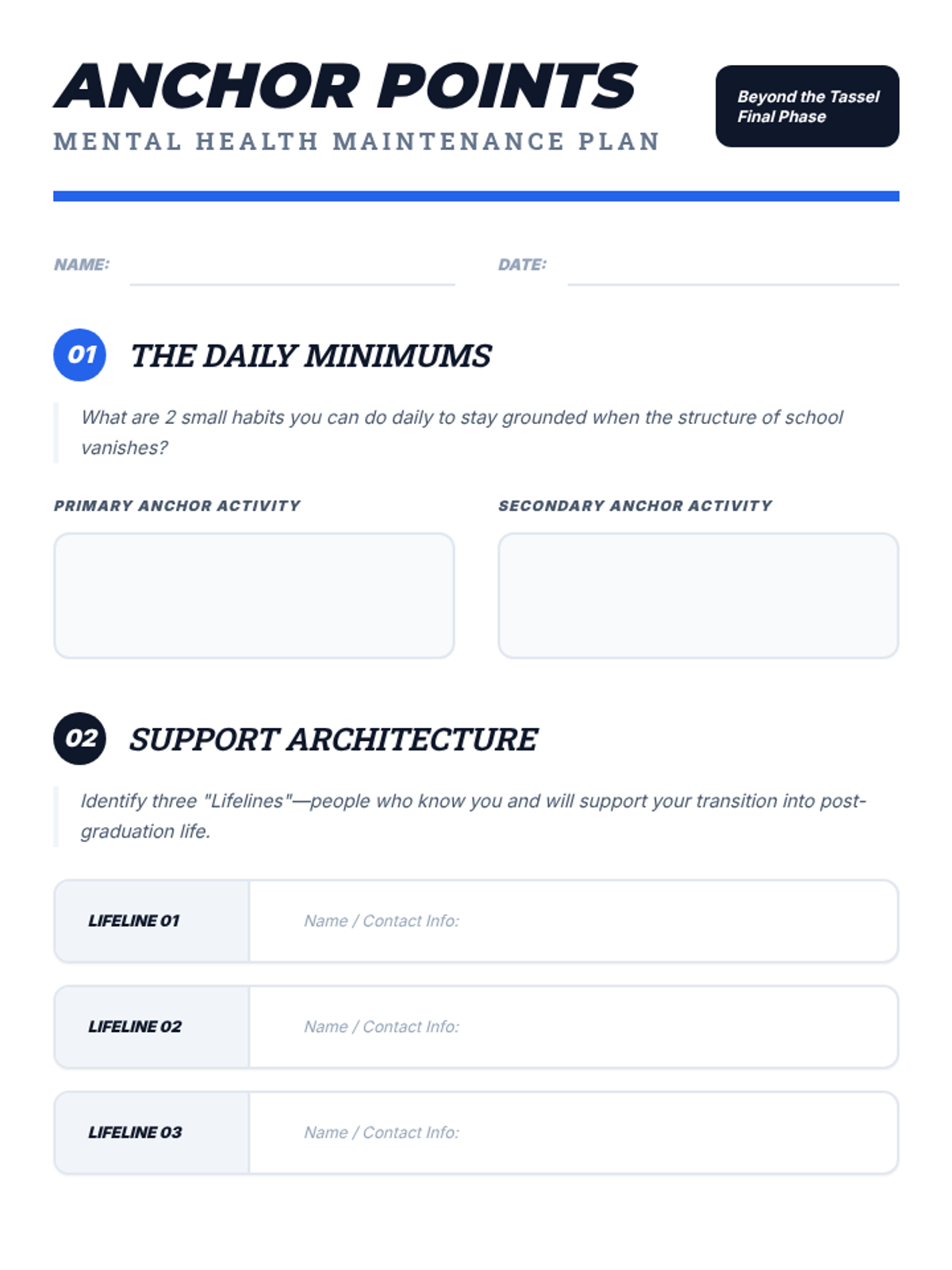
A counseling workshop designed to help 12th graders navigate the transition from high school by mapping their core values and developing mental health maintenance strategies for life after graduation.
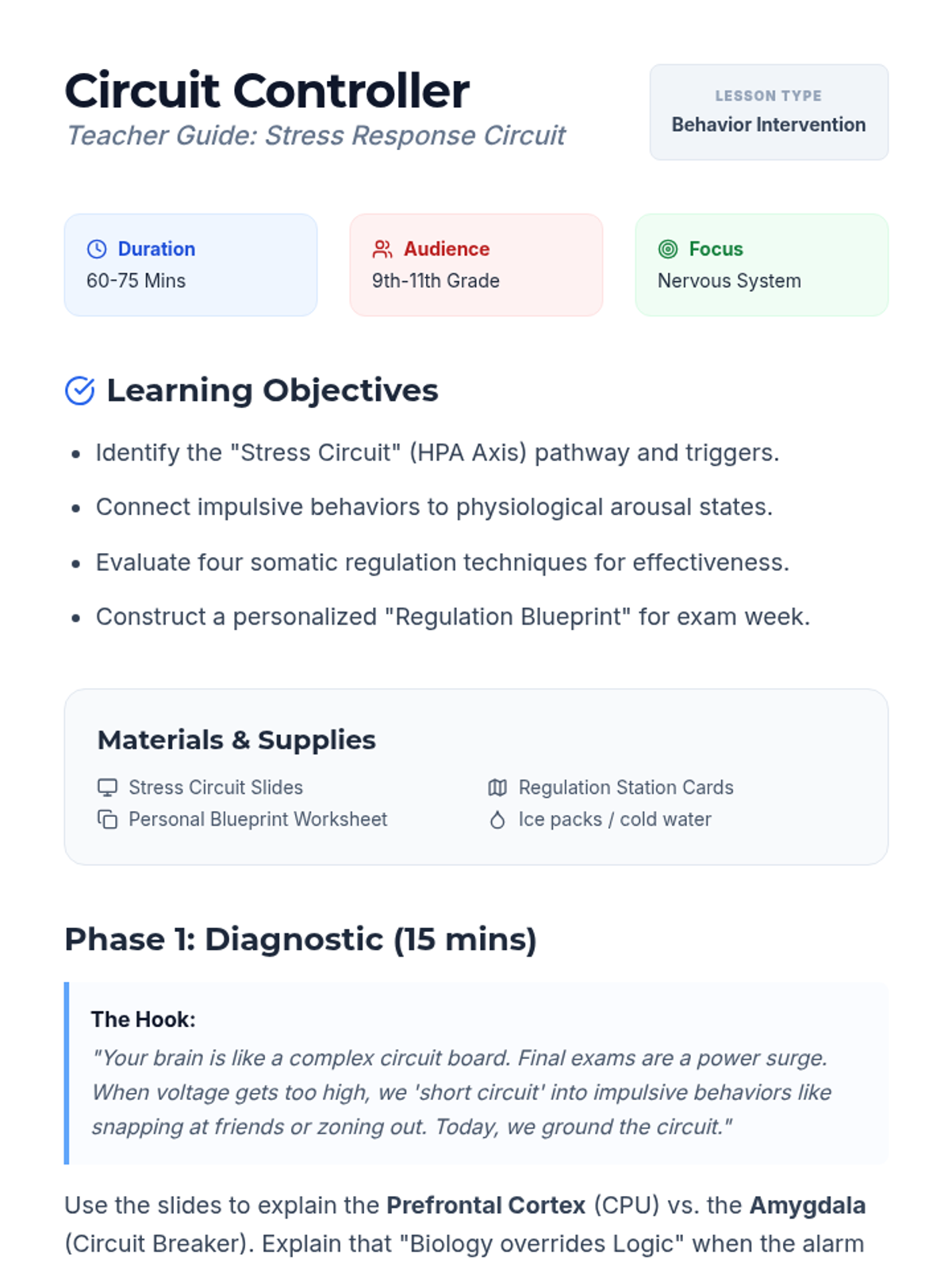
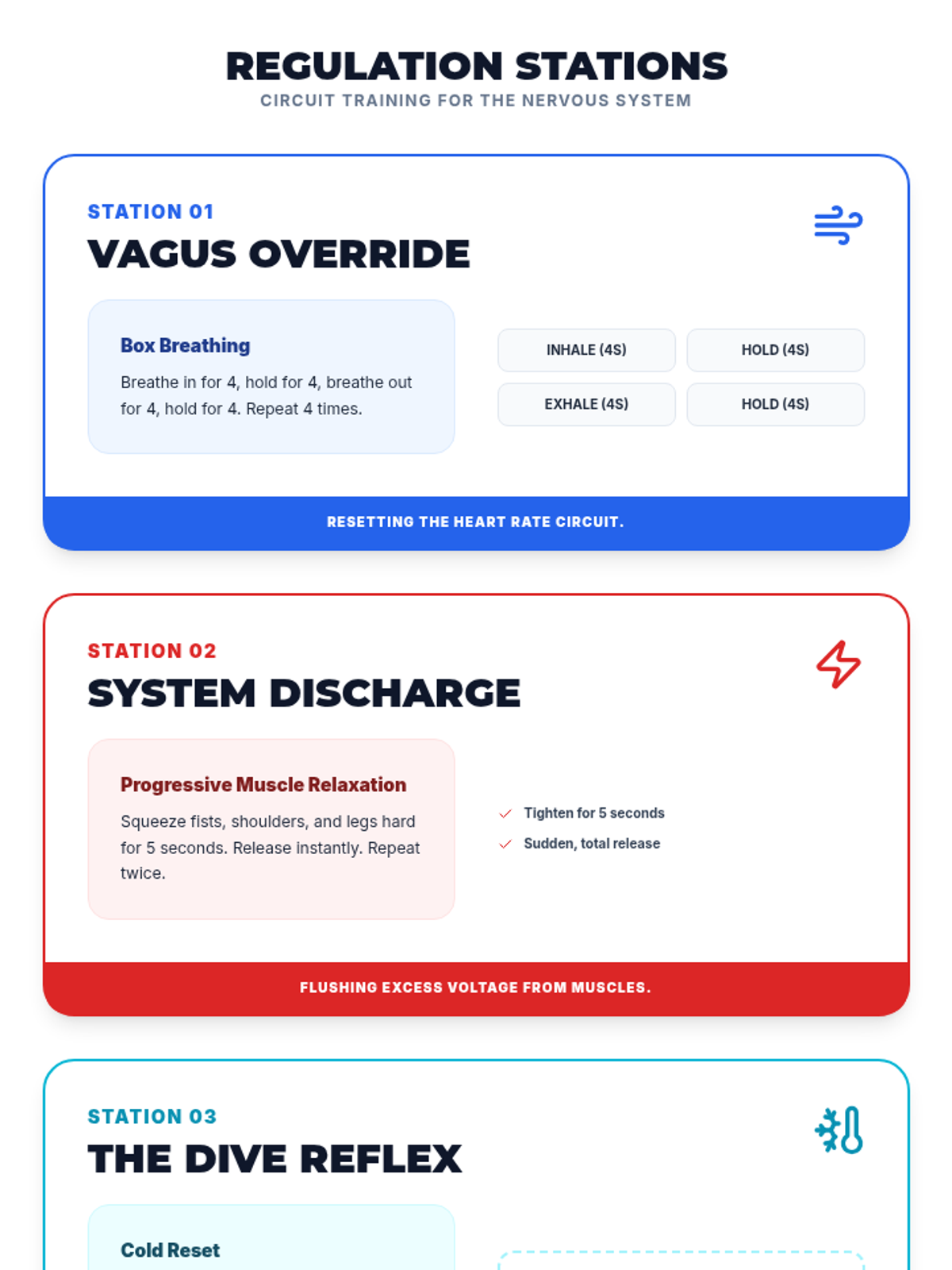
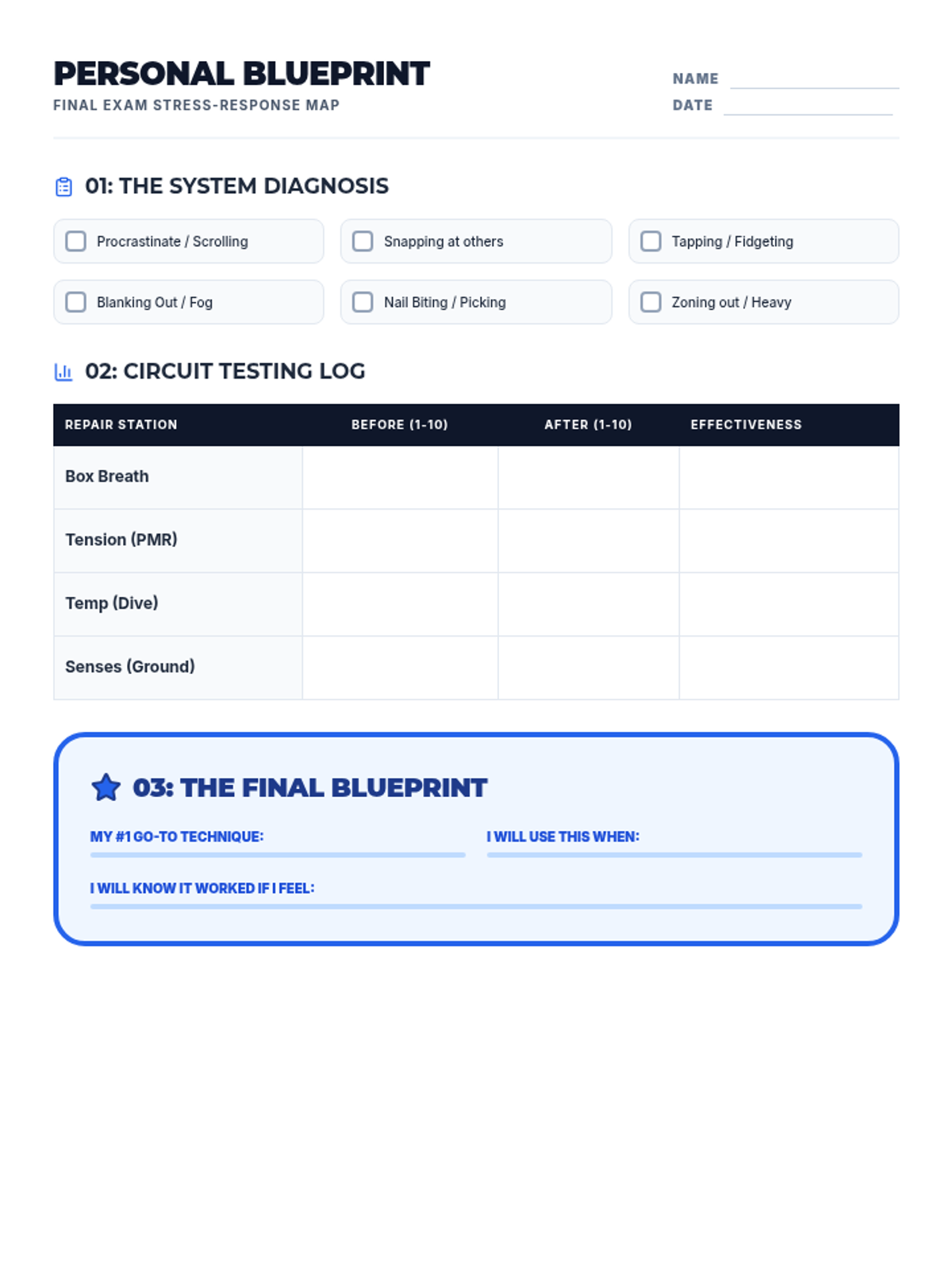
A physiology-focused intervention for high schoolers to understand the stress response and master somatic regulation techniques during final exams. Students explore the 'circuitry' of their nervous system and practice specific physical interventions to manage exam-induced impulsivity.
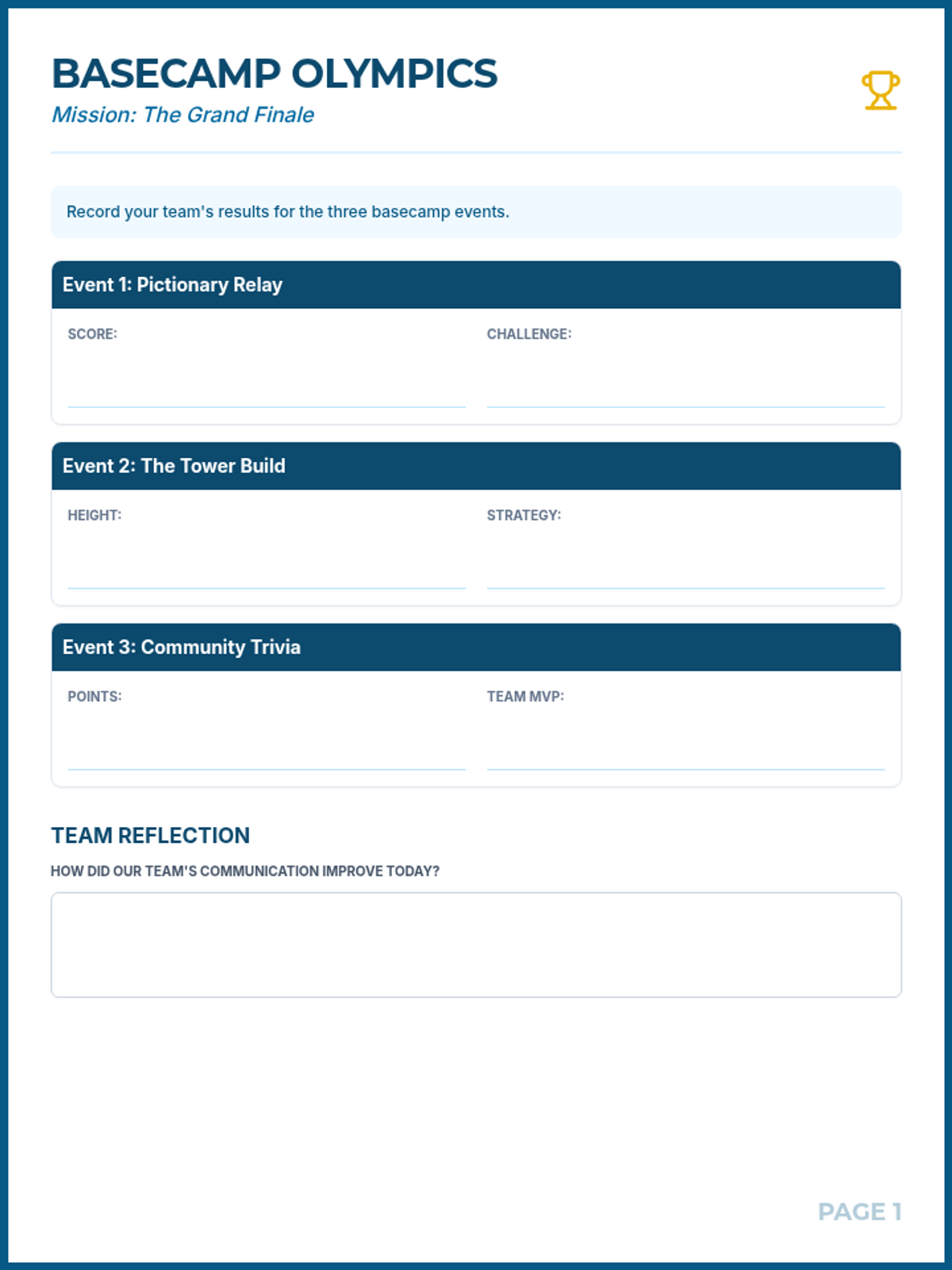
The final day celebrates the new community with a 'Basecamp Olympics' event and a reflective 'Letter to Future Self' to set the tone for the year ahead.
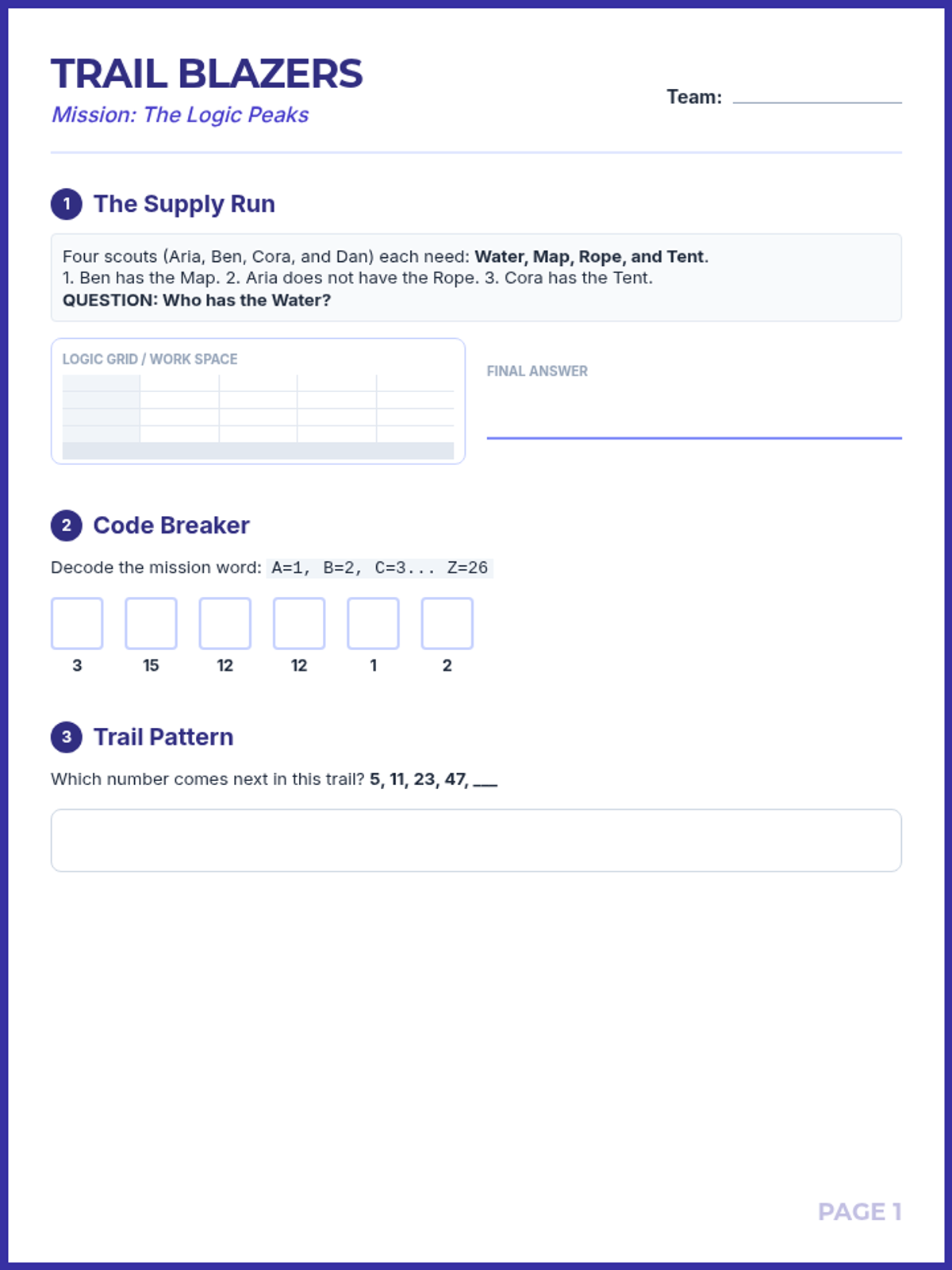
Day two shifts focus to collaborative problem-solving with an engineering challenge and the collective creation of a classroom 'Community Contract'.
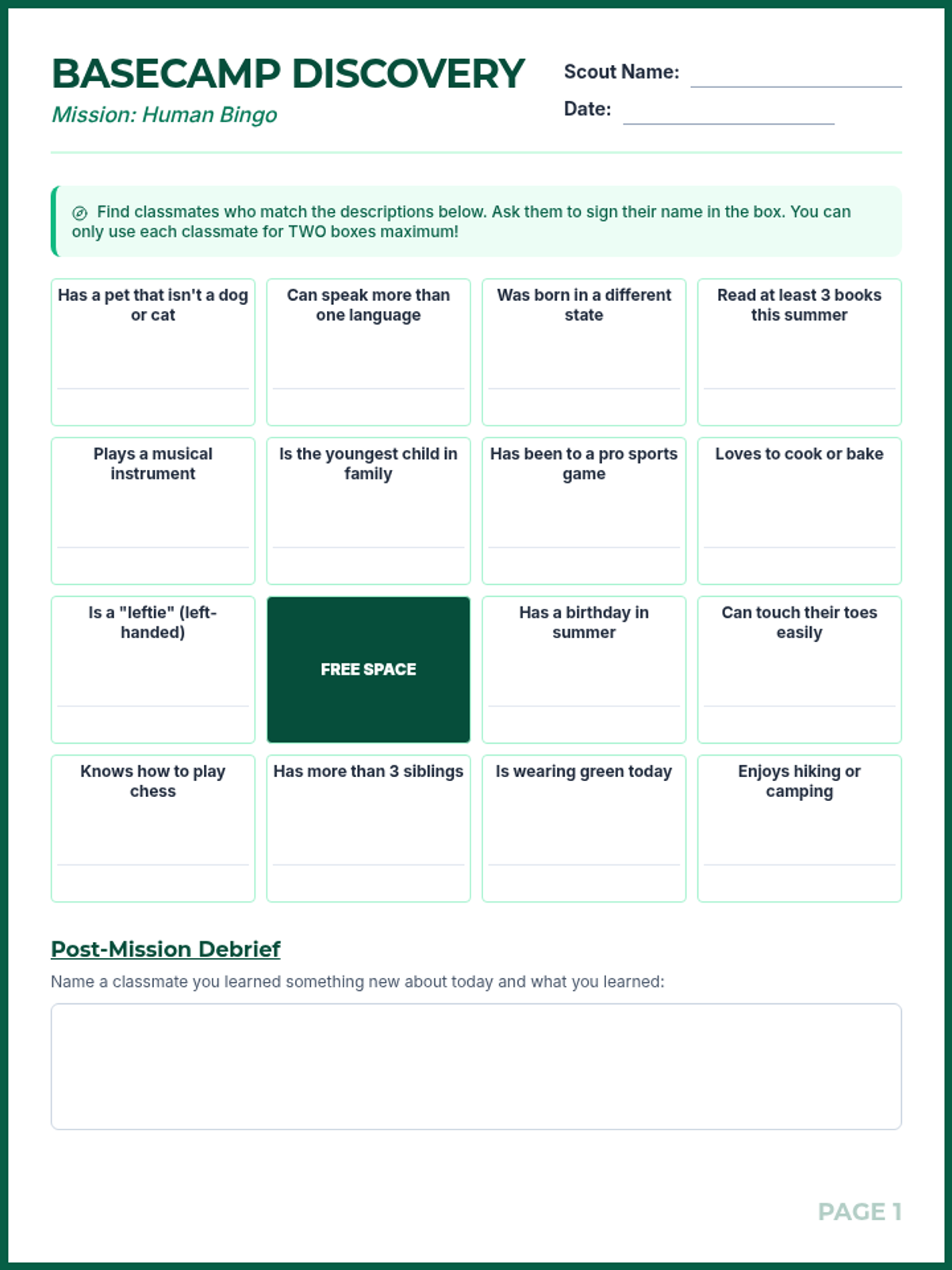
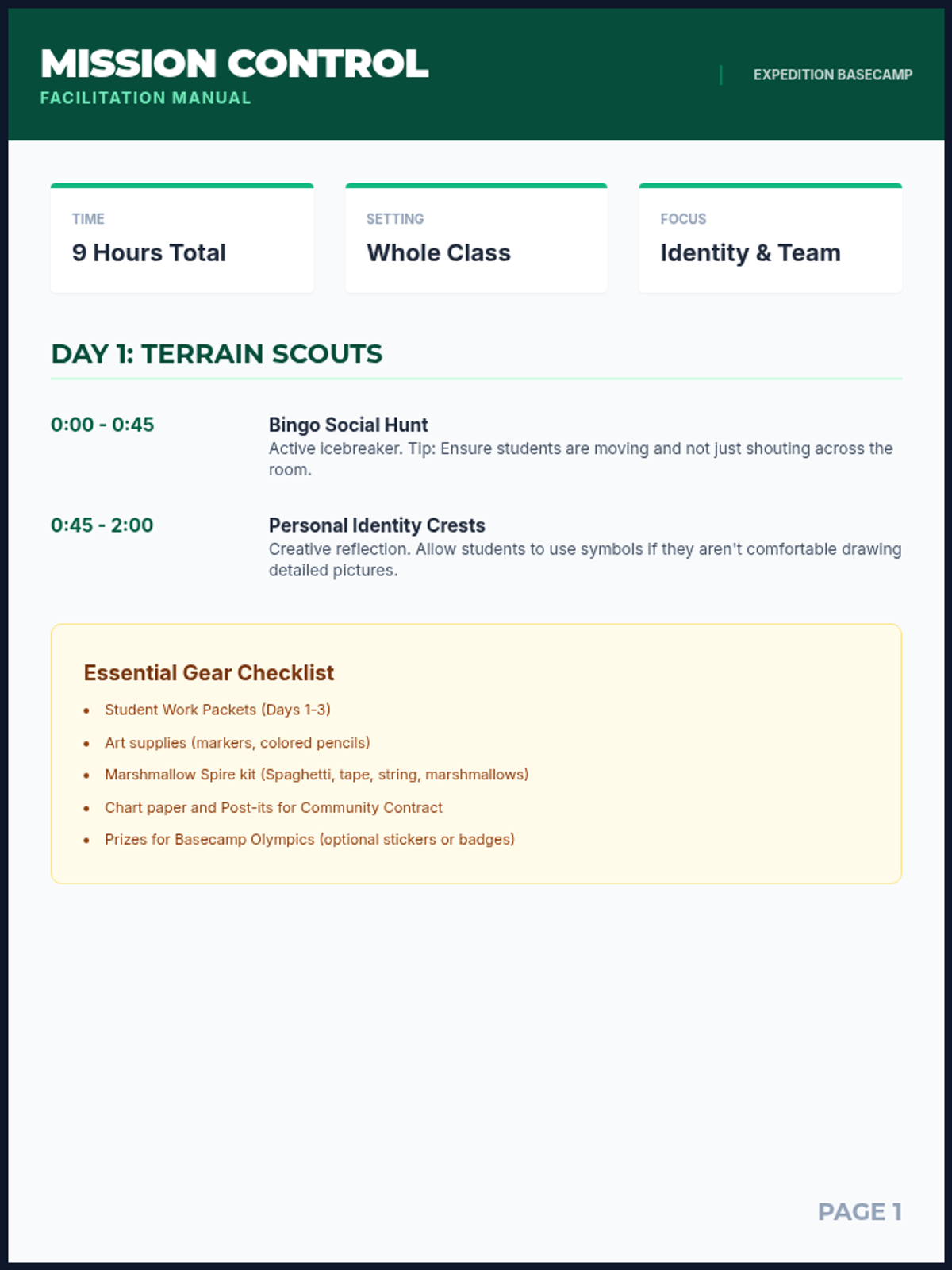
The first day of basecamp focuses on individual identity and initial team bonds through a 'Human Bingo' social hunt and a creative 'Personal Crest' project.
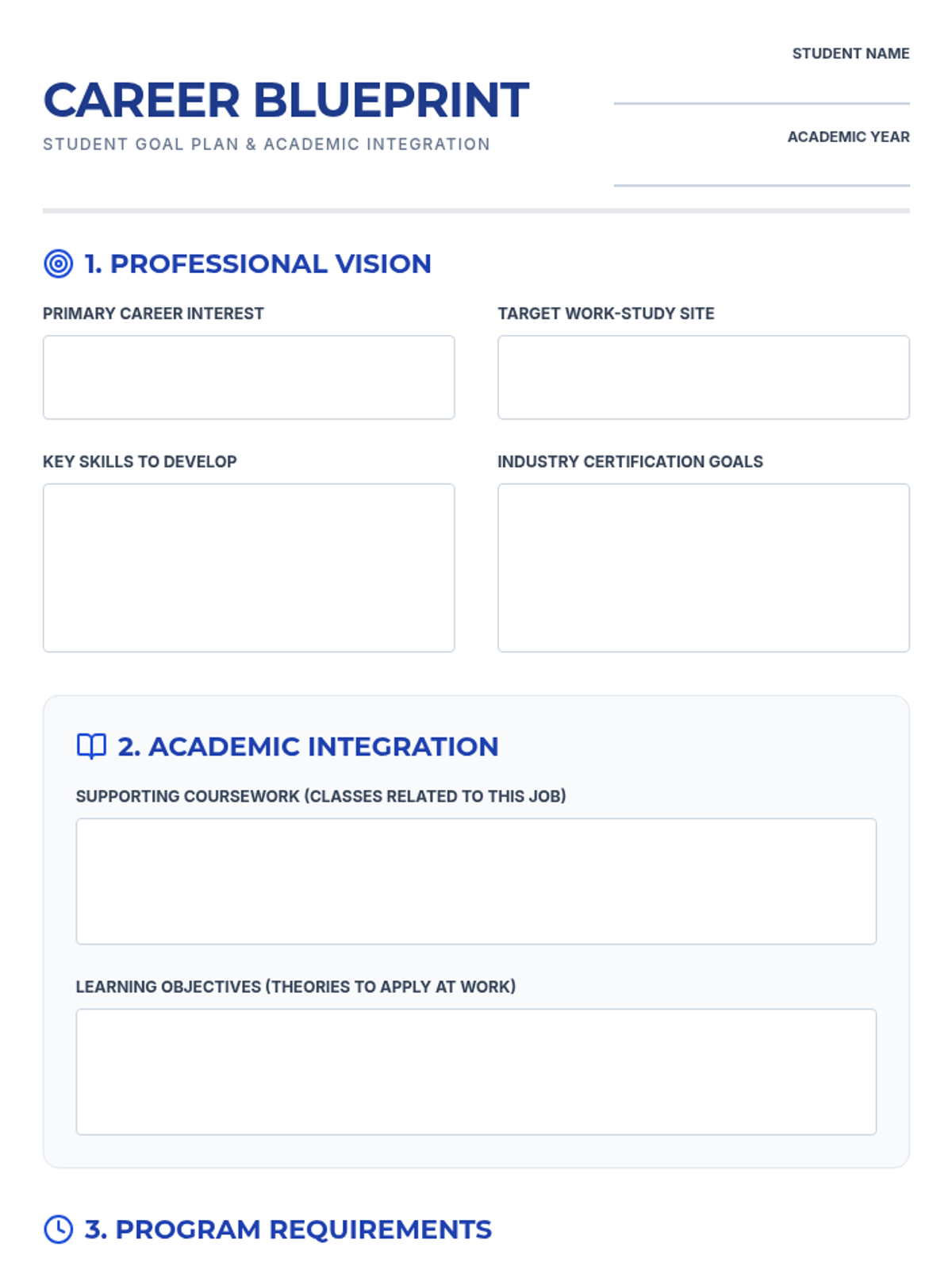
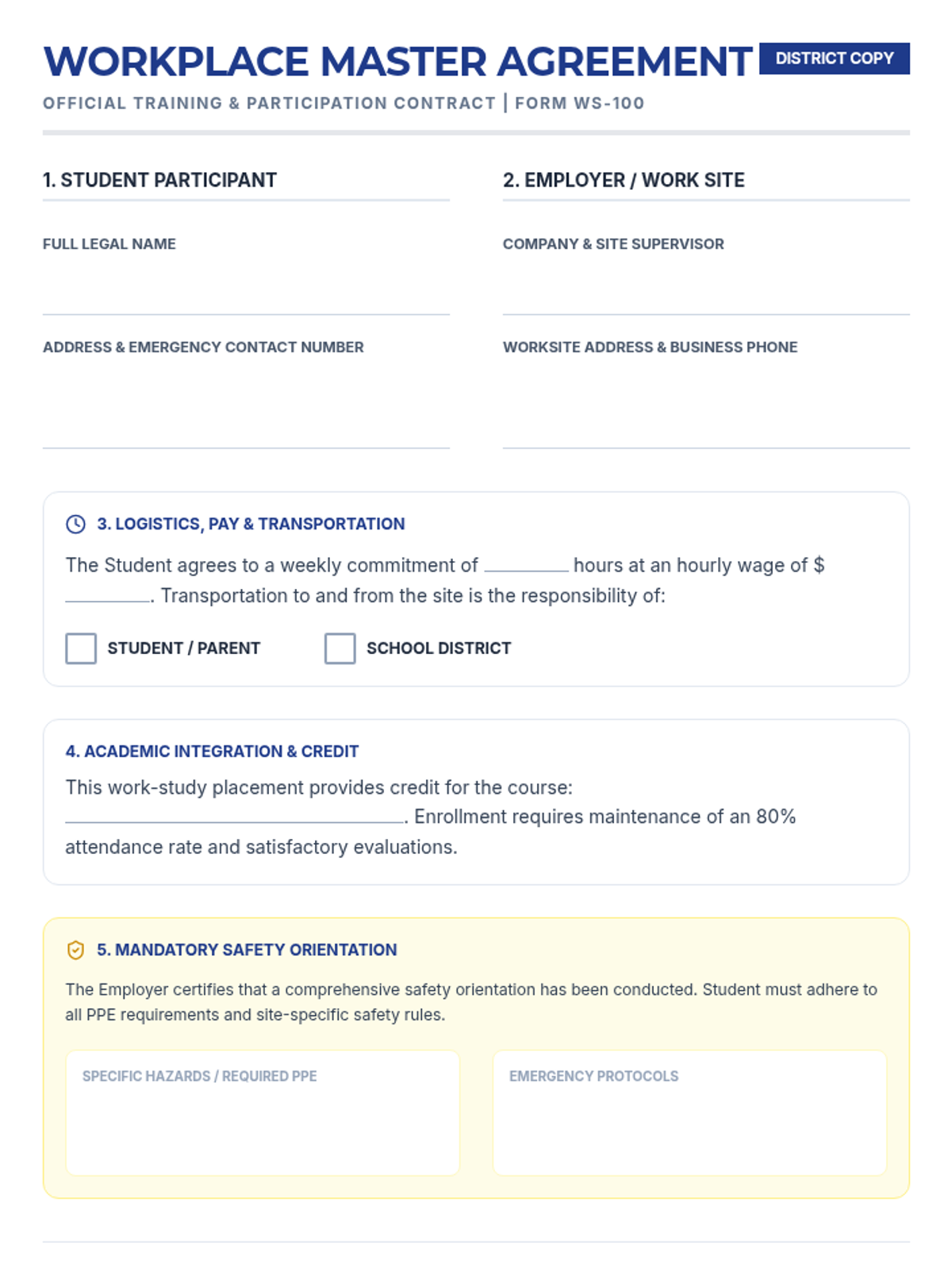
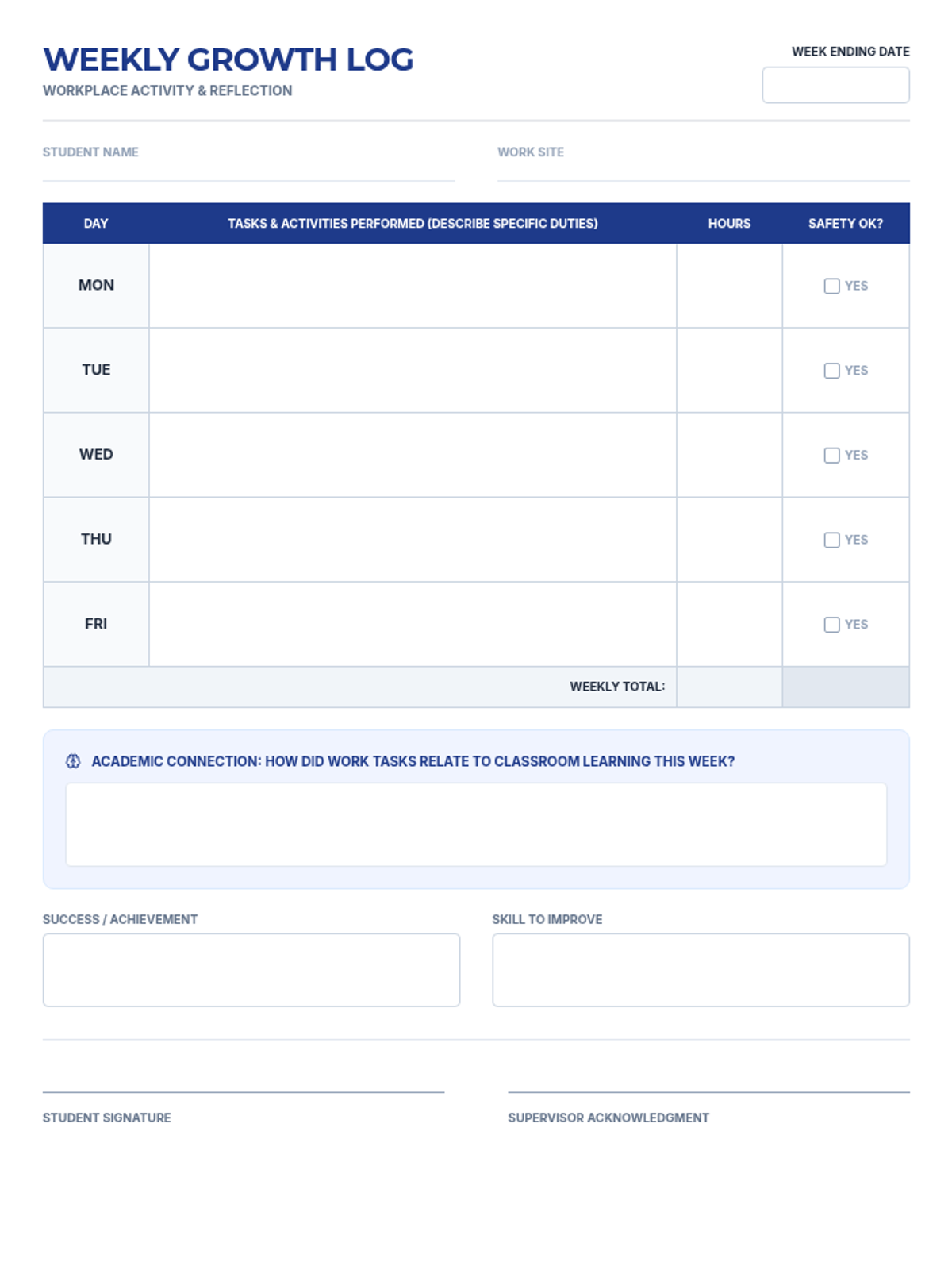
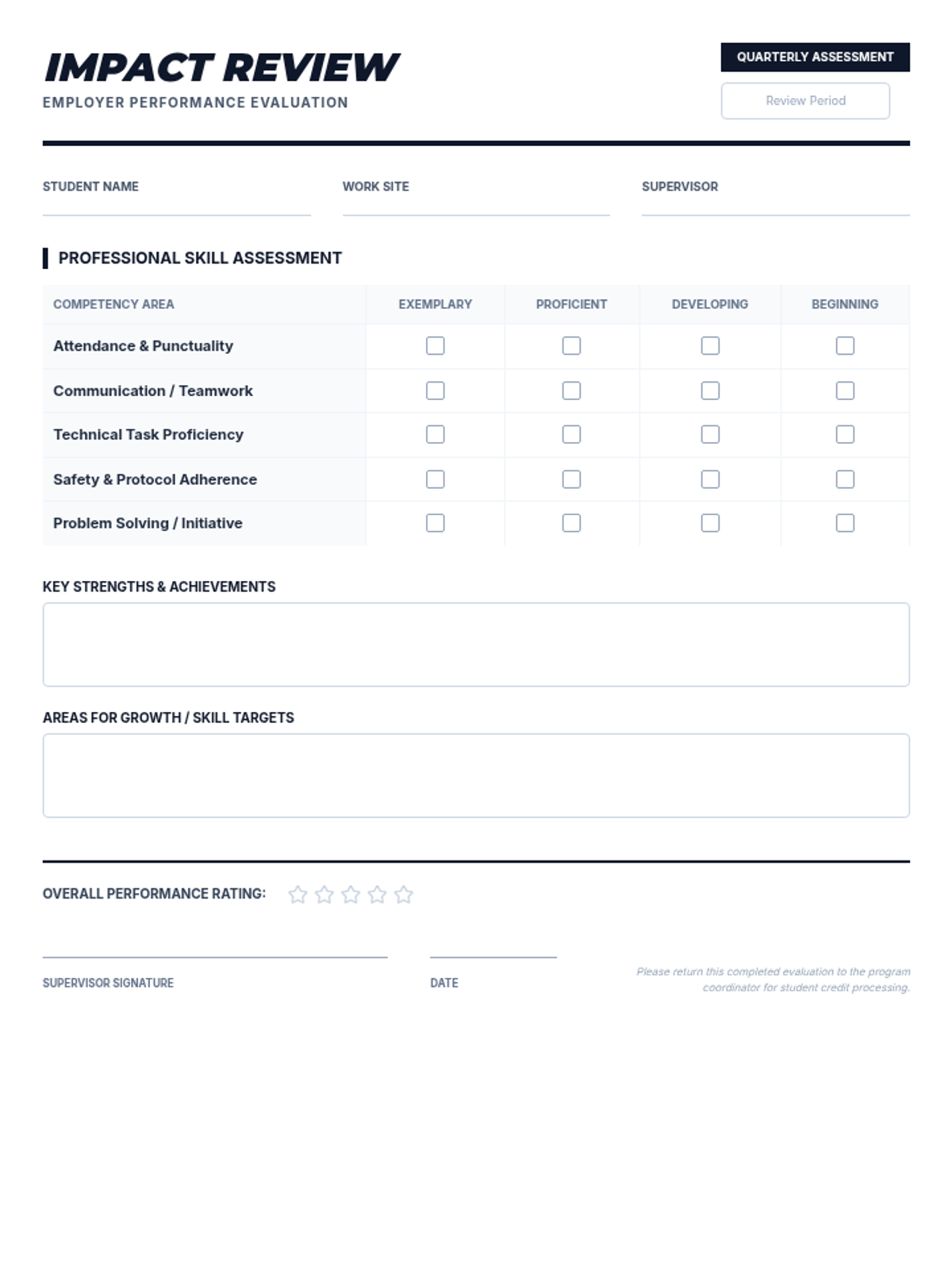
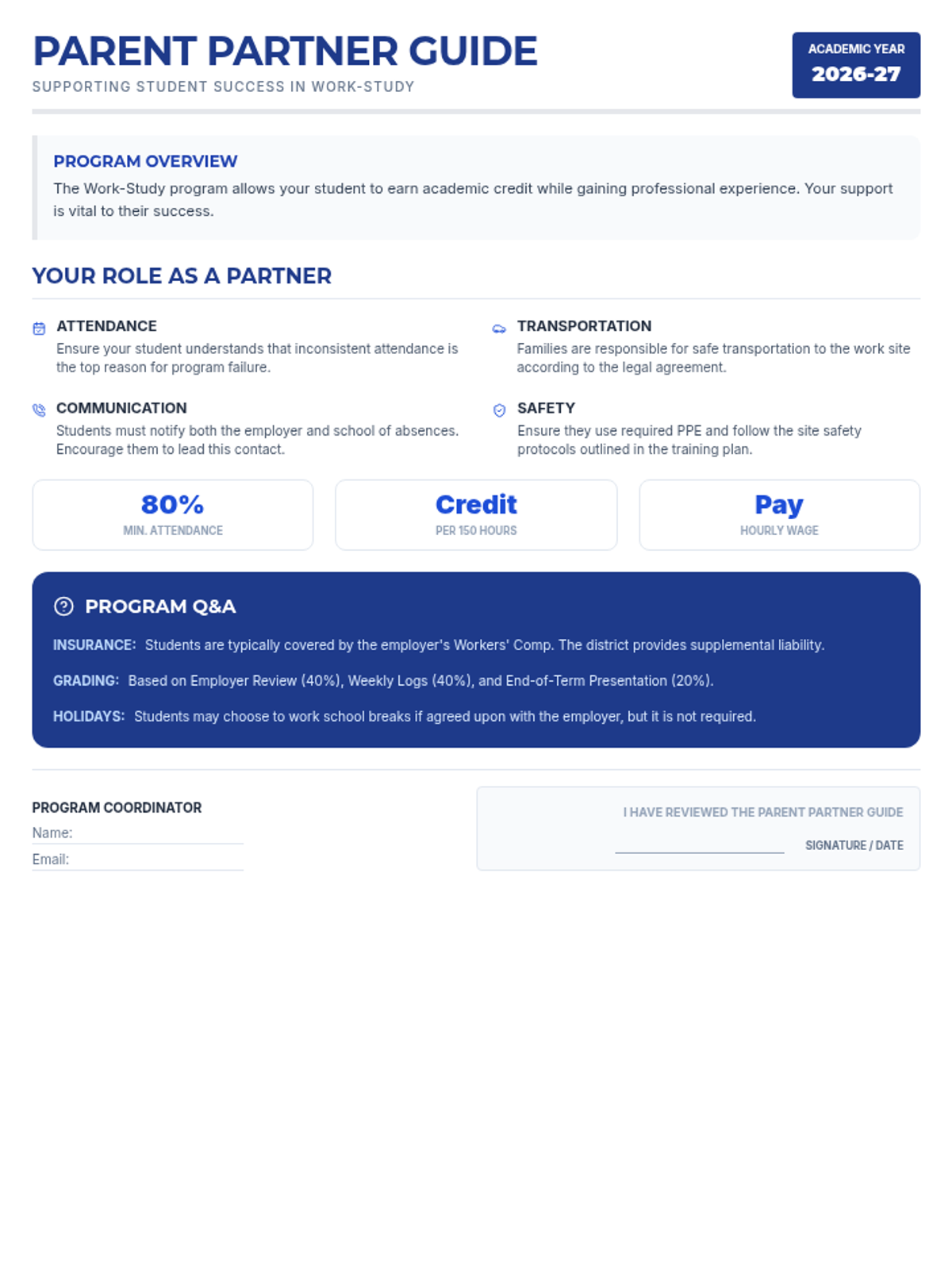
A comprehensive suite of documents for managing a work-study program, including goal setting, legal agreements, reflection logs, and performance evaluations.