In this synthesis lesson, students review a full-length interaction containing multiple phases of behavior. They must map the subject's journey from baseline to trigger to escalation, citing specific evidence for every shift.
This lesson helps 7th-12th graders visualize their social energy as a 'battery' that needs charging. Students will identify social drains and gains, learning to advocate for 'recharge time' to prevent burnout and reactive outbursts.
A comprehensive preparation suite for the Texas STAAR End-of-Course (EOC) exams, covering Algebra I, English I & II, Biology, and U.S. History with targeted content review and test-taking strategies.
A practical guide for students to find and use public technology resources safely and effectively. This lesson covers locating free computers, navigating public interfaces, and connecting to open WiFi networks.
A digital literacy lesson designed for high school students in transitional housing, focusing on practical internet search skills, source evaluation, and staying safe from online scams.
A collection of email templates and self-advocacy strategies specifically designed for neurodivergent high school students experiencing housing instability. The lesson focuses on clear communication with teachers, case managers, and social service agencies to secure essential resources and academic support.
A comprehensive guide to online safety specifically designed for students who rely on public technology and need to secure sensitive digital information while navigating housing instability.
A high school speech therapy lesson focused on executive functioning skills, specifically calendar management, conflict resolution, and social communication when declining invitations.
A culminating session where students apply all learned skills in real-world scenarios and receive their Peace Protocol certification.
Teaches the 4-part effective apology and how to take accountability to repair damaged relationships.
Explores navigating power imbalances and social pressure while maintaining personal boundaries.
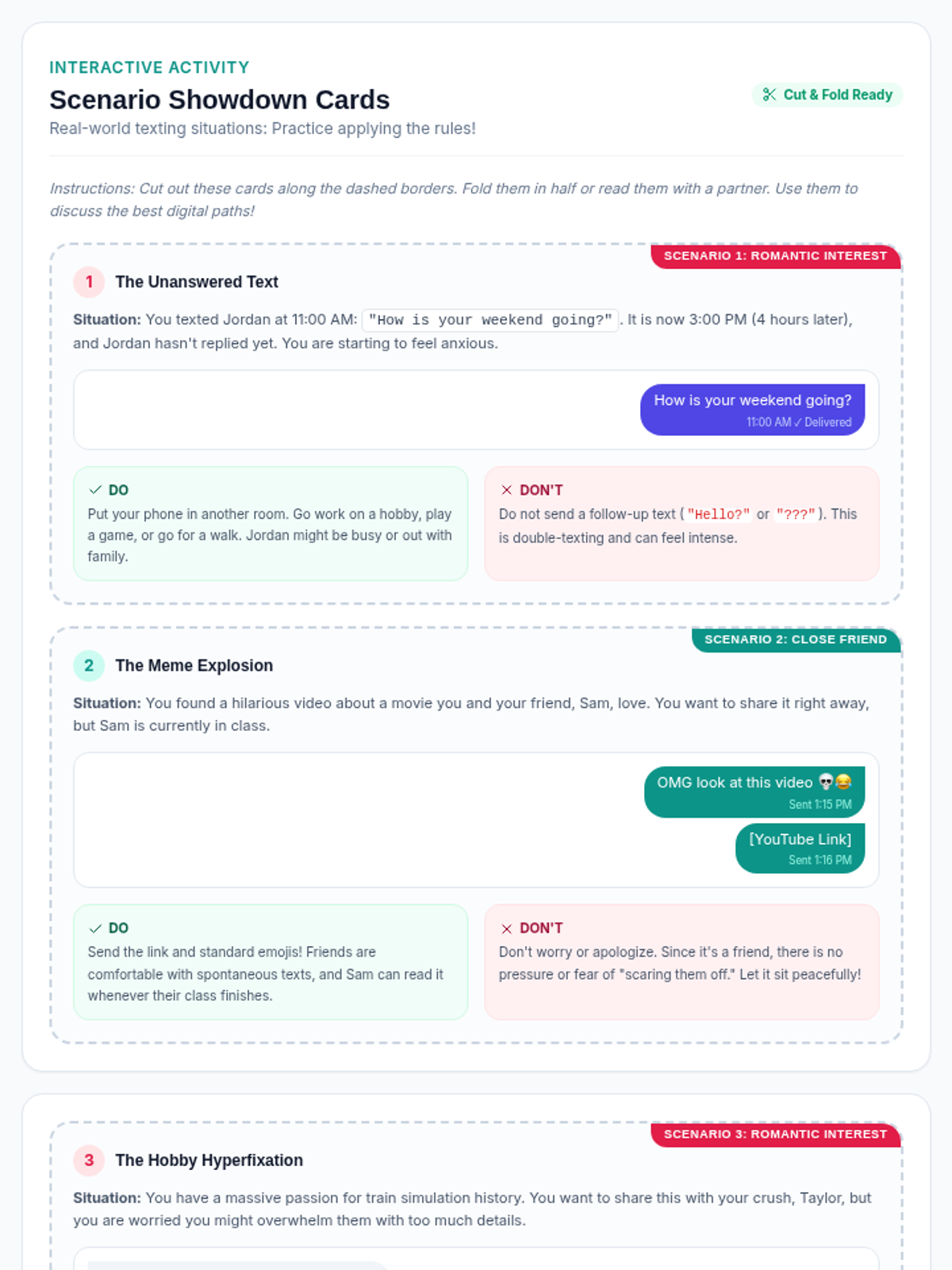
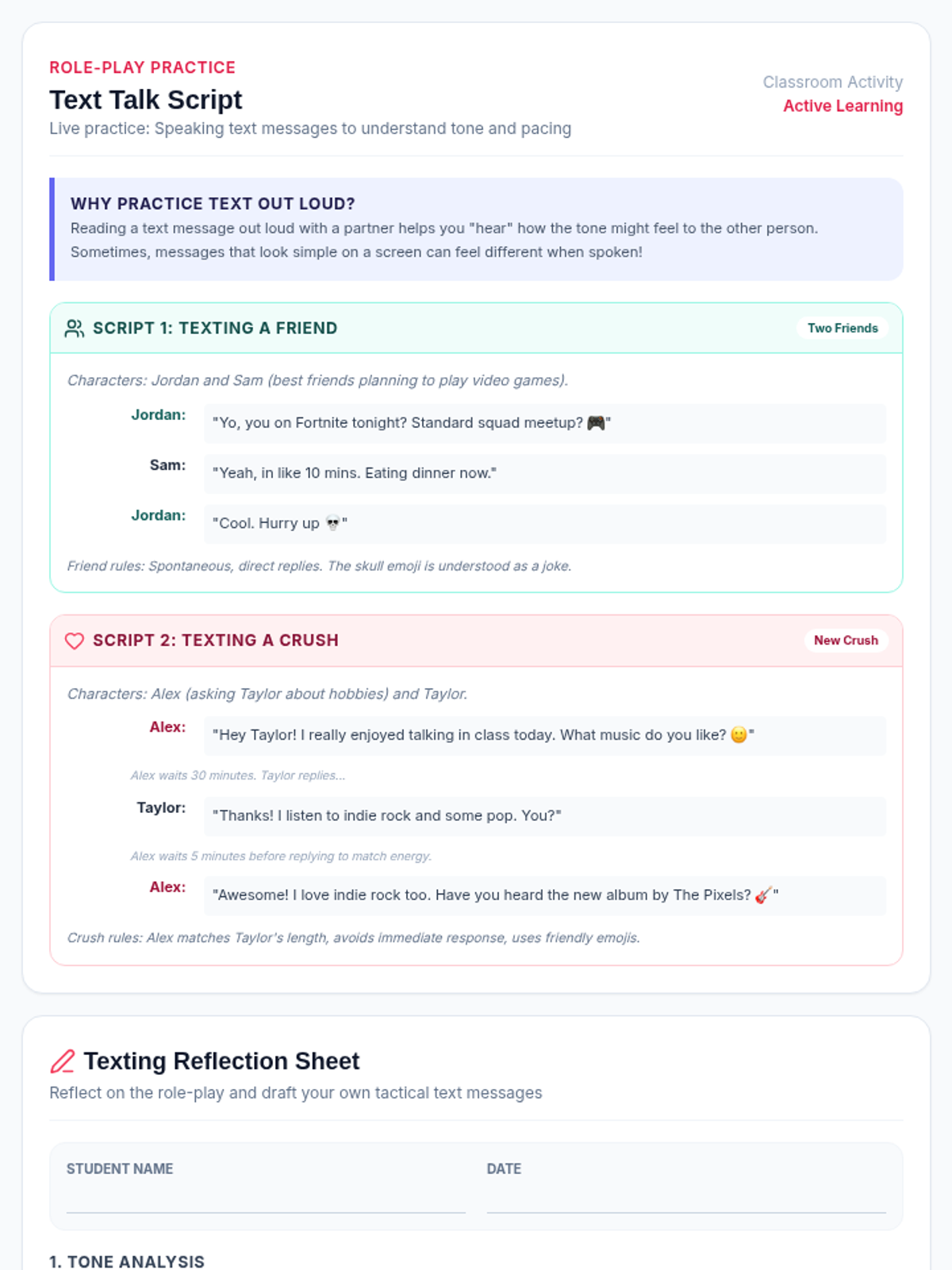
Focuses on the unique challenges of text and social media conflict, including tone misinterpretation and the viral nature of drama.
Provides a practical toolkit of verbal and non-verbal techniques to lower the emotional temperature of a conflict.
Identifies the biological "fight-flight-freeze" response and maps personal triggers to improve self-awareness during tension.
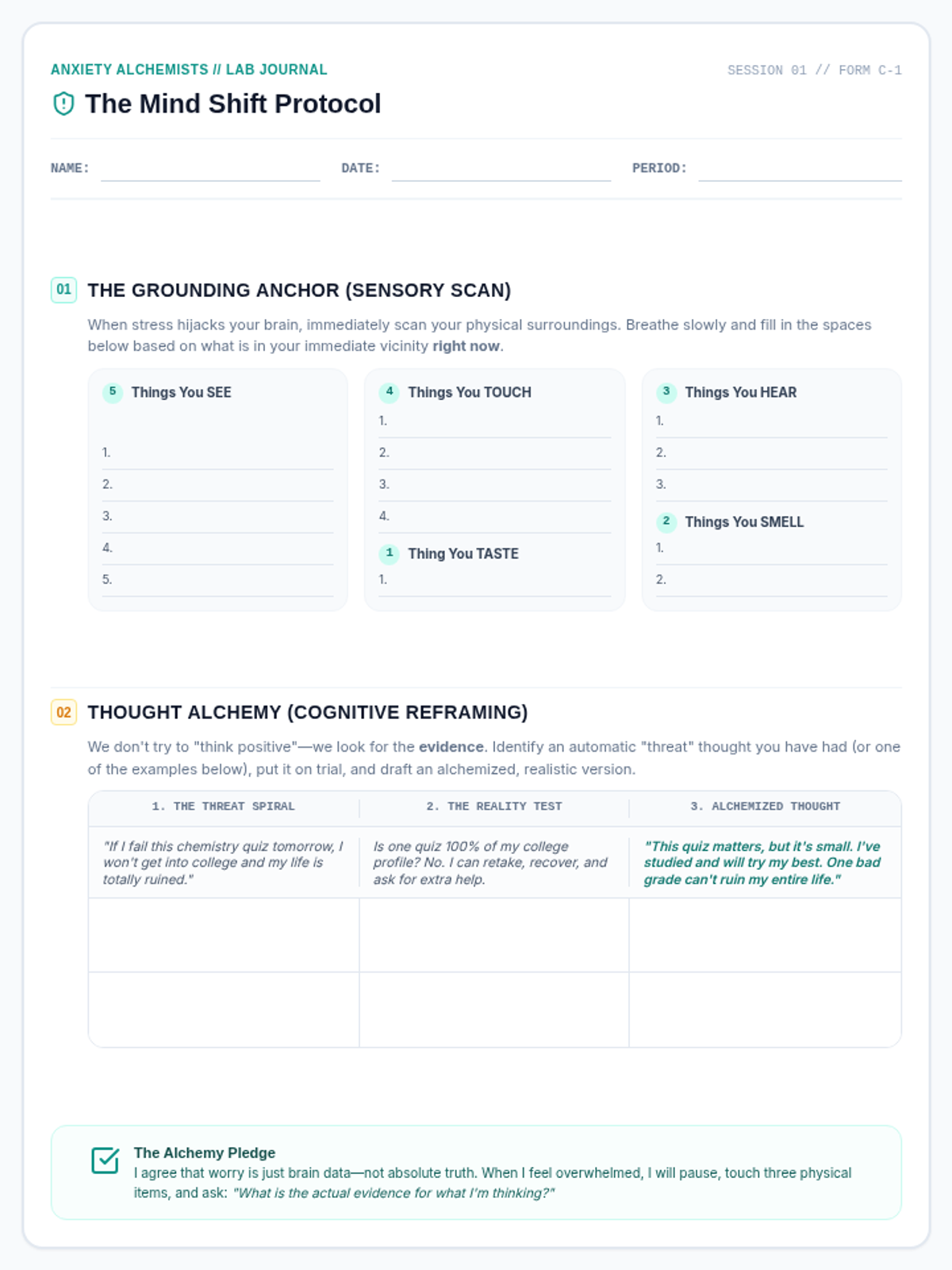
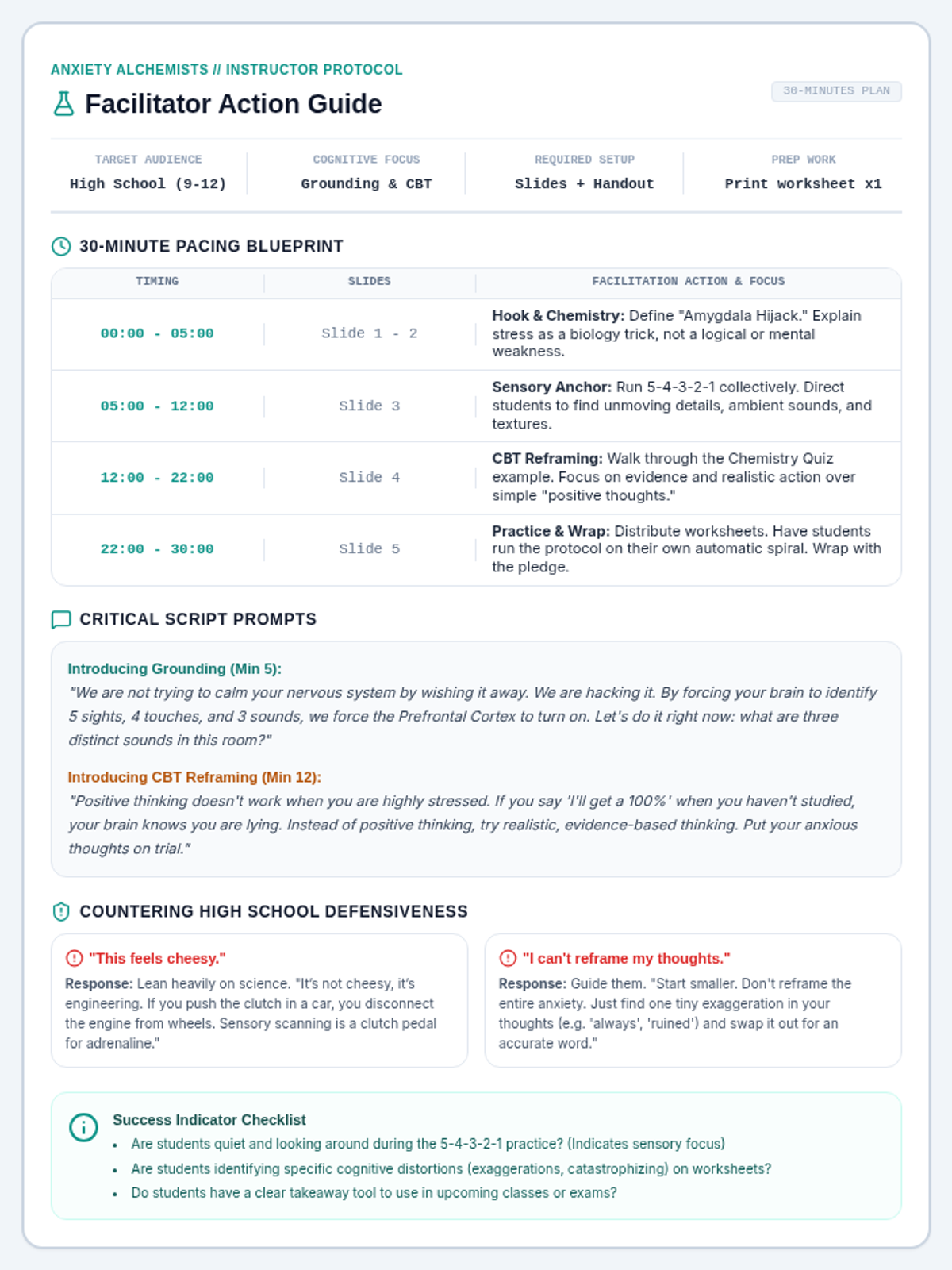
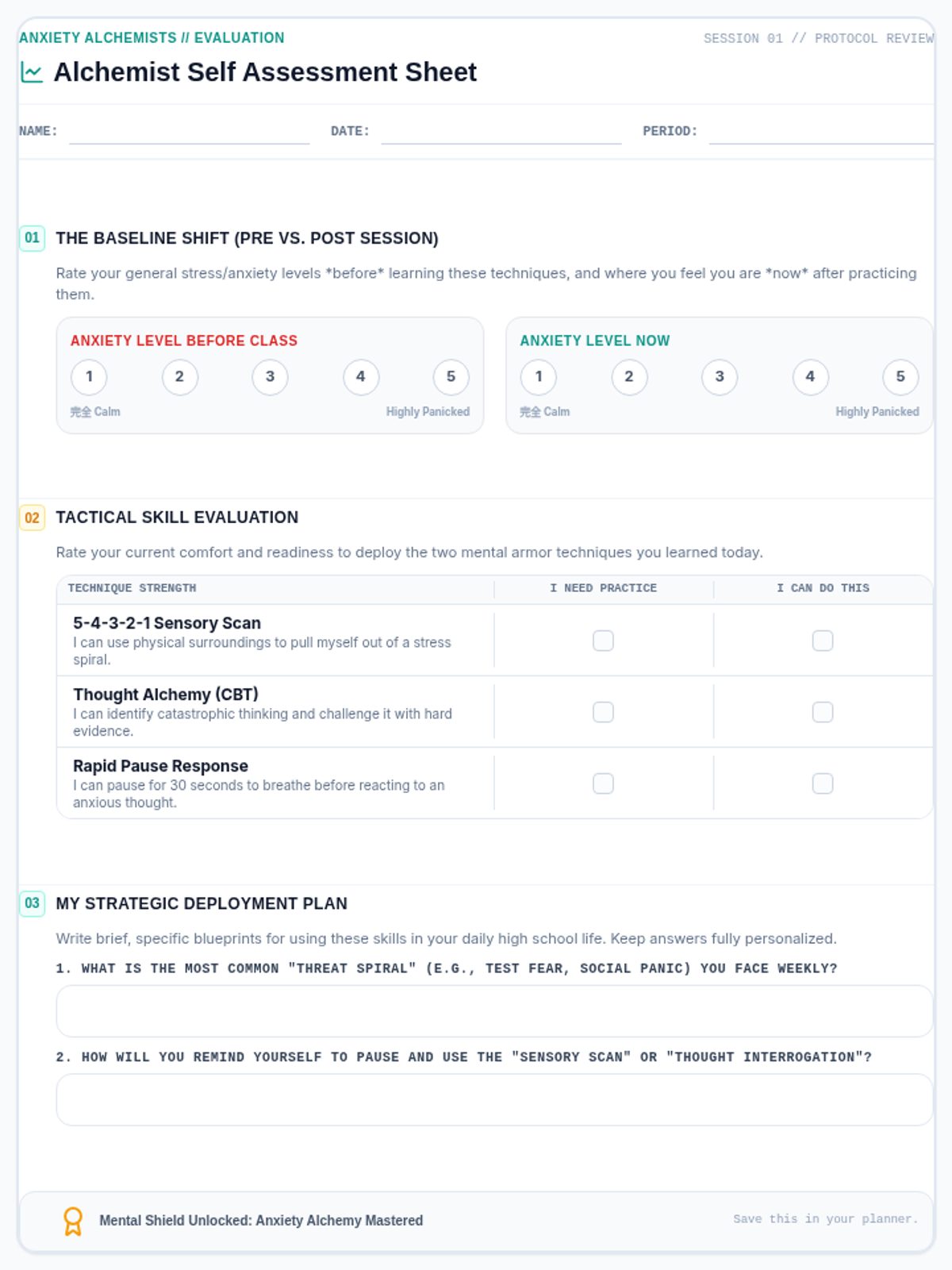
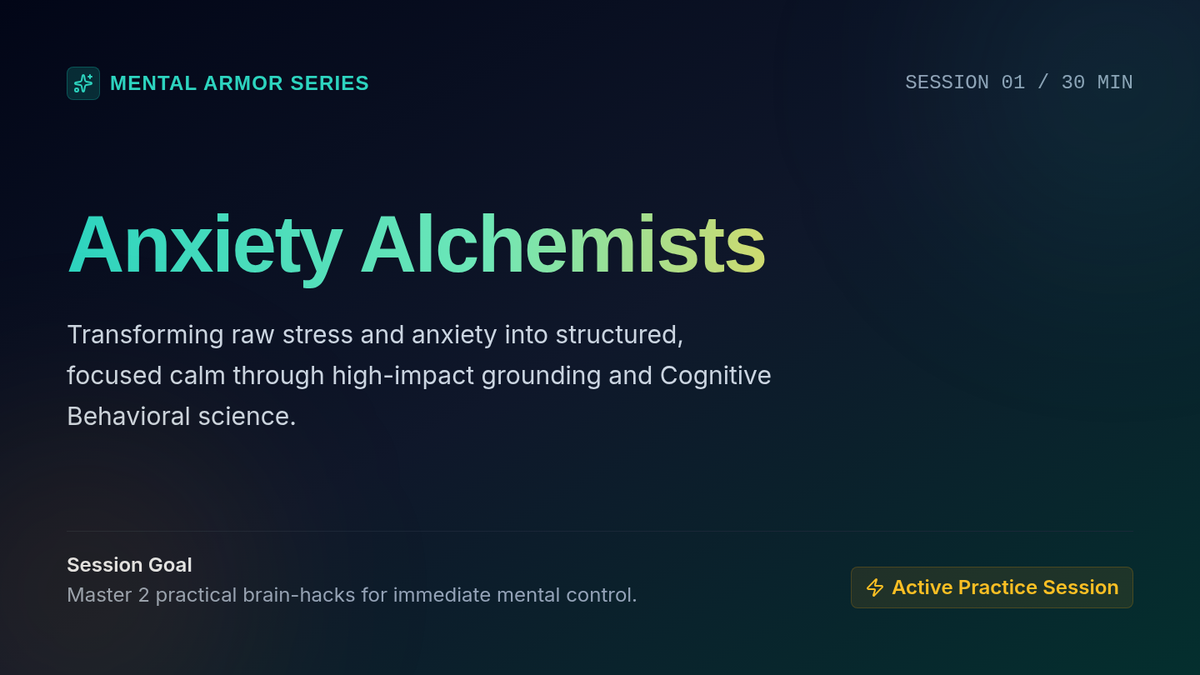
A social-emotional learning intervention designed to help students identify and challenge cognitive distortions during testing season by practicing cognitive reframing techniques.
A social-emotional learning intervention designed to help students identify and reframe cognitive distortions during high-stakes testing seasons. Students will learn to pivot from 'all-or-nothing' thinking to balanced, resilient self-talk.
A mental health intervention designed to help students identify and challenge cognitive distortions during high-stakes testing seasons. Students will learn to reframe 'all-or-nothing' thinking into balanced, resilient self-talk.
A weekly routine for students to track and reflect on self-created executive functioning goals, promoting metacognition and self-regulation.
High school students master the art of professional digital communication through scenario-based practice, focusing on tone, structure, and high-stakes requests.
A practical resource for students to securely record and organize their digital credentials in an alphabetical format.
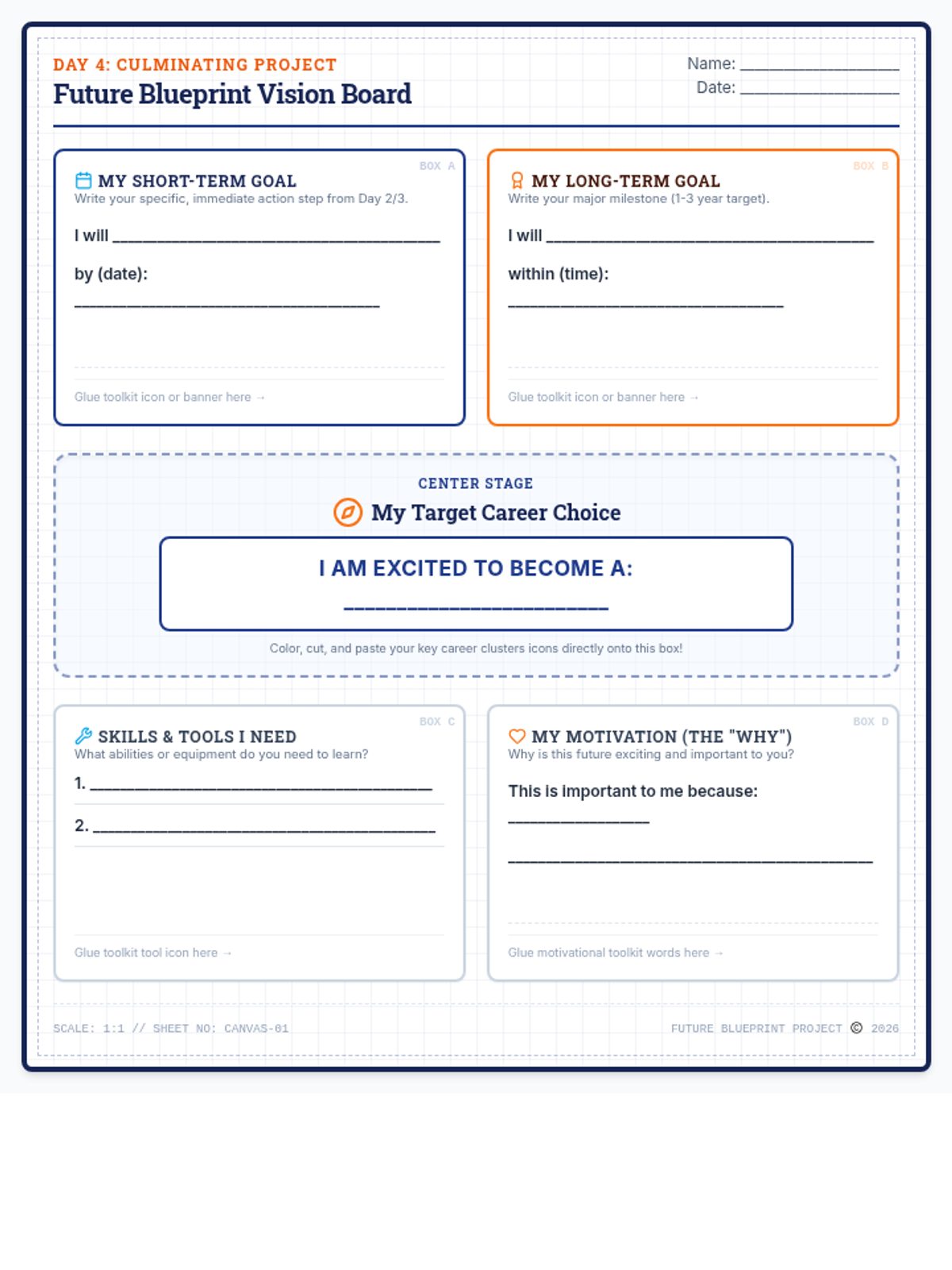
The final phase applies growth mindset and goal architecture to real-world life skills: financial management, professional communication, and career planning.
Students explore strategies for handling setbacks, reframing failure as data, and building emotional resilience through specific reframing techniques.
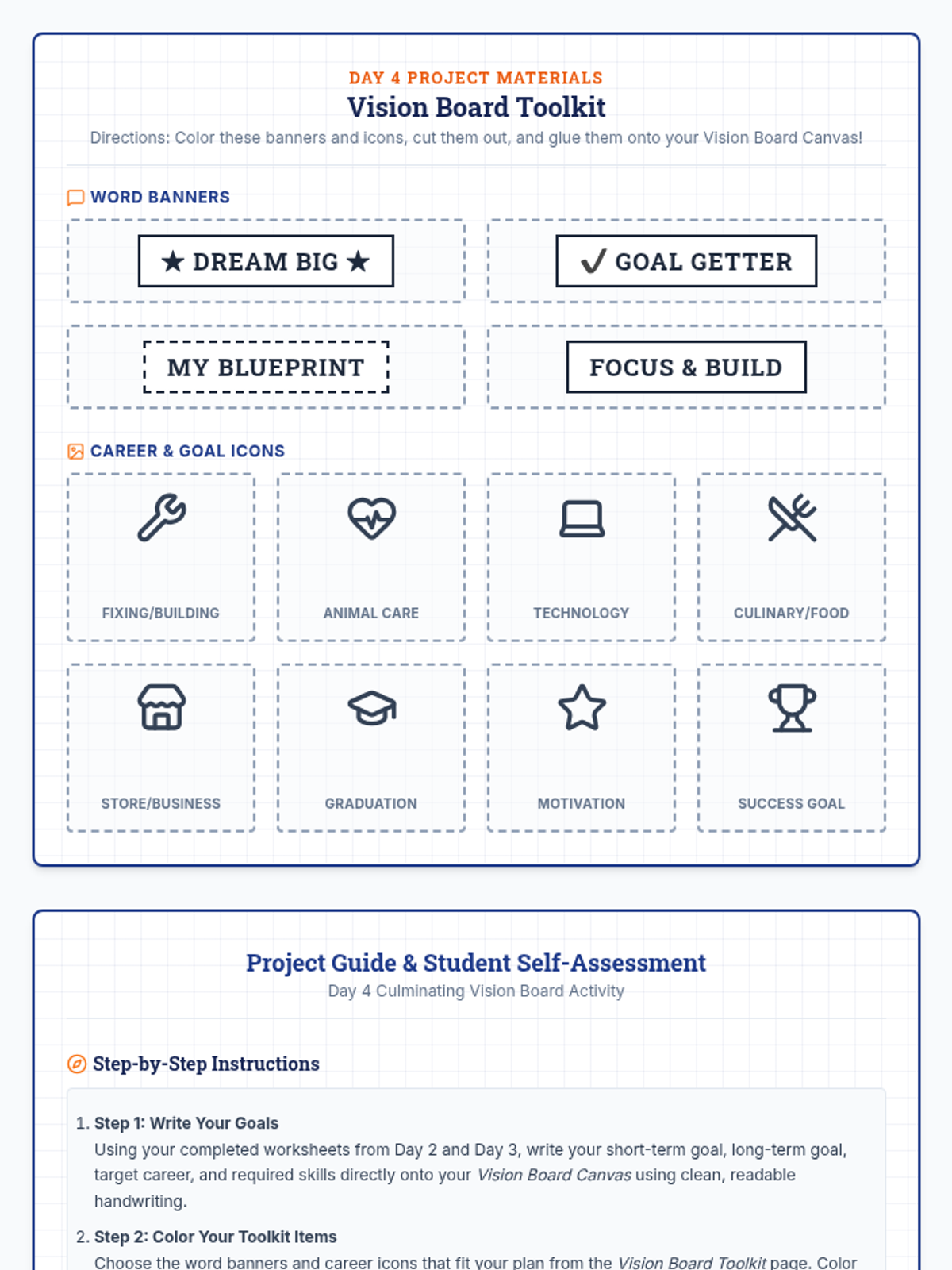
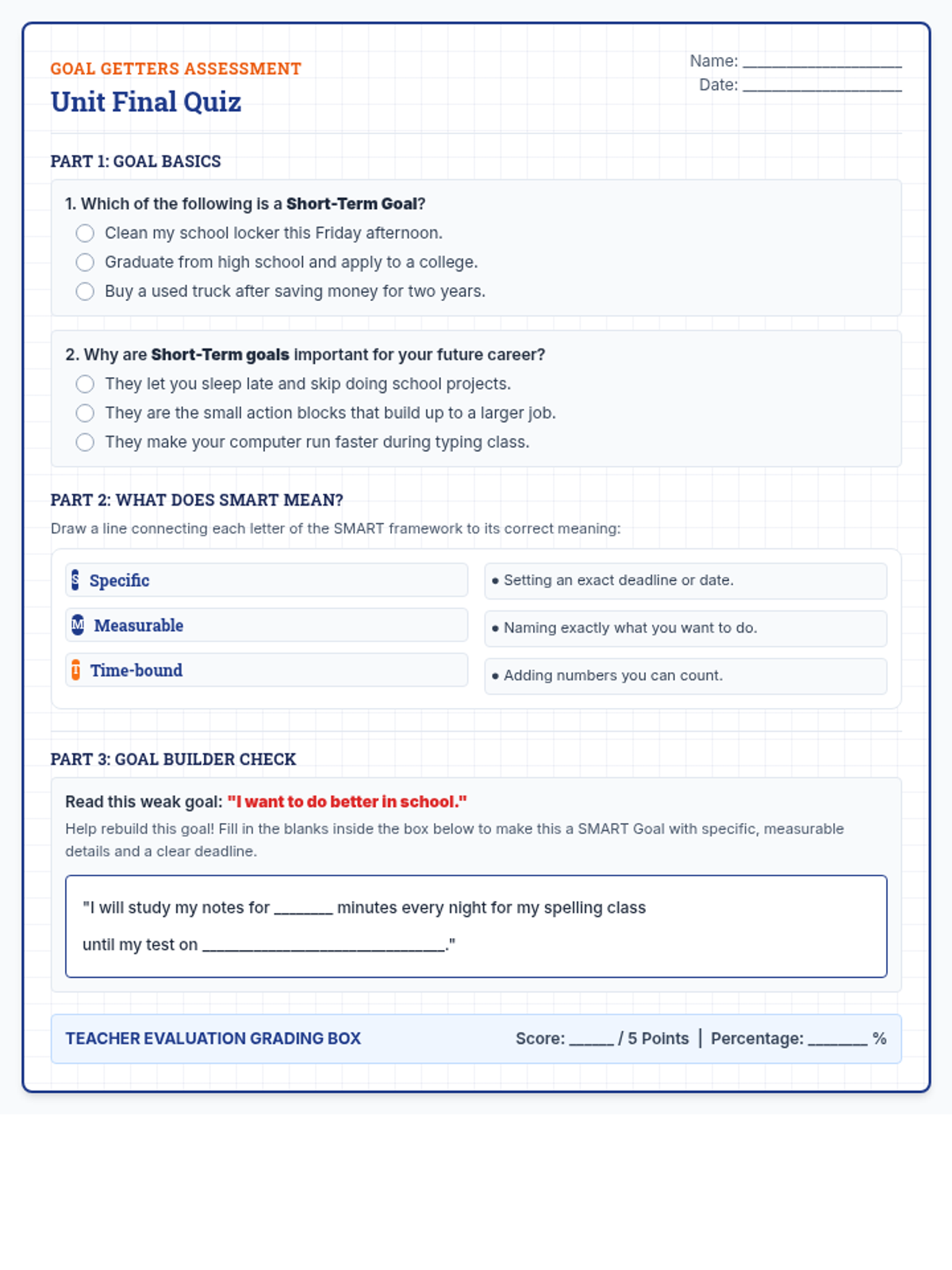
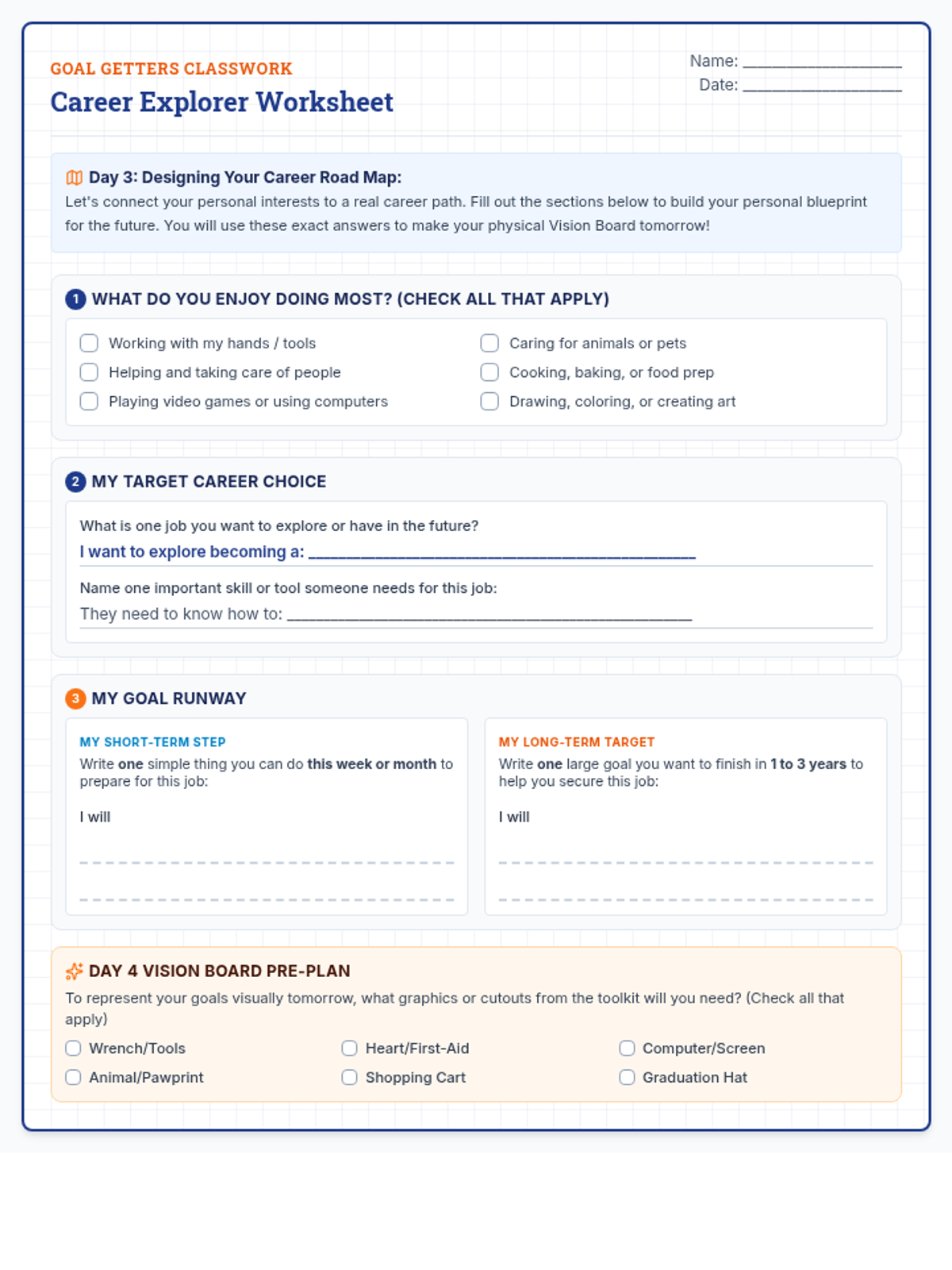
Students learn to transform abstract dreams into concrete, actionable goals using architectural frameworks for planning and milestone tracking.
Students explore the science of neuroplasticity and the fundamental difference between fixed and growth mindsets, learning how the brain physically changes with effort.
A mindfulness group therapy session for high school girls focused on identifying, communicating, and maintaining healthy boundaries in relationships. Includes a facilitator guide, visual aids, and journaling prompts.
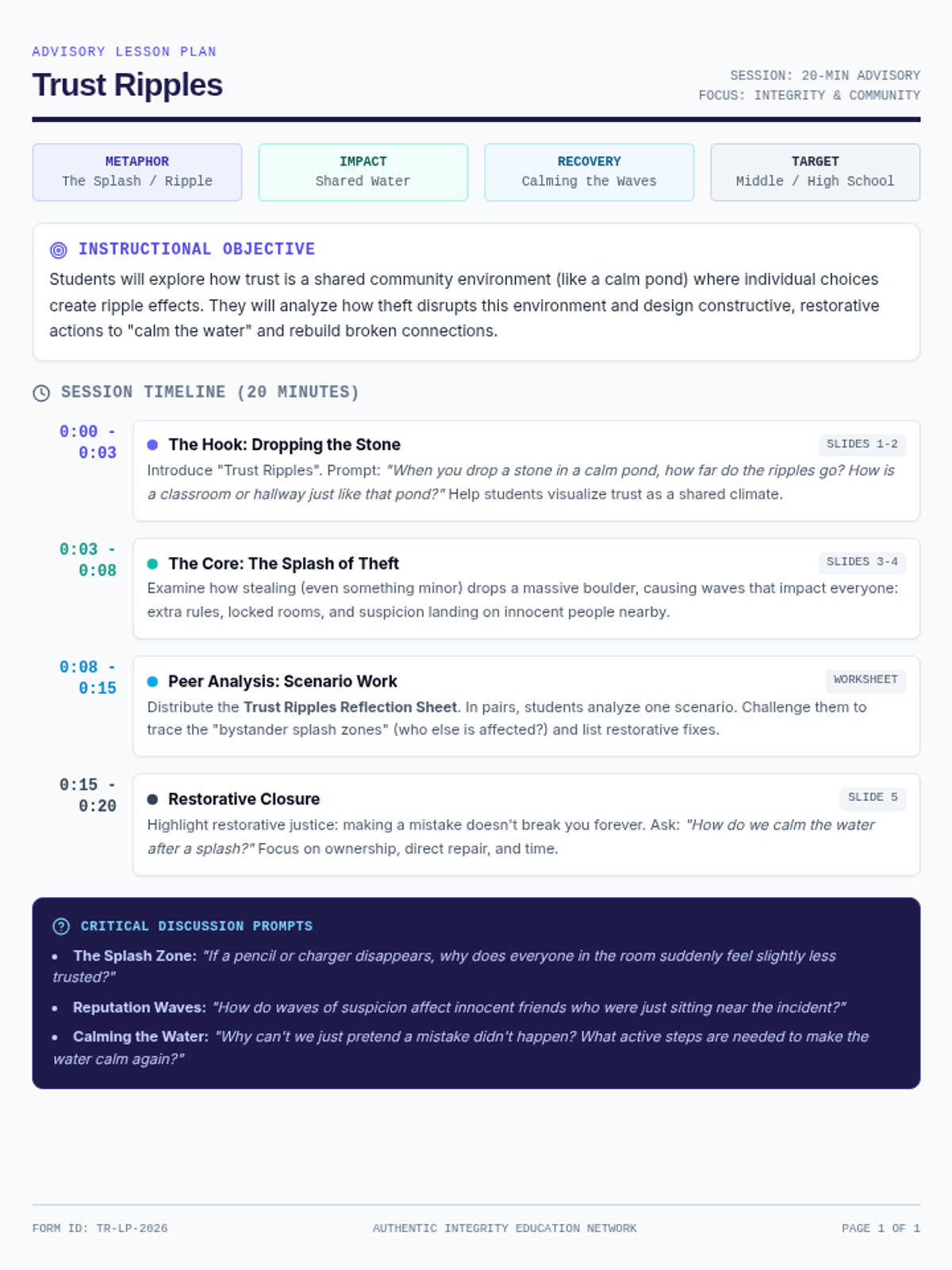
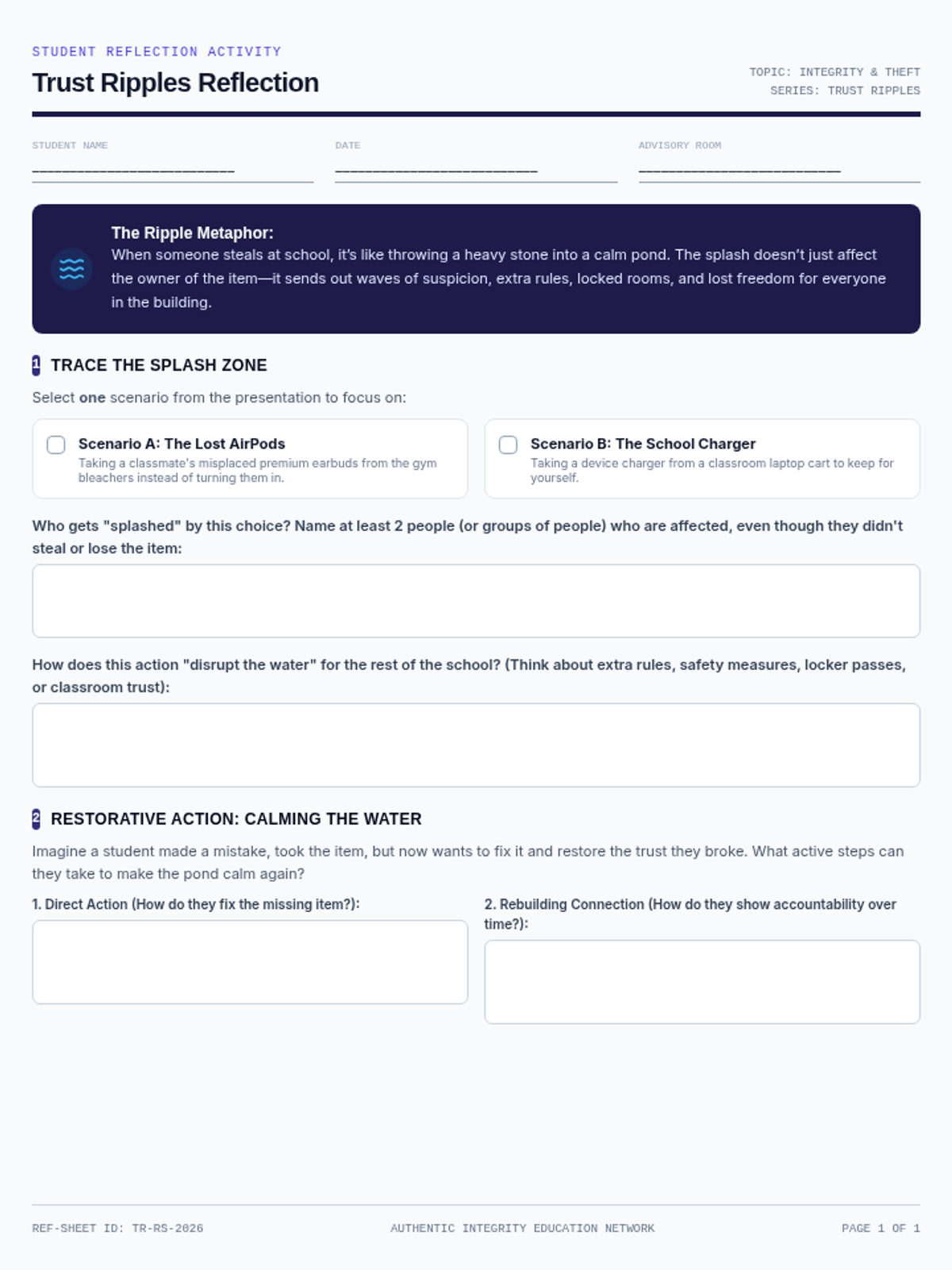
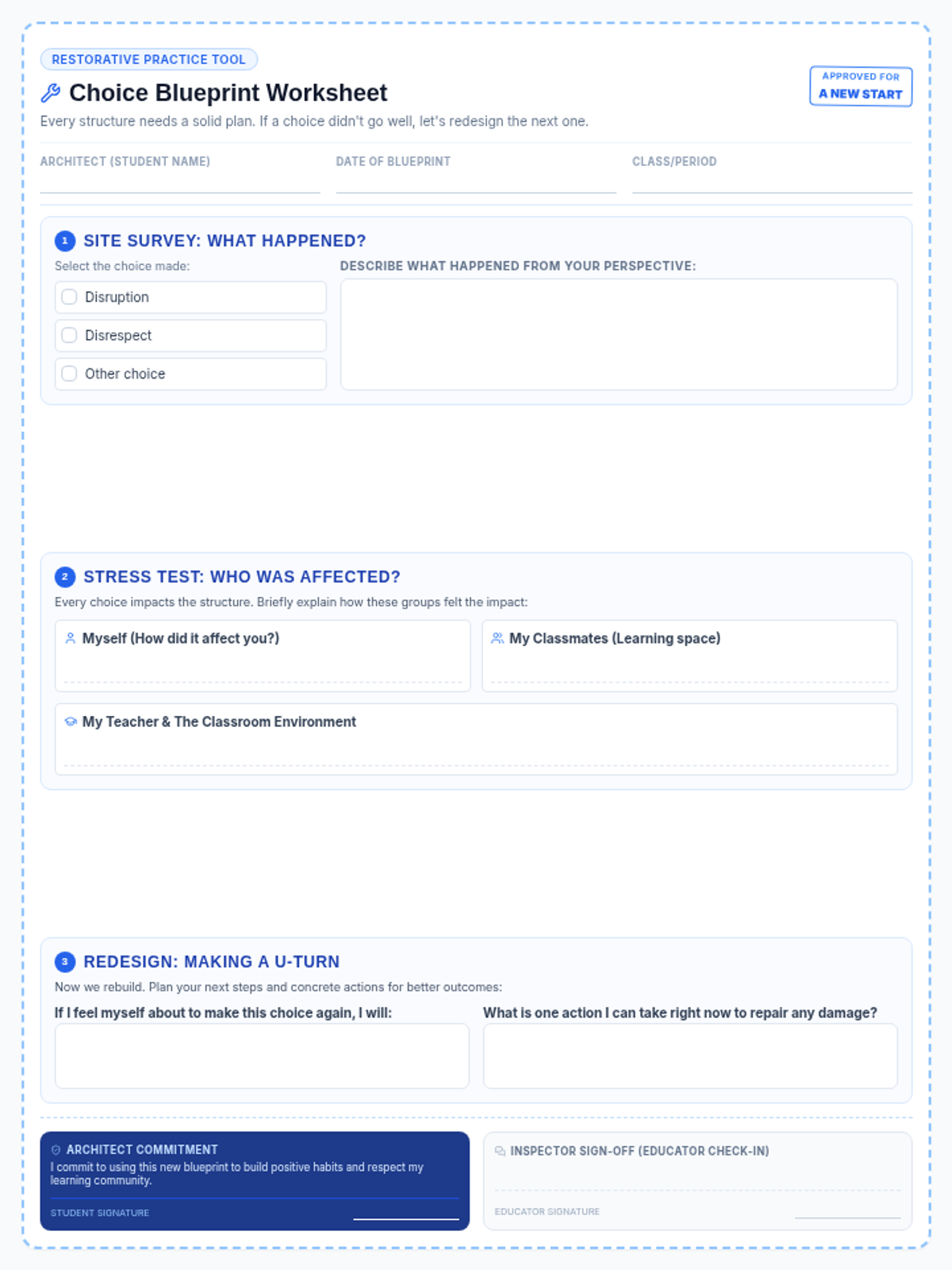
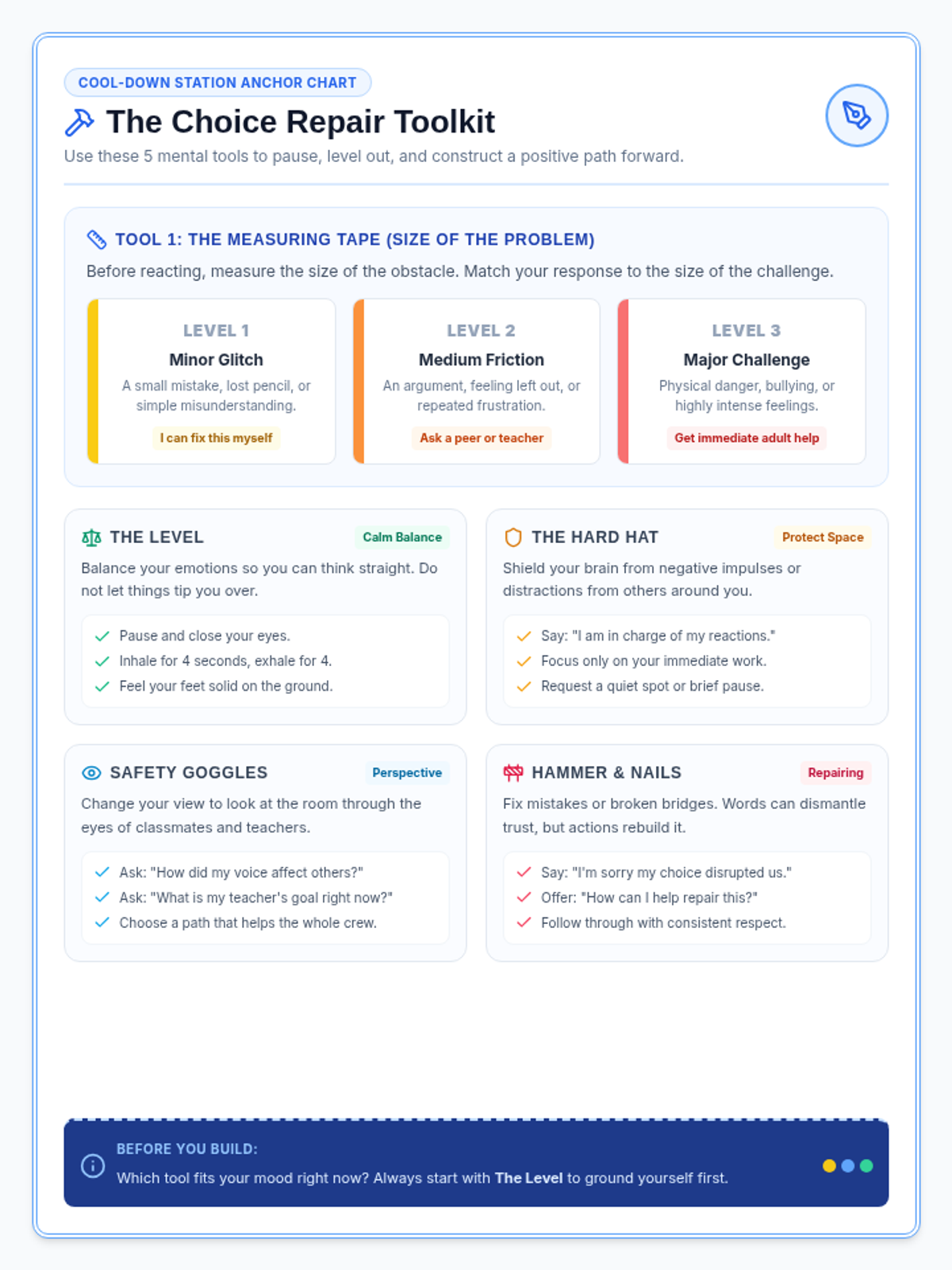
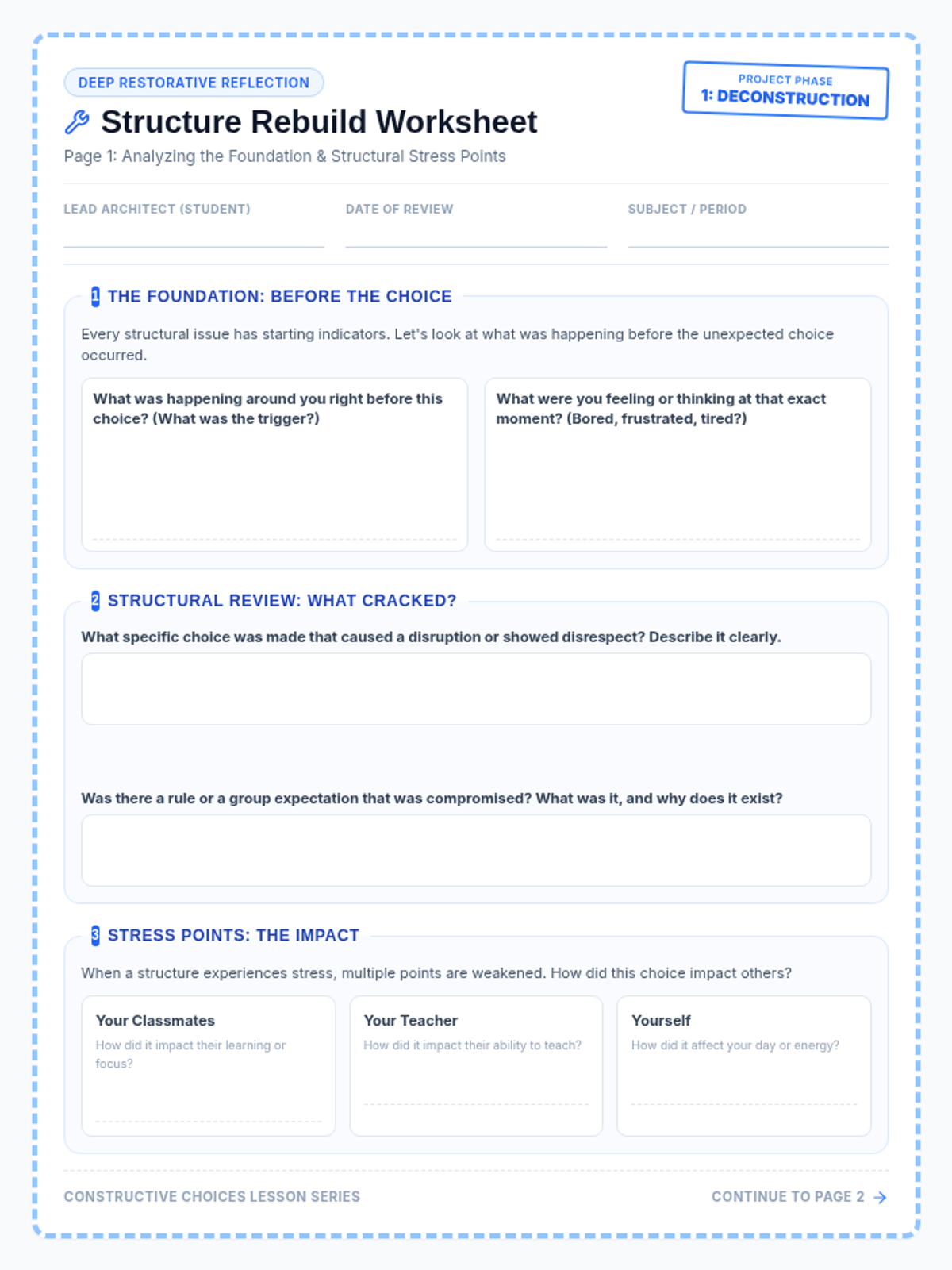
A restorative circle lesson designed to help students reflect on their personal choices, the impact of their behavior on others, and how to lead by example within their school community.
A comprehensive set of resources and instructional materials to support Denver metro high school students experiencing housing instability, focusing on immediate survival needs and legal rights under the McKinney-Vento Act.
A practical guide designed for neurodivergent high school students experiencing housing instability in Colorado to navigate the voter registration process with confidence.
A lesson designed to empower high school students to navigate digital misinformation using the SIFT method, with a specific focus on resources and news relevant to their daily lives.
A practical guide for high school students to evaluate the credibility of political news and community resource leads, specifically housing and shelter availability.
A daily habit-building system for students to monitor their readiness, preparation, and work effort across all subjects. Includes student trackers and teacher implementation guides to foster accountability and self-regulation.
A comprehensive lesson exploring the impact of language choice, focusing on professionalism, avoiding microaggressions, and using 'I' statements for conflict resolution.
A 50-minute financial safety workshop designed for homeless teens, focusing on identifying predatory scams, evaluating 'too good to be true' offers, and implementing a 24-hour decision pause.
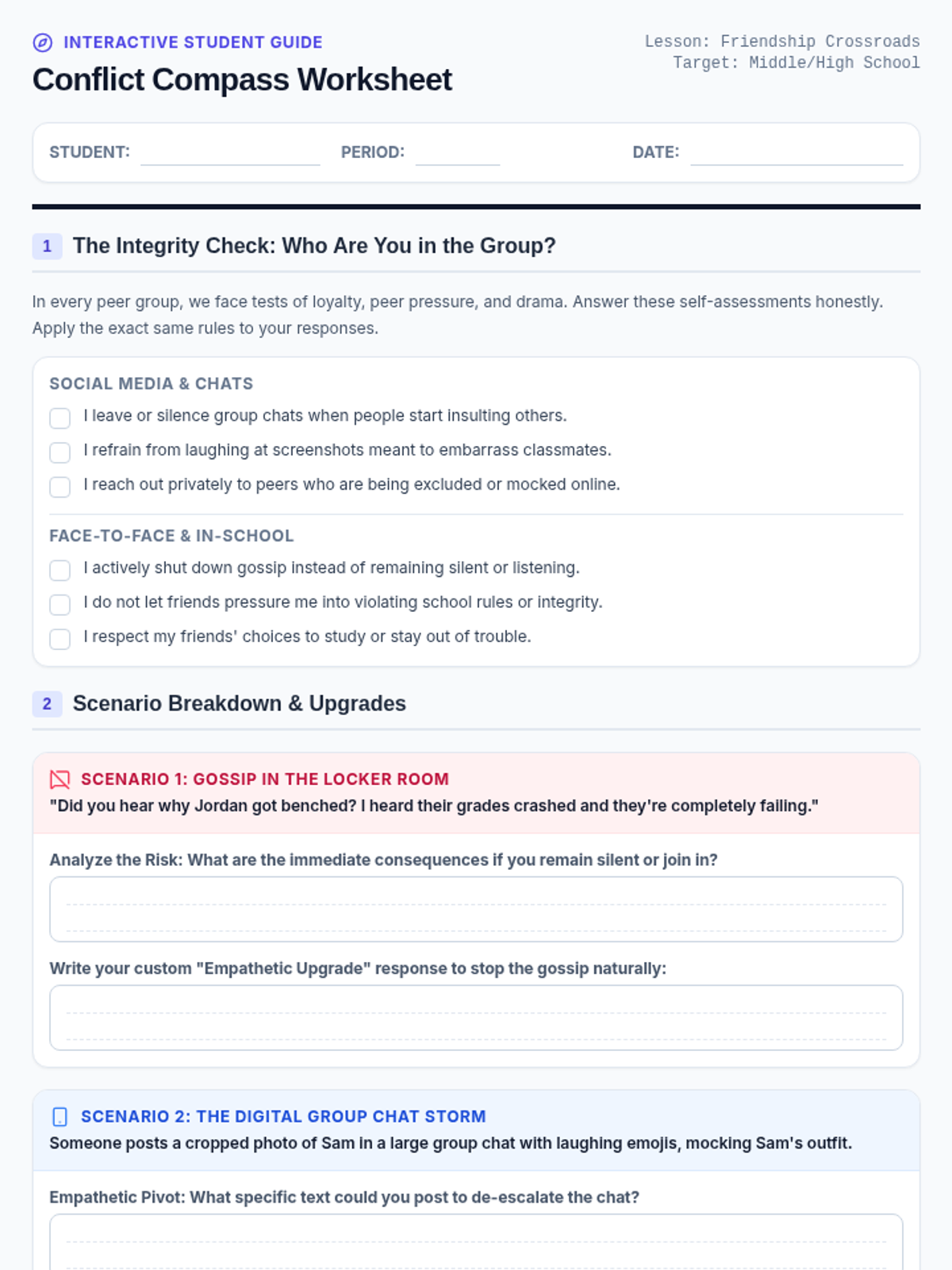
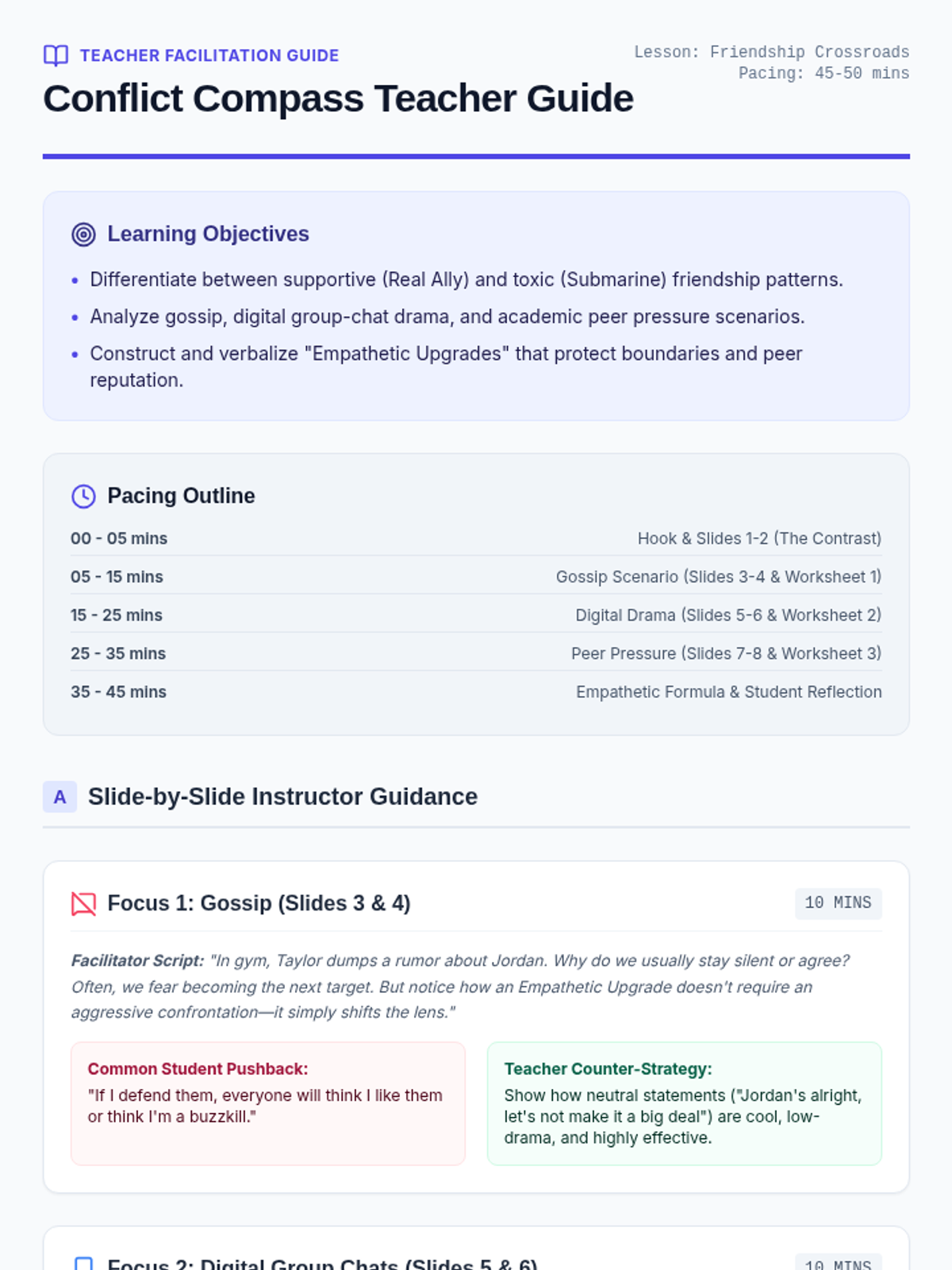
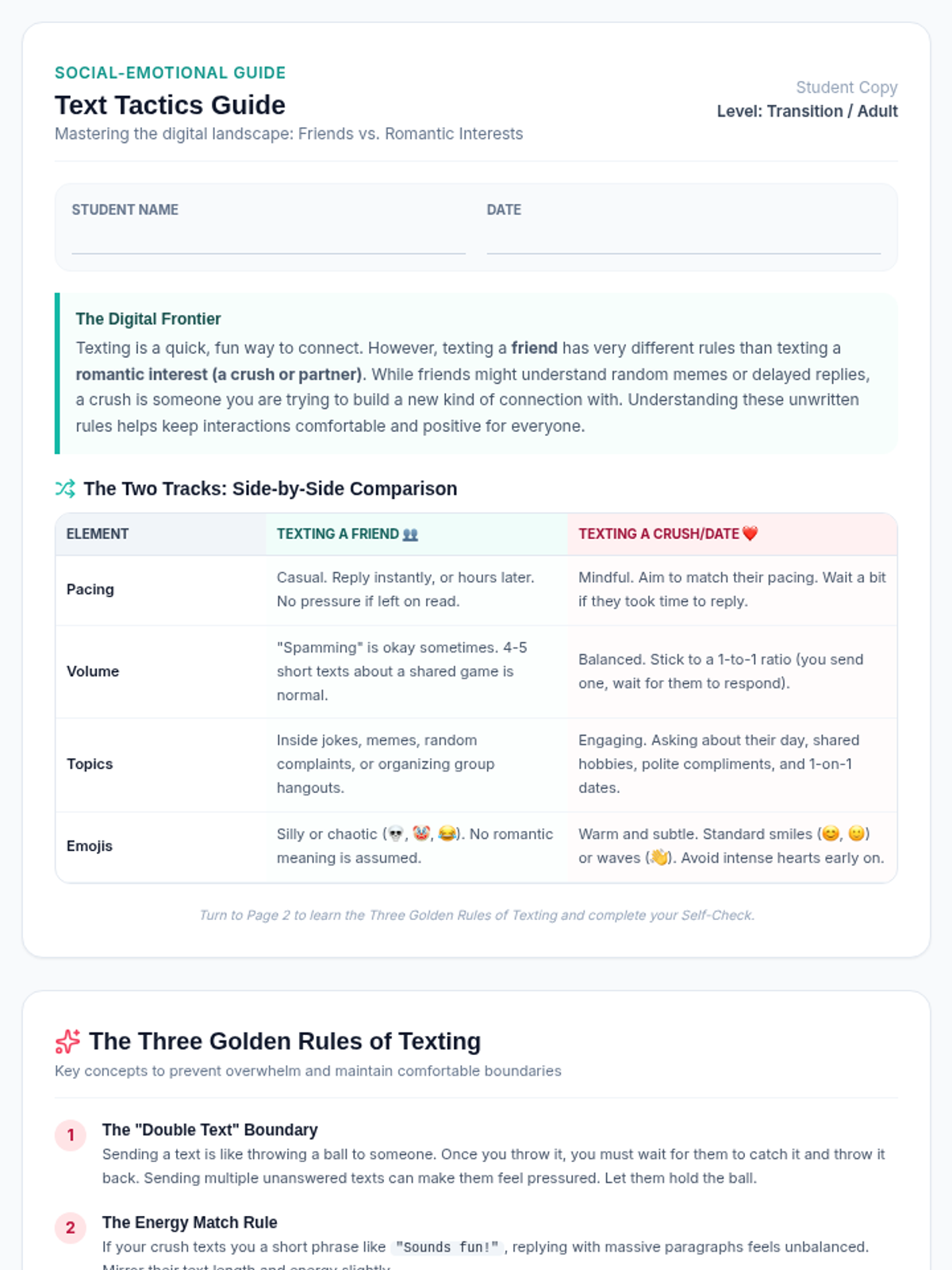
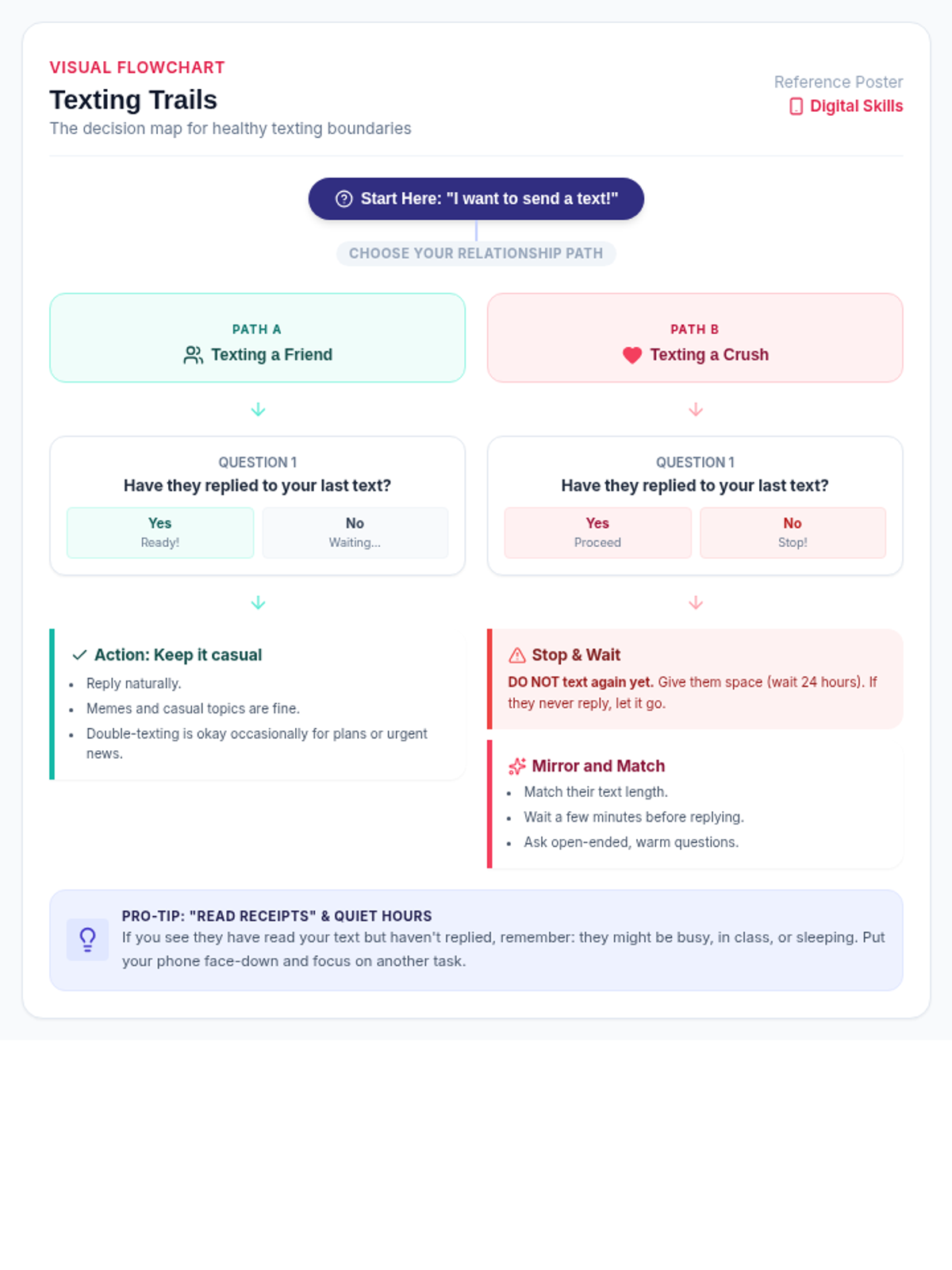
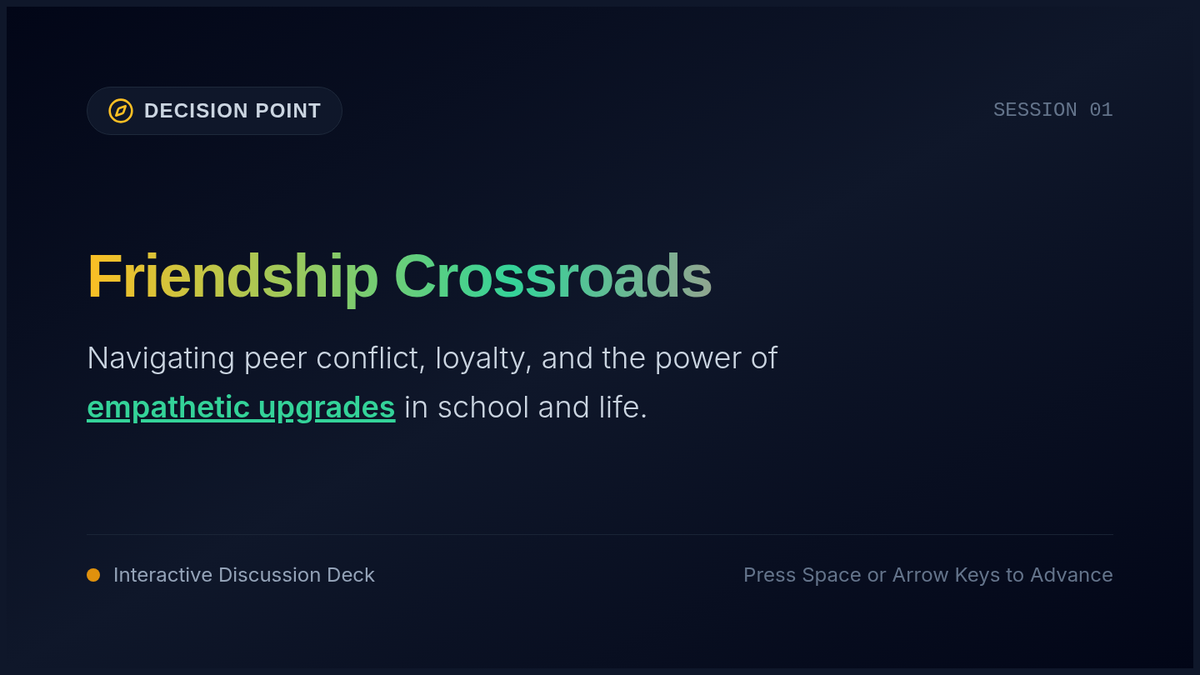
A comprehensive social skills toolkit for teenagers, focusing on navigating friendship dynamics, understanding social cues, and managing social anxiety through practical scenarios and self-reflection.
This lesson empowers students in temporary housing to use their voices for community and self-advocacy. It covers letter writing, school board participation, public speaking at town halls, and connecting with local organizations.
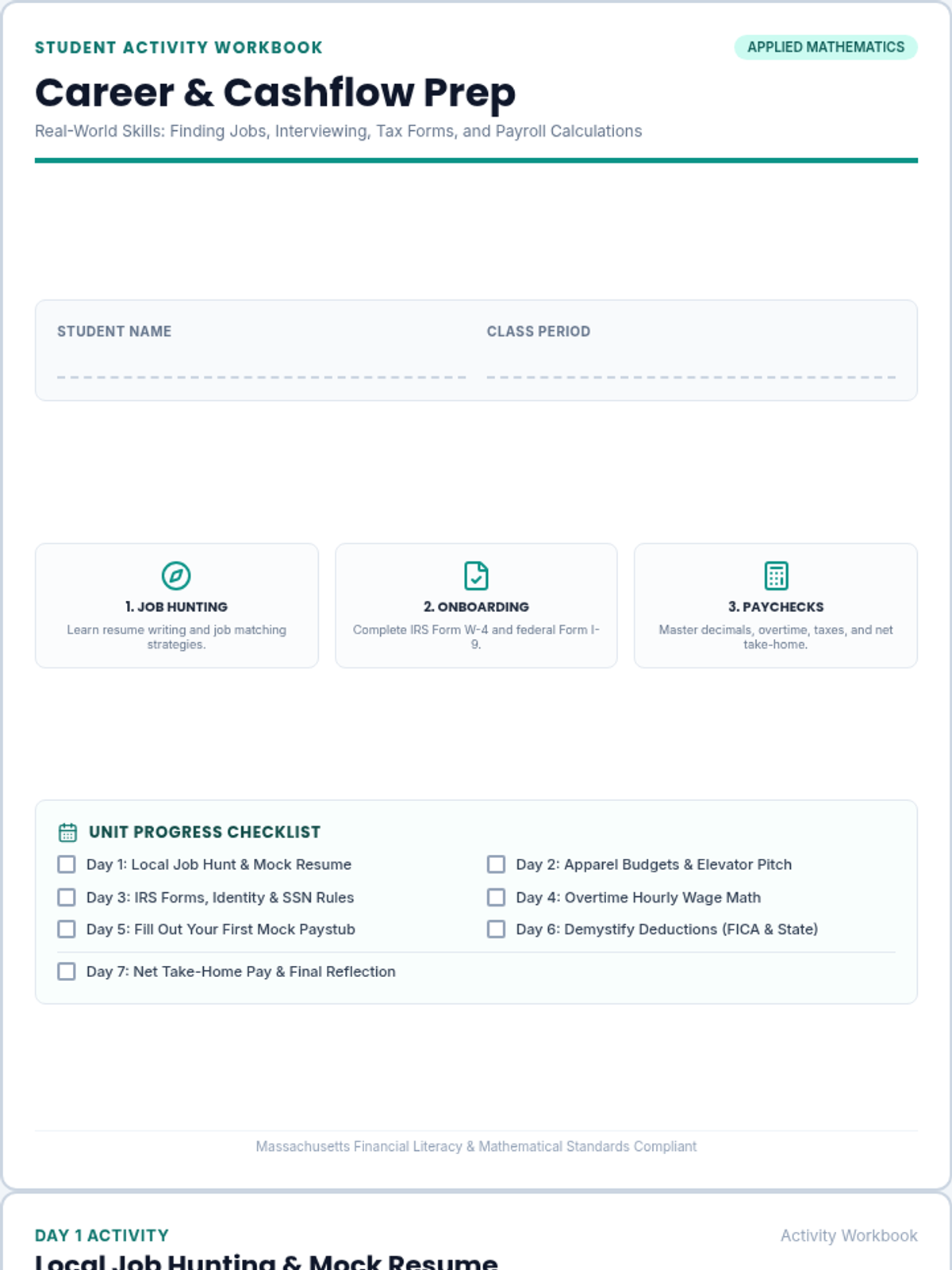
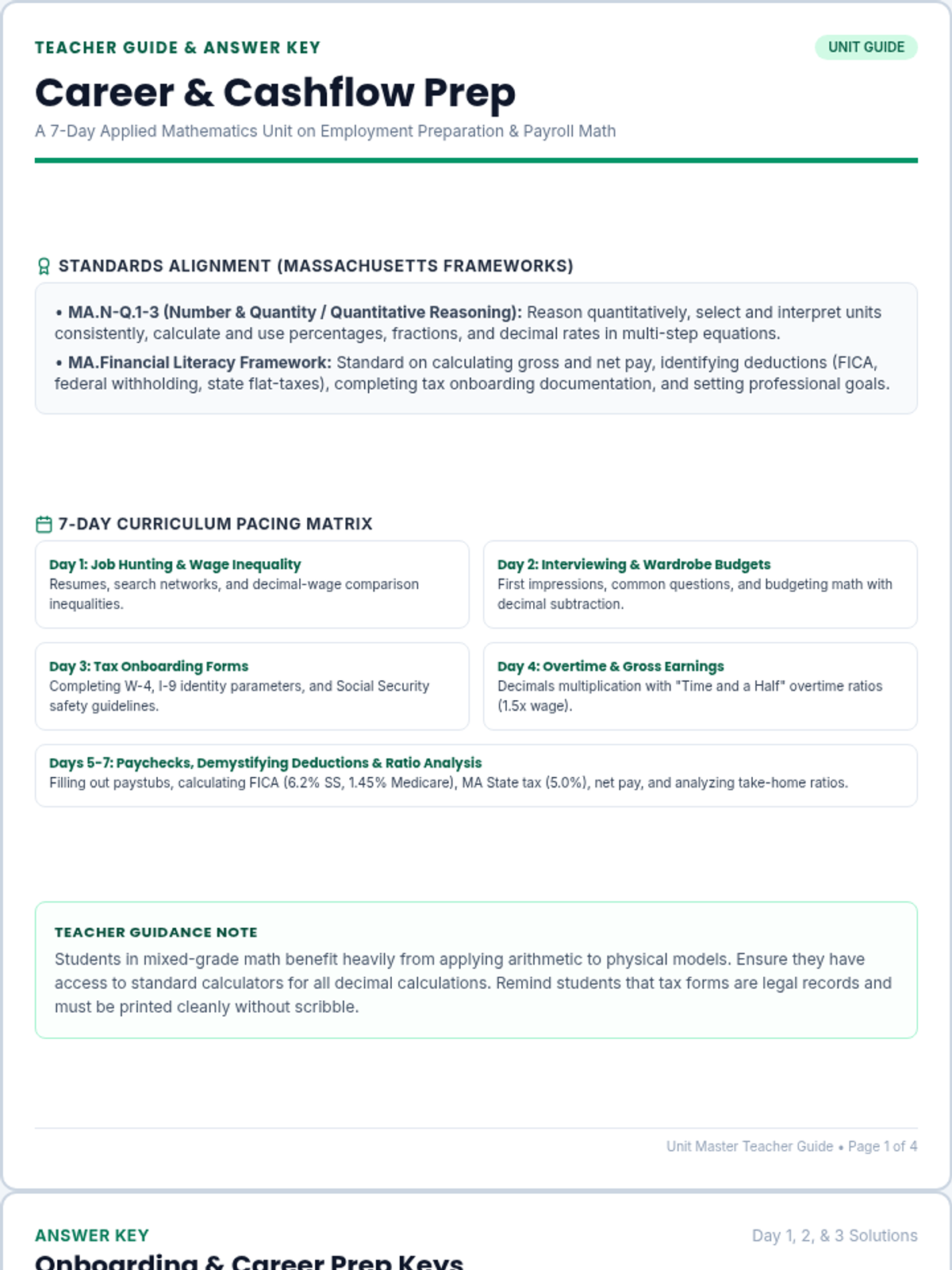
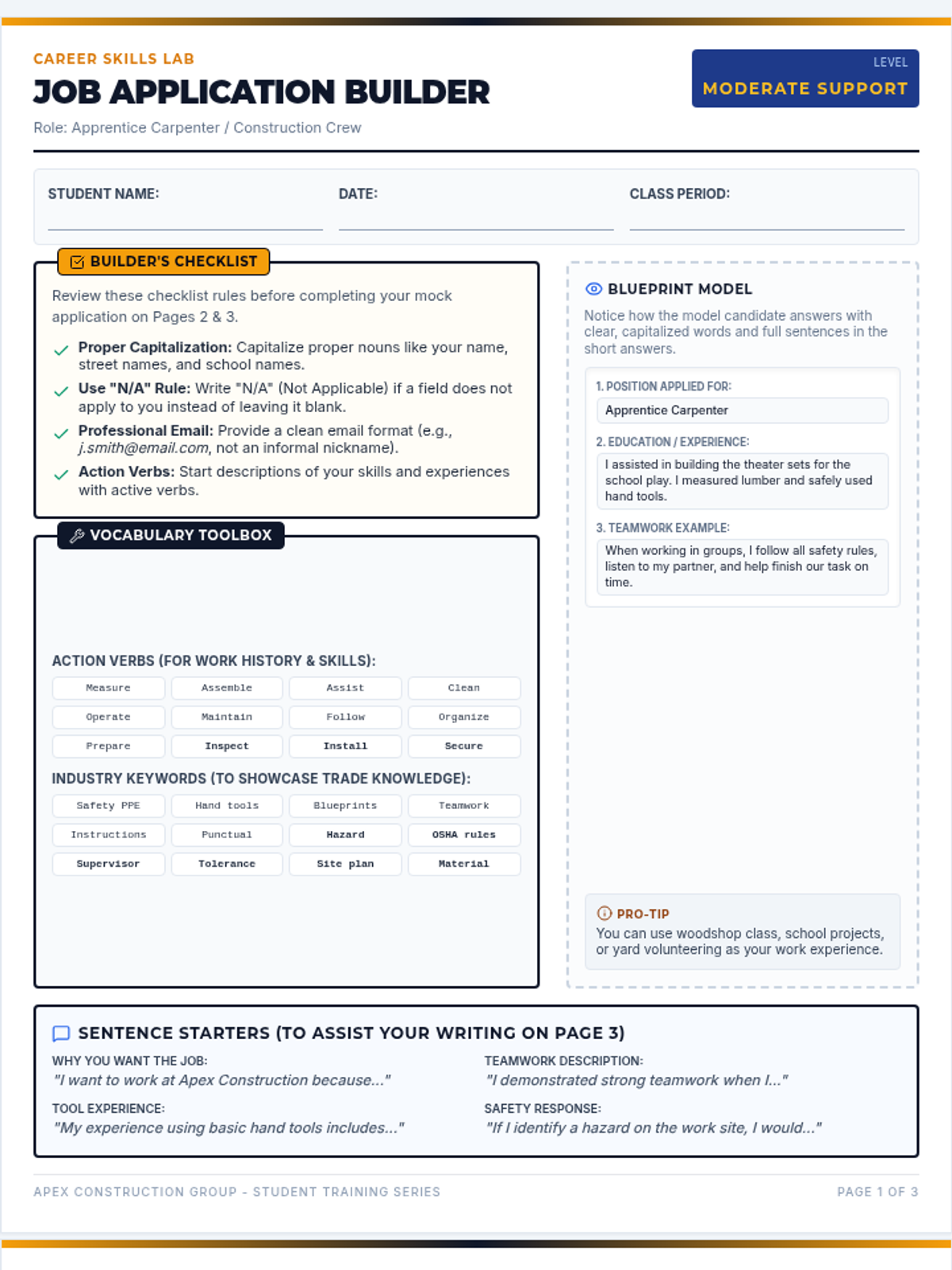
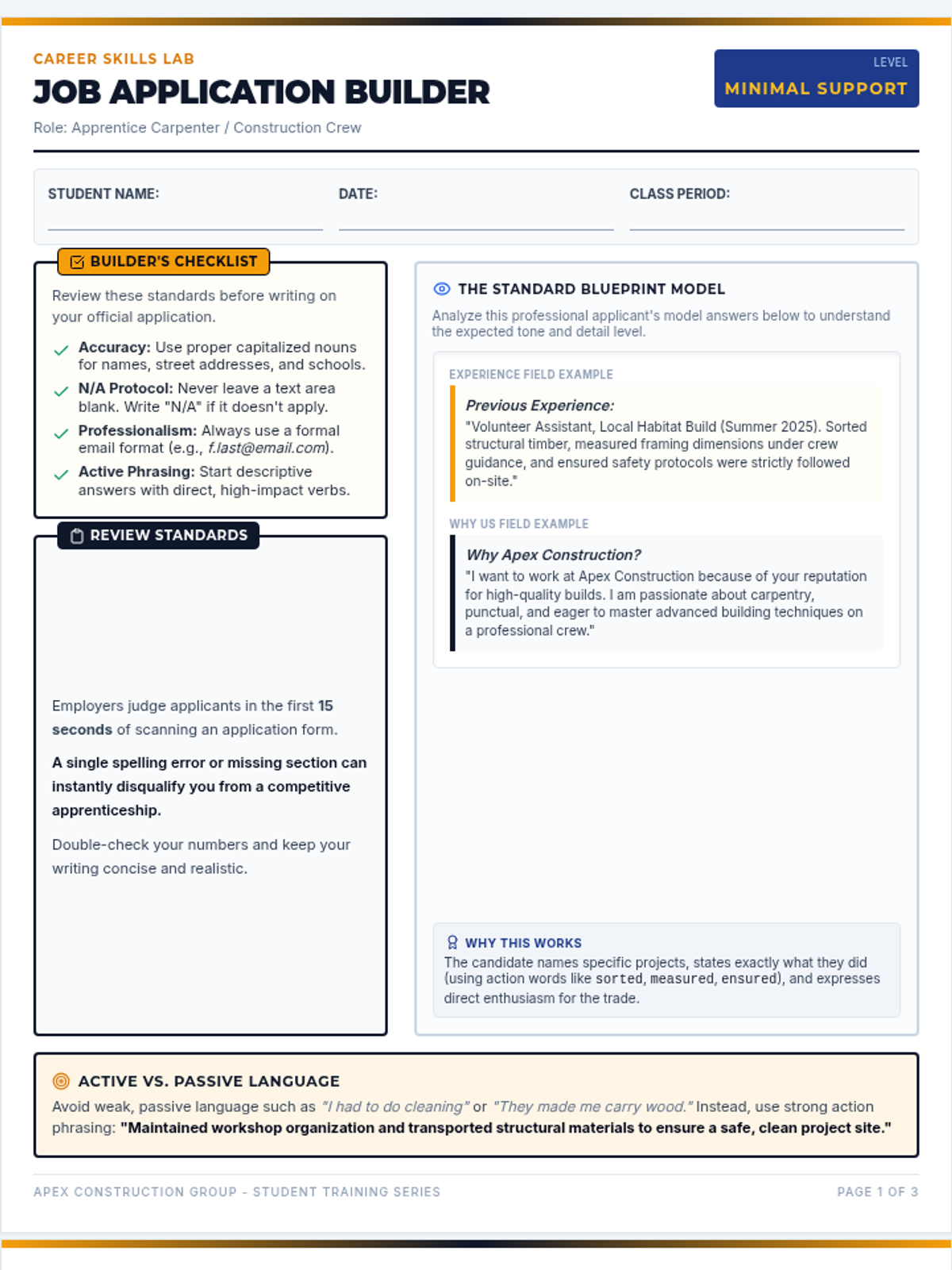
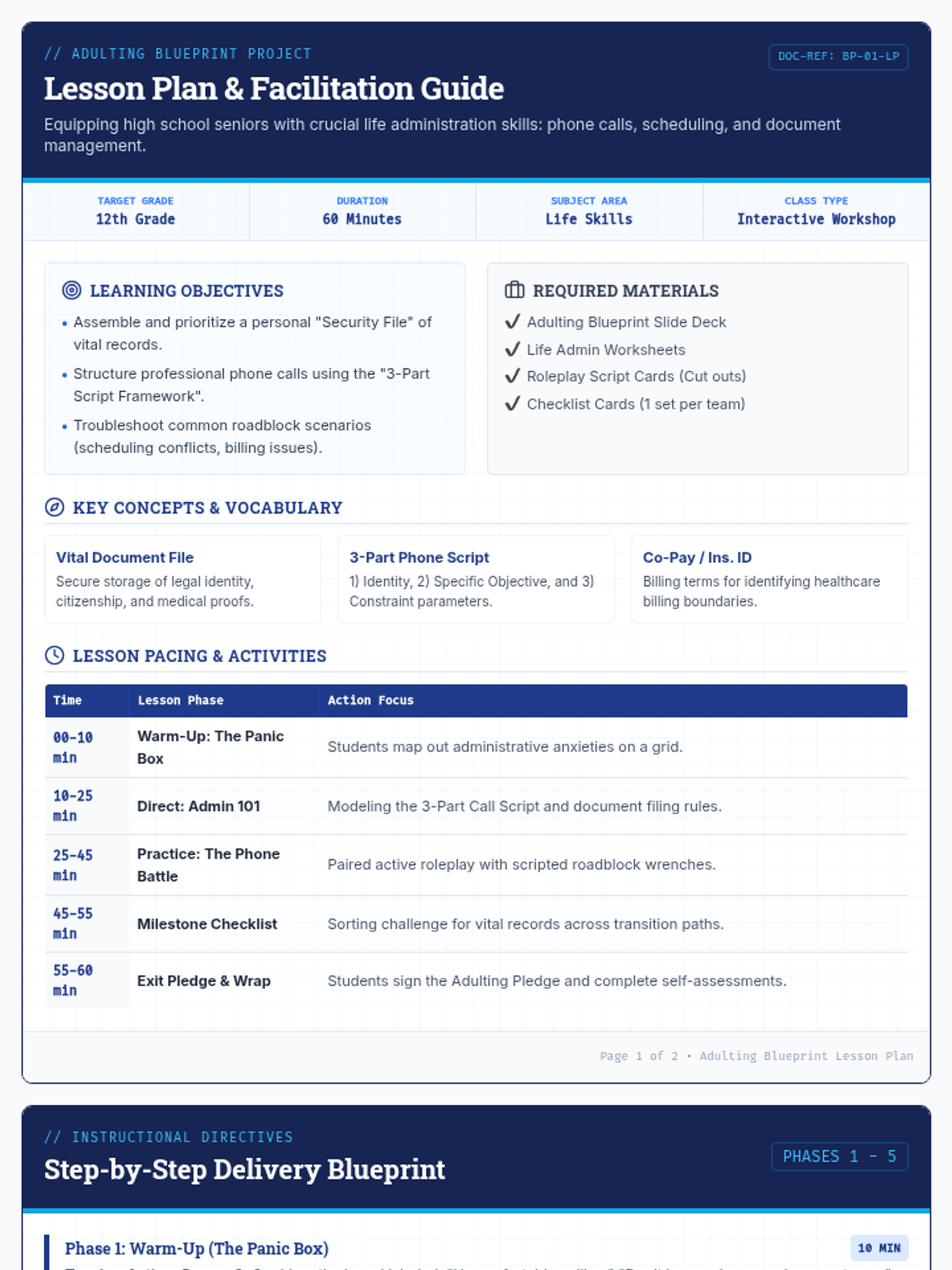
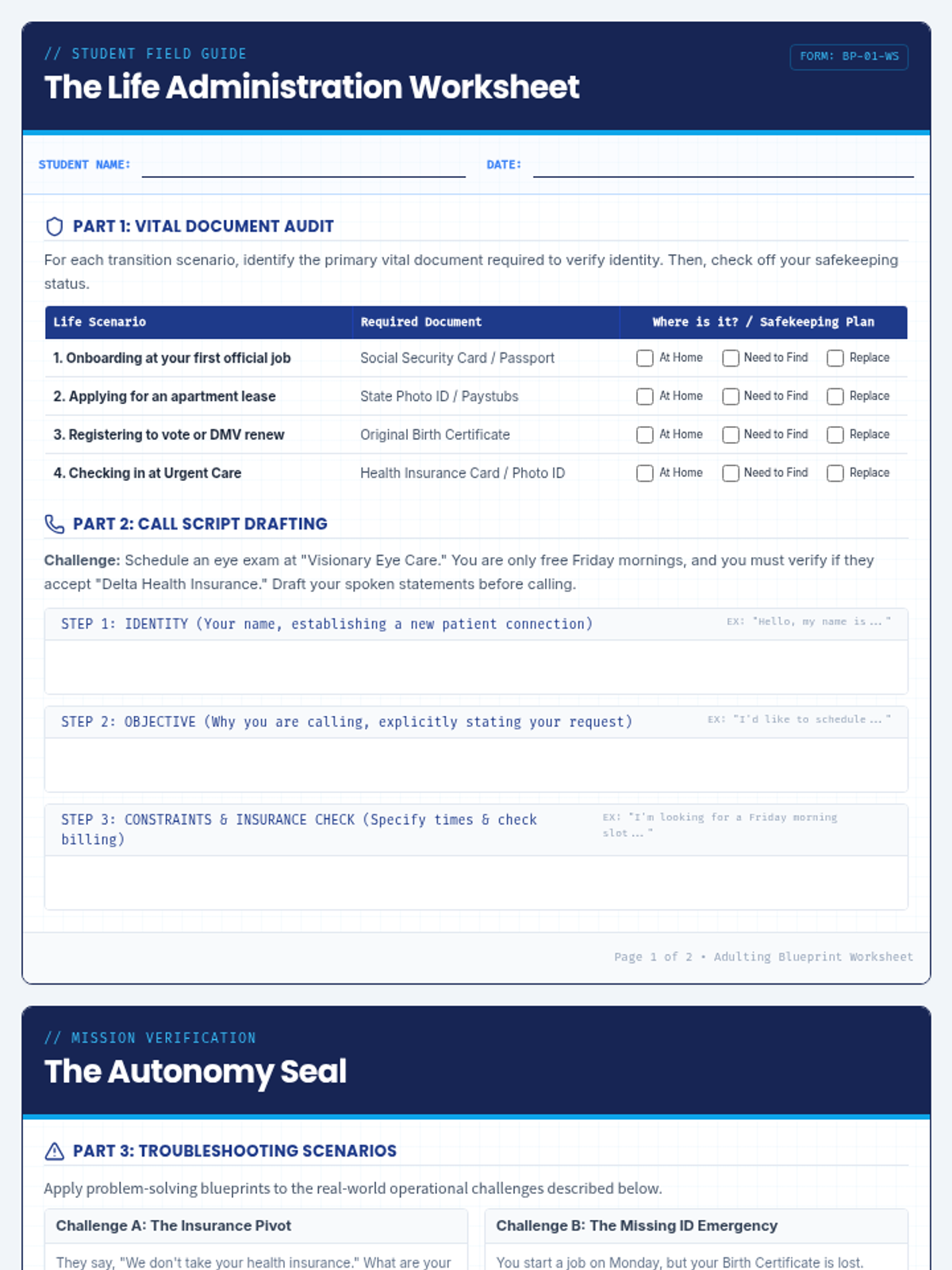
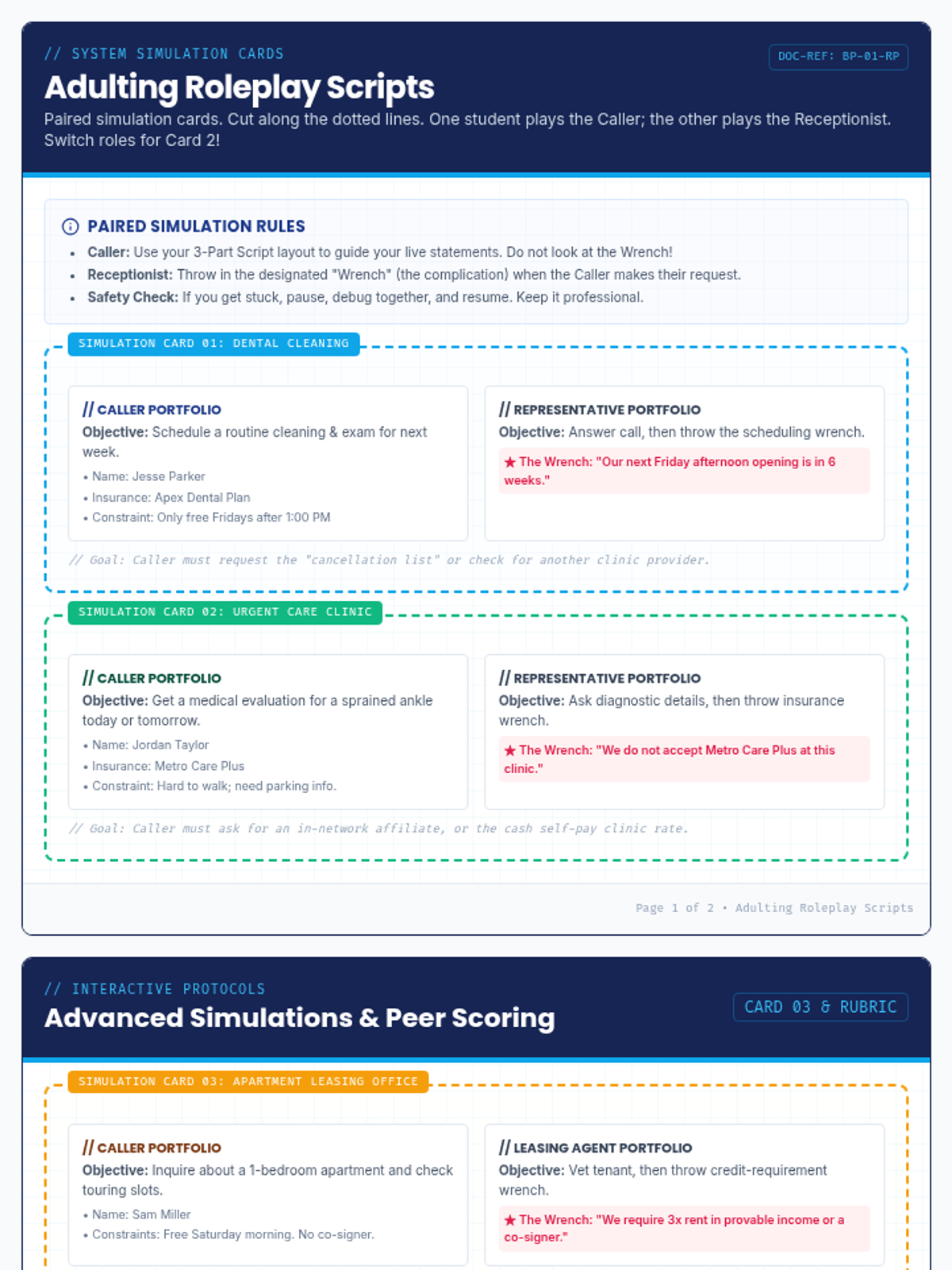
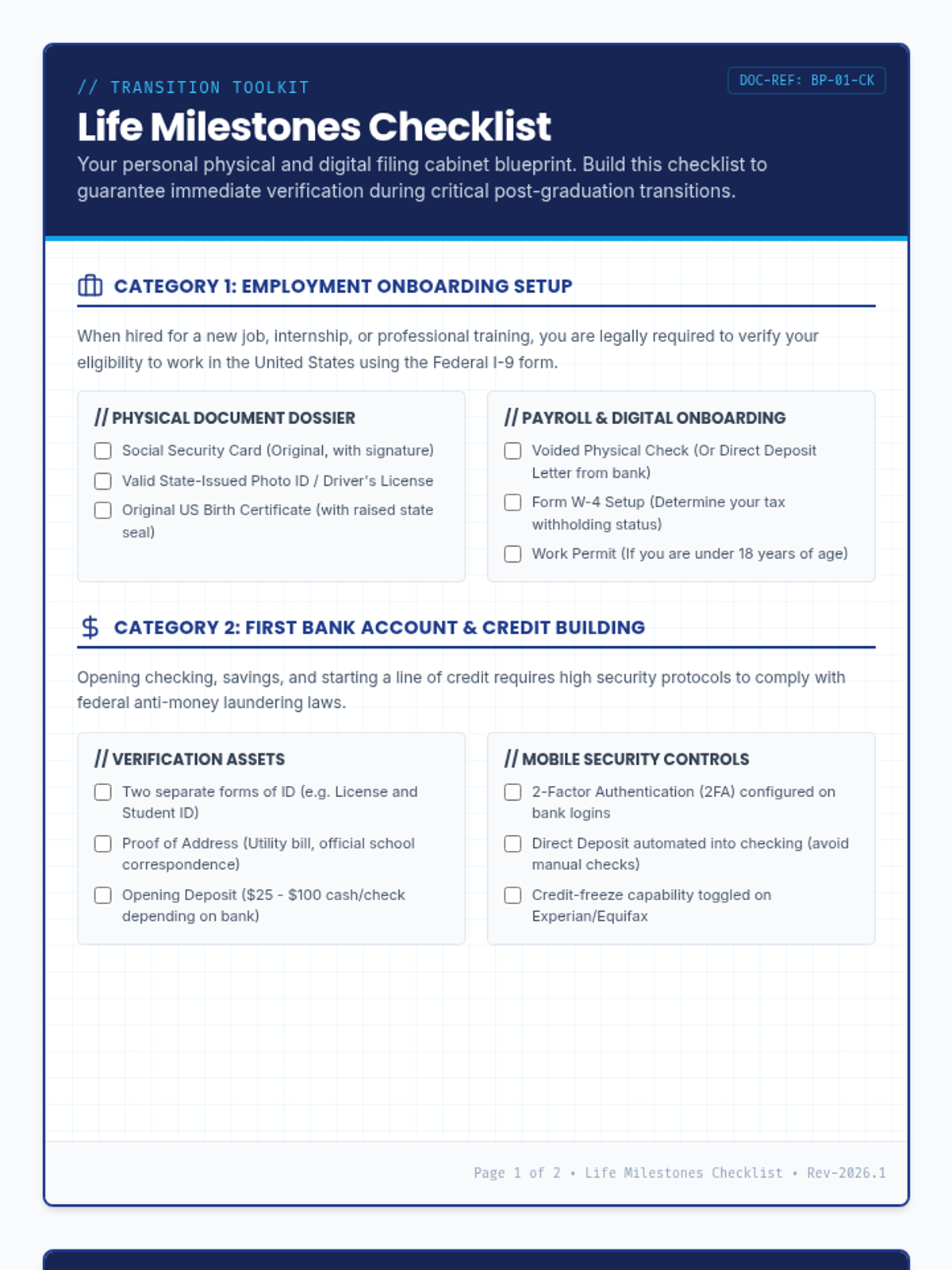
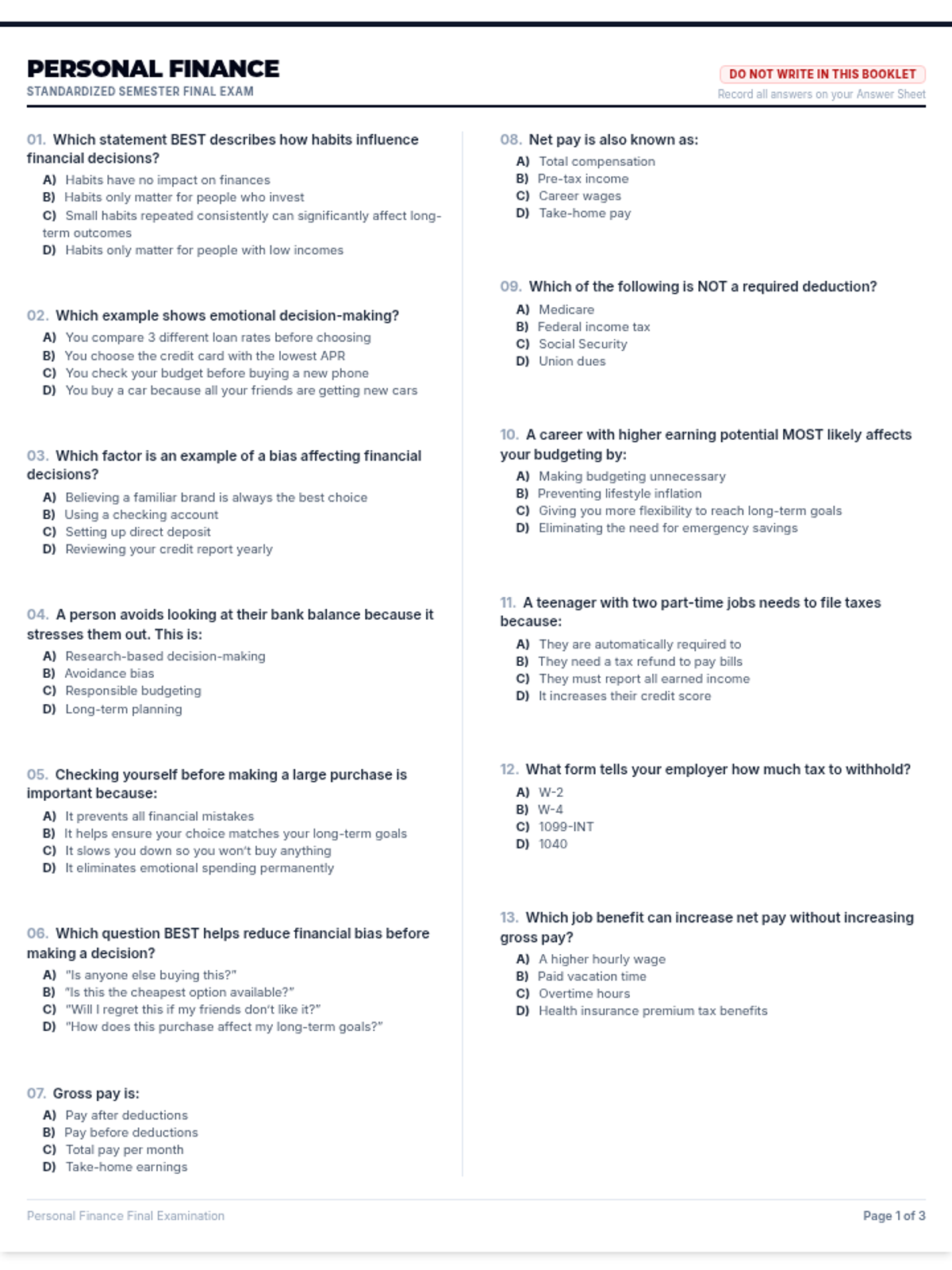
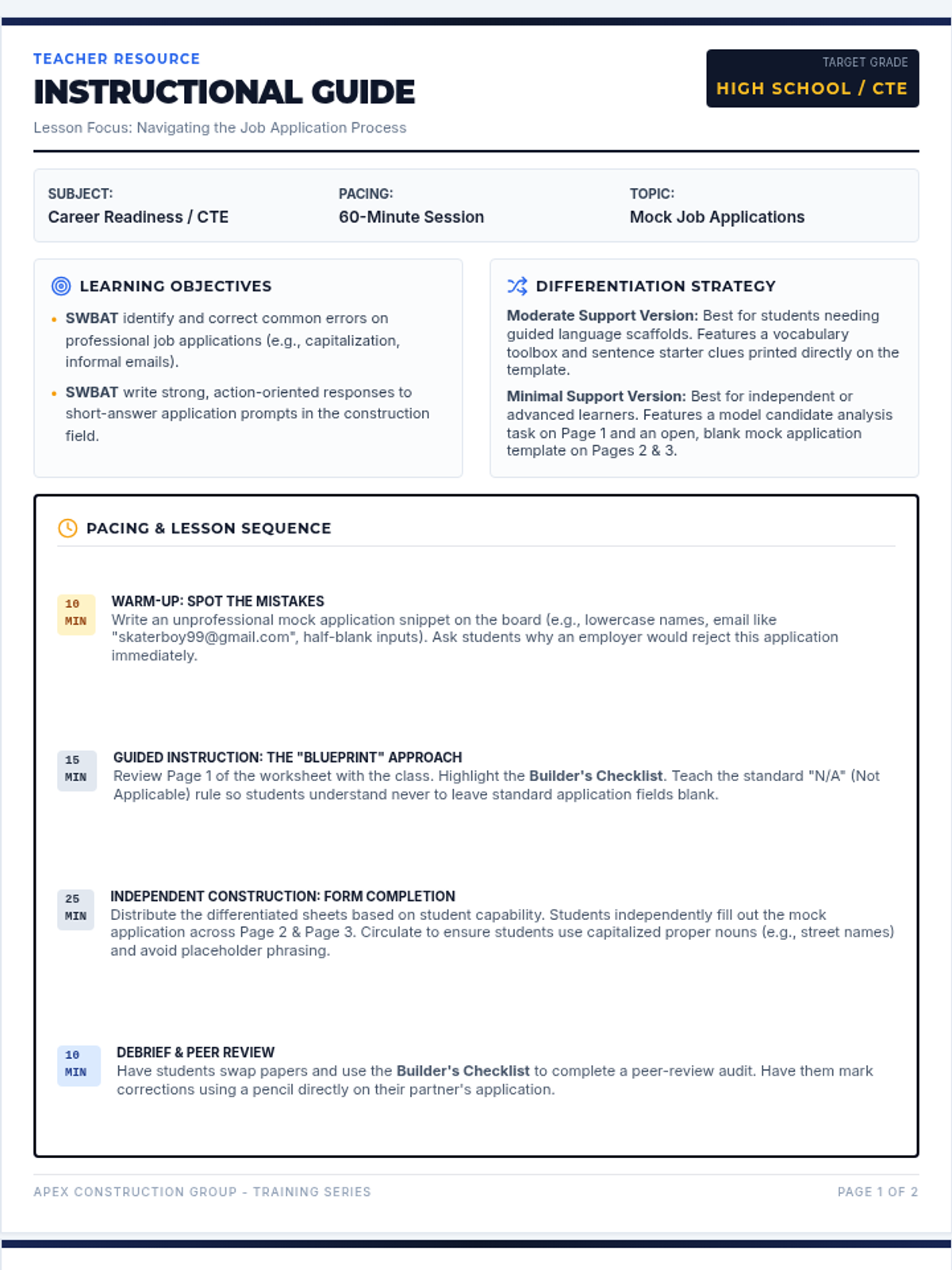
A collection of functional life skills resources designed for high school students transitioning to independence, focusing on budgeting, self-regulation, vocational readiness, and literacy.
A comprehensive lesson for students aged 11-17 to understand the sequence of their actions, identifying triggers, behaviors, and consequences to build self-regulation and problem-solving skills.
A lesson designed to empower high school students with the tools to navigate digital misinformation, focusing on the SIFT method, identifying emotional bias, and spotting sponsored content.
A comprehensive lesson designed to help homeless high school students navigate complex public benefit systems, understand their rights under McKinney-Vento, and manage the documentation required for stability and post-secondary success.
A comprehensive intervention designed to help students identify and challenge cognitive distortions during high-stakes testing seasons, focusing on cognitive reframing techniques to build resilience.
A mentor-facilitated program designed to build student confidence through positive self-talk, growth mindset exercises, and practical coping strategies. The materials provide a structured but flexible framework for meaningful 1-on-1 sessions.
A comprehensive lesson on workplace prioritization and task management across food service, office, and janitorial roles. Students learn to distinguish between urgent and important tasks using real-world scenarios.
A collection of tools to help students in residential settings prepare for their school day through social-emotional reflection.