Students examine common features of financial scams, such as urgency, requests for unusual payment methods, and too-good-to-be-true offers. They analyze text message and email examples to flag red flags in phishing attempts.
A 50-minute instructional session for students in temporary housing, focusing on safe food storage and creative leftover use through visual guides and sequence flowcharts.
A foundational lesson teaching professional problem-solving using a structured 4-step approach (Define, Plan, Act, Reflect) applied to workplace scenarios.
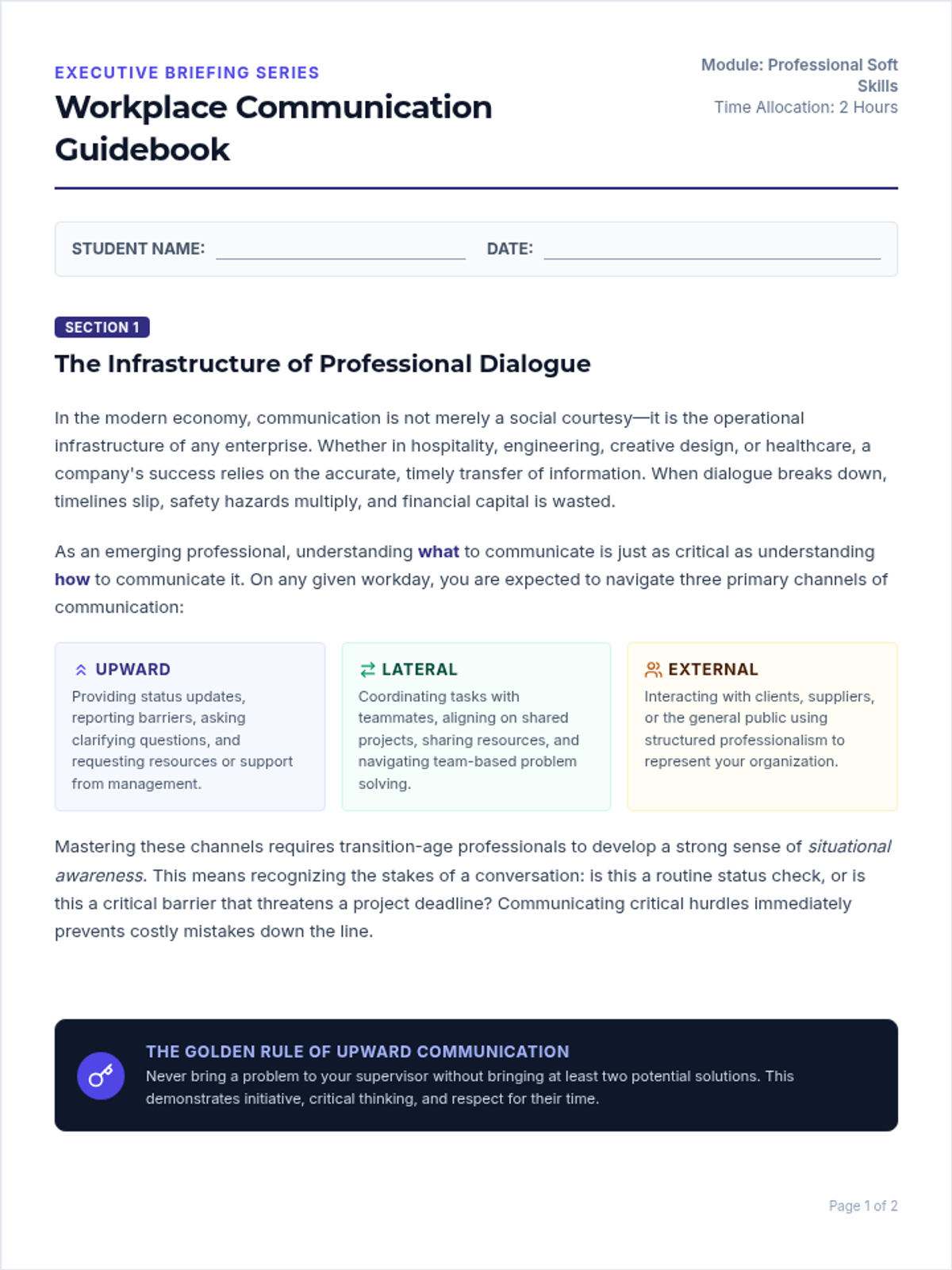
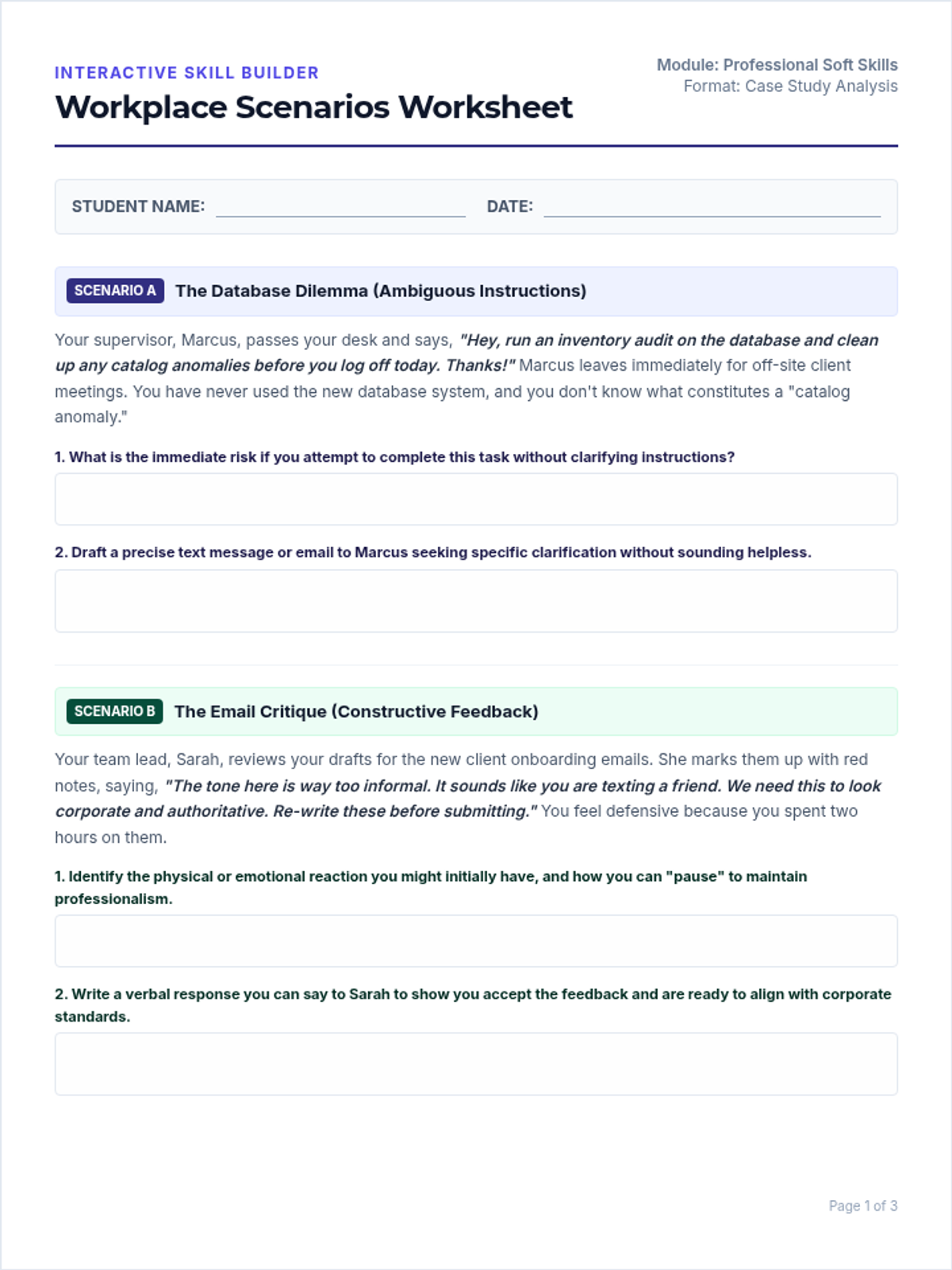
A comprehensive lesson on professional communication skills, focusing on email and phone etiquette for the workplace. Students learn the 'do's and don'ts' and practice crafting their own professional responses.
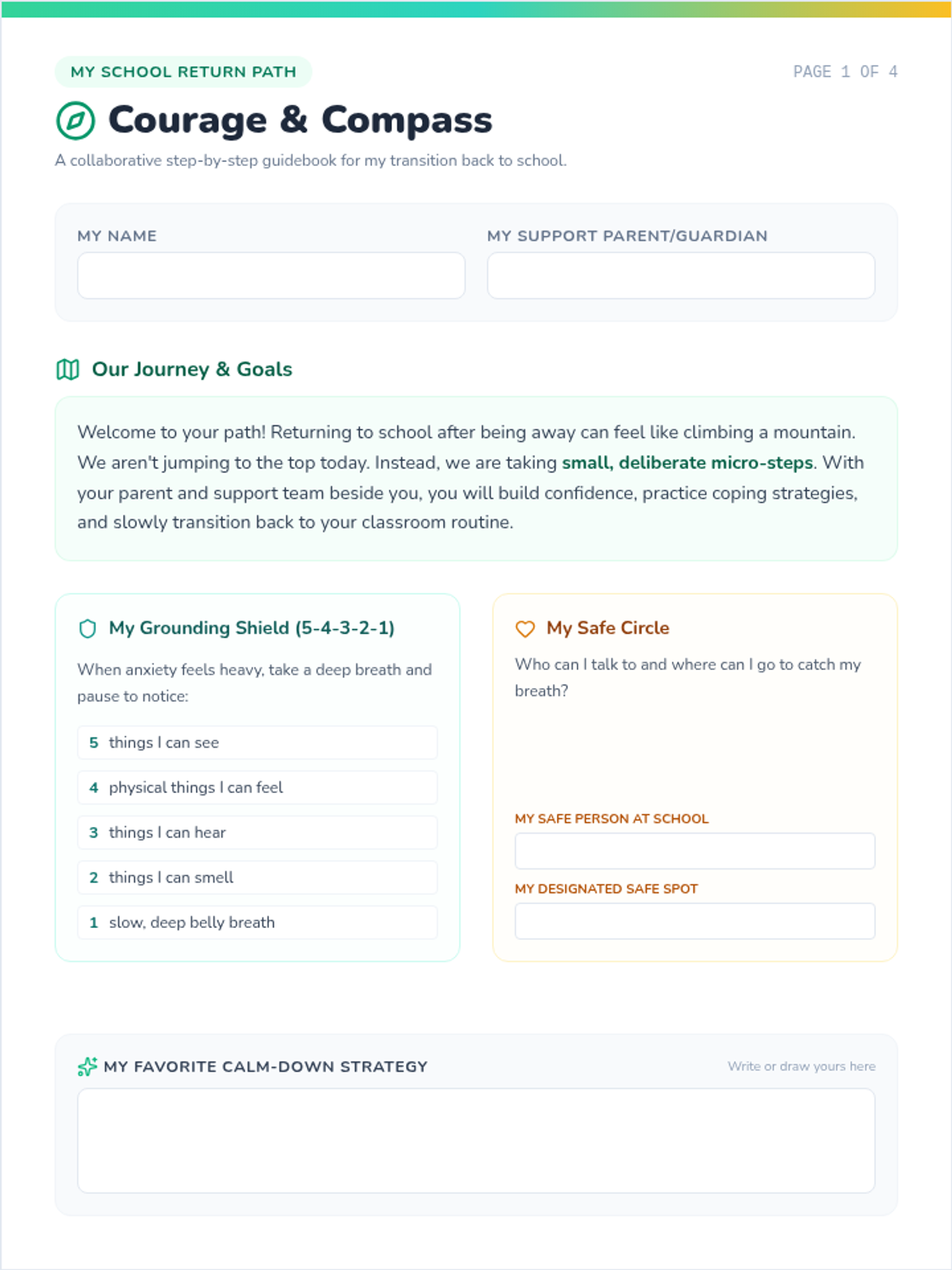
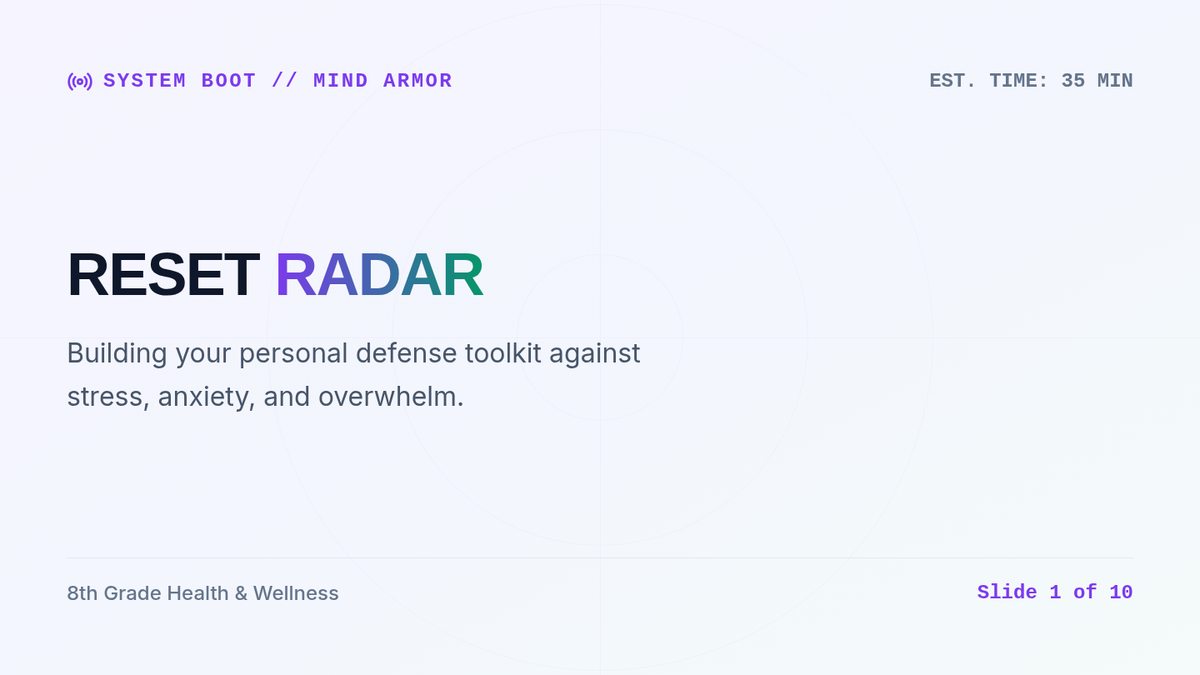
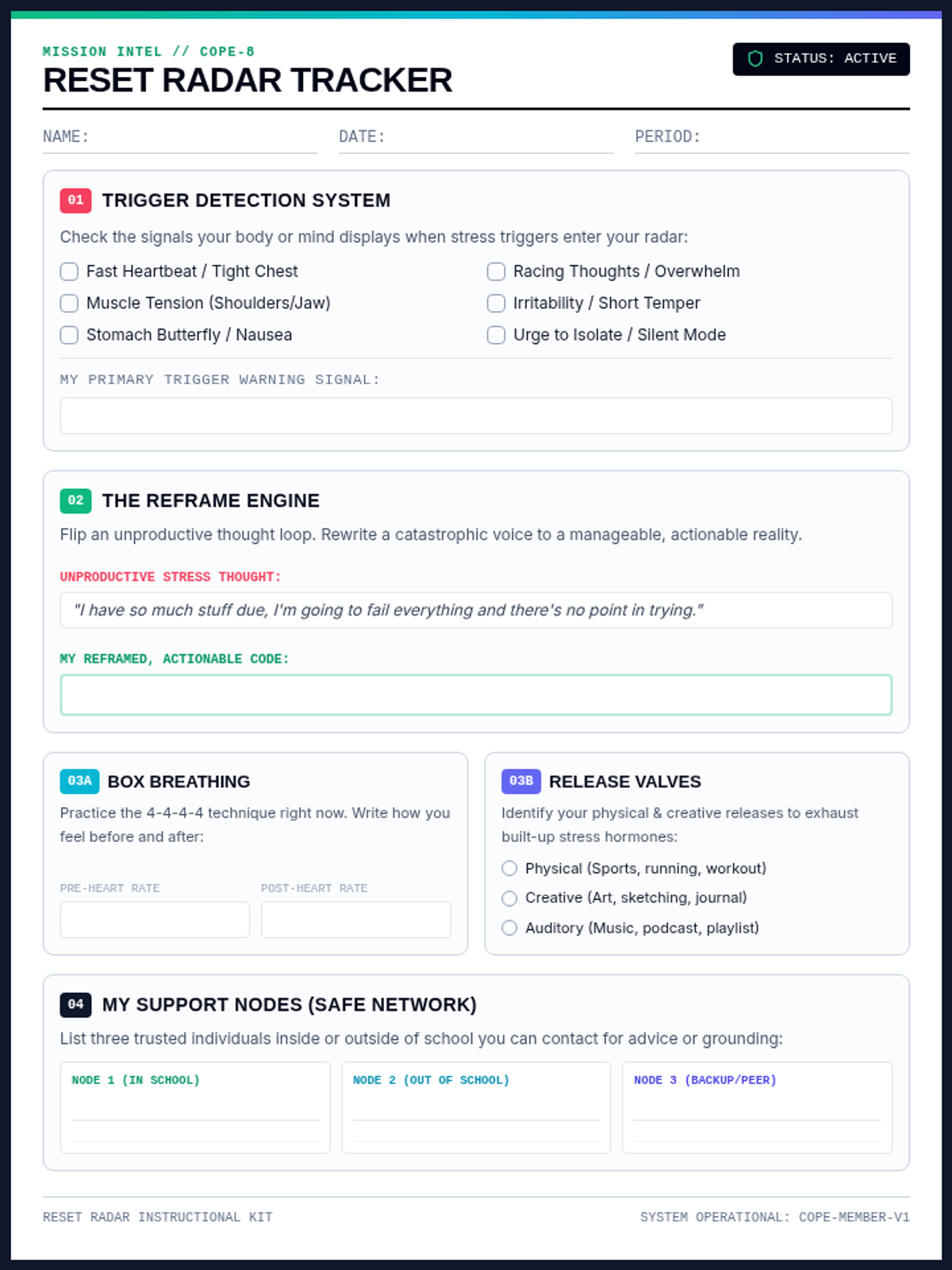
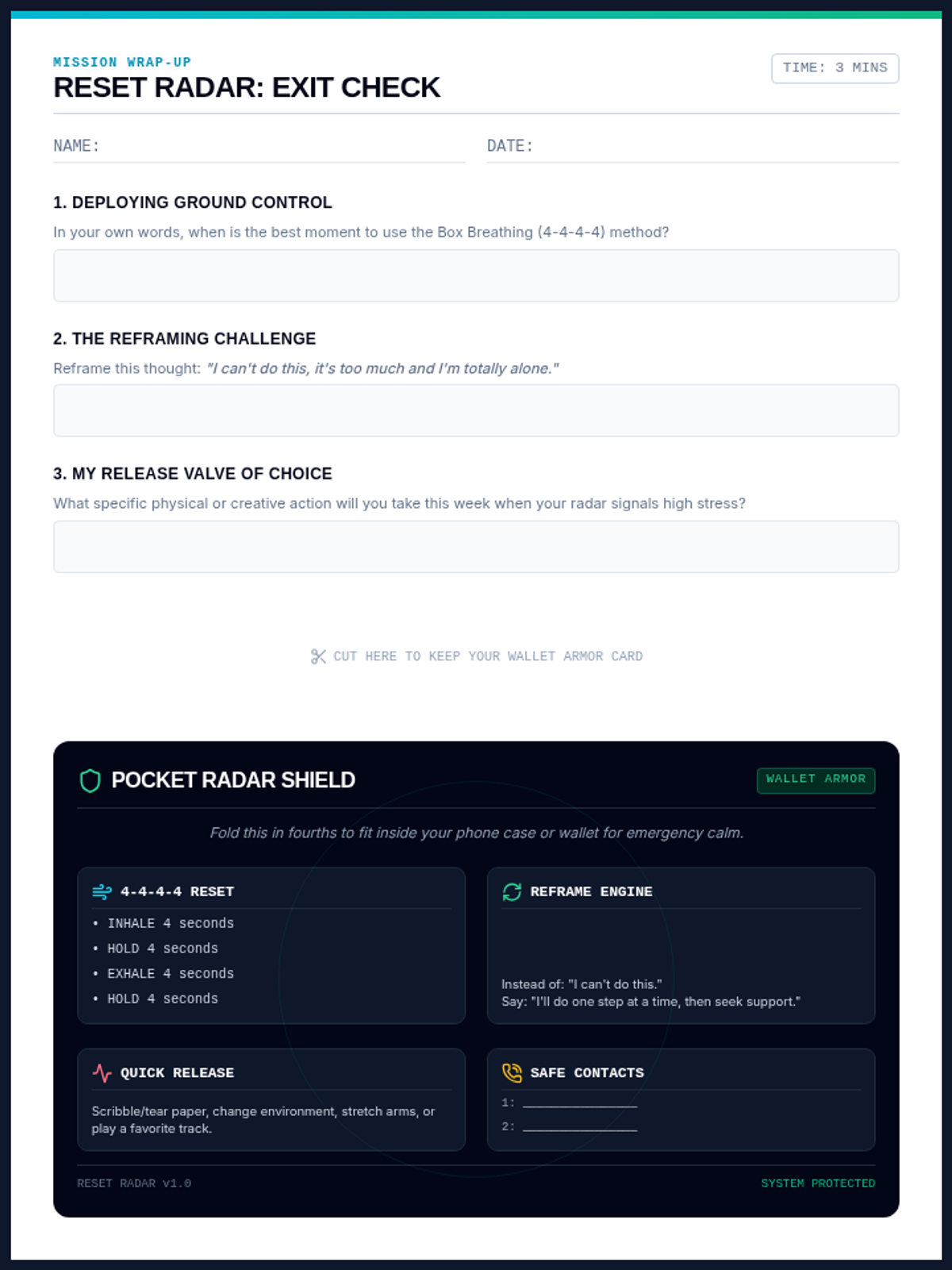
Students synthesize their learning by creating a personal coping plan and reflecting on their growth throughout the group.
Introduces physical and environmental coping strategies, including deep breathing, grounding techniques, and healthy lifestyle habits.
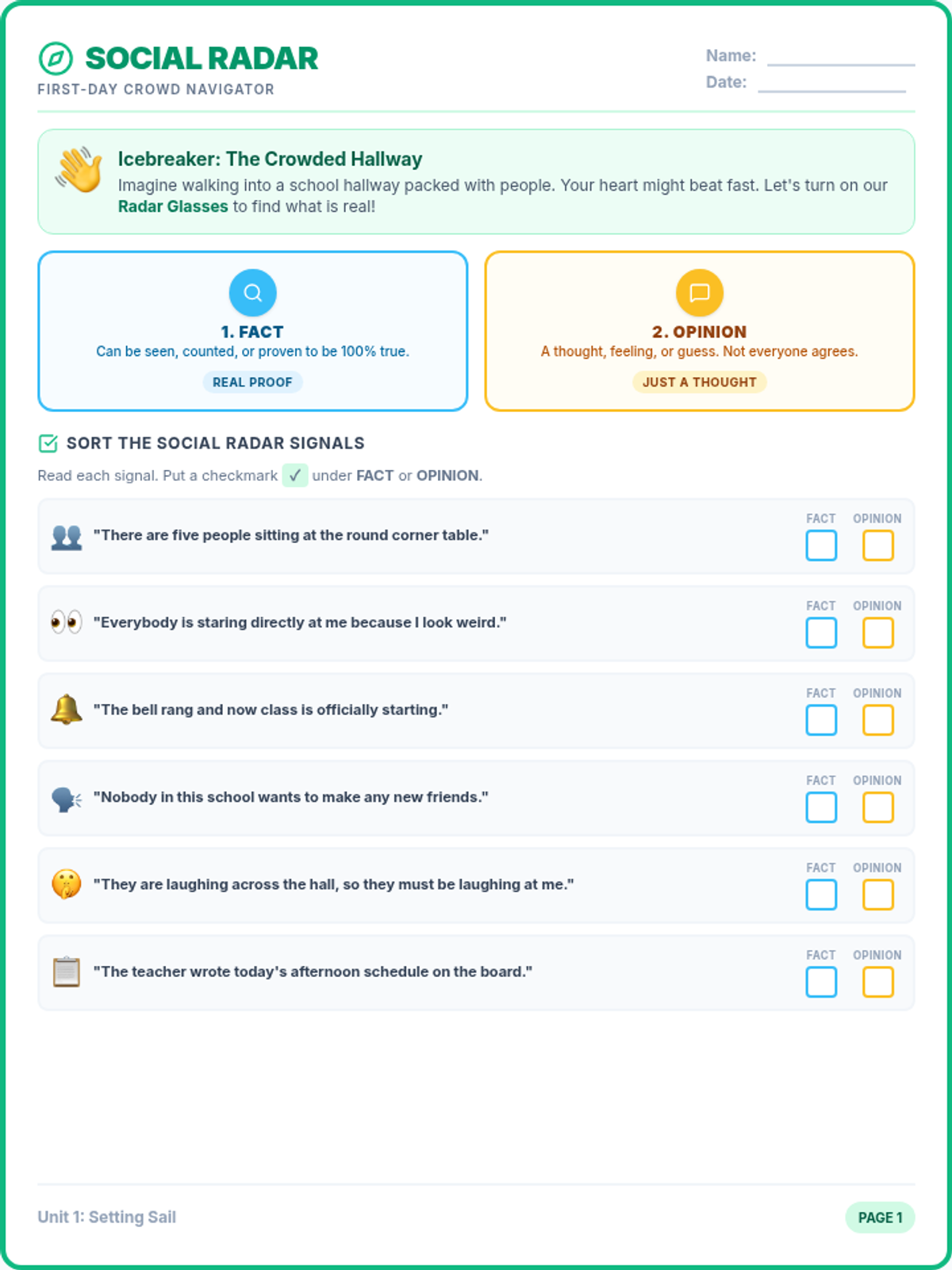
Focuses on the connection between thoughts and feelings, teaching students how to challenge negative self-talk and reframe stressful situations.
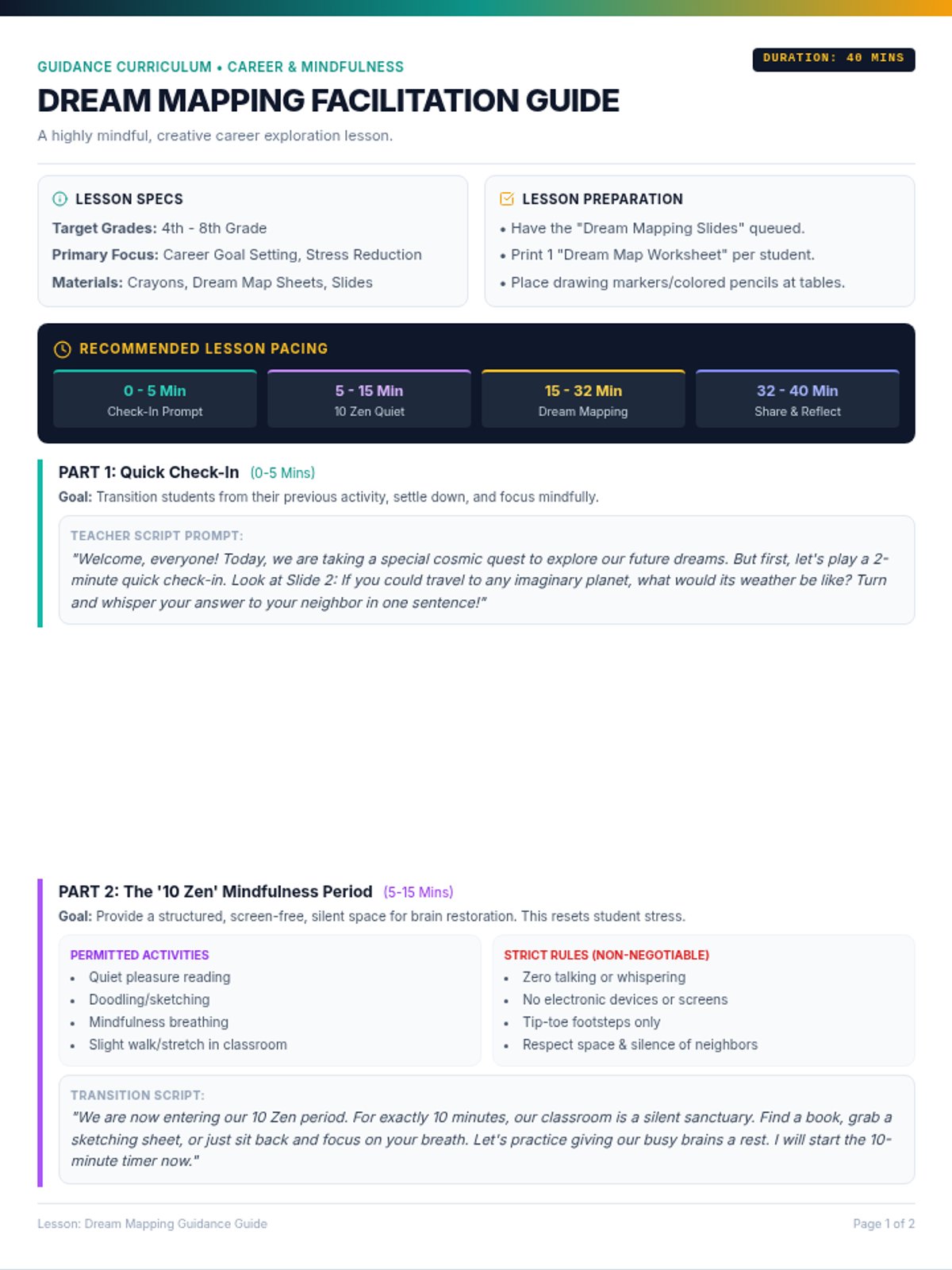
Students will define stress, identify their personal 'stress triggers', and learn how their bodies react to pressure.
A reflective session designed for 8th-grade students to evaluate their communication choices and understand the impact of classroom disruptions, specifically focusing on respectful advocacy when work is completed.
A reflective lesson designed for 8th-grade students to analyze their communication styles, specifically focusing on how to advocate for themselves respectfully when they have completed work, and understanding the collective impact of classroom disruptions.
A game-based social-emotional learning lesson using UNO cards to help students navigate the transition to high school, focusing on friendships, academic stress, peer pressure, and balance.
A comprehensive training module on the professional standards for calling out of work, covering etiquette, timing, and communication methods.
A comprehensive lesson on the importance of quality control and checking one's work across various entry-level employment sectors including janitorial, retail, office, and food service.
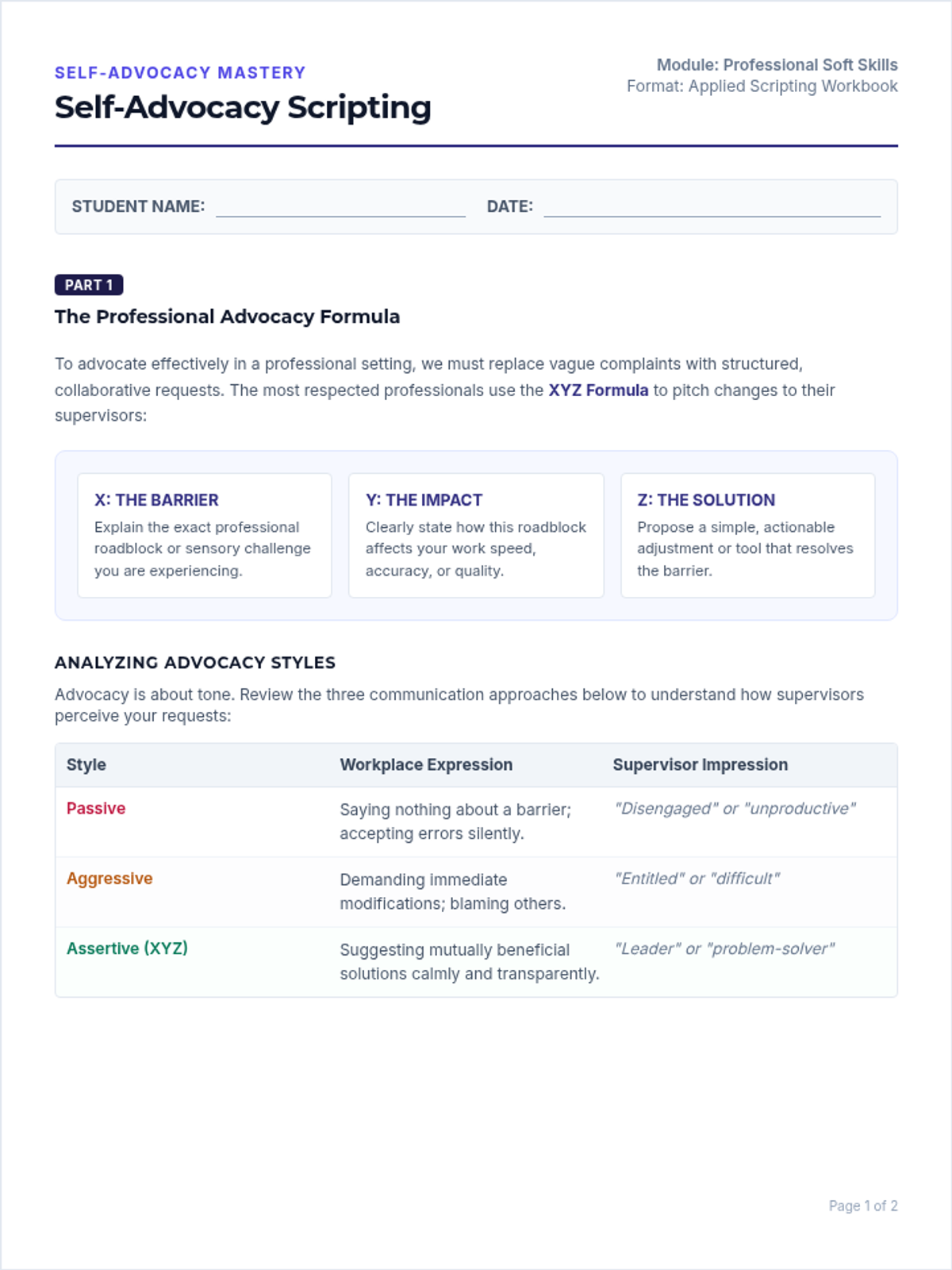
This lesson focuses on self-advocacy in the service industry, specifically regarding tipping policies and procedures. Students will learn how to identify different tipping systems and practice asking for clarification when they have questions about their earnings.